window.__IS_SSR__=true
window.__INITIAL_STATE__={
"attachmentsReducer": {
"audio_0": {
"type": "attachments",
"id": "audio_0",
"imgSizes": {
"kqedFullSize": {
"file": "https://ww2.kqed.org/news/wp-content/themes/KQED-unified/img/audio_bgs/background0.jpg"
}
}
},
"audio_1": {
"type": "attachments",
"id": "audio_1",
"imgSizes": {
"kqedFullSize": {
"file": "https://ww2.kqed.org/news/wp-content/themes/KQED-unified/img/audio_bgs/background1.jpg"
}
}
},
"audio_2": {
"type": "attachments",
"id": "audio_2",
"imgSizes": {
"kqedFullSize": {
"file": "https://ww2.kqed.org/news/wp-content/themes/KQED-unified/img/audio_bgs/background2.jpg"
}
}
},
"audio_3": {
"type": "attachments",
"id": "audio_3",
"imgSizes": {
"kqedFullSize": {
"file": "https://ww2.kqed.org/news/wp-content/themes/KQED-unified/img/audio_bgs/background3.jpg"
}
}
},
"audio_4": {
"type": "attachments",
"id": "audio_4",
"imgSizes": {
"kqedFullSize": {
"file": "https://ww2.kqed.org/news/wp-content/themes/KQED-unified/img/audio_bgs/background4.jpg"
}
}
},
"placeholder": {
"type": "attachments",
"id": "placeholder",
"imgSizes": {
"thumbnail": {
"file": "https://cdn.kqed.org/wp-content/uploads/2024/12/KQED-Default-Image-816638274-2000x1333-1-160x107.jpg",
"width": 160,
"height": 107,
"mimeType": "image/jpeg"
},
"medium": {
"file": "https://cdn.kqed.org/wp-content/uploads/2024/12/KQED-Default-Image-816638274-2000x1333-1-800x533.jpg",
"width": 800,
"height": 533,
"mimeType": "image/jpeg"
},
"medium_large": {
"file": "https://cdn.kqed.org/wp-content/uploads/2024/12/KQED-Default-Image-816638274-2000x1333-1-768x512.jpg",
"width": 768,
"height": 512,
"mimeType": "image/jpeg"
},
"large": {
"file": "https://cdn.kqed.org/wp-content/uploads/2024/12/KQED-Default-Image-816638274-2000x1333-1-1020x680.jpg",
"width": 1020,
"height": 680,
"mimeType": "image/jpeg"
},
"1536x1536": {
"file": "https://cdn.kqed.org/wp-content/uploads/2024/12/KQED-Default-Image-816638274-2000x1333-1-1536x1024.jpg",
"width": 1536,
"height": 1024,
"mimeType": "image/jpeg"
},
"fd-lrg": {
"file": "https://cdn.kqed.org/wp-content/uploads/2024/12/KQED-Default-Image-816638274-2000x1333-1-1536x1024.jpg",
"width": 1536,
"height": 1024,
"mimeType": "image/jpeg"
},
"fd-med": {
"file": "https://cdn.kqed.org/wp-content/uploads/2024/12/KQED-Default-Image-816638274-2000x1333-1-1020x680.jpg",
"width": 1020,
"height": 680,
"mimeType": "image/jpeg"
},
"fd-sm": {
"file": "https://cdn.kqed.org/wp-content/uploads/2024/12/KQED-Default-Image-816638274-2000x1333-1-800x533.jpg",
"width": 800,
"height": 533,
"mimeType": "image/jpeg"
},
"post-thumbnail": {
"file": "https://cdn.kqed.org/wp-content/uploads/2024/12/KQED-Default-Image-816638274-2000x1333-1-672x372.jpg",
"width": 672,
"height": 372,
"mimeType": "image/jpeg"
},
"twentyfourteen-full-width": {
"file": "https://cdn.kqed.org/wp-content/uploads/2024/12/KQED-Default-Image-816638274-2000x1333-1-1038x576.jpg",
"width": 1038,
"height": 576,
"mimeType": "image/jpeg"
},
"xxsmall": {
"file": "https://cdn.kqed.org/wp-content/uploads/2024/12/KQED-Default-Image-816638274-2000x1333-1-160x107.jpg",
"width": 160,
"height": 107,
"mimeType": "image/jpeg"
},
"xsmall": {
"file": "https://cdn.kqed.org/wp-content/uploads/2024/12/KQED-Default-Image-816638274-2000x1333-1-672x372.jpg",
"width": 672,
"height": 372,
"mimeType": "image/jpeg"
},
"small": {
"file": "https://cdn.kqed.org/wp-content/uploads/2024/12/KQED-Default-Image-816638274-2000x1333-1-672x372.jpg",
"width": 672,
"height": 372,
"mimeType": "image/jpeg"
},
"xlarge": {
"file": "https://cdn.kqed.org/wp-content/uploads/2024/12/KQED-Default-Image-816638274-2000x1333-1-1020x680.jpg",
"width": 1020,
"height": 680,
"mimeType": "image/jpeg"
},
"full-width": {
"file": "https://cdn.kqed.org/wp-content/uploads/2024/12/KQED-Default-Image-816638274-2000x1333-1-1920x1280.jpg",
"width": 1920,
"height": 1280,
"mimeType": "image/jpeg"
},
"guest-author-32": {
"file": "https://cdn.kqed.org/wp-content/uploads/2025/01/KQED-Default-Image-816638274-1333x1333-1-160x160.jpg",
"width": 32,
"height": 32,
"mimeType": "image/jpeg"
},
"guest-author-50": {
"file": "https://cdn.kqed.org/wp-content/uploads/2025/01/KQED-Default-Image-816638274-1333x1333-1-160x160.jpg",
"width": 50,
"height": 50,
"mimeType": "image/jpeg"
},
"guest-author-64": {
"file": "https://cdn.kqed.org/wp-content/uploads/2025/01/KQED-Default-Image-816638274-1333x1333-1-160x160.jpg",
"width": 64,
"height": 64,
"mimeType": "image/jpeg"
},
"guest-author-96": {
"file": "https://cdn.kqed.org/wp-content/uploads/2025/01/KQED-Default-Image-816638274-1333x1333-1-160x160.jpg",
"width": 96,
"height": 96,
"mimeType": "image/jpeg"
},
"guest-author-128": {
"file": "https://cdn.kqed.org/wp-content/uploads/2025/01/KQED-Default-Image-816638274-1333x1333-1-160x160.jpg",
"width": 128,
"height": 128,
"mimeType": "image/jpeg"
},
"detail": {
"file": "https://cdn.kqed.org/wp-content/uploads/2025/01/KQED-Default-Image-816638274-1333x1333-1-160x160.jpg",
"width": 160,
"height": 160,
"mimeType": "image/jpeg"
},
"kqedFullSize": {
"file": "https://cdn.kqed.org/wp-content/uploads/2024/12/KQED-Default-Image-816638274-2000x1333-1.jpg",
"width": 2000,
"height": 1333
}
}
},
"news_11815740": {
"type": "attachments",
"id": "news_11815740",
"meta": {
"index": "attachments_1716263798",
"site": "news",
"id": "11815740",
"found": true
},
"parent": 11815391,
"imgSizes": {
"apple_news_ca_landscape_5_5": {
"file": "https://ww2.kqed.org/app/uploads/sites/10/2020/05/RS42982_GettyImages-1221923762-qut-1044x783.jpg",
"width": 1044,
"mimeType": "image/jpeg",
"height": 783
},
"apple_news_ca_square_4_0": {
"file": "https://ww2.kqed.org/app/uploads/sites/10/2020/05/RS42982_GettyImages-1221923762-qut-470x470.jpg",
"width": 470,
"mimeType": "image/jpeg",
"height": 470
},
"twentyfourteen-full-width": {
"file": "https://ww2.kqed.org/app/uploads/sites/10/2020/05/RS42982_GettyImages-1221923762-qut-1038x576.jpg",
"width": 1038,
"mimeType": "image/jpeg",
"height": 576
},
"thumbnail": {
"file": "https://ww2.kqed.org/app/uploads/sites/10/2020/05/RS42982_GettyImages-1221923762-qut-160x107.jpg",
"width": 160,
"mimeType": "image/jpeg",
"height": 107
},
"post-thumbnail": {
"file": "https://ww2.kqed.org/app/uploads/sites/10/2020/05/RS42982_GettyImages-1221923762-qut-672x372.jpg",
"width": 672,
"mimeType": "image/jpeg",
"height": 372
},
"kqedFullSize": {
"file": "https://ww2.kqed.org/app/uploads/sites/10/2020/05/RS42982_GettyImages-1221923762-qut.jpg",
"width": 1920,
"height": 1281
},
"apple_news_ca_landscape_4_7": {
"file": "https://ww2.kqed.org/app/uploads/sites/10/2020/05/RS42982_GettyImages-1221923762-qut-632x474.jpg",
"width": 632,
"mimeType": "image/jpeg",
"height": 474
},
"large": {
"file": "https://ww2.kqed.org/app/uploads/sites/10/2020/05/RS42982_GettyImages-1221923762-qut-1020x681.jpg",
"width": 1020,
"mimeType": "image/jpeg",
"height": 681
},
"apple_news_ca_landscape_4_0": {
"file": "https://ww2.kqed.org/app/uploads/sites/10/2020/05/RS42982_GettyImages-1221923762-qut-536x402.jpg",
"width": 536,
"mimeType": "image/jpeg",
"height": 402
},
"apple_news_ca_portrait_12_9": {
"file": "https://ww2.kqed.org/app/uploads/sites/10/2020/05/RS42982_GettyImages-1221923762-qut-1122x1281.jpg",
"width": 1122,
"mimeType": "image/jpeg",
"height": 1281
},
"medium": {
"file": "https://ww2.kqed.org/app/uploads/sites/10/2020/05/RS42982_GettyImages-1221923762-qut-800x534.jpg",
"width": 800,
"mimeType": "image/jpeg",
"height": 534
},
"apple_news_ca_portrait_4_0": {
"file": "https://ww2.kqed.org/app/uploads/sites/10/2020/05/RS42982_GettyImages-1221923762-qut-354x472.jpg",
"width": 354,
"mimeType": "image/jpeg",
"height": 472
},
"apple_news_ca_portrait_9_7": {
"file": "https://ww2.kqed.org/app/uploads/sites/10/2020/05/RS42982_GettyImages-1221923762-qut-840x1120.jpg",
"width": 840,
"mimeType": "image/jpeg",
"height": 1120
},
"apple_news_ca_landscape_12_9": {
"file": "https://ww2.kqed.org/app/uploads/sites/10/2020/05/RS42982_GettyImages-1221923762-qut-1832x1281.jpg",
"width": 1832,
"mimeType": "image/jpeg",
"height": 1281
},
"apple_news_ca_square_9_7": {
"file": "https://ww2.kqed.org/app/uploads/sites/10/2020/05/RS42982_GettyImages-1221923762-qut-1104x1104.jpg",
"width": 1104,
"mimeType": "image/jpeg",
"height": 1104
},
"apple_news_ca_portrait_4_7": {
"file": "https://ww2.kqed.org/app/uploads/sites/10/2020/05/RS42982_GettyImages-1221923762-qut-414x552.jpg",
"width": 414,
"mimeType": "image/jpeg",
"height": 552
},
"apple_news_ca_square_12_9": {
"file": "https://ww2.kqed.org/app/uploads/sites/10/2020/05/RS42982_GettyImages-1221923762-qut-1472x1281.jpg",
"width": 1472,
"mimeType": "image/jpeg",
"height": 1281
},
"apple_news_ca_portrait_5_5": {
"file": "https://ww2.kqed.org/app/uploads/sites/10/2020/05/RS42982_GettyImages-1221923762-qut-687x916.jpg",
"width": 687,
"mimeType": "image/jpeg",
"height": 916
},
"full-width": {
"file": "https://ww2.kqed.org/app/uploads/sites/10/2020/05/RS42982_GettyImages-1221923762-qut-1920x1281.jpg",
"width": 1920,
"mimeType": "image/jpeg",
"height": 1281
},
"apple_news_ca_square_4_7": {
"file": "https://ww2.kqed.org/app/uploads/sites/10/2020/05/RS42982_GettyImages-1221923762-qut-550x550.jpg",
"width": 550,
"mimeType": "image/jpeg",
"height": 550
},
"apple_news_ca_landscape_9_7": {
"file": "https://ww2.kqed.org/app/uploads/sites/10/2020/05/RS42982_GettyImages-1221923762-qut-1376x1032.jpg",
"width": 1376,
"mimeType": "image/jpeg",
"height": 1032
},
"apple_news_ca_square_5_5": {
"file": "https://ww2.kqed.org/app/uploads/sites/10/2020/05/RS42982_GettyImages-1221923762-qut-912x912.jpg",
"width": 912,
"mimeType": "image/jpeg",
"height": 912
}
},
"publishDate": 1588367073,
"modified": 1588377965,
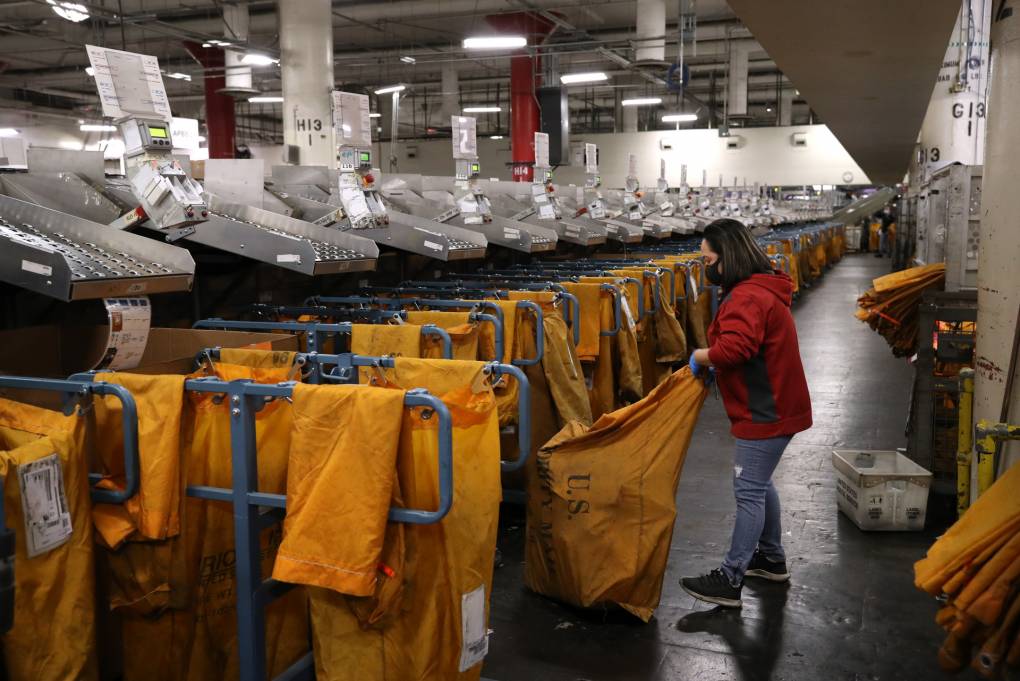
"caption": "A U.S. Postal Service worker seals a bag of packages at a processing and distribution center on April 29, 2020 in Oakland.",
"description": "A U.S. Postal Worker seals a bag of packages at a processing and distribution center on April 29, 2020 in Oakland, California.",
"title": "Postal Service Works Through Coronavirus Pandemic And Lockdown",
"credit": "Justin Sullivan/Getty Images",
"status": "inherit",
"isLoading": false,
"fetchFailed": false
},
"news_11815799": {
"type": "attachments",
"id": "news_11815799",
"meta": {
"index": "attachments_1716263798",
"site": "news",
"id": "11815799",
"found": true
},
"parent": 11815715,
"imgSizes": {
"apple_news_ca_landscape_5_5": {
"file": "https://ww2.kqed.org/app/uploads/sites/10/2020/05/CastroHouse-1044x783.jpeg",
"width": 1044,
"mimeType": "image/jpeg",
"height": 783
},
"apple_news_ca_square_4_0": {
"file": "https://ww2.kqed.org/app/uploads/sites/10/2020/05/CastroHouse-470x470.jpeg",
"width": 470,
"mimeType": "image/jpeg",
"height": 470
},
"twentyfourteen-full-width": {
"file": "https://ww2.kqed.org/app/uploads/sites/10/2020/05/CastroHouse-1038x576.jpeg",
"width": 1038,
"mimeType": "image/jpeg",
"height": 576
},
"thumbnail": {
"file": "https://ww2.kqed.org/app/uploads/sites/10/2020/05/CastroHouse-160x120.jpeg",
"width": 160,
"mimeType": "image/jpeg",
"height": 120
},
"post-thumbnail": {
"file": "https://ww2.kqed.org/app/uploads/sites/10/2020/05/CastroHouse-672x372.jpeg",
"width": 672,
"mimeType": "image/jpeg",
"height": 372
},
"kqedFullSize": {
"file": "https://ww2.kqed.org/app/uploads/sites/10/2020/05/CastroHouse.jpeg",
"width": 2048,
"height": 1536
},
"apple_news_ca_landscape_4_7": {
"file": "https://ww2.kqed.org/app/uploads/sites/10/2020/05/CastroHouse-632x474.jpeg",
"width": 632,
"mimeType": "image/jpeg",
"height": 474
},
"large": {
"file": "https://ww2.kqed.org/app/uploads/sites/10/2020/05/CastroHouse-1020x765.jpeg",
"width": 1020,
"mimeType": "image/jpeg",
"height": 765
},
"apple_news_ca_landscape_4_0": {
"file": "https://ww2.kqed.org/app/uploads/sites/10/2020/05/CastroHouse-536x402.jpeg",
"width": 536,
"mimeType": "image/jpeg",
"height": 402
},
"apple_news_ca_portrait_12_9": {
"file": "https://ww2.kqed.org/app/uploads/sites/10/2020/05/CastroHouse-1122x1496.jpeg",
"width": 1122,
"mimeType": "image/jpeg",
"height": 1496
},
"medium": {
"file": "https://ww2.kqed.org/app/uploads/sites/10/2020/05/CastroHouse-800x600.jpeg",
"width": 800,
"mimeType": "image/jpeg",
"height": 600
},
"apple_news_ca_portrait_4_0": {
"file": "https://ww2.kqed.org/app/uploads/sites/10/2020/05/CastroHouse-354x472.jpeg",
"width": 354,
"mimeType": "image/jpeg",
"height": 472
},
"apple_news_ca_portrait_9_7": {
"file": "https://ww2.kqed.org/app/uploads/sites/10/2020/05/CastroHouse-840x1120.jpeg",
"width": 840,
"mimeType": "image/jpeg",
"height": 1120
},
"apple_news_ca_landscape_12_9": {
"file": "https://ww2.kqed.org/app/uploads/sites/10/2020/05/CastroHouse-1832x1374.jpeg",
"width": 1832,
"mimeType": "image/jpeg",
"height": 1374
},
"apple_news_ca_square_9_7": {
"file": "https://ww2.kqed.org/app/uploads/sites/10/2020/05/CastroHouse-1104x1104.jpeg",
"width": 1104,
"mimeType": "image/jpeg",
"height": 1104
},
"apple_news_ca_portrait_4_7": {
"file": "https://ww2.kqed.org/app/uploads/sites/10/2020/05/CastroHouse-414x552.jpeg",
"width": 414,
"mimeType": "image/jpeg",
"height": 552
},
"apple_news_ca_square_12_9": {
"file": "https://ww2.kqed.org/app/uploads/sites/10/2020/05/CastroHouse-1472x1472.jpeg",
"width": 1472,
"mimeType": "image/jpeg",
"height": 1472
},
"apple_news_ca_portrait_5_5": {
"file": "https://ww2.kqed.org/app/uploads/sites/10/2020/05/CastroHouse-687x916.jpeg",
"width": 687,
"mimeType": "image/jpeg",
"height": 916
},
"full-width": {
"file": "https://ww2.kqed.org/app/uploads/sites/10/2020/05/CastroHouse-1920x1440.jpeg",
"width": 1920,
"mimeType": "image/jpeg",
"height": 1440
},
"apple_news_ca_square_4_7": {
"file": "https://ww2.kqed.org/app/uploads/sites/10/2020/05/CastroHouse-550x550.jpeg",
"width": 550,
"mimeType": "image/jpeg",
"height": 550
},
"apple_news_ca_landscape_9_7": {
"file": "https://ww2.kqed.org/app/uploads/sites/10/2020/05/CastroHouse-1376x1032.jpeg",
"width": 1376,
"mimeType": "image/jpeg",
"height": 1032
},
"apple_news_ca_square_5_5": {
"file": "https://ww2.kqed.org/app/uploads/sites/10/2020/05/CastroHouse-912x912.jpeg",
"width": 912,
"mimeType": "image/jpeg",
"height": 912
}
},
"publishDate": 1588372666,
"modified": 1588372741,
"caption": "Two women who are experiencing homelessness have occupied a vacant house in San Francisco's Castro District as a way to protest the lack of affordable housing in the city.",
"description": null,
"title": "CastroHouse",
"credit": "Erin Baldassari/KQED",
"status": "inherit",
"isLoading": false,
"fetchFailed": false
},
"news_11686288": {
"type": "attachments",
"id": "news_11686288",
"meta": {
"index": "attachments_1716263798",
"site": "news",
"id": "11686288",
"found": true
},
"parent": 11686280,
"imgSizes": {
"small": {
"file": "https://ww2.kqed.org/app/uploads/sites/10/2018/08/WILDFIRE-LOBBYING-Web-photo-520x347.jpg",
"width": 520,
"mimeType": "image/jpeg",
"height": 347
},
"twentyfourteen-full-width": {
"file": "https://ww2.kqed.org/app/uploads/sites/10/2018/08/WILDFIRE-LOBBYING-Web-photo-1038x576.jpg",
"width": 1038,
"mimeType": "image/jpeg",
"height": 576
},
"thumbnail": {
"file": "https://ww2.kqed.org/app/uploads/sites/10/2018/08/WILDFIRE-LOBBYING-Web-photo-160x107.jpg",
"width": 160,
"mimeType": "image/jpeg",
"height": 107
},
"fd-sm": {
"file": "https://ww2.kqed.org/app/uploads/sites/10/2018/08/WILDFIRE-LOBBYING-Web-photo-960x640.jpg",
"width": 960,
"mimeType": "image/jpeg",
"height": 640
},
"post-thumbnail": {
"file": "https://ww2.kqed.org/app/uploads/sites/10/2018/08/WILDFIRE-LOBBYING-Web-photo-672x372.jpg",
"width": 672,
"mimeType": "image/jpeg",
"height": 372
},
"xsmall": {
"file": "https://ww2.kqed.org/app/uploads/sites/10/2018/08/WILDFIRE-LOBBYING-Web-photo-375x250.jpg",
"width": 375,
"mimeType": "image/jpeg",
"height": 250
},
"kqedFullSize": {
"file": "https://ww2.kqed.org/app/uploads/sites/10/2018/08/WILDFIRE-LOBBYING-Web-photo.jpg",
"width": 1280,
"height": 853
},
"large": {
"file": "https://ww2.kqed.org/app/uploads/sites/10/2018/08/WILDFIRE-LOBBYING-Web-photo-1020x680.jpg",
"width": 1020,
"mimeType": "image/jpeg",
"height": 680
},
"xlarge": {
"file": "https://ww2.kqed.org/app/uploads/sites/10/2018/08/WILDFIRE-LOBBYING-Web-photo-1180x786.jpg",
"width": 1180,
"mimeType": "image/jpeg",
"height": 786
},
"complete_open_graph": {
"file": "https://ww2.kqed.org/app/uploads/sites/10/2018/08/WILDFIRE-LOBBYING-Web-photo-1200x800.jpg",
"width": 1200,
"mimeType": "image/jpeg",
"height": 800
},
"guest-author-50": {
"file": "https://ww2.kqed.org/app/uploads/sites/10/2018/08/WILDFIRE-LOBBYING-Web-photo-50x50.jpg",
"width": 50,
"mimeType": "image/jpeg",
"height": 50
},
"guest-author-96": {
"file": "https://ww2.kqed.org/app/uploads/sites/10/2018/08/WILDFIRE-LOBBYING-Web-photo-96x96.jpg",
"width": 96,
"mimeType": "image/jpeg",
"height": 96
},
"medium": {
"file": "https://ww2.kqed.org/app/uploads/sites/10/2018/08/WILDFIRE-LOBBYING-Web-photo-800x533.jpg",
"width": 800,
"mimeType": "image/jpeg",
"height": 533
},
"guest-author-64": {
"file": "https://ww2.kqed.org/app/uploads/sites/10/2018/08/WILDFIRE-LOBBYING-Web-photo-64x64.jpg",
"width": 64,
"mimeType": "image/jpeg",
"height": 64
},
"guest-author-32": {
"file": "https://ww2.kqed.org/app/uploads/sites/10/2018/08/WILDFIRE-LOBBYING-Web-photo-32x32.jpg",
"width": 32,
"mimeType": "image/jpeg",
"height": 32
},
"fd-med": {
"file": "https://ww2.kqed.org/app/uploads/sites/10/2018/08/WILDFIRE-LOBBYING-Web-photo-1180x786.jpg",
"width": 1180,
"mimeType": "image/jpeg",
"height": 786
},
"detail": {
"file": "https://ww2.kqed.org/app/uploads/sites/10/2018/08/WILDFIRE-LOBBYING-Web-photo-150x150.jpg",
"width": 150,
"mimeType": "image/jpeg",
"height": 150
},
"guest-author-128": {
"file": "https://ww2.kqed.org/app/uploads/sites/10/2018/08/WILDFIRE-LOBBYING-Web-photo-128x128.jpg",
"width": 128,
"mimeType": "image/jpeg",
"height": 128
},
"xxsmall": {
"file": "https://ww2.kqed.org/app/uploads/sites/10/2018/08/WILDFIRE-LOBBYING-Web-photo-240x160.jpg",
"width": 240,
"mimeType": "image/jpeg",
"height": 160
}
},
"publishDate": 1533939755,
"modified": 1588355355,
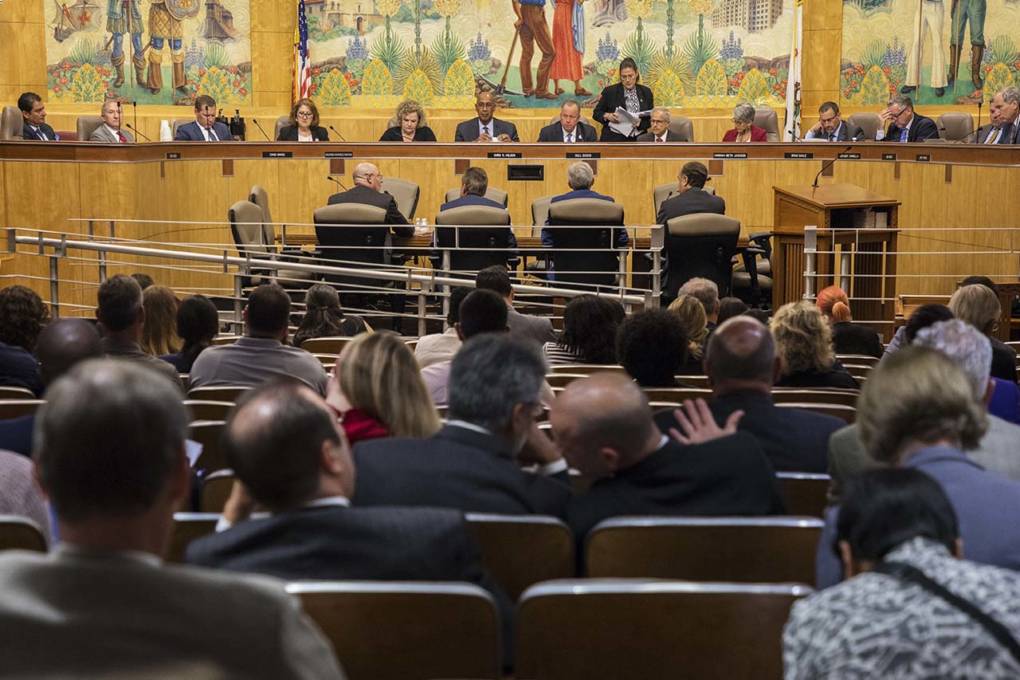
"caption": "The California Legislature's special meeting on wildfires meets Aug. 7, 2018, in a hearing room crowded with lobbyists.",
"description": "The California legislator's special meeting on wildfires meets Aug. 7, 2018, in a hearing room crowded with lobbyists.",
"title": "WILDFIRE LOBBYING Web photo",
"credit": "Robbie Short/CalMatters",
"status": "inherit",
"isLoading": false,
"fetchFailed": false
},
"news_11815205": {
"type": "attachments",
"id": "news_11815205",
"meta": {
"index": "attachments_1716263798",
"site": "news",
"id": "11815205",
"found": true
},
"parent": 11814835,
"imgSizes": {
"apple_news_ca_landscape_5_5": {
"file": "https://ww2.kqed.org/app/uploads/sites/10/2020/04/RS42971_Screen-Shot-2020-04-29-at-6.23.43-PM-qut-1044x783.jpg",
"width": 1044,
"mimeType": "image/jpeg",
"height": 783
},
"apple_news_ca_square_4_0": {
"file": "https://ww2.kqed.org/app/uploads/sites/10/2020/04/RS42971_Screen-Shot-2020-04-29-at-6.23.43-PM-qut-470x470.jpg",
"width": 470,
"mimeType": "image/jpeg",
"height": 470
},
"twentyfourteen-full-width": {
"file": "https://ww2.kqed.org/app/uploads/sites/10/2020/04/RS42971_Screen-Shot-2020-04-29-at-6.23.43-PM-qut-1038x576.jpg",
"width": 1038,
"mimeType": "image/jpeg",
"height": 576
},
"thumbnail": {
"file": "https://ww2.kqed.org/app/uploads/sites/10/2020/04/RS42971_Screen-Shot-2020-04-29-at-6.23.43-PM-qut-160x87.jpg",
"width": 160,
"mimeType": "image/jpeg",
"height": 87
},
"post-thumbnail": {
"file": "https://ww2.kqed.org/app/uploads/sites/10/2020/04/RS42971_Screen-Shot-2020-04-29-at-6.23.43-PM-qut-672x372.jpg",
"width": 672,
"mimeType": "image/jpeg",
"height": 372
},
"kqedFullSize": {
"file": "https://ww2.kqed.org/app/uploads/sites/10/2020/04/RS42971_Screen-Shot-2020-04-29-at-6.23.43-PM-qut.jpg",
"width": 1439,
"height": 785
},
"apple_news_ca_landscape_4_7": {
"file": "https://ww2.kqed.org/app/uploads/sites/10/2020/04/RS42971_Screen-Shot-2020-04-29-at-6.23.43-PM-qut-632x474.jpg",
"width": 632,
"mimeType": "image/jpeg",
"height": 474
},
"large": {
"file": "https://ww2.kqed.org/app/uploads/sites/10/2020/04/RS42971_Screen-Shot-2020-04-29-at-6.23.43-PM-qut-1020x556.jpg",
"width": 1020,
"mimeType": "image/jpeg",
"height": 556
},
"apple_news_ca_landscape_4_0": {
"file": "https://ww2.kqed.org/app/uploads/sites/10/2020/04/RS42971_Screen-Shot-2020-04-29-at-6.23.43-PM-qut-536x402.jpg",
"width": 536,
"mimeType": "image/jpeg",
"height": 402
},
"apple_news_ca_portrait_12_9": {
"file": "https://ww2.kqed.org/app/uploads/sites/10/2020/04/RS42971_Screen-Shot-2020-04-29-at-6.23.43-PM-qut-1122x785.jpg",
"width": 1122,
"mimeType": "image/jpeg",
"height": 785
},
"medium": {
"file": "https://ww2.kqed.org/app/uploads/sites/10/2020/04/RS42971_Screen-Shot-2020-04-29-at-6.23.43-PM-qut-800x436.jpg",
"width": 800,
"mimeType": "image/jpeg",
"height": 436
},
"apple_news_ca_portrait_4_0": {
"file": "https://ww2.kqed.org/app/uploads/sites/10/2020/04/RS42971_Screen-Shot-2020-04-29-at-6.23.43-PM-qut-354x472.jpg",
"width": 354,
"mimeType": "image/jpeg",
"height": 472
},
"apple_news_ca_portrait_9_7": {
"file": "https://ww2.kqed.org/app/uploads/sites/10/2020/04/RS42971_Screen-Shot-2020-04-29-at-6.23.43-PM-qut-840x785.jpg",
"width": 840,
"mimeType": "image/jpeg",
"height": 785
},
"apple_news_ca_square_9_7": {
"file": "https://ww2.kqed.org/app/uploads/sites/10/2020/04/RS42971_Screen-Shot-2020-04-29-at-6.23.43-PM-qut-1104x785.jpg",
"width": 1104,
"mimeType": "image/jpeg",
"height": 785
},
"apple_news_ca_portrait_4_7": {
"file": "https://ww2.kqed.org/app/uploads/sites/10/2020/04/RS42971_Screen-Shot-2020-04-29-at-6.23.43-PM-qut-414x552.jpg",
"width": 414,
"mimeType": "image/jpeg",
"height": 552
},
"apple_news_ca_portrait_5_5": {
"file": "https://ww2.kqed.org/app/uploads/sites/10/2020/04/RS42971_Screen-Shot-2020-04-29-at-6.23.43-PM-qut-687x785.jpg",
"width": 687,
"mimeType": "image/jpeg",
"height": 785
},
"apple_news_ca_square_4_7": {
"file": "https://ww2.kqed.org/app/uploads/sites/10/2020/04/RS42971_Screen-Shot-2020-04-29-at-6.23.43-PM-qut-550x550.jpg",
"width": 550,
"mimeType": "image/jpeg",
"height": 550
},
"apple_news_ca_landscape_9_7": {
"file": "https://ww2.kqed.org/app/uploads/sites/10/2020/04/RS42971_Screen-Shot-2020-04-29-at-6.23.43-PM-qut-1376x785.jpg",
"width": 1376,
"mimeType": "image/jpeg",
"height": 785
},
"apple_news_ca_square_5_5": {
"file": "https://ww2.kqed.org/app/uploads/sites/10/2020/04/RS42971_Screen-Shot-2020-04-29-at-6.23.43-PM-qut-912x785.jpg",
"width": 912,
"mimeType": "image/jpeg",
"height": 785
}
},
"publishDate": 1588210029,
"modified": 1588210124,
"caption": "Mike Garcia and Christy Smith, in a virtual Congressional Candidate Forum, hosted by the Santa Clarita Valley Chamber of Commerce on April 24, 2020. ",
"description": null,
"title": "RS42971_Screen Shot 2020-04-29 at 6.23.43 PM-qut",
"credit": "Santa Clarita Valley Chamber of Commerce",
"status": "inherit",
"isLoading": false,
"fetchFailed": false
},
"news_11815500": {
"type": "attachments",
"id": "news_11815500",
"meta": {
"index": "attachments_1716263798",
"site": "news",
"id": "11815500",
"found": true
},
"parent": 11815487,
"imgSizes": {
"apple_news_ca_landscape_5_5": {
"file": "https://ww2.kqed.org/app/uploads/sites/10/2020/04/forecast_043020_final-1044x783.png",
"width": 1044,
"mimeType": "image/png",
"height": 783
},
"apple_news_ca_square_4_0": {
"file": "https://ww2.kqed.org/app/uploads/sites/10/2020/04/forecast_043020_final-470x470.png",
"width": 470,
"mimeType": "image/png",
"height": 470
},
"twentyfourteen-full-width": {
"file": "https://ww2.kqed.org/app/uploads/sites/10/2020/04/forecast_043020_final-1038x576.png",
"width": 1038,
"mimeType": "image/png",
"height": 576
},
"thumbnail": {
"file": "https://ww2.kqed.org/app/uploads/sites/10/2020/04/forecast_043020_final-160x113.png",
"width": 160,
"mimeType": "image/png",
"height": 113
},
"post-thumbnail": {
"file": "https://ww2.kqed.org/app/uploads/sites/10/2020/04/forecast_043020_final-672x372.png",
"width": 672,
"mimeType": "image/png",
"height": 372
},
"kqedFullSize": {
"file": "https://ww2.kqed.org/app/uploads/sites/10/2020/04/forecast_043020_final.png",
"width": 1920,
"height": 1351
},
"apple_news_ca_landscape_4_7": {
"file": "https://ww2.kqed.org/app/uploads/sites/10/2020/04/forecast_043020_final-632x474.png",
"width": 632,
"mimeType": "image/png",
"height": 474
},
"large": {
"file": "https://ww2.kqed.org/app/uploads/sites/10/2020/04/forecast_043020_final-1020x718.png",
"width": 1020,
"mimeType": "image/png",
"height": 718
},
"apple_news_ca_landscape_4_0": {
"file": "https://ww2.kqed.org/app/uploads/sites/10/2020/04/forecast_043020_final-536x402.png",
"width": 536,
"mimeType": "image/png",
"height": 402
},
"apple_news_ca_portrait_12_9": {
"file": "https://ww2.kqed.org/app/uploads/sites/10/2020/04/forecast_043020_final-1122x1351.png",
"width": 1122,
"mimeType": "image/png",
"height": 1351
},
"medium": {
"file": "https://ww2.kqed.org/app/uploads/sites/10/2020/04/forecast_043020_final-800x563.png",
"width": 800,
"mimeType": "image/png",
"height": 563
},
"apple_news_ca_portrait_4_0": {
"file": "https://ww2.kqed.org/app/uploads/sites/10/2020/04/forecast_043020_final-354x472.png",
"width": 354,
"mimeType": "image/png",
"height": 472
},
"apple_news_ca_portrait_9_7": {
"file": "https://ww2.kqed.org/app/uploads/sites/10/2020/04/forecast_043020_final-840x1120.png",
"width": 840,
"mimeType": "image/png",
"height": 1120
},
"apple_news_ca_landscape_12_9": {
"file": "https://ww2.kqed.org/app/uploads/sites/10/2020/04/forecast_043020_final-1832x1351.png",
"width": 1832,
"mimeType": "image/png",
"height": 1351
},
"apple_news_ca_square_9_7": {
"file": "https://ww2.kqed.org/app/uploads/sites/10/2020/04/forecast_043020_final-1104x1104.png",
"width": 1104,
"mimeType": "image/png",
"height": 1104
},
"apple_news_ca_portrait_4_7": {
"file": "https://ww2.kqed.org/app/uploads/sites/10/2020/04/forecast_043020_final-414x552.png",
"width": 414,
"mimeType": "image/png",
"height": 552
},
"apple_news_ca_square_12_9": {
"file": "https://ww2.kqed.org/app/uploads/sites/10/2020/04/forecast_043020_final-1472x1351.png",
"width": 1472,
"mimeType": "image/png",
"height": 1351
},
"apple_news_ca_portrait_5_5": {
"file": "https://ww2.kqed.org/app/uploads/sites/10/2020/04/forecast_043020_final-687x916.png",
"width": 687,
"mimeType": "image/png",
"height": 916
},
"full-width": {
"file": "https://ww2.kqed.org/app/uploads/sites/10/2020/04/forecast_043020_final-1920x1351.png",
"width": 1920,
"mimeType": "image/png",
"height": 1351
},
"apple_news_ca_square_4_7": {
"file": "https://ww2.kqed.org/app/uploads/sites/10/2020/04/forecast_043020_final-550x550.png",
"width": 550,
"mimeType": "image/png",
"height": 550
},
"apple_news_ca_landscape_9_7": {
"file": "https://ww2.kqed.org/app/uploads/sites/10/2020/04/forecast_043020_final-1376x1032.png",
"width": 1376,
"mimeType": "image/png",
"height": 1032
},
"apple_news_ca_square_5_5": {
"file": "https://ww2.kqed.org/app/uploads/sites/10/2020/04/forecast_043020_final-912x912.png",
"width": 912,
"mimeType": "image/png",
"height": 912
}
},
"publishDate": 1588292160,
"modified": 1588292199,
"caption": null,
"description": null,
"title": "forecast_043020_final",
"credit": null,
"status": "inherit",
"isLoading": false,
"fetchFailed": false
},
"news_11814875": {
"type": "attachments",
"id": "news_11814875",
"meta": {
"index": "attachments_1716263798",
"site": "news",
"id": "11814875",
"found": true
},
"title": "RS42922_003_KQED_SanFrancisco_MarriottMarquis_04262020-qut",
"publishDate": 1588119869,
"status": "inherit",
"parent": 11813671,
"modified": 1721767257,
"caption": "A pedestrian walks past a closed-off entrance to the Mariott Marquis Hotel in San Francisco on April 26, 2020.",
"credit": "Beth LaBerge/KQED",
"altTag": "The front of a building with a barricade closing entry. The front doors are boarded up with wood.",
"description": "A pedestrian walks past a closed off entrance to the Mariott Marquis hotel in San Francisco on April 26, 2020.",
"imgSizes": {
"thumbnail": {
"file": "https://cdn.kqed.org/wp-content/uploads/sites/10/2020/04/RS42922_003_KQED_SanFrancisco_MarriottMarquis_04262020-qut-160x107.jpg",
"width": 160,
"height": 107,
"mimeType": "image/jpeg"
},
"medium": {
"file": "https://cdn.kqed.org/wp-content/uploads/sites/10/2020/04/RS42922_003_KQED_SanFrancisco_MarriottMarquis_04262020-qut-800x533.jpg",
"width": 800,
"height": 533,
"mimeType": "image/jpeg"
},
"large": {
"file": "https://cdn.kqed.org/wp-content/uploads/sites/10/2020/04/RS42922_003_KQED_SanFrancisco_MarriottMarquis_04262020-qut-1020x680.jpg",
"width": 1020,
"height": 680,
"mimeType": "image/jpeg"
},
"post-thumbnail": {
"file": "https://cdn.kqed.org/wp-content/uploads/sites/10/2020/04/RS42922_003_KQED_SanFrancisco_MarriottMarquis_04262020-qut-672x372.jpg",
"width": 672,
"height": 372,
"mimeType": "image/jpeg"
},
"twentyfourteen-full-width": {
"file": "https://cdn.kqed.org/wp-content/uploads/sites/10/2020/04/RS42922_003_KQED_SanFrancisco_MarriottMarquis_04262020-qut-1038x576.jpg",
"width": 1038,
"height": 576,
"mimeType": "image/jpeg"
},
"full-width": {
"file": "https://cdn.kqed.org/wp-content/uploads/sites/10/2020/04/RS42922_003_KQED_SanFrancisco_MarriottMarquis_04262020-qut-1920x1280.jpg",
"width": 1920,
"height": 1280,
"mimeType": "image/jpeg"
},
"apple_news_ca_landscape_12_9": {
"file": "https://cdn.kqed.org/wp-content/uploads/sites/10/2020/04/RS42922_003_KQED_SanFrancisco_MarriottMarquis_04262020-qut-1832x1280.jpg",
"width": 1832,
"height": 1280,
"mimeType": "image/jpeg"
},
"apple_news_ca_landscape_9_7": {
"file": "https://cdn.kqed.org/wp-content/uploads/sites/10/2020/04/RS42922_003_KQED_SanFrancisco_MarriottMarquis_04262020-qut-1376x1032.jpg",
"width": 1376,
"height": 1032,
"mimeType": "image/jpeg"
},
"apple_news_ca_landscape_5_5": {
"file": "https://cdn.kqed.org/wp-content/uploads/sites/10/2020/04/RS42922_003_KQED_SanFrancisco_MarriottMarquis_04262020-qut-1044x783.jpg",
"width": 1044,
"height": 783,
"mimeType": "image/jpeg"
},
"apple_news_ca_landscape_4_7": {
"file": "https://cdn.kqed.org/wp-content/uploads/sites/10/2020/04/RS42922_003_KQED_SanFrancisco_MarriottMarquis_04262020-qut-632x474.jpg",
"width": 632,
"height": 474,
"mimeType": "image/jpeg"
},
"apple_news_ca_landscape_4_0": {
"file": "https://cdn.kqed.org/wp-content/uploads/sites/10/2020/04/RS42922_003_KQED_SanFrancisco_MarriottMarquis_04262020-qut-536x402.jpg",
"width": 536,
"height": 402,
"mimeType": "image/jpeg"
},
"apple_news_ca_portrait_12_9": {
"file": "https://cdn.kqed.org/wp-content/uploads/sites/10/2020/04/RS42922_003_KQED_SanFrancisco_MarriottMarquis_04262020-qut-1122x1280.jpg",
"width": 1122,
"height": 1280,
"mimeType": "image/jpeg"
},
"apple_news_ca_portrait_9_7": {
"file": "https://cdn.kqed.org/wp-content/uploads/sites/10/2020/04/RS42922_003_KQED_SanFrancisco_MarriottMarquis_04262020-qut-840x1120.jpg",
"width": 840,
"height": 1120,
"mimeType": "image/jpeg"
},
"apple_news_ca_portrait_5_5": {
"file": "https://cdn.kqed.org/wp-content/uploads/sites/10/2020/04/RS42922_003_KQED_SanFrancisco_MarriottMarquis_04262020-qut-687x916.jpg",
"width": 687,
"height": 916,
"mimeType": "image/jpeg"
},
"apple_news_ca_portrait_4_7": {
"file": "https://cdn.kqed.org/wp-content/uploads/sites/10/2020/04/RS42922_003_KQED_SanFrancisco_MarriottMarquis_04262020-qut-414x552.jpg",
"width": 414,
"height": 552,
"mimeType": "image/jpeg"
},
"apple_news_ca_portrait_4_0": {
"file": "https://cdn.kqed.org/wp-content/uploads/sites/10/2020/04/RS42922_003_KQED_SanFrancisco_MarriottMarquis_04262020-qut-354x472.jpg",
"width": 354,
"height": 472,
"mimeType": "image/jpeg"
},
"apple_news_ca_square_12_9": {
"file": "https://cdn.kqed.org/wp-content/uploads/sites/10/2020/04/RS42922_003_KQED_SanFrancisco_MarriottMarquis_04262020-qut-1472x1280.jpg",
"width": 1472,
"height": 1280,
"mimeType": "image/jpeg"
},
"apple_news_ca_square_9_7": {
"file": "https://cdn.kqed.org/wp-content/uploads/sites/10/2020/04/RS42922_003_KQED_SanFrancisco_MarriottMarquis_04262020-qut-1104x1104.jpg",
"width": 1104,
"height": 1104,
"mimeType": "image/jpeg"
},
"apple_news_ca_square_5_5": {
"file": "https://cdn.kqed.org/wp-content/uploads/sites/10/2020/04/RS42922_003_KQED_SanFrancisco_MarriottMarquis_04262020-qut-912x912.jpg",
"width": 912,
"height": 912,
"mimeType": "image/jpeg"
},
"apple_news_ca_square_4_7": {
"file": "https://cdn.kqed.org/wp-content/uploads/sites/10/2020/04/RS42922_003_KQED_SanFrancisco_MarriottMarquis_04262020-qut-550x550.jpg",
"width": 550,
"height": 550,
"mimeType": "image/jpeg"
},
"apple_news_ca_square_4_0": {
"file": "https://cdn.kqed.org/wp-content/uploads/sites/10/2020/04/RS42922_003_KQED_SanFrancisco_MarriottMarquis_04262020-qut-470x470.jpg",
"width": 470,
"height": 470,
"mimeType": "image/jpeg"
},
"kqedFullSize": {
"file": "https://cdn.kqed.org/wp-content/uploads/sites/10/2020/04/RS42922_003_KQED_SanFrancisco_MarriottMarquis_04262020-qut.jpg",
"width": 1920,
"height": 1280
}
},
"isLoading": false,
"fetchFailed": false
},
"news_11815254": {
"type": "attachments",
"id": "news_11815254",
"meta": {
"index": "attachments_1716263798",
"site": "news",
"id": "11815254",
"found": true
},
"parent": 11815219,
"imgSizes": {
"apple_news_ca_landscape_5_5": {
"file": "https://ww2.kqed.org/app/uploads/sites/10/2020/04/RS42953_004_KQED_SanPablo_NohemiJimenez_04282020-qut-1044x783.jpg",
"width": 1044,
"mimeType": "image/jpeg",
"height": 783
},
"apple_news_ca_square_4_0": {
"file": "https://ww2.kqed.org/app/uploads/sites/10/2020/04/RS42953_004_KQED_SanPablo_NohemiJimenez_04282020-qut-470x470.jpg",
"width": 470,
"mimeType": "image/jpeg",
"height": 470
},
"twentyfourteen-full-width": {
"file": "https://ww2.kqed.org/app/uploads/sites/10/2020/04/RS42953_004_KQED_SanPablo_NohemiJimenez_04282020-qut-1038x576.jpg",
"width": 1038,
"mimeType": "image/jpeg",
"height": 576
},
"thumbnail": {
"file": "https://ww2.kqed.org/app/uploads/sites/10/2020/04/RS42953_004_KQED_SanPablo_NohemiJimenez_04282020-qut-160x107.jpg",
"width": 160,
"mimeType": "image/jpeg",
"height": 107
},
"post-thumbnail": {
"file": "https://ww2.kqed.org/app/uploads/sites/10/2020/04/RS42953_004_KQED_SanPablo_NohemiJimenez_04282020-qut-672x372.jpg",
"width": 672,
"mimeType": "image/jpeg",
"height": 372
},
"kqedFullSize": {
"file": "https://ww2.kqed.org/app/uploads/sites/10/2020/04/RS42953_004_KQED_SanPablo_NohemiJimenez_04282020-qut.jpg",
"width": 1920,
"height": 1280
},
"apple_news_ca_landscape_4_7": {
"file": "https://ww2.kqed.org/app/uploads/sites/10/2020/04/RS42953_004_KQED_SanPablo_NohemiJimenez_04282020-qut-632x474.jpg",
"width": 632,
"mimeType": "image/jpeg",
"height": 474
},
"large": {
"file": "https://ww2.kqed.org/app/uploads/sites/10/2020/04/RS42953_004_KQED_SanPablo_NohemiJimenez_04282020-qut-1020x680.jpg",
"width": 1020,
"mimeType": "image/jpeg",
"height": 680
},
"apple_news_ca_landscape_4_0": {
"file": "https://ww2.kqed.org/app/uploads/sites/10/2020/04/RS42953_004_KQED_SanPablo_NohemiJimenez_04282020-qut-536x402.jpg",
"width": 536,
"mimeType": "image/jpeg",
"height": 402
},
"apple_news_ca_portrait_12_9": {
"file": "https://ww2.kqed.org/app/uploads/sites/10/2020/04/RS42953_004_KQED_SanPablo_NohemiJimenez_04282020-qut-1122x1280.jpg",
"width": 1122,
"mimeType": "image/jpeg",
"height": 1280
},
"medium": {
"file": "https://ww2.kqed.org/app/uploads/sites/10/2020/04/RS42953_004_KQED_SanPablo_NohemiJimenez_04282020-qut-800x533.jpg",
"width": 800,
"mimeType": "image/jpeg",
"height": 533
},
"apple_news_ca_portrait_4_0": {
"file": "https://ww2.kqed.org/app/uploads/sites/10/2020/04/RS42953_004_KQED_SanPablo_NohemiJimenez_04282020-qut-354x472.jpg",
"width": 354,
"mimeType": "image/jpeg",
"height": 472
},
"apple_news_ca_portrait_9_7": {
"file": "https://ww2.kqed.org/app/uploads/sites/10/2020/04/RS42953_004_KQED_SanPablo_NohemiJimenez_04282020-qut-840x1120.jpg",
"width": 840,
"mimeType": "image/jpeg",
"height": 1120
},
"apple_news_ca_landscape_12_9": {
"file": "https://ww2.kqed.org/app/uploads/sites/10/2020/04/RS42953_004_KQED_SanPablo_NohemiJimenez_04282020-qut-1832x1280.jpg",
"width": 1832,
"mimeType": "image/jpeg",
"height": 1280
},
"apple_news_ca_square_9_7": {
"file": "https://ww2.kqed.org/app/uploads/sites/10/2020/04/RS42953_004_KQED_SanPablo_NohemiJimenez_04282020-qut-1104x1104.jpg",
"width": 1104,
"mimeType": "image/jpeg",
"height": 1104
},
"apple_news_ca_portrait_4_7": {
"file": "https://ww2.kqed.org/app/uploads/sites/10/2020/04/RS42953_004_KQED_SanPablo_NohemiJimenez_04282020-qut-414x552.jpg",
"width": 414,
"mimeType": "image/jpeg",
"height": 552
},
"apple_news_ca_square_12_9": {
"file": "https://ww2.kqed.org/app/uploads/sites/10/2020/04/RS42953_004_KQED_SanPablo_NohemiJimenez_04282020-qut-1472x1280.jpg",
"width": 1472,
"mimeType": "image/jpeg",
"height": 1280
},
"apple_news_ca_portrait_5_5": {
"file": "https://ww2.kqed.org/app/uploads/sites/10/2020/04/RS42953_004_KQED_SanPablo_NohemiJimenez_04282020-qut-687x916.jpg",
"width": 687,
"mimeType": "image/jpeg",
"height": 916
},
"full-width": {
"file": "https://ww2.kqed.org/app/uploads/sites/10/2020/04/RS42953_004_KQED_SanPablo_NohemiJimenez_04282020-qut-1920x1280.jpg",
"width": 1920,
"mimeType": "image/jpeg",
"height": 1280
},
"apple_news_ca_square_4_7": {
"file": "https://ww2.kqed.org/app/uploads/sites/10/2020/04/RS42953_004_KQED_SanPablo_NohemiJimenez_04282020-qut-550x550.jpg",
"width": 550,
"mimeType": "image/jpeg",
"height": 550
},
"apple_news_ca_landscape_9_7": {
"file": "https://ww2.kqed.org/app/uploads/sites/10/2020/04/RS42953_004_KQED_SanPablo_NohemiJimenez_04282020-qut-1376x1032.jpg",
"width": 1376,
"mimeType": "image/jpeg",
"height": 1032
},
"apple_news_ca_square_5_5": {
"file": "https://ww2.kqed.org/app/uploads/sites/10/2020/04/RS42953_004_KQED_SanPablo_NohemiJimenez_04282020-qut-912x912.jpg",
"width": 912,
"mimeType": "image/jpeg",
"height": 912
}
},
"publishDate": 1588219500,
"modified": 1588219533,
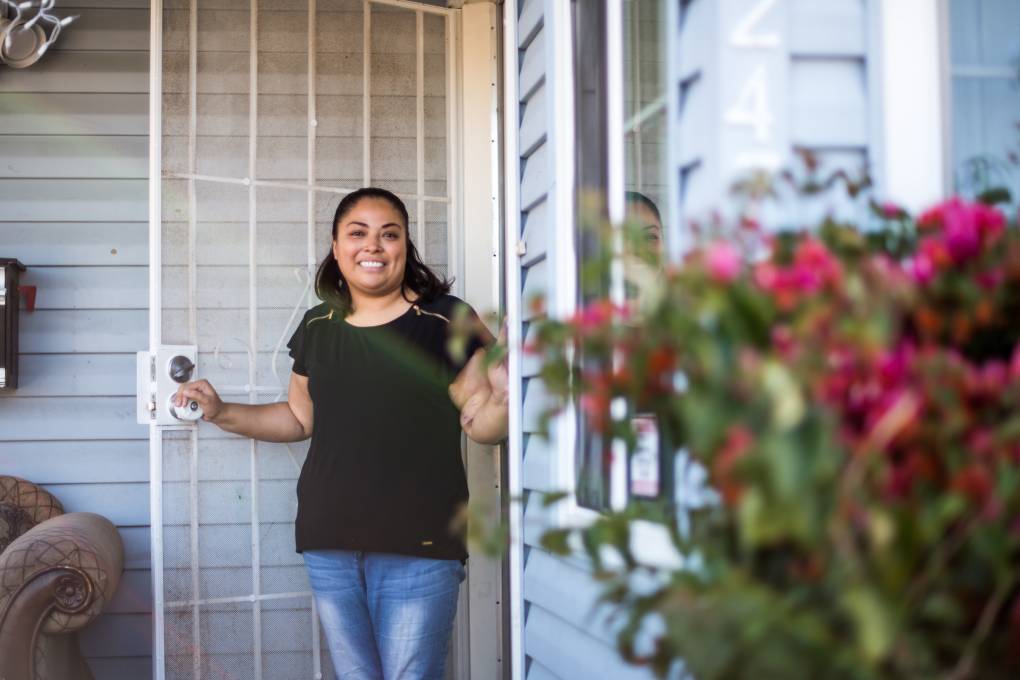
"caption": "Nohemi Jimenez at her home in San Pablo on April 28, 2020.",
"description": null,
"title": "Nohemi Jimenez at her home in San Pablo on April 28, 2020.",
"credit": "Beth LaBerge/KQED",
"status": "inherit",
"isLoading": false,
"fetchFailed": false
},
"news_11815070": {
"type": "attachments",
"id": "news_11815070",
"meta": {
"index": "attachments_1716263798",
"site": "news",
"id": "11815070",
"found": true
},
"parent": 11815011,
"imgSizes": {
"apple_news_ca_landscape_5_5": {
"file": "https://ww2.kqed.org/app/uploads/sites/10/2020/04/RS42956_003_KQED_Alameda_PlayadelAlameda_04282020-qut-1044x783.jpg",
"width": 1044,
"mimeType": "image/jpeg",
"height": 783
},
"apple_news_ca_square_4_0": {
"file": "https://ww2.kqed.org/app/uploads/sites/10/2020/04/RS42956_003_KQED_Alameda_PlayadelAlameda_04282020-qut-470x470.jpg",
"width": 470,
"mimeType": "image/jpeg",
"height": 470
},
"twentyfourteen-full-width": {
"file": "https://ww2.kqed.org/app/uploads/sites/10/2020/04/RS42956_003_KQED_Alameda_PlayadelAlameda_04282020-qut-1038x576.jpg",
"width": 1038,
"mimeType": "image/jpeg",
"height": 576
},
"thumbnail": {
"file": "https://ww2.kqed.org/app/uploads/sites/10/2020/04/RS42956_003_KQED_Alameda_PlayadelAlameda_04282020-qut-160x107.jpg",
"width": 160,
"mimeType": "image/jpeg",
"height": 107
},
"post-thumbnail": {
"file": "https://ww2.kqed.org/app/uploads/sites/10/2020/04/RS42956_003_KQED_Alameda_PlayadelAlameda_04282020-qut-672x372.jpg",
"width": 672,
"mimeType": "image/jpeg",
"height": 372
},
"kqedFullSize": {
"file": "https://ww2.kqed.org/app/uploads/sites/10/2020/04/RS42956_003_KQED_Alameda_PlayadelAlameda_04282020-qut.jpg",
"width": 1920,
"height": 1280
},
"apple_news_ca_landscape_4_7": {
"file": "https://ww2.kqed.org/app/uploads/sites/10/2020/04/RS42956_003_KQED_Alameda_PlayadelAlameda_04282020-qut-632x474.jpg",
"width": 632,
"mimeType": "image/jpeg",
"height": 474
},
"large": {
"file": "https://ww2.kqed.org/app/uploads/sites/10/2020/04/RS42956_003_KQED_Alameda_PlayadelAlameda_04282020-qut-1020x680.jpg",
"width": 1020,
"mimeType": "image/jpeg",
"height": 680
},
"apple_news_ca_landscape_4_0": {
"file": "https://ww2.kqed.org/app/uploads/sites/10/2020/04/RS42956_003_KQED_Alameda_PlayadelAlameda_04282020-qut-536x402.jpg",
"width": 536,
"mimeType": "image/jpeg",
"height": 402
},
"apple_news_ca_portrait_12_9": {
"file": "https://ww2.kqed.org/app/uploads/sites/10/2020/04/RS42956_003_KQED_Alameda_PlayadelAlameda_04282020-qut-1122x1280.jpg",
"width": 1122,
"mimeType": "image/jpeg",
"height": 1280
},
"medium": {
"file": "https://ww2.kqed.org/app/uploads/sites/10/2020/04/RS42956_003_KQED_Alameda_PlayadelAlameda_04282020-qut-800x533.jpg",
"width": 800,
"mimeType": "image/jpeg",
"height": 533
},
"apple_news_ca_portrait_4_0": {
"file": "https://ww2.kqed.org/app/uploads/sites/10/2020/04/RS42956_003_KQED_Alameda_PlayadelAlameda_04282020-qut-354x472.jpg",
"width": 354,
"mimeType": "image/jpeg",
"height": 472
},
"apple_news_ca_portrait_9_7": {
"file": "https://ww2.kqed.org/app/uploads/sites/10/2020/04/RS42956_003_KQED_Alameda_PlayadelAlameda_04282020-qut-840x1120.jpg",
"width": 840,
"mimeType": "image/jpeg",
"height": 1120
},
"apple_news_ca_landscape_12_9": {
"file": "https://ww2.kqed.org/app/uploads/sites/10/2020/04/RS42956_003_KQED_Alameda_PlayadelAlameda_04282020-qut-1832x1280.jpg",
"width": 1832,
"mimeType": "image/jpeg",
"height": 1280
},
"apple_news_ca_square_9_7": {
"file": "https://ww2.kqed.org/app/uploads/sites/10/2020/04/RS42956_003_KQED_Alameda_PlayadelAlameda_04282020-qut-1104x1104.jpg",
"width": 1104,
"mimeType": "image/jpeg",
"height": 1104
},
"apple_news_ca_portrait_4_7": {
"file": "https://ww2.kqed.org/app/uploads/sites/10/2020/04/RS42956_003_KQED_Alameda_PlayadelAlameda_04282020-qut-414x552.jpg",
"width": 414,
"mimeType": "image/jpeg",
"height": 552
},
"apple_news_ca_square_12_9": {
"file": "https://ww2.kqed.org/app/uploads/sites/10/2020/04/RS42956_003_KQED_Alameda_PlayadelAlameda_04282020-qut-1472x1280.jpg",
"width": 1472,
"mimeType": "image/jpeg",
"height": 1280
},
"apple_news_ca_portrait_5_5": {
"file": "https://ww2.kqed.org/app/uploads/sites/10/2020/04/RS42956_003_KQED_Alameda_PlayadelAlameda_04282020-qut-687x916.jpg",
"width": 687,
"mimeType": "image/jpeg",
"height": 916
},
"full-width": {
"file": "https://ww2.kqed.org/app/uploads/sites/10/2020/04/RS42956_003_KQED_Alameda_PlayadelAlameda_04282020-qut-1920x1280.jpg",
"width": 1920,
"mimeType": "image/jpeg",
"height": 1280
},
"apple_news_ca_square_4_7": {
"file": "https://ww2.kqed.org/app/uploads/sites/10/2020/04/RS42956_003_KQED_Alameda_PlayadelAlameda_04282020-qut-550x550.jpg",
"width": 550,
"mimeType": "image/jpeg",
"height": 550
},
"apple_news_ca_landscape_9_7": {
"file": "https://ww2.kqed.org/app/uploads/sites/10/2020/04/RS42956_003_KQED_Alameda_PlayadelAlameda_04282020-qut-1376x1032.jpg",
"width": 1376,
"mimeType": "image/jpeg",
"height": 1032
},
"apple_news_ca_square_5_5": {
"file": "https://ww2.kqed.org/app/uploads/sites/10/2020/04/RS42956_003_KQED_Alameda_PlayadelAlameda_04282020-qut-912x912.jpg",
"width": 912,
"mimeType": "image/jpeg",
"height": 912
}
},
"publishDate": 1588194125,
"modified": 1588206215,
"caption": "When Krystal McMorris was fired from her job as the on-site property manager at Playa del Alameda Apartments, she lost her job and her housing.",
"description": null,
"title": "Playa del Alameda Apartments in Alameda on April 28, 2020.",
"credit": "Beth LaBerge/KQED",
"status": "inherit",
"isLoading": false,
"fetchFailed": false
},
"news_11815215": {
"type": "attachments",
"id": "news_11815215",
"meta": {
"index": "attachments_1716263798",
"site": "news",
"id": "11815215",
"found": true
},
"parent": 11815037,
"imgSizes": {
"apple_news_ca_landscape_5_5": {
"file": "https://ww2.kqed.org/app/uploads/sites/10/2020/04/stayathome-1044x783.jpg",
"width": 1044,
"mimeType": "image/jpeg",
"height": 783
},
"apple_news_ca_square_4_0": {
"file": "https://ww2.kqed.org/app/uploads/sites/10/2020/04/stayathome-470x470.jpg",
"width": 470,
"mimeType": "image/jpeg",
"height": 470
},
"twentyfourteen-full-width": {
"file": "https://ww2.kqed.org/app/uploads/sites/10/2020/04/stayathome-1038x576.jpg",
"width": 1038,
"mimeType": "image/jpeg",
"height": 576
},
"thumbnail": {
"file": "https://ww2.kqed.org/app/uploads/sites/10/2020/04/stayathome-160x107.jpg",
"width": 160,
"mimeType": "image/jpeg",
"height": 107
},
"post-thumbnail": {
"file": "https://ww2.kqed.org/app/uploads/sites/10/2020/04/stayathome-672x372.jpg",
"width": 672,
"mimeType": "image/jpeg",
"height": 372
},
"kqedFullSize": {
"file": "https://ww2.kqed.org/app/uploads/sites/10/2020/04/stayathome.jpg",
"width": 1920,
"height": 1280
},
"apple_news_ca_landscape_4_7": {
"file": "https://ww2.kqed.org/app/uploads/sites/10/2020/04/stayathome-632x474.jpg",
"width": 632,
"mimeType": "image/jpeg",
"height": 474
},
"large": {
"file": "https://ww2.kqed.org/app/uploads/sites/10/2020/04/stayathome-1020x680.jpg",
"width": 1020,
"mimeType": "image/jpeg",
"height": 680
},
"apple_news_ca_landscape_4_0": {
"file": "https://ww2.kqed.org/app/uploads/sites/10/2020/04/stayathome-536x402.jpg",
"width": 536,
"mimeType": "image/jpeg",
"height": 402
},
"apple_news_ca_portrait_12_9": {
"file": "https://ww2.kqed.org/app/uploads/sites/10/2020/04/stayathome-1122x1280.jpg",
"width": 1122,
"mimeType": "image/jpeg",
"height": 1280
},
"medium": {
"file": "https://ww2.kqed.org/app/uploads/sites/10/2020/04/stayathome-800x533.jpg",
"width": 800,
"mimeType": "image/jpeg",
"height": 533
},
"apple_news_ca_portrait_4_0": {
"file": "https://ww2.kqed.org/app/uploads/sites/10/2020/04/stayathome-354x472.jpg",
"width": 354,
"mimeType": "image/jpeg",
"height": 472
},
"apple_news_ca_portrait_9_7": {
"file": "https://ww2.kqed.org/app/uploads/sites/10/2020/04/stayathome-840x1120.jpg",
"width": 840,
"mimeType": "image/jpeg",
"height": 1120
},
"apple_news_ca_landscape_12_9": {
"file": "https://ww2.kqed.org/app/uploads/sites/10/2020/04/stayathome-1832x1280.jpg",
"width": 1832,
"mimeType": "image/jpeg",
"height": 1280
},
"apple_news_ca_square_9_7": {
"file": "https://ww2.kqed.org/app/uploads/sites/10/2020/04/stayathome-1104x1104.jpg",
"width": 1104,
"mimeType": "image/jpeg",
"height": 1104
},
"apple_news_ca_portrait_4_7": {
"file": "https://ww2.kqed.org/app/uploads/sites/10/2020/04/stayathome-414x552.jpg",
"width": 414,
"mimeType": "image/jpeg",
"height": 552
},
"apple_news_ca_square_12_9": {
"file": "https://ww2.kqed.org/app/uploads/sites/10/2020/04/stayathome-1472x1280.jpg",
"width": 1472,
"mimeType": "image/jpeg",
"height": 1280
},
"apple_news_ca_portrait_5_5": {
"file": "https://ww2.kqed.org/app/uploads/sites/10/2020/04/stayathome-687x916.jpg",
"width": 687,
"mimeType": "image/jpeg",
"height": 916
},
"full-width": {
"file": "https://ww2.kqed.org/app/uploads/sites/10/2020/04/stayathome-1920x1280.jpg",
"width": 1920,
"mimeType": "image/jpeg",
"height": 1280
},
"apple_news_ca_square_4_7": {
"file": "https://ww2.kqed.org/app/uploads/sites/10/2020/04/stayathome-550x550.jpg",
"width": 550,
"mimeType": "image/jpeg",
"height": 550
},
"apple_news_ca_landscape_9_7": {
"file": "https://ww2.kqed.org/app/uploads/sites/10/2020/04/stayathome-1376x1032.jpg",
"width": 1376,
"mimeType": "image/jpeg",
"height": 1032
},
"apple_news_ca_square_5_5": {
"file": "https://ww2.kqed.org/app/uploads/sites/10/2020/04/stayathome-912x912.jpg",
"width": 912,
"mimeType": "image/jpeg",
"height": 912
}
},
"publishDate": 1588212007,
"modified": 1588212097,
"caption": "A cyclist at the closed Robin Williams Meadow in San Francisco's Golden Gate Park on April 20, 2020.",
"description": null,
"title": "Coronavirus Pandemic Causes Climate Of Anxiety And Changing Routines In America",
"credit": "Justin Sullivan/Getty Images",
"status": "inherit",
"isLoading": false,
"fetchFailed": false
},
"news_11815227": {
"type": "attachments",
"id": "news_11815227",
"meta": {
"index": "attachments_1716263798",
"site": "news",
"id": "11815227",
"found": true
},
"parent": 11815155,
"imgSizes": {
"apple_news_ca_landscape_5_5": {
"file": "https://ww2.kqed.org/app/uploads/sites/10/2020/04/Sepi-and-supporters-and-vols-and-wife-and-dog-at-Palm-Springs-fundraiser-on-March-8-1-1044x783.jpg",
"width": 1044,
"mimeType": "image/jpeg",
"height": 783
},
"apple_news_ca_square_4_0": {
"file": "https://ww2.kqed.org/app/uploads/sites/10/2020/04/Sepi-and-supporters-and-vols-and-wife-and-dog-at-Palm-Springs-fundraiser-on-March-8-1-470x470.jpg",
"width": 470,
"mimeType": "image/jpeg",
"height": 470
},
"twentyfourteen-full-width": {
"file": "https://ww2.kqed.org/app/uploads/sites/10/2020/04/Sepi-and-supporters-and-vols-and-wife-and-dog-at-Palm-Springs-fundraiser-on-March-8-1-1038x576.jpg",
"width": 1038,
"mimeType": "image/jpeg",
"height": 576
},
"thumbnail": {
"file": "https://ww2.kqed.org/app/uploads/sites/10/2020/04/Sepi-and-supporters-and-vols-and-wife-and-dog-at-Palm-Springs-fundraiser-on-March-8-1-160x120.jpg",
"width": 160,
"mimeType": "image/jpeg",
"height": 120
},
"post-thumbnail": {
"file": "https://ww2.kqed.org/app/uploads/sites/10/2020/04/Sepi-and-supporters-and-vols-and-wife-and-dog-at-Palm-Springs-fundraiser-on-March-8-1-672x372.jpg",
"width": 672,
"mimeType": "image/jpeg",
"height": 372
},
"kqedFullSize": {
"file": "https://ww2.kqed.org/app/uploads/sites/10/2020/04/Sepi-and-supporters-and-vols-and-wife-and-dog-at-Palm-Springs-fundraiser-on-March-8-1.jpg",
"width": 1880,
"height": 1410
},
"apple_news_ca_landscape_4_7": {
"file": "https://ww2.kqed.org/app/uploads/sites/10/2020/04/Sepi-and-supporters-and-vols-and-wife-and-dog-at-Palm-Springs-fundraiser-on-March-8-1-632x474.jpg",
"width": 632,
"mimeType": "image/jpeg",
"height": 474
},
"large": {
"file": "https://ww2.kqed.org/app/uploads/sites/10/2020/04/Sepi-and-supporters-and-vols-and-wife-and-dog-at-Palm-Springs-fundraiser-on-March-8-1-1020x765.jpg",
"width": 1020,
"mimeType": "image/jpeg",
"height": 765
},
"apple_news_ca_landscape_4_0": {
"file": "https://ww2.kqed.org/app/uploads/sites/10/2020/04/Sepi-and-supporters-and-vols-and-wife-and-dog-at-Palm-Springs-fundraiser-on-March-8-1-536x402.jpg",
"width": 536,
"mimeType": "image/jpeg",
"height": 402
},
"apple_news_ca_portrait_12_9": {
"file": "https://ww2.kqed.org/app/uploads/sites/10/2020/04/Sepi-and-supporters-and-vols-and-wife-and-dog-at-Palm-Springs-fundraiser-on-March-8-1-1122x1410.jpg",
"width": 1122,
"mimeType": "image/jpeg",
"height": 1410
},
"medium": {
"file": "https://ww2.kqed.org/app/uploads/sites/10/2020/04/Sepi-and-supporters-and-vols-and-wife-and-dog-at-Palm-Springs-fundraiser-on-March-8-1-800x600.jpg",
"width": 800,
"mimeType": "image/jpeg",
"height": 600
},
"apple_news_ca_portrait_4_0": {
"file": "https://ww2.kqed.org/app/uploads/sites/10/2020/04/Sepi-and-supporters-and-vols-and-wife-and-dog-at-Palm-Springs-fundraiser-on-March-8-1-354x472.jpg",
"width": 354,
"mimeType": "image/jpeg",
"height": 472
},
"apple_news_ca_portrait_9_7": {
"file": "https://ww2.kqed.org/app/uploads/sites/10/2020/04/Sepi-and-supporters-and-vols-and-wife-and-dog-at-Palm-Springs-fundraiser-on-March-8-1-840x1120.jpg",
"width": 840,
"mimeType": "image/jpeg",
"height": 1120
},
"apple_news_ca_landscape_12_9": {
"file": "https://ww2.kqed.org/app/uploads/sites/10/2020/04/Sepi-and-supporters-and-vols-and-wife-and-dog-at-Palm-Springs-fundraiser-on-March-8-1-1832x1374.jpg",
"width": 1832,
"mimeType": "image/jpeg",
"height": 1374
},
"apple_news_ca_square_9_7": {
"file": "https://ww2.kqed.org/app/uploads/sites/10/2020/04/Sepi-and-supporters-and-vols-and-wife-and-dog-at-Palm-Springs-fundraiser-on-March-8-1-1104x1104.jpg",
"width": 1104,
"mimeType": "image/jpeg",
"height": 1104
},
"apple_news_ca_portrait_4_7": {
"file": "https://ww2.kqed.org/app/uploads/sites/10/2020/04/Sepi-and-supporters-and-vols-and-wife-and-dog-at-Palm-Springs-fundraiser-on-March-8-1-414x552.jpg",
"width": 414,
"mimeType": "image/jpeg",
"height": 552
},
"apple_news_ca_square_12_9": {
"file": "https://ww2.kqed.org/app/uploads/sites/10/2020/04/Sepi-and-supporters-and-vols-and-wife-and-dog-at-Palm-Springs-fundraiser-on-March-8-1-1472x1410.jpg",
"width": 1472,
"mimeType": "image/jpeg",
"height": 1410
},
"apple_news_ca_portrait_5_5": {
"file": "https://ww2.kqed.org/app/uploads/sites/10/2020/04/Sepi-and-supporters-and-vols-and-wife-and-dog-at-Palm-Springs-fundraiser-on-March-8-1-687x916.jpg",
"width": 687,
"mimeType": "image/jpeg",
"height": 916
},
"apple_news_ca_square_4_7": {
"file": "https://ww2.kqed.org/app/uploads/sites/10/2020/04/Sepi-and-supporters-and-vols-and-wife-and-dog-at-Palm-Springs-fundraiser-on-March-8-1-550x550.jpg",
"width": 550,
"mimeType": "image/jpeg",
"height": 550
},
"apple_news_ca_landscape_9_7": {
"file": "https://ww2.kqed.org/app/uploads/sites/10/2020/04/Sepi-and-supporters-and-vols-and-wife-and-dog-at-Palm-Springs-fundraiser-on-March-8-1-1376x1032.jpg",
"width": 1376,
"mimeType": "image/jpeg",
"height": 1032
},
"apple_news_ca_square_5_5": {
"file": "https://ww2.kqed.org/app/uploads/sites/10/2020/04/Sepi-and-supporters-and-vols-and-wife-and-dog-at-Palm-Springs-fundraiser-on-March-8-1-912x912.jpg",
"width": 912,
"mimeType": "image/jpeg",
"height": 912
}
},
"publishDate": 1588215446,
"modified": 1588273119,
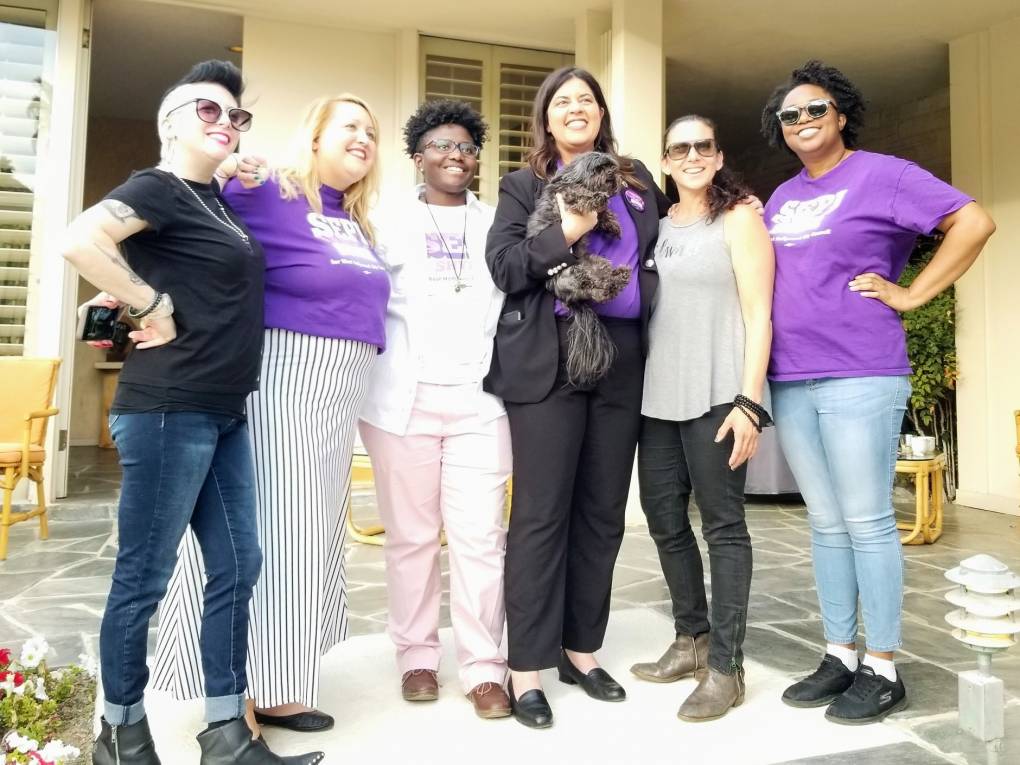
"caption": "Candidate Sepi Shyne (fourth from left) takes a picture with supporters and volunteers at a Palm Springs fundraiser on March 8, 2020, before social distancing began. Shyne is hoping to become the first woman of color elected to the West Hollywood City Council.",
"description": null,
"title": "Sepi and supporters and vols and wife and dog at Palm Springs fundraiser on March 8 (1)",
"credit": "Courtesy of Sepi Shyne",
"status": "inherit",
"isLoading": false,
"fetchFailed": false
},
"news_11815161": {
"type": "attachments",
"id": "news_11815161",
"meta": {
"index": "attachments_1716263798",
"site": "news",
"id": "11815161",
"found": true
},
"parent": 11815158,
"imgSizes": {
"apple_news_ca_landscape_5_5": {
"file": "https://ww2.kqed.org/app/uploads/sites/10/2020/04/extended_042920_final-1044x783.png",
"width": 1044,
"mimeType": "image/png",
"height": 783
},
"apple_news_ca_square_4_0": {
"file": "https://ww2.kqed.org/app/uploads/sites/10/2020/04/extended_042920_final-470x470.png",
"width": 470,
"mimeType": "image/png",
"height": 470
},
"twentyfourteen-full-width": {
"file": "https://ww2.kqed.org/app/uploads/sites/10/2020/04/extended_042920_final-1038x576.png",
"width": 1038,
"mimeType": "image/png",
"height": 576
},
"thumbnail": {
"file": "https://ww2.kqed.org/app/uploads/sites/10/2020/04/extended_042920_final-160x117.png",
"width": 160,
"mimeType": "image/png",
"height": 117
},
"post-thumbnail": {
"file": "https://ww2.kqed.org/app/uploads/sites/10/2020/04/extended_042920_final-672x372.png",
"width": 672,
"mimeType": "image/png",
"height": 372
},
"kqedFullSize": {
"file": "https://ww2.kqed.org/app/uploads/sites/10/2020/04/extended_042920_final.png",
"width": 1920,
"height": 1405
},
"apple_news_ca_landscape_4_7": {
"file": "https://ww2.kqed.org/app/uploads/sites/10/2020/04/extended_042920_final-632x474.png",
"width": 632,
"mimeType": "image/png",
"height": 474
},
"large": {
"file": "https://ww2.kqed.org/app/uploads/sites/10/2020/04/extended_042920_final-1020x746.png",
"width": 1020,
"mimeType": "image/png",
"height": 746
},
"apple_news_ca_landscape_4_0": {
"file": "https://ww2.kqed.org/app/uploads/sites/10/2020/04/extended_042920_final-536x402.png",
"width": 536,
"mimeType": "image/png",
"height": 402
},
"apple_news_ca_portrait_12_9": {
"file": "https://ww2.kqed.org/app/uploads/sites/10/2020/04/extended_042920_final-1122x1405.png",
"width": 1122,
"mimeType": "image/png",
"height": 1405
},
"medium": {
"file": "https://ww2.kqed.org/app/uploads/sites/10/2020/04/extended_042920_final-800x585.png",
"width": 800,
"mimeType": "image/png",
"height": 585
},
"apple_news_ca_portrait_4_0": {
"file": "https://ww2.kqed.org/app/uploads/sites/10/2020/04/extended_042920_final-354x472.png",
"width": 354,
"mimeType": "image/png",
"height": 472
},
"apple_news_ca_portrait_9_7": {
"file": "https://ww2.kqed.org/app/uploads/sites/10/2020/04/extended_042920_final-840x1120.png",
"width": 840,
"mimeType": "image/png",
"height": 1120
},
"apple_news_ca_landscape_12_9": {
"file": "https://ww2.kqed.org/app/uploads/sites/10/2020/04/extended_042920_final-1832x1374.png",
"width": 1832,
"mimeType": "image/png",
"height": 1374
},
"apple_news_ca_square_9_7": {
"file": "https://ww2.kqed.org/app/uploads/sites/10/2020/04/extended_042920_final-1104x1104.png",
"width": 1104,
"mimeType": "image/png",
"height": 1104
},
"apple_news_ca_portrait_4_7": {
"file": "https://ww2.kqed.org/app/uploads/sites/10/2020/04/extended_042920_final-414x552.png",
"width": 414,
"mimeType": "image/png",
"height": 552
},
"apple_news_ca_square_12_9": {
"file": "https://ww2.kqed.org/app/uploads/sites/10/2020/04/extended_042920_final-1472x1405.png",
"width": 1472,
"mimeType": "image/png",
"height": 1405
},
"apple_news_ca_portrait_5_5": {
"file": "https://ww2.kqed.org/app/uploads/sites/10/2020/04/extended_042920_final-687x916.png",
"width": 687,
"mimeType": "image/png",
"height": 916
},
"full-width": {
"file": "https://ww2.kqed.org/app/uploads/sites/10/2020/04/extended_042920_final-1920x1405.png",
"width": 1920,
"mimeType": "image/png",
"height": 1405
},
"apple_news_ca_square_4_7": {
"file": "https://ww2.kqed.org/app/uploads/sites/10/2020/04/extended_042920_final-550x550.png",
"width": 550,
"mimeType": "image/png",
"height": 550
},
"apple_news_ca_landscape_9_7": {
"file": "https://ww2.kqed.org/app/uploads/sites/10/2020/04/extended_042920_final-1376x1032.png",
"width": 1376,
"mimeType": "image/png",
"height": 1032
},
"apple_news_ca_square_5_5": {
"file": "https://ww2.kqed.org/app/uploads/sites/10/2020/04/extended_042920_final-912x912.png",
"width": 912,
"mimeType": "image/png",
"height": 912
}
},
"publishDate": 1588203457,
"modified": 1588203495,
"caption": null,
"description": null,
"title": "extended_042920_final",
"credit": null,
"status": "inherit",
"isLoading": false,
"fetchFailed": false
},
"news_11814989": {
"type": "attachments",
"id": "news_11814989",
"meta": {
"index": "attachments_1716263798",
"site": "news",
"id": "11814989",
"found": true
},
"parent": 11814970,
"imgSizes": {
"apple_news_ca_landscape_5_5": {
"file": "https://ww2.kqed.org/app/uploads/sites/10/2020/04/GettyImages-1219994687_1920x-1044x783.jpg",
"width": 1044,
"mimeType": "image/jpeg",
"height": 783
},
"apple_news_ca_square_4_0": {
"file": "https://ww2.kqed.org/app/uploads/sites/10/2020/04/GettyImages-1219994687_1920x-470x470.jpg",
"width": 470,
"mimeType": "image/jpeg",
"height": 470
},
"twentyfourteen-full-width": {
"file": "https://ww2.kqed.org/app/uploads/sites/10/2020/04/GettyImages-1219994687_1920x-1038x576.jpg",
"width": 1038,
"mimeType": "image/jpeg",
"height": 576
},
"thumbnail": {
"file": "https://ww2.kqed.org/app/uploads/sites/10/2020/04/GettyImages-1219994687_1920x-160x102.jpg",
"width": 160,
"mimeType": "image/jpeg",
"height": 102
},
"post-thumbnail": {
"file": "https://ww2.kqed.org/app/uploads/sites/10/2020/04/GettyImages-1219994687_1920x-672x372.jpg",
"width": 672,
"mimeType": "image/jpeg",
"height": 372
},
"kqedFullSize": {
"file": "https://ww2.kqed.org/app/uploads/sites/10/2020/04/GettyImages-1219994687_1920x.jpg",
"width": 1920,
"height": 1229
},
"apple_news_ca_landscape_4_7": {
"file": "https://ww2.kqed.org/app/uploads/sites/10/2020/04/GettyImages-1219994687_1920x-632x474.jpg",
"width": 632,
"mimeType": "image/jpeg",
"height": 474
},
"large": {
"file": "https://ww2.kqed.org/app/uploads/sites/10/2020/04/GettyImages-1219994687_1920x-1020x653.jpg",
"width": 1020,
"mimeType": "image/jpeg",
"height": 653
},
"apple_news_ca_landscape_4_0": {
"file": "https://ww2.kqed.org/app/uploads/sites/10/2020/04/GettyImages-1219994687_1920x-536x402.jpg",
"width": 536,
"mimeType": "image/jpeg",
"height": 402
},
"apple_news_ca_portrait_12_9": {
"file": "https://ww2.kqed.org/app/uploads/sites/10/2020/04/GettyImages-1219994687_1920x-1122x1229.jpg",
"width": 1122,
"mimeType": "image/jpeg",
"height": 1229
},
"medium": {
"file": "https://ww2.kqed.org/app/uploads/sites/10/2020/04/GettyImages-1219994687_1920x-800x512.jpg",
"width": 800,
"mimeType": "image/jpeg",
"height": 512
},
"apple_news_ca_portrait_4_0": {
"file": "https://ww2.kqed.org/app/uploads/sites/10/2020/04/GettyImages-1219994687_1920x-354x472.jpg",
"width": 354,
"mimeType": "image/jpeg",
"height": 472
},
"apple_news_ca_portrait_9_7": {
"file": "https://ww2.kqed.org/app/uploads/sites/10/2020/04/GettyImages-1219994687_1920x-840x1120.jpg",
"width": 840,
"mimeType": "image/jpeg",
"height": 1120
},
"apple_news_ca_landscape_12_9": {
"file": "https://ww2.kqed.org/app/uploads/sites/10/2020/04/GettyImages-1219994687_1920x-1832x1229.jpg",
"width": 1832,
"mimeType": "image/jpeg",
"height": 1229
},
"apple_news_ca_square_9_7": {
"file": "https://ww2.kqed.org/app/uploads/sites/10/2020/04/GettyImages-1219994687_1920x-1104x1104.jpg",
"width": 1104,
"mimeType": "image/jpeg",
"height": 1104
},
"apple_news_ca_portrait_4_7": {
"file": "https://ww2.kqed.org/app/uploads/sites/10/2020/04/GettyImages-1219994687_1920x-414x552.jpg",
"width": 414,
"mimeType": "image/jpeg",
"height": 552
},
"apple_news_ca_square_12_9": {
"file": "https://ww2.kqed.org/app/uploads/sites/10/2020/04/GettyImages-1219994687_1920x-1472x1229.jpg",
"width": 1472,
"mimeType": "image/jpeg",
"height": 1229
},
"apple_news_ca_portrait_5_5": {
"file": "https://ww2.kqed.org/app/uploads/sites/10/2020/04/GettyImages-1219994687_1920x-687x916.jpg",
"width": 687,
"mimeType": "image/jpeg",
"height": 916
},
"full-width": {
"file": "https://ww2.kqed.org/app/uploads/sites/10/2020/04/GettyImages-1219994687_1920x-1920x1229.jpg",
"width": 1920,
"mimeType": "image/jpeg",
"height": 1229
},
"apple_news_ca_square_4_7": {
"file": "https://ww2.kqed.org/app/uploads/sites/10/2020/04/GettyImages-1219994687_1920x-550x550.jpg",
"width": 550,
"mimeType": "image/jpeg",
"height": 550
},
"apple_news_ca_landscape_9_7": {
"file": "https://ww2.kqed.org/app/uploads/sites/10/2020/04/GettyImages-1219994687_1920x-1376x1032.jpg",
"width": 1376,
"mimeType": "image/jpeg",
"height": 1032
},
"apple_news_ca_square_5_5": {
"file": "https://ww2.kqed.org/app/uploads/sites/10/2020/04/GettyImages-1219994687_1920x-912x912.jpg",
"width": 912,
"mimeType": "image/jpeg",
"height": 912
}
},
"publishDate": 1588186005,
"modified": 1588187267,
"caption": "Pedestrians walk by graffiti on April 20, 2020 in San Francisco encouraging people to wear masks. Regional shelter-in-place orders have been extended through May 31.",
"description": "Pedestrians walk by graffiti encouraging the wearing of masks on April 20, 2020 in San Francisco, California. The regional shelter-in-place order has been extended through May 31.",
"title": "Coronavirus Pandemic Causes Climate Of Anxiety And Changing Routines In America",
"credit": "Justin Sullivan/Getty Images",
"status": "inherit",
"isLoading": false,
"fetchFailed": false
}
},
"audioPlayerReducer": {
"postId": "stream_live",
"isPaused": true,
"isPlaying": false,
"pfsActive": false,
"pledgeModalIsOpen": true,
"playerDrawerIsOpen": false,
"liveAudioPlayStartedAt": 0,
"liveAudioPlayContext": ""
},
"authorsReducer": {
"lisapickoffwhite-2": {
"type": "authors",
"id": "199",
"meta": {
"index": "authors_1716337520",
"id": "199",
"found": true
},
"name": "Lisa Pickoff-White",
"firstName": "Lisa",
"lastName": "Pickoff-White",
"slug": "lisapickoffwhite-2",
"email": "lpickoffwhite@kqed.org",
"display_author_email": false,
"staff_mastheads": [
"news"
],
"title": "Data Journalist, Senior Producer",
"bio": "Lisa Pickoff-White is KQED's data reporter. Lisa specializes in simplifying complex topics and bringing them to life through compelling visuals, including photography and data visualizations. She previously has worked at the Center for Investigative Reporting and other national outlets. Her work has been honored with awards from the Online News Association, Investigative Reporters and Editors, the Society of Professional Journalists and SXSW Interactive. \u003cstrong> \u003c/strong>",
"avatar": "https://secure.gravatar.com/avatar/5513c5f3967df792aa65bee2501e84d6?s=600&d=blank&r=g",
"twitter": "pickoffwhite",
"facebook": null,
"instagram": null,
"linkedin": null,
"sites": [
{
"site": "",
"roles": [
"editor"
]
},
{
"site": "arts",
"roles": []
},
{
"site": "news",
"roles": [
"administrator"
]
},
{
"site": "about",
"roles": [
"editor"
]
},
{
"site": "stateofhealth",
"roles": [
"administrator"
]
},
{
"site": "science",
"roles": [
"editor"
]
},
{
"site": "quest",
"roles": [
"editor"
]
},
{
"site": "forum",
"roles": [
"editor"
]
}
],
"headData": {
"title": "Lisa Pickoff-White | KQED",
"description": "Data Journalist, Senior Producer",
"ogImgSrc": "https://secure.gravatar.com/avatar/5513c5f3967df792aa65bee2501e84d6?s=600&d=blank&r=g",
"twImgSrc": "https://secure.gravatar.com/avatar/5513c5f3967df792aa65bee2501e84d6?s=600&d=blank&r=g"
},
"isLoading": false,
"link": "/author/lisapickoffwhite-2"
},
"danbrekke": {
"type": "authors",
"id": "222",
"meta": {
"index": "authors_1716337520",
"id": "222",
"found": true
},
"name": "Dan Brekke",
"firstName": "Dan",
"lastName": "Brekke",
"slug": "danbrekke",
"email": "dbrekke@kqed.org",
"display_author_email": true,
"staff_mastheads": [
"news",
"science"
],
"title": "KQED Editor and Reporter",
"bio": "Dan Brekke is a reporter and editor for KQED News, responsible for coverage of topics ranging from California water issues to the Bay Area's transportation challenges. In a newsroom career that began in Chicago in 1972, Dan has worked for \u003cem>The San Francisco Examiner,\u003c/em> Wired and TechTV and has been published in The New York Times, The New York Times Magazine, Business 2.0, Salon and elsewhere.\r\n\r\nSince joining KQED in 2007, Dan has reported, edited and produced both radio and online features and breaking news pieces. He has shared as both editor and reporter in four Society of Professional Journalists Norcal Excellence in Journalism awards and one Edward R. Murrow regional award. He was chosen for a spring 2017 residency at the Mesa Refuge to advance his research on California salmon.\r\n\r\nEmail Dan at: \u003ca href=\"mailto:dbrekke@kqed.org\">dbrekke@kqed.org\u003c/a>\r\n\r\n\u003cstrong>Twitter:\u003c/strong> \u003ca href=\"https://twitter.com/danbrekke\" rel=\"noopener noreferrer\">twitter.com/danbrekke\u003c/a>\r\n\u003cstrong>Facebook:\u003c/strong> \u003ca href=\"https://www.facebook.com/danbrekke\" rel=\"noopener noreferrer\">www.facebook.com/danbrekke\u003c/a>\r\n\u003cstrong>LinkedIn:\u003c/strong> \u003ca href=\"https://www.linkedin.com/in/danbrekke\" rel=\"noopener noreferrer\">www.linkedin.com/in/danbrekke\u003c/a>",
"avatar": "https://secure.gravatar.com/avatar/8f1f0d2a978fb3b23426c922c7e2af558fa36905b49c4ce76a97dc3c72d27226?s=600&d=mm&r=g",
"twitter": "danbrekke",
"bluesky": null,
"facebook": null,
"instagram": "https://www.instagram.com/dan.brekke/",
"linkedin": "https://www.linkedin.com/in/danbrekke/",
"sites": [
{
"site": "news",
"roles": [
"administrator",
"create_posts"
]
},
{
"site": "stateofhealth",
"roles": [
"editor"
]
},
{
"site": "science",
"roles": [
"editor"
]
},
{
"site": "quest",
"roles": [
"contributor"
]
},
{
"site": "food",
"roles": [
"contributor"
]
},
{
"site": "forum",
"roles": [
"contributor"
]
},
{
"site": "elections",
"roles": [
"editor"
]
},
{
"site": "liveblog",
"roles": [
"editor"
]
}
],
"headData": {
"title": "Dan Brekke | KQED",
"description": "KQED Editor and Reporter",
"ogImgSrc": "https://secure.gravatar.com/avatar/8f1f0d2a978fb3b23426c922c7e2af558fa36905b49c4ce76a97dc3c72d27226?s=600&d=mm&r=g",
"twImgSrc": "https://secure.gravatar.com/avatar/8f1f0d2a978fb3b23426c922c7e2af558fa36905b49c4ce76a97dc3c72d27226?s=600&d=mm&r=g"
},
"isLoading": false,
"link": "/author/danbrekke"
},
"gmarzorati": {
"type": "authors",
"id": "227",
"meta": {
"index": "authors_1716337520",
"id": "227",
"found": true
},
"name": "Guy Marzorati",
"firstName": "Guy",
"lastName": "Marzorati",
"slug": "gmarzorati",
"email": "gmarzorati@KQED.org",
"display_author_email": true,
"staff_mastheads": [
"news"
],
"title": "Correspondent",
"bio": "Guy Marzorati is a correspondent on KQED's California Politics and Government Desk, based in San Jose. A graduate of Santa Clara University, Guy joined KQED in 2013. He reports on state and local politics and produces KQED's digital voter guide.",
"avatar": "https://secure.gravatar.com/avatar/e7038b8dbfd55b104369b76b1cd0b9de?s=600&d=blank&r=g",
"twitter": "guymarzorati",
"facebook": null,
"instagram": null,
"linkedin": null,
"sites": [
{
"site": "",
"roles": [
"editor"
]
},
{
"site": "news",
"roles": [
"editor"
]
},
{
"site": "science",
"roles": [
"editor"
]
},
{
"site": "forum",
"roles": [
"editor"
]
},
{
"site": "elections",
"roles": [
"editor"
]
},
{
"site": "liveblog",
"roles": [
"editor"
]
}
],
"headData": {
"title": "Guy Marzorati | KQED",
"description": "Correspondent",
"ogImgSrc": "https://secure.gravatar.com/avatar/e7038b8dbfd55b104369b76b1cd0b9de?s=600&d=blank&r=g",
"twImgSrc": "https://secure.gravatar.com/avatar/e7038b8dbfd55b104369b76b1cd0b9de?s=600&d=blank&r=g"
},
"isLoading": false,
"link": "/author/gmarzorati"
},
"kqednewsstaffandwires": {
"type": "authors",
"id": "237",
"meta": {
"index": "authors_1716337520",
"id": "237",
"found": true
},
"name": "KQED News Staff and Wires",
"firstName": "KQED News Staff and Wires",
"lastName": null,
"slug": "kqednewsstaffandwires",
"email": "onlinenewsstaff@kqed.org",
"display_author_email": false,
"staff_mastheads": [],
"title": null,
"bio": null,
"avatar": "https://secure.gravatar.com/avatar/72295af8ebbfbd19a4948f5271285664?s=600&d=blank&r=g",
"twitter": null,
"facebook": null,
"instagram": null,
"linkedin": null,
"sites": [
{
"site": "arts",
"roles": [
"contributor"
]
},
{
"site": "news",
"roles": [
"contributor"
]
},
{
"site": "lowdown",
"roles": [
"author"
]
},
{
"site": "stateofhealth",
"roles": [
"contributor"
]
},
{
"site": "food",
"roles": [
"author"
]
}
],
"headData": {
"title": "KQED News Staff and Wires | KQED",
"description": null,
"ogImgSrc": "https://secure.gravatar.com/avatar/72295af8ebbfbd19a4948f5271285664?s=600&d=blank&r=g",
"twImgSrc": "https://secure.gravatar.com/avatar/72295af8ebbfbd19a4948f5271285664?s=600&d=blank&r=g"
},
"isLoading": false,
"link": "/author/kqednewsstaffandwires"
},
"samharnett": {
"type": "authors",
"id": "253",
"meta": {
"index": "authors_1716337520",
"id": "253",
"found": true
},
"name": "Sam Harnett",
"firstName": "Sam",
"lastName": "Harnett",
"slug": "samharnett",
"email": "samharnett@gmail.com",
"display_author_email": false,
"staff_mastheads": [],
"title": "KQED Contributor",
"bio": "Sam Harnett covered tech and work at KQED. He is the co-creator of \u003cem>\u003ca href=\"http://www.theworldaccordingtosound.org\">The World According to Sound\u003c/a>,\u003c/em> a 90-second podcast that features different sounds and the stories behind them.\r\n\r\nBefore coming to KQED, Sam worked as an independent reporter who contributed regularly to \u003cem>The California Report, Marketplace,\u003c/em> \u003cem>The World \u003c/em>and NPR.",
"avatar": "https://secure.gravatar.com/avatar/2538b972ac02f2b9546c7a6c59a0f3d0?s=600&d=blank&r=g",
"twitter": "Samwharnett",
"facebook": null,
"instagram": null,
"linkedin": null,
"sites": [
{
"site": "news",
"roles": [
"edit_others_posts",
"subscriber"
]
},
{
"site": "stateofhealth",
"roles": [
"author"
]
},
{
"site": "science",
"roles": [
"editor"
]
},
{
"site": "quest",
"roles": [
"subscriber"
]
}
],
"headData": {
"title": "Sam Harnett | KQED",
"description": "KQED Contributor",
"ogImgSrc": "https://secure.gravatar.com/avatar/2538b972ac02f2b9546c7a6c59a0f3d0?s=600&d=blank&r=g",
"twImgSrc": "https://secure.gravatar.com/avatar/2538b972ac02f2b9546c7a6c59a0f3d0?s=600&d=blank&r=g"
},
"isLoading": false,
"link": "/author/samharnett"
},
"scottshafer": {
"type": "authors",
"id": "255",
"meta": {
"index": "authors_1716337520",
"id": "255",
"found": true
},
"name": "Scott Shafer",
"firstName": "Scott",
"lastName": "Shafer",
"slug": "scottshafer",
"email": "sshafer@kqed.org",
"display_author_email": false,
"staff_mastheads": [
"news"
],
"title": "KQED Contributor",
"bio": "Scott Shafer is a senior editor with the KQED Politics and Government desk. He is co-host of Political Breakdown, the award-winning radio show and podcast with a personal take on the world of politics. Scott came to KQED in 1998 to host the statewide\u003cem> California Report\u003c/em>. Prior to that he had extended stints in politics and government\u003cem>.\u003c/em> He uses that inside experience at KQED in his, reporting, hosting and analysis for the politics desk. Scott collaborated \u003cem>Political Breakdown a\u003c/em>nd on \u003cem>The Political Mind of Jerry Brown, \u003c/em>an eight-part series about the life and extraordinary political career of the former governor. For fun, he plays water polo with the San Francisco Tsunami.",
"avatar": "https://secure.gravatar.com/avatar/a62ebae45b79d7aed1a39a0e3bf68104?s=600&d=blank&r=g",
"twitter": "scottshafer",
"bluesky": null,
"facebook": null,
"instagram": null,
"linkedin": null,
"sites": [
{
"site": "news",
"roles": [
"editor"
]
},
{
"site": "stateofhealth",
"roles": [
"author"
]
},
{
"site": "science",
"roles": [
"author"
]
},
{
"site": "forum",
"roles": [
"subscriber"
]
},
{
"site": "liveblog",
"roles": [
"author"
]
}
],
"headData": {
"title": "Scott Shafer | KQED",
"description": "KQED Contributor",
"ogImgSrc": "https://secure.gravatar.com/avatar/a62ebae45b79d7aed1a39a0e3bf68104?s=600&d=blank&r=g",
"twImgSrc": "https://secure.gravatar.com/avatar/a62ebae45b79d7aed1a39a0e3bf68104?s=600&d=blank&r=g"
},
"isLoading": false,
"link": "/author/scottshafer"
},
"adembosky": {
"type": "authors",
"id": "3205",
"meta": {
"index": "authors_1716337520",
"id": "3205",
"found": true
},
"name": "April Dembosky",
"firstName": "April",
"lastName": "Dembosky",
"slug": "adembosky",
"email": "adembosky@kqed.org",
"display_author_email": false,
"staff_mastheads": [
"news",
"science"
],
"title": "KQED Health Correspondent",
"bio": "April Dembosky is the health correspondent for KQED News and a regular contributor to NPR. She specializes in covering altered states of mind, from postpartum depression to methamphetamine-induced psychosis to the insanity defense. Her investigative series on insurance companies sidestepping mental health laws won multiple awards, including first place in beat reporting from the national Association of Health Care Journalists. She is the recipient of numerous other prizes and fellowships, including a national Edward R. Murrow award for investigative reporting, a Society of Professional Journalists award for long-form storytelling, and a Carter Center Fellowship for Mental Health Journalism.\r\n\r\nDembosky reported and produced \u003cem>Soundtrack of Silence\u003c/em>, an audio documentary about music and memory that is currently being made into a feature film by Paramount Pictures.\r\n\r\nBefore joining KQED in 2013, Dembosky covered technology and Silicon Valley for \u003cem>The Financial Times of London,\u003c/em> and contributed business and arts stories to \u003cem>Marketplace \u003c/em>and \u003cem>The New York Times.\u003c/em> She got her undergraduate degree in philosophy from Smith College and her master's in journalism from the University of California, Berkeley. She is a classically trained violinist and proud alum of the first symphony orchestra at Burning Man.",
"avatar": "https://secure.gravatar.com/avatar/ef92999be4ceb9ea60701e7dc276f813?s=600&d=blank&r=g",
"twitter": "adembosky",
"facebook": null,
"instagram": null,
"linkedin": null,
"sites": [
{
"site": "arts",
"roles": [
"author"
]
},
{
"site": "news",
"roles": [
"editor"
]
},
{
"site": "futureofyou",
"roles": [
"author"
]
},
{
"site": "stateofhealth",
"roles": [
"editor"
]
},
{
"site": "science",
"roles": [
"editor"
]
},
{
"site": "forum",
"roles": [
"editor"
]
}
],
"headData": {
"title": "April Dembosky | KQED",
"description": "KQED Health Correspondent",
"ogImgSrc": "https://secure.gravatar.com/avatar/ef92999be4ceb9ea60701e7dc276f813?s=600&d=blank&r=g",
"twImgSrc": "https://secure.gravatar.com/avatar/ef92999be4ceb9ea60701e7dc276f813?s=600&d=blank&r=g"
},
"isLoading": false,
"link": "/author/adembosky"
},
"markfiore": {
"type": "authors",
"id": "3236",
"meta": {
"index": "authors_1716337520",
"id": "3236",
"found": true
},
"name": "Mark Fiore",
"firstName": "Mark",
"lastName": "Fiore",
"slug": "markfiore",
"email": "mark@markfiore.com",
"display_author_email": false,
"staff_mastheads": [
"news"
],
"title": "KQED News Cartoonist",
"bio": "\u003ca href=\"http://www.MarkFiore.com\">MarkFiore.com\u003c/a> | \u003ca href=\"https://twitter.com/markfiore\">Follow on Twitter\u003c/a> | \u003ca href=\"https://www.facebook.com/pages/Mark-Fiore-Animated-Political-Cartoons/94451707396?ref=bookmarks\">Facebook\u003c/a> | \u003ca href=\"mailto:mark@markfiore.com\">email\u003c/a>\r\n\r\nPulitzer Prize-winner, Mark Fiore, who the Wall Street Journal has called “the undisputed guru of the form,” creates animated political cartoons in San Francisco, where his work has been featured regularly on the San Francisco Chronicle’s web site, SFGate.com. His work has appeared on Newsweek.com, Slate.com, CBSNews.com, MotherJones.com, DailyKos.com and NPR’s web site. Fiore’s political animation has appeared on CNN, Frontline, Bill Moyers Journal, Salon.com and cable and broadcast outlets across the globe.\r\n\r\nBeginning his professional life by drawing traditional political cartoons for newspapers, Fiore’s work appeared in publications ranging from the Washington Post to the Los Angeles Times. In the late 1990s, he began to experiment with animating political cartoons and, after a short stint at the San Jose Mercury News as their staff cartoonist, Fiore devoted all his energies to animation.\r\nGrowing up in California, Fiore also spent a good portion of his life in the backwoods of Idaho. It was this combination that shaped him politically. Mark majored in political science at Colorado College, where, in a perfect send-off for a cartoonist, he received his diploma in 1991 as commencement speaker Dick Cheney smiled approvingly.\r\nMark Fiore was awarded the Pulitzer Prize for political cartooning in 2010, a Robert F. Kennedy Journalism Award in 2004 and has twice received an Online Journalism Award for commentary from the Online News Association (2002, 2008). Fiore has received two awards for his work in new media from the National Cartoonists Society (2001, 2002), and in 2006 received The James Madison Freedom of Information Award from The Society of Professional Journalists.",
"avatar": "https://secure.gravatar.com/avatar/fc4e2a612b15b67bad0c6f0e1db4ca9b?s=600&d=blank&r=g",
"twitter": "MarkFiore",
"facebook": null,
"instagram": "https://www.instagram.com/markfiore/?hl=en",
"linkedin": null,
"sites": [
{
"site": "arts",
"roles": [
"contributor"
]
},
{
"site": "news",
"roles": [
"editor"
]
},
{
"site": "futureofyou",
"roles": [
"editor"
]
},
{
"site": "science",
"roles": [
"editor"
]
}
],
"headData": {
"title": "Mark Fiore | KQED",
"description": "KQED News Cartoonist",
"ogImgSrc": "https://secure.gravatar.com/avatar/fc4e2a612b15b67bad0c6f0e1db4ca9b?s=600&d=blank&r=g",
"twImgSrc": "https://secure.gravatar.com/avatar/fc4e2a612b15b67bad0c6f0e1db4ca9b?s=600&d=blank&r=g"
},
"isLoading": false,
"link": "/author/markfiore"
},
"korr": {
"type": "authors",
"id": "11200",
"meta": {
"index": "authors_1716337520",
"id": "11200",
"found": true
},
"name": "Katie Orr",
"firstName": "Katie",
"lastName": "Orr",
"slug": "korr",
"email": "korr@kqed.org",
"display_author_email": false,
"staff_mastheads": [],
"title": "KQED Contributor",
"bio": "Katie Orr was a Sacramento-based reporter for KQED's Politics and Government Desk, covering the state Capitol and a variety of issues including women in politics, voting and elections and legislation. Prior to joining KQED in 2016, Katie was state government reporter for Capital Public Radio in Sacramento. She's also worked for KPBS in San Diego, where she covered City Hall.\r\n\r\nKatie received her masters degree in political science from San Diego State University and holds a Bachelors degree in broadcast journalism from Arizona State University.\r\n\r\nIn 2015 Katie won a national Clarion Award for a series of stories she did on women in California politics. She's been honored by the Society for Professional Journalists and, in 2013, was named by \u003cem>The Washington Post\u003c/em> as one of the country's top state Capitol reporters. She's also reported for the award-winning documentary series \u003cem>The View from Here \u003c/em>and was part of the team that won national PRNDI and Gabriel Awards in 2015. She lives in Sacramento with her husband. Twitter: @1KatieOrr",
"avatar": "https://secure.gravatar.com/avatar/41a40b25845adc78f50808670860449e?s=600&d=blank&r=g",
"twitter": "1katieorr",
"facebook": null,
"instagram": null,
"linkedin": null,
"sites": [
{
"site": "news",
"roles": [
"subscriber"
]
},
{
"site": "stateofhealth",
"roles": [
"author"
]
},
{
"site": "forum",
"roles": [
"author"
]
}
],
"headData": {
"title": "Katie Orr | KQED",
"description": "KQED Contributor",
"ogImgSrc": "https://secure.gravatar.com/avatar/41a40b25845adc78f50808670860449e?s=600&d=blank&r=g",
"twImgSrc": "https://secure.gravatar.com/avatar/41a40b25845adc78f50808670860449e?s=600&d=blank&r=g"
},
"isLoading": false,
"link": "/author/korr"
},
"mwiley": {
"type": "authors",
"id": "11526",
"meta": {
"index": "authors_1716337520",
"id": "11526",
"found": true
},
"name": "Michelle Wiley",
"firstName": "Michelle",
"lastName": "Wiley",
"slug": "mwiley",
"email": "mwiley@KQED.org",
"display_author_email": true,
"staff_mastheads": [],
"title": null,
"bio": "Michelle Wiley was the senior editor of weekends.",
"avatar": "https://secure.gravatar.com/avatar/3b897d82a09e8587e8e73fa69fbcc635?s=600&d=blank&r=g",
"twitter": "michelleewiley",
"facebook": null,
"instagram": null,
"linkedin": null,
"sites": [
{
"site": "",
"roles": [
"editor"
]
},
{
"site": "arts",
"roles": [
"editor"
]
},
{
"site": "news",
"roles": [
"subscriber"
]
},
{
"site": "lowdown",
"roles": [
"editor"
]
},
{
"site": "science",
"roles": [
"editor"
]
},
{
"site": "podcasts",
"roles": [
"editor"
]
}
],
"headData": {
"title": "Michelle Wiley | KQED",
"description": null,
"ogImgSrc": "https://secure.gravatar.com/avatar/3b897d82a09e8587e8e73fa69fbcc635?s=600&d=blank&r=g",
"twImgSrc": "https://secure.gravatar.com/avatar/3b897d82a09e8587e8e73fa69fbcc635?s=600&d=blank&r=g"
},
"isLoading": false,
"link": "/author/mwiley"
},
"msolomon": {
"type": "authors",
"id": "11651",
"meta": {
"index": "authors_1716337520",
"id": "11651",
"found": true
},
"name": "Molly Solomon",
"firstName": "Molly",
"lastName": "Solomon",
"slug": "msolomon",
"email": "msolomon@KQED.org",
"display_author_email": false,
"staff_mastheads": [
"news"
],
"title": "Senior Editor",
"bio": "Molly Solomon is the senior editor of KQED's California Politics and Government Desk. Previously, she was the station's editor-at-large, with a focus on editing early childhood education, politics, and criminal justice. Before that, she managed and edited statewide election coverage for The California Newsroom, a collaboration of local public radio stations, CalMatters and NPR. Molly joined KQED in 2019 to launch the station’s housing affordability desk, where she reported on homelessness, evictions and is the co-host of KQED’s housing podcast, SOLD OUT: Rethinking Housing in America. Before that, she was the Southwest Washington Bureau Chief for Oregon Public Broadcasting and a reporter at Hawaii Public Radio. Her stories have aired on NPR’s \u003cem>Morning Edition\u003c/em>, \u003cem>All Things Considered\u003c/em>, \u003cem>Here & Now\u003c/em>, \u003cem>Science Friday\u003c/em> and \u003cem>Marketplace\u003c/em>. Molly's award-winning reporting has been honored by the Best of the West, Edward R. Murrow awards, Society of Professional Journalists, National Headliner Awards, and the Asian American Journalists Association. Born and raised in Berkeley, Molly is a big fan of burritos and her scruffy terrier, Ollie.",
"avatar": "https://secure.gravatar.com/avatar/9ad9794616923d81c9a79897161545bd?s=600&d=blank&r=g",
"twitter": "solomonout",
"facebook": null,
"instagram": null,
"linkedin": null,
"sites": [
{
"site": "news",
"roles": [
"editor"
]
},
{
"site": "science",
"roles": [
"editor"
]
}
],
"headData": {
"title": "Molly Solomon | KQED",
"description": "Senior Editor",
"ogImgSrc": "https://secure.gravatar.com/avatar/9ad9794616923d81c9a79897161545bd?s=600&d=blank&r=g",
"twImgSrc": "https://secure.gravatar.com/avatar/9ad9794616923d81c9a79897161545bd?s=600&d=blank&r=g"
},
"isLoading": false,
"link": "/author/msolomon"
},
"ebaldassari": {
"type": "authors",
"id": "11652",
"meta": {
"index": "authors_1716337520",
"id": "11652",
"found": true
},
"name": "Erin Baldassari",
"firstName": "Erin",
"lastName": "Baldassari",
"slug": "ebaldassari",
"email": "ebaldassari@KQED.org",
"display_author_email": true,
"staff_mastheads": [
"news"
],
"title": "Staff Writer",
"bio": "Erin Baldassari covers housing for KQED. She's a former print journalist and most recently worked as the transportation reporter for the \u003cem>Mercury News\u003c/em> and \u003cem>East Bay Times. \u003c/em>There, she focused on how the Bay Area’s housing shortage has changed the way people move around the region. She also served on the \u003cem>East Bay Times\u003c/em>’ 2017 Pulitzer Prize-winning team for coverage of the Ghost Ship Fire in Oakland. Prior to that, Erin worked as a breaking news and general assignment reporter for a variety of outlets in the Bay Area and the greater Boston area. A Tufts University alumna, Erin grew up in the foothills of the Sierra Nevada mountains and in Sonoma County. She is a life-long KQED listener.",
"avatar": "https://secure.gravatar.com/avatar/5e95cad64a8ca08288082212e199d2b0cbeb4fd8e8ef5339395f361032bbe005?s=600&d=blank&r=g",
"twitter": "e_baldi",
"bluesky": null,
"facebook": null,
"instagram": null,
"linkedin": null,
"sites": [
{
"site": "news",
"roles": [
"edit_others_posts",
"editor"
]
},
{
"site": "science",
"roles": [
"editor"
]
},
{
"site": "liveblog",
"roles": [
"editor"
]
}
],
"headData": {
"title": "Erin Baldassari | KQED",
"description": "Staff Writer",
"ogImgSrc": "https://secure.gravatar.com/avatar/5e95cad64a8ca08288082212e199d2b0cbeb4fd8e8ef5339395f361032bbe005?s=600&d=blank&r=g",
"twImgSrc": "https://secure.gravatar.com/avatar/5e95cad64a8ca08288082212e199d2b0cbeb4fd8e8ef5339395f361032bbe005?s=600&d=blank&r=g"
},
"isLoading": false,
"link": "/author/ebaldassari"
},
"nsparling": {
"type": "authors",
"id": "11655",
"meta": {
"index": "authors_1716337520",
"id": "11655",
"found": true
},
"name": "Nina Sparling",
"firstName": "Nina",
"lastName": "Sparling",
"slug": "nsparling",
"email": "nsparling@kqed.org",
"display_author_email": false,
"staff_mastheads": [],
"title": "KQED Contributor",
"bio": null,
"avatar": "https://secure.gravatar.com/avatar/4f605141f48bfba20520677de109f9bc?s=600&d=blank&r=g",
"twitter": null,
"facebook": null,
"instagram": null,
"linkedin": null,
"sites": [
{
"site": "",
"roles": [
"editor"
]
},
{
"site": "news",
"roles": [
"author"
]
},
{
"site": "forum",
"roles": [
"editor"
]
},
{
"site": "perspectives",
"roles": [
"editor"
]
}
],
"headData": {
"title": "Nina Sparling | KQED",
"description": "KQED Contributor",
"ogImgSrc": "https://secure.gravatar.com/avatar/4f605141f48bfba20520677de109f9bc?s=600&d=blank&r=g",
"twImgSrc": "https://secure.gravatar.com/avatar/4f605141f48bfba20520677de109f9bc?s=600&d=blank&r=g"
},
"isLoading": false,
"link": "/author/nsparling"
}
},
"pagesReducer": {
"news_tag_covid-19": {
"type": "terms",
"id": "news_27504",
"meta": {
"index": "terms_1716263798",
"site": "news",
"id": "27504",
"score": 8.558313
},
"featImg": null,
"name": "covid-19",
"description": null,
"taxonomy": "tag",
"headData": {
"twImgId": null,
"twTitle": null,
"ogTitle": null,
"ogImgId": null,
"twDescription": null,
"description": null,
"title": "covid-19 Archives | KQED News",
"ogDescription": null
},
"ttid": 27521,
"slug": "covid-19",
"isLoading": false,
"title": "covid-19",
"pageMeta": {
"site": "news",
"WpPageTemplate": "page-topic-editorial",
"currentPage": 68
},
"blocks": [
{
"blockName": "kqed/post-list",
"attrs": {
"layout": "cardArticle2",
"query": "posts/news?tag=covid-19",
"seeMore": false,
"paginated": true,
"page": 68
}
},
{
"blockName": "kqed/ad"
}
]
}
},
"pfsSessionReducer": {},
"postsReducer": {
"stream_live": {
"type": "live",
"id": "stream_live",
"audioUrl": "https://streams.kqed.org/kqedradio",
"title": "Live Stream",
"excerpt": "Live Stream information currently unavailable.",
"link": "/radio",
"featImg": "",
"label": {
"name": "KQED Live",
"link": "/"
}
},
"stream_kqedNewscast": {
"type": "posts",
"id": "stream_kqedNewscast",
"audioUrl": "https://www.kqed.org/.stream/anon/radio/RDnews/newscast.mp3?_=1",
"title": "KQED Newscast",
"featImg": "",
"label": {
"name": "88.5 FM",
"link": "/"
}
},
"news_11815391": {
"type": "posts",
"id": "news_11815391",
"meta": {
"index": "posts_1716263798",
"site": "news",
"id": "11815391",
"score": null,
"sort": [
1588376288000
]
},
"guestAuthors": [],
"slug": "in-bay-area-women-and-people-of-color-shoulder-most-front-line-work-during-pandemic",
"title": "In Bay Area, Women and People of Color Shoulder Most Front-line Work During Pandemic",
"publishDate": 1588376288,
"format": "standard",
"headTitle": "In Bay Area, Women and People of Color Shoulder Most Front-line Work During Pandemic | KQED",
"labelTerm": {},
"content": "\u003cp>In the Bay Area’s largest cities, workers on the front lines of the coronavirus pandemic have been packing and delivering supplies, caring for the sick and elderly and keeping streets and buildings clean.\u003c/p>\n\u003cp>They have also watched their co-workers fall ill. Thousands have gotten sick themselves. Many have died.\u003c/p>\n\u003cp>The burden has been borne unevenly across gender, racial and socioeconomic lines, according to an Associated Press analysis of census data in the country’s 100 largest cities. \u003c/p>\n\u003cp>They are mostly women, people of color and more likely to be immigrants.\u003c/p>\n\u003cp>[aside postID='news_11809643' hero='https://ww2.kqed.org/app/uploads/sites/10/2020/04/RS42502_005_KQED_Oakland_EssentialWorkers_04012020-qut-1-1020x680.jpg']\u003c/p>\n\u003cp>Workers deemed “essential” are also more likely to live below the federal poverty line or hover just above it. They are more likely to have children at home, and many live with others who also have front-line jobs.\u003c/p>\n\u003cp>“What is important about this pandemic is that it has shined a spotlight on workers who have always been essential, but before this were invisible,” said David Michaels, professor of environmental and occupational health at the Milken Institute School of Public Health at George Washington University.\u003c/p>\n\u003cp>\u003c!-- iframe plugin v.4.3 wordpress.org/plugins/iframe/ -->\u003cbr>\n\u003ciframe loading=\"lazy\" src=\"https://interactives.ap.org/frontline-sectors/?city=0668000&origin=dw\" class=\"ap-embed\" width=\"100%\" height=\"600\" style=\"border: 1px solid #eee;\" scrolling=\"yes\" frameborder=\"0\">\u003c/iframe>\u003c/p>\n\u003cp>In Oakland, Richmond, San Jose and San Francisco, women make up the vast majority of front-line workers in three lines of work: child and family care, health care and building and cleaning services, according to data from the U.S. Census Bureau analyzed by the Associated Press and KQED. \u003c/p>\n\u003cp>Nearly 90% of child and family care workers in Richmond are women. Men are much more likely to hold delivery and warehouse jobs. In San Jose, about 75% of people in trucking, warehouse and postal service jobs are men.\u003c/p>\n\u003cp>Front-line workers in the Bay Area’s largest cities were also twice as likely to be foreign-born compared to the national median. Most of them work in building and cleaning services, in child and family care and in the grocery sector. In Oakland, Richmond, San Jose and San Francisco, more than 70% of building and cleaning services workers are foreign-born, compared to about 40% nationally. \u003c/p>\n\u003cp>Richmond and San Jose have the highest percentage of foreign-born front-line workers overall.\u003c/p>\n\u003cdiv>\n\u003c!-- iframe plugin v.4.3 wordpress.org/plugins/iframe/ -->\u003cbr>\n\u003ciframe loading=\"lazy\" title=\"Proportion of Front-line Workers Who Are Foreign Born\" aria-label=\"Column Chart\" src=\"//datawrapper.dwcdn.net/3SoFw/3/\" scrolling=\"no\" frameborder=\"0\" style=\"border: none;\" width=\"600\" height=\"400\" class=\"iframe-class\">\u003c/iframe>\n\u003c/div>\n\u003cp>In Richmond, one in five front-line workers are not citizens. All of the Bay Area cities included in the analysis had higher proportions of non-citizen front-line workers than the average major U.S. city. People working in building and cleaning services, in child and family care, and in the grocery sector were the least likely to be citizens.\u003c/p>\n\u003cdiv>\n\u003c!-- iframe plugin v.4.3 wordpress.org/plugins/iframe/ -->\u003cbr>\n\u003ciframe loading=\"lazy\" title=\"Proportion of Frontline Workers Who Are Not Citizens\" aria-label=\"Column Chart\" src=\"//datawrapper.dwcdn.net/qV2fo/2/\" scrolling=\"no\" frameborder=\"0\" style=\"border: none;\" width=\"600\" height=\"400\" class=\"iframe-class\">\u003c/iframe>\n\u003c/div>\n\u003cp>Still, front-line workers in Bay Area cities are more likely to have health insurance than their national counterparts. \u003c/p>\n\u003cp>Most workers without insurance work in building and cleaning services, in child and family care, and in the grocery sector.\u003c/p>\n\u003cp>[ad fullwidth]\u003c/p>\n\u003cp>\u003cem>Mae Anderson, Alexandra Olson and Angeliki Kastanis of the Associated Press contributed to this report.\u003c/em>\u003c/p>\n\u003cp>\u003c/p>\n",
"blocks": [],
"excerpt": "Despite the COVID-19 pandemic, these essential workers have stayed on the job, often exposing themselves and their families to increased risk.",
"status": "publish",
"parent": 0,
"modified": 1721124376,
"stats": {
"hasAudio": false,
"hasVideo": false,
"hasChartOrMap": true,
"iframeSrcs": [
"https://interactives.ap.org/frontline-sectors/",
"//datawrapper.dwcdn.net/3SoFw/3/",
"//datawrapper.dwcdn.net/qV2fo/2/"
],
"hasGoogleForm": false,
"hasGallery": false,
"hasHearkenModule": false,
"hasPolis": false,
"paragraphCount": 18,
"wordCount": 492
},
"headData": {
"title": "In Bay Area, Women and People of Color Shoulder Most Front-line Work During Pandemic | KQED",
"description": "Despite the coronavirus crisis, these essential workers have stayed on the job, often exposing themselves and their families to increased risk.",
"ogTitle": "",
"ogDescription": "",
"ogImgId": "",
"twTitle": "",
"twDescription": "",
"twImgId": "",
"socialDescription": "Despite the coronavirus crisis, these essential workers have stayed on the job, often exposing themselves and their families to increased risk.",
"schema": {
"@context": "https://schema.org",
"@type": "NewsArticle",
"headline": "In Bay Area, Women and People of Color Shoulder Most Front-line Work During Pandemic",
"datePublished": "2020-05-01T16:38:08-07:00",
"dateModified": "2024-07-16T03:06:16-07:00",
"image": "https://cdn.kqed.org/wp-content/uploads/2020/02/KQED-OG-Image@1x.png",
"isAccessibleForFree": "True",
"publisher": {
"@type": "NewsMediaOrganization",
"@id": "https://www.kqed.org/#organization",
"name": "KQED",
"logo": "https://cdn.kqed.org/wp-content/uploads/2020/02/KQED-OG-Image@1x.png",
"url": "https://www.kqed.org",
"sameAs": [
"https://www.facebook.com/KQED",
"https://twitter.com/KQED",
"https://www.instagram.com/kqed/",
"https://www.tiktok.com/@kqedofficial",
"https://www.linkedin.com/company/kqed",
"https://www.youtube.com/channel/UCeC0IOo7i1P_61zVUWbJ4nw"
]
}
}
},
"source": "Coronavirus",
"sourceUrl": "https://www.kqed.org/coronavirus",
"sticky": false,
"path": "/news/11815391/in-bay-area-women-and-people-of-color-shoulder-most-front-line-work-during-pandemic",
"audioTrackLength": null,
"parsedContent": [
{
"type": "contentString",
"content": "\u003cdiv class=\"post-body\">\u003cp>\u003cp>In the Bay Area’s largest cities, workers on the front lines of the coronavirus pandemic have been packing and delivering supplies, caring for the sick and elderly and keeping streets and buildings clean.\u003c/p>\n\u003cp>They have also watched their co-workers fall ill. Thousands have gotten sick themselves. Many have died.\u003c/p>\n\u003cp>The burden has been borne unevenly across gender, racial and socioeconomic lines, according to an Associated Press analysis of census data in the country’s 100 largest cities. \u003c/p>\n\u003cp>They are mostly women, people of color and more likely to be immigrants.\u003c/p>\n\u003cp>\u003c/p>\u003c/div>",
"attributes": {
"named": {},
"numeric": []
}
},
{
"type": "component",
"content": "",
"name": "aside",
"attributes": {
"named": {
"postid": "news_11809643",
"hero": "https://ww2.kqed.org/app/uploads/sites/10/2020/04/RS42502_005_KQED_Oakland_EssentialWorkers_04012020-qut-1-1020x680.jpg",
"label": ""
},
"numeric": []
}
},
{
"type": "contentString",
"content": "\u003cdiv class=\"post-body\">\u003cp>\u003c/p>\n\u003cp>Workers deemed “essential” are also more likely to live below the federal poverty line or hover just above it. They are more likely to have children at home, and many live with others who also have front-line jobs.\u003c/p>\n\u003cp>“What is important about this pandemic is that it has shined a spotlight on workers who have always been essential, but before this were invisible,” said David Michaels, professor of environmental and occupational health at the Milken Institute School of Public Health at George Washington University.\u003c/p>\n\u003cp>\u003c!-- iframe plugin v.4.3 wordpress.org/plugins/iframe/ -->\u003cbr>\n\u003ciframe loading=\"lazy\" src=\"https://interactives.ap.org/frontline-sectors/?city=0668000&origin=dw\" class=\"ap-embed\" width=\"100%\" height=\"600\" style=\"border: 1px solid #eee;\" scrolling=\"yes\" frameborder=\"0\">\u003c/iframe>\u003c/p>\n\u003cp>In Oakland, Richmond, San Jose and San Francisco, women make up the vast majority of front-line workers in three lines of work: child and family care, health care and building and cleaning services, according to data from the U.S. Census Bureau analyzed by the Associated Press and KQED. \u003c/p>\n\u003cp>Nearly 90% of child and family care workers in Richmond are women. Men are much more likely to hold delivery and warehouse jobs. In San Jose, about 75% of people in trucking, warehouse and postal service jobs are men.\u003c/p>\n\u003cp>Front-line workers in the Bay Area’s largest cities were also twice as likely to be foreign-born compared to the national median. Most of them work in building and cleaning services, in child and family care and in the grocery sector. In Oakland, Richmond, San Jose and San Francisco, more than 70% of building and cleaning services workers are foreign-born, compared to about 40% nationally. \u003c/p>\n\u003cp>Richmond and San Jose have the highest percentage of foreign-born front-line workers overall.\u003c/p>\n\u003cdiv>\n\u003c!-- iframe plugin v.4.3 wordpress.org/plugins/iframe/ -->\u003cbr>\n\u003ciframe loading=\"lazy\" title=\"Proportion of Front-line Workers Who Are Foreign Born\" aria-label=\"Column Chart\" src=\"//datawrapper.dwcdn.net/3SoFw/3/\" scrolling=\"no\" frameborder=\"0\" style=\"border: none;\" width=\"600\" height=\"400\" class=\"iframe-class\">\u003c/iframe>\n\u003c/div>\n\u003cp>In Richmond, one in five front-line workers are not citizens. All of the Bay Area cities included in the analysis had higher proportions of non-citizen front-line workers than the average major U.S. city. People working in building and cleaning services, in child and family care, and in the grocery sector were the least likely to be citizens.\u003c/p>\n\u003cdiv>\n\u003c!-- iframe plugin v.4.3 wordpress.org/plugins/iframe/ -->\u003cbr>\n\u003ciframe loading=\"lazy\" title=\"Proportion of Frontline Workers Who Are Not Citizens\" aria-label=\"Column Chart\" src=\"//datawrapper.dwcdn.net/qV2fo/2/\" scrolling=\"no\" frameborder=\"0\" style=\"border: none;\" width=\"600\" height=\"400\" class=\"iframe-class\">\u003c/iframe>\n\u003c/div>\n\u003cp>Still, front-line workers in Bay Area cities are more likely to have health insurance than their national counterparts. \u003c/p>\n\u003cp>Most workers without insurance work in building and cleaning services, in child and family care, and in the grocery sector.\u003c/p>\n\u003cp>\u003c/p>\u003c/div>",
"attributes": {
"named": {},
"numeric": []
}
},
{
"type": "component",
"content": "",
"name": "ad",
"attributes": {
"named": {
"label": "fullwidth"
},
"numeric": [
"fullwidth"
]
}
},
{
"type": "contentString",
"content": "\u003cdiv class=\"post-body\">\u003cp>\u003c/p>\n\u003cp>\u003cem>Mae Anderson, Alexandra Olson and Angeliki Kastanis of the Associated Press contributed to this report.\u003c/em>\u003c/p>\n\u003cp>\u003c/p>\n\u003c/div>\u003c/p>",
"attributes": {
"named": {},
"numeric": []
}
}
],
"link": "/news/11815391/in-bay-area-women-and-people-of-color-shoulder-most-front-line-work-during-pandemic",
"authors": [
"199",
"11655",
"237"
],
"categories": [
"news_1758",
"news_457",
"news_1169",
"news_8"
],
"tags": [
"news_17611",
"news_27350",
"news_27504",
"news_27698",
"news_2833"
],
"featImg": "news_11815740",
"label": "source_news_11815391"
},
"news_11815715": {
"type": "posts",
"id": "news_11815715",
"meta": {
"index": "posts_1716263798",
"site": "news",
"id": "11815715",
"score": null,
"sort": [
1588373340000
]
},
"guestAuthors": [],
"slug": "inspired-by-oaklands-moms-4-housing-homeless-women-occupy-vacant-sf-house",
"title": "Inspired by Oakland's Moms 4 Housing, Homeless Women Briefly Occupy Vacant SF House",
"publishDate": 1588373340,
"format": "standard",
"headTitle": "Inspired by Oakland’s Moms 4 Housing, Homeless Women Briefly Occupy Vacant SF House | KQED",
"labelTerm": {
"term": 72,
"site": "news"
},
"content": "\u003cp>For just a few hours on Friday, two women experiencing homelessness occupied a vacant San Francisco home.\u003c/p>\n\u003cp>Couper Orona, one of the women in the home, said police threatened to remove them with force, so they left on their own.\u003c/p>\n\u003cp>“We didn’t want anything negative to happen,” Orona said, “So, we just walked out the way we came in.”\u003c/p>\n\u003cp>The women were there to draw attention to the issue of homelessness in the city. There were more than 8,000 people living in tents, cars, RVs and shelters at the city’s last count in 2019, and many remained in the makeshift or congregate settings despite the coronavirus pandemic and orders from San Francisco County health officials to stay inside.\u003c/p>\n\u003cp>[ad fullwidth]\u003c/p>\n\u003cp>The protest was organized by Reclaim SF, a group that advocates for affordable housing. Quiver Watts, an organizer with Reclaim SF, said it’s “unforgivable” that so many units are vacant in San Francisco while thousands don’t have a home.\u003c/p>\n\u003cp>“Leaving people outside is a crisis in any moment,” Watts said, “but to do so during a global pandemic is unconscionable.”\u003c/p>\n\u003cp>[aside postID=\"news_11797001,news_11796166,news_11795944\" label=\"Related Stories\"]\u003c/p>\n\u003cp>Watts said Reclaim SF was inspired by the Moms 4 Housing protest, which involved a group of mothers experiencing homeless taking over a West Oakland home to protest speculation in the real estate market. The demonstration lasted for more two months and ended with the protesters reaching an agreement with the city of Oakland to buy the contested house.\u003c/p>\n\u003cp>Moms 4 Housing argued that housing is a human right — a principle Watts echoed on Friday.\u003c/p>\n\u003cp>“Our neighbors are dying on the streets and in congregate shelters,” Watts said. “They have nowhere to shelter in place.”\u003c/p>\n\u003cp>The home on 19th Street in San Francisco has been vacant for years, said Monica Covington, who was commissioned by the property’s former owners to sell the two-story walk-up. It was last listed at nearly $2.5 million, she said, but needed significant work to refurbish. That was about three to four years ago, she said.\u003c/p>\n\u003cp>“Even then, it had been vacant for a number of years,” she said.\u003c/p>\n\u003cp>Covington wasn’t sure what happened to the property but said the investment group who had hired her, Citadel Real Estate, no longer owned it. Public records show that the home is now owned by a trust.\u003c/p>\n\u003cp>The occupation was the terminus of a “cancel rent” car caravan that began Friday morning at Pier 50 in San Francisco. Demonstrators were calling on landlords, mortgage holders and the government to suspend rent and mortgage payments during the coronavirus pandemic. It was one of the many May Day demonstrations calling out the lack of adequate health care, insufficient personal protective gear and lack of hazard pay for essential workers, and the lack of adequate affordable housing.\u003c/p>\n\u003cfigure id=\"attachment_11815875\" class=\"wp-caption aligncenter\" style=\"max-width: 800px\">\u003cimg loading=\"lazy\" decoding=\"async\" class=\"size-medium wp-image-11815875\" src=\"https://ww2.kqed.org/app/uploads/sites/10/2020/05/CastroHouse5-800x600.jpeg\" alt=\"\" width=\"800\" height=\"600\" srcset=\"https://cdn.kqed.org/wp-content/uploads/sites/10/2020/05/CastroHouse5-800x600.jpeg 800w, https://cdn.kqed.org/wp-content/uploads/sites/10/2020/05/CastroHouse5-160x120.jpeg 160w, https://cdn.kqed.org/wp-content/uploads/sites/10/2020/05/CastroHouse5-1020x765.jpeg 1020w, https://cdn.kqed.org/wp-content/uploads/sites/10/2020/05/CastroHouse5-1920x1440.jpeg 1920w, https://cdn.kqed.org/wp-content/uploads/sites/10/2020/05/CastroHouse5-1832x1374.jpeg 1832w, https://cdn.kqed.org/wp-content/uploads/sites/10/2020/05/CastroHouse5-1376x1032.jpeg 1376w, https://cdn.kqed.org/wp-content/uploads/sites/10/2020/05/CastroHouse5-1044x783.jpeg 1044w, https://cdn.kqed.org/wp-content/uploads/sites/10/2020/05/CastroHouse5-632x474.jpeg 632w, https://cdn.kqed.org/wp-content/uploads/sites/10/2020/05/CastroHouse5-536x402.jpeg 536w, https://cdn.kqed.org/wp-content/uploads/sites/10/2020/05/CastroHouse5.jpeg 2048w\" sizes=\"auto, (max-width: 800px) 100vw, 800px\">\u003cfigcaption class=\"wp-caption-text\">The “cancel rent” car caravan took place Friday morning at Pier 50 in San Francisco. Demonstrators called on landlords, mortgage holders and the government to suspend rent and mortgage payments during the coronavirus pandemic. \u003ccite>(Erin Baldassari/KQED)\u003c/cite>\u003c/figcaption>\u003c/figure>\n\u003cp>Orona is a former San Francisco firefighter who is now disabled and can’t work. She said she has nowhere to go because San Francisco’s rents are astronomically high. According to the real estate website Apartment List, the average two-bedroom apartment in San Francisco was $3,094 in April.\u003c/p>\n\u003cp>“It’s cold out here and there are no places for us to go,” Orona said. “Our city leaders and (Mayor) London Breed need to make something happen and make something happen now.”\u003c/p>\n\u003cp>Activists have been stepping up pressure on San Francisco Mayor London Breed to move more homeless residents into hotels to protect them from becoming ill during the coronavirus pandemic.\u003c/p>\n\u003cp>[aside label=\"More Coronavirus Coverage\" tag=\"coronavirus\"]\u003c/p>\n\u003cp>On Thursday night, a few dozen people spread out in front of Breed’s home, staging a die-in to call her attention to the plight of people living in emergency shelters and transitional housing programs. More than 100 residents and staff at Multi-Service Center South, the city’s largest navigation center, tested positive for the virus, along with 22 residents and staff at Casa Quezada, a transitional housing facility.\u003c/p>\n\u003cp>The city says it has secured leases for more than 2,700 hotel rooms, but only a little over 1,000 of those rooms are occupied.\u003c/p>\n\u003cp>“We’re continuing to move more people into these sites every day as we respond to this pandemic,” said Andy Lynch, a spokesperson for Breed’s office.\u003c/p>\n\u003cp>The San Francisco Board of Supervisors passed an emergency ordinance last month demanding the city lease at least 8,500 rooms — a strategy Breed has called “unrealistic.”\u003c/p>\n\u003cp>\u003c/p>\n",
"blocks": [],
"excerpt": "The protest was part of the “cancel rent” car caravan that began Friday morning at Pier 50 in San Francisco. Demonstrators called on landlords, mortgage holders and the government to suspend rent and mortgage payments during the coronavirus pandemic.",
"status": "publish",
"parent": 0,
"modified": 1740518043,
"stats": {
"hasAudio": false,
"hasVideo": false,
"hasChartOrMap": false,
"iframeSrcs": [],
"hasGoogleForm": false,
"hasGallery": false,
"hasHearkenModule": false,
"hasPolis": false,
"paragraphCount": 24,
"wordCount": 825
},
"headData": {
"title": "Inspired by Oakland's Moms 4 Housing, Homeless Women Briefly Occupy Vacant SF House | KQED",
"description": "The protest was part of the “cancel rent” car caravan that began Friday morning at Pier 50 in San Francisco. Demonstrators called on landlords, mortgage holders and the government to suspend rent and mortgage payments during the coronavirus pandemic.",
"ogTitle": "",
"ogDescription": "",
"ogImgId": "",
"twTitle": "",
"twDescription": "",
"twImgId": "",
"schema": {
"@context": "https://schema.org",
"@type": "NewsArticle",
"headline": "Inspired by Oakland's Moms 4 Housing, Homeless Women Briefly Occupy Vacant SF House",
"datePublished": "2020-05-01T15:49:00-07:00",
"dateModified": "2025-02-25T13:14:03-08:00",
"image": "https://cdn.kqed.org/wp-content/uploads/2020/02/KQED-OG-Image@1x.png",
"isAccessibleForFree": "True",
"publisher": {
"@type": "NewsMediaOrganization",
"@id": "https://www.kqed.org/#organization",
"name": "KQED",
"logo": "https://cdn.kqed.org/wp-content/uploads/2020/02/KQED-OG-Image@1x.png",
"url": "https://www.kqed.org",
"sameAs": [
"https://www.facebook.com/KQED",
"https://twitter.com/KQED",
"https://www.instagram.com/kqed/",
"https://www.tiktok.com/@kqedofficial",
"https://www.linkedin.com/company/kqed",
"https://www.youtube.com/channel/UCeC0IOo7i1P_61zVUWbJ4nw"
]
}
}
},
"sticky": false,
"path": "/news/11815715/inspired-by-oaklands-moms-4-housing-homeless-women-occupy-vacant-sf-house",
"audioTrackLength": null,
"parsedContent": [
{
"type": "contentString",
"content": "\u003cdiv class=\"post-body\">\u003cp>\u003cp>For just a few hours on Friday, two women experiencing homelessness occupied a vacant San Francisco home.\u003c/p>\n\u003cp>Couper Orona, one of the women in the home, said police threatened to remove them with force, so they left on their own.\u003c/p>\n\u003cp>“We didn’t want anything negative to happen,” Orona said, “So, we just walked out the way we came in.”\u003c/p>\n\u003cp>The women were there to draw attention to the issue of homelessness in the city. There were more than 8,000 people living in tents, cars, RVs and shelters at the city’s last count in 2019, and many remained in the makeshift or congregate settings despite the coronavirus pandemic and orders from San Francisco County health officials to stay inside.\u003c/p>\n\u003cp>\u003c/p>\u003c/div>",
"attributes": {
"named": {},
"numeric": []
}
},
{
"type": "component",
"content": "",
"name": "ad",
"attributes": {
"named": {
"label": "fullwidth"
},
"numeric": [
"fullwidth"
]
}
},
{
"type": "contentString",
"content": "\u003cdiv class=\"post-body\">\u003cp>\u003c/p>\n\u003cp>The protest was organized by Reclaim SF, a group that advocates for affordable housing. Quiver Watts, an organizer with Reclaim SF, said it’s “unforgivable” that so many units are vacant in San Francisco while thousands don’t have a home.\u003c/p>\n\u003cp>“Leaving people outside is a crisis in any moment,” Watts said, “but to do so during a global pandemic is unconscionable.”\u003c/p>\n\u003cp>\u003c/p>\u003c/div>",
"attributes": {
"named": {},
"numeric": []
}
},
{
"type": "component",
"content": "",
"name": "aside",
"attributes": {
"named": {
"postid": "news_11797001,news_11796166,news_11795944",
"label": "Related Stories "
},
"numeric": []
}
},
{
"type": "contentString",
"content": "\u003cdiv class=\"post-body\">\u003cp>\u003c/p>\n\u003cp>Watts said Reclaim SF was inspired by the Moms 4 Housing protest, which involved a group of mothers experiencing homeless taking over a West Oakland home to protest speculation in the real estate market. The demonstration lasted for more two months and ended with the protesters reaching an agreement with the city of Oakland to buy the contested house.\u003c/p>\n\u003cp>Moms 4 Housing argued that housing is a human right — a principle Watts echoed on Friday.\u003c/p>\n\u003cp>“Our neighbors are dying on the streets and in congregate shelters,” Watts said. “They have nowhere to shelter in place.”\u003c/p>\n\u003cp>The home on 19th Street in San Francisco has been vacant for years, said Monica Covington, who was commissioned by the property’s former owners to sell the two-story walk-up. It was last listed at nearly $2.5 million, she said, but needed significant work to refurbish. That was about three to four years ago, she said.\u003c/p>\n\u003cp>“Even then, it had been vacant for a number of years,” she said.\u003c/p>\n\u003cp>Covington wasn’t sure what happened to the property but said the investment group who had hired her, Citadel Real Estate, no longer owned it. Public records show that the home is now owned by a trust.\u003c/p>\n\u003cp>The occupation was the terminus of a “cancel rent” car caravan that began Friday morning at Pier 50 in San Francisco. Demonstrators were calling on landlords, mortgage holders and the government to suspend rent and mortgage payments during the coronavirus pandemic. It was one of the many May Day demonstrations calling out the lack of adequate health care, insufficient personal protective gear and lack of hazard pay for essential workers, and the lack of adequate affordable housing.\u003c/p>\n\u003cfigure id=\"attachment_11815875\" class=\"wp-caption aligncenter\" style=\"max-width: 800px\">\u003cimg loading=\"lazy\" decoding=\"async\" class=\"size-medium wp-image-11815875\" src=\"https://ww2.kqed.org/app/uploads/sites/10/2020/05/CastroHouse5-800x600.jpeg\" alt=\"\" width=\"800\" height=\"600\" srcset=\"https://cdn.kqed.org/wp-content/uploads/sites/10/2020/05/CastroHouse5-800x600.jpeg 800w, https://cdn.kqed.org/wp-content/uploads/sites/10/2020/05/CastroHouse5-160x120.jpeg 160w, https://cdn.kqed.org/wp-content/uploads/sites/10/2020/05/CastroHouse5-1020x765.jpeg 1020w, https://cdn.kqed.org/wp-content/uploads/sites/10/2020/05/CastroHouse5-1920x1440.jpeg 1920w, https://cdn.kqed.org/wp-content/uploads/sites/10/2020/05/CastroHouse5-1832x1374.jpeg 1832w, https://cdn.kqed.org/wp-content/uploads/sites/10/2020/05/CastroHouse5-1376x1032.jpeg 1376w, https://cdn.kqed.org/wp-content/uploads/sites/10/2020/05/CastroHouse5-1044x783.jpeg 1044w, https://cdn.kqed.org/wp-content/uploads/sites/10/2020/05/CastroHouse5-632x474.jpeg 632w, https://cdn.kqed.org/wp-content/uploads/sites/10/2020/05/CastroHouse5-536x402.jpeg 536w, https://cdn.kqed.org/wp-content/uploads/sites/10/2020/05/CastroHouse5.jpeg 2048w\" sizes=\"auto, (max-width: 800px) 100vw, 800px\">\u003cfigcaption class=\"wp-caption-text\">The “cancel rent” car caravan took place Friday morning at Pier 50 in San Francisco. Demonstrators called on landlords, mortgage holders and the government to suspend rent and mortgage payments during the coronavirus pandemic. \u003ccite>(Erin Baldassari/KQED)\u003c/cite>\u003c/figcaption>\u003c/figure>\n\u003cp>Orona is a former San Francisco firefighter who is now disabled and can’t work. She said she has nowhere to go because San Francisco’s rents are astronomically high. According to the real estate website Apartment List, the average two-bedroom apartment in San Francisco was $3,094 in April.\u003c/p>\n\u003cp>“It’s cold out here and there are no places for us to go,” Orona said. “Our city leaders and (Mayor) London Breed need to make something happen and make something happen now.”\u003c/p>\n\u003cp>Activists have been stepping up pressure on San Francisco Mayor London Breed to move more homeless residents into hotels to protect them from becoming ill during the coronavirus pandemic.\u003c/p>\n\u003cp>\u003c/p>\u003c/div>",
"attributes": {
"named": {},
"numeric": []
}
},
{
"type": "component",
"content": "",
"name": "aside",
"attributes": {
"named": {
"label": "More Coronavirus Coverage ",
"tag": "coronavirus"
},
"numeric": []
}
},
{
"type": "contentString",
"content": "\u003cdiv class=\"post-body\">\u003cp>\u003c/p>\n\u003cp>On Thursday night, a few dozen people spread out in front of Breed’s home, staging a die-in to call her attention to the plight of people living in emergency shelters and transitional housing programs. More than 100 residents and staff at Multi-Service Center South, the city’s largest navigation center, tested positive for the virus, along with 22 residents and staff at Casa Quezada, a transitional housing facility.\u003c/p>\n\u003cp>The city says it has secured leases for more than 2,700 hotel rooms, but only a little over 1,000 of those rooms are occupied.\u003c/p>\n\u003cp>“We’re continuing to move more people into these sites every day as we respond to this pandemic,” said Andy Lynch, a spokesperson for Breed’s office.\u003c/p>\n\u003cp>The San Francisco Board of Supervisors passed an emergency ordinance last month demanding the city lease at least 8,500 rooms — a strategy Breed has called “unrealistic.”\u003c/p>\n\u003cp>\u003c/p>\n\u003c/div>\u003c/p>",
"attributes": {
"named": {},
"numeric": []
}
}
],
"link": "/news/11815715/inspired-by-oaklands-moms-4-housing-homeless-women-occupy-vacant-sf-house",
"authors": [
"11652"
],
"programs": [
"news_72"
],
"categories": [
"news_6266",
"news_8",
"news_33520"
],
"tags": [
"news_3921",
"news_24805",
"news_27350",
"news_27504",
"news_4020",
"news_27233",
"news_20967"
],
"featImg": "news_11815799",
"label": "news_72"
},
"news_11815436": {
"type": "posts",
"id": "news_11815436",
"meta": {
"index": "posts_1716263798",
"site": "news",
"id": "11815436",
"score": null,
"sort": [
1588347179000
]
},
"parent": 0,
"labelTerm": {
"site": "news"
},
"blocks": [],
"publishDate": 1588347179,
"format": "standard",
"disqusTitle": "How the Coronavirus Has Changed Lobbying in a Socially Distant Sacramento",
"title": "How the Coronavirus Has Changed Lobbying in a Socially Distant Sacramento",
"headTitle": "KQED News",
"content": "\u003cp>Before the coronavirus pandemic, the California Legislature was expected to tackle issues like homelessness, housing and PG&E’s bankruptcy. But the coronavirus has forced new priorities in Sacramento. That's caused everyone to readjust, including lobbyists.\u003c/p>\n\u003cp>During a typical legislative session, the halls of the state Capitol would be teeming with lobbyists by now. They'd be popping in and out of offices, meeting with lawmakers and staff, trying to promote, kill or alter hundreds of bills.\u003c/p>\n\u003cp>Very little of that is going on right now, at least, not in person. But Samantha Corbin, a founding partner of the Corbin and Kaiser firm, said conversations are still taking place.\u003c/p>\n\u003cp>“Myself and most people I know are on the phone, eight, nine, 10-plus hours a day in 15 to 30 minute increments,\" she said. \"It's actually pretty intense and overwhelming.”\u003c/p>\n\u003cp>The virus has upended the legislative calendar, with several key deadlines missed. Weeks that would have been spent shepherding bills through committees were instead spent working at home and trying to gain some clarity about what's to come. But Corbin said the shortened timeline has made one thing clear.\u003c/p>\n\u003cp>[ad fullwidth]\u003c/p>\n\u003cp>“If it's not something that relates to the coronavirus, or critical state infrastructure, or isn’t otherwise exacerbated by (the pandemic), it's really unlikely that legislation is going to move this year,\" she said.\u003c/p>\n\u003cp>That dynamic is creating uncertainty for priorities like changing the controversial \u003ca href=\"https://leginfo.legislature.ca.gov/faces/billNavClient.xhtml?bill_id=201920200AB5\">Assembly Bill 5\u003c/a>, last year’s bill limiting who can be considered an independent contractor. Laura Bennett, a principal consultant at the California Advisors lobbying firm, whose clients include Uber and TaskRabbit, said some policy committee chairs are asking authors to justify their bills with what are called \"criticality statements.\"\u003c/p>\n\u003cp>\"And they are looking at those statements and how they either relate to COVID-19 or some other urgent, immediate need. And I would categorize AB 5 underneath that category,\" she said.\u003c/p>\n\u003cp>[aside label='Coronavirus Coverage' tag='coronavirus']\u003c/p>\n\u003cp>In the past, it was common to see long lines of people in the hallways waiting to give public comments in committee hearings. That likely won’t be happening now with social distancing rules. Jena Price, a partner at TrattenPrice Consulting, said while it’s important to stay safe, the changes could disadvantage a lot of her clients, many of which are organizations representing disenfranchised communities.\u003c/p>\n\u003cp>\"I think it's really important to note that those are stories that need to be told sometimes to the legislative body in those more human moments,\" Price said.\u003c/p>\n\u003cp>Given state finances, education lobbyists are also concerned about the coming budget year. Kevin Gordon is president of Capitol Advisors Group, which represents school districts. His clients are focused on stemming the bleeding from what they expect to be massive budget cuts.\u003c/p>\n\u003cp>“No increases, no big, new money, no new programs obviously,\" Gordon said. \"But not cuts that are so deep that it makes it impossible for school districts to operate.”\u003c/p>\n\u003cp>\u003c/p>\n\u003cp>It won’t be fully clear how big an effect COVID-19 will have on the state’s budget until after the July 15 income tax deadline, but everyone is bracing for the worst.\u003c/p>\n\n",
"disqusIdentifier": "11815436 https://ww2.kqed.org/news/?p=11815436",
"disqusUrl": "https://ww2.kqed.org/news/2020/05/01/lobbying-in-a-socially-distant-sacramento/",
"stats": {
"hasVideo": false,
"hasChartOrMap": false,
"hasAudio": false,
"hasPolis": false,
"wordCount": 544,
"hasGoogleForm": false,
"hasGallery": false,
"hasHearkenModule": false,
"iframeSrcs": [],
"paragraphCount": 16
},
"modified": 1588355361,
"excerpt": "COVID-19 has changed how lobbyists at the state Legislature are doing their jobs, and what they expect to get through this year.",
"headData": {
"twImgId": "",
"twTitle": "",
"ogTitle": "",
"ogImgId": "",
"twDescription": "",
"description": "COVID-19 has changed how lobbyists at the state Legislature are doing their jobs, and what they expect to get through this year.",
"title": "How the Coronavirus Has Changed Lobbying in a Socially Distant Sacramento | KQED",
"ogDescription": "",
"schema": {
"@context": "https://schema.org",
"@type": "NewsArticle",
"headline": "How the Coronavirus Has Changed Lobbying in a Socially Distant Sacramento",
"datePublished": "2020-05-01T08:32:59-07:00",
"dateModified": "2020-05-01T10:49:21-07:00",
"image": "https://cdn.kqed.org/wp-content/uploads/2020/02/KQED-OG-Image@1x.png",
"isAccessibleForFree": "True",
"publisher": {
"@type": "NewsMediaOrganization",
"@id": "https://www.kqed.org/#organization",
"name": "KQED",
"logo": "https://cdn.kqed.org/wp-content/uploads/2020/02/KQED-OG-Image@1x.png",
"url": "https://www.kqed.org",
"sameAs": [
"https://www.facebook.com/KQED",
"https://twitter.com/KQED",
"https://www.instagram.com/kqed/",
"https://www.tiktok.com/@kqedofficial",
"https://www.linkedin.com/company/kqed",
"https://www.youtube.com/channel/UCeC0IOo7i1P_61zVUWbJ4nw"
]
}
}
},
"guestAuthors": [],
"slug": "lobbying-in-a-socially-distant-sacramento",
"status": "publish",
"path": "/news/11815436/lobbying-in-a-socially-distant-sacramento",
"audioTrackLength": null,
"parsedContent": [
{
"type": "contentString",
"content": "\u003cdiv class=\"post-body\">\u003cp>\u003cp>Before the coronavirus pandemic, the California Legislature was expected to tackle issues like homelessness, housing and PG&E’s bankruptcy. But the coronavirus has forced new priorities in Sacramento. That's caused everyone to readjust, including lobbyists.\u003c/p>\n\u003cp>During a typical legislative session, the halls of the state Capitol would be teeming with lobbyists by now. They'd be popping in and out of offices, meeting with lawmakers and staff, trying to promote, kill or alter hundreds of bills.\u003c/p>\n\u003cp>Very little of that is going on right now, at least, not in person. But Samantha Corbin, a founding partner of the Corbin and Kaiser firm, said conversations are still taking place.\u003c/p>\n\u003cp>“Myself and most people I know are on the phone, eight, nine, 10-plus hours a day in 15 to 30 minute increments,\" she said. \"It's actually pretty intense and overwhelming.”\u003c/p>\n\u003cp>The virus has upended the legislative calendar, with several key deadlines missed. Weeks that would have been spent shepherding bills through committees were instead spent working at home and trying to gain some clarity about what's to come. But Corbin said the shortened timeline has made one thing clear.\u003c/p>\n\u003cp>\u003c/p>\u003c/div>",
"attributes": {
"named": {},
"numeric": []
}
},
{
"type": "component",
"content": "",
"name": "ad",
"attributes": {
"named": {
"label": "fullwidth"
},
"numeric": [
"fullwidth"
]
}
},
{
"type": "contentString",
"content": "\u003cdiv class=\"post-body\">\u003cp>\u003c/p>\n\u003cp>“If it's not something that relates to the coronavirus, or critical state infrastructure, or isn’t otherwise exacerbated by (the pandemic), it's really unlikely that legislation is going to move this year,\" she said.\u003c/p>\n\u003cp>That dynamic is creating uncertainty for priorities like changing the controversial \u003ca href=\"https://leginfo.legislature.ca.gov/faces/billNavClient.xhtml?bill_id=201920200AB5\">Assembly Bill 5\u003c/a>, last year’s bill limiting who can be considered an independent contractor. Laura Bennett, a principal consultant at the California Advisors lobbying firm, whose clients include Uber and TaskRabbit, said some policy committee chairs are asking authors to justify their bills with what are called \"criticality statements.\"\u003c/p>\n\u003cp>\"And they are looking at those statements and how they either relate to COVID-19 or some other urgent, immediate need. And I would categorize AB 5 underneath that category,\" she said.\u003c/p>\n\u003cp>\u003c/p>\u003c/div>",
"attributes": {
"named": {},
"numeric": []
}
},
{
"type": "component",
"content": "",
"name": "aside",
"attributes": {
"named": {
"label": "Coronavirus Coverage ",
"tag": "coronavirus"
},
"numeric": []
}
},
{
"type": "contentString",
"content": "\u003cdiv class=\"post-body\">\u003cp>\u003c/p>\n\u003cp>In the past, it was common to see long lines of people in the hallways waiting to give public comments in committee hearings. That likely won’t be happening now with social distancing rules. Jena Price, a partner at TrattenPrice Consulting, said while it’s important to stay safe, the changes could disadvantage a lot of her clients, many of which are organizations representing disenfranchised communities.\u003c/p>\n\u003cp>\"I think it's really important to note that those are stories that need to be told sometimes to the legislative body in those more human moments,\" Price said.\u003c/p>\n\u003cp>Given state finances, education lobbyists are also concerned about the coming budget year. Kevin Gordon is president of Capitol Advisors Group, which represents school districts. His clients are focused on stemming the bleeding from what they expect to be massive budget cuts.\u003c/p>\n\u003cp>“No increases, no big, new money, no new programs obviously,\" Gordon said. \"But not cuts that are so deep that it makes it impossible for school districts to operate.”\u003c/p>\n\u003cp>\u003c/p>\n\u003cp>It won’t be fully clear how big an effect COVID-19 will have on the state’s budget until after the July 15 income tax deadline, but everyone is bracing for the worst.\u003c/p>\n\n\u003c/div>\u003c/p>",
"attributes": {
"named": {},
"numeric": []
}
}
],
"link": "/news/11815436/lobbying-in-a-socially-distant-sacramento",
"authors": [
"11200"
],
"categories": [
"news_8",
"news_13"
],
"tags": [
"news_18538",
"news_2704",
"news_27350",
"news_27504",
"news_3172",
"news_27660",
"news_17968"
],
"featImg": "news_11686288",
"label": "news"
},
"news_11814835": {
"type": "posts",
"id": "news_11814835",
"meta": {
"index": "posts_1716263798",
"site": "news",
"id": "11814835",
"score": null,
"sort": [
1588316487000
]
},
"guestAuthors": [],
"slug": "campaigning-from-home-how-the-pandemic-is-shaping-californias-first-coronavirus-era-election",
"title": "How the Pandemic Is Shaping California's First Coronavirus-Era Election",
"publishDate": 1588316487,
"format": "standard",
"headTitle": "How the Pandemic Is Shaping California’s First Coronavirus-Era Election | KQED",
"labelTerm": {
"site": "news"
},
"content": "\u003cp>The first California election of the coronavirus era is set to take place in the valleys north of Los Angeles, where Republicans are looking to reverse their recent string of electoral misfortunes.\u003c/p>\n\u003cp>Up for grabs in the May 12 special election is a highly coveted vacant House seat in the 25th Congressional District, one that Democrats recently flipped. The unique timing and circumstances of the race, brought on by the high-profile resignation of former Rep. Katie Hill, a Santa Clarita Democrat who defeated Republican incumbent Steve Knight in 2018, has drawn national interest and big-name endorsements.\u003c/p>\n\u003cp>And with Californians sheltering in their homes since mid-March, both candidates have run almost their entire campaigns virtually.\u003c/p>\n\u003cp>The swing district was already among the most competitive in California. Now, the outbreak of COVID-19 is reframing the campaign messages of Democrat Christy Smith and Republican Mike Garcia. Meanwhile the state’s stay-at-home order is requiring the election to take place almost exclusively through mail-in ballots.\u003c/p>\n\u003cp>“It’s certainly been unusual,” said Smith, a state assemblywoman whose current district overlaps with a majority of the congressional district she’s vying to represent. “I’m a traditional candidate who likes doing a fair amount of door knocking, and not having that opportunity to do that, to host in-person town halls, to really get a feel for where the voters are in this moment has presented a unique set of challenges.”[pullquote align=\"right\" size=\"medium\" citation=\"Christy Smith, Democratic state assemblywoman\"]‘I’m a traditional candidate who likes doing a fair amount of door-knocking, and not having that opportunity to do that, to host in-person town halls, to really get a feel for where the voters are in this moment has presented a unique set of challenges.’[/pullquote]In 2018, Democrats picked up seven House seats in California — running campaigns that attacked Republican incumbents for their votes to repeal the Affordable Care Act.\u003c/p>\n\u003cp>Katie Hill, among that group, \u003ca href=\"https://www.kqed.org/news/11783343/democratic-congresswoman-katie-hill-resigns-over-inappropriate-relationships\" target=\"_blank\" rel=\"noopener noreferrer\">resigned her seat\u003c/a> in October amid allegations of an improper sexual relationship with a congressional aide (which she denied) and after conservative outlets published nude photos of her.\u003c/p>\n\u003cp>In the special election to fill Hill’s seat, Democrats are again running on a platform to expand health care coverage. The spread of the coronavirus, which has claimed more than 1,000 lives in Los Angeles County, has further clarified the issue’s importance, Smith said.\u003c/p>\n\u003cp>“Easy access to health care is a huge priority for me, as is adding a public option,” Smith said. “I think this moment, more than any other in my lifetime, certainly speaks to the need for everybody to be able to have health care as a human right.”\u003c/p>\n\u003cp>Garcia, a former Navy fighter pilot, who declined to be interviewed, has advocated for repealing the Affordable Care Act. \u003ca href=\"https://soundcloud.com/thetalkofsantaclarita\">In a 2019 interview\u003c/a> with “The Talk of Santa Clarita” podcast, he called it “flawed enough to start over.”\u003c/p>\n\u003cp>In response, the Democratic Congressional Campaign Committee spent nearly $1 million on a \u003ca href=\"https://www.youtube.com/watch?v=orcWN1hipY0&\" target=\"_blank\" rel=\"noopener noreferrer\">local cable ad\u003c/a> attacking Garcia’s health care positions, while declaring that “more than ever, we need a leader who will put our health and safety first.”\u003c/p>\n\u003cp>But eager to retake the seat, Republicans are leveraging the coronavirus-induced economic crash to sharpen their focus on Smith’s most controversial vote in the state Legislature: her support of \u003ca href=\"https://leginfo.legislature.ca.gov/faces/billNavClient.xhtml?bill_id=201920200AB5\" target=\"_blank\" rel=\"noopener noreferrer\">Assembly Bill 5\u003c/a>, which limits the number of California workers who are classified as independent contractors, rather than employees.\u003c/p>\n\u003cp>“We need to make it easier right now for the gig economy to restart — to have independent contractors be able to go to work in whatever capacity they can during the stay at home,” Garcia said last week, during the lone debate of the special election campaign, which took place via video conference.\u003c/p>\n\u003cp>An ad buy from the National Republican Congressional Committee on cable and broadcast TV \u003ca href=\"https://www.youtube.com/watch?v=wHlCsb9rl_Q&\" target=\"_blank\" rel=\"noopener noreferrer\">slammed Smith\u003c/a> for “threatening jobs” with her vote, and asked voters to “imagine her recklessness during these frightening times.”\u003c/p>\n\u003cp>During the debate, Smith responded that if companies aren’t classifying workers as employees, they aren’t paying into “the very critical programs that we are trying to utilize in this exact moment, like our state’s unemployment insurance.”\u003c/p>\n\u003cp>Holding elected office has given Smith opportunities to project leadership during the pandemic. She’s held volunteer events in the district and was among the bipartisan group of assemblymembers who convened in Sacramento last week to demand more say in how Gov. Gavin Newsom’s administration is \u003ca href=\"https://www.kqed.org/news/11813179/state-lawmakers-want-more-say-in-californias-covid-19-response\" target=\"_blank\" rel=\"noopener noreferrer\">spending money\u003c/a> in response to the crisis — moves her campaign was quick to tout in an ad \u003ca href=\"https://www.youtube.com/watch?v=HUcG_KKQO_g&\" target=\"_blank\" rel=\"noopener noreferrer\">unveiled on Wednesday\u003c/a>.\u003c/p>\n\u003cp>“It’s a time when what we need is leaders who are willing to step up and roll up their sleeves and get to work,” Smith said. “And so when I was called by my local senior center to say, ‘Hey, could you come spend an afternoon with us handing out meals for our Meals on Wheels program?’ I was all in.”\u003cbr>\n[ad fullwidth]\u003cbr>\nBut Republicans have questioned Smith’s leadership ability by pointing to the cancellation of a March 4 hearing of the Joint Legislative Committee on Emergency Management, which she chairs. The meeting was scheduled to review an audit detailing the state’s ability to respond to natural disasters.\u003c/p>\n\u003cp>“I think you’ve seen Christy Smith absolutely fail to lead on coronavirus,” said NRCC spokeswoman Torunn Sinclair. “She could have changed the meeting for it to be focused on the coronavirus.”\u003c/p>\n\u003cp>Smith said the committee has no direct oversight over the California Governor’s Office of Emergency Services, which has taken a leading role in the state’s pandemic response.\u003c/p>\n\u003cp>The spread of the coronavirus and the state’s subsequent stay-at-home order have precipitated more dramatic changes in how the election will be conducted — and in the ways both sides have tried to reach voters during a condensed campaign calendar.\u003c/p>\n\u003cp>Under an executive order signed by Newsom in late March, every voter in the 25th District will receive a mail-in ballot with a postage-paid return envelope.\u003c/p>\n\u003cp>Both \u003ca href=\"https://lavote.net/home/voting-elections/voting-options/early-voting\" target=\"_blank\" rel=\"noopener noreferrer\">Los Angeles\u003c/a> and \u003ca href=\"https://recorder.countyofventura.org/wp-content/uploads/2020/04/CD-25-VBM-Information-For-Web.pdf\" target=\"_blank\" rel=\"noopener noreferrer\">Ventura\u003c/a> counties, where the seat resides, will also offer limited opportunities for in-person voting.\u003c/p>\n\u003cp>Although \u003ca href=\"https://www.ppic.org/blog/will-mail-in-ballots-benefit-one-party/\">recent studies have suggested\u003c/a> that neither party necessarily benefits from all-mail elections, Democrats familiar with the district worry that a special election conducted predominately by mail will produce an older and whiter electorate that is more friendly to Garcia. It could also make a surge in turnout unlikely in the more Democratic cities of Lancaster and Palmdale, which were key to Hill’s 2018 victory.\u003c/p>\n\u003cp>“With the coronavirus, I think health care will be an issue. But that’s not what’s going to affect it, it’s going to be turnout,” said Steve Fox, the former Democratic assemblyman from Lancaster. “Republicans tend to vote by mail, they’re going to have a higher turnout because of that. Democrats are not going to come out during this virus.”\u003c/p>\n\u003cp>Recent data on vote-by-mail patterns in the 25th District back that up.\u003c/p>\n\u003cp>With a little less than two weeks before the election, 29% of Republicans have returned their ballots — compared to 18% of Democrats, according to Political Data, Inc., a voter information firm.\u003c/p>\n\u003cp>In the March primary, Democratic voters in the district mailed back just 23% of ballots they received, compared with 33% sent back by Republican mail voters, a trend also reflected in the 2018 general election.\u003c/p>\n\u003cp>Motivating voters to send in their ballots has taken on a different look since California’s stay-at-home order went into effect — just weeks after Smith and Garcia finished atop the March 3 primary.\u003c/p>\n\u003cp>”Like so many people are, we’re doing all kinds of Zoom get togethers, and we’re using the telephone quite a bit more than we ever had before,” Smith said. “So it has absolutely changed the way that we operate.”\u003c/p>\n\u003cp>[aside label=\"Related Coverage\" postID=news_11815155,news_11812489,news_11813179] Conversations with supporters that might have taken place in living rooms or on canvass walks just months ago are now happening virtually — accompanied by the typical pitfalls. On Wednesday, Smith released an apology for comments she made about Garcia’s military service that were captured on a video conference with supporters.\u003c/p>\n\u003cp>Garcia’s campaign is also investing in phone banking to reach voters at home, said Mark Hershey, a local Republican activist, who chairs the GOP’s 38th Assembly District Central Committee.\u003c/p>\n\u003cp>Hershey said President Trump’s enthusiastic endorsement of Garcia could also help drive Republicans to vote in the special election.\u003c/p>\n\u003cp>“[Knight’s campaign] tried to stay noncommittal, and the Trump voters probably didn’t come out like they could or should or would have if they had been more supportive,” Hershey said.\u003c/p>\n\u003cp>But Smith questions that logic.\u003c/p>\n\u003cp>“I don’t think it’s an endorsement that helps that much,” Smith said. “The president lost this district resoundingly in 2016, and I don’t think voters have gained any affinity for him, particularly in the moment of this crisis, where the response has not only been lackluster, but it has put more Americans at risk.”\u003c/p>\n\u003cp>As voter mobilization is pursued virtually, the two parties have also sparred over the California law that allows voters to designate someone else to return their ballot.\u003c/p>\n\u003cp>Republicans have called on Newsom to suspend what they call the “ballot harvesting” law in order to maintain physical distancing, but a spokesman for the California Secretary of State’s Office confirmed that the practice will remain on the books.\u003c/p>\n\u003cp>Despite the millions spent by both parties on the special election, the outcome could have little impact on the November rematch between Garcia and Smith, who will again face off in the general election for the full two-year term beginning in January.\u003c/p>\n\u003cp>The ongoing spread and evolving toll of the coronavirus could reshape voter perceptions and necessitate changes to how the November election is conducted. And unlike a special election in May, the presidential election in November will have a higher voter turnout, which typically helps Democrats.\u003c/p>\n\u003cp>And whoever is elected in May will likely have to go on the record with positions on a range of issues responding to the pandemic. Votes on bills to provide aid to state and local governments or legislation on liability protections to shield hospitals and businesses from lawsuits could provide fodder for a whole new round of attack ads come fall.\u003c/p>\n\u003cp>[ad floatright]\u003c/p>\n",
"blocks": [],
"excerpt": "Up for grabs in the May 12 special election is a highly coveted vacant House seat in the 25th Congressional District, one that Democrats recently flipped — a campaign that's being waged almost entirely online.",
"status": "publish",
"parent": 0,
"modified": 1721124107,
"stats": {
"hasAudio": false,
"hasVideo": false,
"hasChartOrMap": false,
"iframeSrcs": [],
"hasGoogleForm": false,
"hasGallery": false,
"hasHearkenModule": false,
"hasPolis": false,
"paragraphCount": 40,
"wordCount": 1840
},
"headData": {
"title": "How the Pandemic Is Shaping California's First Coronavirus-Era Election | KQED",
"description": "Up for grabs in the May 12 special election is a highly coveted vacant House seat in the 25th Congressional District, one that Democrats recently flipped — a campaign that's being waged almost entirely online.",
"ogTitle": "",
"ogDescription": "",
"ogImgId": "",
"twTitle": "",
"twDescription": "",
"twImgId": "",
"schema": {
"@context": "https://schema.org",
"@type": "NewsArticle",
"headline": "How the Pandemic Is Shaping California's First Coronavirus-Era Election",
"datePublished": "2020-05-01T00:01:27-07:00",
"dateModified": "2024-07-16T03:01:47-07:00",
"image": "https://cdn.kqed.org/wp-content/uploads/2020/02/KQED-OG-Image@1x.png",
"isAccessibleForFree": "True",
"publisher": {
"@type": "NewsMediaOrganization",
"@id": "https://www.kqed.org/#organization",
"name": "KQED",
"logo": "https://cdn.kqed.org/wp-content/uploads/2020/02/KQED-OG-Image@1x.png",
"url": "https://www.kqed.org",
"sameAs": [
"https://www.facebook.com/KQED",
"https://twitter.com/KQED",
"https://www.instagram.com/kqed/",
"https://www.tiktok.com/@kqedofficial",
"https://www.linkedin.com/company/kqed",
"https://www.youtube.com/channel/UCeC0IOo7i1P_61zVUWbJ4nw"
]
}
}
},
"sticky": false,
"path": "/news/11814835/campaigning-from-home-how-the-pandemic-is-shaping-californias-first-coronavirus-era-election",
"audioTrackLength": null,
"parsedContent": [
{
"type": "contentString",
"content": "\u003cdiv class=\"post-body\">\u003cp>\u003cp>The first California election of the coronavirus era is set to take place in the valleys north of Los Angeles, where Republicans are looking to reverse their recent string of electoral misfortunes.\u003c/p>\n\u003cp>Up for grabs in the May 12 special election is a highly coveted vacant House seat in the 25th Congressional District, one that Democrats recently flipped. The unique timing and circumstances of the race, brought on by the high-profile resignation of former Rep. Katie Hill, a Santa Clarita Democrat who defeated Republican incumbent Steve Knight in 2018, has drawn national interest and big-name endorsements.\u003c/p>\n\u003cp>And with Californians sheltering in their homes since mid-March, both candidates have run almost their entire campaigns virtually.\u003c/p>\n\u003cp>The swing district was already among the most competitive in California. Now, the outbreak of COVID-19 is reframing the campaign messages of Democrat Christy Smith and Republican Mike Garcia. Meanwhile the state’s stay-at-home order is requiring the election to take place almost exclusively through mail-in ballots.\u003c/p>\n\u003cp>“It’s certainly been unusual,” said Smith, a state assemblywoman whose current district overlaps with a majority of the congressional district she’s vying to represent. “I’m a traditional candidate who likes doing a fair amount of door knocking, and not having that opportunity to do that, to host in-person town halls, to really get a feel for where the voters are in this moment has presented a unique set of challenges.”\u003c/p>\u003c/div>",
"attributes": {
"named": {},
"numeric": []
}
},
{
"type": "component",
"content": "‘I’m a traditional candidate who likes doing a fair amount of door-knocking, and not having that opportunity to do that, to host in-person town halls, to really get a feel for where the voters are in this moment has presented a unique set of challenges.’",
"name": "pullquote",
"attributes": {
"named": {
"align": "right",
"size": "medium",
"citation": "Christy Smith, Democratic state assemblywoman",
"label": ""
},
"numeric": []
}
},
{
"type": "contentString",
"content": "\u003cdiv class=\"post-body\">\u003cp>In 2018, Democrats picked up seven House seats in California — running campaigns that attacked Republican incumbents for their votes to repeal the Affordable Care Act.\u003c/p>\n\u003cp>Katie Hill, among that group, \u003ca href=\"https://www.kqed.org/news/11783343/democratic-congresswoman-katie-hill-resigns-over-inappropriate-relationships\" target=\"_blank\" rel=\"noopener noreferrer\">resigned her seat\u003c/a> in October amid allegations of an improper sexual relationship with a congressional aide (which she denied) and after conservative outlets published nude photos of her.\u003c/p>\n\u003cp>In the special election to fill Hill’s seat, Democrats are again running on a platform to expand health care coverage. The spread of the coronavirus, which has claimed more than 1,000 lives in Los Angeles County, has further clarified the issue’s importance, Smith said.\u003c/p>\n\u003cp>“Easy access to health care is a huge priority for me, as is adding a public option,” Smith said. “I think this moment, more than any other in my lifetime, certainly speaks to the need for everybody to be able to have health care as a human right.”\u003c/p>\n\u003cp>Garcia, a former Navy fighter pilot, who declined to be interviewed, has advocated for repealing the Affordable Care Act. \u003ca href=\"https://soundcloud.com/thetalkofsantaclarita\">In a 2019 interview\u003c/a> with “The Talk of Santa Clarita” podcast, he called it “flawed enough to start over.”\u003c/p>\n\u003cp>In response, the Democratic Congressional Campaign Committee spent nearly $1 million on a \u003ca href=\"https://www.youtube.com/watch?v=orcWN1hipY0&\" target=\"_blank\" rel=\"noopener noreferrer\">local cable ad\u003c/a> attacking Garcia’s health care positions, while declaring that “more than ever, we need a leader who will put our health and safety first.”\u003c/p>\n\u003cp>But eager to retake the seat, Republicans are leveraging the coronavirus-induced economic crash to sharpen their focus on Smith’s most controversial vote in the state Legislature: her support of \u003ca href=\"https://leginfo.legislature.ca.gov/faces/billNavClient.xhtml?bill_id=201920200AB5\" target=\"_blank\" rel=\"noopener noreferrer\">Assembly Bill 5\u003c/a>, which limits the number of California workers who are classified as independent contractors, rather than employees.\u003c/p>\n\u003cp>“We need to make it easier right now for the gig economy to restart — to have independent contractors be able to go to work in whatever capacity they can during the stay at home,” Garcia said last week, during the lone debate of the special election campaign, which took place via video conference.\u003c/p>\n\u003cp>An ad buy from the National Republican Congressional Committee on cable and broadcast TV \u003ca href=\"https://www.youtube.com/watch?v=wHlCsb9rl_Q&\" target=\"_blank\" rel=\"noopener noreferrer\">slammed Smith\u003c/a> for “threatening jobs” with her vote, and asked voters to “imagine her recklessness during these frightening times.”\u003c/p>\n\u003cp>During the debate, Smith responded that if companies aren’t classifying workers as employees, they aren’t paying into “the very critical programs that we are trying to utilize in this exact moment, like our state’s unemployment insurance.”\u003c/p>\n\u003cp>Holding elected office has given Smith opportunities to project leadership during the pandemic. She’s held volunteer events in the district and was among the bipartisan group of assemblymembers who convened in Sacramento last week to demand more say in how Gov. Gavin Newsom’s administration is \u003ca href=\"https://www.kqed.org/news/11813179/state-lawmakers-want-more-say-in-californias-covid-19-response\" target=\"_blank\" rel=\"noopener noreferrer\">spending money\u003c/a> in response to the crisis — moves her campaign was quick to tout in an ad \u003ca href=\"https://www.youtube.com/watch?v=HUcG_KKQO_g&\" target=\"_blank\" rel=\"noopener noreferrer\">unveiled on Wednesday\u003c/a>.\u003c/p>\n\u003cp>“It’s a time when what we need is leaders who are willing to step up and roll up their sleeves and get to work,” Smith said. “And so when I was called by my local senior center to say, ‘Hey, could you come spend an afternoon with us handing out meals for our Meals on Wheels program?’ I was all in.”\u003cbr>\n\u003c/p>\u003c/div>",
"attributes": {
"named": {},
"numeric": []
}
},
{
"type": "component",
"content": "",
"name": "ad",
"attributes": {
"named": {
"label": "fullwidth"
},
"numeric": [
"fullwidth"
]
}
},
{
"type": "contentString",
"content": "\u003cdiv class=\"post-body\">\u003cp>\u003cbr>\nBut Republicans have questioned Smith’s leadership ability by pointing to the cancellation of a March 4 hearing of the Joint Legislative Committee on Emergency Management, which she chairs. The meeting was scheduled to review an audit detailing the state’s ability to respond to natural disasters.\u003c/p>\n\u003cp>“I think you’ve seen Christy Smith absolutely fail to lead on coronavirus,” said NRCC spokeswoman Torunn Sinclair. “She could have changed the meeting for it to be focused on the coronavirus.”\u003c/p>\n\u003cp>Smith said the committee has no direct oversight over the California Governor’s Office of Emergency Services, which has taken a leading role in the state’s pandemic response.\u003c/p>\n\u003cp>The spread of the coronavirus and the state’s subsequent stay-at-home order have precipitated more dramatic changes in how the election will be conducted — and in the ways both sides have tried to reach voters during a condensed campaign calendar.\u003c/p>\n\u003cp>Under an executive order signed by Newsom in late March, every voter in the 25th District will receive a mail-in ballot with a postage-paid return envelope.\u003c/p>\n\u003cp>Both \u003ca href=\"https://lavote.net/home/voting-elections/voting-options/early-voting\" target=\"_blank\" rel=\"noopener noreferrer\">Los Angeles\u003c/a> and \u003ca href=\"https://recorder.countyofventura.org/wp-content/uploads/2020/04/CD-25-VBM-Information-For-Web.pdf\" target=\"_blank\" rel=\"noopener noreferrer\">Ventura\u003c/a> counties, where the seat resides, will also offer limited opportunities for in-person voting.\u003c/p>\n\u003cp>Although \u003ca href=\"https://www.ppic.org/blog/will-mail-in-ballots-benefit-one-party/\">recent studies have suggested\u003c/a> that neither party necessarily benefits from all-mail elections, Democrats familiar with the district worry that a special election conducted predominately by mail will produce an older and whiter electorate that is more friendly to Garcia. It could also make a surge in turnout unlikely in the more Democratic cities of Lancaster and Palmdale, which were key to Hill’s 2018 victory.\u003c/p>\n\u003cp>“With the coronavirus, I think health care will be an issue. But that’s not what’s going to affect it, it’s going to be turnout,” said Steve Fox, the former Democratic assemblyman from Lancaster. “Republicans tend to vote by mail, they’re going to have a higher turnout because of that. Democrats are not going to come out during this virus.”\u003c/p>\n\u003cp>Recent data on vote-by-mail patterns in the 25th District back that up.\u003c/p>\n\u003cp>With a little less than two weeks before the election, 29% of Republicans have returned their ballots — compared to 18% of Democrats, according to Political Data, Inc., a voter information firm.\u003c/p>\n\u003cp>In the March primary, Democratic voters in the district mailed back just 23% of ballots they received, compared with 33% sent back by Republican mail voters, a trend also reflected in the 2018 general election.\u003c/p>\n\u003cp>Motivating voters to send in their ballots has taken on a different look since California’s stay-at-home order went into effect — just weeks after Smith and Garcia finished atop the March 3 primary.\u003c/p>\n\u003cp>”Like so many people are, we’re doing all kinds of Zoom get togethers, and we’re using the telephone quite a bit more than we ever had before,” Smith said. “So it has absolutely changed the way that we operate.”\u003c/p>\n\u003cp>\u003c/p>\u003c/div>",
"attributes": {
"named": {},
"numeric": []
}
},
{
"type": "component",
"content": "",
"name": "aside",
"attributes": {
"named": {
"label": "Related Coverage ",
"postid": "news_11815155,news_11812489,news_11813179"
},
"numeric": []
}
},
{
"type": "contentString",
"content": "\u003cdiv class=\"post-body\">\u003cp> Conversations with supporters that might have taken place in living rooms or on canvass walks just months ago are now happening virtually — accompanied by the typical pitfalls. On Wednesday, Smith released an apology for comments she made about Garcia’s military service that were captured on a video conference with supporters.\u003c/p>\n\u003cp>Garcia’s campaign is also investing in phone banking to reach voters at home, said Mark Hershey, a local Republican activist, who chairs the GOP’s 38th Assembly District Central Committee.\u003c/p>\n\u003cp>Hershey said President Trump’s enthusiastic endorsement of Garcia could also help drive Republicans to vote in the special election.\u003c/p>\n\u003cp>“[Knight’s campaign] tried to stay noncommittal, and the Trump voters probably didn’t come out like they could or should or would have if they had been more supportive,” Hershey said.\u003c/p>\n\u003cp>But Smith questions that logic.\u003c/p>\n\u003cp>“I don’t think it’s an endorsement that helps that much,” Smith said. “The president lost this district resoundingly in 2016, and I don’t think voters have gained any affinity for him, particularly in the moment of this crisis, where the response has not only been lackluster, but it has put more Americans at risk.”\u003c/p>\n\u003cp>As voter mobilization is pursued virtually, the two parties have also sparred over the California law that allows voters to designate someone else to return their ballot.\u003c/p>\n\u003cp>Republicans have called on Newsom to suspend what they call the “ballot harvesting” law in order to maintain physical distancing, but a spokesman for the California Secretary of State’s Office confirmed that the practice will remain on the books.\u003c/p>\n\u003cp>Despite the millions spent by both parties on the special election, the outcome could have little impact on the November rematch between Garcia and Smith, who will again face off in the general election for the full two-year term beginning in January.\u003c/p>\n\u003cp>The ongoing spread and evolving toll of the coronavirus could reshape voter perceptions and necessitate changes to how the November election is conducted. And unlike a special election in May, the presidential election in November will have a higher voter turnout, which typically helps Democrats.\u003c/p>\n\u003cp>And whoever is elected in May will likely have to go on the record with positions on a range of issues responding to the pandemic. Votes on bills to provide aid to state and local governments or legislation on liability protections to shield hospitals and businesses from lawsuits could provide fodder for a whole new round of attack ads come fall.\u003c/p>\n\u003cp>\u003c/p>\u003c/div>",
"attributes": {
"named": {},
"numeric": []
}
},
{
"type": "component",
"content": "",
"name": "ad",
"attributes": {
"named": {
"label": "floatright"
},
"numeric": [
"floatright"
]
}
},
{
"type": "contentString",
"content": "\u003cdiv class=\"post-body\">\u003cp>\u003c/p>\n\u003c/div>\u003c/p>",
"attributes": {
"named": {},
"numeric": []
}
}
],
"link": "/news/11814835/campaigning-from-home-how-the-pandemic-is-shaping-californias-first-coronavirus-era-election",
"authors": [
"227"
],
"categories": [
"news_8",
"news_13"
],
"tags": [
"news_27350",
"news_27504",
"news_28756",
"news_17968"
],
"featImg": "news_11815205",
"label": "news"
},
"news_11815487": {
"type": "posts",
"id": "news_11815487",
"meta": {
"index": "posts_1716263798",
"site": "news",
"id": "11815487",
"score": null,
"sort": [
1588294320000
]
},
"parent": 0,
"labelTerm": {
"site": "news",
"term": 18515
},
"blocks": [],
"publishDate": 1588294320,
"format": "standard",
"disqusTitle": "An Ever-Changing Forecast",
"title": "An Ever-Changing Forecast",
"headTitle": "Mark Fiore: Drawn to the Bay | KQED News",
"content": "\u003cp>Are California's beaches and parks closed? \u003ca href=\"https://www.kqed.org/news/11815358/are-californias-beaches-closed-or-not-heres-what-you-need-to-know\">That depends\u003c/a>.\u003c/p>\n\u003cp>Some beaches are open, but parking lots at state beaches and parks are closed.\u003c/p>\n\u003cp>On Thursday, Gov. Newsom \u003ca href=\"https://www.kqed.org/coronavirusliveupdates/news/11815431/newsom-to-close-orange-county-beaches-launches-child-care-portal\">ordered Orange County beaches closed\u003c/a> after big crowds gathered last weekend.\u003c/p>\n\u003cp>Sonoma County beach parks remain closed after rangers \u003ca href=\"https://www.pressdemocrat.com/news/10918282-181/thousands-flock-to-closed-sonoma\">had their hands full last weekend\u003c/a> keeping people away, though the county recently opened other parks.\u003c/p>\n\u003cp>It's best to\u003ca href=\"https://www.kqed.org/news/11808351/check-has-covid-19-closed-your-bay-area-park\"> check your local restrictions\u003c/a> before you go, and even better to stay within walking distance of home.\u003c/p>\n\u003cp>[ad fullwidth]\u003c/p>\n\u003cp>\u003c/p>\n",
"disqusIdentifier": "11815487 https://ww2.kqed.org/news/?p=11815487",
"disqusUrl": "https://ww2.kqed.org/news/2020/04/30/an-ever-changing-forecast/",
"stats": {
"hasVideo": false,
"hasChartOrMap": false,
"hasAudio": false,
"hasPolis": false,
"wordCount": 85,
"hasGoogleForm": false,
"hasGallery": false,
"hasHearkenModule": false,
"iframeSrcs": [],
"paragraphCount": 7
},
"modified": 1588294320,
"excerpt": "Are California's beaches and parks closed? That depends.",
"headData": {
"twImgId": "",
"twTitle": "",
"ogTitle": "",
"ogImgId": "",
"twDescription": "",
"description": "Are California's beaches and parks closed? That depends.",
"title": "An Ever-Changing Forecast | KQED",
"ogDescription": "",
"schema": {
"@context": "https://schema.org",
"@type": "NewsArticle",
"headline": "An Ever-Changing Forecast",
"datePublished": "2020-04-30T17:52:00-07:00",
"dateModified": "2020-04-30T17:52:00-07:00",
"image": "https://cdn.kqed.org/wp-content/uploads/2020/02/KQED-OG-Image@1x.png",
"isAccessibleForFree": "True",
"publisher": {
"@type": "NewsMediaOrganization",
"@id": "https://www.kqed.org/#organization",
"name": "KQED",
"logo": "https://cdn.kqed.org/wp-content/uploads/2020/02/KQED-OG-Image@1x.png",
"url": "https://www.kqed.org",
"sameAs": [
"https://www.facebook.com/KQED",
"https://twitter.com/KQED",
"https://www.instagram.com/kqed/",
"https://www.tiktok.com/@kqedofficial",
"https://www.linkedin.com/company/kqed",
"https://www.youtube.com/channel/UCeC0IOo7i1P_61zVUWbJ4nw"
]
}
}
},
"guestAuthors": [],
"slug": "an-ever-changing-forecast",
"status": "publish",
"path": "/news/11815487/an-ever-changing-forecast",
"audioTrackLength": null,
"parsedContent": [
{
"type": "contentString",
"content": "\u003cdiv class=\"post-body\">\u003cp>\u003cp>Are California's beaches and parks closed? \u003ca href=\"https://www.kqed.org/news/11815358/are-californias-beaches-closed-or-not-heres-what-you-need-to-know\">That depends\u003c/a>.\u003c/p>\n\u003cp>Some beaches are open, but parking lots at state beaches and parks are closed.\u003c/p>\n\u003cp>On Thursday, Gov. Newsom \u003ca href=\"https://www.kqed.org/coronavirusliveupdates/news/11815431/newsom-to-close-orange-county-beaches-launches-child-care-portal\">ordered Orange County beaches closed\u003c/a> after big crowds gathered last weekend.\u003c/p>\n\u003cp>Sonoma County beach parks remain closed after rangers \u003ca href=\"https://www.pressdemocrat.com/news/10918282-181/thousands-flock-to-closed-sonoma\">had their hands full last weekend\u003c/a> keeping people away, though the county recently opened other parks.\u003c/p>\n\u003cp>It's best to\u003ca href=\"https://www.kqed.org/news/11808351/check-has-covid-19-closed-your-bay-area-park\"> check your local restrictions\u003c/a> before you go, and even better to stay within walking distance of home.\u003c/p>\n\u003cp>\u003c/p>\u003c/div>",
"attributes": {
"named": {},
"numeric": []
}
},
{
"type": "component",
"content": "",
"name": "ad",
"attributes": {
"named": {
"label": "fullwidth"
},
"numeric": [
"fullwidth"
]
}
},
{
"type": "contentString",
"content": "\u003cdiv class=\"post-body\">\u003cp>\u003c/p>\n\u003cp>\u003c/p>\n\u003c/div>\u003c/p>",
"attributes": {
"named": {},
"numeric": []
}
}
],
"link": "/news/11815487/an-ever-changing-forecast",
"authors": [
"3236"
],
"series": [
"news_18515"
],
"categories": [
"news_19906",
"news_457"
],
"tags": [
"news_3242",
"news_24345",
"news_27350",
"news_27504",
"news_16",
"news_20949",
"news_27660"
],
"featImg": "news_11815500",
"label": "news_18515"
},
"news_11813671": {
"type": "posts",
"id": "news_11813671",
"meta": {
"index": "posts_1716263798",
"site": "news",
"id": "11813671",
"score": null,
"sort": [
1588269326000
]
},
"parent": 0,
"labelTerm": {},
"blocks": [],
"publishDate": 1588269326,
"format": "standard",
"disqusTitle": "Hotel Chain Seeks Bailout Money While Workers Struggle to Survive",
"title": "Hotel Chain Seeks Bailout Money While Workers Struggle to Survive",
"headTitle": "KQED News",
"content": "\u003cp>If you’ve ever looked at San Francisco’s skyline, you’ve probably seen the Marriott Marquis, a luxury hotel located downtown. And if you’ve been inside one of the 1,362 rooms or 138 suites on the building’s 39 floors, you’ve probably encountered something that has been cleaned by Larrilou Carumba.\u003c/p>\n\u003cp>Carumba has worked as a housekeeper at the Marriott Marquis for eight years. She estimates that she’s changed tens of thousands of beds and folded hundreds of thousands of towels. But because of the coronavirus pandemic, she has been without work now for a month and a half — and counting.\u003c/p>\n\u003cp>The lack of income has been hard. Carumba is a single mom with three kids. She said she's spent the last two years saving tips and taking on extra shifts to pay off $35,000 in credit card debt from a toxic relationship that she escaped. Carumba was getting close to debt free, she said, until last year, when her landlord raised the rent by $800 a month.\u003c/p>\n\u003cfigure id=\"attachment_11813762\" class=\"wp-caption aligncenter\" style=\"max-width: 800px\">\u003cimg class=\"wp-image-11813762 size-medium\" src=\"https://ww2.kqed.org/app/uploads/sites/10/2020/04/Larrilou-Carumba-800x533.jpg\" alt=\"Larrilou Carumba has been a housekeeper at the Marriott Marquis for eight years, but has been out of work for weeks due to the coronavirus pandemic.\" width=\"800\" height=\"533\" srcset=\"https://ww2.kqed.org/app/uploads/sites/10/2020/04/Larrilou-Carumba-800x533.jpg 800w, https://ww2.kqed.org/app/uploads/sites/10/2020/04/Larrilou-Carumba-160x107.jpg 160w, https://ww2.kqed.org/app/uploads/sites/10/2020/04/Larrilou-Carumba-1020x680.jpg 1020w, https://ww2.kqed.org/app/uploads/sites/10/2020/04/Larrilou-Carumba.jpg 1920w\" sizes=\"(max-width: 800px) 100vw, 800px\">\u003cfigcaption class=\"wp-caption-text\">Larrilou Carumba has been a housekeeper at the Marriott Marquis for eight years, but has been out of work for weeks due to the coronavirus pandemic. \u003ccite>(Courtesy of Unite Here! Local 2)\u003c/cite>\u003c/figcaption>\u003c/figure>\n\u003cp>Carumba couldn’t pay, so she moved her family into a room in her sister’s home. She took on more shifts, changed more beds, folded more towels and put away more money. At the end of February, she finally thought she had enough money to move out of her sister’s place.\u003c/p>\n\u003cp>But then the coronavirus hit, and for now, she’s stuck. There are nine of them in the house, including Carumba's 88-year-old mother.\u003c/p>\n\u003cp>Carumba chips in for rent and utilities, but she said the one-floor bungalow is crowded, especially now with the pandemic.\u003c/p>\n\u003cp>“I don’t want them to feel that they are burdened because of the four of us, but usually we are just hanging in the room,” she said.\u003c/p>\n\u003cp>Like tens of thousands of other workers that Marriott furloughed, Carumba is not getting paid by her employer. Instead, she said she’s collecting state unemployment and getting a little help from her kids’ school in the form of milk and PB&J sandwiches.\u003c/p>\n\u003cp>She said her kids are sad to be stuck inside all day.\u003c/p>\n\u003cp>“I tell them just to pray and just let’s hope this will end soon,” she said.\u003c/p>\n\u003cfigure id=\"attachment_11815063\" class=\"wp-caption alignnone\" style=\"max-width: 800px\">\u003cimg class=\"size-medium wp-image-11815063\" src=\"https://ww2.kqed.org/app/uploads/sites/10/2020/04/Larrilou-800x525.jpeg\" alt=\"Larrilou Carrumba is sharing a house with her sister's family, where she said a total of nine people are living.\" width=\"800\" height=\"525\" srcset=\"https://ww2.kqed.org/app/uploads/sites/10/2020/04/Larrilou-800x525.jpeg 800w, https://ww2.kqed.org/app/uploads/sites/10/2020/04/Larrilou-160x105.jpeg 160w, https://ww2.kqed.org/app/uploads/sites/10/2020/04/Larrilou-1020x669.jpeg 1020w, https://ww2.kqed.org/app/uploads/sites/10/2020/04/Larrilou-1122x738.jpeg 1122w, https://ww2.kqed.org/app/uploads/sites/10/2020/04/Larrilou.jpeg 1125w\" sizes=\"(max-width: 800px) 100vw, 800px\">\u003cfigcaption class=\"wp-caption-text\">Larrilou Carrumba is sharing a house with her sister's family, where she said a total of nine people are living. \u003ccite>(Courtesy of Larrilou Carrumba)\u003c/cite>\u003c/figcaption>\u003c/figure>\n\u003cp>\u003cstrong>Corporate Philosophy Focused on Shareholder Profit\u003c/strong>\u003c/p>\n\u003cp>Carumba’s employer, Marriott International, and its investors have done very well in recent years. Like many major hotel chains, it has used its profits to buy back its own stocks and enrich investors with dividends. As the world’s largest hotel chain, it has sent the most money back to investors and over the last decade, funneled $16 billion into stock buybacks, according to \u003ca href=\"https://www.statista.com/statistics/197859/total-number-of-guestrooms-of-us-hotel-companies-worldwide/\">Statista\u003c/a> and S&P Global Marketing Intelligence.\u003c/p>\n\u003cp>In 1997, members of the \u003ca href=\"https://www.businessroundtable.org/\">Business Roundtable\u003c/a>, an association comprising chief executives from major corporations, signed a declaration that said the primary duty of executives was to look out for shareholders — a logic that CEOs had been following for decades. Chicago economist Milton Friedman summed it up with a famous line published in the New York Times in 1970 when he wrote, “The social responsibility of business is to increase its profits.”\u003c/p>\n\u003cp>Late last summer, however, the Business Roundtable promised a shift in corporate philosophy. \u003ca href=\"https://opportunity.businessroundtable.org/ourcommitment/\">It issued a \u003c/a>pledge signed by 181 CEOs from America's largest companies,\u003ca href=\"https://opportunity.businessroundtable.org/ourcommitment/\"> \u003c/a>saying executives should be concerned not just with shareholder profits but also with workers and the local community.\u003c/p>\n\u003cp>“Each of our stakeholders is essential,” the pledge said in part.\u003c/p>\n\u003cp>Marriott CEO Arne Sorenson was one of the executives who signed the pledge. Then, in February, the COVID-19 pandemic hit and put his promise to the test.\u003c/p>\n\u003cp>[ad fullwidth]\u003c/p>\n\u003cp>\u003cstrong>Dividends Flow Even During the Pandemic\u003c/strong>\u003c/p>\n\u003cp>On March 19, Sorenson \u003ca href=\"https://marriott.gcs-web.com/events/event-details/business-update\">had a business update call with investors\u003c/a>. Because of the pandemic, Sorenson said the company would not be repurchasing shares and would stop issuing dividends to investors for the time being.\u003c/p>\n\u003cp>Sorenson acknowledged that the public was not happy with the idea of companies doing things to enrich shareholders during a public health crisis.\u003c/p>\n\u003cp>“I know there is popular sentiment which is strongly against share repurchase and to some extent a crisis like this might fuel that,” Sorenson said.\u003c/p>\n\u003cp>Still, toward the end of the call, Sorenson echoed again the corporate philosophy of looking after its shareholders.\u003c/p>\n\u003cp>“The cash that we produce, if it is not needed to invest in our business, belongs to our shareholders,” he said.\u003c/p>\n\u003cp>On March 31, Marriott issued its last dividend payment for the time being. A spokesperson for Marriott said that payment was the result of a stock buyback initiated in February before the pandemic shut down much of the nation.\u003c/p>\n\u003cp>At times like these, however, workers like Carumba say the company should instead be investing in its own workforce, including raising their wages and benefits.\u003c/p>\n\u003cp>[aside label=\"Coronavirus resources\" postID=news_11806938,news_11812172,news_11810607]\u003c/p>\n\u003cp>\u003cstrong>Profits and Bailouts\u003c/strong>\u003c/p>\n\u003cp>While profits in boom times helped enrich shareholders, during the current pandemic, revenue is drying up. Nearly 80% of all hotel rooms are currently empty, according to the American Hotel and Lodging Association. That means executives like Sorenson are looking for ways to get funding so that they can pay down their debts and avoid defaulting.\u003c/p>\n\u003cp>In March, Sorenson, along with executives from other hospitality and travel companies like Hilton and Hyatt, asked President Trump for $250 billion in federal aid to offset their loss of business. They are lobbying particularly for money that, unlike funds in the Payroll Protection Program, would not have to go to workers, but rather could be spent on things like old construction debt or franchise fees.\u003c/p>\n\u003cp>Marriott has not yet received bailout money, but labor advocates say if they do, it should go to workers first.\u003c/p>\n\u003cp>Ted Waechter, a spokesperson from Unite Here Local 2, the union that represents Carumba and other workers in San Francisco, said he wants hotel chains to stick to the promises they made in August as part of the Business Roundtable. If there was ever a time to uphold the principles of caring about the community and workers, it is during a public health crisis like this, he said, and especially when it comes to the use of federal taxpayer dollars.\u003c/p>\n\u003cp>“Money that is coming from congress as relief for businesses that have been affected by the coronavirus crisis needs to be going to workers first,” Waechter said. “That needs to be the priority right now.”\u003c/p>\n\u003cp>The union successfully negotiated to have Marriott extend health insurance for Bay Area housekeepers like Carumba until the end of August, but the company isn't keeping their workers on payroll.\u003c/p>\n\u003cp>Waechter said 12,000 of the union’s 14,000 Bay Area members are currently out of a job.\u003c/p>\n\u003cp>[ad floatright]\u003c/p>\n",
"disqusIdentifier": "11813671 https://ww2.kqed.org/news/?p=11813671",
"disqusUrl": "https://ww2.kqed.org/news/2020/04/30/hotel-chain-seeks-bailout-money-while-workers-struggle-to-survive/",
"stats": {
"hasVideo": false,
"hasChartOrMap": false,
"hasAudio": false,
"hasPolis": false,
"wordCount": 1220,
"hasGoogleForm": false,
"hasGallery": false,
"hasHearkenModule": false,
"iframeSrcs": [],
"paragraphCount": 35
},
"modified": 1588283741,
"excerpt": "Hotel workers say their executives are going back on their word to focus on more than just shareholder profit.",
"headData": {
"twImgId": "",
"twTitle": "",
"ogTitle": "",
"ogImgId": "",
"twDescription": "",
"description": "Hotel workers say their executives are going back on their word to focus on more than just shareholder profit.",
"title": "Hotel Chain Seeks Bailout Money While Workers Struggle to Survive | KQED",
"ogDescription": "",
"schema": {
"@context": "https://schema.org",
"@type": "NewsArticle",
"headline": "Hotel Chain Seeks Bailout Money While Workers Struggle to Survive",
"datePublished": "2020-04-30T10:55:26-07:00",
"dateModified": "2020-04-30T14:55:41-07:00",
"image": "https://cdn.kqed.org/wp-content/uploads/2020/02/KQED-OG-Image@1x.png",
"isAccessibleForFree": "True",
"publisher": {
"@type": "NewsMediaOrganization",
"@id": "https://www.kqed.org/#organization",
"name": "KQED",
"logo": "https://cdn.kqed.org/wp-content/uploads/2020/02/KQED-OG-Image@1x.png",
"url": "https://www.kqed.org",
"sameAs": [
"https://www.facebook.com/KQED",
"https://twitter.com/KQED",
"https://www.instagram.com/kqed/",
"https://www.tiktok.com/@kqedofficial",
"https://www.linkedin.com/company/kqed",
"https://www.youtube.com/channel/UCeC0IOo7i1P_61zVUWbJ4nw"
]
}
}
},
"guestAuthors": [],
"slug": "hotel-chain-seeks-bailout-money-while-workers-struggle-to-survive",
"status": "publish",
"sourceUrl": "https://www.kqed.org/coronavirus",
"audioUrl": "https://traffic.omny.fm/d/clips/0af137ef-751e-4b19-a055-aaef00d2d578/ffca7e9f-6831-41c5-bcaf-aaef00f5a073/cf7905c0-901c-4b52-846f-abad01214714/audio.mp3",
"source": "coronavirus",
"path": "/news/11813671/hotel-chain-seeks-bailout-money-while-workers-struggle-to-survive",
"audioTrackLength": null,
"parsedContent": [
{
"type": "contentString",
"content": "\u003cdiv class=\"post-body\">\u003cp>\u003cp>If you’ve ever looked at San Francisco’s skyline, you’ve probably seen the Marriott Marquis, a luxury hotel located downtown. And if you’ve been inside one of the 1,362 rooms or 138 suites on the building’s 39 floors, you’ve probably encountered something that has been cleaned by Larrilou Carumba.\u003c/p>\n\u003cp>Carumba has worked as a housekeeper at the Marriott Marquis for eight years. She estimates that she’s changed tens of thousands of beds and folded hundreds of thousands of towels. But because of the coronavirus pandemic, she has been without work now for a month and a half — and counting.\u003c/p>\n\u003cp>The lack of income has been hard. Carumba is a single mom with three kids. She said she's spent the last two years saving tips and taking on extra shifts to pay off $35,000 in credit card debt from a toxic relationship that she escaped. Carumba was getting close to debt free, she said, until last year, when her landlord raised the rent by $800 a month.\u003c/p>\n\u003cfigure id=\"attachment_11813762\" class=\"wp-caption aligncenter\" style=\"max-width: 800px\">\u003cimg class=\"wp-image-11813762 size-medium\" src=\"https://ww2.kqed.org/app/uploads/sites/10/2020/04/Larrilou-Carumba-800x533.jpg\" alt=\"Larrilou Carumba has been a housekeeper at the Marriott Marquis for eight years, but has been out of work for weeks due to the coronavirus pandemic.\" width=\"800\" height=\"533\" srcset=\"https://ww2.kqed.org/app/uploads/sites/10/2020/04/Larrilou-Carumba-800x533.jpg 800w, https://ww2.kqed.org/app/uploads/sites/10/2020/04/Larrilou-Carumba-160x107.jpg 160w, https://ww2.kqed.org/app/uploads/sites/10/2020/04/Larrilou-Carumba-1020x680.jpg 1020w, https://ww2.kqed.org/app/uploads/sites/10/2020/04/Larrilou-Carumba.jpg 1920w\" sizes=\"(max-width: 800px) 100vw, 800px\">\u003cfigcaption class=\"wp-caption-text\">Larrilou Carumba has been a housekeeper at the Marriott Marquis for eight years, but has been out of work for weeks due to the coronavirus pandemic. \u003ccite>(Courtesy of Unite Here! Local 2)\u003c/cite>\u003c/figcaption>\u003c/figure>\n\u003cp>Carumba couldn’t pay, so she moved her family into a room in her sister’s home. She took on more shifts, changed more beds, folded more towels and put away more money. At the end of February, she finally thought she had enough money to move out of her sister’s place.\u003c/p>\n\u003cp>But then the coronavirus hit, and for now, she’s stuck. There are nine of them in the house, including Carumba's 88-year-old mother.\u003c/p>\n\u003cp>Carumba chips in for rent and utilities, but she said the one-floor bungalow is crowded, especially now with the pandemic.\u003c/p>\n\u003cp>“I don’t want them to feel that they are burdened because of the four of us, but usually we are just hanging in the room,” she said.\u003c/p>\n\u003cp>Like tens of thousands of other workers that Marriott furloughed, Carumba is not getting paid by her employer. Instead, she said she’s collecting state unemployment and getting a little help from her kids’ school in the form of milk and PB&J sandwiches.\u003c/p>\n\u003cp>She said her kids are sad to be stuck inside all day.\u003c/p>\n\u003cp>“I tell them just to pray and just let’s hope this will end soon,” she said.\u003c/p>\n\u003cfigure id=\"attachment_11815063\" class=\"wp-caption alignnone\" style=\"max-width: 800px\">\u003cimg class=\"size-medium wp-image-11815063\" src=\"https://ww2.kqed.org/app/uploads/sites/10/2020/04/Larrilou-800x525.jpeg\" alt=\"Larrilou Carrumba is sharing a house with her sister's family, where she said a total of nine people are living.\" width=\"800\" height=\"525\" srcset=\"https://ww2.kqed.org/app/uploads/sites/10/2020/04/Larrilou-800x525.jpeg 800w, https://ww2.kqed.org/app/uploads/sites/10/2020/04/Larrilou-160x105.jpeg 160w, https://ww2.kqed.org/app/uploads/sites/10/2020/04/Larrilou-1020x669.jpeg 1020w, https://ww2.kqed.org/app/uploads/sites/10/2020/04/Larrilou-1122x738.jpeg 1122w, https://ww2.kqed.org/app/uploads/sites/10/2020/04/Larrilou.jpeg 1125w\" sizes=\"(max-width: 800px) 100vw, 800px\">\u003cfigcaption class=\"wp-caption-text\">Larrilou Carrumba is sharing a house with her sister's family, where she said a total of nine people are living. \u003ccite>(Courtesy of Larrilou Carrumba)\u003c/cite>\u003c/figcaption>\u003c/figure>\n\u003cp>\u003cstrong>Corporate Philosophy Focused on Shareholder Profit\u003c/strong>\u003c/p>\n\u003cp>Carumba’s employer, Marriott International, and its investors have done very well in recent years. Like many major hotel chains, it has used its profits to buy back its own stocks and enrich investors with dividends. As the world’s largest hotel chain, it has sent the most money back to investors and over the last decade, funneled $16 billion into stock buybacks, according to \u003ca href=\"https://www.statista.com/statistics/197859/total-number-of-guestrooms-of-us-hotel-companies-worldwide/\">Statista\u003c/a> and S&P Global Marketing Intelligence.\u003c/p>\n\u003cp>In 1997, members of the \u003ca href=\"https://www.businessroundtable.org/\">Business Roundtable\u003c/a>, an association comprising chief executives from major corporations, signed a declaration that said the primary duty of executives was to look out for shareholders — a logic that CEOs had been following for decades. Chicago economist Milton Friedman summed it up with a famous line published in the New York Times in 1970 when he wrote, “The social responsibility of business is to increase its profits.”\u003c/p>\n\u003cp>Late last summer, however, the Business Roundtable promised a shift in corporate philosophy. \u003ca href=\"https://opportunity.businessroundtable.org/ourcommitment/\">It issued a \u003c/a>pledge signed by 181 CEOs from America's largest companies,\u003ca href=\"https://opportunity.businessroundtable.org/ourcommitment/\"> \u003c/a>saying executives should be concerned not just with shareholder profits but also with workers and the local community.\u003c/p>\n\u003cp>“Each of our stakeholders is essential,” the pledge said in part.\u003c/p>\n\u003cp>Marriott CEO Arne Sorenson was one of the executives who signed the pledge. Then, in February, the COVID-19 pandemic hit and put his promise to the test.\u003c/p>\n\u003cp>\u003c/p>\u003c/div>",
"attributes": {
"named": {},
"numeric": []
}
},
{
"type": "component",
"content": "",
"name": "ad",
"attributes": {
"named": {
"label": "fullwidth"
},
"numeric": [
"fullwidth"
]
}
},
{
"type": "contentString",
"content": "\u003cdiv class=\"post-body\">\u003cp>\u003c/p>\n\u003cp>\u003cstrong>Dividends Flow Even During the Pandemic\u003c/strong>\u003c/p>\n\u003cp>On March 19, Sorenson \u003ca href=\"https://marriott.gcs-web.com/events/event-details/business-update\">had a business update call with investors\u003c/a>. Because of the pandemic, Sorenson said the company would not be repurchasing shares and would stop issuing dividends to investors for the time being.\u003c/p>\n\u003cp>Sorenson acknowledged that the public was not happy with the idea of companies doing things to enrich shareholders during a public health crisis.\u003c/p>\n\u003cp>“I know there is popular sentiment which is strongly against share repurchase and to some extent a crisis like this might fuel that,” Sorenson said.\u003c/p>\n\u003cp>Still, toward the end of the call, Sorenson echoed again the corporate philosophy of looking after its shareholders.\u003c/p>\n\u003cp>“The cash that we produce, if it is not needed to invest in our business, belongs to our shareholders,” he said.\u003c/p>\n\u003cp>On March 31, Marriott issued its last dividend payment for the time being. A spokesperson for Marriott said that payment was the result of a stock buyback initiated in February before the pandemic shut down much of the nation.\u003c/p>\n\u003cp>At times like these, however, workers like Carumba say the company should instead be investing in its own workforce, including raising their wages and benefits.\u003c/p>\n\u003cp>\u003c/p>\u003c/div>",
"attributes": {
"named": {},
"numeric": []
}
},
{
"type": "component",
"content": "",
"name": "aside",
"attributes": {
"named": {
"label": "Coronavirus resources ",
"postid": "news_11806938,news_11812172,news_11810607"
},
"numeric": []
}
},
{
"type": "contentString",
"content": "\u003cdiv class=\"post-body\">\u003cp>\u003c/p>\n\u003cp>\u003cstrong>Profits and Bailouts\u003c/strong>\u003c/p>\n\u003cp>While profits in boom times helped enrich shareholders, during the current pandemic, revenue is drying up. Nearly 80% of all hotel rooms are currently empty, according to the American Hotel and Lodging Association. That means executives like Sorenson are looking for ways to get funding so that they can pay down their debts and avoid defaulting.\u003c/p>\n\u003cp>In March, Sorenson, along with executives from other hospitality and travel companies like Hilton and Hyatt, asked President Trump for $250 billion in federal aid to offset their loss of business. They are lobbying particularly for money that, unlike funds in the Payroll Protection Program, would not have to go to workers, but rather could be spent on things like old construction debt or franchise fees.\u003c/p>\n\u003cp>Marriott has not yet received bailout money, but labor advocates say if they do, it should go to workers first.\u003c/p>\n\u003cp>Ted Waechter, a spokesperson from Unite Here Local 2, the union that represents Carumba and other workers in San Francisco, said he wants hotel chains to stick to the promises they made in August as part of the Business Roundtable. If there was ever a time to uphold the principles of caring about the community and workers, it is during a public health crisis like this, he said, and especially when it comes to the use of federal taxpayer dollars.\u003c/p>\n\u003cp>“Money that is coming from congress as relief for businesses that have been affected by the coronavirus crisis needs to be going to workers first,” Waechter said. “That needs to be the priority right now.”\u003c/p>\n\u003cp>The union successfully negotiated to have Marriott extend health insurance for Bay Area housekeepers like Carumba until the end of August, but the company isn't keeping their workers on payroll.\u003c/p>\n\u003cp>Waechter said 12,000 of the union’s 14,000 Bay Area members are currently out of a job.\u003c/p>\n\u003cp>\u003c/p>\u003c/div>",
"attributes": {
"named": {},
"numeric": []
}
},
{
"type": "component",
"content": "",
"name": "ad",
"attributes": {
"named": {
"label": "floatright"
},
"numeric": [
"floatright"
]
}
},
{
"type": "contentString",
"content": "\u003cdiv class=\"post-body\">\u003cp>\u003c/p>\n\u003c/div>\u003c/p>",
"attributes": {
"named": {},
"numeric": []
}
}
],
"link": "/news/11813671/hotel-chain-seeks-bailout-money-while-workers-struggle-to-survive",
"authors": [
"253"
],
"categories": [
"news_1758",
"news_457",
"news_8"
],
"tags": [
"news_27350",
"news_27504",
"news_19904",
"news_23738",
"news_22800"
],
"featImg": "news_11814875",
"label": "source_news_11813671"
},
"news_11815219": {
"type": "posts",
"id": "news_11815219",
"meta": {
"index": "posts_1716263798",
"site": "news",
"id": "11815219",
"score": null,
"sort": [
1588258809000
]
},
"guestAuthors": [],
"slug": "more-hospital-complications-and-fewer-traffic-collisions-mean-longer-waits-for-organ-donations",
"title": "More Hospital Complications and Fewer Traffic Collisions Mean Longer Waits For Organ Donations",
"publishDate": 1588258809,
"format": "standard",
"headTitle": "More Hospital Complications and Fewer Traffic Collisions Mean Longer Waits For Organ Donations | KQED",
"labelTerm": {},
"content": "\u003cp>When Nohemi Jimenez got pregnant with her first baby, she got really tired. Way more tired than was normal, her doctors decided. They ordered tests and an ultrasound and discovered Jimenez had been born with only one kidney – and that one kidney was failing.\u003c/p>\n\u003cp>Jimenez was 20. She managed her health with pills and diet for the next nine years and through two more pregnancies until her doctor noticed the tired look in her eyes again. He ordered her to begin dialysis and to sign up for the waiting list for a kidney transplant.\u003c/p>\n\u003cp>It was strange and scary, Jimenez said, waiting for someone to die so she could live.\u003c/p>\n\u003cp>“It’s sitting in your mind, it just can never leave you alone,” she said. “You’re just thinking about it.”\u003c/p>\n\u003cp>Then the coronavirus pandemic hit. California officials ordered everyone to stay at home, except to get fresh air and go to medical appointments. On day two, in March, Jimenez got in her car in San Pablo, waved goodbye to her 3-year-old son and drove to her regular Wednesday dialysis appointment.\u003c/p>\n\u003cp>[ad fullwidth]\u003c/p>\n\u003cp>The roads were deserted. No traffic. That meant no car accidents, she thought. She was afraid to admit what she thought next.\u003c/p>\n\u003cp>“I was like, ‘Oh, my God. Nobody’s going to die,’ ” she said. “I’m not going to get my transplant.”\u003c/p>\n\u003cp>Accident deaths are the biggest source of organ donations, accounting for 33% of donations in 2019, according to the United Network for Organ Sharing, \u003ca href=\"https://unos.org/about/\" target=\"_blank\" rel=\"noopener noreferrer\">UNOS\u003c/a>, which manages the nation’s organ transplant system under contract with the federal government.\u003c/p>\n\u003cp>[aside postID=\"news_11814635,news_11813006,news_11812402\" label=\"More Health Stories\"]\u003c/p>\n\u003cp>But since the coronavirus forced Californians indoors, accidents have declined. Traffic collisions and fatalities in the state dropped by half in the first three weeks of sheltering in place, according to a \u003ca href=\"https://roadecology.ucdavis.edu/files/content/projects/COVID_CHIPs_Impacts_updated_415.pdf\" target=\"_blank\" rel=\"noopener noreferrer\">study from UC Davis\u003c/a>. Drowning deaths dropped 80% in California, according to data compiled by the nonprofit \u003ca href=\"https://www.stopdrowningnow.org/\" target=\"_blank\" rel=\"noopener noreferrer\">Stop Drowning Now\u003c/a>.\u003c/p>\n\u003cp>Normally, in April, organ procurement organizations see a surge in donations related to outdoor, spring break-related activities and travel. But not this year.\u003c/p>\n\u003cp>“Spring break accidents are almost nonexistent because there’s no spring break,” said Janice Whaley, CEO of \u003ca href=\"https://www.donornetworkwest.org/\" target=\"_blank\" rel=\"noopener noreferrer\">Donor Network West\u003c/a>, which manages organ donations for Northern California and Nevada. “Beach accidents, motorcycle accidents, hunting accidents.”\u003c/p>\n\u003cp>This is on top of a range of other complications that have made transplants difficult during the coronavirus pandemic. Hospitals have had to scale back surgeries of all kinds to preserve scarce supplies of personal protective equipment and ventilators, and many just haven’t had the bandwidth to manage the delicate timing and complexity of organ donation, recovery, transport and transplant.\u003c/p>\n\u003cp>Overall, transplant surgeries across the country plummeted 52% last month, according to \u003ca href=\"https://unos.org/covid/\" target=\"_blank\" rel=\"noopener noreferrer\">UNOS data\u003c/a>.\u003c/p>\n\u003cp>“There’s a lot of things that have to happen perfectly, and now we’re in an imperfect situation where we’re trying to deal with so many other things,” Whaley said.\u003c/p>\n\u003cfigure id=\"attachment_11815222\" class=\"wp-caption aligncenter\" style=\"max-width: 800px\">\u003cimg loading=\"lazy\" decoding=\"async\" class=\"size-medium wp-image-11815222\" src=\"https://ww2.kqed.org/app/uploads/sites/10/2020/04/Donor-Network-West-Team-800x611.jpg\" alt=\"\" width=\"800\" height=\"611\">\u003cfigcaption class=\"wp-caption-text\">Janice Whaley (seated) is the CEO of Donor Network West, which manages organ donations from deceased donors in Northern California and Nevada. Her call center operations team answers phone calls from hospitals about potential organ donors. \u003ccite>(Andye Daley/Donor Network West)\u003c/cite>\u003c/figcaption>\u003c/figure>\n\u003cp>For example, for organs to be viable for donation, people have to die or be declared brain dead while on a ventilator, so blood keeps flowing to the heart, lungs, liver and kidneys. Sometimes those people need to stay on the ventilator for two or three days while transplant teams and recipients are lined up, and then the recipients need to be on a ventilator for surgery, too.\u003c/p>\n\u003cp>“People were very antsy about having non-COVID-19 patients on ventilators, taking up space, where they wanted to make sure they were ready for that next patient,” Whaley said.\u003c/p>\n\u003cp>Many COVID-19 patients who died offered their organs for donation, but those were all declined out of the concern that recipients could become infected, she added.\u003c/p>\n\u003cp>There were also issues with doing proper testing of donors who did not die from COVID-19, as hospitals did not have enough testing supplies.\u003c/p>\n\u003cp>“So there may have been some organ turndowns that we normally wouldn’t have seen,” said Dr. Chris Freise, an abdominal transplant surgeon at UCSF.\u003c/p>\n\u003cp>As a matter of policy, hospitals canceled virtually all organ transplants from living donors, where a spouse or other family member donates a kidney or section of their liver to a loved one in need.\u003c/p>\n\u003cp>[aside label=\"More Coronavirus Coverage\" tag=\"coronavirus\"]\u003c/p>\n\u003cp>“That involves bringing two patients into the hospital – the donor and the recipient – and we certainly didn’t want to put donors at any significant extra risk,” Freise said. “Living donor kidney transplant ground down to almost a complete halt in most programs across the country.”\u003c/p>\n\u003cp>While living donations have continued to be postponed, deceased donations started to creep up slowly in mid-April.\u003c/p>\n\u003cp>That’s when Jimenez got her call from Freise’s team at UCSF. After three pregnancies, Jimenez’s antibody levels were about as high as they could be, which made finding a match for her very difficult, Freise said, “like a needle in a haystack.” That also put her at the top of the waiting list in case a match was found.\u003c/p>\n\u003cp>Jimenez’s phone rang at 2 a.m. on April 17, with transplant staff telling her it was time and to get to the hospital right away.\u003c/p>\n\u003cp>“I was excited,” she said. “But then my mind hit me: Somebody died.”\u003c/p>\n\u003cp>All she knows is that the person was 19 and died in an accident in Los Angeles. Jimenez wrote a letter to the donor’s family.\u003c/p>\n\u003cp>“I told them that I will forever be thinking of them,” she said. “I will have him or her in my body for the rest of my life, and I will live for both of us.”\u003c/p>\n\u003cp>\u003c/p>\n\u003cp>Jimenez has six months of recovery ahead of her. She says she’s looking forward to going back to work and having more energy to play with her kids.\u003c/p>\n\n",
"blocks": [],
"excerpt": "Accident deaths are the biggest source of organ donations, accounting for 33% of donations in 2019. But since the coronavirus forced Californians indoors, accidents have declined. Traffic collisions and fatalities in the state dropped by half in the first three weeks of sheltering in place.",
"status": "publish",
"parent": 0,
"modified": 1721124428,
"stats": {
"hasAudio": false,
"hasVideo": false,
"hasChartOrMap": false,
"iframeSrcs": [],
"hasGoogleForm": false,
"hasGallery": false,
"hasHearkenModule": false,
"hasPolis": false,
"paragraphCount": 32,
"wordCount": 1064
},
"headData": {
"title": "More Hospital Complications and Fewer Traffic Collisions Mean Longer Waits For Organ Donations | KQED",
"description": "Accident deaths are the biggest source of organ donations, accounting for 33% of donations in 2019. But since the coronavirus forced Californians indoors, accidents have declined. Traffic collisions and fatalities in the state dropped by half in the first three weeks of sheltering in place.",
"ogTitle": "",
"ogDescription": "",
"ogImgId": "",
"twTitle": "",
"twDescription": "",
"twImgId": "",
"schema": {
"@context": "https://schema.org",
"@type": "NewsArticle",
"headline": "More Hospital Complications and Fewer Traffic Collisions Mean Longer Waits For Organ Donations",
"datePublished": "2020-04-30T08:00:09-07:00",
"dateModified": "2024-07-16T03:07:08-07:00",
"image": "https://cdn.kqed.org/wp-content/uploads/2020/02/KQED-OG-Image@1x.png",
"isAccessibleForFree": "True",
"publisher": {
"@type": "NewsMediaOrganization",
"@id": "https://www.kqed.org/#organization",
"name": "KQED",
"logo": "https://cdn.kqed.org/wp-content/uploads/2020/02/KQED-OG-Image@1x.png",
"url": "https://www.kqed.org",
"sameAs": [
"https://www.facebook.com/KQED",
"https://twitter.com/KQED",
"https://www.instagram.com/kqed/",
"https://www.tiktok.com/@kqedofficial",
"https://www.linkedin.com/company/kqed",
"https://www.youtube.com/channel/UCeC0IOo7i1P_61zVUWbJ4nw"
]
}
}
},
"source": "Coronavirus",
"sourceUrl": "https://www.kqed.org/coronavirus",
"audioUrl": "https://traffic.omny.fm/d/clips/0af137ef-751e-4b19-a055-aaef00d2d578/ffca7e9f-6831-41c5-bcaf-aaef00f5a073/92599c7a-6565-4cad-9bd7-abac0106cc14/audio.mp3",
"sticky": false,
"path": "/news/11815219/more-hospital-complications-and-fewer-traffic-collisions-mean-longer-waits-for-organ-donations",
"audioTrackLength": null,
"parsedContent": [
{
"type": "contentString",
"content": "\u003cdiv class=\"post-body\">\u003cp>\u003cp>When Nohemi Jimenez got pregnant with her first baby, she got really tired. Way more tired than was normal, her doctors decided. They ordered tests and an ultrasound and discovered Jimenez had been born with only one kidney – and that one kidney was failing.\u003c/p>\n\u003cp>Jimenez was 20. She managed her health with pills and diet for the next nine years and through two more pregnancies until her doctor noticed the tired look in her eyes again. He ordered her to begin dialysis and to sign up for the waiting list for a kidney transplant.\u003c/p>\n\u003cp>It was strange and scary, Jimenez said, waiting for someone to die so she could live.\u003c/p>\n\u003cp>“It’s sitting in your mind, it just can never leave you alone,” she said. “You’re just thinking about it.”\u003c/p>\n\u003cp>Then the coronavirus pandemic hit. California officials ordered everyone to stay at home, except to get fresh air and go to medical appointments. On day two, in March, Jimenez got in her car in San Pablo, waved goodbye to her 3-year-old son and drove to her regular Wednesday dialysis appointment.\u003c/p>\n\u003cp>\u003c/p>\u003c/div>",
"attributes": {
"named": {},
"numeric": []
}
},
{
"type": "component",
"content": "",
"name": "ad",
"attributes": {
"named": {
"label": "fullwidth"
},
"numeric": [
"fullwidth"
]
}
},
{
"type": "contentString",
"content": "\u003cdiv class=\"post-body\">\u003cp>\u003c/p>\n\u003cp>The roads were deserted. No traffic. That meant no car accidents, she thought. She was afraid to admit what she thought next.\u003c/p>\n\u003cp>“I was like, ‘Oh, my God. Nobody’s going to die,’ ” she said. “I’m not going to get my transplant.”\u003c/p>\n\u003cp>Accident deaths are the biggest source of organ donations, accounting for 33% of donations in 2019, according to the United Network for Organ Sharing, \u003ca href=\"https://unos.org/about/\" target=\"_blank\" rel=\"noopener noreferrer\">UNOS\u003c/a>, which manages the nation’s organ transplant system under contract with the federal government.\u003c/p>\n\u003cp>\u003c/p>\u003c/div>",
"attributes": {
"named": {},
"numeric": []
}
},
{
"type": "component",
"content": "",
"name": "aside",
"attributes": {
"named": {
"postid": "news_11814635,news_11813006,news_11812402",
"label": "More Health Stories "
},
"numeric": []
}
},
{
"type": "contentString",
"content": "\u003cdiv class=\"post-body\">\u003cp>\u003c/p>\n\u003cp>But since the coronavirus forced Californians indoors, accidents have declined. Traffic collisions and fatalities in the state dropped by half in the first three weeks of sheltering in place, according to a \u003ca href=\"https://roadecology.ucdavis.edu/files/content/projects/COVID_CHIPs_Impacts_updated_415.pdf\" target=\"_blank\" rel=\"noopener noreferrer\">study from UC Davis\u003c/a>. Drowning deaths dropped 80% in California, according to data compiled by the nonprofit \u003ca href=\"https://www.stopdrowningnow.org/\" target=\"_blank\" rel=\"noopener noreferrer\">Stop Drowning Now\u003c/a>.\u003c/p>\n\u003cp>Normally, in April, organ procurement organizations see a surge in donations related to outdoor, spring break-related activities and travel. But not this year.\u003c/p>\n\u003cp>“Spring break accidents are almost nonexistent because there’s no spring break,” said Janice Whaley, CEO of \u003ca href=\"https://www.donornetworkwest.org/\" target=\"_blank\" rel=\"noopener noreferrer\">Donor Network West\u003c/a>, which manages organ donations for Northern California and Nevada. “Beach accidents, motorcycle accidents, hunting accidents.”\u003c/p>\n\u003cp>This is on top of a range of other complications that have made transplants difficult during the coronavirus pandemic. Hospitals have had to scale back surgeries of all kinds to preserve scarce supplies of personal protective equipment and ventilators, and many just haven’t had the bandwidth to manage the delicate timing and complexity of organ donation, recovery, transport and transplant.\u003c/p>\n\u003cp>Overall, transplant surgeries across the country plummeted 52% last month, according to \u003ca href=\"https://unos.org/covid/\" target=\"_blank\" rel=\"noopener noreferrer\">UNOS data\u003c/a>.\u003c/p>\n\u003cp>“There’s a lot of things that have to happen perfectly, and now we’re in an imperfect situation where we’re trying to deal with so many other things,” Whaley said.\u003c/p>\n\u003cfigure id=\"attachment_11815222\" class=\"wp-caption aligncenter\" style=\"max-width: 800px\">\u003cimg loading=\"lazy\" decoding=\"async\" class=\"size-medium wp-image-11815222\" src=\"https://ww2.kqed.org/app/uploads/sites/10/2020/04/Donor-Network-West-Team-800x611.jpg\" alt=\"\" width=\"800\" height=\"611\">\u003cfigcaption class=\"wp-caption-text\">Janice Whaley (seated) is the CEO of Donor Network West, which manages organ donations from deceased donors in Northern California and Nevada. Her call center operations team answers phone calls from hospitals about potential organ donors. \u003ccite>(Andye Daley/Donor Network West)\u003c/cite>\u003c/figcaption>\u003c/figure>\n\u003cp>For example, for organs to be viable for donation, people have to die or be declared brain dead while on a ventilator, so blood keeps flowing to the heart, lungs, liver and kidneys. Sometimes those people need to stay on the ventilator for two or three days while transplant teams and recipients are lined up, and then the recipients need to be on a ventilator for surgery, too.\u003c/p>\n\u003cp>“People were very antsy about having non-COVID-19 patients on ventilators, taking up space, where they wanted to make sure they were ready for that next patient,” Whaley said.\u003c/p>\n\u003cp>Many COVID-19 patients who died offered their organs for donation, but those were all declined out of the concern that recipients could become infected, she added.\u003c/p>\n\u003cp>There were also issues with doing proper testing of donors who did not die from COVID-19, as hospitals did not have enough testing supplies.\u003c/p>\n\u003cp>“So there may have been some organ turndowns that we normally wouldn’t have seen,” said Dr. Chris Freise, an abdominal transplant surgeon at UCSF.\u003c/p>\n\u003cp>As a matter of policy, hospitals canceled virtually all organ transplants from living donors, where a spouse or other family member donates a kidney or section of their liver to a loved one in need.\u003c/p>\n\u003cp>\u003c/p>\u003c/div>",
"attributes": {
"named": {},
"numeric": []
}
},
{
"type": "component",
"content": "",
"name": "aside",
"attributes": {
"named": {
"label": "More Coronavirus Coverage ",
"tag": "coronavirus"
},
"numeric": []
}
},
{
"type": "contentString",
"content": "\u003cdiv class=\"post-body\">\u003cp>\u003c/p>\n\u003cp>“That involves bringing two patients into the hospital – the donor and the recipient – and we certainly didn’t want to put donors at any significant extra risk,” Freise said. “Living donor kidney transplant ground down to almost a complete halt in most programs across the country.”\u003c/p>\n\u003cp>While living donations have continued to be postponed, deceased donations started to creep up slowly in mid-April.\u003c/p>\n\u003cp>That’s when Jimenez got her call from Freise’s team at UCSF. After three pregnancies, Jimenez’s antibody levels were about as high as they could be, which made finding a match for her very difficult, Freise said, “like a needle in a haystack.” That also put her at the top of the waiting list in case a match was found.\u003c/p>\n\u003cp>Jimenez’s phone rang at 2 a.m. on April 17, with transplant staff telling her it was time and to get to the hospital right away.\u003c/p>\n\u003cp>“I was excited,” she said. “But then my mind hit me: Somebody died.”\u003c/p>\n\u003cp>All she knows is that the person was 19 and died in an accident in Los Angeles. Jimenez wrote a letter to the donor’s family.\u003c/p>\n\u003cp>“I told them that I will forever be thinking of them,” she said. “I will have him or her in my body for the rest of my life, and I will live for both of us.”\u003c/p>\n\u003cp>\u003c/p>\n\u003cp>Jimenez has six months of recovery ahead of her. She says she’s looking forward to going back to work and having more energy to play with her kids.\u003c/p>\n\n\u003c/div>\u003c/p>",
"attributes": {
"named": {},
"numeric": []
}
}
],
"link": "/news/11815219/more-hospital-complications-and-fewer-traffic-collisions-mean-longer-waits-for-organ-donations",
"authors": [
"3205"
],
"programs": [
"news_72"
],
"categories": [
"news_457",
"news_8"
],
"tags": [
"news_27350",
"news_27504",
"news_18543",
"news_24721"
],
"featImg": "news_11815254",
"label": "source_news_11815219"
},
"news_11815011": {
"type": "posts",
"id": "news_11815011",
"meta": {
"index": "posts_1716263798",
"site": "news",
"id": "11815011",
"score": null,
"sort": [
1588255201000
]
},
"parent": 0,
"labelTerm": {
"site": "news"
},
"blocks": [],
"publishDate": 1588255201,
"format": "standard",
"disqusTitle": "Fired, Pregnant, Now Facing Eviction: Some Bay Area Landlords Attempt to Defy Moratoriums",
"title": "Fired, Pregnant, Now Facing Eviction: Some Bay Area Landlords Attempt to Defy Moratoriums",
"headTitle": "KQED News",
"content": "\u003cp>A large picture of the Golden Gate Bridge hangs above the couch in Krystal McMorris’ living room, a nod to her hometown of San Francisco. Her walls are decorated with family photos of her fiance and his 13-year-old son.\u003c/p>\n\u003cp>“We've made this a home,” McMorris, 29, said of their two-bedroom apartment in Alameda.\u003c/p>\n\u003cp>A third room serves as McMorris’ office, where she works as the on-site property manager for the complex Playa Del Alameda Apartments. As part of her employment package, she lives there rent free. In exchange, she collects rent and handles any resident concerns.\u003c/p>\n\u003cp>“Because it's a small site, I pretty much did everything,” McMorris said.\u003c/p>\n\u003cp>But all of that changed when she received notice that the company she had worked with for six years was laying her off. The notice was dated March 19, two days after \u003ca href=\"https://www.kqed.org/news/11806988/sheltering-in-place-what-you-need-to-know\">Bay Area counties began rolling out shelter-in-place orders\u003c/a>.\u003c/p>\n\u003cp>[ad fullwidth]\u003c/p>\n\u003cp>“I was pretty shocked. It was a slap in the face, just being with a company for so long,” McMorris said.\u003c/p>\n\u003cp>The company also told her she had 30 days to move out. And she became afraid of having to look for a place, as fears of the coronavirus were ramping up. As California’s shelter-in-place order went into effect, McMorris was among millions of Californians who lost their jobs, \u003ca href=\"https://www.kqed.org/news/11809833/stressed-about-paying-your-april-rent-check-here-first\">with many unable to pay rent\u003c/a>, as non-essential businesses were forced to close.\u003c/p>\n\u003cp>“It was the end of March, right when everyone realized this is serious,” she said. “All this stuff is happening. I thought the least they could do is give me a little time to transition.”\u003c/p>\n\u003cp>McMorris wrote a personal plea to the company, FPI Management, a real-estate corporation with a portfolio of over 100,000 units nationwide. She told them she was 10 weeks pregnant with her first child and wanted more time to safely find housing after the COVID-19 health emergency had passed. She worried she would be putting herself, and her unborn child, at risk by attending open houses and interacting with strangers in the middle of a pandemic.\u003c/p>\n\u003cp>[pullquote size=\"medium\" align=\"right\" citation=\"Anne Tamiko Omura, executive director of the Eviction Defense Center, an Oakland-based tenant rights group\"]'Corporations are getting bailouts. Small businesses are getting bailouts. But tenants are still expected to make good on their financial obligations down to the penny.'[/pullquote]\u003c/p>\n\u003cp>“I was afraid of what would happen to my family,” she said. “Just in the midst of us being uprooted so drastically, like there's no way we could have known this was coming at any point.”\u003c/p>\n\u003cp>But FPI Management refused to budge.\u003c/p>\n\u003cp>In an email reply, her manager said the company could have kicked her out after three days because her housing was tied to her job, which she no longer had. They went on to threaten her with legal action.\u003c/p>\n\u003cp>While the courts are closed out of concern for public safety during the coronavirus pandemic, landlords are still starting the eviction process and threatening to remove tenants, according to housing rights advocates in the Bay Area. It’s unclear how many renters are facing eviction threats, but some attorneys say they’re getting concerned calls from tenants every day.\u003c/p>\n\u003cp>“I would say this is the most egregious for sure, but there's definitely eviction activity going on, despite everything that's happening right now,” said Anne Tamiko Omura, executive director of the Eviction Defense Center, an Oakland-based tenant rights group representing McMorris.\u003c/p>\n\u003cp>Omura said landlords don’t have the legal right to enforce an eviction until the state’s moratorium is lifted, likely months from now. But that hasn’t stopped companies like FPI Management from trying.\u003c/p>\n\u003cp>[pullquote size=\"medium\" align=\"right\" citation=\"Krystal McMorris\"]'I have to speak up and speak for what's right, or me and my family will be homeless.'[/pullquote]\u003c/p>\n\u003cp>McMorris’ case even prompted the Alameda City Attorney’s Office to get involved. After several conversations with FPI, \u003ca href=\"https://www.alamedaca.gov/Shortcut-Content/News-Media/State-and-local-laws-limit-unnecessary-evictions-during-COVID-19-pandemic\">the city issued a press statement\u003c/a> that said, despite an unusual rent arrangement, McMorris is still protected under the local and state eviction moratoriums. “We managed to get them to understand the laws and that this person can’t be evicted in this moment,” City Attorney Yibin Shen said.\u003c/p>\n\u003cp>Omura said McMorris, like other renters who are unable to pay, might be able to stay put for now. But the eviction moratoriums don’t prevent landlords from demanding back rent once those protections are lifted. Omura said that renters should be in line for some aid.\u003c/p>\n\u003cp>“Corporations are getting bailouts. Small businesses are getting bailouts. But tenants are still expected to make good on their financial obligations down to the penny,” Omura said. “Nobody’s waiving a dime for them.”\u003c/p>\n\u003cp>In fact, FPI Management emailed McMorris saying they could charge her $3,030 a month in rent if she sticks around.\u003c/p>\n\u003cp>[aside tag=\"resource\" label=\"coronavirus resources\"]\u003c/p>\n\u003cp>FPI Management Chief Operating Officer David Divine said in an emailed statement to KQED, “FPI is compassionate to Ms. McMorris’ situation,” and has not forced her to pay April rent. “FPI’s actions have been and shall remain consistent with all applicable laws, orders and eviction moratoriums in effect.\"\u003c/p>\n\u003cp>Back at her apartment, McMorris has started packing her belongings. Her walls are now bare, except for a black-and-white ultrasound photo from her first doctor’s appointment. Despite the stress of an uncertain living arrangement, McMorris remains determined to fight.\u003c/p>\n\u003cp>“With this I have to fight. I have a baby on the way. It’s not just me anymore. It's not just my fiance and my step child. It’s a whole new baby that I'm 100% responsible for,” McMorris said. “I have to speak up and speak for what's right, or me and my family will be homeless.”\u003c/p>\n\u003cp>\u003c/p>\n\u003cp>For now, she’s still looking for a new job and affordable housing — two things that seem insurmountable when she, like everyone in the Bay Area, is still sheltering in place.\u003c/p>\n\n",
"disqusIdentifier": "11815011 https://ww2.kqed.org/news/?p=11815011",
"disqusUrl": "https://ww2.kqed.org/news/2020/04/30/fired-pregnant-now-facing-eviction-some-bay-area-landlords-attempt-to-defy-moratoriums/",
"stats": {
"hasVideo": false,
"hasChartOrMap": false,
"hasAudio": false,
"hasPolis": false,
"wordCount": 1062,
"hasGoogleForm": false,
"hasGallery": false,
"hasHearkenModule": false,
"iframeSrcs": [],
"paragraphCount": 28
},
"modified": 1588263372,
"excerpt": "Landlords don’t have the legal right to enforce an eviction until the state’s moratorium is lifted, but that hasn’t stopped some companies from trying.",
"headData": {
"twImgId": "",
"twTitle": "",
"ogTitle": "",
"ogImgId": "",
"twDescription": "",
"description": "Landlords don’t have the legal right to enforce an eviction until the state’s moratorium is lifted, but that hasn’t stopped some companies from trying.",
"title": "Fired, Pregnant, Now Facing Eviction: Some Bay Area Landlords Attempt to Defy Moratoriums | KQED",
"ogDescription": "",
"schema": {
"@context": "https://schema.org",
"@type": "NewsArticle",
"headline": "Fired, Pregnant, Now Facing Eviction: Some Bay Area Landlords Attempt to Defy Moratoriums",
"datePublished": "2020-04-30T07:00:01-07:00",
"dateModified": "2020-04-30T09:16:12-07:00",
"image": "https://cdn.kqed.org/wp-content/uploads/2020/02/KQED-OG-Image@1x.png",
"isAccessibleForFree": "True",
"publisher": {
"@type": "NewsMediaOrganization",
"@id": "https://www.kqed.org/#organization",
"name": "KQED",
"logo": "https://cdn.kqed.org/wp-content/uploads/2020/02/KQED-OG-Image@1x.png",
"url": "https://www.kqed.org",
"sameAs": [
"https://www.facebook.com/KQED",
"https://twitter.com/KQED",
"https://www.instagram.com/kqed/",
"https://www.tiktok.com/@kqedofficial",
"https://www.linkedin.com/company/kqed",
"https://www.youtube.com/channel/UCeC0IOo7i1P_61zVUWbJ4nw"
]
}
}
},
"guestAuthors": [],
"slug": "fired-pregnant-now-facing-eviction-some-bay-area-landlords-attempt-to-defy-moratoriums",
"status": "publish",
"audioUrl": "https://traffic.omny.fm/d/clips/0af137ef-751e-4b19-a055-aaef00d2d578/ffca7e9f-6831-41c5-bcaf-aaef00f5a073/ffd565b7-902d-4ef1-ac33-abac012ddd2b/audio.mp3",
"path": "/news/11815011/fired-pregnant-now-facing-eviction-some-bay-area-landlords-attempt-to-defy-moratoriums",
"audioTrackLength": null,
"parsedContent": [
{
"type": "contentString",
"content": "\u003cdiv class=\"post-body\">\u003cp>\u003cp>A large picture of the Golden Gate Bridge hangs above the couch in Krystal McMorris’ living room, a nod to her hometown of San Francisco. Her walls are decorated with family photos of her fiance and his 13-year-old son.\u003c/p>\n\u003cp>“We've made this a home,” McMorris, 29, said of their two-bedroom apartment in Alameda.\u003c/p>\n\u003cp>A third room serves as McMorris’ office, where she works as the on-site property manager for the complex Playa Del Alameda Apartments. As part of her employment package, she lives there rent free. In exchange, she collects rent and handles any resident concerns.\u003c/p>\n\u003cp>“Because it's a small site, I pretty much did everything,” McMorris said.\u003c/p>\n\u003cp>But all of that changed when she received notice that the company she had worked with for six years was laying her off. The notice was dated March 19, two days after \u003ca href=\"https://www.kqed.org/news/11806988/sheltering-in-place-what-you-need-to-know\">Bay Area counties began rolling out shelter-in-place orders\u003c/a>.\u003c/p>\n\u003cp>\u003c/p>\u003c/div>",
"attributes": {
"named": {},
"numeric": []
}
},
{
"type": "component",
"content": "",
"name": "ad",
"attributes": {
"named": {
"label": "fullwidth"
},
"numeric": [
"fullwidth"
]
}
},
{
"type": "contentString",
"content": "\u003cdiv class=\"post-body\">\u003cp>\u003c/p>\n\u003cp>“I was pretty shocked. It was a slap in the face, just being with a company for so long,” McMorris said.\u003c/p>\n\u003cp>The company also told her she had 30 days to move out. And she became afraid of having to look for a place, as fears of the coronavirus were ramping up. As California’s shelter-in-place order went into effect, McMorris was among millions of Californians who lost their jobs, \u003ca href=\"https://www.kqed.org/news/11809833/stressed-about-paying-your-april-rent-check-here-first\">with many unable to pay rent\u003c/a>, as non-essential businesses were forced to close.\u003c/p>\n\u003cp>“It was the end of March, right when everyone realized this is serious,” she said. “All this stuff is happening. I thought the least they could do is give me a little time to transition.”\u003c/p>\n\u003cp>McMorris wrote a personal plea to the company, FPI Management, a real-estate corporation with a portfolio of over 100,000 units nationwide. She told them she was 10 weeks pregnant with her first child and wanted more time to safely find housing after the COVID-19 health emergency had passed. She worried she would be putting herself, and her unborn child, at risk by attending open houses and interacting with strangers in the middle of a pandemic.\u003c/p>\n\u003cp>\u003c/p>\u003c/div>",
"attributes": {
"named": {},
"numeric": []
}
},
{
"type": "component",
"content": "'Corporations are getting bailouts. Small businesses are getting bailouts. But tenants are still expected to make good on their financial obligations down to the penny.'",
"name": "pullquote",
"attributes": {
"named": {
"size": "medium",
"align": "right",
"citation": "Anne Tamiko Omura, executive director of the Eviction Defense Center, an Oakland-based tenant rights group",
"label": ""
},
"numeric": []
}
},
{
"type": "contentString",
"content": "\u003cdiv class=\"post-body\">\u003cp>\u003c/p>\n\u003cp>“I was afraid of what would happen to my family,” she said. “Just in the midst of us being uprooted so drastically, like there's no way we could have known this was coming at any point.”\u003c/p>\n\u003cp>But FPI Management refused to budge.\u003c/p>\n\u003cp>In an email reply, her manager said the company could have kicked her out after three days because her housing was tied to her job, which she no longer had. They went on to threaten her with legal action.\u003c/p>\n\u003cp>While the courts are closed out of concern for public safety during the coronavirus pandemic, landlords are still starting the eviction process and threatening to remove tenants, according to housing rights advocates in the Bay Area. It’s unclear how many renters are facing eviction threats, but some attorneys say they’re getting concerned calls from tenants every day.\u003c/p>\n\u003cp>“I would say this is the most egregious for sure, but there's definitely eviction activity going on, despite everything that's happening right now,” said Anne Tamiko Omura, executive director of the Eviction Defense Center, an Oakland-based tenant rights group representing McMorris.\u003c/p>\n\u003cp>Omura said landlords don’t have the legal right to enforce an eviction until the state’s moratorium is lifted, likely months from now. But that hasn’t stopped companies like FPI Management from trying.\u003c/p>\n\u003cp>\u003c/p>\u003c/div>",
"attributes": {
"named": {},
"numeric": []
}
},
{
"type": "component",
"content": "'I have to speak up and speak for what's right, or me and my family will be homeless.'",
"name": "pullquote",
"attributes": {
"named": {
"size": "medium",
"align": "right",
"citation": "Krystal McMorris",
"label": ""
},
"numeric": []
}
},
{
"type": "contentString",
"content": "\u003cdiv class=\"post-body\">\u003cp>\u003c/p>\n\u003cp>McMorris’ case even prompted the Alameda City Attorney’s Office to get involved. After several conversations with FPI, \u003ca href=\"https://www.alamedaca.gov/Shortcut-Content/News-Media/State-and-local-laws-limit-unnecessary-evictions-during-COVID-19-pandemic\">the city issued a press statement\u003c/a> that said, despite an unusual rent arrangement, McMorris is still protected under the local and state eviction moratoriums. “We managed to get them to understand the laws and that this person can’t be evicted in this moment,” City Attorney Yibin Shen said.\u003c/p>\n\u003cp>Omura said McMorris, like other renters who are unable to pay, might be able to stay put for now. But the eviction moratoriums don’t prevent landlords from demanding back rent once those protections are lifted. Omura said that renters should be in line for some aid.\u003c/p>\n\u003cp>“Corporations are getting bailouts. Small businesses are getting bailouts. But tenants are still expected to make good on their financial obligations down to the penny,” Omura said. “Nobody’s waiving a dime for them.”\u003c/p>\n\u003cp>In fact, FPI Management emailed McMorris saying they could charge her $3,030 a month in rent if she sticks around.\u003c/p>\n\u003cp>\u003c/p>\u003c/div>",
"attributes": {
"named": {},
"numeric": []
}
},
{
"type": "component",
"content": "",
"name": "aside",
"attributes": {
"named": {
"tag": "resource",
"label": "coronavirus resources "
},
"numeric": []
}
},
{
"type": "contentString",
"content": "\u003cdiv class=\"post-body\">\u003cp>\u003c/p>\n\u003cp>FPI Management Chief Operating Officer David Divine said in an emailed statement to KQED, “FPI is compassionate to Ms. McMorris’ situation,” and has not forced her to pay April rent. “FPI’s actions have been and shall remain consistent with all applicable laws, orders and eviction moratoriums in effect.\"\u003c/p>\n\u003cp>Back at her apartment, McMorris has started packing her belongings. Her walls are now bare, except for a black-and-white ultrasound photo from her first doctor’s appointment. Despite the stress of an uncertain living arrangement, McMorris remains determined to fight.\u003c/p>\n\u003cp>“With this I have to fight. I have a baby on the way. It’s not just me anymore. It's not just my fiance and my step child. It’s a whole new baby that I'm 100% responsible for,” McMorris said. “I have to speak up and speak for what's right, or me and my family will be homeless.”\u003c/p>\n\u003cp>\u003c/p>\n\u003cp>For now, she’s still looking for a new job and affordable housing — two things that seem insurmountable when she, like everyone in the Bay Area, is still sheltering in place.\u003c/p>\n\n\u003c/div>\u003c/p>",
"attributes": {
"named": {},
"numeric": []
}
}
],
"link": "/news/11815011/fired-pregnant-now-facing-eviction-some-bay-area-landlords-attempt-to-defy-moratoriums",
"authors": [
"11651"
],
"categories": [
"news_6266",
"news_6188",
"news_8"
],
"tags": [
"news_18848",
"news_27350",
"news_27504",
"news_27701",
"news_27626",
"news_1775"
],
"featImg": "news_11815070",
"label": "news"
},
"news_11815037": {
"type": "posts",
"id": "news_11815037",
"meta": {
"index": "posts_1716263798",
"site": "news",
"id": "11815037",
"score": null,
"sort": [
1588251644000
]
},
"parent": 0,
"labelTerm": {
"site": "news"
},
"blocks": [],
"publishDate": 1588251644,
"format": "audio",
"disqusTitle": "Six Ways to View Bay Area Compliance With Coronavirus 'Shelter' Orders",
"title": "Six Ways to View Bay Area Compliance With Coronavirus 'Shelter' Orders",
"headTitle": "KQED News",
"content": "\u003cp>[dropcap]W[/dropcap]ith Bay Area health officers releasing \u003ca href=\"http://www.acphd.org/media/572718/health-officer-order-20-10-shelter-in-place-20200429.pdf\" target=\"_blank\" rel=\"noopener noreferrer\">details\u003c/a> of the region’s latest coronavirus shelter-at-home orders, it’s a natural moment to ask just exactly how we’re doing in terms of going along with the directives.\u003c/p>\n\u003cp>As it happens, virtually all of us who are glued to our mobile devices every waking hour are engaged in a massive reporting project that answers that very question. A wide range of apps on our gadgets, from mapping and dating services to fitness trackers, can \u003ca href=\"https://www.nytimes.com/interactive/2018/12/10/business/location-data-privacy-apps.html\" target=\"_blank\" rel=\"noopener noreferrer\">watch where we are and capture that information\u003c/a>.\u003c/p>\n\u003cp>You can guess the rest: App makers use the data to personalize and “improve” the services they offer you. They also sell some of what they capture to third parties that analyze the information for a wide range of other purposes. Assessing traffic and congestion in our cities is one popular use of such data.\u003c/p>\n\u003cp>Yes, this state of things does raise \u003ca href=\"http://businesslawtoday.org/2019/03/power-place-geolocation-tracking-privacy/\" target=\"”_blank”\" rel=\"noopener noreferrer\">privacy concerns\u003c/a>. And there \u003cem>are\u003c/em> ways to \u003ca href=\"www.nytimes.com/2018/12/10/technology/prevent-location-data-sharing.html\" target=\"”_blank’\" rel=\"noopener noreferrer\">turn off or limit the tracking\u003c/a> — something most of us don’t do. But during the coronavirus pandemic, the details of our daily movements that our phones have been capturing and dutifully feeding into the cloud have given analysts a chance to see to what extent we’re actually locked down.\u003c/p>\n\u003cp>And the overall answer is: We’re pretty locked down. Data show we’re traveling far less and staying at home far more. Here's a quick rundown of some of the major analysis services issuing reports on our activity during the pandemic:\u003c/p>\n\u003cp>\u003cstrong>StreetLight Data\u003c/strong>\u003c/p>\n\u003cfigure id=\"attachment_11815085\" class=\"wp-caption alignnone\" style=\"max-width: 800px\">\u003ca href=\"https://ww2.kqed.org/app/uploads/sites/10/2020/04/Screen-Shot-2020-04-29-at-2.24.37-PM.png\">\u003cimg class=\"size-medium wp-image-11815085\" src=\"https://ww2.kqed.org/app/uploads/sites/10/2020/04/Screen-Shot-2020-04-29-at-2.24.37-PM-800x479.png\" alt=\"\" width=\"800\" height=\"479\" srcset=\"https://ww2.kqed.org/app/uploads/sites/10/2020/04/Screen-Shot-2020-04-29-at-2.24.37-PM-800x479.png 800w, https://ww2.kqed.org/app/uploads/sites/10/2020/04/Screen-Shot-2020-04-29-at-2.24.37-PM-160x96.png 160w, https://ww2.kqed.org/app/uploads/sites/10/2020/04/Screen-Shot-2020-04-29-at-2.24.37-PM-1020x611.png 1020w, https://ww2.kqed.org/app/uploads/sites/10/2020/04/Screen-Shot-2020-04-29-at-2.24.37-PM.png 1790w\" sizes=\"(max-width: 800px) 100vw, 800px\">\u003c/a>\u003cfigcaption class=\"wp-caption-text\">A screenshot of an interactive \u003ca href=\"https://www.streetlightdata.com/VMT-monitor-by-county/#emergency-map-response\" target=\"_blank\" rel=\"noopener noreferrer\">StreetLight\u003c/a> map tracking vehicle miles traveled in every county in the Bay Area and throughout the United States. \u003ccite>(Streetlight.com)\u003c/cite>\u003c/figcaption>\u003c/figure>\n\u003cp>StreetLight Data is a San Francisco-based transportation analysis firm that was \u003ca href=\"https://www.kqed.org/science/1946668/data-pinpoints-14-california-communities-with-most-limited-emergency-escape-routes\" target=\"_blank\" rel=\"noopener noreferrer\">in the news\u003c/a> last year for a report on potential access problems for California communities facing high wildfire risks.\u003c/p>\n\u003cp>To report on some of the impacts of COVID-19, StreetLight has partnered with another data firm, Cuebiq, and put together an \u003ca href=\"https://www.streetlightdata.com/VMT-monitor-by-county/#emergency-map-response\" target=\"_blank\" rel=\"noopener noreferrer\">interactive national map\u003c/a> of how total vehicle miles traveled has changed during the pandemic compared to a January baseline. In the Bay Area, not surprisingly, the total miles we're all traveling is way down — in the 85% to 90% range in San Francisco and between 63% to 67% in Solano County, the jurisdiction with the smallest decrease over the last six weeks. StreetLight's map is relatively easy to use and is comparatively current, with the most recent travel data just two to three days old.\u003c/p>\n\u003cp>[ad fullwidth]\u003c/p>\n\u003cp>\u003cstrong>Cuebiq\u003c/strong>\u003c/p>\n\u003cfigure id=\"attachment_11815120\" class=\"wp-caption alignnone\" style=\"max-width: 800px\">\u003ca href=\"https://ww2.kqed.org/app/uploads/sites/10/2020/04/Screen-Shot-2020-04-29-at-3.33.27-PM.png\">\u003cimg class=\"size-medium wp-image-11815120\" src=\"https://ww2.kqed.org/app/uploads/sites/10/2020/04/Screen-Shot-2020-04-29-at-3.33.27-PM-800x509.png\" alt=\"\" width=\"800\" height=\"509\" srcset=\"https://ww2.kqed.org/app/uploads/sites/10/2020/04/Screen-Shot-2020-04-29-at-3.33.27-PM-800x509.png 800w, https://ww2.kqed.org/app/uploads/sites/10/2020/04/Screen-Shot-2020-04-29-at-3.33.27-PM-160x102.png 160w, https://ww2.kqed.org/app/uploads/sites/10/2020/04/Screen-Shot-2020-04-29-at-3.33.27-PM-1020x649.png 1020w, https://ww2.kqed.org/app/uploads/sites/10/2020/04/Screen-Shot-2020-04-29-at-3.33.27-PM-1920x1222.png 1920w, https://ww2.kqed.org/app/uploads/sites/10/2020/04/Screen-Shot-2020-04-29-at-3.33.27-PM.png 2014w\" sizes=\"(max-width: 800px) 100vw, 800px\">\u003c/a>\u003cfigcaption class=\"wp-caption-text\">A screenshot of Cuebiq's \u003ca href=\"https://www.cuebiq.com/visitation-insights-covid19/\" target=\"_blank\" rel=\"noopener noreferrer\">COVID-19 Mobility Insights\u003c/a> interactive.\u003c/figcaption>\u003c/figure>\n\u003cp>New York-based Cuebiq provides the most detailed, complex and hard-to-use view of pandemic behavior trends in its \u003ca href=\"https://www.cuebiq.com/visitation-insights-covid19/\" target=\"_blank\" rel=\"noopener noreferrer\">COVID-19 Mobility Insights\u003c/a> map. The company's analysis shows the number of us staying at home and how far we're traveling from shelter. It even provides a view of how social inequality is playing out in the pandemic by analyzing shelter-at-home trends in higher-income and lower-income areas.\u003c/p>\n\u003cp>We mentioned that Cuebiq's interface for this data is rather hard to use. By that, we mean that it takes a bit of patience and practice to learn to navigate the interactive map. We haven't found a way to drag the map to an area of interest; searching for the geographic area you're interested in seems to work best. The same goes for drilling down to the accompanying tables showing stay-at-home trends and week-over-week changes. It takes some work. A nice feature attached to the bottom of the map, showing travel trends over the last several weeks or the timeframe of your choosing, is very hard to read. Still, there is a lot here to absorb.\u003c/p>\n\u003cp>\u003cstrong>Unacast\u003c/strong>\u003c/p>\n\u003cfigure id=\"attachment_11815135\" class=\"wp-caption alignnone\" style=\"max-width: 800px\">\u003ca href=\"https://ww2.kqed.org/app/uploads/sites/10/2020/04/Screen-Shot-2020-04-29-at-4.10.06-PM.png\">\u003cimg class=\"size-medium wp-image-11815135\" src=\"https://ww2.kqed.org/app/uploads/sites/10/2020/04/Screen-Shot-2020-04-29-at-4.10.06-PM-800x503.png\" alt=\"\" width=\"800\" height=\"503\" srcset=\"https://ww2.kqed.org/app/uploads/sites/10/2020/04/Screen-Shot-2020-04-29-at-4.10.06-PM-800x503.png 800w, https://ww2.kqed.org/app/uploads/sites/10/2020/04/Screen-Shot-2020-04-29-at-4.10.06-PM-160x101.png 160w, https://ww2.kqed.org/app/uploads/sites/10/2020/04/Screen-Shot-2020-04-29-at-4.10.06-PM-1020x641.png 1020w, https://ww2.kqed.org/app/uploads/sites/10/2020/04/Screen-Shot-2020-04-29-at-4.10.06-PM-1920x1207.png 1920w\" sizes=\"(max-width: 800px) 100vw, 800px\">\u003c/a>\u003cfigcaption class=\"wp-caption-text\">Screenshot of Unacast's \u003ca href=\"https://www.unacast.com/covid19/social-distancing-scoreboard?view=state&fips=06\" target=\"_blank\" rel=\"noopener noreferrer\">Social Distancing Scoreboard\u003c/a> for California. \u003ccite>(Unacast)\u003c/cite>\u003c/figcaption>\u003c/figure>\n\u003cp>Unacast, a Norwegian startup that once did entertainment audience analysis, has developed a \u003ca href=\"https://www.unacast.com/covid19/social-distancing-scoreboard\" target=\"_blank\" rel=\"noopener noreferrer\">Social Distancing Scoreboard\u003c/a> that rates every U.S. state and county on three metrics: changes in travel, the number of non-essential trips and \"encounter density\" — essentially, the frequency with which strangers (read: potential coronavirus vectors) wind up in the same place with other strangers. The Unacast data is very fresh, and its graphics include up-to-the-date trend lines on all three indicators.\u003c/p>\n\u003cp>But some of Unacast's grades are perplexing.\u003c/p>\n\u003cp>Its \u003ca href=\"https://www.unacast.com/covid19/social-distancing-scoreboard?view=state&fips=06\" target=\"_blank\" rel=\"noopener noreferrer\">scoreboard gives California a D+\u003c/a> for social distancing measures as of April 29 while it gives New York state, the epicenter of the national pandemic, \u003ca href=\"https://www.unacast.com/covid19/social-distancing-scoreboard?view=state&fips=36\" target=\"_blank\" rel=\"noopener noreferrer\">a C-\u003c/a>. San Francisco, with 23 COVID-19 deaths, gets \u003ca href=\"https://www.unacast.com/covid19/social-distancing-scoreboard?view=county&fips=06075\" target=\"_blank\" rel=\"noopener noreferrer\">a C+\u003c/a>, while Manhattan, with twice the population and nearly 100 times as many people succumbing, gets \u003ca href=\"https://www.unacast.com/covid19/social-distancing-scoreboard?view=county&fips=36061\" target=\"_blank\" rel=\"noopener noreferrer\">a B-\u003c/a>.\u003c/p>\n\u003cp>\u003cstrong>Orbital Insight\u003c/strong>\u003c/p>\n\u003cfigure id=\"attachment_11815191\" class=\"wp-caption alignnone\" style=\"max-width: 790px\">\u003ca href=\"https://ww2.kqed.org/app/uploads/sites/10/2020/04/County_level_standard_distance.png\">\u003cimg class=\"size-full wp-image-11815191\" src=\"https://ww2.kqed.org/app/uploads/sites/10/2020/04/County_level_standard_distance.png\" alt=\"\" width=\"790\" height=\"530\" srcset=\"https://ww2.kqed.org/app/uploads/sites/10/2020/04/County_level_standard_distance.png 790w, https://ww2.kqed.org/app/uploads/sites/10/2020/04/County_level_standard_distance-160x107.png 160w\" sizes=\"(max-width: 790px) 100vw, 790px\">\u003c/a>\u003cfigcaption class=\"wp-caption-text\">Orbital Insight map showing difference in travel distances recorded in U.S. counties in early and mid-April. \u003ccite>(Orbital Insight)\u003c/cite>\u003c/figcaption>\u003c/figure>\n\u003cp>Orbital Insight, a Palo Alto-based geospatial analysis firm, has been tracking travel patterns and time spent at home throughout the coronavirus outbreak. The company says its data shows that San Francisco residents have been spending about 80% of their time at home since shelter orders were imposed six-plus weeks ago. That's a dramatic change from the pattern pre-pandemic. The company says it's detecting signs of \"\u003ca href=\"https://orbitalinsight.com/blog/geospatial-data-show-americans-are-getting-quarantine-fatigue\" target=\"_blank\" rel=\"noopener noreferrer\">quarantine fatigue\u003c/a>\" with travel distances edging up in many states.\u003c/p>\n\u003cp>\u003cstrong>Google\u003c/strong>\u003c/p>\n\u003cfigure id=\"attachment_11815195\" class=\"wp-caption alignnone\" style=\"max-width: 800px\">\u003ca href=\"https://ww2.kqed.org/app/uploads/sites/10/2020/04/Screen-Shot-2020-04-29-at-5.34.06-PM.png\">\u003cimg class=\"size-medium wp-image-11815195\" src=\"https://ww2.kqed.org/app/uploads/sites/10/2020/04/Screen-Shot-2020-04-29-at-5.34.06-PM-800x467.png\" alt=\"\" width=\"800\" height=\"467\" srcset=\"https://ww2.kqed.org/app/uploads/sites/10/2020/04/Screen-Shot-2020-04-29-at-5.34.06-PM-800x467.png 800w, https://ww2.kqed.org/app/uploads/sites/10/2020/04/Screen-Shot-2020-04-29-at-5.34.06-PM-160x93.png 160w, https://ww2.kqed.org/app/uploads/sites/10/2020/04/Screen-Shot-2020-04-29-at-5.34.06-PM-1020x595.png 1020w, https://ww2.kqed.org/app/uploads/sites/10/2020/04/Screen-Shot-2020-04-29-at-5.34.06-PM.png 1480w\" sizes=\"(max-width: 800px) 100vw, 800px\">\u003c/a>\u003cfigcaption class=\"wp-caption-text\">Screenshot of recent Google Mobility Report data for Santa Clara County. \u003ccite>(Google)\u003c/cite>\u003c/figcaption>\u003c/figure>\n\u003cp>Google, which already knows more about you than you know yourself, has been employing users' location data to produce what it's calling \u003ca href=\"https://www.google.com/covid19/mobility/\" target=\"_blank\" rel=\"noopener noreferrer\">Community Mobility Reports\u003c/a> for scores of countries and every state and county in the United States. The data capture activity at transit stations, grocery and drug stores, retail and recreation outlets, parks and workplaces — as well as time spent at home. For \u003ca href=\"https://www.gstatic.com/covid19/mobility/2020-04-26_US_California_Mobility_Report_en.pdf\" target=\"_blank\" rel=\"noopener noreferrer\">California and the Bay Area\u003c/a>, the data isn't super up-to-date: As of this writing on April 29, its numbers only run through April 11 (since updated to April 26). But they do provide a snapshot of how public activity contracted during the first few weeks of the pandemic.\u003c/p>\n\u003cp>\u003cstrong>Apple\u003c/strong>\u003c/p>\n\u003cp>\u003c!-- iframe plugin v.4.3 wordpress.org/plugins/iframe/ -->\u003cbr>\n\u003ciframe width=\"800\" frameborder=\"0\" scrolling=\"no\" src=\"https://docs.google.com/spreadsheets/d/e/2PACX-1vSJkhWse2HZbG5horJyP-IzY04wY3wr4nR_LfyiKxIjGjQwldzrGrx1jXTb7Bfghji68Y3lf-rhV9Fm/pubchart?oid=309654850&format=interactive\" height=\"500\" class=\"iframe-class\">\u003c/iframe>\u003c/p>\n\u003cp>Apple is approaching the problem of estimating public travel from a different direction. The company has developed \u003ca href=\"https://www.apple.com/covid19/mobility\" target=\"_blank\" rel=\"noopener noreferrer\">mobility trend reports\u003c/a> based on routing requests (i.e., directions) that Apple device users submit through the Maps app.\u003c/p>\n\u003cp>The data shows a steep drop here for driving, transit and walking directions. Although all three types of requests are still way down from the baseline levels in January and early February, they're showing a slight uptick in recent days.\u003c/p>\n\u003cp>[ad floatright]\u003c/p>\n",
"disqusIdentifier": "11815037 https://ww2.kqed.org/news/?p=11815037",
"disqusUrl": "https://ww2.kqed.org/news/2020/04/30/six-ways-to-view-bay-area-compliance-with-coronavirus-shelter-orders/",
"stats": {
"hasVideo": false,
"hasChartOrMap": false,
"hasAudio": false,
"hasPolis": false,
"wordCount": 1110,
"hasGoogleForm": false,
"hasGallery": false,
"hasHearkenModule": false,
"iframeSrcs": [],
"paragraphCount": 25
},
"modified": 1588628176,
"excerpt": "Analysis firms use location data from mobile devices to create portraits of how travel and other behavior patterns have changed since shelter-at-home orders were imposed in mid-March. ",
"headData": {
"twImgId": "",
"twTitle": "",
"ogTitle": "",
"ogImgId": "",
"twDescription": "",
"description": "Analysis firms use location data from mobile devices to create portraits of how travel and other behavior patterns have changed since shelter-at-home orders were imposed in mid-March. ",
"title": "Six Ways to View Bay Area Compliance With Coronavirus 'Shelter' Orders | KQED",
"ogDescription": "",
"schema": {
"@context": "https://schema.org",
"@type": "NewsArticle",
"headline": "Six Ways to View Bay Area Compliance With Coronavirus 'Shelter' Orders",
"datePublished": "2020-04-30T06:00:44-07:00",
"dateModified": "2020-05-04T14:36:16-07:00",
"image": "https://cdn.kqed.org/wp-content/uploads/2020/02/KQED-OG-Image@1x.png",
"isAccessibleForFree": "True",
"publisher": {
"@type": "NewsMediaOrganization",
"@id": "https://www.kqed.org/#organization",
"name": "KQED",
"logo": "https://cdn.kqed.org/wp-content/uploads/2020/02/KQED-OG-Image@1x.png",
"url": "https://www.kqed.org",
"sameAs": [
"https://www.facebook.com/KQED",
"https://twitter.com/KQED",
"https://www.instagram.com/kqed/",
"https://www.tiktok.com/@kqedofficial",
"https://www.linkedin.com/company/kqed",
"https://www.youtube.com/channel/UCeC0IOo7i1P_61zVUWbJ4nw"
]
}
}
},
"guestAuthors": [],
"slug": "six-ways-to-view-bay-area-compliance-with-coronavirus-shelter-orders",
"status": "publish",
"audioUrl": "https://traffic.omny.fm/d/clips/0af137ef-751e-4b19-a055-aaef00d2d578/ffca7e9f-6831-41c5-bcaf-aaef00f5a073/d27ffef5-3b06-4f6c-981d-abac0131c30b/audio.mp3",
"path": "/news/11815037/six-ways-to-view-bay-area-compliance-with-coronavirus-shelter-orders",
"audioTrackLength": null,
"parsedContent": [
{
"type": "contentString",
"content": "\u003cdiv class=\"post-body\">\u003cp>\u003cp>\u003c/p>\u003cp>\u003cspan class=\"utils-parseShortcode-shortcodes-__dropcapShortcode__dropcap\">W\u003c/span>\u003c/p>\u003cp>ith Bay Area health officers releasing \u003ca href=\"http://www.acphd.org/media/572718/health-officer-order-20-10-shelter-in-place-20200429.pdf\" target=\"_blank\" rel=\"noopener noreferrer\">details\u003c/a> of the region’s latest coronavirus shelter-at-home orders, it’s a natural moment to ask just exactly how we’re doing in terms of going along with the directives.\u003c/p>\n\u003cp>As it happens, virtually all of us who are glued to our mobile devices every waking hour are engaged in a massive reporting project that answers that very question. A wide range of apps on our gadgets, from mapping and dating services to fitness trackers, can \u003ca href=\"https://www.nytimes.com/interactive/2018/12/10/business/location-data-privacy-apps.html\" target=\"_blank\" rel=\"noopener noreferrer\">watch where we are and capture that information\u003c/a>.\u003c/p>\n\u003cp>You can guess the rest: App makers use the data to personalize and “improve” the services they offer you. They also sell some of what they capture to third parties that analyze the information for a wide range of other purposes. Assessing traffic and congestion in our cities is one popular use of such data.\u003c/p>\n\u003cp>Yes, this state of things does raise \u003ca href=\"http://businesslawtoday.org/2019/03/power-place-geolocation-tracking-privacy/\" target=\"”_blank”\" rel=\"noopener noreferrer\">privacy concerns\u003c/a>. And there \u003cem>are\u003c/em> ways to \u003ca href=\"www.nytimes.com/2018/12/10/technology/prevent-location-data-sharing.html\" target=\"”_blank’\" rel=\"noopener noreferrer\">turn off or limit the tracking\u003c/a> — something most of us don’t do. But during the coronavirus pandemic, the details of our daily movements that our phones have been capturing and dutifully feeding into the cloud have given analysts a chance to see to what extent we’re actually locked down.\u003c/p>\n\u003cp>And the overall answer is: We’re pretty locked down. Data show we’re traveling far less and staying at home far more. Here's a quick rundown of some of the major analysis services issuing reports on our activity during the pandemic:\u003c/p>\n\u003cp>\u003cstrong>StreetLight Data\u003c/strong>\u003c/p>\n\u003cfigure id=\"attachment_11815085\" class=\"wp-caption alignnone\" style=\"max-width: 800px\">\u003ca href=\"https://ww2.kqed.org/app/uploads/sites/10/2020/04/Screen-Shot-2020-04-29-at-2.24.37-PM.png\">\u003cimg class=\"size-medium wp-image-11815085\" src=\"https://ww2.kqed.org/app/uploads/sites/10/2020/04/Screen-Shot-2020-04-29-at-2.24.37-PM-800x479.png\" alt=\"\" width=\"800\" height=\"479\" srcset=\"https://ww2.kqed.org/app/uploads/sites/10/2020/04/Screen-Shot-2020-04-29-at-2.24.37-PM-800x479.png 800w, https://ww2.kqed.org/app/uploads/sites/10/2020/04/Screen-Shot-2020-04-29-at-2.24.37-PM-160x96.png 160w, https://ww2.kqed.org/app/uploads/sites/10/2020/04/Screen-Shot-2020-04-29-at-2.24.37-PM-1020x611.png 1020w, https://ww2.kqed.org/app/uploads/sites/10/2020/04/Screen-Shot-2020-04-29-at-2.24.37-PM.png 1790w\" sizes=\"(max-width: 800px) 100vw, 800px\">\u003c/a>\u003cfigcaption class=\"wp-caption-text\">A screenshot of an interactive \u003ca href=\"https://www.streetlightdata.com/VMT-monitor-by-county/#emergency-map-response\" target=\"_blank\" rel=\"noopener noreferrer\">StreetLight\u003c/a> map tracking vehicle miles traveled in every county in the Bay Area and throughout the United States. \u003ccite>(Streetlight.com)\u003c/cite>\u003c/figcaption>\u003c/figure>\n\u003cp>StreetLight Data is a San Francisco-based transportation analysis firm that was \u003ca href=\"https://www.kqed.org/science/1946668/data-pinpoints-14-california-communities-with-most-limited-emergency-escape-routes\" target=\"_blank\" rel=\"noopener noreferrer\">in the news\u003c/a> last year for a report on potential access problems for California communities facing high wildfire risks.\u003c/p>\n\u003cp>To report on some of the impacts of COVID-19, StreetLight has partnered with another data firm, Cuebiq, and put together an \u003ca href=\"https://www.streetlightdata.com/VMT-monitor-by-county/#emergency-map-response\" target=\"_blank\" rel=\"noopener noreferrer\">interactive national map\u003c/a> of how total vehicle miles traveled has changed during the pandemic compared to a January baseline. In the Bay Area, not surprisingly, the total miles we're all traveling is way down — in the 85% to 90% range in San Francisco and between 63% to 67% in Solano County, the jurisdiction with the smallest decrease over the last six weeks. StreetLight's map is relatively easy to use and is comparatively current, with the most recent travel data just two to three days old.\u003c/p>\n\u003cp>\u003c/p>\u003c/div>",
"attributes": {
"named": {},
"numeric": []
}
},
{
"type": "component",
"content": "",
"name": "ad",
"attributes": {
"named": {
"label": "fullwidth"
},
"numeric": [
"fullwidth"
]
}
},
{
"type": "contentString",
"content": "\u003cdiv class=\"post-body\">\u003cp>\u003c/p>\n\u003cp>\u003cstrong>Cuebiq\u003c/strong>\u003c/p>\n\u003cfigure id=\"attachment_11815120\" class=\"wp-caption alignnone\" style=\"max-width: 800px\">\u003ca href=\"https://ww2.kqed.org/app/uploads/sites/10/2020/04/Screen-Shot-2020-04-29-at-3.33.27-PM.png\">\u003cimg class=\"size-medium wp-image-11815120\" src=\"https://ww2.kqed.org/app/uploads/sites/10/2020/04/Screen-Shot-2020-04-29-at-3.33.27-PM-800x509.png\" alt=\"\" width=\"800\" height=\"509\" srcset=\"https://ww2.kqed.org/app/uploads/sites/10/2020/04/Screen-Shot-2020-04-29-at-3.33.27-PM-800x509.png 800w, https://ww2.kqed.org/app/uploads/sites/10/2020/04/Screen-Shot-2020-04-29-at-3.33.27-PM-160x102.png 160w, https://ww2.kqed.org/app/uploads/sites/10/2020/04/Screen-Shot-2020-04-29-at-3.33.27-PM-1020x649.png 1020w, https://ww2.kqed.org/app/uploads/sites/10/2020/04/Screen-Shot-2020-04-29-at-3.33.27-PM-1920x1222.png 1920w, https://ww2.kqed.org/app/uploads/sites/10/2020/04/Screen-Shot-2020-04-29-at-3.33.27-PM.png 2014w\" sizes=\"(max-width: 800px) 100vw, 800px\">\u003c/a>\u003cfigcaption class=\"wp-caption-text\">A screenshot of Cuebiq's \u003ca href=\"https://www.cuebiq.com/visitation-insights-covid19/\" target=\"_blank\" rel=\"noopener noreferrer\">COVID-19 Mobility Insights\u003c/a> interactive.\u003c/figcaption>\u003c/figure>\n\u003cp>New York-based Cuebiq provides the most detailed, complex and hard-to-use view of pandemic behavior trends in its \u003ca href=\"https://www.cuebiq.com/visitation-insights-covid19/\" target=\"_blank\" rel=\"noopener noreferrer\">COVID-19 Mobility Insights\u003c/a> map. The company's analysis shows the number of us staying at home and how far we're traveling from shelter. It even provides a view of how social inequality is playing out in the pandemic by analyzing shelter-at-home trends in higher-income and lower-income areas.\u003c/p>\n\u003cp>We mentioned that Cuebiq's interface for this data is rather hard to use. By that, we mean that it takes a bit of patience and practice to learn to navigate the interactive map. We haven't found a way to drag the map to an area of interest; searching for the geographic area you're interested in seems to work best. The same goes for drilling down to the accompanying tables showing stay-at-home trends and week-over-week changes. It takes some work. A nice feature attached to the bottom of the map, showing travel trends over the last several weeks or the timeframe of your choosing, is very hard to read. Still, there is a lot here to absorb.\u003c/p>\n\u003cp>\u003cstrong>Unacast\u003c/strong>\u003c/p>\n\u003cfigure id=\"attachment_11815135\" class=\"wp-caption alignnone\" style=\"max-width: 800px\">\u003ca href=\"https://ww2.kqed.org/app/uploads/sites/10/2020/04/Screen-Shot-2020-04-29-at-4.10.06-PM.png\">\u003cimg class=\"size-medium wp-image-11815135\" src=\"https://ww2.kqed.org/app/uploads/sites/10/2020/04/Screen-Shot-2020-04-29-at-4.10.06-PM-800x503.png\" alt=\"\" width=\"800\" height=\"503\" srcset=\"https://ww2.kqed.org/app/uploads/sites/10/2020/04/Screen-Shot-2020-04-29-at-4.10.06-PM-800x503.png 800w, https://ww2.kqed.org/app/uploads/sites/10/2020/04/Screen-Shot-2020-04-29-at-4.10.06-PM-160x101.png 160w, https://ww2.kqed.org/app/uploads/sites/10/2020/04/Screen-Shot-2020-04-29-at-4.10.06-PM-1020x641.png 1020w, https://ww2.kqed.org/app/uploads/sites/10/2020/04/Screen-Shot-2020-04-29-at-4.10.06-PM-1920x1207.png 1920w\" sizes=\"(max-width: 800px) 100vw, 800px\">\u003c/a>\u003cfigcaption class=\"wp-caption-text\">Screenshot of Unacast's \u003ca href=\"https://www.unacast.com/covid19/social-distancing-scoreboard?view=state&fips=06\" target=\"_blank\" rel=\"noopener noreferrer\">Social Distancing Scoreboard\u003c/a> for California. \u003ccite>(Unacast)\u003c/cite>\u003c/figcaption>\u003c/figure>\n\u003cp>Unacast, a Norwegian startup that once did entertainment audience analysis, has developed a \u003ca href=\"https://www.unacast.com/covid19/social-distancing-scoreboard\" target=\"_blank\" rel=\"noopener noreferrer\">Social Distancing Scoreboard\u003c/a> that rates every U.S. state and county on three metrics: changes in travel, the number of non-essential trips and \"encounter density\" — essentially, the frequency with which strangers (read: potential coronavirus vectors) wind up in the same place with other strangers. The Unacast data is very fresh, and its graphics include up-to-the-date trend lines on all three indicators.\u003c/p>\n\u003cp>But some of Unacast's grades are perplexing.\u003c/p>\n\u003cp>Its \u003ca href=\"https://www.unacast.com/covid19/social-distancing-scoreboard?view=state&fips=06\" target=\"_blank\" rel=\"noopener noreferrer\">scoreboard gives California a D+\u003c/a> for social distancing measures as of April 29 while it gives New York state, the epicenter of the national pandemic, \u003ca href=\"https://www.unacast.com/covid19/social-distancing-scoreboard?view=state&fips=36\" target=\"_blank\" rel=\"noopener noreferrer\">a C-\u003c/a>. San Francisco, with 23 COVID-19 deaths, gets \u003ca href=\"https://www.unacast.com/covid19/social-distancing-scoreboard?view=county&fips=06075\" target=\"_blank\" rel=\"noopener noreferrer\">a C+\u003c/a>, while Manhattan, with twice the population and nearly 100 times as many people succumbing, gets \u003ca href=\"https://www.unacast.com/covid19/social-distancing-scoreboard?view=county&fips=36061\" target=\"_blank\" rel=\"noopener noreferrer\">a B-\u003c/a>.\u003c/p>\n\u003cp>\u003cstrong>Orbital Insight\u003c/strong>\u003c/p>\n\u003cfigure id=\"attachment_11815191\" class=\"wp-caption alignnone\" style=\"max-width: 790px\">\u003ca href=\"https://ww2.kqed.org/app/uploads/sites/10/2020/04/County_level_standard_distance.png\">\u003cimg class=\"size-full wp-image-11815191\" src=\"https://ww2.kqed.org/app/uploads/sites/10/2020/04/County_level_standard_distance.png\" alt=\"\" width=\"790\" height=\"530\" srcset=\"https://ww2.kqed.org/app/uploads/sites/10/2020/04/County_level_standard_distance.png 790w, https://ww2.kqed.org/app/uploads/sites/10/2020/04/County_level_standard_distance-160x107.png 160w\" sizes=\"(max-width: 790px) 100vw, 790px\">\u003c/a>\u003cfigcaption class=\"wp-caption-text\">Orbital Insight map showing difference in travel distances recorded in U.S. counties in early and mid-April. \u003ccite>(Orbital Insight)\u003c/cite>\u003c/figcaption>\u003c/figure>\n\u003cp>Orbital Insight, a Palo Alto-based geospatial analysis firm, has been tracking travel patterns and time spent at home throughout the coronavirus outbreak. The company says its data shows that San Francisco residents have been spending about 80% of their time at home since shelter orders were imposed six-plus weeks ago. That's a dramatic change from the pattern pre-pandemic. The company says it's detecting signs of \"\u003ca href=\"https://orbitalinsight.com/blog/geospatial-data-show-americans-are-getting-quarantine-fatigue\" target=\"_blank\" rel=\"noopener noreferrer\">quarantine fatigue\u003c/a>\" with travel distances edging up in many states.\u003c/p>\n\u003cp>\u003cstrong>Google\u003c/strong>\u003c/p>\n\u003cfigure id=\"attachment_11815195\" class=\"wp-caption alignnone\" style=\"max-width: 800px\">\u003ca href=\"https://ww2.kqed.org/app/uploads/sites/10/2020/04/Screen-Shot-2020-04-29-at-5.34.06-PM.png\">\u003cimg class=\"size-medium wp-image-11815195\" src=\"https://ww2.kqed.org/app/uploads/sites/10/2020/04/Screen-Shot-2020-04-29-at-5.34.06-PM-800x467.png\" alt=\"\" width=\"800\" height=\"467\" srcset=\"https://ww2.kqed.org/app/uploads/sites/10/2020/04/Screen-Shot-2020-04-29-at-5.34.06-PM-800x467.png 800w, https://ww2.kqed.org/app/uploads/sites/10/2020/04/Screen-Shot-2020-04-29-at-5.34.06-PM-160x93.png 160w, https://ww2.kqed.org/app/uploads/sites/10/2020/04/Screen-Shot-2020-04-29-at-5.34.06-PM-1020x595.png 1020w, https://ww2.kqed.org/app/uploads/sites/10/2020/04/Screen-Shot-2020-04-29-at-5.34.06-PM.png 1480w\" sizes=\"(max-width: 800px) 100vw, 800px\">\u003c/a>\u003cfigcaption class=\"wp-caption-text\">Screenshot of recent Google Mobility Report data for Santa Clara County. \u003ccite>(Google)\u003c/cite>\u003c/figcaption>\u003c/figure>\n\u003cp>Google, which already knows more about you than you know yourself, has been employing users' location data to produce what it's calling \u003ca href=\"https://www.google.com/covid19/mobility/\" target=\"_blank\" rel=\"noopener noreferrer\">Community Mobility Reports\u003c/a> for scores of countries and every state and county in the United States. The data capture activity at transit stations, grocery and drug stores, retail and recreation outlets, parks and workplaces — as well as time spent at home. For \u003ca href=\"https://www.gstatic.com/covid19/mobility/2020-04-26_US_California_Mobility_Report_en.pdf\" target=\"_blank\" rel=\"noopener noreferrer\">California and the Bay Area\u003c/a>, the data isn't super up-to-date: As of this writing on April 29, its numbers only run through April 11 (since updated to April 26). But they do provide a snapshot of how public activity contracted during the first few weeks of the pandemic.\u003c/p>\n\u003cp>\u003cstrong>Apple\u003c/strong>\u003c/p>\n\u003cp>\u003c!-- iframe plugin v.4.3 wordpress.org/plugins/iframe/ -->\u003cbr>\n\u003ciframe width=\"800\" frameborder=\"0\" scrolling=\"no\" src=\"https://docs.google.com/spreadsheets/d/e/2PACX-1vSJkhWse2HZbG5horJyP-IzY04wY3wr4nR_LfyiKxIjGjQwldzrGrx1jXTb7Bfghji68Y3lf-rhV9Fm/pubchart?oid=309654850&format=interactive\" height=\"500\" class=\"iframe-class\">\u003c/iframe>\u003c/p>\n\u003cp>Apple is approaching the problem of estimating public travel from a different direction. The company has developed \u003ca href=\"https://www.apple.com/covid19/mobility\" target=\"_blank\" rel=\"noopener noreferrer\">mobility trend reports\u003c/a> based on routing requests (i.e., directions) that Apple device users submit through the Maps app.\u003c/p>\n\u003cp>The data shows a steep drop here for driving, transit and walking directions. Although all three types of requests are still way down from the baseline levels in January and early February, they're showing a slight uptick in recent days.\u003c/p>\n\u003cp>\u003c/p>\u003c/div>",
"attributes": {
"named": {},
"numeric": []
}
},
{
"type": "component",
"content": "",
"name": "ad",
"attributes": {
"named": {
"label": "floatright"
},
"numeric": [
"floatright"
]
}
},
{
"type": "contentString",
"content": "\u003cdiv class=\"post-body\">\u003cp>\u003c/p>\n\u003c/div>\u003c/p>",
"attributes": {
"named": {},
"numeric": []
}
}
],
"link": "/news/11815037/six-ways-to-view-bay-area-compliance-with-coronavirus-shelter-orders",
"authors": [
"222"
],
"categories": [
"news_8",
"news_356",
"news_248",
"news_1397"
],
"tags": [
"news_19182",
"news_27350",
"news_27504",
"news_22844",
"news_93"
],
"featImg": "news_11815215",
"label": "news"
},
"news_11815155": {
"type": "posts",
"id": "news_11815155",
"meta": {
"index": "posts_1716263798",
"site": "news",
"id": "11815155",
"score": null,
"sort": [
1588248020000
]
},
"guestAuthors": [],
"slug": "coronavirus-pandemic-forcing-candidates-campaigns-to-pivot",
"title": "Coronavirus Pandemic Forcing Candidates, Campaigns to Pivot",
"publishDate": 1588248020,
"format": "standard",
"headTitle": "Coronavirus Pandemic Forcing Candidates, Campaigns to Pivot | KQED",
"labelTerm": {
"term": 72,
"site": "news"
},
"content": "\u003cp>The coronavirus pandemic has upended life as we knew it, forcing us to figure out new ways to live, work and play. Politics is no different, as candidates and campaigns are trying to reinvent themselves, too.\u003c/p>\n\u003cp>Take Sepi Shyne. She announced she was running for the West Hollywood City Council with a video message back in November that proclaimed she was running on “people power.”\u003c/p>\n\u003cp>There’s never been a woman of color on the West Hollywood City Council, and Shyne, whose family fled Iran when she was 5, is hoping to become the first. In early March, she had a fundraiser at her mom’s place in San Jose. And that’s when she realized everything was about to change.\u003c/p>\n\u003cp>“Some people were scared to come, and the flights got canceled that night,” Shyne said. “We were supposed to leave after the fundraiser but we ended up having to take a rental car, getting home at four in the morning.”\u003c/p>\n\u003cp>Campaigns have always thrived on people — volunteers making phone calls and knocking on doors. Candidate meet and greets in living rooms, handshakes, selfies and rallies, are all pretty much forbidden right now. So with a momentous election just a few months away, the political world is racing to meet the new reality.\u003c/p>\n\u003cp>[ad fullwidth]\u003c/p>\n\u003cp>For the past few weeks, dozens of women running for office across the country have tuned into a \u003ca href=\"https://emergeamerica.org/campaigning-through-crisis-webinar-series/\" target=\"_blank\" rel=\"noopener noreferrer\">five-part webinar\u003c/a> called Campaigning Through Crisis. It’s put on by Emerge America, which trains Democratic women to run for office.\u003c/p>\n\u003cp>“I can’t imagine how overwhelming it is to be a candidate right now,” said Jill Barkley Roy, the webinar facilitator. “So allowing them to get together in a group setting like this and share advice and tips and just, you know, encouragement, is really important.”\u003c/p>\n\u003cp>Beyond the encouragement though, Roy says with the political environment so dramatically changed, she urges the candidates to get back to basics.\u003c/p>\n\u003cp>“And that they remember that the reason that they ran for office in the first place is still true and that there’s probably new reasons now for why they need to continue to campaign, continue to stay in this race and win,” Roy said.\u003c/p>\n\u003cp>A’shanti Gholar, president of Emerge America, says the idea for the Campaigning Through Crisis series came from one of their graduates, San Francisco Mayor London Breed.\u003c/p>\n\u003cp>[aside label=\"More Coronavirus Coverage\" tag=\"coronavirus\"]\u003c/p>\n\u003cp>“So when she started implementing social distancing, banning large gatherings, that’s when we knew that things were going to change,” Gholar said. “So, she actually helped us with knowing that we had to pivot very early.”\u003c/p>\n\u003cp>That pivot includes recalculating the number of votes a candidate needs to win their race and where those votes will come from. In the current environment, that could require number crunching.\u003c/p>\n\u003cp>“If you have a lot of college students in your district and all of those college students are gone because campuses are shut down, how are you recalculating your win number?” said Gholar of just one example of the new campaign reality.\u003c/p>\n\u003cp>Conventional wisdom holds that this new political environment favors incumbents, those with higher name recognition and deeper donor bases. So Gholar says challengers and first-time candidates have to bring their A-game now.\u003c/p>\n\u003cp>“Everyone has had to shift and learn and that this is a really good time to be innovative and come up with new ideas and show people why you’re the perfect candidate,” she said.\u003c/p>\n\u003cp>For Shyne, in West Hollywood, that’s meant pivoting from asking voters for support — to supporting voters.\u003c/p>\n\u003cp>“We started a group called WeHo Neighbors Helping Neighbors. We created a Facebook page and Instagram and Twitter,” Shyne said. “I’ve really just done it to help and be of service. I think it’s important for people, anyone who is especially running to be a public servant, to show what type of leader they will be once they’re in office by who they are now.”\u003c/p>\n\u003cp>\u003c/p>\n\u003cp>Using social media, she now has a small army of volunteers helping constituents survive the pandemic — sort of like how an elected official would. Shyne and other candidates like her hope that being there for their community in a crisis will help them win their election come November.\u003c/p>\n\n",
"blocks": [],
"excerpt": "Politicians are rethinking how to win elections — without rallies, selfies, living room meetings or knocking on doors.",
"status": "publish",
"parent": 0,
"modified": 1728430774,
"stats": {
"hasAudio": false,
"hasVideo": false,
"hasChartOrMap": false,
"iframeSrcs": [],
"hasGoogleForm": false,
"hasGallery": false,
"hasHearkenModule": false,
"hasPolis": false,
"paragraphCount": 21,
"wordCount": 758
},
"headData": {
"title": "Coronavirus Pandemic Forcing Candidates, Campaigns to Pivot | KQED",
"description": "Politicians are rethinking how to win elections — without rallies, selfies, living room meetings or knocking on doors.",
"ogTitle": "",
"ogDescription": "",
"ogImgId": "",
"twTitle": "",
"twDescription": "",
"twImgId": "",
"schema": {
"@context": "https://schema.org",
"@type": "NewsArticle",
"headline": "Coronavirus Pandemic Forcing Candidates, Campaigns to Pivot",
"datePublished": "2020-04-30T05:00:20-07:00",
"dateModified": "2024-10-08T16:39:34-07:00",
"image": "https://cdn.kqed.org/wp-content/uploads/2020/02/KQED-OG-Image@1x.png",
"isAccessibleForFree": "True",
"publisher": {
"@type": "NewsMediaOrganization",
"@id": "https://www.kqed.org/#organization",
"name": "KQED",
"logo": "https://cdn.kqed.org/wp-content/uploads/2020/02/KQED-OG-Image@1x.png",
"url": "https://www.kqed.org",
"sameAs": [
"https://www.facebook.com/KQED",
"https://twitter.com/KQED",
"https://www.instagram.com/kqed/",
"https://www.tiktok.com/@kqedofficial",
"https://www.linkedin.com/company/kqed",
"https://www.youtube.com/channel/UCeC0IOo7i1P_61zVUWbJ4nw"
]
}
}
},
"sticky": false,
"path": "/news/11815155/coronavirus-pandemic-forcing-candidates-campaigns-to-pivot",
"audioTrackLength": null,
"parsedContent": [
{
"type": "contentString",
"content": "\u003cdiv class=\"post-body\">\u003cp>\u003cp>The coronavirus pandemic has upended life as we knew it, forcing us to figure out new ways to live, work and play. Politics is no different, as candidates and campaigns are trying to reinvent themselves, too.\u003c/p>\n\u003cp>Take Sepi Shyne. She announced she was running for the West Hollywood City Council with a video message back in November that proclaimed she was running on “people power.”\u003c/p>\n\u003cp>There’s never been a woman of color on the West Hollywood City Council, and Shyne, whose family fled Iran when she was 5, is hoping to become the first. In early March, she had a fundraiser at her mom’s place in San Jose. And that’s when she realized everything was about to change.\u003c/p>\n\u003cp>“Some people were scared to come, and the flights got canceled that night,” Shyne said. “We were supposed to leave after the fundraiser but we ended up having to take a rental car, getting home at four in the morning.”\u003c/p>\n\u003cp>Campaigns have always thrived on people — volunteers making phone calls and knocking on doors. Candidate meet and greets in living rooms, handshakes, selfies and rallies, are all pretty much forbidden right now. So with a momentous election just a few months away, the political world is racing to meet the new reality.\u003c/p>\n\u003cp>\u003c/p>\u003c/div>",
"attributes": {
"named": {},
"numeric": []
}
},
{
"type": "component",
"content": "",
"name": "ad",
"attributes": {
"named": {
"label": "fullwidth"
},
"numeric": [
"fullwidth"
]
}
},
{
"type": "contentString",
"content": "\u003cdiv class=\"post-body\">\u003cp>\u003c/p>\n\u003cp>For the past few weeks, dozens of women running for office across the country have tuned into a \u003ca href=\"https://emergeamerica.org/campaigning-through-crisis-webinar-series/\" target=\"_blank\" rel=\"noopener noreferrer\">five-part webinar\u003c/a> called Campaigning Through Crisis. It’s put on by Emerge America, which trains Democratic women to run for office.\u003c/p>\n\u003cp>“I can’t imagine how overwhelming it is to be a candidate right now,” said Jill Barkley Roy, the webinar facilitator. “So allowing them to get together in a group setting like this and share advice and tips and just, you know, encouragement, is really important.”\u003c/p>\n\u003cp>Beyond the encouragement though, Roy says with the political environment so dramatically changed, she urges the candidates to get back to basics.\u003c/p>\n\u003cp>“And that they remember that the reason that they ran for office in the first place is still true and that there’s probably new reasons now for why they need to continue to campaign, continue to stay in this race and win,” Roy said.\u003c/p>\n\u003cp>A’shanti Gholar, president of Emerge America, says the idea for the Campaigning Through Crisis series came from one of their graduates, San Francisco Mayor London Breed.\u003c/p>\n\u003cp>\u003c/p>\u003c/div>",
"attributes": {
"named": {},
"numeric": []
}
},
{
"type": "component",
"content": "",
"name": "aside",
"attributes": {
"named": {
"label": "More Coronavirus Coverage ",
"tag": "coronavirus"
},
"numeric": []
}
},
{
"type": "contentString",
"content": "\u003cdiv class=\"post-body\">\u003cp>\u003c/p>\n\u003cp>“So when she started implementing social distancing, banning large gatherings, that’s when we knew that things were going to change,” Gholar said. “So, she actually helped us with knowing that we had to pivot very early.”\u003c/p>\n\u003cp>That pivot includes recalculating the number of votes a candidate needs to win their race and where those votes will come from. In the current environment, that could require number crunching.\u003c/p>\n\u003cp>“If you have a lot of college students in your district and all of those college students are gone because campuses are shut down, how are you recalculating your win number?” said Gholar of just one example of the new campaign reality.\u003c/p>\n\u003cp>Conventional wisdom holds that this new political environment favors incumbents, those with higher name recognition and deeper donor bases. So Gholar says challengers and first-time candidates have to bring their A-game now.\u003c/p>\n\u003cp>“Everyone has had to shift and learn and that this is a really good time to be innovative and come up with new ideas and show people why you’re the perfect candidate,” she said.\u003c/p>\n\u003cp>For Shyne, in West Hollywood, that’s meant pivoting from asking voters for support — to supporting voters.\u003c/p>\n\u003cp>“We started a group called WeHo Neighbors Helping Neighbors. We created a Facebook page and Instagram and Twitter,” Shyne said. “I’ve really just done it to help and be of service. I think it’s important for people, anyone who is especially running to be a public servant, to show what type of leader they will be once they’re in office by who they are now.”\u003c/p>\n\u003cp>\u003c/p>\n\u003cp>Using social media, she now has a small army of volunteers helping constituents survive the pandemic — sort of like how an elected official would. Shyne and other candidates like her hope that being there for their community in a crisis will help them win their election come November.\u003c/p>\n\n\u003c/div>\u003c/p>",
"attributes": {
"named": {},
"numeric": []
}
}
],
"link": "/news/11815155/coronavirus-pandemic-forcing-candidates-campaigns-to-pivot",
"authors": [
"255"
],
"programs": [
"news_72"
],
"categories": [
"news_8",
"news_33520",
"news_13"
],
"tags": [
"news_18538",
"news_27504",
"news_28756",
"news_17968"
],
"featImg": "news_11815227",
"label": "news_72"
},
"news_11815158": {
"type": "posts",
"id": "news_11815158",
"meta": {
"index": "posts_1716263798",
"site": "news",
"id": "11815158",
"score": null,
"sort": [
1588206267000
]
},
"parent": 0,
"labelTerm": {
"site": "news",
"term": 18515
},
"blocks": [],
"publishDate": 1588206267,
"format": "standard",
"disqusTitle": "No Shared Equipment, No Physical Contact, No Problem",
"title": "No Shared Equipment, No Physical Contact, No Problem",
"headTitle": "Mark Fiore: Drawn to the Bay | KQED News",
"content": "\u003cp>\u003ca href=\"https://bit.ly/fioreshelterinplaceextended\">Shelter-in-place orders in six Bay Area counties were extended\u003c/a> on Wednesday, as some restrictions on golf courses, skate parks and playing fields were eased.\u003c/p>\n\u003cp>Regional health officials extended extreme social distancing measures through May 31.\u003c/p>\n\u003cp>Though the extensive order does not specifically mention these activities, I imagine a free spirit twirling a \u003ca href=\"https://en.wikipedia.org/wiki/Ribbon_(rhythmic_gymnastics)\">rhythmic gymnastics\u003c/a> ribbon while throwing a boomerang is likely permissible under the new order.\u003c/p>\n\u003cp>Just in case, though, be sure to check with your local health officials before attempting that maneuver.\u003c/p>\n\u003cp>[ad fullwidth]\u003c/p>\n\u003cp>\u003c/p>\n",
"disqusIdentifier": "11815158 https://ww2.kqed.org/news/?p=11815158",
"disqusUrl": "https://ww2.kqed.org/news/2020/04/29/no-shared-equipment-no-physical-contact-no-problem/",
"stats": {
"hasVideo": false,
"hasChartOrMap": false,
"hasAudio": false,
"hasPolis": false,
"wordCount": 87,
"hasGoogleForm": false,
"hasGallery": false,
"hasHearkenModule": false,
"iframeSrcs": [],
"paragraphCount": 6
},
"modified": 1588273448,
"excerpt": "Bay Area shelter-in-place orders were extended as some restrictions on golf courses, skate parks and playing fields were eased. ",
"headData": {
"twImgId": "",
"twTitle": "",
"ogTitle": "",
"ogImgId": "",
"twDescription": "",
"description": "Bay Area shelter-in-place orders were extended as some restrictions on golf courses, skate parks and playing fields were eased. ",
"title": "No Shared Equipment, No Physical Contact, No Problem | KQED",
"ogDescription": "",
"schema": {
"@context": "https://schema.org",
"@type": "NewsArticle",
"headline": "No Shared Equipment, No Physical Contact, No Problem",
"datePublished": "2020-04-29T17:24:27-07:00",
"dateModified": "2020-04-30T12:04:08-07:00",
"image": "https://cdn.kqed.org/wp-content/uploads/2020/02/KQED-OG-Image@1x.png",
"isAccessibleForFree": "True",
"publisher": {
"@type": "NewsMediaOrganization",
"@id": "https://www.kqed.org/#organization",
"name": "KQED",
"logo": "https://cdn.kqed.org/wp-content/uploads/2020/02/KQED-OG-Image@1x.png",
"url": "https://www.kqed.org",
"sameAs": [
"https://www.facebook.com/KQED",
"https://twitter.com/KQED",
"https://www.instagram.com/kqed/",
"https://www.tiktok.com/@kqedofficial",
"https://www.linkedin.com/company/kqed",
"https://www.youtube.com/channel/UCeC0IOo7i1P_61zVUWbJ4nw"
]
}
}
},
"guestAuthors": [],
"slug": "no-shared-equipment-no-physical-contact-no-problem",
"status": "publish",
"path": "/news/11815158/no-shared-equipment-no-physical-contact-no-problem",
"audioTrackLength": null,
"parsedContent": [
{
"type": "contentString",
"content": "\u003cdiv class=\"post-body\">\u003cp>\u003cp>\u003ca href=\"https://bit.ly/fioreshelterinplaceextended\">Shelter-in-place orders in six Bay Area counties were extended\u003c/a> on Wednesday, as some restrictions on golf courses, skate parks and playing fields were eased.\u003c/p>\n\u003cp>Regional health officials extended extreme social distancing measures through May 31.\u003c/p>\n\u003cp>Though the extensive order does not specifically mention these activities, I imagine a free spirit twirling a \u003ca href=\"https://en.wikipedia.org/wiki/Ribbon_(rhythmic_gymnastics)\">rhythmic gymnastics\u003c/a> ribbon while throwing a boomerang is likely permissible under the new order.\u003c/p>\n\u003cp>Just in case, though, be sure to check with your local health officials before attempting that maneuver.\u003c/p>\n\u003cp>\u003c/p>\u003c/div>",
"attributes": {
"named": {},
"numeric": []
}
},
{
"type": "component",
"content": "",
"name": "ad",
"attributes": {
"named": {
"label": "fullwidth"
},
"numeric": [
"fullwidth"
]
}
},
{
"type": "contentString",
"content": "\u003cdiv class=\"post-body\">\u003cp>\u003c/p>\n\u003cp>\u003c/p>\n\u003c/div>\u003c/p>",
"attributes": {
"named": {},
"numeric": []
}
}
],
"link": "/news/11815158/no-shared-equipment-no-physical-contact-no-problem",
"authors": [
"3236"
],
"series": [
"news_18515"
],
"categories": [
"news_457",
"news_10"
],
"tags": [
"news_27350",
"news_27504",
"news_20949",
"news_27660",
"news_19960",
"news_27638"
],
"featImg": "news_11815161",
"label": "news_18515"
},
"news_11814970": {
"type": "posts",
"id": "news_11814970",
"meta": {
"index": "posts_1716263798",
"site": "news",
"id": "11814970",
"score": null,
"sort": [
1588187358000
]
},
"parent": 0,
"labelTerm": {
"site": "news"
},
"blocks": [],
"publishDate": 1588187358,
"format": "standard",
"disqusTitle": "Bay Area Shelter-in-Place Orders Extended Through May 31",
"title": "Bay Area Shelter-in-Place Orders Extended Through May 31",
"headTitle": "KQED News",
"content": "\u003cp>\u003cem>This post will be updated.\u003c/em>\u003c/p>\n\u003cp>Regional shelter-in-place orders to curb the spread of the coronavirus have been extended through May 31, according to a joint press release from seven public health officials. This order applies to the six Bay Area counties of Alameda, Contra Costa, Marin, San Francisco, San Mateo and Santa Clara, as well as the City of Berkeley, an independent public health jurisdiction.\u003c/p>\n\u003cp>The new order eases some restrictions from the previous order, including:\u003c/p>\n\u003cul>\n\u003cli>Certain construction projects, so long as the project complies with the safety protocols in the order.\u003c/li>\n\u003cli>Some businesses that operate primarily outdoors, like wholesale and retail nurseries, landscapers, gardeners and other businesses that provide outdoor services. This \u003cstrong>does not\u003c/strong> include restaurants or bars with outdoor seating.\u003c/li>\n\u003cli>Certain outdoor activities — like skate parks, golf courses and fields — that were previously shut down can resume, so long as there is no shared equipment or physical contact.\u003c/li>\n\u003c/ul>\n\u003cp>The order also allows certain child care facilities, including \"summer camps and other educational or recreational institutions or programs,\" to reopen for the children of essential workers. The orders require that groups of children be no larger than 12, and that children not change from one group to another. During his daily press briefing, Gov. Gavin Newsom said the opening of these child care facilities would be a \"point of clarification\" between the state and Bay Area health officials.\u003c/p>\n\u003cp>In a press conference on Wednesday, Santa Clara County Public Health Officer Dr. Sara Cody praised the progress that Bay Area residents had made and said the new order is designed to \"preserve\" that progress.\u003c/p>\n\u003cp>\"If we move too fast to ease restrictions, the potential of exponential spread could have grave impacts to the health and wellness of our residents, as well as to our economy,\" Cody said. [ad fullwidth]\u003c/p>\n\u003cp>Additionally, Cody announced that local health officials will look toward the following indicators in determining the easing of restrictions around the shelter-in-place order:\u003c/p>\n\u003cul>\n\u003cli>Whether the total number of cases is flat or decreasing.\u003c/li>\n\u003cli>Whether the number of hospital patients is flat or decreasing.\u003c/li>\n\u003cli>If there is an adequate supply of personal protective equipment for all health care workers.\u003c/li>\n\u003cli>Whether the region is meeting the need for testing.\u003c/li>\n\u003cli>Whether there is the capacity to investigate all COVID-19 cases, conduct contact tracing and the ability to isolate positive cases and quarantine those who've been exposed.\u003c/li>\n\u003c/ul>\n\u003cp>\"Our goal is to gingerly chart a course so we can be the most health-protective,\" Cody said. \"Our plan is to go slow, learn all that we can and continue to work across sectors — and all levels of government — to rapidly stand up the infrastructure and systems that we need, and to chart the best path forward to protect and preserve the health of the residents that we all collectively serve.\" [aside tag=\"coronavirus\" label=\"related coverage\"]\u003c/p>\n\u003cp>Cody did not provide a timeline for easing restrictions in the future, but said that — without a vaccine — the area would likely see some safety restrictions for a \"very, very long time.\"\u003c/p>\n\u003cp>Officials with Santa Clara County acknowledged the confusion and frustration residents are experiencing and urged the public to be patient.\u003c/p>\n\u003cp>\"We are almost there. We are asking for continued patience, and continued leadership from all of you,\" said Santa Clara County Board of Supervisors President Cindy Chavez.\u003c/p>\n\u003cp>The new orders takes effect on May 4. The new orders are consistent with the state's shelter-in-place order, and on any issue where the local and state orders may differ — the stricter order applies.\u003c/p>\n\u003cp>\u003c/p>\n",
"disqusIdentifier": "11814970 https://ww2.kqed.org/news/?p=11814970",
"disqusUrl": "https://ww2.kqed.org/news/2020/04/29/bay-area-shelter-in-place-orders-extended-through-may-31/",
"stats": {
"hasVideo": false,
"hasChartOrMap": false,
"hasAudio": false,
"hasPolis": false,
"wordCount": 601,
"hasGoogleForm": false,
"hasGallery": false,
"hasHearkenModule": false,
"iframeSrcs": [],
"paragraphCount": 13
},
"modified": 1588194465,
"excerpt": "The new order eases some restrictions from the previous order, including outdoor recreation and certain construction projects. ",
"headData": {
"twImgId": "",
"twTitle": "",
"ogTitle": "",
"ogImgId": "",
"twDescription": "",
"description": "The new order eases some restrictions from the previous order, including outdoor recreation and certain construction projects. ",
"title": "Bay Area Shelter-in-Place Orders Extended Through May 31 | KQED",
"ogDescription": "",
"schema": {
"@context": "https://schema.org",
"@type": "NewsArticle",
"headline": "Bay Area Shelter-in-Place Orders Extended Through May 31",
"datePublished": "2020-04-29T12:09:18-07:00",
"dateModified": "2020-04-29T14:07:45-07:00",
"image": "https://cdn.kqed.org/wp-content/uploads/2020/02/KQED-OG-Image@1x.png",
"isAccessibleForFree": "True",
"publisher": {
"@type": "NewsMediaOrganization",
"@id": "https://www.kqed.org/#organization",
"name": "KQED",
"logo": "https://cdn.kqed.org/wp-content/uploads/2020/02/KQED-OG-Image@1x.png",
"url": "https://www.kqed.org",
"sameAs": [
"https://www.facebook.com/KQED",
"https://twitter.com/KQED",
"https://www.instagram.com/kqed/",
"https://www.tiktok.com/@kqedofficial",
"https://www.linkedin.com/company/kqed",
"https://www.youtube.com/channel/UCeC0IOo7i1P_61zVUWbJ4nw"
]
}
}
},
"guestAuthors": [],
"slug": "bay-area-shelter-in-place-orders-extended-through-may-31",
"status": "publish",
"path": "/news/11814970/bay-area-shelter-in-place-orders-extended-through-may-31",
"audioTrackLength": null,
"parsedContent": [
{
"type": "contentString",
"content": "\u003cdiv class=\"post-body\">\u003cp>\u003cp>\u003cem>This post will be updated.\u003c/em>\u003c/p>\n\u003cp>Regional shelter-in-place orders to curb the spread of the coronavirus have been extended through May 31, according to a joint press release from seven public health officials. This order applies to the six Bay Area counties of Alameda, Contra Costa, Marin, San Francisco, San Mateo and Santa Clara, as well as the City of Berkeley, an independent public health jurisdiction.\u003c/p>\n\u003cp>The new order eases some restrictions from the previous order, including:\u003c/p>\n\u003cul>\n\u003cli>Certain construction projects, so long as the project complies with the safety protocols in the order.\u003c/li>\n\u003cli>Some businesses that operate primarily outdoors, like wholesale and retail nurseries, landscapers, gardeners and other businesses that provide outdoor services. This \u003cstrong>does not\u003c/strong> include restaurants or bars with outdoor seating.\u003c/li>\n\u003cli>Certain outdoor activities — like skate parks, golf courses and fields — that were previously shut down can resume, so long as there is no shared equipment or physical contact.\u003c/li>\n\u003c/ul>\n\u003cp>The order also allows certain child care facilities, including \"summer camps and other educational or recreational institutions or programs,\" to reopen for the children of essential workers. The orders require that groups of children be no larger than 12, and that children not change from one group to another. During his daily press briefing, Gov. Gavin Newsom said the opening of these child care facilities would be a \"point of clarification\" between the state and Bay Area health officials.\u003c/p>\n\u003cp>In a press conference on Wednesday, Santa Clara County Public Health Officer Dr. Sara Cody praised the progress that Bay Area residents had made and said the new order is designed to \"preserve\" that progress.\u003c/p>\n\u003cp>\"If we move too fast to ease restrictions, the potential of exponential spread could have grave impacts to the health and wellness of our residents, as well as to our economy,\" Cody said. \u003c/p>\u003c/div>",
"attributes": {
"named": {},
"numeric": []
}
},
{
"type": "component",
"content": "",
"name": "ad",
"attributes": {
"named": {
"label": "fullwidth"
},
"numeric": [
"fullwidth"
]
}
},
{
"type": "contentString",
"content": "\u003cdiv class=\"post-body\">\u003cp>\u003c/p>\n\u003cp>Additionally, Cody announced that local health officials will look toward the following indicators in determining the easing of restrictions around the shelter-in-place order:\u003c/p>\n\u003cul>\n\u003cli>Whether the total number of cases is flat or decreasing.\u003c/li>\n\u003cli>Whether the number of hospital patients is flat or decreasing.\u003c/li>\n\u003cli>If there is an adequate supply of personal protective equipment for all health care workers.\u003c/li>\n\u003cli>Whether the region is meeting the need for testing.\u003c/li>\n\u003cli>Whether there is the capacity to investigate all COVID-19 cases, conduct contact tracing and the ability to isolate positive cases and quarantine those who've been exposed.\u003c/li>\n\u003c/ul>\n\u003cp>\"Our goal is to gingerly chart a course so we can be the most health-protective,\" Cody said. \"Our plan is to go slow, learn all that we can and continue to work across sectors — and all levels of government — to rapidly stand up the infrastructure and systems that we need, and to chart the best path forward to protect and preserve the health of the residents that we all collectively serve.\" \u003c/p>\u003c/div>",
"attributes": {
"named": {},
"numeric": []
}
},
{
"type": "component",
"content": "",
"name": "aside",
"attributes": {
"named": {
"tag": "coronavirus",
"label": "related coverage "
},
"numeric": []
}
},
{
"type": "contentString",
"content": "\u003cdiv class=\"post-body\">\u003cp>\u003c/p>\n\u003cp>Cody did not provide a timeline for easing restrictions in the future, but said that — without a vaccine — the area would likely see some safety restrictions for a \"very, very long time.\"\u003c/p>\n\u003cp>Officials with Santa Clara County acknowledged the confusion and frustration residents are experiencing and urged the public to be patient.\u003c/p>\n\u003cp>\"We are almost there. We are asking for continued patience, and continued leadership from all of you,\" said Santa Clara County Board of Supervisors President Cindy Chavez.\u003c/p>\n\u003cp>The new orders takes effect on May 4. The new orders are consistent with the state's shelter-in-place order, and on any issue where the local and state orders may differ — the stricter order applies.\u003c/p>\n\u003cp>\u003c/p>\n\u003c/div>\u003c/p>",
"attributes": {
"named": {},
"numeric": []
}
}
],
"link": "/news/11814970/bay-area-shelter-in-place-orders-extended-through-may-31",
"authors": [
"11526"
],
"categories": [
"news_8"
],
"tags": [
"news_260",
"news_1386",
"news_27350",
"news_27504",
"news_27626",
"news_38",
"news_1749",
"news_27638"
],
"featImg": "news_11814989",
"label": "news"
}
},
"podcastsReducer": {
"isFetching": false,
"fetchFailed": false,
"hasFetched": false,
"podcasts": {}
},
"radioProgramsReducer": {
"isFetching": false,
"fetchFailed": false,
"hasFetched": false,
"radioPrograms": {}
},
"radioSearchSegmentsReducer": {},
"programsReducer": {
"all-things-considered": {
"id": "all-things-considered",
"title": "All Things Considered",
"info": "Every weekday, \u003cem>All Things Considered\u003c/em> hosts Robert Siegel, Audie Cornish, Ari Shapiro, and Kelly McEvers present the program's trademark mix of news, interviews, commentaries, reviews, and offbeat features. Michel Martin hosts on the weekends.",
"airtime": "MON-FRI 1pm-2pm, 4:30pm-6:30pm\u003cbr />SAT-SUN 5pm-6pm",
"imageSrc": "https://cdn.kqed.org/wp-content/uploads/2024/04/All-Things-Considered-Podcast-Tile-360x360-1.jpg",
"officialWebsiteLink": "https://www.npr.org/programs/all-things-considered/",
"meta": {
"site": "news",
"source": "npr"
},
"link": "/radio/program/all-things-considered"
},
"american-suburb-podcast": {
"id": "american-suburb-podcast",
"title": "American Suburb: The Podcast",
"tagline": "The flip side of gentrification, told through one town",
"info": "Gentrification is changing cities across America, forcing people from neighborhoods they have long called home. Call them the displaced. Now those priced out of the Bay Area are looking for a better life in an unlikely place. American Suburb follows this migration to one California town along the Delta, 45 miles from San Francisco. But is this once sleepy suburb ready for them?",
"imageSrc": "https://cdn.kqed.org/wp-content/uploads/2024/04/American-Suburb-Podcast-Tile-703x703-1.jpg",
"officialWebsiteLink": "/news/series/american-suburb-podcast",
"meta": {
"site": "news",
"source": "kqed",
"order": 19
},
"link": "/news/series/american-suburb-podcast/",
"subscribe": {
"npr": "https://rpb3r.app.goo.gl/RBrW",
"apple": "https://itunes.apple.com/WebObjects/MZStore.woa/wa/viewPodcast?mt=2&id=1287748328",
"tuneIn": "https://tunein.com/radio/American-Suburb-p1086805/",
"rss": "https://ww2.kqed.org/news/series/american-suburb-podcast/feed/podcast",
"google": "https://podcasts.google.com/feed/aHR0cHM6Ly9mZWVkcy5tZWdhcGhvbmUuZm0vS1FJTkMzMDExODgxNjA5"
}
},
"baycurious": {
"id": "baycurious",
"title": "Bay Curious",
"tagline": "Exploring the Bay Area, one question at a time",
"info": "KQED’s new podcast, Bay Curious, gets to the bottom of the mysteries — both profound and peculiar — that give the Bay Area its unique identity. And we’ll do it with your help! You ask the questions. You decide what Bay Curious investigates. And you join us on the journey to find the answers.",
"imageSrc": "https://cdn.kqed.org/wp-content/uploads/2024/04/Bay-Curious-Podcast-Tile-703x703-1.jpg",
"imageAlt": "KQED Bay Curious",
"officialWebsiteLink": "/news/series/baycurious",
"meta": {
"site": "news",
"source": "kqed",
"order": 3
},
"link": "/podcasts/baycurious",
"subscribe": {
"apple": "https://podcasts.apple.com/us/podcast/bay-curious/id1172473406",
"npr": "https://www.npr.org/podcasts/500557090/bay-curious",
"rss": "https://ww2.kqed.org/news/category/bay-curious-podcast/feed/podcast",
"amazon": "https://music.amazon.com/podcasts/9a90d476-aa04-455d-9a4c-0871ed6216d4/bay-curious",
"stitcher": "https://www.stitcher.com/podcast/kqed/bay-curious",
"spotify": "https://open.spotify.com/show/6O76IdmhixfijmhTZLIJ8k"
}
},
"bbc-world-service": {
"id": "bbc-world-service",
"title": "BBC World Service",
"info": "The day's top stories from BBC News compiled twice daily in the week, once at weekends.",
"airtime": "MON-FRI 9pm-10pm, TUE-FRI 1am-2am",
"imageSrc": "https://cdn.kqed.org/wp-content/uploads/2024/04/BBC-World-Service-Podcast-Tile-360x360-1.jpg",
"officialWebsiteLink": "https://www.bbc.co.uk/sounds/play/live:bbc_world_service",
"meta": {
"site": "news",
"source": "BBC World Service"
},
"link": "/radio/program/bbc-world-service",
"subscribe": {
"apple": "https://itunes.apple.com/us/podcast/global-news-podcast/id135067274?mt=2",
"tuneIn": "https://tunein.com/radio/BBC-World-Service-p455581/",
"rss": "https://podcasts.files.bbci.co.uk/p02nq0gn.rss"
}
},
"californiareport": {
"id": "californiareport",
"title": "The California Report",
"tagline": "California, day by day",
"info": "KQED’s statewide radio news program providing daily coverage of issues, trends and public policy decisions.",
"imageSrc": "https://cdn.kqed.org/wp-content/uploads/2024/04/The-California-Report-Podcast-Tile-703x703-1.jpg",
"imageAlt": "KQED The California Report",
"officialWebsiteLink": "/californiareport",
"meta": {
"site": "news",
"source": "kqed",
"order": 8
},
"link": "/californiareport",
"subscribe": {
"apple": "https://podcasts.apple.com/us/podcast/kqeds-the-california-report/id79681292",
"amazon": "https://music.amazon.com/podcasts/26099305-72af-4542-9dde-ac1807fe36d5/kqed-s-the-california-report",
"npr": "https://www.npr.org/podcasts/432285393/the-california-report",
"stitcher": "https://www.stitcher.com/podcast/kqedfm-kqeds-the-california-report-podcast-8838",
"rss": "https://ww2.kqed.org/news/tag/tcram/feed/podcast"
}
},
"californiareportmagazine": {
"id": "californiareportmagazine",
"title": "The California Report Magazine",
"tagline": "Your state, your stories",
"info": "Every week, The California Report Magazine takes you on a road trip for the ears: to visit the places and meet the people who make California unique. The in-depth storytelling podcast from the California Report.",
"airtime": "FRI 4:30pm-5pm, 6:30pm-7pm, 11pm-11:30pm",
"imageSrc": "https://cdn.kqed.org/wp-content/uploads/2024/04/The-California-Report-Magazine-Podcast-Tile-703x703-1.jpg",
"imageAlt": "KQED The California Report Magazine",
"officialWebsiteLink": "/californiareportmagazine",
"meta": {
"site": "news",
"source": "kqed",
"order": 10
},
"link": "/californiareportmagazine",
"subscribe": {
"apple": "https://podcasts.apple.com/us/podcast/the-california-report-magazine/id1314750545",
"google": "https://podcasts.google.com/feed/aHR0cHM6Ly9mZWVkcy5tZWdhcGhvbmUuZm0vS1FJTkM3NjkwNjk1OTAz",
"npr": "https://www.npr.org/podcasts/564733126/the-california-report-magazine",
"stitcher": "https://www.stitcher.com/podcast/kqed/the-california-report-magazine",
"rss": "https://ww2.kqed.org/news/tag/tcrmag/feed/podcast"
}
},
"city-arts": {
"id": "city-arts",
"title": "City Arts & Lectures",
"info": "A one-hour radio program to hear celebrated writers, artists and thinkers address contemporary ideas and values, often discussing the creative process. Please note: tapes or transcripts are not available",
"imageSrc": "https://ww2.kqed.org/radio/wp-content/uploads/sites/50/2018/05/cityartsandlecture-300x300.jpg",
"officialWebsiteLink": "https://www.cityarts.net/",
"airtime": "SUN 1pm-2pm, TUE 10pm, WED 1am",
"meta": {
"site": "news",
"source": "City Arts & Lectures"
},
"link": "https://www.cityarts.net",
"subscribe": {
"tuneIn": "https://tunein.com/radio/City-Arts-and-Lectures-p692/",
"rss": "https://www.cityarts.net/feed/"
}
},
"closealltabs": {
"id": "closealltabs",
"title": "Close All Tabs",
"tagline": "Your irreverent guide to the trends redefining our world",
"info": "Close All Tabs breaks down how digital culture shapes our world through thoughtful insights and irreverent humor.",
"imageSrc": "https://cdn.kqed.org/wp-content/uploads/2025/02/CAT_2_Tile-scaled.jpg",
"imageAlt": "KQED Close All Tabs",
"officialWebsiteLink": "/podcasts/closealltabs",
"meta": {
"site": "news",
"source": "kqed",
"order": 1
},
"link": "/podcasts/closealltabs",
"subscribe": {
"apple": "https://podcasts.apple.com/us/podcast/close-all-tabs/id214663465",
"rss": "https://feeds.megaphone.fm/KQINC6993880386",
"amazon": "https://music.amazon.com/podcasts/92d9d4ac-67a3-4eed-b10a-fb45d45b1ef2/close-all-tabs",
"spotify": "https://open.spotify.com/show/6LAJFHnGK1pYXYzv6SIol6?si=deb0cae19813417c"
}
},
"code-switch-life-kit": {
"id": "code-switch-life-kit",
"title": "Code Switch / Life Kit",
"info": "\u003cem>Code Switch\u003c/em>, which listeners will hear in the first part of the hour, has fearless and much-needed conversations about race. Hosted by journalists of color, the show tackles the subject of race head-on, exploring how it impacts every part of society — from politics and pop culture to history, sports and more.\u003cbr />\u003cbr />\u003cem>Life Kit\u003c/em>, which will be in the second part of the hour, guides you through spaces and feelings no one prepares you for — from finances to mental health, from workplace microaggressions to imposter syndrome, from relationships to parenting. The show features experts with real world experience and shares their knowledge. Because everyone needs a little help being human.\u003cbr />\u003cbr />\u003ca href=\"https://www.npr.org/podcasts/510312/codeswitch\">\u003cem>Code Switch\u003c/em> offical site and podcast\u003c/a>\u003cbr />\u003ca href=\"https://www.npr.org/lifekit\">\u003cem>Life Kit\u003c/em> offical site and podcast\u003c/a>\u003cbr />",
"airtime": "SUN 9pm-10pm",
"imageSrc": "https://cdn.kqed.org/wp-content/uploads/2024/04/Code-Switch-Life-Kit-Podcast-Tile-360x360-1.jpg",
"meta": {
"site": "radio",
"source": "npr"
},
"link": "/radio/program/code-switch-life-kit",
"subscribe": {
"apple": "https://podcasts.apple.com/podcast/1112190608?mt=2&at=11l79Y&ct=nprdirectory",
"google": "https://podcasts.google.com/feed/aHR0cHM6Ly93d3cubnByLm9yZy9yc3MvcG9kY2FzdC5waHA_aWQ9NTEwMzEy",
"spotify": "https://open.spotify.com/show/3bExJ9JQpkwNhoHvaIIuyV",
"rss": "https://feeds.npr.org/510312/podcast.xml"
}
},
"commonwealth-club": {
"id": "commonwealth-club",
"title": "Commonwealth Club of California Podcast",
"info": "The Commonwealth Club of California is the nation's oldest and largest public affairs forum. As a non-partisan forum, The Club brings to the public airwaves diverse viewpoints on important topics. The Club's weekly radio broadcast - the oldest in the U.S., dating back to 1924 - is carried across the nation on public radio stations and is now podcasting. Our website archive features audio of our recent programs, as well as selected speeches from our long and distinguished history. This podcast feed is usually updated twice a week and is always un-edited.",
"airtime": "THU 10pm, FRI 1am",
"imageSrc": "https://cdn.kqed.org/wp-content/uploads/2024/04/Commonwealth-Club-Podcast-Tile-360x360-1.jpg",
"officialWebsiteLink": "https://www.commonwealthclub.org/podcasts",
"meta": {
"site": "news",
"source": "Commonwealth Club of California"
},
"link": "/radio/program/commonwealth-club",
"subscribe": {
"apple": "https://itunes.apple.com/us/podcast/commonwealth-club-of-california-podcast/id976334034?mt=2",
"google": "https://podcasts.google.com/feed/aHR0cDovL3d3dy5jb21tb253ZWFsdGhjbHViLm9yZy9hdWRpby9wb2RjYXN0L3dlZWtseS54bWw",
"tuneIn": "https://tunein.com/radio/Commonwealth-Club-of-California-p1060/"
}
},
"forum": {
"id": "forum",
"title": "Forum",
"tagline": "The conversation starts here",
"info": "KQED’s live call-in program discussing local, state, national and international issues, as well as in-depth interviews.",
"airtime": "MON-FRI 9am-11am, 10pm-11pm",
"imageSrc": "https://cdn.kqed.org/wp-content/uploads/2024/04/Forum-Podcast-Tile-703x703-1.jpg",
"imageAlt": "KQED Forum with Mina Kim and Alexis Madrigal",
"officialWebsiteLink": "/forum",
"meta": {
"site": "news",
"source": "kqed",
"order": 9
},
"link": "/forum",
"subscribe": {
"apple": "https://podcasts.apple.com/us/podcast/kqeds-forum/id73329719",
"google": "https://podcasts.google.com/feed/aHR0cHM6Ly9mZWVkcy5tZWdhcGhvbmUuZm0vS1FJTkM5NTU3MzgxNjMz",
"npr": "https://www.npr.org/podcasts/432307980/forum",
"stitcher": "https://www.stitcher.com/podcast/kqedfm-kqeds-forum-podcast",
"rss": "https://feeds.megaphone.fm/KQINC9557381633"
}
},
"freakonomics-radio": {
"id": "freakonomics-radio",
"title": "Freakonomics Radio",
"info": "Freakonomics Radio is a one-hour award-winning podcast and public-radio project hosted by Stephen Dubner, with co-author Steve Levitt as a regular guest. It is produced in partnership with WNYC.",
"imageSrc": "https://ww2.kqed.org/news/wp-content/uploads/sites/10/2018/05/freakonomicsRadio.png",
"officialWebsiteLink": "http://freakonomics.com/",
"airtime": "SUN 1am-2am, SAT 3pm-4pm",
"meta": {
"site": "radio",
"source": "WNYC"
},
"link": "/radio/program/freakonomics-radio",
"subscribe": {
"npr": "https://rpb3r.app.goo.gl/4s8b",
"apple": "https://itunes.apple.com/us/podcast/freakonomics-radio/id354668519",
"tuneIn": "https://tunein.com/podcasts/WNYC-Podcasts/Freakonomics-Radio-p272293/",
"rss": "https://feeds.feedburner.com/freakonomicsradio"
}
},
"fresh-air": {
"id": "fresh-air",
"title": "Fresh Air",
"info": "Hosted by Terry Gross, \u003cem>Fresh Air from WHYY\u003c/em> is the Peabody Award-winning weekday magazine of contemporary arts and issues. One of public radio's most popular programs, Fresh Air features intimate conversations with today's biggest luminaries.",
"airtime": "MON-FRI 7pm-8pm",
"imageSrc": "https://cdn.kqed.org/wp-content/uploads/2024/04/Fresh-Air-Podcast-Tile-360x360-1.jpg",
"officialWebsiteLink": "https://www.npr.org/programs/fresh-air/",
"meta": {
"site": "radio",
"source": "npr"
},
"link": "/radio/program/fresh-air",
"subscribe": {
"npr": "https://rpb3r.app.goo.gl/4s8b",
"apple": "https://itunes.apple.com/WebObjects/MZStore.woa/wa/viewPodcast?s=143441&mt=2&id=214089682&at=11l79Y&ct=nprdirectory",
"tuneIn": "https://tunein.com/radio/Fresh-Air-p17/",
"rss": "https://feeds.npr.org/381444908/podcast.xml"
}
},
"here-and-now": {
"id": "here-and-now",
"title": "Here & Now",
"info": "A live production of NPR and WBUR Boston, in collaboration with stations across the country, Here & Now reflects the fluid world of news as it's happening in the middle of the day, with timely, in-depth news, interviews and conversation. Hosted by Robin Young, Jeremy Hobson and Tonya Mosley.",
"airtime": "MON-THU 11am-12pm",
"imageSrc": "https://cdn.kqed.org/wp-content/uploads/2024/04/Here-And-Now-Podcast-Tile-360x360-1.jpg",
"officialWebsiteLink": "http://www.wbur.org/hereandnow",
"meta": {
"site": "news",
"source": "npr"
},
"link": "/radio/program/here-and-now",
"subsdcribe": {
"apple": "https://itunes.apple.com/WebObjects/MZStore.woa/wa/viewPodcast?mt=2&id=426698661",
"tuneIn": "https://tunein.com/radio/Here--Now-p211/",
"rss": "https://feeds.npr.org/510051/podcast.xml"
}
},
"hidden-brain": {
"id": "hidden-brain",
"title": "Hidden Brain",
"info": "Shankar Vedantam uses science and storytelling to reveal the unconscious patterns that drive human behavior, shape our choices and direct our relationships.",
"imageSrc": "https://ww2.kqed.org/radio/wp-content/uploads/sites/50/2018/05/hiddenbrain.jpg",
"officialWebsiteLink": "https://www.npr.org/series/423302056/hidden-brain",
"airtime": "SUN 7pm-8pm",
"meta": {
"site": "news",
"source": "NPR"
},
"link": "/radio/program/hidden-brain",
"subscribe": {
"apple": "https://itunes.apple.com/us/podcast/hidden-brain/id1028908750?mt=2",
"tuneIn": "https://tunein.com/podcasts/Science-Podcasts/Hidden-Brain-p787503/",
"rss": "https://feeds.npr.org/510308/podcast.xml"
}
},
"how-i-built-this": {
"id": "how-i-built-this",
"title": "How I Built This with Guy Raz",
"info": "Guy Raz dives into the stories behind some of the world's best known companies. How I Built This weaves a narrative journey about innovators, entrepreneurs and idealists—and the movements they built.",
"imageSrc": "https://ww2.kqed.org/news/wp-content/uploads/sites/10/2018/05/howIBuiltThis.png",
"officialWebsiteLink": "https://www.npr.org/podcasts/510313/how-i-built-this",
"airtime": "SUN 7:30pm-8pm",
"meta": {
"site": "news",
"source": "npr"
},
"link": "/radio/program/how-i-built-this",
"subscribe": {
"npr": "https://rpb3r.app.goo.gl/3zxy",
"apple": "https://itunes.apple.com/us/podcast/how-i-built-this-with-guy-raz/id1150510297?mt=2",
"tuneIn": "https://tunein.com/podcasts/Arts--Culture-Podcasts/How-I-Built-This-p910896/",
"rss": "https://feeds.npr.org/510313/podcast.xml"
}
},
"hyphenacion": {
"id": "hyphenacion",
"title": "Hyphenación",
"tagline": "Where conversation and cultura meet",
"info": "What kind of no sabo word is Hyphenación? For us, it’s about living within a hyphenation. Like being a third-gen Mexican-American from the Texas border now living that Bay Area Chicano life. Like Xorje! Each week we bring together a couple of hyphenated Latinos to talk all about personal life choices: family, careers, relationships, belonging … everything is on the table. ",
"imageSrc": "https://cdn.kqed.org/wp-content/uploads/2025/03/Hyphenacion_FinalAssets_PodcastTile.png",
"imageAlt": "KQED Hyphenación",
"officialWebsiteLink": "/podcasts/hyphenacion",
"meta": {
"site": "news",
"source": "kqed",
"order": 15
},
"link": "/podcasts/hyphenacion",
"subscribe": {
"apple": "https://podcasts.apple.com/us/podcast/hyphenaci%C3%B3n/id1191591838",
"spotify": "https://open.spotify.com/show/2p3Fifq96nw9BPcmFdIq0o?si=39209f7b25774f38",
"youtube": "https://www.youtube.com/c/kqedarts",
"amazon": "https://music.amazon.com/podcasts/6c3dd23c-93fb-4aab-97ba-1725fa6315f1/hyphenaci%C3%B3n",
"rss": "https://feeds.megaphone.fm/KQINC2275451163"
}
},
"jerrybrown": {
"id": "jerrybrown",
"title": "The Political Mind of Jerry Brown",
"tagline": "Lessons from a lifetime in politics",
"info": "The Political Mind of Jerry Brown brings listeners the wisdom of the former Governor, Mayor, and presidential candidate. Scott Shafer interviewed Brown for more than 40 hours, covering the former governor's life and half-century in the political game – and Brown has some lessons he'd like to share. ",
"imageSrc": "https://cdn.kqed.org/wp-content/uploads/2024/04/The-Political-Mind-of-Jerry-Brown-Podcast-Tile-703x703-1.jpg",
"imageAlt": "KQED The Political Mind of Jerry Brown",
"officialWebsiteLink": "/podcasts/jerrybrown",
"meta": {
"site": "news",
"source": "kqed",
"order": 18
},
"link": "/podcasts/jerrybrown",
"subscribe": {
"npr": "https://www.npr.org/podcasts/790253322/the-political-mind-of-jerry-brown",
"apple": "https://itunes.apple.com/us/podcast/id1492194549",
"rss": "https://ww2.kqed.org/news/series/jerrybrown/feed/podcast/",
"tuneIn": "http://tun.in/pjGcK",
"stitcher": "https://www.stitcher.com/podcast/kqed/the-political-mind-of-jerry-brown",
"spotify": "https://open.spotify.com/show/54C1dmuyFyKMFttY6X2j6r?si=K8SgRCoISNK6ZbjpXrX5-w",
"amazon": "https://music.amazon.com/podcasts/44420f75-3b0e-4301-ab3b-16da6b09e543/the-political-mind-of-jerry-brown"
}
},
"latino-usa": {
"id": "latino-usa",
"title": "Latino USA",
"airtime": "MON 1am-2am, SUN 6pm-7pm",
"info": "Latino USA, the radio journal of news and culture, is the only national, English-language radio program produced from a Latino perspective.",
"imageSrc": "https://ww2.kqed.org/radio/wp-content/uploads/sites/50/2018/04/latinoUsa.jpg",
"officialWebsiteLink": "http://latinousa.org/",
"meta": {
"site": "news",
"source": "npr"
},
"link": "/radio/program/latino-usa",
"subscribe": {
"npr": "https://rpb3r.app.goo.gl/xtTd",
"apple": "https://itunes.apple.com/WebObjects/MZStore.woa/wa/viewPodcast?s=143441&mt=2&id=79681317&at=11l79Y&ct=nprdirectory",
"tuneIn": "https://tunein.com/radio/Latino-USA-p621/",
"rss": "https://feeds.npr.org/510016/podcast.xml"
}
},
"marketplace": {
"id": "marketplace",
"title": "Marketplace",
"info": "Our flagship program, helmed by Kai Ryssdal, examines what the day in money delivered, through stories, conversations, newsworthy numbers and more. Updated Monday through Friday at about 3:30 p.m. PT.",
"airtime": "MON-FRI 4pm-4:30pm, MON-WED 6:30pm-7pm",
"imageSrc": "https://cdn.kqed.org/wp-content/uploads/2024/04/Marketplace-Podcast-Tile-360x360-1.jpg",
"officialWebsiteLink": "https://www.marketplace.org/",
"meta": {
"site": "news",
"source": "American Public Media"
},
"link": "/radio/program/marketplace",
"subscribe": {
"apple": "https://itunes.apple.com/WebObjects/MZStore.woa/wa/viewPodcast?s=143441&mt=2&id=201853034&at=11l79Y&ct=nprdirectory",
"tuneIn": "https://tunein.com/radio/APM-Marketplace-p88/",
"rss": "https://feeds.publicradio.org/public_feeds/marketplace-pm/rss/rss"
}
},
"masters-of-scale": {
"id": "masters-of-scale",
"title": "Masters of Scale",
"info": "Masters of Scale is an original podcast in which LinkedIn co-founder and Greylock Partner Reid Hoffman sets out to describe and prove theories that explain how great entrepreneurs take their companies from zero to a gazillion in ingenious fashion.",
"airtime": "Every other Wednesday June 12 through October 16 at 8pm (repeats Thursdays at 2am)",
"imageSrc": "https://cdn.kqed.org/wp-content/uploads/2024/04/Masters-of-Scale-Podcast-Tile-360x360-1.jpg",
"officialWebsiteLink": "https://mastersofscale.com/",
"meta": {
"site": "radio",
"source": "WaitWhat"
},
"link": "/radio/program/masters-of-scale",
"subscribe": {
"apple": "http://mastersofscale.app.link/",
"rss": "https://rss.art19.com/masters-of-scale"
}
},
"mindshift": {
"id": "mindshift",
"title": "MindShift",
"tagline": "A podcast about the future of learning and how we raise our kids",
"info": "The MindShift podcast explores the innovations in education that are shaping how kids learn. Hosts Ki Sung and Katrina Schwartz introduce listeners to educators, researchers, parents and students who are developing effective ways to improve how kids learn. We cover topics like how fed-up administrators are developing surprising tactics to deal with classroom disruptions; how listening to podcasts are helping kids develop reading skills; the consequences of overparenting; and why interdisciplinary learning can engage students on all ends of the traditional achievement spectrum. This podcast is part of the MindShift education site, a division of KQED News. KQED is an NPR/PBS member station based in San Francisco. You can also visit the MindShift website for episodes and supplemental blog posts or tweet us \u003ca href=\"https://twitter.com/MindShiftKQED\">@MindShiftKQED\u003c/a> or visit us at \u003ca href=\"/mindshift\">MindShift.KQED.org\u003c/a>",
"imageSrc": "https://cdn.kqed.org/wp-content/uploads/2024/04/Mindshift-Podcast-Tile-703x703-1.jpg",
"imageAlt": "KQED MindShift: How We Will Learn",
"officialWebsiteLink": "/mindshift/",
"meta": {
"site": "news",
"source": "kqed",
"order": 12
},
"link": "/podcasts/mindshift",
"subscribe": {
"apple": "https://podcasts.apple.com/us/podcast/mindshift-podcast/id1078765985",
"google": "https://podcasts.google.com/feed/aHR0cHM6Ly9mZWVkcy5tZWdhcGhvbmUuZm0vS1FJTkM1NzY0NjAwNDI5",
"npr": "https://www.npr.org/podcasts/464615685/mind-shift-podcast",
"stitcher": "https://www.stitcher.com/podcast/kqed/stories-teachers-share",
"spotify": "https://open.spotify.com/show/0MxSpNYZKNprFLCl7eEtyx"
}
},
"morning-edition": {
"id": "morning-edition",
"title": "Morning Edition",
"info": "\u003cem>Morning Edition\u003c/em> takes listeners around the country and the world with multi-faceted stories and commentaries every weekday. Hosts Steve Inskeep, David Greene and Rachel Martin bring you the latest breaking news and features to prepare you for the day.",
"airtime": "MON-FRI 3am-9am",
"imageSrc": "https://cdn.kqed.org/wp-content/uploads/2024/04/Morning-Edition-Podcast-Tile-360x360-1.jpg",
"officialWebsiteLink": "https://www.npr.org/programs/morning-edition/",
"meta": {
"site": "news",
"source": "npr"
},
"link": "/radio/program/morning-edition"
},
"onourwatch": {
"id": "onourwatch",
"title": "On Our Watch",
"tagline": "Deeply-reported investigative journalism",
"info": "For decades, the process for how police police themselves has been inconsistent – if not opaque. In some states, like California, these proceedings were completely hidden. After a new police transparency law unsealed scores of internal affairs files, our reporters set out to examine these cases and the shadow world of police discipline. On Our Watch brings listeners into the rooms where officers are questioned and witnesses are interrogated to find out who this system is really protecting. Is it the officers, or the public they've sworn to serve?",
"imageSrc": "https://cdn.kqed.org/wp-content/uploads/2024/04/On-Our-Watch-Podcast-Tile-703x703-1.jpg",
"imageAlt": "On Our Watch from NPR and KQED",
"officialWebsiteLink": "/podcasts/onourwatch",
"meta": {
"site": "news",
"source": "kqed",
"order": 11
},
"link": "/podcasts/onourwatch",
"subscribe": {
"apple": "https://podcasts.apple.com/podcast/id1567098962",
"google": "https://podcasts.google.com/feed/aHR0cHM6Ly9mZWVkcy5ucHIub3JnLzUxMDM2MC9wb2RjYXN0LnhtbD9zYz1nb29nbGVwb2RjYXN0cw",
"npr": "https://rpb3r.app.goo.gl/onourwatch",
"spotify": "https://open.spotify.com/show/0OLWoyizopu6tY1XiuX70x",
"tuneIn": "https://tunein.com/radio/On-Our-Watch-p1436229/",
"stitcher": "https://www.stitcher.com/show/on-our-watch",
"rss": "https://feeds.npr.org/510360/podcast.xml"
}
},
"on-the-media": {
"id": "on-the-media",
"title": "On The Media",
"info": "Our weekly podcast explores how the media 'sausage' is made, casts an incisive eye on fluctuations in the marketplace of ideas, and examines threats to the freedom of information and expression in America and abroad. For one hour a week, the show tries to lift the veil from the process of \"making media,\" especially news media, because it's through that lens that we see the world and the world sees us",
"airtime": "SUN 2pm-3pm, MON 12am-1am",
"imageSrc": "https://ww2.kqed.org/radio/wp-content/uploads/sites/50/2018/04/onTheMedia.png",
"officialWebsiteLink": "https://www.wnycstudios.org/shows/otm",
"meta": {
"site": "news",
"source": "wnyc"
},
"link": "/radio/program/on-the-media",
"subscribe": {
"apple": "https://itunes.apple.com/us/podcast/on-the-media/id73330715?mt=2",
"tuneIn": "https://tunein.com/radio/On-the-Media-p69/",
"rss": "http://feeds.wnyc.org/onthemedia"
}
},
"pbs-newshour": {
"id": "pbs-newshour",
"title": "PBS NewsHour",
"info": "Analysis, background reports and updates from the PBS NewsHour putting today's news in context.",
"airtime": "MON-FRI 3pm-4pm",
"imageSrc": "https://cdn.kqed.org/wp-content/uploads/2024/04/PBS-News-Hour-Podcast-Tile-360x360-1.jpg",
"officialWebsiteLink": "https://www.pbs.org/newshour/",
"meta": {
"site": "news",
"source": "pbs"
},
"link": "/radio/program/pbs-newshour",
"subscribe": {
"apple": "https://itunes.apple.com/us/podcast/pbs-newshour-full-show/id394432287?mt=2",
"tuneIn": "https://tunein.com/radio/PBS-NewsHour---Full-Show-p425698/",
"rss": "https://www.pbs.org/newshour/feeds/rss/podcasts/show"
}
},
"perspectives": {
"id": "perspectives",
"title": "Perspectives",
"tagline": "KQED's series of daily listener commentaries since 1991",
"info": "KQED's series of daily listener commentaries since 1991.",
"imageSrc": "https://cdn.kqed.org/wp-content/uploads/2025/01/Perspectives_Tile_Final.jpg",
"imageAlt": "KQED Perspectives",
"officialWebsiteLink": "/perspectives/",
"meta": {
"site": "radio",
"source": "kqed",
"order": 14
},
"link": "/perspectives",
"subscribe": {
"apple": "https://podcasts.apple.com/us/podcast/id73801135",
"npr": "https://www.npr.org/podcasts/432309616/perspectives",
"rss": "https://ww2.kqed.org/perspectives/category/perspectives/feed/",
"google": "https://podcasts.google.com/feed/aHR0cHM6Ly93dzIua3FlZC5vcmcvcGVyc3BlY3RpdmVzL2NhdGVnb3J5L3BlcnNwZWN0aXZlcy9mZWVkLw"
}
},
"planet-money": {
"id": "planet-money",
"title": "Planet Money",
"info": "The economy explained. Imagine you could call up a friend and say, Meet me at the bar and tell me what's going on with the economy. Now imagine that's actually a fun evening.",
"airtime": "SUN 3pm-4pm",
"imageSrc": "https://ww2.kqed.org/radio/wp-content/uploads/sites/50/2018/04/planetmoney.jpg",
"officialWebsiteLink": "https://www.npr.org/sections/money/",
"meta": {
"site": "news",
"source": "npr"
},
"link": "/radio/program/planet-money",
"subscribe": {
"npr": "https://rpb3r.app.goo.gl/M4f5",
"apple": "https://itunes.apple.com/us/podcast/planet-money/id290783428?mt=2",
"tuneIn": "https://tunein.com/podcasts/Business--Economics-Podcasts/Planet-Money-p164680/",
"rss": "https://feeds.npr.org/510289/podcast.xml"
}
},
"politicalbreakdown": {
"id": "politicalbreakdown",
"title": "Political Breakdown",
"tagline": "Politics from a personal perspective",
"info": "Political Breakdown is a new series that explores the political intersection of California and the nation. Each week hosts Scott Shafer and Marisa Lagos are joined with a new special guest to unpack politics -- with personality — and offer an insider’s glimpse at how politics happens.",
"airtime": "THU 6:30pm-7pm",
"imageSrc": "https://cdn.kqed.org/wp-content/uploads/2024/04/Political-Breakdown-2024-Podcast-Tile-703x703-1.jpg",
"imageAlt": "KQED Political Breakdown",
"officialWebsiteLink": "/podcasts/politicalbreakdown",
"meta": {
"site": "radio",
"source": "kqed",
"order": 5
},
"link": "/podcasts/politicalbreakdown",
"subscribe": {
"apple": "https://podcasts.apple.com/us/podcast/political-breakdown/id1327641087",
"amazon": "https://music.amazon.com/podcasts/e0c2d153-ad36-4c8d-901d-f1da6a724824/political-breakdown",
"npr": "https://www.npr.org/podcasts/572155894/political-breakdown",
"stitcher": "https://www.stitcher.com/podcast/kqed/political-breakdown",
"spotify": "https://open.spotify.com/show/07RVyIjIdk2WDuVehvBMoN",
"rss": "https://ww2.kqed.org/news/tag/political-breakdown/feed/podcast"
}
},
"possible": {
"id": "possible",
"title": "Possible",
"info": "Possible is hosted by entrepreneur Reid Hoffman and writer Aria Finger. Together in Possible, Hoffman and Finger lead enlightening discussions about building a brighter collective future. The show features interviews with visionary guests like Trevor Noah, Sam Altman and Janette Sadik-Khan. Possible paints an optimistic portrait of the world we can create through science, policy, business, art and our shared humanity. It asks: What if everything goes right for once? How can we get there? Each episode also includes a short fiction story generated by advanced AI GPT-4, serving as a thought-provoking springboard to speculate how humanity could leverage technology for good.",
"airtime": "SUN 2pm",
"imageSrc": "https://cdn.kqed.org/wp-content/uploads/2024/04/Possible-Podcast-Tile-360x360-1.jpg",
"officialWebsiteLink": "https://www.possible.fm/",
"meta": {
"site": "news",
"source": "Possible"
},
"link": "/radio/program/possible",
"subscribe": {
"apple": "https://podcasts.apple.com/us/podcast/possible/id1677184070",
"spotify": "https://open.spotify.com/show/730YpdUSNlMyPQwNnyjp4k"
}
},
"pri-the-world": {
"id": "pri-the-world",
"title": "PRI's The World: Latest Edition",
"info": "Each weekday, host Marco Werman and his team of producers bring you the world's most interesting stories in an hour of radio that reminds us just how small our planet really is.",
"airtime": "MON-FRI 2pm-3pm",
"imageSrc": "https://cdn.kqed.org/wp-content/uploads/2024/04/The-World-Podcast-Tile-360x360-1.jpg",
"officialWebsiteLink": "https://www.pri.org/programs/the-world",
"meta": {
"site": "news",
"source": "PRI"
},
"link": "/radio/program/pri-the-world",
"subscribe": {
"apple": "https://itunes.apple.com/us/podcast/pris-the-world-latest-edition/id278196007?mt=2",
"tuneIn": "https://tunein.com/podcasts/News--Politics-Podcasts/PRIs-The-World-p24/",
"rss": "http://feeds.feedburner.com/pri/theworld"
}
},
"radiolab": {
"id": "radiolab",
"title": "Radiolab",
"info": "A two-time Peabody Award-winner, Radiolab is an investigation told through sounds and stories, and centered around one big idea. In the Radiolab world, information sounds like music and science and culture collide. Hosted by Jad Abumrad and Robert Krulwich, the show is designed for listeners who demand skepticism, but appreciate wonder. WNYC Studios is the producer of other leading podcasts including Freakonomics Radio, Death, Sex & Money, On the Media and many more.",
"airtime": "SUN 12am-1am, SAT 2pm-3pm",
"imageSrc": "https://ww2.kqed.org/radio/wp-content/uploads/sites/50/2018/04/radiolab1400.png",
"officialWebsiteLink": "https://www.wnycstudios.org/shows/radiolab/",
"meta": {
"site": "science",
"source": "WNYC"
},
"link": "/radio/program/radiolab",
"subscribe": {
"apple": "https://itunes.apple.com/us/podcast/radiolab/id152249110?mt=2",
"tuneIn": "https://tunein.com/radio/RadioLab-p68032/",
"rss": "https://feeds.wnyc.org/radiolab"
}
},
"reveal": {
"id": "reveal",
"title": "Reveal",
"info": "Created by The Center for Investigative Reporting and PRX, Reveal is public radios first one-hour weekly radio show and podcast dedicated to investigative reporting. Credible, fact based and without a partisan agenda, Reveal combines the power and artistry of driveway moment storytelling with data-rich reporting on critically important issues. The result is stories that inform and inspire, arming our listeners with information to right injustices, hold the powerful accountable and improve lives.Reveal is hosted by Al Letson and showcases the award-winning work of CIR and newsrooms large and small across the nation. In a radio and podcast market crowded with choices, Reveal focuses on important and often surprising stories that illuminate the world for our listeners.",
"airtime": "SAT 4pm-5pm",
"imageSrc": "https://ww2.kqed.org/radio/wp-content/uploads/sites/50/2018/04/reveal300px.png",
"officialWebsiteLink": "https://www.revealnews.org/episodes/",
"meta": {
"site": "news",
"source": "npr"
},
"link": "/radio/program/reveal",
"subscribe": {
"apple": "https://itunes.apple.com/us/podcast/reveal/id886009669",
"tuneIn": "https://tunein.com/radio/Reveal-p679597/",
"rss": "http://feeds.revealradio.org/revealpodcast"
}
},
"rightnowish": {
"id": "rightnowish",
"title": "Rightnowish",
"tagline": "Art is where you find it",
"info": "Rightnowish digs into life in the Bay Area right now… ish. Journalist Pendarvis Harshaw takes us to galleries painted on the sides of liquor stores in West Oakland. We'll dance in warehouses in the Bayview, make smoothies with kids in South Berkeley, and listen to classical music in a 1984 Cutlass Supreme in Richmond. Every week, Pen talks to movers and shakers about how the Bay Area shapes what they create, and how they shape the place we call home.",
"imageSrc": "https://cdn.kqed.org/wp-content/uploads/2024/04/Rightnowish-Podcast-Tile-500x500-1.jpg",
"imageAlt": "KQED Rightnowish with Pendarvis Harshaw",
"officialWebsiteLink": "/podcasts/rightnowish",
"meta": {
"site": "arts",
"source": "kqed",
"order": 16
},
"link": "/podcasts/rightnowish",
"subscribe": {
"npr": "https://www.npr.org/podcasts/721590300/rightnowish",
"rss": "https://ww2.kqed.org/arts/programs/rightnowish/feed/podcast",
"apple": "https://podcasts.apple.com/us/podcast/rightnowish/id1482187648",
"stitcher": "https://www.stitcher.com/podcast/kqed/rightnowish",
"google": "https://podcasts.google.com/feed/aHR0cHM6Ly9mZWVkcy5tZWdhcGhvbmUuZm0vS1FJTkMxMjU5MTY3NDc4",
"spotify": "https://open.spotify.com/show/7kEJuafTzTVan7B78ttz1I"
}
},
"science-friday": {
"id": "science-friday",
"title": "Science Friday",
"info": "Science Friday is a weekly science talk show, broadcast live over public radio stations nationwide. Each week, the show focuses on science topics that are in the news and tries to bring an educated, balanced discussion to bear on the scientific issues at hand. Panels of expert guests join host Ira Flatow, a veteran science journalist, to discuss science and to take questions from listeners during the call-in portion of the program.",
"airtime": "FRI 11am-1pm",
"imageSrc": "https://cdn.kqed.org/wp-content/uploads/2024/04/Science-Friday-Podcast-Tile-360x360-1.jpg",
"officialWebsiteLink": "https://www.wnycstudios.org/shows/science-friday",
"meta": {
"site": "news",
"source": "npr"
},
"link": "/radio/program/science-friday",
"subscribe": {
"apple": "https://itunes.apple.com/WebObjects/MZStore.woa/wa/viewPodcast?s=143441&mt=2&id=73329284&at=11l79Y&ct=nprdirectory",
"tuneIn": "https://tunein.com/radio/Science-Friday-p394/",
"rss": "http://feeds.wnyc.org/science-friday"
}
},
"snap-judgment": {
"id": "snap-judgment",
"title": "Snap Judgment",
"tagline": "Real stories with killer beats",
"info": "The Snap Judgment radio show and podcast mixes real stories with killer beats to produce cinematic, dramatic radio. Snap's musical brand of storytelling dares listeners to see the world through the eyes of another. This is storytelling... with a BEAT!! Snap first aired on public radio stations nationwide in July 2010. Today, Snap Judgment airs on over 450 public radio stations and is brought to the airwaves by KQED & PRX.",
"airtime": "SAT 1pm-2pm, 9pm-10pm",
"imageSrc": "https://cdn.kqed.org/wp-content/uploads/2024/05/Snap-Judgment-Podcast-Tile-703x703-1.jpg",
"imageAlt": "KQED Snap Judgment",
"officialWebsiteLink": "https://snapjudgment.org",
"meta": {
"site": "arts",
"source": "kqed",
"order": 4
},
"link": "https://snapjudgment.org",
"subscribe": {
"apple": "https://podcasts.apple.com/us/podcast/snap-judgment/id283657561",
"npr": "https://www.npr.org/podcasts/449018144/snap-judgment",
"stitcher": "https://www.pandora.com/podcast/snap-judgment/PC:241?source=stitcher-sunset",
"spotify": "https://open.spotify.com/show/3Cct7ZWmxHNAtLgBTqjC5v",
"rss": "https://snap.feed.snapjudgment.org/"
}
},
"soldout": {
"id": "soldout",
"title": "SOLD OUT: Rethinking Housing in America",
"tagline": "A new future for housing",
"info": "Sold Out: Rethinking Housing in America",
"imageSrc": "https://cdn.kqed.org/wp-content/uploads/2024/04/Sold-Out-Podcast-Tile-703x703-1.jpg",
"imageAlt": "KQED Sold Out: Rethinking Housing in America",
"officialWebsiteLink": "/podcasts/soldout",
"meta": {
"site": "news",
"source": "kqed",
"order": 13
},
"link": "/podcasts/soldout",
"subscribe": {
"npr": "https://www.npr.org/podcasts/911586047/s-o-l-d-o-u-t-a-new-future-for-housing",
"apple": "https://podcasts.apple.com/us/podcast/introducing-sold-out-rethinking-housing-in-america/id1531354937",
"rss": "https://feeds.megaphone.fm/soldout",
"spotify": "https://open.spotify.com/show/38dTBSk2ISFoPiyYNoKn1X",
"stitcher": "https://www.stitcher.com/podcast/kqed/sold-out-rethinking-housing-in-america",
"tunein": "https://tunein.com/radio/SOLD-OUT-Rethinking-Housing-in-America-p1365871/"
}
},
"spooked": {
"id": "spooked",
"title": "Spooked",
"tagline": "True-life supernatural stories",
"info": "",
"imageSrc": "https://cdn.kqed.org/wp-content/uploads/2024/10/Spooked-Podcast-Tile-703x703-1.jpg",
"imageAlt": "KQED Spooked",
"officialWebsiteLink": "https://spookedpodcast.org/",
"meta": {
"site": "news",
"source": "kqed",
"order": 7
},
"link": "https://spookedpodcast.org/",
"subscribe": {
"apple": "https://podcasts.apple.com/us/podcast/spooked/id1279361017",
"npr": "https://www.npr.org/podcasts/549547848/snap-judgment-presents-spooked",
"spotify": "https://open.spotify.com/show/76571Rfl3m7PLJQZKQIGCT",
"rss": "https://feeds.simplecast.com/TBotaapn"
}
},
"tech-nation": {
"id": "tech-nation",
"title": "Tech Nation Radio Podcast",
"info": "Tech Nation is a weekly public radio program, hosted by Dr. Moira Gunn. Founded in 1993, it has grown from a simple interview show to a multi-faceted production, featuring conversations with noted technology and science leaders, and a weekly science and technology-related commentary.",
"airtime": "FRI 10pm",
"imageSrc": "https://cdn.kqed.org/wp-content/uploads/2024/04/Tech-Nation-Radio-Podcast-Tile-360x360-1.jpg",
"officialWebsiteLink": "http://technation.podomatic.com/",
"meta": {
"site": "science",
"source": "Tech Nation Media"
},
"link": "/radio/program/tech-nation",
"subscribe": {
"rss": "https://technation.podomatic.com/rss2.xml"
}
},
"ted-radio-hour": {
"id": "ted-radio-hour",
"title": "TED Radio Hour",
"info": "The TED Radio Hour is a journey through fascinating ideas, astonishing inventions, fresh approaches to old problems, and new ways to think and create.",
"airtime": "SUN 3pm-4pm, SAT 10pm-11pm",
"imageSrc": "https://ww2.kqed.org/radio/wp-content/uploads/sites/50/2018/04/tedRadioHour.jpg",
"officialWebsiteLink": "https://www.npr.org/programs/ted-radio-hour/?showDate=2018-06-22",
"meta": {
"site": "news",
"source": "npr"
},
"link": "/radio/program/ted-radio-hour",
"subscribe": {
"npr": "https://rpb3r.app.goo.gl/8vsS",
"apple": "https://itunes.apple.com/WebObjects/MZStore.woa/wa/viewPodcast?s=143441&mt=2&id=523121474&at=11l79Y&ct=nprdirectory",
"tuneIn": "https://tunein.com/radio/TED-Radio-Hour-p418021/",
"rss": "https://feeds.npr.org/510298/podcast.xml"
}
},
"thebay": {
"id": "thebay",
"title": "The Bay",
"tagline": "Local news to keep you rooted",
"info": "Host Devin Katayama walks you through the biggest story of the day with reporters and newsmakers.",
"imageSrc": "https://cdn.kqed.org/wp-content/uploads/2024/04/The-Bay-Podcast-Tile-703x703-1.jpg",
"imageAlt": "KQED The Bay",
"officialWebsiteLink": "/podcasts/thebay",
"meta": {
"site": "radio",
"source": "kqed",
"order": 2
},
"link": "/podcasts/thebay",
"subscribe": {
"apple": "https://podcasts.apple.com/us/podcast/the-bay/id1350043452",
"amazon": "https://music.amazon.com/podcasts/d800ea4c-7a2c-42f2-b861-edaf78a5db0b/the-bay",
"npr": "https://www.npr.org/podcasts/586725995/the-bay",
"stitcher": "https://www.stitcher.com/podcast/kqed/the-bay",
"spotify": "https://open.spotify.com/show/4BIKBKIujizLHlIlBNaAqQ",
"rss": "https://feeds.megaphone.fm/KQINC8259786327"
}
},
"thelatest": {
"id": "thelatest",
"title": "The Latest",
"tagline": "Trusted local news in real time",
"info": "",
"imageSrc": "https://cdn.kqed.org/wp-content/uploads/2025/05/The-Latest-2025-Podcast-Tile-703x703-1.jpg",
"imageAlt": "KQED The Latest",
"officialWebsiteLink": "/thelatest",
"meta": {
"site": "news",
"source": "kqed",
"order": 6
},
"link": "/thelatest",
"subscribe": {
"apple": "https://podcasts.apple.com/us/podcast/the-latest-from-kqed/id1197721799",
"npr": "https://www.npr.org/podcasts/1257949365/the-latest-from-k-q-e-d",
"spotify": "https://open.spotify.com/show/5KIIXMgM9GTi5AepwOYvIZ?si=bd3053fec7244dba",
"rss": "https://feeds.megaphone.fm/KQINC9137121918"
}
},
"theleap": {
"id": "theleap",
"title": "The Leap",
"tagline": "What if you closed your eyes, and jumped?",
"info": "Stories about people making dramatic, risky changes, told by award-winning public radio reporter Judy Campbell.",
"imageSrc": "https://cdn.kqed.org/wp-content/uploads/2024/04/The-Leap-Podcast-Tile-703x703-1.jpg",
"imageAlt": "KQED The Leap",
"officialWebsiteLink": "/podcasts/theleap",
"meta": {
"site": "news",
"source": "kqed",
"order": 17
},
"link": "/podcasts/theleap",
"subscribe": {
"apple": "https://podcasts.apple.com/us/podcast/the-leap/id1046668171",
"npr": "https://www.npr.org/podcasts/447248267/the-leap",
"stitcher": "https://www.stitcher.com/podcast/kqed/the-leap",
"spotify": "https://open.spotify.com/show/3sSlVHHzU0ytLwuGs1SD1U",
"rss": "https://ww2.kqed.org/news/programs/the-leap/feed/podcast"
}
},
"the-moth-radio-hour": {
"id": "the-moth-radio-hour",
"title": "The Moth Radio Hour",
"info": "Since its launch in 1997, The Moth has presented thousands of true stories, told live and without notes, to standing-room-only crowds worldwide. Moth storytellers stand alone, under a spotlight, with only a microphone and a roomful of strangers. The storyteller and the audience embark on a high-wire act of shared experience which is both terrifying and exhilarating. Since 2008, The Moth podcast has featured many of our favorite stories told live on Moth stages around the country. For information on all of our programs and live events, visit themoth.org.",
"airtime": "SAT 8pm-9pm and SUN 11am-12pm",
"imageSrc": "https://ww2.kqed.org/radio/wp-content/uploads/sites/50/2018/04/theMoth.jpg",
"officialWebsiteLink": "https://themoth.org/",
"meta": {
"site": "arts",
"source": "prx"
},
"link": "/radio/program/the-moth-radio-hour",
"subscribe": {
"apple": "https://itunes.apple.com/us/podcast/the-moth-podcast/id275699983?mt=2",
"tuneIn": "https://tunein.com/radio/The-Moth-p273888/",
"rss": "http://feeds.themoth.org/themothpodcast"
}
},
"the-new-yorker-radio-hour": {
"id": "the-new-yorker-radio-hour",
"title": "The New Yorker Radio Hour",
"info": "The New Yorker Radio Hour is a weekly program presented by the magazine's editor, David Remnick, and produced by WNYC Studios and The New Yorker. Each episode features a diverse mix of interviews, profiles, storytelling, and an occasional burst of humor inspired by the magazine, and shaped by its writers, artists, and editors. This isn't a radio version of a magazine, but something all its own, reflecting the rich possibilities of audio storytelling and conversation. Theme music for the show was composed and performed by Merrill Garbus of tUnE-YArDs.",
"airtime": "SAT 10am-11am",
"imageSrc": "https://cdn.kqed.org/wp-content/uploads/2024/04/The-New-Yorker-Podcast-Tile-360x360-1.jpg",
"officialWebsiteLink": "https://www.wnycstudios.org/shows/tnyradiohour",
"meta": {
"site": "arts",
"source": "WNYC"
},
"link": "/radio/program/the-new-yorker-radio-hour",
"subscribe": {
"apple": "https://itunes.apple.com/us/podcast/id1050430296",
"tuneIn": "https://tunein.com/podcasts/WNYC-Podcasts/New-Yorker-Radio-Hour-p803804/",
"rss": "https://feeds.feedburner.com/newyorkerradiohour"
}
},
"the-sam-sanders-show": {
"id": "the-sam-sanders-show",
"title": "The Sam Sanders Show",
"info": "One of public radio's most dynamic voices, Sam Sanders helped launch The NPR Politics Podcast and hosted NPR's hit show It's Been A Minute. Now, the award-winning host returns with something brand new, The Sam Sanders Show. Every week, Sam Sanders and friends dig into the culture that shapes our lives: what's driving the biggest trends, how artists really think, and even the memes you can't stop scrolling past. Sam is beloved for his way of unpacking the world and bringing you up close to fresh currents and engaging conversations. The Sam Sanders Show is smart, funny and always a good time.",
"airtime": "FRI 12-1pm AND SAT 11am-12pm",
"imageSrc": "https://cdn.kqed.org/wp-content/uploads/2025/11/The-Sam-Sanders-Show-Podcast-Tile-400x400-1.jpg",
"officialWebsiteLink": "https://www.kcrw.com/shows/the-sam-sanders-show/latest",
"meta": {
"site": "arts",
"source": "KCRW"
},
"link": "https://www.kcrw.com/shows/the-sam-sanders-show/latest",
"subscribe": {
"rss": "https://feed.cdnstream1.com/zjb/feed/download/ac/28/59/ac28594c-e1d0-4231-8728-61865cdc80e8.xml"
}
},
"the-splendid-table": {
"id": "the-splendid-table",
"title": "The Splendid Table",
"info": "\u003cem>The Splendid Table\u003c/em> hosts our nation's conversations about cooking, sustainability and food culture.",
"imageSrc": "https://cdn.kqed.org/wp-content/uploads/2024/04/The-Splendid-Table-Podcast-Tile-360x360-1.jpg",
"officialWebsiteLink": "https://www.splendidtable.org/",
"airtime": "SUN 10-11 pm",
"meta": {
"site": "radio",
"source": "npr"
},
"link": "/radio/program/the-splendid-table"
},
"this-american-life": {
"id": "this-american-life",
"title": "This American Life",
"info": "This American Life is a weekly public radio show, heard by 2.2 million people on more than 500 stations. Another 2.5 million people download the weekly podcast. It is hosted by Ira Glass, produced in collaboration with Chicago Public Media, delivered to stations by PRX The Public Radio Exchange, and has won all of the major broadcasting awards.",
"airtime": "SAT 12pm-1pm, 7pm-8pm",
"imageSrc": "https://ww2.kqed.org/radio/wp-content/uploads/sites/50/2018/04/thisAmericanLife.png",
"officialWebsiteLink": "https://www.thisamericanlife.org/",
"meta": {
"site": "news",
"source": "wbez"
},
"link": "/radio/program/this-american-life",
"subscribe": {
"apple": "https://itunes.apple.com/WebObjects/MZStore.woa/wa/viewPodcast?s=143441&mt=2&id=201671138&at=11l79Y&ct=nprdirectory",
"rss": "https://www.thisamericanlife.org/podcast/rss.xml"
}
},
"tinydeskradio": {
"id": "tinydeskradio",
"title": "Tiny Desk Radio",
"info": "We're bringing the best of Tiny Desk to the airwaves, only on public radio.",
"airtime": "SUN 8pm and SAT 9pm",
"imageSrc": "https://cdn.kqed.org/wp-content/uploads/2025/04/300x300-For-Member-Station-Logo-Tiny-Desk-Radio-@2x.png",
"officialWebsiteLink": "https://www.npr.org/series/g-s1-52030/tiny-desk-radio",
"meta": {
"site": "news",
"source": "npr"
},
"link": "/radio/program/tinydeskradio",
"subscribe": {
"rss": "https://feeds.npr.org/g-s1-52030/rss.xml"
}
},
"wait-wait-dont-tell-me": {
"id": "wait-wait-dont-tell-me",
"title": "Wait Wait... Don't Tell Me!",
"info": "Peter Sagal and Bill Kurtis host the weekly NPR News quiz show alongside some of the best and brightest news and entertainment personalities.",
"airtime": "SUN 10am-11am, SAT 11am-12pm, SAT 6pm-7pm",
"imageSrc": "https://cdn.kqed.org/wp-content/uploads/2024/04/Wait-Wait-Podcast-Tile-300x300-1.jpg",
"officialWebsiteLink": "https://www.npr.org/programs/wait-wait-dont-tell-me/",
"meta": {
"site": "news",
"source": "npr"
},
"link": "/radio/program/wait-wait-dont-tell-me",
"subscribe": {
"npr": "https://rpb3r.app.goo.gl/Xogv",
"apple": "https://itunes.apple.com/WebObjects/MZStore.woa/wa/viewPodcast?s=143441&mt=2&id=121493804&at=11l79Y&ct=nprdirectory",
"tuneIn": "https://tunein.com/radio/Wait-Wait-Dont-Tell-Me-p46/",
"rss": "https://feeds.npr.org/344098539/podcast.xml"
}
},
"weekend-edition-saturday": {
"id": "weekend-edition-saturday",
"title": "Weekend Edition Saturday",
"info": "Weekend Edition Saturday wraps up the week's news and offers a mix of analysis and features on a wide range of topics, including arts, sports, entertainment, and human interest stories. The two-hour program is hosted by NPR's Peabody Award-winning Scott Simon.",
"airtime": "SAT 5am-10am",
"imageSrc": "https://cdn.kqed.org/wp-content/uploads/2024/04/Weekend-Edition-Podcast-Tile-360x360-1.jpg",
"officialWebsiteLink": "https://www.npr.org/programs/weekend-edition-saturday/",
"meta": {
"site": "news",
"source": "npr"
},
"link": "/radio/program/weekend-edition-saturday"
},
"weekend-edition-sunday": {
"id": "weekend-edition-sunday",
"title": "Weekend Edition Sunday",
"info": "Weekend Edition Sunday features interviews with newsmakers, artists, scientists, politicians, musicians, writers, theologians and historians. The program has covered news events from Nelson Mandela's 1990 release from a South African prison to the capture of Saddam Hussein.",
"airtime": "SUN 5am-10am",
"imageSrc": "https://cdn.kqed.org/wp-content/uploads/2024/04/Weekend-Edition-Podcast-Tile-360x360-1.jpg",
"officialWebsiteLink": "https://www.npr.org/programs/weekend-edition-sunday/",
"meta": {
"site": "news",
"source": "npr"
},
"link": "/radio/program/weekend-edition-sunday"
}
},
"racesReducer": {},
"racesGenElectionReducer": {},
"racesGenElection2026Reducer": {},
"racesGenElection2026PresidentialReducer": {},
"radioSchedulesReducer": {},
"listsReducer": {
"posts/news?tag=covid-19": {
"isFetching": false,
"latestQuery": {
"from": 804,
"size": 12
},
"vitalsOnly": false,
"totalRequested": 12,
"isLoading": false,
"isLoadingMore": true,
"total": {
"value": 1100,
"relation": "eq"
},
"items": [
"news_11815391",
"news_11815715",
"news_11815436",
"news_11814835",
"news_11815487",
"news_11813671",
"news_11815219",
"news_11815011",
"news_11815037",
"news_11815155",
"news_11815158",
"news_11814970"
],
"complete": true
}
},
"recallGuideReducer": {
"intros": {},
"policy": {},
"candidates": {}
},
"savedArticleReducer": {
"articles": [],
"status": {}
},
"newslettersReducer": {
"isFetching": false,
"fetchFailed": false,
"hasFetched": false,
"newsletters": {},
"isSubscribing": false,
"isUnsubscribing": false,
"subscribedNewsletters": {}
},
"termsReducer": {
"about": {
"name": "About",
"type": "terms",
"id": "about",
"slug": "about",
"link": "/about",
"taxonomy": "site"
},
"arts": {
"name": "Arts & Culture",
"grouping": [
"arts",
"pop",
"trulyca"
],
"description": "KQED Arts provides daily in-depth coverage of the Bay Area's music, art, film, performing arts, literature and arts news, as well as cultural commentary and criticism.",
"type": "terms",
"id": "arts",
"slug": "arts",
"link": "/arts",
"taxonomy": "site"
},
"artschool": {
"name": "Art School",
"parent": "arts",
"type": "terms",
"id": "artschool",
"slug": "artschool",
"link": "/artschool",
"taxonomy": "site"
},
"bayareabites": {
"name": "KQED food",
"grouping": [
"food",
"bayareabites",
"checkplease"
],
"parent": "food",
"type": "terms",
"id": "bayareabites",
"slug": "bayareabites",
"link": "/food",
"taxonomy": "site"
},
"bayareahiphop": {
"name": "Bay Area Hiphop",
"type": "terms",
"id": "bayareahiphop",
"slug": "bayareahiphop",
"link": "/bayareahiphop",
"taxonomy": "site"
},
"campaign21": {
"name": "Campaign 21",
"type": "terms",
"id": "campaign21",
"slug": "campaign21",
"link": "/campaign21",
"taxonomy": "site"
},
"careers": {
"name": "Careers",
"type": "terms",
"id": "careers",
"slug": "careers",
"link": "/careers",
"taxonomy": "site"
},
"checkplease": {
"name": "KQED food",
"grouping": [
"food",
"bayareabites",
"checkplease"
],
"parent": "food",
"type": "terms",
"id": "checkplease",
"slug": "checkplease",
"link": "/food",
"taxonomy": "site"
},
"education": {
"name": "Education",
"grouping": [
"education"
],
"type": "terms",
"id": "education",
"slug": "education",
"link": "/education",
"taxonomy": "site"
},
"elections": {
"name": "Elections",
"type": "terms",
"id": "elections",
"slug": "elections",
"link": "/elections",
"taxonomy": "site"
},
"events": {
"name": "Events",
"type": "terms",
"id": "events",
"slug": "events",
"link": "/events",
"taxonomy": "site"
},
"event": {
"name": "Event",
"alias": "events",
"type": "terms",
"id": "event",
"slug": "event",
"link": "/event",
"taxonomy": "site"
},
"filmschoolshorts": {
"name": "Film School Shorts",
"type": "terms",
"id": "filmschoolshorts",
"slug": "filmschoolshorts",
"link": "/filmschoolshorts",
"taxonomy": "site"
},
"food": {
"name": "KQED food",
"grouping": [
"food",
"bayareabites",
"checkplease"
],
"type": "terms",
"id": "food",
"slug": "food",
"link": "/food",
"taxonomy": "site"
},
"forum": {
"name": "Forum",
"relatedContentQuery": "posts/forum?",
"parent": "news",
"type": "terms",
"id": "forum",
"slug": "forum",
"link": "/forum",
"taxonomy": "site"
},
"futureofyou": {
"name": "Future of You",
"grouping": [
"science",
"futureofyou"
],
"parent": "science",
"type": "terms",
"id": "futureofyou",
"slug": "futureofyou",
"link": "/futureofyou",
"taxonomy": "site"
},
"jpepinheart": {
"name": "KQED food",
"relatedContentQuery": "posts/food,bayareabites,checkplease",
"parent": "food",
"type": "terms",
"id": "jpepinheart",
"slug": "jpepinheart",
"link": "/food",
"taxonomy": "site"
},
"liveblog": {
"name": "Live Blog",
"type": "terms",
"id": "liveblog",
"slug": "liveblog",
"link": "/liveblog",
"taxonomy": "site"
},
"livetv": {
"name": "Live TV",
"parent": "tv",
"type": "terms",
"id": "livetv",
"slug": "livetv",
"link": "/livetv",
"taxonomy": "site"
},
"lowdown": {
"name": "The Lowdown",
"relatedContentQuery": "posts/lowdown?",
"parent": "news",
"type": "terms",
"id": "lowdown",
"slug": "lowdown",
"link": "/lowdown",
"taxonomy": "site"
},
"mindshift": {
"name": "Mindshift",
"parent": "news",
"description": "MindShift explores the future of education by highlighting the innovative – and sometimes counterintuitive – ways educators and parents are helping all children succeed.",
"type": "terms",
"id": "mindshift",
"slug": "mindshift",
"link": "/mindshift",
"taxonomy": "site"
},
"news": {
"name": "News",
"grouping": [
"news",
"forum"
],
"type": "terms",
"id": "news",
"slug": "news",
"link": "/news",
"taxonomy": "site"
},
"newsletters": {
"name": "newsletters",
"type": "terms",
"id": "newsletters",
"slug": "newsletters",
"link": "/newsletters",
"taxonomy": "site"
},
"perspectives": {
"name": "Perspectives",
"parent": "radio",
"type": "terms",
"id": "perspectives",
"slug": "perspectives",
"link": "/perspectives",
"taxonomy": "site"
},
"podcasts": {
"name": "Podcasts",
"type": "terms",
"id": "podcasts",
"slug": "podcasts",
"link": "/podcasts",
"taxonomy": "site"
},
"pop": {
"name": "Pop",
"parent": "arts",
"type": "terms",
"id": "pop",
"slug": "pop",
"link": "/pop",
"taxonomy": "site"
},
"pressroom": {
"name": "Pressroom",
"type": "terms",
"id": "pressroom",
"slug": "pressroom",
"link": "/pressroom",
"taxonomy": "site"
},
"quest": {
"name": "Quest",
"parent": "science",
"type": "terms",
"id": "quest",
"slug": "quest",
"link": "/quest",
"taxonomy": "site"
},
"radio": {
"name": "Radio",
"grouping": [
"forum",
"perspectives"
],
"description": "Listen to KQED Public Radio – home of Forum and The California Report – on 88.5 FM in San Francisco, 89.3 FM in Sacramento, 88.3 FM in Santa Rosa and 88.1 FM in Martinez.",
"type": "terms",
"id": "radio",
"slug": "radio",
"link": "/radio",
"taxonomy": "site"
},
"root": {
"name": "KQED",
"image": "https://ww2.kqed.org/app/uploads/2020/02/KQED-OG-Image@1x.png",
"imageWidth": 1200,
"imageHeight": 630,
"headData": {
"title": "KQED | News, Radio, Podcasts, TV | Public Media for Northern California",
"description": "KQED provides public radio, television, and independent reporting on issues that matter to the Bay Area. We’re the NPR and PBS member station for Northern California."
},
"type": "terms",
"id": "root",
"slug": "root",
"link": "/root",
"taxonomy": "site"
},
"science": {
"name": "Science",
"grouping": [
"science",
"futureofyou"
],
"description": "KQED Science brings you award-winning science and environment coverage from the Bay Area and beyond.",
"type": "terms",
"id": "science",
"slug": "science",
"link": "/science",
"taxonomy": "site"
},
"stateofhealth": {
"name": "State of Health",
"parent": "science",
"type": "terms",
"id": "stateofhealth",
"slug": "stateofhealth",
"link": "/stateofhealth",
"taxonomy": "site"
},
"support": {
"name": "Support",
"type": "terms",
"id": "support",
"slug": "support",
"link": "/support",
"taxonomy": "site"
},
"thedolist": {
"name": "The Do List",
"parent": "arts",
"type": "terms",
"id": "thedolist",
"slug": "thedolist",
"link": "/thedolist",
"taxonomy": "site"
},
"trulyca": {
"name": "Truly CA",
"grouping": [
"arts",
"pop",
"trulyca"
],
"parent": "arts",
"type": "terms",
"id": "trulyca",
"slug": "trulyca",
"link": "/trulyca",
"taxonomy": "site"
},
"tv": {
"name": "TV",
"type": "terms",
"id": "tv",
"slug": "tv",
"link": "/tv",
"taxonomy": "site"
},
"voterguide": {
"name": "Voter Guide",
"parent": "elections",
"alias": "elections",
"type": "terms",
"id": "voterguide",
"slug": "voterguide",
"link": "/voterguide",
"taxonomy": "site"
},
"guiaelectoral": {
"name": "Guia Electoral",
"parent": "elections",
"alias": "elections",
"type": "terms",
"id": "guiaelectoral",
"slug": "guiaelectoral",
"link": "/guiaelectoral",
"taxonomy": "site"
},
"news_tag_covid-19": {
"isLoading": true
},
"news_27504": {
"type": "terms",
"id": "news_27504",
"meta": {
"index": "terms_1716263798",
"site": "news",
"id": "27504",
"found": true
},
"relationships": {},
"featImg": null,
"name": "covid-19",
"description": null,
"taxonomy": "tag",
"headData": {
"twImgId": null,
"twTitle": null,
"ogTitle": null,
"ogImgId": null,
"twDescription": null,
"description": null,
"title": "covid-19 Archives | KQED News",
"ogDescription": null
},
"ttid": 27521,
"slug": "covid-19",
"isLoading": false,
"link": "/news/tag/covid-19"
},
"source_news_11815391": {
"type": "terms",
"id": "source_news_11815391",
"meta": {
"override": true
},
"name": "Coronavirus",
"link": "https://www.kqed.org/coronavirus",
"isLoading": false
},
"source_news_11813671": {
"type": "terms",
"id": "source_news_11813671",
"meta": {
"override": true
},
"name": "coronavirus",
"link": "https://www.kqed.org/coronavirus",
"isLoading": false
},
"source_news_11815219": {
"type": "terms",
"id": "source_news_11815219",
"meta": {
"override": true
},
"name": "Coronavirus",
"link": "https://www.kqed.org/coronavirus",
"isLoading": false
},
"news_1758": {
"type": "terms",
"id": "news_1758",
"meta": {
"index": "terms_1716263798",
"site": "news",
"id": "1758",
"found": true
},
"relationships": {},
"featImg": null,
"name": "Economy",
"description": null,
"taxonomy": "category",
"headData": {
"twImgId": null,
"twTitle": null,
"ogTitle": null,
"ogImgId": null,
"twDescription": null,
"description": "Full coverage of the economy",
"title": "Economy Archives | KQED News",
"ogDescription": null
},
"ttid": 2648,
"slug": "economy",
"isLoading": false,
"link": "/news/category/economy"
},
"news_457": {
"type": "terms",
"id": "news_457",
"meta": {
"index": "terms_1716263798",
"site": "news",
"id": "457",
"found": true
},
"relationships": {},
"featImg": null,
"name": "Health",
"description": null,
"taxonomy": "category",
"headData": {
"twImgId": null,
"twTitle": null,
"ogTitle": null,
"ogImgId": null,
"twDescription": null,
"description": null,
"title": "Health Archives | KQED News",
"ogDescription": null
},
"ttid": 16998,
"slug": "health",
"isLoading": false,
"link": "/news/category/health"
},
"news_1169": {
"type": "terms",
"id": "news_1169",
"meta": {
"index": "terms_1716263798",
"site": "news",
"id": "1169",
"found": true
},
"relationships": {},
"featImg": null,
"name": "Immigration",
"description": null,
"taxonomy": "category",
"headData": {
"twImgId": null,
"twTitle": null,
"ogTitle": null,
"ogImgId": null,
"twDescription": null,
"description": null,
"title": "Immigration Archives | KQED News",
"ogDescription": null
},
"ttid": 1180,
"slug": "immigration",
"isLoading": false,
"link": "/news/category/immigration"
},
"news_8": {
"type": "terms",
"id": "news_8",
"meta": {
"index": "terms_1716263798",
"site": "news",
"id": "8",
"found": true
},
"relationships": {},
"featImg": null,
"name": "News",
"description": null,
"taxonomy": "category",
"headData": {
"twImgId": null,
"twTitle": null,
"ogTitle": null,
"ogImgId": null,
"twDescription": null,
"description": null,
"title": "News Archives | KQED News",
"ogDescription": null
},
"ttid": 8,
"slug": "news",
"isLoading": false,
"link": "/news/category/news"
},
"news_17611": {
"type": "terms",
"id": "news_17611",
"meta": {
"index": "terms_1716263798",
"site": "news",
"id": "17611",
"found": true
},
"relationships": {},
"featImg": null,
"name": "business",
"description": null,
"taxonomy": "tag",
"headData": {
"twImgId": null,
"twTitle": null,
"ogTitle": null,
"ogImgId": null,
"twDescription": null,
"description": null,
"title": "business Archives | KQED News",
"ogDescription": null
},
"ttid": 17645,
"slug": "business",
"isLoading": false,
"link": "/news/tag/business"
},
"news_27350": {
"type": "terms",
"id": "news_27350",
"meta": {
"index": "terms_1716263798",
"site": "news",
"id": "27350",
"found": true
},
"relationships": {},
"featImg": null,
"name": "coronavirus",
"description": null,
"taxonomy": "tag",
"headData": {
"twImgId": null,
"twTitle": null,
"ogTitle": null,
"ogImgId": null,
"twDescription": null,
"description": null,
"title": "coronavirus Archives | KQED News",
"ogDescription": null
},
"ttid": 27367,
"slug": "coronavirus",
"isLoading": false,
"link": "/news/tag/coronavirus"
},
"news_27698": {
"type": "terms",
"id": "news_27698",
"meta": {
"index": "terms_1716263798",
"site": "news",
"id": "27698",
"found": true
},
"relationships": {},
"featImg": null,
"name": "essential workers",
"description": null,
"taxonomy": "tag",
"headData": {
"twImgId": null,
"twTitle": null,
"ogTitle": null,
"ogImgId": null,
"twDescription": null,
"description": null,
"title": "essential workers Archives | KQED News",
"ogDescription": null
},
"ttid": 27715,
"slug": "essential-workers",
"isLoading": false,
"link": "/news/tag/essential-workers"
},
"news_2833": {
"type": "terms",
"id": "news_2833",
"meta": {
"index": "terms_1716263798",
"site": "news",
"id": "2833",
"found": true
},
"relationships": {},
"featImg": null,
"name": "women",
"description": null,
"taxonomy": "tag",
"headData": {
"twImgId": null,
"twTitle": null,
"ogTitle": null,
"ogImgId": null,
"twDescription": null,
"description": null,
"title": "women Archives | KQED News",
"ogDescription": null
},
"ttid": 2851,
"slug": "women",
"isLoading": false,
"link": "/news/tag/women"
},
"news_72": {
"type": "terms",
"id": "news_72",
"meta": {
"index": "terms_1716263798",
"site": "news",
"id": "72",
"found": true
},
"relationships": {},
"featImg": "https://ww2.kqed.org/app/uploads/sites/10/2014/10/TCR-2-Logo-Web-Banners-03.png",
"name": "The California Report",
"description": null,
"taxonomy": "program",
"headData": {
"twImgId": null,
"twTitle": null,
"ogTitle": null,
"ogImgId": null,
"twDescription": null,
"description": null,
"title": "The California Report Archives | KQED News",
"ogDescription": null
},
"ttid": 6969,
"slug": "the-california-report",
"isLoading": false,
"link": "/news/program/the-california-report"
},
"news_6266": {
"type": "terms",
"id": "news_6266",
"meta": {
"index": "terms_1716263798",
"site": "news",
"id": "6266",
"found": true
},
"relationships": {},
"featImg": null,
"name": "Housing",
"description": null,
"taxonomy": "category",
"headData": {
"twImgId": null,
"twTitle": null,
"ogTitle": null,
"ogImgId": null,
"twDescription": null,
"description": null,
"title": "Housing Archives | KQED News",
"ogDescription": null
},
"ttid": 6290,
"slug": "housing",
"isLoading": false,
"link": "/news/category/housing"
},
"news_33520": {
"type": "terms",
"id": "news_33520",
"meta": {
"index": "terms_1716263798",
"site": "news",
"id": "33520",
"found": true
},
"relationships": {},
"featImg": null,
"name": "Podcast",
"description": null,
"taxonomy": "category",
"headData": {
"twImgId": null,
"twTitle": null,
"ogTitle": null,
"ogImgId": null,
"twDescription": null,
"description": null,
"title": "Podcast Archives | KQED News",
"ogDescription": null
},
"ttid": 33537,
"slug": "podcast",
"isLoading": false,
"link": "/news/category/podcast"
},
"news_3921": {
"type": "terms",
"id": "news_3921",
"meta": {
"index": "terms_1716263798",
"site": "news",
"id": "3921",
"found": true
},
"relationships": {},
"featImg": null,
"name": "affordable housing",
"description": null,
"taxonomy": "tag",
"headData": {
"twImgId": null,
"twTitle": null,
"ogTitle": null,
"ogImgId": null,
"twDescription": null,
"description": null,
"title": "affordable housing Archives | KQED News",
"ogDescription": null
},
"ttid": 3940,
"slug": "affordable-housing",
"isLoading": false,
"link": "/news/tag/affordable-housing"
},
"news_24805": {
"type": "terms",
"id": "news_24805",
"meta": {
"index": "terms_1716263798",
"site": "news",
"id": "24805",
"found": true
},
"relationships": {},
"featImg": null,
"name": "affordable housing crisis",
"description": null,
"taxonomy": "tag",
"headData": {
"twImgId": null,
"twTitle": null,
"ogTitle": null,
"ogImgId": null,
"twDescription": null,
"description": null,
"title": "affordable housing crisis Archives | KQED News",
"ogDescription": null
},
"ttid": 24822,
"slug": "affordable-housing-crisis",
"isLoading": false,
"link": "/news/tag/affordable-housing-crisis"
},
"news_4020": {
"type": "terms",
"id": "news_4020",
"meta": {
"index": "terms_1716263798",
"site": "news",
"id": "4020",
"found": true
},
"relationships": {},
"name": "Homelessness",
"slug": "homelessness",
"taxonomy": "tag",
"description": null,
"featImg": null,
"headData": {
"title": "Homelessness | KQED News",
"description": null,
"ogTitle": null,
"ogDescription": null,
"ogImgId": null,
"twTitle": null,
"twDescription": null,
"twImgId": null,
"metaRobotsNoIndex": "index"
},
"ttid": 4039,
"isLoading": false,
"link": "/news/tag/homelessness"
},
"news_27233": {
"type": "terms",
"id": "news_27233",
"meta": {
"index": "terms_1716263798",
"site": "news",
"id": "27233",
"found": true
},
"relationships": {},
"featImg": null,
"name": "moms 4 housing",
"description": null,
"taxonomy": "tag",
"headData": {
"twImgId": null,
"twTitle": null,
"ogTitle": null,
"ogImgId": null,
"twDescription": null,
"description": null,
"title": "moms 4 housing Archives | KQED News",
"ogDescription": null
},
"ttid": 27250,
"slug": "moms-4-housing",
"isLoading": false,
"link": "/news/tag/moms-4-housing"
},
"news_20967": {
"type": "terms",
"id": "news_20967",
"meta": {
"index": "terms_1716263798",
"site": "news",
"id": "20967",
"found": true
},
"relationships": {},
"featImg": null,
"name": "Rent",
"description": null,
"taxonomy": "tag",
"headData": {
"twImgId": null,
"twTitle": null,
"ogTitle": null,
"ogImgId": null,
"twDescription": null,
"description": null,
"title": "Rent Archives | KQED News",
"ogDescription": null
},
"ttid": 20984,
"slug": "rent",
"isLoading": false,
"link": "/news/tag/rent"
},
"news_13": {
"type": "terms",
"id": "news_13",
"meta": {
"index": "terms_1716263798",
"site": "news",
"id": "13",
"found": true
},
"relationships": {},
"name": "Politics",
"slug": "politics",
"taxonomy": "category",
"description": null,
"featImg": null,
"headData": {
"title": "Politics | KQED News",
"description": null,
"ogTitle": null,
"ogDescription": null,
"ogImgId": null,
"twTitle": null,
"twDescription": null,
"twImgId": null
},
"ttid": 13,
"isLoading": false,
"link": "/news/category/politics"
},
"news_18538": {
"type": "terms",
"id": "news_18538",
"meta": {
"index": "terms_1716263798",
"site": "news",
"id": "18538",
"found": true
},
"relationships": {},
"featImg": null,
"name": "California",
"description": null,
"taxonomy": "tag",
"headData": {
"twImgId": null,
"twTitle": null,
"ogTitle": null,
"ogImgId": null,
"twDescription": null,
"description": null,
"title": "California Archives | KQED News",
"ogDescription": null
},
"ttid": 31,
"slug": "california",
"isLoading": false,
"link": "/news/tag/california"
},
"news_2704": {
"type": "terms",
"id": "news_2704",
"meta": {
"index": "terms_1716263798",
"site": "news",
"id": "2704",
"found": true
},
"relationships": {},
"featImg": null,
"name": "California Legislature",
"description": null,
"taxonomy": "tag",
"headData": {
"twImgId": null,
"twTitle": null,
"ogTitle": null,
"ogImgId": null,
"twDescription": null,
"description": null,
"title": "California Legislature Archives | KQED News",
"ogDescription": null
},
"ttid": 2722,
"slug": "california-legislature",
"isLoading": false,
"link": "/news/tag/california-legislature"
},
"news_3172": {
"type": "terms",
"id": "news_3172",
"meta": {
"index": "terms_1716263798",
"site": "news",
"id": "3172",
"found": true
},
"relationships": {},
"featImg": null,
"name": "lobbying",
"description": null,
"taxonomy": "tag",
"headData": {
"twImgId": null,
"twTitle": null,
"ogTitle": null,
"ogImgId": null,
"twDescription": null,
"description": null,
"title": "lobbying Archives | KQED News",
"ogDescription": null
},
"ttid": 3190,
"slug": "lobbying",
"isLoading": false,
"link": "/news/tag/lobbying"
},
"news_27660": {
"type": "terms",
"id": "news_27660",
"meta": {
"index": "terms_1716263798",
"site": "news",
"id": "27660",
"found": true
},
"relationships": {},
"featImg": null,
"name": "pandemic",
"description": null,
"taxonomy": "tag",
"headData": {
"twImgId": null,
"twTitle": null,
"ogTitle": null,
"ogImgId": null,
"twDescription": null,
"description": null,
"title": "pandemic Archives | KQED News",
"ogDescription": null
},
"ttid": 27677,
"slug": "pandemic",
"isLoading": false,
"link": "/news/tag/pandemic"
},
"news_17968": {
"type": "terms",
"id": "news_17968",
"meta": {
"index": "terms_1716263798",
"site": "news",
"id": "17968",
"found": true
},
"relationships": {},
"name": "Politics",
"slug": "politics",
"taxonomy": "tag",
"description": null,
"featImg": null,
"headData": {
"title": "Politics | KQED News",
"description": null,
"ogTitle": null,
"ogDescription": null,
"ogImgId": null,
"twTitle": null,
"twDescription": null,
"twImgId": null
},
"ttid": 18002,
"isLoading": false,
"link": "/news/tag/politics"
},
"news_28756": {
"type": "terms",
"id": "news_28756",
"meta": {
"index": "terms_1716263798",
"site": "news",
"id": "28756",
"found": true
},
"relationships": {},
"name": "Election 2020",
"slug": "election-2020",
"taxonomy": "tag",
"description": null,
"featImg": null,
"headData": {
"title": "Election 2020 | KQED News",
"description": null,
"ogTitle": null,
"ogDescription": null,
"ogImgId": null,
"twTitle": null,
"twDescription": null,
"twImgId": null
},
"ttid": 28773,
"isLoading": false,
"link": "/news/tag/election-2020"
},
"news_18515": {
"type": "terms",
"id": "news_18515",
"meta": {
"index": "terms_1716263798",
"site": "news",
"id": "18515",
"found": true
},
"relationships": {},
"featImg": "https://ww2.kqed.org/app/uploads/sites/10/2015/09/DrawnBayHeader.jpg",
"name": "Mark Fiore: Drawn to the Bay",
"description": "\"Mark Fiore: Drawn to the Bay\" is a look at the Bay Area through the eyes of a longtime local cartoonist. Sometimes current, sometimes quirky, always interesting and engaging, you can find Drawn to the Bay here and on KQED’s Facebook, Twitter and Instagram feeds Monday through Friday. Mark Fiore is a Pulitzer Prize-winning political animator and cartoonist who hatched in California before the Intertubes were even invented.\r\n",
"taxonomy": "series",
"headData": {
"twImgId": null,
"twTitle": null,
"ogTitle": null,
"ogImgId": null,
"twDescription": null,
"description": "\"Mark Fiore: Drawn to the Bay\" is a look at the Bay Area through the eyes of a longtime local cartoonist. Sometimes current, sometimes quirky, always interesting and engaging, you can find Drawn to the Bay here and on KQED’s Facebook, Twitter and Instagram feeds Monday through Friday. Mark Fiore is a Pulitzer Prize-winning political animator and cartoonist who hatched in California before the Intertubes were even invented.",
"title": "Mark Fiore: Drawn to the Bay Archives | KQED News",
"ogDescription": null
},
"ttid": 18549,
"slug": "mark-fiore-drawn-to-the-bay",
"isLoading": false,
"link": "/news/series/mark-fiore-drawn-to-the-bay"
},
"news_19906": {
"type": "terms",
"id": "news_19906",
"meta": {
"index": "terms_1716263798",
"site": "news",
"id": "19906",
"found": true
},
"relationships": {},
"featImg": null,
"name": "Environment",
"description": null,
"taxonomy": "category",
"headData": {
"twImgId": null,
"twTitle": null,
"ogTitle": null,
"ogImgId": null,
"twDescription": null,
"description": null,
"title": "Environment Archives | KQED News",
"ogDescription": null
},
"ttid": 19923,
"slug": "environment",
"isLoading": false,
"link": "/news/category/environment"
},
"news_3242": {
"type": "terms",
"id": "news_3242",
"meta": {
"index": "terms_1716263798",
"site": "news",
"id": "3242",
"found": true
},
"relationships": {},
"featImg": null,
"name": "beaches",
"description": null,
"taxonomy": "tag",
"headData": {
"twImgId": null,
"twTitle": null,
"ogTitle": null,
"ogImgId": null,
"twDescription": null,
"description": null,
"title": "beaches Archives | KQED News",
"ogDescription": null
},
"ttid": 3260,
"slug": "beaches",
"isLoading": false,
"link": "/news/tag/beaches"
},
"news_24345": {
"type": "terms",
"id": "news_24345",
"meta": {
"index": "terms_1716263798",
"site": "news",
"id": "24345",
"found": true
},
"relationships": {},
"featImg": null,
"name": "California State Parks",
"description": null,
"taxonomy": "tag",
"headData": {
"twImgId": null,
"twTitle": null,
"ogTitle": null,
"ogImgId": null,
"twDescription": null,
"description": null,
"title": "California State Parks Archives | KQED News",
"ogDescription": null
},
"ttid": 24362,
"slug": "california-state-parks",
"isLoading": false,
"link": "/news/tag/california-state-parks"
},
"news_16": {
"type": "terms",
"id": "news_16",
"meta": {
"index": "terms_1716263798",
"site": "news",
"id": "16",
"found": true
},
"relationships": {},
"featImg": null,
"name": "Gavin Newsom",
"description": null,
"taxonomy": "tag",
"headData": {
"twImgId": null,
"twTitle": null,
"ogTitle": null,
"ogImgId": null,
"twDescription": null,
"description": null,
"title": "Gavin Newsom Archives | KQED News",
"ogDescription": null
},
"ttid": 16,
"slug": "gavin-newsom",
"isLoading": false,
"link": "/news/tag/gavin-newsom"
},
"news_20949": {
"type": "terms",
"id": "news_20949",
"meta": {
"index": "terms_1716263798",
"site": "news",
"id": "20949",
"found": true
},
"relationships": {},
"featImg": null,
"name": "mark-fiore-drawn-to-the-bay-featured",
"description": null,
"taxonomy": "tag",
"headData": {
"twImgId": null,
"twTitle": null,
"ogTitle": null,
"ogImgId": null,
"twDescription": null,
"description": null,
"title": "mark-fiore-drawn-to-the-bay-featured Archives | KQED News",
"ogDescription": null
},
"ttid": 20966,
"slug": "mark-fiore-drawn-to-the-bay-featured",
"isLoading": false,
"link": "/news/tag/mark-fiore-drawn-to-the-bay-featured"
},
"news_19904": {
"type": "terms",
"id": "news_19904",
"meta": {
"index": "terms_1716263798",
"site": "news",
"id": "19904",
"found": true
},
"relationships": {},
"name": "Labor",
"slug": "labor",
"taxonomy": "tag",
"description": null,
"featImg": null,
"headData": {
"title": "Labor | KQED News",
"description": null,
"ogTitle": null,
"ogDescription": null,
"ogImgId": null,
"twTitle": null,
"twDescription": null,
"twImgId": null
},
"ttid": 19921,
"isLoading": false,
"link": "/news/tag/labor"
},
"news_23738": {
"type": "terms",
"id": "news_23738",
"meta": {
"index": "terms_1716263798",
"site": "news",
"id": "23738",
"found": true
},
"relationships": {},
"featImg": null,
"name": "marriott",
"description": null,
"taxonomy": "tag",
"headData": {
"twImgId": null,
"twTitle": null,
"ogTitle": null,
"ogImgId": null,
"twDescription": null,
"description": null,
"title": "marriott Archives | KQED News",
"ogDescription": null
},
"ttid": 23755,
"slug": "marriott",
"isLoading": false,
"link": "/news/tag/marriott"
},
"news_22800": {
"type": "terms",
"id": "news_22800",
"meta": {
"index": "terms_1716263798",
"site": "news",
"id": "22800",
"found": true
},
"relationships": {},
"featImg": null,
"name": "Sam Harnett",
"description": null,
"taxonomy": "tag",
"headData": {
"twImgId": null,
"twTitle": null,
"ogTitle": null,
"ogImgId": null,
"twDescription": null,
"description": null,
"title": "Sam Harnett Archives | KQED News",
"ogDescription": null
},
"ttid": 22817,
"slug": "sam-harnett",
"isLoading": false,
"link": "/news/tag/sam-harnett"
},
"news_18543": {
"type": "terms",
"id": "news_18543",
"meta": {
"index": "terms_1716263798",
"site": "news",
"id": "18543",
"found": true
},
"relationships": {},
"featImg": null,
"name": "Health",
"description": null,
"taxonomy": "tag",
"headData": {
"twImgId": null,
"twTitle": null,
"ogTitle": null,
"ogImgId": null,
"twDescription": null,
"description": null,
"title": "Health Archives | KQED News",
"ogDescription": null
},
"ttid": 466,
"slug": "health",
"isLoading": false,
"link": "/news/tag/health"
},
"news_24721": {
"type": "terms",
"id": "news_24721",
"meta": {
"index": "terms_1716263798",
"site": "news",
"id": "24721",
"found": true
},
"relationships": {},
"featImg": null,
"name": "testing",
"description": null,
"taxonomy": "tag",
"headData": {
"twImgId": null,
"twTitle": null,
"ogTitle": null,
"ogImgId": null,
"twDescription": null,
"description": null,
"title": "testing Archives | KQED News",
"ogDescription": null
},
"ttid": 24738,
"slug": "testing",
"isLoading": false,
"link": "/news/tag/testing"
},
"news_6188": {
"type": "terms",
"id": "news_6188",
"meta": {
"index": "terms_1716263798",
"site": "news",
"id": "6188",
"found": true
},
"relationships": {},
"featImg": null,
"name": "Law and Justice",
"description": null,
"taxonomy": "category",
"headData": {
"twImgId": null,
"twTitle": null,
"ogTitle": null,
"ogImgId": null,
"twDescription": null,
"description": null,
"title": "Law and Justice Archives | KQED News",
"ogDescription": null
},
"ttid": 6212,
"slug": "law-and-justice",
"isLoading": false,
"link": "/news/category/law-and-justice"
},
"news_18848": {
"type": "terms",
"id": "news_18848",
"meta": {
"index": "terms_1716263798",
"site": "news",
"id": "18848",
"found": true
},
"relationships": {},
"featImg": null,
"name": "Alameda",
"description": null,
"taxonomy": "tag",
"headData": {
"twImgId": null,
"twTitle": null,
"ogTitle": null,
"ogImgId": null,
"twDescription": null,
"description": null,
"title": "Alameda Archives | KQED News",
"ogDescription": null
},
"ttid": 18865,
"slug": "alameda",
"isLoading": false,
"link": "/news/tag/alameda"
},
"news_27701": {
"type": "terms",
"id": "news_27701",
"meta": {
"index": "terms_1716263798",
"site": "news",
"id": "27701",
"found": true
},
"relationships": {},
"featImg": null,
"name": "eviction moratorium",
"description": null,
"taxonomy": "tag",
"headData": {
"twImgId": null,
"twTitle": null,
"ogTitle": null,
"ogImgId": null,
"twDescription": null,
"description": null,
"title": "eviction moratorium Archives | KQED News",
"ogDescription": null
},
"ttid": 27718,
"slug": "eviction-moratorium",
"isLoading": false,
"link": "/news/tag/eviction-moratorium"
},
"news_27626": {
"type": "terms",
"id": "news_27626",
"meta": {
"index": "terms_1716263798",
"site": "news",
"id": "27626",
"found": true
},
"relationships": {},
"featImg": null,
"name": "featured-news",
"description": null,
"taxonomy": "tag",
"headData": {
"twImgId": null,
"twTitle": null,
"ogTitle": null,
"ogImgId": null,
"twDescription": null,
"description": null,
"title": "featured-news Archives | KQED News",
"ogDescription": null
},
"ttid": 27643,
"slug": "featured-news",
"isLoading": false,
"link": "/news/tag/featured-news"
},
"news_1775": {
"type": "terms",
"id": "news_1775",
"meta": {
"index": "terms_1716263798",
"site": "news",
"id": "1775",
"found": true
},
"relationships": {},
"featImg": null,
"name": "housing",
"description": null,
"taxonomy": "tag",
"headData": {
"twImgId": null,
"twTitle": null,
"ogTitle": null,
"ogImgId": null,
"twDescription": null,
"description": null,
"title": "housing Archives | KQED News",
"ogDescription": null
},
"ttid": 1790,
"slug": "housing",
"isLoading": false,
"link": "/news/tag/housing"
},
"news_356": {
"type": "terms",
"id": "news_356",
"meta": {
"index": "terms_1716263798",
"site": "news",
"id": "356",
"found": true
},
"relationships": {},
"featImg": null,
"name": "Science",
"description": null,
"taxonomy": "category",
"headData": {
"twImgId": null,
"twTitle": null,
"ogTitle": null,
"ogImgId": null,
"twDescription": null,
"description": null,
"title": "Science Archives | KQED News",
"ogDescription": null
},
"ttid": 364,
"slug": "science",
"isLoading": false,
"link": "/news/category/science"
},
"news_248": {
"type": "terms",
"id": "news_248",
"meta": {
"index": "terms_1716263798",
"site": "news",
"id": "248",
"found": true
},
"relationships": {},
"featImg": null,
"name": "Technology",
"description": null,
"taxonomy": "category",
"headData": {
"twImgId": null,
"twTitle": null,
"ogTitle": null,
"ogImgId": null,
"twDescription": null,
"description": null,
"title": "Technology Archives | KQED News",
"ogDescription": null
},
"ttid": 256,
"slug": "technology",
"isLoading": false,
"link": "/news/category/technology"
},
"news_1397": {
"type": "terms",
"id": "news_1397",
"meta": {
"index": "terms_1716263798",
"site": "news",
"id": "1397",
"found": true
},
"relationships": {},
"featImg": null,
"name": "Transportation",
"description": null,
"taxonomy": "category",
"headData": {
"twImgId": null,
"twTitle": null,
"ogTitle": null,
"ogImgId": null,
"twDescription": null,
"description": null,
"title": "Transportation Archives | KQED News",
"ogDescription": null
},
"ttid": 1409,
"slug": "transportation",
"isLoading": false,
"link": "/news/category/transportation"
},
"news_19182": {
"type": "terms",
"id": "news_19182",
"meta": {
"index": "terms_1716263798",
"site": "news",
"id": "19182",
"found": true
},
"relationships": {},
"featImg": null,
"name": "Apple",
"description": null,
"taxonomy": "tag",
"headData": {
"twImgId": null,
"twTitle": null,
"ogTitle": null,
"ogImgId": null,
"twDescription": null,
"description": null,
"title": "Apple Archives | KQED News",
"ogDescription": null
},
"ttid": 19199,
"slug": "apple",
"isLoading": false,
"link": "/news/tag/apple"
},
"news_22844": {
"type": "terms",
"id": "news_22844",
"meta": {
"index": "terms_1716263798",
"site": "news",
"id": "22844",
"found": true
},
"relationships": {},
"featImg": null,
"name": "Data Privacy",
"description": null,
"taxonomy": "tag",
"headData": {
"twImgId": null,
"twTitle": null,
"ogTitle": null,
"ogImgId": null,
"twDescription": null,
"description": null,
"title": "Data Privacy Archives | KQED News",
"ogDescription": null
},
"ttid": 22861,
"slug": "data-privacy",
"isLoading": false,
"link": "/news/tag/data-privacy"
},
"news_93": {
"type": "terms",
"id": "news_93",
"meta": {
"index": "terms_1716263798",
"site": "news",
"id": "93",
"found": true
},
"relationships": {},
"featImg": null,
"name": "Google",
"description": null,
"taxonomy": "tag",
"headData": {
"twImgId": null,
"twTitle": null,
"ogTitle": null,
"ogImgId": null,
"twDescription": null,
"description": null,
"title": "Google Archives | KQED News",
"ogDescription": null
},
"ttid": 96,
"slug": "google",
"isLoading": false,
"link": "/news/tag/google"
},
"news_10": {
"type": "terms",
"id": "news_10",
"meta": {
"index": "terms_1716263798",
"site": "news",
"id": "10",
"found": true
},
"relationships": {},
"featImg": null,
"name": "Sports",
"description": null,
"taxonomy": "category",
"headData": {
"twImgId": null,
"twTitle": null,
"ogTitle": null,
"ogImgId": null,
"twDescription": null,
"description": null,
"title": "Sports Archives | KQED News",
"ogDescription": null
},
"ttid": 10,
"slug": "sports",
"isLoading": false,
"link": "/news/category/sports"
},
"news_19960": {
"type": "terms",
"id": "news_19960",
"meta": {
"index": "terms_1716263798",
"site": "news",
"id": "19960",
"found": true
},
"relationships": {},
"featImg": null,
"name": "public health",
"description": null,
"taxonomy": "tag",
"headData": {
"twImgId": null,
"twTitle": null,
"ogTitle": null,
"ogImgId": null,
"twDescription": null,
"description": null,
"title": "public health Archives | KQED News",
"ogDescription": null
},
"ttid": 19977,
"slug": "public-health",
"isLoading": false,
"link": "/news/tag/public-health"
},
"news_27638": {
"type": "terms",
"id": "news_27638",
"meta": {
"index": "terms_1716263798",
"site": "news",
"id": "27638",
"found": true
},
"relationships": {},
"featImg": null,
"name": "shelter-in-place",
"description": null,
"taxonomy": "tag",
"headData": {
"twImgId": null,
"twTitle": null,
"ogTitle": null,
"ogImgId": null,
"twDescription": null,
"description": null,
"title": "shelter-in-place Archives | KQED News",
"ogDescription": null
},
"ttid": 27655,
"slug": "shelter-in-place",
"isLoading": false,
"link": "/news/tag/shelter-in-place"
},
"news_260": {
"type": "terms",
"id": "news_260",
"meta": {
"index": "terms_1716263798",
"site": "news",
"id": "260",
"found": true
},
"relationships": {},
"featImg": null,
"name": "Alameda County",
"description": null,
"taxonomy": "tag",
"headData": {
"twImgId": null,
"twTitle": null,
"ogTitle": null,
"ogImgId": null,
"twDescription": null,
"description": null,
"title": "Alameda County Archives | KQED News",
"ogDescription": null
},
"ttid": 268,
"slug": "alameda-county",
"isLoading": false,
"link": "/news/tag/alameda-county"
},
"news_1386": {
"type": "terms",
"id": "news_1386",
"meta": {
"index": "terms_1716263798",
"site": "news",
"id": "1386",
"found": true
},
"relationships": {},
"featImg": null,
"name": "Bay Area",
"description": null,
"taxonomy": "tag",
"headData": {
"twImgId": null,
"twTitle": null,
"ogTitle": null,
"ogImgId": null,
"twDescription": null,
"description": null,
"title": "Bay Area Archives | KQED News",
"ogDescription": null
},
"ttid": 1398,
"slug": "bay-area",
"isLoading": false,
"link": "/news/tag/bay-area"
},
"news_38": {
"type": "terms",
"id": "news_38",
"meta": {
"index": "terms_1716263798",
"site": "news",
"id": "38",
"found": true
},
"relationships": {},
"featImg": null,
"name": "San Francisco",
"description": null,
"taxonomy": "tag",
"headData": {
"twImgId": null,
"twTitle": null,
"ogTitle": null,
"ogImgId": null,
"twDescription": null,
"description": null,
"title": "San Francisco Archives | KQED News",
"ogDescription": null
},
"ttid": 58,
"slug": "san-francisco",
"isLoading": false,
"link": "/news/tag/san-francisco"
},
"news_1749": {
"type": "terms",
"id": "news_1749",
"meta": {
"index": "terms_1716263798",
"site": "news",
"id": "1749",
"found": true
},
"relationships": {},
"featImg": null,
"name": "Santa Clara",
"description": null,
"taxonomy": "tag",
"headData": {
"twImgId": null,
"twTitle": null,
"ogTitle": null,
"ogImgId": null,
"twDescription": null,
"description": null,
"title": "Santa Clara Archives | KQED News",
"ogDescription": null
},
"ttid": 1761,
"slug": "santa-clara",
"isLoading": false,
"link": "/news/tag/santa-clara"
}
},
"userPermissionsReducer": {
"wpLoggedIn": false
},
"eventsReducer": {},
"fssReducer": {},
"tvDailyScheduleReducer": {},
"tvWeeklyScheduleReducer": {},
"tvPrimetimeScheduleReducer": {},
"tvMonthlyScheduleReducer": {},
"userAccountReducer": {
"user": {
"email": null,
"emailStatus": "EMAIL_UNVALIDATED",
"loggedStatus": "LOGGED_OUT",
"loggingChecked": false,
"articles": [],
"firstName": null,
"lastName": null,
"phoneNumber": null,
"fetchingMembership": false,
"membershipError": false,
"memberships": [
{
"id": null,
"startDate": null,
"firstName": null,
"lastName": null,
"familyNumber": null,
"memberNumber": null,
"memberSince": null,
"expirationDate": null,
"pfsEligible": false,
"isSustaining": false,
"membershipLevel": "Prospect",
"membershipStatus": "Non Member",
"lastGiftDate": null,
"renewalDate": null,
"lastDonationAmount": null
}
]
},
"authModal": {
"isOpen": false,
"view": "LANDING_VIEW"
},
"error": null
},
"youthMediaReducer": {},
"checkPleaseReducer": {
"filterData": {
"region": {
"key": "Restaurant Region",
"filters": [
"Any Region"
]
},
"cuisine": {
"key": "Restaurant Cuisine",
"filters": [
"Any Cuisine"
]
}
},
"restaurantDataById": {},
"restaurantIdsSorted": [],
"error": null
},
"userAgentReducer": {
"userAgent": "Mozilla/5.0 AppleWebKit/537.36 (KHTML, like Gecko; compatible; ClaudeBot/1.0; +claudebot@anthropic.com)",
"isBot": true
},
"requestOutcomesReducer": {
"notFound": []
}
}