window.__IS_SSR__=true
window.__INITIAL_STATE__={
"attachmentsReducer": {
"audio_0": {
"type": "attachments",
"id": "audio_0",
"imgSizes": {
"kqedFullSize": {
"file": "https://ww2.kqed.org/news/wp-content/themes/KQED-unified/img/audio_bgs/background0.jpg"
}
}
},
"audio_1": {
"type": "attachments",
"id": "audio_1",
"imgSizes": {
"kqedFullSize": {
"file": "https://ww2.kqed.org/news/wp-content/themes/KQED-unified/img/audio_bgs/background1.jpg"
}
}
},
"audio_2": {
"type": "attachments",
"id": "audio_2",
"imgSizes": {
"kqedFullSize": {
"file": "https://ww2.kqed.org/news/wp-content/themes/KQED-unified/img/audio_bgs/background2.jpg"
}
}
},
"audio_3": {
"type": "attachments",
"id": "audio_3",
"imgSizes": {
"kqedFullSize": {
"file": "https://ww2.kqed.org/news/wp-content/themes/KQED-unified/img/audio_bgs/background3.jpg"
}
}
},
"audio_4": {
"type": "attachments",
"id": "audio_4",
"imgSizes": {
"kqedFullSize": {
"file": "https://ww2.kqed.org/news/wp-content/themes/KQED-unified/img/audio_bgs/background4.jpg"
}
}
},
"placeholder": {
"type": "attachments",
"id": "placeholder",
"imgSizes": {
"thumbnail": {
"file": "https://cdn.kqed.org/wp-content/uploads/2024/12/KQED-Default-Image-816638274-2000x1333-1-160x107.jpg",
"width": 160,
"height": 107,
"mimeType": "image/jpeg"
},
"medium": {
"file": "https://cdn.kqed.org/wp-content/uploads/2024/12/KQED-Default-Image-816638274-2000x1333-1-800x533.jpg",
"width": 800,
"height": 533,
"mimeType": "image/jpeg"
},
"medium_large": {
"file": "https://cdn.kqed.org/wp-content/uploads/2024/12/KQED-Default-Image-816638274-2000x1333-1-768x512.jpg",
"width": 768,
"height": 512,
"mimeType": "image/jpeg"
},
"large": {
"file": "https://cdn.kqed.org/wp-content/uploads/2024/12/KQED-Default-Image-816638274-2000x1333-1-1020x680.jpg",
"width": 1020,
"height": 680,
"mimeType": "image/jpeg"
},
"1536x1536": {
"file": "https://cdn.kqed.org/wp-content/uploads/2024/12/KQED-Default-Image-816638274-2000x1333-1-1536x1024.jpg",
"width": 1536,
"height": 1024,
"mimeType": "image/jpeg"
},
"fd-lrg": {
"file": "https://cdn.kqed.org/wp-content/uploads/2024/12/KQED-Default-Image-816638274-2000x1333-1-1536x1024.jpg",
"width": 1536,
"height": 1024,
"mimeType": "image/jpeg"
},
"fd-med": {
"file": "https://cdn.kqed.org/wp-content/uploads/2024/12/KQED-Default-Image-816638274-2000x1333-1-1020x680.jpg",
"width": 1020,
"height": 680,
"mimeType": "image/jpeg"
},
"fd-sm": {
"file": "https://cdn.kqed.org/wp-content/uploads/2024/12/KQED-Default-Image-816638274-2000x1333-1-800x533.jpg",
"width": 800,
"height": 533,
"mimeType": "image/jpeg"
},
"post-thumbnail": {
"file": "https://cdn.kqed.org/wp-content/uploads/2024/12/KQED-Default-Image-816638274-2000x1333-1-672x372.jpg",
"width": 672,
"height": 372,
"mimeType": "image/jpeg"
},
"twentyfourteen-full-width": {
"file": "https://cdn.kqed.org/wp-content/uploads/2024/12/KQED-Default-Image-816638274-2000x1333-1-1038x576.jpg",
"width": 1038,
"height": 576,
"mimeType": "image/jpeg"
},
"xxsmall": {
"file": "https://cdn.kqed.org/wp-content/uploads/2024/12/KQED-Default-Image-816638274-2000x1333-1-160x107.jpg",
"width": 160,
"height": 107,
"mimeType": "image/jpeg"
},
"xsmall": {
"file": "https://cdn.kqed.org/wp-content/uploads/2024/12/KQED-Default-Image-816638274-2000x1333-1-672x372.jpg",
"width": 672,
"height": 372,
"mimeType": "image/jpeg"
},
"small": {
"file": "https://cdn.kqed.org/wp-content/uploads/2024/12/KQED-Default-Image-816638274-2000x1333-1-672x372.jpg",
"width": 672,
"height": 372,
"mimeType": "image/jpeg"
},
"xlarge": {
"file": "https://cdn.kqed.org/wp-content/uploads/2024/12/KQED-Default-Image-816638274-2000x1333-1-1020x680.jpg",
"width": 1020,
"height": 680,
"mimeType": "image/jpeg"
},
"full-width": {
"file": "https://cdn.kqed.org/wp-content/uploads/2024/12/KQED-Default-Image-816638274-2000x1333-1-1920x1280.jpg",
"width": 1920,
"height": 1280,
"mimeType": "image/jpeg"
},
"guest-author-32": {
"file": "https://cdn.kqed.org/wp-content/uploads/2025/01/KQED-Default-Image-816638274-1333x1333-1-160x160.jpg",
"width": 32,
"height": 32,
"mimeType": "image/jpeg"
},
"guest-author-50": {
"file": "https://cdn.kqed.org/wp-content/uploads/2025/01/KQED-Default-Image-816638274-1333x1333-1-160x160.jpg",
"width": 50,
"height": 50,
"mimeType": "image/jpeg"
},
"guest-author-64": {
"file": "https://cdn.kqed.org/wp-content/uploads/2025/01/KQED-Default-Image-816638274-1333x1333-1-160x160.jpg",
"width": 64,
"height": 64,
"mimeType": "image/jpeg"
},
"guest-author-96": {
"file": "https://cdn.kqed.org/wp-content/uploads/2025/01/KQED-Default-Image-816638274-1333x1333-1-160x160.jpg",
"width": 96,
"height": 96,
"mimeType": "image/jpeg"
},
"guest-author-128": {
"file": "https://cdn.kqed.org/wp-content/uploads/2025/01/KQED-Default-Image-816638274-1333x1333-1-160x160.jpg",
"width": 128,
"height": 128,
"mimeType": "image/jpeg"
},
"detail": {
"file": "https://cdn.kqed.org/wp-content/uploads/2025/01/KQED-Default-Image-816638274-1333x1333-1-160x160.jpg",
"width": 160,
"height": 160,
"mimeType": "image/jpeg"
},
"kqedFullSize": {
"file": "https://cdn.kqed.org/wp-content/uploads/2024/12/KQED-Default-Image-816638274-2000x1333-1.jpg",
"width": 2000,
"height": 1333
}
}
},
"news_11828557": {
"type": "attachments",
"id": "news_11828557",
"meta": {
"index": "attachments_1716263798",
"site": "news",
"id": "11828557",
"found": true
},
"parent": 11828460,
"imgSizes": {
"apple_news_ca_square_4_0": {
"file": "https://ww2.kqed.org/app/uploads/sites/10/2020/07/GettyImages-1255121152-470x470.jpg",
"width": 470,
"mimeType": "image/jpeg",
"height": 470
},
"twentyfourteen-full-width": {
"file": "https://ww2.kqed.org/app/uploads/sites/10/2020/07/GettyImages-1255121152-1024x576.jpg",
"width": 1024,
"mimeType": "image/jpeg",
"height": 576
},
"thumbnail": {
"file": "https://ww2.kqed.org/app/uploads/sites/10/2020/07/GettyImages-1255121152-160x99.jpg",
"width": 160,
"mimeType": "image/jpeg",
"height": 99
},
"post-thumbnail": {
"file": "https://ww2.kqed.org/app/uploads/sites/10/2020/07/GettyImages-1255121152-672x372.jpg",
"width": 672,
"mimeType": "image/jpeg",
"height": 372
},
"kqedFullSize": {
"file": "https://ww2.kqed.org/app/uploads/sites/10/2020/07/GettyImages-1255121152.jpg",
"width": 1024,
"height": 634
},
"apple_news_ca_landscape_4_7": {
"file": "https://ww2.kqed.org/app/uploads/sites/10/2020/07/GettyImages-1255121152-632x474.jpg",
"width": 632,
"mimeType": "image/jpeg",
"height": 474
},
"large": {
"file": "https://ww2.kqed.org/app/uploads/sites/10/2020/07/GettyImages-1255121152-1020x632.jpg",
"width": 1020,
"mimeType": "image/jpeg",
"height": 632
},
"apple_news_ca_landscape_4_0": {
"file": "https://ww2.kqed.org/app/uploads/sites/10/2020/07/GettyImages-1255121152-536x402.jpg",
"width": 536,
"mimeType": "image/jpeg",
"height": 402
},
"medium": {
"file": "https://ww2.kqed.org/app/uploads/sites/10/2020/07/GettyImages-1255121152-800x495.jpg",
"width": 800,
"mimeType": "image/jpeg",
"height": 495
},
"apple_news_ca_portrait_4_0": {
"file": "https://ww2.kqed.org/app/uploads/sites/10/2020/07/GettyImages-1255121152-354x472.jpg",
"width": 354,
"mimeType": "image/jpeg",
"height": 472
},
"apple_news_ca_portrait_9_7": {
"file": "https://ww2.kqed.org/app/uploads/sites/10/2020/07/GettyImages-1255121152-840x634.jpg",
"width": 840,
"mimeType": "image/jpeg",
"height": 634
},
"apple_news_ca_portrait_4_7": {
"file": "https://ww2.kqed.org/app/uploads/sites/10/2020/07/GettyImages-1255121152-414x552.jpg",
"width": 414,
"mimeType": "image/jpeg",
"height": 552
},
"apple_news_ca_portrait_5_5": {
"file": "https://ww2.kqed.org/app/uploads/sites/10/2020/07/GettyImages-1255121152-687x634.jpg",
"width": 687,
"mimeType": "image/jpeg",
"height": 634
},
"apple_news_ca_square_4_7": {
"file": "https://ww2.kqed.org/app/uploads/sites/10/2020/07/GettyImages-1255121152-550x550.jpg",
"width": 550,
"mimeType": "image/jpeg",
"height": 550
},
"apple_news_ca_square_5_5": {
"file": "https://ww2.kqed.org/app/uploads/sites/10/2020/07/GettyImages-1255121152-912x634.jpg",
"width": 912,
"mimeType": "image/jpeg",
"height": 634
}
},
"publishDate": 1594425469,
"modified": 1594425785,
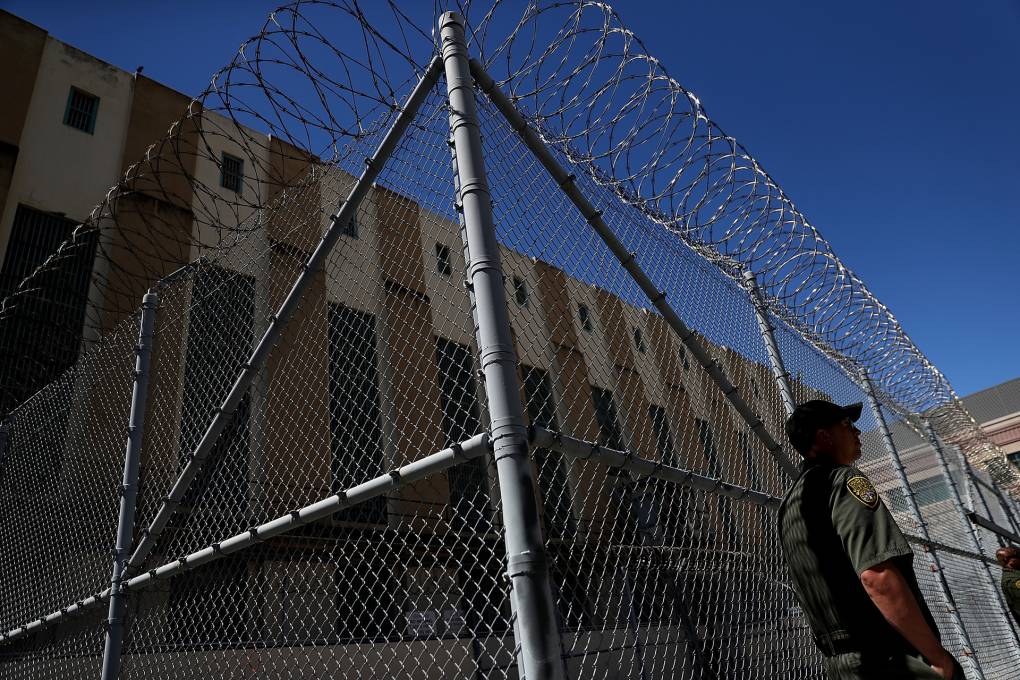
"caption": "An aerial view of San Quentin State Prison on July 08, 2020, where more than 1,300 prisoners are currently infected with the coronavirus, and at least seven have died — one of the largest single outbreaks in the nation. An emergency care facility was erected on the baseball field to treat those who have been infected.",
"description": null,
"title": "One-Third Of Prisoners At San Quentin Prison Have Coronavirus",
"credit": "Justin Sullivan/Getty Images",
"status": "inherit",
"isLoading": false,
"fetchFailed": false
},
"news_11828552": {
"type": "attachments",
"id": "news_11828552",
"meta": {
"index": "attachments_1716263798",
"site": "news",
"id": "11828552",
"found": true
},
"parent": 11828337,
"imgSizes": {
"apple_news_ca_landscape_5_5": {
"file": "https://ww2.kqed.org/app/uploads/sites/10/2020/07/MARQUEE-735-1044x720.jpg",
"width": 1044,
"mimeType": "image/jpeg",
"height": 720
},
"apple_news_ca_square_4_0": {
"file": "https://ww2.kqed.org/app/uploads/sites/10/2020/07/MARQUEE-735-470x470.jpg",
"width": 470,
"mimeType": "image/jpeg",
"height": 470
},
"twentyfourteen-full-width": {
"file": "https://ww2.kqed.org/app/uploads/sites/10/2020/07/MARQUEE-735-1038x576.jpg",
"width": 1038,
"mimeType": "image/jpeg",
"height": 576
},
"thumbnail": {
"file": "https://ww2.kqed.org/app/uploads/sites/10/2020/07/MARQUEE-735-160x90.jpg",
"width": 160,
"mimeType": "image/jpeg",
"height": 90
},
"post-thumbnail": {
"file": "https://ww2.kqed.org/app/uploads/sites/10/2020/07/MARQUEE-735-672x372.jpg",
"width": 672,
"mimeType": "image/jpeg",
"height": 372
},
"kqedFullSize": {
"file": "https://ww2.kqed.org/app/uploads/sites/10/2020/07/MARQUEE-735.jpg",
"width": 1280,
"height": 720
},
"apple_news_ca_landscape_4_7": {
"file": "https://ww2.kqed.org/app/uploads/sites/10/2020/07/MARQUEE-735-632x474.jpg",
"width": 632,
"mimeType": "image/jpeg",
"height": 474
},
"large": {
"file": "https://ww2.kqed.org/app/uploads/sites/10/2020/07/MARQUEE-735-1020x574.jpg",
"width": 1020,
"mimeType": "image/jpeg",
"height": 574
},
"apple_news_ca_landscape_4_0": {
"file": "https://ww2.kqed.org/app/uploads/sites/10/2020/07/MARQUEE-735-536x402.jpg",
"width": 536,
"mimeType": "image/jpeg",
"height": 402
},
"apple_news_ca_portrait_12_9": {
"file": "https://ww2.kqed.org/app/uploads/sites/10/2020/07/MARQUEE-735-1122x720.jpg",
"width": 1122,
"mimeType": "image/jpeg",
"height": 720
},
"medium": {
"file": "https://ww2.kqed.org/app/uploads/sites/10/2020/07/MARQUEE-735-800x450.jpg",
"width": 800,
"mimeType": "image/jpeg",
"height": 450
},
"apple_news_ca_portrait_4_0": {
"file": "https://ww2.kqed.org/app/uploads/sites/10/2020/07/MARQUEE-735-354x472.jpg",
"width": 354,
"mimeType": "image/jpeg",
"height": 472
},
"apple_news_ca_portrait_9_7": {
"file": "https://ww2.kqed.org/app/uploads/sites/10/2020/07/MARQUEE-735-840x720.jpg",
"width": 840,
"mimeType": "image/jpeg",
"height": 720
},
"apple_news_ca_square_9_7": {
"file": "https://ww2.kqed.org/app/uploads/sites/10/2020/07/MARQUEE-735-1104x720.jpg",
"width": 1104,
"mimeType": "image/jpeg",
"height": 720
},
"apple_news_ca_portrait_4_7": {
"file": "https://ww2.kqed.org/app/uploads/sites/10/2020/07/MARQUEE-735-414x552.jpg",
"width": 414,
"mimeType": "image/jpeg",
"height": 552
},
"apple_news_ca_portrait_5_5": {
"file": "https://ww2.kqed.org/app/uploads/sites/10/2020/07/MARQUEE-735-687x720.jpg",
"width": 687,
"mimeType": "image/jpeg",
"height": 720
},
"apple_news_ca_square_4_7": {
"file": "https://ww2.kqed.org/app/uploads/sites/10/2020/07/MARQUEE-735-550x550.jpg",
"width": 550,
"mimeType": "image/jpeg",
"height": 550
},
"apple_news_ca_square_5_5": {
"file": "https://ww2.kqed.org/app/uploads/sites/10/2020/07/MARQUEE-735-912x720.jpg",
"width": 912,
"mimeType": "image/jpeg",
"height": 720
}
},
"publishDate": 1594424842,
"modified": 1594424842,
"caption": null,
"description": null,
"title": "MARQUEE 735",
"credit": null,
"status": "inherit",
"isLoading": false,
"fetchFailed": false
},
"news_11828435": {
"type": "attachments",
"id": "news_11828435",
"meta": {
"index": "attachments_1716263798",
"site": "news",
"id": "11828435",
"found": true
},
"parent": 11828168,
"imgSizes": {
"apple_news_ca_square_4_0": {
"file": "https://ww2.kqed.org/app/uploads/sites/10/2020/07/adam-d-470x470.jpeg",
"width": 470,
"mimeType": "image/jpeg",
"height": 470
},
"twentyfourteen-full-width": {
"file": "https://ww2.kqed.org/app/uploads/sites/10/2020/07/adam-d-990x576.jpeg",
"width": 990,
"mimeType": "image/jpeg",
"height": 576
},
"thumbnail": {
"file": "https://ww2.kqed.org/app/uploads/sites/10/2020/07/adam-d-160x107.jpeg",
"width": 160,
"mimeType": "image/jpeg",
"height": 107
},
"post-thumbnail": {
"file": "https://ww2.kqed.org/app/uploads/sites/10/2020/07/adam-d-672x372.jpeg",
"width": 672,
"mimeType": "image/jpeg",
"height": 372
},
"kqedFullSize": {
"file": "https://ww2.kqed.org/app/uploads/sites/10/2020/07/adam-d.jpeg",
"width": 990,
"height": 660
},
"apple_news_ca_landscape_4_7": {
"file": "https://ww2.kqed.org/app/uploads/sites/10/2020/07/adam-d-632x474.jpeg",
"width": 632,
"mimeType": "image/jpeg",
"height": 474
},
"apple_news_ca_landscape_4_0": {
"file": "https://ww2.kqed.org/app/uploads/sites/10/2020/07/adam-d-536x402.jpeg",
"width": 536,
"mimeType": "image/jpeg",
"height": 402
},
"medium": {
"file": "https://ww2.kqed.org/app/uploads/sites/10/2020/07/adam-d-800x533.jpeg",
"width": 800,
"mimeType": "image/jpeg",
"height": 533
},
"apple_news_ca_portrait_4_0": {
"file": "https://ww2.kqed.org/app/uploads/sites/10/2020/07/adam-d-354x472.jpeg",
"width": 354,
"mimeType": "image/jpeg",
"height": 472
},
"apple_news_ca_portrait_9_7": {
"file": "https://ww2.kqed.org/app/uploads/sites/10/2020/07/adam-d-840x660.jpeg",
"width": 840,
"mimeType": "image/jpeg",
"height": 660
},
"apple_news_ca_portrait_4_7": {
"file": "https://ww2.kqed.org/app/uploads/sites/10/2020/07/adam-d-414x552.jpeg",
"width": 414,
"mimeType": "image/jpeg",
"height": 552
},
"apple_news_ca_portrait_5_5": {
"file": "https://ww2.kqed.org/app/uploads/sites/10/2020/07/adam-d-687x660.jpeg",
"width": 687,
"mimeType": "image/jpeg",
"height": 660
},
"apple_news_ca_square_4_7": {
"file": "https://ww2.kqed.org/app/uploads/sites/10/2020/07/adam-d-550x550.jpeg",
"width": 550,
"mimeType": "image/jpeg",
"height": 550
},
"apple_news_ca_square_5_5": {
"file": "https://ww2.kqed.org/app/uploads/sites/10/2020/07/adam-d-912x660.jpeg",
"width": 912,
"mimeType": "image/jpeg",
"height": 660
}
},
"publishDate": 1594419901,
"modified": 1594419944,
"caption": "Quora CEO Adam D’Angelo.",
"description": null,
"title": "adam d",
"credit": "Courtesy of Quora",
"status": "inherit",
"isLoading": false,
"fetchFailed": false
},
"news_11828126": {
"type": "attachments",
"id": "news_11828126",
"meta": {
"index": "attachments_1716263798",
"site": "news",
"id": "11828126",
"found": true
},
"parent": 11826988,
"imgSizes": {
"apple_news_ca_landscape_5_5": {
"file": "https://ww2.kqed.org/app/uploads/sites/10/2020/07/couple2-Andrea-Piacquadio-Pexels-bigger-1044x783.jpg",
"width": 1044,
"mimeType": "image/jpeg",
"height": 783
},
"apple_news_ca_square_4_0": {
"file": "https://ww2.kqed.org/app/uploads/sites/10/2020/07/couple2-Andrea-Piacquadio-Pexels-bigger-470x470.jpg",
"width": 470,
"mimeType": "image/jpeg",
"height": 470
},
"twentyfourteen-full-width": {
"file": "https://ww2.kqed.org/app/uploads/sites/10/2020/07/couple2-Andrea-Piacquadio-Pexels-bigger-1038x576.jpg",
"width": 1038,
"mimeType": "image/jpeg",
"height": 576
},
"thumbnail": {
"file": "https://ww2.kqed.org/app/uploads/sites/10/2020/07/couple2-Andrea-Piacquadio-Pexels-bigger-160x108.jpg",
"width": 160,
"mimeType": "image/jpeg",
"height": 108
},
"post-thumbnail": {
"file": "https://ww2.kqed.org/app/uploads/sites/10/2020/07/couple2-Andrea-Piacquadio-Pexels-bigger-672x372.jpg",
"width": 672,
"mimeType": "image/jpeg",
"height": 372
},
"kqedFullSize": {
"file": "https://ww2.kqed.org/app/uploads/sites/10/2020/07/couple2-Andrea-Piacquadio-Pexels-bigger-e1594408751408.jpg",
"width": 1900,
"height": 1280
},
"apple_news_ca_landscape_4_7": {
"file": "https://ww2.kqed.org/app/uploads/sites/10/2020/07/couple2-Andrea-Piacquadio-Pexels-bigger-632x474.jpg",
"width": 632,
"mimeType": "image/jpeg",
"height": 474
},
"large": {
"file": "https://ww2.kqed.org/app/uploads/sites/10/2020/07/couple2-Andrea-Piacquadio-Pexels-bigger-1020x687.jpg",
"width": 1020,
"mimeType": "image/jpeg",
"height": 687
},
"apple_news_ca_landscape_4_0": {
"file": "https://ww2.kqed.org/app/uploads/sites/10/2020/07/couple2-Andrea-Piacquadio-Pexels-bigger-536x402.jpg",
"width": 536,
"mimeType": "image/jpeg",
"height": 402
},
"apple_news_ca_portrait_12_9": {
"file": "https://ww2.kqed.org/app/uploads/sites/10/2020/07/couple2-Andrea-Piacquadio-Pexels-bigger-1122x1280.jpg",
"width": 1122,
"mimeType": "image/jpeg",
"height": 1280
},
"medium": {
"file": "https://ww2.kqed.org/app/uploads/sites/10/2020/07/couple2-Andrea-Piacquadio-Pexels-bigger-800x539.jpg",
"width": 800,
"mimeType": "image/jpeg",
"height": 539
},
"apple_news_ca_portrait_4_0": {
"file": "https://ww2.kqed.org/app/uploads/sites/10/2020/07/couple2-Andrea-Piacquadio-Pexels-bigger-354x472.jpg",
"width": 354,
"mimeType": "image/jpeg",
"height": 472
},
"apple_news_ca_portrait_9_7": {
"file": "https://ww2.kqed.org/app/uploads/sites/10/2020/07/couple2-Andrea-Piacquadio-Pexels-bigger-840x1120.jpg",
"width": 840,
"mimeType": "image/jpeg",
"height": 1120
},
"apple_news_ca_landscape_12_9": {
"file": "https://ww2.kqed.org/app/uploads/sites/10/2020/07/couple2-Andrea-Piacquadio-Pexels-bigger-1832x1280.jpg",
"width": 1832,
"mimeType": "image/jpeg",
"height": 1280
},
"apple_news_ca_square_9_7": {
"file": "https://ww2.kqed.org/app/uploads/sites/10/2020/07/couple2-Andrea-Piacquadio-Pexels-bigger-1104x1104.jpg",
"width": 1104,
"mimeType": "image/jpeg",
"height": 1104
},
"1536x1536": {
"file": "https://ww2.kqed.org/app/uploads/sites/10/2020/07/couple2-Andrea-Piacquadio-Pexels-bigger-1536x1035.jpg",
"width": 1536,
"mimeType": "image/jpeg",
"height": 1035
},
"apple_news_ca_portrait_4_7": {
"file": "https://ww2.kqed.org/app/uploads/sites/10/2020/07/couple2-Andrea-Piacquadio-Pexels-bigger-414x552.jpg",
"width": 414,
"mimeType": "image/jpeg",
"height": 552
},
"apple_news_ca_square_12_9": {
"file": "https://ww2.kqed.org/app/uploads/sites/10/2020/07/couple2-Andrea-Piacquadio-Pexels-bigger-1472x1280.jpg",
"width": 1472,
"mimeType": "image/jpeg",
"height": 1280
},
"apple_news_ca_portrait_5_5": {
"file": "https://ww2.kqed.org/app/uploads/sites/10/2020/07/couple2-Andrea-Piacquadio-Pexels-bigger-687x916.jpg",
"width": 687,
"mimeType": "image/jpeg",
"height": 916
},
"apple_news_ca_square_4_7": {
"file": "https://ww2.kqed.org/app/uploads/sites/10/2020/07/couple2-Andrea-Piacquadio-Pexels-bigger-550x550.jpg",
"width": 550,
"mimeType": "image/jpeg",
"height": 550
},
"apple_news_ca_landscape_9_7": {
"file": "https://ww2.kqed.org/app/uploads/sites/10/2020/07/couple2-Andrea-Piacquadio-Pexels-bigger-1376x1032.jpg",
"width": 1376,
"mimeType": "image/jpeg",
"height": 1032
},
"apple_news_ca_square_5_5": {
"file": "https://ww2.kqed.org/app/uploads/sites/10/2020/07/couple2-Andrea-Piacquadio-Pexels-bigger-912x912.jpg",
"width": 912,
"mimeType": "image/jpeg",
"height": 912
}
},
"publishDate": 1594315424,
"modified": 1594419068,
"caption": "Sex and dating during the COVID-19 pandemic is... complicated.",
"description": "Sex and dating during the COVID-19 pandemic is... complicated.",
"title": "Sex and dating during the COVID-19 pandemic is... complicated.",
"credit": "Andrea Piacquadio/Pexels",
"status": "inherit",
"isLoading": false,
"fetchFailed": false
},
"news_11828258": {
"type": "attachments",
"id": "news_11828258",
"meta": {
"index": "attachments_1716263798",
"site": "news",
"id": "11828258",
"found": true
},
"parent": 11828183,
"imgSizes": {
"apple_news_ca_landscape_5_5": {
"file": "https://ww2.kqed.org/app/uploads/sites/10/2020/07/SQ-1044x783.jpg",
"width": 1044,
"mimeType": "image/jpeg",
"height": 783
},
"apple_news_ca_square_4_0": {
"file": "https://ww2.kqed.org/app/uploads/sites/10/2020/07/SQ-470x470.jpg",
"width": 470,
"mimeType": "image/jpeg",
"height": 470
},
"twentyfourteen-full-width": {
"file": "https://ww2.kqed.org/app/uploads/sites/10/2020/07/SQ-1038x576.jpg",
"width": 1038,
"mimeType": "image/jpeg",
"height": 576
},
"thumbnail": {
"file": "https://ww2.kqed.org/app/uploads/sites/10/2020/07/SQ-160x120.jpg",
"width": 160,
"mimeType": "image/jpeg",
"height": 120
},
"post-thumbnail": {
"file": "https://ww2.kqed.org/app/uploads/sites/10/2020/07/SQ-672x372.jpg",
"width": 672,
"mimeType": "image/jpeg",
"height": 372
},
"kqedFullSize": {
"file": "https://ww2.kqed.org/app/uploads/sites/10/2020/07/SQ-e1594342620822.jpg",
"width": 1920,
"height": 1440
},
"apple_news_ca_landscape_4_7": {
"file": "https://ww2.kqed.org/app/uploads/sites/10/2020/07/SQ-632x474.jpg",
"width": 632,
"mimeType": "image/jpeg",
"height": 474
},
"large": {
"file": "https://ww2.kqed.org/app/uploads/sites/10/2020/07/SQ-1020x765.jpg",
"width": 1020,
"mimeType": "image/jpeg",
"height": 765
},
"apple_news_ca_landscape_4_0": {
"file": "https://ww2.kqed.org/app/uploads/sites/10/2020/07/SQ-536x402.jpg",
"width": 536,
"mimeType": "image/jpeg",
"height": 402
},
"apple_news_ca_portrait_12_9": {
"file": "https://ww2.kqed.org/app/uploads/sites/10/2020/07/SQ-1122x1496.jpg",
"width": 1122,
"mimeType": "image/jpeg",
"height": 1496
},
"medium": {
"file": "https://ww2.kqed.org/app/uploads/sites/10/2020/07/SQ-800x600.jpg",
"width": 800,
"mimeType": "image/jpeg",
"height": 600
},
"apple_news_ca_portrait_4_0": {
"file": "https://ww2.kqed.org/app/uploads/sites/10/2020/07/SQ-354x472.jpg",
"width": 354,
"mimeType": "image/jpeg",
"height": 472
},
"apple_news_ca_portrait_9_7": {
"file": "https://ww2.kqed.org/app/uploads/sites/10/2020/07/SQ-840x1120.jpg",
"width": 840,
"mimeType": "image/jpeg",
"height": 1120
},
"apple_news_ca_landscape_12_9": {
"file": "https://ww2.kqed.org/app/uploads/sites/10/2020/07/SQ-1832x1374.jpg",
"width": 1832,
"mimeType": "image/jpeg",
"height": 1374
},
"apple_news_ca_square_9_7": {
"file": "https://ww2.kqed.org/app/uploads/sites/10/2020/07/SQ-1104x1104.jpg",
"width": 1104,
"mimeType": "image/jpeg",
"height": 1104
},
"1536x1536": {
"file": "https://ww2.kqed.org/app/uploads/sites/10/2020/07/SQ-1536x1152.jpg",
"width": 1536,
"mimeType": "image/jpeg",
"height": 1152
},
"apple_news_ca_portrait_4_7": {
"file": "https://ww2.kqed.org/app/uploads/sites/10/2020/07/SQ-414x552.jpg",
"width": 414,
"mimeType": "image/jpeg",
"height": 552
},
"apple_news_ca_square_12_9": {
"file": "https://ww2.kqed.org/app/uploads/sites/10/2020/07/SQ-1472x1472.jpg",
"width": 1472,
"mimeType": "image/jpeg",
"height": 1472
},
"apple_news_ca_portrait_5_5": {
"file": "https://ww2.kqed.org/app/uploads/sites/10/2020/07/SQ-687x916.jpg",
"width": 687,
"mimeType": "image/jpeg",
"height": 916
},
"full-width": {
"file": "https://ww2.kqed.org/app/uploads/sites/10/2020/07/SQ-1920x1440.jpg",
"width": 1920,
"mimeType": "image/jpeg",
"height": 1440
},
"apple_news_ca_square_4_7": {
"file": "https://ww2.kqed.org/app/uploads/sites/10/2020/07/SQ-550x550.jpg",
"width": 550,
"mimeType": "image/jpeg",
"height": 550
},
"apple_news_ca_landscape_9_7": {
"file": "https://ww2.kqed.org/app/uploads/sites/10/2020/07/SQ-1376x1032.jpg",
"width": 1376,
"mimeType": "image/jpeg",
"height": 1032
},
"apple_news_ca_square_5_5": {
"file": "https://ww2.kqed.org/app/uploads/sites/10/2020/07/SQ-912x912.jpg",
"width": 912,
"mimeType": "image/jpeg",
"height": 912
}
},
"publishDate": 1594342396,
"modified": 1594342612,
"caption": "Assemblyman Phil Ting, D-San Francisco, joined other public officials and activists outside the main gates of San Quentin State Prison in Marin on Thursday, July 9, to demand the immediate reduction of the prison's population.",
"description": null,
"title": "SQ",
"credit": "Phil Ting via Twitter",
"status": "inherit",
"isLoading": false,
"fetchFailed": false
},
"news_11828232": {
"type": "attachments",
"id": "news_11828232",
"meta": {
"index": "attachments_1716263798",
"site": "news",
"id": "11828232",
"found": true
},
"parent": 11828187,
"imgSizes": {
"apple_news_ca_landscape_5_5": {
"file": "https://ww2.kqed.org/app/uploads/sites/10/2020/07/RS43891_GettyImages-1255121114-qut-1044x783.jpg",
"width": 1044,
"mimeType": "image/jpeg",
"height": 783
},
"apple_news_ca_square_4_0": {
"file": "https://ww2.kqed.org/app/uploads/sites/10/2020/07/RS43891_GettyImages-1255121114-qut-470x470.jpg",
"width": 470,
"mimeType": "image/jpeg",
"height": 470
},
"twentyfourteen-full-width": {
"file": "https://ww2.kqed.org/app/uploads/sites/10/2020/07/RS43891_GettyImages-1255121114-qut-1038x576.jpg",
"width": 1038,
"mimeType": "image/jpeg",
"height": 576
},
"thumbnail": {
"file": "https://ww2.kqed.org/app/uploads/sites/10/2020/07/RS43891_GettyImages-1255121114-qut-160x106.jpg",
"width": 160,
"mimeType": "image/jpeg",
"height": 106
},
"post-thumbnail": {
"file": "https://ww2.kqed.org/app/uploads/sites/10/2020/07/RS43891_GettyImages-1255121114-qut-672x372.jpg",
"width": 672,
"mimeType": "image/jpeg",
"height": 372
},
"kqedFullSize": {
"file": "https://ww2.kqed.org/app/uploads/sites/10/2020/07/RS43891_GettyImages-1255121114-qut-e1594339256336.jpg",
"width": 1920,
"height": 1273
},
"apple_news_ca_landscape_4_7": {
"file": "https://ww2.kqed.org/app/uploads/sites/10/2020/07/RS43891_GettyImages-1255121114-qut-632x474.jpg",
"width": 632,
"mimeType": "image/jpeg",
"height": 474
},
"large": {
"file": "https://ww2.kqed.org/app/uploads/sites/10/2020/07/RS43891_GettyImages-1255121114-qut-1020x676.jpg",
"width": 1020,
"mimeType": "image/jpeg",
"height": 676
},
"apple_news_ca_landscape_4_0": {
"file": "https://ww2.kqed.org/app/uploads/sites/10/2020/07/RS43891_GettyImages-1255121114-qut-536x402.jpg",
"width": 536,
"mimeType": "image/jpeg",
"height": 402
},
"apple_news_ca_portrait_12_9": {
"file": "https://ww2.kqed.org/app/uploads/sites/10/2020/07/RS43891_GettyImages-1255121114-qut-1122x1273.jpg",
"width": 1122,
"mimeType": "image/jpeg",
"height": 1273
},
"medium": {
"file": "https://ww2.kqed.org/app/uploads/sites/10/2020/07/RS43891_GettyImages-1255121114-qut-800x530.jpg",
"width": 800,
"mimeType": "image/jpeg",
"height": 530
},
"apple_news_ca_portrait_4_0": {
"file": "https://ww2.kqed.org/app/uploads/sites/10/2020/07/RS43891_GettyImages-1255121114-qut-354x472.jpg",
"width": 354,
"mimeType": "image/jpeg",
"height": 472
},
"apple_news_ca_portrait_9_7": {
"file": "https://ww2.kqed.org/app/uploads/sites/10/2020/07/RS43891_GettyImages-1255121114-qut-840x1120.jpg",
"width": 840,
"mimeType": "image/jpeg",
"height": 1120
},
"apple_news_ca_landscape_12_9": {
"file": "https://ww2.kqed.org/app/uploads/sites/10/2020/07/RS43891_GettyImages-1255121114-qut-1832x1273.jpg",
"width": 1832,
"mimeType": "image/jpeg",
"height": 1273
},
"apple_news_ca_square_9_7": {
"file": "https://ww2.kqed.org/app/uploads/sites/10/2020/07/RS43891_GettyImages-1255121114-qut-1104x1104.jpg",
"width": 1104,
"mimeType": "image/jpeg",
"height": 1104
},
"1536x1536": {
"file": "https://ww2.kqed.org/app/uploads/sites/10/2020/07/RS43891_GettyImages-1255121114-qut-1536x1018.jpg",
"width": 1536,
"mimeType": "image/jpeg",
"height": 1018
},
"apple_news_ca_portrait_4_7": {
"file": "https://ww2.kqed.org/app/uploads/sites/10/2020/07/RS43891_GettyImages-1255121114-qut-414x552.jpg",
"width": 414,
"mimeType": "image/jpeg",
"height": 552
},
"apple_news_ca_square_12_9": {
"file": "https://ww2.kqed.org/app/uploads/sites/10/2020/07/RS43891_GettyImages-1255121114-qut-1472x1273.jpg",
"width": 1472,
"mimeType": "image/jpeg",
"height": 1273
},
"apple_news_ca_portrait_5_5": {
"file": "https://ww2.kqed.org/app/uploads/sites/10/2020/07/RS43891_GettyImages-1255121114-qut-687x916.jpg",
"width": 687,
"mimeType": "image/jpeg",
"height": 916
},
"apple_news_ca_square_4_7": {
"file": "https://ww2.kqed.org/app/uploads/sites/10/2020/07/RS43891_GettyImages-1255121114-qut-550x550.jpg",
"width": 550,
"mimeType": "image/jpeg",
"height": 550
},
"apple_news_ca_landscape_9_7": {
"file": "https://ww2.kqed.org/app/uploads/sites/10/2020/07/RS43891_GettyImages-1255121114-qut-1376x1032.jpg",
"width": 1376,
"mimeType": "image/jpeg",
"height": 1032
},
"apple_news_ca_square_5_5": {
"file": "https://ww2.kqed.org/app/uploads/sites/10/2020/07/RS43891_GettyImages-1255121114-qut-912x912.jpg",
"width": 912,
"mimeType": "image/jpeg",
"height": 912
}
},
"publishDate": 1594338303,
"modified": 1594340304,
"caption": "An aerial view of a new emergency care facility erected to treat inmates infected with COVID-19 at San Quentin State Prison on July 08, 2020. Over 1,600 people incarcerated there have contracted COVID-19 after infected inmates were transferred from a prison in Chino. Seven inmates at San Quentin have died.",
"description": "An aerial view of a new emergency care facility erected to treat inmates infected with COVID-19 at San Quentin State Prison on July 08, 2020. Over 1,600 people incarcerated there have contracted COVID-19 after infected inmates were transferred from a prison in Chino. Seven inmates at San Quentin have died.",
"title": "One-Third Of Prisoners At San Quentin Prison Have Coronavirus",
"credit": "Justin Sullivan/Getty Images",
"status": "inherit",
"isLoading": false,
"fetchFailed": false
},
"news_11828021": {
"type": "attachments",
"id": "news_11828021",
"meta": {
"index": "attachments_1716263798",
"site": "news",
"id": "11828021",
"found": true
},
"parent": 11828008,
"imgSizes": {
"apple_news_ca_landscape_5_5": {
"file": "https://ww2.kqed.org/app/uploads/sites/10/2020/07/John-Potterat-age-32-1974-1044x783.jpg",
"width": 1044,
"mimeType": "image/jpeg",
"height": 783
},
"apple_news_ca_square_4_0": {
"file": "https://ww2.kqed.org/app/uploads/sites/10/2020/07/John-Potterat-age-32-1974-470x470.jpg",
"width": 470,
"mimeType": "image/jpeg",
"height": 470
},
"twentyfourteen-full-width": {
"file": "https://ww2.kqed.org/app/uploads/sites/10/2020/07/John-Potterat-age-32-1974-1038x576.jpg",
"width": 1038,
"mimeType": "image/jpeg",
"height": 576
},
"thumbnail": {
"file": "https://ww2.kqed.org/app/uploads/sites/10/2020/07/John-Potterat-age-32-1974-160x114.jpg",
"width": 160,
"mimeType": "image/jpeg",
"height": 114
},
"post-thumbnail": {
"file": "https://ww2.kqed.org/app/uploads/sites/10/2020/07/John-Potterat-age-32-1974-672x372.jpg",
"width": 672,
"mimeType": "image/jpeg",
"height": 372
},
"kqedFullSize": {
"file": "https://ww2.kqed.org/app/uploads/sites/10/2020/07/John-Potterat-age-32-1974-scaled-e1594259267466.jpg",
"width": 1920,
"height": 1370
},
"2048x2048": {
"file": "https://ww2.kqed.org/app/uploads/sites/10/2020/07/John-Potterat-age-32-1974-2048x1461.jpg",
"width": 2048,
"mimeType": "image/jpeg",
"height": 1461
},
"apple_news_ca_landscape_4_7": {
"file": "https://ww2.kqed.org/app/uploads/sites/10/2020/07/John-Potterat-age-32-1974-632x474.jpg",
"width": 632,
"mimeType": "image/jpeg",
"height": 474
},
"large": {
"file": "https://ww2.kqed.org/app/uploads/sites/10/2020/07/John-Potterat-age-32-1974-1020x728.jpg",
"width": 1020,
"mimeType": "image/jpeg",
"height": 728
},
"apple_news_ca_landscape_4_0": {
"file": "https://ww2.kqed.org/app/uploads/sites/10/2020/07/John-Potterat-age-32-1974-536x402.jpg",
"width": 536,
"mimeType": "image/jpeg",
"height": 402
},
"apple_news_ca_portrait_12_9": {
"file": "https://ww2.kqed.org/app/uploads/sites/10/2020/07/John-Potterat-age-32-1974-1122x1496.jpg",
"width": 1122,
"mimeType": "image/jpeg",
"height": 1496
},
"medium": {
"file": "https://ww2.kqed.org/app/uploads/sites/10/2020/07/John-Potterat-age-32-1974-800x571.jpg",
"width": 800,
"mimeType": "image/jpeg",
"height": 571
},
"apple_news_ca_portrait_4_0": {
"file": "https://ww2.kqed.org/app/uploads/sites/10/2020/07/John-Potterat-age-32-1974-354x472.jpg",
"width": 354,
"mimeType": "image/jpeg",
"height": 472
},
"apple_news_ca_portrait_9_7": {
"file": "https://ww2.kqed.org/app/uploads/sites/10/2020/07/John-Potterat-age-32-1974-840x1120.jpg",
"width": 840,
"mimeType": "image/jpeg",
"height": 1120
},
"apple_news_ca_landscape_12_9": {
"file": "https://ww2.kqed.org/app/uploads/sites/10/2020/07/John-Potterat-age-32-1974-1832x1374.jpg",
"width": 1832,
"mimeType": "image/jpeg",
"height": 1374
},
"apple_news_ca_square_9_7": {
"file": "https://ww2.kqed.org/app/uploads/sites/10/2020/07/John-Potterat-age-32-1974-1104x1104.jpg",
"width": 1104,
"mimeType": "image/jpeg",
"height": 1104
},
"1536x1536": {
"file": "https://ww2.kqed.org/app/uploads/sites/10/2020/07/John-Potterat-age-32-1974-1536x1096.jpg",
"width": 1536,
"mimeType": "image/jpeg",
"height": 1096
},
"apple_news_ca_portrait_4_7": {
"file": "https://ww2.kqed.org/app/uploads/sites/10/2020/07/John-Potterat-age-32-1974-414x552.jpg",
"width": 414,
"mimeType": "image/jpeg",
"height": 552
},
"apple_news_ca_square_12_9": {
"file": "https://ww2.kqed.org/app/uploads/sites/10/2020/07/John-Potterat-age-32-1974-1472x1472.jpg",
"width": 1472,
"mimeType": "image/jpeg",
"height": 1472
},
"apple_news_ca_portrait_5_5": {
"file": "https://ww2.kqed.org/app/uploads/sites/10/2020/07/John-Potterat-age-32-1974-687x916.jpg",
"width": 687,
"mimeType": "image/jpeg",
"height": 916
},
"full-width": {
"file": "https://ww2.kqed.org/app/uploads/sites/10/2020/07/John-Potterat-age-32-1974-1920x1370.jpg",
"width": 1920,
"mimeType": "image/jpeg",
"height": 1370
},
"apple_news_ca_square_4_7": {
"file": "https://ww2.kqed.org/app/uploads/sites/10/2020/07/John-Potterat-age-32-1974-550x550.jpg",
"width": 550,
"mimeType": "image/jpeg",
"height": 550
},
"apple_news_ca_landscape_9_7": {
"file": "https://ww2.kqed.org/app/uploads/sites/10/2020/07/John-Potterat-age-32-1974-1376x1032.jpg",
"width": 1376,
"mimeType": "image/jpeg",
"height": 1032
},
"apple_news_ca_square_5_5": {
"file": "https://ww2.kqed.org/app/uploads/sites/10/2020/07/John-Potterat-age-32-1974-912x912.jpg",
"width": 912,
"mimeType": "image/jpeg",
"height": 912
}
},
"publishDate": 1594259224,
"modified": 1594332199,
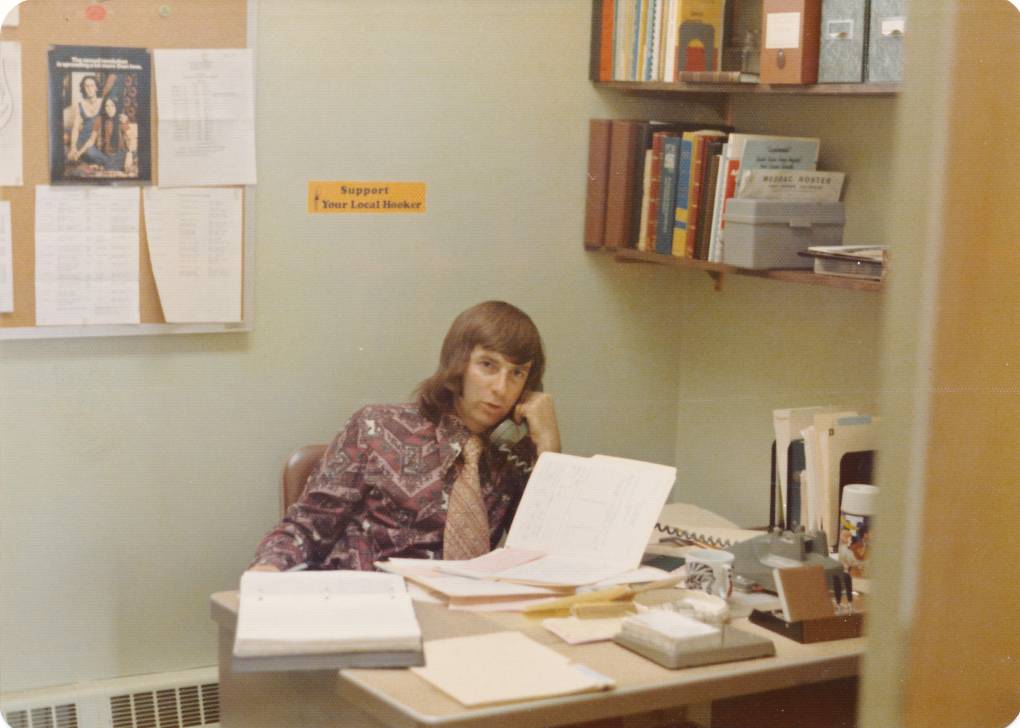
"caption": "John Potterat was a contact tracer for 40 years, working through epidemics of syphilis, gonorrhea and HIV. Here, he is seated at his desk in Colorado Spring, 1974. ",
"description": "John Potterat was a contact tracer for 40 years, working through epidemics of syphilis, gonorrhea and HIV. Here, he is seated at his desk in Colorado Spring, 1974. ",
"title": "John Potterat age 32-1974",
"credit": "Courtesy of John Potterat",
"status": "inherit",
"isLoading": false,
"fetchFailed": false
},
"news_11827849": {
"type": "attachments",
"id": "news_11827849",
"meta": {
"index": "attachments_1716263798",
"site": "news",
"id": "11827849",
"found": true
},
"parent": 11827835,
"imgSizes": {
"apple_news_ca_landscape_5_5": {
"file": "https://ww2.kqed.org/app/uploads/sites/10/2020/07/RS42898_009_KQED_SanFrancisco_Mission_04232020-qut-1044x783.jpg",
"width": 1044,
"mimeType": "image/jpeg",
"height": 783
},
"apple_news_ca_square_4_0": {
"file": "https://ww2.kqed.org/app/uploads/sites/10/2020/07/RS42898_009_KQED_SanFrancisco_Mission_04232020-qut-470x470.jpg",
"width": 470,
"mimeType": "image/jpeg",
"height": 470
},
"twentyfourteen-full-width": {
"file": "https://ww2.kqed.org/app/uploads/sites/10/2020/07/RS42898_009_KQED_SanFrancisco_Mission_04232020-qut-1038x576.jpg",
"width": 1038,
"mimeType": "image/jpeg",
"height": 576
},
"thumbnail": {
"file": "https://ww2.kqed.org/app/uploads/sites/10/2020/07/RS42898_009_KQED_SanFrancisco_Mission_04232020-qut-160x107.jpg",
"width": 160,
"mimeType": "image/jpeg",
"height": 107
},
"post-thumbnail": {
"file": "https://ww2.kqed.org/app/uploads/sites/10/2020/07/RS42898_009_KQED_SanFrancisco_Mission_04232020-qut-672x372.jpg",
"width": 672,
"mimeType": "image/jpeg",
"height": 372
},
"kqedFullSize": {
"file": "https://ww2.kqed.org/app/uploads/sites/10/2020/07/RS42898_009_KQED_SanFrancisco_Mission_04232020-qut.jpg",
"width": 1920,
"height": 1280
},
"apple_news_ca_landscape_4_7": {
"file": "https://ww2.kqed.org/app/uploads/sites/10/2020/07/RS42898_009_KQED_SanFrancisco_Mission_04232020-qut-632x474.jpg",
"width": 632,
"mimeType": "image/jpeg",
"height": 474
},
"large": {
"file": "https://ww2.kqed.org/app/uploads/sites/10/2020/07/RS42898_009_KQED_SanFrancisco_Mission_04232020-qut-1020x680.jpg",
"width": 1020,
"mimeType": "image/jpeg",
"height": 680
},
"apple_news_ca_landscape_4_0": {
"file": "https://ww2.kqed.org/app/uploads/sites/10/2020/07/RS42898_009_KQED_SanFrancisco_Mission_04232020-qut-536x402.jpg",
"width": 536,
"mimeType": "image/jpeg",
"height": 402
},
"apple_news_ca_portrait_12_9": {
"file": "https://ww2.kqed.org/app/uploads/sites/10/2020/07/RS42898_009_KQED_SanFrancisco_Mission_04232020-qut-1122x1280.jpg",
"width": 1122,
"mimeType": "image/jpeg",
"height": 1280
},
"medium": {
"file": "https://ww2.kqed.org/app/uploads/sites/10/2020/07/RS42898_009_KQED_SanFrancisco_Mission_04232020-qut-800x533.jpg",
"width": 800,
"mimeType": "image/jpeg",
"height": 533
},
"apple_news_ca_portrait_4_0": {
"file": "https://ww2.kqed.org/app/uploads/sites/10/2020/07/RS42898_009_KQED_SanFrancisco_Mission_04232020-qut-354x472.jpg",
"width": 354,
"mimeType": "image/jpeg",
"height": 472
},
"apple_news_ca_portrait_9_7": {
"file": "https://ww2.kqed.org/app/uploads/sites/10/2020/07/RS42898_009_KQED_SanFrancisco_Mission_04232020-qut-840x1120.jpg",
"width": 840,
"mimeType": "image/jpeg",
"height": 1120
},
"apple_news_ca_landscape_12_9": {
"file": "https://ww2.kqed.org/app/uploads/sites/10/2020/07/RS42898_009_KQED_SanFrancisco_Mission_04232020-qut-1832x1280.jpg",
"width": 1832,
"mimeType": "image/jpeg",
"height": 1280
},
"apple_news_ca_square_9_7": {
"file": "https://ww2.kqed.org/app/uploads/sites/10/2020/07/RS42898_009_KQED_SanFrancisco_Mission_04232020-qut-1104x1104.jpg",
"width": 1104,
"mimeType": "image/jpeg",
"height": 1104
},
"1536x1536": {
"file": "https://ww2.kqed.org/app/uploads/sites/10/2020/07/RS42898_009_KQED_SanFrancisco_Mission_04232020-qut-1536x1024.jpg",
"width": 1536,
"mimeType": "image/jpeg",
"height": 1024
},
"apple_news_ca_portrait_4_7": {
"file": "https://ww2.kqed.org/app/uploads/sites/10/2020/07/RS42898_009_KQED_SanFrancisco_Mission_04232020-qut-414x552.jpg",
"width": 414,
"mimeType": "image/jpeg",
"height": 552
},
"apple_news_ca_square_12_9": {
"file": "https://ww2.kqed.org/app/uploads/sites/10/2020/07/RS42898_009_KQED_SanFrancisco_Mission_04232020-qut-1472x1280.jpg",
"width": 1472,
"mimeType": "image/jpeg",
"height": 1280
},
"apple_news_ca_portrait_5_5": {
"file": "https://ww2.kqed.org/app/uploads/sites/10/2020/07/RS42898_009_KQED_SanFrancisco_Mission_04232020-qut-687x916.jpg",
"width": 687,
"mimeType": "image/jpeg",
"height": 916
},
"apple_news_ca_square_4_7": {
"file": "https://ww2.kqed.org/app/uploads/sites/10/2020/07/RS42898_009_KQED_SanFrancisco_Mission_04232020-qut-550x550.jpg",
"width": 550,
"mimeType": "image/jpeg",
"height": 550
},
"apple_news_ca_landscape_9_7": {
"file": "https://ww2.kqed.org/app/uploads/sites/10/2020/07/RS42898_009_KQED_SanFrancisco_Mission_04232020-qut-1376x1032.jpg",
"width": 1376,
"mimeType": "image/jpeg",
"height": 1032
},
"apple_news_ca_square_5_5": {
"file": "https://ww2.kqed.org/app/uploads/sites/10/2020/07/RS42898_009_KQED_SanFrancisco_Mission_04232020-qut-912x912.jpg",
"width": 912,
"mimeType": "image/jpeg",
"height": 912
}
},
"publishDate": 1594178340,
"modified": 1594178385,
"caption": "Aliza Zenilman (left) and Alfonso Buenas, volunteers with United In Health, speak with Mission resident Shanah Ucan about getting tested for COVID-19 during a community testing study taking place April 25 - 28 supported by UCSF Labs. Through a partnership between UCSF infectious disease researchers, the Latino Task Force for COVID-19 and the SF Department of Health the testing will take place for as many residents as possible within the testing area.",
"description": null,
"title": "RS42898_009_KQED_SanFrancisco_Mission_04232020-qut",
"credit": "Beth LaBerge/KQED",
"status": "inherit",
"isLoading": false,
"fetchFailed": false
},
"news_11827702": {
"type": "attachments",
"id": "news_11827702",
"meta": {
"index": "attachments_1716263798",
"site": "news",
"id": "11827702",
"found": true
},
"parent": 11827695,
"imgSizes": {
"apple_news_ca_landscape_5_5": {
"file": "https://ww2.kqed.org/app/uploads/sites/10/2020/07/RS43866_GettyImages-1253315033-qut-1044x783.jpg",
"width": 1044,
"mimeType": "image/jpeg",
"height": 783
},
"apple_news_ca_square_4_0": {
"file": "https://ww2.kqed.org/app/uploads/sites/10/2020/07/RS43866_GettyImages-1253315033-qut-470x470.jpg",
"width": 470,
"mimeType": "image/jpeg",
"height": 470
},
"twentyfourteen-full-width": {
"file": "https://ww2.kqed.org/app/uploads/sites/10/2020/07/RS43866_GettyImages-1253315033-qut-1038x576.jpg",
"width": 1038,
"mimeType": "image/jpeg",
"height": 576
},
"thumbnail": {
"file": "https://ww2.kqed.org/app/uploads/sites/10/2020/07/RS43866_GettyImages-1253315033-qut-160x107.jpg",
"width": 160,
"mimeType": "image/jpeg",
"height": 107
},
"post-thumbnail": {
"file": "https://ww2.kqed.org/app/uploads/sites/10/2020/07/RS43866_GettyImages-1253315033-qut-672x372.jpg",
"width": 672,
"mimeType": "image/jpeg",
"height": 372
},
"kqedFullSize": {
"file": "https://ww2.kqed.org/app/uploads/sites/10/2020/07/RS43866_GettyImages-1253315033-qut.jpg",
"width": 1920,
"height": 1280
},
"apple_news_ca_landscape_4_7": {
"file": "https://ww2.kqed.org/app/uploads/sites/10/2020/07/RS43866_GettyImages-1253315033-qut-632x474.jpg",
"width": 632,
"mimeType": "image/jpeg",
"height": 474
},
"large": {
"file": "https://ww2.kqed.org/app/uploads/sites/10/2020/07/RS43866_GettyImages-1253315033-qut-1020x680.jpg",
"width": 1020,
"mimeType": "image/jpeg",
"height": 680
},
"apple_news_ca_landscape_4_0": {
"file": "https://ww2.kqed.org/app/uploads/sites/10/2020/07/RS43866_GettyImages-1253315033-qut-536x402.jpg",
"width": 536,
"mimeType": "image/jpeg",
"height": 402
},
"apple_news_ca_portrait_12_9": {
"file": "https://ww2.kqed.org/app/uploads/sites/10/2020/07/RS43866_GettyImages-1253315033-qut-1122x1280.jpg",
"width": 1122,
"mimeType": "image/jpeg",
"height": 1280
},
"medium": {
"file": "https://ww2.kqed.org/app/uploads/sites/10/2020/07/RS43866_GettyImages-1253315033-qut-800x533.jpg",
"width": 800,
"mimeType": "image/jpeg",
"height": 533
},
"apple_news_ca_portrait_4_0": {
"file": "https://ww2.kqed.org/app/uploads/sites/10/2020/07/RS43866_GettyImages-1253315033-qut-354x472.jpg",
"width": 354,
"mimeType": "image/jpeg",
"height": 472
},
"apple_news_ca_portrait_9_7": {
"file": "https://ww2.kqed.org/app/uploads/sites/10/2020/07/RS43866_GettyImages-1253315033-qut-840x1120.jpg",
"width": 840,
"mimeType": "image/jpeg",
"height": 1120
},
"apple_news_ca_landscape_12_9": {
"file": "https://ww2.kqed.org/app/uploads/sites/10/2020/07/RS43866_GettyImages-1253315033-qut-1832x1280.jpg",
"width": 1832,
"mimeType": "image/jpeg",
"height": 1280
},
"apple_news_ca_square_9_7": {
"file": "https://ww2.kqed.org/app/uploads/sites/10/2020/07/RS43866_GettyImages-1253315033-qut-1104x1104.jpg",
"width": 1104,
"mimeType": "image/jpeg",
"height": 1104
},
"1536x1536": {
"file": "https://ww2.kqed.org/app/uploads/sites/10/2020/07/RS43866_GettyImages-1253315033-qut-1536x1024.jpg",
"width": 1536,
"mimeType": "image/jpeg",
"height": 1024
},
"apple_news_ca_portrait_4_7": {
"file": "https://ww2.kqed.org/app/uploads/sites/10/2020/07/RS43866_GettyImages-1253315033-qut-414x552.jpg",
"width": 414,
"mimeType": "image/jpeg",
"height": 552
},
"apple_news_ca_square_12_9": {
"file": "https://ww2.kqed.org/app/uploads/sites/10/2020/07/RS43866_GettyImages-1253315033-qut-1472x1280.jpg",
"width": 1472,
"mimeType": "image/jpeg",
"height": 1280
},
"apple_news_ca_portrait_5_5": {
"file": "https://ww2.kqed.org/app/uploads/sites/10/2020/07/RS43866_GettyImages-1253315033-qut-687x916.jpg",
"width": 687,
"mimeType": "image/jpeg",
"height": 916
},
"apple_news_ca_square_4_7": {
"file": "https://ww2.kqed.org/app/uploads/sites/10/2020/07/RS43866_GettyImages-1253315033-qut-550x550.jpg",
"width": 550,
"mimeType": "image/jpeg",
"height": 550
},
"apple_news_ca_landscape_9_7": {
"file": "https://ww2.kqed.org/app/uploads/sites/10/2020/07/RS43866_GettyImages-1253315033-qut-1376x1032.jpg",
"width": 1376,
"mimeType": "image/jpeg",
"height": 1032
},
"apple_news_ca_square_5_5": {
"file": "https://ww2.kqed.org/app/uploads/sites/10/2020/07/RS43866_GettyImages-1253315033-qut-912x912.jpg",
"width": 912,
"mimeType": "image/jpeg",
"height": 912
}
},
"publishDate": 1594089030,
"modified": 1594089107,
"caption": "The pressure mounts as incarcerated people from San Quentin State Prison continue to be hospitalized and die due to COVID-19 complications.",
"description": "The pressure mounts as incarcerated people from San Quentin State Prison continue to be hospitalized and die due to COVID-19 complications.",
"title": "Coronavirus Cases Surge To Over A Thousand At San Quentin Prison",
"credit": "Justin Sullivan/Getty Images",
"status": "inherit",
"isLoading": false,
"fetchFailed": false
},
"news_11827643": {
"type": "attachments",
"id": "news_11827643",
"meta": {
"index": "attachments_1716263798",
"site": "news",
"id": "11827643",
"found": true
},
"parent": 11827617,
"imgSizes": {
"apple_news_ca_landscape_5_5": {
"file": "https://ww2.kqed.org/app/uploads/sites/10/2020/07/RS43865_GettyImages-589987296-qut-1044x783.jpg",
"width": 1044,
"mimeType": "image/jpeg",
"height": 783
},
"apple_news_ca_square_4_0": {
"file": "https://ww2.kqed.org/app/uploads/sites/10/2020/07/RS43865_GettyImages-589987296-qut-470x470.jpg",
"width": 470,
"mimeType": "image/jpeg",
"height": 470
},
"twentyfourteen-full-width": {
"file": "https://ww2.kqed.org/app/uploads/sites/10/2020/07/RS43865_GettyImages-589987296-qut-1038x576.jpg",
"width": 1038,
"mimeType": "image/jpeg",
"height": 576
},
"thumbnail": {
"file": "https://ww2.kqed.org/app/uploads/sites/10/2020/07/RS43865_GettyImages-589987296-qut-160x107.jpg",
"width": 160,
"mimeType": "image/jpeg",
"height": 107
},
"post-thumbnail": {
"file": "https://ww2.kqed.org/app/uploads/sites/10/2020/07/RS43865_GettyImages-589987296-qut-672x372.jpg",
"width": 672,
"mimeType": "image/jpeg",
"height": 372
},
"kqedFullSize": {
"file": "https://ww2.kqed.org/app/uploads/sites/10/2020/07/RS43865_GettyImages-589987296-qut.jpg",
"width": 1920,
"height": 1280
},
"apple_news_ca_landscape_4_7": {
"file": "https://ww2.kqed.org/app/uploads/sites/10/2020/07/RS43865_GettyImages-589987296-qut-632x474.jpg",
"width": 632,
"mimeType": "image/jpeg",
"height": 474
},
"large": {
"file": "https://ww2.kqed.org/app/uploads/sites/10/2020/07/RS43865_GettyImages-589987296-qut-1020x680.jpg",
"width": 1020,
"mimeType": "image/jpeg",
"height": 680
},
"apple_news_ca_landscape_4_0": {
"file": "https://ww2.kqed.org/app/uploads/sites/10/2020/07/RS43865_GettyImages-589987296-qut-536x402.jpg",
"width": 536,
"mimeType": "image/jpeg",
"height": 402
},
"apple_news_ca_portrait_12_9": {
"file": "https://ww2.kqed.org/app/uploads/sites/10/2020/07/RS43865_GettyImages-589987296-qut-1122x1280.jpg",
"width": 1122,
"mimeType": "image/jpeg",
"height": 1280
},
"medium": {
"file": "https://ww2.kqed.org/app/uploads/sites/10/2020/07/RS43865_GettyImages-589987296-qut-800x533.jpg",
"width": 800,
"mimeType": "image/jpeg",
"height": 533
},
"apple_news_ca_portrait_4_0": {
"file": "https://ww2.kqed.org/app/uploads/sites/10/2020/07/RS43865_GettyImages-589987296-qut-354x472.jpg",
"width": 354,
"mimeType": "image/jpeg",
"height": 472
},
"apple_news_ca_portrait_9_7": {
"file": "https://ww2.kqed.org/app/uploads/sites/10/2020/07/RS43865_GettyImages-589987296-qut-840x1120.jpg",
"width": 840,
"mimeType": "image/jpeg",
"height": 1120
},
"apple_news_ca_landscape_12_9": {
"file": "https://ww2.kqed.org/app/uploads/sites/10/2020/07/RS43865_GettyImages-589987296-qut-1832x1280.jpg",
"width": 1832,
"mimeType": "image/jpeg",
"height": 1280
},
"apple_news_ca_square_9_7": {
"file": "https://ww2.kqed.org/app/uploads/sites/10/2020/07/RS43865_GettyImages-589987296-qut-1104x1104.jpg",
"width": 1104,
"mimeType": "image/jpeg",
"height": 1104
},
"1536x1536": {
"file": "https://ww2.kqed.org/app/uploads/sites/10/2020/07/RS43865_GettyImages-589987296-qut-1536x1024.jpg",
"width": 1536,
"mimeType": "image/jpeg",
"height": 1024
},
"apple_news_ca_portrait_4_7": {
"file": "https://ww2.kqed.org/app/uploads/sites/10/2020/07/RS43865_GettyImages-589987296-qut-414x552.jpg",
"width": 414,
"mimeType": "image/jpeg",
"height": 552
},
"apple_news_ca_square_12_9": {
"file": "https://ww2.kqed.org/app/uploads/sites/10/2020/07/RS43865_GettyImages-589987296-qut-1472x1280.jpg",
"width": 1472,
"mimeType": "image/jpeg",
"height": 1280
},
"apple_news_ca_portrait_5_5": {
"file": "https://ww2.kqed.org/app/uploads/sites/10/2020/07/RS43865_GettyImages-589987296-qut-687x916.jpg",
"width": 687,
"mimeType": "image/jpeg",
"height": 916
},
"apple_news_ca_square_4_7": {
"file": "https://ww2.kqed.org/app/uploads/sites/10/2020/07/RS43865_GettyImages-589987296-qut-550x550.jpg",
"width": 550,
"mimeType": "image/jpeg",
"height": 550
},
"apple_news_ca_landscape_9_7": {
"file": "https://ww2.kqed.org/app/uploads/sites/10/2020/07/RS43865_GettyImages-589987296-qut-1376x1032.jpg",
"width": 1376,
"mimeType": "image/jpeg",
"height": 1032
},
"apple_news_ca_square_5_5": {
"file": "https://ww2.kqed.org/app/uploads/sites/10/2020/07/RS43865_GettyImages-589987296-qut-912x912.jpg",
"width": 912,
"mimeType": "image/jpeg",
"height": 912
}
},
"publishDate": 1594077713,
"modified": 1594083568,
"caption": "COVID-19 is raging through the California prison system, including San Quentin State Prison.",
"description": "COVID-19 is raging through the California prison system, including San Quentin State Prison.",
"title": "San Quentin State Prison's Death Row",
"credit": "Justin Sullivan/Getty Images",
"status": "inherit",
"isLoading": false,
"fetchFailed": false
},
"news_11827629": {
"type": "attachments",
"id": "news_11827629",
"meta": {
"index": "attachments_1716263798",
"site": "news",
"id": "11827629",
"found": true
},
"parent": 11827621,
"imgSizes": {
"apple_news_ca_landscape_5_5": {
"file": "https://ww2.kqed.org/app/uploads/sites/10/2020/07/limited_070620_final-1044x783.png",
"width": 1044,
"mimeType": "image/png",
"height": 783
},
"apple_news_ca_square_4_0": {
"file": "https://ww2.kqed.org/app/uploads/sites/10/2020/07/limited_070620_final-470x470.png",
"width": 470,
"mimeType": "image/png",
"height": 470
},
"twentyfourteen-full-width": {
"file": "https://ww2.kqed.org/app/uploads/sites/10/2020/07/limited_070620_final-1038x576.png",
"width": 1038,
"mimeType": "image/png",
"height": 576
},
"thumbnail": {
"file": "https://ww2.kqed.org/app/uploads/sites/10/2020/07/limited_070620_final-160x111.png",
"width": 160,
"mimeType": "image/png",
"height": 111
},
"post-thumbnail": {
"file": "https://ww2.kqed.org/app/uploads/sites/10/2020/07/limited_070620_final-672x372.png",
"width": 672,
"mimeType": "image/png",
"height": 372
},
"kqedFullSize": {
"file": "https://ww2.kqed.org/app/uploads/sites/10/2020/07/limited_070620_final.png",
"width": 1920,
"height": 1336
},
"apple_news_ca_landscape_4_7": {
"file": "https://ww2.kqed.org/app/uploads/sites/10/2020/07/limited_070620_final-632x474.png",
"width": 632,
"mimeType": "image/png",
"height": 474
},
"large": {
"file": "https://ww2.kqed.org/app/uploads/sites/10/2020/07/limited_070620_final-1020x710.png",
"width": 1020,
"mimeType": "image/png",
"height": 710
},
"apple_news_ca_landscape_4_0": {
"file": "https://ww2.kqed.org/app/uploads/sites/10/2020/07/limited_070620_final-536x402.png",
"width": 536,
"mimeType": "image/png",
"height": 402
},
"apple_news_ca_portrait_12_9": {
"file": "https://ww2.kqed.org/app/uploads/sites/10/2020/07/limited_070620_final-1122x1336.png",
"width": 1122,
"mimeType": "image/png",
"height": 1336
},
"medium": {
"file": "https://ww2.kqed.org/app/uploads/sites/10/2020/07/limited_070620_final-800x557.png",
"width": 800,
"mimeType": "image/png",
"height": 557
},
"apple_news_ca_portrait_4_0": {
"file": "https://ww2.kqed.org/app/uploads/sites/10/2020/07/limited_070620_final-354x472.png",
"width": 354,
"mimeType": "image/png",
"height": 472
},
"apple_news_ca_portrait_9_7": {
"file": "https://ww2.kqed.org/app/uploads/sites/10/2020/07/limited_070620_final-840x1120.png",
"width": 840,
"mimeType": "image/png",
"height": 1120
},
"apple_news_ca_landscape_12_9": {
"file": "https://ww2.kqed.org/app/uploads/sites/10/2020/07/limited_070620_final-1832x1336.png",
"width": 1832,
"mimeType": "image/png",
"height": 1336
},
"apple_news_ca_square_9_7": {
"file": "https://ww2.kqed.org/app/uploads/sites/10/2020/07/limited_070620_final-1104x1104.png",
"width": 1104,
"mimeType": "image/png",
"height": 1104
},
"1536x1536": {
"file": "https://ww2.kqed.org/app/uploads/sites/10/2020/07/limited_070620_final-1536x1069.png",
"width": 1536,
"mimeType": "image/png",
"height": 1069
},
"apple_news_ca_portrait_4_7": {
"file": "https://ww2.kqed.org/app/uploads/sites/10/2020/07/limited_070620_final-414x552.png",
"width": 414,
"mimeType": "image/png",
"height": 552
},
"apple_news_ca_square_12_9": {
"file": "https://ww2.kqed.org/app/uploads/sites/10/2020/07/limited_070620_final-1472x1336.png",
"width": 1472,
"mimeType": "image/png",
"height": 1336
},
"apple_news_ca_portrait_5_5": {
"file": "https://ww2.kqed.org/app/uploads/sites/10/2020/07/limited_070620_final-687x916.png",
"width": 687,
"mimeType": "image/png",
"height": 916
},
"apple_news_ca_square_4_7": {
"file": "https://ww2.kqed.org/app/uploads/sites/10/2020/07/limited_070620_final-550x550.png",
"width": 550,
"mimeType": "image/png",
"height": 550
},
"apple_news_ca_landscape_9_7": {
"file": "https://ww2.kqed.org/app/uploads/sites/10/2020/07/limited_070620_final-1376x1032.png",
"width": 1376,
"mimeType": "image/png",
"height": 1032
},
"apple_news_ca_square_5_5": {
"file": "https://ww2.kqed.org/app/uploads/sites/10/2020/07/limited_070620_final-912x912.png",
"width": 912,
"mimeType": "image/png",
"height": 912
}
},
"publishDate": 1594074597,
"modified": 1594074670,
"caption": null,
"description": null,
"title": "limited_070620_final",
"credit": null,
"status": "inherit",
"isLoading": false,
"fetchFailed": false
},
"news_11827516": {
"type": "attachments",
"id": "news_11827516",
"meta": {
"index": "attachments_1716263798",
"site": "news",
"id": "11827516",
"found": true
},
"parent": 11827498,
"imgSizes": {
"apple_news_ca_landscape_5_5": {
"file": "https://ww2.kqed.org/app/uploads/sites/10/2020/07/1920_GettyImages-85738286-1044x783.jpg",
"width": 1044,
"mimeType": "image/jpeg",
"height": 783
},
"apple_news_ca_square_4_0": {
"file": "https://ww2.kqed.org/app/uploads/sites/10/2020/07/1920_GettyImages-85738286-470x470.jpg",
"width": 470,
"mimeType": "image/jpeg",
"height": 470
},
"twentyfourteen-full-width": {
"file": "https://ww2.kqed.org/app/uploads/sites/10/2020/07/1920_GettyImages-85738286-1038x576.jpg",
"width": 1038,
"mimeType": "image/jpeg",
"height": 576
},
"thumbnail": {
"file": "https://ww2.kqed.org/app/uploads/sites/10/2020/07/1920_GettyImages-85738286-160x90.jpg",
"width": 160,
"mimeType": "image/jpeg",
"height": 90
},
"post-thumbnail": {
"file": "https://ww2.kqed.org/app/uploads/sites/10/2020/07/1920_GettyImages-85738286-672x372.jpg",
"width": 672,
"mimeType": "image/jpeg",
"height": 372
},
"kqedFullSize": {
"file": "https://ww2.kqed.org/app/uploads/sites/10/2020/07/1920_GettyImages-85738286-scaled.jpg",
"width": 2560,
"height": 1440
},
"2048x2048": {
"file": "https://ww2.kqed.org/app/uploads/sites/10/2020/07/1920_GettyImages-85738286-2048x1152.jpg",
"width": 2048,
"mimeType": "image/jpeg",
"height": 1152
},
"apple_news_ca_landscape_4_7": {
"file": "https://ww2.kqed.org/app/uploads/sites/10/2020/07/1920_GettyImages-85738286-632x474.jpg",
"width": 632,
"mimeType": "image/jpeg",
"height": 474
},
"large": {
"file": "https://ww2.kqed.org/app/uploads/sites/10/2020/07/1920_GettyImages-85738286-1020x574.jpg",
"width": 1020,
"mimeType": "image/jpeg",
"height": 574
},
"apple_news_ca_landscape_4_0": {
"file": "https://ww2.kqed.org/app/uploads/sites/10/2020/07/1920_GettyImages-85738286-536x402.jpg",
"width": 536,
"mimeType": "image/jpeg",
"height": 402
},
"apple_news_ca_portrait_12_9": {
"file": "https://ww2.kqed.org/app/uploads/sites/10/2020/07/1920_GettyImages-85738286-1122x1496.jpg",
"width": 1122,
"mimeType": "image/jpeg",
"height": 1496
},
"medium": {
"file": "https://ww2.kqed.org/app/uploads/sites/10/2020/07/1920_GettyImages-85738286-800x450.jpg",
"width": 800,
"mimeType": "image/jpeg",
"height": 450
},
"apple_news_ca_portrait_4_0": {
"file": "https://ww2.kqed.org/app/uploads/sites/10/2020/07/1920_GettyImages-85738286-354x472.jpg",
"width": 354,
"mimeType": "image/jpeg",
"height": 472
},
"apple_news_ca_portrait_9_7": {
"file": "https://ww2.kqed.org/app/uploads/sites/10/2020/07/1920_GettyImages-85738286-840x1120.jpg",
"width": 840,
"mimeType": "image/jpeg",
"height": 1120
},
"apple_news_ca_landscape_12_9": {
"file": "https://ww2.kqed.org/app/uploads/sites/10/2020/07/1920_GettyImages-85738286-1832x1374.jpg",
"width": 1832,
"mimeType": "image/jpeg",
"height": 1374
},
"apple_news_ca_square_9_7": {
"file": "https://ww2.kqed.org/app/uploads/sites/10/2020/07/1920_GettyImages-85738286-1104x1104.jpg",
"width": 1104,
"mimeType": "image/jpeg",
"height": 1104
},
"1536x1536": {
"file": "https://ww2.kqed.org/app/uploads/sites/10/2020/07/1920_GettyImages-85738286-1536x864.jpg",
"width": 1536,
"mimeType": "image/jpeg",
"height": 864
},
"apple_news_ca_portrait_4_7": {
"file": "https://ww2.kqed.org/app/uploads/sites/10/2020/07/1920_GettyImages-85738286-414x552.jpg",
"width": 414,
"mimeType": "image/jpeg",
"height": 552
},
"apple_news_ca_square_12_9": {
"file": "https://ww2.kqed.org/app/uploads/sites/10/2020/07/1920_GettyImages-85738286-1472x1472.jpg",
"width": 1472,
"mimeType": "image/jpeg",
"height": 1472
},
"apple_news_ca_portrait_5_5": {
"file": "https://ww2.kqed.org/app/uploads/sites/10/2020/07/1920_GettyImages-85738286-687x916.jpg",
"width": 687,
"mimeType": "image/jpeg",
"height": 916
},
"full-width": {
"file": "https://ww2.kqed.org/app/uploads/sites/10/2020/07/1920_GettyImages-85738286-1920x1080.jpg",
"width": 1920,
"mimeType": "image/jpeg",
"height": 1080
},
"apple_news_ca_square_4_7": {
"file": "https://ww2.kqed.org/app/uploads/sites/10/2020/07/1920_GettyImages-85738286-550x550.jpg",
"width": 550,
"mimeType": "image/jpeg",
"height": 550
},
"apple_news_ca_landscape_9_7": {
"file": "https://ww2.kqed.org/app/uploads/sites/10/2020/07/1920_GettyImages-85738286-1376x1032.jpg",
"width": 1376,
"mimeType": "image/jpeg",
"height": 1032
},
"apple_news_ca_square_5_5": {
"file": "https://ww2.kqed.org/app/uploads/sites/10/2020/07/1920_GettyImages-85738286-912x912.jpg",
"width": 912,
"mimeType": "image/jpeg",
"height": 912
}
},
"publishDate": 1593969279,
"modified": 1594081080,
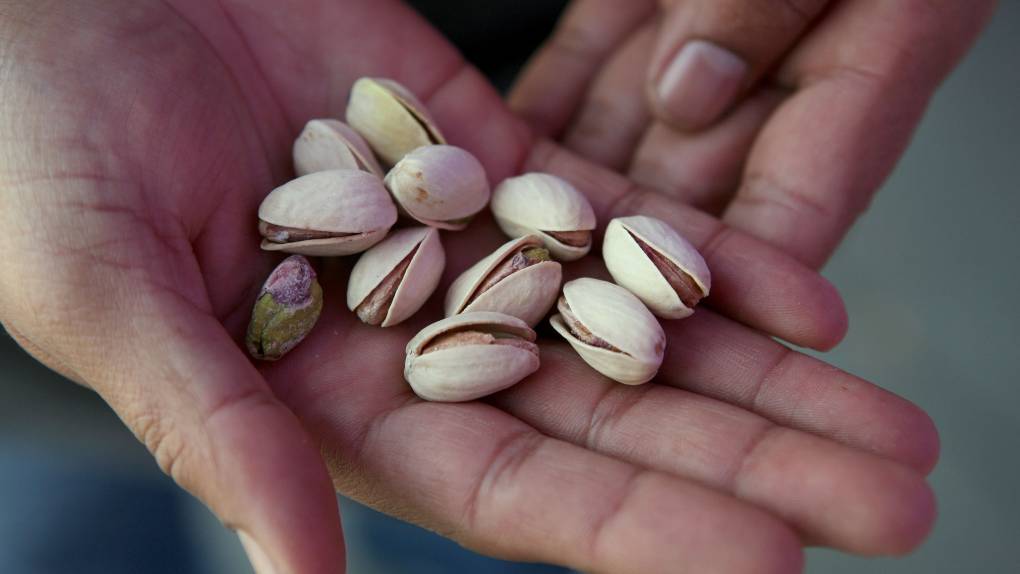
"caption": "A San Joaquin Valley pistachio plant is reopening after a COVID-19 outbreak.",
"description": "A San Joaquin Valley pistachio plant is reopening after a COVID-19 outbreak.",
"title": null,
"credit": "Justin Sullivan/Getty Images",
"status": "inherit",
"isLoading": false,
"fetchFailed": false
}
},
"audioPlayerReducer": {
"postId": "stream_live",
"isPaused": true,
"isPlaying": false,
"pfsActive": false,
"pledgeModalIsOpen": true,
"playerDrawerIsOpen": false,
"liveAudioPlayStartedAt": 0,
"liveAudioPlayContext": ""
},
"authorsReducer": {
"byline_news_11827498": {
"type": "authors",
"id": "byline_news_11827498",
"meta": {
"override": true
},
"slug": "byline_news_11827498",
"name": "Jacqueline García",
"isLoading": false
},
"kqed": {
"type": "authors",
"id": "236",
"meta": {
"index": "authors_1716337520",
"id": "236",
"found": true
},
"name": "KQED News Staff",
"firstName": "KQED News Staff",
"lastName": null,
"slug": "kqed",
"email": "faq@kqed.org",
"display_author_email": false,
"staff_mastheads": [],
"title": null,
"bio": null,
"avatar": "https://secure.gravatar.com/avatar/ef0e801a68c4c54afa9180db14084167?s=600&d=blank&r=g",
"twitter": null,
"facebook": null,
"instagram": null,
"linkedin": null,
"sites": [
{
"site": "arts",
"roles": [
"contributor"
]
},
{
"site": "news",
"roles": [
"editor"
]
},
{
"site": "futureofyou",
"roles": [
"author"
]
}
],
"headData": {
"title": "KQED News Staff | KQED",
"description": null,
"ogImgSrc": "https://secure.gravatar.com/avatar/ef0e801a68c4c54afa9180db14084167?s=600&d=blank&r=g",
"twImgSrc": "https://secure.gravatar.com/avatar/ef0e801a68c4c54afa9180db14084167?s=600&d=blank&r=g"
},
"isLoading": false,
"link": "/author/kqed"
},
"tychehendricks": {
"type": "authors",
"id": "259",
"meta": {
"index": "authors_1716337520",
"id": "259",
"found": true
},
"name": "Tyche Hendricks",
"firstName": "Tyche",
"lastName": "Hendricks",
"slug": "tychehendricks",
"email": "thendricks@kqed.org",
"display_author_email": true,
"staff_mastheads": [
"news"
],
"title": "KQED Senior Editor, Immigration",
"bio": "\u003cspan style=\"font-weight: 400;\">Tyche Hendricks is KQED’s senior editor for immigration, leading coverage of the policy and politics that affect California’s immigrant communities. Her work for KQED’s radio and online audiences is also carried on NPR and other national outlets. She has been recognized with awards from the Radio and Television News Directors Association, the Society for Professional Journalists; the Education Writers Association; the Best of the West and the National Federation of Community Broadcasters. Before joining KQED in 2010, Tyche spent more than a dozen years as a newspaper reporter, notably at the \u003c/span>\u003ci>\u003cspan style=\"font-weight: 400;\">San Francisco Chronicle\u003c/span>\u003c/i>\u003cspan style=\"font-weight: 400;\">. At different times she has covered criminal justice, government and politics and urban planning. Tyche has taught in the MFA Creative Writing program at the University of San Francisco and at UC Berkeley’s Graduate School of Journalism, where she was co-director of a national immigration symposium for professional journalists. She is the author of \u003c/span>\u003ci>\u003cspan style=\"font-weight: 400;\">The Wind Doesn't Need a Passport: Stories from the U.S.-Mexico Borderlands\u003c/span>\u003c/i>\u003cspan style=\"font-weight: 400;\"> (University of California Press). \u003c/span>",
"avatar": "https://secure.gravatar.com/avatar/b8ee458e2731c2d43df86882ce17267e?s=600&d=blank&r=g",
"twitter": "tychehendricks",
"facebook": null,
"instagram": null,
"linkedin": null,
"sites": [
{
"site": "news",
"roles": [
"editor"
]
},
{
"site": "stateofhealth",
"roles": [
"editor"
]
}
],
"headData": {
"title": "Tyche Hendricks | KQED",
"description": "KQED Senior Editor, Immigration",
"ogImgSrc": "https://secure.gravatar.com/avatar/b8ee458e2731c2d43df86882ce17267e?s=600&d=blank&r=g",
"twImgSrc": "https://secure.gravatar.com/avatar/b8ee458e2731c2d43df86882ce17267e?s=600&d=blank&r=g"
},
"isLoading": false,
"link": "/author/tychehendricks"
},
"matthewgreen": {
"type": "authors",
"id": "1263",
"meta": {
"index": "authors_1716337520",
"id": "1263",
"found": true
},
"name": "Matthew Green",
"firstName": "Matthew",
"lastName": "Green",
"slug": "matthewgreen",
"email": "mgreen@kqed.org",
"display_author_email": false,
"staff_mastheads": [],
"title": "KQED Editor/Reporter",
"bio": "Matthew Green is a digital media producer for KQED News. He previously produced \u003ca href=\"http://www.kqed.org/lowdown\">The Lowdown\u003c/a>, KQED’s multimedia news education blog. Matthew's written for numerous Bay Area publications, including the Oakland Tribune and San Francisco Chronicle. He also taught journalism classes at Fremont High School in East Oakland.\r\n\r\nEmail: mgreen@kqed.org; Twitter: @MGreenKQED",
"avatar": "https://secure.gravatar.com/avatar/3bf498d1267ca02c8494f33d8cfc575e?s=600&d=blank&r=g",
"twitter": "MGreenKQED",
"facebook": null,
"instagram": null,
"linkedin": null,
"sites": [
{
"site": "news",
"roles": []
},
{
"site": "lowdown",
"roles": []
},
{
"site": "science",
"roles": []
},
{
"site": "education",
"roles": []
},
{
"site": "quest",
"roles": []
},
{
"site": "liveblog",
"roles": []
}
],
"headData": {
"title": "Matthew Green | KQED",
"description": "KQED Editor/Reporter",
"ogImgSrc": "https://secure.gravatar.com/avatar/3bf498d1267ca02c8494f33d8cfc575e?s=600&d=blank&r=g",
"twImgSrc": "https://secure.gravatar.com/avatar/3bf498d1267ca02c8494f33d8cfc575e?s=600&d=blank&r=g"
},
"isLoading": false,
"link": "/author/matthewgreen"
},
"adembosky": {
"type": "authors",
"id": "3205",
"meta": {
"index": "authors_1716337520",
"id": "3205",
"found": true
},
"name": "April Dembosky",
"firstName": "April",
"lastName": "Dembosky",
"slug": "adembosky",
"email": "adembosky@kqed.org",
"display_author_email": false,
"staff_mastheads": [
"news",
"science"
],
"title": "KQED Health Correspondent",
"bio": "April Dembosky is the health correspondent for KQED News and a regular contributor to NPR. She specializes in covering altered states of mind, from postpartum depression to methamphetamine-induced psychosis to the insanity defense. Her investigative series on insurance companies sidestepping mental health laws won multiple awards, including first place in beat reporting from the national Association of Health Care Journalists. She is the recipient of numerous other prizes and fellowships, including a national Edward R. Murrow award for investigative reporting, a Society of Professional Journalists award for long-form storytelling, and a Carter Center Fellowship for Mental Health Journalism.\r\n\r\nDembosky reported and produced \u003cem>Soundtrack of Silence\u003c/em>, an audio documentary about music and memory that is currently being made into a feature film by Paramount Pictures.\r\n\r\nBefore joining KQED in 2013, Dembosky covered technology and Silicon Valley for \u003cem>The Financial Times of London,\u003c/em> and contributed business and arts stories to \u003cem>Marketplace \u003c/em>and \u003cem>The New York Times.\u003c/em> She got her undergraduate degree in philosophy from Smith College and her master's in journalism from the University of California, Berkeley. She is a classically trained violinist and proud alum of the first symphony orchestra at Burning Man.",
"avatar": "https://secure.gravatar.com/avatar/ef92999be4ceb9ea60701e7dc276f813?s=600&d=blank&r=g",
"twitter": "adembosky",
"facebook": null,
"instagram": null,
"linkedin": null,
"sites": [
{
"site": "arts",
"roles": [
"author"
]
},
{
"site": "news",
"roles": [
"editor"
]
},
{
"site": "futureofyou",
"roles": [
"author"
]
},
{
"site": "stateofhealth",
"roles": [
"editor"
]
},
{
"site": "science",
"roles": [
"editor"
]
},
{
"site": "forum",
"roles": [
"editor"
]
}
],
"headData": {
"title": "April Dembosky | KQED",
"description": "KQED Health Correspondent",
"ogImgSrc": "https://secure.gravatar.com/avatar/ef92999be4ceb9ea60701e7dc276f813?s=600&d=blank&r=g",
"twImgSrc": "https://secure.gravatar.com/avatar/ef92999be4ceb9ea60701e7dc276f813?s=600&d=blank&r=g"
},
"isLoading": false,
"link": "/author/adembosky"
},
"markfiore": {
"type": "authors",
"id": "3236",
"meta": {
"index": "authors_1716337520",
"id": "3236",
"found": true
},
"name": "Mark Fiore",
"firstName": "Mark",
"lastName": "Fiore",
"slug": "markfiore",
"email": "mark@markfiore.com",
"display_author_email": false,
"staff_mastheads": [
"news"
],
"title": "KQED News Cartoonist",
"bio": "\u003ca href=\"http://www.MarkFiore.com\">MarkFiore.com\u003c/a> | \u003ca href=\"https://twitter.com/markfiore\">Follow on Twitter\u003c/a> | \u003ca href=\"https://www.facebook.com/pages/Mark-Fiore-Animated-Political-Cartoons/94451707396?ref=bookmarks\">Facebook\u003c/a> | \u003ca href=\"mailto:mark@markfiore.com\">email\u003c/a>\r\n\r\nPulitzer Prize-winner, Mark Fiore, who the Wall Street Journal has called “the undisputed guru of the form,” creates animated political cartoons in San Francisco, where his work has been featured regularly on the San Francisco Chronicle’s web site, SFGate.com. His work has appeared on Newsweek.com, Slate.com, CBSNews.com, MotherJones.com, DailyKos.com and NPR’s web site. Fiore’s political animation has appeared on CNN, Frontline, Bill Moyers Journal, Salon.com and cable and broadcast outlets across the globe.\r\n\r\nBeginning his professional life by drawing traditional political cartoons for newspapers, Fiore’s work appeared in publications ranging from the Washington Post to the Los Angeles Times. In the late 1990s, he began to experiment with animating political cartoons and, after a short stint at the San Jose Mercury News as their staff cartoonist, Fiore devoted all his energies to animation.\r\nGrowing up in California, Fiore also spent a good portion of his life in the backwoods of Idaho. It was this combination that shaped him politically. Mark majored in political science at Colorado College, where, in a perfect send-off for a cartoonist, he received his diploma in 1991 as commencement speaker Dick Cheney smiled approvingly.\r\nMark Fiore was awarded the Pulitzer Prize for political cartooning in 2010, a Robert F. Kennedy Journalism Award in 2004 and has twice received an Online Journalism Award for commentary from the Online News Association (2002, 2008). Fiore has received two awards for his work in new media from the National Cartoonists Society (2001, 2002), and in 2006 received The James Madison Freedom of Information Award from The Society of Professional Journalists.",
"avatar": "https://secure.gravatar.com/avatar/fc4e2a612b15b67bad0c6f0e1db4ca9b?s=600&d=blank&r=g",
"twitter": "MarkFiore",
"facebook": null,
"instagram": "https://www.instagram.com/markfiore/?hl=en",
"linkedin": null,
"sites": [
{
"site": "arts",
"roles": [
"contributor"
]
},
{
"site": "news",
"roles": [
"editor"
]
},
{
"site": "futureofyou",
"roles": [
"editor"
]
},
{
"site": "science",
"roles": [
"editor"
]
}
],
"headData": {
"title": "Mark Fiore | KQED",
"description": "KQED News Cartoonist",
"ogImgSrc": "https://secure.gravatar.com/avatar/fc4e2a612b15b67bad0c6f0e1db4ca9b?s=600&d=blank&r=g",
"twImgSrc": "https://secure.gravatar.com/avatar/fc4e2a612b15b67bad0c6f0e1db4ca9b?s=600&d=blank&r=g"
},
"isLoading": false,
"link": "/author/markfiore"
},
"carlysevern": {
"type": "authors",
"id": "3243",
"meta": {
"index": "authors_1716337520",
"id": "3243",
"found": true
},
"name": "Carly Severn",
"firstName": "Carly",
"lastName": "Severn",
"slug": "carlysevern",
"email": "csevern@kqed.org",
"display_author_email": false,
"staff_mastheads": [
"news"
],
"title": "Senior Editor, Audience News ",
"bio": "Carly is KQED's Senior Editor of Audience News on the Digital News team, and has reported for the California Report Magazine, Bay Curious and KQED Arts. She's formerly the host of \u003ca href=\"http://ww2.kqed.org/pop/category/the-cooler/\" rel=\"noopener noreferrer\">The Cooler\u003c/a> podcast.",
"avatar": "https://secure.gravatar.com/avatar/54037bf5c128fe678f0ef26cec97a93f2e7f220a22d7285703328f12c42c1b1d?s=600&d=blank&r=g",
"twitter": "teacupinthebay",
"bluesky": null,
"facebook": null,
"instagram": null,
"linkedin": null,
"sites": [
{
"site": "",
"roles": [
"editor"
]
},
{
"site": "arts",
"roles": [
"editor"
]
},
{
"site": "news",
"roles": [
"administrator"
]
},
{
"site": "pop",
"roles": [
"editor"
]
},
{
"site": "futureofyou",
"roles": [
"editor"
]
},
{
"site": "about",
"roles": [
"administrator"
]
},
{
"site": "mindshift",
"roles": [
"editor"
]
},
{
"site": "bayareabites",
"roles": [
"editor"
]
},
{
"site": "stateofhealth",
"roles": [
"editor"
]
},
{
"site": "science",
"roles": [
"editor"
]
},
{
"site": "food",
"roles": [
"contributor"
]
},
{
"site": "forum",
"roles": [
"editor"
]
},
{
"site": "perspectives",
"roles": [
"administrator"
]
},
{
"site": "liveblog",
"roles": [
"editor"
]
}
],
"headData": {
"title": "Carly Severn | KQED",
"description": "Senior Editor, Audience News ",
"ogImgSrc": "https://secure.gravatar.com/avatar/54037bf5c128fe678f0ef26cec97a93f2e7f220a22d7285703328f12c42c1b1d?s=600&d=blank&r=g",
"twImgSrc": "https://secure.gravatar.com/avatar/54037bf5c128fe678f0ef26cec97a93f2e7f220a22d7285703328f12c42c1b1d?s=600&d=blank&r=g"
},
"isLoading": false,
"link": "/author/carlysevern"
},
"jsmall": {
"type": "authors",
"id": "6625",
"meta": {
"index": "authors_1716337520",
"id": "6625",
"found": true
},
"name": "Julie Small",
"firstName": "Julie",
"lastName": "Small",
"slug": "jsmall",
"email": "jsmall@kqed.org",
"display_author_email": true,
"staff_mastheads": [
"news"
],
"title": "KQED Contributor",
"bio": "Julie Small reports on criminal justice and immigration.\r\n\r\nShe was part of a team at KQED awarded a regional 2019 Edward R. Murrow award for continuing coverage of the Trump Administration's family separation policy.\r\n\r\nThe Society for Professional Journalists recognized Julie's 2018 \u003ca href=\"https://www.kqed.org/news/11636262/the-officer-tased-him-31-times-the-sheriff-called-his-death-an-accident\">reporting\u003c/a> on the San Joaquin County Sheriff's \u003ca href=\"https://www.kqed.org/news/11634689/autopsy-doctors-sheriff-overrode-death-findings-to-protect-law-enforcement\">interference\u003c/a> in death investigations with an Excellence in Journalism Award for Ongoing Coverage.\r\n\r\nJulie's\u003ca href=\"https://www.kqed.org/news/11039666/two-mentally-ill-inmates-died-one-month-in-santa-clara\"> reporting\u003c/a> with Lisa Pickoff-White on the treatment of mentally ill offenders in California jails earned a 2017 regional Edward R. Murrow Award for news reporting and an investigative reporting award from the SPJ of Northern California.\r\n\r\nBefore joining KQED, Julie covered government and politics in Sacramento for Southern California Public Radio (SCPR). Her 2010 \u003ca href=\"https://www.scpr.org/specials/prisonmedical/\">series\u003c/a> on lapses in California’s prison medical care also won a regional Edward R. Murrow Award for investigative reporting and a Golden Mic Award from the RTNDA of Southern California.\r\n\r\nJulie began her career in journalism in 2000 as the deputy foreign editor for public radio's \u003cem>Marketplace, \u003c/em>while earning her master's degree in journalism from USC’s Annenberg School of Communication.",
"avatar": "https://secure.gravatar.com/avatar/4baedf201468df97be97c2a9dd7585d0?s=600&d=blank&r=g",
"twitter": "@SmallRadio2",
"facebook": null,
"instagram": null,
"linkedin": null,
"sites": [
{
"site": "news",
"roles": [
"editor"
]
},
{
"site": "stateofhealth",
"roles": [
"author"
]
},
{
"site": "science",
"roles": [
"author"
]
}
],
"headData": {
"title": "Julie Small | KQED",
"description": "KQED Contributor",
"ogImgSrc": "https://secure.gravatar.com/avatar/4baedf201468df97be97c2a9dd7585d0?s=600&d=blank&r=g",
"twImgSrc": "https://secure.gravatar.com/avatar/4baedf201468df97be97c2a9dd7585d0?s=600&d=blank&r=g"
},
"isLoading": false,
"link": "/author/jsmall"
},
"fjhabvala": {
"type": "authors",
"id": "8659",
"meta": {
"index": "authors_1716337520",
"id": "8659",
"found": true
},
"name": "Farida Jhabvala Romero",
"firstName": "Farida",
"lastName": "Jhabvala Romero",
"slug": "fjhabvala",
"email": "fjhabvala@kqed.org",
"display_author_email": true,
"staff_mastheads": [
"news"
],
"title": "KQED Contributor",
"bio": "Farida Jhabvala Romero is a Labor Correspondent for KQED. She previously covered immigration. Farida was \u003ca href=\"https://www.ccnma.org/2022-most-influential-latina-journalists\">named\u003c/a> one of the 10 Most Influential Latina Journalists in California in 2022 by the California Chicano News Media Association. Her work has won awards from the Society of Professional Journalists (Northern California), as well as a national and regional Edward M. Murrow Award for the collaborative reporting projects “Dangerous Air” and “Graying California.” Before joining KQED, Farida worked as a producer at Radio Bilingüe, a national public radio network. Farida earned her master’s degree in journalism from Stanford University.",
"avatar": "https://secure.gravatar.com/avatar/f9f022d4e2609741874222a1e9d41f48fea74011aa7c615eef91d9a50c944ebe?s=600&d=blank&r=g",
"twitter": "FaridaJhabvala",
"bluesky": null,
"facebook": null,
"instagram": null,
"linkedin": "https://www.linkedin.com/in/faridajhabvala/",
"sites": [
{
"site": "news",
"roles": [
"editor"
]
},
{
"site": "stateofhealth",
"roles": [
"author"
]
},
{
"site": "liveblog",
"roles": [
"author"
]
}
],
"headData": {
"title": "Farida Jhabvala Romero | KQED",
"description": "KQED Contributor",
"ogImgSrc": "https://secure.gravatar.com/avatar/f9f022d4e2609741874222a1e9d41f48fea74011aa7c615eef91d9a50c944ebe?s=600&d=blank&r=g",
"twImgSrc": "https://secure.gravatar.com/avatar/f9f022d4e2609741874222a1e9d41f48fea74011aa7c615eef91d9a50c944ebe?s=600&d=blank&r=g"
},
"isLoading": false,
"link": "/author/fjhabvala"
},
"katewolffe": {
"type": "authors",
"id": "11523",
"meta": {
"index": "authors_1716337520",
"id": "11523",
"found": true
},
"name": "Kate Wolffe",
"firstName": "Kate",
"lastName": "Wolffe",
"slug": "katewolffe",
"email": "kwolffe@kqed.org",
"display_author_email": true,
"staff_mastheads": [
"news"
],
"title": "KQED Reporter + Weekend Host",
"bio": "Kate Wolffe reports on local Bay Area happenings for KQED, and hosts the news on weekend afternoons. She joined KQED in 2018 as an intern on the Forum team, before moving to cover topics ranging from politics to criminal justice to homelessness. A Bay Area native and UC Berkeley graduate, Kate loves to discover new corners of the region.",
"avatar": "https://secure.gravatar.com/avatar/22455f14db824a03ee252f73052fe939?s=600&d=blank&r=g",
"twitter": "katewolffe",
"facebook": null,
"instagram": null,
"linkedin": null,
"sites": [
{
"site": "arts",
"roles": [
"editor"
]
},
{
"site": "news",
"roles": [
"author",
"edit_others_posts"
]
},
{
"site": "forum",
"roles": [
"editor"
]
}
],
"headData": {
"title": "Kate Wolffe | KQED",
"description": "KQED Reporter + Weekend Host",
"ogImgSrc": "https://secure.gravatar.com/avatar/22455f14db824a03ee252f73052fe939?s=600&d=blank&r=g",
"twImgSrc": "https://secure.gravatar.com/avatar/22455f14db824a03ee252f73052fe939?s=600&d=blank&r=g"
},
"isLoading": false,
"link": "/author/katewolffe"
},
"ljamali": {
"type": "authors",
"id": "11552",
"meta": {
"index": "authors_1716337520",
"id": "11552",
"found": true
},
"name": "Lily Jamali",
"firstName": "Lily",
"lastName": "Jamali",
"slug": "ljamali",
"email": "ljamali@kqed.org",
"display_author_email": false,
"staff_mastheads": [],
"title": "KQED Contributor",
"bio": "Lily was the former co-host of the daily morning show, The California Report.",
"avatar": "https://secure.gravatar.com/avatar/dbf7b30d159e697731046a10d25a9e29?s=600&d=blank&r=g",
"twitter": "lilyjamali",
"facebook": null,
"instagram": null,
"linkedin": null,
"sites": [
{
"site": "news",
"roles": [
"create_posts",
"subscriber"
]
},
{
"site": "forum",
"roles": [
"editor"
]
}
],
"headData": {
"title": "Lily Jamali | KQED",
"description": "KQED Contributor",
"ogImgSrc": "https://secure.gravatar.com/avatar/dbf7b30d159e697731046a10d25a9e29?s=600&d=blank&r=g",
"twImgSrc": "https://secure.gravatar.com/avatar/dbf7b30d159e697731046a10d25a9e29?s=600&d=blank&r=g"
},
"isLoading": false,
"link": "/author/ljamali"
}
},
"pagesReducer": {
"news_tag_covid-19": {
"type": "terms",
"id": "news_27504",
"meta": {
"index": "terms_1716263798",
"site": "news",
"id": "27504",
"score": 8.5584755
},
"featImg": null,
"name": "covid-19",
"description": null,
"taxonomy": "tag",
"headData": {
"twImgId": null,
"twTitle": null,
"ogTitle": null,
"ogImgId": null,
"twDescription": null,
"description": null,
"title": "covid-19 Archives | KQED News",
"ogDescription": null
},
"ttid": 27521,
"slug": "covid-19",
"isLoading": false,
"title": "covid-19",
"pageMeta": {
"site": "news",
"WpPageTemplate": "page-topic-editorial",
"currentPage": 54
},
"blocks": [
{
"blockName": "kqed/post-list",
"attrs": {
"layout": "cardArticle2",
"query": "posts/news?tag=covid-19",
"seeMore": false,
"paginated": true,
"page": 54
}
},
{
"blockName": "kqed/ad"
}
]
}
},
"pfsSessionReducer": {},
"postsReducer": {
"stream_live": {
"type": "live",
"id": "stream_live",
"audioUrl": "https://streams.kqed.org/kqedradio",
"title": "Live Stream",
"excerpt": "Live Stream information currently unavailable.",
"link": "/radio",
"featImg": "",
"label": {
"name": "KQED Live",
"link": "/"
}
},
"stream_kqedNewscast": {
"type": "posts",
"id": "stream_kqedNewscast",
"audioUrl": "https://www.kqed.org/.stream/anon/radio/RDnews/newscast.mp3?_=1",
"title": "KQED Newscast",
"featImg": "",
"label": {
"name": "88.5 FM",
"link": "/"
}
},
"news_11828460": {
"type": "posts",
"id": "news_11828460",
"meta": {
"index": "posts_1716263798",
"site": "news",
"id": "11828460",
"score": null,
"sort": [
1594428637000
]
},
"parent": 0,
"labelTerm": {
"site": "news"
},
"blocks": [],
"publishDate": 1594428637,
"format": "standard",
"disqusTitle": "California Could Release 8,000 State Prisoners by End of August to Slow Coronavirus Outbreaks",
"title": "California Could Release 8,000 State Prisoners by End of August to Slow Coronavirus Outbreaks",
"headTitle": "KQED News",
"content": "\u003cp>Roughly 8,000 people incarcerated in state prisons in California could be eligible for early release by the end of August, the California Department of Corrections and Rehabilitation announced Friday.\u003c/p>\n\u003cp>The decision comes amid a devastating COVID-19 outbreak at San Quentin State Prison and other facilities. Gov. Gavin Newsom and prison officials have faced mounting pressure from advocates, lawmakers and federal judges to slow the spread of the virus by quickly downsizing the state's immense prison population to better enable physical distancing and quarantine efforts.\u003c/p>\n\u003cp>The proposed reduction would be in addition to the 10,000 incarcerated people who have already been released from California prisons since the start of the pandemic, CDCR said.\u003c/p>\n\u003cp>[aside label=\"related coverage\" tag=\"san-quentin\"]\"These actions are taken to provide for the health and safety of the incarcerated population and staff,\" CDCR Secretary Ralph Diaz said in a statement. “We aim to implement these decompression measures in a way that aligns both public health and public safety.\"\u003c/p>\n\u003cp>Across the state's massive network of prisons, 2,319 incarcerated people were confirmed to have active cases of the virus as of Friday afternoon, and at least 31 had died, \u003ca href=\"https://www.cdcr.ca.gov/covid19/population-status-tracking/\">according to the department\u003c/a>, which also reported 719 active cases among prison staffers.\u003c/p>\n\u003cp>\"The prisoners have so little agency over their own lives and they've really been exposed to this deadly disease through no fault of their own,\" said Assemblyman Marc Levine, D-San Rafael.\u003c/p>\n\u003cp>San Quentin, in Levine's district, has been the site of the worst outbreak, where there are currently 1,336 active cases of the virus and at least seven have died.\u003c/p>\n\u003cp>The prison had remained untouched by the virus until the end of May, when 121 prisoners were transferred from the California Institution for Men in Chino, and cases quickly skyrocketed. Since then, nearly 1,700 people inside the Marin County facility have cumulatively contracted the virus, making it one of the largest single outbreaks in the country and sparking outrage among advocates and public officials.\u003c/p>\n\u003cp>[pullquote align=\"right\" size=\"medium\" citation=\"Assemblyman Marc Levine\"]'The prisoners have so little agency over their own lives and they've really been exposed to this deadly disease through no fault of their own.'[/pullquote]\u003c/p>\n\u003cp>\"It's been incredibly frustrating that we had someone make the decision to transfer a few patients from one prison — Chino — into San Quentin,\" Newsom said Thursday during a press briefing. \"And that decision created the chain of events that we are now addressing and dealing with. I'm not here to sugarcoat that. I'm not here to scapegoat that. All of us are now accountable to addressing this issue and doing so in a forthright manner, and that's precisely what we're doing.\"\u003c/p>\n\u003cp>Those eligible for the first round of early release must have 180 days or less to serve on their sentences and be considered at low-risk of violent behavior, part of a selection process that Newsom promised would be \"very methodical.\" Prisoners currently serving time for any violent crime — including domestic violence — or for an offense that requires registration as a sex offender will not be eligible.\u003c/p>\n\u003cp>CDCR officials said about 4,800 people — of the 8,000-reduction target — could be eligible for release as soon as the end of July.\u003c/p>\n\u003cp>[ad fullwidth]\u003c/p>\n\u003cp>The department also plans to consider, on a rolling basis, those who have a year or less to serve and are housed in one of the eight prisons where there are large numbers of high-risk patients, including California Institution for Men, the California Medical Facility and San Quentin State Prison.\u003c/p>\n\u003cp>Additionally, individuals who are 30 and over, and who meet the eligibility criteria, will be immediately considered for release. Those who are 29 or younger but otherwise eligible will be reviewed on a case-by-case basis, prison officials said.\u003c/p>\n\u003cp>On Thursday night, prison officials also announced that that they would grant 12 weeks of credit to every prisoner eligible for release who had not been found guilty of a serious rule violation between March 1 and July 5, which could benefit as many 108,000 people.\u003c/p>\n\u003cp>\"I think it's very positive news,\" said Donald Specter, executive director of the Prison Law Office. \"The prison system has been overcrowded for decades, and the more they release people safely, the better for the community. There's little risk to the public because these people are going to get out anyway shortly and it'll make the community and the prison much safer because there's less risk of people getting (infected) and spreading it into the community.\"\u003c/p>\n\u003cp>\u003cem>KQED's Scott Shafer contributed additional reporting.\u003c/em>\u003c/p>\n\u003cp>\u003c/p>\n",
"disqusIdentifier": "11828460 https://ww2.kqed.org/news/?p=11828460",
"disqusUrl": "https://ww2.kqed.org/news/2020/07/10/california-could-release-8000-people-in-state-prisons-by-august/",
"stats": {
"hasVideo": false,
"hasChartOrMap": false,
"hasAudio": false,
"hasPolis": false,
"wordCount": 787,
"hasGoogleForm": false,
"hasGallery": false,
"hasHearkenModule": false,
"iframeSrcs": [],
"paragraphCount": 19
},
"modified": 1594429051,
"excerpt": "The move comes amid a devastating COVID-19 outbreak at San Quentin State Prison and other facilities. Gov. Gavin Newsom and prison officials have faced mounting pressure from advocates, lawmakers and federal judges to slow the spread of the virus by quickly downsizing the state's immense prison population.",
"headData": {
"twImgId": "",
"twTitle": "",
"ogTitle": "",
"ogImgId": "",
"twDescription": "",
"description": "The move comes amid a devastating COVID-19 outbreak at San Quentin State Prison and other facilities. Gov. Gavin Newsom and prison officials have faced mounting pressure from advocates, lawmakers and federal judges to slow the spread of the virus by quickly downsizing the state's immense prison population.",
"title": "California Could Release 8,000 State Prisoners by End of August to Slow Coronavirus Outbreaks | KQED",
"ogDescription": "",
"schema": {
"@context": "https://schema.org",
"@type": "NewsArticle",
"headline": "California Could Release 8,000 State Prisoners by End of August to Slow Coronavirus Outbreaks",
"datePublished": "2020-07-10T17:50:37-07:00",
"dateModified": "2020-07-10T17:57:31-07:00",
"image": "https://cdn.kqed.org/wp-content/uploads/2020/02/KQED-OG-Image@1x.png",
"isAccessibleForFree": "True",
"publisher": {
"@type": "NewsMediaOrganization",
"@id": "https://www.kqed.org/#organization",
"name": "KQED",
"logo": "https://cdn.kqed.org/wp-content/uploads/2020/02/KQED-OG-Image@1x.png",
"url": "https://www.kqed.org",
"sameAs": [
"https://www.facebook.com/KQED",
"https://twitter.com/KQED",
"https://www.instagram.com/kqed/",
"https://www.tiktok.com/@kqedofficial",
"https://www.linkedin.com/company/kqed",
"https://www.youtube.com/channel/UCeC0IOo7i1P_61zVUWbJ4nw"
]
}
}
},
"guestAuthors": [],
"slug": "california-could-release-8000-people-in-state-prisons-by-august",
"status": "publish",
"path": "/news/11828460/california-could-release-8000-people-in-state-prisons-by-august",
"audioTrackLength": null,
"parsedContent": [
{
"type": "contentString",
"content": "\u003cdiv class=\"post-body\">\u003cp>\u003cp>Roughly 8,000 people incarcerated in state prisons in California could be eligible for early release by the end of August, the California Department of Corrections and Rehabilitation announced Friday.\u003c/p>\n\u003cp>The decision comes amid a devastating COVID-19 outbreak at San Quentin State Prison and other facilities. Gov. Gavin Newsom and prison officials have faced mounting pressure from advocates, lawmakers and federal judges to slow the spread of the virus by quickly downsizing the state's immense prison population to better enable physical distancing and quarantine efforts.\u003c/p>\n\u003cp>The proposed reduction would be in addition to the 10,000 incarcerated people who have already been released from California prisons since the start of the pandemic, CDCR said.\u003c/p>\n\u003cp>\u003c/p>\u003c/div>",
"attributes": {
"named": {},
"numeric": []
}
},
{
"type": "component",
"content": "",
"name": "aside",
"attributes": {
"named": {
"label": "related coverage ",
"tag": "san-quentin"
},
"numeric": []
}
},
{
"type": "contentString",
"content": "\u003cdiv class=\"post-body\">\u003cp>\"These actions are taken to provide for the health and safety of the incarcerated population and staff,\" CDCR Secretary Ralph Diaz said in a statement. “We aim to implement these decompression measures in a way that aligns both public health and public safety.\"\u003c/p>\n\u003cp>Across the state's massive network of prisons, 2,319 incarcerated people were confirmed to have active cases of the virus as of Friday afternoon, and at least 31 had died, \u003ca href=\"https://www.cdcr.ca.gov/covid19/population-status-tracking/\">according to the department\u003c/a>, which also reported 719 active cases among prison staffers.\u003c/p>\n\u003cp>\"The prisoners have so little agency over their own lives and they've really been exposed to this deadly disease through no fault of their own,\" said Assemblyman Marc Levine, D-San Rafael.\u003c/p>\n\u003cp>San Quentin, in Levine's district, has been the site of the worst outbreak, where there are currently 1,336 active cases of the virus and at least seven have died.\u003c/p>\n\u003cp>The prison had remained untouched by the virus until the end of May, when 121 prisoners were transferred from the California Institution for Men in Chino, and cases quickly skyrocketed. Since then, nearly 1,700 people inside the Marin County facility have cumulatively contracted the virus, making it one of the largest single outbreaks in the country and sparking outrage among advocates and public officials.\u003c/p>\n\u003cp>\u003c/p>\u003c/div>",
"attributes": {
"named": {},
"numeric": []
}
},
{
"type": "component",
"content": "'The prisoners have so little agency over their own lives and they've really been exposed to this deadly disease through no fault of their own.'",
"name": "pullquote",
"attributes": {
"named": {
"align": "right",
"size": "medium",
"citation": "Assemblyman Marc Levine",
"label": ""
},
"numeric": []
}
},
{
"type": "contentString",
"content": "\u003cdiv class=\"post-body\">\u003cp>\u003c/p>\n\u003cp>\"It's been incredibly frustrating that we had someone make the decision to transfer a few patients from one prison — Chino — into San Quentin,\" Newsom said Thursday during a press briefing. \"And that decision created the chain of events that we are now addressing and dealing with. I'm not here to sugarcoat that. I'm not here to scapegoat that. All of us are now accountable to addressing this issue and doing so in a forthright manner, and that's precisely what we're doing.\"\u003c/p>\n\u003cp>Those eligible for the first round of early release must have 180 days or less to serve on their sentences and be considered at low-risk of violent behavior, part of a selection process that Newsom promised would be \"very methodical.\" Prisoners currently serving time for any violent crime — including domestic violence — or for an offense that requires registration as a sex offender will not be eligible.\u003c/p>\n\u003cp>CDCR officials said about 4,800 people — of the 8,000-reduction target — could be eligible for release as soon as the end of July.\u003c/p>\n\u003cp>\u003c/p>\u003c/div>",
"attributes": {
"named": {},
"numeric": []
}
},
{
"type": "component",
"content": "",
"name": "ad",
"attributes": {
"named": {
"label": "fullwidth"
},
"numeric": [
"fullwidth"
]
}
},
{
"type": "contentString",
"content": "\u003cdiv class=\"post-body\">\u003cp>\u003c/p>\n\u003cp>The department also plans to consider, on a rolling basis, those who have a year or less to serve and are housed in one of the eight prisons where there are large numbers of high-risk patients, including California Institution for Men, the California Medical Facility and San Quentin State Prison.\u003c/p>\n\u003cp>Additionally, individuals who are 30 and over, and who meet the eligibility criteria, will be immediately considered for release. Those who are 29 or younger but otherwise eligible will be reviewed on a case-by-case basis, prison officials said.\u003c/p>\n\u003cp>On Thursday night, prison officials also announced that that they would grant 12 weeks of credit to every prisoner eligible for release who had not been found guilty of a serious rule violation between March 1 and July 5, which could benefit as many 108,000 people.\u003c/p>\n\u003cp>\"I think it's very positive news,\" said Donald Specter, executive director of the Prison Law Office. \"The prison system has been overcrowded for decades, and the more they release people safely, the better for the community. There's little risk to the public because these people are going to get out anyway shortly and it'll make the community and the prison much safer because there's less risk of people getting (infected) and spreading it into the community.\"\u003c/p>\n\u003cp>\u003cem>KQED's Scott Shafer contributed additional reporting.\u003c/em>\u003c/p>\n\u003cp>\u003c/p>\n\u003c/div>\u003c/p>",
"attributes": {
"named": {},
"numeric": []
}
}
],
"link": "/news/11828460/california-could-release-8000-people-in-state-prisons-by-august",
"authors": [
"1263"
],
"categories": [
"news_6188",
"news_8",
"news_13"
],
"tags": [
"news_26658",
"news_1629",
"news_27350",
"news_27504",
"news_16",
"news_486",
"news_23"
],
"featImg": "news_11828557",
"label": "news"
},
"news_11828337": {
"type": "posts",
"id": "news_11828337",
"meta": {
"index": "posts_1716263798",
"site": "news",
"id": "11828337",
"score": null,
"sort": [
1594425306000
]
},
"parent": 0,
"labelTerm": {
"site": "news",
"term": 7052
},
"blocks": [],
"publishDate": 1594425306,
"format": "video",
"disqusTitle": "COVID-19 Surges, Bay Area Zoos, Global Scientific Collaboration",
"title": "COVID-19 Surges, Bay Area Zoos, Global Scientific Collaboration",
"headTitle": "KQED Newsroom | KQED News",
"content": "\u003cp>\u003cb>Coronavirus Surges Among Young Adults\u003cbr>\n\u003c/b>\u003cspan style=\"font-weight: 400\">As cases of the coronavirus continue to rise across California, more and more infections are being diagnosed among young adults — 60% of all infections have been among people between the ages of 18 and 49, and that percentage is rising. The spike is caused in part by more people returning to work as businesses reopen.\u003c/span>\u003c/p>\n\u003cp>\u003cb>Guest:\u003c/b>\u003c/p>\n\u003cul>\n\u003cli style=\"font-weight: 400\">\u003cspan style=\"font-weight: 400\">Dr. Kirsten Bibbins-Domingo, Chair, UCSF Department of Epidemiology\u003c/span>\u003c/li>\n\u003c/ul>\n\u003cp>\u003cb>Bay Area Zoos Face Threat of Permanent Closure\u003cbr>\n\u003c/b>\u003cspan style=\"font-weight: 400\">Zoos around California have been permitted to reopen their outdoor areas — except in the Bay Area, where the Oakland Zoo and the San Francisco Zoo both remain closed. Behind the scenes, the zoos continue to feed and care for their animals and maintain their grounds, but the lack of visitors has put a drastic hole in their budgets. While both zoos have received funds from the Paycheck Protection Program, that money is running out, and the zoos now face the threat of permanent closure.\u003c/span>\u003c/p>\n\u003cp>\u003cspan style=\"font-weight: 400\">Shortly after recording this segment, San Francisco Mayor London Breed’s office announced that the zoo would reopen on July 13.\u003c/span>\u003c/p>\n\u003cp>\u003cb>Guests:\u003c/b>\u003c/p>\n\u003cul>\n\u003cli style=\"font-weight: 400\">\u003cspan style=\"font-weight: 400\">Dr. Joel Parrott, President & CEO, Oakland Zoo\u003c/span>\u003c/li>\n\u003cli style=\"font-weight: 400\">\u003cspan style=\"font-weight: 400\">Tanya Peterson, Executive Director & CEO, San Francisco Zoo\u003c/span>\u003c/li>\n\u003c/ul>\n\u003cp>\u003cb>Global Scientific Collaboration\u003cbr>\n\u003c/b>\u003cspan style=\"font-weight: 400\">While Stanford University researchers are looking into creating low-cost ventilators, face masks and other personal protective equipment, their colleagues in Bolivia are working on a testing kit for the coronavirus that requires no electricity. As scientists across the globe race to diagnose, treat and prevent the coronavirus, they’re also finding new ways to share their research and boost the pace of innovation.\u003c/span>\u003c/p>\n\u003cp>[ad fullwidth]\u003c/p>\n\u003cp>\u003c/p>\n\u003cp>\u003cb>Guest:\u003c/b>\u003c/p>\n\u003cul>\n\u003cli style=\"font-weight: 400\">\u003cspan style=\"font-weight: 400\">Prof. Manu Prakash, Stanford University bioengineering\u003c/span>\u003c/li>\n\u003cli style=\"font-weight: 400\">\u003cspan style=\"font-weight: 400\">Dr. Erika Alandia Robles, Coordinator, NEXTCAP Project\u003c/span>\u003c/li>\n\u003c/ul>\n\n",
"disqusIdentifier": "11828337 https://ww2.kqed.org/news/?p=11828337",
"disqusUrl": "https://ww2.kqed.org/news/2020/07/10/covid-19-surges-bay-area-zoos-global-scientific-collaboration/",
"stats": {
"hasVideo": false,
"hasChartOrMap": false,
"hasAudio": false,
"hasPolis": false,
"wordCount": 288,
"hasGoogleForm": false,
"hasGallery": false,
"hasHearkenModule": false,
"iframeSrcs": [],
"paragraphCount": 9
},
"modified": 1594425808,
"excerpt": null,
"headData": {
"twImgId": "",
"twTitle": "",
"ogTitle": "",
"ogImgId": "",
"twDescription": "",
"description": "Coronavirus Surges Among Young Adults As cases of the coronavirus continue to rise across California, more and more infections are being diagnosed among young adults — 60% of all infections have been among people between the ages of 18 and 49, and that percentage is rising. The spike is caused in part by more people",
"title": "COVID-19 Surges, Bay Area Zoos, Global Scientific Collaboration | KQED",
"ogDescription": "",
"schema": {
"@context": "https://schema.org",
"@type": "NewsArticle",
"headline": "COVID-19 Surges, Bay Area Zoos, Global Scientific Collaboration",
"datePublished": "2020-07-10T16:55:06-07:00",
"dateModified": "2020-07-10T17:03:28-07:00",
"image": "https://cdn.kqed.org/wp-content/uploads/2020/02/KQED-OG-Image@1x.png",
"isAccessibleForFree": "True",
"publisher": {
"@type": "NewsMediaOrganization",
"@id": "https://www.kqed.org/#organization",
"name": "KQED",
"logo": "https://cdn.kqed.org/wp-content/uploads/2020/02/KQED-OG-Image@1x.png",
"url": "https://www.kqed.org",
"sameAs": [
"https://www.facebook.com/KQED",
"https://twitter.com/KQED",
"https://www.instagram.com/kqed/",
"https://www.tiktok.com/@kqedofficial",
"https://www.linkedin.com/company/kqed",
"https://www.youtube.com/channel/UCeC0IOo7i1P_61zVUWbJ4nw"
]
}
}
},
"guestAuthors": [],
"slug": "covid-19-surges-bay-area-zoos-global-scientific-collaboration",
"status": "publish",
"videoEmbed": "https://youtu.be/5SmzfC8QGAA ",
"path": "/news/11828337/covid-19-surges-bay-area-zoos-global-scientific-collaboration",
"audioTrackLength": null,
"parsedContent": [
{
"type": "contentString",
"content": "\u003cdiv class=\"post-body\">\u003cp>\u003cp>\u003cb>Coronavirus Surges Among Young Adults\u003cbr>\n\u003c/b>\u003cspan style=\"font-weight: 400\">As cases of the coronavirus continue to rise across California, more and more infections are being diagnosed among young adults — 60% of all infections have been among people between the ages of 18 and 49, and that percentage is rising. The spike is caused in part by more people returning to work as businesses reopen.\u003c/span>\u003c/p>\n\u003cp>\u003cb>Guest:\u003c/b>\u003c/p>\n\u003cul>\n\u003cli style=\"font-weight: 400\">\u003cspan style=\"font-weight: 400\">Dr. Kirsten Bibbins-Domingo, Chair, UCSF Department of Epidemiology\u003c/span>\u003c/li>\n\u003c/ul>\n\u003cp>\u003cb>Bay Area Zoos Face Threat of Permanent Closure\u003cbr>\n\u003c/b>\u003cspan style=\"font-weight: 400\">Zoos around California have been permitted to reopen their outdoor areas — except in the Bay Area, where the Oakland Zoo and the San Francisco Zoo both remain closed. Behind the scenes, the zoos continue to feed and care for their animals and maintain their grounds, but the lack of visitors has put a drastic hole in their budgets. While both zoos have received funds from the Paycheck Protection Program, that money is running out, and the zoos now face the threat of permanent closure.\u003c/span>\u003c/p>\n\u003cp>\u003cspan style=\"font-weight: 400\">Shortly after recording this segment, San Francisco Mayor London Breed’s office announced that the zoo would reopen on July 13.\u003c/span>\u003c/p>\n\u003cp>\u003cb>Guests:\u003c/b>\u003c/p>\n\u003cul>\n\u003cli style=\"font-weight: 400\">\u003cspan style=\"font-weight: 400\">Dr. Joel Parrott, President & CEO, Oakland Zoo\u003c/span>\u003c/li>\n\u003cli style=\"font-weight: 400\">\u003cspan style=\"font-weight: 400\">Tanya Peterson, Executive Director & CEO, San Francisco Zoo\u003c/span>\u003c/li>\n\u003c/ul>\n\u003cp>\u003cb>Global Scientific Collaboration\u003cbr>\n\u003c/b>\u003cspan style=\"font-weight: 400\">While Stanford University researchers are looking into creating low-cost ventilators, face masks and other personal protective equipment, their colleagues in Bolivia are working on a testing kit for the coronavirus that requires no electricity. As scientists across the globe race to diagnose, treat and prevent the coronavirus, they’re also finding new ways to share their research and boost the pace of innovation.\u003c/span>\u003c/p>\n\u003cp>\u003c/p>\u003c/div>",
"attributes": {
"named": {},
"numeric": []
}
},
{
"type": "component",
"content": "",
"name": "ad",
"attributes": {
"named": {
"label": "fullwidth"
},
"numeric": [
"fullwidth"
]
}
},
{
"type": "contentString",
"content": "\u003cdiv class=\"post-body\">\u003cp>\u003c/p>\n\u003cp>\u003c/p>\n\u003cp>\u003cb>Guest:\u003c/b>\u003c/p>\n\u003cul>\n\u003cli style=\"font-weight: 400\">\u003cspan style=\"font-weight: 400\">Prof. Manu Prakash, Stanford University bioengineering\u003c/span>\u003c/li>\n\u003cli style=\"font-weight: 400\">\u003cspan style=\"font-weight: 400\">Dr. Erika Alandia Robles, Coordinator, NEXTCAP Project\u003c/span>\u003c/li>\n\u003c/ul>\n\n\u003c/div>\u003c/p>",
"attributes": {
"named": {},
"numeric": []
}
}
],
"link": "/news/11828337/covid-19-surges-bay-area-zoos-global-scientific-collaboration",
"authors": [
"236"
],
"programs": [
"news_7052"
],
"categories": [
"news_457",
"news_6188",
"news_8",
"news_13",
"news_248"
],
"tags": [
"news_1386",
"news_27350",
"news_27504",
"news_28228",
"news_28229",
"news_28232",
"news_9",
"news_20297",
"news_19177",
"news_28231",
"news_1353",
"news_303",
"news_28230"
],
"featImg": "news_11828552",
"label": "news_7052"
},
"news_11828168": {
"type": "posts",
"id": "news_11828168",
"meta": {
"index": "posts_1716263798",
"site": "news",
"id": "11828168",
"score": null,
"sort": [
1594420783000
]
},
"guestAuthors": [],
"slug": "quora-ceo-adam-dangelo-on-his-companys-shift-to-remote-first",
"title": "Quora CEO Adam D'Angelo on His Company's Shift to 'Remote-First'",
"publishDate": 1594420783,
"format": "audio",
"headTitle": "Quora CEO Adam D’Angelo on His Company’s Shift to ‘Remote-First’ | KQED",
"labelTerm": {},
"content": "\u003cp>The COVID-19 pandemic has prompted many companies to rethink the way their employees work. Adam D’Angelo, CEO of Mountain View-based tech firm \u003ca href=\"https://www.quora.com/\" target=\"_blank\" rel=\"noopener noreferrer\">Quora \u003c/a>— a user-based question-and-answer platform — recently announced that his company is shifting to a “\u003ca href=\"https://www.quora.com/q/quora/Remote-First-at-Quora\" target=\"_blank\" rel=\"noopener noreferrer\">remote-first\u003c/a>” work environment. Staffers can now work from anywhere they choose, even after the pandemic is over. D’Angelo spoke with The California Report’s Lily Jamali this week.\u003c/p>\n\u003cp>\u003cstrong>Lily Jamali:\u003c/strong> \u003cstrong>You are now what you call a ‘remote-first’ company. What does that mean exactly?\u003c/strong>\u003c/p>\n\u003cp>\u003cstrong>Adam D’Angelo:\u003c/strong> What it means to us is that remote work is going to be the primary orientation of the company. So with basically every choice we have to make about how we do something at the company, we’re going to say, “What would we do in a world where every single employee was remote forever?” And we’ll make that choice.\u003c/p>\n\u003cp>[pullquote align=\"right\" size=\"medium\" citation=\"Adam D'Angelo\"]‘Being able to let people continue to live wherever is best for them will allow us to get the best people from around the world without the kind of constraints we’ve had in the past.’[/pullquote]\u003c/p>\n\u003cp>One consequence of this is we’re going to hire people all over the world. And any employee can immediately relocate anywhere we are legally set up to employ them. There’s a fraction of employees, a minority, but a significant minority that wants to continue to work from the office in the future. So we’re going to allow them to do that. We’re going to keep the office around for them.\u003c/p>\n\u003cp>\u003cstrong>Is it safe to say this never would have happened were it not for the pandemic?\u003c/strong>\u003c/p>\n\u003cp>Absolutely. Running a remote-oriented company in the past was very difficult. I think the pandemic basically served as an education to a lot of us on how to run a company remotely. I think it’s also made a lot of employees learn that they actually prefer this. So the majority of our employees now are going to choose to work remotely forever even though we selected for a set of employees who were originally required to work from the office. I don’t think that actually would have happened if it weren’t for the pandemic.\u003c/p>\n\u003cp>\u003cstrong>How are you liking it? Are you finding that you are more or less productive this way?\u003c/strong>\u003c/p>\n\u003cp>For me personally, there are pros and cons. It’s nice to not have a commute and to get that time back. It’s nice to have more isolated space to focus. But as a leader, I spend a lot of my time in meetings with other people and meetings are a little bit harder over Zoom. I could’ve gone either way if I were just choosing for myself. But we made this choice because it was the best thing for the company and for our mission.\u003c/p>\n\u003cp>\u003cstrong>It also gives you an opportunity to hire people anywhere in the world. How big of a deal is that for you and for Quora?\u003c/strong>\u003c/p>\n\u003cp>It’s huge. We’ve always hired people from around the world who just happen to have the ability to relocate to Mountain View and get a visa if that was what they needed. Others moved here from somewhere else within the country. We’ve always hired a lot of new grads out of universities. And so we’ve always been interested in hiring the best people wherever they are. But it’s always involved this big relocation step.\u003c/p>\n\u003cp>[ad fullwidth]\u003c/p>\n\u003cp>And now with COVID-19, I think people are getting a little more averse to relocation. With the changing political environment in the US, getting visas is harder. Another issue is that housing prices in the Bay Area have gotten very, very expensive. So being able to let people continue to live wherever is best for them will allow us to get the best people from around the world without the kind of constraints we’ve had in the past.\u003c/p>\n\u003cp>\u003cstrong>Given what the Trump administration is doing on immigration — there’s the H-1B freeze in place right now — how much did that color this decision?\u003c/strong>\u003c/p>\n\u003cp>That freeze actually happened just after we made the decision. It made me feel like we had made the right decision, but it wasn’t a factor because we had to make the decision before that.\u003c/p>\n\u003cp>\u003cstrong>There has been a long-running crackdown on immigrants since Trump took office. Is there anything else you want to say about that?\u003c/strong>\u003c/p>\n\u003cp>[aside label=\"related coverage\" tag=\"work\"]I just I think it’s too bad for everyone. It’s bad for employees; it’s bad for employers; it’s bad for Silicon Valley. I think everyone will just try to make the best of the situation. We have a number of employees who were on visas and were just in a persistent state of fear that they’re going to lose their visa or not be able to renew it. One of the nice things about this remote-first policy is that they have a backup option now. So if they lose their visa, they can go back to wherever they’re from or to some other country where they can get a visa and work from there.\u003c/p>\n\u003cp>That may not be their first choice. I think almost everyone would prefer to stay in America, and I think that would be the best thing for the country too. They pay taxes and these are high-skilled roles. It’s good for everyone to have them here. But it’s been very good for everyone to have the certainty that in the worst case, if they have to leave the country, they can continue to work for us — just remotely.\u003c/p>\n\u003cp>\u003cstrong>You’ve mentioned that Quora was sort of built for this — that the kind of company that you are lends itself well to this. Can you talk about that?\u003c/strong>\u003c/p>\n\u003cp>Every CEO right now is going through this very tough decision process around what to do. Some of them just personally really don’t like the experience of working remotely. Some companies you hear about, on leadership teams, there’s a lot more conflict or social dynamics are getting harder within their companies because people don’t have the in-person interaction that can cause everyone to bond. When they survey their employees, a much higher percent of employees wants to come back to the office, like maybe 60 or 80 percent, whereas for us it was 40 percent.\u003c/p>\n\u003cp>There are just some things about our culture and the way we do our work. We tend to write a lot of things down. We have a lot of documents and written communication. We value clear communication for getting everyone coordinated in the same direction.\u003c/p>\n\u003cp>\u003cem>The interview has been edited for length and clarity.\u003c/em>\u003c/p>\n\u003cp>[ad floatright]\u003c/p>\n",
"blocks": [],
"excerpt": "An interview with D'Angelo, who recently announced that Quora is now 'remote-first,' giving employees the option to work from anywhere they want, even after the pandemic is over.",
"status": "publish",
"parent": 0,
"modified": 1721125135,
"stats": {
"hasAudio": false,
"hasVideo": false,
"hasChartOrMap": false,
"iframeSrcs": [],
"hasGoogleForm": false,
"hasGallery": false,
"hasHearkenModule": false,
"hasPolis": false,
"paragraphCount": 23,
"wordCount": 1207
},
"headData": {
"title": "Quora CEO Adam D'Angelo on His Company's Shift to 'Remote-First' | KQED",
"description": "An interview with D'Angelo, who recently announced that Quora is now 'remote-first,' giving employees the option to work from anywhere they want, even after the pandemic is over.",
"ogTitle": "",
"ogDescription": "",
"ogImgId": "",
"twTitle": "",
"twDescription": "",
"twImgId": "",
"schema": {
"@context": "https://schema.org",
"@type": "NewsArticle",
"headline": "Quora CEO Adam D'Angelo on His Company's Shift to 'Remote-First'",
"datePublished": "2020-07-10T15:39:43-07:00",
"dateModified": "2024-07-16T03:18:55-07:00",
"image": "https://cdn.kqed.org/wp-content/uploads/2020/02/KQED-OG-Image@1x.png",
"isAccessibleForFree": "True",
"publisher": {
"@type": "NewsMediaOrganization",
"@id": "https://www.kqed.org/#organization",
"name": "KQED",
"logo": "https://cdn.kqed.org/wp-content/uploads/2020/02/KQED-OG-Image@1x.png",
"url": "https://www.kqed.org",
"sameAs": [
"https://www.facebook.com/KQED",
"https://twitter.com/KQED",
"https://www.instagram.com/kqed/",
"https://www.tiktok.com/@kqedofficial",
"https://www.linkedin.com/company/kqed",
"https://www.youtube.com/channel/UCeC0IOo7i1P_61zVUWbJ4nw"
]
}
}
},
"source": "Coronavirus",
"audioUrl": "https://traffic.omny.fm/d/clips/0af137ef-751e-4b19-a055-aaef00d2d578/ffca7e9f-6831-41c5-bcaf-aaef00f5a073/f39e54e0-d90a-4ab3-85fa-abf30108230a/audio.mp3",
"sticky": false,
"path": "/news/11828168/quora-ceo-adam-dangelo-on-his-companys-shift-to-remote-first",
"audioTrackLength": null,
"parsedContent": [
{
"type": "contentString",
"content": "\u003cdiv class=\"post-body\">\u003cp>\u003cp>The COVID-19 pandemic has prompted many companies to rethink the way their employees work. Adam D’Angelo, CEO of Mountain View-based tech firm \u003ca href=\"https://www.quora.com/\" target=\"_blank\" rel=\"noopener noreferrer\">Quora \u003c/a>— a user-based question-and-answer platform — recently announced that his company is shifting to a “\u003ca href=\"https://www.quora.com/q/quora/Remote-First-at-Quora\" target=\"_blank\" rel=\"noopener noreferrer\">remote-first\u003c/a>” work environment. Staffers can now work from anywhere they choose, even after the pandemic is over. D’Angelo spoke with The California Report’s Lily Jamali this week.\u003c/p>\n\u003cp>\u003cstrong>Lily Jamali:\u003c/strong> \u003cstrong>You are now what you call a ‘remote-first’ company. What does that mean exactly?\u003c/strong>\u003c/p>\n\u003cp>\u003cstrong>Adam D’Angelo:\u003c/strong> What it means to us is that remote work is going to be the primary orientation of the company. So with basically every choice we have to make about how we do something at the company, we’re going to say, “What would we do in a world where every single employee was remote forever?” And we’ll make that choice.\u003c/p>\n\u003cp>\u003c/p>\u003c/div>",
"attributes": {
"named": {},
"numeric": []
}
},
{
"type": "component",
"content": "‘Being able to let people continue to live wherever is best for them will allow us to get the best people from around the world without the kind of constraints we’ve had in the past.’",
"name": "pullquote",
"attributes": {
"named": {
"align": "right",
"size": "medium",
"citation": "Adam D'Angelo",
"label": ""
},
"numeric": []
}
},
{
"type": "contentString",
"content": "\u003cdiv class=\"post-body\">\u003cp>\u003c/p>\n\u003cp>One consequence of this is we’re going to hire people all over the world. And any employee can immediately relocate anywhere we are legally set up to employ them. There’s a fraction of employees, a minority, but a significant minority that wants to continue to work from the office in the future. So we’re going to allow them to do that. We’re going to keep the office around for them.\u003c/p>\n\u003cp>\u003cstrong>Is it safe to say this never would have happened were it not for the pandemic?\u003c/strong>\u003c/p>\n\u003cp>Absolutely. Running a remote-oriented company in the past was very difficult. I think the pandemic basically served as an education to a lot of us on how to run a company remotely. I think it’s also made a lot of employees learn that they actually prefer this. So the majority of our employees now are going to choose to work remotely forever even though we selected for a set of employees who were originally required to work from the office. I don’t think that actually would have happened if it weren’t for the pandemic.\u003c/p>\n\u003cp>\u003cstrong>How are you liking it? Are you finding that you are more or less productive this way?\u003c/strong>\u003c/p>\n\u003cp>For me personally, there are pros and cons. It’s nice to not have a commute and to get that time back. It’s nice to have more isolated space to focus. But as a leader, I spend a lot of my time in meetings with other people and meetings are a little bit harder over Zoom. I could’ve gone either way if I were just choosing for myself. But we made this choice because it was the best thing for the company and for our mission.\u003c/p>\n\u003cp>\u003cstrong>It also gives you an opportunity to hire people anywhere in the world. How big of a deal is that for you and for Quora?\u003c/strong>\u003c/p>\n\u003cp>It’s huge. We’ve always hired people from around the world who just happen to have the ability to relocate to Mountain View and get a visa if that was what they needed. Others moved here from somewhere else within the country. We’ve always hired a lot of new grads out of universities. And so we’ve always been interested in hiring the best people wherever they are. But it’s always involved this big relocation step.\u003c/p>\n\u003cp>\u003c/p>\u003c/div>",
"attributes": {
"named": {},
"numeric": []
}
},
{
"type": "component",
"content": "",
"name": "ad",
"attributes": {
"named": {
"label": "fullwidth"
},
"numeric": [
"fullwidth"
]
}
},
{
"type": "contentString",
"content": "\u003cdiv class=\"post-body\">\u003cp>\u003c/p>\n\u003cp>And now with COVID-19, I think people are getting a little more averse to relocation. With the changing political environment in the US, getting visas is harder. Another issue is that housing prices in the Bay Area have gotten very, very expensive. So being able to let people continue to live wherever is best for them will allow us to get the best people from around the world without the kind of constraints we’ve had in the past.\u003c/p>\n\u003cp>\u003cstrong>Given what the Trump administration is doing on immigration — there’s the H-1B freeze in place right now — how much did that color this decision?\u003c/strong>\u003c/p>\n\u003cp>That freeze actually happened just after we made the decision. It made me feel like we had made the right decision, but it wasn’t a factor because we had to make the decision before that.\u003c/p>\n\u003cp>\u003cstrong>There has been a long-running crackdown on immigrants since Trump took office. Is there anything else you want to say about that?\u003c/strong>\u003c/p>\n\u003cp>\u003c/p>\u003c/div>",
"attributes": {
"named": {},
"numeric": []
}
},
{
"type": "component",
"content": "",
"name": "aside",
"attributes": {
"named": {
"label": "related coverage ",
"tag": "work"
},
"numeric": []
}
},
{
"type": "contentString",
"content": "\u003cdiv class=\"post-body\">\u003cp>I just I think it’s too bad for everyone. It’s bad for employees; it’s bad for employers; it’s bad for Silicon Valley. I think everyone will just try to make the best of the situation. We have a number of employees who were on visas and were just in a persistent state of fear that they’re going to lose their visa or not be able to renew it. One of the nice things about this remote-first policy is that they have a backup option now. So if they lose their visa, they can go back to wherever they’re from or to some other country where they can get a visa and work from there.\u003c/p>\n\u003cp>That may not be their first choice. I think almost everyone would prefer to stay in America, and I think that would be the best thing for the country too. They pay taxes and these are high-skilled roles. It’s good for everyone to have them here. But it’s been very good for everyone to have the certainty that in the worst case, if they have to leave the country, they can continue to work for us — just remotely.\u003c/p>\n\u003cp>\u003cstrong>You’ve mentioned that Quora was sort of built for this — that the kind of company that you are lends itself well to this. Can you talk about that?\u003c/strong>\u003c/p>\n\u003cp>Every CEO right now is going through this very tough decision process around what to do. Some of them just personally really don’t like the experience of working remotely. Some companies you hear about, on leadership teams, there’s a lot more conflict or social dynamics are getting harder within their companies because people don’t have the in-person interaction that can cause everyone to bond. When they survey their employees, a much higher percent of employees wants to come back to the office, like maybe 60 or 80 percent, whereas for us it was 40 percent.\u003c/p>\n\u003cp>There are just some things about our culture and the way we do our work. We tend to write a lot of things down. We have a lot of documents and written communication. We value clear communication for getting everyone coordinated in the same direction.\u003c/p>\n\u003cp>\u003cem>The interview has been edited for length and clarity.\u003c/em>\u003c/p>\n\u003cp>\u003c/p>\u003c/div>",
"attributes": {
"named": {},
"numeric": []
}
},
{
"type": "component",
"content": "",
"name": "ad",
"attributes": {
"named": {
"label": "floatright"
},
"numeric": [
"floatright"
]
}
},
{
"type": "contentString",
"content": "\u003cdiv class=\"post-body\">\u003cp>\u003c/p>\n\u003c/div>\u003c/p>",
"attributes": {
"named": {},
"numeric": []
}
}
],
"link": "/news/11828168/quora-ceo-adam-dangelo-on-his-companys-shift-to-remote-first",
"authors": [
"11552"
],
"programs": [
"news_72"
],
"categories": [
"news_1758",
"news_8",
"news_248"
],
"tags": [
"news_27350",
"news_27504",
"news_6387"
],
"featImg": "news_11828435",
"label": "source_news_11828168"
},
"news_11826988": {
"type": "posts",
"id": "news_11826988",
"meta": {
"index": "posts_1716263798",
"site": "news",
"id": "11826988",
"score": null,
"sort": [
1594416419000
]
},
"guestAuthors": [],
"slug": "sex-and-dating-during-coronavirus-from-masks-to-kissing-a-guide-to-your-risks",
"title": "Dating and Sex During Coronavirus: From Masks to Kissing, a Guide to Your Risks",
"publishDate": 1594416419,
"format": "image",
"headTitle": "Dating and Sex During Coronavirus: From Masks to Kissing, a Guide to Your Risks | KQED",
"labelTerm": {
"site": "news"
},
"content": "\u003cp>\u003cstrong>Skip to:\u003c/strong>\u003c/p>\n\u003cul>\n\u003cli>\u003cstrong>\u003ca href=\"#sex\">Sex and Physical Contact Risks\u003c/a>\u003c/strong>\u003c/li>\n\u003cli>\u003cstrong>\u003ca href=\"#dating\">Dating During a Pandemic\u003c/a>\u003c/strong>\u003c/li>\n\u003cli>\u003cstrong>\u003ca href=\"#alts\">Temporary Alternatives for Sex and Dating\u003c/a>\u003c/strong>\u003c/li>\n\u003cli>\u003cstrong>\u003ca href=\"#cohabit\">Advice for Cohabiting Couples\u003c/a>\u003c/strong>\u003c/li>\n\u003c/ul>\n\u003cp>\u003cem>Note: This guide to sex and dating includes some graphic language.\u003c/em>\u003c/p>\n\u003cp>Let’s get this straight: during the COVID-19 pandemic, there \u003cem>is\u003c/em> no “safe way” to have sex with someone you don’t live and quarantine with.\u003c/p>\n\u003cp>But humans are humans, and we know some folks \u003cem>will\u003c/em> still make the choice to get physically intimate with other people, despite the presence of a highly contagious disease in our midst. So we \u003ca href=\"https://www.kqed.org/news/11826381/sex-and-dating-in-the-covid-19-era-what-do-you-want-to-know\">asked for your anonymous questions\u003c/a>, and created this guide to sex and dating during the coronavirus pandemic.\u003c/p>\n\u003cp>Because there’s no 100%-safe way to date or have sex outside your household right now, you’ll see the super-unsexy — yet \u003cem>super\u003c/em>-important — phrase “harm reduction strategies” throughout this guide. That’s because when it comes to engaging in social and physical intimacy, it’s all about weighing your risk factors, assessing them against the risk factors of the person (or people) you’d like to have sex with and doing everything you can to further \u003cem>reduce\u003c/em> the potential harm.\u003c/p>\n\u003cp>We’ve consulted with these sex and health experts:\u003c/p>\n\u003cul>\n\u003cli>\u003cstrong>Stephanie Cohen\u003c/strong>, medical director of San Francisco City Clinic\u003c/li>\n\u003cli>\u003cstrong>Nenna Joiner\u003c/strong>, owner of Oakland sex store Feelmore and former adult filmmaker\u003c/li>\n\u003cli>\u003cstrong>Julia Feldman\u003c/strong>, Bay Area sex educator and consultant at Giving the Talk\u003c/li>\n\u003c/ul>\n\u003ch1>\u003ca id=\"sex\">\u003c/a>Sex, Physical Contact and COVID-19\u003c/h1>\n\u003cfigure id=\"attachment_11828124\" class=\"wp-caption alignnone\" style=\"max-width: 1900px\">\u003cimg loading=\"lazy\" decoding=\"async\" class=\"size-full wp-image-11828124\" src=\"https://ww2.kqed.org/app/uploads/sites/10/2020/07/kissing.jpg\" alt=\"\" width=\"1900\" height=\"1280\" srcset=\"https://cdn.kqed.org/wp-content/uploads/sites/10/2020/07/kissing.jpg 1900w, https://cdn.kqed.org/wp-content/uploads/sites/10/2020/07/kissing-800x539.jpg 800w, https://cdn.kqed.org/wp-content/uploads/sites/10/2020/07/kissing-1020x687.jpg 1020w, https://cdn.kqed.org/wp-content/uploads/sites/10/2020/07/kissing-160x108.jpg 160w, https://cdn.kqed.org/wp-content/uploads/sites/10/2020/07/kissing-1536x1035.jpg 1536w\" sizes=\"(max-width: 1900px) 100vw, 1900px\">\u003cfigcaption class=\"wp-caption-text\">Kissing represents a high transmission risk for COVID-19 right now. \u003ccite>(Victoria Borodinova/Pexels)\u003c/cite>\u003c/figcaption>\u003c/figure>\n\u003ch4>\u003cstrong>What bodily fluids can carry COVID-19?\u003c/strong>\u003c/h4>\n\u003cp>So many aspects of the coronavirus remain mysterious to scientists, and that includes the full scope of COVID-19’s relationship with sex. But here’s what we do know.\u003c/p>\n\u003cp>If someone has COVID-19, they can transmit the virus via particles in:\u003c/p>\n\u003cul>\n\u003cli>Their saliva\u003c/li>\n\u003cli>Their mucus\u003c/li>\n\u003cli>Their breath\u003c/li>\n\u003c/ul>\n\u003cp>The coronavirus has also been found in the semen and feces of people with COVID-19. It \u003cem>hasn’t\u003c/em> been found in vaginal fluid.\u003c/p>\n\u003cp>Can COVID-19 be spread through sex, whether vaginal or anal? The scientific community actually doesn’t know for sure yet. What we do know is that “sex is the definition of close contact,” as Stephanie Cohen puts it. So if you’re close enough to get physically intimate with someone with COVID-19, you’re \u003cem>definitely\u003c/em> close enough to have a high risk of being infected via those particles they’re exhaling.\u003c/p>\n\u003ch4>How dangerous is kissing?\u003c/h4>\n\u003cp>Kissing someone outside of your household is one of \u003cem>the\u003c/em> most risky things you can do right now, Cohen says, because of how much exchange of saliva it involves.\u003c/p>\n\u003cp>For this reason, she says, kissing might actually present a \u003cem>higher\u003c/em> risk of transmission than vaginal or anal sex. And anything that increases your respiration and your respiratory rate “will likely result in the release of more respiratory droplets,” thus increasing the risk of transmission — think heavy breathing.\u003c/p>\n\u003ch4>Are certain \u003cem>types\u003c/em> of sex riskier?\u003c/h4>\n\u003cp>Because the coronavirus has been found in feces — and because gastrointestinal symptoms like diarrhea can occur sometimes with COVID-19 infection — Cohen says there’s a likely chance that anal sex or oral-anal contact \u003cem>would\u003c/em> pose more of a transmission risk than other forms of sex such as penile-vaginal contact, for example.\u003c/p>\n\u003cp>That said, medical professionals just don’t know for sure. COVID-19 transmission risk would also be impacted by a number of other factors, such as the degree of face-to-face contact and how infectious the person with COVID-19 is at the time of the sexual encounter. Right now, there just isn’t enough data to be definitive, Cohen says — so it’s all about assessing those various risk indicators we \u003cem>do\u003c/em> know about.\u003c/p>\n\u003ch4>If I \u003cem>do\u003c/em> have sex, what are some things I can do to reduce my risk of catching COVID-19?\u003c/h4>\n\u003cp>If you’re utterly determined to have sex outside of your household right now, these precautions represent harm reduction strategies:\u003c/p>\n\u003cul>\n\u003cli>\u003cstrong>Wearing a mask:\u003c/strong> Remember, a mask protects the other person in how it limits the spread of \u003cem>your\u003c/em> respiratory droplets. For masks to truly reduce the risks of either sexual partner getting COVID-19, both people would have to wear a mask: a mutual masking, if you will. “It might not be a strategy that works for everyone,” Cohen says, “but certainly I think it’s one that \u003cem>could\u003c/em> reduce risk.” Remember though: as Nenna Joiner reminds us, masks are like condoms in the sense that you “still need to know how to put [them] on \u003cem>correctly\u003c/em>.”\u003c/li>\n\u003cli>\u003cstrong>Choosing positions that minimize face-to-face contact:\u003c/strong> Spooning sex, doggy-style, reverse-cowboy/cowgirl/cowperson — consider agreeing to stick to sexual arrangements that keep your faces far apart, and ideally with one person faced completely away from the other. (It’s a bit of a spontaneity-killer, yes, but it’s a good idea to agree to this one \u003cem>before\u003c/em> you start having sex, to avoid ‘the heat of the moment’ making the decisions for you.)\u003c/li>\n\u003cli>\u003cstrong>Remember cleanliness:\u003c/strong> “Washing up really well, both before and after sex” is another way sexual partners can potentially reduce their risk to each other, Cohen says. Wash your hands often with soap and water for at least 20 seconds. If you don’t have soap and water on hand, use a hand sanitizer that contains at least 60% alcohol and rub your hands together until they feel dry. \u003cem>Don’t\u003c/em> use sanitizer anywhere intimate — it will really irritate that delicate skin. If you have someone else’s bodily fluids on your body, be sure to wash them off thoroughly. You cannot “absorb” the coronavirus through your skin, but you might \u003cem>touch\u003c/em> your skin and then touch your face. If you’re using sex toys, wash those with soap and warm water.\u003c/li>\n\u003cli>\u003cstrong>Using condoms and other barriers:\u003c/strong> Wearing a condom during sex will decrease your exposure to saliva or feces. For oral sex, using a condom or dental dam similarly provides a barrier. This is especially important for any anal contact.\u003c/li>\n\u003cli>\u003cstrong>Keep it quick:\u003c/strong> Minimizing the length of a sexual encounter is a harm reduction strategy in how it’s reducing the amount of time you’re potentially being exposed to the virus.\u003c/li>\n\u003cli>\u003cstrong>Consider things that \u003cem>don’t\u003c/em> exchange fluids:\u003c/strong> Mutual masturbation could be considered a harm reduction strategy, Cohen says. But don’t forget that if you’re simultaneously making out, “that could actually be \u003cem>higher\u003c/em> risk than a quick session of oral sex,” she says.\u003c/li>\n\u003c/ul>\n\u003cp>And remember: Don’t forget to practice the safe sex you usually would before the pandemic.\u003cb>\u003c/b>\u003c/p>\n\u003cp>\u003cb>\u003c/b>With all this in mind, we’ll say it again: right now, during the COVID-19 pandemic, \u003cem>there is no way\u003c/em> of having sex with someone outside your household that carries zero risk of transmitting or obtaining the virus.\u003c/p>\n\u003cp>“Everyone’s looking for a magic loophole,” acknowledges Julia Feldman, “and it doesn’t really exist.”\u003c/p>\n\u003cp>And here’s \u003cem>another\u003c/em> tricky thing. Even if you and your partner agree to abide by all of the above harm reduction strategies in the cold light of day, things can shift in the heat of the moment. Previously agreed-upon plans can fall apart when inhibitions are lowered and you’re turned on, especially if alcohol is involved — and in these circumstances “you’re less likely to use your prefrontal cortex to really analyze the risk involved in the situation,” Feldman stresses. “Especially if you haven’t had sex in a long time and you’re very excited to do it.”\u003c/p>\n\u003cp>So if you’re concerned that your safety boundaries might be in any way reduced or made negotiable during sex… back away, and prioritize your health.\u003c/p>\n\u003cfigure id=\"attachment_11828141\" class=\"wp-caption aligncenter\" style=\"max-width: 1900px\">\u003cimg loading=\"lazy\" decoding=\"async\" class=\"size-full wp-image-11828141\" src=\"https://ww2.kqed.org/app/uploads/sites/10/2020/07/Couple-Nicholas-Swatz-Pexels.jpg\" alt=\"\" width=\"1900\" height=\"1280\" srcset=\"https://cdn.kqed.org/wp-content/uploads/sites/10/2020/07/Couple-Nicholas-Swatz-Pexels.jpg 1900w, https://cdn.kqed.org/wp-content/uploads/sites/10/2020/07/Couple-Nicholas-Swatz-Pexels-800x539.jpg 800w, https://cdn.kqed.org/wp-content/uploads/sites/10/2020/07/Couple-Nicholas-Swatz-Pexels-1020x687.jpg 1020w, https://cdn.kqed.org/wp-content/uploads/sites/10/2020/07/Couple-Nicholas-Swatz-Pexels-160x108.jpg 160w, https://cdn.kqed.org/wp-content/uploads/sites/10/2020/07/Couple-Nicholas-Swatz-Pexels-1536x1035.jpg 1536w\" sizes=\"(max-width: 1900px) 100vw, 1900px\">\u003cfigcaption class=\"wp-caption-text\">There’s no way to have sex with someone outside your household that’s risk-free for COVID-19 right now. \u003ccite>(Nicholas Swatz/Pexels)\u003c/cite>\u003c/figcaption>\u003c/figure>\n\u003ch4>OK… I had sex anyway. How long should I wait to get a COVID-19 test?\u003c/h4>\n\u003cp>If you aren’t sure whether your sexual partner had COVID-19, the best time to get tested for the coronavirus would be between five and 14 days after the encounter, says Stephanie Cohen.\u003c/p>\n\u003cp>That’s because the median average time from exposure to coronavirus symptom onset is five days — so testing any earlier than that might not yield an accurate result — but the incubation period (the amount of time you can be infected before showing symptoms) is \u003cem>up to\u003c/em> 14 days.\u003c/p>\n\u003ch4>Is isolating for 14 days between sexual partners a good idea?\u003c/h4>\n\u003cp>Here’s the idea: you have sex with someone, and then wait for 14 days to see if you develop symptoms of COVID-19. If you don’t, you’re good to move on to a new partner safe in the knowledge you don’t have the disease and aren’t passing it on — right?\u003c/p>\n\u003cp>Not quite.\u003c/p>\n\u003cp>“It’s a good strategy; it’s a harm reduction strategy,” Cohen says, but “it’s not a zero-risk strategy.” That’s because of the large numbers of people who get COVID-19 but never show any symptoms.\u003c/p>\n\u003ch4>What about sex with more than one person?\u003c/h4>\n\u003cp>Having multiple people that you have sex with is a definite risk factor for transmitting COVID-19. These kinds of overlapping sexual relationships with different people — going back and forth between people, basically — is called “concurrency” in the sexual health world, and it’s something experts say \u003cem>will\u003c/em> heighten your risk of spreading the disease.\u003c/p>\n\u003cp>“To minimize that concurrency,” Cohen says, “decrease the network size — which decreases the spread of coronavirus.” Basically, consider reducing the number of people you’re having sex with during the pandemic.\u003c/p>\n\u003cp>Where does that leave you if you practice polyamory, which is all about having multiple sexual relationships?\u003c/p>\n\u003cp>Nenna Joiner says that yes, some folks \u003cem>are\u003c/em> deciding to take a break from polyamorous intimacy during the pandemic owing to the heightened risks of having different partners right now. But other poly people are choosing to isolate together “as a poly family,” they say, and agreeing to only have sex “within that sphere of people.” Ultimately, it’s about finding the solution that works best for your health, and that of others.\u003c/p>\n\u003ch4>What about group sex?\u003c/h4>\n\u003cp>If group sex (having sex with multiple people at the \u003cem>same\u003c/em> time) was your thing before the pandemic, Stephanie Cohen has a message for you: “The fewer people, the better.”\u003c/p>\n\u003cp>That’s because with every additional person in a situation — social \u003cem>or\u003c/em> sexual — you’re adding a potential COVID-19 case, whether they know they have it or not. In a group sex situation, that person is then potentially transmitting the coronavirus to multiple people at one time — who could then go on to infect others, who then go on to… you get the picture.\u003c/p>\n\u003cp>If you do continue to choose group sex, New York City’s public health department \u003ca href=\"https://www1.nyc.gov/assets/doh/downloads/pdf/imm/covid-sex-guidance.pdf\">advises you\u003c/a> to “Go with a consistent sex partner” in such a situation, and “pick larger, more open, and well-ventilated spaces.”\u003c/p>\n\u003ch4>What about sex workers? How can they make it work right now?\u003c/h4>\n\u003cp>Is there a way to safely engage in sex work in the midst of a pandemic?\u003c/p>\n\u003cp>It’s “a profession that certainly carries risk,” Cohen stresses, due to the amount of close physical contact involved. In addition to the other strategies discussed here, some additional harm reduction strategies sex workers might consider are to limit the number of clients they see during the pandemic, to opt for a smaller circle of regular clients and “more spacing out in-between partners.”\u003c/p>\n\u003cp>[ad fullwidth]\u003c/p>\n\u003ch1>\u003ca id=\"dating\">\u003c/a>Dating During the Pandemic\u003c/h1>\n\u003cfigure id=\"attachment_11825760\" class=\"wp-caption aligncenter\" style=\"max-width: 1920px\">\u003cimg loading=\"lazy\" decoding=\"async\" class=\"size-full wp-image-11825760\" src=\"https://ww2.kqed.org/app/uploads/sites/10/2020/06/GettyImages-1214738423_1920x.jpg\" alt=\"\" width=\"1920\" height=\"1078\" srcset=\"https://cdn.kqed.org/wp-content/uploads/sites/10/2020/06/GettyImages-1214738423_1920x.jpg 1920w, https://cdn.kqed.org/wp-content/uploads/sites/10/2020/06/GettyImages-1214738423_1920x-160x90.jpg 160w, https://cdn.kqed.org/wp-content/uploads/sites/10/2020/06/GettyImages-1214738423_1920x-800x449.jpg 800w, https://cdn.kqed.org/wp-content/uploads/sites/10/2020/06/GettyImages-1214738423_1920x-1020x573.jpg 1020w\" sizes=\"(max-width: 1920px) 100vw, 1920px\">\u003cfigcaption class=\"wp-caption-text\">As shelter-in-place order ease, Bay Area residents will have to negotiate new boundaries around who they hang out with, and how. \u003ccite>(Photo by JOSH EDELSON/AFP via Getty Images)\u003c/cite>\u003c/figcaption>\u003c/figure>\n\u003ch4>Who is ‘safe’ to date right now?\u003c/h4>\n\u003cp>As if finding a match with someone you’re emotional and physically compatible with in all the \u003cem>expected\u003c/em> ways wasn’t fraught enough — you now have the coronavirus risk compatibility to consider, too.\u003c/p>\n\u003cp>This is, Feldman admits, “a really unfortunate layer to add to dating.”\u003c/p>\n\u003cp>Get ready for some frank communication with partners, both current \u003cem>and\u003c/em> potential ones, about your circumstances and behaviors around contact with other people. How many people are they seeing, socially or sexually? How does their daily life look in terms of interactions with other people? Are they an essential worker? If so, what kind of traffic does their place of work experience?\u003c/p>\n\u003cp>In a nutshell, this is not the time for mystery — and in many ways, you’ll have to be your own contact tracer, says Nenna Joiner.\u003c/p>\n\u003ch4>How much do I need to talk about COVID-19 with potential partners?\u003c/h4>\n\u003cp>Open, honest communication about your health has never been more crucial than right now. And, as Julia Feldman notes, if you’re getting sexually intimate with somebody, you \u003cem>should\u003c/em> already be talking to that person about your health and sexual health status. COVID-19 is now another communicable disease for you and your sexual partner(s) to be discussing, without holding anything back. (Remember though: somebody can have the coronavirus and have zero symptoms. Just because somebody thinks they don’t have COVID-19 doesn’t mean they are \u003cem>definitely\u003c/em> COVID-19-free.)\u003c/p>\n\u003cp>Starting these conversations can feel tricky, especially with someone you barely know, so Feldman advises you initiate the conversation by leading with your \u003cem>own\u003c/em> experience — a time you were concerned you might have been at risk for contracting COVID-19, perhaps, or a recent decision to seek out a test for the disease. Leading with your own vulnerability, she says, can really open up a conversation without putting your prospective partner on the spot. You don’t want them to feel grilled, or accused. “That definitely doesn’t set the mood, and it doesn’t build trust,” Feldman says.\u003c/p>\n\u003cp>“Ultimately, at the end of the day, people are trying to figure out how to get all of their needs met as safely as possible,” reminds Feldman. “That’s a lot to navigate! This is brand new stuff. We are going to be messy.”\u003c/p>\n\u003cp>In being thoughtful though, don’t forget to acknowledge your own boundaries — and forget about anyone who \u003cem>doesn’t\u003c/em> respect them, especially during a pandemic.\u003c/p>\n\u003cp>Being an advocate for your own safety — and working to limit community transmission of the coronavirus — means not letting any potential partners pressure you into meeting up in person, or engaging in any sexual contact you don’t want to have.\u003c/p>\n\u003cp>[pullquote size='medium' align='right' citation=\"Julia Feldman, sex educator\"]‘Ultimately, at the end of the day, people are trying to figure out how to get all of their needs met as safely as possible. That’s a lot to navigate!’[/pullquote]\u003c/p>\n\u003ch4>I live with other people. What do \u003cem>they\u003c/em> need to know about my dating and sex life?\u003c/h4>\n\u003cp>If you’re sharing your living situation with roommates or family, sorry: your business is now \u003cem>their\u003c/em> business, especially if their own health places them in a vulnerable category.\u003c/p>\n\u003cp>That means you should be as transparent as possible with the people you live with about your relationship(s), and the types of activities and the type of risks that you’re involved in, Feldman says.\u003c/p>\n\u003cp>The first step in navigating this should be talking with the person you’re dating or having sex with, to establish \u003cem>their\u003c/em> level of risk. You need to work out the potential COVID-19 risk their behavior and circumstances pose not just to you, but therefore to the people you cohabit with.\u003c/p>\n\u003cp>You should be prepared to discuss how you propose to minimize your roommates’ risk, whether that’s avoiding shared spaces in your home, relentless sanitizing of your living environment — or whether your cohabitees are prepared to \u003cem>not\u003c/em> do this and accept the heightened risk, and the potential consequences of that.\u003c/p>\n\u003cp>Basically, get used to communicating because “you need to have some very frank conversations about how you’re going to try to keep everyone safe, and prioritize \u003cem>everyone’s\u003c/em> health and well-being,” Feldman says. It’s \u003cem>that\u003c/em> big a deal that ultimately, Cohen says, your roommates or family “should have veto power in terms of you engaging in risky behavior and bringing it back to them.”\u003c/p>\n\u003ch1>\u003ca id=\"alts\">\u003c/a>Temporary Alternatives for Sex and Dating\u003c/h1>\n\u003cfigure id=\"attachment_11828122\" class=\"wp-caption aligncenter\" style=\"max-width: 1020px\">\u003cimg loading=\"lazy\" decoding=\"async\" class=\"size-full wp-image-11828122\" src=\"https://ww2.kqed.org/app/uploads/sites/10/2020/07/NennaJoiner-1020x608-1.jpg\" alt=\"\" width=\"1020\" height=\"608\" srcset=\"https://cdn.kqed.org/wp-content/uploads/sites/10/2020/07/NennaJoiner-1020x608-1.jpg 1020w, https://cdn.kqed.org/wp-content/uploads/sites/10/2020/07/NennaJoiner-1020x608-1-800x477.jpg 800w, https://cdn.kqed.org/wp-content/uploads/sites/10/2020/07/NennaJoiner-1020x608-1-160x95.jpg 160w\" sizes=\"(max-width: 1020px) 100vw, 1020px\">\u003cfigcaption class=\"wp-caption-text\">Nenna Joiner at Feelmore Adult Gallery in Oakland, which they founded in 2011. \u003ccite>(Pendarvis Harshaw/KQED)\u003c/cite>\u003c/figcaption>\u003c/figure>\n\u003ch4>Is ‘distanced sex’ a thing?\u003c/h4>\n\u003cp>Totally, says Joiner: social distancing and forgoing physical touch does \u003cem>not\u003c/em> have to be a barrier to sexual intimacy. Sex toys which use Bluetooth connectivity can be used or worn by one partner and activated remotely by their partner from six feet or more away, without any physical contact. If you want to increase that distance, Joiner says you could use these kinds of toys in conjunction with phone sex, or voyeurism.\u003c/p>\n\u003cp>It might sound impersonal, but Joiner says distanced products actually require just as much effort and communication, if not more.\u003c/p>\n\u003cp>“You’ve got to turn on a person to make them feel confident and comfortable and warm like you’re there,” they say. (Joiner’s pro tip: If you’re purchasing this kind of remote toy for the first time, try it out solo first to really get to grips with it — and minimize any awkwardness when you come to use it with your partner.)\u003c/p>\n\u003ch4>I know I am ‘my own safest partner.’ How can I make the most of that?\u003c/h4>\n\u003cp>Nenna Joiner reminds that some people might actually welcome the break from active dating that COVID-19 enforces. Some people with anxiety can often find the machinery of dating — conversation, sex with someone new — stressful and anxiety-provoking. If that’s you, Joiner says to take advantage of this “buffer,” to get some respite. They also want to remind you that not everyone in the world is into self-pleasure — and if that’s you, that’s \u003cem>totally\u003c/em> fine.\u003c/p>\n\u003cp>If limiting your physical intimacy with others is something you’re committed to, you may be considering acquiring sex toys to concentrate on your personal pleasure instead. Joiner says many sex shops, including their own, offer online chat services, where you can consult with an expert about exactly what you’re looking for. Joiner says some of Feelmore’s live chats can get “crazy,” so don’t worry about being frank with the professionals. Online deliveries or courier services are also available in many stores, to enable you to maintain social distancing.\u003c/p>\n\u003cp>Joiner’s entry-level advice with your purchases: “Stay on the lower end (on price), figure your body out for yourself and \u003cem>then\u003c/em> progress from there.”\u003c/p>\n\u003ch4>What about taking everything online?\u003c/h4>\n\u003cp>If you decide to take your sex life fully online to eliminate any close contact or in-person elements, New York City’s public health experts advise that if you normally meet your sexual partners online (or make a living on the internet), “video dates, sexting, subscription-based fan platforms, sexy ‘Zoom parties’ or chat rooms may be options for you.”\u003c/p>\n\u003cp>If you choose this option, don’t forget to keep your environments clean in a way you would if someone else \u003cem>was\u003c/em> present, and disinfect any keyboards and touch screens you’re using that you share with other other people.\u003c/p>\n\u003cp>Also, don’t let the possibilities of the internet (and let’s face it, lockdown-induced frustrations) override your normal judgment around your online privacy and personal safety. Especially when it comes to sending nudes or other intimate material to someone you don’t know and trust.\u003c/p>\n\u003ch4>How can I ‘have’ intimacy if it’s not safe to touch someone right now?\u003c/h4>\n\u003cp>Don’t be deterred or dismayed by how new all this feels either, Joiner says. The pandemic means many of us have had to learn new ways of living in general, and these adaptations to our sexual lives are in many ways “an opportunity to create a new life sexually for ourselves as well,” they say.\u003c/p>\n\u003cp>Joiner believes that this might even be a spur to \u003cem>regain\u003c/em> intimacy for many people, because of the extra imagination and effort required. It’s a chance, they say, to make sure that you’re really focusing on your own emotional needs.\u003c/p>\n\u003cp>Julia Feldman advises that this is also a potential moment to redefine what intimacy means for \u003cem>you\u003c/em>, beyond mere physical touch: “We can’t say that intimacy is dead!” she says. “It just has to function slightly differently.”\u003c/p>\n\u003ch1>\u003ca id=\"cohabit\">\u003c/a>Advice for Cohabiting Couples\u003c/h1>\n\u003cfigure id=\"attachment_11826424\" class=\"wp-caption aligncenter\" style=\"max-width: 1920px\">\u003cimg loading=\"lazy\" decoding=\"async\" class=\"size-full wp-image-11826424\" src=\"https://ww2.kqed.org/app/uploads/sites/10/2020/06/couple.jpg\" alt=\"\" width=\"1920\" height=\"1200\" srcset=\"https://cdn.kqed.org/wp-content/uploads/sites/10/2020/06/couple.jpg 1920w, https://cdn.kqed.org/wp-content/uploads/sites/10/2020/06/couple-800x500.jpg 800w, https://cdn.kqed.org/wp-content/uploads/sites/10/2020/06/couple-1020x638.jpg 1020w, https://cdn.kqed.org/wp-content/uploads/sites/10/2020/06/couple-160x100.jpg 160w, https://cdn.kqed.org/wp-content/uploads/sites/10/2020/06/couple-1536x960.jpg 1536w\" sizes=\"(max-width: 1920px) 100vw, 1920px\">\u003cfigcaption class=\"wp-caption-text\">Cohabitating during a pandemic can present a whole new set of issues to tackle around sex. \u003ccite>(Retha Ferguson/Pexels)\u003c/cite>\u003c/figcaption>\u003c/figure>\n\u003ch4>I \u003cem>live\u003c/em> with my partner but we’re not having much sex. Help!\u003c/h4>\n\u003cp>It’s not just single folks who aren’t \u003cem>necessarily\u003c/em> having the quantity or quality of physical contact they’d prefer during quarantine. For a couple who lives together, even a previously harmonious relationship can be severely tested by 24/7 cohabitation during COVID-19 — and result in a drop in intimacy.\u003c/p>\n\u003cp>It’s all about switching up your timing to reinvigorate a dynamic, Joiner says. They recommend taking separate breaks outside of your shared accommodation — like a solo lunch break at the park — but also occasionally meeting up in a fresh setting that’s not where you live together. Joiner recommends trying a joint picnic, or a driving date — shared experiences that “will actually lead you to have to know \u003cem>why\u003c/em> you’re in a relationship with your partner, and then to lead towards more intimacy, which leads to more sex.”\u003c/p>\n\u003cp>Don’t forget the power of dressing up slightly too, Joiner says, who warns against “the rut of seeing each other in certain clothes” (e.g. your work-from-home sweats.)\u003c/p>\n\u003cp>Even making a little effort for regular activities can go a long way, they say. “Like my partner: Yesterday we went to church online, and she puts on a dress. I’m like, ‘shit!'”\u003c/p>\n\u003ch4>My live-in partner is really bad at social distancing, and I’m worried to kiss or have sex with them. What can I do?\u003c/h4>\n\u003cp>If you’re covering your face in public and maintaining social distance, but your partner doesn’t, they’re not only heightening their own risk of contracting COVID-19 but bringing their risk home to you. How can you have that conversation in a way that makes change?\u003c/p>\n\u003cp>In a sense, this conversation is an extension of the dialogues you and your partner have already (hopefully!) had about trust and fidelity of all kinds within your relationship, and the things that matter to you, whether that’s strict monogamy or communication around other partnerships you may have. Agreeing to even be \u003cem>in\u003c/em> a relationship is about declaring an intent to care for that other person’s wellbeing and safety in certain regards, and any breach of that — like bringing home a risk of COVID-19 without discussion — represents a decision to disregard that agreement.\u003c/p>\n\u003cp>So if you’re in this situation, try explicitly framing this with your partner as a fidelity issue, Feldman recommends: “We made a commitment to protect each other through the good and bad, and right now this is pretty bad.”\u003c/p>\n\u003cp>She advises aiming to come to a reaffirmed agreement with your partner about “what level of risk you’re both willing to take on, and to really sign onto that.” Then, if there’s still a breach, you really need to talk about respect within your relationship, and whether you’re both really committed to each other.\u003c/p>\n\u003cp>When opening up these dialogues with your partner, Feldman also advises emphasizing that these are not “normal times,” and \u003cem>this is not forever\u003c/em>. These restrictions and limitations for which you’re advocating on the grounds of your shared health — and the trust in your relationship — are temporary. “You’re not saying your husband can never, for example, go play poker with the guys ever again, or whatever it is that he wants to do.”\u003c/p>\n\u003cp>\u003cem>If you still have questions about safe(r) sex and dating during the COVID-19 pandemic, submit them anonymously here — we may update this guide.\u003c/em>\u003c/p>\n\u003cp>https://docs.google.com/forms/d/e/1FAIpQLSfORlnLyeRwi5X3h-SJ8SwhVxUbu0-wfpkL0sGfMxWFLl2gvw/viewform?embedded=true\u003c/p>\n\u003cp>[ad floatright]\u003c/p>\n",
"blocks": [],
"excerpt": "From kissing and testing to 'distanced sex,' there is no 100% safe way to date and have sex during the COVID-19 pandemic — but there are ways to reduce your risks.",
"status": "publish",
"parent": 0,
"modified": 1726006903,
"stats": {
"hasAudio": false,
"hasVideo": false,
"hasChartOrMap": false,
"iframeSrcs": [],
"hasGoogleForm": true,
"hasGallery": false,
"hasHearkenModule": false,
"hasPolis": false,
"paragraphCount": 73,
"wordCount": 4314
},
"headData": {
"title": "Dating and Sex During Coronavirus: From Masks to Kissing, a Guide to Your Risks | KQED",
"description": "From kissing to 'distanced sex,' there is no 100% safe way to date and have sex during the COVID-19 pandemic — but there are ways to reduce your risks.",
"ogTitle": "",
"ogDescription": "",
"ogImgId": "",
"twTitle": "",
"twDescription": "",
"twImgId": "",
"socialDescription": "From kissing to 'distanced sex,' there is no 100% safe way to date and have sex during the COVID-19 pandemic — but there are ways to reduce your risks.",
"schema": {
"@context": "https://schema.org",
"@type": "NewsArticle",
"headline": "Dating and Sex During Coronavirus: From Masks to Kissing, a Guide to Your Risks",
"datePublished": "2020-07-10T14:26:59-07:00",
"dateModified": "2024-09-10T15:21:43-07:00",
"image": "https://cdn.kqed.org/wp-content/uploads/2020/02/KQED-OG-Image@1x.png",
"isAccessibleForFree": "True",
"publisher": {
"@type": "NewsMediaOrganization",
"@id": "https://www.kqed.org/#organization",
"name": "KQED",
"logo": "https://cdn.kqed.org/wp-content/uploads/2020/02/KQED-OG-Image@1x.png",
"url": "https://www.kqed.org",
"sameAs": [
"https://www.facebook.com/KQED",
"https://twitter.com/KQED",
"https://www.instagram.com/kqed/",
"https://www.tiktok.com/@kqedofficial",
"https://www.linkedin.com/company/kqed",
"https://www.youtube.com/channel/UCeC0IOo7i1P_61zVUWbJ4nw"
]
}
}
},
"sticky": false,
"path": "/news/11826988/sex-and-dating-during-coronavirus-from-masks-to-kissing-a-guide-to-your-risks",
"audioTrackLength": null,
"parsedContent": [
{
"type": "contentString",
"content": "\u003cdiv class=\"post-body\">\u003cp>\u003cp>\u003cstrong>Skip to:\u003c/strong>\u003c/p>\n\u003cul>\n\u003cli>\u003cstrong>\u003ca href=\"#sex\">Sex and Physical Contact Risks\u003c/a>\u003c/strong>\u003c/li>\n\u003cli>\u003cstrong>\u003ca href=\"#dating\">Dating During a Pandemic\u003c/a>\u003c/strong>\u003c/li>\n\u003cli>\u003cstrong>\u003ca href=\"#alts\">Temporary Alternatives for Sex and Dating\u003c/a>\u003c/strong>\u003c/li>\n\u003cli>\u003cstrong>\u003ca href=\"#cohabit\">Advice for Cohabiting Couples\u003c/a>\u003c/strong>\u003c/li>\n\u003c/ul>\n\u003cp>\u003cem>Note: This guide to sex and dating includes some graphic language.\u003c/em>\u003c/p>\n\u003cp>Let’s get this straight: during the COVID-19 pandemic, there \u003cem>is\u003c/em> no “safe way” to have sex with someone you don’t live and quarantine with.\u003c/p>\n\u003cp>But humans are humans, and we know some folks \u003cem>will\u003c/em> still make the choice to get physically intimate with other people, despite the presence of a highly contagious disease in our midst. So we \u003ca href=\"https://www.kqed.org/news/11826381/sex-and-dating-in-the-covid-19-era-what-do-you-want-to-know\">asked for your anonymous questions\u003c/a>, and created this guide to sex and dating during the coronavirus pandemic.\u003c/p>\n\u003cp>Because there’s no 100%-safe way to date or have sex outside your household right now, you’ll see the super-unsexy — yet \u003cem>super\u003c/em>-important — phrase “harm reduction strategies” throughout this guide. That’s because when it comes to engaging in social and physical intimacy, it’s all about weighing your risk factors, assessing them against the risk factors of the person (or people) you’d like to have sex with and doing everything you can to further \u003cem>reduce\u003c/em> the potential harm.\u003c/p>\n\u003cp>We’ve consulted with these sex and health experts:\u003c/p>\n\u003cul>\n\u003cli>\u003cstrong>Stephanie Cohen\u003c/strong>, medical director of San Francisco City Clinic\u003c/li>\n\u003cli>\u003cstrong>Nenna Joiner\u003c/strong>, owner of Oakland sex store Feelmore and former adult filmmaker\u003c/li>\n\u003cli>\u003cstrong>Julia Feldman\u003c/strong>, Bay Area sex educator and consultant at Giving the Talk\u003c/li>\n\u003c/ul>\n\u003ch1>\u003ca id=\"sex\">\u003c/a>Sex, Physical Contact and COVID-19\u003c/h1>\n\u003cfigure id=\"attachment_11828124\" class=\"wp-caption alignnone\" style=\"max-width: 1900px\">\u003cimg loading=\"lazy\" decoding=\"async\" class=\"size-full wp-image-11828124\" src=\"https://ww2.kqed.org/app/uploads/sites/10/2020/07/kissing.jpg\" alt=\"\" width=\"1900\" height=\"1280\" srcset=\"https://cdn.kqed.org/wp-content/uploads/sites/10/2020/07/kissing.jpg 1900w, https://cdn.kqed.org/wp-content/uploads/sites/10/2020/07/kissing-800x539.jpg 800w, https://cdn.kqed.org/wp-content/uploads/sites/10/2020/07/kissing-1020x687.jpg 1020w, https://cdn.kqed.org/wp-content/uploads/sites/10/2020/07/kissing-160x108.jpg 160w, https://cdn.kqed.org/wp-content/uploads/sites/10/2020/07/kissing-1536x1035.jpg 1536w\" sizes=\"(max-width: 1900px) 100vw, 1900px\">\u003cfigcaption class=\"wp-caption-text\">Kissing represents a high transmission risk for COVID-19 right now. \u003ccite>(Victoria Borodinova/Pexels)\u003c/cite>\u003c/figcaption>\u003c/figure>\n\u003ch4>\u003cstrong>What bodily fluids can carry COVID-19?\u003c/strong>\u003c/h4>\n\u003cp>So many aspects of the coronavirus remain mysterious to scientists, and that includes the full scope of COVID-19’s relationship with sex. But here’s what we do know.\u003c/p>\n\u003cp>If someone has COVID-19, they can transmit the virus via particles in:\u003c/p>\n\u003cul>\n\u003cli>Their saliva\u003c/li>\n\u003cli>Their mucus\u003c/li>\n\u003cli>Their breath\u003c/li>\n\u003c/ul>\n\u003cp>The coronavirus has also been found in the semen and feces of people with COVID-19. It \u003cem>hasn’t\u003c/em> been found in vaginal fluid.\u003c/p>\n\u003cp>Can COVID-19 be spread through sex, whether vaginal or anal? The scientific community actually doesn’t know for sure yet. What we do know is that “sex is the definition of close contact,” as Stephanie Cohen puts it. So if you’re close enough to get physically intimate with someone with COVID-19, you’re \u003cem>definitely\u003c/em> close enough to have a high risk of being infected via those particles they’re exhaling.\u003c/p>\n\u003ch4>How dangerous is kissing?\u003c/h4>\n\u003cp>Kissing someone outside of your household is one of \u003cem>the\u003c/em> most risky things you can do right now, Cohen says, because of how much exchange of saliva it involves.\u003c/p>\n\u003cp>For this reason, she says, kissing might actually present a \u003cem>higher\u003c/em> risk of transmission than vaginal or anal sex. And anything that increases your respiration and your respiratory rate “will likely result in the release of more respiratory droplets,” thus increasing the risk of transmission — think heavy breathing.\u003c/p>\n\u003ch4>Are certain \u003cem>types\u003c/em> of sex riskier?\u003c/h4>\n\u003cp>Because the coronavirus has been found in feces — and because gastrointestinal symptoms like diarrhea can occur sometimes with COVID-19 infection — Cohen says there’s a likely chance that anal sex or oral-anal contact \u003cem>would\u003c/em> pose more of a transmission risk than other forms of sex such as penile-vaginal contact, for example.\u003c/p>\n\u003cp>That said, medical professionals just don’t know for sure. COVID-19 transmission risk would also be impacted by a number of other factors, such as the degree of face-to-face contact and how infectious the person with COVID-19 is at the time of the sexual encounter. Right now, there just isn’t enough data to be definitive, Cohen says — so it’s all about assessing those various risk indicators we \u003cem>do\u003c/em> know about.\u003c/p>\n\u003ch4>If I \u003cem>do\u003c/em> have sex, what are some things I can do to reduce my risk of catching COVID-19?\u003c/h4>\n\u003cp>If you’re utterly determined to have sex outside of your household right now, these precautions represent harm reduction strategies:\u003c/p>\n\u003cul>\n\u003cli>\u003cstrong>Wearing a mask:\u003c/strong> Remember, a mask protects the other person in how it limits the spread of \u003cem>your\u003c/em> respiratory droplets. For masks to truly reduce the risks of either sexual partner getting COVID-19, both people would have to wear a mask: a mutual masking, if you will. “It might not be a strategy that works for everyone,” Cohen says, “but certainly I think it’s one that \u003cem>could\u003c/em> reduce risk.” Remember though: as Nenna Joiner reminds us, masks are like condoms in the sense that you “still need to know how to put [them] on \u003cem>correctly\u003c/em>.”\u003c/li>\n\u003cli>\u003cstrong>Choosing positions that minimize face-to-face contact:\u003c/strong> Spooning sex, doggy-style, reverse-cowboy/cowgirl/cowperson — consider agreeing to stick to sexual arrangements that keep your faces far apart, and ideally with one person faced completely away from the other. (It’s a bit of a spontaneity-killer, yes, but it’s a good idea to agree to this one \u003cem>before\u003c/em> you start having sex, to avoid ‘the heat of the moment’ making the decisions for you.)\u003c/li>\n\u003cli>\u003cstrong>Remember cleanliness:\u003c/strong> “Washing up really well, both before and after sex” is another way sexual partners can potentially reduce their risk to each other, Cohen says. Wash your hands often with soap and water for at least 20 seconds. If you don’t have soap and water on hand, use a hand sanitizer that contains at least 60% alcohol and rub your hands together until they feel dry. \u003cem>Don’t\u003c/em> use sanitizer anywhere intimate — it will really irritate that delicate skin. If you have someone else’s bodily fluids on your body, be sure to wash them off thoroughly. You cannot “absorb” the coronavirus through your skin, but you might \u003cem>touch\u003c/em> your skin and then touch your face. If you’re using sex toys, wash those with soap and warm water.\u003c/li>\n\u003cli>\u003cstrong>Using condoms and other barriers:\u003c/strong> Wearing a condom during sex will decrease your exposure to saliva or feces. For oral sex, using a condom or dental dam similarly provides a barrier. This is especially important for any anal contact.\u003c/li>\n\u003cli>\u003cstrong>Keep it quick:\u003c/strong> Minimizing the length of a sexual encounter is a harm reduction strategy in how it’s reducing the amount of time you’re potentially being exposed to the virus.\u003c/li>\n\u003cli>\u003cstrong>Consider things that \u003cem>don’t\u003c/em> exchange fluids:\u003c/strong> Mutual masturbation could be considered a harm reduction strategy, Cohen says. But don’t forget that if you’re simultaneously making out, “that could actually be \u003cem>higher\u003c/em> risk than a quick session of oral sex,” she says.\u003c/li>\n\u003c/ul>\n\u003cp>And remember: Don’t forget to practice the safe sex you usually would before the pandemic.\u003cb>\u003c/b>\u003c/p>\n\u003cp>\u003cb>\u003c/b>With all this in mind, we’ll say it again: right now, during the COVID-19 pandemic, \u003cem>there is no way\u003c/em> of having sex with someone outside your household that carries zero risk of transmitting or obtaining the virus.\u003c/p>\n\u003cp>“Everyone’s looking for a magic loophole,” acknowledges Julia Feldman, “and it doesn’t really exist.”\u003c/p>\n\u003cp>And here’s \u003cem>another\u003c/em> tricky thing. Even if you and your partner agree to abide by all of the above harm reduction strategies in the cold light of day, things can shift in the heat of the moment. Previously agreed-upon plans can fall apart when inhibitions are lowered and you’re turned on, especially if alcohol is involved — and in these circumstances “you’re less likely to use your prefrontal cortex to really analyze the risk involved in the situation,” Feldman stresses. “Especially if you haven’t had sex in a long time and you’re very excited to do it.”\u003c/p>\n\u003cp>So if you’re concerned that your safety boundaries might be in any way reduced or made negotiable during sex… back away, and prioritize your health.\u003c/p>\n\u003cfigure id=\"attachment_11828141\" class=\"wp-caption aligncenter\" style=\"max-width: 1900px\">\u003cimg loading=\"lazy\" decoding=\"async\" class=\"size-full wp-image-11828141\" src=\"https://ww2.kqed.org/app/uploads/sites/10/2020/07/Couple-Nicholas-Swatz-Pexels.jpg\" alt=\"\" width=\"1900\" height=\"1280\" srcset=\"https://cdn.kqed.org/wp-content/uploads/sites/10/2020/07/Couple-Nicholas-Swatz-Pexels.jpg 1900w, https://cdn.kqed.org/wp-content/uploads/sites/10/2020/07/Couple-Nicholas-Swatz-Pexels-800x539.jpg 800w, https://cdn.kqed.org/wp-content/uploads/sites/10/2020/07/Couple-Nicholas-Swatz-Pexels-1020x687.jpg 1020w, https://cdn.kqed.org/wp-content/uploads/sites/10/2020/07/Couple-Nicholas-Swatz-Pexels-160x108.jpg 160w, https://cdn.kqed.org/wp-content/uploads/sites/10/2020/07/Couple-Nicholas-Swatz-Pexels-1536x1035.jpg 1536w\" sizes=\"(max-width: 1900px) 100vw, 1900px\">\u003cfigcaption class=\"wp-caption-text\">There’s no way to have sex with someone outside your household that’s risk-free for COVID-19 right now. \u003ccite>(Nicholas Swatz/Pexels)\u003c/cite>\u003c/figcaption>\u003c/figure>\n\u003ch4>OK… I had sex anyway. How long should I wait to get a COVID-19 test?\u003c/h4>\n\u003cp>If you aren’t sure whether your sexual partner had COVID-19, the best time to get tested for the coronavirus would be between five and 14 days after the encounter, says Stephanie Cohen.\u003c/p>\n\u003cp>That’s because the median average time from exposure to coronavirus symptom onset is five days — so testing any earlier than that might not yield an accurate result — but the incubation period (the amount of time you can be infected before showing symptoms) is \u003cem>up to\u003c/em> 14 days.\u003c/p>\n\u003ch4>Is isolating for 14 days between sexual partners a good idea?\u003c/h4>\n\u003cp>Here’s the idea: you have sex with someone, and then wait for 14 days to see if you develop symptoms of COVID-19. If you don’t, you’re good to move on to a new partner safe in the knowledge you don’t have the disease and aren’t passing it on — right?\u003c/p>\n\u003cp>Not quite.\u003c/p>\n\u003cp>“It’s a good strategy; it’s a harm reduction strategy,” Cohen says, but “it’s not a zero-risk strategy.” That’s because of the large numbers of people who get COVID-19 but never show any symptoms.\u003c/p>\n\u003ch4>What about sex with more than one person?\u003c/h4>\n\u003cp>Having multiple people that you have sex with is a definite risk factor for transmitting COVID-19. These kinds of overlapping sexual relationships with different people — going back and forth between people, basically — is called “concurrency” in the sexual health world, and it’s something experts say \u003cem>will\u003c/em> heighten your risk of spreading the disease.\u003c/p>\n\u003cp>“To minimize that concurrency,” Cohen says, “decrease the network size — which decreases the spread of coronavirus.” Basically, consider reducing the number of people you’re having sex with during the pandemic.\u003c/p>\n\u003cp>Where does that leave you if you practice polyamory, which is all about having multiple sexual relationships?\u003c/p>\n\u003cp>Nenna Joiner says that yes, some folks \u003cem>are\u003c/em> deciding to take a break from polyamorous intimacy during the pandemic owing to the heightened risks of having different partners right now. But other poly people are choosing to isolate together “as a poly family,” they say, and agreeing to only have sex “within that sphere of people.” Ultimately, it’s about finding the solution that works best for your health, and that of others.\u003c/p>\n\u003ch4>What about group sex?\u003c/h4>\n\u003cp>If group sex (having sex with multiple people at the \u003cem>same\u003c/em> time) was your thing before the pandemic, Stephanie Cohen has a message for you: “The fewer people, the better.”\u003c/p>\n\u003cp>That’s because with every additional person in a situation — social \u003cem>or\u003c/em> sexual — you’re adding a potential COVID-19 case, whether they know they have it or not. In a group sex situation, that person is then potentially transmitting the coronavirus to multiple people at one time — who could then go on to infect others, who then go on to… you get the picture.\u003c/p>\n\u003cp>If you do continue to choose group sex, New York City’s public health department \u003ca href=\"https://www1.nyc.gov/assets/doh/downloads/pdf/imm/covid-sex-guidance.pdf\">advises you\u003c/a> to “Go with a consistent sex partner” in such a situation, and “pick larger, more open, and well-ventilated spaces.”\u003c/p>\n\u003ch4>What about sex workers? How can they make it work right now?\u003c/h4>\n\u003cp>Is there a way to safely engage in sex work in the midst of a pandemic?\u003c/p>\n\u003cp>It’s “a profession that certainly carries risk,” Cohen stresses, due to the amount of close physical contact involved. In addition to the other strategies discussed here, some additional harm reduction strategies sex workers might consider are to limit the number of clients they see during the pandemic, to opt for a smaller circle of regular clients and “more spacing out in-between partners.”\u003c/p>\n\u003cp>\u003c/p>\u003c/div>",
"attributes": {
"named": {},
"numeric": []
}
},
{
"type": "component",
"content": "",
"name": "ad",
"attributes": {
"named": {
"label": "fullwidth"
},
"numeric": [
"fullwidth"
]
}
},
{
"type": "contentString",
"content": "\u003cdiv class=\"post-body\">\u003cp>\u003c/p>\n\u003ch1>\u003ca id=\"dating\">\u003c/a>Dating During the Pandemic\u003c/h1>\n\u003cfigure id=\"attachment_11825760\" class=\"wp-caption aligncenter\" style=\"max-width: 1920px\">\u003cimg loading=\"lazy\" decoding=\"async\" class=\"size-full wp-image-11825760\" src=\"https://ww2.kqed.org/app/uploads/sites/10/2020/06/GettyImages-1214738423_1920x.jpg\" alt=\"\" width=\"1920\" height=\"1078\" srcset=\"https://cdn.kqed.org/wp-content/uploads/sites/10/2020/06/GettyImages-1214738423_1920x.jpg 1920w, https://cdn.kqed.org/wp-content/uploads/sites/10/2020/06/GettyImages-1214738423_1920x-160x90.jpg 160w, https://cdn.kqed.org/wp-content/uploads/sites/10/2020/06/GettyImages-1214738423_1920x-800x449.jpg 800w, https://cdn.kqed.org/wp-content/uploads/sites/10/2020/06/GettyImages-1214738423_1920x-1020x573.jpg 1020w\" sizes=\"(max-width: 1920px) 100vw, 1920px\">\u003cfigcaption class=\"wp-caption-text\">As shelter-in-place order ease, Bay Area residents will have to negotiate new boundaries around who they hang out with, and how. \u003ccite>(Photo by JOSH EDELSON/AFP via Getty Images)\u003c/cite>\u003c/figcaption>\u003c/figure>\n\u003ch4>Who is ‘safe’ to date right now?\u003c/h4>\n\u003cp>As if finding a match with someone you’re emotional and physically compatible with in all the \u003cem>expected\u003c/em> ways wasn’t fraught enough — you now have the coronavirus risk compatibility to consider, too.\u003c/p>\n\u003cp>This is, Feldman admits, “a really unfortunate layer to add to dating.”\u003c/p>\n\u003cp>Get ready for some frank communication with partners, both current \u003cem>and\u003c/em> potential ones, about your circumstances and behaviors around contact with other people. How many people are they seeing, socially or sexually? How does their daily life look in terms of interactions with other people? Are they an essential worker? If so, what kind of traffic does their place of work experience?\u003c/p>\n\u003cp>In a nutshell, this is not the time for mystery — and in many ways, you’ll have to be your own contact tracer, says Nenna Joiner.\u003c/p>\n\u003ch4>How much do I need to talk about COVID-19 with potential partners?\u003c/h4>\n\u003cp>Open, honest communication about your health has never been more crucial than right now. And, as Julia Feldman notes, if you’re getting sexually intimate with somebody, you \u003cem>should\u003c/em> already be talking to that person about your health and sexual health status. COVID-19 is now another communicable disease for you and your sexual partner(s) to be discussing, without holding anything back. (Remember though: somebody can have the coronavirus and have zero symptoms. Just because somebody thinks they don’t have COVID-19 doesn’t mean they are \u003cem>definitely\u003c/em> COVID-19-free.)\u003c/p>\n\u003cp>Starting these conversations can feel tricky, especially with someone you barely know, so Feldman advises you initiate the conversation by leading with your \u003cem>own\u003c/em> experience — a time you were concerned you might have been at risk for contracting COVID-19, perhaps, or a recent decision to seek out a test for the disease. Leading with your own vulnerability, she says, can really open up a conversation without putting your prospective partner on the spot. You don’t want them to feel grilled, or accused. “That definitely doesn’t set the mood, and it doesn’t build trust,” Feldman says.\u003c/p>\n\u003cp>“Ultimately, at the end of the day, people are trying to figure out how to get all of their needs met as safely as possible,” reminds Feldman. “That’s a lot to navigate! This is brand new stuff. We are going to be messy.”\u003c/p>\n\u003cp>In being thoughtful though, don’t forget to acknowledge your own boundaries — and forget about anyone who \u003cem>doesn’t\u003c/em> respect them, especially during a pandemic.\u003c/p>\n\u003cp>Being an advocate for your own safety — and working to limit community transmission of the coronavirus — means not letting any potential partners pressure you into meeting up in person, or engaging in any sexual contact you don’t want to have.\u003c/p>\n\u003cp>\u003c/p>\u003c/div>",
"attributes": {
"named": {},
"numeric": []
}
},
{
"type": "component",
"content": "‘Ultimately, at the end of the day, people are trying to figure out how to get all of their needs met as safely as possible. That’s a lot to navigate!’",
"name": "pullquote",
"attributes": {
"named": {
"size": "medium",
"align": "right",
"citation": "Julia Feldman, sex educator",
"label": ""
},
"numeric": []
}
},
{
"type": "contentString",
"content": "\u003cdiv class=\"post-body\">\u003cp>\u003c/p>\n\u003ch4>I live with other people. What do \u003cem>they\u003c/em> need to know about my dating and sex life?\u003c/h4>\n\u003cp>If you’re sharing your living situation with roommates or family, sorry: your business is now \u003cem>their\u003c/em> business, especially if their own health places them in a vulnerable category.\u003c/p>\n\u003cp>That means you should be as transparent as possible with the people you live with about your relationship(s), and the types of activities and the type of risks that you’re involved in, Feldman says.\u003c/p>\n\u003cp>The first step in navigating this should be talking with the person you’re dating or having sex with, to establish \u003cem>their\u003c/em> level of risk. You need to work out the potential COVID-19 risk their behavior and circumstances pose not just to you, but therefore to the people you cohabit with.\u003c/p>\n\u003cp>You should be prepared to discuss how you propose to minimize your roommates’ risk, whether that’s avoiding shared spaces in your home, relentless sanitizing of your living environment — or whether your cohabitees are prepared to \u003cem>not\u003c/em> do this and accept the heightened risk, and the potential consequences of that.\u003c/p>\n\u003cp>Basically, get used to communicating because “you need to have some very frank conversations about how you’re going to try to keep everyone safe, and prioritize \u003cem>everyone’s\u003c/em> health and well-being,” Feldman says. It’s \u003cem>that\u003c/em> big a deal that ultimately, Cohen says, your roommates or family “should have veto power in terms of you engaging in risky behavior and bringing it back to them.”\u003c/p>\n\u003ch1>\u003ca id=\"alts\">\u003c/a>Temporary Alternatives for Sex and Dating\u003c/h1>\n\u003cfigure id=\"attachment_11828122\" class=\"wp-caption aligncenter\" style=\"max-width: 1020px\">\u003cimg loading=\"lazy\" decoding=\"async\" class=\"size-full wp-image-11828122\" src=\"https://ww2.kqed.org/app/uploads/sites/10/2020/07/NennaJoiner-1020x608-1.jpg\" alt=\"\" width=\"1020\" height=\"608\" srcset=\"https://cdn.kqed.org/wp-content/uploads/sites/10/2020/07/NennaJoiner-1020x608-1.jpg 1020w, https://cdn.kqed.org/wp-content/uploads/sites/10/2020/07/NennaJoiner-1020x608-1-800x477.jpg 800w, https://cdn.kqed.org/wp-content/uploads/sites/10/2020/07/NennaJoiner-1020x608-1-160x95.jpg 160w\" sizes=\"(max-width: 1020px) 100vw, 1020px\">\u003cfigcaption class=\"wp-caption-text\">Nenna Joiner at Feelmore Adult Gallery in Oakland, which they founded in 2011. \u003ccite>(Pendarvis Harshaw/KQED)\u003c/cite>\u003c/figcaption>\u003c/figure>\n\u003ch4>Is ‘distanced sex’ a thing?\u003c/h4>\n\u003cp>Totally, says Joiner: social distancing and forgoing physical touch does \u003cem>not\u003c/em> have to be a barrier to sexual intimacy. Sex toys which use Bluetooth connectivity can be used or worn by one partner and activated remotely by their partner from six feet or more away, without any physical contact. If you want to increase that distance, Joiner says you could use these kinds of toys in conjunction with phone sex, or voyeurism.\u003c/p>\n\u003cp>It might sound impersonal, but Joiner says distanced products actually require just as much effort and communication, if not more.\u003c/p>\n\u003cp>“You’ve got to turn on a person to make them feel confident and comfortable and warm like you’re there,” they say. (Joiner’s pro tip: If you’re purchasing this kind of remote toy for the first time, try it out solo first to really get to grips with it — and minimize any awkwardness when you come to use it with your partner.)\u003c/p>\n\u003ch4>I know I am ‘my own safest partner.’ How can I make the most of that?\u003c/h4>\n\u003cp>Nenna Joiner reminds that some people might actually welcome the break from active dating that COVID-19 enforces. Some people with anxiety can often find the machinery of dating — conversation, sex with someone new — stressful and anxiety-provoking. If that’s you, Joiner says to take advantage of this “buffer,” to get some respite. They also want to remind you that not everyone in the world is into self-pleasure — and if that’s you, that’s \u003cem>totally\u003c/em> fine.\u003c/p>\n\u003cp>If limiting your physical intimacy with others is something you’re committed to, you may be considering acquiring sex toys to concentrate on your personal pleasure instead. Joiner says many sex shops, including their own, offer online chat services, where you can consult with an expert about exactly what you’re looking for. Joiner says some of Feelmore’s live chats can get “crazy,” so don’t worry about being frank with the professionals. Online deliveries or courier services are also available in many stores, to enable you to maintain social distancing.\u003c/p>\n\u003cp>Joiner’s entry-level advice with your purchases: “Stay on the lower end (on price), figure your body out for yourself and \u003cem>then\u003c/em> progress from there.”\u003c/p>\n\u003ch4>What about taking everything online?\u003c/h4>\n\u003cp>If you decide to take your sex life fully online to eliminate any close contact or in-person elements, New York City’s public health experts advise that if you normally meet your sexual partners online (or make a living on the internet), “video dates, sexting, subscription-based fan platforms, sexy ‘Zoom parties’ or chat rooms may be options for you.”\u003c/p>\n\u003cp>If you choose this option, don’t forget to keep your environments clean in a way you would if someone else \u003cem>was\u003c/em> present, and disinfect any keyboards and touch screens you’re using that you share with other other people.\u003c/p>\n\u003cp>Also, don’t let the possibilities of the internet (and let’s face it, lockdown-induced frustrations) override your normal judgment around your online privacy and personal safety. Especially when it comes to sending nudes or other intimate material to someone you don’t know and trust.\u003c/p>\n\u003ch4>How can I ‘have’ intimacy if it’s not safe to touch someone right now?\u003c/h4>\n\u003cp>Don’t be deterred or dismayed by how new all this feels either, Joiner says. The pandemic means many of us have had to learn new ways of living in general, and these adaptations to our sexual lives are in many ways “an opportunity to create a new life sexually for ourselves as well,” they say.\u003c/p>\n\u003cp>Joiner believes that this might even be a spur to \u003cem>regain\u003c/em> intimacy for many people, because of the extra imagination and effort required. It’s a chance, they say, to make sure that you’re really focusing on your own emotional needs.\u003c/p>\n\u003cp>Julia Feldman advises that this is also a potential moment to redefine what intimacy means for \u003cem>you\u003c/em>, beyond mere physical touch: “We can’t say that intimacy is dead!” she says. “It just has to function slightly differently.”\u003c/p>\n\u003ch1>\u003ca id=\"cohabit\">\u003c/a>Advice for Cohabiting Couples\u003c/h1>\n\u003cfigure id=\"attachment_11826424\" class=\"wp-caption aligncenter\" style=\"max-width: 1920px\">\u003cimg loading=\"lazy\" decoding=\"async\" class=\"size-full wp-image-11826424\" src=\"https://ww2.kqed.org/app/uploads/sites/10/2020/06/couple.jpg\" alt=\"\" width=\"1920\" height=\"1200\" srcset=\"https://cdn.kqed.org/wp-content/uploads/sites/10/2020/06/couple.jpg 1920w, https://cdn.kqed.org/wp-content/uploads/sites/10/2020/06/couple-800x500.jpg 800w, https://cdn.kqed.org/wp-content/uploads/sites/10/2020/06/couple-1020x638.jpg 1020w, https://cdn.kqed.org/wp-content/uploads/sites/10/2020/06/couple-160x100.jpg 160w, https://cdn.kqed.org/wp-content/uploads/sites/10/2020/06/couple-1536x960.jpg 1536w\" sizes=\"(max-width: 1920px) 100vw, 1920px\">\u003cfigcaption class=\"wp-caption-text\">Cohabitating during a pandemic can present a whole new set of issues to tackle around sex. \u003ccite>(Retha Ferguson/Pexels)\u003c/cite>\u003c/figcaption>\u003c/figure>\n\u003ch4>I \u003cem>live\u003c/em> with my partner but we’re not having much sex. Help!\u003c/h4>\n\u003cp>It’s not just single folks who aren’t \u003cem>necessarily\u003c/em> having the quantity or quality of physical contact they’d prefer during quarantine. For a couple who lives together, even a previously harmonious relationship can be severely tested by 24/7 cohabitation during COVID-19 — and result in a drop in intimacy.\u003c/p>\n\u003cp>It’s all about switching up your timing to reinvigorate a dynamic, Joiner says. They recommend taking separate breaks outside of your shared accommodation — like a solo lunch break at the park — but also occasionally meeting up in a fresh setting that’s not where you live together. Joiner recommends trying a joint picnic, or a driving date — shared experiences that “will actually lead you to have to know \u003cem>why\u003c/em> you’re in a relationship with your partner, and then to lead towards more intimacy, which leads to more sex.”\u003c/p>\n\u003cp>Don’t forget the power of dressing up slightly too, Joiner says, who warns against “the rut of seeing each other in certain clothes” (e.g. your work-from-home sweats.)\u003c/p>\n\u003cp>Even making a little effort for regular activities can go a long way, they say. “Like my partner: Yesterday we went to church online, and she puts on a dress. I’m like, ‘shit!'”\u003c/p>\n\u003ch4>My live-in partner is really bad at social distancing, and I’m worried to kiss or have sex with them. What can I do?\u003c/h4>\n\u003cp>If you’re covering your face in public and maintaining social distance, but your partner doesn’t, they’re not only heightening their own risk of contracting COVID-19 but bringing their risk home to you. How can you have that conversation in a way that makes change?\u003c/p>\n\u003cp>In a sense, this conversation is an extension of the dialogues you and your partner have already (hopefully!) had about trust and fidelity of all kinds within your relationship, and the things that matter to you, whether that’s strict monogamy or communication around other partnerships you may have. Agreeing to even be \u003cem>in\u003c/em> a relationship is about declaring an intent to care for that other person’s wellbeing and safety in certain regards, and any breach of that — like bringing home a risk of COVID-19 without discussion — represents a decision to disregard that agreement.\u003c/p>\n\u003cp>So if you’re in this situation, try explicitly framing this with your partner as a fidelity issue, Feldman recommends: “We made a commitment to protect each other through the good and bad, and right now this is pretty bad.”\u003c/p>\n\u003cp>She advises aiming to come to a reaffirmed agreement with your partner about “what level of risk you’re both willing to take on, and to really sign onto that.” Then, if there’s still a breach, you really need to talk about respect within your relationship, and whether you’re both really committed to each other.\u003c/p>\n\u003cp>When opening up these dialogues with your partner, Feldman also advises emphasizing that these are not “normal times,” and \u003cem>this is not forever\u003c/em>. These restrictions and limitations for which you’re advocating on the grounds of your shared health — and the trust in your relationship — are temporary. “You’re not saying your husband can never, for example, go play poker with the guys ever again, or whatever it is that he wants to do.”\u003c/p>\n\u003cp>\u003cem>If you still have questions about safe(r) sex and dating during the COVID-19 pandemic, submit them anonymously here — we may update this guide.\u003c/em>\u003c/p>\u003c/p>\u003cp>\u003cdiv class='utils-parseShortcode-shortcodes-__shortcodes__shortcodeWrapper'>\n \u003ciframe\n src='https://docs.google.com/forms/d/e/1FAIpQLSfORlnLyeRwi5X3h-SJ8SwhVxUbu0-wfpkL0sGfMxWFLl2gvw/viewform?embedded=true?embedded=true'\n title='https://docs.google.com/forms/d/e/1FAIpQLSfORlnLyeRwi5X3h-SJ8SwhVxUbu0-wfpkL0sGfMxWFLl2gvw/viewform?embedded=true'\n width='760' height='500'\n frameborder='0'\n marginheight='0' marginwidth='0'>\u003c/iframe>\u003c/div>\u003c/p>\u003cp>\u003cp>\u003c/p>\u003c/div>",
"attributes": {
"named": {},
"numeric": []
}
},
{
"type": "component",
"content": "",
"name": "ad",
"attributes": {
"named": {
"label": "floatright"
},
"numeric": [
"floatright"
]
}
},
{
"type": "contentString",
"content": "\u003cdiv class=\"post-body\">\u003cp>\u003c/p>\n\u003c/div>\u003c/p>",
"attributes": {
"named": {},
"numeric": []
}
}
],
"link": "/news/11826988/sex-and-dating-during-coronavirus-from-masks-to-kissing-a-guide-to-your-risks",
"authors": [
"3243"
],
"categories": [
"news_457",
"news_8"
],
"tags": [
"news_18538",
"news_27350",
"news_29029",
"news_27504",
"news_28161",
"news_18543",
"news_27808",
"news_3136"
],
"featImg": "news_11828126",
"label": "news"
},
"news_11828183": {
"type": "posts",
"id": "news_11828183",
"meta": {
"index": "posts_1716263798",
"site": "news",
"id": "11828183",
"score": null,
"sort": [
1594344719000
]
},
"parent": 0,
"labelTerm": {
"site": "news"
},
"blocks": [],
"publishDate": 1594344719,
"format": "audio",
"disqusTitle": "'So Profoundly Stupid': Rep. Jared Huffman on San Quentin COVID-19 Outbreak",
"title": "'So Profoundly Stupid': Rep. Jared Huffman on San Quentin COVID-19 Outbreak",
"headTitle": "KQED News",
"content": "\u003cp>A crowd of more than 50 local elected officials and prison reform advocates gathered Thursday outside the main gates of San Quentin State Prison demanding Gov. Gavin Newsom immediately reduce the prison's population, which has been rocked by a devastating outbreak of COVID-19.\u003c/p>\n\u003cp>Organized by a coalition of local social justice and prisoner rights groups, the press event featured emotional testimony from relatives of those inside the Marin County prison, as well as formerly incarcerated people and youth activists, who urged the governor to release those who pose little threat to public safety.\u003c/p>\n\u003cp>https://twitter.com/akhan1437/status/1277378429332025344\u003c/p>\n\u003cp>\"When you create a condition when you're just packing people into your prisons, that's bad. Period,\" said state Sen. Scott Wiener, D-San Francisco, \u003ca href=\"https://youtu.be/j3n21MfRT9Q\">who was joined\u003c/a> by other local leaders including Assemblymembers Marc Levine, D-San Rafael, and Rob Bonta, D-Oakland. \"But it's especially bad when you have a contagion that's killing people. It's not surprising that when you have overcrowded prisons, you're going to have a problem with COVID-19.\"\u003c/p>\n\u003cp>He added, \"This is a humanitarian disaster that is compounding another humanitarian disaster called mass incarceration.\"\u003c/p>\n\u003cp>As of Thursday, \u003ca href=\"https://www.cdcr.ca.gov/covid19/population-status-tracking/\">more than 1,600 of the some 3,500 inmates\u003c/a> at San Quentin have tested positive for the coronavirus, \u003ca href=\"https://www.kqed.org/news/11827695/pressure-mounts-for-newsom-to-release-vulnerable-incarcerated-people\">which exploded\u003c/a> inside the prison after officials transferred 121 inmates from the heavily impacted California Institution for Men in Chino on May 30 without properly testing them for infections. Until then, San Quentin had been virus-free. At least seven prisoners infected with the virus have died.\u003c/p>\n\u003cp>https://twitter.com/WayneFreedman/status/1281321810433175552\u003c/p>\n\u003cp>Newsom, who met Wednesday with a federal judge to discuss releases, said his goal is to reduce the number of inmates at the prison by at least 400 in the next several weeks.\u003c/p>\n\u003cp>\"It's been incredibly frustrating that we had someone make the decision to transfer a few patients from one prison — Chino — into San Quentin,\" Newsom said during his Thursday press briefing. \"And that decision created the chain of events that we are now addressing and dealing with. I'm not here to sugarcoat that. I'm not here to scapegoat that. All of us are now accountable to addressing this issue and doing so in a forthright manner, and that's precisely what we're doing.\"\u003c/p>\n\u003cp>On Thursday, KQED's Tara Siler spoke to U.S. Rep. Jared Huffman, D-North Bay,\u003cstrong> \u003c/strong>about the unfolding crisis at the prison located in his district. Below are some highlights from their conversation.\u003c/p>\n\u003cp>\u003cstrong>KQED\u003c/strong>: How would you grade the state's response to the situation at San Quentin?\u003c/p>\n\u003cp>[pullquote align=\"right\" size=\"medium\" citation=\"Rep. Jared Huffman\"]'How did this system allow something so profoundly stupid in the middle of this deadly pandemic to actually happen?'[/pullquote]\u003cstrong>JH\u003c/strong>: The initial response obviously gets an F. I mean, there never should have been a transfer of those inmates from Chino without a test immediately preceding that transfer, and they were slow to step-up and address the mess that they created. More recently, though, and especially since my state legislative colleagues Marc Levine and Mike McGuire have gotten involved and Cal OES (Office of Emergency Services) has opened an incident command on site, I give them high marks. The problem is, by that time, we were trying to undo a terrible tragedy that had been inflicted on San Quentin and the broader Bay Area community.\u003c/p>\n\u003cp>\u003cstrong>KQED\u003c/strong>: And who do you think is responsible for this crisis?\u003c/p>\n\u003cp>\u003cstrong>JH\u003c/strong>: You know, I can't say exactly who, but obviously the prison health care officials who allowed this transfer to happen. There may be some other accountability within the system. You know that I think there needs to be a very comprehensive look at that. How did this system allow something so profoundly stupid in the middle of this deadly pandemic to actually happen?\u003c/p>\n\u003cp>\u003cstrong>KQED\u003c/strong>: Is that something the federal government should or would look at in terms of a review of, you know, how this unfolded?\u003c/p>\n\u003cp>\u003cstrong>JH\u003c/strong>: Certainly, if this were a federal prison, the answer would be yes. Since San Quentin is entirely a state facility with state authorities, my guess is that that's probably the primary point of accountability. There's a federal receiver, of course, because of litigation. But that does not bring any federal agencies into play. That's simply a federal court who has ordered this receiver due to some longstanding litigation.\u003c/p>\n\u003cp>\u003cstrong>KQED\u003c/strong>: You know, academics, public health experts, advocates and some elected officials have been calling for the state to drastically reduce the number of people incarcerated there, through early release, probation, parole and such. Do you agree that that needs to happen?\u003c/p>\n\u003cp>\u003cstrong>JH\u003c/strong>: I think their hand is being forced. You know, whether that needs to happen or not, it's going to happen. There's no other way to address the crisis. So, I think they're approaching it in a sensible way. At San Quentin and other facilities, they're looking at inmates who pose the least threat of some kind of violent crime, recidivism, are near the end of their sentences, are older, might be eligible for humanitarian release. And, you know, we can we can reduce the population pretty significantly using those factors.\u003c/p>\n\u003cp>[aside label=\"more san quentin coverage\" tag=\"san-quentin\"]\u003c/p>\n\u003cp>\u003cstrong>KQED\u003c/strong>: I guess what I was getting at is that, you know, the governor is doing some reductions of the population there, wants to get it down to below 100% capacity. But, you know, the advocates and these folks that are calling for more drastic, you know, more aggressive action, I guess. Do you think it needs to be more aggressive than what the governor is doing?\u003c/p>\n\u003cp>\u003cstrong>JH\u003c/strong>: I'm not ready to second guess the governor in this regard. These are very tough decisions. I mean, it's a balancing in every respect. And it's not as simple as just terminating sentences, especially in situations where people may be going to communities that aren't ready to receive them. We may not have the programs and the capacity to do a good job helping them re-enter society. So, in the middle of a pandemic, that becomes even more complicated. I'm just not ready to second guess the governor, I think, on that point.\u003c/p>\n\u003cp>\u003cstrong>KQED\u003c/strong>: What are you hearing from your constituents about this crisis? I mean, have they been reaching out to your office at all?\u003c/p>\n\u003cp>\u003cstrong>JH\u003c/strong>: Oh, yeah. I mean, when the numbers started to become known, there was an immediate sense of alarm, especially in Marin County, because, you know, our numbers are going up even without San Quentin. We have the highest per capita coronavirus spread in the Bay Area.\u003c/p>\n\u003cp>And so to think about this encroaching on our hospital capacity, our ICU capacity, our ambulance capacity, and there was a lot of alarm and it looked like it was on track to do that. So I'm very grateful that Cal OES. and others have really taken a bold response in the last few days to make sure that that doesn't happen.\u003c/p>\n\u003cp>\u003cstrong>KQED\u003c/strong>: Following up on that. Marin has made a concerted effort to distance itself from the case numbers in the prison. Do you think what's happening inside San Quentin should be considered a county issue or county problem?\u003c/p>\n\u003cp>\u003cstrong>JH:\u003c/strong> It's a state problem. There's no doubt about it. I mean, Marin public health authorities have limited ability to either prevent or to resolve a crisis like this is taking place inside a prison like San Quentin. So, you know, I think they've been working closely together. I know that our Marin County public health director has been onsite at San Quentin, like, almost every day for the last week or more. And that's appropriate. But no, this really needs to be a state issue resolved by state authorities. And you can't put the whole burden of a fix on this on Marin County.\u003c/p>\n\u003cp>[ad fullwidth]\u003c/p>\n\u003cp>\u003cstrong>KQED\u003c/strong>: Given this crisis at San Quentin and big outbreaks in other prisons as well, do you think this could galvanize major prison reform throughout the state?\u003c/p>\n\u003cp>\u003cstrong>JH\u003c/strong>: I think prison reform had a lot of momentum even before this. So I know at the federal level we've been tackling sentencing and other aspects of prison reform. The Black Lives Matter movement, I think, has helped create even more energy behind some of the systemic inequities in our system, including criminal justice. So there's a strong interest in doing more on criminal justice reform.\u003c/p>\n\u003cp>\u003cstrong>KQED\u003c/strong>: But do you think that this crisis at San Quentin and the other prisons, particularly, could aid that?\u003c/p>\n\u003cp>\u003cstrong>JH\u003c/strong>: Well, potentially, in the sense that it may force us to accelerate consideration of some of these early release alternatives that are probably going to be forced on us anyway as one of the only ways to deal with the pandemic within these facilities.\u003c/p>\n\u003cp>\u003cem>This report contains additional reporting from The Associated Press\u003c/em>\u003c/p>\n\u003cp>[ad floatright]\u003c/p>\n",
"disqusIdentifier": "11828183 https://ww2.kqed.org/news/?p=11828183",
"disqusUrl": "https://ww2.kqed.org/news/2020/07/09/so-profoundly-stupid-rep-jared-huffman-on-san-quentin-covid-19-outbreak/",
"stats": {
"hasVideo": false,
"hasChartOrMap": false,
"hasAudio": false,
"hasPolis": false,
"wordCount": 1519,
"hasGoogleForm": false,
"hasGallery": false,
"hasHearkenModule": false,
"iframeSrcs": [],
"paragraphCount": 31
},
"modified": 1594344719,
"excerpt": "A growing chorus of activists and public officials are calling on Gov. Gavin Newsom to quickly reduce the number of people inside San Quentin State Prison, which is experiencing a massive COVID-19 outbreak. KQED interviewed U.S. Rep. Jared Huffman about the crisis.",
"headData": {
"twImgId": "",
"twTitle": "",
"ogTitle": "",
"ogImgId": "",
"twDescription": "",
"description": "A growing chorus of activists and public officials are calling on Gov. Gavin Newsom to quickly reduce the number of people inside San Quentin State Prison, which is experiencing a massive COVID-19 outbreak. KQED interviewed U.S. Rep. Jared Huffman about the crisis.",
"title": "'So Profoundly Stupid': Rep. Jared Huffman on San Quentin COVID-19 Outbreak | KQED",
"ogDescription": "",
"schema": {
"@context": "https://schema.org",
"@type": "NewsArticle",
"headline": "'So Profoundly Stupid': Rep. Jared Huffman on San Quentin COVID-19 Outbreak",
"datePublished": "2020-07-09T18:31:59-07:00",
"dateModified": "2020-07-09T18:31:59-07:00",
"image": "https://cdn.kqed.org/wp-content/uploads/2020/02/KQED-OG-Image@1x.png",
"isAccessibleForFree": "True",
"publisher": {
"@type": "NewsMediaOrganization",
"@id": "https://www.kqed.org/#organization",
"name": "KQED",
"logo": "https://cdn.kqed.org/wp-content/uploads/2020/02/KQED-OG-Image@1x.png",
"url": "https://www.kqed.org",
"sameAs": [
"https://www.facebook.com/KQED",
"https://twitter.com/KQED",
"https://www.instagram.com/kqed/",
"https://www.tiktok.com/@kqedofficial",
"https://www.linkedin.com/company/kqed",
"https://www.youtube.com/channel/UCeC0IOo7i1P_61zVUWbJ4nw"
]
}
}
},
"guestAuthors": [],
"slug": "so-profoundly-stupid-rep-jared-huffman-on-san-quentin-covid-19-outbreak",
"status": "publish",
"audioUrl": "https://www.kqed.org/.stream/anon/radio//2020/07/SilerHuffmanonSanQuentin.mp3",
"path": "/news/11828183/so-profoundly-stupid-rep-jared-huffman-on-san-quentin-covid-19-outbreak",
"audioDuration": 230000,
"audioTrackLength": null,
"parsedContent": [
{
"type": "contentString",
"content": "\u003cdiv class=\"post-body\">\u003cp>\u003cp>A crowd of more than 50 local elected officials and prison reform advocates gathered Thursday outside the main gates of San Quentin State Prison demanding Gov. Gavin Newsom immediately reduce the prison's population, which has been rocked by a devastating outbreak of COVID-19.\u003c/p>\n\u003cp>Organized by a coalition of local social justice and prisoner rights groups, the press event featured emotional testimony from relatives of those inside the Marin County prison, as well as formerly incarcerated people and youth activists, who urged the governor to release those who pose little threat to public safety.\u003c/p>\u003c/p>\u003c/div>",
"attributes": {
"named": {},
"numeric": []
}
},
{
"type": "component",
"content": "",
"name": "singleTwitterStatus",
"attributes": {
"named": {
"id": "1277378429332025344"
},
"numeric": []
}
},
{
"type": "contentString",
"content": "\u003cdiv class=\"post-body\">\u003cp>\n\u003cp>\"When you create a condition when you're just packing people into your prisons, that's bad. Period,\" said state Sen. Scott Wiener, D-San Francisco, \u003ca href=\"https://youtu.be/j3n21MfRT9Q\">who was joined\u003c/a> by other local leaders including Assemblymembers Marc Levine, D-San Rafael, and Rob Bonta, D-Oakland. \"But it's especially bad when you have a contagion that's killing people. It's not surprising that when you have overcrowded prisons, you're going to have a problem with COVID-19.\"\u003c/p>\n\u003cp>He added, \"This is a humanitarian disaster that is compounding another humanitarian disaster called mass incarceration.\"\u003c/p>\n\u003cp>As of Thursday, \u003ca href=\"https://www.cdcr.ca.gov/covid19/population-status-tracking/\">more than 1,600 of the some 3,500 inmates\u003c/a> at San Quentin have tested positive for the coronavirus, \u003ca href=\"https://www.kqed.org/news/11827695/pressure-mounts-for-newsom-to-release-vulnerable-incarcerated-people\">which exploded\u003c/a> inside the prison after officials transferred 121 inmates from the heavily impacted California Institution for Men in Chino on May 30 without properly testing them for infections. Until then, San Quentin had been virus-free. At least seven prisoners infected with the virus have died.\u003c/p>\u003c/p>\u003c/div>",
"attributes": {
"named": {},
"numeric": []
}
},
{
"type": "component",
"content": "",
"name": "singleTwitterStatus",
"attributes": {
"named": {
"id": "1281321810433175552"
},
"numeric": []
}
},
{
"type": "contentString",
"content": "\u003cdiv class=\"post-body\">\u003cp>\n\u003cp>Newsom, who met Wednesday with a federal judge to discuss releases, said his goal is to reduce the number of inmates at the prison by at least 400 in the next several weeks.\u003c/p>\n\u003cp>\"It's been incredibly frustrating that we had someone make the decision to transfer a few patients from one prison — Chino — into San Quentin,\" Newsom said during his Thursday press briefing. \"And that decision created the chain of events that we are now addressing and dealing with. I'm not here to sugarcoat that. I'm not here to scapegoat that. All of us are now accountable to addressing this issue and doing so in a forthright manner, and that's precisely what we're doing.\"\u003c/p>\n\u003cp>On Thursday, KQED's Tara Siler spoke to U.S. Rep. Jared Huffman, D-North Bay,\u003cstrong> \u003c/strong>about the unfolding crisis at the prison located in his district. Below are some highlights from their conversation.\u003c/p>\n\u003cp>\u003cstrong>KQED\u003c/strong>: How would you grade the state's response to the situation at San Quentin?\u003c/p>\n\u003cp>\u003c/p>\u003c/div>",
"attributes": {
"named": {},
"numeric": []
}
},
{
"type": "component",
"content": "'How did this system allow something so profoundly stupid in the middle of this deadly pandemic to actually happen?'",
"name": "pullquote",
"attributes": {
"named": {
"align": "right",
"size": "medium",
"citation": "Rep. Jared Huffman",
"label": ""
},
"numeric": []
}
},
{
"type": "contentString",
"content": "\u003cdiv class=\"post-body\">\u003cp>\u003cstrong>JH\u003c/strong>: The initial response obviously gets an F. I mean, there never should have been a transfer of those inmates from Chino without a test immediately preceding that transfer, and they were slow to step-up and address the mess that they created. More recently, though, and especially since my state legislative colleagues Marc Levine and Mike McGuire have gotten involved and Cal OES (Office of Emergency Services) has opened an incident command on site, I give them high marks. The problem is, by that time, we were trying to undo a terrible tragedy that had been inflicted on San Quentin and the broader Bay Area community.\u003c/p>\n\u003cp>\u003cstrong>KQED\u003c/strong>: And who do you think is responsible for this crisis?\u003c/p>\n\u003cp>\u003cstrong>JH\u003c/strong>: You know, I can't say exactly who, but obviously the prison health care officials who allowed this transfer to happen. There may be some other accountability within the system. You know that I think there needs to be a very comprehensive look at that. How did this system allow something so profoundly stupid in the middle of this deadly pandemic to actually happen?\u003c/p>\n\u003cp>\u003cstrong>KQED\u003c/strong>: Is that something the federal government should or would look at in terms of a review of, you know, how this unfolded?\u003c/p>\n\u003cp>\u003cstrong>JH\u003c/strong>: Certainly, if this were a federal prison, the answer would be yes. Since San Quentin is entirely a state facility with state authorities, my guess is that that's probably the primary point of accountability. There's a federal receiver, of course, because of litigation. But that does not bring any federal agencies into play. That's simply a federal court who has ordered this receiver due to some longstanding litigation.\u003c/p>\n\u003cp>\u003cstrong>KQED\u003c/strong>: You know, academics, public health experts, advocates and some elected officials have been calling for the state to drastically reduce the number of people incarcerated there, through early release, probation, parole and such. Do you agree that that needs to happen?\u003c/p>\n\u003cp>\u003cstrong>JH\u003c/strong>: I think their hand is being forced. You know, whether that needs to happen or not, it's going to happen. There's no other way to address the crisis. So, I think they're approaching it in a sensible way. At San Quentin and other facilities, they're looking at inmates who pose the least threat of some kind of violent crime, recidivism, are near the end of their sentences, are older, might be eligible for humanitarian release. And, you know, we can we can reduce the population pretty significantly using those factors.\u003c/p>\n\u003cp>\u003c/p>\u003c/div>",
"attributes": {
"named": {},
"numeric": []
}
},
{
"type": "component",
"content": "",
"name": "aside",
"attributes": {
"named": {
"label": "more san quentin coverage ",
"tag": "san-quentin"
},
"numeric": []
}
},
{
"type": "contentString",
"content": "\u003cdiv class=\"post-body\">\u003cp>\u003c/p>\n\u003cp>\u003cstrong>KQED\u003c/strong>: I guess what I was getting at is that, you know, the governor is doing some reductions of the population there, wants to get it down to below 100% capacity. But, you know, the advocates and these folks that are calling for more drastic, you know, more aggressive action, I guess. Do you think it needs to be more aggressive than what the governor is doing?\u003c/p>\n\u003cp>\u003cstrong>JH\u003c/strong>: I'm not ready to second guess the governor in this regard. These are very tough decisions. I mean, it's a balancing in every respect. And it's not as simple as just terminating sentences, especially in situations where people may be going to communities that aren't ready to receive them. We may not have the programs and the capacity to do a good job helping them re-enter society. So, in the middle of a pandemic, that becomes even more complicated. I'm just not ready to second guess the governor, I think, on that point.\u003c/p>\n\u003cp>\u003cstrong>KQED\u003c/strong>: What are you hearing from your constituents about this crisis? I mean, have they been reaching out to your office at all?\u003c/p>\n\u003cp>\u003cstrong>JH\u003c/strong>: Oh, yeah. I mean, when the numbers started to become known, there was an immediate sense of alarm, especially in Marin County, because, you know, our numbers are going up even without San Quentin. We have the highest per capita coronavirus spread in the Bay Area.\u003c/p>\n\u003cp>And so to think about this encroaching on our hospital capacity, our ICU capacity, our ambulance capacity, and there was a lot of alarm and it looked like it was on track to do that. So I'm very grateful that Cal OES. and others have really taken a bold response in the last few days to make sure that that doesn't happen.\u003c/p>\n\u003cp>\u003cstrong>KQED\u003c/strong>: Following up on that. Marin has made a concerted effort to distance itself from the case numbers in the prison. Do you think what's happening inside San Quentin should be considered a county issue or county problem?\u003c/p>\n\u003cp>\u003cstrong>JH:\u003c/strong> It's a state problem. There's no doubt about it. I mean, Marin public health authorities have limited ability to either prevent or to resolve a crisis like this is taking place inside a prison like San Quentin. So, you know, I think they've been working closely together. I know that our Marin County public health director has been onsite at San Quentin, like, almost every day for the last week or more. And that's appropriate. But no, this really needs to be a state issue resolved by state authorities. And you can't put the whole burden of a fix on this on Marin County.\u003c/p>\n\u003cp>\u003c/p>\u003c/div>",
"attributes": {
"named": {},
"numeric": []
}
},
{
"type": "component",
"content": "",
"name": "ad",
"attributes": {
"named": {
"label": "fullwidth"
},
"numeric": [
"fullwidth"
]
}
},
{
"type": "contentString",
"content": "\u003cdiv class=\"post-body\">\u003cp>\u003c/p>\n\u003cp>\u003cstrong>KQED\u003c/strong>: Given this crisis at San Quentin and big outbreaks in other prisons as well, do you think this could galvanize major prison reform throughout the state?\u003c/p>\n\u003cp>\u003cstrong>JH\u003c/strong>: I think prison reform had a lot of momentum even before this. So I know at the federal level we've been tackling sentencing and other aspects of prison reform. The Black Lives Matter movement, I think, has helped create even more energy behind some of the systemic inequities in our system, including criminal justice. So there's a strong interest in doing more on criminal justice reform.\u003c/p>\n\u003cp>\u003cstrong>KQED\u003c/strong>: But do you think that this crisis at San Quentin and the other prisons, particularly, could aid that?\u003c/p>\n\u003cp>\u003cstrong>JH\u003c/strong>: Well, potentially, in the sense that it may force us to accelerate consideration of some of these early release alternatives that are probably going to be forced on us anyway as one of the only ways to deal with the pandemic within these facilities.\u003c/p>\n\u003cp>\u003cem>This report contains additional reporting from The Associated Press\u003c/em>\u003c/p>\n\u003cp>\u003c/p>\u003c/div>",
"attributes": {
"named": {},
"numeric": []
}
},
{
"type": "component",
"content": "",
"name": "ad",
"attributes": {
"named": {
"label": "floatright"
},
"numeric": [
"floatright"
]
}
},
{
"type": "contentString",
"content": "\u003cdiv class=\"post-body\">\u003cp>\u003c/p>\n\u003c/div>\u003c/p>",
"attributes": {
"named": {},
"numeric": []
}
}
],
"link": "/news/11828183/so-profoundly-stupid-rep-jared-huffman-on-san-quentin-covid-19-outbreak",
"authors": [
"1263"
],
"categories": [
"news_457",
"news_6188",
"news_8",
"news_13"
],
"tags": [
"news_27350",
"news_27504",
"news_16",
"news_2563",
"news_486",
"news_23",
"news_1217"
],
"featImg": "news_11828258",
"label": "news"
},
"news_11828187": {
"type": "posts",
"id": "news_11828187",
"meta": {
"index": "posts_1716263798",
"site": "news",
"id": "11828187",
"score": null,
"sort": [
1594340945000
]
},
"guestAuthors": [],
"slug": "san-quentins-incarcerated-workers-asked-to-do-jobs-that-increase-covid-19-risk",
"title": "San Quentin's Incarcerated Workers Tasked With Jobs That Increase COVID-19 Risk",
"publishDate": 1594340945,
"format": "standard",
"headTitle": "San Quentin’s Incarcerated Workers Tasked With Jobs That Increase COVID-19 Risk | KQED",
"labelTerm": {
"site": "news"
},
"content": "\u003cp>The symptoms for COVID-19 hit Larry Williams pretty fast. He got sweaty, disoriented. His blood pressure dropped.\u003c/p>\n\u003cp>“They told me that they feared that I was going to have a heart attack or heart failure,” Williams said by phone from San Quentin State Prison, where he is incarcerated. “They thought I was going to crash.”\u003c/p>\n\u003cp>Williams, who has underlying health conditions that put him at risk for dying from COVID-19, tested positive for the virus on June 11, a day after a correctional officer asked him to help move hundreds of boxes from the bottom floor of a prison unit to a higher tier. After taking a couple loads, he asked whose belongings they were moving. He said the officer shrugged and told him the property belonged to 121 inmates who had transferred there at the end of May from the California Institution for Men in Chino.\u003c/p>\n\u003cp>Twenty-five of those men subsequently tested positive for the virus, and were believed to be the source of what’s become the largest COVID-19 outbreak in a California prison, infecting more than 1,600 men incarcerated at San Quentin and killing seven.\u003c/p>\n\u003cp>[pullquote size=\"medium\" align=\"right\" citation=\"Larry Williams, COVID-19 survivor incarcerated at San Quentin\"]‘They need to provide a better facility that they can keep COVID-free, because right now, I’m one of the lucky ones.’[/pullquote]\u003c/p>\n\u003cp>While most inmates at the prison in Marin County are being restricted to dorms or cells to prevent further spread of the virus, some routinely left those cells to provide essential work.\u003c/p>\n\u003cp>Dorm porters like Williams clean group living spaces, including inmate’s toilets and showers.\u003c/p>\n\u003cp>Most prison jobs pay between $.09 to $1.40 an hour, but Williams said he was not financially compensated for his work.\u003c/p>\n\u003cp>“Our pay was being able to come out [of our cells], stay out a little extra, being able to use the phone,” he said. “We moved the boxes because we were afraid of losing our privileges.”\u003c/p>\n\u003cfigure id=\"attachment_11828235\" class=\"wp-caption aligncenter\" style=\"max-width: 1920px\">\u003cimg loading=\"lazy\" decoding=\"async\" class=\"size-full wp-image-11828235\" src=\"https://ww2.kqed.org/app/uploads/sites/10/2020/07/Larry-Williams-caught-Covid-19-at-SQ.jpg\" alt=\"Larry Williams, who is incarcerated at San Quentin and has underlying health conditions that put him at risk of dying from COVID-19, tested positive for the virus after a correctional officer asked him to help move hundreds of boxes that had belonged to infected inmates transferred from Chino.\" width=\"1920\" height=\"1767\" srcset=\"https://cdn.kqed.org/wp-content/uploads/sites/10/2020/07/Larry-Williams-caught-Covid-19-at-SQ.jpg 1920w, https://cdn.kqed.org/wp-content/uploads/sites/10/2020/07/Larry-Williams-caught-Covid-19-at-SQ-800x736.jpg 800w, https://cdn.kqed.org/wp-content/uploads/sites/10/2020/07/Larry-Williams-caught-Covid-19-at-SQ-1020x939.jpg 1020w, https://cdn.kqed.org/wp-content/uploads/sites/10/2020/07/Larry-Williams-caught-Covid-19-at-SQ-160x147.jpg 160w, https://cdn.kqed.org/wp-content/uploads/sites/10/2020/07/Larry-Williams-caught-Covid-19-at-SQ-1536x1414.jpg 1536w\" sizes=\"auto, (max-width: 1920px) 100vw, 1920px\">\u003cfigcaption class=\"wp-caption-text\">Larry Williams, who is incarcerated at San Quentin and has underlying health conditions that put him at risk of dying from COVID-19, tested positive for the virus after a correctional officer asked him to help move hundreds of boxes that had belonged to infected inmates transferred from Chino. \u003ccite>(Courtesy Larry Williams)\u003c/cite>\u003c/figcaption>\u003c/figure>\n\u003cp>California Department of Corrections and Rehabilitation spokeswoman Dana Simas responded to the allegations in a July 8 email.\u003c/p>\n\u003cp>“Our top priority is the health and safety of all those who live and work in our state prisons, including the incarcerated population that fulfill critical work assignments,” Simas wrote. “We are taking every precaution possible to protect the critical worker population.”\u003c/p>\n\u003cp>Those precautions include providing surgical masks during critical workers’ shifts, personal protective equipment if warranted and training on infection control, she said.\u003c/p>\n\u003cp>But an essential worker at San Quentin who cleaned the rooms of COVID-19 patients recently told a filmmaker such protections were not in place for them.\u003c/p>\n\u003cp>“[The worker] told me that his initial COVID training didn’t require them to use masks when they were cleaning areas where people who had been infected had been,” said Adamu Chan on a phone call from San Quentin last week. “Some of his coworkers had become infected.”\u003c/p>\n\u003cp>Chan, who makes films about life at the prison through the nonprofit program \u003ca href=\"https://restorecal.org/firstwatch/\" target=\"_blank\" rel=\"noopener noreferrer\">First Watch\u003c/a>, recently interviewed a member of a team that cleaned COVID-19 treatment rooms. That worker said he felt the team had been coerced into going into dangerous sections of the prison without proper protection.\u003c/p>\n\u003cp>“Some of his coworkers had just stopped going to work because they didn’t feel like it was safe,” Chan said.\u003c/p>\n\u003cp>[ad fullwidth]\u003c/p>\n\u003cp>California Prison Industry Authority (CALPIA), a civilian-led program inside California prisons that employed more than 7,000 inmates statewide in 2019, confirmed that some of their workers at San Quentin clean medical treatment rooms.\u003c/p>\n\u003cp>“Though these workers have been deemed ‘critical,’ none are being forced to report to work,” said spokeswoman Stephanie Eres in a July 8 email, which also laid out precautions the program is taking to protect inmates, including providing them with masks, protective eyewear and hand sanitizer.\u003c/p>\n\u003cp>Depending on the type of work assignment, CALPIA said they provided additional protection through Tyvek suits or smocks and N95 masks.\u003c/p>\n\u003cp>[aside label='Related Coverage' tag='san-quentin']The program directors also encouraged physical distance, Eres wrote, and when working in areas where that was not possible, “CALPIA has utilized barriers between each work area or has reorganized areas to ensure staff and offenders can maintain the six-feet-apart distancing.”\u003c/p>\n\u003cp>Eres said CALPIA closed programs at San Quentin on June 22 and has shut down 43 other programs at various prisons throughout the state due to COVID-19.\u003c/p>\n\u003cp>KQED has also \u003ca href=\"https://www.kqed.org/news/11827142/lawmakers-want-stronger-covid-19-protections-in-california-prisons\" target=\"_blank\" rel=\"noopener noreferrer\">reported\u003c/a> on allegations that incarcerated workers at the California Institution for Women in Riverside also contracted the virus while working.\u003c/p>\n\u003cp>At San Quentin, Larry Williams has nearly recovered from COVID-19, and continues to speak out about conditions in the prison.\u003c/p>\n\u003cp>Gov. Gavin Newsom said Wednesday that the state aims to release thousands of inmates with lower-level offenses soon from San Quentin and other state prisons.\u003c/p>\n\u003cp>Williams, a father of four who is serving time in San Quentin for a parole violation, hopes to be one of them. He has nearly recovered from COVID-19, but thinks more should be done to control the outbreak at the prison.\u003c/p>\n\u003cp>“People like me that have underlying health conditions, we should be looked at and possibly allowed to go home on an ankle monitor,” he said. “Or they need to provide a better facility that they can keep us COVID-free, because right now, I’m one of the lucky ones.”\u003c/p>\n\u003cp>\u003c/p>\n",
"blocks": [],
"excerpt": "Amid the massive COVID-19 outbreak at San Quentin State Prison, incarcerated workers face big risks for little reward.",
"status": "publish",
"parent": 0,
"modified": 1738782779,
"stats": {
"hasAudio": false,
"hasVideo": false,
"hasChartOrMap": false,
"iframeSrcs": [],
"hasGoogleForm": false,
"hasGallery": false,
"hasHearkenModule": false,
"hasPolis": false,
"paragraphCount": 28,
"wordCount": 997
},
"headData": {
"title": "San Quentin's Incarcerated Workers Tasked With Jobs That Increase COVID-19 Risk | KQED",
"description": "Amid the massive COVID-19 outbreak at San Quentin State Prison, incarcerated workers face big risks for little reward.",
"ogTitle": "",
"ogDescription": "",
"ogImgId": "",
"twTitle": "",
"twDescription": "",
"twImgId": "",
"schema": {
"@context": "https://schema.org",
"@type": "NewsArticle",
"headline": "San Quentin's Incarcerated Workers Tasked With Jobs That Increase COVID-19 Risk",
"datePublished": "2020-07-09T17:29:05-07:00",
"dateModified": "2025-02-05T11:12:59-08:00",
"image": "https://cdn.kqed.org/wp-content/uploads/2020/02/KQED-OG-Image@1x.png",
"isAccessibleForFree": "True",
"publisher": {
"@type": "NewsMediaOrganization",
"@id": "https://www.kqed.org/#organization",
"name": "KQED",
"logo": "https://cdn.kqed.org/wp-content/uploads/2020/02/KQED-OG-Image@1x.png",
"url": "https://www.kqed.org",
"sameAs": [
"https://www.facebook.com/KQED",
"https://twitter.com/KQED",
"https://www.instagram.com/kqed/",
"https://www.tiktok.com/@kqedofficial",
"https://www.linkedin.com/company/kqed",
"https://www.youtube.com/channel/UCeC0IOo7i1P_61zVUWbJ4nw"
]
}
}
},
"audioUrl": "https://www.kqed.org/.stream/anon/radio/RDnews/2020/07/SmallPrisonWorkers.mp3",
"sticky": false,
"path": "/news/11828187/san-quentins-incarcerated-workers-asked-to-do-jobs-that-increase-covid-19-risk",
"audioTrackLength": null,
"parsedContent": [
{
"type": "contentString",
"content": "\u003cdiv class=\"post-body\">\u003cp>\u003cp>The symptoms for COVID-19 hit Larry Williams pretty fast. He got sweaty, disoriented. His blood pressure dropped.\u003c/p>\n\u003cp>“They told me that they feared that I was going to have a heart attack or heart failure,” Williams said by phone from San Quentin State Prison, where he is incarcerated. “They thought I was going to crash.”\u003c/p>\n\u003cp>Williams, who has underlying health conditions that put him at risk for dying from COVID-19, tested positive for the virus on June 11, a day after a correctional officer asked him to help move hundreds of boxes from the bottom floor of a prison unit to a higher tier. After taking a couple loads, he asked whose belongings they were moving. He said the officer shrugged and told him the property belonged to 121 inmates who had transferred there at the end of May from the California Institution for Men in Chino.\u003c/p>\n\u003cp>Twenty-five of those men subsequently tested positive for the virus, and were believed to be the source of what’s become the largest COVID-19 outbreak in a California prison, infecting more than 1,600 men incarcerated at San Quentin and killing seven.\u003c/p>\n\u003cp>\u003c/p>\u003c/div>",
"attributes": {
"named": {},
"numeric": []
}
},
{
"type": "component",
"content": "‘They need to provide a better facility that they can keep COVID-free, because right now, I’m one of the lucky ones.’",
"name": "pullquote",
"attributes": {
"named": {
"size": "medium",
"align": "right",
"citation": "Larry Williams, COVID-19 survivor incarcerated at San Quentin",
"label": ""
},
"numeric": []
}
},
{
"type": "contentString",
"content": "\u003cdiv class=\"post-body\">\u003cp>\u003c/p>\n\u003cp>While most inmates at the prison in Marin County are being restricted to dorms or cells to prevent further spread of the virus, some routinely left those cells to provide essential work.\u003c/p>\n\u003cp>Dorm porters like Williams clean group living spaces, including inmate’s toilets and showers.\u003c/p>\n\u003cp>Most prison jobs pay between $.09 to $1.40 an hour, but Williams said he was not financially compensated for his work.\u003c/p>\n\u003cp>“Our pay was being able to come out [of our cells], stay out a little extra, being able to use the phone,” he said. “We moved the boxes because we were afraid of losing our privileges.”\u003c/p>\n\u003cfigure id=\"attachment_11828235\" class=\"wp-caption aligncenter\" style=\"max-width: 1920px\">\u003cimg loading=\"lazy\" decoding=\"async\" class=\"size-full wp-image-11828235\" src=\"https://ww2.kqed.org/app/uploads/sites/10/2020/07/Larry-Williams-caught-Covid-19-at-SQ.jpg\" alt=\"Larry Williams, who is incarcerated at San Quentin and has underlying health conditions that put him at risk of dying from COVID-19, tested positive for the virus after a correctional officer asked him to help move hundreds of boxes that had belonged to infected inmates transferred from Chino.\" width=\"1920\" height=\"1767\" srcset=\"https://cdn.kqed.org/wp-content/uploads/sites/10/2020/07/Larry-Williams-caught-Covid-19-at-SQ.jpg 1920w, https://cdn.kqed.org/wp-content/uploads/sites/10/2020/07/Larry-Williams-caught-Covid-19-at-SQ-800x736.jpg 800w, https://cdn.kqed.org/wp-content/uploads/sites/10/2020/07/Larry-Williams-caught-Covid-19-at-SQ-1020x939.jpg 1020w, https://cdn.kqed.org/wp-content/uploads/sites/10/2020/07/Larry-Williams-caught-Covid-19-at-SQ-160x147.jpg 160w, https://cdn.kqed.org/wp-content/uploads/sites/10/2020/07/Larry-Williams-caught-Covid-19-at-SQ-1536x1414.jpg 1536w\" sizes=\"auto, (max-width: 1920px) 100vw, 1920px\">\u003cfigcaption class=\"wp-caption-text\">Larry Williams, who is incarcerated at San Quentin and has underlying health conditions that put him at risk of dying from COVID-19, tested positive for the virus after a correctional officer asked him to help move hundreds of boxes that had belonged to infected inmates transferred from Chino. \u003ccite>(Courtesy Larry Williams)\u003c/cite>\u003c/figcaption>\u003c/figure>\n\u003cp>California Department of Corrections and Rehabilitation spokeswoman Dana Simas responded to the allegations in a July 8 email.\u003c/p>\n\u003cp>“Our top priority is the health and safety of all those who live and work in our state prisons, including the incarcerated population that fulfill critical work assignments,” Simas wrote. “We are taking every precaution possible to protect the critical worker population.”\u003c/p>\n\u003cp>Those precautions include providing surgical masks during critical workers’ shifts, personal protective equipment if warranted and training on infection control, she said.\u003c/p>\n\u003cp>But an essential worker at San Quentin who cleaned the rooms of COVID-19 patients recently told a filmmaker such protections were not in place for them.\u003c/p>\n\u003cp>“[The worker] told me that his initial COVID training didn’t require them to use masks when they were cleaning areas where people who had been infected had been,” said Adamu Chan on a phone call from San Quentin last week. “Some of his coworkers had become infected.”\u003c/p>\n\u003cp>Chan, who makes films about life at the prison through the nonprofit program \u003ca href=\"https://restorecal.org/firstwatch/\" target=\"_blank\" rel=\"noopener noreferrer\">First Watch\u003c/a>, recently interviewed a member of a team that cleaned COVID-19 treatment rooms. That worker said he felt the team had been coerced into going into dangerous sections of the prison without proper protection.\u003c/p>\n\u003cp>“Some of his coworkers had just stopped going to work because they didn’t feel like it was safe,” Chan said.\u003c/p>\n\u003cp>\u003c/p>\u003c/div>",
"attributes": {
"named": {},
"numeric": []
}
},
{
"type": "component",
"content": "",
"name": "ad",
"attributes": {
"named": {
"label": "fullwidth"
},
"numeric": [
"fullwidth"
]
}
},
{
"type": "contentString",
"content": "\u003cdiv class=\"post-body\">\u003cp>\u003c/p>\n\u003cp>California Prison Industry Authority (CALPIA), a civilian-led program inside California prisons that employed more than 7,000 inmates statewide in 2019, confirmed that some of their workers at San Quentin clean medical treatment rooms.\u003c/p>\n\u003cp>“Though these workers have been deemed ‘critical,’ none are being forced to report to work,” said spokeswoman Stephanie Eres in a July 8 email, which also laid out precautions the program is taking to protect inmates, including providing them with masks, protective eyewear and hand sanitizer.\u003c/p>\n\u003cp>Depending on the type of work assignment, CALPIA said they provided additional protection through Tyvek suits or smocks and N95 masks.\u003c/p>\n\u003cp>\u003c/p>\u003c/div>",
"attributes": {
"named": {},
"numeric": []
}
},
{
"type": "component",
"content": "",
"name": "aside",
"attributes": {
"named": {
"label": "Related Coverage ",
"tag": "san-quentin"
},
"numeric": []
}
},
{
"type": "contentString",
"content": "\u003cdiv class=\"post-body\">\u003cp>The program directors also encouraged physical distance, Eres wrote, and when working in areas where that was not possible, “CALPIA has utilized barriers between each work area or has reorganized areas to ensure staff and offenders can maintain the six-feet-apart distancing.”\u003c/p>\n\u003cp>Eres said CALPIA closed programs at San Quentin on June 22 and has shut down 43 other programs at various prisons throughout the state due to COVID-19.\u003c/p>\n\u003cp>KQED has also \u003ca href=\"https://www.kqed.org/news/11827142/lawmakers-want-stronger-covid-19-protections-in-california-prisons\" target=\"_blank\" rel=\"noopener noreferrer\">reported\u003c/a> on allegations that incarcerated workers at the California Institution for Women in Riverside also contracted the virus while working.\u003c/p>\n\u003cp>At San Quentin, Larry Williams has nearly recovered from COVID-19, and continues to speak out about conditions in the prison.\u003c/p>\n\u003cp>Gov. Gavin Newsom said Wednesday that the state aims to release thousands of inmates with lower-level offenses soon from San Quentin and other state prisons.\u003c/p>\n\u003cp>Williams, a father of four who is serving time in San Quentin for a parole violation, hopes to be one of them. He has nearly recovered from COVID-19, but thinks more should be done to control the outbreak at the prison.\u003c/p>\n\u003cp>“People like me that have underlying health conditions, we should be looked at and possibly allowed to go home on an ankle monitor,” he said. “Or they need to provide a better facility that they can keep us COVID-free, because right now, I’m one of the lucky ones.”\u003c/p>\n\u003cp>\u003c/p>\n\u003c/div>\u003c/p>",
"attributes": {
"named": {},
"numeric": []
}
}
],
"link": "/news/11828187/san-quentins-incarcerated-workers-asked-to-do-jobs-that-increase-covid-19-risk",
"authors": [
"6625"
],
"categories": [
"news_34167",
"news_457",
"news_34551",
"news_6188",
"news_8",
"news_13"
],
"tags": [
"news_18538",
"news_27350",
"news_27504",
"news_17725",
"news_16",
"news_152",
"news_18543",
"news_24939",
"news_19904",
"news_1471",
"news_486",
"news_23"
],
"featImg": "news_11828232",
"label": "news"
},
"news_11828008": {
"type": "posts",
"id": "news_11828008",
"meta": {
"index": "posts_1716263798",
"site": "news",
"id": "11828008",
"score": null,
"sort": [
1594303287000
]
},
"guestAuthors": [],
"slug": "the-same-tensions-around-contact-tracing-during-the-aids-era-are-resurfacing-with-covid-19",
"title": "Tensions Around Contact Tracing During the AIDS Era Are Resurfacing With COVID-19",
"publishDate": 1594303287,
"format": "standard",
"headTitle": "Tensions Around Contact Tracing During the AIDS Era Are Resurfacing With COVID-19 | KQED",
"labelTerm": {
"site": "news"
},
"content": "\u003cp>In 1968, John Potterat finished his tour of duty in Vietnam and came home to Los Angeles. He started working for the Centers for Disease Control and Prevention (CDC) on its syphilis eradication campaign in what became a 40-year career as a contact tracer.\u003c/p>\n\u003cp>“In a given day, I would be in the clinic for two, three hours. I would interview one or two people, and then I would go out in the field and drive around and locate the people that had been named,” he said.\u003c/p>\n\u003cp>Tracking down sexual contacts in the “free love” era required private eye skills. A lot of people infected with a sexually transmitted disease didn’t know the names of the people they slept with. Maybe they remember a lover who works in a deli, but they don’t remember the name of the deli either. They only remember that it’s on South Broadway, and it’s the only deli in the neighborhood that doesn’t serve breakfast.\u003c/p>\n\u003cp>So Potterat drives up and down Broadway until he finds it. Then he writes a note for the employee — without a name, he addresses it with defining features, for example, the guy with a thick brown mustache and scorpion tattoo on his bicep.\u003c/p>\n\u003cp>“A day later, the person calls,” Potterat said. “He was located, and he was tested. Turned out that he was positive.”\u003c/p>\n\u003cp>[ad fullwidth]\u003c/p>\n\u003cp>In the ’70s, when gonorrhea took center stage, Potterat moved on to a new contact tracing job in Colorado. He sat at his desk in his paisley shirt, clashing paisley tie and \u003ca href=\"https://www.google.com/search?q=nigel+tufnel+haircut&tbm=isch&source=iu&ictx=1&fir=OMAqOACsHQAOVM%252CRCxqk4VPrFoGqM%252C_&vet=1&usg=AI4_-kRQ6TZ3UuNpqKaOiIvnniPYwFptEA&sa=X&ved=2ahUKEwiExp20777qAhXkna0KHesqC58Q9QEwAnoECAcQBw&biw=1431&bih=744#imgrc=OMAqOACsHQAOVM\" target=\"_blank\" rel=\"noopener noreferrer\">Nigel Tufnel\u003c/a> shag haircut, working the phones. Then at night, he tracked people down at the biker bars and gay bars.\u003c/p>\n\u003cp>“We would spend time there — it’s sort of a see and be seen type of approach, and we gained their trust through the ’70s,” he says. “But everything changed with AIDS.”\u003c/p>\n\u003cp>A new virus with no name arrived in the ’80s. And, unlike syphilis or gonorrhea, it wouldn’t go away with a round of antibiotics. There was no test for AIDS, there was no treatment and it was 100% fatal. Health departments felt helpless, Potterat said.\u003c/p>\n\u003cp>Contact tracers were in a \u003ca href=\"https://ajph.aphapublications.org/doi/pdf/10.2105/AJPH.82.8.1158\" target=\"_blank\" rel=\"noopener noreferrer\">moral quandary\u003c/a>. Many felt it was unethical to tell someone they might have been exposed.\u003c/p>\n\u003cp>“What did we have to offer these people? We didn’t even have hope,” Potterat remembered. “And these were young people. How do you tell a 23-year-old you might have two years to live? And here I am working for a medical clinic, and there’s not a damn thing I can do about it.”\u003c/p>\n\u003cp>A couple of years later, Potterat concluded that was a mistake. They could have at least met with people to educate them about the virus and counsel them on how to stop spreading it further. Eventually, Potterat’s team \u003ca href=\"https://pubmed.ncbi.nlm.nih.gov/12083437/\" target=\"_blank\" rel=\"noopener noreferrer\">traced HIV infections\u003c/a> back to the origin of the epidemic in Colorado Springs.\u003c/p>\n\u003cp>“I think that, had we had the courage and the conviction to go visit these people, we could have saved several people, a dozen, 20,” he said “So on some level, I failed. I made up for it later, but failure is failure.”\u003c/p>\n\u003cfigure id=\"attachment_11828042\" class=\"wp-caption aligncenter\" style=\"max-width: 1996px\">\u003cimg loading=\"lazy\" decoding=\"async\" class=\"size-full wp-image-11828042\" src=\"https://ww2.kqed.org/app/uploads/sites/10/2020/07/ContactTracing.png\" alt=\"\" width=\"1996\" height=\"1242\" srcset=\"https://cdn.kqed.org/wp-content/uploads/sites/10/2020/07/ContactTracing.png 1996w, https://cdn.kqed.org/wp-content/uploads/sites/10/2020/07/ContactTracing-800x498.png 800w, https://cdn.kqed.org/wp-content/uploads/sites/10/2020/07/ContactTracing-1020x635.png 1020w, https://cdn.kqed.org/wp-content/uploads/sites/10/2020/07/ContactTracing-160x100.png 160w, https://cdn.kqed.org/wp-content/uploads/sites/10/2020/07/ContactTracing-1536x956.png 1536w, https://cdn.kqed.org/wp-content/uploads/sites/10/2020/07/ContactTracing-1920x1195.png 1920w\" sizes=\"(max-width: 1996px) 100vw, 1996px\">\u003cfigcaption class=\"wp-caption-text\">Graphic of the HIV network derived from contact tracing in Colorado in the late 1980s through the 1990s. \u003ccite>(From study: Risk network structure in the early epidemic phase of HIV transmission in Colorado Springs)\u003c/cite>\u003c/figcaption>\u003c/figure>\n\u003cp>\u003cstrong>The Gay Community Resists\u003c/strong>\u003c/p>\n\u003cp>The gay community in San Francisco did not share Potterat’s enthusiasm for contact tracing.\u003c/p>\n\u003cp>Even when a test was developed in the mid ’80s, and even when the first antiretrovirals came out, gay advocates in San Francisco were opposed to contact tracing. They were afraid of what would happen if local governments collected a list of gay men that could then be used against them.\u003c/p>\n\u003cp>[aside label=\"Coronavirus coverage\" tag=\"coronavirus\"]\u003c/p>\n\u003cp>“If we create public health measures, which are doomed to scare people into avoiding public health departments, nobody gains, and the epidemic spreads,” said gay rights lawyer, Ben Schatz, during a 1987 televised debate on KQED.\u003c/p>\n\u003cp>He warned what would come from naming names: lost jobs and lost housing. He and other advocates said public education was the way to go.\u003c/p>\n\u003cp>“People have to be able to protect themselves,” he said. “If they think that the state is going to swoop in and say your sexual partner has AIDS, then they’re just going to continue burying their heads in the sand.”\u003c/p>\n\u003cp>Some epidemiologists thought the money needed for contact tracing would be better spent on other things.\u003c/p>\n\u003cp>“A lot of my thinking about contact tracing back in those days was, ‘well, what exactly is it supposed to add?’ We’ve already told every single gay man they’re at high-risk, and they should get tested,” said UCSF doctor George Rutherford, who led the CDC’s AIDS response in San Francisco at the time. “At the time, the answer was, ‘Nothing,'”\u003c/p>\n\u003cp>In smaller places, like Colorado where Potterat worked, they could contact trace and map disease networks. But in San Francisco, where a third of the population was infected, Rutherford says, it wasn’t \u003ca href=\"https://jamanetwork.com/journals/jama/article-abstract/372541\" target=\"_blank\" rel=\"noopener noreferrer\">cost-effective\u003c/a>.\u003c/p>\n\u003cp>“Now, with much better drugs, it’s become part of a standard operating procedure for any AIDS control program,” he said.\u003c/p>\n\u003cp>\u003cstrong>A new generation of tracers\u003c/strong>\u003c/p>\n\u003cp>Veterans like Rutherford are relying on lessons learned in the ’80s AIDS era to build the state’s new corps of the coronavirus contact tracers. Gov. Gavin Newsom has made contact tracing one of his key pillars for combatting the pandemic, and he’s tapped experts at UCSF to help train \u003ca href=\"https://www.kqed.org/news/11821528/in-search-of-20000-covid-19-contact-tracers-california-taps-local-librarians-tax-assessors-city-legal-staff\" target=\"_blank\" rel=\"noopener noreferrer\">20,000 new contact tracers\u003c/a>.\u003c/p>\n\u003cfigure id=\"attachment_11828027\" class=\"wp-caption aligncenter\" style=\"max-width: 800px\">\u003cimg loading=\"lazy\" decoding=\"async\" class=\"size-medium wp-image-11828027\" src=\"https://ww2.kqed.org/app/uploads/sites/10/2020/07/me-contact-tracing--800x1067.jpg\" alt=\"\" width=\"800\" height=\"1067\">\u003cfigcaption class=\"wp-caption-text\">Lisa Fagundes is one of 20,000 new contact tracers trained to help contain the coronavirus. \u003ccite>(Jasmin Serim)\u003c/cite>\u003c/figcaption>\u003c/figure>\n\u003cp>One of them is Lisa Fagundes, a librarian at the San Francisco Public Library, who began training in March when she was furloughed from her job on the first floor of the main library. She’s since been promoted to be a team lead, guiding other contact tracers as they place calls to people who have been exposed to someone who tested positive for COVID-19.\u003c/p>\n\u003cp>“We had a lot of contacts today, like 20 pages of contacts,” she said after a recent shift. “It’s just getting crazy busy.”\u003c/p>\n\u003cp>While people were generally receptive to their calls in the early months of the pandemic, privacy concerns have been mounting just as they did with HIV.\u003c/p>\n\u003cp>“We’re starting to encounter more of the segment of the population that doesn’t trust this whole system, that doesn’t trust the department of public health in general,” Fagundes said.\u003c/p>\n\u003cp>[pullquote size='medium' align='left' citation=\"Lisa Fagundes, a contact tracer in San Francisco\"]‘We’re starting to encounter more of the segment of the population that doesn’t trust this whole system, that doesn’t trust the department of public health in general.’[/pullquote]\u003c/p>\n\u003cp>Today, it’s Latino immigrant communities and communities of color who are disproportionately impacted by COVID-19 — they are more likely to contract the virus and more likely to die from it.\u003c/p>\n\u003cp>But the mistrust and fears of discrimination are the same as they were for the gay community in the ’80s: lost jobs, lost housing, and now, getting deported.\u003c/p>\n\u003cp>“Here, because a lot of people may or may not be documented,” Rutherford said. “People are hesitant, much like gay men were hesitant to get on a list of gay men.”\u003c/p>\n\u003cp>It makes the work very difficult, Fagundes said, “because they’re a lot more curt and resistant, or suspicious or scared and upset.”\u003c/p>\n\u003cp>\u003cstrong>Overcoming Mistrust\u003c/strong>\u003c/p>\n\u003cp>Local state and county public health departments are leaning on lessons learned in the ’80s to overcome the mistrust. They are running social media campaigns to demystify contact tracing and remind people the U.S. has been doing this for decades to contain all sorts of outbreaks, like STDs, measles, tuberculosis and food poisoning. They are building bridges with the affected populations by partnering with community groups that already have trusted relationships with them. And they are emphasizing hiring contact tracers who are \u003ca href=\"https://www.kqed.org/news/11822532/diversity-among-disease-detectives-key-to-containing-the-coronavirus\" target=\"_blank\" rel=\"noopener noreferrer\">bilingual and bicultural\u003c/a> to ease communication.\u003c/p>\n\u003cp>But to truly win the public’s buy-in for contact tracing, veterans say the local health departments need back up from the federal government — they need a leader with a unifying message: us against the virus.\u003c/p>\n\u003cp>The president today, just like the president in the ’80s, is doing the opposite.\u003c/p>\n\u003cp>“COVID or HIV, pretending that it wasn’t there, or that it would go away,” Potterat said. “And if it doesn’t go away, ‘Well, it’s not affecting people that are really, really very important.'”\u003c/p>\n\u003cp>[pullquote size='medium' align='right' citation=\"John Potterat, contact tracer for 40 years\"]‘COVID or HIV, pretending that it wasn’t there, or that it would go away.’[/pullquote]\u003c/p>\n\u003cp>In the 1980s, President Ronald Reagan refused to reference AIDS in public for the first several years of the epidemic, alienating the gay community that was most impacted by the disease.\u003c/p>\n\u003cp>President Donald Trump refuses to wear a mask in public, repeatedly contradicts his top scientific advisors and routinely makes remarks that alienate the communities of color most impacted by the coronavirus.\u003c/p>\n\u003cp>“We paid the price then for a president who wouldn’t utter the word,” said David Harvey, executive director of the National Coalition of STD Directors, referring to the illness and deaths that could have been prevented. “This is where we have history repeating itself.”\u003c/p>\n\u003cp>[ad floatright]\u003c/p>\n\u003cp>Without a sustained national education campaign, without a unified national message and without leaders who model the behavior that curbs transmission of the virus, he said, the pandemic will spread, and more people will die.\u003c/p>\n\n",
"blocks": [],
"excerpt": "California’s coronavirus detectives are encountering similar concerns about privacy and discrimination today as their predecessors did in the 1980s.",
"status": "publish",
"parent": 0,
"modified": 1726006909,
"stats": {
"hasAudio": false,
"hasVideo": false,
"hasChartOrMap": false,
"iframeSrcs": [],
"hasGoogleForm": false,
"hasGallery": false,
"hasHearkenModule": false,
"hasPolis": false,
"paragraphCount": 46,
"wordCount": 1727
},
"headData": {
"title": "Tensions Around Contact Tracing During the AIDS Era Are Resurfacing With COVID-19 | KQED",
"description": "California’s coronavirus detectives are encountering similar concerns about privacy and discrimination today as their predecessors did in the 1980s.",
"ogTitle": "",
"ogDescription": "",
"ogImgId": "",
"twTitle": "",
"twDescription": "",
"twImgId": "",
"socialDescription": "California’s coronavirus detectives are encountering similar concerns about privacy and discrimination today as their predecessors did in the 1980s.",
"schema": {
"@context": "https://schema.org",
"@type": "NewsArticle",
"headline": "Tensions Around Contact Tracing During the AIDS Era Are Resurfacing With COVID-19",
"datePublished": "2020-07-09T07:01:27-07:00",
"dateModified": "2024-09-10T15:21:49-07:00",
"image": "https://cdn.kqed.org/wp-content/uploads/2020/02/KQED-OG-Image@1x.png",
"isAccessibleForFree": "True",
"publisher": {
"@type": "NewsMediaOrganization",
"@id": "https://www.kqed.org/#organization",
"name": "KQED",
"logo": "https://cdn.kqed.org/wp-content/uploads/2020/02/KQED-OG-Image@1x.png",
"url": "https://www.kqed.org",
"sameAs": [
"https://www.facebook.com/KQED",
"https://twitter.com/KQED",
"https://www.instagram.com/kqed/",
"https://www.tiktok.com/@kqedofficial",
"https://www.linkedin.com/company/kqed",
"https://www.youtube.com/channel/UCeC0IOo7i1P_61zVUWbJ4nw"
]
}
}
},
"audioUrl": "https://traffic.omny.fm/d/clips/0af137ef-751e-4b19-a055-aaef00d2d578/ffca7e9f-6831-41c5-bcaf-aaef00f5a073/d184ff97-789f-4f63-a78a-abf101303f40/audio.mp3",
"sticky": false,
"path": "/news/11828008/the-same-tensions-around-contact-tracing-during-the-aids-era-are-resurfacing-with-covid-19",
"audioTrackLength": null,
"parsedContent": [
{
"type": "contentString",
"content": "\u003cdiv class=\"post-body\">\u003cp>\u003cp>In 1968, John Potterat finished his tour of duty in Vietnam and came home to Los Angeles. He started working for the Centers for Disease Control and Prevention (CDC) on its syphilis eradication campaign in what became a 40-year career as a contact tracer.\u003c/p>\n\u003cp>“In a given day, I would be in the clinic for two, three hours. I would interview one or two people, and then I would go out in the field and drive around and locate the people that had been named,” he said.\u003c/p>\n\u003cp>Tracking down sexual contacts in the “free love” era required private eye skills. A lot of people infected with a sexually transmitted disease didn’t know the names of the people they slept with. Maybe they remember a lover who works in a deli, but they don’t remember the name of the deli either. They only remember that it’s on South Broadway, and it’s the only deli in the neighborhood that doesn’t serve breakfast.\u003c/p>\n\u003cp>So Potterat drives up and down Broadway until he finds it. Then he writes a note for the employee — without a name, he addresses it with defining features, for example, the guy with a thick brown mustache and scorpion tattoo on his bicep.\u003c/p>\n\u003cp>“A day later, the person calls,” Potterat said. “He was located, and he was tested. Turned out that he was positive.”\u003c/p>\n\u003cp>\u003c/p>\u003c/div>",
"attributes": {
"named": {},
"numeric": []
}
},
{
"type": "component",
"content": "",
"name": "ad",
"attributes": {
"named": {
"label": "fullwidth"
},
"numeric": [
"fullwidth"
]
}
},
{
"type": "contentString",
"content": "\u003cdiv class=\"post-body\">\u003cp>\u003c/p>\n\u003cp>In the ’70s, when gonorrhea took center stage, Potterat moved on to a new contact tracing job in Colorado. He sat at his desk in his paisley shirt, clashing paisley tie and \u003ca href=\"https://www.google.com/search?q=nigel+tufnel+haircut&tbm=isch&source=iu&ictx=1&fir=OMAqOACsHQAOVM%252CRCxqk4VPrFoGqM%252C_&vet=1&usg=AI4_-kRQ6TZ3UuNpqKaOiIvnniPYwFptEA&sa=X&ved=2ahUKEwiExp20777qAhXkna0KHesqC58Q9QEwAnoECAcQBw&biw=1431&bih=744#imgrc=OMAqOACsHQAOVM\" target=\"_blank\" rel=\"noopener noreferrer\">Nigel Tufnel\u003c/a> shag haircut, working the phones. Then at night, he tracked people down at the biker bars and gay bars.\u003c/p>\n\u003cp>“We would spend time there — it’s sort of a see and be seen type of approach, and we gained their trust through the ’70s,” he says. “But everything changed with AIDS.”\u003c/p>\n\u003cp>A new virus with no name arrived in the ’80s. And, unlike syphilis or gonorrhea, it wouldn’t go away with a round of antibiotics. There was no test for AIDS, there was no treatment and it was 100% fatal. Health departments felt helpless, Potterat said.\u003c/p>\n\u003cp>Contact tracers were in a \u003ca href=\"https://ajph.aphapublications.org/doi/pdf/10.2105/AJPH.82.8.1158\" target=\"_blank\" rel=\"noopener noreferrer\">moral quandary\u003c/a>. Many felt it was unethical to tell someone they might have been exposed.\u003c/p>\n\u003cp>“What did we have to offer these people? We didn’t even have hope,” Potterat remembered. “And these were young people. How do you tell a 23-year-old you might have two years to live? And here I am working for a medical clinic, and there’s not a damn thing I can do about it.”\u003c/p>\n\u003cp>A couple of years later, Potterat concluded that was a mistake. They could have at least met with people to educate them about the virus and counsel them on how to stop spreading it further. Eventually, Potterat’s team \u003ca href=\"https://pubmed.ncbi.nlm.nih.gov/12083437/\" target=\"_blank\" rel=\"noopener noreferrer\">traced HIV infections\u003c/a> back to the origin of the epidemic in Colorado Springs.\u003c/p>\n\u003cp>“I think that, had we had the courage and the conviction to go visit these people, we could have saved several people, a dozen, 20,” he said “So on some level, I failed. I made up for it later, but failure is failure.”\u003c/p>\n\u003cfigure id=\"attachment_11828042\" class=\"wp-caption aligncenter\" style=\"max-width: 1996px\">\u003cimg loading=\"lazy\" decoding=\"async\" class=\"size-full wp-image-11828042\" src=\"https://ww2.kqed.org/app/uploads/sites/10/2020/07/ContactTracing.png\" alt=\"\" width=\"1996\" height=\"1242\" srcset=\"https://cdn.kqed.org/wp-content/uploads/sites/10/2020/07/ContactTracing.png 1996w, https://cdn.kqed.org/wp-content/uploads/sites/10/2020/07/ContactTracing-800x498.png 800w, https://cdn.kqed.org/wp-content/uploads/sites/10/2020/07/ContactTracing-1020x635.png 1020w, https://cdn.kqed.org/wp-content/uploads/sites/10/2020/07/ContactTracing-160x100.png 160w, https://cdn.kqed.org/wp-content/uploads/sites/10/2020/07/ContactTracing-1536x956.png 1536w, https://cdn.kqed.org/wp-content/uploads/sites/10/2020/07/ContactTracing-1920x1195.png 1920w\" sizes=\"(max-width: 1996px) 100vw, 1996px\">\u003cfigcaption class=\"wp-caption-text\">Graphic of the HIV network derived from contact tracing in Colorado in the late 1980s through the 1990s. \u003ccite>(From study: Risk network structure in the early epidemic phase of HIV transmission in Colorado Springs)\u003c/cite>\u003c/figcaption>\u003c/figure>\n\u003cp>\u003cstrong>The Gay Community Resists\u003c/strong>\u003c/p>\n\u003cp>The gay community in San Francisco did not share Potterat’s enthusiasm for contact tracing.\u003c/p>\n\u003cp>Even when a test was developed in the mid ’80s, and even when the first antiretrovirals came out, gay advocates in San Francisco were opposed to contact tracing. They were afraid of what would happen if local governments collected a list of gay men that could then be used against them.\u003c/p>\n\u003cp>\u003c/p>\u003c/div>",
"attributes": {
"named": {},
"numeric": []
}
},
{
"type": "component",
"content": "",
"name": "aside",
"attributes": {
"named": {
"label": "Coronavirus coverage ",
"tag": "coronavirus"
},
"numeric": []
}
},
{
"type": "contentString",
"content": "\u003cdiv class=\"post-body\">\u003cp>\u003c/p>\n\u003cp>“If we create public health measures, which are doomed to scare people into avoiding public health departments, nobody gains, and the epidemic spreads,” said gay rights lawyer, Ben Schatz, during a 1987 televised debate on KQED.\u003c/p>\n\u003cp>He warned what would come from naming names: lost jobs and lost housing. He and other advocates said public education was the way to go.\u003c/p>\n\u003cp>“People have to be able to protect themselves,” he said. “If they think that the state is going to swoop in and say your sexual partner has AIDS, then they’re just going to continue burying their heads in the sand.”\u003c/p>\n\u003cp>Some epidemiologists thought the money needed for contact tracing would be better spent on other things.\u003c/p>\n\u003cp>“A lot of my thinking about contact tracing back in those days was, ‘well, what exactly is it supposed to add?’ We’ve already told every single gay man they’re at high-risk, and they should get tested,” said UCSF doctor George Rutherford, who led the CDC’s AIDS response in San Francisco at the time. “At the time, the answer was, ‘Nothing,'”\u003c/p>\n\u003cp>In smaller places, like Colorado where Potterat worked, they could contact trace and map disease networks. But in San Francisco, where a third of the population was infected, Rutherford says, it wasn’t \u003ca href=\"https://jamanetwork.com/journals/jama/article-abstract/372541\" target=\"_blank\" rel=\"noopener noreferrer\">cost-effective\u003c/a>.\u003c/p>\n\u003cp>“Now, with much better drugs, it’s become part of a standard operating procedure for any AIDS control program,” he said.\u003c/p>\n\u003cp>\u003cstrong>A new generation of tracers\u003c/strong>\u003c/p>\n\u003cp>Veterans like Rutherford are relying on lessons learned in the ’80s AIDS era to build the state’s new corps of the coronavirus contact tracers. Gov. Gavin Newsom has made contact tracing one of his key pillars for combatting the pandemic, and he’s tapped experts at UCSF to help train \u003ca href=\"https://www.kqed.org/news/11821528/in-search-of-20000-covid-19-contact-tracers-california-taps-local-librarians-tax-assessors-city-legal-staff\" target=\"_blank\" rel=\"noopener noreferrer\">20,000 new contact tracers\u003c/a>.\u003c/p>\n\u003cfigure id=\"attachment_11828027\" class=\"wp-caption aligncenter\" style=\"max-width: 800px\">\u003cimg loading=\"lazy\" decoding=\"async\" class=\"size-medium wp-image-11828027\" src=\"https://ww2.kqed.org/app/uploads/sites/10/2020/07/me-contact-tracing--800x1067.jpg\" alt=\"\" width=\"800\" height=\"1067\">\u003cfigcaption class=\"wp-caption-text\">Lisa Fagundes is one of 20,000 new contact tracers trained to help contain the coronavirus. \u003ccite>(Jasmin Serim)\u003c/cite>\u003c/figcaption>\u003c/figure>\n\u003cp>One of them is Lisa Fagundes, a librarian at the San Francisco Public Library, who began training in March when she was furloughed from her job on the first floor of the main library. She’s since been promoted to be a team lead, guiding other contact tracers as they place calls to people who have been exposed to someone who tested positive for COVID-19.\u003c/p>\n\u003cp>“We had a lot of contacts today, like 20 pages of contacts,” she said after a recent shift. “It’s just getting crazy busy.”\u003c/p>\n\u003cp>While people were generally receptive to their calls in the early months of the pandemic, privacy concerns have been mounting just as they did with HIV.\u003c/p>\n\u003cp>“We’re starting to encounter more of the segment of the population that doesn’t trust this whole system, that doesn’t trust the department of public health in general,” Fagundes said.\u003c/p>\n\u003cp>\u003c/p>\u003c/div>",
"attributes": {
"named": {},
"numeric": []
}
},
{
"type": "component",
"content": "‘We’re starting to encounter more of the segment of the population that doesn’t trust this whole system, that doesn’t trust the department of public health in general.’",
"name": "pullquote",
"attributes": {
"named": {
"size": "medium",
"align": "left",
"citation": "Lisa Fagundes, a contact tracer in San Francisco",
"label": ""
},
"numeric": []
}
},
{
"type": "contentString",
"content": "\u003cdiv class=\"post-body\">\u003cp>\u003c/p>\n\u003cp>Today, it’s Latino immigrant communities and communities of color who are disproportionately impacted by COVID-19 — they are more likely to contract the virus and more likely to die from it.\u003c/p>\n\u003cp>But the mistrust and fears of discrimination are the same as they were for the gay community in the ’80s: lost jobs, lost housing, and now, getting deported.\u003c/p>\n\u003cp>“Here, because a lot of people may or may not be documented,” Rutherford said. “People are hesitant, much like gay men were hesitant to get on a list of gay men.”\u003c/p>\n\u003cp>It makes the work very difficult, Fagundes said, “because they’re a lot more curt and resistant, or suspicious or scared and upset.”\u003c/p>\n\u003cp>\u003cstrong>Overcoming Mistrust\u003c/strong>\u003c/p>\n\u003cp>Local state and county public health departments are leaning on lessons learned in the ’80s to overcome the mistrust. They are running social media campaigns to demystify contact tracing and remind people the U.S. has been doing this for decades to contain all sorts of outbreaks, like STDs, measles, tuberculosis and food poisoning. They are building bridges with the affected populations by partnering with community groups that already have trusted relationships with them. And they are emphasizing hiring contact tracers who are \u003ca href=\"https://www.kqed.org/news/11822532/diversity-among-disease-detectives-key-to-containing-the-coronavirus\" target=\"_blank\" rel=\"noopener noreferrer\">bilingual and bicultural\u003c/a> to ease communication.\u003c/p>\n\u003cp>But to truly win the public’s buy-in for contact tracing, veterans say the local health departments need back up from the federal government — they need a leader with a unifying message: us against the virus.\u003c/p>\n\u003cp>The president today, just like the president in the ’80s, is doing the opposite.\u003c/p>\n\u003cp>“COVID or HIV, pretending that it wasn’t there, or that it would go away,” Potterat said. “And if it doesn’t go away, ‘Well, it’s not affecting people that are really, really very important.'”\u003c/p>\n\u003cp>\u003c/p>\u003c/div>",
"attributes": {
"named": {},
"numeric": []
}
},
{
"type": "component",
"content": "‘COVID or HIV, pretending that it wasn’t there, or that it would go away.’",
"name": "pullquote",
"attributes": {
"named": {
"size": "medium",
"align": "right",
"citation": "John Potterat, contact tracer for 40 years",
"label": ""
},
"numeric": []
}
},
{
"type": "contentString",
"content": "\u003cdiv class=\"post-body\">\u003cp>\u003c/p>\n\u003cp>In the 1980s, President Ronald Reagan refused to reference AIDS in public for the first several years of the epidemic, alienating the gay community that was most impacted by the disease.\u003c/p>\n\u003cp>President Donald Trump refuses to wear a mask in public, repeatedly contradicts his top scientific advisors and routinely makes remarks that alienate the communities of color most impacted by the coronavirus.\u003c/p>\n\u003cp>“We paid the price then for a president who wouldn’t utter the word,” said David Harvey, executive director of the National Coalition of STD Directors, referring to the illness and deaths that could have been prevented. “This is where we have history repeating itself.”\u003c/p>\n\u003cp>\u003c/p>\u003c/div>",
"attributes": {
"named": {},
"numeric": []
}
},
{
"type": "component",
"content": "",
"name": "ad",
"attributes": {
"named": {
"label": "floatright"
},
"numeric": [
"floatright"
]
}
},
{
"type": "contentString",
"content": "\u003cdiv class=\"post-body\">\u003cp>\u003c/p>\n\u003cp>Without a sustained national education campaign, without a unified national message and without leaders who model the behavior that curbs transmission of the virus, he said, the pandemic will spread, and more people will die.\u003c/p>\n\n\u003c/div>\u003c/p>",
"attributes": {
"named": {},
"numeric": []
}
}
],
"link": "/news/11828008/the-same-tensions-around-contact-tracing-during-the-aids-era-are-resurfacing-with-covid-19",
"authors": [
"3205"
],
"categories": [
"news_457",
"news_1169",
"news_8",
"news_13",
"news_356"
],
"tags": [
"news_1510",
"news_18538",
"news_27828",
"news_27350",
"news_27504",
"news_18543",
"news_20202",
"news_17968",
"news_19960"
],
"featImg": "news_11828021",
"label": "news"
},
"news_11827835": {
"type": "posts",
"id": "news_11827835",
"meta": {
"index": "posts_1716263798",
"site": "news",
"id": "11827835",
"score": null,
"sort": [
1594213310000
]
},
"guestAuthors": [],
"slug": "san-francisco-to-replace-wages-for-low-income-residents-with-covid-19",
"title": "San Francisco Program Now Replaces Wages for Low-Income Residents Suffering From COVID-19",
"publishDate": 1594213310,
"format": "standard",
"headTitle": "San Francisco Program Now Replaces Wages for Low-Income Residents Suffering From COVID-19 | KQED",
"labelTerm": {},
"content": "\u003cp>As COVID-19 cases spike in California, San Francisco has begun offering more than $1,200 in aid to undocumented and other low-income residents who would otherwise be unable to recover at home from the virus.\u003c/p>\n\u003cp>The Right to Recover program, which launched last week, has several goals: to reduce transmission, boost testing and promote the city’s recovery from the pandemic, according to San Francisco Mayor London Breed.\u003c/p>\n\u003cp>“We created a program that provides the financial security people need to safely isolate if they test positive,” Breed said in a statement. “We hope the Right to Recover program will encourage people to get tested for COVID-19, with the peace of mind that if they do test positive, they can stay home without worrying about how they’ll afford their basic needs.” [aside postID=\"news_11821282\" label=\"more related coverage\"]\u003c/p>\n\u003cp>City officials said they will channel $2 million in private donations from \u003ca href=\"https://give2sf.org/about-us\" target=\"_blank\" rel=\"noopener noreferrer\">Give2SF\u003c/a> to help more than 1,300 San Franciscans who are diagnosed with COVID-19, but who don’t qualify for unemployment insurance or other benefits because of immigration status or other reasons.\u003c/p>\n\u003cp>The program guarantees beneficiaries at least two weeks of minimum wage.\u003c/p>\n\u003cp>A recent UCSF COVID-19 \u003ca href=\"https://www.ucsf.edu/news/2020/05/417356/initial-results-mission-district-covid-19-testing-announced\" target=\"_blank\" rel=\"noopener noreferrer\">study\u003c/a> in the city’s Mission District found most of those who tested positive were Latinos who made less than $50,000 per year and couldn’t work from home. About half did not report any symptoms.\u003c/p>\n\u003cp>[ad fullwidth]\u003c/p>\n\u003cp>Susana Rojas, who worked with UCSF researchers to conduct the study, said many people they encountered were afraid to get tested because they couldn’t afford to miss work and lose income.\u003c/p>\n\u003cp>“As the sole providers for their families, living paycheck to paycheck and being ineligible for most if not all public benefits, they had no other way of providing food or paying rent than to continue working, whether healthy or sick,” Rojas said, with the city’s Latino Task Force on COVID-19.\u003c/p>\n\u003cp>Undocumented immigrants contribute an estimated \u003ca href=\"https://itep.org/undocumented-immigrants-tax-contributions-in-california-county-by-county-analysis/\" target=\"_blank\" rel=\"noopener noreferrer\">$3 billion\u003c/a> per year in local and state taxes in California, but they are not eligible for unemployment insurance, food stamps or federal coronavirus stimulus checks.\u003c/p>\n\u003cp>Sup. Hillary Ronen, whose district includes the Mission, proposed the Right to Recover program and worked with the city’s Department of Public Health, the \u003ca href=\"https://oewd.org/node/4443?_ga=2.206238166.41515965.1594175426-213276199.1594175426#Paid%20Sick%20Leave\" target=\"_blank\" rel=\"noopener noreferrer\">Office of Economic and Workforce Development\u003c/a> and other agencies to get it off the ground.\u003c/p>\n\u003cp>https://twitter.com/HillaryRonen/status/1278833310878162944\u003c/p>\n\u003cp>This comes as confirmed cases of the coronavirus among Latinos in California surged to nearly 100,000 — representing more than half of all cases where race or ethnicity was identified, according to the \u003ca href=\"https://www.cdph.ca.gov/Programs/CID/DCDC/Pages/COVID-19/Race-Ethnicity.aspx\" target=\"_blank\" rel=\"noopener noreferrer\">California Department of Public Health\u003c/a>.\u003c/p>\n\u003cp>Staff with the city’s public health department will interview people who test positive for COVID-19, and direct those eligible to the program and other resources such as food delivery and free hotel rooms to quarantine, said Cristina Padilla, a spokeswoman with the agency.\u003c/p>\n\u003cp>She added that individuals will not be not asked about their immigration, probation or parole status during those interviews.\u003c/p>\n\u003cp>\u003c/p>\n",
"blocks": [],
"excerpt": "The city now channels private donations to provide more than $1,200 in aid to undocumented and other low-income residents, so they can afford to recover at home from the virus.",
"status": "publish",
"parent": 0,
"modified": 1739493782,
"stats": {
"hasAudio": false,
"hasVideo": false,
"hasChartOrMap": false,
"iframeSrcs": [],
"hasGoogleForm": false,
"hasGallery": false,
"hasHearkenModule": false,
"hasPolis": false,
"paragraphCount": 15,
"wordCount": 520
},
"headData": {
"title": "San Francisco Program Now Replaces Wages for Low-Income Residents Suffering From COVID-19 | KQED",
"description": "The city now channels private donations to provide more than $1,200 in aid to undocumented and other low-income residents, so they can afford to recover at home from the virus.",
"ogTitle": "",
"ogDescription": "",
"ogImgId": "",
"twTitle": "",
"twDescription": "",
"twImgId": "",
"schema": {
"@context": "https://schema.org",
"@type": "NewsArticle",
"headline": "San Francisco Program Now Replaces Wages for Low-Income Residents Suffering From COVID-19",
"datePublished": "2020-07-08T06:01:50-07:00",
"dateModified": "2025-02-13T16:43:02-08:00",
"image": "https://cdn.kqed.org/wp-content/uploads/2020/02/KQED-OG-Image@1x.png",
"isAccessibleForFree": "True",
"publisher": {
"@type": "NewsMediaOrganization",
"@id": "https://www.kqed.org/#organization",
"name": "KQED",
"logo": "https://cdn.kqed.org/wp-content/uploads/2020/02/KQED-OG-Image@1x.png",
"url": "https://www.kqed.org",
"sameAs": [
"https://www.facebook.com/KQED",
"https://twitter.com/KQED",
"https://www.instagram.com/kqed/",
"https://www.tiktok.com/@kqedofficial",
"https://www.linkedin.com/company/kqed",
"https://www.youtube.com/channel/UCeC0IOo7i1P_61zVUWbJ4nw"
]
}
}
},
"source": "Coronavirus",
"sourceUrl": "http://kqed.org/",
"sticky": false,
"path": "/news/11827835/san-francisco-to-replace-wages-for-low-income-residents-with-covid-19",
"audioTrackLength": null,
"parsedContent": [
{
"type": "contentString",
"content": "\u003cdiv class=\"post-body\">\u003cp>\u003cp>As COVID-19 cases spike in California, San Francisco has begun offering more than $1,200 in aid to undocumented and other low-income residents who would otherwise be unable to recover at home from the virus.\u003c/p>\n\u003cp>The Right to Recover program, which launched last week, has several goals: to reduce transmission, boost testing and promote the city’s recovery from the pandemic, according to San Francisco Mayor London Breed.\u003c/p>\n\u003cp>“We created a program that provides the financial security people need to safely isolate if they test positive,” Breed said in a statement. “We hope the Right to Recover program will encourage people to get tested for COVID-19, with the peace of mind that if they do test positive, they can stay home without worrying about how they’ll afford their basic needs.” \u003c/p>\u003c/div>",
"attributes": {
"named": {},
"numeric": []
}
},
{
"type": "component",
"content": "",
"name": "aside",
"attributes": {
"named": {
"postid": "news_11821282",
"label": "more related coverage "
},
"numeric": []
}
},
{
"type": "contentString",
"content": "\u003cdiv class=\"post-body\">\u003cp>\u003c/p>\n\u003cp>City officials said they will channel $2 million in private donations from \u003ca href=\"https://give2sf.org/about-us\" target=\"_blank\" rel=\"noopener noreferrer\">Give2SF\u003c/a> to help more than 1,300 San Franciscans who are diagnosed with COVID-19, but who don’t qualify for unemployment insurance or other benefits because of immigration status or other reasons.\u003c/p>\n\u003cp>The program guarantees beneficiaries at least two weeks of minimum wage.\u003c/p>\n\u003cp>A recent UCSF COVID-19 \u003ca href=\"https://www.ucsf.edu/news/2020/05/417356/initial-results-mission-district-covid-19-testing-announced\" target=\"_blank\" rel=\"noopener noreferrer\">study\u003c/a> in the city’s Mission District found most of those who tested positive were Latinos who made less than $50,000 per year and couldn’t work from home. About half did not report any symptoms.\u003c/p>\n\u003cp>\u003c/p>\u003c/div>",
"attributes": {
"named": {},
"numeric": []
}
},
{
"type": "component",
"content": "",
"name": "ad",
"attributes": {
"named": {
"label": "fullwidth"
},
"numeric": [
"fullwidth"
]
}
},
{
"type": "contentString",
"content": "\u003cdiv class=\"post-body\">\u003cp>\u003c/p>\n\u003cp>Susana Rojas, who worked with UCSF researchers to conduct the study, said many people they encountered were afraid to get tested because they couldn’t afford to miss work and lose income.\u003c/p>\n\u003cp>“As the sole providers for their families, living paycheck to paycheck and being ineligible for most if not all public benefits, they had no other way of providing food or paying rent than to continue working, whether healthy or sick,” Rojas said, with the city’s Latino Task Force on COVID-19.\u003c/p>\n\u003cp>Undocumented immigrants contribute an estimated \u003ca href=\"https://itep.org/undocumented-immigrants-tax-contributions-in-california-county-by-county-analysis/\" target=\"_blank\" rel=\"noopener noreferrer\">$3 billion\u003c/a> per year in local and state taxes in California, but they are not eligible for unemployment insurance, food stamps or federal coronavirus stimulus checks.\u003c/p>\n\u003cp>Sup. Hillary Ronen, whose district includes the Mission, proposed the Right to Recover program and worked with the city’s Department of Public Health, the \u003ca href=\"https://oewd.org/node/4443?_ga=2.206238166.41515965.1594175426-213276199.1594175426#Paid%20Sick%20Leave\" target=\"_blank\" rel=\"noopener noreferrer\">Office of Economic and Workforce Development\u003c/a> and other agencies to get it off the ground.\u003c/p>\u003c/p>\u003c/div>",
"attributes": {
"named": {},
"numeric": []
}
},
{
"type": "component",
"content": "",
"name": "singleTwitterStatus",
"attributes": {
"named": {
"id": "1278833310878162944"
},
"numeric": []
}
},
{
"type": "contentString",
"content": "\u003cdiv class=\"post-body\">\u003cp>\n\u003cp>This comes as confirmed cases of the coronavirus among Latinos in California surged to nearly 100,000 — representing more than half of all cases where race or ethnicity was identified, according to the \u003ca href=\"https://www.cdph.ca.gov/Programs/CID/DCDC/Pages/COVID-19/Race-Ethnicity.aspx\" target=\"_blank\" rel=\"noopener noreferrer\">California Department of Public Health\u003c/a>.\u003c/p>\n\u003cp>Staff with the city’s public health department will interview people who test positive for COVID-19, and direct those eligible to the program and other resources such as food delivery and free hotel rooms to quarantine, said Cristina Padilla, a spokeswoman with the agency.\u003c/p>\n\u003cp>She added that individuals will not be not asked about their immigration, probation or parole status during those interviews.\u003c/p>\n\u003cp>\u003c/p>\n\u003c/div>\u003c/p>",
"attributes": {
"named": {},
"numeric": []
}
}
],
"link": "/news/11827835/san-francisco-to-replace-wages-for-low-income-residents-with-covid-19",
"authors": [
"8659"
],
"categories": [
"news_1758",
"news_457",
"news_8"
],
"tags": [
"news_27350",
"news_27504",
"news_38",
"news_244"
],
"featImg": "news_11827849",
"label": "source_news_11827835"
},
"news_11827695": {
"type": "posts",
"id": "news_11827695",
"meta": {
"index": "posts_1716263798",
"site": "news",
"id": "11827695",
"score": null,
"sort": [
1594130440000
]
},
"parent": 0,
"labelTerm": {
"site": "news",
"term": 72
},
"blocks": [],
"publishDate": 1594130440,
"format": "audio",
"disqusTitle": "Pressure Mounts for Newsom to Release Vulnerable Incarcerated People",
"title": "Pressure Mounts for Newsom to Release Vulnerable Incarcerated People",
"headTitle": "The California Report | KQED News",
"content": "\u003cp>A federal judge is pushing Gov. Gavin Newsom and other state officials to release more inmates to reduce the spread of the coronavirus inside California's prisons.\u003c/p>\n\u003cp>The pressure mounts as incarcerated people from San Quentin State Prison continue to be hospitalized and die due to COVID-19 complications.\u003c/p>\n\u003cp>During an emergency hearing Monday, U.S. District Judge Jon Tigar expressed appreciation to Newsom for the expedited releases he has granted, acknowledging that they are not “politically popular.” However, Tigar stressed that incarcerated people are still dying and there is a looming threat of more outbreaks across the state. [aside tag=\"san-quentin\" label=\"more related coverage\"]\u003c/p>\n\u003cp>“I do not expect, ever, to hear any public health guidance to the contrary of the point that it is impossible to adequately respond to this disease without inmate release,” he said.\u003c/p>\n\u003cp>The outbreak at San Quentin is the largest in the state prison system. About 1,400 people incarcerated there \u003ca href=\"https://www.cdcr.ca.gov/covid19/population-status-tracking/\">have tested positive\u003c/a>, and 62 are being treated at outside hospitals across the Bay Area. Several inmates have died from complications.\u003c/p>\n\u003cp>There are currently about 113,000 people in prisons across the state. Officials have released 3,500 people since March through an expedited parole process.\u003c/p>\n\u003cp>During his press conference Monday, Newsom said that addressing the outbreak at San Quentin is one of his top priorities.\u003c/p>\n\u003cp>“I'm going through individual-by-individual people with medical needs that are acute,” he said. “We are fast-tracking, expediting parole review and individually reviewing those cases in order to move people forward”\u003c/p>\n\u003cp>The governor also acknowledged that the transfer of 121 people from the California Institution for Men in Chino to San Quentin — widely believed to have caused the outbreak — was a mistake. [ad fullwidth]\u003c/p>\n\u003cp>Newsom said his office is working with probation and parole officers to identify adequate housing for people who are released.\u003c/p>\n\u003cp>While Judge Tigar is not permitted to grant releases on his own, Don Specter, the lawyer representing incarcerated people in a longstanding lawsuit over prison health care, asked the judge to once again consider convening a three-judge panel, which would be able to grant more releases. [pullquote size='medium' align='right' citation='Brian Asey']'I’ve been in prison over 20 years and I’ve never seen nothing like this. Never. ... This is something out of a scary movie or something. It’s terrible.'[/pullquote]\u003c/p>\n\u003cp>In the meantime, Tigar asked the federal receiver in charge of health care for the state prison system, Clark Kelso, to determine the space and staffing needs of all 35 prisons in quelling COVID-19 outbreaks.\u003c/p>\n\u003cp>The reports from San Quentin show the bleak situation inside: both inmates and advocates report that people who have tested positive for the virus are no longer being moved to isolation, since there are no secure spaces left. Instead, they say, some inmates who test positive are being left in their cells with cellmates who have tested negative.\u003c/p>\n\u003cp>Specter said his office has heard of cases where people who test negative \"have been housed with people who are positive.\"\u003c/p>\n\u003cp>“It’s a terrible thing to do,\" he said.\u003c/p>\n\u003cp>[aside postID=about_15238 label='Take Our Survey']Brian Asey is serving a life sentence at San Quentin. During a phone interview, he said that medical alarms go off regularly — alerting staff that someone in the building needs medical attention.\u003c/p>\n\u003cp>“I’ve been in prison over 20 years and I’ve never seen nothing like this. Never,” Asey said. “This is something out of a scary movie or something. It’s terrible.”\u003c/p>\n\u003cp>Judge Tigar is expected to issue an updated order on next steps for the prison soon.\u003c/p>\n\u003cp>\u003c/p>\n",
"disqusIdentifier": "11827695 https://ww2.kqed.org/news/?p=11827695",
"disqusUrl": "https://ww2.kqed.org/news/2020/07/07/pressure-mounts-for-newsom-to-release-vulnerable-incarcerated-people/",
"stats": {
"hasVideo": false,
"hasChartOrMap": false,
"hasAudio": false,
"hasPolis": false,
"wordCount": 632,
"hasGoogleForm": false,
"hasGallery": false,
"hasHearkenModule": false,
"iframeSrcs": [],
"paragraphCount": 19
},
"modified": 1594164373,
"excerpt": "The COVID-19 outbreak at San Quentin is the largest in the state prison system. About 1,400 people incarcerated there have tested positive for COVID-19. At least seven have died.",
"headData": {
"twImgId": "",
"twTitle": "",
"ogTitle": "",
"ogImgId": "",
"twDescription": "",
"description": "The COVID-19 outbreak at San Quentin is the largest in the state prison system. About 1,400 people incarcerated there have tested positive. At least seven have died.",
"title": "Pressure Mounts for Newsom to Release Vulnerable Incarcerated People | KQED",
"ogDescription": "",
"schema": {
"@context": "https://schema.org",
"@type": "NewsArticle",
"headline": "Pressure Mounts for Newsom to Release Vulnerable Incarcerated People",
"datePublished": "2020-07-07T07:00:40-07:00",
"dateModified": "2020-07-07T16:26:13-07:00",
"image": "https://cdn.kqed.org/wp-content/uploads/2020/02/KQED-OG-Image@1x.png",
"isAccessibleForFree": "True",
"publisher": {
"@type": "NewsMediaOrganization",
"@id": "https://www.kqed.org/#organization",
"name": "KQED",
"logo": "https://cdn.kqed.org/wp-content/uploads/2020/02/KQED-OG-Image@1x.png",
"url": "https://www.kqed.org",
"sameAs": [
"https://www.facebook.com/KQED",
"https://twitter.com/KQED",
"https://www.instagram.com/kqed/",
"https://www.tiktok.com/@kqedofficial",
"https://www.linkedin.com/company/kqed",
"https://www.youtube.com/channel/UCeC0IOo7i1P_61zVUWbJ4nw"
]
}
}
},
"guestAuthors": [],
"slug": "pressure-mounts-for-newsom-to-release-vulnerable-incarcerated-people",
"status": "publish",
"audioUrl": "https://traffic.omny.fm/d/clips/0af137ef-751e-4b19-a055-aaef00d2d578/ffca7e9f-6831-41c5-bcaf-aaef00f5a073/183c6d1b-8e59-4046-b3d6-abf101110364/audio.mp3",
"path": "/news/11827695/pressure-mounts-for-newsom-to-release-vulnerable-incarcerated-people",
"audioDuration": 66000,
"audioTrackLength": null,
"parsedContent": [
{
"type": "contentString",
"content": "\u003cdiv class=\"post-body\">\u003cp>\u003cp>A federal judge is pushing Gov. Gavin Newsom and other state officials to release more inmates to reduce the spread of the coronavirus inside California's prisons.\u003c/p>\n\u003cp>The pressure mounts as incarcerated people from San Quentin State Prison continue to be hospitalized and die due to COVID-19 complications.\u003c/p>\n\u003cp>During an emergency hearing Monday, U.S. District Judge Jon Tigar expressed appreciation to Newsom for the expedited releases he has granted, acknowledging that they are not “politically popular.” However, Tigar stressed that incarcerated people are still dying and there is a looming threat of more outbreaks across the state. \u003c/p>\u003c/div>",
"attributes": {
"named": {},
"numeric": []
}
},
{
"type": "component",
"content": "",
"name": "aside",
"attributes": {
"named": {
"tag": "san-quentin",
"label": "more related coverage "
},
"numeric": []
}
},
{
"type": "contentString",
"content": "\u003cdiv class=\"post-body\">\u003cp>\u003c/p>\n\u003cp>“I do not expect, ever, to hear any public health guidance to the contrary of the point that it is impossible to adequately respond to this disease without inmate release,” he said.\u003c/p>\n\u003cp>The outbreak at San Quentin is the largest in the state prison system. About 1,400 people incarcerated there \u003ca href=\"https://www.cdcr.ca.gov/covid19/population-status-tracking/\">have tested positive\u003c/a>, and 62 are being treated at outside hospitals across the Bay Area. Several inmates have died from complications.\u003c/p>\n\u003cp>There are currently about 113,000 people in prisons across the state. Officials have released 3,500 people since March through an expedited parole process.\u003c/p>\n\u003cp>During his press conference Monday, Newsom said that addressing the outbreak at San Quentin is one of his top priorities.\u003c/p>\n\u003cp>“I'm going through individual-by-individual people with medical needs that are acute,” he said. “We are fast-tracking, expediting parole review and individually reviewing those cases in order to move people forward”\u003c/p>\n\u003cp>The governor also acknowledged that the transfer of 121 people from the California Institution for Men in Chino to San Quentin — widely believed to have caused the outbreak — was a mistake. \u003c/p>\u003c/div>",
"attributes": {
"named": {},
"numeric": []
}
},
{
"type": "component",
"content": "",
"name": "ad",
"attributes": {
"named": {
"label": "fullwidth"
},
"numeric": [
"fullwidth"
]
}
},
{
"type": "contentString",
"content": "\u003cdiv class=\"post-body\">\u003cp>\u003c/p>\n\u003cp>Newsom said his office is working with probation and parole officers to identify adequate housing for people who are released.\u003c/p>\n\u003cp>While Judge Tigar is not permitted to grant releases on his own, Don Specter, the lawyer representing incarcerated people in a longstanding lawsuit over prison health care, asked the judge to once again consider convening a three-judge panel, which would be able to grant more releases. \u003c/p>\u003c/div>",
"attributes": {
"named": {},
"numeric": []
}
},
{
"type": "component",
"content": "'I’ve been in prison over 20 years and I’ve never seen nothing like this. Never. ... This is something out of a scary movie or something. It’s terrible.'",
"name": "pullquote",
"attributes": {
"named": {
"size": "medium",
"align": "right",
"citation": "Brian Asey",
"label": ""
},
"numeric": []
}
},
{
"type": "contentString",
"content": "\u003cdiv class=\"post-body\">\u003cp>\u003c/p>\n\u003cp>In the meantime, Tigar asked the federal receiver in charge of health care for the state prison system, Clark Kelso, to determine the space and staffing needs of all 35 prisons in quelling COVID-19 outbreaks.\u003c/p>\n\u003cp>The reports from San Quentin show the bleak situation inside: both inmates and advocates report that people who have tested positive for the virus are no longer being moved to isolation, since there are no secure spaces left. Instead, they say, some inmates who test positive are being left in their cells with cellmates who have tested negative.\u003c/p>\n\u003cp>Specter said his office has heard of cases where people who test negative \"have been housed with people who are positive.\"\u003c/p>\n\u003cp>“It’s a terrible thing to do,\" he said.\u003c/p>\n\u003cp>\u003c/p>\u003c/div>",
"attributes": {
"named": {},
"numeric": []
}
},
{
"type": "component",
"content": "",
"name": "aside",
"attributes": {
"named": {
"postid": "about_15238",
"label": "Take Our Survey "
},
"numeric": []
}
},
{
"type": "contentString",
"content": "\u003cdiv class=\"post-body\">\u003cp>Brian Asey is serving a life sentence at San Quentin. During a phone interview, he said that medical alarms go off regularly — alerting staff that someone in the building needs medical attention.\u003c/p>\n\u003cp>“I’ve been in prison over 20 years and I’ve never seen nothing like this. Never,” Asey said. “This is something out of a scary movie or something. It’s terrible.”\u003c/p>\n\u003cp>Judge Tigar is expected to issue an updated order on next steps for the prison soon.\u003c/p>\n\u003cp>\u003c/p>\n\u003c/div>\u003c/p>",
"attributes": {
"named": {},
"numeric": []
}
}
],
"link": "/news/11827695/pressure-mounts-for-newsom-to-release-vulnerable-incarcerated-people",
"authors": [
"11523"
],
"programs": [
"news_72"
],
"categories": [
"news_457",
"news_6188",
"news_8"
],
"tags": [
"news_27350",
"news_27504",
"news_27626",
"news_486",
"news_23"
],
"featImg": "news_11827702",
"label": "news_72"
},
"news_11827617": {
"type": "posts",
"id": "news_11827617",
"meta": {
"index": "posts_1716263798",
"site": "news",
"id": "11827617",
"score": null,
"sort": [
1594082107000
]
},
"guestAuthors": [],
"slug": "state-lawmakers-urge-newsom-to-stop-transferring-people-in-prison-to-ice-in-pandemic",
"title": "State Lawmakers Urge Newsom to Stop Transferring People in Prison to ICE in Pandemic",
"publishDate": 1594082107,
"format": "standard",
"headTitle": "State Lawmakers Urge Newsom to Stop Transferring People in Prison to ICE in Pandemic | KQED",
"labelTerm": {
"term": 72,
"site": "news"
},
"content": "\u003cp>\u003cem>Updated Tuesday, July 7, 12:00 p.m.\u003c/em>\u003c/p>\n\u003cp>Dozens of state lawmakers called on Gov. Gavin Newsom Monday to stop California prison officials from transferring people to federal immigration detention during the coronavirus pandemic.\u003c/p>\n\u003cp>In a \u003ca href=\"https://drive.google.com/file/d/1O2z1Wc3GoEhkCGQuNkLKLoA-7fC35MgP/view\">letter\u003c/a> signed by 44 members of the state Senate and Assembly — as well as 18 local elected officials, including Mayor Libby Schaaf of Oakland and Mayor Michael Tubbs of Stockton — the political leaders said ending the transfers is urgently needed to help reduce the spread of COVID-19 between detention systems in California.\u003c/p>\n\u003cp>“When the health of Californians in custody is at risk, that puts the health of all Californians at risk,” said Assemblyman Rob Bonta, an Oakland Democrat leading the effort. “Once a Californian has paid their debt to society … they’ve earned their release from state prison or a jail, they should be released back to their community, back to their family, and not be funneled into Trump’s deportation machine … where they can be sent to circumstances where their health and life are put at risk.”\u003c/p>\n\u003cp>[ad fullwidth]\u003c/p>\n\u003cp>The request came as COVID-19 is raging through both the California prison system and U.S. Immigration and Customs Enforcement facilities. In California, as of Monday, a total of \u003ca href=\"https://www.cdcr.ca.gov/covid19/population-status-tracking/\">5,346 people in the state prison system\u003c/a> and 949 state prison staff have been diagnosed with the virus. In addition, \u003ca href=\"https://www.ice.gov/coronavirus\">2,742 people in ICE detention\u003c/a> have tested positive for COVID-19, along with 45 ICE employees — and scores of private prison workers — at detention centers nationally, including more than 200 people who have been sickened at ICE facilities in California.\u003c/p>\n\u003cp>Non-citizen immigrants, even those with longstanding, legal permanent residence, can be subject to deportation if they have a criminal record. Immigration officials commonly issue a “detainer,” requesting that prison officials notify them when an incarcerated immigrant is set to be released.\u003c/p>\n\u003cp>[aside tag=\"california-state-prison\" label=\"related coverage\"]\u003c/p>\n\u003cp>Last week Ralph Diaz, the head of the California Department of Corrections and Rehabilitation, said in a state Senate hearing that his agency does inform ICE of incarcerated immigrants’ release dates, and coordinates a transfer to ICE agents who take the person into custody. He said he had no plan to end the practice, which he said was the same way that CDCR responds to a hold placed by any other law enforcement agency.\u003c/p>\n\u003cp>But in their letter to Newsom, Bonta and the other lawmakers said California is under no legal obligation to assist the federal government with deportations, and the governor and CDCR can end the policy.\u003c/p>\n\u003cp>Newsom’s office did not respond to a request for comment by press time.\u003c/p>\n\u003cp>Immigrant advocates said Monday that transfers from CDCR are the primary way that people are being taken into ICE custody in California since the start of the pandemic. CDCR transferred 575 people to ICE between Jan. 1 to May 13, according to Angela Chan, policy director for the San Francisco-based Asian Law Caucus.\u003c/p>\n\u003cp>Chan said she is aware of only one instance this year in which a person was released from state prison and not picked up by ICE — that’s \u003ca href=\"https://www.kqed.org/news/11827388/cambodian-refugee-leaves-san-quentin-with-covid-19-but-avoids-ice-detention\">the case of Chanthon Bun\u003c/a>, a Cambodian refugee who was set free from San Quentin State Prison last week after earning early parole, having served 23 years of a 49-year sentence for an armed robbery he committed as a teenager.\u003c/p>\n\u003cp>On the day of his release, Bun went for a COVID-19 test and found out he had been infected inside the prison. If he had been transferred to ICE custody, he would have taken the virus with him.\u003c/p>\n\u003cp>Chan said Bun’s legal team at the Asian Law Caucus is still trying to learn why Bun was not transferred to ICE, even though the agency had a detainer to arrest him. ICE officials did not answer a request for an explanation.\u003c/p>\n\u003cp>[aside postID=about_15238 label='Take Our Survey']However in response to the call by California lawmakers for prisons to stop cooperating with the immigration agency, ICE spokeswoman Paige Hughes released this statement: “Policy makers who strive to make it more difficult to remove dangerous criminal aliens and aim to stop the cooperation of local officials and business partners, harm the very communities whose welfare they have sworn to protect.”\u003c/p>\n\u003cp>ICE maintains that the safest place to take immigrants into custody is inside a locked facility of another law enforcement agency.\u003c/p>\n\u003cp>Bonta disputed that notion.\u003c/p>\n\u003cp>“I think when they say ‘safe,’ they mean ‘easy,'” he said.\u003c/p>\n\u003cp>“It’s certainly not safer for the individual who’s being put at risk of [exposure to] COVID in detention centers. … They don’t need to be in a detention center to go through [civil deportation] proceedings. They can show up to court, they can file their paperwork, they can do all that from the safety of their community and their family.”\u003c/p>\n\u003cp>Bonta added that making transfers convenient for ICE is not the state’s responsibility.\u003c/p>\n\u003cp>“Our issue is to look out for the health, safety and welfare of Californians,” he said.\u003c/p>\n\u003cp>\u003c/p>\n",
"blocks": [],
"excerpt": "Legislators say the transfers risk spreading COVID-19 more widely, at a time when thousands of people in state prisons and ICE detention centers have become sick.",
"status": "publish",
"parent": 0,
"modified": 1738715799,
"stats": {
"hasAudio": false,
"hasVideo": false,
"hasChartOrMap": false,
"iframeSrcs": [],
"hasGoogleForm": false,
"hasGallery": false,
"hasHearkenModule": false,
"hasPolis": false,
"paragraphCount": 23,
"wordCount": 878
},
"headData": {
"title": "State Lawmakers Urge Newsom to Stop Transferring People in Prison to ICE in Pandemic | KQED",
"description": "Legislators say the transfers risk spreading COVID-19 more widely, at a time when thousands of people in state prisons and ICE detention centers have become sick.",
"ogTitle": "",
"ogDescription": "",
"ogImgId": "",
"twTitle": "",
"twDescription": "",
"twImgId": "",
"schema": {
"@context": "https://schema.org",
"@type": "NewsArticle",
"headline": "State Lawmakers Urge Newsom to Stop Transferring People in Prison to ICE in Pandemic",
"datePublished": "2020-07-06T17:35:07-07:00",
"dateModified": "2025-02-04T16:36:39-08:00",
"image": "https://cdn.kqed.org/wp-content/uploads/2020/02/KQED-OG-Image@1x.png",
"isAccessibleForFree": "True",
"publisher": {
"@type": "NewsMediaOrganization",
"@id": "https://www.kqed.org/#organization",
"name": "KQED",
"logo": "https://cdn.kqed.org/wp-content/uploads/2020/02/KQED-OG-Image@1x.png",
"url": "https://www.kqed.org",
"sameAs": [
"https://www.facebook.com/KQED",
"https://twitter.com/KQED",
"https://www.instagram.com/kqed/",
"https://www.tiktok.com/@kqedofficial",
"https://www.linkedin.com/company/kqed",
"https://www.youtube.com/channel/UCeC0IOo7i1P_61zVUWbJ4nw"
]
}
}
},
"audioUrl": "https://traffic.omny.fm/d/clips/0af137ef-751e-4b19-a055-aaef00d2d578/ffca7e9f-6831-41c5-bcaf-aaef00f5a073/400752e8-5d68-40d5-b969-abf10110de20/audio.mp3",
"sticky": false,
"path": "/news/11827617/state-lawmakers-urge-newsom-to-stop-transferring-people-in-prison-to-ice-in-pandemic",
"audioTrackLength": null,
"parsedContent": [
{
"type": "contentString",
"content": "\u003cdiv class=\"post-body\">\u003cp>\u003cp>\u003cem>Updated Tuesday, July 7, 12:00 p.m.\u003c/em>\u003c/p>\n\u003cp>Dozens of state lawmakers called on Gov. Gavin Newsom Monday to stop California prison officials from transferring people to federal immigration detention during the coronavirus pandemic.\u003c/p>\n\u003cp>In a \u003ca href=\"https://drive.google.com/file/d/1O2z1Wc3GoEhkCGQuNkLKLoA-7fC35MgP/view\">letter\u003c/a> signed by 44 members of the state Senate and Assembly — as well as 18 local elected officials, including Mayor Libby Schaaf of Oakland and Mayor Michael Tubbs of Stockton — the political leaders said ending the transfers is urgently needed to help reduce the spread of COVID-19 between detention systems in California.\u003c/p>\n\u003cp>“When the health of Californians in custody is at risk, that puts the health of all Californians at risk,” said Assemblyman Rob Bonta, an Oakland Democrat leading the effort. “Once a Californian has paid their debt to society … they’ve earned their release from state prison or a jail, they should be released back to their community, back to their family, and not be funneled into Trump’s deportation machine … where they can be sent to circumstances where their health and life are put at risk.”\u003c/p>\n\u003cp>\u003c/p>\u003c/div>",
"attributes": {
"named": {},
"numeric": []
}
},
{
"type": "component",
"content": "",
"name": "ad",
"attributes": {
"named": {
"label": "fullwidth"
},
"numeric": [
"fullwidth"
]
}
},
{
"type": "contentString",
"content": "\u003cdiv class=\"post-body\">\u003cp>\u003c/p>\n\u003cp>The request came as COVID-19 is raging through both the California prison system and U.S. Immigration and Customs Enforcement facilities. In California, as of Monday, a total of \u003ca href=\"https://www.cdcr.ca.gov/covid19/population-status-tracking/\">5,346 people in the state prison system\u003c/a> and 949 state prison staff have been diagnosed with the virus. In addition, \u003ca href=\"https://www.ice.gov/coronavirus\">2,742 people in ICE detention\u003c/a> have tested positive for COVID-19, along with 45 ICE employees — and scores of private prison workers — at detention centers nationally, including more than 200 people who have been sickened at ICE facilities in California.\u003c/p>\n\u003cp>Non-citizen immigrants, even those with longstanding, legal permanent residence, can be subject to deportation if they have a criminal record. Immigration officials commonly issue a “detainer,” requesting that prison officials notify them when an incarcerated immigrant is set to be released.\u003c/p>\n\u003cp>\u003c/p>\u003c/div>",
"attributes": {
"named": {},
"numeric": []
}
},
{
"type": "component",
"content": "",
"name": "aside",
"attributes": {
"named": {
"tag": "california-state-prison",
"label": "related coverage "
},
"numeric": []
}
},
{
"type": "contentString",
"content": "\u003cdiv class=\"post-body\">\u003cp>\u003c/p>\n\u003cp>Last week Ralph Diaz, the head of the California Department of Corrections and Rehabilitation, said in a state Senate hearing that his agency does inform ICE of incarcerated immigrants’ release dates, and coordinates a transfer to ICE agents who take the person into custody. He said he had no plan to end the practice, which he said was the same way that CDCR responds to a hold placed by any other law enforcement agency.\u003c/p>\n\u003cp>But in their letter to Newsom, Bonta and the other lawmakers said California is under no legal obligation to assist the federal government with deportations, and the governor and CDCR can end the policy.\u003c/p>\n\u003cp>Newsom’s office did not respond to a request for comment by press time.\u003c/p>\n\u003cp>Immigrant advocates said Monday that transfers from CDCR are the primary way that people are being taken into ICE custody in California since the start of the pandemic. CDCR transferred 575 people to ICE between Jan. 1 to May 13, according to Angela Chan, policy director for the San Francisco-based Asian Law Caucus.\u003c/p>\n\u003cp>Chan said she is aware of only one instance this year in which a person was released from state prison and not picked up by ICE — that’s \u003ca href=\"https://www.kqed.org/news/11827388/cambodian-refugee-leaves-san-quentin-with-covid-19-but-avoids-ice-detention\">the case of Chanthon Bun\u003c/a>, a Cambodian refugee who was set free from San Quentin State Prison last week after earning early parole, having served 23 years of a 49-year sentence for an armed robbery he committed as a teenager.\u003c/p>\n\u003cp>On the day of his release, Bun went for a COVID-19 test and found out he had been infected inside the prison. If he had been transferred to ICE custody, he would have taken the virus with him.\u003c/p>\n\u003cp>Chan said Bun’s legal team at the Asian Law Caucus is still trying to learn why Bun was not transferred to ICE, even though the agency had a detainer to arrest him. ICE officials did not answer a request for an explanation.\u003c/p>\n\u003cp>\u003c/p>\u003c/div>",
"attributes": {
"named": {},
"numeric": []
}
},
{
"type": "component",
"content": "",
"name": "aside",
"attributes": {
"named": {
"postid": "about_15238",
"label": "Take Our Survey "
},
"numeric": []
}
},
{
"type": "contentString",
"content": "\u003cdiv class=\"post-body\">\u003cp>However in response to the call by California lawmakers for prisons to stop cooperating with the immigration agency, ICE spokeswoman Paige Hughes released this statement: “Policy makers who strive to make it more difficult to remove dangerous criminal aliens and aim to stop the cooperation of local officials and business partners, harm the very communities whose welfare they have sworn to protect.”\u003c/p>\n\u003cp>ICE maintains that the safest place to take immigrants into custody is inside a locked facility of another law enforcement agency.\u003c/p>\n\u003cp>Bonta disputed that notion.\u003c/p>\n\u003cp>“I think when they say ‘safe,’ they mean ‘easy,'” he said.\u003c/p>\n\u003cp>“It’s certainly not safer for the individual who’s being put at risk of [exposure to] COVID in detention centers. … They don’t need to be in a detention center to go through [civil deportation] proceedings. They can show up to court, they can file their paperwork, they can do all that from the safety of their community and their family.”\u003c/p>\n\u003cp>Bonta added that making transfers convenient for ICE is not the state’s responsibility.\u003c/p>\n\u003cp>“Our issue is to look out for the health, safety and welfare of Californians,” he said.\u003c/p>\n\u003cp>\u003c/p>\n\u003c/div>\u003c/p>",
"attributes": {
"named": {},
"numeric": []
}
}
],
"link": "/news/11827617/state-lawmakers-urge-newsom-to-stop-transferring-people-in-prison-to-ice-in-pandemic",
"authors": [
"259"
],
"programs": [
"news_72"
],
"categories": [
"news_1169",
"news_6188",
"news_8",
"news_33520"
],
"tags": [
"news_616",
"news_3149",
"news_1629",
"news_27350",
"news_27504",
"news_16",
"news_21027",
"news_6884",
"news_20202",
"news_3674"
],
"featImg": "news_11827643",
"label": "news_72"
},
"news_11827621": {
"type": "posts",
"id": "news_11827621",
"meta": {
"index": "posts_1716263798",
"site": "news",
"id": "11827621",
"score": null,
"sort": [
1594078113000
]
},
"parent": 0,
"labelTerm": {
"site": "news",
"term": 18515
},
"blocks": [],
"publishDate": 1594078113,
"format": "standard",
"disqusTitle": "California Department of Corrections, Rehabilitation... and Transmission",
"title": "California Department of Corrections, Rehabilitation... and Transmission",
"headTitle": "Mark Fiore: Drawn to the Bay | KQED News",
"content": "\u003cp>Over \u003ca href=\"https://bit.ly/fioresanqlimited\">1,400 incarcerated people and prison employees\u003c/a> have tested positive for COVID-19 inside San Quentin State Prison.\u003c/p>\n\u003cp>The California Department of Corrections and Rehabilitation issued a statement on Friday saying they're doing everything they can, including implementing \"limited movement throughout the prison.\"\u003c/p>\n\u003cp>I would sure want to limit my movement if I was locked up in a facility where the coronavirus was running rampant thanks to CDCR ineptitude.\u003c/p>\n\u003cp>Until the state transferred 121 people from a prison in Chino that was wrestling with a COVID-19 outbreak, San Quentin had no confirmed cases of the deadly virus.\u003c/p>\n\u003cp>[ad fullwidth]\u003c/p>\n\u003cp>\u003c/p>\n",
"disqusIdentifier": "11827621 https://ww2.kqed.org/news/?p=11827621",
"disqusUrl": "https://ww2.kqed.org/news/2020/07/06/california-department-of-corrections-rehabilitation-and-transmission/",
"stats": {
"hasVideo": false,
"hasChartOrMap": false,
"hasAudio": false,
"hasPolis": false,
"wordCount": 102,
"hasGoogleForm": false,
"hasGallery": false,
"hasHearkenModule": false,
"iframeSrcs": [],
"paragraphCount": 6
},
"modified": 1594084653,
"excerpt": "Over 1,400 incarcerated people and prison employees have tested positive for COVID-19 inside San Quentin State Prison.",
"headData": {
"twImgId": "",
"twTitle": "",
"ogTitle": "",
"ogImgId": "",
"twDescription": "",
"description": "Over 1,400 incarcerated people and prison employees have tested positive for COVID-19 inside San Quentin State Prison.",
"title": "California Department of Corrections, Rehabilitation... and Transmission | KQED",
"ogDescription": "",
"schema": {
"@context": "https://schema.org",
"@type": "NewsArticle",
"headline": "California Department of Corrections, Rehabilitation... and Transmission",
"datePublished": "2020-07-06T16:28:33-07:00",
"dateModified": "2020-07-06T18:17:33-07:00",
"image": "https://cdn.kqed.org/wp-content/uploads/2020/02/KQED-OG-Image@1x.png",
"isAccessibleForFree": "True",
"publisher": {
"@type": "NewsMediaOrganization",
"@id": "https://www.kqed.org/#organization",
"name": "KQED",
"logo": "https://cdn.kqed.org/wp-content/uploads/2020/02/KQED-OG-Image@1x.png",
"url": "https://www.kqed.org",
"sameAs": [
"https://www.facebook.com/KQED",
"https://twitter.com/KQED",
"https://www.instagram.com/kqed/",
"https://www.tiktok.com/@kqedofficial",
"https://www.linkedin.com/company/kqed",
"https://www.youtube.com/channel/UCeC0IOo7i1P_61zVUWbJ4nw"
]
}
}
},
"guestAuthors": [],
"slug": "california-department-of-corrections-rehabilitation-and-transmission",
"status": "publish",
"path": "/news/11827621/california-department-of-corrections-rehabilitation-and-transmission",
"audioTrackLength": null,
"parsedContent": [
{
"type": "contentString",
"content": "\u003cdiv class=\"post-body\">\u003cp>\u003cp>Over \u003ca href=\"https://bit.ly/fioresanqlimited\">1,400 incarcerated people and prison employees\u003c/a> have tested positive for COVID-19 inside San Quentin State Prison.\u003c/p>\n\u003cp>The California Department of Corrections and Rehabilitation issued a statement on Friday saying they're doing everything they can, including implementing \"limited movement throughout the prison.\"\u003c/p>\n\u003cp>I would sure want to limit my movement if I was locked up in a facility where the coronavirus was running rampant thanks to CDCR ineptitude.\u003c/p>\n\u003cp>Until the state transferred 121 people from a prison in Chino that was wrestling with a COVID-19 outbreak, San Quentin had no confirmed cases of the deadly virus.\u003c/p>\n\u003cp>\u003c/p>\u003c/div>",
"attributes": {
"named": {},
"numeric": []
}
},
{
"type": "component",
"content": "",
"name": "ad",
"attributes": {
"named": {
"label": "fullwidth"
},
"numeric": [
"fullwidth"
]
}
},
{
"type": "contentString",
"content": "\u003cdiv class=\"post-body\">\u003cp>\u003c/p>\n\u003cp>\u003c/p>\n\u003c/div>\u003c/p>",
"attributes": {
"named": {},
"numeric": []
}
}
],
"link": "/news/11827621/california-department-of-corrections-rehabilitation-and-transmission",
"authors": [
"3236"
],
"series": [
"news_18515"
],
"categories": [
"news_457",
"news_6188"
],
"tags": [
"news_1628",
"news_1629",
"news_27350",
"news_27504",
"news_20949",
"news_486",
"news_23"
],
"featImg": "news_11827629",
"label": "news_18515"
},
"news_11827498": {
"type": "posts",
"id": "news_11827498",
"meta": {
"index": "posts_1716263798",
"site": "news",
"id": "11827498",
"score": null,
"sort": [
1594044305000
]
},
"guestAuthors": [],
"slug": "dozens-of-pistachio-plant-workers-infected-with-covid-19",
"title": "Dozens of Pistachio Plant Workers Infected with COVID-19",
"publishDate": 1594044305,
"format": "standard",
"headTitle": "Dozens of Pistachio Plant Workers Infected with COVID-19 | KQED",
"labelTerm": {},
"content": "\u003cp>Remigio Ramirez, who is in charge of machinery maintenance at a pistachio processing plant, repeatedly tried to tell his supervisors that he was sick. But they wouldn’t let him go home or take time off to be tested for the coronavirus.\u003c/p>\n\u003cp>“I started feeling sick like three days before (the diagnosis) and I asked my supervisor to let me go home and he said there was a lot of work and not enough employees,” Ramirez said. “Then I made an appointment to go to the doctor, asked permission again, but by the time I was let off work, the clinic was closed.”\u003c/p>\n\u003cp>Ramirez, 54, has worked at the Primex Farms plant, located in Wasco in the San Joaquin Valley, for more than 12 years. The company, which processes more than 60 million pounds a year of nuts, has about 400 year-round packing plant workers, many of whom earn minimum wage.\u003c/p>\n\u003cp>Despite dozens of infections like Ramirez’s, the Primex plant did not shut down until June 26. That was ten days after Ramirez said he tested positive with the coronavirus. And 16 days after the first case of COVID-19 was confirmed at Primex.\u003c/p>\n\u003cp>The plant reopened with limited operations on July 1 after voluntarily shutting down for five days, employees said. But as they return to work, the workers said they are still worried and do not feel safe.\u003c/p>\n\u003cp>[ad fullwidth]\u003c/p>\n\u003cp>As of July 1, 78 workers at the Primex plant — about one-fifth of its year-round staff — have been infected with COVID-19, along with 34 family members, including children, according to the labor union United Farm Workers. The youngest is nine months old.\u003c/p>\n\u003cp>“We spoke to the workers and told them to share with us their (COVID) results,” said Armando Elenes, secretary treasurer of United Farm Workers, which is helping the workers even though they are not unionized. “The numbers are quickly changing by the hour. They send us texts and/or photos of their results.”\u003c/p>\n\u003cp>Primex did not respond to repeated requests to answer questions about the outbreak or the precautions it is now taking. However, its spokeswoman sent a statement June 29 saying that its processing facility is part of the food production and distribution system identified as critical infrastructure during the pandemic.\u003c/p>\n\u003cp>[pullquote size=\"medium\" align=\"right\" citation=\"— Gaspar Rivera-Salgado, UCLA Labor Center\"]‘The farmworkers were declared essential but the state never placed specific health protocols since everything had to be done by the employers.’[/pullquote] “What that means is that it’s our job, and our responsibility, to continue to produce safe and wholesome products for our customers while doing everything within our power to protect the health and well-being of our employees and of the communities in which we live and work,” said Primex spokeswoman Mojgan Amin.\u003c/p>\n\u003cp>The company reopened July 1 with a limited number of workers and hours. It is expected to reopen with full operations today.\u003c/p>\n\u003cp>Analyst Gaspar Rivera-Salgado of the UCLA Labor Center said farmworkers and packing plant workers are often left unprotected and vulnerable to the virus.\u003c/p>\n\u003cp>“The farmworkers were declared essential but the state never placed specific health protocols since everything had to be done by the employers,” Rivera-Salgado said. “There is an estimate that 65% to 80% of farmworkers are immigrants and many are afraid of speaking up.”\u003c/p>\n\u003cp>Rivera-Salgado said that cramped living conditions also are a problem when a worker arrives home and unknowingly infects family members.\u003c/p>\n\u003cp>“They are essential workers but for companies they are not worth it more than the production,” he said.\u003c/p>\n\u003ch3>\u003cstrong>Seeking safe working conditions\u003c/strong>\u003c/h3>\n\u003cp>Workers said in a virtual press conference last week that the company failed to give them protective gear and didn’t follow Centers for Disease Control and Prevention guidelines. Initially, the company sold the workers masks for $8 a piece, they said.\u003c/p>\n\u003cp>The workers said those who got infected were advised to keep it confidential, and if they requested time off to be quarantined, they were told to resign instead.\u003c/p>\n\u003cp>Some workers said the company never told them about the infections. They said they learned from other workers and media reports.\u003c/p>\n\u003cp>Now the workers are demanding social distancing, payment of wages during shutdowns, thorough and daily sanitation of facilities, COVID-19 testing of all current and new employees and free protective equipment.\u003c/p>\n\u003cp>United Farm Workers representatives said the company is now testing workers at the plant. The company agreed that workers 65 and over can stay home if they are afraid to go back to work and they’ll get paid, and that workers, regardless of age, who test positive for COVID-19 can stay home and get paid. However, workers still don’t know if they’ll be paid for the days that the company was closed. [aside tag=\"coronavirus\" label=\"More Related Coverage\"]\u003c/p>\n\u003cp>Primex confirmed in its statement that “unfortunately a number of employees” tested positive for the virus.\u003c/p>\n\u003cp>“In response we have temporarily suspended our operations and instituted a rigorous testing program, along with a number of other protective measures,” Amin said. “Employees who test positive or who exhibit any covid-related systems will be directed to stay home, on sick leave with full pay.” He did not offer any details about the protective measures.\u003c/p>\n\u003cp>Primex said it conducted a deep cleaning of the plant. But workers said the company merely conducted its regularly scheduled in-house fumigation against pests, a normal monthly practice. “That falls far short of a complete disinfection of all facilities against coronavirus by a specialized outside firm,” according to United Farm Workers.\u003c/p>\n\u003ch3>Then the whole family became sick, too\u003c/h3>\n\u003cp>Ramirez said his symptoms initially were similar to a common cold, but then his body started feeling hot while his feet were extremely cold.\u003c/p>\n\u003cp>“That day it was my wife’s birthday. I didn’t feel well so when I arrived from work I just walked directly to my room,” Ramirez said. “The next day when I woke up I saw my wife and my daughters very sick, too.”\u003c/p>\n\u003cp>Ramirez’ wife told him to get tested for COVID-19. When he called the Kern County number, he was told there were no immediate tests available.\u003c/p>\n\u003cp>“I didn’t have time to wait so I went to a local clinic and paid like $200 to get the test,” he said.\u003c/p>\n\u003cp>Ramirez said his wife and daughters, 21 and 12, all tested positive, too.\u003c/p>\n\u003cp>“Never in my life I thought I would be getting coronavirus,” Ramirez said. “Since then I have tried to be strong for my family. They worry a lot about me but I try to get up every day and have a normal life.”\u003c/p>\n\u003cp>This is the first time in 12 years that he has been home so much. He had been working seven days a week from 6 a.m. to 6 p.m.\u003c/p>\n\u003cp>Ramirez has made $21 per hour for the past nine months, and before that, he earned minimum wage for about 12 years.\u003c/p>\n\u003cp>Ramirez plans to return to the plant next week, but he doesn’t know if he’ll get paid for the two weeks of missed work. He’s not even sure if he will get his job back. No one from the company has talked to him since he told them he tested positive.\u003c/p>\n\u003cp>His supervisors were upset when he got sick.\u003c/p>\n\u003cp>“There are only two of us (employees) that have a lot of experience with the machinery,” he said. “The supervisors were mad because of work, not because of my health.”\u003c/p>\n\u003cp>[ad floatright]\u003c/p>\n\u003cp>\u003cem>Jacqueline García is a reporter with La Opinión in Los Angeles. This article is part of \u003ca href=\"https://calmatters.org/projects/the-california-divide/\" target=\"_blank\" rel=\"noopener noreferrer\">The California Divide\u003c/a>, a collaboration among newsrooms examining income inequity and economic survival in California.\u003c/em>\u003c/p>\n\n",
"blocks": [],
"excerpt": "The Primex plant waited 16 days before shutting down for only five days. Employees still feel unsafe after 112 workers and family members, including a baby, have been sickened.",
"status": "publish",
"parent": 0,
"modified": 1721125591,
"stats": {
"hasAudio": false,
"hasVideo": false,
"hasChartOrMap": false,
"iframeSrcs": [],
"hasGoogleForm": false,
"hasGallery": false,
"hasHearkenModule": false,
"hasPolis": false,
"paragraphCount": 36,
"wordCount": 1354
},
"headData": {
"title": "Dozens of Pistachio Plant Workers Infected with COVID-19 | KQED",
"description": "The Primex plant waited 16 days before shutting down for only five days. Employees still feel unsafe after 112 workers and family members, including a baby, have been sickened.",
"ogTitle": "",
"ogDescription": "",
"ogImgId": "",
"twTitle": "",
"twDescription": "",
"twImgId": "",
"schema": {
"@context": "https://schema.org",
"@type": "NewsArticle",
"headline": "Dozens of Pistachio Plant Workers Infected with COVID-19",
"datePublished": "2020-07-06T07:05:05-07:00",
"dateModified": "2024-07-16T03:26:31-07:00",
"image": "https://cdn.kqed.org/wp-content/uploads/2020/02/KQED-OG-Image@1x.png",
"isAccessibleForFree": "True",
"publisher": {
"@type": "NewsMediaOrganization",
"@id": "https://www.kqed.org/#organization",
"name": "KQED",
"logo": "https://cdn.kqed.org/wp-content/uploads/2020/02/KQED-OG-Image@1x.png",
"url": "https://www.kqed.org",
"sameAs": [
"https://www.facebook.com/KQED",
"https://twitter.com/KQED",
"https://www.instagram.com/kqed/",
"https://www.tiktok.com/@kqedofficial",
"https://www.linkedin.com/company/kqed",
"https://www.youtube.com/channel/UCeC0IOo7i1P_61zVUWbJ4nw"
]
}
}
},
"source": "CalMatters",
"sourceUrl": "https://calmatters.org/",
"sticky": false,
"nprByline": "Jacqueline García",
"path": "/news/11827498/dozens-of-pistachio-plant-workers-infected-with-covid-19",
"audioTrackLength": null,
"parsedContent": [
{
"type": "contentString",
"content": "\u003cdiv class=\"post-body\">\u003cp>\u003cp>Remigio Ramirez, who is in charge of machinery maintenance at a pistachio processing plant, repeatedly tried to tell his supervisors that he was sick. But they wouldn’t let him go home or take time off to be tested for the coronavirus.\u003c/p>\n\u003cp>“I started feeling sick like three days before (the diagnosis) and I asked my supervisor to let me go home and he said there was a lot of work and not enough employees,” Ramirez said. “Then I made an appointment to go to the doctor, asked permission again, but by the time I was let off work, the clinic was closed.”\u003c/p>\n\u003cp>Ramirez, 54, has worked at the Primex Farms plant, located in Wasco in the San Joaquin Valley, for more than 12 years. The company, which processes more than 60 million pounds a year of nuts, has about 400 year-round packing plant workers, many of whom earn minimum wage.\u003c/p>\n\u003cp>Despite dozens of infections like Ramirez’s, the Primex plant did not shut down until June 26. That was ten days after Ramirez said he tested positive with the coronavirus. And 16 days after the first case of COVID-19 was confirmed at Primex.\u003c/p>\n\u003cp>The plant reopened with limited operations on July 1 after voluntarily shutting down for five days, employees said. But as they return to work, the workers said they are still worried and do not feel safe.\u003c/p>\n\u003cp>\u003c/p>\u003c/div>",
"attributes": {
"named": {},
"numeric": []
}
},
{
"type": "component",
"content": "",
"name": "ad",
"attributes": {
"named": {
"label": "fullwidth"
},
"numeric": [
"fullwidth"
]
}
},
{
"type": "contentString",
"content": "\u003cdiv class=\"post-body\">\u003cp>\u003c/p>\n\u003cp>As of July 1, 78 workers at the Primex plant — about one-fifth of its year-round staff — have been infected with COVID-19, along with 34 family members, including children, according to the labor union United Farm Workers. The youngest is nine months old.\u003c/p>\n\u003cp>“We spoke to the workers and told them to share with us their (COVID) results,” said Armando Elenes, secretary treasurer of United Farm Workers, which is helping the workers even though they are not unionized. “The numbers are quickly changing by the hour. They send us texts and/or photos of their results.”\u003c/p>\n\u003cp>Primex did not respond to repeated requests to answer questions about the outbreak or the precautions it is now taking. However, its spokeswoman sent a statement June 29 saying that its processing facility is part of the food production and distribution system identified as critical infrastructure during the pandemic.\u003c/p>\n\u003cp>\u003c/p>\u003c/div>",
"attributes": {
"named": {},
"numeric": []
}
},
{
"type": "component",
"content": "‘The farmworkers were declared essential but the state never placed specific health protocols since everything had to be done by the employers.’",
"name": "pullquote",
"attributes": {
"named": {
"size": "medium",
"align": "right",
"citation": "— Gaspar Rivera-Salgado, UCLA Labor Center",
"label": ""
},
"numeric": []
}
},
{
"type": "contentString",
"content": "\u003cdiv class=\"post-body\">\u003cp> “What that means is that it’s our job, and our responsibility, to continue to produce safe and wholesome products for our customers while doing everything within our power to protect the health and well-being of our employees and of the communities in which we live and work,” said Primex spokeswoman Mojgan Amin.\u003c/p>\n\u003cp>The company reopened July 1 with a limited number of workers and hours. It is expected to reopen with full operations today.\u003c/p>\n\u003cp>Analyst Gaspar Rivera-Salgado of the UCLA Labor Center said farmworkers and packing plant workers are often left unprotected and vulnerable to the virus.\u003c/p>\n\u003cp>“The farmworkers were declared essential but the state never placed specific health protocols since everything had to be done by the employers,” Rivera-Salgado said. “There is an estimate that 65% to 80% of farmworkers are immigrants and many are afraid of speaking up.”\u003c/p>\n\u003cp>Rivera-Salgado said that cramped living conditions also are a problem when a worker arrives home and unknowingly infects family members.\u003c/p>\n\u003cp>“They are essential workers but for companies they are not worth it more than the production,” he said.\u003c/p>\n\u003ch3>\u003cstrong>Seeking safe working conditions\u003c/strong>\u003c/h3>\n\u003cp>Workers said in a virtual press conference last week that the company failed to give them protective gear and didn’t follow Centers for Disease Control and Prevention guidelines. Initially, the company sold the workers masks for $8 a piece, they said.\u003c/p>\n\u003cp>The workers said those who got infected were advised to keep it confidential, and if they requested time off to be quarantined, they were told to resign instead.\u003c/p>\n\u003cp>Some workers said the company never told them about the infections. They said they learned from other workers and media reports.\u003c/p>\n\u003cp>Now the workers are demanding social distancing, payment of wages during shutdowns, thorough and daily sanitation of facilities, COVID-19 testing of all current and new employees and free protective equipment.\u003c/p>\n\u003cp>United Farm Workers representatives said the company is now testing workers at the plant. The company agreed that workers 65 and over can stay home if they are afraid to go back to work and they’ll get paid, and that workers, regardless of age, who test positive for COVID-19 can stay home and get paid. However, workers still don’t know if they’ll be paid for the days that the company was closed. \u003c/p>\u003c/div>",
"attributes": {
"named": {},
"numeric": []
}
},
{
"type": "component",
"content": "",
"name": "aside",
"attributes": {
"named": {
"tag": "coronavirus",
"label": "More Related Coverage "
},
"numeric": []
}
},
{
"type": "contentString",
"content": "\u003cdiv class=\"post-body\">\u003cp>\u003c/p>\n\u003cp>Primex confirmed in its statement that “unfortunately a number of employees” tested positive for the virus.\u003c/p>\n\u003cp>“In response we have temporarily suspended our operations and instituted a rigorous testing program, along with a number of other protective measures,” Amin said. “Employees who test positive or who exhibit any covid-related systems will be directed to stay home, on sick leave with full pay.” He did not offer any details about the protective measures.\u003c/p>\n\u003cp>Primex said it conducted a deep cleaning of the plant. But workers said the company merely conducted its regularly scheduled in-house fumigation against pests, a normal monthly practice. “That falls far short of a complete disinfection of all facilities against coronavirus by a specialized outside firm,” according to United Farm Workers.\u003c/p>\n\u003ch3>Then the whole family became sick, too\u003c/h3>\n\u003cp>Ramirez said his symptoms initially were similar to a common cold, but then his body started feeling hot while his feet were extremely cold.\u003c/p>\n\u003cp>“That day it was my wife’s birthday. I didn’t feel well so when I arrived from work I just walked directly to my room,” Ramirez said. “The next day when I woke up I saw my wife and my daughters very sick, too.”\u003c/p>\n\u003cp>Ramirez’ wife told him to get tested for COVID-19. When he called the Kern County number, he was told there were no immediate tests available.\u003c/p>\n\u003cp>“I didn’t have time to wait so I went to a local clinic and paid like $200 to get the test,” he said.\u003c/p>\n\u003cp>Ramirez said his wife and daughters, 21 and 12, all tested positive, too.\u003c/p>\n\u003cp>“Never in my life I thought I would be getting coronavirus,” Ramirez said. “Since then I have tried to be strong for my family. They worry a lot about me but I try to get up every day and have a normal life.”\u003c/p>\n\u003cp>This is the first time in 12 years that he has been home so much. He had been working seven days a week from 6 a.m. to 6 p.m.\u003c/p>\n\u003cp>Ramirez has made $21 per hour for the past nine months, and before that, he earned minimum wage for about 12 years.\u003c/p>\n\u003cp>Ramirez plans to return to the plant next week, but he doesn’t know if he’ll get paid for the two weeks of missed work. He’s not even sure if he will get his job back. No one from the company has talked to him since he told them he tested positive.\u003c/p>\n\u003cp>His supervisors were upset when he got sick.\u003c/p>\n\u003cp>“There are only two of us (employees) that have a lot of experience with the machinery,” he said. “The supervisors were mad because of work, not because of my health.”\u003c/p>\n\u003cp>\u003c/p>\u003c/div>",
"attributes": {
"named": {},
"numeric": []
}
},
{
"type": "component",
"content": "",
"name": "ad",
"attributes": {
"named": {
"label": "floatright"
},
"numeric": [
"floatright"
]
}
},
{
"type": "contentString",
"content": "\u003cdiv class=\"post-body\">\u003cp>\u003c/p>\n\u003cp>\u003cem>Jacqueline García is a reporter with La Opinión in Los Angeles. This article is part of \u003ca href=\"https://calmatters.org/projects/the-california-divide/\" target=\"_blank\" rel=\"noopener noreferrer\">The California Divide\u003c/a>, a collaboration among newsrooms examining income inequity and economic survival in California.\u003c/em>\u003c/p>\n\n\u003c/div>\u003c/p>",
"attributes": {
"named": {},
"numeric": []
}
}
],
"link": "/news/11827498/dozens-of-pistachio-plant-workers-infected-with-covid-19",
"authors": [
"byline_news_11827498"
],
"categories": [
"news_8"
],
"tags": [
"news_27350",
"news_27504",
"news_20202",
"news_1602"
],
"featImg": "news_11827516",
"label": "source_news_11827498"
}
},
"podcastsReducer": {
"isFetching": false,
"fetchFailed": false,
"hasFetched": false,
"podcasts": {}
},
"radioProgramsReducer": {
"isFetching": false,
"fetchFailed": false,
"hasFetched": false,
"radioPrograms": {}
},
"radioSearchSegmentsReducer": {},
"programsReducer": {
"all-things-considered": {
"id": "all-things-considered",
"title": "All Things Considered",
"info": "Every weekday, \u003cem>All Things Considered\u003c/em> hosts Robert Siegel, Audie Cornish, Ari Shapiro, and Kelly McEvers present the program's trademark mix of news, interviews, commentaries, reviews, and offbeat features. Michel Martin hosts on the weekends.",
"airtime": "MON-FRI 1pm-2pm, 4:30pm-6:30pm\u003cbr />SAT-SUN 5pm-6pm",
"imageSrc": "https://cdn.kqed.org/wp-content/uploads/2024/04/All-Things-Considered-Podcast-Tile-360x360-1.jpg",
"officialWebsiteLink": "https://www.npr.org/programs/all-things-considered/",
"meta": {
"site": "news",
"source": "npr"
},
"link": "/radio/program/all-things-considered"
},
"american-suburb-podcast": {
"id": "american-suburb-podcast",
"title": "American Suburb: The Podcast",
"tagline": "The flip side of gentrification, told through one town",
"info": "Gentrification is changing cities across America, forcing people from neighborhoods they have long called home. Call them the displaced. Now those priced out of the Bay Area are looking for a better life in an unlikely place. American Suburb follows this migration to one California town along the Delta, 45 miles from San Francisco. But is this once sleepy suburb ready for them?",
"imageSrc": "https://cdn.kqed.org/wp-content/uploads/2024/04/American-Suburb-Podcast-Tile-703x703-1.jpg",
"officialWebsiteLink": "/news/series/american-suburb-podcast",
"meta": {
"site": "news",
"source": "kqed",
"order": 19
},
"link": "/news/series/american-suburb-podcast/",
"subscribe": {
"npr": "https://rpb3r.app.goo.gl/RBrW",
"apple": "https://itunes.apple.com/WebObjects/MZStore.woa/wa/viewPodcast?mt=2&id=1287748328",
"tuneIn": "https://tunein.com/radio/American-Suburb-p1086805/",
"rss": "https://ww2.kqed.org/news/series/american-suburb-podcast/feed/podcast",
"google": "https://podcasts.google.com/feed/aHR0cHM6Ly9mZWVkcy5tZWdhcGhvbmUuZm0vS1FJTkMzMDExODgxNjA5"
}
},
"baycurious": {
"id": "baycurious",
"title": "Bay Curious",
"tagline": "Exploring the Bay Area, one question at a time",
"info": "KQED’s new podcast, Bay Curious, gets to the bottom of the mysteries — both profound and peculiar — that give the Bay Area its unique identity. And we’ll do it with your help! You ask the questions. You decide what Bay Curious investigates. And you join us on the journey to find the answers.",
"imageSrc": "https://cdn.kqed.org/wp-content/uploads/2024/04/Bay-Curious-Podcast-Tile-703x703-1.jpg",
"imageAlt": "KQED Bay Curious",
"officialWebsiteLink": "/news/series/baycurious",
"meta": {
"site": "news",
"source": "kqed",
"order": 3
},
"link": "/podcasts/baycurious",
"subscribe": {
"apple": "https://podcasts.apple.com/us/podcast/bay-curious/id1172473406",
"npr": "https://www.npr.org/podcasts/500557090/bay-curious",
"rss": "https://ww2.kqed.org/news/category/bay-curious-podcast/feed/podcast",
"amazon": "https://music.amazon.com/podcasts/9a90d476-aa04-455d-9a4c-0871ed6216d4/bay-curious",
"stitcher": "https://www.stitcher.com/podcast/kqed/bay-curious",
"spotify": "https://open.spotify.com/show/6O76IdmhixfijmhTZLIJ8k"
}
},
"bbc-world-service": {
"id": "bbc-world-service",
"title": "BBC World Service",
"info": "The day's top stories from BBC News compiled twice daily in the week, once at weekends.",
"airtime": "MON-FRI 9pm-10pm, TUE-FRI 1am-2am",
"imageSrc": "https://cdn.kqed.org/wp-content/uploads/2024/04/BBC-World-Service-Podcast-Tile-360x360-1.jpg",
"officialWebsiteLink": "https://www.bbc.co.uk/sounds/play/live:bbc_world_service",
"meta": {
"site": "news",
"source": "BBC World Service"
},
"link": "/radio/program/bbc-world-service",
"subscribe": {
"apple": "https://itunes.apple.com/us/podcast/global-news-podcast/id135067274?mt=2",
"tuneIn": "https://tunein.com/radio/BBC-World-Service-p455581/",
"rss": "https://podcasts.files.bbci.co.uk/p02nq0gn.rss"
}
},
"californiareport": {
"id": "californiareport",
"title": "The California Report",
"tagline": "California, day by day",
"info": "KQED’s statewide radio news program providing daily coverage of issues, trends and public policy decisions.",
"imageSrc": "https://cdn.kqed.org/wp-content/uploads/2024/04/The-California-Report-Podcast-Tile-703x703-1.jpg",
"imageAlt": "KQED The California Report",
"officialWebsiteLink": "/californiareport",
"meta": {
"site": "news",
"source": "kqed",
"order": 8
},
"link": "/californiareport",
"subscribe": {
"apple": "https://podcasts.apple.com/us/podcast/kqeds-the-california-report/id79681292",
"amazon": "https://music.amazon.com/podcasts/26099305-72af-4542-9dde-ac1807fe36d5/kqed-s-the-california-report",
"npr": "https://www.npr.org/podcasts/432285393/the-california-report",
"stitcher": "https://www.stitcher.com/podcast/kqedfm-kqeds-the-california-report-podcast-8838",
"rss": "https://ww2.kqed.org/news/tag/tcram/feed/podcast"
}
},
"californiareportmagazine": {
"id": "californiareportmagazine",
"title": "The California Report Magazine",
"tagline": "Your state, your stories",
"info": "Every week, The California Report Magazine takes you on a road trip for the ears: to visit the places and meet the people who make California unique. The in-depth storytelling podcast from the California Report.",
"airtime": "FRI 4:30pm-5pm, 6:30pm-7pm, 11pm-11:30pm",
"imageSrc": "https://cdn.kqed.org/wp-content/uploads/2024/04/The-California-Report-Magazine-Podcast-Tile-703x703-1.jpg",
"imageAlt": "KQED The California Report Magazine",
"officialWebsiteLink": "/californiareportmagazine",
"meta": {
"site": "news",
"source": "kqed",
"order": 10
},
"link": "/californiareportmagazine",
"subscribe": {
"apple": "https://podcasts.apple.com/us/podcast/the-california-report-magazine/id1314750545",
"google": "https://podcasts.google.com/feed/aHR0cHM6Ly9mZWVkcy5tZWdhcGhvbmUuZm0vS1FJTkM3NjkwNjk1OTAz",
"npr": "https://www.npr.org/podcasts/564733126/the-california-report-magazine",
"stitcher": "https://www.stitcher.com/podcast/kqed/the-california-report-magazine",
"rss": "https://ww2.kqed.org/news/tag/tcrmag/feed/podcast"
}
},
"city-arts": {
"id": "city-arts",
"title": "City Arts & Lectures",
"info": "A one-hour radio program to hear celebrated writers, artists and thinkers address contemporary ideas and values, often discussing the creative process. Please note: tapes or transcripts are not available",
"imageSrc": "https://ww2.kqed.org/radio/wp-content/uploads/sites/50/2018/05/cityartsandlecture-300x300.jpg",
"officialWebsiteLink": "https://www.cityarts.net/",
"airtime": "SUN 1pm-2pm, TUE 10pm, WED 1am",
"meta": {
"site": "news",
"source": "City Arts & Lectures"
},
"link": "https://www.cityarts.net",
"subscribe": {
"tuneIn": "https://tunein.com/radio/City-Arts-and-Lectures-p692/",
"rss": "https://www.cityarts.net/feed/"
}
},
"closealltabs": {
"id": "closealltabs",
"title": "Close All Tabs",
"tagline": "Your irreverent guide to the trends redefining our world",
"info": "Close All Tabs breaks down how digital culture shapes our world through thoughtful insights and irreverent humor.",
"imageSrc": "https://cdn.kqed.org/wp-content/uploads/2025/02/CAT_2_Tile-scaled.jpg",
"imageAlt": "KQED Close All Tabs",
"officialWebsiteLink": "/podcasts/closealltabs",
"meta": {
"site": "news",
"source": "kqed",
"order": 1
},
"link": "/podcasts/closealltabs",
"subscribe": {
"apple": "https://podcasts.apple.com/us/podcast/close-all-tabs/id214663465",
"rss": "https://feeds.megaphone.fm/KQINC6993880386",
"amazon": "https://music.amazon.com/podcasts/92d9d4ac-67a3-4eed-b10a-fb45d45b1ef2/close-all-tabs",
"spotify": "https://open.spotify.com/show/6LAJFHnGK1pYXYzv6SIol6?si=deb0cae19813417c"
}
},
"code-switch-life-kit": {
"id": "code-switch-life-kit",
"title": "Code Switch / Life Kit",
"info": "\u003cem>Code Switch\u003c/em>, which listeners will hear in the first part of the hour, has fearless and much-needed conversations about race. Hosted by journalists of color, the show tackles the subject of race head-on, exploring how it impacts every part of society — from politics and pop culture to history, sports and more.\u003cbr />\u003cbr />\u003cem>Life Kit\u003c/em>, which will be in the second part of the hour, guides you through spaces and feelings no one prepares you for — from finances to mental health, from workplace microaggressions to imposter syndrome, from relationships to parenting. The show features experts with real world experience and shares their knowledge. Because everyone needs a little help being human.\u003cbr />\u003cbr />\u003ca href=\"https://www.npr.org/podcasts/510312/codeswitch\">\u003cem>Code Switch\u003c/em> offical site and podcast\u003c/a>\u003cbr />\u003ca href=\"https://www.npr.org/lifekit\">\u003cem>Life Kit\u003c/em> offical site and podcast\u003c/a>\u003cbr />",
"airtime": "SUN 9pm-10pm",
"imageSrc": "https://cdn.kqed.org/wp-content/uploads/2024/04/Code-Switch-Life-Kit-Podcast-Tile-360x360-1.jpg",
"meta": {
"site": "radio",
"source": "npr"
},
"link": "/radio/program/code-switch-life-kit",
"subscribe": {
"apple": "https://podcasts.apple.com/podcast/1112190608?mt=2&at=11l79Y&ct=nprdirectory",
"google": "https://podcasts.google.com/feed/aHR0cHM6Ly93d3cubnByLm9yZy9yc3MvcG9kY2FzdC5waHA_aWQ9NTEwMzEy",
"spotify": "https://open.spotify.com/show/3bExJ9JQpkwNhoHvaIIuyV",
"rss": "https://feeds.npr.org/510312/podcast.xml"
}
},
"commonwealth-club": {
"id": "commonwealth-club",
"title": "Commonwealth Club of California Podcast",
"info": "The Commonwealth Club of California is the nation's oldest and largest public affairs forum. As a non-partisan forum, The Club brings to the public airwaves diverse viewpoints on important topics. The Club's weekly radio broadcast - the oldest in the U.S., dating back to 1924 - is carried across the nation on public radio stations and is now podcasting. Our website archive features audio of our recent programs, as well as selected speeches from our long and distinguished history. This podcast feed is usually updated twice a week and is always un-edited.",
"airtime": "THU 10pm, FRI 1am",
"imageSrc": "https://cdn.kqed.org/wp-content/uploads/2024/04/Commonwealth-Club-Podcast-Tile-360x360-1.jpg",
"officialWebsiteLink": "https://www.commonwealthclub.org/podcasts",
"meta": {
"site": "news",
"source": "Commonwealth Club of California"
},
"link": "/radio/program/commonwealth-club",
"subscribe": {
"apple": "https://itunes.apple.com/us/podcast/commonwealth-club-of-california-podcast/id976334034?mt=2",
"google": "https://podcasts.google.com/feed/aHR0cDovL3d3dy5jb21tb253ZWFsdGhjbHViLm9yZy9hdWRpby9wb2RjYXN0L3dlZWtseS54bWw",
"tuneIn": "https://tunein.com/radio/Commonwealth-Club-of-California-p1060/"
}
},
"forum": {
"id": "forum",
"title": "Forum",
"tagline": "The conversation starts here",
"info": "KQED’s live call-in program discussing local, state, national and international issues, as well as in-depth interviews.",
"airtime": "MON-FRI 9am-11am, 10pm-11pm",
"imageSrc": "https://cdn.kqed.org/wp-content/uploads/2024/04/Forum-Podcast-Tile-703x703-1.jpg",
"imageAlt": "KQED Forum with Mina Kim and Alexis Madrigal",
"officialWebsiteLink": "/forum",
"meta": {
"site": "news",
"source": "kqed",
"order": 9
},
"link": "/forum",
"subscribe": {
"apple": "https://podcasts.apple.com/us/podcast/kqeds-forum/id73329719",
"google": "https://podcasts.google.com/feed/aHR0cHM6Ly9mZWVkcy5tZWdhcGhvbmUuZm0vS1FJTkM5NTU3MzgxNjMz",
"npr": "https://www.npr.org/podcasts/432307980/forum",
"stitcher": "https://www.stitcher.com/podcast/kqedfm-kqeds-forum-podcast",
"rss": "https://feeds.megaphone.fm/KQINC9557381633"
}
},
"freakonomics-radio": {
"id": "freakonomics-radio",
"title": "Freakonomics Radio",
"info": "Freakonomics Radio is a one-hour award-winning podcast and public-radio project hosted by Stephen Dubner, with co-author Steve Levitt as a regular guest. It is produced in partnership with WNYC.",
"imageSrc": "https://ww2.kqed.org/news/wp-content/uploads/sites/10/2018/05/freakonomicsRadio.png",
"officialWebsiteLink": "http://freakonomics.com/",
"airtime": "SUN 1am-2am, SAT 3pm-4pm",
"meta": {
"site": "radio",
"source": "WNYC"
},
"link": "/radio/program/freakonomics-radio",
"subscribe": {
"npr": "https://rpb3r.app.goo.gl/4s8b",
"apple": "https://itunes.apple.com/us/podcast/freakonomics-radio/id354668519",
"tuneIn": "https://tunein.com/podcasts/WNYC-Podcasts/Freakonomics-Radio-p272293/",
"rss": "https://feeds.feedburner.com/freakonomicsradio"
}
},
"fresh-air": {
"id": "fresh-air",
"title": "Fresh Air",
"info": "Hosted by Terry Gross, \u003cem>Fresh Air from WHYY\u003c/em> is the Peabody Award-winning weekday magazine of contemporary arts and issues. One of public radio's most popular programs, Fresh Air features intimate conversations with today's biggest luminaries.",
"airtime": "MON-FRI 7pm-8pm",
"imageSrc": "https://cdn.kqed.org/wp-content/uploads/2024/04/Fresh-Air-Podcast-Tile-360x360-1.jpg",
"officialWebsiteLink": "https://www.npr.org/programs/fresh-air/",
"meta": {
"site": "radio",
"source": "npr"
},
"link": "/radio/program/fresh-air",
"subscribe": {
"npr": "https://rpb3r.app.goo.gl/4s8b",
"apple": "https://itunes.apple.com/WebObjects/MZStore.woa/wa/viewPodcast?s=143441&mt=2&id=214089682&at=11l79Y&ct=nprdirectory",
"tuneIn": "https://tunein.com/radio/Fresh-Air-p17/",
"rss": "https://feeds.npr.org/381444908/podcast.xml"
}
},
"here-and-now": {
"id": "here-and-now",
"title": "Here & Now",
"info": "A live production of NPR and WBUR Boston, in collaboration with stations across the country, Here & Now reflects the fluid world of news as it's happening in the middle of the day, with timely, in-depth news, interviews and conversation. Hosted by Robin Young, Jeremy Hobson and Tonya Mosley.",
"airtime": "MON-THU 11am-12pm",
"imageSrc": "https://cdn.kqed.org/wp-content/uploads/2024/04/Here-And-Now-Podcast-Tile-360x360-1.jpg",
"officialWebsiteLink": "http://www.wbur.org/hereandnow",
"meta": {
"site": "news",
"source": "npr"
},
"link": "/radio/program/here-and-now",
"subsdcribe": {
"apple": "https://itunes.apple.com/WebObjects/MZStore.woa/wa/viewPodcast?mt=2&id=426698661",
"tuneIn": "https://tunein.com/radio/Here--Now-p211/",
"rss": "https://feeds.npr.org/510051/podcast.xml"
}
},
"hidden-brain": {
"id": "hidden-brain",
"title": "Hidden Brain",
"info": "Shankar Vedantam uses science and storytelling to reveal the unconscious patterns that drive human behavior, shape our choices and direct our relationships.",
"imageSrc": "https://ww2.kqed.org/radio/wp-content/uploads/sites/50/2018/05/hiddenbrain.jpg",
"officialWebsiteLink": "https://www.npr.org/series/423302056/hidden-brain",
"airtime": "SUN 7pm-8pm",
"meta": {
"site": "news",
"source": "NPR"
},
"link": "/radio/program/hidden-brain",
"subscribe": {
"apple": "https://itunes.apple.com/us/podcast/hidden-brain/id1028908750?mt=2",
"tuneIn": "https://tunein.com/podcasts/Science-Podcasts/Hidden-Brain-p787503/",
"rss": "https://feeds.npr.org/510308/podcast.xml"
}
},
"how-i-built-this": {
"id": "how-i-built-this",
"title": "How I Built This with Guy Raz",
"info": "Guy Raz dives into the stories behind some of the world's best known companies. How I Built This weaves a narrative journey about innovators, entrepreneurs and idealists—and the movements they built.",
"imageSrc": "https://ww2.kqed.org/news/wp-content/uploads/sites/10/2018/05/howIBuiltThis.png",
"officialWebsiteLink": "https://www.npr.org/podcasts/510313/how-i-built-this",
"airtime": "SUN 7:30pm-8pm",
"meta": {
"site": "news",
"source": "npr"
},
"link": "/radio/program/how-i-built-this",
"subscribe": {
"npr": "https://rpb3r.app.goo.gl/3zxy",
"apple": "https://itunes.apple.com/us/podcast/how-i-built-this-with-guy-raz/id1150510297?mt=2",
"tuneIn": "https://tunein.com/podcasts/Arts--Culture-Podcasts/How-I-Built-This-p910896/",
"rss": "https://feeds.npr.org/510313/podcast.xml"
}
},
"hyphenacion": {
"id": "hyphenacion",
"title": "Hyphenación",
"tagline": "Where conversation and cultura meet",
"info": "What kind of no sabo word is Hyphenación? For us, it’s about living within a hyphenation. Like being a third-gen Mexican-American from the Texas border now living that Bay Area Chicano life. Like Xorje! Each week we bring together a couple of hyphenated Latinos to talk all about personal life choices: family, careers, relationships, belonging … everything is on the table. ",
"imageSrc": "https://cdn.kqed.org/wp-content/uploads/2025/03/Hyphenacion_FinalAssets_PodcastTile.png",
"imageAlt": "KQED Hyphenación",
"officialWebsiteLink": "/podcasts/hyphenacion",
"meta": {
"site": "news",
"source": "kqed",
"order": 15
},
"link": "/podcasts/hyphenacion",
"subscribe": {
"apple": "https://podcasts.apple.com/us/podcast/hyphenaci%C3%B3n/id1191591838",
"spotify": "https://open.spotify.com/show/2p3Fifq96nw9BPcmFdIq0o?si=39209f7b25774f38",
"youtube": "https://www.youtube.com/c/kqedarts",
"amazon": "https://music.amazon.com/podcasts/6c3dd23c-93fb-4aab-97ba-1725fa6315f1/hyphenaci%C3%B3n",
"rss": "https://feeds.megaphone.fm/KQINC2275451163"
}
},
"jerrybrown": {
"id": "jerrybrown",
"title": "The Political Mind of Jerry Brown",
"tagline": "Lessons from a lifetime in politics",
"info": "The Political Mind of Jerry Brown brings listeners the wisdom of the former Governor, Mayor, and presidential candidate. Scott Shafer interviewed Brown for more than 40 hours, covering the former governor's life and half-century in the political game – and Brown has some lessons he'd like to share. ",
"imageSrc": "https://cdn.kqed.org/wp-content/uploads/2024/04/The-Political-Mind-of-Jerry-Brown-Podcast-Tile-703x703-1.jpg",
"imageAlt": "KQED The Political Mind of Jerry Brown",
"officialWebsiteLink": "/podcasts/jerrybrown",
"meta": {
"site": "news",
"source": "kqed",
"order": 18
},
"link": "/podcasts/jerrybrown",
"subscribe": {
"npr": "https://www.npr.org/podcasts/790253322/the-political-mind-of-jerry-brown",
"apple": "https://itunes.apple.com/us/podcast/id1492194549",
"rss": "https://ww2.kqed.org/news/series/jerrybrown/feed/podcast/",
"tuneIn": "http://tun.in/pjGcK",
"stitcher": "https://www.stitcher.com/podcast/kqed/the-political-mind-of-jerry-brown",
"spotify": "https://open.spotify.com/show/54C1dmuyFyKMFttY6X2j6r?si=K8SgRCoISNK6ZbjpXrX5-w",
"amazon": "https://music.amazon.com/podcasts/44420f75-3b0e-4301-ab3b-16da6b09e543/the-political-mind-of-jerry-brown"
}
},
"latino-usa": {
"id": "latino-usa",
"title": "Latino USA",
"airtime": "MON 1am-2am, SUN 6pm-7pm",
"info": "Latino USA, the radio journal of news and culture, is the only national, English-language radio program produced from a Latino perspective.",
"imageSrc": "https://ww2.kqed.org/radio/wp-content/uploads/sites/50/2018/04/latinoUsa.jpg",
"officialWebsiteLink": "http://latinousa.org/",
"meta": {
"site": "news",
"source": "npr"
},
"link": "/radio/program/latino-usa",
"subscribe": {
"npr": "https://rpb3r.app.goo.gl/xtTd",
"apple": "https://itunes.apple.com/WebObjects/MZStore.woa/wa/viewPodcast?s=143441&mt=2&id=79681317&at=11l79Y&ct=nprdirectory",
"tuneIn": "https://tunein.com/radio/Latino-USA-p621/",
"rss": "https://feeds.npr.org/510016/podcast.xml"
}
},
"marketplace": {
"id": "marketplace",
"title": "Marketplace",
"info": "Our flagship program, helmed by Kai Ryssdal, examines what the day in money delivered, through stories, conversations, newsworthy numbers and more. Updated Monday through Friday at about 3:30 p.m. PT.",
"airtime": "MON-FRI 4pm-4:30pm, MON-WED 6:30pm-7pm",
"imageSrc": "https://cdn.kqed.org/wp-content/uploads/2024/04/Marketplace-Podcast-Tile-360x360-1.jpg",
"officialWebsiteLink": "https://www.marketplace.org/",
"meta": {
"site": "news",
"source": "American Public Media"
},
"link": "/radio/program/marketplace",
"subscribe": {
"apple": "https://itunes.apple.com/WebObjects/MZStore.woa/wa/viewPodcast?s=143441&mt=2&id=201853034&at=11l79Y&ct=nprdirectory",
"tuneIn": "https://tunein.com/radio/APM-Marketplace-p88/",
"rss": "https://feeds.publicradio.org/public_feeds/marketplace-pm/rss/rss"
}
},
"masters-of-scale": {
"id": "masters-of-scale",
"title": "Masters of Scale",
"info": "Masters of Scale is an original podcast in which LinkedIn co-founder and Greylock Partner Reid Hoffman sets out to describe and prove theories that explain how great entrepreneurs take their companies from zero to a gazillion in ingenious fashion.",
"airtime": "Every other Wednesday June 12 through October 16 at 8pm (repeats Thursdays at 2am)",
"imageSrc": "https://cdn.kqed.org/wp-content/uploads/2024/04/Masters-of-Scale-Podcast-Tile-360x360-1.jpg",
"officialWebsiteLink": "https://mastersofscale.com/",
"meta": {
"site": "radio",
"source": "WaitWhat"
},
"link": "/radio/program/masters-of-scale",
"subscribe": {
"apple": "http://mastersofscale.app.link/",
"rss": "https://rss.art19.com/masters-of-scale"
}
},
"mindshift": {
"id": "mindshift",
"title": "MindShift",
"tagline": "A podcast about the future of learning and how we raise our kids",
"info": "The MindShift podcast explores the innovations in education that are shaping how kids learn. Hosts Ki Sung and Katrina Schwartz introduce listeners to educators, researchers, parents and students who are developing effective ways to improve how kids learn. We cover topics like how fed-up administrators are developing surprising tactics to deal with classroom disruptions; how listening to podcasts are helping kids develop reading skills; the consequences of overparenting; and why interdisciplinary learning can engage students on all ends of the traditional achievement spectrum. This podcast is part of the MindShift education site, a division of KQED News. KQED is an NPR/PBS member station based in San Francisco. You can also visit the MindShift website for episodes and supplemental blog posts or tweet us \u003ca href=\"https://twitter.com/MindShiftKQED\">@MindShiftKQED\u003c/a> or visit us at \u003ca href=\"/mindshift\">MindShift.KQED.org\u003c/a>",
"imageSrc": "https://cdn.kqed.org/wp-content/uploads/2024/04/Mindshift-Podcast-Tile-703x703-1.jpg",
"imageAlt": "KQED MindShift: How We Will Learn",
"officialWebsiteLink": "/mindshift/",
"meta": {
"site": "news",
"source": "kqed",
"order": 12
},
"link": "/podcasts/mindshift",
"subscribe": {
"apple": "https://podcasts.apple.com/us/podcast/mindshift-podcast/id1078765985",
"google": "https://podcasts.google.com/feed/aHR0cHM6Ly9mZWVkcy5tZWdhcGhvbmUuZm0vS1FJTkM1NzY0NjAwNDI5",
"npr": "https://www.npr.org/podcasts/464615685/mind-shift-podcast",
"stitcher": "https://www.stitcher.com/podcast/kqed/stories-teachers-share",
"spotify": "https://open.spotify.com/show/0MxSpNYZKNprFLCl7eEtyx"
}
},
"morning-edition": {
"id": "morning-edition",
"title": "Morning Edition",
"info": "\u003cem>Morning Edition\u003c/em> takes listeners around the country and the world with multi-faceted stories and commentaries every weekday. Hosts Steve Inskeep, David Greene and Rachel Martin bring you the latest breaking news and features to prepare you for the day.",
"airtime": "MON-FRI 3am-9am",
"imageSrc": "https://cdn.kqed.org/wp-content/uploads/2024/04/Morning-Edition-Podcast-Tile-360x360-1.jpg",
"officialWebsiteLink": "https://www.npr.org/programs/morning-edition/",
"meta": {
"site": "news",
"source": "npr"
},
"link": "/radio/program/morning-edition"
},
"onourwatch": {
"id": "onourwatch",
"title": "On Our Watch",
"tagline": "Deeply-reported investigative journalism",
"info": "For decades, the process for how police police themselves has been inconsistent – if not opaque. In some states, like California, these proceedings were completely hidden. After a new police transparency law unsealed scores of internal affairs files, our reporters set out to examine these cases and the shadow world of police discipline. On Our Watch brings listeners into the rooms where officers are questioned and witnesses are interrogated to find out who this system is really protecting. Is it the officers, or the public they've sworn to serve?",
"imageSrc": "https://cdn.kqed.org/wp-content/uploads/2024/04/On-Our-Watch-Podcast-Tile-703x703-1.jpg",
"imageAlt": "On Our Watch from NPR and KQED",
"officialWebsiteLink": "/podcasts/onourwatch",
"meta": {
"site": "news",
"source": "kqed",
"order": 11
},
"link": "/podcasts/onourwatch",
"subscribe": {
"apple": "https://podcasts.apple.com/podcast/id1567098962",
"google": "https://podcasts.google.com/feed/aHR0cHM6Ly9mZWVkcy5ucHIub3JnLzUxMDM2MC9wb2RjYXN0LnhtbD9zYz1nb29nbGVwb2RjYXN0cw",
"npr": "https://rpb3r.app.goo.gl/onourwatch",
"spotify": "https://open.spotify.com/show/0OLWoyizopu6tY1XiuX70x",
"tuneIn": "https://tunein.com/radio/On-Our-Watch-p1436229/",
"stitcher": "https://www.stitcher.com/show/on-our-watch",
"rss": "https://feeds.npr.org/510360/podcast.xml"
}
},
"on-the-media": {
"id": "on-the-media",
"title": "On The Media",
"info": "Our weekly podcast explores how the media 'sausage' is made, casts an incisive eye on fluctuations in the marketplace of ideas, and examines threats to the freedom of information and expression in America and abroad. For one hour a week, the show tries to lift the veil from the process of \"making media,\" especially news media, because it's through that lens that we see the world and the world sees us",
"airtime": "SUN 2pm-3pm, MON 12am-1am",
"imageSrc": "https://ww2.kqed.org/radio/wp-content/uploads/sites/50/2018/04/onTheMedia.png",
"officialWebsiteLink": "https://www.wnycstudios.org/shows/otm",
"meta": {
"site": "news",
"source": "wnyc"
},
"link": "/radio/program/on-the-media",
"subscribe": {
"apple": "https://itunes.apple.com/us/podcast/on-the-media/id73330715?mt=2",
"tuneIn": "https://tunein.com/radio/On-the-Media-p69/",
"rss": "http://feeds.wnyc.org/onthemedia"
}
},
"pbs-newshour": {
"id": "pbs-newshour",
"title": "PBS NewsHour",
"info": "Analysis, background reports and updates from the PBS NewsHour putting today's news in context.",
"airtime": "MON-FRI 3pm-4pm",
"imageSrc": "https://cdn.kqed.org/wp-content/uploads/2024/04/PBS-News-Hour-Podcast-Tile-360x360-1.jpg",
"officialWebsiteLink": "https://www.pbs.org/newshour/",
"meta": {
"site": "news",
"source": "pbs"
},
"link": "/radio/program/pbs-newshour",
"subscribe": {
"apple": "https://itunes.apple.com/us/podcast/pbs-newshour-full-show/id394432287?mt=2",
"tuneIn": "https://tunein.com/radio/PBS-NewsHour---Full-Show-p425698/",
"rss": "https://www.pbs.org/newshour/feeds/rss/podcasts/show"
}
},
"perspectives": {
"id": "perspectives",
"title": "Perspectives",
"tagline": "KQED's series of daily listener commentaries since 1991",
"info": "KQED's series of daily listener commentaries since 1991.",
"imageSrc": "https://cdn.kqed.org/wp-content/uploads/2025/01/Perspectives_Tile_Final.jpg",
"imageAlt": "KQED Perspectives",
"officialWebsiteLink": "/perspectives/",
"meta": {
"site": "radio",
"source": "kqed",
"order": 14
},
"link": "/perspectives",
"subscribe": {
"apple": "https://podcasts.apple.com/us/podcast/id73801135",
"npr": "https://www.npr.org/podcasts/432309616/perspectives",
"rss": "https://ww2.kqed.org/perspectives/category/perspectives/feed/",
"google": "https://podcasts.google.com/feed/aHR0cHM6Ly93dzIua3FlZC5vcmcvcGVyc3BlY3RpdmVzL2NhdGVnb3J5L3BlcnNwZWN0aXZlcy9mZWVkLw"
}
},
"planet-money": {
"id": "planet-money",
"title": "Planet Money",
"info": "The economy explained. Imagine you could call up a friend and say, Meet me at the bar and tell me what's going on with the economy. Now imagine that's actually a fun evening.",
"airtime": "SUN 3pm-4pm",
"imageSrc": "https://ww2.kqed.org/radio/wp-content/uploads/sites/50/2018/04/planetmoney.jpg",
"officialWebsiteLink": "https://www.npr.org/sections/money/",
"meta": {
"site": "news",
"source": "npr"
},
"link": "/radio/program/planet-money",
"subscribe": {
"npr": "https://rpb3r.app.goo.gl/M4f5",
"apple": "https://itunes.apple.com/us/podcast/planet-money/id290783428?mt=2",
"tuneIn": "https://tunein.com/podcasts/Business--Economics-Podcasts/Planet-Money-p164680/",
"rss": "https://feeds.npr.org/510289/podcast.xml"
}
},
"politicalbreakdown": {
"id": "politicalbreakdown",
"title": "Political Breakdown",
"tagline": "Politics from a personal perspective",
"info": "Political Breakdown is a new series that explores the political intersection of California and the nation. Each week hosts Scott Shafer and Marisa Lagos are joined with a new special guest to unpack politics -- with personality — and offer an insider’s glimpse at how politics happens.",
"airtime": "THU 6:30pm-7pm",
"imageSrc": "https://cdn.kqed.org/wp-content/uploads/2024/04/Political-Breakdown-2024-Podcast-Tile-703x703-1.jpg",
"imageAlt": "KQED Political Breakdown",
"officialWebsiteLink": "/podcasts/politicalbreakdown",
"meta": {
"site": "radio",
"source": "kqed",
"order": 5
},
"link": "/podcasts/politicalbreakdown",
"subscribe": {
"apple": "https://podcasts.apple.com/us/podcast/political-breakdown/id1327641087",
"amazon": "https://music.amazon.com/podcasts/e0c2d153-ad36-4c8d-901d-f1da6a724824/political-breakdown",
"npr": "https://www.npr.org/podcasts/572155894/political-breakdown",
"stitcher": "https://www.stitcher.com/podcast/kqed/political-breakdown",
"spotify": "https://open.spotify.com/show/07RVyIjIdk2WDuVehvBMoN",
"rss": "https://ww2.kqed.org/news/tag/political-breakdown/feed/podcast"
}
},
"possible": {
"id": "possible",
"title": "Possible",
"info": "Possible is hosted by entrepreneur Reid Hoffman and writer Aria Finger. Together in Possible, Hoffman and Finger lead enlightening discussions about building a brighter collective future. The show features interviews with visionary guests like Trevor Noah, Sam Altman and Janette Sadik-Khan. Possible paints an optimistic portrait of the world we can create through science, policy, business, art and our shared humanity. It asks: What if everything goes right for once? How can we get there? Each episode also includes a short fiction story generated by advanced AI GPT-4, serving as a thought-provoking springboard to speculate how humanity could leverage technology for good.",
"airtime": "SUN 2pm",
"imageSrc": "https://cdn.kqed.org/wp-content/uploads/2024/04/Possible-Podcast-Tile-360x360-1.jpg",
"officialWebsiteLink": "https://www.possible.fm/",
"meta": {
"site": "news",
"source": "Possible"
},
"link": "/radio/program/possible",
"subscribe": {
"apple": "https://podcasts.apple.com/us/podcast/possible/id1677184070",
"spotify": "https://open.spotify.com/show/730YpdUSNlMyPQwNnyjp4k"
}
},
"pri-the-world": {
"id": "pri-the-world",
"title": "PRI's The World: Latest Edition",
"info": "Each weekday, host Marco Werman and his team of producers bring you the world's most interesting stories in an hour of radio that reminds us just how small our planet really is.",
"airtime": "MON-FRI 2pm-3pm",
"imageSrc": "https://cdn.kqed.org/wp-content/uploads/2024/04/The-World-Podcast-Tile-360x360-1.jpg",
"officialWebsiteLink": "https://www.pri.org/programs/the-world",
"meta": {
"site": "news",
"source": "PRI"
},
"link": "/radio/program/pri-the-world",
"subscribe": {
"apple": "https://itunes.apple.com/us/podcast/pris-the-world-latest-edition/id278196007?mt=2",
"tuneIn": "https://tunein.com/podcasts/News--Politics-Podcasts/PRIs-The-World-p24/",
"rss": "http://feeds.feedburner.com/pri/theworld"
}
},
"radiolab": {
"id": "radiolab",
"title": "Radiolab",
"info": "A two-time Peabody Award-winner, Radiolab is an investigation told through sounds and stories, and centered around one big idea. In the Radiolab world, information sounds like music and science and culture collide. Hosted by Jad Abumrad and Robert Krulwich, the show is designed for listeners who demand skepticism, but appreciate wonder. WNYC Studios is the producer of other leading podcasts including Freakonomics Radio, Death, Sex & Money, On the Media and many more.",
"airtime": "SUN 12am-1am, SAT 2pm-3pm",
"imageSrc": "https://ww2.kqed.org/radio/wp-content/uploads/sites/50/2018/04/radiolab1400.png",
"officialWebsiteLink": "https://www.wnycstudios.org/shows/radiolab/",
"meta": {
"site": "science",
"source": "WNYC"
},
"link": "/radio/program/radiolab",
"subscribe": {
"apple": "https://itunes.apple.com/us/podcast/radiolab/id152249110?mt=2",
"tuneIn": "https://tunein.com/radio/RadioLab-p68032/",
"rss": "https://feeds.wnyc.org/radiolab"
}
},
"reveal": {
"id": "reveal",
"title": "Reveal",
"info": "Created by The Center for Investigative Reporting and PRX, Reveal is public radios first one-hour weekly radio show and podcast dedicated to investigative reporting. Credible, fact based and without a partisan agenda, Reveal combines the power and artistry of driveway moment storytelling with data-rich reporting on critically important issues. The result is stories that inform and inspire, arming our listeners with information to right injustices, hold the powerful accountable and improve lives.Reveal is hosted by Al Letson and showcases the award-winning work of CIR and newsrooms large and small across the nation. In a radio and podcast market crowded with choices, Reveal focuses on important and often surprising stories that illuminate the world for our listeners.",
"airtime": "SAT 4pm-5pm",
"imageSrc": "https://ww2.kqed.org/radio/wp-content/uploads/sites/50/2018/04/reveal300px.png",
"officialWebsiteLink": "https://www.revealnews.org/episodes/",
"meta": {
"site": "news",
"source": "npr"
},
"link": "/radio/program/reveal",
"subscribe": {
"apple": "https://itunes.apple.com/us/podcast/reveal/id886009669",
"tuneIn": "https://tunein.com/radio/Reveal-p679597/",
"rss": "http://feeds.revealradio.org/revealpodcast"
}
},
"rightnowish": {
"id": "rightnowish",
"title": "Rightnowish",
"tagline": "Art is where you find it",
"info": "Rightnowish digs into life in the Bay Area right now… ish. Journalist Pendarvis Harshaw takes us to galleries painted on the sides of liquor stores in West Oakland. We'll dance in warehouses in the Bayview, make smoothies with kids in South Berkeley, and listen to classical music in a 1984 Cutlass Supreme in Richmond. Every week, Pen talks to movers and shakers about how the Bay Area shapes what they create, and how they shape the place we call home.",
"imageSrc": "https://cdn.kqed.org/wp-content/uploads/2024/04/Rightnowish-Podcast-Tile-500x500-1.jpg",
"imageAlt": "KQED Rightnowish with Pendarvis Harshaw",
"officialWebsiteLink": "/podcasts/rightnowish",
"meta": {
"site": "arts",
"source": "kqed",
"order": 16
},
"link": "/podcasts/rightnowish",
"subscribe": {
"npr": "https://www.npr.org/podcasts/721590300/rightnowish",
"rss": "https://ww2.kqed.org/arts/programs/rightnowish/feed/podcast",
"apple": "https://podcasts.apple.com/us/podcast/rightnowish/id1482187648",
"stitcher": "https://www.stitcher.com/podcast/kqed/rightnowish",
"google": "https://podcasts.google.com/feed/aHR0cHM6Ly9mZWVkcy5tZWdhcGhvbmUuZm0vS1FJTkMxMjU5MTY3NDc4",
"spotify": "https://open.spotify.com/show/7kEJuafTzTVan7B78ttz1I"
}
},
"science-friday": {
"id": "science-friday",
"title": "Science Friday",
"info": "Science Friday is a weekly science talk show, broadcast live over public radio stations nationwide. Each week, the show focuses on science topics that are in the news and tries to bring an educated, balanced discussion to bear on the scientific issues at hand. Panels of expert guests join host Ira Flatow, a veteran science journalist, to discuss science and to take questions from listeners during the call-in portion of the program.",
"airtime": "FRI 11am-1pm",
"imageSrc": "https://cdn.kqed.org/wp-content/uploads/2024/04/Science-Friday-Podcast-Tile-360x360-1.jpg",
"officialWebsiteLink": "https://www.wnycstudios.org/shows/science-friday",
"meta": {
"site": "news",
"source": "npr"
},
"link": "/radio/program/science-friday",
"subscribe": {
"apple": "https://itunes.apple.com/WebObjects/MZStore.woa/wa/viewPodcast?s=143441&mt=2&id=73329284&at=11l79Y&ct=nprdirectory",
"tuneIn": "https://tunein.com/radio/Science-Friday-p394/",
"rss": "http://feeds.wnyc.org/science-friday"
}
},
"snap-judgment": {
"id": "snap-judgment",
"title": "Snap Judgment",
"tagline": "Real stories with killer beats",
"info": "The Snap Judgment radio show and podcast mixes real stories with killer beats to produce cinematic, dramatic radio. Snap's musical brand of storytelling dares listeners to see the world through the eyes of another. This is storytelling... with a BEAT!! Snap first aired on public radio stations nationwide in July 2010. Today, Snap Judgment airs on over 450 public radio stations and is brought to the airwaves by KQED & PRX.",
"airtime": "SAT 1pm-2pm, 9pm-10pm",
"imageSrc": "https://cdn.kqed.org/wp-content/uploads/2024/05/Snap-Judgment-Podcast-Tile-703x703-1.jpg",
"imageAlt": "KQED Snap Judgment",
"officialWebsiteLink": "https://snapjudgment.org",
"meta": {
"site": "arts",
"source": "kqed",
"order": 4
},
"link": "https://snapjudgment.org",
"subscribe": {
"apple": "https://podcasts.apple.com/us/podcast/snap-judgment/id283657561",
"npr": "https://www.npr.org/podcasts/449018144/snap-judgment",
"stitcher": "https://www.pandora.com/podcast/snap-judgment/PC:241?source=stitcher-sunset",
"spotify": "https://open.spotify.com/show/3Cct7ZWmxHNAtLgBTqjC5v",
"rss": "https://snap.feed.snapjudgment.org/"
}
},
"soldout": {
"id": "soldout",
"title": "SOLD OUT: Rethinking Housing in America",
"tagline": "A new future for housing",
"info": "Sold Out: Rethinking Housing in America",
"imageSrc": "https://cdn.kqed.org/wp-content/uploads/2024/04/Sold-Out-Podcast-Tile-703x703-1.jpg",
"imageAlt": "KQED Sold Out: Rethinking Housing in America",
"officialWebsiteLink": "/podcasts/soldout",
"meta": {
"site": "news",
"source": "kqed",
"order": 13
},
"link": "/podcasts/soldout",
"subscribe": {
"npr": "https://www.npr.org/podcasts/911586047/s-o-l-d-o-u-t-a-new-future-for-housing",
"apple": "https://podcasts.apple.com/us/podcast/introducing-sold-out-rethinking-housing-in-america/id1531354937",
"rss": "https://feeds.megaphone.fm/soldout",
"spotify": "https://open.spotify.com/show/38dTBSk2ISFoPiyYNoKn1X",
"stitcher": "https://www.stitcher.com/podcast/kqed/sold-out-rethinking-housing-in-america",
"tunein": "https://tunein.com/radio/SOLD-OUT-Rethinking-Housing-in-America-p1365871/"
}
},
"spooked": {
"id": "spooked",
"title": "Spooked",
"tagline": "True-life supernatural stories",
"info": "",
"imageSrc": "https://cdn.kqed.org/wp-content/uploads/2024/10/Spooked-Podcast-Tile-703x703-1.jpg",
"imageAlt": "KQED Spooked",
"officialWebsiteLink": "https://spookedpodcast.org/",
"meta": {
"site": "news",
"source": "kqed",
"order": 7
},
"link": "https://spookedpodcast.org/",
"subscribe": {
"apple": "https://podcasts.apple.com/us/podcast/spooked/id1279361017",
"npr": "https://www.npr.org/podcasts/549547848/snap-judgment-presents-spooked",
"spotify": "https://open.spotify.com/show/76571Rfl3m7PLJQZKQIGCT",
"rss": "https://feeds.simplecast.com/TBotaapn"
}
},
"tech-nation": {
"id": "tech-nation",
"title": "Tech Nation Radio Podcast",
"info": "Tech Nation is a weekly public radio program, hosted by Dr. Moira Gunn. Founded in 1993, it has grown from a simple interview show to a multi-faceted production, featuring conversations with noted technology and science leaders, and a weekly science and technology-related commentary.",
"airtime": "FRI 10pm",
"imageSrc": "https://cdn.kqed.org/wp-content/uploads/2024/04/Tech-Nation-Radio-Podcast-Tile-360x360-1.jpg",
"officialWebsiteLink": "http://technation.podomatic.com/",
"meta": {
"site": "science",
"source": "Tech Nation Media"
},
"link": "/radio/program/tech-nation",
"subscribe": {
"rss": "https://technation.podomatic.com/rss2.xml"
}
},
"ted-radio-hour": {
"id": "ted-radio-hour",
"title": "TED Radio Hour",
"info": "The TED Radio Hour is a journey through fascinating ideas, astonishing inventions, fresh approaches to old problems, and new ways to think and create.",
"airtime": "SUN 3pm-4pm, SAT 10pm-11pm",
"imageSrc": "https://ww2.kqed.org/radio/wp-content/uploads/sites/50/2018/04/tedRadioHour.jpg",
"officialWebsiteLink": "https://www.npr.org/programs/ted-radio-hour/?showDate=2018-06-22",
"meta": {
"site": "news",
"source": "npr"
},
"link": "/radio/program/ted-radio-hour",
"subscribe": {
"npr": "https://rpb3r.app.goo.gl/8vsS",
"apple": "https://itunes.apple.com/WebObjects/MZStore.woa/wa/viewPodcast?s=143441&mt=2&id=523121474&at=11l79Y&ct=nprdirectory",
"tuneIn": "https://tunein.com/radio/TED-Radio-Hour-p418021/",
"rss": "https://feeds.npr.org/510298/podcast.xml"
}
},
"thebay": {
"id": "thebay",
"title": "The Bay",
"tagline": "Local news to keep you rooted",
"info": "Host Devin Katayama walks you through the biggest story of the day with reporters and newsmakers.",
"imageSrc": "https://cdn.kqed.org/wp-content/uploads/2024/04/The-Bay-Podcast-Tile-703x703-1.jpg",
"imageAlt": "KQED The Bay",
"officialWebsiteLink": "/podcasts/thebay",
"meta": {
"site": "radio",
"source": "kqed",
"order": 2
},
"link": "/podcasts/thebay",
"subscribe": {
"apple": "https://podcasts.apple.com/us/podcast/the-bay/id1350043452",
"amazon": "https://music.amazon.com/podcasts/d800ea4c-7a2c-42f2-b861-edaf78a5db0b/the-bay",
"npr": "https://www.npr.org/podcasts/586725995/the-bay",
"stitcher": "https://www.stitcher.com/podcast/kqed/the-bay",
"spotify": "https://open.spotify.com/show/4BIKBKIujizLHlIlBNaAqQ",
"rss": "https://feeds.megaphone.fm/KQINC8259786327"
}
},
"thelatest": {
"id": "thelatest",
"title": "The Latest",
"tagline": "Trusted local news in real time",
"info": "",
"imageSrc": "https://cdn.kqed.org/wp-content/uploads/2025/05/The-Latest-2025-Podcast-Tile-703x703-1.jpg",
"imageAlt": "KQED The Latest",
"officialWebsiteLink": "/thelatest",
"meta": {
"site": "news",
"source": "kqed",
"order": 6
},
"link": "/thelatest",
"subscribe": {
"apple": "https://podcasts.apple.com/us/podcast/the-latest-from-kqed/id1197721799",
"npr": "https://www.npr.org/podcasts/1257949365/the-latest-from-k-q-e-d",
"spotify": "https://open.spotify.com/show/5KIIXMgM9GTi5AepwOYvIZ?si=bd3053fec7244dba",
"rss": "https://feeds.megaphone.fm/KQINC9137121918"
}
},
"theleap": {
"id": "theleap",
"title": "The Leap",
"tagline": "What if you closed your eyes, and jumped?",
"info": "Stories about people making dramatic, risky changes, told by award-winning public radio reporter Judy Campbell.",
"imageSrc": "https://cdn.kqed.org/wp-content/uploads/2024/04/The-Leap-Podcast-Tile-703x703-1.jpg",
"imageAlt": "KQED The Leap",
"officialWebsiteLink": "/podcasts/theleap",
"meta": {
"site": "news",
"source": "kqed",
"order": 17
},
"link": "/podcasts/theleap",
"subscribe": {
"apple": "https://podcasts.apple.com/us/podcast/the-leap/id1046668171",
"npr": "https://www.npr.org/podcasts/447248267/the-leap",
"stitcher": "https://www.stitcher.com/podcast/kqed/the-leap",
"spotify": "https://open.spotify.com/show/3sSlVHHzU0ytLwuGs1SD1U",
"rss": "https://ww2.kqed.org/news/programs/the-leap/feed/podcast"
}
},
"the-moth-radio-hour": {
"id": "the-moth-radio-hour",
"title": "The Moth Radio Hour",
"info": "Since its launch in 1997, The Moth has presented thousands of true stories, told live and without notes, to standing-room-only crowds worldwide. Moth storytellers stand alone, under a spotlight, with only a microphone and a roomful of strangers. The storyteller and the audience embark on a high-wire act of shared experience which is both terrifying and exhilarating. Since 2008, The Moth podcast has featured many of our favorite stories told live on Moth stages around the country. For information on all of our programs and live events, visit themoth.org.",
"airtime": "SAT 8pm-9pm and SUN 11am-12pm",
"imageSrc": "https://ww2.kqed.org/radio/wp-content/uploads/sites/50/2018/04/theMoth.jpg",
"officialWebsiteLink": "https://themoth.org/",
"meta": {
"site": "arts",
"source": "prx"
},
"link": "/radio/program/the-moth-radio-hour",
"subscribe": {
"apple": "https://itunes.apple.com/us/podcast/the-moth-podcast/id275699983?mt=2",
"tuneIn": "https://tunein.com/radio/The-Moth-p273888/",
"rss": "http://feeds.themoth.org/themothpodcast"
}
},
"the-new-yorker-radio-hour": {
"id": "the-new-yorker-radio-hour",
"title": "The New Yorker Radio Hour",
"info": "The New Yorker Radio Hour is a weekly program presented by the magazine's editor, David Remnick, and produced by WNYC Studios and The New Yorker. Each episode features a diverse mix of interviews, profiles, storytelling, and an occasional burst of humor inspired by the magazine, and shaped by its writers, artists, and editors. This isn't a radio version of a magazine, but something all its own, reflecting the rich possibilities of audio storytelling and conversation. Theme music for the show was composed and performed by Merrill Garbus of tUnE-YArDs.",
"airtime": "SAT 10am-11am",
"imageSrc": "https://cdn.kqed.org/wp-content/uploads/2024/04/The-New-Yorker-Podcast-Tile-360x360-1.jpg",
"officialWebsiteLink": "https://www.wnycstudios.org/shows/tnyradiohour",
"meta": {
"site": "arts",
"source": "WNYC"
},
"link": "/radio/program/the-new-yorker-radio-hour",
"subscribe": {
"apple": "https://itunes.apple.com/us/podcast/id1050430296",
"tuneIn": "https://tunein.com/podcasts/WNYC-Podcasts/New-Yorker-Radio-Hour-p803804/",
"rss": "https://feeds.feedburner.com/newyorkerradiohour"
}
},
"the-sam-sanders-show": {
"id": "the-sam-sanders-show",
"title": "The Sam Sanders Show",
"info": "One of public radio's most dynamic voices, Sam Sanders helped launch The NPR Politics Podcast and hosted NPR's hit show It's Been A Minute. Now, the award-winning host returns with something brand new, The Sam Sanders Show. Every week, Sam Sanders and friends dig into the culture that shapes our lives: what's driving the biggest trends, how artists really think, and even the memes you can't stop scrolling past. Sam is beloved for his way of unpacking the world and bringing you up close to fresh currents and engaging conversations. The Sam Sanders Show is smart, funny and always a good time.",
"airtime": "FRI 12-1pm AND SAT 11am-12pm",
"imageSrc": "https://cdn.kqed.org/wp-content/uploads/2025/11/The-Sam-Sanders-Show-Podcast-Tile-400x400-1.jpg",
"officialWebsiteLink": "https://www.kcrw.com/shows/the-sam-sanders-show/latest",
"meta": {
"site": "arts",
"source": "KCRW"
},
"link": "https://www.kcrw.com/shows/the-sam-sanders-show/latest",
"subscribe": {
"rss": "https://feed.cdnstream1.com/zjb/feed/download/ac/28/59/ac28594c-e1d0-4231-8728-61865cdc80e8.xml"
}
},
"the-splendid-table": {
"id": "the-splendid-table",
"title": "The Splendid Table",
"info": "\u003cem>The Splendid Table\u003c/em> hosts our nation's conversations about cooking, sustainability and food culture.",
"imageSrc": "https://cdn.kqed.org/wp-content/uploads/2024/04/The-Splendid-Table-Podcast-Tile-360x360-1.jpg",
"officialWebsiteLink": "https://www.splendidtable.org/",
"airtime": "SUN 10-11 pm",
"meta": {
"site": "radio",
"source": "npr"
},
"link": "/radio/program/the-splendid-table"
},
"this-american-life": {
"id": "this-american-life",
"title": "This American Life",
"info": "This American Life is a weekly public radio show, heard by 2.2 million people on more than 500 stations. Another 2.5 million people download the weekly podcast. It is hosted by Ira Glass, produced in collaboration with Chicago Public Media, delivered to stations by PRX The Public Radio Exchange, and has won all of the major broadcasting awards.",
"airtime": "SAT 12pm-1pm, 7pm-8pm",
"imageSrc": "https://ww2.kqed.org/radio/wp-content/uploads/sites/50/2018/04/thisAmericanLife.png",
"officialWebsiteLink": "https://www.thisamericanlife.org/",
"meta": {
"site": "news",
"source": "wbez"
},
"link": "/radio/program/this-american-life",
"subscribe": {
"apple": "https://itunes.apple.com/WebObjects/MZStore.woa/wa/viewPodcast?s=143441&mt=2&id=201671138&at=11l79Y&ct=nprdirectory",
"rss": "https://www.thisamericanlife.org/podcast/rss.xml"
}
},
"tinydeskradio": {
"id": "tinydeskradio",
"title": "Tiny Desk Radio",
"info": "We're bringing the best of Tiny Desk to the airwaves, only on public radio.",
"airtime": "SUN 8pm and SAT 9pm",
"imageSrc": "https://cdn.kqed.org/wp-content/uploads/2025/04/300x300-For-Member-Station-Logo-Tiny-Desk-Radio-@2x.png",
"officialWebsiteLink": "https://www.npr.org/series/g-s1-52030/tiny-desk-radio",
"meta": {
"site": "news",
"source": "npr"
},
"link": "/radio/program/tinydeskradio",
"subscribe": {
"rss": "https://feeds.npr.org/g-s1-52030/rss.xml"
}
},
"wait-wait-dont-tell-me": {
"id": "wait-wait-dont-tell-me",
"title": "Wait Wait... Don't Tell Me!",
"info": "Peter Sagal and Bill Kurtis host the weekly NPR News quiz show alongside some of the best and brightest news and entertainment personalities.",
"airtime": "SUN 10am-11am, SAT 11am-12pm, SAT 6pm-7pm",
"imageSrc": "https://cdn.kqed.org/wp-content/uploads/2024/04/Wait-Wait-Podcast-Tile-300x300-1.jpg",
"officialWebsiteLink": "https://www.npr.org/programs/wait-wait-dont-tell-me/",
"meta": {
"site": "news",
"source": "npr"
},
"link": "/radio/program/wait-wait-dont-tell-me",
"subscribe": {
"npr": "https://rpb3r.app.goo.gl/Xogv",
"apple": "https://itunes.apple.com/WebObjects/MZStore.woa/wa/viewPodcast?s=143441&mt=2&id=121493804&at=11l79Y&ct=nprdirectory",
"tuneIn": "https://tunein.com/radio/Wait-Wait-Dont-Tell-Me-p46/",
"rss": "https://feeds.npr.org/344098539/podcast.xml"
}
},
"weekend-edition-saturday": {
"id": "weekend-edition-saturday",
"title": "Weekend Edition Saturday",
"info": "Weekend Edition Saturday wraps up the week's news and offers a mix of analysis and features on a wide range of topics, including arts, sports, entertainment, and human interest stories. The two-hour program is hosted by NPR's Peabody Award-winning Scott Simon.",
"airtime": "SAT 5am-10am",
"imageSrc": "https://cdn.kqed.org/wp-content/uploads/2024/04/Weekend-Edition-Podcast-Tile-360x360-1.jpg",
"officialWebsiteLink": "https://www.npr.org/programs/weekend-edition-saturday/",
"meta": {
"site": "news",
"source": "npr"
},
"link": "/radio/program/weekend-edition-saturday"
},
"weekend-edition-sunday": {
"id": "weekend-edition-sunday",
"title": "Weekend Edition Sunday",
"info": "Weekend Edition Sunday features interviews with newsmakers, artists, scientists, politicians, musicians, writers, theologians and historians. The program has covered news events from Nelson Mandela's 1990 release from a South African prison to the capture of Saddam Hussein.",
"airtime": "SUN 5am-10am",
"imageSrc": "https://cdn.kqed.org/wp-content/uploads/2024/04/Weekend-Edition-Podcast-Tile-360x360-1.jpg",
"officialWebsiteLink": "https://www.npr.org/programs/weekend-edition-sunday/",
"meta": {
"site": "news",
"source": "npr"
},
"link": "/radio/program/weekend-edition-sunday"
}
},
"racesReducer": {},
"racesGenElectionReducer": {},
"racesGenElection2026Reducer": {},
"racesGenElection2026PresidentialReducer": {},
"radioSchedulesReducer": {},
"listsReducer": {
"posts/news?tag=covid-19": {
"isFetching": false,
"latestQuery": {
"from": 636,
"size": 12
},
"vitalsOnly": false,
"totalRequested": 12,
"isLoading": false,
"isLoadingMore": true,
"total": {
"value": 1100,
"relation": "eq"
},
"items": [
"news_11828460",
"news_11828337",
"news_11828168",
"news_11826988",
"news_11828183",
"news_11828187",
"news_11828008",
"news_11827835",
"news_11827695",
"news_11827617",
"news_11827621",
"news_11827498"
],
"complete": true
}
},
"recallGuideReducer": {
"intros": {},
"policy": {},
"candidates": {}
},
"savedArticleReducer": {
"articles": [],
"status": {}
},
"newslettersReducer": {
"isFetching": false,
"fetchFailed": false,
"hasFetched": false,
"newsletters": {},
"isSubscribing": false,
"isUnsubscribing": false,
"subscribedNewsletters": {}
},
"termsReducer": {
"about": {
"name": "About",
"type": "terms",
"id": "about",
"slug": "about",
"link": "/about",
"taxonomy": "site"
},
"arts": {
"name": "Arts & Culture",
"grouping": [
"arts",
"pop",
"trulyca"
],
"description": "KQED Arts provides daily in-depth coverage of the Bay Area's music, art, film, performing arts, literature and arts news, as well as cultural commentary and criticism.",
"type": "terms",
"id": "arts",
"slug": "arts",
"link": "/arts",
"taxonomy": "site"
},
"artschool": {
"name": "Art School",
"parent": "arts",
"type": "terms",
"id": "artschool",
"slug": "artschool",
"link": "/artschool",
"taxonomy": "site"
},
"bayareabites": {
"name": "KQED food",
"grouping": [
"food",
"bayareabites",
"checkplease"
],
"parent": "food",
"type": "terms",
"id": "bayareabites",
"slug": "bayareabites",
"link": "/food",
"taxonomy": "site"
},
"bayareahiphop": {
"name": "Bay Area Hiphop",
"type": "terms",
"id": "bayareahiphop",
"slug": "bayareahiphop",
"link": "/bayareahiphop",
"taxonomy": "site"
},
"campaign21": {
"name": "Campaign 21",
"type": "terms",
"id": "campaign21",
"slug": "campaign21",
"link": "/campaign21",
"taxonomy": "site"
},
"careers": {
"name": "Careers",
"type": "terms",
"id": "careers",
"slug": "careers",
"link": "/careers",
"taxonomy": "site"
},
"checkplease": {
"name": "KQED food",
"grouping": [
"food",
"bayareabites",
"checkplease"
],
"parent": "food",
"type": "terms",
"id": "checkplease",
"slug": "checkplease",
"link": "/food",
"taxonomy": "site"
},
"education": {
"name": "Education",
"grouping": [
"education"
],
"type": "terms",
"id": "education",
"slug": "education",
"link": "/education",
"taxonomy": "site"
},
"elections": {
"name": "Elections",
"type": "terms",
"id": "elections",
"slug": "elections",
"link": "/elections",
"taxonomy": "site"
},
"events": {
"name": "Events",
"type": "terms",
"id": "events",
"slug": "events",
"link": "/events",
"taxonomy": "site"
},
"event": {
"name": "Event",
"alias": "events",
"type": "terms",
"id": "event",
"slug": "event",
"link": "/event",
"taxonomy": "site"
},
"filmschoolshorts": {
"name": "Film School Shorts",
"type": "terms",
"id": "filmschoolshorts",
"slug": "filmschoolshorts",
"link": "/filmschoolshorts",
"taxonomy": "site"
},
"food": {
"name": "KQED food",
"grouping": [
"food",
"bayareabites",
"checkplease"
],
"type": "terms",
"id": "food",
"slug": "food",
"link": "/food",
"taxonomy": "site"
},
"forum": {
"name": "Forum",
"relatedContentQuery": "posts/forum?",
"parent": "news",
"type": "terms",
"id": "forum",
"slug": "forum",
"link": "/forum",
"taxonomy": "site"
},
"futureofyou": {
"name": "Future of You",
"grouping": [
"science",
"futureofyou"
],
"parent": "science",
"type": "terms",
"id": "futureofyou",
"slug": "futureofyou",
"link": "/futureofyou",
"taxonomy": "site"
},
"jpepinheart": {
"name": "KQED food",
"relatedContentQuery": "posts/food,bayareabites,checkplease",
"parent": "food",
"type": "terms",
"id": "jpepinheart",
"slug": "jpepinheart",
"link": "/food",
"taxonomy": "site"
},
"liveblog": {
"name": "Live Blog",
"type": "terms",
"id": "liveblog",
"slug": "liveblog",
"link": "/liveblog",
"taxonomy": "site"
},
"livetv": {
"name": "Live TV",
"parent": "tv",
"type": "terms",
"id": "livetv",
"slug": "livetv",
"link": "/livetv",
"taxonomy": "site"
},
"lowdown": {
"name": "The Lowdown",
"relatedContentQuery": "posts/lowdown?",
"parent": "news",
"type": "terms",
"id": "lowdown",
"slug": "lowdown",
"link": "/lowdown",
"taxonomy": "site"
},
"mindshift": {
"name": "Mindshift",
"parent": "news",
"description": "MindShift explores the future of education by highlighting the innovative – and sometimes counterintuitive – ways educators and parents are helping all children succeed.",
"type": "terms",
"id": "mindshift",
"slug": "mindshift",
"link": "/mindshift",
"taxonomy": "site"
},
"news": {
"name": "News",
"grouping": [
"news",
"forum"
],
"type": "terms",
"id": "news",
"slug": "news",
"link": "/news",
"taxonomy": "site"
},
"newsletters": {
"name": "newsletters",
"type": "terms",
"id": "newsletters",
"slug": "newsletters",
"link": "/newsletters",
"taxonomy": "site"
},
"perspectives": {
"name": "Perspectives",
"parent": "radio",
"type": "terms",
"id": "perspectives",
"slug": "perspectives",
"link": "/perspectives",
"taxonomy": "site"
},
"podcasts": {
"name": "Podcasts",
"type": "terms",
"id": "podcasts",
"slug": "podcasts",
"link": "/podcasts",
"taxonomy": "site"
},
"pop": {
"name": "Pop",
"parent": "arts",
"type": "terms",
"id": "pop",
"slug": "pop",
"link": "/pop",
"taxonomy": "site"
},
"pressroom": {
"name": "Pressroom",
"type": "terms",
"id": "pressroom",
"slug": "pressroom",
"link": "/pressroom",
"taxonomy": "site"
},
"quest": {
"name": "Quest",
"parent": "science",
"type": "terms",
"id": "quest",
"slug": "quest",
"link": "/quest",
"taxonomy": "site"
},
"radio": {
"name": "Radio",
"grouping": [
"forum",
"perspectives"
],
"description": "Listen to KQED Public Radio – home of Forum and The California Report – on 88.5 FM in San Francisco, 89.3 FM in Sacramento, 88.3 FM in Santa Rosa and 88.1 FM in Martinez.",
"type": "terms",
"id": "radio",
"slug": "radio",
"link": "/radio",
"taxonomy": "site"
},
"root": {
"name": "KQED",
"image": "https://ww2.kqed.org/app/uploads/2020/02/KQED-OG-Image@1x.png",
"imageWidth": 1200,
"imageHeight": 630,
"headData": {
"title": "KQED | News, Radio, Podcasts, TV | Public Media for Northern California",
"description": "KQED provides public radio, television, and independent reporting on issues that matter to the Bay Area. We’re the NPR and PBS member station for Northern California."
},
"type": "terms",
"id": "root",
"slug": "root",
"link": "/root",
"taxonomy": "site"
},
"science": {
"name": "Science",
"grouping": [
"science",
"futureofyou"
],
"description": "KQED Science brings you award-winning science and environment coverage from the Bay Area and beyond.",
"type": "terms",
"id": "science",
"slug": "science",
"link": "/science",
"taxonomy": "site"
},
"stateofhealth": {
"name": "State of Health",
"parent": "science",
"type": "terms",
"id": "stateofhealth",
"slug": "stateofhealth",
"link": "/stateofhealth",
"taxonomy": "site"
},
"support": {
"name": "Support",
"type": "terms",
"id": "support",
"slug": "support",
"link": "/support",
"taxonomy": "site"
},
"thedolist": {
"name": "The Do List",
"parent": "arts",
"type": "terms",
"id": "thedolist",
"slug": "thedolist",
"link": "/thedolist",
"taxonomy": "site"
},
"trulyca": {
"name": "Truly CA",
"grouping": [
"arts",
"pop",
"trulyca"
],
"parent": "arts",
"type": "terms",
"id": "trulyca",
"slug": "trulyca",
"link": "/trulyca",
"taxonomy": "site"
},
"tv": {
"name": "TV",
"type": "terms",
"id": "tv",
"slug": "tv",
"link": "/tv",
"taxonomy": "site"
},
"voterguide": {
"name": "Voter Guide",
"parent": "elections",
"alias": "elections",
"type": "terms",
"id": "voterguide",
"slug": "voterguide",
"link": "/voterguide",
"taxonomy": "site"
},
"guiaelectoral": {
"name": "Guia Electoral",
"parent": "elections",
"alias": "elections",
"type": "terms",
"id": "guiaelectoral",
"slug": "guiaelectoral",
"link": "/guiaelectoral",
"taxonomy": "site"
},
"news_tag_covid-19": {
"isLoading": true
},
"news_27504": {
"type": "terms",
"id": "news_27504",
"meta": {
"index": "terms_1716263798",
"site": "news",
"id": "27504",
"found": true
},
"relationships": {},
"featImg": null,
"name": "covid-19",
"description": null,
"taxonomy": "tag",
"headData": {
"twImgId": null,
"twTitle": null,
"ogTitle": null,
"ogImgId": null,
"twDescription": null,
"description": null,
"title": "covid-19 Archives | KQED News",
"ogDescription": null
},
"ttid": 27521,
"slug": "covid-19",
"isLoading": false,
"link": "/news/tag/covid-19"
},
"source_news_11828168": {
"type": "terms",
"id": "source_news_11828168",
"meta": {
"override": true
},
"name": "Coronavirus",
"isLoading": false
},
"source_news_11827835": {
"type": "terms",
"id": "source_news_11827835",
"meta": {
"override": true
},
"name": "Coronavirus",
"link": "http://kqed.org/",
"isLoading": false
},
"source_news_11827498": {
"type": "terms",
"id": "source_news_11827498",
"meta": {
"override": true
},
"name": "CalMatters",
"link": "https://calmatters.org/",
"isLoading": false
},
"news_6188": {
"type": "terms",
"id": "news_6188",
"meta": {
"index": "terms_1716263798",
"site": "news",
"id": "6188",
"found": true
},
"relationships": {},
"featImg": null,
"name": "Law and Justice",
"description": null,
"taxonomy": "category",
"headData": {
"twImgId": null,
"twTitle": null,
"ogTitle": null,
"ogImgId": null,
"twDescription": null,
"description": null,
"title": "Law and Justice Archives | KQED News",
"ogDescription": null
},
"ttid": 6212,
"slug": "law-and-justice",
"isLoading": false,
"link": "/news/category/law-and-justice"
},
"news_8": {
"type": "terms",
"id": "news_8",
"meta": {
"index": "terms_1716263798",
"site": "news",
"id": "8",
"found": true
},
"relationships": {},
"featImg": null,
"name": "News",
"description": null,
"taxonomy": "category",
"headData": {
"twImgId": null,
"twTitle": null,
"ogTitle": null,
"ogImgId": null,
"twDescription": null,
"description": null,
"title": "News Archives | KQED News",
"ogDescription": null
},
"ttid": 8,
"slug": "news",
"isLoading": false,
"link": "/news/category/news"
},
"news_13": {
"type": "terms",
"id": "news_13",
"meta": {
"index": "terms_1716263798",
"site": "news",
"id": "13",
"found": true
},
"relationships": {},
"name": "Politics",
"slug": "politics",
"taxonomy": "category",
"description": null,
"featImg": null,
"headData": {
"title": "Politics | KQED News",
"description": null,
"ogTitle": null,
"ogDescription": null,
"ogImgId": null,
"twTitle": null,
"twDescription": null,
"twImgId": null
},
"ttid": 13,
"isLoading": false,
"link": "/news/category/politics"
},
"news_26658": {
"type": "terms",
"id": "news_26658",
"meta": {
"index": "terms_1716263798",
"site": "news",
"id": "26658",
"found": true
},
"relationships": {},
"featImg": null,
"name": "California Department of Correction and Rehabilitation",
"description": null,
"taxonomy": "tag",
"headData": {
"twImgId": null,
"twTitle": null,
"ogTitle": null,
"ogImgId": null,
"twDescription": null,
"description": null,
"title": "California Department of Correction and Rehabilitation Archives | KQED News",
"ogDescription": null
},
"ttid": 26675,
"slug": "california-department-of-correction-and-rehabilitation",
"isLoading": false,
"link": "/news/tag/california-department-of-correction-and-rehabilitation"
},
"news_1629": {
"type": "terms",
"id": "news_1629",
"meta": {
"index": "terms_1716263798",
"site": "news",
"id": "1629",
"found": true
},
"relationships": {},
"featImg": null,
"name": "CDCR",
"description": null,
"taxonomy": "tag",
"headData": {
"twImgId": null,
"twTitle": null,
"ogTitle": null,
"ogImgId": null,
"twDescription": null,
"description": null,
"title": "CDCR Archives | KQED News",
"ogDescription": null
},
"ttid": 1641,
"slug": "cdcr",
"isLoading": false,
"link": "/news/tag/cdcr"
},
"news_27350": {
"type": "terms",
"id": "news_27350",
"meta": {
"index": "terms_1716263798",
"site": "news",
"id": "27350",
"found": true
},
"relationships": {},
"featImg": null,
"name": "coronavirus",
"description": null,
"taxonomy": "tag",
"headData": {
"twImgId": null,
"twTitle": null,
"ogTitle": null,
"ogImgId": null,
"twDescription": null,
"description": null,
"title": "coronavirus Archives | KQED News",
"ogDescription": null
},
"ttid": 27367,
"slug": "coronavirus",
"isLoading": false,
"link": "/news/tag/coronavirus"
},
"news_16": {
"type": "terms",
"id": "news_16",
"meta": {
"index": "terms_1716263798",
"site": "news",
"id": "16",
"found": true
},
"relationships": {},
"featImg": null,
"name": "Gavin Newsom",
"description": null,
"taxonomy": "tag",
"headData": {
"twImgId": null,
"twTitle": null,
"ogTitle": null,
"ogImgId": null,
"twDescription": null,
"description": null,
"title": "Gavin Newsom Archives | KQED News",
"ogDescription": null
},
"ttid": 16,
"slug": "gavin-newsom",
"isLoading": false,
"link": "/news/tag/gavin-newsom"
},
"news_486": {
"type": "terms",
"id": "news_486",
"meta": {
"index": "terms_1716263798",
"site": "news",
"id": "486",
"found": true
},
"relationships": {},
"featImg": null,
"name": "San Quentin",
"description": null,
"taxonomy": "tag",
"headData": {
"twImgId": null,
"twTitle": null,
"ogTitle": null,
"ogImgId": null,
"twDescription": null,
"description": null,
"title": "San Quentin Archives | KQED News",
"ogDescription": null
},
"ttid": 495,
"slug": "san-quentin",
"isLoading": false,
"link": "/news/tag/san-quentin"
},
"news_23": {
"type": "terms",
"id": "news_23",
"meta": {
"index": "terms_1716263798",
"site": "news",
"id": "23",
"found": true
},
"relationships": {},
"featImg": null,
"name": "San Quentin State Prison",
"description": null,
"taxonomy": "tag",
"headData": {
"twImgId": null,
"twTitle": null,
"ogTitle": null,
"ogImgId": null,
"twDescription": null,
"description": null,
"title": "San Quentin State Prison Archives | KQED News",
"ogDescription": null
},
"ttid": 23,
"slug": "san-quentin-state-prison",
"isLoading": false,
"link": "/news/tag/san-quentin-state-prison"
},
"news_7052": {
"type": "terms",
"id": "news_7052",
"meta": {
"index": "terms_1716263798",
"site": "news",
"id": "7052",
"found": true
},
"relationships": {
"ogImgId": {
"data": {
"type": "attachments",
"id": "news_117396"
}
}
},
"featImg": "https://ww2.kqed.org/app/uploads/sites/10/2014/10/KQED-Newsroom-Logo-Web-Banners-051.png",
"name": "KQED Newsroom",
"description": null,
"taxonomy": "program",
"headData": {
"twImgId": null,
"twTitle": null,
"ogTitle": "KQED Newsroom",
"ogImgId": "news_117396",
"twDescription": null,
"description": "KQED Newsroom airs every Friday on KQED-9",
"title": "KQED Newsroom | KQED Arts",
"ogDescription": "KQED Newsroom is our weekly show highlighting the issues that matter most to the people of Northern California."
},
"ttid": 7078,
"slug": "kqed-newsroom",
"isLoading": false,
"link": "/news/program/kqed-newsroom"
},
"news_457": {
"type": "terms",
"id": "news_457",
"meta": {
"index": "terms_1716263798",
"site": "news",
"id": "457",
"found": true
},
"relationships": {},
"featImg": null,
"name": "Health",
"description": null,
"taxonomy": "category",
"headData": {
"twImgId": null,
"twTitle": null,
"ogTitle": null,
"ogImgId": null,
"twDescription": null,
"description": null,
"title": "Health Archives | KQED News",
"ogDescription": null
},
"ttid": 16998,
"slug": "health",
"isLoading": false,
"link": "/news/category/health"
},
"news_248": {
"type": "terms",
"id": "news_248",
"meta": {
"index": "terms_1716263798",
"site": "news",
"id": "248",
"found": true
},
"relationships": {},
"featImg": null,
"name": "Technology",
"description": null,
"taxonomy": "category",
"headData": {
"twImgId": null,
"twTitle": null,
"ogTitle": null,
"ogImgId": null,
"twDescription": null,
"description": null,
"title": "Technology Archives | KQED News",
"ogDescription": null
},
"ttid": 256,
"slug": "technology",
"isLoading": false,
"link": "/news/category/technology"
},
"news_1386": {
"type": "terms",
"id": "news_1386",
"meta": {
"index": "terms_1716263798",
"site": "news",
"id": "1386",
"found": true
},
"relationships": {},
"featImg": null,
"name": "Bay Area",
"description": null,
"taxonomy": "tag",
"headData": {
"twImgId": null,
"twTitle": null,
"ogTitle": null,
"ogImgId": null,
"twDescription": null,
"description": null,
"title": "Bay Area Archives | KQED News",
"ogDescription": null
},
"ttid": 1398,
"slug": "bay-area",
"isLoading": false,
"link": "/news/tag/bay-area"
},
"news_9": {
"type": "terms",
"id": "news_9",
"meta": {
"index": "terms_1716263798",
"site": "news",
"id": "9",
"found": true
},
"relationships": {},
"featImg": null,
"name": "KQED",
"description": null,
"taxonomy": "tag",
"headData": {
"twImgId": null,
"twTitle": null,
"ogTitle": null,
"ogImgId": null,
"twDescription": null,
"description": null,
"title": "KQED Archives | KQED News",
"ogDescription": null
},
"ttid": 150,
"slug": "kqed",
"isLoading": false,
"link": "/news/tag/kqed"
},
"news_20297": {
"type": "terms",
"id": "news_20297",
"meta": {
"index": "terms_1716263798",
"site": "news",
"id": "20297",
"found": true
},
"relationships": {},
"featImg": "https://ww2.kqed.org/app/uploads/sites/10/2014/10/KQED-Newsroom-Logo-Web-Banners-051.png",
"name": "KQED Newsroom Full Episodes",
"description": null,
"taxonomy": "tag",
"headData": {
"twImgId": null,
"twTitle": null,
"ogTitle": null,
"ogImgId": null,
"twDescription": null,
"description": null,
"title": "KQED Newsroom Full Episodes Archives | KQED News",
"ogDescription": null
},
"ttid": 20314,
"slug": "kqed-newsroom-episode",
"isLoading": false,
"link": "/news/tag/kqed-newsroom-episode"
},
"news_19177": {
"type": "terms",
"id": "news_19177",
"meta": {
"index": "terms_1716263798",
"site": "news",
"id": "19177",
"found": true
},
"relationships": {},
"featImg": null,
"name": "kqed-newsroom-featured",
"description": null,
"taxonomy": "tag",
"headData": {
"twImgId": null,
"twTitle": null,
"ogTitle": null,
"ogImgId": null,
"twDescription": null,
"description": null,
"title": "kqed-newsroom-featured Archives | KQED News",
"ogDescription": null
},
"ttid": 19194,
"slug": "kqed-newsroom-featured",
"isLoading": false,
"link": "/news/tag/kqed-newsroom-featured"
},
"news_1353": {
"type": "terms",
"id": "news_1353",
"meta": {
"index": "terms_1716263798",
"site": "news",
"id": "1353",
"found": true
},
"relationships": {},
"featImg": null,
"name": "Oakland Zoo",
"description": null,
"taxonomy": "tag",
"headData": {
"twImgId": null,
"twTitle": null,
"ogTitle": null,
"ogImgId": null,
"twDescription": null,
"description": null,
"title": "Oakland Zoo Archives | KQED News",
"ogDescription": null
},
"ttid": 1365,
"slug": "oakland-zoo",
"isLoading": false,
"link": "/news/tag/oakland-zoo"
},
"news_303": {
"type": "terms",
"id": "news_303",
"meta": {
"index": "terms_1716263798",
"site": "news",
"id": "303",
"found": true
},
"relationships": {},
"featImg": null,
"name": "San Francisco Zoo",
"description": null,
"taxonomy": "tag",
"headData": {
"twImgId": null,
"twTitle": null,
"ogTitle": null,
"ogImgId": null,
"twDescription": null,
"description": null,
"title": "San Francisco Zoo Archives | KQED News",
"ogDescription": null
},
"ttid": 311,
"slug": "san-francisco-zoo",
"isLoading": false,
"link": "/news/tag/san-francisco-zoo"
},
"news_72": {
"type": "terms",
"id": "news_72",
"meta": {
"index": "terms_1716263798",
"site": "news",
"id": "72",
"found": true
},
"relationships": {},
"featImg": "https://ww2.kqed.org/app/uploads/sites/10/2014/10/TCR-2-Logo-Web-Banners-03.png",
"name": "The California Report",
"description": null,
"taxonomy": "program",
"headData": {
"twImgId": null,
"twTitle": null,
"ogTitle": null,
"ogImgId": null,
"twDescription": null,
"description": null,
"title": "The California Report Archives | KQED News",
"ogDescription": null
},
"ttid": 6969,
"slug": "the-california-report",
"isLoading": false,
"link": "/news/program/the-california-report"
},
"news_1758": {
"type": "terms",
"id": "news_1758",
"meta": {
"index": "terms_1716263798",
"site": "news",
"id": "1758",
"found": true
},
"relationships": {},
"featImg": null,
"name": "Economy",
"description": null,
"taxonomy": "category",
"headData": {
"twImgId": null,
"twTitle": null,
"ogTitle": null,
"ogImgId": null,
"twDescription": null,
"description": "Full coverage of the economy",
"title": "Economy Archives | KQED News",
"ogDescription": null
},
"ttid": 2648,
"slug": "economy",
"isLoading": false,
"link": "/news/category/economy"
},
"news_6387": {
"type": "terms",
"id": "news_6387",
"meta": {
"index": "terms_1716263798",
"site": "news",
"id": "6387",
"found": true
},
"relationships": {},
"featImg": null,
"name": "work",
"description": null,
"taxonomy": "tag",
"headData": {
"twImgId": null,
"twTitle": null,
"ogTitle": null,
"ogImgId": null,
"twDescription": null,
"description": null,
"title": "work Archives | KQED News",
"ogDescription": null
},
"ttid": 6411,
"slug": "work",
"isLoading": false,
"link": "/news/tag/work"
},
"news_18538": {
"type": "terms",
"id": "news_18538",
"meta": {
"index": "terms_1716263798",
"site": "news",
"id": "18538",
"found": true
},
"relationships": {},
"featImg": null,
"name": "California",
"description": null,
"taxonomy": "tag",
"headData": {
"twImgId": null,
"twTitle": null,
"ogTitle": null,
"ogImgId": null,
"twDescription": null,
"description": null,
"title": "California Archives | KQED News",
"ogDescription": null
},
"ttid": 31,
"slug": "california",
"isLoading": false,
"link": "/news/tag/california"
},
"news_29029": {
"type": "terms",
"id": "news_29029",
"meta": {
"index": "terms_1716263798",
"site": "news",
"id": "29029",
"found": true
},
"relationships": {},
"featImg": null,
"name": "Coronavirus Resources and Explainers",
"description": null,
"taxonomy": "tag",
"headData": {
"twImgId": null,
"twTitle": null,
"ogTitle": null,
"ogImgId": null,
"twDescription": null,
"description": null,
"title": "Coronavirus Resources and Explainers Archives | KQED News",
"ogDescription": null
},
"ttid": 29046,
"slug": "coronavirus-resources-and-explainers",
"isLoading": false,
"link": "/news/tag/coronavirus-resources-and-explainers"
},
"news_28161": {
"type": "terms",
"id": "news_28161",
"meta": {
"index": "terms_1716263798",
"site": "news",
"id": "28161",
"found": true
},
"relationships": {},
"featImg": null,
"name": "dating",
"description": null,
"taxonomy": "tag",
"headData": {
"twImgId": null,
"twTitle": null,
"ogTitle": null,
"ogImgId": null,
"twDescription": null,
"description": null,
"title": "dating Archives | KQED News",
"ogDescription": null
},
"ttid": 28178,
"slug": "dating",
"isLoading": false,
"link": "/news/tag/dating"
},
"news_18543": {
"type": "terms",
"id": "news_18543",
"meta": {
"index": "terms_1716263798",
"site": "news",
"id": "18543",
"found": true
},
"relationships": {},
"featImg": null,
"name": "Health",
"description": null,
"taxonomy": "tag",
"headData": {
"twImgId": null,
"twTitle": null,
"ogTitle": null,
"ogImgId": null,
"twDescription": null,
"description": null,
"title": "Health Archives | KQED News",
"ogDescription": null
},
"ttid": 466,
"slug": "health",
"isLoading": false,
"link": "/news/tag/health"
},
"news_27808": {
"type": "terms",
"id": "news_27808",
"meta": {
"index": "terms_1716263798",
"site": "news",
"id": "27808",
"found": true
},
"relationships": {},
"featImg": null,
"name": "resource",
"description": null,
"taxonomy": "tag",
"headData": {
"twImgId": null,
"twTitle": null,
"ogTitle": null,
"ogImgId": null,
"twDescription": null,
"description": null,
"title": "resource Archives | KQED News",
"ogDescription": null
},
"ttid": 27825,
"slug": "resource",
"isLoading": false,
"link": "/news/tag/resource"
},
"news_3136": {
"type": "terms",
"id": "news_3136",
"meta": {
"index": "terms_1716263798",
"site": "news",
"id": "3136",
"found": true
},
"relationships": {},
"featImg": null,
"name": "sex",
"description": null,
"taxonomy": "tag",
"headData": {
"twImgId": null,
"twTitle": null,
"ogTitle": null,
"ogImgId": null,
"twDescription": null,
"description": null,
"title": "sex Archives | KQED News",
"ogDescription": null
},
"ttid": 3154,
"slug": "sex",
"isLoading": false,
"link": "/news/tag/sex"
},
"news_2563": {
"type": "terms",
"id": "news_2563",
"meta": {
"index": "terms_1716263798",
"site": "news",
"id": "2563",
"found": true
},
"relationships": {},
"featImg": null,
"name": "Jared Huffman",
"description": null,
"taxonomy": "tag",
"headData": {
"twImgId": null,
"twTitle": null,
"ogTitle": null,
"ogImgId": null,
"twDescription": null,
"description": null,
"title": "Jared Huffman Archives | KQED News",
"ogDescription": null
},
"ttid": 2578,
"slug": "jared-huffman",
"isLoading": false,
"link": "/news/tag/jared-huffman"
},
"news_1217": {
"type": "terms",
"id": "news_1217",
"meta": {
"index": "terms_1716263798",
"site": "news",
"id": "1217",
"found": true
},
"relationships": {},
"featImg": null,
"name": "Scott Wiener",
"description": null,
"taxonomy": "tag",
"headData": {
"twImgId": null,
"twTitle": null,
"ogTitle": null,
"ogImgId": null,
"twDescription": null,
"description": null,
"title": "Scott Wiener Archives | KQED News",
"ogDescription": null
},
"ttid": 1229,
"slug": "scott-wiener",
"isLoading": false,
"link": "/news/tag/scott-wiener"
},
"news_34167": {
"type": "terms",
"id": "news_34167",
"meta": {
"index": "terms_1716263798",
"site": "news",
"id": "34167",
"found": true
},
"relationships": {},
"name": "Criminal Justice",
"slug": "criminal-justice",
"taxonomy": "category",
"description": null,
"featImg": null,
"headData": {
"title": "Criminal Justice Archives | KQED News",
"description": null,
"ogTitle": null,
"ogDescription": null,
"ogImgId": null,
"twTitle": null,
"twDescription": null,
"twImgId": null
},
"ttid": 34184,
"isLoading": false,
"link": "/news/category/criminal-justice"
},
"news_34551": {
"type": "terms",
"id": "news_34551",
"meta": {
"index": "terms_1716263798",
"site": "news",
"id": "34551",
"found": true
},
"relationships": {},
"name": "Labor",
"slug": "labor",
"taxonomy": "category",
"description": "We examine worker safety, workplace regulation, employment trends and union organizing.",
"featImg": null,
"headData": {
"title": "Labor | KQED News",
"description": "We examine worker safety, workplace regulation, employment trends and union organizing.",
"ogTitle": null,
"ogDescription": null,
"ogImgId": null,
"twTitle": null,
"twDescription": null,
"twImgId": null
},
"ttid": 34568,
"isLoading": false,
"link": "/news/category/labor"
},
"news_17725": {
"type": "terms",
"id": "news_17725",
"meta": {
"index": "terms_1716263798",
"site": "news",
"id": "17725",
"found": true
},
"relationships": {},
"featImg": null,
"name": "criminal justice",
"description": null,
"taxonomy": "tag",
"headData": {
"twImgId": null,
"twTitle": null,
"ogTitle": null,
"ogImgId": null,
"twDescription": null,
"description": null,
"title": "criminal justice Archives | KQED News",
"ogDescription": null
},
"ttid": 17759,
"slug": "criminal-justice",
"isLoading": false,
"link": "/news/tag/criminal-justice"
},
"news_152": {
"type": "terms",
"id": "news_152",
"meta": {
"index": "terms_1716263798",
"site": "news",
"id": "152",
"found": true
},
"relationships": {},
"featImg": null,
"name": "Government",
"description": null,
"taxonomy": "tag",
"headData": {
"twImgId": null,
"twTitle": null,
"ogTitle": null,
"ogImgId": null,
"twDescription": null,
"description": null,
"title": "Government Archives | KQED News",
"ogDescription": null
},
"ttid": 159,
"slug": "government",
"isLoading": false,
"link": "/news/tag/government"
},
"news_24939": {
"type": "terms",
"id": "news_24939",
"meta": {
"index": "terms_1716263798",
"site": "news",
"id": "24939",
"found": true
},
"relationships": {},
"featImg": null,
"name": "health care workers",
"description": null,
"taxonomy": "tag",
"headData": {
"twImgId": null,
"twTitle": null,
"ogTitle": null,
"ogImgId": null,
"twDescription": null,
"description": null,
"title": "health care workers Archives | KQED News",
"ogDescription": null
},
"ttid": 24956,
"slug": "health-care-workers",
"isLoading": false,
"link": "/news/tag/health-care-workers"
},
"news_19904": {
"type": "terms",
"id": "news_19904",
"meta": {
"index": "terms_1716263798",
"site": "news",
"id": "19904",
"found": true
},
"relationships": {},
"name": "Labor",
"slug": "labor",
"taxonomy": "tag",
"description": null,
"featImg": null,
"headData": {
"title": "Labor | KQED News",
"description": null,
"ogTitle": null,
"ogDescription": null,
"ogImgId": null,
"twTitle": null,
"twDescription": null,
"twImgId": null
},
"ttid": 19921,
"isLoading": false,
"link": "/news/tag/labor"
},
"news_1471": {
"type": "terms",
"id": "news_1471",
"meta": {
"index": "terms_1716263798",
"site": "news",
"id": "1471",
"found": true
},
"relationships": {},
"featImg": null,
"name": "prisons",
"description": null,
"taxonomy": "tag",
"headData": {
"twImgId": null,
"twTitle": null,
"ogTitle": null,
"ogImgId": null,
"twDescription": null,
"description": null,
"title": "prisons Archives | KQED News",
"ogDescription": null
},
"ttid": 1483,
"slug": "prisons",
"isLoading": false,
"link": "/news/tag/prisons"
},
"news_1169": {
"type": "terms",
"id": "news_1169",
"meta": {
"index": "terms_1716263798",
"site": "news",
"id": "1169",
"found": true
},
"relationships": {},
"featImg": null,
"name": "Immigration",
"description": null,
"taxonomy": "category",
"headData": {
"twImgId": null,
"twTitle": null,
"ogTitle": null,
"ogImgId": null,
"twDescription": null,
"description": null,
"title": "Immigration Archives | KQED News",
"ogDescription": null
},
"ttid": 1180,
"slug": "immigration",
"isLoading": false,
"link": "/news/category/immigration"
},
"news_356": {
"type": "terms",
"id": "news_356",
"meta": {
"index": "terms_1716263798",
"site": "news",
"id": "356",
"found": true
},
"relationships": {},
"featImg": null,
"name": "Science",
"description": null,
"taxonomy": "category",
"headData": {
"twImgId": null,
"twTitle": null,
"ogTitle": null,
"ogImgId": null,
"twDescription": null,
"description": null,
"title": "Science Archives | KQED News",
"ogDescription": null
},
"ttid": 364,
"slug": "science",
"isLoading": false,
"link": "/news/category/science"
},
"news_1510": {
"type": "terms",
"id": "news_1510",
"meta": {
"index": "terms_1716263798",
"site": "news",
"id": "1510",
"found": true
},
"relationships": {},
"featImg": null,
"name": "AIDS",
"description": null,
"taxonomy": "tag",
"headData": {
"twImgId": null,
"twTitle": null,
"ogTitle": null,
"ogImgId": null,
"twDescription": null,
"description": null,
"title": "AIDS Archives | KQED News",
"ogDescription": null
},
"ttid": 1522,
"slug": "aids",
"isLoading": false,
"link": "/news/tag/aids"
},
"news_27828": {
"type": "terms",
"id": "news_27828",
"meta": {
"index": "terms_1716263798",
"site": "news",
"id": "27828",
"found": true
},
"relationships": {},
"featImg": null,
"name": "contact tracing",
"description": null,
"taxonomy": "tag",
"headData": {
"twImgId": null,
"twTitle": null,
"ogTitle": null,
"ogImgId": null,
"twDescription": null,
"description": null,
"title": "contact tracing Archives | KQED News",
"ogDescription": null
},
"ttid": 27845,
"slug": "contact-tracing",
"isLoading": false,
"link": "/news/tag/contact-tracing"
},
"news_20202": {
"type": "terms",
"id": "news_20202",
"meta": {
"index": "terms_1716263798",
"site": "news",
"id": "20202",
"found": true
},
"relationships": {},
"featImg": null,
"name": "immigration",
"description": null,
"taxonomy": "tag",
"headData": {
"twImgId": null,
"twTitle": null,
"ogTitle": null,
"ogImgId": null,
"twDescription": null,
"description": null,
"title": "immigration Archives | KQED News",
"ogDescription": null
},
"ttid": 20219,
"slug": "immigration",
"isLoading": false,
"link": "/news/tag/immigration"
},
"news_17968": {
"type": "terms",
"id": "news_17968",
"meta": {
"index": "terms_1716263798",
"site": "news",
"id": "17968",
"found": true
},
"relationships": {},
"name": "Politics",
"slug": "politics",
"taxonomy": "tag",
"description": null,
"featImg": null,
"headData": {
"title": "Politics | KQED News",
"description": null,
"ogTitle": null,
"ogDescription": null,
"ogImgId": null,
"twTitle": null,
"twDescription": null,
"twImgId": null
},
"ttid": 18002,
"isLoading": false,
"link": "/news/tag/politics"
},
"news_19960": {
"type": "terms",
"id": "news_19960",
"meta": {
"index": "terms_1716263798",
"site": "news",
"id": "19960",
"found": true
},
"relationships": {},
"featImg": null,
"name": "public health",
"description": null,
"taxonomy": "tag",
"headData": {
"twImgId": null,
"twTitle": null,
"ogTitle": null,
"ogImgId": null,
"twDescription": null,
"description": null,
"title": "public health Archives | KQED News",
"ogDescription": null
},
"ttid": 19977,
"slug": "public-health",
"isLoading": false,
"link": "/news/tag/public-health"
},
"news_38": {
"type": "terms",
"id": "news_38",
"meta": {
"index": "terms_1716263798",
"site": "news",
"id": "38",
"found": true
},
"relationships": {},
"featImg": null,
"name": "San Francisco",
"description": null,
"taxonomy": "tag",
"headData": {
"twImgId": null,
"twTitle": null,
"ogTitle": null,
"ogImgId": null,
"twDescription": null,
"description": null,
"title": "San Francisco Archives | KQED News",
"ogDescription": null
},
"ttid": 58,
"slug": "san-francisco",
"isLoading": false,
"link": "/news/tag/san-francisco"
},
"news_244": {
"type": "terms",
"id": "news_244",
"meta": {
"index": "terms_1716263798",
"site": "news",
"id": "244",
"found": true
},
"relationships": {},
"featImg": null,
"name": "undocumented immigrants",
"description": null,
"taxonomy": "tag",
"headData": {
"twImgId": null,
"twTitle": null,
"ogTitle": null,
"ogImgId": null,
"twDescription": null,
"description": null,
"title": "undocumented immigrants Archives | KQED News",
"ogDescription": null
},
"ttid": 252,
"slug": "undocumented-immigrants",
"isLoading": false,
"link": "/news/tag/undocumented-immigrants"
},
"news_27626": {
"type": "terms",
"id": "news_27626",
"meta": {
"index": "terms_1716263798",
"site": "news",
"id": "27626",
"found": true
},
"relationships": {},
"featImg": null,
"name": "featured-news",
"description": null,
"taxonomy": "tag",
"headData": {
"twImgId": null,
"twTitle": null,
"ogTitle": null,
"ogImgId": null,
"twDescription": null,
"description": null,
"title": "featured-news Archives | KQED News",
"ogDescription": null
},
"ttid": 27643,
"slug": "featured-news",
"isLoading": false,
"link": "/news/tag/featured-news"
},
"news_33520": {
"type": "terms",
"id": "news_33520",
"meta": {
"index": "terms_1716263798",
"site": "news",
"id": "33520",
"found": true
},
"relationships": {},
"featImg": null,
"name": "Podcast",
"description": null,
"taxonomy": "category",
"headData": {
"twImgId": null,
"twTitle": null,
"ogTitle": null,
"ogImgId": null,
"twDescription": null,
"description": null,
"title": "Podcast Archives | KQED News",
"ogDescription": null
},
"ttid": 33537,
"slug": "podcast",
"isLoading": false,
"link": "/news/category/podcast"
},
"news_616": {
"type": "terms",
"id": "news_616",
"meta": {
"index": "terms_1716263798",
"site": "news",
"id": "616",
"found": true
},
"relationships": {},
"featImg": null,
"name": "California prisons",
"description": null,
"taxonomy": "tag",
"headData": {
"twImgId": null,
"twTitle": null,
"ogTitle": null,
"ogImgId": null,
"twDescription": null,
"description": null,
"title": "California prisons Archives | KQED News",
"ogDescription": null
},
"ttid": 625,
"slug": "california-prisons",
"isLoading": false,
"link": "/news/tag/california-prisons"
},
"news_3149": {
"type": "terms",
"id": "news_3149",
"meta": {
"index": "terms_1716263798",
"site": "news",
"id": "3149",
"found": true
},
"relationships": {},
"featImg": null,
"name": "California State Prison",
"description": null,
"taxonomy": "tag",
"headData": {
"twImgId": null,
"twTitle": null,
"ogTitle": null,
"ogImgId": null,
"twDescription": null,
"description": null,
"title": "California State Prison Archives | KQED News",
"ogDescription": null
},
"ttid": 3167,
"slug": "california-state-prison",
"isLoading": false,
"link": "/news/tag/california-state-prison"
},
"news_21027": {
"type": "terms",
"id": "news_21027",
"meta": {
"index": "terms_1716263798",
"site": "news",
"id": "21027",
"found": true
},
"relationships": {},
"featImg": null,
"name": "ICE",
"description": null,
"taxonomy": "tag",
"headData": {
"twImgId": null,
"twTitle": null,
"ogTitle": null,
"ogImgId": null,
"twDescription": null,
"description": null,
"title": "ICE Archives | KQED News",
"ogDescription": null
},
"ttid": 21044,
"slug": "ice",
"isLoading": false,
"link": "/news/tag/ice"
},
"news_6884": {
"type": "terms",
"id": "news_6884",
"meta": {
"index": "terms_1716263798",
"site": "news",
"id": "6884",
"found": true
},
"relationships": {},
"featImg": null,
"name": "ICE detention",
"description": null,
"taxonomy": "tag",
"headData": {
"twImgId": null,
"twTitle": null,
"ogTitle": null,
"ogImgId": null,
"twDescription": null,
"description": null,
"title": "ICE detention Archives | KQED News",
"ogDescription": null
},
"ttid": 6908,
"slug": "ice-detention",
"isLoading": false,
"link": "/news/tag/ice-detention"
},
"news_3674": {
"type": "terms",
"id": "news_3674",
"meta": {
"index": "terms_1716263798",
"site": "news",
"id": "3674",
"found": true
},
"relationships": {},
"featImg": null,
"name": "Rob Bonta",
"description": null,
"taxonomy": "tag",
"headData": {
"twImgId": null,
"twTitle": null,
"ogTitle": null,
"ogImgId": null,
"twDescription": null,
"description": null,
"title": "Rob Bonta Archives | KQED News",
"ogDescription": null
},
"ttid": 3692,
"slug": "rob-bonta",
"isLoading": false,
"link": "/news/tag/rob-bonta"
},
"news_18515": {
"type": "terms",
"id": "news_18515",
"meta": {
"index": "terms_1716263798",
"site": "news",
"id": "18515",
"found": true
},
"relationships": {},
"featImg": "https://ww2.kqed.org/app/uploads/sites/10/2015/09/DrawnBayHeader.jpg",
"name": "Mark Fiore: Drawn to the Bay",
"description": "\"Mark Fiore: Drawn to the Bay\" is a look at the Bay Area through the eyes of a longtime local cartoonist. Sometimes current, sometimes quirky, always interesting and engaging, you can find Drawn to the Bay here and on KQED’s Facebook, Twitter and Instagram feeds Monday through Friday. Mark Fiore is a Pulitzer Prize-winning political animator and cartoonist who hatched in California before the Intertubes were even invented.\r\n",
"taxonomy": "series",
"headData": {
"twImgId": null,
"twTitle": null,
"ogTitle": null,
"ogImgId": null,
"twDescription": null,
"description": "\"Mark Fiore: Drawn to the Bay\" is a look at the Bay Area through the eyes of a longtime local cartoonist. Sometimes current, sometimes quirky, always interesting and engaging, you can find Drawn to the Bay here and on KQED’s Facebook, Twitter and Instagram feeds Monday through Friday. Mark Fiore is a Pulitzer Prize-winning political animator and cartoonist who hatched in California before the Intertubes were even invented.",
"title": "Mark Fiore: Drawn to the Bay Archives | KQED News",
"ogDescription": null
},
"ttid": 18549,
"slug": "mark-fiore-drawn-to-the-bay",
"isLoading": false,
"link": "/news/series/mark-fiore-drawn-to-the-bay"
},
"news_1628": {
"type": "terms",
"id": "news_1628",
"meta": {
"index": "terms_1716263798",
"site": "news",
"id": "1628",
"found": true
},
"relationships": {},
"featImg": null,
"name": "California Department of Corrections and Rehabilitation",
"description": null,
"taxonomy": "tag",
"headData": {
"twImgId": null,
"twTitle": null,
"ogTitle": null,
"ogImgId": null,
"twDescription": null,
"description": null,
"title": "California Department of Corrections and Rehabilitation Archives | KQED News",
"ogDescription": null
},
"ttid": 1640,
"slug": "california-department-of-corrections-and-rehabilitation",
"isLoading": false,
"link": "/news/tag/california-department-of-corrections-and-rehabilitation"
},
"news_20949": {
"type": "terms",
"id": "news_20949",
"meta": {
"index": "terms_1716263798",
"site": "news",
"id": "20949",
"found": true
},
"relationships": {},
"featImg": null,
"name": "mark-fiore-drawn-to-the-bay-featured",
"description": null,
"taxonomy": "tag",
"headData": {
"twImgId": null,
"twTitle": null,
"ogTitle": null,
"ogImgId": null,
"twDescription": null,
"description": null,
"title": "mark-fiore-drawn-to-the-bay-featured Archives | KQED News",
"ogDescription": null
},
"ttid": 20966,
"slug": "mark-fiore-drawn-to-the-bay-featured",
"isLoading": false,
"link": "/news/tag/mark-fiore-drawn-to-the-bay-featured"
},
"news_1602": {
"type": "terms",
"id": "news_1602",
"meta": {
"index": "terms_1716263798",
"site": "news",
"id": "1602",
"found": true
},
"relationships": {},
"featImg": null,
"name": "united farm workers",
"description": null,
"taxonomy": "tag",
"headData": {
"twImgId": null,
"twTitle": null,
"ogTitle": null,
"ogImgId": null,
"twDescription": null,
"description": null,
"title": "united farm workers Archives | KQED News",
"ogDescription": null
},
"ttid": 1614,
"slug": "united-farm-workers",
"isLoading": false,
"link": "/news/tag/united-farm-workers"
}
},
"userPermissionsReducer": {
"wpLoggedIn": false
},
"eventsReducer": {},
"fssReducer": {},
"tvDailyScheduleReducer": {},
"tvWeeklyScheduleReducer": {},
"tvPrimetimeScheduleReducer": {},
"tvMonthlyScheduleReducer": {},
"userAccountReducer": {
"user": {
"email": null,
"emailStatus": "EMAIL_UNVALIDATED",
"loggedStatus": "LOGGED_OUT",
"loggingChecked": false,
"articles": [],
"firstName": null,
"lastName": null,
"phoneNumber": null,
"fetchingMembership": false,
"membershipError": false,
"memberships": [
{
"id": null,
"startDate": null,
"firstName": null,
"lastName": null,
"familyNumber": null,
"memberNumber": null,
"memberSince": null,
"expirationDate": null,
"pfsEligible": false,
"isSustaining": false,
"membershipLevel": "Prospect",
"membershipStatus": "Non Member",
"lastGiftDate": null,
"renewalDate": null,
"lastDonationAmount": null
}
]
},
"authModal": {
"isOpen": false,
"view": "LANDING_VIEW"
},
"error": null
},
"youthMediaReducer": {},
"checkPleaseReducer": {
"filterData": {
"region": {
"key": "Restaurant Region",
"filters": [
"Any Region"
]
},
"cuisine": {
"key": "Restaurant Cuisine",
"filters": [
"Any Cuisine"
]
}
},
"restaurantDataById": {},
"restaurantIdsSorted": [],
"error": null
},
"userAgentReducer": {
"userAgent": "Mozilla/5.0 AppleWebKit/537.36 (KHTML, like Gecko; compatible; ClaudeBot/1.0; +claudebot@anthropic.com)",
"isBot": true
},
"requestOutcomesReducer": {
"notFound": []
}
}