window.__IS_SSR__=true
window.__INITIAL_STATE__={
"attachmentsReducer": {
"audio_0": {
"type": "attachments",
"id": "audio_0",
"imgSizes": {
"kqedFullSize": {
"file": "https://ww2.kqed.org/news/wp-content/themes/KQED-unified/img/audio_bgs/background0.jpg"
}
}
},
"audio_1": {
"type": "attachments",
"id": "audio_1",
"imgSizes": {
"kqedFullSize": {
"file": "https://ww2.kqed.org/news/wp-content/themes/KQED-unified/img/audio_bgs/background1.jpg"
}
}
},
"audio_2": {
"type": "attachments",
"id": "audio_2",
"imgSizes": {
"kqedFullSize": {
"file": "https://ww2.kqed.org/news/wp-content/themes/KQED-unified/img/audio_bgs/background2.jpg"
}
}
},
"audio_3": {
"type": "attachments",
"id": "audio_3",
"imgSizes": {
"kqedFullSize": {
"file": "https://ww2.kqed.org/news/wp-content/themes/KQED-unified/img/audio_bgs/background3.jpg"
}
}
},
"audio_4": {
"type": "attachments",
"id": "audio_4",
"imgSizes": {
"kqedFullSize": {
"file": "https://ww2.kqed.org/news/wp-content/themes/KQED-unified/img/audio_bgs/background4.jpg"
}
}
},
"placeholder": {
"type": "attachments",
"id": "placeholder",
"imgSizes": {
"thumbnail": {
"file": "https://cdn.kqed.org/wp-content/uploads/2024/12/KQED-Default-Image-816638274-2000x1333-1-160x107.jpg",
"width": 160,
"height": 107,
"mimeType": "image/jpeg"
},
"medium": {
"file": "https://cdn.kqed.org/wp-content/uploads/2024/12/KQED-Default-Image-816638274-2000x1333-1-800x533.jpg",
"width": 800,
"height": 533,
"mimeType": "image/jpeg"
},
"medium_large": {
"file": "https://cdn.kqed.org/wp-content/uploads/2024/12/KQED-Default-Image-816638274-2000x1333-1-768x512.jpg",
"width": 768,
"height": 512,
"mimeType": "image/jpeg"
},
"large": {
"file": "https://cdn.kqed.org/wp-content/uploads/2024/12/KQED-Default-Image-816638274-2000x1333-1-1020x680.jpg",
"width": 1020,
"height": 680,
"mimeType": "image/jpeg"
},
"1536x1536": {
"file": "https://cdn.kqed.org/wp-content/uploads/2024/12/KQED-Default-Image-816638274-2000x1333-1-1536x1024.jpg",
"width": 1536,
"height": 1024,
"mimeType": "image/jpeg"
},
"fd-lrg": {
"file": "https://cdn.kqed.org/wp-content/uploads/2024/12/KQED-Default-Image-816638274-2000x1333-1-1536x1024.jpg",
"width": 1536,
"height": 1024,
"mimeType": "image/jpeg"
},
"fd-med": {
"file": "https://cdn.kqed.org/wp-content/uploads/2024/12/KQED-Default-Image-816638274-2000x1333-1-1020x680.jpg",
"width": 1020,
"height": 680,
"mimeType": "image/jpeg"
},
"fd-sm": {
"file": "https://cdn.kqed.org/wp-content/uploads/2024/12/KQED-Default-Image-816638274-2000x1333-1-800x533.jpg",
"width": 800,
"height": 533,
"mimeType": "image/jpeg"
},
"post-thumbnail": {
"file": "https://cdn.kqed.org/wp-content/uploads/2024/12/KQED-Default-Image-816638274-2000x1333-1-672x372.jpg",
"width": 672,
"height": 372,
"mimeType": "image/jpeg"
},
"twentyfourteen-full-width": {
"file": "https://cdn.kqed.org/wp-content/uploads/2024/12/KQED-Default-Image-816638274-2000x1333-1-1038x576.jpg",
"width": 1038,
"height": 576,
"mimeType": "image/jpeg"
},
"xxsmall": {
"file": "https://cdn.kqed.org/wp-content/uploads/2024/12/KQED-Default-Image-816638274-2000x1333-1-160x107.jpg",
"width": 160,
"height": 107,
"mimeType": "image/jpeg"
},
"xsmall": {
"file": "https://cdn.kqed.org/wp-content/uploads/2024/12/KQED-Default-Image-816638274-2000x1333-1-672x372.jpg",
"width": 672,
"height": 372,
"mimeType": "image/jpeg"
},
"small": {
"file": "https://cdn.kqed.org/wp-content/uploads/2024/12/KQED-Default-Image-816638274-2000x1333-1-672x372.jpg",
"width": 672,
"height": 372,
"mimeType": "image/jpeg"
},
"xlarge": {
"file": "https://cdn.kqed.org/wp-content/uploads/2024/12/KQED-Default-Image-816638274-2000x1333-1-1020x680.jpg",
"width": 1020,
"height": 680,
"mimeType": "image/jpeg"
},
"full-width": {
"file": "https://cdn.kqed.org/wp-content/uploads/2024/12/KQED-Default-Image-816638274-2000x1333-1-1920x1280.jpg",
"width": 1920,
"height": 1280,
"mimeType": "image/jpeg"
},
"guest-author-32": {
"file": "https://cdn.kqed.org/wp-content/uploads/2025/01/KQED-Default-Image-816638274-1333x1333-1-160x160.jpg",
"width": 32,
"height": 32,
"mimeType": "image/jpeg"
},
"guest-author-50": {
"file": "https://cdn.kqed.org/wp-content/uploads/2025/01/KQED-Default-Image-816638274-1333x1333-1-160x160.jpg",
"width": 50,
"height": 50,
"mimeType": "image/jpeg"
},
"guest-author-64": {
"file": "https://cdn.kqed.org/wp-content/uploads/2025/01/KQED-Default-Image-816638274-1333x1333-1-160x160.jpg",
"width": 64,
"height": 64,
"mimeType": "image/jpeg"
},
"guest-author-96": {
"file": "https://cdn.kqed.org/wp-content/uploads/2025/01/KQED-Default-Image-816638274-1333x1333-1-160x160.jpg",
"width": 96,
"height": 96,
"mimeType": "image/jpeg"
},
"guest-author-128": {
"file": "https://cdn.kqed.org/wp-content/uploads/2025/01/KQED-Default-Image-816638274-1333x1333-1-160x160.jpg",
"width": 128,
"height": 128,
"mimeType": "image/jpeg"
},
"detail": {
"file": "https://cdn.kqed.org/wp-content/uploads/2025/01/KQED-Default-Image-816638274-1333x1333-1-160x160.jpg",
"width": 160,
"height": 160,
"mimeType": "image/jpeg"
},
"kqedFullSize": {
"file": "https://cdn.kqed.org/wp-content/uploads/2024/12/KQED-Default-Image-816638274-2000x1333-1.jpg",
"width": 2000,
"height": 1333
}
}
},
"news_11779941": {
"type": "attachments",
"id": "news_11779941",
"meta": {
"index": "attachments_1716263798",
"site": "news",
"id": "11779941",
"found": true
},
"parent": 11779878,
"imgSizes": {
"apple_news_ca_square_4_0": {
"file": "https://ww2.kqed.org/app/uploads/sites/10/2019/10/GettyImages-1168450590-470x470.jpg",
"width": 470,
"mimeType": "image/jpeg",
"height": 470
},
"twentyfourteen-full-width": {
"file": "https://ww2.kqed.org/app/uploads/sites/10/2019/10/GettyImages-1168450590-1024x576.jpg",
"width": 1024,
"mimeType": "image/jpeg",
"height": 576
},
"thumbnail": {
"file": "https://ww2.kqed.org/app/uploads/sites/10/2019/10/GettyImages-1168450590-160x107.jpg",
"width": 160,
"mimeType": "image/jpeg",
"height": 107
},
"post-thumbnail": {
"file": "https://ww2.kqed.org/app/uploads/sites/10/2019/10/GettyImages-1168450590-672x372.jpg",
"width": 672,
"mimeType": "image/jpeg",
"height": 372
},
"kqedFullSize": {
"file": "https://ww2.kqed.org/app/uploads/sites/10/2019/10/GettyImages-1168450590.jpg",
"width": 1024,
"height": 683
},
"apple_news_ca_landscape_4_7": {
"file": "https://ww2.kqed.org/app/uploads/sites/10/2019/10/GettyImages-1168450590-632x474.jpg",
"width": 632,
"mimeType": "image/jpeg",
"height": 474
},
"large": {
"file": "https://ww2.kqed.org/app/uploads/sites/10/2019/10/GettyImages-1168450590-1020x680.jpg",
"width": 1020,
"mimeType": "image/jpeg",
"height": 680
},
"apple_news_ca_landscape_4_0": {
"file": "https://ww2.kqed.org/app/uploads/sites/10/2019/10/GettyImages-1168450590-536x402.jpg",
"width": 536,
"mimeType": "image/jpeg",
"height": 402
},
"medium": {
"file": "https://ww2.kqed.org/app/uploads/sites/10/2019/10/GettyImages-1168450590-800x534.jpg",
"width": 800,
"mimeType": "image/jpeg",
"height": 534
},
"apple_news_ca_portrait_4_0": {
"file": "https://ww2.kqed.org/app/uploads/sites/10/2019/10/GettyImages-1168450590-354x472.jpg",
"width": 354,
"mimeType": "image/jpeg",
"height": 472
},
"apple_news_ca_portrait_9_7": {
"file": "https://ww2.kqed.org/app/uploads/sites/10/2019/10/GettyImages-1168450590-840x683.jpg",
"width": 840,
"mimeType": "image/jpeg",
"height": 683
},
"apple_news_ca_portrait_4_7": {
"file": "https://ww2.kqed.org/app/uploads/sites/10/2019/10/GettyImages-1168450590-414x552.jpg",
"width": 414,
"mimeType": "image/jpeg",
"height": 552
},
"apple_news_ca_portrait_5_5": {
"file": "https://ww2.kqed.org/app/uploads/sites/10/2019/10/GettyImages-1168450590-687x683.jpg",
"width": 687,
"mimeType": "image/jpeg",
"height": 683
},
"apple_news_ca_square_4_7": {
"file": "https://ww2.kqed.org/app/uploads/sites/10/2019/10/GettyImages-1168450590-550x550.jpg",
"width": 550,
"mimeType": "image/jpeg",
"height": 550
},
"apple_news_ca_square_5_5": {
"file": "https://ww2.kqed.org/app/uploads/sites/10/2019/10/GettyImages-1168450590-912x683.jpg",
"width": 912,
"mimeType": "image/jpeg",
"height": 683
}
},
"publishDate": 1571069492,
"modified": 1571069542,
"caption": "Gov. Gavin Newsom at a press conference earlier this year.",
"description": "Gov. Gavin Newsom at a press conference earlier this year.",
"title": "California Governor Gavin Newsom And Attorney General Becerra Announce Legal Action On Immigration",
"credit": "Justin Sullivan/Getty Images",
"status": "inherit",
"isLoading": false,
"fetchFailed": false
},
"news_11777941": {
"type": "attachments",
"id": "news_11777941",
"meta": {
"index": "attachments_1716263798",
"site": "news",
"id": "11777941",
"found": true
},
"parent": 11777612,
"imgSizes": {
"apple_news_ca_square_4_0": {
"file": "https://ww2.kqed.org/app/uploads/sites/10/2019/10/Clinton-Park-rocks-with-sleeper-1024x640-470x470.jpg",
"width": 470,
"mimeType": "image/jpeg",
"height": 470
},
"twentyfourteen-full-width": {
"file": "https://ww2.kqed.org/app/uploads/sites/10/2019/10/Clinton-Park-rocks-with-sleeper-1024x640-1024x576.jpg",
"width": 1024,
"mimeType": "image/jpeg",
"height": 576
},
"thumbnail": {
"file": "https://ww2.kqed.org/app/uploads/sites/10/2019/10/Clinton-Park-rocks-with-sleeper-1024x640-160x100.jpg",
"width": 160,
"mimeType": "image/jpeg",
"height": 100
},
"post-thumbnail": {
"file": "https://ww2.kqed.org/app/uploads/sites/10/2019/10/Clinton-Park-rocks-with-sleeper-1024x640-672x372.jpg",
"width": 672,
"mimeType": "image/jpeg",
"height": 372
},
"kqedFullSize": {
"file": "https://ww2.kqed.org/app/uploads/sites/10/2019/10/Clinton-Park-rocks-with-sleeper-1024x640.jpg",
"width": 1024,
"height": 640
},
"apple_news_ca_landscape_4_7": {
"file": "https://ww2.kqed.org/app/uploads/sites/10/2019/10/Clinton-Park-rocks-with-sleeper-1024x640-632x474.jpg",
"width": 632,
"mimeType": "image/jpeg",
"height": 474
},
"large": {
"file": "https://ww2.kqed.org/app/uploads/sites/10/2019/10/Clinton-Park-rocks-with-sleeper-1024x640-1020x638.jpg",
"width": 1020,
"mimeType": "image/jpeg",
"height": 638
},
"apple_news_ca_landscape_4_0": {
"file": "https://ww2.kqed.org/app/uploads/sites/10/2019/10/Clinton-Park-rocks-with-sleeper-1024x640-536x402.jpg",
"width": 536,
"mimeType": "image/jpeg",
"height": 402
},
"medium": {
"file": "https://ww2.kqed.org/app/uploads/sites/10/2019/10/Clinton-Park-rocks-with-sleeper-1024x640-800x500.jpg",
"width": 800,
"mimeType": "image/jpeg",
"height": 500
},
"apple_news_ca_portrait_4_0": {
"file": "https://ww2.kqed.org/app/uploads/sites/10/2019/10/Clinton-Park-rocks-with-sleeper-1024x640-354x472.jpg",
"width": 354,
"mimeType": "image/jpeg",
"height": 472
},
"apple_news_ca_portrait_9_7": {
"file": "https://ww2.kqed.org/app/uploads/sites/10/2019/10/Clinton-Park-rocks-with-sleeper-1024x640-840x640.jpg",
"width": 840,
"mimeType": "image/jpeg",
"height": 640
},
"apple_news_ca_portrait_4_7": {
"file": "https://ww2.kqed.org/app/uploads/sites/10/2019/10/Clinton-Park-rocks-with-sleeper-1024x640-414x552.jpg",
"width": 414,
"mimeType": "image/jpeg",
"height": 552
},
"apple_news_ca_portrait_5_5": {
"file": "https://ww2.kqed.org/app/uploads/sites/10/2019/10/Clinton-Park-rocks-with-sleeper-1024x640-687x640.jpg",
"width": 687,
"mimeType": "image/jpeg",
"height": 640
},
"apple_news_ca_square_4_7": {
"file": "https://ww2.kqed.org/app/uploads/sites/10/2019/10/Clinton-Park-rocks-with-sleeper-1024x640-550x550.jpg",
"width": 550,
"mimeType": "image/jpeg",
"height": 550
},
"apple_news_ca_square_5_5": {
"file": "https://ww2.kqed.org/app/uploads/sites/10/2019/10/Clinton-Park-rocks-with-sleeper-1024x640-912x640.jpg",
"width": 912,
"mimeType": "image/jpeg",
"height": 640
}
},
"publishDate": 1570081061,
"modified": 1570134752,
"caption": "A homeless person sleeps in Clinton Park in San Francisco's Mission Dolores neighborhood, where neighbors put out boulders in September to block encampments. ",
"description": null,
"title": "Clinton-Park-rocks-with-sleeper-1024x640",
"credit": "Taylor Ahlgren via Twitter",
"status": "inherit",
"isLoading": false,
"fetchFailed": false
},
"news_11775764": {
"type": "attachments",
"id": "news_11775764",
"meta": {
"index": "attachments_1716263798",
"site": "news",
"id": "11775764",
"found": true
},
"parent": 11775762,
"imgSizes": {
"apple_news_ca_landscape_5_5": {
"file": "https://ww2.kqed.org/app/uploads/sites/10/2019/09/RS35661_Photo-Mar-05-5-33-06-PM-qut-1044x783.jpg",
"width": 1044,
"mimeType": "image/jpeg",
"height": 783
},
"apple_news_ca_square_4_0": {
"file": "https://ww2.kqed.org/app/uploads/sites/10/2019/09/RS35661_Photo-Mar-05-5-33-06-PM-qut-470x470.jpg",
"width": 470,
"mimeType": "image/jpeg",
"height": 470
},
"twentyfourteen-full-width": {
"file": "https://ww2.kqed.org/app/uploads/sites/10/2019/09/RS35661_Photo-Mar-05-5-33-06-PM-qut-1038x576.jpg",
"width": 1038,
"mimeType": "image/jpeg",
"height": 576
},
"thumbnail": {
"file": "https://ww2.kqed.org/app/uploads/sites/10/2019/09/RS35661_Photo-Mar-05-5-33-06-PM-qut-160x120.jpg",
"width": 160,
"mimeType": "image/jpeg",
"height": 120
},
"post-thumbnail": {
"file": "https://ww2.kqed.org/app/uploads/sites/10/2019/09/RS35661_Photo-Mar-05-5-33-06-PM-qut-672x372.jpg",
"width": 672,
"mimeType": "image/jpeg",
"height": 372
},
"kqedFullSize": {
"file": "https://ww2.kqed.org/app/uploads/sites/10/2019/09/RS35661_Photo-Mar-05-5-33-06-PM-qut.jpg",
"width": 1920,
"height": 1440
},
"apple_news_ca_landscape_4_7": {
"file": "https://ww2.kqed.org/app/uploads/sites/10/2019/09/RS35661_Photo-Mar-05-5-33-06-PM-qut-632x474.jpg",
"width": 632,
"mimeType": "image/jpeg",
"height": 474
},
"large": {
"file": "https://ww2.kqed.org/app/uploads/sites/10/2019/09/RS35661_Photo-Mar-05-5-33-06-PM-qut-1020x765.jpg",
"width": 1020,
"mimeType": "image/jpeg",
"height": 765
},
"complete_open_graph": {
"file": "https://ww2.kqed.org/app/uploads/sites/10/2019/09/RS35661_Photo-Mar-05-5-33-06-PM-qut-1200x900.jpg",
"width": 1200,
"mimeType": "image/jpeg",
"height": 900
},
"apple_news_ca_landscape_4_0": {
"file": "https://ww2.kqed.org/app/uploads/sites/10/2019/09/RS35661_Photo-Mar-05-5-33-06-PM-qut-536x402.jpg",
"width": 536,
"mimeType": "image/jpeg",
"height": 402
},
"apple_news_ca_portrait_12_9": {
"file": "https://ww2.kqed.org/app/uploads/sites/10/2019/09/RS35661_Photo-Mar-05-5-33-06-PM-qut-1122x1440.jpg",
"width": 1122,
"mimeType": "image/jpeg",
"height": 1440
},
"medium": {
"file": "https://ww2.kqed.org/app/uploads/sites/10/2019/09/RS35661_Photo-Mar-05-5-33-06-PM-qut-800x600.jpg",
"width": 800,
"mimeType": "image/jpeg",
"height": 600
},
"apple_news_ca_portrait_4_0": {
"file": "https://ww2.kqed.org/app/uploads/sites/10/2019/09/RS35661_Photo-Mar-05-5-33-06-PM-qut-354x472.jpg",
"width": 354,
"mimeType": "image/jpeg",
"height": 472
},
"apple_news_ca_portrait_9_7": {
"file": "https://ww2.kqed.org/app/uploads/sites/10/2019/09/RS35661_Photo-Mar-05-5-33-06-PM-qut-840x1120.jpg",
"width": 840,
"mimeType": "image/jpeg",
"height": 1120
},
"apple_news_ca_landscape_12_9": {
"file": "https://ww2.kqed.org/app/uploads/sites/10/2019/09/RS35661_Photo-Mar-05-5-33-06-PM-qut-1832x1374.jpg",
"width": 1832,
"mimeType": "image/jpeg",
"height": 1374
},
"apple_news_ca_square_9_7": {
"file": "https://ww2.kqed.org/app/uploads/sites/10/2019/09/RS35661_Photo-Mar-05-5-33-06-PM-qut-1104x1104.jpg",
"width": 1104,
"mimeType": "image/jpeg",
"height": 1104
},
"apple_news_ca_portrait_4_7": {
"file": "https://ww2.kqed.org/app/uploads/sites/10/2019/09/RS35661_Photo-Mar-05-5-33-06-PM-qut-414x552.jpg",
"width": 414,
"mimeType": "image/jpeg",
"height": 552
},
"apple_news_ca_square_12_9": {
"file": "https://ww2.kqed.org/app/uploads/sites/10/2019/09/RS35661_Photo-Mar-05-5-33-06-PM-qut-1472x1440.jpg",
"width": 1472,
"mimeType": "image/jpeg",
"height": 1440
},
"apple_news_ca_portrait_5_5": {
"file": "https://ww2.kqed.org/app/uploads/sites/10/2019/09/RS35661_Photo-Mar-05-5-33-06-PM-qut-687x916.jpg",
"width": 687,
"mimeType": "image/jpeg",
"height": 916
},
"full-width": {
"file": "https://ww2.kqed.org/app/uploads/sites/10/2019/09/RS35661_Photo-Mar-05-5-33-06-PM-qut-1920x1440.jpg",
"width": 1920,
"mimeType": "image/jpeg",
"height": 1440
},
"apple_news_ca_square_4_7": {
"file": "https://ww2.kqed.org/app/uploads/sites/10/2019/09/RS35661_Photo-Mar-05-5-33-06-PM-qut-550x550.jpg",
"width": 550,
"mimeType": "image/jpeg",
"height": 550
},
"apple_news_ca_landscape_9_7": {
"file": "https://ww2.kqed.org/app/uploads/sites/10/2019/09/RS35661_Photo-Mar-05-5-33-06-PM-qut-1376x1032.jpg",
"width": 1376,
"mimeType": "image/jpeg",
"height": 1032
},
"apple_news_ca_square_5_5": {
"file": "https://ww2.kqed.org/app/uploads/sites/10/2019/09/RS35661_Photo-Mar-05-5-33-06-PM-qut-912x912.jpg",
"width": 912,
"mimeType": "image/jpeg",
"height": 912
}
},
"publishDate": 1569028891,
"modified": 1613486319,
"caption": null,
"description": "San Jose skyline at dusk, taken from the Silicon Valley Capital Club.",
"title": "RS35661_Photo Mar 05, 5 33 06 PM-qut",
"credit": "Rachael Myrow/KQED",
"status": "inherit",
"altTag": "San Jose skyline at dusk, taken from the Silicon Valley Capital Club.San Jose skyline at dusk, taken from the Silicon Valley Capital Club.",
"isLoading": false,
"fetchFailed": false
},
"news_11774805": {
"type": "attachments",
"id": "news_11774805",
"meta": {
"index": "attachments_1716263798",
"site": "news",
"id": "11774805",
"found": true
},
"title": "RS23880_20170126_CC_county_homeless_count_215-qut",
"publishDate": 1568759297,
"status": "inherit",
"parent": 11774794,
"modified": 1787428044,
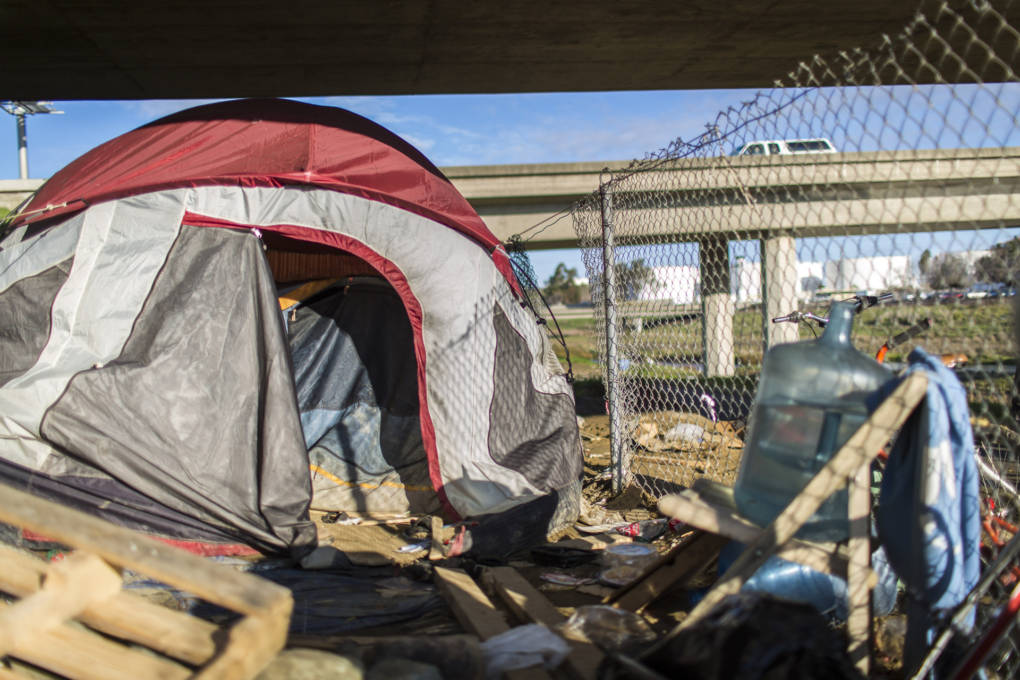
"caption": "A homeless encampment in Contra Costa County.",
"credit": "Eric Kayne/KQED",
"altTag": null,
"description": null,
"imgSizes": {
"thumbnail": {
"file": "https://cdn.kqed.org/wp-content/uploads/sites/10/2019/09/RS23880_20170126_CC_county_homeless_count_215-qut-160x107.jpg",
"width": 160,
"height": 107,
"mimeType": "image/jpeg"
},
"medium": {
"file": "https://cdn.kqed.org/wp-content/uploads/sites/10/2019/09/RS23880_20170126_CC_county_homeless_count_215-qut-800x533.jpg",
"width": 800,
"height": 533,
"mimeType": "image/jpeg"
},
"large": {
"file": "https://cdn.kqed.org/wp-content/uploads/sites/10/2019/09/RS23880_20170126_CC_county_homeless_count_215-qut-1020x680.jpg",
"width": 1020,
"height": 680,
"mimeType": "image/jpeg"
},
"complete_open_graph": {
"file": "https://cdn.kqed.org/wp-content/uploads/sites/10/2019/09/RS23880_20170126_CC_county_homeless_count_215-qut-1200x800.jpg",
"width": 1200,
"height": 800,
"mimeType": "image/jpeg"
},
"post-thumbnail": {
"file": "https://cdn.kqed.org/wp-content/uploads/sites/10/2019/09/RS23880_20170126_CC_county_homeless_count_215-qut-672x372.jpg",
"width": 672,
"height": 372,
"mimeType": "image/jpeg"
},
"twentyfourteen-full-width": {
"file": "https://cdn.kqed.org/wp-content/uploads/sites/10/2019/09/RS23880_20170126_CC_county_homeless_count_215-qut-1038x576.jpg",
"width": 1038,
"height": 576,
"mimeType": "image/jpeg"
},
"full-width": {
"file": "https://cdn.kqed.org/wp-content/uploads/sites/10/2019/09/RS23880_20170126_CC_county_homeless_count_215-qut-1920x1280.jpg",
"width": 1920,
"height": 1280,
"mimeType": "image/jpeg"
},
"apple_news_ca_landscape_12_9": {
"file": "https://cdn.kqed.org/wp-content/uploads/sites/10/2019/09/RS23880_20170126_CC_county_homeless_count_215-qut-1832x1280.jpg",
"width": 1832,
"height": 1280,
"mimeType": "image/jpeg"
},
"apple_news_ca_landscape_9_7": {
"file": "https://cdn.kqed.org/wp-content/uploads/sites/10/2019/09/RS23880_20170126_CC_county_homeless_count_215-qut-1376x1032.jpg",
"width": 1376,
"height": 1032,
"mimeType": "image/jpeg"
},
"apple_news_ca_landscape_5_5": {
"file": "https://cdn.kqed.org/wp-content/uploads/sites/10/2019/09/RS23880_20170126_CC_county_homeless_count_215-qut-1044x783.jpg",
"width": 1044,
"height": 783,
"mimeType": "image/jpeg"
},
"apple_news_ca_landscape_4_7": {
"file": "https://cdn.kqed.org/wp-content/uploads/sites/10/2019/09/RS23880_20170126_CC_county_homeless_count_215-qut-632x474.jpg",
"width": 632,
"height": 474,
"mimeType": "image/jpeg"
},
"apple_news_ca_landscape_4_0": {
"file": "https://cdn.kqed.org/wp-content/uploads/sites/10/2019/09/RS23880_20170126_CC_county_homeless_count_215-qut-536x402.jpg",
"width": 536,
"height": 402,
"mimeType": "image/jpeg"
},
"apple_news_ca_portrait_12_9": {
"file": "https://cdn.kqed.org/wp-content/uploads/sites/10/2019/09/RS23880_20170126_CC_county_homeless_count_215-qut-1122x1280.jpg",
"width": 1122,
"height": 1280,
"mimeType": "image/jpeg"
},
"apple_news_ca_portrait_9_7": {
"file": "https://cdn.kqed.org/wp-content/uploads/sites/10/2019/09/RS23880_20170126_CC_county_homeless_count_215-qut-840x1120.jpg",
"width": 840,
"height": 1120,
"mimeType": "image/jpeg"
},
"apple_news_ca_portrait_5_5": {
"file": "https://cdn.kqed.org/wp-content/uploads/sites/10/2019/09/RS23880_20170126_CC_county_homeless_count_215-qut-687x916.jpg",
"width": 687,
"height": 916,
"mimeType": "image/jpeg"
},
"apple_news_ca_portrait_4_7": {
"file": "https://cdn.kqed.org/wp-content/uploads/sites/10/2019/09/RS23880_20170126_CC_county_homeless_count_215-qut-414x552.jpg",
"width": 414,
"height": 552,
"mimeType": "image/jpeg"
},
"apple_news_ca_portrait_4_0": {
"file": "https://cdn.kqed.org/wp-content/uploads/sites/10/2019/09/RS23880_20170126_CC_county_homeless_count_215-qut-354x472.jpg",
"width": 354,
"height": 472,
"mimeType": "image/jpeg"
},
"apple_news_ca_square_12_9": {
"file": "https://cdn.kqed.org/wp-content/uploads/sites/10/2019/09/RS23880_20170126_CC_county_homeless_count_215-qut-1472x1280.jpg",
"width": 1472,
"height": 1280,
"mimeType": "image/jpeg"
},
"apple_news_ca_square_9_7": {
"file": "https://cdn.kqed.org/wp-content/uploads/sites/10/2019/09/RS23880_20170126_CC_county_homeless_count_215-qut-1104x1104.jpg",
"width": 1104,
"height": 1104,
"mimeType": "image/jpeg"
},
"apple_news_ca_square_5_5": {
"file": "https://cdn.kqed.org/wp-content/uploads/sites/10/2019/09/RS23880_20170126_CC_county_homeless_count_215-qut-912x912.jpg",
"width": 912,
"height": 912,
"mimeType": "image/jpeg"
},
"apple_news_ca_square_4_7": {
"file": "https://cdn.kqed.org/wp-content/uploads/sites/10/2019/09/RS23880_20170126_CC_county_homeless_count_215-qut-550x550.jpg",
"width": 550,
"height": 550,
"mimeType": "image/jpeg"
},
"apple_news_ca_square_4_0": {
"file": "https://cdn.kqed.org/wp-content/uploads/sites/10/2019/09/RS23880_20170126_CC_county_homeless_count_215-qut-470x470.jpg",
"width": 470,
"height": 470,
"mimeType": "image/jpeg"
},
"kqedFullSize": {
"file": "https://cdn.kqed.org/wp-content/uploads/sites/10/2019/09/RS23880_20170126_CC_county_homeless_count_215-qut.jpg",
"width": 1920,
"height": 1280
}
},
"isLoading": false,
"fetchFailed": false
},
"news_11774665": {
"type": "attachments",
"id": "news_11774665",
"meta": {
"index": "attachments_1716263798",
"site": "news",
"id": "11774665",
"found": true
},
"parent": 11774581,
"imgSizes": {
"apple_news_ca_landscape_5_5": {
"file": "https://ww2.kqed.org/app/uploads/sites/10/2019/09/Donald-Trump-1044x783.jpg",
"width": 1044,
"mimeType": "image/jpeg",
"height": 783
},
"apple_news_ca_square_4_0": {
"file": "https://ww2.kqed.org/app/uploads/sites/10/2019/09/Donald-Trump-470x470.jpg",
"width": 470,
"mimeType": "image/jpeg",
"height": 470
},
"twentyfourteen-full-width": {
"file": "https://ww2.kqed.org/app/uploads/sites/10/2019/09/Donald-Trump-1038x576.jpg",
"width": 1038,
"mimeType": "image/jpeg",
"height": 576
},
"thumbnail": {
"file": "https://ww2.kqed.org/app/uploads/sites/10/2019/09/Donald-Trump-160x107.jpg",
"width": 160,
"mimeType": "image/jpeg",
"height": 107
},
"post-thumbnail": {
"file": "https://ww2.kqed.org/app/uploads/sites/10/2019/09/Donald-Trump-672x372.jpg",
"width": 672,
"mimeType": "image/jpeg",
"height": 372
},
"kqedFullSize": {
"file": "https://ww2.kqed.org/app/uploads/sites/10/2019/09/Donald-Trump.jpg",
"width": 1920,
"height": 1280
},
"apple_news_ca_landscape_4_7": {
"file": "https://ww2.kqed.org/app/uploads/sites/10/2019/09/Donald-Trump-632x474.jpg",
"width": 632,
"mimeType": "image/jpeg",
"height": 474
},
"large": {
"file": "https://ww2.kqed.org/app/uploads/sites/10/2019/09/Donald-Trump-1020x680.jpg",
"width": 1020,
"mimeType": "image/jpeg",
"height": 680
},
"complete_open_graph": {
"file": "https://ww2.kqed.org/app/uploads/sites/10/2019/09/Donald-Trump-1200x800.jpg",
"width": 1200,
"mimeType": "image/jpeg",
"height": 800
},
"apple_news_ca_landscape_4_0": {
"file": "https://ww2.kqed.org/app/uploads/sites/10/2019/09/Donald-Trump-536x402.jpg",
"width": 536,
"mimeType": "image/jpeg",
"height": 402
},
"apple_news_ca_portrait_12_9": {
"file": "https://ww2.kqed.org/app/uploads/sites/10/2019/09/Donald-Trump-1122x1280.jpg",
"width": 1122,
"mimeType": "image/jpeg",
"height": 1280
},
"medium": {
"file": "https://ww2.kqed.org/app/uploads/sites/10/2019/09/Donald-Trump-800x533.jpg",
"width": 800,
"mimeType": "image/jpeg",
"height": 533
},
"apple_news_ca_portrait_4_0": {
"file": "https://ww2.kqed.org/app/uploads/sites/10/2019/09/Donald-Trump-354x472.jpg",
"width": 354,
"mimeType": "image/jpeg",
"height": 472
},
"apple_news_ca_portrait_9_7": {
"file": "https://ww2.kqed.org/app/uploads/sites/10/2019/09/Donald-Trump-840x1120.jpg",
"width": 840,
"mimeType": "image/jpeg",
"height": 1120
},
"apple_news_ca_landscape_12_9": {
"file": "https://ww2.kqed.org/app/uploads/sites/10/2019/09/Donald-Trump-1832x1280.jpg",
"width": 1832,
"mimeType": "image/jpeg",
"height": 1280
},
"apple_news_ca_square_9_7": {
"file": "https://ww2.kqed.org/app/uploads/sites/10/2019/09/Donald-Trump-1104x1104.jpg",
"width": 1104,
"mimeType": "image/jpeg",
"height": 1104
},
"apple_news_ca_portrait_4_7": {
"file": "https://ww2.kqed.org/app/uploads/sites/10/2019/09/Donald-Trump-414x552.jpg",
"width": 414,
"mimeType": "image/jpeg",
"height": 552
},
"apple_news_ca_square_12_9": {
"file": "https://ww2.kqed.org/app/uploads/sites/10/2019/09/Donald-Trump-1472x1280.jpg",
"width": 1472,
"mimeType": "image/jpeg",
"height": 1280
},
"apple_news_ca_portrait_5_5": {
"file": "https://ww2.kqed.org/app/uploads/sites/10/2019/09/Donald-Trump-687x916.jpg",
"width": 687,
"mimeType": "image/jpeg",
"height": 916
},
"full-width": {
"file": "https://ww2.kqed.org/app/uploads/sites/10/2019/09/Donald-Trump-1920x1280.jpg",
"width": 1920,
"mimeType": "image/jpeg",
"height": 1280
},
"apple_news_ca_square_4_7": {
"file": "https://ww2.kqed.org/app/uploads/sites/10/2019/09/Donald-Trump-550x550.jpg",
"width": 550,
"mimeType": "image/jpeg",
"height": 550
},
"apple_news_ca_landscape_9_7": {
"file": "https://ww2.kqed.org/app/uploads/sites/10/2019/09/Donald-Trump-1376x1032.jpg",
"width": 1376,
"mimeType": "image/jpeg",
"height": 1032
},
"apple_news_ca_square_5_5": {
"file": "https://ww2.kqed.org/app/uploads/sites/10/2019/09/Donald-Trump-912x912.jpg",
"width": 912,
"mimeType": "image/jpeg",
"height": 912
}
},
"publishDate": 1568678562,
"modified": 1568761302,
"caption": "President Trump talks to journalists as he departs the White House on Sept. 16, 2019.",
"description": "President Donald Trump talks to journalists as he departs the White House on Sept. 16, 2019.",
"title": "Donald-Trump",
"credit": "MANDEL NGAN/AFP/Getty Images",
"status": "inherit",
"isLoading": false,
"fetchFailed": false
},
"news_11774416": {
"type": "attachments",
"id": "news_11774416",
"meta": {
"index": "attachments_1716263798",
"site": "news",
"id": "11774416",
"found": true
},
"parent": 11774414,
"imgSizes": {
"apple_news_ca_landscape_5_5": {
"file": "https://ww2.kqed.org/app/uploads/sites/10/2019/09/RS33177_GettyImages-859542994-qut-1044x783.jpg",
"width": 1044,
"mimeType": "image/jpeg",
"height": 783
},
"apple_news_ca_square_4_0": {
"file": "https://ww2.kqed.org/app/uploads/sites/10/2019/09/RS33177_GettyImages-859542994-qut-470x470.jpg",
"width": 470,
"mimeType": "image/jpeg",
"height": 470
},
"twentyfourteen-full-width": {
"file": "https://ww2.kqed.org/app/uploads/sites/10/2019/09/RS33177_GettyImages-859542994-qut-1038x576.jpg",
"width": 1038,
"mimeType": "image/jpeg",
"height": 576
},
"thumbnail": {
"file": "https://ww2.kqed.org/app/uploads/sites/10/2019/09/RS33177_GettyImages-859542994-qut-160x107.jpg",
"width": 160,
"mimeType": "image/jpeg",
"height": 107
},
"post-thumbnail": {
"file": "https://ww2.kqed.org/app/uploads/sites/10/2019/09/RS33177_GettyImages-859542994-qut-672x372.jpg",
"width": 672,
"mimeType": "image/jpeg",
"height": 372
},
"kqedFullSize": {
"file": "https://ww2.kqed.org/app/uploads/sites/10/2019/09/RS33177_GettyImages-859542994-qut.jpg",
"width": 1920,
"height": 1280
},
"apple_news_ca_landscape_4_7": {
"file": "https://ww2.kqed.org/app/uploads/sites/10/2019/09/RS33177_GettyImages-859542994-qut-632x474.jpg",
"width": 632,
"mimeType": "image/jpeg",
"height": 474
},
"large": {
"file": "https://ww2.kqed.org/app/uploads/sites/10/2019/09/RS33177_GettyImages-859542994-qut-1020x680.jpg",
"width": 1020,
"mimeType": "image/jpeg",
"height": 680
},
"complete_open_graph": {
"file": "https://ww2.kqed.org/app/uploads/sites/10/2019/09/RS33177_GettyImages-859542994-qut-1200x800.jpg",
"width": 1200,
"mimeType": "image/jpeg",
"height": 800
},
"apple_news_ca_landscape_4_0": {
"file": "https://ww2.kqed.org/app/uploads/sites/10/2019/09/RS33177_GettyImages-859542994-qut-536x402.jpg",
"width": 536,
"mimeType": "image/jpeg",
"height": 402
},
"apple_news_ca_portrait_12_9": {
"file": "https://ww2.kqed.org/app/uploads/sites/10/2019/09/RS33177_GettyImages-859542994-qut-1122x1280.jpg",
"width": 1122,
"mimeType": "image/jpeg",
"height": 1280
},
"medium": {
"file": "https://ww2.kqed.org/app/uploads/sites/10/2019/09/RS33177_GettyImages-859542994-qut-800x533.jpg",
"width": 800,
"mimeType": "image/jpeg",
"height": 533
},
"apple_news_ca_portrait_4_0": {
"file": "https://ww2.kqed.org/app/uploads/sites/10/2019/09/RS33177_GettyImages-859542994-qut-354x472.jpg",
"width": 354,
"mimeType": "image/jpeg",
"height": 472
},
"apple_news_ca_portrait_9_7": {
"file": "https://ww2.kqed.org/app/uploads/sites/10/2019/09/RS33177_GettyImages-859542994-qut-840x1120.jpg",
"width": 840,
"mimeType": "image/jpeg",
"height": 1120
},
"apple_news_ca_landscape_12_9": {
"file": "https://ww2.kqed.org/app/uploads/sites/10/2019/09/RS33177_GettyImages-859542994-qut-1832x1280.jpg",
"width": 1832,
"mimeType": "image/jpeg",
"height": 1280
},
"apple_news_ca_square_9_7": {
"file": "https://ww2.kqed.org/app/uploads/sites/10/2019/09/RS33177_GettyImages-859542994-qut-1104x1104.jpg",
"width": 1104,
"mimeType": "image/jpeg",
"height": 1104
},
"apple_news_ca_portrait_4_7": {
"file": "https://ww2.kqed.org/app/uploads/sites/10/2019/09/RS33177_GettyImages-859542994-qut-414x552.jpg",
"width": 414,
"mimeType": "image/jpeg",
"height": 552
},
"apple_news_ca_square_12_9": {
"file": "https://ww2.kqed.org/app/uploads/sites/10/2019/09/RS33177_GettyImages-859542994-qut-1472x1280.jpg",
"width": 1472,
"mimeType": "image/jpeg",
"height": 1280
},
"apple_news_ca_portrait_5_5": {
"file": "https://ww2.kqed.org/app/uploads/sites/10/2019/09/RS33177_GettyImages-859542994-qut-687x916.jpg",
"width": 687,
"mimeType": "image/jpeg",
"height": 916
},
"full-width": {
"file": "https://ww2.kqed.org/app/uploads/sites/10/2019/09/RS33177_GettyImages-859542994-qut-1920x1280.jpg",
"width": 1920,
"mimeType": "image/jpeg",
"height": 1280
},
"apple_news_ca_square_4_7": {
"file": "https://ww2.kqed.org/app/uploads/sites/10/2019/09/RS33177_GettyImages-859542994-qut-550x550.jpg",
"width": 550,
"mimeType": "image/jpeg",
"height": 550
},
"apple_news_ca_landscape_9_7": {
"file": "https://ww2.kqed.org/app/uploads/sites/10/2019/09/RS33177_GettyImages-859542994-qut-1376x1032.jpg",
"width": 1376,
"mimeType": "image/jpeg",
"height": 1032
},
"apple_news_ca_square_5_5": {
"file": "https://ww2.kqed.org/app/uploads/sites/10/2019/09/RS33177_GettyImages-859542994-qut-912x912.jpg",
"width": 912,
"mimeType": "image/jpeg",
"height": 912
}
},
"publishDate": 1568569380,
"modified": 1568579579,
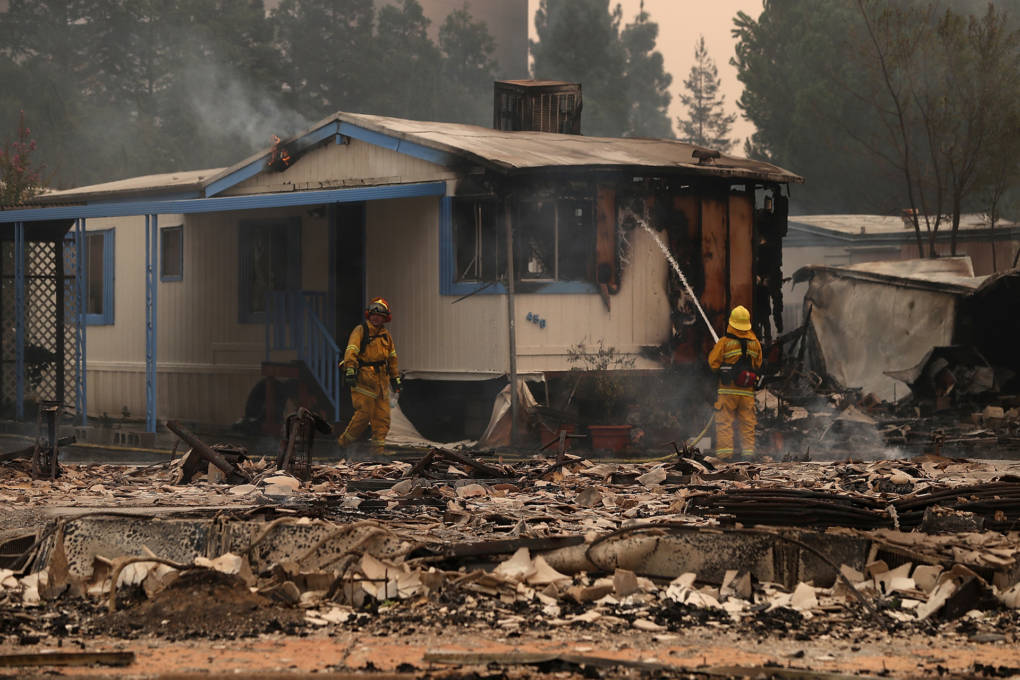
"caption": "Firefighters spray water on fire damaged mobile home at the Journey's End Mobile Home Park on October 9, 2017 in Santa Rosa, California. Ten people have died in wildfires that have burned tens of thousands of acres and destroyed over 1,500 homes and businesses in several Northern California counties. ",
"description": "Firefighters spray water on fire damaged mobile home at the Journey's End Mobile Home Park on October 9, 2017 in Santa Rosa, California. Ten people have died in wildfires that have burned tens of thousands of acres and destroyed over 1,500 homes and businesses in several Northern California counties. ",
"title": "Multiple Wildfires Destroy Homes, Threaten California Wine Country",
"credit": "Justin Sullivan/Getty Images",
"status": "inherit",
"isLoading": false,
"fetchFailed": false
},
"news_11774195": {
"type": "attachments",
"id": "news_11774195",
"meta": {
"index": "attachments_1716263798",
"site": "news",
"id": "11774195",
"found": true
},
"parent": 11774151,
"imgSizes": {
"apple_news_ca_landscape_5_5": {
"file": "https://ww2.kqed.org/app/uploads/sites/10/2019/09/09132019_BuffyWicks3-qut-1044x783.jpg",
"width": 1044,
"mimeType": "image/jpeg",
"height": 783
},
"apple_news_ca_square_4_0": {
"file": "https://ww2.kqed.org/app/uploads/sites/10/2019/09/09132019_BuffyWicks3-qut-470x470.jpg",
"width": 470,
"mimeType": "image/jpeg",
"height": 470
},
"twentyfourteen-full-width": {
"file": "https://ww2.kqed.org/app/uploads/sites/10/2019/09/09132019_BuffyWicks3-qut-1038x576.jpg",
"width": 1038,
"mimeType": "image/jpeg",
"height": 576
},
"thumbnail": {
"file": "https://ww2.kqed.org/app/uploads/sites/10/2019/09/09132019_BuffyWicks3-qut-160x107.jpg",
"width": 160,
"mimeType": "image/jpeg",
"height": 107
},
"post-thumbnail": {
"file": "https://ww2.kqed.org/app/uploads/sites/10/2019/09/09132019_BuffyWicks3-qut-672x372.jpg",
"width": 672,
"mimeType": "image/jpeg",
"height": 372
},
"kqedFullSize": {
"file": "https://ww2.kqed.org/app/uploads/sites/10/2019/09/09132019_BuffyWicks3-qut.jpg",
"width": 1920,
"height": 1280
},
"apple_news_ca_landscape_4_7": {
"file": "https://ww2.kqed.org/app/uploads/sites/10/2019/09/09132019_BuffyWicks3-qut-632x474.jpg",
"width": 632,
"mimeType": "image/jpeg",
"height": 474
},
"large": {
"file": "https://ww2.kqed.org/app/uploads/sites/10/2019/09/09132019_BuffyWicks3-qut-1020x680.jpg",
"width": 1020,
"mimeType": "image/jpeg",
"height": 680
},
"complete_open_graph": {
"file": "https://ww2.kqed.org/app/uploads/sites/10/2019/09/09132019_BuffyWicks3-qut-1200x800.jpg",
"width": 1200,
"mimeType": "image/jpeg",
"height": 800
},
"apple_news_ca_landscape_4_0": {
"file": "https://ww2.kqed.org/app/uploads/sites/10/2019/09/09132019_BuffyWicks3-qut-536x402.jpg",
"width": 536,
"mimeType": "image/jpeg",
"height": 402
},
"apple_news_ca_portrait_12_9": {
"file": "https://ww2.kqed.org/app/uploads/sites/10/2019/09/09132019_BuffyWicks3-qut-1122x1280.jpg",
"width": 1122,
"mimeType": "image/jpeg",
"height": 1280
},
"medium": {
"file": "https://ww2.kqed.org/app/uploads/sites/10/2019/09/09132019_BuffyWicks3-qut-800x533.jpg",
"width": 800,
"mimeType": "image/jpeg",
"height": 533
},
"apple_news_ca_portrait_4_0": {
"file": "https://ww2.kqed.org/app/uploads/sites/10/2019/09/09132019_BuffyWicks3-qut-354x472.jpg",
"width": 354,
"mimeType": "image/jpeg",
"height": 472
},
"apple_news_ca_portrait_9_7": {
"file": "https://ww2.kqed.org/app/uploads/sites/10/2019/09/09132019_BuffyWicks3-qut-840x1120.jpg",
"width": 840,
"mimeType": "image/jpeg",
"height": 1120
},
"apple_news_ca_landscape_12_9": {
"file": "https://ww2.kqed.org/app/uploads/sites/10/2019/09/09132019_BuffyWicks3-qut-1832x1280.jpg",
"width": 1832,
"mimeType": "image/jpeg",
"height": 1280
},
"apple_news_ca_square_9_7": {
"file": "https://ww2.kqed.org/app/uploads/sites/10/2019/09/09132019_BuffyWicks3-qut-1104x1104.jpg",
"width": 1104,
"mimeType": "image/jpeg",
"height": 1104
},
"apple_news_ca_portrait_4_7": {
"file": "https://ww2.kqed.org/app/uploads/sites/10/2019/09/09132019_BuffyWicks3-qut-414x552.jpg",
"width": 414,
"mimeType": "image/jpeg",
"height": 552
},
"apple_news_ca_square_12_9": {
"file": "https://ww2.kqed.org/app/uploads/sites/10/2019/09/09132019_BuffyWicks3-qut-1472x1280.jpg",
"width": 1472,
"mimeType": "image/jpeg",
"height": 1280
},
"apple_news_ca_portrait_5_5": {
"file": "https://ww2.kqed.org/app/uploads/sites/10/2019/09/09132019_BuffyWicks3-qut-687x916.jpg",
"width": 687,
"mimeType": "image/jpeg",
"height": 916
},
"full-width": {
"file": "https://ww2.kqed.org/app/uploads/sites/10/2019/09/09132019_BuffyWicks3-qut-1920x1280.jpg",
"width": 1920,
"mimeType": "image/jpeg",
"height": 1280
},
"apple_news_ca_square_4_7": {
"file": "https://ww2.kqed.org/app/uploads/sites/10/2019/09/09132019_BuffyWicks3-qut-550x550.jpg",
"width": 550,
"mimeType": "image/jpeg",
"height": 550
},
"apple_news_ca_landscape_9_7": {
"file": "https://ww2.kqed.org/app/uploads/sites/10/2019/09/09132019_BuffyWicks3-qut-1376x1032.jpg",
"width": 1376,
"mimeType": "image/jpeg",
"height": 1032
},
"apple_news_ca_square_5_5": {
"file": "https://ww2.kqed.org/app/uploads/sites/10/2019/09/09132019_BuffyWicks3-qut-912x912.jpg",
"width": 912,
"mimeType": "image/jpeg",
"height": 912
}
},
"publishDate": 1568405265,
"modified": 1568411430,
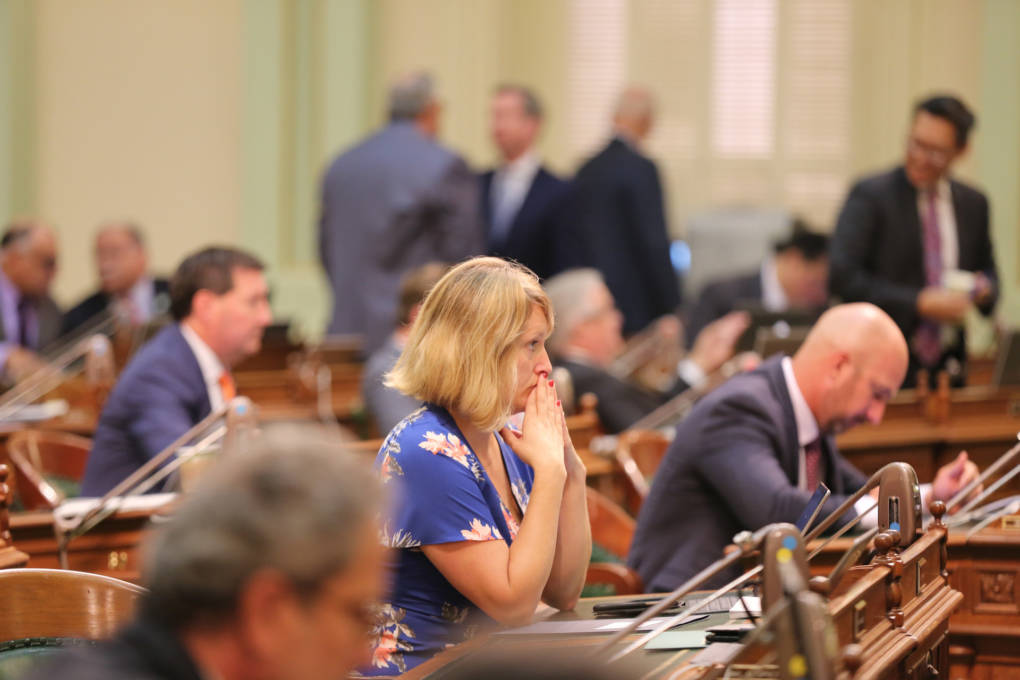
"caption": "Assemblywoman Buffy Wicks at the Capitol in Sacramento on Aug. 15, 2019.",
"description": "Assemblymember Buffy Wicks at the State Capitol in Sacramento on Aug. 15, 2019.",
"title": "09132019_BuffyWicks3-qut",
"credit": "Stephanie Lister/KQED",
"status": "inherit",
"isLoading": false,
"fetchFailed": false
},
"news_11773520": {
"type": "attachments",
"id": "news_11773520",
"meta": {
"index": "attachments_1716263798",
"site": "news",
"id": "11773520",
"found": true
},
"parent": 11773508,
"imgSizes": {
"apple_news_ca_landscape_5_5": {
"file": "https://ww2.kqed.org/app/uploads/sites/10/2019/09/GettyImages-146399453-1-1044x783.jpg",
"width": 1044,
"mimeType": "image/jpeg",
"height": 783
},
"apple_news_ca_square_4_0": {
"file": "https://ww2.kqed.org/app/uploads/sites/10/2019/09/GettyImages-146399453-1-470x470.jpg",
"width": 470,
"mimeType": "image/jpeg",
"height": 470
},
"twentyfourteen-full-width": {
"file": "https://ww2.kqed.org/app/uploads/sites/10/2019/09/GettyImages-146399453-1-1038x576.jpg",
"width": 1038,
"mimeType": "image/jpeg",
"height": 576
},
"thumbnail": {
"file": "https://ww2.kqed.org/app/uploads/sites/10/2019/09/GettyImages-146399453-1-160x107.jpg",
"width": 160,
"mimeType": "image/jpeg",
"height": 107
},
"post-thumbnail": {
"file": "https://ww2.kqed.org/app/uploads/sites/10/2019/09/GettyImages-146399453-1-672x372.jpg",
"width": 672,
"mimeType": "image/jpeg",
"height": 372
},
"kqedFullSize": {
"file": "https://ww2.kqed.org/app/uploads/sites/10/2019/09/GettyImages-146399453-1-e1568159666303.jpg",
"width": 1920,
"height": 1281
},
"apple_news_ca_landscape_4_7": {
"file": "https://ww2.kqed.org/app/uploads/sites/10/2019/09/GettyImages-146399453-1-632x474.jpg",
"width": 632,
"mimeType": "image/jpeg",
"height": 474
},
"large": {
"file": "https://ww2.kqed.org/app/uploads/sites/10/2019/09/GettyImages-146399453-1-1020x680.jpg",
"width": 1020,
"mimeType": "image/jpeg",
"height": 680
},
"complete_open_graph": {
"file": "https://ww2.kqed.org/app/uploads/sites/10/2019/09/GettyImages-146399453-1-1200x800.jpg",
"width": 1200,
"mimeType": "image/jpeg",
"height": 800
},
"apple_news_ca_landscape_4_0": {
"file": "https://ww2.kqed.org/app/uploads/sites/10/2019/09/GettyImages-146399453-1-536x402.jpg",
"width": 536,
"mimeType": "image/jpeg",
"height": 402
},
"apple_news_ca_portrait_12_9": {
"file": "https://ww2.kqed.org/app/uploads/sites/10/2019/09/GettyImages-146399453-1-1122x1496.jpg",
"width": 1122,
"mimeType": "image/jpeg",
"height": 1496
},
"medium": {
"file": "https://ww2.kqed.org/app/uploads/sites/10/2019/09/GettyImages-146399453-1-800x534.jpg",
"width": 800,
"mimeType": "image/jpeg",
"height": 534
},
"apple_news_ca_portrait_4_0": {
"file": "https://ww2.kqed.org/app/uploads/sites/10/2019/09/GettyImages-146399453-1-354x472.jpg",
"width": 354,
"mimeType": "image/jpeg",
"height": 472
},
"apple_news_ca_portrait_9_7": {
"file": "https://ww2.kqed.org/app/uploads/sites/10/2019/09/GettyImages-146399453-1-840x1120.jpg",
"width": 840,
"mimeType": "image/jpeg",
"height": 1120
},
"apple_news_ca_landscape_12_9": {
"file": "https://ww2.kqed.org/app/uploads/sites/10/2019/09/GettyImages-146399453-1-1832x1374.jpg",
"width": 1832,
"mimeType": "image/jpeg",
"height": 1374
},
"apple_news_ca_square_9_7": {
"file": "https://ww2.kqed.org/app/uploads/sites/10/2019/09/GettyImages-146399453-1-1104x1104.jpg",
"width": 1104,
"mimeType": "image/jpeg",
"height": 1104
},
"apple_news_ca_portrait_4_7": {
"file": "https://ww2.kqed.org/app/uploads/sites/10/2019/09/GettyImages-146399453-1-414x552.jpg",
"width": 414,
"mimeType": "image/jpeg",
"height": 552
},
"apple_news_ca_square_12_9": {
"file": "https://ww2.kqed.org/app/uploads/sites/10/2019/09/GettyImages-146399453-1-1472x1472.jpg",
"width": 1472,
"mimeType": "image/jpeg",
"height": 1472
},
"apple_news_ca_portrait_5_5": {
"file": "https://ww2.kqed.org/app/uploads/sites/10/2019/09/GettyImages-146399453-1-687x916.jpg",
"width": 687,
"mimeType": "image/jpeg",
"height": 916
},
"full-width": {
"file": "https://ww2.kqed.org/app/uploads/sites/10/2019/09/GettyImages-146399453-1-1920x1281.jpg",
"width": 1920,
"mimeType": "image/jpeg",
"height": 1281
},
"apple_news_ca_square_4_7": {
"file": "https://ww2.kqed.org/app/uploads/sites/10/2019/09/GettyImages-146399453-1-550x550.jpg",
"width": 550,
"mimeType": "image/jpeg",
"height": 550
},
"apple_news_ca_landscape_9_7": {
"file": "https://ww2.kqed.org/app/uploads/sites/10/2019/09/GettyImages-146399453-1-1376x1032.jpg",
"width": 1376,
"mimeType": "image/jpeg",
"height": 1032
},
"apple_news_ca_square_5_5": {
"file": "https://ww2.kqed.org/app/uploads/sites/10/2019/09/GettyImages-146399453-1-912x912.jpg",
"width": 912,
"mimeType": "image/jpeg",
"height": 912
}
},
"publishDate": 1568159313,
"modified": 1568159601,
"caption": "A large \"rent\" banner is posted on the side of an apartment building in San Francisco. If the state Assembly approves a new rent bill by Friday, it would cap most housing rental increases at 5% a year plus inflation. ",
"description": null,
"title": "Housing Report Suggests Rising Rents Could Lead To Home Market Turnaround",
"credit": "Justin Sullivan/Getty Images",
"status": "inherit",
"isLoading": false,
"fetchFailed": false
},
"news_11771028": {
"type": "attachments",
"id": "news_11771028",
"meta": {
"index": "attachments_1716263798",
"site": "news",
"id": "11771028",
"found": true
},
"parent": 11771019,
"imgSizes": {
"apple_news_ca_landscape_5_5": {
"file": "https://ww2.kqed.org/app/uploads/sites/10/2019/08/Section-8-photo-Main-1044x783.jpg",
"width": 1044,
"mimeType": "image/jpeg",
"height": 783
},
"apple_news_ca_square_4_0": {
"file": "https://ww2.kqed.org/app/uploads/sites/10/2019/08/Section-8-photo-Main-470x470.jpg",
"width": 470,
"mimeType": "image/jpeg",
"height": 470
},
"twentyfourteen-full-width": {
"file": "https://ww2.kqed.org/app/uploads/sites/10/2019/08/Section-8-photo-Main-1038x576.jpg",
"width": 1038,
"mimeType": "image/jpeg",
"height": 576
},
"thumbnail": {
"file": "https://ww2.kqed.org/app/uploads/sites/10/2019/08/Section-8-photo-Main-160x97.jpg",
"width": 160,
"mimeType": "image/jpeg",
"height": 97
},
"post-thumbnail": {
"file": "https://ww2.kqed.org/app/uploads/sites/10/2019/08/Section-8-photo-Main-672x372.jpg",
"width": 672,
"mimeType": "image/jpeg",
"height": 372
},
"kqedFullSize": {
"file": "https://ww2.kqed.org/app/uploads/sites/10/2019/08/Section-8-photo-Main.jpg",
"width": 1920,
"height": 1161
},
"apple_news_ca_landscape_4_7": {
"file": "https://ww2.kqed.org/app/uploads/sites/10/2019/08/Section-8-photo-Main-632x474.jpg",
"width": 632,
"mimeType": "image/jpeg",
"height": 474
},
"large": {
"file": "https://ww2.kqed.org/app/uploads/sites/10/2019/08/Section-8-photo-Main-1020x617.jpg",
"width": 1020,
"mimeType": "image/jpeg",
"height": 617
},
"complete_open_graph": {
"file": "https://ww2.kqed.org/app/uploads/sites/10/2019/08/Section-8-photo-Main-1200x726.jpg",
"width": 1200,
"mimeType": "image/jpeg",
"height": 726
},
"apple_news_ca_landscape_4_0": {
"file": "https://ww2.kqed.org/app/uploads/sites/10/2019/08/Section-8-photo-Main-536x402.jpg",
"width": 536,
"mimeType": "image/jpeg",
"height": 402
},
"apple_news_ca_portrait_12_9": {
"file": "https://ww2.kqed.org/app/uploads/sites/10/2019/08/Section-8-photo-Main-1122x1161.jpg",
"width": 1122,
"mimeType": "image/jpeg",
"height": 1161
},
"medium": {
"file": "https://ww2.kqed.org/app/uploads/sites/10/2019/08/Section-8-photo-Main-800x484.jpg",
"width": 800,
"mimeType": "image/jpeg",
"height": 484
},
"apple_news_ca_portrait_4_0": {
"file": "https://ww2.kqed.org/app/uploads/sites/10/2019/08/Section-8-photo-Main-354x472.jpg",
"width": 354,
"mimeType": "image/jpeg",
"height": 472
},
"apple_news_ca_portrait_9_7": {
"file": "https://ww2.kqed.org/app/uploads/sites/10/2019/08/Section-8-photo-Main-840x1120.jpg",
"width": 840,
"mimeType": "image/jpeg",
"height": 1120
},
"apple_news_ca_landscape_12_9": {
"file": "https://ww2.kqed.org/app/uploads/sites/10/2019/08/Section-8-photo-Main-1832x1161.jpg",
"width": 1832,
"mimeType": "image/jpeg",
"height": 1161
},
"apple_news_ca_square_9_7": {
"file": "https://ww2.kqed.org/app/uploads/sites/10/2019/08/Section-8-photo-Main-1104x1104.jpg",
"width": 1104,
"mimeType": "image/jpeg",
"height": 1104
},
"apple_news_ca_portrait_4_7": {
"file": "https://ww2.kqed.org/app/uploads/sites/10/2019/08/Section-8-photo-Main-414x552.jpg",
"width": 414,
"mimeType": "image/jpeg",
"height": 552
},
"apple_news_ca_square_12_9": {
"file": "https://ww2.kqed.org/app/uploads/sites/10/2019/08/Section-8-photo-Main-1472x1161.jpg",
"width": 1472,
"mimeType": "image/jpeg",
"height": 1161
},
"apple_news_ca_portrait_5_5": {
"file": "https://ww2.kqed.org/app/uploads/sites/10/2019/08/Section-8-photo-Main-687x916.jpg",
"width": 687,
"mimeType": "image/jpeg",
"height": 916
},
"full-width": {
"file": "https://ww2.kqed.org/app/uploads/sites/10/2019/08/Section-8-photo-Main-1920x1161.jpg",
"width": 1920,
"mimeType": "image/jpeg",
"height": 1161
},
"apple_news_ca_square_4_7": {
"file": "https://ww2.kqed.org/app/uploads/sites/10/2019/08/Section-8-photo-Main-550x550.jpg",
"width": 550,
"mimeType": "image/jpeg",
"height": 550
},
"apple_news_ca_landscape_9_7": {
"file": "https://ww2.kqed.org/app/uploads/sites/10/2019/08/Section-8-photo-Main-1376x1032.jpg",
"width": 1376,
"mimeType": "image/jpeg",
"height": 1032
},
"apple_news_ca_square_5_5": {
"file": "https://ww2.kqed.org/app/uploads/sites/10/2019/08/Section-8-photo-Main-912x912.jpg",
"width": 912,
"mimeType": "image/jpeg",
"height": 912
}
},
"publishDate": 1567107317,
"modified": 1567107554,
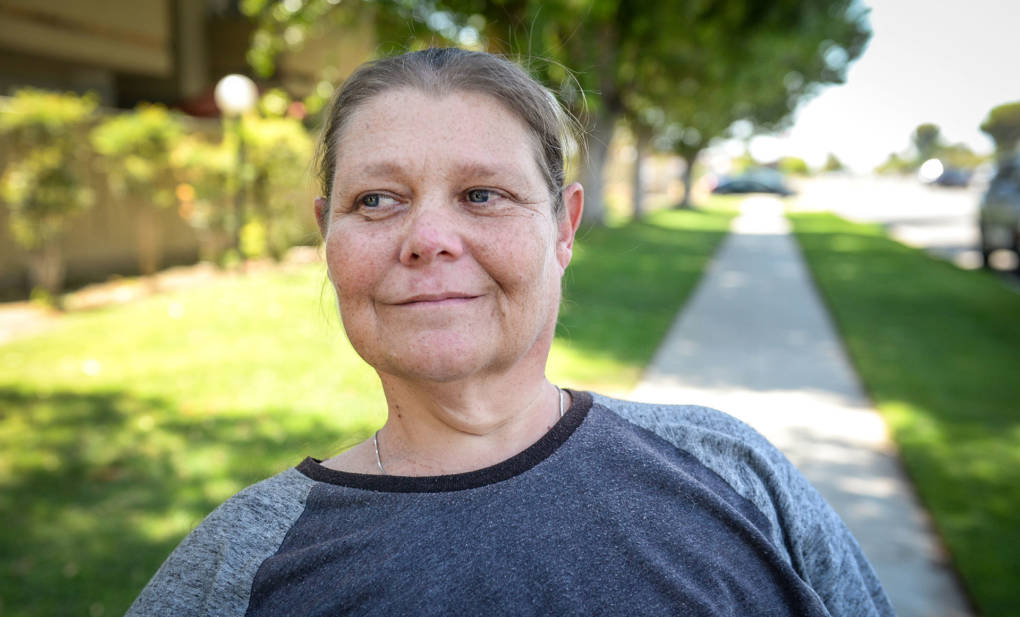
"caption": "Fresno resident Reina Richter, who is disabled, has been unable to find housing in Fresno with her Section 8 voucher. She says applicants far outnumber the available housing in the area.",
"description": "Fresno resident Reina Richter, who is disabled, has been unable to find housing in Fresno with her Section 8 voucher. She says applicants far outnumber the available housing in the area.",
"title": "Section-8-photo-Main",
"credit": "Craig Kohlruss/The Fresno Bee",
"status": "inherit",
"isLoading": false,
"fetchFailed": false
},
"news_11770406": {
"type": "attachments",
"id": "news_11770406",
"meta": {
"index": "attachments_1716263798",
"site": "news",
"id": "11770406",
"found": true
},
"parent": 11770372,
"imgSizes": {
"apple_news_ca_landscape_5_5": {
"file": "https://cdn.kqed.org/wp-content/uploads/sites/10/2019/08/RS38756_IMG_2478-qut-1044x783.jpg",
"width": 1044,
"mimeType": "image/jpeg",
"height": 783
},
"apple_news_ca_square_4_0": {
"file": "https://cdn.kqed.org/wp-content/uploads/sites/10/2019/08/RS38756_IMG_2478-qut-470x470.jpg",
"width": 470,
"mimeType": "image/jpeg",
"height": 470
},
"twentyfourteen-full-width": {
"file": "https://cdn.kqed.org/wp-content/uploads/sites/10/2019/08/RS38756_IMG_2478-qut-1038x576.jpg",
"width": 1038,
"mimeType": "image/jpeg",
"height": 576
},
"thumbnail": {
"file": "https://cdn.kqed.org/wp-content/uploads/sites/10/2019/08/RS38756_IMG_2478-qut-160x120.jpg",
"width": 160,
"mimeType": "image/jpeg",
"height": 120
},
"post-thumbnail": {
"file": "https://cdn.kqed.org/wp-content/uploads/sites/10/2019/08/RS38756_IMG_2478-qut-672x372.jpg",
"width": 672,
"mimeType": "image/jpeg",
"height": 372
},
"kqedFullSize": {
"file": "https://cdn.kqed.org/wp-content/uploads/sites/10/2019/08/RS38756_IMG_2478-qut.jpg",
"width": 1920,
"height": 1440
},
"apple_news_ca_landscape_4_7": {
"file": "https://cdn.kqed.org/wp-content/uploads/sites/10/2019/08/RS38756_IMG_2478-qut-632x474.jpg",
"width": 632,
"mimeType": "image/jpeg",
"height": 474
},
"large": {
"file": "https://cdn.kqed.org/wp-content/uploads/sites/10/2019/08/RS38756_IMG_2478-qut-1020x765.jpg",
"width": 1020,
"mimeType": "image/jpeg",
"height": 765
},
"complete_open_graph": {
"file": "https://cdn.kqed.org/wp-content/uploads/sites/10/2019/08/RS38756_IMG_2478-qut-1200x900.jpg",
"width": 1200,
"mimeType": "image/jpeg",
"height": 900
},
"apple_news_ca_landscape_4_0": {
"file": "https://cdn.kqed.org/wp-content/uploads/sites/10/2019/08/RS38756_IMG_2478-qut-536x402.jpg",
"width": 536,
"mimeType": "image/jpeg",
"height": 402
},
"apple_news_ca_portrait_12_9": {
"file": "https://cdn.kqed.org/wp-content/uploads/sites/10/2019/08/RS38756_IMG_2478-qut-1122x1440.jpg",
"width": 1122,
"mimeType": "image/jpeg",
"height": 1440
},
"medium": {
"file": "https://cdn.kqed.org/wp-content/uploads/sites/10/2019/08/RS38756_IMG_2478-qut-800x600.jpg",
"width": 800,
"mimeType": "image/jpeg",
"height": 600
},
"apple_news_ca_portrait_4_0": {
"file": "https://cdn.kqed.org/wp-content/uploads/sites/10/2019/08/RS38756_IMG_2478-qut-354x472.jpg",
"width": 354,
"mimeType": "image/jpeg",
"height": 472
},
"apple_news_ca_portrait_9_7": {
"file": "https://cdn.kqed.org/wp-content/uploads/sites/10/2019/08/RS38756_IMG_2478-qut-840x1120.jpg",
"width": 840,
"mimeType": "image/jpeg",
"height": 1120
},
"apple_news_ca_landscape_12_9": {
"file": "https://cdn.kqed.org/wp-content/uploads/sites/10/2019/08/RS38756_IMG_2478-qut-1832x1374.jpg",
"width": 1832,
"mimeType": "image/jpeg",
"height": 1374
},
"apple_news_ca_square_9_7": {
"file": "https://cdn.kqed.org/wp-content/uploads/sites/10/2019/08/RS38756_IMG_2478-qut-1104x1104.jpg",
"width": 1104,
"mimeType": "image/jpeg",
"height": 1104
},
"apple_news_ca_portrait_4_7": {
"file": "https://cdn.kqed.org/wp-content/uploads/sites/10/2019/08/RS38756_IMG_2478-qut-414x552.jpg",
"width": 414,
"mimeType": "image/jpeg",
"height": 552
},
"apple_news_ca_square_12_9": {
"file": "https://cdn.kqed.org/wp-content/uploads/sites/10/2019/08/RS38756_IMG_2478-qut-1472x1440.jpg",
"width": 1472,
"mimeType": "image/jpeg",
"height": 1440
},
"apple_news_ca_portrait_5_5": {
"file": "https://cdn.kqed.org/wp-content/uploads/sites/10/2019/08/RS38756_IMG_2478-qut-687x916.jpg",
"width": 687,
"mimeType": "image/jpeg",
"height": 916
},
"full-width": {
"file": "https://cdn.kqed.org/wp-content/uploads/sites/10/2019/08/RS38756_IMG_2478-qut-1920x1440.jpg",
"width": 1920,
"mimeType": "image/jpeg",
"height": 1440
},
"apple_news_ca_square_4_7": {
"file": "https://cdn.kqed.org/wp-content/uploads/sites/10/2019/08/RS38756_IMG_2478-qut-550x550.jpg",
"width": 550,
"mimeType": "image/jpeg",
"height": 550
},
"apple_news_ca_landscape_9_7": {
"file": "https://cdn.kqed.org/wp-content/uploads/sites/10/2019/08/RS38756_IMG_2478-qut-1376x1032.jpg",
"width": 1376,
"mimeType": "image/jpeg",
"height": 1032
},
"apple_news_ca_square_5_5": {
"file": "https://cdn.kqed.org/wp-content/uploads/sites/10/2019/08/RS38756_IMG_2478-qut-912x912.jpg",
"width": 912,
"mimeType": "image/jpeg",
"height": 912
}
},
"publishDate": 1566939983,
"modified": 1711491893,
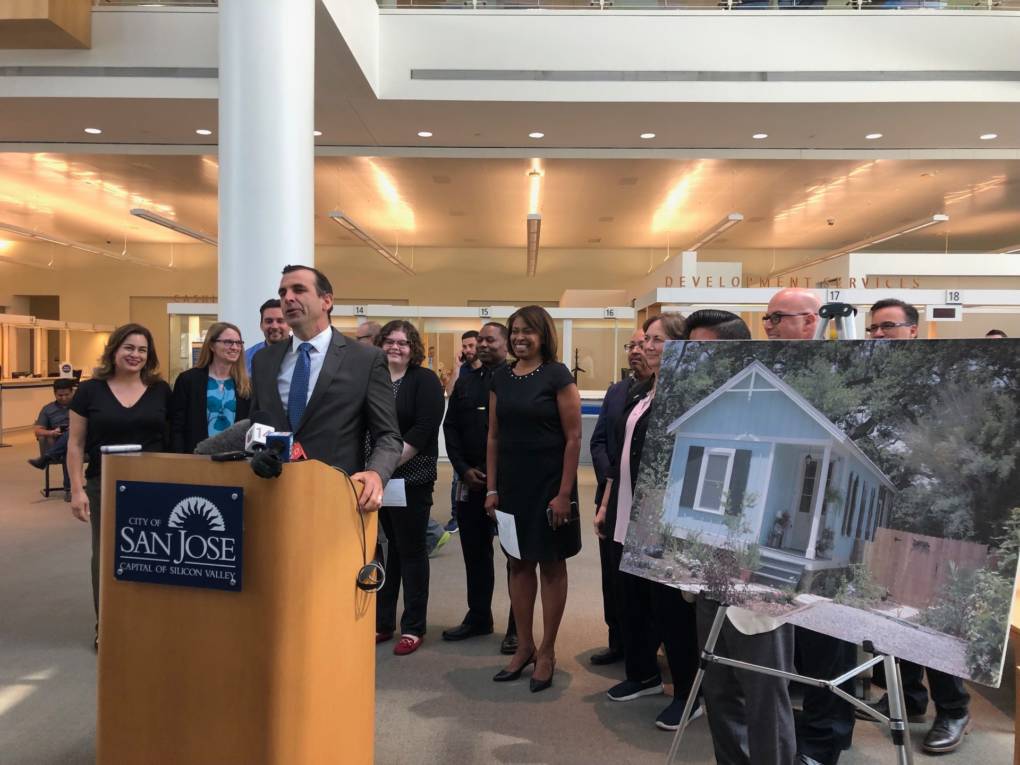
"caption": "San José Mayor Sam Liccardo announced several changes Tuesday to streamline the process of applying for ADU building permits.",
"description": null,
"title": "RS38756_IMG_2478-qut",
"credit": "Sonja Hutson/KQED",
"status": "inherit",
"altTag": null,
"isLoading": false,
"fetchFailed": false
},
"news_11770084": {
"type": "attachments",
"id": "news_11770084",
"meta": {
"index": "attachments_1716263798",
"site": "news",
"id": "11770084",
"found": true
},
"parent": 11770061,
"imgSizes": {
"apple_news_ca_landscape_5_5": {
"file": "https://ww2.kqed.org/app/uploads/sites/10/2019/08/RS38687_OCR-L-PATSYS-08XX-05-qut-1044x783.jpg",
"width": 1044,
"mimeType": "image/jpeg",
"height": 783
},
"apple_news_ca_square_4_0": {
"file": "https://ww2.kqed.org/app/uploads/sites/10/2019/08/RS38687_OCR-L-PATSYS-08XX-05-qut-470x470.jpg",
"width": 470,
"mimeType": "image/jpeg",
"height": 470
},
"twentyfourteen-full-width": {
"file": "https://ww2.kqed.org/app/uploads/sites/10/2019/08/RS38687_OCR-L-PATSYS-08XX-05-qut-1038x576.jpg",
"width": 1038,
"mimeType": "image/jpeg",
"height": 576
},
"thumbnail": {
"file": "https://ww2.kqed.org/app/uploads/sites/10/2019/08/RS38687_OCR-L-PATSYS-08XX-05-qut-160x107.jpg",
"width": 160,
"mimeType": "image/jpeg",
"height": 107
},
"post-thumbnail": {
"file": "https://ww2.kqed.org/app/uploads/sites/10/2019/08/RS38687_OCR-L-PATSYS-08XX-05-qut-672x372.jpg",
"width": 672,
"mimeType": "image/jpeg",
"height": 372
},
"kqedFullSize": {
"file": "https://ww2.kqed.org/app/uploads/sites/10/2019/08/RS38687_OCR-L-PATSYS-08XX-05-qut.jpg",
"width": 1920,
"height": 1280
},
"apple_news_ca_landscape_4_7": {
"file": "https://ww2.kqed.org/app/uploads/sites/10/2019/08/RS38687_OCR-L-PATSYS-08XX-05-qut-632x474.jpg",
"width": 632,
"mimeType": "image/jpeg",
"height": 474
},
"large": {
"file": "https://ww2.kqed.org/app/uploads/sites/10/2019/08/RS38687_OCR-L-PATSYS-08XX-05-qut-1020x680.jpg",
"width": 1020,
"mimeType": "image/jpeg",
"height": 680
},
"complete_open_graph": {
"file": "https://ww2.kqed.org/app/uploads/sites/10/2019/08/RS38687_OCR-L-PATSYS-08XX-05-qut-1200x800.jpg",
"width": 1200,
"mimeType": "image/jpeg",
"height": 800
},
"apple_news_ca_landscape_4_0": {
"file": "https://ww2.kqed.org/app/uploads/sites/10/2019/08/RS38687_OCR-L-PATSYS-08XX-05-qut-536x402.jpg",
"width": 536,
"mimeType": "image/jpeg",
"height": 402
},
"apple_news_ca_portrait_12_9": {
"file": "https://ww2.kqed.org/app/uploads/sites/10/2019/08/RS38687_OCR-L-PATSYS-08XX-05-qut-1122x1280.jpg",
"width": 1122,
"mimeType": "image/jpeg",
"height": 1280
},
"medium": {
"file": "https://ww2.kqed.org/app/uploads/sites/10/2019/08/RS38687_OCR-L-PATSYS-08XX-05-qut-800x533.jpg",
"width": 800,
"mimeType": "image/jpeg",
"height": 533
},
"apple_news_ca_portrait_4_0": {
"file": "https://ww2.kqed.org/app/uploads/sites/10/2019/08/RS38687_OCR-L-PATSYS-08XX-05-qut-354x472.jpg",
"width": 354,
"mimeType": "image/jpeg",
"height": 472
},
"apple_news_ca_portrait_9_7": {
"file": "https://ww2.kqed.org/app/uploads/sites/10/2019/08/RS38687_OCR-L-PATSYS-08XX-05-qut-840x1120.jpg",
"width": 840,
"mimeType": "image/jpeg",
"height": 1120
},
"apple_news_ca_landscape_12_9": {
"file": "https://ww2.kqed.org/app/uploads/sites/10/2019/08/RS38687_OCR-L-PATSYS-08XX-05-qut-1832x1280.jpg",
"width": 1832,
"mimeType": "image/jpeg",
"height": 1280
},
"apple_news_ca_square_9_7": {
"file": "https://ww2.kqed.org/app/uploads/sites/10/2019/08/RS38687_OCR-L-PATSYS-08XX-05-qut-1104x1104.jpg",
"width": 1104,
"mimeType": "image/jpeg",
"height": 1104
},
"apple_news_ca_portrait_4_7": {
"file": "https://ww2.kqed.org/app/uploads/sites/10/2019/08/RS38687_OCR-L-PATSYS-08XX-05-qut-414x552.jpg",
"width": 414,
"mimeType": "image/jpeg",
"height": 552
},
"apple_news_ca_square_12_9": {
"file": "https://ww2.kqed.org/app/uploads/sites/10/2019/08/RS38687_OCR-L-PATSYS-08XX-05-qut-1472x1280.jpg",
"width": 1472,
"mimeType": "image/jpeg",
"height": 1280
},
"apple_news_ca_portrait_5_5": {
"file": "https://ww2.kqed.org/app/uploads/sites/10/2019/08/RS38687_OCR-L-PATSYS-08XX-05-qut-687x916.jpg",
"width": 687,
"mimeType": "image/jpeg",
"height": 916
},
"full-width": {
"file": "https://ww2.kqed.org/app/uploads/sites/10/2019/08/RS38687_OCR-L-PATSYS-08XX-05-qut-1920x1280.jpg",
"width": 1920,
"mimeType": "image/jpeg",
"height": 1280
},
"apple_news_ca_square_4_7": {
"file": "https://ww2.kqed.org/app/uploads/sites/10/2019/08/RS38687_OCR-L-PATSYS-08XX-05-qut-550x550.jpg",
"width": 550,
"mimeType": "image/jpeg",
"height": 550
},
"apple_news_ca_landscape_9_7": {
"file": "https://ww2.kqed.org/app/uploads/sites/10/2019/08/RS38687_OCR-L-PATSYS-08XX-05-qut-1376x1032.jpg",
"width": 1376,
"mimeType": "image/jpeg",
"height": 1032
},
"apple_news_ca_square_5_5": {
"file": "https://ww2.kqed.org/app/uploads/sites/10/2019/08/RS38687_OCR-L-PATSYS-08XX-05-qut-912x912.jpg",
"width": 912,
"mimeType": "image/jpeg",
"height": 912
}
},
"publishDate": 1566852282,
"modified": 1566852388,
"caption": "Patsy’s Irish Pub in Lake Forest on Thursday, August 22, 2019. (Photo by Kevin Sullivan, Orange County Register/SCNG)",
"description": "The interior of Patsy’s Irish Pub in Mission Viejo. In this part of Orange County, roughly 55% of young adults live with their parents.",
"title": "RS38687_OCR-L-PATSYS-08XX-05-qut",
"credit": "Kevin Sullivan, Orange County Register/SCNG",
"status": "inherit",
"isLoading": false,
"fetchFailed": false
},
"news_11769172": {
"type": "attachments",
"id": "news_11769172",
"meta": {
"index": "attachments_1716263798",
"site": "news",
"id": "11769172",
"found": true
},
"parent": 11768639,
"imgSizes": {
"apple_news_ca_landscape_5_5": {
"file": "https://ww2.kqed.org/app/uploads/sites/10/2019/08/45384738302_7119e15943_k-1044x783.jpg",
"width": 1044,
"mimeType": "image/jpeg",
"height": 783
},
"apple_news_ca_square_4_0": {
"file": "https://ww2.kqed.org/app/uploads/sites/10/2019/08/45384738302_7119e15943_k-470x470.jpg",
"width": 470,
"mimeType": "image/jpeg",
"height": 470
},
"twentyfourteen-full-width": {
"file": "https://ww2.kqed.org/app/uploads/sites/10/2019/08/45384738302_7119e15943_k-1038x576.jpg",
"width": 1038,
"mimeType": "image/jpeg",
"height": 576
},
"thumbnail": {
"file": "https://ww2.kqed.org/app/uploads/sites/10/2019/08/45384738302_7119e15943_k-160x107.jpg",
"width": 160,
"mimeType": "image/jpeg",
"height": 107
},
"post-thumbnail": {
"file": "https://ww2.kqed.org/app/uploads/sites/10/2019/08/45384738302_7119e15943_k-672x372.jpg",
"width": 672,
"mimeType": "image/jpeg",
"height": 372
},
"kqedFullSize": {
"file": "https://ww2.kqed.org/app/uploads/sites/10/2019/08/45384738302_7119e15943_k-e1566492702542.jpg",
"width": 1920,
"height": 1280
},
"apple_news_ca_landscape_4_7": {
"file": "https://ww2.kqed.org/app/uploads/sites/10/2019/08/45384738302_7119e15943_k-632x474.jpg",
"width": 632,
"mimeType": "image/jpeg",
"height": 474
},
"large": {
"file": "https://ww2.kqed.org/app/uploads/sites/10/2019/08/45384738302_7119e15943_k-1020x680.jpg",
"width": 1020,
"mimeType": "image/jpeg",
"height": 680
},
"complete_open_graph": {
"file": "https://ww2.kqed.org/app/uploads/sites/10/2019/08/45384738302_7119e15943_k-1200x800.jpg",
"width": 1200,
"mimeType": "image/jpeg",
"height": 800
},
"apple_news_ca_landscape_4_0": {
"file": "https://ww2.kqed.org/app/uploads/sites/10/2019/08/45384738302_7119e15943_k-536x402.jpg",
"width": 536,
"mimeType": "image/jpeg",
"height": 402
},
"apple_news_ca_portrait_12_9": {
"file": "https://ww2.kqed.org/app/uploads/sites/10/2019/08/45384738302_7119e15943_k-1122x1365.jpg",
"width": 1122,
"mimeType": "image/jpeg",
"height": 1365
},
"medium": {
"file": "https://ww2.kqed.org/app/uploads/sites/10/2019/08/45384738302_7119e15943_k-800x533.jpg",
"width": 800,
"mimeType": "image/jpeg",
"height": 533
},
"apple_news_ca_portrait_4_0": {
"file": "https://ww2.kqed.org/app/uploads/sites/10/2019/08/45384738302_7119e15943_k-354x472.jpg",
"width": 354,
"mimeType": "image/jpeg",
"height": 472
},
"apple_news_ca_portrait_9_7": {
"file": "https://ww2.kqed.org/app/uploads/sites/10/2019/08/45384738302_7119e15943_k-840x1120.jpg",
"width": 840,
"mimeType": "image/jpeg",
"height": 1120
},
"apple_news_ca_landscape_12_9": {
"file": "https://ww2.kqed.org/app/uploads/sites/10/2019/08/45384738302_7119e15943_k-1832x1365.jpg",
"width": 1832,
"mimeType": "image/jpeg",
"height": 1365
},
"apple_news_ca_square_9_7": {
"file": "https://ww2.kqed.org/app/uploads/sites/10/2019/08/45384738302_7119e15943_k-1104x1104.jpg",
"width": 1104,
"mimeType": "image/jpeg",
"height": 1104
},
"apple_news_ca_portrait_4_7": {
"file": "https://ww2.kqed.org/app/uploads/sites/10/2019/08/45384738302_7119e15943_k-414x552.jpg",
"width": 414,
"mimeType": "image/jpeg",
"height": 552
},
"apple_news_ca_square_12_9": {
"file": "https://ww2.kqed.org/app/uploads/sites/10/2019/08/45384738302_7119e15943_k-1472x1365.jpg",
"width": 1472,
"mimeType": "image/jpeg",
"height": 1365
},
"apple_news_ca_portrait_5_5": {
"file": "https://ww2.kqed.org/app/uploads/sites/10/2019/08/45384738302_7119e15943_k-687x916.jpg",
"width": 687,
"mimeType": "image/jpeg",
"height": 916
},
"full-width": {
"file": "https://ww2.kqed.org/app/uploads/sites/10/2019/08/45384738302_7119e15943_k-1920x1280.jpg",
"width": 1920,
"mimeType": "image/jpeg",
"height": 1280
},
"apple_news_ca_square_4_7": {
"file": "https://ww2.kqed.org/app/uploads/sites/10/2019/08/45384738302_7119e15943_k-550x550.jpg",
"width": 550,
"mimeType": "image/jpeg",
"height": 550
},
"apple_news_ca_landscape_9_7": {
"file": "https://ww2.kqed.org/app/uploads/sites/10/2019/08/45384738302_7119e15943_k-1376x1032.jpg",
"width": 1376,
"mimeType": "image/jpeg",
"height": 1032
},
"apple_news_ca_square_5_5": {
"file": "https://ww2.kqed.org/app/uploads/sites/10/2019/08/45384738302_7119e15943_k-912x912.jpg",
"width": 912,
"mimeType": "image/jpeg",
"height": 912
}
},
"publishDate": 1566492584,
"modified": 1566492802,
"caption": "Mayor London Breed, pictured here speaking at a private event in October 2018, has advocated for retaining more teachers in the city through financial incentives and affordable housing.",
"description": null,
"title": "YGL Alumni Annual Summit 2018",
"credit": "\u003ca href=\"https://www.flickr.com/photos/yglvoices/45384738302/in/photostream/\">Foundations World Economic Forum/Flickr\u003c/a>",
"status": "inherit",
"isLoading": false,
"fetchFailed": false
}
},
"audioPlayerReducer": {
"postId": "stream_live",
"isPaused": true,
"isPlaying": false,
"pfsActive": false,
"pledgeModalIsOpen": true,
"playerDrawerIsOpen": false,
"liveAudioPlayStartedAt": 0,
"liveAudioPlayContext": ""
},
"authorsReducer": {
"byline_news_11774414": {
"type": "authors",
"id": "byline_news_11774414",
"meta": {
"override": true
},
"slug": "byline_news_11774414",
"name": "\u003cstrong>Trevor Reid\u003cbr />Associated Press\u003c/strong>",
"isLoading": false
},
"byline_news_11773508": {
"type": "authors",
"id": "byline_news_11773508",
"meta": {
"override": true
},
"slug": "byline_news_11773508",
"name": "Adam Beam\u003cbr>Associated Press",
"isLoading": false
},
"byline_news_11771019": {
"type": "authors",
"id": "byline_news_11771019",
"meta": {
"override": true
},
"slug": "byline_news_11771019",
"name": "\u003cstrong>\u003ca href=\"https://calmatters.org/author/manuelatobias/\">Manuela Tobias\u003c/a>\u003c/strong> and \u003cstrong>\u003ca href=\"https://calmatters.org/author/jackie-botts/\">Jackie Botts\u003c/a>\u003c/strong>",
"isLoading": false
},
"byline_news_11770061": {
"type": "authors",
"id": "byline_news_11770061",
"meta": {
"override": true
},
"slug": "byline_news_11770061",
"name": "\u003cstrong>\u003ca href=\"https://calmatters.org/author/matt-levin/\">Matt Levin\u003c/a>\u003c/strong>\u003cbr>CalMatters",
"isLoading": false
},
"lisapickoffwhite-2": {
"type": "authors",
"id": "199",
"meta": {
"index": "authors_1716337520",
"id": "199",
"found": true
},
"name": "Lisa Pickoff-White",
"firstName": "Lisa",
"lastName": "Pickoff-White",
"slug": "lisapickoffwhite-2",
"email": "lpickoffwhite@kqed.org",
"display_author_email": false,
"staff_mastheads": [
"news"
],
"title": "Data Journalist, Senior Producer",
"bio": "Lisa Pickoff-White is KQED's data reporter. Lisa specializes in simplifying complex topics and bringing them to life through compelling visuals, including photography and data visualizations. She previously has worked at the Center for Investigative Reporting and other national outlets. Her work has been honored with awards from the Online News Association, Investigative Reporters and Editors, the Society of Professional Journalists and SXSW Interactive. \u003cstrong> \u003c/strong>",
"avatar": "https://secure.gravatar.com/avatar/5513c5f3967df792aa65bee2501e84d6?s=600&d=blank&r=g",
"twitter": "pickoffwhite",
"facebook": null,
"instagram": null,
"linkedin": null,
"sites": [
{
"site": "",
"roles": [
"editor"
]
},
{
"site": "arts",
"roles": []
},
{
"site": "news",
"roles": [
"administrator"
]
},
{
"site": "about",
"roles": [
"editor"
]
},
{
"site": "stateofhealth",
"roles": [
"administrator"
]
},
{
"site": "science",
"roles": [
"editor"
]
},
{
"site": "quest",
"roles": [
"editor"
]
},
{
"site": "forum",
"roles": [
"editor"
]
}
],
"headData": {
"title": "Lisa Pickoff-White | KQED",
"description": "Data Journalist, Senior Producer",
"ogImgSrc": "https://secure.gravatar.com/avatar/5513c5f3967df792aa65bee2501e84d6?s=600&d=blank&r=g",
"twImgSrc": "https://secure.gravatar.com/avatar/5513c5f3967df792aa65bee2501e84d6?s=600&d=blank&r=g"
},
"isLoading": false,
"link": "/author/lisapickoffwhite-2"
},
"gmarzorati": {
"type": "authors",
"id": "227",
"meta": {
"index": "authors_1716337520",
"id": "227",
"found": true
},
"name": "Guy Marzorati",
"firstName": "Guy",
"lastName": "Marzorati",
"slug": "gmarzorati",
"email": "gmarzorati@KQED.org",
"display_author_email": true,
"staff_mastheads": [
"news"
],
"title": "Correspondent",
"bio": "Guy Marzorati is a correspondent on KQED's California Politics and Government Desk, based in San Jose. A graduate of Santa Clara University, Guy joined KQED in 2013. He reports on state and local politics and produces KQED's digital voter guide.",
"avatar": "https://secure.gravatar.com/avatar/e7038b8dbfd55b104369b76b1cd0b9de?s=600&d=blank&r=g",
"twitter": "guymarzorati",
"facebook": null,
"instagram": null,
"linkedin": null,
"sites": [
{
"site": "",
"roles": [
"editor"
]
},
{
"site": "news",
"roles": [
"editor"
]
},
{
"site": "science",
"roles": [
"editor"
]
},
{
"site": "forum",
"roles": [
"editor"
]
},
{
"site": "elections",
"roles": [
"editor"
]
},
{
"site": "liveblog",
"roles": [
"editor"
]
}
],
"headData": {
"title": "Guy Marzorati | KQED",
"description": "Correspondent",
"ogImgSrc": "https://secure.gravatar.com/avatar/e7038b8dbfd55b104369b76b1cd0b9de?s=600&d=blank&r=g",
"twImgSrc": "https://secure.gravatar.com/avatar/e7038b8dbfd55b104369b76b1cd0b9de?s=600&d=blank&r=g"
},
"isLoading": false,
"link": "/author/gmarzorati"
},
"rachael-myrow": {
"type": "authors",
"id": "251",
"meta": {
"index": "authors_1716337520",
"id": "251",
"found": true
},
"name": "Rachael Myrow",
"firstName": "Rachael",
"lastName": "Myrow",
"slug": "rachael-myrow",
"email": "rmyrow@kqed.org",
"display_author_email": true,
"staff_mastheads": [
"news"
],
"title": "Senior Editor of KQED's Silicon Valley News Desk",
"bio": "• I write and edit stories about how Silicon Valley power and policies shape everyday life in California. I’m also passionate about making Bay Area history and culture more accessible to a broad public. • I’ve been a journalist for most of my life, starting in high school with The Franklin Press in Los Angeles, where I grew up. While earning my first degree in English at UC Berkeley, I got my start in public radio at KALX-FM. After completing a second degree in journalism at Cal, I landed my first professional job at Marketplace, then moved on to KPCC (now LAist), and then KQED, where I hosted The California Report for more than seven years. • My reporting has appeared on NPR, The World, WBUR’s \u003ci>Here & Now\u003c/i>, and the BBC. I also guest host for KQED’s \u003ci>Forum\u003c/i>, as well as the Commonwealth Club in San Francisco. • I speak periodically on media, democracy and technology issues, and do voiceover work for documentaries and educational video projects. • Outside of the studio, you'll find me hiking Bay Area trails and whipping up Insta-ready meals in my kitchen. • I do not accept gifts, money, or favors from anyone connected to my reporting, I don't pay people for information, and I do not support or donate to political causes. • I strive to treat the people I report on with fairness, honesty, and respect. I also recognize there are often multiple sides to a story and work to verify information through multiple sources and documentation. If I get something wrong, I correct it.",
"avatar": "https://secure.gravatar.com/avatar/3ed8a3c5f26025e4a805ba634cda8cd764906b97438a6d9ce216b044e340da4e?s=600&d=blank&r=g",
"twitter": "rachaelmyrow",
"bluesky": null,
"facebook": null,
"instagram": null,
"linkedin": "https://www.linkedin.com/in/rachaelmyrow/",
"sites": [
{
"site": "arts",
"roles": [
"administrator"
]
},
{
"site": "news",
"roles": [
"edit_others_posts",
"editor"
]
},
{
"site": "futureofyou",
"roles": [
"editor"
]
},
{
"site": "bayareabites",
"roles": [
"editor"
]
},
{
"site": "stateofhealth",
"roles": [
"editor"
]
},
{
"site": "science",
"roles": [
"editor"
]
},
{
"site": "food",
"roles": [
"editor"
]
},
{
"site": "forum",
"roles": [
"editor"
]
},
{
"site": "liveblog",
"roles": [
"author"
]
}
],
"headData": {
"title": "Rachael Myrow | KQED",
"description": "Senior Editor of KQED's Silicon Valley News Desk",
"ogImgSrc": "https://secure.gravatar.com/avatar/3ed8a3c5f26025e4a805ba634cda8cd764906b97438a6d9ce216b044e340da4e?s=600&d=blank&r=g",
"twImgSrc": "https://secure.gravatar.com/avatar/3ed8a3c5f26025e4a805ba634cda8cd764906b97438a6d9ce216b044e340da4e?s=600&d=blank&r=g"
},
"isLoading": false,
"link": "/author/rachael-myrow"
},
"scottshafer": {
"type": "authors",
"id": "255",
"meta": {
"index": "authors_1716337520",
"id": "255",
"found": true
},
"name": "Scott Shafer",
"firstName": "Scott",
"lastName": "Shafer",
"slug": "scottshafer",
"email": "sshafer@kqed.org",
"display_author_email": false,
"staff_mastheads": [
"news"
],
"title": "KQED Contributor",
"bio": "Scott Shafer is a senior editor with the KQED Politics and Government desk. He is co-host of Political Breakdown, the award-winning radio show and podcast with a personal take on the world of politics. Scott came to KQED in 1998 to host the statewide\u003cem> California Report\u003c/em>. Prior to that he had extended stints in politics and government\u003cem>.\u003c/em> He uses that inside experience at KQED in his, reporting, hosting and analysis for the politics desk. Scott collaborated \u003cem>Political Breakdown a\u003c/em>nd on \u003cem>The Political Mind of Jerry Brown, \u003c/em>an eight-part series about the life and extraordinary political career of the former governor. For fun, he plays water polo with the San Francisco Tsunami.",
"avatar": "https://secure.gravatar.com/avatar/a62ebae45b79d7aed1a39a0e3bf68104?s=600&d=blank&r=g",
"twitter": "scottshafer",
"bluesky": null,
"facebook": null,
"instagram": null,
"linkedin": null,
"sites": [
{
"site": "news",
"roles": [
"editor"
]
},
{
"site": "stateofhealth",
"roles": [
"author"
]
},
{
"site": "science",
"roles": [
"author"
]
},
{
"site": "forum",
"roles": [
"subscriber"
]
},
{
"site": "liveblog",
"roles": [
"author"
]
}
],
"headData": {
"title": "Scott Shafer | KQED",
"description": "KQED Contributor",
"ogImgSrc": "https://secure.gravatar.com/avatar/a62ebae45b79d7aed1a39a0e3bf68104?s=600&d=blank&r=g",
"twImgSrc": "https://secure.gravatar.com/avatar/a62ebae45b79d7aed1a39a0e3bf68104?s=600&d=blank&r=g"
},
"isLoading": false,
"link": "/author/scottshafer"
},
"matthewgreen": {
"type": "authors",
"id": "1263",
"meta": {
"index": "authors_1716337520",
"id": "1263",
"found": true
},
"name": "Matthew Green",
"firstName": "Matthew",
"lastName": "Green",
"slug": "matthewgreen",
"email": "mgreen@kqed.org",
"display_author_email": false,
"staff_mastheads": [],
"title": "KQED Editor/Reporter",
"bio": "Matthew Green is a digital media producer for KQED News. He previously produced \u003ca href=\"http://www.kqed.org/lowdown\">The Lowdown\u003c/a>, KQED’s multimedia news education blog. Matthew's written for numerous Bay Area publications, including the Oakland Tribune and San Francisco Chronicle. He also taught journalism classes at Fremont High School in East Oakland.\r\n\r\nEmail: mgreen@kqed.org; Twitter: @MGreenKQED",
"avatar": "https://secure.gravatar.com/avatar/3bf498d1267ca02c8494f33d8cfc575e?s=600&d=blank&r=g",
"twitter": "MGreenKQED",
"facebook": null,
"instagram": null,
"linkedin": null,
"sites": [
{
"site": "news",
"roles": []
},
{
"site": "lowdown",
"roles": []
},
{
"site": "science",
"roles": []
},
{
"site": "education",
"roles": []
},
{
"site": "quest",
"roles": []
},
{
"site": "liveblog",
"roles": []
}
],
"headData": {
"title": "Matthew Green | KQED",
"description": "KQED Editor/Reporter",
"ogImgSrc": "https://secure.gravatar.com/avatar/3bf498d1267ca02c8494f33d8cfc575e?s=600&d=blank&r=g",
"twImgSrc": "https://secure.gravatar.com/avatar/3bf498d1267ca02c8494f33d8cfc575e?s=600&d=blank&r=g"
},
"isLoading": false,
"link": "/author/matthewgreen"
},
"mlagos": {
"type": "authors",
"id": "3239",
"meta": {
"index": "authors_1716337520",
"id": "3239",
"found": true
},
"name": "Marisa Lagos",
"firstName": "Marisa",
"lastName": "Lagos",
"slug": "mlagos",
"email": "mlagos@kqed.org",
"display_author_email": false,
"staff_mastheads": [
"news"
],
"title": "KQED Contributor",
"bio": "Marisa Lagos is a correspondent for KQED’s California Politics and Government Desk and co-hosts the award-winning show and podcast, Political Breakdown. At KQED, Lagos also conducts reporting, analysis and investigations into state, local and national politics for radio, TV, online and onstage. In 2022, she and co-host, Scott Shafer, moderated the only gubernatorial debate in California. In 2020, the \u003ci>Washington Post\u003c/i> named her one of the top political journalists in California; she was nominated for a Peabody and won several other awards for her work investigating the 2017 California wildfires. She has worked at the \u003ci>San Francisco Chronicle\u003c/i>, \u003ci>San Francisco Examiner\u003c/i> and \u003ci>Los Angeles Times\u003c/i>. A UC Santa Barbara graduate, she lives in San Francisco with her two sons and husband.",
"avatar": "https://secure.gravatar.com/avatar/a261a0d3696fc066871ef96b85b5e7d2?s=600&d=blank&r=g",
"twitter": "@mlagos",
"facebook": null,
"instagram": null,
"linkedin": null,
"sites": [
{
"site": "arts",
"roles": [
"author"
]
},
{
"site": "news",
"roles": [
"editor"
]
},
{
"site": "science",
"roles": [
"editor"
]
},
{
"site": "forum",
"roles": [
"author"
]
},
{
"site": "liveblog",
"roles": [
"author"
]
}
],
"headData": {
"title": "Marisa Lagos | KQED",
"description": "KQED Contributor",
"ogImgSrc": "https://secure.gravatar.com/avatar/a261a0d3696fc066871ef96b85b5e7d2?s=600&d=blank&r=g",
"twImgSrc": "https://secure.gravatar.com/avatar/a261a0d3696fc066871ef96b85b5e7d2?s=600&d=blank&r=g"
},
"isLoading": false,
"link": "/author/mlagos"
},
"dkatayama": {
"type": "authors",
"id": "7240",
"meta": {
"index": "authors_1716337520",
"id": "7240",
"found": true
},
"name": "Devin Katayama",
"firstName": "Devin",
"lastName": "Katayama",
"slug": "dkatayama",
"email": "dkatayama@kqed.org",
"display_author_email": true,
"staff_mastheads": [
"news"
],
"title": "Editor of Talent and Development",
"bio": "Devin Katayama is former Editor of Talent and Development for KQED. He supported our internship program and on-call staff by looking for equitable opportunities to improve the newsroom.\r\n\r\nHe previously hosted The Bay and American Suburb podcasts from KQED News. Prior to returning to the Bay Area in 2015, Devin was the education reporter for WFPL in Louisville and worked as a producer with radio stations in Chicago and Portland, OR. His work has appeared on NPR’s \u003cem>Morning Edition, All Things Considered, The Takeaway\u003c/em> and \u003cem>Here and Now.\u003c/em>\r\n\r\nDevin earned his MA in Journalism from Columbia College Chicago, where he was a Follett Fellow and the recipient of the 2011 Studs Terkel Community Media Workshop Scholarship for his story on Chicago's homeless youth. He won WBUR's 2014 Daniel Schorr award and a regional RTNDA Edward R. Murrow Award for his documentary \"At Risk\" that looked at issues facing some of Louisville's students. Devin has also received numerous local awards from the Associated Press and the Society of Professional Journalists.",
"avatar": "https://secure.gravatar.com/avatar/d0d2978a31002fb2de107921a8e18405?s=600&d=blank&r=g",
"twitter": "RadioDevin",
"facebook": null,
"instagram": null,
"linkedin": null,
"sites": [
{
"site": "arts",
"roles": []
},
{
"site": "news",
"roles": [
"author"
]
},
{
"site": "stateofhealth",
"roles": [
"author"
]
},
{
"site": "forum",
"roles": [
"editor"
]
},
{
"site": "perspectives",
"roles": [
"editor"
]
}
],
"headData": {
"title": "Devin Katayama | KQED",
"description": "Editor of Talent and Development",
"ogImgSrc": "https://secure.gravatar.com/avatar/d0d2978a31002fb2de107921a8e18405?s=600&d=blank&r=g",
"twImgSrc": "https://secure.gravatar.com/avatar/d0d2978a31002fb2de107921a8e18405?s=600&d=blank&r=g"
},
"isLoading": false,
"link": "/author/dkatayama"
},
"korr": {
"type": "authors",
"id": "11200",
"meta": {
"index": "authors_1716337520",
"id": "11200",
"found": true
},
"name": "Katie Orr",
"firstName": "Katie",
"lastName": "Orr",
"slug": "korr",
"email": "korr@kqed.org",
"display_author_email": false,
"staff_mastheads": [],
"title": "KQED Contributor",
"bio": "Katie Orr was a Sacramento-based reporter for KQED's Politics and Government Desk, covering the state Capitol and a variety of issues including women in politics, voting and elections and legislation. Prior to joining KQED in 2016, Katie was state government reporter for Capital Public Radio in Sacramento. She's also worked for KPBS in San Diego, where she covered City Hall.\r\n\r\nKatie received her masters degree in political science from San Diego State University and holds a Bachelors degree in broadcast journalism from Arizona State University.\r\n\r\nIn 2015 Katie won a national Clarion Award for a series of stories she did on women in California politics. She's been honored by the Society for Professional Journalists and, in 2013, was named by \u003cem>The Washington Post\u003c/em> as one of the country's top state Capitol reporters. She's also reported for the award-winning documentary series \u003cem>The View from Here \u003c/em>and was part of the team that won national PRNDI and Gabriel Awards in 2015. She lives in Sacramento with her husband. Twitter: @1KatieOrr",
"avatar": "https://secure.gravatar.com/avatar/41a40b25845adc78f50808670860449e?s=600&d=blank&r=g",
"twitter": "1katieorr",
"facebook": null,
"instagram": null,
"linkedin": null,
"sites": [
{
"site": "news",
"roles": [
"subscriber"
]
},
{
"site": "stateofhealth",
"roles": [
"author"
]
},
{
"site": "forum",
"roles": [
"author"
]
}
],
"headData": {
"title": "Katie Orr | KQED",
"description": "KQED Contributor",
"ogImgSrc": "https://secure.gravatar.com/avatar/41a40b25845adc78f50808670860449e?s=600&d=blank&r=g",
"twImgSrc": "https://secure.gravatar.com/avatar/41a40b25845adc78f50808670860449e?s=600&d=blank&r=g"
},
"isLoading": false,
"link": "/author/korr"
},
"shutson": {
"type": "authors",
"id": "11216",
"meta": {
"index": "authors_1716337520",
"id": "11216",
"found": true
},
"name": "Sonja Hutson",
"firstName": "Sonja",
"lastName": "Hutson",
"slug": "shutson",
"email": "shutson@kqed.org",
"display_author_email": false,
"staff_mastheads": [],
"title": "KQED Contributor",
"bio": "Sonja Hutson is a former reporter for KQED's Silicon Valley desk and weekend newscasts. She primarily covers tech and housing. Sonja is a Bay Area native and now lives in San Francisco. When she's not working, you can find her camping, skiing, scuba diving, and struggling with the New York Times Crossword. Email: \u003ca href=\"mailto:shutson@kqed.org\">shutson@kqed.org. \u003c/a>Twitter: \u003ca href=\"https://twitter.com/SonjaHutson\">@SonjaHutson\u003c/a>",
"avatar": "https://secure.gravatar.com/avatar/7537c5e36818614e599b6c0f41d72b7a?s=600&d=blank&r=g",
"twitter": "SonjaHutson",
"facebook": null,
"instagram": null,
"linkedin": null,
"sites": [
{
"site": "arts",
"roles": [
"author"
]
},
{
"site": "news",
"roles": [
"subscriber"
]
}
],
"headData": {
"title": "Sonja Hutson | KQED",
"description": "KQED Contributor",
"ogImgSrc": "https://secure.gravatar.com/avatar/7537c5e36818614e599b6c0f41d72b7a?s=600&d=blank&r=g",
"twImgSrc": "https://secure.gravatar.com/avatar/7537c5e36818614e599b6c0f41d72b7a?s=600&d=blank&r=g"
},
"isLoading": false,
"link": "/author/shutson"
},
"mleitsinger": {
"type": "authors",
"id": "11310",
"meta": {
"index": "authors_1716337520",
"id": "11310",
"found": true
},
"name": "Miranda Leitsinger",
"firstName": "Miranda",
"lastName": "Leitsinger",
"slug": "mleitsinger",
"email": "mleitsinger@KQED.org",
"display_author_email": false,
"staff_mastheads": [
"news"
],
"title": "KQED Contributor",
"bio": "Miranda Leitsinger has worked in journalism as a reporter and editor since 2000, including seven years at The Associated Press in locales such as Cambodia and Puerto Rico, four years at NBC News Digital in New York and 2.5 years at CNN.com International in Hong Kong. Major stories she has covered included sexual abuse in the yoga community, the rise of women in local politics post-2016 election, the struggle over LGBTQ inclusion in the Boy Scouts, aftermath of the 2004 and 2011 tsunamis, the Aurora movie theater attack, the Newtown school shooting, Superstorm Sandy and the Boston Marathon bombing.",
"avatar": "https://secure.gravatar.com/avatar/cdd00de7be92aab3b7fd3d915e02033d?s=600&d=blank&r=g",
"twitter": "mimileitsinger",
"facebook": null,
"instagram": null,
"linkedin": null,
"sites": [
{
"site": "arts",
"roles": [
"author"
]
},
{
"site": "news",
"roles": [
"subscriber"
]
},
{
"site": "futureofyou",
"roles": [
"editor"
]
},
{
"site": "stateofhealth",
"roles": [
"editor"
]
}
],
"headData": {
"title": "Miranda Leitsinger | KQED",
"description": "KQED Contributor",
"ogImgSrc": "https://secure.gravatar.com/avatar/cdd00de7be92aab3b7fd3d915e02033d?s=600&d=blank&r=g",
"twImgSrc": "https://secure.gravatar.com/avatar/cdd00de7be92aab3b7fd3d915e02033d?s=600&d=blank&r=g"
},
"isLoading": false,
"link": "/author/mleitsinger"
},
"mfharvin": {
"type": "authors",
"id": "11583",
"meta": {
"index": "authors_1716337520",
"id": "11583",
"found": true
},
"name": "Mary Franklin Harvin",
"firstName": "Mary Franklin",
"lastName": "Harvin",
"slug": "mfharvin",
"email": "mfharvin@KQED.org",
"display_author_email": false,
"staff_mastheads": [
"news"
],
"title": "KQED Contributor",
"bio": null,
"avatar": "https://secure.gravatar.com/avatar/0e53510a7d48cfbdebfc9b11357d845f?s=600&d=blank&r=g",
"twitter": "EmEffHarvin",
"facebook": null,
"instagram": null,
"linkedin": null,
"sites": [
{
"site": "news",
"roles": [
"author",
"edit_others_posts"
]
},
{
"site": "science",
"roles": [
"editor"
]
}
],
"headData": {
"title": "Mary Franklin Harvin | KQED",
"description": "KQED Contributor",
"ogImgSrc": "https://secure.gravatar.com/avatar/0e53510a7d48cfbdebfc9b11357d845f?s=600&d=blank&r=g",
"twImgSrc": "https://secure.gravatar.com/avatar/0e53510a7d48cfbdebfc9b11357d845f?s=600&d=blank&r=g"
},
"isLoading": false,
"link": "/author/mfharvin"
},
"kevinstark": {
"type": "authors",
"id": "11608",
"meta": {
"index": "authors_1716337520",
"id": "11608",
"found": true
},
"name": "Kevin Stark",
"firstName": "Kevin",
"lastName": "Stark",
"slug": "kevinstark",
"email": "kstark@kqed.org",
"display_author_email": true,
"staff_mastheads": [
"science"
],
"title": "Senior Editor",
"bio": "Kevin is a senior editor for KQED Science, managing the station's health and climate desks. His journalism career began in the Pacific Northwest, and he later became a lead reporter for the San Francisco Public Press. His work has appeared in Pacific Standard magazine, the Energy News Network, the Center for Investigative Reporting's Reveal and WBEZ in Chicago. Kevin joined KQED in 2019, and has covered issues related to energy, wildfire, climate change and the environment.",
"avatar": "https://secure.gravatar.com/avatar/365aaa4b597d3a8374f67504ff0facd323d7906e8eb4be0a7efd2427408e802c?s=600&d=blank&r=g",
"twitter": "starkkev",
"bluesky": null,
"facebook": null,
"instagram": null,
"linkedin": null,
"sites": [
{
"site": "",
"roles": [
"editor"
]
},
{
"site": "news",
"roles": [
"editor"
]
},
{
"site": "science",
"roles": [
"administrator"
]
}
],
"headData": {
"title": "Kevin Stark | KQED",
"description": "Senior Editor",
"ogImgSrc": "https://secure.gravatar.com/avatar/365aaa4b597d3a8374f67504ff0facd323d7906e8eb4be0a7efd2427408e802c?s=600&d=blank&r=g",
"twImgSrc": "https://secure.gravatar.com/avatar/365aaa4b597d3a8374f67504ff0facd323d7906e8eb4be0a7efd2427408e802c?s=600&d=blank&r=g"
},
"isLoading": false,
"link": "/author/kevinstark"
}
},
"pagesReducer": {
"news_tag_affordable-housing": {
"type": "terms",
"id": "news_3921",
"meta": {
"index": "terms_1716263798",
"site": "news",
"id": "3921",
"score": 9.304595
},
"featImg": null,
"name": "affordable housing",
"description": null,
"taxonomy": "tag",
"headData": {
"twImgId": null,
"twTitle": null,
"ogTitle": null,
"ogImgId": null,
"twDescription": null,
"description": null,
"title": "affordable housing Archives | KQED News",
"ogDescription": null
},
"ttid": 3940,
"slug": "affordable-housing",
"isLoading": false,
"title": "affordable housing",
"pageMeta": {
"site": "news",
"WpPageTemplate": "page-topic-editorial",
"currentPage": 38
},
"blocks": [
{
"blockName": "kqed/post-list",
"attrs": {
"layout": "cardArticle2",
"query": "posts/news?tag=affordable-housing",
"seeMore": false,
"paginated": true,
"page": 38
}
},
{
"blockName": "kqed/ad"
}
]
}
},
"pfsSessionReducer": {},
"postsReducer": {
"stream_live": {
"type": "live",
"id": "stream_live",
"audioUrl": "https://streams.kqed.org/kqedradio",
"title": "Live Stream",
"excerpt": "Live Stream information currently unavailable.",
"link": "/radio",
"featImg": "",
"label": {
"name": "KQED Live",
"link": "/"
}
},
"stream_kqedNewscast": {
"type": "posts",
"id": "stream_kqedNewscast",
"audioUrl": "https://www.kqed.org/.stream/anon/radio/RDnews/newscast.mp3?_=1",
"title": "KQED Newscast",
"featImg": "",
"label": {
"name": "88.5 FM",
"link": "/"
}
},
"news_11779878": {
"type": "posts",
"id": "news_11779878",
"meta": {
"index": "posts_1716263798",
"site": "news",
"id": "11779878",
"score": null,
"sort": [
1571069741000
]
},
"guestAuthors": [],
"slug": "governor-newsom-signs-and-vetos-reams-of-legislation-on-last-day-of-deadline",
"title": "Gov. Newsom Signs (and Vetoes) Reams of Legislation on Last Day of Deadline",
"publishDate": 1571069741,
"format": "standard",
"headTitle": "Gov. Newsom Signs (and Vetoes) Reams of Legislation on Last Day of Deadline | KQED",
"labelTerm": {
"term": 72,
"site": "news"
},
"content": "\u003cp>Sunday night was the final deadline for Gov. Gavin Newsom’s to sign or veto bills from the current legislative session — and he kept some legislators waiting until the last moments to find out if their bills were going to live or die.\u003c/p>\n\u003cp>On the last day before the deadline, Newsom announced he had signed 870 bills into law. But Sunday’s flurry of action included more vetoes than signings, mostly for things Newsom said the state could not afford to implement.\u003c/p>\n\u003cp>That included blocking a bill that would have required all schools to provide at least six weeks of pregnancy leave at full pay for staff. He also vetoed a bill requiring all elementary schools to have at least one full-day kindergarten program by 2022. Newsom did, though, sign into law a bill banning public high schools from starting class before 8:30 a.m. and middle schools from starting before 8 a.m. The governor’s office has \u003ca href=\"https://www.gov.ca.gov/2019/10/13/governor-newsom-takes-final-action-of-2019-legislative-season/\" target=\"_blank\" rel=\"noopener\">a full list of all the bills signed and vetoed on the last day\u003c/a>.\u003c/p>\n\u003cp>Over the last week, Newsom signed landmark legislation that ran the gamut from a ban on selling fur to a mandate that state university health centers stock abortion medication.\u003c/p>\n\u003cp>Below is a roundup of some of the standout bills signed in the lead up to the legislative deadline.\u003c/p>\n\u003ch3>Health and Aging\u003c/h3>\n\u003cp>\u003cstrong>SB 24:\u003c/strong> This bill, which is the first of it kind in the U.S., requires student health centers at all 34 UC and CSU campuses to provide medication abortions. The California Commission on the Status of Women and Girls will administer a Reproductive Health Fund to pay for the upfront costs of providing this option across campuses. But eventually universities may need to dip into tax dollars or student fees for ongoing costs — a funding avenue abortion opponents are against.\u003c/p>\n\u003cp>\u003cstrong>AB 824:\u003c/strong> By Assemblyman Jim Wood, D-Santa Rosa, and sponsored by Attorney General Xavier Becerra, this is another first-in-the-nation bill. It addresses pay-for-delay agreements, which saddle prescription drug users with debt. The new law tamps down on the practice of pharmaceutical drug companies paying their generic counterparts to delay the release of cheaper versions of drugs.\u003c/p>\n\u003cp>\u003cstrong>SB 464:\u003c/strong> The California Dignity in Pregnancy and Childbirth Act requires implicit bias training for all perinatal health care providers and better tracking of maternal deaths by the coroner’s office. \u003ca href=\"https://www.kqed.org/news/11760903/a-black-mother-told-not-to-scream-in-labor-asks-can-california-fix-racism-in-maternity-care\" target=\"_blank\" rel=\"noopener\">Mortality rates among black infants\u003c/a> in California are triple those of white infants, and black women are substantially more likely to suffer life-threatening complications during pregnancy.\u003c/p>\n\u003cp>\u003cstrong>SB 159:\u003c/strong> This bill by Sen. Scott Wiener, D-San Francisco, provides the HIV-prevention drugs, pre- and post-exposure prophylaxis (PrEP and PEP), \u003ca href=\"https://www.npr.org/2019/10/08/768313666/california-to-make-hiv-prevention-drugs-available-without-a-prescription\" target=\"_blank\" rel=\"noopener\">without a prescription\u003c/a>.\u003c/p>\n\u003cp>[ad fullwidth]\u003c/p>\n\u003ch3>Education\u003c/h3>\n\u003cp>\u003cstrong>SB 265:\u003c/strong> This amends a previous bill, the Child Hunger Prevention and Fair Treatment Act of 2017, to ensure students who receive free or reduced school lunches are offered the same meal as their peers. Previously, low-income students received an alternative lunch, which student advocates said singled them out.\u003c/p>\n\u003cp>“No more lunch shaming in CA,” \u003ca href=\"https://twitter.com/GavinNewsom/status/1183468717939683328\" target=\"_blank\" rel=\"noopener\"> Newsom\u003c/a> tweeted on Sunday. In August, Newsom met with Ryan Kyote, a 9-year-old from Napa, who used his lunch card to cover meals for other students.\u003c/p>\n\u003cp>https://twitter.com/CAgovernor/status/1159841764833988611\u003c/p>\n\u003cp>\u003cstrong>AB 493:\u003c/strong> This directs the California Department of Education to train teachers on how to best support LGBTQ students in middle and high school.\u003c/p>\n\u003cp>\u003cstrong>AB 982:\u003c/strong> The goal of this bill is to help students during periods of suspension stay on track with their schoolwork. The law mandates that schools provide homework assignments upon request to students suspended for two or more school days.\u003c/p>\n\u003cp>\u003cstrong>SB 328:\u003c/strong> California becomes the first state in the country to mandate later start times for public schools, with the hope of improving educational success with more sleep. The law will take effect over a phased-in period, ultimately requiring middle schools to start at or after 8 a.m. and high schools to start no earlier than 8:30 a.m. The law does not apply to optional early classes or to schools in some rural areas.\u003c/p>\n\u003cp>Here’s \u003ca href=\"https://www.gov.ca.gov/2019/10/12/governor-newsom-signs-legislation-to-create-more-inclusive-schools-and-expand-k-12-student-protections/\" target=\"_blank\" rel=\"noopener\">a list of most of the education bills\u003c/a> signed by the governor.\u003c/p>\n\u003ch3>Housing\u003c/h3>\n\u003cp>\u003cstrong>AB 1482: \u003c/strong>Considered the biggest victory for California renter protections in decades, this bill creates a statewide limit on rent increases of 5% plus inflation. It also requires that landlords provide a “just cause” when evicting tenants who have been renting for a year or more. The limits on rent hikes don’t go nearly as far as local rent control laws in places like San Francisco and Oakland, but it would cover millions of Californians whose units didn’t already have such protections. The bill will sunset after 10 years.\u003c/p>\n\u003cp>\u003cstrong>SB 330\u003c/strong>: From Sen. Nancy Skinner, D-Berkeley, this law aims to cut down on red tape and to speed up construction projects by making it harder for local governments to kill affordable housing developments and homeless shelters. The provision sunsets after five years.\u003c/p>\n\u003cp>\u003cstrong>AB 1738:\u003c/strong> On Sunday, Newsom also signed a streamlined process for creating more agricultural farmworker housing.\u003c/p>\n\u003ch3>The Environment\u003c/h3>\n\u003cp>\u003cstrong>AB 54:\u003c/strong> By Assemblyman Phil Ting, D-San Francisco, AB 54 brings temporary relief in the wake of the mass closures of recycling centers that came with the folding of RePlanet, the state’s largest recycling business. The bill provides $10 million for recycling centers and gives grocers a reprieve from paying some recycling fees.\u003c/p>\n\u003cp>\u003cstrong>AB 342:\u003c/strong> AB 342 rejects the Trump administration’s plans to use protected public lands for oil and gas production. It bars any state entity from entering into an agreement to authorize pipelines or other oil- or gas-related infrastructure built on state-owned land.\u003c/p>\n\u003cp>\u003cstrong>AB 1057:\u003c/strong> This renames the Division of Oil, Gas, and Geothermal Resources with the intent to also change the mission of the newly christened Geologic Energy Management Division. New leadership at the Department of Conservation, which oversees this division, and a new division supervisor underscore efforts to reroute the agency. The bill establishes protecting public health, safety and environmental quality as the agency’s new top priorities.\u003c/p>\n\u003cp>Here’s \u003ca href=\"https://www.gov.ca.gov/2019/10/12/governor-gavin-newsom-signs-six-bills-to-move-california-away-from-fossil-fuels/\" target=\"_blank\" rel=\"noopener\">the full list of bills\u003c/a> aimed at limiting and regulating fossil fuels, including requiring a process for cleaning up non-floating oil and conducting testing on abandoned wells.\u003c/p>\n\u003ch3>Animal Welfare\u003c/h3>\n\u003cp>\u003cstrong>AB 44:\u003c/strong> Anti-fur advocates have long sought to end the use of animals for their fur, and California is the first state in the nation to ban the creation of new fur products. Republican critics said the law was disrespectful to Native Americans, but there are exceptions in the bill for fur used by Native American tribes for traditional purposes.\u003c/p>\n\u003cp>\u003cstrong>SB 313:\u003c/strong> This bill would ban the use of wild animals in circus acts, including bears, elephants, tigers and monkeys. California is only the third state, after New Jersey and Hawaii to enact a ban like this.\u003c/p>\n\u003cp>\u003cstrong>AB 128\u003c/strong> protects California’s wild and domestic horses from slaughter and \u003cstrong>AB 1254\u003c/strong> bans bobcat hunting, trapping or killing until 2025. Notably, \u003cstrong>SB 395\u003c/strong>, signed Sunday night, would allow drivers to eat animals that they accidentally hit and kill with their car.\u003c/p>\n\u003ch3>Other Bills Worth Noting\u003c/h3>\n\u003cp>In criminal justice reform, \u003cstrong>AB 1076\u003c/strong> will make it easier for people to clear their records of old criminal offenses, \u003cstrong>AB 484\u003c/strong> give judges more leeway when sentencing offenders for certain drug crimes and \u003cstrong>SB 22\u003c/strong> requires new rape kits be submitted for testing within 20 days and actually be tested within 120 days.\u003c/p>\n\u003cp>\u003cstrong>AB 32\u003c/strong> bans any new contracts or contract renewals with private prisons. By 2028, the bill will also require California to stop holding inmates in for-profit prison facilities.\u003c/p>\n\u003cp>With an election year just a few months away, \u003cstrong>SB 72\u003c/strong> mandates same-day voter registration starting in 2020, though voters who wait until Election Day to register won’t be counted until their registration is cleared by county officials\u003c/p>\n\u003cp>Finally, Newsom signed a number of \u003ca href=\"https://www.gov.ca.gov/2019/10/10/governor-newsom-signs-worker-protection-bills-addressing-sexual-harassment-wages-and-health-protections/\" target=\"_blank\" rel=\"noopener\">sexual harassment protection-oriented bills\u003c/a> spurred by the #MeToo movement.\u003c/p>\n\u003cp>\u003cem>reporting from the Associated Press was used in this post.\u003c/em>\u003c/p>\n\u003cp>[ad floatright]\u003c/p>\n",
"blocks": [],
"excerpt": "Sunday was the last day for Gov. Gavin Newsom’s to sign or veto bills for the year. Here are some of the major new laws.",
"status": "publish",
"parent": 0,
"modified": 1722644667,
"stats": {
"hasAudio": false,
"hasVideo": false,
"hasChartOrMap": false,
"iframeSrcs": [],
"hasGoogleForm": false,
"hasGallery": false,
"hasHearkenModule": false,
"hasPolis": false,
"paragraphCount": 32,
"wordCount": 1379
},
"headData": {
"title": "Gov. Newsom Signs (and Vetoes) Reams of Legislation on Last Day of Deadline | KQED",
"description": "Sunday was the last day for Gov. Gavin Newsom’s to sign or veto bills for the year. Here are some of the major new laws.",
"ogTitle": "",
"ogDescription": "",
"ogImgId": "",
"twTitle": "",
"twDescription": "",
"twImgId": "",
"schema": {
"@context": "https://schema.org",
"@type": "NewsArticle",
"headline": "Gov. Newsom Signs (and Vetoes) Reams of Legislation on Last Day of Deadline",
"datePublished": "2019-10-14T09:15:41-07:00",
"dateModified": "2024-08-02T17:24:27-07:00",
"image": "https://cdn.kqed.org/wp-content/uploads/2020/02/KQED-OG-Image@1x.png",
"isAccessibleForFree": "True",
"publisher": {
"@type": "NewsMediaOrganization",
"@id": "https://www.kqed.org/#organization",
"name": "KQED",
"logo": "https://cdn.kqed.org/wp-content/uploads/2020/02/KQED-OG-Image@1x.png",
"url": "https://www.kqed.org",
"sameAs": [
"https://www.facebook.com/KQED",
"https://twitter.com/KQED",
"https://www.instagram.com/kqed/",
"https://www.tiktok.com/@kqedofficial",
"https://www.linkedin.com/company/kqed",
"https://www.youtube.com/channel/UCeC0IOo7i1P_61zVUWbJ4nw"
]
}
}
},
"sticky": false,
"path": "/news/11779878/governor-newsom-signs-and-vetos-reams-of-legislation-on-last-day-of-deadline",
"audioTrackLength": null,
"parsedContent": [
{
"type": "contentString",
"content": "\u003cdiv class=\"post-body\">\u003cp>\u003cp>Sunday night was the final deadline for Gov. Gavin Newsom’s to sign or veto bills from the current legislative session — and he kept some legislators waiting until the last moments to find out if their bills were going to live or die.\u003c/p>\n\u003cp>On the last day before the deadline, Newsom announced he had signed 870 bills into law. But Sunday’s flurry of action included more vetoes than signings, mostly for things Newsom said the state could not afford to implement.\u003c/p>\n\u003cp>That included blocking a bill that would have required all schools to provide at least six weeks of pregnancy leave at full pay for staff. He also vetoed a bill requiring all elementary schools to have at least one full-day kindergarten program by 2022. Newsom did, though, sign into law a bill banning public high schools from starting class before 8:30 a.m. and middle schools from starting before 8 a.m. The governor’s office has \u003ca href=\"https://www.gov.ca.gov/2019/10/13/governor-newsom-takes-final-action-of-2019-legislative-season/\" target=\"_blank\" rel=\"noopener\">a full list of all the bills signed and vetoed on the last day\u003c/a>.\u003c/p>\n\u003cp>Over the last week, Newsom signed landmark legislation that ran the gamut from a ban on selling fur to a mandate that state university health centers stock abortion medication.\u003c/p>\n\u003cp>Below is a roundup of some of the standout bills signed in the lead up to the legislative deadline.\u003c/p>\n\u003ch3>Health and Aging\u003c/h3>\n\u003cp>\u003cstrong>SB 24:\u003c/strong> This bill, which is the first of it kind in the U.S., requires student health centers at all 34 UC and CSU campuses to provide medication abortions. The California Commission on the Status of Women and Girls will administer a Reproductive Health Fund to pay for the upfront costs of providing this option across campuses. But eventually universities may need to dip into tax dollars or student fees for ongoing costs — a funding avenue abortion opponents are against.\u003c/p>\n\u003cp>\u003cstrong>AB 824:\u003c/strong> By Assemblyman Jim Wood, D-Santa Rosa, and sponsored by Attorney General Xavier Becerra, this is another first-in-the-nation bill. It addresses pay-for-delay agreements, which saddle prescription drug users with debt. The new law tamps down on the practice of pharmaceutical drug companies paying their generic counterparts to delay the release of cheaper versions of drugs.\u003c/p>\n\u003cp>\u003cstrong>SB 464:\u003c/strong> The California Dignity in Pregnancy and Childbirth Act requires implicit bias training for all perinatal health care providers and better tracking of maternal deaths by the coroner’s office. \u003ca href=\"https://www.kqed.org/news/11760903/a-black-mother-told-not-to-scream-in-labor-asks-can-california-fix-racism-in-maternity-care\" target=\"_blank\" rel=\"noopener\">Mortality rates among black infants\u003c/a> in California are triple those of white infants, and black women are substantially more likely to suffer life-threatening complications during pregnancy.\u003c/p>\n\u003cp>\u003cstrong>SB 159:\u003c/strong> This bill by Sen. Scott Wiener, D-San Francisco, provides the HIV-prevention drugs, pre- and post-exposure prophylaxis (PrEP and PEP), \u003ca href=\"https://www.npr.org/2019/10/08/768313666/california-to-make-hiv-prevention-drugs-available-without-a-prescription\" target=\"_blank\" rel=\"noopener\">without a prescription\u003c/a>.\u003c/p>\n\u003cp>\u003c/p>\u003c/div>",
"attributes": {
"named": {},
"numeric": []
}
},
{
"type": "component",
"content": "",
"name": "ad",
"attributes": {
"named": {
"label": "fullwidth"
},
"numeric": [
"fullwidth"
]
}
},
{
"type": "contentString",
"content": "\u003cdiv class=\"post-body\">\u003cp>\u003c/p>\n\u003ch3>Education\u003c/h3>\n\u003cp>\u003cstrong>SB 265:\u003c/strong> This amends a previous bill, the Child Hunger Prevention and Fair Treatment Act of 2017, to ensure students who receive free or reduced school lunches are offered the same meal as their peers. Previously, low-income students received an alternative lunch, which student advocates said singled them out.\u003c/p>\n\u003cp>“No more lunch shaming in CA,” \u003ca href=\"https://twitter.com/GavinNewsom/status/1183468717939683328\" target=\"_blank\" rel=\"noopener\"> Newsom\u003c/a> tweeted on Sunday. In August, Newsom met with Ryan Kyote, a 9-year-old from Napa, who used his lunch card to cover meals for other students.\u003c/p>\u003c/p>\u003c/div>",
"attributes": {
"named": {},
"numeric": []
}
},
{
"type": "component",
"content": "",
"name": "singleTwitterStatus",
"attributes": {
"named": {
"id": "1159841764833988611"
},
"numeric": []
}
},
{
"type": "contentString",
"content": "\u003cdiv class=\"post-body\">\u003cp>\n\u003cp>\u003cstrong>AB 493:\u003c/strong> This directs the California Department of Education to train teachers on how to best support LGBTQ students in middle and high school.\u003c/p>\n\u003cp>\u003cstrong>AB 982:\u003c/strong> The goal of this bill is to help students during periods of suspension stay on track with their schoolwork. The law mandates that schools provide homework assignments upon request to students suspended for two or more school days.\u003c/p>\n\u003cp>\u003cstrong>SB 328:\u003c/strong> California becomes the first state in the country to mandate later start times for public schools, with the hope of improving educational success with more sleep. The law will take effect over a phased-in period, ultimately requiring middle schools to start at or after 8 a.m. and high schools to start no earlier than 8:30 a.m. The law does not apply to optional early classes or to schools in some rural areas.\u003c/p>\n\u003cp>Here’s \u003ca href=\"https://www.gov.ca.gov/2019/10/12/governor-newsom-signs-legislation-to-create-more-inclusive-schools-and-expand-k-12-student-protections/\" target=\"_blank\" rel=\"noopener\">a list of most of the education bills\u003c/a> signed by the governor.\u003c/p>\n\u003ch3>Housing\u003c/h3>\n\u003cp>\u003cstrong>AB 1482: \u003c/strong>Considered the biggest victory for California renter protections in decades, this bill creates a statewide limit on rent increases of 5% plus inflation. It also requires that landlords provide a “just cause” when evicting tenants who have been renting for a year or more. The limits on rent hikes don’t go nearly as far as local rent control laws in places like San Francisco and Oakland, but it would cover millions of Californians whose units didn’t already have such protections. The bill will sunset after 10 years.\u003c/p>\n\u003cp>\u003cstrong>SB 330\u003c/strong>: From Sen. Nancy Skinner, D-Berkeley, this law aims to cut down on red tape and to speed up construction projects by making it harder for local governments to kill affordable housing developments and homeless shelters. The provision sunsets after five years.\u003c/p>\n\u003cp>\u003cstrong>AB 1738:\u003c/strong> On Sunday, Newsom also signed a streamlined process for creating more agricultural farmworker housing.\u003c/p>\n\u003ch3>The Environment\u003c/h3>\n\u003cp>\u003cstrong>AB 54:\u003c/strong> By Assemblyman Phil Ting, D-San Francisco, AB 54 brings temporary relief in the wake of the mass closures of recycling centers that came with the folding of RePlanet, the state’s largest recycling business. The bill provides $10 million for recycling centers and gives grocers a reprieve from paying some recycling fees.\u003c/p>\n\u003cp>\u003cstrong>AB 342:\u003c/strong> AB 342 rejects the Trump administration’s plans to use protected public lands for oil and gas production. It bars any state entity from entering into an agreement to authorize pipelines or other oil- or gas-related infrastructure built on state-owned land.\u003c/p>\n\u003cp>\u003cstrong>AB 1057:\u003c/strong> This renames the Division of Oil, Gas, and Geothermal Resources with the intent to also change the mission of the newly christened Geologic Energy Management Division. New leadership at the Department of Conservation, which oversees this division, and a new division supervisor underscore efforts to reroute the agency. The bill establishes protecting public health, safety and environmental quality as the agency’s new top priorities.\u003c/p>\n\u003cp>Here’s \u003ca href=\"https://www.gov.ca.gov/2019/10/12/governor-gavin-newsom-signs-six-bills-to-move-california-away-from-fossil-fuels/\" target=\"_blank\" rel=\"noopener\">the full list of bills\u003c/a> aimed at limiting and regulating fossil fuels, including requiring a process for cleaning up non-floating oil and conducting testing on abandoned wells.\u003c/p>\n\u003ch3>Animal Welfare\u003c/h3>\n\u003cp>\u003cstrong>AB 44:\u003c/strong> Anti-fur advocates have long sought to end the use of animals for their fur, and California is the first state in the nation to ban the creation of new fur products. Republican critics said the law was disrespectful to Native Americans, but there are exceptions in the bill for fur used by Native American tribes for traditional purposes.\u003c/p>\n\u003cp>\u003cstrong>SB 313:\u003c/strong> This bill would ban the use of wild animals in circus acts, including bears, elephants, tigers and monkeys. California is only the third state, after New Jersey and Hawaii to enact a ban like this.\u003c/p>\n\u003cp>\u003cstrong>AB 128\u003c/strong> protects California’s wild and domestic horses from slaughter and \u003cstrong>AB 1254\u003c/strong> bans bobcat hunting, trapping or killing until 2025. Notably, \u003cstrong>SB 395\u003c/strong>, signed Sunday night, would allow drivers to eat animals that they accidentally hit and kill with their car.\u003c/p>\n\u003ch3>Other Bills Worth Noting\u003c/h3>\n\u003cp>In criminal justice reform, \u003cstrong>AB 1076\u003c/strong> will make it easier for people to clear their records of old criminal offenses, \u003cstrong>AB 484\u003c/strong> give judges more leeway when sentencing offenders for certain drug crimes and \u003cstrong>SB 22\u003c/strong> requires new rape kits be submitted for testing within 20 days and actually be tested within 120 days.\u003c/p>\n\u003cp>\u003cstrong>AB 32\u003c/strong> bans any new contracts or contract renewals with private prisons. By 2028, the bill will also require California to stop holding inmates in for-profit prison facilities.\u003c/p>\n\u003cp>With an election year just a few months away, \u003cstrong>SB 72\u003c/strong> mandates same-day voter registration starting in 2020, though voters who wait until Election Day to register won’t be counted until their registration is cleared by county officials\u003c/p>\n\u003cp>Finally, Newsom signed a number of \u003ca href=\"https://www.gov.ca.gov/2019/10/10/governor-newsom-signs-worker-protection-bills-addressing-sexual-harassment-wages-and-health-protections/\" target=\"_blank\" rel=\"noopener\">sexual harassment protection-oriented bills\u003c/a> spurred by the #MeToo movement.\u003c/p>\n\u003cp>\u003cem>reporting from the Associated Press was used in this post.\u003c/em>\u003c/p>\n\u003cp>\u003c/p>\u003c/div>",
"attributes": {
"named": {},
"numeric": []
}
},
{
"type": "component",
"content": "",
"name": "ad",
"attributes": {
"named": {
"label": "floatright"
},
"numeric": [
"floatright"
]
}
},
{
"type": "contentString",
"content": "\u003cdiv class=\"post-body\">\u003cp>\u003c/p>\n\u003c/div>\u003c/p>",
"attributes": {
"named": {},
"numeric": []
}
}
],
"link": "/news/11779878/governor-newsom-signs-and-vetos-reams-of-legislation-on-last-day-of-deadline",
"authors": [
"11583"
],
"programs": [
"news_72"
],
"categories": [
"news_18540",
"news_19906",
"news_6266",
"news_1169",
"news_6188",
"news_8",
"news_13",
"news_356"
],
"tags": [
"news_866",
"news_23790",
"news_3921",
"news_2549",
"news_2704",
"news_20023",
"news_16",
"news_1775",
"news_2960",
"news_20004",
"news_21804",
"news_382",
"news_3365",
"news_17041"
],
"featImg": "news_11779941",
"label": "news_72"
},
"news_11777612": {
"type": "posts",
"id": "news_11777612",
"meta": {
"index": "posts_1716263798",
"site": "news",
"id": "11777612",
"score": null,
"sort": [
1570135777000
]
},
"guestAuthors": [],
"slug": "bouldergate-how-san-franciscans-found-themselves-stuck-between-a-rock-and-a-hard-place",
"title": "Bouldergate: How San Franciscans Found Themselves Stuck Between a Rock and a Hard Place",
"publishDate": 1570135777,
"format": "standard",
"headTitle": "Bouldergate: How San Franciscans Found Themselves Stuck Between a Rock and a Hard Place | KQED",
"labelTerm": {
"term": 72,
"site": "news"
},
"content": "\u003cp>This is what it might look like if \u003ca href=\"https://www.ancient.eu/sisyphus/#targetText=Sisyphus%20(or%20Sisyphos)%20is%20a,in%20the%20depths%20of%20Hades.\" target=\"_blank\" rel=\"noopener\">Sisyphus\u003c/a> dabbled in urban planning.\u003c/p>\n\u003cp>In early September, a group of residents living near Clinton Park in San Francisco’s Mission Dolores neighborhood triggered a strong backlash when they bought two dozen boulders and put them on the sidewalk in an effort to thwart the homeless encampments and illicit drug activity that they said has become commonplace there.\u003c/p>\n\u003cp>[pullquote size='medium' align='right' citation=\"Jennifer Friedenbach, executive director of San Francisco's Coalition on Homelessness\"]‘Hostile architecture is not a solution to homelessness and it shouldn’t ever be considered in that way.’[/pullquote]\u003c/p>\n\u003cp>Since the start of the year, neighbors had called 311 and 911 hundreds of times, the \u003ca href=\"https://www.sfchronicle.com/bayarea/article/Anti-tent-boulders-set-to-be-moved-by-city-14479827.php\" target=\"_blank\" rel=\"noopener\">San Francisco Chronicle\u003c/a> reported, detailing scenes of round-the-clock drug use, needles scattered on the sidewalk and inebriated homeless people cooking on open flames and raucously partying late into the night.\u003c/p>\n\u003cp>After the city failed to resolve the situation, neighbors took matters into their own hands: Without official sanction, they rolled out the hefty boulders, positioning them to occupy prime sidewalk real estate — a geologically inspired effort to clear the area. (They \u003ca href=\"https://www.sfexaminer.com/news/city-to-remove-anti-homeless-boulders-from-clinton-park/\" target=\"_blank\" rel=\"noopener\">reportedly\u003c/a> raised $2,000 via GoFundMe for the boulders).\u003c/p>\n\u003cp>It didn’t work out quite as they had hoped.\u003c/p>\n\u003cp>As word of the boulders spread among homeless advocates — after it was first \u003ca href=\"https://hoodline.com/2019/09/25-boulders-from-unknown-source-appear-on-clinton-park-sidewalk-in-apparent-anti-encampment-measure\" target=\"_blank\" rel=\"noopener\">reported\u003c/a> by Hoodline last week — Clinton Park neighbors soon realized that in their bid to put out one fire, they’d ignited a much larger firestorm that hits at the heart of San Francisco’s most pressing and divisive issue: how to handle the city’s seemingly intractable homeless crisis.\u003c/p>\n\u003cp>Activists converged nightly on Clinton Park, a narrow byway off Market Street, to push the boulders off the sidewalk into the street. Some, according to the Chronicle, reportedly harassed neighbors with threatening messages on social media, accusing them of being anti-homeless and inhumane and resorting to cruel, passive-aggressive Band-Aid tactics, rather than working toward real solutions.\u003c/p>\n\u003cp>“All you had to do is come and say something to us. We’re all pretty reasonable people and we’re very kind,” Daniel Bartosiewicz, a homeless person who had camped at Clinton Park for months, said in a Twitter \u003ca href=\"https://twitter.com/TayAhlgren/status/1179116093585027073\" target=\"_blank\" rel=\"noopener\">video\u003c/a>. “All of you guys just would smile and walk by and silently act like everything was OK instead of coming and confronting us.”\u003c/p>\n\u003cp>One demonstrator tried, unsuccessfully, to \u003ca href=\"https://www.google.com/amp/s/www.sfchronicle.com/bayarea/amp/SF-artist-offers-up-anti-homeless-street-rocks-14472800.php\" target=\"_blank\" rel=\"noopener\">auction\u003c/a> the rocks on Craigslist, a post that was quickly removed.\u003c/p>\n\u003cp>[pullquote size='medium' align='right' citation=\"Daniel Bartosiewicz, a homeless person who had camped at Clinton Park\"]‘All of you guys just would smile and walk by and silently act like everything was OK instead of coming and confronting us.’[/pullquote]The activists were rebelling against a growing urban design trend known as “hostile architecture,” one that restricts the use of public space and is often aimed at discouraging homeless people from congregating or lying down.\u003c/p>\n\u003cp>Critics have \u003ca href=\"https://www.kqed.org/arts/13861966/barts-fare-evasion-crackdown-exposes-the-deadly-elegance-of-hostile-design\" target=\"_blank\" rel=\"noopener\">noted\u003c/a> the expansion of “anti-homeless” designs around the city, including spiked planter boxes, newly erected barricades and benches with segmented dividers.\u003c/p>\n\u003cp>“Hostile architecture is not a solution to homelessness and it shouldn’t ever be considered in that way,” Jennifer Friedenbach, executive director of the city’s Coalition on Homelessness, said Tuesday on \u003ca href=\"https://www.kqed.org/forum/2010101873602/boulder-controversy-highlights-san-franciscos-homelessness-crisis\" target=\"_blank\" rel=\"noopener\">KQED Forum\u003c/a>. “It’s just making it harder for people to be able to sleep and rest and pushing people out of particular areas and really does not get us anywhere.”\u003c/p>\n\u003cfigure id=\"attachment_11777939\" class=\"wp-caption alignnone\" style=\"max-width: 2048px\">\u003ca href=\"https://ww2.kqed.org/news/wp-content/uploads/sites/10/2019/10/rock-pic.jpeg\">\u003cimg loading=\"lazy\" decoding=\"async\" class=\"size-full wp-image-11777939\" src=\"https://ww2.kqed.org/news/wp-content/uploads/sites/10/2019/10/rock-pic.jpeg\" alt=\"\" width=\"2048\" height=\"1814\" srcset=\"https://cdn.kqed.org/wp-content/uploads/sites/10/2019/10/rock-pic.jpeg 2048w, https://cdn.kqed.org/wp-content/uploads/sites/10/2019/10/rock-pic-160x142.jpeg 160w, https://cdn.kqed.org/wp-content/uploads/sites/10/2019/10/rock-pic-800x709.jpeg 800w, https://cdn.kqed.org/wp-content/uploads/sites/10/2019/10/rock-pic-1020x903.jpeg 1020w, https://cdn.kqed.org/wp-content/uploads/sites/10/2019/10/rock-pic-1200x1063.jpeg 1200w, https://cdn.kqed.org/wp-content/uploads/sites/10/2019/10/rock-pic-1920x1701.jpeg 1920w\" sizes=\"auto, (max-width: 2048px) 100vw, 2048px\">\u003c/a>\u003cfigcaption class=\"wp-caption-text\">Homeless activists converged last week on Clinton Park to protest against neighbors who had placed boulders on the sidewalk to thwart homeless activity. \u003ccite>(Taylor Ahlgren via Twitter)\u003c/cite>\u003c/figcaption>\u003c/figure>\n\u003cp>The fracas — which has since drawn \u003ca href=\"https://www.washingtonpost.com/nation/2019/10/02/residents-put-huge-rocks-their-sidewalk-keep-homeless-away-launched-battle/\" target=\"_blank\" rel=\"noopener\">national attention\u003c/a> — has come to symbolize the city’s inability to adequately address and manage its homelessness problem, and starkly underscores the sharp wedge the issue has driven between residents.\u003c/p>\n\u003cp>Since 2017, the number of unhoused San Franciscans has risen 17% as rents and real estate prices continue to explode and the city — despite throwing hundreds of millions of taxpayer dollars each year at the problem — struggles to create or preserve enough affordable housing or rehabilitation services.\u003c/p>\n\u003cp>[pullquote size='medium' align='right' citation=\"Rachel Gordon, a public works spokeswoman\"]‘We decided we’ll see what we could do to work with them to somehow sanction the boulders that were on the street.’[/pullquote]As of Wednesday, more than 1,100 people were on the shelter \u003ca href=\"https://sf311.org/information/waitlist\" target=\"_blank\" rel=\"noopener\">waiting list\u003c/a> in San Francisco, a city with an annual budget over $12 billion and the \u003ca href=\"https://www.usnews.com/news/cities/articles/2019-05-10/san-francisco-is-home-to-the-worlds-most-billionaires-per-capita\">highest concentration\u003c/a> of billionaires in the world.\u003c/p>\n\u003cp>Friedenbach said the “wait for housing is years and years long.”\u003c/p>\n\u003cp>“Folks don’t have anywhere to go. And I think the city’s response has been primarily moving folks from place to place,” she added. “That locks people into a cycle of homelessness even further and really oftentimes creates a lot more instability for folks and [makes it] more difficult for people to get off the streets.”\u003c/p>\n\u003cp>For their part, the neighbors behind the rocks said they had no ill intent toward the homeless people living outside their doors. The boulder plan, they said, was a last resort, rolled out only after they had made repeated attempts to enlist the help of the city’s outreach services.\u003c/p>\n\u003cp>[aside label=\"more homelessness coverage\" tag=\"homelessness\"]“This is about people yelling and screaming at 3 in the morning and openly flashing weapons,” one woman \u003ca href=\"https://www.sfchronicle.com/bayarea/philmatier/article/San-Francisco-OK-with-boulders-on-small-street-to-14465305.php\" target=\"_blank\" rel=\"noopener\">told\u003c/a> the San Francisco Chronicle. “I’m not rich. I’m having a hard enough time making it myself. They even set up a shelf and were openly dealing drugs, and nobody was doing anything.”\u003c/p>\n\u003cp>At residents’ request, city workers came through many times to put the boulders back on the sidewalk, only to find them pushed onto the street hours later.\u003c/p>\n\u003cp>By the end of last weekend, the group of neighbors decided they’d had enough, and summoned city workers yet again, who returned Monday — their fourth visit in nearly as many days — to \u003ca href=\"https://www.sfchronicle.com/bayarea/article/Anti-tent-boulders-set-to-be-moved-by-city-14479827.php\" target=\"_blank\" rel=\"noopener\">remove\u003c/a> the boulders, placing them in storage.\u003c/p>\n\u003cp>“We traded criminals for activists and the media,” one unnamed resident told the Chronicle. “We don’t want to feel the fire anymore.”\u003c/p>\n\u003cp>https://twitter.com/FitzTheReporter/status/1178737047005065216\u003c/p>\n\u003cp>San Francisco Supervisor Rafael Mandelman, who represents the neighborhood, said he sympathizes with residents who are seeking a safe environment to live in but also recognizes the frustration felt by the homeless population and their defenders.\u003c/p>\n\u003cp>“Certainly, I think there’s the will in the mayor’s office and on the board to find additional resources and try and get people into long-term housing solutions,” he told Forum. “But in the short term, we’re spending a whole lot of money on moving people around.”\u003c/p>\n\u003cp>[pullquote size='medium' align='right' citation=\"San Francisco Supervisor Rafael Mandelman\"]‘There are a lot of folks who see any effort to address any of the street behavior issues as a war on the homeless.’[/pullquote]Mandelman noted how split the city is on the issue and how difficult it has been to reach a consensus.\u003c/p>\n\u003cp>“I think these boulders sort of encapsulate that. There are a lot of folks who see any effort to address any of the street behavior issues as a war on the homeless,” he said. “And then … I hear from my constituents who are not hostile to homeless people but are not willing to continue living in the conditions San Francisco is in.”\u003c/p>\n\u003cp>Clinton Park neighbors told the San Francisco Examiner they’re still intent on cleaning up the street and are considering their next move — one that could involve another landscaping tactic.\u003c/p>\n\u003cp>Mohammed Nuru, the city’s public works director, on Monday told the \u003ca href=\"https://www.sfexaminer.com/news/city-to-remove-anti-homeless-boulders-from-clinton-park/\" target=\"_blank\" rel=\"noopener\">Examiner\u003c/a> that he commended the group for banding together to find a creative “solution.”\u003c/p>\n\u003cp>“The problem is they were not big enough,” Nuru said, suggesting a permanent fix could involve larger boulders.\u003c/p>\n\u003cp>Rachel Gordon, a public works spokeswoman confirmed her department had supported the neighbors’ unconventional boulder initiative.\u003c/p>\n\u003cp>“We decided we’ll see what we could do to work with them to somehow sanction the boulders that were on the street,” she told Forum. “Obviously, that didn’t work out.”\u003c/p>\n\u003cp>[ad fullwidth]\u003c/p>\n\u003cp>[ad floatright]\u003c/p>\n",
"blocks": [],
"excerpt": "When Clinton Park neighbors placed boulders on the sidewalk in an effort to block a homeless encampment, they inadvertently ignited a firestorm. ",
"status": "publish",
"parent": 0,
"modified": 1740520933,
"stats": {
"hasAudio": false,
"hasVideo": false,
"hasChartOrMap": false,
"iframeSrcs": [],
"hasGoogleForm": false,
"hasGallery": false,
"hasHearkenModule": false,
"hasPolis": false,
"paragraphCount": 34,
"wordCount": 1451
},
"headData": {
"title": "Bouldergate: How San Franciscans Found Themselves Stuck Between a Rock and a Hard Place | KQED",
"description": "When Clinton Park neighbors placed boulders on the sidewalk in an effort to block a homeless encampment, they inadvertently ignited a firestorm. ",
"ogTitle": "",
"ogDescription": "",
"ogImgId": "",
"twTitle": "",
"twDescription": "",
"twImgId": "",
"schema": {
"@context": "https://schema.org",
"@type": "NewsArticle",
"headline": "Bouldergate: How San Franciscans Found Themselves Stuck Between a Rock and a Hard Place",
"datePublished": "2019-10-03T13:49:37-07:00",
"dateModified": "2025-02-25T14:02:13-08:00",
"image": "https://cdn.kqed.org/wp-content/uploads/2020/02/KQED-OG-Image@1x.png",
"isAccessibleForFree": "True",
"publisher": {
"@type": "NewsMediaOrganization",
"@id": "https://www.kqed.org/#organization",
"name": "KQED",
"logo": "https://cdn.kqed.org/wp-content/uploads/2020/02/KQED-OG-Image@1x.png",
"url": "https://www.kqed.org",
"sameAs": [
"https://www.facebook.com/KQED",
"https://twitter.com/KQED",
"https://www.instagram.com/kqed/",
"https://www.tiktok.com/@kqedofficial",
"https://www.linkedin.com/company/kqed",
"https://www.youtube.com/channel/UCeC0IOo7i1P_61zVUWbJ4nw"
]
}
}
},
"audioUrl": "https://od1.kqed.org/anon.kqed/radio/forum/2019/10/Forum20191001a.mp3",
"sticky": false,
"audioTrackLength": 3160,
"path": "/news/11777612/bouldergate-how-san-franciscans-found-themselves-stuck-between-a-rock-and-a-hard-place",
"parsedContent": [
{
"type": "contentString",
"content": "\u003cdiv class=\"post-body\">\u003cp>\u003cp>This is what it might look like if \u003ca href=\"https://www.ancient.eu/sisyphus/#targetText=Sisyphus%20(or%20Sisyphos)%20is%20a,in%20the%20depths%20of%20Hades.\" target=\"_blank\" rel=\"noopener\">Sisyphus\u003c/a> dabbled in urban planning.\u003c/p>\n\u003cp>In early September, a group of residents living near Clinton Park in San Francisco’s Mission Dolores neighborhood triggered a strong backlash when they bought two dozen boulders and put them on the sidewalk in an effort to thwart the homeless encampments and illicit drug activity that they said has become commonplace there.\u003c/p>\n\u003cp>\u003c/p>\u003c/div>",
"attributes": {
"named": {},
"numeric": []
}
},
{
"type": "component",
"content": "‘Hostile architecture is not a solution to homelessness and it shouldn’t ever be considered in that way.’",
"name": "pullquote",
"attributes": {
"named": {
"size": "medium",
"align": "right",
"citation": "Jennifer Friedenbach, executive director of San Francisco's Coalition on Homelessness",
"label": ""
},
"numeric": []
}
},
{
"type": "contentString",
"content": "\u003cdiv class=\"post-body\">\u003cp>\u003c/p>\n\u003cp>Since the start of the year, neighbors had called 311 and 911 hundreds of times, the \u003ca href=\"https://www.sfchronicle.com/bayarea/article/Anti-tent-boulders-set-to-be-moved-by-city-14479827.php\" target=\"_blank\" rel=\"noopener\">San Francisco Chronicle\u003c/a> reported, detailing scenes of round-the-clock drug use, needles scattered on the sidewalk and inebriated homeless people cooking on open flames and raucously partying late into the night.\u003c/p>\n\u003cp>After the city failed to resolve the situation, neighbors took matters into their own hands: Without official sanction, they rolled out the hefty boulders, positioning them to occupy prime sidewalk real estate — a geologically inspired effort to clear the area. (They \u003ca href=\"https://www.sfexaminer.com/news/city-to-remove-anti-homeless-boulders-from-clinton-park/\" target=\"_blank\" rel=\"noopener\">reportedly\u003c/a> raised $2,000 via GoFundMe for the boulders).\u003c/p>\n\u003cp>It didn’t work out quite as they had hoped.\u003c/p>\n\u003cp>As word of the boulders spread among homeless advocates — after it was first \u003ca href=\"https://hoodline.com/2019/09/25-boulders-from-unknown-source-appear-on-clinton-park-sidewalk-in-apparent-anti-encampment-measure\" target=\"_blank\" rel=\"noopener\">reported\u003c/a> by Hoodline last week — Clinton Park neighbors soon realized that in their bid to put out one fire, they’d ignited a much larger firestorm that hits at the heart of San Francisco’s most pressing and divisive issue: how to handle the city’s seemingly intractable homeless crisis.\u003c/p>\n\u003cp>Activists converged nightly on Clinton Park, a narrow byway off Market Street, to push the boulders off the sidewalk into the street. Some, according to the Chronicle, reportedly harassed neighbors with threatening messages on social media, accusing them of being anti-homeless and inhumane and resorting to cruel, passive-aggressive Band-Aid tactics, rather than working toward real solutions.\u003c/p>\n\u003cp>“All you had to do is come and say something to us. We’re all pretty reasonable people and we’re very kind,” Daniel Bartosiewicz, a homeless person who had camped at Clinton Park for months, said in a Twitter \u003ca href=\"https://twitter.com/TayAhlgren/status/1179116093585027073\" target=\"_blank\" rel=\"noopener\">video\u003c/a>. “All of you guys just would smile and walk by and silently act like everything was OK instead of coming and confronting us.”\u003c/p>\n\u003cp>One demonstrator tried, unsuccessfully, to \u003ca href=\"https://www.google.com/amp/s/www.sfchronicle.com/bayarea/amp/SF-artist-offers-up-anti-homeless-street-rocks-14472800.php\" target=\"_blank\" rel=\"noopener\">auction\u003c/a> the rocks on Craigslist, a post that was quickly removed.\u003c/p>\n\u003cp>\u003c/p>\u003c/div>",
"attributes": {
"named": {},
"numeric": []
}
},
{
"type": "component",
"content": "‘All of you guys just would smile and walk by and silently act like everything was OK instead of coming and confronting us.’",
"name": "pullquote",
"attributes": {
"named": {
"size": "medium",
"align": "right",
"citation": "Daniel Bartosiewicz, a homeless person who had camped at Clinton Park",
"label": ""
},
"numeric": []
}
},
{
"type": "contentString",
"content": "\u003cdiv class=\"post-body\">\u003cp>The activists were rebelling against a growing urban design trend known as “hostile architecture,” one that restricts the use of public space and is often aimed at discouraging homeless people from congregating or lying down.\u003c/p>\n\u003cp>Critics have \u003ca href=\"https://www.kqed.org/arts/13861966/barts-fare-evasion-crackdown-exposes-the-deadly-elegance-of-hostile-design\" target=\"_blank\" rel=\"noopener\">noted\u003c/a> the expansion of “anti-homeless” designs around the city, including spiked planter boxes, newly erected barricades and benches with segmented dividers.\u003c/p>\n\u003cp>“Hostile architecture is not a solution to homelessness and it shouldn’t ever be considered in that way,” Jennifer Friedenbach, executive director of the city’s Coalition on Homelessness, said Tuesday on \u003ca href=\"https://www.kqed.org/forum/2010101873602/boulder-controversy-highlights-san-franciscos-homelessness-crisis\" target=\"_blank\" rel=\"noopener\">KQED Forum\u003c/a>. “It’s just making it harder for people to be able to sleep and rest and pushing people out of particular areas and really does not get us anywhere.”\u003c/p>\n\u003cfigure id=\"attachment_11777939\" class=\"wp-caption alignnone\" style=\"max-width: 2048px\">\u003ca href=\"https://ww2.kqed.org/news/wp-content/uploads/sites/10/2019/10/rock-pic.jpeg\">\u003cimg loading=\"lazy\" decoding=\"async\" class=\"size-full wp-image-11777939\" src=\"https://ww2.kqed.org/news/wp-content/uploads/sites/10/2019/10/rock-pic.jpeg\" alt=\"\" width=\"2048\" height=\"1814\" srcset=\"https://cdn.kqed.org/wp-content/uploads/sites/10/2019/10/rock-pic.jpeg 2048w, https://cdn.kqed.org/wp-content/uploads/sites/10/2019/10/rock-pic-160x142.jpeg 160w, https://cdn.kqed.org/wp-content/uploads/sites/10/2019/10/rock-pic-800x709.jpeg 800w, https://cdn.kqed.org/wp-content/uploads/sites/10/2019/10/rock-pic-1020x903.jpeg 1020w, https://cdn.kqed.org/wp-content/uploads/sites/10/2019/10/rock-pic-1200x1063.jpeg 1200w, https://cdn.kqed.org/wp-content/uploads/sites/10/2019/10/rock-pic-1920x1701.jpeg 1920w\" sizes=\"auto, (max-width: 2048px) 100vw, 2048px\">\u003c/a>\u003cfigcaption class=\"wp-caption-text\">Homeless activists converged last week on Clinton Park to protest against neighbors who had placed boulders on the sidewalk to thwart homeless activity. \u003ccite>(Taylor Ahlgren via Twitter)\u003c/cite>\u003c/figcaption>\u003c/figure>\n\u003cp>The fracas — which has since drawn \u003ca href=\"https://www.washingtonpost.com/nation/2019/10/02/residents-put-huge-rocks-their-sidewalk-keep-homeless-away-launched-battle/\" target=\"_blank\" rel=\"noopener\">national attention\u003c/a> — has come to symbolize the city’s inability to adequately address and manage its homelessness problem, and starkly underscores the sharp wedge the issue has driven between residents.\u003c/p>\n\u003cp>Since 2017, the number of unhoused San Franciscans has risen 17% as rents and real estate prices continue to explode and the city — despite throwing hundreds of millions of taxpayer dollars each year at the problem — struggles to create or preserve enough affordable housing or rehabilitation services.\u003c/p>\n\u003cp>\u003c/p>\u003c/div>",
"attributes": {
"named": {},
"numeric": []
}
},
{
"type": "component",
"content": "‘We decided we’ll see what we could do to work with them to somehow sanction the boulders that were on the street.’",
"name": "pullquote",
"attributes": {
"named": {
"size": "medium",
"align": "right",
"citation": "Rachel Gordon, a public works spokeswoman",
"label": ""
},
"numeric": []
}
},
{
"type": "contentString",
"content": "\u003cdiv class=\"post-body\">\u003cp>As of Wednesday, more than 1,100 people were on the shelter \u003ca href=\"https://sf311.org/information/waitlist\" target=\"_blank\" rel=\"noopener\">waiting list\u003c/a> in San Francisco, a city with an annual budget over $12 billion and the \u003ca href=\"https://www.usnews.com/news/cities/articles/2019-05-10/san-francisco-is-home-to-the-worlds-most-billionaires-per-capita\">highest concentration\u003c/a> of billionaires in the world.\u003c/p>\n\u003cp>Friedenbach said the “wait for housing is years and years long.”\u003c/p>\n\u003cp>“Folks don’t have anywhere to go. And I think the city’s response has been primarily moving folks from place to place,” she added. “That locks people into a cycle of homelessness even further and really oftentimes creates a lot more instability for folks and [makes it] more difficult for people to get off the streets.”\u003c/p>\n\u003cp>For their part, the neighbors behind the rocks said they had no ill intent toward the homeless people living outside their doors. The boulder plan, they said, was a last resort, rolled out only after they had made repeated attempts to enlist the help of the city’s outreach services.\u003c/p>\n\u003cp>\u003c/p>\u003c/div>",
"attributes": {
"named": {},
"numeric": []
}
},
{
"type": "component",
"content": "",
"name": "aside",
"attributes": {
"named": {
"label": "more homelessness coverage ",
"tag": "homelessness"
},
"numeric": []
}
},
{
"type": "contentString",
"content": "\u003cdiv class=\"post-body\">\u003cp>“This is about people yelling and screaming at 3 in the morning and openly flashing weapons,” one woman \u003ca href=\"https://www.sfchronicle.com/bayarea/philmatier/article/San-Francisco-OK-with-boulders-on-small-street-to-14465305.php\" target=\"_blank\" rel=\"noopener\">told\u003c/a> the San Francisco Chronicle. “I’m not rich. I’m having a hard enough time making it myself. They even set up a shelf and were openly dealing drugs, and nobody was doing anything.”\u003c/p>\n\u003cp>At residents’ request, city workers came through many times to put the boulders back on the sidewalk, only to find them pushed onto the street hours later.\u003c/p>\n\u003cp>By the end of last weekend, the group of neighbors decided they’d had enough, and summoned city workers yet again, who returned Monday — their fourth visit in nearly as many days — to \u003ca href=\"https://www.sfchronicle.com/bayarea/article/Anti-tent-boulders-set-to-be-moved-by-city-14479827.php\" target=\"_blank\" rel=\"noopener\">remove\u003c/a> the boulders, placing them in storage.\u003c/p>\n\u003cp>“We traded criminals for activists and the media,” one unnamed resident told the Chronicle. “We don’t want to feel the fire anymore.”\u003c/p>\u003c/p>\u003c/div>",
"attributes": {
"named": {},
"numeric": []
}
},
{
"type": "component",
"content": "",
"name": "singleTwitterStatus",
"attributes": {
"named": {
"id": "1178737047005065216"
},
"numeric": []
}
},
{
"type": "contentString",
"content": "\u003cdiv class=\"post-body\">\u003cp>\n\u003cp>San Francisco Supervisor Rafael Mandelman, who represents the neighborhood, said he sympathizes with residents who are seeking a safe environment to live in but also recognizes the frustration felt by the homeless population and their defenders.\u003c/p>\n\u003cp>“Certainly, I think there’s the will in the mayor’s office and on the board to find additional resources and try and get people into long-term housing solutions,” he told Forum. “But in the short term, we’re spending a whole lot of money on moving people around.”\u003c/p>\n\u003cp>\u003c/p>\u003c/div>",
"attributes": {
"named": {},
"numeric": []
}
},
{
"type": "component",
"content": "‘There are a lot of folks who see any effort to address any of the street behavior issues as a war on the homeless.’",
"name": "pullquote",
"attributes": {
"named": {
"size": "medium",
"align": "right",
"citation": "San Francisco Supervisor Rafael Mandelman",
"label": ""
},
"numeric": []
}
},
{
"type": "contentString",
"content": "\u003cdiv class=\"post-body\">\u003cp>Mandelman noted how split the city is on the issue and how difficult it has been to reach a consensus.\u003c/p>\n\u003cp>“I think these boulders sort of encapsulate that. There are a lot of folks who see any effort to address any of the street behavior issues as a war on the homeless,” he said. “And then … I hear from my constituents who are not hostile to homeless people but are not willing to continue living in the conditions San Francisco is in.”\u003c/p>\n\u003cp>Clinton Park neighbors told the San Francisco Examiner they’re still intent on cleaning up the street and are considering their next move — one that could involve another landscaping tactic.\u003c/p>\n\u003cp>Mohammed Nuru, the city’s public works director, on Monday told the \u003ca href=\"https://www.sfexaminer.com/news/city-to-remove-anti-homeless-boulders-from-clinton-park/\" target=\"_blank\" rel=\"noopener\">Examiner\u003c/a> that he commended the group for banding together to find a creative “solution.”\u003c/p>\n\u003cp>“The problem is they were not big enough,” Nuru said, suggesting a permanent fix could involve larger boulders.\u003c/p>\n\u003cp>Rachel Gordon, a public works spokeswoman confirmed her department had supported the neighbors’ unconventional boulder initiative.\u003c/p>\n\u003cp>“We decided we’ll see what we could do to work with them to somehow sanction the boulders that were on the street,” she told Forum. “Obviously, that didn’t work out.”\u003c/p>\n\u003cp>\u003c/p>\u003c/div>",
"attributes": {
"named": {},
"numeric": []
}
},
{
"type": "component",
"content": "",
"name": "ad",
"attributes": {
"named": {
"label": "fullwidth"
},
"numeric": [
"fullwidth"
]
}
},
{
"type": "contentString",
"content": "\u003cdiv class=\"post-body\">\u003cp>\u003c/p>\n\u003cp>\u003c/p>\u003c/div>",
"attributes": {
"named": {},
"numeric": []
}
},
{
"type": "component",
"content": "",
"name": "ad",
"attributes": {
"named": {
"label": "floatright"
},
"numeric": [
"floatright"
]
}
},
{
"type": "contentString",
"content": "\u003cdiv class=\"post-body\">\u003cp>\u003c/p>\n\u003c/div>\u003c/p>",
"attributes": {
"named": {},
"numeric": []
}
}
],
"link": "/news/11777612/bouldergate-how-san-franciscans-found-themselves-stuck-between-a-rock-and-a-hard-place",
"authors": [
"1263"
],
"programs": [
"news_72"
],
"categories": [
"news_6266",
"news_8",
"news_33520"
],
"tags": [
"news_3921",
"news_19542",
"news_4020",
"news_1775",
"news_25113",
"news_38"
],
"featImg": "news_11777941",
"label": "news_72"
},
"news_11775762": {
"type": "posts",
"id": "news_11775762",
"meta": {
"index": "posts_1716263798",
"site": "news",
"id": "11775762",
"score": null,
"sort": [
1569425380000
]
},
"guestAuthors": [],
"slug": "san-jose-considers-extending-incentives-for-high-rise-developers-downtown",
"title": "San Jose City Council Votes to Extend Incentives for High-Rise Developers Downtown",
"publishDate": 1569425380,
"format": "audio",
"headTitle": "San Jose City Council Votes to Extend Incentives for High-Rise Developers Downtown | KQED",
"labelTerm": {
"site": "news"
},
"content": "\u003cp>\u003cem>Updated Wednesday, Sept. 25, 8:10 a.m.\u003c/em>\u003c/p>\n\u003cp>Following roughly five hours of debate, the San Jose City Council Tuesday night narrowly voted 6-5 to extend a package of fee breaks for downtown housing developers to encourage new construction through 2023.\u003c/p>\n\u003cp>Supporters like Mayor Sam Liccardo argued continuing waivers on things like affordable housing impact fees are necessary in a real estate market growing more expensive by the day.\u003c/p>\n\u003cp>“These are all folks who have been hunting for financing. It’s not like they’re sitting on their hands. And we haven’t seen a single high-rise tower break ground in nearly two years,” Liccardo said. “So we’ve got a market that is telling us simply that it’s not viable to move forward unless we do something to reduce the cost.\u003c/p>\n\u003cp>Still, several council members balked in the face of criticism from people like Louise Auerhahn, director of Economic and Workforce Policy with \u003ca href=\"https://www.wpusa.org\" target=\"_blank\" rel=\"noopener\">Working Partnerships San Jose\u003c/a>.\u003c/p>\n\u003cp>[ad fullwidth]\u003c/p>\n\u003cp>“Every single time, we’re promised this is the last time. Well, now it’s 2019. We’ve had this temporary subsidy for well over a decade, and while we’ve been running this experiment, has this model worked to produce affordable housing? No!” Auerhahn said.\u003c/p>\n\u003cp>The vote followed the most contentious reassessment of the incentives in more than a decade.\u003c/p>\n\u003cp>San Jose officials first approved the Downtown High Rise Incentive Program before the Great Recession brought development to a screeching halt in late 2007. Since then, the City Council has extended the program both in terms of dates and benefits.\u003c/p>\n\u003cp>As it stood, the incentive package included a 50%-off discount on park impact fees, as well as two primary construction taxes, and delays payment of those construction fees until the development has tenants in place renting units.\u003c/p>\n\u003cp>More controversially, downtown developers also get a break on a $17-a-square-foot affordable housing impact fee, if they meet certain criteria designed to spur construction sooner rather than later.\u003c/p>\n\u003cp>City staff calculate that the program can be credited with adding 1,522 units since it began, and an additional 1,043 units in the pipeline.\u003c/p>\n\u003ch2>That was then, this is now\u003c/h2>\n\u003cp>In the last two years, Google has launched an expansion on a \u003ca href=\"https://www.kqed.org/forum/2010101868581/san-jose-city-council-set-to-approve-google-campus\" target=\"_blank\" rel=\"noopener\">massive scale\u003c/a> near Diridon Station downtown, fueling a local real estate gold rush in a neighborhood that has struggled for decades.\u003c/p>\n\u003cp>The local chamber of commerce argued this is no time to end the party by allowing construction incentives to lapse.\u003c/p>\n\u003cp>[aside tag='housing' label='More Coverage']\u003c/p>\n\u003cp>“Many of these cranes are here specifically because of the fee reduction program. In the absence of it, the investor risk, the volatility of the markets, actually make it very difficult for these high-rises to pencil out,” said Eddie Truong, director of government and community relations for the\u003ca href=\"https://www.thesvo.com/team\" target=\"_blank\" rel=\"noopener\"> Silicon Valley Organization\u003c/a>.\u003c/p>\n\u003cp>Truong added, “Most people think builders in general have a very large cash reserve to invest in residential high-rises. If you can’t demonstrate with a business plan that you can get a reasonable return on investment, you’re not going to get investor funding or lender financing from the capital markets.”\u003c/p>\n\u003cp>Construction, land and labor costs have been rising in San Jose and sky high rents appear to have hit a ceiling, limiting that potential return on investment. Development costs for high-rise apartments average $651,000 per unit, according to city staff.\u003c/p>\n\u003cp>An \u003ca href=\"https://www.bizjournals.com/sanjose/news/2019/09/19/guest-viewpoint-high-stakes-for-san-joses-high.html\" target=\"_blank\" rel=\"noopener\">opinion piece\u003c/a> published by Silicon Valley Organization’s President & CEO Matthew Mahood argues that developers have to promise at least a 5% profit to secure lender financing. As it happens, a project feasibility study referenced in the agenda item before the San Jose City Council argues the same — that high-rise developments in the downtown core are not generally feasible without the current fee reduction program.\u003c/p>\n\u003cp>Liccardo was solidly behind extending the incentives. In a statement released last week, he argued that “Exceedingly high construction costs will prevent any residential builder from getting the financing to build a high-rise in Downtown for several years—despite a housing crisis that screams for more housing.”\u003c/p>\n\u003cp>The statement added, “Either reduce fees and get housing built, or we sit on our hands and hope for some miracle to solve this housing crisis for us.”\u003c/p>\n\u003cfigure id=\"attachment_11775797\" class=\"wp-caption aligncenter\" style=\"max-width: 1920px\">\u003cimg loading=\"lazy\" decoding=\"async\" class=\"wp-image-11775797 size-full\" src=\"https://ww2.kqed.org/news/wp-content/uploads/sites/10/2019/09/RS15476_IMG_0887-qut-1920x1440.jpg\" alt=\"One South Market is one of the newest additions to San Jose's downtown skyline. Because of a recent Supreme Court ruling, San Jose can still require new developers to set aside some of their units for sale below market value.\" width=\"1920\" height=\"1440\" srcset=\"https://cdn.kqed.org/wp-content/uploads/sites/10/2019/09/RS15476_IMG_0887-qut-1920x1440.jpg 1920w, https://cdn.kqed.org/wp-content/uploads/sites/10/2019/09/RS15476_IMG_0887-qut-1920x1440-160x120.jpg 160w, https://cdn.kqed.org/wp-content/uploads/sites/10/2019/09/RS15476_IMG_0887-qut-1920x1440-800x600.jpg 800w, https://cdn.kqed.org/wp-content/uploads/sites/10/2019/09/RS15476_IMG_0887-qut-1920x1440-1020x765.jpg 1020w, https://cdn.kqed.org/wp-content/uploads/sites/10/2019/09/RS15476_IMG_0887-qut-1920x1440-1200x900.jpg 1200w, https://cdn.kqed.org/wp-content/uploads/sites/10/2019/09/RS15476_IMG_0887-qut-1920x1440-1832x1374.jpg 1832w, https://cdn.kqed.org/wp-content/uploads/sites/10/2019/09/RS15476_IMG_0887-qut-1920x1440-1376x1032.jpg 1376w, https://cdn.kqed.org/wp-content/uploads/sites/10/2019/09/RS15476_IMG_0887-qut-1920x1440-1044x783.jpg 1044w, https://cdn.kqed.org/wp-content/uploads/sites/10/2019/09/RS15476_IMG_0887-qut-1920x1440-632x474.jpg 632w, https://cdn.kqed.org/wp-content/uploads/sites/10/2019/09/RS15476_IMG_0887-qut-1920x1440-536x402.jpg 536w\" sizes=\"(max-width: 1920px) 100vw, 1920px\">\u003cfigcaption class=\"wp-caption-text\">One South Market is one of the newest additions to San Jose’s downtown skyline. Because of a recent Supreme Court ruling, San Jose can still require new developers to set aside some of their units for sale below market value. \u003ccite>(Rachael Myrow/KQED)\u003c/cite>\u003c/figcaption>\u003c/figure>\n\u003ch2>Affordable housing advocates skeptical\u003c/h2>\n\u003cp>Google, sensitive to criticism of its role in creating the region’s housing crisis region-wide, has pledged to pay for \u003ca href=\"https://www.kqed.org/news/11755545/google-pledges-1-billion-to-help-fight-bay-area-housing-crisis-it-helped-create\" target=\"_blank\" rel=\"noopener\">5,000 affordable housing units\u003c/a>. But as Truong of the Silicon Valley Organization puts it, “Google alone is not going to solve our housing crisis.”\u003c/p>\n\u003cp>To meet state mandates, San Jose was supposed to build \u003ca href=\"https://www.sanjoseca.gov/DocumentCenter/View/76095\" target=\"_blank\" rel=\"noopener\">14,231 market-rate homes\u003c/a> between January 2014 and October 2022.\u003c/p>\n\u003cp>While the city is well on its way to meeting the target for market-rate homes, San Jose has permitted\u003ca href=\"https://www.kqed.org/news/11723268/details-emerge-on-san-joses-100-million-pledge-to-build-more-affordable-housing\" target=\"_blank\" rel=\"noopener\"> just a fraction\u003c/a> of its target for affordable housing.\u003c/p>\n\u003cp>Meanwhile, the average rent for an apartment in San Jose is $2,790, according to \u003ca href=\"https://www.rentcafe.com/apartments-for-rent/us/ca/santa-clara-county/san-jose/\" target=\"_blank\" rel=\"noopener\">Rent Cafe\u003c/a>.\u003c/p>\n\u003cp>In 2010, San Jose required that all new residential developments of 20 units or more set aside 15% of those units for sale below market rate. Developers could also pay a fee in lieu of creating affordable units. That 15% figure has become a de facto floor for the discussion that affordable housing advocates are trying to have in downtown San Jose.\u003c/p>\n\u003cp>At a press conference outside City Hall last week, Sandy Perry, president of the \u003ca href=\"https://ahnscc.wordpress.com\" target=\"_blank\" rel=\"noopener\">Affordable Housing Network of Santa Clara County\u003c/a>, called the proposal to extend tax breaks a “tone deaf” handout to wealthy developers. “Our housing policy should not be based on what benefits the profits of millionaire and billionaires,” Perry said.\u003c/p>\n\u003cp>[ad floatright]\u003c/p>\n\u003cp>He added, “Our city, and actually our whole state, is in the middle of a huge housing crisis. \u003ca href=\"https://destinationhomesv.org/2019/05/san-jose-42-percent-spike-in-homeless-population/\" target=\"_blank\" rel=\"noopener\">42 percent increase\u003c/a> in homelessness in just the last two years in San Jose. The city is doing well enough in achieving its market rate housing goals, but it’s doing \u003ca href=\"http://sjeconomy.com/citys-housing-crisis-workplan-update/\" target=\"_blank\" rel=\"noopener\">absolutely terribly\u003c/a> in its affordable housing goals. What we’re doing is not working.”\u003c/p>\n\n",
"blocks": [],
"excerpt": "Supporters like Mayor Sam Liccardo argued continuing waivers on things like affordable housing impact fees are necessary in a real estate market growing more expensive by the day.",
"status": "publish",
"parent": 0,
"modified": 1729028778,
"stats": {
"hasAudio": false,
"hasVideo": false,
"hasChartOrMap": false,
"iframeSrcs": [],
"hasGoogleForm": false,
"hasGallery": false,
"hasHearkenModule": false,
"hasPolis": false,
"paragraphCount": 29,
"wordCount": 1104
},
"headData": {
"title": "San Jose City Council Votes to Extend Incentives for High-Rise Developers Downtown | KQED",
"description": "Supporters like Mayor Sam Liccardo argued continuing waivers on things like affordable housing impact fees are necessary in a real estate market growing more expensive by the day.",
"ogTitle": "",
"ogDescription": "",
"ogImgId": "",
"twTitle": "",
"twDescription": "",
"twImgId": "",
"schema": {
"@context": "https://schema.org",
"@type": "NewsArticle",
"headline": "San Jose City Council Votes to Extend Incentives for High-Rise Developers Downtown",
"datePublished": "2019-09-25T08:29:40-07:00",
"dateModified": "2024-10-15T14:46:18-07:00",
"image": "https://cdn.kqed.org/wp-content/uploads/2020/02/KQED-OG-Image@1x.png",
"isAccessibleForFree": "True",
"publisher": {
"@type": "NewsMediaOrganization",
"@id": "https://www.kqed.org/#organization",
"name": "KQED",
"logo": "https://cdn.kqed.org/wp-content/uploads/2020/02/KQED-OG-Image@1x.png",
"url": "https://www.kqed.org",
"sameAs": [
"https://www.facebook.com/KQED",
"https://twitter.com/KQED",
"https://www.instagram.com/kqed/",
"https://www.tiktok.com/@kqedofficial",
"https://www.linkedin.com/company/kqed",
"https://www.youtube.com/channel/UCeC0IOo7i1P_61zVUWbJ4nw"
]
}
}
},
"audioUrl": "https://www.kqed.org/.stream/anon/radio/RDnews/2019/09/MyrowSanJoseDevelopment.mp3",
"sticky": false,
"audioTrackLength": 118,
"path": "/news/11775762/san-jose-considers-extending-incentives-for-high-rise-developers-downtown",
"parsedContent": [
{
"type": "contentString",
"content": "\u003cdiv class=\"post-body\">\u003cp>\u003cp>\u003cem>Updated Wednesday, Sept. 25, 8:10 a.m.\u003c/em>\u003c/p>\n\u003cp>Following roughly five hours of debate, the San Jose City Council Tuesday night narrowly voted 6-5 to extend a package of fee breaks for downtown housing developers to encourage new construction through 2023.\u003c/p>\n\u003cp>Supporters like Mayor Sam Liccardo argued continuing waivers on things like affordable housing impact fees are necessary in a real estate market growing more expensive by the day.\u003c/p>\n\u003cp>“These are all folks who have been hunting for financing. It’s not like they’re sitting on their hands. And we haven’t seen a single high-rise tower break ground in nearly two years,” Liccardo said. “So we’ve got a market that is telling us simply that it’s not viable to move forward unless we do something to reduce the cost.\u003c/p>\n\u003cp>Still, several council members balked in the face of criticism from people like Louise Auerhahn, director of Economic and Workforce Policy with \u003ca href=\"https://www.wpusa.org\" target=\"_blank\" rel=\"noopener\">Working Partnerships San Jose\u003c/a>.\u003c/p>\n\u003cp>\u003c/p>\u003c/div>",
"attributes": {
"named": {},
"numeric": []
}
},
{
"type": "component",
"content": "",
"name": "ad",
"attributes": {
"named": {
"label": "fullwidth"
},
"numeric": [
"fullwidth"
]
}
},
{
"type": "contentString",
"content": "\u003cdiv class=\"post-body\">\u003cp>\u003c/p>\n\u003cp>“Every single time, we’re promised this is the last time. Well, now it’s 2019. We’ve had this temporary subsidy for well over a decade, and while we’ve been running this experiment, has this model worked to produce affordable housing? No!” Auerhahn said.\u003c/p>\n\u003cp>The vote followed the most contentious reassessment of the incentives in more than a decade.\u003c/p>\n\u003cp>San Jose officials first approved the Downtown High Rise Incentive Program before the Great Recession brought development to a screeching halt in late 2007. Since then, the City Council has extended the program both in terms of dates and benefits.\u003c/p>\n\u003cp>As it stood, the incentive package included a 50%-off discount on park impact fees, as well as two primary construction taxes, and delays payment of those construction fees until the development has tenants in place renting units.\u003c/p>\n\u003cp>More controversially, downtown developers also get a break on a $17-a-square-foot affordable housing impact fee, if they meet certain criteria designed to spur construction sooner rather than later.\u003c/p>\n\u003cp>City staff calculate that the program can be credited with adding 1,522 units since it began, and an additional 1,043 units in the pipeline.\u003c/p>\n\u003ch2>That was then, this is now\u003c/h2>\n\u003cp>In the last two years, Google has launched an expansion on a \u003ca href=\"https://www.kqed.org/forum/2010101868581/san-jose-city-council-set-to-approve-google-campus\" target=\"_blank\" rel=\"noopener\">massive scale\u003c/a> near Diridon Station downtown, fueling a local real estate gold rush in a neighborhood that has struggled for decades.\u003c/p>\n\u003cp>The local chamber of commerce argued this is no time to end the party by allowing construction incentives to lapse.\u003c/p>\n\u003cp>\u003c/p>\u003c/div>",
"attributes": {
"named": {},
"numeric": []
}
},
{
"type": "component",
"content": "",
"name": "aside",
"attributes": {
"named": {
"tag": "housing",
"label": "More Coverage "
},
"numeric": []
}
},
{
"type": "contentString",
"content": "\u003cdiv class=\"post-body\">\u003cp>\u003c/p>\n\u003cp>“Many of these cranes are here specifically because of the fee reduction program. In the absence of it, the investor risk, the volatility of the markets, actually make it very difficult for these high-rises to pencil out,” said Eddie Truong, director of government and community relations for the\u003ca href=\"https://www.thesvo.com/team\" target=\"_blank\" rel=\"noopener\"> Silicon Valley Organization\u003c/a>.\u003c/p>\n\u003cp>Truong added, “Most people think builders in general have a very large cash reserve to invest in residential high-rises. If you can’t demonstrate with a business plan that you can get a reasonable return on investment, you’re not going to get investor funding or lender financing from the capital markets.”\u003c/p>\n\u003cp>Construction, land and labor costs have been rising in San Jose and sky high rents appear to have hit a ceiling, limiting that potential return on investment. Development costs for high-rise apartments average $651,000 per unit, according to city staff.\u003c/p>\n\u003cp>An \u003ca href=\"https://www.bizjournals.com/sanjose/news/2019/09/19/guest-viewpoint-high-stakes-for-san-joses-high.html\" target=\"_blank\" rel=\"noopener\">opinion piece\u003c/a> published by Silicon Valley Organization’s President & CEO Matthew Mahood argues that developers have to promise at least a 5% profit to secure lender financing. As it happens, a project feasibility study referenced in the agenda item before the San Jose City Council argues the same — that high-rise developments in the downtown core are not generally feasible without the current fee reduction program.\u003c/p>\n\u003cp>Liccardo was solidly behind extending the incentives. In a statement released last week, he argued that “Exceedingly high construction costs will prevent any residential builder from getting the financing to build a high-rise in Downtown for several years—despite a housing crisis that screams for more housing.”\u003c/p>\n\u003cp>The statement added, “Either reduce fees and get housing built, or we sit on our hands and hope for some miracle to solve this housing crisis for us.”\u003c/p>\n\u003cfigure id=\"attachment_11775797\" class=\"wp-caption aligncenter\" style=\"max-width: 1920px\">\u003cimg loading=\"lazy\" decoding=\"async\" class=\"wp-image-11775797 size-full\" src=\"https://ww2.kqed.org/news/wp-content/uploads/sites/10/2019/09/RS15476_IMG_0887-qut-1920x1440.jpg\" alt=\"One South Market is one of the newest additions to San Jose's downtown skyline. Because of a recent Supreme Court ruling, San Jose can still require new developers to set aside some of their units for sale below market value.\" width=\"1920\" height=\"1440\" srcset=\"https://cdn.kqed.org/wp-content/uploads/sites/10/2019/09/RS15476_IMG_0887-qut-1920x1440.jpg 1920w, https://cdn.kqed.org/wp-content/uploads/sites/10/2019/09/RS15476_IMG_0887-qut-1920x1440-160x120.jpg 160w, https://cdn.kqed.org/wp-content/uploads/sites/10/2019/09/RS15476_IMG_0887-qut-1920x1440-800x600.jpg 800w, https://cdn.kqed.org/wp-content/uploads/sites/10/2019/09/RS15476_IMG_0887-qut-1920x1440-1020x765.jpg 1020w, https://cdn.kqed.org/wp-content/uploads/sites/10/2019/09/RS15476_IMG_0887-qut-1920x1440-1200x900.jpg 1200w, https://cdn.kqed.org/wp-content/uploads/sites/10/2019/09/RS15476_IMG_0887-qut-1920x1440-1832x1374.jpg 1832w, https://cdn.kqed.org/wp-content/uploads/sites/10/2019/09/RS15476_IMG_0887-qut-1920x1440-1376x1032.jpg 1376w, https://cdn.kqed.org/wp-content/uploads/sites/10/2019/09/RS15476_IMG_0887-qut-1920x1440-1044x783.jpg 1044w, https://cdn.kqed.org/wp-content/uploads/sites/10/2019/09/RS15476_IMG_0887-qut-1920x1440-632x474.jpg 632w, https://cdn.kqed.org/wp-content/uploads/sites/10/2019/09/RS15476_IMG_0887-qut-1920x1440-536x402.jpg 536w\" sizes=\"(max-width: 1920px) 100vw, 1920px\">\u003cfigcaption class=\"wp-caption-text\">One South Market is one of the newest additions to San Jose’s downtown skyline. Because of a recent Supreme Court ruling, San Jose can still require new developers to set aside some of their units for sale below market value. \u003ccite>(Rachael Myrow/KQED)\u003c/cite>\u003c/figcaption>\u003c/figure>\n\u003ch2>Affordable housing advocates skeptical\u003c/h2>\n\u003cp>Google, sensitive to criticism of its role in creating the region’s housing crisis region-wide, has pledged to pay for \u003ca href=\"https://www.kqed.org/news/11755545/google-pledges-1-billion-to-help-fight-bay-area-housing-crisis-it-helped-create\" target=\"_blank\" rel=\"noopener\">5,000 affordable housing units\u003c/a>. But as Truong of the Silicon Valley Organization puts it, “Google alone is not going to solve our housing crisis.”\u003c/p>\n\u003cp>To meet state mandates, San Jose was supposed to build \u003ca href=\"https://www.sanjoseca.gov/DocumentCenter/View/76095\" target=\"_blank\" rel=\"noopener\">14,231 market-rate homes\u003c/a> between January 2014 and October 2022.\u003c/p>\n\u003cp>While the city is well on its way to meeting the target for market-rate homes, San Jose has permitted\u003ca href=\"https://www.kqed.org/news/11723268/details-emerge-on-san-joses-100-million-pledge-to-build-more-affordable-housing\" target=\"_blank\" rel=\"noopener\"> just a fraction\u003c/a> of its target for affordable housing.\u003c/p>\n\u003cp>Meanwhile, the average rent for an apartment in San Jose is $2,790, according to \u003ca href=\"https://www.rentcafe.com/apartments-for-rent/us/ca/santa-clara-county/san-jose/\" target=\"_blank\" rel=\"noopener\">Rent Cafe\u003c/a>.\u003c/p>\n\u003cp>In 2010, San Jose required that all new residential developments of 20 units or more set aside 15% of those units for sale below market rate. Developers could also pay a fee in lieu of creating affordable units. That 15% figure has become a de facto floor for the discussion that affordable housing advocates are trying to have in downtown San Jose.\u003c/p>\n\u003cp>At a press conference outside City Hall last week, Sandy Perry, president of the \u003ca href=\"https://ahnscc.wordpress.com\" target=\"_blank\" rel=\"noopener\">Affordable Housing Network of Santa Clara County\u003c/a>, called the proposal to extend tax breaks a “tone deaf” handout to wealthy developers. “Our housing policy should not be based on what benefits the profits of millionaire and billionaires,” Perry said.\u003c/p>\n\u003cp>\u003c/p>\u003c/div>",
"attributes": {
"named": {},
"numeric": []
}
},
{
"type": "component",
"content": "",
"name": "ad",
"attributes": {
"named": {
"label": "floatright"
},
"numeric": [
"floatright"
]
}
},
{
"type": "contentString",
"content": "\u003cdiv class=\"post-body\">\u003cp>\u003c/p>\n\u003cp>He added, “Our city, and actually our whole state, is in the middle of a huge housing crisis. \u003ca href=\"https://destinationhomesv.org/2019/05/san-jose-42-percent-spike-in-homeless-population/\" target=\"_blank\" rel=\"noopener\">42 percent increase\u003c/a> in homelessness in just the last two years in San Jose. The city is doing well enough in achieving its market rate housing goals, but it’s doing \u003ca href=\"http://sjeconomy.com/citys-housing-crisis-workplan-update/\" target=\"_blank\" rel=\"noopener\">absolutely terribly\u003c/a> in its affordable housing goals. What we’re doing is not working.”\u003c/p>\n\n\u003c/div>\u003c/p>",
"attributes": {
"named": {},
"numeric": []
}
}
],
"link": "/news/11775762/san-jose-considers-extending-incentives-for-high-rise-developers-downtown",
"authors": [
"251"
],
"categories": [
"news_1758",
"news_6266",
"news_8",
"news_13",
"news_248"
],
"tags": [
"news_3921",
"news_24805",
"news_19542",
"news_93",
"news_1775",
"news_21358",
"news_2011",
"news_6413",
"news_18541",
"news_1631"
],
"featImg": "news_11775764",
"label": "news"
},
"news_11774794": {
"type": "posts",
"id": "news_11774794",
"meta": {
"index": "posts_1716263798",
"site": "news",
"id": "11774794",
"score": null,
"sort": [
1568800853000
]
},
"guestAuthors": [],
"slug": "housing-as-healthcare",
"title": "Housing is Healthcare: One Doctor's Prescription for Solving Homelessness",
"publishDate": 1568800853,
"format": "audio",
"headTitle": "Housing is Healthcare: One Doctor’s Prescription for Solving Homelessness | KQED",
"labelTerm": {},
"content": "\u003cp>President Trump and HUD Secretary Ben Carson \u003ca href=\"https://www.kqed.org/news/11774581/trump-goes-behind-enemy-lines-by-visiting-bay-area-and-hell-be-raking-in-the-cash\">visited the Bay Area \u003c/a>on Tuesday. Trump attended a fundraiser but made time to call attention to the state’s housing and homeless crisis. Carson toured a public housing project in San Francisco that’s under construction through a public-private partnership. He said the state should look *to* the private sector for money to build housing. But one family medicine doctor and advocate for people living on the streets says solving the issue of homelessness starts with changing the way we understand the problem: he sees houselessness as a severe public health issue.\u003c/p>\n\u003cp>\u003cstrong>Guest:\u003c/strong> \u003ca href=\"https://profiles.ucsf.edu/joshua.bamberger\">Joshua Bamberger\u003c/a>, associate clinical professor of family and community medicine at UCSF\u003c/p>\n\u003cp>[ad fullwidth]\u003c/p>\u003cp>\u003c/p>\n",
"blocks": [],
"excerpt": null,
"status": "publish",
"parent": 0,
"modified": 1725927573,
"stats": {
"hasAudio": false,
"hasVideo": false,
"hasChartOrMap": false,
"iframeSrcs": [],
"hasGoogleForm": false,
"hasGallery": false,
"hasHearkenModule": false,
"hasPolis": false,
"paragraphCount": 4,
"wordCount": 118
},
"headData": {
"title": "Housing is Healthcare: One Doctor's Prescription for Solving Homelessness | KQED",
"description": "President Trump and HUD Secretary Ben Carson visited the Bay Area on Tuesday. Trump attended a fundraiser but made time to call attention to the state's housing and homeless crisis. Carson toured a public housing project in San Francisco that's under construction through a public-private partnership. He said the state should look *to* the private sector for money to build housing. But one family medicine doctor and advocate for people living on the streets says solving the issue of homelessness starts with changing the way we understand the problem: he sees houselessness as a severe public health issue. Guest: Joshua",
"ogTitle": "",
"ogDescription": "",
"ogImgId": "",
"twTitle": "",
"twDescription": "",
"twImgId": "",
"schema": {
"@context": "https://schema.org",
"@type": "NewsArticle",
"headline": "Housing is Healthcare: One Doctor's Prescription for Solving Homelessness",
"datePublished": "2019-09-18T03:00:53-07:00",
"dateModified": "2024-09-09T17:19:33-07:00",
"image": "https://cdn.kqed.org/wp-content/uploads/2020/02/KQED-OG-Image@1x.png",
"isAccessibleForFree": "True",
"publisher": {
"@type": "NewsMediaOrganization",
"@id": "https://www.kqed.org/#organization",
"name": "KQED",
"logo": "https://cdn.kqed.org/wp-content/uploads/2020/02/KQED-OG-Image@1x.png",
"url": "https://www.kqed.org",
"sameAs": [
"https://www.facebook.com/KQED",
"https://twitter.com/KQED",
"https://www.instagram.com/kqed/",
"https://www.tiktok.com/@kqedofficial",
"https://www.linkedin.com/company/kqed",
"https://www.youtube.com/channel/UCeC0IOo7i1P_61zVUWbJ4nw"
]
}
}
},
"source": "The Bay",
"sourceUrl": "https://www.kqed.org/news/tag/the-bay",
"audioUrl": "https://www.kqed.org/.stream/anon/radio/thebay/2019/09/HousingHealthcareRERUN1mixdown.mp3",
"sticky": false,
"audioTrackLength": 1021,
"path": "/news/11774794/housing-as-healthcare",
"audioDuration": 1021000,
"parsedContent": [
{
"type": "contentString",
"content": "\u003cdiv class=\"post-body\">\u003cp>\u003cp>President Trump and HUD Secretary Ben Carson \u003ca href=\"https://www.kqed.org/news/11774581/trump-goes-behind-enemy-lines-by-visiting-bay-area-and-hell-be-raking-in-the-cash\">visited the Bay Area \u003c/a>on Tuesday. Trump attended a fundraiser but made time to call attention to the state’s housing and homeless crisis. Carson toured a public housing project in San Francisco that’s under construction through a public-private partnership. He said the state should look *to* the private sector for money to build housing. But one family medicine doctor and advocate for people living on the streets says solving the issue of homelessness starts with changing the way we understand the problem: he sees houselessness as a severe public health issue.\u003c/p>\n\u003cp>\u003cstrong>Guest:\u003c/strong> \u003ca href=\"https://profiles.ucsf.edu/joshua.bamberger\">Joshua Bamberger\u003c/a>, associate clinical professor of family and community medicine at UCSF\u003c/p>\n\u003cp>\u003c/p>\u003c/div>",
"attributes": {
"named": {},
"numeric": []
}
},
{
"type": "component",
"content": "",
"name": "ad",
"attributes": {
"named": {
"label": "fullwidth"
},
"numeric": [
"fullwidth"
]
}
},
{
"type": "contentString",
"content": "\u003cdiv class=\"post-body\">\u003cp>\u003c/p>\u003cp>\u003c/p>\n\u003c/div>\u003c/p>",
"attributes": {
"named": {},
"numeric": []
}
}
],
"link": "/news/11774794/housing-as-healthcare",
"authors": [
"7240"
],
"programs": [
"news_28779"
],
"categories": [
"news_6266",
"news_8",
"news_33520"
],
"tags": [
"news_3921",
"news_1323",
"news_22598"
],
"featImg": "news_11774805",
"label": "source_news_11774794"
},
"news_11774581": {
"type": "posts",
"id": "news_11774581",
"meta": {
"index": "posts_1716263798",
"site": "news",
"id": "11774581",
"score": null,
"sort": [
1568680223000
]
},
"parent": 0,
"labelTerm": {
"site": "news",
"term": 72
},
"blocks": [],
"publishDate": 1568680223,
"format": "audio",
"disqusTitle": "Trump Goes 'Behind Enemy Lines' by Visiting Bay Area – And He'll Be Raking in the Cash",
"title": "Trump Goes 'Behind Enemy Lines' by Visiting Bay Area – And He'll Be Raking in the Cash",
"headTitle": "The California Report | KQED News",
"content": "\u003cp>When Air Force One touches down at Moffett Field in Mountain View Tuesday morning, Donald Trump will be heading \"behind enemy lines,\" as one supporter called the president's first trip to the Bay Area since being elected.\u003c/p>\n\u003cp>Even so, Trump's re-election campaign and Republican Party coffers will be stuffed with cash when he leaves the state on Wednesday.\u003c/p>\n\u003cp>[pullquote size='medium' align='right' citation=\"Harmeet Dhillon, GOP National Committeewoman\"]'The event is sold out, and I could have sold 100 more seats if I had them.'[/pullquote]\u003c/p>\n\u003cp>While Trump is treated as a kind of devil incarnate by Democratic officials and many of the state's voters, he's not without support, even in deep-blue California.\u003c/p>\n\u003cp>\"He's very popular here,\" said Republican National Committeewoman Harmeet Dhillon from San Francisco.\u003c/p>\n\u003cp>It was Dhillon who described California as the \"enemy\" in a \u003ca href=\"https://www.nytimes.com/2019/09/14/us/california-trump-newsom.html\" target=\"_blank\" rel=\"noopener\">recent New York Times article\u003c/a>, but as one of the organizers of Tuesday's lunchtime fundraiser, she's found plenty of friends of the president here.\u003c/p>\n\u003cp>\"The event is sold out, and I could have sold 100 more seats if I had them,\" Dhillon said.\u003c/p>\n\u003cp>She wouldn't disclose the exact location of the event for security reasons, but it's somewhere on the Peninsula and will attract \"a few hundred\" people, some paying $100,000 or more for a chance to see Trump in person.\u003c/p>\n\u003cp>She noted that donors will be attending from as far away as Reno, Nevada, as well as from Yuba, Kings and Sacramento counties. Trump will head to a similar fundraiser in Beverly Hills Tuesday afternoon.\u003c/p>\n\u003cp>Asked what California donors like about Trump, Dhillon listed his taking the fight to Democrats, \"unlike these RINOs (Republican In Name Only)\" in Washington, D.C., and also his \"America First\" rhetoric and tax cuts, although she acknowledged many wealthy Californians are unhappy about the GOP tax bill, which places limits on allowable federal deductions for state and local taxes.\u003c/p>\n\u003cp>Dhillon, who was born in India, added that \"some immigrants like me really like his positions on illegal immigration.\"\u003c/p>\n\u003cp>[ad fullwidth]\u003c/p>\n\u003cp>Although the administration isn't saying much, President Trump is sure to use his California visit to continue bashing the state's liberal policies, which he says have contributed to the number of homeless people on the streets.\u003c/p>\n\u003cp>Last week, Trump officials \u003ca href=\"https://www.latimes.com/california/story/2019-09-10/trump-officials-los-angeles-homeless-crisis\" target=\"_blank\" rel=\"noopener\">visited Los Angeles\u003c/a> to check out the city's infamous skid row to see what programs are working. There were reports the officials also toured federal facilities that could potentially be used to house the homeless.\u003c/p>\n\u003cp>[aside postID=news_11774547,news_11773790,news_11773929 label='Trump and California Homelessness']\u003c/p>\n\u003cp>While that might sound good coming from, say, President Barack Obama, anything this president does is viewed with grave suspicion by Democrats.\u003c/p>\n\u003cp>Gov. Gavin Newsom on Monday released a \u003ca href=\"https://www.gov.ca.gov/wp-content/uploads/2019/09/9.16.19-Letter-to-President-Trump.pdf\" target=\"_blank\" rel=\"noopener\">pointed letter\u003c/a> to the president, suggesting that if he really wanted to address homelessness, he would help Californians get out of poverty and invest in things like mental health and affordable housing.\u003c/p>\n\u003cp>\"In contrast,\" Newsom wrote, \"your administration has proposed significant cuts to public housing and programs like the Community Development Block Grant.\"\u003c/p>\n\u003cp>The letter, signed by Sacramento Mayor Darrell Steinberg on behalf of big-city mayors, suggests three specific steps to help prevent homelessness, including providing \"50,000 more vouchers to provide rental subsidies for the poor, and an increase in the value of the vouchers to reflect the high cost of housing in California.\"\u003c/p>\n\u003cp>At a press conference in Sacramento Monday, Newsom said the letter was sent \"not with a clenched fist but an open hand.\"\u003c/p>\n\u003cp>[documentcloud url=\"https://www.documentcloud.org/documents/6414808-91619LettertoPresidentTrump.html\" responsive=true height=800]\u003c/p>\n\u003cp>While Trump is not expected to go to San Francisco, Dr. Ben Carson, his secretary of Housing and Urban Development, will visit the city Tuesday.\u003c/p>\n\u003cp>San Francisco's coordinator of homeless programs, Jeff Kositsky, told KQED he believes Carson will visit a \"Hope SF\" public housing development in Potrero Hill, where local bond money and federal funds have been used to rebuild dilapidated housing for low-income San Franciscans.\u003c/p>\n\u003cp>Kositsky, who has met with Carson previously, said he welcomes more federal attention to the homeless problem, which has festered and frustrated city officials and residents for decades.\u003c/p>\n\u003cp>\"We really need to refocus our energy on the root cause of this problem, which is a lack of affordable housing,\" Kositsky said on Monday afternoon.\u003c/p>\n\u003cp>\"In terms of practical things that the government could be doing right here right now, investing more in affordable housing is what's really needed if we're ever going to get a handle on this nationally.\"\u003c/p>\n\u003cp>That sentiment was echoed by San Francisco Mayor London Breed, who has tried, with mixed results, to lower barriers to construction of affordable housing in a city where citizen objections can slow, shrink or even kill affordable housing projects.\u003c/p>\n\u003cp>\"I’m open to anything that’s going to help get people permanently housed,\" Breed said. \"What that entails, from my perspective, is getting more housing built and providing subsidies to get housing built. It takes money to get them built.\"\u003c/p>\n\u003cp>\u003c/p>\n",
"disqusIdentifier": "11774581 https://ww2.kqed.org/news/?p=11774581",
"disqusUrl": "https://ww2.kqed.org/news/2019/09/16/trump-goes-behind-enemy-lines-by-visiting-bay-area-and-hell-be-raking-in-the-cash/",
"stats": {
"hasVideo": false,
"hasChartOrMap": false,
"hasAudio": false,
"hasPolis": false,
"wordCount": 849,
"hasGoogleForm": false,
"hasGallery": false,
"hasHearkenModule": false,
"iframeSrcs": [],
"paragraphCount": 29
},
"modified": 1568761772,
"excerpt": "President Trump will raise plenty of money in California while likely taking aim at state policies he believes contribute to high housing costs and homelessness.",
"headData": {
"twImgId": "",
"twTitle": "",
"ogTitle": "",
"ogImgId": "",
"twDescription": "",
"description": "President Trump will raise plenty of money in California while likely taking aim at state policies he believes contribute to high housing costs and homelessness.",
"title": "Trump Goes 'Behind Enemy Lines' by Visiting Bay Area – And He'll Be Raking in the Cash | KQED",
"ogDescription": "",
"schema": {
"@context": "https://schema.org",
"@type": "NewsArticle",
"headline": "Trump Goes 'Behind Enemy Lines' by Visiting Bay Area – And He'll Be Raking in the Cash",
"datePublished": "2019-09-16T17:30:23-07:00",
"dateModified": "2019-09-17T16:09:32-07:00",
"image": "https://cdn.kqed.org/wp-content/uploads/2020/02/KQED-OG-Image@1x.png",
"isAccessibleForFree": "True",
"publisher": {
"@type": "NewsMediaOrganization",
"@id": "https://www.kqed.org/#organization",
"name": "KQED",
"logo": "https://cdn.kqed.org/wp-content/uploads/2020/02/KQED-OG-Image@1x.png",
"url": "https://www.kqed.org",
"sameAs": [
"https://www.facebook.com/KQED",
"https://twitter.com/KQED",
"https://www.instagram.com/kqed/",
"https://www.tiktok.com/@kqedofficial",
"https://www.linkedin.com/company/kqed",
"https://www.youtube.com/channel/UCeC0IOo7i1P_61zVUWbJ4nw"
]
}
}
},
"guestAuthors": [],
"slug": "trump-goes-behind-enemy-lines-by-visiting-bay-area-and-hell-be-raking-in-the-cash",
"status": "publish",
"audioUrl": "https://www.kqed.org/.stream/anon/radio/tcr/2019/09/306403ShaferTrump.mp3",
"audioTrackLength": 75,
"path": "/news/11774581/trump-goes-behind-enemy-lines-by-visiting-bay-area-and-hell-be-raking-in-the-cash",
"audioDuration": 75000,
"parsedContent": [
{
"type": "contentString",
"content": "\u003cdiv class=\"post-body\">\u003cp>\u003cp>When Air Force One touches down at Moffett Field in Mountain View Tuesday morning, Donald Trump will be heading \"behind enemy lines,\" as one supporter called the president's first trip to the Bay Area since being elected.\u003c/p>\n\u003cp>Even so, Trump's re-election campaign and Republican Party coffers will be stuffed with cash when he leaves the state on Wednesday.\u003c/p>\n\u003cp>\u003c/p>\u003c/div>",
"attributes": {
"named": {},
"numeric": []
}
},
{
"type": "component",
"content": "'The event is sold out, and I could have sold 100 more seats if I had them.'",
"name": "pullquote",
"attributes": {
"named": {
"size": "medium",
"align": "right",
"citation": "Harmeet Dhillon, GOP National Committeewoman",
"label": ""
},
"numeric": []
}
},
{
"type": "contentString",
"content": "\u003cdiv class=\"post-body\">\u003cp>\u003c/p>\n\u003cp>While Trump is treated as a kind of devil incarnate by Democratic officials and many of the state's voters, he's not without support, even in deep-blue California.\u003c/p>\n\u003cp>\"He's very popular here,\" said Republican National Committeewoman Harmeet Dhillon from San Francisco.\u003c/p>\n\u003cp>It was Dhillon who described California as the \"enemy\" in a \u003ca href=\"https://www.nytimes.com/2019/09/14/us/california-trump-newsom.html\" target=\"_blank\" rel=\"noopener\">recent New York Times article\u003c/a>, but as one of the organizers of Tuesday's lunchtime fundraiser, she's found plenty of friends of the president here.\u003c/p>\n\u003cp>\"The event is sold out, and I could have sold 100 more seats if I had them,\" Dhillon said.\u003c/p>\n\u003cp>She wouldn't disclose the exact location of the event for security reasons, but it's somewhere on the Peninsula and will attract \"a few hundred\" people, some paying $100,000 or more for a chance to see Trump in person.\u003c/p>\n\u003cp>She noted that donors will be attending from as far away as Reno, Nevada, as well as from Yuba, Kings and Sacramento counties. Trump will head to a similar fundraiser in Beverly Hills Tuesday afternoon.\u003c/p>\n\u003cp>Asked what California donors like about Trump, Dhillon listed his taking the fight to Democrats, \"unlike these RINOs (Republican In Name Only)\" in Washington, D.C., and also his \"America First\" rhetoric and tax cuts, although she acknowledged many wealthy Californians are unhappy about the GOP tax bill, which places limits on allowable federal deductions for state and local taxes.\u003c/p>\n\u003cp>Dhillon, who was born in India, added that \"some immigrants like me really like his positions on illegal immigration.\"\u003c/p>\n\u003cp>\u003c/p>\u003c/div>",
"attributes": {
"named": {},
"numeric": []
}
},
{
"type": "component",
"content": "",
"name": "ad",
"attributes": {
"named": {
"label": "fullwidth"
},
"numeric": [
"fullwidth"
]
}
},
{
"type": "contentString",
"content": "\u003cdiv class=\"post-body\">\u003cp>\u003c/p>\n\u003cp>Although the administration isn't saying much, President Trump is sure to use his California visit to continue bashing the state's liberal policies, which he says have contributed to the number of homeless people on the streets.\u003c/p>\n\u003cp>Last week, Trump officials \u003ca href=\"https://www.latimes.com/california/story/2019-09-10/trump-officials-los-angeles-homeless-crisis\" target=\"_blank\" rel=\"noopener\">visited Los Angeles\u003c/a> to check out the city's infamous skid row to see what programs are working. There were reports the officials also toured federal facilities that could potentially be used to house the homeless.\u003c/p>\n\u003cp>\u003c/p>\u003c/div>",
"attributes": {
"named": {},
"numeric": []
}
},
{
"type": "component",
"content": "",
"name": "aside",
"attributes": {
"named": {
"postid": "news_11774547,news_11773790,news_11773929",
"label": "Trump and California Homelessness "
},
"numeric": []
}
},
{
"type": "contentString",
"content": "\u003cdiv class=\"post-body\">\u003cp>\u003c/p>\n\u003cp>While that might sound good coming from, say, President Barack Obama, anything this president does is viewed with grave suspicion by Democrats.\u003c/p>\n\u003cp>Gov. Gavin Newsom on Monday released a \u003ca href=\"https://www.gov.ca.gov/wp-content/uploads/2019/09/9.16.19-Letter-to-President-Trump.pdf\" target=\"_blank\" rel=\"noopener\">pointed letter\u003c/a> to the president, suggesting that if he really wanted to address homelessness, he would help Californians get out of poverty and invest in things like mental health and affordable housing.\u003c/p>\n\u003cp>\"In contrast,\" Newsom wrote, \"your administration has proposed significant cuts to public housing and programs like the Community Development Block Grant.\"\u003c/p>\n\u003cp>The letter, signed by Sacramento Mayor Darrell Steinberg on behalf of big-city mayors, suggests three specific steps to help prevent homelessness, including providing \"50,000 more vouchers to provide rental subsidies for the poor, and an increase in the value of the vouchers to reflect the high cost of housing in California.\"\u003c/p>\n\u003cp>At a press conference in Sacramento Monday, Newsom said the letter was sent \"not with a clenched fist but an open hand.\"\u003c/p>\n\u003cp>\u003c/p>\u003c/div>",
"attributes": {
"named": {},
"numeric": []
}
},
{
"type": "component",
"content": "",
"name": "documentcloud",
"attributes": {
"named": {
"url": "https://www.documentcloud.org/documents/6414808-91619LettertoPresidentTrump.html",
"responsive": "true",
"height": "800",
"label": ""
},
"numeric": []
}
},
{
"type": "contentString",
"content": "\u003cdiv class=\"post-body\">\u003cp>\u003c/p>\n\u003cp>While Trump is not expected to go to San Francisco, Dr. Ben Carson, his secretary of Housing and Urban Development, will visit the city Tuesday.\u003c/p>\n\u003cp>San Francisco's coordinator of homeless programs, Jeff Kositsky, told KQED he believes Carson will visit a \"Hope SF\" public housing development in Potrero Hill, where local bond money and federal funds have been used to rebuild dilapidated housing for low-income San Franciscans.\u003c/p>\n\u003cp>Kositsky, who has met with Carson previously, said he welcomes more federal attention to the homeless problem, which has festered and frustrated city officials and residents for decades.\u003c/p>\n\u003cp>\"We really need to refocus our energy on the root cause of this problem, which is a lack of affordable housing,\" Kositsky said on Monday afternoon.\u003c/p>\n\u003cp>\"In terms of practical things that the government could be doing right here right now, investing more in affordable housing is what's really needed if we're ever going to get a handle on this nationally.\"\u003c/p>\n\u003cp>That sentiment was echoed by San Francisco Mayor London Breed, who has tried, with mixed results, to lower barriers to construction of affordable housing in a city where citizen objections can slow, shrink or even kill affordable housing projects.\u003c/p>\n\u003cp>\"I’m open to anything that’s going to help get people permanently housed,\" Breed said. \"What that entails, from my perspective, is getting more housing built and providing subsidies to get housing built. It takes money to get them built.\"\u003c/p>\n\u003cp>\u003c/p>\n\u003c/div>\u003c/p>",
"attributes": {
"named": {},
"numeric": []
}
}
],
"link": "/news/11774581/trump-goes-behind-enemy-lines-by-visiting-bay-area-and-hell-be-raking-in-the-cash",
"authors": [
"255"
],
"programs": [
"news_72"
],
"categories": [
"news_1758",
"news_6266",
"news_8",
"news_13"
],
"tags": [
"news_3921",
"news_1323",
"news_19542",
"news_16",
"news_4020",
"news_17041"
],
"featImg": "news_11774665",
"label": "news_72"
},
"news_11774414": {
"type": "posts",
"id": "news_11774414",
"meta": {
"index": "posts_1716263798",
"site": "news",
"id": "11774414",
"score": null,
"sort": [
1568581194000
]
},
"parent": 0,
"labelTerm": {},
"blocks": [],
"publishDate": 1568581194,
"format": "standard",
"disqusTitle": "Fire Can Be Risky, Deadly Drawback of Living in Mobile Homes",
"title": "Fire Can Be Risky, Deadly Drawback of Living in Mobile Homes",
"headTitle": "The California Report | KQED News",
"content": "\u003cp>GREELEY, Colorado — For many with low or fixed incomes, mobile homes provide an affordable housing option that's hard to beat as housing costs continue to rise in places like California and Colorado.\u003c/p>\n\u003cp>But that affordability can come at a cost, one that residents of the Holiday Village mobile home community in Greeley, Colorado, paid in full nearly 15 years ago.\u003c/p>\n\u003cp>In 2004, sisters Brianna Quintero, 3, and Janet Quintero, 5, died when a candle started a fire in their mobile home at Holiday Village. Both parents suffered minor injuries when they tried to rescue the girls, and the flames pushed them back.\u003c/p>\n\u003cp>\"The parents were out but told us the children were inside,\" said Dale Lyman, then a deputy fire marshal and Greeley's current fire chief. \"Firefighters tried to reach them, but the fire was too strong.\" It's believed the girls were the first children in Greeley to die in a fire since the first fire records in 1889.\u003c/p>\n\u003cp>Their deaths are tragic illustrations of the risks fire officials say come with living in a mobile home.\u003c/p>\n\u003cp>[ad fullwidth]\u003c/p>\n\u003cp>The most severe risks are in homes built before 1976, when the U.S. Department of Housing and Urban Development set safety and construction standards for mobile homes. The Quintero home was built in 1969 — well before those standards, requiring safer building materials and floor layout, were set.\u003c/p>\n\u003cp>In an analysis of mobile home fires from 2007-2011, the National Fire Protection Association found homes built after 1976 had a 57% lower rate of fire deaths than homes built before the standards.\u003c/p>\n\u003cp>About a third of Weld County's mobile homes were built from 1960-1979, according to U.S. Census Bureau data. That means many homes still don't meet the 1976 standards. Some homes continue to have aluminum wiring for electricity, which presents a very large fire hazard, according to Deputy Fire Marshal Lt. Greg Cobb of the Greeley Fire Department.\u003c/p>\n\u003cp>As electricity is run through it, the aluminum expands and contracts much more than copper wire, loosening connections over time. Loose connections mean greater heat output from electrical resistance, which can eventually lead to a fire.\u003c/p>\n\u003cp>[aside tag='wildfires' label='Related Coverage']\u003c/p>\n\u003cp>Cobb said they often see heat tape causing fires in mobile homes, as residents attempt to warm frozen pipes. With the frame of the home up off the ground, and the utilities ran underneath the home, there is a greater risk of exposure not only to the cold, he explained, but also to animals that may chew on wiring.\u003c/p>\n\u003cp>Even for mobile homes manufactured after 1976, unique fire risks still remain.\u003c/p>\n\u003cp>Smaller average room and overall sizes can speed up fire growth, according to a study by the \u003ca href=\"https://www.nfpa.org/\" target=\"_blank\" rel=\"noopener\">National Fire Protection Association\u003c/a>.\u003c/p>\n\u003cp>With less time from the moment a fire is located at a specific source to the moment a fire fully involves every combustible object in a room, that can mean less time for residents to escape.\u003c/p>\n\u003cp>When in a contained room, a fire raises temperatures at the ceiling level to more than 1000 degrees, Cobb said. Once a fire burns through the ceiling and roof, it's ventilated, and can spread even more rapidly.\u003c/p>\n\u003ch3>Emergency Access — In and Out\u003c/h3>\n\u003cp>It's not just the size of the mobile home that creates unique conditions for first responders. The layout of mobile home parks plays a role, too.\u003c/p>\n\u003cp>Mobile home park owners try to maximize the space used for lots, which bring in revenue. That typically means homes are placed closer together than usual, another factor in the spread of fires, and roads are narrow. During Colorado winters, piles of plowed snow mean even less space for firefighters to respond.\u003c/p>\n\u003cp>Without designated parking, some residents or visitors park on the already-narrow roads or sidewalks, adding to the accessibility issues for firefighters.\u003c/p>\n\u003cp>\"We have a continual issue where we're having to go into mobile home parks and speak with management about the designated parking,\" Cobb said. \"Moving emergency equipment around a mobile home park can be very difficult.\"\u003c/p>\n\u003cp>If there is limited fire hydrant access, that lack of emergency access can further impede firefighters' ability to quickly extinguish a blaze.\u003c/p>\n\u003cp>Joe DiSalvo, a firefighter and shift inspector for the Evans Fire Protection District, said Evans firefighters found themselves in a similar situation a little more than 15 years ago. There was one single fire hydrant to an entire mobile home park, he said. To reach the fire, they had to lay out more than 1,000 feet of hose, slowing down their response and reducing the amount of water they had available.\u003c/p>\n\u003cp>Fortunately, they managed to keep the fire contained and there were no injuries, he said.\u003c/p>\n\u003cp>The floor plan of mobile homes can make escape from a fire difficult, according to Cobb. Though mobile homes are required to have at least two exterior doors, a fire can easily block the main path for someone in a bedroom, which is typically located farther from exits than other rooms.\u003c/p>\n\u003cp>Code requires that all bedrooms have escape windows, but it's rare for residents to test them out, Cobb said.\u003c/p>\n\u003cp>A rusted or painted window could block a resident's last chance for escape. People have a natural instinct to exit the same way they entered, even in an emergency, Cobb said, meaning they might not think to escape out the window until it's too late.\u003c/p>\n\u003ch3>Evolving Improvements\u003c/h3>\n\u003cp>The 1976 HUD standards made such a difference on the rate of fire deaths that the National Fire Protection Association determined the death rate would drop well below the rate for other one- or two-family homes.\u003c/p>\n\u003cp>Those in the industry say the standards set a high bar.\u003c/p>\n\u003cp>\"The HUD Code meets or exceeds the quality and safety standards for site-built homes,\" Lesli Gooch, executive vice president of advocacy and communications for the Manufactured Housing Institute, said in a statement. \"We encourage homeowners to review and follow safety tips from their local fire marshal's office as they are generally applicable to both off-site and on-site built homes.\"\u003c/p>\n\u003cp>In addition to the HUD standards, which underwent two revisions in the 90s, other improvements are making newer homes and parks more fire safe than ever before. DiSalvo said newer parks tend to have streets with curbs, gutters and sidewalks, and the proximity of the trailers to each other has grown relative to older parks.\u003c/p>\n\u003cp>Cobb and DiSalvo both said the departments get involved with the cities' extensive planning processes, giving them an opportunity to guide developers to more fire-safe communities.\u003c/p>\n\u003cp>While it would be ideal to go in to pre-standard homes and enforce all the updated building codes and fire codes to the letter of the law, Cobb said it's necessary to balance those concerns with the need for affordable housing. To prevent fires, he said, it takes a community.\u003c/p>\n\u003cp>[ad floatright]\u003c/p>\n\u003cp>\"Fire safety and community safety, it becomes the responsibility of everybody,\" he said. \"Whether it be the city, fire department, building department ... park management (or) the occupants.\"\u003c/p>\n\n",
"disqusIdentifier": "11774414 https://ww2.kqed.org/news/?p=11774414",
"disqusUrl": "https://ww2.kqed.org/news/2019/09/15/fire-can-be-risky-deadly-drawback-of-living-in-mobile-homes/",
"stats": {
"hasVideo": false,
"hasChartOrMap": false,
"hasAudio": false,
"hasPolis": false,
"wordCount": 1182,
"hasGoogleForm": false,
"hasGallery": false,
"hasHearkenModule": false,
"iframeSrcs": [],
"paragraphCount": 34
},
"modified": 1568644536,
"excerpt": "Fires present a particular danger for people living in mobile homes. When in a contained room, a fire raises temperatures at the ceiling level to more than 1000 degrees. And once a fire burns through the ceiling and roof, it's ventilated, and can spread even more rapidly.",
"headData": {
"twImgId": "",
"twTitle": "",
"ogTitle": "",
"ogImgId": "",
"twDescription": "",
"description": "Fires present a particular danger for people living in mobile homes. When in a contained room, a fire raises temperatures at the ceiling level to more than 1000 degrees. And once a fire burns through the ceiling and roof, it's ventilated, and can spread even more rapidly.",
"title": "Fire Can Be Risky, Deadly Drawback of Living in Mobile Homes | KQED",
"ogDescription": "",
"schema": {
"@context": "https://schema.org",
"@type": "NewsArticle",
"headline": "Fire Can Be Risky, Deadly Drawback of Living in Mobile Homes",
"datePublished": "2019-09-15T13:59:54-07:00",
"dateModified": "2019-09-16T07:35:36-07:00",
"image": "https://cdn.kqed.org/wp-content/uploads/2020/02/KQED-OG-Image@1x.png",
"isAccessibleForFree": "True",
"publisher": {
"@type": "NewsMediaOrganization",
"@id": "https://www.kqed.org/#organization",
"name": "KQED",
"logo": "https://cdn.kqed.org/wp-content/uploads/2020/02/KQED-OG-Image@1x.png",
"url": "https://www.kqed.org",
"sameAs": [
"https://www.facebook.com/KQED",
"https://twitter.com/KQED",
"https://www.instagram.com/kqed/",
"https://www.tiktok.com/@kqedofficial",
"https://www.linkedin.com/company/kqed",
"https://www.youtube.com/channel/UCeC0IOo7i1P_61zVUWbJ4nw"
]
}
}
},
"guestAuthors": [],
"slug": "fire-can-be-risky-deadly-drawback-of-living-in-mobile-homes",
"status": "publish",
"nprByline": "\u003cstrong>Trevor Reid\u003cbr />Associated Press\u003c/strong>",
"source": "Associated Press",
"path": "/news/11774414/fire-can-be-risky-deadly-drawback-of-living-in-mobile-homes",
"audioTrackLength": null,
"parsedContent": [
{
"type": "contentString",
"content": "\u003cdiv class=\"post-body\">\u003cp>\u003cp>GREELEY, Colorado — For many with low or fixed incomes, mobile homes provide an affordable housing option that's hard to beat as housing costs continue to rise in places like California and Colorado.\u003c/p>\n\u003cp>But that affordability can come at a cost, one that residents of the Holiday Village mobile home community in Greeley, Colorado, paid in full nearly 15 years ago.\u003c/p>\n\u003cp>In 2004, sisters Brianna Quintero, 3, and Janet Quintero, 5, died when a candle started a fire in their mobile home at Holiday Village. Both parents suffered minor injuries when they tried to rescue the girls, and the flames pushed them back.\u003c/p>\n\u003cp>\"The parents were out but told us the children were inside,\" said Dale Lyman, then a deputy fire marshal and Greeley's current fire chief. \"Firefighters tried to reach them, but the fire was too strong.\" It's believed the girls were the first children in Greeley to die in a fire since the first fire records in 1889.\u003c/p>\n\u003cp>Their deaths are tragic illustrations of the risks fire officials say come with living in a mobile home.\u003c/p>\n\u003cp>\u003c/p>\u003c/div>",
"attributes": {
"named": {},
"numeric": []
}
},
{
"type": "component",
"content": "",
"name": "ad",
"attributes": {
"named": {
"label": "fullwidth"
},
"numeric": [
"fullwidth"
]
}
},
{
"type": "contentString",
"content": "\u003cdiv class=\"post-body\">\u003cp>\u003c/p>\n\u003cp>The most severe risks are in homes built before 1976, when the U.S. Department of Housing and Urban Development set safety and construction standards for mobile homes. The Quintero home was built in 1969 — well before those standards, requiring safer building materials and floor layout, were set.\u003c/p>\n\u003cp>In an analysis of mobile home fires from 2007-2011, the National Fire Protection Association found homes built after 1976 had a 57% lower rate of fire deaths than homes built before the standards.\u003c/p>\n\u003cp>About a third of Weld County's mobile homes were built from 1960-1979, according to U.S. Census Bureau data. That means many homes still don't meet the 1976 standards. Some homes continue to have aluminum wiring for electricity, which presents a very large fire hazard, according to Deputy Fire Marshal Lt. Greg Cobb of the Greeley Fire Department.\u003c/p>\n\u003cp>As electricity is run through it, the aluminum expands and contracts much more than copper wire, loosening connections over time. Loose connections mean greater heat output from electrical resistance, which can eventually lead to a fire.\u003c/p>\n\u003cp>\u003c/p>\u003c/div>",
"attributes": {
"named": {},
"numeric": []
}
},
{
"type": "component",
"content": "",
"name": "aside",
"attributes": {
"named": {
"tag": "wildfires",
"label": "Related Coverage "
},
"numeric": []
}
},
{
"type": "contentString",
"content": "\u003cdiv class=\"post-body\">\u003cp>\u003c/p>\n\u003cp>Cobb said they often see heat tape causing fires in mobile homes, as residents attempt to warm frozen pipes. With the frame of the home up off the ground, and the utilities ran underneath the home, there is a greater risk of exposure not only to the cold, he explained, but also to animals that may chew on wiring.\u003c/p>\n\u003cp>Even for mobile homes manufactured after 1976, unique fire risks still remain.\u003c/p>\n\u003cp>Smaller average room and overall sizes can speed up fire growth, according to a study by the \u003ca href=\"https://www.nfpa.org/\" target=\"_blank\" rel=\"noopener\">National Fire Protection Association\u003c/a>.\u003c/p>\n\u003cp>With less time from the moment a fire is located at a specific source to the moment a fire fully involves every combustible object in a room, that can mean less time for residents to escape.\u003c/p>\n\u003cp>When in a contained room, a fire raises temperatures at the ceiling level to more than 1000 degrees, Cobb said. Once a fire burns through the ceiling and roof, it's ventilated, and can spread even more rapidly.\u003c/p>\n\u003ch3>Emergency Access — In and Out\u003c/h3>\n\u003cp>It's not just the size of the mobile home that creates unique conditions for first responders. The layout of mobile home parks plays a role, too.\u003c/p>\n\u003cp>Mobile home park owners try to maximize the space used for lots, which bring in revenue. That typically means homes are placed closer together than usual, another factor in the spread of fires, and roads are narrow. During Colorado winters, piles of plowed snow mean even less space for firefighters to respond.\u003c/p>\n\u003cp>Without designated parking, some residents or visitors park on the already-narrow roads or sidewalks, adding to the accessibility issues for firefighters.\u003c/p>\n\u003cp>\"We have a continual issue where we're having to go into mobile home parks and speak with management about the designated parking,\" Cobb said. \"Moving emergency equipment around a mobile home park can be very difficult.\"\u003c/p>\n\u003cp>If there is limited fire hydrant access, that lack of emergency access can further impede firefighters' ability to quickly extinguish a blaze.\u003c/p>\n\u003cp>Joe DiSalvo, a firefighter and shift inspector for the Evans Fire Protection District, said Evans firefighters found themselves in a similar situation a little more than 15 years ago. There was one single fire hydrant to an entire mobile home park, he said. To reach the fire, they had to lay out more than 1,000 feet of hose, slowing down their response and reducing the amount of water they had available.\u003c/p>\n\u003cp>Fortunately, they managed to keep the fire contained and there were no injuries, he said.\u003c/p>\n\u003cp>The floor plan of mobile homes can make escape from a fire difficult, according to Cobb. Though mobile homes are required to have at least two exterior doors, a fire can easily block the main path for someone in a bedroom, which is typically located farther from exits than other rooms.\u003c/p>\n\u003cp>Code requires that all bedrooms have escape windows, but it's rare for residents to test them out, Cobb said.\u003c/p>\n\u003cp>A rusted or painted window could block a resident's last chance for escape. People have a natural instinct to exit the same way they entered, even in an emergency, Cobb said, meaning they might not think to escape out the window until it's too late.\u003c/p>\n\u003ch3>Evolving Improvements\u003c/h3>\n\u003cp>The 1976 HUD standards made such a difference on the rate of fire deaths that the National Fire Protection Association determined the death rate would drop well below the rate for other one- or two-family homes.\u003c/p>\n\u003cp>Those in the industry say the standards set a high bar.\u003c/p>\n\u003cp>\"The HUD Code meets or exceeds the quality and safety standards for site-built homes,\" Lesli Gooch, executive vice president of advocacy and communications for the Manufactured Housing Institute, said in a statement. \"We encourage homeowners to review and follow safety tips from their local fire marshal's office as they are generally applicable to both off-site and on-site built homes.\"\u003c/p>\n\u003cp>In addition to the HUD standards, which underwent two revisions in the 90s, other improvements are making newer homes and parks more fire safe than ever before. DiSalvo said newer parks tend to have streets with curbs, gutters and sidewalks, and the proximity of the trailers to each other has grown relative to older parks.\u003c/p>\n\u003cp>Cobb and DiSalvo both said the departments get involved with the cities' extensive planning processes, giving them an opportunity to guide developers to more fire-safe communities.\u003c/p>\n\u003cp>While it would be ideal to go in to pre-standard homes and enforce all the updated building codes and fire codes to the letter of the law, Cobb said it's necessary to balance those concerns with the need for affordable housing. To prevent fires, he said, it takes a community.\u003c/p>\n\u003cp>\u003c/p>\u003c/div>",
"attributes": {
"named": {},
"numeric": []
}
},
{
"type": "component",
"content": "",
"name": "ad",
"attributes": {
"named": {
"label": "floatright"
},
"numeric": [
"floatright"
]
}
},
{
"type": "contentString",
"content": "\u003cdiv class=\"post-body\">\u003cp>\u003c/p>\n\u003cp>\"Fire safety and community safety, it becomes the responsibility of everybody,\" he said. \"Whether it be the city, fire department, building department ... park management (or) the occupants.\"\u003c/p>\n\n\u003c/div>\u003c/p>",
"attributes": {
"named": {},
"numeric": []
}
}
],
"link": "/news/11774414/fire-can-be-risky-deadly-drawback-of-living-in-mobile-homes",
"authors": [
"byline_news_11774414"
],
"programs": [
"news_72"
],
"categories": [
"news_6266",
"news_8"
],
"tags": [
"news_3921",
"news_19542",
"news_4462",
"news_1775",
"news_4652",
"news_4463"
],
"featImg": "news_11774416",
"label": "source_news_11774414"
},
"news_11774151": {
"type": "posts",
"id": "news_11774151",
"meta": {
"index": "posts_1716263798",
"site": "news",
"id": "11774151",
"score": null,
"sort": [
1568413017000
]
},
"guestAuthors": [],
"slug": "what-passed-or-is-in-limbo-catch-up-with-the-california-legislature-as-session-ends",
"title": "What Passed? What Didn't? Catch Up With the California Legislature as Session Ends",
"publishDate": 1568413017,
"format": "standard",
"headTitle": "What Passed? What Didn’t? Catch Up With the California Legislature as Session Ends | KQED",
"labelTerm": {
"term": 72,
"site": "news"
},
"content": "\u003cp>The final day of session for the California State Legislature was disrupted late Friday afternoon when a woman in the Senate gallery \u003ca href=\"https://www.apnews.com/0ff009de977741e0abdd8568d9d80a29\" target=\"_blank\" rel=\"noopener\">tossed\u003c/a> what the California Highway Patrol said was a substance that “appeared to be blood” onto the Senate floor while yelling “That’s for the dead babies.”\u003c/p>\n\u003cp>East Bay Sen. Steve Glazer (D-Orinda) said the liquid landed on his head and splashed onto five other senators.\u003c/p>\n\u003cp>The woman, identified as 43-year-old Rebecca Dalelio of Santa Cruz County, is linked to some of the anti-vaccine protesters demonstrating in recent weeks over the passage of Senate Bills 276 and 714 aimed at tightening up medical exemptions for children’s vaccines. She was arrested and charged with assault, vandalism and disrupting the business at hand in the Senate.\u003c/p>\n\u003cp>The CHP cordoned off the Senate, forcing lawmakers, media and others to move into a committee room to finish its business hours later.\u003c/p>\n\u003cp>Below are some of the highlights from this legislative session, including bills that have already been signed into law, are awaiting signature or are in limbo until next year.\u003c/p>\n\u003ch2>Children’s Issues\u003c/h2>\n\u003cp>\u003cstrong>AB 378:\u003c/strong> In-home child care providers would be allowed to unionize under this measure. Supporters said unionizing could give child care workers a voice and encourage them to stay in the industry. The bill has made it through the Legislature. Several similar bills have either died or been vetoed by governors in the past. But supporters are hoping this measure will be signed by Governor Gavin Newsom.\u003c/p>\n\u003cp>[ad fullwidth]\u003c/p>\n\u003cp>\u003cstrong>SB 337/AB 1092:\u003c/strong> Lawmakers sent Newsom two bills aimed at making sure more low-income kids in California benefit from child support payments.\u003c/p>\n\u003cp>Currently, a quarter of a million California families only receive $50 a month in child support payments, even if the non-custodial parent is paying hundreds of dollars more each month in child support. This happens when a family is also receiving government assistance, like welfare or Medi-Cal. The government takes the rest of the money to repay the public for the cost of those safety net programs.\u003c/p>\n\u003cp>And parents that fail to pay their required child support on time see huge interest added to those debts — 10% a year. In addition to the crippling debt that racks up, parents can also lose their driver’s license, or go to jail if they fall too far behind.\u003c/p>\n\u003cp>Two bills now on Newsom’s desk would change that: Oakland Sen. Nancy Skinner’s SB337 will increase the amount of child support paid to families on welfare assistance. Families with one child will get $100 a month under the bill; families with two or more kids will receive $200 a month. And AB 1092 will end the practice of adding interest to child support debt. Both bills, if signed by Newsom, will take effect in 2022.\u003c/p>\n\u003ch2>\u003cstrong>Health\u003c/strong>\u003c/h2>\n\u003cp>\u003cstrong>SB 24:\u003c/strong> State lawmakers have passed a \u003ca href=\"https://www.kqed.org/news/11772337/california-again-considers-making-abortion-pills-available-at-public-colleges\" target=\"_blank\" rel=\"noopener\">bill\u003c/a> that would require student health centers at all 34 state campuses to provide medication abortions.\u003c/p>\n\u003cp>If the measure becomes law, it will be the first of its kind in the U.S. The bill’s supporters say they want to remove the obstacles women face accessing medical abortion off campus.\u003c/p>\n\u003cp>While a consortium of women’s groups that support abortion rights has promised to pay for all the required ultrasound equipment and upfront training costs of providing the abortion pill on campus, eventually universities would likely need to dip into tax dollars or student fees for ongoing costs — which abortion opponents object to.\u003c/p>\n\u003cp>\u003cstrong>SB 276/SB 714:\u003c/strong> California Gov. Gavin Newsom signed a \u003ca href=\"https://www.kqed.org/news/11773308/anti-vaccine-protesters-swarm-capitol-as-lawmakers-pass-bill-limiting-medical-exemptions\" target=\"_blank\" rel=\"noopener\">pair of bills\u003c/a> into law earlier this week to crack down on doctors who write fraudulent medical exemptions for schoolchildren’s vaccinations.\u003c/p>\n\u003cp>The news laws would create state oversight of medical exemptions for vaccines required by most schools and day care centers in California. Under them, the state would begin collecting medical exemptions electronically by Jan. 1, 2021. But health department officials would review them only when a school’s immunization rate falls below 95% or when a doctor writes more than five medical exemptions per year (beginning in 2020).\u003c/p>\n\u003cp>The laws would also allow officials to revoke any medical exemptions written by doctors who have faced disciplinary action.\u003c/p>\n\u003cp>Since being introduced last year, hundreds of parents have protested the legislation, insisting it would disrupt confidential doctor-patient relationships and scare doctors from writing new exemptions.\u003c/p>\n\u003cp>\u003cstrong>SB 343:\u003c/strong> Under legislation signed into law last week, Kaiser Permanente will have to share more information — like other insurers do — on revenue and expenses at each of its facilities, \u003ca href=\"https://www.sacbee.com/news/local/health-and-medicine/article234806097.html#storylink=cpy\" target=\"_blank\" rel=\"noopener\">The Sacramento Bee\u003c/a> reported. The legislation was introduced on behalf of Kaiser’s largest union, the Service Employees International Union, which has been in contract negotiations for roughly a year.\u003c/p>\n\u003ch2>Housing\u003c/h2>\n\u003cp>\u003cstrong>AB 1482\u003c/strong> marks the biggest victory for California renter protections in decades. It would create a statewide limit on rent increases of 5% plus inflation, and requires that landlords provide a “just cause” when evicting tenants who have been renting for a year. The limits on rent hikes don’t go nearly as far as local rent control laws in places like San Francisco and Oakland, but it would cover millions of Californians whose units don’t already have such protections.\u003c/p>\n\u003cp>The measure exempts units under 15 years old, but it was opposed by real estate agents who argued that the legislation would discourage construction of rental housing. Newsom has committed to signing the bill, which will sunset after 10 years.\u003c/p>\n\u003cp>\u003cstrong>AB 1487\u003c/strong>, which has been sent to Newsom, would allow for a Bay Area regional ballot measure to raise money for affordable housing. Previous measures on ballots in the nine counties have raised taxes to pay for transportation and bay restoration. The executive board of the Association of Bay Area Governments (ABAG) and the Metropolitan Transportation Commission (MTC) would decide what form a potential revenue-raising measure would take.\u003c/p>\n\u003cp>\u003cstrong>SB 330\u003c/strong>, which has been sent to Newsom, would prohibit local governments from downzoning by either placing a moratorium on development or lowering the number of housing units permitted. It also would speed up the permitting process for development. The provision sunsets after five years.\u003c/p>\n\u003ch2>Law Enforcement\u003c/h2>\n\u003cp>\u003cstrong>SB 22\u003c/strong> requires prompt testing of newly collected rape kits in Califonia. Under the bill, new rape kits must be submitted for testing within 20 days and actually tested with 120 days. The bill’s author, Senator Connie Leyva (D-Chino) says the measure would help solve crimes and prevent testing backlogs.\u003c/p>\n\u003cp>“Survivors should never have to wait years or even decades for their rape kits to be tested and it is outrageous that collected evidence could ever sit on a shelf untested,” Leyva said.\u003c/p>\n\u003cp>\u003cstrong>SB 230 \u003c/strong>is meant to reduce the use of force among law enforcement agencies. Governor Newsom has signed it into law.\u003c/p>\n\u003cp>The new law requires agencies to maintain a policy providing guidelines on the use of force. That policy must also include de-escalation techniques and other alternatives to force, and specific guidelines for when deadly force can be used. In addition, the agencies’ policies must include a way to evaluate and review all use- of-force incidents.\u003c/p>\n\u003cp>\u003cstrong>SB 230\u003c/strong> is meant to be used in conjunction with \u003cstrong>AB 392\u003c/strong>, which Newsom signed into law in August. It states law enforcement can use deadly force only when “necessary,” rather than just “reasonable.”\u003c/p>\n\u003cp>\u003cstrong>AB 61\u003c/strong> would expand the scope of people able to request a gun violence restraining order against a person they believe is a danger to themselves or others. Currently, only immediate family members and police are allowed to make a request. This measure would allow employers, co-workers, schoolteachers and employees to request a restraining order as well. The legislation has been sent to Newsom for his signature.\u003c/p>\n\u003cp>\u003cstrong>AB 1215\u003c/strong> places a three-year ban on the use of facial recognition technology on body cameras by the state and local law enforcement agencies.\u003c/p>\n\u003cp>The bill was supported by the ACLU, which said the technology is not ready for prime time. To prove its point, the ACLU entered photos of all 120 state legislators into a database of mugshots. The software incorrectly identified 26 of the lawmakers as criminals.\u003c/p>\n\u003cp>San Francisco and Oakland have already passed similar legislation. The bill has been sent to Newsom for his signature.\u003c/p>\n\u003ch2>Prisons\u003c/h2>\n\u003cp>\u003cstrong>AB 32\u003c/strong> would ban the use of private for-profit prisons and detention centers in California.\u003c/p>\n\u003cp>Bill author Rob Bonta (D-Oakland) said there’s no room for the facilities in the state. “California should not be home to companies that are profiteering from the tearing of innocent children from their families. This is inhumane and goes against who we are as Californians and Americans,” Bonta said.\u003c/p>\n\u003cp>Critics say the measure would reduce the state’s options for dealing with prison overcrowding and put more pressure on local jails to hold dangerous inmates. The legislation has been sent to Newsom for his signature.\u003c/p>\n\u003cp>\u003cstrong>SB 132,\u003c/strong> which would allow transgender prisoners in the Department of Corrections and Rehabilitation (CDCR) to be housed according to their gender identity, and not their sex assigned at birth, will be carried over to the next session.\u003c/p>\n\u003cp>California would be the third state in the nation to pass such legislation.\u003c/p>\n\u003cp>The bill’s sponsor, Sen. Scott Wiener of San Francisco, said the coalition supporting the legislation had decided to make it a two-year bill so they could “come to a solution that works for” the community, CDCR and Newsom.\u003c/p>\n\u003cp>“Transgender people in our prison system are among the most marginalized people in society, and we must protect them,” he said Friday in a statement. “Over the fall recess, I will join community leaders to visit several state prisons to meet with transgender people who are incarcerated there. This listening tour will help us craft the best legislation possible.”\u003c/p>\n\u003cp>\u003cstrong>SB 136\u003c/strong> is part of a larger push in California to roll back tough on crime laws that helped pack prisons and jails to the brim and resulted in ballooning corrections spending in the Golden State.\u003c/p>\n\u003cp>The bill would end the practice of automatically adding an extra year to a defendant’s sentence if they had previously served time for a felony. Wiener said 11,000 people currently in prison have this extra year tacked on at a cost of $80,000 a year. State officials estimate that the change would save taxpayers $80 million a year. The legislation has passed the Legislature and is heading to the governor.\u003c/p>\n\u003ch2>The Environment\u003c/h2>\n\u003cp>\u003cstrong>AB 792\u003c/strong> would establish a minimum level of recycled content – 50% – in plastic bottles by 2035. On Monday, Assemblyman Phil Ting introduced another bill, \u003cstrong>AB 54\u003c/strong>, to bring temporary relief to cities feeling the bite from the sudden closure of recycling centers across the state. The bill provides $10 million for recycling centers and gives grocers a reprieve from paying some recycling fees. Both bills passed the Legislature.\u003c/p>\n\u003cp>\u003cstrong>SB 1\u003c/strong> is aimed at blunting any weakening of federal environmental laws in California by the Trump Administration. It was sent to Gov. Newsom early Saturday morning with strong backing from environmental groups, despite vigorous objections from Sen. Dianne Feinstein and some water groups who warned against creating two sets of environmental standards. If signed by the governor (or allowed to take effect without his signature) it would replace any federal environmental regulation (Clean Power Plan, Endangered Species Act, etc.) with a state alternative.\u003c/p>\n\u003cp>\u003cstrong>AB 1080 and SB 54:\u003c/strong> The legislative session ended without passage of the bills, which would have enacted the strongest plastic pollution rules in the U.S. The bills are eligible to be considered next year.\u003c/p>\n\u003cp>The plan required plastics manufacturers to take responsibility for the fate of their products — from coffee cup lids to takeout boxes to plastic packaging.\u003c/p>\n\u003cp>Businesses would have had to ensure that plastic forks, for example, are recyclable or face a potential ban. If the bill had passed, all of the state’s single-use plastic utensils would need to be recyclable or compostable by 2030, and companies must reduce waste from plastic packaging by 75%.\u003c/p>\n\u003ch2>\u003cstrong>Wildfires\u003c/strong>\u003c/h2>\n\u003cp>\u003cstrong>SB 160:\u003c/strong> This bill mandates that counties include “cultural competence” into emergency plans. It’s partially a response to elderly and non-English-speaking residents who missed emergency alerts during the state’s recent wildfires.\u003c/p>\n\u003cp>The bill, which has been sent to Newsom for his signature, calls for local communities to hold public forums that represent residents of many backgrounds when counties plan their emergency protocols.\u003c/p>\n\u003cp>\u003cstrong>SB 520\u003c/strong> would give utilities like PG&E the designation of “provider of last resort” in the areas they serve. Utilities already enjoy that privilege in practice, but the law sponsored by Sen. Robert Hertzberg would enshrine it in the law.\u003c/p>\n\u003cp>Critics say the bill could limit the options that cities and counties have to wrest control from utilities and run them municipally, and limit opportunities for community choice aggregation just as they are starting to thrive. The legislation has been sent to Newsom for his signature.\u003c/p>\n\u003ch2>Other Notable Bills\u003c/h2>\n\u003cp>\u003cstrong>SB 206:\u003c/strong> NBA icon LeBron James threw his weight behind SB 206, the “Fair Pay to Play” bill by East Bay Sen. Nancy Skinner that would allow student-athletes at all four-year colleges in California to sign endorsement deals and receive compensation for the use of their names, images or likenesses.\u003c/p>\n\u003cp>But NCAA President Mark Emmert wrote in a letter to Newsom that signing the legislation could make it “impossible to host fair national championships.” He also implied that if the bill became law, athletes at California schools could be barred from competing in NCAA national championships.\u003c/p>\n\u003cp>Nonetheless, the Senate and the Assembly passed the bill without any opposition. Now — will LeBron be there for the bill signing?\u003c/p>\n\u003cp>\u003cstrong>AB 44: \u003c/strong>Anti-fur advocates have long sought a ban on killing animals for their fur. And if Newsom signs this bill, which he said he will in a tweet, California will become the first state in the nation to ban the creation of new fur products. Republican critics said the state was once again telling Californians what they can and cannot do (the nanny state argument) and that it was disrespectful to Native Americans, whose cultures value fur. The mink, rabbit and coyote communities are no doubt pleased.\u003c/p>\n\u003cp>\u003cstrong>AB 1505\u003c/strong> seeks to more closely regulate California’s 1,300 charter schools. It would allow school districts to consider the impact to the community and the neighborhood schools when reviewing applications for new or expanded charter schools. It would require charter school teachers to be credentialed and establishes a two-year moratorium on non-classroom based charter schools. The legislation has been sent to Newsom.\u003c/p>\n\u003cp>[ad floatright]\u003c/p>\n\u003cp>\u003cstrong>SB 313:\u003c/strong> Another victory for furry citizens of California, this bill would ban the use of wild animals in circus acts, including bears, elephants, tigers and monkeys. If signed by Newsom, California will become the third state after New Jersey and Hawaii to enact such a ban.\u003c/p>\n\n",
"blocks": [],
"excerpt": "From crackdowns on fake medical exemptions for schoolchildren's vaccinations to reducing the use of force among law enforcement agencies, here is some of the notable legislation from lawmakers this year.",
"status": "publish",
"parent": 0,
"modified": 1740011953,
"stats": {
"hasAudio": false,
"hasVideo": false,
"hasChartOrMap": false,
"iframeSrcs": [],
"hasGoogleForm": false,
"hasGallery": false,
"hasHearkenModule": false,
"hasPolis": false,
"paragraphCount": 57,
"wordCount": 2570
},
"headData": {
"title": "What Passed? What Didn't? Catch Up With the California Legislature as Session Ends | KQED",
"description": "From crackdowns on fake medical exemptions for schoolchildren's vaccinations to reducing the use of force among law enforcement agencies, here is some of the notable legislation from lawmakers this year.",
"ogTitle": "",
"ogDescription": "",
"ogImgId": "",
"twTitle": "",
"twDescription": "",
"twImgId": "",
"schema": {
"@context": "https://schema.org",
"@type": "NewsArticle",
"headline": "What Passed? What Didn't? Catch Up With the California Legislature as Session Ends",
"datePublished": "2019-09-13T15:16:57-07:00",
"dateModified": "2025-02-19T16:39:13-08:00",
"image": "https://cdn.kqed.org/wp-content/uploads/2020/02/KQED-OG-Image@1x.png",
"isAccessibleForFree": "True",
"publisher": {
"@type": "NewsMediaOrganization",
"@id": "https://www.kqed.org/#organization",
"name": "KQED",
"logo": "https://cdn.kqed.org/wp-content/uploads/2020/02/KQED-OG-Image@1x.png",
"url": "https://www.kqed.org",
"sameAs": [
"https://www.facebook.com/KQED",
"https://twitter.com/KQED",
"https://www.instagram.com/kqed/",
"https://www.tiktok.com/@kqedofficial",
"https://www.linkedin.com/company/kqed",
"https://www.youtube.com/channel/UCeC0IOo7i1P_61zVUWbJ4nw"
]
}
}
},
"sticky": false,
"path": "/news/11774151/what-passed-or-is-in-limbo-catch-up-with-the-california-legislature-as-session-ends",
"audioTrackLength": null,
"parsedContent": [
{
"type": "contentString",
"content": "\u003cdiv class=\"post-body\">\u003cp>\u003cp>The final day of session for the California State Legislature was disrupted late Friday afternoon when a woman in the Senate gallery \u003ca href=\"https://www.apnews.com/0ff009de977741e0abdd8568d9d80a29\" target=\"_blank\" rel=\"noopener\">tossed\u003c/a> what the California Highway Patrol said was a substance that “appeared to be blood” onto the Senate floor while yelling “That’s for the dead babies.”\u003c/p>\n\u003cp>East Bay Sen. Steve Glazer (D-Orinda) said the liquid landed on his head and splashed onto five other senators.\u003c/p>\n\u003cp>The woman, identified as 43-year-old Rebecca Dalelio of Santa Cruz County, is linked to some of the anti-vaccine protesters demonstrating in recent weeks over the passage of Senate Bills 276 and 714 aimed at tightening up medical exemptions for children’s vaccines. She was arrested and charged with assault, vandalism and disrupting the business at hand in the Senate.\u003c/p>\n\u003cp>The CHP cordoned off the Senate, forcing lawmakers, media and others to move into a committee room to finish its business hours later.\u003c/p>\n\u003cp>Below are some of the highlights from this legislative session, including bills that have already been signed into law, are awaiting signature or are in limbo until next year.\u003c/p>\n\u003ch2>Children’s Issues\u003c/h2>\n\u003cp>\u003cstrong>AB 378:\u003c/strong> In-home child care providers would be allowed to unionize under this measure. Supporters said unionizing could give child care workers a voice and encourage them to stay in the industry. The bill has made it through the Legislature. Several similar bills have either died or been vetoed by governors in the past. But supporters are hoping this measure will be signed by Governor Gavin Newsom.\u003c/p>\n\u003cp>\u003c/p>\u003c/div>",
"attributes": {
"named": {},
"numeric": []
}
},
{
"type": "component",
"content": "",
"name": "ad",
"attributes": {
"named": {
"label": "fullwidth"
},
"numeric": [
"fullwidth"
]
}
},
{
"type": "contentString",
"content": "\u003cdiv class=\"post-body\">\u003cp>\u003c/p>\n\u003cp>\u003cstrong>SB 337/AB 1092:\u003c/strong> Lawmakers sent Newsom two bills aimed at making sure more low-income kids in California benefit from child support payments.\u003c/p>\n\u003cp>Currently, a quarter of a million California families only receive $50 a month in child support payments, even if the non-custodial parent is paying hundreds of dollars more each month in child support. This happens when a family is also receiving government assistance, like welfare or Medi-Cal. The government takes the rest of the money to repay the public for the cost of those safety net programs.\u003c/p>\n\u003cp>And parents that fail to pay their required child support on time see huge interest added to those debts — 10% a year. In addition to the crippling debt that racks up, parents can also lose their driver’s license, or go to jail if they fall too far behind.\u003c/p>\n\u003cp>Two bills now on Newsom’s desk would change that: Oakland Sen. Nancy Skinner’s SB337 will increase the amount of child support paid to families on welfare assistance. Families with one child will get $100 a month under the bill; families with two or more kids will receive $200 a month. And AB 1092 will end the practice of adding interest to child support debt. Both bills, if signed by Newsom, will take effect in 2022.\u003c/p>\n\u003ch2>\u003cstrong>Health\u003c/strong>\u003c/h2>\n\u003cp>\u003cstrong>SB 24:\u003c/strong> State lawmakers have passed a \u003ca href=\"https://www.kqed.org/news/11772337/california-again-considers-making-abortion-pills-available-at-public-colleges\" target=\"_blank\" rel=\"noopener\">bill\u003c/a> that would require student health centers at all 34 state campuses to provide medication abortions.\u003c/p>\n\u003cp>If the measure becomes law, it will be the first of its kind in the U.S. The bill’s supporters say they want to remove the obstacles women face accessing medical abortion off campus.\u003c/p>\n\u003cp>While a consortium of women’s groups that support abortion rights has promised to pay for all the required ultrasound equipment and upfront training costs of providing the abortion pill on campus, eventually universities would likely need to dip into tax dollars or student fees for ongoing costs — which abortion opponents object to.\u003c/p>\n\u003cp>\u003cstrong>SB 276/SB 714:\u003c/strong> California Gov. Gavin Newsom signed a \u003ca href=\"https://www.kqed.org/news/11773308/anti-vaccine-protesters-swarm-capitol-as-lawmakers-pass-bill-limiting-medical-exemptions\" target=\"_blank\" rel=\"noopener\">pair of bills\u003c/a> into law earlier this week to crack down on doctors who write fraudulent medical exemptions for schoolchildren’s vaccinations.\u003c/p>\n\u003cp>The news laws would create state oversight of medical exemptions for vaccines required by most schools and day care centers in California. Under them, the state would begin collecting medical exemptions electronically by Jan. 1, 2021. But health department officials would review them only when a school’s immunization rate falls below 95% or when a doctor writes more than five medical exemptions per year (beginning in 2020).\u003c/p>\n\u003cp>The laws would also allow officials to revoke any medical exemptions written by doctors who have faced disciplinary action.\u003c/p>\n\u003cp>Since being introduced last year, hundreds of parents have protested the legislation, insisting it would disrupt confidential doctor-patient relationships and scare doctors from writing new exemptions.\u003c/p>\n\u003cp>\u003cstrong>SB 343:\u003c/strong> Under legislation signed into law last week, Kaiser Permanente will have to share more information — like other insurers do — on revenue and expenses at each of its facilities, \u003ca href=\"https://www.sacbee.com/news/local/health-and-medicine/article234806097.html#storylink=cpy\" target=\"_blank\" rel=\"noopener\">The Sacramento Bee\u003c/a> reported. The legislation was introduced on behalf of Kaiser’s largest union, the Service Employees International Union, which has been in contract negotiations for roughly a year.\u003c/p>\n\u003ch2>Housing\u003c/h2>\n\u003cp>\u003cstrong>AB 1482\u003c/strong> marks the biggest victory for California renter protections in decades. It would create a statewide limit on rent increases of 5% plus inflation, and requires that landlords provide a “just cause” when evicting tenants who have been renting for a year. The limits on rent hikes don’t go nearly as far as local rent control laws in places like San Francisco and Oakland, but it would cover millions of Californians whose units don’t already have such protections.\u003c/p>\n\u003cp>The measure exempts units under 15 years old, but it was opposed by real estate agents who argued that the legislation would discourage construction of rental housing. Newsom has committed to signing the bill, which will sunset after 10 years.\u003c/p>\n\u003cp>\u003cstrong>AB 1487\u003c/strong>, which has been sent to Newsom, would allow for a Bay Area regional ballot measure to raise money for affordable housing. Previous measures on ballots in the nine counties have raised taxes to pay for transportation and bay restoration. The executive board of the Association of Bay Area Governments (ABAG) and the Metropolitan Transportation Commission (MTC) would decide what form a potential revenue-raising measure would take.\u003c/p>\n\u003cp>\u003cstrong>SB 330\u003c/strong>, which has been sent to Newsom, would prohibit local governments from downzoning by either placing a moratorium on development or lowering the number of housing units permitted. It also would speed up the permitting process for development. The provision sunsets after five years.\u003c/p>\n\u003ch2>Law Enforcement\u003c/h2>\n\u003cp>\u003cstrong>SB 22\u003c/strong> requires prompt testing of newly collected rape kits in Califonia. Under the bill, new rape kits must be submitted for testing within 20 days and actually tested with 120 days. The bill’s author, Senator Connie Leyva (D-Chino) says the measure would help solve crimes and prevent testing backlogs.\u003c/p>\n\u003cp>“Survivors should never have to wait years or even decades for their rape kits to be tested and it is outrageous that collected evidence could ever sit on a shelf untested,” Leyva said.\u003c/p>\n\u003cp>\u003cstrong>SB 230 \u003c/strong>is meant to reduce the use of force among law enforcement agencies. Governor Newsom has signed it into law.\u003c/p>\n\u003cp>The new law requires agencies to maintain a policy providing guidelines on the use of force. That policy must also include de-escalation techniques and other alternatives to force, and specific guidelines for when deadly force can be used. In addition, the agencies’ policies must include a way to evaluate and review all use- of-force incidents.\u003c/p>\n\u003cp>\u003cstrong>SB 230\u003c/strong> is meant to be used in conjunction with \u003cstrong>AB 392\u003c/strong>, which Newsom signed into law in August. It states law enforcement can use deadly force only when “necessary,” rather than just “reasonable.”\u003c/p>\n\u003cp>\u003cstrong>AB 61\u003c/strong> would expand the scope of people able to request a gun violence restraining order against a person they believe is a danger to themselves or others. Currently, only immediate family members and police are allowed to make a request. This measure would allow employers, co-workers, schoolteachers and employees to request a restraining order as well. The legislation has been sent to Newsom for his signature.\u003c/p>\n\u003cp>\u003cstrong>AB 1215\u003c/strong> places a three-year ban on the use of facial recognition technology on body cameras by the state and local law enforcement agencies.\u003c/p>\n\u003cp>The bill was supported by the ACLU, which said the technology is not ready for prime time. To prove its point, the ACLU entered photos of all 120 state legislators into a database of mugshots. The software incorrectly identified 26 of the lawmakers as criminals.\u003c/p>\n\u003cp>San Francisco and Oakland have already passed similar legislation. The bill has been sent to Newsom for his signature.\u003c/p>\n\u003ch2>Prisons\u003c/h2>\n\u003cp>\u003cstrong>AB 32\u003c/strong> would ban the use of private for-profit prisons and detention centers in California.\u003c/p>\n\u003cp>Bill author Rob Bonta (D-Oakland) said there’s no room for the facilities in the state. “California should not be home to companies that are profiteering from the tearing of innocent children from their families. This is inhumane and goes against who we are as Californians and Americans,” Bonta said.\u003c/p>\n\u003cp>Critics say the measure would reduce the state’s options for dealing with prison overcrowding and put more pressure on local jails to hold dangerous inmates. The legislation has been sent to Newsom for his signature.\u003c/p>\n\u003cp>\u003cstrong>SB 132,\u003c/strong> which would allow transgender prisoners in the Department of Corrections and Rehabilitation (CDCR) to be housed according to their gender identity, and not their sex assigned at birth, will be carried over to the next session.\u003c/p>\n\u003cp>California would be the third state in the nation to pass such legislation.\u003c/p>\n\u003cp>The bill’s sponsor, Sen. Scott Wiener of San Francisco, said the coalition supporting the legislation had decided to make it a two-year bill so they could “come to a solution that works for” the community, CDCR and Newsom.\u003c/p>\n\u003cp>“Transgender people in our prison system are among the most marginalized people in society, and we must protect them,” he said Friday in a statement. “Over the fall recess, I will join community leaders to visit several state prisons to meet with transgender people who are incarcerated there. This listening tour will help us craft the best legislation possible.”\u003c/p>\n\u003cp>\u003cstrong>SB 136\u003c/strong> is part of a larger push in California to roll back tough on crime laws that helped pack prisons and jails to the brim and resulted in ballooning corrections spending in the Golden State.\u003c/p>\n\u003cp>The bill would end the practice of automatically adding an extra year to a defendant’s sentence if they had previously served time for a felony. Wiener said 11,000 people currently in prison have this extra year tacked on at a cost of $80,000 a year. State officials estimate that the change would save taxpayers $80 million a year. The legislation has passed the Legislature and is heading to the governor.\u003c/p>\n\u003ch2>The Environment\u003c/h2>\n\u003cp>\u003cstrong>AB 792\u003c/strong> would establish a minimum level of recycled content – 50% – in plastic bottles by 2035. On Monday, Assemblyman Phil Ting introduced another bill, \u003cstrong>AB 54\u003c/strong>, to bring temporary relief to cities feeling the bite from the sudden closure of recycling centers across the state. The bill provides $10 million for recycling centers and gives grocers a reprieve from paying some recycling fees. Both bills passed the Legislature.\u003c/p>\n\u003cp>\u003cstrong>SB 1\u003c/strong> is aimed at blunting any weakening of federal environmental laws in California by the Trump Administration. It was sent to Gov. Newsom early Saturday morning with strong backing from environmental groups, despite vigorous objections from Sen. Dianne Feinstein and some water groups who warned against creating two sets of environmental standards. If signed by the governor (or allowed to take effect without his signature) it would replace any federal environmental regulation (Clean Power Plan, Endangered Species Act, etc.) with a state alternative.\u003c/p>\n\u003cp>\u003cstrong>AB 1080 and SB 54:\u003c/strong> The legislative session ended without passage of the bills, which would have enacted the strongest plastic pollution rules in the U.S. The bills are eligible to be considered next year.\u003c/p>\n\u003cp>The plan required plastics manufacturers to take responsibility for the fate of their products — from coffee cup lids to takeout boxes to plastic packaging.\u003c/p>\n\u003cp>Businesses would have had to ensure that plastic forks, for example, are recyclable or face a potential ban. If the bill had passed, all of the state’s single-use plastic utensils would need to be recyclable or compostable by 2030, and companies must reduce waste from plastic packaging by 75%.\u003c/p>\n\u003ch2>\u003cstrong>Wildfires\u003c/strong>\u003c/h2>\n\u003cp>\u003cstrong>SB 160:\u003c/strong> This bill mandates that counties include “cultural competence” into emergency plans. It’s partially a response to elderly and non-English-speaking residents who missed emergency alerts during the state’s recent wildfires.\u003c/p>\n\u003cp>The bill, which has been sent to Newsom for his signature, calls for local communities to hold public forums that represent residents of many backgrounds when counties plan their emergency protocols.\u003c/p>\n\u003cp>\u003cstrong>SB 520\u003c/strong> would give utilities like PG&E the designation of “provider of last resort” in the areas they serve. Utilities already enjoy that privilege in practice, but the law sponsored by Sen. Robert Hertzberg would enshrine it in the law.\u003c/p>\n\u003cp>Critics say the bill could limit the options that cities and counties have to wrest control from utilities and run them municipally, and limit opportunities for community choice aggregation just as they are starting to thrive. The legislation has been sent to Newsom for his signature.\u003c/p>\n\u003ch2>Other Notable Bills\u003c/h2>\n\u003cp>\u003cstrong>SB 206:\u003c/strong> NBA icon LeBron James threw his weight behind SB 206, the “Fair Pay to Play” bill by East Bay Sen. Nancy Skinner that would allow student-athletes at all four-year colleges in California to sign endorsement deals and receive compensation for the use of their names, images or likenesses.\u003c/p>\n\u003cp>But NCAA President Mark Emmert wrote in a letter to Newsom that signing the legislation could make it “impossible to host fair national championships.” He also implied that if the bill became law, athletes at California schools could be barred from competing in NCAA national championships.\u003c/p>\n\u003cp>Nonetheless, the Senate and the Assembly passed the bill without any opposition. Now — will LeBron be there for the bill signing?\u003c/p>\n\u003cp>\u003cstrong>AB 44: \u003c/strong>Anti-fur advocates have long sought a ban on killing animals for their fur. And if Newsom signs this bill, which he said he will in a tweet, California will become the first state in the nation to ban the creation of new fur products. Republican critics said the state was once again telling Californians what they can and cannot do (the nanny state argument) and that it was disrespectful to Native Americans, whose cultures value fur. The mink, rabbit and coyote communities are no doubt pleased.\u003c/p>\n\u003cp>\u003cstrong>AB 1505\u003c/strong> seeks to more closely regulate California’s 1,300 charter schools. It would allow school districts to consider the impact to the community and the neighborhood schools when reviewing applications for new or expanded charter schools. It would require charter school teachers to be credentialed and establishes a two-year moratorium on non-classroom based charter schools. The legislation has been sent to Newsom.\u003c/p>\n\u003cp>\u003c/p>\u003c/div>",
"attributes": {
"named": {},
"numeric": []
}
},
{
"type": "component",
"content": "",
"name": "ad",
"attributes": {
"named": {
"label": "floatright"
},
"numeric": [
"floatright"
]
}
},
{
"type": "contentString",
"content": "\u003cdiv class=\"post-body\">\u003cp>\u003c/p>\n\u003cp>\u003cstrong>SB 313:\u003c/strong> Another victory for furry citizens of California, this bill would ban the use of wild animals in circus acts, including bears, elephants, tigers and monkeys. If signed by Newsom, California will become the third state after New Jersey and Hawaii to enact such a ban.\u003c/p>\n\n\u003c/div>\u003c/p>",
"attributes": {
"named": {},
"numeric": []
}
}
],
"link": "/news/11774151/what-passed-or-is-in-limbo-catch-up-with-the-california-legislature-as-session-ends",
"authors": [
"11310",
"11200",
"199",
"3239",
"227",
"255",
"11608"
],
"programs": [
"news_72"
],
"categories": [
"news_19906",
"news_457",
"news_6266",
"news_8",
"news_33520",
"news_13",
"news_356",
"news_248",
"news_1397"
],
"tags": [
"news_245",
"news_866",
"news_23790",
"news_350",
"news_3921",
"news_26658",
"news_26650",
"news_20023",
"news_23800",
"news_26473",
"news_1775",
"news_421",
"news_2399",
"news_140",
"news_25428",
"news_116",
"news_17968",
"news_2728",
"news_382",
"news_3924",
"news_20750",
"news_2486",
"news_25418",
"news_4463",
"news_6387"
],
"featImg": "news_11774195",
"label": "news_72"
},
"news_11773508": {
"type": "posts",
"id": "news_11773508",
"meta": {
"index": "posts_1716263798",
"site": "news",
"id": "11773508",
"score": null,
"sort": [
1568160932000
]
},
"guestAuthors": [],
"slug": "california-senate-approves-bill-to-cap-rent-increases",
"title": "California Lawmakers Pass Sweeping Rent Cap Bill in Major Win for Tenants",
"publishDate": 1568160932,
"format": "standard",
"headTitle": "California Lawmakers Pass Sweeping Rent Cap Bill in Major Win for Tenants | KQED",
"labelTerm": {
"term": 72,
"site": "news"
},
"content": "\u003cp>\u003cstrong>Updated Wednesday, Sept. 11, 5 p.m.\u003c/strong>\u003c/p>\n\u003cp>California lawmakers on Wednesday moved to cap annual rent increases statewide for most tenants, a major victory for tenants as limited housing supply in the country’s most populous state continues to drive up the cost of living while pushing more people to the streets.\u003c/p>\n\u003cp>A day after its approval by the state Senate, members of the Assembly voted 46-22 in favor of \u003ca href=\"https://leginfo.legislature.ca.gov/faces/billTextClient.xhtml?bill_id=201920200AB1482\" target=\"_blank\" rel=\"noopener\">AB 1482\u003c/a> , which caps rent increases at 5% each year, plus inflation, for the next decade while banning landlords from evicting tenants without just cause.\u003c/p>\n\u003cp>Democratic Gov. Gavin Newsom has said he supports the measures and is expected to sign it into law.\u003c/p>\n\u003cp>California’s largest cities, including Los Angeles, Oakland and San Francisco, have some form of rent control that has been in place for decades, but a \u003ca href=\"https://calmatters.org/housing/2018/01/5-things-californian-know-now-rent-control/\" target=\"_blank\" rel=\"noopener\">state law\u003c/a> passed in 1995 has restricted any new municipal rent control laws since that year. In most places, landlords can raise rents at any time and for any reason as long as they give advance notice.\u003c/p>\n\u003cp>[aside label=\"related coverage\" tag=\"affordable-housing\"]\u003c/p>\n\u003cp>California voters overwhelmingly rejected a statewide ballot initiative to overturn the 1995 law last year.\u003c/p>\n\u003cp>In Pomona, about 30 miles east of Los Angeles, Yesenia Miranda Meza said her rent has jumped 20% in the past two years. On Monday, she marched with other tenants through the halls of the state Capitol chanting, “Once I’ve paid my rent, all my money’s spent.”\u003c/p>\n\u003cp>“I’m a rent increase away from eviction, and that’s with me having two jobs,” she said. “So if this (bill) doesn’t go through and I get another rent increase, I really don’t know what I’m going to do. I’m either going to be homeless or I’ll have to cram into a room with a whole bunch of other people.”\u003c/p>\n\u003cp>Opponents have likened the proposal to rent control — a more restrictive set of limitations on landlords.\u003c/p>\n\u003cp>Jared Martin, president of the California Association of Realtors, said the group’s 200,000 members strongly oppose the bill because it will “reduce the supply and quality of rental housing.” It’s an argument echoed by state Sen. Jeff Stone, R-Temecula, who said developers would have no reason to build new housing if they can’t make money off their investment.\u003c/p>\n\u003cp>“We’ll see even a greater housing crisis because of the low supply of housing,” Stone said. “Either this will force our constituents to join a 60,000 homeless population that we see in the LA area, or they will simply just move to another state.”\u003c/p>\n\u003cp>But supporters say the bill includes lots safeguards to prevent that from happening. The rent caps don’t apply to housing built within the last 15 years — a provision that prompted the California Building Industry Association to drop its opposition.\u003c/p>\n\u003cp>https://twitter.com/DavidChiu/status/1171513633743851521\u003c/p>\n\u003cp>Plus, the caps don’t apply to single-family homes, except those owned by corporations or real estate investment trusts. And duplexes where owners live in one of the units are also exempt.\u003c/p>\n\u003cp>The measure would sunset in 2030.\u003c/p>\n\u003cp>“We all desperately want to build more housing. It was a very important aspect of this bill,” said Democratic Assemblyman David Chiu of San Francisco, who introduced the legislation.\u003c/p>\n\u003cp>State Senate Leader Toni Atkins, a San Diego Democrat, said the high cost of rent is hurting working people throughout the state.\u003c/p>\n\u003cp>“Where I grew up, if I had a career as a nurse or teacher, that would have been making it in life,” she said. So how do you have a good career and you’re making it and you can’t afford the rent?”\u003c/p>\n\u003cp>[ad fullwidth]\u003c/p>\n\u003cp>But even some Democrats who voted for the bill noted that they had serious reservations about it. Sen. Steve Glazer, a Democrat representing much of Contra Costa County, cited a 2018 study by Stanford University finding that landlords under rent control are more likely to nudge tenants out by spending less on maintenance.\u003c/p>\n\u003cp>“Any time you reduce rate of return on an investment, you make that investment less attractive, and this is true even if (the) new investment is exempted for 15 years as this bill does,” he said.\u003c/p>\n\u003cp>But Carolyn Wilson, a 71-year-old Sacramento resident, said she needs help now. She said her rent has increased about $100 each year and her landlord just gave her a 60-day notice to move out without offering an explanation.\u003c/p>\n\u003cp>“All I do is get up on the computer looking for some place to go,” she said. “With my income, I can’t afford anything.”\u003c/p>\n\u003cdiv class=\"meta-details metadata text-story\">\u003cem>KQED’s Katie Orr contributed reporting to this article.\u003c/em>\u003c/div>\n\u003cp>\u003c/p>\n",
"blocks": [],
"excerpt": "The Legislature approved capping rent increases for most units in California at 5% each year plus inflation.",
"status": "publish",
"parent": 0,
"modified": 1738786051,
"stats": {
"hasAudio": false,
"hasVideo": false,
"hasChartOrMap": false,
"iframeSrcs": [],
"hasGoogleForm": false,
"hasGallery": false,
"hasHearkenModule": false,
"hasPolis": false,
"paragraphCount": 24,
"wordCount": 833
},
"headData": {
"title": "California Lawmakers Pass Sweeping Rent Cap Bill in Major Win for Tenants | KQED",
"description": "The Legislature approved capping rent increases for most units in California at 5% each year plus inflation.",
"ogTitle": "",
"ogDescription": "",
"ogImgId": "",
"twTitle": "",
"twDescription": "",
"twImgId": "",
"schema": {
"@context": "https://schema.org",
"@type": "NewsArticle",
"headline": "California Lawmakers Pass Sweeping Rent Cap Bill in Major Win for Tenants",
"datePublished": "2019-09-10T17:15:32-07:00",
"dateModified": "2025-02-05T12:07:31-08:00",
"image": "https://cdn.kqed.org/wp-content/uploads/2020/02/KQED-OG-Image@1x.png",
"isAccessibleForFree": "True",
"publisher": {
"@type": "NewsMediaOrganization",
"@id": "https://www.kqed.org/#organization",
"name": "KQED",
"logo": "https://cdn.kqed.org/wp-content/uploads/2020/02/KQED-OG-Image@1x.png",
"url": "https://www.kqed.org",
"sameAs": [
"https://www.facebook.com/KQED",
"https://twitter.com/KQED",
"https://www.instagram.com/kqed/",
"https://www.tiktok.com/@kqedofficial",
"https://www.linkedin.com/company/kqed",
"https://www.youtube.com/channel/UCeC0IOo7i1P_61zVUWbJ4nw"
]
}
}
},
"sticky": false,
"nprByline": "Adam Beam\u003cbr>Associated Press",
"path": "/news/11773508/california-senate-approves-bill-to-cap-rent-increases",
"audioTrackLength": null,
"parsedContent": [
{
"type": "contentString",
"content": "\u003cdiv class=\"post-body\">\u003cp>\u003cp>\u003cstrong>Updated Wednesday, Sept. 11, 5 p.m.\u003c/strong>\u003c/p>\n\u003cp>California lawmakers on Wednesday moved to cap annual rent increases statewide for most tenants, a major victory for tenants as limited housing supply in the country’s most populous state continues to drive up the cost of living while pushing more people to the streets.\u003c/p>\n\u003cp>A day after its approval by the state Senate, members of the Assembly voted 46-22 in favor of \u003ca href=\"https://leginfo.legislature.ca.gov/faces/billTextClient.xhtml?bill_id=201920200AB1482\" target=\"_blank\" rel=\"noopener\">AB 1482\u003c/a> , which caps rent increases at 5% each year, plus inflation, for the next decade while banning landlords from evicting tenants without just cause.\u003c/p>\n\u003cp>Democratic Gov. Gavin Newsom has said he supports the measures and is expected to sign it into law.\u003c/p>\n\u003cp>California’s largest cities, including Los Angeles, Oakland and San Francisco, have some form of rent control that has been in place for decades, but a \u003ca href=\"https://calmatters.org/housing/2018/01/5-things-californian-know-now-rent-control/\" target=\"_blank\" rel=\"noopener\">state law\u003c/a> passed in 1995 has restricted any new municipal rent control laws since that year. In most places, landlords can raise rents at any time and for any reason as long as they give advance notice.\u003c/p>\n\u003cp>\u003c/p>\u003c/div>",
"attributes": {
"named": {},
"numeric": []
}
},
{
"type": "component",
"content": "",
"name": "aside",
"attributes": {
"named": {
"label": "related coverage ",
"tag": "affordable-housing"
},
"numeric": []
}
},
{
"type": "contentString",
"content": "\u003cdiv class=\"post-body\">\u003cp>\u003c/p>\n\u003cp>California voters overwhelmingly rejected a statewide ballot initiative to overturn the 1995 law last year.\u003c/p>\n\u003cp>In Pomona, about 30 miles east of Los Angeles, Yesenia Miranda Meza said her rent has jumped 20% in the past two years. On Monday, she marched with other tenants through the halls of the state Capitol chanting, “Once I’ve paid my rent, all my money’s spent.”\u003c/p>\n\u003cp>“I’m a rent increase away from eviction, and that’s with me having two jobs,” she said. “So if this (bill) doesn’t go through and I get another rent increase, I really don’t know what I’m going to do. I’m either going to be homeless or I’ll have to cram into a room with a whole bunch of other people.”\u003c/p>\n\u003cp>Opponents have likened the proposal to rent control — a more restrictive set of limitations on landlords.\u003c/p>\n\u003cp>Jared Martin, president of the California Association of Realtors, said the group’s 200,000 members strongly oppose the bill because it will “reduce the supply and quality of rental housing.” It’s an argument echoed by state Sen. Jeff Stone, R-Temecula, who said developers would have no reason to build new housing if they can’t make money off their investment.\u003c/p>\n\u003cp>“We’ll see even a greater housing crisis because of the low supply of housing,” Stone said. “Either this will force our constituents to join a 60,000 homeless population that we see in the LA area, or they will simply just move to another state.”\u003c/p>\n\u003cp>But supporters say the bill includes lots safeguards to prevent that from happening. The rent caps don’t apply to housing built within the last 15 years — a provision that prompted the California Building Industry Association to drop its opposition.\u003c/p>\u003c/p>\u003c/div>",
"attributes": {
"named": {},
"numeric": []
}
},
{
"type": "component",
"content": "",
"name": "singleTwitterStatus",
"attributes": {
"named": {
"id": "1171513633743851521"
},
"numeric": []
}
},
{
"type": "contentString",
"content": "\u003cdiv class=\"post-body\">\u003cp>\n\u003cp>Plus, the caps don’t apply to single-family homes, except those owned by corporations or real estate investment trusts. And duplexes where owners live in one of the units are also exempt.\u003c/p>\n\u003cp>The measure would sunset in 2030.\u003c/p>\n\u003cp>“We all desperately want to build more housing. It was a very important aspect of this bill,” said Democratic Assemblyman David Chiu of San Francisco, who introduced the legislation.\u003c/p>\n\u003cp>State Senate Leader Toni Atkins, a San Diego Democrat, said the high cost of rent is hurting working people throughout the state.\u003c/p>\n\u003cp>“Where I grew up, if I had a career as a nurse or teacher, that would have been making it in life,” she said. So how do you have a good career and you’re making it and you can’t afford the rent?”\u003c/p>\n\u003cp>\u003c/p>\u003c/div>",
"attributes": {
"named": {},
"numeric": []
}
},
{
"type": "component",
"content": "",
"name": "ad",
"attributes": {
"named": {
"label": "fullwidth"
},
"numeric": [
"fullwidth"
]
}
},
{
"type": "contentString",
"content": "\u003cdiv class=\"post-body\">\u003cp>\u003c/p>\n\u003cp>But even some Democrats who voted for the bill noted that they had serious reservations about it. Sen. Steve Glazer, a Democrat representing much of Contra Costa County, cited a 2018 study by Stanford University finding that landlords under rent control are more likely to nudge tenants out by spending less on maintenance.\u003c/p>\n\u003cp>“Any time you reduce rate of return on an investment, you make that investment less attractive, and this is true even if (the) new investment is exempted for 15 years as this bill does,” he said.\u003c/p>\n\u003cp>But Carolyn Wilson, a 71-year-old Sacramento resident, said she needs help now. She said her rent has increased about $100 each year and her landlord just gave her a 60-day notice to move out without offering an explanation.\u003c/p>\n\u003cp>“All I do is get up on the computer looking for some place to go,” she said. “With my income, I can’t afford anything.”\u003c/p>\n\u003cdiv class=\"meta-details metadata text-story\">\u003cem>KQED’s Katie Orr contributed reporting to this article.\u003c/em>\u003c/div>\n\u003cp>\u003c/p>\n\u003c/div>\u003c/p>",
"attributes": {
"named": {},
"numeric": []
}
}
],
"link": "/news/11773508/california-senate-approves-bill-to-cap-rent-increases",
"authors": [
"byline_news_11773508"
],
"programs": [
"news_72"
],
"categories": [
"news_6266",
"news_8",
"news_33520",
"news_13"
],
"tags": [
"news_3921",
"news_23068",
"news_167",
"news_1775",
"news_20967"
],
"featImg": "news_11773520",
"label": "news_72"
},
"news_11771019": {
"type": "posts",
"id": "news_11771019",
"meta": {
"index": "posts_1716263798",
"site": "news",
"id": "11771019",
"score": null,
"sort": [
1567150219000
]
},
"parent": 0,
"labelTerm": {},
"blocks": [],
"publishDate": 1567150219,
"format": "standard",
"disqusTitle": "California's Section 8 Renters Face a Severe Housing Shortage. Can Lawmakers Help?",
"title": "California's Section 8 Renters Face a Severe Housing Shortage. Can Lawmakers Help?",
"headTitle": "The California Report | KQED News",
"content": "\u003cp>As California struggles with a crisis in affordable housing, state lawmakers are trying to improve a severe shortage of housing available to renters who have federal Section 8 vouchers.\u003c/p>\n\u003cp>The vouchers allow tenants to pay only 30% of their income toward rent with federal assistance to pay the rest. But most landlords do not accept tenants who pay with vouchers, saying they are too burdensome.\u003c/p>\n\u003cp>[pullquote size='medium' align='right' citation=\"Reina Richter, disabled Fresno resident who has been unable to find housing with her Section 8 voucher\"]'That ‘No’ is powerful. It’s a struggle ... If I lose my voucher, [I don't know] what I’m going to do.'[/pullquote]\u003c/p>\n\u003cp>Meanwhile, applicants can wait years to qualify for the Section 8 vouchers and, when they do, they often can’t find housing before the vouchers expire, usually within 60 days. Last year in Fresno, roughly 17% of the 21,000 people who applied for a voucher got one. But less than half who did found a place before the clock ran out.\u003c/p>\n\u003cp>“It’s billed as a golden ticket,” said Alexander Harnden, a policy advocate for the Western Center on Law and Poverty. “At this point, I describe it as a ticket to last summer’s movie. If you can find where it’s playing, that’s great. Otherwise it’s just a piece of paper.”\u003c/p>\n\u003cp>Preston Prince, executive director of Fresno’s housing authority, attributed the trouble in securing housing to multiple factors: rising housing costs, poor credit scores and renting histories, and landlords who refuse to accept Section 8 vouchers.\u003c/p>\n\u003cp>State lawmakers are weighing two very different remedies to the problem in a state with an intensifying housing crisis that has become a pillar of Gov. Gavin Newsom’s first-year agenda.\u003c/p>\n\u003cp>[ad fullwidth]\u003c/p>\n\u003cp>\u003ca href=\"https://leginfo.legislature.ca.gov/faces/billNavClient.xhtml?bill_id=201920200SB521\">One of the bills,\u003c/a> introduced by Sen. Anthony Portantino, a La Cañada Flintridge Democrat, would give landlords more incentive to accept Section 8 tenants by providing a tax break equal to 3% of the voucher’s value. The bill is estimated to cost the state $48.5 million over the next three years.\u003c/p>\n\u003cp>\u003ca href=\"https://leginfo.legislature.ca.gov/faces/billNavClient.xhtml?bill_id=201920200SB329\">The other bill\u003c/a> from Sen. Holly Mitchell, a Los Angeles Democrat, would make it illegal for landlords to discriminate against tenants who receive federal housing vouchers or local housing assistance. Current law prohibits landlords from several categories of discrimination including income. Mitchell’s bill would expand the law to require that landlords consider tenants equally regardless of whether housing assistance is one of their sources of income. Landlords believed to discriminate would risk lawsuits from the state Department of Fair Employment and Housing.\u003c/p>\n\u003cp>Both bills are scheduled to be considered Friday in the state Assembly.\u003c/p>\n\u003cp>[aside label=\"Section 8 in California\" tag=\"section-8\"]\u003c/p>\n\u003cp>Alongside “no smoking” and “no pets,” California landlords often write “No Section 8” in their rental ads on websites like Craigslist and Zillow.\u003c/p>\n\u003cp>A recent search on Zumper.com, a rental website that includes a Section 8 filter, found fewer than 1% of the more than 16,500 rental postings for Los Angeles, San Diego, San Francisco, Sacramento, San Jose, Fresno and Oakland combined accepted Section 8 vouchers.\u003c/p>\n\u003cp>The search is even more difficult for units that are priced within the limits of Section 8 vouchers. Voucher holders must find apartments priced within the standard set by their local housing authority, which ranges from 90% to 110% of the Fair Market Rent, a county-wide number set by the U.S. Department of Housing and Urban Development.\u003c/p>\n\u003cp>Across those same cities, a Zumper search found just one Oakland unit and two Fresno units that accepted Section 8 vouchers among a total of 770 two-bedroom listings that had monthly rents below each city’s Fair Market Rent.\u003c/p>\n\u003cp>For the last two months, Fresno resident Reina Richter has spent upwards of five hours browsing the internet, calling landlords, and visiting apartment complexes, three to four days a week, to find someone who will take her voucher.\u003c/p>\n\u003cp>“That ‘No’ is powerful,” said Richter. “It’s detouring. It’s a struggle.”\u003c/p>\n\u003cp>Richter, who has dwarfism and diabetes, receives disability and supplemental security income from the state.\u003c/p>\n\u003cp>“I don’t even know how someone would have a full time job and try to find a place,” she said.\u003c/p>\n\u003cp>[pullquote size='medium' align='right' citation=\"Leah Simon-Weisberg, Centro Legal de la Raza\"]'In the same way it’s unacceptable to say ‘No Jews’…, it has to be equally unacceptable to say ‘No Section 8.' '[/pullquote]\u003c/p>\n\u003cp>She worries about what will happen if she can’t find an apartment in time, before her voucher expires.\u003c/p>\n\u003cp>“I would end up homeless. Or maybe I move in with a family member ... I don’t know at that point, if I lose my voucher, what I’m going to do.”\u003c/p>\n\u003cp>Nicknamed after Section 8 of the federal Housing Act, the Housing Choice Voucher program is the country’s largest low-income housing assistance program, helping about 2.2 million households secure housing in the private rental market. The program was created in the 1970s as an alternative to public housing projects.\u003c/p>\n\u003cp>However, advocates for the poor say that landlords often reject Section 8 tenants based on racist or class stereotypes.\u003c/p>\n\u003cp>“It’s gotten so bad that it’s almost completely undermined the initial purpose of the Section 8 program in that it was supposed to allow people that were financially disadvantaged to live in high-resource communities,” said Leah Simon-Weisberg, who leads the tenants rights program at Centro Legal de la Raza in Oakland.\u003c/p>\n\u003cp>“In the same way it’s unacceptable to say ‘No Jews’…, it has to be equally unacceptable to say ‘No Section 8.’”\u003c/p>\n\u003cfigure id=\"attachment_11771041\" class=\"wp-caption aligncenter\" style=\"max-width: 800px\">\u003cimg src=\"https://ww2.kqed.org/news/wp-content/uploads/sites/10/2019/08/Section-8-photo-text-body-800x500.jpg\" alt=\"Reina Richter says applicants far outnumber the available housing in Fresno.\" width=\"800\" height=\"500\" class=\"size-medium wp-image-11771041\" srcset=\"https://ww2.kqed.org/app/uploads/sites/10/2019/08/Section-8-photo-text-body-800x500.jpg 800w, https://ww2.kqed.org/app/uploads/sites/10/2019/08/Section-8-photo-text-body-160x100.jpg 160w, https://ww2.kqed.org/app/uploads/sites/10/2019/08/Section-8-photo-text-body-1020x637.jpg 1020w, https://ww2.kqed.org/app/uploads/sites/10/2019/08/Section-8-photo-text-body-1200x749.jpg 1200w, https://ww2.kqed.org/app/uploads/sites/10/2019/08/Section-8-photo-text-body.jpg 1920w\" sizes=\"(max-width: 800px) 100vw, 800px\">\u003cfigcaption class=\"wp-caption-text\">Reina Richter says applicants far outnumber the available housing in Fresno. \u003ccite>(Craig Kohlruss/The Fresno Bee)\u003c/cite>\u003c/figcaption>\u003c/figure>\n\u003cp>Landlord and real estate lobbies oppose Mitchell’s bill because they say the red tape required to work with federal agencies is burdensome and can cost money through vacancies.\u003c/p>\n\u003cp>Greg Terzakis, senior vice president of the California Apartment Association, said it can take weeks to get inspections, which are required before units can qualify for Section 8 vouchers. He also said the federal money is sometimes late. Plus, Section 8 requires a one-year lease while some landlords prefer month-to-month contracts.\u003c/p>\n\u003cp>“Normally, renters give you an application, you run a background check, credit, say yes or no and you’re done,” he said. “But with Section 8, there’s an additional paperwork packet. You have to take it to the housing authority, once it’s reviewed they have to send you a letter telling you when the inspection is going to be.”\u003c/p>\n\u003cp>Fresno’s Housing Authority acknowledged the process can be difficult.\u003c/p>\n\u003cp>“There may be some inconsistencies on our part. Those are things we are working on through monitoring and training. We hear them,” said Angie Nguyen, chief of staff at the Fresno Housing Authority.\u003c/p>\n\u003cp>[aside label=\"Affordable Housing\" tag=\"affordable-housing\"]\u003c/p>\n\u003cp>Portantino’s bill attempts to address landlords’ concerns. If passed together, the two pending bills could represent a comprehensive solution, he said.\u003c/p>\n\u003cp>“Section 8 — It’s real money, it’s valid resources,” he said. “There’s really no reason not to take it. I think reminding the landlords that there’s no reason not to take it and then providing them an incentive for taking it, that’s a complementary approach.”\u003c/p>\n\u003cp>A handful of local governments have seen improvement after passing incentives similar to those proposed by Portantino’s bill, sometimes in conjunction with discrimination bans.\u003c/p>\n\u003cp>In 2016, Marin County offered up to $3,000 to protect landlords from income loss due to vacancies or property damage related to Section 8 tenants, and passed a ban on voucher discrimination.\u003c/p>\n\u003cp>The rate at which Marin voucher holders found rentals before their vouchers expired nearly doubled, from 30% in 2015 to 60% in 2018. Costs have been a problem, however, according to a \u003ca href=\"https://www.huduser.gov/portal/periodicals/em/winter19/highlight3.html\">HUD report\u003c/a> published this year. And rent increases in the area have prevented the housing authority from issuing \u003ca href=\"https://www.marinhousing.org/waitlist.html\">any new vouchers\u003c/a>.\u003c/p>\n\u003cp>Several local governments have also approved bans on voucher discrimination similar to the state proposal in Mitchell’s bill including Santa Clara County, San Francisco, San Diego and Berkeley. \u003ca href=\"https://www.latimes.com/business/la-fi-section-8-discrimination-20190618-story.html\">Los Angeles\u003c/a> and \u003ca href=\"https://www.mercurynews.com/2019/08/13/san-jose-considers-new-law-barring-section-8-voucher-discrimination/\">San Jose\u003c/a> passed similar protections this summer.\u003c/p>\n\u003cp>The Berkeley ban, passed in 2017 has had little impact because the city didn’t invest in landlord education or enforcement, according to Simon-Weisberg, who also serves on the Berkeley housing advisory commission. San Francisco’s ban is more effective because the city attorney has \u003ca href=\"https://www.sfcityattorney.org/2018/04/12/herrera-wins-victory-low-income-tenants/\">proactively sued landlords\u003c/a>, sending a strong message across the city, Simon-Weisberg said.\u003c/p>\n\u003cp>But in both cities, online rental postings that explicitly don’t accept Section 8 vouchers abound, despite the local laws.\u003c/p>\n\u003cp>In other parts of the country, research indicates the discrimination law change has had more impact. Just 31% of screened rental ads denied vouchers in Newark, New Jersey, where a statewide anti-discrimination law has been in place since 2002, compared to 76% in Los Angeles, according to a \u003ca href=\"https://www.huduser.gov/portal/portal/sites/default/files/pdf/Landlord-Acceptance-of-Housing-Choice-Vouchers.pdf\">2018 Urban Institute study commissioned by\u003c/a> HUD. The rate was just 15% in Washington, D.C.\u003c/p>\n\u003cp>Sen. Mitchell says that outlawing voucher discrimination won’t solve the shortage of landlords who take Section 8, but it will make a worthwhile dent.\u003c/p>\n\u003cp>“The whole point of this bill is, give me a shot. It doesn’t mandate that you accept Section 8. But it does say, stop disallowing me from even applying,” Mitchell told CalMatters’ Matt Levin and Los Angeles Times’ Liam Dillon \u003ca href=\"https://calmatters.org/multimedia/podcasts/gimme-shelter/2019/08/podcast-how-housing-vouchers-work-or-dont-in-california/\">on this week’s episode of “Gimme Shelter\u003c/a>: The California Housing Crisis Podcast.”\u003c/p>\n\u003cp>\u003cem>Manuela Tobias is a journalist at The Fresno Bee. Jackie Botts is a journalist at CalMatters. This article is part of The California Divide, a collaboration among newsrooms examining income inequity and economic survival in California.\u003c/em>\u003c/p>\n\u003cp>[ad floatright]\u003c/p>\n",
"disqusIdentifier": "11771019 https://ww2.kqed.org/news/?p=11771019",
"disqusUrl": "https://ww2.kqed.org/news/2019/08/30/californias-section-8-renters-face-a-severe-housing-shortage-can-lawmakers-help/",
"stats": {
"hasVideo": false,
"hasChartOrMap": false,
"hasAudio": false,
"hasPolis": false,
"wordCount": 1747,
"hasGoogleForm": false,
"hasGallery": false,
"hasHearkenModule": false,
"iframeSrcs": [],
"paragraphCount": 46
},
"modified": 1567182753,
"excerpt": "In the midst of California’s housing crisis, many low-income Californians are being turned away by landlords who won’t accept Section 8 vouchers. But help may be on the way.",
"headData": {
"twImgId": "",
"twTitle": "",
"ogTitle": "",
"ogImgId": "",
"twDescription": "",
"description": "In the midst of California’s housing crisis, many low-income Californians are being turned away by landlords who won’t accept Section 8 vouchers. But help may be on the way.",
"title": "California's Section 8 Renters Face a Severe Housing Shortage. Can Lawmakers Help? | KQED",
"ogDescription": "",
"schema": {
"@context": "https://schema.org",
"@type": "NewsArticle",
"headline": "California's Section 8 Renters Face a Severe Housing Shortage. Can Lawmakers Help?",
"datePublished": "2019-08-30T00:30:19-07:00",
"dateModified": "2019-08-30T09:32:33-07:00",
"image": "https://cdn.kqed.org/wp-content/uploads/2020/02/KQED-OG-Image@1x.png",
"isAccessibleForFree": "True",
"publisher": {
"@type": "NewsMediaOrganization",
"@id": "https://www.kqed.org/#organization",
"name": "KQED",
"logo": "https://cdn.kqed.org/wp-content/uploads/2020/02/KQED-OG-Image@1x.png",
"url": "https://www.kqed.org",
"sameAs": [
"https://www.facebook.com/KQED",
"https://twitter.com/KQED",
"https://www.instagram.com/kqed/",
"https://www.tiktok.com/@kqedofficial",
"https://www.linkedin.com/company/kqed",
"https://www.youtube.com/channel/UCeC0IOo7i1P_61zVUWbJ4nw"
]
}
}
},
"guestAuthors": [],
"slug": "californias-section-8-renters-face-a-severe-housing-shortage-can-lawmakers-help",
"status": "publish",
"sourceUrl": "https://calmatters.org/",
"nprByline": "\u003cstrong>\u003ca href=\"https://calmatters.org/author/manuelatobias/\">Manuela Tobias\u003c/a>\u003c/strong> and \u003cstrong>\u003ca href=\"https://calmatters.org/author/jackie-botts/\">Jackie Botts\u003c/a>\u003c/strong>",
"source": "CALmatters",
"path": "/news/11771019/californias-section-8-renters-face-a-severe-housing-shortage-can-lawmakers-help",
"audioTrackLength": null,
"parsedContent": [
{
"type": "contentString",
"content": "\u003cdiv class=\"post-body\">\u003cp>\u003cp>As California struggles with a crisis in affordable housing, state lawmakers are trying to improve a severe shortage of housing available to renters who have federal Section 8 vouchers.\u003c/p>\n\u003cp>The vouchers allow tenants to pay only 30% of their income toward rent with federal assistance to pay the rest. But most landlords do not accept tenants who pay with vouchers, saying they are too burdensome.\u003c/p>\n\u003cp>\u003c/p>\u003c/div>",
"attributes": {
"named": {},
"numeric": []
}
},
{
"type": "component",
"content": "'That ‘No’ is powerful. It’s a struggle ... If I lose my voucher, [I don't know] what I’m going to do.'",
"name": "pullquote",
"attributes": {
"named": {
"size": "medium",
"align": "right",
"citation": "Reina Richter, disabled Fresno resident who has been unable to find housing with her Section 8 voucher",
"label": ""
},
"numeric": []
}
},
{
"type": "contentString",
"content": "\u003cdiv class=\"post-body\">\u003cp>\u003c/p>\n\u003cp>Meanwhile, applicants can wait years to qualify for the Section 8 vouchers and, when they do, they often can’t find housing before the vouchers expire, usually within 60 days. Last year in Fresno, roughly 17% of the 21,000 people who applied for a voucher got one. But less than half who did found a place before the clock ran out.\u003c/p>\n\u003cp>“It’s billed as a golden ticket,” said Alexander Harnden, a policy advocate for the Western Center on Law and Poverty. “At this point, I describe it as a ticket to last summer’s movie. If you can find where it’s playing, that’s great. Otherwise it’s just a piece of paper.”\u003c/p>\n\u003cp>Preston Prince, executive director of Fresno’s housing authority, attributed the trouble in securing housing to multiple factors: rising housing costs, poor credit scores and renting histories, and landlords who refuse to accept Section 8 vouchers.\u003c/p>\n\u003cp>State lawmakers are weighing two very different remedies to the problem in a state with an intensifying housing crisis that has become a pillar of Gov. Gavin Newsom’s first-year agenda.\u003c/p>\n\u003cp>\u003c/p>\u003c/div>",
"attributes": {
"named": {},
"numeric": []
}
},
{
"type": "component",
"content": "",
"name": "ad",
"attributes": {
"named": {
"label": "fullwidth"
},
"numeric": [
"fullwidth"
]
}
},
{
"type": "contentString",
"content": "\u003cdiv class=\"post-body\">\u003cp>\u003c/p>\n\u003cp>\u003ca href=\"https://leginfo.legislature.ca.gov/faces/billNavClient.xhtml?bill_id=201920200SB521\">One of the bills,\u003c/a> introduced by Sen. Anthony Portantino, a La Cañada Flintridge Democrat, would give landlords more incentive to accept Section 8 tenants by providing a tax break equal to 3% of the voucher’s value. The bill is estimated to cost the state $48.5 million over the next three years.\u003c/p>\n\u003cp>\u003ca href=\"https://leginfo.legislature.ca.gov/faces/billNavClient.xhtml?bill_id=201920200SB329\">The other bill\u003c/a> from Sen. Holly Mitchell, a Los Angeles Democrat, would make it illegal for landlords to discriminate against tenants who receive federal housing vouchers or local housing assistance. Current law prohibits landlords from several categories of discrimination including income. Mitchell’s bill would expand the law to require that landlords consider tenants equally regardless of whether housing assistance is one of their sources of income. Landlords believed to discriminate would risk lawsuits from the state Department of Fair Employment and Housing.\u003c/p>\n\u003cp>Both bills are scheduled to be considered Friday in the state Assembly.\u003c/p>\n\u003cp>\u003c/p>\u003c/div>",
"attributes": {
"named": {},
"numeric": []
}
},
{
"type": "component",
"content": "",
"name": "aside",
"attributes": {
"named": {
"label": "Section 8 in California ",
"tag": "section-8"
},
"numeric": []
}
},
{
"type": "contentString",
"content": "\u003cdiv class=\"post-body\">\u003cp>\u003c/p>\n\u003cp>Alongside “no smoking” and “no pets,” California landlords often write “No Section 8” in their rental ads on websites like Craigslist and Zillow.\u003c/p>\n\u003cp>A recent search on Zumper.com, a rental website that includes a Section 8 filter, found fewer than 1% of the more than 16,500 rental postings for Los Angeles, San Diego, San Francisco, Sacramento, San Jose, Fresno and Oakland combined accepted Section 8 vouchers.\u003c/p>\n\u003cp>The search is even more difficult for units that are priced within the limits of Section 8 vouchers. Voucher holders must find apartments priced within the standard set by their local housing authority, which ranges from 90% to 110% of the Fair Market Rent, a county-wide number set by the U.S. Department of Housing and Urban Development.\u003c/p>\n\u003cp>Across those same cities, a Zumper search found just one Oakland unit and two Fresno units that accepted Section 8 vouchers among a total of 770 two-bedroom listings that had monthly rents below each city’s Fair Market Rent.\u003c/p>\n\u003cp>For the last two months, Fresno resident Reina Richter has spent upwards of five hours browsing the internet, calling landlords, and visiting apartment complexes, three to four days a week, to find someone who will take her voucher.\u003c/p>\n\u003cp>“That ‘No’ is powerful,” said Richter. “It’s detouring. It’s a struggle.”\u003c/p>\n\u003cp>Richter, who has dwarfism and diabetes, receives disability and supplemental security income from the state.\u003c/p>\n\u003cp>“I don’t even know how someone would have a full time job and try to find a place,” she said.\u003c/p>\n\u003cp>\u003c/p>\u003c/div>",
"attributes": {
"named": {},
"numeric": []
}
},
{
"type": "component",
"content": "'In the same way it’s unacceptable to say ‘No Jews’…, it has to be equally unacceptable to say ‘No Section 8.' '",
"name": "pullquote",
"attributes": {
"named": {
"size": "medium",
"align": "right",
"citation": "Leah Simon-Weisberg, Centro Legal de la Raza",
"label": ""
},
"numeric": []
}
},
{
"type": "contentString",
"content": "\u003cdiv class=\"post-body\">\u003cp>\u003c/p>\n\u003cp>She worries about what will happen if she can’t find an apartment in time, before her voucher expires.\u003c/p>\n\u003cp>“I would end up homeless. Or maybe I move in with a family member ... I don’t know at that point, if I lose my voucher, what I’m going to do.”\u003c/p>\n\u003cp>Nicknamed after Section 8 of the federal Housing Act, the Housing Choice Voucher program is the country’s largest low-income housing assistance program, helping about 2.2 million households secure housing in the private rental market. The program was created in the 1970s as an alternative to public housing projects.\u003c/p>\n\u003cp>However, advocates for the poor say that landlords often reject Section 8 tenants based on racist or class stereotypes.\u003c/p>\n\u003cp>“It’s gotten so bad that it’s almost completely undermined the initial purpose of the Section 8 program in that it was supposed to allow people that were financially disadvantaged to live in high-resource communities,” said Leah Simon-Weisberg, who leads the tenants rights program at Centro Legal de la Raza in Oakland.\u003c/p>\n\u003cp>“In the same way it’s unacceptable to say ‘No Jews’…, it has to be equally unacceptable to say ‘No Section 8.’”\u003c/p>\n\u003cfigure id=\"attachment_11771041\" class=\"wp-caption aligncenter\" style=\"max-width: 800px\">\u003cimg src=\"https://ww2.kqed.org/news/wp-content/uploads/sites/10/2019/08/Section-8-photo-text-body-800x500.jpg\" alt=\"Reina Richter says applicants far outnumber the available housing in Fresno.\" width=\"800\" height=\"500\" class=\"size-medium wp-image-11771041\" srcset=\"https://ww2.kqed.org/app/uploads/sites/10/2019/08/Section-8-photo-text-body-800x500.jpg 800w, https://ww2.kqed.org/app/uploads/sites/10/2019/08/Section-8-photo-text-body-160x100.jpg 160w, https://ww2.kqed.org/app/uploads/sites/10/2019/08/Section-8-photo-text-body-1020x637.jpg 1020w, https://ww2.kqed.org/app/uploads/sites/10/2019/08/Section-8-photo-text-body-1200x749.jpg 1200w, https://ww2.kqed.org/app/uploads/sites/10/2019/08/Section-8-photo-text-body.jpg 1920w\" sizes=\"(max-width: 800px) 100vw, 800px\">\u003cfigcaption class=\"wp-caption-text\">Reina Richter says applicants far outnumber the available housing in Fresno. \u003ccite>(Craig Kohlruss/The Fresno Bee)\u003c/cite>\u003c/figcaption>\u003c/figure>\n\u003cp>Landlord and real estate lobbies oppose Mitchell’s bill because they say the red tape required to work with federal agencies is burdensome and can cost money through vacancies.\u003c/p>\n\u003cp>Greg Terzakis, senior vice president of the California Apartment Association, said it can take weeks to get inspections, which are required before units can qualify for Section 8 vouchers. He also said the federal money is sometimes late. Plus, Section 8 requires a one-year lease while some landlords prefer month-to-month contracts.\u003c/p>\n\u003cp>“Normally, renters give you an application, you run a background check, credit, say yes or no and you’re done,” he said. “But with Section 8, there’s an additional paperwork packet. You have to take it to the housing authority, once it’s reviewed they have to send you a letter telling you when the inspection is going to be.”\u003c/p>\n\u003cp>Fresno’s Housing Authority acknowledged the process can be difficult.\u003c/p>\n\u003cp>“There may be some inconsistencies on our part. Those are things we are working on through monitoring and training. We hear them,” said Angie Nguyen, chief of staff at the Fresno Housing Authority.\u003c/p>\n\u003cp>\u003c/p>\u003c/div>",
"attributes": {
"named": {},
"numeric": []
}
},
{
"type": "component",
"content": "",
"name": "aside",
"attributes": {
"named": {
"label": "Affordable Housing ",
"tag": "affordable-housing"
},
"numeric": []
}
},
{
"type": "contentString",
"content": "\u003cdiv class=\"post-body\">\u003cp>\u003c/p>\n\u003cp>Portantino’s bill attempts to address landlords’ concerns. If passed together, the two pending bills could represent a comprehensive solution, he said.\u003c/p>\n\u003cp>“Section 8 — It’s real money, it’s valid resources,” he said. “There’s really no reason not to take it. I think reminding the landlords that there’s no reason not to take it and then providing them an incentive for taking it, that’s a complementary approach.”\u003c/p>\n\u003cp>A handful of local governments have seen improvement after passing incentives similar to those proposed by Portantino’s bill, sometimes in conjunction with discrimination bans.\u003c/p>\n\u003cp>In 2016, Marin County offered up to $3,000 to protect landlords from income loss due to vacancies or property damage related to Section 8 tenants, and passed a ban on voucher discrimination.\u003c/p>\n\u003cp>The rate at which Marin voucher holders found rentals before their vouchers expired nearly doubled, from 30% in 2015 to 60% in 2018. Costs have been a problem, however, according to a \u003ca href=\"https://www.huduser.gov/portal/periodicals/em/winter19/highlight3.html\">HUD report\u003c/a> published this year. And rent increases in the area have prevented the housing authority from issuing \u003ca href=\"https://www.marinhousing.org/waitlist.html\">any new vouchers\u003c/a>.\u003c/p>\n\u003cp>Several local governments have also approved bans on voucher discrimination similar to the state proposal in Mitchell’s bill including Santa Clara County, San Francisco, San Diego and Berkeley. \u003ca href=\"https://www.latimes.com/business/la-fi-section-8-discrimination-20190618-story.html\">Los Angeles\u003c/a> and \u003ca href=\"https://www.mercurynews.com/2019/08/13/san-jose-considers-new-law-barring-section-8-voucher-discrimination/\">San Jose\u003c/a> passed similar protections this summer.\u003c/p>\n\u003cp>The Berkeley ban, passed in 2017 has had little impact because the city didn’t invest in landlord education or enforcement, according to Simon-Weisberg, who also serves on the Berkeley housing advisory commission. San Francisco’s ban is more effective because the city attorney has \u003ca href=\"https://www.sfcityattorney.org/2018/04/12/herrera-wins-victory-low-income-tenants/\">proactively sued landlords\u003c/a>, sending a strong message across the city, Simon-Weisberg said.\u003c/p>\n\u003cp>But in both cities, online rental postings that explicitly don’t accept Section 8 vouchers abound, despite the local laws.\u003c/p>\n\u003cp>In other parts of the country, research indicates the discrimination law change has had more impact. Just 31% of screened rental ads denied vouchers in Newark, New Jersey, where a statewide anti-discrimination law has been in place since 2002, compared to 76% in Los Angeles, according to a \u003ca href=\"https://www.huduser.gov/portal/portal/sites/default/files/pdf/Landlord-Acceptance-of-Housing-Choice-Vouchers.pdf\">2018 Urban Institute study commissioned by\u003c/a> HUD. The rate was just 15% in Washington, D.C.\u003c/p>\n\u003cp>Sen. Mitchell says that outlawing voucher discrimination won’t solve the shortage of landlords who take Section 8, but it will make a worthwhile dent.\u003c/p>\n\u003cp>“The whole point of this bill is, give me a shot. It doesn’t mandate that you accept Section 8. But it does say, stop disallowing me from even applying,” Mitchell told CalMatters’ Matt Levin and Los Angeles Times’ Liam Dillon \u003ca href=\"https://calmatters.org/multimedia/podcasts/gimme-shelter/2019/08/podcast-how-housing-vouchers-work-or-dont-in-california/\">on this week’s episode of “Gimme Shelter\u003c/a>: The California Housing Crisis Podcast.”\u003c/p>\n\u003cp>\u003cem>Manuela Tobias is a journalist at The Fresno Bee. Jackie Botts is a journalist at CalMatters. This article is part of The California Divide, a collaboration among newsrooms examining income inequity and economic survival in California.\u003c/em>\u003c/p>\n\u003cp>\u003c/p>\u003c/div>",
"attributes": {
"named": {},
"numeric": []
}
},
{
"type": "component",
"content": "",
"name": "ad",
"attributes": {
"named": {
"label": "floatright"
},
"numeric": [
"floatright"
]
}
},
{
"type": "contentString",
"content": "\u003cdiv class=\"post-body\">\u003cp>\u003c/p>\n\u003c/div>\u003c/p>",
"attributes": {
"named": {},
"numeric": []
}
}
],
"link": "/news/11771019/californias-section-8-renters-face-a-severe-housing-shortage-can-lawmakers-help",
"authors": [
"byline_news_11771019"
],
"programs": [
"news_72"
],
"categories": [
"news_1758",
"news_457",
"news_6266",
"news_8",
"news_13"
],
"tags": [
"news_3921",
"news_24805",
"news_19542",
"news_37",
"news_1775",
"news_20809",
"news_17041"
],
"featImg": "news_11771028",
"label": "source_news_11771019"
},
"news_11770372": {
"type": "posts",
"id": "news_11770372",
"meta": {
"index": "posts_1716263798",
"site": "news",
"id": "11770372",
"score": null,
"sort": [
1566944923000
]
},
"guestAuthors": [],
"slug": "san-jose-wants-to-expedite-permitting-and-building-of-backyard-homes",
"title": "San José Wants to Expedite Permitting and Building of Backyard Homes",
"publishDate": 1566944923,
"format": "standard",
"headTitle": "San José Wants to Expedite Permitting and Building of Backyard Homes | KQED",
"labelTerm": {
"site": "news"
},
"content": "\u003cp>San José on Tuesday announced a series of changes designed to make the permitting process easier for Accessory Dwelling Units — also known as backyard homes or in-law apartments. The goal is to incentivize residents to build more of these units on their existing lots.\u003c/p>\n\u003cp>[aside tag=\"affordable-housing\" label=\"More on Affordable Housing\"]“This is a way for us to build a lot more affordable housing without all the challenge and struggle it takes to build a large apartment complex, which may involve many years of environmental reviews and processing construction,” said Mayor Sam Liccardo.\u003c/p>\n\u003cp>ADUs are required to have \u003ca href=\"http://www.sanjoseca.gov/DocumentCenter/View/78534\" target=\"_blank\" rel=\"noopener\">a sleeping area, kitchen and full bathroom\u003c/a>. They can be attached to the main building, like a converted garage or a basement in-law unit, or they can be stand-alone in the backyard as a separate building.\u003c/p>\n\u003cp>City officials said in 2016 they processed about 40 applications for these kinds of secondary living units. Now it’s up to about 40 applications per week, but they hope with these new changes to the process to increase that number even more.\u003c/p>\n\u003cp>In what the city is dubbing “ADU Tuesday,” residents can sign up for express appointments on Tuesdays to get their plans approved in just about 90 minutes — if everything in the application is correct. Normally, the plan approval process would take more like 20 days.\u003c/p>\n\u003cfigure id=\"attachment_11770411\" class=\"wp-caption aligncenter\" style=\"max-width: 640px\">\u003cimg loading=\"lazy\" decoding=\"async\" class=\"size-large wp-image-11770411\" src=\"https://ww2.kqed.org/news/wp-content/uploads/sites/10/2019/08/RS38757_IMG_2470-qut-1020x765.jpg\" alt=\"\" width=\"640\" height=\"480\" srcset=\"https://cdn.kqed.org/wp-content/uploads/sites/10/2019/08/RS38757_IMG_2470-qut-1020x765.jpg 1020w, https://cdn.kqed.org/wp-content/uploads/sites/10/2019/08/RS38757_IMG_2470-qut-160x120.jpg 160w, https://cdn.kqed.org/wp-content/uploads/sites/10/2019/08/RS38757_IMG_2470-qut-800x600.jpg 800w, https://cdn.kqed.org/wp-content/uploads/sites/10/2019/08/RS38757_IMG_2470-qut-1200x900.jpg 1200w, https://cdn.kqed.org/wp-content/uploads/sites/10/2019/08/RS38757_IMG_2470-qut.jpg 1920w, https://cdn.kqed.org/wp-content/uploads/sites/10/2019/08/RS38757_IMG_2470-qut-1832x1374.jpg 1832w, https://cdn.kqed.org/wp-content/uploads/sites/10/2019/08/RS38757_IMG_2470-qut-1376x1032.jpg 1376w, https://cdn.kqed.org/wp-content/uploads/sites/10/2019/08/RS38757_IMG_2470-qut-1044x783.jpg 1044w, https://cdn.kqed.org/wp-content/uploads/sites/10/2019/08/RS38757_IMG_2470-qut-632x474.jpg 632w, https://cdn.kqed.org/wp-content/uploads/sites/10/2019/08/RS38757_IMG_2470-qut-536x402.jpg 536w\" sizes=\"(max-width: 640px) 100vw, 640px\">\u003cfigcaption class=\"wp-caption-text\">San José city staff perform a mock express appointment for approving ADU building permits. \u003ccite>(Sonja Hutson/KQED)\u003c/cite>\u003c/figcaption>\u003c/figure>\n\u003cp>Applicants will go into a private room with representatives from the Fire, Public Works and the Planning, Building and Code Enforcement departments, who will all evaluate the project at the same time. This is meant to be faster than staff passing the application from department to department over weeks.\u003c/p>\n\u003cp>The city is also launching an online ADU portal, which can show homeowners if their property is eligible, as well as allow them to start the permitting process. City officials estimate the majority of single-family homes in San José qualify for an ADU.\u003c/p>\n\u003cp>Councilmember Pam Foley said the city should be doing everything it can “to reduce the cost both from a permitting standpoint and of building an ADU, to create our guidelines in simple language so that the average homeowner can understand all of those things.”\u003c/p>\n\u003cp>“We just need to do a really good marketing campaign and get the word out there,” she said.\u003c/p>\n\u003cp>ADU builders can also now get their plans pre-approved by the city, which can cut down on the time and costs associated with getting a permit approved.\u003c/p>\n\u003cp>The city’s Planning, Building and Code Enforcement Department even hired a full-time employee to assist homeowners with getting their ADU permits approved.\u003c/p>\n\u003cp>“I think it’s a really great way to bring a very modest level of new density to our neighborhoods,” said Rosalynn Hughey, San José’s director of planning, building and code enforcement. “Most people aren’t going to mind one new additional unit in their neighborhood.”\u003c/p>\n\u003cp>“It might not be a huge huge dent in this housing crisis, but we know that every ADU built, every unit built is gonna make a difference.”\u003c/p>\n\u003cp>[ad fullwidth]\u003c/p>\n\u003cp>\u003c/p>\n",
"blocks": [],
"excerpt": "The city hopes to encourage more homeowners to build second units on their property, as a way to address the housing crunch.",
"status": "publish",
"parent": 0,
"modified": 1721105886,
"stats": {
"hasAudio": false,
"hasVideo": false,
"hasChartOrMap": false,
"iframeSrcs": [],
"hasGoogleForm": false,
"hasGallery": false,
"hasHearkenModule": false,
"hasPolis": false,
"paragraphCount": 15,
"wordCount": 553
},
"headData": {
"title": "San José Wants to Expedite Permitting and Building of Backyard Homes | KQED",
"description": "The city hopes to encourage more homeowners to build second units on their property, as a way to address the housing crunch.",
"ogTitle": "",
"ogDescription": "",
"ogImgId": "",
"twTitle": "",
"twDescription": "",
"twImgId": "",
"schema": {
"@context": "https://schema.org",
"@type": "NewsArticle",
"headline": "San José Wants to Expedite Permitting and Building of Backyard Homes",
"datePublished": "2019-08-27T15:28:43-07:00",
"dateModified": "2024-07-15T21:58:06-07:00",
"image": "https://cdn.kqed.org/wp-content/uploads/2020/02/KQED-OG-Image@1x.png",
"isAccessibleForFree": "True",
"publisher": {
"@type": "NewsMediaOrganization",
"@id": "https://www.kqed.org/#organization",
"name": "KQED",
"logo": "https://cdn.kqed.org/wp-content/uploads/2020/02/KQED-OG-Image@1x.png",
"url": "https://www.kqed.org",
"sameAs": [
"https://www.facebook.com/KQED",
"https://twitter.com/KQED",
"https://www.instagram.com/kqed/",
"https://www.tiktok.com/@kqedofficial",
"https://www.linkedin.com/company/kqed",
"https://www.youtube.com/channel/UCeC0IOo7i1P_61zVUWbJ4nw"
]
}
}
},
"sticky": false,
"excludeFromSiteSearch": "Include",
"articleAge": "0",
"path": "/news/11770372/san-jose-wants-to-expedite-permitting-and-building-of-backyard-homes",
"audioTrackLength": null,
"parsedContent": [
{
"type": "contentString",
"content": "\u003cdiv class=\"post-body\">\u003cp>\u003cp>San José on Tuesday announced a series of changes designed to make the permitting process easier for Accessory Dwelling Units — also known as backyard homes or in-law apartments. The goal is to incentivize residents to build more of these units on their existing lots.\u003c/p>\n\u003cp>\u003c/p>\u003c/div>",
"attributes": {
"named": {},
"numeric": []
}
},
{
"type": "component",
"content": "",
"name": "aside",
"attributes": {
"named": {
"tag": "affordable-housing",
"label": "More on Affordable Housing "
},
"numeric": []
}
},
{
"type": "contentString",
"content": "\u003cdiv class=\"post-body\">\u003cp>“This is a way for us to build a lot more affordable housing without all the challenge and struggle it takes to build a large apartment complex, which may involve many years of environmental reviews and processing construction,” said Mayor Sam Liccardo.\u003c/p>\n\u003cp>ADUs are required to have \u003ca href=\"http://www.sanjoseca.gov/DocumentCenter/View/78534\" target=\"_blank\" rel=\"noopener\">a sleeping area, kitchen and full bathroom\u003c/a>. They can be attached to the main building, like a converted garage or a basement in-law unit, or they can be stand-alone in the backyard as a separate building.\u003c/p>\n\u003cp>City officials said in 2016 they processed about 40 applications for these kinds of secondary living units. Now it’s up to about 40 applications per week, but they hope with these new changes to the process to increase that number even more.\u003c/p>\n\u003cp>In what the city is dubbing “ADU Tuesday,” residents can sign up for express appointments on Tuesdays to get their plans approved in just about 90 minutes — if everything in the application is correct. Normally, the plan approval process would take more like 20 days.\u003c/p>\n\u003cfigure id=\"attachment_11770411\" class=\"wp-caption aligncenter\" style=\"max-width: 640px\">\u003cimg loading=\"lazy\" decoding=\"async\" class=\"size-large wp-image-11770411\" src=\"https://ww2.kqed.org/news/wp-content/uploads/sites/10/2019/08/RS38757_IMG_2470-qut-1020x765.jpg\" alt=\"\" width=\"640\" height=\"480\" srcset=\"https://cdn.kqed.org/wp-content/uploads/sites/10/2019/08/RS38757_IMG_2470-qut-1020x765.jpg 1020w, https://cdn.kqed.org/wp-content/uploads/sites/10/2019/08/RS38757_IMG_2470-qut-160x120.jpg 160w, https://cdn.kqed.org/wp-content/uploads/sites/10/2019/08/RS38757_IMG_2470-qut-800x600.jpg 800w, https://cdn.kqed.org/wp-content/uploads/sites/10/2019/08/RS38757_IMG_2470-qut-1200x900.jpg 1200w, https://cdn.kqed.org/wp-content/uploads/sites/10/2019/08/RS38757_IMG_2470-qut.jpg 1920w, https://cdn.kqed.org/wp-content/uploads/sites/10/2019/08/RS38757_IMG_2470-qut-1832x1374.jpg 1832w, https://cdn.kqed.org/wp-content/uploads/sites/10/2019/08/RS38757_IMG_2470-qut-1376x1032.jpg 1376w, https://cdn.kqed.org/wp-content/uploads/sites/10/2019/08/RS38757_IMG_2470-qut-1044x783.jpg 1044w, https://cdn.kqed.org/wp-content/uploads/sites/10/2019/08/RS38757_IMG_2470-qut-632x474.jpg 632w, https://cdn.kqed.org/wp-content/uploads/sites/10/2019/08/RS38757_IMG_2470-qut-536x402.jpg 536w\" sizes=\"(max-width: 640px) 100vw, 640px\">\u003cfigcaption class=\"wp-caption-text\">San José city staff perform a mock express appointment for approving ADU building permits. \u003ccite>(Sonja Hutson/KQED)\u003c/cite>\u003c/figcaption>\u003c/figure>\n\u003cp>Applicants will go into a private room with representatives from the Fire, Public Works and the Planning, Building and Code Enforcement departments, who will all evaluate the project at the same time. This is meant to be faster than staff passing the application from department to department over weeks.\u003c/p>\n\u003cp>The city is also launching an online ADU portal, which can show homeowners if their property is eligible, as well as allow them to start the permitting process. City officials estimate the majority of single-family homes in San José qualify for an ADU.\u003c/p>\n\u003cp>Councilmember Pam Foley said the city should be doing everything it can “to reduce the cost both from a permitting standpoint and of building an ADU, to create our guidelines in simple language so that the average homeowner can understand all of those things.”\u003c/p>\n\u003cp>“We just need to do a really good marketing campaign and get the word out there,” she said.\u003c/p>\n\u003cp>ADU builders can also now get their plans pre-approved by the city, which can cut down on the time and costs associated with getting a permit approved.\u003c/p>\n\u003cp>The city’s Planning, Building and Code Enforcement Department even hired a full-time employee to assist homeowners with getting their ADU permits approved.\u003c/p>\n\u003cp>“I think it’s a really great way to bring a very modest level of new density to our neighborhoods,” said Rosalynn Hughey, San José’s director of planning, building and code enforcement. “Most people aren’t going to mind one new additional unit in their neighborhood.”\u003c/p>\n\u003cp>“It might not be a huge huge dent in this housing crisis, but we know that every ADU built, every unit built is gonna make a difference.”\u003c/p>\n\u003cp>\u003c/p>\u003c/div>",
"attributes": {
"named": {},
"numeric": []
}
},
{
"type": "component",
"content": "",
"name": "ad",
"attributes": {
"named": {
"label": "fullwidth"
},
"numeric": [
"fullwidth"
]
}
},
{
"type": "contentString",
"content": "\u003cdiv class=\"post-body\">\u003cp>\u003c/p>\n\u003cp>\u003c/p>\n\u003c/div>\u003c/p>",
"attributes": {
"named": {},
"numeric": []
}
}
],
"link": "/news/11770372/san-jose-wants-to-expedite-permitting-and-building-of-backyard-homes",
"authors": [
"11216"
],
"categories": [
"news_6266",
"news_8",
"news_13"
],
"tags": [
"news_3921",
"news_19542",
"news_1775",
"news_18541"
],
"featImg": "news_11770406",
"label": "news"
},
"news_11770061": {
"type": "posts",
"id": "news_11770061",
"meta": {
"index": "posts_1716263798",
"site": "news",
"id": "11770061",
"score": null,
"sort": [
1566918042000
]
},
"parent": 0,
"labelTerm": {},
"blocks": [],
"publishDate": 1566918042,
"format": "audio",
"disqusTitle": "In California, Nearly 40% of Young Adults Live With Their Parents. Here's How They Do It",
"title": "In California, Nearly 40% of Young Adults Live With Their Parents. Here's How They Do It",
"headTitle": "The California Dream | The California Report | KQED News",
"content": "\u003cp>It’s a Saturday night at Patsy’s Irish Pub in Mission Viejo, a wealthy suburb in south Orange County.\u003c/p>\n\u003cp>Patsy’s looks like a lot of other California bars in 2019 — a young woman belting off-key Katy Perry karaoke, a crowd of patrons vaping outside in a strip mall parking lot.\u003c/p>\n\u003cp>And loads of 20 and 30-year-olds who still live with their parents.\u003c/p>\n\u003cp>[pullquote size=\"medium\" align=\"right\" citation=\"Jacob Ostheimer, 24-years-old, lives with his mother, step-father and his wife\"]'I'm here right now getting drunk with my mom... The whole family’s here.'[/pullquote]\u003c/p>\n\u003cp>“I’m here right now getting drunk with my mom,” said Jacob Ostheimer, a 24-year old who lives with his mother and step-father … and his wife. “The whole family’s here.”\u003c/p>\n\u003cp>Ostheimer, who said he was co-founding a cannabis company with his stepfather, is not alone. Statewide, roughly 37% of Californians age 18 to 34 live with their parents, according to U.S.Census Bureau data.\u003c/p>\n\u003cp>In this pricey part of Southern California, where the average home is valued at well over $700,000, about 55% of young adults shack up with mom and/or dad.\u003c/p>\n\u003cp>“[My wife and I] had an apartment here for two years,” said Ostheimer. “But I was spending like 30 grand a year in rent, and I could have had that in my savings right now.”\u003c/p>\n\u003cp>[ad fullwidth]\u003c/p>\n\u003cp>Despite a booming economy and sizzling job market, millennial, and now Generation Z, Californians are as likely to live at home as young Californians were a decade ago during the depths of the Great Recession.\u003c/p>\n\u003cp>“This has, I think, surprised many of us, including myself,” said Richard Fry, a senior researcher with the Pew Research Center, who says he expected multi-generational living arrangements to decline as the economy recovered.\u003c/p>\n\u003cp>“Clearly in certain areas rents have gone up and the cost of living independently has increased.”\u003c/p>\n\u003cp>Here’s everything you need to know about the roughly 3.6 million Californians living with mom and dad into their 20’s and early 30’s. Yes, including the sex stuff.\u003c/p>\n\u003ch3>The Geography of Living With Your Parents\u003c/h3>\n\u003cp>California is not the only state with a high rate of young adults living with mom and dad. The living arrangement is equally common in high-cost states such as New York and Massachusetts. In New Jersey, an astonishing 46% of 18- to 34-year olds stay with at least one of their parents, according to Census Bureau data.\u003c/p>\n\u003cp>Looking at where in California young adults are living with their parents explains a lot about the reasons why. Somewhat counterintuitively, expensive urban cores in places such as San Diego and San Francisco actually have relatively low rates of young adults living at home, owing to the large numbers of twenty-somethings who shack up with roommates to defray housing costs.\u003c/p>\n\u003cp>Hotspots where stay-at-homers are most ubiquitous usually come in one of two flavors: affluent suburbs near the coast, or lower-income areas often farther inland and with a high concentration of Latino households.\u003c/p>\n\u003cp>Places like Mission Viejo, with a median household income of over $100,000, are a good example of that first flavor. So are expensive Southern California communities like Palos Verdes or Bay Area burbs like Cupertino and Saratoga, where more than half of young adults live at home.\u003c/p>\n\u003cfigure id=\"attachment_11770089\" class=\"wp-caption alignnone\" style=\"max-width: 800px\">\u003cimg class=\"size-medium wp-image-11770089\" src=\"https://ww2.kqed.org/news/wp-content/uploads/sites/10/2019/08/GRAPHIC_1-800x576.png\" alt=\"\" width=\"800\" height=\"576\" srcset=\"https://ww2.kqed.org/app/uploads/sites/10/2019/08/GRAPHIC_1-800x576.png 800w, https://ww2.kqed.org/app/uploads/sites/10/2019/08/GRAPHIC_1-160x115.png 160w, https://ww2.kqed.org/app/uploads/sites/10/2019/08/GRAPHIC_1-1020x734.png 1020w, https://ww2.kqed.org/app/uploads/sites/10/2019/08/GRAPHIC_1-1200x863.png 1200w, https://ww2.kqed.org/app/uploads/sites/10/2019/08/GRAPHIC_1.png 1832w\" sizes=\"(max-width: 800px) 100vw, 800px\">\u003cfigcaption class=\"wp-caption-text\">CalMatters and \u003ca href=\"https://esrimedia.maps.arcgis.com/apps/Minimalist/index.html?appid=b0422b74cdb442b1bdbe5d23a9835e0c\" target=\"_blank\" rel=\"noopener\">Esri\u003c/a> analysis of American Community Survey data. For the number of young adults living at home for every county in the U.S. see \u003ca href=\"https://esrimedia.maps.arcgis.com/apps/Minimalist/index.html?appid=b0422b74cdb442b1bdbe5d23a9835e0c\" target=\"_blank\" rel=\"noopener\">full interactive map.\u003c/a>\u003c/figcaption>\u003c/figure>\n\u003cp>On the other end of the income spectrum are places like Imperial County, in the southeast tip of the state, or portions of Fresno and Merced counties in the Central Valley. Housing prices are relatively low, but poverty rates are high. Here, young adults are often providing essential financial support to their families.\u003c/p>\n\u003cfigure id=\"attachment_11770145\" class=\"wp-caption alignnone\" style=\"max-width: 800px\">\u003cimg class=\"wp-image-11770145 size-medium\" src=\"https://ww2.kqed.org/news/wp-content/uploads/sites/10/2019/08/Image_2-800x513.png\" alt=\"\" width=\"800\" height=\"513\" srcset=\"https://ww2.kqed.org/app/uploads/sites/10/2019/08/Image_2-800x513.png 800w, https://ww2.kqed.org/app/uploads/sites/10/2019/08/Image_2-160x103.png 160w, https://ww2.kqed.org/app/uploads/sites/10/2019/08/Image_2-1020x654.png 1020w, https://ww2.kqed.org/app/uploads/sites/10/2019/08/Image_2-1200x770.png 1200w, https://ww2.kqed.org/app/uploads/sites/10/2019/08/Image_2-1920x1232.png 1920w, https://ww2.kqed.org/app/uploads/sites/10/2019/08/Image_2.png 2048w\" sizes=\"(max-width: 800px) 100vw, 800px\">\u003cfigcaption class=\"wp-caption-text\">CalMatters and Esri analysis of American Community Survey data. For the number of young adults living at home for every county in the U.S. see \u003ca href=\"https://esrimedia.maps.arcgis.com/apps/Minimalist/index.html?appid=b0422b74cdb442b1bdbe5d23a9835e0c\" target=\"_blank\" rel=\"noopener\">full interactive map\u003c/a>.\u003c/figcaption>\u003c/figure>\n\u003cp>“The degree of help that young people are giving their parents, particularly among Hispanics, is important to keep in mind,” said Jessica Hardie, professor of sociology at Hunter College, CUNY, who studies transitions to adulthood. “I think it’s important to think about how it’s benefitting the parents, not just the young adults.”\u003c/p>\n\u003cfigure id=\"attachment_11770146\" class=\"wp-caption alignnone\" style=\"max-width: 1675px\">\u003cimg class=\"wp-image-11770146 size-full\" src=\"https://ww2.kqed.org/news/wp-content/uploads/sites/10/2019/08/Map_1.1.jpg\" alt=\"\" width=\"1675\" height=\"767\" srcset=\"https://ww2.kqed.org/app/uploads/sites/10/2019/08/Map_1.1.jpg 1675w, https://ww2.kqed.org/app/uploads/sites/10/2019/08/Map_1.1-160x73.jpg 160w, https://ww2.kqed.org/app/uploads/sites/10/2019/08/Map_1.1-800x366.jpg 800w, https://ww2.kqed.org/app/uploads/sites/10/2019/08/Map_1.1-1020x467.jpg 1020w, https://ww2.kqed.org/app/uploads/sites/10/2019/08/Map_1.1-1200x549.jpg 1200w\" sizes=\"(max-width: 1675px) 100vw, 1675px\">\u003cfigcaption class=\"wp-caption-text\">CalMatters and Esri analysis of American Community Survey data. \u003ca href=\"https://esrimedia.maps.arcgis.com/apps/Minimalist/index.html?appid=dfc61465833343899544bc3b3269678e\" target=\"_blank\" rel=\"noopener\">Full interactive map\u003c/a>.\u003c/figcaption>\u003c/figure>\n\u003ch3>Who are These Young People, Exactly?\u003c/h3>\n\u003cp>Not all of them are so young. About 1 of every 4 Californians between 25 and 34 live with their parents — around 1.5 million people, according to a CalMatters analysis of Census Bureau data.\u003c/p>\n\u003cp>Stay-at-homers are more likely to be male than female, are more likely to be a person of color than white, and are more likely to live in an immigrant household than their counterparts who have flown the coop.\u003c/p>\n\u003cp>Beyond the financial benefits of living at home, cultural differences in the stigmas attached to staying with parents — and feelings of obligation to family — also contribute to the trend. Nearly half of California Latinos between 18 and 34 live at home.\u003c/p>\n\u003cp>“[Hispanics] tend to have higher levels of what we call familism — high regard for family, obligations to family, closeness to family members,” said Hardie, who researches young adult living arrangements.\u003c/p>\n\u003cp>\u003c!-- iframe plugin v.4.3 wordpress.org/plugins/iframe/ -->\u003cbr>\n\u003ciframe src=\"https://e.infogram.com/bdda5524-e7ee-4372-bbde-18ba06cbaa7e?src=embed\" title=\"Demographics of living at home\" width=\"800\" height=\"600\" scrolling=\"no\" frameborder=\"0\" class=\"iframe-class\">\u003c/iframe>\u003c/p>\n\u003cp>Stereotypes of unemployed, shiftless man-children playing X-Box in their parents’ basement aren’t really borne out by the data. More than 40% of California stay-at-homers are enrolled in school of some sort, often community college. The vast majority who are not in school are working at least part time.\u003c/p>\n\u003cp>Perhaps unsurprisingly, those who are working typically aren’t making much money. The median income for a working stay-at-homer over the age of 25 is just north of $22,000.\u003c/p>\n\u003ch3>Love and Sex, with Parents Down the Hall\u003c/h3>\n\u003cp>Where do young Californians living at home get intimate with their partners? Some are resorting to a tried and true form of privacy.\u003c/p>\n\u003cp>A Hyundai. Sedan.\u003c/p>\n\u003cp>“[The car] is small. Very small. Compact, really,” laughed Vicki, a 22-year-old college student who lives with her parents in the suburbs of Sacramento.\u003c/p>\n\u003cp>Vicki and her boyfriend Logan, 25, have fond memories of a parking lot across from the football field at Sacramento State University. Vicki and Logan are pseudonyms — they requested their real names not be used for this story.\u003c/p>\n\u003cp>Logan also lives with his parents, which made finding a place to have sex somewhat problematic, at least early in the relationship. Vicki’s parents forbid Logan from spending the night.\u003c/p>\n\u003cp>So on weekdays after class, Vicki would tell her parents she would be studying late — like 3 a.m. late.\u003c/p>\n\u003cp>“At times it would have been more comfortable or more convenient if we could go to like an apartment or a room in general,” said Vicki. “But for a while it was fun.”\u003c/p>\n\u003cp>Three months into the relationship, Vicki and Logan now typically get intimate in Logan’s bedroom at his parents’ place. Logan says his parents generally don’t care, or at least haven’t told him if they do. He chips in on the mortgage anyway.\u003c/p>\n\u003cp>“This is a new world for both parents and children,” said Dr. Helen Fisher, a researcher on sex and love at the Kinsey Institute. “In my day, one never took a boy home. Never.”\u003c/p>\n\u003cp>[aside tag=\"housing\" label=\"More Articles on Housing\"]\u003c/p>\n\u003cp>Fisher said parents are generally less concerned about their adult children having sex in their house than they are about their children saving up enough money to buy a house of their own one day.\u003c/p>\n\u003cp>And a certain type of parent might actually prefer to keep their children and their partners this close.\u003c/p>\n\u003cp>“Some people might be pleased with it because they get to know their child in a new way, and they get to know some of the people they are going around with,” said Fisher. “They’re helicopter parents.”\u003c/p>\n\u003cp>But even while parents are more sexually permissive than they used to be, it doesn’t mean it’s a boon to your average young person’s sex life.\u003c/p>\n\u003cp>“It’s impacting their love life in an important way — they’re having less sex,” said Fisher. \u003cspan style=\"font-weight: 400\">Lots of ink has been spilled in recent years on the so-called “\u003c/span>\u003ca href=\"https://www.theatlantic.com/magazine/archive/2018/12/the-sex-recession/573949/\" target=\"_blank\" rel=\"noopener\">\u003cspan style=\"font-weight: 400\">sex recession\u003c/span>\u003c/a>\u003cspan style=\"font-weight: 400\">” — why younger people are having less sex than they used to. Researchers have hypothesized explanations ranging from the prevalence of online pornography to hook-up culture and dating apps. \u003c/span>\u003c/p>\n\u003cp>\u003cspan style=\"font-weight: 400\">And while some couples like Vicki and Logan have resorted to a vehicular bedroom, their parking spot is actually the exception, not the rule. Public sex is likely down among younger adults, said Fisher.\u003c/span>\u003c/p>\n\u003cfigure id=\"attachment_11770026\" class=\"wp-caption alignnone\" style=\"max-width: 800px\">\u003cimg class=\"size-medium wp-image-11770026\" src=\"https://ww2.kqed.org/news/wp-content/uploads/sites/10/2019/08/Sac_State_Parking_Lot-800x600.jpg\" alt=\"\" width=\"800\" height=\"600\">\u003cfigcaption class=\"wp-caption-text\">The parking lot where some Sacramento State students who live with their parents have sex. \u003ccite>(Matt Levin for CalMatters)\u003c/cite>\u003c/figcaption>\u003c/figure>\n\u003ch3>Chicken-and-egg Marriage Questions\u003c/h3>\n\u003cp>Lame dad jokes aside, people in long-term relationships or marriages are much more likely to be having sex than singles.\u003c/p>\n\u003cp>Which raises a head-scratching question for those who study multi-generational households: Are young people living with their parents longer because they’re not in long-term relationships, or are they not in relationships because it’s tough to attract a partner when you’re living at home?\u003c/p>\n\u003cp>“I don’t know which is the chicken and which is the egg,” said Richard Fry, the Pew researcher. “The evidence is pretty clear that young adults who live with a partner or spouse don’t usually live with mom or dad. But over the last 60 years, young adults are substantially less likely to be partnered or to be married.”\u003c/p>\n\u003cp>California’s high cost of living is complicating that reasoning. In south Orange County, where living with your parents well into young adulthood is relatively free of stigma, moving out is no guarantee your love life will improve.\u003c/p>\n\u003cp>Ian Baker is 29 and works two low-wage jobs, one at a bowling alley near Mission Viejo. He moved out of his mother’s place a little less than a year ago, and hasn’t been on a date since.\u003c/p>\n\u003cp>\"Living with my parents it actually wasn't that hard to try and meet girls. Honestly it became harder when I moved out, just because of the fact that in order to move out I had to start working two jobs,\" said Baker.\u003c/p>\n\u003cp>Baker now pays $700 a month in rent to split a two-bedroom apartment with three roommates.\u003c/p>\n\u003cp>The irony isn’t lost on him. But Baker takes solace in the fact that he enjoys a romantic step-up from at least one of his roommates. The one who lives in the living room.\u003c/p>\n\u003cp>\"At least I have a door, he doesn’t” said Baker. “So I think it’s a little bit harder for him.\"\u003c/p>\n\u003cfigure id=\"attachment_11770147\" class=\"wp-caption alignnone\" style=\"max-width: 800px\">\u003cimg class=\"wp-image-11770147 size-medium\" src=\"https://ww2.kqed.org/news/wp-content/uploads/sites/10/2019/08/Spouse_Last_Image-800x349.png\" alt=\"\" width=\"800\" height=\"349\" srcset=\"https://ww2.kqed.org/app/uploads/sites/10/2019/08/Spouse_Last_Image-800x349.png 800w, https://ww2.kqed.org/app/uploads/sites/10/2019/08/Spouse_Last_Image-160x70.png 160w, https://ww2.kqed.org/app/uploads/sites/10/2019/08/Spouse_Last_Image-1020x445.png 1020w, https://ww2.kqed.org/app/uploads/sites/10/2019/08/Spouse_Last_Image-1200x523.png 1200w, https://ww2.kqed.org/app/uploads/sites/10/2019/08/Spouse_Last_Image-1920x838.png 1920w, https://ww2.kqed.org/app/uploads/sites/10/2019/08/Spouse_Last_Image.png 1999w\" sizes=\"(max-width: 800px) 100vw, 800px\">\u003cfigcaption class=\"wp-caption-text\">Does your county have more young people living with a spouse or with their parents? \u003ca href=\"https://esrimedia.maps.arcgis.com/apps/Minimalist/index.html?appid=cdc36635a1c6488091e5e8ae1433d3d1\" target=\"_blank\" rel=\"noopener\">Click the map for the full interactive.\u003c/a>\u003c/figcaption>\u003c/figure>\n\u003cp>\u003cem>The California Dream series is a statewide media collaboration of CalMatters, KPBS, KPCC, KQED and Capital Public Radio, with support from the Corporation for Public Broadcasting, the James Irvine Foundation and the College Futures Foundation.\u003c/em>\u003c/p>\n\u003cp>\u003ca href=\"https://ww2.kqed.org/news/wp-content/uploads/sites/10/2019/08/CADreamBanner-1-800x219.jpg\">\u003cimg class=\"alignnone size-full wp-image-11768052\" src=\"https://ww2.kqed.org/news/wp-content/uploads/sites/10/2019/08/CADreamBanner-1-800x219.jpg\" alt=\"\" width=\"800\" height=\"219\" srcset=\"https://ww2.kqed.org/app/uploads/sites/10/2019/08/CADreamBanner-1-800x219.jpg 800w, https://ww2.kqed.org/app/uploads/sites/10/2019/08/CADreamBanner-1-800x219-160x44.jpg 160w\" sizes=\"(max-width: 800px) 100vw, 800px\">\u003c/a>\u003c/p>\n\u003cp>[ad floatright]\u003c/p>\n",
"disqusIdentifier": "11770061 https://ww2.kqed.org/news/?p=11770061",
"disqusUrl": "https://ww2.kqed.org/news/2019/08/27/in-california-nearly-40-of-young-adults-live-with-their-parents-heres-how-they-do-it/",
"stats": {
"hasVideo": false,
"hasChartOrMap": false,
"hasAudio": false,
"hasPolis": false,
"wordCount": 1967,
"hasGoogleForm": false,
"hasGallery": false,
"hasHearkenModule": false,
"iframeSrcs": [],
"paragraphCount": 54
},
"modified": 1567025552,
"excerpt": "Nearly 40% of young adult Californians live with their parents. How much money do they make, and how do they manage dating with parents around? Dive into the data exploring who they are, where they are and why they still live at home. ",
"headData": {
"twImgId": "",
"twTitle": "",
"ogTitle": "",
"ogImgId": "",
"twDescription": "",
"description": "Nearly 40% of young adult Californians live with their parents. How much money do they make, and how do they manage dating with parents around? Dive into the data exploring who they are, where they are and why they still live at home. ",
"title": "In California, Nearly 40% of Young Adults Live With Their Parents. Here's How They Do It | KQED",
"ogDescription": "",
"schema": {
"@context": "https://schema.org",
"@type": "NewsArticle",
"headline": "In California, Nearly 40% of Young Adults Live With Their Parents. Here's How They Do It",
"datePublished": "2019-08-27T08:00:42-07:00",
"dateModified": "2019-08-28T13:52:32-07:00",
"image": "https://cdn.kqed.org/wp-content/uploads/2020/02/KQED-OG-Image@1x.png",
"isAccessibleForFree": "True",
"publisher": {
"@type": "NewsMediaOrganization",
"@id": "https://www.kqed.org/#organization",
"name": "KQED",
"logo": "https://cdn.kqed.org/wp-content/uploads/2020/02/KQED-OG-Image@1x.png",
"url": "https://www.kqed.org",
"sameAs": [
"https://www.facebook.com/KQED",
"https://twitter.com/KQED",
"https://www.instagram.com/kqed/",
"https://www.tiktok.com/@kqedofficial",
"https://www.linkedin.com/company/kqed",
"https://www.youtube.com/channel/UCeC0IOo7i1P_61zVUWbJ4nw"
]
}
}
},
"guestAuthors": [],
"slug": "in-california-nearly-40-of-young-adults-live-with-their-parents-heres-how-they-do-it",
"status": "publish",
"sourceUrl": "https://calmatters.org/",
"audioUrl": "https://www.kqed.org/.stream/anon/radio/RDnews/2019/08/LevinCADreamLivingAtHome.mp3",
"nprByline": "\u003cstrong>\u003ca href=\"https://calmatters.org/author/matt-levin/\">Matt Levin\u003c/a>\u003c/strong>\u003cbr>CalMatters",
"audioTrackLength": 254,
"source": "CALmatters",
"path": "/news/11770061/in-california-nearly-40-of-young-adults-live-with-their-parents-heres-how-they-do-it",
"audioDuration": 254000,
"parsedContent": [
{
"type": "contentString",
"content": "\u003cdiv class=\"post-body\">\u003cp>\u003cp>It’s a Saturday night at Patsy’s Irish Pub in Mission Viejo, a wealthy suburb in south Orange County.\u003c/p>\n\u003cp>Patsy’s looks like a lot of other California bars in 2019 — a young woman belting off-key Katy Perry karaoke, a crowd of patrons vaping outside in a strip mall parking lot.\u003c/p>\n\u003cp>And loads of 20 and 30-year-olds who still live with their parents.\u003c/p>\n\u003cp>\u003c/p>\u003c/div>",
"attributes": {
"named": {},
"numeric": []
}
},
{
"type": "component",
"content": "'I'm here right now getting drunk with my mom... The whole family’s here.'",
"name": "pullquote",
"attributes": {
"named": {
"size": "medium",
"align": "right",
"citation": "Jacob Ostheimer, 24-years-old, lives with his mother, step-father and his wife",
"label": ""
},
"numeric": []
}
},
{
"type": "contentString",
"content": "\u003cdiv class=\"post-body\">\u003cp>\u003c/p>\n\u003cp>“I’m here right now getting drunk with my mom,” said Jacob Ostheimer, a 24-year old who lives with his mother and step-father … and his wife. “The whole family’s here.”\u003c/p>\n\u003cp>Ostheimer, who said he was co-founding a cannabis company with his stepfather, is not alone. Statewide, roughly 37% of Californians age 18 to 34 live with their parents, according to U.S.Census Bureau data.\u003c/p>\n\u003cp>In this pricey part of Southern California, where the average home is valued at well over $700,000, about 55% of young adults shack up with mom and/or dad.\u003c/p>\n\u003cp>“[My wife and I] had an apartment here for two years,” said Ostheimer. “But I was spending like 30 grand a year in rent, and I could have had that in my savings right now.”\u003c/p>\n\u003cp>\u003c/p>\u003c/div>",
"attributes": {
"named": {},
"numeric": []
}
},
{
"type": "component",
"content": "",
"name": "ad",
"attributes": {
"named": {
"label": "fullwidth"
},
"numeric": [
"fullwidth"
]
}
},
{
"type": "contentString",
"content": "\u003cdiv class=\"post-body\">\u003cp>\u003c/p>\n\u003cp>Despite a booming economy and sizzling job market, millennial, and now Generation Z, Californians are as likely to live at home as young Californians were a decade ago during the depths of the Great Recession.\u003c/p>\n\u003cp>“This has, I think, surprised many of us, including myself,” said Richard Fry, a senior researcher with the Pew Research Center, who says he expected multi-generational living arrangements to decline as the economy recovered.\u003c/p>\n\u003cp>“Clearly in certain areas rents have gone up and the cost of living independently has increased.”\u003c/p>\n\u003cp>Here’s everything you need to know about the roughly 3.6 million Californians living with mom and dad into their 20’s and early 30’s. Yes, including the sex stuff.\u003c/p>\n\u003ch3>The Geography of Living With Your Parents\u003c/h3>\n\u003cp>California is not the only state with a high rate of young adults living with mom and dad. The living arrangement is equally common in high-cost states such as New York and Massachusetts. In New Jersey, an astonishing 46% of 18- to 34-year olds stay with at least one of their parents, according to Census Bureau data.\u003c/p>\n\u003cp>Looking at where in California young adults are living with their parents explains a lot about the reasons why. Somewhat counterintuitively, expensive urban cores in places such as San Diego and San Francisco actually have relatively low rates of young adults living at home, owing to the large numbers of twenty-somethings who shack up with roommates to defray housing costs.\u003c/p>\n\u003cp>Hotspots where stay-at-homers are most ubiquitous usually come in one of two flavors: affluent suburbs near the coast, or lower-income areas often farther inland and with a high concentration of Latino households.\u003c/p>\n\u003cp>Places like Mission Viejo, with a median household income of over $100,000, are a good example of that first flavor. So are expensive Southern California communities like Palos Verdes or Bay Area burbs like Cupertino and Saratoga, where more than half of young adults live at home.\u003c/p>\n\u003cfigure id=\"attachment_11770089\" class=\"wp-caption alignnone\" style=\"max-width: 800px\">\u003cimg class=\"size-medium wp-image-11770089\" src=\"https://ww2.kqed.org/news/wp-content/uploads/sites/10/2019/08/GRAPHIC_1-800x576.png\" alt=\"\" width=\"800\" height=\"576\" srcset=\"https://ww2.kqed.org/app/uploads/sites/10/2019/08/GRAPHIC_1-800x576.png 800w, https://ww2.kqed.org/app/uploads/sites/10/2019/08/GRAPHIC_1-160x115.png 160w, https://ww2.kqed.org/app/uploads/sites/10/2019/08/GRAPHIC_1-1020x734.png 1020w, https://ww2.kqed.org/app/uploads/sites/10/2019/08/GRAPHIC_1-1200x863.png 1200w, https://ww2.kqed.org/app/uploads/sites/10/2019/08/GRAPHIC_1.png 1832w\" sizes=\"(max-width: 800px) 100vw, 800px\">\u003cfigcaption class=\"wp-caption-text\">CalMatters and \u003ca href=\"https://esrimedia.maps.arcgis.com/apps/Minimalist/index.html?appid=b0422b74cdb442b1bdbe5d23a9835e0c\" target=\"_blank\" rel=\"noopener\">Esri\u003c/a> analysis of American Community Survey data. For the number of young adults living at home for every county in the U.S. see \u003ca href=\"https://esrimedia.maps.arcgis.com/apps/Minimalist/index.html?appid=b0422b74cdb442b1bdbe5d23a9835e0c\" target=\"_blank\" rel=\"noopener\">full interactive map.\u003c/a>\u003c/figcaption>\u003c/figure>\n\u003cp>On the other end of the income spectrum are places like Imperial County, in the southeast tip of the state, or portions of Fresno and Merced counties in the Central Valley. Housing prices are relatively low, but poverty rates are high. Here, young adults are often providing essential financial support to their families.\u003c/p>\n\u003cfigure id=\"attachment_11770145\" class=\"wp-caption alignnone\" style=\"max-width: 800px\">\u003cimg class=\"wp-image-11770145 size-medium\" src=\"https://ww2.kqed.org/news/wp-content/uploads/sites/10/2019/08/Image_2-800x513.png\" alt=\"\" width=\"800\" height=\"513\" srcset=\"https://ww2.kqed.org/app/uploads/sites/10/2019/08/Image_2-800x513.png 800w, https://ww2.kqed.org/app/uploads/sites/10/2019/08/Image_2-160x103.png 160w, https://ww2.kqed.org/app/uploads/sites/10/2019/08/Image_2-1020x654.png 1020w, https://ww2.kqed.org/app/uploads/sites/10/2019/08/Image_2-1200x770.png 1200w, https://ww2.kqed.org/app/uploads/sites/10/2019/08/Image_2-1920x1232.png 1920w, https://ww2.kqed.org/app/uploads/sites/10/2019/08/Image_2.png 2048w\" sizes=\"(max-width: 800px) 100vw, 800px\">\u003cfigcaption class=\"wp-caption-text\">CalMatters and Esri analysis of American Community Survey data. For the number of young adults living at home for every county in the U.S. see \u003ca href=\"https://esrimedia.maps.arcgis.com/apps/Minimalist/index.html?appid=b0422b74cdb442b1bdbe5d23a9835e0c\" target=\"_blank\" rel=\"noopener\">full interactive map\u003c/a>.\u003c/figcaption>\u003c/figure>\n\u003cp>“The degree of help that young people are giving their parents, particularly among Hispanics, is important to keep in mind,” said Jessica Hardie, professor of sociology at Hunter College, CUNY, who studies transitions to adulthood. “I think it’s important to think about how it’s benefitting the parents, not just the young adults.”\u003c/p>\n\u003cfigure id=\"attachment_11770146\" class=\"wp-caption alignnone\" style=\"max-width: 1675px\">\u003cimg class=\"wp-image-11770146 size-full\" src=\"https://ww2.kqed.org/news/wp-content/uploads/sites/10/2019/08/Map_1.1.jpg\" alt=\"\" width=\"1675\" height=\"767\" srcset=\"https://ww2.kqed.org/app/uploads/sites/10/2019/08/Map_1.1.jpg 1675w, https://ww2.kqed.org/app/uploads/sites/10/2019/08/Map_1.1-160x73.jpg 160w, https://ww2.kqed.org/app/uploads/sites/10/2019/08/Map_1.1-800x366.jpg 800w, https://ww2.kqed.org/app/uploads/sites/10/2019/08/Map_1.1-1020x467.jpg 1020w, https://ww2.kqed.org/app/uploads/sites/10/2019/08/Map_1.1-1200x549.jpg 1200w\" sizes=\"(max-width: 1675px) 100vw, 1675px\">\u003cfigcaption class=\"wp-caption-text\">CalMatters and Esri analysis of American Community Survey data. \u003ca href=\"https://esrimedia.maps.arcgis.com/apps/Minimalist/index.html?appid=dfc61465833343899544bc3b3269678e\" target=\"_blank\" rel=\"noopener\">Full interactive map\u003c/a>.\u003c/figcaption>\u003c/figure>\n\u003ch3>Who are These Young People, Exactly?\u003c/h3>\n\u003cp>Not all of them are so young. About 1 of every 4 Californians between 25 and 34 live with their parents — around 1.5 million people, according to a CalMatters analysis of Census Bureau data.\u003c/p>\n\u003cp>Stay-at-homers are more likely to be male than female, are more likely to be a person of color than white, and are more likely to live in an immigrant household than their counterparts who have flown the coop.\u003c/p>\n\u003cp>Beyond the financial benefits of living at home, cultural differences in the stigmas attached to staying with parents — and feelings of obligation to family — also contribute to the trend. Nearly half of California Latinos between 18 and 34 live at home.\u003c/p>\n\u003cp>“[Hispanics] tend to have higher levels of what we call familism — high regard for family, obligations to family, closeness to family members,” said Hardie, who researches young adult living arrangements.\u003c/p>\n\u003cp>\u003c!-- iframe plugin v.4.3 wordpress.org/plugins/iframe/ -->\u003cbr>\n\u003ciframe src=\"https://e.infogram.com/bdda5524-e7ee-4372-bbde-18ba06cbaa7e?src=embed\" title=\"Demographics of living at home\" width=\"800\" height=\"600\" scrolling=\"no\" frameborder=\"0\" class=\"iframe-class\">\u003c/iframe>\u003c/p>\n\u003cp>Stereotypes of unemployed, shiftless man-children playing X-Box in their parents’ basement aren’t really borne out by the data. More than 40% of California stay-at-homers are enrolled in school of some sort, often community college. The vast majority who are not in school are working at least part time.\u003c/p>\n\u003cp>Perhaps unsurprisingly, those who are working typically aren’t making much money. The median income for a working stay-at-homer over the age of 25 is just north of $22,000.\u003c/p>\n\u003ch3>Love and Sex, with Parents Down the Hall\u003c/h3>\n\u003cp>Where do young Californians living at home get intimate with their partners? Some are resorting to a tried and true form of privacy.\u003c/p>\n\u003cp>A Hyundai. Sedan.\u003c/p>\n\u003cp>“[The car] is small. Very small. Compact, really,” laughed Vicki, a 22-year-old college student who lives with her parents in the suburbs of Sacramento.\u003c/p>\n\u003cp>Vicki and her boyfriend Logan, 25, have fond memories of a parking lot across from the football field at Sacramento State University. Vicki and Logan are pseudonyms — they requested their real names not be used for this story.\u003c/p>\n\u003cp>Logan also lives with his parents, which made finding a place to have sex somewhat problematic, at least early in the relationship. Vicki’s parents forbid Logan from spending the night.\u003c/p>\n\u003cp>So on weekdays after class, Vicki would tell her parents she would be studying late — like 3 a.m. late.\u003c/p>\n\u003cp>“At times it would have been more comfortable or more convenient if we could go to like an apartment or a room in general,” said Vicki. “But for a while it was fun.”\u003c/p>\n\u003cp>Three months into the relationship, Vicki and Logan now typically get intimate in Logan’s bedroom at his parents’ place. Logan says his parents generally don’t care, or at least haven’t told him if they do. He chips in on the mortgage anyway.\u003c/p>\n\u003cp>“This is a new world for both parents and children,” said Dr. Helen Fisher, a researcher on sex and love at the Kinsey Institute. “In my day, one never took a boy home. Never.”\u003c/p>\n\u003cp>\u003c/p>\u003c/div>",
"attributes": {
"named": {},
"numeric": []
}
},
{
"type": "component",
"content": "",
"name": "aside",
"attributes": {
"named": {
"tag": "housing",
"label": "More Articles on Housing "
},
"numeric": []
}
},
{
"type": "contentString",
"content": "\u003cdiv class=\"post-body\">\u003cp>\u003c/p>\n\u003cp>Fisher said parents are generally less concerned about their adult children having sex in their house than they are about their children saving up enough money to buy a house of their own one day.\u003c/p>\n\u003cp>And a certain type of parent might actually prefer to keep their children and their partners this close.\u003c/p>\n\u003cp>“Some people might be pleased with it because they get to know their child in a new way, and they get to know some of the people they are going around with,” said Fisher. “They’re helicopter parents.”\u003c/p>\n\u003cp>But even while parents are more sexually permissive than they used to be, it doesn’t mean it’s a boon to your average young person’s sex life.\u003c/p>\n\u003cp>“It’s impacting their love life in an important way — they’re having less sex,” said Fisher. \u003cspan style=\"font-weight: 400\">Lots of ink has been spilled in recent years on the so-called “\u003c/span>\u003ca href=\"https://www.theatlantic.com/magazine/archive/2018/12/the-sex-recession/573949/\" target=\"_blank\" rel=\"noopener\">\u003cspan style=\"font-weight: 400\">sex recession\u003c/span>\u003c/a>\u003cspan style=\"font-weight: 400\">” — why younger people are having less sex than they used to. Researchers have hypothesized explanations ranging from the prevalence of online pornography to hook-up culture and dating apps. \u003c/span>\u003c/p>\n\u003cp>\u003cspan style=\"font-weight: 400\">And while some couples like Vicki and Logan have resorted to a vehicular bedroom, their parking spot is actually the exception, not the rule. Public sex is likely down among younger adults, said Fisher.\u003c/span>\u003c/p>\n\u003cfigure id=\"attachment_11770026\" class=\"wp-caption alignnone\" style=\"max-width: 800px\">\u003cimg class=\"size-medium wp-image-11770026\" src=\"https://ww2.kqed.org/news/wp-content/uploads/sites/10/2019/08/Sac_State_Parking_Lot-800x600.jpg\" alt=\"\" width=\"800\" height=\"600\">\u003cfigcaption class=\"wp-caption-text\">The parking lot where some Sacramento State students who live with their parents have sex. \u003ccite>(Matt Levin for CalMatters)\u003c/cite>\u003c/figcaption>\u003c/figure>\n\u003ch3>Chicken-and-egg Marriage Questions\u003c/h3>\n\u003cp>Lame dad jokes aside, people in long-term relationships or marriages are much more likely to be having sex than singles.\u003c/p>\n\u003cp>Which raises a head-scratching question for those who study multi-generational households: Are young people living with their parents longer because they’re not in long-term relationships, or are they not in relationships because it’s tough to attract a partner when you’re living at home?\u003c/p>\n\u003cp>“I don’t know which is the chicken and which is the egg,” said Richard Fry, the Pew researcher. “The evidence is pretty clear that young adults who live with a partner or spouse don’t usually live with mom or dad. But over the last 60 years, young adults are substantially less likely to be partnered or to be married.”\u003c/p>\n\u003cp>California’s high cost of living is complicating that reasoning. In south Orange County, where living with your parents well into young adulthood is relatively free of stigma, moving out is no guarantee your love life will improve.\u003c/p>\n\u003cp>Ian Baker is 29 and works two low-wage jobs, one at a bowling alley near Mission Viejo. He moved out of his mother’s place a little less than a year ago, and hasn’t been on a date since.\u003c/p>\n\u003cp>\"Living with my parents it actually wasn't that hard to try and meet girls. Honestly it became harder when I moved out, just because of the fact that in order to move out I had to start working two jobs,\" said Baker.\u003c/p>\n\u003cp>Baker now pays $700 a month in rent to split a two-bedroom apartment with three roommates.\u003c/p>\n\u003cp>The irony isn’t lost on him. But Baker takes solace in the fact that he enjoys a romantic step-up from at least one of his roommates. The one who lives in the living room.\u003c/p>\n\u003cp>\"At least I have a door, he doesn’t” said Baker. “So I think it’s a little bit harder for him.\"\u003c/p>\n\u003cfigure id=\"attachment_11770147\" class=\"wp-caption alignnone\" style=\"max-width: 800px\">\u003cimg class=\"wp-image-11770147 size-medium\" src=\"https://ww2.kqed.org/news/wp-content/uploads/sites/10/2019/08/Spouse_Last_Image-800x349.png\" alt=\"\" width=\"800\" height=\"349\" srcset=\"https://ww2.kqed.org/app/uploads/sites/10/2019/08/Spouse_Last_Image-800x349.png 800w, https://ww2.kqed.org/app/uploads/sites/10/2019/08/Spouse_Last_Image-160x70.png 160w, https://ww2.kqed.org/app/uploads/sites/10/2019/08/Spouse_Last_Image-1020x445.png 1020w, https://ww2.kqed.org/app/uploads/sites/10/2019/08/Spouse_Last_Image-1200x523.png 1200w, https://ww2.kqed.org/app/uploads/sites/10/2019/08/Spouse_Last_Image-1920x838.png 1920w, https://ww2.kqed.org/app/uploads/sites/10/2019/08/Spouse_Last_Image.png 1999w\" sizes=\"(max-width: 800px) 100vw, 800px\">\u003cfigcaption class=\"wp-caption-text\">Does your county have more young people living with a spouse or with their parents? \u003ca href=\"https://esrimedia.maps.arcgis.com/apps/Minimalist/index.html?appid=cdc36635a1c6488091e5e8ae1433d3d1\" target=\"_blank\" rel=\"noopener\">Click the map for the full interactive.\u003c/a>\u003c/figcaption>\u003c/figure>\n\u003cp>\u003cem>The California Dream series is a statewide media collaboration of CalMatters, KPBS, KPCC, KQED and Capital Public Radio, with support from the Corporation for Public Broadcasting, the James Irvine Foundation and the College Futures Foundation.\u003c/em>\u003c/p>\n\u003cp>\u003ca href=\"https://ww2.kqed.org/news/wp-content/uploads/sites/10/2019/08/CADreamBanner-1-800x219.jpg\">\u003cimg class=\"alignnone size-full wp-image-11768052\" src=\"https://ww2.kqed.org/news/wp-content/uploads/sites/10/2019/08/CADreamBanner-1-800x219.jpg\" alt=\"\" width=\"800\" height=\"219\" srcset=\"https://ww2.kqed.org/app/uploads/sites/10/2019/08/CADreamBanner-1-800x219.jpg 800w, https://ww2.kqed.org/app/uploads/sites/10/2019/08/CADreamBanner-1-800x219-160x44.jpg 160w\" sizes=\"(max-width: 800px) 100vw, 800px\">\u003c/a>\u003c/p>\n\u003cp>\u003c/p>\u003c/div>",
"attributes": {
"named": {},
"numeric": []
}
},
{
"type": "component",
"content": "",
"name": "ad",
"attributes": {
"named": {
"label": "floatright"
},
"numeric": [
"floatright"
]
}
},
{
"type": "contentString",
"content": "\u003cdiv class=\"post-body\">\u003cp>\u003c/p>\n\u003c/div>\u003c/p>",
"attributes": {
"named": {},
"numeric": []
}
}
],
"link": "/news/11770061/in-california-nearly-40-of-young-adults-live-with-their-parents-heres-how-they-do-it",
"authors": [
"byline_news_11770061"
],
"programs": [
"news_72"
],
"series": [
"news_21879"
],
"categories": [
"news_1758",
"news_6266",
"news_8"
],
"tags": [
"news_3921",
"news_18538",
"news_21840",
"news_22772",
"news_1775",
"news_21358",
"news_17041",
"news_98"
],
"affiliates": [
"news_18481"
],
"featImg": "news_11770084",
"label": "source_news_11770061"
},
"news_11768639": {
"type": "posts",
"id": "news_11768639",
"meta": {
"index": "posts_1716263798",
"site": "news",
"id": "11768639",
"score": null,
"sort": [
1566478847000
]
},
"parent": 0,
"labelTerm": {
"site": "news"
},
"blocks": [],
"publishDate": 1566478847,
"format": "standard",
"disqusTitle": "S.F. Mayor Offers $10 Million in Stipends in Bid to Keep Teachers at Highest-Need Schools",
"title": "S.F. Mayor Offers $10 Million in Stipends in Bid to Keep Teachers at Highest-Need Schools",
"headTitle": "KQED News",
"content": "\u003cp>Teachers at San Francisco's hardest-to-staff schools began the school year with news of a much-welcomed bonus.\u003c/p>\n\u003cp>More than 1,000 teachers at San Francisco Unified's so-called \u003ca href=\"http://www.sfusd.edu/en/employment/certificated-careers/teaching-careers/why-teach-with-sfusd/where-we-need-you-most.html\" target=\"_blank\" rel=\"noopener\">high-potential schools\u003c/a>, which predominantly serve lower-income students of color, will receive an additional $3,000 stipend this year. The funding comes from a new $10 million, two-year pilot program, announced Monday — on the first day of school — by San Francisco Mayor London Breed, in an effort to retain educators at schools with high teacher turnover.\u003c/p>\n\u003cp>[pullquote size='medium' align='right' citation=\"Latrice Simmons, educator at Dr. George Washington Carver Elementary School\"]'A lot of us are having a hard time staying in the neighborhoods we teach in.'[/pullquote]\u003c/p>\n\u003cp>This comes in addition to the $2,000 annual stipends that teachers at these schools already receive on top of their base salaries, a bump stemming from a 2008 voter-approved bond. In the coming fiscal year, those educators will also receive an additional $2,500, bringing their total stipend amount to $7,500, the mayor's office said.\u003c/p>\n\u003cp>\"Students in San Francisco deserve a high-quality education, regardless of where they live or go to school,\" Breed said in a statement. \"San Francisco is an expensive place to live and we hope that these stipends will help our educators afford the cost of living so that they can be part of the community in which they work.\"\u003c/p>\n\u003cp>California's housing crisis has taken a particularly tough toll on the state's educators, particularly those living and working in expensive coastal regions, where average teaching salaries have generally failed to keep pace with skyrocketing rents or home prices and other living costs. \u003c/p>\n\u003cp>\u003ca href=\"#property\">[Check out the interactive teacher-housing cost calulator tool below.]\u003c/a>\n\u003c/p>\u003cp>Almost nowhere is this more apparent than in notoriously expensive San Francisco. Here, the average SFUSD teacher makes nearly $84,000, according to the district, a salary that's slightly higher than the \u003ca href=\"https://www.sacbee.com/news/databases/article3187034.html\" target=\"_blank\" rel=\"noopener\">average for teachers statewide\u003c/a> but still hardly enough to cover expenses in a city where rents alone typically exceed $3,000.\u003c/p>\n\u003cp>\"Relatively low pay, on top of a full-fledged housing crisis is a big reason why teachers leave the district,\" said Jenny Lam, a San Francisco Board of Education commissioner, who also serves as Breed's education adviser. \"We see that the turnover rate at high-potential schools is higher. So this is an opportunity to focus in on [those] schools. ... The goal is to continue building retention over time.\"\u003c/p>\n\u003cp>Breed's new stipend plan comes on the heels of recent efforts by her administration to create more affordable housing for teachers in the city. One \u003ca href=\"https://www.sfchronicle.com/bayarea/article/Breed-supervisors-strike-a-deal-over-dueling-14123003.php?psid=9kEMi\" target=\"_blank\" rel=\"noopener\">upcoming ballot measure \u003c/a>would allow 100% affordable and educator housing to be built on parcels of public land that are over 10,000 square feet (not including parks).\u003c/p>\n\u003cp>At San Francisco’s 25 high-potential schools, nearly all of which are in the city's Bayview, Mission and southeastern neighborhoods, roughly a third of educators are first- or second-year teachers, and the turnover rate is 27%, as compared to the districtwide rate of 21%, according to the mayor's office.\u003c/p>\n\u003cp>[aside label=\"related stories\" tag=\"teachers\"]\u003c/p>\n\u003cp>\"This is fantastic for schools like ours,\" said Emmanuel S. Stewart, principal of Dr. George Washington Carver Elementary School in the Bayview-Hunter's Point neighborhood. \"It's something they should've been paying us for a long time. ... Our educators very seldom get the full compensation they deserve.\"\u003c/p>\n\u003cp>Nearly 70% of his school's staff lives outside of San Francisco, Stewart said, noting that an increasing number of his students have also moved out of the city but are still enrolled and now commute to school.\u003c/p>\n\u003cp>In the three years Stewart has been principal at Carver, at least 10 teachers have departed, many for jobs in higher-paying districts, he said. Last year, three of his young teachers accepted positions at higher-income schools in Palo Alto, taking with them \"the [teaching] knowledge that we gave them,\" he said.\u003c/p>\n\u003cp>Stewart said he hopes similar financial incentives will be offered to his school's classified staff, including the custodians, food-service workers and instructional assistants, who typically make less than teachers and often face even greater financial strain.\u003c/p>\n\u003cp>\"I'm hoping they'll really consider everyone who’s dedicated time to our community,\" he said.\u003c/p>\n\u003cp>Latrice Simmons, an educator at Carver, said she moved out of San Francisco several years ago, and now commutes from Daly City.\u003c/p>\n\u003cp>\"I can’t afford to live in the city. It just got so expensive I couldn’t continue,” she said. \"A lot of us are having a hard time staying in the neighborhoods we teach in.\"\u003c/p>\n\u003cp>The extra cash the district is offering is a much-needed boost, but still not enough for most teachers to be able to continue living in San Francisco, Simmons said.\u003c/p>\n\u003cp>\"I’ll be honest. We kind of need more,\" she said. \"The typical studio apartment starts at about $3,000. There's not too much left over at that.\"\u003c/p>\n\u003cp>But that all aside, she added, \"I'm committed to staying in San Francisco, and specifically staying in schools where people look like me. I want to make sure brown and black children have access to a quality education.\"\u003c/p>\n\u003ch3>\u003ca id=\"property\">\u003c/a>How much housing can California teachers afford?\u003c/h3>\n\u003cp>\u003ci>An interactive tool from \u003ca href=\"https://edsource.org/2019/how-much-housing-can-california-teachers-afford/611235\">EdSource\u003c/a>, produced by Yuxuan Xie, Daniel J. Willis and Justin Allen.\u003c/i>\u003c/p>\n\u003cp>\u003c/p>\n\u003cp>\u003ci>(Note: salary data based on 2017-18 California Department of Education figures.)\u003c/i>\u003c/p>\n\u003cp>\u003c!-- iframe plugin v.4.3 wordpress.org/plugins/iframe/ -->\u003cbr>\n\u003ciframe src=\"https://edsource.org/dataviz/ca-teachers-housing/index.html\" width=\"800\" height=\"500\" scrolling=\"yes\" class=\"iframe-class\" frameborder=\"0\">\u003c/iframe>\u003c/p>\n\u003cp>\u003ci>KQED's Holly McDede contributed reporting to this article.\u003c/i>\u003cbr>\n[ad fullwidth]\u003c/p>\n\u003cp>\u003c/p>\n",
"disqusIdentifier": "11768639 https://ww2.kqed.org/news/?p=11768639",
"disqusUrl": "https://ww2.kqed.org/news/2019/08/22/mayor-breed-announces-10-million-in-stipends-to-retain-teachers-in-san-franciscos-highest-need-schools/",
"stats": {
"hasVideo": false,
"hasChartOrMap": false,
"hasAudio": false,
"hasPolis": false,
"wordCount": 947,
"hasGoogleForm": false,
"hasGallery": false,
"hasHearkenModule": false,
"iframeSrcs": [],
"paragraphCount": 28
},
"modified": 1566512637,
"excerpt": "Teachers at hard-to-staff schools will receive a $3,000 stipend this year and an additional $2,500 next year, San Francisco Mayor London Breed announced this week.",
"headData": {
"twImgId": "",
"twTitle": "",
"ogTitle": "",
"ogImgId": "",
"twDescription": "",
"description": "Teachers at hard-to-staff schools will receive a $3,000 stipend this year and an additional $2,500 next year, San Francisco Mayor London Breed announced this week.",
"title": "S.F. Mayor Offers $10 Million in Stipends in Bid to Keep Teachers at Highest-Need Schools | KQED",
"ogDescription": "",
"schema": {
"@context": "https://schema.org",
"@type": "NewsArticle",
"headline": "S.F. Mayor Offers $10 Million in Stipends in Bid to Keep Teachers at Highest-Need Schools",
"datePublished": "2019-08-22T06:00:47-07:00",
"dateModified": "2019-08-22T15:23:57-07:00",
"image": "https://cdn.kqed.org/wp-content/uploads/2020/02/KQED-OG-Image@1x.png",
"isAccessibleForFree": "True",
"publisher": {
"@type": "NewsMediaOrganization",
"@id": "https://www.kqed.org/#organization",
"name": "KQED",
"logo": "https://cdn.kqed.org/wp-content/uploads/2020/02/KQED-OG-Image@1x.png",
"url": "https://www.kqed.org",
"sameAs": [
"https://www.facebook.com/KQED",
"https://twitter.com/KQED",
"https://www.instagram.com/kqed/",
"https://www.tiktok.com/@kqedofficial",
"https://www.linkedin.com/company/kqed",
"https://www.youtube.com/channel/UCeC0IOo7i1P_61zVUWbJ4nw"
]
}
}
},
"guestAuthors": [],
"slug": "mayor-breed-announces-10-million-in-stipends-to-retain-teachers-in-san-franciscos-highest-need-schools",
"status": "publish",
"path": "/news/11768639/mayor-breed-announces-10-million-in-stipends-to-retain-teachers-in-san-franciscos-highest-need-schools",
"audioTrackLength": null,
"parsedContent": [
{
"type": "contentString",
"content": "\u003cdiv class=\"post-body\">\u003cp>\u003cp>Teachers at San Francisco's hardest-to-staff schools began the school year with news of a much-welcomed bonus.\u003c/p>\n\u003cp>More than 1,000 teachers at San Francisco Unified's so-called \u003ca href=\"http://www.sfusd.edu/en/employment/certificated-careers/teaching-careers/why-teach-with-sfusd/where-we-need-you-most.html\" target=\"_blank\" rel=\"noopener\">high-potential schools\u003c/a>, which predominantly serve lower-income students of color, will receive an additional $3,000 stipend this year. The funding comes from a new $10 million, two-year pilot program, announced Monday — on the first day of school — by San Francisco Mayor London Breed, in an effort to retain educators at schools with high teacher turnover.\u003c/p>\n\u003cp>\u003c/p>\u003c/div>",
"attributes": {
"named": {},
"numeric": []
}
},
{
"type": "component",
"content": "'A lot of us are having a hard time staying in the neighborhoods we teach in.'",
"name": "pullquote",
"attributes": {
"named": {
"size": "medium",
"align": "right",
"citation": "Latrice Simmons, educator at Dr. George Washington Carver Elementary School",
"label": ""
},
"numeric": []
}
},
{
"type": "contentString",
"content": "\u003cdiv class=\"post-body\">\u003cp>\u003c/p>\n\u003cp>This comes in addition to the $2,000 annual stipends that teachers at these schools already receive on top of their base salaries, a bump stemming from a 2008 voter-approved bond. In the coming fiscal year, those educators will also receive an additional $2,500, bringing their total stipend amount to $7,500, the mayor's office said.\u003c/p>\n\u003cp>\"Students in San Francisco deserve a high-quality education, regardless of where they live or go to school,\" Breed said in a statement. \"San Francisco is an expensive place to live and we hope that these stipends will help our educators afford the cost of living so that they can be part of the community in which they work.\"\u003c/p>\n\u003cp>California's housing crisis has taken a particularly tough toll on the state's educators, particularly those living and working in expensive coastal regions, where average teaching salaries have generally failed to keep pace with skyrocketing rents or home prices and other living costs. \u003c/p>\n\u003cp>\u003ca href=\"#property\">[Check out the interactive teacher-housing cost calulator tool below.]\u003c/a>\n\u003c/p>\u003cp>Almost nowhere is this more apparent than in notoriously expensive San Francisco. Here, the average SFUSD teacher makes nearly $84,000, according to the district, a salary that's slightly higher than the \u003ca href=\"https://www.sacbee.com/news/databases/article3187034.html\" target=\"_blank\" rel=\"noopener\">average for teachers statewide\u003c/a> but still hardly enough to cover expenses in a city where rents alone typically exceed $3,000.\u003c/p>\n\u003cp>\"Relatively low pay, on top of a full-fledged housing crisis is a big reason why teachers leave the district,\" said Jenny Lam, a San Francisco Board of Education commissioner, who also serves as Breed's education adviser. \"We see that the turnover rate at high-potential schools is higher. So this is an opportunity to focus in on [those] schools. ... The goal is to continue building retention over time.\"\u003c/p>\n\u003cp>Breed's new stipend plan comes on the heels of recent efforts by her administration to create more affordable housing for teachers in the city. One \u003ca href=\"https://www.sfchronicle.com/bayarea/article/Breed-supervisors-strike-a-deal-over-dueling-14123003.php?psid=9kEMi\" target=\"_blank\" rel=\"noopener\">upcoming ballot measure \u003c/a>would allow 100% affordable and educator housing to be built on parcels of public land that are over 10,000 square feet (not including parks).\u003c/p>\n\u003cp>At San Francisco’s 25 high-potential schools, nearly all of which are in the city's Bayview, Mission and southeastern neighborhoods, roughly a third of educators are first- or second-year teachers, and the turnover rate is 27%, as compared to the districtwide rate of 21%, according to the mayor's office.\u003c/p>\n\u003cp>\u003c/p>\u003c/div>",
"attributes": {
"named": {},
"numeric": []
}
},
{
"type": "component",
"content": "",
"name": "aside",
"attributes": {
"named": {
"label": "related stories ",
"tag": "teachers"
},
"numeric": []
}
},
{
"type": "contentString",
"content": "\u003cdiv class=\"post-body\">\u003cp>\u003c/p>\n\u003cp>\"This is fantastic for schools like ours,\" said Emmanuel S. Stewart, principal of Dr. George Washington Carver Elementary School in the Bayview-Hunter's Point neighborhood. \"It's something they should've been paying us for a long time. ... Our educators very seldom get the full compensation they deserve.\"\u003c/p>\n\u003cp>Nearly 70% of his school's staff lives outside of San Francisco, Stewart said, noting that an increasing number of his students have also moved out of the city but are still enrolled and now commute to school.\u003c/p>\n\u003cp>In the three years Stewart has been principal at Carver, at least 10 teachers have departed, many for jobs in higher-paying districts, he said. Last year, three of his young teachers accepted positions at higher-income schools in Palo Alto, taking with them \"the [teaching] knowledge that we gave them,\" he said.\u003c/p>\n\u003cp>Stewart said he hopes similar financial incentives will be offered to his school's classified staff, including the custodians, food-service workers and instructional assistants, who typically make less than teachers and often face even greater financial strain.\u003c/p>\n\u003cp>\"I'm hoping they'll really consider everyone who’s dedicated time to our community,\" he said.\u003c/p>\n\u003cp>Latrice Simmons, an educator at Carver, said she moved out of San Francisco several years ago, and now commutes from Daly City.\u003c/p>\n\u003cp>\"I can’t afford to live in the city. It just got so expensive I couldn’t continue,” she said. \"A lot of us are having a hard time staying in the neighborhoods we teach in.\"\u003c/p>\n\u003cp>The extra cash the district is offering is a much-needed boost, but still not enough for most teachers to be able to continue living in San Francisco, Simmons said.\u003c/p>\n\u003cp>\"I’ll be honest. We kind of need more,\" she said. \"The typical studio apartment starts at about $3,000. There's not too much left over at that.\"\u003c/p>\n\u003cp>But that all aside, she added, \"I'm committed to staying in San Francisco, and specifically staying in schools where people look like me. I want to make sure brown and black children have access to a quality education.\"\u003c/p>\n\u003ch3>\u003ca id=\"property\">\u003c/a>How much housing can California teachers afford?\u003c/h3>\n\u003cp>\u003ci>An interactive tool from \u003ca href=\"https://edsource.org/2019/how-much-housing-can-california-teachers-afford/611235\">EdSource\u003c/a>, produced by Yuxuan Xie, Daniel J. Willis and Justin Allen.\u003c/i>\u003c/p>\n\u003cp>\u003c/p>\n\u003cp>\u003ci>(Note: salary data based on 2017-18 California Department of Education figures.)\u003c/i>\u003c/p>\n\u003cp>\u003c!-- iframe plugin v.4.3 wordpress.org/plugins/iframe/ -->\u003cbr>\n\u003ciframe src=\"https://edsource.org/dataviz/ca-teachers-housing/index.html\" width=\"800\" height=\"500\" scrolling=\"yes\" class=\"iframe-class\" frameborder=\"0\">\u003c/iframe>\u003c/p>\n\u003cp>\u003ci>KQED's Holly McDede contributed reporting to this article.\u003c/i>\u003cbr>\n\u003c/p>\u003c/div>",
"attributes": {
"named": {},
"numeric": []
}
},
{
"type": "component",
"content": "",
"name": "ad",
"attributes": {
"named": {
"label": "fullwidth"
},
"numeric": [
"fullwidth"
]
}
},
{
"type": "contentString",
"content": "\u003cdiv class=\"post-body\">\u003cp>\u003c/p>\n\u003cp>\u003c/p>\n\u003c/div>\u003c/p>",
"attributes": {
"named": {},
"numeric": []
}
}
],
"link": "/news/11768639/mayor-breed-announces-10-million-in-stipends-to-retain-teachers-in-san-franciscos-highest-need-schools",
"authors": [
"1263"
],
"categories": [
"news_18540",
"news_6266",
"news_8",
"news_13"
],
"tags": [
"news_3921",
"news_19542",
"news_6931",
"news_3946",
"news_1290",
"news_2044"
],
"featImg": "news_11769172",
"label": "news"
}
},
"podcastsReducer": {
"isFetching": false,
"fetchFailed": false,
"hasFetched": false,
"podcasts": {}
},
"radioProgramsReducer": {
"isFetching": false,
"fetchFailed": false,
"hasFetched": false,
"radioPrograms": {}
},
"radioSearchSegmentsReducer": {},
"programsReducer": {
"all-things-considered": {
"id": "all-things-considered",
"title": "All Things Considered",
"info": "Every weekday, \u003cem>All Things Considered\u003c/em> hosts Robert Siegel, Audie Cornish, Ari Shapiro, and Kelly McEvers present the program's trademark mix of news, interviews, commentaries, reviews, and offbeat features. Michel Martin hosts on the weekends.",
"airtime": "MON-FRI 1pm-2pm, 4:30pm-6:30pm\u003cbr />SAT-SUN 5pm-6pm",
"imageSrc": "https://cdn.kqed.org/wp-content/uploads/2024/04/All-Things-Considered-Podcast-Tile-360x360-1.jpg",
"officialWebsiteLink": "https://www.npr.org/programs/all-things-considered/",
"meta": {
"site": "news",
"source": "npr"
},
"link": "/radio/program/all-things-considered"
},
"american-suburb-podcast": {
"id": "american-suburb-podcast",
"title": "American Suburb: The Podcast",
"tagline": "The flip side of gentrification, told through one town",
"info": "Gentrification is changing cities across America, forcing people from neighborhoods they have long called home. Call them the displaced. Now those priced out of the Bay Area are looking for a better life in an unlikely place. American Suburb follows this migration to one California town along the Delta, 45 miles from San Francisco. But is this once sleepy suburb ready for them?",
"imageSrc": "https://cdn.kqed.org/wp-content/uploads/2024/04/American-Suburb-Podcast-Tile-703x703-1.jpg",
"officialWebsiteLink": "/news/series/american-suburb-podcast",
"meta": {
"site": "news",
"source": "kqed",
"order": 19
},
"link": "/news/series/american-suburb-podcast/",
"subscribe": {
"npr": "https://rpb3r.app.goo.gl/RBrW",
"apple": "https://itunes.apple.com/WebObjects/MZStore.woa/wa/viewPodcast?mt=2&id=1287748328",
"tuneIn": "https://tunein.com/radio/American-Suburb-p1086805/",
"rss": "https://ww2.kqed.org/news/series/american-suburb-podcast/feed/podcast",
"google": "https://podcasts.google.com/feed/aHR0cHM6Ly9mZWVkcy5tZWdhcGhvbmUuZm0vS1FJTkMzMDExODgxNjA5"
}
},
"baycurious": {
"id": "baycurious",
"title": "Bay Curious",
"tagline": "Exploring the Bay Area, one question at a time",
"info": "KQED’s new podcast, Bay Curious, gets to the bottom of the mysteries — both profound and peculiar — that give the Bay Area its unique identity. And we’ll do it with your help! You ask the questions. You decide what Bay Curious investigates. And you join us on the journey to find the answers.",
"imageSrc": "https://cdn.kqed.org/wp-content/uploads/2024/04/Bay-Curious-Podcast-Tile-703x703-1.jpg",
"imageAlt": "KQED Bay Curious",
"officialWebsiteLink": "/news/series/baycurious",
"meta": {
"site": "news",
"source": "kqed",
"order": 3
},
"link": "/podcasts/baycurious",
"subscribe": {
"apple": "https://podcasts.apple.com/us/podcast/bay-curious/id1172473406",
"npr": "https://www.npr.org/podcasts/500557090/bay-curious",
"rss": "https://ww2.kqed.org/news/category/bay-curious-podcast/feed/podcast",
"amazon": "https://music.amazon.com/podcasts/9a90d476-aa04-455d-9a4c-0871ed6216d4/bay-curious",
"stitcher": "https://www.stitcher.com/podcast/kqed/bay-curious",
"spotify": "https://open.spotify.com/show/6O76IdmhixfijmhTZLIJ8k"
}
},
"bbc-world-service": {
"id": "bbc-world-service",
"title": "BBC World Service",
"info": "The day's top stories from BBC News compiled twice daily in the week, once at weekends.",
"airtime": "MON-FRI 9pm-10pm, TUE-FRI 1am-2am",
"imageSrc": "https://cdn.kqed.org/wp-content/uploads/2024/04/BBC-World-Service-Podcast-Tile-360x360-1.jpg",
"officialWebsiteLink": "https://www.bbc.co.uk/sounds/play/live:bbc_world_service",
"meta": {
"site": "news",
"source": "BBC World Service"
},
"link": "/radio/program/bbc-world-service",
"subscribe": {
"apple": "https://itunes.apple.com/us/podcast/global-news-podcast/id135067274?mt=2",
"tuneIn": "https://tunein.com/radio/BBC-World-Service-p455581/",
"rss": "https://podcasts.files.bbci.co.uk/p02nq0gn.rss"
}
},
"californiareport": {
"id": "californiareport",
"title": "The California Report",
"tagline": "California, day by day",
"info": "KQED’s statewide radio news program providing daily coverage of issues, trends and public policy decisions.",
"imageSrc": "https://cdn.kqed.org/wp-content/uploads/2024/04/The-California-Report-Podcast-Tile-703x703-1.jpg",
"imageAlt": "KQED The California Report",
"officialWebsiteLink": "/californiareport",
"meta": {
"site": "news",
"source": "kqed",
"order": 8
},
"link": "/californiareport",
"subscribe": {
"apple": "https://podcasts.apple.com/us/podcast/kqeds-the-california-report/id79681292",
"amazon": "https://music.amazon.com/podcasts/26099305-72af-4542-9dde-ac1807fe36d5/kqed-s-the-california-report",
"npr": "https://www.npr.org/podcasts/432285393/the-california-report",
"stitcher": "https://www.stitcher.com/podcast/kqedfm-kqeds-the-california-report-podcast-8838",
"rss": "https://ww2.kqed.org/news/tag/tcram/feed/podcast"
}
},
"californiareportmagazine": {
"id": "californiareportmagazine",
"title": "The California Report Magazine",
"tagline": "Your state, your stories",
"info": "Every week, The California Report Magazine takes you on a road trip for the ears: to visit the places and meet the people who make California unique. The in-depth storytelling podcast from the California Report.",
"airtime": "FRI 4:30pm-5pm, 6:30pm-7pm, 11pm-11:30pm",
"imageSrc": "https://cdn.kqed.org/wp-content/uploads/2024/04/The-California-Report-Magazine-Podcast-Tile-703x703-1.jpg",
"imageAlt": "KQED The California Report Magazine",
"officialWebsiteLink": "/californiareportmagazine",
"meta": {
"site": "news",
"source": "kqed",
"order": 10
},
"link": "/californiareportmagazine",
"subscribe": {
"apple": "https://podcasts.apple.com/us/podcast/the-california-report-magazine/id1314750545",
"google": "https://podcasts.google.com/feed/aHR0cHM6Ly9mZWVkcy5tZWdhcGhvbmUuZm0vS1FJTkM3NjkwNjk1OTAz",
"npr": "https://www.npr.org/podcasts/564733126/the-california-report-magazine",
"stitcher": "https://www.stitcher.com/podcast/kqed/the-california-report-magazine",
"rss": "https://ww2.kqed.org/news/tag/tcrmag/feed/podcast"
}
},
"city-arts": {
"id": "city-arts",
"title": "City Arts & Lectures",
"info": "A one-hour radio program to hear celebrated writers, artists and thinkers address contemporary ideas and values, often discussing the creative process. Please note: tapes or transcripts are not available",
"imageSrc": "https://ww2.kqed.org/radio/wp-content/uploads/sites/50/2018/05/cityartsandlecture-300x300.jpg",
"officialWebsiteLink": "https://www.cityarts.net/",
"airtime": "SUN 1pm-2pm, TUE 10pm, WED 1am",
"meta": {
"site": "news",
"source": "City Arts & Lectures"
},
"link": "https://www.cityarts.net",
"subscribe": {
"tuneIn": "https://tunein.com/radio/City-Arts-and-Lectures-p692/",
"rss": "https://www.cityarts.net/feed/"
}
},
"closealltabs": {
"id": "closealltabs",
"title": "Close All Tabs",
"tagline": "Your irreverent guide to the trends redefining our world",
"info": "Close All Tabs breaks down how digital culture shapes our world through thoughtful insights and irreverent humor.",
"imageSrc": "https://cdn.kqed.org/wp-content/uploads/2025/02/CAT_2_Tile-scaled.jpg",
"imageAlt": "KQED Close All Tabs",
"officialWebsiteLink": "/podcasts/closealltabs",
"meta": {
"site": "news",
"source": "kqed",
"order": 1
},
"link": "/podcasts/closealltabs",
"subscribe": {
"apple": "https://podcasts.apple.com/us/podcast/close-all-tabs/id214663465",
"rss": "https://feeds.megaphone.fm/KQINC6993880386",
"amazon": "https://music.amazon.com/podcasts/92d9d4ac-67a3-4eed-b10a-fb45d45b1ef2/close-all-tabs",
"spotify": "https://open.spotify.com/show/6LAJFHnGK1pYXYzv6SIol6?si=deb0cae19813417c"
}
},
"code-switch-life-kit": {
"id": "code-switch-life-kit",
"title": "Code Switch / Life Kit",
"info": "\u003cem>Code Switch\u003c/em>, which listeners will hear in the first part of the hour, has fearless and much-needed conversations about race. Hosted by journalists of color, the show tackles the subject of race head-on, exploring how it impacts every part of society — from politics and pop culture to history, sports and more.\u003cbr />\u003cbr />\u003cem>Life Kit\u003c/em>, which will be in the second part of the hour, guides you through spaces and feelings no one prepares you for — from finances to mental health, from workplace microaggressions to imposter syndrome, from relationships to parenting. The show features experts with real world experience and shares their knowledge. Because everyone needs a little help being human.\u003cbr />\u003cbr />\u003ca href=\"https://www.npr.org/podcasts/510312/codeswitch\">\u003cem>Code Switch\u003c/em> offical site and podcast\u003c/a>\u003cbr />\u003ca href=\"https://www.npr.org/lifekit\">\u003cem>Life Kit\u003c/em> offical site and podcast\u003c/a>\u003cbr />",
"airtime": "SUN 9pm-10pm",
"imageSrc": "https://cdn.kqed.org/wp-content/uploads/2024/04/Code-Switch-Life-Kit-Podcast-Tile-360x360-1.jpg",
"meta": {
"site": "radio",
"source": "npr"
},
"link": "/radio/program/code-switch-life-kit",
"subscribe": {
"apple": "https://podcasts.apple.com/podcast/1112190608?mt=2&at=11l79Y&ct=nprdirectory",
"google": "https://podcasts.google.com/feed/aHR0cHM6Ly93d3cubnByLm9yZy9yc3MvcG9kY2FzdC5waHA_aWQ9NTEwMzEy",
"spotify": "https://open.spotify.com/show/3bExJ9JQpkwNhoHvaIIuyV",
"rss": "https://feeds.npr.org/510312/podcast.xml"
}
},
"commonwealth-club": {
"id": "commonwealth-club",
"title": "Commonwealth Club of California Podcast",
"info": "The Commonwealth Club of California is the nation's oldest and largest public affairs forum. As a non-partisan forum, The Club brings to the public airwaves diverse viewpoints on important topics. The Club's weekly radio broadcast - the oldest in the U.S., dating back to 1924 - is carried across the nation on public radio stations and is now podcasting. Our website archive features audio of our recent programs, as well as selected speeches from our long and distinguished history. This podcast feed is usually updated twice a week and is always un-edited.",
"airtime": "THU 10pm, FRI 1am",
"imageSrc": "https://cdn.kqed.org/wp-content/uploads/2024/04/Commonwealth-Club-Podcast-Tile-360x360-1.jpg",
"officialWebsiteLink": "https://www.commonwealthclub.org/podcasts",
"meta": {
"site": "news",
"source": "Commonwealth Club of California"
},
"link": "/radio/program/commonwealth-club",
"subscribe": {
"apple": "https://itunes.apple.com/us/podcast/commonwealth-club-of-california-podcast/id976334034?mt=2",
"google": "https://podcasts.google.com/feed/aHR0cDovL3d3dy5jb21tb253ZWFsdGhjbHViLm9yZy9hdWRpby9wb2RjYXN0L3dlZWtseS54bWw",
"tuneIn": "https://tunein.com/radio/Commonwealth-Club-of-California-p1060/"
}
},
"forum": {
"id": "forum",
"title": "Forum",
"tagline": "The conversation starts here",
"info": "KQED’s live call-in program discussing local, state, national and international issues, as well as in-depth interviews.",
"airtime": "MON-FRI 9am-11am, 10pm-11pm",
"imageSrc": "https://cdn.kqed.org/wp-content/uploads/2024/04/Forum-Podcast-Tile-703x703-1.jpg",
"imageAlt": "KQED Forum with Mina Kim and Alexis Madrigal",
"officialWebsiteLink": "/forum",
"meta": {
"site": "news",
"source": "kqed",
"order": 9
},
"link": "/forum",
"subscribe": {
"apple": "https://podcasts.apple.com/us/podcast/kqeds-forum/id73329719",
"google": "https://podcasts.google.com/feed/aHR0cHM6Ly9mZWVkcy5tZWdhcGhvbmUuZm0vS1FJTkM5NTU3MzgxNjMz",
"npr": "https://www.npr.org/podcasts/432307980/forum",
"stitcher": "https://www.stitcher.com/podcast/kqedfm-kqeds-forum-podcast",
"rss": "https://feeds.megaphone.fm/KQINC9557381633"
}
},
"freakonomics-radio": {
"id": "freakonomics-radio",
"title": "Freakonomics Radio",
"info": "Freakonomics Radio is a one-hour award-winning podcast and public-radio project hosted by Stephen Dubner, with co-author Steve Levitt as a regular guest. It is produced in partnership with WNYC.",
"imageSrc": "https://ww2.kqed.org/news/wp-content/uploads/sites/10/2018/05/freakonomicsRadio.png",
"officialWebsiteLink": "http://freakonomics.com/",
"airtime": "SUN 1am-2am, SAT 3pm-4pm",
"meta": {
"site": "radio",
"source": "WNYC"
},
"link": "/radio/program/freakonomics-radio",
"subscribe": {
"npr": "https://rpb3r.app.goo.gl/4s8b",
"apple": "https://itunes.apple.com/us/podcast/freakonomics-radio/id354668519",
"tuneIn": "https://tunein.com/podcasts/WNYC-Podcasts/Freakonomics-Radio-p272293/",
"rss": "https://feeds.feedburner.com/freakonomicsradio"
}
},
"fresh-air": {
"id": "fresh-air",
"title": "Fresh Air",
"info": "Hosted by Terry Gross, \u003cem>Fresh Air from WHYY\u003c/em> is the Peabody Award-winning weekday magazine of contemporary arts and issues. One of public radio's most popular programs, Fresh Air features intimate conversations with today's biggest luminaries.",
"airtime": "MON-FRI 7pm-8pm",
"imageSrc": "https://cdn.kqed.org/wp-content/uploads/2024/04/Fresh-Air-Podcast-Tile-360x360-1.jpg",
"officialWebsiteLink": "https://www.npr.org/programs/fresh-air/",
"meta": {
"site": "radio",
"source": "npr"
},
"link": "/radio/program/fresh-air",
"subscribe": {
"npr": "https://rpb3r.app.goo.gl/4s8b",
"apple": "https://itunes.apple.com/WebObjects/MZStore.woa/wa/viewPodcast?s=143441&mt=2&id=214089682&at=11l79Y&ct=nprdirectory",
"tuneIn": "https://tunein.com/radio/Fresh-Air-p17/",
"rss": "https://feeds.npr.org/381444908/podcast.xml"
}
},
"here-and-now": {
"id": "here-and-now",
"title": "Here & Now",
"info": "A live production of NPR and WBUR Boston, in collaboration with stations across the country, Here & Now reflects the fluid world of news as it's happening in the middle of the day, with timely, in-depth news, interviews and conversation. Hosted by Robin Young, Jeremy Hobson and Tonya Mosley.",
"airtime": "MON-THU 11am-12pm",
"imageSrc": "https://cdn.kqed.org/wp-content/uploads/2024/04/Here-And-Now-Podcast-Tile-360x360-1.jpg",
"officialWebsiteLink": "http://www.wbur.org/hereandnow",
"meta": {
"site": "news",
"source": "npr"
},
"link": "/radio/program/here-and-now",
"subsdcribe": {
"apple": "https://itunes.apple.com/WebObjects/MZStore.woa/wa/viewPodcast?mt=2&id=426698661",
"tuneIn": "https://tunein.com/radio/Here--Now-p211/",
"rss": "https://feeds.npr.org/510051/podcast.xml"
}
},
"hidden-brain": {
"id": "hidden-brain",
"title": "Hidden Brain",
"info": "Shankar Vedantam uses science and storytelling to reveal the unconscious patterns that drive human behavior, shape our choices and direct our relationships.",
"imageSrc": "https://ww2.kqed.org/radio/wp-content/uploads/sites/50/2018/05/hiddenbrain.jpg",
"officialWebsiteLink": "https://www.npr.org/series/423302056/hidden-brain",
"airtime": "SUN 7pm-8pm",
"meta": {
"site": "news",
"source": "NPR"
},
"link": "/radio/program/hidden-brain",
"subscribe": {
"apple": "https://itunes.apple.com/us/podcast/hidden-brain/id1028908750?mt=2",
"tuneIn": "https://tunein.com/podcasts/Science-Podcasts/Hidden-Brain-p787503/",
"rss": "https://feeds.npr.org/510308/podcast.xml"
}
},
"how-i-built-this": {
"id": "how-i-built-this",
"title": "How I Built This with Guy Raz",
"info": "Guy Raz dives into the stories behind some of the world's best known companies. How I Built This weaves a narrative journey about innovators, entrepreneurs and idealists—and the movements they built.",
"imageSrc": "https://ww2.kqed.org/news/wp-content/uploads/sites/10/2018/05/howIBuiltThis.png",
"officialWebsiteLink": "https://www.npr.org/podcasts/510313/how-i-built-this",
"airtime": "SUN 7:30pm-8pm",
"meta": {
"site": "news",
"source": "npr"
},
"link": "/radio/program/how-i-built-this",
"subscribe": {
"npr": "https://rpb3r.app.goo.gl/3zxy",
"apple": "https://itunes.apple.com/us/podcast/how-i-built-this-with-guy-raz/id1150510297?mt=2",
"tuneIn": "https://tunein.com/podcasts/Arts--Culture-Podcasts/How-I-Built-This-p910896/",
"rss": "https://feeds.npr.org/510313/podcast.xml"
}
},
"hyphenacion": {
"id": "hyphenacion",
"title": "Hyphenación",
"tagline": "Where conversation and cultura meet",
"info": "What kind of no sabo word is Hyphenación? For us, it’s about living within a hyphenation. Like being a third-gen Mexican-American from the Texas border now living that Bay Area Chicano life. Like Xorje! Each week we bring together a couple of hyphenated Latinos to talk all about personal life choices: family, careers, relationships, belonging … everything is on the table. ",
"imageSrc": "https://cdn.kqed.org/wp-content/uploads/2025/03/Hyphenacion_FinalAssets_PodcastTile.png",
"imageAlt": "KQED Hyphenación",
"officialWebsiteLink": "/podcasts/hyphenacion",
"meta": {
"site": "news",
"source": "kqed",
"order": 15
},
"link": "/podcasts/hyphenacion",
"subscribe": {
"apple": "https://podcasts.apple.com/us/podcast/hyphenaci%C3%B3n/id1191591838",
"spotify": "https://open.spotify.com/show/2p3Fifq96nw9BPcmFdIq0o?si=39209f7b25774f38",
"youtube": "https://www.youtube.com/c/kqedarts",
"amazon": "https://music.amazon.com/podcasts/6c3dd23c-93fb-4aab-97ba-1725fa6315f1/hyphenaci%C3%B3n",
"rss": "https://feeds.megaphone.fm/KQINC2275451163"
}
},
"jerrybrown": {
"id": "jerrybrown",
"title": "The Political Mind of Jerry Brown",
"tagline": "Lessons from a lifetime in politics",
"info": "The Political Mind of Jerry Brown brings listeners the wisdom of the former Governor, Mayor, and presidential candidate. Scott Shafer interviewed Brown for more than 40 hours, covering the former governor's life and half-century in the political game – and Brown has some lessons he'd like to share. ",
"imageSrc": "https://cdn.kqed.org/wp-content/uploads/2024/04/The-Political-Mind-of-Jerry-Brown-Podcast-Tile-703x703-1.jpg",
"imageAlt": "KQED The Political Mind of Jerry Brown",
"officialWebsiteLink": "/podcasts/jerrybrown",
"meta": {
"site": "news",
"source": "kqed",
"order": 18
},
"link": "/podcasts/jerrybrown",
"subscribe": {
"npr": "https://www.npr.org/podcasts/790253322/the-political-mind-of-jerry-brown",
"apple": "https://itunes.apple.com/us/podcast/id1492194549",
"rss": "https://ww2.kqed.org/news/series/jerrybrown/feed/podcast/",
"tuneIn": "http://tun.in/pjGcK",
"stitcher": "https://www.stitcher.com/podcast/kqed/the-political-mind-of-jerry-brown",
"spotify": "https://open.spotify.com/show/54C1dmuyFyKMFttY6X2j6r?si=K8SgRCoISNK6ZbjpXrX5-w",
"amazon": "https://music.amazon.com/podcasts/44420f75-3b0e-4301-ab3b-16da6b09e543/the-political-mind-of-jerry-brown"
}
},
"latino-usa": {
"id": "latino-usa",
"title": "Latino USA",
"airtime": "MON 1am-2am, SUN 6pm-7pm",
"info": "Latino USA, the radio journal of news and culture, is the only national, English-language radio program produced from a Latino perspective.",
"imageSrc": "https://ww2.kqed.org/radio/wp-content/uploads/sites/50/2018/04/latinoUsa.jpg",
"officialWebsiteLink": "http://latinousa.org/",
"meta": {
"site": "news",
"source": "npr"
},
"link": "/radio/program/latino-usa",
"subscribe": {
"npr": "https://rpb3r.app.goo.gl/xtTd",
"apple": "https://itunes.apple.com/WebObjects/MZStore.woa/wa/viewPodcast?s=143441&mt=2&id=79681317&at=11l79Y&ct=nprdirectory",
"tuneIn": "https://tunein.com/radio/Latino-USA-p621/",
"rss": "https://feeds.npr.org/510016/podcast.xml"
}
},
"marketplace": {
"id": "marketplace",
"title": "Marketplace",
"info": "Our flagship program, helmed by Kai Ryssdal, examines what the day in money delivered, through stories, conversations, newsworthy numbers and more. Updated Monday through Friday at about 3:30 p.m. PT.",
"airtime": "MON-FRI 4pm-4:30pm, MON-WED 6:30pm-7pm",
"imageSrc": "https://cdn.kqed.org/wp-content/uploads/2024/04/Marketplace-Podcast-Tile-360x360-1.jpg",
"officialWebsiteLink": "https://www.marketplace.org/",
"meta": {
"site": "news",
"source": "American Public Media"
},
"link": "/radio/program/marketplace",
"subscribe": {
"apple": "https://itunes.apple.com/WebObjects/MZStore.woa/wa/viewPodcast?s=143441&mt=2&id=201853034&at=11l79Y&ct=nprdirectory",
"tuneIn": "https://tunein.com/radio/APM-Marketplace-p88/",
"rss": "https://feeds.publicradio.org/public_feeds/marketplace-pm/rss/rss"
}
},
"masters-of-scale": {
"id": "masters-of-scale",
"title": "Masters of Scale",
"info": "Masters of Scale is an original podcast in which LinkedIn co-founder and Greylock Partner Reid Hoffman sets out to describe and prove theories that explain how great entrepreneurs take their companies from zero to a gazillion in ingenious fashion.",
"airtime": "Every other Wednesday June 12 through October 16 at 8pm (repeats Thursdays at 2am)",
"imageSrc": "https://cdn.kqed.org/wp-content/uploads/2024/04/Masters-of-Scale-Podcast-Tile-360x360-1.jpg",
"officialWebsiteLink": "https://mastersofscale.com/",
"meta": {
"site": "radio",
"source": "WaitWhat"
},
"link": "/radio/program/masters-of-scale",
"subscribe": {
"apple": "http://mastersofscale.app.link/",
"rss": "https://rss.art19.com/masters-of-scale"
}
},
"mindshift": {
"id": "mindshift",
"title": "MindShift",
"tagline": "A podcast about the future of learning and how we raise our kids",
"info": "The MindShift podcast explores the innovations in education that are shaping how kids learn. Hosts Ki Sung and Katrina Schwartz introduce listeners to educators, researchers, parents and students who are developing effective ways to improve how kids learn. We cover topics like how fed-up administrators are developing surprising tactics to deal with classroom disruptions; how listening to podcasts are helping kids develop reading skills; the consequences of overparenting; and why interdisciplinary learning can engage students on all ends of the traditional achievement spectrum. This podcast is part of the MindShift education site, a division of KQED News. KQED is an NPR/PBS member station based in San Francisco. You can also visit the MindShift website for episodes and supplemental blog posts or tweet us \u003ca href=\"https://twitter.com/MindShiftKQED\">@MindShiftKQED\u003c/a> or visit us at \u003ca href=\"/mindshift\">MindShift.KQED.org\u003c/a>",
"imageSrc": "https://cdn.kqed.org/wp-content/uploads/2024/04/Mindshift-Podcast-Tile-703x703-1.jpg",
"imageAlt": "KQED MindShift: How We Will Learn",
"officialWebsiteLink": "/mindshift/",
"meta": {
"site": "news",
"source": "kqed",
"order": 12
},
"link": "/podcasts/mindshift",
"subscribe": {
"apple": "https://podcasts.apple.com/us/podcast/mindshift-podcast/id1078765985",
"google": "https://podcasts.google.com/feed/aHR0cHM6Ly9mZWVkcy5tZWdhcGhvbmUuZm0vS1FJTkM1NzY0NjAwNDI5",
"npr": "https://www.npr.org/podcasts/464615685/mind-shift-podcast",
"stitcher": "https://www.stitcher.com/podcast/kqed/stories-teachers-share",
"spotify": "https://open.spotify.com/show/0MxSpNYZKNprFLCl7eEtyx"
}
},
"morning-edition": {
"id": "morning-edition",
"title": "Morning Edition",
"info": "\u003cem>Morning Edition\u003c/em> takes listeners around the country and the world with multi-faceted stories and commentaries every weekday. Hosts Steve Inskeep, David Greene and Rachel Martin bring you the latest breaking news and features to prepare you for the day.",
"airtime": "MON-FRI 3am-9am",
"imageSrc": "https://cdn.kqed.org/wp-content/uploads/2024/04/Morning-Edition-Podcast-Tile-360x360-1.jpg",
"officialWebsiteLink": "https://www.npr.org/programs/morning-edition/",
"meta": {
"site": "news",
"source": "npr"
},
"link": "/radio/program/morning-edition"
},
"onourwatch": {
"id": "onourwatch",
"title": "On Our Watch",
"tagline": "Deeply-reported investigative journalism",
"info": "For decades, the process for how police police themselves has been inconsistent – if not opaque. In some states, like California, these proceedings were completely hidden. After a new police transparency law unsealed scores of internal affairs files, our reporters set out to examine these cases and the shadow world of police discipline. On Our Watch brings listeners into the rooms where officers are questioned and witnesses are interrogated to find out who this system is really protecting. Is it the officers, or the public they've sworn to serve?",
"imageSrc": "https://cdn.kqed.org/wp-content/uploads/2024/04/On-Our-Watch-Podcast-Tile-703x703-1.jpg",
"imageAlt": "On Our Watch from NPR and KQED",
"officialWebsiteLink": "/podcasts/onourwatch",
"meta": {
"site": "news",
"source": "kqed",
"order": 11
},
"link": "/podcasts/onourwatch",
"subscribe": {
"apple": "https://podcasts.apple.com/podcast/id1567098962",
"google": "https://podcasts.google.com/feed/aHR0cHM6Ly9mZWVkcy5ucHIub3JnLzUxMDM2MC9wb2RjYXN0LnhtbD9zYz1nb29nbGVwb2RjYXN0cw",
"npr": "https://rpb3r.app.goo.gl/onourwatch",
"spotify": "https://open.spotify.com/show/0OLWoyizopu6tY1XiuX70x",
"tuneIn": "https://tunein.com/radio/On-Our-Watch-p1436229/",
"stitcher": "https://www.stitcher.com/show/on-our-watch",
"rss": "https://feeds.npr.org/510360/podcast.xml"
}
},
"on-the-media": {
"id": "on-the-media",
"title": "On The Media",
"info": "Our weekly podcast explores how the media 'sausage' is made, casts an incisive eye on fluctuations in the marketplace of ideas, and examines threats to the freedom of information and expression in America and abroad. For one hour a week, the show tries to lift the veil from the process of \"making media,\" especially news media, because it's through that lens that we see the world and the world sees us",
"airtime": "SUN 2pm-3pm, MON 12am-1am",
"imageSrc": "https://ww2.kqed.org/radio/wp-content/uploads/sites/50/2018/04/onTheMedia.png",
"officialWebsiteLink": "https://www.wnycstudios.org/shows/otm",
"meta": {
"site": "news",
"source": "wnyc"
},
"link": "/radio/program/on-the-media",
"subscribe": {
"apple": "https://itunes.apple.com/us/podcast/on-the-media/id73330715?mt=2",
"tuneIn": "https://tunein.com/radio/On-the-Media-p69/",
"rss": "http://feeds.wnyc.org/onthemedia"
}
},
"pbs-newshour": {
"id": "pbs-newshour",
"title": "PBS NewsHour",
"info": "Analysis, background reports and updates from the PBS NewsHour putting today's news in context.",
"airtime": "MON-FRI 3pm-4pm",
"imageSrc": "https://cdn.kqed.org/wp-content/uploads/2024/04/PBS-News-Hour-Podcast-Tile-360x360-1.jpg",
"officialWebsiteLink": "https://www.pbs.org/newshour/",
"meta": {
"site": "news",
"source": "pbs"
},
"link": "/radio/program/pbs-newshour",
"subscribe": {
"apple": "https://itunes.apple.com/us/podcast/pbs-newshour-full-show/id394432287?mt=2",
"tuneIn": "https://tunein.com/radio/PBS-NewsHour---Full-Show-p425698/",
"rss": "https://www.pbs.org/newshour/feeds/rss/podcasts/show"
}
},
"perspectives": {
"id": "perspectives",
"title": "Perspectives",
"tagline": "KQED's series of daily listener commentaries since 1991",
"info": "KQED's series of daily listener commentaries since 1991.",
"imageSrc": "https://cdn.kqed.org/wp-content/uploads/2025/01/Perspectives_Tile_Final.jpg",
"imageAlt": "KQED Perspectives",
"officialWebsiteLink": "/perspectives/",
"meta": {
"site": "radio",
"source": "kqed",
"order": 14
},
"link": "/perspectives",
"subscribe": {
"apple": "https://podcasts.apple.com/us/podcast/id73801135",
"npr": "https://www.npr.org/podcasts/432309616/perspectives",
"rss": "https://ww2.kqed.org/perspectives/category/perspectives/feed/",
"google": "https://podcasts.google.com/feed/aHR0cHM6Ly93dzIua3FlZC5vcmcvcGVyc3BlY3RpdmVzL2NhdGVnb3J5L3BlcnNwZWN0aXZlcy9mZWVkLw"
}
},
"planet-money": {
"id": "planet-money",
"title": "Planet Money",
"info": "The economy explained. Imagine you could call up a friend and say, Meet me at the bar and tell me what's going on with the economy. Now imagine that's actually a fun evening.",
"airtime": "SUN 3pm-4pm",
"imageSrc": "https://ww2.kqed.org/radio/wp-content/uploads/sites/50/2018/04/planetmoney.jpg",
"officialWebsiteLink": "https://www.npr.org/sections/money/",
"meta": {
"site": "news",
"source": "npr"
},
"link": "/radio/program/planet-money",
"subscribe": {
"npr": "https://rpb3r.app.goo.gl/M4f5",
"apple": "https://itunes.apple.com/us/podcast/planet-money/id290783428?mt=2",
"tuneIn": "https://tunein.com/podcasts/Business--Economics-Podcasts/Planet-Money-p164680/",
"rss": "https://feeds.npr.org/510289/podcast.xml"
}
},
"politicalbreakdown": {
"id": "politicalbreakdown",
"title": "Political Breakdown",
"tagline": "Politics from a personal perspective",
"info": "Political Breakdown is a new series that explores the political intersection of California and the nation. Each week hosts Scott Shafer and Marisa Lagos are joined with a new special guest to unpack politics -- with personality — and offer an insider’s glimpse at how politics happens.",
"airtime": "THU 6:30pm-7pm",
"imageSrc": "https://cdn.kqed.org/wp-content/uploads/2024/04/Political-Breakdown-2024-Podcast-Tile-703x703-1.jpg",
"imageAlt": "KQED Political Breakdown",
"officialWebsiteLink": "/podcasts/politicalbreakdown",
"meta": {
"site": "radio",
"source": "kqed",
"order": 5
},
"link": "/podcasts/politicalbreakdown",
"subscribe": {
"apple": "https://podcasts.apple.com/us/podcast/political-breakdown/id1327641087",
"amazon": "https://music.amazon.com/podcasts/e0c2d153-ad36-4c8d-901d-f1da6a724824/political-breakdown",
"npr": "https://www.npr.org/podcasts/572155894/political-breakdown",
"stitcher": "https://www.stitcher.com/podcast/kqed/political-breakdown",
"spotify": "https://open.spotify.com/show/07RVyIjIdk2WDuVehvBMoN",
"rss": "https://ww2.kqed.org/news/tag/political-breakdown/feed/podcast"
}
},
"possible": {
"id": "possible",
"title": "Possible",
"info": "Possible is hosted by entrepreneur Reid Hoffman and writer Aria Finger. Together in Possible, Hoffman and Finger lead enlightening discussions about building a brighter collective future. The show features interviews with visionary guests like Trevor Noah, Sam Altman and Janette Sadik-Khan. Possible paints an optimistic portrait of the world we can create through science, policy, business, art and our shared humanity. It asks: What if everything goes right for once? How can we get there? Each episode also includes a short fiction story generated by advanced AI GPT-4, serving as a thought-provoking springboard to speculate how humanity could leverage technology for good.",
"airtime": "SUN 2pm",
"imageSrc": "https://cdn.kqed.org/wp-content/uploads/2024/04/Possible-Podcast-Tile-360x360-1.jpg",
"officialWebsiteLink": "https://www.possible.fm/",
"meta": {
"site": "news",
"source": "Possible"
},
"link": "/radio/program/possible",
"subscribe": {
"apple": "https://podcasts.apple.com/us/podcast/possible/id1677184070",
"spotify": "https://open.spotify.com/show/730YpdUSNlMyPQwNnyjp4k"
}
},
"pri-the-world": {
"id": "pri-the-world",
"title": "PRI's The World: Latest Edition",
"info": "Each weekday, host Marco Werman and his team of producers bring you the world's most interesting stories in an hour of radio that reminds us just how small our planet really is.",
"airtime": "MON-FRI 2pm-3pm",
"imageSrc": "https://cdn.kqed.org/wp-content/uploads/2024/04/The-World-Podcast-Tile-360x360-1.jpg",
"officialWebsiteLink": "https://www.pri.org/programs/the-world",
"meta": {
"site": "news",
"source": "PRI"
},
"link": "/radio/program/pri-the-world",
"subscribe": {
"apple": "https://itunes.apple.com/us/podcast/pris-the-world-latest-edition/id278196007?mt=2",
"tuneIn": "https://tunein.com/podcasts/News--Politics-Podcasts/PRIs-The-World-p24/",
"rss": "http://feeds.feedburner.com/pri/theworld"
}
},
"radiolab": {
"id": "radiolab",
"title": "Radiolab",
"info": "A two-time Peabody Award-winner, Radiolab is an investigation told through sounds and stories, and centered around one big idea. In the Radiolab world, information sounds like music and science and culture collide. Hosted by Jad Abumrad and Robert Krulwich, the show is designed for listeners who demand skepticism, but appreciate wonder. WNYC Studios is the producer of other leading podcasts including Freakonomics Radio, Death, Sex & Money, On the Media and many more.",
"airtime": "SUN 12am-1am, SAT 2pm-3pm",
"imageSrc": "https://ww2.kqed.org/radio/wp-content/uploads/sites/50/2018/04/radiolab1400.png",
"officialWebsiteLink": "https://www.wnycstudios.org/shows/radiolab/",
"meta": {
"site": "science",
"source": "WNYC"
},
"link": "/radio/program/radiolab",
"subscribe": {
"apple": "https://itunes.apple.com/us/podcast/radiolab/id152249110?mt=2",
"tuneIn": "https://tunein.com/radio/RadioLab-p68032/",
"rss": "https://feeds.wnyc.org/radiolab"
}
},
"reveal": {
"id": "reveal",
"title": "Reveal",
"info": "Created by The Center for Investigative Reporting and PRX, Reveal is public radios first one-hour weekly radio show and podcast dedicated to investigative reporting. Credible, fact based and without a partisan agenda, Reveal combines the power and artistry of driveway moment storytelling with data-rich reporting on critically important issues. The result is stories that inform and inspire, arming our listeners with information to right injustices, hold the powerful accountable and improve lives.Reveal is hosted by Al Letson and showcases the award-winning work of CIR and newsrooms large and small across the nation. In a radio and podcast market crowded with choices, Reveal focuses on important and often surprising stories that illuminate the world for our listeners.",
"airtime": "SAT 4pm-5pm",
"imageSrc": "https://ww2.kqed.org/radio/wp-content/uploads/sites/50/2018/04/reveal300px.png",
"officialWebsiteLink": "https://www.revealnews.org/episodes/",
"meta": {
"site": "news",
"source": "npr"
},
"link": "/radio/program/reveal",
"subscribe": {
"apple": "https://itunes.apple.com/us/podcast/reveal/id886009669",
"tuneIn": "https://tunein.com/radio/Reveal-p679597/",
"rss": "http://feeds.revealradio.org/revealpodcast"
}
},
"rightnowish": {
"id": "rightnowish",
"title": "Rightnowish",
"tagline": "Art is where you find it",
"info": "Rightnowish digs into life in the Bay Area right now… ish. Journalist Pendarvis Harshaw takes us to galleries painted on the sides of liquor stores in West Oakland. We'll dance in warehouses in the Bayview, make smoothies with kids in South Berkeley, and listen to classical music in a 1984 Cutlass Supreme in Richmond. Every week, Pen talks to movers and shakers about how the Bay Area shapes what they create, and how they shape the place we call home.",
"imageSrc": "https://cdn.kqed.org/wp-content/uploads/2024/04/Rightnowish-Podcast-Tile-500x500-1.jpg",
"imageAlt": "KQED Rightnowish with Pendarvis Harshaw",
"officialWebsiteLink": "/podcasts/rightnowish",
"meta": {
"site": "arts",
"source": "kqed",
"order": 16
},
"link": "/podcasts/rightnowish",
"subscribe": {
"npr": "https://www.npr.org/podcasts/721590300/rightnowish",
"rss": "https://ww2.kqed.org/arts/programs/rightnowish/feed/podcast",
"apple": "https://podcasts.apple.com/us/podcast/rightnowish/id1482187648",
"stitcher": "https://www.stitcher.com/podcast/kqed/rightnowish",
"google": "https://podcasts.google.com/feed/aHR0cHM6Ly9mZWVkcy5tZWdhcGhvbmUuZm0vS1FJTkMxMjU5MTY3NDc4",
"spotify": "https://open.spotify.com/show/7kEJuafTzTVan7B78ttz1I"
}
},
"science-friday": {
"id": "science-friday",
"title": "Science Friday",
"info": "Science Friday is a weekly science talk show, broadcast live over public radio stations nationwide. Each week, the show focuses on science topics that are in the news and tries to bring an educated, balanced discussion to bear on the scientific issues at hand. Panels of expert guests join host Ira Flatow, a veteran science journalist, to discuss science and to take questions from listeners during the call-in portion of the program.",
"airtime": "FRI 11am-1pm",
"imageSrc": "https://cdn.kqed.org/wp-content/uploads/2024/04/Science-Friday-Podcast-Tile-360x360-1.jpg",
"officialWebsiteLink": "https://www.wnycstudios.org/shows/science-friday",
"meta": {
"site": "news",
"source": "npr"
},
"link": "/radio/program/science-friday",
"subscribe": {
"apple": "https://itunes.apple.com/WebObjects/MZStore.woa/wa/viewPodcast?s=143441&mt=2&id=73329284&at=11l79Y&ct=nprdirectory",
"tuneIn": "https://tunein.com/radio/Science-Friday-p394/",
"rss": "http://feeds.wnyc.org/science-friday"
}
},
"snap-judgment": {
"id": "snap-judgment",
"title": "Snap Judgment",
"tagline": "Real stories with killer beats",
"info": "The Snap Judgment radio show and podcast mixes real stories with killer beats to produce cinematic, dramatic radio. Snap's musical brand of storytelling dares listeners to see the world through the eyes of another. This is storytelling... with a BEAT!! Snap first aired on public radio stations nationwide in July 2010. Today, Snap Judgment airs on over 450 public radio stations and is brought to the airwaves by KQED & PRX.",
"airtime": "SAT 1pm-2pm, 9pm-10pm",
"imageSrc": "https://cdn.kqed.org/wp-content/uploads/2024/05/Snap-Judgment-Podcast-Tile-703x703-1.jpg",
"imageAlt": "KQED Snap Judgment",
"officialWebsiteLink": "https://snapjudgment.org",
"meta": {
"site": "arts",
"source": "kqed",
"order": 4
},
"link": "https://snapjudgment.org",
"subscribe": {
"apple": "https://podcasts.apple.com/us/podcast/snap-judgment/id283657561",
"npr": "https://www.npr.org/podcasts/449018144/snap-judgment",
"stitcher": "https://www.pandora.com/podcast/snap-judgment/PC:241?source=stitcher-sunset",
"spotify": "https://open.spotify.com/show/3Cct7ZWmxHNAtLgBTqjC5v",
"rss": "https://snap.feed.snapjudgment.org/"
}
},
"soldout": {
"id": "soldout",
"title": "SOLD OUT: Rethinking Housing in America",
"tagline": "A new future for housing",
"info": "Sold Out: Rethinking Housing in America",
"imageSrc": "https://cdn.kqed.org/wp-content/uploads/2024/04/Sold-Out-Podcast-Tile-703x703-1.jpg",
"imageAlt": "KQED Sold Out: Rethinking Housing in America",
"officialWebsiteLink": "/podcasts/soldout",
"meta": {
"site": "news",
"source": "kqed",
"order": 13
},
"link": "/podcasts/soldout",
"subscribe": {
"npr": "https://www.npr.org/podcasts/911586047/s-o-l-d-o-u-t-a-new-future-for-housing",
"apple": "https://podcasts.apple.com/us/podcast/introducing-sold-out-rethinking-housing-in-america/id1531354937",
"rss": "https://feeds.megaphone.fm/soldout",
"spotify": "https://open.spotify.com/show/38dTBSk2ISFoPiyYNoKn1X",
"stitcher": "https://www.stitcher.com/podcast/kqed/sold-out-rethinking-housing-in-america",
"tunein": "https://tunein.com/radio/SOLD-OUT-Rethinking-Housing-in-America-p1365871/"
}
},
"spooked": {
"id": "spooked",
"title": "Spooked",
"tagline": "True-life supernatural stories",
"info": "",
"imageSrc": "https://cdn.kqed.org/wp-content/uploads/2024/10/Spooked-Podcast-Tile-703x703-1.jpg",
"imageAlt": "KQED Spooked",
"officialWebsiteLink": "https://spookedpodcast.org/",
"meta": {
"site": "news",
"source": "kqed",
"order": 7
},
"link": "https://spookedpodcast.org/",
"subscribe": {
"apple": "https://podcasts.apple.com/us/podcast/spooked/id1279361017",
"npr": "https://www.npr.org/podcasts/549547848/snap-judgment-presents-spooked",
"spotify": "https://open.spotify.com/show/76571Rfl3m7PLJQZKQIGCT",
"rss": "https://feeds.simplecast.com/TBotaapn"
}
},
"tech-nation": {
"id": "tech-nation",
"title": "Tech Nation Radio Podcast",
"info": "Tech Nation is a weekly public radio program, hosted by Dr. Moira Gunn. Founded in 1993, it has grown from a simple interview show to a multi-faceted production, featuring conversations with noted technology and science leaders, and a weekly science and technology-related commentary.",
"airtime": "FRI 10pm",
"imageSrc": "https://cdn.kqed.org/wp-content/uploads/2024/04/Tech-Nation-Radio-Podcast-Tile-360x360-1.jpg",
"officialWebsiteLink": "http://technation.podomatic.com/",
"meta": {
"site": "science",
"source": "Tech Nation Media"
},
"link": "/radio/program/tech-nation",
"subscribe": {
"rss": "https://technation.podomatic.com/rss2.xml"
}
},
"ted-radio-hour": {
"id": "ted-radio-hour",
"title": "TED Radio Hour",
"info": "The TED Radio Hour is a journey through fascinating ideas, astonishing inventions, fresh approaches to old problems, and new ways to think and create.",
"airtime": "SUN 3pm-4pm, SAT 10pm-11pm",
"imageSrc": "https://ww2.kqed.org/radio/wp-content/uploads/sites/50/2018/04/tedRadioHour.jpg",
"officialWebsiteLink": "https://www.npr.org/programs/ted-radio-hour/?showDate=2018-06-22",
"meta": {
"site": "news",
"source": "npr"
},
"link": "/radio/program/ted-radio-hour",
"subscribe": {
"npr": "https://rpb3r.app.goo.gl/8vsS",
"apple": "https://itunes.apple.com/WebObjects/MZStore.woa/wa/viewPodcast?s=143441&mt=2&id=523121474&at=11l79Y&ct=nprdirectory",
"tuneIn": "https://tunein.com/radio/TED-Radio-Hour-p418021/",
"rss": "https://feeds.npr.org/510298/podcast.xml"
}
},
"thebay": {
"id": "thebay",
"title": "The Bay",
"tagline": "Local news to keep you rooted",
"info": "Host Devin Katayama walks you through the biggest story of the day with reporters and newsmakers.",
"imageSrc": "https://cdn.kqed.org/wp-content/uploads/2024/04/The-Bay-Podcast-Tile-703x703-1.jpg",
"imageAlt": "KQED The Bay",
"officialWebsiteLink": "/podcasts/thebay",
"meta": {
"site": "radio",
"source": "kqed",
"order": 2
},
"link": "/podcasts/thebay",
"subscribe": {
"apple": "https://podcasts.apple.com/us/podcast/the-bay/id1350043452",
"amazon": "https://music.amazon.com/podcasts/d800ea4c-7a2c-42f2-b861-edaf78a5db0b/the-bay",
"npr": "https://www.npr.org/podcasts/586725995/the-bay",
"stitcher": "https://www.stitcher.com/podcast/kqed/the-bay",
"spotify": "https://open.spotify.com/show/4BIKBKIujizLHlIlBNaAqQ",
"rss": "https://feeds.megaphone.fm/KQINC8259786327"
}
},
"thelatest": {
"id": "thelatest",
"title": "The Latest",
"tagline": "Trusted local news in real time",
"info": "",
"imageSrc": "https://cdn.kqed.org/wp-content/uploads/2025/05/The-Latest-2025-Podcast-Tile-703x703-1.jpg",
"imageAlt": "KQED The Latest",
"officialWebsiteLink": "/thelatest",
"meta": {
"site": "news",
"source": "kqed",
"order": 6
},
"link": "/thelatest",
"subscribe": {
"apple": "https://podcasts.apple.com/us/podcast/the-latest-from-kqed/id1197721799",
"npr": "https://www.npr.org/podcasts/1257949365/the-latest-from-k-q-e-d",
"spotify": "https://open.spotify.com/show/5KIIXMgM9GTi5AepwOYvIZ?si=bd3053fec7244dba",
"rss": "https://feeds.megaphone.fm/KQINC9137121918"
}
},
"theleap": {
"id": "theleap",
"title": "The Leap",
"tagline": "What if you closed your eyes, and jumped?",
"info": "Stories about people making dramatic, risky changes, told by award-winning public radio reporter Judy Campbell.",
"imageSrc": "https://cdn.kqed.org/wp-content/uploads/2024/04/The-Leap-Podcast-Tile-703x703-1.jpg",
"imageAlt": "KQED The Leap",
"officialWebsiteLink": "/podcasts/theleap",
"meta": {
"site": "news",
"source": "kqed",
"order": 17
},
"link": "/podcasts/theleap",
"subscribe": {
"apple": "https://podcasts.apple.com/us/podcast/the-leap/id1046668171",
"npr": "https://www.npr.org/podcasts/447248267/the-leap",
"stitcher": "https://www.stitcher.com/podcast/kqed/the-leap",
"spotify": "https://open.spotify.com/show/3sSlVHHzU0ytLwuGs1SD1U",
"rss": "https://ww2.kqed.org/news/programs/the-leap/feed/podcast"
}
},
"the-moth-radio-hour": {
"id": "the-moth-radio-hour",
"title": "The Moth Radio Hour",
"info": "Since its launch in 1997, The Moth has presented thousands of true stories, told live and without notes, to standing-room-only crowds worldwide. Moth storytellers stand alone, under a spotlight, with only a microphone and a roomful of strangers. The storyteller and the audience embark on a high-wire act of shared experience which is both terrifying and exhilarating. Since 2008, The Moth podcast has featured many of our favorite stories told live on Moth stages around the country. For information on all of our programs and live events, visit themoth.org.",
"airtime": "SAT 8pm-9pm and SUN 11am-12pm",
"imageSrc": "https://ww2.kqed.org/radio/wp-content/uploads/sites/50/2018/04/theMoth.jpg",
"officialWebsiteLink": "https://themoth.org/",
"meta": {
"site": "arts",
"source": "prx"
},
"link": "/radio/program/the-moth-radio-hour",
"subscribe": {
"apple": "https://itunes.apple.com/us/podcast/the-moth-podcast/id275699983?mt=2",
"tuneIn": "https://tunein.com/radio/The-Moth-p273888/",
"rss": "http://feeds.themoth.org/themothpodcast"
}
},
"the-new-yorker-radio-hour": {
"id": "the-new-yorker-radio-hour",
"title": "The New Yorker Radio Hour",
"info": "The New Yorker Radio Hour is a weekly program presented by the magazine's editor, David Remnick, and produced by WNYC Studios and The New Yorker. Each episode features a diverse mix of interviews, profiles, storytelling, and an occasional burst of humor inspired by the magazine, and shaped by its writers, artists, and editors. This isn't a radio version of a magazine, but something all its own, reflecting the rich possibilities of audio storytelling and conversation. Theme music for the show was composed and performed by Merrill Garbus of tUnE-YArDs.",
"airtime": "SAT 10am-11am",
"imageSrc": "https://cdn.kqed.org/wp-content/uploads/2024/04/The-New-Yorker-Podcast-Tile-360x360-1.jpg",
"officialWebsiteLink": "https://www.wnycstudios.org/shows/tnyradiohour",
"meta": {
"site": "arts",
"source": "WNYC"
},
"link": "/radio/program/the-new-yorker-radio-hour",
"subscribe": {
"apple": "https://itunes.apple.com/us/podcast/id1050430296",
"tuneIn": "https://tunein.com/podcasts/WNYC-Podcasts/New-Yorker-Radio-Hour-p803804/",
"rss": "https://feeds.feedburner.com/newyorkerradiohour"
}
},
"the-sam-sanders-show": {
"id": "the-sam-sanders-show",
"title": "The Sam Sanders Show",
"info": "One of public radio's most dynamic voices, Sam Sanders helped launch The NPR Politics Podcast and hosted NPR's hit show It's Been A Minute. Now, the award-winning host returns with something brand new, The Sam Sanders Show. Every week, Sam Sanders and friends dig into the culture that shapes our lives: what's driving the biggest trends, how artists really think, and even the memes you can't stop scrolling past. Sam is beloved for his way of unpacking the world and bringing you up close to fresh currents and engaging conversations. The Sam Sanders Show is smart, funny and always a good time.",
"airtime": "FRI 12-1pm AND SAT 11am-12pm",
"imageSrc": "https://cdn.kqed.org/wp-content/uploads/2025/11/The-Sam-Sanders-Show-Podcast-Tile-400x400-1.jpg",
"officialWebsiteLink": "https://www.kcrw.com/shows/the-sam-sanders-show/latest",
"meta": {
"site": "arts",
"source": "KCRW"
},
"link": "https://www.kcrw.com/shows/the-sam-sanders-show/latest",
"subscribe": {
"rss": "https://feed.cdnstream1.com/zjb/feed/download/ac/28/59/ac28594c-e1d0-4231-8728-61865cdc80e8.xml"
}
},
"the-splendid-table": {
"id": "the-splendid-table",
"title": "The Splendid Table",
"info": "\u003cem>The Splendid Table\u003c/em> hosts our nation's conversations about cooking, sustainability and food culture.",
"imageSrc": "https://cdn.kqed.org/wp-content/uploads/2024/04/The-Splendid-Table-Podcast-Tile-360x360-1.jpg",
"officialWebsiteLink": "https://www.splendidtable.org/",
"airtime": "SUN 10-11 pm",
"meta": {
"site": "radio",
"source": "npr"
},
"link": "/radio/program/the-splendid-table"
},
"this-american-life": {
"id": "this-american-life",
"title": "This American Life",
"info": "This American Life is a weekly public radio show, heard by 2.2 million people on more than 500 stations. Another 2.5 million people download the weekly podcast. It is hosted by Ira Glass, produced in collaboration with Chicago Public Media, delivered to stations by PRX The Public Radio Exchange, and has won all of the major broadcasting awards.",
"airtime": "SAT 12pm-1pm, 7pm-8pm",
"imageSrc": "https://ww2.kqed.org/radio/wp-content/uploads/sites/50/2018/04/thisAmericanLife.png",
"officialWebsiteLink": "https://www.thisamericanlife.org/",
"meta": {
"site": "news",
"source": "wbez"
},
"link": "/radio/program/this-american-life",
"subscribe": {
"apple": "https://itunes.apple.com/WebObjects/MZStore.woa/wa/viewPodcast?s=143441&mt=2&id=201671138&at=11l79Y&ct=nprdirectory",
"rss": "https://www.thisamericanlife.org/podcast/rss.xml"
}
},
"tinydeskradio": {
"id": "tinydeskradio",
"title": "Tiny Desk Radio",
"info": "We're bringing the best of Tiny Desk to the airwaves, only on public radio.",
"airtime": "SUN 8pm and SAT 9pm",
"imageSrc": "https://cdn.kqed.org/wp-content/uploads/2025/04/300x300-For-Member-Station-Logo-Tiny-Desk-Radio-@2x.png",
"officialWebsiteLink": "https://www.npr.org/series/g-s1-52030/tiny-desk-radio",
"meta": {
"site": "news",
"source": "npr"
},
"link": "/radio/program/tinydeskradio",
"subscribe": {
"rss": "https://feeds.npr.org/g-s1-52030/rss.xml"
}
},
"wait-wait-dont-tell-me": {
"id": "wait-wait-dont-tell-me",
"title": "Wait Wait... Don't Tell Me!",
"info": "Peter Sagal and Bill Kurtis host the weekly NPR News quiz show alongside some of the best and brightest news and entertainment personalities.",
"airtime": "SUN 10am-11am, SAT 11am-12pm, SAT 6pm-7pm",
"imageSrc": "https://cdn.kqed.org/wp-content/uploads/2024/04/Wait-Wait-Podcast-Tile-300x300-1.jpg",
"officialWebsiteLink": "https://www.npr.org/programs/wait-wait-dont-tell-me/",
"meta": {
"site": "news",
"source": "npr"
},
"link": "/radio/program/wait-wait-dont-tell-me",
"subscribe": {
"npr": "https://rpb3r.app.goo.gl/Xogv",
"apple": "https://itunes.apple.com/WebObjects/MZStore.woa/wa/viewPodcast?s=143441&mt=2&id=121493804&at=11l79Y&ct=nprdirectory",
"tuneIn": "https://tunein.com/radio/Wait-Wait-Dont-Tell-Me-p46/",
"rss": "https://feeds.npr.org/344098539/podcast.xml"
}
},
"weekend-edition-saturday": {
"id": "weekend-edition-saturday",
"title": "Weekend Edition Saturday",
"info": "Weekend Edition Saturday wraps up the week's news and offers a mix of analysis and features on a wide range of topics, including arts, sports, entertainment, and human interest stories. The two-hour program is hosted by NPR's Peabody Award-winning Scott Simon.",
"airtime": "SAT 5am-10am",
"imageSrc": "https://cdn.kqed.org/wp-content/uploads/2024/04/Weekend-Edition-Podcast-Tile-360x360-1.jpg",
"officialWebsiteLink": "https://www.npr.org/programs/weekend-edition-saturday/",
"meta": {
"site": "news",
"source": "npr"
},
"link": "/radio/program/weekend-edition-saturday"
},
"weekend-edition-sunday": {
"id": "weekend-edition-sunday",
"title": "Weekend Edition Sunday",
"info": "Weekend Edition Sunday features interviews with newsmakers, artists, scientists, politicians, musicians, writers, theologians and historians. The program has covered news events from Nelson Mandela's 1990 release from a South African prison to the capture of Saddam Hussein.",
"airtime": "SUN 5am-10am",
"imageSrc": "https://cdn.kqed.org/wp-content/uploads/2024/04/Weekend-Edition-Podcast-Tile-360x360-1.jpg",
"officialWebsiteLink": "https://www.npr.org/programs/weekend-edition-sunday/",
"meta": {
"site": "news",
"source": "npr"
},
"link": "/radio/program/weekend-edition-sunday"
}
},
"racesReducer": {},
"racesGenElectionReducer": {},
"racesGenElection2026Reducer": {},
"radioSchedulesReducer": {},
"listsReducer": {
"posts/news?tag=affordable-housing": {
"isFetching": false,
"latestQuery": {
"from": 444,
"size": 12
},
"vitalsOnly": false,
"totalRequested": 12,
"isLoading": false,
"isLoadingMore": true,
"total": {
"value": 646,
"relation": "eq"
},
"items": [
"news_11779878",
"news_11777612",
"news_11775762",
"news_11774794",
"news_11774581",
"news_11774414",
"news_11774151",
"news_11773508",
"news_11771019",
"news_11770372",
"news_11770061",
"news_11768639"
],
"complete": true
}
},
"recallGuideReducer": {
"intros": {},
"policy": {},
"candidates": {}
},
"savedArticleReducer": {
"articles": [],
"status": {}
},
"newslettersReducer": {
"isFetching": false,
"fetchFailed": false,
"hasFetched": false,
"newsletters": {},
"isSubscribing": false,
"isUnsubscribing": false,
"subscribedNewsletters": {}
},
"termsReducer": {
"about": {
"name": "About",
"type": "terms",
"id": "about",
"slug": "about",
"link": "/about",
"taxonomy": "site"
},
"arts": {
"name": "Arts & Culture",
"grouping": [
"arts",
"pop",
"trulyca"
],
"description": "KQED Arts provides daily in-depth coverage of the Bay Area's music, art, film, performing arts, literature and arts news, as well as cultural commentary and criticism.",
"type": "terms",
"id": "arts",
"slug": "arts",
"link": "/arts",
"taxonomy": "site"
},
"artschool": {
"name": "Art School",
"parent": "arts",
"type": "terms",
"id": "artschool",
"slug": "artschool",
"link": "/artschool",
"taxonomy": "site"
},
"bayareabites": {
"name": "KQED food",
"grouping": [
"food",
"bayareabites",
"checkplease"
],
"parent": "food",
"type": "terms",
"id": "bayareabites",
"slug": "bayareabites",
"link": "/food",
"taxonomy": "site"
},
"bayareahiphop": {
"name": "Bay Area Hiphop",
"type": "terms",
"id": "bayareahiphop",
"slug": "bayareahiphop",
"link": "/bayareahiphop",
"taxonomy": "site"
},
"campaign21": {
"name": "Campaign 21",
"type": "terms",
"id": "campaign21",
"slug": "campaign21",
"link": "/campaign21",
"taxonomy": "site"
},
"careers": {
"name": "Careers",
"type": "terms",
"id": "careers",
"slug": "careers",
"link": "/careers",
"taxonomy": "site"
},
"checkplease": {
"name": "KQED food",
"grouping": [
"food",
"bayareabites",
"checkplease"
],
"parent": "food",
"type": "terms",
"id": "checkplease",
"slug": "checkplease",
"link": "/food",
"taxonomy": "site"
},
"education": {
"name": "Education",
"grouping": [
"education"
],
"type": "terms",
"id": "education",
"slug": "education",
"link": "/education",
"taxonomy": "site"
},
"elections": {
"name": "Elections",
"type": "terms",
"id": "elections",
"slug": "elections",
"link": "/elections",
"taxonomy": "site"
},
"events": {
"name": "Events",
"type": "terms",
"id": "events",
"slug": "events",
"link": "/events",
"taxonomy": "site"
},
"event": {
"name": "Event",
"alias": "events",
"type": "terms",
"id": "event",
"slug": "event",
"link": "/event",
"taxonomy": "site"
},
"filmschoolshorts": {
"name": "Film School Shorts",
"type": "terms",
"id": "filmschoolshorts",
"slug": "filmschoolshorts",
"link": "/filmschoolshorts",
"taxonomy": "site"
},
"food": {
"name": "KQED food",
"grouping": [
"food",
"bayareabites",
"checkplease"
],
"type": "terms",
"id": "food",
"slug": "food",
"link": "/food",
"taxonomy": "site"
},
"forum": {
"name": "Forum",
"relatedContentQuery": "posts/forum?",
"parent": "news",
"type": "terms",
"id": "forum",
"slug": "forum",
"link": "/forum",
"taxonomy": "site"
},
"futureofyou": {
"name": "Future of You",
"grouping": [
"science",
"futureofyou"
],
"parent": "science",
"type": "terms",
"id": "futureofyou",
"slug": "futureofyou",
"link": "/futureofyou",
"taxonomy": "site"
},
"jpepinheart": {
"name": "KQED food",
"relatedContentQuery": "posts/food,bayareabites,checkplease",
"parent": "food",
"type": "terms",
"id": "jpepinheart",
"slug": "jpepinheart",
"link": "/food",
"taxonomy": "site"
},
"liveblog": {
"name": "Live Blog",
"type": "terms",
"id": "liveblog",
"slug": "liveblog",
"link": "/liveblog",
"taxonomy": "site"
},
"livetv": {
"name": "Live TV",
"parent": "tv",
"type": "terms",
"id": "livetv",
"slug": "livetv",
"link": "/livetv",
"taxonomy": "site"
},
"lowdown": {
"name": "The Lowdown",
"relatedContentQuery": "posts/lowdown?",
"parent": "news",
"type": "terms",
"id": "lowdown",
"slug": "lowdown",
"link": "/lowdown",
"taxonomy": "site"
},
"mindshift": {
"name": "Mindshift",
"parent": "news",
"description": "MindShift explores the future of education by highlighting the innovative – and sometimes counterintuitive – ways educators and parents are helping all children succeed.",
"type": "terms",
"id": "mindshift",
"slug": "mindshift",
"link": "/mindshift",
"taxonomy": "site"
},
"news": {
"name": "News",
"grouping": [
"news",
"forum"
],
"type": "terms",
"id": "news",
"slug": "news",
"link": "/news",
"taxonomy": "site"
},
"newsletters": {
"name": "newsletters",
"type": "terms",
"id": "newsletters",
"slug": "newsletters",
"link": "/newsletters",
"taxonomy": "site"
},
"perspectives": {
"name": "Perspectives",
"parent": "radio",
"type": "terms",
"id": "perspectives",
"slug": "perspectives",
"link": "/perspectives",
"taxonomy": "site"
},
"podcasts": {
"name": "Podcasts",
"type": "terms",
"id": "podcasts",
"slug": "podcasts",
"link": "/podcasts",
"taxonomy": "site"
},
"pop": {
"name": "Pop",
"parent": "arts",
"type": "terms",
"id": "pop",
"slug": "pop",
"link": "/pop",
"taxonomy": "site"
},
"pressroom": {
"name": "Pressroom",
"type": "terms",
"id": "pressroom",
"slug": "pressroom",
"link": "/pressroom",
"taxonomy": "site"
},
"quest": {
"name": "Quest",
"parent": "science",
"type": "terms",
"id": "quest",
"slug": "quest",
"link": "/quest",
"taxonomy": "site"
},
"radio": {
"name": "Radio",
"grouping": [
"forum",
"perspectives"
],
"description": "Listen to KQED Public Radio – home of Forum and The California Report – on 88.5 FM in San Francisco, 89.3 FM in Sacramento, 88.3 FM in Santa Rosa and 88.1 FM in Martinez.",
"type": "terms",
"id": "radio",
"slug": "radio",
"link": "/radio",
"taxonomy": "site"
},
"root": {
"name": "KQED",
"image": "https://ww2.kqed.org/app/uploads/2020/02/KQED-OG-Image@1x.png",
"imageWidth": 1200,
"imageHeight": 630,
"headData": {
"title": "KQED | News, Radio, Podcasts, TV | Public Media for Northern California",
"description": "KQED provides public radio, television, and independent reporting on issues that matter to the Bay Area. We’re the NPR and PBS member station for Northern California."
},
"type": "terms",
"id": "root",
"slug": "root",
"link": "/root",
"taxonomy": "site"
},
"science": {
"name": "Science",
"grouping": [
"science",
"futureofyou"
],
"description": "KQED Science brings you award-winning science and environment coverage from the Bay Area and beyond.",
"type": "terms",
"id": "science",
"slug": "science",
"link": "/science",
"taxonomy": "site"
},
"stateofhealth": {
"name": "State of Health",
"parent": "science",
"type": "terms",
"id": "stateofhealth",
"slug": "stateofhealth",
"link": "/stateofhealth",
"taxonomy": "site"
},
"support": {
"name": "Support",
"type": "terms",
"id": "support",
"slug": "support",
"link": "/support",
"taxonomy": "site"
},
"thedolist": {
"name": "The Do List",
"parent": "arts",
"type": "terms",
"id": "thedolist",
"slug": "thedolist",
"link": "/thedolist",
"taxonomy": "site"
},
"trulyca": {
"name": "Truly CA",
"grouping": [
"arts",
"pop",
"trulyca"
],
"parent": "arts",
"type": "terms",
"id": "trulyca",
"slug": "trulyca",
"link": "/trulyca",
"taxonomy": "site"
},
"tv": {
"name": "TV",
"type": "terms",
"id": "tv",
"slug": "tv",
"link": "/tv",
"taxonomy": "site"
},
"voterguide": {
"name": "Voter Guide",
"parent": "elections",
"alias": "elections",
"type": "terms",
"id": "voterguide",
"slug": "voterguide",
"link": "/voterguide",
"taxonomy": "site"
},
"guiaelectoral": {
"name": "Guia Electoral",
"parent": "elections",
"alias": "elections",
"type": "terms",
"id": "guiaelectoral",
"slug": "guiaelectoral",
"link": "/guiaelectoral",
"taxonomy": "site"
},
"news_tag_affordable-housing": {
"isLoading": true
},
"news_3921": {
"type": "terms",
"id": "news_3921",
"meta": {
"index": "terms_1716263798",
"site": "news",
"id": "3921",
"found": true
},
"relationships": {},
"featImg": null,
"name": "affordable housing",
"description": null,
"taxonomy": "tag",
"headData": {
"twImgId": null,
"twTitle": null,
"ogTitle": null,
"ogImgId": null,
"twDescription": null,
"description": null,
"title": "affordable housing Archives | KQED News",
"ogDescription": null
},
"ttid": 3940,
"slug": "affordable-housing",
"isLoading": false,
"link": "/news/tag/affordable-housing"
},
"source_news_11774794": {
"type": "terms",
"id": "source_news_11774794",
"meta": {
"override": true
},
"name": "The Bay",
"link": "https://www.kqed.org/news/tag/the-bay",
"isLoading": false
},
"source_news_11774414": {
"type": "terms",
"id": "source_news_11774414",
"meta": {
"override": true
},
"name": "Associated Press",
"isLoading": false
},
"source_news_11771019": {
"type": "terms",
"id": "source_news_11771019",
"meta": {
"override": true
},
"name": "CALmatters",
"link": "https://calmatters.org/",
"isLoading": false
},
"source_news_11770061": {
"type": "terms",
"id": "source_news_11770061",
"meta": {
"override": true
},
"name": "CALmatters",
"link": "https://calmatters.org/",
"isLoading": false
},
"news_72": {
"type": "terms",
"id": "news_72",
"meta": {
"index": "terms_1716263798",
"site": "news",
"id": "72",
"found": true
},
"relationships": {},
"featImg": "https://ww2.kqed.org/app/uploads/sites/10/2014/10/TCR-2-Logo-Web-Banners-03.png",
"name": "The California Report",
"description": null,
"taxonomy": "program",
"headData": {
"twImgId": null,
"twTitle": null,
"ogTitle": null,
"ogImgId": null,
"twDescription": null,
"description": null,
"title": "The California Report Archives | KQED News",
"ogDescription": null
},
"ttid": 6969,
"slug": "the-california-report",
"isLoading": false,
"link": "/news/program/the-california-report"
},
"news_18540": {
"type": "terms",
"id": "news_18540",
"meta": {
"index": "terms_1716263798",
"site": "news",
"id": "18540",
"found": true
},
"relationships": {},
"featImg": null,
"name": "Education",
"description": null,
"taxonomy": "category",
"headData": {
"twImgId": null,
"twTitle": null,
"ogTitle": null,
"ogImgId": null,
"twDescription": null,
"description": null,
"title": "Education Archives | KQED News",
"ogDescription": null
},
"ttid": 2595,
"slug": "education",
"isLoading": false,
"link": "/news/category/education"
},
"news_19906": {
"type": "terms",
"id": "news_19906",
"meta": {
"index": "terms_1716263798",
"site": "news",
"id": "19906",
"found": true
},
"relationships": {},
"featImg": null,
"name": "Environment",
"description": null,
"taxonomy": "category",
"headData": {
"twImgId": null,
"twTitle": null,
"ogTitle": null,
"ogImgId": null,
"twDescription": null,
"description": null,
"title": "Environment Archives | KQED News",
"ogDescription": null
},
"ttid": 19923,
"slug": "environment",
"isLoading": false,
"link": "/news/category/environment"
},
"news_6266": {
"type": "terms",
"id": "news_6266",
"meta": {
"index": "terms_1716263798",
"site": "news",
"id": "6266",
"found": true
},
"relationships": {},
"featImg": null,
"name": "Housing",
"description": null,
"taxonomy": "category",
"headData": {
"twImgId": null,
"twTitle": null,
"ogTitle": null,
"ogImgId": null,
"twDescription": null,
"description": null,
"title": "Housing Archives | KQED News",
"ogDescription": null
},
"ttid": 6290,
"slug": "housing",
"isLoading": false,
"link": "/news/category/housing"
},
"news_1169": {
"type": "terms",
"id": "news_1169",
"meta": {
"index": "terms_1716263798",
"site": "news",
"id": "1169",
"found": true
},
"relationships": {},
"featImg": null,
"name": "Immigration",
"description": null,
"taxonomy": "category",
"headData": {
"twImgId": null,
"twTitle": null,
"ogTitle": null,
"ogImgId": null,
"twDescription": null,
"description": null,
"title": "Immigration Archives | KQED News",
"ogDescription": null
},
"ttid": 1180,
"slug": "immigration",
"isLoading": false,
"link": "/news/category/immigration"
},
"news_6188": {
"type": "terms",
"id": "news_6188",
"meta": {
"index": "terms_1716263798",
"site": "news",
"id": "6188",
"found": true
},
"relationships": {},
"featImg": null,
"name": "Law and Justice",
"description": null,
"taxonomy": "category",
"headData": {
"twImgId": null,
"twTitle": null,
"ogTitle": null,
"ogImgId": null,
"twDescription": null,
"description": null,
"title": "Law and Justice Archives | KQED News",
"ogDescription": null
},
"ttid": 6212,
"slug": "law-and-justice",
"isLoading": false,
"link": "/news/category/law-and-justice"
},
"news_8": {
"type": "terms",
"id": "news_8",
"meta": {
"index": "terms_1716263798",
"site": "news",
"id": "8",
"found": true
},
"relationships": {},
"featImg": null,
"name": "News",
"description": null,
"taxonomy": "category",
"headData": {
"twImgId": null,
"twTitle": null,
"ogTitle": null,
"ogImgId": null,
"twDescription": null,
"description": null,
"title": "News Archives | KQED News",
"ogDescription": null
},
"ttid": 8,
"slug": "news",
"isLoading": false,
"link": "/news/category/news"
},
"news_13": {
"type": "terms",
"id": "news_13",
"meta": {
"index": "terms_1716263798",
"site": "news",
"id": "13",
"found": true
},
"relationships": {},
"name": "Politics",
"slug": "politics",
"taxonomy": "category",
"description": null,
"featImg": null,
"headData": {
"title": "Politics | KQED News",
"description": null,
"ogTitle": null,
"ogDescription": null,
"ogImgId": null,
"twTitle": null,
"twDescription": null,
"twImgId": null
},
"ttid": 13,
"isLoading": false,
"link": "/news/category/politics"
},
"news_356": {
"type": "terms",
"id": "news_356",
"meta": {
"index": "terms_1716263798",
"site": "news",
"id": "356",
"found": true
},
"relationships": {},
"featImg": null,
"name": "Science",
"description": null,
"taxonomy": "category",
"headData": {
"twImgId": null,
"twTitle": null,
"ogTitle": null,
"ogImgId": null,
"twDescription": null,
"description": null,
"title": "Science Archives | KQED News",
"ogDescription": null
},
"ttid": 364,
"slug": "science",
"isLoading": false,
"link": "/news/category/science"
},
"news_866": {
"type": "terms",
"id": "news_866",
"meta": {
"index": "terms_1716263798",
"site": "news",
"id": "866",
"found": true
},
"relationships": {},
"featImg": null,
"name": "abortion",
"description": null,
"taxonomy": "tag",
"headData": {
"twImgId": null,
"twTitle": null,
"ogTitle": null,
"ogImgId": null,
"twDescription": null,
"description": null,
"title": "abortion Archives | KQED News",
"ogDescription": null
},
"ttid": 876,
"slug": "abortion",
"isLoading": false,
"link": "/news/tag/abortion"
},
"news_23790": {
"type": "terms",
"id": "news_23790",
"meta": {
"index": "terms_1716263798",
"site": "news",
"id": "23790",
"found": true
},
"relationships": {},
"name": "abortion pill",
"slug": "abortion-pill",
"taxonomy": "tag",
"description": null,
"featImg": null,
"headData": {
"title": "abortion pill | KQED News",
"description": null,
"ogTitle": null,
"ogDescription": null,
"ogImgId": null,
"twTitle": null,
"twDescription": null,
"twImgId": null,
"metaRobotsNoIndex": "noindex"
},
"ttid": 23807,
"isLoading": false,
"link": "/news/tag/abortion-pill"
},
"news_2549": {
"type": "terms",
"id": "news_2549",
"meta": {
"index": "terms_1716263798",
"site": "news",
"id": "2549",
"found": true
},
"relationships": {},
"featImg": null,
"name": "animal rights",
"description": null,
"taxonomy": "tag",
"headData": {
"twImgId": null,
"twTitle": null,
"ogTitle": null,
"ogImgId": null,
"twDescription": null,
"description": null,
"title": "animal rights Archives | KQED News",
"ogDescription": null
},
"ttid": 2564,
"slug": "animal-rights",
"isLoading": false,
"link": "/news/tag/animal-rights"
},
"news_2704": {
"type": "terms",
"id": "news_2704",
"meta": {
"index": "terms_1716263798",
"site": "news",
"id": "2704",
"found": true
},
"relationships": {},
"featImg": null,
"name": "California Legislature",
"description": null,
"taxonomy": "tag",
"headData": {
"twImgId": null,
"twTitle": null,
"ogTitle": null,
"ogImgId": null,
"twDescription": null,
"description": null,
"title": "California Legislature Archives | KQED News",
"ogDescription": null
},
"ttid": 2722,
"slug": "california-legislature",
"isLoading": false,
"link": "/news/tag/california-legislature"
},
"news_20023": {
"type": "terms",
"id": "news_20023",
"meta": {
"index": "terms_1716263798",
"site": "news",
"id": "20023",
"found": true
},
"relationships": {},
"featImg": null,
"name": "environment",
"description": null,
"taxonomy": "tag",
"headData": {
"twImgId": null,
"twTitle": null,
"ogTitle": null,
"ogImgId": null,
"twDescription": null,
"description": null,
"title": "environment Archives | KQED News",
"ogDescription": null
},
"ttid": 20040,
"slug": "environment",
"isLoading": false,
"link": "/news/tag/environment"
},
"news_16": {
"type": "terms",
"id": "news_16",
"meta": {
"index": "terms_1716263798",
"site": "news",
"id": "16",
"found": true
},
"relationships": {},
"featImg": null,
"name": "Gavin Newsom",
"description": null,
"taxonomy": "tag",
"headData": {
"twImgId": null,
"twTitle": null,
"ogTitle": null,
"ogImgId": null,
"twDescription": null,
"description": null,
"title": "Gavin Newsom Archives | KQED News",
"ogDescription": null
},
"ttid": 16,
"slug": "gavin-newsom",
"isLoading": false,
"link": "/news/tag/gavin-newsom"
},
"news_1775": {
"type": "terms",
"id": "news_1775",
"meta": {
"index": "terms_1716263798",
"site": "news",
"id": "1775",
"found": true
},
"relationships": {},
"featImg": null,
"name": "housing",
"description": null,
"taxonomy": "tag",
"headData": {
"twImgId": null,
"twTitle": null,
"ogTitle": null,
"ogImgId": null,
"twDescription": null,
"description": null,
"title": "housing Archives | KQED News",
"ogDescription": null
},
"ttid": 1790,
"slug": "housing",
"isLoading": false,
"link": "/news/tag/housing"
},
"news_2960": {
"type": "terms",
"id": "news_2960",
"meta": {
"index": "terms_1716263798",
"site": "news",
"id": "2960",
"found": true
},
"relationships": {},
"featImg": null,
"name": "legislation",
"description": null,
"taxonomy": "tag",
"headData": {
"twImgId": null,
"twTitle": null,
"ogTitle": null,
"ogImgId": null,
"twDescription": null,
"description": null,
"title": "legislation Archives | KQED News",
"ogDescription": null
},
"ttid": 2978,
"slug": "legislation",
"isLoading": false,
"link": "/news/tag/legislation"
},
"news_20004": {
"type": "terms",
"id": "news_20004",
"meta": {
"index": "terms_1716263798",
"site": "news",
"id": "20004",
"found": true
},
"relationships": {},
"featImg": null,
"name": "LGBTQ",
"description": null,
"taxonomy": "tag",
"headData": {
"twImgId": null,
"twTitle": null,
"ogTitle": null,
"ogImgId": null,
"twDescription": null,
"description": null,
"title": "LGBTQ Archives | KQED News",
"ogDescription": null
},
"ttid": 20021,
"slug": "lgbtq",
"isLoading": false,
"link": "/news/tag/lgbtq"
},
"news_21804": {
"type": "terms",
"id": "news_21804",
"meta": {
"index": "terms_1716263798",
"site": "news",
"id": "21804",
"found": true
},
"relationships": {},
"featImg": null,
"name": "MeToo",
"description": null,
"taxonomy": "tag",
"headData": {
"twImgId": null,
"twTitle": null,
"ogTitle": null,
"ogImgId": null,
"twDescription": null,
"description": null,
"title": "MeToo Archives | KQED News",
"ogDescription": null
},
"ttid": 21821,
"slug": "metoo",
"isLoading": false,
"link": "/news/tag/metoo"
},
"news_382": {
"type": "terms",
"id": "news_382",
"meta": {
"index": "terms_1716263798",
"site": "news",
"id": "382",
"found": true
},
"relationships": {},
"featImg": null,
"name": "recycling",
"description": null,
"taxonomy": "tag",
"headData": {
"twImgId": null,
"twTitle": null,
"ogTitle": null,
"ogImgId": null,
"twDescription": null,
"description": null,
"title": "recycling Archives | KQED News",
"ogDescription": null
},
"ttid": 390,
"slug": "recycling",
"isLoading": false,
"link": "/news/tag/recycling"
},
"news_3365": {
"type": "terms",
"id": "news_3365",
"meta": {
"index": "terms_1716263798",
"site": "news",
"id": "3365",
"found": true
},
"relationships": {},
"featImg": null,
"name": "school lunch",
"description": null,
"taxonomy": "tag",
"headData": {
"twImgId": null,
"twTitle": null,
"ogTitle": null,
"ogImgId": null,
"twDescription": null,
"description": null,
"title": "school lunch Archives | KQED News",
"ogDescription": null
},
"ttid": 3383,
"slug": "school-lunch",
"isLoading": false,
"link": "/news/tag/school-lunch"
},
"news_17041": {
"type": "terms",
"id": "news_17041",
"meta": {
"index": "terms_1716263798",
"site": "news",
"id": "17041",
"found": true
},
"relationships": {},
"featImg": null,
"name": "the-california-report-featured",
"description": null,
"taxonomy": "tag",
"headData": {
"twImgId": null,
"twTitle": null,
"ogTitle": null,
"ogImgId": null,
"twDescription": null,
"description": null,
"title": "the-california-report-featured Archives | KQED News",
"ogDescription": null
},
"ttid": 17067,
"slug": "the-california-report-featured",
"isLoading": false,
"link": "/news/tag/the-california-report-featured"
},
"news_33520": {
"type": "terms",
"id": "news_33520",
"meta": {
"index": "terms_1716263798",
"site": "news",
"id": "33520",
"found": true
},
"relationships": {},
"featImg": null,
"name": "Podcast",
"description": null,
"taxonomy": "category",
"headData": {
"twImgId": null,
"twTitle": null,
"ogTitle": null,
"ogImgId": null,
"twDescription": null,
"description": null,
"title": "Podcast Archives | KQED News",
"ogDescription": null
},
"ttid": 33537,
"slug": "podcast",
"isLoading": false,
"link": "/news/category/podcast"
},
"news_19542": {
"type": "terms",
"id": "news_19542",
"meta": {
"index": "terms_1716263798",
"site": "news",
"id": "19542",
"found": true
},
"relationships": {},
"featImg": null,
"name": "featured",
"description": null,
"taxonomy": "tag",
"headData": {
"twImgId": null,
"twTitle": null,
"ogTitle": null,
"ogImgId": null,
"twDescription": null,
"description": null,
"title": "featured Archives | KQED News",
"ogDescription": null
},
"ttid": 19559,
"slug": "featured",
"isLoading": false,
"link": "/news/tag/featured"
},
"news_4020": {
"type": "terms",
"id": "news_4020",
"meta": {
"index": "terms_1716263798",
"site": "news",
"id": "4020",
"found": true
},
"relationships": {},
"name": "Homelessness",
"slug": "homelessness",
"taxonomy": "tag",
"description": null,
"featImg": null,
"headData": {
"title": "Homelessness | KQED News",
"description": null,
"ogTitle": null,
"ogDescription": null,
"ogImgId": null,
"twTitle": null,
"twDescription": null,
"twImgId": null,
"metaRobotsNoIndex": "index"
},
"ttid": 4039,
"isLoading": false,
"link": "/news/tag/homelessness"
},
"news_25113": {
"type": "terms",
"id": "news_25113",
"meta": {
"index": "terms_1716263798",
"site": "news",
"id": "25113",
"found": true
},
"relationships": {},
"featImg": null,
"name": "Rafael Mandelman",
"description": null,
"taxonomy": "tag",
"headData": {
"twImgId": null,
"twTitle": null,
"ogTitle": null,
"ogImgId": null,
"twDescription": null,
"description": null,
"title": "Rafael Mandelman Archives | KQED News",
"ogDescription": null
},
"ttid": 25130,
"slug": "rafael-mandelman",
"isLoading": false,
"link": "/news/tag/rafael-mandelman"
},
"news_38": {
"type": "terms",
"id": "news_38",
"meta": {
"index": "terms_1716263798",
"site": "news",
"id": "38",
"found": true
},
"relationships": {},
"featImg": null,
"name": "San Francisco",
"description": null,
"taxonomy": "tag",
"headData": {
"twImgId": null,
"twTitle": null,
"ogTitle": null,
"ogImgId": null,
"twDescription": null,
"description": null,
"title": "San Francisco Archives | KQED News",
"ogDescription": null
},
"ttid": 58,
"slug": "san-francisco",
"isLoading": false,
"link": "/news/tag/san-francisco"
},
"news_1758": {
"type": "terms",
"id": "news_1758",
"meta": {
"index": "terms_1716263798",
"site": "news",
"id": "1758",
"found": true
},
"relationships": {},
"featImg": null,
"name": "Economy",
"description": null,
"taxonomy": "category",
"headData": {
"twImgId": null,
"twTitle": null,
"ogTitle": null,
"ogImgId": null,
"twDescription": null,
"description": "Full coverage of the economy",
"title": "Economy Archives | KQED News",
"ogDescription": null
},
"ttid": 2648,
"slug": "economy",
"isLoading": false,
"link": "/news/category/economy"
},
"news_248": {
"type": "terms",
"id": "news_248",
"meta": {
"index": "terms_1716263798",
"site": "news",
"id": "248",
"found": true
},
"relationships": {},
"featImg": null,
"name": "Technology",
"description": null,
"taxonomy": "category",
"headData": {
"twImgId": null,
"twTitle": null,
"ogTitle": null,
"ogImgId": null,
"twDescription": null,
"description": null,
"title": "Technology Archives | KQED News",
"ogDescription": null
},
"ttid": 256,
"slug": "technology",
"isLoading": false,
"link": "/news/category/technology"
},
"news_24805": {
"type": "terms",
"id": "news_24805",
"meta": {
"index": "terms_1716263798",
"site": "news",
"id": "24805",
"found": true
},
"relationships": {},
"featImg": null,
"name": "affordable housing crisis",
"description": null,
"taxonomy": "tag",
"headData": {
"twImgId": null,
"twTitle": null,
"ogTitle": null,
"ogImgId": null,
"twDescription": null,
"description": null,
"title": "affordable housing crisis Archives | KQED News",
"ogDescription": null
},
"ttid": 24822,
"slug": "affordable-housing-crisis",
"isLoading": false,
"link": "/news/tag/affordable-housing-crisis"
},
"news_93": {
"type": "terms",
"id": "news_93",
"meta": {
"index": "terms_1716263798",
"site": "news",
"id": "93",
"found": true
},
"relationships": {},
"featImg": null,
"name": "Google",
"description": null,
"taxonomy": "tag",
"headData": {
"twImgId": null,
"twTitle": null,
"ogTitle": null,
"ogImgId": null,
"twDescription": null,
"description": null,
"title": "Google Archives | KQED News",
"ogDescription": null
},
"ttid": 96,
"slug": "google",
"isLoading": false,
"link": "/news/tag/google"
},
"news_21358": {
"type": "terms",
"id": "news_21358",
"meta": {
"index": "terms_1716263798",
"site": "news",
"id": "21358",
"found": true
},
"relationships": {},
"featImg": null,
"name": "housing crisis",
"description": null,
"taxonomy": "tag",
"headData": {
"twImgId": null,
"twTitle": null,
"ogTitle": null,
"ogImgId": null,
"twDescription": null,
"description": null,
"title": "housing crisis Archives | KQED News",
"ogDescription": null
},
"ttid": 21375,
"slug": "housing-crisis",
"isLoading": false,
"link": "/news/tag/housing-crisis"
},
"news_2011": {
"type": "terms",
"id": "news_2011",
"meta": {
"index": "terms_1716263798",
"site": "news",
"id": "2011",
"found": true
},
"relationships": {},
"featImg": null,
"name": "Rachael Myrow",
"description": null,
"taxonomy": "tag",
"headData": {
"twImgId": null,
"twTitle": null,
"ogTitle": null,
"ogImgId": null,
"twDescription": null,
"description": null,
"title": "Rachael Myrow Archives | KQED News",
"ogDescription": null
},
"ttid": 2026,
"slug": "rachael-myrow-2",
"isLoading": false,
"link": "/news/tag/rachael-myrow-2"
},
"news_6413": {
"type": "terms",
"id": "news_6413",
"meta": {
"index": "terms_1716263798",
"site": "news",
"id": "6413",
"found": true
},
"relationships": {},
"featImg": null,
"name": "Sam Liccardo",
"description": null,
"taxonomy": "tag",
"headData": {
"twImgId": null,
"twTitle": null,
"ogTitle": null,
"ogImgId": null,
"twDescription": null,
"description": null,
"title": "Sam Liccardo Archives | KQED News",
"ogDescription": null
},
"ttid": 6437,
"slug": "sam-liccardo",
"isLoading": false,
"link": "/news/tag/sam-liccardo"
},
"news_18541": {
"type": "terms",
"id": "news_18541",
"meta": {
"index": "terms_1716263798",
"site": "news",
"id": "18541",
"found": true
},
"relationships": {},
"featImg": null,
"name": "San Jose",
"description": null,
"taxonomy": "tag",
"headData": {
"twImgId": null,
"twTitle": null,
"ogTitle": null,
"ogImgId": null,
"twDescription": null,
"description": null,
"title": "San Jose Archives | KQED News",
"ogDescription": null
},
"ttid": 91,
"slug": "san-jose",
"isLoading": false,
"link": "/news/tag/san-jose"
},
"news_1631": {
"type": "terms",
"id": "news_1631",
"meta": {
"index": "terms_1716263798",
"site": "news",
"id": "1631",
"found": true
},
"relationships": {},
"name": "Technology",
"slug": "technology",
"taxonomy": "tag",
"description": null,
"featImg": null,
"headData": {
"title": "Technology | KQED News",
"description": null,
"ogTitle": null,
"ogDescription": null,
"ogImgId": null,
"twTitle": null,
"twDescription": null,
"twImgId": null
},
"ttid": 1643,
"isLoading": false,
"link": "/news/tag/technology"
},
"news_28779": {
"type": "terms",
"id": "news_28779",
"meta": {
"index": "terms_1716263798",
"site": "news",
"id": "28779",
"found": true
},
"relationships": {},
"featImg": null,
"name": "The Bay",
"description": null,
"taxonomy": "program",
"headData": {
"twImgId": null,
"twTitle": null,
"ogTitle": null,
"ogImgId": null,
"twDescription": null,
"description": "The Bay is a daily news and culture program from KQED that covers the latest headlines, trends, and stories that matter to the Bay Area.",
"title": "The Bay Area Archives | KQED",
"ogDescription": null
},
"ttid": 28796,
"slug": "the-bay",
"isLoading": false,
"link": "/news/program/the-bay"
},
"news_1323": {
"type": "terms",
"id": "news_1323",
"meta": {
"index": "terms_1716263798",
"site": "news",
"id": "1323",
"found": true
},
"relationships": {},
"featImg": null,
"name": "Donald Trump",
"description": null,
"taxonomy": "tag",
"headData": {
"twImgId": null,
"twTitle": null,
"ogTitle": null,
"ogImgId": null,
"twDescription": null,
"description": null,
"title": "Donald Trump Archives | KQED News",
"ogDescription": null
},
"ttid": 1335,
"slug": "donald-trump",
"isLoading": false,
"link": "/news/tag/donald-trump"
},
"news_22598": {
"type": "terms",
"id": "news_22598",
"meta": {
"index": "terms_1716263798",
"site": "news",
"id": "22598",
"found": true
},
"relationships": {},
"featImg": null,
"name": "The Bay",
"description": "\u003cimg class=\"alignnone size-medium wp-image-11638190\" src=\"https://ww2.kqed.org/news/wp-content/uploads/sites/10/2018/02/TheBay_1200x6301.png\" alt=\"\" />\r\n\u003cbr/>\r\n\r\nEvery good story starts local. So that’s where we start. \u003ci>The Bay\u003c/i> is storytelling for daily news. KQED host Devin Katayama talks with reporters to help us make sense of what’s happening in the Bay Area. One story. One conversation. One idea.\r\n\r\n\u003cstrong>Subscribe to The Bay:\u003c/strong>\r\n\r\n\u003ca href=\"https://itunes.apple.com/us/podcast/the-bay/id1350043452?mt=2\">\u003cimg src=\"https://ww2.kqed.org/news/wp-content/uploads/sites/10/2018/01/Listen_on_Apple_Podcasts_sRGB_US-e1515635079510.png\" />\u003c/a>",
"taxonomy": "tag",
"headData": {
"twImgId": null,
"twTitle": null,
"ogTitle": null,
"ogImgId": null,
"twDescription": null,
"description": "Every good story starts local. So that’s where we start. The Bay is storytelling for daily news. KQED host Devin Katayama talks with reporters to help us make sense of what’s happening in the Bay Area. One story. One conversation. One idea. Subscribe to The Bay:",
"title": "The Bay Archives | KQED News",
"ogDescription": null
},
"ttid": 22615,
"slug": "the-bay",
"isLoading": false,
"link": "/news/tag/the-bay"
},
"news_4462": {
"type": "terms",
"id": "news_4462",
"meta": {
"index": "terms_1716263798",
"site": "news",
"id": "4462",
"found": true
},
"relationships": {},
"featImg": null,
"name": "fires",
"description": null,
"taxonomy": "tag",
"headData": {
"twImgId": null,
"twTitle": null,
"ogTitle": null,
"ogImgId": null,
"twDescription": null,
"description": null,
"title": "fires Archives | KQED News",
"ogDescription": null
},
"ttid": 4481,
"slug": "fires",
"isLoading": false,
"link": "/news/tag/fires"
},
"news_4652": {
"type": "terms",
"id": "news_4652",
"meta": {
"index": "terms_1716263798",
"site": "news",
"id": "4652",
"found": true
},
"relationships": {},
"featImg": null,
"name": "mobile homes",
"description": null,
"taxonomy": "tag",
"headData": {
"twImgId": null,
"twTitle": null,
"ogTitle": null,
"ogImgId": null,
"twDescription": null,
"description": null,
"title": "mobile homes Archives | KQED News",
"ogDescription": null
},
"ttid": 4671,
"slug": "mobile-homes",
"isLoading": false,
"link": "/news/tag/mobile-homes"
},
"news_4463": {
"type": "terms",
"id": "news_4463",
"meta": {
"index": "terms_1716263798",
"site": "news",
"id": "4463",
"found": true
},
"relationships": {},
"featImg": null,
"name": "wildfires",
"description": null,
"taxonomy": "tag",
"headData": {
"twImgId": null,
"twTitle": null,
"ogTitle": null,
"ogImgId": null,
"twDescription": null,
"description": null,
"title": "wildfires Archives | KQED News",
"ogDescription": null
},
"ttid": 4482,
"slug": "wildfires",
"isLoading": false,
"link": "/news/tag/wildfires"
},
"news_457": {
"type": "terms",
"id": "news_457",
"meta": {
"index": "terms_1716263798",
"site": "news",
"id": "457",
"found": true
},
"relationships": {},
"featImg": null,
"name": "Health",
"description": null,
"taxonomy": "category",
"headData": {
"twImgId": null,
"twTitle": null,
"ogTitle": null,
"ogImgId": null,
"twDescription": null,
"description": null,
"title": "Health Archives | KQED News",
"ogDescription": null
},
"ttid": 16998,
"slug": "health",
"isLoading": false,
"link": "/news/category/health"
},
"news_1397": {
"type": "terms",
"id": "news_1397",
"meta": {
"index": "terms_1716263798",
"site": "news",
"id": "1397",
"found": true
},
"relationships": {},
"featImg": null,
"name": "Transportation",
"description": null,
"taxonomy": "category",
"headData": {
"twImgId": null,
"twTitle": null,
"ogTitle": null,
"ogImgId": null,
"twDescription": null,
"description": null,
"title": "Transportation Archives | KQED News",
"ogDescription": null
},
"ttid": 1409,
"slug": "transportation",
"isLoading": false,
"link": "/news/category/transportation"
},
"news_245": {
"type": "terms",
"id": "news_245",
"meta": {
"index": "terms_1716263798",
"site": "news",
"id": "245",
"found": true
},
"relationships": {},
"name": "AB 32",
"slug": "ab-32",
"taxonomy": "tag",
"description": null,
"featImg": null,
"headData": {
"title": "AB 32 | KQED News",
"description": null,
"ogTitle": null,
"ogDescription": null,
"ogImgId": null,
"twTitle": null,
"twDescription": null,
"twImgId": null,
"metaRobotsNoIndex": "noindex"
},
"ttid": 253,
"isLoading": false,
"link": "/news/tag/ab-32"
},
"news_350": {
"type": "terms",
"id": "news_350",
"meta": {
"index": "terms_1716263798",
"site": "news",
"id": "350",
"found": true
},
"relationships": {},
"featImg": null,
"name": "ACLU",
"description": null,
"taxonomy": "tag",
"headData": {
"twImgId": null,
"twTitle": null,
"ogTitle": null,
"ogImgId": null,
"twDescription": null,
"description": null,
"title": "ACLU Archives | KQED News",
"ogDescription": null
},
"ttid": 358,
"slug": "aclu",
"isLoading": false,
"link": "/news/tag/aclu"
},
"news_26658": {
"type": "terms",
"id": "news_26658",
"meta": {
"index": "terms_1716263798",
"site": "news",
"id": "26658",
"found": true
},
"relationships": {},
"featImg": null,
"name": "California Department of Correction and Rehabilitation",
"description": null,
"taxonomy": "tag",
"headData": {
"twImgId": null,
"twTitle": null,
"ogTitle": null,
"ogImgId": null,
"twDescription": null,
"description": null,
"title": "California Department of Correction and Rehabilitation Archives | KQED News",
"ogDescription": null
},
"ttid": 26675,
"slug": "california-department-of-correction-and-rehabilitation",
"isLoading": false,
"link": "/news/tag/california-department-of-correction-and-rehabilitation"
},
"news_26650": {
"type": "terms",
"id": "news_26650",
"meta": {
"index": "terms_1716263798",
"site": "news",
"id": "26650",
"found": true
},
"relationships": {},
"featImg": null,
"name": "California State Legislature",
"description": null,
"taxonomy": "tag",
"headData": {
"twImgId": null,
"twTitle": null,
"ogTitle": null,
"ogImgId": null,
"twDescription": null,
"description": null,
"title": "California State Legislature Archives | KQED News",
"ogDescription": null
},
"ttid": 26667,
"slug": "california-state-legislature",
"isLoading": false,
"link": "/news/tag/california-state-legislature"
},
"news_23800": {
"type": "terms",
"id": "news_23800",
"meta": {
"index": "terms_1716263798",
"site": "news",
"id": "23800",
"found": true
},
"relationships": {},
"featImg": null,
"name": "facial recognition",
"description": null,
"taxonomy": "tag",
"headData": {
"twImgId": null,
"twTitle": null,
"ogTitle": null,
"ogImgId": null,
"twDescription": null,
"description": null,
"title": "facial recognition Archives | KQED News",
"ogDescription": null
},
"ttid": 23817,
"slug": "facial-recognition",
"isLoading": false,
"link": "/news/tag/facial-recognition"
},
"news_26473": {
"type": "terms",
"id": "news_26473",
"meta": {
"index": "terms_1716263798",
"site": "news",
"id": "26473",
"found": true
},
"relationships": {},
"name": "gun violence restraining order",
"slug": "gun-violence-restraining-order",
"taxonomy": "tag",
"description": null,
"featImg": null,
"headData": {
"title": "gun violence restraining order | KQED News",
"description": null,
"ogTitle": null,
"ogDescription": null,
"ogImgId": null,
"twTitle": null,
"twDescription": null,
"twImgId": null,
"metaRobotsNoIndex": "noindex"
},
"ttid": 26490,
"isLoading": false,
"link": "/news/tag/gun-violence-restraining-order"
},
"news_421": {
"type": "terms",
"id": "news_421",
"meta": {
"index": "terms_1716263798",
"site": "news",
"id": "421",
"found": true
},
"relationships": {},
"featImg": null,
"name": "Kaiser Permanente",
"description": null,
"taxonomy": "tag",
"headData": {
"twImgId": null,
"twTitle": null,
"ogTitle": null,
"ogImgId": null,
"twDescription": null,
"description": null,
"title": "Kaiser Permanente Archives | KQED News",
"ogDescription": null
},
"ttid": 430,
"slug": "kaiser-permanente",
"isLoading": false,
"link": "/news/tag/kaiser-permanente"
},
"news_2399": {
"type": "terms",
"id": "news_2399",
"meta": {
"index": "terms_1716263798",
"site": "news",
"id": "2399",
"found": true
},
"relationships": {},
"featImg": null,
"name": "NCAA",
"description": null,
"taxonomy": "tag",
"headData": {
"twImgId": null,
"twTitle": null,
"ogTitle": null,
"ogImgId": null,
"twDescription": null,
"description": null,
"title": "NCAA Archives | KQED News",
"ogDescription": null
},
"ttid": 2414,
"slug": "ncaa",
"isLoading": false,
"link": "/news/tag/ncaa"
},
"news_140": {
"type": "terms",
"id": "news_140",
"meta": {
"index": "terms_1716263798",
"site": "news",
"id": "140",
"found": true
},
"relationships": {},
"featImg": null,
"name": "PG&E",
"description": null,
"taxonomy": "tag",
"headData": {
"twImgId": null,
"twTitle": null,
"ogTitle": null,
"ogImgId": null,
"twDescription": null,
"description": null,
"title": "PG&E Archives | KQED News",
"ogDescription": null
},
"ttid": 144,
"slug": "pge",
"isLoading": false,
"link": "/news/tag/pge"
},
"news_25428": {
"type": "terms",
"id": "news_25428",
"meta": {
"index": "terms_1716263798",
"site": "news",
"id": "25428",
"found": true
},
"relationships": {},
"featImg": null,
"name": "plastic",
"description": null,
"taxonomy": "tag",
"headData": {
"twImgId": null,
"twTitle": null,
"ogTitle": null,
"ogImgId": null,
"twDescription": null,
"description": null,
"title": "plastic Archives | KQED News",
"ogDescription": null
},
"ttid": 25445,
"slug": "plastic",
"isLoading": false,
"link": "/news/tag/plastic"
},
"news_116": {
"type": "terms",
"id": "news_116",
"meta": {
"index": "terms_1716263798",
"site": "news",
"id": "116",
"found": true
},
"relationships": {},
"featImg": null,
"name": "police",
"description": null,
"taxonomy": "tag",
"headData": {
"twImgId": null,
"twTitle": null,
"ogTitle": null,
"ogImgId": null,
"twDescription": null,
"description": null,
"title": "police Archives | KQED News",
"ogDescription": null
},
"ttid": 120,
"slug": "police",
"isLoading": false,
"link": "/news/tag/police"
},
"news_17968": {
"type": "terms",
"id": "news_17968",
"meta": {
"index": "terms_1716263798",
"site": "news",
"id": "17968",
"found": true
},
"relationships": {},
"name": "Politics",
"slug": "politics",
"taxonomy": "tag",
"description": null,
"featImg": null,
"headData": {
"title": "Politics | KQED News",
"description": null,
"ogTitle": null,
"ogDescription": null,
"ogImgId": null,
"twTitle": null,
"twDescription": null,
"twImgId": null
},
"ttid": 18002,
"isLoading": false,
"link": "/news/tag/politics"
},
"news_2728": {
"type": "terms",
"id": "news_2728",
"meta": {
"index": "terms_1716263798",
"site": "news",
"id": "2728",
"found": true
},
"relationships": {},
"featImg": null,
"name": "private prisons",
"description": null,
"taxonomy": "tag",
"headData": {
"twImgId": null,
"twTitle": null,
"ogTitle": null,
"ogImgId": null,
"twDescription": null,
"description": null,
"title": "private prisons Archives | KQED News",
"ogDescription": null
},
"ttid": 2746,
"slug": "private-prisons",
"isLoading": false,
"link": "/news/tag/private-prisons"
},
"news_3924": {
"type": "terms",
"id": "news_3924",
"meta": {
"index": "terms_1716263798",
"site": "news",
"id": "3924",
"found": true
},
"relationships": {},
"name": "Rent Control",
"slug": "rent-control",
"taxonomy": "tag",
"description": null,
"featImg": null,
"headData": {
"title": "Rent Control | KQED News",
"description": null,
"ogTitle": null,
"ogDescription": null,
"ogImgId": null,
"twTitle": null,
"twDescription": null,
"twImgId": null
},
"ttid": 3943,
"isLoading": false,
"link": "/news/tag/rent-control"
},
"news_20750": {
"type": "terms",
"id": "news_20750",
"meta": {
"index": "terms_1716263798",
"site": "news",
"id": "20750",
"found": true
},
"relationships": {},
"featImg": null,
"name": "SB 54",
"description": null,
"taxonomy": "tag",
"headData": {
"twImgId": null,
"twTitle": null,
"ogTitle": null,
"ogImgId": null,
"twDescription": null,
"description": null,
"title": "SB 54 Archives | KQED News",
"ogDescription": null
},
"ttid": 20767,
"slug": "sb-54",
"isLoading": false,
"link": "/news/tag/sb-54"
},
"news_2486": {
"type": "terms",
"id": "news_2486",
"meta": {
"index": "terms_1716263798",
"site": "news",
"id": "2486",
"found": true
},
"relationships": {},
"featImg": null,
"name": "transgender",
"description": null,
"taxonomy": "tag",
"headData": {
"twImgId": null,
"twTitle": null,
"ogTitle": null,
"ogImgId": null,
"twDescription": null,
"description": null,
"title": "transgender Archives | KQED News",
"ogDescription": null
},
"ttid": 2501,
"slug": "transgender",
"isLoading": false,
"link": "/news/tag/transgender"
},
"news_25418": {
"type": "terms",
"id": "news_25418",
"meta": {
"index": "terms_1716263798",
"site": "news",
"id": "25418",
"found": true
},
"relationships": {},
"featImg": null,
"name": "Use of Force",
"description": null,
"taxonomy": "tag",
"headData": {
"twImgId": null,
"twTitle": null,
"ogTitle": null,
"ogImgId": null,
"twDescription": null,
"description": null,
"title": "Use of Force Archives | KQED News",
"ogDescription": null
},
"ttid": 25435,
"slug": "use-of-force",
"isLoading": false,
"link": "/news/tag/use-of-force"
},
"news_6387": {
"type": "terms",
"id": "news_6387",
"meta": {
"index": "terms_1716263798",
"site": "news",
"id": "6387",
"found": true
},
"relationships": {},
"featImg": null,
"name": "work",
"description": null,
"taxonomy": "tag",
"headData": {
"twImgId": null,
"twTitle": null,
"ogTitle": null,
"ogImgId": null,
"twDescription": null,
"description": null,
"title": "work Archives | KQED News",
"ogDescription": null
},
"ttid": 6411,
"slug": "work",
"isLoading": false,
"link": "/news/tag/work"
},
"news_23068": {
"type": "terms",
"id": "news_23068",
"meta": {
"index": "terms_1716263798",
"site": "news",
"id": "23068",
"found": true
},
"relationships": {},
"featImg": null,
"name": "Costa-Hawkins",
"description": null,
"taxonomy": "tag",
"headData": {
"twImgId": null,
"twTitle": null,
"ogTitle": null,
"ogImgId": null,
"twDescription": null,
"description": null,
"title": "Costa-Hawkins Archives | KQED News",
"ogDescription": null
},
"ttid": 23085,
"slug": "costa-hawkins",
"isLoading": false,
"link": "/news/tag/costa-hawkins"
},
"news_167": {
"type": "terms",
"id": "news_167",
"meta": {
"index": "terms_1716263798",
"site": "news",
"id": "167",
"found": true
},
"relationships": {},
"featImg": null,
"name": "David Chiu",
"description": null,
"taxonomy": "tag",
"headData": {
"twImgId": null,
"twTitle": null,
"ogTitle": null,
"ogImgId": null,
"twDescription": null,
"description": null,
"title": "David Chiu Archives | KQED News",
"ogDescription": null
},
"ttid": 174,
"slug": "david-chiu",
"isLoading": false,
"link": "/news/tag/david-chiu"
},
"news_20967": {
"type": "terms",
"id": "news_20967",
"meta": {
"index": "terms_1716263798",
"site": "news",
"id": "20967",
"found": true
},
"relationships": {},
"featImg": null,
"name": "Rent",
"description": null,
"taxonomy": "tag",
"headData": {
"twImgId": null,
"twTitle": null,
"ogTitle": null,
"ogImgId": null,
"twDescription": null,
"description": null,
"title": "Rent Archives | KQED News",
"ogDescription": null
},
"ttid": 20984,
"slug": "rent",
"isLoading": false,
"link": "/news/tag/rent"
},
"news_37": {
"type": "terms",
"id": "news_37",
"meta": {
"index": "terms_1716263798",
"site": "news",
"id": "37",
"found": true
},
"relationships": {},
"featImg": null,
"name": "Fresno",
"description": null,
"taxonomy": "tag",
"headData": {
"twImgId": null,
"twTitle": null,
"ogTitle": null,
"ogImgId": null,
"twDescription": null,
"description": null,
"title": "Fresno Archives | KQED News",
"ogDescription": null
},
"ttid": 37,
"slug": "fresno",
"isLoading": false,
"link": "/news/tag/fresno"
},
"news_20809": {
"type": "terms",
"id": "news_20809",
"meta": {
"index": "terms_1716263798",
"site": "news",
"id": "20809",
"found": true
},
"relationships": {},
"featImg": null,
"name": "Section 8",
"description": null,
"taxonomy": "tag",
"headData": {
"twImgId": null,
"twTitle": null,
"ogTitle": null,
"ogImgId": null,
"twDescription": null,
"description": null,
"title": "Section 8 Archives | KQED News",
"ogDescription": null
},
"ttid": 20826,
"slug": "section-8",
"isLoading": false,
"link": "/news/tag/section-8"
},
"news_21879": {
"type": "terms",
"id": "news_21879",
"meta": {
"index": "terms_1716263798",
"site": "news",
"id": "21879",
"found": true
},
"relationships": {},
"featImg": "https://ww2.kqed.org/app/uploads/sites/10/2017/10/interstate-1920x1080-tight-crop.jpg",
"name": "The California Dream",
"description": "\u003ch1>The California Dream\u003c/h1>\r\nYou became a Californian because someone in your family believed in a dream. A strong public education. The promise of a job. The weather. (Ahhh, the weather.) In its long history, the California Dream has meant different things to different people. Today, the state’s identity is in marked contrast to the rest of the country. The dream may still be alive, but it’s challenged at every corner.\r\n\r\nWhat does it mean today?\r\n\r\nKQED and mission-driven media organizations around the state will explore the California Dream starting this year. Reporters and producers will tell the personal stories and discuss the ideas that make up the history, future and current state of the California Dream.\r\n\r\nIs the dream still attainable for most people who live here? \u003ca href=\"https://www.kqed.org/news/11671006/what-was-your-familys-california-dream\">\u003cstrong>Tell us your California Dream story\u003c/strong>\u003c/a>.\r\n\r\n\u003ca href=\"https://www.kqed.org/news/11671006/what-was-your-familys-california-dream\">\u003cimg class=\"aligncenter size-medium wp-image-11660152\" src=\"https://ww2.kqed.org/news/wp-content/uploads/sites/10/2018/04/CADreamBanner-1-800x219.jpg\" alt=\"\" width=\"800\" height=\"219\" />\u003c/a>",
"taxonomy": "series",
"headData": {
"twImgId": null,
"twTitle": null,
"ogTitle": null,
"ogImgId": null,
"twDescription": null,
"description": "The California Dream You became a Californian because someone in your family believed in a dream. A strong public education. The promise of a job. The weather. (Ahhh, the weather.) In its long history, the California Dream has meant different things to different people. Today, the state’s identity is in marked contrast to the rest of the country. The dream may still be alive, but it’s challenged at every corner. What does it mean today? KQED and mission-driven media organizations around the state will explore the California Dream starting this year. Reporters and producers will tell the personal stories and discuss the ideas that make up the history, future and current state of the California Dream. Is the dream still attainable for most people who live here? Tell us your California Dream story.",
"title": "The California Dream Archives | KQED News",
"ogDescription": null
},
"ttid": 21896,
"slug": "californiadream",
"isLoading": false,
"link": "/news/series/californiadream"
},
"news_18538": {
"type": "terms",
"id": "news_18538",
"meta": {
"index": "terms_1716263798",
"site": "news",
"id": "18538",
"found": true
},
"relationships": {},
"featImg": null,
"name": "California",
"description": null,
"taxonomy": "tag",
"headData": {
"twImgId": null,
"twTitle": null,
"ogTitle": null,
"ogImgId": null,
"twDescription": null,
"description": null,
"title": "California Archives | KQED News",
"ogDescription": null
},
"ttid": 31,
"slug": "california",
"isLoading": false,
"link": "/news/tag/california"
},
"news_21840": {
"type": "terms",
"id": "news_21840",
"meta": {
"index": "terms_1716263798",
"site": "news",
"id": "21840",
"found": true
},
"relationships": {},
"featImg": null,
"name": "California Dream",
"description": null,
"taxonomy": "tag",
"headData": {
"twImgId": null,
"twTitle": null,
"ogTitle": null,
"ogImgId": null,
"twDescription": null,
"description": null,
"title": "California Dream Archives | KQED News",
"ogDescription": null
},
"ttid": 21857,
"slug": "california-dream",
"isLoading": false,
"link": "/news/tag/california-dream"
},
"news_22772": {
"type": "terms",
"id": "news_22772",
"meta": {
"index": "terms_1716263798",
"site": "news",
"id": "22772",
"found": true
},
"relationships": {},
"featImg": null,
"name": "CALmatters",
"description": null,
"taxonomy": "tag",
"headData": {
"twImgId": null,
"twTitle": null,
"ogTitle": null,
"ogImgId": null,
"twDescription": null,
"description": null,
"title": "CALmatters Archives | KQED News",
"ogDescription": null
},
"ttid": 22789,
"slug": "calmatters",
"isLoading": false,
"link": "/news/tag/calmatters"
},
"news_98": {
"type": "terms",
"id": "news_98",
"meta": {
"index": "terms_1716263798",
"site": "news",
"id": "98",
"found": true
},
"relationships": {},
"featImg": null,
"name": "Youth",
"description": null,
"taxonomy": "tag",
"headData": {
"twImgId": null,
"twTitle": null,
"ogTitle": null,
"ogImgId": null,
"twDescription": null,
"description": null,
"title": "Youth Archives | KQED News",
"ogDescription": null
},
"ttid": 101,
"slug": "youth",
"isLoading": false,
"link": "/news/tag/youth"
},
"news_18481": {
"type": "terms",
"id": "news_18481",
"meta": {
"index": "terms_1716263798",
"site": "news",
"id": "18481",
"found": true
},
"relationships": {},
"featImg": null,
"name": "CALmatters",
"description": null,
"taxonomy": "affiliate",
"headData": {
"twImgId": null,
"twTitle": null,
"ogTitle": null,
"ogImgId": null,
"twDescription": null,
"description": null,
"title": "CALmatters Archives | KQED Arts",
"ogDescription": null
},
"ttid": 18515,
"slug": "calmatters",
"isLoading": false,
"link": "/news/affiliate/calmatters"
},
"news_6931": {
"type": "terms",
"id": "news_6931",
"meta": {
"index": "terms_1716263798",
"site": "news",
"id": "6931",
"found": true
},
"relationships": {},
"featImg": null,
"name": "London Breed",
"description": null,
"taxonomy": "tag",
"headData": {
"twImgId": null,
"twTitle": null,
"ogTitle": null,
"ogImgId": null,
"twDescription": null,
"description": null,
"title": "London Breed Archives | KQED News",
"ogDescription": null
},
"ttid": 6955,
"slug": "london-breed",
"isLoading": false,
"link": "/news/tag/london-breed"
},
"news_3946": {
"type": "terms",
"id": "news_3946",
"meta": {
"index": "terms_1716263798",
"site": "news",
"id": "3946",
"found": true
},
"relationships": {},
"featImg": null,
"name": "San Francisco Unified School District",
"description": null,
"taxonomy": "tag",
"headData": {
"twImgId": null,
"twTitle": null,
"ogTitle": null,
"ogImgId": null,
"twDescription": null,
"description": null,
"title": "San Francisco Unified School District Archives | KQED News",
"ogDescription": null
},
"ttid": 3965,
"slug": "san-francisco-unified-school-district",
"isLoading": false,
"link": "/news/tag/san-francisco-unified-school-district"
},
"news_1290": {
"type": "terms",
"id": "news_1290",
"meta": {
"index": "terms_1716263798",
"site": "news",
"id": "1290",
"found": true
},
"relationships": {},
"featImg": null,
"name": "SFUSD",
"description": null,
"taxonomy": "tag",
"headData": {
"twImgId": null,
"twTitle": null,
"ogTitle": null,
"ogImgId": null,
"twDescription": null,
"description": null,
"title": "SFUSD Archives | KQED News",
"ogDescription": null
},
"ttid": 1302,
"slug": "sfusd",
"isLoading": false,
"link": "/news/tag/sfusd"
},
"news_2044": {
"type": "terms",
"id": "news_2044",
"meta": {
"index": "terms_1716263798",
"site": "news",
"id": "2044",
"found": true
},
"relationships": {},
"featImg": null,
"name": "teachers",
"description": null,
"taxonomy": "tag",
"headData": {
"twImgId": null,
"twTitle": null,
"ogTitle": null,
"ogImgId": null,
"twDescription": null,
"description": null,
"title": "teachers Archives | KQED News",
"ogDescription": null
},
"ttid": 2059,
"slug": "teachers",
"isLoading": false,
"link": "/news/tag/teachers"
}
},
"userPermissionsReducer": {
"wpLoggedIn": false
},
"eventsReducer": {},
"fssReducer": {},
"tvDailyScheduleReducer": {},
"tvWeeklyScheduleReducer": {},
"tvPrimetimeScheduleReducer": {},
"tvMonthlyScheduleReducer": {},
"userAccountReducer": {
"user": {
"email": null,
"emailStatus": "EMAIL_UNVALIDATED",
"loggedStatus": "LOGGED_OUT",
"loggingChecked": false,
"articles": [],
"firstName": null,
"lastName": null,
"phoneNumber": null,
"fetchingMembership": false,
"membershipError": false,
"memberships": [
{
"id": null,
"startDate": null,
"firstName": null,
"lastName": null,
"familyNumber": null,
"memberNumber": null,
"memberSince": null,
"expirationDate": null,
"pfsEligible": false,
"isSustaining": false,
"membershipLevel": "Prospect",
"membershipStatus": "Non Member",
"lastGiftDate": null,
"renewalDate": null,
"lastDonationAmount": null
}
]
},
"authModal": {
"isOpen": false,
"view": "LANDING_VIEW"
},
"error": null
},
"youthMediaReducer": {},
"checkPleaseReducer": {
"filterData": {
"region": {
"key": "Restaurant Region",
"filters": [
"Any Region"
]
},
"cuisine": {
"key": "Restaurant Cuisine",
"filters": [
"Any Cuisine"
]
}
},
"restaurantDataById": {},
"restaurantIdsSorted": [],
"error": null
},
"userAgentReducer": {
"userAgent": "Mozilla/5.0 AppleWebKit/537.36 (KHTML, like Gecko; compatible; ClaudeBot/1.0; +claudebot@anthropic.com)",
"isBot": true
},
"requestOutcomesReducer": {
"notFound": []
}
}