window.__IS_SSR__=true
window.__INITIAL_STATE__={
"attachmentsReducer": {
"audio_0": {
"type": "attachments",
"id": "audio_0",
"imgSizes": {
"kqedFullSize": {
"file": "https://ww2.kqed.org/news/wp-content/themes/KQED-unified/img/audio_bgs/background0.jpg"
}
}
},
"audio_1": {
"type": "attachments",
"id": "audio_1",
"imgSizes": {
"kqedFullSize": {
"file": "https://ww2.kqed.org/news/wp-content/themes/KQED-unified/img/audio_bgs/background1.jpg"
}
}
},
"audio_2": {
"type": "attachments",
"id": "audio_2",
"imgSizes": {
"kqedFullSize": {
"file": "https://ww2.kqed.org/news/wp-content/themes/KQED-unified/img/audio_bgs/background2.jpg"
}
}
},
"audio_3": {
"type": "attachments",
"id": "audio_3",
"imgSizes": {
"kqedFullSize": {
"file": "https://ww2.kqed.org/news/wp-content/themes/KQED-unified/img/audio_bgs/background3.jpg"
}
}
},
"audio_4": {
"type": "attachments",
"id": "audio_4",
"imgSizes": {
"kqedFullSize": {
"file": "https://ww2.kqed.org/news/wp-content/themes/KQED-unified/img/audio_bgs/background4.jpg"
}
}
},
"placeholder": {
"type": "attachments",
"id": "placeholder",
"imgSizes": {
"thumbnail": {
"file": "https://cdn.kqed.org/wp-content/uploads/2024/12/KQED-Default-Image-816638274-2000x1333-1-160x107.jpg",
"width": 160,
"height": 107,
"mimeType": "image/jpeg"
},
"medium": {
"file": "https://cdn.kqed.org/wp-content/uploads/2024/12/KQED-Default-Image-816638274-2000x1333-1-800x533.jpg",
"width": 800,
"height": 533,
"mimeType": "image/jpeg"
},
"medium_large": {
"file": "https://cdn.kqed.org/wp-content/uploads/2024/12/KQED-Default-Image-816638274-2000x1333-1-768x512.jpg",
"width": 768,
"height": 512,
"mimeType": "image/jpeg"
},
"large": {
"file": "https://cdn.kqed.org/wp-content/uploads/2024/12/KQED-Default-Image-816638274-2000x1333-1-1020x680.jpg",
"width": 1020,
"height": 680,
"mimeType": "image/jpeg"
},
"1536x1536": {
"file": "https://cdn.kqed.org/wp-content/uploads/2024/12/KQED-Default-Image-816638274-2000x1333-1-1536x1024.jpg",
"width": 1536,
"height": 1024,
"mimeType": "image/jpeg"
},
"fd-lrg": {
"file": "https://cdn.kqed.org/wp-content/uploads/2024/12/KQED-Default-Image-816638274-2000x1333-1-1536x1024.jpg",
"width": 1536,
"height": 1024,
"mimeType": "image/jpeg"
},
"fd-med": {
"file": "https://cdn.kqed.org/wp-content/uploads/2024/12/KQED-Default-Image-816638274-2000x1333-1-1020x680.jpg",
"width": 1020,
"height": 680,
"mimeType": "image/jpeg"
},
"fd-sm": {
"file": "https://cdn.kqed.org/wp-content/uploads/2024/12/KQED-Default-Image-816638274-2000x1333-1-800x533.jpg",
"width": 800,
"height": 533,
"mimeType": "image/jpeg"
},
"post-thumbnail": {
"file": "https://cdn.kqed.org/wp-content/uploads/2024/12/KQED-Default-Image-816638274-2000x1333-1-672x372.jpg",
"width": 672,
"height": 372,
"mimeType": "image/jpeg"
},
"twentyfourteen-full-width": {
"file": "https://cdn.kqed.org/wp-content/uploads/2024/12/KQED-Default-Image-816638274-2000x1333-1-1038x576.jpg",
"width": 1038,
"height": 576,
"mimeType": "image/jpeg"
},
"xxsmall": {
"file": "https://cdn.kqed.org/wp-content/uploads/2024/12/KQED-Default-Image-816638274-2000x1333-1-160x107.jpg",
"width": 160,
"height": 107,
"mimeType": "image/jpeg"
},
"xsmall": {
"file": "https://cdn.kqed.org/wp-content/uploads/2024/12/KQED-Default-Image-816638274-2000x1333-1-672x372.jpg",
"width": 672,
"height": 372,
"mimeType": "image/jpeg"
},
"small": {
"file": "https://cdn.kqed.org/wp-content/uploads/2024/12/KQED-Default-Image-816638274-2000x1333-1-672x372.jpg",
"width": 672,
"height": 372,
"mimeType": "image/jpeg"
},
"xlarge": {
"file": "https://cdn.kqed.org/wp-content/uploads/2024/12/KQED-Default-Image-816638274-2000x1333-1-1020x680.jpg",
"width": 1020,
"height": 680,
"mimeType": "image/jpeg"
},
"full-width": {
"file": "https://cdn.kqed.org/wp-content/uploads/2024/12/KQED-Default-Image-816638274-2000x1333-1-1920x1280.jpg",
"width": 1920,
"height": 1280,
"mimeType": "image/jpeg"
},
"guest-author-32": {
"file": "https://cdn.kqed.org/wp-content/uploads/2025/01/KQED-Default-Image-816638274-1333x1333-1-160x160.jpg",
"width": 32,
"height": 32,
"mimeType": "image/jpeg"
},
"guest-author-50": {
"file": "https://cdn.kqed.org/wp-content/uploads/2025/01/KQED-Default-Image-816638274-1333x1333-1-160x160.jpg",
"width": 50,
"height": 50,
"mimeType": "image/jpeg"
},
"guest-author-64": {
"file": "https://cdn.kqed.org/wp-content/uploads/2025/01/KQED-Default-Image-816638274-1333x1333-1-160x160.jpg",
"width": 64,
"height": 64,
"mimeType": "image/jpeg"
},
"guest-author-96": {
"file": "https://cdn.kqed.org/wp-content/uploads/2025/01/KQED-Default-Image-816638274-1333x1333-1-160x160.jpg",
"width": 96,
"height": 96,
"mimeType": "image/jpeg"
},
"guest-author-128": {
"file": "https://cdn.kqed.org/wp-content/uploads/2025/01/KQED-Default-Image-816638274-1333x1333-1-160x160.jpg",
"width": 128,
"height": 128,
"mimeType": "image/jpeg"
},
"detail": {
"file": "https://cdn.kqed.org/wp-content/uploads/2025/01/KQED-Default-Image-816638274-1333x1333-1-160x160.jpg",
"width": 160,
"height": 160,
"mimeType": "image/jpeg"
},
"kqedFullSize": {
"file": "https://cdn.kqed.org/wp-content/uploads/2024/12/KQED-Default-Image-816638274-2000x1333-1.jpg",
"width": 2000,
"height": 1333
}
}
},
"news_11767833": {
"type": "attachments",
"id": "news_11767833",
"meta": {
"index": "attachments_1716263798",
"site": "news",
"id": "11767833",
"found": true
},
"parent": 11767538,
"imgSizes": {
"apple_news_ca_landscape_5_5": {
"file": "https://ww2.kqed.org/app/uploads/sites/10/2019/08/RS37792__DSC0921-qut-1044x783.jpg",
"width": 1044,
"mimeType": "image/jpeg",
"height": 783
},
"apple_news_ca_square_4_0": {
"file": "https://ww2.kqed.org/app/uploads/sites/10/2019/08/RS37792__DSC0921-qut-470x470.jpg",
"width": 470,
"mimeType": "image/jpeg",
"height": 470
},
"twentyfourteen-full-width": {
"file": "https://ww2.kqed.org/app/uploads/sites/10/2019/08/RS37792__DSC0921-qut-1038x576.jpg",
"width": 1038,
"mimeType": "image/jpeg",
"height": 576
},
"thumbnail": {
"file": "https://ww2.kqed.org/app/uploads/sites/10/2019/08/RS37792__DSC0921-qut-160x107.jpg",
"width": 160,
"mimeType": "image/jpeg",
"height": 107
},
"post-thumbnail": {
"file": "https://ww2.kqed.org/app/uploads/sites/10/2019/08/RS37792__DSC0921-qut-672x372.jpg",
"width": 672,
"mimeType": "image/jpeg",
"height": 372
},
"kqedFullSize": {
"file": "https://ww2.kqed.org/app/uploads/sites/10/2019/08/RS37792__DSC0921-qut.jpg",
"width": 1920,
"height": 1281
},
"apple_news_ca_landscape_4_7": {
"file": "https://ww2.kqed.org/app/uploads/sites/10/2019/08/RS37792__DSC0921-qut-632x474.jpg",
"width": 632,
"mimeType": "image/jpeg",
"height": 474
},
"large": {
"file": "https://ww2.kqed.org/app/uploads/sites/10/2019/08/RS37792__DSC0921-qut-1020x681.jpg",
"width": 1020,
"mimeType": "image/jpeg",
"height": 681
},
"complete_open_graph": {
"file": "https://ww2.kqed.org/app/uploads/sites/10/2019/08/RS37792__DSC0921-qut-1200x801.jpg",
"width": 1200,
"mimeType": "image/jpeg",
"height": 801
},
"apple_news_ca_landscape_4_0": {
"file": "https://ww2.kqed.org/app/uploads/sites/10/2019/08/RS37792__DSC0921-qut-536x402.jpg",
"width": 536,
"mimeType": "image/jpeg",
"height": 402
},
"apple_news_ca_portrait_12_9": {
"file": "https://ww2.kqed.org/app/uploads/sites/10/2019/08/RS37792__DSC0921-qut-1122x1281.jpg",
"width": 1122,
"mimeType": "image/jpeg",
"height": 1281
},
"medium": {
"file": "https://ww2.kqed.org/app/uploads/sites/10/2019/08/RS37792__DSC0921-qut-800x534.jpg",
"width": 800,
"mimeType": "image/jpeg",
"height": 534
},
"apple_news_ca_portrait_4_0": {
"file": "https://ww2.kqed.org/app/uploads/sites/10/2019/08/RS37792__DSC0921-qut-354x472.jpg",
"width": 354,
"mimeType": "image/jpeg",
"height": 472
},
"apple_news_ca_portrait_9_7": {
"file": "https://ww2.kqed.org/app/uploads/sites/10/2019/08/RS37792__DSC0921-qut-840x1120.jpg",
"width": 840,
"mimeType": "image/jpeg",
"height": 1120
},
"apple_news_ca_landscape_12_9": {
"file": "https://ww2.kqed.org/app/uploads/sites/10/2019/08/RS37792__DSC0921-qut-1832x1281.jpg",
"width": 1832,
"mimeType": "image/jpeg",
"height": 1281
},
"apple_news_ca_square_9_7": {
"file": "https://ww2.kqed.org/app/uploads/sites/10/2019/08/RS37792__DSC0921-qut-1104x1104.jpg",
"width": 1104,
"mimeType": "image/jpeg",
"height": 1104
},
"apple_news_ca_portrait_4_7": {
"file": "https://ww2.kqed.org/app/uploads/sites/10/2019/08/RS37792__DSC0921-qut-414x552.jpg",
"width": 414,
"mimeType": "image/jpeg",
"height": 552
},
"apple_news_ca_square_12_9": {
"file": "https://ww2.kqed.org/app/uploads/sites/10/2019/08/RS37792__DSC0921-qut-1472x1281.jpg",
"width": 1472,
"mimeType": "image/jpeg",
"height": 1281
},
"apple_news_ca_portrait_5_5": {
"file": "https://ww2.kqed.org/app/uploads/sites/10/2019/08/RS37792__DSC0921-qut-687x916.jpg",
"width": 687,
"mimeType": "image/jpeg",
"height": 916
},
"full-width": {
"file": "https://ww2.kqed.org/app/uploads/sites/10/2019/08/RS37792__DSC0921-qut-1920x1281.jpg",
"width": 1920,
"mimeType": "image/jpeg",
"height": 1281
},
"apple_news_ca_square_4_7": {
"file": "https://ww2.kqed.org/app/uploads/sites/10/2019/08/RS37792__DSC0921-qut-550x550.jpg",
"width": 550,
"mimeType": "image/jpeg",
"height": 550
},
"apple_news_ca_landscape_9_7": {
"file": "https://ww2.kqed.org/app/uploads/sites/10/2019/08/RS37792__DSC0921-qut-1376x1032.jpg",
"width": 1376,
"mimeType": "image/jpeg",
"height": 1032
},
"apple_news_ca_square_5_5": {
"file": "https://ww2.kqed.org/app/uploads/sites/10/2019/08/RS37792__DSC0921-qut-912x912.jpg",
"width": 912,
"mimeType": "image/jpeg",
"height": 912
}
},
"publishDate": 1565905060,
"modified": 1566516388,
"caption": "Julieta Aquino and her daughter, Alexys, in front of their new home in Fremont, which they moved into in June. Aquino helped build the housing complex as a participant in an East Bay-Silicon Valley Habitat for Humanity program. \n",
"description": null,
"title": "RS37792__DSC0921-qut",
"credit": "Stephanie Lister/KQED",
"status": "inherit",
"isLoading": false,
"fetchFailed": false
},
"news_11766447": {
"type": "attachments",
"id": "news_11766447",
"meta": {
"index": "attachments_1716263798",
"site": "news",
"id": "11766447",
"found": true
},
"parent": 11766434,
"imgSizes": {
"apple_news_ca_landscape_5_5": {
"file": "https://ww2.kqed.org/app/uploads/sites/10/2019/08/GettyImages-1021414774-1044x783.jpg",
"width": 1044,
"mimeType": "image/jpeg",
"height": 783
},
"apple_news_ca_square_4_0": {
"file": "https://ww2.kqed.org/app/uploads/sites/10/2019/08/GettyImages-1021414774-470x470.jpg",
"width": 470,
"mimeType": "image/jpeg",
"height": 470
},
"twentyfourteen-full-width": {
"file": "https://ww2.kqed.org/app/uploads/sites/10/2019/08/GettyImages-1021414774-1038x576.jpg",
"width": 1038,
"mimeType": "image/jpeg",
"height": 576
},
"thumbnail": {
"file": "https://ww2.kqed.org/app/uploads/sites/10/2019/08/GettyImages-1021414774-160x113.jpg",
"width": 160,
"mimeType": "image/jpeg",
"height": 113
},
"post-thumbnail": {
"file": "https://ww2.kqed.org/app/uploads/sites/10/2019/08/GettyImages-1021414774-672x372.jpg",
"width": 672,
"mimeType": "image/jpeg",
"height": 372
},
"kqedFullSize": {
"file": "https://ww2.kqed.org/app/uploads/sites/10/2019/08/GettyImages-1021414774-e1565292822667.jpg",
"width": 1920,
"height": 1351
},
"apple_news_ca_landscape_4_7": {
"file": "https://ww2.kqed.org/app/uploads/sites/10/2019/08/GettyImages-1021414774-632x474.jpg",
"width": 632,
"mimeType": "image/jpeg",
"height": 474
},
"large": {
"file": "https://ww2.kqed.org/app/uploads/sites/10/2019/08/GettyImages-1021414774-1020x718.jpg",
"width": 1020,
"mimeType": "image/jpeg",
"height": 718
},
"complete_open_graph": {
"file": "https://ww2.kqed.org/app/uploads/sites/10/2019/08/GettyImages-1021414774-1200x844.jpg",
"width": 1200,
"mimeType": "image/jpeg",
"height": 844
},
"apple_news_ca_landscape_4_0": {
"file": "https://ww2.kqed.org/app/uploads/sites/10/2019/08/GettyImages-1021414774-536x402.jpg",
"width": 536,
"mimeType": "image/jpeg",
"height": 402
},
"apple_news_ca_portrait_12_9": {
"file": "https://ww2.kqed.org/app/uploads/sites/10/2019/08/GettyImages-1021414774-1122x1496.jpg",
"width": 1122,
"mimeType": "image/jpeg",
"height": 1496
},
"medium": {
"file": "https://ww2.kqed.org/app/uploads/sites/10/2019/08/GettyImages-1021414774-800x563.jpg",
"width": 800,
"mimeType": "image/jpeg",
"height": 563
},
"apple_news_ca_portrait_4_0": {
"file": "https://ww2.kqed.org/app/uploads/sites/10/2019/08/GettyImages-1021414774-354x472.jpg",
"width": 354,
"mimeType": "image/jpeg",
"height": 472
},
"apple_news_ca_portrait_9_7": {
"file": "https://ww2.kqed.org/app/uploads/sites/10/2019/08/GettyImages-1021414774-840x1120.jpg",
"width": 840,
"mimeType": "image/jpeg",
"height": 1120
},
"apple_news_ca_landscape_12_9": {
"file": "https://ww2.kqed.org/app/uploads/sites/10/2019/08/GettyImages-1021414774-1832x1374.jpg",
"width": 1832,
"mimeType": "image/jpeg",
"height": 1374
},
"apple_news_ca_square_9_7": {
"file": "https://ww2.kqed.org/app/uploads/sites/10/2019/08/GettyImages-1021414774-1104x1104.jpg",
"width": 1104,
"mimeType": "image/jpeg",
"height": 1104
},
"apple_news_ca_portrait_4_7": {
"file": "https://ww2.kqed.org/app/uploads/sites/10/2019/08/GettyImages-1021414774-414x552.jpg",
"width": 414,
"mimeType": "image/jpeg",
"height": 552
},
"apple_news_ca_square_12_9": {
"file": "https://ww2.kqed.org/app/uploads/sites/10/2019/08/GettyImages-1021414774-1472x1472.jpg",
"width": 1472,
"mimeType": "image/jpeg",
"height": 1472
},
"apple_news_ca_portrait_5_5": {
"file": "https://ww2.kqed.org/app/uploads/sites/10/2019/08/GettyImages-1021414774-687x916.jpg",
"width": 687,
"mimeType": "image/jpeg",
"height": 916
},
"full-width": {
"file": "https://ww2.kqed.org/app/uploads/sites/10/2019/08/GettyImages-1021414774-1920x1351.jpg",
"width": 1920,
"mimeType": "image/jpeg",
"height": 1351
},
"apple_news_ca_square_4_7": {
"file": "https://ww2.kqed.org/app/uploads/sites/10/2019/08/GettyImages-1021414774-550x550.jpg",
"width": 550,
"mimeType": "image/jpeg",
"height": 550
},
"apple_news_ca_landscape_9_7": {
"file": "https://ww2.kqed.org/app/uploads/sites/10/2019/08/GettyImages-1021414774-1376x1032.jpg",
"width": 1376,
"mimeType": "image/jpeg",
"height": 1032
},
"apple_news_ca_square_5_5": {
"file": "https://ww2.kqed.org/app/uploads/sites/10/2019/08/GettyImages-1021414774-912x912.jpg",
"width": 912,
"mimeType": "image/jpeg",
"height": 912
}
},
"publishDate": 1565292783,
"modified": 1565293095,
"caption": "As a gubernatorial candidate, then-Lt. Gov. Gavin Newsom toured the Alice Griffith Apartments, a San Francisco low-income housing complex, with San Francisco Mayor London Breed on Aug. 22, 2018.",
"description": null,
"title": "California Gubernatorial Candidate Gavin Newsom Tours Low-Income Apartment Complex With SF Mayor London Breed",
"credit": "Justin Sullivan/Getty Images",
"status": "inherit",
"isLoading": false,
"fetchFailed": false
},
"news_11765085": {
"type": "attachments",
"id": "news_11765085",
"meta": {
"index": "attachments_1716263798",
"site": "news",
"id": "11765085",
"found": true
},
"parent": 11765010,
"imgSizes": {
"apple_news_ca_landscape_5_5": {
"file": "https://ww2.kqed.org/app/uploads/sites/10/2019/08/homeless-1044x783.jpg",
"width": 1044,
"mimeType": "image/jpeg",
"height": 783
},
"apple_news_ca_square_4_0": {
"file": "https://ww2.kqed.org/app/uploads/sites/10/2019/08/homeless-470x470.jpg",
"width": 470,
"mimeType": "image/jpeg",
"height": 470
},
"twentyfourteen-full-width": {
"file": "https://ww2.kqed.org/app/uploads/sites/10/2019/08/homeless-1038x576.jpg",
"width": 1038,
"mimeType": "image/jpeg",
"height": 576
},
"thumbnail": {
"file": "https://ww2.kqed.org/app/uploads/sites/10/2019/08/homeless-160x104.jpg",
"width": 160,
"mimeType": "image/jpeg",
"height": 104
},
"post-thumbnail": {
"file": "https://ww2.kqed.org/app/uploads/sites/10/2019/08/homeless-672x372.jpg",
"width": 672,
"mimeType": "image/jpeg",
"height": 372
},
"kqedFullSize": {
"file": "https://ww2.kqed.org/app/uploads/sites/10/2019/08/homeless.jpg",
"width": 1920,
"height": 1248
},
"apple_news_ca_landscape_4_7": {
"file": "https://ww2.kqed.org/app/uploads/sites/10/2019/08/homeless-632x474.jpg",
"width": 632,
"mimeType": "image/jpeg",
"height": 474
},
"large": {
"file": "https://ww2.kqed.org/app/uploads/sites/10/2019/08/homeless-1020x663.jpg",
"width": 1020,
"mimeType": "image/jpeg",
"height": 663
},
"complete_open_graph": {
"file": "https://ww2.kqed.org/app/uploads/sites/10/2019/08/homeless-1200x780.jpg",
"width": 1200,
"mimeType": "image/jpeg",
"height": 780
},
"apple_news_ca_landscape_4_0": {
"file": "https://ww2.kqed.org/app/uploads/sites/10/2019/08/homeless-536x402.jpg",
"width": 536,
"mimeType": "image/jpeg",
"height": 402
},
"apple_news_ca_portrait_12_9": {
"file": "https://ww2.kqed.org/app/uploads/sites/10/2019/08/homeless-1122x1248.jpg",
"width": 1122,
"mimeType": "image/jpeg",
"height": 1248
},
"medium": {
"file": "https://ww2.kqed.org/app/uploads/sites/10/2019/08/homeless-800x520.jpg",
"width": 800,
"mimeType": "image/jpeg",
"height": 520
},
"apple_news_ca_portrait_4_0": {
"file": "https://ww2.kqed.org/app/uploads/sites/10/2019/08/homeless-354x472.jpg",
"width": 354,
"mimeType": "image/jpeg",
"height": 472
},
"apple_news_ca_portrait_9_7": {
"file": "https://ww2.kqed.org/app/uploads/sites/10/2019/08/homeless-840x1120.jpg",
"width": 840,
"mimeType": "image/jpeg",
"height": 1120
},
"apple_news_ca_landscape_12_9": {
"file": "https://ww2.kqed.org/app/uploads/sites/10/2019/08/homeless-1832x1248.jpg",
"width": 1832,
"mimeType": "image/jpeg",
"height": 1248
},
"apple_news_ca_square_9_7": {
"file": "https://ww2.kqed.org/app/uploads/sites/10/2019/08/homeless-1104x1104.jpg",
"width": 1104,
"mimeType": "image/jpeg",
"height": 1104
},
"apple_news_ca_portrait_4_7": {
"file": "https://ww2.kqed.org/app/uploads/sites/10/2019/08/homeless-414x552.jpg",
"width": 414,
"mimeType": "image/jpeg",
"height": 552
},
"apple_news_ca_square_12_9": {
"file": "https://ww2.kqed.org/app/uploads/sites/10/2019/08/homeless-1472x1248.jpg",
"width": 1472,
"mimeType": "image/jpeg",
"height": 1248
},
"apple_news_ca_portrait_5_5": {
"file": "https://ww2.kqed.org/app/uploads/sites/10/2019/08/homeless-687x916.jpg",
"width": 687,
"mimeType": "image/jpeg",
"height": 916
},
"full-width": {
"file": "https://ww2.kqed.org/app/uploads/sites/10/2019/08/homeless-1920x1248.jpg",
"width": 1920,
"mimeType": "image/jpeg",
"height": 1248
},
"apple_news_ca_square_4_7": {
"file": "https://ww2.kqed.org/app/uploads/sites/10/2019/08/homeless-550x550.jpg",
"width": 550,
"mimeType": "image/jpeg",
"height": 550
},
"apple_news_ca_landscape_9_7": {
"file": "https://ww2.kqed.org/app/uploads/sites/10/2019/08/homeless-1376x1032.jpg",
"width": 1376,
"mimeType": "image/jpeg",
"height": 1032
},
"apple_news_ca_square_5_5": {
"file": "https://ww2.kqed.org/app/uploads/sites/10/2019/08/homeless-912x912.jpg",
"width": 912,
"mimeType": "image/jpeg",
"height": 912
}
},
"publishDate": 1564703814,
"modified": 1564703851,
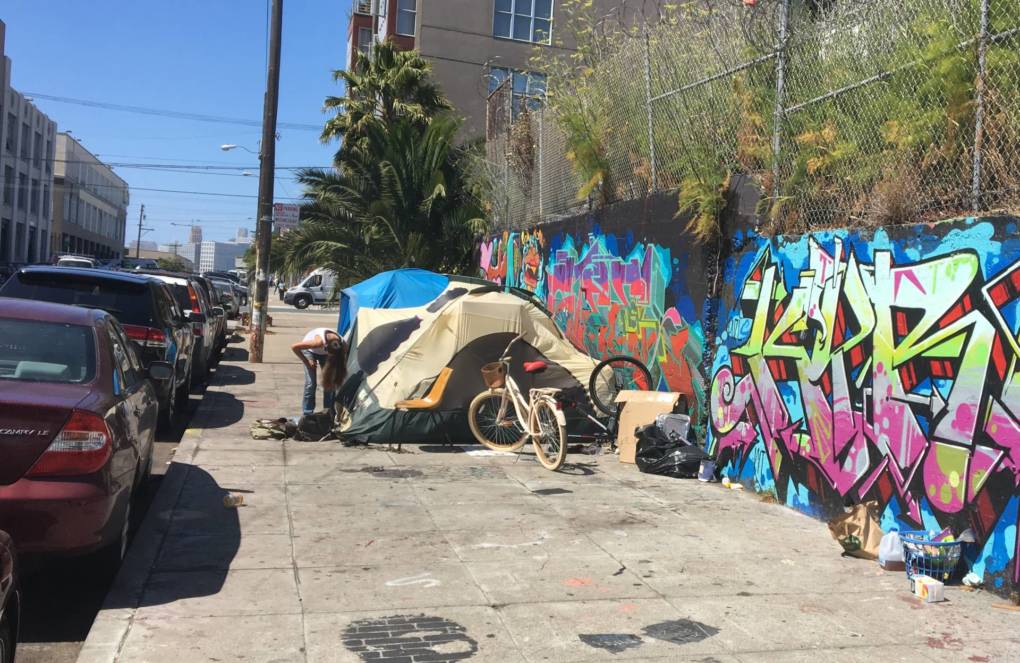
"caption": "A small homeless encampment on Florida Street in the Mission.",
"description": null,
"title": "homeless",
"credit": "Matthew Green/KQED",
"status": "inherit",
"isLoading": false,
"fetchFailed": false
},
"news_11762461": {
"type": "attachments",
"id": "news_11762461",
"meta": {
"index": "attachments_1716263798",
"site": "news",
"id": "11762461",
"found": true
},
"parent": 11762455,
"imgSizes": {
"apple_news_ca_landscape_5_5": {
"file": "https://ww2.kqed.org/app/uploads/sites/10/2019/07/housing3-1044x783.jpg",
"width": 1044,
"mimeType": "image/jpeg",
"height": 783
},
"apple_news_ca_square_4_0": {
"file": "https://ww2.kqed.org/app/uploads/sites/10/2019/07/housing3-470x470.jpg",
"width": 470,
"mimeType": "image/jpeg",
"height": 470
},
"twentyfourteen-full-width": {
"file": "https://ww2.kqed.org/app/uploads/sites/10/2019/07/housing3-1038x576.jpg",
"width": 1038,
"mimeType": "image/jpeg",
"height": 576
},
"thumbnail": {
"file": "https://ww2.kqed.org/app/uploads/sites/10/2019/07/housing3-160x69.jpg",
"width": 160,
"mimeType": "image/jpeg",
"height": 69
},
"post-thumbnail": {
"file": "https://ww2.kqed.org/app/uploads/sites/10/2019/07/housing3-672x372.jpg",
"width": 672,
"mimeType": "image/jpeg",
"height": 372
},
"kqedFullSize": {
"file": "https://ww2.kqed.org/app/uploads/sites/10/2019/07/housing3-e1563565015958.jpg",
"width": 1920,
"height": 823
},
"apple_news_ca_landscape_4_7": {
"file": "https://ww2.kqed.org/app/uploads/sites/10/2019/07/housing3-632x474.jpg",
"width": 632,
"mimeType": "image/jpeg",
"height": 474
},
"large": {
"file": "https://ww2.kqed.org/app/uploads/sites/10/2019/07/housing3-1020x437.jpg",
"width": 1020,
"mimeType": "image/jpeg",
"height": 437
},
"complete_open_graph": {
"file": "https://ww2.kqed.org/app/uploads/sites/10/2019/07/housing3-1200x514.jpg",
"width": 1200,
"mimeType": "image/jpeg",
"height": 514
},
"apple_news_ca_landscape_4_0": {
"file": "https://ww2.kqed.org/app/uploads/sites/10/2019/07/housing3-536x402.jpg",
"width": 536,
"mimeType": "image/jpeg",
"height": 402
},
"apple_news_ca_portrait_12_9": {
"file": "https://ww2.kqed.org/app/uploads/sites/10/2019/07/housing3-1122x1496.jpg",
"width": 1122,
"mimeType": "image/jpeg",
"height": 1496
},
"medium": {
"file": "https://ww2.kqed.org/app/uploads/sites/10/2019/07/housing3-800x343.jpg",
"width": 800,
"mimeType": "image/jpeg",
"height": 343
},
"apple_news_ca_portrait_4_0": {
"file": "https://ww2.kqed.org/app/uploads/sites/10/2019/07/housing3-354x472.jpg",
"width": 354,
"mimeType": "image/jpeg",
"height": 472
},
"apple_news_ca_portrait_9_7": {
"file": "https://ww2.kqed.org/app/uploads/sites/10/2019/07/housing3-840x1120.jpg",
"width": 840,
"mimeType": "image/jpeg",
"height": 1120
},
"apple_news_ca_landscape_12_9": {
"file": "https://ww2.kqed.org/app/uploads/sites/10/2019/07/housing3-1832x1374.jpg",
"width": 1832,
"mimeType": "image/jpeg",
"height": 1374
},
"apple_news_ca_square_9_7": {
"file": "https://ww2.kqed.org/app/uploads/sites/10/2019/07/housing3-1104x1104.jpg",
"width": 1104,
"mimeType": "image/jpeg",
"height": 1104
},
"apple_news_ca_portrait_4_7": {
"file": "https://ww2.kqed.org/app/uploads/sites/10/2019/07/housing3-414x552.jpg",
"width": 414,
"mimeType": "image/jpeg",
"height": 552
},
"apple_news_ca_square_12_9": {
"file": "https://ww2.kqed.org/app/uploads/sites/10/2019/07/housing3-1472x1472.jpg",
"width": 1472,
"mimeType": "image/jpeg",
"height": 1472
},
"apple_news_ca_portrait_5_5": {
"file": "https://ww2.kqed.org/app/uploads/sites/10/2019/07/housing3-687x916.jpg",
"width": 687,
"mimeType": "image/jpeg",
"height": 916
},
"full-width": {
"file": "https://ww2.kqed.org/app/uploads/sites/10/2019/07/housing3-1920x823.jpg",
"width": 1920,
"mimeType": "image/jpeg",
"height": 823
},
"apple_news_ca_square_4_7": {
"file": "https://ww2.kqed.org/app/uploads/sites/10/2019/07/housing3-550x550.jpg",
"width": 550,
"mimeType": "image/jpeg",
"height": 550
},
"apple_news_ca_landscape_9_7": {
"file": "https://ww2.kqed.org/app/uploads/sites/10/2019/07/housing3-1376x1032.jpg",
"width": 1376,
"mimeType": "image/jpeg",
"height": 1032
},
"apple_news_ca_square_5_5": {
"file": "https://ww2.kqed.org/app/uploads/sites/10/2019/07/housing3-912x912.jpg",
"width": 912,
"mimeType": "image/jpeg",
"height": 912
}
},
"publishDate": 1563564889,
"modified": 1563581830,
"caption": "A row of homes on Capp Street, between 22nd and 23rd streets, in San Francisco's Mission District.",
"description": "A row of homes on Capp Street, between 22nd and 23rd Streets, in San Francisco's Mission District.",
"title": "housing3",
"credit": "Chad McClymond/Wikimedia Commons",
"status": "inherit",
"isLoading": false,
"fetchFailed": false
},
"news_11762018": {
"type": "attachments",
"id": "news_11762018",
"meta": {
"index": "attachments_1716263798",
"site": "news",
"id": "11762018",
"found": true
},
"parent": 11761995,
"imgSizes": {
"apple_news_ca_landscape_5_5": {
"file": "https://ww2.kqed.org/app/uploads/sites/10/2019/07/renamingberkeley_071719_final-1044x783.jpg",
"width": 1044,
"mimeType": "image/jpeg",
"height": 783
},
"apple_news_ca_square_4_0": {
"file": "https://ww2.kqed.org/app/uploads/sites/10/2019/07/renamingberkeley_071719_final-470x470.jpg",
"width": 470,
"mimeType": "image/jpeg",
"height": 470
},
"twentyfourteen-full-width": {
"file": "https://ww2.kqed.org/app/uploads/sites/10/2019/07/renamingberkeley_071719_final-1038x576.jpg",
"width": 1038,
"mimeType": "image/jpeg",
"height": 576
},
"thumbnail": {
"file": "https://ww2.kqed.org/app/uploads/sites/10/2019/07/renamingberkeley_071719_final-160x115.jpg",
"width": 160,
"mimeType": "image/jpeg",
"height": 115
},
"post-thumbnail": {
"file": "https://ww2.kqed.org/app/uploads/sites/10/2019/07/renamingberkeley_071719_final-672x372.jpg",
"width": 672,
"mimeType": "image/jpeg",
"height": 372
},
"kqedFullSize": {
"file": "https://ww2.kqed.org/app/uploads/sites/10/2019/07/renamingberkeley_071719_final.jpg",
"width": 1920,
"height": 1381
},
"apple_news_ca_landscape_4_7": {
"file": "https://ww2.kqed.org/app/uploads/sites/10/2019/07/renamingberkeley_071719_final-632x474.jpg",
"width": 632,
"mimeType": "image/jpeg",
"height": 474
},
"large": {
"file": "https://ww2.kqed.org/app/uploads/sites/10/2019/07/renamingberkeley_071719_final-1020x734.jpg",
"width": 1020,
"mimeType": "image/jpeg",
"height": 734
},
"complete_open_graph": {
"file": "https://ww2.kqed.org/app/uploads/sites/10/2019/07/renamingberkeley_071719_final-1200x863.jpg",
"width": 1200,
"mimeType": "image/jpeg",
"height": 863
},
"apple_news_ca_landscape_4_0": {
"file": "https://ww2.kqed.org/app/uploads/sites/10/2019/07/renamingberkeley_071719_final-536x402.jpg",
"width": 536,
"mimeType": "image/jpeg",
"height": 402
},
"apple_news_ca_portrait_12_9": {
"file": "https://ww2.kqed.org/app/uploads/sites/10/2019/07/renamingberkeley_071719_final-1122x1381.jpg",
"width": 1122,
"mimeType": "image/jpeg",
"height": 1381
},
"medium": {
"file": "https://ww2.kqed.org/app/uploads/sites/10/2019/07/renamingberkeley_071719_final-800x575.jpg",
"width": 800,
"mimeType": "image/jpeg",
"height": 575
},
"apple_news_ca_portrait_4_0": {
"file": "https://ww2.kqed.org/app/uploads/sites/10/2019/07/renamingberkeley_071719_final-354x472.jpg",
"width": 354,
"mimeType": "image/jpeg",
"height": 472
},
"apple_news_ca_portrait_9_7": {
"file": "https://ww2.kqed.org/app/uploads/sites/10/2019/07/renamingberkeley_071719_final-840x1120.jpg",
"width": 840,
"mimeType": "image/jpeg",
"height": 1120
},
"apple_news_ca_landscape_12_9": {
"file": "https://ww2.kqed.org/app/uploads/sites/10/2019/07/renamingberkeley_071719_final-1832x1374.jpg",
"width": 1832,
"mimeType": "image/jpeg",
"height": 1374
},
"apple_news_ca_square_9_7": {
"file": "https://ww2.kqed.org/app/uploads/sites/10/2019/07/renamingberkeley_071719_final-1104x1104.jpg",
"width": 1104,
"mimeType": "image/jpeg",
"height": 1104
},
"apple_news_ca_portrait_4_7": {
"file": "https://ww2.kqed.org/app/uploads/sites/10/2019/07/renamingberkeley_071719_final-414x552.jpg",
"width": 414,
"mimeType": "image/jpeg",
"height": 552
},
"apple_news_ca_square_12_9": {
"file": "https://ww2.kqed.org/app/uploads/sites/10/2019/07/renamingberkeley_071719_final-1472x1381.jpg",
"width": 1472,
"mimeType": "image/jpeg",
"height": 1381
},
"apple_news_ca_portrait_5_5": {
"file": "https://ww2.kqed.org/app/uploads/sites/10/2019/07/renamingberkeley_071719_final-687x916.jpg",
"width": 687,
"mimeType": "image/jpeg",
"height": 916
},
"full-width": {
"file": "https://ww2.kqed.org/app/uploads/sites/10/2019/07/renamingberkeley_071719_final-1920x1381.jpg",
"width": 1920,
"mimeType": "image/jpeg",
"height": 1381
},
"apple_news_ca_square_4_7": {
"file": "https://ww2.kqed.org/app/uploads/sites/10/2019/07/renamingberkeley_071719_final-550x550.jpg",
"width": 550,
"mimeType": "image/jpeg",
"height": 550
},
"apple_news_ca_landscape_9_7": {
"file": "https://ww2.kqed.org/app/uploads/sites/10/2019/07/renamingberkeley_071719_final-1376x1032.jpg",
"width": 1376,
"mimeType": "image/jpeg",
"height": 1032
},
"apple_news_ca_square_5_5": {
"file": "https://ww2.kqed.org/app/uploads/sites/10/2019/07/renamingberkeley_071719_final-912x912.jpg",
"width": 912,
"mimeType": "image/jpeg",
"height": 912
}
},
"publishDate": 1563402828,
"modified": 1563402866,
"caption": null,
"description": null,
"title": "renamingberkeley_071719_final",
"credit": null,
"status": "inherit",
"isLoading": false,
"fetchFailed": false
},
"news_11761035": {
"type": "attachments",
"id": "news_11761035",
"meta": {
"index": "attachments_1716263798",
"site": "news",
"id": "11761035",
"found": true
},
"parent": 11760996,
"imgSizes": {
"apple_news_ca_landscape_5_5": {
"file": "https://ww2.kqed.org/app/uploads/sites/10/2019/07/07122019_navigation-center_safe-embarcadero-for-all_san-francisco_london-breed-1044x783.jpg",
"width": 1044,
"mimeType": "image/jpeg",
"height": 783
},
"apple_news_ca_square_4_0": {
"file": "https://ww2.kqed.org/app/uploads/sites/10/2019/07/07122019_navigation-center_safe-embarcadero-for-all_san-francisco_london-breed-470x470.jpg",
"width": 470,
"mimeType": "image/jpeg",
"height": 470
},
"twentyfourteen-full-width": {
"file": "https://ww2.kqed.org/app/uploads/sites/10/2019/07/07122019_navigation-center_safe-embarcadero-for-all_san-francisco_london-breed-1038x576.jpg",
"width": 1038,
"mimeType": "image/jpeg",
"height": 576
},
"thumbnail": {
"file": "https://ww2.kqed.org/app/uploads/sites/10/2019/07/07122019_navigation-center_safe-embarcadero-for-all_san-francisco_london-breed-160x107.jpg",
"width": 160,
"mimeType": "image/jpeg",
"height": 107
},
"post-thumbnail": {
"file": "https://ww2.kqed.org/app/uploads/sites/10/2019/07/07122019_navigation-center_safe-embarcadero-for-all_san-francisco_london-breed-672x372.jpg",
"width": 672,
"mimeType": "image/jpeg",
"height": 372
},
"kqedFullSize": {
"file": "https://ww2.kqed.org/app/uploads/sites/10/2019/07/07122019_navigation-center_safe-embarcadero-for-all_san-francisco_london-breed.jpg",
"width": 1920,
"height": 1280
},
"apple_news_ca_landscape_4_7": {
"file": "https://ww2.kqed.org/app/uploads/sites/10/2019/07/07122019_navigation-center_safe-embarcadero-for-all_san-francisco_london-breed-632x474.jpg",
"width": 632,
"mimeType": "image/jpeg",
"height": 474
},
"large": {
"file": "https://ww2.kqed.org/app/uploads/sites/10/2019/07/07122019_navigation-center_safe-embarcadero-for-all_san-francisco_london-breed-1020x680.jpg",
"width": 1020,
"mimeType": "image/jpeg",
"height": 680
},
"complete_open_graph": {
"file": "https://ww2.kqed.org/app/uploads/sites/10/2019/07/07122019_navigation-center_safe-embarcadero-for-all_san-francisco_london-breed-1200x800.jpg",
"width": 1200,
"mimeType": "image/jpeg",
"height": 800
},
"apple_news_ca_landscape_4_0": {
"file": "https://ww2.kqed.org/app/uploads/sites/10/2019/07/07122019_navigation-center_safe-embarcadero-for-all_san-francisco_london-breed-536x402.jpg",
"width": 536,
"mimeType": "image/jpeg",
"height": 402
},
"apple_news_ca_portrait_12_9": {
"file": "https://ww2.kqed.org/app/uploads/sites/10/2019/07/07122019_navigation-center_safe-embarcadero-for-all_san-francisco_london-breed-1122x1280.jpg",
"width": 1122,
"mimeType": "image/jpeg",
"height": 1280
},
"medium": {
"file": "https://ww2.kqed.org/app/uploads/sites/10/2019/07/07122019_navigation-center_safe-embarcadero-for-all_san-francisco_london-breed-800x533.jpg",
"width": 800,
"mimeType": "image/jpeg",
"height": 533
},
"apple_news_ca_portrait_4_0": {
"file": "https://ww2.kqed.org/app/uploads/sites/10/2019/07/07122019_navigation-center_safe-embarcadero-for-all_san-francisco_london-breed-354x472.jpg",
"width": 354,
"mimeType": "image/jpeg",
"height": 472
},
"apple_news_ca_portrait_9_7": {
"file": "https://ww2.kqed.org/app/uploads/sites/10/2019/07/07122019_navigation-center_safe-embarcadero-for-all_san-francisco_london-breed-840x1120.jpg",
"width": 840,
"mimeType": "image/jpeg",
"height": 1120
},
"apple_news_ca_landscape_12_9": {
"file": "https://ww2.kqed.org/app/uploads/sites/10/2019/07/07122019_navigation-center_safe-embarcadero-for-all_san-francisco_london-breed-1832x1280.jpg",
"width": 1832,
"mimeType": "image/jpeg",
"height": 1280
},
"apple_news_ca_square_9_7": {
"file": "https://ww2.kqed.org/app/uploads/sites/10/2019/07/07122019_navigation-center_safe-embarcadero-for-all_san-francisco_london-breed-1104x1104.jpg",
"width": 1104,
"mimeType": "image/jpeg",
"height": 1104
},
"apple_news_ca_portrait_4_7": {
"file": "https://ww2.kqed.org/app/uploads/sites/10/2019/07/07122019_navigation-center_safe-embarcadero-for-all_san-francisco_london-breed-414x552.jpg",
"width": 414,
"mimeType": "image/jpeg",
"height": 552
},
"apple_news_ca_square_12_9": {
"file": "https://ww2.kqed.org/app/uploads/sites/10/2019/07/07122019_navigation-center_safe-embarcadero-for-all_san-francisco_london-breed-1472x1280.jpg",
"width": 1472,
"mimeType": "image/jpeg",
"height": 1280
},
"apple_news_ca_portrait_5_5": {
"file": "https://ww2.kqed.org/app/uploads/sites/10/2019/07/07122019_navigation-center_safe-embarcadero-for-all_san-francisco_london-breed-687x916.jpg",
"width": 687,
"mimeType": "image/jpeg",
"height": 916
},
"full-width": {
"file": "https://ww2.kqed.org/app/uploads/sites/10/2019/07/07122019_navigation-center_safe-embarcadero-for-all_san-francisco_london-breed-1920x1280.jpg",
"width": 1920,
"mimeType": "image/jpeg",
"height": 1280
},
"apple_news_ca_square_4_7": {
"file": "https://ww2.kqed.org/app/uploads/sites/10/2019/07/07122019_navigation-center_safe-embarcadero-for-all_san-francisco_london-breed-550x550.jpg",
"width": 550,
"mimeType": "image/jpeg",
"height": 550
},
"apple_news_ca_landscape_9_7": {
"file": "https://ww2.kqed.org/app/uploads/sites/10/2019/07/07122019_navigation-center_safe-embarcadero-for-all_san-francisco_london-breed-1376x1032.jpg",
"width": 1376,
"mimeType": "image/jpeg",
"height": 1032
},
"apple_news_ca_square_5_5": {
"file": "https://ww2.kqed.org/app/uploads/sites/10/2019/07/07122019_navigation-center_safe-embarcadero-for-all_san-francisco_london-breed-912x912.jpg",
"width": 912,
"mimeType": "image/jpeg",
"height": 912
}
},
"publishDate": 1562975570,
"modified": 1562978972,
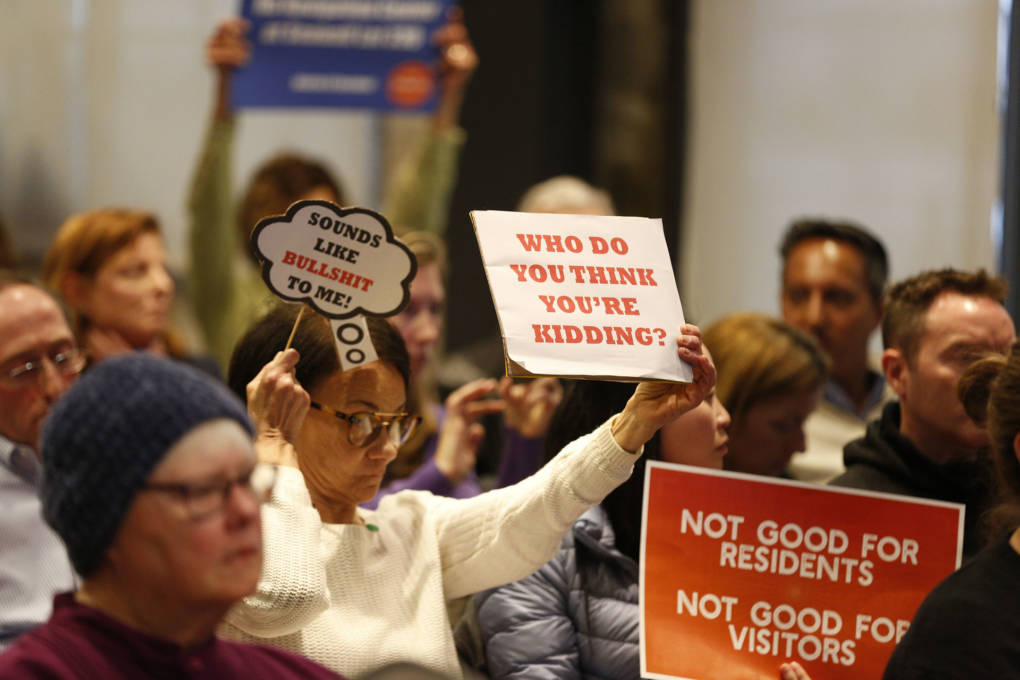
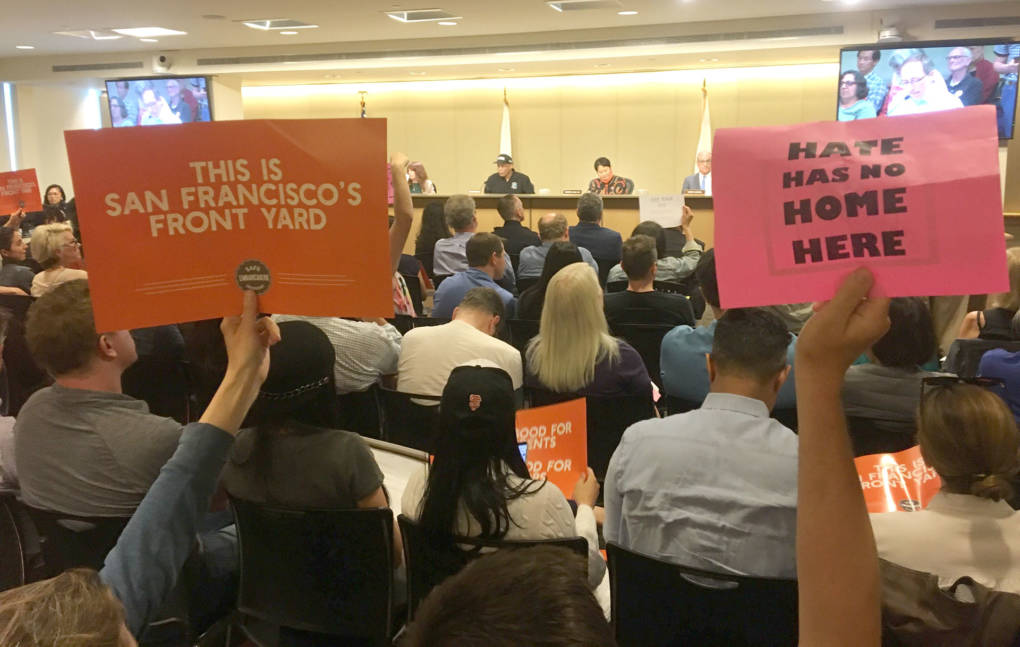
"caption": "South Beach, Rincon Hill and Mission Bay community members hold signs at a meeting between their neighborhood association and city officials on April 15, 2019.",
"description": "The South Beach, Rincon and Mission Bay community members hold signs at a meting their Neighborhood Association held with City Officials at the Port Of San Francisco, Bayside Conference Room, Pier 1 on April 15, 2019.",
"title": "07122019_navigation center_safe embarcadero for all_san francisco_london breed",
"credit": "Stephanie Lister/KQED",
"status": "inherit",
"isLoading": false,
"fetchFailed": false
},
"news_11740472": {
"type": "attachments",
"id": "news_11740472",
"meta": {
"index": "attachments_1716263798",
"site": "news",
"id": "11740472",
"found": true
},
"parent": 11740443,
"imgSizes": {
"apple_news_ca_landscape_5_5": {
"file": "https://ww2.kqed.org/app/uploads/sites/10/2019/04/navigation-center-20190415-1044x783.jpg",
"width": 1044,
"mimeType": "image/jpeg",
"height": 783
},
"apple_news_ca_square_4_0": {
"file": "https://ww2.kqed.org/app/uploads/sites/10/2019/04/navigation-center-20190415-470x470.jpg",
"width": 470,
"mimeType": "image/jpeg",
"height": 470
},
"twentyfourteen-full-width": {
"file": "https://ww2.kqed.org/app/uploads/sites/10/2019/04/navigation-center-20190415-1038x576.jpg",
"width": 1038,
"mimeType": "image/jpeg",
"height": 576
},
"thumbnail": {
"file": "https://ww2.kqed.org/app/uploads/sites/10/2019/04/navigation-center-20190415-160x107.jpg",
"width": 160,
"mimeType": "image/jpeg",
"height": 107
},
"post-thumbnail": {
"file": "https://ww2.kqed.org/app/uploads/sites/10/2019/04/navigation-center-20190415-672x372.jpg",
"width": 672,
"mimeType": "image/jpeg",
"height": 372
},
"kqedFullSize": {
"file": "https://ww2.kqed.org/app/uploads/sites/10/2019/04/navigation-center-20190415.jpg",
"width": 1920,
"height": 1280
},
"apple_news_ca_landscape_4_7": {
"file": "https://ww2.kqed.org/app/uploads/sites/10/2019/04/navigation-center-20190415-632x474.jpg",
"width": 632,
"mimeType": "image/jpeg",
"height": 474
},
"large": {
"file": "https://ww2.kqed.org/app/uploads/sites/10/2019/04/navigation-center-20190415-1020x680.jpg",
"width": 1020,
"mimeType": "image/jpeg",
"height": 680
},
"complete_open_graph": {
"file": "https://ww2.kqed.org/app/uploads/sites/10/2019/04/navigation-center-20190415-1200x800.jpg",
"width": 1200,
"mimeType": "image/jpeg",
"height": 800
},
"apple_news_ca_landscape_4_0": {
"file": "https://ww2.kqed.org/app/uploads/sites/10/2019/04/navigation-center-20190415-536x402.jpg",
"width": 536,
"mimeType": "image/jpeg",
"height": 402
},
"apple_news_ca_portrait_12_9": {
"file": "https://ww2.kqed.org/app/uploads/sites/10/2019/04/navigation-center-20190415-1122x1280.jpg",
"width": 1122,
"mimeType": "image/jpeg",
"height": 1280
},
"medium": {
"file": "https://ww2.kqed.org/app/uploads/sites/10/2019/04/navigation-center-20190415-800x533.jpg",
"width": 800,
"mimeType": "image/jpeg",
"height": 533
},
"apple_news_ca_portrait_4_0": {
"file": "https://ww2.kqed.org/app/uploads/sites/10/2019/04/navigation-center-20190415-354x472.jpg",
"width": 354,
"mimeType": "image/jpeg",
"height": 472
},
"apple_news_ca_portrait_9_7": {
"file": "https://ww2.kqed.org/app/uploads/sites/10/2019/04/navigation-center-20190415-840x1120.jpg",
"width": 840,
"mimeType": "image/jpeg",
"height": 1120
},
"apple_news_ca_landscape_12_9": {
"file": "https://ww2.kqed.org/app/uploads/sites/10/2019/04/navigation-center-20190415-1832x1280.jpg",
"width": 1832,
"mimeType": "image/jpeg",
"height": 1280
},
"apple_news_ca_square_9_7": {
"file": "https://ww2.kqed.org/app/uploads/sites/10/2019/04/navigation-center-20190415-1104x1104.jpg",
"width": 1104,
"mimeType": "image/jpeg",
"height": 1104
},
"apple_news_ca_portrait_4_7": {
"file": "https://ww2.kqed.org/app/uploads/sites/10/2019/04/navigation-center-20190415-414x552.jpg",
"width": 414,
"mimeType": "image/jpeg",
"height": 552
},
"apple_news_ca_square_12_9": {
"file": "https://ww2.kqed.org/app/uploads/sites/10/2019/04/navigation-center-20190415-1472x1280.jpg",
"width": 1472,
"mimeType": "image/jpeg",
"height": 1280
},
"apple_news_ca_portrait_5_5": {
"file": "https://ww2.kqed.org/app/uploads/sites/10/2019/04/navigation-center-20190415-687x916.jpg",
"width": 687,
"mimeType": "image/jpeg",
"height": 916
},
"full-width": {
"file": "https://ww2.kqed.org/app/uploads/sites/10/2019/04/navigation-center-20190415-1920x1280.jpg",
"width": 1920,
"mimeType": "image/jpeg",
"height": 1280
},
"apple_news_ca_square_4_7": {
"file": "https://ww2.kqed.org/app/uploads/sites/10/2019/04/navigation-center-20190415-550x550.jpg",
"width": 550,
"mimeType": "image/jpeg",
"height": 550
},
"apple_news_ca_landscape_9_7": {
"file": "https://ww2.kqed.org/app/uploads/sites/10/2019/04/navigation-center-20190415-1376x1032.jpg",
"width": 1376,
"mimeType": "image/jpeg",
"height": 1032
},
"apple_news_ca_square_5_5": {
"file": "https://ww2.kqed.org/app/uploads/sites/10/2019/04/navigation-center-20190415-912x912.jpg",
"width": 912,
"mimeType": "image/jpeg",
"height": 912
}
},
"publishDate": 1555421889,
"modified": 1562862101,
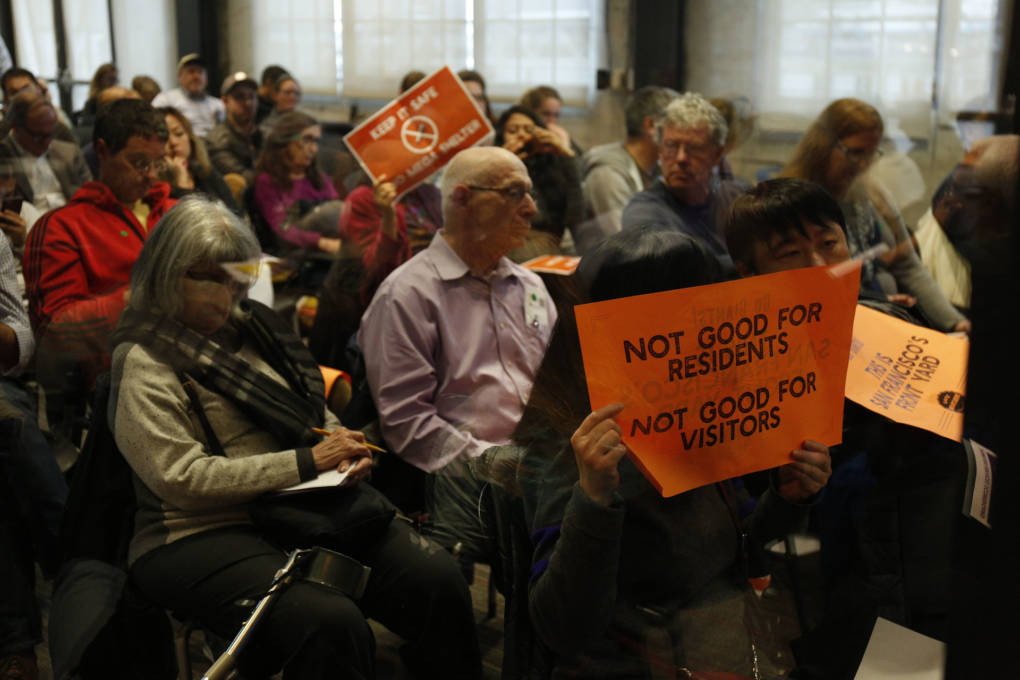
"caption": "South Beach, Rincon Hill and Mission Bay residents who oppose the proposed Embarcadero navigation center demonstrate at a neighborhood association meeting with city officials on April 15, 2019.",
"description": "South Beach, Rincon and Mission Bay community members hold signs at a meeting their neighborhood association held with city ffficials at the Port Of San Francisco, Bayside Conference Room, Pier 1 on April 15, 2019.",
"title": "navigation-center-20190415",
"credit": "Stephanie Lister/KQED",
"status": "inherit",
"isLoading": false,
"fetchFailed": false
},
"news_11760043": {
"type": "attachments",
"id": "news_11760043",
"meta": {
"index": "attachments_1716263798",
"site": "news",
"id": "11760043",
"found": true
},
"parent": 11759895,
"imgSizes": {
"apple_news_ca_landscape_5_5": {
"file": "https://ww2.kqed.org/app/uploads/sites/10/2019/07/07092019_HUD-Ben-Carson-Housing-Immigrants-Los-Angeles-California-qut-1044x783.jpg",
"width": 1044,
"mimeType": "image/jpeg",
"height": 783
},
"apple_news_ca_square_4_0": {
"file": "https://ww2.kqed.org/app/uploads/sites/10/2019/07/07092019_HUD-Ben-Carson-Housing-Immigrants-Los-Angeles-California-qut-470x470.jpg",
"width": 470,
"mimeType": "image/jpeg",
"height": 470
},
"twentyfourteen-full-width": {
"file": "https://ww2.kqed.org/app/uploads/sites/10/2019/07/07092019_HUD-Ben-Carson-Housing-Immigrants-Los-Angeles-California-qut-1038x576.jpg",
"width": 1038,
"mimeType": "image/jpeg",
"height": 576
},
"thumbnail": {
"file": "https://ww2.kqed.org/app/uploads/sites/10/2019/07/07092019_HUD-Ben-Carson-Housing-Immigrants-Los-Angeles-California-qut-160x106.jpg",
"width": 160,
"mimeType": "image/jpeg",
"height": 106
},
"post-thumbnail": {
"file": "https://ww2.kqed.org/app/uploads/sites/10/2019/07/07092019_HUD-Ben-Carson-Housing-Immigrants-Los-Angeles-California-qut-672x372.jpg",
"width": 672,
"mimeType": "image/jpeg",
"height": 372
},
"kqedFullSize": {
"file": "https://ww2.kqed.org/app/uploads/sites/10/2019/07/07092019_HUD-Ben-Carson-Housing-Immigrants-Los-Angeles-California-qut.jpg",
"width": 1920,
"height": 1275
},
"apple_news_ca_landscape_4_7": {
"file": "https://ww2.kqed.org/app/uploads/sites/10/2019/07/07092019_HUD-Ben-Carson-Housing-Immigrants-Los-Angeles-California-qut-632x474.jpg",
"width": 632,
"mimeType": "image/jpeg",
"height": 474
},
"large": {
"file": "https://ww2.kqed.org/app/uploads/sites/10/2019/07/07092019_HUD-Ben-Carson-Housing-Immigrants-Los-Angeles-California-qut-1020x677.jpg",
"width": 1020,
"mimeType": "image/jpeg",
"height": 677
},
"complete_open_graph": {
"file": "https://ww2.kqed.org/app/uploads/sites/10/2019/07/07092019_HUD-Ben-Carson-Housing-Immigrants-Los-Angeles-California-qut-1200x797.jpg",
"width": 1200,
"mimeType": "image/jpeg",
"height": 797
},
"apple_news_ca_landscape_4_0": {
"file": "https://ww2.kqed.org/app/uploads/sites/10/2019/07/07092019_HUD-Ben-Carson-Housing-Immigrants-Los-Angeles-California-qut-536x402.jpg",
"width": 536,
"mimeType": "image/jpeg",
"height": 402
},
"apple_news_ca_portrait_12_9": {
"file": "https://ww2.kqed.org/app/uploads/sites/10/2019/07/07092019_HUD-Ben-Carson-Housing-Immigrants-Los-Angeles-California-qut-1122x1275.jpg",
"width": 1122,
"mimeType": "image/jpeg",
"height": 1275
},
"medium": {
"file": "https://ww2.kqed.org/app/uploads/sites/10/2019/07/07092019_HUD-Ben-Carson-Housing-Immigrants-Los-Angeles-California-qut-800x531.jpg",
"width": 800,
"mimeType": "image/jpeg",
"height": 531
},
"apple_news_ca_portrait_4_0": {
"file": "https://ww2.kqed.org/app/uploads/sites/10/2019/07/07092019_HUD-Ben-Carson-Housing-Immigrants-Los-Angeles-California-qut-354x472.jpg",
"width": 354,
"mimeType": "image/jpeg",
"height": 472
},
"apple_news_ca_portrait_9_7": {
"file": "https://ww2.kqed.org/app/uploads/sites/10/2019/07/07092019_HUD-Ben-Carson-Housing-Immigrants-Los-Angeles-California-qut-840x1120.jpg",
"width": 840,
"mimeType": "image/jpeg",
"height": 1120
},
"apple_news_ca_landscape_12_9": {
"file": "https://ww2.kqed.org/app/uploads/sites/10/2019/07/07092019_HUD-Ben-Carson-Housing-Immigrants-Los-Angeles-California-qut-1832x1275.jpg",
"width": 1832,
"mimeType": "image/jpeg",
"height": 1275
},
"apple_news_ca_square_9_7": {
"file": "https://ww2.kqed.org/app/uploads/sites/10/2019/07/07092019_HUD-Ben-Carson-Housing-Immigrants-Los-Angeles-California-qut-1104x1104.jpg",
"width": 1104,
"mimeType": "image/jpeg",
"height": 1104
},
"apple_news_ca_portrait_4_7": {
"file": "https://ww2.kqed.org/app/uploads/sites/10/2019/07/07092019_HUD-Ben-Carson-Housing-Immigrants-Los-Angeles-California-qut-414x552.jpg",
"width": 414,
"mimeType": "image/jpeg",
"height": 552
},
"apple_news_ca_square_12_9": {
"file": "https://ww2.kqed.org/app/uploads/sites/10/2019/07/07092019_HUD-Ben-Carson-Housing-Immigrants-Los-Angeles-California-qut-1472x1275.jpg",
"width": 1472,
"mimeType": "image/jpeg",
"height": 1275
},
"apple_news_ca_portrait_5_5": {
"file": "https://ww2.kqed.org/app/uploads/sites/10/2019/07/07092019_HUD-Ben-Carson-Housing-Immigrants-Los-Angeles-California-qut-687x916.jpg",
"width": 687,
"mimeType": "image/jpeg",
"height": 916
},
"full-width": {
"file": "https://ww2.kqed.org/app/uploads/sites/10/2019/07/07092019_HUD-Ben-Carson-Housing-Immigrants-Los-Angeles-California-qut-1920x1275.jpg",
"width": 1920,
"mimeType": "image/jpeg",
"height": 1275
},
"apple_news_ca_square_4_7": {
"file": "https://ww2.kqed.org/app/uploads/sites/10/2019/07/07092019_HUD-Ben-Carson-Housing-Immigrants-Los-Angeles-California-qut-550x550.jpg",
"width": 550,
"mimeType": "image/jpeg",
"height": 550
},
"apple_news_ca_landscape_9_7": {
"file": "https://ww2.kqed.org/app/uploads/sites/10/2019/07/07092019_HUD-Ben-Carson-Housing-Immigrants-Los-Angeles-California-qut-1376x1032.jpg",
"width": 1376,
"mimeType": "image/jpeg",
"height": 1032
},
"apple_news_ca_square_5_5": {
"file": "https://ww2.kqed.org/app/uploads/sites/10/2019/07/07092019_HUD-Ben-Carson-Housing-Immigrants-Los-Angeles-California-qut-912x912.jpg",
"width": 912,
"mimeType": "image/jpeg",
"height": 912
}
},
"publishDate": 1562712443,
"modified": 1562713936,
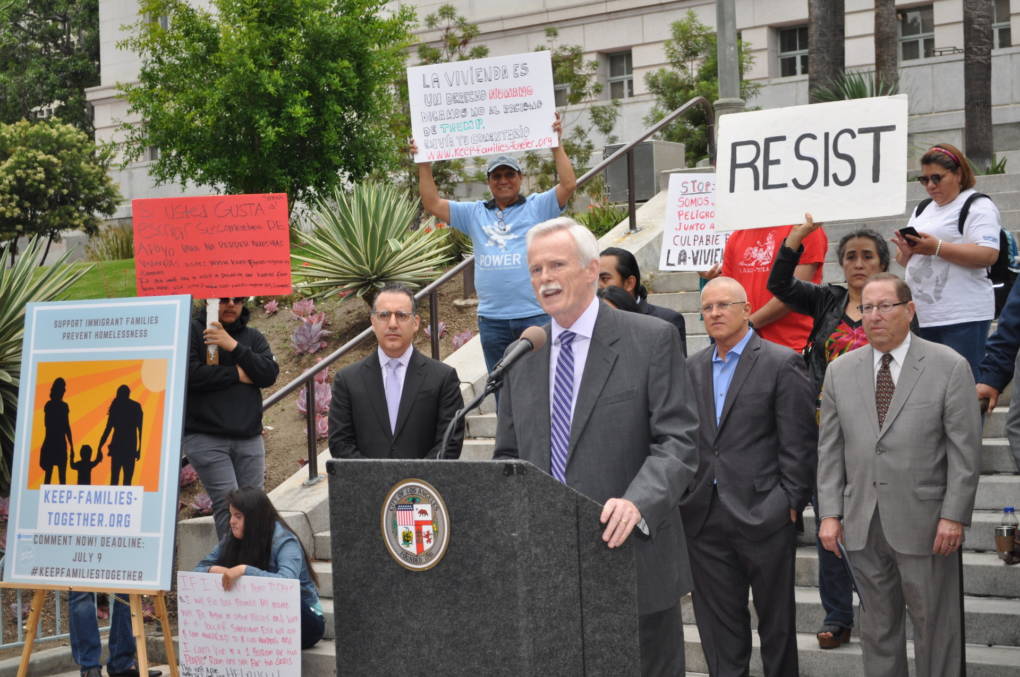
"caption": "Doug Guthrie, president and CEO of the Housing Authority of the City of Los Angeles, speaks on June 28, 2019, against a proposed rule that would deny federally subsidized housing to thousands of people, many of them U.S. citizen children.",
"description": "Doug Guthrie, president and CEO of the Housing Authority of the City of Los Angeles speaks on June 26, 2019 at city hall against a proposed rule that would deny federally subsidized housing to thousands of people, many of them U.S. citizen children.",
"title": "07092019_HUD Ben Carson Housing Immigrants Los Angeles California-qut",
"credit": "Housing Authority of the City of Los Angeles",
"status": "inherit",
"isLoading": false,
"fetchFailed": false
},
"news_11756788": {
"type": "attachments",
"id": "news_11756788",
"meta": {
"index": "attachments_1716263798",
"site": "news",
"id": "11756788",
"found": true
},
"parent": 11756785,
"imgSizes": {
"apple_news_ca_landscape_5_5": {
"file": "https://ww2.kqed.org/app/uploads/sites/10/2019/06/RS37871_IMG_5653-qut-1044x783.jpg",
"width": 1044,
"mimeType": "image/jpeg",
"height": 783
},
"apple_news_ca_square_4_0": {
"file": "https://ww2.kqed.org/app/uploads/sites/10/2019/06/RS37871_IMG_5653-qut-470x470.jpg",
"width": 470,
"mimeType": "image/jpeg",
"height": 470
},
"twentyfourteen-full-width": {
"file": "https://ww2.kqed.org/app/uploads/sites/10/2019/06/RS37871_IMG_5653-qut-1038x576.jpg",
"width": 1038,
"mimeType": "image/jpeg",
"height": 576
},
"thumbnail": {
"file": "https://ww2.kqed.org/app/uploads/sites/10/2019/06/RS37871_IMG_5653-qut-160x120.jpg",
"width": 160,
"mimeType": "image/jpeg",
"height": 120
},
"post-thumbnail": {
"file": "https://ww2.kqed.org/app/uploads/sites/10/2019/06/RS37871_IMG_5653-qut-672x372.jpg",
"width": 672,
"mimeType": "image/jpeg",
"height": 372
},
"kqedFullSize": {
"file": "https://ww2.kqed.org/app/uploads/sites/10/2019/06/RS37871_IMG_5653-qut.jpg",
"width": 1920,
"height": 1440
},
"apple_news_ca_landscape_4_7": {
"file": "https://ww2.kqed.org/app/uploads/sites/10/2019/06/RS37871_IMG_5653-qut-632x474.jpg",
"width": 632,
"mimeType": "image/jpeg",
"height": 474
},
"large": {
"file": "https://ww2.kqed.org/app/uploads/sites/10/2019/06/RS37871_IMG_5653-qut-1020x765.jpg",
"width": 1020,
"mimeType": "image/jpeg",
"height": 765
},
"complete_open_graph": {
"file": "https://ww2.kqed.org/app/uploads/sites/10/2019/06/RS37871_IMG_5653-qut-1200x900.jpg",
"width": 1200,
"mimeType": "image/jpeg",
"height": 900
},
"apple_news_ca_landscape_4_0": {
"file": "https://ww2.kqed.org/app/uploads/sites/10/2019/06/RS37871_IMG_5653-qut-536x402.jpg",
"width": 536,
"mimeType": "image/jpeg",
"height": 402
},
"apple_news_ca_portrait_12_9": {
"file": "https://ww2.kqed.org/app/uploads/sites/10/2019/06/RS37871_IMG_5653-qut-1122x1440.jpg",
"width": 1122,
"mimeType": "image/jpeg",
"height": 1440
},
"medium": {
"file": "https://ww2.kqed.org/app/uploads/sites/10/2019/06/RS37871_IMG_5653-qut-800x600.jpg",
"width": 800,
"mimeType": "image/jpeg",
"height": 600
},
"apple_news_ca_portrait_4_0": {
"file": "https://ww2.kqed.org/app/uploads/sites/10/2019/06/RS37871_IMG_5653-qut-354x472.jpg",
"width": 354,
"mimeType": "image/jpeg",
"height": 472
},
"apple_news_ca_portrait_9_7": {
"file": "https://ww2.kqed.org/app/uploads/sites/10/2019/06/RS37871_IMG_5653-qut-840x1120.jpg",
"width": 840,
"mimeType": "image/jpeg",
"height": 1120
},
"apple_news_ca_landscape_12_9": {
"file": "https://ww2.kqed.org/app/uploads/sites/10/2019/06/RS37871_IMG_5653-qut-1832x1374.jpg",
"width": 1832,
"mimeType": "image/jpeg",
"height": 1374
},
"apple_news_ca_square_9_7": {
"file": "https://ww2.kqed.org/app/uploads/sites/10/2019/06/RS37871_IMG_5653-qut-1104x1104.jpg",
"width": 1104,
"mimeType": "image/jpeg",
"height": 1104
},
"apple_news_ca_portrait_4_7": {
"file": "https://ww2.kqed.org/app/uploads/sites/10/2019/06/RS37871_IMG_5653-qut-414x552.jpg",
"width": 414,
"mimeType": "image/jpeg",
"height": 552
},
"apple_news_ca_square_12_9": {
"file": "https://ww2.kqed.org/app/uploads/sites/10/2019/06/RS37871_IMG_5653-qut-1472x1440.jpg",
"width": 1472,
"mimeType": "image/jpeg",
"height": 1440
},
"apple_news_ca_portrait_5_5": {
"file": "https://ww2.kqed.org/app/uploads/sites/10/2019/06/RS37871_IMG_5653-qut-687x916.jpg",
"width": 687,
"mimeType": "image/jpeg",
"height": 916
},
"full-width": {
"file": "https://ww2.kqed.org/app/uploads/sites/10/2019/06/RS37871_IMG_5653-qut-1920x1440.jpg",
"width": 1920,
"mimeType": "image/jpeg",
"height": 1440
},
"apple_news_ca_square_4_7": {
"file": "https://ww2.kqed.org/app/uploads/sites/10/2019/06/RS37871_IMG_5653-qut-550x550.jpg",
"width": 550,
"mimeType": "image/jpeg",
"height": 550
},
"apple_news_ca_landscape_9_7": {
"file": "https://ww2.kqed.org/app/uploads/sites/10/2019/06/RS37871_IMG_5653-qut-1376x1032.jpg",
"width": 1376,
"mimeType": "image/jpeg",
"height": 1032
},
"apple_news_ca_square_5_5": {
"file": "https://ww2.kqed.org/app/uploads/sites/10/2019/06/RS37871_IMG_5653-qut-912x912.jpg",
"width": 912,
"mimeType": "image/jpeg",
"height": 912
}
},
"publishDate": 1561340901,
"modified": 1561423186,
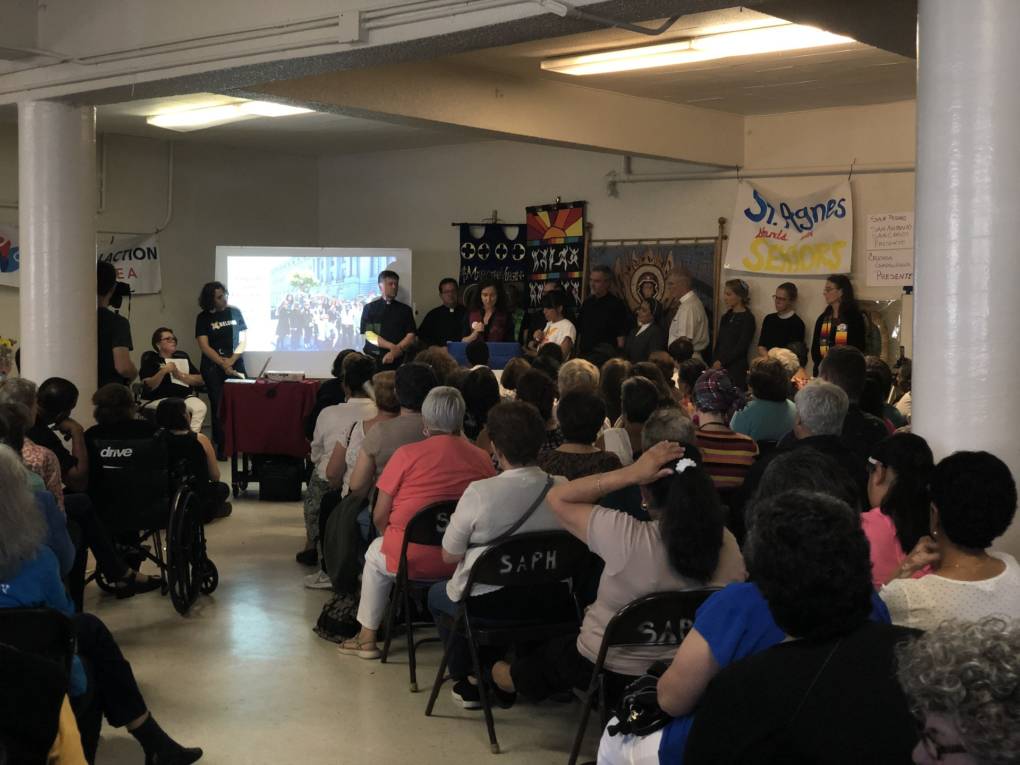
"caption": "Mission activists demand affordable housing for the neighborhood's seniors during a community meeting at St. Anthony of Padua Church on June 24, 2019.",
"description": null,
"title": "RS37871_IMG_5653-qut",
"credit": "Liliana Michelena/KQED",
"status": "inherit",
"isLoading": false,
"fetchFailed": false
},
"news_11756517": {
"type": "attachments",
"id": "news_11756517",
"meta": {
"index": "attachments_1716263798",
"site": "news",
"id": "11756517",
"found": true
},
"parent": 11756413,
"imgSizes": {
"apple_news_ca_landscape_5_5": {
"file": "https://ww2.kqed.org/app/uploads/sites/10/2019/06/Marquee_NR634-1044x783.jpg",
"width": 1044,
"mimeType": "image/jpeg",
"height": 783
},
"apple_news_ca_square_4_0": {
"file": "https://ww2.kqed.org/app/uploads/sites/10/2019/06/Marquee_NR634-470x470.jpg",
"width": 470,
"mimeType": "image/jpeg",
"height": 470
},
"twentyfourteen-full-width": {
"file": "https://ww2.kqed.org/app/uploads/sites/10/2019/06/Marquee_NR634-1038x576.jpg",
"width": 1038,
"mimeType": "image/jpeg",
"height": 576
},
"thumbnail": {
"file": "https://ww2.kqed.org/app/uploads/sites/10/2019/06/Marquee_NR634-160x90.jpg",
"width": 160,
"mimeType": "image/jpeg",
"height": 90
},
"post-thumbnail": {
"file": "https://ww2.kqed.org/app/uploads/sites/10/2019/06/Marquee_NR634-672x372.jpg",
"width": 672,
"mimeType": "image/jpeg",
"height": 372
},
"kqedFullSize": {
"file": "https://ww2.kqed.org/app/uploads/sites/10/2019/06/Marquee_NR634.jpg",
"width": 1920,
"height": 1080
},
"apple_news_ca_landscape_4_7": {
"file": "https://ww2.kqed.org/app/uploads/sites/10/2019/06/Marquee_NR634-632x474.jpg",
"width": 632,
"mimeType": "image/jpeg",
"height": 474
},
"large": {
"file": "https://ww2.kqed.org/app/uploads/sites/10/2019/06/Marquee_NR634-1020x574.jpg",
"width": 1020,
"mimeType": "image/jpeg",
"height": 574
},
"complete_open_graph": {
"file": "https://ww2.kqed.org/app/uploads/sites/10/2019/06/Marquee_NR634-1200x675.jpg",
"width": 1200,
"mimeType": "image/jpeg",
"height": 675
},
"apple_news_ca_landscape_4_0": {
"file": "https://ww2.kqed.org/app/uploads/sites/10/2019/06/Marquee_NR634-536x402.jpg",
"width": 536,
"mimeType": "image/jpeg",
"height": 402
},
"apple_news_ca_portrait_12_9": {
"file": "https://ww2.kqed.org/app/uploads/sites/10/2019/06/Marquee_NR634-1122x1080.jpg",
"width": 1122,
"mimeType": "image/jpeg",
"height": 1080
},
"medium": {
"file": "https://ww2.kqed.org/app/uploads/sites/10/2019/06/Marquee_NR634-800x450.jpg",
"width": 800,
"mimeType": "image/jpeg",
"height": 450
},
"apple_news_ca_portrait_4_0": {
"file": "https://ww2.kqed.org/app/uploads/sites/10/2019/06/Marquee_NR634-354x472.jpg",
"width": 354,
"mimeType": "image/jpeg",
"height": 472
},
"apple_news_ca_portrait_9_7": {
"file": "https://ww2.kqed.org/app/uploads/sites/10/2019/06/Marquee_NR634-840x1080.jpg",
"width": 840,
"mimeType": "image/jpeg",
"height": 1080
},
"apple_news_ca_landscape_12_9": {
"file": "https://ww2.kqed.org/app/uploads/sites/10/2019/06/Marquee_NR634-1832x1080.jpg",
"width": 1832,
"mimeType": "image/jpeg",
"height": 1080
},
"apple_news_ca_square_9_7": {
"file": "https://ww2.kqed.org/app/uploads/sites/10/2019/06/Marquee_NR634-1104x1080.jpg",
"width": 1104,
"mimeType": "image/jpeg",
"height": 1080
},
"apple_news_ca_portrait_4_7": {
"file": "https://ww2.kqed.org/app/uploads/sites/10/2019/06/Marquee_NR634-414x552.jpg",
"width": 414,
"mimeType": "image/jpeg",
"height": 552
},
"apple_news_ca_square_12_9": {
"file": "https://ww2.kqed.org/app/uploads/sites/10/2019/06/Marquee_NR634-1472x1080.jpg",
"width": 1472,
"mimeType": "image/jpeg",
"height": 1080
},
"apple_news_ca_portrait_5_5": {
"file": "https://ww2.kqed.org/app/uploads/sites/10/2019/06/Marquee_NR634-687x916.jpg",
"width": 687,
"mimeType": "image/jpeg",
"height": 916
},
"full-width": {
"file": "https://ww2.kqed.org/app/uploads/sites/10/2019/06/Marquee_NR634-1920x1080.jpg",
"width": 1920,
"mimeType": "image/jpeg",
"height": 1080
},
"apple_news_ca_square_4_7": {
"file": "https://ww2.kqed.org/app/uploads/sites/10/2019/06/Marquee_NR634-550x550.jpg",
"width": 550,
"mimeType": "image/jpeg",
"height": 550
},
"apple_news_ca_landscape_9_7": {
"file": "https://ww2.kqed.org/app/uploads/sites/10/2019/06/Marquee_NR634-1376x1032.jpg",
"width": 1376,
"mimeType": "image/jpeg",
"height": 1032
},
"apple_news_ca_square_5_5": {
"file": "https://ww2.kqed.org/app/uploads/sites/10/2019/06/Marquee_NR634-912x912.jpg",
"width": 912,
"mimeType": "image/jpeg",
"height": 912
}
},
"publishDate": 1561158196,
"modified": 1561158196,
"caption": null,
"description": null,
"title": "Marquee_NR634",
"credit": null,
"status": "inherit",
"isLoading": false,
"fetchFailed": false
},
"news_11756493": {
"type": "attachments",
"id": "news_11756493",
"meta": {
"index": "attachments_1716263798",
"site": "news",
"id": "11756493",
"found": true
},
"parent": 11756464,
"imgSizes": {
"apple_news_ca_square_4_0": {
"file": "https://ww2.kqed.org/app/uploads/sites/10/2019/06/06212019_RV-Living-Silicon-Valley-Palo-Alto-Fresno-Campervans-Boots-qut-470x470.jpg",
"width": 470,
"mimeType": "image/jpeg",
"height": 470
},
"twentyfourteen-full-width": {
"file": "https://ww2.kqed.org/app/uploads/sites/10/2019/06/06212019_RV-Living-Silicon-Valley-Palo-Alto-Fresno-Campervans-Boots-qut-742x576.jpg",
"width": 742,
"mimeType": "image/jpeg",
"height": 576
},
"thumbnail": {
"file": "https://ww2.kqed.org/app/uploads/sites/10/2019/06/06212019_RV-Living-Silicon-Valley-Palo-Alto-Fresno-Campervans-Boots-qut-160x137.jpg",
"width": 160,
"mimeType": "image/jpeg",
"height": 137
},
"post-thumbnail": {
"file": "https://ww2.kqed.org/app/uploads/sites/10/2019/06/06212019_RV-Living-Silicon-Valley-Palo-Alto-Fresno-Campervans-Boots-qut-672x372.jpg",
"width": 672,
"mimeType": "image/jpeg",
"height": 372
},
"kqedFullSize": {
"file": "https://ww2.kqed.org/app/uploads/sites/10/2019/06/06212019_RV-Living-Silicon-Valley-Palo-Alto-Fresno-Campervans-Boots-qut.jpg",
"width": 742,
"height": 635
},
"apple_news_ca_landscape_4_7": {
"file": "https://ww2.kqed.org/app/uploads/sites/10/2019/06/06212019_RV-Living-Silicon-Valley-Palo-Alto-Fresno-Campervans-Boots-qut-632x474.jpg",
"width": 632,
"mimeType": "image/jpeg",
"height": 474
},
"apple_news_ca_portrait_4_7": {
"file": "https://ww2.kqed.org/app/uploads/sites/10/2019/06/06212019_RV-Living-Silicon-Valley-Palo-Alto-Fresno-Campervans-Boots-qut-414x552.jpg",
"width": 414,
"mimeType": "image/jpeg",
"height": 552
},
"apple_news_ca_portrait_5_5": {
"file": "https://ww2.kqed.org/app/uploads/sites/10/2019/06/06212019_RV-Living-Silicon-Valley-Palo-Alto-Fresno-Campervans-Boots-qut-687x635.jpg",
"width": 687,
"mimeType": "image/jpeg",
"height": 635
},
"apple_news_ca_square_4_7": {
"file": "https://ww2.kqed.org/app/uploads/sites/10/2019/06/06212019_RV-Living-Silicon-Valley-Palo-Alto-Fresno-Campervans-Boots-qut-550x550.jpg",
"width": 550,
"mimeType": "image/jpeg",
"height": 550
},
"apple_news_ca_landscape_4_0": {
"file": "https://ww2.kqed.org/app/uploads/sites/10/2019/06/06212019_RV-Living-Silicon-Valley-Palo-Alto-Fresno-Campervans-Boots-qut-536x402.jpg",
"width": 536,
"mimeType": "image/jpeg",
"height": 402
},
"apple_news_ca_portrait_4_0": {
"file": "https://ww2.kqed.org/app/uploads/sites/10/2019/06/06212019_RV-Living-Silicon-Valley-Palo-Alto-Fresno-Campervans-Boots-qut-354x472.jpg",
"width": 354,
"mimeType": "image/jpeg",
"height": 472
}
},
"publishDate": 1561155996,
"modified": 1561156023,
"caption": "Jade Koga was among the first residents asked to join the city-owned site near the Oakland Coliseum. She moved her RV from Edes Avenue, where she said she often feared for her life and property.",
"description": "Jade Koga was among the first residents asked to join the city-owned site near the Oakland Coliseum. She moved her RV from Edes Avenue, where she said she often feared for her life and property.",
"title": "06212019_RV Living Silicon Valley Palo Alto Fresno Campervans Boots-qut",
"credit": "Sara Hossaini/KQED",
"status": "inherit",
"isLoading": false,
"fetchFailed": false
},
"news_11742421": {
"type": "attachments",
"id": "news_11742421",
"meta": {
"index": "attachments_1716263798",
"site": "news",
"id": "11742421",
"found": true
},
"parent": 11741972,
"imgSizes": {
"twentyfourteen-full-width": {
"file": "https://ww2.kqed.org/app/uploads/sites/10/2019/04/Nav_Center-1038x576.jpg",
"width": 1038,
"mimeType": "image/jpeg",
"height": 576
},
"thumbnail": {
"file": "https://ww2.kqed.org/app/uploads/sites/10/2019/04/Nav_Center-160x102.jpg",
"width": 160,
"mimeType": "image/jpeg",
"height": 102
},
"post-thumbnail": {
"file": "https://ww2.kqed.org/app/uploads/sites/10/2019/04/Nav_Center-672x372.jpg",
"width": 672,
"mimeType": "image/jpeg",
"height": 372
},
"kqedFullSize": {
"file": "https://ww2.kqed.org/app/uploads/sites/10/2019/04/Nav_Center.jpg",
"width": 1920,
"height": 1218
},
"large": {
"file": "https://ww2.kqed.org/app/uploads/sites/10/2019/04/Nav_Center-1020x647.jpg",
"width": 1020,
"mimeType": "image/jpeg",
"height": 647
},
"complete_open_graph": {
"file": "https://ww2.kqed.org/app/uploads/sites/10/2019/04/Nav_Center-1200x761.jpg",
"width": 1200,
"mimeType": "image/jpeg",
"height": 761
},
"full-width": {
"file": "https://ww2.kqed.org/app/uploads/sites/10/2019/04/Nav_Center-1920x1218.jpg",
"width": 1920,
"mimeType": "image/jpeg",
"height": 1218
},
"medium": {
"file": "https://ww2.kqed.org/app/uploads/sites/10/2019/04/Nav_Center-800x508.jpg",
"width": 800,
"mimeType": "image/jpeg",
"height": 508
}
},
"publishDate": 1556126475,
"modified": 1560803548,
"caption": "Scores of supporters and opponents of the proposed Embarcadero SAFE Navigation Center make themselves heard at a San Francisco Port Commission hearing on Tuesday, April 23, 2019.",
"description": "Scores of supporters and opponents of the proposed Embarcadero SAFE Navigation Center make themselves heard at a San Francisco Port Commission hearing on Tuesday, April 23, 2019.",
"title": "Nav_Center",
"credit": "Matthew Green/KQED",
"status": "inherit",
"isLoading": false,
"fetchFailed": false
}
},
"audioPlayerReducer": {
"postId": "stream_live",
"isPaused": true,
"isPlaying": false,
"pfsActive": false,
"pledgeModalIsOpen": true,
"playerDrawerIsOpen": false,
"liveAudioPlayStartedAt": 0,
"liveAudioPlayContext": ""
},
"authorsReducer": {
"byline_news_11766434": {
"type": "authors",
"id": "byline_news_11766434",
"meta": {
"override": true
},
"slug": "byline_news_11766434",
"name": "Associated Press",
"isLoading": false
},
"kqed": {
"type": "authors",
"id": "236",
"meta": {
"index": "authors_1716337520",
"id": "236",
"found": true
},
"name": "KQED News Staff",
"firstName": "KQED News Staff",
"lastName": null,
"slug": "kqed",
"email": "faq@kqed.org",
"display_author_email": false,
"staff_mastheads": [],
"title": null,
"bio": null,
"avatar": "https://secure.gravatar.com/avatar/ef0e801a68c4c54afa9180db14084167?s=600&d=blank&r=g",
"twitter": null,
"facebook": null,
"instagram": null,
"linkedin": null,
"sites": [
{
"site": "arts",
"roles": [
"contributor"
]
},
{
"site": "news",
"roles": [
"editor"
]
},
{
"site": "futureofyou",
"roles": [
"author"
]
}
],
"headData": {
"title": "KQED News Staff | KQED",
"description": null,
"ogImgSrc": "https://secure.gravatar.com/avatar/ef0e801a68c4c54afa9180db14084167?s=600&d=blank&r=g",
"twImgSrc": "https://secure.gravatar.com/avatar/ef0e801a68c4c54afa9180db14084167?s=600&d=blank&r=g"
},
"isLoading": false,
"link": "/author/kqed"
},
"matthewgreen": {
"type": "authors",
"id": "1263",
"meta": {
"index": "authors_1716337520",
"id": "1263",
"found": true
},
"name": "Matthew Green",
"firstName": "Matthew",
"lastName": "Green",
"slug": "matthewgreen",
"email": "mgreen@kqed.org",
"display_author_email": false,
"staff_mastheads": [],
"title": "KQED Editor/Reporter",
"bio": "Matthew Green is a digital media producer for KQED News. He previously produced \u003ca href=\"http://www.kqed.org/lowdown\">The Lowdown\u003c/a>, KQED’s multimedia news education blog. Matthew's written for numerous Bay Area publications, including the Oakland Tribune and San Francisco Chronicle. He also taught journalism classes at Fremont High School in East Oakland.\r\n\r\nEmail: mgreen@kqed.org; Twitter: @MGreenKQED",
"avatar": "https://secure.gravatar.com/avatar/3bf498d1267ca02c8494f33d8cfc575e?s=600&d=blank&r=g",
"twitter": "MGreenKQED",
"facebook": null,
"instagram": null,
"linkedin": null,
"sites": [
{
"site": "news",
"roles": []
},
{
"site": "lowdown",
"roles": []
},
{
"site": "science",
"roles": []
},
{
"site": "education",
"roles": []
},
{
"site": "quest",
"roles": []
},
{
"site": "liveblog",
"roles": []
}
],
"headData": {
"title": "Matthew Green | KQED",
"description": "KQED Editor/Reporter",
"ogImgSrc": "https://secure.gravatar.com/avatar/3bf498d1267ca02c8494f33d8cfc575e?s=600&d=blank&r=g",
"twImgSrc": "https://secure.gravatar.com/avatar/3bf498d1267ca02c8494f33d8cfc575e?s=600&d=blank&r=g"
},
"isLoading": false,
"link": "/author/matthewgreen"
},
"shossaini": {
"type": "authors",
"id": "3214",
"meta": {
"index": "authors_1716337520",
"id": "3214",
"found": true
},
"name": "Sara Hossaini",
"firstName": "Sara",
"lastName": "Hossaini",
"slug": "shossaini",
"email": "shossaini@kqed.org",
"display_author_email": true,
"staff_mastheads": [
"news"
],
"title": "KQED Reporter",
"bio": "Sara Hossaini came to general assignment reporting at KQED in 2013 after two winters reporting at Wyoming Public Radio. She holds a bachelor's degree in broadcast journalism from the University of Nebraska-Lincoln. Her radio romance began after a bitter breakup with documentary film (Ok, maybe it's still complicated). Her first simultaneous jobs in San Francisco were as Associate Producer on a PBS film series through the Center for Asian American Media and as a butler. She likes to trot, plot and make things with her hands.",
"avatar": "https://secure.gravatar.com/avatar/060e9f56b9554e17942e89f413242774?s=600&d=blank&r=g",
"twitter": "mshossaini",
"facebook": null,
"instagram": null,
"linkedin": null,
"sites": [
{
"site": "news",
"roles": [
"author"
]
},
{
"site": "stateofhealth",
"roles": [
"author"
]
}
],
"headData": {
"title": "Sara Hossaini | KQED",
"description": "KQED Reporter",
"ogImgSrc": "https://secure.gravatar.com/avatar/060e9f56b9554e17942e89f413242774?s=600&d=blank&r=g",
"twImgSrc": "https://secure.gravatar.com/avatar/060e9f56b9554e17942e89f413242774?s=600&d=blank&r=g"
},
"isLoading": false,
"link": "/author/shossaini"
},
"markfiore": {
"type": "authors",
"id": "3236",
"meta": {
"index": "authors_1716337520",
"id": "3236",
"found": true
},
"name": "Mark Fiore",
"firstName": "Mark",
"lastName": "Fiore",
"slug": "markfiore",
"email": "mark@markfiore.com",
"display_author_email": false,
"staff_mastheads": [
"news"
],
"title": "KQED News Cartoonist",
"bio": "\u003ca href=\"http://www.MarkFiore.com\">MarkFiore.com\u003c/a> | \u003ca href=\"https://twitter.com/markfiore\">Follow on Twitter\u003c/a> | \u003ca href=\"https://www.facebook.com/pages/Mark-Fiore-Animated-Political-Cartoons/94451707396?ref=bookmarks\">Facebook\u003c/a> | \u003ca href=\"mailto:mark@markfiore.com\">email\u003c/a>\r\n\r\nPulitzer Prize-winner, Mark Fiore, who the Wall Street Journal has called “the undisputed guru of the form,” creates animated political cartoons in San Francisco, where his work has been featured regularly on the San Francisco Chronicle’s web site, SFGate.com. His work has appeared on Newsweek.com, Slate.com, CBSNews.com, MotherJones.com, DailyKos.com and NPR’s web site. Fiore’s political animation has appeared on CNN, Frontline, Bill Moyers Journal, Salon.com and cable and broadcast outlets across the globe.\r\n\r\nBeginning his professional life by drawing traditional political cartoons for newspapers, Fiore’s work appeared in publications ranging from the Washington Post to the Los Angeles Times. In the late 1990s, he began to experiment with animating political cartoons and, after a short stint at the San Jose Mercury News as their staff cartoonist, Fiore devoted all his energies to animation.\r\nGrowing up in California, Fiore also spent a good portion of his life in the backwoods of Idaho. It was this combination that shaped him politically. Mark majored in political science at Colorado College, where, in a perfect send-off for a cartoonist, he received his diploma in 1991 as commencement speaker Dick Cheney smiled approvingly.\r\nMark Fiore was awarded the Pulitzer Prize for political cartooning in 2010, a Robert F. Kennedy Journalism Award in 2004 and has twice received an Online Journalism Award for commentary from the Online News Association (2002, 2008). Fiore has received two awards for his work in new media from the National Cartoonists Society (2001, 2002), and in 2006 received The James Madison Freedom of Information Award from The Society of Professional Journalists.",
"avatar": "https://secure.gravatar.com/avatar/fc4e2a612b15b67bad0c6f0e1db4ca9b?s=600&d=blank&r=g",
"twitter": "MarkFiore",
"facebook": null,
"instagram": "https://www.instagram.com/markfiore/?hl=en",
"linkedin": null,
"sites": [
{
"site": "arts",
"roles": [
"contributor"
]
},
{
"site": "news",
"roles": [
"editor"
]
},
{
"site": "futureofyou",
"roles": [
"editor"
]
},
{
"site": "science",
"roles": [
"editor"
]
}
],
"headData": {
"title": "Mark Fiore | KQED",
"description": "KQED News Cartoonist",
"ogImgSrc": "https://secure.gravatar.com/avatar/fc4e2a612b15b67bad0c6f0e1db4ca9b?s=600&d=blank&r=g",
"twImgSrc": "https://secure.gravatar.com/avatar/fc4e2a612b15b67bad0c6f0e1db4ca9b?s=600&d=blank&r=g"
},
"isLoading": false,
"link": "/author/markfiore"
},
"fjhabvala": {
"type": "authors",
"id": "8659",
"meta": {
"index": "authors_1716337520",
"id": "8659",
"found": true
},
"name": "Farida Jhabvala Romero",
"firstName": "Farida",
"lastName": "Jhabvala Romero",
"slug": "fjhabvala",
"email": "fjhabvala@kqed.org",
"display_author_email": true,
"staff_mastheads": [
"news"
],
"title": "KQED Contributor",
"bio": "Farida Jhabvala Romero is a Labor Correspondent for KQED. She previously covered immigration. Farida was \u003ca href=\"https://www.ccnma.org/2022-most-influential-latina-journalists\">named\u003c/a> one of the 10 Most Influential Latina Journalists in California in 2022 by the California Chicano News Media Association. Her work has won awards from the Society of Professional Journalists (Northern California), as well as a national and regional Edward M. Murrow Award for the collaborative reporting projects “Dangerous Air” and “Graying California.” Before joining KQED, Farida worked as a producer at Radio Bilingüe, a national public radio network. Farida earned her master’s degree in journalism from Stanford University.",
"avatar": "https://secure.gravatar.com/avatar/f9f022d4e2609741874222a1e9d41f48fea74011aa7c615eef91d9a50c944ebe?s=600&d=blank&r=g",
"twitter": "FaridaJhabvala",
"bluesky": null,
"facebook": null,
"instagram": null,
"linkedin": "https://www.linkedin.com/in/faridajhabvala/",
"sites": [
{
"site": "news",
"roles": [
"editor"
]
},
{
"site": "stateofhealth",
"roles": [
"author"
]
},
{
"site": "liveblog",
"roles": [
"author"
]
}
],
"headData": {
"title": "Farida Jhabvala Romero | KQED",
"description": "KQED Contributor",
"ogImgSrc": "https://secure.gravatar.com/avatar/f9f022d4e2609741874222a1e9d41f48fea74011aa7c615eef91d9a50c944ebe?s=600&d=blank&r=g",
"twImgSrc": "https://secure.gravatar.com/avatar/f9f022d4e2609741874222a1e9d41f48fea74011aa7c615eef91d9a50c944ebe?s=600&d=blank&r=g"
},
"isLoading": false,
"link": "/author/fjhabvala"
},
"mleitsinger": {
"type": "authors",
"id": "11310",
"meta": {
"index": "authors_1716337520",
"id": "11310",
"found": true
},
"name": "Miranda Leitsinger",
"firstName": "Miranda",
"lastName": "Leitsinger",
"slug": "mleitsinger",
"email": "mleitsinger@KQED.org",
"display_author_email": false,
"staff_mastheads": [
"news"
],
"title": "KQED Contributor",
"bio": "Miranda Leitsinger has worked in journalism as a reporter and editor since 2000, including seven years at The Associated Press in locales such as Cambodia and Puerto Rico, four years at NBC News Digital in New York and 2.5 years at CNN.com International in Hong Kong. Major stories she has covered included sexual abuse in the yoga community, the rise of women in local politics post-2016 election, the struggle over LGBTQ inclusion in the Boy Scouts, aftermath of the 2004 and 2011 tsunamis, the Aurora movie theater attack, the Newtown school shooting, Superstorm Sandy and the Boston Marathon bombing.",
"avatar": "https://secure.gravatar.com/avatar/cdd00de7be92aab3b7fd3d915e02033d?s=600&d=blank&r=g",
"twitter": "mimileitsinger",
"facebook": null,
"instagram": null,
"linkedin": null,
"sites": [
{
"site": "arts",
"roles": [
"author"
]
},
{
"site": "news",
"roles": [
"subscriber"
]
},
{
"site": "futureofyou",
"roles": [
"editor"
]
},
{
"site": "stateofhealth",
"roles": [
"editor"
]
}
],
"headData": {
"title": "Miranda Leitsinger | KQED",
"description": "KQED Contributor",
"ogImgSrc": "https://secure.gravatar.com/avatar/cdd00de7be92aab3b7fd3d915e02033d?s=600&d=blank&r=g",
"twImgSrc": "https://secure.gravatar.com/avatar/cdd00de7be92aab3b7fd3d915e02033d?s=600&d=blank&r=g"
},
"isLoading": false,
"link": "/author/mleitsinger"
}
},
"pagesReducer": {
"news_tag_affordable-housing": {
"type": "terms",
"id": "news_3921",
"meta": {
"index": "terms_1716263798",
"site": "news",
"id": "3921",
"score": 9.304576
},
"featImg": null,
"name": "affordable housing",
"description": null,
"taxonomy": "tag",
"headData": {
"twImgId": null,
"twTitle": null,
"ogTitle": null,
"ogImgId": null,
"twDescription": null,
"description": null,
"title": "affordable housing Archives | KQED News",
"ogDescription": null
},
"ttid": 3940,
"slug": "affordable-housing",
"isLoading": false,
"title": "affordable housing",
"pageMeta": {
"site": "news",
"WpPageTemplate": "page-topic-editorial",
"currentPage": 39
},
"blocks": [
{
"blockName": "kqed/post-list",
"attrs": {
"layout": "cardArticle2",
"query": "posts/news?tag=affordable-housing",
"seeMore": false,
"paginated": true,
"page": 39
}
},
{
"blockName": "kqed/ad"
}
]
}
},
"pfsSessionReducer": {},
"postsReducer": {
"stream_live": {
"type": "live",
"id": "stream_live",
"audioUrl": "https://streams.kqed.org/kqedradio",
"title": "Live Stream",
"excerpt": "Live Stream information currently unavailable.",
"link": "/radio",
"featImg": "",
"label": {
"name": "KQED Live",
"link": "/"
}
},
"stream_kqedNewscast": {
"type": "posts",
"id": "stream_kqedNewscast",
"audioUrl": "https://www.kqed.org/.stream/anon/radio/RDnews/newscast.mp3?_=1",
"title": "KQED Newscast",
"featImg": "",
"label": {
"name": "88.5 FM",
"link": "/"
}
},
"news_11767538": {
"type": "posts",
"id": "news_11767538",
"meta": {
"index": "posts_1716263798",
"site": "news",
"id": "11767538",
"score": null,
"sort": [
1566334878000
]
},
"guestAuthors": [],
"slug": "it-felt-like-i-won-the-lottery-how-a-bay-area-woman-helped-build-her-own-affordable-home",
"title": "'It Felt Like I Won the Lottery': How a Bay Area Mom Helped Build Her Own Affordable Home",
"publishDate": 1566334878,
"format": "standard",
"headTitle": "‘It Felt Like I Won the Lottery’: How a Bay Area Mom Helped Build Her Own Affordable Home | KQED",
"labelTerm": {},
"content": "\u003cp>[dropcap]J[/dropcap]ulieta Aquino strolls proudly through her gleaming new home, a modest split-level condo on a busy thoroughfare in Fremont. With her 14-year-old daughter in tow, she scans the still-sparsely furnished, open floor plan living room-kitchen, pointing out the glistening, stainless steel fixtures and laminate countertops.\u003c/p>\n\u003cp>“It’s a pretty decent-sized kitchen, considering it’s just two of us,” said Aquino. “I’m going for a farmhouse style.”\u003c/p>\n\u003cp>A 31-year-old single mom with a limited income and no college degree, Aquino has done the seemingly impossible: become a homeowner in one of the most brutally expensive housing markets in the country.\u003c/p>\n\u003cp>And all she had to do was help build it herself.\u003c/p>\n\u003cp>[pullquote size='medium' align='right' citation=\"Julieta Aquino\"]‘It was never a thought in my mind to be a homeowner because that just seemed so far away.’[/pullquote]\u003c/p>\n\u003cp>This summer, Aquino and her daughter, Alexys, were among 11 low-income families who received keys to their new homes in Central Commons, a small development they all helped build over the past two years as participants in a \u003ca href=\"https://www.habitatebsv.org/\" target=\"_blank\" rel=\"noopener\">Habitat for Humanity East Bay-Silicon Valley\u003c/a> project. Like all future homeowners in the Habitat program, each family was required to put in 500 hours of so-called sweat equity, pounding nails and pouring concrete alongside project managers and volunteer work crews on the construction site.\u003c/p>\n\u003cp>“It was my first time using a hammer,” Aquino admitted, noting the steep learning curve, one that exposed her to everything from fundamental carpentry skills to a basic understanding of California’s building codes.\u003c/p>\n\u003cp>“It’s really neat because even while we were building, we were signing our names on the studs. [My daughter] would come around and just trace her hand, so she knew that behind the Sheetrock and the wall there was her imprint there. It’s cool to know that we left a little piece of us by building the home.”\u003c/p>\n\u003cp>Aquino opens the sliding doors in the living room, stepping onto a small balcony with a table and gas grill. Below us, a construction crew is building a set of adjacent units, where 19 other families are expected to move within the year.\u003c/p>\n\u003cp>“I’m really excited about my grill,” she says, amid the screeching of circular saws and nail guns. “I look forward to summer cookouts, and having breakfast out here. Brunches with family and friends.”\u003c/p>\n\u003cfigure id=\"attachment_11767831\" class=\"wp-caption alignnone\" style=\"max-width: 1920px\">\u003ca href=\"https://ww2.kqed.org/news/wp-content/uploads/sites/10/2019/08/DSC0871-e1565915186695.jpg\">\u003cimg loading=\"lazy\" decoding=\"async\" class=\"size-full wp-image-11767831\" src=\"https://ww2.kqed.org/news/wp-content/uploads/sites/10/2019/08/DSC0871-e1565915186695.jpg\" alt=\"\" width=\"1920\" height=\"1282\">\u003c/a>\u003cfigcaption class=\"wp-caption-text\">Julieta Aquino in her bedroom at the new condo she owns in Fremont. \u003ccite>(Stephanie Lister/KQED)\u003c/cite>\u003c/figcaption>\u003c/figure>\n\u003ch3>‘Definitely Within My Budget’\u003c/h3>\n\u003cp>Although Habitat still owns the property that the development sits on, Aquino and her new neighbors are the legal owners of their individual units. In addition to their sweat equity hours, each family pays a 30-year low-interest mortgage guaranteed to never exceed 35% of their monthly income. That, along with no down payment and minimal closing costs, puts the prospect of homeownership squarely within the realm of possibility for low-income families like Aquino’s, who make between 30-80% of the area median income, in a region where average home prices easily bubble over $1 million.\u003c/p>\n\u003cp>“It’s definitely within my budget,” she said, noting that the program requires every participant to be on a monitored savings plan from the minute they’re selected. “I can assure you there is no other place in the Bay Area that I would be able to afford for the amount of money that I’m paying for this monthly. And it’s new. I helped build it. I helped create it. So it’s definitely a unique situation.”\u003c/p>\n\u003cp>The 33-year-old local Habitat program, which annually serves more than 1,200 residents in Alameda, Contra Costa and Santa Clara counties, is by no means a panacea for the Bay Area’s formidable housing crisis. But it does offer a glimmer of hope in what can be a grim and daunting housing landscape.\u003c/p>\n\u003cp>Aquino steps back into her new living room, closing the double-paned glass doors, which impressively mask the noise outside. She heads up a flight of stairs to Alexys’ bedroom, explaining that it’s the first real personal space her daughter has ever had.\u003c/p>\n\u003ch3>Personal Space\u003c/h3>\n\u003cp>For years after she and Alexys’ father split up, mother and daughter shared a room — and a bed — in her parents’ cramped two-bedroom house in San Jose, where Aquino’s brother, his girlfriend and their newborn son were also staying.\u003c/p>\n\u003cp>“I thought, ‘Oh, I’ll be there for a year or two and then we’ll move back out.’ But that didn’t happen as quickly as I thought it would,” she said. “It got really crowded at times. And so I was desperate to find a place for Alexys and I to just move out and have some quiet, some space.”\u003c/p>\n\u003cp>The stay at her parents’ house stretched to more than five years, she said.\u003c/p>\n\u003cp>“My initial thought was I want to go to the low-income housing areas for the rental market,” she added. “It was never a thought in my mind to be a homeowner because that just seemed so far away.”\u003c/p>\n\u003cp>Alexys also has asthma and the house in San Jose had a serious mold problem, one that resulted in multiple trips to the emergency room.\u003c/p>\n\u003cp>Even though Aquino’s bedroom is now just a few feet down the hall from her daughter’s, she admits that sleeping in separate rooms for the first time in years has been a harder transition than she’d anticipated.\u003c/p>\n\u003cp>“I’m so used to her just sleeping with me that it’s going to take some time for me to fully let go,” Aquino said. “But she’s really excited to have her own room and have her own space.”\u003c/p>\n\u003cp>“It’s a different experience,” said Alexys, a thoughtful and soft-spoken teen, of her new room. “It’s your own space, your own privacy.”\u003c/p>\n\u003cp>But despite being only 30 miles north of San Jose, she added, she felt far away from her old life.\u003c/p>\n\u003cp>“I cried last night because I don’t get to see my friends,” she said. “But I think Fremont will be a good fresh start.”\u003c/p>\n\u003cfigure id=\"attachment_11768701\" class=\"wp-caption aligncenter\" style=\"max-width: 800px\">\u003cimg loading=\"lazy\" decoding=\"async\" class=\"size-medium wp-image-11768701\" src=\"https://ww2.kqed.org/news/wp-content/uploads/sites/10/2019/08/Alexys-at-home-800x522.jpg\" alt=\"Julieta Aquino's daughter Alexys in her new room, the first personal space she's ever had.\" width=\"800\" height=\"522\" srcset=\"https://cdn.kqed.org/wp-content/uploads/sites/10/2019/08/Alexys-at-home-800x522.jpg 800w, https://cdn.kqed.org/wp-content/uploads/sites/10/2019/08/Alexys-at-home-160x104.jpg 160w, https://cdn.kqed.org/wp-content/uploads/sites/10/2019/08/Alexys-at-home-1020x666.jpg 1020w, https://cdn.kqed.org/wp-content/uploads/sites/10/2019/08/Alexys-at-home-1200x783.jpg 1200w, https://cdn.kqed.org/wp-content/uploads/sites/10/2019/08/Alexys-at-home.jpg 1920w\" sizes=\"(max-width: 800px) 100vw, 800px\">\u003cfigcaption class=\"wp-caption-text\">Julieta Aquino’s daughter, Alexys, in her new room, the first personal space she’s ever had. \u003ccite>(Stephanie Lister/KQED)\u003c/cite>\u003c/figcaption>\u003c/figure>\n\u003cp>Alexys had been too young to participate in the construction process but became a fixture on the work site over the last two years, decorating signs to place around the grounds while watching her mom help build their future home.\u003c/p>\n\u003cp>“It was interesting because you pass by these buildings every day, and you never really know all the hard work that goes into them. So seeing it from behind the scenes, and how you have to put Sheetrock in certain areas and studs between the walls,” she said. “But it did take some time. It was a process.”\u003c/p>\n\u003cp>[aside label=\"related stories\" tag=\"affordable-housing\"]\u003c/p>\n\u003ch3>Long Waiting Game\u003c/h3>\n\u003cp>Aquino, who works full time in the accounting department of a medical device company, found out about the program roughly five years ago. She immediately applied, but was initially rejected because of her poor credit history. A Habitat financial counselor, she said, worked with her to improve her credit score, and when she reapplied a year later, she was approved and put on a housing waitlist with scores of other applicants.\u003c/p>\n\u003cp>It wasn’t until 2½ years later that she received a call informing her that Habitat had secured a piece of land in Fremont, in partnership with the city.\u003c/p>\n\u003cp>“Then another year passed by and I was anxious,” she said. “I was constantly emailing my rep at Habitat. It felt like it was just never gonna happen.”\u003c/p>\n\u003cp>In November 2017 — more than three years after she’d first applied — Aquino was told the project was finally ready to break ground. She entered a final elimination process, in which program staff visited her parents’ San Jose home to assess her current living conditions and confirm her need to move elsewhere.\u003c/p>\n\u003cp>Shortly after that, Aquino found out that she and her daughter were one of the 11 families — out of the hundreds in the selection pool — chosen to move into the first set of still-to-be-built units.\u003c/p>\n\u003cp>“I couldn’t believe it,” she said. “I felt like it was a miracle, like I had just won the lottery.”\u003c/p>\n\u003cfigure id=\"attachment_11768704\" class=\"wp-caption aligncenter\" style=\"max-width: 800px\">\u003cimg loading=\"lazy\" decoding=\"async\" class=\"size-medium wp-image-11768704\" src=\"https://ww2.kqed.org/news/wp-content/uploads/sites/10/2019/08/Julieta-Aquino-kitchen-800x534.jpg\" alt=\"Julieta Aquino in her spotless new kitchen.\" width=\"800\" height=\"534\" srcset=\"https://cdn.kqed.org/wp-content/uploads/sites/10/2019/08/Julieta-Aquino-kitchen-800x534.jpg 800w, https://cdn.kqed.org/wp-content/uploads/sites/10/2019/08/Julieta-Aquino-kitchen-160x107.jpg 160w, https://cdn.kqed.org/wp-content/uploads/sites/10/2019/08/Julieta-Aquino-kitchen-1020x681.jpg 1020w, https://cdn.kqed.org/wp-content/uploads/sites/10/2019/08/Julieta-Aquino-kitchen-1200x801.jpg 1200w, https://cdn.kqed.org/wp-content/uploads/sites/10/2019/08/Julieta-Aquino-kitchen.jpg 1920w\" sizes=\"(max-width: 800px) 100vw, 800px\">\u003cfigcaption class=\"wp-caption-text\">Julieta Aquino in her spotless new kitchen. \u003ccite>(Stephanie Lister/KQED)\u003c/cite>\u003c/figcaption>\u003c/figure>\n\u003ch3>Sweat Equity\u003c/h3>\n\u003cp>Homeownership, though, still seemed elusive, in no small part because there wasn’t any physical structure yet and she still needed to put in her sweat equity.\u003c/p>\n\u003cp>“It was overwhelming to think that I was going to have to do 500 community service hours alone, knowing that I’m a full-time mom and full-time employee and it was 30 miles away from where I lived at the time,” said Aquino. But the program offered some flexibility, allowing her friends and family to contribute up to 200 hours of the required time, and giving her the option to work some hours off the construction site, helping out with Habitat fundraising projects.\u003c/p>\n\u003cp>Over the next year, Aquino slowly fulfilled her work requirements, putting in time on weekday evenings after picking up her daughter from school, and spending every weekend getting her hands dirty at the construction site.\u003c/p>\n\u003cp>“So it was possible, but it was a lot,” she said. “I think as long as you really want it, you’ll find a way.”\u003c/p>\n\u003cp>[pullquote size='medium' align='right' citation=\"Julieta Aquino\"]‘I think as long as you really want it, you’ll find a way.’[/pullquote]\u003c/p>\n\u003cp>But she acknowledges that if she hadn’t had the option to stay with her parents, she might not have been able to swing it.\u003c/p>\n\u003ch3>‘Blessed’\u003c/h3>\n\u003cp>Aquino estimates that roughly 30% of the family and friends she grew up with in San Jose have now moved away. “Not just out of the Bay Area to go to Central Valley or to Sacramento,” she said. “No, it’s just moving completely out of state. … It’s completely impossible for them to own their own home in the Bay Area.”\u003c/p>\n\u003cp>The region’s skyrocketing land and construction costs have also placed significant strain on the Habitat’s ability to find affordable building opportunities. The group, which relies on land partnerships with the cities it operates in, recently decided to offer the additional 19 units under construction in the Central Commons complex to families with more moderate incomes, earning 80-120% of the area median income, rather than the low-income families, like Aquino’s, who moved into the first 11 homes.\u003c/p>\n\u003cp>\u003ca href=\"https://ww2.kqed.org/news/wp-content/uploads/sites/10/2019/08/RS37791__DSC0888-qut.jpg\">\u003cimg loading=\"lazy\" decoding=\"async\" class=\"alignnone size-full wp-image-11767898\" src=\"https://ww2.kqed.org/news/wp-content/uploads/sites/10/2019/08/RS37791__DSC0888-qut.jpg\" alt=\"\" width=\"1920\" height=\"1281\" srcset=\"https://cdn.kqed.org/wp-content/uploads/sites/10/2019/08/RS37791__DSC0888-qut.jpg 1920w, https://cdn.kqed.org/wp-content/uploads/sites/10/2019/08/RS37791__DSC0888-qut-160x107.jpg 160w, https://cdn.kqed.org/wp-content/uploads/sites/10/2019/08/RS37791__DSC0888-qut-800x534.jpg 800w, https://cdn.kqed.org/wp-content/uploads/sites/10/2019/08/RS37791__DSC0888-qut-1020x681.jpg 1020w, https://cdn.kqed.org/wp-content/uploads/sites/10/2019/08/RS37791__DSC0888-qut-1200x801.jpg 1200w\" sizes=\"(max-width: 1920px) 100vw, 1920px\">\u003c/a>\u003c/p>\n\u003cp>“These homes are still affordable, being sold significantly below market rate with mortgages affordable for a moderate-income family,” Patti Wang Cross, a spokeswoman for Habitat for Humanity East Bay-Silicon Valley, said in an email, noting that the organization’s decision was furthered by a recent decline in funding sources. “It’s a population of families severely impacted by the housing crisis, too often priced out of the homeownership market but seldom served by affordable housing initiatives.”\u003c/p>\n\u003cp>The new higher-income requirement is yet another reason Aquino is so quick to acknowledge how fortunate she and her daughter are. “Blessed” is an adjective she uses frequently to describe the situation.\u003c/p>\n\u003cp>“I had my daughter when I was 16 and it’s been quite a journey,” she said. “And being able to say that I’m a homeowner at the age of 31, and she’s 14, I feel like I’ve come a long way. I definitely feel blessed, but I feel like everything that I do, I do because I want to set a good example for her and show her that although we might make different choices, or in this case sometimes not the wisest choices, I feel like we can still turn things around and make our future different.”\u003c/p>\n\u003cp>\u003cem>The California Dream series is a statewide media collaboration of CalMatters, KPBS, KPCC, KQED and Capital Public Radio, with support from the Corporation for Public Broadcasting, the James Irvine Foundation and the College Futures Foundation.\u003c/em>\u003c/p>\n\u003cp>\u003ca href=\"https://ww2.kqed.org/news/wp-content/uploads/sites/10/2019/08/CADreamBanner-1-800x219.jpg\">\u003cimg loading=\"lazy\" decoding=\"async\" class=\"alignnone size-full wp-image-11768052\" src=\"https://ww2.kqed.org/news/wp-content/uploads/sites/10/2019/08/CADreamBanner-1-800x219.jpg\" alt=\"\" width=\"800\" height=\"219\" srcset=\"https://cdn.kqed.org/wp-content/uploads/sites/10/2019/08/CADreamBanner-1-800x219.jpg 800w, https://cdn.kqed.org/wp-content/uploads/sites/10/2019/08/CADreamBanner-1-800x219-160x44.jpg 160w\" sizes=\"(max-width: 800px) 100vw, 800px\">\u003c/a>\u003c/p>\n\u003cp>[ad fullwidth]\u003c/p>\n\u003cp>[ad floatright]\u003c/p>\n",
"blocks": [],
"excerpt": "Julieta Aquino and her daughter are among a group of 11 low-income families who recently became homeowners in a Fremont housing development, one they helped build over the past two years as participants in a Habitat for Humanity project.",
"status": "publish",
"parent": 0,
"modified": 1721119354,
"stats": {
"hasAudio": false,
"hasVideo": false,
"hasChartOrMap": false,
"iframeSrcs": [],
"hasGoogleForm": false,
"hasGallery": false,
"hasHearkenModule": false,
"hasPolis": false,
"paragraphCount": 49,
"wordCount": 2182
},
"headData": {
"title": "'It Felt Like I Won the Lottery': How a Bay Area Mom Helped Build Her Own Affordable Home | KQED",
"description": "Julieta Aquino and her daughter are among a group of 11 low-income families who recently became homeowners in a Fremont housing development, one they helped build over the past two years as participants in a Habitat for Humanity project.",
"ogTitle": "",
"ogDescription": "",
"ogImgId": "",
"twTitle": "",
"twDescription": "",
"twImgId": "",
"schema": {
"@context": "https://schema.org",
"@type": "NewsArticle",
"headline": "'It Felt Like I Won the Lottery': How a Bay Area Mom Helped Build Her Own Affordable Home",
"datePublished": "2019-08-20T14:01:18-07:00",
"dateModified": "2024-07-16T01:42:34-07:00",
"image": "https://cdn.kqed.org/wp-content/uploads/2020/02/KQED-OG-Image@1x.png",
"isAccessibleForFree": "True",
"publisher": {
"@type": "NewsMediaOrganization",
"@id": "https://www.kqed.org/#organization",
"name": "KQED",
"logo": "https://cdn.kqed.org/wp-content/uploads/2020/02/KQED-OG-Image@1x.png",
"url": "https://www.kqed.org",
"sameAs": [
"https://www.facebook.com/KQED",
"https://twitter.com/KQED",
"https://www.instagram.com/kqed/",
"https://www.tiktok.com/@kqedofficial",
"https://www.linkedin.com/company/kqed",
"https://www.youtube.com/channel/UCeC0IOo7i1P_61zVUWbJ4nw"
]
}
}
},
"source": "News",
"sourceUrl": "http://www.kqed.org/news/",
"audioUrl": "https://ww2.kqed.org/news/wp-content/uploads/sites/10/2019/08/HabitatHousing-online-audio-converter.com_.mp3",
"sticky": false,
"audioTrackLength": 166,
"path": "/news/11767538/it-felt-like-i-won-the-lottery-how-a-bay-area-woman-helped-build-her-own-affordable-home",
"audioDuration": 166000,
"parsedContent": [
{
"type": "contentString",
"content": "\u003cdiv class=\"post-body\">\u003cp>\u003cp>\u003c/p>\u003cp>\u003cspan class=\"utils-parseShortcode-shortcodes-__dropcapShortcode__dropcap\">J\u003c/span>\u003c/p>\u003cp>ulieta Aquino strolls proudly through her gleaming new home, a modest split-level condo on a busy thoroughfare in Fremont. With her 14-year-old daughter in tow, she scans the still-sparsely furnished, open floor plan living room-kitchen, pointing out the glistening, stainless steel fixtures and laminate countertops.\u003c/p>\n\u003cp>“It’s a pretty decent-sized kitchen, considering it’s just two of us,” said Aquino. “I’m going for a farmhouse style.”\u003c/p>\n\u003cp>A 31-year-old single mom with a limited income and no college degree, Aquino has done the seemingly impossible: become a homeowner in one of the most brutally expensive housing markets in the country.\u003c/p>\n\u003cp>And all she had to do was help build it herself.\u003c/p>\n\u003cp>\u003c/p>\u003c/div>",
"attributes": {
"named": {},
"numeric": []
}
},
{
"type": "component",
"content": "‘It was never a thought in my mind to be a homeowner because that just seemed so far away.’",
"name": "pullquote",
"attributes": {
"named": {
"size": "medium",
"align": "right",
"citation": "Julieta Aquino",
"label": ""
},
"numeric": []
}
},
{
"type": "contentString",
"content": "\u003cdiv class=\"post-body\">\u003cp>\u003c/p>\n\u003cp>This summer, Aquino and her daughter, Alexys, were among 11 low-income families who received keys to their new homes in Central Commons, a small development they all helped build over the past two years as participants in a \u003ca href=\"https://www.habitatebsv.org/\" target=\"_blank\" rel=\"noopener\">Habitat for Humanity East Bay-Silicon Valley\u003c/a> project. Like all future homeowners in the Habitat program, each family was required to put in 500 hours of so-called sweat equity, pounding nails and pouring concrete alongside project managers and volunteer work crews on the construction site.\u003c/p>\n\u003cp>“It was my first time using a hammer,” Aquino admitted, noting the steep learning curve, one that exposed her to everything from fundamental carpentry skills to a basic understanding of California’s building codes.\u003c/p>\n\u003cp>“It’s really neat because even while we were building, we were signing our names on the studs. [My daughter] would come around and just trace her hand, so she knew that behind the Sheetrock and the wall there was her imprint there. It’s cool to know that we left a little piece of us by building the home.”\u003c/p>\n\u003cp>Aquino opens the sliding doors in the living room, stepping onto a small balcony with a table and gas grill. Below us, a construction crew is building a set of adjacent units, where 19 other families are expected to move within the year.\u003c/p>\n\u003cp>“I’m really excited about my grill,” she says, amid the screeching of circular saws and nail guns. “I look forward to summer cookouts, and having breakfast out here. Brunches with family and friends.”\u003c/p>\n\u003cfigure id=\"attachment_11767831\" class=\"wp-caption alignnone\" style=\"max-width: 1920px\">\u003ca href=\"https://ww2.kqed.org/news/wp-content/uploads/sites/10/2019/08/DSC0871-e1565915186695.jpg\">\u003cimg loading=\"lazy\" decoding=\"async\" class=\"size-full wp-image-11767831\" src=\"https://ww2.kqed.org/news/wp-content/uploads/sites/10/2019/08/DSC0871-e1565915186695.jpg\" alt=\"\" width=\"1920\" height=\"1282\">\u003c/a>\u003cfigcaption class=\"wp-caption-text\">Julieta Aquino in her bedroom at the new condo she owns in Fremont. \u003ccite>(Stephanie Lister/KQED)\u003c/cite>\u003c/figcaption>\u003c/figure>\n\u003ch3>‘Definitely Within My Budget’\u003c/h3>\n\u003cp>Although Habitat still owns the property that the development sits on, Aquino and her new neighbors are the legal owners of their individual units. In addition to their sweat equity hours, each family pays a 30-year low-interest mortgage guaranteed to never exceed 35% of their monthly income. That, along with no down payment and minimal closing costs, puts the prospect of homeownership squarely within the realm of possibility for low-income families like Aquino’s, who make between 30-80% of the area median income, in a region where average home prices easily bubble over $1 million.\u003c/p>\n\u003cp>“It’s definitely within my budget,” she said, noting that the program requires every participant to be on a monitored savings plan from the minute they’re selected. “I can assure you there is no other place in the Bay Area that I would be able to afford for the amount of money that I’m paying for this monthly. And it’s new. I helped build it. I helped create it. So it’s definitely a unique situation.”\u003c/p>\n\u003cp>The 33-year-old local Habitat program, which annually serves more than 1,200 residents in Alameda, Contra Costa and Santa Clara counties, is by no means a panacea for the Bay Area’s formidable housing crisis. But it does offer a glimmer of hope in what can be a grim and daunting housing landscape.\u003c/p>\n\u003cp>Aquino steps back into her new living room, closing the double-paned glass doors, which impressively mask the noise outside. She heads up a flight of stairs to Alexys’ bedroom, explaining that it’s the first real personal space her daughter has ever had.\u003c/p>\n\u003ch3>Personal Space\u003c/h3>\n\u003cp>For years after she and Alexys’ father split up, mother and daughter shared a room — and a bed — in her parents’ cramped two-bedroom house in San Jose, where Aquino’s brother, his girlfriend and their newborn son were also staying.\u003c/p>\n\u003cp>“I thought, ‘Oh, I’ll be there for a year or two and then we’ll move back out.’ But that didn’t happen as quickly as I thought it would,” she said. “It got really crowded at times. And so I was desperate to find a place for Alexys and I to just move out and have some quiet, some space.”\u003c/p>\n\u003cp>The stay at her parents’ house stretched to more than five years, she said.\u003c/p>\n\u003cp>“My initial thought was I want to go to the low-income housing areas for the rental market,” she added. “It was never a thought in my mind to be a homeowner because that just seemed so far away.”\u003c/p>\n\u003cp>Alexys also has asthma and the house in San Jose had a serious mold problem, one that resulted in multiple trips to the emergency room.\u003c/p>\n\u003cp>Even though Aquino’s bedroom is now just a few feet down the hall from her daughter’s, she admits that sleeping in separate rooms for the first time in years has been a harder transition than she’d anticipated.\u003c/p>\n\u003cp>“I’m so used to her just sleeping with me that it’s going to take some time for me to fully let go,” Aquino said. “But she’s really excited to have her own room and have her own space.”\u003c/p>\n\u003cp>“It’s a different experience,” said Alexys, a thoughtful and soft-spoken teen, of her new room. “It’s your own space, your own privacy.”\u003c/p>\n\u003cp>But despite being only 30 miles north of San Jose, she added, she felt far away from her old life.\u003c/p>\n\u003cp>“I cried last night because I don’t get to see my friends,” she said. “But I think Fremont will be a good fresh start.”\u003c/p>\n\u003cfigure id=\"attachment_11768701\" class=\"wp-caption aligncenter\" style=\"max-width: 800px\">\u003cimg loading=\"lazy\" decoding=\"async\" class=\"size-medium wp-image-11768701\" src=\"https://ww2.kqed.org/news/wp-content/uploads/sites/10/2019/08/Alexys-at-home-800x522.jpg\" alt=\"Julieta Aquino's daughter Alexys in her new room, the first personal space she's ever had.\" width=\"800\" height=\"522\" srcset=\"https://cdn.kqed.org/wp-content/uploads/sites/10/2019/08/Alexys-at-home-800x522.jpg 800w, https://cdn.kqed.org/wp-content/uploads/sites/10/2019/08/Alexys-at-home-160x104.jpg 160w, https://cdn.kqed.org/wp-content/uploads/sites/10/2019/08/Alexys-at-home-1020x666.jpg 1020w, https://cdn.kqed.org/wp-content/uploads/sites/10/2019/08/Alexys-at-home-1200x783.jpg 1200w, https://cdn.kqed.org/wp-content/uploads/sites/10/2019/08/Alexys-at-home.jpg 1920w\" sizes=\"(max-width: 800px) 100vw, 800px\">\u003cfigcaption class=\"wp-caption-text\">Julieta Aquino’s daughter, Alexys, in her new room, the first personal space she’s ever had. \u003ccite>(Stephanie Lister/KQED)\u003c/cite>\u003c/figcaption>\u003c/figure>\n\u003cp>Alexys had been too young to participate in the construction process but became a fixture on the work site over the last two years, decorating signs to place around the grounds while watching her mom help build their future home.\u003c/p>\n\u003cp>“It was interesting because you pass by these buildings every day, and you never really know all the hard work that goes into them. So seeing it from behind the scenes, and how you have to put Sheetrock in certain areas and studs between the walls,” she said. “But it did take some time. It was a process.”\u003c/p>\n\u003cp>\u003c/p>\u003c/div>",
"attributes": {
"named": {},
"numeric": []
}
},
{
"type": "component",
"content": "",
"name": "aside",
"attributes": {
"named": {
"label": "related stories ",
"tag": "affordable-housing"
},
"numeric": []
}
},
{
"type": "contentString",
"content": "\u003cdiv class=\"post-body\">\u003cp>\u003c/p>\n\u003ch3>Long Waiting Game\u003c/h3>\n\u003cp>Aquino, who works full time in the accounting department of a medical device company, found out about the program roughly five years ago. She immediately applied, but was initially rejected because of her poor credit history. A Habitat financial counselor, she said, worked with her to improve her credit score, and when she reapplied a year later, she was approved and put on a housing waitlist with scores of other applicants.\u003c/p>\n\u003cp>It wasn’t until 2½ years later that she received a call informing her that Habitat had secured a piece of land in Fremont, in partnership with the city.\u003c/p>\n\u003cp>“Then another year passed by and I was anxious,” she said. “I was constantly emailing my rep at Habitat. It felt like it was just never gonna happen.”\u003c/p>\n\u003cp>In November 2017 — more than three years after she’d first applied — Aquino was told the project was finally ready to break ground. She entered a final elimination process, in which program staff visited her parents’ San Jose home to assess her current living conditions and confirm her need to move elsewhere.\u003c/p>\n\u003cp>Shortly after that, Aquino found out that she and her daughter were one of the 11 families — out of the hundreds in the selection pool — chosen to move into the first set of still-to-be-built units.\u003c/p>\n\u003cp>“I couldn’t believe it,” she said. “I felt like it was a miracle, like I had just won the lottery.”\u003c/p>\n\u003cfigure id=\"attachment_11768704\" class=\"wp-caption aligncenter\" style=\"max-width: 800px\">\u003cimg loading=\"lazy\" decoding=\"async\" class=\"size-medium wp-image-11768704\" src=\"https://ww2.kqed.org/news/wp-content/uploads/sites/10/2019/08/Julieta-Aquino-kitchen-800x534.jpg\" alt=\"Julieta Aquino in her spotless new kitchen.\" width=\"800\" height=\"534\" srcset=\"https://cdn.kqed.org/wp-content/uploads/sites/10/2019/08/Julieta-Aquino-kitchen-800x534.jpg 800w, https://cdn.kqed.org/wp-content/uploads/sites/10/2019/08/Julieta-Aquino-kitchen-160x107.jpg 160w, https://cdn.kqed.org/wp-content/uploads/sites/10/2019/08/Julieta-Aquino-kitchen-1020x681.jpg 1020w, https://cdn.kqed.org/wp-content/uploads/sites/10/2019/08/Julieta-Aquino-kitchen-1200x801.jpg 1200w, https://cdn.kqed.org/wp-content/uploads/sites/10/2019/08/Julieta-Aquino-kitchen.jpg 1920w\" sizes=\"(max-width: 800px) 100vw, 800px\">\u003cfigcaption class=\"wp-caption-text\">Julieta Aquino in her spotless new kitchen. \u003ccite>(Stephanie Lister/KQED)\u003c/cite>\u003c/figcaption>\u003c/figure>\n\u003ch3>Sweat Equity\u003c/h3>\n\u003cp>Homeownership, though, still seemed elusive, in no small part because there wasn’t any physical structure yet and she still needed to put in her sweat equity.\u003c/p>\n\u003cp>“It was overwhelming to think that I was going to have to do 500 community service hours alone, knowing that I’m a full-time mom and full-time employee and it was 30 miles away from where I lived at the time,” said Aquino. But the program offered some flexibility, allowing her friends and family to contribute up to 200 hours of the required time, and giving her the option to work some hours off the construction site, helping out with Habitat fundraising projects.\u003c/p>\n\u003cp>Over the next year, Aquino slowly fulfilled her work requirements, putting in time on weekday evenings after picking up her daughter from school, and spending every weekend getting her hands dirty at the construction site.\u003c/p>\n\u003cp>“So it was possible, but it was a lot,” she said. “I think as long as you really want it, you’ll find a way.”\u003c/p>\n\u003cp>\u003c/p>\u003c/div>",
"attributes": {
"named": {},
"numeric": []
}
},
{
"type": "component",
"content": "‘I think as long as you really want it, you’ll find a way.’",
"name": "pullquote",
"attributes": {
"named": {
"size": "medium",
"align": "right",
"citation": "Julieta Aquino",
"label": ""
},
"numeric": []
}
},
{
"type": "contentString",
"content": "\u003cdiv class=\"post-body\">\u003cp>\u003c/p>\n\u003cp>But she acknowledges that if she hadn’t had the option to stay with her parents, she might not have been able to swing it.\u003c/p>\n\u003ch3>‘Blessed’\u003c/h3>\n\u003cp>Aquino estimates that roughly 30% of the family and friends she grew up with in San Jose have now moved away. “Not just out of the Bay Area to go to Central Valley or to Sacramento,” she said. “No, it’s just moving completely out of state. … It’s completely impossible for them to own their own home in the Bay Area.”\u003c/p>\n\u003cp>The region’s skyrocketing land and construction costs have also placed significant strain on the Habitat’s ability to find affordable building opportunities. The group, which relies on land partnerships with the cities it operates in, recently decided to offer the additional 19 units under construction in the Central Commons complex to families with more moderate incomes, earning 80-120% of the area median income, rather than the low-income families, like Aquino’s, who moved into the first 11 homes.\u003c/p>\n\u003cp>\u003ca href=\"https://ww2.kqed.org/news/wp-content/uploads/sites/10/2019/08/RS37791__DSC0888-qut.jpg\">\u003cimg loading=\"lazy\" decoding=\"async\" class=\"alignnone size-full wp-image-11767898\" src=\"https://ww2.kqed.org/news/wp-content/uploads/sites/10/2019/08/RS37791__DSC0888-qut.jpg\" alt=\"\" width=\"1920\" height=\"1281\" srcset=\"https://cdn.kqed.org/wp-content/uploads/sites/10/2019/08/RS37791__DSC0888-qut.jpg 1920w, https://cdn.kqed.org/wp-content/uploads/sites/10/2019/08/RS37791__DSC0888-qut-160x107.jpg 160w, https://cdn.kqed.org/wp-content/uploads/sites/10/2019/08/RS37791__DSC0888-qut-800x534.jpg 800w, https://cdn.kqed.org/wp-content/uploads/sites/10/2019/08/RS37791__DSC0888-qut-1020x681.jpg 1020w, https://cdn.kqed.org/wp-content/uploads/sites/10/2019/08/RS37791__DSC0888-qut-1200x801.jpg 1200w\" sizes=\"(max-width: 1920px) 100vw, 1920px\">\u003c/a>\u003c/p>\n\u003cp>“These homes are still affordable, being sold significantly below market rate with mortgages affordable for a moderate-income family,” Patti Wang Cross, a spokeswoman for Habitat for Humanity East Bay-Silicon Valley, said in an email, noting that the organization’s decision was furthered by a recent decline in funding sources. “It’s a population of families severely impacted by the housing crisis, too often priced out of the homeownership market but seldom served by affordable housing initiatives.”\u003c/p>\n\u003cp>The new higher-income requirement is yet another reason Aquino is so quick to acknowledge how fortunate she and her daughter are. “Blessed” is an adjective she uses frequently to describe the situation.\u003c/p>\n\u003cp>“I had my daughter when I was 16 and it’s been quite a journey,” she said. “And being able to say that I’m a homeowner at the age of 31, and she’s 14, I feel like I’ve come a long way. I definitely feel blessed, but I feel like everything that I do, I do because I want to set a good example for her and show her that although we might make different choices, or in this case sometimes not the wisest choices, I feel like we can still turn things around and make our future different.”\u003c/p>\n\u003cp>\u003cem>The California Dream series is a statewide media collaboration of CalMatters, KPBS, KPCC, KQED and Capital Public Radio, with support from the Corporation for Public Broadcasting, the James Irvine Foundation and the College Futures Foundation.\u003c/em>\u003c/p>\n\u003cp>\u003ca href=\"https://ww2.kqed.org/news/wp-content/uploads/sites/10/2019/08/CADreamBanner-1-800x219.jpg\">\u003cimg loading=\"lazy\" decoding=\"async\" class=\"alignnone size-full wp-image-11768052\" src=\"https://ww2.kqed.org/news/wp-content/uploads/sites/10/2019/08/CADreamBanner-1-800x219.jpg\" alt=\"\" width=\"800\" height=\"219\" srcset=\"https://cdn.kqed.org/wp-content/uploads/sites/10/2019/08/CADreamBanner-1-800x219.jpg 800w, https://cdn.kqed.org/wp-content/uploads/sites/10/2019/08/CADreamBanner-1-800x219-160x44.jpg 160w\" sizes=\"(max-width: 800px) 100vw, 800px\">\u003c/a>\u003c/p>\n\u003cp>\u003c/p>\u003c/div>",
"attributes": {
"named": {},
"numeric": []
}
},
{
"type": "component",
"content": "",
"name": "ad",
"attributes": {
"named": {
"label": "fullwidth"
},
"numeric": [
"fullwidth"
]
}
},
{
"type": "contentString",
"content": "\u003cdiv class=\"post-body\">\u003cp>\u003c/p>\n\u003cp>\u003c/p>\u003c/div>",
"attributes": {
"named": {},
"numeric": []
}
},
{
"type": "component",
"content": "",
"name": "ad",
"attributes": {
"named": {
"label": "floatright"
},
"numeric": [
"floatright"
]
}
},
{
"type": "contentString",
"content": "\u003cdiv class=\"post-body\">\u003cp>\u003c/p>\n\u003c/div>\u003c/p>",
"attributes": {
"named": {},
"numeric": []
}
}
],
"link": "/news/11767538/it-felt-like-i-won-the-lottery-how-a-bay-area-woman-helped-build-her-own-affordable-home",
"authors": [
"1263"
],
"programs": [
"news_72"
],
"series": [
"news_21879"
],
"categories": [
"news_1758",
"news_6266",
"news_8"
],
"tags": [
"news_3921",
"news_21840",
"news_19542",
"news_66",
"news_1775"
],
"featImg": "news_11767833",
"label": "source_news_11767538"
},
"news_11766434": {
"type": "posts",
"id": "news_11766434",
"meta": {
"index": "posts_1716263798",
"site": "news",
"id": "11766434",
"score": null,
"sort": [
1565293164000
]
},
"guestAuthors": [],
"slug": "newsom-proposes-331-million-for-housing-legal-assistance",
"title": "Newsom Proposes $331 Million for Housing Legal Assistance",
"publishDate": 1565293164,
"format": "standard",
"headTitle": "Newsom Proposes $331 Million for Housing Legal Assistance | KQED",
"labelTerm": {
"site": "news"
},
"content": "\u003cp>California Gov. Gavin Newsom said Wednesday he wants to spend $331 million from a settlement with mortgage lenders on legal aid for homeowners and renters.\u003c/p>\n\u003cp>“The middle class, and those that aspire to get in it, are being slammed because we have been unable to produce enough housing, to prevent evictions and foreclosures,” Newsom said as he presented his plan at a legal aid clinic in Los Angeles.\u003c/p>\n\u003cp>Newsom’s proposal repurposes most of California’s share of a 2012 settlement between states and five large lenders related to the 2008 mortgage crisis. He still needs approval from the Legislature.\u003c/p>\n\u003cp>Orange County Democratic congresswoman Katie Porter, who joined Newsom at the event, said that along with building new housing, it is critical for the state to protect people who already have shelter.\u003c/p>\n\u003cp>“As we’re building these new homes and new apartments and people are getting into them, it doesn’t do any good if we’re not enforcing fair housing laws, so that we’re not giving everyone an equal opportunity to get into that housing,” she said. “It doesn’t do any good if we’re not enforcing the rules regarding eviction, the rules regarding ability to repay loans. Because people will just be cycling back out of those homes.”\u003c/p>\n\u003cp>[ad fullwidth]\u003c/p>\n\u003cp>Lawmakers had previously tried to put the money toward paying back housing bonds and other expenses in the state’s general fund budget. But courts repeatedly said the state had to spend the money as it was intended, on housing assistance and consumer protection programs.\u003c/p>\n\u003cp>Newsom’s plan aims to put the state in line with the court’s decision by giving the money to nonprofits that help Californians facing foreclosure or evictions.\u003c/p>\n\u003cp>California is in the midst of a housing crisis, with rising rents and far fewer homes available than are needed for the state’s nearly 40 million residents.\u003c/p>\n\u003cp>Newsom said he wants to keep a rent control bill off the ballot in 2020. Instead, he said he hopes lawmakers send him a bill that would cap maximum rent increases. The bill has been working its way through the Legislature despite opposition from the California Association of Realtors.\u003c/p>\n\u003cp>\u003c/p>\n\u003cp>\u003cem>KQED’s Saul Gonzalez contributed reporting to this post.\u003c/em>\u003c/p>\n\n",
"blocks": [],
"excerpt": "Newsom's proposal repurposes most of California's share of a 2012 settlement between states and five large lenders related to the 2008 mortgage crisis.",
"status": "publish",
"parent": 0,
"modified": 1721119359,
"stats": {
"hasAudio": false,
"hasVideo": false,
"hasChartOrMap": false,
"iframeSrcs": [],
"hasGoogleForm": false,
"hasGallery": false,
"hasHearkenModule": false,
"hasPolis": false,
"paragraphCount": 12,
"wordCount": 392
},
"headData": {
"title": "Newsom Proposes $331 Million for Housing Legal Assistance | KQED",
"description": "Newsom's proposal repurposes most of California's share of a 2012 settlement between states and five large lenders related to the 2008 mortgage crisis.",
"ogTitle": "",
"ogDescription": "",
"ogImgId": "",
"twTitle": "",
"twDescription": "",
"twImgId": "",
"schema": {
"@context": "https://schema.org",
"@type": "NewsArticle",
"headline": "Newsom Proposes $331 Million for Housing Legal Assistance",
"datePublished": "2019-08-08T12:39:24-07:00",
"dateModified": "2024-07-16T01:42:39-07:00",
"image": "https://cdn.kqed.org/wp-content/uploads/2020/02/KQED-OG-Image@1x.png",
"isAccessibleForFree": "True",
"publisher": {
"@type": "NewsMediaOrganization",
"@id": "https://www.kqed.org/#organization",
"name": "KQED",
"logo": "https://cdn.kqed.org/wp-content/uploads/2020/02/KQED-OG-Image@1x.png",
"url": "https://www.kqed.org",
"sameAs": [
"https://www.facebook.com/KQED",
"https://twitter.com/KQED",
"https://www.instagram.com/kqed/",
"https://www.tiktok.com/@kqedofficial",
"https://www.linkedin.com/company/kqed",
"https://www.youtube.com/channel/UCeC0IOo7i1P_61zVUWbJ4nw"
]
}
}
},
"audioUrl": "https://www.kqed.org/.stream/anon/radio/tcr/2019/08/279740NewsomHousingonlineaudioconverter.mp3",
"sticky": false,
"nprByline": "Associated Press",
"audioTrackLength": 59,
"path": "/news/11766434/newsom-proposes-331-million-for-housing-legal-assistance",
"audioDuration": 59000,
"parsedContent": [
{
"type": "contentString",
"content": "\u003cdiv class=\"post-body\">\u003cp>\u003cp>California Gov. Gavin Newsom said Wednesday he wants to spend $331 million from a settlement with mortgage lenders on legal aid for homeowners and renters.\u003c/p>\n\u003cp>“The middle class, and those that aspire to get in it, are being slammed because we have been unable to produce enough housing, to prevent evictions and foreclosures,” Newsom said as he presented his plan at a legal aid clinic in Los Angeles.\u003c/p>\n\u003cp>Newsom’s proposal repurposes most of California’s share of a 2012 settlement between states and five large lenders related to the 2008 mortgage crisis. He still needs approval from the Legislature.\u003c/p>\n\u003cp>Orange County Democratic congresswoman Katie Porter, who joined Newsom at the event, said that along with building new housing, it is critical for the state to protect people who already have shelter.\u003c/p>\n\u003cp>“As we’re building these new homes and new apartments and people are getting into them, it doesn’t do any good if we’re not enforcing fair housing laws, so that we’re not giving everyone an equal opportunity to get into that housing,” she said. “It doesn’t do any good if we’re not enforcing the rules regarding eviction, the rules regarding ability to repay loans. Because people will just be cycling back out of those homes.”\u003c/p>\n\u003cp>\u003c/p>\u003c/div>",
"attributes": {
"named": {},
"numeric": []
}
},
{
"type": "component",
"content": "",
"name": "ad",
"attributes": {
"named": {
"label": "fullwidth"
},
"numeric": [
"fullwidth"
]
}
},
{
"type": "contentString",
"content": "\u003cdiv class=\"post-body\">\u003cp>\u003c/p>\n\u003cp>Lawmakers had previously tried to put the money toward paying back housing bonds and other expenses in the state’s general fund budget. But courts repeatedly said the state had to spend the money as it was intended, on housing assistance and consumer protection programs.\u003c/p>\n\u003cp>Newsom’s plan aims to put the state in line with the court’s decision by giving the money to nonprofits that help Californians facing foreclosure or evictions.\u003c/p>\n\u003cp>California is in the midst of a housing crisis, with rising rents and far fewer homes available than are needed for the state’s nearly 40 million residents.\u003c/p>\n\u003cp>Newsom said he wants to keep a rent control bill off the ballot in 2020. Instead, he said he hopes lawmakers send him a bill that would cap maximum rent increases. The bill has been working its way through the Legislature despite opposition from the California Association of Realtors.\u003c/p>\n\u003cp>\u003c/p>\n\u003cp>\u003cem>KQED’s Saul Gonzalez contributed reporting to this post.\u003c/em>\u003c/p>\n\n\u003c/div>\u003c/p>",
"attributes": {
"named": {},
"numeric": []
}
}
],
"link": "/news/11766434/newsom-proposes-331-million-for-housing-legal-assistance",
"authors": [
"byline_news_11766434"
],
"categories": [
"news_6266",
"news_8",
"news_13"
],
"tags": [
"news_3921",
"news_16",
"news_1775",
"news_24206"
],
"featImg": "news_11766447",
"label": "news"
},
"news_11765010": {
"type": "posts",
"id": "news_11765010",
"meta": {
"index": "posts_1716263798",
"site": "news",
"id": "11765010",
"score": null,
"sort": [
1564778293000
]
},
"guestAuthors": [],
"slug": "timeline-the-frustrating-political-history-of-homelessness-in-san-francisco",
"title": "TIMELINE: The Frustrating Political History of Homelessness in San Francisco",
"publishDate": 1564778293,
"format": "standard",
"headTitle": "TIMELINE: The Frustrating Political History of Homelessness in San Francisco | KQED",
"labelTerm": {
"site": "news"
},
"content": "\u003cp>It has vexed San Francisco’s leaders for more than three decades.\u003c/p>\n\u003cp>The last seven mayors — from Dianne Feinstein to London Breed — have all tried to tackle the city’s persistent homelessness, introducing scores of different plans and task forces, each of which has ultimately failed to markedly reduce the sheer number of people living on the streets. Consistently ranked among the most pressing concerns for San Francisco’s residents, homelessness has proved to be a political lightning rod in a city known for its progressive views, innovative spirit and enormous income gaps.\u003c/p>\n\u003cp>There have, of course, been some successes along the way, though progress has often been hard to notice. Over the last 15 years, the city estimates that it has housed more than \u003ca href=\"https://projects.sfchronicle.com/sf-homeless/2018-state-of-homelessness/#\" target=\"_blank\" rel=\"noopener\">26,000 homeless people\u003c/a>. But that’s come at tremendous cost: The city spent more than $300 million on homeless prevention services in 2018, and yet the day-to-day population didn’t dip. It actually grew, to more than 8,000, \u003ca href=\"http://hsh.sfgov.org/research-reports/san-francisco-homeless-point-in-time-count-reports/\" target=\"_blank\" rel=\"noopener\">according to city’s latest point-in-time count\u003c/a> (and that didn’t include the nearly 1,800 additional homeless people who were counted in jails, hospitals and rehabilitation facilities).\u003c/p>\n\u003cp>The following timeline describes the various ways each of the city’s last seven mayors has tried to tackle this intractable issue. View it interactively or in text format below.\u003c/p>\n\u003cp>\u003cem>Photos used with permission from the \u003ca href=\"http://projects.sfchronicle.com/sf-homeless/\" target=\"_blank\" rel=\"noopener noreferrer\">San Francisco Chronicle\u003c/a>.\u003c/em>\u003c/p>\n\u003cdiv style=\"width: 100%;\">\n\u003cp>\u003c!-- iframe plugin v.4.3 wordpress.org/plugins/iframe/ -->\u003cbr>\n\u003ciframe loading=\"lazy\" src=\"https://cdn.knightlab.com/libs/timeline3/latest/embed/index.html?source=1LbAvhax2McC2llFgIX7zWBHbX2rVDBhPITnNCUhuSBQ&font=Default&lang=en&initial_zoom=2&height=750\" width=\"1300\" height=\"750\" frameborder=\"0\" scrolling=\"yes\" class=\"iframe-class\">\u003c/iframe>\u003c/p>\n\u003c/div>\n\u003cp>\u003cb>1975-1982: A Perfect Storm\u003c/b>\u003c/p>\n\u003cp>San Francisco’s long-term homeless population remained relatively small through the 1970s. “We didn’t even call them homeless people,” recalls journalist Steve Talbot, a longtime city resident. In the early 1980s, though, homelessness became a full-blown crisis throughout the country.\u003c/p>\n\u003cp>The crisis was a decade in the making — the result of a combination of massive state and federal cuts to mental health services and public housing, a wave of Vietnam veterans in need of help, skyrocketing home prices and a spike in unemployment caused by the national recession. San Francisco was hit particularly hard, especially in the Tenderloin and other downtown neighborhoods.\u003c/p>\n\u003cp>\u003cb>1982-1988: Feinstein’s Muni Bus Shelters\u003c/b>\u003c/p>\n\u003cfigure id=\"attachment_11765203\" class=\"wp-caption alignnone\" style=\"max-width: 800px\">\u003ca href=\"https://ww2.kqed.org/news/wp-content/uploads/sites/10/2019/08/fidi-2.jpg\">\u003cimg loading=\"lazy\" decoding=\"async\" class=\"size-medium wp-image-11765203\" src=\"https://ww2.kqed.org/news/wp-content/uploads/sites/10/2019/08/fidi-2-800x561.jpg\" alt=\"\" width=\"800\" height=\"561\" srcset=\"https://cdn.kqed.org/wp-content/uploads/sites/10/2019/08/fidi-2-800x561.jpg 800w, https://cdn.kqed.org/wp-content/uploads/sites/10/2019/08/fidi-2-160x112.jpg 160w, https://cdn.kqed.org/wp-content/uploads/sites/10/2019/08/fidi-2-1020x715.jpg 1020w, https://cdn.kqed.org/wp-content/uploads/sites/10/2019/08/fidi-2.jpg 1024w\" sizes=\"auto, (max-width: 800px) 100vw, 800px\">\u003c/a>\u003cfigcaption class=\"wp-caption-text\">Mayor Dianne Feinstein and members of her administration walk through a shantytown slated to be dismantled, near Seventh and Berry streets, on Jan. 28, 1986. \u003ccite>(Steve Ringman/SF Chronicle)\u003c/cite>\u003c/figcaption>\u003c/figure>\n\u003cp>Mayor Dianne Feinstein approached the homeless issue as a passing phenomenon. Rather than creating permanent housing and long-term services, her administration relied primarily on church-based emergency shelters, soup kitchens and city-funded overnight stays in cheap, private hotels.\u003c/p>\n\u003cp>The strategy proved costly and ultimately unsuccessful. Many of the shelters were poorly managed and underfunded, and fell quickly into disrepair. In one notorious instance, the city converted a set of old Muni buses into temporary shelters.\u003c/p>\n\u003cp>But after the city failed to provide adequate supervision, the facilities were vandalized and Feinstein ordered them evacuated and towed away. Contrary to the predictions of officials, the city’s homeless population continued to grow.\u003c/p>\n\u003cp>\u003cb>1988-1992: ‘Camp Agnos’\u003c/b>\u003c/p>\n\u003cfigure id=\"attachment_11765137\" class=\"wp-caption alignnone\" style=\"max-width: 800px\">\u003ca href=\"https://ww2.kqed.org/news/wp-content/uploads/sites/10/2019/08/agnos2.jpg\">\u003cimg loading=\"lazy\" decoding=\"async\" class=\"size-medium wp-image-11765137\" src=\"https://ww2.kqed.org/news/wp-content/uploads/sites/10/2019/08/agnos2-800x586.jpg\" alt=\"\" width=\"800\" height=\"586\" srcset=\"https://cdn.kqed.org/wp-content/uploads/sites/10/2019/08/agnos2-800x586.jpg 800w, https://cdn.kqed.org/wp-content/uploads/sites/10/2019/08/agnos2-160x117.jpg 160w, https://cdn.kqed.org/wp-content/uploads/sites/10/2019/08/agnos2.jpg 1000w\" sizes=\"auto, (max-width: 800px) 100vw, 800px\">\u003c/a>\u003cfigcaption class=\"wp-caption-text\">Mayor Art Agnos fields questions during a news conference in 1989 announcing the city’s master plan on homelessness. \u003ccite>(Sam Forencich/SF Chronicle)\u003c/cite>\u003c/figcaption>\u003c/figure>\n\u003cp>During his first year in office, Mayor Art Agnos, a social worker, unveiled his “beyond shelter” strategy, a sweeping initiative to provide services to the city’s homeless that he claimed would be a model for the nation. The plan called for building two centers — the first city-owned shelters — where homeless clients could be assessed and receive health and counseling services.\u003c/p>\n\u003cp>Agnos’s reputation, though, took a hit that summer when hundreds of homeless people set up camp in Civic Center Plaza. The press dubbed it “Camp Agnos.” For months, he allowed the camp and its residents to remain, but under mounting pressure, eventually ordered police to dismantle it. His string of shelters opened hastily in 1990 to accommodate victims of the October 1989 Loma Prieta earthquake, but lacking adequate resources, they soon became overcrowded and understaffed.\u003c/p>\n\u003cp>The following year, Agnos was unseated by Frank Jordan, his former police chief, who pledged to dramatically change tack and deal with homelessness through a law-and-order approach.\u003c/p>\n\u003cp>\u003cb>1992-1996: Jordan’s ‘Matrix’\u003c/b>\u003c/p>\n\u003cfigure id=\"attachment_11765136\" class=\"wp-caption alignnone\" style=\"max-width: 800px\">\u003ca href=\"https://ww2.kqed.org/news/wp-content/uploads/sites/10/2019/08/jordan1.jpg\">\u003cimg loading=\"lazy\" decoding=\"async\" class=\"size-medium wp-image-11765136\" src=\"https://ww2.kqed.org/news/wp-content/uploads/sites/10/2019/08/jordan1-800x623.jpg\" alt=\"\" width=\"800\" height=\"623\" srcset=\"https://cdn.kqed.org/wp-content/uploads/sites/10/2019/08/jordan1-800x623.jpg 800w, https://cdn.kqed.org/wp-content/uploads/sites/10/2019/08/jordan1-160x125.jpg 160w, https://cdn.kqed.org/wp-content/uploads/sites/10/2019/08/jordan1.jpg 1000w\" sizes=\"auto, (max-width: 800px) 100vw, 800px\">\u003c/a>\u003cfigcaption class=\"wp-caption-text\">Frank Jordan, who was San Francisco’s police chief before becoming mayor, tells a homeless man where he can find shelter for the night. \u003ccite>(Brant Ward/SF Chronicle)\u003c/cite>\u003c/figcaption>\u003c/figure>\n\u003cp>Soon after taking office, Mayor Frank Jordan instituted his Matrix program, an enforcement-based strategy using police to forcibly clear homeless people from the streets and steer them into health and housing services. During the first six months of the program, police issued 6,000 citations for quality-of-life misdemeanors.\u003c/p>\n\u003cp>Critics said the approach criminalized the poor and merely managed homelessness rather than doing anything to prevent it. But many residents and businesses, weary of deteriorating street conditions, supported the plan. In 1994, voters approved Jordan’s measures to ban loitering near ATMs and to replace part of city welfare checks with housing vouchers.\u003c/p>\n\u003cp>Without enough services in place to handle the uptick in numbers, though, little progress was made in preventing the homeless from returning to the streets. Similar to the fate of his predecessor, Jordan’s poorly performing homeless policies — used as ammunition by his challenger, Willie Brown — contributed to his failed re-election bid.\u003c/p>\n\u003cp>\u003cb>1996-2004: Brown’s Grand Vision\u003c/b>\u003c/p>\n\u003cfigure id=\"attachment_11765135\" class=\"wp-caption alignnone\" style=\"max-width: 800px\">\u003ca href=\"https://ww2.kqed.org/news/wp-content/uploads/sites/10/2019/08/brown3.jpg\">\u003cimg loading=\"lazy\" decoding=\"async\" class=\"size-medium wp-image-11765135\" src=\"https://ww2.kqed.org/news/wp-content/uploads/sites/10/2019/08/brown3-800x530.jpg\" alt=\"\" width=\"800\" height=\"530\" srcset=\"https://cdn.kqed.org/wp-content/uploads/sites/10/2019/08/brown3-800x530.jpg 800w, https://cdn.kqed.org/wp-content/uploads/sites/10/2019/08/brown3-160x106.jpg 160w, https://cdn.kqed.org/wp-content/uploads/sites/10/2019/08/brown3.jpg 1000w\" sizes=\"auto, (max-width: 800px) 100vw, 800px\">\u003c/a>\u003cfigcaption class=\"wp-caption-text\">Mayor Willie Brown wields a broom as part of his litter-removal program, while neighborhood youth look on. Brown says his “only option was to manage” homelessness. \u003ccite>(Lea Suzuki/SF Chronicle)\u003c/cite>\u003c/figcaption>\u003c/figure>\n\u003cp>Mayor Willie Brown pledged to bring in outside government funding to expand social services and develop a regional plan with other Bay Area cities. But during the subsequent period of economic expansion and gentrification, fueled by the late 1990s dot-com boom, those plans fell short.\u003c/p>\n\u003cp>Brown did lead a successful increase in the city’s affordable housing stock, creating thousands of new units and beds by leasing and renovating cheap residential hotels and heavily subsidizing the rent. But he also took a number of controversial pro-development actions, such as increasing quality-of-life citations and closing the Mission Rock homeless shelter to build a parking lot adjacent to Oracle Park (then called SBC Park).\u003c/p>\n\u003cp>During his second term, Brown took little leadership on the issue, famously declaring homelessness a problem “that may not be solvable.” In 2002, the San Francisco’s homeless population spiked at more than 8,600, as the city became gripped by a housing shortage and skyrocketing costs amid the economic boom.\u003c/p>\n\u003cp>\u003cb>2004-2010: Newsom’s Supportive Housing\u003c/b>\u003c/p>\n\u003cfigure id=\"attachment_11765134\" class=\"wp-caption alignnone\" style=\"max-width: 800px\">\u003ca href=\"https://ww2.kqed.org/news/wp-content/uploads/sites/10/2019/08/newsom1.jpg\">\u003cimg loading=\"lazy\" decoding=\"async\" class=\"size-medium wp-image-11765134\" src=\"https://ww2.kqed.org/news/wp-content/uploads/sites/10/2019/08/newsom1-800x520.jpg\" alt=\"\" width=\"800\" height=\"520\" srcset=\"https://cdn.kqed.org/wp-content/uploads/sites/10/2019/08/newsom1-800x520.jpg 800w, https://cdn.kqed.org/wp-content/uploads/sites/10/2019/08/newsom1-160x104.jpg 160w, https://cdn.kqed.org/wp-content/uploads/sites/10/2019/08/newsom1.jpg 1000w\" sizes=\"auto, (max-width: 800px) 100vw, 800px\">\u003c/a>\u003cfigcaption class=\"wp-caption-text\">Mayor Gavin Newsom at the McAllister Hotel on April 30, 2004, where rooms were being made available to the homeless. \u003ccite>(Brant Ward/SF Chronicle)\u003c/cite>\u003c/figcaption>\u003c/figure>\n\u003cp>As a city supervisor, Gavin Newsom championed the controversial “Care Not Cash” measure, slashing cash payments to the homeless and redirecting funds toward housing. In his first year as mayor, he introduced an ambitious 10-year plan to end chronic homelessness by creating 3,000 housing units with supportive services and replacing emergency shelter beds with 24-hour clinics. Although the plan fell short of its goal, it did move thousands of homeless people off the streets over the next decade.\u003c/p>\n\u003cp>After the program’s first year, homelessness in the city dropped by nearly 30% from its 2002 high. But then the numbers froze — at over 6,000 people — through the remainder of his tenure. As mayor, Newsom also sponsored a measure approved by voters in 2010 that restricted sitting or lying on sidewalks. Homelessness, he later claimed, is the “manifestation of complete, abject failure as a society. We’ll never solve this at City Hall.”\u003c/p>\n\u003cp>\u003cb>2011-2017: Lee’s Department of Homelessness\u003c/b>\u003c/p>\n\u003cfigure id=\"attachment_11765133\" class=\"wp-caption alignnone\" style=\"max-width: 800px\">\u003ca href=\"https://ww2.kqed.org/news/wp-content/uploads/sites/10/2019/08/lee.jpg\">\u003cimg loading=\"lazy\" decoding=\"async\" class=\"wp-image-11765133 size-medium\" src=\"https://ww2.kqed.org/news/wp-content/uploads/sites/10/2019/08/lee-800x573.jpg\" alt=\"\" width=\"800\" height=\"573\" srcset=\"https://cdn.kqed.org/wp-content/uploads/sites/10/2019/08/lee-800x573.jpg 800w, https://cdn.kqed.org/wp-content/uploads/sites/10/2019/08/lee-160x115.jpg 160w, https://cdn.kqed.org/wp-content/uploads/sites/10/2019/08/lee.jpg 920w\" sizes=\"auto, (max-width: 800px) 100vw, 800px\">\u003c/a>\u003cfigcaption class=\"wp-caption-text\">Mayor Ed Lee stops to talk with residents of the Raman Hotel on Howard Street, a supportive housing facility. \u003ccite>(Brant Ward/SF Chronicle)\u003c/cite>\u003c/figcaption>\u003c/figure>\n\u003cp>Mayor Ed Lee, who was appointed after Newsom became lieutenant governor, initially devoted significantly less attention than his predecessor to homelessness. In an effort to woo major tech companies, Lee cleared areas in the Mid-Market district and nearby neighborhoods, and ordered large homeless camps dismantled. Criticized for avoiding the issue, Lee opened the city’s first navigation center in 2015, a 24-hour multiservice homeless shelter providing housing assistance and drug abuse rehabilitation.\u003c/p>\n\u003cp>A month into his second full term, Lee announced a new citywide homeless department, an effort to group all services under one roof and spend at least $1 billion over the following four years to help thousands of people find supportive housing. The department launched in July 2016. A year later, it reported a double-digit decrease in family and youth homelessness, but a slight rise in the number of single homeless adults.\u003c/p>\n\u003cp>Lee then launched a “coordinated entry” initiative to consolidate the dozens of city-funded homeless service groups under one system and have a shared database. Meanwhile, public complaints about encampments, human waste and needles increased sharply, from about 6,300 in 2011 to more than 44,000 in 2016, according to the \u003ca href=\"http://www.sfchronicle.com/bayarea/article/Despite-money-and-work-homelessness-in-SF-as-bad-11242946.php\" target=\"_blank\" rel=\"noopener\">San Francisco Chronicle\u003c/a>.\u003c/p>\n\u003cp>\u003cb>2018-Today: Breed’s ‘Housing First’ Push\u003c/b>\u003c/p>\n\u003cfigure id=\"attachment_11765218\" class=\"wp-caption alignnone\" style=\"max-width: 800px\">\u003ca href=\"https://ww2.kqed.org/news/wp-content/uploads/sites/10/2019/08/breed.jpeg\">\u003cimg loading=\"lazy\" decoding=\"async\" class=\"wp-image-11765218 size-medium\" src=\"https://ww2.kqed.org/news/wp-content/uploads/sites/10/2019/08/breed-e1564774445173-800x551.jpeg\" alt=\"\" width=\"800\" height=\"551\" srcset=\"https://cdn.kqed.org/wp-content/uploads/sites/10/2019/08/breed-e1564774445173-800x551.jpeg 800w, https://cdn.kqed.org/wp-content/uploads/sites/10/2019/08/breed-e1564774445173-160x110.jpeg 160w, https://cdn.kqed.org/wp-content/uploads/sites/10/2019/08/breed-e1564774445173-1020x703.jpeg 1020w, https://cdn.kqed.org/wp-content/uploads/sites/10/2019/08/breed-e1564774445173-1200x827.jpeg 1200w, https://cdn.kqed.org/wp-content/uploads/sites/10/2019/08/breed-e1564774445173-1920x1323.jpeg 1920w, https://cdn.kqed.org/wp-content/uploads/sites/10/2019/08/breed-e1564774445173.jpeg 1960w\" sizes=\"auto, (max-width: 800px) 100vw, 800px\">\u003c/a>\u003cfigcaption class=\"wp-caption-text\">Mayor London Breed, flanked by city officials, at the official groundbreaking on July 9, 2019, of a new Broadway development, which is expected to provide 178 new units of affordable housing for families, seniors and formerly homeless seniors. \u003ccite>(\u003ca href=\"https://twitter.com/LondonBreed/status/1148710274699948032\">Courtesy of Mayor Breed's office (via Twitter)\u003c/a>)\u003c/cite>\u003c/figcaption>\u003c/figure>\n\u003cp>Mayor London Breed entered office pledging to further the reach of programs established by her predecessor. Early on, she committed to adding at least 1,000 new shelter beds by 2020 and upheld Lee’s promise of building 5,000 units of housing annually, significantly expanding the city’s affordable housing stock and protecting existing affordable units.\u003c/p>\n\u003cp>Breed has also proposed expanding the number of navigation centers throughout the city — including a recent proposal to open a \u003ca href=\"https://www.sfchronicle.com/politics/article/SF-proposes-first-safe-parking-lot-for-homeless-14096895.php\" target=\"_blank\" rel=\"noopener\">safe parking site\u003c/a> for people living in their vehicles — and strongly \u003ca href=\"https://www.sfchronicle.com/bayarea/heatherknight/article/Breed-says-fight-for-safe-injection-sites-in-SF-13273455.php\">supports safe injection sites \u003c/a>for drug users.\u003c/p>\n\u003cp>Since October 2018, her administration has added nearly 300 shelter beds, with proposals for about 500 more, and helped move \u003ca href=\"https://www.sfchronicle.com/politics/article/Mayor-angered-it-takes-so-damn-long-to-14097717.php\" target=\"_blank\" rel=\"noopener\">some 1,500 people off the streets\u003c/a> since she took office, with drops in veteran and youth homelessness.\u003c/p>\n\u003cp>Nevertheless, a one-night homeless count in January identified nearly 9,800 homeless people in San Francisco (including those in jails, hospitals and rehabilitation facilities) — \u003ca href=\"http://hsh.sfgov.org/wp-content/uploads/FINAL-PIT-Report-2019-San-Francisco.pdf\" target=\"_blank\" rel=\"noopener\">more than half of them unsheltered \u003c/a>— a 30% increase since 2017.\u003c/p>\n\u003cp>Additionally, some of Breed’s efforts to build new shelters have hit major roadblocks. Most notably, her plan to build a 200-bed navigation center on the Embarcadero this summer is \u003ca href=\"https://www.kqed.org/news/11760996/opponents-of-navigation-center-say-city-taking-big-risk-in-starting-to-prep-site\" target=\"_blank\" rel=\"noopener\">now tied up in litigation \u003c/a>after a neighborhood group sued to halt construction.\u003c/p>\n\u003cp>And despite Breed’s ongoing efforts to expedite the construction of affordable housing, the city \u003ca href=\"http://commissions.sfplanning.org/cpcpackets/1996.0013CWP_2018.pdf\" target=\"_blank\" rel=\"noopener\">netted just over 2,500 new units\u003c/a> in 2018, a 42% decrease since 2017, marking the lowest gain in five years. Breed is now pushing the \u003ca href=\"https://www.sfchronicle.com/bayarea/article/Largest-affordable-housing-bond-in-SF-s-history-14083614.php?psid=6rEnl\">biggest affordable housing bond in San Francisco’s history,\u003c/a> which would yield $600 million and up to 2,800 units if approved by voters in November.\u003c/p>\n\u003cp>Breed also angered key homeless advocates when she opposed Proposition C, which she said lacked proper accountability provisions. The measure, which voters decisively approved in November 2018, creates a new tax on large corporations, and is expected to bring in as much as $300 million annually for homeless services.\u003c/p>\n\u003cp>[ad fullwidth]\u003c/p>\n\u003cp>[ad floatright]\u003c/p>\n",
"blocks": [],
"excerpt": "San Francisco's last seven mayors have each pledged, in their own ways, to solve the city's intractable homeless crisis. But to date, each administration has fallen short of its goals.",
"status": "publish",
"parent": 0,
"modified": 1740612086,
"stats": {
"hasAudio": false,
"hasVideo": false,
"hasChartOrMap": true,
"iframeSrcs": [
"https://cdn.knightlab.com/libs/timeline3/latest/embed/index.html"
],
"hasGoogleForm": false,
"hasGallery": false,
"hasHearkenModule": false,
"hasPolis": false,
"paragraphCount": 42,
"wordCount": 1966
},
"headData": {
"title": "TIMELINE: The Frustrating Political History of Homelessness in San Francisco | KQED",
"description": "San Francisco's last seven mayors have each pledged, in their own ways, to solve the city's intractable homeless crisis. But to date, each administration has fallen short of its goals.",
"ogTitle": "",
"ogDescription": "",
"ogImgId": "",
"twTitle": "",
"twDescription": "",
"twImgId": "",
"schema": {
"@context": "https://schema.org",
"@type": "NewsArticle",
"headline": "TIMELINE: The Frustrating Political History of Homelessness in San Francisco",
"datePublished": "2019-08-02T13:38:13-07:00",
"dateModified": "2025-02-26T15:21:26-08:00",
"image": "https://cdn.kqed.org/wp-content/uploads/2020/02/KQED-OG-Image@1x.png",
"isAccessibleForFree": "True",
"publisher": {
"@type": "NewsMediaOrganization",
"@id": "https://www.kqed.org/#organization",
"name": "KQED",
"logo": "https://cdn.kqed.org/wp-content/uploads/2020/02/KQED-OG-Image@1x.png",
"url": "https://www.kqed.org",
"sameAs": [
"https://www.facebook.com/KQED",
"https://twitter.com/KQED",
"https://www.instagram.com/kqed/",
"https://www.tiktok.com/@kqedofficial",
"https://www.linkedin.com/company/kqed",
"https://www.youtube.com/channel/UCeC0IOo7i1P_61zVUWbJ4nw"
]
}
}
},
"sticky": false,
"path": "/news/11765010/timeline-the-frustrating-political-history-of-homelessness-in-san-francisco",
"audioTrackLength": null,
"parsedContent": [
{
"type": "contentString",
"content": "\u003cdiv class=\"post-body\">\u003cp>\u003cp>It has vexed San Francisco’s leaders for more than three decades.\u003c/p>\n\u003cp>The last seven mayors — from Dianne Feinstein to London Breed — have all tried to tackle the city’s persistent homelessness, introducing scores of different plans and task forces, each of which has ultimately failed to markedly reduce the sheer number of people living on the streets. Consistently ranked among the most pressing concerns for San Francisco’s residents, homelessness has proved to be a political lightning rod in a city known for its progressive views, innovative spirit and enormous income gaps.\u003c/p>\n\u003cp>There have, of course, been some successes along the way, though progress has often been hard to notice. Over the last 15 years, the city estimates that it has housed more than \u003ca href=\"https://projects.sfchronicle.com/sf-homeless/2018-state-of-homelessness/#\" target=\"_blank\" rel=\"noopener\">26,000 homeless people\u003c/a>. But that’s come at tremendous cost: The city spent more than $300 million on homeless prevention services in 2018, and yet the day-to-day population didn’t dip. It actually grew, to more than 8,000, \u003ca href=\"http://hsh.sfgov.org/research-reports/san-francisco-homeless-point-in-time-count-reports/\" target=\"_blank\" rel=\"noopener\">according to city’s latest point-in-time count\u003c/a> (and that didn’t include the nearly 1,800 additional homeless people who were counted in jails, hospitals and rehabilitation facilities).\u003c/p>\n\u003cp>The following timeline describes the various ways each of the city’s last seven mayors has tried to tackle this intractable issue. View it interactively or in text format below.\u003c/p>\n\u003cp>\u003cem>Photos used with permission from the \u003ca href=\"http://projects.sfchronicle.com/sf-homeless/\" target=\"_blank\" rel=\"noopener noreferrer\">San Francisco Chronicle\u003c/a>.\u003c/em>\u003c/p>\n\u003cdiv style=\"width: 100%;\">\n\u003cp>\u003c!-- iframe plugin v.4.3 wordpress.org/plugins/iframe/ -->\u003cbr>\n\u003ciframe loading=\"lazy\" src=\"https://cdn.knightlab.com/libs/timeline3/latest/embed/index.html?source=1LbAvhax2McC2llFgIX7zWBHbX2rVDBhPITnNCUhuSBQ&font=Default&lang=en&initial_zoom=2&height=750\" width=\"1300\" height=\"750\" frameborder=\"0\" scrolling=\"yes\" class=\"iframe-class\">\u003c/iframe>\u003c/p>\n\u003c/div>\n\u003cp>\u003cb>1975-1982: A Perfect Storm\u003c/b>\u003c/p>\n\u003cp>San Francisco’s long-term homeless population remained relatively small through the 1970s. “We didn’t even call them homeless people,” recalls journalist Steve Talbot, a longtime city resident. In the early 1980s, though, homelessness became a full-blown crisis throughout the country.\u003c/p>\n\u003cp>The crisis was a decade in the making — the result of a combination of massive state and federal cuts to mental health services and public housing, a wave of Vietnam veterans in need of help, skyrocketing home prices and a spike in unemployment caused by the national recession. San Francisco was hit particularly hard, especially in the Tenderloin and other downtown neighborhoods.\u003c/p>\n\u003cp>\u003cb>1982-1988: Feinstein’s Muni Bus Shelters\u003c/b>\u003c/p>\n\u003cfigure id=\"attachment_11765203\" class=\"wp-caption alignnone\" style=\"max-width: 800px\">\u003ca href=\"https://ww2.kqed.org/news/wp-content/uploads/sites/10/2019/08/fidi-2.jpg\">\u003cimg loading=\"lazy\" decoding=\"async\" class=\"size-medium wp-image-11765203\" src=\"https://ww2.kqed.org/news/wp-content/uploads/sites/10/2019/08/fidi-2-800x561.jpg\" alt=\"\" width=\"800\" height=\"561\" srcset=\"https://cdn.kqed.org/wp-content/uploads/sites/10/2019/08/fidi-2-800x561.jpg 800w, https://cdn.kqed.org/wp-content/uploads/sites/10/2019/08/fidi-2-160x112.jpg 160w, https://cdn.kqed.org/wp-content/uploads/sites/10/2019/08/fidi-2-1020x715.jpg 1020w, https://cdn.kqed.org/wp-content/uploads/sites/10/2019/08/fidi-2.jpg 1024w\" sizes=\"auto, (max-width: 800px) 100vw, 800px\">\u003c/a>\u003cfigcaption class=\"wp-caption-text\">Mayor Dianne Feinstein and members of her administration walk through a shantytown slated to be dismantled, near Seventh and Berry streets, on Jan. 28, 1986. \u003ccite>(Steve Ringman/SF Chronicle)\u003c/cite>\u003c/figcaption>\u003c/figure>\n\u003cp>Mayor Dianne Feinstein approached the homeless issue as a passing phenomenon. Rather than creating permanent housing and long-term services, her administration relied primarily on church-based emergency shelters, soup kitchens and city-funded overnight stays in cheap, private hotels.\u003c/p>\n\u003cp>The strategy proved costly and ultimately unsuccessful. Many of the shelters were poorly managed and underfunded, and fell quickly into disrepair. In one notorious instance, the city converted a set of old Muni buses into temporary shelters.\u003c/p>\n\u003cp>But after the city failed to provide adequate supervision, the facilities were vandalized and Feinstein ordered them evacuated and towed away. Contrary to the predictions of officials, the city’s homeless population continued to grow.\u003c/p>\n\u003cp>\u003cb>1988-1992: ‘Camp Agnos’\u003c/b>\u003c/p>\n\u003cfigure id=\"attachment_11765137\" class=\"wp-caption alignnone\" style=\"max-width: 800px\">\u003ca href=\"https://ww2.kqed.org/news/wp-content/uploads/sites/10/2019/08/agnos2.jpg\">\u003cimg loading=\"lazy\" decoding=\"async\" class=\"size-medium wp-image-11765137\" src=\"https://ww2.kqed.org/news/wp-content/uploads/sites/10/2019/08/agnos2-800x586.jpg\" alt=\"\" width=\"800\" height=\"586\" srcset=\"https://cdn.kqed.org/wp-content/uploads/sites/10/2019/08/agnos2-800x586.jpg 800w, https://cdn.kqed.org/wp-content/uploads/sites/10/2019/08/agnos2-160x117.jpg 160w, https://cdn.kqed.org/wp-content/uploads/sites/10/2019/08/agnos2.jpg 1000w\" sizes=\"auto, (max-width: 800px) 100vw, 800px\">\u003c/a>\u003cfigcaption class=\"wp-caption-text\">Mayor Art Agnos fields questions during a news conference in 1989 announcing the city’s master plan on homelessness. \u003ccite>(Sam Forencich/SF Chronicle)\u003c/cite>\u003c/figcaption>\u003c/figure>\n\u003cp>During his first year in office, Mayor Art Agnos, a social worker, unveiled his “beyond shelter” strategy, a sweeping initiative to provide services to the city’s homeless that he claimed would be a model for the nation. The plan called for building two centers — the first city-owned shelters — where homeless clients could be assessed and receive health and counseling services.\u003c/p>\n\u003cp>Agnos’s reputation, though, took a hit that summer when hundreds of homeless people set up camp in Civic Center Plaza. The press dubbed it “Camp Agnos.” For months, he allowed the camp and its residents to remain, but under mounting pressure, eventually ordered police to dismantle it. His string of shelters opened hastily in 1990 to accommodate victims of the October 1989 Loma Prieta earthquake, but lacking adequate resources, they soon became overcrowded and understaffed.\u003c/p>\n\u003cp>The following year, Agnos was unseated by Frank Jordan, his former police chief, who pledged to dramatically change tack and deal with homelessness through a law-and-order approach.\u003c/p>\n\u003cp>\u003cb>1992-1996: Jordan’s ‘Matrix’\u003c/b>\u003c/p>\n\u003cfigure id=\"attachment_11765136\" class=\"wp-caption alignnone\" style=\"max-width: 800px\">\u003ca href=\"https://ww2.kqed.org/news/wp-content/uploads/sites/10/2019/08/jordan1.jpg\">\u003cimg loading=\"lazy\" decoding=\"async\" class=\"size-medium wp-image-11765136\" src=\"https://ww2.kqed.org/news/wp-content/uploads/sites/10/2019/08/jordan1-800x623.jpg\" alt=\"\" width=\"800\" height=\"623\" srcset=\"https://cdn.kqed.org/wp-content/uploads/sites/10/2019/08/jordan1-800x623.jpg 800w, https://cdn.kqed.org/wp-content/uploads/sites/10/2019/08/jordan1-160x125.jpg 160w, https://cdn.kqed.org/wp-content/uploads/sites/10/2019/08/jordan1.jpg 1000w\" sizes=\"auto, (max-width: 800px) 100vw, 800px\">\u003c/a>\u003cfigcaption class=\"wp-caption-text\">Frank Jordan, who was San Francisco’s police chief before becoming mayor, tells a homeless man where he can find shelter for the night. \u003ccite>(Brant Ward/SF Chronicle)\u003c/cite>\u003c/figcaption>\u003c/figure>\n\u003cp>Soon after taking office, Mayor Frank Jordan instituted his Matrix program, an enforcement-based strategy using police to forcibly clear homeless people from the streets and steer them into health and housing services. During the first six months of the program, police issued 6,000 citations for quality-of-life misdemeanors.\u003c/p>\n\u003cp>Critics said the approach criminalized the poor and merely managed homelessness rather than doing anything to prevent it. But many residents and businesses, weary of deteriorating street conditions, supported the plan. In 1994, voters approved Jordan’s measures to ban loitering near ATMs and to replace part of city welfare checks with housing vouchers.\u003c/p>\n\u003cp>Without enough services in place to handle the uptick in numbers, though, little progress was made in preventing the homeless from returning to the streets. Similar to the fate of his predecessor, Jordan’s poorly performing homeless policies — used as ammunition by his challenger, Willie Brown — contributed to his failed re-election bid.\u003c/p>\n\u003cp>\u003cb>1996-2004: Brown’s Grand Vision\u003c/b>\u003c/p>\n\u003cfigure id=\"attachment_11765135\" class=\"wp-caption alignnone\" style=\"max-width: 800px\">\u003ca href=\"https://ww2.kqed.org/news/wp-content/uploads/sites/10/2019/08/brown3.jpg\">\u003cimg loading=\"lazy\" decoding=\"async\" class=\"size-medium wp-image-11765135\" src=\"https://ww2.kqed.org/news/wp-content/uploads/sites/10/2019/08/brown3-800x530.jpg\" alt=\"\" width=\"800\" height=\"530\" srcset=\"https://cdn.kqed.org/wp-content/uploads/sites/10/2019/08/brown3-800x530.jpg 800w, https://cdn.kqed.org/wp-content/uploads/sites/10/2019/08/brown3-160x106.jpg 160w, https://cdn.kqed.org/wp-content/uploads/sites/10/2019/08/brown3.jpg 1000w\" sizes=\"auto, (max-width: 800px) 100vw, 800px\">\u003c/a>\u003cfigcaption class=\"wp-caption-text\">Mayor Willie Brown wields a broom as part of his litter-removal program, while neighborhood youth look on. Brown says his “only option was to manage” homelessness. \u003ccite>(Lea Suzuki/SF Chronicle)\u003c/cite>\u003c/figcaption>\u003c/figure>\n\u003cp>Mayor Willie Brown pledged to bring in outside government funding to expand social services and develop a regional plan with other Bay Area cities. But during the subsequent period of economic expansion and gentrification, fueled by the late 1990s dot-com boom, those plans fell short.\u003c/p>\n\u003cp>Brown did lead a successful increase in the city’s affordable housing stock, creating thousands of new units and beds by leasing and renovating cheap residential hotels and heavily subsidizing the rent. But he also took a number of controversial pro-development actions, such as increasing quality-of-life citations and closing the Mission Rock homeless shelter to build a parking lot adjacent to Oracle Park (then called SBC Park).\u003c/p>\n\u003cp>During his second term, Brown took little leadership on the issue, famously declaring homelessness a problem “that may not be solvable.” In 2002, the San Francisco’s homeless population spiked at more than 8,600, as the city became gripped by a housing shortage and skyrocketing costs amid the economic boom.\u003c/p>\n\u003cp>\u003cb>2004-2010: Newsom’s Supportive Housing\u003c/b>\u003c/p>\n\u003cfigure id=\"attachment_11765134\" class=\"wp-caption alignnone\" style=\"max-width: 800px\">\u003ca href=\"https://ww2.kqed.org/news/wp-content/uploads/sites/10/2019/08/newsom1.jpg\">\u003cimg loading=\"lazy\" decoding=\"async\" class=\"size-medium wp-image-11765134\" src=\"https://ww2.kqed.org/news/wp-content/uploads/sites/10/2019/08/newsom1-800x520.jpg\" alt=\"\" width=\"800\" height=\"520\" srcset=\"https://cdn.kqed.org/wp-content/uploads/sites/10/2019/08/newsom1-800x520.jpg 800w, https://cdn.kqed.org/wp-content/uploads/sites/10/2019/08/newsom1-160x104.jpg 160w, https://cdn.kqed.org/wp-content/uploads/sites/10/2019/08/newsom1.jpg 1000w\" sizes=\"auto, (max-width: 800px) 100vw, 800px\">\u003c/a>\u003cfigcaption class=\"wp-caption-text\">Mayor Gavin Newsom at the McAllister Hotel on April 30, 2004, where rooms were being made available to the homeless. \u003ccite>(Brant Ward/SF Chronicle)\u003c/cite>\u003c/figcaption>\u003c/figure>\n\u003cp>As a city supervisor, Gavin Newsom championed the controversial “Care Not Cash” measure, slashing cash payments to the homeless and redirecting funds toward housing. In his first year as mayor, he introduced an ambitious 10-year plan to end chronic homelessness by creating 3,000 housing units with supportive services and replacing emergency shelter beds with 24-hour clinics. Although the plan fell short of its goal, it did move thousands of homeless people off the streets over the next decade.\u003c/p>\n\u003cp>After the program’s first year, homelessness in the city dropped by nearly 30% from its 2002 high. But then the numbers froze — at over 6,000 people — through the remainder of his tenure. As mayor, Newsom also sponsored a measure approved by voters in 2010 that restricted sitting or lying on sidewalks. Homelessness, he later claimed, is the “manifestation of complete, abject failure as a society. We’ll never solve this at City Hall.”\u003c/p>\n\u003cp>\u003cb>2011-2017: Lee’s Department of Homelessness\u003c/b>\u003c/p>\n\u003cfigure id=\"attachment_11765133\" class=\"wp-caption alignnone\" style=\"max-width: 800px\">\u003ca href=\"https://ww2.kqed.org/news/wp-content/uploads/sites/10/2019/08/lee.jpg\">\u003cimg loading=\"lazy\" decoding=\"async\" class=\"wp-image-11765133 size-medium\" src=\"https://ww2.kqed.org/news/wp-content/uploads/sites/10/2019/08/lee-800x573.jpg\" alt=\"\" width=\"800\" height=\"573\" srcset=\"https://cdn.kqed.org/wp-content/uploads/sites/10/2019/08/lee-800x573.jpg 800w, https://cdn.kqed.org/wp-content/uploads/sites/10/2019/08/lee-160x115.jpg 160w, https://cdn.kqed.org/wp-content/uploads/sites/10/2019/08/lee.jpg 920w\" sizes=\"auto, (max-width: 800px) 100vw, 800px\">\u003c/a>\u003cfigcaption class=\"wp-caption-text\">Mayor Ed Lee stops to talk with residents of the Raman Hotel on Howard Street, a supportive housing facility. \u003ccite>(Brant Ward/SF Chronicle)\u003c/cite>\u003c/figcaption>\u003c/figure>\n\u003cp>Mayor Ed Lee, who was appointed after Newsom became lieutenant governor, initially devoted significantly less attention than his predecessor to homelessness. In an effort to woo major tech companies, Lee cleared areas in the Mid-Market district and nearby neighborhoods, and ordered large homeless camps dismantled. Criticized for avoiding the issue, Lee opened the city’s first navigation center in 2015, a 24-hour multiservice homeless shelter providing housing assistance and drug abuse rehabilitation.\u003c/p>\n\u003cp>A month into his second full term, Lee announced a new citywide homeless department, an effort to group all services under one roof and spend at least $1 billion over the following four years to help thousands of people find supportive housing. The department launched in July 2016. A year later, it reported a double-digit decrease in family and youth homelessness, but a slight rise in the number of single homeless adults.\u003c/p>\n\u003cp>Lee then launched a “coordinated entry” initiative to consolidate the dozens of city-funded homeless service groups under one system and have a shared database. Meanwhile, public complaints about encampments, human waste and needles increased sharply, from about 6,300 in 2011 to more than 44,000 in 2016, according to the \u003ca href=\"http://www.sfchronicle.com/bayarea/article/Despite-money-and-work-homelessness-in-SF-as-bad-11242946.php\" target=\"_blank\" rel=\"noopener\">San Francisco Chronicle\u003c/a>.\u003c/p>\n\u003cp>\u003cb>2018-Today: Breed’s ‘Housing First’ Push\u003c/b>\u003c/p>\n\u003cfigure id=\"attachment_11765218\" class=\"wp-caption alignnone\" style=\"max-width: 800px\">\u003ca href=\"https://ww2.kqed.org/news/wp-content/uploads/sites/10/2019/08/breed.jpeg\">\u003cimg loading=\"lazy\" decoding=\"async\" class=\"wp-image-11765218 size-medium\" src=\"https://ww2.kqed.org/news/wp-content/uploads/sites/10/2019/08/breed-e1564774445173-800x551.jpeg\" alt=\"\" width=\"800\" height=\"551\" srcset=\"https://cdn.kqed.org/wp-content/uploads/sites/10/2019/08/breed-e1564774445173-800x551.jpeg 800w, https://cdn.kqed.org/wp-content/uploads/sites/10/2019/08/breed-e1564774445173-160x110.jpeg 160w, https://cdn.kqed.org/wp-content/uploads/sites/10/2019/08/breed-e1564774445173-1020x703.jpeg 1020w, https://cdn.kqed.org/wp-content/uploads/sites/10/2019/08/breed-e1564774445173-1200x827.jpeg 1200w, https://cdn.kqed.org/wp-content/uploads/sites/10/2019/08/breed-e1564774445173-1920x1323.jpeg 1920w, https://cdn.kqed.org/wp-content/uploads/sites/10/2019/08/breed-e1564774445173.jpeg 1960w\" sizes=\"auto, (max-width: 800px) 100vw, 800px\">\u003c/a>\u003cfigcaption class=\"wp-caption-text\">Mayor London Breed, flanked by city officials, at the official groundbreaking on July 9, 2019, of a new Broadway development, which is expected to provide 178 new units of affordable housing for families, seniors and formerly homeless seniors. \u003ccite>(\u003ca href=\"https://twitter.com/LondonBreed/status/1148710274699948032\">Courtesy of Mayor Breed's office (via Twitter)\u003c/a>)\u003c/cite>\u003c/figcaption>\u003c/figure>\n\u003cp>Mayor London Breed entered office pledging to further the reach of programs established by her predecessor. Early on, she committed to adding at least 1,000 new shelter beds by 2020 and upheld Lee’s promise of building 5,000 units of housing annually, significantly expanding the city’s affordable housing stock and protecting existing affordable units.\u003c/p>\n\u003cp>Breed has also proposed expanding the number of navigation centers throughout the city — including a recent proposal to open a \u003ca href=\"https://www.sfchronicle.com/politics/article/SF-proposes-first-safe-parking-lot-for-homeless-14096895.php\" target=\"_blank\" rel=\"noopener\">safe parking site\u003c/a> for people living in their vehicles — and strongly \u003ca href=\"https://www.sfchronicle.com/bayarea/heatherknight/article/Breed-says-fight-for-safe-injection-sites-in-SF-13273455.php\">supports safe injection sites \u003c/a>for drug users.\u003c/p>\n\u003cp>Since October 2018, her administration has added nearly 300 shelter beds, with proposals for about 500 more, and helped move \u003ca href=\"https://www.sfchronicle.com/politics/article/Mayor-angered-it-takes-so-damn-long-to-14097717.php\" target=\"_blank\" rel=\"noopener\">some 1,500 people off the streets\u003c/a> since she took office, with drops in veteran and youth homelessness.\u003c/p>\n\u003cp>Nevertheless, a one-night homeless count in January identified nearly 9,800 homeless people in San Francisco (including those in jails, hospitals and rehabilitation facilities) — \u003ca href=\"http://hsh.sfgov.org/wp-content/uploads/FINAL-PIT-Report-2019-San-Francisco.pdf\" target=\"_blank\" rel=\"noopener\">more than half of them unsheltered \u003c/a>— a 30% increase since 2017.\u003c/p>\n\u003cp>Additionally, some of Breed’s efforts to build new shelters have hit major roadblocks. Most notably, her plan to build a 200-bed navigation center on the Embarcadero this summer is \u003ca href=\"https://www.kqed.org/news/11760996/opponents-of-navigation-center-say-city-taking-big-risk-in-starting-to-prep-site\" target=\"_blank\" rel=\"noopener\">now tied up in litigation \u003c/a>after a neighborhood group sued to halt construction.\u003c/p>\n\u003cp>And despite Breed’s ongoing efforts to expedite the construction of affordable housing, the city \u003ca href=\"http://commissions.sfplanning.org/cpcpackets/1996.0013CWP_2018.pdf\" target=\"_blank\" rel=\"noopener\">netted just over 2,500 new units\u003c/a> in 2018, a 42% decrease since 2017, marking the lowest gain in five years. Breed is now pushing the \u003ca href=\"https://www.sfchronicle.com/bayarea/article/Largest-affordable-housing-bond-in-SF-s-history-14083614.php?psid=6rEnl\">biggest affordable housing bond in San Francisco’s history,\u003c/a> which would yield $600 million and up to 2,800 units if approved by voters in November.\u003c/p>\n\u003cp>Breed also angered key homeless advocates when she opposed Proposition C, which she said lacked proper accountability provisions. The measure, which voters decisively approved in November 2018, creates a new tax on large corporations, and is expected to bring in as much as $300 million annually for homeless services.\u003c/p>\n\u003cp>\u003c/p>\u003c/div>",
"attributes": {
"named": {},
"numeric": []
}
},
{
"type": "component",
"content": "",
"name": "ad",
"attributes": {
"named": {
"label": "fullwidth"
},
"numeric": [
"fullwidth"
]
}
},
{
"type": "contentString",
"content": "\u003cdiv class=\"post-body\">\u003cp>\u003c/p>\n\u003cp>\u003c/p>\u003c/div>",
"attributes": {
"named": {},
"numeric": []
}
},
{
"type": "component",
"content": "",
"name": "ad",
"attributes": {
"named": {
"label": "floatright"
},
"numeric": [
"floatright"
]
}
},
{
"type": "contentString",
"content": "\u003cdiv class=\"post-body\">\u003cp>\u003c/p>\n\u003c/div>\u003c/p>",
"attributes": {
"named": {},
"numeric": []
}
}
],
"link": "/news/11765010/timeline-the-frustrating-political-history-of-homelessness-in-san-francisco",
"authors": [
"1263"
],
"categories": [
"news_6266",
"news_8",
"news_13"
],
"tags": [
"news_3921",
"news_4020"
],
"featImg": "news_11765085",
"label": "news"
},
"news_11762455": {
"type": "posts",
"id": "news_11762455",
"meta": {
"index": "posts_1716263798",
"site": "news",
"id": "11762455",
"score": null,
"sort": [
1563566563000
]
},
"parent": 0,
"labelTerm": {
"site": "news"
},
"blocks": [],
"publishDate": 1563566563,
"format": "standard",
"disqusTitle": "Tell Us: What’s Co-Living Really Like in the Bay Area?",
"title": "Tell Us: What’s Co-Living Really Like in the Bay Area?",
"headTitle": "KQED News",
"content": "\u003cp>When MTV’s “The Real World: San Francisco” debuted in 1994, the idea of seven strangers living in a fully furnished, decked-out house to see what happens “when people stop being polite, and start getting real” was a perfect recipe for entertainment. Now, with the rise of “co-living,” that same formula is just life in the Bay Area.\u003c/p>\n\u003cp>Communal living is nothing new, but it has been getting a “Real World”-style makeover in places like San Francisco that have lots of young workers and a wallet-crushing cost of living.\u003c/p>\n\u003cp>Startup companies dedicated to co-living tout their sleekly designed homes and buildings, where monthly rent for a single room typically includes Wi-Fi, cleaning service, stocked amenities, access to a high-end kitchen and other Instagram-worthy common areas outfitted with modern furnishings, plus LED TVs with Netflix.\u003c/p>\n\u003cp>With all that, it may not feel so bad to share a bathroom with strangers. Or does it?\u003c/p>\n\u003cp>We want to know what it’s really like to live in a co-living space and are hoping you can help us tell this Bay Area story. If this describes your housing situation, or that of a friend, let us know in the form below.\u003c/p>\n\u003cp>What’s this for? KQED will be filming a short docuseries episode on co-living as part of our \u003ca href=\"https://www.kpbs.org/news/2018/feb/12/california-dream-project-launches-statewide-call-s/\" target=\"_blank\" rel=\"noopener\">California Dream\u003c/a> coverage. So share your story, and you might become a part of our reporting.\u003c/p>\n\u003cp>[hearken id=\"3711\" src=\"https://modules.wearehearken.com/kqed/embed/3711.js\"]\u003c/p>\n\u003cp>[ad fullwidth]\u003c/p>\n\u003cp>\u003c/p>\n",
"disqusIdentifier": "11762455 https://ww2.kqed.org/news/?p=11762455",
"disqusUrl": "https://ww2.kqed.org/news/2019/07/19/tell-us-whats-co-living-really-like-in-the-bay-area/",
"stats": {
"hasVideo": false,
"hasChartOrMap": false,
"hasAudio": false,
"hasPolis": false,
"wordCount": 266,
"hasGoogleForm": false,
"hasGallery": false,
"hasHearkenModule": true,
"iframeSrcs": [],
"paragraphCount": 9
},
"modified": 1563581905,
"excerpt": "When MTV’s “The Real World: San Francisco” debuted in 1994, the idea of seven strangers living in a home together was a perfect recipe for entertainment. Now, with the rise of “co-living,” that same formula is just life in the Bay Area.",
"headData": {
"twImgId": "",
"twTitle": "",
"ogTitle": "",
"ogImgId": "",
"twDescription": "",
"description": "When MTV’s “The Real World: San Francisco” debuted in 1994, the idea of seven strangers living in a home together was a perfect recipe for entertainment. Now, with the rise of “co-living,” that same formula is just life in the Bay Area.",
"title": "Tell Us: What’s Co-Living Really Like in the Bay Area? | KQED",
"ogDescription": "",
"schema": {
"@context": "https://schema.org",
"@type": "NewsArticle",
"headline": "Tell Us: What’s Co-Living Really Like in the Bay Area?",
"datePublished": "2019-07-19T13:02:43-07:00",
"dateModified": "2019-07-19T17:18:25-07:00",
"image": "https://cdn.kqed.org/wp-content/uploads/2020/02/KQED-OG-Image@1x.png",
"isAccessibleForFree": "True",
"publisher": {
"@type": "NewsMediaOrganization",
"@id": "https://www.kqed.org/#organization",
"name": "KQED",
"logo": "https://cdn.kqed.org/wp-content/uploads/2020/02/KQED-OG-Image@1x.png",
"url": "https://www.kqed.org",
"sameAs": [
"https://www.facebook.com/KQED",
"https://twitter.com/KQED",
"https://www.instagram.com/kqed/",
"https://www.tiktok.com/@kqedofficial",
"https://www.linkedin.com/company/kqed",
"https://www.youtube.com/channel/UCeC0IOo7i1P_61zVUWbJ4nw"
]
}
}
},
"guestAuthors": [],
"slug": "tell-us-whats-co-living-really-like-in-the-bay-area",
"status": "publish",
"path": "/news/11762455/tell-us-whats-co-living-really-like-in-the-bay-area",
"audioTrackLength": null,
"parsedContent": [
{
"type": "contentString",
"content": "\u003cdiv class=\"post-body\">\u003cp>\u003cp>When MTV’s “The Real World: San Francisco” debuted in 1994, the idea of seven strangers living in a fully furnished, decked-out house to see what happens “when people stop being polite, and start getting real” was a perfect recipe for entertainment. Now, with the rise of “co-living,” that same formula is just life in the Bay Area.\u003c/p>\n\u003cp>Communal living is nothing new, but it has been getting a “Real World”-style makeover in places like San Francisco that have lots of young workers and a wallet-crushing cost of living.\u003c/p>\n\u003cp>Startup companies dedicated to co-living tout their sleekly designed homes and buildings, where monthly rent for a single room typically includes Wi-Fi, cleaning service, stocked amenities, access to a high-end kitchen and other Instagram-worthy common areas outfitted with modern furnishings, plus LED TVs with Netflix.\u003c/p>\n\u003cp>With all that, it may not feel so bad to share a bathroom with strangers. Or does it?\u003c/p>\n\u003cp>We want to know what it’s really like to live in a co-living space and are hoping you can help us tell this Bay Area story. If this describes your housing situation, or that of a friend, let us know in the form below.\u003c/p>\n\u003cp>What’s this for? KQED will be filming a short docuseries episode on co-living as part of our \u003ca href=\"https://www.kpbs.org/news/2018/feb/12/california-dream-project-launches-statewide-call-s/\" target=\"_blank\" rel=\"noopener\">California Dream\u003c/a> coverage. So share your story, and you might become a part of our reporting.\u003c/p>\n\u003cp>\u003c/p>\u003c/div>",
"attributes": {
"named": {},
"numeric": []
}
},
{
"type": "component",
"content": "",
"name": "hearken",
"attributes": {
"named": {
"id": "3711",
"src": "https://modules.wearehearken.com/kqed/embed/3711.js",
"label": ""
},
"numeric": []
}
},
{
"type": "contentString",
"content": "\u003cdiv class=\"post-body\">\u003cp>\u003c/p>\n\u003cp>\u003c/p>\u003c/div>",
"attributes": {
"named": {},
"numeric": []
}
},
{
"type": "component",
"content": "",
"name": "ad",
"attributes": {
"named": {
"label": "fullwidth"
},
"numeric": [
"fullwidth"
]
}
},
{
"type": "contentString",
"content": "\u003cdiv class=\"post-body\">\u003cp>\u003c/p>\n\u003cp>\u003c/p>\n\u003c/div>\u003c/p>",
"attributes": {
"named": {},
"numeric": []
}
}
],
"link": "/news/11762455/tell-us-whats-co-living-really-like-in-the-bay-area",
"authors": [
"236"
],
"categories": [
"news_6266",
"news_8",
"news_13"
],
"tags": [
"news_3921",
"news_1386",
"news_21840",
"news_1775"
],
"featImg": "news_11762461",
"label": "news"
},
"news_11761995": {
"type": "posts",
"id": "news_11761995",
"meta": {
"index": "posts_1716263798",
"site": "news",
"id": "11761995",
"score": null,
"sort": [
1563403233000
]
},
"guestAuthors": [],
"slug": "so-much-to-rename-so-little-time",
"title": "So Much to Rename, So Little Time",
"publishDate": 1563403233,
"format": "standard",
"headTitle": "So Much to Rename, So Little Time | KQED",
"labelTerm": {
"term": 18515,
"site": "news"
},
"content": "\u003cp>On the same day the Berkeley City Council voted to rename manholes “\u003ca href=\"https://www.kqed.org/news/11762023/manhole-to-maintenance-hole-berkeley-proposes-gender-neutral-changes-to-city-code\" target=\"_blank\" rel=\"noopener\">maintenance holes\u003c/a>,” they also voted to \u003ca href=\"http://bit.ly/fioreberkeleygas\" target=\"_blank\" rel=\"noopener\">ban natural gas in most new buildings\u003c/a>.\u003c/p>\n\u003cp>Tuesday night’s council meeting was a busy one that wrestled with issues ranging from gender identity to fighting global warming.\u003c/p>\n\u003cp>Like many Bay Area cities, Berkeley is trying to cope with the impact of climate change, a booming economy and an affordable housing crisis.\u003c/p>\n\u003cp>Berkeley council members have been in the spotlight for blocking development in the midst of skyrocketing housing costs — but let’s just say\u003ca href=\"https://bpr.berkeley.edu/2017/10/31/zucchini-gate-or-bust-berkeleys-battle-for-affordable-housing/\" target=\"_blank\" rel=\"noopener\"> zucchinis seem to be doing just fine\u003c/a>.\u003c/p>\n\u003cp>[ad fullwidth]\u003c/p>\u003cp>\u003c/p>\n",
"blocks": [],
"excerpt": "On the same day the Berkeley City Council voted to rename manholes \"maintenance holes,\" they also voted to ban natural gas in most new buildings.",
"status": "publish",
"parent": 0,
"modified": 1726004106,
"stats": {
"hasAudio": false,
"hasVideo": false,
"hasChartOrMap": false,
"iframeSrcs": [],
"hasGoogleForm": false,
"hasGallery": false,
"hasHearkenModule": false,
"hasPolis": false,
"paragraphCount": 6,
"wordCount": 107
},
"headData": {
"title": "So Much to Rename, So Little Time | KQED",
"description": "On the same day the Berkeley City Council voted to rename manholes "maintenance holes," they also voted to ban natural gas in most new buildings.",
"ogTitle": "",
"ogDescription": "",
"ogImgId": "",
"twTitle": "",
"twDescription": "",
"twImgId": "",
"schema": {
"@context": "https://schema.org",
"@type": "NewsArticle",
"headline": "So Much to Rename, So Little Time",
"datePublished": "2019-07-17T15:40:33-07:00",
"dateModified": "2024-09-10T14:35:06-07:00",
"image": "https://cdn.kqed.org/wp-content/uploads/2020/02/KQED-OG-Image@1x.png",
"isAccessibleForFree": "True",
"publisher": {
"@type": "NewsMediaOrganization",
"@id": "https://www.kqed.org/#organization",
"name": "KQED",
"logo": "https://cdn.kqed.org/wp-content/uploads/2020/02/KQED-OG-Image@1x.png",
"url": "https://www.kqed.org",
"sameAs": [
"https://www.facebook.com/KQED",
"https://twitter.com/KQED",
"https://www.instagram.com/kqed/",
"https://www.tiktok.com/@kqedofficial",
"https://www.linkedin.com/company/kqed",
"https://www.youtube.com/channel/UCeC0IOo7i1P_61zVUWbJ4nw"
]
}
}
},
"sticky": false,
"path": "/news/11761995/so-much-to-rename-so-little-time",
"audioTrackLength": null,
"parsedContent": [
{
"type": "contentString",
"content": "\u003cdiv class=\"post-body\">\u003cp>\u003cp>On the same day the Berkeley City Council voted to rename manholes “\u003ca href=\"https://www.kqed.org/news/11762023/manhole-to-maintenance-hole-berkeley-proposes-gender-neutral-changes-to-city-code\" target=\"_blank\" rel=\"noopener\">maintenance holes\u003c/a>,” they also voted to \u003ca href=\"http://bit.ly/fioreberkeleygas\" target=\"_blank\" rel=\"noopener\">ban natural gas in most new buildings\u003c/a>.\u003c/p>\n\u003cp>Tuesday night’s council meeting was a busy one that wrestled with issues ranging from gender identity to fighting global warming.\u003c/p>\n\u003cp>Like many Bay Area cities, Berkeley is trying to cope with the impact of climate change, a booming economy and an affordable housing crisis.\u003c/p>\n\u003cp>Berkeley council members have been in the spotlight for blocking development in the midst of skyrocketing housing costs — but let’s just say\u003ca href=\"https://bpr.berkeley.edu/2017/10/31/zucchini-gate-or-bust-berkeleys-battle-for-affordable-housing/\" target=\"_blank\" rel=\"noopener\"> zucchinis seem to be doing just fine\u003c/a>.\u003c/p>\n\u003cp>\u003c/p>\u003c/div>",
"attributes": {
"named": {},
"numeric": []
}
},
{
"type": "component",
"content": "",
"name": "ad",
"attributes": {
"named": {
"label": "fullwidth"
},
"numeric": [
"fullwidth"
]
}
},
{
"type": "contentString",
"content": "\u003cdiv class=\"post-body\">\u003cp>\u003c/p>\u003cp>\u003c/p>\n\u003c/div>\u003c/p>",
"attributes": {
"named": {},
"numeric": []
}
}
],
"link": "/news/11761995/so-much-to-rename-so-little-time",
"authors": [
"3236"
],
"series": [
"news_18515"
],
"categories": [
"news_34165",
"news_1758",
"news_19906",
"news_6266",
"news_8",
"news_13",
"news_1397"
],
"tags": [
"news_3921",
"news_24805",
"news_129",
"news_255",
"news_328",
"news_20004",
"news_20949",
"news_19436"
],
"featImg": "news_11762018",
"label": "news_18515"
},
"news_11760996": {
"type": "posts",
"id": "news_11760996",
"meta": {
"index": "posts_1716263798",
"site": "news",
"id": "11760996",
"score": null,
"sort": [
1562979115000
]
},
"guestAuthors": [],
"slug": "opponents-of-navigation-center-say-city-taking-big-risk-in-starting-to-prep-site",
"title": "Opponents of Navigation Center Say City Taking 'Big Risk' in Starting to Prep Site",
"publishDate": 1562979115,
"format": "standard",
"headTitle": "Opponents of Navigation Center Say City Taking ‘Big Risk’ in Starting to Prep Site | KQED",
"labelTerm": {
"site": "news"
},
"content": "\u003cp>A lawyer for opponents of a planned multiservice homeless shelter on San Francisco’s Embarcadero said Friday the city was “taking a big risk” by beginning to prepare the site for construction before a judge has ruled on a temporary restraining order that would halt the navigation center.\u003c/p>\n\u003cp>\u003cspan style=\"font-weight: 400\">[pullquote size='small' align='right' citation='John Coté, a spokesman for the office of the city attorney']‘Others are filing baseless lawsuits to keep people out in the cold. Rather than trying to shift the problem to someone else’s backyard, everyone needs to do their part.’[/pullquote]\u003c/span>San Francisco Public Works put up fencing around the site on July 1, said spokeswoman Rachel Gordon. A contractor has surveyed the property and brought in construction equipment, trailers and portable toilets.\u003c/p>\n\u003cp>“We are moving forward with the project,” she said, noting that San Francisco Public Works is the project manager and a contractor has been hired to do the work. “At this time, the contractor is still working on site preparation.”\u003c/p>\n\u003cp>On Wednesday, a group of residents who live near the proposed site filed a lawsuit \u003ca href=\"https://documentcloud.adobe.com/link/track?uri=urn%3Aaaid%3Ascds%3AUS%3A65a2ec50-497d-4279-bbce-3deb3451f7a0\" target=\"_blank\" rel=\"noopener\">alleging\u003c/a> that the city of San Francisco violated California law by not seeking permission from the State Lands Commission before deciding to develop the property.\u003c/p>\n\u003cp>Next Thursday, Sacramento County Superior Court Judge James P. Arguelles will \u003ca href=\"https://documentcloud.adobe.com/link/track?uri=urn%3Aaaid%3Ascds%3AUS%3Ab50861a9-433a-447c-87aa-f985104e73cb\" target=\"_blank\" rel=\"noopener\">hear arguments\u003c/a> over the \u003ca href=\"https://documentcloud.adobe.com/link/track?uri=urn%3Aaaid%3Ascds%3AUS%3A8e4ddbb8-ae61-4e3d-b2b7-fa55b14b9d2c\">temporary restraining order\u003c/a>, as well as consider a request by the city to have the lawsuit heard in San Francisco.\u003c/p>\n\u003cp>[ad fullwidth]\u003c/p>\n\u003cp>“I think they’re taking a big risk,” said Peter Prows, an attorney for the neighborhood group, Safe Embarcadero for All. “The judge could shut them down.”\u003c/p>\n\u003cp>The San Francisco Port Commission in late April \u003ca href=\"https://www.kqed.org/news/11741972/s-f-port-commission-approves-lease-for-controversial-embarcadero-navigation-center\" target=\"_blank\" rel=\"noopener\">approved\u003c/a> leasing the 2.3-acre lot to the city to build the Embarcadero SAFE Navigation Center, a 200-bed facility that would provide a range of round-the-clock supportive housing and rehabilitative services to the homeless.\u003c/p>\n\u003cp>\u003ca href=\"https://www.safeembarcaderoforall.org\">Safe Embarcadero for All\u003c/a> then appealed to the San Francisco Board of Supervisors under the California Environmental Quality Act (CEQA), objecting to an \u003ca href=\"https://sfport.com/sites/default/files/Documents/Item%208A%20SWL%20330%204-18_0.pdf\" target=\"_blank\" rel=\"noopener\">exemption from environmental review\u003c/a> issued by the \u003ca href=\"https://sfbos.org/sites/default/files/bag062519_190611_notice.pdf\" target=\"_blank\" rel=\"noopener\">city’s Planning Department\u003c/a>. The board, however, rejected that appeal in June.\u003c/p>\n\u003cp>Wallace Lee, a member of the group and stay-at-home dad who lives two blocks from the proposed site, said he saw the fencing go up on July 1. That’s when he realized, “It’s coming … It seemed more realistic.”\u003c/p>\n\u003cp>“The whole process has been discouraging,” he said. “It feels like the city didn’t address our concerns or seriously listen.”\u003c/p>\n\u003cp>The proposed navigation center, which would be located at the end of Bryant Street, is a critical part of Mayor London Breed’s campaign pledge to open 1,000 new shelter beds by the end of 2020.\u003c/p>\n\u003cp>The San Francisco City Attorney’s Office said it was reviewing the lawsuit and would address the allegations in court.\u003c/p>\n\u003cfigure id=\"attachment_11736635\" class=\"wp-caption alignnone\" style=\"max-width: 796px\">\u003ca href=\"https://ww2.kqed.org/news/wp-content/uploads/sites/10/2019/03/Embarcadero-SAFE-Navigation-Center.jpg\">\u003cimg loading=\"lazy\" decoding=\"async\" class=\"size-full wp-image-11736635\" src=\"https://ww2.kqed.org/news/wp-content/uploads/sites/10/2019/03/Embarcadero-SAFE-Navigation-Center.jpg\" alt=\"\" width=\"796\" height=\"508\" srcset=\"https://cdn.kqed.org/wp-content/uploads/sites/10/2019/03/Embarcadero-SAFE-Navigation-Center.jpg 796w, https://cdn.kqed.org/wp-content/uploads/sites/10/2019/03/Embarcadero-SAFE-Navigation-Center-160x102.jpg 160w\" sizes=\"auto, (max-width: 796px) 100vw, 796px\">\u003c/a>\u003cfigcaption class=\"wp-caption-text\">The proposed site for the city’s controversial new navigation center for the homeless, on San Francisco’s Embarcadero. \u003ccite>(Courtesy of SFGov)\u003c/cite>\u003c/figcaption>\u003c/figure>\n\u003cp>Prows said a key legal argument will center on the land, which was state property \u003ca href=\"https://www.slc.ca.gov/granted-public-trust-lands/grantees/san-francisco-port-commission/\" target=\"_blank\" rel=\"noopener\">until the late 1960s\u003c/a> — when the state granted it to the city in trust for public use.\u003c/p>\n\u003cp>As one of the grant conditions, Prows said, the state told the city that if it wanted to “lease this property for non-trust uses — which is what housing is — it’s got to be for a maximum profit that would then get reinvested into harbor works or fisheries or other sorts of traditional public trust uses.”\u003c/p>\n\u003cp>The city would also have to get approval from the State Lands Commission, which has ultimate responsibility for public trust property in the state, and would have to prove it was getting fair market value for the site, Prows added.\u003c/p>\n\u003cp>\u003cspan style=\"font-weight: 400\">“I think the city probably realized it couldn’t get the commission’s approval,” he said.\u003c/span>\u003c/p>\n\u003cp>The State Lands Commission declined to comment, citing the pending litigation.\u003c/p>\n\u003cp>[pullquote size='small' align='right' citation='Wallace Lee, Safe Embarcadero for All']‘The whole process has been discouraging. It feels like the city didn’t address our concerns or seriously listen.’[/pullquote]John Coté, a spokesman for the city attorney’s office, said the project had undergone all of the required environmental reviews, and appropriate land use laws were followed.\u003c/p>\n\u003cp>“San Francisco has a homeless crisis on its hands. The City is ready to put roofs over people’s heads and get them indoors,” he said Thursday in an email. “Others are filing baseless lawsuits to keep people out in the cold. Rather than trying to shift the problem to someone else’s backyard, everyone needs to do their part.”\u003c/p>\n\u003cp>After the board’s vote in June to move forward with the project, Breed, who proposed the center in March, said the city planned to break ground later this summer — with hopes of opening it by year’s end.\u003c/p>\n\u003cp>San Francisco opened its first navigation center in 2015 and currently operates six throughout the city. Unlike traditional shelters, the centers allow occupants to bring their pets and don’t require them to leave in the morning.\u003c/p>\n\u003cp>[aside tag='navigation-center' label='Navigation Centers in San Francisco']The Embarcadero navigation center, which would be the city’s largest, elicited a succession of heated and sometimes vitriolic community meetings about the project, attended by staunch advocates for and against the plan. The strongest pushback comes from residents of the South Beach, Rincon Hill and Mission Bay neighborhoods, amid concerns that the facility would transform the tourist-heavy neighborhood into a dirty, crime-ridden area and reduce property values.\u003c/p>\n\u003cp>\u003c/p>\n\u003cp>The city is leasing the port-owned land for two years for nearly $37,000 a month, and will have the option of renewing for an additional two years if it can show the center has helped reduce homelessness. The port said it still plans to later develop the prime piece of real estate — Seawall Lot 330 — for longer-term, more profitable use.\u003c/p>\n\n",
"blocks": [],
"excerpt": "San Francisco Public Works put up fencing around the site on July 1, and a contractor has surveyed the property and brought in construction equipment, trailers and portable toilets, a department spokeswoman said.",
"status": "publish",
"parent": 0,
"modified": 1740517452,
"stats": {
"hasAudio": false,
"hasVideo": false,
"hasChartOrMap": false,
"iframeSrcs": [],
"hasGoogleForm": false,
"hasGallery": false,
"hasHearkenModule": false,
"hasPolis": false,
"paragraphCount": 25,
"wordCount": 1062
},
"headData": {
"title": "Opponents of Navigation Center Say City Taking 'Big Risk' in Starting to Prep Site | KQED",
"description": "San Francisco Public Works put up fencing around the site on July 1, and a contractor has surveyed the property and brought in construction equipment, trailers and portable toilets, a department spokeswoman said.",
"ogTitle": "",
"ogDescription": "",
"ogImgId": "",
"twTitle": "",
"twDescription": "",
"twImgId": "",
"schema": {
"@context": "https://schema.org",
"@type": "NewsArticle",
"headline": "Opponents of Navigation Center Say City Taking 'Big Risk' in Starting to Prep Site",
"datePublished": "2019-07-12T17:51:55-07:00",
"dateModified": "2025-02-25T13:04:12-08:00",
"image": "https://cdn.kqed.org/wp-content/uploads/2020/02/KQED-OG-Image@1x.png",
"isAccessibleForFree": "True",
"publisher": {
"@type": "NewsMediaOrganization",
"@id": "https://www.kqed.org/#organization",
"name": "KQED",
"logo": "https://cdn.kqed.org/wp-content/uploads/2020/02/KQED-OG-Image@1x.png",
"url": "https://www.kqed.org",
"sameAs": [
"https://www.facebook.com/KQED",
"https://twitter.com/KQED",
"https://www.instagram.com/kqed/",
"https://www.tiktok.com/@kqedofficial",
"https://www.linkedin.com/company/kqed",
"https://www.youtube.com/channel/UCeC0IOo7i1P_61zVUWbJ4nw"
]
}
}
},
"sticky": false,
"path": "/news/11760996/opponents-of-navigation-center-say-city-taking-big-risk-in-starting-to-prep-site",
"audioTrackLength": null,
"parsedContent": [
{
"type": "contentString",
"content": "\u003cdiv class=\"post-body\">\u003cp>\u003cp>A lawyer for opponents of a planned multiservice homeless shelter on San Francisco’s Embarcadero said Friday the city was “taking a big risk” by beginning to prepare the site for construction before a judge has ruled on a temporary restraining order that would halt the navigation center.\u003c/p>\n\u003cp>\u003cspan style=\"font-weight: 400\">\u003c/p>\u003c/div>",
"attributes": {
"named": {},
"numeric": []
}
},
{
"type": "component",
"content": "‘Others are filing baseless lawsuits to keep people out in the cold. Rather than trying to shift the problem to someone else’s backyard, everyone needs to do their part.’",
"name": "pullquote",
"attributes": {
"named": {
"size": "small",
"align": "right",
"citation": "John Coté, a spokesman for the office of the city attorney",
"label": ""
},
"numeric": []
}
},
{
"type": "contentString",
"content": "\u003cdiv class=\"post-body\">\u003cp>\u003c/span>San Francisco Public Works put up fencing around the site on July 1, said spokeswoman Rachel Gordon. A contractor has surveyed the property and brought in construction equipment, trailers and portable toilets.\u003c/p>\n\u003cp>“We are moving forward with the project,” she said, noting that San Francisco Public Works is the project manager and a contractor has been hired to do the work. “At this time, the contractor is still working on site preparation.”\u003c/p>\n\u003cp>On Wednesday, a group of residents who live near the proposed site filed a lawsuit \u003ca href=\"https://documentcloud.adobe.com/link/track?uri=urn%3Aaaid%3Ascds%3AUS%3A65a2ec50-497d-4279-bbce-3deb3451f7a0\" target=\"_blank\" rel=\"noopener\">alleging\u003c/a> that the city of San Francisco violated California law by not seeking permission from the State Lands Commission before deciding to develop the property.\u003c/p>\n\u003cp>Next Thursday, Sacramento County Superior Court Judge James P. Arguelles will \u003ca href=\"https://documentcloud.adobe.com/link/track?uri=urn%3Aaaid%3Ascds%3AUS%3Ab50861a9-433a-447c-87aa-f985104e73cb\" target=\"_blank\" rel=\"noopener\">hear arguments\u003c/a> over the \u003ca href=\"https://documentcloud.adobe.com/link/track?uri=urn%3Aaaid%3Ascds%3AUS%3A8e4ddbb8-ae61-4e3d-b2b7-fa55b14b9d2c\">temporary restraining order\u003c/a>, as well as consider a request by the city to have the lawsuit heard in San Francisco.\u003c/p>\n\u003cp>\u003c/p>\u003c/div>",
"attributes": {
"named": {},
"numeric": []
}
},
{
"type": "component",
"content": "",
"name": "ad",
"attributes": {
"named": {
"label": "fullwidth"
},
"numeric": [
"fullwidth"
]
}
},
{
"type": "contentString",
"content": "\u003cdiv class=\"post-body\">\u003cp>\u003c/p>\n\u003cp>“I think they’re taking a big risk,” said Peter Prows, an attorney for the neighborhood group, Safe Embarcadero for All. “The judge could shut them down.”\u003c/p>\n\u003cp>The San Francisco Port Commission in late April \u003ca href=\"https://www.kqed.org/news/11741972/s-f-port-commission-approves-lease-for-controversial-embarcadero-navigation-center\" target=\"_blank\" rel=\"noopener\">approved\u003c/a> leasing the 2.3-acre lot to the city to build the Embarcadero SAFE Navigation Center, a 200-bed facility that would provide a range of round-the-clock supportive housing and rehabilitative services to the homeless.\u003c/p>\n\u003cp>\u003ca href=\"https://www.safeembarcaderoforall.org\">Safe Embarcadero for All\u003c/a> then appealed to the San Francisco Board of Supervisors under the California Environmental Quality Act (CEQA), objecting to an \u003ca href=\"https://sfport.com/sites/default/files/Documents/Item%208A%20SWL%20330%204-18_0.pdf\" target=\"_blank\" rel=\"noopener\">exemption from environmental review\u003c/a> issued by the \u003ca href=\"https://sfbos.org/sites/default/files/bag062519_190611_notice.pdf\" target=\"_blank\" rel=\"noopener\">city’s Planning Department\u003c/a>. The board, however, rejected that appeal in June.\u003c/p>\n\u003cp>Wallace Lee, a member of the group and stay-at-home dad who lives two blocks from the proposed site, said he saw the fencing go up on July 1. That’s when he realized, “It’s coming … It seemed more realistic.”\u003c/p>\n\u003cp>“The whole process has been discouraging,” he said. “It feels like the city didn’t address our concerns or seriously listen.”\u003c/p>\n\u003cp>The proposed navigation center, which would be located at the end of Bryant Street, is a critical part of Mayor London Breed’s campaign pledge to open 1,000 new shelter beds by the end of 2020.\u003c/p>\n\u003cp>The San Francisco City Attorney’s Office said it was reviewing the lawsuit and would address the allegations in court.\u003c/p>\n\u003cfigure id=\"attachment_11736635\" class=\"wp-caption alignnone\" style=\"max-width: 796px\">\u003ca href=\"https://ww2.kqed.org/news/wp-content/uploads/sites/10/2019/03/Embarcadero-SAFE-Navigation-Center.jpg\">\u003cimg loading=\"lazy\" decoding=\"async\" class=\"size-full wp-image-11736635\" src=\"https://ww2.kqed.org/news/wp-content/uploads/sites/10/2019/03/Embarcadero-SAFE-Navigation-Center.jpg\" alt=\"\" width=\"796\" height=\"508\" srcset=\"https://cdn.kqed.org/wp-content/uploads/sites/10/2019/03/Embarcadero-SAFE-Navigation-Center.jpg 796w, https://cdn.kqed.org/wp-content/uploads/sites/10/2019/03/Embarcadero-SAFE-Navigation-Center-160x102.jpg 160w\" sizes=\"auto, (max-width: 796px) 100vw, 796px\">\u003c/a>\u003cfigcaption class=\"wp-caption-text\">The proposed site for the city’s controversial new navigation center for the homeless, on San Francisco’s Embarcadero. \u003ccite>(Courtesy of SFGov)\u003c/cite>\u003c/figcaption>\u003c/figure>\n\u003cp>Prows said a key legal argument will center on the land, which was state property \u003ca href=\"https://www.slc.ca.gov/granted-public-trust-lands/grantees/san-francisco-port-commission/\" target=\"_blank\" rel=\"noopener\">until the late 1960s\u003c/a> — when the state granted it to the city in trust for public use.\u003c/p>\n\u003cp>As one of the grant conditions, Prows said, the state told the city that if it wanted to “lease this property for non-trust uses — which is what housing is — it’s got to be for a maximum profit that would then get reinvested into harbor works or fisheries or other sorts of traditional public trust uses.”\u003c/p>\n\u003cp>The city would also have to get approval from the State Lands Commission, which has ultimate responsibility for public trust property in the state, and would have to prove it was getting fair market value for the site, Prows added.\u003c/p>\n\u003cp>\u003cspan style=\"font-weight: 400\">“I think the city probably realized it couldn’t get the commission’s approval,” he said.\u003c/span>\u003c/p>\n\u003cp>The State Lands Commission declined to comment, citing the pending litigation.\u003c/p>\n\u003cp>\u003c/p>\u003c/div>",
"attributes": {
"named": {},
"numeric": []
}
},
{
"type": "component",
"content": "‘The whole process has been discouraging. It feels like the city didn’t address our concerns or seriously listen.’",
"name": "pullquote",
"attributes": {
"named": {
"size": "small",
"align": "right",
"citation": "Wallace Lee, Safe Embarcadero for All",
"label": ""
},
"numeric": []
}
},
{
"type": "contentString",
"content": "\u003cdiv class=\"post-body\">\u003cp>John Coté, a spokesman for the city attorney’s office, said the project had undergone all of the required environmental reviews, and appropriate land use laws were followed.\u003c/p>\n\u003cp>“San Francisco has a homeless crisis on its hands. The City is ready to put roofs over people’s heads and get them indoors,” he said Thursday in an email. “Others are filing baseless lawsuits to keep people out in the cold. Rather than trying to shift the problem to someone else’s backyard, everyone needs to do their part.”\u003c/p>\n\u003cp>After the board’s vote in June to move forward with the project, Breed, who proposed the center in March, said the city planned to break ground later this summer — with hopes of opening it by year’s end.\u003c/p>\n\u003cp>San Francisco opened its first navigation center in 2015 and currently operates six throughout the city. Unlike traditional shelters, the centers allow occupants to bring their pets and don’t require them to leave in the morning.\u003c/p>\n\u003cp>\u003c/p>\u003c/div>",
"attributes": {
"named": {},
"numeric": []
}
},
{
"type": "component",
"content": "",
"name": "aside",
"attributes": {
"named": {
"tag": "navigation-center",
"label": "Navigation Centers in San Francisco "
},
"numeric": []
}
},
{
"type": "contentString",
"content": "\u003cdiv class=\"post-body\">\u003cp>The Embarcadero navigation center, which would be the city’s largest, elicited a succession of heated and sometimes vitriolic community meetings about the project, attended by staunch advocates for and against the plan. The strongest pushback comes from residents of the South Beach, Rincon Hill and Mission Bay neighborhoods, amid concerns that the facility would transform the tourist-heavy neighborhood into a dirty, crime-ridden area and reduce property values.\u003c/p>\n\u003cp>\u003c/p>\n\u003cp>The city is leasing the port-owned land for two years for nearly $37,000 a month, and will have the option of renewing for an additional two years if it can show the center has helped reduce homelessness. The port said it still plans to later develop the prime piece of real estate — Seawall Lot 330 — for longer-term, more profitable use.\u003c/p>\n\n\u003c/div>\u003c/p>",
"attributes": {
"named": {},
"numeric": []
}
}
],
"link": "/news/11760996/opponents-of-navigation-center-say-city-taking-big-risk-in-starting-to-prep-site",
"authors": [
"11310",
"1263"
],
"categories": [
"news_6266",
"news_8",
"news_13"
],
"tags": [
"news_3921",
"news_4020",
"news_18229",
"news_38"
],
"featImg": "news_11761035",
"label": "news"
},
"news_11757452": {
"type": "posts",
"id": "news_11757452",
"meta": {
"index": "posts_1716263798",
"site": "news",
"id": "11757452",
"score": null,
"sort": [
1562806546000
]
},
"guestAuthors": [],
"slug": "opponents-of-s-f-navigation-center-to-sue-city-over-controversial-development",
"title": "Opponents of S.F. Navigation Center Sue City, State Over Controversial Development",
"publishDate": 1562806546,
"format": "standard",
"headTitle": "Opponents of S.F. Navigation Center Sue City, State Over Controversial Development | KQED",
"labelTerm": {
"site": "news"
},
"content": "\u003cp>Opponents of a planned multiservice homeless shelter on San Francisco’s Embarcadero filed a lawsuit against the city and state on Wednesday in a bid to stop the development from moving forward.\u003c/p>\n\u003cp>Filed in Sacramento County Superior Court by a group of residents who live near the proposed site, the \u003ca href=\"https://documentcloud.adobe.com/link/track?uri=urn%3Aaaid%3Ascds%3AUS%3A65a2ec50-497d-4279-bbce-3deb3451f7a0\" target=\"_blank\" rel=\"noopener noreferrer\">lawsuit\u003c/a> alleges that the city of San Francisco violated California law by not seeking permission from the State Lands Commission before deciding to develop the property. They have asked the court for a \u003ca href=\"https://documentcloud.adobe.com/link/track?uri=urn%3Aaaid%3Ascds%3AUS%3A8e4ddbb8-ae61-4e3d-b2b7-fa55b14b9d2c\">temporary restraining order\u003c/a> against the project.\u003c/p>\n\u003cp>\u003cspan style=\"font-weight: 400\">[pullquote size='small' align='right' citation='John Cote, S.F. City Attorney's Office']‘Rather than trying to shift the problem to someone else’s backyard, everyone needs to do their part.’[/pullquote]\u003c/span>The San Francisco City Attorney’s Office said it was reviewing the lawsuit and would address the allegations in court.\u003c/p>\n\u003cp>The San Francisco Port Commission in late April \u003ca href=\"https://www.kqed.org/news/11741972/s-f-port-commission-approves-lease-for-controversial-embarcadero-navigation-center\" target=\"_blank\" rel=\"noopener noreferrer\">approved\u003c/a> leasing the 2.3-acre lot to the city to build the Embarcadero SAFE Navigation Center, a 200-bed facility that would provide a range of round-the-clock supportive housing and rehabilitative services to the homeless.\u003c/p>\n\u003cp>\u003ca href=\"https://www.safeembarcaderoforall.org\">Safe Embarcadero for All,\u003c/a> the neighborhood group, then appealed to the San Francisco Board of Supervisors under the California Environmental Quality Act (CEQA), objecting to an \u003ca href=\"https://sfport.com/sites/default/files/Documents/Item%208A%20SWL%20330%204-18_0.pdf\" target=\"_blank\" rel=\"noopener noreferrer\">exemption from environmental review\u003c/a> issued by the \u003ca href=\"https://sfbos.org/sites/default/files/bag062519_190611_notice.pdf\" target=\"_blank\" rel=\"noopener noreferrer\">city’s Planning Department\u003c/a>. The board, however, rejected that appeal in June.\u003c/p>\n\u003cp>“We want to block the current proposed project and we intend to take it as far as we can in the courts — as far as necessary,” Wallace Lee, a member of the group who lives two blocks from the proposed site, said in June after the board’s vote. “The way that the city runs navigation centers now in other parts of the city doesn’t make us feel confident that they’ll be able to run an even larger navigation center here.”\u003c/p>\n\u003cp>Peter Prows, the group’s attorney, said he hopes to get the case before a judge by next week.\u003c/p>\n\u003cfigure id=\"attachment_11736635\" class=\"wp-caption alignnone\" style=\"max-width: 796px\">\u003ca href=\"https://ww2.kqed.org/news/wp-content/uploads/sites/10/2019/03/Embarcadero-SAFE-Navigation-Center.jpg\">\u003cimg loading=\"lazy\" decoding=\"async\" class=\"size-full wp-image-11736635\" src=\"https://ww2.kqed.org/news/wp-content/uploads/sites/10/2019/03/Embarcadero-SAFE-Navigation-Center.jpg\" alt=\"\" width=\"796\" height=\"508\" srcset=\"https://cdn.kqed.org/wp-content/uploads/sites/10/2019/03/Embarcadero-SAFE-Navigation-Center.jpg 796w, https://cdn.kqed.org/wp-content/uploads/sites/10/2019/03/Embarcadero-SAFE-Navigation-Center-160x102.jpg 160w\" sizes=\"auto, (max-width: 796px) 100vw, 796px\">\u003c/a>\u003cfigcaption class=\"wp-caption-text\">The proposed site for the city’s controversial new navigation center for the homeless, on San Francisco’s Embarcadero. \u003ccite>(Courtesy of SFGov)\u003c/cite>\u003c/figcaption>\u003c/figure>\n\u003cp>A key legal argument, he said, will center on the land, which was state property \u003ca href=\"https://www.slc.ca.gov/granted-public-trust-lands/grantees/san-francisco-port-commission/\" target=\"_blank\" rel=\"noopener noreferrer\">until the late 1960s\u003c/a> — when the state granted it to the city in trust for public use.\u003c/p>\n\u003cp>As one of the grant conditions, Prows said, the state told the city that if it wanted to “lease this property for non-trust uses — which is what housing is — it’s got to be for a maximum profit that would then get reinvested into harbor works or fisheries or other sorts of traditional public trust uses.”\u003c/p>\n\u003cp>The city would also have to get approval from the State Lands Commission, which has ultimate responsibility for public trust property in the state, and would have to prove it was getting fair market value for the site, Prows added.\u003c/p>\n\u003cp>“I think the city probably realized it couldn’t get the commission’s approval,” he said.\u003c/p>\n\u003cp>The State Lands Commission declined to comment, citing the pending litigation.\u003c/p>\n\u003cp>[pullquote size='small' align='right' citation='Wallace Lee, of the neighborhood group opposing the project']‘The way that the city runs navigation centers now in other parts of the city doesn’t make us feel confident that they’ll be able to run an even larger navigation center here.’[/pullquote]John Coté, a spokesman for the city attorney’s office, said the project had undergone all of the required environmental reviews and appropriate land use laws were followed.\u003c/p>\n\u003cp>“San Francisco has a homeless crisis on its hands. The City is ready to put roofs over people’s heads and get them indoors,” he said Thursday in an email. “Others are filing baseless lawsuits to keep people out in the cold. Rather than trying to shift the problem to someone else’s backyard, everyone needs to do their part.”\u003c/p>\n\u003cp>After the board’s vote in June to move forward with the project, San Francisco Mayor London Breed, who first proposed the center in March, said the city planned to break ground later this summer, with hopes of opening it by year’s end.\u003c/p>\n\u003cp>A spokesman for Breed, Jeff Cretan, didn’t respond to KQED questions about when construction would begin.\u003c/p>\n\u003cp>“We have a homelessness crisis in our city and the entire Bay Area, and we need to move forward with more housing, more shelter beds, and more solutions for people suffering on our streets,” he said in an email.\u003c/p>\n\u003cp>San Francisco opened its first navigation center in 2015 and currently operates six throughout the city. Unlike traditional shelters, the centers allow occupants to bring their pets and don’t require them to leave in the morning.\u003c/p>\n\u003cp>[aside tag='navigation-center' label='Navigation Centers in San Francisco']\u003c/p>\n\u003cp>The proposed navigation center, which would be located at the end of Bryant Street, is a critical part of Breed’s campaign pledge to open 1,000 new shelter beds by the end of 2020.\u003c/p>\n\u003cp>“Creating new shelter beds is critical to the City’s response to homelessness,” Jeff Kositsky, director of the Department of Homelessness and Supportive Housing, said in a statement after the board’s vote.\u003c/p>\n\u003cp>The navigation center, which would be the city’s largest, elicited a succession of heated and sometimes vitriolic community meetings about the project, attended by staunch advocates for and against the plan. The strongest pushback comes from residents of the South Beach, Rincon Hill and Mission Bay neighborhoods, amid concerns that the facility would transform the tourist-heavy neighborhood into a dirty, crime-ridden area and reduce property values.\u003c/p>\n\u003cp>The city is leasing the port-owned land for two years for nearly $37,000 a month, and will have the option of renewing for an additional two years if it can show the center has helped reduce homelessness. The port said it still plans to later develop the prime piece of real estate — Seawall Lot 330 — for longer-term, more profitable use.\u003c/p>\n\u003cp>\u003cem>KQED News’ Kate Wolffe contributed to this report.\u003c/em>\u003c/p>\n\u003cp>[ad fullwidth]\u003c/p>\n\u003cp>\u003c/p>\n",
"blocks": [],
"excerpt": "The proposed multipurpose homeless shelter on the Embarcadero elicited a succession of heated and sometimes vitriolic community meetings, attended by staunch advocates for and against the plan.",
"status": "publish",
"parent": 0,
"modified": 1740517459,
"stats": {
"hasAudio": false,
"hasVideo": false,
"hasChartOrMap": false,
"iframeSrcs": [],
"hasGoogleForm": false,
"hasGallery": false,
"hasHearkenModule": false,
"hasPolis": false,
"paragraphCount": 26,
"wordCount": 1067
},
"headData": {
"title": "Opponents of S.F. Navigation Center Sue City, State Over Controversial Development | KQED",
"description": "The proposed multipurpose homeless shelter on the Embarcadero elicited a succession of heated and sometimes vitriolic community meetings, attended by staunch advocates for and against the plan.",
"ogTitle": "",
"ogDescription": "",
"ogImgId": "",
"twTitle": "",
"twDescription": "",
"twImgId": "",
"schema": {
"@context": "https://schema.org",
"@type": "NewsArticle",
"headline": "Opponents of S.F. Navigation Center Sue City, State Over Controversial Development",
"datePublished": "2019-07-10T17:55:46-07:00",
"dateModified": "2025-02-25T13:04:19-08:00",
"image": "https://cdn.kqed.org/wp-content/uploads/2020/02/KQED-OG-Image@1x.png",
"isAccessibleForFree": "True",
"publisher": {
"@type": "NewsMediaOrganization",
"@id": "https://www.kqed.org/#organization",
"name": "KQED",
"logo": "https://cdn.kqed.org/wp-content/uploads/2020/02/KQED-OG-Image@1x.png",
"url": "https://www.kqed.org",
"sameAs": [
"https://www.facebook.com/KQED",
"https://twitter.com/KQED",
"https://www.instagram.com/kqed/",
"https://www.tiktok.com/@kqedofficial",
"https://www.linkedin.com/company/kqed",
"https://www.youtube.com/channel/UCeC0IOo7i1P_61zVUWbJ4nw"
]
}
}
},
"sticky": false,
"path": "/news/11757452/opponents-of-s-f-navigation-center-to-sue-city-over-controversial-development",
"audioTrackLength": null,
"parsedContent": [
{
"type": "contentString",
"content": "\u003cdiv class=\"post-body\">\u003cp>\u003cp>Opponents of a planned multiservice homeless shelter on San Francisco’s Embarcadero filed a lawsuit against the city and state on Wednesday in a bid to stop the development from moving forward.\u003c/p>\n\u003cp>Filed in Sacramento County Superior Court by a group of residents who live near the proposed site, the \u003ca href=\"https://documentcloud.adobe.com/link/track?uri=urn%3Aaaid%3Ascds%3AUS%3A65a2ec50-497d-4279-bbce-3deb3451f7a0\" target=\"_blank\" rel=\"noopener noreferrer\">lawsuit\u003c/a> alleges that the city of San Francisco violated California law by not seeking permission from the State Lands Commission before deciding to develop the property. They have asked the court for a \u003ca href=\"https://documentcloud.adobe.com/link/track?uri=urn%3Aaaid%3Ascds%3AUS%3A8e4ddbb8-ae61-4e3d-b2b7-fa55b14b9d2c\">temporary restraining order\u003c/a> against the project.\u003c/p>\n\u003cp>\u003cspan style=\"font-weight: 400\">\u003c/p>\u003c/div>",
"attributes": {
"named": {},
"numeric": []
}
},
{
"type": "component",
"content": "‘Rather than trying to shift the problem to someone else’s backyard, everyone needs to do their part.’",
"name": "pullquote",
"attributes": {
"named": {
"size": "small",
"align": "right",
"label": "citation='John Cote, S.F. City Attorney's Office'"
},
"numeric": [
"citation='John",
"Cote,",
"S.F.",
"City",
"Attorney's",
"Office'"
]
}
},
{
"type": "contentString",
"content": "\u003cdiv class=\"post-body\">\u003cp>\u003c/span>The San Francisco City Attorney’s Office said it was reviewing the lawsuit and would address the allegations in court.\u003c/p>\n\u003cp>The San Francisco Port Commission in late April \u003ca href=\"https://www.kqed.org/news/11741972/s-f-port-commission-approves-lease-for-controversial-embarcadero-navigation-center\" target=\"_blank\" rel=\"noopener noreferrer\">approved\u003c/a> leasing the 2.3-acre lot to the city to build the Embarcadero SAFE Navigation Center, a 200-bed facility that would provide a range of round-the-clock supportive housing and rehabilitative services to the homeless.\u003c/p>\n\u003cp>\u003ca href=\"https://www.safeembarcaderoforall.org\">Safe Embarcadero for All,\u003c/a> the neighborhood group, then appealed to the San Francisco Board of Supervisors under the California Environmental Quality Act (CEQA), objecting to an \u003ca href=\"https://sfport.com/sites/default/files/Documents/Item%208A%20SWL%20330%204-18_0.pdf\" target=\"_blank\" rel=\"noopener noreferrer\">exemption from environmental review\u003c/a> issued by the \u003ca href=\"https://sfbos.org/sites/default/files/bag062519_190611_notice.pdf\" target=\"_blank\" rel=\"noopener noreferrer\">city’s Planning Department\u003c/a>. The board, however, rejected that appeal in June.\u003c/p>\n\u003cp>“We want to block the current proposed project and we intend to take it as far as we can in the courts — as far as necessary,” Wallace Lee, a member of the group who lives two blocks from the proposed site, said in June after the board’s vote. “The way that the city runs navigation centers now in other parts of the city doesn’t make us feel confident that they’ll be able to run an even larger navigation center here.”\u003c/p>\n\u003cp>Peter Prows, the group’s attorney, said he hopes to get the case before a judge by next week.\u003c/p>\n\u003cfigure id=\"attachment_11736635\" class=\"wp-caption alignnone\" style=\"max-width: 796px\">\u003ca href=\"https://ww2.kqed.org/news/wp-content/uploads/sites/10/2019/03/Embarcadero-SAFE-Navigation-Center.jpg\">\u003cimg loading=\"lazy\" decoding=\"async\" class=\"size-full wp-image-11736635\" src=\"https://ww2.kqed.org/news/wp-content/uploads/sites/10/2019/03/Embarcadero-SAFE-Navigation-Center.jpg\" alt=\"\" width=\"796\" height=\"508\" srcset=\"https://cdn.kqed.org/wp-content/uploads/sites/10/2019/03/Embarcadero-SAFE-Navigation-Center.jpg 796w, https://cdn.kqed.org/wp-content/uploads/sites/10/2019/03/Embarcadero-SAFE-Navigation-Center-160x102.jpg 160w\" sizes=\"auto, (max-width: 796px) 100vw, 796px\">\u003c/a>\u003cfigcaption class=\"wp-caption-text\">The proposed site for the city’s controversial new navigation center for the homeless, on San Francisco’s Embarcadero. \u003ccite>(Courtesy of SFGov)\u003c/cite>\u003c/figcaption>\u003c/figure>\n\u003cp>A key legal argument, he said, will center on the land, which was state property \u003ca href=\"https://www.slc.ca.gov/granted-public-trust-lands/grantees/san-francisco-port-commission/\" target=\"_blank\" rel=\"noopener noreferrer\">until the late 1960s\u003c/a> — when the state granted it to the city in trust for public use.\u003c/p>\n\u003cp>As one of the grant conditions, Prows said, the state told the city that if it wanted to “lease this property for non-trust uses — which is what housing is — it’s got to be for a maximum profit that would then get reinvested into harbor works or fisheries or other sorts of traditional public trust uses.”\u003c/p>\n\u003cp>The city would also have to get approval from the State Lands Commission, which has ultimate responsibility for public trust property in the state, and would have to prove it was getting fair market value for the site, Prows added.\u003c/p>\n\u003cp>“I think the city probably realized it couldn’t get the commission’s approval,” he said.\u003c/p>\n\u003cp>The State Lands Commission declined to comment, citing the pending litigation.\u003c/p>\n\u003cp>\u003c/p>\u003c/div>",
"attributes": {
"named": {},
"numeric": []
}
},
{
"type": "component",
"content": "‘The way that the city runs navigation centers now in other parts of the city doesn’t make us feel confident that they’ll be able to run an even larger navigation center here.’",
"name": "pullquote",
"attributes": {
"named": {
"size": "small",
"align": "right",
"citation": "Wallace Lee, of the neighborhood group opposing the project",
"label": ""
},
"numeric": []
}
},
{
"type": "contentString",
"content": "\u003cdiv class=\"post-body\">\u003cp>John Coté, a spokesman for the city attorney’s office, said the project had undergone all of the required environmental reviews and appropriate land use laws were followed.\u003c/p>\n\u003cp>“San Francisco has a homeless crisis on its hands. The City is ready to put roofs over people’s heads and get them indoors,” he said Thursday in an email. “Others are filing baseless lawsuits to keep people out in the cold. Rather than trying to shift the problem to someone else’s backyard, everyone needs to do their part.”\u003c/p>\n\u003cp>After the board’s vote in June to move forward with the project, San Francisco Mayor London Breed, who first proposed the center in March, said the city planned to break ground later this summer, with hopes of opening it by year’s end.\u003c/p>\n\u003cp>A spokesman for Breed, Jeff Cretan, didn’t respond to KQED questions about when construction would begin.\u003c/p>\n\u003cp>“We have a homelessness crisis in our city and the entire Bay Area, and we need to move forward with more housing, more shelter beds, and more solutions for people suffering on our streets,” he said in an email.\u003c/p>\n\u003cp>San Francisco opened its first navigation center in 2015 and currently operates six throughout the city. Unlike traditional shelters, the centers allow occupants to bring their pets and don’t require them to leave in the morning.\u003c/p>\n\u003cp>\u003c/p>\u003c/div>",
"attributes": {
"named": {},
"numeric": []
}
},
{
"type": "component",
"content": "",
"name": "aside",
"attributes": {
"named": {
"tag": "navigation-center",
"label": "Navigation Centers in San Francisco "
},
"numeric": []
}
},
{
"type": "contentString",
"content": "\u003cdiv class=\"post-body\">\u003cp>\u003c/p>\n\u003cp>The proposed navigation center, which would be located at the end of Bryant Street, is a critical part of Breed’s campaign pledge to open 1,000 new shelter beds by the end of 2020.\u003c/p>\n\u003cp>“Creating new shelter beds is critical to the City’s response to homelessness,” Jeff Kositsky, director of the Department of Homelessness and Supportive Housing, said in a statement after the board’s vote.\u003c/p>\n\u003cp>The navigation center, which would be the city’s largest, elicited a succession of heated and sometimes vitriolic community meetings about the project, attended by staunch advocates for and against the plan. The strongest pushback comes from residents of the South Beach, Rincon Hill and Mission Bay neighborhoods, amid concerns that the facility would transform the tourist-heavy neighborhood into a dirty, crime-ridden area and reduce property values.\u003c/p>\n\u003cp>The city is leasing the port-owned land for two years for nearly $37,000 a month, and will have the option of renewing for an additional two years if it can show the center has helped reduce homelessness. The port said it still plans to later develop the prime piece of real estate — Seawall Lot 330 — for longer-term, more profitable use.\u003c/p>\n\u003cp>\u003cem>KQED News’ Kate Wolffe contributed to this report.\u003c/em>\u003c/p>\n\u003cp>\u003c/p>\u003c/div>",
"attributes": {
"named": {},
"numeric": []
}
},
{
"type": "component",
"content": "",
"name": "ad",
"attributes": {
"named": {
"label": "fullwidth"
},
"numeric": [
"fullwidth"
]
}
},
{
"type": "contentString",
"content": "\u003cdiv class=\"post-body\">\u003cp>\u003c/p>\n\u003cp>\u003c/p>\n\u003c/div>\u003c/p>",
"attributes": {
"named": {},
"numeric": []
}
}
],
"link": "/news/11757452/opponents-of-s-f-navigation-center-to-sue-city-over-controversial-development",
"authors": [
"11310",
"1263"
],
"categories": [
"news_6266",
"news_8",
"news_13"
],
"tags": [
"news_3921",
"news_4020",
"news_6931",
"news_18229",
"news_38"
],
"featImg": "news_11740472",
"label": "news"
},
"news_11759895": {
"type": "posts",
"id": "news_11759895",
"meta": {
"index": "posts_1716263798",
"site": "news",
"id": "11759895",
"score": null,
"sort": [
1562718445000
]
},
"guestAuthors": [],
"slug": "thousands-of-families-could-lose-housing-in-california-under-trump-proposal",
"title": "Thousands of Families Could Lose Housing in California Under Trump Proposal",
"publishDate": 1562718445,
"format": "audio",
"headTitle": "Thousands of Families Could Lose Housing in California Under Trump Proposal | KQED",
"labelTerm": {
"term": 72,
"site": "news"
},
"content": "\u003cp>A federal plan to deny public housing and rental aid programs to households that include an ineligible immigrant could leave thousands of families homeless in California.\u003c/p>\n\u003cp>Nationwide, 70% of people who would be impacted by the \u003ca href=\"http://programs%20to%20entire%20households%20that%20include%20an%20ineligible%20immigrant\" target=\"_blank\" rel=\"noopener\">proposed rule change\u003c/a> are U.S. citizens or lawful residents — often children with parents who are undocumented immigrants, according to an\u003ca href=\"https://nlihc.org/sites/default/files/2019-05/Noncitizen-RIA-Final-April-15-2019.pdf\" target=\"_blank\" rel=\"noopener\"> analysis \u003c/a>by the U.S. Department of Housing and Urban Development (HUD). A period of public comment on the change ends Tuesday night.\u003c/p>\n\u003cp>[pullquote size='small' align='right' citation='HUD Secretary Ben Carson']‘There is an affordable housing crisis in this country, and we need to make certain our scarce public resources help those who are legally entitled to it.’[/pullquote]\u003c/p>\n\u003cp>Overall, the agency estimates that 25,000 families could lose their housing across the country; the largest share of those — 37% , or 9,250— live in California.\u003c/p>\n\u003cp>In Los Angeles, that translates into 11,500 people who could be left without a home — the most of any city in the country, local housing authorities say.\u003c/p>\n\u003cp>[ad fullwidth]\u003c/p>\n\u003cp>“Many of these eligible family members are minors, who due to the circumstances of the families they are born into, are now at risk of becoming homeless,” Doug Guthrie, president and CEO of the Housing Authority of the City of Los Angeles, wrote in a letter to HUD in July. It is “inconceivable” that HUD would add to Los Angeles’ homeless population, estimated to be about 58,000 people, Guthrie added.\u003c/p>\n\u003cp>Currently, such “mixed-status” families get less federal housing aid because they include people who are ineligible to receive funding. Immigrants who can’t get HUD financial aid include undocumented people, as well as those with student visas and other time-limited permits, such as Deferred Action for Childhood Arrivals or Dreamers.\u003c/p>\n\u003cp>[pullquote size='small' align='right' citation='Doug Guthrie, head of the Housing Authority of the City of Los Angeles']‘Many of these eligible family members are minors, who due to the circumstances of the families they are born into, are now at risk of becoming homeless.’[/pullquote]Under the proposed changes, a household would not receive assistance unless every member residing in the unit is of eligible immigration status, which would force mixed-status families to live apart or to forgo the benefits. The plan would also require local housing authorities administering aid to check the immigration status of all recipients under age 62.\u003c/p>\n\u003cp>By law, HUD provides financial aid only to U.S. citizens, green card holders and other legal residents, such as refugees and asylum-seekers.\u003c/p>\n\u003cp>The agency said the proposed rule is meant to bring HUD into “greater alignment” with the law, and ensure that U.S. citizens and lawful residents are first in line for the benefits, which have waitlists of more than two years on average.\u003c/p>\n\u003cp>“There is an affordable housing crisis in this country, and we need to make certain our scarce public resources help those who are legally entitled to it,” said HUD Secretary Ben Carson in a statement. “Given the overwhelming demand for our programs, fairness requires that we devote ourselves to legal residents who have been waiting, some for many years, for access to affordable housing.”\u003c/p>\n\u003cp>In Los Angeles, the cost of evicting so many public housing residents, when taking into account the process to release units and lost rental revenue while changes are implemented, could reach up to $49 million, according to Housing Authority CEO Guthrie.\u003c/p>\n\u003cp>In May, the L.A. City Council approved a resolution officially opposing the proposal. And in June, Mayor Eric Garcetti wrote to Carson urging him to withdraw the proposal.\u003c/p>\n\u003cp>[aside postID=news_11758708,news_11752622]“Its sole purpose isn’t about smart immigration policy, public safety or fiscal responsibility,” said Garcetti. “Its goal is to spark fear in immigrant households, and its effects would target U.S.-born children and their families.”\u003c/p>\n\u003cp>Housing advocates worry the policy change would lead eligible immigrant households to drop benefits out of fear or confusion. Local governments, they say, would have to shoulder the steep costs of additional homelessness in areas with tight housing markets. HUD’s analysis puts that figure at $20,000 to $50,000 per each person who is displaced and ends up homeless.\u003c/p>\n\u003cp>“If suddenly there are literally thousands of families who need to live in a shelter or they need emergency housing assistance, where’s that going to come from? You know the shelters are full,” said Karlo Ng, an attorney with the National Housing Law Project in San Francisco.\u003c/p>\n\u003cp>\u003c/p>\n\u003cp>Of the public housing residents and Section 8 program beneficiaries affected by the proposed rule change, 95% are people of color and half are children, according to a \u003ca href=\"https://www.cbpp.org/research/housing/demographic-data-highlight-potential-harm-of-new-trump-proposal-to-restrict-housing\" target=\"_blank\" rel=\"noopener\">report\u003c/a> released earlier in July by the Center on Budget and Policy Priorities.\u003c/p>\n\n",
"blocks": [],
"excerpt": "Nationwide, 70% of people impacted by the rule change are U.S. citizens or lawful residents. The largest share of those who could be evicted — 37% — live in California.",
"status": "publish",
"parent": 0,
"modified": 1725923098,
"stats": {
"hasAudio": false,
"hasVideo": false,
"hasChartOrMap": false,
"iframeSrcs": [],
"hasGoogleForm": false,
"hasGallery": false,
"hasHearkenModule": false,
"hasPolis": false,
"paragraphCount": 19,
"wordCount": 834
},
"headData": {
"title": "Thousands of Families Could Lose Housing in California Under Trump Proposal | KQED",
"description": "Nationwide, 70% of people impacted by the rule change are U.S. citizens or lawful residents. The largest share of those who could be evicted — 37% — live in California.",
"ogTitle": "",
"ogDescription": "",
"ogImgId": "",
"twTitle": "",
"twDescription": "",
"twImgId": "",
"schema": {
"@context": "https://schema.org",
"@type": "NewsArticle",
"headline": "Thousands of Families Could Lose Housing in California Under Trump Proposal",
"datePublished": "2019-07-09T17:27:25-07:00",
"dateModified": "2024-09-09T16:04:58-07:00",
"image": "https://cdn.kqed.org/wp-content/uploads/2020/02/KQED-OG-Image@1x.png",
"isAccessibleForFree": "True",
"publisher": {
"@type": "NewsMediaOrganization",
"@id": "https://www.kqed.org/#organization",
"name": "KQED",
"logo": "https://cdn.kqed.org/wp-content/uploads/2020/02/KQED-OG-Image@1x.png",
"url": "https://www.kqed.org",
"sameAs": [
"https://www.facebook.com/KQED",
"https://twitter.com/KQED",
"https://www.instagram.com/kqed/",
"https://www.tiktok.com/@kqedofficial",
"https://www.linkedin.com/company/kqed",
"https://www.youtube.com/channel/UCeC0IOo7i1P_61zVUWbJ4nw"
]
}
}
},
"audioUrl": "https://www.kqed.org/.stream/anon/radio/tcr/2019/07/RomeroFederalhousing.mp3",
"sticky": false,
"audioTrackLength": 113,
"path": "/news/11759895/thousands-of-families-could-lose-housing-in-california-under-trump-proposal",
"parsedContent": [
{
"type": "contentString",
"content": "\u003cdiv class=\"post-body\">\u003cp>\u003cp>A federal plan to deny public housing and rental aid programs to households that include an ineligible immigrant could leave thousands of families homeless in California.\u003c/p>\n\u003cp>Nationwide, 70% of people who would be impacted by the \u003ca href=\"http://programs%20to%20entire%20households%20that%20include%20an%20ineligible%20immigrant\" target=\"_blank\" rel=\"noopener\">proposed rule change\u003c/a> are U.S. citizens or lawful residents — often children with parents who are undocumented immigrants, according to an\u003ca href=\"https://nlihc.org/sites/default/files/2019-05/Noncitizen-RIA-Final-April-15-2019.pdf\" target=\"_blank\" rel=\"noopener\"> analysis \u003c/a>by the U.S. Department of Housing and Urban Development (HUD). A period of public comment on the change ends Tuesday night.\u003c/p>\n\u003cp>\u003c/p>\u003c/div>",
"attributes": {
"named": {},
"numeric": []
}
},
{
"type": "component",
"content": "‘There is an affordable housing crisis in this country, and we need to make certain our scarce public resources help those who are legally entitled to it.’",
"name": "pullquote",
"attributes": {
"named": {
"size": "small",
"align": "right",
"citation": "HUD Secretary Ben Carson",
"label": ""
},
"numeric": []
}
},
{
"type": "contentString",
"content": "\u003cdiv class=\"post-body\">\u003cp>\u003c/p>\n\u003cp>Overall, the agency estimates that 25,000 families could lose their housing across the country; the largest share of those — 37% , or 9,250— live in California.\u003c/p>\n\u003cp>In Los Angeles, that translates into 11,500 people who could be left without a home — the most of any city in the country, local housing authorities say.\u003c/p>\n\u003cp>\u003c/p>\u003c/div>",
"attributes": {
"named": {},
"numeric": []
}
},
{
"type": "component",
"content": "",
"name": "ad",
"attributes": {
"named": {
"label": "fullwidth"
},
"numeric": [
"fullwidth"
]
}
},
{
"type": "contentString",
"content": "\u003cdiv class=\"post-body\">\u003cp>\u003c/p>\n\u003cp>“Many of these eligible family members are minors, who due to the circumstances of the families they are born into, are now at risk of becoming homeless,” Doug Guthrie, president and CEO of the Housing Authority of the City of Los Angeles, wrote in a letter to HUD in July. It is “inconceivable” that HUD would add to Los Angeles’ homeless population, estimated to be about 58,000 people, Guthrie added.\u003c/p>\n\u003cp>Currently, such “mixed-status” families get less federal housing aid because they include people who are ineligible to receive funding. Immigrants who can’t get HUD financial aid include undocumented people, as well as those with student visas and other time-limited permits, such as Deferred Action for Childhood Arrivals or Dreamers.\u003c/p>\n\u003cp>\u003c/p>\u003c/div>",
"attributes": {
"named": {},
"numeric": []
}
},
{
"type": "component",
"content": "‘Many of these eligible family members are minors, who due to the circumstances of the families they are born into, are now at risk of becoming homeless.’",
"name": "pullquote",
"attributes": {
"named": {
"size": "small",
"align": "right",
"citation": "Doug Guthrie, head of the Housing Authority of the City of Los Angeles",
"label": ""
},
"numeric": []
}
},
{
"type": "contentString",
"content": "\u003cdiv class=\"post-body\">\u003cp>Under the proposed changes, a household would not receive assistance unless every member residing in the unit is of eligible immigration status, which would force mixed-status families to live apart or to forgo the benefits. The plan would also require local housing authorities administering aid to check the immigration status of all recipients under age 62.\u003c/p>\n\u003cp>By law, HUD provides financial aid only to U.S. citizens, green card holders and other legal residents, such as refugees and asylum-seekers.\u003c/p>\n\u003cp>The agency said the proposed rule is meant to bring HUD into “greater alignment” with the law, and ensure that U.S. citizens and lawful residents are first in line for the benefits, which have waitlists of more than two years on average.\u003c/p>\n\u003cp>“There is an affordable housing crisis in this country, and we need to make certain our scarce public resources help those who are legally entitled to it,” said HUD Secretary Ben Carson in a statement. “Given the overwhelming demand for our programs, fairness requires that we devote ourselves to legal residents who have been waiting, some for many years, for access to affordable housing.”\u003c/p>\n\u003cp>In Los Angeles, the cost of evicting so many public housing residents, when taking into account the process to release units and lost rental revenue while changes are implemented, could reach up to $49 million, according to Housing Authority CEO Guthrie.\u003c/p>\n\u003cp>In May, the L.A. City Council approved a resolution officially opposing the proposal. And in June, Mayor Eric Garcetti wrote to Carson urging him to withdraw the proposal.\u003c/p>\n\u003cp>\u003c/p>\u003c/div>",
"attributes": {
"named": {},
"numeric": []
}
},
{
"type": "component",
"content": "",
"name": "aside",
"attributes": {
"named": {
"postid": "news_11758708,news_11752622",
"label": ""
},
"numeric": []
}
},
{
"type": "contentString",
"content": "\u003cdiv class=\"post-body\">\u003cp>“Its sole purpose isn’t about smart immigration policy, public safety or fiscal responsibility,” said Garcetti. “Its goal is to spark fear in immigrant households, and its effects would target U.S.-born children and their families.”\u003c/p>\n\u003cp>Housing advocates worry the policy change would lead eligible immigrant households to drop benefits out of fear or confusion. Local governments, they say, would have to shoulder the steep costs of additional homelessness in areas with tight housing markets. HUD’s analysis puts that figure at $20,000 to $50,000 per each person who is displaced and ends up homeless.\u003c/p>\n\u003cp>“If suddenly there are literally thousands of families who need to live in a shelter or they need emergency housing assistance, where’s that going to come from? You know the shelters are full,” said Karlo Ng, an attorney with the National Housing Law Project in San Francisco.\u003c/p>\n\u003cp>\u003c/p>\n\u003cp>Of the public housing residents and Section 8 program beneficiaries affected by the proposed rule change, 95% are people of color and half are children, according to a \u003ca href=\"https://www.cbpp.org/research/housing/demographic-data-highlight-potential-harm-of-new-trump-proposal-to-restrict-housing\" target=\"_blank\" rel=\"noopener\">report\u003c/a> released earlier in July by the Center on Budget and Policy Priorities.\u003c/p>\n\n\u003c/div>\u003c/p>",
"attributes": {
"named": {},
"numeric": []
}
}
],
"link": "/news/11759895/thousands-of-families-could-lose-housing-in-california-under-trump-proposal",
"authors": [
"8659"
],
"programs": [
"news_72"
],
"categories": [
"news_6266",
"news_1169",
"news_6188",
"news_8",
"news_13"
],
"tags": [
"news_3921",
"news_20453",
"news_1775",
"news_829",
"news_4",
"news_5813",
"news_23943"
],
"featImg": "news_11760043",
"label": "news_72"
},
"news_11756785": {
"type": "posts",
"id": "news_11756785",
"meta": {
"index": "posts_1716263798",
"site": "news",
"id": "11756785",
"score": null,
"sort": [
1561467603000
]
},
"parent": 0,
"labelTerm": {
"site": "news"
},
"blocks": [],
"publishDate": 1561467603,
"format": "standard",
"disqusTitle": "Mission Seniors Say New 'Affordable' Housing Project Still Out of Reach",
"title": "Mission Seniors Say New 'Affordable' Housing Project Still Out of Reach",
"headTitle": "KQED News",
"content": "\u003cp>Nearly 200 local retirees, youth and clergy members gathered in San Francisco's Mission District on Sunday to demand that a nearly completed \"affordable housing\" development remain accessible to the neighborhood's lower-income seniors.\u003c/p>\n\u003cp>Many of those attending the event, at St. Anthony of Padua Catholic Church on the southern edge of San Francisco's Mission District, had rejoiced last year when city leaders drove shovels into the dirt to mark the official groundbreaking of Casa Adelante at 1296 Shotwell St., a project that promised 100% affordable housing for seniors.\u003c/p>\n\u003cp>[aside label=\"related stories\" tag=\"affordable-housing\"]\u003c/p>\n\u003cp>But that same group now argues they were sold a bill of goods, and that as the project nears completion, the longtime promise of \"affordable\" housing is, in actuality, far from that.\u003c/p>\n\u003cp>\"People were happy about it, but at the end of the day, they're sad because they might not qualify,\" said Olina Orellana, a local community organizer.\u003c/p>\n\u003cp>Most of the development's \u003ca href=\"https://medasf.org/groundbreaking-for-casa-adelante-1296-shotwell-affordable-housing-for-seniors/\" target=\"_blank\" rel=\"noopener\">94 units \u003c/a>are for seniors living on no more than 50% of \u003ca href=\"https://sfmohcd.org/sites/default/files/Documents/MOH/Asset%20Management/2018%20AMI-IncomeLimits-HMFA_04-06-18.pdf\" target=\"_blank\" rel=\"noopener\">San Francisco Area Median Income \u003c/a>— $41,450 in 2018 — according to the Mission Economic Development Agency, the project's nonprofit developer. About 20% of the units are reserved for homeless seniors.\u003c/p>\n\u003cp>That threshold still puts the apartments out of reach for many of the neighborhood's low-income, mostly Latina seniors, many of whom subsist primarily on Social Security income of $600 to $800 per month, and say they simply don't have the savings to afford the proposed rent.\u003c/p>\n\u003cfigure id=\"attachment_11756789\" class=\"wp-caption alignnone\" style=\"max-width: 800px\">\u003cimg class=\"size-medium wp-image-11756789\" src=\"https://ww2.kqed.org/news/wp-content/uploads/sites/10/2019/06/RS37869_IMG_5669-qut-800x600.jpg\" alt=\"\" width=\"800\" height=\"600\" srcset=\"https://ww2.kqed.org/app/uploads/sites/10/2019/06/RS37869_IMG_5669-qut-800x600.jpg 800w, https://ww2.kqed.org/app/uploads/sites/10/2019/06/RS37869_IMG_5669-qut-160x120.jpg 160w, https://ww2.kqed.org/app/uploads/sites/10/2019/06/RS37869_IMG_5669-qut-1020x765.jpg 1020w, https://ww2.kqed.org/app/uploads/sites/10/2019/06/RS37869_IMG_5669-qut-1200x900.jpg 1200w, https://ww2.kqed.org/app/uploads/sites/10/2019/06/RS37869_IMG_5669-qut.jpg 1920w, https://ww2.kqed.org/app/uploads/sites/10/2019/06/RS37869_IMG_5669-qut-1832x1374.jpg 1832w, https://ww2.kqed.org/app/uploads/sites/10/2019/06/RS37869_IMG_5669-qut-1376x1032.jpg 1376w, https://ww2.kqed.org/app/uploads/sites/10/2019/06/RS37869_IMG_5669-qut-1044x783.jpg 1044w, https://ww2.kqed.org/app/uploads/sites/10/2019/06/RS37869_IMG_5669-qut-632x474.jpg 632w, https://ww2.kqed.org/app/uploads/sites/10/2019/06/RS37869_IMG_5669-qut-536x402.jpg 536w\" sizes=\"(max-width: 800px) 100vw, 800px\">\u003cfigcaption class=\"wp-caption-text\">Community activist Olinda Orellana and her peers said they had looked forward to Casa Adelante, a soon-to-be-completed senior affordable housing development on Shotwell Street, until they discovered the rent prices would still be far out of their reach. \u003ccite>(Liliana Michelena/KQED)\u003c/cite>\u003c/figcaption>\u003c/figure>\n\u003cp>Orellana said she and fellow seniors have for years been looking forward to the new development, and she even helped drum up support for the idea when it was first proposed. They were given the impression, she says, that the city would provide additional subsidies and preferences to ensure that neighborhood seniors could afford the rent. Those subsidies, she said, never came.\u003c/p>\n\u003cp>For its part, MEDA, the developer, said that the city would need to provide additional subsidies to accommodate seniors on fixed Social Security incomes. The group said it held multiple community meetings since taking on the project, and consistently advised attendees that the development would indeed provide \"affordable housing for low-income seniors,\" said Christopher Gil, a spokesman for MEDA.\u003c/p>\n\u003cp>\"We heard from some seniors on very low, fixed Social Security incomes that they would not be eligible, so we then stated that we, and other community-based organizations, would work and advocate with these community members to find subsidies so that they would have a chance to qualify,\" he said.\u003c/p>\n\u003cp>MEDA joined other community groups in successfully pushing the San Francisco Board of Supervisors to approve \u003ca href=\"https://www.sfchronicle.com/bayarea/article/Neighborhood-preference-program-for-affordable-13668858.php\" target=\"_blank\" rel=\"noopener\">a plan\u003c/a> that gives preference to Mission District residents in the lottery for Casa Adelante, Gil said. His group, he said, is now advocating for the Senior Operating Subsidy introduced by board President Norman Yee, which would make project-based subsidies available to the city's most vulnerable seniors.\u003c/p>\n\u003cp>\"We are all looking at other prospective subsidies, too,\" Gil said.\u003c/p>\n\u003cp>But Orellana said more immediate action than that is needed to help her community and make sure they have secure places to live.\u003c/p>\n\u003cp>\"We have grown old in this city, working hard, paying our taxes, and now we have nowhere to go, they're kicking us out,\" she said. \"If we don't get what we're asking for here, we'll end up asking for money in the streets because we won't have anywhere to live.\"\u003c/p>\n\u003cp>[ad fullwidth]\u003c/p>\n\u003cp>\u003c/p>\n",
"disqusIdentifier": "11756785 https://ww2.kqed.org/news/?p=11756785",
"disqusUrl": "https://ww2.kqed.org/news/2019/06/25/mission-seniors-say-new-affordable-housing-development-leaves-them-out-in-the-cold/",
"stats": {
"hasVideo": false,
"hasChartOrMap": false,
"hasAudio": false,
"hasPolis": false,
"wordCount": 633,
"hasGoogleForm": false,
"hasGallery": false,
"hasHearkenModule": false,
"iframeSrcs": [],
"paragraphCount": 16
},
"modified": 1561490200,
"excerpt": "Nearly 200 local retirees, youth and clergy members, most of them elderly Latinas, gathered to demand that elected leaders deliver on their promise to provide truly affordable housing.",
"headData": {
"twImgId": "",
"twTitle": "",
"ogTitle": "",
"ogImgId": "",
"twDescription": "",
"description": "Nearly 200 local retirees, youth and clergy members, most of them elderly Latinas, gathered to demand that elected leaders deliver on their promise to provide truly affordable housing.",
"title": "Mission Seniors Say New 'Affordable' Housing Project Still Out of Reach | KQED",
"ogDescription": "",
"schema": {
"@context": "https://schema.org",
"@type": "NewsArticle",
"headline": "Mission Seniors Say New 'Affordable' Housing Project Still Out of Reach",
"datePublished": "2019-06-25T06:00:03-07:00",
"dateModified": "2019-06-25T12:16:40-07:00",
"image": "https://cdn.kqed.org/wp-content/uploads/2020/02/KQED-OG-Image@1x.png",
"isAccessibleForFree": "True",
"publisher": {
"@type": "NewsMediaOrganization",
"@id": "https://www.kqed.org/#organization",
"name": "KQED",
"logo": "https://cdn.kqed.org/wp-content/uploads/2020/02/KQED-OG-Image@1x.png",
"url": "https://www.kqed.org",
"sameAs": [
"https://www.facebook.com/KQED",
"https://twitter.com/KQED",
"https://www.instagram.com/kqed/",
"https://www.tiktok.com/@kqedofficial",
"https://www.linkedin.com/company/kqed",
"https://www.youtube.com/channel/UCeC0IOo7i1P_61zVUWbJ4nw"
]
}
}
},
"guestAuthors": [],
"slug": "mission-seniors-say-new-affordable-housing-development-leaves-them-out-in-the-cold",
"status": "publish",
"path": "/news/11756785/mission-seniors-say-new-affordable-housing-development-leaves-them-out-in-the-cold",
"audioTrackLength": null,
"parsedContent": [
{
"type": "contentString",
"content": "\u003cdiv class=\"post-body\">\u003cp>\u003cp>Nearly 200 local retirees, youth and clergy members gathered in San Francisco's Mission District on Sunday to demand that a nearly completed \"affordable housing\" development remain accessible to the neighborhood's lower-income seniors.\u003c/p>\n\u003cp>Many of those attending the event, at St. Anthony of Padua Catholic Church on the southern edge of San Francisco's Mission District, had rejoiced last year when city leaders drove shovels into the dirt to mark the official groundbreaking of Casa Adelante at 1296 Shotwell St., a project that promised 100% affordable housing for seniors.\u003c/p>\n\u003cp>\u003c/p>\u003c/div>",
"attributes": {
"named": {},
"numeric": []
}
},
{
"type": "component",
"content": "",
"name": "aside",
"attributes": {
"named": {
"label": "related stories ",
"tag": "affordable-housing"
},
"numeric": []
}
},
{
"type": "contentString",
"content": "\u003cdiv class=\"post-body\">\u003cp>\u003c/p>\n\u003cp>But that same group now argues they were sold a bill of goods, and that as the project nears completion, the longtime promise of \"affordable\" housing is, in actuality, far from that.\u003c/p>\n\u003cp>\"People were happy about it, but at the end of the day, they're sad because they might not qualify,\" said Olina Orellana, a local community organizer.\u003c/p>\n\u003cp>Most of the development's \u003ca href=\"https://medasf.org/groundbreaking-for-casa-adelante-1296-shotwell-affordable-housing-for-seniors/\" target=\"_blank\" rel=\"noopener\">94 units \u003c/a>are for seniors living on no more than 50% of \u003ca href=\"https://sfmohcd.org/sites/default/files/Documents/MOH/Asset%20Management/2018%20AMI-IncomeLimits-HMFA_04-06-18.pdf\" target=\"_blank\" rel=\"noopener\">San Francisco Area Median Income \u003c/a>— $41,450 in 2018 — according to the Mission Economic Development Agency, the project's nonprofit developer. About 20% of the units are reserved for homeless seniors.\u003c/p>\n\u003cp>That threshold still puts the apartments out of reach for many of the neighborhood's low-income, mostly Latina seniors, many of whom subsist primarily on Social Security income of $600 to $800 per month, and say they simply don't have the savings to afford the proposed rent.\u003c/p>\n\u003cfigure id=\"attachment_11756789\" class=\"wp-caption alignnone\" style=\"max-width: 800px\">\u003cimg class=\"size-medium wp-image-11756789\" src=\"https://ww2.kqed.org/news/wp-content/uploads/sites/10/2019/06/RS37869_IMG_5669-qut-800x600.jpg\" alt=\"\" width=\"800\" height=\"600\" srcset=\"https://ww2.kqed.org/app/uploads/sites/10/2019/06/RS37869_IMG_5669-qut-800x600.jpg 800w, https://ww2.kqed.org/app/uploads/sites/10/2019/06/RS37869_IMG_5669-qut-160x120.jpg 160w, https://ww2.kqed.org/app/uploads/sites/10/2019/06/RS37869_IMG_5669-qut-1020x765.jpg 1020w, https://ww2.kqed.org/app/uploads/sites/10/2019/06/RS37869_IMG_5669-qut-1200x900.jpg 1200w, https://ww2.kqed.org/app/uploads/sites/10/2019/06/RS37869_IMG_5669-qut.jpg 1920w, https://ww2.kqed.org/app/uploads/sites/10/2019/06/RS37869_IMG_5669-qut-1832x1374.jpg 1832w, https://ww2.kqed.org/app/uploads/sites/10/2019/06/RS37869_IMG_5669-qut-1376x1032.jpg 1376w, https://ww2.kqed.org/app/uploads/sites/10/2019/06/RS37869_IMG_5669-qut-1044x783.jpg 1044w, https://ww2.kqed.org/app/uploads/sites/10/2019/06/RS37869_IMG_5669-qut-632x474.jpg 632w, https://ww2.kqed.org/app/uploads/sites/10/2019/06/RS37869_IMG_5669-qut-536x402.jpg 536w\" sizes=\"(max-width: 800px) 100vw, 800px\">\u003cfigcaption class=\"wp-caption-text\">Community activist Olinda Orellana and her peers said they had looked forward to Casa Adelante, a soon-to-be-completed senior affordable housing development on Shotwell Street, until they discovered the rent prices would still be far out of their reach. \u003ccite>(Liliana Michelena/KQED)\u003c/cite>\u003c/figcaption>\u003c/figure>\n\u003cp>Orellana said she and fellow seniors have for years been looking forward to the new development, and she even helped drum up support for the idea when it was first proposed. They were given the impression, she says, that the city would provide additional subsidies and preferences to ensure that neighborhood seniors could afford the rent. Those subsidies, she said, never came.\u003c/p>\n\u003cp>For its part, MEDA, the developer, said that the city would need to provide additional subsidies to accommodate seniors on fixed Social Security incomes. The group said it held multiple community meetings since taking on the project, and consistently advised attendees that the development would indeed provide \"affordable housing for low-income seniors,\" said Christopher Gil, a spokesman for MEDA.\u003c/p>\n\u003cp>\"We heard from some seniors on very low, fixed Social Security incomes that they would not be eligible, so we then stated that we, and other community-based organizations, would work and advocate with these community members to find subsidies so that they would have a chance to qualify,\" he said.\u003c/p>\n\u003cp>MEDA joined other community groups in successfully pushing the San Francisco Board of Supervisors to approve \u003ca href=\"https://www.sfchronicle.com/bayarea/article/Neighborhood-preference-program-for-affordable-13668858.php\" target=\"_blank\" rel=\"noopener\">a plan\u003c/a> that gives preference to Mission District residents in the lottery for Casa Adelante, Gil said. His group, he said, is now advocating for the Senior Operating Subsidy introduced by board President Norman Yee, which would make project-based subsidies available to the city's most vulnerable seniors.\u003c/p>\n\u003cp>\"We are all looking at other prospective subsidies, too,\" Gil said.\u003c/p>\n\u003cp>But Orellana said more immediate action than that is needed to help her community and make sure they have secure places to live.\u003c/p>\n\u003cp>\"We have grown old in this city, working hard, paying our taxes, and now we have nowhere to go, they're kicking us out,\" she said. \"If we don't get what we're asking for here, we'll end up asking for money in the streets because we won't have anywhere to live.\"\u003c/p>\n\u003cp>\u003c/p>\u003c/div>",
"attributes": {
"named": {},
"numeric": []
}
},
{
"type": "component",
"content": "",
"name": "ad",
"attributes": {
"named": {
"label": "fullwidth"
},
"numeric": [
"fullwidth"
]
}
},
{
"type": "contentString",
"content": "\u003cdiv class=\"post-body\">\u003cp>\u003c/p>\n\u003cp>\u003c/p>\n\u003c/div>\u003c/p>",
"attributes": {
"named": {},
"numeric": []
}
}
],
"link": "/news/11756785/mission-seniors-say-new-affordable-housing-development-leaves-them-out-in-the-cold",
"authors": [
"3214",
"1263"
],
"categories": [
"news_6266",
"news_8"
],
"tags": [
"news_3921",
"news_1775",
"news_3986",
"news_5270"
],
"featImg": "news_11756788",
"label": "news"
},
"news_11756413": {
"type": "posts",
"id": "news_11756413",
"meta": {
"index": "posts_1716263798",
"site": "news",
"id": "11756413",
"score": null,
"sort": [
1561165072000
]
},
"guestAuthors": [],
"slug": "mayor-london-breed-iran-and-democratic-debates-pges-billion-dollar-pledge",
"title": "Mayor London Breed, Iran and Democratic Debates, PG&E’s Billion Dollar Pledge",
"publishDate": 1561165072,
"format": "video",
"headTitle": "Mayor London Breed, Iran and Democratic Debates, PG&E’s Billion Dollar Pledge | KQED",
"labelTerm": {
"term": 7052,
"site": "news"
},
"content": "\u003cp>\u003cb>San Francisco Mayor London Breed\u003cbr>\n\u003c/b>\u003cspan style=\"font-weight: 400\">Last June, London Breed became the first African American woman elected as mayor of San Francisco, following the sudden death of Ed Lee in December 2017. She inherited a number of challenging issues, including the city’s sky-high rents that have heightened concerns about growing income inequality, and homelessness, which has increased by nearly 20 percent since 2017. In March, she unveiled a controversial plan to open the city’s largest homeless navigation center on a lot along the Embarcadero despite opposition from neighborhood residents. Mayor London Breed joins us in the studio for a discussion about the city’s top challenges and her re-election bid in November. \u003c/span>\u003c/p>\n\u003cp>\u003cb>Tensions with Iran and Look Ahead at Democratic Debates\u003cbr>\n\u003c/b>\u003cspan style=\"font-weight: 400\">After a U.S. surveillance drone was shot down near Iran this week, President Trump warned that he “would not stand for it.” The incident comes just days after American officials blamed Iran for recent attacks on foreign shipping tankers near the Strait of Hormuz, a critical waterway where much of the world’s oil is transported. On the domestic front, Democratic presidential candidate Joe Biden is facing calls to apologize after he fondly spoke about what he considered civil working relationships with segregationists in the Senate. Also this week, NBC announced its schedule and placement of 20 of the Democratic presidential candidates for their first debates next Wednesday and Thursday. \u003c/span>\u003c/p>\n\u003cp>\u003cb>Guests:\u003c/b>\u003c/p>\n\u003cul>\n\u003cli style=\"font-weight: 400\">\u003cspan style=\"font-weight: 400\">Sean Walsh, Republican strategist, Wilson Walsh Consulting\u003c/span>\u003c/li>\n\u003cli style=\"font-weight: 400\">\u003cspan style=\"font-weight: 400\">Carla Marinucci, senior political writer, Politico\u003c/span>\u003c/li>\n\u003c/ul>\n\u003cp>\u003cb>PG&E’s Billion-Dollar Pledge to Communities Hurt by Wildfires\u003cbr>\n\u003c/b>\u003cspan style=\"font-weight: 400\">Gov. Gavin Newsom unveiled this week a plan that would set up an insurance fund as large as $21 billion to shield utilities from future wildfire claims, provided they make and certify safety improvements for their operations. Also this week, PG&E agreed to pay $1 billion to local governments after a series of devastating wildfires were linked to its power lines and equipment. The funds are intended to help cover damage spread over 14 cities and counties, including losses from last year’s Camp Fire, which killed 85 people in the town of Paradise. Meanwhile, environmental activists and city officials want San Francisco to look into abandoning the utility, which filed for bankruptcy in January, citing liabilities in the tens of billions of dollars for its role in deadly 2017 and 2018 wildfires. \u003c/span>\u003c/p>\n\u003cp>\u003cb>Guest:\u003c/b>\u003c/p>\n\u003cul>\n\u003cli style=\"font-weight: 400\">\u003cspan style=\"font-weight: 400\"> Lisa Pickoff-White, data journalist, KQED \u003c/span>\u003c/li>\n\u003c/ul>\n\u003cp>[ad fullwidth]\u003c/p>\u003cp>\u003c/p>\n",
"blocks": [],
"excerpt": "We talk with San Francisco Mayor London Breed about the city’s most gripping challenges, from homelessness to affordable housing. ",
"status": "publish",
"parent": 0,
"modified": 1722986956,
"stats": {
"hasAudio": false,
"hasVideo": false,
"hasChartOrMap": false,
"iframeSrcs": [],
"hasGoogleForm": false,
"hasGallery": false,
"hasHearkenModule": false,
"hasPolis": false,
"paragraphCount": 7,
"wordCount": 414
},
"headData": {
"title": "Mayor London Breed, Iran and Democratic Debates, PG&E’s Billion Dollar Pledge | KQED",
"description": "We talk with San Francisco Mayor London Breed about the city’s most gripping challenges, from homelessness to affordable housing. ",
"ogTitle": "",
"ogDescription": "",
"ogImgId": "",
"twTitle": "",
"twDescription": "",
"twImgId": "",
"schema": {
"@context": "https://schema.org",
"@type": "NewsArticle",
"headline": "Mayor London Breed, Iran and Democratic Debates, PG&E’s Billion Dollar Pledge",
"datePublished": "2019-06-21T17:57:52-07:00",
"dateModified": "2024-08-06T16:29:16-07:00",
"image": "https://cdn.kqed.org/wp-content/uploads/2020/02/KQED-OG-Image@1x.png",
"isAccessibleForFree": "True",
"publisher": {
"@type": "NewsMediaOrganization",
"@id": "https://www.kqed.org/#organization",
"name": "KQED",
"logo": "https://cdn.kqed.org/wp-content/uploads/2020/02/KQED-OG-Image@1x.png",
"url": "https://www.kqed.org",
"sameAs": [
"https://www.facebook.com/KQED",
"https://twitter.com/KQED",
"https://www.instagram.com/kqed/",
"https://www.tiktok.com/@kqedofficial",
"https://www.linkedin.com/company/kqed",
"https://www.youtube.com/channel/UCeC0IOo7i1P_61zVUWbJ4nw"
]
}
}
},
"videoEmbed": "https://youtu.be/kPhtu0NXc1I",
"sticky": false,
"path": "/news/11756413/mayor-london-breed-iran-and-democratic-debates-pges-billion-dollar-pledge",
"audioTrackLength": null,
"parsedContent": [
{
"type": "contentString",
"content": "\u003cdiv class=\"post-body\">\u003cp>\u003cp>\u003cb>San Francisco Mayor London Breed\u003cbr>\n\u003c/b>\u003cspan style=\"font-weight: 400\">Last June, London Breed became the first African American woman elected as mayor of San Francisco, following the sudden death of Ed Lee in December 2017. She inherited a number of challenging issues, including the city’s sky-high rents that have heightened concerns about growing income inequality, and homelessness, which has increased by nearly 20 percent since 2017. In March, she unveiled a controversial plan to open the city’s largest homeless navigation center on a lot along the Embarcadero despite opposition from neighborhood residents. Mayor London Breed joins us in the studio for a discussion about the city’s top challenges and her re-election bid in November. \u003c/span>\u003c/p>\n\u003cp>\u003cb>Tensions with Iran and Look Ahead at Democratic Debates\u003cbr>\n\u003c/b>\u003cspan style=\"font-weight: 400\">After a U.S. surveillance drone was shot down near Iran this week, President Trump warned that he “would not stand for it.” The incident comes just days after American officials blamed Iran for recent attacks on foreign shipping tankers near the Strait of Hormuz, a critical waterway where much of the world’s oil is transported. On the domestic front, Democratic presidential candidate Joe Biden is facing calls to apologize after he fondly spoke about what he considered civil working relationships with segregationists in the Senate. Also this week, NBC announced its schedule and placement of 20 of the Democratic presidential candidates for their first debates next Wednesday and Thursday. \u003c/span>\u003c/p>\n\u003cp>\u003cb>Guests:\u003c/b>\u003c/p>\n\u003cul>\n\u003cli style=\"font-weight: 400\">\u003cspan style=\"font-weight: 400\">Sean Walsh, Republican strategist, Wilson Walsh Consulting\u003c/span>\u003c/li>\n\u003cli style=\"font-weight: 400\">\u003cspan style=\"font-weight: 400\">Carla Marinucci, senior political writer, Politico\u003c/span>\u003c/li>\n\u003c/ul>\n\u003cp>\u003cb>PG&E’s Billion-Dollar Pledge to Communities Hurt by Wildfires\u003cbr>\n\u003c/b>\u003cspan style=\"font-weight: 400\">Gov. Gavin Newsom unveiled this week a plan that would set up an insurance fund as large as $21 billion to shield utilities from future wildfire claims, provided they make and certify safety improvements for their operations. Also this week, PG&E agreed to pay $1 billion to local governments after a series of devastating wildfires were linked to its power lines and equipment. The funds are intended to help cover damage spread over 14 cities and counties, including losses from last year’s Camp Fire, which killed 85 people in the town of Paradise. Meanwhile, environmental activists and city officials want San Francisco to look into abandoning the utility, which filed for bankruptcy in January, citing liabilities in the tens of billions of dollars for its role in deadly 2017 and 2018 wildfires. \u003c/span>\u003c/p>\n\u003cp>\u003cb>Guest:\u003c/b>\u003c/p>\n\u003cul>\n\u003cli style=\"font-weight: 400\">\u003cspan style=\"font-weight: 400\"> Lisa Pickoff-White, data journalist, KQED \u003c/span>\u003c/li>\n\u003c/ul>\n\u003cp>\u003c/p>\u003c/div>",
"attributes": {
"named": {},
"numeric": []
}
},
{
"type": "component",
"content": "",
"name": "ad",
"attributes": {
"named": {
"label": "fullwidth"
},
"numeric": [
"fullwidth"
]
}
},
{
"type": "contentString",
"content": "\u003cdiv class=\"post-body\">\u003cp>\u003c/p>\u003cp>\u003c/p>\n\u003c/div>\u003c/p>",
"attributes": {
"named": {},
"numeric": []
}
}
],
"link": "/news/11756413/mayor-london-breed-iran-and-democratic-debates-pges-billion-dollar-pledge",
"authors": [
"236"
],
"programs": [
"news_7052"
],
"categories": [
"news_6266",
"news_6188",
"news_8",
"news_13"
],
"tags": [
"news_3921",
"news_262",
"news_4020",
"news_339",
"news_717",
"news_20297",
"news_19177",
"news_22461",
"news_6931",
"news_140",
"news_38",
"news_20871",
"news_4463"
],
"featImg": "news_11756517",
"label": "news_7052"
},
"news_11756464": {
"type": "posts",
"id": "news_11756464",
"meta": {
"index": "posts_1716263798",
"site": "news",
"id": "11756464",
"score": null,
"sort": [
1561161679000
]
},
"guestAuthors": [],
"slug": "first-parking-site-for-people-living-in-rvs-opens-in-oakland-in-bid-to-ease-housing-crisis",
"title": "First Parking Site for People Living in RVs Opens in Oakland in Bid to Ease Housing Crisis",
"publishDate": 1561161679,
"format": "standard",
"headTitle": "First Parking Site for People Living in RVs Opens in Oakland in Bid to Ease Housing Crisis | KQED",
"labelTerm": {
"site": "news"
},
"content": "\u003cp>Oakland officials opened the first parking site Friday for people living in their RVs, as part of their bid to ease the housing crisis impacting communities throughout the Bay Area.\u003c/p>\n\u003cp>[pullquote size='medium' align='right' citation='Jade Koga, resident at the city's first RV parking site']‘God I couldn’t wait. I think it’s great because it gives us somewhere safe to park.’[/pullquote]City officials say the RV parking program, a six-month pilot, will support between 30 and 50 vehicles. The site, a city-owned lot located next to the Oakland Coliseum, features wash stations, garbage service and a weekly shower van, plus 24-hour security. Residents must be over 18 years old with RVs in driving condition.\u003c/p>\n\u003cp>“We don’t want to wait until we have all the answers to start taking action,” said Mayor Libby Schaaf. “Every day, we must do something to address the absolute frustration and absolute humanitarian need on these streets.”\u003c/p>\n\u003cp>Officials are inviting people with RVs living in an area (Edes and 85th avenues) that has been deeply impacted by the vehicles.\u003c/p>\n\u003cp>“It’s been really a challenge for that Brookfield community,” said Joe DeVries, assistant to the city administrator, who is managing the project. “And so that’s the community that we’re hoping to serve and alleviate first.”\u003c/p>\n\u003cp>Jade Koga was among the first residents asked to join. She moved her RV from Edes Avenue, where she said she often feared for her life and property.\u003c/p>\n\u003cp>“Yeah, they knocked on my door and I was the second person here. God, I couldn’t wait,” she said. “I think it’s great because it gives us somewhere safe to park. From here, I hope to get a job and get back on my feet.”\u003c/p>\n\u003cp>Schaaf said one more RV parking site was under development and another was being considered pending funding.\u003c/p>\n\u003cp>The number of homeless people in Alameda County \u003ca href=\"https://www.apnews.com/41b8393c7a434695985cde2a9852e786\" target=\"_blank\" rel=\"noopener\">grew 43%\u003c/a> over two years, from 2017 to 2019.\u003c/p>\n\u003cp>[aside tag='affordable-housing' label='KQED coverage of affordable housing']RVs line the streets of other cities, especially in Silicon Valley, but communities have taken different approaches to handling them. Mountain View’s City Council \u003ca href=\"https://www.mv-voice.com/news/2019/06/12/council-moves-ahead-with-milder-rv-ban?fbclid=IwAR1EuS1DFtroJCtlQ1vT73ECCjalqCWmXkMyoJuApS-FoqSy_FLdiuPCIog\" target=\"_blank\" rel=\"noopener\">last week backed off a proposed ban\u003c/a>, opting to enact several restrictions, including a ban on large motor homes and trailers throughout the city from 2 a.m. to 6 a.m., beginning Jan. 1, 2020. The city of \u003ca href=\"https://www.kqed.org/news/11735832/berkeley-affirms-ban-on-overnight-rv-parking-once-permit-system-is-in-place\">Berkeley\u003c/a> has banned overnight parking for RVs.\u003c/p>\n\u003cp>In Palo Alto, where campervans and RVs are parked on El Camino Real next to Stanford University, a city rule mandates that people move vehicles on public roads every three days — and at least a half-mile away.\u003c/p>\n\u003cp>[ad fullwidth]\u003c/p>\n\u003cp>\u003c/p>\n",
"blocks": [],
"excerpt": "The six-month pilot program will support between 30 and 50 vehicles on a lot next to the Oakland Coliseum.",
"status": "publish",
"parent": 0,
"modified": 1729028836,
"stats": {
"hasAudio": false,
"hasVideo": false,
"hasChartOrMap": false,
"iframeSrcs": [],
"hasGoogleForm": false,
"hasGallery": false,
"hasHearkenModule": false,
"hasPolis": false,
"paragraphCount": 13,
"wordCount": 476
},
"headData": {
"title": "First Parking Site for People Living in RVs Opens in Oakland in Bid to Ease Housing Crisis | KQED",
"description": "The six-month pilot program will support between 30 and 50 vehicles on a lot next to the Oakland Coliseum.",
"ogTitle": "",
"ogDescription": "",
"ogImgId": "",
"twTitle": "",
"twDescription": "",
"twImgId": "",
"schema": {
"@context": "https://schema.org",
"@type": "NewsArticle",
"headline": "First Parking Site for People Living in RVs Opens in Oakland in Bid to Ease Housing Crisis",
"datePublished": "2019-06-21T17:01:19-07:00",
"dateModified": "2024-10-15T14:47:16-07:00",
"image": "https://cdn.kqed.org/wp-content/uploads/2020/02/KQED-OG-Image@1x.png",
"isAccessibleForFree": "True",
"publisher": {
"@type": "NewsMediaOrganization",
"@id": "https://www.kqed.org/#organization",
"name": "KQED",
"logo": "https://cdn.kqed.org/wp-content/uploads/2020/02/KQED-OG-Image@1x.png",
"url": "https://www.kqed.org",
"sameAs": [
"https://www.facebook.com/KQED",
"https://twitter.com/KQED",
"https://www.instagram.com/kqed/",
"https://www.tiktok.com/@kqedofficial",
"https://www.linkedin.com/company/kqed",
"https://www.youtube.com/channel/UCeC0IOo7i1P_61zVUWbJ4nw"
]
}
}
},
"sticky": false,
"path": "/news/11756464/first-parking-site-for-people-living-in-rvs-opens-in-oakland-in-bid-to-ease-housing-crisis",
"audioTrackLength": null,
"parsedContent": [
{
"type": "contentString",
"content": "\u003cdiv class=\"post-body\">\u003cp>\u003cp>Oakland officials opened the first parking site Friday for people living in their RVs, as part of their bid to ease the housing crisis impacting communities throughout the Bay Area.\u003c/p>\n\u003cp>\u003c/p>\u003c/div>",
"attributes": {
"named": {},
"numeric": []
}
},
{
"type": "component",
"content": "‘God I couldn’t wait. I think it’s great because it gives us somewhere safe to park.’",
"name": "pullquote",
"attributes": {
"named": {
"size": "medium",
"align": "right",
"label": "citation='Jade Koga, resident at the city's first RV parking site'"
},
"numeric": [
"citation='Jade",
"Koga,",
"resident",
"at",
"the",
"city's",
"first",
"RV",
"parking",
"site'"
]
}
},
{
"type": "contentString",
"content": "\u003cdiv class=\"post-body\">\u003cp>City officials say the RV parking program, a six-month pilot, will support between 30 and 50 vehicles. The site, a city-owned lot located next to the Oakland Coliseum, features wash stations, garbage service and a weekly shower van, plus 24-hour security. Residents must be over 18 years old with RVs in driving condition.\u003c/p>\n\u003cp>“We don’t want to wait until we have all the answers to start taking action,” said Mayor Libby Schaaf. “Every day, we must do something to address the absolute frustration and absolute humanitarian need on these streets.”\u003c/p>\n\u003cp>Officials are inviting people with RVs living in an area (Edes and 85th avenues) that has been deeply impacted by the vehicles.\u003c/p>\n\u003cp>“It’s been really a challenge for that Brookfield community,” said Joe DeVries, assistant to the city administrator, who is managing the project. “And so that’s the community that we’re hoping to serve and alleviate first.”\u003c/p>\n\u003cp>Jade Koga was among the first residents asked to join. She moved her RV from Edes Avenue, where she said she often feared for her life and property.\u003c/p>\n\u003cp>“Yeah, they knocked on my door and I was the second person here. God, I couldn’t wait,” she said. “I think it’s great because it gives us somewhere safe to park. From here, I hope to get a job and get back on my feet.”\u003c/p>\n\u003cp>Schaaf said one more RV parking site was under development and another was being considered pending funding.\u003c/p>\n\u003cp>The number of homeless people in Alameda County \u003ca href=\"https://www.apnews.com/41b8393c7a434695985cde2a9852e786\" target=\"_blank\" rel=\"noopener\">grew 43%\u003c/a> over two years, from 2017 to 2019.\u003c/p>\n\u003cp>\u003c/p>\u003c/div>",
"attributes": {
"named": {},
"numeric": []
}
},
{
"type": "component",
"content": "",
"name": "aside",
"attributes": {
"named": {
"tag": "affordable-housing",
"label": "KQED coverage of affordable housing "
},
"numeric": []
}
},
{
"type": "contentString",
"content": "\u003cdiv class=\"post-body\">\u003cp>RVs line the streets of other cities, especially in Silicon Valley, but communities have taken different approaches to handling them. Mountain View’s City Council \u003ca href=\"https://www.mv-voice.com/news/2019/06/12/council-moves-ahead-with-milder-rv-ban?fbclid=IwAR1EuS1DFtroJCtlQ1vT73ECCjalqCWmXkMyoJuApS-FoqSy_FLdiuPCIog\" target=\"_blank\" rel=\"noopener\">last week backed off a proposed ban\u003c/a>, opting to enact several restrictions, including a ban on large motor homes and trailers throughout the city from 2 a.m. to 6 a.m., beginning Jan. 1, 2020. The city of \u003ca href=\"https://www.kqed.org/news/11735832/berkeley-affirms-ban-on-overnight-rv-parking-once-permit-system-is-in-place\">Berkeley\u003c/a> has banned overnight parking for RVs.\u003c/p>\n\u003cp>In Palo Alto, where campervans and RVs are parked on El Camino Real next to Stanford University, a city rule mandates that people move vehicles on public roads every three days — and at least a half-mile away.\u003c/p>\n\u003cp>\u003c/p>\u003c/div>",
"attributes": {
"named": {},
"numeric": []
}
},
{
"type": "component",
"content": "",
"name": "ad",
"attributes": {
"named": {
"label": "fullwidth"
},
"numeric": [
"fullwidth"
]
}
},
{
"type": "contentString",
"content": "\u003cdiv class=\"post-body\">\u003cp>\u003c/p>\n\u003cp>\u003c/p>\n\u003c/div>\u003c/p>",
"attributes": {
"named": {},
"numeric": []
}
}
],
"link": "/news/11756464/first-parking-site-for-people-living-in-rvs-opens-in-oakland-in-bid-to-ease-housing-crisis",
"authors": [
"3214"
],
"categories": [
"news_6266",
"news_8",
"news_248"
],
"tags": [
"news_3921",
"news_93",
"news_638",
"news_803",
"news_24635",
"news_1631"
],
"featImg": "news_11756493",
"label": "news"
},
"news_11755217": {
"type": "posts",
"id": "news_11755217",
"meta": {
"index": "posts_1716263798",
"site": "news",
"id": "11755217",
"score": null,
"sort": [
1560819071000
]
},
"guestAuthors": [],
"slug": "board-of-supervisors-to-weigh-controversial-s-f-navigation-center-mayor-breed-says",
"title": "Board of Supervisors to Weigh Controversial S.F. Navigation Center, Mayor Breed Says",
"publishDate": 1560819071,
"format": "standard",
"headTitle": "Board of Supervisors to Weigh Controversial S.F. Navigation Center, Mayor Breed Says | KQED",
"labelTerm": {
"site": "news"
},
"content": "\u003cp>The San Francisco Board of Supervisors will hear an appeal next week brought by opponents of a planned multiservice homeless shelter on an Embarcadero lot near the Bay Bridge, Mayor London Breed said Monday.\u003c/p>\n\u003cp>In late April, the San Francisco Port Commission \u003ca href=\"https://www.kqed.org/news/11741972/s-f-port-commission-approves-lease-for-controversial-embarcadero-navigation-center\" target=\"_blank\" rel=\"noopener\">approved\u003c/a> building the navigation center, a move sharply contested by many neighborhood residents. The 200-bed facility, on 2.3 acres, will be the city’s largest navigation center, providing a range of round-the-clock supportive housing and rehabilitative services to the homeless. The port said it still plans to later develop the prime piece of real estate — Seawall Lot 330 — for longer-term, more profitable use.\u003c/p>\n\u003cp>[pullquote]The navigation center elicited a succession of heated, sometimes vitriolic community meetings about the project, attended by staunch advocates for and against the plan.[/pullquote]\u003c/p>\n\u003cp>The city plans to break ground on the center this summer, with hopes of opening it in early fall.\u003c/p>\n\u003cp>Opponents of the center — neighborhood residents represented by \u003ca href=\"https://portsidehoa.com\" target=\"_blank\" rel=\"noopener\">Portside Homeowners Association\u003c/a> and \u003ca href=\"https://www.safeembarcaderoforall.org\">Safe Embarcadero for All\u003c/a> — appealed to the board under the California Environmental Quality Act (CEQA), objecting to an \u003ca href=\"https://sfport.com/sites/default/files/Documents/Item%208A%20SWL%20330%204-18_0.pdf\" target=\"_blank\" rel=\"noopener\">exemption from environmental review\u003c/a> issued by the city’s planning department on April 19, \u003ca href=\"https://sfbos.org/sites/default/files/bag062519_190611_notice.pdf\" target=\"_blank\" rel=\"noopener\">the board said\u003c/a>.\u003c/p>\n\u003cp>Wallace Lee, a member of Safe Embarcadero for All and a stay-at-home dad who lives two blocks from the proposed site for the navigation center, said the exemption to CEQA wasn’t appropriate for the scale of the project. He said the city approved the project under pressure from the mayor.\u003c/p>\n\u003cp>“We think that it was done as a political expediency,” he said, noting how fast the project has moved since it was first proposed, “so that the mayor could meet her goal of … having it open for business by the end of the summer.”\u003c/p>\n\u003cp>During an interview on \u003ca href=\"https://www.kqed.org/forum/2010101871691/san-francisco-mayor-london-breed-reflects-on-homelessness-and-affordability\" target=\"_blank\" rel=\"noopener\">KQED Forum on Monday, Breed said she wanted the community “to give us a chance.”\u003c/a>\u003c/p>\n\u003cp>” … hold us accountable if we’re not doing everything we said we would do,” she said. “If they strike down the appeal, that means we can move forward and get going. If they support the appeal, we won’t be able to move forward.”\u003c/p>\n\u003cp>If the supervisors give the city the OK next Tuesday, they’ll “move full speed ahead,” though there could be other challenges, Breed said.\u003c/p>\n\u003cp>Wallace said he didn’t have a lot of confidence that the Board of Supervisors would side with opponents, and that the group would appeal the decision in court if necessary. On Monday, the city planning department also filed \u003ca href=\"https://sfgov.legistar.com/View.ashx?M=F&ID=7320873&GUID=3894B147-2F39-452D-97C9-9F160C549030\" target=\"_blank\" rel=\"noopener\">its response\u003c/a> to the appeal, saying it found the proposed project was “consistent with the cited exemption.”\u003c/p>\n\u003cp>[aside tag='navigation-center' label='Navigation Centers in San Francisco']The navigation center elicited a succession of heated, sometimes vitriolic community meetings about the project, attended by staunch advocates for and against the plan. The strongest pushback comes from residents of the South Beach, Rincon Hill and Mission Bay neighborhoods, amid concerns that the facility would transform the tourist-heavy neighborhood into a dirty, crime-ridden area and reduce property values.\u003c/p>\n\u003cp>San Francisco opened its first homeless navigation center in 2015 and currently operates six throughout the city. Unlike traditional shelters, the centers allow occupants to bring pets and don’t make them leave in the morning.\u003c/p>\n\u003cp>The proposed Embarcadero SAFE Navigation Center is a critical part of Breed’s campaign pledge to open 1,000 new shelter beds by the end of 2020. The city is leasing the port-owned land for two years for nearly $37,000 a month, and will have the option of renewing for an additional two years if it can demonstrate the center has helped reduce homelessness.\u003c/p>\n\u003cp>[aside postID='forum_2010101871691']\u003c/p>\n\u003cp>First proposed in early March by Breed, controversy over the center erupted weeks later after a group of neighborhood residents started an online fundraiser to challenge the plan in court. That campaign, in turn, provoked a dueling fundraiser among supporters of the proposal, one that quickly eclipsed its rival and got major contributions from several high-profile tech CEOs.\u003c/p>\n\u003cp>The two fundraisers underscore just how divided San Franciscans are on the issue of homelessness and how to address it. Breed said Monday that the city was working on additional locations for navigation centers but wasn’t ready to announce them yet.\u003c/p>\n\u003cp>\u003cem>KQED News’ Matthew Green and Kate Wolffe contributed to this report.\u003c/em>\u003c/p>\n\u003cp>[ad fullwidth]\u003c/p>\n\u003cp>\u003c/p>\n",
"blocks": [],
"excerpt": "In April, the San Francisco Port Commission approved building the navigation center, a move sharply contested by neighborhood residents. The 200-bed facility on 2.3 acres will be the city's largest navigation center.",
"status": "publish",
"parent": 0,
"modified": 1740517471,
"stats": {
"hasAudio": false,
"hasVideo": false,
"hasChartOrMap": false,
"iframeSrcs": [],
"hasGoogleForm": false,
"hasGallery": false,
"hasHearkenModule": false,
"hasPolis": false,
"paragraphCount": 20,
"wordCount": 765
},
"headData": {
"title": "Board of Supervisors to Weigh Controversial S.F. Navigation Center, Mayor Breed Says | KQED",
"description": "In April, the San Francisco Port Commission approved building the navigation center, a move sharply contested by neighborhood residents. The 200-bed facility on 2.3 acres will be the city's largest navigation center.",
"ogTitle": "",
"ogDescription": "",
"ogImgId": "",
"twTitle": "",
"twDescription": "",
"twImgId": "",
"schema": {
"@context": "https://schema.org",
"@type": "NewsArticle",
"headline": "Board of Supervisors to Weigh Controversial S.F. Navigation Center, Mayor Breed Says",
"datePublished": "2019-06-17T17:51:11-07:00",
"dateModified": "2025-02-25T13:04:31-08:00",
"image": "https://cdn.kqed.org/wp-content/uploads/2020/02/KQED-OG-Image@1x.png",
"isAccessibleForFree": "True",
"publisher": {
"@type": "NewsMediaOrganization",
"@id": "https://www.kqed.org/#organization",
"name": "KQED",
"logo": "https://cdn.kqed.org/wp-content/uploads/2020/02/KQED-OG-Image@1x.png",
"url": "https://www.kqed.org",
"sameAs": [
"https://www.facebook.com/KQED",
"https://twitter.com/KQED",
"https://www.instagram.com/kqed/",
"https://www.tiktok.com/@kqedofficial",
"https://www.linkedin.com/company/kqed",
"https://www.youtube.com/channel/UCeC0IOo7i1P_61zVUWbJ4nw"
]
}
}
},
"sticky": false,
"path": "/news/11755217/board-of-supervisors-to-weigh-controversial-s-f-navigation-center-mayor-breed-says",
"audioTrackLength": null,
"parsedContent": [
{
"type": "contentString",
"content": "\u003cdiv class=\"post-body\">\u003cp>\u003cp>The San Francisco Board of Supervisors will hear an appeal next week brought by opponents of a planned multiservice homeless shelter on an Embarcadero lot near the Bay Bridge, Mayor London Breed said Monday.\u003c/p>\n\u003cp>In late April, the San Francisco Port Commission \u003ca href=\"https://www.kqed.org/news/11741972/s-f-port-commission-approves-lease-for-controversial-embarcadero-navigation-center\" target=\"_blank\" rel=\"noopener\">approved\u003c/a> building the navigation center, a move sharply contested by many neighborhood residents. The 200-bed facility, on 2.3 acres, will be the city’s largest navigation center, providing a range of round-the-clock supportive housing and rehabilitative services to the homeless. The port said it still plans to later develop the prime piece of real estate — Seawall Lot 330 — for longer-term, more profitable use.\u003c/p>\n\u003cp>\u003c/p>\u003c/div>",
"attributes": {
"named": {},
"numeric": []
}
},
{
"type": "component",
"content": "The navigation center elicited a succession of heated, sometimes vitriolic community meetings about the project, attended by staunch advocates for and against the plan.",
"name": "pullquote",
"attributes": {
"named": {
"label": ""
},
"numeric": []
}
},
{
"type": "contentString",
"content": "\u003cdiv class=\"post-body\">\u003cp>\u003c/p>\n\u003cp>The city plans to break ground on the center this summer, with hopes of opening it in early fall.\u003c/p>\n\u003cp>Opponents of the center — neighborhood residents represented by \u003ca href=\"https://portsidehoa.com\" target=\"_blank\" rel=\"noopener\">Portside Homeowners Association\u003c/a> and \u003ca href=\"https://www.safeembarcaderoforall.org\">Safe Embarcadero for All\u003c/a> — appealed to the board under the California Environmental Quality Act (CEQA), objecting to an \u003ca href=\"https://sfport.com/sites/default/files/Documents/Item%208A%20SWL%20330%204-18_0.pdf\" target=\"_blank\" rel=\"noopener\">exemption from environmental review\u003c/a> issued by the city’s planning department on April 19, \u003ca href=\"https://sfbos.org/sites/default/files/bag062519_190611_notice.pdf\" target=\"_blank\" rel=\"noopener\">the board said\u003c/a>.\u003c/p>\n\u003cp>Wallace Lee, a member of Safe Embarcadero for All and a stay-at-home dad who lives two blocks from the proposed site for the navigation center, said the exemption to CEQA wasn’t appropriate for the scale of the project. He said the city approved the project under pressure from the mayor.\u003c/p>\n\u003cp>“We think that it was done as a political expediency,” he said, noting how fast the project has moved since it was first proposed, “so that the mayor could meet her goal of … having it open for business by the end of the summer.”\u003c/p>\n\u003cp>During an interview on \u003ca href=\"https://www.kqed.org/forum/2010101871691/san-francisco-mayor-london-breed-reflects-on-homelessness-and-affordability\" target=\"_blank\" rel=\"noopener\">KQED Forum on Monday, Breed said she wanted the community “to give us a chance.”\u003c/a>\u003c/p>\n\u003cp>” … hold us accountable if we’re not doing everything we said we would do,” she said. “If they strike down the appeal, that means we can move forward and get going. If they support the appeal, we won’t be able to move forward.”\u003c/p>\n\u003cp>If the supervisors give the city the OK next Tuesday, they’ll “move full speed ahead,” though there could be other challenges, Breed said.\u003c/p>\n\u003cp>Wallace said he didn’t have a lot of confidence that the Board of Supervisors would side with opponents, and that the group would appeal the decision in court if necessary. On Monday, the city planning department also filed \u003ca href=\"https://sfgov.legistar.com/View.ashx?M=F&ID=7320873&GUID=3894B147-2F39-452D-97C9-9F160C549030\" target=\"_blank\" rel=\"noopener\">its response\u003c/a> to the appeal, saying it found the proposed project was “consistent with the cited exemption.”\u003c/p>\n\u003cp>\u003c/p>\u003c/div>",
"attributes": {
"named": {},
"numeric": []
}
},
{
"type": "component",
"content": "",
"name": "aside",
"attributes": {
"named": {
"tag": "navigation-center",
"label": "Navigation Centers in San Francisco "
},
"numeric": []
}
},
{
"type": "contentString",
"content": "\u003cdiv class=\"post-body\">\u003cp>The navigation center elicited a succession of heated, sometimes vitriolic community meetings about the project, attended by staunch advocates for and against the plan. The strongest pushback comes from residents of the South Beach, Rincon Hill and Mission Bay neighborhoods, amid concerns that the facility would transform the tourist-heavy neighborhood into a dirty, crime-ridden area and reduce property values.\u003c/p>\n\u003cp>San Francisco opened its first homeless navigation center in 2015 and currently operates six throughout the city. Unlike traditional shelters, the centers allow occupants to bring pets and don’t make them leave in the morning.\u003c/p>\n\u003cp>The proposed Embarcadero SAFE Navigation Center is a critical part of Breed’s campaign pledge to open 1,000 new shelter beds by the end of 2020. The city is leasing the port-owned land for two years for nearly $37,000 a month, and will have the option of renewing for an additional two years if it can demonstrate the center has helped reduce homelessness.\u003c/p>\n\u003cp>\u003c/p>\u003c/div>",
"attributes": {
"named": {},
"numeric": []
}
},
{
"type": "component",
"content": "",
"name": "aside",
"attributes": {
"named": {
"postid": "forum_2010101871691",
"label": ""
},
"numeric": []
}
},
{
"type": "contentString",
"content": "\u003cdiv class=\"post-body\">\u003cp>\u003c/p>\n\u003cp>First proposed in early March by Breed, controversy over the center erupted weeks later after a group of neighborhood residents started an online fundraiser to challenge the plan in court. That campaign, in turn, provoked a dueling fundraiser among supporters of the proposal, one that quickly eclipsed its rival and got major contributions from several high-profile tech CEOs.\u003c/p>\n\u003cp>The two fundraisers underscore just how divided San Franciscans are on the issue of homelessness and how to address it. Breed said Monday that the city was working on additional locations for navigation centers but wasn’t ready to announce them yet.\u003c/p>\n\u003cp>\u003cem>KQED News’ Matthew Green and Kate Wolffe contributed to this report.\u003c/em>\u003c/p>\n\u003cp>\u003c/p>\u003c/div>",
"attributes": {
"named": {},
"numeric": []
}
},
{
"type": "component",
"content": "",
"name": "ad",
"attributes": {
"named": {
"label": "fullwidth"
},
"numeric": [
"fullwidth"
]
}
},
{
"type": "contentString",
"content": "\u003cdiv class=\"post-body\">\u003cp>\u003c/p>\n\u003cp>\u003c/p>\n\u003c/div>\u003c/p>",
"attributes": {
"named": {},
"numeric": []
}
}
],
"link": "/news/11755217/board-of-supervisors-to-weigh-controversial-s-f-navigation-center-mayor-breed-says",
"authors": [
"11310"
],
"categories": [
"news_6266",
"news_8",
"news_13"
],
"tags": [
"news_3921",
"news_4020",
"news_6931",
"news_18229",
"news_38"
],
"featImg": "news_11742421",
"label": "news"
}
},
"podcastsReducer": {
"isFetching": false,
"fetchFailed": false,
"hasFetched": false,
"podcasts": {}
},
"radioProgramsReducer": {
"isFetching": false,
"fetchFailed": false,
"hasFetched": false,
"radioPrograms": {}
},
"radioSearchSegmentsReducer": {},
"programsReducer": {
"all-things-considered": {
"id": "all-things-considered",
"title": "All Things Considered",
"info": "Every weekday, \u003cem>All Things Considered\u003c/em> hosts Robert Siegel, Audie Cornish, Ari Shapiro, and Kelly McEvers present the program's trademark mix of news, interviews, commentaries, reviews, and offbeat features. Michel Martin hosts on the weekends.",
"airtime": "MON-FRI 1pm-2pm, 4:30pm-6:30pm\u003cbr />SAT-SUN 5pm-6pm",
"imageSrc": "https://cdn.kqed.org/wp-content/uploads/2024/04/All-Things-Considered-Podcast-Tile-360x360-1.jpg",
"officialWebsiteLink": "https://www.npr.org/programs/all-things-considered/",
"meta": {
"site": "news",
"source": "npr"
},
"link": "/radio/program/all-things-considered"
},
"american-suburb-podcast": {
"id": "american-suburb-podcast",
"title": "American Suburb: The Podcast",
"tagline": "The flip side of gentrification, told through one town",
"info": "Gentrification is changing cities across America, forcing people from neighborhoods they have long called home. Call them the displaced. Now those priced out of the Bay Area are looking for a better life in an unlikely place. American Suburb follows this migration to one California town along the Delta, 45 miles from San Francisco. But is this once sleepy suburb ready for them?",
"imageSrc": "https://cdn.kqed.org/wp-content/uploads/2024/04/American-Suburb-Podcast-Tile-703x703-1.jpg",
"officialWebsiteLink": "/news/series/american-suburb-podcast",
"meta": {
"site": "news",
"source": "kqed",
"order": 19
},
"link": "/news/series/american-suburb-podcast/",
"subscribe": {
"npr": "https://rpb3r.app.goo.gl/RBrW",
"apple": "https://itunes.apple.com/WebObjects/MZStore.woa/wa/viewPodcast?mt=2&id=1287748328",
"tuneIn": "https://tunein.com/radio/American-Suburb-p1086805/",
"rss": "https://ww2.kqed.org/news/series/american-suburb-podcast/feed/podcast",
"google": "https://podcasts.google.com/feed/aHR0cHM6Ly9mZWVkcy5tZWdhcGhvbmUuZm0vS1FJTkMzMDExODgxNjA5"
}
},
"baycurious": {
"id": "baycurious",
"title": "Bay Curious",
"tagline": "Exploring the Bay Area, one question at a time",
"info": "KQED’s new podcast, Bay Curious, gets to the bottom of the mysteries — both profound and peculiar — that give the Bay Area its unique identity. And we’ll do it with your help! You ask the questions. You decide what Bay Curious investigates. And you join us on the journey to find the answers.",
"imageSrc": "https://cdn.kqed.org/wp-content/uploads/2024/04/Bay-Curious-Podcast-Tile-703x703-1.jpg",
"imageAlt": "KQED Bay Curious",
"officialWebsiteLink": "/news/series/baycurious",
"meta": {
"site": "news",
"source": "kqed",
"order": 3
},
"link": "/podcasts/baycurious",
"subscribe": {
"apple": "https://podcasts.apple.com/us/podcast/bay-curious/id1172473406",
"npr": "https://www.npr.org/podcasts/500557090/bay-curious",
"rss": "https://ww2.kqed.org/news/category/bay-curious-podcast/feed/podcast",
"amazon": "https://music.amazon.com/podcasts/9a90d476-aa04-455d-9a4c-0871ed6216d4/bay-curious",
"stitcher": "https://www.stitcher.com/podcast/kqed/bay-curious",
"spotify": "https://open.spotify.com/show/6O76IdmhixfijmhTZLIJ8k"
}
},
"bbc-world-service": {
"id": "bbc-world-service",
"title": "BBC World Service",
"info": "The day's top stories from BBC News compiled twice daily in the week, once at weekends.",
"airtime": "MON-FRI 9pm-10pm, TUE-FRI 1am-2am",
"imageSrc": "https://cdn.kqed.org/wp-content/uploads/2024/04/BBC-World-Service-Podcast-Tile-360x360-1.jpg",
"officialWebsiteLink": "https://www.bbc.co.uk/sounds/play/live:bbc_world_service",
"meta": {
"site": "news",
"source": "BBC World Service"
},
"link": "/radio/program/bbc-world-service",
"subscribe": {
"apple": "https://itunes.apple.com/us/podcast/global-news-podcast/id135067274?mt=2",
"tuneIn": "https://tunein.com/radio/BBC-World-Service-p455581/",
"rss": "https://podcasts.files.bbci.co.uk/p02nq0gn.rss"
}
},
"californiareport": {
"id": "californiareport",
"title": "The California Report",
"tagline": "California, day by day",
"info": "KQED’s statewide radio news program providing daily coverage of issues, trends and public policy decisions.",
"imageSrc": "https://cdn.kqed.org/wp-content/uploads/2024/04/The-California-Report-Podcast-Tile-703x703-1.jpg",
"imageAlt": "KQED The California Report",
"officialWebsiteLink": "/californiareport",
"meta": {
"site": "news",
"source": "kqed",
"order": 8
},
"link": "/californiareport",
"subscribe": {
"apple": "https://podcasts.apple.com/us/podcast/kqeds-the-california-report/id79681292",
"amazon": "https://music.amazon.com/podcasts/26099305-72af-4542-9dde-ac1807fe36d5/kqed-s-the-california-report",
"npr": "https://www.npr.org/podcasts/432285393/the-california-report",
"stitcher": "https://www.stitcher.com/podcast/kqedfm-kqeds-the-california-report-podcast-8838",
"rss": "https://ww2.kqed.org/news/tag/tcram/feed/podcast"
}
},
"californiareportmagazine": {
"id": "californiareportmagazine",
"title": "The California Report Magazine",
"tagline": "Your state, your stories",
"info": "Every week, The California Report Magazine takes you on a road trip for the ears: to visit the places and meet the people who make California unique. The in-depth storytelling podcast from the California Report.",
"airtime": "FRI 4:30pm-5pm, 6:30pm-7pm, 11pm-11:30pm",
"imageSrc": "https://cdn.kqed.org/wp-content/uploads/2024/04/The-California-Report-Magazine-Podcast-Tile-703x703-1.jpg",
"imageAlt": "KQED The California Report Magazine",
"officialWebsiteLink": "/californiareportmagazine",
"meta": {
"site": "news",
"source": "kqed",
"order": 10
},
"link": "/californiareportmagazine",
"subscribe": {
"apple": "https://podcasts.apple.com/us/podcast/the-california-report-magazine/id1314750545",
"google": "https://podcasts.google.com/feed/aHR0cHM6Ly9mZWVkcy5tZWdhcGhvbmUuZm0vS1FJTkM3NjkwNjk1OTAz",
"npr": "https://www.npr.org/podcasts/564733126/the-california-report-magazine",
"stitcher": "https://www.stitcher.com/podcast/kqed/the-california-report-magazine",
"rss": "https://ww2.kqed.org/news/tag/tcrmag/feed/podcast"
}
},
"city-arts": {
"id": "city-arts",
"title": "City Arts & Lectures",
"info": "A one-hour radio program to hear celebrated writers, artists and thinkers address contemporary ideas and values, often discussing the creative process. Please note: tapes or transcripts are not available",
"imageSrc": "https://ww2.kqed.org/radio/wp-content/uploads/sites/50/2018/05/cityartsandlecture-300x300.jpg",
"officialWebsiteLink": "https://www.cityarts.net/",
"airtime": "SUN 1pm-2pm, TUE 10pm, WED 1am",
"meta": {
"site": "news",
"source": "City Arts & Lectures"
},
"link": "https://www.cityarts.net",
"subscribe": {
"tuneIn": "https://tunein.com/radio/City-Arts-and-Lectures-p692/",
"rss": "https://www.cityarts.net/feed/"
}
},
"closealltabs": {
"id": "closealltabs",
"title": "Close All Tabs",
"tagline": "Your irreverent guide to the trends redefining our world",
"info": "Close All Tabs breaks down how digital culture shapes our world through thoughtful insights and irreverent humor.",
"imageSrc": "https://cdn.kqed.org/wp-content/uploads/2025/02/CAT_2_Tile-scaled.jpg",
"imageAlt": "KQED Close All Tabs",
"officialWebsiteLink": "/podcasts/closealltabs",
"meta": {
"site": "news",
"source": "kqed",
"order": 1
},
"link": "/podcasts/closealltabs",
"subscribe": {
"apple": "https://podcasts.apple.com/us/podcast/close-all-tabs/id214663465",
"rss": "https://feeds.megaphone.fm/KQINC6993880386",
"amazon": "https://music.amazon.com/podcasts/92d9d4ac-67a3-4eed-b10a-fb45d45b1ef2/close-all-tabs",
"spotify": "https://open.spotify.com/show/6LAJFHnGK1pYXYzv6SIol6?si=deb0cae19813417c"
}
},
"code-switch-life-kit": {
"id": "code-switch-life-kit",
"title": "Code Switch / Life Kit",
"info": "\u003cem>Code Switch\u003c/em>, which listeners will hear in the first part of the hour, has fearless and much-needed conversations about race. Hosted by journalists of color, the show tackles the subject of race head-on, exploring how it impacts every part of society — from politics and pop culture to history, sports and more.\u003cbr />\u003cbr />\u003cem>Life Kit\u003c/em>, which will be in the second part of the hour, guides you through spaces and feelings no one prepares you for — from finances to mental health, from workplace microaggressions to imposter syndrome, from relationships to parenting. The show features experts with real world experience and shares their knowledge. Because everyone needs a little help being human.\u003cbr />\u003cbr />\u003ca href=\"https://www.npr.org/podcasts/510312/codeswitch\">\u003cem>Code Switch\u003c/em> offical site and podcast\u003c/a>\u003cbr />\u003ca href=\"https://www.npr.org/lifekit\">\u003cem>Life Kit\u003c/em> offical site and podcast\u003c/a>\u003cbr />",
"airtime": "SUN 9pm-10pm",
"imageSrc": "https://cdn.kqed.org/wp-content/uploads/2024/04/Code-Switch-Life-Kit-Podcast-Tile-360x360-1.jpg",
"meta": {
"site": "radio",
"source": "npr"
},
"link": "/radio/program/code-switch-life-kit",
"subscribe": {
"apple": "https://podcasts.apple.com/podcast/1112190608?mt=2&at=11l79Y&ct=nprdirectory",
"google": "https://podcasts.google.com/feed/aHR0cHM6Ly93d3cubnByLm9yZy9yc3MvcG9kY2FzdC5waHA_aWQ9NTEwMzEy",
"spotify": "https://open.spotify.com/show/3bExJ9JQpkwNhoHvaIIuyV",
"rss": "https://feeds.npr.org/510312/podcast.xml"
}
},
"commonwealth-club": {
"id": "commonwealth-club",
"title": "Commonwealth Club of California Podcast",
"info": "The Commonwealth Club of California is the nation's oldest and largest public affairs forum. As a non-partisan forum, The Club brings to the public airwaves diverse viewpoints on important topics. The Club's weekly radio broadcast - the oldest in the U.S., dating back to 1924 - is carried across the nation on public radio stations and is now podcasting. Our website archive features audio of our recent programs, as well as selected speeches from our long and distinguished history. This podcast feed is usually updated twice a week and is always un-edited.",
"airtime": "THU 10pm, FRI 1am",
"imageSrc": "https://cdn.kqed.org/wp-content/uploads/2024/04/Commonwealth-Club-Podcast-Tile-360x360-1.jpg",
"officialWebsiteLink": "https://www.commonwealthclub.org/podcasts",
"meta": {
"site": "news",
"source": "Commonwealth Club of California"
},
"link": "/radio/program/commonwealth-club",
"subscribe": {
"apple": "https://itunes.apple.com/us/podcast/commonwealth-club-of-california-podcast/id976334034?mt=2",
"google": "https://podcasts.google.com/feed/aHR0cDovL3d3dy5jb21tb253ZWFsdGhjbHViLm9yZy9hdWRpby9wb2RjYXN0L3dlZWtseS54bWw",
"tuneIn": "https://tunein.com/radio/Commonwealth-Club-of-California-p1060/"
}
},
"forum": {
"id": "forum",
"title": "Forum",
"tagline": "The conversation starts here",
"info": "KQED’s live call-in program discussing local, state, national and international issues, as well as in-depth interviews.",
"airtime": "MON-FRI 9am-11am, 10pm-11pm",
"imageSrc": "https://cdn.kqed.org/wp-content/uploads/2024/04/Forum-Podcast-Tile-703x703-1.jpg",
"imageAlt": "KQED Forum with Mina Kim and Alexis Madrigal",
"officialWebsiteLink": "/forum",
"meta": {
"site": "news",
"source": "kqed",
"order": 9
},
"link": "/forum",
"subscribe": {
"apple": "https://podcasts.apple.com/us/podcast/kqeds-forum/id73329719",
"google": "https://podcasts.google.com/feed/aHR0cHM6Ly9mZWVkcy5tZWdhcGhvbmUuZm0vS1FJTkM5NTU3MzgxNjMz",
"npr": "https://www.npr.org/podcasts/432307980/forum",
"stitcher": "https://www.stitcher.com/podcast/kqedfm-kqeds-forum-podcast",
"rss": "https://feeds.megaphone.fm/KQINC9557381633"
}
},
"freakonomics-radio": {
"id": "freakonomics-radio",
"title": "Freakonomics Radio",
"info": "Freakonomics Radio is a one-hour award-winning podcast and public-radio project hosted by Stephen Dubner, with co-author Steve Levitt as a regular guest. It is produced in partnership with WNYC.",
"imageSrc": "https://ww2.kqed.org/news/wp-content/uploads/sites/10/2018/05/freakonomicsRadio.png",
"officialWebsiteLink": "http://freakonomics.com/",
"airtime": "SUN 1am-2am, SAT 3pm-4pm",
"meta": {
"site": "radio",
"source": "WNYC"
},
"link": "/radio/program/freakonomics-radio",
"subscribe": {
"npr": "https://rpb3r.app.goo.gl/4s8b",
"apple": "https://itunes.apple.com/us/podcast/freakonomics-radio/id354668519",
"tuneIn": "https://tunein.com/podcasts/WNYC-Podcasts/Freakonomics-Radio-p272293/",
"rss": "https://feeds.feedburner.com/freakonomicsradio"
}
},
"fresh-air": {
"id": "fresh-air",
"title": "Fresh Air",
"info": "Hosted by Terry Gross, \u003cem>Fresh Air from WHYY\u003c/em> is the Peabody Award-winning weekday magazine of contemporary arts and issues. One of public radio's most popular programs, Fresh Air features intimate conversations with today's biggest luminaries.",
"airtime": "MON-FRI 7pm-8pm",
"imageSrc": "https://cdn.kqed.org/wp-content/uploads/2024/04/Fresh-Air-Podcast-Tile-360x360-1.jpg",
"officialWebsiteLink": "https://www.npr.org/programs/fresh-air/",
"meta": {
"site": "radio",
"source": "npr"
},
"link": "/radio/program/fresh-air",
"subscribe": {
"npr": "https://rpb3r.app.goo.gl/4s8b",
"apple": "https://itunes.apple.com/WebObjects/MZStore.woa/wa/viewPodcast?s=143441&mt=2&id=214089682&at=11l79Y&ct=nprdirectory",
"tuneIn": "https://tunein.com/radio/Fresh-Air-p17/",
"rss": "https://feeds.npr.org/381444908/podcast.xml"
}
},
"here-and-now": {
"id": "here-and-now",
"title": "Here & Now",
"info": "A live production of NPR and WBUR Boston, in collaboration with stations across the country, Here & Now reflects the fluid world of news as it's happening in the middle of the day, with timely, in-depth news, interviews and conversation. Hosted by Robin Young, Jeremy Hobson and Tonya Mosley.",
"airtime": "MON-THU 11am-12pm",
"imageSrc": "https://cdn.kqed.org/wp-content/uploads/2024/04/Here-And-Now-Podcast-Tile-360x360-1.jpg",
"officialWebsiteLink": "http://www.wbur.org/hereandnow",
"meta": {
"site": "news",
"source": "npr"
},
"link": "/radio/program/here-and-now",
"subsdcribe": {
"apple": "https://itunes.apple.com/WebObjects/MZStore.woa/wa/viewPodcast?mt=2&id=426698661",
"tuneIn": "https://tunein.com/radio/Here--Now-p211/",
"rss": "https://feeds.npr.org/510051/podcast.xml"
}
},
"hidden-brain": {
"id": "hidden-brain",
"title": "Hidden Brain",
"info": "Shankar Vedantam uses science and storytelling to reveal the unconscious patterns that drive human behavior, shape our choices and direct our relationships.",
"imageSrc": "https://ww2.kqed.org/radio/wp-content/uploads/sites/50/2018/05/hiddenbrain.jpg",
"officialWebsiteLink": "https://www.npr.org/series/423302056/hidden-brain",
"airtime": "SUN 7pm-8pm",
"meta": {
"site": "news",
"source": "NPR"
},
"link": "/radio/program/hidden-brain",
"subscribe": {
"apple": "https://itunes.apple.com/us/podcast/hidden-brain/id1028908750?mt=2",
"tuneIn": "https://tunein.com/podcasts/Science-Podcasts/Hidden-Brain-p787503/",
"rss": "https://feeds.npr.org/510308/podcast.xml"
}
},
"how-i-built-this": {
"id": "how-i-built-this",
"title": "How I Built This with Guy Raz",
"info": "Guy Raz dives into the stories behind some of the world's best known companies. How I Built This weaves a narrative journey about innovators, entrepreneurs and idealists—and the movements they built.",
"imageSrc": "https://ww2.kqed.org/news/wp-content/uploads/sites/10/2018/05/howIBuiltThis.png",
"officialWebsiteLink": "https://www.npr.org/podcasts/510313/how-i-built-this",
"airtime": "SUN 7:30pm-8pm",
"meta": {
"site": "news",
"source": "npr"
},
"link": "/radio/program/how-i-built-this",
"subscribe": {
"npr": "https://rpb3r.app.goo.gl/3zxy",
"apple": "https://itunes.apple.com/us/podcast/how-i-built-this-with-guy-raz/id1150510297?mt=2",
"tuneIn": "https://tunein.com/podcasts/Arts--Culture-Podcasts/How-I-Built-This-p910896/",
"rss": "https://feeds.npr.org/510313/podcast.xml"
}
},
"hyphenacion": {
"id": "hyphenacion",
"title": "Hyphenación",
"tagline": "Where conversation and cultura meet",
"info": "What kind of no sabo word is Hyphenación? For us, it’s about living within a hyphenation. Like being a third-gen Mexican-American from the Texas border now living that Bay Area Chicano life. Like Xorje! Each week we bring together a couple of hyphenated Latinos to talk all about personal life choices: family, careers, relationships, belonging … everything is on the table. ",
"imageSrc": "https://cdn.kqed.org/wp-content/uploads/2025/03/Hyphenacion_FinalAssets_PodcastTile.png",
"imageAlt": "KQED Hyphenación",
"officialWebsiteLink": "/podcasts/hyphenacion",
"meta": {
"site": "news",
"source": "kqed",
"order": 15
},
"link": "/podcasts/hyphenacion",
"subscribe": {
"apple": "https://podcasts.apple.com/us/podcast/hyphenaci%C3%B3n/id1191591838",
"spotify": "https://open.spotify.com/show/2p3Fifq96nw9BPcmFdIq0o?si=39209f7b25774f38",
"youtube": "https://www.youtube.com/c/kqedarts",
"amazon": "https://music.amazon.com/podcasts/6c3dd23c-93fb-4aab-97ba-1725fa6315f1/hyphenaci%C3%B3n",
"rss": "https://feeds.megaphone.fm/KQINC2275451163"
}
},
"jerrybrown": {
"id": "jerrybrown",
"title": "The Political Mind of Jerry Brown",
"tagline": "Lessons from a lifetime in politics",
"info": "The Political Mind of Jerry Brown brings listeners the wisdom of the former Governor, Mayor, and presidential candidate. Scott Shafer interviewed Brown for more than 40 hours, covering the former governor's life and half-century in the political game – and Brown has some lessons he'd like to share. ",
"imageSrc": "https://cdn.kqed.org/wp-content/uploads/2024/04/The-Political-Mind-of-Jerry-Brown-Podcast-Tile-703x703-1.jpg",
"imageAlt": "KQED The Political Mind of Jerry Brown",
"officialWebsiteLink": "/podcasts/jerrybrown",
"meta": {
"site": "news",
"source": "kqed",
"order": 18
},
"link": "/podcasts/jerrybrown",
"subscribe": {
"npr": "https://www.npr.org/podcasts/790253322/the-political-mind-of-jerry-brown",
"apple": "https://itunes.apple.com/us/podcast/id1492194549",
"rss": "https://ww2.kqed.org/news/series/jerrybrown/feed/podcast/",
"tuneIn": "http://tun.in/pjGcK",
"stitcher": "https://www.stitcher.com/podcast/kqed/the-political-mind-of-jerry-brown",
"spotify": "https://open.spotify.com/show/54C1dmuyFyKMFttY6X2j6r?si=K8SgRCoISNK6ZbjpXrX5-w",
"amazon": "https://music.amazon.com/podcasts/44420f75-3b0e-4301-ab3b-16da6b09e543/the-political-mind-of-jerry-brown"
}
},
"latino-usa": {
"id": "latino-usa",
"title": "Latino USA",
"airtime": "MON 1am-2am, SUN 6pm-7pm",
"info": "Latino USA, the radio journal of news and culture, is the only national, English-language radio program produced from a Latino perspective.",
"imageSrc": "https://ww2.kqed.org/radio/wp-content/uploads/sites/50/2018/04/latinoUsa.jpg",
"officialWebsiteLink": "http://latinousa.org/",
"meta": {
"site": "news",
"source": "npr"
},
"link": "/radio/program/latino-usa",
"subscribe": {
"npr": "https://rpb3r.app.goo.gl/xtTd",
"apple": "https://itunes.apple.com/WebObjects/MZStore.woa/wa/viewPodcast?s=143441&mt=2&id=79681317&at=11l79Y&ct=nprdirectory",
"tuneIn": "https://tunein.com/radio/Latino-USA-p621/",
"rss": "https://feeds.npr.org/510016/podcast.xml"
}
},
"marketplace": {
"id": "marketplace",
"title": "Marketplace",
"info": "Our flagship program, helmed by Kai Ryssdal, examines what the day in money delivered, through stories, conversations, newsworthy numbers and more. Updated Monday through Friday at about 3:30 p.m. PT.",
"airtime": "MON-FRI 4pm-4:30pm, MON-WED 6:30pm-7pm",
"imageSrc": "https://cdn.kqed.org/wp-content/uploads/2024/04/Marketplace-Podcast-Tile-360x360-1.jpg",
"officialWebsiteLink": "https://www.marketplace.org/",
"meta": {
"site": "news",
"source": "American Public Media"
},
"link": "/radio/program/marketplace",
"subscribe": {
"apple": "https://itunes.apple.com/WebObjects/MZStore.woa/wa/viewPodcast?s=143441&mt=2&id=201853034&at=11l79Y&ct=nprdirectory",
"tuneIn": "https://tunein.com/radio/APM-Marketplace-p88/",
"rss": "https://feeds.publicradio.org/public_feeds/marketplace-pm/rss/rss"
}
},
"masters-of-scale": {
"id": "masters-of-scale",
"title": "Masters of Scale",
"info": "Masters of Scale is an original podcast in which LinkedIn co-founder and Greylock Partner Reid Hoffman sets out to describe and prove theories that explain how great entrepreneurs take their companies from zero to a gazillion in ingenious fashion.",
"airtime": "Every other Wednesday June 12 through October 16 at 8pm (repeats Thursdays at 2am)",
"imageSrc": "https://cdn.kqed.org/wp-content/uploads/2024/04/Masters-of-Scale-Podcast-Tile-360x360-1.jpg",
"officialWebsiteLink": "https://mastersofscale.com/",
"meta": {
"site": "radio",
"source": "WaitWhat"
},
"link": "/radio/program/masters-of-scale",
"subscribe": {
"apple": "http://mastersofscale.app.link/",
"rss": "https://rss.art19.com/masters-of-scale"
}
},
"mindshift": {
"id": "mindshift",
"title": "MindShift",
"tagline": "A podcast about the future of learning and how we raise our kids",
"info": "The MindShift podcast explores the innovations in education that are shaping how kids learn. Hosts Ki Sung and Katrina Schwartz introduce listeners to educators, researchers, parents and students who are developing effective ways to improve how kids learn. We cover topics like how fed-up administrators are developing surprising tactics to deal with classroom disruptions; how listening to podcasts are helping kids develop reading skills; the consequences of overparenting; and why interdisciplinary learning can engage students on all ends of the traditional achievement spectrum. This podcast is part of the MindShift education site, a division of KQED News. KQED is an NPR/PBS member station based in San Francisco. You can also visit the MindShift website for episodes and supplemental blog posts or tweet us \u003ca href=\"https://twitter.com/MindShiftKQED\">@MindShiftKQED\u003c/a> or visit us at \u003ca href=\"/mindshift\">MindShift.KQED.org\u003c/a>",
"imageSrc": "https://cdn.kqed.org/wp-content/uploads/2024/04/Mindshift-Podcast-Tile-703x703-1.jpg",
"imageAlt": "KQED MindShift: How We Will Learn",
"officialWebsiteLink": "/mindshift/",
"meta": {
"site": "news",
"source": "kqed",
"order": 12
},
"link": "/podcasts/mindshift",
"subscribe": {
"apple": "https://podcasts.apple.com/us/podcast/mindshift-podcast/id1078765985",
"google": "https://podcasts.google.com/feed/aHR0cHM6Ly9mZWVkcy5tZWdhcGhvbmUuZm0vS1FJTkM1NzY0NjAwNDI5",
"npr": "https://www.npr.org/podcasts/464615685/mind-shift-podcast",
"stitcher": "https://www.stitcher.com/podcast/kqed/stories-teachers-share",
"spotify": "https://open.spotify.com/show/0MxSpNYZKNprFLCl7eEtyx"
}
},
"morning-edition": {
"id": "morning-edition",
"title": "Morning Edition",
"info": "\u003cem>Morning Edition\u003c/em> takes listeners around the country and the world with multi-faceted stories and commentaries every weekday. Hosts Steve Inskeep, David Greene and Rachel Martin bring you the latest breaking news and features to prepare you for the day.",
"airtime": "MON-FRI 3am-9am",
"imageSrc": "https://cdn.kqed.org/wp-content/uploads/2024/04/Morning-Edition-Podcast-Tile-360x360-1.jpg",
"officialWebsiteLink": "https://www.npr.org/programs/morning-edition/",
"meta": {
"site": "news",
"source": "npr"
},
"link": "/radio/program/morning-edition"
},
"onourwatch": {
"id": "onourwatch",
"title": "On Our Watch",
"tagline": "Deeply-reported investigative journalism",
"info": "For decades, the process for how police police themselves has been inconsistent – if not opaque. In some states, like California, these proceedings were completely hidden. After a new police transparency law unsealed scores of internal affairs files, our reporters set out to examine these cases and the shadow world of police discipline. On Our Watch brings listeners into the rooms where officers are questioned and witnesses are interrogated to find out who this system is really protecting. Is it the officers, or the public they've sworn to serve?",
"imageSrc": "https://cdn.kqed.org/wp-content/uploads/2024/04/On-Our-Watch-Podcast-Tile-703x703-1.jpg",
"imageAlt": "On Our Watch from NPR and KQED",
"officialWebsiteLink": "/podcasts/onourwatch",
"meta": {
"site": "news",
"source": "kqed",
"order": 11
},
"link": "/podcasts/onourwatch",
"subscribe": {
"apple": "https://podcasts.apple.com/podcast/id1567098962",
"google": "https://podcasts.google.com/feed/aHR0cHM6Ly9mZWVkcy5ucHIub3JnLzUxMDM2MC9wb2RjYXN0LnhtbD9zYz1nb29nbGVwb2RjYXN0cw",
"npr": "https://rpb3r.app.goo.gl/onourwatch",
"spotify": "https://open.spotify.com/show/0OLWoyizopu6tY1XiuX70x",
"tuneIn": "https://tunein.com/radio/On-Our-Watch-p1436229/",
"stitcher": "https://www.stitcher.com/show/on-our-watch",
"rss": "https://feeds.npr.org/510360/podcast.xml"
}
},
"on-the-media": {
"id": "on-the-media",
"title": "On The Media",
"info": "Our weekly podcast explores how the media 'sausage' is made, casts an incisive eye on fluctuations in the marketplace of ideas, and examines threats to the freedom of information and expression in America and abroad. For one hour a week, the show tries to lift the veil from the process of \"making media,\" especially news media, because it's through that lens that we see the world and the world sees us",
"airtime": "SUN 2pm-3pm, MON 12am-1am",
"imageSrc": "https://ww2.kqed.org/radio/wp-content/uploads/sites/50/2018/04/onTheMedia.png",
"officialWebsiteLink": "https://www.wnycstudios.org/shows/otm",
"meta": {
"site": "news",
"source": "wnyc"
},
"link": "/radio/program/on-the-media",
"subscribe": {
"apple": "https://itunes.apple.com/us/podcast/on-the-media/id73330715?mt=2",
"tuneIn": "https://tunein.com/radio/On-the-Media-p69/",
"rss": "http://feeds.wnyc.org/onthemedia"
}
},
"pbs-newshour": {
"id": "pbs-newshour",
"title": "PBS NewsHour",
"info": "Analysis, background reports and updates from the PBS NewsHour putting today's news in context.",
"airtime": "MON-FRI 3pm-4pm",
"imageSrc": "https://cdn.kqed.org/wp-content/uploads/2024/04/PBS-News-Hour-Podcast-Tile-360x360-1.jpg",
"officialWebsiteLink": "https://www.pbs.org/newshour/",
"meta": {
"site": "news",
"source": "pbs"
},
"link": "/radio/program/pbs-newshour",
"subscribe": {
"apple": "https://itunes.apple.com/us/podcast/pbs-newshour-full-show/id394432287?mt=2",
"tuneIn": "https://tunein.com/radio/PBS-NewsHour---Full-Show-p425698/",
"rss": "https://www.pbs.org/newshour/feeds/rss/podcasts/show"
}
},
"perspectives": {
"id": "perspectives",
"title": "Perspectives",
"tagline": "KQED's series of daily listener commentaries since 1991",
"info": "KQED's series of daily listener commentaries since 1991.",
"imageSrc": "https://cdn.kqed.org/wp-content/uploads/2025/01/Perspectives_Tile_Final.jpg",
"imageAlt": "KQED Perspectives",
"officialWebsiteLink": "/perspectives/",
"meta": {
"site": "radio",
"source": "kqed",
"order": 14
},
"link": "/perspectives",
"subscribe": {
"apple": "https://podcasts.apple.com/us/podcast/id73801135",
"npr": "https://www.npr.org/podcasts/432309616/perspectives",
"rss": "https://ww2.kqed.org/perspectives/category/perspectives/feed/",
"google": "https://podcasts.google.com/feed/aHR0cHM6Ly93dzIua3FlZC5vcmcvcGVyc3BlY3RpdmVzL2NhdGVnb3J5L3BlcnNwZWN0aXZlcy9mZWVkLw"
}
},
"planet-money": {
"id": "planet-money",
"title": "Planet Money",
"info": "The economy explained. Imagine you could call up a friend and say, Meet me at the bar and tell me what's going on with the economy. Now imagine that's actually a fun evening.",
"airtime": "SUN 3pm-4pm",
"imageSrc": "https://ww2.kqed.org/radio/wp-content/uploads/sites/50/2018/04/planetmoney.jpg",
"officialWebsiteLink": "https://www.npr.org/sections/money/",
"meta": {
"site": "news",
"source": "npr"
},
"link": "/radio/program/planet-money",
"subscribe": {
"npr": "https://rpb3r.app.goo.gl/M4f5",
"apple": "https://itunes.apple.com/us/podcast/planet-money/id290783428?mt=2",
"tuneIn": "https://tunein.com/podcasts/Business--Economics-Podcasts/Planet-Money-p164680/",
"rss": "https://feeds.npr.org/510289/podcast.xml"
}
},
"politicalbreakdown": {
"id": "politicalbreakdown",
"title": "Political Breakdown",
"tagline": "Politics from a personal perspective",
"info": "Political Breakdown is a new series that explores the political intersection of California and the nation. Each week hosts Scott Shafer and Marisa Lagos are joined with a new special guest to unpack politics -- with personality — and offer an insider’s glimpse at how politics happens.",
"airtime": "THU 6:30pm-7pm",
"imageSrc": "https://cdn.kqed.org/wp-content/uploads/2024/04/Political-Breakdown-2024-Podcast-Tile-703x703-1.jpg",
"imageAlt": "KQED Political Breakdown",
"officialWebsiteLink": "/podcasts/politicalbreakdown",
"meta": {
"site": "radio",
"source": "kqed",
"order": 5
},
"link": "/podcasts/politicalbreakdown",
"subscribe": {
"apple": "https://podcasts.apple.com/us/podcast/political-breakdown/id1327641087",
"amazon": "https://music.amazon.com/podcasts/e0c2d153-ad36-4c8d-901d-f1da6a724824/political-breakdown",
"npr": "https://www.npr.org/podcasts/572155894/political-breakdown",
"stitcher": "https://www.stitcher.com/podcast/kqed/political-breakdown",
"spotify": "https://open.spotify.com/show/07RVyIjIdk2WDuVehvBMoN",
"rss": "https://ww2.kqed.org/news/tag/political-breakdown/feed/podcast"
}
},
"possible": {
"id": "possible",
"title": "Possible",
"info": "Possible is hosted by entrepreneur Reid Hoffman and writer Aria Finger. Together in Possible, Hoffman and Finger lead enlightening discussions about building a brighter collective future. The show features interviews with visionary guests like Trevor Noah, Sam Altman and Janette Sadik-Khan. Possible paints an optimistic portrait of the world we can create through science, policy, business, art and our shared humanity. It asks: What if everything goes right for once? How can we get there? Each episode also includes a short fiction story generated by advanced AI GPT-4, serving as a thought-provoking springboard to speculate how humanity could leverage technology for good.",
"airtime": "SUN 2pm",
"imageSrc": "https://cdn.kqed.org/wp-content/uploads/2024/04/Possible-Podcast-Tile-360x360-1.jpg",
"officialWebsiteLink": "https://www.possible.fm/",
"meta": {
"site": "news",
"source": "Possible"
},
"link": "/radio/program/possible",
"subscribe": {
"apple": "https://podcasts.apple.com/us/podcast/possible/id1677184070",
"spotify": "https://open.spotify.com/show/730YpdUSNlMyPQwNnyjp4k"
}
},
"pri-the-world": {
"id": "pri-the-world",
"title": "PRI's The World: Latest Edition",
"info": "Each weekday, host Marco Werman and his team of producers bring you the world's most interesting stories in an hour of radio that reminds us just how small our planet really is.",
"airtime": "MON-FRI 2pm-3pm",
"imageSrc": "https://cdn.kqed.org/wp-content/uploads/2024/04/The-World-Podcast-Tile-360x360-1.jpg",
"officialWebsiteLink": "https://www.pri.org/programs/the-world",
"meta": {
"site": "news",
"source": "PRI"
},
"link": "/radio/program/pri-the-world",
"subscribe": {
"apple": "https://itunes.apple.com/us/podcast/pris-the-world-latest-edition/id278196007?mt=2",
"tuneIn": "https://tunein.com/podcasts/News--Politics-Podcasts/PRIs-The-World-p24/",
"rss": "http://feeds.feedburner.com/pri/theworld"
}
},
"radiolab": {
"id": "radiolab",
"title": "Radiolab",
"info": "A two-time Peabody Award-winner, Radiolab is an investigation told through sounds and stories, and centered around one big idea. In the Radiolab world, information sounds like music and science and culture collide. Hosted by Jad Abumrad and Robert Krulwich, the show is designed for listeners who demand skepticism, but appreciate wonder. WNYC Studios is the producer of other leading podcasts including Freakonomics Radio, Death, Sex & Money, On the Media and many more.",
"airtime": "SUN 12am-1am, SAT 2pm-3pm",
"imageSrc": "https://ww2.kqed.org/radio/wp-content/uploads/sites/50/2018/04/radiolab1400.png",
"officialWebsiteLink": "https://www.wnycstudios.org/shows/radiolab/",
"meta": {
"site": "science",
"source": "WNYC"
},
"link": "/radio/program/radiolab",
"subscribe": {
"apple": "https://itunes.apple.com/us/podcast/radiolab/id152249110?mt=2",
"tuneIn": "https://tunein.com/radio/RadioLab-p68032/",
"rss": "https://feeds.wnyc.org/radiolab"
}
},
"reveal": {
"id": "reveal",
"title": "Reveal",
"info": "Created by The Center for Investigative Reporting and PRX, Reveal is public radios first one-hour weekly radio show and podcast dedicated to investigative reporting. Credible, fact based and without a partisan agenda, Reveal combines the power and artistry of driveway moment storytelling with data-rich reporting on critically important issues. The result is stories that inform and inspire, arming our listeners with information to right injustices, hold the powerful accountable and improve lives.Reveal is hosted by Al Letson and showcases the award-winning work of CIR and newsrooms large and small across the nation. In a radio and podcast market crowded with choices, Reveal focuses on important and often surprising stories that illuminate the world for our listeners.",
"airtime": "SAT 4pm-5pm",
"imageSrc": "https://ww2.kqed.org/radio/wp-content/uploads/sites/50/2018/04/reveal300px.png",
"officialWebsiteLink": "https://www.revealnews.org/episodes/",
"meta": {
"site": "news",
"source": "npr"
},
"link": "/radio/program/reveal",
"subscribe": {
"apple": "https://itunes.apple.com/us/podcast/reveal/id886009669",
"tuneIn": "https://tunein.com/radio/Reveal-p679597/",
"rss": "http://feeds.revealradio.org/revealpodcast"
}
},
"rightnowish": {
"id": "rightnowish",
"title": "Rightnowish",
"tagline": "Art is where you find it",
"info": "Rightnowish digs into life in the Bay Area right now… ish. Journalist Pendarvis Harshaw takes us to galleries painted on the sides of liquor stores in West Oakland. We'll dance in warehouses in the Bayview, make smoothies with kids in South Berkeley, and listen to classical music in a 1984 Cutlass Supreme in Richmond. Every week, Pen talks to movers and shakers about how the Bay Area shapes what they create, and how they shape the place we call home.",
"imageSrc": "https://cdn.kqed.org/wp-content/uploads/2024/04/Rightnowish-Podcast-Tile-500x500-1.jpg",
"imageAlt": "KQED Rightnowish with Pendarvis Harshaw",
"officialWebsiteLink": "/podcasts/rightnowish",
"meta": {
"site": "arts",
"source": "kqed",
"order": 16
},
"link": "/podcasts/rightnowish",
"subscribe": {
"npr": "https://www.npr.org/podcasts/721590300/rightnowish",
"rss": "https://ww2.kqed.org/arts/programs/rightnowish/feed/podcast",
"apple": "https://podcasts.apple.com/us/podcast/rightnowish/id1482187648",
"stitcher": "https://www.stitcher.com/podcast/kqed/rightnowish",
"google": "https://podcasts.google.com/feed/aHR0cHM6Ly9mZWVkcy5tZWdhcGhvbmUuZm0vS1FJTkMxMjU5MTY3NDc4",
"spotify": "https://open.spotify.com/show/7kEJuafTzTVan7B78ttz1I"
}
},
"science-friday": {
"id": "science-friday",
"title": "Science Friday",
"info": "Science Friday is a weekly science talk show, broadcast live over public radio stations nationwide. Each week, the show focuses on science topics that are in the news and tries to bring an educated, balanced discussion to bear on the scientific issues at hand. Panels of expert guests join host Ira Flatow, a veteran science journalist, to discuss science and to take questions from listeners during the call-in portion of the program.",
"airtime": "FRI 11am-1pm",
"imageSrc": "https://cdn.kqed.org/wp-content/uploads/2024/04/Science-Friday-Podcast-Tile-360x360-1.jpg",
"officialWebsiteLink": "https://www.wnycstudios.org/shows/science-friday",
"meta": {
"site": "news",
"source": "npr"
},
"link": "/radio/program/science-friday",
"subscribe": {
"apple": "https://itunes.apple.com/WebObjects/MZStore.woa/wa/viewPodcast?s=143441&mt=2&id=73329284&at=11l79Y&ct=nprdirectory",
"tuneIn": "https://tunein.com/radio/Science-Friday-p394/",
"rss": "http://feeds.wnyc.org/science-friday"
}
},
"snap-judgment": {
"id": "snap-judgment",
"title": "Snap Judgment",
"tagline": "Real stories with killer beats",
"info": "The Snap Judgment radio show and podcast mixes real stories with killer beats to produce cinematic, dramatic radio. Snap's musical brand of storytelling dares listeners to see the world through the eyes of another. This is storytelling... with a BEAT!! Snap first aired on public radio stations nationwide in July 2010. Today, Snap Judgment airs on over 450 public radio stations and is brought to the airwaves by KQED & PRX.",
"airtime": "SAT 1pm-2pm, 9pm-10pm",
"imageSrc": "https://cdn.kqed.org/wp-content/uploads/2024/05/Snap-Judgment-Podcast-Tile-703x703-1.jpg",
"imageAlt": "KQED Snap Judgment",
"officialWebsiteLink": "https://snapjudgment.org",
"meta": {
"site": "arts",
"source": "kqed",
"order": 4
},
"link": "https://snapjudgment.org",
"subscribe": {
"apple": "https://podcasts.apple.com/us/podcast/snap-judgment/id283657561",
"npr": "https://www.npr.org/podcasts/449018144/snap-judgment",
"stitcher": "https://www.pandora.com/podcast/snap-judgment/PC:241?source=stitcher-sunset",
"spotify": "https://open.spotify.com/show/3Cct7ZWmxHNAtLgBTqjC5v",
"rss": "https://snap.feed.snapjudgment.org/"
}
},
"soldout": {
"id": "soldout",
"title": "SOLD OUT: Rethinking Housing in America",
"tagline": "A new future for housing",
"info": "Sold Out: Rethinking Housing in America",
"imageSrc": "https://cdn.kqed.org/wp-content/uploads/2024/04/Sold-Out-Podcast-Tile-703x703-1.jpg",
"imageAlt": "KQED Sold Out: Rethinking Housing in America",
"officialWebsiteLink": "/podcasts/soldout",
"meta": {
"site": "news",
"source": "kqed",
"order": 13
},
"link": "/podcasts/soldout",
"subscribe": {
"npr": "https://www.npr.org/podcasts/911586047/s-o-l-d-o-u-t-a-new-future-for-housing",
"apple": "https://podcasts.apple.com/us/podcast/introducing-sold-out-rethinking-housing-in-america/id1531354937",
"rss": "https://feeds.megaphone.fm/soldout",
"spotify": "https://open.spotify.com/show/38dTBSk2ISFoPiyYNoKn1X",
"stitcher": "https://www.stitcher.com/podcast/kqed/sold-out-rethinking-housing-in-america",
"tunein": "https://tunein.com/radio/SOLD-OUT-Rethinking-Housing-in-America-p1365871/"
}
},
"spooked": {
"id": "spooked",
"title": "Spooked",
"tagline": "True-life supernatural stories",
"info": "",
"imageSrc": "https://cdn.kqed.org/wp-content/uploads/2024/10/Spooked-Podcast-Tile-703x703-1.jpg",
"imageAlt": "KQED Spooked",
"officialWebsiteLink": "https://spookedpodcast.org/",
"meta": {
"site": "news",
"source": "kqed",
"order": 7
},
"link": "https://spookedpodcast.org/",
"subscribe": {
"apple": "https://podcasts.apple.com/us/podcast/spooked/id1279361017",
"npr": "https://www.npr.org/podcasts/549547848/snap-judgment-presents-spooked",
"spotify": "https://open.spotify.com/show/76571Rfl3m7PLJQZKQIGCT",
"rss": "https://feeds.simplecast.com/TBotaapn"
}
},
"tech-nation": {
"id": "tech-nation",
"title": "Tech Nation Radio Podcast",
"info": "Tech Nation is a weekly public radio program, hosted by Dr. Moira Gunn. Founded in 1993, it has grown from a simple interview show to a multi-faceted production, featuring conversations with noted technology and science leaders, and a weekly science and technology-related commentary.",
"airtime": "FRI 10pm",
"imageSrc": "https://cdn.kqed.org/wp-content/uploads/2024/04/Tech-Nation-Radio-Podcast-Tile-360x360-1.jpg",
"officialWebsiteLink": "http://technation.podomatic.com/",
"meta": {
"site": "science",
"source": "Tech Nation Media"
},
"link": "/radio/program/tech-nation",
"subscribe": {
"rss": "https://technation.podomatic.com/rss2.xml"
}
},
"ted-radio-hour": {
"id": "ted-radio-hour",
"title": "TED Radio Hour",
"info": "The TED Radio Hour is a journey through fascinating ideas, astonishing inventions, fresh approaches to old problems, and new ways to think and create.",
"airtime": "SUN 3pm-4pm, SAT 10pm-11pm",
"imageSrc": "https://ww2.kqed.org/radio/wp-content/uploads/sites/50/2018/04/tedRadioHour.jpg",
"officialWebsiteLink": "https://www.npr.org/programs/ted-radio-hour/?showDate=2018-06-22",
"meta": {
"site": "news",
"source": "npr"
},
"link": "/radio/program/ted-radio-hour",
"subscribe": {
"npr": "https://rpb3r.app.goo.gl/8vsS",
"apple": "https://itunes.apple.com/WebObjects/MZStore.woa/wa/viewPodcast?s=143441&mt=2&id=523121474&at=11l79Y&ct=nprdirectory",
"tuneIn": "https://tunein.com/radio/TED-Radio-Hour-p418021/",
"rss": "https://feeds.npr.org/510298/podcast.xml"
}
},
"thebay": {
"id": "thebay",
"title": "The Bay",
"tagline": "Local news to keep you rooted",
"info": "Host Devin Katayama walks you through the biggest story of the day with reporters and newsmakers.",
"imageSrc": "https://cdn.kqed.org/wp-content/uploads/2024/04/The-Bay-Podcast-Tile-703x703-1.jpg",
"imageAlt": "KQED The Bay",
"officialWebsiteLink": "/podcasts/thebay",
"meta": {
"site": "radio",
"source": "kqed",
"order": 2
},
"link": "/podcasts/thebay",
"subscribe": {
"apple": "https://podcasts.apple.com/us/podcast/the-bay/id1350043452",
"amazon": "https://music.amazon.com/podcasts/d800ea4c-7a2c-42f2-b861-edaf78a5db0b/the-bay",
"npr": "https://www.npr.org/podcasts/586725995/the-bay",
"stitcher": "https://www.stitcher.com/podcast/kqed/the-bay",
"spotify": "https://open.spotify.com/show/4BIKBKIujizLHlIlBNaAqQ",
"rss": "https://feeds.megaphone.fm/KQINC8259786327"
}
},
"thelatest": {
"id": "thelatest",
"title": "The Latest",
"tagline": "Trusted local news in real time",
"info": "",
"imageSrc": "https://cdn.kqed.org/wp-content/uploads/2025/05/The-Latest-2025-Podcast-Tile-703x703-1.jpg",
"imageAlt": "KQED The Latest",
"officialWebsiteLink": "/thelatest",
"meta": {
"site": "news",
"source": "kqed",
"order": 6
},
"link": "/thelatest",
"subscribe": {
"apple": "https://podcasts.apple.com/us/podcast/the-latest-from-kqed/id1197721799",
"npr": "https://www.npr.org/podcasts/1257949365/the-latest-from-k-q-e-d",
"spotify": "https://open.spotify.com/show/5KIIXMgM9GTi5AepwOYvIZ?si=bd3053fec7244dba",
"rss": "https://feeds.megaphone.fm/KQINC9137121918"
}
},
"theleap": {
"id": "theleap",
"title": "The Leap",
"tagline": "What if you closed your eyes, and jumped?",
"info": "Stories about people making dramatic, risky changes, told by award-winning public radio reporter Judy Campbell.",
"imageSrc": "https://cdn.kqed.org/wp-content/uploads/2024/04/The-Leap-Podcast-Tile-703x703-1.jpg",
"imageAlt": "KQED The Leap",
"officialWebsiteLink": "/podcasts/theleap",
"meta": {
"site": "news",
"source": "kqed",
"order": 17
},
"link": "/podcasts/theleap",
"subscribe": {
"apple": "https://podcasts.apple.com/us/podcast/the-leap/id1046668171",
"npr": "https://www.npr.org/podcasts/447248267/the-leap",
"stitcher": "https://www.stitcher.com/podcast/kqed/the-leap",
"spotify": "https://open.spotify.com/show/3sSlVHHzU0ytLwuGs1SD1U",
"rss": "https://ww2.kqed.org/news/programs/the-leap/feed/podcast"
}
},
"the-moth-radio-hour": {
"id": "the-moth-radio-hour",
"title": "The Moth Radio Hour",
"info": "Since its launch in 1997, The Moth has presented thousands of true stories, told live and without notes, to standing-room-only crowds worldwide. Moth storytellers stand alone, under a spotlight, with only a microphone and a roomful of strangers. The storyteller and the audience embark on a high-wire act of shared experience which is both terrifying and exhilarating. Since 2008, The Moth podcast has featured many of our favorite stories told live on Moth stages around the country. For information on all of our programs and live events, visit themoth.org.",
"airtime": "SAT 8pm-9pm and SUN 11am-12pm",
"imageSrc": "https://ww2.kqed.org/radio/wp-content/uploads/sites/50/2018/04/theMoth.jpg",
"officialWebsiteLink": "https://themoth.org/",
"meta": {
"site": "arts",
"source": "prx"
},
"link": "/radio/program/the-moth-radio-hour",
"subscribe": {
"apple": "https://itunes.apple.com/us/podcast/the-moth-podcast/id275699983?mt=2",
"tuneIn": "https://tunein.com/radio/The-Moth-p273888/",
"rss": "http://feeds.themoth.org/themothpodcast"
}
},
"the-new-yorker-radio-hour": {
"id": "the-new-yorker-radio-hour",
"title": "The New Yorker Radio Hour",
"info": "The New Yorker Radio Hour is a weekly program presented by the magazine's editor, David Remnick, and produced by WNYC Studios and The New Yorker. Each episode features a diverse mix of interviews, profiles, storytelling, and an occasional burst of humor inspired by the magazine, and shaped by its writers, artists, and editors. This isn't a radio version of a magazine, but something all its own, reflecting the rich possibilities of audio storytelling and conversation. Theme music for the show was composed and performed by Merrill Garbus of tUnE-YArDs.",
"airtime": "SAT 10am-11am",
"imageSrc": "https://cdn.kqed.org/wp-content/uploads/2024/04/The-New-Yorker-Podcast-Tile-360x360-1.jpg",
"officialWebsiteLink": "https://www.wnycstudios.org/shows/tnyradiohour",
"meta": {
"site": "arts",
"source": "WNYC"
},
"link": "/radio/program/the-new-yorker-radio-hour",
"subscribe": {
"apple": "https://itunes.apple.com/us/podcast/id1050430296",
"tuneIn": "https://tunein.com/podcasts/WNYC-Podcasts/New-Yorker-Radio-Hour-p803804/",
"rss": "https://feeds.feedburner.com/newyorkerradiohour"
}
},
"the-sam-sanders-show": {
"id": "the-sam-sanders-show",
"title": "The Sam Sanders Show",
"info": "One of public radio's most dynamic voices, Sam Sanders helped launch The NPR Politics Podcast and hosted NPR's hit show It's Been A Minute. Now, the award-winning host returns with something brand new, The Sam Sanders Show. Every week, Sam Sanders and friends dig into the culture that shapes our lives: what's driving the biggest trends, how artists really think, and even the memes you can't stop scrolling past. Sam is beloved for his way of unpacking the world and bringing you up close to fresh currents and engaging conversations. The Sam Sanders Show is smart, funny and always a good time.",
"airtime": "FRI 12-1pm AND SAT 11am-12pm",
"imageSrc": "https://cdn.kqed.org/wp-content/uploads/2025/11/The-Sam-Sanders-Show-Podcast-Tile-400x400-1.jpg",
"officialWebsiteLink": "https://www.kcrw.com/shows/the-sam-sanders-show/latest",
"meta": {
"site": "arts",
"source": "KCRW"
},
"link": "https://www.kcrw.com/shows/the-sam-sanders-show/latest",
"subscribe": {
"rss": "https://feed.cdnstream1.com/zjb/feed/download/ac/28/59/ac28594c-e1d0-4231-8728-61865cdc80e8.xml"
}
},
"the-splendid-table": {
"id": "the-splendid-table",
"title": "The Splendid Table",
"info": "\u003cem>The Splendid Table\u003c/em> hosts our nation's conversations about cooking, sustainability and food culture.",
"imageSrc": "https://cdn.kqed.org/wp-content/uploads/2024/04/The-Splendid-Table-Podcast-Tile-360x360-1.jpg",
"officialWebsiteLink": "https://www.splendidtable.org/",
"airtime": "SUN 10-11 pm",
"meta": {
"site": "radio",
"source": "npr"
},
"link": "/radio/program/the-splendid-table"
},
"this-american-life": {
"id": "this-american-life",
"title": "This American Life",
"info": "This American Life is a weekly public radio show, heard by 2.2 million people on more than 500 stations. Another 2.5 million people download the weekly podcast. It is hosted by Ira Glass, produced in collaboration with Chicago Public Media, delivered to stations by PRX The Public Radio Exchange, and has won all of the major broadcasting awards.",
"airtime": "SAT 12pm-1pm, 7pm-8pm",
"imageSrc": "https://ww2.kqed.org/radio/wp-content/uploads/sites/50/2018/04/thisAmericanLife.png",
"officialWebsiteLink": "https://www.thisamericanlife.org/",
"meta": {
"site": "news",
"source": "wbez"
},
"link": "/radio/program/this-american-life",
"subscribe": {
"apple": "https://itunes.apple.com/WebObjects/MZStore.woa/wa/viewPodcast?s=143441&mt=2&id=201671138&at=11l79Y&ct=nprdirectory",
"rss": "https://www.thisamericanlife.org/podcast/rss.xml"
}
},
"tinydeskradio": {
"id": "tinydeskradio",
"title": "Tiny Desk Radio",
"info": "We're bringing the best of Tiny Desk to the airwaves, only on public radio.",
"airtime": "SUN 8pm and SAT 9pm",
"imageSrc": "https://cdn.kqed.org/wp-content/uploads/2025/04/300x300-For-Member-Station-Logo-Tiny-Desk-Radio-@2x.png",
"officialWebsiteLink": "https://www.npr.org/series/g-s1-52030/tiny-desk-radio",
"meta": {
"site": "news",
"source": "npr"
},
"link": "/radio/program/tinydeskradio",
"subscribe": {
"rss": "https://feeds.npr.org/g-s1-52030/rss.xml"
}
},
"wait-wait-dont-tell-me": {
"id": "wait-wait-dont-tell-me",
"title": "Wait Wait... Don't Tell Me!",
"info": "Peter Sagal and Bill Kurtis host the weekly NPR News quiz show alongside some of the best and brightest news and entertainment personalities.",
"airtime": "SUN 10am-11am, SAT 11am-12pm, SAT 6pm-7pm",
"imageSrc": "https://cdn.kqed.org/wp-content/uploads/2024/04/Wait-Wait-Podcast-Tile-300x300-1.jpg",
"officialWebsiteLink": "https://www.npr.org/programs/wait-wait-dont-tell-me/",
"meta": {
"site": "news",
"source": "npr"
},
"link": "/radio/program/wait-wait-dont-tell-me",
"subscribe": {
"npr": "https://rpb3r.app.goo.gl/Xogv",
"apple": "https://itunes.apple.com/WebObjects/MZStore.woa/wa/viewPodcast?s=143441&mt=2&id=121493804&at=11l79Y&ct=nprdirectory",
"tuneIn": "https://tunein.com/radio/Wait-Wait-Dont-Tell-Me-p46/",
"rss": "https://feeds.npr.org/344098539/podcast.xml"
}
},
"weekend-edition-saturday": {
"id": "weekend-edition-saturday",
"title": "Weekend Edition Saturday",
"info": "Weekend Edition Saturday wraps up the week's news and offers a mix of analysis and features on a wide range of topics, including arts, sports, entertainment, and human interest stories. The two-hour program is hosted by NPR's Peabody Award-winning Scott Simon.",
"airtime": "SAT 5am-10am",
"imageSrc": "https://cdn.kqed.org/wp-content/uploads/2024/04/Weekend-Edition-Podcast-Tile-360x360-1.jpg",
"officialWebsiteLink": "https://www.npr.org/programs/weekend-edition-saturday/",
"meta": {
"site": "news",
"source": "npr"
},
"link": "/radio/program/weekend-edition-saturday"
},
"weekend-edition-sunday": {
"id": "weekend-edition-sunday",
"title": "Weekend Edition Sunday",
"info": "Weekend Edition Sunday features interviews with newsmakers, artists, scientists, politicians, musicians, writers, theologians and historians. The program has covered news events from Nelson Mandela's 1990 release from a South African prison to the capture of Saddam Hussein.",
"airtime": "SUN 5am-10am",
"imageSrc": "https://cdn.kqed.org/wp-content/uploads/2024/04/Weekend-Edition-Podcast-Tile-360x360-1.jpg",
"officialWebsiteLink": "https://www.npr.org/programs/weekend-edition-sunday/",
"meta": {
"site": "news",
"source": "npr"
},
"link": "/radio/program/weekend-edition-sunday"
}
},
"racesReducer": {},
"racesGenElectionReducer": {},
"racesGenElection2026Reducer": {},
"radioSchedulesReducer": {},
"listsReducer": {
"posts/news?tag=affordable-housing": {
"isFetching": false,
"latestQuery": {
"from": 456,
"size": 12
},
"vitalsOnly": false,
"totalRequested": 12,
"isLoading": false,
"isLoadingMore": true,
"total": {
"value": 646,
"relation": "eq"
},
"items": [
"news_11767538",
"news_11766434",
"news_11765010",
"news_11762455",
"news_11761995",
"news_11760996",
"news_11757452",
"news_11759895",
"news_11756785",
"news_11756413",
"news_11756464",
"news_11755217"
],
"complete": true
}
},
"recallGuideReducer": {
"intros": {},
"policy": {},
"candidates": {}
},
"savedArticleReducer": {
"articles": [],
"status": {}
},
"newslettersReducer": {
"isFetching": false,
"fetchFailed": false,
"hasFetched": false,
"newsletters": {},
"isSubscribing": false,
"isUnsubscribing": false,
"subscribedNewsletters": {}
},
"termsReducer": {
"about": {
"name": "About",
"type": "terms",
"id": "about",
"slug": "about",
"link": "/about",
"taxonomy": "site"
},
"arts": {
"name": "Arts & Culture",
"grouping": [
"arts",
"pop",
"trulyca"
],
"description": "KQED Arts provides daily in-depth coverage of the Bay Area's music, art, film, performing arts, literature and arts news, as well as cultural commentary and criticism.",
"type": "terms",
"id": "arts",
"slug": "arts",
"link": "/arts",
"taxonomy": "site"
},
"artschool": {
"name": "Art School",
"parent": "arts",
"type": "terms",
"id": "artschool",
"slug": "artschool",
"link": "/artschool",
"taxonomy": "site"
},
"bayareabites": {
"name": "KQED food",
"grouping": [
"food",
"bayareabites",
"checkplease"
],
"parent": "food",
"type": "terms",
"id": "bayareabites",
"slug": "bayareabites",
"link": "/food",
"taxonomy": "site"
},
"bayareahiphop": {
"name": "Bay Area Hiphop",
"type": "terms",
"id": "bayareahiphop",
"slug": "bayareahiphop",
"link": "/bayareahiphop",
"taxonomy": "site"
},
"campaign21": {
"name": "Campaign 21",
"type": "terms",
"id": "campaign21",
"slug": "campaign21",
"link": "/campaign21",
"taxonomy": "site"
},
"careers": {
"name": "Careers",
"type": "terms",
"id": "careers",
"slug": "careers",
"link": "/careers",
"taxonomy": "site"
},
"checkplease": {
"name": "KQED food",
"grouping": [
"food",
"bayareabites",
"checkplease"
],
"parent": "food",
"type": "terms",
"id": "checkplease",
"slug": "checkplease",
"link": "/food",
"taxonomy": "site"
},
"education": {
"name": "Education",
"grouping": [
"education"
],
"type": "terms",
"id": "education",
"slug": "education",
"link": "/education",
"taxonomy": "site"
},
"elections": {
"name": "Elections",
"type": "terms",
"id": "elections",
"slug": "elections",
"link": "/elections",
"taxonomy": "site"
},
"events": {
"name": "Events",
"type": "terms",
"id": "events",
"slug": "events",
"link": "/events",
"taxonomy": "site"
},
"event": {
"name": "Event",
"alias": "events",
"type": "terms",
"id": "event",
"slug": "event",
"link": "/event",
"taxonomy": "site"
},
"filmschoolshorts": {
"name": "Film School Shorts",
"type": "terms",
"id": "filmschoolshorts",
"slug": "filmschoolshorts",
"link": "/filmschoolshorts",
"taxonomy": "site"
},
"food": {
"name": "KQED food",
"grouping": [
"food",
"bayareabites",
"checkplease"
],
"type": "terms",
"id": "food",
"slug": "food",
"link": "/food",
"taxonomy": "site"
},
"forum": {
"name": "Forum",
"relatedContentQuery": "posts/forum?",
"parent": "news",
"type": "terms",
"id": "forum",
"slug": "forum",
"link": "/forum",
"taxonomy": "site"
},
"futureofyou": {
"name": "Future of You",
"grouping": [
"science",
"futureofyou"
],
"parent": "science",
"type": "terms",
"id": "futureofyou",
"slug": "futureofyou",
"link": "/futureofyou",
"taxonomy": "site"
},
"jpepinheart": {
"name": "KQED food",
"relatedContentQuery": "posts/food,bayareabites,checkplease",
"parent": "food",
"type": "terms",
"id": "jpepinheart",
"slug": "jpepinheart",
"link": "/food",
"taxonomy": "site"
},
"liveblog": {
"name": "Live Blog",
"type": "terms",
"id": "liveblog",
"slug": "liveblog",
"link": "/liveblog",
"taxonomy": "site"
},
"livetv": {
"name": "Live TV",
"parent": "tv",
"type": "terms",
"id": "livetv",
"slug": "livetv",
"link": "/livetv",
"taxonomy": "site"
},
"lowdown": {
"name": "The Lowdown",
"relatedContentQuery": "posts/lowdown?",
"parent": "news",
"type": "terms",
"id": "lowdown",
"slug": "lowdown",
"link": "/lowdown",
"taxonomy": "site"
},
"mindshift": {
"name": "Mindshift",
"parent": "news",
"description": "MindShift explores the future of education by highlighting the innovative – and sometimes counterintuitive – ways educators and parents are helping all children succeed.",
"type": "terms",
"id": "mindshift",
"slug": "mindshift",
"link": "/mindshift",
"taxonomy": "site"
},
"news": {
"name": "News",
"grouping": [
"news",
"forum"
],
"type": "terms",
"id": "news",
"slug": "news",
"link": "/news",
"taxonomy": "site"
},
"newsletters": {
"name": "newsletters",
"type": "terms",
"id": "newsletters",
"slug": "newsletters",
"link": "/newsletters",
"taxonomy": "site"
},
"perspectives": {
"name": "Perspectives",
"parent": "radio",
"type": "terms",
"id": "perspectives",
"slug": "perspectives",
"link": "/perspectives",
"taxonomy": "site"
},
"podcasts": {
"name": "Podcasts",
"type": "terms",
"id": "podcasts",
"slug": "podcasts",
"link": "/podcasts",
"taxonomy": "site"
},
"pop": {
"name": "Pop",
"parent": "arts",
"type": "terms",
"id": "pop",
"slug": "pop",
"link": "/pop",
"taxonomy": "site"
},
"pressroom": {
"name": "Pressroom",
"type": "terms",
"id": "pressroom",
"slug": "pressroom",
"link": "/pressroom",
"taxonomy": "site"
},
"quest": {
"name": "Quest",
"parent": "science",
"type": "terms",
"id": "quest",
"slug": "quest",
"link": "/quest",
"taxonomy": "site"
},
"radio": {
"name": "Radio",
"grouping": [
"forum",
"perspectives"
],
"description": "Listen to KQED Public Radio – home of Forum and The California Report – on 88.5 FM in San Francisco, 89.3 FM in Sacramento, 88.3 FM in Santa Rosa and 88.1 FM in Martinez.",
"type": "terms",
"id": "radio",
"slug": "radio",
"link": "/radio",
"taxonomy": "site"
},
"root": {
"name": "KQED",
"image": "https://ww2.kqed.org/app/uploads/2020/02/KQED-OG-Image@1x.png",
"imageWidth": 1200,
"imageHeight": 630,
"headData": {
"title": "KQED | News, Radio, Podcasts, TV | Public Media for Northern California",
"description": "KQED provides public radio, television, and independent reporting on issues that matter to the Bay Area. We’re the NPR and PBS member station for Northern California."
},
"type": "terms",
"id": "root",
"slug": "root",
"link": "/root",
"taxonomy": "site"
},
"science": {
"name": "Science",
"grouping": [
"science",
"futureofyou"
],
"description": "KQED Science brings you award-winning science and environment coverage from the Bay Area and beyond.",
"type": "terms",
"id": "science",
"slug": "science",
"link": "/science",
"taxonomy": "site"
},
"stateofhealth": {
"name": "State of Health",
"parent": "science",
"type": "terms",
"id": "stateofhealth",
"slug": "stateofhealth",
"link": "/stateofhealth",
"taxonomy": "site"
},
"support": {
"name": "Support",
"type": "terms",
"id": "support",
"slug": "support",
"link": "/support",
"taxonomy": "site"
},
"thedolist": {
"name": "The Do List",
"parent": "arts",
"type": "terms",
"id": "thedolist",
"slug": "thedolist",
"link": "/thedolist",
"taxonomy": "site"
},
"trulyca": {
"name": "Truly CA",
"grouping": [
"arts",
"pop",
"trulyca"
],
"parent": "arts",
"type": "terms",
"id": "trulyca",
"slug": "trulyca",
"link": "/trulyca",
"taxonomy": "site"
},
"tv": {
"name": "TV",
"type": "terms",
"id": "tv",
"slug": "tv",
"link": "/tv",
"taxonomy": "site"
},
"voterguide": {
"name": "Voter Guide",
"parent": "elections",
"alias": "elections",
"type": "terms",
"id": "voterguide",
"slug": "voterguide",
"link": "/voterguide",
"taxonomy": "site"
},
"guiaelectoral": {
"name": "Guia Electoral",
"parent": "elections",
"alias": "elections",
"type": "terms",
"id": "guiaelectoral",
"slug": "guiaelectoral",
"link": "/guiaelectoral",
"taxonomy": "site"
},
"news_tag_affordable-housing": {
"isLoading": true
},
"news_3921": {
"type": "terms",
"id": "news_3921",
"meta": {
"index": "terms_1716263798",
"site": "news",
"id": "3921",
"found": true
},
"relationships": {},
"featImg": null,
"name": "affordable housing",
"description": null,
"taxonomy": "tag",
"headData": {
"twImgId": null,
"twTitle": null,
"ogTitle": null,
"ogImgId": null,
"twDescription": null,
"description": null,
"title": "affordable housing Archives | KQED News",
"ogDescription": null
},
"ttid": 3940,
"slug": "affordable-housing",
"isLoading": false,
"link": "/news/tag/affordable-housing"
},
"source_news_11767538": {
"type": "terms",
"id": "source_news_11767538",
"meta": {
"override": true
},
"name": "News",
"link": "http://www.kqed.org/news/",
"isLoading": false
},
"news_72": {
"type": "terms",
"id": "news_72",
"meta": {
"index": "terms_1716263798",
"site": "news",
"id": "72",
"found": true
},
"relationships": {},
"featImg": "https://ww2.kqed.org/app/uploads/sites/10/2014/10/TCR-2-Logo-Web-Banners-03.png",
"name": "The California Report",
"description": null,
"taxonomy": "program",
"headData": {
"twImgId": null,
"twTitle": null,
"ogTitle": null,
"ogImgId": null,
"twDescription": null,
"description": null,
"title": "The California Report Archives | KQED News",
"ogDescription": null
},
"ttid": 6969,
"slug": "the-california-report",
"isLoading": false,
"link": "/news/program/the-california-report"
},
"news_21879": {
"type": "terms",
"id": "news_21879",
"meta": {
"index": "terms_1716263798",
"site": "news",
"id": "21879",
"found": true
},
"relationships": {},
"featImg": "https://ww2.kqed.org/app/uploads/sites/10/2017/10/interstate-1920x1080-tight-crop.jpg",
"name": "The California Dream",
"description": "\u003ch1>The California Dream\u003c/h1>\r\nYou became a Californian because someone in your family believed in a dream. A strong public education. The promise of a job. The weather. (Ahhh, the weather.) In its long history, the California Dream has meant different things to different people. Today, the state’s identity is in marked contrast to the rest of the country. The dream may still be alive, but it’s challenged at every corner.\r\n\r\nWhat does it mean today?\r\n\r\nKQED and mission-driven media organizations around the state will explore the California Dream starting this year. Reporters and producers will tell the personal stories and discuss the ideas that make up the history, future and current state of the California Dream.\r\n\r\nIs the dream still attainable for most people who live here? \u003ca href=\"https://www.kqed.org/news/11671006/what-was-your-familys-california-dream\">\u003cstrong>Tell us your California Dream story\u003c/strong>\u003c/a>.\r\n\r\n\u003ca href=\"https://www.kqed.org/news/11671006/what-was-your-familys-california-dream\">\u003cimg class=\"aligncenter size-medium wp-image-11660152\" src=\"https://ww2.kqed.org/news/wp-content/uploads/sites/10/2018/04/CADreamBanner-1-800x219.jpg\" alt=\"\" width=\"800\" height=\"219\" />\u003c/a>",
"taxonomy": "series",
"headData": {
"twImgId": null,
"twTitle": null,
"ogTitle": null,
"ogImgId": null,
"twDescription": null,
"description": "The California Dream You became a Californian because someone in your family believed in a dream. A strong public education. The promise of a job. The weather. (Ahhh, the weather.) In its long history, the California Dream has meant different things to different people. Today, the state’s identity is in marked contrast to the rest of the country. The dream may still be alive, but it’s challenged at every corner. What does it mean today? KQED and mission-driven media organizations around the state will explore the California Dream starting this year. Reporters and producers will tell the personal stories and discuss the ideas that make up the history, future and current state of the California Dream. Is the dream still attainable for most people who live here? Tell us your California Dream story.",
"title": "The California Dream Archives | KQED News",
"ogDescription": null
},
"ttid": 21896,
"slug": "californiadream",
"isLoading": false,
"link": "/news/series/californiadream"
},
"news_1758": {
"type": "terms",
"id": "news_1758",
"meta": {
"index": "terms_1716263798",
"site": "news",
"id": "1758",
"found": true
},
"relationships": {},
"featImg": null,
"name": "Economy",
"description": null,
"taxonomy": "category",
"headData": {
"twImgId": null,
"twTitle": null,
"ogTitle": null,
"ogImgId": null,
"twDescription": null,
"description": "Full coverage of the economy",
"title": "Economy Archives | KQED News",
"ogDescription": null
},
"ttid": 2648,
"slug": "economy",
"isLoading": false,
"link": "/news/category/economy"
},
"news_6266": {
"type": "terms",
"id": "news_6266",
"meta": {
"index": "terms_1716263798",
"site": "news",
"id": "6266",
"found": true
},
"relationships": {},
"featImg": null,
"name": "Housing",
"description": null,
"taxonomy": "category",
"headData": {
"twImgId": null,
"twTitle": null,
"ogTitle": null,
"ogImgId": null,
"twDescription": null,
"description": null,
"title": "Housing Archives | KQED News",
"ogDescription": null
},
"ttid": 6290,
"slug": "housing",
"isLoading": false,
"link": "/news/category/housing"
},
"news_8": {
"type": "terms",
"id": "news_8",
"meta": {
"index": "terms_1716263798",
"site": "news",
"id": "8",
"found": true
},
"relationships": {},
"featImg": null,
"name": "News",
"description": null,
"taxonomy": "category",
"headData": {
"twImgId": null,
"twTitle": null,
"ogTitle": null,
"ogImgId": null,
"twDescription": null,
"description": null,
"title": "News Archives | KQED News",
"ogDescription": null
},
"ttid": 8,
"slug": "news",
"isLoading": false,
"link": "/news/category/news"
},
"news_21840": {
"type": "terms",
"id": "news_21840",
"meta": {
"index": "terms_1716263798",
"site": "news",
"id": "21840",
"found": true
},
"relationships": {},
"featImg": null,
"name": "California Dream",
"description": null,
"taxonomy": "tag",
"headData": {
"twImgId": null,
"twTitle": null,
"ogTitle": null,
"ogImgId": null,
"twDescription": null,
"description": null,
"title": "California Dream Archives | KQED News",
"ogDescription": null
},
"ttid": 21857,
"slug": "california-dream",
"isLoading": false,
"link": "/news/tag/california-dream"
},
"news_19542": {
"type": "terms",
"id": "news_19542",
"meta": {
"index": "terms_1716263798",
"site": "news",
"id": "19542",
"found": true
},
"relationships": {},
"featImg": null,
"name": "featured",
"description": null,
"taxonomy": "tag",
"headData": {
"twImgId": null,
"twTitle": null,
"ogTitle": null,
"ogImgId": null,
"twDescription": null,
"description": null,
"title": "featured Archives | KQED News",
"ogDescription": null
},
"ttid": 19559,
"slug": "featured",
"isLoading": false,
"link": "/news/tag/featured"
},
"news_66": {
"type": "terms",
"id": "news_66",
"meta": {
"index": "terms_1716263798",
"site": "news",
"id": "66",
"found": true
},
"relationships": {},
"featImg": null,
"name": "Fremont",
"description": null,
"taxonomy": "tag",
"headData": {
"twImgId": null,
"twTitle": null,
"ogTitle": null,
"ogImgId": null,
"twDescription": null,
"description": null,
"title": "Fremont Archives | KQED News",
"ogDescription": null
},
"ttid": 67,
"slug": "fremont",
"isLoading": false,
"link": "/news/tag/fremont"
},
"news_1775": {
"type": "terms",
"id": "news_1775",
"meta": {
"index": "terms_1716263798",
"site": "news",
"id": "1775",
"found": true
},
"relationships": {},
"featImg": null,
"name": "housing",
"description": null,
"taxonomy": "tag",
"headData": {
"twImgId": null,
"twTitle": null,
"ogTitle": null,
"ogImgId": null,
"twDescription": null,
"description": null,
"title": "housing Archives | KQED News",
"ogDescription": null
},
"ttid": 1790,
"slug": "housing",
"isLoading": false,
"link": "/news/tag/housing"
},
"news_13": {
"type": "terms",
"id": "news_13",
"meta": {
"index": "terms_1716263798",
"site": "news",
"id": "13",
"found": true
},
"relationships": {},
"name": "Politics",
"slug": "politics",
"taxonomy": "category",
"description": null,
"featImg": null,
"headData": {
"title": "Politics | KQED News",
"description": null,
"ogTitle": null,
"ogDescription": null,
"ogImgId": null,
"twTitle": null,
"twDescription": null,
"twImgId": null
},
"ttid": 13,
"isLoading": false,
"link": "/news/category/politics"
},
"news_16": {
"type": "terms",
"id": "news_16",
"meta": {
"index": "terms_1716263798",
"site": "news",
"id": "16",
"found": true
},
"relationships": {},
"featImg": null,
"name": "Gavin Newsom",
"description": null,
"taxonomy": "tag",
"headData": {
"twImgId": null,
"twTitle": null,
"ogTitle": null,
"ogImgId": null,
"twDescription": null,
"description": null,
"title": "Gavin Newsom Archives | KQED News",
"ogDescription": null
},
"ttid": 16,
"slug": "gavin-newsom",
"isLoading": false,
"link": "/news/tag/gavin-newsom"
},
"news_24206": {
"type": "terms",
"id": "news_24206",
"meta": {
"index": "terms_1716263798",
"site": "news",
"id": "24206",
"found": true
},
"relationships": {},
"featImg": null,
"name": "Katie Porter",
"description": null,
"taxonomy": "tag",
"headData": {
"twImgId": null,
"twTitle": null,
"ogTitle": null,
"ogImgId": null,
"twDescription": null,
"description": null,
"title": "Katie Porter Archives | KQED News",
"ogDescription": null
},
"ttid": 24223,
"slug": "katie-porter",
"isLoading": false,
"link": "/news/tag/katie-porter"
},
"news_4020": {
"type": "terms",
"id": "news_4020",
"meta": {
"index": "terms_1716263798",
"site": "news",
"id": "4020",
"found": true
},
"relationships": {},
"name": "Homelessness",
"slug": "homelessness",
"taxonomy": "tag",
"description": null,
"featImg": null,
"headData": {
"title": "Homelessness | KQED News",
"description": null,
"ogTitle": null,
"ogDescription": null,
"ogImgId": null,
"twTitle": null,
"twDescription": null,
"twImgId": null,
"metaRobotsNoIndex": "index"
},
"ttid": 4039,
"isLoading": false,
"link": "/news/tag/homelessness"
},
"news_1386": {
"type": "terms",
"id": "news_1386",
"meta": {
"index": "terms_1716263798",
"site": "news",
"id": "1386",
"found": true
},
"relationships": {},
"featImg": null,
"name": "Bay Area",
"description": null,
"taxonomy": "tag",
"headData": {
"twImgId": null,
"twTitle": null,
"ogTitle": null,
"ogImgId": null,
"twDescription": null,
"description": null,
"title": "Bay Area Archives | KQED News",
"ogDescription": null
},
"ttid": 1398,
"slug": "bay-area",
"isLoading": false,
"link": "/news/tag/bay-area"
},
"news_18515": {
"type": "terms",
"id": "news_18515",
"meta": {
"index": "terms_1716263798",
"site": "news",
"id": "18515",
"found": true
},
"relationships": {},
"featImg": "https://ww2.kqed.org/app/uploads/sites/10/2015/09/DrawnBayHeader.jpg",
"name": "Mark Fiore: Drawn to the Bay",
"description": "\"Mark Fiore: Drawn to the Bay\" is a look at the Bay Area through the eyes of a longtime local cartoonist. Sometimes current, sometimes quirky, always interesting and engaging, you can find Drawn to the Bay here and on KQED’s Facebook, Twitter and Instagram feeds Monday through Friday. Mark Fiore is a Pulitzer Prize-winning political animator and cartoonist who hatched in California before the Intertubes were even invented.\r\n",
"taxonomy": "series",
"headData": {
"twImgId": null,
"twTitle": null,
"ogTitle": null,
"ogImgId": null,
"twDescription": null,
"description": "\"Mark Fiore: Drawn to the Bay\" is a look at the Bay Area through the eyes of a longtime local cartoonist. Sometimes current, sometimes quirky, always interesting and engaging, you can find Drawn to the Bay here and on KQED’s Facebook, Twitter and Instagram feeds Monday through Friday. Mark Fiore is a Pulitzer Prize-winning political animator and cartoonist who hatched in California before the Intertubes were even invented.",
"title": "Mark Fiore: Drawn to the Bay Archives | KQED News",
"ogDescription": null
},
"ttid": 18549,
"slug": "mark-fiore-drawn-to-the-bay",
"isLoading": false,
"link": "/news/series/mark-fiore-drawn-to-the-bay"
},
"news_34165": {
"type": "terms",
"id": "news_34165",
"meta": {
"index": "terms_1716263798",
"site": "news",
"id": "34165",
"found": true
},
"relationships": {},
"name": "Climate",
"slug": "climate",
"taxonomy": "category",
"description": null,
"featImg": null,
"headData": {
"title": "Climate Archives | KQED News",
"description": null,
"ogTitle": null,
"ogDescription": null,
"ogImgId": null,
"twTitle": null,
"twDescription": null,
"twImgId": null
},
"ttid": 34182,
"isLoading": false,
"link": "/news/category/climate"
},
"news_19906": {
"type": "terms",
"id": "news_19906",
"meta": {
"index": "terms_1716263798",
"site": "news",
"id": "19906",
"found": true
},
"relationships": {},
"featImg": null,
"name": "Environment",
"description": null,
"taxonomy": "category",
"headData": {
"twImgId": null,
"twTitle": null,
"ogTitle": null,
"ogImgId": null,
"twDescription": null,
"description": null,
"title": "Environment Archives | KQED News",
"ogDescription": null
},
"ttid": 19923,
"slug": "environment",
"isLoading": false,
"link": "/news/category/environment"
},
"news_1397": {
"type": "terms",
"id": "news_1397",
"meta": {
"index": "terms_1716263798",
"site": "news",
"id": "1397",
"found": true
},
"relationships": {},
"featImg": null,
"name": "Transportation",
"description": null,
"taxonomy": "category",
"headData": {
"twImgId": null,
"twTitle": null,
"ogTitle": null,
"ogImgId": null,
"twDescription": null,
"description": null,
"title": "Transportation Archives | KQED News",
"ogDescription": null
},
"ttid": 1409,
"slug": "transportation",
"isLoading": false,
"link": "/news/category/transportation"
},
"news_24805": {
"type": "terms",
"id": "news_24805",
"meta": {
"index": "terms_1716263798",
"site": "news",
"id": "24805",
"found": true
},
"relationships": {},
"featImg": null,
"name": "affordable housing crisis",
"description": null,
"taxonomy": "tag",
"headData": {
"twImgId": null,
"twTitle": null,
"ogTitle": null,
"ogImgId": null,
"twDescription": null,
"description": null,
"title": "affordable housing crisis Archives | KQED News",
"ogDescription": null
},
"ttid": 24822,
"slug": "affordable-housing-crisis",
"isLoading": false,
"link": "/news/tag/affordable-housing-crisis"
},
"news_129": {
"type": "terms",
"id": "news_129",
"meta": {
"index": "terms_1716263798",
"site": "news",
"id": "129",
"found": true
},
"relationships": {},
"featImg": null,
"name": "Berkeley",
"description": null,
"taxonomy": "tag",
"headData": {
"twImgId": null,
"twTitle": null,
"ogTitle": null,
"ogImgId": null,
"twDescription": null,
"description": null,
"title": "Berkeley Archives | KQED News",
"ogDescription": null
},
"ttid": 133,
"slug": "berkeley",
"isLoading": false,
"link": "/news/tag/berkeley"
},
"news_255": {
"type": "terms",
"id": "news_255",
"meta": {
"index": "terms_1716263798",
"site": "news",
"id": "255",
"found": true
},
"relationships": {},
"featImg": null,
"name": "climate change",
"description": null,
"taxonomy": "tag",
"headData": {
"twImgId": null,
"twTitle": null,
"ogTitle": null,
"ogImgId": null,
"twDescription": null,
"description": null,
"title": "climate change Archives | KQED News",
"ogDescription": null
},
"ttid": 263,
"slug": "climate-change",
"isLoading": false,
"link": "/news/tag/climate-change"
},
"news_328": {
"type": "terms",
"id": "news_328",
"meta": {
"index": "terms_1716263798",
"site": "news",
"id": "328",
"found": true
},
"relationships": {},
"featImg": null,
"name": "global warming",
"description": null,
"taxonomy": "tag",
"headData": {
"twImgId": null,
"twTitle": null,
"ogTitle": null,
"ogImgId": null,
"twDescription": null,
"description": null,
"title": "global warming Archives | KQED News",
"ogDescription": null
},
"ttid": 336,
"slug": "global-warming",
"isLoading": false,
"link": "/news/tag/global-warming"
},
"news_20004": {
"type": "terms",
"id": "news_20004",
"meta": {
"index": "terms_1716263798",
"site": "news",
"id": "20004",
"found": true
},
"relationships": {},
"featImg": null,
"name": "LGBTQ",
"description": null,
"taxonomy": "tag",
"headData": {
"twImgId": null,
"twTitle": null,
"ogTitle": null,
"ogImgId": null,
"twDescription": null,
"description": null,
"title": "LGBTQ Archives | KQED News",
"ogDescription": null
},
"ttid": 20021,
"slug": "lgbtq",
"isLoading": false,
"link": "/news/tag/lgbtq"
},
"news_20949": {
"type": "terms",
"id": "news_20949",
"meta": {
"index": "terms_1716263798",
"site": "news",
"id": "20949",
"found": true
},
"relationships": {},
"featImg": null,
"name": "mark-fiore-drawn-to-the-bay-featured",
"description": null,
"taxonomy": "tag",
"headData": {
"twImgId": null,
"twTitle": null,
"ogTitle": null,
"ogImgId": null,
"twDescription": null,
"description": null,
"title": "mark-fiore-drawn-to-the-bay-featured Archives | KQED News",
"ogDescription": null
},
"ttid": 20966,
"slug": "mark-fiore-drawn-to-the-bay-featured",
"isLoading": false,
"link": "/news/tag/mark-fiore-drawn-to-the-bay-featured"
},
"news_19436": {
"type": "terms",
"id": "news_19436",
"meta": {
"index": "terms_1716263798",
"site": "news",
"id": "19436",
"found": true
},
"relationships": {},
"featImg": null,
"name": "natural gas",
"description": null,
"taxonomy": "tag",
"headData": {
"twImgId": null,
"twTitle": null,
"ogTitle": null,
"ogImgId": null,
"twDescription": null,
"description": null,
"title": "natural gas Archives | KQED News",
"ogDescription": null
},
"ttid": 19453,
"slug": "natural-gas",
"isLoading": false,
"link": "/news/tag/natural-gas"
},
"news_18229": {
"type": "terms",
"id": "news_18229",
"meta": {
"index": "terms_1716263798",
"site": "news",
"id": "18229",
"found": true
},
"relationships": {},
"featImg": null,
"name": "Navigation Center",
"description": null,
"taxonomy": "tag",
"headData": {
"twImgId": null,
"twTitle": null,
"ogTitle": null,
"ogImgId": null,
"twDescription": null,
"description": null,
"title": "Navigation Center Archives | KQED News",
"ogDescription": null
},
"ttid": 18263,
"slug": "navigation-center",
"isLoading": false,
"link": "/news/tag/navigation-center"
},
"news_38": {
"type": "terms",
"id": "news_38",
"meta": {
"index": "terms_1716263798",
"site": "news",
"id": "38",
"found": true
},
"relationships": {},
"featImg": null,
"name": "San Francisco",
"description": null,
"taxonomy": "tag",
"headData": {
"twImgId": null,
"twTitle": null,
"ogTitle": null,
"ogImgId": null,
"twDescription": null,
"description": null,
"title": "San Francisco Archives | KQED News",
"ogDescription": null
},
"ttid": 58,
"slug": "san-francisco",
"isLoading": false,
"link": "/news/tag/san-francisco"
},
"news_6931": {
"type": "terms",
"id": "news_6931",
"meta": {
"index": "terms_1716263798",
"site": "news",
"id": "6931",
"found": true
},
"relationships": {},
"featImg": null,
"name": "London Breed",
"description": null,
"taxonomy": "tag",
"headData": {
"twImgId": null,
"twTitle": null,
"ogTitle": null,
"ogImgId": null,
"twDescription": null,
"description": null,
"title": "London Breed Archives | KQED News",
"ogDescription": null
},
"ttid": 6955,
"slug": "london-breed",
"isLoading": false,
"link": "/news/tag/london-breed"
},
"news_1169": {
"type": "terms",
"id": "news_1169",
"meta": {
"index": "terms_1716263798",
"site": "news",
"id": "1169",
"found": true
},
"relationships": {},
"featImg": null,
"name": "Immigration",
"description": null,
"taxonomy": "category",
"headData": {
"twImgId": null,
"twTitle": null,
"ogTitle": null,
"ogImgId": null,
"twDescription": null,
"description": null,
"title": "Immigration Archives | KQED News",
"ogDescription": null
},
"ttid": 1180,
"slug": "immigration",
"isLoading": false,
"link": "/news/category/immigration"
},
"news_6188": {
"type": "terms",
"id": "news_6188",
"meta": {
"index": "terms_1716263798",
"site": "news",
"id": "6188",
"found": true
},
"relationships": {},
"featImg": null,
"name": "Law and Justice",
"description": null,
"taxonomy": "category",
"headData": {
"twImgId": null,
"twTitle": null,
"ogTitle": null,
"ogImgId": null,
"twDescription": null,
"description": null,
"title": "Law and Justice Archives | KQED News",
"ogDescription": null
},
"ttid": 6212,
"slug": "law-and-justice",
"isLoading": false,
"link": "/news/category/law-and-justice"
},
"news_20453": {
"type": "terms",
"id": "news_20453",
"meta": {
"index": "terms_1716263798",
"site": "news",
"id": "20453",
"found": true
},
"relationships": {},
"featImg": null,
"name": "Ben Carson",
"description": null,
"taxonomy": "tag",
"headData": {
"twImgId": null,
"twTitle": null,
"ogTitle": null,
"ogImgId": null,
"twDescription": null,
"description": null,
"title": "Ben Carson Archives | KQED News",
"ogDescription": null
},
"ttid": 20470,
"slug": "ben-carson",
"isLoading": false,
"link": "/news/tag/ben-carson"
},
"news_829": {
"type": "terms",
"id": "news_829",
"meta": {
"index": "terms_1716263798",
"site": "news",
"id": "829",
"found": true
},
"relationships": {},
"featImg": null,
"name": "hud",
"description": null,
"taxonomy": "tag",
"headData": {
"twImgId": null,
"twTitle": null,
"ogTitle": null,
"ogImgId": null,
"twDescription": null,
"description": null,
"title": "hud Archives | KQED News",
"ogDescription": null
},
"ttid": 839,
"slug": "hud",
"isLoading": false,
"link": "/news/tag/hud"
},
"news_4": {
"type": "terms",
"id": "news_4",
"meta": {
"index": "terms_1716263798",
"site": "news",
"id": "4",
"found": true
},
"relationships": {},
"featImg": null,
"name": "los angeles",
"description": null,
"taxonomy": "tag",
"headData": {
"twImgId": null,
"twTitle": null,
"ogTitle": null,
"ogImgId": null,
"twDescription": null,
"description": null,
"title": "los angeles Archives | KQED News",
"ogDescription": null
},
"ttid": 4,
"slug": "los-angeles",
"isLoading": false,
"link": "/news/tag/los-angeles"
},
"news_5813": {
"type": "terms",
"id": "news_5813",
"meta": {
"index": "terms_1716263798",
"site": "news",
"id": "5813",
"found": true
},
"relationships": {},
"featImg": null,
"name": "Public Housing",
"description": null,
"taxonomy": "tag",
"headData": {
"twImgId": null,
"twTitle": null,
"ogTitle": null,
"ogImgId": null,
"twDescription": null,
"description": null,
"title": "Public Housing Archives | KQED News",
"ogDescription": null
},
"ttid": 5837,
"slug": "public-housing",
"isLoading": false,
"link": "/news/tag/public-housing"
},
"news_23943": {
"type": "terms",
"id": "news_23943",
"meta": {
"index": "terms_1716263798",
"site": "news",
"id": "23943",
"found": true
},
"relationships": {},
"featImg": null,
"name": "US Department of Housing and Urban Development",
"description": null,
"taxonomy": "tag",
"headData": {
"twImgId": null,
"twTitle": null,
"ogTitle": null,
"ogImgId": null,
"twDescription": null,
"description": null,
"title": "US Department of Housing and Urban Development Archives | KQED News",
"ogDescription": null
},
"ttid": 23960,
"slug": "us-department-of-housing-and-urban-development",
"isLoading": false,
"link": "/news/tag/us-department-of-housing-and-urban-development"
},
"news_3986": {
"type": "terms",
"id": "news_3986",
"meta": {
"index": "terms_1716263798",
"site": "news",
"id": "3986",
"found": true
},
"relationships": {},
"featImg": null,
"name": "Mission",
"description": null,
"taxonomy": "tag",
"headData": {
"twImgId": null,
"twTitle": null,
"ogTitle": null,
"ogImgId": null,
"twDescription": null,
"description": null,
"title": "Mission Archives | KQED News",
"ogDescription": null
},
"ttid": 4005,
"slug": "mission",
"isLoading": false,
"link": "/news/tag/mission"
},
"news_5270": {
"type": "terms",
"id": "news_5270",
"meta": {
"index": "terms_1716263798",
"site": "news",
"id": "5270",
"found": true
},
"relationships": {},
"featImg": null,
"name": "Mission District",
"description": null,
"taxonomy": "tag",
"headData": {
"twImgId": null,
"twTitle": null,
"ogTitle": null,
"ogImgId": null,
"twDescription": null,
"description": null,
"title": "Mission District Archives | KQED News",
"ogDescription": null
},
"ttid": 5292,
"slug": "mission-district",
"isLoading": false,
"link": "/news/tag/mission-district"
},
"news_7052": {
"type": "terms",
"id": "news_7052",
"meta": {
"index": "terms_1716263798",
"site": "news",
"id": "7052",
"found": true
},
"relationships": {
"ogImgId": {
"data": {
"type": "attachments",
"id": "news_117396"
}
}
},
"featImg": "https://ww2.kqed.org/app/uploads/sites/10/2014/10/KQED-Newsroom-Logo-Web-Banners-051.png",
"name": "KQED Newsroom",
"description": null,
"taxonomy": "program",
"headData": {
"twImgId": null,
"twTitle": null,
"ogTitle": "KQED Newsroom",
"ogImgId": "news_117396",
"twDescription": null,
"description": "KQED Newsroom airs every Friday on KQED-9",
"title": "KQED Newsroom | KQED Arts",
"ogDescription": "KQED Newsroom is our weekly show highlighting the issues that matter most to the people of Northern California."
},
"ttid": 7078,
"slug": "kqed-newsroom",
"isLoading": false,
"link": "/news/program/kqed-newsroom"
},
"news_262": {
"type": "terms",
"id": "news_262",
"meta": {
"index": "terms_1716263798",
"site": "news",
"id": "262",
"found": true
},
"relationships": {},
"featImg": null,
"name": "Carla Marinucci",
"description": null,
"taxonomy": "tag",
"headData": {
"twImgId": null,
"twTitle": null,
"ogTitle": null,
"ogImgId": null,
"twDescription": null,
"description": null,
"title": "Carla Marinucci Archives | KQED News",
"ogDescription": null
},
"ttid": 270,
"slug": "carla-marinucci",
"isLoading": false,
"link": "/news/tag/carla-marinucci"
},
"news_339": {
"type": "terms",
"id": "news_339",
"meta": {
"index": "terms_1716263798",
"site": "news",
"id": "339",
"found": true
},
"relationships": {},
"featImg": null,
"name": "Iran",
"description": null,
"taxonomy": "tag",
"headData": {
"twImgId": null,
"twTitle": null,
"ogTitle": null,
"ogImgId": null,
"twDescription": null,
"description": null,
"title": "Iran Archives | KQED News",
"ogDescription": null
},
"ttid": 347,
"slug": "iran",
"isLoading": false,
"link": "/news/tag/iran"
},
"news_717": {
"type": "terms",
"id": "news_717",
"meta": {
"index": "terms_1716263798",
"site": "news",
"id": "717",
"found": true
},
"relationships": {},
"featImg": null,
"name": "Joe Biden",
"description": null,
"taxonomy": "tag",
"headData": {
"twImgId": null,
"twTitle": null,
"ogTitle": null,
"ogImgId": null,
"twDescription": null,
"description": null,
"title": "Joe Biden Archives | KQED News",
"ogDescription": null
},
"ttid": 726,
"slug": "joe-biden",
"isLoading": false,
"link": "/news/tag/joe-biden"
},
"news_20297": {
"type": "terms",
"id": "news_20297",
"meta": {
"index": "terms_1716263798",
"site": "news",
"id": "20297",
"found": true
},
"relationships": {},
"featImg": "https://ww2.kqed.org/app/uploads/sites/10/2014/10/KQED-Newsroom-Logo-Web-Banners-051.png",
"name": "KQED Newsroom Full Episodes",
"description": null,
"taxonomy": "tag",
"headData": {
"twImgId": null,
"twTitle": null,
"ogTitle": null,
"ogImgId": null,
"twDescription": null,
"description": null,
"title": "KQED Newsroom Full Episodes Archives | KQED News",
"ogDescription": null
},
"ttid": 20314,
"slug": "kqed-newsroom-episode",
"isLoading": false,
"link": "/news/tag/kqed-newsroom-episode"
},
"news_19177": {
"type": "terms",
"id": "news_19177",
"meta": {
"index": "terms_1716263798",
"site": "news",
"id": "19177",
"found": true
},
"relationships": {},
"featImg": null,
"name": "kqed-newsroom-featured",
"description": null,
"taxonomy": "tag",
"headData": {
"twImgId": null,
"twTitle": null,
"ogTitle": null,
"ogImgId": null,
"twDescription": null,
"description": null,
"title": "kqed-newsroom-featured Archives | KQED News",
"ogDescription": null
},
"ttid": 19194,
"slug": "kqed-newsroom-featured",
"isLoading": false,
"link": "/news/tag/kqed-newsroom-featured"
},
"news_22461": {
"type": "terms",
"id": "news_22461",
"meta": {
"index": "terms_1716263798",
"site": "news",
"id": "22461",
"found": true
},
"relationships": {},
"featImg": null,
"name": "lisa pickoff-white",
"description": null,
"taxonomy": "tag",
"headData": {
"twImgId": null,
"twTitle": null,
"ogTitle": null,
"ogImgId": null,
"twDescription": null,
"description": null,
"title": "lisa pickoff-white Archives | KQED News",
"ogDescription": null
},
"ttid": 22478,
"slug": "lisa-pickoff-white",
"isLoading": false,
"link": "/news/tag/lisa-pickoff-white"
},
"news_140": {
"type": "terms",
"id": "news_140",
"meta": {
"index": "terms_1716263798",
"site": "news",
"id": "140",
"found": true
},
"relationships": {},
"featImg": null,
"name": "PG&E",
"description": null,
"taxonomy": "tag",
"headData": {
"twImgId": null,
"twTitle": null,
"ogTitle": null,
"ogImgId": null,
"twDescription": null,
"description": null,
"title": "PG&E Archives | KQED News",
"ogDescription": null
},
"ttid": 144,
"slug": "pge",
"isLoading": false,
"link": "/news/tag/pge"
},
"news_20871": {
"type": "terms",
"id": "news_20871",
"meta": {
"index": "terms_1716263798",
"site": "news",
"id": "20871",
"found": true
},
"relationships": {},
"featImg": null,
"name": "sean walsh",
"description": null,
"taxonomy": "tag",
"headData": {
"twImgId": null,
"twTitle": null,
"ogTitle": null,
"ogImgId": null,
"twDescription": null,
"description": null,
"title": "sean walsh Archives | KQED News",
"ogDescription": null
},
"ttid": 20888,
"slug": "sean-walsh",
"isLoading": false,
"link": "/news/tag/sean-walsh"
},
"news_4463": {
"type": "terms",
"id": "news_4463",
"meta": {
"index": "terms_1716263798",
"site": "news",
"id": "4463",
"found": true
},
"relationships": {},
"featImg": null,
"name": "wildfires",
"description": null,
"taxonomy": "tag",
"headData": {
"twImgId": null,
"twTitle": null,
"ogTitle": null,
"ogImgId": null,
"twDescription": null,
"description": null,
"title": "wildfires Archives | KQED News",
"ogDescription": null
},
"ttid": 4482,
"slug": "wildfires",
"isLoading": false,
"link": "/news/tag/wildfires"
},
"news_248": {
"type": "terms",
"id": "news_248",
"meta": {
"index": "terms_1716263798",
"site": "news",
"id": "248",
"found": true
},
"relationships": {},
"featImg": null,
"name": "Technology",
"description": null,
"taxonomy": "category",
"headData": {
"twImgId": null,
"twTitle": null,
"ogTitle": null,
"ogImgId": null,
"twDescription": null,
"description": null,
"title": "Technology Archives | KQED News",
"ogDescription": null
},
"ttid": 256,
"slug": "technology",
"isLoading": false,
"link": "/news/category/technology"
},
"news_93": {
"type": "terms",
"id": "news_93",
"meta": {
"index": "terms_1716263798",
"site": "news",
"id": "93",
"found": true
},
"relationships": {},
"featImg": null,
"name": "Google",
"description": null,
"taxonomy": "tag",
"headData": {
"twImgId": null,
"twTitle": null,
"ogTitle": null,
"ogImgId": null,
"twDescription": null,
"description": null,
"title": "Google Archives | KQED News",
"ogDescription": null
},
"ttid": 96,
"slug": "google",
"isLoading": false,
"link": "/news/tag/google"
},
"news_638": {
"type": "terms",
"id": "news_638",
"meta": {
"index": "terms_1716263798",
"site": "news",
"id": "638",
"found": true
},
"relationships": {},
"featImg": null,
"name": "Mountain View",
"description": null,
"taxonomy": "tag",
"headData": {
"twImgId": null,
"twTitle": null,
"ogTitle": null,
"ogImgId": null,
"twDescription": null,
"description": null,
"title": "Mountain View Archives | KQED News",
"ogDescription": null
},
"ttid": 647,
"slug": "mountain-view",
"isLoading": false,
"link": "/news/tag/mountain-view"
},
"news_803": {
"type": "terms",
"id": "news_803",
"meta": {
"index": "terms_1716263798",
"site": "news",
"id": "803",
"found": true
},
"relationships": {},
"featImg": null,
"name": "Palo Alto",
"description": null,
"taxonomy": "tag",
"headData": {
"twImgId": null,
"twTitle": null,
"ogTitle": null,
"ogImgId": null,
"twDescription": null,
"description": null,
"title": "Palo Alto Archives | KQED News",
"ogDescription": null
},
"ttid": 813,
"slug": "palo-alto",
"isLoading": false,
"link": "/news/tag/palo-alto"
},
"news_24635": {
"type": "terms",
"id": "news_24635",
"meta": {
"index": "terms_1716263798",
"site": "news",
"id": "24635",
"found": true
},
"relationships": {},
"featImg": null,
"name": "RVs",
"description": null,
"taxonomy": "tag",
"headData": {
"twImgId": null,
"twTitle": null,
"ogTitle": null,
"ogImgId": null,
"twDescription": null,
"description": null,
"title": "RVs Archives | KQED News",
"ogDescription": null
},
"ttid": 24652,
"slug": "rvs",
"isLoading": false,
"link": "/news/tag/rvs"
},
"news_1631": {
"type": "terms",
"id": "news_1631",
"meta": {
"index": "terms_1716263798",
"site": "news",
"id": "1631",
"found": true
},
"relationships": {},
"name": "Technology",
"slug": "technology",
"taxonomy": "tag",
"description": null,
"featImg": null,
"headData": {
"title": "Technology | KQED News",
"description": null,
"ogTitle": null,
"ogDescription": null,
"ogImgId": null,
"twTitle": null,
"twDescription": null,
"twImgId": null
},
"ttid": 1643,
"isLoading": false,
"link": "/news/tag/technology"
}
},
"userPermissionsReducer": {
"wpLoggedIn": false
},
"eventsReducer": {},
"fssReducer": {},
"tvDailyScheduleReducer": {},
"tvWeeklyScheduleReducer": {},
"tvPrimetimeScheduleReducer": {},
"tvMonthlyScheduleReducer": {},
"userAccountReducer": {
"user": {
"email": null,
"emailStatus": "EMAIL_UNVALIDATED",
"loggedStatus": "LOGGED_OUT",
"loggingChecked": false,
"articles": [],
"firstName": null,
"lastName": null,
"phoneNumber": null,
"fetchingMembership": false,
"membershipError": false,
"memberships": [
{
"id": null,
"startDate": null,
"firstName": null,
"lastName": null,
"familyNumber": null,
"memberNumber": null,
"memberSince": null,
"expirationDate": null,
"pfsEligible": false,
"isSustaining": false,
"membershipLevel": "Prospect",
"membershipStatus": "Non Member",
"lastGiftDate": null,
"renewalDate": null,
"lastDonationAmount": null
}
]
},
"authModal": {
"isOpen": false,
"view": "LANDING_VIEW"
},
"error": null
},
"youthMediaReducer": {},
"checkPleaseReducer": {
"filterData": {
"region": {
"key": "Restaurant Region",
"filters": [
"Any Region"
]
},
"cuisine": {
"key": "Restaurant Cuisine",
"filters": [
"Any Cuisine"
]
}
},
"restaurantDataById": {},
"restaurantIdsSorted": [],
"error": null
},
"userAgentReducer": {
"userAgent": "Mozilla/5.0 AppleWebKit/537.36 (KHTML, like Gecko; compatible; ClaudeBot/1.0; +claudebot@anthropic.com)",
"isBot": true
},
"requestOutcomesReducer": {
"notFound": []
}
}