window.__IS_SSR__=true
window.__INITIAL_STATE__={
"attachmentsReducer": {
"audio_0": {
"type": "attachments",
"id": "audio_0",
"imgSizes": {
"kqedFullSize": {
"file": "https://ww2.kqed.org/news/wp-content/themes/KQED-unified/img/audio_bgs/background0.jpg"
}
}
},
"audio_1": {
"type": "attachments",
"id": "audio_1",
"imgSizes": {
"kqedFullSize": {
"file": "https://ww2.kqed.org/news/wp-content/themes/KQED-unified/img/audio_bgs/background1.jpg"
}
}
},
"audio_2": {
"type": "attachments",
"id": "audio_2",
"imgSizes": {
"kqedFullSize": {
"file": "https://ww2.kqed.org/news/wp-content/themes/KQED-unified/img/audio_bgs/background2.jpg"
}
}
},
"audio_3": {
"type": "attachments",
"id": "audio_3",
"imgSizes": {
"kqedFullSize": {
"file": "https://ww2.kqed.org/news/wp-content/themes/KQED-unified/img/audio_bgs/background3.jpg"
}
}
},
"audio_4": {
"type": "attachments",
"id": "audio_4",
"imgSizes": {
"kqedFullSize": {
"file": "https://ww2.kqed.org/news/wp-content/themes/KQED-unified/img/audio_bgs/background4.jpg"
}
}
},
"placeholder": {
"type": "attachments",
"id": "placeholder",
"imgSizes": {
"thumbnail": {
"file": "https://cdn.kqed.org/wp-content/uploads/2024/12/KQED-Default-Image-816638274-2000x1333-1-160x107.jpg",
"width": 160,
"height": 107,
"mimeType": "image/jpeg"
},
"medium": {
"file": "https://cdn.kqed.org/wp-content/uploads/2024/12/KQED-Default-Image-816638274-2000x1333-1-800x533.jpg",
"width": 800,
"height": 533,
"mimeType": "image/jpeg"
},
"medium_large": {
"file": "https://cdn.kqed.org/wp-content/uploads/2024/12/KQED-Default-Image-816638274-2000x1333-1-768x512.jpg",
"width": 768,
"height": 512,
"mimeType": "image/jpeg"
},
"large": {
"file": "https://cdn.kqed.org/wp-content/uploads/2024/12/KQED-Default-Image-816638274-2000x1333-1-1020x680.jpg",
"width": 1020,
"height": 680,
"mimeType": "image/jpeg"
},
"1536x1536": {
"file": "https://cdn.kqed.org/wp-content/uploads/2024/12/KQED-Default-Image-816638274-2000x1333-1-1536x1024.jpg",
"width": 1536,
"height": 1024,
"mimeType": "image/jpeg"
},
"fd-lrg": {
"file": "https://cdn.kqed.org/wp-content/uploads/2024/12/KQED-Default-Image-816638274-2000x1333-1-1536x1024.jpg",
"width": 1536,
"height": 1024,
"mimeType": "image/jpeg"
},
"fd-med": {
"file": "https://cdn.kqed.org/wp-content/uploads/2024/12/KQED-Default-Image-816638274-2000x1333-1-1020x680.jpg",
"width": 1020,
"height": 680,
"mimeType": "image/jpeg"
},
"fd-sm": {
"file": "https://cdn.kqed.org/wp-content/uploads/2024/12/KQED-Default-Image-816638274-2000x1333-1-800x533.jpg",
"width": 800,
"height": 533,
"mimeType": "image/jpeg"
},
"post-thumbnail": {
"file": "https://cdn.kqed.org/wp-content/uploads/2024/12/KQED-Default-Image-816638274-2000x1333-1-672x372.jpg",
"width": 672,
"height": 372,
"mimeType": "image/jpeg"
},
"twentyfourteen-full-width": {
"file": "https://cdn.kqed.org/wp-content/uploads/2024/12/KQED-Default-Image-816638274-2000x1333-1-1038x576.jpg",
"width": 1038,
"height": 576,
"mimeType": "image/jpeg"
},
"xxsmall": {
"file": "https://cdn.kqed.org/wp-content/uploads/2024/12/KQED-Default-Image-816638274-2000x1333-1-160x107.jpg",
"width": 160,
"height": 107,
"mimeType": "image/jpeg"
},
"xsmall": {
"file": "https://cdn.kqed.org/wp-content/uploads/2024/12/KQED-Default-Image-816638274-2000x1333-1-672x372.jpg",
"width": 672,
"height": 372,
"mimeType": "image/jpeg"
},
"small": {
"file": "https://cdn.kqed.org/wp-content/uploads/2024/12/KQED-Default-Image-816638274-2000x1333-1-672x372.jpg",
"width": 672,
"height": 372,
"mimeType": "image/jpeg"
},
"xlarge": {
"file": "https://cdn.kqed.org/wp-content/uploads/2024/12/KQED-Default-Image-816638274-2000x1333-1-1020x680.jpg",
"width": 1020,
"height": 680,
"mimeType": "image/jpeg"
},
"full-width": {
"file": "https://cdn.kqed.org/wp-content/uploads/2024/12/KQED-Default-Image-816638274-2000x1333-1-1920x1280.jpg",
"width": 1920,
"height": 1280,
"mimeType": "image/jpeg"
},
"guest-author-32": {
"file": "https://cdn.kqed.org/wp-content/uploads/2025/01/KQED-Default-Image-816638274-1333x1333-1-160x160.jpg",
"width": 32,
"height": 32,
"mimeType": "image/jpeg"
},
"guest-author-50": {
"file": "https://cdn.kqed.org/wp-content/uploads/2025/01/KQED-Default-Image-816638274-1333x1333-1-160x160.jpg",
"width": 50,
"height": 50,
"mimeType": "image/jpeg"
},
"guest-author-64": {
"file": "https://cdn.kqed.org/wp-content/uploads/2025/01/KQED-Default-Image-816638274-1333x1333-1-160x160.jpg",
"width": 64,
"height": 64,
"mimeType": "image/jpeg"
},
"guest-author-96": {
"file": "https://cdn.kqed.org/wp-content/uploads/2025/01/KQED-Default-Image-816638274-1333x1333-1-160x160.jpg",
"width": 96,
"height": 96,
"mimeType": "image/jpeg"
},
"guest-author-128": {
"file": "https://cdn.kqed.org/wp-content/uploads/2025/01/KQED-Default-Image-816638274-1333x1333-1-160x160.jpg",
"width": 128,
"height": 128,
"mimeType": "image/jpeg"
},
"detail": {
"file": "https://cdn.kqed.org/wp-content/uploads/2025/01/KQED-Default-Image-816638274-1333x1333-1-160x160.jpg",
"width": 160,
"height": 160,
"mimeType": "image/jpeg"
},
"kqedFullSize": {
"file": "https://cdn.kqed.org/wp-content/uploads/2024/12/KQED-Default-Image-816638274-2000x1333-1.jpg",
"width": 2000,
"height": 1333
}
}
},
"news_11875277": {
"type": "attachments",
"id": "news_11875277",
"meta": {
"index": "attachments_1716263798",
"site": "news",
"id": "11875277",
"found": true
},
"parent": 11875271,
"imgSizes": {
"twentyfourteen-full-width": {
"file": "https://ww2.kqed.org/app/uploads/sites/10/2021/05/RS36182_IMG_9404-14-qut-1038x576.jpg",
"width": 1038,
"mimeType": "image/jpeg",
"height": 576
},
"thumbnail": {
"file": "https://ww2.kqed.org/app/uploads/sites/10/2021/05/RS36182_IMG_9404-14-qut-160x107.jpg",
"width": 160,
"mimeType": "image/jpeg",
"height": 107
},
"post-thumbnail": {
"file": "https://ww2.kqed.org/app/uploads/sites/10/2021/05/RS36182_IMG_9404-14-qut-672x372.jpg",
"width": 672,
"mimeType": "image/jpeg",
"height": 372
},
"kqedFullSize": {
"file": "https://ww2.kqed.org/app/uploads/sites/10/2021/05/RS36182_IMG_9404-14-qut.jpg",
"width": 1920,
"height": 1280
},
"large": {
"file": "https://ww2.kqed.org/app/uploads/sites/10/2021/05/RS36182_IMG_9404-14-qut-1020x680.jpg",
"width": 1020,
"mimeType": "image/jpeg",
"height": 680
},
"1536x1536": {
"file": "https://ww2.kqed.org/app/uploads/sites/10/2021/05/RS36182_IMG_9404-14-qut-1536x1024.jpg",
"width": 1536,
"mimeType": "image/jpeg",
"height": 1024
},
"medium": {
"file": "https://ww2.kqed.org/app/uploads/sites/10/2021/05/RS36182_IMG_9404-14-qut-800x533.jpg",
"width": 800,
"mimeType": "image/jpeg",
"height": 533
}
},
"publishDate": 1621977870,
"modified": 1624904813,
"caption": "A group of Oakland REACH students.",
"description": null,
"title": "RS36182_IMG_9404-14-qut",
"credit": "Olivia Obineme/KQED",
"status": "inherit",
"altTag": null,
"isLoading": false,
"fetchFailed": false
},
"news_11874761": {
"type": "attachments",
"id": "news_11874761",
"meta": {
"index": "attachments_1716263798",
"site": "news",
"id": "11874761",
"found": true
},
"parent": 11874756,
"imgSizes": {
"twentyfourteen-full-width": {
"file": "https://ww2.kqed.org/app/uploads/sites/10/2021/05/RS48975_030_Hayward_Promotoras_05102021-qut-1038x576.jpg",
"width": 1038,
"mimeType": "image/jpeg",
"height": 576
},
"thumbnail": {
"file": "https://ww2.kqed.org/app/uploads/sites/10/2021/05/RS48975_030_Hayward_Promotoras_05102021-qut-160x107.jpg",
"width": 160,
"mimeType": "image/jpeg",
"height": 107
},
"post-thumbnail": {
"file": "https://ww2.kqed.org/app/uploads/sites/10/2021/05/RS48975_030_Hayward_Promotoras_05102021-qut-672x372.jpg",
"width": 672,
"mimeType": "image/jpeg",
"height": 372
},
"kqedFullSize": {
"file": "https://ww2.kqed.org/app/uploads/sites/10/2021/05/RS48975_030_Hayward_Promotoras_05102021-qut.jpg",
"width": 1920,
"height": 1280
},
"large": {
"file": "https://ww2.kqed.org/app/uploads/sites/10/2021/05/RS48975_030_Hayward_Promotoras_05102021-qut-1020x680.jpg",
"width": 1020,
"mimeType": "image/jpeg",
"height": 680
},
"1536x1536": {
"file": "https://ww2.kqed.org/app/uploads/sites/10/2021/05/RS48975_030_Hayward_Promotoras_05102021-qut-1536x1024.jpg",
"width": 1536,
"mimeType": "image/jpeg",
"height": 1024
},
"medium": {
"file": "https://ww2.kqed.org/app/uploads/sites/10/2021/05/RS48975_030_Hayward_Promotoras_05102021-qut-800x533.jpg",
"width": 800,
"mimeType": "image/jpeg",
"height": 533
}
},
"publishDate": 1621627971,
"modified": 1621630821,
"caption": "Community health worker, or promotora, Julieta Martinez speaks with a customer at Yeyo’s Meat Market about the COVID-19 vaccine during an outreach event in Hayward on May 10, 2021.",
"description": null,
"title": "RS48975_030_Hayward_Promotoras_05102021-qut",
"credit": "Beth LaBerge/KQED",
"status": "inherit",
"altTag": null,
"isLoading": false,
"fetchFailed": false
},
"news_11874619": {
"type": "attachments",
"id": "news_11874619",
"meta": {
"index": "attachments_1716263798",
"site": "news",
"id": "11874619",
"found": true
},
"parent": 11874499,
"imgSizes": {
"twentyfourteen-full-width": {
"file": "https://ww2.kqed.org/app/uploads/sites/10/2021/05/Screen-Shot-2021-05-20-at-8.28.05-PM-1038x576.png",
"width": 1038,
"mimeType": "image/png",
"height": 576
},
"thumbnail": {
"file": "https://ww2.kqed.org/app/uploads/sites/10/2021/05/Screen-Shot-2021-05-20-at-8.28.05-PM-160x134.png",
"width": 160,
"mimeType": "image/png",
"height": 134
},
"post-thumbnail": {
"file": "https://ww2.kqed.org/app/uploads/sites/10/2021/05/Screen-Shot-2021-05-20-at-8.28.05-PM-672x372.png",
"width": 672,
"mimeType": "image/png",
"height": 372
},
"kqedFullSize": {
"file": "https://ww2.kqed.org/app/uploads/sites/10/2021/05/Screen-Shot-2021-05-20-at-8.28.05-PM.png",
"width": 1053,
"height": 879
},
"large": {
"file": "https://ww2.kqed.org/app/uploads/sites/10/2021/05/Screen-Shot-2021-05-20-at-8.28.05-PM-1020x851.png",
"width": 1020,
"mimeType": "image/png",
"height": 851
},
"medium": {
"file": "https://ww2.kqed.org/app/uploads/sites/10/2021/05/Screen-Shot-2021-05-20-at-8.28.05-PM-800x668.png",
"width": 800,
"mimeType": "image/png",
"height": 668
}
},
"publishDate": 1621560524,
"modified": 1621560540,
"caption": "On May 21, 2021, San Francisco's 'Guaranteed Income' Pilot Project for artists disbursed its first set of payments. The program was announced by the city and is being administered by the Yerba Buena Center for the Arts (YBCA).",
"description": null,
"title": "Screen Shot 2021-05-20 at 8.28.05 PM",
"credit": null,
"status": "inherit",
"altTag": null,
"isLoading": false,
"fetchFailed": false
},
"news_11871566": {
"type": "attachments",
"id": "news_11871566",
"meta": {
"index": "attachments_1716263798",
"site": "news",
"id": "11871566",
"found": true
},
"parent": 11871565,
"imgSizes": {
"twentyfourteen-full-width": {
"file": "https://ww2.kqed.org/app/uploads/sites/10/2021/04/16994899290_64a91947fa_b-1023x576.jpg",
"width": 1023,
"mimeType": "image/jpeg",
"height": 576
},
"thumbnail": {
"file": "https://ww2.kqed.org/app/uploads/sites/10/2021/04/16994899290_64a91947fa_b-160x101.jpg",
"width": 160,
"mimeType": "image/jpeg",
"height": 101
},
"post-thumbnail": {
"file": "https://ww2.kqed.org/app/uploads/sites/10/2021/04/16994899290_64a91947fa_b-672x372.jpg",
"width": 672,
"mimeType": "image/jpeg",
"height": 372
},
"kqedFullSize": {
"file": "https://ww2.kqed.org/app/uploads/sites/10/2021/04/16994899290_64a91947fa_b.jpg",
"width": 1023,
"height": 645
},
"large": {
"file": "https://ww2.kqed.org/app/uploads/sites/10/2021/04/16994899290_64a91947fa_b-1020x643.jpg",
"width": 1020,
"mimeType": "image/jpeg",
"height": 643
},
"medium": {
"file": "https://ww2.kqed.org/app/uploads/sites/10/2021/04/16994899290_64a91947fa_b-800x504.jpg",
"width": 800,
"mimeType": "image/jpeg",
"height": 504
}
},
"publishDate": 1619652499,
"modified": 1621474833,
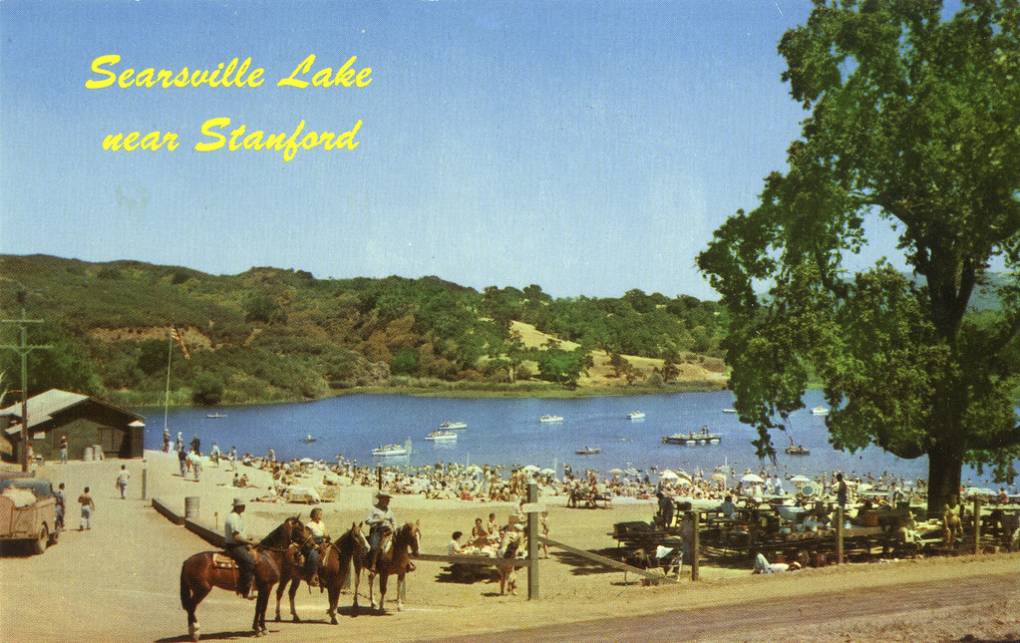
"caption": "For half a century, Searsville Lake functioned as a man-made playground that drew thousands of people from all over the Bay Area for water sports, summer camps, picnics and more. ",
"description": "For half a century, Searsville Lake functioned as a man-made playground that drew thousands of people from all over the Bay Area for water sports, summer camps, picnics and more.",
"title": "16994899290_64a91947fa_b",
"credit": "Courtesy Stanford University Archives",
"status": "inherit",
"altTag": "For half a century, Searsville Lake functioned as a man-made playground that drew thousands of people from all over the Bay Area for water sports, summer camps, picnics and more when the weather was good.",
"isLoading": false,
"fetchFailed": false
},
"news_11830962": {
"type": "attachments",
"id": "news_11830962",
"meta": {
"index": "attachments_1716263798",
"site": "news",
"id": "11830962",
"found": true
},
"parent": 11830960,
"imgSizes": {
"apple_news_ca_landscape_5_5": {
"file": "https://ww2.kqed.org/app/uploads/sites/10/2022/07/RS43962_041_KQED_Vallejo_SeanMonterrosa_07112020-qut-1044x783.jpg",
"width": 1044,
"mimeType": "image/jpeg",
"height": 783
},
"apple_news_ca_square_4_0": {
"file": "https://ww2.kqed.org/app/uploads/sites/10/2022/07/RS43962_041_KQED_Vallejo_SeanMonterrosa_07112020-qut-470x470.jpg",
"width": 470,
"mimeType": "image/jpeg",
"height": 470
},
"twentyfourteen-full-width": {
"file": "https://ww2.kqed.org/app/uploads/sites/10/2022/07/RS43962_041_KQED_Vallejo_SeanMonterrosa_07112020-qut-1038x576.jpg",
"width": 1038,
"mimeType": "image/jpeg",
"height": 576
},
"thumbnail": {
"file": "https://ww2.kqed.org/app/uploads/sites/10/2022/07/RS43962_041_KQED_Vallejo_SeanMonterrosa_07112020-qut-160x107.jpg",
"width": 160,
"mimeType": "image/jpeg",
"height": 107
},
"post-thumbnail": {
"file": "https://ww2.kqed.org/app/uploads/sites/10/2022/07/RS43962_041_KQED_Vallejo_SeanMonterrosa_07112020-qut-672x372.jpg",
"width": 672,
"mimeType": "image/jpeg",
"height": 372
},
"kqedFullSize": {
"file": "https://ww2.kqed.org/app/uploads/sites/10/2022/07/RS43962_041_KQED_Vallejo_SeanMonterrosa_07112020-qut.jpg",
"width": 1920,
"height": 1280
},
"apple_news_ca_landscape_4_7": {
"file": "https://ww2.kqed.org/app/uploads/sites/10/2022/07/RS43962_041_KQED_Vallejo_SeanMonterrosa_07112020-qut-632x474.jpg",
"width": 632,
"mimeType": "image/jpeg",
"height": 474
},
"large": {
"file": "https://ww2.kqed.org/app/uploads/sites/10/2022/07/RS43962_041_KQED_Vallejo_SeanMonterrosa_07112020-qut-1020x680.jpg",
"width": 1020,
"mimeType": "image/jpeg",
"height": 680
},
"apple_news_ca_landscape_4_0": {
"file": "https://ww2.kqed.org/app/uploads/sites/10/2022/07/RS43962_041_KQED_Vallejo_SeanMonterrosa_07112020-qut-536x402.jpg",
"width": 536,
"mimeType": "image/jpeg",
"height": 402
},
"apple_news_ca_portrait_12_9": {
"file": "https://ww2.kqed.org/app/uploads/sites/10/2022/07/RS43962_041_KQED_Vallejo_SeanMonterrosa_07112020-qut-1122x1280.jpg",
"width": 1122,
"mimeType": "image/jpeg",
"height": 1280
},
"medium": {
"file": "https://ww2.kqed.org/app/uploads/sites/10/2022/07/RS43962_041_KQED_Vallejo_SeanMonterrosa_07112020-qut-800x533.jpg",
"width": 800,
"mimeType": "image/jpeg",
"height": 533
},
"apple_news_ca_portrait_4_0": {
"file": "https://ww2.kqed.org/app/uploads/sites/10/2022/07/RS43962_041_KQED_Vallejo_SeanMonterrosa_07112020-qut-354x472.jpg",
"width": 354,
"mimeType": "image/jpeg",
"height": 472
},
"apple_news_ca_portrait_9_7": {
"file": "https://ww2.kqed.org/app/uploads/sites/10/2022/07/RS43962_041_KQED_Vallejo_SeanMonterrosa_07112020-qut-840x1120.jpg",
"width": 840,
"mimeType": "image/jpeg",
"height": 1120
},
"apple_news_ca_landscape_12_9": {
"file": "https://ww2.kqed.org/app/uploads/sites/10/2022/07/RS43962_041_KQED_Vallejo_SeanMonterrosa_07112020-qut-1832x1280.jpg",
"width": 1832,
"mimeType": "image/jpeg",
"height": 1280
},
"apple_news_ca_square_9_7": {
"file": "https://ww2.kqed.org/app/uploads/sites/10/2022/07/RS43962_041_KQED_Vallejo_SeanMonterrosa_07112020-qut-1104x1104.jpg",
"width": 1104,
"mimeType": "image/jpeg",
"height": 1104
},
"1536x1536": {
"file": "https://ww2.kqed.org/app/uploads/sites/10/2022/07/RS43962_041_KQED_Vallejo_SeanMonterrosa_07112020-qut-1536x1024.jpg",
"width": 1536,
"mimeType": "image/jpeg",
"height": 1024
},
"apple_news_ca_portrait_4_7": {
"file": "https://ww2.kqed.org/app/uploads/sites/10/2022/07/RS43962_041_KQED_Vallejo_SeanMonterrosa_07112020-qut-414x552.jpg",
"width": 414,
"mimeType": "image/jpeg",
"height": 552
},
"apple_news_ca_square_12_9": {
"file": "https://ww2.kqed.org/app/uploads/sites/10/2022/07/RS43962_041_KQED_Vallejo_SeanMonterrosa_07112020-qut-1472x1280.jpg",
"width": 1472,
"mimeType": "image/jpeg",
"height": 1280
},
"apple_news_ca_portrait_5_5": {
"file": "https://ww2.kqed.org/app/uploads/sites/10/2022/07/RS43962_041_KQED_Vallejo_SeanMonterrosa_07112020-qut-687x916.jpg",
"width": 687,
"mimeType": "image/jpeg",
"height": 916
},
"apple_news_ca_square_4_7": {
"file": "https://ww2.kqed.org/app/uploads/sites/10/2022/07/RS43962_041_KQED_Vallejo_SeanMonterrosa_07112020-qut-550x550.jpg",
"width": 550,
"mimeType": "image/jpeg",
"height": 550
},
"apple_news_ca_landscape_9_7": {
"file": "https://ww2.kqed.org/app/uploads/sites/10/2022/07/RS43962_041_KQED_Vallejo_SeanMonterrosa_07112020-qut-1376x1032.jpg",
"width": 1376,
"mimeType": "image/jpeg",
"height": 1032
},
"apple_news_ca_square_5_5": {
"file": "https://ww2.kqed.org/app/uploads/sites/10/2022/07/RS43962_041_KQED_Vallejo_SeanMonterrosa_07112020-qut-912x912.jpg",
"width": 912,
"mimeType": "image/jpeg",
"height": 912
}
},
"publishDate": 1596039524,
"modified": 1596039564,
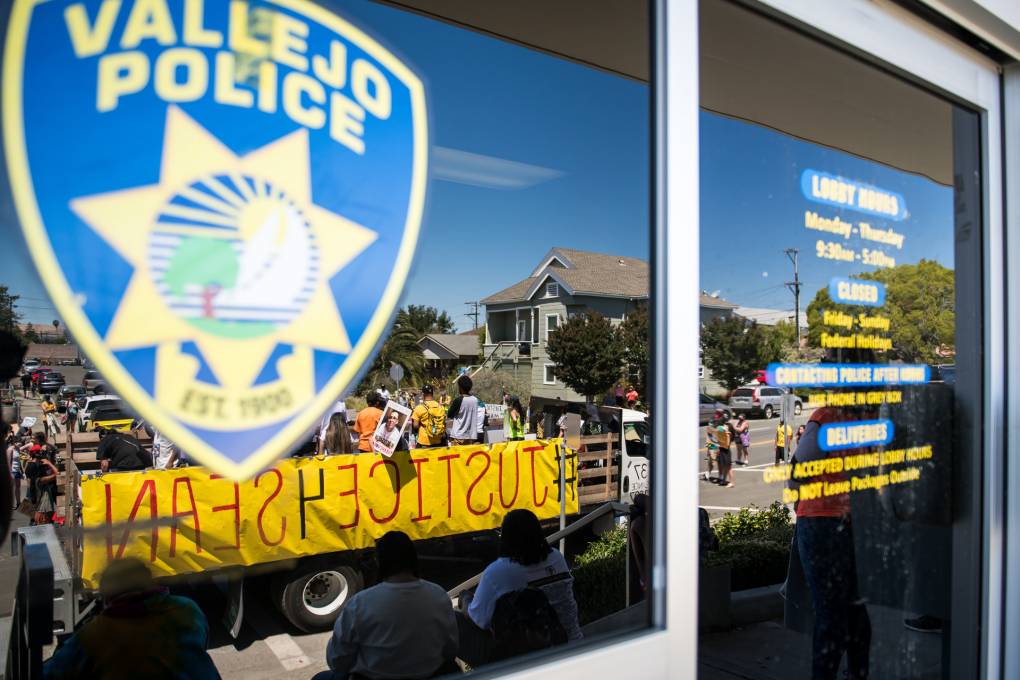
"caption": "Demonstrators gather outside of the Vallejo Police Station after a march from City Hall demanding justice for Sean Monterrosa on July 11, 2020.",
"description": null,
"title": "RS43962_041_KQED_Vallejo_SeanMonterrosa_07112020-qut",
"credit": "Beth LaBerge/KQED",
"status": "inherit",
"isLoading": false,
"fetchFailed": false
},
"news_11872235": {
"type": "attachments",
"id": "news_11872235",
"meta": {
"index": "attachments_1716263798",
"site": "news",
"id": "11872235",
"found": true
},
"parent": 11872011,
"imgSizes": {
"twentyfourteen-full-width": {
"file": "https://ww2.kqed.org/app/uploads/sites/10/2021/05/Image-from-iOS-1-1038x576.jpg",
"width": 1038,
"mimeType": "image/jpeg",
"height": 576
},
"thumbnail": {
"file": "https://ww2.kqed.org/app/uploads/sites/10/2021/05/Image-from-iOS-1-160x120.jpg",
"width": 160,
"mimeType": "image/jpeg",
"height": 120
},
"post-thumbnail": {
"file": "https://ww2.kqed.org/app/uploads/sites/10/2021/05/Image-from-iOS-1-672x372.jpg",
"width": 672,
"mimeType": "image/jpeg",
"height": 372
},
"kqedFullSize": {
"file": "https://ww2.kqed.org/app/uploads/sites/10/2021/05/Image-from-iOS-1-scaled.jpg",
"width": 2560,
"height": 1920
},
"2048x2048": {
"file": "https://ww2.kqed.org/app/uploads/sites/10/2021/05/Image-from-iOS-1-2048x1536.jpg",
"width": 2048,
"mimeType": "image/jpeg",
"height": 1536
},
"large": {
"file": "https://ww2.kqed.org/app/uploads/sites/10/2021/05/Image-from-iOS-1-1020x765.jpg",
"width": 1020,
"mimeType": "image/jpeg",
"height": 765
},
"1536x1536": {
"file": "https://ww2.kqed.org/app/uploads/sites/10/2021/05/Image-from-iOS-1-1536x1152.jpg",
"width": 1536,
"mimeType": "image/jpeg",
"height": 1152
},
"full-width": {
"file": "https://ww2.kqed.org/app/uploads/sites/10/2021/05/Image-from-iOS-1-1920x1440.jpg",
"width": 1920,
"mimeType": "image/jpeg",
"height": 1440
},
"medium": {
"file": "https://ww2.kqed.org/app/uploads/sites/10/2021/05/Image-from-iOS-1-800x600.jpg",
"width": 800,
"mimeType": "image/jpeg",
"height": 600
}
},
"publishDate": 1620171174,
"modified": 1620171434,
"caption": "Similar to other once busy thoroughfares around the Bay, International Boulevard has suffered during the pandemic. After receiving little to no support from the federal government or banks, some businesses have been forced to close. ",
"description": "Similar to other once busy thoroughfares around the Bay, International Boulevard has suffered during the pandemic. After receiving little to no support from the federal government or banks, some businesses have been forced to close. ",
"title": "Similar to other once busy thoroughfares around the Bay, International Boulevard has suffered during the pandemic. After receiving little to no support from the federal government or banks, some businesses have been forced to close.",
"credit": "Adhiti Bandlamudi/KQED News",
"status": "inherit",
"altTag": "Similar to other once busy thoroughfares around the Bay, International Boulevard has suffered during the pandemic. After receiving little to no support from the federal government or banks, some businesses have been forced to close.",
"isLoading": false,
"fetchFailed": false
},
"news_11873511": {
"type": "attachments",
"id": "news_11873511",
"meta": {
"index": "attachments_1716263798",
"site": "news",
"id": "11873511",
"found": true
},
"parent": 11873509,
"imgSizes": {
"twentyfourteen-full-width": {
"file": "https://ww2.kqed.org/app/uploads/sites/10/2021/05/RS33529_GettyImages-1052548358-qut-1038x576.jpg",
"width": 1038,
"mimeType": "image/jpeg",
"height": 576
},
"thumbnail": {
"file": "https://ww2.kqed.org/app/uploads/sites/10/2021/05/RS33529_GettyImages-1052548358-qut-160x113.jpg",
"width": 160,
"mimeType": "image/jpeg",
"height": 113
},
"post-thumbnail": {
"file": "https://ww2.kqed.org/app/uploads/sites/10/2021/05/RS33529_GettyImages-1052548358-qut-672x372.jpg",
"width": 672,
"mimeType": "image/jpeg",
"height": 372
},
"kqedFullSize": {
"file": "https://ww2.kqed.org/app/uploads/sites/10/2021/05/RS33529_GettyImages-1052548358-qut.jpg",
"width": 1920,
"height": 1351
},
"large": {
"file": "https://ww2.kqed.org/app/uploads/sites/10/2021/05/RS33529_GettyImages-1052548358-qut-1020x718.jpg",
"width": 1020,
"mimeType": "image/jpeg",
"height": 718
},
"1536x1536": {
"file": "https://ww2.kqed.org/app/uploads/sites/10/2021/05/RS33529_GettyImages-1052548358-qut-1536x1081.jpg",
"width": 1536,
"mimeType": "image/jpeg",
"height": 1081
},
"medium": {
"file": "https://ww2.kqed.org/app/uploads/sites/10/2021/05/RS33529_GettyImages-1052548358-qut-800x563.jpg",
"width": 800,
"mimeType": "image/jpeg",
"height": 563
}
},
"publishDate": 1620927025,
"modified": 1620951297,
"caption": "US President Donald Trump (C) shakes hands with US Representative Devin Nunes (R-CA) as House Republican Leader Kevin McCarthy (R-CA) (L) looks on after signing a presidential memorandum focused on sending more water to farmers in California's Central Valley, during a meeting in Scottsdale, Arizona, on October 19, 2018. ",
"description": null,
"title": "US-POLITICS-TRUMP",
"credit": "Nicholas Kamm / AFP) (Photo credit should read NICHOLAS KAMM/AFP/Getty Images",
"status": "inherit",
"altTag": null,
"isLoading": false,
"fetchFailed": false
},
"news_11833769": {
"type": "attachments",
"id": "news_11833769",
"meta": {
"index": "attachments_1716263798",
"site": "news",
"id": "11833769",
"found": true
},
"title": "A PG&E worker cuts damaged power lines on November 13, 2018.",
"publishDate": 1597706831,
"status": "inherit",
"parent": 11833283,
"modified": 1726085600,
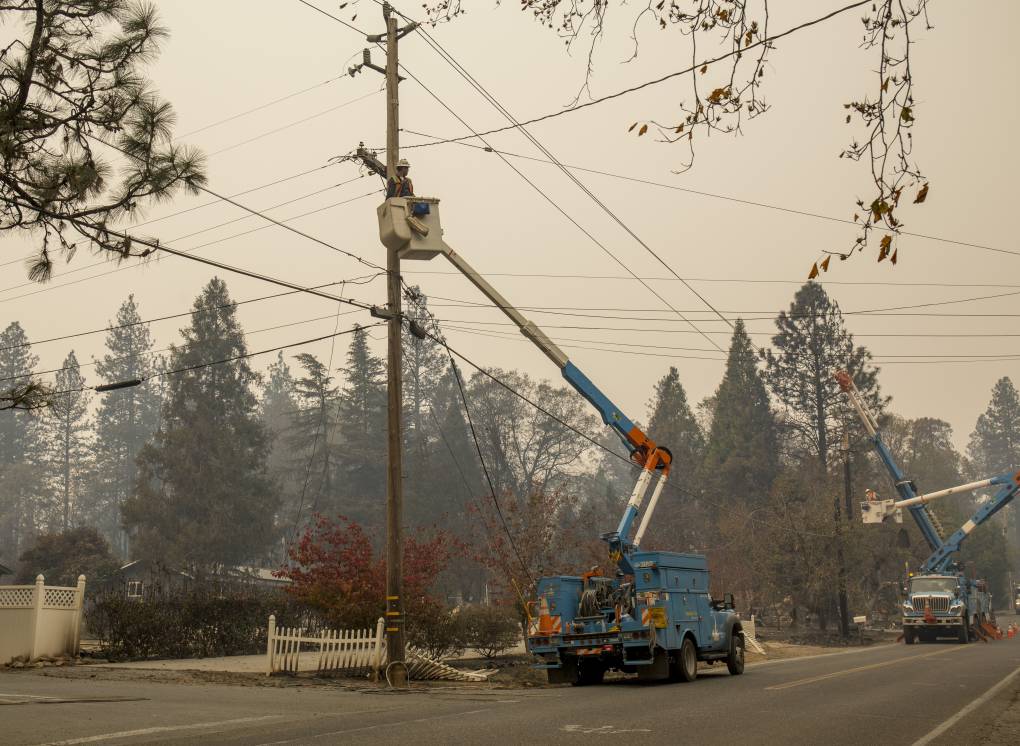
"caption": "PG&E workers cut damaged power lines near Paradise on Nov. 13, 2018, five days after a PG&E transmission line sparked the Camp Fire, the deadliest and most destructive wildfire in modern California history. ",
"credit": "Anne Wernikoff/KQED",
"altTag": "Two cranes hoist up two workers toward electrical lines. In the background is a smoky sky and trees.",
"description": "PG&E workers cut damaged power lines near Paradise on Nov. 13, 2018, five days after a PG&E transmission line sparked the Camp Fire, the deadliest and most destructive wildfire in modern California history. ",
"imgSizes": {
"medium": {
"file": "https://cdn.kqed.org/wp-content/uploads/sites/10/2020/08/PGE-Cuts-Line-After-Camp-Fire-2-800x585.jpg",
"width": 800,
"height": 585,
"mimeType": "image/jpeg"
},
"large": {
"file": "https://cdn.kqed.org/wp-content/uploads/sites/10/2020/08/PGE-Cuts-Line-After-Camp-Fire-2-1020x746.jpg",
"width": 1020,
"height": 746,
"mimeType": "image/jpeg"
},
"thumbnail": {
"file": "https://cdn.kqed.org/wp-content/uploads/sites/10/2020/08/PGE-Cuts-Line-After-Camp-Fire-2-160x117.jpg",
"width": 160,
"height": 117,
"mimeType": "image/jpeg"
},
"1536x1536": {
"file": "https://cdn.kqed.org/wp-content/uploads/sites/10/2020/08/PGE-Cuts-Line-After-Camp-Fire-2-1536x1124.jpg",
"width": 1536,
"height": 1124,
"mimeType": "image/jpeg"
},
"2048x2048": {
"file": "https://cdn.kqed.org/wp-content/uploads/sites/10/2020/08/PGE-Cuts-Line-After-Camp-Fire-2-2048x1499.jpg",
"width": 2048,
"height": 1499,
"mimeType": "image/jpeg"
},
"post-thumbnail": {
"file": "https://cdn.kqed.org/wp-content/uploads/sites/10/2020/08/PGE-Cuts-Line-After-Camp-Fire-2-672x372.jpg",
"width": 672,
"height": 372,
"mimeType": "image/jpeg"
},
"twentyfourteen-full-width": {
"file": "https://cdn.kqed.org/wp-content/uploads/sites/10/2020/08/PGE-Cuts-Line-After-Camp-Fire-2-1038x576.jpg",
"width": 1038,
"height": 576,
"mimeType": "image/jpeg"
},
"full-width": {
"file": "https://cdn.kqed.org/wp-content/uploads/sites/10/2020/08/PGE-Cuts-Line-After-Camp-Fire-2-1920x1405.jpg",
"width": 1920,
"height": 1405,
"mimeType": "image/jpeg"
},
"apple_news_ca_landscape_12_9": {
"file": "https://cdn.kqed.org/wp-content/uploads/sites/10/2020/08/PGE-Cuts-Line-After-Camp-Fire-2-1832x1374.jpg",
"width": 1832,
"height": 1374,
"mimeType": "image/jpeg"
},
"apple_news_ca_landscape_9_7": {
"file": "https://cdn.kqed.org/wp-content/uploads/sites/10/2020/08/PGE-Cuts-Line-After-Camp-Fire-2-1376x1032.jpg",
"width": 1376,
"height": 1032,
"mimeType": "image/jpeg"
},
"apple_news_ca_landscape_5_5": {
"file": "https://cdn.kqed.org/wp-content/uploads/sites/10/2020/08/PGE-Cuts-Line-After-Camp-Fire-2-1044x783.jpg",
"width": 1044,
"height": 783,
"mimeType": "image/jpeg"
},
"apple_news_ca_landscape_4_7": {
"file": "https://cdn.kqed.org/wp-content/uploads/sites/10/2020/08/PGE-Cuts-Line-After-Camp-Fire-2-632x474.jpg",
"width": 632,
"height": 474,
"mimeType": "image/jpeg"
},
"apple_news_ca_landscape_4_0": {
"file": "https://cdn.kqed.org/wp-content/uploads/sites/10/2020/08/PGE-Cuts-Line-After-Camp-Fire-2-536x402.jpg",
"width": 536,
"height": 402,
"mimeType": "image/jpeg"
},
"apple_news_ca_portrait_12_9": {
"file": "https://cdn.kqed.org/wp-content/uploads/sites/10/2020/08/PGE-Cuts-Line-After-Camp-Fire-2-1122x1496.jpg",
"width": 1122,
"height": 1496,
"mimeType": "image/jpeg"
},
"apple_news_ca_portrait_9_7": {
"file": "https://cdn.kqed.org/wp-content/uploads/sites/10/2020/08/PGE-Cuts-Line-After-Camp-Fire-2-840x1120.jpg",
"width": 840,
"height": 1120,
"mimeType": "image/jpeg"
},
"apple_news_ca_portrait_5_5": {
"file": "https://cdn.kqed.org/wp-content/uploads/sites/10/2020/08/PGE-Cuts-Line-After-Camp-Fire-2-687x916.jpg",
"width": 687,
"height": 916,
"mimeType": "image/jpeg"
},
"apple_news_ca_portrait_4_7": {
"file": "https://cdn.kqed.org/wp-content/uploads/sites/10/2020/08/PGE-Cuts-Line-After-Camp-Fire-2-414x552.jpg",
"width": 414,
"height": 552,
"mimeType": "image/jpeg"
},
"apple_news_ca_portrait_4_0": {
"file": "https://cdn.kqed.org/wp-content/uploads/sites/10/2020/08/PGE-Cuts-Line-After-Camp-Fire-2-354x472.jpg",
"width": 354,
"height": 472,
"mimeType": "image/jpeg"
},
"apple_news_ca_square_12_9": {
"file": "https://cdn.kqed.org/wp-content/uploads/sites/10/2020/08/PGE-Cuts-Line-After-Camp-Fire-2-1472x1472.jpg",
"width": 1472,
"height": 1472,
"mimeType": "image/jpeg"
},
"apple_news_ca_square_9_7": {
"file": "https://cdn.kqed.org/wp-content/uploads/sites/10/2020/08/PGE-Cuts-Line-After-Camp-Fire-2-1104x1104.jpg",
"width": 1104,
"height": 1104,
"mimeType": "image/jpeg"
},
"apple_news_ca_square_5_5": {
"file": "https://cdn.kqed.org/wp-content/uploads/sites/10/2020/08/PGE-Cuts-Line-After-Camp-Fire-2-912x912.jpg",
"width": 912,
"height": 912,
"mimeType": "image/jpeg"
},
"apple_news_ca_square_4_7": {
"file": "https://cdn.kqed.org/wp-content/uploads/sites/10/2020/08/PGE-Cuts-Line-After-Camp-Fire-2-550x550.jpg",
"width": 550,
"height": 550,
"mimeType": "image/jpeg"
},
"apple_news_ca_square_4_0": {
"file": "https://cdn.kqed.org/wp-content/uploads/sites/10/2020/08/PGE-Cuts-Line-After-Camp-Fire-2-470x470.jpg",
"width": 470,
"height": 470,
"mimeType": "image/jpeg"
},
"kqedFullSize": {
"file": "https://cdn.kqed.org/wp-content/uploads/sites/10/2020/08/PGE-Cuts-Line-After-Camp-Fire-2-scaled-e1597706943224.jpg",
"width": 1920,
"height": 1405
}
},
"isLoading": false,
"fetchFailed": false
},
"news_11867056": {
"type": "attachments",
"id": "news_11867056",
"meta": {
"index": "attachments_1716263798",
"site": "news",
"id": "11867056",
"found": true
},
"parent": 11867051,
"imgSizes": {
"twentyfourteen-full-width": {
"file": "https://ww2.kqed.org/app/uploads/sites/10/2021/03/DSC4609-1038x576.jpeg",
"width": 1038,
"mimeType": "image/jpeg",
"height": 576
},
"thumbnail": {
"file": "https://ww2.kqed.org/app/uploads/sites/10/2021/03/DSC4609-160x106.jpeg",
"width": 160,
"mimeType": "image/jpeg",
"height": 106
},
"post-thumbnail": {
"file": "https://ww2.kqed.org/app/uploads/sites/10/2021/03/DSC4609-672x372.jpeg",
"width": 672,
"mimeType": "image/jpeg",
"height": 372
},
"kqedFullSize": {
"file": "https://ww2.kqed.org/app/uploads/sites/10/2021/03/DSC4609.jpeg",
"width": 1920,
"height": 1277
},
"large": {
"file": "https://ww2.kqed.org/app/uploads/sites/10/2021/03/DSC4609-1020x678.jpeg",
"width": 1020,
"mimeType": "image/jpeg",
"height": 678
},
"1536x1536": {
"file": "https://ww2.kqed.org/app/uploads/sites/10/2021/03/DSC4609-1536x1022.jpeg",
"width": 1536,
"mimeType": "image/jpeg",
"height": 1022
},
"medium": {
"file": "https://ww2.kqed.org/app/uploads/sites/10/2021/03/DSC4609-800x532.jpeg",
"width": 800,
"mimeType": "image/jpeg",
"height": 532
}
},
"publishDate": 1617121207,
"modified": 1617123126,
"caption": "Bay Area parents and families rallied against anti-Asian hate in the Peninsula on Sunday, March 28, 2021.",
"description": "Bay Area parents and families rallied against anti-Asian hate in the Peninsula on Sunday, March 28, 2021.",
"title": "_DSC4609",
"credit": "Esther Lee/KQED",
"status": "inherit",
"altTag": null,
"isLoading": false,
"fetchFailed": false
},
"news_11872594": {
"type": "attachments",
"id": "news_11872594",
"meta": {
"index": "attachments_1716263798",
"site": "news",
"id": "11872594",
"found": true
},
"parent": 11872593,
"imgSizes": {
"twentyfourteen-full-width": {
"file": "https://ww2.kqed.org/app/uploads/sites/10/2021/05/lm-collage-3-960x576.jpg",
"width": 960,
"mimeType": "image/jpeg",
"height": 576
},
"thumbnail": {
"file": "https://ww2.kqed.org/app/uploads/sites/10/2021/05/lm-collage-3-160x107.jpg",
"width": 160,
"mimeType": "image/jpeg",
"height": 107
},
"post-thumbnail": {
"file": "https://ww2.kqed.org/app/uploads/sites/10/2021/05/lm-collage-3-672x372.jpg",
"width": 672,
"mimeType": "image/jpeg",
"height": 372
},
"kqedFullSize": {
"file": "https://ww2.kqed.org/app/uploads/sites/10/2021/05/lm-collage-3.jpg",
"width": 960,
"height": 640
},
"medium": {
"file": "https://ww2.kqed.org/app/uploads/sites/10/2021/05/lm-collage-3-800x533.jpg",
"width": 800,
"mimeType": "image/jpeg",
"height": 533
}
},
"publishDate": 1620335099,
"modified": 1624039778,
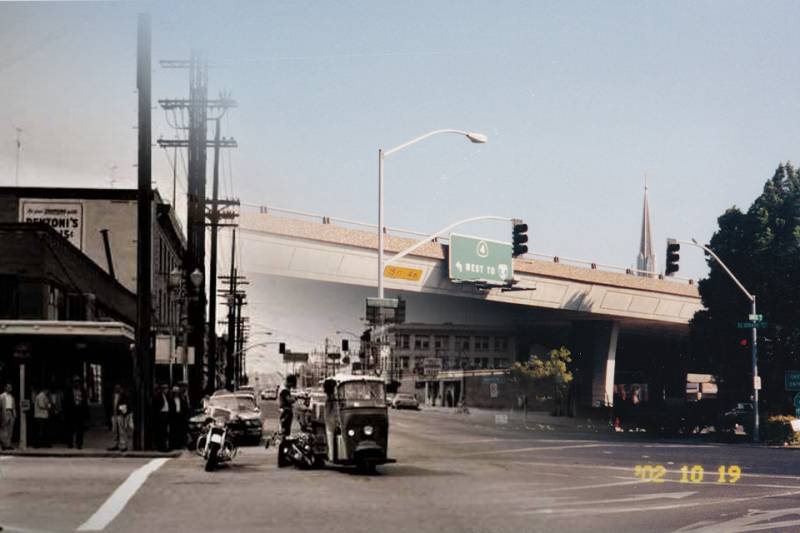
"caption": "Stockton demolished many homes, businesses and community centers in historic Little Manila to build a cross-town freeway in the early 1970s. ",
"description": null,
"title": "lm-collage-3",
"credit": "Photos courtesy of SPD Historical Archives and Elena Mangahas",
"status": "inherit",
"altTag": null,
"isLoading": false,
"fetchFailed": false
},
"news_11871925": {
"type": "attachments",
"id": "news_11871925",
"meta": {
"index": "attachments_1716263798",
"site": "news",
"id": "11871925",
"found": true
},
"parent": 11871915,
"imgSizes": {
"twentyfourteen-full-width": {
"file": "https://ww2.kqed.org/app/uploads/sites/10/2021/04/Chinese-and-donuts1-1038x576.jpg",
"width": 1038,
"mimeType": "image/jpeg",
"height": 576
},
"thumbnail": {
"file": "https://ww2.kqed.org/app/uploads/sites/10/2021/04/Chinese-and-donuts1-160x107.jpg",
"width": 160,
"mimeType": "image/jpeg",
"height": 107
},
"post-thumbnail": {
"file": "https://ww2.kqed.org/app/uploads/sites/10/2021/04/Chinese-and-donuts1-672x372.jpg",
"width": 672,
"mimeType": "image/jpeg",
"height": 372
},
"kqedFullSize": {
"file": "https://ww2.kqed.org/app/uploads/sites/10/2021/04/Chinese-and-donuts1.jpg",
"width": 1920,
"height": 1280
},
"large": {
"file": "https://ww2.kqed.org/app/uploads/sites/10/2021/04/Chinese-and-donuts1-1020x680.jpg",
"width": 1020,
"mimeType": "image/jpeg",
"height": 680
},
"1536x1536": {
"file": "https://ww2.kqed.org/app/uploads/sites/10/2021/04/Chinese-and-donuts1-1536x1024.jpg",
"width": 1536,
"mimeType": "image/jpeg",
"height": 1024
},
"medium": {
"file": "https://ww2.kqed.org/app/uploads/sites/10/2021/04/Chinese-and-donuts1-800x533.jpg",
"width": 800,
"mimeType": "image/jpeg",
"height": 533
}
},
"publishDate": 1619824939,
"modified": 1619825059,
"caption": "An employee at China Express, a restaurant serving chinese food and doughnuts, on 24th and Mission Streets in San Francisco on March 19, 2021.",
"description": null,
"title": "Chinese-and-donuts1",
"credit": "Beth LaBerge/KQED",
"status": "inherit",
"altTag": "An employee at China Express on 24th and Mission Streets.",
"isLoading": false,
"fetchFailed": false
},
"news_11872171": {
"type": "attachments",
"id": "news_11872171",
"meta": {
"index": "attachments_1716263798",
"site": "news",
"id": "11872171",
"found": true
},
"parent": 11872170,
"imgSizes": {
"twentyfourteen-full-width": {
"file": "https://ww2.kqed.org/app/uploads/sites/10/2021/05/1920_GettyImages-1232681890-1-1038x576.jpg",
"width": 1038,
"mimeType": "image/jpeg",
"height": 576
},
"thumbnail": {
"file": "https://ww2.kqed.org/app/uploads/sites/10/2021/05/1920_GettyImages-1232681890-1-160x90.jpg",
"width": 160,
"mimeType": "image/jpeg",
"height": 90
},
"post-thumbnail": {
"file": "https://ww2.kqed.org/app/uploads/sites/10/2021/05/1920_GettyImages-1232681890-1-672x372.jpg",
"width": 672,
"mimeType": "image/jpeg",
"height": 372
},
"kqedFullSize": {
"file": "https://ww2.kqed.org/app/uploads/sites/10/2021/05/1920_GettyImages-1232681890-1-scaled.jpg",
"width": 2560,
"height": 1440
},
"2048x2048": {
"file": "https://ww2.kqed.org/app/uploads/sites/10/2021/05/1920_GettyImages-1232681890-1-2048x1152.jpg",
"width": 2048,
"mimeType": "image/jpeg",
"height": 1152
},
"large": {
"file": "https://ww2.kqed.org/app/uploads/sites/10/2021/05/1920_GettyImages-1232681890-1-1020x574.jpg",
"width": 1020,
"mimeType": "image/jpeg",
"height": 574
},
"1536x1536": {
"file": "https://ww2.kqed.org/app/uploads/sites/10/2021/05/1920_GettyImages-1232681890-1-1536x864.jpg",
"width": 1536,
"mimeType": "image/jpeg",
"height": 864
},
"full-width": {
"file": "https://ww2.kqed.org/app/uploads/sites/10/2021/05/1920_GettyImages-1232681890-1-1920x1080.jpg",
"width": 1920,
"mimeType": "image/jpeg",
"height": 1080
},
"medium": {
"file": "https://ww2.kqed.org/app/uploads/sites/10/2021/05/1920_GettyImages-1232681890-1-800x450.jpg",
"width": 800,
"mimeType": "image/jpeg",
"height": 450
}
},
"publishDate": 1620154969,
"modified": 1620155030,
"caption": "People wait to refill their oxygen cylinders for the COVID-19 coronavirus patients under home quarantine at a private refilling centre in New Delhi on May 4, 2021.",
"description": null,
"title": "INDIA-HEALTH-VIRUS-OXYGEN",
"credit": "Money Sharma/Getty Images",
"status": "inherit",
"altTag": null,
"isLoading": false,
"fetchFailed": false
}
},
"audioPlayerReducer": {
"postId": "stream_live",
"isPaused": true,
"isPlaying": false,
"pfsActive": false,
"pledgeModalIsOpen": true,
"playerDrawerIsOpen": false,
"liveAudioPlayStartedAt": 0,
"liveAudioPlayContext": ""
},
"authorsReducer": {
"rachael-myrow": {
"type": "authors",
"id": "251",
"meta": {
"index": "authors_1716337520",
"id": "251",
"found": true
},
"name": "Rachael Myrow",
"firstName": "Rachael",
"lastName": "Myrow",
"slug": "rachael-myrow",
"email": "rmyrow@kqed.org",
"display_author_email": true,
"staff_mastheads": [
"news"
],
"title": "Senior Editor of KQED's Silicon Valley News Desk",
"bio": "• I write and edit stories about how Silicon Valley power and policies shape everyday life in California. I’m also passionate about making Bay Area history and culture more accessible to a broad public. • I’ve been a journalist for most of my life, starting in high school with The Franklin Press in Los Angeles, where I grew up. While earning my first degree in English at UC Berkeley, I got my start in public radio at KALX-FM. After completing a second degree in journalism at Cal, I landed my first professional job at Marketplace, then moved on to KPCC (now LAist), and then KQED, where I hosted The California Report for more than seven years. • My reporting has appeared on NPR, The World, WBUR’s \u003ci>Here & Now\u003c/i>, and the BBC. I also guest host for KQED’s \u003ci>Forum\u003c/i>, as well as the Commonwealth Club in San Francisco. • I speak periodically on media, democracy and technology issues, and do voiceover work for documentaries and educational video projects. • Outside of the studio, you'll find me hiking Bay Area trails and whipping up Insta-ready meals in my kitchen. • I do not accept gifts, money, or favors from anyone connected to my reporting, I don't pay people for information, and I do not support or donate to political causes. • I strive to treat the people I report on with fairness, honesty, and respect. I also recognize there are often multiple sides to a story and work to verify information through multiple sources and documentation. If I get something wrong, I correct it.",
"avatar": "https://secure.gravatar.com/avatar/3ed8a3c5f26025e4a805ba634cda8cd764906b97438a6d9ce216b044e340da4e?s=600&d=blank&r=g",
"twitter": "rachaelmyrow",
"bluesky": null,
"facebook": null,
"instagram": null,
"linkedin": "https://www.linkedin.com/in/rachaelmyrow/",
"sites": [
{
"site": "arts",
"roles": [
"administrator"
]
},
{
"site": "news",
"roles": [
"edit_others_posts",
"editor"
]
},
{
"site": "futureofyou",
"roles": [
"editor"
]
},
{
"site": "bayareabites",
"roles": [
"editor"
]
},
{
"site": "stateofhealth",
"roles": [
"editor"
]
},
{
"site": "science",
"roles": [
"editor"
]
},
{
"site": "food",
"roles": [
"editor"
]
},
{
"site": "forum",
"roles": [
"editor"
]
},
{
"site": "liveblog",
"roles": [
"author"
]
}
],
"headData": {
"title": "Rachael Myrow | KQED",
"description": "Senior Editor of KQED's Silicon Valley News Desk",
"ogImgSrc": "https://secure.gravatar.com/avatar/3ed8a3c5f26025e4a805ba634cda8cd764906b97438a6d9ce216b044e340da4e?s=600&d=blank&r=g",
"twImgSrc": "https://secure.gravatar.com/avatar/3ed8a3c5f26025e4a805ba634cda8cd764906b97438a6d9ce216b044e340da4e?s=600&d=blank&r=g"
},
"isLoading": false,
"link": "/author/rachael-myrow"
},
"mlagos": {
"type": "authors",
"id": "3239",
"meta": {
"index": "authors_1716337520",
"id": "3239",
"found": true
},
"name": "Marisa Lagos",
"firstName": "Marisa",
"lastName": "Lagos",
"slug": "mlagos",
"email": "mlagos@kqed.org",
"display_author_email": false,
"staff_mastheads": [
"news"
],
"title": "KQED Contributor",
"bio": "Marisa Lagos is a correspondent for KQED’s California Politics and Government Desk and co-hosts the award-winning show and podcast, Political Breakdown. At KQED, Lagos also conducts reporting, analysis and investigations into state, local and national politics for radio, TV, online and onstage. In 2022, she and co-host, Scott Shafer, moderated the only gubernatorial debate in California. In 2020, the \u003ci>Washington Post\u003c/i> named her one of the top political journalists in California; she was nominated for a Peabody and won several other awards for her work investigating the 2017 California wildfires. She has worked at the \u003ci>San Francisco Chronicle\u003c/i>, \u003ci>San Francisco Examiner\u003c/i> and \u003ci>Los Angeles Times\u003c/i>. A UC Santa Barbara graduate, she lives in San Francisco with her two sons and husband.",
"avatar": "https://secure.gravatar.com/avatar/a261a0d3696fc066871ef96b85b5e7d2?s=600&d=blank&r=g",
"twitter": "@mlagos",
"facebook": null,
"instagram": null,
"linkedin": null,
"sites": [
{
"site": "arts",
"roles": [
"author"
]
},
{
"site": "news",
"roles": [
"editor"
]
},
{
"site": "science",
"roles": [
"editor"
]
},
{
"site": "forum",
"roles": [
"author"
]
},
{
"site": "liveblog",
"roles": [
"author"
]
}
],
"headData": {
"title": "Marisa Lagos | KQED",
"description": "KQED Contributor",
"ogImgSrc": "https://secure.gravatar.com/avatar/a261a0d3696fc066871ef96b85b5e7d2?s=600&d=blank&r=g",
"twImgSrc": "https://secure.gravatar.com/avatar/a261a0d3696fc066871ef96b85b5e7d2?s=600&d=blank&r=g"
},
"isLoading": false,
"link": "/author/mlagos"
},
"dkatayama": {
"type": "authors",
"id": "7240",
"meta": {
"index": "authors_1716337520",
"id": "7240",
"found": true
},
"name": "Devin Katayama",
"firstName": "Devin",
"lastName": "Katayama",
"slug": "dkatayama",
"email": "dkatayama@kqed.org",
"display_author_email": true,
"staff_mastheads": [
"news"
],
"title": "Editor of Talent and Development",
"bio": "Devin Katayama is former Editor of Talent and Development for KQED. He supported our internship program and on-call staff by looking for equitable opportunities to improve the newsroom.\r\n\r\nHe previously hosted The Bay and American Suburb podcasts from KQED News. Prior to returning to the Bay Area in 2015, Devin was the education reporter for WFPL in Louisville and worked as a producer with radio stations in Chicago and Portland, OR. His work has appeared on NPR’s \u003cem>Morning Edition, All Things Considered, The Takeaway\u003c/em> and \u003cem>Here and Now.\u003c/em>\r\n\r\nDevin earned his MA in Journalism from Columbia College Chicago, where he was a Follett Fellow and the recipient of the 2011 Studs Terkel Community Media Workshop Scholarship for his story on Chicago's homeless youth. He won WBUR's 2014 Daniel Schorr award and a regional RTNDA Edward R. Murrow Award for his documentary \"At Risk\" that looked at issues facing some of Louisville's students. Devin has also received numerous local awards from the Associated Press and the Society of Professional Journalists.",
"avatar": "https://secure.gravatar.com/avatar/d0d2978a31002fb2de107921a8e18405?s=600&d=blank&r=g",
"twitter": "RadioDevin",
"facebook": null,
"instagram": null,
"linkedin": null,
"sites": [
{
"site": "arts",
"roles": []
},
{
"site": "news",
"roles": [
"author"
]
},
{
"site": "stateofhealth",
"roles": [
"author"
]
},
{
"site": "forum",
"roles": [
"editor"
]
},
{
"site": "perspectives",
"roles": [
"editor"
]
}
],
"headData": {
"title": "Devin Katayama | KQED",
"description": "Editor of Talent and Development",
"ogImgSrc": "https://secure.gravatar.com/avatar/d0d2978a31002fb2de107921a8e18405?s=600&d=blank&r=g",
"twImgSrc": "https://secure.gravatar.com/avatar/d0d2978a31002fb2de107921a8e18405?s=600&d=blank&r=g"
},
"isLoading": false,
"link": "/author/dkatayama"
},
"cveltman": {
"type": "authors",
"id": "8608",
"meta": {
"index": "authors_1716337520",
"id": "8608",
"found": true
},
"name": "Chloe Veltman",
"firstName": "Chloe",
"lastName": "Veltman",
"slug": "cveltman",
"email": "cveltman@kqed.org",
"display_author_email": true,
"staff_mastheads": [],
"title": "Arts and Culture Reporter",
"bio": "Chloe Veltman is a former arts and culture reporter for KQED. Prior to joining the organization, she launched and led the arts bureau at Colorado Public Radio, served as the Bay Area's culture columnist for the New York Times, and was the founder, host and executive producer of VoiceBox, a national award-winning weekly podcast/radio show and live events series all about the human voice. Chloe is the recipient of numerous prizes, grants and fellowships including a Webby Award for her work on interactive storytelling, both the John S Knight Journalism Fellowship and Humanities Center Fellowship at Stanford University, the Sundance Arts Writing Fellowship and a Library of Congress Research Fellowship. She is the author of the book \"On Acting\" and has appeared as a guest lecturer at Yale University and the San Francisco Conservatory of Music among other institutions. She holds a BA in english literature from King's College, Cambridge, and a Masters in Dramaturgy from the Central School of Speech and Drama/Harvard Institute for Advanced Theater Training.\r\n\u003ca href=\"https://www.chloeveltman.com\">www.chloeveltman.com\u003c/a>",
"avatar": "https://secure.gravatar.com/avatar/55403394b00a1ddab683952c2eb2cf85?s=600&d=blank&r=g",
"twitter": "chloeveltman",
"facebook": null,
"instagram": null,
"linkedin": null,
"sites": [
{
"site": "arts",
"roles": []
},
{
"site": "news",
"roles": [
"author"
]
},
{
"site": "pop",
"roles": [
"editor"
]
},
{
"site": "science",
"roles": []
}
],
"headData": {
"title": "Chloe Veltman | KQED",
"description": "Arts and Culture Reporter",
"ogImgSrc": "https://secure.gravatar.com/avatar/55403394b00a1ddab683952c2eb2cf85?s=600&d=blank&r=g",
"twImgSrc": "https://secure.gravatar.com/avatar/55403394b00a1ddab683952c2eb2cf85?s=600&d=blank&r=g"
},
"isLoading": false,
"link": "/author/cveltman"
},
"ecruzguevarra": {
"type": "authors",
"id": "8654",
"meta": {
"index": "authors_1716337520",
"id": "8654",
"found": true
},
"name": "Ericka Cruz Guevarra",
"firstName": "Ericka",
"lastName": "Cruz Guevarra",
"slug": "ecruzguevarra",
"email": "ecruzguevarra@kqed.org",
"display_author_email": true,
"staff_mastheads": [
"news"
],
"title": "Producer, The Bay Podcast",
"bio": "Ericka Cruz Guevarra is host of \u003ca href=\"https://www.kqed.org/podcasts/thebay\">\u003cem>The Bay\u003c/em>\u003c/a> podcast at KQED. Before host, she was the show’s producer. Her work in that capacity includes a three-part reported series on policing in Vallejo, which won a 2020 excellence in journalism award from the Society of Professional Journalists. Ericka has worked as a breaking news reporter at Oregon Public Broadcasting, helped produce the Code Switch podcast, and was KQED’s inaugural Raul Ramirez Diversity Fund intern. She’s also an alumna of NPR’s Next Generation Radio program. Send her an email if you have strong feelings about whether Fairfield and Suisun City are the Bay. Ericka is represented by SAG-AFTRA.",
"avatar": "https://secure.gravatar.com/avatar/accefc1de4bafc7e234b69bcb9b6f6536c130fd84709bc3069ef11a78787e1bb?s=600&d=blank&r=g",
"twitter": "NotoriousECG",
"bluesky": null,
"facebook": null,
"instagram": null,
"linkedin": null,
"sites": [
{
"site": "arts",
"roles": [
"subscriber"
]
},
{
"site": "news",
"roles": [
"editor",
"manage_categories"
]
},
{
"site": "futureofyou",
"roles": [
"subscriber"
]
},
{
"site": "stateofhealth",
"roles": [
"subscriber"
]
},
{
"site": "science",
"roles": [
"editor"
]
},
{
"site": "forum",
"roles": [
"subscriber"
]
}
],
"headData": {
"title": "Ericka Cruz Guevarra | KQED",
"description": "Producer, The Bay Podcast",
"ogImgSrc": "https://secure.gravatar.com/avatar/accefc1de4bafc7e234b69bcb9b6f6536c130fd84709bc3069ef11a78787e1bb?s=600&d=blank&r=g",
"twImgSrc": "https://secure.gravatar.com/avatar/accefc1de4bafc7e234b69bcb9b6f6536c130fd84709bc3069ef11a78787e1bb?s=600&d=blank&r=g"
},
"isLoading": false,
"link": "/author/ecruzguevarra"
},
"fjhabvala": {
"type": "authors",
"id": "8659",
"meta": {
"index": "authors_1716337520",
"id": "8659",
"found": true
},
"name": "Farida Jhabvala Romero",
"firstName": "Farida",
"lastName": "Jhabvala Romero",
"slug": "fjhabvala",
"email": "fjhabvala@kqed.org",
"display_author_email": true,
"staff_mastheads": [
"news"
],
"title": "KQED Contributor",
"bio": "Farida Jhabvala Romero is a Labor Correspondent for KQED. She previously covered immigration. Farida was \u003ca href=\"https://www.ccnma.org/2022-most-influential-latina-journalists\">named\u003c/a> one of the 10 Most Influential Latina Journalists in California in 2022 by the California Chicano News Media Association. Her work has won awards from the Society of Professional Journalists (Northern California), as well as a national and regional Edward M. Murrow Award for the collaborative reporting projects “Dangerous Air” and “Graying California.” Before joining KQED, Farida worked as a producer at Radio Bilingüe, a national public radio network. Farida earned her master’s degree in journalism from Stanford University.",
"avatar": "https://secure.gravatar.com/avatar/f9f022d4e2609741874222a1e9d41f48fea74011aa7c615eef91d9a50c944ebe?s=600&d=blank&r=g",
"twitter": "FaridaJhabvala",
"bluesky": null,
"facebook": null,
"instagram": null,
"linkedin": "https://www.linkedin.com/in/faridajhabvala/",
"sites": [
{
"site": "news",
"roles": [
"editor"
]
},
{
"site": "stateofhealth",
"roles": [
"author"
]
},
{
"site": "liveblog",
"roles": [
"author"
]
}
],
"headData": {
"title": "Farida Jhabvala Romero | KQED",
"description": "KQED Contributor",
"ogImgSrc": "https://secure.gravatar.com/avatar/f9f022d4e2609741874222a1e9d41f48fea74011aa7c615eef91d9a50c944ebe?s=600&d=blank&r=g",
"twImgSrc": "https://secure.gravatar.com/avatar/f9f022d4e2609741874222a1e9d41f48fea74011aa7c615eef91d9a50c944ebe?s=600&d=blank&r=g"
},
"isLoading": false,
"link": "/author/fjhabvala"
},
"vrancano": {
"type": "authors",
"id": "11276",
"meta": {
"index": "authors_1716337520",
"id": "11276",
"found": true
},
"name": "Vanessa Rancaño",
"firstName": "Vanessa",
"lastName": "Rancaño",
"slug": "vrancano",
"email": "vrancano@kqed.org",
"display_author_email": false,
"staff_mastheads": [
"news"
],
"title": "Reporter",
"bio": "Vanessa Rancaño is a features reporter for KQED. She’s also covered homelessness and education for the station and reported from the Central Valley. Her work has aired across public radio, from flagship national news shows to longform narrative podcasts. Before taking up a mic, she worked as a freelance print journalist. She’s been recognized with a number of national and regional awards. Vanessa grew up in California's Central Valley. She's a former NPR Kroc Fellow, and a graduate of the UC Berkeley Graduate School of Journalism.",
"avatar": "https://secure.gravatar.com/avatar/b3a383dfb0e7ee1c17568f2cf067904ab654d6e3de9743fc661f3c788ade1bed?s=600&d=blank&r=g",
"twitter": "vanessarancano",
"bluesky": null,
"facebook": null,
"instagram": null,
"linkedin": null,
"sites": [
{
"site": "arts",
"roles": [
"editor"
]
},
{
"site": "news",
"roles": [
"editor"
]
},
{
"site": "liveblog",
"roles": [
"contributor"
]
}
],
"headData": {
"title": "Vanessa Rancaño | KQED",
"description": "Reporter",
"ogImgSrc": "https://secure.gravatar.com/avatar/b3a383dfb0e7ee1c17568f2cf067904ab654d6e3de9743fc661f3c788ade1bed?s=600&d=blank&r=g",
"twImgSrc": "https://secure.gravatar.com/avatar/b3a383dfb0e7ee1c17568f2cf067904ab654d6e3de9743fc661f3c788ade1bed?s=600&d=blank&r=g"
},
"isLoading": false,
"link": "/author/vrancano"
},
"ljamali": {
"type": "authors",
"id": "11552",
"meta": {
"index": "authors_1716337520",
"id": "11552",
"found": true
},
"name": "Lily Jamali",
"firstName": "Lily",
"lastName": "Jamali",
"slug": "ljamali",
"email": "ljamali@kqed.org",
"display_author_email": false,
"staff_mastheads": [],
"title": "KQED Contributor",
"bio": "Lily was the former co-host of the daily morning show, The California Report.",
"avatar": "https://secure.gravatar.com/avatar/dbf7b30d159e697731046a10d25a9e29?s=600&d=blank&r=g",
"twitter": "lilyjamali",
"facebook": null,
"instagram": null,
"linkedin": null,
"sites": [
{
"site": "news",
"roles": [
"create_posts",
"subscriber"
]
},
{
"site": "forum",
"roles": [
"editor"
]
}
],
"headData": {
"title": "Lily Jamali | KQED",
"description": "KQED Contributor",
"ogImgSrc": "https://secure.gravatar.com/avatar/dbf7b30d159e697731046a10d25a9e29?s=600&d=blank&r=g",
"twImgSrc": "https://secure.gravatar.com/avatar/dbf7b30d159e697731046a10d25a9e29?s=600&d=blank&r=g"
},
"isLoading": false,
"link": "/author/ljamali"
},
"aehsanipour": {
"type": "authors",
"id": "11580",
"meta": {
"index": "authors_1716337520",
"id": "11580",
"found": true
},
"name": "Asal Ehsanipour",
"firstName": "Asal",
"lastName": "Ehsanipour",
"slug": "aehsanipour",
"email": "aehsanipour@kqed.org",
"display_author_email": false,
"staff_mastheads": [],
"title": "Reporter and Producer",
"bio": "Asal Ehsanipour is a producer and reporter for Rightnowish, Bay Curious and The California Report Magazine. She is also a producer for \u003ca href=\"https://www.thedoubleshift.com/\">The Double Shift\u003c/a>, a podcast about a new generation of working mothers. In 2018, Asal was named an Emerging Journalist Fellow by the Journalism and Women’s Symposium. Her work has appeared on KQED, KALW, PRI’s The World, and in several food and travel publications.",
"avatar": "https://secure.gravatar.com/avatar/c0e210438f5dca1b76921ff9f0eada52?s=600&d=blank&r=g",
"twitter": null,
"facebook": null,
"instagram": null,
"linkedin": null,
"sites": [
{
"site": "arts",
"roles": []
},
{
"site": "news",
"roles": [
"author",
"edit_others_posts"
]
}
],
"headData": {
"title": "Asal Ehsanipour | KQED",
"description": "Reporter and Producer",
"ogImgSrc": "https://secure.gravatar.com/avatar/c0e210438f5dca1b76921ff9f0eada52?s=600&d=blank&r=g",
"twImgSrc": "https://secure.gravatar.com/avatar/c0e210438f5dca1b76921ff9f0eada52?s=600&d=blank&r=g"
},
"isLoading": false,
"link": "/author/aehsanipour"
},
"lsarah": {
"type": "authors",
"id": "11626",
"meta": {
"index": "authors_1716337520",
"id": "11626",
"found": true
},
"name": "Lakshmi Sarah",
"firstName": "Lakshmi",
"lastName": "Sarah",
"slug": "lsarah",
"email": "lsarah@kqed.org",
"display_author_email": false,
"staff_mastheads": [],
"title": "Digital Producer",
"bio": "Lakshmi Sarah is an educator, author and journalist with a focus on innovative storytelling. She has worked with newspapers, radio and magazines from Ahmedabad, India to Los Angeles, California. She has written and produced for Die Zeit, Global Voices, AJ+, KQED, Fusion Media Group and the New York Times.",
"avatar": "https://secure.gravatar.com/avatar/652dcaecd8b28826fc17a8b2d6bb4e93?s=600&d=blank&r=g",
"twitter": "lakitalki",
"facebook": null,
"instagram": "https://www.instagram.com/laki.talki/",
"linkedin": "https://www.linkedin.com/in/lakisarah/",
"sites": [
{
"site": "arts",
"roles": []
},
{
"site": "news",
"roles": []
},
{
"site": "bayareabites",
"roles": []
},
{
"site": "science",
"roles": []
}
],
"headData": {
"title": "Lakshmi Sarah | KQED",
"description": "Digital Producer",
"ogImgSrc": "https://secure.gravatar.com/avatar/652dcaecd8b28826fc17a8b2d6bb4e93?s=600&d=blank&r=g",
"twImgSrc": "https://secure.gravatar.com/avatar/652dcaecd8b28826fc17a8b2d6bb4e93?s=600&d=blank&r=g"
},
"isLoading": false,
"link": "/author/lsarah"
},
"amontecillo": {
"type": "authors",
"id": "11649",
"meta": {
"index": "authors_1716337520",
"id": "11649",
"found": true
},
"name": "Alan Montecillo",
"firstName": "Alan",
"lastName": "Montecillo",
"slug": "amontecillo",
"email": "amontecillo@kqed.org",
"display_author_email": false,
"staff_mastheads": [
"news"
],
"title": "KQED Contributor",
"bio": "Alan Montecillo is the senior editor of \u003cem>\u003ca href=\"http://kqed.org/thebay\">The Bay\u003c/a>, \u003c/em> KQED's local news podcast. Before moving to the Bay Area, he worked as a senior talk show producer for WILL in Champaign-Urbana, Illinois and at Oregon Public Broadcasting in Portland, Oregon. He has won journalism awards from the Society of Professional Journalists Northern California, the Public Media Journalists Association, The Signal Awards, and has also received a regional Edward R. Murrow award. Alan is a Filipino American from Hong Kong and a graduate of Reed College.",
"avatar": "https://secure.gravatar.com/avatar/268f53a2066899ea9efdd8a5900218b17c822d9862cbc9326cccec53ef41d349?s=600&d=blank&r=g",
"twitter": "alanmontecillo",
"bluesky": null,
"facebook": null,
"instagram": null,
"linkedin": null,
"sites": [
{
"site": "",
"roles": [
"editor"
]
},
{
"site": "news",
"roles": [
"editor",
"manage_categories"
]
}
],
"headData": {
"title": "Alan Montecillo | KQED",
"description": "KQED Contributor",
"ogImgSrc": "https://secure.gravatar.com/avatar/268f53a2066899ea9efdd8a5900218b17c822d9862cbc9326cccec53ef41d349?s=600&d=blank&r=g",
"twImgSrc": "https://secure.gravatar.com/avatar/268f53a2066899ea9efdd8a5900218b17c822d9862cbc9326cccec53ef41d349?s=600&d=blank&r=g"
},
"isLoading": false,
"link": "/author/amontecillo"
},
"abandlamudi": {
"type": "authors",
"id": "11672",
"meta": {
"index": "authors_1716337520",
"id": "11672",
"found": true
},
"name": "Adhiti Bandlamudi",
"firstName": "Adhiti",
"lastName": "Bandlamudi",
"slug": "abandlamudi",
"email": "abandlamudi@kqed.org",
"display_author_email": false,
"staff_mastheads": [
"news"
],
"title": "KQED Housing Reporter",
"bio": "Adhiti Bandlamudi reports for KQED's Housing desk. She focuses on how housing gets built across the Bay Area. Before joining KQED in 2020, she reported for WUNC in Durham, North Carolina, WABE in Atlanta, Georgia and Capital Public Radio in Sacramento. In 2017, she was awarded a Kroc Fellowship at NPR where she reported on everything from sprinkles to the Golden State Killer's arrest. When she's not reporting, she's baking new recipes in her kitchen or watching movies with friends and family. She's originally from Georgia and has strong opinions about Great British Bake Off.",
"avatar": "https://secure.gravatar.com/avatar/868129c8b257bb99a3500e2c86a65400?s=600&d=mm&r=g",
"twitter": "oddity_adhiti",
"facebook": null,
"instagram": null,
"linkedin": null,
"sites": [
{
"site": "arts",
"roles": [
"author"
]
},
{
"site": "news",
"roles": [
"editor"
]
},
{
"site": "liveblog",
"roles": [
"author"
]
}
],
"headData": {
"title": "Adhiti Bandlamudi | KQED",
"description": "KQED Housing Reporter",
"ogImgSrc": "https://secure.gravatar.com/avatar/868129c8b257bb99a3500e2c86a65400?s=600&d=mm&r=g",
"twImgSrc": "https://secure.gravatar.com/avatar/868129c8b257bb99a3500e2c86a65400?s=600&d=mm&r=g"
},
"isLoading": false,
"link": "/author/abandlamudi"
},
"smartos": {
"type": "authors",
"id": "11741",
"meta": {
"index": "authors_1716337520",
"id": "11741",
"found": true
},
"name": "Shaylyn Martos",
"firstName": "Shaylyn",
"lastName": "Martos",
"slug": "smartos",
"email": "smartos@kqed.org",
"display_author_email": false,
"staff_mastheads": [],
"title": "KQED Contributor",
"bio": null,
"avatar": "https://secure.gravatar.com/avatar/ca566efb61a864c9a7fff48e77d45f31?s=600&d=blank&r=g",
"twitter": "@shaylynmartos",
"facebook": null,
"instagram": null,
"linkedin": null,
"sites": [
{
"site": "news",
"roles": [
"author"
]
}
],
"headData": {
"title": "Shaylyn Martos | KQED",
"description": "KQED Contributor",
"ogImgSrc": "https://secure.gravatar.com/avatar/ca566efb61a864c9a7fff48e77d45f31?s=600&d=blank&r=g",
"twImgSrc": "https://secure.gravatar.com/avatar/ca566efb61a864c9a7fff48e77d45f31?s=600&d=blank&r=g"
},
"isLoading": false,
"link": "/author/smartos"
}
},
"pagesReducer": {
"news_program_the-bay": {
"type": "terms",
"id": "news_28779",
"meta": {
"index": "terms_1716263798",
"site": "news",
"id": "28779",
"score": 15.530214
},
"featImg": null,
"name": "The Bay",
"description": null,
"taxonomy": "program",
"headData": {
"twImgId": null,
"twTitle": null,
"ogTitle": null,
"ogImgId": null,
"twDescription": null,
"description": "The Bay is a daily news and culture program from KQED that covers the latest headlines, trends, and stories that matter to the Bay Area.",
"title": "The Bay Area Archives | KQED",
"ogDescription": null
},
"ttid": 28796,
"slug": "the-bay",
"isLoading": false,
"title": "The Bay",
"pageMeta": {
"site": "news",
"WpPageTemplate": "page-topic-editorial",
"currentPage": 37
},
"blocks": [
{
"blockName": "kqed/post-list",
"attrs": {
"layout": "cardArticle2",
"query": "posts/news?program=the-bay",
"seeMore": false,
"paginated": true,
"page": 37
}
},
{
"blockName": "kqed/ad"
}
]
}
},
"pfsSessionReducer": {},
"postsReducer": {
"stream_live": {
"type": "live",
"id": "stream_live",
"audioUrl": "https://streams.kqed.org/kqedradio",
"title": "Live Stream",
"excerpt": "Live Stream information currently unavailable.",
"link": "/radio",
"featImg": "",
"label": {
"name": "KQED Live",
"link": "/"
}
},
"stream_kqedNewscast": {
"type": "posts",
"id": "stream_kqedNewscast",
"audioUrl": "https://www.kqed.org/.stream/anon/radio/RDnews/newscast.mp3?_=1",
"title": "KQED Newscast",
"featImg": "",
"label": {
"name": "88.5 FM",
"link": "/"
}
},
"news_11875271": {
"type": "posts",
"id": "news_11875271",
"meta": {
"index": "posts_1716263798",
"site": "news",
"id": "11875271",
"score": null,
"sort": [
1622023215000
]
},
"guestAuthors": [],
"slug": "the-black-and-brown-parents-in-oakland-reimagining-education-for-their-kids",
"title": "The Black and Brown Families in Oakland Reimagining Education for Their Kids",
"publishDate": 1622023215,
"format": "audio",
"headTitle": "The Black and Brown Families in Oakland Reimagining Education for Their Kids | KQED",
"labelTerm": {},
"content": "\u003cp>For years, Black and brown parents of Oakland Unified students have been pushing the district to do more to support kids in low-income communities of color.\u003c/p>\n\u003cp>Then the pandemic hit, prompting fears of even more disparities in learning. So a group called \u003ca href=\"https://oaklandreach.org/\" target=\"_blank\" rel=\"noopener noreferrer\">The Oakland REACH\u003c/a> decided to take matters into their own hands, and use the pandemic as an opportunity to continue reimagining their kids’ education.\u003c/p>\n\u003cp>\u003cstrong>Guest\u003c/strong>: \u003ca href=\"https://twitter.com/vanessarancano\" target=\"_blank\" rel=\"noopener noreferrer\">Vanessa Rancaño\u003c/a>, KQED education reporter\u003c/p>\n\u003cp>Episode transcript \u003ca href=\"https://bit.ly/3oSiQu0\">here\u003c/a>.\u003c/p>\n\u003cp>\u003cem>Subscribe to our newsletter \u003c/em>\u003ca href=\"https://docs.google.com/forms/d/e/1FAIpQLSfeiQTfCnzwvOkxyTf8kUNPHsaoishgMkbMpQ25W5UpHOn9bw/viewform\" target=\"_blank\" rel=\"noopener noreferrer\">\u003cem>here\u003c/em>\u003c/a>\u003cem>.\u003c/em>\u003c/p>\n\u003cp>[ad fullwidth]\u003c/p>\n\u003cp>\u003c/p>\n\u003cp>\u003ci>\u003cspan style=\"font-weight: 400\">Follow \u003c/span>\u003c/i>\u003ca href=\"https://www.kqed.org/news/tag/the-bay\">\u003ci>\u003cspan style=\"font-weight: 400\">The Bay\u003c/span>\u003c/i>\u003c/a>\u003ci>\u003cspan style=\"font-weight: 400\"> to hear more local Bay Area stories like this one. New episodes are released Monday, Wednesday and Friday at 3 a.m. Find The Bay on \u003c/span>\u003c/i>\u003ca href=\"https://podcasts.apple.com/us/podcast/the-bay/id1350043452?mt=2\">\u003ci>\u003cspan style=\"font-weight: 400\">Apple Podcasts\u003c/span>\u003c/i>\u003c/a>\u003ci>\u003cspan style=\"font-weight: 400\">, \u003c/span>\u003c/i>\u003ca href=\"https://open.spotify.com/show/4BIKBKIujizLHlIlBNaAqQ\">\u003ci>\u003cspan style=\"font-weight: 400\">Spotify\u003c/span>\u003c/i>\u003c/a>\u003ci>\u003cspan style=\"font-weight: 400\">, \u003c/span>\u003c/i>\u003ca href=\"https://www.stitcher.com/podcast/kqed/the-bay\">\u003ci>\u003cspan style=\"font-weight: 400\">Stitcher\u003c/span>\u003c/i>\u003c/a>\u003ci>\u003cspan style=\"font-weight: 400\">, NPR One or via \u003c/span>\u003c/i>\u003ca href=\"https://www.amazon.com/KQED-The-Bay-Flash-Briefing/dp/B07H6YYV23\">\u003ci>\u003cspan style=\"font-weight: 400\">Alexa\u003c/span>\u003c/i>\u003c/a>\u003cspan style=\"font-weight: 400\">. \u003c/span>\u003c/p>\n\n",
"blocks": [],
"excerpt": null,
"status": "publish",
"parent": 0,
"modified": 1721129626,
"stats": {
"hasAudio": false,
"hasVideo": false,
"hasChartOrMap": false,
"iframeSrcs": [],
"hasGoogleForm": false,
"hasGallery": false,
"hasHearkenModule": false,
"hasPolis": false,
"paragraphCount": 8,
"wordCount": 125
},
"headData": {
"title": "The Black and Brown Families in Oakland Reimagining Education for Their Kids | KQED",
"description": "For years, Black and brown parents of Oakland Unified students have been pushing the district to do more to support kids in low-income communities of color. Then the pandemic hit, prompting fears of even more disparities in learning. So a group called The Oakland REACH decided to take matters into their own hands, and use",
"ogTitle": "",
"ogDescription": "",
"ogImgId": "",
"twTitle": "",
"twDescription": "",
"twImgId": "",
"schema": {
"@context": "https://schema.org",
"@type": "NewsArticle",
"headline": "The Black and Brown Families in Oakland Reimagining Education for Their Kids",
"datePublished": "2021-05-26T03:00:15-07:00",
"dateModified": "2024-07-16T04:33:46-07:00",
"image": "https://cdn.kqed.org/wp-content/uploads/2020/02/KQED-OG-Image@1x.png",
"isAccessibleForFree": "True",
"publisher": {
"@type": "NewsMediaOrganization",
"@id": "https://www.kqed.org/#organization",
"name": "KQED",
"logo": "https://cdn.kqed.org/wp-content/uploads/2020/02/KQED-OG-Image@1x.png",
"url": "https://www.kqed.org",
"sameAs": [
"https://www.facebook.com/KQED",
"https://twitter.com/KQED",
"https://www.instagram.com/kqed/",
"https://www.tiktok.com/@kqedofficial",
"https://www.linkedin.com/company/kqed",
"https://www.youtube.com/channel/UCeC0IOo7i1P_61zVUWbJ4nw"
]
}
}
},
"source": "The Bay",
"sourceUrl": "https://www.kqed.org/podcasts/thebay",
"audioUrl": "https://www.podtrac.com/pts/redirect.mp3/traffic.megaphone.fm/KQINC4525546573.mp3?updated=1621994858",
"sticky": false,
"path": "/news/11875271/the-black-and-brown-parents-in-oakland-reimagining-education-for-their-kids",
"audioTrackLength": null,
"parsedContent": [
{
"type": "contentString",
"content": "\u003cdiv class=\"post-body\">\u003cp>\u003cp>For years, Black and brown parents of Oakland Unified students have been pushing the district to do more to support kids in low-income communities of color.\u003c/p>\n\u003cp>Then the pandemic hit, prompting fears of even more disparities in learning. So a group called \u003ca href=\"https://oaklandreach.org/\" target=\"_blank\" rel=\"noopener noreferrer\">The Oakland REACH\u003c/a> decided to take matters into their own hands, and use the pandemic as an opportunity to continue reimagining their kids’ education.\u003c/p>\n\u003cp>\u003cstrong>Guest\u003c/strong>: \u003ca href=\"https://twitter.com/vanessarancano\" target=\"_blank\" rel=\"noopener noreferrer\">Vanessa Rancaño\u003c/a>, KQED education reporter\u003c/p>\n\u003cp>Episode transcript \u003ca href=\"https://bit.ly/3oSiQu0\">here\u003c/a>.\u003c/p>\n\u003cp>\u003cem>Subscribe to our newsletter \u003c/em>\u003ca href=\"https://docs.google.com/forms/d/e/1FAIpQLSfeiQTfCnzwvOkxyTf8kUNPHsaoishgMkbMpQ25W5UpHOn9bw/viewform\" target=\"_blank\" rel=\"noopener noreferrer\">\u003cem>here\u003c/em>\u003c/a>\u003cem>.\u003c/em>\u003c/p>\n\u003cp>\u003c/p>\u003c/div>",
"attributes": {
"named": {},
"numeric": []
}
},
{
"type": "component",
"content": "",
"name": "ad",
"attributes": {
"named": {
"label": "fullwidth"
},
"numeric": [
"fullwidth"
]
}
},
{
"type": "contentString",
"content": "\u003cdiv class=\"post-body\">\u003cp>\u003c/p>\n\u003cp>\u003c/p>\n\u003cp>\u003ci>\u003cspan style=\"font-weight: 400\">Follow \u003c/span>\u003c/i>\u003ca href=\"https://www.kqed.org/news/tag/the-bay\">\u003ci>\u003cspan style=\"font-weight: 400\">The Bay\u003c/span>\u003c/i>\u003c/a>\u003ci>\u003cspan style=\"font-weight: 400\"> to hear more local Bay Area stories like this one. New episodes are released Monday, Wednesday and Friday at 3 a.m. Find The Bay on \u003c/span>\u003c/i>\u003ca href=\"https://podcasts.apple.com/us/podcast/the-bay/id1350043452?mt=2\">\u003ci>\u003cspan style=\"font-weight: 400\">Apple Podcasts\u003c/span>\u003c/i>\u003c/a>\u003ci>\u003cspan style=\"font-weight: 400\">, \u003c/span>\u003c/i>\u003ca href=\"https://open.spotify.com/show/4BIKBKIujizLHlIlBNaAqQ\">\u003ci>\u003cspan style=\"font-weight: 400\">Spotify\u003c/span>\u003c/i>\u003c/a>\u003ci>\u003cspan style=\"font-weight: 400\">, \u003c/span>\u003c/i>\u003ca href=\"https://www.stitcher.com/podcast/kqed/the-bay\">\u003ci>\u003cspan style=\"font-weight: 400\">Stitcher\u003c/span>\u003c/i>\u003c/a>\u003ci>\u003cspan style=\"font-weight: 400\">, NPR One or via \u003c/span>\u003c/i>\u003ca href=\"https://www.amazon.com/KQED-The-Bay-Flash-Briefing/dp/B07H6YYV23\">\u003ci>\u003cspan style=\"font-weight: 400\">Alexa\u003c/span>\u003c/i>\u003c/a>\u003cspan style=\"font-weight: 400\">. \u003c/span>\u003c/p>\n\n\u003c/div>\u003c/p>",
"attributes": {
"named": {},
"numeric": []
}
}
],
"link": "/news/11875271/the-black-and-brown-parents-in-oakland-reimagining-education-for-their-kids",
"authors": [
"7240",
"11276",
"8654",
"11741",
"11649"
],
"programs": [
"news_28779"
],
"categories": [
"news_18540",
"news_8",
"news_33520"
],
"tags": [
"news_20013",
"news_1826",
"news_22598"
],
"featImg": "news_11875277",
"label": "source_news_11875271"
},
"news_11874756": {
"type": "posts",
"id": "news_11874756",
"meta": {
"index": "posts_1716263798",
"site": "news",
"id": "11874756",
"score": null,
"sort": [
1621850412000
]
},
"guestAuthors": [],
"slug": "the-hard-work-to-get-more-people-in-vaccinated-in-south-hayward",
"title": "South Hayward’s Trailing Vaccination Rate — and What’s Being Done About It",
"publishDate": 1621850412,
"format": "audio",
"headTitle": "South Hayward’s Trailing Vaccination Rate — and What’s Being Done About It | KQED",
"labelTerm": {},
"content": "\u003cp>South Hayward has one of the highest rates of per-capita deaths in Alameda County. It also has one of the lowest vaccination rates. Some aren’t sure whether they want the vaccine, but there are also many other barriers related to language, work and access.\u003c/p>\n\u003cp>For volunteers, county officials and community clinics, addressing these barriers is central to a monthslong, on-the-ground effort to get more people vaccinated in a neighborhood with many immigrants and low-wage workers.\u003c/p>\n\u003cp>\u003cb>Guest: \u003c/b>\u003ca href=\"https://twitter.com/FaridaJhabvala\">Farida Jhabvala Romero\u003c/a>, KQED immigration reporter\u003c/p>\n\u003cp>Episode transcript \u003ca href=\"https://bit.ly/3fdEBRI\">here\u003c/a>.\u003c/p>\n\u003cp>[ad fullwidth]\u003c/p>\u003cp>\u003c/p>\n",
"blocks": [],
"excerpt": null,
"status": "publish",
"parent": 0,
"modified": 1740613590,
"stats": {
"hasAudio": false,
"hasVideo": false,
"hasChartOrMap": false,
"iframeSrcs": [],
"hasGoogleForm": false,
"hasGallery": false,
"hasHearkenModule": false,
"hasPolis": false,
"paragraphCount": 6,
"wordCount": 93
},
"headData": {
"title": "South Hayward’s Trailing Vaccination Rate — and What’s Being Done About It | KQED",
"description": "South Hayward has one of the highest rates of per-capita deaths in Alameda County. It also has one of the lowest vaccination rates. Some aren’t sure whether they want the vaccine, but there are also many other barriers related to language, work and access. For volunteers, county officials and community clinics, addressing these barriers is central to a monthslong, on-the-ground effort to get more people vaccinated in a neighborhood with many immigrants and low-wage workers. Guest: Farida Jhabvala Romero, KQED immigration reporter Episode transcript here.",
"ogTitle": "",
"ogDescription": "",
"ogImgId": "",
"twTitle": "",
"twDescription": "",
"twImgId": "",
"schema": {
"@context": "https://schema.org",
"@type": "NewsArticle",
"headline": "South Hayward’s Trailing Vaccination Rate — and What’s Being Done About It",
"datePublished": "2021-05-24T03:00:12-07:00",
"dateModified": "2025-02-26T15:46:30-08:00",
"image": "https://cdn.kqed.org/wp-content/uploads/2020/02/KQED-OG-Image@1x.png",
"isAccessibleForFree": "True",
"publisher": {
"@type": "NewsMediaOrganization",
"@id": "https://www.kqed.org/#organization",
"name": "KQED",
"logo": "https://cdn.kqed.org/wp-content/uploads/2020/02/KQED-OG-Image@1x.png",
"url": "https://www.kqed.org",
"sameAs": [
"https://www.facebook.com/KQED",
"https://twitter.com/KQED",
"https://www.instagram.com/kqed/",
"https://www.tiktok.com/@kqedofficial",
"https://www.linkedin.com/company/kqed",
"https://www.youtube.com/channel/UCeC0IOo7i1P_61zVUWbJ4nw"
]
}
}
},
"source": "The Bay",
"sourceUrl": "https://www.kqed.org/podcasts/thebay",
"audioUrl": "https://www.podtrac.com/pts/redirect.mp3/traffic.megaphone.fm/KQINC9848949383.mp3",
"sticky": false,
"path": "/news/11874756/the-hard-work-to-get-more-people-in-vaccinated-in-south-hayward",
"audioTrackLength": null,
"parsedContent": [
{
"type": "contentString",
"content": "\u003cdiv class=\"post-body\">\u003cp>\u003cp>South Hayward has one of the highest rates of per-capita deaths in Alameda County. It also has one of the lowest vaccination rates. Some aren’t sure whether they want the vaccine, but there are also many other barriers related to language, work and access.\u003c/p>\n\u003cp>For volunteers, county officials and community clinics, addressing these barriers is central to a monthslong, on-the-ground effort to get more people vaccinated in a neighborhood with many immigrants and low-wage workers.\u003c/p>\n\u003cp>\u003cb>Guest: \u003c/b>\u003ca href=\"https://twitter.com/FaridaJhabvala\">Farida Jhabvala Romero\u003c/a>, KQED immigration reporter\u003c/p>\n\u003cp>Episode transcript \u003ca href=\"https://bit.ly/3fdEBRI\">here\u003c/a>.\u003c/p>\n\u003cp>\u003c/p>\u003c/div>",
"attributes": {
"named": {},
"numeric": []
}
},
{
"type": "component",
"content": "",
"name": "ad",
"attributes": {
"named": {
"label": "fullwidth"
},
"numeric": [
"fullwidth"
]
}
},
{
"type": "contentString",
"content": "\u003cdiv class=\"post-body\">\u003cp>\u003c/p>\u003cp>\u003c/p>\n\u003c/div>\u003c/p>",
"attributes": {
"named": {},
"numeric": []
}
}
],
"link": "/news/11874756/the-hard-work-to-get-more-people-in-vaccinated-in-south-hayward",
"authors": [
"7240",
"8659",
"8654",
"11649"
],
"programs": [
"news_28779"
],
"categories": [
"news_8",
"news_33520"
],
"tags": [
"news_27504",
"news_18543",
"news_22598",
"news_981"
],
"featImg": "news_11874761",
"label": "source_news_11874756"
},
"news_11874499": {
"type": "posts",
"id": "news_11874499",
"meta": {
"index": "posts_1716263798",
"site": "news",
"id": "11874499",
"score": null,
"sort": [
1621591218000
]
},
"parent": 0,
"labelTerm": {},
"blocks": [],
"publishDate": 1621591218,
"format": "audio",
"title": "San Francisco’s ‘Guaranteed Income’ Pilot for Artists Starts Today. But Some Arts Groups are Unhappy with the Process So Far",
"headTitle": "San Francisco’s ‘Guaranteed Income’ Pilot for Artists Starts Today. But Some Arts Groups are Unhappy with the Process So Far | KQED",
"content": "\u003cp>Starting today, 130 artists in San Francisco will receive $1,000 a month for the next 6 months through the city’s Guaranteed Income Pilot Program, which was announced in March to help artists from marginalized communities who have struggled during the pandemic.\u003c/p>\n\u003cp>Most artists agree a guaranteed income would help. But as the program officially rolls out, some arts groups are concerned that the process of launching the experiment was inequitable from the beginning.\u003c/p>\n\u003cp>\u003cspan style=\"font-weight: 400\">\u003cstrong>Guest\u003c/strong>: \u003ca href=\"https://twitter.com/chloeveltman\">Chloe Veltman\u003c/a>, KQED arts and culture reporter\u003c/span>\u003c/p>\n\u003cp>Episode transcript \u003ca href=\"https://bit.ly/3wsj39E\">here\u003c/a>.\u003c/p>\n\u003cp id=\"embed-code\" class=\"inconsolata\">\n\u003c!-- iframe plugin v.4.3 wordpress.org/plugins/iframe/ -->\u003cbr>\n\u003ciframe loading=\"lazy\" frameborder=\"0\" height=\"200\" scrolling=\"no\" src=\"https://playlist.megaphone.fm?e=KQINC6274733542\" width=\"100%\" class=\"iframe-class\">\u003c/iframe>\n\u003c/p>\n\u003cp>[ad fullwidth]\u003c/p>\n\u003cp>\u003ci>\u003cspan style=\"font-weight: 400\">Subscribe to our newsletter \u003c/span>\u003c/i>\u003ca href=\"https://docs.google.com/forms/d/e/1FAIpQLSfeiQTfCnzwvOkxyTf8kUNPHsaoishgMkbMpQ25W5UpHOn9bw/viewform\">\u003ci>\u003cspan style=\"font-weight: 400\">here\u003c/span>\u003c/i>\u003c/a>\u003ci>\u003cspan style=\"font-weight: 400\">.\u003c/span>\u003c/i>\u003c/p>\n\u003cp>\u003ci>\u003cspan style=\"font-weight: 400\">Follow \u003c/span>\u003c/i>\u003ca href=\"https://www.kqed.org/news/tag/the-bay\">\u003ci>\u003cspan style=\"font-weight: 400\">The Bay\u003c/span>\u003c/i>\u003c/a>\u003ci>\u003cspan style=\"font-weight: 400\"> to hear more local Bay Area stories like this one. New episodes are released Monday, Wednesday and Friday at 3 a.m. Find The Bay on \u003c/span>\u003c/i>\u003ca href=\"https://podcasts.apple.com/us/podcast/the-bay/id1350043452?mt=2\">\u003ci>\u003cspan style=\"font-weight: 400\">Apple Podcasts\u003c/span>\u003c/i>\u003c/a>\u003ci>\u003cspan style=\"font-weight: 400\">, \u003c/span>\u003c/i>\u003ca href=\"https://open.spotify.com/show/4BIKBKIujizLHlIlBNaAqQ\">\u003ci>\u003cspan style=\"font-weight: 400\">Spotify\u003c/span>\u003c/i>\u003c/a>\u003ci>\u003cspan style=\"font-weight: 400\">, \u003c/span>\u003c/i>\u003ca href=\"https://www.stitcher.com/podcast/kqed/the-bay\">\u003ci>\u003cspan style=\"font-weight: 400\">Stitcher\u003c/span>\u003c/i>\u003c/a>\u003ci>\u003cspan style=\"font-weight: 400\">, NPR One or via \u003c/span>\u003c/i>\u003ca href=\"https://www.amazon.com/KQED-The-Bay-Flash-Briefing/dp/B07H6YYV23\">\u003ci>\u003cspan style=\"font-weight: 400\">Alexa\u003c/span>\u003c/i>\u003c/a>\u003cspan style=\"font-weight: 400\">. \u003c/span>\u003c/p>\n\u003cp>\u003c/p>\n\u003cp> \u003c/p>\n\n",
"stats": {
"hasVideo": false,
"hasChartOrMap": false,
"hasAudio": true,
"hasPolis": false,
"wordCount": 134,
"hasGoogleForm": false,
"hasGallery": false,
"hasHearkenModule": false,
"iframeSrcs": [],
"paragraphCount": 8
},
"modified": 1700692905,
"excerpt": null,
"headData": {
"twImgId": "",
"twTitle": "",
"ogTitle": "",
"ogImgId": "",
"twDescription": "",
"description": "Starting today, 130 artists in San Francisco will receive $1,000 a month for the next 6 months through the city’s Guaranteed Income Pilot Program, which was announced in March to help artists from marginalized communities who have struggled during the pandemic. Most artists agree a guaranteed income would help. But as the program officially rolls",
"title": "San Francisco’s ‘Guaranteed Income’ Pilot for Artists Starts Today. But Some Arts Groups are Unhappy with the Process So Far | KQED",
"ogDescription": "",
"schema": {
"@context": "https://schema.org",
"@type": "NewsArticle",
"headline": "San Francisco’s ‘Guaranteed Income’ Pilot for Artists Starts Today. But Some Arts Groups are Unhappy with the Process So Far",
"datePublished": "2021-05-21T03:00:18-07:00",
"dateModified": "2023-11-22T14:41:45-08:00",
"image": "https://cdn.kqed.org/wp-content/uploads/2020/02/KQED-OG-Image@1x.png",
"isAccessibleForFree": "True",
"publisher": {
"@type": "NewsMediaOrganization",
"@id": "https://www.kqed.org/#organization",
"name": "KQED",
"logo": "https://cdn.kqed.org/wp-content/uploads/2020/02/KQED-OG-Image@1x.png",
"url": "https://www.kqed.org",
"sameAs": [
"https://www.facebook.com/KQED",
"https://twitter.com/KQED",
"https://www.instagram.com/kqed/",
"https://www.tiktok.com/@kqedofficial",
"https://www.linkedin.com/company/kqed",
"https://www.youtube.com/channel/UCeC0IOo7i1P_61zVUWbJ4nw"
]
}
}
},
"guestAuthors": [],
"slug": "san-franciscos-guaranteed-income-for-struggling-artists",
"status": "publish",
"sourceUrl": "https://www.kqed.org/podcasts/thebay",
"audioUrl": "https://www.podtrac.com/pts/redirect.mp3/traffic.megaphone.fm/KQINC6274733542.mp3?updated=1621561192",
"source": "The Bay",
"path": "/news/11874499/san-franciscos-guaranteed-income-for-struggling-artists",
"audioTrackLength": null,
"parsedContent": [
{
"type": "contentString",
"content": "\u003cdiv class=\"post-body\">\u003cp>\u003cp>Starting today, 130 artists in San Francisco will receive $1,000 a month for the next 6 months through the city’s Guaranteed Income Pilot Program, which was announced in March to help artists from marginalized communities who have struggled during the pandemic.\u003c/p>\n\u003cp>Most artists agree a guaranteed income would help. But as the program officially rolls out, some arts groups are concerned that the process of launching the experiment was inequitable from the beginning.\u003c/p>\n\u003cp>\u003cspan style=\"font-weight: 400\">\u003cstrong>Guest\u003c/strong>: \u003ca href=\"https://twitter.com/chloeveltman\">Chloe Veltman\u003c/a>, KQED arts and culture reporter\u003c/span>\u003c/p>\n\u003cp>Episode transcript \u003ca href=\"https://bit.ly/3wsj39E\">here\u003c/a>.\u003c/p>\n\u003cp id=\"embed-code\" class=\"inconsolata\">\n\u003c!-- iframe plugin v.4.3 wordpress.org/plugins/iframe/ -->\u003cbr>\n\u003ciframe loading=\"lazy\" frameborder=\"0\" height=\"200\" scrolling=\"no\" src=\"https://playlist.megaphone.fm?e=KQINC6274733542\" width=\"100%\" class=\"iframe-class\">\u003c/iframe>\n\u003c/p>\n\u003cp>\u003c/p>\u003c/div>",
"attributes": {
"named": {},
"numeric": []
}
},
{
"type": "component",
"content": "",
"name": "ad",
"attributes": {
"named": {
"label": "fullwidth"
},
"numeric": [
"fullwidth"
]
}
},
{
"type": "contentString",
"content": "\u003cdiv class=\"post-body\">\u003cp>\u003c/p>\n\u003cp>\u003ci>\u003cspan style=\"font-weight: 400\">Subscribe to our newsletter \u003c/span>\u003c/i>\u003ca href=\"https://docs.google.com/forms/d/e/1FAIpQLSfeiQTfCnzwvOkxyTf8kUNPHsaoishgMkbMpQ25W5UpHOn9bw/viewform\">\u003ci>\u003cspan style=\"font-weight: 400\">here\u003c/span>\u003c/i>\u003c/a>\u003ci>\u003cspan style=\"font-weight: 400\">.\u003c/span>\u003c/i>\u003c/p>\n\u003cp>\u003ci>\u003cspan style=\"font-weight: 400\">Follow \u003c/span>\u003c/i>\u003ca href=\"https://www.kqed.org/news/tag/the-bay\">\u003ci>\u003cspan style=\"font-weight: 400\">The Bay\u003c/span>\u003c/i>\u003c/a>\u003ci>\u003cspan style=\"font-weight: 400\"> to hear more local Bay Area stories like this one. New episodes are released Monday, Wednesday and Friday at 3 a.m. Find The Bay on \u003c/span>\u003c/i>\u003ca href=\"https://podcasts.apple.com/us/podcast/the-bay/id1350043452?mt=2\">\u003ci>\u003cspan style=\"font-weight: 400\">Apple Podcasts\u003c/span>\u003c/i>\u003c/a>\u003ci>\u003cspan style=\"font-weight: 400\">, \u003c/span>\u003c/i>\u003ca href=\"https://open.spotify.com/show/4BIKBKIujizLHlIlBNaAqQ\">\u003ci>\u003cspan style=\"font-weight: 400\">Spotify\u003c/span>\u003c/i>\u003c/a>\u003ci>\u003cspan style=\"font-weight: 400\">, \u003c/span>\u003c/i>\u003ca href=\"https://www.stitcher.com/podcast/kqed/the-bay\">\u003ci>\u003cspan style=\"font-weight: 400\">Stitcher\u003c/span>\u003c/i>\u003c/a>\u003ci>\u003cspan style=\"font-weight: 400\">, NPR One or via \u003c/span>\u003c/i>\u003ca href=\"https://www.amazon.com/KQED-The-Bay-Flash-Briefing/dp/B07H6YYV23\">\u003ci>\u003cspan style=\"font-weight: 400\">Alexa\u003c/span>\u003c/i>\u003c/a>\u003cspan style=\"font-weight: 400\">. \u003c/span>\u003c/p>\n\u003cp>\u003c/p>\n\u003cp> \u003c/p>\n\n\u003c/div>\u003c/p>",
"attributes": {
"named": {},
"numeric": []
}
}
],
"link": "/news/11874499/san-franciscos-guaranteed-income-for-struggling-artists",
"authors": [
"7240",
"8608",
"8654",
"11649"
],
"programs": [
"news_28779"
],
"categories": [
"news_8",
"news_33520"
],
"tags": [
"news_19133",
"news_28824",
"news_22598"
],
"featImg": "news_11874619",
"label": "source_news_11874499"
},
"news_11871565": {
"type": "posts",
"id": "news_11871565",
"meta": {
"index": "posts_1716263798",
"site": "news",
"id": "11871565",
"score": null,
"sort": [
1621504820000
]
},
"guestAuthors": [],
"slug": "the-real-history-behind-the-myths-and-mystery-of-stanfords-searsville-lake",
"title": "The Real History Behind the Myths and Mystery of Stanford's Searsville Lake",
"publishDate": 1621504820,
"format": "standard",
"headTitle": "The Real History Behind the Myths and Mystery of Stanford’s Searsville Lake | KQED",
"labelTerm": {},
"content": "\u003cp>Rohnert Park resident David Mattea remembers fondly when he was a boy in the 1970s, how his family would drive half an hour south to escape foggy Daly City. They would head to a place called Searsville Lake for some fun in the sun. When the weather was good, the man-made playground would regularly draw thousands of people from all over the Bay Area for water sports, summer camps, picnics and more.\u003c/p>\n\u003cp>[baycuriouspodcastinfo]\u003c/p>\n\u003cp>“Whatever became of Searsville Lake on the Peninsula?” Mattea wants to know.\u003c/p>\n\u003ch2>The Great Water Grab of the 19th Century\u003c/h2>\n\u003cp>In the years following the Gold Rush, San Francisco’s growing population was thirsty for drinking water. The Spring Valley Water Company bought up a lot of the farmland on the Peninsula south of the city to take advantage of all the creek water pouring off the Santa Cruz Mountains. They built dams to collect the water in reservoirs like \u003ca href=\"https://www.kqed.org/news/11747125/the-not-so-crystal-clean-history-of-san-franciscos-drinking-water-2\">Crystal Springs \u003c/a>and directed it to San Francisco.\u003c/p>\n\u003cp>Now, around this time, the railroad baron Leland Stanford was building a brand new university. He bought a small reservoir from the Spring Valley Water Company for use on his \u003ca href=\"https://www.kqed.org/news/11781771/how-stanford-became-the-largest-landowner-in-silicon-valley\" target=\"_blank\" rel=\"noopener noreferrer\">sprawling, 8,200-acre campus\u003c/a>.\u003c/p>\n\u003cfigure id=\"attachment_11871596\" class=\"wp-caption aligncenter\" style=\"max-width: 1024px\">\u003cimg loading=\"lazy\" decoding=\"async\" class=\"size-full wp-image-11871596\" src=\"https://ww2.kqed.org/app/uploads/sites/10/2021/05/16562202803_c583eefd4c_b.jpg\" alt=\"The dam was built in 1892 by the Spring Valley Water Company, but the reservoir never proved to be a reliable source of palatable drinking water and was acquired by Stanford University in 1919. \" width=\"1024\" height=\"612\" srcset=\"https://cdn.kqed.org/wp-content/uploads/sites/10/2021/05/16562202803_c583eefd4c_b.jpg 1024w, https://cdn.kqed.org/wp-content/uploads/sites/10/2021/05/16562202803_c583eefd4c_b-800x478.jpg 800w, https://cdn.kqed.org/wp-content/uploads/sites/10/2021/05/16562202803_c583eefd4c_b-1020x610.jpg 1020w, https://cdn.kqed.org/wp-content/uploads/sites/10/2021/05/16562202803_c583eefd4c_b-160x96.jpg 160w\" sizes=\"(max-width: 1024px) 100vw, 1024px\">\u003cfigcaption class=\"wp-caption-text\">The dam was built in 1892 by the Spring Valley Water Company, but the reservoir never proved to be a reliable source of palatable drinking water and was acquired by Stanford University in 1919. \u003ccite>(Courtesy of Stanford University Archives)\u003c/cite>\u003c/figcaption>\u003c/figure>\n\u003cp>A handful of creeks feed the little reservoir on the campus, according to Tom Zigterman, director of water resources and civil infrastructure at Stanford.\u003c/p>\n\u003cp>[ad fullwidth]\u003c/p>\n\u003cp>“There’s four or five, depends on where you’re doing the counting, but it’s a number of creeks that merge right there at that canyon,” he says.\u003c/p>\n\u003cp>However, this reservoir proved to be a major disappointment as a drinking water source because one of the creeks that fed into it, Corte Madera Creek, also carried tons of silt and sediment down from the mountains.\u003c/p>\n\u003cp>“The water smelled awful,” says Julie Cain, a historian for Stanford Heritage Services, which is responsible for the campus archaeology program. Cain is co-writing a book with another local historian, Nancy Lund, about Searsville Dam. “The water tasted awful. All of the porcelain sinks and bathtubs had yellow or brownish stains that could not be removed.”\u003c/p>\n\u003cp>Cain says Stanford’s early campus manager “figured out relatively quickly that this water was really going to only be good for irrigation and fire protection.”\u003c/p>\n\u003cp>Even though the reservoir couldn’t deliver potable water, it was still a pretty sweet place to hang out.\u003c/p>\n\u003cp>“There were about 200 families living in the area, roughly, and the lake became an immediate unofficial recreational spot with people that lived nearby,” Cain says.\u003c/p>\n\u003cfigure id=\"attachment_11871597\" class=\"wp-caption aligncenter\" style=\"max-width: 1024px\">\u003cimg loading=\"lazy\" decoding=\"async\" class=\"size-full wp-image-11871597\" src=\"https://ww2.kqed.org/app/uploads/sites/10/2021/05/17180724472_97b8ec665b_b.jpg\" alt=\"Searsville Dam may be man-made, but it's still pretty and fascinating to natural scientists. The dam is surrounded by grasslands, chaparral, oak woodland, mixed evergreen forest, and even freshwater wetlands. \" width=\"1024\" height=\"665\" srcset=\"https://cdn.kqed.org/wp-content/uploads/sites/10/2021/05/17180724472_97b8ec665b_b.jpg 1024w, https://cdn.kqed.org/wp-content/uploads/sites/10/2021/05/17180724472_97b8ec665b_b-800x520.jpg 800w, https://cdn.kqed.org/wp-content/uploads/sites/10/2021/05/17180724472_97b8ec665b_b-1020x662.jpg 1020w, https://cdn.kqed.org/wp-content/uploads/sites/10/2021/05/17180724472_97b8ec665b_b-160x104.jpg 160w\" sizes=\"(max-width: 1024px) 100vw, 1024px\">\u003cfigcaption class=\"wp-caption-text\">Searsville Dam may be man-made, but it’s still pretty to many and fascinating to natural scientists. The dam is surrounded by grasslands, chaparral, oak woodland, mixed evergreen forest, and even freshwater wetlands. \u003ccite>(Courtesy of Dan Quinn)\u003c/cite>\u003c/figcaption>\u003c/figure>\n\u003cp>In 1922, a Stanford couple leased the property so they could teach water sports and run a summer camp. Ernst and Greta Brandsten were both Swedish immigrants and Olympic divers. They called it Camp Searsville.\u003c/p>\n\u003cp>“Greta was the first woman ever to win an Olympic gold medal for \u003ca href=\"https://en.wikipedia.org/wiki/Greta_Johansson\" target=\"_blank\" rel=\"noopener noreferrer\">high diving in 1912\u003c/a>!” Cain notes.\u003c/p>\n\u003cp>Girl Scouts and Boy Scouts camped on the property. Tons of sand was brought in to create a man-made beach. 1,500 people might show up on a Sunday, 2,500 people on a holiday weekend. It was a scene, “for not just the local community, but really anybody within the Bay Area. I have photos of, I think Memorial Day, and it looks like \u003ca href=\"http://www.pdxhistory.com/html/coney_island.html\" target=\"_blank\" rel=\"noopener noreferrer\">Coney Island\u003c/a>,” Cain says.\u003c/p>\n\u003ch2>Debunking Urban Myths\u003c/h2>\n\u003cp>Near the lake, there was a tiny town called Searsville that doesn’t exist anymore. It’s a myth, however, that the town was flooded by the construction of the reservoir. That was a rumor started by Ernst Brandsten, who loved to scare his diving students by telling them they could hit their heads on an old Searsville rooftop if they weren’t careful.\u003c/p>\n\u003cp>Also untrue: a legendary concert in 1968 that baby boomers who spent summer days at Searsville Lake as children and teenagers recall. They remember hearing \u003cem>about\u003c/em> \u003cem>it\u003c/em>, but nobody could have \u003cem>attended\u003c/em> \u003cem>it\u003c/em>, because as historian Julie Cain explains, the university got wind of it while it was being organized and shut the concert down.\u003c/p>\n\u003cp>(A legendary concert that DID happen in 1963 featured the famous folk singer Pete Seeger. But Searsville – again, contrary to rumor – did not become a rock concert venue.)\u003c/p>\n\u003cfigure id=\"attachment_11871599\" class=\"wp-caption aligncenter\" style=\"max-width: 1024px\">\u003cimg loading=\"lazy\" decoding=\"async\" class=\"size-full wp-image-11871599\" src=\"https://ww2.kqed.org/app/uploads/sites/10/2021/05/16559944954_0ba30159ea_b.jpg\" alt=\"Searsville Dam is a concrete gravity structure made of interlocking concrete blocks. \" width=\"1024\" height=\"681\" srcset=\"https://cdn.kqed.org/wp-content/uploads/sites/10/2021/05/16559944954_0ba30159ea_b.jpg 1024w, https://cdn.kqed.org/wp-content/uploads/sites/10/2021/05/16559944954_0ba30159ea_b-800x532.jpg 800w, https://cdn.kqed.org/wp-content/uploads/sites/10/2021/05/16559944954_0ba30159ea_b-1020x678.jpg 1020w, https://cdn.kqed.org/wp-content/uploads/sites/10/2021/05/16559944954_0ba30159ea_b-160x106.jpg 160w\" sizes=\"(max-width: 1024px) 100vw, 1024px\">\u003cfigcaption class=\"wp-caption-text\">Searsville Dam is a concrete gravity structure made of interlocking concrete blocks. \u003ccite>(Courtesy of Philippe Cohen)\u003c/cite>\u003c/figcaption>\u003c/figure>\n\u003cp>“They would have had great people, though,” Cain says. “Country Joe and the Fish, Joan Baez, everybody and their dog that was anybody in San Francisco was on that list.”\u003c/p>\n\u003ch2>What happened to the Coney Island of Stanford University, Then?\u003c/h2>\n\u003cp>As decades passed, the university’s biology department grew tired of having to share its 1,200-acre biological preserve with the swimming, boating, picnicking party animals of the Bay Area.\u003c/p>\n\u003cp>Stanford researchers use the land to study everything from Bay \u003ca href=\"https://news.stanford.edu/news/2002/may15/butterfly-515.html\" target=\"_blank\" rel=\"noopener noreferrer\">checkerspot butterflies\u003c/a> to climate change and invasive plants. A lot of this didn’t mean much to Searsville Lake visitors, who unwittingly trampled on a lot of science projects.\u003c/p>\n\u003cp>“Which really, has continued to this day with local kids who got nothing better to do,” Cain says.\u003c/p>\n\u003cp>In 1976, the university bought out the camp’s lease and closed the beloved swimming spot down. You can still take docent-led tours of what’s now called the Jasper Ridge Biological Preserve, but mostly, the party is over.\u003c/p>\n\u003cp>After more decades passed, the dam caught the eye of a different group of locals for very different reasons. In 2013, two environmental groups brought a \u003ca href=\"https://www.kqed.org/news/7035/environmentalists-sue-stanford-over-dam\" target=\"_blank\" rel=\"noopener noreferrer\">lawsuit\u003c/a> against Stanford, arguing Searsville Dam, particularly its diversion of water from the San Francisquito Creek Watershed, damaged the habitat and threatened local fauna.\u003c/p>\n\u003cfigure id=\"attachment_11871600\" class=\"wp-caption aligncenter\" style=\"max-width: 613px\">\u003cimg loading=\"lazy\" decoding=\"async\" class=\"size-full wp-image-11871600\" src=\"https://ww2.kqed.org/app/uploads/sites/10/2021/05/17156443456_8de7bb384f_z.jpg\" alt=\"The Searsville Dam is located within the San Francisquito Creek watershed, which encompasses about 50 square miles and more than 20 creeks. Over thousands of years, the creek has carried sediment downstream from the Santa Cruz Mountains to create the alluvial fan upon which Atherton, Menlo Park, Palo Alto, East Palo Alto and Stanford were developed.\" width=\"613\" height=\"640\" srcset=\"https://cdn.kqed.org/wp-content/uploads/sites/10/2021/05/17156443456_8de7bb384f_z.jpg 613w, https://cdn.kqed.org/wp-content/uploads/sites/10/2021/05/17156443456_8de7bb384f_z-160x167.jpg 160w\" sizes=\"(max-width: 613px) 100vw, 613px\">\u003cfigcaption class=\"wp-caption-text\">The Searsville Dam is located within the San Francisquito Creek Watershed, which encompasses about 50 square miles and more than 20 creeks. Over thousands of years, the creek has carried sediment downstream from the Santa Cruz Mountains to create the alluvial fan upon which Atherton, Menlo Park, Palo Alto, East Palo Alto and Stanford were developed. \u003ccite>(Courtesy Oakland Museum)\u003c/cite>\u003c/figcaption>\u003c/figure>\n\u003cp>Fish biologist Matt Stoecker grew up in Portola Valley, one of several Peninsula cities that popped up near Stanford. His parents swam in Searsville Lake. He remembers playing in the creeks that fed the reservoir when he was a boy.\u003c/p>\n\u003cp>“There was a steelhead run that used to run from the Bay all the way up to Windy Hill and Portola Valley, where I lived,” Stoecker says.\u003c/p>\n\u003cp>He remembers one brave little steelhead trout in particular.\u003c/p>\n\u003cp>“This was actually a steelhead that had come from the ocean and may have swum from as far away as, you know, off the coast of Japan, all the way back to the stream it was born in and this useless dam that’s not serving a function anymore is preventing it from swimming back to its home,” Stoecker says.\u003c/p>\n\u003cp>As a grown-up, Stoecker started a group called \u003ca href=\"http://www.beyondsearsvilledam.org/Beyond_Searsville_Dam/Home.html\" target=\"_blank\" rel=\"noopener noreferrer\">Beyond Searsville Dam\u003c/a>, which has spent 20 years trying to get Stanford to restore the local watershed to something like its original glory.\u003c/p>\n\u003cp>The university did budge, kind of. It’s come up with a \u003ca href=\"https://news.stanford.edu/news/2015/may/searsville-preferred-plan-050115.html\" target=\"_blank\" rel=\"noopener noreferrer\">plan\u003c/a> — not to get rid of Searsville Dam altogether, which is what Stoecker wants — but to open a hole in the bottom of the dam.\u003c/p>\n\u003cfigure id=\"attachment_11871593\" class=\"wp-caption aligncenter\" style=\"max-width: 1024px\">\u003cimg loading=\"lazy\" decoding=\"async\" class=\"size-full wp-image-11871593\" src=\"https://ww2.kqed.org/app/uploads/sites/10/2013/01/16562202473_dbbd4e6bbd_b.jpg\" alt=\"Two environmental groups filed a federal lawsuit against Stanford University, claiming Searsville Dam harms threatened steelhead trout.\" width=\"1024\" height=\"638\" srcset=\"https://cdn.kqed.org/wp-content/uploads/sites/10/2013/01/16562202473_dbbd4e6bbd_b.jpg 1024w, https://cdn.kqed.org/wp-content/uploads/sites/10/2013/01/16562202473_dbbd4e6bbd_b-800x498.jpg 800w, https://cdn.kqed.org/wp-content/uploads/sites/10/2013/01/16562202473_dbbd4e6bbd_b-1020x636.jpg 1020w, https://cdn.kqed.org/wp-content/uploads/sites/10/2013/01/16562202473_dbbd4e6bbd_b-160x100.jpg 160w\" sizes=\"(max-width: 1024px) 100vw, 1024px\">\u003cfigcaption class=\"wp-caption-text\">Two environmental groups filed a federal lawsuit against Stanford University, claiming Searsville Dam harms threatened steelhead trout. \u003ccite>(Courtesy of Philippe Cohen)\u003c/cite>\u003c/figcaption>\u003c/figure>\n\u003cp>That would let the \u003ca href=\"https://www.fisheries.noaa.gov/west-coast/endangered-species-conservation/central-california-coast-steelhead\" target=\"_blank\" rel=\"noopener noreferrer\">steelhead trout\u003c/a> returning from the bay go upstream, and it would let the water go downstream.\u003c/p>\n\u003cp>Even so, you can anticipate Stanford will engage in a lot of meetings in the years to come with the public and various agencies before anything finally happens on the ground.\u003c/p>\n\u003cp>“So it’s not a total success story, but it’s a partial success story,” writes plaintiff’s attorney Chris Sproul, who notes the lawsuit has been resolved. “The environment organizations I represent are happy with the progress so far and hopeful that the big prize will be attained (steelhead being able to freely utilize the entire Corte Madera Creek watershed — there is some absolutely beautiful habitat up above Searsville) in the not-too-distant future.”\u003c/p>\n\u003cp>“We’ve been meeting with the resource agencies at the state and federal level: (Army) Corps of Engineers, National Marine Fisheries (Service), the California Department of Fish and Wildlife, (San Francisco Bay) Regional Water Quality Control Board. They’re all involved,” says Zigterman, director of water resources and civil infrastructure for Stanford.\u003c/p>\n\u003cp>So, I gotta give the last word to historian Julie Cain.\u003c/p>\n\u003cp>“I’m probably going to put words in somebody’s mouth,” she says, “but I’m sure somebody at Stanford is shaking his or her head, going, ‘What in the hell did we buy that place for?'”\u003c/p>\n\u003cp>[ad floatright]\u003c/p>\n\u003cp>[baycuriousquestion]\u003c/p>\n\n",
"blocks": [],
"excerpt": "Some of the shoreline along Searsville Dam used to be a man-made, beach-like playground open to the public on the Stanford campus. Over the years rumors and myths about the place have taken root.",
"status": "publish",
"parent": 0,
"modified": 1729027889,
"stats": {
"hasAudio": false,
"hasVideo": false,
"hasChartOrMap": false,
"iframeSrcs": [],
"hasGoogleForm": false,
"hasGallery": false,
"hasHearkenModule": true,
"hasPolis": false,
"paragraphCount": 39,
"wordCount": 1584
},
"headData": {
"title": "The Real History Behind the Myths and Mystery of Stanford's Searsville Lake | KQED",
"description": "Some of the shoreline along Searsville Dam used to be a man-made, beach-like playground open to the public on the Stanford campus. Over the years rumors and myths about the place have taken root.",
"ogTitle": "",
"ogDescription": "",
"ogImgId": "",
"twTitle": "",
"twDescription": "",
"twImgId": "",
"schema": {
"@context": "https://schema.org",
"@type": "NewsArticle",
"headline": "The Real History Behind the Myths and Mystery of Stanford's Searsville Lake",
"datePublished": "2021-05-20T03:00:20-07:00",
"dateModified": "2024-10-15T14:31:29-07:00",
"image": "https://cdn.kqed.org/wp-content/uploads/2020/02/KQED-OG-Image@1x.png",
"isAccessibleForFree": "True",
"publisher": {
"@type": "NewsMediaOrganization",
"@id": "https://www.kqed.org/#organization",
"name": "KQED",
"logo": "https://cdn.kqed.org/wp-content/uploads/2020/02/KQED-OG-Image@1x.png",
"url": "https://www.kqed.org",
"sameAs": [
"https://www.facebook.com/KQED",
"https://twitter.com/KQED",
"https://www.instagram.com/kqed/",
"https://www.tiktok.com/@kqedofficial",
"https://www.linkedin.com/company/kqed",
"https://www.youtube.com/channel/UCeC0IOo7i1P_61zVUWbJ4nw"
]
}
}
},
"source": "Bay Curious",
"sourceUrl": "https://www.kqed.org/podcasts/baycurious",
"audioUrl": "https://www.podtrac.com/pts/redirect.mp3/traffic.megaphone.fm/KQINC5318402244.mp3?updated=1621448971",
"sticky": false,
"templateType": "standard",
"featuredImageType": "standard",
"subhead": "Did Leland Stanford really flood a town? What about that legendary concert in 1968?",
"path": "/news/11871565/the-real-history-behind-the-myths-and-mystery-of-stanfords-searsville-lake",
"audioTrackLength": null,
"parsedContent": [
{
"type": "contentString",
"content": "\u003cdiv class=\"post-body\">\u003cp>\u003cp>Rohnert Park resident David Mattea remembers fondly when he was a boy in the 1970s, how his family would drive half an hour south to escape foggy Daly City. They would head to a place called Searsville Lake for some fun in the sun. When the weather was good, the man-made playground would regularly draw thousands of people from all over the Bay Area for water sports, summer camps, picnics and more.\u003c/p>\n\u003cp>\u003c/p>\u003cp>\u003caside class=\"alignleft utils-parseShortcode-shortcodes-__bayCuriousPodcastShortcode__bayCurious\">\u003cimg src=https://cdn.kqed.org/wp-content/uploads/2023/02/bayCuriousLogo.png alt=\"Bay Curious Podcast\" loading=\"lazy\" />\n \u003ca href=\"/news/series/baycurious\">Bay Curious\u003c/a> is a podcast that answers your questions about the Bay Area.\n Subscribe on \u003ca href=\"https://itunes.apple.com/us/podcast/bay-curious/id1172473406\" target=\"_blank\" rel=\"noopener noreferrer\">Apple Podcasts\u003c/a>,\n \u003ca href=\"http://www.npr.org/podcasts/500557090/bay-curious\" target=\"_blank\" rel=\"noopener noreferrer\">NPR One\u003c/a> or your favorite podcast platform.\u003c/aside>\u003c/p>\u003cp>\u003c/p>\n\u003cp>“Whatever became of Searsville Lake on the Peninsula?” Mattea wants to know.\u003c/p>\n\u003ch2>The Great Water Grab of the 19th Century\u003c/h2>\n\u003cp>In the years following the Gold Rush, San Francisco’s growing population was thirsty for drinking water. The Spring Valley Water Company bought up a lot of the farmland on the Peninsula south of the city to take advantage of all the creek water pouring off the Santa Cruz Mountains. They built dams to collect the water in reservoirs like \u003ca href=\"https://www.kqed.org/news/11747125/the-not-so-crystal-clean-history-of-san-franciscos-drinking-water-2\">Crystal Springs \u003c/a>and directed it to San Francisco.\u003c/p>\n\u003cp>Now, around this time, the railroad baron Leland Stanford was building a brand new university. He bought a small reservoir from the Spring Valley Water Company for use on his \u003ca href=\"https://www.kqed.org/news/11781771/how-stanford-became-the-largest-landowner-in-silicon-valley\" target=\"_blank\" rel=\"noopener noreferrer\">sprawling, 8,200-acre campus\u003c/a>.\u003c/p>\n\u003cfigure id=\"attachment_11871596\" class=\"wp-caption aligncenter\" style=\"max-width: 1024px\">\u003cimg loading=\"lazy\" decoding=\"async\" class=\"size-full wp-image-11871596\" src=\"https://ww2.kqed.org/app/uploads/sites/10/2021/05/16562202803_c583eefd4c_b.jpg\" alt=\"The dam was built in 1892 by the Spring Valley Water Company, but the reservoir never proved to be a reliable source of palatable drinking water and was acquired by Stanford University in 1919. \" width=\"1024\" height=\"612\" srcset=\"https://cdn.kqed.org/wp-content/uploads/sites/10/2021/05/16562202803_c583eefd4c_b.jpg 1024w, https://cdn.kqed.org/wp-content/uploads/sites/10/2021/05/16562202803_c583eefd4c_b-800x478.jpg 800w, https://cdn.kqed.org/wp-content/uploads/sites/10/2021/05/16562202803_c583eefd4c_b-1020x610.jpg 1020w, https://cdn.kqed.org/wp-content/uploads/sites/10/2021/05/16562202803_c583eefd4c_b-160x96.jpg 160w\" sizes=\"(max-width: 1024px) 100vw, 1024px\">\u003cfigcaption class=\"wp-caption-text\">The dam was built in 1892 by the Spring Valley Water Company, but the reservoir never proved to be a reliable source of palatable drinking water and was acquired by Stanford University in 1919. \u003ccite>(Courtesy of Stanford University Archives)\u003c/cite>\u003c/figcaption>\u003c/figure>\n\u003cp>A handful of creeks feed the little reservoir on the campus, according to Tom Zigterman, director of water resources and civil infrastructure at Stanford.\u003c/p>\n\u003cp>\u003c/p>\u003c/div>",
"attributes": {
"named": {},
"numeric": []
}
},
{
"type": "component",
"content": "",
"name": "ad",
"attributes": {
"named": {
"label": "fullwidth"
},
"numeric": [
"fullwidth"
]
}
},
{
"type": "contentString",
"content": "\u003cdiv class=\"post-body\">\u003cp>\u003c/p>\n\u003cp>“There’s four or five, depends on where you’re doing the counting, but it’s a number of creeks that merge right there at that canyon,” he says.\u003c/p>\n\u003cp>However, this reservoir proved to be a major disappointment as a drinking water source because one of the creeks that fed into it, Corte Madera Creek, also carried tons of silt and sediment down from the mountains.\u003c/p>\n\u003cp>“The water smelled awful,” says Julie Cain, a historian for Stanford Heritage Services, which is responsible for the campus archaeology program. Cain is co-writing a book with another local historian, Nancy Lund, about Searsville Dam. “The water tasted awful. All of the porcelain sinks and bathtubs had yellow or brownish stains that could not be removed.”\u003c/p>\n\u003cp>Cain says Stanford’s early campus manager “figured out relatively quickly that this water was really going to only be good for irrigation and fire protection.”\u003c/p>\n\u003cp>Even though the reservoir couldn’t deliver potable water, it was still a pretty sweet place to hang out.\u003c/p>\n\u003cp>“There were about 200 families living in the area, roughly, and the lake became an immediate unofficial recreational spot with people that lived nearby,” Cain says.\u003c/p>\n\u003cfigure id=\"attachment_11871597\" class=\"wp-caption aligncenter\" style=\"max-width: 1024px\">\u003cimg loading=\"lazy\" decoding=\"async\" class=\"size-full wp-image-11871597\" src=\"https://ww2.kqed.org/app/uploads/sites/10/2021/05/17180724472_97b8ec665b_b.jpg\" alt=\"Searsville Dam may be man-made, but it's still pretty and fascinating to natural scientists. The dam is surrounded by grasslands, chaparral, oak woodland, mixed evergreen forest, and even freshwater wetlands. \" width=\"1024\" height=\"665\" srcset=\"https://cdn.kqed.org/wp-content/uploads/sites/10/2021/05/17180724472_97b8ec665b_b.jpg 1024w, https://cdn.kqed.org/wp-content/uploads/sites/10/2021/05/17180724472_97b8ec665b_b-800x520.jpg 800w, https://cdn.kqed.org/wp-content/uploads/sites/10/2021/05/17180724472_97b8ec665b_b-1020x662.jpg 1020w, https://cdn.kqed.org/wp-content/uploads/sites/10/2021/05/17180724472_97b8ec665b_b-160x104.jpg 160w\" sizes=\"(max-width: 1024px) 100vw, 1024px\">\u003cfigcaption class=\"wp-caption-text\">Searsville Dam may be man-made, but it’s still pretty to many and fascinating to natural scientists. The dam is surrounded by grasslands, chaparral, oak woodland, mixed evergreen forest, and even freshwater wetlands. \u003ccite>(Courtesy of Dan Quinn)\u003c/cite>\u003c/figcaption>\u003c/figure>\n\u003cp>In 1922, a Stanford couple leased the property so they could teach water sports and run a summer camp. Ernst and Greta Brandsten were both Swedish immigrants and Olympic divers. They called it Camp Searsville.\u003c/p>\n\u003cp>“Greta was the first woman ever to win an Olympic gold medal for \u003ca href=\"https://en.wikipedia.org/wiki/Greta_Johansson\" target=\"_blank\" rel=\"noopener noreferrer\">high diving in 1912\u003c/a>!” Cain notes.\u003c/p>\n\u003cp>Girl Scouts and Boy Scouts camped on the property. Tons of sand was brought in to create a man-made beach. 1,500 people might show up on a Sunday, 2,500 people on a holiday weekend. It was a scene, “for not just the local community, but really anybody within the Bay Area. I have photos of, I think Memorial Day, and it looks like \u003ca href=\"http://www.pdxhistory.com/html/coney_island.html\" target=\"_blank\" rel=\"noopener noreferrer\">Coney Island\u003c/a>,” Cain says.\u003c/p>\n\u003ch2>Debunking Urban Myths\u003c/h2>\n\u003cp>Near the lake, there was a tiny town called Searsville that doesn’t exist anymore. It’s a myth, however, that the town was flooded by the construction of the reservoir. That was a rumor started by Ernst Brandsten, who loved to scare his diving students by telling them they could hit their heads on an old Searsville rooftop if they weren’t careful.\u003c/p>\n\u003cp>Also untrue: a legendary concert in 1968 that baby boomers who spent summer days at Searsville Lake as children and teenagers recall. They remember hearing \u003cem>about\u003c/em> \u003cem>it\u003c/em>, but nobody could have \u003cem>attended\u003c/em> \u003cem>it\u003c/em>, because as historian Julie Cain explains, the university got wind of it while it was being organized and shut the concert down.\u003c/p>\n\u003cp>(A legendary concert that DID happen in 1963 featured the famous folk singer Pete Seeger. But Searsville – again, contrary to rumor – did not become a rock concert venue.)\u003c/p>\n\u003cfigure id=\"attachment_11871599\" class=\"wp-caption aligncenter\" style=\"max-width: 1024px\">\u003cimg loading=\"lazy\" decoding=\"async\" class=\"size-full wp-image-11871599\" src=\"https://ww2.kqed.org/app/uploads/sites/10/2021/05/16559944954_0ba30159ea_b.jpg\" alt=\"Searsville Dam is a concrete gravity structure made of interlocking concrete blocks. \" width=\"1024\" height=\"681\" srcset=\"https://cdn.kqed.org/wp-content/uploads/sites/10/2021/05/16559944954_0ba30159ea_b.jpg 1024w, https://cdn.kqed.org/wp-content/uploads/sites/10/2021/05/16559944954_0ba30159ea_b-800x532.jpg 800w, https://cdn.kqed.org/wp-content/uploads/sites/10/2021/05/16559944954_0ba30159ea_b-1020x678.jpg 1020w, https://cdn.kqed.org/wp-content/uploads/sites/10/2021/05/16559944954_0ba30159ea_b-160x106.jpg 160w\" sizes=\"(max-width: 1024px) 100vw, 1024px\">\u003cfigcaption class=\"wp-caption-text\">Searsville Dam is a concrete gravity structure made of interlocking concrete blocks. \u003ccite>(Courtesy of Philippe Cohen)\u003c/cite>\u003c/figcaption>\u003c/figure>\n\u003cp>“They would have had great people, though,” Cain says. “Country Joe and the Fish, Joan Baez, everybody and their dog that was anybody in San Francisco was on that list.”\u003c/p>\n\u003ch2>What happened to the Coney Island of Stanford University, Then?\u003c/h2>\n\u003cp>As decades passed, the university’s biology department grew tired of having to share its 1,200-acre biological preserve with the swimming, boating, picnicking party animals of the Bay Area.\u003c/p>\n\u003cp>Stanford researchers use the land to study everything from Bay \u003ca href=\"https://news.stanford.edu/news/2002/may15/butterfly-515.html\" target=\"_blank\" rel=\"noopener noreferrer\">checkerspot butterflies\u003c/a> to climate change and invasive plants. A lot of this didn’t mean much to Searsville Lake visitors, who unwittingly trampled on a lot of science projects.\u003c/p>\n\u003cp>“Which really, has continued to this day with local kids who got nothing better to do,” Cain says.\u003c/p>\n\u003cp>In 1976, the university bought out the camp’s lease and closed the beloved swimming spot down. You can still take docent-led tours of what’s now called the Jasper Ridge Biological Preserve, but mostly, the party is over.\u003c/p>\n\u003cp>After more decades passed, the dam caught the eye of a different group of locals for very different reasons. In 2013, two environmental groups brought a \u003ca href=\"https://www.kqed.org/news/7035/environmentalists-sue-stanford-over-dam\" target=\"_blank\" rel=\"noopener noreferrer\">lawsuit\u003c/a> against Stanford, arguing Searsville Dam, particularly its diversion of water from the San Francisquito Creek Watershed, damaged the habitat and threatened local fauna.\u003c/p>\n\u003cfigure id=\"attachment_11871600\" class=\"wp-caption aligncenter\" style=\"max-width: 613px\">\u003cimg loading=\"lazy\" decoding=\"async\" class=\"size-full wp-image-11871600\" src=\"https://ww2.kqed.org/app/uploads/sites/10/2021/05/17156443456_8de7bb384f_z.jpg\" alt=\"The Searsville Dam is located within the San Francisquito Creek watershed, which encompasses about 50 square miles and more than 20 creeks. Over thousands of years, the creek has carried sediment downstream from the Santa Cruz Mountains to create the alluvial fan upon which Atherton, Menlo Park, Palo Alto, East Palo Alto and Stanford were developed.\" width=\"613\" height=\"640\" srcset=\"https://cdn.kqed.org/wp-content/uploads/sites/10/2021/05/17156443456_8de7bb384f_z.jpg 613w, https://cdn.kqed.org/wp-content/uploads/sites/10/2021/05/17156443456_8de7bb384f_z-160x167.jpg 160w\" sizes=\"(max-width: 613px) 100vw, 613px\">\u003cfigcaption class=\"wp-caption-text\">The Searsville Dam is located within the San Francisquito Creek Watershed, which encompasses about 50 square miles and more than 20 creeks. Over thousands of years, the creek has carried sediment downstream from the Santa Cruz Mountains to create the alluvial fan upon which Atherton, Menlo Park, Palo Alto, East Palo Alto and Stanford were developed. \u003ccite>(Courtesy Oakland Museum)\u003c/cite>\u003c/figcaption>\u003c/figure>\n\u003cp>Fish biologist Matt Stoecker grew up in Portola Valley, one of several Peninsula cities that popped up near Stanford. His parents swam in Searsville Lake. He remembers playing in the creeks that fed the reservoir when he was a boy.\u003c/p>\n\u003cp>“There was a steelhead run that used to run from the Bay all the way up to Windy Hill and Portola Valley, where I lived,” Stoecker says.\u003c/p>\n\u003cp>He remembers one brave little steelhead trout in particular.\u003c/p>\n\u003cp>“This was actually a steelhead that had come from the ocean and may have swum from as far away as, you know, off the coast of Japan, all the way back to the stream it was born in and this useless dam that’s not serving a function anymore is preventing it from swimming back to its home,” Stoecker says.\u003c/p>\n\u003cp>As a grown-up, Stoecker started a group called \u003ca href=\"http://www.beyondsearsvilledam.org/Beyond_Searsville_Dam/Home.html\" target=\"_blank\" rel=\"noopener noreferrer\">Beyond Searsville Dam\u003c/a>, which has spent 20 years trying to get Stanford to restore the local watershed to something like its original glory.\u003c/p>\n\u003cp>The university did budge, kind of. It’s come up with a \u003ca href=\"https://news.stanford.edu/news/2015/may/searsville-preferred-plan-050115.html\" target=\"_blank\" rel=\"noopener noreferrer\">plan\u003c/a> — not to get rid of Searsville Dam altogether, which is what Stoecker wants — but to open a hole in the bottom of the dam.\u003c/p>\n\u003cfigure id=\"attachment_11871593\" class=\"wp-caption aligncenter\" style=\"max-width: 1024px\">\u003cimg loading=\"lazy\" decoding=\"async\" class=\"size-full wp-image-11871593\" src=\"https://ww2.kqed.org/app/uploads/sites/10/2013/01/16562202473_dbbd4e6bbd_b.jpg\" alt=\"Two environmental groups filed a federal lawsuit against Stanford University, claiming Searsville Dam harms threatened steelhead trout.\" width=\"1024\" height=\"638\" srcset=\"https://cdn.kqed.org/wp-content/uploads/sites/10/2013/01/16562202473_dbbd4e6bbd_b.jpg 1024w, https://cdn.kqed.org/wp-content/uploads/sites/10/2013/01/16562202473_dbbd4e6bbd_b-800x498.jpg 800w, https://cdn.kqed.org/wp-content/uploads/sites/10/2013/01/16562202473_dbbd4e6bbd_b-1020x636.jpg 1020w, https://cdn.kqed.org/wp-content/uploads/sites/10/2013/01/16562202473_dbbd4e6bbd_b-160x100.jpg 160w\" sizes=\"(max-width: 1024px) 100vw, 1024px\">\u003cfigcaption class=\"wp-caption-text\">Two environmental groups filed a federal lawsuit against Stanford University, claiming Searsville Dam harms threatened steelhead trout. \u003ccite>(Courtesy of Philippe Cohen)\u003c/cite>\u003c/figcaption>\u003c/figure>\n\u003cp>That would let the \u003ca href=\"https://www.fisheries.noaa.gov/west-coast/endangered-species-conservation/central-california-coast-steelhead\" target=\"_blank\" rel=\"noopener noreferrer\">steelhead trout\u003c/a> returning from the bay go upstream, and it would let the water go downstream.\u003c/p>\n\u003cp>Even so, you can anticipate Stanford will engage in a lot of meetings in the years to come with the public and various agencies before anything finally happens on the ground.\u003c/p>\n\u003cp>“So it’s not a total success story, but it’s a partial success story,” writes plaintiff’s attorney Chris Sproul, who notes the lawsuit has been resolved. “The environment organizations I represent are happy with the progress so far and hopeful that the big prize will be attained (steelhead being able to freely utilize the entire Corte Madera Creek watershed — there is some absolutely beautiful habitat up above Searsville) in the not-too-distant future.”\u003c/p>\n\u003cp>“We’ve been meeting with the resource agencies at the state and federal level: (Army) Corps of Engineers, National Marine Fisheries (Service), the California Department of Fish and Wildlife, (San Francisco Bay) Regional Water Quality Control Board. They’re all involved,” says Zigterman, director of water resources and civil infrastructure for Stanford.\u003c/p>\n\u003cp>So, I gotta give the last word to historian Julie Cain.\u003c/p>\n\u003cp>“I’m probably going to put words in somebody’s mouth,” she says, “but I’m sure somebody at Stanford is shaking his or her head, going, ‘What in the hell did we buy that place for?'”\u003c/p>\n\u003cp>\u003c/p>\u003c/div>",
"attributes": {
"named": {},
"numeric": []
}
},
{
"type": "component",
"content": "",
"name": "ad",
"attributes": {
"named": {
"label": "floatright"
},
"numeric": [
"floatright"
]
}
},
{
"type": "contentString",
"content": "\u003cdiv class=\"post-body\">\u003cp>\u003c/p>\n\u003cp>\u003c/p>\u003c/div>",
"attributes": {
"named": {},
"numeric": []
}
},
{
"type": "component",
"content": "",
"name": "baycuriousquestion",
"attributes": {
"named": {
"label": ""
},
"numeric": []
}
},
{
"type": "contentString",
"content": "\u003cdiv class=\"post-body\">\u003cp>\u003c/p>\n\n\u003c/div>\u003c/p>",
"attributes": {
"named": {},
"numeric": []
}
}
],
"link": "/news/11871565/the-real-history-behind-the-myths-and-mystery-of-stanfords-searsville-lake",
"authors": [
"251"
],
"programs": [
"news_28779",
"news_34552",
"news_33523"
],
"series": [
"news_17986"
],
"categories": [
"news_19906",
"news_28250",
"news_8",
"news_33520",
"news_248"
],
"tags": [
"news_27626",
"news_178",
"news_1631",
"news_22761"
],
"featImg": "news_11871566",
"label": "source_news_11871565"
},
"news_11874174": {
"type": "posts",
"id": "news_11874174",
"meta": {
"index": "posts_1716263798",
"site": "news",
"id": "11874174",
"score": null,
"sort": [
1621418420000
]
},
"parent": 0,
"labelTerm": {},
"blocks": [],
"publishDate": 1621418420,
"format": "audio",
"title": "After Nearly A Year, California’s New AG Will Investigate Vallejo Police Killing of Sean Monterrosa",
"headTitle": "After Nearly A Year, California’s New AG Will Investigate Vallejo Police Killing of Sean Monterrosa | KQED",
"content": "\u003cp>\u003cspan style=\"font-weight: 400\">It’s almost been a year since Vallejo Police Department Officer Jarrett Tonn shot and killed Sean Monterrosa on June 2, as protests against police violence marched nationwide. \u003c/span>\u003c/p>\n\u003cp>\u003cspan style=\"font-weight: 400\">Last week, California Attorney General Rob Bonta announced his office would review the investigation. Monterrosa’s family — and those who have been fighting for more police reform in Vallejo — hope this is a turning point in police accountability in the city, and even across the state.\u003c/span>\u003c/p>\n\u003cp>\u003cspan style=\"font-weight: 400\">\u003cstrong>Guest\u003c/strong>: \u003ca href=\"https://twitter.com/citizenkrans\">Brian Krans\u003c/a>, freelance reporter \u003c/span>\u003c/p>\n\u003cp>\u003ci>\u003cspan style=\"font-weight: 400\">Subscribe to our newsletter \u003c/span>\u003c/i>\u003ca href=\"https://docs.google.com/forms/d/e/1FAIpQLSfeiQTfCnzwvOkxyTf8kUNPHsaoishgMkbMpQ25W5UpHOn9bw/viewform\">\u003ci>\u003cspan style=\"font-weight: 400\">here\u003c/span>\u003c/i>\u003c/a>\u003ci>\u003cspan style=\"font-weight: 400\">. Episode transcript \u003ca class=\"c-link\" href=\"https://drive.google.com/file/d/1WSuVelyFSjFBVWLR1C9K-sU-7Qh97zJv/view\" target=\"_blank\" rel=\"noopener noreferrer\" data-stringify-link=\"https://bit.ly/3hyLX3Y\" data-sk=\"tooltip_parent\">here\u003c/a>.\u003c/span>\u003c/i>\u003c/p>\n\u003cp>\u003c!-- iframe plugin v.4.3 wordpress.org/plugins/iframe/ -->\u003cbr>\n\u003ciframe loading=\"lazy\" frameborder=\"0\" height=\"200\" scrolling=\"no\" src=\"https://playlist.megaphone.fm?e=KQINC2650734477&light=true\" width=\"100%\" class=\"iframe-class\">\u003c/iframe>\u003c/p>\n\u003cp>[ad fullwidth]\u003c/p>\n\u003cp>\u003c/p>\n\u003cp>\u003ci>\u003cspan style=\"font-weight: 400\">Follow \u003c/span>\u003c/i>\u003ca href=\"https://www.kqed.org/news/tag/the-bay\">\u003ci>\u003cspan style=\"font-weight: 400\">The Bay\u003c/span>\u003c/i>\u003c/a>\u003ci>\u003cspan style=\"font-weight: 400\"> to hear more local Bay Area stories like this one. New episodes are released Monday, Wednesday and Friday at 3 a.m. Find The Bay on \u003c/span>\u003c/i>\u003ca href=\"https://podcasts.apple.com/us/podcast/the-bay/id1350043452?mt=2\">\u003ci>\u003cspan style=\"font-weight: 400\">Apple Podcasts\u003c/span>\u003c/i>\u003c/a>\u003ci>\u003cspan style=\"font-weight: 400\">, \u003c/span>\u003c/i>\u003ca href=\"https://open.spotify.com/show/4BIKBKIujizLHlIlBNaAqQ\">\u003ci>\u003cspan style=\"font-weight: 400\">Spotify\u003c/span>\u003c/i>\u003c/a>\u003ci>\u003cspan style=\"font-weight: 400\">, \u003c/span>\u003c/i>\u003ca href=\"https://www.stitcher.com/podcast/kqed/the-bay\">\u003ci>\u003cspan style=\"font-weight: 400\">Stitcher\u003c/span>\u003c/i>\u003c/a>\u003ci>\u003cspan style=\"font-weight: 400\">, NPR One or via \u003c/span>\u003c/i>\u003ca href=\"https://www.amazon.com/KQED-The-Bay-Flash-Briefing/dp/B07H6YYV23\">\u003ci>\u003cspan style=\"font-weight: 400\">Alexa\u003c/span>\u003c/i>\u003c/a>\u003cspan style=\"font-weight: 400\">. \u003c/span>\u003c/p>\n\n",
"stats": {
"hasVideo": false,
"hasChartOrMap": false,
"hasAudio": true,
"hasPolis": false,
"wordCount": 133,
"hasGoogleForm": false,
"hasGallery": false,
"hasHearkenModule": false,
"iframeSrcs": [],
"paragraphCount": 8
},
"modified": 1700692912,
"excerpt": null,
"headData": {
"twImgId": "",
"twTitle": "",
"ogTitle": "",
"ogImgId": "",
"twDescription": "",
"description": "It’s almost been a year since Vallejo Police Department Officer Jarrett Tonn shot and killed Sean Monterrosa on June 2, as protests against police violence marched nationwide. Last week, California Attorney General Rob Bonta announced his office would review the investigation. Monterrosa’s family — and those who have been fighting for more police reform in",
"title": "After Nearly A Year, California’s New AG Will Investigate Vallejo Police Killing of Sean Monterrosa | KQED",
"ogDescription": "",
"schema": {
"@context": "https://schema.org",
"@type": "NewsArticle",
"headline": "After Nearly A Year, California’s New AG Will Investigate Vallejo Police Killing of Sean Monterrosa",
"datePublished": "2021-05-19T03:00:20-07:00",
"dateModified": "2023-11-22T14:41:52-08:00",
"image": "https://cdn.kqed.org/wp-content/uploads/2020/02/KQED-OG-Image@1x.png",
"isAccessibleForFree": "True",
"publisher": {
"@type": "NewsMediaOrganization",
"@id": "https://www.kqed.org/#organization",
"name": "KQED",
"logo": "https://cdn.kqed.org/wp-content/uploads/2020/02/KQED-OG-Image@1x.png",
"url": "https://www.kqed.org",
"sameAs": [
"https://www.facebook.com/KQED",
"https://twitter.com/KQED",
"https://www.instagram.com/kqed/",
"https://www.tiktok.com/@kqedofficial",
"https://www.linkedin.com/company/kqed",
"https://www.youtube.com/channel/UCeC0IOo7i1P_61zVUWbJ4nw"
]
}
}
},
"guestAuthors": [],
"slug": "why-californias-attorney-generals-investigation-into-police-killing-of-sean-monterrosa-in-vallejo-is-a-big-deal",
"status": "publish",
"sourceUrl": "https://www.kqed.org/podcasts/thebay",
"audioUrl": "https://www.podtrac.com/pts/redirect.mp3/traffic.megaphone.fm/KQINC2650734477.mp3",
"source": "The Bay",
"path": "/news/11874174/why-californias-attorney-generals-investigation-into-police-killing-of-sean-monterrosa-in-vallejo-is-a-big-deal",
"audioTrackLength": null,
"parsedContent": [
{
"type": "contentString",
"content": "\u003cdiv class=\"post-body\">\u003cp>\u003cp>\u003cspan style=\"font-weight: 400\">It’s almost been a year since Vallejo Police Department Officer Jarrett Tonn shot and killed Sean Monterrosa on June 2, as protests against police violence marched nationwide. \u003c/span>\u003c/p>\n\u003cp>\u003cspan style=\"font-weight: 400\">Last week, California Attorney General Rob Bonta announced his office would review the investigation. Monterrosa’s family — and those who have been fighting for more police reform in Vallejo — hope this is a turning point in police accountability in the city, and even across the state.\u003c/span>\u003c/p>\n\u003cp>\u003cspan style=\"font-weight: 400\">\u003cstrong>Guest\u003c/strong>: \u003ca href=\"https://twitter.com/citizenkrans\">Brian Krans\u003c/a>, freelance reporter \u003c/span>\u003c/p>\n\u003cp>\u003ci>\u003cspan style=\"font-weight: 400\">Subscribe to our newsletter \u003c/span>\u003c/i>\u003ca href=\"https://docs.google.com/forms/d/e/1FAIpQLSfeiQTfCnzwvOkxyTf8kUNPHsaoishgMkbMpQ25W5UpHOn9bw/viewform\">\u003ci>\u003cspan style=\"font-weight: 400\">here\u003c/span>\u003c/i>\u003c/a>\u003ci>\u003cspan style=\"font-weight: 400\">. Episode transcript \u003ca class=\"c-link\" href=\"https://drive.google.com/file/d/1WSuVelyFSjFBVWLR1C9K-sU-7Qh97zJv/view\" target=\"_blank\" rel=\"noopener noreferrer\" data-stringify-link=\"https://bit.ly/3hyLX3Y\" data-sk=\"tooltip_parent\">here\u003c/a>.\u003c/span>\u003c/i>\u003c/p>\n\u003cp>\u003c!-- iframe plugin v.4.3 wordpress.org/plugins/iframe/ -->\u003cbr>\n\u003ciframe loading=\"lazy\" frameborder=\"0\" height=\"200\" scrolling=\"no\" src=\"https://playlist.megaphone.fm?e=KQINC2650734477&light=true\" width=\"100%\" class=\"iframe-class\">\u003c/iframe>\u003c/p>\n\u003cp>\u003c/p>\u003c/div>",
"attributes": {
"named": {},
"numeric": []
}
},
{
"type": "component",
"content": "",
"name": "ad",
"attributes": {
"named": {
"label": "fullwidth"
},
"numeric": [
"fullwidth"
]
}
},
{
"type": "contentString",
"content": "\u003cdiv class=\"post-body\">\u003cp>\u003c/p>\n\u003cp>\u003c/p>\n\u003cp>\u003ci>\u003cspan style=\"font-weight: 400\">Follow \u003c/span>\u003c/i>\u003ca href=\"https://www.kqed.org/news/tag/the-bay\">\u003ci>\u003cspan style=\"font-weight: 400\">The Bay\u003c/span>\u003c/i>\u003c/a>\u003ci>\u003cspan style=\"font-weight: 400\"> to hear more local Bay Area stories like this one. New episodes are released Monday, Wednesday and Friday at 3 a.m. Find The Bay on \u003c/span>\u003c/i>\u003ca href=\"https://podcasts.apple.com/us/podcast/the-bay/id1350043452?mt=2\">\u003ci>\u003cspan style=\"font-weight: 400\">Apple Podcasts\u003c/span>\u003c/i>\u003c/a>\u003ci>\u003cspan style=\"font-weight: 400\">, \u003c/span>\u003c/i>\u003ca href=\"https://open.spotify.com/show/4BIKBKIujizLHlIlBNaAqQ\">\u003ci>\u003cspan style=\"font-weight: 400\">Spotify\u003c/span>\u003c/i>\u003c/a>\u003ci>\u003cspan style=\"font-weight: 400\">, \u003c/span>\u003c/i>\u003ca href=\"https://www.stitcher.com/podcast/kqed/the-bay\">\u003ci>\u003cspan style=\"font-weight: 400\">Stitcher\u003c/span>\u003c/i>\u003c/a>\u003ci>\u003cspan style=\"font-weight: 400\">, NPR One or via \u003c/span>\u003c/i>\u003ca href=\"https://www.amazon.com/KQED-The-Bay-Flash-Briefing/dp/B07H6YYV23\">\u003ci>\u003cspan style=\"font-weight: 400\">Alexa\u003c/span>\u003c/i>\u003c/a>\u003cspan style=\"font-weight: 400\">. \u003c/span>\u003c/p>\n\n\u003c/div>\u003c/p>",
"attributes": {
"named": {},
"numeric": []
}
}
],
"link": "/news/11874174/why-californias-attorney-generals-investigation-into-police-killing-of-sean-monterrosa-in-vallejo-is-a-big-deal",
"authors": [
"7240",
"8654",
"11649",
"11741"
],
"programs": [
"news_28779"
],
"categories": [
"news_8",
"news_33520",
"news_13"
],
"tags": [
"news_3674",
"news_28152",
"news_22598",
"news_273",
"news_25344"
],
"featImg": "news_11830962",
"label": "source_news_11874174"
},
"news_11873683": {
"type": "posts",
"id": "news_11873683",
"meta": {
"index": "posts_1716263798",
"site": "news",
"id": "11873683",
"score": null,
"sort": [
1621245608000
]
},
"parent": 0,
"labelTerm": {},
"blocks": [],
"publishDate": 1621245608,
"format": "audio",
"title": "PPP Loans Were Meant to Help Save Businesses, But Many in Communities of Color Didn’t Get Them",
"headTitle": "PPP Loans Were Meant to Help Save Businesses, But Many in Communities of Color Didn’t Get Them | KQED",
"content": "\u003cp>On International Boulevard in East Oakland, just 5% of businesses received Paycheck Protection Program (PPP) loans from April through August 2020. Meanwhile, in the nearby, mostly white neighborhood of Montclair, 49% of businesses received a PPP loan. Advocates and small-business owners point to factors like language barriers, a complicated application process and a legacy of banks not serving communities of color.\u003c/p>\n\u003cp>This kind of disparity exists all over the Bay Area, and as the region reopens, this unequal distribution of loans will have lasting impacts.\u003c/p>\n\u003cp>\u003cstrong>Guest\u003c/strong>: \u003ca href=\"https://twitter.com/oddity_adhiti\">Adhiti Bandlamudi\u003c/a>, KQED Silicon Valley reporter\u003c/p>\n\u003cp>\u003ci>This story was reported in partnership with Reveal and the Center for Investigative Reporting.\u003c/i>\u003c/p>\n\u003cp>Episode transcript \u003ca href=\"https://bit.ly/3ogBs6N\">here\u003c/a>.\u003c/p>\n\u003cp>[ad fullwidth]\u003c/p>\n\u003cp>\u003ci>Subscribe to our newsletter \u003c/i>\u003ca href=\"https://docs.google.com/forms/d/e/1FAIpQLSfeiQTfCnzwvOkxyTf8kUNPHsaoishgMkbMpQ25W5UpHOn9bw/viewform\">\u003ci>here\u003c/i>\u003c/a>\u003ci>.\u003c/i>\u003c/p>\n\u003cp>\u003c/p>\n\u003cp>\u003ci>Follow \u003c/i>\u003ca href=\"https://www.kqed.org/news/tag/the-bay\">\u003ci>The Bay\u003c/i>\u003c/a>\u003ci> to hear more local Bay Area stories like this one. New episodes are released Monday, Wednesday and Friday at 3 a.m. Find The Bay on \u003c/i>\u003ca href=\"https://podcasts.apple.com/us/podcast/the-bay/id1350043452?mt=2\">\u003ci>Apple Podcasts\u003c/i>\u003c/a>\u003ci>, \u003c/i>\u003ca href=\"https://open.spotify.com/show/4BIKBKIujizLHlIlBNaAqQ\">\u003ci>Spotify\u003c/i>\u003c/a>\u003ci>, \u003c/i>\u003ca href=\"https://www.stitcher.com/podcast/kqed/the-bay\">\u003ci>Stitcher\u003c/i>\u003c/a>\u003ci>, NPR One or via \u003c/i>\u003ca href=\"https://www.amazon.com/KQED-The-Bay-Flash-Briefing/dp/B07H6YYV23\">\u003ci>Alexa\u003c/i>\u003c/a>.\u003c/p>\n\n",
"stats": {
"hasVideo": false,
"hasChartOrMap": false,
"hasAudio": false,
"hasPolis": false,
"wordCount": 156,
"hasGoogleForm": false,
"hasGallery": false,
"hasHearkenModule": false,
"iframeSrcs": [],
"paragraphCount": 9
},
"modified": 1700692919,
"excerpt": null,
"headData": {
"twImgId": "",
"twTitle": "",
"ogTitle": "",
"ogImgId": "",
"twDescription": "",
"description": "On International Boulevard in East Oakland, just 5% of businesses received Paycheck Protection Program (PPP) loans from April through August 2020. Meanwhile, in the nearby, mostly white neighborhood of Montclair, 49% of businesses received a PPP loan. Advocates and small-business owners point to factors like language barriers, a complicated application process and a legacy of",
"title": "PPP Loans Were Meant to Help Save Businesses, But Many in Communities of Color Didn’t Get Them | KQED",
"ogDescription": "",
"schema": {
"@context": "https://schema.org",
"@type": "NewsArticle",
"headline": "PPP Loans Were Meant to Help Save Businesses, But Many in Communities of Color Didn’t Get Them",
"datePublished": "2021-05-17T03:00:08-07:00",
"dateModified": "2023-11-22T14:41:59-08:00",
"image": "https://cdn.kqed.org/wp-content/uploads/2020/02/KQED-OG-Image@1x.png",
"isAccessibleForFree": "True",
"publisher": {
"@type": "NewsMediaOrganization",
"@id": "https://www.kqed.org/#organization",
"name": "KQED",
"logo": "https://cdn.kqed.org/wp-content/uploads/2020/02/KQED-OG-Image@1x.png",
"url": "https://www.kqed.org",
"sameAs": [
"https://www.facebook.com/KQED",
"https://twitter.com/KQED",
"https://www.instagram.com/kqed/",
"https://www.tiktok.com/@kqedofficial",
"https://www.linkedin.com/company/kqed",
"https://www.youtube.com/channel/UCeC0IOo7i1P_61zVUWbJ4nw"
]
}
}
},
"guestAuthors": [],
"slug": "on-international-boulevard-in-east-oakland-just-5-of-businesses-received-ppp-loans-in-2020",
"status": "publish",
"sourceUrl": "https://www.kqed.org/podcasts/thebay",
"audioUrl": "https://www.podtrac.com/pts/redirect.mp3/traffic.megaphone.fm/KQINC6802594892.mp3?updated=1621030716",
"source": "The Bay",
"path": "/news/11873683/on-international-boulevard-in-east-oakland-just-5-of-businesses-received-ppp-loans-in-2020",
"audioTrackLength": null,
"parsedContent": [
{
"type": "contentString",
"content": "\u003cdiv class=\"post-body\">\u003cp>\u003cp>On International Boulevard in East Oakland, just 5% of businesses received Paycheck Protection Program (PPP) loans from April through August 2020. Meanwhile, in the nearby, mostly white neighborhood of Montclair, 49% of businesses received a PPP loan. Advocates and small-business owners point to factors like language barriers, a complicated application process and a legacy of banks not serving communities of color.\u003c/p>\n\u003cp>This kind of disparity exists all over the Bay Area, and as the region reopens, this unequal distribution of loans will have lasting impacts.\u003c/p>\n\u003cp>\u003cstrong>Guest\u003c/strong>: \u003ca href=\"https://twitter.com/oddity_adhiti\">Adhiti Bandlamudi\u003c/a>, KQED Silicon Valley reporter\u003c/p>\n\u003cp>\u003ci>This story was reported in partnership with Reveal and the Center for Investigative Reporting.\u003c/i>\u003c/p>\n\u003cp>Episode transcript \u003ca href=\"https://bit.ly/3ogBs6N\">here\u003c/a>.\u003c/p>\n\u003cp>\u003c/p>\u003c/div>",
"attributes": {
"named": {},
"numeric": []
}
},
{
"type": "component",
"content": "",
"name": "ad",
"attributes": {
"named": {
"label": "fullwidth"
},
"numeric": [
"fullwidth"
]
}
},
{
"type": "contentString",
"content": "\u003cdiv class=\"post-body\">\u003cp>\u003c/p>\n\u003cp>\u003ci>Subscribe to our newsletter \u003c/i>\u003ca href=\"https://docs.google.com/forms/d/e/1FAIpQLSfeiQTfCnzwvOkxyTf8kUNPHsaoishgMkbMpQ25W5UpHOn9bw/viewform\">\u003ci>here\u003c/i>\u003c/a>\u003ci>.\u003c/i>\u003c/p>\n\u003cp>\u003c/p>\n\u003cp>\u003ci>Follow \u003c/i>\u003ca href=\"https://www.kqed.org/news/tag/the-bay\">\u003ci>The Bay\u003c/i>\u003c/a>\u003ci> to hear more local Bay Area stories like this one. New episodes are released Monday, Wednesday and Friday at 3 a.m. Find The Bay on \u003c/i>\u003ca href=\"https://podcasts.apple.com/us/podcast/the-bay/id1350043452?mt=2\">\u003ci>Apple Podcasts\u003c/i>\u003c/a>\u003ci>, \u003c/i>\u003ca href=\"https://open.spotify.com/show/4BIKBKIujizLHlIlBNaAqQ\">\u003ci>Spotify\u003c/i>\u003c/a>\u003ci>, \u003c/i>\u003ca href=\"https://www.stitcher.com/podcast/kqed/the-bay\">\u003ci>Stitcher\u003c/i>\u003c/a>\u003ci>, NPR One or via \u003c/i>\u003ca href=\"https://www.amazon.com/KQED-The-Bay-Flash-Briefing/dp/B07H6YYV23\">\u003ci>Alexa\u003c/i>\u003c/a>.\u003c/p>\n\n\u003c/div>\u003c/p>",
"attributes": {
"named": {},
"numeric": []
}
}
],
"link": "/news/11873683/on-international-boulevard-in-east-oakland-just-5-of-businesses-received-ppp-loans-in-2020",
"authors": [
"7240",
"11672",
"8654",
"11649"
],
"programs": [
"news_28779"
],
"categories": [
"news_8",
"news_33520"
],
"tags": [
"news_18066",
"news_22598"
],
"featImg": "news_11872235",
"label": "source_news_11873683"
},
"news_11873509": {
"type": "posts",
"id": "news_11873509",
"meta": {
"index": "posts_1716263798",
"site": "news",
"id": "11873509",
"score": null,
"sort": [
1620986449000
]
},
"parent": 0,
"labelTerm": {},
"blocks": [],
"publishDate": 1620986449,
"format": "audio",
"title": "The California Republicans Who Are Still Enabling Trump's Election Lies",
"headTitle": "The California Republicans Who Are Still Enabling Trump’s Election Lies | KQED",
"content": "\u003cp>Just four months ago, a pro-Trump mob violently stormed the U.S. Capitol in support of the former president’s conspiracy theories about the 2020 election. And even after that, most of California’s Republican elected officials stuck with Trump by voting to overturn the certification of the results.\u003c/p>\n\u003cp>Trump may be out of office now, but many of those same Republicans — including House Minority Leader Kevin McCarthy from Bakersfield — are still enabling his lies, most recently when House Republicans voted to remove Wyoming’s Rep. Liz Cheney from her leadership role, for speaking out against Trump and his role in the Capitol insurrection.\u003c/p>\n\u003cp>\u003cspan style=\"font-weight: 400\">\u003cem>This episode first aired o\u003ca href=\"https://www.kqed.org/news/11854275/the-california-republicans-who-helped-enable-wednesdays-attack-on-the-capitol\">n Jan. 8, 2021.\u003c/a>\u003c/em>\u003c/span>\u003c/p>\n\u003cp>\u003cspan style=\"font-weight: 400\">Guest: \u003c/span>\u003ca href=\"https://twitter.com/mlagos\">\u003cspan style=\"font-weight: 400\">Marisa Lagos\u003c/span>\u003c/a>\u003cspan style=\"font-weight: 400\">, KQED politics correspondent and co-host of \u003c/span>\u003ca href=\"https://www.kqed.org/podcasts/politicalbreakdown\">\u003cspan style=\"font-weight: 400\">KQED’s Political Breakdown podcast\u003c/span>\u003c/a>\u003c/p>\n\u003cp>Episode transcript \u003ca href=\"https://bit.ly/3w45ldc\">here\u003c/a>.\u003c/p>\n\u003cp>[ad fullwidth]\u003c/p>\n\u003cp>\u003cem>Support The Bay by making a pledge \u003ca href=\"http://donate.kqed.org/thebay\">here\u003c/a>! \u003c/em>\u003ci>\u003cspan style=\"font-weight: 400\">\u003cem>Sub\u003c/em>scribe to our newsletter \u003c/span>\u003c/i>\u003ca href=\"https://docs.google.com/forms/d/e/1FAIpQLSfeiQTfCnzwvOkxyTf8kUNPHsaoishgMkbMpQ25W5UpHOn9bw/viewform\">\u003ci>\u003cspan style=\"font-weight: 400\">here\u003c/span>\u003c/i>\u003c/a>\u003ci>\u003cspan style=\"font-weight: 400\">.\u003c/span>\u003c/i>\u003c/p>\n\u003cp>\u003c!-- iframe plugin v.4.3 wordpress.org/plugins/iframe/ -->\u003cbr>\n\u003ciframe loading=\"lazy\" frameborder=\"0\" height=\"200\" scrolling=\"no\" src=\"https://playlist.megaphone.fm?e=KQINC1845610287&light=true\" width=\"100%\" class=\"iframe-class\">\u003c/iframe>\u003c/p>\n\u003cp>\u003c/p>\n\u003cp>\u003ci>\u003cspan style=\"font-weight: 400\">Follow \u003c/span>\u003c/i>\u003ca href=\"https://www.kqed.org/news/tag/the-bay\">\u003ci>\u003cspan style=\"font-weight: 400\">The Bay\u003c/span>\u003c/i>\u003c/a>\u003ci>\u003cspan style=\"font-weight: 400\"> to hear more local Bay Area stories like this one. New episodes are released Monday, Wednesday and Friday at 3 a.m. Find The Bay on \u003c/span>\u003c/i>\u003ca href=\"https://podcasts.apple.com/us/podcast/the-bay/id1350043452?mt=2\">\u003ci>\u003cspan style=\"font-weight: 400\">Apple Podcasts\u003c/span>\u003c/i>\u003c/a>\u003ci>\u003cspan style=\"font-weight: 400\">, \u003c/span>\u003c/i>\u003ca href=\"https://open.spotify.com/show/4BIKBKIujizLHlIlBNaAqQ\">\u003ci>\u003cspan style=\"font-weight: 400\">Spotify\u003c/span>\u003c/i>\u003c/a>\u003ci>\u003cspan style=\"font-weight: 400\">, \u003c/span>\u003c/i>\u003ca href=\"https://www.stitcher.com/podcast/kqed/the-bay\">\u003ci>\u003cspan style=\"font-weight: 400\">Stitcher\u003c/span>\u003c/i>\u003c/a>\u003ci>\u003cspan style=\"font-weight: 400\">, NPR One or via \u003c/span>\u003c/i>\u003ca href=\"https://www.amazon.com/KQED-The-Bay-Flash-Briefing/dp/B07H6YYV23\">\u003ci>\u003cspan style=\"font-weight: 400\">Alexa\u003c/span>\u003c/i>\u003c/a>\u003cspan style=\"font-weight: 400\">. \u003c/span>\u003c/p>\n\n",
"stats": {
"hasVideo": false,
"hasChartOrMap": false,
"hasAudio": true,
"hasPolis": false,
"wordCount": 192,
"hasGoogleForm": false,
"hasGallery": false,
"hasHearkenModule": false,
"iframeSrcs": [],
"paragraphCount": 10
},
"modified": 1700692926,
"excerpt": null,
"headData": {
"twImgId": "",
"twTitle": "",
"ogTitle": "",
"ogImgId": "",
"twDescription": "",
"description": "Just four months ago, a pro-Trump mob violently stormed the U.S. Capitol in support of the former president's conspiracy theories about the 2020 election. And even after that, most of California’s Republican elected officials stuck with Trump by voting to overturn the certification of the results. Trump may be out of office now, but many",
"title": "The California Republicans Who Are Still Enabling Trump's Election Lies | KQED",
"ogDescription": "",
"schema": {
"@context": "https://schema.org",
"@type": "NewsArticle",
"headline": "The California Republicans Who Are Still Enabling Trump's Election Lies",
"datePublished": "2021-05-14T03:00:49-07:00",
"dateModified": "2023-11-22T14:42:06-08:00",
"image": "https://cdn.kqed.org/wp-content/uploads/2020/02/KQED-OG-Image@1x.png",
"isAccessibleForFree": "True",
"publisher": {
"@type": "NewsMediaOrganization",
"@id": "https://www.kqed.org/#organization",
"name": "KQED",
"logo": "https://cdn.kqed.org/wp-content/uploads/2020/02/KQED-OG-Image@1x.png",
"url": "https://www.kqed.org",
"sameAs": [
"https://www.facebook.com/KQED",
"https://twitter.com/KQED",
"https://www.instagram.com/kqed/",
"https://www.tiktok.com/@kqedofficial",
"https://www.linkedin.com/company/kqed",
"https://www.youtube.com/channel/UCeC0IOo7i1P_61zVUWbJ4nw"
]
}
}
},
"guestAuthors": [],
"slug": "the-california-republicans-keeping-trumps-politics-alive",
"status": "publish",
"sourceUrl": "https://www.kqed.org/podcasts/thebay",
"audioUrl": "https://www.podtrac.com/pts/redirect.mp3/traffic.megaphone.fm/KQINC1845610287.mp3",
"source": "The Bay",
"path": "/news/11873509/the-california-republicans-keeping-trumps-politics-alive",
"audioTrackLength": null,
"parsedContent": [
{
"type": "contentString",
"content": "\u003cdiv class=\"post-body\">\u003cp>\u003cp>Just four months ago, a pro-Trump mob violently stormed the U.S. Capitol in support of the former president’s conspiracy theories about the 2020 election. And even after that, most of California’s Republican elected officials stuck with Trump by voting to overturn the certification of the results.\u003c/p>\n\u003cp>Trump may be out of office now, but many of those same Republicans — including House Minority Leader Kevin McCarthy from Bakersfield — are still enabling his lies, most recently when House Republicans voted to remove Wyoming’s Rep. Liz Cheney from her leadership role, for speaking out against Trump and his role in the Capitol insurrection.\u003c/p>\n\u003cp>\u003cspan style=\"font-weight: 400\">\u003cem>This episode first aired o\u003ca href=\"https://www.kqed.org/news/11854275/the-california-republicans-who-helped-enable-wednesdays-attack-on-the-capitol\">n Jan. 8, 2021.\u003c/a>\u003c/em>\u003c/span>\u003c/p>\n\u003cp>\u003cspan style=\"font-weight: 400\">Guest: \u003c/span>\u003ca href=\"https://twitter.com/mlagos\">\u003cspan style=\"font-weight: 400\">Marisa Lagos\u003c/span>\u003c/a>\u003cspan style=\"font-weight: 400\">, KQED politics correspondent and co-host of \u003c/span>\u003ca href=\"https://www.kqed.org/podcasts/politicalbreakdown\">\u003cspan style=\"font-weight: 400\">KQED’s Political Breakdown podcast\u003c/span>\u003c/a>\u003c/p>\n\u003cp>Episode transcript \u003ca href=\"https://bit.ly/3w45ldc\">here\u003c/a>.\u003c/p>\n\u003cp>\u003c/p>\u003c/div>",
"attributes": {
"named": {},
"numeric": []
}
},
{
"type": "component",
"content": "",
"name": "ad",
"attributes": {
"named": {
"label": "fullwidth"
},
"numeric": [
"fullwidth"
]
}
},
{
"type": "contentString",
"content": "\u003cdiv class=\"post-body\">\u003cp>\u003c/p>\n\u003cp>\u003cem>Support The Bay by making a pledge \u003ca href=\"http://donate.kqed.org/thebay\">here\u003c/a>! \u003c/em>\u003ci>\u003cspan style=\"font-weight: 400\">\u003cem>Sub\u003c/em>scribe to our newsletter \u003c/span>\u003c/i>\u003ca href=\"https://docs.google.com/forms/d/e/1FAIpQLSfeiQTfCnzwvOkxyTf8kUNPHsaoishgMkbMpQ25W5UpHOn9bw/viewform\">\u003ci>\u003cspan style=\"font-weight: 400\">here\u003c/span>\u003c/i>\u003c/a>\u003ci>\u003cspan style=\"font-weight: 400\">.\u003c/span>\u003c/i>\u003c/p>\n\u003cp>\u003c!-- iframe plugin v.4.3 wordpress.org/plugins/iframe/ -->\u003cbr>\n\u003ciframe loading=\"lazy\" frameborder=\"0\" height=\"200\" scrolling=\"no\" src=\"https://playlist.megaphone.fm?e=KQINC1845610287&light=true\" width=\"100%\" class=\"iframe-class\">\u003c/iframe>\u003c/p>\n\u003cp>\u003c/p>\n\u003cp>\u003ci>\u003cspan style=\"font-weight: 400\">Follow \u003c/span>\u003c/i>\u003ca href=\"https://www.kqed.org/news/tag/the-bay\">\u003ci>\u003cspan style=\"font-weight: 400\">The Bay\u003c/span>\u003c/i>\u003c/a>\u003ci>\u003cspan style=\"font-weight: 400\"> to hear more local Bay Area stories like this one. New episodes are released Monday, Wednesday and Friday at 3 a.m. Find The Bay on \u003c/span>\u003c/i>\u003ca href=\"https://podcasts.apple.com/us/podcast/the-bay/id1350043452?mt=2\">\u003ci>\u003cspan style=\"font-weight: 400\">Apple Podcasts\u003c/span>\u003c/i>\u003c/a>\u003ci>\u003cspan style=\"font-weight: 400\">, \u003c/span>\u003c/i>\u003ca href=\"https://open.spotify.com/show/4BIKBKIujizLHlIlBNaAqQ\">\u003ci>\u003cspan style=\"font-weight: 400\">Spotify\u003c/span>\u003c/i>\u003c/a>\u003ci>\u003cspan style=\"font-weight: 400\">, \u003c/span>\u003c/i>\u003ca href=\"https://www.stitcher.com/podcast/kqed/the-bay\">\u003ci>\u003cspan style=\"font-weight: 400\">Stitcher\u003c/span>\u003c/i>\u003c/a>\u003ci>\u003cspan style=\"font-weight: 400\">, NPR One or via \u003c/span>\u003c/i>\u003ca href=\"https://www.amazon.com/KQED-The-Bay-Flash-Briefing/dp/B07H6YYV23\">\u003ci>\u003cspan style=\"font-weight: 400\">Alexa\u003c/span>\u003c/i>\u003c/a>\u003cspan style=\"font-weight: 400\">. \u003c/span>\u003c/p>\n\n\u003c/div>\u003c/p>",
"attributes": {
"named": {},
"numeric": []
}
}
],
"link": "/news/11873509/the-california-republicans-keeping-trumps-politics-alive",
"authors": [
"7240",
"3239",
"8654",
"11649"
],
"programs": [
"news_28779"
],
"categories": [
"news_8",
"news_33520"
],
"tags": [
"news_3976",
"news_1891",
"news_22598"
],
"featImg": "news_11873511",
"label": "source_news_11873509"
},
"news_11873161": {
"type": "posts",
"id": "news_11873161",
"meta": {
"index": "posts_1716263798",
"site": "news",
"id": "11873161",
"score": null,
"sort": [
1620813603000
]
},
"parent": 0,
"labelTerm": {},
"blocks": [],
"publishDate": 1620813603,
"format": "audio",
"title": "The PG&E Fire Victim Trust Owes Billions to Survivors — and Most Are Still Waiting",
"headTitle": "The PG&E Fire Victim Trust Owes Billions to Survivors — and Most Are Still Waiting | KQED",
"content": "\u003cp>\u003cspan style=\"font-weight: 400\">The vast majority of the nearly 70,000 fire survivors are waiting for the compensation they’re owed as a result of PG&E’s bankruptcy settlement — while the trust responsible for managing the money racked up \u003ca href=\"https://www.kqed.org/news/11872328/survivors-stuck-in-limbo-as-pge-fire-victim-trust-pays-out-50-million-in-fees\">over $51 million in operating costs\u003c/a> in 2020. \u003c/span>\u003c/p>\n\u003cp>\u003cspan style=\"font-weight: 400\">Many families who have been displaced by fires caused by PG&E’s equipment are living in precarious situations. Some live unhoused or with relatives, and many have been forced to dip into savings while also experiencing the trauma of living with fear of fires. \u003c/span>\u003c/p>\n\u003cp>\u003cspan style=\"font-weight: 400\">So why are so many survivors still waiting?\u003cbr>\n\u003c/span>\u003c/p>\n\u003cp>\u003cspan style=\"font-weight: 400\">\u003cstrong>Guest\u003c/strong>: \u003c/span>\u003ca href=\"https://twitter.com/lilyjamali\">\u003cspan style=\"font-weight: 400\">Lily Jamali\u003c/span>\u003c/a>\u003cspan style=\"font-weight: 400\">, Co-host and correspondent at KQED’s The California Report\u003c/span>\u003c/p>\n\u003cp>Episode transcript \u003ca href=\"https://bit.ly/3bEwlbx\">here\u003c/a>.\u003c/p>\n\u003cp>[ad fullwidth]\u003c/p>\n\u003cp>\u003c/p>\n\u003cp>\u003cspan style=\"font-weight: 400\">Support The Bay by making a pledge \u003ca href=\"https://donate.kqed.org/thebay\">\u003cstrong>here\u003c/strong>\u003c/a>!\u003c/span>\u003c/p>\n\n",
"stats": {
"hasVideo": false,
"hasChartOrMap": false,
"hasAudio": false,
"hasPolis": false,
"wordCount": 133,
"hasGoogleForm": false,
"hasGallery": false,
"hasHearkenModule": false,
"iframeSrcs": [],
"paragraphCount": 8
},
"modified": 1700692932,
"excerpt": null,
"headData": {
"twImgId": "",
"twTitle": "",
"ogTitle": "",
"ogImgId": "",
"twDescription": "",
"description": "The vast majority of the nearly 70,000 fire survivors are waiting for the compensation they're owed as a result of PG&E's bankruptcy settlement — while the trust responsible for managing the money racked up over $51 million in operating costs in 2020. Many families who have been displaced by fires caused by PG&E’s equipment are",
"title": "The PG&E Fire Victim Trust Owes Billions to Survivors — and Most Are Still Waiting | KQED",
"ogDescription": "",
"schema": {
"@context": "https://schema.org",
"@type": "NewsArticle",
"headline": "The PG&E Fire Victim Trust Owes Billions to Survivors — and Most Are Still Waiting",
"datePublished": "2021-05-12T03:00:03-07:00",
"dateModified": "2023-11-22T14:42:12-08:00",
"image": "https://cdn.kqed.org/wp-content/uploads/2020/02/KQED-OG-Image@1x.png",
"isAccessibleForFree": "True",
"publisher": {
"@type": "NewsMediaOrganization",
"@id": "https://www.kqed.org/#organization",
"name": "KQED",
"logo": "https://cdn.kqed.org/wp-content/uploads/2020/02/KQED-OG-Image@1x.png",
"url": "https://www.kqed.org",
"sameAs": [
"https://www.facebook.com/KQED",
"https://twitter.com/KQED",
"https://www.instagram.com/kqed/",
"https://www.tiktok.com/@kqedofficial",
"https://www.linkedin.com/company/kqed",
"https://www.youtube.com/channel/UCeC0IOo7i1P_61zVUWbJ4nw"
]
}
}
},
"guestAuthors": [],
"slug": "the-pge-fire-victim-trust-owes-billions-to-survivors-and-most-are-still-waiting",
"status": "publish",
"sourceUrl": "https://www.kqed.org/podcasts/thebay",
"audioUrl": "https://www.podtrac.com/pts/redirect.mp3/traffic.megaphone.fm/KQINC1991560361.mp3?updated=1620780683",
"source": "The Bay",
"path": "/news/11873161/the-pge-fire-victim-trust-owes-billions-to-survivors-and-most-are-still-waiting",
"audioTrackLength": null,
"parsedContent": [
{
"type": "contentString",
"content": "\u003cdiv class=\"post-body\">\u003cp>\u003cp>\u003cspan style=\"font-weight: 400\">The vast majority of the nearly 70,000 fire survivors are waiting for the compensation they’re owed as a result of PG&E’s bankruptcy settlement — while the trust responsible for managing the money racked up \u003ca href=\"https://www.kqed.org/news/11872328/survivors-stuck-in-limbo-as-pge-fire-victim-trust-pays-out-50-million-in-fees\">over $51 million in operating costs\u003c/a> in 2020. \u003c/span>\u003c/p>\n\u003cp>\u003cspan style=\"font-weight: 400\">Many families who have been displaced by fires caused by PG&E’s equipment are living in precarious situations. Some live unhoused or with relatives, and many have been forced to dip into savings while also experiencing the trauma of living with fear of fires. \u003c/span>\u003c/p>\n\u003cp>\u003cspan style=\"font-weight: 400\">So why are so many survivors still waiting?\u003cbr>\n\u003c/span>\u003c/p>\n\u003cp>\u003cspan style=\"font-weight: 400\">\u003cstrong>Guest\u003c/strong>: \u003c/span>\u003ca href=\"https://twitter.com/lilyjamali\">\u003cspan style=\"font-weight: 400\">Lily Jamali\u003c/span>\u003c/a>\u003cspan style=\"font-weight: 400\">, Co-host and correspondent at KQED’s The California Report\u003c/span>\u003c/p>\n\u003cp>Episode transcript \u003ca href=\"https://bit.ly/3bEwlbx\">here\u003c/a>.\u003c/p>\n\u003cp>\u003c/p>\u003c/div>",
"attributes": {
"named": {},
"numeric": []
}
},
{
"type": "component",
"content": "",
"name": "ad",
"attributes": {
"named": {
"label": "fullwidth"
},
"numeric": [
"fullwidth"
]
}
},
{
"type": "contentString",
"content": "\u003cdiv class=\"post-body\">\u003cp>\u003c/p>\n\u003cp>\u003c/p>\n\u003cp>\u003cspan style=\"font-weight: 400\">Support The Bay by making a pledge \u003ca href=\"https://donate.kqed.org/thebay\">\u003cstrong>here\u003c/strong>\u003c/a>!\u003c/span>\u003c/p>\n\n\u003c/div>\u003c/p>",
"attributes": {
"named": {},
"numeric": []
}
}
],
"link": "/news/11873161/the-pge-fire-victim-trust-owes-billions-to-survivors-and-most-are-still-waiting",
"authors": [
"7240",
"11552",
"8654",
"11741",
"11649"
],
"programs": [
"news_28779"
],
"categories": [
"news_19906",
"news_8",
"news_33520"
],
"tags": [
"news_21236",
"news_29449",
"news_140",
"news_27132",
"news_22598",
"news_4463"
],
"featImg": "news_11833769",
"label": "source_news_11873161"
},
"news_11872804": {
"type": "posts",
"id": "news_11872804",
"meta": {
"index": "posts_1716263798",
"site": "news",
"id": "11872804",
"score": null,
"sort": [
1620640817000
]
},
"parent": 0,
"labelTerm": {},
"blocks": [],
"publishDate": 1620640817,
"format": "audio",
"title": "Are More Hate Crime Charges a Solution to Anti-Asian Violence?",
"headTitle": "Are More Hate Crime Charges a Solution to Anti-Asian Violence? | KQED",
"content": "\u003cp>When people see attacks on Asians — including a recent near-fatal stabbing on San Francisco’s Market Street — many refer to them as hate crimes in order to call out anti-Asian racism and violence.\u003c/p>\n\u003cp>But the legal use of a hate crime charge is much trickier. And it raises some hard questions about whether the state should add harsher penalties for racially motivated attacks, or focus on rehabilitation and restorative justice.\u003c/p>\n\u003cp>\u003cspan style=\"font-weight: 400\">\u003cstrong>Guest\u003c/strong>: \u003ca href=\"https://twitter.com/mlagos\">Marisa Lagos\u003c/a>, KQED politics correspondent and co-host of \u003ca href=\"https://www.kqed.org/podcasts/politicalbreakdown\">KQED’s Political Breakdown podcast\u003c/a>\u003cbr>\n\u003c/span>\u003c/p>\n\u003cp>Episode transcript \u003ca href=\"https://bit.ly/3uF35sC\">here\u003c/a>.\u003c/p>\n\u003cp>\u003cspan style=\"font-weight: 400\">Support The Bay by making a pledge \u003ca href=\"http://donate.kqed.org/thebay\">here\u003c/a>!\u003c/span>\u003c/p>\n\u003cp>[ad fullwidth]\u003c/p>\n\u003cp>\u003c!-- iframe plugin v.4.3 wordpress.org/plugins/iframe/ -->\u003cbr>\n\u003ciframe loading=\"lazy\" frameborder=\"0\" height=\"200\" scrolling=\"no\" src=\"https://playlist.megaphone.fm?e=KQINC7178706209&light=true\" width=\"100%\" class=\"iframe-class\">\u003c/iframe>\u003c/p>\n\u003cp>\u003ci>\u003cspan style=\"font-weight: 400\">Subscribe to our newsletter \u003c/span>\u003c/i>\u003ca href=\"https://docs.google.com/forms/d/e/1FAIpQLSfeiQTfCnzwvOkxyTf8kUNPHsaoishgMkbMpQ25W5UpHOn9bw/viewform\">\u003ci>\u003cspan style=\"font-weight: 400\">here\u003c/span>\u003c/i>\u003c/a>\u003ci>\u003cspan style=\"font-weight: 400\">.\u003c/span>\u003c/i>\u003c/p>\n\u003cp>\u003ci>\u003cspan style=\"font-weight: 400\">Follow \u003c/span>\u003c/i>\u003ca href=\"https://www.kqed.org/news/tag/the-bay\">\u003ci>\u003cspan style=\"font-weight: 400\">The Bay\u003c/span>\u003c/i>\u003c/a>\u003ci>\u003cspan style=\"font-weight: 400\"> to hear more local Bay Area stories like this one. New episodes are released Monday, Wednesday and Friday at 3 a.m. Find The Bay on \u003c/span>\u003c/i>\u003ca href=\"https://podcasts.apple.com/us/podcast/the-bay/id1350043452?mt=2\">\u003ci>\u003cspan style=\"font-weight: 400\">Apple Podcasts\u003c/span>\u003c/i>\u003c/a>\u003ci>\u003cspan style=\"font-weight: 400\">, \u003c/span>\u003c/i>\u003ca href=\"https://open.spotify.com/show/4BIKBKIujizLHlIlBNaAqQ\">\u003ci>\u003cspan style=\"font-weight: 400\">Spotify\u003c/span>\u003c/i>\u003c/a>\u003ci>\u003cspan style=\"font-weight: 400\">, \u003c/span>\u003c/i>\u003ca href=\"https://www.stitcher.com/podcast/kqed/the-bay\">\u003ci>\u003cspan style=\"font-weight: 400\">Stitcher\u003c/span>\u003c/i>\u003c/a>\u003ci>\u003cspan style=\"font-weight: 400\">, NPR One or via \u003c/span>\u003c/i>\u003ca href=\"https://www.amazon.com/KQED-The-Bay-Flash-Briefing/dp/B07H6YYV23\">\u003ci>\u003cspan style=\"font-weight: 400\">Alexa\u003c/span>\u003c/i>\u003c/a>\u003cspan style=\"font-weight: 400\">. \u003c/span>\u003c/p>\n\u003cp>\u003c/p>\n\u003cp> \u003c/p>\n\n",
"stats": {
"hasVideo": false,
"hasChartOrMap": false,
"hasAudio": true,
"hasPolis": false,
"wordCount": 151,
"hasGoogleForm": false,
"hasGallery": false,
"hasHearkenModule": false,
"iframeSrcs": [],
"paragraphCount": 10
},
"modified": 1700692941,
"excerpt": null,
"headData": {
"twImgId": "",
"twTitle": "",
"ogTitle": "",
"ogImgId": "",
"twDescription": "",
"description": "When people see attacks on Asians — including a recent near-fatal stabbing on San Francisco’s Market Street — many refer to them as hate crimes in order to call out anti-Asian racism and violence. But the legal use of a hate crime charge is much trickier. And it raises some hard questions about whether the state should",
"title": "Are More Hate Crime Charges a Solution to Anti-Asian Violence? | KQED",
"ogDescription": "",
"schema": {
"@context": "https://schema.org",
"@type": "NewsArticle",
"headline": "Are More Hate Crime Charges a Solution to Anti-Asian Violence?",
"datePublished": "2021-05-10T03:00:17-07:00",
"dateModified": "2023-11-22T14:42:21-08:00",
"image": "https://cdn.kqed.org/wp-content/uploads/2020/02/KQED-OG-Image@1x.png",
"isAccessibleForFree": "True",
"publisher": {
"@type": "NewsMediaOrganization",
"@id": "https://www.kqed.org/#organization",
"name": "KQED",
"logo": "https://cdn.kqed.org/wp-content/uploads/2020/02/KQED-OG-Image@1x.png",
"url": "https://www.kqed.org",
"sameAs": [
"https://www.facebook.com/KQED",
"https://twitter.com/KQED",
"https://www.instagram.com/kqed/",
"https://www.tiktok.com/@kqedofficial",
"https://www.linkedin.com/company/kqed",
"https://www.youtube.com/channel/UCeC0IOo7i1P_61zVUWbJ4nw"
]
}
}
},
"guestAuthors": [],
"slug": "with-calls-to-stopaapihate-are-more-hate-crime-laws-the-solution",
"status": "publish",
"sourceUrl": "https://www.kqed.org/podcasts/thebay",
"audioUrl": "https://www.podtrac.com/pts/redirect.mp3/traffic.megaphone.fm/KQINC7178706209.mp3",
"source": "The Bay",
"path": "/news/11872804/with-calls-to-stopaapihate-are-more-hate-crime-laws-the-solution",
"audioTrackLength": null,
"parsedContent": [
{
"type": "contentString",
"content": "\u003cdiv class=\"post-body\">\u003cp>\u003cp>When people see attacks on Asians — including a recent near-fatal stabbing on San Francisco’s Market Street — many refer to them as hate crimes in order to call out anti-Asian racism and violence.\u003c/p>\n\u003cp>But the legal use of a hate crime charge is much trickier. And it raises some hard questions about whether the state should add harsher penalties for racially motivated attacks, or focus on rehabilitation and restorative justice.\u003c/p>\n\u003cp>\u003cspan style=\"font-weight: 400\">\u003cstrong>Guest\u003c/strong>: \u003ca href=\"https://twitter.com/mlagos\">Marisa Lagos\u003c/a>, KQED politics correspondent and co-host of \u003ca href=\"https://www.kqed.org/podcasts/politicalbreakdown\">KQED’s Political Breakdown podcast\u003c/a>\u003cbr>\n\u003c/span>\u003c/p>\n\u003cp>Episode transcript \u003ca href=\"https://bit.ly/3uF35sC\">here\u003c/a>.\u003c/p>\n\u003cp>\u003cspan style=\"font-weight: 400\">Support The Bay by making a pledge \u003ca href=\"http://donate.kqed.org/thebay\">here\u003c/a>!\u003c/span>\u003c/p>\n\u003cp>\u003c/p>\u003c/div>",
"attributes": {
"named": {},
"numeric": []
}
},
{
"type": "component",
"content": "",
"name": "ad",
"attributes": {
"named": {
"label": "fullwidth"
},
"numeric": [
"fullwidth"
]
}
},
{
"type": "contentString",
"content": "\u003cdiv class=\"post-body\">\u003cp>\u003c/p>\n\u003cp>\u003c!-- iframe plugin v.4.3 wordpress.org/plugins/iframe/ -->\u003cbr>\n\u003ciframe loading=\"lazy\" frameborder=\"0\" height=\"200\" scrolling=\"no\" src=\"https://playlist.megaphone.fm?e=KQINC7178706209&light=true\" width=\"100%\" class=\"iframe-class\">\u003c/iframe>\u003c/p>\n\u003cp>\u003ci>\u003cspan style=\"font-weight: 400\">Subscribe to our newsletter \u003c/span>\u003c/i>\u003ca href=\"https://docs.google.com/forms/d/e/1FAIpQLSfeiQTfCnzwvOkxyTf8kUNPHsaoishgMkbMpQ25W5UpHOn9bw/viewform\">\u003ci>\u003cspan style=\"font-weight: 400\">here\u003c/span>\u003c/i>\u003c/a>\u003ci>\u003cspan style=\"font-weight: 400\">.\u003c/span>\u003c/i>\u003c/p>\n\u003cp>\u003ci>\u003cspan style=\"font-weight: 400\">Follow \u003c/span>\u003c/i>\u003ca href=\"https://www.kqed.org/news/tag/the-bay\">\u003ci>\u003cspan style=\"font-weight: 400\">The Bay\u003c/span>\u003c/i>\u003c/a>\u003ci>\u003cspan style=\"font-weight: 400\"> to hear more local Bay Area stories like this one. New episodes are released Monday, Wednesday and Friday at 3 a.m. Find The Bay on \u003c/span>\u003c/i>\u003ca href=\"https://podcasts.apple.com/us/podcast/the-bay/id1350043452?mt=2\">\u003ci>\u003cspan style=\"font-weight: 400\">Apple Podcasts\u003c/span>\u003c/i>\u003c/a>\u003ci>\u003cspan style=\"font-weight: 400\">, \u003c/span>\u003c/i>\u003ca href=\"https://open.spotify.com/show/4BIKBKIujizLHlIlBNaAqQ\">\u003ci>\u003cspan style=\"font-weight: 400\">Spotify\u003c/span>\u003c/i>\u003c/a>\u003ci>\u003cspan style=\"font-weight: 400\">, \u003c/span>\u003c/i>\u003ca href=\"https://www.stitcher.com/podcast/kqed/the-bay\">\u003ci>\u003cspan style=\"font-weight: 400\">Stitcher\u003c/span>\u003c/i>\u003c/a>\u003ci>\u003cspan style=\"font-weight: 400\">, NPR One or via \u003c/span>\u003c/i>\u003ca href=\"https://www.amazon.com/KQED-The-Bay-Flash-Briefing/dp/B07H6YYV23\">\u003ci>\u003cspan style=\"font-weight: 400\">Alexa\u003c/span>\u003c/i>\u003c/a>\u003cspan style=\"font-weight: 400\">. \u003c/span>\u003c/p>\n\u003cp>\u003c/p>\n\u003cp> \u003c/p>\n\n\u003c/div>\u003c/p>",
"attributes": {
"named": {},
"numeric": []
}
}
],
"link": "/news/11872804/with-calls-to-stopaapihate-are-more-hate-crime-laws-the-solution",
"authors": [
"7240",
"3239",
"8654",
"11649"
],
"programs": [
"news_28779"
],
"categories": [
"news_8",
"news_33520"
],
"tags": [
"news_22598"
],
"featImg": "news_11867056",
"label": "source_news_11872804"
},
"news_11872593": {
"type": "posts",
"id": "news_11872593",
"meta": {
"index": "posts_1716263798",
"site": "news",
"id": "11872593",
"score": null,
"sort": [
1620381645000
]
},
"guestAuthors": [],
"slug": "how-a-new-generation-of-filipinx-organizers-are-building-on-the-legacy-of-stocktons-little-manila",
"title": "A New Generation of Filipinx Organizers Is Building on the Legacy of Stockton’s Little Manila",
"publishDate": 1620381645,
"format": "audio",
"headTitle": "A New Generation of Filipinx Organizers Is Building on the Legacy of Stockton’s Little Manila | KQED",
"labelTerm": {},
"content": "\u003cp>\u003cspan style=\"font-weight: 400\">In the 1920s and 1930s, Stockton’s Little Manila grew into the largest Filipino community outside of Manila itself. Thousands of Filipinos worked as farm laborers in the San Joaquin Valley, and over the years they opened businesses, restaurants, hotels and organized labor unions.\u003c/span>\u003c/p>\n\u003cp>\u003cspan style=\"font-weight: 400\">Over time, Stockton’s urban renewal policies led to the destruction of Little Manila. But today, Filipinx organizers in Stockton are working to preserve that centurylong history, organize the community and educate the next generation.\u003c/span>\u003c/p>\n\u003cp>\u003cspan style=\"font-weight: 400\">\u003cstrong>Guest\u003c/strong>: \u003c/span>\u003ca href=\"https://twitter.com/shaylynmartos\">\u003cspan style=\"font-weight: 400\">Shaylyn Martos\u003c/span>\u003c/a>\u003cspan style=\"font-weight: 400\">, The Bay production assistant\u003c/span>\u003c/p>\n\u003cp>\u003cspan style=\"font-weight: 400\">Episode transcript \u003ca href=\"https://bit.ly/3uuqX1W\">here\u003c/a>.\u003c/span>\u003c/p>\n\u003cp>\u003ci>\u003cspan style=\"font-weight: 400\">Make your pledge of support to The Bay \u003ca href=\"https://donate.kqed.org/thebay\">here!\u003c/a>\u003c/span>\u003c/i>\u003c/p>\n\u003cp>[ad fullwidth]\u003c/p>\n\u003cp>\u003ci>Subscribe to our newsletter \u003c/i>\u003ca href=\"https://docs.google.com/forms/d/e/1FAIpQLSfeiQTfCnzwvOkxyTf8kUNPHsaoishgMkbMpQ25W5UpHOn9bw/viewform\">\u003ci>here\u003c/i>\u003c/a>\u003ci>.\u003c/i>\u003c/p>\n\u003cp>\u003c/p>\n\u003cp>\u003ci>Follow \u003c/i>\u003ca href=\"https://www.kqed.org/news/tag/the-bay\">\u003ci>The Bay\u003c/i>\u003c/a>\u003ci> to hear more local Bay Area stories like this one. New episodes are released Monday, Wednesday and Friday at 3 a.m. Find The Bay on \u003c/i>\u003ca href=\"https://podcasts.apple.com/us/podcast/the-bay/id1350043452?mt=2\">\u003ci>Apple Podcasts\u003c/i>\u003c/a>\u003ci>, \u003c/i>\u003ca href=\"https://open.spotify.com/show/4BIKBKIujizLHlIlBNaAqQ\">\u003ci>Spotify\u003c/i>\u003c/a>\u003ci>, \u003c/i>\u003ca href=\"https://www.stitcher.com/podcast/kqed/the-bay\">\u003ci>Stitcher\u003c/i>\u003c/a>\u003ci>, NPR One or via \u003c/i>\u003ca href=\"https://www.amazon.com/KQED-The-Bay-Flash-Briefing/dp/B07H6YYV23\">\u003ci>Alexa\u003c/i>\u003c/a>.\u003c/p>\n\n",
"blocks": [],
"excerpt": null,
"status": "publish",
"parent": 0,
"modified": 1721157237,
"stats": {
"hasAudio": false,
"hasVideo": false,
"hasChartOrMap": false,
"iframeSrcs": [],
"hasGoogleForm": false,
"hasGallery": false,
"hasHearkenModule": false,
"hasPolis": false,
"paragraphCount": 9,
"wordCount": 152
},
"headData": {
"title": "A New Generation of Filipinx Organizers Is Building on the Legacy of Stockton’s Little Manila | KQED",
"description": "In the 1920s and 1930s, Stockton’s Little Manila grew into the largest Filipino community outside of Manila itself. Thousands of Filipinos worked as farm laborers in the San Joaquin Valley, and over the years they opened businesses, restaurants, hotels and organized labor unions. Over time, Stockton’s urban renewal policies led to the destruction of Little",
"ogTitle": "",
"ogDescription": "",
"ogImgId": "",
"twTitle": "",
"twDescription": "",
"twImgId": "",
"schema": {
"@context": "https://schema.org",
"@type": "NewsArticle",
"headline": "A New Generation of Filipinx Organizers Is Building on the Legacy of Stockton’s Little Manila",
"datePublished": "2021-05-07T03:00:45-07:00",
"dateModified": "2024-07-16T12:13:57-07:00",
"image": "https://cdn.kqed.org/wp-content/uploads/2020/02/KQED-OG-Image@1x.png",
"isAccessibleForFree": "True",
"publisher": {
"@type": "NewsMediaOrganization",
"@id": "https://www.kqed.org/#organization",
"name": "KQED",
"logo": "https://cdn.kqed.org/wp-content/uploads/2020/02/KQED-OG-Image@1x.png",
"url": "https://www.kqed.org",
"sameAs": [
"https://www.facebook.com/KQED",
"https://twitter.com/KQED",
"https://www.instagram.com/kqed/",
"https://www.tiktok.com/@kqedofficial",
"https://www.linkedin.com/company/kqed",
"https://www.youtube.com/channel/UCeC0IOo7i1P_61zVUWbJ4nw"
]
}
}
},
"source": "The Bay",
"sourceUrl": "https://www.kqed.org/podcasts/thebay",
"audioUrl": "https://www.podtrac.com/pts/redirect.mp3/traffic.megaphone.fm/KQINC9465054694.mp3?updated=1620365493",
"sticky": false,
"path": "/news/11872593/how-a-new-generation-of-filipinx-organizers-are-building-on-the-legacy-of-stocktons-little-manila",
"audioTrackLength": null,
"parsedContent": [
{
"type": "contentString",
"content": "\u003cdiv class=\"post-body\">\u003cp>\u003cp>\u003cspan style=\"font-weight: 400\">In the 1920s and 1930s, Stockton’s Little Manila grew into the largest Filipino community outside of Manila itself. Thousands of Filipinos worked as farm laborers in the San Joaquin Valley, and over the years they opened businesses, restaurants, hotels and organized labor unions.\u003c/span>\u003c/p>\n\u003cp>\u003cspan style=\"font-weight: 400\">Over time, Stockton’s urban renewal policies led to the destruction of Little Manila. But today, Filipinx organizers in Stockton are working to preserve that centurylong history, organize the community and educate the next generation.\u003c/span>\u003c/p>\n\u003cp>\u003cspan style=\"font-weight: 400\">\u003cstrong>Guest\u003c/strong>: \u003c/span>\u003ca href=\"https://twitter.com/shaylynmartos\">\u003cspan style=\"font-weight: 400\">Shaylyn Martos\u003c/span>\u003c/a>\u003cspan style=\"font-weight: 400\">, The Bay production assistant\u003c/span>\u003c/p>\n\u003cp>\u003cspan style=\"font-weight: 400\">Episode transcript \u003ca href=\"https://bit.ly/3uuqX1W\">here\u003c/a>.\u003c/span>\u003c/p>\n\u003cp>\u003ci>\u003cspan style=\"font-weight: 400\">Make your pledge of support to The Bay \u003ca href=\"https://donate.kqed.org/thebay\">here!\u003c/a>\u003c/span>\u003c/i>\u003c/p>\n\u003cp>\u003c/p>\u003c/div>",
"attributes": {
"named": {},
"numeric": []
}
},
{
"type": "component",
"content": "",
"name": "ad",
"attributes": {
"named": {
"label": "fullwidth"
},
"numeric": [
"fullwidth"
]
}
},
{
"type": "contentString",
"content": "\u003cdiv class=\"post-body\">\u003cp>\u003c/p>\n\u003cp>\u003ci>Subscribe to our newsletter \u003c/i>\u003ca href=\"https://docs.google.com/forms/d/e/1FAIpQLSfeiQTfCnzwvOkxyTf8kUNPHsaoishgMkbMpQ25W5UpHOn9bw/viewform\">\u003ci>here\u003c/i>\u003c/a>\u003ci>.\u003c/i>\u003c/p>\n\u003cp>\u003c/p>\n\u003cp>\u003ci>Follow \u003c/i>\u003ca href=\"https://www.kqed.org/news/tag/the-bay\">\u003ci>The Bay\u003c/i>\u003c/a>\u003ci> to hear more local Bay Area stories like this one. New episodes are released Monday, Wednesday and Friday at 3 a.m. Find The Bay on \u003c/i>\u003ca href=\"https://podcasts.apple.com/us/podcast/the-bay/id1350043452?mt=2\">\u003ci>Apple Podcasts\u003c/i>\u003c/a>\u003ci>, \u003c/i>\u003ca href=\"https://open.spotify.com/show/4BIKBKIujizLHlIlBNaAqQ\">\u003ci>Spotify\u003c/i>\u003c/a>\u003ci>, \u003c/i>\u003ca href=\"https://www.stitcher.com/podcast/kqed/the-bay\">\u003ci>Stitcher\u003c/i>\u003c/a>\u003ci>, NPR One or via \u003c/i>\u003ca href=\"https://www.amazon.com/KQED-The-Bay-Flash-Briefing/dp/B07H6YYV23\">\u003ci>Alexa\u003c/i>\u003c/a>.\u003c/p>\n\n\u003c/div>\u003c/p>",
"attributes": {
"named": {},
"numeric": []
}
}
],
"link": "/news/11872593/how-a-new-generation-of-filipinx-organizers-are-building-on-the-legacy-of-stocktons-little-manila",
"authors": [
"7240",
"11741",
"8654",
"11649"
],
"programs": [
"news_28779"
],
"categories": [
"news_8",
"news_33520"
],
"tags": [
"news_784",
"news_22598"
],
"featImg": "news_11872594",
"label": "source_news_11872593"
},
"news_11871915": {
"type": "posts",
"id": "news_11871915",
"meta": {
"index": "posts_1716263798",
"site": "news",
"id": "11871915",
"score": null,
"sort": [
1620295292000
]
},
"guestAuthors": [],
"slug": "why-donuts-chinese-food-a-very-californian-combination",
"title": "Why Donuts + Chinese Food = A Very Californian Combination",
"publishDate": 1620295292,
"format": "standard",
"headTitle": "Why Donuts + Chinese Food = A Very Californian Combination | KQED",
"labelTerm": {},
"content": "\u003cp> \u003ca href=\"#episode-transcript\">\u003ci>View the full episode transcript.\u003c/i>\u003c/a>\u003c/p>\n\u003cp>[dropcap]B[/dropcap]ay Curious listener Jaimie Cohen wants to learn more about the \u003ca href=\"https://time.com/2837756/donut-or-doughnut/\">doughnut\u003c/a> and Chinese food shops she’s seen around the Bay Area:\u003c/p>\n\u003cp>“Why are there restaurants that serve Chinese food, doughnuts and burgers all in one location? And why are there so many of them specifically in the Bay Area? What is the history of it happening here?”\u003c/p>\n\u003cp>[baycuriouspodcastinfo]\u003c/p>\n\u003cp>Doughnuts have long been a favorite \u003ca href=\"https://www.smithsonianmag.com/history/the-history-of-the-doughnut-150405177/\">American treat\u003c/a>. But what if you could get some lo mein or fried rice while grabbing a dozen of your favorite crullers? It’s a uniquely Californian combination with an unexpected history.\u003c/p>\n\u003ch3>Inside the Mission District’s ‘China Express and Donut’\u003c/h3>\n\u003cp>Those passing through the 24th Street / Mission BART station may have seen the doughnut shop that first piqued Jaimie Cohen’s curiosity. It sits right on the corner: “Chinese Food and Donuts” in bold red lettering.\u003c/p>\n\u003cp>[ad fullwidth]\u003c/p>\n\u003cp>The shop’s owner, Jolly Chan, immigrated from Cambodia in 1981. He started off in Los Angeles, where he lived until 1985 when he moved up to San Francisco and started China Express and Donut in 1993. “I continue until now,” Chan says.\u003c/p>\n\u003cp>The walls of Chan’s shop flash with neon signs spotlighting the two wildly different foods he serves. He points to his daily array of doughnuts: glazed, sugar and sprinkles. A few feet away, he also offers a buffet of Chinese food classics, including chicken fried rice, pot stickers and sweet and sour pork.\u003c/p>\n\u003cfigure id=\"attachment_11871927\" class=\"wp-caption aligncenter\" style=\"max-width: 1920px\">\u003cimg loading=\"lazy\" decoding=\"async\" class=\"wp-image-11871927 size-full\" src=\"https://ww2.kqed.org/app/uploads/sites/10/2021/04/Chinese-and-donuts3.jpg\" alt=\"People wait for the bus across the street from China Express, a restaurant serving chinese food and donuts, on 24th and Mission Streets in San Francisco\" width=\"1920\" height=\"1280\" srcset=\"https://cdn.kqed.org/wp-content/uploads/sites/10/2021/04/Chinese-and-donuts3.jpg 1920w, https://cdn.kqed.org/wp-content/uploads/sites/10/2021/04/Chinese-and-donuts3-800x533.jpg 800w, https://cdn.kqed.org/wp-content/uploads/sites/10/2021/04/Chinese-and-donuts3-1020x680.jpg 1020w, https://cdn.kqed.org/wp-content/uploads/sites/10/2021/04/Chinese-and-donuts3-160x107.jpg 160w, https://cdn.kqed.org/wp-content/uploads/sites/10/2021/04/Chinese-and-donuts3-1536x1024.jpg 1536w\" sizes=\"auto, (max-width: 1920px) 100vw, 1920px\">\u003cfigcaption class=\"wp-caption-text\">People wait for the bus across the street from China Express, a restaurant serving Chinese food and doughnuts, on 24th and Mission Streets in San Francisco on March 19, 2021. \u003ccite>(Beth LaBerge/KQED)\u003c/cite>\u003c/figcaption>\u003c/figure>\n\u003cp>“A little spicy, a little sweet,” he laughs.\u003c/p>\n\u003cp>The beauty of his operation is that regulars can grab their coffee and a doughnut in the morning and a plate of orange chicken in the afternoon — all for under $10, he says.\u003c/p>\n\u003cp>Chan learned the ins and outs of this deep fried duo when he first immigrated to Los Angeles. While working at a Chinese restaurant, he learned to make doughnuts from friends who had also recently immigrated from Cambodia.\u003c/p>\n\u003cp>Those friends, he said, learned from one very unlikely entrepreneur: “Ted Ngoy, the king of doughnut.”\u003c/p>\n\u003ch3>Ted Ngoy, the Donut King, Sweeps California\u003c/h3>\n\u003cp>[dropcap]T[/dropcap]he Donut King is largely responsible for building a doughnut dynasty across California.\u003c/p>\n\u003cp>Ted Ngoy fled Cambodia after the \u003ca href=\"https://www.ushmm.org/genocide-prevention/countries/cambodia/case-study/background/origins-of-the-khmer-rouge\">Khmer Rouge\u003c/a> rose to power during the country’s civil war. In 1975, he arrived at Camp Pendleton, a refugee camp in San Diego County, without a penny to his name. Ngoy was working at a gas station in Tustin, California to support his wife and three children when he smelled a sweet aroma from a nearby doughnut shop.\u003c/p>\n\u003cp>“I remember it was a slow night, about midnight, and there was no traffic,” says Ngoy in \u003ca href=\"https://www.imdb.com/title/tt10214496/\">\u003cem>The Donut King\u003c/em>\u003c/a>, a recent documentary about his life by filmmaker Alice Gu (premiering on KQED Channel 9, May 24, 2021 at 10pm). “I ran real fast to come to this window right here. I say, ‘Lady, I would like to buy some doughnut.’ She said, ‘Okay, I’ll sell you a dozen doughnut.'”\u003c/p>\n\u003cp>\u003c!-- iframe plugin v.4.3 wordpress.org/plugins/iframe/ -->\u003cbr>\n\u003ciframe loading=\"lazy\" width=\"1920\" height=\"480\" src=\"https://www.youtube.com/embed/sY2jXx0OP88\" title=\"YouTube video player\" frameborder=\"0\" allow=\"accelerometer; autoplay; clipboard-write; encrypted-media; gyroscope; picture-in-picture\" scrolling=\"yes\" class=\"iframe-class\">\u003c/iframe>\u003c/p>\n\u003cp>It was love at first bite. Ngoy set out to learn how to make doughnuts himself.\u003c/p>\n\u003cp>He applied and got accepted to a training program with \u003ca href=\"https://en.wikipedia.org/wiki/Winchell%27s_Donuts\">Winchell’s Donut House\u003c/a>, then the leading doughnut chain in California. The company gave him a store to manage, and before long, Ngoy scraped together the money to buy his own shop. Then he bought another and another. Within a decade, he owned 70 doughnut shops across California.\u003c/p>\n\u003cp>Those iconic pink doughnut boxes were his idea. Before Ngoy came along, doughnuts in the U.S were typically sold in a white box.\u003c/p>\n\u003cp>“One day I asked the salesman, ‘How about we create some kind of pink box?'” Ngoy says in The Donut King. “The pink box costs a lot less. Even a dime or two dimes. We can save a lot of money.”\u003c/p>\n\u003cp>Ngoy was a shrewd businessman who shared his fortune with other immigrants. He sponsored over 100 Cambodian families to immigrate to the United States and even welcomed them to stay in his mansion when they first arrived.\u003c/p>\n\u003cp>Ngoy also taught dozens of Cambodian immigrants to make doughnuts. At one point, there were \u003ca href=\"https://www.latimes.com/entertainment-arts/movies/story/2020-10-29/review-the-donut-king-documentary\">reportedly over 5,000\u003c/a> independent doughnut shops sprinkled across the state — roughly 90 percent of them owned by Cambodians. Initially, most of these immigrant-owned, mom and pop shops were concentrated in Southern California, but it was only a matter of time before they began migrating up to the Bay Area.\u003c/p>\n\u003ch3>Supporting One Another to Get Ahead\u003c/h3>\n\u003cp>Decades after Ngoy took California’s doughnut scene by storm, these fried sweet treats still represent the promise of a better life. Dorothy Chow of B & H Bakery Distributors, a Cambodian-American-owned company, supplies doughnut ingredients throughout Northern California.\u003c/p>\n\u003cfigure id=\"attachment_11871926\" class=\"wp-caption aligncenter\" style=\"max-width: 1920px\">\u003cimg loading=\"lazy\" decoding=\"async\" class=\"wp-image-11871926 size-full\" src=\"https://ww2.kqed.org/app/uploads/sites/10/2021/04/Chinese-and-donuts2.jpg\" alt=\"The donut case at China Express and Donuts on Mission Street in San Francisco\" width=\"1920\" height=\"1280\" srcset=\"https://cdn.kqed.org/wp-content/uploads/sites/10/2021/04/Chinese-and-donuts2.jpg 1920w, https://cdn.kqed.org/wp-content/uploads/sites/10/2021/04/Chinese-and-donuts2-800x533.jpg 800w, https://cdn.kqed.org/wp-content/uploads/sites/10/2021/04/Chinese-and-donuts2-1020x680.jpg 1020w, https://cdn.kqed.org/wp-content/uploads/sites/10/2021/04/Chinese-and-donuts2-160x107.jpg 160w, https://cdn.kqed.org/wp-content/uploads/sites/10/2021/04/Chinese-and-donuts2-1536x1024.jpg 1536w\" sizes=\"auto, (max-width: 1920px) 100vw, 1920px\">\u003cfigcaption class=\"wp-caption-text\">The doughnut case at China Express and Donut on Mission Street in San Francisco on April 16, 2021. \u003ccite>(Beth LaBerge/KQED)\u003c/cite>\u003c/figcaption>\u003c/figure>\n\u003cp>“Basically [B&H] started to try and create another option to help our own people,” says Chow.\u003c/p>\n\u003cp>Chow’s dad started running the business decades ago as an alternative to the giant companies that held a monopoly on doughnut supplies, Chow says. As a survivor of the \u003ca href=\"https://en.wikipedia.org/wiki/Cambodian_Civil_War\">Cambodian Civil War\u003c/a> and resulting \u003ca href=\"https://en.wikipedia.org/wiki/Cambodian_genocide\">genocide\u003c/a>, his singular motivation was to support refugees like himself.\u003c/p>\n\u003cp>“My dad is actually one of the first groups that escaped out of Cambodia,” says Chow. “He was caught into the labor camps that were happening at the time. He’s seen really horrific things. And I’m sure a lot of these doughnut shop owners have their own experiences.”\u003c/p>\n\u003cp>Going to her dad’s warehouse and selling doughnuts in the summer, Chow spent a lot of time with people who had just come from Cambodia. They worked hard to get a better life for their kids. And took advantage of the resources and knowledge around them in their community, learning to cook new cuisines and how to run businesses in America.\u003c/p>\n\u003cp>“If you’ve gone through war and you’ve been able to escape,” says Chow. “If you’ve lost your family and you’ve seen terrible things, owning a doughnut shop is a piece of cake.”\u003c/p>\n\u003ch3>Adapting to Survive and Thrive\u003c/h3>\n\u003cp>[dropcap]M[/dropcap]ost Cambodian-owned doughnut shops focus on the dessert. However, others have the space, skills and equipment to make high-profit fast foods that cater to American tastes, like hot dogs and hamburgers. Chow says a majority of these doughnut crossover shops are in urban spaces, including San Francisco and Oakland.\u003c/p>\n\u003cp>For China Express and Donut owner Jolly Chan, the combination of the two tasty treats came out of necessity. Everything in the Bay Area is so expensive, he says, “We have to sell more stuff to make up the rent and the expense.”\u003c/p>\n\u003cp>Doughnut shops in less expensive areas can afford to close when they’ve sold out, but that’s not an option for Chan. He decided to incorporate another food option to appeal to the lunch crowd. He says he considered burgers, but that would mean competing with the McDonald’s across the street. He thought Chinese food would help his shop stand out on a crowded corner.\u003c/p>\n\u003cfigure id=\"attachment_11871932\" class=\"wp-caption aligncenter\" style=\"max-width: 1920px\">\u003cimg loading=\"lazy\" decoding=\"async\" class=\"size-full wp-image-11871932\" src=\"https://ww2.kqed.org/app/uploads/sites/10/2021/04/Chinese-and-donuts5.jpg\" alt=\"\" width=\"1920\" height=\"1280\" srcset=\"https://cdn.kqed.org/wp-content/uploads/sites/10/2021/04/Chinese-and-donuts5.jpg 1920w, https://cdn.kqed.org/wp-content/uploads/sites/10/2021/04/Chinese-and-donuts5-800x533.jpg 800w, https://cdn.kqed.org/wp-content/uploads/sites/10/2021/04/Chinese-and-donuts5-1020x680.jpg 1020w, https://cdn.kqed.org/wp-content/uploads/sites/10/2021/04/Chinese-and-donuts5-160x107.jpg 160w, https://cdn.kqed.org/wp-content/uploads/sites/10/2021/04/Chinese-and-donuts5-1536x1024.jpg 1536w\" sizes=\"auto, (max-width: 1920px) 100vw, 1920px\">\u003cfigcaption class=\"wp-caption-text\">China Express employee Kyi Sin Hnin Htet helps a customer at the restaurant on 24th and Mission Streets in San Francisco on March 19, 2021. \u003ccite>(Beth LaBerge/KQED)\u003c/cite>\u003c/figcaption>\u003c/figure>\n\u003cp>Chan says the majority of his customers are locals and commuters — 80 percent are Latino.\u003c/p>\n\u003cp>“They love it,” he said. However, he has noticed a drop in business since the Mission District started gentrifying.\u003c/p>\n\u003cp>Chan says once Valencia Street started changing, younger people moved to the area. And they have different tastes.\u003c/p>\n\u003cp>“They don’t like the food that we sell, the doughnuts that we sell. They eat different food,” he says.\u003c/p>\n\u003cp>Chan’s shop specializes in old fashioned treats, like gooey raspberry jelly doughnuts or cake doughnuts with rainbow sprinkles.\u003c/p>\n\u003cp>“What doughnuts used to be,” he says. “The traditional doughnut.”\u003c/p>\n\u003cp>Neighboring independent doughnut shops like \u003ca href=\"https://dynamodonut.com/\">Dynamo Donut\u003c/a> that sell artisanal, seasonal and organic doughnuts at a much higher price point than Chan’s doughnuts are the new trend. And Chan says during the coronavirus shutdowns, his sales dropped more than 50 percent.\u003c/p>\n\u003cp>His business used to be a 50-50 split between customers who would do takeaway and those who would eat inside. During the pandemic, the takeaway orders didn’t make up for the loss of indoor dining.\u003c/p>\n\u003cp>As a Cambodian entrepreneur, Chan is no stranger to thriving under difficult circumstances. But, he says that if things don’t look up soon he’s not sure he can continue to adapt. He worries his shop won’t survive the next year.\u003c/p>\n\u003cp>“We cannot make it,” he says.\u003c/p>\n\u003cp>[baycuriousquestion]\u003c/p>\n\u003ch2 id=\"episode-transcript\">Episode Transcript\u003c/h2>\n\u003cp>\u003cspan style=\"font-weight: 400;\">\u003cbr>\n\u003c/span>\u003cb>Olivia Allen-Price:\u003c/b> \u003cspan style=\"font-weight: 400;\">This is Bay Curious, the show that answers listener questions about the San Francisco Bay Area. I’m Olivia Allen-Price.\u003c/span>\u003c/p>\n\u003cp>\u003cspan style=\"font-weight: 400;\">You know how most offices have a “food table?” Some communal spot where you might find extra lemons from someone’s tree … or a bag of leftover Halloween candy … or, on a lucky day, the fresh scones your baking-obsessed colleague whipped together that morning. At KQED, I can’t walk by our food table without taking a glance. You know, just in case something delicious is on offer. Nothing gets me quite as excited as when I spot a \u003c/span>\u003ci>\u003cspan style=\"font-weight: 400;\">little pink cardboard box. \u003c/span>\u003c/i>\u003cspan style=\"font-weight: 400;\">Under the flap await a dozen golden doughnuts – just waiting to become my second breakfast.\u003c/span>\u003c/p>\n\u003cp>\u003cspan style=\"font-weight: 400;\">This particular pink box is from a shop just a few blocks away in San Francisco’s Mission District that’s grabbed the attention of our question asker today, Jaime Cohen. Because they have more than donuts for sale…\u003c/span>\u003cspan style=\"font-weight: 400;\">\u003cbr>\n\u003c/span>\u003cspan style=\"font-weight: 400;\">\u003cbr>\n\u003c/span>\u003cb>Jamie Cohen: \u003c/b>\u003cspan style=\"font-weight: 400;\">So my question is, why are there restaurants that serve Chinese food, doughnuts, and burgers all in one location?\u003c/span>\u003cb>\u003cbr>\n\u003c/b>\u003cb>\u003cbr>\n\u003c/b>\u003cb>Olivia Allen-Price:\u003c/b>\u003cspan style=\"font-weight: 400;\">This is a winning combination Jamie has only seen in California and she wants to know why. Today on the show, we’re exploring the fascinating history and the \u003c/span>\u003ci>\u003cspan style=\"font-weight: 400;\">donut king\u003c/span>\u003c/i>\u003cspan style=\"font-weight: 400;\"> behind it all. This story first aired in 2021, but its one that still makes my mouth water. Stick around. \u003c/span>\u003c/p>\n\u003cp>\u003cspan style=\"font-weight: 400;\">[[SPONSOR MESSAGE]]\u003cbr>\n\u003c/span>\u003c/p>\n\u003cp>\u003cb>Olivia Allen-Price: \u003c/b>\u003cspan style=\"font-weight: 400;\">Reporter Asal Ehsanipour called Jamie Cohen to find out more about her obsession with donut places that \u003c/span>\u003ci>\u003cspan style=\"font-weight: 400;\">also \u003c/span>\u003c/i>\u003cspan style=\"font-weight: 400;\">serve Chinese food.\u003c/span>\u003c/p>\n\u003cp>\u003cb>Asal Ehsanipour: \u003c/b>\u003cspan style=\"font-weight: 400;\">Paint me a picture. Can you remember the first time that you saw a sign that said Chinese food and doughnuts, or doughnuts and hamburgers or whatever the combination is? What were you thinking? \u003c/span>\u003c/p>\n\u003cp>\u003cb>Jamie Cohen:\u003c/b> \u003cspan style=\"font-weight: 400;\">So the very first time we ever–I ever noticed it, it was my husband and I. We pointed it out to each other and it said doughnuts and Chinese food and hamburgers. Why are there so many of them? And specifically in the Bay Area– what is the history of it happening here?\u003c/span>\u003c/p>\n\u003cp>\u003cb>Asal Ehsanipour:\u003c/b>\u003cspan style=\"font-weight: 400;\"> I’ll see if I can find out. \u003c/span>\u003c/p>\n\u003cp>\u003cb>Jamie Cohen: \u003c/b>\u003cspan style=\"font-weight: 400;\">I want to know the history. What’s the history? \u003c/span>\u003c/p>\n\u003cp>\u003cb>Asal Ehsanipour: \u003c/b>\u003cspan style=\"font-weight: 400;\">OK, you got it.\u003c/span>\u003c/p>\n\u003cp>\u003cb>Jamie Cohen: \u003c/b>\u003cspan style=\"font-weight: 400;\">Okay, cool.\u003c/span>\u003c/p>\n\u003cp>\u003ci>\u003cspan style=\"font-weight: 400;\">[STREET NOISE]\u003c/span>\u003c/i>\u003c/p>\n\u003cp>\u003cb>Asal Ehsanipour: \u003c/b>\u003cspan style=\"font-weight: 400;\">If you’ve ever gotten off at the 24th Street / Mission BART station, you’ve probably seen the doughnut shop that first piqued Jaime’s curiosity. It’s right on the corner: “Chinese Food and Donuts” in bold red lettering. \u003c/span>\u003c/p>\n\u003cp>\u003cb>Asal Ehsanipour: \u003c/b>\u003cspan style=\"font-weight: 400;\">Did you eat breakfast today?\u003c/span>\u003c/p>\n\u003cp>\u003cb>Jolly Chan:\u003c/b>\u003cspan style=\"font-weight: 400;\"> Yes. Early mornings, sometimes I feel hungry. I just grab a doughnut. \u003c/span>\u003ci>\u003cspan style=\"font-weight: 400;\">[laugh]\u003c/span>\u003c/i>\u003c/p>\n\u003cp>\u003cb>Asal Ehsanipour: \u003c/b>\u003cspan style=\"font-weight: 400;\">This is Jolly Chan, the owner of China Express and Donut.\u003c/span>\u003c/p>\n\u003cp>\u003cb>Jolly Chan:\u003c/b>\u003cspan style=\"font-weight: 400;\"> I’m an immigrant from Cambodia. I came to United States in 1981 and I have my small business started in 1985 in Los Angeles. And I move up to San Francisco and have this corner store in early 1993. And continue until now.\u003c/span>\u003c/p>\n\u003cp>\u003cb>Asal Ehsanipour: \u003c/b>\u003cspan style=\"font-weight: 400;\">Jolly’s shop is understated. On the wall there are neon signs flashing the two wildly different foods he serves. \u003c/span>\u003c/p>\n\u003cp>\u003cb>Jolly Chan:\u003c/b>\u003cspan style=\"font-weight: 400;\"> The doughnut that we have every day – have glaze, have sugar.\u003c/span>\u003c/p>\n\u003cp>\u003cb>Asal Ehsanipour: \u003c/b>\u003cspan style=\"font-weight: 400;\">Doughnut holes, sprinkles, there’s chocolate. A few feet away — there’s a buffet style array of Chinese food classics. Like chicken fried rice, pot stickers, and sweet and sour pork. \u003c/span>\u003c/p>\n\u003cp>\u003cb>Jolly Chan: \u003c/b>\u003cspan style=\"font-weight: 400;\">The most popular item for the Chinese food is the hot chicken wings, the teriyaki chicken and the broccoli beef. \u003c/span>\u003c/p>\n\u003cp>\u003cb>Asal Ehsanipour: \u003c/b>\u003cspan style=\"font-weight: 400;\">What’s your favorite?\u003c/span>\u003c/p>\n\u003cp>\u003cb>Jolly Chan: \u003c/b>\u003cspan style=\"font-weight: 400;\">The hot wings and the broccoli. \u003c/span>\u003c/p>\n\u003cp>\u003cb>Asal Ehsanipour: \u003c/b>\u003cspan style=\"font-weight: 400;\">Jolly says the beauty of this operation is that people can buy lunch and dinner for under 10 bucks. \u003c/span>\u003c/p>\n\u003cp>\u003cb>Jolly Chan: \u003c/b>\u003cspan style=\"font-weight: 400;\">Yeah because it’s a local customer. Yeah. it’s not a tourist spot. It’s a local. \u003c/span>\u003c/p>\n\u003cp>\u003cb>Asal Ehsanipour: \u003c/b>\u003cspan style=\"font-weight: 400;\">Regulars can grab their coffee and a doughnut in the morning… And a plate of orange chicken in the afternoon. \u003c/span>\u003c/p>\n\u003cp>\u003cb>Jolly Chan: \u003c/b>\u003cspan style=\"font-weight: 400;\">A little spicy, a little sweet.\u003c/span>\u003c/p>\n\u003cp>\u003cb>Asal Ehsanipour: \u003c/b>\u003cspan style=\"font-weight: 400;\">To some, it may seem like an unconventional pairing. But for \u003c/span>\u003cspan style=\"font-weight: 400;\">Jolly, this deep fried duo makes perfect sense. \u003c/span>\u003c/p>\n\u003cp>\u003cb>Jolly Chan: \u003c/b>\u003cspan style=\"font-weight: 400;\">Yeah, because I know both. Donut and Chinese food. I used to cook Chinese food in Los Angeles.\u003c/span>\u003c/p>\n\u003cp>\u003cb>Asal Ehsanipour: \u003c/b>\u003cspan style=\"font-weight: 400;\">…Which is also where he learned how to make doughnuts. \u003c/span>\u003c/p>\n\u003cp>\u003cb>Jolly Chan: \u003c/b>\u003cspan style=\"font-weight: 400;\">Yeah I learned it from my friend and the friend learned, yeah, it from each other. \u003c/span>\u003c/p>\n\u003cp>\u003cb>Asal Ehsanipour: \u003c/b>\u003cspan style=\"font-weight: 400;\">And those friends learned from one very unlikely entrepreneur: \u003c/span>\u003c/p>\n\u003cp>\u003cb>Jolly Chan: \u003c/b>\u003cspan style=\"font-weight: 400;\">Ted Ngoy, the king of donut. \u003c/span>\u003ci>\u003cspan style=\"font-weight: 400;\">[laugh]\u003c/span>\u003c/i>\u003c/p>\n\u003cp>\u003cb>Asal Ehsanipour: \u003c/b>\u003cspan style=\"font-weight: 400;\">Ted Ngoy. The Donut \u003c/span>\u003ci>\u003cspan style=\"font-weight: 400;\">King\u003c/span>\u003c/i>\u003cspan style=\"font-weight: 400;\">.\u003c/span>\u003c/p>\n\u003cp>\u003cb>Donut King: \u003c/b>\u003cspan style=\"font-weight: 400;\">Donut time!\u003c/span>\u003c/p>\n\u003cp>\u003cb>Asal Ehsanipour: \u003c/b>\u003cspan style=\"font-weight: 400;\">The Donut King is pretty much single-handedly responsible for building a doughnut dynasty across California. Ted was a refugee who fled Cambodia after the Khmer Rouge rose to power during the country’s civil war. In 1975, he arrived in California without a penny to his name. One day, he was working at a gas station when he smelled a sweet aroma from a nearby doughnut shop. Here he is in a recent documentary made by Alice Gu, aptly called “The Donut King.\u003c/span>\u003c/p>\n\u003cp>\u003cb>Ted Ngoy:\u003c/b>\u003cspan style=\"font-weight: 400;\"> I remember it was a slow night, about midnight and there’s no traffic. I ran real fast to come to this window right here. I say, ‘Lady, I would like to buy some doughnut.’ She said, ‘Okay, I’ll sell you a dozen doughnut.’ I fell in love with doughnuts from that moment that I had a bite. Doughnuts remind me of a cake called nom-ko in Cambodia. \u003c/span>\u003c/p>\n\u003cp>\u003cb>Asal Ehsanipour: \u003c/b>\u003cspan style=\"font-weight: 400;\">It was love at first bite. Ted applied and got accepted to a training program with Winchell’s Donut House. Before long he’d scraped together the money to buy his own shop. And then another. And then another. Within a decade, he owned 70 doughnut shops across California. And, get this… Those iconic pink boxes? That was Ted. \u003c/span>\u003c/p>\n\u003cp>\u003cb>Ted Ngoy: \u003c/b>\u003cspan style=\"font-weight: 400;\">Before we come to the picture, American people always use a white box. One day I asked the salesman, say ‘How about we create some kind of pink box? The pink box costs a lot less. Even a dime or two dime. We can save a lot of money.\u003c/span>\u003c/p>\n\u003cp>\u003cb>Asal Ehsanipour: \u003c/b>\u003cspan style=\"font-weight: 400;\">Ted had a knack for business and he shared his fortune with other immigrants. He sponsored over 100 Cambodian families to immigrate to the US and when they arrived he would literally open up his mansion to them. And he taught them how to make donuts. At one point, there were reportedly over 5,000 independent doughnut shops sprinkled around the state. Roughly 90 percent were owned by Cambodians. Most were concentrated in Southern California but pretty soon these immigrant-owned mom and pop shops started opening up in the Bay Area. \u003c/span>\u003c/p>\n\u003cp>\u003cb>Dorothy Chow: \u003c/b>\u003cspan style=\"font-weight: 400;\">We distribute currently all throughout Northern California. \u003c/span>\u003c/p>\n\u003cp>\u003cb>Asal Ehsanipour: \u003c/b>\u003cspan style=\"font-weight: 400;\">This is Dorothy Chow of B and H Bakery Distributors, a Cambodian American-owned company that supplies doughnut ingredients\u003c/span>\u003cb>. \u003c/b>\u003c/p>\n\u003cp>\u003cb>Dorothy Chow: \u003c/b>\u003cspan style=\"font-weight: 400;\">Basically the whole purpose is it started to just try and create another option to help our own people. \u003c/span>\u003c/p>\n\u003cp>\u003cb>Asal Ehsanipour: \u003c/b>\u003cspan style=\"font-weight: 400;\">Dorothy’s dad started running the business decades ago as an alternative to the giant companies that held a monopoly on doughnut supplies. His singular motivation was to support Cambodian refugees like himself. \u003c/span>\u003c/p>\n\u003cp>\u003cb>Dorothy Chow: \u003c/b>\u003cspan style=\"font-weight: 400;\">My dad is actually one of the first groups that escaped out of Cambodia. And on top of that he was caught into the labor camps that were happening at the time. He’s seen really, really horrific things and I’m sure a lot of these doughnut shop owners have their own experiences. \u003c/span>\u003c/p>\n\u003cp>\u003cb>Asal Ehsanipour: \u003c/b>\u003cspan style=\"font-weight: 400;\">Going to her dad’s warehouse and selling donuts in the summer, Dorothy spent a lot of time with people who had just come from Cambodia. They worked hard to get a better life for their kids. And took advantage of the resources and knowledge around them in their community, learning to cook new cuisines and run businesses. \u003c/span>\u003c/p>\n\u003cp>\u003cb>Dorothy Chow: \u003c/b>\u003cspan style=\"font-weight: 400;\">I mean if you’ve gone through war and you’ve been able to escape. You’ve lost your family and you’ve seen terrible things, you know, owning a doughnuts shop is a piece of cake. \u003c/span>\u003ci>\u003cspan style=\"font-weight: 400;\">[laughs]\u003c/span>\u003c/i>\u003c/p>\n\u003cp>\u003cb>Asal Ehsanipour: \u003c/b>\u003cspan style=\"font-weight: 400;\">Of course, most of these shops deal strictly in doughnuts. But others have the space, skills, and equipment to make high profit fast foods that cater to Americans tastes, like hot dogs and hamburgers. \u003c/span>\u003c/p>\n\u003cp>\u003cb>Dorothy Chow:\u003c/b>\u003cspan style=\"font-weight: 400;\"> Why not make something that can make more money? You know, doughnuts are fast food that you can get. And they’re trying to do the same thing with that lunch category. \u003c/span>\u003c/p>\n\u003cp>\u003cb>Asal Ehsanipour: \u003c/b>\u003cspan style=\"font-weight: 400;\">Dorothy says there are more donut-Chinese crossover shops in urban areas – like San Francisco and Oakland. \u003c/span>\u003cspan style=\"font-weight: 400;\">The reason why? It’s back at Jolly Chan’s restaurant near the 24th Street Bart station. Hi, can I get a veggie deluxe please? And I’ll get a \u003c/span>\u003cspan style=\"font-weight: 400;\">doughnut\u003c/span>\u003cspan style=\"font-weight: 400;\">, too.\u003c/span>\u003c/p>\n\u003cp>\u003cb>Asal Ehsanipour: \u003c/b>\u003cspan style=\"font-weight: 400;\">Jolly Chan says, for him – the combination of doughnuts and Chinese food came out of necessity. \u003c/span>\u003c/p>\n\u003cp>\u003cb>Jolly Chan:\u003c/b>\u003cspan style=\"font-weight: 400;\"> The rent, the cost of employee, the cost of everything in Bay Area is higher than other places. We have to sell more stuff to make up the rent and the expense. \u003c/span>\u003c/p>\n\u003cp>\u003cb>Asal Ehsanipour: \u003c/b>\u003cspan style=\"font-weight: 400;\">Doughnut shops in less expensive areas can \u003c/span>\u003ci>\u003cspan style=\"font-weight: 400;\">afford\u003c/span>\u003c/i>\u003cspan style=\"font-weight: 400;\"> to close when they’ve sold out. But closing at noon is impossible in urban areas where the rents are higher. So Jolly had to incorporate another food option to appeal to the lunch crowd. He considered burgers, but that would mean competing with the McDonalds across the street. He already knew how to make Chinese food from his early days in the US, and it helped his shop stand out on a crowded corner. Jolly says his customers are local to the Mission District. \u003c/span>\u003c/p>\n\u003cp>\u003cb>Jolly Chan: \u003c/b>\u003cspan style=\"font-weight: 400;\">80 percent Latino. 80 percent Latino. They love it. \u003c/span>\u003c/p>\n\u003cp>\u003cb>Asal Ehsanipour: \u003c/b>\u003cspan style=\"font-weight: 400;\">Or, the folks that used to be local. That’s all changing now.\u003c/span>\u003c/p>\n\u003cp>\u003cb>Jolly Chan: \u003c/b>\u003cspan style=\"font-weight: 400;\">In the 90s a lot of Latino, a lot of live in this Mission District. But now after they develop the Valencia, yeah a lot of younger people. They are coming and they don’t like the way that we sell. The food that we sell. The donuts that we sell. They eat different food.\u003c/span>\u003c/p>\n\u003cp>\u003cb>Asal Ehsanipour: \u003c/b>\u003cspan style=\"font-weight: 400;\">Jolly says he’s struggled to keep up with the changes in the Mission. He specializes in the good old fashioned stuff. Like – those gooey raspberry jelly donuts, or cake donuts with rainbow sprinkles. \u003c/span>\u003c/p>\n\u003cp>\u003cb>Jolly Chan: \u003c/b>\u003cspan style=\"font-weight: 400;\">What donut used to be.\u003c/span>\u003cb>\u003cbr>\n\u003c/b>\u003c/p>\n\u003cp>\u003cb>Asal Ehsanipour: \u003c/b>\u003cspan style=\"font-weight: 400;\">What did donuts used to be?\u003c/span>\u003c/p>\n\u003cp>\u003cb>Jolly Chan: \u003c/b>\u003cspan style=\"font-weight: 400;\">The traditional donut. Not the one that they make up like a cake like a decoration that cost more than the regular one, yeah.\u003c/span>\u003c/p>\n\u003cp>\u003cb>Asal Ehsanipour: \u003c/b>\u003cspan style=\"font-weight: 400;\">He’s talking about shops like Dynamo Donuts on 24th Street just a few blocks over. They sell donuts that are local, artisanal, seasonal, organic – you get it. And that competition has been hard for Jolly. Cambodian entrepreneurs like Jolly Chan are survivors. They left their homeland. And through sheer grit, they were able to thrive here in California. But, according to Jolly, everything is changing so fast. And after all this time, he’s not sure he has the energy to keep up.\u003c/span>\u003c/p>\n\u003cp>\u003cb>Olivia Allen-Price: \u003c/b>\u003cspan style=\"font-weight: 400;\">That was reporter Asal Ehsanipour. We do have an update since this story aired. China Express and Donut DID survive the challenges of the pandemic. Jolly Chan still owns the shop, though he is looking for his next step. Retirement perhaps. The business is for sale. So if you’re interested, give him a call.\u003c/span>\u003c/p>\n\u003cp>\u003cspan style=\"font-weight: 400;\">We’ve got a brand new voting round to kick off the new year – Here’s what’s up for consideration: \u003c/span>\u003c/p>\n\u003cp>\u003cspan style=\"font-weight: 400;\">Who is “Stevens” and why is Stevens Creek in San Jose and Cupertino named after him or her?\u003c/span>\u003c/p>\n\u003cp>\u003cspan style=\"font-weight: 400;\">Why does San Jose have such a high concentration of Vietnamese people?\u003c/span>\u003c/p>\n\u003cp>I see peacocks sometimes in the East Foothills of San Jose. They certainly are not native to California. How did they get here?\u003c/p>\n\u003cp>\u003cspan style=\"font-weight: 400;\">Head to BayCuriuos.org to vote for which question you’d like to hear on the program. It only takes a few seconds! \u003c/span>\u003c/p>\n\u003cp>[ad floatright]\u003c/p>\n\u003cp>\u003cspan style=\"font-weight: 400;\">This episode of Bay Curious was made in 2021 by Katie McMurran, Suzie Racho and Katrina Schwartz. It was updated this week by Christopher Beale, Olivia Allen-Price, Amanda Font and Ana De Almeida Amaral. Our show is a production of member-supported KQED in San Francisco. I’m Olivia Allen-Price. Have a great week!\u003c/span>\u003c/p>\n\n",
"blocks": [],
"excerpt": "Small businesses that sell doughnuts and Chinese food are a common sight in California. Many of their owners are Cambodian immigrants who escaped the Khamer Rouge.",
"status": "publish",
"parent": 0,
"modified": 1735778093,
"stats": {
"hasAudio": false,
"hasVideo": true,
"hasChartOrMap": false,
"iframeSrcs": [],
"hasGoogleForm": false,
"hasGallery": false,
"hasHearkenModule": true,
"hasPolis": false,
"paragraphCount": 112,
"wordCount": 3805
},
"headData": {
"title": "Why Donuts + Chinese Food = A Very Californian Combination | KQED",
"description": "Small businesses that sell doughnuts and Chinese food are a common sight in California. Many of their owners are Cambodian immigrants who escaped the Khamer Rouge.",
"ogTitle": "",
"ogDescription": "",
"ogImgId": "",
"twTitle": "",
"twDescription": "",
"twImgId": "",
"schema": {
"@context": "https://schema.org",
"@type": "NewsArticle",
"headline": "Why Donuts + Chinese Food = A Very Californian Combination",
"datePublished": "2021-05-06T03:01:32-07:00",
"dateModified": "2025-01-01T16:34:53-08:00",
"image": "https://cdn.kqed.org/wp-content/uploads/2020/02/KQED-OG-Image@1x.png",
"isAccessibleForFree": "True",
"publisher": {
"@type": "NewsMediaOrganization",
"@id": "https://www.kqed.org/#organization",
"name": "KQED",
"logo": "https://cdn.kqed.org/wp-content/uploads/2020/02/KQED-OG-Image@1x.png",
"url": "https://www.kqed.org",
"sameAs": [
"https://www.facebook.com/KQED",
"https://twitter.com/KQED",
"https://www.instagram.com/kqed/",
"https://www.tiktok.com/@kqedofficial",
"https://www.linkedin.com/company/kqed",
"https://www.youtube.com/channel/UCeC0IOo7i1P_61zVUWbJ4nw"
]
}
}
},
"source": "Food",
"sourceUrl": "https://www.kqed.org/food",
"audioUrl": "https://www.podtrac.com/pts/redirect.mp3/traffic.megaphone.fm/KQINC7113675020.mp3?updated=1620241348",
"sticky": false,
"excludeFromSiteSearch": "Include",
"articleAge": "0",
"path": "/news/11871915/why-donuts-chinese-food-a-very-californian-combination",
"audioTrackLength": null,
"parsedContent": [
{
"type": "contentString",
"content": "\u003cdiv class=\"post-body\">\u003cp>\u003cp> \u003ca href=\"#episode-transcript\">\u003ci>View the full episode transcript.\u003c/i>\u003c/a>\u003c/p>\n\u003cp>\u003c/p>\u003cp>\u003cspan class=\"utils-parseShortcode-shortcodes-__dropcapShortcode__dropcap\">B\u003c/span>\u003c/p>\u003cp>ay Curious listener Jaimie Cohen wants to learn more about the \u003ca href=\"https://time.com/2837756/donut-or-doughnut/\">doughnut\u003c/a> and Chinese food shops she’s seen around the Bay Area:\u003c/p>\n\u003cp>“Why are there restaurants that serve Chinese food, doughnuts and burgers all in one location? And why are there so many of them specifically in the Bay Area? What is the history of it happening here?”\u003c/p>\n\u003cp>\u003c/p>\u003cp>\u003caside class=\"alignleft utils-parseShortcode-shortcodes-__bayCuriousPodcastShortcode__bayCurious\">\u003cimg src=https://cdn.kqed.org/wp-content/uploads/2023/02/bayCuriousLogo.png alt=\"Bay Curious Podcast\" loading=\"lazy\" />\n \u003ca href=\"/news/series/baycurious\">Bay Curious\u003c/a> is a podcast that answers your questions about the Bay Area.\n Subscribe on \u003ca href=\"https://itunes.apple.com/us/podcast/bay-curious/id1172473406\" target=\"_blank\" rel=\"noopener noreferrer\">Apple Podcasts\u003c/a>,\n \u003ca href=\"http://www.npr.org/podcasts/500557090/bay-curious\" target=\"_blank\" rel=\"noopener noreferrer\">NPR One\u003c/a> or your favorite podcast platform.\u003c/aside>\u003c/p>\u003cp>\u003c/p>\n\u003cp>Doughnuts have long been a favorite \u003ca href=\"https://www.smithsonianmag.com/history/the-history-of-the-doughnut-150405177/\">American treat\u003c/a>. But what if you could get some lo mein or fried rice while grabbing a dozen of your favorite crullers? It’s a uniquely Californian combination with an unexpected history.\u003c/p>\n\u003ch3>Inside the Mission District’s ‘China Express and Donut’\u003c/h3>\n\u003cp>Those passing through the 24th Street / Mission BART station may have seen the doughnut shop that first piqued Jaimie Cohen’s curiosity. It sits right on the corner: “Chinese Food and Donuts” in bold red lettering.\u003c/p>\n\u003cp>\u003c/p>\u003c/div>",
"attributes": {
"named": {},
"numeric": []
}
},
{
"type": "component",
"content": "",
"name": "ad",
"attributes": {
"named": {
"label": "fullwidth"
},
"numeric": [
"fullwidth"
]
}
},
{
"type": "contentString",
"content": "\u003cdiv class=\"post-body\">\u003cp>\u003c/p>\n\u003cp>The shop’s owner, Jolly Chan, immigrated from Cambodia in 1981. He started off in Los Angeles, where he lived until 1985 when he moved up to San Francisco and started China Express and Donut in 1993. “I continue until now,” Chan says.\u003c/p>\n\u003cp>The walls of Chan’s shop flash with neon signs spotlighting the two wildly different foods he serves. He points to his daily array of doughnuts: glazed, sugar and sprinkles. A few feet away, he also offers a buffet of Chinese food classics, including chicken fried rice, pot stickers and sweet and sour pork.\u003c/p>\n\u003cfigure id=\"attachment_11871927\" class=\"wp-caption aligncenter\" style=\"max-width: 1920px\">\u003cimg loading=\"lazy\" decoding=\"async\" class=\"wp-image-11871927 size-full\" src=\"https://ww2.kqed.org/app/uploads/sites/10/2021/04/Chinese-and-donuts3.jpg\" alt=\"People wait for the bus across the street from China Express, a restaurant serving chinese food and donuts, on 24th and Mission Streets in San Francisco\" width=\"1920\" height=\"1280\" srcset=\"https://cdn.kqed.org/wp-content/uploads/sites/10/2021/04/Chinese-and-donuts3.jpg 1920w, https://cdn.kqed.org/wp-content/uploads/sites/10/2021/04/Chinese-and-donuts3-800x533.jpg 800w, https://cdn.kqed.org/wp-content/uploads/sites/10/2021/04/Chinese-and-donuts3-1020x680.jpg 1020w, https://cdn.kqed.org/wp-content/uploads/sites/10/2021/04/Chinese-and-donuts3-160x107.jpg 160w, https://cdn.kqed.org/wp-content/uploads/sites/10/2021/04/Chinese-and-donuts3-1536x1024.jpg 1536w\" sizes=\"auto, (max-width: 1920px) 100vw, 1920px\">\u003cfigcaption class=\"wp-caption-text\">People wait for the bus across the street from China Express, a restaurant serving Chinese food and doughnuts, on 24th and Mission Streets in San Francisco on March 19, 2021. \u003ccite>(Beth LaBerge/KQED)\u003c/cite>\u003c/figcaption>\u003c/figure>\n\u003cp>“A little spicy, a little sweet,” he laughs.\u003c/p>\n\u003cp>The beauty of his operation is that regulars can grab their coffee and a doughnut in the morning and a plate of orange chicken in the afternoon — all for under $10, he says.\u003c/p>\n\u003cp>Chan learned the ins and outs of this deep fried duo when he first immigrated to Los Angeles. While working at a Chinese restaurant, he learned to make doughnuts from friends who had also recently immigrated from Cambodia.\u003c/p>\n\u003cp>Those friends, he said, learned from one very unlikely entrepreneur: “Ted Ngoy, the king of doughnut.”\u003c/p>\n\u003ch3>Ted Ngoy, the Donut King, Sweeps California\u003c/h3>\n\u003cp>\u003c/p>\u003cp>\u003cspan class=\"utils-parseShortcode-shortcodes-__dropcapShortcode__dropcap\">T\u003c/span>\u003c/p>\u003cp>he Donut King is largely responsible for building a doughnut dynasty across California.\u003c/p>\n\u003cp>Ted Ngoy fled Cambodia after the \u003ca href=\"https://www.ushmm.org/genocide-prevention/countries/cambodia/case-study/background/origins-of-the-khmer-rouge\">Khmer Rouge\u003c/a> rose to power during the country’s civil war. In 1975, he arrived at Camp Pendleton, a refugee camp in San Diego County, without a penny to his name. Ngoy was working at a gas station in Tustin, California to support his wife and three children when he smelled a sweet aroma from a nearby doughnut shop.\u003c/p>\n\u003cp>“I remember it was a slow night, about midnight, and there was no traffic,” says Ngoy in \u003ca href=\"https://www.imdb.com/title/tt10214496/\">\u003cem>The Donut King\u003c/em>\u003c/a>, a recent documentary about his life by filmmaker Alice Gu (premiering on KQED Channel 9, May 24, 2021 at 10pm). “I ran real fast to come to this window right here. I say, ‘Lady, I would like to buy some doughnut.’ She said, ‘Okay, I’ll sell you a dozen doughnut.'”\u003c/p>\n\u003cp>\u003c!-- iframe plugin v.4.3 wordpress.org/plugins/iframe/ -->\u003cbr>\n\u003ciframe loading=\"lazy\" width=\"1920\" height=\"480\" src=\"https://www.youtube.com/embed/sY2jXx0OP88\" title=\"YouTube video player\" frameborder=\"0\" allow=\"accelerometer; autoplay; clipboard-write; encrypted-media; gyroscope; picture-in-picture\" scrolling=\"yes\" class=\"iframe-class\">\u003c/iframe>\u003c/p>\n\u003cp>It was love at first bite. Ngoy set out to learn how to make doughnuts himself.\u003c/p>\n\u003cp>He applied and got accepted to a training program with \u003ca href=\"https://en.wikipedia.org/wiki/Winchell%27s_Donuts\">Winchell’s Donut House\u003c/a>, then the leading doughnut chain in California. The company gave him a store to manage, and before long, Ngoy scraped together the money to buy his own shop. Then he bought another and another. Within a decade, he owned 70 doughnut shops across California.\u003c/p>\n\u003cp>Those iconic pink doughnut boxes were his idea. Before Ngoy came along, doughnuts in the U.S were typically sold in a white box.\u003c/p>\n\u003cp>“One day I asked the salesman, ‘How about we create some kind of pink box?'” Ngoy says in The Donut King. “The pink box costs a lot less. Even a dime or two dimes. We can save a lot of money.”\u003c/p>\n\u003cp>Ngoy was a shrewd businessman who shared his fortune with other immigrants. He sponsored over 100 Cambodian families to immigrate to the United States and even welcomed them to stay in his mansion when they first arrived.\u003c/p>\n\u003cp>Ngoy also taught dozens of Cambodian immigrants to make doughnuts. At one point, there were \u003ca href=\"https://www.latimes.com/entertainment-arts/movies/story/2020-10-29/review-the-donut-king-documentary\">reportedly over 5,000\u003c/a> independent doughnut shops sprinkled across the state — roughly 90 percent of them owned by Cambodians. Initially, most of these immigrant-owned, mom and pop shops were concentrated in Southern California, but it was only a matter of time before they began migrating up to the Bay Area.\u003c/p>\n\u003ch3>Supporting One Another to Get Ahead\u003c/h3>\n\u003cp>Decades after Ngoy took California’s doughnut scene by storm, these fried sweet treats still represent the promise of a better life. Dorothy Chow of B & H Bakery Distributors, a Cambodian-American-owned company, supplies doughnut ingredients throughout Northern California.\u003c/p>\n\u003cfigure id=\"attachment_11871926\" class=\"wp-caption aligncenter\" style=\"max-width: 1920px\">\u003cimg loading=\"lazy\" decoding=\"async\" class=\"wp-image-11871926 size-full\" src=\"https://ww2.kqed.org/app/uploads/sites/10/2021/04/Chinese-and-donuts2.jpg\" alt=\"The donut case at China Express and Donuts on Mission Street in San Francisco\" width=\"1920\" height=\"1280\" srcset=\"https://cdn.kqed.org/wp-content/uploads/sites/10/2021/04/Chinese-and-donuts2.jpg 1920w, https://cdn.kqed.org/wp-content/uploads/sites/10/2021/04/Chinese-and-donuts2-800x533.jpg 800w, https://cdn.kqed.org/wp-content/uploads/sites/10/2021/04/Chinese-and-donuts2-1020x680.jpg 1020w, https://cdn.kqed.org/wp-content/uploads/sites/10/2021/04/Chinese-and-donuts2-160x107.jpg 160w, https://cdn.kqed.org/wp-content/uploads/sites/10/2021/04/Chinese-and-donuts2-1536x1024.jpg 1536w\" sizes=\"auto, (max-width: 1920px) 100vw, 1920px\">\u003cfigcaption class=\"wp-caption-text\">The doughnut case at China Express and Donut on Mission Street in San Francisco on April 16, 2021. \u003ccite>(Beth LaBerge/KQED)\u003c/cite>\u003c/figcaption>\u003c/figure>\n\u003cp>“Basically [B&H] started to try and create another option to help our own people,” says Chow.\u003c/p>\n\u003cp>Chow’s dad started running the business decades ago as an alternative to the giant companies that held a monopoly on doughnut supplies, Chow says. As a survivor of the \u003ca href=\"https://en.wikipedia.org/wiki/Cambodian_Civil_War\">Cambodian Civil War\u003c/a> and resulting \u003ca href=\"https://en.wikipedia.org/wiki/Cambodian_genocide\">genocide\u003c/a>, his singular motivation was to support refugees like himself.\u003c/p>\n\u003cp>“My dad is actually one of the first groups that escaped out of Cambodia,” says Chow. “He was caught into the labor camps that were happening at the time. He’s seen really horrific things. And I’m sure a lot of these doughnut shop owners have their own experiences.”\u003c/p>\n\u003cp>Going to her dad’s warehouse and selling doughnuts in the summer, Chow spent a lot of time with people who had just come from Cambodia. They worked hard to get a better life for their kids. And took advantage of the resources and knowledge around them in their community, learning to cook new cuisines and how to run businesses in America.\u003c/p>\n\u003cp>“If you’ve gone through war and you’ve been able to escape,” says Chow. “If you’ve lost your family and you’ve seen terrible things, owning a doughnut shop is a piece of cake.”\u003c/p>\n\u003ch3>Adapting to Survive and Thrive\u003c/h3>\n\u003cp>\u003c/p>\u003cp>\u003cspan class=\"utils-parseShortcode-shortcodes-__dropcapShortcode__dropcap\">M\u003c/span>\u003c/p>\u003cp>ost Cambodian-owned doughnut shops focus on the dessert. However, others have the space, skills and equipment to make high-profit fast foods that cater to American tastes, like hot dogs and hamburgers. Chow says a majority of these doughnut crossover shops are in urban spaces, including San Francisco and Oakland.\u003c/p>\n\u003cp>For China Express and Donut owner Jolly Chan, the combination of the two tasty treats came out of necessity. Everything in the Bay Area is so expensive, he says, “We have to sell more stuff to make up the rent and the expense.”\u003c/p>\n\u003cp>Doughnut shops in less expensive areas can afford to close when they’ve sold out, but that’s not an option for Chan. He decided to incorporate another food option to appeal to the lunch crowd. He says he considered burgers, but that would mean competing with the McDonald’s across the street. He thought Chinese food would help his shop stand out on a crowded corner.\u003c/p>\n\u003cfigure id=\"attachment_11871932\" class=\"wp-caption aligncenter\" style=\"max-width: 1920px\">\u003cimg loading=\"lazy\" decoding=\"async\" class=\"size-full wp-image-11871932\" src=\"https://ww2.kqed.org/app/uploads/sites/10/2021/04/Chinese-and-donuts5.jpg\" alt=\"\" width=\"1920\" height=\"1280\" srcset=\"https://cdn.kqed.org/wp-content/uploads/sites/10/2021/04/Chinese-and-donuts5.jpg 1920w, https://cdn.kqed.org/wp-content/uploads/sites/10/2021/04/Chinese-and-donuts5-800x533.jpg 800w, https://cdn.kqed.org/wp-content/uploads/sites/10/2021/04/Chinese-and-donuts5-1020x680.jpg 1020w, https://cdn.kqed.org/wp-content/uploads/sites/10/2021/04/Chinese-and-donuts5-160x107.jpg 160w, https://cdn.kqed.org/wp-content/uploads/sites/10/2021/04/Chinese-and-donuts5-1536x1024.jpg 1536w\" sizes=\"auto, (max-width: 1920px) 100vw, 1920px\">\u003cfigcaption class=\"wp-caption-text\">China Express employee Kyi Sin Hnin Htet helps a customer at the restaurant on 24th and Mission Streets in San Francisco on March 19, 2021. \u003ccite>(Beth LaBerge/KQED)\u003c/cite>\u003c/figcaption>\u003c/figure>\n\u003cp>Chan says the majority of his customers are locals and commuters — 80 percent are Latino.\u003c/p>\n\u003cp>“They love it,” he said. However, he has noticed a drop in business since the Mission District started gentrifying.\u003c/p>\n\u003cp>Chan says once Valencia Street started changing, younger people moved to the area. And they have different tastes.\u003c/p>\n\u003cp>“They don’t like the food that we sell, the doughnuts that we sell. They eat different food,” he says.\u003c/p>\n\u003cp>Chan’s shop specializes in old fashioned treats, like gooey raspberry jelly doughnuts or cake doughnuts with rainbow sprinkles.\u003c/p>\n\u003cp>“What doughnuts used to be,” he says. “The traditional doughnut.”\u003c/p>\n\u003cp>Neighboring independent doughnut shops like \u003ca href=\"https://dynamodonut.com/\">Dynamo Donut\u003c/a> that sell artisanal, seasonal and organic doughnuts at a much higher price point than Chan’s doughnuts are the new trend. And Chan says during the coronavirus shutdowns, his sales dropped more than 50 percent.\u003c/p>\n\u003cp>His business used to be a 50-50 split between customers who would do takeaway and those who would eat inside. During the pandemic, the takeaway orders didn’t make up for the loss of indoor dining.\u003c/p>\n\u003cp>As a Cambodian entrepreneur, Chan is no stranger to thriving under difficult circumstances. But, he says that if things don’t look up soon he’s not sure he can continue to adapt. He worries his shop won’t survive the next year.\u003c/p>\n\u003cp>“We cannot make it,” he says.\u003c/p>\n\u003cp>\u003c/p>\u003c/div>",
"attributes": {
"named": {},
"numeric": []
}
},
{
"type": "component",
"content": "",
"name": "baycuriousquestion",
"attributes": {
"named": {
"label": ""
},
"numeric": []
}
},
{
"type": "contentString",
"content": "\u003cdiv class=\"post-body\">\u003c/div>",
"attributes": {
"named": {},
"numeric": []
}
},
{
"type": "contentString",
"content": "\u003cdiv class=\"post-content post-body\">\u003ch2 id=\"episode-transcript\">Episode Transcript\u003c/h2>\n\u003cp>\u003cspan style=\"font-weight: 400;\">\u003cbr>\n\u003c/span>\u003cb>Olivia Allen-Price:\u003c/b> \u003cspan style=\"font-weight: 400;\">This is Bay Curious, the show that answers listener questions about the San Francisco Bay Area. I’m Olivia Allen-Price.\u003c/span>\u003c/p>\n\u003cp>\u003cspan style=\"font-weight: 400;\">You know how most offices have a “food table?” Some communal spot where you might find extra lemons from someone’s tree … or a bag of leftover Halloween candy … or, on a lucky day, the fresh scones your baking-obsessed colleague whipped together that morning. At KQED, I can’t walk by our food table without taking a glance. You know, just in case something delicious is on offer. Nothing gets me quite as excited as when I spot a \u003c/span>\u003ci>\u003cspan style=\"font-weight: 400;\">little pink cardboard box. \u003c/span>\u003c/i>\u003cspan style=\"font-weight: 400;\">Under the flap await a dozen golden doughnuts – just waiting to become my second breakfast.\u003c/span>\u003c/p>\n\u003cp>\u003cspan style=\"font-weight: 400;\">This particular pink box is from a shop just a few blocks away in San Francisco’s Mission District that’s grabbed the attention of our question asker today, Jaime Cohen. Because they have more than donuts for sale…\u003c/span>\u003cspan style=\"font-weight: 400;\">\u003cbr>\n\u003c/span>\u003cspan style=\"font-weight: 400;\">\u003cbr>\n\u003c/span>\u003cb>Jamie Cohen: \u003c/b>\u003cspan style=\"font-weight: 400;\">So my question is, why are there restaurants that serve Chinese food, doughnuts, and burgers all in one location?\u003c/span>\u003cb>\u003cbr>\n\u003c/b>\u003cb>\u003cbr>\n\u003c/b>\u003cb>Olivia Allen-Price:\u003c/b>\u003cspan style=\"font-weight: 400;\">This is a winning combination Jamie has only seen in California and she wants to know why. Today on the show, we’re exploring the fascinating history and the \u003c/span>\u003ci>\u003cspan style=\"font-weight: 400;\">donut king\u003c/span>\u003c/i>\u003cspan style=\"font-weight: 400;\"> behind it all. This story first aired in 2021, but its one that still makes my mouth water. Stick around. \u003c/span>\u003c/p>\n\u003cp>\u003cspan style=\"font-weight: 400;\">[[SPONSOR MESSAGE]]\u003cbr>\n\u003c/span>\u003c/p>\n\u003cp>\u003cb>Olivia Allen-Price: \u003c/b>\u003cspan style=\"font-weight: 400;\">Reporter Asal Ehsanipour called Jamie Cohen to find out more about her obsession with donut places that \u003c/span>\u003ci>\u003cspan style=\"font-weight: 400;\">also \u003c/span>\u003c/i>\u003cspan style=\"font-weight: 400;\">serve Chinese food.\u003c/span>\u003c/p>\n\u003cp>\u003cb>Asal Ehsanipour: \u003c/b>\u003cspan style=\"font-weight: 400;\">Paint me a picture. Can you remember the first time that you saw a sign that said Chinese food and doughnuts, or doughnuts and hamburgers or whatever the combination is? What were you thinking? \u003c/span>\u003c/p>\n\u003cp>\u003cb>Jamie Cohen:\u003c/b> \u003cspan style=\"font-weight: 400;\">So the very first time we ever–I ever noticed it, it was my husband and I. We pointed it out to each other and it said doughnuts and Chinese food and hamburgers. Why are there so many of them? And specifically in the Bay Area– what is the history of it happening here?\u003c/span>\u003c/p>\n\u003cp>\u003cb>Asal Ehsanipour:\u003c/b>\u003cspan style=\"font-weight: 400;\"> I’ll see if I can find out. \u003c/span>\u003c/p>\n\u003cp>\u003cb>Jamie Cohen: \u003c/b>\u003cspan style=\"font-weight: 400;\">I want to know the history. What’s the history? \u003c/span>\u003c/p>\n\u003cp>\u003cb>Asal Ehsanipour: \u003c/b>\u003cspan style=\"font-weight: 400;\">OK, you got it.\u003c/span>\u003c/p>\n\u003cp>\u003cb>Jamie Cohen: \u003c/b>\u003cspan style=\"font-weight: 400;\">Okay, cool.\u003c/span>\u003c/p>\n\u003cp>\u003ci>\u003cspan style=\"font-weight: 400;\">[STREET NOISE]\u003c/span>\u003c/i>\u003c/p>\n\u003cp>\u003cb>Asal Ehsanipour: \u003c/b>\u003cspan style=\"font-weight: 400;\">If you’ve ever gotten off at the 24th Street / Mission BART station, you’ve probably seen the doughnut shop that first piqued Jaime’s curiosity. It’s right on the corner: “Chinese Food and Donuts” in bold red lettering. \u003c/span>\u003c/p>\n\u003cp>\u003cb>Asal Ehsanipour: \u003c/b>\u003cspan style=\"font-weight: 400;\">Did you eat breakfast today?\u003c/span>\u003c/p>\n\u003cp>\u003cb>Jolly Chan:\u003c/b>\u003cspan style=\"font-weight: 400;\"> Yes. Early mornings, sometimes I feel hungry. I just grab a doughnut. \u003c/span>\u003ci>\u003cspan style=\"font-weight: 400;\">[laugh]\u003c/span>\u003c/i>\u003c/p>\n\u003cp>\u003cb>Asal Ehsanipour: \u003c/b>\u003cspan style=\"font-weight: 400;\">This is Jolly Chan, the owner of China Express and Donut.\u003c/span>\u003c/p>\n\u003cp>\u003cb>Jolly Chan:\u003c/b>\u003cspan style=\"font-weight: 400;\"> I’m an immigrant from Cambodia. I came to United States in 1981 and I have my small business started in 1985 in Los Angeles. And I move up to San Francisco and have this corner store in early 1993. And continue until now.\u003c/span>\u003c/p>\n\u003cp>\u003cb>Asal Ehsanipour: \u003c/b>\u003cspan style=\"font-weight: 400;\">Jolly’s shop is understated. On the wall there are neon signs flashing the two wildly different foods he serves. \u003c/span>\u003c/p>\n\u003cp>\u003cb>Jolly Chan:\u003c/b>\u003cspan style=\"font-weight: 400;\"> The doughnut that we have every day – have glaze, have sugar.\u003c/span>\u003c/p>\n\u003cp>\u003cb>Asal Ehsanipour: \u003c/b>\u003cspan style=\"font-weight: 400;\">Doughnut holes, sprinkles, there’s chocolate. A few feet away — there’s a buffet style array of Chinese food classics. Like chicken fried rice, pot stickers, and sweet and sour pork. \u003c/span>\u003c/p>\n\u003cp>\u003cb>Jolly Chan: \u003c/b>\u003cspan style=\"font-weight: 400;\">The most popular item for the Chinese food is the hot chicken wings, the teriyaki chicken and the broccoli beef. \u003c/span>\u003c/p>\n\u003cp>\u003cb>Asal Ehsanipour: \u003c/b>\u003cspan style=\"font-weight: 400;\">What’s your favorite?\u003c/span>\u003c/p>\n\u003cp>\u003cb>Jolly Chan: \u003c/b>\u003cspan style=\"font-weight: 400;\">The hot wings and the broccoli. \u003c/span>\u003c/p>\n\u003cp>\u003cb>Asal Ehsanipour: \u003c/b>\u003cspan style=\"font-weight: 400;\">Jolly says the beauty of this operation is that people can buy lunch and dinner for under 10 bucks. \u003c/span>\u003c/p>\n\u003cp>\u003cb>Jolly Chan: \u003c/b>\u003cspan style=\"font-weight: 400;\">Yeah because it’s a local customer. Yeah. it’s not a tourist spot. It’s a local. \u003c/span>\u003c/p>\n\u003cp>\u003cb>Asal Ehsanipour: \u003c/b>\u003cspan style=\"font-weight: 400;\">Regulars can grab their coffee and a doughnut in the morning… And a plate of orange chicken in the afternoon. \u003c/span>\u003c/p>\n\u003cp>\u003cb>Jolly Chan: \u003c/b>\u003cspan style=\"font-weight: 400;\">A little spicy, a little sweet.\u003c/span>\u003c/p>\n\u003cp>\u003cb>Asal Ehsanipour: \u003c/b>\u003cspan style=\"font-weight: 400;\">To some, it may seem like an unconventional pairing. But for \u003c/span>\u003cspan style=\"font-weight: 400;\">Jolly, this deep fried duo makes perfect sense. \u003c/span>\u003c/p>\n\u003cp>\u003cb>Jolly Chan: \u003c/b>\u003cspan style=\"font-weight: 400;\">Yeah, because I know both. Donut and Chinese food. I used to cook Chinese food in Los Angeles.\u003c/span>\u003c/p>\n\u003cp>\u003cb>Asal Ehsanipour: \u003c/b>\u003cspan style=\"font-weight: 400;\">…Which is also where he learned how to make doughnuts. \u003c/span>\u003c/p>\n\u003cp>\u003cb>Jolly Chan: \u003c/b>\u003cspan style=\"font-weight: 400;\">Yeah I learned it from my friend and the friend learned, yeah, it from each other. \u003c/span>\u003c/p>\n\u003cp>\u003cb>Asal Ehsanipour: \u003c/b>\u003cspan style=\"font-weight: 400;\">And those friends learned from one very unlikely entrepreneur: \u003c/span>\u003c/p>\n\u003cp>\u003cb>Jolly Chan: \u003c/b>\u003cspan style=\"font-weight: 400;\">Ted Ngoy, the king of donut. \u003c/span>\u003ci>\u003cspan style=\"font-weight: 400;\">[laugh]\u003c/span>\u003c/i>\u003c/p>\n\u003cp>\u003cb>Asal Ehsanipour: \u003c/b>\u003cspan style=\"font-weight: 400;\">Ted Ngoy. The Donut \u003c/span>\u003ci>\u003cspan style=\"font-weight: 400;\">King\u003c/span>\u003c/i>\u003cspan style=\"font-weight: 400;\">.\u003c/span>\u003c/p>\n\u003cp>\u003cb>Donut King: \u003c/b>\u003cspan style=\"font-weight: 400;\">Donut time!\u003c/span>\u003c/p>\n\u003cp>\u003cb>Asal Ehsanipour: \u003c/b>\u003cspan style=\"font-weight: 400;\">The Donut King is pretty much single-handedly responsible for building a doughnut dynasty across California. Ted was a refugee who fled Cambodia after the Khmer Rouge rose to power during the country’s civil war. In 1975, he arrived in California without a penny to his name. One day, he was working at a gas station when he smelled a sweet aroma from a nearby doughnut shop. Here he is in a recent documentary made by Alice Gu, aptly called “The Donut King.\u003c/span>\u003c/p>\n\u003cp>\u003cb>Ted Ngoy:\u003c/b>\u003cspan style=\"font-weight: 400;\"> I remember it was a slow night, about midnight and there’s no traffic. I ran real fast to come to this window right here. I say, ‘Lady, I would like to buy some doughnut.’ She said, ‘Okay, I’ll sell you a dozen doughnut.’ I fell in love with doughnuts from that moment that I had a bite. Doughnuts remind me of a cake called nom-ko in Cambodia. \u003c/span>\u003c/p>\n\u003cp>\u003cb>Asal Ehsanipour: \u003c/b>\u003cspan style=\"font-weight: 400;\">It was love at first bite. Ted applied and got accepted to a training program with Winchell’s Donut House. Before long he’d scraped together the money to buy his own shop. And then another. And then another. Within a decade, he owned 70 doughnut shops across California. And, get this… Those iconic pink boxes? That was Ted. \u003c/span>\u003c/p>\n\u003cp>\u003cb>Ted Ngoy: \u003c/b>\u003cspan style=\"font-weight: 400;\">Before we come to the picture, American people always use a white box. One day I asked the salesman, say ‘How about we create some kind of pink box? The pink box costs a lot less. Even a dime or two dime. We can save a lot of money.\u003c/span>\u003c/p>\n\u003cp>\u003cb>Asal Ehsanipour: \u003c/b>\u003cspan style=\"font-weight: 400;\">Ted had a knack for business and he shared his fortune with other immigrants. He sponsored over 100 Cambodian families to immigrate to the US and when they arrived he would literally open up his mansion to them. And he taught them how to make donuts. At one point, there were reportedly over 5,000 independent doughnut shops sprinkled around the state. Roughly 90 percent were owned by Cambodians. Most were concentrated in Southern California but pretty soon these immigrant-owned mom and pop shops started opening up in the Bay Area. \u003c/span>\u003c/p>\n\u003cp>\u003cb>Dorothy Chow: \u003c/b>\u003cspan style=\"font-weight: 400;\">We distribute currently all throughout Northern California. \u003c/span>\u003c/p>\n\u003cp>\u003cb>Asal Ehsanipour: \u003c/b>\u003cspan style=\"font-weight: 400;\">This is Dorothy Chow of B and H Bakery Distributors, a Cambodian American-owned company that supplies doughnut ingredients\u003c/span>\u003cb>. \u003c/b>\u003c/p>\n\u003cp>\u003cb>Dorothy Chow: \u003c/b>\u003cspan style=\"font-weight: 400;\">Basically the whole purpose is it started to just try and create another option to help our own people. \u003c/span>\u003c/p>\n\u003cp>\u003cb>Asal Ehsanipour: \u003c/b>\u003cspan style=\"font-weight: 400;\">Dorothy’s dad started running the business decades ago as an alternative to the giant companies that held a monopoly on doughnut supplies. His singular motivation was to support Cambodian refugees like himself. \u003c/span>\u003c/p>\n\u003cp>\u003cb>Dorothy Chow: \u003c/b>\u003cspan style=\"font-weight: 400;\">My dad is actually one of the first groups that escaped out of Cambodia. And on top of that he was caught into the labor camps that were happening at the time. He’s seen really, really horrific things and I’m sure a lot of these doughnut shop owners have their own experiences. \u003c/span>\u003c/p>\n\u003cp>\u003cb>Asal Ehsanipour: \u003c/b>\u003cspan style=\"font-weight: 400;\">Going to her dad’s warehouse and selling donuts in the summer, Dorothy spent a lot of time with people who had just come from Cambodia. They worked hard to get a better life for their kids. And took advantage of the resources and knowledge around them in their community, learning to cook new cuisines and run businesses. \u003c/span>\u003c/p>\n\u003cp>\u003cb>Dorothy Chow: \u003c/b>\u003cspan style=\"font-weight: 400;\">I mean if you’ve gone through war and you’ve been able to escape. You’ve lost your family and you’ve seen terrible things, you know, owning a doughnuts shop is a piece of cake. \u003c/span>\u003ci>\u003cspan style=\"font-weight: 400;\">[laughs]\u003c/span>\u003c/i>\u003c/p>\n\u003cp>\u003cb>Asal Ehsanipour: \u003c/b>\u003cspan style=\"font-weight: 400;\">Of course, most of these shops deal strictly in doughnuts. But others have the space, skills, and equipment to make high profit fast foods that cater to Americans tastes, like hot dogs and hamburgers. \u003c/span>\u003c/p>\n\u003cp>\u003cb>Dorothy Chow:\u003c/b>\u003cspan style=\"font-weight: 400;\"> Why not make something that can make more money? You know, doughnuts are fast food that you can get. And they’re trying to do the same thing with that lunch category. \u003c/span>\u003c/p>\n\u003cp>\u003cb>Asal Ehsanipour: \u003c/b>\u003cspan style=\"font-weight: 400;\">Dorothy says there are more donut-Chinese crossover shops in urban areas – like San Francisco and Oakland. \u003c/span>\u003cspan style=\"font-weight: 400;\">The reason why? It’s back at Jolly Chan’s restaurant near the 24th Street Bart station. Hi, can I get a veggie deluxe please? And I’ll get a \u003c/span>\u003cspan style=\"font-weight: 400;\">doughnut\u003c/span>\u003cspan style=\"font-weight: 400;\">, too.\u003c/span>\u003c/p>\n\u003cp>\u003cb>Asal Ehsanipour: \u003c/b>\u003cspan style=\"font-weight: 400;\">Jolly Chan says, for him – the combination of doughnuts and Chinese food came out of necessity. \u003c/span>\u003c/p>\n\u003cp>\u003cb>Jolly Chan:\u003c/b>\u003cspan style=\"font-weight: 400;\"> The rent, the cost of employee, the cost of everything in Bay Area is higher than other places. We have to sell more stuff to make up the rent and the expense. \u003c/span>\u003c/p>\n\u003cp>\u003cb>Asal Ehsanipour: \u003c/b>\u003cspan style=\"font-weight: 400;\">Doughnut shops in less expensive areas can \u003c/span>\u003ci>\u003cspan style=\"font-weight: 400;\">afford\u003c/span>\u003c/i>\u003cspan style=\"font-weight: 400;\"> to close when they’ve sold out. But closing at noon is impossible in urban areas where the rents are higher. So Jolly had to incorporate another food option to appeal to the lunch crowd. He considered burgers, but that would mean competing with the McDonalds across the street. He already knew how to make Chinese food from his early days in the US, and it helped his shop stand out on a crowded corner. Jolly says his customers are local to the Mission District. \u003c/span>\u003c/p>\n\u003cp>\u003cb>Jolly Chan: \u003c/b>\u003cspan style=\"font-weight: 400;\">80 percent Latino. 80 percent Latino. They love it. \u003c/span>\u003c/p>\n\u003cp>\u003cb>Asal Ehsanipour: \u003c/b>\u003cspan style=\"font-weight: 400;\">Or, the folks that used to be local. That’s all changing now.\u003c/span>\u003c/p>\n\u003cp>\u003cb>Jolly Chan: \u003c/b>\u003cspan style=\"font-weight: 400;\">In the 90s a lot of Latino, a lot of live in this Mission District. But now after they develop the Valencia, yeah a lot of younger people. They are coming and they don’t like the way that we sell. The food that we sell. The donuts that we sell. They eat different food.\u003c/span>\u003c/p>\n\u003cp>\u003cb>Asal Ehsanipour: \u003c/b>\u003cspan style=\"font-weight: 400;\">Jolly says he’s struggled to keep up with the changes in the Mission. He specializes in the good old fashioned stuff. Like – those gooey raspberry jelly donuts, or cake donuts with rainbow sprinkles. \u003c/span>\u003c/p>\n\u003cp>\u003cb>Jolly Chan: \u003c/b>\u003cspan style=\"font-weight: 400;\">What donut used to be.\u003c/span>\u003cb>\u003cbr>\n\u003c/b>\u003c/p>\n\u003cp>\u003cb>Asal Ehsanipour: \u003c/b>\u003cspan style=\"font-weight: 400;\">What did donuts used to be?\u003c/span>\u003c/p>\n\u003cp>\u003cb>Jolly Chan: \u003c/b>\u003cspan style=\"font-weight: 400;\">The traditional donut. Not the one that they make up like a cake like a decoration that cost more than the regular one, yeah.\u003c/span>\u003c/p>\n\u003cp>\u003cb>Asal Ehsanipour: \u003c/b>\u003cspan style=\"font-weight: 400;\">He’s talking about shops like Dynamo Donuts on 24th Street just a few blocks over. They sell donuts that are local, artisanal, seasonal, organic – you get it. And that competition has been hard for Jolly. Cambodian entrepreneurs like Jolly Chan are survivors. They left their homeland. And through sheer grit, they were able to thrive here in California. But, according to Jolly, everything is changing so fast. And after all this time, he’s not sure he has the energy to keep up.\u003c/span>\u003c/p>\n\u003cp>\u003cb>Olivia Allen-Price: \u003c/b>\u003cspan style=\"font-weight: 400;\">That was reporter Asal Ehsanipour. We do have an update since this story aired. China Express and Donut DID survive the challenges of the pandemic. Jolly Chan still owns the shop, though he is looking for his next step. Retirement perhaps. The business is for sale. So if you’re interested, give him a call.\u003c/span>\u003c/p>\n\u003cp>\u003cspan style=\"font-weight: 400;\">We’ve got a brand new voting round to kick off the new year – Here’s what’s up for consideration: \u003c/span>\u003c/p>\n\u003cp>\u003cspan style=\"font-weight: 400;\">Who is “Stevens” and why is Stevens Creek in San Jose and Cupertino named after him or her?\u003c/span>\u003c/p>\n\u003cp>\u003cspan style=\"font-weight: 400;\">Why does San Jose have such a high concentration of Vietnamese people?\u003c/span>\u003c/p>\n\u003cp>I see peacocks sometimes in the East Foothills of San Jose. They certainly are not native to California. How did they get here?\u003c/p>\n\u003cp>\u003cspan style=\"font-weight: 400;\">Head to BayCuriuos.org to vote for which question you’d like to hear on the program. It only takes a few seconds! \u003c/span>\u003c/p>\n\u003cp>\u003c/p>\n\u003cp>\u003cspan style=\"font-weight: 400;\">This episode of Bay Curious was made in 2021 by Katie McMurran, Suzie Racho and Katrina Schwartz. It was updated this week by Christopher Beale, Olivia Allen-Price, Amanda Font and Ana De Almeida Amaral. Our show is a production of member-supported KQED in San Francisco. I’m Olivia Allen-Price. Have a great week!\u003c/span>\u003c/p>\n\n\u003c/div>"
}
],
"link": "/news/11871915/why-donuts-chinese-food-a-very-californian-combination",
"authors": [
"11580"
],
"programs": [
"news_33523",
"news_34552",
"news_28779"
],
"series": [
"news_17986"
],
"categories": [
"news_223",
"news_1758",
"news_24114",
"news_28250",
"news_8",
"news_33520"
],
"tags": [
"news_333",
"news_20920",
"news_519"
],
"featImg": "news_11871925",
"label": "source_news_11871915"
},
"news_11872170": {
"type": "posts",
"id": "news_11872170",
"meta": {
"index": "posts_1716263798",
"site": "news",
"id": "11872170",
"score": null,
"sort": [
1620208836000
]
},
"guestAuthors": [],
"slug": "as-pandemic-slows-in-the-bay-indian-diaspora-turns-attention-to-india",
"title": "As Pandemic Slows in the Bay, Diaspora Turns Attention to India",
"publishDate": 1620208836,
"format": "audio",
"headTitle": "As Pandemic Slows in the Bay, Diaspora Turns Attention to India | KQED",
"labelTerm": {},
"content": "\u003cp>\u003cspan style=\"font-weight: 400\">Indians and Indian Americans in the Bay Area are facing a dual reality when it comes to COVID-19: while businesses start to reopen here, COVID-19 cases and deaths are exploding in India — and many are worried for the safety of friends and family thousands of miles away.\u003c/span>\u003c/p>\n\u003cp>The Indian diaspora is also turning that worry into action, \u003cspan style=\"font-weight: 400\">raising money for oxygen tanks and setting up virtual doctor’s visits.\u003cbr>\n\u003c/span>\u003c/p>\n\u003cp>\u003cspan style=\"font-weight: 400\">\u003cstrong>Guest\u003c/strong>: \u003ca href=\"https://www.kqed.org/author/lsarah\">Lakshmi Sarah\u003c/a>, KQED reporter\u003c/span>\u003c/p>\n\u003cp>Episode transcript \u003ca href=\"https://bit.ly/2QWM7Ht\">here\u003c/a>.\u003c/p>\n\u003cp>Read more of Lakshmi’s reporting on Bay Area efforts to help stop COVID-19 in India:\u003c/p>\n\u003cul>\n\u003cli>\u003ca href=\"https://www.kqed.org/news/11871986/a-moral-obligation-south-asian-diaspora-assist-covid-in-india-with-money-and-time\">‘A Moral Obligation’: South Asian Diaspora Assists COVID Efforts in India With Money and Time\u003c/a>\u003c/li>\n\u003cli>\u003ca href=\"https://www.kqed.org/news/11871122/each-hour-matters-bay-area-couple-fundraises-for-indias-oxygen-crisis\">‘Each Hour Matters’: Bay Area Couple Fundraises for India’s Oxygen Crisis\u003c/a>\u003c/li>\n\u003c/ul>\n\u003cp>\u003ci>\u003cspan style=\"font-weight: 400\">Make your pledge of support to The Bay \u003ca href=\"https://donate.kqed.org/thebay\">here!\u003c/a>\u003c/span>\u003c/i>\u003c/p>\n\u003cp>[ad fullwidth]\u003c/p>\n\u003cp>\u003ci>\u003cspan style=\"font-weight: 400\">Subscribe to our newsletter \u003c/span>\u003c/i>\u003ca href=\"https://docs.google.com/forms/d/e/1FAIpQLSfeiQTfCnzwvOkxyTf8kUNPHsaoishgMkbMpQ25W5UpHOn9bw/viewform\">\u003ci>\u003cspan style=\"font-weight: 400\">here\u003c/span>\u003c/i>\u003c/a>\u003ci>\u003cspan style=\"font-weight: 400\">.\u003c/span>\u003c/i>\u003c/p>\n\u003cp>\u003c/p>\n\u003cp>\u003ci>\u003cspan style=\"font-weight: 400\">Follow \u003c/span>\u003c/i>\u003ca href=\"https://www.kqed.org/news/tag/the-bay\">\u003ci>\u003cspan style=\"font-weight: 400\">The Bay\u003c/span>\u003c/i>\u003c/a>\u003ci>\u003cspan style=\"font-weight: 400\"> to hear more local Bay Area stories like this one. New episodes are released Monday, Wednesday and Friday at 3 a.m. Find The Bay on \u003c/span>\u003c/i>\u003ca href=\"https://podcasts.apple.com/us/podcast/the-bay/id1350043452?mt=2\">\u003ci>\u003cspan style=\"font-weight: 400\">Apple Podcasts\u003c/span>\u003c/i>\u003c/a>\u003ci>\u003cspan style=\"font-weight: 400\">, \u003c/span>\u003c/i>\u003ca href=\"https://open.spotify.com/show/4BIKBKIujizLHlIlBNaAqQ\">\u003ci>\u003cspan style=\"font-weight: 400\">Spotify\u003c/span>\u003c/i>\u003c/a>\u003ci>\u003cspan style=\"font-weight: 400\">, \u003c/span>\u003c/i>\u003ca href=\"https://www.stitcher.com/podcast/kqed/the-bay\">\u003ci>\u003cspan style=\"font-weight: 400\">Stitcher\u003c/span>\u003c/i>\u003c/a>\u003ci>\u003cspan style=\"font-weight: 400\">, NPR One or via \u003c/span>\u003c/i>\u003ca href=\"https://www.amazon.com/KQED-The-Bay-Flash-Briefing/dp/B07H6YYV23\">\u003ci>\u003cspan style=\"font-weight: 400\">Alexa\u003c/span>\u003c/i>\u003c/a>\u003cspan style=\"font-weight: 400\">. \u003c/span>\u003c/p>\n\n",
"blocks": [],
"excerpt": null,
"status": "publish",
"parent": 0,
"modified": 1721129211,
"stats": {
"hasAudio": false,
"hasVideo": false,
"hasChartOrMap": false,
"iframeSrcs": [],
"hasGoogleForm": false,
"hasGallery": false,
"hasHearkenModule": false,
"hasPolis": false,
"paragraphCount": 10,
"wordCount": 185
},
"headData": {
"title": "As Pandemic Slows in the Bay, Diaspora Turns Attention to India | KQED",
"description": "Indians and Indian Americans in the Bay Area are facing a dual reality when it comes to COVID-19: while businesses start to reopen here, COVID-19 cases and deaths are exploding in India — and many are worried for the safety of friends and family thousands of miles away. The Indian diaspora is also turning that",
"ogTitle": "",
"ogDescription": "",
"ogImgId": "",
"twTitle": "",
"twDescription": "",
"twImgId": "",
"schema": {
"@context": "https://schema.org",
"@type": "NewsArticle",
"headline": "As Pandemic Slows in the Bay, Diaspora Turns Attention to India",
"datePublished": "2021-05-05T03:00:36-07:00",
"dateModified": "2024-07-16T04:26:51-07:00",
"image": "https://cdn.kqed.org/wp-content/uploads/2020/02/KQED-OG-Image@1x.png",
"isAccessibleForFree": "True",
"publisher": {
"@type": "NewsMediaOrganization",
"@id": "https://www.kqed.org/#organization",
"name": "KQED",
"logo": "https://cdn.kqed.org/wp-content/uploads/2020/02/KQED-OG-Image@1x.png",
"url": "https://www.kqed.org",
"sameAs": [
"https://www.facebook.com/KQED",
"https://twitter.com/KQED",
"https://www.instagram.com/kqed/",
"https://www.tiktok.com/@kqedofficial",
"https://www.linkedin.com/company/kqed",
"https://www.youtube.com/channel/UCeC0IOo7i1P_61zVUWbJ4nw"
]
}
}
},
"source": "The Bay",
"sourceUrl": "https://www.kqed.org/podcasts/thebay",
"audioUrl": "https://www.podtrac.com/pts/redirect.mp3/traffic.megaphone.fm/KQINC3324973504.mp3",
"sticky": false,
"path": "/news/11872170/as-pandemic-slows-in-the-bay-indian-diaspora-turns-attention-to-india",
"audioTrackLength": null,
"parsedContent": [
{
"type": "contentString",
"content": "\u003cdiv class=\"post-body\">\u003cp>\u003cp>\u003cspan style=\"font-weight: 400\">Indians and Indian Americans in the Bay Area are facing a dual reality when it comes to COVID-19: while businesses start to reopen here, COVID-19 cases and deaths are exploding in India — and many are worried for the safety of friends and family thousands of miles away.\u003c/span>\u003c/p>\n\u003cp>The Indian diaspora is also turning that worry into action, \u003cspan style=\"font-weight: 400\">raising money for oxygen tanks and setting up virtual doctor’s visits.\u003cbr>\n\u003c/span>\u003c/p>\n\u003cp>\u003cspan style=\"font-weight: 400\">\u003cstrong>Guest\u003c/strong>: \u003ca href=\"https://www.kqed.org/author/lsarah\">Lakshmi Sarah\u003c/a>, KQED reporter\u003c/span>\u003c/p>\n\u003cp>Episode transcript \u003ca href=\"https://bit.ly/2QWM7Ht\">here\u003c/a>.\u003c/p>\n\u003cp>Read more of Lakshmi’s reporting on Bay Area efforts to help stop COVID-19 in India:\u003c/p>\n\u003cul>\n\u003cli>\u003ca href=\"https://www.kqed.org/news/11871986/a-moral-obligation-south-asian-diaspora-assist-covid-in-india-with-money-and-time\">‘A Moral Obligation’: South Asian Diaspora Assists COVID Efforts in India With Money and Time\u003c/a>\u003c/li>\n\u003cli>\u003ca href=\"https://www.kqed.org/news/11871122/each-hour-matters-bay-area-couple-fundraises-for-indias-oxygen-crisis\">‘Each Hour Matters’: Bay Area Couple Fundraises for India’s Oxygen Crisis\u003c/a>\u003c/li>\n\u003c/ul>\n\u003cp>\u003ci>\u003cspan style=\"font-weight: 400\">Make your pledge of support to The Bay \u003ca href=\"https://donate.kqed.org/thebay\">here!\u003c/a>\u003c/span>\u003c/i>\u003c/p>\n\u003cp>\u003c/p>\u003c/div>",
"attributes": {
"named": {},
"numeric": []
}
},
{
"type": "component",
"content": "",
"name": "ad",
"attributes": {
"named": {
"label": "fullwidth"
},
"numeric": [
"fullwidth"
]
}
},
{
"type": "contentString",
"content": "\u003cdiv class=\"post-body\">\u003cp>\u003c/p>\n\u003cp>\u003ci>\u003cspan style=\"font-weight: 400\">Subscribe to our newsletter \u003c/span>\u003c/i>\u003ca href=\"https://docs.google.com/forms/d/e/1FAIpQLSfeiQTfCnzwvOkxyTf8kUNPHsaoishgMkbMpQ25W5UpHOn9bw/viewform\">\u003ci>\u003cspan style=\"font-weight: 400\">here\u003c/span>\u003c/i>\u003c/a>\u003ci>\u003cspan style=\"font-weight: 400\">.\u003c/span>\u003c/i>\u003c/p>\n\u003cp>\u003c/p>\n\u003cp>\u003ci>\u003cspan style=\"font-weight: 400\">Follow \u003c/span>\u003c/i>\u003ca href=\"https://www.kqed.org/news/tag/the-bay\">\u003ci>\u003cspan style=\"font-weight: 400\">The Bay\u003c/span>\u003c/i>\u003c/a>\u003ci>\u003cspan style=\"font-weight: 400\"> to hear more local Bay Area stories like this one. New episodes are released Monday, Wednesday and Friday at 3 a.m. Find The Bay on \u003c/span>\u003c/i>\u003ca href=\"https://podcasts.apple.com/us/podcast/the-bay/id1350043452?mt=2\">\u003ci>\u003cspan style=\"font-weight: 400\">Apple Podcasts\u003c/span>\u003c/i>\u003c/a>\u003ci>\u003cspan style=\"font-weight: 400\">, \u003c/span>\u003c/i>\u003ca href=\"https://open.spotify.com/show/4BIKBKIujizLHlIlBNaAqQ\">\u003ci>\u003cspan style=\"font-weight: 400\">Spotify\u003c/span>\u003c/i>\u003c/a>\u003ci>\u003cspan style=\"font-weight: 400\">, \u003c/span>\u003c/i>\u003ca href=\"https://www.stitcher.com/podcast/kqed/the-bay\">\u003ci>\u003cspan style=\"font-weight: 400\">Stitcher\u003c/span>\u003c/i>\u003c/a>\u003ci>\u003cspan style=\"font-weight: 400\">, NPR One or via \u003c/span>\u003c/i>\u003ca href=\"https://www.amazon.com/KQED-The-Bay-Flash-Briefing/dp/B07H6YYV23\">\u003ci>\u003cspan style=\"font-weight: 400\">Alexa\u003c/span>\u003c/i>\u003c/a>\u003cspan style=\"font-weight: 400\">. \u003c/span>\u003c/p>\n\n\u003c/div>\u003c/p>",
"attributes": {
"named": {},
"numeric": []
}
}
],
"link": "/news/11872170/as-pandemic-slows-in-the-bay-indian-diaspora-turns-attention-to-india",
"authors": [
"7240",
"11626",
"8654",
"11649"
],
"programs": [
"news_28779"
],
"categories": [
"news_8",
"news_33520"
],
"tags": [
"news_27504",
"news_22598"
],
"featImg": "news_11872171",
"label": "source_news_11872170"
}
},
"podcastsReducer": {
"isFetching": false,
"fetchFailed": false,
"hasFetched": false,
"podcasts": {}
},
"radioProgramsReducer": {
"isFetching": false,
"fetchFailed": false,
"hasFetched": false,
"radioPrograms": {}
},
"radioSearchSegmentsReducer": {},
"programsReducer": {
"all-things-considered": {
"id": "all-things-considered",
"title": "All Things Considered",
"info": "Every weekday, \u003cem>All Things Considered\u003c/em> hosts Robert Siegel, Audie Cornish, Ari Shapiro, and Kelly McEvers present the program's trademark mix of news, interviews, commentaries, reviews, and offbeat features. Michel Martin hosts on the weekends.",
"airtime": "MON-FRI 1pm-2pm, 4:30pm-6:30pm\u003cbr />SAT-SUN 5pm-6pm",
"imageSrc": "https://cdn.kqed.org/wp-content/uploads/2024/04/All-Things-Considered-Podcast-Tile-360x360-1.jpg",
"officialWebsiteLink": "https://www.npr.org/programs/all-things-considered/",
"meta": {
"site": "news",
"source": "npr"
},
"link": "/radio/program/all-things-considered"
},
"american-suburb-podcast": {
"id": "american-suburb-podcast",
"title": "American Suburb: The Podcast",
"tagline": "The flip side of gentrification, told through one town",
"info": "Gentrification is changing cities across America, forcing people from neighborhoods they have long called home. Call them the displaced. Now those priced out of the Bay Area are looking for a better life in an unlikely place. American Suburb follows this migration to one California town along the Delta, 45 miles from San Francisco. But is this once sleepy suburb ready for them?",
"imageSrc": "https://cdn.kqed.org/wp-content/uploads/2024/04/American-Suburb-Podcast-Tile-703x703-1.jpg",
"officialWebsiteLink": "/news/series/american-suburb-podcast",
"meta": {
"site": "news",
"source": "kqed",
"order": 19
},
"link": "/news/series/american-suburb-podcast/",
"subscribe": {
"npr": "https://rpb3r.app.goo.gl/RBrW",
"apple": "https://itunes.apple.com/WebObjects/MZStore.woa/wa/viewPodcast?mt=2&id=1287748328",
"tuneIn": "https://tunein.com/radio/American-Suburb-p1086805/",
"rss": "https://ww2.kqed.org/news/series/american-suburb-podcast/feed/podcast",
"google": "https://podcasts.google.com/feed/aHR0cHM6Ly9mZWVkcy5tZWdhcGhvbmUuZm0vS1FJTkMzMDExODgxNjA5"
}
},
"baycurious": {
"id": "baycurious",
"title": "Bay Curious",
"tagline": "Exploring the Bay Area, one question at a time",
"info": "KQED’s new podcast, Bay Curious, gets to the bottom of the mysteries — both profound and peculiar — that give the Bay Area its unique identity. And we’ll do it with your help! You ask the questions. You decide what Bay Curious investigates. And you join us on the journey to find the answers.",
"imageSrc": "https://cdn.kqed.org/wp-content/uploads/2024/04/Bay-Curious-Podcast-Tile-703x703-1.jpg",
"imageAlt": "KQED Bay Curious",
"officialWebsiteLink": "/news/series/baycurious",
"meta": {
"site": "news",
"source": "kqed",
"order": 3
},
"link": "/podcasts/baycurious",
"subscribe": {
"apple": "https://podcasts.apple.com/us/podcast/bay-curious/id1172473406",
"npr": "https://www.npr.org/podcasts/500557090/bay-curious",
"rss": "https://ww2.kqed.org/news/category/bay-curious-podcast/feed/podcast",
"amazon": "https://music.amazon.com/podcasts/9a90d476-aa04-455d-9a4c-0871ed6216d4/bay-curious",
"stitcher": "https://www.stitcher.com/podcast/kqed/bay-curious",
"spotify": "https://open.spotify.com/show/6O76IdmhixfijmhTZLIJ8k"
}
},
"bbc-world-service": {
"id": "bbc-world-service",
"title": "BBC World Service",
"info": "The day's top stories from BBC News compiled twice daily in the week, once at weekends.",
"airtime": "MON-FRI 9pm-10pm, TUE-FRI 1am-2am",
"imageSrc": "https://cdn.kqed.org/wp-content/uploads/2024/04/BBC-World-Service-Podcast-Tile-360x360-1.jpg",
"officialWebsiteLink": "https://www.bbc.co.uk/sounds/play/live:bbc_world_service",
"meta": {
"site": "news",
"source": "BBC World Service"
},
"link": "/radio/program/bbc-world-service",
"subscribe": {
"apple": "https://itunes.apple.com/us/podcast/global-news-podcast/id135067274?mt=2",
"tuneIn": "https://tunein.com/radio/BBC-World-Service-p455581/",
"rss": "https://podcasts.files.bbci.co.uk/p02nq0gn.rss"
}
},
"californiareport": {
"id": "californiareport",
"title": "The California Report",
"tagline": "California, day by day",
"info": "KQED’s statewide radio news program providing daily coverage of issues, trends and public policy decisions.",
"imageSrc": "https://cdn.kqed.org/wp-content/uploads/2024/04/The-California-Report-Podcast-Tile-703x703-1.jpg",
"imageAlt": "KQED The California Report",
"officialWebsiteLink": "/californiareport",
"meta": {
"site": "news",
"source": "kqed",
"order": 8
},
"link": "/californiareport",
"subscribe": {
"apple": "https://podcasts.apple.com/us/podcast/kqeds-the-california-report/id79681292",
"amazon": "https://music.amazon.com/podcasts/26099305-72af-4542-9dde-ac1807fe36d5/kqed-s-the-california-report",
"npr": "https://www.npr.org/podcasts/432285393/the-california-report",
"stitcher": "https://www.stitcher.com/podcast/kqedfm-kqeds-the-california-report-podcast-8838",
"rss": "https://ww2.kqed.org/news/tag/tcram/feed/podcast"
}
},
"californiareportmagazine": {
"id": "californiareportmagazine",
"title": "The California Report Magazine",
"tagline": "Your state, your stories",
"info": "Every week, The California Report Magazine takes you on a road trip for the ears: to visit the places and meet the people who make California unique. The in-depth storytelling podcast from the California Report.",
"airtime": "FRI 4:30pm-5pm, 6:30pm-7pm, 11pm-11:30pm",
"imageSrc": "https://cdn.kqed.org/wp-content/uploads/2024/04/The-California-Report-Magazine-Podcast-Tile-703x703-1.jpg",
"imageAlt": "KQED The California Report Magazine",
"officialWebsiteLink": "/californiareportmagazine",
"meta": {
"site": "news",
"source": "kqed",
"order": 10
},
"link": "/californiareportmagazine",
"subscribe": {
"apple": "https://podcasts.apple.com/us/podcast/the-california-report-magazine/id1314750545",
"google": "https://podcasts.google.com/feed/aHR0cHM6Ly9mZWVkcy5tZWdhcGhvbmUuZm0vS1FJTkM3NjkwNjk1OTAz",
"npr": "https://www.npr.org/podcasts/564733126/the-california-report-magazine",
"stitcher": "https://www.stitcher.com/podcast/kqed/the-california-report-magazine",
"rss": "https://ww2.kqed.org/news/tag/tcrmag/feed/podcast"
}
},
"city-arts": {
"id": "city-arts",
"title": "City Arts & Lectures",
"info": "A one-hour radio program to hear celebrated writers, artists and thinkers address contemporary ideas and values, often discussing the creative process. Please note: tapes or transcripts are not available",
"imageSrc": "https://ww2.kqed.org/radio/wp-content/uploads/sites/50/2018/05/cityartsandlecture-300x300.jpg",
"officialWebsiteLink": "https://www.cityarts.net/",
"airtime": "SUN 1pm-2pm, TUE 10pm, WED 1am",
"meta": {
"site": "news",
"source": "City Arts & Lectures"
},
"link": "https://www.cityarts.net",
"subscribe": {
"tuneIn": "https://tunein.com/radio/City-Arts-and-Lectures-p692/",
"rss": "https://www.cityarts.net/feed/"
}
},
"closealltabs": {
"id": "closealltabs",
"title": "Close All Tabs",
"tagline": "Your irreverent guide to the trends redefining our world",
"info": "Close All Tabs breaks down how digital culture shapes our world through thoughtful insights and irreverent humor.",
"imageSrc": "https://cdn.kqed.org/wp-content/uploads/2025/02/CAT_2_Tile-scaled.jpg",
"imageAlt": "KQED Close All Tabs",
"officialWebsiteLink": "/podcasts/closealltabs",
"meta": {
"site": "news",
"source": "kqed",
"order": 1
},
"link": "/podcasts/closealltabs",
"subscribe": {
"apple": "https://podcasts.apple.com/us/podcast/close-all-tabs/id214663465",
"rss": "https://feeds.megaphone.fm/KQINC6993880386",
"amazon": "https://music.amazon.com/podcasts/92d9d4ac-67a3-4eed-b10a-fb45d45b1ef2/close-all-tabs",
"spotify": "https://open.spotify.com/show/6LAJFHnGK1pYXYzv6SIol6?si=deb0cae19813417c"
}
},
"code-switch-life-kit": {
"id": "code-switch-life-kit",
"title": "Code Switch / Life Kit",
"info": "\u003cem>Code Switch\u003c/em>, which listeners will hear in the first part of the hour, has fearless and much-needed conversations about race. Hosted by journalists of color, the show tackles the subject of race head-on, exploring how it impacts every part of society — from politics and pop culture to history, sports and more.\u003cbr />\u003cbr />\u003cem>Life Kit\u003c/em>, which will be in the second part of the hour, guides you through spaces and feelings no one prepares you for — from finances to mental health, from workplace microaggressions to imposter syndrome, from relationships to parenting. The show features experts with real world experience and shares their knowledge. Because everyone needs a little help being human.\u003cbr />\u003cbr />\u003ca href=\"https://www.npr.org/podcasts/510312/codeswitch\">\u003cem>Code Switch\u003c/em> offical site and podcast\u003c/a>\u003cbr />\u003ca href=\"https://www.npr.org/lifekit\">\u003cem>Life Kit\u003c/em> offical site and podcast\u003c/a>\u003cbr />",
"airtime": "SUN 9pm-10pm",
"imageSrc": "https://cdn.kqed.org/wp-content/uploads/2024/04/Code-Switch-Life-Kit-Podcast-Tile-360x360-1.jpg",
"meta": {
"site": "radio",
"source": "npr"
},
"link": "/radio/program/code-switch-life-kit",
"subscribe": {
"apple": "https://podcasts.apple.com/podcast/1112190608?mt=2&at=11l79Y&ct=nprdirectory",
"google": "https://podcasts.google.com/feed/aHR0cHM6Ly93d3cubnByLm9yZy9yc3MvcG9kY2FzdC5waHA_aWQ9NTEwMzEy",
"spotify": "https://open.spotify.com/show/3bExJ9JQpkwNhoHvaIIuyV",
"rss": "https://feeds.npr.org/510312/podcast.xml"
}
},
"commonwealth-club": {
"id": "commonwealth-club",
"title": "Commonwealth Club of California Podcast",
"info": "The Commonwealth Club of California is the nation's oldest and largest public affairs forum. As a non-partisan forum, The Club brings to the public airwaves diverse viewpoints on important topics. The Club's weekly radio broadcast - the oldest in the U.S., dating back to 1924 - is carried across the nation on public radio stations and is now podcasting. Our website archive features audio of our recent programs, as well as selected speeches from our long and distinguished history. This podcast feed is usually updated twice a week and is always un-edited.",
"airtime": "THU 10pm, FRI 1am",
"imageSrc": "https://cdn.kqed.org/wp-content/uploads/2024/04/Commonwealth-Club-Podcast-Tile-360x360-1.jpg",
"officialWebsiteLink": "https://www.commonwealthclub.org/podcasts",
"meta": {
"site": "news",
"source": "Commonwealth Club of California"
},
"link": "/radio/program/commonwealth-club",
"subscribe": {
"apple": "https://itunes.apple.com/us/podcast/commonwealth-club-of-california-podcast/id976334034?mt=2",
"google": "https://podcasts.google.com/feed/aHR0cDovL3d3dy5jb21tb253ZWFsdGhjbHViLm9yZy9hdWRpby9wb2RjYXN0L3dlZWtseS54bWw",
"tuneIn": "https://tunein.com/radio/Commonwealth-Club-of-California-p1060/"
}
},
"forum": {
"id": "forum",
"title": "Forum",
"tagline": "The conversation starts here",
"info": "KQED’s live call-in program discussing local, state, national and international issues, as well as in-depth interviews.",
"airtime": "MON-FRI 9am-11am, 10pm-11pm",
"imageSrc": "https://cdn.kqed.org/wp-content/uploads/2024/04/Forum-Podcast-Tile-703x703-1.jpg",
"imageAlt": "KQED Forum with Mina Kim and Alexis Madrigal",
"officialWebsiteLink": "/forum",
"meta": {
"site": "news",
"source": "kqed",
"order": 9
},
"link": "/forum",
"subscribe": {
"apple": "https://podcasts.apple.com/us/podcast/kqeds-forum/id73329719",
"google": "https://podcasts.google.com/feed/aHR0cHM6Ly9mZWVkcy5tZWdhcGhvbmUuZm0vS1FJTkM5NTU3MzgxNjMz",
"npr": "https://www.npr.org/podcasts/432307980/forum",
"stitcher": "https://www.stitcher.com/podcast/kqedfm-kqeds-forum-podcast",
"rss": "https://feeds.megaphone.fm/KQINC9557381633"
}
},
"freakonomics-radio": {
"id": "freakonomics-radio",
"title": "Freakonomics Radio",
"info": "Freakonomics Radio is a one-hour award-winning podcast and public-radio project hosted by Stephen Dubner, with co-author Steve Levitt as a regular guest. It is produced in partnership with WNYC.",
"imageSrc": "https://ww2.kqed.org/news/wp-content/uploads/sites/10/2018/05/freakonomicsRadio.png",
"officialWebsiteLink": "http://freakonomics.com/",
"airtime": "SUN 1am-2am, SAT 3pm-4pm",
"meta": {
"site": "radio",
"source": "WNYC"
},
"link": "/radio/program/freakonomics-radio",
"subscribe": {
"npr": "https://rpb3r.app.goo.gl/4s8b",
"apple": "https://itunes.apple.com/us/podcast/freakonomics-radio/id354668519",
"tuneIn": "https://tunein.com/podcasts/WNYC-Podcasts/Freakonomics-Radio-p272293/",
"rss": "https://feeds.feedburner.com/freakonomicsradio"
}
},
"fresh-air": {
"id": "fresh-air",
"title": "Fresh Air",
"info": "Hosted by Terry Gross, \u003cem>Fresh Air from WHYY\u003c/em> is the Peabody Award-winning weekday magazine of contemporary arts and issues. One of public radio's most popular programs, Fresh Air features intimate conversations with today's biggest luminaries.",
"airtime": "MON-FRI 7pm-8pm",
"imageSrc": "https://cdn.kqed.org/wp-content/uploads/2024/04/Fresh-Air-Podcast-Tile-360x360-1.jpg",
"officialWebsiteLink": "https://www.npr.org/programs/fresh-air/",
"meta": {
"site": "radio",
"source": "npr"
},
"link": "/radio/program/fresh-air",
"subscribe": {
"npr": "https://rpb3r.app.goo.gl/4s8b",
"apple": "https://itunes.apple.com/WebObjects/MZStore.woa/wa/viewPodcast?s=143441&mt=2&id=214089682&at=11l79Y&ct=nprdirectory",
"tuneIn": "https://tunein.com/radio/Fresh-Air-p17/",
"rss": "https://feeds.npr.org/381444908/podcast.xml"
}
},
"here-and-now": {
"id": "here-and-now",
"title": "Here & Now",
"info": "A live production of NPR and WBUR Boston, in collaboration with stations across the country, Here & Now reflects the fluid world of news as it's happening in the middle of the day, with timely, in-depth news, interviews and conversation. Hosted by Robin Young, Jeremy Hobson and Tonya Mosley.",
"airtime": "MON-THU 11am-12pm",
"imageSrc": "https://cdn.kqed.org/wp-content/uploads/2024/04/Here-And-Now-Podcast-Tile-360x360-1.jpg",
"officialWebsiteLink": "http://www.wbur.org/hereandnow",
"meta": {
"site": "news",
"source": "npr"
},
"link": "/radio/program/here-and-now",
"subsdcribe": {
"apple": "https://itunes.apple.com/WebObjects/MZStore.woa/wa/viewPodcast?mt=2&id=426698661",
"tuneIn": "https://tunein.com/radio/Here--Now-p211/",
"rss": "https://feeds.npr.org/510051/podcast.xml"
}
},
"hidden-brain": {
"id": "hidden-brain",
"title": "Hidden Brain",
"info": "Shankar Vedantam uses science and storytelling to reveal the unconscious patterns that drive human behavior, shape our choices and direct our relationships.",
"imageSrc": "https://ww2.kqed.org/radio/wp-content/uploads/sites/50/2018/05/hiddenbrain.jpg",
"officialWebsiteLink": "https://www.npr.org/series/423302056/hidden-brain",
"airtime": "SUN 7pm-8pm",
"meta": {
"site": "news",
"source": "NPR"
},
"link": "/radio/program/hidden-brain",
"subscribe": {
"apple": "https://itunes.apple.com/us/podcast/hidden-brain/id1028908750?mt=2",
"tuneIn": "https://tunein.com/podcasts/Science-Podcasts/Hidden-Brain-p787503/",
"rss": "https://feeds.npr.org/510308/podcast.xml"
}
},
"how-i-built-this": {
"id": "how-i-built-this",
"title": "How I Built This with Guy Raz",
"info": "Guy Raz dives into the stories behind some of the world's best known companies. How I Built This weaves a narrative journey about innovators, entrepreneurs and idealists—and the movements they built.",
"imageSrc": "https://ww2.kqed.org/news/wp-content/uploads/sites/10/2018/05/howIBuiltThis.png",
"officialWebsiteLink": "https://www.npr.org/podcasts/510313/how-i-built-this",
"airtime": "SUN 7:30pm-8pm",
"meta": {
"site": "news",
"source": "npr"
},
"link": "/radio/program/how-i-built-this",
"subscribe": {
"npr": "https://rpb3r.app.goo.gl/3zxy",
"apple": "https://itunes.apple.com/us/podcast/how-i-built-this-with-guy-raz/id1150510297?mt=2",
"tuneIn": "https://tunein.com/podcasts/Arts--Culture-Podcasts/How-I-Built-This-p910896/",
"rss": "https://feeds.npr.org/510313/podcast.xml"
}
},
"hyphenacion": {
"id": "hyphenacion",
"title": "Hyphenación",
"tagline": "Where conversation and cultura meet",
"info": "What kind of no sabo word is Hyphenación? For us, it’s about living within a hyphenation. Like being a third-gen Mexican-American from the Texas border now living that Bay Area Chicano life. Like Xorje! Each week we bring together a couple of hyphenated Latinos to talk all about personal life choices: family, careers, relationships, belonging … everything is on the table. ",
"imageSrc": "https://cdn.kqed.org/wp-content/uploads/2025/03/Hyphenacion_FinalAssets_PodcastTile.png",
"imageAlt": "KQED Hyphenación",
"officialWebsiteLink": "/podcasts/hyphenacion",
"meta": {
"site": "news",
"source": "kqed",
"order": 15
},
"link": "/podcasts/hyphenacion",
"subscribe": {
"apple": "https://podcasts.apple.com/us/podcast/hyphenaci%C3%B3n/id1191591838",
"spotify": "https://open.spotify.com/show/2p3Fifq96nw9BPcmFdIq0o?si=39209f7b25774f38",
"youtube": "https://www.youtube.com/c/kqedarts",
"amazon": "https://music.amazon.com/podcasts/6c3dd23c-93fb-4aab-97ba-1725fa6315f1/hyphenaci%C3%B3n",
"rss": "https://feeds.megaphone.fm/KQINC2275451163"
}
},
"jerrybrown": {
"id": "jerrybrown",
"title": "The Political Mind of Jerry Brown",
"tagline": "Lessons from a lifetime in politics",
"info": "The Political Mind of Jerry Brown brings listeners the wisdom of the former Governor, Mayor, and presidential candidate. Scott Shafer interviewed Brown for more than 40 hours, covering the former governor's life and half-century in the political game – and Brown has some lessons he'd like to share. ",
"imageSrc": "https://cdn.kqed.org/wp-content/uploads/2024/04/The-Political-Mind-of-Jerry-Brown-Podcast-Tile-703x703-1.jpg",
"imageAlt": "KQED The Political Mind of Jerry Brown",
"officialWebsiteLink": "/podcasts/jerrybrown",
"meta": {
"site": "news",
"source": "kqed",
"order": 18
},
"link": "/podcasts/jerrybrown",
"subscribe": {
"npr": "https://www.npr.org/podcasts/790253322/the-political-mind-of-jerry-brown",
"apple": "https://itunes.apple.com/us/podcast/id1492194549",
"rss": "https://ww2.kqed.org/news/series/jerrybrown/feed/podcast/",
"tuneIn": "http://tun.in/pjGcK",
"stitcher": "https://www.stitcher.com/podcast/kqed/the-political-mind-of-jerry-brown",
"spotify": "https://open.spotify.com/show/54C1dmuyFyKMFttY6X2j6r?si=K8SgRCoISNK6ZbjpXrX5-w",
"amazon": "https://music.amazon.com/podcasts/44420f75-3b0e-4301-ab3b-16da6b09e543/the-political-mind-of-jerry-brown"
}
},
"latino-usa": {
"id": "latino-usa",
"title": "Latino USA",
"airtime": "MON 1am-2am, SUN 6pm-7pm",
"info": "Latino USA, the radio journal of news and culture, is the only national, English-language radio program produced from a Latino perspective.",
"imageSrc": "https://ww2.kqed.org/radio/wp-content/uploads/sites/50/2018/04/latinoUsa.jpg",
"officialWebsiteLink": "http://latinousa.org/",
"meta": {
"site": "news",
"source": "npr"
},
"link": "/radio/program/latino-usa",
"subscribe": {
"npr": "https://rpb3r.app.goo.gl/xtTd",
"apple": "https://itunes.apple.com/WebObjects/MZStore.woa/wa/viewPodcast?s=143441&mt=2&id=79681317&at=11l79Y&ct=nprdirectory",
"tuneIn": "https://tunein.com/radio/Latino-USA-p621/",
"rss": "https://feeds.npr.org/510016/podcast.xml"
}
},
"marketplace": {
"id": "marketplace",
"title": "Marketplace",
"info": "Our flagship program, helmed by Kai Ryssdal, examines what the day in money delivered, through stories, conversations, newsworthy numbers and more. Updated Monday through Friday at about 3:30 p.m. PT.",
"airtime": "MON-FRI 4pm-4:30pm, MON-WED 6:30pm-7pm",
"imageSrc": "https://cdn.kqed.org/wp-content/uploads/2024/04/Marketplace-Podcast-Tile-360x360-1.jpg",
"officialWebsiteLink": "https://www.marketplace.org/",
"meta": {
"site": "news",
"source": "American Public Media"
},
"link": "/radio/program/marketplace",
"subscribe": {
"apple": "https://itunes.apple.com/WebObjects/MZStore.woa/wa/viewPodcast?s=143441&mt=2&id=201853034&at=11l79Y&ct=nprdirectory",
"tuneIn": "https://tunein.com/radio/APM-Marketplace-p88/",
"rss": "https://feeds.publicradio.org/public_feeds/marketplace-pm/rss/rss"
}
},
"masters-of-scale": {
"id": "masters-of-scale",
"title": "Masters of Scale",
"info": "Masters of Scale is an original podcast in which LinkedIn co-founder and Greylock Partner Reid Hoffman sets out to describe and prove theories that explain how great entrepreneurs take their companies from zero to a gazillion in ingenious fashion.",
"airtime": "Every other Wednesday June 12 through October 16 at 8pm (repeats Thursdays at 2am)",
"imageSrc": "https://cdn.kqed.org/wp-content/uploads/2024/04/Masters-of-Scale-Podcast-Tile-360x360-1.jpg",
"officialWebsiteLink": "https://mastersofscale.com/",
"meta": {
"site": "radio",
"source": "WaitWhat"
},
"link": "/radio/program/masters-of-scale",
"subscribe": {
"apple": "http://mastersofscale.app.link/",
"rss": "https://rss.art19.com/masters-of-scale"
}
},
"mindshift": {
"id": "mindshift",
"title": "MindShift",
"tagline": "A podcast about the future of learning and how we raise our kids",
"info": "The MindShift podcast explores the innovations in education that are shaping how kids learn. Hosts Ki Sung and Katrina Schwartz introduce listeners to educators, researchers, parents and students who are developing effective ways to improve how kids learn. We cover topics like how fed-up administrators are developing surprising tactics to deal with classroom disruptions; how listening to podcasts are helping kids develop reading skills; the consequences of overparenting; and why interdisciplinary learning can engage students on all ends of the traditional achievement spectrum. This podcast is part of the MindShift education site, a division of KQED News. KQED is an NPR/PBS member station based in San Francisco. You can also visit the MindShift website for episodes and supplemental blog posts or tweet us \u003ca href=\"https://twitter.com/MindShiftKQED\">@MindShiftKQED\u003c/a> or visit us at \u003ca href=\"/mindshift\">MindShift.KQED.org\u003c/a>",
"imageSrc": "https://cdn.kqed.org/wp-content/uploads/2024/04/Mindshift-Podcast-Tile-703x703-1.jpg",
"imageAlt": "KQED MindShift: How We Will Learn",
"officialWebsiteLink": "/mindshift/",
"meta": {
"site": "news",
"source": "kqed",
"order": 12
},
"link": "/podcasts/mindshift",
"subscribe": {
"apple": "https://podcasts.apple.com/us/podcast/mindshift-podcast/id1078765985",
"google": "https://podcasts.google.com/feed/aHR0cHM6Ly9mZWVkcy5tZWdhcGhvbmUuZm0vS1FJTkM1NzY0NjAwNDI5",
"npr": "https://www.npr.org/podcasts/464615685/mind-shift-podcast",
"stitcher": "https://www.stitcher.com/podcast/kqed/stories-teachers-share",
"spotify": "https://open.spotify.com/show/0MxSpNYZKNprFLCl7eEtyx"
}
},
"morning-edition": {
"id": "morning-edition",
"title": "Morning Edition",
"info": "\u003cem>Morning Edition\u003c/em> takes listeners around the country and the world with multi-faceted stories and commentaries every weekday. Hosts Steve Inskeep, David Greene and Rachel Martin bring you the latest breaking news and features to prepare you for the day.",
"airtime": "MON-FRI 3am-9am",
"imageSrc": "https://cdn.kqed.org/wp-content/uploads/2024/04/Morning-Edition-Podcast-Tile-360x360-1.jpg",
"officialWebsiteLink": "https://www.npr.org/programs/morning-edition/",
"meta": {
"site": "news",
"source": "npr"
},
"link": "/radio/program/morning-edition"
},
"onourwatch": {
"id": "onourwatch",
"title": "On Our Watch",
"tagline": "Deeply-reported investigative journalism",
"info": "For decades, the process for how police police themselves has been inconsistent – if not opaque. In some states, like California, these proceedings were completely hidden. After a new police transparency law unsealed scores of internal affairs files, our reporters set out to examine these cases and the shadow world of police discipline. On Our Watch brings listeners into the rooms where officers are questioned and witnesses are interrogated to find out who this system is really protecting. Is it the officers, or the public they've sworn to serve?",
"imageSrc": "https://cdn.kqed.org/wp-content/uploads/2024/04/On-Our-Watch-Podcast-Tile-703x703-1.jpg",
"imageAlt": "On Our Watch from NPR and KQED",
"officialWebsiteLink": "/podcasts/onourwatch",
"meta": {
"site": "news",
"source": "kqed",
"order": 11
},
"link": "/podcasts/onourwatch",
"subscribe": {
"apple": "https://podcasts.apple.com/podcast/id1567098962",
"google": "https://podcasts.google.com/feed/aHR0cHM6Ly9mZWVkcy5ucHIub3JnLzUxMDM2MC9wb2RjYXN0LnhtbD9zYz1nb29nbGVwb2RjYXN0cw",
"npr": "https://rpb3r.app.goo.gl/onourwatch",
"spotify": "https://open.spotify.com/show/0OLWoyizopu6tY1XiuX70x",
"tuneIn": "https://tunein.com/radio/On-Our-Watch-p1436229/",
"stitcher": "https://www.stitcher.com/show/on-our-watch",
"rss": "https://feeds.npr.org/510360/podcast.xml"
}
},
"on-the-media": {
"id": "on-the-media",
"title": "On The Media",
"info": "Our weekly podcast explores how the media 'sausage' is made, casts an incisive eye on fluctuations in the marketplace of ideas, and examines threats to the freedom of information and expression in America and abroad. For one hour a week, the show tries to lift the veil from the process of \"making media,\" especially news media, because it's through that lens that we see the world and the world sees us",
"airtime": "SUN 2pm-3pm, MON 12am-1am",
"imageSrc": "https://ww2.kqed.org/radio/wp-content/uploads/sites/50/2018/04/onTheMedia.png",
"officialWebsiteLink": "https://www.wnycstudios.org/shows/otm",
"meta": {
"site": "news",
"source": "wnyc"
},
"link": "/radio/program/on-the-media",
"subscribe": {
"apple": "https://itunes.apple.com/us/podcast/on-the-media/id73330715?mt=2",
"tuneIn": "https://tunein.com/radio/On-the-Media-p69/",
"rss": "http://feeds.wnyc.org/onthemedia"
}
},
"pbs-newshour": {
"id": "pbs-newshour",
"title": "PBS NewsHour",
"info": "Analysis, background reports and updates from the PBS NewsHour putting today's news in context.",
"airtime": "MON-FRI 3pm-4pm",
"imageSrc": "https://cdn.kqed.org/wp-content/uploads/2024/04/PBS-News-Hour-Podcast-Tile-360x360-1.jpg",
"officialWebsiteLink": "https://www.pbs.org/newshour/",
"meta": {
"site": "news",
"source": "pbs"
},
"link": "/radio/program/pbs-newshour",
"subscribe": {
"apple": "https://itunes.apple.com/us/podcast/pbs-newshour-full-show/id394432287?mt=2",
"tuneIn": "https://tunein.com/radio/PBS-NewsHour---Full-Show-p425698/",
"rss": "https://www.pbs.org/newshour/feeds/rss/podcasts/show"
}
},
"perspectives": {
"id": "perspectives",
"title": "Perspectives",
"tagline": "KQED's series of daily listener commentaries since 1991",
"info": "KQED's series of daily listener commentaries since 1991.",
"imageSrc": "https://cdn.kqed.org/wp-content/uploads/2025/01/Perspectives_Tile_Final.jpg",
"imageAlt": "KQED Perspectives",
"officialWebsiteLink": "/perspectives/",
"meta": {
"site": "radio",
"source": "kqed",
"order": 14
},
"link": "/perspectives",
"subscribe": {
"apple": "https://podcasts.apple.com/us/podcast/id73801135",
"npr": "https://www.npr.org/podcasts/432309616/perspectives",
"rss": "https://ww2.kqed.org/perspectives/category/perspectives/feed/",
"google": "https://podcasts.google.com/feed/aHR0cHM6Ly93dzIua3FlZC5vcmcvcGVyc3BlY3RpdmVzL2NhdGVnb3J5L3BlcnNwZWN0aXZlcy9mZWVkLw"
}
},
"planet-money": {
"id": "planet-money",
"title": "Planet Money",
"info": "The economy explained. Imagine you could call up a friend and say, Meet me at the bar and tell me what's going on with the economy. Now imagine that's actually a fun evening.",
"airtime": "SUN 3pm-4pm",
"imageSrc": "https://ww2.kqed.org/radio/wp-content/uploads/sites/50/2018/04/planetmoney.jpg",
"officialWebsiteLink": "https://www.npr.org/sections/money/",
"meta": {
"site": "news",
"source": "npr"
},
"link": "/radio/program/planet-money",
"subscribe": {
"npr": "https://rpb3r.app.goo.gl/M4f5",
"apple": "https://itunes.apple.com/us/podcast/planet-money/id290783428?mt=2",
"tuneIn": "https://tunein.com/podcasts/Business--Economics-Podcasts/Planet-Money-p164680/",
"rss": "https://feeds.npr.org/510289/podcast.xml"
}
},
"politicalbreakdown": {
"id": "politicalbreakdown",
"title": "Political Breakdown",
"tagline": "Politics from a personal perspective",
"info": "Political Breakdown is a new series that explores the political intersection of California and the nation. Each week hosts Scott Shafer and Marisa Lagos are joined with a new special guest to unpack politics -- with personality — and offer an insider’s glimpse at how politics happens.",
"airtime": "THU 6:30pm-7pm",
"imageSrc": "https://cdn.kqed.org/wp-content/uploads/2024/04/Political-Breakdown-2024-Podcast-Tile-703x703-1.jpg",
"imageAlt": "KQED Political Breakdown",
"officialWebsiteLink": "/podcasts/politicalbreakdown",
"meta": {
"site": "radio",
"source": "kqed",
"order": 5
},
"link": "/podcasts/politicalbreakdown",
"subscribe": {
"apple": "https://podcasts.apple.com/us/podcast/political-breakdown/id1327641087",
"amazon": "https://music.amazon.com/podcasts/e0c2d153-ad36-4c8d-901d-f1da6a724824/political-breakdown",
"npr": "https://www.npr.org/podcasts/572155894/political-breakdown",
"stitcher": "https://www.stitcher.com/podcast/kqed/political-breakdown",
"spotify": "https://open.spotify.com/show/07RVyIjIdk2WDuVehvBMoN",
"rss": "https://ww2.kqed.org/news/tag/political-breakdown/feed/podcast"
}
},
"possible": {
"id": "possible",
"title": "Possible",
"info": "Possible is hosted by entrepreneur Reid Hoffman and writer Aria Finger. Together in Possible, Hoffman and Finger lead enlightening discussions about building a brighter collective future. The show features interviews with visionary guests like Trevor Noah, Sam Altman and Janette Sadik-Khan. Possible paints an optimistic portrait of the world we can create through science, policy, business, art and our shared humanity. It asks: What if everything goes right for once? How can we get there? Each episode also includes a short fiction story generated by advanced AI GPT-4, serving as a thought-provoking springboard to speculate how humanity could leverage technology for good.",
"airtime": "SUN 2pm",
"imageSrc": "https://cdn.kqed.org/wp-content/uploads/2024/04/Possible-Podcast-Tile-360x360-1.jpg",
"officialWebsiteLink": "https://www.possible.fm/",
"meta": {
"site": "news",
"source": "Possible"
},
"link": "/radio/program/possible",
"subscribe": {
"apple": "https://podcasts.apple.com/us/podcast/possible/id1677184070",
"spotify": "https://open.spotify.com/show/730YpdUSNlMyPQwNnyjp4k"
}
},
"pri-the-world": {
"id": "pri-the-world",
"title": "PRI's The World: Latest Edition",
"info": "Each weekday, host Marco Werman and his team of producers bring you the world's most interesting stories in an hour of radio that reminds us just how small our planet really is.",
"airtime": "MON-FRI 2pm-3pm",
"imageSrc": "https://cdn.kqed.org/wp-content/uploads/2024/04/The-World-Podcast-Tile-360x360-1.jpg",
"officialWebsiteLink": "https://www.pri.org/programs/the-world",
"meta": {
"site": "news",
"source": "PRI"
},
"link": "/radio/program/pri-the-world",
"subscribe": {
"apple": "https://itunes.apple.com/us/podcast/pris-the-world-latest-edition/id278196007?mt=2",
"tuneIn": "https://tunein.com/podcasts/News--Politics-Podcasts/PRIs-The-World-p24/",
"rss": "http://feeds.feedburner.com/pri/theworld"
}
},
"radiolab": {
"id": "radiolab",
"title": "Radiolab",
"info": "A two-time Peabody Award-winner, Radiolab is an investigation told through sounds and stories, and centered around one big idea. In the Radiolab world, information sounds like music and science and culture collide. Hosted by Jad Abumrad and Robert Krulwich, the show is designed for listeners who demand skepticism, but appreciate wonder. WNYC Studios is the producer of other leading podcasts including Freakonomics Radio, Death, Sex & Money, On the Media and many more.",
"airtime": "SUN 12am-1am, SAT 2pm-3pm",
"imageSrc": "https://ww2.kqed.org/radio/wp-content/uploads/sites/50/2018/04/radiolab1400.png",
"officialWebsiteLink": "https://www.wnycstudios.org/shows/radiolab/",
"meta": {
"site": "science",
"source": "WNYC"
},
"link": "/radio/program/radiolab",
"subscribe": {
"apple": "https://itunes.apple.com/us/podcast/radiolab/id152249110?mt=2",
"tuneIn": "https://tunein.com/radio/RadioLab-p68032/",
"rss": "https://feeds.wnyc.org/radiolab"
}
},
"reveal": {
"id": "reveal",
"title": "Reveal",
"info": "Created by The Center for Investigative Reporting and PRX, Reveal is public radios first one-hour weekly radio show and podcast dedicated to investigative reporting. Credible, fact based and without a partisan agenda, Reveal combines the power and artistry of driveway moment storytelling with data-rich reporting on critically important issues. The result is stories that inform and inspire, arming our listeners with information to right injustices, hold the powerful accountable and improve lives.Reveal is hosted by Al Letson and showcases the award-winning work of CIR and newsrooms large and small across the nation. In a radio and podcast market crowded with choices, Reveal focuses on important and often surprising stories that illuminate the world for our listeners.",
"airtime": "SAT 4pm-5pm",
"imageSrc": "https://ww2.kqed.org/radio/wp-content/uploads/sites/50/2018/04/reveal300px.png",
"officialWebsiteLink": "https://www.revealnews.org/episodes/",
"meta": {
"site": "news",
"source": "npr"
},
"link": "/radio/program/reveal",
"subscribe": {
"apple": "https://itunes.apple.com/us/podcast/reveal/id886009669",
"tuneIn": "https://tunein.com/radio/Reveal-p679597/",
"rss": "http://feeds.revealradio.org/revealpodcast"
}
},
"rightnowish": {
"id": "rightnowish",
"title": "Rightnowish",
"tagline": "Art is where you find it",
"info": "Rightnowish digs into life in the Bay Area right now… ish. Journalist Pendarvis Harshaw takes us to galleries painted on the sides of liquor stores in West Oakland. We'll dance in warehouses in the Bayview, make smoothies with kids in South Berkeley, and listen to classical music in a 1984 Cutlass Supreme in Richmond. Every week, Pen talks to movers and shakers about how the Bay Area shapes what they create, and how they shape the place we call home.",
"imageSrc": "https://cdn.kqed.org/wp-content/uploads/2024/04/Rightnowish-Podcast-Tile-500x500-1.jpg",
"imageAlt": "KQED Rightnowish with Pendarvis Harshaw",
"officialWebsiteLink": "/podcasts/rightnowish",
"meta": {
"site": "arts",
"source": "kqed",
"order": 16
},
"link": "/podcasts/rightnowish",
"subscribe": {
"npr": "https://www.npr.org/podcasts/721590300/rightnowish",
"rss": "https://ww2.kqed.org/arts/programs/rightnowish/feed/podcast",
"apple": "https://podcasts.apple.com/us/podcast/rightnowish/id1482187648",
"stitcher": "https://www.stitcher.com/podcast/kqed/rightnowish",
"google": "https://podcasts.google.com/feed/aHR0cHM6Ly9mZWVkcy5tZWdhcGhvbmUuZm0vS1FJTkMxMjU5MTY3NDc4",
"spotify": "https://open.spotify.com/show/7kEJuafTzTVan7B78ttz1I"
}
},
"science-friday": {
"id": "science-friday",
"title": "Science Friday",
"info": "Science Friday is a weekly science talk show, broadcast live over public radio stations nationwide. Each week, the show focuses on science topics that are in the news and tries to bring an educated, balanced discussion to bear on the scientific issues at hand. Panels of expert guests join host Ira Flatow, a veteran science journalist, to discuss science and to take questions from listeners during the call-in portion of the program.",
"airtime": "FRI 11am-1pm",
"imageSrc": "https://cdn.kqed.org/wp-content/uploads/2024/04/Science-Friday-Podcast-Tile-360x360-1.jpg",
"officialWebsiteLink": "https://www.wnycstudios.org/shows/science-friday",
"meta": {
"site": "news",
"source": "npr"
},
"link": "/radio/program/science-friday",
"subscribe": {
"apple": "https://itunes.apple.com/WebObjects/MZStore.woa/wa/viewPodcast?s=143441&mt=2&id=73329284&at=11l79Y&ct=nprdirectory",
"tuneIn": "https://tunein.com/radio/Science-Friday-p394/",
"rss": "http://feeds.wnyc.org/science-friday"
}
},
"snap-judgment": {
"id": "snap-judgment",
"title": "Snap Judgment",
"tagline": "Real stories with killer beats",
"info": "The Snap Judgment radio show and podcast mixes real stories with killer beats to produce cinematic, dramatic radio. Snap's musical brand of storytelling dares listeners to see the world through the eyes of another. This is storytelling... with a BEAT!! Snap first aired on public radio stations nationwide in July 2010. Today, Snap Judgment airs on over 450 public radio stations and is brought to the airwaves by KQED & PRX.",
"airtime": "SAT 1pm-2pm, 9pm-10pm",
"imageSrc": "https://cdn.kqed.org/wp-content/uploads/2024/05/Snap-Judgment-Podcast-Tile-703x703-1.jpg",
"imageAlt": "KQED Snap Judgment",
"officialWebsiteLink": "https://snapjudgment.org",
"meta": {
"site": "arts",
"source": "kqed",
"order": 4
},
"link": "https://snapjudgment.org",
"subscribe": {
"apple": "https://podcasts.apple.com/us/podcast/snap-judgment/id283657561",
"npr": "https://www.npr.org/podcasts/449018144/snap-judgment",
"stitcher": "https://www.pandora.com/podcast/snap-judgment/PC:241?source=stitcher-sunset",
"spotify": "https://open.spotify.com/show/3Cct7ZWmxHNAtLgBTqjC5v",
"rss": "https://snap.feed.snapjudgment.org/"
}
},
"soldout": {
"id": "soldout",
"title": "SOLD OUT: Rethinking Housing in America",
"tagline": "A new future for housing",
"info": "Sold Out: Rethinking Housing in America",
"imageSrc": "https://cdn.kqed.org/wp-content/uploads/2024/04/Sold-Out-Podcast-Tile-703x703-1.jpg",
"imageAlt": "KQED Sold Out: Rethinking Housing in America",
"officialWebsiteLink": "/podcasts/soldout",
"meta": {
"site": "news",
"source": "kqed",
"order": 13
},
"link": "/podcasts/soldout",
"subscribe": {
"npr": "https://www.npr.org/podcasts/911586047/s-o-l-d-o-u-t-a-new-future-for-housing",
"apple": "https://podcasts.apple.com/us/podcast/introducing-sold-out-rethinking-housing-in-america/id1531354937",
"rss": "https://feeds.megaphone.fm/soldout",
"spotify": "https://open.spotify.com/show/38dTBSk2ISFoPiyYNoKn1X",
"stitcher": "https://www.stitcher.com/podcast/kqed/sold-out-rethinking-housing-in-america",
"tunein": "https://tunein.com/radio/SOLD-OUT-Rethinking-Housing-in-America-p1365871/"
}
},
"spooked": {
"id": "spooked",
"title": "Spooked",
"tagline": "True-life supernatural stories",
"info": "",
"imageSrc": "https://cdn.kqed.org/wp-content/uploads/2024/10/Spooked-Podcast-Tile-703x703-1.jpg",
"imageAlt": "KQED Spooked",
"officialWebsiteLink": "https://spookedpodcast.org/",
"meta": {
"site": "news",
"source": "kqed",
"order": 7
},
"link": "https://spookedpodcast.org/",
"subscribe": {
"apple": "https://podcasts.apple.com/us/podcast/spooked/id1279361017",
"npr": "https://www.npr.org/podcasts/549547848/snap-judgment-presents-spooked",
"spotify": "https://open.spotify.com/show/76571Rfl3m7PLJQZKQIGCT",
"rss": "https://feeds.simplecast.com/TBotaapn"
}
},
"tech-nation": {
"id": "tech-nation",
"title": "Tech Nation Radio Podcast",
"info": "Tech Nation is a weekly public radio program, hosted by Dr. Moira Gunn. Founded in 1993, it has grown from a simple interview show to a multi-faceted production, featuring conversations with noted technology and science leaders, and a weekly science and technology-related commentary.",
"airtime": "FRI 10pm",
"imageSrc": "https://cdn.kqed.org/wp-content/uploads/2024/04/Tech-Nation-Radio-Podcast-Tile-360x360-1.jpg",
"officialWebsiteLink": "http://technation.podomatic.com/",
"meta": {
"site": "science",
"source": "Tech Nation Media"
},
"link": "/radio/program/tech-nation",
"subscribe": {
"rss": "https://technation.podomatic.com/rss2.xml"
}
},
"ted-radio-hour": {
"id": "ted-radio-hour",
"title": "TED Radio Hour",
"info": "The TED Radio Hour is a journey through fascinating ideas, astonishing inventions, fresh approaches to old problems, and new ways to think and create.",
"airtime": "SUN 3pm-4pm, SAT 10pm-11pm",
"imageSrc": "https://ww2.kqed.org/radio/wp-content/uploads/sites/50/2018/04/tedRadioHour.jpg",
"officialWebsiteLink": "https://www.npr.org/programs/ted-radio-hour/?showDate=2018-06-22",
"meta": {
"site": "news",
"source": "npr"
},
"link": "/radio/program/ted-radio-hour",
"subscribe": {
"npr": "https://rpb3r.app.goo.gl/8vsS",
"apple": "https://itunes.apple.com/WebObjects/MZStore.woa/wa/viewPodcast?s=143441&mt=2&id=523121474&at=11l79Y&ct=nprdirectory",
"tuneIn": "https://tunein.com/radio/TED-Radio-Hour-p418021/",
"rss": "https://feeds.npr.org/510298/podcast.xml"
}
},
"thebay": {
"id": "thebay",
"title": "The Bay",
"tagline": "Local news to keep you rooted",
"info": "Host Devin Katayama walks you through the biggest story of the day with reporters and newsmakers.",
"imageSrc": "https://cdn.kqed.org/wp-content/uploads/2024/04/The-Bay-Podcast-Tile-703x703-1.jpg",
"imageAlt": "KQED The Bay",
"officialWebsiteLink": "/podcasts/thebay",
"meta": {
"site": "radio",
"source": "kqed",
"order": 2
},
"link": "/podcasts/thebay",
"subscribe": {
"apple": "https://podcasts.apple.com/us/podcast/the-bay/id1350043452",
"amazon": "https://music.amazon.com/podcasts/d800ea4c-7a2c-42f2-b861-edaf78a5db0b/the-bay",
"npr": "https://www.npr.org/podcasts/586725995/the-bay",
"stitcher": "https://www.stitcher.com/podcast/kqed/the-bay",
"spotify": "https://open.spotify.com/show/4BIKBKIujizLHlIlBNaAqQ",
"rss": "https://feeds.megaphone.fm/KQINC8259786327"
}
},
"thelatest": {
"id": "thelatest",
"title": "The Latest",
"tagline": "Trusted local news in real time",
"info": "",
"imageSrc": "https://cdn.kqed.org/wp-content/uploads/2025/05/The-Latest-2025-Podcast-Tile-703x703-1.jpg",
"imageAlt": "KQED The Latest",
"officialWebsiteLink": "/thelatest",
"meta": {
"site": "news",
"source": "kqed",
"order": 6
},
"link": "/thelatest",
"subscribe": {
"apple": "https://podcasts.apple.com/us/podcast/the-latest-from-kqed/id1197721799",
"npr": "https://www.npr.org/podcasts/1257949365/the-latest-from-k-q-e-d",
"spotify": "https://open.spotify.com/show/5KIIXMgM9GTi5AepwOYvIZ?si=bd3053fec7244dba",
"rss": "https://feeds.megaphone.fm/KQINC9137121918"
}
},
"theleap": {
"id": "theleap",
"title": "The Leap",
"tagline": "What if you closed your eyes, and jumped?",
"info": "Stories about people making dramatic, risky changes, told by award-winning public radio reporter Judy Campbell.",
"imageSrc": "https://cdn.kqed.org/wp-content/uploads/2024/04/The-Leap-Podcast-Tile-703x703-1.jpg",
"imageAlt": "KQED The Leap",
"officialWebsiteLink": "/podcasts/theleap",
"meta": {
"site": "news",
"source": "kqed",
"order": 17
},
"link": "/podcasts/theleap",
"subscribe": {
"apple": "https://podcasts.apple.com/us/podcast/the-leap/id1046668171",
"npr": "https://www.npr.org/podcasts/447248267/the-leap",
"stitcher": "https://www.stitcher.com/podcast/kqed/the-leap",
"spotify": "https://open.spotify.com/show/3sSlVHHzU0ytLwuGs1SD1U",
"rss": "https://ww2.kqed.org/news/programs/the-leap/feed/podcast"
}
},
"the-moth-radio-hour": {
"id": "the-moth-radio-hour",
"title": "The Moth Radio Hour",
"info": "Since its launch in 1997, The Moth has presented thousands of true stories, told live and without notes, to standing-room-only crowds worldwide. Moth storytellers stand alone, under a spotlight, with only a microphone and a roomful of strangers. The storyteller and the audience embark on a high-wire act of shared experience which is both terrifying and exhilarating. Since 2008, The Moth podcast has featured many of our favorite stories told live on Moth stages around the country. For information on all of our programs and live events, visit themoth.org.",
"airtime": "SAT 8pm-9pm and SUN 11am-12pm",
"imageSrc": "https://ww2.kqed.org/radio/wp-content/uploads/sites/50/2018/04/theMoth.jpg",
"officialWebsiteLink": "https://themoth.org/",
"meta": {
"site": "arts",
"source": "prx"
},
"link": "/radio/program/the-moth-radio-hour",
"subscribe": {
"apple": "https://itunes.apple.com/us/podcast/the-moth-podcast/id275699983?mt=2",
"tuneIn": "https://tunein.com/radio/The-Moth-p273888/",
"rss": "http://feeds.themoth.org/themothpodcast"
}
},
"the-new-yorker-radio-hour": {
"id": "the-new-yorker-radio-hour",
"title": "The New Yorker Radio Hour",
"info": "The New Yorker Radio Hour is a weekly program presented by the magazine's editor, David Remnick, and produced by WNYC Studios and The New Yorker. Each episode features a diverse mix of interviews, profiles, storytelling, and an occasional burst of humor inspired by the magazine, and shaped by its writers, artists, and editors. This isn't a radio version of a magazine, but something all its own, reflecting the rich possibilities of audio storytelling and conversation. Theme music for the show was composed and performed by Merrill Garbus of tUnE-YArDs.",
"airtime": "SAT 10am-11am",
"imageSrc": "https://cdn.kqed.org/wp-content/uploads/2024/04/The-New-Yorker-Podcast-Tile-360x360-1.jpg",
"officialWebsiteLink": "https://www.wnycstudios.org/shows/tnyradiohour",
"meta": {
"site": "arts",
"source": "WNYC"
},
"link": "/radio/program/the-new-yorker-radio-hour",
"subscribe": {
"apple": "https://itunes.apple.com/us/podcast/id1050430296",
"tuneIn": "https://tunein.com/podcasts/WNYC-Podcasts/New-Yorker-Radio-Hour-p803804/",
"rss": "https://feeds.feedburner.com/newyorkerradiohour"
}
},
"the-sam-sanders-show": {
"id": "the-sam-sanders-show",
"title": "The Sam Sanders Show",
"info": "One of public radio's most dynamic voices, Sam Sanders helped launch The NPR Politics Podcast and hosted NPR's hit show It's Been A Minute. Now, the award-winning host returns with something brand new, The Sam Sanders Show. Every week, Sam Sanders and friends dig into the culture that shapes our lives: what's driving the biggest trends, how artists really think, and even the memes you can't stop scrolling past. Sam is beloved for his way of unpacking the world and bringing you up close to fresh currents and engaging conversations. The Sam Sanders Show is smart, funny and always a good time.",
"airtime": "FRI 12-1pm AND SAT 11am-12pm",
"imageSrc": "https://cdn.kqed.org/wp-content/uploads/2025/11/The-Sam-Sanders-Show-Podcast-Tile-400x400-1.jpg",
"officialWebsiteLink": "https://www.kcrw.com/shows/the-sam-sanders-show/latest",
"meta": {
"site": "arts",
"source": "KCRW"
},
"link": "https://www.kcrw.com/shows/the-sam-sanders-show/latest",
"subscribe": {
"rss": "https://feed.cdnstream1.com/zjb/feed/download/ac/28/59/ac28594c-e1d0-4231-8728-61865cdc80e8.xml"
}
},
"the-splendid-table": {
"id": "the-splendid-table",
"title": "The Splendid Table",
"info": "\u003cem>The Splendid Table\u003c/em> hosts our nation's conversations about cooking, sustainability and food culture.",
"imageSrc": "https://cdn.kqed.org/wp-content/uploads/2024/04/The-Splendid-Table-Podcast-Tile-360x360-1.jpg",
"officialWebsiteLink": "https://www.splendidtable.org/",
"airtime": "SUN 10-11 pm",
"meta": {
"site": "radio",
"source": "npr"
},
"link": "/radio/program/the-splendid-table"
},
"this-american-life": {
"id": "this-american-life",
"title": "This American Life",
"info": "This American Life is a weekly public radio show, heard by 2.2 million people on more than 500 stations. Another 2.5 million people download the weekly podcast. It is hosted by Ira Glass, produced in collaboration with Chicago Public Media, delivered to stations by PRX The Public Radio Exchange, and has won all of the major broadcasting awards.",
"airtime": "SAT 12pm-1pm, 7pm-8pm",
"imageSrc": "https://ww2.kqed.org/radio/wp-content/uploads/sites/50/2018/04/thisAmericanLife.png",
"officialWebsiteLink": "https://www.thisamericanlife.org/",
"meta": {
"site": "news",
"source": "wbez"
},
"link": "/radio/program/this-american-life",
"subscribe": {
"apple": "https://itunes.apple.com/WebObjects/MZStore.woa/wa/viewPodcast?s=143441&mt=2&id=201671138&at=11l79Y&ct=nprdirectory",
"rss": "https://www.thisamericanlife.org/podcast/rss.xml"
}
},
"tinydeskradio": {
"id": "tinydeskradio",
"title": "Tiny Desk Radio",
"info": "We're bringing the best of Tiny Desk to the airwaves, only on public radio.",
"airtime": "SUN 8pm and SAT 9pm",
"imageSrc": "https://cdn.kqed.org/wp-content/uploads/2025/04/300x300-For-Member-Station-Logo-Tiny-Desk-Radio-@2x.png",
"officialWebsiteLink": "https://www.npr.org/series/g-s1-52030/tiny-desk-radio",
"meta": {
"site": "news",
"source": "npr"
},
"link": "/radio/program/tinydeskradio",
"subscribe": {
"rss": "https://feeds.npr.org/g-s1-52030/rss.xml"
}
},
"wait-wait-dont-tell-me": {
"id": "wait-wait-dont-tell-me",
"title": "Wait Wait... Don't Tell Me!",
"info": "Peter Sagal and Bill Kurtis host the weekly NPR News quiz show alongside some of the best and brightest news and entertainment personalities.",
"airtime": "SUN 10am-11am, SAT 11am-12pm, SAT 6pm-7pm",
"imageSrc": "https://cdn.kqed.org/wp-content/uploads/2024/04/Wait-Wait-Podcast-Tile-300x300-1.jpg",
"officialWebsiteLink": "https://www.npr.org/programs/wait-wait-dont-tell-me/",
"meta": {
"site": "news",
"source": "npr"
},
"link": "/radio/program/wait-wait-dont-tell-me",
"subscribe": {
"npr": "https://rpb3r.app.goo.gl/Xogv",
"apple": "https://itunes.apple.com/WebObjects/MZStore.woa/wa/viewPodcast?s=143441&mt=2&id=121493804&at=11l79Y&ct=nprdirectory",
"tuneIn": "https://tunein.com/radio/Wait-Wait-Dont-Tell-Me-p46/",
"rss": "https://feeds.npr.org/344098539/podcast.xml"
}
},
"weekend-edition-saturday": {
"id": "weekend-edition-saturday",
"title": "Weekend Edition Saturday",
"info": "Weekend Edition Saturday wraps up the week's news and offers a mix of analysis and features on a wide range of topics, including arts, sports, entertainment, and human interest stories. The two-hour program is hosted by NPR's Peabody Award-winning Scott Simon.",
"airtime": "SAT 5am-10am",
"imageSrc": "https://cdn.kqed.org/wp-content/uploads/2024/04/Weekend-Edition-Podcast-Tile-360x360-1.jpg",
"officialWebsiteLink": "https://www.npr.org/programs/weekend-edition-saturday/",
"meta": {
"site": "news",
"source": "npr"
},
"link": "/radio/program/weekend-edition-saturday"
},
"weekend-edition-sunday": {
"id": "weekend-edition-sunday",
"title": "Weekend Edition Sunday",
"info": "Weekend Edition Sunday features interviews with newsmakers, artists, scientists, politicians, musicians, writers, theologians and historians. The program has covered news events from Nelson Mandela's 1990 release from a South African prison to the capture of Saddam Hussein.",
"airtime": "SUN 5am-10am",
"imageSrc": "https://cdn.kqed.org/wp-content/uploads/2024/04/Weekend-Edition-Podcast-Tile-360x360-1.jpg",
"officialWebsiteLink": "https://www.npr.org/programs/weekend-edition-sunday/",
"meta": {
"site": "news",
"source": "npr"
},
"link": "/radio/program/weekend-edition-sunday"
}
},
"racesReducer": {},
"racesGenElectionReducer": {},
"racesGenElection2026Reducer": {},
"racesGenElection2026PresidentialReducer": {},
"radioSchedulesReducer": {},
"listsReducer": {
"posts/news?program=the-bay": {
"isFetching": false,
"latestQuery": {
"from": 432,
"size": 12
},
"vitalsOnly": false,
"totalRequested": 12,
"isLoading": false,
"isLoadingMore": true,
"total": {
"value": 932,
"relation": "eq"
},
"items": [
"news_11875271",
"news_11874756",
"news_11874499",
"news_11871565",
"news_11874174",
"news_11873683",
"news_11873509",
"news_11873161",
"news_11872804",
"news_11872593",
"news_11871915",
"news_11872170"
],
"complete": true
}
},
"recallGuideReducer": {
"intros": {},
"policy": {},
"candidates": {}
},
"savedArticleReducer": {
"articles": [],
"status": {}
},
"newslettersReducer": {
"isFetching": false,
"fetchFailed": false,
"hasFetched": false,
"newsletters": {},
"isSubscribing": false,
"isUnsubscribing": false,
"subscribedNewsletters": {}
},
"termsReducer": {
"about": {
"name": "About",
"type": "terms",
"id": "about",
"slug": "about",
"link": "/about",
"taxonomy": "site"
},
"arts": {
"name": "Arts & Culture",
"grouping": [
"arts",
"pop",
"trulyca"
],
"description": "KQED Arts provides daily in-depth coverage of the Bay Area's music, art, film, performing arts, literature and arts news, as well as cultural commentary and criticism.",
"type": "terms",
"id": "arts",
"slug": "arts",
"link": "/arts",
"taxonomy": "site"
},
"artschool": {
"name": "Art School",
"parent": "arts",
"type": "terms",
"id": "artschool",
"slug": "artschool",
"link": "/artschool",
"taxonomy": "site"
},
"bayareabites": {
"name": "KQED food",
"grouping": [
"food",
"bayareabites",
"checkplease"
],
"parent": "food",
"type": "terms",
"id": "bayareabites",
"slug": "bayareabites",
"link": "/food",
"taxonomy": "site"
},
"bayareahiphop": {
"name": "Bay Area Hiphop",
"type": "terms",
"id": "bayareahiphop",
"slug": "bayareahiphop",
"link": "/bayareahiphop",
"taxonomy": "site"
},
"campaign21": {
"name": "Campaign 21",
"type": "terms",
"id": "campaign21",
"slug": "campaign21",
"link": "/campaign21",
"taxonomy": "site"
},
"careers": {
"name": "Careers",
"type": "terms",
"id": "careers",
"slug": "careers",
"link": "/careers",
"taxonomy": "site"
},
"checkplease": {
"name": "KQED food",
"grouping": [
"food",
"bayareabites",
"checkplease"
],
"parent": "food",
"type": "terms",
"id": "checkplease",
"slug": "checkplease",
"link": "/food",
"taxonomy": "site"
},
"education": {
"name": "Education",
"grouping": [
"education"
],
"type": "terms",
"id": "education",
"slug": "education",
"link": "/education",
"taxonomy": "site"
},
"elections": {
"name": "Elections",
"type": "terms",
"id": "elections",
"slug": "elections",
"link": "/elections",
"taxonomy": "site"
},
"events": {
"name": "Events",
"type": "terms",
"id": "events",
"slug": "events",
"link": "/events",
"taxonomy": "site"
},
"event": {
"name": "Event",
"alias": "events",
"type": "terms",
"id": "event",
"slug": "event",
"link": "/event",
"taxonomy": "site"
},
"filmschoolshorts": {
"name": "Film School Shorts",
"type": "terms",
"id": "filmschoolshorts",
"slug": "filmschoolshorts",
"link": "/filmschoolshorts",
"taxonomy": "site"
},
"food": {
"name": "KQED food",
"grouping": [
"food",
"bayareabites",
"checkplease"
],
"type": "terms",
"id": "food",
"slug": "food",
"link": "/food",
"taxonomy": "site"
},
"forum": {
"name": "Forum",
"relatedContentQuery": "posts/forum?",
"parent": "news",
"type": "terms",
"id": "forum",
"slug": "forum",
"link": "/forum",
"taxonomy": "site"
},
"futureofyou": {
"name": "Future of You",
"grouping": [
"science",
"futureofyou"
],
"parent": "science",
"type": "terms",
"id": "futureofyou",
"slug": "futureofyou",
"link": "/futureofyou",
"taxonomy": "site"
},
"jpepinheart": {
"name": "KQED food",
"relatedContentQuery": "posts/food,bayareabites,checkplease",
"parent": "food",
"type": "terms",
"id": "jpepinheart",
"slug": "jpepinheart",
"link": "/food",
"taxonomy": "site"
},
"liveblog": {
"name": "Live Blog",
"type": "terms",
"id": "liveblog",
"slug": "liveblog",
"link": "/liveblog",
"taxonomy": "site"
},
"livetv": {
"name": "Live TV",
"parent": "tv",
"type": "terms",
"id": "livetv",
"slug": "livetv",
"link": "/livetv",
"taxonomy": "site"
},
"lowdown": {
"name": "The Lowdown",
"relatedContentQuery": "posts/lowdown?",
"parent": "news",
"type": "terms",
"id": "lowdown",
"slug": "lowdown",
"link": "/lowdown",
"taxonomy": "site"
},
"mindshift": {
"name": "Mindshift",
"parent": "news",
"description": "MindShift explores the future of education by highlighting the innovative – and sometimes counterintuitive – ways educators and parents are helping all children succeed.",
"type": "terms",
"id": "mindshift",
"slug": "mindshift",
"link": "/mindshift",
"taxonomy": "site"
},
"news": {
"name": "News",
"grouping": [
"news",
"forum"
],
"type": "terms",
"id": "news",
"slug": "news",
"link": "/news",
"taxonomy": "site"
},
"newsletters": {
"name": "newsletters",
"type": "terms",
"id": "newsletters",
"slug": "newsletters",
"link": "/newsletters",
"taxonomy": "site"
},
"perspectives": {
"name": "Perspectives",
"parent": "radio",
"type": "terms",
"id": "perspectives",
"slug": "perspectives",
"link": "/perspectives",
"taxonomy": "site"
},
"podcasts": {
"name": "Podcasts",
"type": "terms",
"id": "podcasts",
"slug": "podcasts",
"link": "/podcasts",
"taxonomy": "site"
},
"pop": {
"name": "Pop",
"parent": "arts",
"type": "terms",
"id": "pop",
"slug": "pop",
"link": "/pop",
"taxonomy": "site"
},
"pressroom": {
"name": "Pressroom",
"type": "terms",
"id": "pressroom",
"slug": "pressroom",
"link": "/pressroom",
"taxonomy": "site"
},
"quest": {
"name": "Quest",
"parent": "science",
"type": "terms",
"id": "quest",
"slug": "quest",
"link": "/quest",
"taxonomy": "site"
},
"radio": {
"name": "Radio",
"grouping": [
"forum",
"perspectives"
],
"description": "Listen to KQED Public Radio – home of Forum and The California Report – on 88.5 FM in San Francisco, 89.3 FM in Sacramento, 88.3 FM in Santa Rosa and 88.1 FM in Martinez.",
"type": "terms",
"id": "radio",
"slug": "radio",
"link": "/radio",
"taxonomy": "site"
},
"root": {
"name": "KQED",
"image": "https://ww2.kqed.org/app/uploads/2020/02/KQED-OG-Image@1x.png",
"imageWidth": 1200,
"imageHeight": 630,
"headData": {
"title": "KQED | News, Radio, Podcasts, TV | Public Media for Northern California",
"description": "KQED provides public radio, television, and independent reporting on issues that matter to the Bay Area. We’re the NPR and PBS member station for Northern California."
},
"type": "terms",
"id": "root",
"slug": "root",
"link": "/root",
"taxonomy": "site"
},
"science": {
"name": "Science",
"grouping": [
"science",
"futureofyou"
],
"description": "KQED Science brings you award-winning science and environment coverage from the Bay Area and beyond.",
"type": "terms",
"id": "science",
"slug": "science",
"link": "/science",
"taxonomy": "site"
},
"stateofhealth": {
"name": "State of Health",
"parent": "science",
"type": "terms",
"id": "stateofhealth",
"slug": "stateofhealth",
"link": "/stateofhealth",
"taxonomy": "site"
},
"support": {
"name": "Support",
"type": "terms",
"id": "support",
"slug": "support",
"link": "/support",
"taxonomy": "site"
},
"thedolist": {
"name": "The Do List",
"parent": "arts",
"type": "terms",
"id": "thedolist",
"slug": "thedolist",
"link": "/thedolist",
"taxonomy": "site"
},
"trulyca": {
"name": "Truly CA",
"grouping": [
"arts",
"pop",
"trulyca"
],
"parent": "arts",
"type": "terms",
"id": "trulyca",
"slug": "trulyca",
"link": "/trulyca",
"taxonomy": "site"
},
"tv": {
"name": "TV",
"type": "terms",
"id": "tv",
"slug": "tv",
"link": "/tv",
"taxonomy": "site"
},
"voterguide": {
"name": "Voter Guide",
"parent": "elections",
"alias": "elections",
"type": "terms",
"id": "voterguide",
"slug": "voterguide",
"link": "/voterguide",
"taxonomy": "site"
},
"guiaelectoral": {
"name": "Guia Electoral",
"parent": "elections",
"alias": "elections",
"type": "terms",
"id": "guiaelectoral",
"slug": "guiaelectoral",
"link": "/guiaelectoral",
"taxonomy": "site"
},
"news_program_the-bay": {
"isLoading": true
},
"news_28779": {
"type": "terms",
"id": "news_28779",
"meta": {
"index": "terms_1716263798",
"site": "news",
"id": "28779",
"found": true
},
"relationships": {},
"featImg": null,
"name": "The Bay",
"description": null,
"taxonomy": "program",
"headData": {
"twImgId": null,
"twTitle": null,
"ogTitle": null,
"ogImgId": null,
"twDescription": null,
"description": "The Bay is a daily news and culture program from KQED that covers the latest headlines, trends, and stories that matter to the Bay Area.",
"title": "The Bay Area Archives | KQED",
"ogDescription": null
},
"ttid": 28796,
"slug": "the-bay",
"isLoading": false,
"link": "/news/program/the-bay"
},
"source_news_11875271": {
"type": "terms",
"id": "source_news_11875271",
"meta": {
"override": true
},
"name": "The Bay",
"link": "https://www.kqed.org/podcasts/thebay",
"isLoading": false
},
"source_news_11874756": {
"type": "terms",
"id": "source_news_11874756",
"meta": {
"override": true
},
"name": "The Bay",
"link": "https://www.kqed.org/podcasts/thebay",
"isLoading": false
},
"source_news_11874499": {
"type": "terms",
"id": "source_news_11874499",
"meta": {
"override": true
},
"name": "The Bay",
"link": "https://www.kqed.org/podcasts/thebay",
"isLoading": false
},
"source_news_11871565": {
"type": "terms",
"id": "source_news_11871565",
"meta": {
"override": true
},
"name": "Bay Curious",
"link": "https://www.kqed.org/podcasts/baycurious",
"isLoading": false
},
"source_news_11874174": {
"type": "terms",
"id": "source_news_11874174",
"meta": {
"override": true
},
"name": "The Bay",
"link": "https://www.kqed.org/podcasts/thebay",
"isLoading": false
},
"source_news_11873683": {
"type": "terms",
"id": "source_news_11873683",
"meta": {
"override": true
},
"name": "The Bay",
"link": "https://www.kqed.org/podcasts/thebay",
"isLoading": false
},
"source_news_11873509": {
"type": "terms",
"id": "source_news_11873509",
"meta": {
"override": true
},
"name": "The Bay",
"link": "https://www.kqed.org/podcasts/thebay",
"isLoading": false
},
"source_news_11873161": {
"type": "terms",
"id": "source_news_11873161",
"meta": {
"override": true
},
"name": "The Bay",
"link": "https://www.kqed.org/podcasts/thebay",
"isLoading": false
},
"source_news_11872804": {
"type": "terms",
"id": "source_news_11872804",
"meta": {
"override": true
},
"name": "The Bay",
"link": "https://www.kqed.org/podcasts/thebay",
"isLoading": false
},
"source_news_11872593": {
"type": "terms",
"id": "source_news_11872593",
"meta": {
"override": true
},
"name": "The Bay",
"link": "https://www.kqed.org/podcasts/thebay",
"isLoading": false
},
"source_news_11871915": {
"type": "terms",
"id": "source_news_11871915",
"meta": {
"override": true
},
"name": "Food",
"link": "https://www.kqed.org/food",
"isLoading": false
},
"source_news_11872170": {
"type": "terms",
"id": "source_news_11872170",
"meta": {
"override": true
},
"name": "The Bay",
"link": "https://www.kqed.org/podcasts/thebay",
"isLoading": false
},
"news_18540": {
"type": "terms",
"id": "news_18540",
"meta": {
"index": "terms_1716263798",
"site": "news",
"id": "18540",
"found": true
},
"relationships": {},
"featImg": null,
"name": "Education",
"description": null,
"taxonomy": "category",
"headData": {
"twImgId": null,
"twTitle": null,
"ogTitle": null,
"ogImgId": null,
"twDescription": null,
"description": null,
"title": "Education Archives | KQED News",
"ogDescription": null
},
"ttid": 2595,
"slug": "education",
"isLoading": false,
"link": "/news/category/education"
},
"news_8": {
"type": "terms",
"id": "news_8",
"meta": {
"index": "terms_1716263798",
"site": "news",
"id": "8",
"found": true
},
"relationships": {},
"featImg": null,
"name": "News",
"description": null,
"taxonomy": "category",
"headData": {
"twImgId": null,
"twTitle": null,
"ogTitle": null,
"ogImgId": null,
"twDescription": null,
"description": null,
"title": "News Archives | KQED News",
"ogDescription": null
},
"ttid": 8,
"slug": "news",
"isLoading": false,
"link": "/news/category/news"
},
"news_33520": {
"type": "terms",
"id": "news_33520",
"meta": {
"index": "terms_1716263798",
"site": "news",
"id": "33520",
"found": true
},
"relationships": {},
"featImg": null,
"name": "Podcast",
"description": null,
"taxonomy": "category",
"headData": {
"twImgId": null,
"twTitle": null,
"ogTitle": null,
"ogImgId": null,
"twDescription": null,
"description": null,
"title": "Podcast Archives | KQED News",
"ogDescription": null
},
"ttid": 33537,
"slug": "podcast",
"isLoading": false,
"link": "/news/category/podcast"
},
"news_20013": {
"type": "terms",
"id": "news_20013",
"meta": {
"index": "terms_1716263798",
"site": "news",
"id": "20013",
"found": true
},
"relationships": {},
"featImg": null,
"name": "education",
"description": null,
"taxonomy": "tag",
"headData": {
"twImgId": null,
"twTitle": null,
"ogTitle": null,
"ogImgId": null,
"twDescription": null,
"description": null,
"title": "education Archives | KQED News",
"ogDescription": null
},
"ttid": 20030,
"slug": "education",
"isLoading": false,
"link": "/news/tag/education"
},
"news_1826": {
"type": "terms",
"id": "news_1826",
"meta": {
"index": "terms_1716263798",
"site": "news",
"id": "1826",
"found": true
},
"relationships": {},
"featImg": null,
"name": "Oakland Unified School District",
"description": null,
"taxonomy": "tag",
"headData": {
"twImgId": null,
"twTitle": null,
"ogTitle": null,
"ogImgId": null,
"twDescription": null,
"description": null,
"title": "Oakland Unified School District Archives | KQED News",
"ogDescription": null
},
"ttid": 1841,
"slug": "oakland-unified-school-district",
"isLoading": false,
"link": "/news/tag/oakland-unified-school-district"
},
"news_22598": {
"type": "terms",
"id": "news_22598",
"meta": {
"index": "terms_1716263798",
"site": "news",
"id": "22598",
"found": true
},
"relationships": {},
"featImg": null,
"name": "The Bay",
"description": "\u003cimg class=\"alignnone size-medium wp-image-11638190\" src=\"https://ww2.kqed.org/news/wp-content/uploads/sites/10/2018/02/TheBay_1200x6301.png\" alt=\"\" />\r\n\u003cbr/>\r\n\r\nEvery good story starts local. So that’s where we start. \u003ci>The Bay\u003c/i> is storytelling for daily news. KQED host Devin Katayama talks with reporters to help us make sense of what’s happening in the Bay Area. One story. One conversation. One idea.\r\n\r\n\u003cstrong>Subscribe to The Bay:\u003c/strong>\r\n\r\n\u003ca href=\"https://itunes.apple.com/us/podcast/the-bay/id1350043452?mt=2\">\u003cimg src=\"https://ww2.kqed.org/news/wp-content/uploads/sites/10/2018/01/Listen_on_Apple_Podcasts_sRGB_US-e1515635079510.png\" />\u003c/a>",
"taxonomy": "tag",
"headData": {
"twImgId": null,
"twTitle": null,
"ogTitle": null,
"ogImgId": null,
"twDescription": null,
"description": "Every good story starts local. So that’s where we start. The Bay is storytelling for daily news. KQED host Devin Katayama talks with reporters to help us make sense of what’s happening in the Bay Area. One story. One conversation. One idea. Subscribe to The Bay:",
"title": "The Bay Archives | KQED News",
"ogDescription": null
},
"ttid": 22615,
"slug": "the-bay",
"isLoading": false,
"link": "/news/tag/the-bay"
},
"news_27504": {
"type": "terms",
"id": "news_27504",
"meta": {
"index": "terms_1716263798",
"site": "news",
"id": "27504",
"found": true
},
"relationships": {},
"featImg": null,
"name": "covid-19",
"description": null,
"taxonomy": "tag",
"headData": {
"twImgId": null,
"twTitle": null,
"ogTitle": null,
"ogImgId": null,
"twDescription": null,
"description": null,
"title": "covid-19 Archives | KQED News",
"ogDescription": null
},
"ttid": 27521,
"slug": "covid-19",
"isLoading": false,
"link": "/news/tag/covid-19"
},
"news_18543": {
"type": "terms",
"id": "news_18543",
"meta": {
"index": "terms_1716263798",
"site": "news",
"id": "18543",
"found": true
},
"relationships": {},
"featImg": null,
"name": "Health",
"description": null,
"taxonomy": "tag",
"headData": {
"twImgId": null,
"twTitle": null,
"ogTitle": null,
"ogImgId": null,
"twDescription": null,
"description": null,
"title": "Health Archives | KQED News",
"ogDescription": null
},
"ttid": 466,
"slug": "health",
"isLoading": false,
"link": "/news/tag/health"
},
"news_981": {
"type": "terms",
"id": "news_981",
"meta": {
"index": "terms_1716263798",
"site": "news",
"id": "981",
"found": true
},
"relationships": {},
"name": "Vaccines",
"slug": "vaccines",
"taxonomy": "tag",
"description": null,
"featImg": null,
"headData": {
"title": "Vaccines | KQED News",
"description": null,
"ogTitle": null,
"ogDescription": null,
"ogImgId": null,
"twTitle": null,
"twDescription": null,
"twImgId": null
},
"ttid": 991,
"isLoading": false,
"link": "/news/tag/vaccines"
},
"news_19133": {
"type": "terms",
"id": "news_19133",
"meta": {
"index": "terms_1716263798",
"site": "news",
"id": "19133",
"found": true
},
"relationships": {},
"featImg": null,
"name": "Arts",
"description": null,
"taxonomy": "tag",
"headData": {
"twImgId": null,
"twTitle": null,
"ogTitle": null,
"ogImgId": null,
"twDescription": null,
"description": null,
"title": "Arts Archives | KQED News",
"ogDescription": null
},
"ttid": 19150,
"slug": "arts",
"isLoading": false,
"link": "/news/tag/arts"
},
"news_28824": {
"type": "terms",
"id": "news_28824",
"meta": {
"index": "terms_1716263798",
"site": "news",
"id": "28824",
"found": true
},
"relationships": {},
"featImg": null,
"name": "guaranteed income",
"description": null,
"taxonomy": "tag",
"headData": {
"twImgId": null,
"twTitle": null,
"ogTitle": null,
"ogImgId": null,
"twDescription": null,
"description": null,
"title": "guaranteed income Archives | KQED News",
"ogDescription": null
},
"ttid": 28841,
"slug": "guaranteed-income",
"isLoading": false,
"link": "/news/tag/guaranteed-income"
},
"news_34552": {
"type": "terms",
"id": "news_34552",
"meta": {
"index": "terms_1716263798",
"site": "news",
"id": "34552",
"found": true
},
"relationships": {},
"name": "baycurious",
"slug": "baycurious",
"taxonomy": "program",
"description": null,
"featImg": null,
"headData": {
"title": "baycurious | KQED News",
"description": null,
"ogTitle": null,
"ogDescription": null,
"ogImgId": null,
"twTitle": null,
"twDescription": null,
"twImgId": null
},
"ttid": 34569,
"isLoading": false,
"link": "/news/program/baycurious"
},
"news_33523": {
"type": "terms",
"id": "news_33523",
"meta": {
"index": "terms_1716263798",
"site": "news",
"id": "33523",
"found": true
},
"relationships": {},
"featImg": null,
"name": "Bay Curious",
"description": null,
"taxonomy": "program",
"headData": {
"twImgId": null,
"twTitle": null,
"ogTitle": null,
"ogImgId": null,
"twDescription": null,
"description": null,
"title": "Bay Curious Archives | KQED News",
"ogDescription": null
},
"ttid": 33540,
"slug": "bay-curious",
"isLoading": false,
"link": "/news/program/bay-curious"
},
"news_17986": {
"type": "terms",
"id": "news_17986",
"meta": {
"index": "terms_1716263798",
"site": "news",
"id": "17986",
"found": true
},
"relationships": {},
"featImg": "https://ww2.kqed.org/app/uploads/sites/10/2016/11/BayCuriousLogoFinal01-e1493662037229.png",
"name": "Bay Curious",
"description": "\u003ch2>A podcast exploring the Bay Area one question at a time\u003c/h2>\r\n\r\n\u003caside>\r\n\u003cdiv style=\"width: 100%; padding-right: 20px;\">\r\n\r\nKQED’s \u003cstrong>Bay Curious\u003c/strong> gets to the bottom of the mysteries — both profound and peculiar — that give the Bay Area its unique identity. And we’ll do it with your help! You ask the questions. You decide what Bay Curious investigates. And you join us on the journey to find the answers.\r\n\u003cbr />\r\n\u003cspan class=\"alignleft\">\u003ca href=\"https://itunes.apple.com/us/podcast/id1172473406\">\u003cimg width=\"75px\" src=\"https://ww2.kqed.org/news/wp-content/uploads/sites/10/2016/11/DownloadOniTunes_100x100.png\">\u003c/a> \u003ca href=\"https://goo.gl/app/playmusic?ibi=com.google.PlayMusic&isi=691797987&ius=googleplaymusic&link=https://play.google.com/music/m/Ipi2mc5aqfen4nr2daayiziiyuy?t%3DBay_Curious\">\u003cimg width=\"75px\" src=\"https://ww2.kqed.org/news/wp-content/uploads/sites/10/2016/11/Google_Play_100x100.png\">\u003c/a>\u003c/span>\u003c/div>\r\n\u003c/aside> \r\n\u003ch2>What's your question?\u003c/h2>\r\n\u003cdiv id=\"huxq6\" class=\"curiosity-module\" data-pym-src=\"//modules.wearehearken.com/kqed/curiosity_modules/133\">\u003c/div>\r\n\u003cscript src=\"//assets.wearehearken.com/production/thirdparty/p.m.js\">\u003c/script>\r\n\u003ch2>Bay Curious monthly newsletter\u003c/h2>\r\nWe're launching it soon! \u003ca href=\"https://docs.google.com/forms/d/e/1FAIpQLSdEtzbyNbSQkRHCCAkKhoGiAl3Bd0zWxhk0ZseJ1KH_o_ZDjQ/viewform\" target=\"_blank\">Sign up\u003c/a> so you don't miss it when it drops.\r\n",
"taxonomy": "series",
"headData": {
"twImgId": null,
"twTitle": null,
"ogTitle": null,
"ogImgId": null,
"twDescription": null,
"description": "A podcast exploring the Bay Area one question at a time KQED’s Bay Curious gets to the bottom of the mysteries — both profound and peculiar — that give the Bay Area its unique identity. And we’ll do it with your help! You ask the questions. You decide what Bay Curious investigates. And you join us on the journey to find the answers. What's your question? Bay Curious monthly newsletter We're launching it soon! Sign up so you don't miss it when it drops.",
"title": "Bay Curious Archives | KQED News",
"ogDescription": null
},
"ttid": 18020,
"slug": "baycurious",
"isLoading": false,
"link": "/news/series/baycurious"
},
"news_19906": {
"type": "terms",
"id": "news_19906",
"meta": {
"index": "terms_1716263798",
"site": "news",
"id": "19906",
"found": true
},
"relationships": {},
"featImg": null,
"name": "Environment",
"description": null,
"taxonomy": "category",
"headData": {
"twImgId": null,
"twTitle": null,
"ogTitle": null,
"ogImgId": null,
"twDescription": null,
"description": null,
"title": "Environment Archives | KQED News",
"ogDescription": null
},
"ttid": 19923,
"slug": "environment",
"isLoading": false,
"link": "/news/category/environment"
},
"news_28250": {
"type": "terms",
"id": "news_28250",
"meta": {
"index": "terms_1716263798",
"site": "news",
"id": "28250",
"found": true
},
"relationships": {},
"featImg": null,
"name": "Local",
"description": null,
"taxonomy": "category",
"headData": {
"twImgId": null,
"twTitle": null,
"ogTitle": null,
"ogImgId": null,
"twDescription": null,
"description": null,
"title": "Local Archives | KQED News",
"ogDescription": null
},
"ttid": 28267,
"slug": "local",
"isLoading": false,
"link": "/news/category/local"
},
"news_248": {
"type": "terms",
"id": "news_248",
"meta": {
"index": "terms_1716263798",
"site": "news",
"id": "248",
"found": true
},
"relationships": {},
"featImg": null,
"name": "Technology",
"description": null,
"taxonomy": "category",
"headData": {
"twImgId": null,
"twTitle": null,
"ogTitle": null,
"ogImgId": null,
"twDescription": null,
"description": null,
"title": "Technology Archives | KQED News",
"ogDescription": null
},
"ttid": 256,
"slug": "technology",
"isLoading": false,
"link": "/news/category/technology"
},
"news_27626": {
"type": "terms",
"id": "news_27626",
"meta": {
"index": "terms_1716263798",
"site": "news",
"id": "27626",
"found": true
},
"relationships": {},
"featImg": null,
"name": "featured-news",
"description": null,
"taxonomy": "tag",
"headData": {
"twImgId": null,
"twTitle": null,
"ogTitle": null,
"ogImgId": null,
"twDescription": null,
"description": null,
"title": "featured-news Archives | KQED News",
"ogDescription": null
},
"ttid": 27643,
"slug": "featured-news",
"isLoading": false,
"link": "/news/tag/featured-news"
},
"news_178": {
"type": "terms",
"id": "news_178",
"meta": {
"index": "terms_1716263798",
"site": "news",
"id": "178",
"found": true
},
"relationships": {},
"featImg": null,
"name": "Stanford",
"description": null,
"taxonomy": "tag",
"headData": {
"twImgId": null,
"twTitle": null,
"ogTitle": null,
"ogImgId": null,
"twDescription": null,
"description": null,
"title": "Stanford Archives | KQED News",
"ogDescription": null
},
"ttid": 185,
"slug": "stanford",
"isLoading": false,
"link": "/news/tag/stanford"
},
"news_1631": {
"type": "terms",
"id": "news_1631",
"meta": {
"index": "terms_1716263798",
"site": "news",
"id": "1631",
"found": true
},
"relationships": {},
"name": "Technology",
"slug": "technology",
"taxonomy": "tag",
"description": null,
"featImg": null,
"headData": {
"title": "Technology | KQED News",
"description": null,
"ogTitle": null,
"ogDescription": null,
"ogImgId": null,
"twTitle": null,
"twDescription": null,
"twImgId": null
},
"ttid": 1643,
"isLoading": false,
"link": "/news/tag/technology"
},
"news_22761": {
"type": "terms",
"id": "news_22761",
"meta": {
"index": "terms_1716263798",
"site": "news",
"id": "22761",
"found": true
},
"relationships": {},
"featImg": null,
"name": "The Gold Rush",
"description": null,
"taxonomy": "tag",
"headData": {
"twImgId": null,
"twTitle": null,
"ogTitle": null,
"ogImgId": null,
"twDescription": null,
"description": null,
"title": "The Gold Rush Archives | KQED News",
"ogDescription": null
},
"ttid": 22778,
"slug": "the-gold-rush",
"isLoading": false,
"link": "/news/tag/the-gold-rush"
},
"news_13": {
"type": "terms",
"id": "news_13",
"meta": {
"index": "terms_1716263798",
"site": "news",
"id": "13",
"found": true
},
"relationships": {},
"name": "Politics",
"slug": "politics",
"taxonomy": "category",
"description": null,
"featImg": null,
"headData": {
"title": "Politics | KQED News",
"description": null,
"ogTitle": null,
"ogDescription": null,
"ogImgId": null,
"twTitle": null,
"twDescription": null,
"twImgId": null
},
"ttid": 13,
"isLoading": false,
"link": "/news/category/politics"
},
"news_3674": {
"type": "terms",
"id": "news_3674",
"meta": {
"index": "terms_1716263798",
"site": "news",
"id": "3674",
"found": true
},
"relationships": {},
"featImg": null,
"name": "Rob Bonta",
"description": null,
"taxonomy": "tag",
"headData": {
"twImgId": null,
"twTitle": null,
"ogTitle": null,
"ogImgId": null,
"twDescription": null,
"description": null,
"title": "Rob Bonta Archives | KQED News",
"ogDescription": null
},
"ttid": 3692,
"slug": "rob-bonta",
"isLoading": false,
"link": "/news/tag/rob-bonta"
},
"news_28152": {
"type": "terms",
"id": "news_28152",
"meta": {
"index": "terms_1716263798",
"site": "news",
"id": "28152",
"found": true
},
"relationships": {},
"featImg": null,
"name": "sean Monterrosa",
"description": null,
"taxonomy": "tag",
"headData": {
"twImgId": null,
"twTitle": null,
"ogTitle": null,
"ogImgId": null,
"twDescription": null,
"description": null,
"title": "sean Monterrosa Archives | KQED News",
"ogDescription": null
},
"ttid": 28169,
"slug": "sean-monterrosa",
"isLoading": false,
"link": "/news/tag/sean-monterrosa"
},
"news_273": {
"type": "terms",
"id": "news_273",
"meta": {
"index": "terms_1716263798",
"site": "news",
"id": "273",
"found": true
},
"relationships": {},
"featImg": null,
"name": "Vallejo",
"description": null,
"taxonomy": "tag",
"headData": {
"twImgId": null,
"twTitle": null,
"ogTitle": null,
"ogImgId": null,
"twDescription": null,
"description": null,
"title": "Vallejo Archives | KQED News",
"ogDescription": null
},
"ttid": 281,
"slug": "vallejo",
"isLoading": false,
"link": "/news/tag/vallejo"
},
"news_25344": {
"type": "terms",
"id": "news_25344",
"meta": {
"index": "terms_1716263798",
"site": "news",
"id": "25344",
"found": true
},
"relationships": {},
"featImg": null,
"name": "Vallejo Police Department",
"description": null,
"taxonomy": "tag",
"headData": {
"twImgId": null,
"twTitle": null,
"ogTitle": null,
"ogImgId": null,
"twDescription": null,
"description": null,
"title": "Vallejo Police Department Archives | KQED News",
"ogDescription": null
},
"ttid": 25361,
"slug": "vallejo-police-department",
"isLoading": false,
"link": "/news/tag/vallejo-police-department"
},
"news_18066": {
"type": "terms",
"id": "news_18066",
"meta": {
"index": "terms_1716263798",
"site": "news",
"id": "18066",
"found": true
},
"relationships": {},
"featImg": null,
"name": "east oakland",
"description": null,
"taxonomy": "tag",
"headData": {
"twImgId": null,
"twTitle": null,
"ogTitle": null,
"ogImgId": null,
"twDescription": null,
"description": null,
"title": "east oakland Archives | KQED News",
"ogDescription": null
},
"ttid": 18100,
"slug": "east-oakland",
"isLoading": false,
"link": "/news/tag/east-oakland"
},
"news_3976": {
"type": "terms",
"id": "news_3976",
"meta": {
"index": "terms_1716263798",
"site": "news",
"id": "3976",
"found": true
},
"relationships": {},
"featImg": null,
"name": "California Republicans",
"description": null,
"taxonomy": "tag",
"headData": {
"twImgId": null,
"twTitle": null,
"ogTitle": null,
"ogImgId": null,
"twDescription": null,
"description": null,
"title": "California Republicans Archives | KQED News",
"ogDescription": null
},
"ttid": 3995,
"slug": "california-republicans",
"isLoading": false,
"link": "/news/tag/california-republicans"
},
"news_1891": {
"type": "terms",
"id": "news_1891",
"meta": {
"index": "terms_1716263798",
"site": "news",
"id": "1891",
"found": true
},
"relationships": {},
"featImg": null,
"name": "Kevin McCarthy",
"description": null,
"taxonomy": "tag",
"headData": {
"twImgId": null,
"twTitle": null,
"ogTitle": null,
"ogImgId": null,
"twDescription": null,
"description": null,
"title": "Kevin McCarthy Archives | KQED News",
"ogDescription": null
},
"ttid": 1906,
"slug": "kevin-mccarthy",
"isLoading": false,
"link": "/news/tag/kevin-mccarthy"
},
"news_21236": {
"type": "terms",
"id": "news_21236",
"meta": {
"index": "terms_1716263798",
"site": "news",
"id": "21236",
"found": true
},
"relationships": {},
"featImg": null,
"name": "fire season",
"description": null,
"taxonomy": "tag",
"headData": {
"twImgId": null,
"twTitle": null,
"ogTitle": null,
"ogImgId": null,
"twDescription": null,
"description": null,
"title": "fire season Archives | KQED News",
"ogDescription": null
},
"ttid": 21253,
"slug": "fire-season",
"isLoading": false,
"link": "/news/tag/fire-season"
},
"news_140": {
"type": "terms",
"id": "news_140",
"meta": {
"index": "terms_1716263798",
"site": "news",
"id": "140",
"found": true
},
"relationships": {},
"featImg": null,
"name": "PG&E",
"description": null,
"taxonomy": "tag",
"headData": {
"twImgId": null,
"twTitle": null,
"ogTitle": null,
"ogImgId": null,
"twDescription": null,
"description": null,
"title": "PG&E Archives | KQED News",
"ogDescription": null
},
"ttid": 144,
"slug": "pge",
"isLoading": false,
"link": "/news/tag/pge"
},
"news_27132": {
"type": "terms",
"id": "news_27132",
"meta": {
"index": "terms_1716263798",
"site": "news",
"id": "27132",
"found": true
},
"relationships": {},
"featImg": null,
"name": "PG&E settlement",
"description": null,
"taxonomy": "tag",
"headData": {
"twImgId": null,
"twTitle": null,
"ogTitle": null,
"ogImgId": null,
"twDescription": null,
"description": null,
"title": "PG&E settlement Archives | KQED News",
"ogDescription": null
},
"ttid": 27149,
"slug": "pge-settlement",
"isLoading": false,
"link": "/news/tag/pge-settlement"
},
"news_4463": {
"type": "terms",
"id": "news_4463",
"meta": {
"index": "terms_1716263798",
"site": "news",
"id": "4463",
"found": true
},
"relationships": {},
"featImg": null,
"name": "wildfires",
"description": null,
"taxonomy": "tag",
"headData": {
"twImgId": null,
"twTitle": null,
"ogTitle": null,
"ogImgId": null,
"twDescription": null,
"description": null,
"title": "wildfires Archives | KQED News",
"ogDescription": null
},
"ttid": 4482,
"slug": "wildfires",
"isLoading": false,
"link": "/news/tag/wildfires"
},
"news_784": {
"type": "terms",
"id": "news_784",
"meta": {
"index": "terms_1716263798",
"site": "news",
"id": "784",
"found": true
},
"relationships": {},
"featImg": null,
"name": "Stockton",
"description": null,
"taxonomy": "tag",
"headData": {
"twImgId": null,
"twTitle": null,
"ogTitle": null,
"ogImgId": null,
"twDescription": null,
"description": null,
"title": "Stockton Archives | KQED News",
"ogDescription": null
},
"ttid": 794,
"slug": "stockton",
"isLoading": false,
"link": "/news/tag/stockton"
},
"news_223": {
"type": "terms",
"id": "news_223",
"meta": {
"index": "terms_1716263798",
"site": "news",
"id": "223",
"found": true
},
"relationships": {},
"featImg": null,
"name": "Arts and Culture",
"description": null,
"taxonomy": "category",
"headData": {
"twImgId": null,
"twTitle": null,
"ogTitle": null,
"ogImgId": null,
"twDescription": null,
"description": null,
"title": "Arts and Culture Archives | KQED News",
"ogDescription": null
},
"ttid": 231,
"slug": "arts-and-culture",
"isLoading": false,
"link": "/news/category/arts-and-culture"
},
"news_1758": {
"type": "terms",
"id": "news_1758",
"meta": {
"index": "terms_1716263798",
"site": "news",
"id": "1758",
"found": true
},
"relationships": {},
"featImg": null,
"name": "Economy",
"description": null,
"taxonomy": "category",
"headData": {
"twImgId": null,
"twTitle": null,
"ogTitle": null,
"ogImgId": null,
"twDescription": null,
"description": "Full coverage of the economy",
"title": "Economy Archives | KQED News",
"ogDescription": null
},
"ttid": 2648,
"slug": "economy",
"isLoading": false,
"link": "/news/category/economy"
},
"news_24114": {
"type": "terms",
"id": "news_24114",
"meta": {
"index": "terms_1716263798",
"site": "news",
"id": "24114",
"found": true
},
"relationships": {},
"featImg": null,
"name": "Food",
"description": null,
"taxonomy": "category",
"headData": {
"twImgId": null,
"twTitle": null,
"ogTitle": null,
"ogImgId": null,
"twDescription": null,
"description": null,
"title": "Food Archives | KQED News",
"ogDescription": null
},
"ttid": 24131,
"slug": "food",
"isLoading": false,
"link": "/news/category/food"
},
"news_333": {
"type": "terms",
"id": "news_333",
"meta": {
"index": "terms_1716263798",
"site": "news",
"id": "333",
"found": true
},
"relationships": {},
"featImg": null,
"name": "Food",
"description": null,
"taxonomy": "tag",
"headData": {
"twImgId": null,
"twTitle": null,
"ogTitle": null,
"ogImgId": null,
"twDescription": null,
"description": null,
"title": "Food Archives | KQED News",
"ogDescription": null
},
"ttid": 341,
"slug": "food",
"isLoading": false,
"link": "/news/tag/food"
},
"news_20920": {
"type": "terms",
"id": "news_20920",
"meta": {
"index": "terms_1716263798",
"site": "news",
"id": "20920",
"found": true
},
"relationships": {},
"featImg": null,
"name": "small business",
"description": null,
"taxonomy": "tag",
"headData": {
"twImgId": null,
"twTitle": null,
"ogTitle": null,
"ogImgId": null,
"twDescription": null,
"description": null,
"title": "small business Archives | KQED News",
"ogDescription": null
},
"ttid": 20937,
"slug": "small-business",
"isLoading": false,
"link": "/news/tag/small-business"
},
"news_519": {
"type": "terms",
"id": "news_519",
"meta": {
"index": "terms_1716263798",
"site": "news",
"id": "519",
"found": true
},
"relationships": {},
"featImg": null,
"name": "the Mission",
"description": null,
"taxonomy": "tag",
"headData": {
"twImgId": null,
"twTitle": null,
"ogTitle": null,
"ogImgId": null,
"twDescription": null,
"description": null,
"title": "the Mission Archives | KQED News",
"ogDescription": null
},
"ttid": 528,
"slug": "the-mission",
"isLoading": false,
"link": "/news/tag/the-mission"
}
},
"userPermissionsReducer": {
"wpLoggedIn": false
},
"eventsReducer": {},
"fssReducer": {},
"tvDailyScheduleReducer": {},
"tvWeeklyScheduleReducer": {},
"tvPrimetimeScheduleReducer": {},
"tvMonthlyScheduleReducer": {},
"userAccountReducer": {
"user": {
"email": null,
"emailStatus": "EMAIL_UNVALIDATED",
"loggedStatus": "LOGGED_OUT",
"loggingChecked": false,
"articles": [],
"firstName": null,
"lastName": null,
"phoneNumber": null,
"fetchingMembership": false,
"membershipError": false,
"memberships": [
{
"id": null,
"startDate": null,
"firstName": null,
"lastName": null,
"familyNumber": null,
"memberNumber": null,
"memberSince": null,
"expirationDate": null,
"pfsEligible": false,
"isSustaining": false,
"membershipLevel": "Prospect",
"membershipStatus": "Non Member",
"lastGiftDate": null,
"renewalDate": null,
"lastDonationAmount": null
}
]
},
"authModal": {
"isOpen": false,
"view": "LANDING_VIEW"
},
"error": null
},
"youthMediaReducer": {},
"checkPleaseReducer": {
"filterData": {
"region": {
"key": "Restaurant Region",
"filters": [
"Any Region"
]
},
"cuisine": {
"key": "Restaurant Cuisine",
"filters": [
"Any Cuisine"
]
}
},
"restaurantDataById": {},
"restaurantIdsSorted": [],
"error": null
},
"userAgentReducer": {
"userAgent": "Mozilla/5.0 AppleWebKit/537.36 (KHTML, like Gecko; compatible; ClaudeBot/1.0; +claudebot@anthropic.com)",
"isBot": true
},
"requestOutcomesReducer": {
"notFound": []
}
}