window.__IS_SSR__=true
window.__INITIAL_STATE__={
"attachmentsReducer": {
"audio_0": {
"type": "attachments",
"id": "audio_0",
"imgSizes": {
"kqedFullSize": {
"file": "https://ww2.kqed.org/news/wp-content/themes/KQED-unified/img/audio_bgs/background0.jpg"
}
}
},
"audio_1": {
"type": "attachments",
"id": "audio_1",
"imgSizes": {
"kqedFullSize": {
"file": "https://ww2.kqed.org/news/wp-content/themes/KQED-unified/img/audio_bgs/background1.jpg"
}
}
},
"audio_2": {
"type": "attachments",
"id": "audio_2",
"imgSizes": {
"kqedFullSize": {
"file": "https://ww2.kqed.org/news/wp-content/themes/KQED-unified/img/audio_bgs/background2.jpg"
}
}
},
"audio_3": {
"type": "attachments",
"id": "audio_3",
"imgSizes": {
"kqedFullSize": {
"file": "https://ww2.kqed.org/news/wp-content/themes/KQED-unified/img/audio_bgs/background3.jpg"
}
}
},
"audio_4": {
"type": "attachments",
"id": "audio_4",
"imgSizes": {
"kqedFullSize": {
"file": "https://ww2.kqed.org/news/wp-content/themes/KQED-unified/img/audio_bgs/background4.jpg"
}
}
},
"placeholder": {
"type": "attachments",
"id": "placeholder",
"imgSizes": {
"thumbnail": {
"file": "https://cdn.kqed.org/wp-content/uploads/2024/12/KQED-Default-Image-816638274-2000x1333-1-160x107.jpg",
"width": 160,
"height": 107,
"mimeType": "image/jpeg"
},
"medium": {
"file": "https://cdn.kqed.org/wp-content/uploads/2024/12/KQED-Default-Image-816638274-2000x1333-1-800x533.jpg",
"width": 800,
"height": 533,
"mimeType": "image/jpeg"
},
"medium_large": {
"file": "https://cdn.kqed.org/wp-content/uploads/2024/12/KQED-Default-Image-816638274-2000x1333-1-768x512.jpg",
"width": 768,
"height": 512,
"mimeType": "image/jpeg"
},
"large": {
"file": "https://cdn.kqed.org/wp-content/uploads/2024/12/KQED-Default-Image-816638274-2000x1333-1-1020x680.jpg",
"width": 1020,
"height": 680,
"mimeType": "image/jpeg"
},
"1536x1536": {
"file": "https://cdn.kqed.org/wp-content/uploads/2024/12/KQED-Default-Image-816638274-2000x1333-1-1536x1024.jpg",
"width": 1536,
"height": 1024,
"mimeType": "image/jpeg"
},
"fd-lrg": {
"file": "https://cdn.kqed.org/wp-content/uploads/2024/12/KQED-Default-Image-816638274-2000x1333-1-1536x1024.jpg",
"width": 1536,
"height": 1024,
"mimeType": "image/jpeg"
},
"fd-med": {
"file": "https://cdn.kqed.org/wp-content/uploads/2024/12/KQED-Default-Image-816638274-2000x1333-1-1020x680.jpg",
"width": 1020,
"height": 680,
"mimeType": "image/jpeg"
},
"fd-sm": {
"file": "https://cdn.kqed.org/wp-content/uploads/2024/12/KQED-Default-Image-816638274-2000x1333-1-800x533.jpg",
"width": 800,
"height": 533,
"mimeType": "image/jpeg"
},
"post-thumbnail": {
"file": "https://cdn.kqed.org/wp-content/uploads/2024/12/KQED-Default-Image-816638274-2000x1333-1-672x372.jpg",
"width": 672,
"height": 372,
"mimeType": "image/jpeg"
},
"twentyfourteen-full-width": {
"file": "https://cdn.kqed.org/wp-content/uploads/2024/12/KQED-Default-Image-816638274-2000x1333-1-1038x576.jpg",
"width": 1038,
"height": 576,
"mimeType": "image/jpeg"
},
"xxsmall": {
"file": "https://cdn.kqed.org/wp-content/uploads/2024/12/KQED-Default-Image-816638274-2000x1333-1-160x107.jpg",
"width": 160,
"height": 107,
"mimeType": "image/jpeg"
},
"xsmall": {
"file": "https://cdn.kqed.org/wp-content/uploads/2024/12/KQED-Default-Image-816638274-2000x1333-1-672x372.jpg",
"width": 672,
"height": 372,
"mimeType": "image/jpeg"
},
"small": {
"file": "https://cdn.kqed.org/wp-content/uploads/2024/12/KQED-Default-Image-816638274-2000x1333-1-672x372.jpg",
"width": 672,
"height": 372,
"mimeType": "image/jpeg"
},
"xlarge": {
"file": "https://cdn.kqed.org/wp-content/uploads/2024/12/KQED-Default-Image-816638274-2000x1333-1-1020x680.jpg",
"width": 1020,
"height": 680,
"mimeType": "image/jpeg"
},
"full-width": {
"file": "https://cdn.kqed.org/wp-content/uploads/2024/12/KQED-Default-Image-816638274-2000x1333-1-1920x1280.jpg",
"width": 1920,
"height": 1280,
"mimeType": "image/jpeg"
},
"guest-author-32": {
"file": "https://cdn.kqed.org/wp-content/uploads/2025/01/KQED-Default-Image-816638274-1333x1333-1-160x160.jpg",
"width": 32,
"height": 32,
"mimeType": "image/jpeg"
},
"guest-author-50": {
"file": "https://cdn.kqed.org/wp-content/uploads/2025/01/KQED-Default-Image-816638274-1333x1333-1-160x160.jpg",
"width": 50,
"height": 50,
"mimeType": "image/jpeg"
},
"guest-author-64": {
"file": "https://cdn.kqed.org/wp-content/uploads/2025/01/KQED-Default-Image-816638274-1333x1333-1-160x160.jpg",
"width": 64,
"height": 64,
"mimeType": "image/jpeg"
},
"guest-author-96": {
"file": "https://cdn.kqed.org/wp-content/uploads/2025/01/KQED-Default-Image-816638274-1333x1333-1-160x160.jpg",
"width": 96,
"height": 96,
"mimeType": "image/jpeg"
},
"guest-author-128": {
"file": "https://cdn.kqed.org/wp-content/uploads/2025/01/KQED-Default-Image-816638274-1333x1333-1-160x160.jpg",
"width": 128,
"height": 128,
"mimeType": "image/jpeg"
},
"detail": {
"file": "https://cdn.kqed.org/wp-content/uploads/2025/01/KQED-Default-Image-816638274-1333x1333-1-160x160.jpg",
"width": 160,
"height": 160,
"mimeType": "image/jpeg"
},
"kqedFullSize": {
"file": "https://cdn.kqed.org/wp-content/uploads/2024/12/KQED-Default-Image-816638274-2000x1333-1.jpg",
"width": 2000,
"height": 1333
}
}
},
"news_11843065": {
"type": "attachments",
"id": "news_11843065",
"meta": {
"index": "attachments_1716263798",
"site": "news",
"id": "11843065",
"found": true
},
"parent": 11842964,
"imgSizes": {
"apple_news_ca_landscape_5_5": {
"file": "https://ww2.kqed.org/app/uploads/sites/10/2020/10/Uber-Driver-1044x783.jpg",
"width": 1044,
"mimeType": "image/jpeg",
"height": 783
},
"apple_news_ca_square_4_0": {
"file": "https://ww2.kqed.org/app/uploads/sites/10/2020/10/Uber-Driver-470x470.jpg",
"width": 470,
"mimeType": "image/jpeg",
"height": 470
},
"twentyfourteen-full-width": {
"file": "https://ww2.kqed.org/app/uploads/sites/10/2020/10/Uber-Driver-1038x576.jpg",
"width": 1038,
"mimeType": "image/jpeg",
"height": 576
},
"thumbnail": {
"file": "https://ww2.kqed.org/app/uploads/sites/10/2020/10/Uber-Driver-160x110.jpg",
"width": 160,
"mimeType": "image/jpeg",
"height": 110
},
"post-thumbnail": {
"file": "https://ww2.kqed.org/app/uploads/sites/10/2020/10/Uber-Driver-672x372.jpg",
"width": 672,
"mimeType": "image/jpeg",
"height": 372
},
"kqedFullSize": {
"file": "https://ww2.kqed.org/app/uploads/sites/10/2020/10/Uber-Driver.jpg",
"width": 1920,
"height": 1319
},
"apple_news_ca_landscape_4_7": {
"file": "https://ww2.kqed.org/app/uploads/sites/10/2020/10/Uber-Driver-632x474.jpg",
"width": 632,
"mimeType": "image/jpeg",
"height": 474
},
"large": {
"file": "https://ww2.kqed.org/app/uploads/sites/10/2020/10/Uber-Driver-1020x701.jpg",
"width": 1020,
"mimeType": "image/jpeg",
"height": 701
},
"apple_news_ca_landscape_4_0": {
"file": "https://ww2.kqed.org/app/uploads/sites/10/2020/10/Uber-Driver-536x402.jpg",
"width": 536,
"mimeType": "image/jpeg",
"height": 402
},
"apple_news_ca_portrait_12_9": {
"file": "https://ww2.kqed.org/app/uploads/sites/10/2020/10/Uber-Driver-1122x1319.jpg",
"width": 1122,
"mimeType": "image/jpeg",
"height": 1319
},
"medium": {
"file": "https://ww2.kqed.org/app/uploads/sites/10/2020/10/Uber-Driver-800x550.jpg",
"width": 800,
"mimeType": "image/jpeg",
"height": 550
},
"apple_news_ca_portrait_4_0": {
"file": "https://ww2.kqed.org/app/uploads/sites/10/2020/10/Uber-Driver-354x472.jpg",
"width": 354,
"mimeType": "image/jpeg",
"height": 472
},
"apple_news_ca_portrait_9_7": {
"file": "https://ww2.kqed.org/app/uploads/sites/10/2020/10/Uber-Driver-840x1120.jpg",
"width": 840,
"mimeType": "image/jpeg",
"height": 1120
},
"apple_news_ca_landscape_12_9": {
"file": "https://ww2.kqed.org/app/uploads/sites/10/2020/10/Uber-Driver-1832x1319.jpg",
"width": 1832,
"mimeType": "image/jpeg",
"height": 1319
},
"apple_news_ca_square_9_7": {
"file": "https://ww2.kqed.org/app/uploads/sites/10/2020/10/Uber-Driver-1104x1104.jpg",
"width": 1104,
"mimeType": "image/jpeg",
"height": 1104
},
"1536x1536": {
"file": "https://ww2.kqed.org/app/uploads/sites/10/2020/10/Uber-Driver-1536x1055.jpg",
"width": 1536,
"mimeType": "image/jpeg",
"height": 1055
},
"apple_news_ca_portrait_4_7": {
"file": "https://ww2.kqed.org/app/uploads/sites/10/2020/10/Uber-Driver-414x552.jpg",
"width": 414,
"mimeType": "image/jpeg",
"height": 552
},
"apple_news_ca_square_12_9": {
"file": "https://ww2.kqed.org/app/uploads/sites/10/2020/10/Uber-Driver-1472x1319.jpg",
"width": 1472,
"mimeType": "image/jpeg",
"height": 1319
},
"apple_news_ca_portrait_5_5": {
"file": "https://ww2.kqed.org/app/uploads/sites/10/2020/10/Uber-Driver-687x916.jpg",
"width": 687,
"mimeType": "image/jpeg",
"height": 916
},
"apple_news_ca_square_4_7": {
"file": "https://ww2.kqed.org/app/uploads/sites/10/2020/10/Uber-Driver-550x550.jpg",
"width": 550,
"mimeType": "image/jpeg",
"height": 550
},
"apple_news_ca_landscape_9_7": {
"file": "https://ww2.kqed.org/app/uploads/sites/10/2020/10/Uber-Driver-1376x1032.jpg",
"width": 1376,
"mimeType": "image/jpeg",
"height": 1032
},
"apple_news_ca_square_5_5": {
"file": "https://ww2.kqed.org/app/uploads/sites/10/2020/10/Uber-Driver-912x912.jpg",
"width": 912,
"mimeType": "image/jpeg",
"height": 912
}
},
"publishDate": 1603238374,
"modified": 1603238741,
"caption": "An Uber driver in Los Angeles. ",
"description": null,
"title": "Uber-Driver",
"credit": "Mario Tama/Getty Images",
"status": "inherit",
"isLoading": false,
"fetchFailed": false
},
"news_11842353": {
"type": "attachments",
"id": "news_11842353",
"meta": {
"index": "attachments_1716263798",
"site": "news",
"id": "11842353",
"found": true
},
"parent": 11842350,
"imgSizes": {
"apple_news_ca_landscape_5_5": {
"file": "https://ww2.kqed.org/app/uploads/sites/10/2020/10/data-privacy-1044x783.jpg",
"width": 1044,
"mimeType": "image/jpeg",
"height": 783
},
"apple_news_ca_square_4_0": {
"file": "https://ww2.kqed.org/app/uploads/sites/10/2020/10/data-privacy-470x470.jpg",
"width": 470,
"mimeType": "image/jpeg",
"height": 470
},
"twentyfourteen-full-width": {
"file": "https://ww2.kqed.org/app/uploads/sites/10/2020/10/data-privacy-1038x576.jpg",
"width": 1038,
"mimeType": "image/jpeg",
"height": 576
},
"thumbnail": {
"file": "https://ww2.kqed.org/app/uploads/sites/10/2020/10/data-privacy-160x90.jpg",
"width": 160,
"mimeType": "image/jpeg",
"height": 90
},
"post-thumbnail": {
"file": "https://ww2.kqed.org/app/uploads/sites/10/2020/10/data-privacy-672x372.jpg",
"width": 672,
"mimeType": "image/jpeg",
"height": 372
},
"kqedFullSize": {
"file": "https://ww2.kqed.org/app/uploads/sites/10/2020/10/data-privacy.jpg",
"width": 1920,
"height": 1080
},
"apple_news_ca_landscape_4_7": {
"file": "https://ww2.kqed.org/app/uploads/sites/10/2020/10/data-privacy-632x474.jpg",
"width": 632,
"mimeType": "image/jpeg",
"height": 474
},
"large": {
"file": "https://ww2.kqed.org/app/uploads/sites/10/2020/10/data-privacy-1020x574.jpg",
"width": 1020,
"mimeType": "image/jpeg",
"height": 574
},
"apple_news_ca_landscape_4_0": {
"file": "https://ww2.kqed.org/app/uploads/sites/10/2020/10/data-privacy-536x402.jpg",
"width": 536,
"mimeType": "image/jpeg",
"height": 402
},
"apple_news_ca_portrait_12_9": {
"file": "https://ww2.kqed.org/app/uploads/sites/10/2020/10/data-privacy-1122x1080.jpg",
"width": 1122,
"mimeType": "image/jpeg",
"height": 1080
},
"medium": {
"file": "https://ww2.kqed.org/app/uploads/sites/10/2020/10/data-privacy-800x450.jpg",
"width": 800,
"mimeType": "image/jpeg",
"height": 450
},
"apple_news_ca_portrait_4_0": {
"file": "https://ww2.kqed.org/app/uploads/sites/10/2020/10/data-privacy-354x472.jpg",
"width": 354,
"mimeType": "image/jpeg",
"height": 472
},
"apple_news_ca_portrait_9_7": {
"file": "https://ww2.kqed.org/app/uploads/sites/10/2020/10/data-privacy-840x1080.jpg",
"width": 840,
"mimeType": "image/jpeg",
"height": 1080
},
"apple_news_ca_landscape_12_9": {
"file": "https://ww2.kqed.org/app/uploads/sites/10/2020/10/data-privacy-1832x1080.jpg",
"width": 1832,
"mimeType": "image/jpeg",
"height": 1080
},
"apple_news_ca_square_9_7": {
"file": "https://ww2.kqed.org/app/uploads/sites/10/2020/10/data-privacy-1104x1080.jpg",
"width": 1104,
"mimeType": "image/jpeg",
"height": 1080
},
"1536x1536": {
"file": "https://ww2.kqed.org/app/uploads/sites/10/2020/10/data-privacy-1536x864.jpg",
"width": 1536,
"mimeType": "image/jpeg",
"height": 864
},
"apple_news_ca_portrait_4_7": {
"file": "https://ww2.kqed.org/app/uploads/sites/10/2020/10/data-privacy-414x552.jpg",
"width": 414,
"mimeType": "image/jpeg",
"height": 552
},
"apple_news_ca_square_12_9": {
"file": "https://ww2.kqed.org/app/uploads/sites/10/2020/10/data-privacy-1472x1080.jpg",
"width": 1472,
"mimeType": "image/jpeg",
"height": 1080
},
"apple_news_ca_portrait_5_5": {
"file": "https://ww2.kqed.org/app/uploads/sites/10/2020/10/data-privacy-687x916.jpg",
"width": 687,
"mimeType": "image/jpeg",
"height": 916
},
"apple_news_ca_square_4_7": {
"file": "https://ww2.kqed.org/app/uploads/sites/10/2020/10/data-privacy-550x550.jpg",
"width": 550,
"mimeType": "image/jpeg",
"height": 550
},
"apple_news_ca_landscape_9_7": {
"file": "https://ww2.kqed.org/app/uploads/sites/10/2020/10/data-privacy-1376x1032.jpg",
"width": 1376,
"mimeType": "image/jpeg",
"height": 1032
},
"apple_news_ca_square_5_5": {
"file": "https://ww2.kqed.org/app/uploads/sites/10/2020/10/data-privacy-912x912.jpg",
"width": 912,
"mimeType": "image/jpeg",
"height": 912
}
},
"publishDate": 1602715599,
"modified": 1602715675,
"caption": "California Proposition 24 wants to expand consumer privacy laws.",
"description": null,
"title": "data-privacy",
"credit": "peshkov/iStock",
"status": "inherit",
"isLoading": false,
"fetchFailed": false
},
"news_11842014": {
"type": "attachments",
"id": "news_11842014",
"meta": {
"index": "attachments_1716263798",
"site": "news",
"id": "11842014",
"found": true
},
"parent": 11842012,
"imgSizes": {
"apple_news_ca_landscape_5_5": {
"file": "https://ww2.kqed.org/app/uploads/sites/10/2020/10/RS16537_IMG_0458-1044x783.jpg",
"width": 1044,
"mimeType": "image/jpeg",
"height": 783
},
"apple_news_ca_square_4_0": {
"file": "https://ww2.kqed.org/app/uploads/sites/10/2020/10/RS16537_IMG_0458-470x470.jpg",
"width": 470,
"mimeType": "image/jpeg",
"height": 470
},
"twentyfourteen-full-width": {
"file": "https://ww2.kqed.org/app/uploads/sites/10/2020/10/RS16537_IMG_0458-1038x576.jpg",
"width": 1038,
"mimeType": "image/jpeg",
"height": 576
},
"thumbnail": {
"file": "https://ww2.kqed.org/app/uploads/sites/10/2020/10/RS16537_IMG_0458-160x107.jpg",
"width": 160,
"mimeType": "image/jpeg",
"height": 107
},
"post-thumbnail": {
"file": "https://ww2.kqed.org/app/uploads/sites/10/2020/10/RS16537_IMG_0458-672x372.jpg",
"width": 672,
"mimeType": "image/jpeg",
"height": 372
},
"kqedFullSize": {
"file": "https://ww2.kqed.org/app/uploads/sites/10/2020/10/RS16537_IMG_0458-scaled.jpg",
"width": 2560,
"height": 1707
},
"2048x2048": {
"file": "https://ww2.kqed.org/app/uploads/sites/10/2020/10/RS16537_IMG_0458-2048x1365.jpg",
"width": 2048,
"mimeType": "image/jpeg",
"height": 1365
},
"apple_news_ca_landscape_4_7": {
"file": "https://ww2.kqed.org/app/uploads/sites/10/2020/10/RS16537_IMG_0458-632x474.jpg",
"width": 632,
"mimeType": "image/jpeg",
"height": 474
},
"large": {
"file": "https://ww2.kqed.org/app/uploads/sites/10/2020/10/RS16537_IMG_0458-1020x680.jpg",
"width": 1020,
"mimeType": "image/jpeg",
"height": 680
},
"apple_news_ca_landscape_4_0": {
"file": "https://ww2.kqed.org/app/uploads/sites/10/2020/10/RS16537_IMG_0458-536x402.jpg",
"width": 536,
"mimeType": "image/jpeg",
"height": 402
},
"apple_news_ca_portrait_12_9": {
"file": "https://ww2.kqed.org/app/uploads/sites/10/2020/10/RS16537_IMG_0458-1122x1496.jpg",
"width": 1122,
"mimeType": "image/jpeg",
"height": 1496
},
"medium": {
"file": "https://ww2.kqed.org/app/uploads/sites/10/2020/10/RS16537_IMG_0458-800x533.jpg",
"width": 800,
"mimeType": "image/jpeg",
"height": 533
},
"apple_news_ca_portrait_4_0": {
"file": "https://ww2.kqed.org/app/uploads/sites/10/2020/10/RS16537_IMG_0458-354x472.jpg",
"width": 354,
"mimeType": "image/jpeg",
"height": 472
},
"apple_news_ca_portrait_9_7": {
"file": "https://ww2.kqed.org/app/uploads/sites/10/2020/10/RS16537_IMG_0458-840x1120.jpg",
"width": 840,
"mimeType": "image/jpeg",
"height": 1120
},
"apple_news_ca_landscape_12_9": {
"file": "https://ww2.kqed.org/app/uploads/sites/10/2020/10/RS16537_IMG_0458-1832x1374.jpg",
"width": 1832,
"mimeType": "image/jpeg",
"height": 1374
},
"apple_news_ca_square_9_7": {
"file": "https://ww2.kqed.org/app/uploads/sites/10/2020/10/RS16537_IMG_0458-1104x1104.jpg",
"width": 1104,
"mimeType": "image/jpeg",
"height": 1104
},
"1536x1536": {
"file": "https://ww2.kqed.org/app/uploads/sites/10/2020/10/RS16537_IMG_0458-1536x1024.jpg",
"width": 1536,
"mimeType": "image/jpeg",
"height": 1024
},
"apple_news_ca_portrait_4_7": {
"file": "https://ww2.kqed.org/app/uploads/sites/10/2020/10/RS16537_IMG_0458-414x552.jpg",
"width": 414,
"mimeType": "image/jpeg",
"height": 552
},
"apple_news_ca_square_12_9": {
"file": "https://ww2.kqed.org/app/uploads/sites/10/2020/10/RS16537_IMG_0458-1472x1472.jpg",
"width": 1472,
"mimeType": "image/jpeg",
"height": 1472
},
"apple_news_ca_portrait_5_5": {
"file": "https://ww2.kqed.org/app/uploads/sites/10/2020/10/RS16537_IMG_0458-687x916.jpg",
"width": 687,
"mimeType": "image/jpeg",
"height": 916
},
"full-width": {
"file": "https://ww2.kqed.org/app/uploads/sites/10/2020/10/RS16537_IMG_0458-1920x1280.jpg",
"width": 1920,
"mimeType": "image/jpeg",
"height": 1280
},
"apple_news_ca_square_4_7": {
"file": "https://ww2.kqed.org/app/uploads/sites/10/2020/10/RS16537_IMG_0458-550x550.jpg",
"width": 550,
"mimeType": "image/jpeg",
"height": 550
},
"apple_news_ca_landscape_9_7": {
"file": "https://ww2.kqed.org/app/uploads/sites/10/2020/10/RS16537_IMG_0458-1376x1032.jpg",
"width": 1376,
"mimeType": "image/jpeg",
"height": 1032
},
"apple_news_ca_square_5_5": {
"file": "https://ww2.kqed.org/app/uploads/sites/10/2020/10/RS16537_IMG_0458-912x912.jpg",
"width": 912,
"mimeType": "image/jpeg",
"height": 912
}
},
"publishDate": 1602544163,
"modified": 1602544664,
"caption": "At the heart of Prop 22 is a question about how app-based drivers should be classified. ",
"description": "An app-based driver behind the steering wheel, with his phone on the dashboard, displaying a map. ",
"title": "RS16537_IMG_0458",
"credit": "Ericka Cruz Guevarra/KQED",
"status": "inherit",
"isLoading": false,
"fetchFailed": false
},
"news_11840037": {
"type": "attachments",
"id": "news_11840037",
"meta": {
"index": "attachments_1716263798",
"site": "news",
"id": "11840037",
"found": true
},
"parent": 11839817,
"imgSizes": {
"apple_news_ca_square_4_0": {
"file": "https://ww2.kqed.org/app/uploads/sites/10/2020/09/Union-Formation-Kickstarter-470x470.jpg",
"width": 470,
"mimeType": "image/jpeg",
"height": 470
},
"twentyfourteen-full-width": {
"file": "https://ww2.kqed.org/app/uploads/sites/10/2020/09/Union-Formation-Kickstarter-1024x576.jpg",
"width": 1024,
"mimeType": "image/jpeg",
"height": 576
},
"thumbnail": {
"file": "https://ww2.kqed.org/app/uploads/sites/10/2020/09/Union-Formation-Kickstarter-160x120.jpg",
"width": 160,
"mimeType": "image/jpeg",
"height": 120
},
"post-thumbnail": {
"file": "https://ww2.kqed.org/app/uploads/sites/10/2020/09/Union-Formation-Kickstarter-672x372.jpg",
"width": 672,
"mimeType": "image/jpeg",
"height": 372
},
"kqedFullSize": {
"file": "https://ww2.kqed.org/app/uploads/sites/10/2020/09/Union-Formation-Kickstarter.jpg",
"width": 1024,
"height": 768
},
"apple_news_ca_landscape_4_7": {
"file": "https://ww2.kqed.org/app/uploads/sites/10/2020/09/Union-Formation-Kickstarter-632x474.jpg",
"width": 632,
"mimeType": "image/jpeg",
"height": 474
},
"large": {
"file": "https://ww2.kqed.org/app/uploads/sites/10/2020/09/Union-Formation-Kickstarter-1020x765.jpg",
"width": 1020,
"mimeType": "image/jpeg",
"height": 765
},
"apple_news_ca_landscape_4_0": {
"file": "https://ww2.kqed.org/app/uploads/sites/10/2020/09/Union-Formation-Kickstarter-536x402.jpg",
"width": 536,
"mimeType": "image/jpeg",
"height": 402
},
"medium": {
"file": "https://ww2.kqed.org/app/uploads/sites/10/2020/09/Union-Formation-Kickstarter-800x600.jpg",
"width": 800,
"mimeType": "image/jpeg",
"height": 600
},
"apple_news_ca_portrait_4_0": {
"file": "https://ww2.kqed.org/app/uploads/sites/10/2020/09/Union-Formation-Kickstarter-354x472.jpg",
"width": 354,
"mimeType": "image/jpeg",
"height": 472
},
"apple_news_ca_portrait_9_7": {
"file": "https://ww2.kqed.org/app/uploads/sites/10/2020/09/Union-Formation-Kickstarter-840x768.jpg",
"width": 840,
"mimeType": "image/jpeg",
"height": 768
},
"apple_news_ca_portrait_4_7": {
"file": "https://ww2.kqed.org/app/uploads/sites/10/2020/09/Union-Formation-Kickstarter-414x552.jpg",
"width": 414,
"mimeType": "image/jpeg",
"height": 552
},
"apple_news_ca_portrait_5_5": {
"file": "https://ww2.kqed.org/app/uploads/sites/10/2020/09/Union-Formation-Kickstarter-687x768.jpg",
"width": 687,
"mimeType": "image/jpeg",
"height": 768
},
"apple_news_ca_square_4_7": {
"file": "https://ww2.kqed.org/app/uploads/sites/10/2020/09/Union-Formation-Kickstarter-550x550.jpg",
"width": 550,
"mimeType": "image/jpeg",
"height": 550
},
"apple_news_ca_square_5_5": {
"file": "https://ww2.kqed.org/app/uploads/sites/10/2020/09/Union-Formation-Kickstarter-912x768.jpg",
"width": 912,
"mimeType": "image/jpeg",
"height": 768
}
},
"publishDate": 1601318431,
"modified": 1602109970,
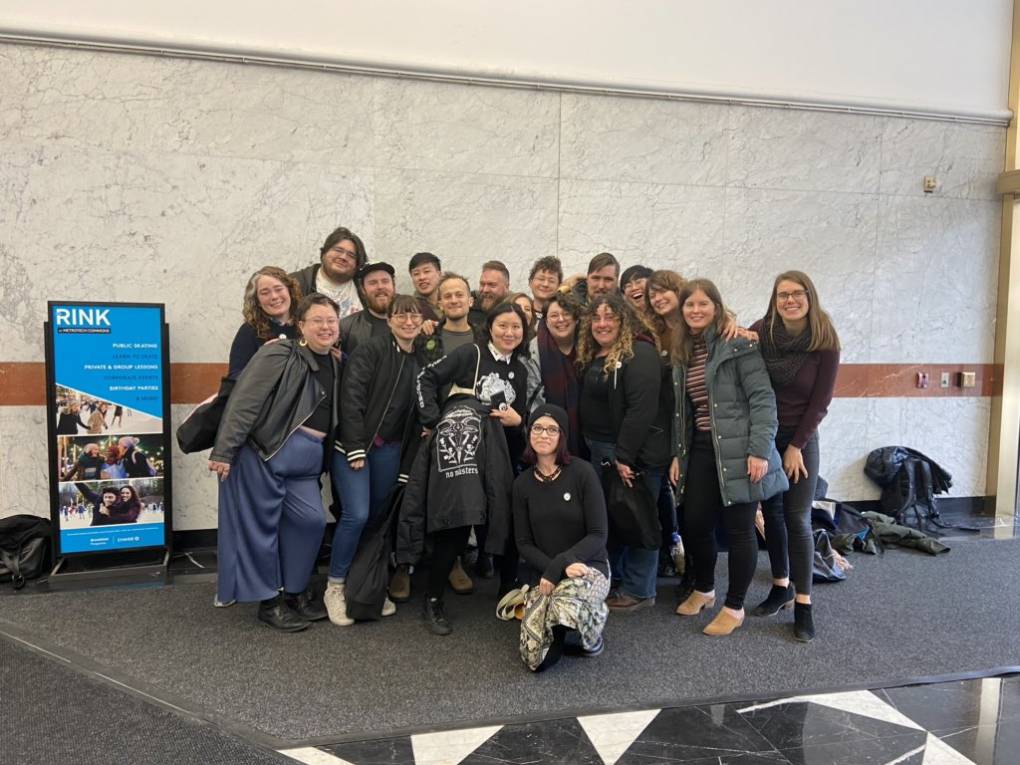
"caption": "Kickstarter employees in February 2020, on the day they voted to form a union.",
"description": "Kickstarter employees in February 2020, on the day they voted to form a union.",
"title": "Union Formation Kickstarter",
"credit": "Courtesy of Kickstarter Workers United",
"status": "inherit",
"isLoading": false,
"fetchFailed": false
},
"news_11840381": {
"type": "attachments",
"id": "news_11840381",
"meta": {
"index": "attachments_1716263798",
"site": "news",
"id": "11840381",
"found": true
},
"parent": 11840355,
"imgSizes": {
"apple_news_ca_landscape_5_5": {
"file": "https://ww2.kqed.org/app/uploads/sites/10/2020/09/SJ-Earthquakes-Pic1-1044x783.jpg",
"width": 1044,
"mimeType": "image/jpeg",
"height": 783
},
"apple_news_ca_square_4_0": {
"file": "https://ww2.kqed.org/app/uploads/sites/10/2020/09/SJ-Earthquakes-Pic1-470x470.jpg",
"width": 470,
"mimeType": "image/jpeg",
"height": 470
},
"twentyfourteen-full-width": {
"file": "https://ww2.kqed.org/app/uploads/sites/10/2020/09/SJ-Earthquakes-Pic1-1038x576.jpg",
"width": 1038,
"mimeType": "image/jpeg",
"height": 576
},
"thumbnail": {
"file": "https://ww2.kqed.org/app/uploads/sites/10/2020/09/SJ-Earthquakes-Pic1-160x120.jpg",
"width": 160,
"mimeType": "image/jpeg",
"height": 120
},
"post-thumbnail": {
"file": "https://ww2.kqed.org/app/uploads/sites/10/2020/09/SJ-Earthquakes-Pic1-672x372.jpg",
"width": 672,
"mimeType": "image/jpeg",
"height": 372
},
"kqedFullSize": {
"file": "https://ww2.kqed.org/app/uploads/sites/10/2020/09/SJ-Earthquakes-Pic1-scaled.jpg",
"width": 2560,
"height": 1920
},
"2048x2048": {
"file": "https://ww2.kqed.org/app/uploads/sites/10/2020/09/SJ-Earthquakes-Pic1-2048x1536.jpg",
"width": 2048,
"mimeType": "image/jpeg",
"height": 1536
},
"apple_news_ca_landscape_4_7": {
"file": "https://ww2.kqed.org/app/uploads/sites/10/2020/09/SJ-Earthquakes-Pic1-632x474.jpg",
"width": 632,
"mimeType": "image/jpeg",
"height": 474
},
"large": {
"file": "https://ww2.kqed.org/app/uploads/sites/10/2020/09/SJ-Earthquakes-Pic1-1020x765.jpg",
"width": 1020,
"mimeType": "image/jpeg",
"height": 765
},
"apple_news_ca_landscape_4_0": {
"file": "https://ww2.kqed.org/app/uploads/sites/10/2020/09/SJ-Earthquakes-Pic1-536x402.jpg",
"width": 536,
"mimeType": "image/jpeg",
"height": 402
},
"apple_news_ca_portrait_12_9": {
"file": "https://ww2.kqed.org/app/uploads/sites/10/2020/09/SJ-Earthquakes-Pic1-1122x1496.jpg",
"width": 1122,
"mimeType": "image/jpeg",
"height": 1496
},
"medium": {
"file": "https://ww2.kqed.org/app/uploads/sites/10/2020/09/SJ-Earthquakes-Pic1-800x600.jpg",
"width": 800,
"mimeType": "image/jpeg",
"height": 600
},
"apple_news_ca_portrait_4_0": {
"file": "https://ww2.kqed.org/app/uploads/sites/10/2020/09/SJ-Earthquakes-Pic1-354x472.jpg",
"width": 354,
"mimeType": "image/jpeg",
"height": 472
},
"apple_news_ca_portrait_9_7": {
"file": "https://ww2.kqed.org/app/uploads/sites/10/2020/09/SJ-Earthquakes-Pic1-840x1120.jpg",
"width": 840,
"mimeType": "image/jpeg",
"height": 1120
},
"apple_news_ca_landscape_12_9": {
"file": "https://ww2.kqed.org/app/uploads/sites/10/2020/09/SJ-Earthquakes-Pic1-1832x1374.jpg",
"width": 1832,
"mimeType": "image/jpeg",
"height": 1374
},
"apple_news_ca_square_9_7": {
"file": "https://ww2.kqed.org/app/uploads/sites/10/2020/09/SJ-Earthquakes-Pic1-1104x1104.jpg",
"width": 1104,
"mimeType": "image/jpeg",
"height": 1104
},
"1536x1536": {
"file": "https://ww2.kqed.org/app/uploads/sites/10/2020/09/SJ-Earthquakes-Pic1-1536x1152.jpg",
"width": 1536,
"mimeType": "image/jpeg",
"height": 1152
},
"apple_news_ca_portrait_4_7": {
"file": "https://ww2.kqed.org/app/uploads/sites/10/2020/09/SJ-Earthquakes-Pic1-414x552.jpg",
"width": 414,
"mimeType": "image/jpeg",
"height": 552
},
"apple_news_ca_square_12_9": {
"file": "https://ww2.kqed.org/app/uploads/sites/10/2020/09/SJ-Earthquakes-Pic1-1472x1472.jpg",
"width": 1472,
"mimeType": "image/jpeg",
"height": 1472
},
"apple_news_ca_portrait_5_5": {
"file": "https://ww2.kqed.org/app/uploads/sites/10/2020/09/SJ-Earthquakes-Pic1-687x916.jpg",
"width": 687,
"mimeType": "image/jpeg",
"height": 916
},
"full-width": {
"file": "https://ww2.kqed.org/app/uploads/sites/10/2020/09/SJ-Earthquakes-Pic1-1920x1440.jpg",
"width": 1920,
"mimeType": "image/jpeg",
"height": 1440
},
"apple_news_ca_square_4_7": {
"file": "https://ww2.kqed.org/app/uploads/sites/10/2020/09/SJ-Earthquakes-Pic1-550x550.jpg",
"width": 550,
"mimeType": "image/jpeg",
"height": 550
},
"apple_news_ca_landscape_9_7": {
"file": "https://ww2.kqed.org/app/uploads/sites/10/2020/09/SJ-Earthquakes-Pic1-1376x1032.jpg",
"width": 1376,
"mimeType": "image/jpeg",
"height": 1032
},
"apple_news_ca_square_5_5": {
"file": "https://ww2.kqed.org/app/uploads/sites/10/2020/09/SJ-Earthquakes-Pic1-912x912.jpg",
"width": 912,
"mimeType": "image/jpeg",
"height": 912
}
},
"publishDate": 1601497346,
"modified": 1601588055,
"caption": "Andrea Kitahata (left) and Peyton Marcisz (right) play on the newly formed girls soccer club, FC Bay Area, at the Twin Creeks Sports Complex in Sunnyvale. The girls used to train with the SJ Earthquakes, until the San Jose soccer team cut its girls program earlier this year.",
"description": "Andrea Kitahata (left) and Peyton Marcisz (right) play on the newly formed girls soccer club, FC Bay Area, at the Twin Creeks Sports Complex in Sunnyvale. The girls used to train with the SJ Earthquakes, until the San Jose soccer team cut its girls program earlier this year.",
"title": "Andrea Kitahata (left) and Peyton Marcisz (right) play soccer for the newly formed club, FC Bay Area, at the Twin Creeks Sports Complex in Sunnyvale. The girls used to train with the SJ Earthquakes, until the San Jose soccer team cut the girls program earlier this year.",
"credit": "Adhiti Bandlamudi/ KQED",
"status": "inherit",
"isLoading": false,
"fetchFailed": false
},
"news_11840357": {
"type": "attachments",
"id": "news_11840357",
"meta": {
"index": "attachments_1716263798",
"site": "news",
"id": "11840357",
"found": true
},
"parent": 11840035,
"imgSizes": {
"apple_news_ca_landscape_5_5": {
"file": "https://ww2.kqed.org/app/uploads/sites/10/2020/09/GettyImages-1207190156-1044x783.jpg",
"width": 1044,
"mimeType": "image/jpeg",
"height": 783
},
"apple_news_ca_square_4_0": {
"file": "https://ww2.kqed.org/app/uploads/sites/10/2020/09/GettyImages-1207190156-470x470.jpg",
"width": 470,
"mimeType": "image/jpeg",
"height": 470
},
"twentyfourteen-full-width": {
"file": "https://ww2.kqed.org/app/uploads/sites/10/2020/09/GettyImages-1207190156-1038x576.jpg",
"width": 1038,
"mimeType": "image/jpeg",
"height": 576
},
"thumbnail": {
"file": "https://ww2.kqed.org/app/uploads/sites/10/2020/09/GettyImages-1207190156-160x107.jpg",
"width": 160,
"mimeType": "image/jpeg",
"height": 107
},
"post-thumbnail": {
"file": "https://ww2.kqed.org/app/uploads/sites/10/2020/09/GettyImages-1207190156-672x372.jpg",
"width": 672,
"mimeType": "image/jpeg",
"height": 372
},
"kqedFullSize": {
"file": "https://ww2.kqed.org/app/uploads/sites/10/2020/09/GettyImages-1207190156-scaled.jpg",
"width": 2560,
"height": 1707
},
"2048x2048": {
"file": "https://ww2.kqed.org/app/uploads/sites/10/2020/09/GettyImages-1207190156-2048x1365.jpg",
"width": 2048,
"mimeType": "image/jpeg",
"height": 1365
},
"apple_news_ca_landscape_4_7": {
"file": "https://ww2.kqed.org/app/uploads/sites/10/2020/09/GettyImages-1207190156-632x474.jpg",
"width": 632,
"mimeType": "image/jpeg",
"height": 474
},
"large": {
"file": "https://ww2.kqed.org/app/uploads/sites/10/2020/09/GettyImages-1207190156-1020x680.jpg",
"width": 1020,
"mimeType": "image/jpeg",
"height": 680
},
"apple_news_ca_landscape_4_0": {
"file": "https://ww2.kqed.org/app/uploads/sites/10/2020/09/GettyImages-1207190156-536x402.jpg",
"width": 536,
"mimeType": "image/jpeg",
"height": 402
},
"apple_news_ca_portrait_12_9": {
"file": "https://ww2.kqed.org/app/uploads/sites/10/2020/09/GettyImages-1207190156-1122x1496.jpg",
"width": 1122,
"mimeType": "image/jpeg",
"height": 1496
},
"medium": {
"file": "https://ww2.kqed.org/app/uploads/sites/10/2020/09/GettyImages-1207190156-800x533.jpg",
"width": 800,
"mimeType": "image/jpeg",
"height": 533
},
"apple_news_ca_portrait_4_0": {
"file": "https://ww2.kqed.org/app/uploads/sites/10/2020/09/GettyImages-1207190156-354x472.jpg",
"width": 354,
"mimeType": "image/jpeg",
"height": 472
},
"apple_news_ca_portrait_9_7": {
"file": "https://ww2.kqed.org/app/uploads/sites/10/2020/09/GettyImages-1207190156-840x1120.jpg",
"width": 840,
"mimeType": "image/jpeg",
"height": 1120
},
"apple_news_ca_landscape_12_9": {
"file": "https://ww2.kqed.org/app/uploads/sites/10/2020/09/GettyImages-1207190156-1832x1374.jpg",
"width": 1832,
"mimeType": "image/jpeg",
"height": 1374
},
"apple_news_ca_square_9_7": {
"file": "https://ww2.kqed.org/app/uploads/sites/10/2020/09/GettyImages-1207190156-1104x1104.jpg",
"width": 1104,
"mimeType": "image/jpeg",
"height": 1104
},
"1536x1536": {
"file": "https://ww2.kqed.org/app/uploads/sites/10/2020/09/GettyImages-1207190156-1536x1024.jpg",
"width": 1536,
"mimeType": "image/jpeg",
"height": 1024
},
"apple_news_ca_portrait_4_7": {
"file": "https://ww2.kqed.org/app/uploads/sites/10/2020/09/GettyImages-1207190156-414x552.jpg",
"width": 414,
"mimeType": "image/jpeg",
"height": 552
},
"apple_news_ca_square_12_9": {
"file": "https://ww2.kqed.org/app/uploads/sites/10/2020/09/GettyImages-1207190156-1472x1472.jpg",
"width": 1472,
"mimeType": "image/jpeg",
"height": 1472
},
"apple_news_ca_portrait_5_5": {
"file": "https://ww2.kqed.org/app/uploads/sites/10/2020/09/GettyImages-1207190156-687x916.jpg",
"width": 687,
"mimeType": "image/jpeg",
"height": 916
},
"full-width": {
"file": "https://ww2.kqed.org/app/uploads/sites/10/2020/09/GettyImages-1207190156-1920x1280.jpg",
"width": 1920,
"mimeType": "image/jpeg",
"height": 1280
},
"apple_news_ca_square_4_7": {
"file": "https://ww2.kqed.org/app/uploads/sites/10/2020/09/GettyImages-1207190156-550x550.jpg",
"width": 550,
"mimeType": "image/jpeg",
"height": 550
},
"apple_news_ca_landscape_9_7": {
"file": "https://ww2.kqed.org/app/uploads/sites/10/2020/09/GettyImages-1207190156-1376x1032.jpg",
"width": 1376,
"mimeType": "image/jpeg",
"height": 1032
},
"apple_news_ca_square_5_5": {
"file": "https://ww2.kqed.org/app/uploads/sites/10/2020/09/GettyImages-1207190156-912x912.jpg",
"width": 912,
"mimeType": "image/jpeg",
"height": 912
}
},
"publishDate": 1601490515,
"modified": 1601503357,
"caption": "A Google employee eats alone at the company's main campus in Mountain View, California.",
"description": "A Google employee eats alone at the company's main campus in Mountain View, California.",
"title": "US-HEALTH-VIRUS-LIFESTYLE-IT",
"credit": "Glenn Chapman/AFP via Getty Images",
"status": "inherit",
"isLoading": false,
"fetchFailed": false
},
"news_11840135": {
"type": "attachments",
"id": "news_11840135",
"meta": {
"index": "attachments_1716263798",
"site": "news",
"id": "11840135",
"found": true
},
"parent": 11840047,
"imgSizes": {
"apple_news_ca_landscape_5_5": {
"file": "https://ww2.kqed.org/app/uploads/sites/10/2020/09/pexels-porapak-apichodilok-369376-1044x783.jpg",
"width": 1044,
"mimeType": "image/jpeg",
"height": 783
},
"apple_news_ca_square_4_0": {
"file": "https://ww2.kqed.org/app/uploads/sites/10/2020/09/pexels-porapak-apichodilok-369376-470x470.jpg",
"width": 470,
"mimeType": "image/jpeg",
"height": 470
},
"twentyfourteen-full-width": {
"file": "https://ww2.kqed.org/app/uploads/sites/10/2020/09/pexels-porapak-apichodilok-369376-1038x576.jpg",
"width": 1038,
"mimeType": "image/jpeg",
"height": 576
},
"thumbnail": {
"file": "https://ww2.kqed.org/app/uploads/sites/10/2020/09/pexels-porapak-apichodilok-369376-160x107.jpg",
"width": 160,
"mimeType": "image/jpeg",
"height": 107
},
"post-thumbnail": {
"file": "https://ww2.kqed.org/app/uploads/sites/10/2020/09/pexels-porapak-apichodilok-369376-672x372.jpg",
"width": 672,
"mimeType": "image/jpeg",
"height": 372
},
"kqedFullSize": {
"file": "https://ww2.kqed.org/app/uploads/sites/10/2020/09/pexels-porapak-apichodilok-369376.jpg",
"width": 1920,
"height": 1280
},
"apple_news_ca_landscape_4_7": {
"file": "https://ww2.kqed.org/app/uploads/sites/10/2020/09/pexels-porapak-apichodilok-369376-632x474.jpg",
"width": 632,
"mimeType": "image/jpeg",
"height": 474
},
"large": {
"file": "https://ww2.kqed.org/app/uploads/sites/10/2020/09/pexels-porapak-apichodilok-369376-1020x680.jpg",
"width": 1020,
"mimeType": "image/jpeg",
"height": 680
},
"apple_news_ca_landscape_4_0": {
"file": "https://ww2.kqed.org/app/uploads/sites/10/2020/09/pexels-porapak-apichodilok-369376-536x402.jpg",
"width": 536,
"mimeType": "image/jpeg",
"height": 402
},
"apple_news_ca_portrait_12_9": {
"file": "https://ww2.kqed.org/app/uploads/sites/10/2020/09/pexels-porapak-apichodilok-369376-1122x1280.jpg",
"width": 1122,
"mimeType": "image/jpeg",
"height": 1280
},
"medium": {
"file": "https://ww2.kqed.org/app/uploads/sites/10/2020/09/pexels-porapak-apichodilok-369376-800x533.jpg",
"width": 800,
"mimeType": "image/jpeg",
"height": 533
},
"apple_news_ca_portrait_4_0": {
"file": "https://ww2.kqed.org/app/uploads/sites/10/2020/09/pexels-porapak-apichodilok-369376-354x472.jpg",
"width": 354,
"mimeType": "image/jpeg",
"height": 472
},
"apple_news_ca_portrait_9_7": {
"file": "https://ww2.kqed.org/app/uploads/sites/10/2020/09/pexels-porapak-apichodilok-369376-840x1120.jpg",
"width": 840,
"mimeType": "image/jpeg",
"height": 1120
},
"apple_news_ca_landscape_12_9": {
"file": "https://ww2.kqed.org/app/uploads/sites/10/2020/09/pexels-porapak-apichodilok-369376-1832x1280.jpg",
"width": 1832,
"mimeType": "image/jpeg",
"height": 1280
},
"apple_news_ca_square_9_7": {
"file": "https://ww2.kqed.org/app/uploads/sites/10/2020/09/pexels-porapak-apichodilok-369376-1104x1104.jpg",
"width": 1104,
"mimeType": "image/jpeg",
"height": 1104
},
"1536x1536": {
"file": "https://ww2.kqed.org/app/uploads/sites/10/2020/09/pexels-porapak-apichodilok-369376-1536x1024.jpg",
"width": 1536,
"mimeType": "image/jpeg",
"height": 1024
},
"apple_news_ca_portrait_4_7": {
"file": "https://ww2.kqed.org/app/uploads/sites/10/2020/09/pexels-porapak-apichodilok-369376-414x552.jpg",
"width": 414,
"mimeType": "image/jpeg",
"height": 552
},
"apple_news_ca_square_12_9": {
"file": "https://ww2.kqed.org/app/uploads/sites/10/2020/09/pexels-porapak-apichodilok-369376-1472x1280.jpg",
"width": 1472,
"mimeType": "image/jpeg",
"height": 1280
},
"apple_news_ca_portrait_5_5": {
"file": "https://ww2.kqed.org/app/uploads/sites/10/2020/09/pexels-porapak-apichodilok-369376-687x916.jpg",
"width": 687,
"mimeType": "image/jpeg",
"height": 916
},
"apple_news_ca_square_4_7": {
"file": "https://ww2.kqed.org/app/uploads/sites/10/2020/09/pexels-porapak-apichodilok-369376-550x550.jpg",
"width": 550,
"mimeType": "image/jpeg",
"height": 550
},
"apple_news_ca_landscape_9_7": {
"file": "https://ww2.kqed.org/app/uploads/sites/10/2020/09/pexels-porapak-apichodilok-369376-1376x1032.jpg",
"width": 1376,
"mimeType": "image/jpeg",
"height": 1032
},
"apple_news_ca_square_5_5": {
"file": "https://ww2.kqed.org/app/uploads/sites/10/2020/09/pexels-porapak-apichodilok-369376-912x912.jpg",
"width": 912,
"mimeType": "image/jpeg",
"height": 912
}
},
"publishDate": 1601341352,
"modified": 1601418043,
"caption": "Your cellphone might not work as usual during a disaster like a wildfire. What can you do about it?",
"description": null,
"title": "pexels-porapak-apichodilok-369376",
"credit": "Porapak Apichodilok/Pexels",
"status": "inherit",
"isLoading": false,
"fetchFailed": false
},
"news_11839219": {
"type": "attachments",
"id": "news_11839219",
"meta": {
"index": "attachments_1716263798",
"site": "news",
"id": "11839219",
"found": true
},
"parent": 11839164,
"imgSizes": {
"apple_news_ca_landscape_5_5": {
"file": "https://ww2.kqed.org/app/uploads/sites/10/2020/09/RS16556_IMG_0695-qut-1044x783.jpg",
"width": 1044,
"mimeType": "image/jpeg",
"height": 783
},
"apple_news_ca_square_4_0": {
"file": "https://ww2.kqed.org/app/uploads/sites/10/2020/09/RS16556_IMG_0695-qut-470x470.jpg",
"width": 470,
"mimeType": "image/jpeg",
"height": 470
},
"twentyfourteen-full-width": {
"file": "https://ww2.kqed.org/app/uploads/sites/10/2020/09/RS16556_IMG_0695-qut-1038x576.jpg",
"width": 1038,
"mimeType": "image/jpeg",
"height": 576
},
"thumbnail": {
"file": "https://ww2.kqed.org/app/uploads/sites/10/2020/09/RS16556_IMG_0695-qut-160x91.jpg",
"width": 160,
"mimeType": "image/jpeg",
"height": 91
},
"post-thumbnail": {
"file": "https://ww2.kqed.org/app/uploads/sites/10/2020/09/RS16556_IMG_0695-qut-672x372.jpg",
"width": 672,
"mimeType": "image/jpeg",
"height": 372
},
"kqedFullSize": {
"file": "https://ww2.kqed.org/app/uploads/sites/10/2020/09/RS16556_IMG_0695-qut.jpg",
"width": 1920,
"height": 1086
},
"apple_news_ca_landscape_4_7": {
"file": "https://ww2.kqed.org/app/uploads/sites/10/2020/09/RS16556_IMG_0695-qut-632x474.jpg",
"width": 632,
"mimeType": "image/jpeg",
"height": 474
},
"large": {
"file": "https://ww2.kqed.org/app/uploads/sites/10/2020/09/RS16556_IMG_0695-qut-1020x577.jpg",
"width": 1020,
"mimeType": "image/jpeg",
"height": 577
},
"apple_news_ca_landscape_4_0": {
"file": "https://ww2.kqed.org/app/uploads/sites/10/2020/09/RS16556_IMG_0695-qut-536x402.jpg",
"width": 536,
"mimeType": "image/jpeg",
"height": 402
},
"apple_news_ca_portrait_12_9": {
"file": "https://ww2.kqed.org/app/uploads/sites/10/2020/09/RS16556_IMG_0695-qut-1122x1086.jpg",
"width": 1122,
"mimeType": "image/jpeg",
"height": 1086
},
"medium": {
"file": "https://ww2.kqed.org/app/uploads/sites/10/2020/09/RS16556_IMG_0695-qut-800x453.jpg",
"width": 800,
"mimeType": "image/jpeg",
"height": 453
},
"apple_news_ca_portrait_4_0": {
"file": "https://ww2.kqed.org/app/uploads/sites/10/2020/09/RS16556_IMG_0695-qut-354x472.jpg",
"width": 354,
"mimeType": "image/jpeg",
"height": 472
},
"apple_news_ca_portrait_9_7": {
"file": "https://ww2.kqed.org/app/uploads/sites/10/2020/09/RS16556_IMG_0695-qut-840x1086.jpg",
"width": 840,
"mimeType": "image/jpeg",
"height": 1086
},
"apple_news_ca_landscape_12_9": {
"file": "https://ww2.kqed.org/app/uploads/sites/10/2020/09/RS16556_IMG_0695-qut-1832x1086.jpg",
"width": 1832,
"mimeType": "image/jpeg",
"height": 1086
},
"apple_news_ca_square_9_7": {
"file": "https://ww2.kqed.org/app/uploads/sites/10/2020/09/RS16556_IMG_0695-qut-1104x1086.jpg",
"width": 1104,
"mimeType": "image/jpeg",
"height": 1086
},
"1536x1536": {
"file": "https://ww2.kqed.org/app/uploads/sites/10/2020/09/RS16556_IMG_0695-qut-1536x869.jpg",
"width": 1536,
"mimeType": "image/jpeg",
"height": 869
},
"apple_news_ca_portrait_4_7": {
"file": "https://ww2.kqed.org/app/uploads/sites/10/2020/09/RS16556_IMG_0695-qut-414x552.jpg",
"width": 414,
"mimeType": "image/jpeg",
"height": 552
},
"apple_news_ca_square_12_9": {
"file": "https://ww2.kqed.org/app/uploads/sites/10/2020/09/RS16556_IMG_0695-qut-1472x1086.jpg",
"width": 1472,
"mimeType": "image/jpeg",
"height": 1086
},
"apple_news_ca_portrait_5_5": {
"file": "https://ww2.kqed.org/app/uploads/sites/10/2020/09/RS16556_IMG_0695-qut-687x916.jpg",
"width": 687,
"mimeType": "image/jpeg",
"height": 916
},
"apple_news_ca_square_4_7": {
"file": "https://ww2.kqed.org/app/uploads/sites/10/2020/09/RS16556_IMG_0695-qut-550x550.jpg",
"width": 550,
"mimeType": "image/jpeg",
"height": 550
},
"apple_news_ca_landscape_9_7": {
"file": "https://ww2.kqed.org/app/uploads/sites/10/2020/09/RS16556_IMG_0695-qut-1376x1032.jpg",
"width": 1376,
"mimeType": "image/jpeg",
"height": 1032
},
"apple_news_ca_square_5_5": {
"file": "https://ww2.kqed.org/app/uploads/sites/10/2020/09/RS16556_IMG_0695-qut-912x912.jpg",
"width": 912,
"mimeType": "image/jpeg",
"height": 912
}
},
"publishDate": 1600827335,
"modified": 1600827416,
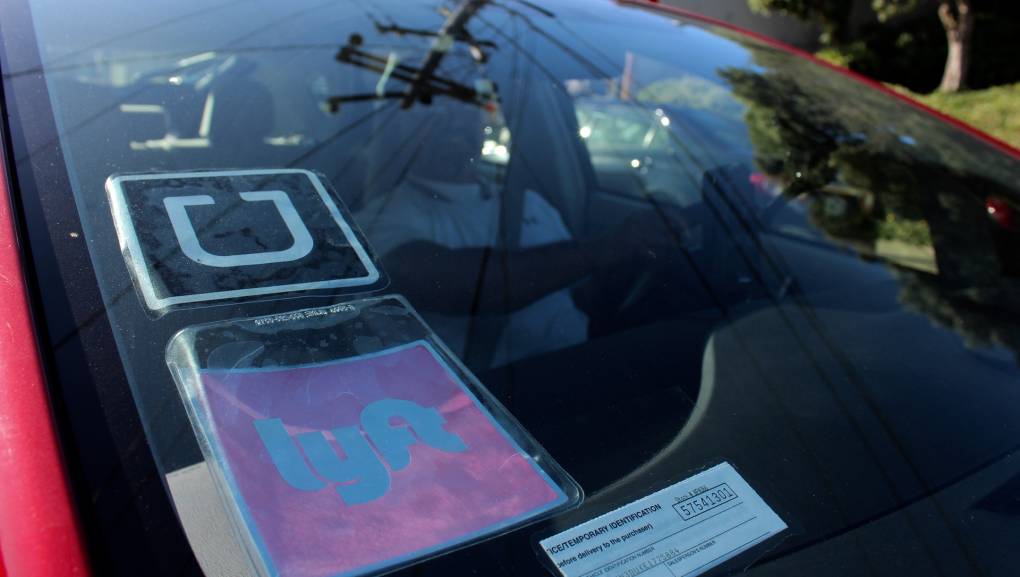
"caption": "A Lyft and Uber driver fiddles with his smartphone as he prepares to pick up a customer on Aug. 31, 2015.",
"description": null,
"title": "RS16556_IMG_0695-qut",
"credit": "Ericka Cruz Guevarra/KQED",
"status": "inherit",
"isLoading": false,
"fetchFailed": false
},
"news_11838842": {
"type": "attachments",
"id": "news_11838842",
"meta": {
"index": "attachments_1716263798",
"site": "news",
"id": "11838842",
"found": true
},
"parent": 11838327,
"imgSizes": {
"apple_news_ca_landscape_5_5": {
"file": "https://ww2.kqed.org/app/uploads/sites/10/2020/09/RS42973_IMG_1699-qut_v2-1044x783.jpg",
"width": 1044,
"mimeType": "image/jpeg",
"height": 783
},
"apple_news_ca_square_4_0": {
"file": "https://ww2.kqed.org/app/uploads/sites/10/2020/09/RS42973_IMG_1699-qut_v2-470x470.jpg",
"width": 470,
"mimeType": "image/jpeg",
"height": 470
},
"twentyfourteen-full-width": {
"file": "https://ww2.kqed.org/app/uploads/sites/10/2020/09/RS42973_IMG_1699-qut_v2-1038x576.jpg",
"width": 1038,
"mimeType": "image/jpeg",
"height": 576
},
"thumbnail": {
"file": "https://ww2.kqed.org/app/uploads/sites/10/2020/09/RS42973_IMG_1699-qut_v2-160x120.jpg",
"width": 160,
"mimeType": "image/jpeg",
"height": 120
},
"post-thumbnail": {
"file": "https://ww2.kqed.org/app/uploads/sites/10/2020/09/RS42973_IMG_1699-qut_v2-672x372.jpg",
"width": 672,
"mimeType": "image/jpeg",
"height": 372
},
"kqedFullSize": {
"file": "https://ww2.kqed.org/app/uploads/sites/10/2020/09/RS42973_IMG_1699-qut_v2.jpg",
"width": 1920,
"height": 1440
},
"apple_news_ca_landscape_4_7": {
"file": "https://ww2.kqed.org/app/uploads/sites/10/2020/09/RS42973_IMG_1699-qut_v2-632x474.jpg",
"width": 632,
"mimeType": "image/jpeg",
"height": 474
},
"large": {
"file": "https://ww2.kqed.org/app/uploads/sites/10/2020/09/RS42973_IMG_1699-qut_v2-1020x765.jpg",
"width": 1020,
"mimeType": "image/jpeg",
"height": 765
},
"apple_news_ca_landscape_4_0": {
"file": "https://ww2.kqed.org/app/uploads/sites/10/2020/09/RS42973_IMG_1699-qut_v2-536x402.jpg",
"width": 536,
"mimeType": "image/jpeg",
"height": 402
},
"apple_news_ca_portrait_12_9": {
"file": "https://ww2.kqed.org/app/uploads/sites/10/2020/09/RS42973_IMG_1699-qut_v2-1122x1440.jpg",
"width": 1122,
"mimeType": "image/jpeg",
"height": 1440
},
"medium": {
"file": "https://ww2.kqed.org/app/uploads/sites/10/2020/09/RS42973_IMG_1699-qut_v2-800x600.jpg",
"width": 800,
"mimeType": "image/jpeg",
"height": 600
},
"apple_news_ca_portrait_4_0": {
"file": "https://ww2.kqed.org/app/uploads/sites/10/2020/09/RS42973_IMG_1699-qut_v2-354x472.jpg",
"width": 354,
"mimeType": "image/jpeg",
"height": 472
},
"apple_news_ca_portrait_9_7": {
"file": "https://ww2.kqed.org/app/uploads/sites/10/2020/09/RS42973_IMG_1699-qut_v2-840x1120.jpg",
"width": 840,
"mimeType": "image/jpeg",
"height": 1120
},
"apple_news_ca_landscape_12_9": {
"file": "https://ww2.kqed.org/app/uploads/sites/10/2020/09/RS42973_IMG_1699-qut_v2-1832x1374.jpg",
"width": 1832,
"mimeType": "image/jpeg",
"height": 1374
},
"apple_news_ca_square_9_7": {
"file": "https://ww2.kqed.org/app/uploads/sites/10/2020/09/RS42973_IMG_1699-qut_v2-1104x1104.jpg",
"width": 1104,
"mimeType": "image/jpeg",
"height": 1104
},
"1536x1536": {
"file": "https://ww2.kqed.org/app/uploads/sites/10/2020/09/RS42973_IMG_1699-qut_v2-1536x1152.jpg",
"width": 1536,
"mimeType": "image/jpeg",
"height": 1152
},
"apple_news_ca_portrait_4_7": {
"file": "https://ww2.kqed.org/app/uploads/sites/10/2020/09/RS42973_IMG_1699-qut_v2-414x552.jpg",
"width": 414,
"mimeType": "image/jpeg",
"height": 552
},
"apple_news_ca_square_12_9": {
"file": "https://ww2.kqed.org/app/uploads/sites/10/2020/09/RS42973_IMG_1699-qut_v2-1472x1440.jpg",
"width": 1472,
"mimeType": "image/jpeg",
"height": 1440
},
"apple_news_ca_portrait_5_5": {
"file": "https://ww2.kqed.org/app/uploads/sites/10/2020/09/RS42973_IMG_1699-qut_v2-687x916.jpg",
"width": 687,
"mimeType": "image/jpeg",
"height": 916
},
"apple_news_ca_square_4_7": {
"file": "https://ww2.kqed.org/app/uploads/sites/10/2020/09/RS42973_IMG_1699-qut_v2-550x550.jpg",
"width": 550,
"mimeType": "image/jpeg",
"height": 550
},
"apple_news_ca_landscape_9_7": {
"file": "https://ww2.kqed.org/app/uploads/sites/10/2020/09/RS42973_IMG_1699-qut_v2-1376x1032.jpg",
"width": 1376,
"mimeType": "image/jpeg",
"height": 1032
},
"apple_news_ca_square_5_5": {
"file": "https://ww2.kqed.org/app/uploads/sites/10/2020/09/RS42973_IMG_1699-qut_v2-912x912.jpg",
"width": 912,
"mimeType": "image/jpeg",
"height": 912
}
},
"publishDate": 1600477049,
"modified": 1600477131,
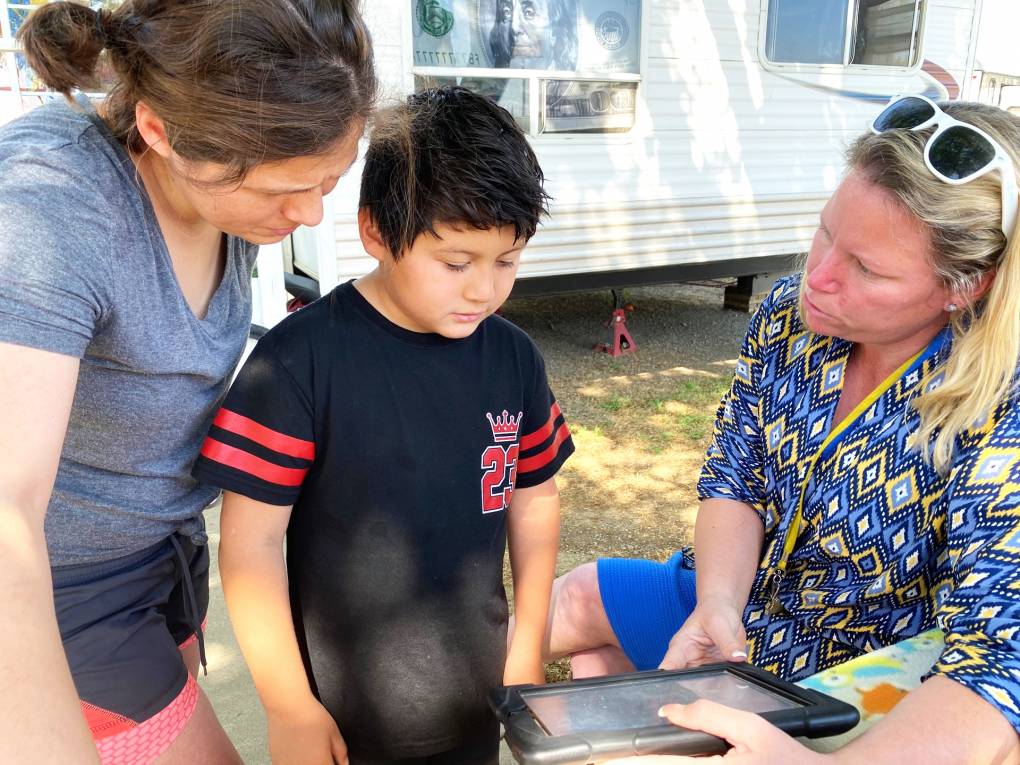
"caption": "Teacher Alena Anberg shows Nancy Ocampo and her son Anthony how to connect their Chromebook to their Wi-Fi hot spot.",
"description": "Teacher Alena Anberg shows Nancy Ocampo and her son Anthony how to connect their Chromebook to their Wi-Fi hot spot.",
"title": "RS42973_IMG_1699-qut_v2",
"credit": "Julia McEvoy/KQED",
"status": "inherit",
"isLoading": false,
"fetchFailed": false
},
"news_11839122": {
"type": "attachments",
"id": "news_11839122",
"meta": {
"index": "attachments_1716263798",
"site": "news",
"id": "11839122",
"found": true
},
"parent": 11838638,
"imgSizes": {
"apple_news_ca_landscape_5_5": {
"file": "https://ww2.kqed.org/app/uploads/sites/10/2020/09/au-1044x783.png",
"width": 1044,
"mimeType": "image/png",
"height": 783
},
"apple_news_ca_square_4_0": {
"file": "https://ww2.kqed.org/app/uploads/sites/10/2020/09/au-470x470.png",
"width": 470,
"mimeType": "image/png",
"height": 470
},
"twentyfourteen-full-width": {
"file": "https://ww2.kqed.org/app/uploads/sites/10/2020/09/au-1038x576.png",
"width": 1038,
"mimeType": "image/png",
"height": 576
},
"thumbnail": {
"file": "https://ww2.kqed.org/app/uploads/sites/10/2020/09/au-160x120.png",
"width": 160,
"mimeType": "image/png",
"height": 120
},
"post-thumbnail": {
"file": "https://ww2.kqed.org/app/uploads/sites/10/2020/09/au-672x372.png",
"width": 672,
"mimeType": "image/png",
"height": 372
},
"kqedFullSize": {
"file": "https://ww2.kqed.org/app/uploads/sites/10/2020/09/au.png",
"width": 1920,
"height": 1440
},
"apple_news_ca_landscape_4_7": {
"file": "https://ww2.kqed.org/app/uploads/sites/10/2020/09/au-632x474.png",
"width": 632,
"mimeType": "image/png",
"height": 474
},
"large": {
"file": "https://ww2.kqed.org/app/uploads/sites/10/2020/09/au-1020x765.png",
"width": 1020,
"mimeType": "image/png",
"height": 765
},
"apple_news_ca_landscape_4_0": {
"file": "https://ww2.kqed.org/app/uploads/sites/10/2020/09/au-536x402.png",
"width": 536,
"mimeType": "image/png",
"height": 402
},
"apple_news_ca_portrait_12_9": {
"file": "https://ww2.kqed.org/app/uploads/sites/10/2020/09/au-1122x1440.png",
"width": 1122,
"mimeType": "image/png",
"height": 1440
},
"medium": {
"file": "https://ww2.kqed.org/app/uploads/sites/10/2020/09/au-800x600.png",
"width": 800,
"mimeType": "image/png",
"height": 600
},
"apple_news_ca_portrait_4_0": {
"file": "https://ww2.kqed.org/app/uploads/sites/10/2020/09/au-354x472.png",
"width": 354,
"mimeType": "image/png",
"height": 472
},
"apple_news_ca_portrait_9_7": {
"file": "https://ww2.kqed.org/app/uploads/sites/10/2020/09/au-840x1120.png",
"width": 840,
"mimeType": "image/png",
"height": 1120
},
"apple_news_ca_landscape_12_9": {
"file": "https://ww2.kqed.org/app/uploads/sites/10/2020/09/au-1832x1374.png",
"width": 1832,
"mimeType": "image/png",
"height": 1374
},
"apple_news_ca_square_9_7": {
"file": "https://ww2.kqed.org/app/uploads/sites/10/2020/09/au-1104x1104.png",
"width": 1104,
"mimeType": "image/png",
"height": 1104
},
"1536x1536": {
"file": "https://ww2.kqed.org/app/uploads/sites/10/2020/09/au-1536x1152.png",
"width": 1536,
"mimeType": "image/png",
"height": 1152
},
"apple_news_ca_portrait_4_7": {
"file": "https://ww2.kqed.org/app/uploads/sites/10/2020/09/au-414x552.png",
"width": 414,
"mimeType": "image/png",
"height": 552
},
"apple_news_ca_square_12_9": {
"file": "https://ww2.kqed.org/app/uploads/sites/10/2020/09/au-1472x1440.png",
"width": 1472,
"mimeType": "image/png",
"height": 1440
},
"apple_news_ca_portrait_5_5": {
"file": "https://ww2.kqed.org/app/uploads/sites/10/2020/09/au-687x916.png",
"width": 687,
"mimeType": "image/png",
"height": 916
},
"apple_news_ca_square_4_7": {
"file": "https://ww2.kqed.org/app/uploads/sites/10/2020/09/au-550x550.png",
"width": 550,
"mimeType": "image/png",
"height": 550
},
"apple_news_ca_landscape_9_7": {
"file": "https://ww2.kqed.org/app/uploads/sites/10/2020/09/au-1376x1032.png",
"width": 1376,
"mimeType": "image/png",
"height": 1032
},
"apple_news_ca_square_5_5": {
"file": "https://ww2.kqed.org/app/uploads/sites/10/2020/09/au-912x912.png",
"width": 912,
"mimeType": "image/png",
"height": 912
}
},
"publishDate": 1600805622,
"modified": 1600810726,
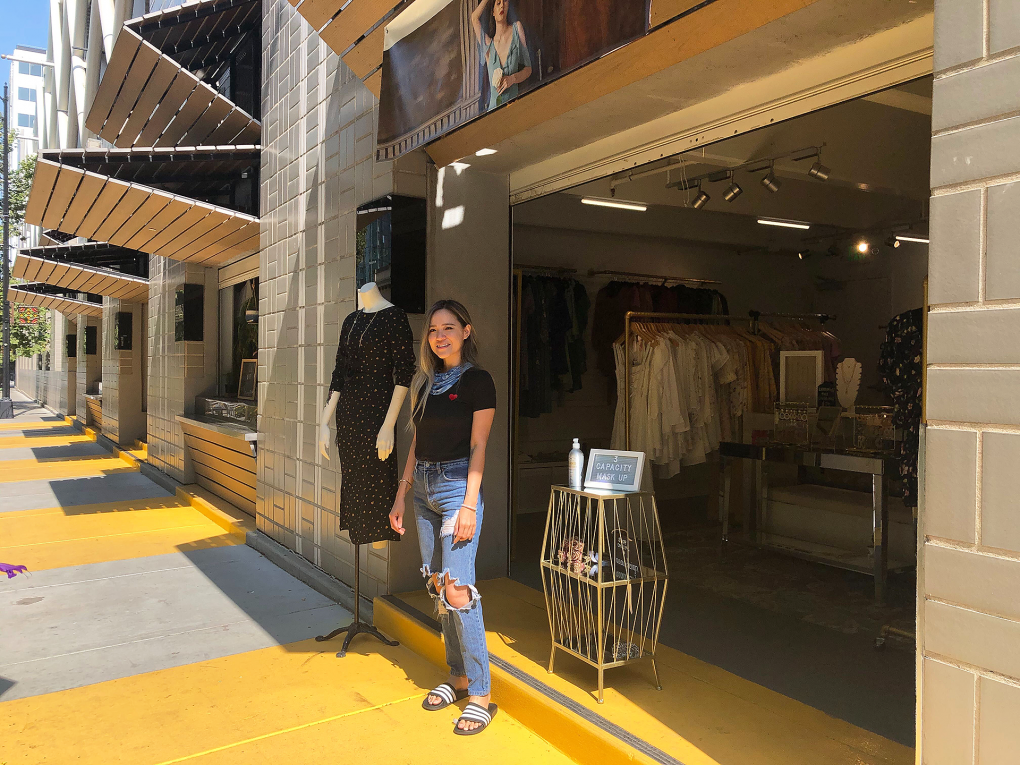
"caption": "Au Nguyen outside Au La La, her newly opened clothing boutique in downtown San Jose. Despite the slow foot traffic due to the pandemic, she says she has still been able to attract some new customers.",
"description": null,
"title": null,
"credit": "Adhiti Bandlamudi/KQED",
"status": "inherit",
"isLoading": false,
"fetchFailed": false
},
"news_11834929": {
"type": "attachments",
"id": "news_11834929",
"meta": {
"index": "attachments_1716263798",
"site": "news",
"id": "11834929",
"found": true
},
"parent": 11834806,
"imgSizes": {
"apple_news_ca_landscape_5_5": {
"file": "https://ww2.kqed.org/app/uploads/sites/10/2020/08/TenantsTogether-1-1044x783.jpg",
"width": 1044,
"mimeType": "image/jpeg",
"height": 783
},
"apple_news_ca_square_4_0": {
"file": "https://ww2.kqed.org/app/uploads/sites/10/2020/08/TenantsTogether-1-470x470.jpg",
"width": 470,
"mimeType": "image/jpeg",
"height": 470
},
"twentyfourteen-full-width": {
"file": "https://ww2.kqed.org/app/uploads/sites/10/2020/08/TenantsTogether-1-1038x576.jpg",
"width": 1038,
"mimeType": "image/jpeg",
"height": 576
},
"thumbnail": {
"file": "https://ww2.kqed.org/app/uploads/sites/10/2020/08/TenantsTogether-1-160x111.jpg",
"width": 160,
"mimeType": "image/jpeg",
"height": 111
},
"post-thumbnail": {
"file": "https://ww2.kqed.org/app/uploads/sites/10/2020/08/TenantsTogether-1-672x372.jpg",
"width": 672,
"mimeType": "image/jpeg",
"height": 372
},
"kqedFullSize": {
"file": "https://ww2.kqed.org/app/uploads/sites/10/2020/08/TenantsTogether-1.jpg",
"width": 1536,
"height": 1070
},
"apple_news_ca_landscape_4_7": {
"file": "https://ww2.kqed.org/app/uploads/sites/10/2020/08/TenantsTogether-1-632x474.jpg",
"width": 632,
"mimeType": "image/jpeg",
"height": 474
},
"large": {
"file": "https://ww2.kqed.org/app/uploads/sites/10/2020/08/TenantsTogether-1-1020x711.jpg",
"width": 1020,
"mimeType": "image/jpeg",
"height": 711
},
"apple_news_ca_landscape_4_0": {
"file": "https://ww2.kqed.org/app/uploads/sites/10/2020/08/TenantsTogether-1-536x402.jpg",
"width": 536,
"mimeType": "image/jpeg",
"height": 402
},
"apple_news_ca_portrait_12_9": {
"file": "https://ww2.kqed.org/app/uploads/sites/10/2020/08/TenantsTogether-1-1122x1070.jpg",
"width": 1122,
"mimeType": "image/jpeg",
"height": 1070
},
"medium": {
"file": "https://ww2.kqed.org/app/uploads/sites/10/2020/08/TenantsTogether-1-800x557.jpg",
"width": 800,
"mimeType": "image/jpeg",
"height": 557
},
"apple_news_ca_portrait_4_0": {
"file": "https://ww2.kqed.org/app/uploads/sites/10/2020/08/TenantsTogether-1-354x472.jpg",
"width": 354,
"mimeType": "image/jpeg",
"height": 472
},
"apple_news_ca_portrait_9_7": {
"file": "https://ww2.kqed.org/app/uploads/sites/10/2020/08/TenantsTogether-1-840x1070.jpg",
"width": 840,
"mimeType": "image/jpeg",
"height": 1070
},
"apple_news_ca_square_9_7": {
"file": "https://ww2.kqed.org/app/uploads/sites/10/2020/08/TenantsTogether-1-1104x1070.jpg",
"width": 1104,
"mimeType": "image/jpeg",
"height": 1070
},
"apple_news_ca_portrait_4_7": {
"file": "https://ww2.kqed.org/app/uploads/sites/10/2020/08/TenantsTogether-1-414x552.jpg",
"width": 414,
"mimeType": "image/jpeg",
"height": 552
},
"apple_news_ca_square_12_9": {
"file": "https://ww2.kqed.org/app/uploads/sites/10/2020/08/TenantsTogether-1-1472x1070.jpg",
"width": 1472,
"mimeType": "image/jpeg",
"height": 1070
},
"apple_news_ca_portrait_5_5": {
"file": "https://ww2.kqed.org/app/uploads/sites/10/2020/08/TenantsTogether-1-687x916.jpg",
"width": 687,
"mimeType": "image/jpeg",
"height": 916
},
"apple_news_ca_square_4_7": {
"file": "https://ww2.kqed.org/app/uploads/sites/10/2020/08/TenantsTogether-1-550x550.jpg",
"width": 550,
"mimeType": "image/jpeg",
"height": 550
},
"apple_news_ca_landscape_9_7": {
"file": "https://ww2.kqed.org/app/uploads/sites/10/2020/08/TenantsTogether-1-1376x1032.jpg",
"width": 1376,
"mimeType": "image/jpeg",
"height": 1032
},
"apple_news_ca_square_5_5": {
"file": "https://ww2.kqed.org/app/uploads/sites/10/2020/08/TenantsTogether-1-912x912.jpg",
"width": 912,
"mimeType": "image/jpeg",
"height": 912
}
},
"publishDate": 1598305539,
"modified": 1618430909,
"caption": "Protesters in San Francisco rallied against Veritas, a property management company, as part of a 2019 demonstration organized on WeChat.",
"description": "Protesters in San Francisco rallied against Veritas, a property management company, as part of a 2019 demonstration organized on WeChat.",
"title": "TenantsTogether (1)",
"credit": "Courtesy of Tenants Together",
"status": "inherit",
"altTag": null,
"isLoading": false,
"fetchFailed": false
},
"news_11637256": {
"type": "attachments",
"id": "news_11637256",
"meta": {
"index": "attachments_1716263798",
"site": "news",
"id": "11637256",
"found": true
},
"title": "ScottWiener",
"publishDate": 1513305232,
"status": "inherit",
"parent": 11637200,
"modified": 1721158462,
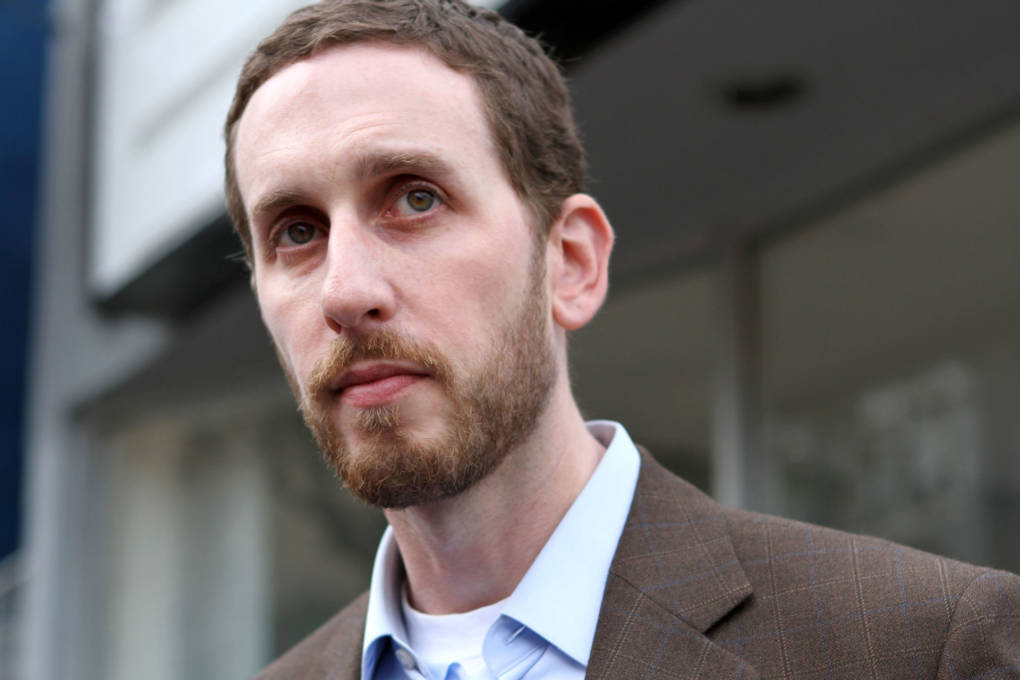
"caption": "Senate Bill 145, signed into law by Gov. Gavin Newsom in early September, is intended to reform the state’s sex offender registry to be fairer to young LGBT adults. The bill's author, state Sen. Scott Wiener, has received hundreds of death threats from people who believe the bill legalizes pedophilia in California.",
"credit": "Michelle Gachet/KQED",
"altTag": "Senate Bill 145, signed into law by Gov. Gavin Newsom in early September, is intended to reform the state’s sex offender registry to be fairer to young LGBT adults. The bill's author, state Sen. Scott Wiener, has received hundreds of death threats from people who believe the bill legalizes pedophilia in California.",
"description": "Senate Bill 145, signed into law by Gov. Gavin Newsom in early September, is intended to reform the state’s sex offender registry to be fairer to young LGBTQ adults. The bill's author, state Sen. Scott Wiener, has received hundreds of death threats from people who believe the bill legalizes pedophilia in California.",
"imgSizes": {
"thumbnail": {
"file": "https://cdn.kqed.org/wp-content/uploads/sites/10/2017/12/ScottWiener-160x107.jpg",
"width": 160,
"height": 107,
"mimeType": "image/jpeg"
},
"medium": {
"file": "https://cdn.kqed.org/wp-content/uploads/sites/10/2017/12/ScottWiener-800x533.jpg",
"width": 800,
"height": 533,
"mimeType": "image/jpeg"
},
"large": {
"file": "https://cdn.kqed.org/wp-content/uploads/sites/10/2017/12/ScottWiener-1020x680.jpg",
"width": 1020,
"height": 680,
"mimeType": "image/jpeg"
},
"fd-lrg": {
"file": "https://cdn.kqed.org/wp-content/uploads/sites/10/2017/12/ScottWiener-1920x1280.jpg",
"width": 1920,
"height": 1280,
"mimeType": "image/jpeg"
},
"fd-med": {
"file": "https://cdn.kqed.org/wp-content/uploads/sites/10/2017/12/ScottWiener-1180x787.jpg",
"width": 1180,
"height": 787,
"mimeType": "image/jpeg"
},
"fd-sm": {
"file": "https://cdn.kqed.org/wp-content/uploads/sites/10/2017/12/ScottWiener-960x640.jpg",
"width": 960,
"height": 640,
"mimeType": "image/jpeg"
},
"post-thumbnail": {
"file": "https://cdn.kqed.org/wp-content/uploads/sites/10/2017/12/ScottWiener-672x372.jpg",
"width": 672,
"height": 372,
"mimeType": "image/jpeg"
},
"twentyfourteen-full-width": {
"file": "https://cdn.kqed.org/wp-content/uploads/sites/10/2017/12/ScottWiener-1038x576.jpg",
"width": 1038,
"height": 576,
"mimeType": "image/jpeg"
},
"xxsmall": {
"file": "https://cdn.kqed.org/wp-content/uploads/sites/10/2017/12/ScottWiener-240x160.jpg",
"width": 240,
"height": 160,
"mimeType": "image/jpeg"
},
"xsmall": {
"file": "https://cdn.kqed.org/wp-content/uploads/sites/10/2017/12/ScottWiener-375x250.jpg",
"width": 375,
"height": 250,
"mimeType": "image/jpeg"
},
"small": {
"file": "https://cdn.kqed.org/wp-content/uploads/sites/10/2017/12/ScottWiener-520x347.jpg",
"width": 520,
"height": 347,
"mimeType": "image/jpeg"
},
"xlarge": {
"file": "https://cdn.kqed.org/wp-content/uploads/sites/10/2017/12/ScottWiener-1180x787.jpg",
"width": 1180,
"height": 787,
"mimeType": "image/jpeg"
},
"full-width": {
"file": "https://cdn.kqed.org/wp-content/uploads/sites/10/2017/12/ScottWiener-1920x1280.jpg",
"width": 1920,
"height": 1280,
"mimeType": "image/jpeg"
},
"guest-author-32": {
"file": "https://cdn.kqed.org/wp-content/uploads/sites/10/2017/12/ScottWiener-32x32.jpg",
"width": 32,
"height": 32,
"mimeType": "image/jpeg"
},
"guest-author-50": {
"file": "https://cdn.kqed.org/wp-content/uploads/sites/10/2017/12/ScottWiener-50x50.jpg",
"width": 50,
"height": 50,
"mimeType": "image/jpeg"
},
"guest-author-64": {
"file": "https://cdn.kqed.org/wp-content/uploads/sites/10/2017/12/ScottWiener-64x64.jpg",
"width": 64,
"height": 64,
"mimeType": "image/jpeg"
},
"guest-author-96": {
"file": "https://cdn.kqed.org/wp-content/uploads/sites/10/2017/12/ScottWiener-96x96.jpg",
"width": 96,
"height": 96,
"mimeType": "image/jpeg"
},
"guest-author-128": {
"file": "https://cdn.kqed.org/wp-content/uploads/sites/10/2017/12/ScottWiener-128x128.jpg",
"width": 128,
"height": 128,
"mimeType": "image/jpeg"
},
"detail": {
"file": "https://cdn.kqed.org/wp-content/uploads/sites/10/2017/12/ScottWiener-150x150.jpg",
"width": 150,
"height": 150,
"mimeType": "image/jpeg"
},
"kqedFullSize": {
"file": "https://cdn.kqed.org/wp-content/uploads/sites/10/2017/12/ScottWiener.jpg",
"width": 1920,
"height": 1280
}
},
"isLoading": false,
"fetchFailed": false
}
},
"audioPlayerReducer": {
"postId": "stream_live",
"isPaused": true,
"isPlaying": false,
"pfsActive": false,
"pledgeModalIsOpen": true,
"playerDrawerIsOpen": false,
"liveAudioPlayStartedAt": 0,
"liveAudioPlayContext": ""
},
"authorsReducer": {
"byline_news_11838909": {
"type": "authors",
"id": "byline_news_11838909",
"meta": {
"override": true
},
"slug": "byline_news_11838909",
"name": "Joe Dworetzky, KQED",
"isLoading": false
},
"ohubertallen": {
"type": "authors",
"id": "102",
"meta": {
"index": "authors_1716337520",
"id": "102",
"found": true
},
"name": "Olivia Allen-Price",
"firstName": "Olivia",
"lastName": "Allen-Price",
"slug": "ohubertallen",
"email": "oallenprice@kqed.org",
"display_author_email": false,
"staff_mastheads": [
"news"
],
"title": "Senior Editor",
"bio": "Olivia Allen-Price is senior editor and host of the award-winning Bay Curious podcast. Prior to joining KQED in 2013, Olivia worked at The Baltimore Sun and The Virginian-Pilot in Norfolk, Va. She holds degrees in journalism and political science from Elon University. Her work has earned awards from the Society of Professional Journalists, the Hearst Foundation and Hearken. She loves to talk about running and curly hair.\r\n\r\nFollow: \u003ca href=\"https://twitter.com/oallenprice\">@oallenprice\u003c/a>\r\nEmail: \u003ca href=\"mailto:oallenprice@kqed.org\">oallenprice@kqed.org\u003c/a>",
"avatar": "https://secure.gravatar.com/avatar/07f7803c1f6be56f3be58ef276dfa64dce898502e0554408ef4858451a8294f7?s=600&d=blank&r=g",
"twitter": "oallenprice",
"bluesky": null,
"facebook": null,
"instagram": null,
"linkedin": null,
"sites": [
{
"site": "",
"roles": [
"editor"
]
},
{
"site": "arts",
"roles": [
"subscriber"
]
},
{
"site": "news",
"roles": [
"administrator"
]
},
{
"site": "pop",
"roles": [
"administrator"
]
},
{
"site": "bayareabites",
"roles": [
"contributor"
]
},
{
"site": "stateofhealth",
"roles": [
"administrator"
]
},
{
"site": "science",
"roles": [
"editor"
]
}
],
"headData": {
"title": "Olivia Allen-Price | KQED",
"description": "Senior Editor",
"ogImgSrc": "https://secure.gravatar.com/avatar/07f7803c1f6be56f3be58ef276dfa64dce898502e0554408ef4858451a8294f7?s=600&d=blank&r=g",
"twImgSrc": "https://secure.gravatar.com/avatar/07f7803c1f6be56f3be58ef276dfa64dce898502e0554408ef4858451a8294f7?s=600&d=blank&r=g"
},
"isLoading": false,
"link": "/author/ohubertallen"
},
"jmcevoy": {
"type": "authors",
"id": "231",
"meta": {
"index": "authors_1716337520",
"id": "231",
"found": true
},
"name": "Julia McEvoy",
"firstName": "Julia",
"lastName": "McEvoy",
"slug": "jmcevoy",
"email": "jmcevoy@KQED.org",
"display_author_email": true,
"staff_mastheads": [
"news"
],
"title": "KQED Senior Editor",
"bio": "Julia McEvoy is KQED's Senior Editor, Education Equity.\r\n\r\nJulia heads KQED’s education coverage examining inequities students face in Bay Area and California schools, and reports on what it will take to educate the next generation.\r\n\r\nJulia's editorial work has received a Peabody Award, a Casey Medal for Coverage of Children and Families, several Edward R. Murrow awards, as well as awards from the Public Radio News Directors Inc. and the Society for Professional Journalists.",
"avatar": "https://secure.gravatar.com/avatar/aec3ce21abe02b302fd33638abd56a22?s=600&d=blank&r=g",
"twitter": "juliamcevoy1",
"facebook": null,
"instagram": null,
"linkedin": null,
"sites": [
{
"site": "news",
"roles": []
},
{
"site": "stateofhealth",
"roles": [
"author"
]
}
],
"headData": {
"title": "Julia McEvoy | KQED",
"description": "KQED Senior Editor",
"ogImgSrc": "https://secure.gravatar.com/avatar/aec3ce21abe02b302fd33638abd56a22?s=600&d=blank&r=g",
"twImgSrc": "https://secure.gravatar.com/avatar/aec3ce21abe02b302fd33638abd56a22?s=600&d=blank&r=g"
},
"isLoading": false,
"link": "/author/jmcevoy"
},
"katrinaschwartz": {
"type": "authors",
"id": "234",
"meta": {
"index": "authors_1716337520",
"id": "234",
"found": true
},
"name": "Katrina Schwartz",
"firstName": "Katrina",
"lastName": "Schwartz",
"slug": "katrinaschwartz",
"email": "kschwartz@kqed.org",
"display_author_email": false,
"staff_mastheads": [
"news"
],
"title": "Producer",
"bio": "Katrina Schwartz is a journalist based in San Francisco. She's worked at KPCC public radio in LA and has reported on air and online for KQED since 2010. She covered how teaching and learning is changing for MindShift between 2012 and 2020. She is the co-host of the MindShift podcast and now produces KQED's Bay Curious podcast.",
"avatar": "https://secure.gravatar.com/avatar/edb4ee79070447a018538c9aae6eeecf28786515b8a0c30e43b6b7dce5aa44c8?s=600&d=blank&r=g",
"twitter": "kschwart",
"bluesky": null,
"facebook": null,
"instagram": null,
"linkedin": null,
"sites": [
{
"site": "",
"roles": [
"editor"
]
},
{
"site": "news",
"roles": [
"editor"
]
},
{
"site": "mindshift",
"roles": [
"administrator"
]
},
{
"site": "stateofhealth",
"roles": [
"author"
]
},
{
"site": "science",
"roles": [
"editor"
]
}
],
"headData": {
"title": "Katrina Schwartz | KQED",
"description": "Producer",
"ogImgSrc": "https://secure.gravatar.com/avatar/edb4ee79070447a018538c9aae6eeecf28786515b8a0c30e43b6b7dce5aa44c8?s=600&d=blank&r=g",
"twImgSrc": "https://secure.gravatar.com/avatar/edb4ee79070447a018538c9aae6eeecf28786515b8a0c30e43b6b7dce5aa44c8?s=600&d=blank&r=g"
},
"isLoading": false,
"link": "/author/katrinaschwartz"
},
"rachael-myrow": {
"type": "authors",
"id": "251",
"meta": {
"index": "authors_1716337520",
"id": "251",
"found": true
},
"name": "Rachael Myrow",
"firstName": "Rachael",
"lastName": "Myrow",
"slug": "rachael-myrow",
"email": "rmyrow@kqed.org",
"display_author_email": true,
"staff_mastheads": [
"news"
],
"title": "Senior Editor of KQED's Silicon Valley News Desk",
"bio": "• I write and edit stories about how Silicon Valley power and policies shape everyday life in California. I’m also passionate about making Bay Area history and culture more accessible to a broad public. • I’ve been a journalist for most of my life, starting in high school with The Franklin Press in Los Angeles, where I grew up. While earning my first degree in English at UC Berkeley, I got my start in public radio at KALX-FM. After completing a second degree in journalism at Cal, I landed my first professional job at Marketplace, then moved on to KPCC (now LAist), and then KQED, where I hosted The California Report for more than seven years. • My reporting has appeared on NPR, The World, WBUR’s \u003ci>Here & Now\u003c/i>, and the BBC. I also guest host for KQED’s \u003ci>Forum\u003c/i>, as well as the Commonwealth Club in San Francisco. • I speak periodically on media, democracy and technology issues, and do voiceover work for documentaries and educational video projects. • Outside of the studio, you'll find me hiking Bay Area trails and whipping up Insta-ready meals in my kitchen. • I do not accept gifts, money, or favors from anyone connected to my reporting, I don't pay people for information, and I do not support or donate to political causes. • I strive to treat the people I report on with fairness, honesty, and respect. I also recognize there are often multiple sides to a story and work to verify information through multiple sources and documentation. If I get something wrong, I correct it.",
"avatar": "https://secure.gravatar.com/avatar/3ed8a3c5f26025e4a805ba634cda8cd764906b97438a6d9ce216b044e340da4e?s=600&d=blank&r=g",
"twitter": "rachaelmyrow",
"bluesky": null,
"facebook": null,
"instagram": null,
"linkedin": "https://www.linkedin.com/in/rachaelmyrow/",
"sites": [
{
"site": "arts",
"roles": [
"administrator"
]
},
{
"site": "news",
"roles": [
"edit_others_posts",
"editor"
]
},
{
"site": "futureofyou",
"roles": [
"editor"
]
},
{
"site": "bayareabites",
"roles": [
"editor"
]
},
{
"site": "stateofhealth",
"roles": [
"editor"
]
},
{
"site": "science",
"roles": [
"editor"
]
},
{
"site": "food",
"roles": [
"editor"
]
},
{
"site": "forum",
"roles": [
"editor"
]
},
{
"site": "liveblog",
"roles": [
"author"
]
}
],
"headData": {
"title": "Rachael Myrow | KQED",
"description": "Senior Editor of KQED's Silicon Valley News Desk",
"ogImgSrc": "https://secure.gravatar.com/avatar/3ed8a3c5f26025e4a805ba634cda8cd764906b97438a6d9ce216b044e340da4e?s=600&d=blank&r=g",
"twImgSrc": "https://secure.gravatar.com/avatar/3ed8a3c5f26025e4a805ba634cda8cd764906b97438a6d9ce216b044e340da4e?s=600&d=blank&r=g"
},
"isLoading": false,
"link": "/author/rachael-myrow"
},
"samharnett": {
"type": "authors",
"id": "253",
"meta": {
"index": "authors_1716337520",
"id": "253",
"found": true
},
"name": "Sam Harnett",
"firstName": "Sam",
"lastName": "Harnett",
"slug": "samharnett",
"email": "samharnett@gmail.com",
"display_author_email": false,
"staff_mastheads": [],
"title": "KQED Contributor",
"bio": "Sam Harnett covered tech and work at KQED. He is the co-creator of \u003cem>\u003ca href=\"http://www.theworldaccordingtosound.org\">The World According to Sound\u003c/a>,\u003c/em> a 90-second podcast that features different sounds and the stories behind them.\r\n\r\nBefore coming to KQED, Sam worked as an independent reporter who contributed regularly to \u003cem>The California Report, Marketplace,\u003c/em> \u003cem>The World \u003c/em>and NPR.",
"avatar": "https://secure.gravatar.com/avatar/2538b972ac02f2b9546c7a6c59a0f3d0?s=600&d=blank&r=g",
"twitter": "Samwharnett",
"facebook": null,
"instagram": null,
"linkedin": null,
"sites": [
{
"site": "news",
"roles": [
"edit_others_posts",
"subscriber"
]
},
{
"site": "stateofhealth",
"roles": [
"author"
]
},
{
"site": "science",
"roles": [
"editor"
]
},
{
"site": "quest",
"roles": [
"subscriber"
]
}
],
"headData": {
"title": "Sam Harnett | KQED",
"description": "KQED Contributor",
"ogImgSrc": "https://secure.gravatar.com/avatar/2538b972ac02f2b9546c7a6c59a0f3d0?s=600&d=blank&r=g",
"twImgSrc": "https://secure.gravatar.com/avatar/2538b972ac02f2b9546c7a6c59a0f3d0?s=600&d=blank&r=g"
},
"isLoading": false,
"link": "/author/samharnett"
},
"scottshafer": {
"type": "authors",
"id": "255",
"meta": {
"index": "authors_1716337520",
"id": "255",
"found": true
},
"name": "Scott Shafer",
"firstName": "Scott",
"lastName": "Shafer",
"slug": "scottshafer",
"email": "sshafer@kqed.org",
"display_author_email": false,
"staff_mastheads": [
"news"
],
"title": "KQED Contributor",
"bio": "Scott Shafer is a senior editor with the KQED Politics and Government desk. He is co-host of Political Breakdown, the award-winning radio show and podcast with a personal take on the world of politics. Scott came to KQED in 1998 to host the statewide\u003cem> California Report\u003c/em>. Prior to that he had extended stints in politics and government\u003cem>.\u003c/em> He uses that inside experience at KQED in his, reporting, hosting and analysis for the politics desk. Scott collaborated \u003cem>Political Breakdown a\u003c/em>nd on \u003cem>The Political Mind of Jerry Brown, \u003c/em>an eight-part series about the life and extraordinary political career of the former governor. For fun, he plays water polo with the San Francisco Tsunami.",
"avatar": "https://secure.gravatar.com/avatar/a62ebae45b79d7aed1a39a0e3bf68104?s=600&d=blank&r=g",
"twitter": "scottshafer",
"bluesky": null,
"facebook": null,
"instagram": null,
"linkedin": null,
"sites": [
{
"site": "news",
"roles": [
"editor"
]
},
{
"site": "stateofhealth",
"roles": [
"author"
]
},
{
"site": "science",
"roles": [
"author"
]
},
{
"site": "forum",
"roles": [
"subscriber"
]
},
{
"site": "liveblog",
"roles": [
"author"
]
}
],
"headData": {
"title": "Scott Shafer | KQED",
"description": "KQED Contributor",
"ogImgSrc": "https://secure.gravatar.com/avatar/a62ebae45b79d7aed1a39a0e3bf68104?s=600&d=blank&r=g",
"twImgSrc": "https://secure.gravatar.com/avatar/a62ebae45b79d7aed1a39a0e3bf68104?s=600&d=blank&r=g"
},
"isLoading": false,
"link": "/author/scottshafer"
},
"carlysevern": {
"type": "authors",
"id": "3243",
"meta": {
"index": "authors_1716337520",
"id": "3243",
"found": true
},
"name": "Carly Severn",
"firstName": "Carly",
"lastName": "Severn",
"slug": "carlysevern",
"email": "csevern@kqed.org",
"display_author_email": false,
"staff_mastheads": [
"news"
],
"title": "Senior Editor, Audience News ",
"bio": "Carly is KQED's Senior Editor of Audience News on the Digital News team, and has reported for the California Report Magazine, Bay Curious and KQED Arts. She's formerly the host of \u003ca href=\"http://ww2.kqed.org/pop/category/the-cooler/\" rel=\"noopener noreferrer\">The Cooler\u003c/a> podcast.",
"avatar": "https://secure.gravatar.com/avatar/54037bf5c128fe678f0ef26cec97a93f2e7f220a22d7285703328f12c42c1b1d?s=600&d=blank&r=g",
"twitter": "teacupinthebay",
"bluesky": null,
"facebook": null,
"instagram": null,
"linkedin": null,
"sites": [
{
"site": "",
"roles": [
"editor"
]
},
{
"site": "arts",
"roles": [
"editor"
]
},
{
"site": "news",
"roles": [
"administrator"
]
},
{
"site": "pop",
"roles": [
"editor"
]
},
{
"site": "futureofyou",
"roles": [
"editor"
]
},
{
"site": "about",
"roles": [
"administrator"
]
},
{
"site": "mindshift",
"roles": [
"editor"
]
},
{
"site": "bayareabites",
"roles": [
"editor"
]
},
{
"site": "stateofhealth",
"roles": [
"editor"
]
},
{
"site": "science",
"roles": [
"editor"
]
},
{
"site": "food",
"roles": [
"contributor"
]
},
{
"site": "forum",
"roles": [
"editor"
]
},
{
"site": "perspectives",
"roles": [
"administrator"
]
},
{
"site": "liveblog",
"roles": [
"editor"
]
}
],
"headData": {
"title": "Carly Severn | KQED",
"description": "Senior Editor, Audience News ",
"ogImgSrc": "https://secure.gravatar.com/avatar/54037bf5c128fe678f0ef26cec97a93f2e7f220a22d7285703328f12c42c1b1d?s=600&d=blank&r=g",
"twImgSrc": "https://secure.gravatar.com/avatar/54037bf5c128fe678f0ef26cec97a93f2e7f220a22d7285703328f12c42c1b1d?s=600&d=blank&r=g"
},
"isLoading": false,
"link": "/author/carlysevern"
},
"abandlamudi": {
"type": "authors",
"id": "11672",
"meta": {
"index": "authors_1716337520",
"id": "11672",
"found": true
},
"name": "Adhiti Bandlamudi",
"firstName": "Adhiti",
"lastName": "Bandlamudi",
"slug": "abandlamudi",
"email": "abandlamudi@kqed.org",
"display_author_email": false,
"staff_mastheads": [
"news"
],
"title": "KQED Housing Reporter",
"bio": "Adhiti Bandlamudi reports for KQED's Housing desk. She focuses on how housing gets built across the Bay Area. Before joining KQED in 2020, she reported for WUNC in Durham, North Carolina, WABE in Atlanta, Georgia and Capital Public Radio in Sacramento. In 2017, she was awarded a Kroc Fellowship at NPR where she reported on everything from sprinkles to the Golden State Killer's arrest. When she's not reporting, she's baking new recipes in her kitchen or watching movies with friends and family. She's originally from Georgia and has strong opinions about Great British Bake Off.",
"avatar": "https://secure.gravatar.com/avatar/868129c8b257bb99a3500e2c86a65400?s=600&d=mm&r=g",
"twitter": "oddity_adhiti",
"facebook": null,
"instagram": null,
"linkedin": null,
"sites": [
{
"site": "arts",
"roles": [
"author"
]
},
{
"site": "news",
"roles": [
"editor"
]
},
{
"site": "liveblog",
"roles": [
"author"
]
}
],
"headData": {
"title": "Adhiti Bandlamudi | KQED",
"description": "KQED Housing Reporter",
"ogImgSrc": "https://secure.gravatar.com/avatar/868129c8b257bb99a3500e2c86a65400?s=600&d=mm&r=g",
"twImgSrc": "https://secure.gravatar.com/avatar/868129c8b257bb99a3500e2c86a65400?s=600&d=mm&r=g"
},
"isLoading": false,
"link": "/author/abandlamudi"
}
},
"pagesReducer": {
"news_category_technology": {
"type": "terms",
"id": "news_248",
"meta": {
"index": "terms_1716263798",
"site": "news",
"id": "248",
"score": 10.931152
},
"featImg": null,
"name": "Technology",
"description": null,
"taxonomy": "category",
"headData": {
"twImgId": null,
"twTitle": null,
"ogTitle": null,
"ogImgId": null,
"twDescription": null,
"description": null,
"title": "Technology Archives | KQED News",
"ogDescription": null
},
"ttid": 256,
"slug": "technology",
"isLoading": false,
"title": "Technology",
"pageMeta": {
"site": "news",
"WpPageTemplate": "page-topic-editorial",
"currentPage": 47
},
"blocks": [
{
"blockName": "kqed/post-list",
"attrs": {
"layout": "cardArticle2",
"query": "posts/news?category=technology",
"seeMore": false,
"paginated": true,
"page": 47
}
},
{
"blockName": "kqed/ad"
}
]
}
},
"pfsSessionReducer": {},
"postsReducer": {
"stream_live": {
"type": "live",
"id": "stream_live",
"audioUrl": "https://streams.kqed.org/kqedradio",
"title": "Live Stream",
"excerpt": "Live Stream information currently unavailable.",
"link": "/radio",
"featImg": "",
"label": {
"name": "KQED Live",
"link": "/"
}
},
"stream_kqedNewscast": {
"type": "posts",
"id": "stream_kqedNewscast",
"audioUrl": "https://www.kqed.org/.stream/anon/radio/RDnews/newscast.mp3?_=1",
"title": "KQED Newscast",
"featImg": "",
"label": {
"name": "88.5 FM",
"link": "/"
}
},
"news_11842964": {
"type": "posts",
"id": "news_11842964",
"meta": {
"index": "posts_1716263798",
"site": "news",
"id": "11842964",
"score": null,
"sort": [
1603240214000
]
},
"guestAuthors": [],
"slug": "gig-companies-are-making-their-workers-promote-prop-22",
"title": "Gig Companies Are Making Their Workers Promote Prop. 22",
"publishDate": 1603240214,
"format": "audio",
"headTitle": "Gig Companies Are Making Their Workers Promote Prop. 22 | KQED",
"labelTerm": {
"term": 72,
"site": "news"
},
"content": "\u003cp>Even as gig companies \u003ca href=\"https://ballotpedia.org/California_Proposition_22,_App-Based_Drivers_as_Contractors_and_Labor_Policies_Initiative_(2020)\">spend a record amount\u003c/a> of advertising money on Proposition 22, they’re making their gig workers help them market the ballot initiative.\u003c/p>\n\u003cp>Proposition 22 would create a carve out from \u003ca href=\"https://leginfo.legislature.ca.gov/faces/billTextClient.xhtml?bill_id=201920200AB5\">California labor law\u003c/a> to allow a handful of gig companies to continue classifying their workers as contractors, making them ineligible for employee protections and benefits like unemployment insurance and workers compensation. Lyft, Uber, Instacart, DoorDash and Postmates have spent almost $200 million on the pro-Proposition 22 campaign. Where does the money go? Ads, obviously, and political consultants – but it’s also going to in-app messages, flyers and takeout packaging.\u003c/p>\n\u003cp>[pullquote size=\"medium\" align=\"right\" citation=\"William Gould, Stanford University law professor\"]‘If ever there was compelled speech, and an interference with a right of freedom of speech, which is protected in California for private sector workers, this is it.’[/pullquote]\u003c/p>\n\u003cp>If you’ve taken a ride with Uber or Lyft recently, you’ve probably seen a pro-Proposition 22 ad in the app. That marketing is also directed at drivers.\u003c/p>\n\u003cp>Last month at work, Hector Castellanos started seeing it while he was driving for Uber. Under a dialog box emblazoned with “Prop 22 is progress,” Castellanos had to click either “Yes on Prop 22” or “Okay.” At the same time, his riders were getting pop ups that said their drivers support Proposition 22 and that they should talk with them about it.\u003c/p>\n\u003cfigure id=\"attachment_11843019\" class=\"wp-caption aligncenter\" style=\"max-width: 577px\">\u003cimg loading=\"lazy\" decoding=\"async\" class=\"size-full wp-image-11843019\" src=\"https://ww2.kqed.org/app/uploads/sites/10/2020/10/Prop-22-Pop-Up-Drivers-e1603233411510.jpeg\" alt=\"\" width=\"577\" height=\"575\" srcset=\"https://cdn.kqed.org/wp-content/uploads/sites/10/2020/10/Prop-22-Pop-Up-Drivers-e1603233411510.jpeg 577w, https://cdn.kqed.org/wp-content/uploads/sites/10/2020/10/Prop-22-Pop-Up-Drivers-e1603233411510-160x159.jpeg 160w\" sizes=\"(max-width: 577px) 100vw, 577px\">\u003cfigcaption class=\"wp-caption-text\">A screenshot from Uber driver Hector Castellanos’ phone. There was no option for him to click ‘no’ to close the pop up. \u003ccite>(Courtesy Hector Castellanos)\u003c/cite>\u003c/figcaption>\u003c/figure>\n\u003cp>Castellanos drives full-time, and throughout the work day, he kept seeing the pop up again and again. “Drivers have to click ‘yes’ even if they don’t want it,” he said. “They have to click yes.”\u003c/p>\n\u003cp>This was particularly upsetting to Castellanos because he opposes Proposition 22. A few years ago, he got into an accident while driving for Lyft and needed surgery on his shoulder. He couldn’t work for eight months, and because he is not an employee, he did not get worker’s compensation. His oldest daughter had to drop out of college and go to work to help the family pay the bills.\u003c/p>\n\u003cp>“That was something that really got to my heart,” Castellanos says, “I was probably just one case in thousands like me.” He decided drivers like him had to be employees to get basic protections like guaranteed minimum wage and workers compensation.\u003c/p>\n\u003cp>[ad fullwidth]\u003c/p>\n\u003cp>An Uber spokesperson says the company changed the pop up recently to be more informational and give drivers an option to close it. Also, the spokesperson said that the pop up should have only appeared one time when drivers go offline.\u003c/p>\n\u003cp>\u003cspan style=\"font-weight: 400\">But drivers sometimes log off when they switch between all different apps they work for, which means they could have to click through the pop up repeatedly. Castellanos estimates that he was seeing it 25 or 30 times a day.\u003c/span>\u003c/p>\n\u003cp>https://twitter.com/SamWHarnett/status/1318289882347786240?s=20\u003c/p>\n\u003cp> \u003c/p>\n\u003cp>Uber isn’t the only company using workers to spread pro-Proposition 22 messages to consumers.\u003c/p>\n\u003cp>Last week, \u003ca href=\"https://www.vice.com/en/article/7kp5yq/instacart-asked-its-gig-workers-to-distribute-propaganda-that-would-hurt-them\">Instacart asked workers through the app\u003c/a> to put pro-Proposition 22 stickers in customers’ orders at a Bay Area store. \u003ca href=\"https://sf.eater.com/2020/10/16/21520005/doordash-prop-22-gig-workers-ab5-apps\">DoorDash is providing free pro-Proposition 22 food delivery bags\u003c/a> to restaurants, which workers then have to use to bring food to customers.\u003c/p>\n\u003cfigure id=\"attachment_11842965\" class=\"wp-caption aligncenter\" style=\"max-width: 1200px\">\u003cimg loading=\"lazy\" decoding=\"async\" class=\"size-full wp-image-11842965\" src=\"https://ww2.kqed.org/app/uploads/sites/10/2020/10/Prop-22-Bags.jpg\" alt=\"\" width=\"1200\" height=\"1200\" srcset=\"https://cdn.kqed.org/wp-content/uploads/sites/10/2020/10/Prop-22-Bags.jpg 1200w, https://cdn.kqed.org/wp-content/uploads/sites/10/2020/10/Prop-22-Bags-800x800.jpg 800w, https://cdn.kqed.org/wp-content/uploads/sites/10/2020/10/Prop-22-Bags-1020x1020.jpg 1020w, https://cdn.kqed.org/wp-content/uploads/sites/10/2020/10/Prop-22-Bags-160x160.jpg 160w, https://cdn.kqed.org/wp-content/uploads/sites/10/2020/10/Prop-22-Bags-1104x1104.jpg 1104w, https://cdn.kqed.org/wp-content/uploads/sites/10/2020/10/Prop-22-Bags-912x912.jpg 912w, https://cdn.kqed.org/wp-content/uploads/sites/10/2020/10/Prop-22-Bags-550x550.jpg 550w, https://cdn.kqed.org/wp-content/uploads/sites/10/2020/10/Prop-22-Bags-470x470.jpg 470w\" sizes=\"(max-width: 1200px) 100vw, 1200px\">\u003cfigcaption class=\"wp-caption-text\">One of the millions of pro-Proposition 22 delivery bags that DoorDash sent to restaurants, and that gig workers have to use to deliver food to customers. \u003ccite>(DoorDash)\u003c/cite>\u003c/figcaption>\u003c/figure>\n\u003cp>Stanford law professor William Gould says all three of these instances could be violating the protected speech of workers.\u003c/p>\n\u003cp>“If ever there was compelled speech, and an interference with a right of freedom of speech, which is protected in California for private sector workers, this is it,” Gould said.\u003c/p>\n\u003cp>Federally these workers have little protection. Since the Supreme Court protected the speech of corporations as if they were people in its 2010 Citizens United decision, companies have had far more ability to \u003ca href=\"https://www.theguardian.com/commentisfree/2018/may/07/politics-at-work-employee-mobilization-lobbying\">mobilize their workers toward particular political goals\u003c/a>.\u003c/p>\n\u003cp>However what these gig companies have made workers do “could be in violation of California \u003ca href=\"https://leginfo.legislature.ca.gov/faces/codes_displaySection.xhtml?sectionNum=1101&lawCode=LAB\">labor code sections 1101 and 1102\u003c/a>,” said David Levine, a law professor at UC Hastings.\u003c/p>\n\u003cp>Those sections prevent an employer from attempting to control or direct the political activities or affiliations of their employees. The gig companies contend their workers are actually contractors not employees – which means they would not be protected by these sections of the labor code.\u003c/p>\n\u003cp>Of course, that very employment status is the central issue at stake with Proposition 22 – and if it passes, gig companies would have a much easier time having workers distribute political materials.\u003c/p>\n\u003cp>In response to the assertion that distributing these materials infringed on freedom of speech, a spokesperson for the Yes on Prop. 22 campaign said “Each company is communicating with their customers in various ways because of the high stakes in this election.”\u003c/p>\n\u003cp>After backlash online, Instacart is no longer asking workers to add stickers to orders. But DoorDash is continuing to send pro-Prop. 22 delivery bags to restaurants. The company says it has sent more than 4 million of the bags to over 600 restaurants.\u003c/p>\n\u003cp>\u003cem>Update: \u003c/em>\u003cem>A spokesperson for DoorDash says more than 4 million bags have been requested by restaurants, but that the company has only sent out around 150 thousand.\u003c/em>\u003c/p>\n\u003cp>\u003c/p>\n",
"blocks": [],
"excerpt": "Workers are being asked to distribute materials, carry delivery bags with ads, and tell riders why they support Proposition 22.",
"status": "publish",
"parent": 0,
"modified": 1729028069,
"stats": {
"hasAudio": false,
"hasVideo": false,
"hasChartOrMap": false,
"iframeSrcs": [],
"hasGoogleForm": false,
"hasGallery": false,
"hasHearkenModule": false,
"hasPolis": false,
"paragraphCount": 23,
"wordCount": 942
},
"headData": {
"title": "Gig Companies Are Making Their Workers Promote Prop. 22 | KQED",
"description": "Workers are being asked to distribute materials, carry delivery bags with ads, and tell riders why they support Proposition 22.",
"ogTitle": "",
"ogDescription": "",
"ogImgId": "",
"twTitle": "",
"twDescription": "",
"twImgId": "",
"schema": {
"@context": "https://schema.org",
"@type": "NewsArticle",
"headline": "Gig Companies Are Making Their Workers Promote Prop. 22",
"datePublished": "2020-10-20T17:30:14-07:00",
"dateModified": "2024-10-15T14:34:29-07:00",
"image": "https://cdn.kqed.org/wp-content/uploads/2020/02/KQED-OG-Image@1x.png",
"isAccessibleForFree": "True",
"publisher": {
"@type": "NewsMediaOrganization",
"@id": "https://www.kqed.org/#organization",
"name": "KQED",
"logo": "https://cdn.kqed.org/wp-content/uploads/2020/02/KQED-OG-Image@1x.png",
"url": "https://www.kqed.org",
"sameAs": [
"https://www.facebook.com/KQED",
"https://twitter.com/KQED",
"https://www.instagram.com/kqed/",
"https://www.tiktok.com/@kqedofficial",
"https://www.linkedin.com/company/kqed",
"https://www.youtube.com/channel/UCeC0IOo7i1P_61zVUWbJ4nw"
]
}
}
},
"audioUrl": "https://www.kqed.org/.stream/anon/radio/RDnews/2020/10/HarnettSilerProp222Way.mp3",
"sticky": false,
"path": "/news/11842964/gig-companies-are-making-their-workers-promote-prop-22",
"audioTrackLength": null,
"parsedContent": [
{
"type": "contentString",
"content": "\u003cdiv class=\"post-body\">\u003cp>\u003cp>Even as gig companies \u003ca href=\"https://ballotpedia.org/California_Proposition_22,_App-Based_Drivers_as_Contractors_and_Labor_Policies_Initiative_(2020)\">spend a record amount\u003c/a> of advertising money on Proposition 22, they’re making their gig workers help them market the ballot initiative.\u003c/p>\n\u003cp>Proposition 22 would create a carve out from \u003ca href=\"https://leginfo.legislature.ca.gov/faces/billTextClient.xhtml?bill_id=201920200AB5\">California labor law\u003c/a> to allow a handful of gig companies to continue classifying their workers as contractors, making them ineligible for employee protections and benefits like unemployment insurance and workers compensation. Lyft, Uber, Instacart, DoorDash and Postmates have spent almost $200 million on the pro-Proposition 22 campaign. Where does the money go? Ads, obviously, and political consultants – but it’s also going to in-app messages, flyers and takeout packaging.\u003c/p>\n\u003cp>\u003c/p>\u003c/div>",
"attributes": {
"named": {},
"numeric": []
}
},
{
"type": "component",
"content": "‘If ever there was compelled speech, and an interference with a right of freedom of speech, which is protected in California for private sector workers, this is it.’",
"name": "pullquote",
"attributes": {
"named": {
"size": "medium",
"align": "right",
"citation": "William Gould, Stanford University law professor",
"label": ""
},
"numeric": []
}
},
{
"type": "contentString",
"content": "\u003cdiv class=\"post-body\">\u003cp>\u003c/p>\n\u003cp>If you’ve taken a ride with Uber or Lyft recently, you’ve probably seen a pro-Proposition 22 ad in the app. That marketing is also directed at drivers.\u003c/p>\n\u003cp>Last month at work, Hector Castellanos started seeing it while he was driving for Uber. Under a dialog box emblazoned with “Prop 22 is progress,” Castellanos had to click either “Yes on Prop 22” or “Okay.” At the same time, his riders were getting pop ups that said their drivers support Proposition 22 and that they should talk with them about it.\u003c/p>\n\u003cfigure id=\"attachment_11843019\" class=\"wp-caption aligncenter\" style=\"max-width: 577px\">\u003cimg loading=\"lazy\" decoding=\"async\" class=\"size-full wp-image-11843019\" src=\"https://ww2.kqed.org/app/uploads/sites/10/2020/10/Prop-22-Pop-Up-Drivers-e1603233411510.jpeg\" alt=\"\" width=\"577\" height=\"575\" srcset=\"https://cdn.kqed.org/wp-content/uploads/sites/10/2020/10/Prop-22-Pop-Up-Drivers-e1603233411510.jpeg 577w, https://cdn.kqed.org/wp-content/uploads/sites/10/2020/10/Prop-22-Pop-Up-Drivers-e1603233411510-160x159.jpeg 160w\" sizes=\"(max-width: 577px) 100vw, 577px\">\u003cfigcaption class=\"wp-caption-text\">A screenshot from Uber driver Hector Castellanos’ phone. There was no option for him to click ‘no’ to close the pop up. \u003ccite>(Courtesy Hector Castellanos)\u003c/cite>\u003c/figcaption>\u003c/figure>\n\u003cp>Castellanos drives full-time, and throughout the work day, he kept seeing the pop up again and again. “Drivers have to click ‘yes’ even if they don’t want it,” he said. “They have to click yes.”\u003c/p>\n\u003cp>This was particularly upsetting to Castellanos because he opposes Proposition 22. A few years ago, he got into an accident while driving for Lyft and needed surgery on his shoulder. He couldn’t work for eight months, and because he is not an employee, he did not get worker’s compensation. His oldest daughter had to drop out of college and go to work to help the family pay the bills.\u003c/p>\n\u003cp>“That was something that really got to my heart,” Castellanos says, “I was probably just one case in thousands like me.” He decided drivers like him had to be employees to get basic protections like guaranteed minimum wage and workers compensation.\u003c/p>\n\u003cp>\u003c/p>\u003c/div>",
"attributes": {
"named": {},
"numeric": []
}
},
{
"type": "component",
"content": "",
"name": "ad",
"attributes": {
"named": {
"label": "fullwidth"
},
"numeric": [
"fullwidth"
]
}
},
{
"type": "contentString",
"content": "\u003cdiv class=\"post-body\">\u003cp>\u003c/p>\n\u003cp>An Uber spokesperson says the company changed the pop up recently to be more informational and give drivers an option to close it. Also, the spokesperson said that the pop up should have only appeared one time when drivers go offline.\u003c/p>\n\u003cp>\u003cspan style=\"font-weight: 400\">But drivers sometimes log off when they switch between all different apps they work for, which means they could have to click through the pop up repeatedly. Castellanos estimates that he was seeing it 25 or 30 times a day.\u003c/span>\u003c/p>\u003c/p>\u003c/div>",
"attributes": {
"named": {},
"numeric": []
}
},
{
"type": "component",
"content": "",
"name": "singleTwitterStatus",
"attributes": {
"named": {
"id": "1318289882347786240"
},
"numeric": []
}
},
{
"type": "contentString",
"content": "\u003cdiv class=\"post-body\">\u003cp>\n\u003cp> \u003c/p>\n\u003cp>Uber isn’t the only company using workers to spread pro-Proposition 22 messages to consumers.\u003c/p>\n\u003cp>Last week, \u003ca href=\"https://www.vice.com/en/article/7kp5yq/instacart-asked-its-gig-workers-to-distribute-propaganda-that-would-hurt-them\">Instacart asked workers through the app\u003c/a> to put pro-Proposition 22 stickers in customers’ orders at a Bay Area store. \u003ca href=\"https://sf.eater.com/2020/10/16/21520005/doordash-prop-22-gig-workers-ab5-apps\">DoorDash is providing free pro-Proposition 22 food delivery bags\u003c/a> to restaurants, which workers then have to use to bring food to customers.\u003c/p>\n\u003cfigure id=\"attachment_11842965\" class=\"wp-caption aligncenter\" style=\"max-width: 1200px\">\u003cimg loading=\"lazy\" decoding=\"async\" class=\"size-full wp-image-11842965\" src=\"https://ww2.kqed.org/app/uploads/sites/10/2020/10/Prop-22-Bags.jpg\" alt=\"\" width=\"1200\" height=\"1200\" srcset=\"https://cdn.kqed.org/wp-content/uploads/sites/10/2020/10/Prop-22-Bags.jpg 1200w, https://cdn.kqed.org/wp-content/uploads/sites/10/2020/10/Prop-22-Bags-800x800.jpg 800w, https://cdn.kqed.org/wp-content/uploads/sites/10/2020/10/Prop-22-Bags-1020x1020.jpg 1020w, https://cdn.kqed.org/wp-content/uploads/sites/10/2020/10/Prop-22-Bags-160x160.jpg 160w, https://cdn.kqed.org/wp-content/uploads/sites/10/2020/10/Prop-22-Bags-1104x1104.jpg 1104w, https://cdn.kqed.org/wp-content/uploads/sites/10/2020/10/Prop-22-Bags-912x912.jpg 912w, https://cdn.kqed.org/wp-content/uploads/sites/10/2020/10/Prop-22-Bags-550x550.jpg 550w, https://cdn.kqed.org/wp-content/uploads/sites/10/2020/10/Prop-22-Bags-470x470.jpg 470w\" sizes=\"(max-width: 1200px) 100vw, 1200px\">\u003cfigcaption class=\"wp-caption-text\">One of the millions of pro-Proposition 22 delivery bags that DoorDash sent to restaurants, and that gig workers have to use to deliver food to customers. \u003ccite>(DoorDash)\u003c/cite>\u003c/figcaption>\u003c/figure>\n\u003cp>Stanford law professor William Gould says all three of these instances could be violating the protected speech of workers.\u003c/p>\n\u003cp>“If ever there was compelled speech, and an interference with a right of freedom of speech, which is protected in California for private sector workers, this is it,” Gould said.\u003c/p>\n\u003cp>Federally these workers have little protection. Since the Supreme Court protected the speech of corporations as if they were people in its 2010 Citizens United decision, companies have had far more ability to \u003ca href=\"https://www.theguardian.com/commentisfree/2018/may/07/politics-at-work-employee-mobilization-lobbying\">mobilize their workers toward particular political goals\u003c/a>.\u003c/p>\n\u003cp>However what these gig companies have made workers do “could be in violation of California \u003ca href=\"https://leginfo.legislature.ca.gov/faces/codes_displaySection.xhtml?sectionNum=1101&lawCode=LAB\">labor code sections 1101 and 1102\u003c/a>,” said David Levine, a law professor at UC Hastings.\u003c/p>\n\u003cp>Those sections prevent an employer from attempting to control or direct the political activities or affiliations of their employees. The gig companies contend their workers are actually contractors not employees – which means they would not be protected by these sections of the labor code.\u003c/p>\n\u003cp>Of course, that very employment status is the central issue at stake with Proposition 22 – and if it passes, gig companies would have a much easier time having workers distribute political materials.\u003c/p>\n\u003cp>In response to the assertion that distributing these materials infringed on freedom of speech, a spokesperson for the Yes on Prop. 22 campaign said “Each company is communicating with their customers in various ways because of the high stakes in this election.”\u003c/p>\n\u003cp>After backlash online, Instacart is no longer asking workers to add stickers to orders. But DoorDash is continuing to send pro-Prop. 22 delivery bags to restaurants. The company says it has sent more than 4 million of the bags to over 600 restaurants.\u003c/p>\n\u003cp>\u003cem>Update: \u003c/em>\u003cem>A spokesperson for DoorDash says more than 4 million bags have been requested by restaurants, but that the company has only sent out around 150 thousand.\u003c/em>\u003c/p>\n\u003cp>\u003c/p>\n\u003c/div>\u003c/p>",
"attributes": {
"named": {},
"numeric": []
}
}
],
"link": "/news/11842964/gig-companies-are-making-their-workers-promote-prop-22",
"authors": [
"253"
],
"programs": [
"news_72"
],
"categories": [
"news_34551",
"news_8",
"news_33520",
"news_13",
"news_248"
],
"tags": [
"news_28756",
"news_17994",
"news_26585",
"news_25039",
"news_19904",
"news_4524",
"news_28581",
"news_28695",
"news_1631",
"news_4523"
],
"featImg": "news_11843065",
"label": "news_72"
},
"news_11842350": {
"type": "posts",
"id": "news_11842350",
"meta": {
"index": "posts_1716263798",
"site": "news",
"id": "11842350",
"score": null,
"sort": [
1602756039000
]
},
"guestAuthors": [],
"slug": "prop-24-asks-should-we-expand-california-consumer-privacy-laws-transcript",
"title": "Prop. 24 Asks: Should We Expand California Consumer Privacy Laws? (Transcript)",
"publishDate": 1602756039,
"format": "standard",
"headTitle": "Prop. 24 Asks: Should We Expand California Consumer Privacy Laws? (Transcript) | KQED",
"labelTerm": {
"term": 33523,
"site": "news"
},
"content": "\u003cp>\u003cem>The Bay Curious team is breaking down all 12 of the statewide propositions on the ballot this November. If you missed our coverage of Propositions 14-23, check out the \u003ca href=\"https://www.kqed.org/propfest\">Prop Fest\u003c/a> homepage or \u003ca href=\"https://www.kqed.org/podcasts/baycurious\">subscribe to the Bay Curious podcast\u003c/a>.\u003c/em>\u003c/p>\n\u003cp>\u003c!-- iframe plugin v.4.3 wordpress.org/plugins/iframe/ -->\u003cbr>\n\u003ciframe loading=\"lazy\" frameborder=\"0\" height=\"200\" scrolling=\"no\" src=\"https://playlist.megaphone.fm?e=KQINC9691888386\" width=\"100%\" class=\"iframe-class\">\u003c/iframe>\u003c/p>\n\u003ch2>Transcript\u003c/h2>\n\u003cp> \u003c/p>\n\u003cp>\u003cstrong>Olivia Allen-Price\u003c/strong> [00:00:00] Good morning, friends. Olivia Allen-Price here on our second to last day of Bay Curious Prop Fest, our twelve part series explaining the propositions on California’s statewide ballot.\u003c/p>\n\u003cp>\u003cstrong>Olivia Allen-Price\u003c/strong> [00:00:12] Today, we take on \u003ca href=\"https://voterguide.sos.ca.gov/propositions/24/\">Proposition 24\u003c/a>. It’s a measure about consumer data privacy. The full text of this prop is more than 50 pages and it has lots of provisions. And quite frankly, they’re not all easy to understand. We’ll go through some of them today on the show. It’s Proposition 24, the consumer privacy prop.\u003cbr>\n\u003cstrong>\u003cbr>\nOlivia Allen-Price \u003c/strong>[00:00:36] Proposition 24 would change consumer privacy law in California in a lot of different ways. But before we can explain what it would do, it’s important to understand where we’ve been.\u003c/p>\n\u003cp>[ad fullwidth]\u003c/p>\n\u003cp>\u003cstrong>Rachael Myrow\u003c/strong> [00:00:48] Well, Olivia, it all starts at a dinner party.\u003c/p>\n\u003cp>\u003cstrong>Olivia Allen-Price\u003c/strong> [00:00:51] This is \u003ca href=\"https://www.kqed.org/author/rachael-myrow\">Rachael Myrow\u003c/a>, senior editor of KQED’s Silicon Valley Desk.\u003c/p>\n\u003cp>[baycuriouspodcastinfo]\u003c/p>\n\u003cp>\u003cstrong>Rachael Myrow\u003c/strong> [00:00:55] This Bay Area real estate developer named \u003ca href=\"https://www.caprivacy.org/about-us/\">Alastair Mactaggart\u003c/a> gets to talking with a Google engineer at this party.\u003c/p>\n\u003cp>\u003cstrong>Alastair Mactaggart\u003c/strong> [00:01:02] There was something in the press that day about privacy, and I asked him, hey, what’s – is there a big deal about this? And I expect him to say, nothing to see here. And he said, you’d be terrified if you knew how much we knew about everybody.\u003c/p>\n\u003cp>\u003cstrong>Rachael Myrow\u003c/strong> [00:01:14] So he goes home and he starts learning about this global industry where people are buying and selling our data, essentially.\u003c/p>\n\u003cp>\u003cstrong>Alastair Mactaggart \u003c/strong>[00:01:20] We’re being tracked 24/7, 365. All of your searches, all of your location, who you’re standing next to, what apps you have installed, what you’re interested in.\u003c/p>\n\u003cp>\u003cstrong>Olivia Allen-Price\u003c/strong> [00:01:32] Alastair Mactaggart decides to write a ballot proposition with a bunch of consumer privacy protections that he wants to see put in place. Lawmakers and the tech industry take notice, and they were worried that if a proposition like that went before voters and passed, it would be super difficult to amend.\u003c/p>\n\u003cp>\u003cstrong>Rachael Myrow\u003c/strong> [00:01:49] They got him to wave it off with the promise that there would be a bill that would be passed in the state legislature and that during the legislative year that followed, there would be lots of little amendments that could be discussed, debated, passed or killed. And that’s exactly what happened.\u003c/p>\n\u003cp>\u003cstrong>Olivia Allen-Price\u003c/strong> [00:02:08] The \u003ca href=\"https://oag.ca.gov/privacy/ccpa\">California Consumer Privacy Act\u003c/a> passes in 2018, then goes into effect in January of this year. You know, those dialog boxes that pop up when you visit websites all the time now? The ones with the big “accept” button. Yeah, that’s the California Consumer Privacy Act [CCPA] in action.\u003c/p>\n\u003cp>\u003cstrong>Rachael Myrow\u003c/strong> [00:02:28] Basically, you can think about it in five easy pieces, right.\u003c/p>\n\u003cp>\u003cstrong>Rachael Myrow\u003c/strong> [00:02:35] Number one, you have the right to go to any company that’s collecting information about you and ask, what are you collecting – specifically? Like, send me the details.\u003c/p>\n\u003cp>\u003cstrong>Rachael Myrow\u003c/strong> [00:02:46] Number two, you have the right to tell that company to delete your information.\u003c/p>\n\u003cp>\u003cstrong>Rachael Myrow\u003c/strong> [00:02:52] Three, you have the right to demand that the company not sell the information on.\u003c/p>\n\u003cp>\u003cstrong>Rachael Myrow \u003c/strong>[00:02:57] Number four, you, the consumer, can sue only if a company’s negligence leads to a hack that exposes your data. Otherwise, only the state attorney general’s office can sue.\u003c/p>\n\u003cp>\u003cstrong>Rachael Myrow\u003c/strong> [00:03:10] Finally, number five, companies can’t create this two tier system where you get a lesser package of goods and services if you try to exercise your rights to privacy under the CCPA.\u003c/p>\n\u003cp>\u003cstrong>Olivia Allen-Price\u003c/strong> [00:03:27] So, that’s the California Consumer Privacy Act, which is in effect already. But Mactaggart and a lot of others aren’t quite satisfied.\u003c/p>\n\u003cp>\u003cstrong>Rachael Myrow\u003c/strong> [00:03:35] You know, a lot of people would describe it as a hot mess. And, you know, quite possibly Mactaggart as well, because he’s back with this second proposition. It’s more of what he wants to see and less of what is kind of collectively hashed out by all of these different power players in Sacramento.\u003c/p>\n\u003cp>\u003cstrong>Olivia Allen-Price \u003c/strong>[00:03:55] OK. So that gets us to today, we’re looking at Prop 24 on our ballot, a new collection of privacy measures. Rachel, what are we voting on here?\u003c/p>\n\u003cp>\u003cstrong>Rachael Myrow \u003c/strong>[00:04:03] So many things, Olivia. Too many things, in fact, to explain without going into some depth. I’m going to talk about four of the biggies, although actually, why don’t we have Mactaggart talk about, number one:.\u003c/p>\n\u003cp>\u003cstrong>Alastair Mactaggart\u003c/strong> [00:04:13] Recreate a new category of sensitive personal information. That’s your race, your ethnicity, your health information, your sexual orientation. And you get to tell a business, look, that stuff is so sensitive, you shouldn’t even be able to use it.\u003c/p>\n\u003cp>\u003cstrong>Rachael Myrow\u003c/strong> [00:04:29] Proposition 24 goes into further detail about what it defines as “sensitive data”. Number two, tougher fines for companies that violate children’s privacy rights. Number three, no holding onto data longer than necessary. Unclear exactly what that means, but that’s a concept in there. Number four, news state agency. This Olivia, I think, is the most intriguing aspect of Proposition 24, the creation of a new regulatory agency funded at a bare minimum of ten million dollars a year to work in tandem with the state attorney general’s office.\u003cbr>\n\u003cstrong>\u003cbr>\nAlastair Mactaggart\u003c/strong> [00:05:07] We should have more privacy professionals in this agency than right now exist in the FTC [Federal Trade Commission] for the entire country. The FTC only has about 40 lawyers for the entire country for privacy. And we’ll have about the same number here in California once it gets funded up and operating if the initiative passes.\u003c/p>\n\u003cp>\u003cstrong>Olivia Allen-Price\u003c/strong> [00:05:21] Rachel, I thought Thomas was already the case under current consumer privacy law. Like that I could tell companies not to use my sensitive info.\u003c/p>\n\u003cp>\u003cstrong>Rachael Myrow\u003c/strong> [00:05:31] Right. That’s one of the confusing things about Proposition 24, that it promises to enshrine some things that are already law. Of course, there’s very little enforcement, and companies, big and small sidestep the laws a lot. So, it’s possible a new purpose built regulatory agency in Sacramento might enforce better behavior.\u003c/p>\n\u003cp>\u003cstrong>Olivia Allen-Price\u003c/strong> [00:05:51] Mactaggart says consumer privacy protections would be more secure if this prop passes.\u003c/p>\n\u003cp>\u003cstrong>Alastair Mactaggart\u003c/strong> [00:05:57] CCPA right now is “just a law”. It can get amended by the legislature tomorrow.\u003c/p>\n\u003cp>\u003cstrong>Olivia Allen-Price\u003c/strong> [00:06:02] Voter passed initiatives are harder to amend. But Mactaggart says this one does give legislators a little more flexibility.\u003c/p>\n\u003cp>\u003cstrong>Alastair Mactaggart\u003c/strong> [00:06:09] We do give the legislature the power to invent it, even with just a simple majority vote. But here’s the sort of protection: It has to be amended in furtherance of the purpose and intent of the act. And we have a section which is kinda of like a bill of rights for privacy, it just says, hey look, you can amend it, just don’t hurt consumers.\u003c/p>\n\u003cp>\u003cstrong>Olivia Allen-Price\u003c/strong> [00:06:29] But this one isn’t all about increasing privacy for consumers. There are some provisions that seem like they might have the opposite effect.\u003c/p>\n\u003cp>\u003cstrong>Rachael Myrow\u003c/strong> [00:06:37] Frankly, Olivia, here’s where things get confusing. I mean, on the one hand, Prop 24 directs companies to collect only what they need to provide you with their service. But it would be easier for companies to refuse to delete your information when you asked them to. And easier for companies to squirrel out of making sure that other companies get some of that data are also complying with your request not to use it.\u003c/p>\n\u003cp>\u003cstrong>Olivia Allen-Price\u003c/strong> [00:07:02] Prop 24 would also reduce the number of companies that have to comply with these privacy laws. Companies that buy or sell data from less than 100,000 households a year would be exempt.\u003c/p>\n\u003cp>\u003cstrong>Olivia Allen-Price\u003c/strong> [00:07:18] Where do the companies who this prop could impact come down on this one?\u003c/p>\n\u003cp>\u003cstrong>Rachael Myrow\u003c/strong> [00:07:22] That’s an excellent question. And I really want to take this moment to make the point that we’re not just talking about tech companies like Facebook and Google collecting and selling your data. We’ve reached the point now in the global economy where your insurance company is in this game, your broadband provider, your retail outlets, and a host of companies you’ve never even heard of, located all over the world. And while we saw a lot of lobbyists paid for by these companies, saying a lot of things very loudly when the rollout of the current consumer privacy law was in play, most of them seemed to be weirdly silent right now. There are different ideas about why that is, but the one I’ve heard most often is that the industry knows data collection is not popular, knows that consumer privacy is popular, so, they’re just staying in the shadows to avoid blowback at the ballot box.\u003cbr>\n\u003cstrong>\u003cbr>\nOlivia Allen-Price \u003c/strong>[00:08:17] All right. Well, let’s get into what makes this prop sort of especially fascinating to me. Who is for and against it? I understand that it’s kind of all over the place.\u003c/p>\n\u003cp>\u003cstrong>Rachael Myrow\u003c/strong> [00:08:26] Yes. People and groups who are usually on the same page are split on this one.\u003c/p>\n\u003cp>\u003cstrong>Olivia Allen-Price\u003c/strong> [00:08:32] OK, let’s start with who’s for it.\u003c/p>\n\u003cp>\u003cstrong>Rachael Myrow\u003c/strong> [00:08:33] \u003ca href=\"https://consumerwatchdog.org/\">Consumer WatchDog\u003c/a>, \u003ca href=\"https://www.commonsensemedia.org/\">Common Sense\u003c/a>, \u003ca href=\"https://www.latimes.com/people/the-times-editorial-board\">The L.A. Times Editorial Board\u003c/a>, and perhaps the biggest headliner of all, \u003ca href=\"https://www.yang2020.com/\">Andrew Yang\u003c/a>, former presidential candidate who was one of the foremost techies on the early campaign trail. I would say, to put it succinctly, these folks like the basic premise of expanding consumer rights, and they trust Alastair Mactaggart, that his heart is in the right place, even if the language of the proposition is convoluted and unclear. The political action committee supporting the group is reporting 5.4 million dollars in contributions – nearly all of that, Olivia, from Alastair Mactaggart.\u003cbr>\n\u003cstrong>\u003cbr>\nOlivia Allen-Price\u003c/strong> [00:09:13] And who’s come out against it?\u003c/p>\n\u003cp>\u003cstrong>Rachael Myrow \u003c/strong>[00:09:15] On the no side we’ve got the \u003ca href=\"https://consumercal.org/\">Consumer Federation of California\u003c/a>, \u003ca href=\"https://media-alliance.org/\">Media Alliance\u003c/a>, a couple chapters of the \u003ca href=\"https://www.aclu.org/\">ACLU\u003c/a> [American Civil Liberties Union]. These groups are against 24 for a host of different reasons. Some say the state doesn’t really need another regulatory agency, which Prop 24 would create. Others think this prop is simply the wrong way to solve this type of problem because laws voted in as propositions are harder to amend than laws passed by the state legislature.\u003c/p>\n\u003cp>\u003cstrong>Rachael Myrow\u003c/strong> [00:09:45] I should also mention the no side has spent nowhere near the amount of money Mactaggart has. To date, not even 50 grand, according to the secretary of state’s website.\u003c/p>\n\u003cp>\u003cstrong>Olivia Allen-Price\u003c/strong> [00:09:56] And we should also mention that there are some pretty notable groups like \u003ca href=\"https://www.consumerreports.org/cro/index.htm\">Consumer Reports\u003c/a> and the \u003ca href=\"https://www.eff.org/deeplinks/2020/07/why-eff-doesnt-support-cal-prop-24\">Electronic Frontier Foundation [EFF]\u003c/a> who are not taking a side.\u003c/p>\n\u003cp>\u003cstrong>Rachael Myrow\u003c/strong> [00:10:05] Yes. And this is particularly interesting to me. I reached out to Hayley Tsukayama, a legislative analyst at EFF, which is a well-respected consumer data privacy advocate.\u003cbr>\n\u003cstrong>\u003cbr>\nHayley Tsukayama\u003c/strong> [00:10:16] So, I’m not saying it’s the worst thing in the world, I’m just, it’s not something that we felt able to support.\u003cbr>\n\u003cstrong>\u003cbr>\nRachael Myrow \u003c/strong>[00:10:23] The EFF has dug into the details in a tech savvy way, but also they haven’t locked into a political position that makes you worry they’re shoving other concerns behind the curtain, trying to show a united front.\u003c/p>\n\u003cp>\u003cstrong>Hayley Tsukayama\u003c/strong> [00:10:36] I just think there are enough things in here that I don’t know what they would do, functionally, and I don’t know how hard they will be to fix if they do end up being wrong. It’s a funny time in privacy law, right? We’re trying a lot of things. We’re seeing what there’s political appetite for. We’re seeing what there’s consumer appetite for.\u003c/p>\n\u003cp>\u003cstrong>Olivia Allen-Price\u003c/strong> [00:10:57] So, she wants to see the new privacy law that we already have play out for a bit, sounds like.\u003c/p>\n\u003cp>\u003cstrong>Rachael Myrow \u003c/strong>[00:11:02] Yeah.\u003c/p>\n\u003cp>\u003cstrong>Olivia Allen-Price\u003c/strong> [00:11:03] I mean, that’s kind of taking a side?\u003c/p>\n\u003cp>\u003cstrong>Rachael Myrow\u003c/strong> [00:11:06] I mean, mainly in the sense that the EFF is following an ancient maxim in California ballot box politics: When in doubt, don’t vote yes. I don’t get the impression reading the foundation’s blog post explaining their position that anyone at the foundation believes Prop 24 is world ending or an unfixable giveaway to industry. It’s just, as we’ve been talking about, it’s way too hard to understand, even to people who know the territory.\u003c/p>\n\u003cp>\u003cstrong>Olivia Allen-Price\u003c/strong> [00:11:34] All right. Well, Rachael Myrow, thank you for walking us through this one.\u003c/p>\n\u003cp>\u003cstrong>Rachael Myrow\u003c/strong> [00:11:38] My pleasure.\u003c/p>\n\u003cp>\u003cstrong>Olivia Allen-Price\u003c/strong> [00:11:45] In a nutshell, a vote yes on Proposition 24 says you want to see California’s consumer data privacy laws expanded as outlined in the full 50 plus page text of this proposition. And you support creating a new state agency to enforce these laws. A no vote means businesses will continue to follow California’s current data privacy laws and the state’s Department of Justice would continue to enforce them.\u003c/p>\n\u003cp>\u003cstrong>Olivia Allen-Price\u003c/strong> [00:12:14] That’s it on Proposition 24. We’ll be back tomorrow with our final episode of Prop Fest. It’ll cover Prop 25, which would end the use of cash bail in California. So it’s a big one. Catch up on all of our prop fest episodes in our podcast feed or online at Bay Curious dot org slash prop fest.\u003c/p>\n\u003cp>\u003cstrong>Olivia Allen-Price\u003c/strong> [00:12:34] One reminder, October 19th is the last day you can register to vote. That’s this coming Monday. \u003ca href=\"https://www.kqed.org/propfest\">Bay Curious Prop Fest\u003c/a> is produced by \u003ca href=\"https://www.kqed.org/author/katrinaschwartz\">Katrina Schwartz\u003c/a>, Katie McMurran, Rob Speight and me, Olivia Allen-Price. Our show was made in San Francisco at member supported KQED.\u003c/p>\n\u003cp>[ad floatright]\u003c/p>\n\u003cp>[baycuriousquestion]\u003c/p>\n\n",
"blocks": [],
"excerpt": "Proposition 24 would expand California's privacy laws, including the creation of a new state agency to regulate how companies collect and use consumer data. ",
"status": "publish",
"parent": 0,
"modified": 1729028072,
"stats": {
"hasAudio": true,
"hasVideo": false,
"hasChartOrMap": false,
"iframeSrcs": [],
"hasGoogleForm": false,
"hasGallery": false,
"hasHearkenModule": true,
"hasPolis": false,
"paragraphCount": 57,
"wordCount": 2628
},
"headData": {
"title": "Prop. 24 Asks: Should We Expand California Consumer Privacy Laws? (Transcript) | KQED",
"description": "Proposition 24 would expand California's privacy laws, including the creation of a new state agency to regulate how companies collect and use consumer data. ",
"ogTitle": "",
"ogDescription": "",
"ogImgId": "",
"twTitle": "",
"twDescription": "",
"twImgId": "",
"schema": {
"@context": "https://schema.org",
"@type": "NewsArticle",
"headline": "Prop. 24 Asks: Should We Expand California Consumer Privacy Laws? (Transcript)",
"datePublished": "2020-10-15T03:00:39-07:00",
"dateModified": "2024-10-15T14:34:32-07:00",
"image": "https://cdn.kqed.org/wp-content/uploads/2020/02/KQED-OG-Image@1x.png",
"isAccessibleForFree": "True",
"publisher": {
"@type": "NewsMediaOrganization",
"@id": "https://www.kqed.org/#organization",
"name": "KQED",
"logo": "https://cdn.kqed.org/wp-content/uploads/2020/02/KQED-OG-Image@1x.png",
"url": "https://www.kqed.org",
"sameAs": [
"https://www.facebook.com/KQED",
"https://twitter.com/KQED",
"https://www.instagram.com/kqed/",
"https://www.tiktok.com/@kqedofficial",
"https://www.linkedin.com/company/kqed",
"https://www.youtube.com/channel/UCeC0IOo7i1P_61zVUWbJ4nw"
]
}
}
},
"audioUrl": "https://www.podtrac.com/pts/redirect.mp3/traffic.megaphone.fm/KQINC9691888386.mp3",
"sticky": false,
"subhead": "Bay Curious Prop Fest",
"path": "/news/11842350/prop-24-asks-should-we-expand-california-consumer-privacy-laws-transcript",
"audioTrackLength": null,
"parsedContent": [
{
"type": "contentString",
"content": "\u003cdiv class=\"post-body\">\u003cp>\u003cp>\u003cem>The Bay Curious team is breaking down all 12 of the statewide propositions on the ballot this November. If you missed our coverage of Propositions 14-23, check out the \u003ca href=\"https://www.kqed.org/propfest\">Prop Fest\u003c/a> homepage or \u003ca href=\"https://www.kqed.org/podcasts/baycurious\">subscribe to the Bay Curious podcast\u003c/a>.\u003c/em>\u003c/p>\n\u003cp>\u003c!-- iframe plugin v.4.3 wordpress.org/plugins/iframe/ -->\u003cbr>\n\u003ciframe loading=\"lazy\" frameborder=\"0\" height=\"200\" scrolling=\"no\" src=\"https://playlist.megaphone.fm?e=KQINC9691888386\" width=\"100%\" class=\"iframe-class\">\u003c/iframe>\u003c/p>\n\u003ch2>Transcript\u003c/h2>\n\u003cp> \u003c/p>\n\u003cp>\u003cstrong>Olivia Allen-Price\u003c/strong> [00:00:00] Good morning, friends. Olivia Allen-Price here on our second to last day of Bay Curious Prop Fest, our twelve part series explaining the propositions on California’s statewide ballot.\u003c/p>\n\u003cp>\u003cstrong>Olivia Allen-Price\u003c/strong> [00:00:12] Today, we take on \u003ca href=\"https://voterguide.sos.ca.gov/propositions/24/\">Proposition 24\u003c/a>. It’s a measure about consumer data privacy. The full text of this prop is more than 50 pages and it has lots of provisions. And quite frankly, they’re not all easy to understand. We’ll go through some of them today on the show. It’s Proposition 24, the consumer privacy prop.\u003cbr>\n\u003cstrong>\u003cbr>\nOlivia Allen-Price \u003c/strong>[00:00:36] Proposition 24 would change consumer privacy law in California in a lot of different ways. But before we can explain what it would do, it’s important to understand where we’ve been.\u003c/p>\n\u003cp>\u003c/p>\u003c/div>",
"attributes": {
"named": {},
"numeric": []
}
},
{
"type": "component",
"content": "",
"name": "ad",
"attributes": {
"named": {
"label": "fullwidth"
},
"numeric": [
"fullwidth"
]
}
},
{
"type": "contentString",
"content": "\u003cdiv class=\"post-body\">\u003cp>\u003c/p>\n\u003cp>\u003cstrong>Rachael Myrow\u003c/strong> [00:00:48] Well, Olivia, it all starts at a dinner party.\u003c/p>\n\u003cp>\u003cstrong>Olivia Allen-Price\u003c/strong> [00:00:51] This is \u003ca href=\"https://www.kqed.org/author/rachael-myrow\">Rachael Myrow\u003c/a>, senior editor of KQED’s Silicon Valley Desk.\u003c/p>\n\u003cp>\u003c/p>\u003cp>\u003caside class=\"alignleft utils-parseShortcode-shortcodes-__bayCuriousPodcastShortcode__bayCurious\">\u003cimg src=https://cdn.kqed.org/wp-content/uploads/2023/02/bayCuriousLogo.png alt=\"Bay Curious Podcast\" loading=\"lazy\" />\n \u003ca href=\"/news/series/baycurious\">Bay Curious\u003c/a> is a podcast that answers your questions about the Bay Area.\n Subscribe on \u003ca href=\"https://itunes.apple.com/us/podcast/bay-curious/id1172473406\" target=\"_blank\" rel=\"noopener noreferrer\">Apple Podcasts\u003c/a>,\n \u003ca href=\"http://www.npr.org/podcasts/500557090/bay-curious\" target=\"_blank\" rel=\"noopener noreferrer\">NPR One\u003c/a> or your favorite podcast platform.\u003c/aside>\u003c/p>\u003cp>\u003c/p>\n\u003cp>\u003cstrong>Rachael Myrow\u003c/strong> [00:00:55] This Bay Area real estate developer named \u003ca href=\"https://www.caprivacy.org/about-us/\">Alastair Mactaggart\u003c/a> gets to talking with a Google engineer at this party.\u003c/p>\n\u003cp>\u003cstrong>Alastair Mactaggart\u003c/strong> [00:01:02] There was something in the press that day about privacy, and I asked him, hey, what’s – is there a big deal about this? And I expect him to say, nothing to see here. And he said, you’d be terrified if you knew how much we knew about everybody.\u003c/p>\n\u003cp>\u003cstrong>Rachael Myrow\u003c/strong> [00:01:14] So he goes home and he starts learning about this global industry where people are buying and selling our data, essentially.\u003c/p>\n\u003cp>\u003cstrong>Alastair Mactaggart \u003c/strong>[00:01:20] We’re being tracked 24/7, 365. All of your searches, all of your location, who you’re standing next to, what apps you have installed, what you’re interested in.\u003c/p>\n\u003cp>\u003cstrong>Olivia Allen-Price\u003c/strong> [00:01:32] Alastair Mactaggart decides to write a ballot proposition with a bunch of consumer privacy protections that he wants to see put in place. Lawmakers and the tech industry take notice, and they were worried that if a proposition like that went before voters and passed, it would be super difficult to amend.\u003c/p>\n\u003cp>\u003cstrong>Rachael Myrow\u003c/strong> [00:01:49] They got him to wave it off with the promise that there would be a bill that would be passed in the state legislature and that during the legislative year that followed, there would be lots of little amendments that could be discussed, debated, passed or killed. And that’s exactly what happened.\u003c/p>\n\u003cp>\u003cstrong>Olivia Allen-Price\u003c/strong> [00:02:08] The \u003ca href=\"https://oag.ca.gov/privacy/ccpa\">California Consumer Privacy Act\u003c/a> passes in 2018, then goes into effect in January of this year. You know, those dialog boxes that pop up when you visit websites all the time now? The ones with the big “accept” button. Yeah, that’s the California Consumer Privacy Act [CCPA] in action.\u003c/p>\n\u003cp>\u003cstrong>Rachael Myrow\u003c/strong> [00:02:28] Basically, you can think about it in five easy pieces, right.\u003c/p>\n\u003cp>\u003cstrong>Rachael Myrow\u003c/strong> [00:02:35] Number one, you have the right to go to any company that’s collecting information about you and ask, what are you collecting – specifically? Like, send me the details.\u003c/p>\n\u003cp>\u003cstrong>Rachael Myrow\u003c/strong> [00:02:46] Number two, you have the right to tell that company to delete your information.\u003c/p>\n\u003cp>\u003cstrong>Rachael Myrow\u003c/strong> [00:02:52] Three, you have the right to demand that the company not sell the information on.\u003c/p>\n\u003cp>\u003cstrong>Rachael Myrow \u003c/strong>[00:02:57] Number four, you, the consumer, can sue only if a company’s negligence leads to a hack that exposes your data. Otherwise, only the state attorney general’s office can sue.\u003c/p>\n\u003cp>\u003cstrong>Rachael Myrow\u003c/strong> [00:03:10] Finally, number five, companies can’t create this two tier system where you get a lesser package of goods and services if you try to exercise your rights to privacy under the CCPA.\u003c/p>\n\u003cp>\u003cstrong>Olivia Allen-Price\u003c/strong> [00:03:27] So, that’s the California Consumer Privacy Act, which is in effect already. But Mactaggart and a lot of others aren’t quite satisfied.\u003c/p>\n\u003cp>\u003cstrong>Rachael Myrow\u003c/strong> [00:03:35] You know, a lot of people would describe it as a hot mess. And, you know, quite possibly Mactaggart as well, because he’s back with this second proposition. It’s more of what he wants to see and less of what is kind of collectively hashed out by all of these different power players in Sacramento.\u003c/p>\n\u003cp>\u003cstrong>Olivia Allen-Price \u003c/strong>[00:03:55] OK. So that gets us to today, we’re looking at Prop 24 on our ballot, a new collection of privacy measures. Rachel, what are we voting on here?\u003c/p>\n\u003cp>\u003cstrong>Rachael Myrow \u003c/strong>[00:04:03] So many things, Olivia. Too many things, in fact, to explain without going into some depth. I’m going to talk about four of the biggies, although actually, why don’t we have Mactaggart talk about, number one:.\u003c/p>\n\u003cp>\u003cstrong>Alastair Mactaggart\u003c/strong> [00:04:13] Recreate a new category of sensitive personal information. That’s your race, your ethnicity, your health information, your sexual orientation. And you get to tell a business, look, that stuff is so sensitive, you shouldn’t even be able to use it.\u003c/p>\n\u003cp>\u003cstrong>Rachael Myrow\u003c/strong> [00:04:29] Proposition 24 goes into further detail about what it defines as “sensitive data”. Number two, tougher fines for companies that violate children’s privacy rights. Number three, no holding onto data longer than necessary. Unclear exactly what that means, but that’s a concept in there. Number four, news state agency. This Olivia, I think, is the most intriguing aspect of Proposition 24, the creation of a new regulatory agency funded at a bare minimum of ten million dollars a year to work in tandem with the state attorney general’s office.\u003cbr>\n\u003cstrong>\u003cbr>\nAlastair Mactaggart\u003c/strong> [00:05:07] We should have more privacy professionals in this agency than right now exist in the FTC [Federal Trade Commission] for the entire country. The FTC only has about 40 lawyers for the entire country for privacy. And we’ll have about the same number here in California once it gets funded up and operating if the initiative passes.\u003c/p>\n\u003cp>\u003cstrong>Olivia Allen-Price\u003c/strong> [00:05:21] Rachel, I thought Thomas was already the case under current consumer privacy law. Like that I could tell companies not to use my sensitive info.\u003c/p>\n\u003cp>\u003cstrong>Rachael Myrow\u003c/strong> [00:05:31] Right. That’s one of the confusing things about Proposition 24, that it promises to enshrine some things that are already law. Of course, there’s very little enforcement, and companies, big and small sidestep the laws a lot. So, it’s possible a new purpose built regulatory agency in Sacramento might enforce better behavior.\u003c/p>\n\u003cp>\u003cstrong>Olivia Allen-Price\u003c/strong> [00:05:51] Mactaggart says consumer privacy protections would be more secure if this prop passes.\u003c/p>\n\u003cp>\u003cstrong>Alastair Mactaggart\u003c/strong> [00:05:57] CCPA right now is “just a law”. It can get amended by the legislature tomorrow.\u003c/p>\n\u003cp>\u003cstrong>Olivia Allen-Price\u003c/strong> [00:06:02] Voter passed initiatives are harder to amend. But Mactaggart says this one does give legislators a little more flexibility.\u003c/p>\n\u003cp>\u003cstrong>Alastair Mactaggart\u003c/strong> [00:06:09] We do give the legislature the power to invent it, even with just a simple majority vote. But here’s the sort of protection: It has to be amended in furtherance of the purpose and intent of the act. And we have a section which is kinda of like a bill of rights for privacy, it just says, hey look, you can amend it, just don’t hurt consumers.\u003c/p>\n\u003cp>\u003cstrong>Olivia Allen-Price\u003c/strong> [00:06:29] But this one isn’t all about increasing privacy for consumers. There are some provisions that seem like they might have the opposite effect.\u003c/p>\n\u003cp>\u003cstrong>Rachael Myrow\u003c/strong> [00:06:37] Frankly, Olivia, here’s where things get confusing. I mean, on the one hand, Prop 24 directs companies to collect only what they need to provide you with their service. But it would be easier for companies to refuse to delete your information when you asked them to. And easier for companies to squirrel out of making sure that other companies get some of that data are also complying with your request not to use it.\u003c/p>\n\u003cp>\u003cstrong>Olivia Allen-Price\u003c/strong> [00:07:02] Prop 24 would also reduce the number of companies that have to comply with these privacy laws. Companies that buy or sell data from less than 100,000 households a year would be exempt.\u003c/p>\n\u003cp>\u003cstrong>Olivia Allen-Price\u003c/strong> [00:07:18] Where do the companies who this prop could impact come down on this one?\u003c/p>\n\u003cp>\u003cstrong>Rachael Myrow\u003c/strong> [00:07:22] That’s an excellent question. And I really want to take this moment to make the point that we’re not just talking about tech companies like Facebook and Google collecting and selling your data. We’ve reached the point now in the global economy where your insurance company is in this game, your broadband provider, your retail outlets, and a host of companies you’ve never even heard of, located all over the world. And while we saw a lot of lobbyists paid for by these companies, saying a lot of things very loudly when the rollout of the current consumer privacy law was in play, most of them seemed to be weirdly silent right now. There are different ideas about why that is, but the one I’ve heard most often is that the industry knows data collection is not popular, knows that consumer privacy is popular, so, they’re just staying in the shadows to avoid blowback at the ballot box.\u003cbr>\n\u003cstrong>\u003cbr>\nOlivia Allen-Price \u003c/strong>[00:08:17] All right. Well, let’s get into what makes this prop sort of especially fascinating to me. Who is for and against it? I understand that it’s kind of all over the place.\u003c/p>\n\u003cp>\u003cstrong>Rachael Myrow\u003c/strong> [00:08:26] Yes. People and groups who are usually on the same page are split on this one.\u003c/p>\n\u003cp>\u003cstrong>Olivia Allen-Price\u003c/strong> [00:08:32] OK, let’s start with who’s for it.\u003c/p>\n\u003cp>\u003cstrong>Rachael Myrow\u003c/strong> [00:08:33] \u003ca href=\"https://consumerwatchdog.org/\">Consumer WatchDog\u003c/a>, \u003ca href=\"https://www.commonsensemedia.org/\">Common Sense\u003c/a>, \u003ca href=\"https://www.latimes.com/people/the-times-editorial-board\">The L.A. Times Editorial Board\u003c/a>, and perhaps the biggest headliner of all, \u003ca href=\"https://www.yang2020.com/\">Andrew Yang\u003c/a>, former presidential candidate who was one of the foremost techies on the early campaign trail. I would say, to put it succinctly, these folks like the basic premise of expanding consumer rights, and they trust Alastair Mactaggart, that his heart is in the right place, even if the language of the proposition is convoluted and unclear. The political action committee supporting the group is reporting 5.4 million dollars in contributions – nearly all of that, Olivia, from Alastair Mactaggart.\u003cbr>\n\u003cstrong>\u003cbr>\nOlivia Allen-Price\u003c/strong> [00:09:13] And who’s come out against it?\u003c/p>\n\u003cp>\u003cstrong>Rachael Myrow \u003c/strong>[00:09:15] On the no side we’ve got the \u003ca href=\"https://consumercal.org/\">Consumer Federation of California\u003c/a>, \u003ca href=\"https://media-alliance.org/\">Media Alliance\u003c/a>, a couple chapters of the \u003ca href=\"https://www.aclu.org/\">ACLU\u003c/a> [American Civil Liberties Union]. These groups are against 24 for a host of different reasons. Some say the state doesn’t really need another regulatory agency, which Prop 24 would create. Others think this prop is simply the wrong way to solve this type of problem because laws voted in as propositions are harder to amend than laws passed by the state legislature.\u003c/p>\n\u003cp>\u003cstrong>Rachael Myrow\u003c/strong> [00:09:45] I should also mention the no side has spent nowhere near the amount of money Mactaggart has. To date, not even 50 grand, according to the secretary of state’s website.\u003c/p>\n\u003cp>\u003cstrong>Olivia Allen-Price\u003c/strong> [00:09:56] And we should also mention that there are some pretty notable groups like \u003ca href=\"https://www.consumerreports.org/cro/index.htm\">Consumer Reports\u003c/a> and the \u003ca href=\"https://www.eff.org/deeplinks/2020/07/why-eff-doesnt-support-cal-prop-24\">Electronic Frontier Foundation [EFF]\u003c/a> who are not taking a side.\u003c/p>\n\u003cp>\u003cstrong>Rachael Myrow\u003c/strong> [00:10:05] Yes. And this is particularly interesting to me. I reached out to Hayley Tsukayama, a legislative analyst at EFF, which is a well-respected consumer data privacy advocate.\u003cbr>\n\u003cstrong>\u003cbr>\nHayley Tsukayama\u003c/strong> [00:10:16] So, I’m not saying it’s the worst thing in the world, I’m just, it’s not something that we felt able to support.\u003cbr>\n\u003cstrong>\u003cbr>\nRachael Myrow \u003c/strong>[00:10:23] The EFF has dug into the details in a tech savvy way, but also they haven’t locked into a political position that makes you worry they’re shoving other concerns behind the curtain, trying to show a united front.\u003c/p>\n\u003cp>\u003cstrong>Hayley Tsukayama\u003c/strong> [00:10:36] I just think there are enough things in here that I don’t know what they would do, functionally, and I don’t know how hard they will be to fix if they do end up being wrong. It’s a funny time in privacy law, right? We’re trying a lot of things. We’re seeing what there’s political appetite for. We’re seeing what there’s consumer appetite for.\u003c/p>\n\u003cp>\u003cstrong>Olivia Allen-Price\u003c/strong> [00:10:57] So, she wants to see the new privacy law that we already have play out for a bit, sounds like.\u003c/p>\n\u003cp>\u003cstrong>Rachael Myrow \u003c/strong>[00:11:02] Yeah.\u003c/p>\n\u003cp>\u003cstrong>Olivia Allen-Price\u003c/strong> [00:11:03] I mean, that’s kind of taking a side?\u003c/p>\n\u003cp>\u003cstrong>Rachael Myrow\u003c/strong> [00:11:06] I mean, mainly in the sense that the EFF is following an ancient maxim in California ballot box politics: When in doubt, don’t vote yes. I don’t get the impression reading the foundation’s blog post explaining their position that anyone at the foundation believes Prop 24 is world ending or an unfixable giveaway to industry. It’s just, as we’ve been talking about, it’s way too hard to understand, even to people who know the territory.\u003c/p>\n\u003cp>\u003cstrong>Olivia Allen-Price\u003c/strong> [00:11:34] All right. Well, Rachael Myrow, thank you for walking us through this one.\u003c/p>\n\u003cp>\u003cstrong>Rachael Myrow\u003c/strong> [00:11:38] My pleasure.\u003c/p>\n\u003cp>\u003cstrong>Olivia Allen-Price\u003c/strong> [00:11:45] In a nutshell, a vote yes on Proposition 24 says you want to see California’s consumer data privacy laws expanded as outlined in the full 50 plus page text of this proposition. And you support creating a new state agency to enforce these laws. A no vote means businesses will continue to follow California’s current data privacy laws and the state’s Department of Justice would continue to enforce them.\u003c/p>\n\u003cp>\u003cstrong>Olivia Allen-Price\u003c/strong> [00:12:14] That’s it on Proposition 24. We’ll be back tomorrow with our final episode of Prop Fest. It’ll cover Prop 25, which would end the use of cash bail in California. So it’s a big one. Catch up on all of our prop fest episodes in our podcast feed or online at Bay Curious dot org slash prop fest.\u003c/p>\n\u003cp>\u003cstrong>Olivia Allen-Price\u003c/strong> [00:12:34] One reminder, October 19th is the last day you can register to vote. That’s this coming Monday. \u003ca href=\"https://www.kqed.org/propfest\">Bay Curious Prop Fest\u003c/a> is produced by \u003ca href=\"https://www.kqed.org/author/katrinaschwartz\">Katrina Schwartz\u003c/a>, Katie McMurran, Rob Speight and me, Olivia Allen-Price. Our show was made in San Francisco at member supported KQED.\u003c/p>\n\u003cp>\u003c/p>\u003c/div>",
"attributes": {
"named": {},
"numeric": []
}
},
{
"type": "component",
"content": "",
"name": "ad",
"attributes": {
"named": {
"label": "floatright"
},
"numeric": [
"floatright"
]
}
},
{
"type": "contentString",
"content": "\u003cdiv class=\"post-body\">\u003cp>\u003c/p>\n\u003cp>\u003c/p>\u003c/div>",
"attributes": {
"named": {},
"numeric": []
}
},
{
"type": "component",
"content": "",
"name": "baycuriousquestion",
"attributes": {
"named": {
"label": ""
},
"numeric": []
}
},
{
"type": "contentString",
"content": "\u003cdiv class=\"post-body\">\u003cp>\u003c/p>\n\n\u003c/div>\u003c/p>",
"attributes": {
"named": {},
"numeric": []
}
}
],
"link": "/news/11842350/prop-24-asks-should-we-expand-california-consumer-privacy-laws-transcript",
"authors": [
"234",
"251",
"102"
],
"programs": [
"news_28779",
"news_34552",
"news_33523"
],
"series": [
"news_17986"
],
"categories": [
"news_8",
"news_33520",
"news_248"
],
"tags": [
"news_28606",
"news_22844",
"news_28756",
"news_2011",
"news_1631"
],
"featImg": "news_11842353",
"label": "news_33523"
},
"news_11842012": {
"type": "posts",
"id": "news_11842012",
"meta": {
"index": "posts_1716263798",
"site": "news",
"id": "11842012",
"score": null,
"sort": [
1602583216000
]
},
"guestAuthors": [],
"slug": "prop-22-asks-should-app-based-drivers-be-classified-as-contractors-instead-of-employees",
"title": "Prop. 22 Asks: Should App-Based Drivers Be Classified as Contractors Instead of Employees? (Transcript)",
"publishDate": 1602583216,
"format": "standard",
"headTitle": "Prop. 22 Asks: Should App-Based Drivers Be Classified as Contractors Instead of Employees? (Transcript) | KQED",
"labelTerm": {},
"content": "\u003cp>\u003cem>Proposition 22 asks Californians if they want to define app-based transportation and delivery drivers as independent contractors, instead of as employees, as state law currently requires. This is an industry-specific carve-out. This episode is part of our \u003ca href=\"https://www.kqed.org/propfest\">Bay Curious Prop Fest\u003c/a> series, which explores the 12 propositions on California’s ballot. The series runs from Oct. 1-16, with new episodes dropping every weekday.\u003c/em>\u003c/p>\n\u003ch2>Transcript\u003c/h2>\n\u003cp>\u003cb>Olivia Allen-Price \u003c/b>[00:00:00] I’m \u003ca href=\"https://www.kqed.org/author/ohubertallen\"> Olivia Allen-Price \u003c/a> . You’re listening to \u003ca href=\"https://www.kqed.org/propfest\">Bay Curious Prop Fest. \u003c/a>\u003c/p>\n\u003cp>\u003cb>Olivia Allen-Price \u003c/b>[00:00:05] It’s the most expensive ballot measure in California history, \u003ca href=\"https://voterguide.sos.ca.gov/propositions/22/\">Proposition 22 \u003c/a>. Or, as you might be calling it, that one about \u003ca href=\"https://www.uber.com/\">Uber \u003c/a> and \u003ca href=\"https://www.lyft.com/\">Lyft. \u003c/a>\u003c/p>\n\u003cp>\u003cb>Lyft driver \u003c/b> [00:00:15] I like the flexibility of driving whenever you want. Having your own schedule.\u003c/p>\n\u003cp>\u003cb>Uber driver \u003c/b>[00:00:20] We want to be independent contractors, but Uber doesn’t treat us like independent contractors. We’re not able to set our rates.\u003c/p>\n\u003cp>[ad fullwidth]\u003c/p>\n\u003cp>\u003cb>Lyft driver \u003c/b><[00:00:26] Right now, I’m going to school. As my part-time gig to make money I’m doing Lyft.\u003c/p>\n\u003cp>\u003cb>Uber driver \u003c/b>[00:00:31] We’re not able to work when we want to, we pretty much have to work when we have to, in order to make money.\u003c/p>\n\u003cp>\u003cb>Olivia Allen-Price \u003c/b>[00:00:38] How should app based drivers be classified? As employees or contractors? Prop 22 asks the public to decide. Today in the show we’ll unpack what difference those classifications make and learn how Prop 22 could impact the future of work.\u003c/p>\n\u003cp>\u003cb>Olivia Allen-Price \u003c/b>[00:01:02] KQED reporter \u003ca href=\"https://www.kqed.org/author/samharnett\">Sam Harnett\u003c/a> has been covering these gig apps for years now and is here to walk us through Prop 22. Welcome, Sam.\u003c/p>\n\u003cp>\u003cb>Sam Harnett \u003c/b>[00:01:09] Hello, Olivia.\u003c/p>\n\u003cp>\u003cb>Olivia Allen-Price \u003c/b>[00:01:10] So I know there’s a lot of layers to this one and we’re gonna get into all of those, but give us first a brief break down, what would Prop 22 do? What are we voting on?\u003c/p>\n\u003cp>\u003cb>Sam Harnett \u003c/b>[00:01:19] So at the highest level, Proposition 22 would exempt a handful of gig app companies like Uber, Lyft and \u003ca href=\"https://www.instacart.com/\">Instacart \u003c/a>from California state labor law. And it would allow those companies to continue classifying their drivers as contractors.\u003c/p>\n\u003cp>[baycuriouspodcastinfo]\u003c/p>\n\u003cp>\u003cb>Olivia Allen-Price \u003c/b>[00:01:33] And the issue of whether app based drivers, you know, should be considered employees or independent contractors, it really goes back to sort of the beginning of when these apps kind of first came out. What’s going on?\u003c/p>\n\u003cp>\u003cb>Sam Harnett \u003c/b>[00:01:45] Sure. So if you go back to the beginning of Uber and Lyft in 2012, they started using this labor model where they, they classified their workers as contractors, which means they don’t pay unemployment insurance, they don’t have to pay overtime, they don’t pay workers comp. They have way less liability if there’s an accident. The whole business model is built on this contractor status, which was legally suspect from the start. So there are lawsuits right in the beginning against these companies, but the companies prevailed and they were able to keep classifying their workers as contractors.\u003c/p>\n\u003cp>\u003cb>Sam Harnett \u003c/b>[00:02:11] Then in 2018, the California Supreme Court came in and they issued what’s called \u003ca href=\"https://scocal.stanford.edu/opinion/dynamex-operations-west-inc-v-superior-court-34584\">The Dynamex Decision\u003c/a>, which actually wasn’t about the gig companies, it was about this independent trucking company that was classifying workers as contractors. But anyway, it made it harder for companies to classify workers as contractors. So in 2018, a lot people thought, OK, now these companies are going to change and start classifying workers as employees. But the companies didn’t.\u003c/p>\n\u003cp>\u003cb>Sam Harnett \u003c/b>[00:02:34] So, the legislature in 2019 passed a law called AB 5, which just codified into law the California Supreme Court dynamic’s decision. That became a law in 2020, and a lot people thought, OK, now, Uber, Lyft and InstaCart, they’re going to classify their workers as employees. But the companies didn’t. So then the pandemic happens, suddenly you’ve got tens or hundreds of thousands of workers for these apps that are out of work, but they can’t collect unemployment because the companies never paid into the state unemployment fund. So then you had the California attorney general step in, and a bunch of city attorneys, and they sued Uber and Lyft. This was back in May. And they sued them saying, hey, listen, you’re you’re still misclassifying your workers. Meanwhile, Uber, Lyft, Instacart, \u003ca href=\"https://postmates.com/\">Postmates\u003c/a> and a bunch of the other gig apps put Proposition 22 on the ballot. And they’re betting like, OK, if we can get the voters to pass this proposition, then we can keep operating as, as we were before.\u003c/p>\n\u003cp>\u003cb>Olivia Allen-Price \u003c/b>[00:03:27] Can you explain a little bit more thoroughly like what is the difference effectively between an employee and an independent contractor?\u003c/p>\n\u003cp>\u003cb>Sam Harnett \u003c/b>[00:03:34] In America the only way to get basic protections like unemployment insurance, guaranteed minimum wage, overtime, workers compensation, is to be an employee. If you’re a contractor, you don’t get any of those protections. That’s essentially the difference. Really, the contractor was supposed to be for kind of professionals who were making a ton of money and were deciding to be a contractor because they wanted to, not because they were being forced to be a contractor. But corporations saw that, hey, with this contractor model, we can get out of paying for all these employee benefits and protections, and it’s way, way cheaper. So over the last, you know, since the late 70s, companies have been pushing more and more workers from employees into contractor status. It’s really just about do you get guaranteed employee protections or not?\u003c/p>\n\u003cp>\u003cb>Olivia Allen-Price \u003c/b>[00:04:19] OK. And can we get into, like, a little bit the nitty gritty of 22 – what would really change.\u003c/p>\n\u003cp>\u003cb>Sam Harnett \u003c/b>[00:04:25] So Proposition 22 is a carve out for select companies. And the carve out is for companies that do transportation or delivery through apps. And if a company fits that description, that means they can classify their workers as contractors.\u003c/p>\n\u003cp>\u003cb>Olivia Allen-Price \u003c/b>[00:04:39] And this isn’t just like Uber and Lyft, which is what I think people immediately think of, but also like delivery, like \u003ca href=\"https://www.doordash.com/en-US\">DoorDash\u003c/a>, Instacart,.\u003c/p>\n\u003cp>\u003cb>Sam Harnett \u003c/b>[00:04:46] PostMates.\u003c/p>\n\u003cp>\u003cb>Olivia Allen-Price \u003c/b>[00:04:47] Anyone who is in a car.\u003c/p>\n\u003cp>\u003cb>Sam Harnett \u003c/b>[00:04:48] Yeah. Through an app, on a car, on a bike, doing delivery or transportation.\u003c/p>\n\u003cp>\u003cb>Olivia Allen-Price \u003c/b>[00:04:53] OK.\u003c/p>\n\u003cp>\u003cb>Sam Harnett \u003c/b>[00:04:53] The proposition then also has a couple increase perks or benefits for contractors. They can get health subsidies if they drive a certain amount. They can get limited insurance. They also, it says Iike a minimum floor for pay, but the minimum pay is calculated based on engaged hours – this is a really important difference. So it’s 120% of minimum wage is going to be guaranteed, but that’s only while you’re actually engaged in the app.\u003c/p>\n\u003cp>[aside label=\"From KQED's California Voter Guide\" link1='https://www.kqed.org/voterguide/proposition-22-ab-5-gig-workers,Proposition 22: Should so-called gig economy companies such as Uber, Lyft, and Instacart be exempted from state labor law?' hero=https://ww2.kqed.org/app/uploads/2020/10/KQED-Election-2020-Aside-Prop-22.png]\u003c/p>\n\u003cp>\u003cb>Sam Harnett \u003c/b>[00:05:17] So that means if you’re driving for Uber and let’s say you don’t get a ride for an hour, well, you don’t get paid for that hour of driving around even though you were working. So that’s like a really important kind of distinction. And I guess, the thing with Proposition 22 is, it’s all – it all gets very complicated in the details, but basically, if you look at the package, it’s going to guarantee a slight improvement to the benefits and protections for the contractors, but it’s far short of what you’d get in employee status.\u003c/p>\n\u003cp>\u003cb>Olivia Allen-Price \u003c/b>[00:05:42] Could other industries be impacted if this passes.\u003c/p>\n\u003cp>\u003cb>Sam Harnett \u003c/b>[00:05:45] It creates this sort of third category that you can bet that corporations are going to go for because they can see a way to make money. And if you remember, Uber and Lyft, you know, started the gig app trend, but Instacart, PostMates, DoorDash, all these companies followed Uber and Lyft by creating apps to create more jobs that were contractor and not employee. So, you can bet that a lot of other industries, if they can figure out a way, you know, if trucking can get on an app, you know, maybe there’s a way to have warehouse workers work through an app. This opens the door for more companies to try to find ways to fit this model because contractors are way cheaper than employees.\u003c/p>\n\u003cp>\u003cb>Olivia Allen-Price \u003c/b>[00:06:24] Now, what are these companies like Uber, Lyft, Instacart, DoorDash, etc., what are their arguments for why people should vote for 22?\u003c/p>\n\u003cp>\u003cb>Sam Harnett \u003c/b>[00:06:32] I’d say their primary argument is: This will allow us to keep operating as we were operating. It’s basically a pitch to consumers saying, hey, you know, you liked Uber and Lyft and Instacart and DoorSash. The second argument they make is, you know, listen, people need work right now, and so you can get work through these apps. We just want to give people work. And it’s not our fault that America doesn’t have a real safety net. It’s not our fault that it’s really hard to make it in this country, even if you’re working full-time. The anti side is saying, listen, if you allow these corporations to provide this kind of subpar, substandard work, you’re going to erode more of the good jobs that we do have. And you’re going to see more and more companies following Uber, Lyft, Instacart down this app route, which means you’re going to have more inequality and you’re going to have less good jobs.\u003c/p>\n\u003cp>\u003cb>Olivia Allen-Price \u003c/b>[00:07:14] I’ve seen a lot of arguments that these companies will stop operating in California if this law doesn’t pass. Is that a risk here?\u003c/p>\n\u003cp>\u003cb>Sam Harnett \u003c/b>[00:07:22] Well, Uber definitely made it clear that they would temporarily pull out of California. But it’s important to remember that Uber, Lyft and other gig companies have threatened to leave whenever they didn’t like a regulation in multiple cities and states across the country. In Austin, in New York City, in Chicago and Seattle, and they always came back. In all of those cases, Uber and Lyft would temporarily leave until the regulation was changed back in their favor and then they return.\u003c/p>\n\u003cp>\u003cb>Sam Harnett \u003c/b>[00:07:48] Now, if you look at California, you know, I think what, Olivia, we’re like the fifth biggest economy in the world. Right? The idea that they would pull out of California forever, it just doesn’t seem very feasible, given how big of a market that they are now.\u003c/p>\n\u003cp>\u003cb>Olivia Allen-Price \u003c/b>[00:08:01] Sort of another sort of, I guess, argument that I’ve seen out there is not just, OK, we might pull out of California, but also if we have to make everyone employees, fewer people will be able to drive for us because of the additional cost of making them employees. Could we see drivers potentially lose out on opportunity here if this were to fail?\u003c/p>\n\u003cp>\u003cb>Sam Harnett \u003c/b>[00:08:24] Uber, Lyft, DoorDash, shifting to employee status is definitely gonna force them to change their business model. They’re going to have to do things a little differently, and that might mean they have fewer drivers who then drive more hours. And so some very casual drivers might lose out.\u003c/p>\n\u003cp>\u003cb>Olivia Allen-Price \u003c/b>[00:08:39] Drivers using these apps come down on both sides of Prop 22. Supporters are worried that becoming employees could ultimately take away their flexible work schedules or cause job losses. They also say rates could go up for consumers and service could disappear from lower profit regions. Drivers voting against Prop 22 want the protections that they would get as an employee. They argue a company shouldn’t get to write their own labor laws. They also point out that Prop 22 would be difficult to amend or overturn, requiring a 7/8 vote in the California state legislature or another proposition on a feature ballot.\u003c/p>\n\u003cp>\u003cb>Olivia Allen-Price \u003c/b>[00:09:19] The campaign financing on this one is bonkers. What does the money situation look like?\u003c/p>\n\u003cp>\u003cb>Sam Harnett \u003c/b>[00:09:23] Right. So on the pro side, I mean, the people who want this proposition, it’s mainly the gig companies. Over 181 million dollars. The most on a California proposition. And if you’re watching TV right now, you’re probably seeing the ads. I mean, they are flooding the airwaves. On the against side, it’s mostly labor, and they’ve got about 10 million dollars. So it’s an 18 to 1 disparity between the funding.\u003c/p>\n\u003cp>\u003cb>Olivia Allen-Price \u003c/b>[00:09:47] Well, Sam Harnett, KQED, Silicon Valley reporter, thanks.\u003c/p>\n\u003cp>\u003cb>Sam Harnett \u003c/b>[00:09:50] Thanks, Olivia.\u003c/p>\n\u003cp>\u003cb>Olivia Allen-Price \u003c/b>[00:09:52] To put a cap on this one, a vote yes says you think app based driving services should be treated differently from other industries and be allowed to classify their workers as independent contractors rather than employees. A no vote means you think app based driving services should follow the regulations set out by our existing law.\u003c/p>\n\u003cp>[ad floatright]\u003c/p>\n\u003cp>\u003cb>Olivia Allen-Price \u003c/b>[00:10:14] Bay Curious Prop Fest is produced by \u003ca href=\"https://www.kqed.org/author/katrinaschwartz\">Katrina Schwartz\u003c/a>, Rob Speight, Katie McMurran and me, Olivia Allen-Price, with a huge assist from the entire KQED newsroom. Our show is made in San Francisco at member supported KQED. We’ll be back tomorrow with an episode on Prop 23, the dialysis prop. See you then.\u003c/p>\n\n",
"blocks": [],
"excerpt": "Proposition 22 asks Californians if they want to define app-based transportation and delivery drivers as independent contractors, instead of as employees.",
"status": "publish",
"parent": 0,
"modified": 1729028077,
"stats": {
"hasAudio": false,
"hasVideo": false,
"hasChartOrMap": false,
"iframeSrcs": [],
"hasGoogleForm": false,
"hasGallery": false,
"hasHearkenModule": false,
"hasPolis": false,
"paragraphCount": 47,
"wordCount": 2488
},
"headData": {
"title": "Prop. 22 Asks: Should App-Based Drivers Be Classified as Contractors Instead of Employees? (Transcript) | KQED",
"description": "Proposition 22 asks Californians if they want to define app-based transportation and delivery drivers as independent contractors, instead of as employees.",
"ogTitle": "",
"ogDescription": "",
"ogImgId": "",
"twTitle": "",
"twDescription": "",
"twImgId": "",
"schema": {
"@context": "https://schema.org",
"@type": "NewsArticle",
"headline": "Prop. 22 Asks: Should App-Based Drivers Be Classified as Contractors Instead of Employees? (Transcript)",
"datePublished": "2020-10-13T03:00:16-07:00",
"dateModified": "2024-10-15T14:34:37-07:00",
"image": "https://cdn.kqed.org/wp-content/uploads/2020/02/KQED-OG-Image@1x.png",
"isAccessibleForFree": "True",
"publisher": {
"@type": "NewsMediaOrganization",
"@id": "https://www.kqed.org/#organization",
"name": "KQED",
"logo": "https://cdn.kqed.org/wp-content/uploads/2020/02/KQED-OG-Image@1x.png",
"url": "https://www.kqed.org",
"sameAs": [
"https://www.facebook.com/KQED",
"https://twitter.com/KQED",
"https://www.instagram.com/kqed/",
"https://www.tiktok.com/@kqedofficial",
"https://www.linkedin.com/company/kqed",
"https://www.youtube.com/channel/UCeC0IOo7i1P_61zVUWbJ4nw"
]
}
}
},
"source": "Bay Curious",
"sourceUrl": "https://www.kqed.org/podcasts/baycurious",
"audioUrl": "https://www.podtrac.com/pts/redirect.mp3/traffic.megaphone.fm/KQINC6138373547.mp3",
"sticky": false,
"path": "/news/11842012/prop-22-asks-should-app-based-drivers-be-classified-as-contractors-instead-of-employees",
"audioTrackLength": null,
"parsedContent": [
{
"type": "contentString",
"content": "\u003cdiv class=\"post-body\">\u003cp>\u003cp>\u003cem>Proposition 22 asks Californians if they want to define app-based transportation and delivery drivers as independent contractors, instead of as employees, as state law currently requires. This is an industry-specific carve-out. This episode is part of our \u003ca href=\"https://www.kqed.org/propfest\">Bay Curious Prop Fest\u003c/a> series, which explores the 12 propositions on California’s ballot. The series runs from Oct. 1-16, with new episodes dropping every weekday.\u003c/em>\u003c/p>\n\u003ch2>Transcript\u003c/h2>\n\u003cp>\u003cb>Olivia Allen-Price \u003c/b>[00:00:00] I’m \u003ca href=\"https://www.kqed.org/author/ohubertallen\"> Olivia Allen-Price \u003c/a> . You’re listening to \u003ca href=\"https://www.kqed.org/propfest\">Bay Curious Prop Fest. \u003c/a>\u003c/p>\n\u003cp>\u003cb>Olivia Allen-Price \u003c/b>[00:00:05] It’s the most expensive ballot measure in California history, \u003ca href=\"https://voterguide.sos.ca.gov/propositions/22/\">Proposition 22 \u003c/a>. Or, as you might be calling it, that one about \u003ca href=\"https://www.uber.com/\">Uber \u003c/a> and \u003ca href=\"https://www.lyft.com/\">Lyft. \u003c/a>\u003c/p>\n\u003cp>\u003cb>Lyft driver \u003c/b> [00:00:15] I like the flexibility of driving whenever you want. Having your own schedule.\u003c/p>\n\u003cp>\u003cb>Uber driver \u003c/b>[00:00:20] We want to be independent contractors, but Uber doesn’t treat us like independent contractors. We’re not able to set our rates.\u003c/p>\n\u003cp>\u003c/p>\u003c/div>",
"attributes": {
"named": {},
"numeric": []
}
},
{
"type": "component",
"content": "",
"name": "ad",
"attributes": {
"named": {
"label": "fullwidth"
},
"numeric": [
"fullwidth"
]
}
},
{
"type": "contentString",
"content": "\u003cdiv class=\"post-body\">\u003cp>\u003c/p>\n\u003cp>\u003cb>Lyft driver \u003c/b><[00:00:26] Right now, I’m going to school. As my part-time gig to make money I’m doing Lyft.\u003c/p>\n\u003cp>\u003cb>Uber driver \u003c/b>[00:00:31] We’re not able to work when we want to, we pretty much have to work when we have to, in order to make money.\u003c/p>\n\u003cp>\u003cb>Olivia Allen-Price \u003c/b>[00:00:38] How should app based drivers be classified? As employees or contractors? Prop 22 asks the public to decide. Today in the show we’ll unpack what difference those classifications make and learn how Prop 22 could impact the future of work.\u003c/p>\n\u003cp>\u003cb>Olivia Allen-Price \u003c/b>[00:01:02] KQED reporter \u003ca href=\"https://www.kqed.org/author/samharnett\">Sam Harnett\u003c/a> has been covering these gig apps for years now and is here to walk us through Prop 22. Welcome, Sam.\u003c/p>\n\u003cp>\u003cb>Sam Harnett \u003c/b>[00:01:09] Hello, Olivia.\u003c/p>\n\u003cp>\u003cb>Olivia Allen-Price \u003c/b>[00:01:10] So I know there’s a lot of layers to this one and we’re gonna get into all of those, but give us first a brief break down, what would Prop 22 do? What are we voting on?\u003c/p>\n\u003cp>\u003cb>Sam Harnett \u003c/b>[00:01:19] So at the highest level, Proposition 22 would exempt a handful of gig app companies like Uber, Lyft and \u003ca href=\"https://www.instacart.com/\">Instacart \u003c/a>from California state labor law. And it would allow those companies to continue classifying their drivers as contractors.\u003c/p>\n\u003cp>\u003c/p>\u003cp>\u003caside class=\"alignleft utils-parseShortcode-shortcodes-__bayCuriousPodcastShortcode__bayCurious\">\u003cimg src=https://cdn.kqed.org/wp-content/uploads/2023/02/bayCuriousLogo.png alt=\"Bay Curious Podcast\" loading=\"lazy\" />\n \u003ca href=\"/news/series/baycurious\">Bay Curious\u003c/a> is a podcast that answers your questions about the Bay Area.\n Subscribe on \u003ca href=\"https://itunes.apple.com/us/podcast/bay-curious/id1172473406\" target=\"_blank\" rel=\"noopener noreferrer\">Apple Podcasts\u003c/a>,\n \u003ca href=\"http://www.npr.org/podcasts/500557090/bay-curious\" target=\"_blank\" rel=\"noopener noreferrer\">NPR One\u003c/a> or your favorite podcast platform.\u003c/aside>\u003c/p>\u003cp>\u003c/p>\n\u003cp>\u003cb>Olivia Allen-Price \u003c/b>[00:01:33] And the issue of whether app based drivers, you know, should be considered employees or independent contractors, it really goes back to sort of the beginning of when these apps kind of first came out. What’s going on?\u003c/p>\n\u003cp>\u003cb>Sam Harnett \u003c/b>[00:01:45] Sure. So if you go back to the beginning of Uber and Lyft in 2012, they started using this labor model where they, they classified their workers as contractors, which means they don’t pay unemployment insurance, they don’t have to pay overtime, they don’t pay workers comp. They have way less liability if there’s an accident. The whole business model is built on this contractor status, which was legally suspect from the start. So there are lawsuits right in the beginning against these companies, but the companies prevailed and they were able to keep classifying their workers as contractors.\u003c/p>\n\u003cp>\u003cb>Sam Harnett \u003c/b>[00:02:11] Then in 2018, the California Supreme Court came in and they issued what’s called \u003ca href=\"https://scocal.stanford.edu/opinion/dynamex-operations-west-inc-v-superior-court-34584\">The Dynamex Decision\u003c/a>, which actually wasn’t about the gig companies, it was about this independent trucking company that was classifying workers as contractors. But anyway, it made it harder for companies to classify workers as contractors. So in 2018, a lot people thought, OK, now these companies are going to change and start classifying workers as employees. But the companies didn’t.\u003c/p>\n\u003cp>\u003cb>Sam Harnett \u003c/b>[00:02:34] So, the legislature in 2019 passed a law called AB 5, which just codified into law the California Supreme Court dynamic’s decision. That became a law in 2020, and a lot people thought, OK, now, Uber, Lyft and InstaCart, they’re going to classify their workers as employees. But the companies didn’t. So then the pandemic happens, suddenly you’ve got tens or hundreds of thousands of workers for these apps that are out of work, but they can’t collect unemployment because the companies never paid into the state unemployment fund. So then you had the California attorney general step in, and a bunch of city attorneys, and they sued Uber and Lyft. This was back in May. And they sued them saying, hey, listen, you’re you’re still misclassifying your workers. Meanwhile, Uber, Lyft, Instacart, \u003ca href=\"https://postmates.com/\">Postmates\u003c/a> and a bunch of the other gig apps put Proposition 22 on the ballot. And they’re betting like, OK, if we can get the voters to pass this proposition, then we can keep operating as, as we were before.\u003c/p>\n\u003cp>\u003cb>Olivia Allen-Price \u003c/b>[00:03:27] Can you explain a little bit more thoroughly like what is the difference effectively between an employee and an independent contractor?\u003c/p>\n\u003cp>\u003cb>Sam Harnett \u003c/b>[00:03:34] In America the only way to get basic protections like unemployment insurance, guaranteed minimum wage, overtime, workers compensation, is to be an employee. If you’re a contractor, you don’t get any of those protections. That’s essentially the difference. Really, the contractor was supposed to be for kind of professionals who were making a ton of money and were deciding to be a contractor because they wanted to, not because they were being forced to be a contractor. But corporations saw that, hey, with this contractor model, we can get out of paying for all these employee benefits and protections, and it’s way, way cheaper. So over the last, you know, since the late 70s, companies have been pushing more and more workers from employees into contractor status. It’s really just about do you get guaranteed employee protections or not?\u003c/p>\n\u003cp>\u003cb>Olivia Allen-Price \u003c/b>[00:04:19] OK. And can we get into, like, a little bit the nitty gritty of 22 – what would really change.\u003c/p>\n\u003cp>\u003cb>Sam Harnett \u003c/b>[00:04:25] So Proposition 22 is a carve out for select companies. And the carve out is for companies that do transportation or delivery through apps. And if a company fits that description, that means they can classify their workers as contractors.\u003c/p>\n\u003cp>\u003cb>Olivia Allen-Price \u003c/b>[00:04:39] And this isn’t just like Uber and Lyft, which is what I think people immediately think of, but also like delivery, like \u003ca href=\"https://www.doordash.com/en-US\">DoorDash\u003c/a>, Instacart,.\u003c/p>\n\u003cp>\u003cb>Sam Harnett \u003c/b>[00:04:46] PostMates.\u003c/p>\n\u003cp>\u003cb>Olivia Allen-Price \u003c/b>[00:04:47] Anyone who is in a car.\u003c/p>\n\u003cp>\u003cb>Sam Harnett \u003c/b>[00:04:48] Yeah. Through an app, on a car, on a bike, doing delivery or transportation.\u003c/p>\n\u003cp>\u003cb>Olivia Allen-Price \u003c/b>[00:04:53] OK.\u003c/p>\n\u003cp>\u003cb>Sam Harnett \u003c/b>[00:04:53] The proposition then also has a couple increase perks or benefits for contractors. They can get health subsidies if they drive a certain amount. They can get limited insurance. They also, it says Iike a minimum floor for pay, but the minimum pay is calculated based on engaged hours – this is a really important difference. So it’s 120% of minimum wage is going to be guaranteed, but that’s only while you’re actually engaged in the app.\u003c/p>\n\u003cp>\u003c/p>\u003c/div>",
"attributes": {
"named": {},
"numeric": []
}
},
{
"type": "component",
"content": "",
"name": "aside",
"attributes": {
"named": {
"label": "From KQED's California Voter Guide ",
"link1": "https://www.kqed.org/voterguide/proposition-22-ab-5-gig-workers,Proposition 22: Should so-called gig economy companies such as Uber, Lyft, and Instacart be exempted from state labor law?",
"hero": "https://ww2.kqed.org/app/uploads/2020/10/KQED-Election-2020-Aside-Prop-22.png"
},
"numeric": []
}
},
{
"type": "contentString",
"content": "\u003cdiv class=\"post-body\">\u003cp>\u003c/p>\n\u003cp>\u003cb>Sam Harnett \u003c/b>[00:05:17] So that means if you’re driving for Uber and let’s say you don’t get a ride for an hour, well, you don’t get paid for that hour of driving around even though you were working. So that’s like a really important kind of distinction. And I guess, the thing with Proposition 22 is, it’s all – it all gets very complicated in the details, but basically, if you look at the package, it’s going to guarantee a slight improvement to the benefits and protections for the contractors, but it’s far short of what you’d get in employee status.\u003c/p>\n\u003cp>\u003cb>Olivia Allen-Price \u003c/b>[00:05:42] Could other industries be impacted if this passes.\u003c/p>\n\u003cp>\u003cb>Sam Harnett \u003c/b>[00:05:45] It creates this sort of third category that you can bet that corporations are going to go for because they can see a way to make money. And if you remember, Uber and Lyft, you know, started the gig app trend, but Instacart, PostMates, DoorDash, all these companies followed Uber and Lyft by creating apps to create more jobs that were contractor and not employee. So, you can bet that a lot of other industries, if they can figure out a way, you know, if trucking can get on an app, you know, maybe there’s a way to have warehouse workers work through an app. This opens the door for more companies to try to find ways to fit this model because contractors are way cheaper than employees.\u003c/p>\n\u003cp>\u003cb>Olivia Allen-Price \u003c/b>[00:06:24] Now, what are these companies like Uber, Lyft, Instacart, DoorDash, etc., what are their arguments for why people should vote for 22?\u003c/p>\n\u003cp>\u003cb>Sam Harnett \u003c/b>[00:06:32] I’d say their primary argument is: This will allow us to keep operating as we were operating. It’s basically a pitch to consumers saying, hey, you know, you liked Uber and Lyft and Instacart and DoorSash. The second argument they make is, you know, listen, people need work right now, and so you can get work through these apps. We just want to give people work. And it’s not our fault that America doesn’t have a real safety net. It’s not our fault that it’s really hard to make it in this country, even if you’re working full-time. The anti side is saying, listen, if you allow these corporations to provide this kind of subpar, substandard work, you’re going to erode more of the good jobs that we do have. And you’re going to see more and more companies following Uber, Lyft, Instacart down this app route, which means you’re going to have more inequality and you’re going to have less good jobs.\u003c/p>\n\u003cp>\u003cb>Olivia Allen-Price \u003c/b>[00:07:14] I’ve seen a lot of arguments that these companies will stop operating in California if this law doesn’t pass. Is that a risk here?\u003c/p>\n\u003cp>\u003cb>Sam Harnett \u003c/b>[00:07:22] Well, Uber definitely made it clear that they would temporarily pull out of California. But it’s important to remember that Uber, Lyft and other gig companies have threatened to leave whenever they didn’t like a regulation in multiple cities and states across the country. In Austin, in New York City, in Chicago and Seattle, and they always came back. In all of those cases, Uber and Lyft would temporarily leave until the regulation was changed back in their favor and then they return.\u003c/p>\n\u003cp>\u003cb>Sam Harnett \u003c/b>[00:07:48] Now, if you look at California, you know, I think what, Olivia, we’re like the fifth biggest economy in the world. Right? The idea that they would pull out of California forever, it just doesn’t seem very feasible, given how big of a market that they are now.\u003c/p>\n\u003cp>\u003cb>Olivia Allen-Price \u003c/b>[00:08:01] Sort of another sort of, I guess, argument that I’ve seen out there is not just, OK, we might pull out of California, but also if we have to make everyone employees, fewer people will be able to drive for us because of the additional cost of making them employees. Could we see drivers potentially lose out on opportunity here if this were to fail?\u003c/p>\n\u003cp>\u003cb>Sam Harnett \u003c/b>[00:08:24] Uber, Lyft, DoorDash, shifting to employee status is definitely gonna force them to change their business model. They’re going to have to do things a little differently, and that might mean they have fewer drivers who then drive more hours. And so some very casual drivers might lose out.\u003c/p>\n\u003cp>\u003cb>Olivia Allen-Price \u003c/b>[00:08:39] Drivers using these apps come down on both sides of Prop 22. Supporters are worried that becoming employees could ultimately take away their flexible work schedules or cause job losses. They also say rates could go up for consumers and service could disappear from lower profit regions. Drivers voting against Prop 22 want the protections that they would get as an employee. They argue a company shouldn’t get to write their own labor laws. They also point out that Prop 22 would be difficult to amend or overturn, requiring a 7/8 vote in the California state legislature or another proposition on a feature ballot.\u003c/p>\n\u003cp>\u003cb>Olivia Allen-Price \u003c/b>[00:09:19] The campaign financing on this one is bonkers. What does the money situation look like?\u003c/p>\n\u003cp>\u003cb>Sam Harnett \u003c/b>[00:09:23] Right. So on the pro side, I mean, the people who want this proposition, it’s mainly the gig companies. Over 181 million dollars. The most on a California proposition. And if you’re watching TV right now, you’re probably seeing the ads. I mean, they are flooding the airwaves. On the against side, it’s mostly labor, and they’ve got about 10 million dollars. So it’s an 18 to 1 disparity between the funding.\u003c/p>\n\u003cp>\u003cb>Olivia Allen-Price \u003c/b>[00:09:47] Well, Sam Harnett, KQED, Silicon Valley reporter, thanks.\u003c/p>\n\u003cp>\u003cb>Sam Harnett \u003c/b>[00:09:50] Thanks, Olivia.\u003c/p>\n\u003cp>\u003cb>Olivia Allen-Price \u003c/b>[00:09:52] To put a cap on this one, a vote yes says you think app based driving services should be treated differently from other industries and be allowed to classify their workers as independent contractors rather than employees. A no vote means you think app based driving services should follow the regulations set out by our existing law.\u003c/p>\n\u003cp>\u003c/p>\u003c/div>",
"attributes": {
"named": {},
"numeric": []
}
},
{
"type": "component",
"content": "",
"name": "ad",
"attributes": {
"named": {
"label": "floatright"
},
"numeric": [
"floatright"
]
}
},
{
"type": "contentString",
"content": "\u003cdiv class=\"post-body\">\u003cp>\u003c/p>\n\u003cp>\u003cb>Olivia Allen-Price \u003c/b>[00:10:14] Bay Curious Prop Fest is produced by \u003ca href=\"https://www.kqed.org/author/katrinaschwartz\">Katrina Schwartz\u003c/a>, Rob Speight, Katie McMurran and me, Olivia Allen-Price, with a huge assist from the entire KQED newsroom. Our show is made in San Francisco at member supported KQED. We’ll be back tomorrow with an episode on Prop 23, the dialysis prop. See you then.\u003c/p>\n\n\u003c/div>\u003c/p>",
"attributes": {
"named": {},
"numeric": []
}
}
],
"link": "/news/11842012/prop-22-asks-should-app-based-drivers-be-classified-as-contractors-instead-of-employees",
"authors": [
"253",
"102",
"234"
],
"programs": [
"news_28779",
"news_34552",
"news_33523"
],
"series": [
"news_17986"
],
"categories": [
"news_8",
"news_33520",
"news_13",
"news_248"
],
"tags": [
"news_28606",
"news_28756",
"news_28581",
"news_22800",
"news_1631"
],
"featImg": "news_11842014",
"label": "source_news_11842012"
},
"news_11839817": {
"type": "posts",
"id": "news_11839817",
"meta": {
"index": "posts_1716263798",
"site": "news",
"id": "11839817",
"score": null,
"sort": [
1602072019000
]
},
"guestAuthors": [],
"slug": "how-a-scrappy-group-of-tech-workers-formed-one-of-the-only-unions-in-the-industry",
"title": "How a Scrappy Group of Tech Workers Formed One of the Only Unions in the Industry",
"publishDate": 1602072019,
"format": "standard",
"headTitle": "How a Scrappy Group of Tech Workers Formed One of the Only Unions in the Industry | KQED",
"labelTerm": {
"site": "news"
},
"content": "\u003cp>It’s not every day a worker in the tech sector will speak on the record, let alone two dozen of them.\u003c/p>\n\u003cp>Companies like Google, Facebook and Apple make workers sign nondisclosure agreements, and typically demand employees run all media requests through their human resources departments. On top of that, workers who do make public remarks have no union to protect them from being fired if the company is unhappy with what they say.\u003c/p>\n\u003cp>I once had an eyewitness at a fire in San Francisco decline to give a comment because he worked at Apple. As the apartment building burned in front of us, he told me he’d be uncomfortable commenting unless his managers signed off on the statement.\u003c/p>\n\u003cp>[pullquote align=\"right\" size=\"medium\" citation=\"Clarissa Redwine\"]‘Having power and having a voice in the workplace are different things. A lot of us feel like we have a voice and can speak up, but does that actually change anything?’[/pullquote]\u003c/p>\n\u003cp>But the story is different at Kickstarter, where over 24 current and former employees have given lengthy interviews about their experiences working for the crowdfunding platform.\u003c/p>\n\u003cp>The interviews are featured in “\u003ca href=\"https://eclive.engelberg.center/\">Kickstarter Union: Oral History\u003c/a>,” a recently released podcast by former employee Clarissa Redwine that documents how workers at the company succeeded earlier this year in forming \u003ca href=\"https://kickstarterunited.org/\">the first white-collar union\u003c/a> at a tech startup.\u003c/p>\n\u003cp>Redwine says the effort led to her and others being forced out of the company. But now that the union is there, she says, workers have more power and protection to speak out in public.\u003c/p>\n\u003ch3>\u003cstrong>Organizing Challenges\u003c/strong>\u003c/h3>\n\u003cp>The story of what happened at Kickstarter shows how difficult it is to organize workers at a company that primarily relies on programming and the internet to do business, and the unique challenges involved.\u003c/p>\n\u003cp>Redwine says she hopes her oral history project encourages other tech workers to unionize and provides a roadmap for them to avoid the pitfalls that stymied her team. The interviews and recordings she has gathered provide a unique inside look at a modern tech company from the perspective of those who are usually unable or unwilling to tell their stories publicly.\u003c/p>\n\u003ch3>\u003cstrong>Clarissa’s Path\u003c/strong>\u003c/h3>\n\u003cp>In 2015, Redwine got her dream job at Kickstarter, managing fundraising projects in the tech and design category. “I was ecstatic,” she said. “When I got the email that I would be joining Kickstarter, I flipped out. I was so excited.”\u003c/p>\n\u003cfigure id=\"attachment_11841339\" class=\"wp-caption aligncenter\" style=\"max-width: 960px\">\u003ca href=\"https://ww2.kqed.org/app/uploads/sites/10/2020/10/redwine1.png\">\u003cimg loading=\"lazy\" decoding=\"async\" class=\"size-full wp-image-11841339\" src=\"https://ww2.kqed.org/app/uploads/sites/10/2020/10/redwine1.png\" alt=\"\" width=\"960\" height=\"720\" srcset=\"https://cdn.kqed.org/wp-content/uploads/sites/10/2020/10/redwine1.png 960w, https://cdn.kqed.org/wp-content/uploads/sites/10/2020/10/redwine1-800x600.png 800w, https://cdn.kqed.org/wp-content/uploads/sites/10/2020/10/redwine1-160x120.png 160w, https://cdn.kqed.org/wp-content/uploads/sites/10/2020/10/redwine1-632x474.png 632w, https://cdn.kqed.org/wp-content/uploads/sites/10/2020/10/redwine1-536x402.png 536w\" sizes=\"auto, (max-width: 960px) 100vw, 960px\">\u003c/a>\u003cfigcaption class=\"wp-caption-text\">Clarissa Redwine making ramen for her co-workers in the Kickstarter kitchen (when she still worked there). \u003ccite>(Courtesy of Clarissa Redwine)\u003c/cite>\u003c/figcaption>\u003c/figure>\n\u003cp>Now, five years later, Redwine is not even working in tech anymore — she’s a fellow at New York University, where she’s producing the podcast project.\u003c/p>\n\u003cp>When Redwine got into the tech industry, she never expected things would play out like this.\u003c/p>\n\u003cp>“I didn’t necessarily have a strong understanding that the way that tech is traditionally infused with capital is harmful,” she said.\u003c/p>\n\u003cp>At Kickstarter, Redwine felt empowered, she recalls, like she was doing important work. And she was content with the job for her first three years there — up until the “Always Punch Nazis” incident.\u003c/p>\n\u003ch3>\u003cstrong>Power Struggle\u003c/strong>\u003c/h3>\n\u003cp>“Always Punch Nazis” is a comic book. In 2018, its writers were trying to raise money on Kickstarter, and they posted a video with dramatic music and images of cartoon characters punching Nazis.\u003c/p>\n\u003cp>For the last year or so, there had been growing unrest at the company. The former CEO, Perry Chen, had returned after a four-year hiatus, and not all employees were happy about it. \u003ca href=\"https://www.buzzfeednews.com/article/daveyalba/kickstarter-perry-chen-founder-worship-turmoil\">In interviews with Buzzfeed\u003c/a>, some employees accused Chen of being domineering and making unilateral decisions, and about 50 of them either left or were fired shortly after his return.\u003c/p>\n\u003cp>But it was the “Always Punch Nazis” situation that brought tensions at the company to a boiling point and that would eventually catalyze the union organizing effort.\u003c/p>\n\u003cp>When the fundraising page for the comic appeared on Kickstarter in August 2018, bloggers for the right-wing website Breitbart began complaining that the comic promoted violence and violated the company’s guidelines. In response, Kickstarter management said they’d take the project down. But many employees advocated for it to remain up.\u003c/p>\n\u003cp>Redwine has a recording of an emergency meeting at the height of the controversy. One employee stood up and said, “I just want to put on the record that not all of us are happy about this. This is super not chill and there is no other way to describe the feeling of being told in a room why we should be okay with this decision.”\u003c/p>\n\u003cp>[ad fullwidth]\u003c/p>\n\u003cp>Employees eventually pressured the company to keep the project on the site. But, according to Redwine, managers started retaliating against some of the employees involved, reprimanding them for publicly speaking out.\u003c/p>\n\u003cp>The whole episode got Redwine and others thinking about how little power they actually had at the company; when it came to making big decisions, employees wouldn’t actually have much say unless they banded together.\u003c/p>\n\u003cp>“Having power and having a voice in the workplace are different things,” Redwine said. “A lot of us feel like we have a voice and can speak up, but does that actually change anything? Through this experience, I learned no, no it doesn’t. It doesn’t change anything unless you link arms with your fellow co-workers, and use your collective power to challenge management.”\u003c/p>\n\u003ch3>\u003cstrong>Banding Together\u003c/strong>\u003c/h3>\n\u003cp>Redwine and others started meeting at a co-worker’s apartment — a tiny studio just around the corner from Kickstarter’s offices. They’d cram in and talk about what was bugging them at the company. In addition to the recent incidents, some of them also voiced concern about recent hiring and firing decisions, and the dearth of women and people of color in senior management. The issues varied, but it all boiled down to a general lack of control.\u003c/p>\n\u003cp>[aside label=\"related coverage\" tag=\"tech-industry\"]Although Kickstarter was then a company of less than 100 people, the issues raised by its employees were concerns shared by many workers at larger tech companies. For instance, during the \u003ca href=\"https://www.kqed.org/news/11714714/time-is-up-employee-unrest-grows-at-silicon-valley-companies\">Google Walkout in 2018 \u003c/a>a worker took the stage and said, “We demand structural change. We demand transparency, accountability and equity.”\u003c/p>\n\u003cp>Google employees have since spoken out against the company’s contracts with the U.S. military, its two-tier class system that separates employees and contractor and sexual harassment issues. But unlike Kickstarter, Google workers have never come close to forming a union.\u003c/p>\n\u003ch3>\u003cstrong>Getting the Ball Rolling\u003c/strong>\u003c/h3>\n\u003cp>At the meetings in the cramped studio, the group of Kickstarter employees decided they should affiliate with the Office and Professional Employees International Union. Redwine said OPEIU seemed the most committed to helping them unionize and using the effort as a template for organizing workers at other tech firms.\u003c/p>\n\u003cp>Redwine and her co-workers presumed Kickstarter management would embrace the union or at least not actively fight against it. Many of them believed the company truly did strive to have a less hierarchical management structure, as they had consistently claimed. But OPEIU advisors warned them not to be so trusting, and Redwine says they were right.\u003c/p>\n\u003cp>As Redwine describes it, management got wind of the organizing effort and started to push back. In meetings, she says, managers spoke about how Kickstarter didn’t need a union, and sent around emails to staff trying to dissuade organizing efforts. Management then outed the unionizing effort, announcing it to the whole company before organizers had contacted everyone individually, she says. And that’s when the group realized management was going to aggressively fight the effort.\u003c/p>\n\u003cp>“You know, it’s like, ‘Fool me once, fool me twice…’ I think we got to like fool me 10 times,” she said.\u003c/p>\n\u003cp>Kickstarter denies that it was opposed to the organizing effort. In a statement for this story, a Kickstarter spokesperson said, “We fully support and respect our staff’s decision to unionize earlier this year, and we’re proud of the fair and democratic process that got us to where we are today.”\u003c/p>\n\u003cfigure id=\"attachment_11841340\" class=\"wp-caption aligncenter\" style=\"max-width: 1290px\">\u003ca href=\"https://ww2.kqed.org/app/uploads/sites/10/2020/10/redwine2.png\">\u003cimg loading=\"lazy\" decoding=\"async\" class=\"size-full wp-image-11841340\" src=\"https://ww2.kqed.org/app/uploads/sites/10/2020/10/redwine2.png\" alt=\"\" width=\"1290\" height=\"860\" srcset=\"https://cdn.kqed.org/wp-content/uploads/sites/10/2020/10/redwine2.png 1290w, https://cdn.kqed.org/wp-content/uploads/sites/10/2020/10/redwine2-800x533.png 800w, https://cdn.kqed.org/wp-content/uploads/sites/10/2020/10/redwine2-1020x680.png 1020w, https://cdn.kqed.org/wp-content/uploads/sites/10/2020/10/redwine2-160x107.png 160w\" sizes=\"auto, (max-width: 1290px) 100vw, 1290px\">\u003c/a>\u003cfigcaption class=\"wp-caption-text\">Clarissa Redwine giving a talk at Kickstarter headquarters. \u003ccite>(Courtesy of Clarissa Redwine)\u003c/cite>\u003c/figcaption>\u003c/figure>\n\u003cp>Redwine says to pull off the union, they had to convince the software engineers to join. Much like in other tech firms, engineers — who keep the tech running — have far more power than employees in sales or marketing, and typically receive better pay and perks.\u003c/p>\n\u003cp>The group worked hard to get engineers on board, Redwine says, and after a concerted outreach effort, managed to convince many of them to join the cause. In the end, employees voted 46-to-37 in favor of unionizing, and in February officially formed \u003ca href=\"https://kickstarterunited.org/\">Kickstarter United\u003c/a>.\u003c/p>\n\u003ch3>\u003cstrong>Personal Loss, Group Gain\u003c/strong>\u003c/h3>\n\u003cp>Employees who are still with the company say that because of the union, management has been more receptive to worker grievances, especially now during the pandemic. Employees were able to ensure that staff who got laid off received severance packages and are currently in the process of hammering out a collective bargaining agreement.\u003c/p>\n\u003cp>But the formation of the union came at a cost to individual workers. Last fall, the company fired or pushed out three organizers, herself included. She says she was fired after a complaint by her manager following a meeting.\u003c/p>\n\u003cp>Redwine was shocked. She had just had one of the best sales quarters of her career.\u003c/p>\n\u003cp>“Whenever I think back on it, I think it was a little bit of that classic tech culture individualism that made me feel a little more confident than I should have been,” she said.\u003c/p>\n\u003cp>In a statement, a spokesperson for Kickstarter said that Redwine was “terminated for legitimate issues that were well documented long before any organizing effort.”\u003c/p>\n\u003cp>Redwine’s colleague and fellow organizer Taylor Moore was fired around the same time she was. Last month, the National Labor Relations Board found sufficient evidence that Kickstarter retaliated against Moore for his organizing work. According to Vice News, \u003ca href=\"https://www.vice.com/en/article/xg8n37/kickstarter-settles-complaint-that-it-retaliated-against-union-organizer\">the company recently settled with Moore\u003c/a>, compensating him for more than $36,000 in backpay.\u003c/p>\n\u003ch3>\u003cstrong>Lessons Learned\u003c/strong>\u003c/h3>\n\u003cp>In the end, the union did bring Kickstarter managers to the bargaining table. But the larger goal was always to inspire other tech workers to organize, Redwine says.\u003c/p>\n\u003cp>She hopes the new podcast will help other tech worker organizers avoid the mistakes that she and her co-workers made, like trusting their company’s management and thinking it would be easy to undo existing hierarchies.\u003c/p>\n\u003cp>Groups like the \u003ca href=\"https://techworkerscoalition.org/\">Tech Workers Coalition\u003c/a> and \u003ca href=\"https://www.gameworkersunite.org/\">Game Workers Unite\u003c/a> are trying. They just had success in England, \u003ca href=\"https://www.vice.com/en_ca/article/g5p333/uk-tech-workers-launch-first-national-effort-to-unionize-tech-industry\">where several dozen tech workers joined\u003c/a> the Communications Workers Union. And \u003ca href=\"https://www.uniglobalunion.org/news/after-500-days-striking-oracle-korea-workers-union-win-a-recognition-agreement\">in South Korea\u003c/a>, programmers working for companies like Microsoft, Hewlett-Packard and Oracle are unionized.\u003c/p>\n\u003cp>So far, though, workers at only one other U.S. tech company have successfully followed Kickstarter’s example: the 50 employees at the video game company Glitch.\u003c/p>\n\u003cp>[ad floatright]\u003c/p>\n",
"blocks": [],
"excerpt": "A former Kickstarter employee who says she was fired for helping to organize her co-workers just released an oral history podcast project about the drive to start one of the first unions at a tech startup.",
"status": "publish",
"parent": 0,
"modified": 1740180621,
"stats": {
"hasAudio": false,
"hasVideo": false,
"hasChartOrMap": false,
"iframeSrcs": [],
"hasGoogleForm": false,
"hasGallery": false,
"hasHearkenModule": false,
"hasPolis": false,
"paragraphCount": 44,
"wordCount": 1877
},
"headData": {
"title": "How a Scrappy Group of Tech Workers Formed One of the Only Unions in the Industry | KQED",
"description": "A former Kickstarter employee who says she was fired for helping to organize her co-workers just released an oral history podcast project about the drive to start one of the first unions at a tech startup.",
"ogTitle": "",
"ogDescription": "",
"ogImgId": "",
"twTitle": "",
"twDescription": "",
"twImgId": "",
"schema": {
"@context": "https://schema.org",
"@type": "NewsArticle",
"headline": "How a Scrappy Group of Tech Workers Formed One of the Only Unions in the Industry",
"datePublished": "2020-10-07T05:00:19-07:00",
"dateModified": "2025-02-21T15:30:21-08:00",
"image": "https://cdn.kqed.org/wp-content/uploads/2020/02/KQED-OG-Image@1x.png",
"isAccessibleForFree": "True",
"publisher": {
"@type": "NewsMediaOrganization",
"@id": "https://www.kqed.org/#organization",
"name": "KQED",
"logo": "https://cdn.kqed.org/wp-content/uploads/2020/02/KQED-OG-Image@1x.png",
"url": "https://www.kqed.org",
"sameAs": [
"https://www.facebook.com/KQED",
"https://twitter.com/KQED",
"https://www.instagram.com/kqed/",
"https://www.tiktok.com/@kqedofficial",
"https://www.linkedin.com/company/kqed",
"https://www.youtube.com/channel/UCeC0IOo7i1P_61zVUWbJ4nw"
]
}
}
},
"audioUrl": "https://traffic.omny.fm/d/clips/0af137ef-751e-4b19-a055-aaef00d2d578/ffca7e9f-6831-41c5-bcaf-aaef00f5a073/5f9ea340-ba23-4e6a-aa12-ac4001276dc7/audio.mp3",
"sticky": false,
"path": "/news/11839817/how-a-scrappy-group-of-tech-workers-formed-one-of-the-only-unions-in-the-industry",
"audioTrackLength": null,
"parsedContent": [
{
"type": "contentString",
"content": "\u003cdiv class=\"post-body\">\u003cp>\u003cp>It’s not every day a worker in the tech sector will speak on the record, let alone two dozen of them.\u003c/p>\n\u003cp>Companies like Google, Facebook and Apple make workers sign nondisclosure agreements, and typically demand employees run all media requests through their human resources departments. On top of that, workers who do make public remarks have no union to protect them from being fired if the company is unhappy with what they say.\u003c/p>\n\u003cp>I once had an eyewitness at a fire in San Francisco decline to give a comment because he worked at Apple. As the apartment building burned in front of us, he told me he’d be uncomfortable commenting unless his managers signed off on the statement.\u003c/p>\n\u003cp>\u003c/p>\u003c/div>",
"attributes": {
"named": {},
"numeric": []
}
},
{
"type": "component",
"content": "‘Having power and having a voice in the workplace are different things. A lot of us feel like we have a voice and can speak up, but does that actually change anything?’",
"name": "pullquote",
"attributes": {
"named": {
"align": "right",
"size": "medium",
"citation": "Clarissa Redwine",
"label": ""
},
"numeric": []
}
},
{
"type": "contentString",
"content": "\u003cdiv class=\"post-body\">\u003cp>\u003c/p>\n\u003cp>But the story is different at Kickstarter, where over 24 current and former employees have given lengthy interviews about their experiences working for the crowdfunding platform.\u003c/p>\n\u003cp>The interviews are featured in “\u003ca href=\"https://eclive.engelberg.center/\">Kickstarter Union: Oral History\u003c/a>,” a recently released podcast by former employee Clarissa Redwine that documents how workers at the company succeeded earlier this year in forming \u003ca href=\"https://kickstarterunited.org/\">the first white-collar union\u003c/a> at a tech startup.\u003c/p>\n\u003cp>Redwine says the effort led to her and others being forced out of the company. But now that the union is there, she says, workers have more power and protection to speak out in public.\u003c/p>\n\u003ch3>\u003cstrong>Organizing Challenges\u003c/strong>\u003c/h3>\n\u003cp>The story of what happened at Kickstarter shows how difficult it is to organize workers at a company that primarily relies on programming and the internet to do business, and the unique challenges involved.\u003c/p>\n\u003cp>Redwine says she hopes her oral history project encourages other tech workers to unionize and provides a roadmap for them to avoid the pitfalls that stymied her team. The interviews and recordings she has gathered provide a unique inside look at a modern tech company from the perspective of those who are usually unable or unwilling to tell their stories publicly.\u003c/p>\n\u003ch3>\u003cstrong>Clarissa’s Path\u003c/strong>\u003c/h3>\n\u003cp>In 2015, Redwine got her dream job at Kickstarter, managing fundraising projects in the tech and design category. “I was ecstatic,” she said. “When I got the email that I would be joining Kickstarter, I flipped out. I was so excited.”\u003c/p>\n\u003cfigure id=\"attachment_11841339\" class=\"wp-caption aligncenter\" style=\"max-width: 960px\">\u003ca href=\"https://ww2.kqed.org/app/uploads/sites/10/2020/10/redwine1.png\">\u003cimg loading=\"lazy\" decoding=\"async\" class=\"size-full wp-image-11841339\" src=\"https://ww2.kqed.org/app/uploads/sites/10/2020/10/redwine1.png\" alt=\"\" width=\"960\" height=\"720\" srcset=\"https://cdn.kqed.org/wp-content/uploads/sites/10/2020/10/redwine1.png 960w, https://cdn.kqed.org/wp-content/uploads/sites/10/2020/10/redwine1-800x600.png 800w, https://cdn.kqed.org/wp-content/uploads/sites/10/2020/10/redwine1-160x120.png 160w, https://cdn.kqed.org/wp-content/uploads/sites/10/2020/10/redwine1-632x474.png 632w, https://cdn.kqed.org/wp-content/uploads/sites/10/2020/10/redwine1-536x402.png 536w\" sizes=\"auto, (max-width: 960px) 100vw, 960px\">\u003c/a>\u003cfigcaption class=\"wp-caption-text\">Clarissa Redwine making ramen for her co-workers in the Kickstarter kitchen (when she still worked there). \u003ccite>(Courtesy of Clarissa Redwine)\u003c/cite>\u003c/figcaption>\u003c/figure>\n\u003cp>Now, five years later, Redwine is not even working in tech anymore — she’s a fellow at New York University, where she’s producing the podcast project.\u003c/p>\n\u003cp>When Redwine got into the tech industry, she never expected things would play out like this.\u003c/p>\n\u003cp>“I didn’t necessarily have a strong understanding that the way that tech is traditionally infused with capital is harmful,” she said.\u003c/p>\n\u003cp>At Kickstarter, Redwine felt empowered, she recalls, like she was doing important work. And she was content with the job for her first three years there — up until the “Always Punch Nazis” incident.\u003c/p>\n\u003ch3>\u003cstrong>Power Struggle\u003c/strong>\u003c/h3>\n\u003cp>“Always Punch Nazis” is a comic book. In 2018, its writers were trying to raise money on Kickstarter, and they posted a video with dramatic music and images of cartoon characters punching Nazis.\u003c/p>\n\u003cp>For the last year or so, there had been growing unrest at the company. The former CEO, Perry Chen, had returned after a four-year hiatus, and not all employees were happy about it. \u003ca href=\"https://www.buzzfeednews.com/article/daveyalba/kickstarter-perry-chen-founder-worship-turmoil\">In interviews with Buzzfeed\u003c/a>, some employees accused Chen of being domineering and making unilateral decisions, and about 50 of them either left or were fired shortly after his return.\u003c/p>\n\u003cp>But it was the “Always Punch Nazis” situation that brought tensions at the company to a boiling point and that would eventually catalyze the union organizing effort.\u003c/p>\n\u003cp>When the fundraising page for the comic appeared on Kickstarter in August 2018, bloggers for the right-wing website Breitbart began complaining that the comic promoted violence and violated the company’s guidelines. In response, Kickstarter management said they’d take the project down. But many employees advocated for it to remain up.\u003c/p>\n\u003cp>Redwine has a recording of an emergency meeting at the height of the controversy. One employee stood up and said, “I just want to put on the record that not all of us are happy about this. This is super not chill and there is no other way to describe the feeling of being told in a room why we should be okay with this decision.”\u003c/p>\n\u003cp>\u003c/p>\u003c/div>",
"attributes": {
"named": {},
"numeric": []
}
},
{
"type": "component",
"content": "",
"name": "ad",
"attributes": {
"named": {
"label": "fullwidth"
},
"numeric": [
"fullwidth"
]
}
},
{
"type": "contentString",
"content": "\u003cdiv class=\"post-body\">\u003cp>\u003c/p>\n\u003cp>Employees eventually pressured the company to keep the project on the site. But, according to Redwine, managers started retaliating against some of the employees involved, reprimanding them for publicly speaking out.\u003c/p>\n\u003cp>The whole episode got Redwine and others thinking about how little power they actually had at the company; when it came to making big decisions, employees wouldn’t actually have much say unless they banded together.\u003c/p>\n\u003cp>“Having power and having a voice in the workplace are different things,” Redwine said. “A lot of us feel like we have a voice and can speak up, but does that actually change anything? Through this experience, I learned no, no it doesn’t. It doesn’t change anything unless you link arms with your fellow co-workers, and use your collective power to challenge management.”\u003c/p>\n\u003ch3>\u003cstrong>Banding Together\u003c/strong>\u003c/h3>\n\u003cp>Redwine and others started meeting at a co-worker’s apartment — a tiny studio just around the corner from Kickstarter’s offices. They’d cram in and talk about what was bugging them at the company. In addition to the recent incidents, some of them also voiced concern about recent hiring and firing decisions, and the dearth of women and people of color in senior management. The issues varied, but it all boiled down to a general lack of control.\u003c/p>\n\u003cp>\u003c/p>\u003c/div>",
"attributes": {
"named": {},
"numeric": []
}
},
{
"type": "component",
"content": "",
"name": "aside",
"attributes": {
"named": {
"label": "related coverage ",
"tag": "tech-industry"
},
"numeric": []
}
},
{
"type": "contentString",
"content": "\u003cdiv class=\"post-body\">\u003cp>Although Kickstarter was then a company of less than 100 people, the issues raised by its employees were concerns shared by many workers at larger tech companies. For instance, during the \u003ca href=\"https://www.kqed.org/news/11714714/time-is-up-employee-unrest-grows-at-silicon-valley-companies\">Google Walkout in 2018 \u003c/a>a worker took the stage and said, “We demand structural change. We demand transparency, accountability and equity.”\u003c/p>\n\u003cp>Google employees have since spoken out against the company’s contracts with the U.S. military, its two-tier class system that separates employees and contractor and sexual harassment issues. But unlike Kickstarter, Google workers have never come close to forming a union.\u003c/p>\n\u003ch3>\u003cstrong>Getting the Ball Rolling\u003c/strong>\u003c/h3>\n\u003cp>At the meetings in the cramped studio, the group of Kickstarter employees decided they should affiliate with the Office and Professional Employees International Union. Redwine said OPEIU seemed the most committed to helping them unionize and using the effort as a template for organizing workers at other tech firms.\u003c/p>\n\u003cp>Redwine and her co-workers presumed Kickstarter management would embrace the union or at least not actively fight against it. Many of them believed the company truly did strive to have a less hierarchical management structure, as they had consistently claimed. But OPEIU advisors warned them not to be so trusting, and Redwine says they were right.\u003c/p>\n\u003cp>As Redwine describes it, management got wind of the organizing effort and started to push back. In meetings, she says, managers spoke about how Kickstarter didn’t need a union, and sent around emails to staff trying to dissuade organizing efforts. Management then outed the unionizing effort, announcing it to the whole company before organizers had contacted everyone individually, she says. And that’s when the group realized management was going to aggressively fight the effort.\u003c/p>\n\u003cp>“You know, it’s like, ‘Fool me once, fool me twice…’ I think we got to like fool me 10 times,” she said.\u003c/p>\n\u003cp>Kickstarter denies that it was opposed to the organizing effort. In a statement for this story, a Kickstarter spokesperson said, “We fully support and respect our staff’s decision to unionize earlier this year, and we’re proud of the fair and democratic process that got us to where we are today.”\u003c/p>\n\u003cfigure id=\"attachment_11841340\" class=\"wp-caption aligncenter\" style=\"max-width: 1290px\">\u003ca href=\"https://ww2.kqed.org/app/uploads/sites/10/2020/10/redwine2.png\">\u003cimg loading=\"lazy\" decoding=\"async\" class=\"size-full wp-image-11841340\" src=\"https://ww2.kqed.org/app/uploads/sites/10/2020/10/redwine2.png\" alt=\"\" width=\"1290\" height=\"860\" srcset=\"https://cdn.kqed.org/wp-content/uploads/sites/10/2020/10/redwine2.png 1290w, https://cdn.kqed.org/wp-content/uploads/sites/10/2020/10/redwine2-800x533.png 800w, https://cdn.kqed.org/wp-content/uploads/sites/10/2020/10/redwine2-1020x680.png 1020w, https://cdn.kqed.org/wp-content/uploads/sites/10/2020/10/redwine2-160x107.png 160w\" sizes=\"auto, (max-width: 1290px) 100vw, 1290px\">\u003c/a>\u003cfigcaption class=\"wp-caption-text\">Clarissa Redwine giving a talk at Kickstarter headquarters. \u003ccite>(Courtesy of Clarissa Redwine)\u003c/cite>\u003c/figcaption>\u003c/figure>\n\u003cp>Redwine says to pull off the union, they had to convince the software engineers to join. Much like in other tech firms, engineers — who keep the tech running — have far more power than employees in sales or marketing, and typically receive better pay and perks.\u003c/p>\n\u003cp>The group worked hard to get engineers on board, Redwine says, and after a concerted outreach effort, managed to convince many of them to join the cause. In the end, employees voted 46-to-37 in favor of unionizing, and in February officially formed \u003ca href=\"https://kickstarterunited.org/\">Kickstarter United\u003c/a>.\u003c/p>\n\u003ch3>\u003cstrong>Personal Loss, Group Gain\u003c/strong>\u003c/h3>\n\u003cp>Employees who are still with the company say that because of the union, management has been more receptive to worker grievances, especially now during the pandemic. Employees were able to ensure that staff who got laid off received severance packages and are currently in the process of hammering out a collective bargaining agreement.\u003c/p>\n\u003cp>But the formation of the union came at a cost to individual workers. Last fall, the company fired or pushed out three organizers, herself included. She says she was fired after a complaint by her manager following a meeting.\u003c/p>\n\u003cp>Redwine was shocked. She had just had one of the best sales quarters of her career.\u003c/p>\n\u003cp>“Whenever I think back on it, I think it was a little bit of that classic tech culture individualism that made me feel a little more confident than I should have been,” she said.\u003c/p>\n\u003cp>In a statement, a spokesperson for Kickstarter said that Redwine was “terminated for legitimate issues that were well documented long before any organizing effort.”\u003c/p>\n\u003cp>Redwine’s colleague and fellow organizer Taylor Moore was fired around the same time she was. Last month, the National Labor Relations Board found sufficient evidence that Kickstarter retaliated against Moore for his organizing work. According to Vice News, \u003ca href=\"https://www.vice.com/en/article/xg8n37/kickstarter-settles-complaint-that-it-retaliated-against-union-organizer\">the company recently settled with Moore\u003c/a>, compensating him for more than $36,000 in backpay.\u003c/p>\n\u003ch3>\u003cstrong>Lessons Learned\u003c/strong>\u003c/h3>\n\u003cp>In the end, the union did bring Kickstarter managers to the bargaining table. But the larger goal was always to inspire other tech workers to organize, Redwine says.\u003c/p>\n\u003cp>She hopes the new podcast will help other tech worker organizers avoid the mistakes that she and her co-workers made, like trusting their company’s management and thinking it would be easy to undo existing hierarchies.\u003c/p>\n\u003cp>Groups like the \u003ca href=\"https://techworkerscoalition.org/\">Tech Workers Coalition\u003c/a> and \u003ca href=\"https://www.gameworkersunite.org/\">Game Workers Unite\u003c/a> are trying. They just had success in England, \u003ca href=\"https://www.vice.com/en_ca/article/g5p333/uk-tech-workers-launch-first-national-effort-to-unionize-tech-industry\">where several dozen tech workers joined\u003c/a> the Communications Workers Union. And \u003ca href=\"https://www.uniglobalunion.org/news/after-500-days-striking-oracle-korea-workers-union-win-a-recognition-agreement\">in South Korea\u003c/a>, programmers working for companies like Microsoft, Hewlett-Packard and Oracle are unionized.\u003c/p>\n\u003cp>So far, though, workers at only one other U.S. tech company have successfully followed Kickstarter’s example: the 50 employees at the video game company Glitch.\u003c/p>\n\u003cp>\u003c/p>\u003c/div>",
"attributes": {
"named": {},
"numeric": []
}
},
{
"type": "component",
"content": "",
"name": "ad",
"attributes": {
"named": {
"label": "floatright"
},
"numeric": [
"floatright"
]
}
},
{
"type": "contentString",
"content": "\u003cdiv class=\"post-body\">\u003cp>\u003c/p>\n\u003c/div>\u003c/p>",
"attributes": {
"named": {},
"numeric": []
}
}
],
"link": "/news/11839817/how-a-scrappy-group-of-tech-workers-formed-one-of-the-only-unions-in-the-industry",
"authors": [
"253"
],
"categories": [
"news_34551",
"news_8",
"news_248"
],
"tags": [
"news_3081",
"news_19904",
"news_20482",
"news_1631",
"news_794"
],
"featImg": "news_11840037",
"label": "news"
},
"news_11840355": {
"type": "posts",
"id": "news_11840355",
"meta": {
"index": "posts_1716263798",
"site": "news",
"id": "11840355",
"score": null,
"sort": [
1601832642000
]
},
"guestAuthors": [],
"slug": "this-girls-soccer-teams-funding-was-pulled-to-favor-a-boys-team-so-they-went-solo",
"title": "This Girls Soccer Team's Funding Was Pulled to Favor a Boys Team, So They Went Solo",
"publishDate": 1601832642,
"format": "standard",
"headTitle": "This Girls Soccer Team’s Funding Was Pulled to Favor a Boys Team, So They Went Solo | KQED",
"labelTerm": {
"site": "news"
},
"content": "\u003cp>15-year-old Peyton Marcisz and 17-year-old Andrea Kitahata were excited to be back on the soccer field. Because of shelter-in-place restrictions, the team had to take a three-month break from in-person training and only recently had started practicing on the field.\u003c/p>\n\u003cp>“It was special to be able to go out once a week,” said Marcisz. “It was really exciting even at the time and not being able to train for three months prior to that.”\u003c/p>\n\u003cp>Now, the team practices three times a week and are working their way up to full contact with other players. But Marcisz and Kitahata are just glad to be on the field after the turbulent summer they’ve had.\u003c/p>\n\u003cp>[pullquote size=medium align=right citation=\"Andrea Kitahata, member of FC Bay Area soccer team\"]‘We don’t know if we’re going to get shut down in a week or if we’re not going to play for a while, so I do appreciate every moment I have on the field now.”[/pullquote]\u003c/p>\n\u003cp>The girls used to be part of the San Jose Earthquakes Girls Academy. For the past three years, the San Jose-based professional soccer team provided training programs for boys aged 13-19, and girls aged 14 to 19. When the coronavirus pandemic hit, the academy paused in-person practice.\u003c/p>\n\u003cp>It was a blow for many of the players.\u003c/p>\n\u003cp>“It was kind of our life,” said Marcisz. “Soccer was basically our 24/7 with school.”\u003c/p>\n\u003cp>On April 15, the U.S. Soccer Development Academy, a national soccer league which connected local teams across the country, \u003ca href=\"http://www.ussoccerda.com/20200415-NEWS-DA-Letter-to-Development-Academy-Clubs\">permanently folded\u003c/a> due to pandemic-related budget cuts. Then, in May, the San Jose Earthquakes decided it would shut down their girls program.\u003c/p>\n\u003cp>According to Major League Soccer (MLS) rules, the Earthquakes are “required to have a boys academy program, but they are not currently required to have a girls program,” said Andres Deza, a former coach for the Earthquakes’ girls program.\u003c/p>\n\u003cp>Boys can train in the Earthquakes training program and eventually join the professional team. But because there is no professional women’s team for the Earthquakes, the company has less incentive to keep the girl’s program running.\u003c/p>\n\u003cp>Peter Marcisz, Peyton’s dad, said the decision by the Development Academy and the Earthquakes to cut the girls program didn’t sit well with him. To him, it reeked of gender inequity.\u003c/p>\n\u003cp>“There is absolutely something to the fact that it’s a girls team and we’re keeping the boys [team] and getting rid of the girls [team],” Marcisz said. “That was pretty rude to say the least. All that commitment that all these kids across the country and their parents have made are all just blown up.”\u003c/p>\n\u003cp>The Earthquakes didn’t respond to a request for comment, but the San Jose team is one of a number across the country, including the Los Angeles-based team LA Galaxy, to make similar decisions.\u003c/p>\n\u003cp>[ad fullwidth]\u003c/p>\n\u003cp>“It was really hard for us because in a short period of time, we lost the Girls Academy, the league, and then we lost the backing of the Earthquakes, which we had been developing for three years,” Deza said.\u003c/p>\n\u003cp>But Deza said he didn’t want to give up the team without a fight.\u003c/p>\n\u003cp>“We decided that we’d give it a shot and try to see if we could, you know, keep the program together somehow.”\u003c/p>\n\u003cp>[aside tag=\"soccer\" label=\"related stories\"]\u003c/p>\n\u003cp>A few weeks after the Earthquakes shut down the Girls Academy, Deza and some of the other coaches from the girls program started their own club, which they named FC Bay Area. Deza said once they opened registration for their club, they were pleasantly surprised to find that about 90% of their original membership decided to move to the new club.\u003c/p>\n\u003cp>“The players and the families decided to stick with us, which was very humbling,” Deza said.\u003c/p>\n\u003cp>Kitahata said the decision was clear for her: Deza was the best coach she had had and she was eager to be back out on the field.\u003c/p>\n\u003cp>“Us not being able to play for months on end — for me, it kinda put a fire in my belly about wanting to improve and be my best every time I step on the field because nothing’s guaranteed at this point,” Kitahata said. “We don’t know if we’re going to get shut down in a week or if we’re not going to play for a while, so I do appreciate every moment I have on the field now.”\u003c/p>\n\u003cfigure id=\"attachment_11840382\" class=\"wp-caption aligncenter\" style=\"max-width: 800px\">\u003cimg loading=\"lazy\" decoding=\"async\" class=\"wp-image-11840382 size-medium\" src=\"https://ww2.kqed.org/app/uploads/sites/10/2020/09/SJ-Earthquakes-Pic-2-800x600.jpg\" alt=\"The girls and boys teams train three days a week now and are slowly working their way up to full contact with another player. "I think it's a privilege to be able to play and live in an area with all these great girls," said player Peyton Marcisz.\" width=\"800\" height=\"600\" srcset=\"https://cdn.kqed.org/wp-content/uploads/sites/10/2020/09/SJ-Earthquakes-Pic-2-800x600.jpg 800w, https://cdn.kqed.org/wp-content/uploads/sites/10/2020/09/SJ-Earthquakes-Pic-2-1020x765.jpg 1020w, https://cdn.kqed.org/wp-content/uploads/sites/10/2020/09/SJ-Earthquakes-Pic-2-160x120.jpg 160w, https://cdn.kqed.org/wp-content/uploads/sites/10/2020/09/SJ-Earthquakes-Pic-2-1536x1152.jpg 1536w, https://cdn.kqed.org/wp-content/uploads/sites/10/2020/09/SJ-Earthquakes-Pic-2-2048x1536.jpg 2048w, https://cdn.kqed.org/wp-content/uploads/sites/10/2020/09/SJ-Earthquakes-Pic-2-1920x1440.jpg 1920w, https://cdn.kqed.org/wp-content/uploads/sites/10/2020/09/SJ-Earthquakes-Pic-2-1832x1374.jpg 1832w, https://cdn.kqed.org/wp-content/uploads/sites/10/2020/09/SJ-Earthquakes-Pic-2-1376x1032.jpg 1376w, https://cdn.kqed.org/wp-content/uploads/sites/10/2020/09/SJ-Earthquakes-Pic-2-1044x783.jpg 1044w, https://cdn.kqed.org/wp-content/uploads/sites/10/2020/09/SJ-Earthquakes-Pic-2-632x474.jpg 632w, https://cdn.kqed.org/wp-content/uploads/sites/10/2020/09/SJ-Earthquakes-Pic-2-536x402.jpg 536w\" sizes=\"(max-width: 800px) 100vw, 800px\">\u003cfigcaption class=\"wp-caption-text\">The new soccer club, FC Bay Area, train three days a week now and are slowly working their way up to full contact with another player. “I think it’s a privilege to be able to play and live in an area with all these great girls,” said player Peyton Marcisz. \u003ccite>(Adhiti Bandlamudi/ KQED)\u003c/cite>\u003c/figcaption>\u003c/figure>\n\u003cp>Since starting up in the July, FC Bay Area has joined several leagues, including the Girls Academy League, the Boys MLS Youth Elite League and the Women’s Premier Soccer League.\u003c/p>\n\u003cp>Even boys have joined the team. “We have a boys training program at Twin Creeks, training side-by-side with the girls,” Deza said.\u003c/p>\n\u003cp>The teams are practicing three times a week and slowly working their way up to full contact with another player. Everyone is looking forward to when the pandemic ends and matches can be scheduled again.\u003c/p>\n\u003cp>Deza is excited about the developments for the program, but he says it’s expensive to run.\u003c/p>\n\u003cp>“I’m basically a volunteer for a non-profit organization,” he said. “As you can imagine, the budget is very tight.”\u003c/p>\n\u003cp>Teams must pay for equipment, first aid, coaches and fees for sports fields. Now with the pandemic, there’s the added costs of personal protective equipment and needing more space for social distancing. Deza hopes to rely on parents’ chipping in more fees and on fundraising and corporate sponsorships.\u003c/p>\n\u003cp>“Financially, the viability of this project is going to be very challenging,” Deza said. “But we’re going to try.”\u003c/p>\n\u003cp>\u003c/p>\n",
"blocks": [],
"excerpt": "The coronavirus pandemic forced the San Jose Earthquakes to make budget cuts and shutter its Girls Academy. So the girls' coaches and parents took matters into their own hands.",
"status": "publish",
"parent": 0,
"modified": 1729028082,
"stats": {
"hasAudio": false,
"hasVideo": false,
"hasChartOrMap": false,
"iframeSrcs": [],
"hasGoogleForm": false,
"hasGallery": false,
"hasHearkenModule": false,
"hasPolis": false,
"paragraphCount": 30,
"wordCount": 1083
},
"headData": {
"title": "This Girls Soccer Team's Funding Was Pulled to Favor a Boys Team, So They Went Solo | KQED",
"description": "The coronavirus pandemic forced the San Jose Earthquakes to make budget cuts and shutter its Girls Academy. So the girls' coaches and parents took matters into their own hands.",
"ogTitle": "",
"ogDescription": "",
"ogImgId": "",
"twTitle": "",
"twDescription": "",
"twImgId": "",
"schema": {
"@context": "https://schema.org",
"@type": "NewsArticle",
"headline": "This Girls Soccer Team's Funding Was Pulled to Favor a Boys Team, So They Went Solo",
"datePublished": "2020-10-04T10:30:42-07:00",
"dateModified": "2024-10-15T14:34:42-07:00",
"image": "https://cdn.kqed.org/wp-content/uploads/2020/02/KQED-OG-Image@1x.png",
"isAccessibleForFree": "True",
"publisher": {
"@type": "NewsMediaOrganization",
"@id": "https://www.kqed.org/#organization",
"name": "KQED",
"logo": "https://cdn.kqed.org/wp-content/uploads/2020/02/KQED-OG-Image@1x.png",
"url": "https://www.kqed.org",
"sameAs": [
"https://www.facebook.com/KQED",
"https://twitter.com/KQED",
"https://www.instagram.com/kqed/",
"https://www.tiktok.com/@kqedofficial",
"https://www.linkedin.com/company/kqed",
"https://www.youtube.com/channel/UCeC0IOo7i1P_61zVUWbJ4nw"
]
}
}
},
"audioUrl": "https://traffic.omny.fm/d/clips/0af137ef-751e-4b19-a055-aaef00d2d578/ffca7e9f-6831-41c5-bcaf-aaef00f5a073/7c2bf28a-c18e-4cbf-8ffb-ac4601237cb8/audio.mp3",
"sticky": false,
"path": "/news/11840355/this-girls-soccer-teams-funding-was-pulled-to-favor-a-boys-team-so-they-went-solo",
"audioTrackLength": null,
"parsedContent": [
{
"type": "contentString",
"content": "\u003cdiv class=\"post-body\">\u003cp>\u003cp>15-year-old Peyton Marcisz and 17-year-old Andrea Kitahata were excited to be back on the soccer field. Because of shelter-in-place restrictions, the team had to take a three-month break from in-person training and only recently had started practicing on the field.\u003c/p>\n\u003cp>“It was special to be able to go out once a week,” said Marcisz. “It was really exciting even at the time and not being able to train for three months prior to that.”\u003c/p>\n\u003cp>Now, the team practices three times a week and are working their way up to full contact with other players. But Marcisz and Kitahata are just glad to be on the field after the turbulent summer they’ve had.\u003c/p>\n\u003cp>\u003c/p>\u003c/div>",
"attributes": {
"named": {},
"numeric": []
}
},
{
"type": "component",
"content": "‘We don’t know if we’re going to get shut down in a week or if we’re not going to play for a while, so I do appreciate every moment I have on the field now.”",
"name": "pullquote",
"attributes": {
"named": {
"size": "medium",
"align": "right",
"citation": "Andrea Kitahata, member of FC Bay Area soccer team",
"label": ""
},
"numeric": []
}
},
{
"type": "contentString",
"content": "\u003cdiv class=\"post-body\">\u003cp>\u003c/p>\n\u003cp>The girls used to be part of the San Jose Earthquakes Girls Academy. For the past three years, the San Jose-based professional soccer team provided training programs for boys aged 13-19, and girls aged 14 to 19. When the coronavirus pandemic hit, the academy paused in-person practice.\u003c/p>\n\u003cp>It was a blow for many of the players.\u003c/p>\n\u003cp>“It was kind of our life,” said Marcisz. “Soccer was basically our 24/7 with school.”\u003c/p>\n\u003cp>On April 15, the U.S. Soccer Development Academy, a national soccer league which connected local teams across the country, \u003ca href=\"http://www.ussoccerda.com/20200415-NEWS-DA-Letter-to-Development-Academy-Clubs\">permanently folded\u003c/a> due to pandemic-related budget cuts. Then, in May, the San Jose Earthquakes decided it would shut down their girls program.\u003c/p>\n\u003cp>According to Major League Soccer (MLS) rules, the Earthquakes are “required to have a boys academy program, but they are not currently required to have a girls program,” said Andres Deza, a former coach for the Earthquakes’ girls program.\u003c/p>\n\u003cp>Boys can train in the Earthquakes training program and eventually join the professional team. But because there is no professional women’s team for the Earthquakes, the company has less incentive to keep the girl’s program running.\u003c/p>\n\u003cp>Peter Marcisz, Peyton’s dad, said the decision by the Development Academy and the Earthquakes to cut the girls program didn’t sit well with him. To him, it reeked of gender inequity.\u003c/p>\n\u003cp>“There is absolutely something to the fact that it’s a girls team and we’re keeping the boys [team] and getting rid of the girls [team],” Marcisz said. “That was pretty rude to say the least. All that commitment that all these kids across the country and their parents have made are all just blown up.”\u003c/p>\n\u003cp>The Earthquakes didn’t respond to a request for comment, but the San Jose team is one of a number across the country, including the Los Angeles-based team LA Galaxy, to make similar decisions.\u003c/p>\n\u003cp>\u003c/p>\u003c/div>",
"attributes": {
"named": {},
"numeric": []
}
},
{
"type": "component",
"content": "",
"name": "ad",
"attributes": {
"named": {
"label": "fullwidth"
},
"numeric": [
"fullwidth"
]
}
},
{
"type": "contentString",
"content": "\u003cdiv class=\"post-body\">\u003cp>\u003c/p>\n\u003cp>“It was really hard for us because in a short period of time, we lost the Girls Academy, the league, and then we lost the backing of the Earthquakes, which we had been developing for three years,” Deza said.\u003c/p>\n\u003cp>But Deza said he didn’t want to give up the team without a fight.\u003c/p>\n\u003cp>“We decided that we’d give it a shot and try to see if we could, you know, keep the program together somehow.”\u003c/p>\n\u003cp>\u003c/p>\u003c/div>",
"attributes": {
"named": {},
"numeric": []
}
},
{
"type": "component",
"content": "",
"name": "aside",
"attributes": {
"named": {
"tag": "soccer",
"label": "related stories "
},
"numeric": []
}
},
{
"type": "contentString",
"content": "\u003cdiv class=\"post-body\">\u003cp>\u003c/p>\n\u003cp>A few weeks after the Earthquakes shut down the Girls Academy, Deza and some of the other coaches from the girls program started their own club, which they named FC Bay Area. Deza said once they opened registration for their club, they were pleasantly surprised to find that about 90% of their original membership decided to move to the new club.\u003c/p>\n\u003cp>“The players and the families decided to stick with us, which was very humbling,” Deza said.\u003c/p>\n\u003cp>Kitahata said the decision was clear for her: Deza was the best coach she had had and she was eager to be back out on the field.\u003c/p>\n\u003cp>“Us not being able to play for months on end — for me, it kinda put a fire in my belly about wanting to improve and be my best every time I step on the field because nothing’s guaranteed at this point,” Kitahata said. “We don’t know if we’re going to get shut down in a week or if we’re not going to play for a while, so I do appreciate every moment I have on the field now.”\u003c/p>\n\u003cfigure id=\"attachment_11840382\" class=\"wp-caption aligncenter\" style=\"max-width: 800px\">\u003cimg loading=\"lazy\" decoding=\"async\" class=\"wp-image-11840382 size-medium\" src=\"https://ww2.kqed.org/app/uploads/sites/10/2020/09/SJ-Earthquakes-Pic-2-800x600.jpg\" alt=\"The girls and boys teams train three days a week now and are slowly working their way up to full contact with another player. "I think it's a privilege to be able to play and live in an area with all these great girls," said player Peyton Marcisz.\" width=\"800\" height=\"600\" srcset=\"https://cdn.kqed.org/wp-content/uploads/sites/10/2020/09/SJ-Earthquakes-Pic-2-800x600.jpg 800w, https://cdn.kqed.org/wp-content/uploads/sites/10/2020/09/SJ-Earthquakes-Pic-2-1020x765.jpg 1020w, https://cdn.kqed.org/wp-content/uploads/sites/10/2020/09/SJ-Earthquakes-Pic-2-160x120.jpg 160w, https://cdn.kqed.org/wp-content/uploads/sites/10/2020/09/SJ-Earthquakes-Pic-2-1536x1152.jpg 1536w, https://cdn.kqed.org/wp-content/uploads/sites/10/2020/09/SJ-Earthquakes-Pic-2-2048x1536.jpg 2048w, https://cdn.kqed.org/wp-content/uploads/sites/10/2020/09/SJ-Earthquakes-Pic-2-1920x1440.jpg 1920w, https://cdn.kqed.org/wp-content/uploads/sites/10/2020/09/SJ-Earthquakes-Pic-2-1832x1374.jpg 1832w, https://cdn.kqed.org/wp-content/uploads/sites/10/2020/09/SJ-Earthquakes-Pic-2-1376x1032.jpg 1376w, https://cdn.kqed.org/wp-content/uploads/sites/10/2020/09/SJ-Earthquakes-Pic-2-1044x783.jpg 1044w, https://cdn.kqed.org/wp-content/uploads/sites/10/2020/09/SJ-Earthquakes-Pic-2-632x474.jpg 632w, https://cdn.kqed.org/wp-content/uploads/sites/10/2020/09/SJ-Earthquakes-Pic-2-536x402.jpg 536w\" sizes=\"(max-width: 800px) 100vw, 800px\">\u003cfigcaption class=\"wp-caption-text\">The new soccer club, FC Bay Area, train three days a week now and are slowly working their way up to full contact with another player. “I think it’s a privilege to be able to play and live in an area with all these great girls,” said player Peyton Marcisz. \u003ccite>(Adhiti Bandlamudi/ KQED)\u003c/cite>\u003c/figcaption>\u003c/figure>\n\u003cp>Since starting up in the July, FC Bay Area has joined several leagues, including the Girls Academy League, the Boys MLS Youth Elite League and the Women’s Premier Soccer League.\u003c/p>\n\u003cp>Even boys have joined the team. “We have a boys training program at Twin Creeks, training side-by-side with the girls,” Deza said.\u003c/p>\n\u003cp>The teams are practicing three times a week and slowly working their way up to full contact with another player. Everyone is looking forward to when the pandemic ends and matches can be scheduled again.\u003c/p>\n\u003cp>Deza is excited about the developments for the program, but he says it’s expensive to run.\u003c/p>\n\u003cp>“I’m basically a volunteer for a non-profit organization,” he said. “As you can imagine, the budget is very tight.”\u003c/p>\n\u003cp>Teams must pay for equipment, first aid, coaches and fees for sports fields. Now with the pandemic, there’s the added costs of personal protective equipment and needing more space for social distancing. Deza hopes to rely on parents’ chipping in more fees and on fundraising and corporate sponsorships.\u003c/p>\n\u003cp>“Financially, the viability of this project is going to be very challenging,” Deza said. “But we’re going to try.”\u003c/p>\n\u003cp>\u003c/p>\n\u003c/div>\u003c/p>",
"attributes": {
"named": {},
"numeric": []
}
}
],
"link": "/news/11840355/this-girls-soccer-teams-funding-was-pulled-to-favor-a-boys-team-so-they-went-solo",
"authors": [
"11672"
],
"categories": [
"news_18540",
"news_457",
"news_8",
"news_10",
"news_248"
],
"tags": [
"news_27510",
"news_25292",
"news_1489",
"news_34078",
"news_23930",
"news_1631",
"news_26158",
"news_28623",
"news_25293"
],
"featImg": "news_11840381",
"label": "news"
},
"news_11840035": {
"type": "posts",
"id": "news_11840035",
"meta": {
"index": "posts_1716263798",
"site": "news",
"id": "11840035",
"score": null,
"sort": [
1601491486000
]
},
"guestAuthors": [],
"slug": "some-silicon-valley-companies-continue-to-pay-service-staff-others-lay-them-off",
"title": "Some Silicon Valley Companies Continue to Pay Service Staff, Others Lay Them Off",
"publishDate": 1601491486,
"format": "standard",
"headTitle": "Some Silicon Valley Companies Continue to Pay Service Staff, Others Lay Them Off | KQED",
"labelTerm": {
"site": "news"
},
"content": "\u003cp>Seven months into the pandemic, Silicon Valley offices remain mostly empty. Some are at quarter capacity. Most are still totally shut down.\u003c/p>\n\u003cp>While many white-collar employees for these companies are continuing to work from home, that’s not the case for the janitors, bus drivers, cafeteria workers and security guards, most of whom are contractors. Even white-collar contractors at Silicon Valley firms have reported \u003ca href=\"https://www.kqed.org/news/11806387/coronavirus-highlights-worker-privilege-disparities-at-big-tech-firms\">getting different treatment from full-time employees during the pandemic\u003c/a>.\u003c/p>\n\u003cp>Some companies like Facebook and Alphabet are still paying service workers and have vowed to continue as long as the headquarters are shut. Other companies are deciding to lay them off. With the pandemic, there are few places right now to find new service work.\u003c/p>\n\u003ch3>\u003cstrong>Recalculating the Benefit of Ancillary Jobs\u003c/strong>\u003c/h3>\n\u003cp>The ancillary service jobs that are imperiled right now both at company headquarters and in the surrounding area have long been considered a major benefit of having businesses like Facebook, Yahoo and Alphabet in the community. Even if the programming jobs were relatively few and often brought in workers from around the country or overseas, locals would have a shot at cleaning the offices, shuttling around employees, working in cafeterias or at nearby restaurants.\u003c/p>\n\u003cp>Companies that make their money through the internet, like Alphabet (the parent company of Google) and Facebook, don’t create nearly as many jobs at their firms compared to manufacturing companies.\u003c/p>\n\u003cp>[ad fullwidth]\u003c/p>\n\u003cp>For example, Facebook and Alphabet together have around 170,000 employees. That’s about the same as General Motors, which employs roughly 164,000. But while the employee numbers are similar, the valuations are vastly different. Right now, at the end of September, the market capitalization of Facebook and Alphabet together is $1.727 trillion. That’s 41 times as much as General Motors is worth on the market.\u003c/p>\n\u003cp>Even though these wealthy corporations don’t employ people like manufacturing companies, it has been argued that they are beneficial because of the ancillary jobs.\u003c/p>\n\u003cp>In 2012, UC Berkeley economist Enrico Moretti said each tech job creates five service jobs. True or not, this argument helped get tax breaks for companies like Twitter and Google to grow their presence in the Bay Area. But with offices shut down and people working from home, the pandemic has upended that calculus.\u003c/p>\n\u003ch3>\u003cstrong>A Surprising Lifeline\u003c/strong>\u003c/h3>\n\u003cp>When I spoke with Liliana Morales, who used to work as a prep chef at Facebook, she was having a hard time finding a quiet spot in her home. The bathroom is usually a good bet, but even it can be breached. During our interview, her youngest child busted in several times.\u003c/p>\n\u003cp>Morales’s three kids were all “at school,” when we spoke. That means three separate Zoom calls in the same common space of their small home. It’s in East Palo Alto, four blocks from the Facebook headquarters. When the pandemic happened, Morales worried she’d lose her job. But instead, her supervisor said they would keep getting paid even though they were not allowed to come in to work.\u003c/p>\n\u003cp>[pullquote size=\"medium\" align=\"right\" citation=\"Maria Noel Fernandez, campaign director at Silicon Valley Rising\"]‘Had these workers not been organizing in the streets and in boardrooms over the last several years, I don’t know we’d be in the same place.’[/pullquote]\u003c/p>\n\u003cp>“I was thankful because I didn’t expect they would do the right thing,” Morales said.\u003c/p>\n\u003cp>Some Silicon Valley companies like Facebook and Alphabet are continuing to pay contractors. Both those companies have been doing well during the pandemic, hiring thousands of new employees. Even so, they could have easily decided to lay off service workers, most of which are employed through third-party subcontractors.\u003c/p>\n\u003cp>Maria Noel Fernandez is a campaign director with the labor group \u003ca href=\"https://siliconvalleyrising.org/\">Silicon Valley Rising\u003c/a>. She says service staff working through contractors are only getting treated well now because workers and the labor movement \u003ca href=\"https://www.kqed.org/news/11741371/two-tiered-caste-system-the-world-of-white-collar-contracting-in-silicon-valley\">brought attention to Silicon Valley’s two-tier class system\u003c/a>.\u003c/p>\n\u003cp>“Had these workers not been organizing in the streets and in boardrooms over the last several years, I don’t know we’d be in the same place,” Fernandez said.\u003c/p>\n\u003cp>Not all Silicon Valley companies are standing by their contract workers, though.\u003c/p>\n\u003cp>A subcontractor working for Lyft laid off 63 janitors via text messages in September; subcontractors for Tesla laid off 280 bus drivers and janitors; subcontractors for Verizon-owned Yahoo laid off 120 cafeteria workers. With the pandemic, these workers are struggling to find replacement employment.\u003c/p>\n\u003ch3>\u003cstrong>Searching For Jobs That Don’t Exist\u003c/strong>\u003c/h3>\n\u003cp>Every workday for the last 12 years, Agustina Sanchez woke up early and headed to the cafeteria at Yahoo. She worked the front of the house, and loved the job. She liked explaining the menu, taking special orders. She says the cafeteria felt like it was her home.\u003c/p>\n\u003cp>Then, early in September, she got a message from the subcontractor who employed her. It said that she and her colleagues were getting laid off.\u003c/p>\n\u003cp>[aside tag=\"silicon-valley\" label=\"related coverage\"]\u003c/p>\n\u003cp>Sanchez said she got a bunch of texts from the Yahoo employees she used to serve. They’re upset and offering to try and help her out, but there is not much they can do. The office is going to be shut for the foreseeable future, and they are employees who can work from home.\u003c/p>\n\u003cp>Yahoo did not respond to a request for comment. There is currently no official count of how many contract workers in Silicon Valley have lost their jobs in the pandemic and how many are continuing to be paid. That number would be difficult to tally, as there are thousands of different subcontracting firms in Silicon Valley and the Bay Area.\u003c/p>\n\u003cp>Sanchez said this all feels like a nightmare, especially in the Bay Area where some people get more and more and more, while so many are struggling just to survive. Sanchez said she’s already looking for a new job, but now no one is hiring since the pandemic.\u003c/p>\n\u003cp>While Sanchez looks for another job, she has been working with her church to deliver food to other service workers in her neighborhood who have contracted the coronavirus and are quarantining. It’s hard for her right now, she said, but she’s grateful she at least has her health.\u003c/p>\n\u003ch3>Resources\u003c/h3>\n\u003cp>[ad floatright]\u003c/p>\n\u003cp>Here is a list of KQED guides to navigating financial hardship during the pandemic:\u003c/p>\n\u003cul>\n\u003cli>\u003ca href=\"https://www.kqed.org/news/11806938/how-to-file-for-unemployment-in-california-during-the-coronavirus-pandemic\">How to File for Unemployment\u003c/a>\u003c/li>\n\u003cli>\u003ca href=\"https://www.kqed.org/news/11830937/stressed-about-paying-august-rent-check-here-first\">Stressed About Paying Rent? Check Here First\u003c/a>\u003c/li>\n\u003cli>\u003ca href=\"https://www.kqed.org/news/11818967/how-to-apply-for-californias-disaster-relief-assistance-fund-for-undocumented-immigrants\">How to Apply for California’s Disaster Relief Assistance Fund for Undocumented Immigrants\u003c/a>\u003c/li>\n\u003cli>\u003ca href=\"https://www.kqed.org/news/11826950/affected-by-covid-19-and-cant-afford-food-start-here\">Where to Find Free Meals and Food Services\u003c/a>\u003c/li>\n\u003cli>\u003ca href=\"https://www.kqed.org/news/11812172/how-to-navigate-bills-right-now-from-student-loans-to-phone-plans\">How to Navigate Bills Right Now\u003c/a>\u003c/li>\n\u003c/ul>\n\n",
"blocks": [],
"excerpt": "Seven months into the pandemic, Silicon Valley offices remain mostly empty. There are few places right now to find new service jobs for staff who have been laid off during the pandemic. ",
"status": "publish",
"parent": 0,
"modified": 1740179032,
"stats": {
"hasAudio": false,
"hasVideo": false,
"hasChartOrMap": false,
"iframeSrcs": [],
"hasGoogleForm": false,
"hasGallery": false,
"hasHearkenModule": false,
"hasPolis": false,
"paragraphCount": 27,
"wordCount": 1131
},
"headData": {
"title": "Some Silicon Valley Companies Continue to Pay Service Staff, Others Lay Them Off | KQED",
"description": "Seven months into the pandemic, Silicon Valley offices remain mostly empty. There are few places right now to find new service jobs for staff who have been laid off during the pandemic. ",
"ogTitle": "",
"ogDescription": "",
"ogImgId": "",
"twTitle": "",
"twDescription": "",
"twImgId": "",
"schema": {
"@context": "https://schema.org",
"@type": "NewsArticle",
"headline": "Some Silicon Valley Companies Continue to Pay Service Staff, Others Lay Them Off",
"datePublished": "2020-09-30T11:44:46-07:00",
"dateModified": "2025-02-21T15:03:52-08:00",
"image": "https://cdn.kqed.org/wp-content/uploads/2020/02/KQED-OG-Image@1x.png",
"isAccessibleForFree": "True",
"publisher": {
"@type": "NewsMediaOrganization",
"@id": "https://www.kqed.org/#organization",
"name": "KQED",
"logo": "https://cdn.kqed.org/wp-content/uploads/2020/02/KQED-OG-Image@1x.png",
"url": "https://www.kqed.org",
"sameAs": [
"https://www.facebook.com/KQED",
"https://twitter.com/KQED",
"https://www.instagram.com/kqed/",
"https://www.tiktok.com/@kqedofficial",
"https://www.linkedin.com/company/kqed",
"https://www.youtube.com/channel/UCeC0IOo7i1P_61zVUWbJ4nw"
]
}
}
},
"sticky": false,
"path": "/news/11840035/some-silicon-valley-companies-continue-to-pay-service-staff-others-lay-them-off",
"audioTrackLength": null,
"parsedContent": [
{
"type": "contentString",
"content": "\u003cdiv class=\"post-body\">\u003cp>\u003cp>Seven months into the pandemic, Silicon Valley offices remain mostly empty. Some are at quarter capacity. Most are still totally shut down.\u003c/p>\n\u003cp>While many white-collar employees for these companies are continuing to work from home, that’s not the case for the janitors, bus drivers, cafeteria workers and security guards, most of whom are contractors. Even white-collar contractors at Silicon Valley firms have reported \u003ca href=\"https://www.kqed.org/news/11806387/coronavirus-highlights-worker-privilege-disparities-at-big-tech-firms\">getting different treatment from full-time employees during the pandemic\u003c/a>.\u003c/p>\n\u003cp>Some companies like Facebook and Alphabet are still paying service workers and have vowed to continue as long as the headquarters are shut. Other companies are deciding to lay them off. With the pandemic, there are few places right now to find new service work.\u003c/p>\n\u003ch3>\u003cstrong>Recalculating the Benefit of Ancillary Jobs\u003c/strong>\u003c/h3>\n\u003cp>The ancillary service jobs that are imperiled right now both at company headquarters and in the surrounding area have long been considered a major benefit of having businesses like Facebook, Yahoo and Alphabet in the community. Even if the programming jobs were relatively few and often brought in workers from around the country or overseas, locals would have a shot at cleaning the offices, shuttling around employees, working in cafeterias or at nearby restaurants.\u003c/p>\n\u003cp>Companies that make their money through the internet, like Alphabet (the parent company of Google) and Facebook, don’t create nearly as many jobs at their firms compared to manufacturing companies.\u003c/p>\n\u003cp>\u003c/p>\u003c/div>",
"attributes": {
"named": {},
"numeric": []
}
},
{
"type": "component",
"content": "",
"name": "ad",
"attributes": {
"named": {
"label": "fullwidth"
},
"numeric": [
"fullwidth"
]
}
},
{
"type": "contentString",
"content": "\u003cdiv class=\"post-body\">\u003cp>\u003c/p>\n\u003cp>For example, Facebook and Alphabet together have around 170,000 employees. That’s about the same as General Motors, which employs roughly 164,000. But while the employee numbers are similar, the valuations are vastly different. Right now, at the end of September, the market capitalization of Facebook and Alphabet together is $1.727 trillion. That’s 41 times as much as General Motors is worth on the market.\u003c/p>\n\u003cp>Even though these wealthy corporations don’t employ people like manufacturing companies, it has been argued that they are beneficial because of the ancillary jobs.\u003c/p>\n\u003cp>In 2012, UC Berkeley economist Enrico Moretti said each tech job creates five service jobs. True or not, this argument helped get tax breaks for companies like Twitter and Google to grow their presence in the Bay Area. But with offices shut down and people working from home, the pandemic has upended that calculus.\u003c/p>\n\u003ch3>\u003cstrong>A Surprising Lifeline\u003c/strong>\u003c/h3>\n\u003cp>When I spoke with Liliana Morales, who used to work as a prep chef at Facebook, she was having a hard time finding a quiet spot in her home. The bathroom is usually a good bet, but even it can be breached. During our interview, her youngest child busted in several times.\u003c/p>\n\u003cp>Morales’s three kids were all “at school,” when we spoke. That means three separate Zoom calls in the same common space of their small home. It’s in East Palo Alto, four blocks from the Facebook headquarters. When the pandemic happened, Morales worried she’d lose her job. But instead, her supervisor said they would keep getting paid even though they were not allowed to come in to work.\u003c/p>\n\u003cp>\u003c/p>\u003c/div>",
"attributes": {
"named": {},
"numeric": []
}
},
{
"type": "component",
"content": "‘Had these workers not been organizing in the streets and in boardrooms over the last several years, I don’t know we’d be in the same place.’",
"name": "pullquote",
"attributes": {
"named": {
"size": "medium",
"align": "right",
"citation": "Maria Noel Fernandez, campaign director at Silicon Valley Rising",
"label": ""
},
"numeric": []
}
},
{
"type": "contentString",
"content": "\u003cdiv class=\"post-body\">\u003cp>\u003c/p>\n\u003cp>“I was thankful because I didn’t expect they would do the right thing,” Morales said.\u003c/p>\n\u003cp>Some Silicon Valley companies like Facebook and Alphabet are continuing to pay contractors. Both those companies have been doing well during the pandemic, hiring thousands of new employees. Even so, they could have easily decided to lay off service workers, most of which are employed through third-party subcontractors.\u003c/p>\n\u003cp>Maria Noel Fernandez is a campaign director with the labor group \u003ca href=\"https://siliconvalleyrising.org/\">Silicon Valley Rising\u003c/a>. She says service staff working through contractors are only getting treated well now because workers and the labor movement \u003ca href=\"https://www.kqed.org/news/11741371/two-tiered-caste-system-the-world-of-white-collar-contracting-in-silicon-valley\">brought attention to Silicon Valley’s two-tier class system\u003c/a>.\u003c/p>\n\u003cp>“Had these workers not been organizing in the streets and in boardrooms over the last several years, I don’t know we’d be in the same place,” Fernandez said.\u003c/p>\n\u003cp>Not all Silicon Valley companies are standing by their contract workers, though.\u003c/p>\n\u003cp>A subcontractor working for Lyft laid off 63 janitors via text messages in September; subcontractors for Tesla laid off 280 bus drivers and janitors; subcontractors for Verizon-owned Yahoo laid off 120 cafeteria workers. With the pandemic, these workers are struggling to find replacement employment.\u003c/p>\n\u003ch3>\u003cstrong>Searching For Jobs That Don’t Exist\u003c/strong>\u003c/h3>\n\u003cp>Every workday for the last 12 years, Agustina Sanchez woke up early and headed to the cafeteria at Yahoo. She worked the front of the house, and loved the job. She liked explaining the menu, taking special orders. She says the cafeteria felt like it was her home.\u003c/p>\n\u003cp>Then, early in September, she got a message from the subcontractor who employed her. It said that she and her colleagues were getting laid off.\u003c/p>\n\u003cp>\u003c/p>\u003c/div>",
"attributes": {
"named": {},
"numeric": []
}
},
{
"type": "component",
"content": "",
"name": "aside",
"attributes": {
"named": {
"tag": "silicon-valley",
"label": "related coverage "
},
"numeric": []
}
},
{
"type": "contentString",
"content": "\u003cdiv class=\"post-body\">\u003cp>\u003c/p>\n\u003cp>Sanchez said she got a bunch of texts from the Yahoo employees she used to serve. They’re upset and offering to try and help her out, but there is not much they can do. The office is going to be shut for the foreseeable future, and they are employees who can work from home.\u003c/p>\n\u003cp>Yahoo did not respond to a request for comment. There is currently no official count of how many contract workers in Silicon Valley have lost their jobs in the pandemic and how many are continuing to be paid. That number would be difficult to tally, as there are thousands of different subcontracting firms in Silicon Valley and the Bay Area.\u003c/p>\n\u003cp>Sanchez said this all feels like a nightmare, especially in the Bay Area where some people get more and more and more, while so many are struggling just to survive. Sanchez said she’s already looking for a new job, but now no one is hiring since the pandemic.\u003c/p>\n\u003cp>While Sanchez looks for another job, she has been working with her church to deliver food to other service workers in her neighborhood who have contracted the coronavirus and are quarantining. It’s hard for her right now, she said, but she’s grateful she at least has her health.\u003c/p>\n\u003ch3>Resources\u003c/h3>\n\u003cp>\u003c/p>\u003c/div>",
"attributes": {
"named": {},
"numeric": []
}
},
{
"type": "component",
"content": "",
"name": "ad",
"attributes": {
"named": {
"label": "floatright"
},
"numeric": [
"floatright"
]
}
},
{
"type": "contentString",
"content": "\u003cdiv class=\"post-body\">\u003cp>\u003c/p>\n\u003cp>Here is a list of KQED guides to navigating financial hardship during the pandemic:\u003c/p>\n\u003cul>\n\u003cli>\u003ca href=\"https://www.kqed.org/news/11806938/how-to-file-for-unemployment-in-california-during-the-coronavirus-pandemic\">How to File for Unemployment\u003c/a>\u003c/li>\n\u003cli>\u003ca href=\"https://www.kqed.org/news/11830937/stressed-about-paying-august-rent-check-here-first\">Stressed About Paying Rent? Check Here First\u003c/a>\u003c/li>\n\u003cli>\u003ca href=\"https://www.kqed.org/news/11818967/how-to-apply-for-californias-disaster-relief-assistance-fund-for-undocumented-immigrants\">How to Apply for California’s Disaster Relief Assistance Fund for Undocumented Immigrants\u003c/a>\u003c/li>\n\u003cli>\u003ca href=\"https://www.kqed.org/news/11826950/affected-by-covid-19-and-cant-afford-food-start-here\">Where to Find Free Meals and Food Services\u003c/a>\u003c/li>\n\u003cli>\u003ca href=\"https://www.kqed.org/news/11812172/how-to-navigate-bills-right-now-from-student-loans-to-phone-plans\">How to Navigate Bills Right Now\u003c/a>\u003c/li>\n\u003c/ul>\n\n\u003c/div>\u003c/p>",
"attributes": {
"named": {},
"numeric": []
}
}
],
"link": "/news/11840035/some-silicon-valley-companies-continue-to-pay-service-staff-others-lay-them-off",
"authors": [
"253"
],
"categories": [
"news_8",
"news_248"
],
"tags": [
"news_27350",
"news_27660",
"news_1631"
],
"featImg": "news_11840357",
"label": "news"
},
"news_11840047": {
"type": "posts",
"id": "news_11840047",
"meta": {
"index": "posts_1716263798",
"site": "news",
"id": "11840047",
"score": null,
"sort": [
1601416979000
]
},
"guestAuthors": [],
"slug": "during-a-disaster-your-phone-might-stop-working-how-can-you-communicate",
"title": "During a Wildfire, Your Phone Might Stop Working. How Can You Communicate?",
"publishDate": 1601416979,
"format": "standard",
"headTitle": "During a Wildfire, Your Phone Might Stop Working. How Can You Communicate? | KQED",
"labelTerm": {
"site": "news"
},
"content": "\u003cp>In a disaster situation like a wildfire or an earthquake, communication between you and those you care about is key. But what if the one device you rely on to communicate — your phone — isn’t working?\u003c/p>\n\u003cp>Cellphone service can be reduced or vanish altogether during emergencies, as \u003ca href=\"https://www.mercurynews.com/2020/09/11/california-wildfires-reps-blast-cell-companies-unconscionable-move-to-block-backup-power-rules/\">cell towers go down\u003c/a> amid power shutoffs, or when overhead fiber lines on utility poles are \u003ca href=\"https://www.kqed.org/news/11622310/fire-victims-frustrated-by-lack-of-wireless-connectivity\">damaged by fire itself\u003c/a>. Service interruptions like these stop people from being able to get in touch with family and friends to confirm their safety, and prevent them from receiving the very emergency alerts they’re relying on for evacuation updates. (\u003ca href=\"https://www.kqed.org/news/11834901/fire-evacuation-what-actually-happens-and-how-can-you-plan#2\">If you’re not signed up for emergency alerts, do it right now here.\u003c/a>)\u003c/p>\n\u003cp>[ad fullwidth]\u003c/p>\n\u003cp>So if you’re caught in a disaster situation like a wildfire and your cellphone loses coverage, what can you do? There are a few steps you can take to maintain contact with others, and to keep loved ones updated on your safety.\u003c/p>\n\u003ch2>Be prepared to lose calls or texts (or both)\u003c/h2>\n\u003cp>The best form of preparation for an emergency situation is being able to adapt, says Sonoma County Supervisor James Gore. You might be able to make a call, but not be able to send or receive texts, or the other way around. Or you might have to completely rely on finding Wi-Fi.\u003c/p>\n\u003cp>That’s because of \u003cem>how\u003c/em> cellphone coverage fails during a disaster like a wildfire. When lines are themselves damaged by fire, calls won’t work, but texts — which place less demand on cell towers — might.\u003c/p>\n\u003cul>\n\u003cli>\u003cstrong>Jump straight to: \u003ca href=\"#save\">Save our tip graphic to your phone’s camera roll\u003c/a>\u003c/strong>\u003c/li>\n\u003c/ul>\n\u003cp>But if there’s an outage because of a public safety power shutoff, smaller cell towers might not get power from the system’s battery backup, meaning cellphone data clogs up and texts can’t get through. This, Gore says, is what happened to a huge number of Sonoma County residents during the 2017 wildfires.\u003c/p>\n\u003cp>If you find yourself in this kind of situation, Gore advises that you just “keep trying.” Confusingly, your phone’s screen might \u003cem>look\u003c/em> like you have good coverage, but cellphone data being overwhelmed will still prevent you from using your phone like usual.\u003c/p>\n\u003cfigure id=\"attachment_11835196\" class=\"wp-caption aligncenter\" style=\"max-width: 1920px\">\u003cimg loading=\"lazy\" decoding=\"async\" class=\"size-full wp-image-11835196\" src=\"https://ww2.kqed.org/app/uploads/sites/10/2020/08/RS44522_002_KQED_SantaCruzCo_CZULightningComplex_08202020-qut.jpg\" alt=\"\" width=\"1920\" height=\"1280\" srcset=\"https://cdn.kqed.org/wp-content/uploads/sites/10/2020/08/RS44522_002_KQED_SantaCruzCo_CZULightningComplex_08202020-qut.jpg 1920w, https://cdn.kqed.org/wp-content/uploads/sites/10/2020/08/RS44522_002_KQED_SantaCruzCo_CZULightningComplex_08202020-qut-800x533.jpg 800w, https://cdn.kqed.org/wp-content/uploads/sites/10/2020/08/RS44522_002_KQED_SantaCruzCo_CZULightningComplex_08202020-qut-1020x680.jpg 1020w, https://cdn.kqed.org/wp-content/uploads/sites/10/2020/08/RS44522_002_KQED_SantaCruzCo_CZULightningComplex_08202020-qut-160x107.jpg 160w, https://cdn.kqed.org/wp-content/uploads/sites/10/2020/08/RS44522_002_KQED_SantaCruzCo_CZULightningComplex_08202020-qut-1536x1024.jpg 1536w\" sizes=\"auto, (max-width: 1920px) 100vw, 1920px\">\u003cfigcaption class=\"wp-caption-text\">A road closure sign in Felton during the CZU Lightning Complex fire on Aug. 20, 2020. \u003ccite>(Beth LaBerge/KQED)\u003c/cite>\u003c/figcaption>\u003c/figure>\n\u003ch2>Know how to find Wi-Fi in an emergency\u003c/h2>\n\u003cp>Places like large stores (think Walmart) or coffee shops, like Starbucks, might provide Wi-Fi, and you often will be able to pick up the signal outside in the parking lot. Your internet provider might also offer free Wi-Fi hotspots in your region in a disaster situation, something Gore says is becoming more common.\u003c/p>\n\u003cp>Otherwise, you can almost certainly find Wi-Fi at one of your county’s temporary evacuation points. It’s worth noting that during the height of the COVID pandemic, counties were frequently focused on providing smaller temporary evacuation points and on offering hotel vouchers to evacuees instead of the usual large shelters with cots you might expect — to maintain social distancing and avoid the risk of virus transmission indoors in big groups — so you might still potentially encounter a smaller evacuation center than you might expect.\u003c/p>\n\u003cp>Nonetheless, as well as offering Wi-Fi, a temporary evacuation point is also “a place to park your car, to take a deep breath and communicate with people, because your mind will be spinning a thousand times a minute,” Gore says.\u003c/p>\n\u003ch2>Change your cellphone settings to allow voice calls over Wi-Fi\u003c/h2>\n\u003cp>When your cellular data isn’t available, you can set your phone to make and receive calls using Wi-Fi, when you have access to it. This is a setting you’ll almost certainly have to enable on your phone — it’s not a default.\u003c/p>\n\u003cp>\u003cstrong>How to allow voice calls over Wi-Fi:\u003c/strong>\u003c/p>\n\u003cul>\n\u003cli>On iPhone: Settings > Cellular > Wi-Fi Calling or Apps > Phone Wi-Fi Calling\u003c/li>\n\u003cli>On Android: Each model may be different, but you’ll still find this somewhere under Settings. On Samsung phones look under Connections, and on Google phones look under Calls.\u003c/li>\n\u003c/ul>\n\u003cp>Note: You might have to actually call your cellphone provider, like Verizon or AT&T, to ask them to activate Wi-Fi calling on your behalf. This is why it’s best to make sure that your phone has this capability in advance, as calling your provider is \u003cem>not\u003c/em> something you’re going to want to have to do during an actual disaster.\u003c/p>\n\u003ch2>Use your voicemail greeting to update friends and family\u003c/h2>\n\u003cp>Change your voicemail welcome recording when you get cell or Wi-Fi service, and use it to let anyone who calls know your safety status. This means that even when their calls can’t get through to you, your friends and family can hear the information.\u003c/p>\n\u003cp>\u003cstrong>How to change your voicemail message:\u003c/strong>\u003c/p>\n\u003cul>\n\u003cli>On iPhone: Apps > Phone > Voicemail > Greeting.\u003c/li>\n\u003cli>On Android: Each model may vary, but look for Phone Settings to find the way to change your voicemail message.\u003c/li>\n\u003c/ul>\n\u003cfigure id=\"attachment_11840215\" class=\"wp-caption aligncenter\" style=\"max-width: 1920px\">\u003cimg loading=\"lazy\" decoding=\"async\" class=\"size-full wp-image-11840215\" src=\"https://ww2.kqed.org/app/uploads/sites/10/2020/09/pexels-andrea-piacquadio-3755749.jpg\" alt=\"\" width=\"1920\" height=\"1280\" srcset=\"https://cdn.kqed.org/wp-content/uploads/sites/10/2020/09/pexels-andrea-piacquadio-3755749.jpg 1920w, https://cdn.kqed.org/wp-content/uploads/sites/10/2020/09/pexels-andrea-piacquadio-3755749-800x533.jpg 800w, https://cdn.kqed.org/wp-content/uploads/sites/10/2020/09/pexels-andrea-piacquadio-3755749-1020x680.jpg 1020w, https://cdn.kqed.org/wp-content/uploads/sites/10/2020/09/pexels-andrea-piacquadio-3755749-160x107.jpg 160w, https://cdn.kqed.org/wp-content/uploads/sites/10/2020/09/pexels-andrea-piacquadio-3755749-1536x1024.jpg 1536w\" sizes=\"auto, (max-width: 1920px) 100vw, 1920px\">\u003cfigcaption class=\"wp-caption-text\">How can you communicate during a disaster if your phone stops working? \u003ccite>(Andrea Piacquadio/Pexels)\u003c/cite>\u003c/figcaption>\u003c/figure>\n\u003ch2>You can use social media to make calls …\u003c/h2>\n\u003cp>If your cellphone service fails, Facebook Messenger, Instagram DMs and WhatsApp will allow you to make calls over WiFi, if you’ve enabled that in your settings.\u003c/p>\n\u003cp>Look for the little phone icon on your apps — but be aware that video calls might require a stronger connection than you’re able to find.\u003c/p>\n\u003ch2>… and to let people know you’re OK\u003c/h2>\n\u003cp>Send a post on X, post an update to Facebook or Instagram (your feed or Story) or Tik Tok, or use the “status” feature on WhatsApp or Slack to let people know how you’re doing.\u003c/p>\n\u003cp>If you have time and space in the update, include details like your current location and when friends and family can expect to hear from you again, which could allow you to go without cell service or Wi-Fi for a little while, if needed.\u003c/p>\n\u003ch2>Make sure disaster plans include your extended networks — especially for seniors\u003c/h2>\n\u003cp>Make sure that your disaster plans include your extended networks beyond just your immediate family, recommends Sonoma County Supervisor James Gore. That includes \u003cem>not\u003c/em> assuming that the people in your life are as informed (or as tech-savvy) as you.\u003c/p>\n\u003cp>Check in with senior relatives in particular, and make sure that they know they might not be able to rely on their internet or phones during a disaster — and help them as much as you can to have a backup plan for communication.\u003c/p>\n\u003cp>Gore also recommends encouraging people in your life to watch and listen to \u003cem>local\u003c/em> news to get information and updates about issues like wildfires, shutoffs and possible evacuation orders that, say, cable news might not be giving them. Some folks can also assume that the emergency broadcast system will cut into whatever they’re watching with any key updates, which Gore says isn’t necessarily the case.\u003c/p>\n\u003ch2>What if you don’t \u003cem>have\u003c/em> a smartphone in the first place?\u003c/h2>\n\u003cp>If you don’t have a smartphone, wireless emergency alerts (such as evacuation orders or Amber Alerts) will still automatically sound on your cellphone — but they rely on your phone having cell service to work.\u003c/p>\n\u003cp>These alerts also go to National Oceanic and Atmospheric Administration (NOAA) weather radios, which operate on emergency cranks or battery power. NOAA weather radios broadcast official warnings, watches, forecasts and other hazard information consistently. \u003ca href=\"https://www.weatherusa.net/radio\">Find out how to tune into a local weather radio here.\u003c/a>\u003c/p>\n\u003cp>You can also \u003ca href=\"https://local.nixle.com/register/\">sign up to get Nixle alerts\u003c/a>, which can come via texts, voice messages and emails — maximizing your chances of being able to receive at least one of these methods. If you have a friend, family member or neighbor who does have a smartphone, set up a system so they can send you important information.\u003c/p>\n\u003ch2>Consider having an out-of-state text contact\u003c/h2>\n\u003cp>Capt. Erica Arteseros of San Francisco’s Fire Department, who served as program coordinator for the city’s Neighborhood Emergency Response Team, advises you to explicitly identify a person who lives outside California to be your “check-in contact.”\u003c/p>\n\u003cp>Whether it’s a friend or a family member, Arteseros says you should send a text message to that out-of-state person with the time and your location, even if you don’t have wireless service — because that text message \u003cem>will\u003c/em> eventually get to that person.\u003c/p>\n\u003cp>Phone calls will fail when cell towers are down for either you or your contact, Arteseros explains. Text messages, however, operate on a relay system between emergency beacons on cell towers. This means a text is more likely to reach someone than a phone call or a voice message.\u003c/p>\n\u003ch2>Make sure you don’t run out of power\u003c/h2>\n\u003cp>When prepping your \u003ca href=\"https://www.kqed.org/news/11833686/what-to-pack-in-your-emergency-bag-with-covid-19-in-mind\">emergency “go bag” kit (instructions here)\u003c/a>, make sure you include a cellphone charger (if possible, more than one) and a portable rechargeable cellphone battery, if you have one.\u003c/p>\n\u003cp>Placing your phone in airplane mode — and making sure Wi-Fi and Bluetooth connectivity are also disabled — will help battery life. You can periodically turn your phone on and off to check for signal while also conserving battery life. Turning down your screen’s brightness will also help save your battery, as will putting your device in low power mode (even if your battery still has significant charge).\u003c/p>\n\u003cp>Your phone may end up being a crucial lifeline between you and loved ones, and you want to make sure you can keep using it.\u003c/p>\n\u003ch2>\u003ca id=\"save\">\u003c/a>Finally: Save these reminders to your phone’s camera roll …\u003c/h2>\n\u003cp>… so you can view these tips (in English and Spanish) without cellphone coverage.\u003c/p>\n\u003cp>\u003cimg loading=\"lazy\" decoding=\"async\" class=\"alignnone size-full wp-image-11840242\" src=\"https://ww2.kqed.org/app/uploads/sites/10/2020/09/how-to-communicate.jpg\" alt=\"\" width=\"1080\" height=\"1350\" srcset=\"https://cdn.kqed.org/wp-content/uploads/sites/10/2020/09/how-to-communicate.jpg 1080w, https://cdn.kqed.org/wp-content/uploads/sites/10/2020/09/how-to-communicate-800x1000.jpg 800w, https://cdn.kqed.org/wp-content/uploads/sites/10/2020/09/how-to-communicate-1020x1275.jpg 1020w, https://cdn.kqed.org/wp-content/uploads/sites/10/2020/09/how-to-communicate-160x200.jpg 160w\" sizes=\"auto, (max-width: 1080px) 100vw, 1080px\">\u003c/p>\n\u003cp>\u003cimg loading=\"lazy\" decoding=\"async\" class=\"alignnone size-full wp-image-11840243\" src=\"https://ww2.kqed.org/app/uploads/sites/10/2020/09/how-to-communicate-espanol2.jpg\" alt=\"\" width=\"1080\" height=\"1350\" srcset=\"https://cdn.kqed.org/wp-content/uploads/sites/10/2020/09/how-to-communicate-espanol2.jpg 1080w, https://cdn.kqed.org/wp-content/uploads/sites/10/2020/09/how-to-communicate-espanol2-800x1000.jpg 800w, https://cdn.kqed.org/wp-content/uploads/sites/10/2020/09/how-to-communicate-espanol2-1020x1275.jpg 1020w, https://cdn.kqed.org/wp-content/uploads/sites/10/2020/09/how-to-communicate-espanol2-160x200.jpg 160w\" sizes=\"auto, (max-width: 1080px) 100vw, 1080px\">\u003c/p>\n\u003cp>[ad floatright]\u003c/p>\n",
"blocks": [],
"excerpt": "During a wildfire, your cellphone could lose coverage. So how can you communicate with family and friends?",
"status": "publish",
"parent": 0,
"modified": 1784224804,
"stats": {
"hasAudio": false,
"hasVideo": false,
"hasChartOrMap": false,
"iframeSrcs": [],
"hasGoogleForm": false,
"hasGallery": false,
"hasHearkenModule": false,
"hasPolis": false,
"paragraphCount": 36,
"wordCount": 1686
},
"headData": {
"title": "During a Wildfire, Your Phone Might Stop Working. How Can You Communicate? | KQED",
"description": "During a wildfire, your cellphone could lose coverage. So how can you communicate with family and friends?",
"ogTitle": "",
"ogDescription": "",
"ogImgId": "",
"twTitle": "",
"twDescription": "",
"twImgId": "",
"schema": {
"@context": "https://schema.org",
"@type": "NewsArticle",
"headline": "During a Wildfire, Your Phone Might Stop Working. How Can You Communicate?",
"datePublished": "2020-09-29T15:02:59-07:00",
"dateModified": "2026-07-16T11:00:04-07:00",
"image": "https://cdn.kqed.org/wp-content/uploads/2020/02/KQED-OG-Image@1x.png",
"isAccessibleForFree": "True",
"publisher": {
"@type": "NewsMediaOrganization",
"@id": "https://www.kqed.org/#organization",
"name": "KQED",
"logo": "https://cdn.kqed.org/wp-content/uploads/2020/02/KQED-OG-Image@1x.png",
"url": "https://www.kqed.org",
"sameAs": [
"https://www.facebook.com/KQED",
"https://twitter.com/KQED",
"https://www.instagram.com/kqed/",
"https://www.tiktok.com/@kqedofficial",
"https://www.linkedin.com/company/kqed",
"https://www.youtube.com/channel/UCeC0IOo7i1P_61zVUWbJ4nw"
]
}
}
},
"primaryCategory": {
"termId": 8,
"slug": "news",
"name": "News"
},
"sticky": false,
"templateType": "standard",
"featuredImageType": "standard",
"excludeFromSiteSearch": "Include",
"articleAge": "0",
"path": "/news/11840047/during-a-disaster-your-phone-might-stop-working-how-can-you-communicate",
"audioTrackLength": null,
"parsedContent": [
{
"type": "contentString",
"content": "\u003cdiv class=\"post-body\">\u003cp>\u003cp>In a disaster situation like a wildfire or an earthquake, communication between you and those you care about is key. But what if the one device you rely on to communicate — your phone — isn’t working?\u003c/p>\n\u003cp>Cellphone service can be reduced or vanish altogether during emergencies, as \u003ca href=\"https://www.mercurynews.com/2020/09/11/california-wildfires-reps-blast-cell-companies-unconscionable-move-to-block-backup-power-rules/\">cell towers go down\u003c/a> amid power shutoffs, or when overhead fiber lines on utility poles are \u003ca href=\"https://www.kqed.org/news/11622310/fire-victims-frustrated-by-lack-of-wireless-connectivity\">damaged by fire itself\u003c/a>. Service interruptions like these stop people from being able to get in touch with family and friends to confirm their safety, and prevent them from receiving the very emergency alerts they’re relying on for evacuation updates. (\u003ca href=\"https://www.kqed.org/news/11834901/fire-evacuation-what-actually-happens-and-how-can-you-plan#2\">If you’re not signed up for emergency alerts, do it right now here.\u003c/a>)\u003c/p>\n\u003cp>\u003c/p>\u003c/div>",
"attributes": {
"named": {},
"numeric": []
}
},
{
"type": "component",
"content": "",
"name": "ad",
"attributes": {
"named": {
"label": "fullwidth"
},
"numeric": [
"fullwidth"
]
}
},
{
"type": "contentString",
"content": "\u003cdiv class=\"post-body\">\u003cp>\u003c/p>\n\u003cp>So if you’re caught in a disaster situation like a wildfire and your cellphone loses coverage, what can you do? There are a few steps you can take to maintain contact with others, and to keep loved ones updated on your safety.\u003c/p>\n\u003ch2>Be prepared to lose calls or texts (or both)\u003c/h2>\n\u003cp>The best form of preparation for an emergency situation is being able to adapt, says Sonoma County Supervisor James Gore. You might be able to make a call, but not be able to send or receive texts, or the other way around. Or you might have to completely rely on finding Wi-Fi.\u003c/p>\n\u003cp>That’s because of \u003cem>how\u003c/em> cellphone coverage fails during a disaster like a wildfire. When lines are themselves damaged by fire, calls won’t work, but texts — which place less demand on cell towers — might.\u003c/p>\n\u003cul>\n\u003cli>\u003cstrong>Jump straight to: \u003ca href=\"#save\">Save our tip graphic to your phone’s camera roll\u003c/a>\u003c/strong>\u003c/li>\n\u003c/ul>\n\u003cp>But if there’s an outage because of a public safety power shutoff, smaller cell towers might not get power from the system’s battery backup, meaning cellphone data clogs up and texts can’t get through. This, Gore says, is what happened to a huge number of Sonoma County residents during the 2017 wildfires.\u003c/p>\n\u003cp>If you find yourself in this kind of situation, Gore advises that you just “keep trying.” Confusingly, your phone’s screen might \u003cem>look\u003c/em> like you have good coverage, but cellphone data being overwhelmed will still prevent you from using your phone like usual.\u003c/p>\n\u003cfigure id=\"attachment_11835196\" class=\"wp-caption aligncenter\" style=\"max-width: 1920px\">\u003cimg loading=\"lazy\" decoding=\"async\" class=\"size-full wp-image-11835196\" src=\"https://ww2.kqed.org/app/uploads/sites/10/2020/08/RS44522_002_KQED_SantaCruzCo_CZULightningComplex_08202020-qut.jpg\" alt=\"\" width=\"1920\" height=\"1280\" srcset=\"https://cdn.kqed.org/wp-content/uploads/sites/10/2020/08/RS44522_002_KQED_SantaCruzCo_CZULightningComplex_08202020-qut.jpg 1920w, https://cdn.kqed.org/wp-content/uploads/sites/10/2020/08/RS44522_002_KQED_SantaCruzCo_CZULightningComplex_08202020-qut-800x533.jpg 800w, https://cdn.kqed.org/wp-content/uploads/sites/10/2020/08/RS44522_002_KQED_SantaCruzCo_CZULightningComplex_08202020-qut-1020x680.jpg 1020w, https://cdn.kqed.org/wp-content/uploads/sites/10/2020/08/RS44522_002_KQED_SantaCruzCo_CZULightningComplex_08202020-qut-160x107.jpg 160w, https://cdn.kqed.org/wp-content/uploads/sites/10/2020/08/RS44522_002_KQED_SantaCruzCo_CZULightningComplex_08202020-qut-1536x1024.jpg 1536w\" sizes=\"auto, (max-width: 1920px) 100vw, 1920px\">\u003cfigcaption class=\"wp-caption-text\">A road closure sign in Felton during the CZU Lightning Complex fire on Aug. 20, 2020. \u003ccite>(Beth LaBerge/KQED)\u003c/cite>\u003c/figcaption>\u003c/figure>\n\u003ch2>Know how to find Wi-Fi in an emergency\u003c/h2>\n\u003cp>Places like large stores (think Walmart) or coffee shops, like Starbucks, might provide Wi-Fi, and you often will be able to pick up the signal outside in the parking lot. Your internet provider might also offer free Wi-Fi hotspots in your region in a disaster situation, something Gore says is becoming more common.\u003c/p>\n\u003cp>Otherwise, you can almost certainly find Wi-Fi at one of your county’s temporary evacuation points. It’s worth noting that during the height of the COVID pandemic, counties were frequently focused on providing smaller temporary evacuation points and on offering hotel vouchers to evacuees instead of the usual large shelters with cots you might expect — to maintain social distancing and avoid the risk of virus transmission indoors in big groups — so you might still potentially encounter a smaller evacuation center than you might expect.\u003c/p>\n\u003cp>Nonetheless, as well as offering Wi-Fi, a temporary evacuation point is also “a place to park your car, to take a deep breath and communicate with people, because your mind will be spinning a thousand times a minute,” Gore says.\u003c/p>\n\u003ch2>Change your cellphone settings to allow voice calls over Wi-Fi\u003c/h2>\n\u003cp>When your cellular data isn’t available, you can set your phone to make and receive calls using Wi-Fi, when you have access to it. This is a setting you’ll almost certainly have to enable on your phone — it’s not a default.\u003c/p>\n\u003cp>\u003cstrong>How to allow voice calls over Wi-Fi:\u003c/strong>\u003c/p>\n\u003cul>\n\u003cli>On iPhone: Settings > Cellular > Wi-Fi Calling or Apps > Phone Wi-Fi Calling\u003c/li>\n\u003cli>On Android: Each model may be different, but you’ll still find this somewhere under Settings. On Samsung phones look under Connections, and on Google phones look under Calls.\u003c/li>\n\u003c/ul>\n\u003cp>Note: You might have to actually call your cellphone provider, like Verizon or AT&T, to ask them to activate Wi-Fi calling on your behalf. This is why it’s best to make sure that your phone has this capability in advance, as calling your provider is \u003cem>not\u003c/em> something you’re going to want to have to do during an actual disaster.\u003c/p>\n\u003ch2>Use your voicemail greeting to update friends and family\u003c/h2>\n\u003cp>Change your voicemail welcome recording when you get cell or Wi-Fi service, and use it to let anyone who calls know your safety status. This means that even when their calls can’t get through to you, your friends and family can hear the information.\u003c/p>\n\u003cp>\u003cstrong>How to change your voicemail message:\u003c/strong>\u003c/p>\n\u003cul>\n\u003cli>On iPhone: Apps > Phone > Voicemail > Greeting.\u003c/li>\n\u003cli>On Android: Each model may vary, but look for Phone Settings to find the way to change your voicemail message.\u003c/li>\n\u003c/ul>\n\u003cfigure id=\"attachment_11840215\" class=\"wp-caption aligncenter\" style=\"max-width: 1920px\">\u003cimg loading=\"lazy\" decoding=\"async\" class=\"size-full wp-image-11840215\" src=\"https://ww2.kqed.org/app/uploads/sites/10/2020/09/pexels-andrea-piacquadio-3755749.jpg\" alt=\"\" width=\"1920\" height=\"1280\" srcset=\"https://cdn.kqed.org/wp-content/uploads/sites/10/2020/09/pexels-andrea-piacquadio-3755749.jpg 1920w, https://cdn.kqed.org/wp-content/uploads/sites/10/2020/09/pexels-andrea-piacquadio-3755749-800x533.jpg 800w, https://cdn.kqed.org/wp-content/uploads/sites/10/2020/09/pexels-andrea-piacquadio-3755749-1020x680.jpg 1020w, https://cdn.kqed.org/wp-content/uploads/sites/10/2020/09/pexels-andrea-piacquadio-3755749-160x107.jpg 160w, https://cdn.kqed.org/wp-content/uploads/sites/10/2020/09/pexels-andrea-piacquadio-3755749-1536x1024.jpg 1536w\" sizes=\"auto, (max-width: 1920px) 100vw, 1920px\">\u003cfigcaption class=\"wp-caption-text\">How can you communicate during a disaster if your phone stops working? \u003ccite>(Andrea Piacquadio/Pexels)\u003c/cite>\u003c/figcaption>\u003c/figure>\n\u003ch2>You can use social media to make calls …\u003c/h2>\n\u003cp>If your cellphone service fails, Facebook Messenger, Instagram DMs and WhatsApp will allow you to make calls over WiFi, if you’ve enabled that in your settings.\u003c/p>\n\u003cp>Look for the little phone icon on your apps — but be aware that video calls might require a stronger connection than you’re able to find.\u003c/p>\n\u003ch2>… and to let people know you’re OK\u003c/h2>\n\u003cp>Send a post on X, post an update to Facebook or Instagram (your feed or Story) or Tik Tok, or use the “status” feature on WhatsApp or Slack to let people know how you’re doing.\u003c/p>\n\u003cp>If you have time and space in the update, include details like your current location and when friends and family can expect to hear from you again, which could allow you to go without cell service or Wi-Fi for a little while, if needed.\u003c/p>\n\u003ch2>Make sure disaster plans include your extended networks — especially for seniors\u003c/h2>\n\u003cp>Make sure that your disaster plans include your extended networks beyond just your immediate family, recommends Sonoma County Supervisor James Gore. That includes \u003cem>not\u003c/em> assuming that the people in your life are as informed (or as tech-savvy) as you.\u003c/p>\n\u003cp>Check in with senior relatives in particular, and make sure that they know they might not be able to rely on their internet or phones during a disaster — and help them as much as you can to have a backup plan for communication.\u003c/p>\n\u003cp>Gore also recommends encouraging people in your life to watch and listen to \u003cem>local\u003c/em> news to get information and updates about issues like wildfires, shutoffs and possible evacuation orders that, say, cable news might not be giving them. Some folks can also assume that the emergency broadcast system will cut into whatever they’re watching with any key updates, which Gore says isn’t necessarily the case.\u003c/p>\n\u003ch2>What if you don’t \u003cem>have\u003c/em> a smartphone in the first place?\u003c/h2>\n\u003cp>If you don’t have a smartphone, wireless emergency alerts (such as evacuation orders or Amber Alerts) will still automatically sound on your cellphone — but they rely on your phone having cell service to work.\u003c/p>\n\u003cp>These alerts also go to National Oceanic and Atmospheric Administration (NOAA) weather radios, which operate on emergency cranks or battery power. NOAA weather radios broadcast official warnings, watches, forecasts and other hazard information consistently. \u003ca href=\"https://www.weatherusa.net/radio\">Find out how to tune into a local weather radio here.\u003c/a>\u003c/p>\n\u003cp>You can also \u003ca href=\"https://local.nixle.com/register/\">sign up to get Nixle alerts\u003c/a>, which can come via texts, voice messages and emails — maximizing your chances of being able to receive at least one of these methods. If you have a friend, family member or neighbor who does have a smartphone, set up a system so they can send you important information.\u003c/p>\n\u003ch2>Consider having an out-of-state text contact\u003c/h2>\n\u003cp>Capt. Erica Arteseros of San Francisco’s Fire Department, who served as program coordinator for the city’s Neighborhood Emergency Response Team, advises you to explicitly identify a person who lives outside California to be your “check-in contact.”\u003c/p>\n\u003cp>Whether it’s a friend or a family member, Arteseros says you should send a text message to that out-of-state person with the time and your location, even if you don’t have wireless service — because that text message \u003cem>will\u003c/em> eventually get to that person.\u003c/p>\n\u003cp>Phone calls will fail when cell towers are down for either you or your contact, Arteseros explains. Text messages, however, operate on a relay system between emergency beacons on cell towers. This means a text is more likely to reach someone than a phone call or a voice message.\u003c/p>\n\u003ch2>Make sure you don’t run out of power\u003c/h2>\n\u003cp>When prepping your \u003ca href=\"https://www.kqed.org/news/11833686/what-to-pack-in-your-emergency-bag-with-covid-19-in-mind\">emergency “go bag” kit (instructions here)\u003c/a>, make sure you include a cellphone charger (if possible, more than one) and a portable rechargeable cellphone battery, if you have one.\u003c/p>\n\u003cp>Placing your phone in airplane mode — and making sure Wi-Fi and Bluetooth connectivity are also disabled — will help battery life. You can periodically turn your phone on and off to check for signal while also conserving battery life. Turning down your screen’s brightness will also help save your battery, as will putting your device in low power mode (even if your battery still has significant charge).\u003c/p>\n\u003cp>Your phone may end up being a crucial lifeline between you and loved ones, and you want to make sure you can keep using it.\u003c/p>\n\u003ch2>\u003ca id=\"save\">\u003c/a>Finally: Save these reminders to your phone’s camera roll …\u003c/h2>\n\u003cp>… so you can view these tips (in English and Spanish) without cellphone coverage.\u003c/p>\n\u003cp>\u003cimg loading=\"lazy\" decoding=\"async\" class=\"alignnone size-full wp-image-11840242\" src=\"https://ww2.kqed.org/app/uploads/sites/10/2020/09/how-to-communicate.jpg\" alt=\"\" width=\"1080\" height=\"1350\" srcset=\"https://cdn.kqed.org/wp-content/uploads/sites/10/2020/09/how-to-communicate.jpg 1080w, https://cdn.kqed.org/wp-content/uploads/sites/10/2020/09/how-to-communicate-800x1000.jpg 800w, https://cdn.kqed.org/wp-content/uploads/sites/10/2020/09/how-to-communicate-1020x1275.jpg 1020w, https://cdn.kqed.org/wp-content/uploads/sites/10/2020/09/how-to-communicate-160x200.jpg 160w\" sizes=\"auto, (max-width: 1080px) 100vw, 1080px\">\u003c/p>\n\u003cp>\u003cimg loading=\"lazy\" decoding=\"async\" class=\"alignnone size-full wp-image-11840243\" src=\"https://ww2.kqed.org/app/uploads/sites/10/2020/09/how-to-communicate-espanol2.jpg\" alt=\"\" width=\"1080\" height=\"1350\" srcset=\"https://cdn.kqed.org/wp-content/uploads/sites/10/2020/09/how-to-communicate-espanol2.jpg 1080w, https://cdn.kqed.org/wp-content/uploads/sites/10/2020/09/how-to-communicate-espanol2-800x1000.jpg 800w, https://cdn.kqed.org/wp-content/uploads/sites/10/2020/09/how-to-communicate-espanol2-1020x1275.jpg 1020w, https://cdn.kqed.org/wp-content/uploads/sites/10/2020/09/how-to-communicate-espanol2-160x200.jpg 160w\" sizes=\"auto, (max-width: 1080px) 100vw, 1080px\">\u003c/p>\n\u003cp>\u003c/p>\u003c/div>",
"attributes": {
"named": {},
"numeric": []
}
},
{
"type": "component",
"content": "",
"name": "ad",
"attributes": {
"named": {
"label": "floatright"
},
"numeric": [
"floatright"
]
}
},
{
"type": "contentString",
"content": "\u003cdiv class=\"post-body\">\u003cp>\u003c/p>\n\u003c/div>\u003c/p>",
"attributes": {
"named": {},
"numeric": []
}
}
],
"link": "/news/11840047/during-a-disaster-your-phone-might-stop-working-how-can-you-communicate",
"authors": [
"3243"
],
"categories": [
"news_19906",
"news_8",
"news_248"
],
"tags": [
"news_25411",
"news_24504",
"news_27017",
"news_28600",
"news_2520",
"news_27808",
"news_2081",
"news_28604",
"news_21766",
"news_4463"
],
"featImg": "news_11840135",
"label": "news"
},
"news_11839164": {
"type": "posts",
"id": "news_11839164",
"meta": {
"index": "posts_1716263798",
"site": "news",
"id": "11839164",
"score": null,
"sort": [
1600848046000
]
},
"guestAuthors": [],
"slug": "poll-voters-cool-to-measure-backed-by-uber-and-lyft",
"title": "Poll: Voters Cool to Measure Backed by Uber and Lyft",
"publishDate": 1600848046,
"format": "standard",
"headTitle": "Poll: Voters Cool to Measure Backed by Uber and Lyft | KQED",
"labelTerm": {
"site": "news"
},
"content": "\u003cp>A new\u003ca href=\"https://www.igs.berkeley.edu/research/berkeley-igs-poll\" target=\"_blank\" rel=\"noopener noreferrer\"> poll\u003c/a> finds that voters are closely divided on a November ballot measure that would allow companies like Uber, Lyft and DoorDash to continue treating their workers as contractors rather than employees, with the measure currently far short of the majority support it will need to pass.\u003c/p>\n\u003cp>The \u003ca href=\"https://www.igs.berkeley.edu/research/berkeley-igs-poll\">UC Berkeley Institute of Governmental Studies poll\u003c/a> finds that \u003ca href=\"https://voterguide.sos.ca.gov/propositions/22/\" target=\"_blank\" rel=\"noopener noreferrer\">Proposition 22\u003c/a> is favored by 39% of likely voters, while 36% oppose it and 25% are undecided.\u003c/p>\n\u003cp>“In general, a proposition like this, polling just 39% [support] … would probably be at least a slight underdog in terms of its chances for passage,” said IGS co-director Eric Schickler, a UC Berkeley political science professor.\u003c/p>\n\u003cp>If passed, companies with so-called “gig workers” could get around a recently enacted state law, \u003ca href=\"http://leginfo.legislature.ca.gov/faces/billHistoryClient.xhtml?bill_id=201920200AB5\" target=\"_blank\" rel=\"noopener noreferrer\">Assembly Bill 5\u003c/a>, which was crafted to comply with a 2018 \u003ca href=\"https://scocal.stanford.edu/opinion/dynamex-operations-west-inc-v-superior-court-34584\" target=\"_blank\" rel=\"noopener noreferrer\">ruling\u003c/a> from the California Supreme Court defining when workers could qualify as independent contractors rather than employees.\u003c/p>\n\u003cp>According to the poll, Democrats are more likely than Republicans to oppose Proposition 22, while no party preference voters are more evenly divided, with 41% in favor, 33% opposed and 26% undecided.\u003c/p>\n\u003cp>[ad fullwidth]\u003c/p>\n\u003cp>Support for the measure was lowest (31%) in the San Francisco Bay Area, which is home to many tech companies that support it. Support was highest in Orange and San Diego Counties, the Central Valley and the Inland Empire. The proposition was not supported by a majority of voters in any part of the state, the poll found, and about a quarter of voters in all regions are undecided.\u003c/p>\n\u003cp>The poll also found that the measure is, not surprisingly, strongly opposed by organized labor, which is hoping to unionize gig workers. Likely voters living in union households oppose the measure (32% yes, 44% no) more than those living in non-union households (41% yes, 34% no).\u003c/p>\n\u003cp>The poll found higher support among Black and Asian/Pacific Islander voters than among Latino or white voters, although for all groups, approval fell well short of 50%.\u003c/p>\n\u003cp>The Yes on 22 campaign has raised at least $184 million, including at least $30 million each from Uber, Lyft and Doordash. Two other companies — Instacart and Postmates — have also kicked in $10 million for the Yes campaign. Opponents, made up mostly of organized labor, have raised just $10 million.\u003c/p>\n\u003cp>The poll also found \u003ca href=\"https://voterguide.sos.ca.gov/propositions/15/\" target=\"_blank\" rel=\"noopener noreferrer\">Proposition 15\u003c/a>, which would raise taxes on commercial and industrial property worth $3 million or more, ahead 49% to 34% with 17% undecided.\u003c/p>\n\u003cfigure id=\"attachment_11839297\" class=\"wp-caption aligncenter\" style=\"max-width: 2049px\">\u003ca href=\"https://ww2.kqed.org/app/uploads/sites/10/2020/09/IDNEA-nbsp-nbsp-nbsp-nbsp-nbsp-nbsp-nbsp-nbsp-nbsp-nbsp-nbsp-nbsp-nbsp-voter-preferences-on-four-california-ballot-measures-in-november-nbsp-.png\">\u003cimg loading=\"lazy\" decoding=\"async\" class=\"size-full wp-image-11839297\" src=\"https://ww2.kqed.org/app/uploads/sites/10/2020/09/IDNEA-nbsp-nbsp-nbsp-nbsp-nbsp-nbsp-nbsp-nbsp-nbsp-nbsp-nbsp-nbsp-nbsp-voter-preferences-on-four-california-ballot-measures-in-november-nbsp-.png\" alt=\"\" width=\"2049\" height=\"833\" srcset=\"https://cdn.kqed.org/wp-content/uploads/sites/10/2020/09/IDNEA-nbsp-nbsp-nbsp-nbsp-nbsp-nbsp-nbsp-nbsp-nbsp-nbsp-nbsp-nbsp-nbsp-voter-preferences-on-four-california-ballot-measures-in-november-nbsp-.png 2049w, https://cdn.kqed.org/wp-content/uploads/sites/10/2020/09/IDNEA-nbsp-nbsp-nbsp-nbsp-nbsp-nbsp-nbsp-nbsp-nbsp-nbsp-nbsp-nbsp-nbsp-voter-preferences-on-four-california-ballot-measures-in-november-nbsp--800x325.png 800w, https://cdn.kqed.org/wp-content/uploads/sites/10/2020/09/IDNEA-nbsp-nbsp-nbsp-nbsp-nbsp-nbsp-nbsp-nbsp-nbsp-nbsp-nbsp-nbsp-nbsp-voter-preferences-on-four-california-ballot-measures-in-november-nbsp--1020x415.png 1020w, https://cdn.kqed.org/wp-content/uploads/sites/10/2020/09/IDNEA-nbsp-nbsp-nbsp-nbsp-nbsp-nbsp-nbsp-nbsp-nbsp-nbsp-nbsp-nbsp-nbsp-voter-preferences-on-four-california-ballot-measures-in-november-nbsp--160x65.png 160w, https://cdn.kqed.org/wp-content/uploads/sites/10/2020/09/IDNEA-nbsp-nbsp-nbsp-nbsp-nbsp-nbsp-nbsp-nbsp-nbsp-nbsp-nbsp-nbsp-nbsp-voter-preferences-on-four-california-ballot-measures-in-november-nbsp--1536x624.png 1536w, https://cdn.kqed.org/wp-content/uploads/sites/10/2020/09/IDNEA-nbsp-nbsp-nbsp-nbsp-nbsp-nbsp-nbsp-nbsp-nbsp-nbsp-nbsp-nbsp-nbsp-voter-preferences-on-four-california-ballot-measures-in-november-nbsp--1920x781.png 1920w\" sizes=\"(max-width: 2049px) 100vw, 2049px\">\u003c/a>\u003cfigcaption class=\"wp-caption-text\">Source: UC Berkeley Institute of Governmental Studies poll \u003ccite>(Matthew Green/KQED)\u003c/cite>\u003c/figcaption>\u003c/figure>\n\u003cp>Support was strongest among Democrats, renters and voters under the age of 50 who favor creating a so-called “split roll” that would separate commercial and industrial property from residential property and agricultural land, all of which are currently taxed based on original purchase price. Proposition 15 would require commercial and industrial property to be reassessed and taxed at market value, or what it could be sold for, rather than purchase price.\u003c/p>\n\u003cp>“As of now, the proposition is running ahead among no-party-preference voters. And so, I think if that coalition holds up, I think it’s in [a] good position to pass,” Schickler said.\u003c/p>\n\u003cp>Both campaigns have raised a significant amount of money, with supporters pulling in at least $40 million from labor unions and other left-leaning groups, while opponents have raised $29 million from business groups.\u003c/p>\n\u003cp>\u003ca href=\"https://voterguide.sos.ca.gov/propositions/16/\" target=\"_blank\" rel=\"noopener noreferrer\">Proposition 16\u003c/a>, which would reverse California’s ban on affirmative action in public education and hiring, is far behind with just 33% of registered voters supporting it and 41% opposed, while 26% are undecided, according to the poll.\u003c/p>\n\u003cp>[aside tag=\"politics\" label=\"More Related Stories\"]Voters are evenly divided on Proposition 21, which would expand local government’s authority to put rent control on residential properties in California that are more than 15 years old. In the poll, 37% of voters said they support the measure, while 37% are opposed and 26% are undecided.\u003c/p>\n\u003cp>Overall, the poll makes clear that with mail-in ballots expected to arrive within the next two weeks, a relatively high number of likely voters remain undecided on all four measures.\u003c/p>\n\u003cp>“It tends to be the case that undecided voters are more likely to vote no in the end,” Schickler said. “If you’re not sure about a proposition, I think more often than not, voters tend to decide to vote no.”\u003c/p>\n\u003cp>Schickler noted that with so much attention on the presidential race, “it’s hard for these propositions to break through and get the kind of attention that would really help voters decide where they stand.”\u003c/p>\n\u003cp>\u003c/p>\n\u003cp>The Berkeley IGS poll was administered in Spanish and English from Sept. 9-15 among 7,198 registered voters, 5,942 of whom were considered likely to vote. The results are accurate within plus or minus 2 percentage points.\u003c/p>\n\n",
"blocks": [],
"excerpt": "With the pandemic, wildfires and the presidential election attracting so much attention, ballot measures are finding it hard to break through.",
"status": "publish",
"parent": 0,
"modified": 1729028089,
"stats": {
"hasAudio": false,
"hasVideo": false,
"hasChartOrMap": false,
"iframeSrcs": [],
"hasGoogleForm": false,
"hasGallery": false,
"hasHearkenModule": false,
"hasPolis": false,
"paragraphCount": 21,
"wordCount": 825
},
"headData": {
"title": "Poll: Voters Cool to Measure Backed by Uber and Lyft | KQED",
"description": "With the pandemic, wildfires and the presidential election attracting so much attention, ballot measures are finding it hard to break through.",
"ogTitle": "",
"ogDescription": "",
"ogImgId": "",
"twTitle": "",
"twDescription": "",
"twImgId": "",
"schema": {
"@context": "https://schema.org",
"@type": "NewsArticle",
"headline": "Poll: Voters Cool to Measure Backed by Uber and Lyft",
"datePublished": "2020-09-23T01:00:46-07:00",
"dateModified": "2024-10-15T14:34:49-07:00",
"image": "https://cdn.kqed.org/wp-content/uploads/2020/02/KQED-OG-Image@1x.png",
"isAccessibleForFree": "True",
"publisher": {
"@type": "NewsMediaOrganization",
"@id": "https://www.kqed.org/#organization",
"name": "KQED",
"logo": "https://cdn.kqed.org/wp-content/uploads/2020/02/KQED-OG-Image@1x.png",
"url": "https://www.kqed.org",
"sameAs": [
"https://www.facebook.com/KQED",
"https://twitter.com/KQED",
"https://www.instagram.com/kqed/",
"https://www.tiktok.com/@kqedofficial",
"https://www.linkedin.com/company/kqed",
"https://www.youtube.com/channel/UCeC0IOo7i1P_61zVUWbJ4nw"
]
}
}
},
"sticky": false,
"path": "/news/11839164/poll-voters-cool-to-measure-backed-by-uber-and-lyft",
"audioTrackLength": null,
"parsedContent": [
{
"type": "contentString",
"content": "\u003cdiv class=\"post-body\">\u003cp>\u003cp>A new\u003ca href=\"https://www.igs.berkeley.edu/research/berkeley-igs-poll\" target=\"_blank\" rel=\"noopener noreferrer\"> poll\u003c/a> finds that voters are closely divided on a November ballot measure that would allow companies like Uber, Lyft and DoorDash to continue treating their workers as contractors rather than employees, with the measure currently far short of the majority support it will need to pass.\u003c/p>\n\u003cp>The \u003ca href=\"https://www.igs.berkeley.edu/research/berkeley-igs-poll\">UC Berkeley Institute of Governmental Studies poll\u003c/a> finds that \u003ca href=\"https://voterguide.sos.ca.gov/propositions/22/\" target=\"_blank\" rel=\"noopener noreferrer\">Proposition 22\u003c/a> is favored by 39% of likely voters, while 36% oppose it and 25% are undecided.\u003c/p>\n\u003cp>“In general, a proposition like this, polling just 39% [support] … would probably be at least a slight underdog in terms of its chances for passage,” said IGS co-director Eric Schickler, a UC Berkeley political science professor.\u003c/p>\n\u003cp>If passed, companies with so-called “gig workers” could get around a recently enacted state law, \u003ca href=\"http://leginfo.legislature.ca.gov/faces/billHistoryClient.xhtml?bill_id=201920200AB5\" target=\"_blank\" rel=\"noopener noreferrer\">Assembly Bill 5\u003c/a>, which was crafted to comply with a 2018 \u003ca href=\"https://scocal.stanford.edu/opinion/dynamex-operations-west-inc-v-superior-court-34584\" target=\"_blank\" rel=\"noopener noreferrer\">ruling\u003c/a> from the California Supreme Court defining when workers could qualify as independent contractors rather than employees.\u003c/p>\n\u003cp>According to the poll, Democrats are more likely than Republicans to oppose Proposition 22, while no party preference voters are more evenly divided, with 41% in favor, 33% opposed and 26% undecided.\u003c/p>\n\u003cp>\u003c/p>\u003c/div>",
"attributes": {
"named": {},
"numeric": []
}
},
{
"type": "component",
"content": "",
"name": "ad",
"attributes": {
"named": {
"label": "fullwidth"
},
"numeric": [
"fullwidth"
]
}
},
{
"type": "contentString",
"content": "\u003cdiv class=\"post-body\">\u003cp>\u003c/p>\n\u003cp>Support for the measure was lowest (31%) in the San Francisco Bay Area, which is home to many tech companies that support it. Support was highest in Orange and San Diego Counties, the Central Valley and the Inland Empire. The proposition was not supported by a majority of voters in any part of the state, the poll found, and about a quarter of voters in all regions are undecided.\u003c/p>\n\u003cp>The poll also found that the measure is, not surprisingly, strongly opposed by organized labor, which is hoping to unionize gig workers. Likely voters living in union households oppose the measure (32% yes, 44% no) more than those living in non-union households (41% yes, 34% no).\u003c/p>\n\u003cp>The poll found higher support among Black and Asian/Pacific Islander voters than among Latino or white voters, although for all groups, approval fell well short of 50%.\u003c/p>\n\u003cp>The Yes on 22 campaign has raised at least $184 million, including at least $30 million each from Uber, Lyft and Doordash. Two other companies — Instacart and Postmates — have also kicked in $10 million for the Yes campaign. Opponents, made up mostly of organized labor, have raised just $10 million.\u003c/p>\n\u003cp>The poll also found \u003ca href=\"https://voterguide.sos.ca.gov/propositions/15/\" target=\"_blank\" rel=\"noopener noreferrer\">Proposition 15\u003c/a>, which would raise taxes on commercial and industrial property worth $3 million or more, ahead 49% to 34% with 17% undecided.\u003c/p>\n\u003cfigure id=\"attachment_11839297\" class=\"wp-caption aligncenter\" style=\"max-width: 2049px\">\u003ca href=\"https://ww2.kqed.org/app/uploads/sites/10/2020/09/IDNEA-nbsp-nbsp-nbsp-nbsp-nbsp-nbsp-nbsp-nbsp-nbsp-nbsp-nbsp-nbsp-nbsp-voter-preferences-on-four-california-ballot-measures-in-november-nbsp-.png\">\u003cimg loading=\"lazy\" decoding=\"async\" class=\"size-full wp-image-11839297\" src=\"https://ww2.kqed.org/app/uploads/sites/10/2020/09/IDNEA-nbsp-nbsp-nbsp-nbsp-nbsp-nbsp-nbsp-nbsp-nbsp-nbsp-nbsp-nbsp-nbsp-voter-preferences-on-four-california-ballot-measures-in-november-nbsp-.png\" alt=\"\" width=\"2049\" height=\"833\" srcset=\"https://cdn.kqed.org/wp-content/uploads/sites/10/2020/09/IDNEA-nbsp-nbsp-nbsp-nbsp-nbsp-nbsp-nbsp-nbsp-nbsp-nbsp-nbsp-nbsp-nbsp-voter-preferences-on-four-california-ballot-measures-in-november-nbsp-.png 2049w, https://cdn.kqed.org/wp-content/uploads/sites/10/2020/09/IDNEA-nbsp-nbsp-nbsp-nbsp-nbsp-nbsp-nbsp-nbsp-nbsp-nbsp-nbsp-nbsp-nbsp-voter-preferences-on-four-california-ballot-measures-in-november-nbsp--800x325.png 800w, https://cdn.kqed.org/wp-content/uploads/sites/10/2020/09/IDNEA-nbsp-nbsp-nbsp-nbsp-nbsp-nbsp-nbsp-nbsp-nbsp-nbsp-nbsp-nbsp-nbsp-voter-preferences-on-four-california-ballot-measures-in-november-nbsp--1020x415.png 1020w, https://cdn.kqed.org/wp-content/uploads/sites/10/2020/09/IDNEA-nbsp-nbsp-nbsp-nbsp-nbsp-nbsp-nbsp-nbsp-nbsp-nbsp-nbsp-nbsp-nbsp-voter-preferences-on-four-california-ballot-measures-in-november-nbsp--160x65.png 160w, https://cdn.kqed.org/wp-content/uploads/sites/10/2020/09/IDNEA-nbsp-nbsp-nbsp-nbsp-nbsp-nbsp-nbsp-nbsp-nbsp-nbsp-nbsp-nbsp-nbsp-voter-preferences-on-four-california-ballot-measures-in-november-nbsp--1536x624.png 1536w, https://cdn.kqed.org/wp-content/uploads/sites/10/2020/09/IDNEA-nbsp-nbsp-nbsp-nbsp-nbsp-nbsp-nbsp-nbsp-nbsp-nbsp-nbsp-nbsp-nbsp-voter-preferences-on-four-california-ballot-measures-in-november-nbsp--1920x781.png 1920w\" sizes=\"(max-width: 2049px) 100vw, 2049px\">\u003c/a>\u003cfigcaption class=\"wp-caption-text\">Source: UC Berkeley Institute of Governmental Studies poll \u003ccite>(Matthew Green/KQED)\u003c/cite>\u003c/figcaption>\u003c/figure>\n\u003cp>Support was strongest among Democrats, renters and voters under the age of 50 who favor creating a so-called “split roll” that would separate commercial and industrial property from residential property and agricultural land, all of which are currently taxed based on original purchase price. Proposition 15 would require commercial and industrial property to be reassessed and taxed at market value, or what it could be sold for, rather than purchase price.\u003c/p>\n\u003cp>“As of now, the proposition is running ahead among no-party-preference voters. And so, I think if that coalition holds up, I think it’s in [a] good position to pass,” Schickler said.\u003c/p>\n\u003cp>Both campaigns have raised a significant amount of money, with supporters pulling in at least $40 million from labor unions and other left-leaning groups, while opponents have raised $29 million from business groups.\u003c/p>\n\u003cp>\u003ca href=\"https://voterguide.sos.ca.gov/propositions/16/\" target=\"_blank\" rel=\"noopener noreferrer\">Proposition 16\u003c/a>, which would reverse California’s ban on affirmative action in public education and hiring, is far behind with just 33% of registered voters supporting it and 41% opposed, while 26% are undecided, according to the poll.\u003c/p>\n\u003cp>\u003c/p>\u003c/div>",
"attributes": {
"named": {},
"numeric": []
}
},
{
"type": "component",
"content": "",
"name": "aside",
"attributes": {
"named": {
"tag": "politics",
"label": "More Related Stories "
},
"numeric": []
}
},
{
"type": "contentString",
"content": "\u003cdiv class=\"post-body\">\u003cp>Voters are evenly divided on Proposition 21, which would expand local government’s authority to put rent control on residential properties in California that are more than 15 years old. In the poll, 37% of voters said they support the measure, while 37% are opposed and 26% are undecided.\u003c/p>\n\u003cp>Overall, the poll makes clear that with mail-in ballots expected to arrive within the next two weeks, a relatively high number of likely voters remain undecided on all four measures.\u003c/p>\n\u003cp>“It tends to be the case that undecided voters are more likely to vote no in the end,” Schickler said. “If you’re not sure about a proposition, I think more often than not, voters tend to decide to vote no.”\u003c/p>\n\u003cp>Schickler noted that with so much attention on the presidential race, “it’s hard for these propositions to break through and get the kind of attention that would really help voters decide where they stand.”\u003c/p>\n\u003cp>\u003c/p>\n\u003cp>The Berkeley IGS poll was administered in Spanish and English from Sept. 9-15 among 7,198 registered voters, 5,942 of whom were considered likely to vote. The results are accurate within plus or minus 2 percentage points.\u003c/p>\n\n\u003c/div>\u003c/p>",
"attributes": {
"named": {},
"numeric": []
}
}
],
"link": "/news/11839164/poll-voters-cool-to-measure-backed-by-uber-and-lyft",
"authors": [
"255"
],
"categories": [
"news_8",
"news_13",
"news_248"
],
"tags": [
"news_18538",
"news_28756",
"news_17968",
"news_24473",
"news_28581",
"news_1631"
],
"featImg": "news_11839219",
"label": "news"
},
"news_11838327": {
"type": "posts",
"id": "news_11838327",
"meta": {
"index": "posts_1716263798",
"site": "news",
"id": "11838327",
"score": null,
"sort": [
1600814324000
]
},
"guestAuthors": [],
"slug": "closing-californias-digital-divide-one-rural-teachers-fight-to-get-her-students-connected",
"title": "Closing California's Digital Divide: One Rural Teacher’s Fight to Get Her Students Connected",
"publishDate": 1600814324,
"format": "standard",
"headTitle": "Closing California’s Digital Divide: One Rural Teacher’s Fight to Get Her Students Connected | KQED",
"labelTerm": {
"site": "news"
},
"content": "\u003cp>Third grade teacher Alena Anberg cruised down Highway 99 in her Ford F-150, past acres of almond orchards that split the terrain just outside her hometown of Arbuckle in Colusa County. She grew up in this town of 3,000 and knows the back roads well, which helped as she made several stops to deliver iPads, laptops and old smart phones with SIM cards installed to turn them into Wi-Fi hot spots.\u003c/p>\n\u003cp>In the days shortly after the coronavirus pandemic shut down schools, this was Anberg’s daily routine: helping students connect to their teachers online, by any means necessary.\u003c/p>\n\u003cp>Waiting outside his trailer home for the delivery was third grader Antonio Campos and his mom. He smiled shyly when Anberg walked up. The family had Wi-Fi thanks to the hot spot Anberg set them up with earlier, but they didn’t know how to use the Chromebook. Anberg had returned to help.\u003c/p>\n\u003cfigure id=\"attachment_11838846\" class=\"wp-caption alignnone\" style=\"max-width: 800px\">\u003cimg loading=\"lazy\" decoding=\"async\" class=\"size-medium wp-image-11838846\" src=\"https://ww2.kqed.org/app/uploads/sites/10/2020/09/IMG_1729_v2-800x450.jpg\" alt=\"Alena Anberg's roots in rural Arbuckle fueled her commitment to get the school district's students connected to reliable and affordable internet.\" width=\"800\" height=\"450\" srcset=\"https://cdn.kqed.org/wp-content/uploads/sites/10/2020/09/IMG_1729_v2-800x450.jpg 800w, https://cdn.kqed.org/wp-content/uploads/sites/10/2020/09/IMG_1729_v2-1020x574.jpg 1020w, https://cdn.kqed.org/wp-content/uploads/sites/10/2020/09/IMG_1729_v2-160x90.jpg 160w, https://cdn.kqed.org/wp-content/uploads/sites/10/2020/09/IMG_1729_v2-1536x864.jpg 1536w, https://cdn.kqed.org/wp-content/uploads/sites/10/2020/09/IMG_1729_v2.jpg 1920w\" sizes=\"(max-width: 800px) 100vw, 800px\">\u003cfigcaption class=\"wp-caption-text\">Alena Anberg’s roots in rural Arbuckle fueled her commitment to get the school district’s students connected to reliable and affordable internet. \u003ccite>(Julia McEvoy/KQED)\u003c/cite>\u003c/figcaption>\u003c/figure>\n\u003cp>Weeks into the school year, some 1.2 million students across the state still lack adequate internet access, and in rural California, about a third of families are not connected, according to \u003ca href=\"https://edsource.org/2019/disconnected-internet-stops-once-school-ends-for-many-rural-california-students/620825\" target=\"_blank\" rel=\"noopener noreferrer\">an EdSource analysis\u003c/a>.\u003c/p>\n\u003cp>Anberg has been laser focused on getting local internet providers to do more to connect people in her rural county, parts of which have been without reliable internet for decades.\u003c/p>\n\u003cp>[ad fullwidth]\u003c/p>\n\u003cp>“My third graders are eight years old and they’re being held back academically by not having access,” Anberg said. “I want it solved, because it was an issue before the coronavirus, for like 25 years. In the super rural places that don’t have any kind of cell towers, they’re really without a solution.”\u003c/p>\n\u003cp>It’s a battle Anberg has taken on in earnest over the last six months, and now she and the school district may be on the brink of a major victory that would ensure that the all of the district’s approximately 1,300 students have access to high quality, affordable internet service.\u003c/p>\n\u003cp>[pullquote size=\"medium\" align=\"right\" citation=\"Alena Anberg, third grade teacher at Arbuckle Elementary School\"]‘I hunted down all the internet company owners until I got their cell phone numbers and I called every single one of them.’[/pullquote]\u003c/p>\n\u003cp>Decades earlier, Anberg herself was a victim of spotty internet and low speed service in her home town. It was a thorn in her side when she was a teen mom working and trying to complete her bachelor’s degree online. As a graduate student, she would hunt for cell phone hot spots to take night classes, sometimes sitting in her car in a parking lot, while waiting for her son to finish his classes at the local community college.\u003c/p>\n\u003cp>“My mom was a police officer, a sergeant here, for the local sheriff’s office for a lot of years. My dad was a crane operator,” she said. “I believe education is a catalyst out of poverty for many families. I had kids young myself, so I know what it is to have that struggle.”\u003c/p>\n\u003cp>After shelter-in-place orders were issued in March, Anberg became increasingly worried about her students who were not connected to the internet. As a third grade teacher trying to instruct her students via distance learning, the problem of families not having reliable Internet service, or no service at all, galvanized her into action.\u003c/p>\n\u003cp>“This is our community, the families who are here,” she said. “I feel we need to serve them.”\u003c/p>\n\u003ch3>Mapping Arbuckle’s Internet\u003c/h3>\n\u003cp>Anberg began going from home to home, knocking on doors and finding out which families had internet service. She made spreadsheets that mapped it all out, including students’ siblings, then pinned each location in a Google map of internet coverage for her district, Pierce Joint Unified.\u003c/p>\n\u003cp>Many school districts across the country are currently struggling to get this kind of detailed information about their own students, according to Keith Krueger, CEO of the Consortium for School Networking (CoSN).\u003c/p>\n\u003cp>“What you really need is actionable data,” Krueger said. “Which means you have to know student by student, family by family, and that’s highly private.”\u003c/p>\n\u003cp>Families trusted Anberg, and eventually she knew which hot spot, carrier and brand worked at which address.\u003c/p>\n\u003cp>She did this all while teaching during the day and tutoring students remotely after school. In talking with families, Anberg quickly realized a bigger problem was affordability: Many companies were charging a $200 enrollment fee, and while some were offering deals during the pandemic, many local families didn’t know about them.\u003c/p>\n\u003cp>At first, Anberg thought the easiest solution would be hot spots, which could help families with cell phones connect more cheaply. She helped the school district procure 200 Wi-Fi hot spots from T-Mobile’s Education Empowerment Program, which arrived in June, free to families.\u003c/p>\n\u003cp>“The hot spots would have been a solution if we ever had enough, if we had one to one, and if we had the right brand at the right house,” Anberg said.\u003c/p>\n\u003cp>Families began telling her that their hot spots weren’t working because their homes were in places where T-Mobile didn’t reach or because siblings were trying to share a single hot spot for class.\u003c/p>\n\u003cp>The district recently received 300 more hot spots from Verizon, which are being configured to meet privacy requirements before being distributed to families living in areas Verizon serves.\u003c/p>\n\u003cfigure id=\"attachment_11838845\" class=\"wp-caption alignnone\" style=\"max-width: 800px\">\u003cimg loading=\"lazy\" decoding=\"async\" class=\"size-medium wp-image-11838845\" src=\"https://ww2.kqed.org/app/uploads/sites/10/2020/09/IMG_1711-scaled_v2-800x800.jpg\" alt=\"Adrian Avila and his younger siblings share one hot spot and two computers among them.\" width=\"800\" height=\"800\" srcset=\"https://cdn.kqed.org/wp-content/uploads/sites/10/2020/09/IMG_1711-scaled_v2-800x800.jpg 800w, https://cdn.kqed.org/wp-content/uploads/sites/10/2020/09/IMG_1711-scaled_v2-1020x1020.jpg 1020w, https://cdn.kqed.org/wp-content/uploads/sites/10/2020/09/IMG_1711-scaled_v2-160x160.jpg 160w, https://cdn.kqed.org/wp-content/uploads/sites/10/2020/09/IMG_1711-scaled_v2-1536x1536.jpg 1536w, https://cdn.kqed.org/wp-content/uploads/sites/10/2020/09/IMG_1711-scaled_v2-1472x1472.jpg 1472w, https://cdn.kqed.org/wp-content/uploads/sites/10/2020/09/IMG_1711-scaled_v2-1104x1104.jpg 1104w, https://cdn.kqed.org/wp-content/uploads/sites/10/2020/09/IMG_1711-scaled_v2-912x912.jpg 912w, https://cdn.kqed.org/wp-content/uploads/sites/10/2020/09/IMG_1711-scaled_v2-550x550.jpg 550w, https://cdn.kqed.org/wp-content/uploads/sites/10/2020/09/IMG_1711-scaled_v2-470x470.jpg 470w, https://cdn.kqed.org/wp-content/uploads/sites/10/2020/09/IMG_1711-scaled_v2.jpg 1920w\" sizes=\"(max-width: 800px) 100vw, 800px\">\u003cfigcaption class=\"wp-caption-text\">Adrian Avila, 14 years-old (front) and his younger siblings share one hot spot and two computers. \u003ccite>(Julia McEvoy/KQED)\u003c/cite>\u003c/figcaption>\u003c/figure>\n\u003cp>Still, Anberg had a bigger vision, said Carol Geyer, superintendent of Pierce Joint Unified, who said the district began to rely on Anberg’s expertise.\u003c/p>\n\u003cp>“She was helping my teachers who didn’t have reliable internet, maybe at home for themselves or for their own children,” said Geyer. “Then she said, ‘Wow, kids aren’t connecting with school. What about their parents?'” Geyer said.\u003c/p>\n\u003cp>Anberg knew many families’ livelihoods during COVID-19 depended on reliable internet.\u003c/p>\n\u003cp>“So I hunted down all the internet company owners until I got their cell phone numbers and I called every single one of them,” Anberg said.\u003c/p>\n\u003cp>She finally found a sympathetic ear in the smaller, local company \u003ca href=\"https://succeed.net/\" target=\"_blank\" rel=\"noopener noreferrer\">Succeed.Net\u003c/a>, headed by Robert Lavelock.\u003c/p>\n\u003cp>“She’s an amazing person. She really cares about her community,” Lavelock said of Anberg. “It’s kind of interesting that a teacher would take this on herself.”\u003c/p>\n\u003cp>[aside tag=\"digital-divide\" label=\"related coverage\"]\u003c/p>\n\u003cp>Anberg has convinced several local people to allow Succeed.Net to put up equipment on their land. Lavelock has agreed to lease space from them and install wireless radio equipment needed to relay signals from tower to tower, which will finally bring high speed internet to those areas. And he will waive enrollment fees for new customers.\u003c/p>\n\u003cp>By helping Anberg, Succeed.Net will fill in a few of its own coverage gaps, said Lavelock, who grew up in the area and founded his company in 1995.\u003cem> \u003c/em>\u003c/p>\n\u003cp>“It’s not really a big money thing. I’m at the stage where I can now do things just to help the communities,” Lavelock said.\u003c/p>\n\u003ch3>Limited Choices\u003c/h3>\n\u003cp>Lavelock shares Anberg’s frustration with larger internet service providers (ISPs) which collectively have taken billions of dollars in government money to improve infrastructure in rural parts of the state but have not delivered, according to many industry watchdogs.\u003c/p>\n\u003cp>In Colusa County, the main provider is Frontier Communications, which recently filed for bankruptcy.\u003c/p>\n\u003cp>“Frontier has been the monopoly here for many, many years,” Anberg said. \u003cspan style=\"font-weight: 400\">According to the \u003c/span>\u003ca href=\"https://www.infrastructurereportcard.org/state-item/california/\" target=\"_blank\" rel=\"noopener noreferrer\">\u003cspan style=\"font-weight: 400\">2019 California Broadband Infrastructure Report Card\u003c/span>\u003c/a>\u003cspan style=\"font-weight: 400\">, Colusa County got an F+ grade. That’s the grade given if the provider offers service, but doesn’t meet minimum standards.\u003c/span>\u003c/p>\n\u003cp>Even the school district itself is at the mercy of Frontier, said the superintendent.\u003c/p>\n\u003cp>“Frontier is our provider and and they aren’t always reliable,” Geyer said. “Last week we went a day and a half with no internet whatsoever. We lost connectivity at the district level.”\u003c/p>\n\u003cp>Frontier told KQED that it had responded promptly to resolve the disruption to Pierce Unified’s service and that the trouble was caused by a piece of equipment that was not available until the next day.\u003c/p>\n\u003cp>“In a large, geographically diverse area, service interruptions occur,” the company said in a statement.\u003c/p>\n\u003cfigure id=\"attachment_11838843\" class=\"wp-caption alignnone\" style=\"max-width: 800px\">\u003cimg loading=\"lazy\" decoding=\"async\" class=\"size-medium wp-image-11838843\" src=\"https://ww2.kqed.org/app/uploads/sites/10/2020/09/IMG_1734V2-800x450.jpg\" alt=\"Ariel Johnson (right) and her sister Kaileia Johnson said they often must wait until midnight to do their homework because their internet, which is provided by Frontier, is so slow they can't be on it while family members are using it for work during the day.\" width=\"800\" height=\"450\" srcset=\"https://cdn.kqed.org/wp-content/uploads/sites/10/2020/09/IMG_1734V2-800x450.jpg 800w, https://cdn.kqed.org/wp-content/uploads/sites/10/2020/09/IMG_1734V2-1020x574.jpg 1020w, https://cdn.kqed.org/wp-content/uploads/sites/10/2020/09/IMG_1734V2-160x90.jpg 160w, https://cdn.kqed.org/wp-content/uploads/sites/10/2020/09/IMG_1734V2-1536x864.jpg 1536w, https://cdn.kqed.org/wp-content/uploads/sites/10/2020/09/IMG_1734V2.jpg 1920w\" sizes=\"(max-width: 800px) 100vw, 800px\">\u003cfigcaption class=\"wp-caption-text\">Ariel Johnson (right) and her sister Kaileia Johnson said they must often wait until midnight to do their homework because their internet, which is provided by Frontier, is so slow they can’t be on it while family members are using it for work during the day. \u003ccite>(Julia McEvoy/KQED)\u003c/cite>\u003c/figcaption>\u003c/figure>\n\u003cp>Over the years, Anberg has become convinced government should consider internet a public utility like electricity and water, ensuring it is available and affordable to everyone. She had seen effective Wi-Fi networks in rural parts of Costa Rica when she traveled there, and didn’t understand why parts of California, known globally for its tech savvy reuptation, couldn’t make it work. She began to dig into the issue.\u003c/p>\n\u003cp>“I found out that there’s been legislation toward helping rural infrastructure for at least 10 years, in the Connect America I and Connect America II legislation, but that funding went to carriers who absorbed it, but then did not build that infrastructure,” said Anberg. “They weren’t held accountable, because they’re self reporting.”\u003c/p>\n\u003cp>It’s an issue that’s long been on the radar of the non-profit advocacy group \u003ca href=\"https://www.eff.org/\" target=\"_blank\" rel=\"noopener noreferrer\">Electronic Frontier Foundation\u003c/a> (EFF).\u003c/p>\n\u003cp>“A lot of the mapping data that the federal government has been relying on is woefully inaccurate,” said Ernesto Falcon, senior legislative counsel at EFF. “But it’s inaccurate because the industry is supposed to report it and there hasn’t been any sort of investigation in terms of who’s abusing their position on that.”\u003c/p>\n\u003cp>Anberg did her own sleuthing into census-block mapping to find out how Frontier was using its funds. She said Frontier absorbed $140 million in Connect America II funds over four years and claimed it had enhanced broadband to certain addresses in Arbuckle, but when Anberg checked with customers at those addresses they told her their service had not improved.\u003c/p>\n\u003cp>Frontier responded in a statement that it is the Federal Communications Commission, not Frontier, which identifies the specific areas that qualify for funding to enhance broadband services, and that the company is committed to meeting its Connect America Fund obligations according to the program’s requirements.\u003c/p>\n\u003cp>Meanwhile, Frontier continues to apply for and receive state funding. In May it applied for a California Advanced Services Fund (CASF) grant which is being reviewed by the California Public Utilities Commission (CPUC). If approved, Frontier said it is confident it can bring “enhanced broadband to even more of Colusa County.”\u003c/p>\n\u003cp>\u003c!-- iframe plugin v.4.3 wordpress.org/plugins/iframe/ -->\u003cbr>\n\u003ciframe loading=\"lazy\" src=\"https://public.tableau.com/views/NationalMapofUnconnectedStudentsDynamic_15931159111030/NationalDrilldown?:showVizHome=no&:embed=true\" width=\"1000\" height=\"850\" scrolling=\"yes\" class=\"iframe-class\" frameborder=\"0\">\u003c/iframe>\u003c/p>\n\u003ch3>Public-Private Partnerships\u003c/h3>\n\u003cp>The CPUC recently saw its authority over the state’s broadband industry restored after ten years of deregulation won by the industry expired.\u003c/p>\n\u003cp>“A lot of effort has been happening in California the last couple of years to build up the state’s capacity to regulate these companies themselves,” said EFF’s Falcon. “If the federal government won’t do it, then we should be.”\u003c/p>\n\u003cp>In December, the CPUC approved nearly $11 million for Frontier to deploy “middle mile” fiber and high speed lines in Lassen and Modoc counties. But the connectivity speed the state is requiring is outdated, said the EFF’s Falcon.\u003c/p>\n\u003cp>A bill before the state Legislature this past session, Senate Bill 1130, dubbed “Broadband for All,” would have fixed that, requiring ISPs to provide high speed infrastructure, but it died on the floor in August. State Assembly Speaker Anthony Rendon said a three-way deal could not be reached, while Long Beach’s state Sen. Lena Gonzalez, a Democrat who sponsored the bill, said no explanation was given for killing the bill.\u003c/p>\n\u003cp>While legislators squabble, the state has moved to close the digital divide in other ways. Gov. Gavin Newsom pushed the CPUC to make $25 million available from the California Teleconnect Fund for hot spots and internet service for student households. School districts will be able to apply to receive 50% discounts on the cost of hot spot devices and on monthly recurring service charges until Sept. 30 of this year.\u003c/p>\n\u003cp>State Superintendent of Public Instruction Tony Thurmond and state Sen. Connie Leyva, D-Chino, assembled a task force of ISPs in April, asking them to come up with solutions. Thurmond has also \u003ca href=\"https://www.cde.ca.gov/eo/in/techdevices.asp\" target=\"_blank\" rel=\"noopener noreferrer\">cut deals with different companies\u003c/a>, including Apple and T-Mobile, to get tablets equipped with Wi-Fi to students in need.\u003c/p>\n\u003cp>But tired of waiting, some rural school districts across the country are getting creative on their own by figuring out how to bring the internet into students’ homes through public-private partnerships between state agencies and telecoms, \u003ca href=\"https://www.cosn.org/blog/addressing-homework-gap-through-public-private-partnerships\" target=\"_blank\" rel=\"noopener noreferrer\">essentially setting up their own community networks\u003c/a>.\u003c/p>\n\u003cp>That’s what Anberg’s district has just decided to do. Faced with footing the bill for hundreds of students’ hot spots to the tune of $72,000 a year, the district hopes instead to use state funds to establish its own district-wide network by joining \u003ca href=\"http://colusacountywifi.net\" target=\"_blank\" rel=\"noopener noreferrer\">Edunet\u003c/a>, a Colusa County education effort that wants to leverage the educational band of the LTE spectrum to transmit to students’ homes. Anberg was brought in by the superintendent to be part of the talks.\u003c/p>\n\u003cp>“I am super blessed that the families here trusted me with their internet information, and now I get to honor that by getting them connected,” Anberg said.\u003c/p>\n\u003cp>After months of relentless work to get students connected, Anberg said she can’t wait to return to the mobile home park where she started this work to tell the families they might finally have an affordable internet option.\u003c/p>\n\u003cp>[ad floatright]\u003c/p>\n\u003cp>“Between the new carrier, bringing awareness of options to families, and the hot spots that we already had going, every address will have internet access!!!” Anberg wrote on Facebook. “Can you believe it? Only took six months!”\u003c/p>\n\n",
"blocks": [],
"excerpt": "Despite millions of dollars in government grants intended to build internet infrastructure for rural areas, many homes still don't have reliable or affordable high speed internet.",
"status": "publish",
"parent": 0,
"modified": 1721109937,
"stats": {
"hasAudio": false,
"hasVideo": false,
"hasChartOrMap": true,
"iframeSrcs": [
"https://public.tableau.com/views/NationalMapofUnconnectedStudentsDynamic_15931159111030/NationalDrilldown"
],
"hasGoogleForm": false,
"hasGallery": false,
"hasHearkenModule": false,
"hasPolis": false,
"paragraphCount": 59,
"wordCount": 2473
},
"headData": {
"title": "Closing California's Digital Divide: One Rural Teacher’s Fight to Get Her Students Connected | KQED",
"description": "Despite millions of dollars in government grants intended to build internet infrastructure for rural areas, many homes still don't have reliable or affordable high speed internet.",
"ogTitle": "",
"ogDescription": "",
"ogImgId": "",
"twTitle": "",
"twDescription": "",
"twImgId": "",
"schema": {
"@context": "https://schema.org",
"@type": "NewsArticle",
"headline": "Closing California's Digital Divide: One Rural Teacher’s Fight to Get Her Students Connected",
"datePublished": "2020-09-22T15:38:44-07:00",
"dateModified": "2024-07-15T23:05:37-07:00",
"image": "https://cdn.kqed.org/wp-content/uploads/2020/02/KQED-OG-Image@1x.png",
"isAccessibleForFree": "True",
"publisher": {
"@type": "NewsMediaOrganization",
"@id": "https://www.kqed.org/#organization",
"name": "KQED",
"logo": "https://cdn.kqed.org/wp-content/uploads/2020/02/KQED-OG-Image@1x.png",
"url": "https://www.kqed.org",
"sameAs": [
"https://www.facebook.com/KQED",
"https://twitter.com/KQED",
"https://www.instagram.com/kqed/",
"https://www.tiktok.com/@kqedofficial",
"https://www.linkedin.com/company/kqed",
"https://www.youtube.com/channel/UCeC0IOo7i1P_61zVUWbJ4nw"
]
}
}
},
"sticky": false,
"path": "/news/11838327/closing-californias-digital-divide-one-rural-teachers-fight-to-get-her-students-connected",
"audioTrackLength": null,
"parsedContent": [
{
"type": "contentString",
"content": "\u003cdiv class=\"post-body\">\u003cp>\u003cp>Third grade teacher Alena Anberg cruised down Highway 99 in her Ford F-150, past acres of almond orchards that split the terrain just outside her hometown of Arbuckle in Colusa County. She grew up in this town of 3,000 and knows the back roads well, which helped as she made several stops to deliver iPads, laptops and old smart phones with SIM cards installed to turn them into Wi-Fi hot spots.\u003c/p>\n\u003cp>In the days shortly after the coronavirus pandemic shut down schools, this was Anberg’s daily routine: helping students connect to their teachers online, by any means necessary.\u003c/p>\n\u003cp>Waiting outside his trailer home for the delivery was third grader Antonio Campos and his mom. He smiled shyly when Anberg walked up. The family had Wi-Fi thanks to the hot spot Anberg set them up with earlier, but they didn’t know how to use the Chromebook. Anberg had returned to help.\u003c/p>\n\u003cfigure id=\"attachment_11838846\" class=\"wp-caption alignnone\" style=\"max-width: 800px\">\u003cimg loading=\"lazy\" decoding=\"async\" class=\"size-medium wp-image-11838846\" src=\"https://ww2.kqed.org/app/uploads/sites/10/2020/09/IMG_1729_v2-800x450.jpg\" alt=\"Alena Anberg's roots in rural Arbuckle fueled her commitment to get the school district's students connected to reliable and affordable internet.\" width=\"800\" height=\"450\" srcset=\"https://cdn.kqed.org/wp-content/uploads/sites/10/2020/09/IMG_1729_v2-800x450.jpg 800w, https://cdn.kqed.org/wp-content/uploads/sites/10/2020/09/IMG_1729_v2-1020x574.jpg 1020w, https://cdn.kqed.org/wp-content/uploads/sites/10/2020/09/IMG_1729_v2-160x90.jpg 160w, https://cdn.kqed.org/wp-content/uploads/sites/10/2020/09/IMG_1729_v2-1536x864.jpg 1536w, https://cdn.kqed.org/wp-content/uploads/sites/10/2020/09/IMG_1729_v2.jpg 1920w\" sizes=\"(max-width: 800px) 100vw, 800px\">\u003cfigcaption class=\"wp-caption-text\">Alena Anberg’s roots in rural Arbuckle fueled her commitment to get the school district’s students connected to reliable and affordable internet. \u003ccite>(Julia McEvoy/KQED)\u003c/cite>\u003c/figcaption>\u003c/figure>\n\u003cp>Weeks into the school year, some 1.2 million students across the state still lack adequate internet access, and in rural California, about a third of families are not connected, according to \u003ca href=\"https://edsource.org/2019/disconnected-internet-stops-once-school-ends-for-many-rural-california-students/620825\" target=\"_blank\" rel=\"noopener noreferrer\">an EdSource analysis\u003c/a>.\u003c/p>\n\u003cp>Anberg has been laser focused on getting local internet providers to do more to connect people in her rural county, parts of which have been without reliable internet for decades.\u003c/p>\n\u003cp>\u003c/p>\u003c/div>",
"attributes": {
"named": {},
"numeric": []
}
},
{
"type": "component",
"content": "",
"name": "ad",
"attributes": {
"named": {
"label": "fullwidth"
},
"numeric": [
"fullwidth"
]
}
},
{
"type": "contentString",
"content": "\u003cdiv class=\"post-body\">\u003cp>\u003c/p>\n\u003cp>“My third graders are eight years old and they’re being held back academically by not having access,” Anberg said. “I want it solved, because it was an issue before the coronavirus, for like 25 years. In the super rural places that don’t have any kind of cell towers, they’re really without a solution.”\u003c/p>\n\u003cp>It’s a battle Anberg has taken on in earnest over the last six months, and now she and the school district may be on the brink of a major victory that would ensure that the all of the district’s approximately 1,300 students have access to high quality, affordable internet service.\u003c/p>\n\u003cp>\u003c/p>\u003c/div>",
"attributes": {
"named": {},
"numeric": []
}
},
{
"type": "component",
"content": "‘I hunted down all the internet company owners until I got their cell phone numbers and I called every single one of them.’",
"name": "pullquote",
"attributes": {
"named": {
"size": "medium",
"align": "right",
"citation": "Alena Anberg, third grade teacher at Arbuckle Elementary School",
"label": ""
},
"numeric": []
}
},
{
"type": "contentString",
"content": "\u003cdiv class=\"post-body\">\u003cp>\u003c/p>\n\u003cp>Decades earlier, Anberg herself was a victim of spotty internet and low speed service in her home town. It was a thorn in her side when she was a teen mom working and trying to complete her bachelor’s degree online. As a graduate student, she would hunt for cell phone hot spots to take night classes, sometimes sitting in her car in a parking lot, while waiting for her son to finish his classes at the local community college.\u003c/p>\n\u003cp>“My mom was a police officer, a sergeant here, for the local sheriff’s office for a lot of years. My dad was a crane operator,” she said. “I believe education is a catalyst out of poverty for many families. I had kids young myself, so I know what it is to have that struggle.”\u003c/p>\n\u003cp>After shelter-in-place orders were issued in March, Anberg became increasingly worried about her students who were not connected to the internet. As a third grade teacher trying to instruct her students via distance learning, the problem of families not having reliable Internet service, or no service at all, galvanized her into action.\u003c/p>\n\u003cp>“This is our community, the families who are here,” she said. “I feel we need to serve them.”\u003c/p>\n\u003ch3>Mapping Arbuckle’s Internet\u003c/h3>\n\u003cp>Anberg began going from home to home, knocking on doors and finding out which families had internet service. She made spreadsheets that mapped it all out, including students’ siblings, then pinned each location in a Google map of internet coverage for her district, Pierce Joint Unified.\u003c/p>\n\u003cp>Many school districts across the country are currently struggling to get this kind of detailed information about their own students, according to Keith Krueger, CEO of the Consortium for School Networking (CoSN).\u003c/p>\n\u003cp>“What you really need is actionable data,” Krueger said. “Which means you have to know student by student, family by family, and that’s highly private.”\u003c/p>\n\u003cp>Families trusted Anberg, and eventually she knew which hot spot, carrier and brand worked at which address.\u003c/p>\n\u003cp>She did this all while teaching during the day and tutoring students remotely after school. In talking with families, Anberg quickly realized a bigger problem was affordability: Many companies were charging a $200 enrollment fee, and while some were offering deals during the pandemic, many local families didn’t know about them.\u003c/p>\n\u003cp>At first, Anberg thought the easiest solution would be hot spots, which could help families with cell phones connect more cheaply. She helped the school district procure 200 Wi-Fi hot spots from T-Mobile’s Education Empowerment Program, which arrived in June, free to families.\u003c/p>\n\u003cp>“The hot spots would have been a solution if we ever had enough, if we had one to one, and if we had the right brand at the right house,” Anberg said.\u003c/p>\n\u003cp>Families began telling her that their hot spots weren’t working because their homes were in places where T-Mobile didn’t reach or because siblings were trying to share a single hot spot for class.\u003c/p>\n\u003cp>The district recently received 300 more hot spots from Verizon, which are being configured to meet privacy requirements before being distributed to families living in areas Verizon serves.\u003c/p>\n\u003cfigure id=\"attachment_11838845\" class=\"wp-caption alignnone\" style=\"max-width: 800px\">\u003cimg loading=\"lazy\" decoding=\"async\" class=\"size-medium wp-image-11838845\" src=\"https://ww2.kqed.org/app/uploads/sites/10/2020/09/IMG_1711-scaled_v2-800x800.jpg\" alt=\"Adrian Avila and his younger siblings share one hot spot and two computers among them.\" width=\"800\" height=\"800\" srcset=\"https://cdn.kqed.org/wp-content/uploads/sites/10/2020/09/IMG_1711-scaled_v2-800x800.jpg 800w, https://cdn.kqed.org/wp-content/uploads/sites/10/2020/09/IMG_1711-scaled_v2-1020x1020.jpg 1020w, https://cdn.kqed.org/wp-content/uploads/sites/10/2020/09/IMG_1711-scaled_v2-160x160.jpg 160w, https://cdn.kqed.org/wp-content/uploads/sites/10/2020/09/IMG_1711-scaled_v2-1536x1536.jpg 1536w, https://cdn.kqed.org/wp-content/uploads/sites/10/2020/09/IMG_1711-scaled_v2-1472x1472.jpg 1472w, https://cdn.kqed.org/wp-content/uploads/sites/10/2020/09/IMG_1711-scaled_v2-1104x1104.jpg 1104w, https://cdn.kqed.org/wp-content/uploads/sites/10/2020/09/IMG_1711-scaled_v2-912x912.jpg 912w, https://cdn.kqed.org/wp-content/uploads/sites/10/2020/09/IMG_1711-scaled_v2-550x550.jpg 550w, https://cdn.kqed.org/wp-content/uploads/sites/10/2020/09/IMG_1711-scaled_v2-470x470.jpg 470w, https://cdn.kqed.org/wp-content/uploads/sites/10/2020/09/IMG_1711-scaled_v2.jpg 1920w\" sizes=\"(max-width: 800px) 100vw, 800px\">\u003cfigcaption class=\"wp-caption-text\">Adrian Avila, 14 years-old (front) and his younger siblings share one hot spot and two computers. \u003ccite>(Julia McEvoy/KQED)\u003c/cite>\u003c/figcaption>\u003c/figure>\n\u003cp>Still, Anberg had a bigger vision, said Carol Geyer, superintendent of Pierce Joint Unified, who said the district began to rely on Anberg’s expertise.\u003c/p>\n\u003cp>“She was helping my teachers who didn’t have reliable internet, maybe at home for themselves or for their own children,” said Geyer. “Then she said, ‘Wow, kids aren’t connecting with school. What about their parents?'” Geyer said.\u003c/p>\n\u003cp>Anberg knew many families’ livelihoods during COVID-19 depended on reliable internet.\u003c/p>\n\u003cp>“So I hunted down all the internet company owners until I got their cell phone numbers and I called every single one of them,” Anberg said.\u003c/p>\n\u003cp>She finally found a sympathetic ear in the smaller, local company \u003ca href=\"https://succeed.net/\" target=\"_blank\" rel=\"noopener noreferrer\">Succeed.Net\u003c/a>, headed by Robert Lavelock.\u003c/p>\n\u003cp>“She’s an amazing person. She really cares about her community,” Lavelock said of Anberg. “It’s kind of interesting that a teacher would take this on herself.”\u003c/p>\n\u003cp>\u003c/p>\u003c/div>",
"attributes": {
"named": {},
"numeric": []
}
},
{
"type": "component",
"content": "",
"name": "aside",
"attributes": {
"named": {
"tag": "digital-divide",
"label": "related coverage "
},
"numeric": []
}
},
{
"type": "contentString",
"content": "\u003cdiv class=\"post-body\">\u003cp>\u003c/p>\n\u003cp>Anberg has convinced several local people to allow Succeed.Net to put up equipment on their land. Lavelock has agreed to lease space from them and install wireless radio equipment needed to relay signals from tower to tower, which will finally bring high speed internet to those areas. And he will waive enrollment fees for new customers.\u003c/p>\n\u003cp>By helping Anberg, Succeed.Net will fill in a few of its own coverage gaps, said Lavelock, who grew up in the area and founded his company in 1995.\u003cem> \u003c/em>\u003c/p>\n\u003cp>“It’s not really a big money thing. I’m at the stage where I can now do things just to help the communities,” Lavelock said.\u003c/p>\n\u003ch3>Limited Choices\u003c/h3>\n\u003cp>Lavelock shares Anberg’s frustration with larger internet service providers (ISPs) which collectively have taken billions of dollars in government money to improve infrastructure in rural parts of the state but have not delivered, according to many industry watchdogs.\u003c/p>\n\u003cp>In Colusa County, the main provider is Frontier Communications, which recently filed for bankruptcy.\u003c/p>\n\u003cp>“Frontier has been the monopoly here for many, many years,” Anberg said. \u003cspan style=\"font-weight: 400\">According to the \u003c/span>\u003ca href=\"https://www.infrastructurereportcard.org/state-item/california/\" target=\"_blank\" rel=\"noopener noreferrer\">\u003cspan style=\"font-weight: 400\">2019 California Broadband Infrastructure Report Card\u003c/span>\u003c/a>\u003cspan style=\"font-weight: 400\">, Colusa County got an F+ grade. That’s the grade given if the provider offers service, but doesn’t meet minimum standards.\u003c/span>\u003c/p>\n\u003cp>Even the school district itself is at the mercy of Frontier, said the superintendent.\u003c/p>\n\u003cp>“Frontier is our provider and and they aren’t always reliable,” Geyer said. “Last week we went a day and a half with no internet whatsoever. We lost connectivity at the district level.”\u003c/p>\n\u003cp>Frontier told KQED that it had responded promptly to resolve the disruption to Pierce Unified’s service and that the trouble was caused by a piece of equipment that was not available until the next day.\u003c/p>\n\u003cp>“In a large, geographically diverse area, service interruptions occur,” the company said in a statement.\u003c/p>\n\u003cfigure id=\"attachment_11838843\" class=\"wp-caption alignnone\" style=\"max-width: 800px\">\u003cimg loading=\"lazy\" decoding=\"async\" class=\"size-medium wp-image-11838843\" src=\"https://ww2.kqed.org/app/uploads/sites/10/2020/09/IMG_1734V2-800x450.jpg\" alt=\"Ariel Johnson (right) and her sister Kaileia Johnson said they often must wait until midnight to do their homework because their internet, which is provided by Frontier, is so slow they can't be on it while family members are using it for work during the day.\" width=\"800\" height=\"450\" srcset=\"https://cdn.kqed.org/wp-content/uploads/sites/10/2020/09/IMG_1734V2-800x450.jpg 800w, https://cdn.kqed.org/wp-content/uploads/sites/10/2020/09/IMG_1734V2-1020x574.jpg 1020w, https://cdn.kqed.org/wp-content/uploads/sites/10/2020/09/IMG_1734V2-160x90.jpg 160w, https://cdn.kqed.org/wp-content/uploads/sites/10/2020/09/IMG_1734V2-1536x864.jpg 1536w, https://cdn.kqed.org/wp-content/uploads/sites/10/2020/09/IMG_1734V2.jpg 1920w\" sizes=\"(max-width: 800px) 100vw, 800px\">\u003cfigcaption class=\"wp-caption-text\">Ariel Johnson (right) and her sister Kaileia Johnson said they must often wait until midnight to do their homework because their internet, which is provided by Frontier, is so slow they can’t be on it while family members are using it for work during the day. \u003ccite>(Julia McEvoy/KQED)\u003c/cite>\u003c/figcaption>\u003c/figure>\n\u003cp>Over the years, Anberg has become convinced government should consider internet a public utility like electricity and water, ensuring it is available and affordable to everyone. She had seen effective Wi-Fi networks in rural parts of Costa Rica when she traveled there, and didn’t understand why parts of California, known globally for its tech savvy reuptation, couldn’t make it work. She began to dig into the issue.\u003c/p>\n\u003cp>“I found out that there’s been legislation toward helping rural infrastructure for at least 10 years, in the Connect America I and Connect America II legislation, but that funding went to carriers who absorbed it, but then did not build that infrastructure,” said Anberg. “They weren’t held accountable, because they’re self reporting.”\u003c/p>\n\u003cp>It’s an issue that’s long been on the radar of the non-profit advocacy group \u003ca href=\"https://www.eff.org/\" target=\"_blank\" rel=\"noopener noreferrer\">Electronic Frontier Foundation\u003c/a> (EFF).\u003c/p>\n\u003cp>“A lot of the mapping data that the federal government has been relying on is woefully inaccurate,” said Ernesto Falcon, senior legislative counsel at EFF. “But it’s inaccurate because the industry is supposed to report it and there hasn’t been any sort of investigation in terms of who’s abusing their position on that.”\u003c/p>\n\u003cp>Anberg did her own sleuthing into census-block mapping to find out how Frontier was using its funds. She said Frontier absorbed $140 million in Connect America II funds over four years and claimed it had enhanced broadband to certain addresses in Arbuckle, but when Anberg checked with customers at those addresses they told her their service had not improved.\u003c/p>\n\u003cp>Frontier responded in a statement that it is the Federal Communications Commission, not Frontier, which identifies the specific areas that qualify for funding to enhance broadband services, and that the company is committed to meeting its Connect America Fund obligations according to the program’s requirements.\u003c/p>\n\u003cp>Meanwhile, Frontier continues to apply for and receive state funding. In May it applied for a California Advanced Services Fund (CASF) grant which is being reviewed by the California Public Utilities Commission (CPUC). If approved, Frontier said it is confident it can bring “enhanced broadband to even more of Colusa County.”\u003c/p>\n\u003cp>\u003c!-- iframe plugin v.4.3 wordpress.org/plugins/iframe/ -->\u003cbr>\n\u003ciframe loading=\"lazy\" src=\"https://public.tableau.com/views/NationalMapofUnconnectedStudentsDynamic_15931159111030/NationalDrilldown?:showVizHome=no&:embed=true\" width=\"1000\" height=\"850\" scrolling=\"yes\" class=\"iframe-class\" frameborder=\"0\">\u003c/iframe>\u003c/p>\n\u003ch3>Public-Private Partnerships\u003c/h3>\n\u003cp>The CPUC recently saw its authority over the state’s broadband industry restored after ten years of deregulation won by the industry expired.\u003c/p>\n\u003cp>“A lot of effort has been happening in California the last couple of years to build up the state’s capacity to regulate these companies themselves,” said EFF’s Falcon. “If the federal government won’t do it, then we should be.”\u003c/p>\n\u003cp>In December, the CPUC approved nearly $11 million for Frontier to deploy “middle mile” fiber and high speed lines in Lassen and Modoc counties. But the connectivity speed the state is requiring is outdated, said the EFF’s Falcon.\u003c/p>\n\u003cp>A bill before the state Legislature this past session, Senate Bill 1130, dubbed “Broadband for All,” would have fixed that, requiring ISPs to provide high speed infrastructure, but it died on the floor in August. State Assembly Speaker Anthony Rendon said a three-way deal could not be reached, while Long Beach’s state Sen. Lena Gonzalez, a Democrat who sponsored the bill, said no explanation was given for killing the bill.\u003c/p>\n\u003cp>While legislators squabble, the state has moved to close the digital divide in other ways. Gov. Gavin Newsom pushed the CPUC to make $25 million available from the California Teleconnect Fund for hot spots and internet service for student households. School districts will be able to apply to receive 50% discounts on the cost of hot spot devices and on monthly recurring service charges until Sept. 30 of this year.\u003c/p>\n\u003cp>State Superintendent of Public Instruction Tony Thurmond and state Sen. Connie Leyva, D-Chino, assembled a task force of ISPs in April, asking them to come up with solutions. Thurmond has also \u003ca href=\"https://www.cde.ca.gov/eo/in/techdevices.asp\" target=\"_blank\" rel=\"noopener noreferrer\">cut deals with different companies\u003c/a>, including Apple and T-Mobile, to get tablets equipped with Wi-Fi to students in need.\u003c/p>\n\u003cp>But tired of waiting, some rural school districts across the country are getting creative on their own by figuring out how to bring the internet into students’ homes through public-private partnerships between state agencies and telecoms, \u003ca href=\"https://www.cosn.org/blog/addressing-homework-gap-through-public-private-partnerships\" target=\"_blank\" rel=\"noopener noreferrer\">essentially setting up their own community networks\u003c/a>.\u003c/p>\n\u003cp>That’s what Anberg’s district has just decided to do. Faced with footing the bill for hundreds of students’ hot spots to the tune of $72,000 a year, the district hopes instead to use state funds to establish its own district-wide network by joining \u003ca href=\"http://colusacountywifi.net\" target=\"_blank\" rel=\"noopener noreferrer\">Edunet\u003c/a>, a Colusa County education effort that wants to leverage the educational band of the LTE spectrum to transmit to students’ homes. Anberg was brought in by the superintendent to be part of the talks.\u003c/p>\n\u003cp>“I am super blessed that the families here trusted me with their internet information, and now I get to honor that by getting them connected,” Anberg said.\u003c/p>\n\u003cp>After months of relentless work to get students connected, Anberg said she can’t wait to return to the mobile home park where she started this work to tell the families they might finally have an affordable internet option.\u003c/p>\n\u003cp>\u003c/p>\u003c/div>",
"attributes": {
"named": {},
"numeric": []
}
},
{
"type": "component",
"content": "",
"name": "ad",
"attributes": {
"named": {
"label": "floatright"
},
"numeric": [
"floatright"
]
}
},
{
"type": "contentString",
"content": "\u003cdiv class=\"post-body\">\u003cp>\u003c/p>\n\u003cp>“Between the new carrier, bringing awareness of options to families, and the hot spots that we already had going, every address will have internet access!!!” Anberg wrote on Facebook. “Can you believe it? Only took six months!”\u003c/p>\n\n\u003c/div>\u003c/p>",
"attributes": {
"named": {},
"numeric": []
}
}
],
"link": "/news/11838327/closing-californias-digital-divide-one-rural-teachers-fight-to-get-her-students-connected",
"authors": [
"231"
],
"categories": [
"news_18540",
"news_8",
"news_248"
],
"tags": [
"news_22447",
"news_20013",
"news_4781",
"news_27626",
"news_3137",
"news_17748",
"news_1631",
"news_23313"
],
"featImg": "news_11838842",
"label": "news"
},
"news_11838638": {
"type": "posts",
"id": "news_11838638",
"meta": {
"index": "posts_1716263798",
"site": "news",
"id": "11838638",
"score": null,
"sort": [
1600810208000
]
},
"guestAuthors": [],
"slug": "why-san-joses-downtown-is-so-sleepy-and-how-the-city-is-trying-to-revive-it",
"title": "Why San Jose's Downtown Is So Sleepy and How the City's Trying to Revive It",
"publishDate": 1600810208,
"format": "standard",
"headTitle": "Why San Jose’s Downtown Is So Sleepy and How the City’s Trying to Revive It | KQED",
"labelTerm": {
"site": "news"
},
"content": "\u003cp>That’s the very question I’ve been asking myself since I moved here in January.\u003c/p>\n\u003cp>San Jose is the third largest city in California, \u003ca href=\"https://www.sanjoseca.gov/your-government/departments/planning-building-code-enforcement/planning-division/data-and-maps/demographics/population\" target=\"_blank\" rel=\"noopener noreferrer\">with over a million people\u003c/a> — bigger than San Francisco! So, why is there so little foot traffic on the streets of its downtown?\u003c/p>\n\u003cp>[pullquote align=\"right\" size=\"medium\" citation=\"Be'Anka Ashaolu, a small business owner in downtown San Jose\"]‘I think there’s a resiliency here, and people want this place to be better. … It could be something great.’[/pullquote]\u003c/p>\n\u003cp>Scott Knies, the executive director of the San Jose Downtown Association, says the city has been dealing with this problem for years.\u003c/p>\n\u003cp>“Our downtown has very low numbers of residents and employees,” he said. “You know, the densities aren’t there.”\u003c/p>\n\u003cp>Knies says San Jose hasn’t been able to build enough housing in its downtown area. Because of that, people have traditionally come from around the Bay Area to visit the city during the weekends, but haven’t stayed for any significant length of time.\u003c/p>\n\u003cp>“Whatever supply (of housing that) has been built, has been filled up, so the demand is certainly there. For whatever reason, it was easier to build out instead of in,” Knies said, referring to the suburban sprawl surrounding the city’s largely empty downtown.\u003c/p>\n\u003cp>But Knies and other city planners have been working to transform the downtown into a more exciting destination. And they see an opportunity on the horizon: a host of major corporate players soon plan to move their campuses inside the city, or expand existing footprints, despite the coronavirus pandemic.\u003c/p>\n\u003cp>“With what Google wants to do in Downtown West, with what Jay Paul wants to do with CityView Plaza at 200 Park, Adobe building their fourth tower — their corporate headquarters,” Knies said. “We are on this path of increasing the densities and having people here who are really going to be supporting the businesses.”\u003c/p>\n\u003cfigure id=\"attachment_11839123\" class=\"wp-caption aligncenter\" style=\"max-width: 1747px\">\u003ca href=\"https://ww2.kqed.org/app/uploads/sites/10/2020/09/market-e1600806146576.png\">\u003cimg loading=\"lazy\" decoding=\"async\" class=\"wp-image-11839123 size-full\" src=\"https://ww2.kqed.org/app/uploads/sites/10/2020/09/market-e1600806146576.png\" alt=\"\" width=\"1747\" height=\"1224\" srcset=\"https://cdn.kqed.org/wp-content/uploads/sites/10/2020/09/market-e1600806146576.png 1747w, https://cdn.kqed.org/wp-content/uploads/sites/10/2020/09/market-e1600806146576-800x561.png 800w, https://cdn.kqed.org/wp-content/uploads/sites/10/2020/09/market-e1600806146576-1020x715.png 1020w, https://cdn.kqed.org/wp-content/uploads/sites/10/2020/09/market-e1600806146576-160x112.png 160w, https://cdn.kqed.org/wp-content/uploads/sites/10/2020/09/market-e1600806146576-1536x1076.png 1536w\" sizes=\"(max-width: 1747px) 100vw, 1747px\">\u003c/a>\u003cfigcaption class=\"wp-caption-text\">San Pedro Square in downtown San Jose was a center of commercial activity before the COVID-19 pandemic hit. While foot traffic has been gradually increasing, particularly on the weekends, business remains slow. \u003ccite>(Adhiti Bandlamudi/KQED)\u003c/cite>\u003c/figcaption>\u003c/figure>\n\u003cp>With those big companies coming in, San Jose has been investing some money in smaller players as well. In 2018, the city launched \u003ca href=\"https://www.moment-sj.com/\" target=\"_blank\" rel=\"noopener noreferrer\">Moment\u003c/a>, a small business incubator program that offers micro-retail spaces in and around San Pedro Square — one of the few happening parts of the city’s downtown — an area filled with cafes, restaurants and an indoor food hall.\u003c/p>\n\u003cp>“(That effort) had really kinda started this, ‘Hey, downtown’s going to turn the corner’ and then it all falls out,” said Knies, noting the pandemic’s overwhelming impact.\u003c/p>\n\u003cp>Six months into the pandemic, Knies is just trying to help existing businesses stay alive.\u003c/p>\n\u003cp>Au Nguyen runs one of the Moment shops in San Pedro Square — a boutique called \u003ca href=\"https://aulala.design/\" target=\"_blank\" rel=\"noopener noreferrer\">Au La La \u003c/a>that she opened in July.\u003cbr>\n[ad fullwidth]\u003cbr>\n“August was a little slower, probably because of the heat wave. The air quality didn’t help with the small businesses here,” Nguyen said. “But we’re doing okay. I’m just grateful to be open!”\u003c/p>\n\u003cp>At her boutique, Nguyen designs and sells handmade light chiffon and silk summer dresses and blouses. After running her business online for about a year, she wanted to test the market with a brick and mortar storefront and decided to set up shop in San Jose, where she has lived for over a decade.\u003c/p>\n\u003cp>“I wanted to test out the fit and quality [of the clothes] and was looking for feedback. So, I was looking for a space to be able to do that,” Nguyen said. “And then Moment was really supportive with COVID — they were flexible on the lease terms.”\u003c/p>\n\u003cp>[aside label=\"related coverage\" tag=\"san-jose\"]Nguyen admits the foot traffic in the area isn’t what it was before the pandemic started, but there are still some people walking around, especially during the weekends. Her proximity to other shops and restaurants doesn’t hurt either.\u003c/p>\n\u003cp>“It has picked up a lot,” she said. “My store might not be so busy, but all the restaurants and the brewery — they actually have a lot of visitors.”\u003c/p>\n\u003cp>Nguyen says she has really enjoyed her experience in downtown San Jose, despite the obvious challenges, and if given the chance, would like to stay here.\u003c/p>\n\u003cp>She’s hardly the only business owner betting that downtown will emerge from the pandemic bigger and better than it was before.\u003c/p>\n\u003cp>Be’Anka Ashaolu and Jeronica Macey are planning to open a self-care themed cafe called \u003ca href=\"https://www.nirvanasoulcoffee.com/\" target=\"_blank\" rel=\"noopener noreferrer\">Nirvana Soul Coffee\u003c/a> a few blocks from San Jose State University at the end of September.\u003c/p>\n\u003cp>Opening in the middle of a pandemic “was no one’s plan,” Ashaolu said. “We just happened to close our loan at the start of shelter in place. We’ve been working on this for over two years.”\u003c/p>\n\u003cp>https://www.instagram.com/p/CDClOynDCG8/?utm_source=ig_web_button_share_sheet\u003c/p>\n\u003cp>Ashaolu and Macey grew up in San Jose and have been living downtown for the past decade. They have long dreamed of opening their cafe here and are confident that residents want to see the downtown area grow.\u003c/p>\n\u003cp>“I think there’s a resiliency here, and people want this place to be better,” Ashaolu said. “So I expect that, pandemic or otherwise, San Jose will become the city it could be. It has that much potential. It could be something great.”\u003c/p>\n\u003cp>\u003c/p>\n",
"blocks": [],
"excerpt": "Before the pandemic started, San Jose city planners began pouring money into the city's downtown area to attract tourists from around the Bay Area. Now they're asking: 'If we build it, will they come?' ",
"status": "publish",
"parent": 0,
"modified": 1729028091,
"stats": {
"hasAudio": false,
"hasVideo": false,
"hasChartOrMap": false,
"iframeSrcs": [],
"hasGoogleForm": false,
"hasGallery": false,
"hasHearkenModule": false,
"hasPolis": false,
"paragraphCount": 24,
"wordCount": 971
},
"headData": {
"title": "Why San Jose's Downtown Is So Sleepy and How the City's Trying to Revive It | KQED",
"description": "Before the pandemic started, San Jose city planners began pouring money into the city's downtown area to attract tourists from around the Bay Area. Now they're asking: 'If we build it, will they come?' ",
"ogTitle": "",
"ogDescription": "",
"ogImgId": "",
"twTitle": "",
"twDescription": "",
"twImgId": "",
"schema": {
"@context": "https://schema.org",
"@type": "NewsArticle",
"headline": "Why San Jose's Downtown Is So Sleepy and How the City's Trying to Revive It",
"datePublished": "2020-09-22T14:30:08-07:00",
"dateModified": "2024-10-15T14:34:51-07:00",
"image": "https://cdn.kqed.org/wp-content/uploads/2020/02/KQED-OG-Image@1x.png",
"isAccessibleForFree": "True",
"publisher": {
"@type": "NewsMediaOrganization",
"@id": "https://www.kqed.org/#organization",
"name": "KQED",
"logo": "https://cdn.kqed.org/wp-content/uploads/2020/02/KQED-OG-Image@1x.png",
"url": "https://www.kqed.org",
"sameAs": [
"https://www.facebook.com/KQED",
"https://twitter.com/KQED",
"https://www.instagram.com/kqed/",
"https://www.tiktok.com/@kqedofficial",
"https://www.linkedin.com/company/kqed",
"https://www.youtube.com/channel/UCeC0IOo7i1P_61zVUWbJ4nw"
]
}
}
},
"audioUrl": "https://traffic.omny.fm/d/clips/0af137ef-751e-4b19-a055-aaef00d2d578/ffca7e9f-6831-41c5-bcaf-aaef00f5a073/ef2af7da-fc52-4900-a16b-ac3a013440ac/audio.mp3",
"sticky": false,
"path": "/news/11838638/why-san-joses-downtown-is-so-sleepy-and-how-the-city-is-trying-to-revive-it",
"audioTrackLength": null,
"parsedContent": [
{
"type": "contentString",
"content": "\u003cdiv class=\"post-body\">\u003cp>\u003cp>That’s the very question I’ve been asking myself since I moved here in January.\u003c/p>\n\u003cp>San Jose is the third largest city in California, \u003ca href=\"https://www.sanjoseca.gov/your-government/departments/planning-building-code-enforcement/planning-division/data-and-maps/demographics/population\" target=\"_blank\" rel=\"noopener noreferrer\">with over a million people\u003c/a> — bigger than San Francisco! So, why is there so little foot traffic on the streets of its downtown?\u003c/p>\n\u003cp>\u003c/p>\u003c/div>",
"attributes": {
"named": {},
"numeric": []
}
},
{
"type": "component",
"content": "‘I think there’s a resiliency here, and people want this place to be better. … It could be something great.’",
"name": "pullquote",
"attributes": {
"named": {
"align": "right",
"size": "medium",
"citation": "Be'Anka Ashaolu, a small business owner in downtown San Jose",
"label": ""
},
"numeric": []
}
},
{
"type": "contentString",
"content": "\u003cdiv class=\"post-body\">\u003cp>\u003c/p>\n\u003cp>Scott Knies, the executive director of the San Jose Downtown Association, says the city has been dealing with this problem for years.\u003c/p>\n\u003cp>“Our downtown has very low numbers of residents and employees,” he said. “You know, the densities aren’t there.”\u003c/p>\n\u003cp>Knies says San Jose hasn’t been able to build enough housing in its downtown area. Because of that, people have traditionally come from around the Bay Area to visit the city during the weekends, but haven’t stayed for any significant length of time.\u003c/p>\n\u003cp>“Whatever supply (of housing that) has been built, has been filled up, so the demand is certainly there. For whatever reason, it was easier to build out instead of in,” Knies said, referring to the suburban sprawl surrounding the city’s largely empty downtown.\u003c/p>\n\u003cp>But Knies and other city planners have been working to transform the downtown into a more exciting destination. And they see an opportunity on the horizon: a host of major corporate players soon plan to move their campuses inside the city, or expand existing footprints, despite the coronavirus pandemic.\u003c/p>\n\u003cp>“With what Google wants to do in Downtown West, with what Jay Paul wants to do with CityView Plaza at 200 Park, Adobe building their fourth tower — their corporate headquarters,” Knies said. “We are on this path of increasing the densities and having people here who are really going to be supporting the businesses.”\u003c/p>\n\u003cfigure id=\"attachment_11839123\" class=\"wp-caption aligncenter\" style=\"max-width: 1747px\">\u003ca href=\"https://ww2.kqed.org/app/uploads/sites/10/2020/09/market-e1600806146576.png\">\u003cimg loading=\"lazy\" decoding=\"async\" class=\"wp-image-11839123 size-full\" src=\"https://ww2.kqed.org/app/uploads/sites/10/2020/09/market-e1600806146576.png\" alt=\"\" width=\"1747\" height=\"1224\" srcset=\"https://cdn.kqed.org/wp-content/uploads/sites/10/2020/09/market-e1600806146576.png 1747w, https://cdn.kqed.org/wp-content/uploads/sites/10/2020/09/market-e1600806146576-800x561.png 800w, https://cdn.kqed.org/wp-content/uploads/sites/10/2020/09/market-e1600806146576-1020x715.png 1020w, https://cdn.kqed.org/wp-content/uploads/sites/10/2020/09/market-e1600806146576-160x112.png 160w, https://cdn.kqed.org/wp-content/uploads/sites/10/2020/09/market-e1600806146576-1536x1076.png 1536w\" sizes=\"(max-width: 1747px) 100vw, 1747px\">\u003c/a>\u003cfigcaption class=\"wp-caption-text\">San Pedro Square in downtown San Jose was a center of commercial activity before the COVID-19 pandemic hit. While foot traffic has been gradually increasing, particularly on the weekends, business remains slow. \u003ccite>(Adhiti Bandlamudi/KQED)\u003c/cite>\u003c/figcaption>\u003c/figure>\n\u003cp>With those big companies coming in, San Jose has been investing some money in smaller players as well. In 2018, the city launched \u003ca href=\"https://www.moment-sj.com/\" target=\"_blank\" rel=\"noopener noreferrer\">Moment\u003c/a>, a small business incubator program that offers micro-retail spaces in and around San Pedro Square — one of the few happening parts of the city’s downtown — an area filled with cafes, restaurants and an indoor food hall.\u003c/p>\n\u003cp>“(That effort) had really kinda started this, ‘Hey, downtown’s going to turn the corner’ and then it all falls out,” said Knies, noting the pandemic’s overwhelming impact.\u003c/p>\n\u003cp>Six months into the pandemic, Knies is just trying to help existing businesses stay alive.\u003c/p>\n\u003cp>Au Nguyen runs one of the Moment shops in San Pedro Square — a boutique called \u003ca href=\"https://aulala.design/\" target=\"_blank\" rel=\"noopener noreferrer\">Au La La \u003c/a>that she opened in July.\u003cbr>\n\u003c/p>\u003c/div>",
"attributes": {
"named": {},
"numeric": []
}
},
{
"type": "component",
"content": "",
"name": "ad",
"attributes": {
"named": {
"label": "fullwidth"
},
"numeric": [
"fullwidth"
]
}
},
{
"type": "contentString",
"content": "\u003cdiv class=\"post-body\">\u003cp>\u003cbr>\n“August was a little slower, probably because of the heat wave. The air quality didn’t help with the small businesses here,” Nguyen said. “But we’re doing okay. I’m just grateful to be open!”\u003c/p>\n\u003cp>At her boutique, Nguyen designs and sells handmade light chiffon and silk summer dresses and blouses. After running her business online for about a year, she wanted to test the market with a brick and mortar storefront and decided to set up shop in San Jose, where she has lived for over a decade.\u003c/p>\n\u003cp>“I wanted to test out the fit and quality [of the clothes] and was looking for feedback. So, I was looking for a space to be able to do that,” Nguyen said. “And then Moment was really supportive with COVID — they were flexible on the lease terms.”\u003c/p>\n\u003cp>\u003c/p>\u003c/div>",
"attributes": {
"named": {},
"numeric": []
}
},
{
"type": "component",
"content": "",
"name": "aside",
"attributes": {
"named": {
"label": "related coverage ",
"tag": "san-jose"
},
"numeric": []
}
},
{
"type": "contentString",
"content": "\u003cdiv class=\"post-body\">\u003cp>Nguyen admits the foot traffic in the area isn’t what it was before the pandemic started, but there are still some people walking around, especially during the weekends. Her proximity to other shops and restaurants doesn’t hurt either.\u003c/p>\n\u003cp>“It has picked up a lot,” she said. “My store might not be so busy, but all the restaurants and the brewery — they actually have a lot of visitors.”\u003c/p>\n\u003cp>Nguyen says she has really enjoyed her experience in downtown San Jose, despite the obvious challenges, and if given the chance, would like to stay here.\u003c/p>\n\u003cp>She’s hardly the only business owner betting that downtown will emerge from the pandemic bigger and better than it was before.\u003c/p>\n\u003cp>Be’Anka Ashaolu and Jeronica Macey are planning to open a self-care themed cafe called \u003ca href=\"https://www.nirvanasoulcoffee.com/\" target=\"_blank\" rel=\"noopener noreferrer\">Nirvana Soul Coffee\u003c/a> a few blocks from San Jose State University at the end of September.\u003c/p>\n\u003cp>Opening in the middle of a pandemic “was no one’s plan,” Ashaolu said. “We just happened to close our loan at the start of shelter in place. We’ve been working on this for over two years.”\u003c/p>\u003c/p>\u003c/div>",
"attributes": {
"named": {},
"numeric": []
}
},
{
"type": "component",
"content": "",
"name": "instagramLink",
"attributes": {
"named": {
"instagramUrl": "https://www.instagram.com/p/CDClOynDCG8/?utm_source=ig_web_button_share_sheet"
},
"numeric": []
}
},
{
"type": "contentString",
"content": "\u003cdiv class=\"post-body\">\u003cp>\u003cp>Ashaolu and Macey grew up in San Jose and have been living downtown for the past decade. They have long dreamed of opening their cafe here and are confident that residents want to see the downtown area grow.\u003c/p>\n\u003cp>“I think there’s a resiliency here, and people want this place to be better,” Ashaolu said. “So I expect that, pandemic or otherwise, San Jose will become the city it could be. It has that much potential. It could be something great.”\u003c/p>\n\u003cp>\u003c/p>\n\u003c/div>\u003c/p>",
"attributes": {
"named": {},
"numeric": []
}
}
],
"link": "/news/11838638/why-san-joses-downtown-is-so-sleepy-and-how-the-city-is-trying-to-revive-it",
"authors": [
"11672"
],
"categories": [
"news_1758",
"news_8",
"news_248"
],
"tags": [
"news_27350",
"news_93",
"news_18541",
"news_27734",
"news_1631",
"news_566"
],
"featImg": "news_11839122",
"label": "news"
},
"news_11838909": {
"type": "posts",
"id": "news_11838909",
"meta": {
"index": "posts_1716263798",
"site": "news",
"id": "11838909",
"score": null,
"sort": [
1600624676000
]
},
"guestAuthors": [],
"slug": "judge-blocks-trumps-wechat-ban",
"title": "Judge Blocks Trump's WeChat Ban",
"publishDate": 1600624676,
"format": "standard",
"headTitle": "Judge Blocks Trump’s WeChat Ban | KQED",
"labelTerm": {
"site": "news"
},
"content": "\u003cp>Late Saturday, a federal judge in San Francisco issued a preliminary injunction blocking President Trump’s executive order limiting access to the WeChat messaging app in the United States.\u003c/p>\n\u003cp>The order had been scheduled to take effect at 11:59 p.m. Sunday.\u003c/p>\n\u003cp>Magistrate Judge Laurel Beeler ruled, based on the evidence presented in part at a Saturday hearing, that the order was a burden on protected speech of U.S. WeChat users.\u003c/p>\n\u003cp>She found that although the government had identified significant national security interests for its action, the order was not “narrowly tailored” to protecting those interests.\u003c/p>\n\u003cp>The preliminary injunction will preserve the status quo, pending trial on the merits of the plaintiffs’ claims.\u003c/p>\n\u003cp>[ad fullwidth]\u003c/p>\n\u003cp>WeChat began in China as a messaging app and over the years added additional functionality, including voice calling, video conferencing, and in-app payments. Because of the many functions integrated within the app, plaintiffs described it as a “super-app”.\u003c/p>\n\u003cp>WeChat is estimated to have more than a billion users worldwide, including 19 million in the United States, according to the plaintiffs’ complaint.\u003c/p>\n\u003cp>In San Francisco, the Chinese Progressive Association, grassroots organizers and politicians agree that a ban on WeChat would reduce access to a major communication tool within the city’s monolingual Chinese community, particularly in Chinatown.\u003c/p>\n\u003cp>KQED \u003ca href=\"https://www.kqed.org/news/11834806/wechat-ban-and-sfs-chinatown-how-trumps-plan-could-hurt-housing-rights-campaigns\">previously reported that Chinese tenants \u003c/a>often depend on WeChat as a Chinese-language organizing tool to rally against big landlords like Veritas.\u003c/p>\n\u003cp>The plaintiffs, a nonprofit called the WeChat Users Alliance, cited KQED’s reporting, among other news stories, in their arguments against Trump’s WeChat ban.\u003c/p>\n\u003cp>The reprieve for WeChat comes a day after TikTok, an app owned by ByteDance, a company based in China, was rescued in a \u003ca href=\"https://www.npr.org/2020/09/20/914032065/tiktok-ban-averted-trump-gives-oracle-walmart-deal-his-blessing\">last-minute deal\u003c/a> approved by Trump in which software company Oracle will serve as a custodian of U.S. user data, with a major investment from Walmart.\u003c/p>\n\u003cp>In its arguments against the WeChat Users Alliance, the U.S. Attorney’s Office contended that the app is used by the Chinese government for surveillance and data collection within the U.S. and that the order was a justified exercise of the president’s national security powers against a “foreign adversary whose hostile acts are undisputed, and whose aspirations for global dominance are undisputed.”\u003c/p>\n\u003cp>https://twitter.com/KQED/status/1298052480702521344\u003c/p>\n\u003cp>The order, as subsequently interpreted by the U.S. Commerce Department, imposed a number of limitations and prohibitions on WeChat and third parties, including prohibiting new downloads of the WeChat app, stopping the transfer of funds out of the U.S. and forbidding the provision of technical services to WeChat by third parties.\u003c/p>\n\u003cp>The department’s interpretation limited the order to\u003cbr>\nbusiness-to-business transactions, not to “WeChat users who use the app for personal communications.”\u003c/p>\n\u003cp>The plaintiffs contended that by prohibiting third-party services such as web hosting and internet transit services, WeChat would be effectively shut down, depriving millions of Chinese-speaking Americans of the primary platform they use to communicate and interact with friends and family in China.\u003c/p>\n\u003cp>They also pointed to the Trump’s numerous anti-China statements made before he issued the order against WeChat, including his reference to the coronavirus as the “China virus” and the “kung-flu.”\u003c/p>\n\u003cp>The government disputed that the order amounted to a shutdown, but conceded that the order would likely, over time, lead to a “deterioration of functionality.”\u003c/p>\n\u003cp>The judge found that as a result of the order “the app, while perhaps technically available to existing U.S. users, likely will be useless to them.” Beeler determined that a preliminary injunction was needed to protect plaintiffs from “irreparable harm.”\u003c/p>\n\u003cp>The Trump administration has not said whether it intends to appeal the order.\u003c/p>\n\u003cp>\u003c/p>\n\u003cp>\u003cem>This article contains additional reporting from NPR.\u003c/em>\u003c/p>\n\n",
"blocks": [],
"excerpt": "The last-minute injunction blocks President Trump's executive order limiting access to the messaging app in the United States.",
"status": "publish",
"parent": 0,
"modified": 1729028094,
"stats": {
"hasAudio": false,
"hasVideo": false,
"hasChartOrMap": false,
"iframeSrcs": [],
"hasGoogleForm": false,
"hasGallery": false,
"hasHearkenModule": false,
"hasPolis": false,
"paragraphCount": 22,
"wordCount": 654
},
"headData": {
"title": "Judge Blocks Trump's WeChat Ban | KQED",
"description": "The last-minute injunction blocks President Trump's executive order limiting access to the messaging app in the United States.",
"ogTitle": "",
"ogDescription": "",
"ogImgId": "",
"twTitle": "",
"twDescription": "",
"twImgId": "",
"schema": {
"@context": "https://schema.org",
"@type": "NewsArticle",
"headline": "Judge Blocks Trump's WeChat Ban",
"datePublished": "2020-09-20T10:57:56-07:00",
"dateModified": "2024-10-15T14:34:54-07:00",
"image": "https://cdn.kqed.org/wp-content/uploads/2020/02/KQED-OG-Image@1x.png",
"isAccessibleForFree": "True",
"publisher": {
"@type": "NewsMediaOrganization",
"@id": "https://www.kqed.org/#organization",
"name": "KQED",
"logo": "https://cdn.kqed.org/wp-content/uploads/2020/02/KQED-OG-Image@1x.png",
"url": "https://www.kqed.org",
"sameAs": [
"https://www.facebook.com/KQED",
"https://twitter.com/KQED",
"https://www.instagram.com/kqed/",
"https://www.tiktok.com/@kqedofficial",
"https://www.linkedin.com/company/kqed",
"https://www.youtube.com/channel/UCeC0IOo7i1P_61zVUWbJ4nw"
]
}
}
},
"sticky": false,
"nprByline": "Joe Dworetzky, KQED",
"subhead": "San Francisco Chinese community depends on WeChat for organizing, communicating with family",
"path": "/news/11838909/judge-blocks-trumps-wechat-ban",
"audioTrackLength": null,
"parsedContent": [
{
"type": "contentString",
"content": "\u003cdiv class=\"post-body\">\u003cp>\u003cp>Late Saturday, a federal judge in San Francisco issued a preliminary injunction blocking President Trump’s executive order limiting access to the WeChat messaging app in the United States.\u003c/p>\n\u003cp>The order had been scheduled to take effect at 11:59 p.m. Sunday.\u003c/p>\n\u003cp>Magistrate Judge Laurel Beeler ruled, based on the evidence presented in part at a Saturday hearing, that the order was a burden on protected speech of U.S. WeChat users.\u003c/p>\n\u003cp>She found that although the government had identified significant national security interests for its action, the order was not “narrowly tailored” to protecting those interests.\u003c/p>\n\u003cp>The preliminary injunction will preserve the status quo, pending trial on the merits of the plaintiffs’ claims.\u003c/p>\n\u003cp>\u003c/p>\u003c/div>",
"attributes": {
"named": {},
"numeric": []
}
},
{
"type": "component",
"content": "",
"name": "ad",
"attributes": {
"named": {
"label": "fullwidth"
},
"numeric": [
"fullwidth"
]
}
},
{
"type": "contentString",
"content": "\u003cdiv class=\"post-body\">\u003cp>\u003c/p>\n\u003cp>WeChat began in China as a messaging app and over the years added additional functionality, including voice calling, video conferencing, and in-app payments. Because of the many functions integrated within the app, plaintiffs described it as a “super-app”.\u003c/p>\n\u003cp>WeChat is estimated to have more than a billion users worldwide, including 19 million in the United States, according to the plaintiffs’ complaint.\u003c/p>\n\u003cp>In San Francisco, the Chinese Progressive Association, grassroots organizers and politicians agree that a ban on WeChat would reduce access to a major communication tool within the city’s monolingual Chinese community, particularly in Chinatown.\u003c/p>\n\u003cp>KQED \u003ca href=\"https://www.kqed.org/news/11834806/wechat-ban-and-sfs-chinatown-how-trumps-plan-could-hurt-housing-rights-campaigns\">previously reported that Chinese tenants \u003c/a>often depend on WeChat as a Chinese-language organizing tool to rally against big landlords like Veritas.\u003c/p>\n\u003cp>The plaintiffs, a nonprofit called the WeChat Users Alliance, cited KQED’s reporting, among other news stories, in their arguments against Trump’s WeChat ban.\u003c/p>\n\u003cp>The reprieve for WeChat comes a day after TikTok, an app owned by ByteDance, a company based in China, was rescued in a \u003ca href=\"https://www.npr.org/2020/09/20/914032065/tiktok-ban-averted-trump-gives-oracle-walmart-deal-his-blessing\">last-minute deal\u003c/a> approved by Trump in which software company Oracle will serve as a custodian of U.S. user data, with a major investment from Walmart.\u003c/p>\n\u003cp>In its arguments against the WeChat Users Alliance, the U.S. Attorney’s Office contended that the app is used by the Chinese government for surveillance and data collection within the U.S. and that the order was a justified exercise of the president’s national security powers against a “foreign adversary whose hostile acts are undisputed, and whose aspirations for global dominance are undisputed.”\u003c/p>\u003c/p>\u003c/div>",
"attributes": {
"named": {},
"numeric": []
}
},
{
"type": "component",
"content": "",
"name": "singleTwitterStatus",
"attributes": {
"named": {
"id": "1298052480702521344"
},
"numeric": []
}
},
{
"type": "contentString",
"content": "\u003cdiv class=\"post-body\">\u003cp>\n\u003cp>The order, as subsequently interpreted by the U.S. Commerce Department, imposed a number of limitations and prohibitions on WeChat and third parties, including prohibiting new downloads of the WeChat app, stopping the transfer of funds out of the U.S. and forbidding the provision of technical services to WeChat by third parties.\u003c/p>\n\u003cp>The department’s interpretation limited the order to\u003cbr>\nbusiness-to-business transactions, not to “WeChat users who use the app for personal communications.”\u003c/p>\n\u003cp>The plaintiffs contended that by prohibiting third-party services such as web hosting and internet transit services, WeChat would be effectively shut down, depriving millions of Chinese-speaking Americans of the primary platform they use to communicate and interact with friends and family in China.\u003c/p>\n\u003cp>They also pointed to the Trump’s numerous anti-China statements made before he issued the order against WeChat, including his reference to the coronavirus as the “China virus” and the “kung-flu.”\u003c/p>\n\u003cp>The government disputed that the order amounted to a shutdown, but conceded that the order would likely, over time, lead to a “deterioration of functionality.”\u003c/p>\n\u003cp>The judge found that as a result of the order “the app, while perhaps technically available to existing U.S. users, likely will be useless to them.” Beeler determined that a preliminary injunction was needed to protect plaintiffs from “irreparable harm.”\u003c/p>\n\u003cp>The Trump administration has not said whether it intends to appeal the order.\u003c/p>\n\u003cp>\u003c/p>\n\u003cp>\u003cem>This article contains additional reporting from NPR.\u003c/em>\u003c/p>\n\n\u003c/div>\u003c/p>",
"attributes": {
"named": {},
"numeric": []
}
}
],
"link": "/news/11838909/judge-blocks-trumps-wechat-ban",
"authors": [
"byline_news_11838909"
],
"categories": [
"news_8",
"news_248"
],
"tags": [
"news_393",
"news_1323",
"news_38",
"news_1631"
],
"featImg": "news_11834929",
"label": "news"
},
"news_11837862": {
"type": "posts",
"id": "news_11837862",
"meta": {
"index": "posts_1716263798",
"site": "news",
"id": "11837862",
"score": null,
"sort": [
1600174842000
]
},
"guestAuthors": [],
"slug": "qanon-followers-attack-sfs-scott-wiener-over-sex-offender-law",
"title": "QAnon Followers Attack SF's Scott Wiener Over Sex Offender Law",
"publishDate": 1600174842,
"format": "audio",
"headTitle": "QAnon Followers Attack SF’s Scott Wiener Over Sex Offender Law | KQED",
"labelTerm": {
"site": "news"
},
"content": "\u003cp>You might think the claim that California has legalized pedophilia wouldn’t pass the smell test with most people. Not in 2020, when certain Republican politicians have seized on the passage of a law regarding sex offenders as an opportunity to rally QAnon believers, a growing and active group of conspiracy theorists.\u003c/p>\n\u003cp>First, a little back story.\u003c/p>\n\u003cp>Think about high school: Not all teen sex is pedophilia. Today, the average American loses their virginity around the age of 17. So California law provides for judicial review of certain cases as a backstop to overzealous prosecutors keen to put someone on a sex offender registry who possibly shouldn’t be there — like an 18 year old caught having consensual sex with a 16 year old.\u003c/p>\n\u003cp>But the penal code, which dates back to 1944, included only vaginal sex. \u003ca href=\"https://leginfo.legislature.ca.gov/faces/billNavClient.xhtml?bill_id=201920200SB145\">Senate Bill 145\u003c/a>, signed into law last week, extends the backstop to other forms of sex, including that which could happen between homosexual or transgender individuals.\u003c/p>\n\u003cp>The new law does not legalize statutory rape. It also does not give judges discretion to keep adults off the registry who victimized a child under the age of 14 or adults who engaged in sex with a teenager more than 10 years their junior.\u003c/p>\n\u003cp>[ad fullwidth]\u003c/p>\n\u003cp>“It is a righteous bill,” said its author, state Sen. Scott Wiener, a Democrat from San Francisco. “It is supported by civil rights organizations and law enforcement and sexual assault survivor organizations. And it’s a bill that will address an inequity that is destroying the lives of LGBTQ people.”\u003c/p>\n\u003cp>The bill was \u003cem>sponsored\u003c/em> by the Los Angeles County District Attorney’s Office. Nonetheless, state lawmakers on both sides of the aisle expressed concern the bill could make it easier for someone committing statutory rape to get away with it or face fewer consequences.\u003c/p>\n\u003cp>State Senate Minority Leader Shannon Grove, who represents parts of the Central Valley and High Desert, posted a series of tweets earlier this month that both politicized the bill and digitally winked at QAnon believers with the hashtag #SaveOurChildren.\u003c/p>\n\u003cp>https://twitter.com/ShannonGroveCA/status/1300956261454757888\u003c/p>\n\u003cp>Pedophilia is a triggering concept to most people, but for those who believe in QAnon, it lies at the heart of a loose collection of conspiracy theories clustered around the basic premise that President Trump is trying to save the nation from an elite ring of satanic pedophiles, many of whom are in positions of power, like in government.\u003c/p>\n\u003cp>Tag any post with #SaveTheChildren or #Pedo, and you blow a dog whistle to QAnon followers who are likely to be so appalled by the charge that they fail to investigate the credibility of the assertion. Given that a larger percentage of \u003ca href=\"https://civiqs.com/reports/2020/9/2/report-americans-pessimistic-on-time-frame-for-coronavirus-recovery\">QAnon believers identify as Republican\u003c/a>, tagging a Democrat as a pedophile can prove fruitful for right-leaning politicians and pundits. Grove was hardly the only Republican to take advantage of this fact.\u003c/p>\n\u003cp>https://twitter.com/DonaldJTrumpJr/status/1305488429745139713\u003c/p>\n\u003cp>Wiener quickly found himself on the receiving end of a wave of angry tweets, Instagram messages, death threats, doxxing (digital publication of his home address and similar information) and insulting memes.\u003c/p>\n\u003cp>“Democrats, liberals, anyone who disagrees with them, they proclaim a pedophile,” said Wiener, who along with his communications director has been posting some of the worst attacks he’s received on Twitter to publicize the fact he’s being targeted. These include \u003ca href=\"https://twitter.com/catrionastew/status/1301977918000701440\">luridly anti-Semitic memes (warning: this content may be upsetting)\u003c/a> designed to stoke a variety of prejudices, along with rage over pedophilia.\u003c/p>\n\u003cp>“The people who are spreading misinformation, people who are obsessed with fake conspiracy theories, they’re the ones with no boundaries. They don’t care. They’ll say anything about anyone,” said Wiener, who estimates he’s received more than 500 death threats since he introduced SB 145.\u003c/p>\n\u003cp>Wiener said one person threatened to decapitate him and send his head to his mother. Wiener said he informed law enforcement and contacted Instagram and Facebook to take down offending posts and accounts, but to little effect. \u003ca href=\"https://www.kqed.org/news/11702239/why-its-so-hard-to-scrub-hate-speech-off-social-media\">Hate speech policing\u003c/a> is a game of whack-a-mole, and in recent weeks, the threats have moved to Reddit.\u003c/p>\n\u003cp>https://twitter.com/Scott_Wiener/status/1291406903684157441\u003c/p>\n\u003cp>For that matter, fact-checking misinformation is also a game of whack-a-mole. Those likely to read a correction of the public discourse in \u003ca href=\"https://www.reuters.com/article/uk-factcheck-sb-145-does-not-legalize-pe/fact-check-california-bill-does-not-legalize-pedophilia-idUSKBN25V222\" target=\"_blank\" rel=\"noopener noreferrer\">Reuters\u003c/a> are unlikely to be the same people sharing or otherwise reacting to vitriolic attacks on social media platforms.\u003c/p>\n\u003cp>“An elected official — it’s sort of part and parcel of the job to be subjected to some form of critique. But severe harassment, threats of violence, death threats — in American society, that’s not something that we should learn to tolerate and accept,” said Seth Brysk, a regional director for the \u003ca href=\"https://www.adl.org\" target=\"_blank\" rel=\"noopener noreferrer\">Anti-Defamation League\u003c/a>, which closely follows all types of hate speech.\u003c/p>\n\u003cp>Brysk said Wiener would be a target of QAnon even if he weren’t a gay, Jewish Democrat running for reelection in San Francisco, although it does figure in to the heinous language and imagery aimed at Wiener online.\u003c/p>\n\u003cp>The larger problem, Brysk said, is the normalization of violence in political discourse.\u003c/p>\n\u003cp>\u003c/p>\n\u003cp>Wiener isn’t the first California lawmaker to find himself the target of weaponized misinformation. State Sen. Richard Pan of Sacramento was \u003ca href=\"https://www.kqed.org/news/11768991/anti-vaccine-activist-assaults-state-sen-richard-pan-posts-video-to-facebook\" target=\"_blank\" rel=\"noopener noreferrer\">attacked by anti-vaxxers\u003c/a> who resent his efforts to tighten vaccination mandates in recent years. Pan didn’t back down, and Wiener said he won’t either.\u003c/p>\n\n",
"blocks": [],
"excerpt": "State Sen. Scott Wiener’s bill doesn't legalize pedophilia, but conspiracy theorists are mischaracterizing it as such.",
"status": "publish",
"parent": 0,
"modified": 1729028096,
"stats": {
"hasAudio": false,
"hasVideo": false,
"hasChartOrMap": false,
"iframeSrcs": [],
"hasGoogleForm": false,
"hasGallery": false,
"hasHearkenModule": false,
"hasPolis": false,
"paragraphCount": 21,
"wordCount": 932
},
"headData": {
"title": "QAnon Followers Attack SF's Scott Wiener Over Sex Offender Law | KQED",
"description": "State Sen. Scott Wiener’s bill doesn't legalize pedophilia, but conspiracy theorists are mischaracterizing it as such.",
"ogTitle": "",
"ogDescription": "",
"ogImgId": "",
"twTitle": "",
"twDescription": "",
"twImgId": "",
"schema": {
"@context": "https://schema.org",
"@type": "NewsArticle",
"headline": "QAnon Followers Attack SF's Scott Wiener Over Sex Offender Law",
"datePublished": "2020-09-15T06:00:42-07:00",
"dateModified": "2024-10-15T14:34:56-07:00",
"image": "https://cdn.kqed.org/wp-content/uploads/2020/02/KQED-OG-Image@1x.png",
"isAccessibleForFree": "True",
"publisher": {
"@type": "NewsMediaOrganization",
"@id": "https://www.kqed.org/#organization",
"name": "KQED",
"logo": "https://cdn.kqed.org/wp-content/uploads/2020/02/KQED-OG-Image@1x.png",
"url": "https://www.kqed.org",
"sameAs": [
"https://www.facebook.com/KQED",
"https://twitter.com/KQED",
"https://www.instagram.com/kqed/",
"https://www.tiktok.com/@kqedofficial",
"https://www.linkedin.com/company/kqed",
"https://www.youtube.com/channel/UCeC0IOo7i1P_61zVUWbJ4nw"
]
}
}
},
"audioUrl": "https://traffic.omny.fm/d/clips/0af137ef-751e-4b19-a055-aaef00d2d578/ffca7e9f-6831-41c5-bcaf-aaef00f5a073/fed76214-28e2-4763-a4bd-ac3701102a9e/audio.mp3",
"sticky": false,
"path": "/news/11837862/qanon-followers-attack-sfs-scott-wiener-over-sex-offender-law",
"audioTrackLength": null,
"parsedContent": [
{
"type": "contentString",
"content": "\u003cdiv class=\"post-body\">\u003cp>\u003cp>You might think the claim that California has legalized pedophilia wouldn’t pass the smell test with most people. Not in 2020, when certain Republican politicians have seized on the passage of a law regarding sex offenders as an opportunity to rally QAnon believers, a growing and active group of conspiracy theorists.\u003c/p>\n\u003cp>First, a little back story.\u003c/p>\n\u003cp>Think about high school: Not all teen sex is pedophilia. Today, the average American loses their virginity around the age of 17. So California law provides for judicial review of certain cases as a backstop to overzealous prosecutors keen to put someone on a sex offender registry who possibly shouldn’t be there — like an 18 year old caught having consensual sex with a 16 year old.\u003c/p>\n\u003cp>But the penal code, which dates back to 1944, included only vaginal sex. \u003ca href=\"https://leginfo.legislature.ca.gov/faces/billNavClient.xhtml?bill_id=201920200SB145\">Senate Bill 145\u003c/a>, signed into law last week, extends the backstop to other forms of sex, including that which could happen between homosexual or transgender individuals.\u003c/p>\n\u003cp>The new law does not legalize statutory rape. It also does not give judges discretion to keep adults off the registry who victimized a child under the age of 14 or adults who engaged in sex with a teenager more than 10 years their junior.\u003c/p>\n\u003cp>\u003c/p>\u003c/div>",
"attributes": {
"named": {},
"numeric": []
}
},
{
"type": "component",
"content": "",
"name": "ad",
"attributes": {
"named": {
"label": "fullwidth"
},
"numeric": [
"fullwidth"
]
}
},
{
"type": "contentString",
"content": "\u003cdiv class=\"post-body\">\u003cp>\u003c/p>\n\u003cp>“It is a righteous bill,” said its author, state Sen. Scott Wiener, a Democrat from San Francisco. “It is supported by civil rights organizations and law enforcement and sexual assault survivor organizations. And it’s a bill that will address an inequity that is destroying the lives of LGBTQ people.”\u003c/p>\n\u003cp>The bill was \u003cem>sponsored\u003c/em> by the Los Angeles County District Attorney’s Office. Nonetheless, state lawmakers on both sides of the aisle expressed concern the bill could make it easier for someone committing statutory rape to get away with it or face fewer consequences.\u003c/p>\n\u003cp>State Senate Minority Leader Shannon Grove, who represents parts of the Central Valley and High Desert, posted a series of tweets earlier this month that both politicized the bill and digitally winked at QAnon believers with the hashtag #SaveOurChildren.\u003c/p>\u003c/p>\u003c/div>",
"attributes": {
"named": {},
"numeric": []
}
},
{
"type": "component",
"content": "",
"name": "singleTwitterStatus",
"attributes": {
"named": {
"id": "1300956261454757888"
},
"numeric": []
}
},
{
"type": "contentString",
"content": "\u003cdiv class=\"post-body\">\u003cp>\n\u003cp>Pedophilia is a triggering concept to most people, but for those who believe in QAnon, it lies at the heart of a loose collection of conspiracy theories clustered around the basic premise that President Trump is trying to save the nation from an elite ring of satanic pedophiles, many of whom are in positions of power, like in government.\u003c/p>\n\u003cp>Tag any post with #SaveTheChildren or #Pedo, and you blow a dog whistle to QAnon followers who are likely to be so appalled by the charge that they fail to investigate the credibility of the assertion. Given that a larger percentage of \u003ca href=\"https://civiqs.com/reports/2020/9/2/report-americans-pessimistic-on-time-frame-for-coronavirus-recovery\">QAnon believers identify as Republican\u003c/a>, tagging a Democrat as a pedophile can prove fruitful for right-leaning politicians and pundits. Grove was hardly the only Republican to take advantage of this fact.\u003c/p>\u003c/p>\u003c/div>",
"attributes": {
"named": {},
"numeric": []
}
},
{
"type": "component",
"content": "",
"name": "singleTwitterStatus",
"attributes": {
"named": {
"id": "1305488429745139713"
},
"numeric": []
}
},
{
"type": "contentString",
"content": "\u003cdiv class=\"post-body\">\u003cp>\n\u003cp>Wiener quickly found himself on the receiving end of a wave of angry tweets, Instagram messages, death threats, doxxing (digital publication of his home address and similar information) and insulting memes.\u003c/p>\n\u003cp>“Democrats, liberals, anyone who disagrees with them, they proclaim a pedophile,” said Wiener, who along with his communications director has been posting some of the worst attacks he’s received on Twitter to publicize the fact he’s being targeted. These include \u003ca href=\"https://twitter.com/catrionastew/status/1301977918000701440\">luridly anti-Semitic memes (warning: this content may be upsetting)\u003c/a> designed to stoke a variety of prejudices, along with rage over pedophilia.\u003c/p>\n\u003cp>“The people who are spreading misinformation, people who are obsessed with fake conspiracy theories, they’re the ones with no boundaries. They don’t care. They’ll say anything about anyone,” said Wiener, who estimates he’s received more than 500 death threats since he introduced SB 145.\u003c/p>\n\u003cp>Wiener said one person threatened to decapitate him and send his head to his mother. Wiener said he informed law enforcement and contacted Instagram and Facebook to take down offending posts and accounts, but to little effect. \u003ca href=\"https://www.kqed.org/news/11702239/why-its-so-hard-to-scrub-hate-speech-off-social-media\">Hate speech policing\u003c/a> is a game of whack-a-mole, and in recent weeks, the threats have moved to Reddit.\u003c/p>\u003c/p>\u003c/div>",
"attributes": {
"named": {},
"numeric": []
}
},
{
"type": "component",
"content": "",
"name": "singleTwitterStatus",
"attributes": {
"named": {
"id": "1291406903684157441"
},
"numeric": []
}
},
{
"type": "contentString",
"content": "\u003cdiv class=\"post-body\">\u003cp>\n\u003cp>For that matter, fact-checking misinformation is also a game of whack-a-mole. Those likely to read a correction of the public discourse in \u003ca href=\"https://www.reuters.com/article/uk-factcheck-sb-145-does-not-legalize-pe/fact-check-california-bill-does-not-legalize-pedophilia-idUSKBN25V222\" target=\"_blank\" rel=\"noopener noreferrer\">Reuters\u003c/a> are unlikely to be the same people sharing or otherwise reacting to vitriolic attacks on social media platforms.\u003c/p>\n\u003cp>“An elected official — it’s sort of part and parcel of the job to be subjected to some form of critique. But severe harassment, threats of violence, death threats — in American society, that’s not something that we should learn to tolerate and accept,” said Seth Brysk, a regional director for the \u003ca href=\"https://www.adl.org\" target=\"_blank\" rel=\"noopener noreferrer\">Anti-Defamation League\u003c/a>, which closely follows all types of hate speech.\u003c/p>\n\u003cp>Brysk said Wiener would be a target of QAnon even if he weren’t a gay, Jewish Democrat running for reelection in San Francisco, although it does figure in to the heinous language and imagery aimed at Wiener online.\u003c/p>\n\u003cp>The larger problem, Brysk said, is the normalization of violence in political discourse.\u003c/p>\n\u003cp>\u003c/p>\n\u003cp>Wiener isn’t the first California lawmaker to find himself the target of weaponized misinformation. State Sen. Richard Pan of Sacramento was \u003ca href=\"https://www.kqed.org/news/11768991/anti-vaccine-activist-assaults-state-sen-richard-pan-posts-video-to-facebook\" target=\"_blank\" rel=\"noopener noreferrer\">attacked by anti-vaxxers\u003c/a> who resent his efforts to tighten vaccination mandates in recent years. Pan didn’t back down, and Wiener said he won’t either.\u003c/p>\n\n\u003c/div>\u003c/p>",
"attributes": {
"named": {},
"numeric": []
}
}
],
"link": "/news/11837862/qanon-followers-attack-sfs-scott-wiener-over-sex-offender-law",
"authors": [
"251"
],
"categories": [
"news_8",
"news_13",
"news_248"
],
"tags": [
"news_24414",
"news_24276",
"news_1323",
"news_249",
"news_21319",
"news_2451",
"news_26264",
"news_17968",
"news_2011",
"news_3301",
"news_5831",
"news_38",
"news_1217",
"news_1631"
],
"featImg": "news_11637256",
"label": "news"
}
},
"podcastsReducer": {
"isFetching": false,
"fetchFailed": false,
"hasFetched": false,
"podcasts": {}
},
"radioProgramsReducer": {
"isFetching": false,
"fetchFailed": false,
"hasFetched": false,
"radioPrograms": {}
},
"radioSearchSegmentsReducer": {},
"programsReducer": {
"all-things-considered": {
"id": "all-things-considered",
"title": "All Things Considered",
"info": "Every weekday, \u003cem>All Things Considered\u003c/em> hosts Robert Siegel, Audie Cornish, Ari Shapiro, and Kelly McEvers present the program's trademark mix of news, interviews, commentaries, reviews, and offbeat features. Michel Martin hosts on the weekends.",
"airtime": "MON-FRI 1pm-2pm, 4:30pm-6:30pm\u003cbr />SAT-SUN 5pm-6pm",
"imageSrc": "https://cdn.kqed.org/wp-content/uploads/2024/04/All-Things-Considered-Podcast-Tile-360x360-1.jpg",
"officialWebsiteLink": "https://www.npr.org/programs/all-things-considered/",
"meta": {
"site": "news",
"source": "npr"
},
"link": "/radio/program/all-things-considered"
},
"american-suburb-podcast": {
"id": "american-suburb-podcast",
"title": "American Suburb: The Podcast",
"tagline": "The flip side of gentrification, told through one town",
"info": "Gentrification is changing cities across America, forcing people from neighborhoods they have long called home. Call them the displaced. Now those priced out of the Bay Area are looking for a better life in an unlikely place. American Suburb follows this migration to one California town along the Delta, 45 miles from San Francisco. But is this once sleepy suburb ready for them?",
"imageSrc": "https://cdn.kqed.org/wp-content/uploads/2024/04/American-Suburb-Podcast-Tile-703x703-1.jpg",
"officialWebsiteLink": "/news/series/american-suburb-podcast",
"meta": {
"site": "news",
"source": "kqed",
"order": 19
},
"link": "/news/series/american-suburb-podcast/",
"subscribe": {
"npr": "https://rpb3r.app.goo.gl/RBrW",
"apple": "https://itunes.apple.com/WebObjects/MZStore.woa/wa/viewPodcast?mt=2&id=1287748328",
"tuneIn": "https://tunein.com/radio/American-Suburb-p1086805/",
"rss": "https://ww2.kqed.org/news/series/american-suburb-podcast/feed/podcast",
"google": "https://podcasts.google.com/feed/aHR0cHM6Ly9mZWVkcy5tZWdhcGhvbmUuZm0vS1FJTkMzMDExODgxNjA5"
}
},
"baycurious": {
"id": "baycurious",
"title": "Bay Curious",
"tagline": "Exploring the Bay Area, one question at a time",
"info": "KQED’s new podcast, Bay Curious, gets to the bottom of the mysteries — both profound and peculiar — that give the Bay Area its unique identity. And we’ll do it with your help! You ask the questions. You decide what Bay Curious investigates. And you join us on the journey to find the answers.",
"imageSrc": "https://cdn.kqed.org/wp-content/uploads/2024/04/Bay-Curious-Podcast-Tile-703x703-1.jpg",
"imageAlt": "KQED Bay Curious",
"officialWebsiteLink": "/news/series/baycurious",
"meta": {
"site": "news",
"source": "kqed",
"order": 3
},
"link": "/podcasts/baycurious",
"subscribe": {
"apple": "https://podcasts.apple.com/us/podcast/bay-curious/id1172473406",
"npr": "https://www.npr.org/podcasts/500557090/bay-curious",
"rss": "https://ww2.kqed.org/news/category/bay-curious-podcast/feed/podcast",
"amazon": "https://music.amazon.com/podcasts/9a90d476-aa04-455d-9a4c-0871ed6216d4/bay-curious",
"stitcher": "https://www.stitcher.com/podcast/kqed/bay-curious",
"spotify": "https://open.spotify.com/show/6O76IdmhixfijmhTZLIJ8k"
}
},
"bbc-world-service": {
"id": "bbc-world-service",
"title": "BBC World Service",
"info": "The day's top stories from BBC News compiled twice daily in the week, once at weekends.",
"airtime": "MON-FRI 9pm-10pm, TUE-FRI 1am-2am",
"imageSrc": "https://cdn.kqed.org/wp-content/uploads/2024/04/BBC-World-Service-Podcast-Tile-360x360-1.jpg",
"officialWebsiteLink": "https://www.bbc.co.uk/sounds/play/live:bbc_world_service",
"meta": {
"site": "news",
"source": "BBC World Service"
},
"link": "/radio/program/bbc-world-service",
"subscribe": {
"apple": "https://itunes.apple.com/us/podcast/global-news-podcast/id135067274?mt=2",
"tuneIn": "https://tunein.com/radio/BBC-World-Service-p455581/",
"rss": "https://podcasts.files.bbci.co.uk/p02nq0gn.rss"
}
},
"californiareport": {
"id": "californiareport",
"title": "The California Report",
"tagline": "California, day by day",
"info": "KQED’s statewide radio news program providing daily coverage of issues, trends and public policy decisions.",
"imageSrc": "https://cdn.kqed.org/wp-content/uploads/2024/04/The-California-Report-Podcast-Tile-703x703-1.jpg",
"imageAlt": "KQED The California Report",
"officialWebsiteLink": "/californiareport",
"meta": {
"site": "news",
"source": "kqed",
"order": 8
},
"link": "/californiareport",
"subscribe": {
"apple": "https://podcasts.apple.com/us/podcast/kqeds-the-california-report/id79681292",
"amazon": "https://music.amazon.com/podcasts/26099305-72af-4542-9dde-ac1807fe36d5/kqed-s-the-california-report",
"npr": "https://www.npr.org/podcasts/432285393/the-california-report",
"stitcher": "https://www.stitcher.com/podcast/kqedfm-kqeds-the-california-report-podcast-8838",
"rss": "https://ww2.kqed.org/news/tag/tcram/feed/podcast"
}
},
"californiareportmagazine": {
"id": "californiareportmagazine",
"title": "The California Report Magazine",
"tagline": "Your state, your stories",
"info": "Every week, The California Report Magazine takes you on a road trip for the ears: to visit the places and meet the people who make California unique. The in-depth storytelling podcast from the California Report.",
"airtime": "FRI 4:30pm-5pm, 6:30pm-7pm, 11pm-11:30pm",
"imageSrc": "https://cdn.kqed.org/wp-content/uploads/2024/04/The-California-Report-Magazine-Podcast-Tile-703x703-1.jpg",
"imageAlt": "KQED The California Report Magazine",
"officialWebsiteLink": "/californiareportmagazine",
"meta": {
"site": "news",
"source": "kqed",
"order": 10
},
"link": "/californiareportmagazine",
"subscribe": {
"apple": "https://podcasts.apple.com/us/podcast/the-california-report-magazine/id1314750545",
"google": "https://podcasts.google.com/feed/aHR0cHM6Ly9mZWVkcy5tZWdhcGhvbmUuZm0vS1FJTkM3NjkwNjk1OTAz",
"npr": "https://www.npr.org/podcasts/564733126/the-california-report-magazine",
"stitcher": "https://www.stitcher.com/podcast/kqed/the-california-report-magazine",
"rss": "https://ww2.kqed.org/news/tag/tcrmag/feed/podcast"
}
},
"city-arts": {
"id": "city-arts",
"title": "City Arts & Lectures",
"info": "A one-hour radio program to hear celebrated writers, artists and thinkers address contemporary ideas and values, often discussing the creative process. Please note: tapes or transcripts are not available",
"imageSrc": "https://ww2.kqed.org/radio/wp-content/uploads/sites/50/2018/05/cityartsandlecture-300x300.jpg",
"officialWebsiteLink": "https://www.cityarts.net/",
"airtime": "SUN 1pm-2pm, TUE 10pm, WED 1am",
"meta": {
"site": "news",
"source": "City Arts & Lectures"
},
"link": "https://www.cityarts.net",
"subscribe": {
"tuneIn": "https://tunein.com/radio/City-Arts-and-Lectures-p692/",
"rss": "https://www.cityarts.net/feed/"
}
},
"closealltabs": {
"id": "closealltabs",
"title": "Close All Tabs",
"tagline": "Your irreverent guide to the trends redefining our world",
"info": "Close All Tabs breaks down how digital culture shapes our world through thoughtful insights and irreverent humor.",
"imageSrc": "https://cdn.kqed.org/wp-content/uploads/2025/02/CAT_2_Tile-scaled.jpg",
"imageAlt": "KQED Close All Tabs",
"officialWebsiteLink": "/podcasts/closealltabs",
"meta": {
"site": "news",
"source": "kqed",
"order": 1
},
"link": "/podcasts/closealltabs",
"subscribe": {
"apple": "https://podcasts.apple.com/us/podcast/close-all-tabs/id214663465",
"rss": "https://feeds.megaphone.fm/KQINC6993880386",
"amazon": "https://music.amazon.com/podcasts/92d9d4ac-67a3-4eed-b10a-fb45d45b1ef2/close-all-tabs",
"spotify": "https://open.spotify.com/show/6LAJFHnGK1pYXYzv6SIol6?si=deb0cae19813417c"
}
},
"code-switch-life-kit": {
"id": "code-switch-life-kit",
"title": "Code Switch / Life Kit",
"info": "\u003cem>Code Switch\u003c/em>, which listeners will hear in the first part of the hour, has fearless and much-needed conversations about race. Hosted by journalists of color, the show tackles the subject of race head-on, exploring how it impacts every part of society — from politics and pop culture to history, sports and more.\u003cbr />\u003cbr />\u003cem>Life Kit\u003c/em>, which will be in the second part of the hour, guides you through spaces and feelings no one prepares you for — from finances to mental health, from workplace microaggressions to imposter syndrome, from relationships to parenting. The show features experts with real world experience and shares their knowledge. Because everyone needs a little help being human.\u003cbr />\u003cbr />\u003ca href=\"https://www.npr.org/podcasts/510312/codeswitch\">\u003cem>Code Switch\u003c/em> offical site and podcast\u003c/a>\u003cbr />\u003ca href=\"https://www.npr.org/lifekit\">\u003cem>Life Kit\u003c/em> offical site and podcast\u003c/a>\u003cbr />",
"airtime": "SUN 9pm-10pm",
"imageSrc": "https://cdn.kqed.org/wp-content/uploads/2024/04/Code-Switch-Life-Kit-Podcast-Tile-360x360-1.jpg",
"meta": {
"site": "radio",
"source": "npr"
},
"link": "/radio/program/code-switch-life-kit",
"subscribe": {
"apple": "https://podcasts.apple.com/podcast/1112190608?mt=2&at=11l79Y&ct=nprdirectory",
"google": "https://podcasts.google.com/feed/aHR0cHM6Ly93d3cubnByLm9yZy9yc3MvcG9kY2FzdC5waHA_aWQ9NTEwMzEy",
"spotify": "https://open.spotify.com/show/3bExJ9JQpkwNhoHvaIIuyV",
"rss": "https://feeds.npr.org/510312/podcast.xml"
}
},
"commonwealth-club": {
"id": "commonwealth-club",
"title": "Commonwealth Club of California Podcast",
"info": "The Commonwealth Club of California is the nation's oldest and largest public affairs forum. As a non-partisan forum, The Club brings to the public airwaves diverse viewpoints on important topics. The Club's weekly radio broadcast - the oldest in the U.S., dating back to 1924 - is carried across the nation on public radio stations and is now podcasting. Our website archive features audio of our recent programs, as well as selected speeches from our long and distinguished history. This podcast feed is usually updated twice a week and is always un-edited.",
"airtime": "THU 10pm, FRI 1am",
"imageSrc": "https://cdn.kqed.org/wp-content/uploads/2024/04/Commonwealth-Club-Podcast-Tile-360x360-1.jpg",
"officialWebsiteLink": "https://www.commonwealthclub.org/podcasts",
"meta": {
"site": "news",
"source": "Commonwealth Club of California"
},
"link": "/radio/program/commonwealth-club",
"subscribe": {
"apple": "https://itunes.apple.com/us/podcast/commonwealth-club-of-california-podcast/id976334034?mt=2",
"google": "https://podcasts.google.com/feed/aHR0cDovL3d3dy5jb21tb253ZWFsdGhjbHViLm9yZy9hdWRpby9wb2RjYXN0L3dlZWtseS54bWw",
"tuneIn": "https://tunein.com/radio/Commonwealth-Club-of-California-p1060/"
}
},
"forum": {
"id": "forum",
"title": "Forum",
"tagline": "The conversation starts here",
"info": "KQED’s live call-in program discussing local, state, national and international issues, as well as in-depth interviews.",
"airtime": "MON-FRI 9am-11am, 10pm-11pm",
"imageSrc": "https://cdn.kqed.org/wp-content/uploads/2024/04/Forum-Podcast-Tile-703x703-1.jpg",
"imageAlt": "KQED Forum with Mina Kim and Alexis Madrigal",
"officialWebsiteLink": "/forum",
"meta": {
"site": "news",
"source": "kqed",
"order": 9
},
"link": "/forum",
"subscribe": {
"apple": "https://podcasts.apple.com/us/podcast/kqeds-forum/id73329719",
"google": "https://podcasts.google.com/feed/aHR0cHM6Ly9mZWVkcy5tZWdhcGhvbmUuZm0vS1FJTkM5NTU3MzgxNjMz",
"npr": "https://www.npr.org/podcasts/432307980/forum",
"stitcher": "https://www.stitcher.com/podcast/kqedfm-kqeds-forum-podcast",
"rss": "https://feeds.megaphone.fm/KQINC9557381633"
}
},
"freakonomics-radio": {
"id": "freakonomics-radio",
"title": "Freakonomics Radio",
"info": "Freakonomics Radio is a one-hour award-winning podcast and public-radio project hosted by Stephen Dubner, with co-author Steve Levitt as a regular guest. It is produced in partnership with WNYC.",
"imageSrc": "https://ww2.kqed.org/news/wp-content/uploads/sites/10/2018/05/freakonomicsRadio.png",
"officialWebsiteLink": "http://freakonomics.com/",
"airtime": "SUN 1am-2am, SAT 3pm-4pm",
"meta": {
"site": "radio",
"source": "WNYC"
},
"link": "/radio/program/freakonomics-radio",
"subscribe": {
"npr": "https://rpb3r.app.goo.gl/4s8b",
"apple": "https://itunes.apple.com/us/podcast/freakonomics-radio/id354668519",
"tuneIn": "https://tunein.com/podcasts/WNYC-Podcasts/Freakonomics-Radio-p272293/",
"rss": "https://feeds.feedburner.com/freakonomicsradio"
}
},
"fresh-air": {
"id": "fresh-air",
"title": "Fresh Air",
"info": "Hosted by Terry Gross, \u003cem>Fresh Air from WHYY\u003c/em> is the Peabody Award-winning weekday magazine of contemporary arts and issues. One of public radio's most popular programs, Fresh Air features intimate conversations with today's biggest luminaries.",
"airtime": "MON-FRI 7pm-8pm",
"imageSrc": "https://cdn.kqed.org/wp-content/uploads/2024/04/Fresh-Air-Podcast-Tile-360x360-1.jpg",
"officialWebsiteLink": "https://www.npr.org/programs/fresh-air/",
"meta": {
"site": "radio",
"source": "npr"
},
"link": "/radio/program/fresh-air",
"subscribe": {
"npr": "https://rpb3r.app.goo.gl/4s8b",
"apple": "https://itunes.apple.com/WebObjects/MZStore.woa/wa/viewPodcast?s=143441&mt=2&id=214089682&at=11l79Y&ct=nprdirectory",
"tuneIn": "https://tunein.com/radio/Fresh-Air-p17/",
"rss": "https://feeds.npr.org/381444908/podcast.xml"
}
},
"here-and-now": {
"id": "here-and-now",
"title": "Here & Now",
"info": "A live production of NPR and WBUR Boston, in collaboration with stations across the country, Here & Now reflects the fluid world of news as it's happening in the middle of the day, with timely, in-depth news, interviews and conversation. Hosted by Robin Young, Jeremy Hobson and Tonya Mosley.",
"airtime": "MON-THU 11am-12pm",
"imageSrc": "https://cdn.kqed.org/wp-content/uploads/2024/04/Here-And-Now-Podcast-Tile-360x360-1.jpg",
"officialWebsiteLink": "http://www.wbur.org/hereandnow",
"meta": {
"site": "news",
"source": "npr"
},
"link": "/radio/program/here-and-now",
"subsdcribe": {
"apple": "https://itunes.apple.com/WebObjects/MZStore.woa/wa/viewPodcast?mt=2&id=426698661",
"tuneIn": "https://tunein.com/radio/Here--Now-p211/",
"rss": "https://feeds.npr.org/510051/podcast.xml"
}
},
"hidden-brain": {
"id": "hidden-brain",
"title": "Hidden Brain",
"info": "Shankar Vedantam uses science and storytelling to reveal the unconscious patterns that drive human behavior, shape our choices and direct our relationships.",
"imageSrc": "https://ww2.kqed.org/radio/wp-content/uploads/sites/50/2018/05/hiddenbrain.jpg",
"officialWebsiteLink": "https://www.npr.org/series/423302056/hidden-brain",
"airtime": "SUN 7pm-8pm",
"meta": {
"site": "news",
"source": "NPR"
},
"link": "/radio/program/hidden-brain",
"subscribe": {
"apple": "https://itunes.apple.com/us/podcast/hidden-brain/id1028908750?mt=2",
"tuneIn": "https://tunein.com/podcasts/Science-Podcasts/Hidden-Brain-p787503/",
"rss": "https://feeds.npr.org/510308/podcast.xml"
}
},
"how-i-built-this": {
"id": "how-i-built-this",
"title": "How I Built This with Guy Raz",
"info": "Guy Raz dives into the stories behind some of the world's best known companies. How I Built This weaves a narrative journey about innovators, entrepreneurs and idealists—and the movements they built.",
"imageSrc": "https://ww2.kqed.org/news/wp-content/uploads/sites/10/2018/05/howIBuiltThis.png",
"officialWebsiteLink": "https://www.npr.org/podcasts/510313/how-i-built-this",
"airtime": "SUN 7:30pm-8pm",
"meta": {
"site": "news",
"source": "npr"
},
"link": "/radio/program/how-i-built-this",
"subscribe": {
"npr": "https://rpb3r.app.goo.gl/3zxy",
"apple": "https://itunes.apple.com/us/podcast/how-i-built-this-with-guy-raz/id1150510297?mt=2",
"tuneIn": "https://tunein.com/podcasts/Arts--Culture-Podcasts/How-I-Built-This-p910896/",
"rss": "https://feeds.npr.org/510313/podcast.xml"
}
},
"hyphenacion": {
"id": "hyphenacion",
"title": "Hyphenación",
"tagline": "Where conversation and cultura meet",
"info": "What kind of no sabo word is Hyphenación? For us, it’s about living within a hyphenation. Like being a third-gen Mexican-American from the Texas border now living that Bay Area Chicano life. Like Xorje! Each week we bring together a couple of hyphenated Latinos to talk all about personal life choices: family, careers, relationships, belonging … everything is on the table. ",
"imageSrc": "https://cdn.kqed.org/wp-content/uploads/2025/03/Hyphenacion_FinalAssets_PodcastTile.png",
"imageAlt": "KQED Hyphenación",
"officialWebsiteLink": "/podcasts/hyphenacion",
"meta": {
"site": "news",
"source": "kqed",
"order": 15
},
"link": "/podcasts/hyphenacion",
"subscribe": {
"apple": "https://podcasts.apple.com/us/podcast/hyphenaci%C3%B3n/id1191591838",
"spotify": "https://open.spotify.com/show/2p3Fifq96nw9BPcmFdIq0o?si=39209f7b25774f38",
"youtube": "https://www.youtube.com/c/kqedarts",
"amazon": "https://music.amazon.com/podcasts/6c3dd23c-93fb-4aab-97ba-1725fa6315f1/hyphenaci%C3%B3n",
"rss": "https://feeds.megaphone.fm/KQINC2275451163"
}
},
"jerrybrown": {
"id": "jerrybrown",
"title": "The Political Mind of Jerry Brown",
"tagline": "Lessons from a lifetime in politics",
"info": "The Political Mind of Jerry Brown brings listeners the wisdom of the former Governor, Mayor, and presidential candidate. Scott Shafer interviewed Brown for more than 40 hours, covering the former governor's life and half-century in the political game – and Brown has some lessons he'd like to share. ",
"imageSrc": "https://cdn.kqed.org/wp-content/uploads/2024/04/The-Political-Mind-of-Jerry-Brown-Podcast-Tile-703x703-1.jpg",
"imageAlt": "KQED The Political Mind of Jerry Brown",
"officialWebsiteLink": "/podcasts/jerrybrown",
"meta": {
"site": "news",
"source": "kqed",
"order": 18
},
"link": "/podcasts/jerrybrown",
"subscribe": {
"npr": "https://www.npr.org/podcasts/790253322/the-political-mind-of-jerry-brown",
"apple": "https://itunes.apple.com/us/podcast/id1492194549",
"rss": "https://ww2.kqed.org/news/series/jerrybrown/feed/podcast/",
"tuneIn": "http://tun.in/pjGcK",
"stitcher": "https://www.stitcher.com/podcast/kqed/the-political-mind-of-jerry-brown",
"spotify": "https://open.spotify.com/show/54C1dmuyFyKMFttY6X2j6r?si=K8SgRCoISNK6ZbjpXrX5-w",
"amazon": "https://music.amazon.com/podcasts/44420f75-3b0e-4301-ab3b-16da6b09e543/the-political-mind-of-jerry-brown"
}
},
"latino-usa": {
"id": "latino-usa",
"title": "Latino USA",
"airtime": "MON 1am-2am, SUN 6pm-7pm",
"info": "Latino USA, the radio journal of news and culture, is the only national, English-language radio program produced from a Latino perspective.",
"imageSrc": "https://ww2.kqed.org/radio/wp-content/uploads/sites/50/2018/04/latinoUsa.jpg",
"officialWebsiteLink": "http://latinousa.org/",
"meta": {
"site": "news",
"source": "npr"
},
"link": "/radio/program/latino-usa",
"subscribe": {
"npr": "https://rpb3r.app.goo.gl/xtTd",
"apple": "https://itunes.apple.com/WebObjects/MZStore.woa/wa/viewPodcast?s=143441&mt=2&id=79681317&at=11l79Y&ct=nprdirectory",
"tuneIn": "https://tunein.com/radio/Latino-USA-p621/",
"rss": "https://feeds.npr.org/510016/podcast.xml"
}
},
"marketplace": {
"id": "marketplace",
"title": "Marketplace",
"info": "Our flagship program, helmed by Kai Ryssdal, examines what the day in money delivered, through stories, conversations, newsworthy numbers and more. Updated Monday through Friday at about 3:30 p.m. PT.",
"airtime": "MON-FRI 4pm-4:30pm, MON-WED 6:30pm-7pm",
"imageSrc": "https://cdn.kqed.org/wp-content/uploads/2024/04/Marketplace-Podcast-Tile-360x360-1.jpg",
"officialWebsiteLink": "https://www.marketplace.org/",
"meta": {
"site": "news",
"source": "American Public Media"
},
"link": "/radio/program/marketplace",
"subscribe": {
"apple": "https://itunes.apple.com/WebObjects/MZStore.woa/wa/viewPodcast?s=143441&mt=2&id=201853034&at=11l79Y&ct=nprdirectory",
"tuneIn": "https://tunein.com/radio/APM-Marketplace-p88/",
"rss": "https://feeds.publicradio.org/public_feeds/marketplace-pm/rss/rss"
}
},
"masters-of-scale": {
"id": "masters-of-scale",
"title": "Masters of Scale",
"info": "Masters of Scale is an original podcast in which LinkedIn co-founder and Greylock Partner Reid Hoffman sets out to describe and prove theories that explain how great entrepreneurs take their companies from zero to a gazillion in ingenious fashion.",
"airtime": "Every other Wednesday June 12 through October 16 at 8pm (repeats Thursdays at 2am)",
"imageSrc": "https://cdn.kqed.org/wp-content/uploads/2024/04/Masters-of-Scale-Podcast-Tile-360x360-1.jpg",
"officialWebsiteLink": "https://mastersofscale.com/",
"meta": {
"site": "radio",
"source": "WaitWhat"
},
"link": "/radio/program/masters-of-scale",
"subscribe": {
"apple": "http://mastersofscale.app.link/",
"rss": "https://rss.art19.com/masters-of-scale"
}
},
"mindshift": {
"id": "mindshift",
"title": "MindShift",
"tagline": "A podcast about the future of learning and how we raise our kids",
"info": "The MindShift podcast explores the innovations in education that are shaping how kids learn. Hosts Ki Sung and Katrina Schwartz introduce listeners to educators, researchers, parents and students who are developing effective ways to improve how kids learn. We cover topics like how fed-up administrators are developing surprising tactics to deal with classroom disruptions; how listening to podcasts are helping kids develop reading skills; the consequences of overparenting; and why interdisciplinary learning can engage students on all ends of the traditional achievement spectrum. This podcast is part of the MindShift education site, a division of KQED News. KQED is an NPR/PBS member station based in San Francisco. You can also visit the MindShift website for episodes and supplemental blog posts or tweet us \u003ca href=\"https://twitter.com/MindShiftKQED\">@MindShiftKQED\u003c/a> or visit us at \u003ca href=\"/mindshift\">MindShift.KQED.org\u003c/a>",
"imageSrc": "https://cdn.kqed.org/wp-content/uploads/2024/04/Mindshift-Podcast-Tile-703x703-1.jpg",
"imageAlt": "KQED MindShift: How We Will Learn",
"officialWebsiteLink": "/mindshift/",
"meta": {
"site": "news",
"source": "kqed",
"order": 12
},
"link": "/podcasts/mindshift",
"subscribe": {
"apple": "https://podcasts.apple.com/us/podcast/mindshift-podcast/id1078765985",
"google": "https://podcasts.google.com/feed/aHR0cHM6Ly9mZWVkcy5tZWdhcGhvbmUuZm0vS1FJTkM1NzY0NjAwNDI5",
"npr": "https://www.npr.org/podcasts/464615685/mind-shift-podcast",
"stitcher": "https://www.stitcher.com/podcast/kqed/stories-teachers-share",
"spotify": "https://open.spotify.com/show/0MxSpNYZKNprFLCl7eEtyx"
}
},
"morning-edition": {
"id": "morning-edition",
"title": "Morning Edition",
"info": "\u003cem>Morning Edition\u003c/em> takes listeners around the country and the world with multi-faceted stories and commentaries every weekday. Hosts Steve Inskeep, David Greene and Rachel Martin bring you the latest breaking news and features to prepare you for the day.",
"airtime": "MON-FRI 3am-9am",
"imageSrc": "https://cdn.kqed.org/wp-content/uploads/2024/04/Morning-Edition-Podcast-Tile-360x360-1.jpg",
"officialWebsiteLink": "https://www.npr.org/programs/morning-edition/",
"meta": {
"site": "news",
"source": "npr"
},
"link": "/radio/program/morning-edition"
},
"onourwatch": {
"id": "onourwatch",
"title": "On Our Watch",
"tagline": "Deeply-reported investigative journalism",
"info": "For decades, the process for how police police themselves has been inconsistent – if not opaque. In some states, like California, these proceedings were completely hidden. After a new police transparency law unsealed scores of internal affairs files, our reporters set out to examine these cases and the shadow world of police discipline. On Our Watch brings listeners into the rooms where officers are questioned and witnesses are interrogated to find out who this system is really protecting. Is it the officers, or the public they've sworn to serve?",
"imageSrc": "https://cdn.kqed.org/wp-content/uploads/2024/04/On-Our-Watch-Podcast-Tile-703x703-1.jpg",
"imageAlt": "On Our Watch from NPR and KQED",
"officialWebsiteLink": "/podcasts/onourwatch",
"meta": {
"site": "news",
"source": "kqed",
"order": 11
},
"link": "/podcasts/onourwatch",
"subscribe": {
"apple": "https://podcasts.apple.com/podcast/id1567098962",
"google": "https://podcasts.google.com/feed/aHR0cHM6Ly9mZWVkcy5ucHIub3JnLzUxMDM2MC9wb2RjYXN0LnhtbD9zYz1nb29nbGVwb2RjYXN0cw",
"npr": "https://rpb3r.app.goo.gl/onourwatch",
"spotify": "https://open.spotify.com/show/0OLWoyizopu6tY1XiuX70x",
"tuneIn": "https://tunein.com/radio/On-Our-Watch-p1436229/",
"stitcher": "https://www.stitcher.com/show/on-our-watch",
"rss": "https://feeds.npr.org/510360/podcast.xml"
}
},
"on-the-media": {
"id": "on-the-media",
"title": "On The Media",
"info": "Our weekly podcast explores how the media 'sausage' is made, casts an incisive eye on fluctuations in the marketplace of ideas, and examines threats to the freedom of information and expression in America and abroad. For one hour a week, the show tries to lift the veil from the process of \"making media,\" especially news media, because it's through that lens that we see the world and the world sees us",
"airtime": "SUN 2pm-3pm, MON 12am-1am",
"imageSrc": "https://ww2.kqed.org/radio/wp-content/uploads/sites/50/2018/04/onTheMedia.png",
"officialWebsiteLink": "https://www.wnycstudios.org/shows/otm",
"meta": {
"site": "news",
"source": "wnyc"
},
"link": "/radio/program/on-the-media",
"subscribe": {
"apple": "https://itunes.apple.com/us/podcast/on-the-media/id73330715?mt=2",
"tuneIn": "https://tunein.com/radio/On-the-Media-p69/",
"rss": "http://feeds.wnyc.org/onthemedia"
}
},
"pbs-newshour": {
"id": "pbs-newshour",
"title": "PBS NewsHour",
"info": "Analysis, background reports and updates from the PBS NewsHour putting today's news in context.",
"airtime": "MON-FRI 3pm-4pm",
"imageSrc": "https://cdn.kqed.org/wp-content/uploads/2024/04/PBS-News-Hour-Podcast-Tile-360x360-1.jpg",
"officialWebsiteLink": "https://www.pbs.org/newshour/",
"meta": {
"site": "news",
"source": "pbs"
},
"link": "/radio/program/pbs-newshour",
"subscribe": {
"apple": "https://itunes.apple.com/us/podcast/pbs-newshour-full-show/id394432287?mt=2",
"tuneIn": "https://tunein.com/radio/PBS-NewsHour---Full-Show-p425698/",
"rss": "https://www.pbs.org/newshour/feeds/rss/podcasts/show"
}
},
"perspectives": {
"id": "perspectives",
"title": "Perspectives",
"tagline": "KQED's series of daily listener commentaries since 1991",
"info": "KQED's series of daily listener commentaries since 1991.",
"imageSrc": "https://cdn.kqed.org/wp-content/uploads/2025/01/Perspectives_Tile_Final.jpg",
"imageAlt": "KQED Perspectives",
"officialWebsiteLink": "/perspectives/",
"meta": {
"site": "radio",
"source": "kqed",
"order": 14
},
"link": "/perspectives",
"subscribe": {
"apple": "https://podcasts.apple.com/us/podcast/id73801135",
"npr": "https://www.npr.org/podcasts/432309616/perspectives",
"rss": "https://ww2.kqed.org/perspectives/category/perspectives/feed/",
"google": "https://podcasts.google.com/feed/aHR0cHM6Ly93dzIua3FlZC5vcmcvcGVyc3BlY3RpdmVzL2NhdGVnb3J5L3BlcnNwZWN0aXZlcy9mZWVkLw"
}
},
"planet-money": {
"id": "planet-money",
"title": "Planet Money",
"info": "The economy explained. Imagine you could call up a friend and say, Meet me at the bar and tell me what's going on with the economy. Now imagine that's actually a fun evening.",
"airtime": "SUN 3pm-4pm",
"imageSrc": "https://ww2.kqed.org/radio/wp-content/uploads/sites/50/2018/04/planetmoney.jpg",
"officialWebsiteLink": "https://www.npr.org/sections/money/",
"meta": {
"site": "news",
"source": "npr"
},
"link": "/radio/program/planet-money",
"subscribe": {
"npr": "https://rpb3r.app.goo.gl/M4f5",
"apple": "https://itunes.apple.com/us/podcast/planet-money/id290783428?mt=2",
"tuneIn": "https://tunein.com/podcasts/Business--Economics-Podcasts/Planet-Money-p164680/",
"rss": "https://feeds.npr.org/510289/podcast.xml"
}
},
"politicalbreakdown": {
"id": "politicalbreakdown",
"title": "Political Breakdown",
"tagline": "Politics from a personal perspective",
"info": "Political Breakdown is a new series that explores the political intersection of California and the nation. Each week hosts Scott Shafer and Marisa Lagos are joined with a new special guest to unpack politics -- with personality — and offer an insider’s glimpse at how politics happens.",
"airtime": "THU 6:30pm-7pm",
"imageSrc": "https://cdn.kqed.org/wp-content/uploads/2024/04/Political-Breakdown-2024-Podcast-Tile-703x703-1.jpg",
"imageAlt": "KQED Political Breakdown",
"officialWebsiteLink": "/podcasts/politicalbreakdown",
"meta": {
"site": "radio",
"source": "kqed",
"order": 5
},
"link": "/podcasts/politicalbreakdown",
"subscribe": {
"apple": "https://podcasts.apple.com/us/podcast/political-breakdown/id1327641087",
"amazon": "https://music.amazon.com/podcasts/e0c2d153-ad36-4c8d-901d-f1da6a724824/political-breakdown",
"npr": "https://www.npr.org/podcasts/572155894/political-breakdown",
"stitcher": "https://www.stitcher.com/podcast/kqed/political-breakdown",
"spotify": "https://open.spotify.com/show/07RVyIjIdk2WDuVehvBMoN",
"rss": "https://ww2.kqed.org/news/tag/political-breakdown/feed/podcast"
}
},
"possible": {
"id": "possible",
"title": "Possible",
"info": "Possible is hosted by entrepreneur Reid Hoffman and writer Aria Finger. Together in Possible, Hoffman and Finger lead enlightening discussions about building a brighter collective future. The show features interviews with visionary guests like Trevor Noah, Sam Altman and Janette Sadik-Khan. Possible paints an optimistic portrait of the world we can create through science, policy, business, art and our shared humanity. It asks: What if everything goes right for once? How can we get there? Each episode also includes a short fiction story generated by advanced AI GPT-4, serving as a thought-provoking springboard to speculate how humanity could leverage technology for good.",
"airtime": "SUN 2pm",
"imageSrc": "https://cdn.kqed.org/wp-content/uploads/2024/04/Possible-Podcast-Tile-360x360-1.jpg",
"officialWebsiteLink": "https://www.possible.fm/",
"meta": {
"site": "news",
"source": "Possible"
},
"link": "/radio/program/possible",
"subscribe": {
"apple": "https://podcasts.apple.com/us/podcast/possible/id1677184070",
"spotify": "https://open.spotify.com/show/730YpdUSNlMyPQwNnyjp4k"
}
},
"pri-the-world": {
"id": "pri-the-world",
"title": "PRI's The World: Latest Edition",
"info": "Each weekday, host Marco Werman and his team of producers bring you the world's most interesting stories in an hour of radio that reminds us just how small our planet really is.",
"airtime": "MON-FRI 2pm-3pm",
"imageSrc": "https://cdn.kqed.org/wp-content/uploads/2024/04/The-World-Podcast-Tile-360x360-1.jpg",
"officialWebsiteLink": "https://www.pri.org/programs/the-world",
"meta": {
"site": "news",
"source": "PRI"
},
"link": "/radio/program/pri-the-world",
"subscribe": {
"apple": "https://itunes.apple.com/us/podcast/pris-the-world-latest-edition/id278196007?mt=2",
"tuneIn": "https://tunein.com/podcasts/News--Politics-Podcasts/PRIs-The-World-p24/",
"rss": "http://feeds.feedburner.com/pri/theworld"
}
},
"radiolab": {
"id": "radiolab",
"title": "Radiolab",
"info": "A two-time Peabody Award-winner, Radiolab is an investigation told through sounds and stories, and centered around one big idea. In the Radiolab world, information sounds like music and science and culture collide. Hosted by Jad Abumrad and Robert Krulwich, the show is designed for listeners who demand skepticism, but appreciate wonder. WNYC Studios is the producer of other leading podcasts including Freakonomics Radio, Death, Sex & Money, On the Media and many more.",
"airtime": "SUN 12am-1am, SAT 2pm-3pm",
"imageSrc": "https://ww2.kqed.org/radio/wp-content/uploads/sites/50/2018/04/radiolab1400.png",
"officialWebsiteLink": "https://www.wnycstudios.org/shows/radiolab/",
"meta": {
"site": "science",
"source": "WNYC"
},
"link": "/radio/program/radiolab",
"subscribe": {
"apple": "https://itunes.apple.com/us/podcast/radiolab/id152249110?mt=2",
"tuneIn": "https://tunein.com/radio/RadioLab-p68032/",
"rss": "https://feeds.wnyc.org/radiolab"
}
},
"reveal": {
"id": "reveal",
"title": "Reveal",
"info": "Created by The Center for Investigative Reporting and PRX, Reveal is public radios first one-hour weekly radio show and podcast dedicated to investigative reporting. Credible, fact based and without a partisan agenda, Reveal combines the power and artistry of driveway moment storytelling with data-rich reporting on critically important issues. The result is stories that inform and inspire, arming our listeners with information to right injustices, hold the powerful accountable and improve lives.Reveal is hosted by Al Letson and showcases the award-winning work of CIR and newsrooms large and small across the nation. In a radio and podcast market crowded with choices, Reveal focuses on important and often surprising stories that illuminate the world for our listeners.",
"airtime": "SAT 4pm-5pm",
"imageSrc": "https://ww2.kqed.org/radio/wp-content/uploads/sites/50/2018/04/reveal300px.png",
"officialWebsiteLink": "https://www.revealnews.org/episodes/",
"meta": {
"site": "news",
"source": "npr"
},
"link": "/radio/program/reveal",
"subscribe": {
"apple": "https://itunes.apple.com/us/podcast/reveal/id886009669",
"tuneIn": "https://tunein.com/radio/Reveal-p679597/",
"rss": "http://feeds.revealradio.org/revealpodcast"
}
},
"rightnowish": {
"id": "rightnowish",
"title": "Rightnowish",
"tagline": "Art is where you find it",
"info": "Rightnowish digs into life in the Bay Area right now… ish. Journalist Pendarvis Harshaw takes us to galleries painted on the sides of liquor stores in West Oakland. We'll dance in warehouses in the Bayview, make smoothies with kids in South Berkeley, and listen to classical music in a 1984 Cutlass Supreme in Richmond. Every week, Pen talks to movers and shakers about how the Bay Area shapes what they create, and how they shape the place we call home.",
"imageSrc": "https://cdn.kqed.org/wp-content/uploads/2024/04/Rightnowish-Podcast-Tile-500x500-1.jpg",
"imageAlt": "KQED Rightnowish with Pendarvis Harshaw",
"officialWebsiteLink": "/podcasts/rightnowish",
"meta": {
"site": "arts",
"source": "kqed",
"order": 16
},
"link": "/podcasts/rightnowish",
"subscribe": {
"npr": "https://www.npr.org/podcasts/721590300/rightnowish",
"rss": "https://ww2.kqed.org/arts/programs/rightnowish/feed/podcast",
"apple": "https://podcasts.apple.com/us/podcast/rightnowish/id1482187648",
"stitcher": "https://www.stitcher.com/podcast/kqed/rightnowish",
"google": "https://podcasts.google.com/feed/aHR0cHM6Ly9mZWVkcy5tZWdhcGhvbmUuZm0vS1FJTkMxMjU5MTY3NDc4",
"spotify": "https://open.spotify.com/show/7kEJuafTzTVan7B78ttz1I"
}
},
"science-friday": {
"id": "science-friday",
"title": "Science Friday",
"info": "Science Friday is a weekly science talk show, broadcast live over public radio stations nationwide. Each week, the show focuses on science topics that are in the news and tries to bring an educated, balanced discussion to bear on the scientific issues at hand. Panels of expert guests join host Ira Flatow, a veteran science journalist, to discuss science and to take questions from listeners during the call-in portion of the program.",
"airtime": "FRI 11am-1pm",
"imageSrc": "https://cdn.kqed.org/wp-content/uploads/2024/04/Science-Friday-Podcast-Tile-360x360-1.jpg",
"officialWebsiteLink": "https://www.wnycstudios.org/shows/science-friday",
"meta": {
"site": "news",
"source": "npr"
},
"link": "/radio/program/science-friday",
"subscribe": {
"apple": "https://itunes.apple.com/WebObjects/MZStore.woa/wa/viewPodcast?s=143441&mt=2&id=73329284&at=11l79Y&ct=nprdirectory",
"tuneIn": "https://tunein.com/radio/Science-Friday-p394/",
"rss": "http://feeds.wnyc.org/science-friday"
}
},
"snap-judgment": {
"id": "snap-judgment",
"title": "Snap Judgment",
"tagline": "Real stories with killer beats",
"info": "The Snap Judgment radio show and podcast mixes real stories with killer beats to produce cinematic, dramatic radio. Snap's musical brand of storytelling dares listeners to see the world through the eyes of another. This is storytelling... with a BEAT!! Snap first aired on public radio stations nationwide in July 2010. Today, Snap Judgment airs on over 450 public radio stations and is brought to the airwaves by KQED & PRX.",
"airtime": "SAT 1pm-2pm, 9pm-10pm",
"imageSrc": "https://cdn.kqed.org/wp-content/uploads/2024/05/Snap-Judgment-Podcast-Tile-703x703-1.jpg",
"imageAlt": "KQED Snap Judgment",
"officialWebsiteLink": "https://snapjudgment.org",
"meta": {
"site": "arts",
"source": "kqed",
"order": 4
},
"link": "https://snapjudgment.org",
"subscribe": {
"apple": "https://podcasts.apple.com/us/podcast/snap-judgment/id283657561",
"npr": "https://www.npr.org/podcasts/449018144/snap-judgment",
"stitcher": "https://www.pandora.com/podcast/snap-judgment/PC:241?source=stitcher-sunset",
"spotify": "https://open.spotify.com/show/3Cct7ZWmxHNAtLgBTqjC5v",
"rss": "https://snap.feed.snapjudgment.org/"
}
},
"soldout": {
"id": "soldout",
"title": "SOLD OUT: Rethinking Housing in America",
"tagline": "A new future for housing",
"info": "Sold Out: Rethinking Housing in America",
"imageSrc": "https://cdn.kqed.org/wp-content/uploads/2024/04/Sold-Out-Podcast-Tile-703x703-1.jpg",
"imageAlt": "KQED Sold Out: Rethinking Housing in America",
"officialWebsiteLink": "/podcasts/soldout",
"meta": {
"site": "news",
"source": "kqed",
"order": 13
},
"link": "/podcasts/soldout",
"subscribe": {
"npr": "https://www.npr.org/podcasts/911586047/s-o-l-d-o-u-t-a-new-future-for-housing",
"apple": "https://podcasts.apple.com/us/podcast/introducing-sold-out-rethinking-housing-in-america/id1531354937",
"rss": "https://feeds.megaphone.fm/soldout",
"spotify": "https://open.spotify.com/show/38dTBSk2ISFoPiyYNoKn1X",
"stitcher": "https://www.stitcher.com/podcast/kqed/sold-out-rethinking-housing-in-america",
"tunein": "https://tunein.com/radio/SOLD-OUT-Rethinking-Housing-in-America-p1365871/"
}
},
"spooked": {
"id": "spooked",
"title": "Spooked",
"tagline": "True-life supernatural stories",
"info": "",
"imageSrc": "https://cdn.kqed.org/wp-content/uploads/2024/10/Spooked-Podcast-Tile-703x703-1.jpg",
"imageAlt": "KQED Spooked",
"officialWebsiteLink": "https://spookedpodcast.org/",
"meta": {
"site": "news",
"source": "kqed",
"order": 7
},
"link": "https://spookedpodcast.org/",
"subscribe": {
"apple": "https://podcasts.apple.com/us/podcast/spooked/id1279361017",
"npr": "https://www.npr.org/podcasts/549547848/snap-judgment-presents-spooked",
"spotify": "https://open.spotify.com/show/76571Rfl3m7PLJQZKQIGCT",
"rss": "https://feeds.simplecast.com/TBotaapn"
}
},
"tech-nation": {
"id": "tech-nation",
"title": "Tech Nation Radio Podcast",
"info": "Tech Nation is a weekly public radio program, hosted by Dr. Moira Gunn. Founded in 1993, it has grown from a simple interview show to a multi-faceted production, featuring conversations with noted technology and science leaders, and a weekly science and technology-related commentary.",
"airtime": "FRI 10pm",
"imageSrc": "https://cdn.kqed.org/wp-content/uploads/2024/04/Tech-Nation-Radio-Podcast-Tile-360x360-1.jpg",
"officialWebsiteLink": "http://technation.podomatic.com/",
"meta": {
"site": "science",
"source": "Tech Nation Media"
},
"link": "/radio/program/tech-nation",
"subscribe": {
"rss": "https://technation.podomatic.com/rss2.xml"
}
},
"ted-radio-hour": {
"id": "ted-radio-hour",
"title": "TED Radio Hour",
"info": "The TED Radio Hour is a journey through fascinating ideas, astonishing inventions, fresh approaches to old problems, and new ways to think and create.",
"airtime": "SUN 3pm-4pm, SAT 10pm-11pm",
"imageSrc": "https://ww2.kqed.org/radio/wp-content/uploads/sites/50/2018/04/tedRadioHour.jpg",
"officialWebsiteLink": "https://www.npr.org/programs/ted-radio-hour/?showDate=2018-06-22",
"meta": {
"site": "news",
"source": "npr"
},
"link": "/radio/program/ted-radio-hour",
"subscribe": {
"npr": "https://rpb3r.app.goo.gl/8vsS",
"apple": "https://itunes.apple.com/WebObjects/MZStore.woa/wa/viewPodcast?s=143441&mt=2&id=523121474&at=11l79Y&ct=nprdirectory",
"tuneIn": "https://tunein.com/radio/TED-Radio-Hour-p418021/",
"rss": "https://feeds.npr.org/510298/podcast.xml"
}
},
"thebay": {
"id": "thebay",
"title": "The Bay",
"tagline": "Local news to keep you rooted",
"info": "Host Devin Katayama walks you through the biggest story of the day with reporters and newsmakers.",
"imageSrc": "https://cdn.kqed.org/wp-content/uploads/2024/04/The-Bay-Podcast-Tile-703x703-1.jpg",
"imageAlt": "KQED The Bay",
"officialWebsiteLink": "/podcasts/thebay",
"meta": {
"site": "radio",
"source": "kqed",
"order": 2
},
"link": "/podcasts/thebay",
"subscribe": {
"apple": "https://podcasts.apple.com/us/podcast/the-bay/id1350043452",
"amazon": "https://music.amazon.com/podcasts/d800ea4c-7a2c-42f2-b861-edaf78a5db0b/the-bay",
"npr": "https://www.npr.org/podcasts/586725995/the-bay",
"stitcher": "https://www.stitcher.com/podcast/kqed/the-bay",
"spotify": "https://open.spotify.com/show/4BIKBKIujizLHlIlBNaAqQ",
"rss": "https://feeds.megaphone.fm/KQINC8259786327"
}
},
"thelatest": {
"id": "thelatest",
"title": "The Latest",
"tagline": "Trusted local news in real time",
"info": "",
"imageSrc": "https://cdn.kqed.org/wp-content/uploads/2025/05/The-Latest-2025-Podcast-Tile-703x703-1.jpg",
"imageAlt": "KQED The Latest",
"officialWebsiteLink": "/thelatest",
"meta": {
"site": "news",
"source": "kqed",
"order": 6
},
"link": "/thelatest",
"subscribe": {
"apple": "https://podcasts.apple.com/us/podcast/the-latest-from-kqed/id1197721799",
"npr": "https://www.npr.org/podcasts/1257949365/the-latest-from-k-q-e-d",
"spotify": "https://open.spotify.com/show/5KIIXMgM9GTi5AepwOYvIZ?si=bd3053fec7244dba",
"rss": "https://feeds.megaphone.fm/KQINC9137121918"
}
},
"theleap": {
"id": "theleap",
"title": "The Leap",
"tagline": "What if you closed your eyes, and jumped?",
"info": "Stories about people making dramatic, risky changes, told by award-winning public radio reporter Judy Campbell.",
"imageSrc": "https://cdn.kqed.org/wp-content/uploads/2024/04/The-Leap-Podcast-Tile-703x703-1.jpg",
"imageAlt": "KQED The Leap",
"officialWebsiteLink": "/podcasts/theleap",
"meta": {
"site": "news",
"source": "kqed",
"order": 17
},
"link": "/podcasts/theleap",
"subscribe": {
"apple": "https://podcasts.apple.com/us/podcast/the-leap/id1046668171",
"npr": "https://www.npr.org/podcasts/447248267/the-leap",
"stitcher": "https://www.stitcher.com/podcast/kqed/the-leap",
"spotify": "https://open.spotify.com/show/3sSlVHHzU0ytLwuGs1SD1U",
"rss": "https://ww2.kqed.org/news/programs/the-leap/feed/podcast"
}
},
"the-moth-radio-hour": {
"id": "the-moth-radio-hour",
"title": "The Moth Radio Hour",
"info": "Since its launch in 1997, The Moth has presented thousands of true stories, told live and without notes, to standing-room-only crowds worldwide. Moth storytellers stand alone, under a spotlight, with only a microphone and a roomful of strangers. The storyteller and the audience embark on a high-wire act of shared experience which is both terrifying and exhilarating. Since 2008, The Moth podcast has featured many of our favorite stories told live on Moth stages around the country. For information on all of our programs and live events, visit themoth.org.",
"airtime": "SAT 8pm-9pm and SUN 11am-12pm",
"imageSrc": "https://ww2.kqed.org/radio/wp-content/uploads/sites/50/2018/04/theMoth.jpg",
"officialWebsiteLink": "https://themoth.org/",
"meta": {
"site": "arts",
"source": "prx"
},
"link": "/radio/program/the-moth-radio-hour",
"subscribe": {
"apple": "https://itunes.apple.com/us/podcast/the-moth-podcast/id275699983?mt=2",
"tuneIn": "https://tunein.com/radio/The-Moth-p273888/",
"rss": "http://feeds.themoth.org/themothpodcast"
}
},
"the-new-yorker-radio-hour": {
"id": "the-new-yorker-radio-hour",
"title": "The New Yorker Radio Hour",
"info": "The New Yorker Radio Hour is a weekly program presented by the magazine's editor, David Remnick, and produced by WNYC Studios and The New Yorker. Each episode features a diverse mix of interviews, profiles, storytelling, and an occasional burst of humor inspired by the magazine, and shaped by its writers, artists, and editors. This isn't a radio version of a magazine, but something all its own, reflecting the rich possibilities of audio storytelling and conversation. Theme music for the show was composed and performed by Merrill Garbus of tUnE-YArDs.",
"airtime": "SAT 10am-11am",
"imageSrc": "https://cdn.kqed.org/wp-content/uploads/2024/04/The-New-Yorker-Podcast-Tile-360x360-1.jpg",
"officialWebsiteLink": "https://www.wnycstudios.org/shows/tnyradiohour",
"meta": {
"site": "arts",
"source": "WNYC"
},
"link": "/radio/program/the-new-yorker-radio-hour",
"subscribe": {
"apple": "https://itunes.apple.com/us/podcast/id1050430296",
"tuneIn": "https://tunein.com/podcasts/WNYC-Podcasts/New-Yorker-Radio-Hour-p803804/",
"rss": "https://feeds.feedburner.com/newyorkerradiohour"
}
},
"the-sam-sanders-show": {
"id": "the-sam-sanders-show",
"title": "The Sam Sanders Show",
"info": "One of public radio's most dynamic voices, Sam Sanders helped launch The NPR Politics Podcast and hosted NPR's hit show It's Been A Minute. Now, the award-winning host returns with something brand new, The Sam Sanders Show. Every week, Sam Sanders and friends dig into the culture that shapes our lives: what's driving the biggest trends, how artists really think, and even the memes you can't stop scrolling past. Sam is beloved for his way of unpacking the world and bringing you up close to fresh currents and engaging conversations. The Sam Sanders Show is smart, funny and always a good time.",
"airtime": "FRI 12-1pm AND SAT 11am-12pm",
"imageSrc": "https://cdn.kqed.org/wp-content/uploads/2025/11/The-Sam-Sanders-Show-Podcast-Tile-400x400-1.jpg",
"officialWebsiteLink": "https://www.kcrw.com/shows/the-sam-sanders-show/latest",
"meta": {
"site": "arts",
"source": "KCRW"
},
"link": "https://www.kcrw.com/shows/the-sam-sanders-show/latest",
"subscribe": {
"rss": "https://feed.cdnstream1.com/zjb/feed/download/ac/28/59/ac28594c-e1d0-4231-8728-61865cdc80e8.xml"
}
},
"the-splendid-table": {
"id": "the-splendid-table",
"title": "The Splendid Table",
"info": "\u003cem>The Splendid Table\u003c/em> hosts our nation's conversations about cooking, sustainability and food culture.",
"imageSrc": "https://cdn.kqed.org/wp-content/uploads/2024/04/The-Splendid-Table-Podcast-Tile-360x360-1.jpg",
"officialWebsiteLink": "https://www.splendidtable.org/",
"airtime": "SUN 10-11 pm",
"meta": {
"site": "radio",
"source": "npr"
},
"link": "/radio/program/the-splendid-table"
},
"this-american-life": {
"id": "this-american-life",
"title": "This American Life",
"info": "This American Life is a weekly public radio show, heard by 2.2 million people on more than 500 stations. Another 2.5 million people download the weekly podcast. It is hosted by Ira Glass, produced in collaboration with Chicago Public Media, delivered to stations by PRX The Public Radio Exchange, and has won all of the major broadcasting awards.",
"airtime": "SAT 12pm-1pm, 7pm-8pm",
"imageSrc": "https://ww2.kqed.org/radio/wp-content/uploads/sites/50/2018/04/thisAmericanLife.png",
"officialWebsiteLink": "https://www.thisamericanlife.org/",
"meta": {
"site": "news",
"source": "wbez"
},
"link": "/radio/program/this-american-life",
"subscribe": {
"apple": "https://itunes.apple.com/WebObjects/MZStore.woa/wa/viewPodcast?s=143441&mt=2&id=201671138&at=11l79Y&ct=nprdirectory",
"rss": "https://www.thisamericanlife.org/podcast/rss.xml"
}
},
"tinydeskradio": {
"id": "tinydeskradio",
"title": "Tiny Desk Radio",
"info": "We're bringing the best of Tiny Desk to the airwaves, only on public radio.",
"airtime": "SUN 8pm and SAT 9pm",
"imageSrc": "https://cdn.kqed.org/wp-content/uploads/2025/04/300x300-For-Member-Station-Logo-Tiny-Desk-Radio-@2x.png",
"officialWebsiteLink": "https://www.npr.org/series/g-s1-52030/tiny-desk-radio",
"meta": {
"site": "news",
"source": "npr"
},
"link": "/radio/program/tinydeskradio",
"subscribe": {
"rss": "https://feeds.npr.org/g-s1-52030/rss.xml"
}
},
"wait-wait-dont-tell-me": {
"id": "wait-wait-dont-tell-me",
"title": "Wait Wait... Don't Tell Me!",
"info": "Peter Sagal and Bill Kurtis host the weekly NPR News quiz show alongside some of the best and brightest news and entertainment personalities.",
"airtime": "SUN 10am-11am, SAT 11am-12pm, SAT 6pm-7pm",
"imageSrc": "https://cdn.kqed.org/wp-content/uploads/2024/04/Wait-Wait-Podcast-Tile-300x300-1.jpg",
"officialWebsiteLink": "https://www.npr.org/programs/wait-wait-dont-tell-me/",
"meta": {
"site": "news",
"source": "npr"
},
"link": "/radio/program/wait-wait-dont-tell-me",
"subscribe": {
"npr": "https://rpb3r.app.goo.gl/Xogv",
"apple": "https://itunes.apple.com/WebObjects/MZStore.woa/wa/viewPodcast?s=143441&mt=2&id=121493804&at=11l79Y&ct=nprdirectory",
"tuneIn": "https://tunein.com/radio/Wait-Wait-Dont-Tell-Me-p46/",
"rss": "https://feeds.npr.org/344098539/podcast.xml"
}
},
"weekend-edition-saturday": {
"id": "weekend-edition-saturday",
"title": "Weekend Edition Saturday",
"info": "Weekend Edition Saturday wraps up the week's news and offers a mix of analysis and features on a wide range of topics, including arts, sports, entertainment, and human interest stories. The two-hour program is hosted by NPR's Peabody Award-winning Scott Simon.",
"airtime": "SAT 5am-10am",
"imageSrc": "https://cdn.kqed.org/wp-content/uploads/2024/04/Weekend-Edition-Podcast-Tile-360x360-1.jpg",
"officialWebsiteLink": "https://www.npr.org/programs/weekend-edition-saturday/",
"meta": {
"site": "news",
"source": "npr"
},
"link": "/radio/program/weekend-edition-saturday"
},
"weekend-edition-sunday": {
"id": "weekend-edition-sunday",
"title": "Weekend Edition Sunday",
"info": "Weekend Edition Sunday features interviews with newsmakers, artists, scientists, politicians, musicians, writers, theologians and historians. The program has covered news events from Nelson Mandela's 1990 release from a South African prison to the capture of Saddam Hussein.",
"airtime": "SUN 5am-10am",
"imageSrc": "https://cdn.kqed.org/wp-content/uploads/2024/04/Weekend-Edition-Podcast-Tile-360x360-1.jpg",
"officialWebsiteLink": "https://www.npr.org/programs/weekend-edition-sunday/",
"meta": {
"site": "news",
"source": "npr"
},
"link": "/radio/program/weekend-edition-sunday"
}
},
"racesReducer": {},
"racesGenElectionReducer": {},
"racesGenElection2026Reducer": {},
"racesGenElection2026PresidentialReducer": {},
"radioSchedulesReducer": {},
"listsReducer": {
"posts/news?category=technology": {
"isFetching": false,
"latestQuery": {
"from": 552,
"size": 12
},
"vitalsOnly": false,
"totalRequested": 12,
"isLoading": false,
"isLoadingMore": true,
"total": {
"value": 2461,
"relation": "eq"
},
"items": [
"news_11842964",
"news_11842350",
"news_11842012",
"news_11839817",
"news_11840355",
"news_11840035",
"news_11840047",
"news_11839164",
"news_11838327",
"news_11838638",
"news_11838909",
"news_11837862"
],
"complete": true
}
},
"recallGuideReducer": {
"intros": {},
"policy": {},
"candidates": {}
},
"savedArticleReducer": {
"articles": [],
"status": {}
},
"newslettersReducer": {
"isFetching": false,
"fetchFailed": false,
"hasFetched": false,
"newsletters": {},
"isSubscribing": false,
"isUnsubscribing": false,
"subscribedNewsletters": {}
},
"termsReducer": {
"about": {
"name": "About",
"type": "terms",
"id": "about",
"slug": "about",
"link": "/about",
"taxonomy": "site"
},
"arts": {
"name": "Arts & Culture",
"grouping": [
"arts",
"pop",
"trulyca"
],
"description": "KQED Arts provides daily in-depth coverage of the Bay Area's music, art, film, performing arts, literature and arts news, as well as cultural commentary and criticism.",
"type": "terms",
"id": "arts",
"slug": "arts",
"link": "/arts",
"taxonomy": "site"
},
"artschool": {
"name": "Art School",
"parent": "arts",
"type": "terms",
"id": "artschool",
"slug": "artschool",
"link": "/artschool",
"taxonomy": "site"
},
"bayareabites": {
"name": "KQED food",
"grouping": [
"food",
"bayareabites",
"checkplease"
],
"parent": "food",
"type": "terms",
"id": "bayareabites",
"slug": "bayareabites",
"link": "/food",
"taxonomy": "site"
},
"bayareahiphop": {
"name": "Bay Area Hiphop",
"type": "terms",
"id": "bayareahiphop",
"slug": "bayareahiphop",
"link": "/bayareahiphop",
"taxonomy": "site"
},
"campaign21": {
"name": "Campaign 21",
"type": "terms",
"id": "campaign21",
"slug": "campaign21",
"link": "/campaign21",
"taxonomy": "site"
},
"careers": {
"name": "Careers",
"type": "terms",
"id": "careers",
"slug": "careers",
"link": "/careers",
"taxonomy": "site"
},
"checkplease": {
"name": "KQED food",
"grouping": [
"food",
"bayareabites",
"checkplease"
],
"parent": "food",
"type": "terms",
"id": "checkplease",
"slug": "checkplease",
"link": "/food",
"taxonomy": "site"
},
"education": {
"name": "Education",
"grouping": [
"education"
],
"type": "terms",
"id": "education",
"slug": "education",
"link": "/education",
"taxonomy": "site"
},
"elections": {
"name": "Elections",
"type": "terms",
"id": "elections",
"slug": "elections",
"link": "/elections",
"taxonomy": "site"
},
"events": {
"name": "Events",
"type": "terms",
"id": "events",
"slug": "events",
"link": "/events",
"taxonomy": "site"
},
"event": {
"name": "Event",
"alias": "events",
"type": "terms",
"id": "event",
"slug": "event",
"link": "/event",
"taxonomy": "site"
},
"filmschoolshorts": {
"name": "Film School Shorts",
"type": "terms",
"id": "filmschoolshorts",
"slug": "filmschoolshorts",
"link": "/filmschoolshorts",
"taxonomy": "site"
},
"food": {
"name": "KQED food",
"grouping": [
"food",
"bayareabites",
"checkplease"
],
"type": "terms",
"id": "food",
"slug": "food",
"link": "/food",
"taxonomy": "site"
},
"forum": {
"name": "Forum",
"relatedContentQuery": "posts/forum?",
"parent": "news",
"type": "terms",
"id": "forum",
"slug": "forum",
"link": "/forum",
"taxonomy": "site"
},
"futureofyou": {
"name": "Future of You",
"grouping": [
"science",
"futureofyou"
],
"parent": "science",
"type": "terms",
"id": "futureofyou",
"slug": "futureofyou",
"link": "/futureofyou",
"taxonomy": "site"
},
"jpepinheart": {
"name": "KQED food",
"relatedContentQuery": "posts/food,bayareabites,checkplease",
"parent": "food",
"type": "terms",
"id": "jpepinheart",
"slug": "jpepinheart",
"link": "/food",
"taxonomy": "site"
},
"liveblog": {
"name": "Live Blog",
"type": "terms",
"id": "liveblog",
"slug": "liveblog",
"link": "/liveblog",
"taxonomy": "site"
},
"livetv": {
"name": "Live TV",
"parent": "tv",
"type": "terms",
"id": "livetv",
"slug": "livetv",
"link": "/livetv",
"taxonomy": "site"
},
"lowdown": {
"name": "The Lowdown",
"relatedContentQuery": "posts/lowdown?",
"parent": "news",
"type": "terms",
"id": "lowdown",
"slug": "lowdown",
"link": "/lowdown",
"taxonomy": "site"
},
"mindshift": {
"name": "Mindshift",
"parent": "news",
"description": "MindShift explores the future of education by highlighting the innovative – and sometimes counterintuitive – ways educators and parents are helping all children succeed.",
"type": "terms",
"id": "mindshift",
"slug": "mindshift",
"link": "/mindshift",
"taxonomy": "site"
},
"news": {
"name": "News",
"grouping": [
"news",
"forum"
],
"type": "terms",
"id": "news",
"slug": "news",
"link": "/news",
"taxonomy": "site"
},
"newsletters": {
"name": "newsletters",
"type": "terms",
"id": "newsletters",
"slug": "newsletters",
"link": "/newsletters",
"taxonomy": "site"
},
"perspectives": {
"name": "Perspectives",
"parent": "radio",
"type": "terms",
"id": "perspectives",
"slug": "perspectives",
"link": "/perspectives",
"taxonomy": "site"
},
"podcasts": {
"name": "Podcasts",
"type": "terms",
"id": "podcasts",
"slug": "podcasts",
"link": "/podcasts",
"taxonomy": "site"
},
"pop": {
"name": "Pop",
"parent": "arts",
"type": "terms",
"id": "pop",
"slug": "pop",
"link": "/pop",
"taxonomy": "site"
},
"pressroom": {
"name": "Pressroom",
"type": "terms",
"id": "pressroom",
"slug": "pressroom",
"link": "/pressroom",
"taxonomy": "site"
},
"quest": {
"name": "Quest",
"parent": "science",
"type": "terms",
"id": "quest",
"slug": "quest",
"link": "/quest",
"taxonomy": "site"
},
"radio": {
"name": "Radio",
"grouping": [
"forum",
"perspectives"
],
"description": "Listen to KQED Public Radio – home of Forum and The California Report – on 88.5 FM in San Francisco, 89.3 FM in Sacramento, 88.3 FM in Santa Rosa and 88.1 FM in Martinez.",
"type": "terms",
"id": "radio",
"slug": "radio",
"link": "/radio",
"taxonomy": "site"
},
"root": {
"name": "KQED",
"image": "https://ww2.kqed.org/app/uploads/2020/02/KQED-OG-Image@1x.png",
"imageWidth": 1200,
"imageHeight": 630,
"headData": {
"title": "KQED | News, Radio, Podcasts, TV | Public Media for Northern California",
"description": "KQED provides public radio, television, and independent reporting on issues that matter to the Bay Area. We’re the NPR and PBS member station for Northern California."
},
"type": "terms",
"id": "root",
"slug": "root",
"link": "/root",
"taxonomy": "site"
},
"science": {
"name": "Science",
"grouping": [
"science",
"futureofyou"
],
"description": "KQED Science brings you award-winning science and environment coverage from the Bay Area and beyond.",
"type": "terms",
"id": "science",
"slug": "science",
"link": "/science",
"taxonomy": "site"
},
"stateofhealth": {
"name": "State of Health",
"parent": "science",
"type": "terms",
"id": "stateofhealth",
"slug": "stateofhealth",
"link": "/stateofhealth",
"taxonomy": "site"
},
"support": {
"name": "Support",
"type": "terms",
"id": "support",
"slug": "support",
"link": "/support",
"taxonomy": "site"
},
"thedolist": {
"name": "The Do List",
"parent": "arts",
"type": "terms",
"id": "thedolist",
"slug": "thedolist",
"link": "/thedolist",
"taxonomy": "site"
},
"trulyca": {
"name": "Truly CA",
"grouping": [
"arts",
"pop",
"trulyca"
],
"parent": "arts",
"type": "terms",
"id": "trulyca",
"slug": "trulyca",
"link": "/trulyca",
"taxonomy": "site"
},
"tv": {
"name": "TV",
"type": "terms",
"id": "tv",
"slug": "tv",
"link": "/tv",
"taxonomy": "site"
},
"voterguide": {
"name": "Voter Guide",
"parent": "elections",
"alias": "elections",
"type": "terms",
"id": "voterguide",
"slug": "voterguide",
"link": "/voterguide",
"taxonomy": "site"
},
"guiaelectoral": {
"name": "Guia Electoral",
"parent": "elections",
"alias": "elections",
"type": "terms",
"id": "guiaelectoral",
"slug": "guiaelectoral",
"link": "/guiaelectoral",
"taxonomy": "site"
},
"news_category_technology": {
"isLoading": true
},
"news_248": {
"type": "terms",
"id": "news_248",
"meta": {
"index": "terms_1716263798",
"site": "news",
"id": "248",
"found": true
},
"relationships": {},
"featImg": null,
"name": "Technology",
"description": null,
"taxonomy": "category",
"headData": {
"twImgId": null,
"twTitle": null,
"ogTitle": null,
"ogImgId": null,
"twDescription": null,
"description": null,
"title": "Technology Archives | KQED News",
"ogDescription": null
},
"ttid": 256,
"slug": "technology",
"isLoading": false,
"link": "/news/category/technology"
},
"source_news_11842012": {
"type": "terms",
"id": "source_news_11842012",
"meta": {
"override": true
},
"name": "Bay Curious",
"link": "https://www.kqed.org/podcasts/baycurious",
"isLoading": false
},
"news_72": {
"type": "terms",
"id": "news_72",
"meta": {
"index": "terms_1716263798",
"site": "news",
"id": "72",
"found": true
},
"relationships": {},
"featImg": "https://ww2.kqed.org/app/uploads/sites/10/2014/10/TCR-2-Logo-Web-Banners-03.png",
"name": "The California Report",
"description": null,
"taxonomy": "program",
"headData": {
"twImgId": null,
"twTitle": null,
"ogTitle": null,
"ogImgId": null,
"twDescription": null,
"description": null,
"title": "The California Report Archives | KQED News",
"ogDescription": null
},
"ttid": 6969,
"slug": "the-california-report",
"isLoading": false,
"link": "/news/program/the-california-report"
},
"news_34551": {
"type": "terms",
"id": "news_34551",
"meta": {
"index": "terms_1716263798",
"site": "news",
"id": "34551",
"found": true
},
"relationships": {},
"name": "Labor",
"slug": "labor",
"taxonomy": "category",
"description": "We examine worker safety, workplace regulation, employment trends and union organizing.",
"featImg": null,
"headData": {
"title": "Labor | KQED News",
"description": "We examine worker safety, workplace regulation, employment trends and union organizing.",
"ogTitle": null,
"ogDescription": null,
"ogImgId": null,
"twTitle": null,
"twDescription": null,
"twImgId": null
},
"ttid": 34568,
"isLoading": false,
"link": "/news/category/labor"
},
"news_8": {
"type": "terms",
"id": "news_8",
"meta": {
"index": "terms_1716263798",
"site": "news",
"id": "8",
"found": true
},
"relationships": {},
"featImg": null,
"name": "News",
"description": null,
"taxonomy": "category",
"headData": {
"twImgId": null,
"twTitle": null,
"ogTitle": null,
"ogImgId": null,
"twDescription": null,
"description": null,
"title": "News Archives | KQED News",
"ogDescription": null
},
"ttid": 8,
"slug": "news",
"isLoading": false,
"link": "/news/category/news"
},
"news_33520": {
"type": "terms",
"id": "news_33520",
"meta": {
"index": "terms_1716263798",
"site": "news",
"id": "33520",
"found": true
},
"relationships": {},
"featImg": null,
"name": "Podcast",
"description": null,
"taxonomy": "category",
"headData": {
"twImgId": null,
"twTitle": null,
"ogTitle": null,
"ogImgId": null,
"twDescription": null,
"description": null,
"title": "Podcast Archives | KQED News",
"ogDescription": null
},
"ttid": 33537,
"slug": "podcast",
"isLoading": false,
"link": "/news/category/podcast"
},
"news_13": {
"type": "terms",
"id": "news_13",
"meta": {
"index": "terms_1716263798",
"site": "news",
"id": "13",
"found": true
},
"relationships": {},
"name": "Politics",
"slug": "politics",
"taxonomy": "category",
"description": null,
"featImg": null,
"headData": {
"title": "Politics | KQED News",
"description": null,
"ogTitle": null,
"ogDescription": null,
"ogImgId": null,
"twTitle": null,
"twDescription": null,
"twImgId": null
},
"ttid": 13,
"isLoading": false,
"link": "/news/category/politics"
},
"news_28756": {
"type": "terms",
"id": "news_28756",
"meta": {
"index": "terms_1716263798",
"site": "news",
"id": "28756",
"found": true
},
"relationships": {},
"name": "Election 2020",
"slug": "election-2020",
"taxonomy": "tag",
"description": null,
"featImg": null,
"headData": {
"title": "Election 2020 | KQED News",
"description": null,
"ogTitle": null,
"ogDescription": null,
"ogImgId": null,
"twTitle": null,
"twDescription": null,
"twImgId": null
},
"ttid": 28773,
"isLoading": false,
"link": "/news/tag/election-2020"
},
"news_17994": {
"type": "terms",
"id": "news_17994",
"meta": {
"index": "terms_1716263798",
"site": "news",
"id": "17994",
"found": true
},
"relationships": {},
"featImg": null,
"name": "gig economy",
"description": null,
"taxonomy": "tag",
"headData": {
"twImgId": null,
"twTitle": null,
"ogTitle": null,
"ogImgId": null,
"twDescription": null,
"description": null,
"title": "gig economy Archives | KQED News",
"ogDescription": null
},
"ttid": 18028,
"slug": "gig-economy",
"isLoading": false,
"link": "/news/tag/gig-economy"
},
"news_26585": {
"type": "terms",
"id": "news_26585",
"meta": {
"index": "terms_1716263798",
"site": "news",
"id": "26585",
"found": true
},
"relationships": {},
"featImg": null,
"name": "gig workers",
"description": null,
"taxonomy": "tag",
"headData": {
"twImgId": null,
"twTitle": null,
"ogTitle": null,
"ogImgId": null,
"twDescription": null,
"description": null,
"title": "gig workers Archives | KQED News",
"ogDescription": null
},
"ttid": 26602,
"slug": "gig-workers",
"isLoading": false,
"link": "/news/tag/gig-workers"
},
"news_25039": {
"type": "terms",
"id": "news_25039",
"meta": {
"index": "terms_1716263798",
"site": "news",
"id": "25039",
"found": true
},
"relationships": {},
"featImg": null,
"name": "Instacart",
"description": null,
"taxonomy": "tag",
"headData": {
"twImgId": null,
"twTitle": null,
"ogTitle": null,
"ogImgId": null,
"twDescription": null,
"description": null,
"title": "Instacart Archives | KQED News",
"ogDescription": null
},
"ttid": 25056,
"slug": "instacart",
"isLoading": false,
"link": "/news/tag/instacart"
},
"news_19904": {
"type": "terms",
"id": "news_19904",
"meta": {
"index": "terms_1716263798",
"site": "news",
"id": "19904",
"found": true
},
"relationships": {},
"name": "Labor",
"slug": "labor",
"taxonomy": "tag",
"description": null,
"featImg": null,
"headData": {
"title": "Labor | KQED News",
"description": null,
"ogTitle": null,
"ogDescription": null,
"ogImgId": null,
"twTitle": null,
"twDescription": null,
"twImgId": null
},
"ttid": 19921,
"isLoading": false,
"link": "/news/tag/labor"
},
"news_4524": {
"type": "terms",
"id": "news_4524",
"meta": {
"index": "terms_1716263798",
"site": "news",
"id": "4524",
"found": true
},
"relationships": {},
"featImg": null,
"name": "Lyft",
"description": null,
"taxonomy": "tag",
"headData": {
"twImgId": null,
"twTitle": null,
"ogTitle": null,
"ogImgId": null,
"twDescription": null,
"description": null,
"title": "Lyft Archives | KQED News",
"ogDescription": null
},
"ttid": 4543,
"slug": "lyft",
"isLoading": false,
"link": "/news/tag/lyft"
},
"news_28581": {
"type": "terms",
"id": "news_28581",
"meta": {
"index": "terms_1716263798",
"site": "news",
"id": "28581",
"found": true
},
"relationships": {},
"featImg": null,
"name": "prop 22",
"description": null,
"taxonomy": "tag",
"headData": {
"twImgId": null,
"twTitle": null,
"ogTitle": null,
"ogImgId": null,
"twDescription": null,
"description": null,
"title": "prop 22 Archives | KQED News",
"ogDescription": null
},
"ttid": 28598,
"slug": "prop-22",
"isLoading": false,
"link": "/news/tag/prop-22"
},
"news_28695": {
"type": "terms",
"id": "news_28695",
"meta": {
"index": "terms_1716263798",
"site": "news",
"id": "28695",
"found": true
},
"relationships": {},
"featImg": null,
"name": "proposition 22",
"description": null,
"taxonomy": "tag",
"headData": {
"twImgId": null,
"twTitle": null,
"ogTitle": null,
"ogImgId": null,
"twDescription": null,
"description": null,
"title": "proposition 22 Archives | KQED News",
"ogDescription": null
},
"ttid": 28712,
"slug": "proposition-22",
"isLoading": false,
"link": "/news/tag/proposition-22"
},
"news_1631": {
"type": "terms",
"id": "news_1631",
"meta": {
"index": "terms_1716263798",
"site": "news",
"id": "1631",
"found": true
},
"relationships": {},
"name": "Technology",
"slug": "technology",
"taxonomy": "tag",
"description": null,
"featImg": null,
"headData": {
"title": "Technology | KQED News",
"description": null,
"ogTitle": null,
"ogDescription": null,
"ogImgId": null,
"twTitle": null,
"twDescription": null,
"twImgId": null
},
"ttid": 1643,
"isLoading": false,
"link": "/news/tag/technology"
},
"news_4523": {
"type": "terms",
"id": "news_4523",
"meta": {
"index": "terms_1716263798",
"site": "news",
"id": "4523",
"found": true
},
"relationships": {},
"featImg": null,
"name": "Uber",
"description": null,
"taxonomy": "tag",
"headData": {
"twImgId": null,
"twTitle": null,
"ogTitle": null,
"ogImgId": null,
"twDescription": null,
"description": null,
"title": "Uber Archives | KQED News",
"ogDescription": null
},
"ttid": 4542,
"slug": "uber",
"isLoading": false,
"link": "/news/tag/uber"
},
"news_28779": {
"type": "terms",
"id": "news_28779",
"meta": {
"index": "terms_1716263798",
"site": "news",
"id": "28779",
"found": true
},
"relationships": {},
"featImg": null,
"name": "The Bay",
"description": null,
"taxonomy": "program",
"headData": {
"twImgId": null,
"twTitle": null,
"ogTitle": null,
"ogImgId": null,
"twDescription": null,
"description": "The Bay is a daily news and culture program from KQED that covers the latest headlines, trends, and stories that matter to the Bay Area.",
"title": "The Bay Area Archives | KQED",
"ogDescription": null
},
"ttid": 28796,
"slug": "the-bay",
"isLoading": false,
"link": "/news/program/the-bay"
},
"news_34552": {
"type": "terms",
"id": "news_34552",
"meta": {
"index": "terms_1716263798",
"site": "news",
"id": "34552",
"found": true
},
"relationships": {},
"name": "baycurious",
"slug": "baycurious",
"taxonomy": "program",
"description": null,
"featImg": null,
"headData": {
"title": "baycurious | KQED News",
"description": null,
"ogTitle": null,
"ogDescription": null,
"ogImgId": null,
"twTitle": null,
"twDescription": null,
"twImgId": null
},
"ttid": 34569,
"isLoading": false,
"link": "/news/program/baycurious"
},
"news_33523": {
"type": "terms",
"id": "news_33523",
"meta": {
"index": "terms_1716263798",
"site": "news",
"id": "33523",
"found": true
},
"relationships": {},
"featImg": null,
"name": "Bay Curious",
"description": null,
"taxonomy": "program",
"headData": {
"twImgId": null,
"twTitle": null,
"ogTitle": null,
"ogImgId": null,
"twDescription": null,
"description": null,
"title": "Bay Curious Archives | KQED News",
"ogDescription": null
},
"ttid": 33540,
"slug": "bay-curious",
"isLoading": false,
"link": "/news/program/bay-curious"
},
"news_17986": {
"type": "terms",
"id": "news_17986",
"meta": {
"index": "terms_1716263798",
"site": "news",
"id": "17986",
"found": true
},
"relationships": {},
"featImg": "https://ww2.kqed.org/app/uploads/sites/10/2016/11/BayCuriousLogoFinal01-e1493662037229.png",
"name": "Bay Curious",
"description": "\u003ch2>A podcast exploring the Bay Area one question at a time\u003c/h2>\r\n\r\n\u003caside>\r\n\u003cdiv style=\"width: 100%; padding-right: 20px;\">\r\n\r\nKQED’s \u003cstrong>Bay Curious\u003c/strong> gets to the bottom of the mysteries — both profound and peculiar — that give the Bay Area its unique identity. And we’ll do it with your help! You ask the questions. You decide what Bay Curious investigates. And you join us on the journey to find the answers.\r\n\u003cbr />\r\n\u003cspan class=\"alignleft\">\u003ca href=\"https://itunes.apple.com/us/podcast/id1172473406\">\u003cimg width=\"75px\" src=\"https://ww2.kqed.org/news/wp-content/uploads/sites/10/2016/11/DownloadOniTunes_100x100.png\">\u003c/a> \u003ca href=\"https://goo.gl/app/playmusic?ibi=com.google.PlayMusic&isi=691797987&ius=googleplaymusic&link=https://play.google.com/music/m/Ipi2mc5aqfen4nr2daayiziiyuy?t%3DBay_Curious\">\u003cimg width=\"75px\" src=\"https://ww2.kqed.org/news/wp-content/uploads/sites/10/2016/11/Google_Play_100x100.png\">\u003c/a>\u003c/span>\u003c/div>\r\n\u003c/aside> \r\n\u003ch2>What's your question?\u003c/h2>\r\n\u003cdiv id=\"huxq6\" class=\"curiosity-module\" data-pym-src=\"//modules.wearehearken.com/kqed/curiosity_modules/133\">\u003c/div>\r\n\u003cscript src=\"//assets.wearehearken.com/production/thirdparty/p.m.js\">\u003c/script>\r\n\u003ch2>Bay Curious monthly newsletter\u003c/h2>\r\nWe're launching it soon! \u003ca href=\"https://docs.google.com/forms/d/e/1FAIpQLSdEtzbyNbSQkRHCCAkKhoGiAl3Bd0zWxhk0ZseJ1KH_o_ZDjQ/viewform\" target=\"_blank\">Sign up\u003c/a> so you don't miss it when it drops.\r\n",
"taxonomy": "series",
"headData": {
"twImgId": null,
"twTitle": null,
"ogTitle": null,
"ogImgId": null,
"twDescription": null,
"description": "A podcast exploring the Bay Area one question at a time KQED’s Bay Curious gets to the bottom of the mysteries — both profound and peculiar — that give the Bay Area its unique identity. And we’ll do it with your help! You ask the questions. You decide what Bay Curious investigates. And you join us on the journey to find the answers. What's your question? Bay Curious monthly newsletter We're launching it soon! Sign up so you don't miss it when it drops.",
"title": "Bay Curious Archives | KQED News",
"ogDescription": null
},
"ttid": 18020,
"slug": "baycurious",
"isLoading": false,
"link": "/news/series/baycurious"
},
"news_28606": {
"type": "terms",
"id": "news_28606",
"meta": {
"index": "terms_1716263798",
"site": "news",
"id": "28606",
"found": true
},
"relationships": {},
"featImg": null,
"name": "Bay Curious Prop Fest",
"description": null,
"taxonomy": "tag",
"headData": {
"twImgId": null,
"twTitle": null,
"ogTitle": null,
"ogImgId": null,
"twDescription": null,
"description": null,
"title": "Bay Curious Prop Fest Archives | KQED News",
"ogDescription": null
},
"ttid": 28623,
"slug": "bay-curious-prop-fest",
"isLoading": false,
"link": "/news/tag/bay-curious-prop-fest"
},
"news_22844": {
"type": "terms",
"id": "news_22844",
"meta": {
"index": "terms_1716263798",
"site": "news",
"id": "22844",
"found": true
},
"relationships": {},
"featImg": null,
"name": "Data Privacy",
"description": null,
"taxonomy": "tag",
"headData": {
"twImgId": null,
"twTitle": null,
"ogTitle": null,
"ogImgId": null,
"twDescription": null,
"description": null,
"title": "Data Privacy Archives | KQED News",
"ogDescription": null
},
"ttid": 22861,
"slug": "data-privacy",
"isLoading": false,
"link": "/news/tag/data-privacy"
},
"news_2011": {
"type": "terms",
"id": "news_2011",
"meta": {
"index": "terms_1716263798",
"site": "news",
"id": "2011",
"found": true
},
"relationships": {},
"featImg": null,
"name": "Rachael Myrow",
"description": null,
"taxonomy": "tag",
"headData": {
"twImgId": null,
"twTitle": null,
"ogTitle": null,
"ogImgId": null,
"twDescription": null,
"description": null,
"title": "Rachael Myrow Archives | KQED News",
"ogDescription": null
},
"ttid": 2026,
"slug": "rachael-myrow-2",
"isLoading": false,
"link": "/news/tag/rachael-myrow-2"
},
"news_22800": {
"type": "terms",
"id": "news_22800",
"meta": {
"index": "terms_1716263798",
"site": "news",
"id": "22800",
"found": true
},
"relationships": {},
"featImg": null,
"name": "Sam Harnett",
"description": null,
"taxonomy": "tag",
"headData": {
"twImgId": null,
"twTitle": null,
"ogTitle": null,
"ogImgId": null,
"twDescription": null,
"description": null,
"title": "Sam Harnett Archives | KQED News",
"ogDescription": null
},
"ttid": 22817,
"slug": "sam-harnett",
"isLoading": false,
"link": "/news/tag/sam-harnett"
},
"news_3081": {
"type": "terms",
"id": "news_3081",
"meta": {
"index": "terms_1716263798",
"site": "news",
"id": "3081",
"found": true
},
"relationships": {},
"name": "Kickstarter",
"slug": "kickstarter",
"taxonomy": "tag",
"description": null,
"featImg": null,
"headData": {
"title": "Kickstarter | KQED News",
"description": null,
"ogTitle": null,
"ogDescription": null,
"ogImgId": null,
"twTitle": null,
"twDescription": null,
"twImgId": null,
"metaRobotsNoIndex": "noindex"
},
"ttid": 3099,
"isLoading": false,
"link": "/news/tag/kickstarter"
},
"news_20482": {
"type": "terms",
"id": "news_20482",
"meta": {
"index": "terms_1716263798",
"site": "news",
"id": "20482",
"found": true
},
"relationships": {},
"featImg": null,
"name": "labor unions",
"description": null,
"taxonomy": "tag",
"headData": {
"twImgId": null,
"twTitle": null,
"ogTitle": null,
"ogImgId": null,
"twDescription": null,
"description": null,
"title": "labor unions Archives | KQED News",
"ogDescription": null
},
"ttid": 20499,
"slug": "labor-unions",
"isLoading": false,
"link": "/news/tag/labor-unions"
},
"news_794": {
"type": "terms",
"id": "news_794",
"meta": {
"index": "terms_1716263798",
"site": "news",
"id": "794",
"found": true
},
"relationships": {},
"name": "Unions",
"slug": "unions",
"taxonomy": "tag",
"description": null,
"featImg": null,
"headData": {
"title": "Unions | KQED News",
"description": null,
"ogTitle": null,
"ogDescription": null,
"ogImgId": null,
"twTitle": null,
"twDescription": null,
"twImgId": null
},
"ttid": 804,
"isLoading": false,
"link": "/news/tag/unions"
},
"news_18540": {
"type": "terms",
"id": "news_18540",
"meta": {
"index": "terms_1716263798",
"site": "news",
"id": "18540",
"found": true
},
"relationships": {},
"featImg": null,
"name": "Education",
"description": null,
"taxonomy": "category",
"headData": {
"twImgId": null,
"twTitle": null,
"ogTitle": null,
"ogImgId": null,
"twDescription": null,
"description": null,
"title": "Education Archives | KQED News",
"ogDescription": null
},
"ttid": 2595,
"slug": "education",
"isLoading": false,
"link": "/news/category/education"
},
"news_457": {
"type": "terms",
"id": "news_457",
"meta": {
"index": "terms_1716263798",
"site": "news",
"id": "457",
"found": true
},
"relationships": {},
"featImg": null,
"name": "Health",
"description": null,
"taxonomy": "category",
"headData": {
"twImgId": null,
"twTitle": null,
"ogTitle": null,
"ogImgId": null,
"twDescription": null,
"description": null,
"title": "Health Archives | KQED News",
"ogDescription": null
},
"ttid": 16998,
"slug": "health",
"isLoading": false,
"link": "/news/category/health"
},
"news_10": {
"type": "terms",
"id": "news_10",
"meta": {
"index": "terms_1716263798",
"site": "news",
"id": "10",
"found": true
},
"relationships": {},
"featImg": null,
"name": "Sports",
"description": null,
"taxonomy": "category",
"headData": {
"twImgId": null,
"twTitle": null,
"ogTitle": null,
"ogImgId": null,
"twDescription": null,
"description": null,
"title": "Sports Archives | KQED News",
"ogDescription": null
},
"ttid": 10,
"slug": "sports",
"isLoading": false,
"link": "/news/category/sports"
},
"news_27510": {
"type": "terms",
"id": "news_27510",
"meta": {
"index": "terms_1716263798",
"site": "news",
"id": "27510",
"found": true
},
"relationships": {},
"featImg": null,
"name": "Adhiti Bandlamudi",
"description": null,
"taxonomy": "tag",
"headData": {
"twImgId": null,
"twTitle": null,
"ogTitle": null,
"ogImgId": null,
"twDescription": null,
"description": null,
"title": "Adhiti Bandlamudi Archives | KQED News",
"ogDescription": null
},
"ttid": 27527,
"slug": "adhiti-bandlamudi",
"isLoading": false,
"link": "/news/tag/adhiti-bandlamudi"
},
"news_25292": {
"type": "terms",
"id": "news_25292",
"meta": {
"index": "terms_1716263798",
"site": "news",
"id": "25292",
"found": true
},
"relationships": {},
"featImg": null,
"name": "gender equity",
"description": null,
"taxonomy": "tag",
"headData": {
"twImgId": null,
"twTitle": null,
"ogTitle": null,
"ogImgId": null,
"twDescription": null,
"description": null,
"title": "gender equity Archives | KQED News",
"ogDescription": null
},
"ttid": 25309,
"slug": "gender-equity",
"isLoading": false,
"link": "/news/tag/gender-equity"
},
"news_1489": {
"type": "terms",
"id": "news_1489",
"meta": {
"index": "terms_1716263798",
"site": "news",
"id": "1489",
"found": true
},
"relationships": {},
"featImg": null,
"name": "soccer",
"description": null,
"taxonomy": "tag",
"headData": {
"twImgId": null,
"twTitle": null,
"ogTitle": null,
"ogImgId": null,
"twDescription": null,
"description": null,
"title": "soccer Archives | KQED News",
"ogDescription": null
},
"ttid": 1501,
"slug": "soccer",
"isLoading": false,
"link": "/news/tag/soccer"
},
"news_34078": {
"type": "terms",
"id": "news_34078",
"meta": {
"index": "terms_1716263798",
"site": "news",
"id": "34078",
"found": true
},
"relationships": {},
"featImg": null,
"name": "sports",
"description": null,
"taxonomy": "tag",
"headData": {
"twImgId": null,
"twTitle": null,
"ogTitle": null,
"ogImgId": null,
"twDescription": null,
"description": null,
"title": "sports Archives | KQED News",
"ogDescription": null
},
"ttid": 34095,
"slug": "sports",
"isLoading": false,
"link": "/news/tag/sports"
},
"news_23930": {
"type": "terms",
"id": "news_23930",
"meta": {
"index": "terms_1716263798",
"site": "news",
"id": "23930",
"found": true
},
"relationships": {},
"featImg": null,
"name": "Sunnyvale",
"description": null,
"taxonomy": "tag",
"headData": {
"twImgId": null,
"twTitle": null,
"ogTitle": null,
"ogImgId": null,
"twDescription": null,
"description": null,
"title": "Sunnyvale Archives | KQED News",
"ogDescription": null
},
"ttid": 23947,
"slug": "sunnyvale",
"isLoading": false,
"link": "/news/tag/sunnyvale"
},
"news_26158": {
"type": "terms",
"id": "news_26158",
"meta": {
"index": "terms_1716263798",
"site": "news",
"id": "26158",
"found": true
},
"relationships": {},
"name": "U.S. Women's Soccer",
"slug": "u-s-womens-soccer",
"taxonomy": "tag",
"description": null,
"featImg": null,
"headData": {
"title": "U.S. Women's Soccer | KQED News",
"description": null,
"ogTitle": null,
"ogDescription": null,
"ogImgId": null,
"twTitle": null,
"twDescription": null,
"twImgId": null,
"metaRobotsNoIndex": "noindex"
},
"ttid": 26175,
"isLoading": false,
"link": "/news/tag/u-s-womens-soccer"
},
"news_28623": {
"type": "terms",
"id": "news_28623",
"meta": {
"index": "terms_1716263798",
"site": "news",
"id": "28623",
"found": true
},
"relationships": {},
"featImg": null,
"name": "women's soccer",
"description": null,
"taxonomy": "tag",
"headData": {
"twImgId": null,
"twTitle": null,
"ogTitle": null,
"ogImgId": null,
"twDescription": null,
"description": null,
"title": "women's soccer Archives | KQED News",
"ogDescription": null
},
"ttid": 28640,
"slug": "womens-soccer",
"isLoading": false,
"link": "/news/tag/womens-soccer"
},
"news_25293": {
"type": "terms",
"id": "news_25293",
"meta": {
"index": "terms_1716263798",
"site": "news",
"id": "25293",
"found": true
},
"relationships": {},
"featImg": null,
"name": "women's sports",
"description": null,
"taxonomy": "tag",
"headData": {
"twImgId": null,
"twTitle": null,
"ogTitle": null,
"ogImgId": null,
"twDescription": null,
"description": null,
"title": "women's sports Archives | KQED News",
"ogDescription": null
},
"ttid": 25310,
"slug": "womens-sports",
"isLoading": false,
"link": "/news/tag/womens-sports"
},
"news_27350": {
"type": "terms",
"id": "news_27350",
"meta": {
"index": "terms_1716263798",
"site": "news",
"id": "27350",
"found": true
},
"relationships": {},
"featImg": null,
"name": "coronavirus",
"description": null,
"taxonomy": "tag",
"headData": {
"twImgId": null,
"twTitle": null,
"ogTitle": null,
"ogImgId": null,
"twDescription": null,
"description": null,
"title": "coronavirus Archives | KQED News",
"ogDescription": null
},
"ttid": 27367,
"slug": "coronavirus",
"isLoading": false,
"link": "/news/tag/coronavirus"
},
"news_27660": {
"type": "terms",
"id": "news_27660",
"meta": {
"index": "terms_1716263798",
"site": "news",
"id": "27660",
"found": true
},
"relationships": {},
"featImg": null,
"name": "pandemic",
"description": null,
"taxonomy": "tag",
"headData": {
"twImgId": null,
"twTitle": null,
"ogTitle": null,
"ogImgId": null,
"twDescription": null,
"description": null,
"title": "pandemic Archives | KQED News",
"ogDescription": null
},
"ttid": 27677,
"slug": "pandemic",
"isLoading": false,
"link": "/news/tag/pandemic"
},
"news_19906": {
"type": "terms",
"id": "news_19906",
"meta": {
"index": "terms_1716263798",
"site": "news",
"id": "19906",
"found": true
},
"relationships": {},
"featImg": null,
"name": "Environment",
"description": null,
"taxonomy": "category",
"headData": {
"twImgId": null,
"twTitle": null,
"ogTitle": null,
"ogImgId": null,
"twDescription": null,
"description": null,
"title": "Environment Archives | KQED News",
"ogDescription": null
},
"ttid": 19923,
"slug": "environment",
"isLoading": false,
"link": "/news/category/environment"
},
"news_25411": {
"type": "terms",
"id": "news_25411",
"meta": {
"index": "terms_1716263798",
"site": "news",
"id": "25411",
"found": true
},
"relationships": {},
"featImg": null,
"name": "disaster preparedness",
"description": null,
"taxonomy": "tag",
"headData": {
"twImgId": null,
"twTitle": null,
"ogTitle": null,
"ogImgId": null,
"twDescription": null,
"description": null,
"title": "disaster preparedness Archives | KQED News",
"ogDescription": null
},
"ttid": 25428,
"slug": "disaster-preparedness",
"isLoading": false,
"link": "/news/tag/disaster-preparedness"
},
"news_24504": {
"type": "terms",
"id": "news_24504",
"meta": {
"index": "terms_1716263798",
"site": "news",
"id": "24504",
"found": true
},
"relationships": {},
"featImg": null,
"name": "emergency alerts",
"description": null,
"taxonomy": "tag",
"headData": {
"twImgId": null,
"twTitle": null,
"ogTitle": null,
"ogImgId": null,
"twDescription": null,
"description": null,
"title": "emergency alerts Archives | KQED News",
"ogDescription": null
},
"ttid": 24521,
"slug": "emergency-alerts",
"isLoading": false,
"link": "/news/tag/emergency-alerts"
},
"news_27017": {
"type": "terms",
"id": "news_27017",
"meta": {
"index": "terms_1716263798",
"site": "news",
"id": "27017",
"found": true
},
"relationships": {},
"featImg": null,
"name": "emergency preparedness",
"description": null,
"taxonomy": "tag",
"headData": {
"twImgId": null,
"twTitle": null,
"ogTitle": null,
"ogImgId": null,
"twDescription": null,
"description": null,
"title": "emergency preparedness Archives | KQED News",
"ogDescription": null
},
"ttid": 27034,
"slug": "emergency-preparedness",
"isLoading": false,
"link": "/news/tag/emergency-preparedness"
},
"news_28600": {
"type": "terms",
"id": "news_28600",
"meta": {
"index": "terms_1716263798",
"site": "news",
"id": "28600",
"found": true
},
"relationships": {},
"featImg": null,
"name": "glass fire",
"description": null,
"taxonomy": "tag",
"headData": {
"twImgId": null,
"twTitle": null,
"ogTitle": null,
"ogImgId": null,
"twDescription": null,
"description": null,
"title": "glass fire Archives | KQED News",
"ogDescription": null
},
"ttid": 28617,
"slug": "glass-fire",
"isLoading": false,
"link": "/news/tag/glass-fire"
},
"news_2520": {
"type": "terms",
"id": "news_2520",
"meta": {
"index": "terms_1716263798",
"site": "news",
"id": "2520",
"found": true
},
"relationships": {},
"featImg": null,
"name": "Napa",
"description": null,
"taxonomy": "tag",
"headData": {
"twImgId": null,
"twTitle": null,
"ogTitle": null,
"ogImgId": null,
"twDescription": null,
"description": null,
"title": "Napa Archives | KQED News",
"ogDescription": null
},
"ttid": 2535,
"slug": "napa",
"isLoading": false,
"link": "/news/tag/napa"
},
"news_27808": {
"type": "terms",
"id": "news_27808",
"meta": {
"index": "terms_1716263798",
"site": "news",
"id": "27808",
"found": true
},
"relationships": {},
"featImg": null,
"name": "resource",
"description": null,
"taxonomy": "tag",
"headData": {
"twImgId": null,
"twTitle": null,
"ogTitle": null,
"ogImgId": null,
"twDescription": null,
"description": null,
"title": "resource Archives | KQED News",
"ogDescription": null
},
"ttid": 27825,
"slug": "resource",
"isLoading": false,
"link": "/news/tag/resource"
},
"news_2081": {
"type": "terms",
"id": "news_2081",
"meta": {
"index": "terms_1716263798",
"site": "news",
"id": "2081",
"found": true
},
"relationships": {},
"featImg": null,
"name": "Seniors",
"description": null,
"taxonomy": "tag",
"headData": {
"twImgId": null,
"twTitle": null,
"ogTitle": null,
"ogImgId": null,
"twDescription": null,
"description": null,
"title": "Seniors Archives | KQED News",
"ogDescription": null
},
"ttid": 2096,
"slug": "seniors",
"isLoading": false,
"link": "/news/tag/seniors"
},
"news_28604": {
"type": "terms",
"id": "news_28604",
"meta": {
"index": "terms_1716263798",
"site": "news",
"id": "28604",
"found": true
},
"relationships": {},
"featImg": null,
"name": "Shady Fire",
"description": null,
"taxonomy": "tag",
"headData": {
"twImgId": null,
"twTitle": null,
"ogTitle": null,
"ogImgId": null,
"twDescription": null,
"description": null,
"title": "Shady Fire Archives | KQED News",
"ogDescription": null
},
"ttid": 28621,
"slug": "shady-fire",
"isLoading": false,
"link": "/news/tag/shady-fire"
},
"news_21766": {
"type": "terms",
"id": "news_21766",
"meta": {
"index": "terms_1716263798",
"site": "news",
"id": "21766",
"found": true
},
"relationships": {},
"featImg": null,
"name": "Sonoma",
"description": null,
"taxonomy": "tag",
"headData": {
"twImgId": null,
"twTitle": null,
"ogTitle": null,
"ogImgId": null,
"twDescription": null,
"description": null,
"title": "Sonoma Archives | KQED News",
"ogDescription": null
},
"ttid": 21783,
"slug": "sonoma",
"isLoading": false,
"link": "/news/tag/sonoma"
},
"news_4463": {
"type": "terms",
"id": "news_4463",
"meta": {
"index": "terms_1716263798",
"site": "news",
"id": "4463",
"found": true
},
"relationships": {},
"featImg": null,
"name": "wildfires",
"description": null,
"taxonomy": "tag",
"headData": {
"twImgId": null,
"twTitle": null,
"ogTitle": null,
"ogImgId": null,
"twDescription": null,
"description": null,
"title": "wildfires Archives | KQED News",
"ogDescription": null
},
"ttid": 4482,
"slug": "wildfires",
"isLoading": false,
"link": "/news/tag/wildfires"
},
"news_18538": {
"type": "terms",
"id": "news_18538",
"meta": {
"index": "terms_1716263798",
"site": "news",
"id": "18538",
"found": true
},
"relationships": {},
"featImg": null,
"name": "California",
"description": null,
"taxonomy": "tag",
"headData": {
"twImgId": null,
"twTitle": null,
"ogTitle": null,
"ogImgId": null,
"twDescription": null,
"description": null,
"title": "California Archives | KQED News",
"ogDescription": null
},
"ttid": 31,
"slug": "california",
"isLoading": false,
"link": "/news/tag/california"
},
"news_17968": {
"type": "terms",
"id": "news_17968",
"meta": {
"index": "terms_1716263798",
"site": "news",
"id": "17968",
"found": true
},
"relationships": {},
"name": "Politics",
"slug": "politics",
"taxonomy": "tag",
"description": null,
"featImg": null,
"headData": {
"title": "Politics | KQED News",
"description": null,
"ogTitle": null,
"ogDescription": null,
"ogImgId": null,
"twTitle": null,
"twDescription": null,
"twImgId": null
},
"ttid": 18002,
"isLoading": false,
"link": "/news/tag/politics"
},
"news_24473": {
"type": "terms",
"id": "news_24473",
"meta": {
"index": "terms_1716263798",
"site": "news",
"id": "24473",
"found": true
},
"relationships": {},
"featImg": null,
"name": "polls",
"description": null,
"taxonomy": "tag",
"headData": {
"twImgId": null,
"twTitle": null,
"ogTitle": null,
"ogImgId": null,
"twDescription": null,
"description": null,
"title": "polls Archives | KQED News",
"ogDescription": null
},
"ttid": 24490,
"slug": "polls",
"isLoading": false,
"link": "/news/tag/polls"
},
"news_22447": {
"type": "terms",
"id": "news_22447",
"meta": {
"index": "terms_1716263798",
"site": "news",
"id": "22447",
"found": true
},
"relationships": {},
"featImg": null,
"name": "digital divide",
"description": null,
"taxonomy": "tag",
"headData": {
"twImgId": null,
"twTitle": null,
"ogTitle": null,
"ogImgId": null,
"twDescription": null,
"description": null,
"title": "digital divide Archives | KQED News",
"ogDescription": null
},
"ttid": 22464,
"slug": "digital-divide",
"isLoading": false,
"link": "/news/tag/digital-divide"
},
"news_20013": {
"type": "terms",
"id": "news_20013",
"meta": {
"index": "terms_1716263798",
"site": "news",
"id": "20013",
"found": true
},
"relationships": {},
"featImg": null,
"name": "education",
"description": null,
"taxonomy": "tag",
"headData": {
"twImgId": null,
"twTitle": null,
"ogTitle": null,
"ogImgId": null,
"twDescription": null,
"description": null,
"title": "education Archives | KQED News",
"ogDescription": null
},
"ttid": 20030,
"slug": "education",
"isLoading": false,
"link": "/news/tag/education"
},
"news_4781": {
"type": "terms",
"id": "news_4781",
"meta": {
"index": "terms_1716263798",
"site": "news",
"id": "4781",
"found": true
},
"relationships": {},
"featImg": null,
"name": "Electronic Frontier Foundation",
"description": null,
"taxonomy": "tag",
"headData": {
"twImgId": null,
"twTitle": null,
"ogTitle": null,
"ogImgId": null,
"twDescription": null,
"description": null,
"title": "Electronic Frontier Foundation Archives | KQED News",
"ogDescription": null
},
"ttid": 4800,
"slug": "electronic-frontier-foundation",
"isLoading": false,
"link": "/news/tag/electronic-frontier-foundation"
},
"news_27626": {
"type": "terms",
"id": "news_27626",
"meta": {
"index": "terms_1716263798",
"site": "news",
"id": "27626",
"found": true
},
"relationships": {},
"featImg": null,
"name": "featured-news",
"description": null,
"taxonomy": "tag",
"headData": {
"twImgId": null,
"twTitle": null,
"ogTitle": null,
"ogImgId": null,
"twDescription": null,
"description": null,
"title": "featured-news Archives | KQED News",
"ogDescription": null
},
"ttid": 27643,
"slug": "featured-news",
"isLoading": false,
"link": "/news/tag/featured-news"
},
"news_3137": {
"type": "terms",
"id": "news_3137",
"meta": {
"index": "terms_1716263798",
"site": "news",
"id": "3137",
"found": true
},
"relationships": {},
"featImg": null,
"name": "internet",
"description": null,
"taxonomy": "tag",
"headData": {
"twImgId": null,
"twTitle": null,
"ogTitle": null,
"ogImgId": null,
"twDescription": null,
"description": null,
"title": "internet Archives | KQED News",
"ogDescription": null
},
"ttid": 3155,
"slug": "internet",
"isLoading": false,
"link": "/news/tag/internet"
},
"news_17748": {
"type": "terms",
"id": "news_17748",
"meta": {
"index": "terms_1716263798",
"site": "news",
"id": "17748",
"found": true
},
"relationships": {},
"featImg": null,
"name": "net neutrality",
"description": null,
"taxonomy": "tag",
"headData": {
"twImgId": null,
"twTitle": null,
"ogTitle": null,
"ogImgId": null,
"twDescription": null,
"description": null,
"title": "net neutrality Archives | KQED News",
"ogDescription": null
},
"ttid": 17782,
"slug": "net-neutrality",
"isLoading": false,
"link": "/news/tag/net-neutrality"
},
"news_23313": {
"type": "terms",
"id": "news_23313",
"meta": {
"index": "terms_1716263798",
"site": "news",
"id": "23313",
"found": true
},
"relationships": {},
"featImg": null,
"name": "Tony Thurmond",
"description": null,
"taxonomy": "tag",
"headData": {
"twImgId": null,
"twTitle": null,
"ogTitle": null,
"ogImgId": null,
"twDescription": null,
"description": null,
"title": "Tony Thurmond Archives | KQED News",
"ogDescription": null
},
"ttid": 23330,
"slug": "tony-thurmond",
"isLoading": false,
"link": "/news/tag/tony-thurmond"
},
"news_1758": {
"type": "terms",
"id": "news_1758",
"meta": {
"index": "terms_1716263798",
"site": "news",
"id": "1758",
"found": true
},
"relationships": {},
"featImg": null,
"name": "Economy",
"description": null,
"taxonomy": "category",
"headData": {
"twImgId": null,
"twTitle": null,
"ogTitle": null,
"ogImgId": null,
"twDescription": null,
"description": "Full coverage of the economy",
"title": "Economy Archives | KQED News",
"ogDescription": null
},
"ttid": 2648,
"slug": "economy",
"isLoading": false,
"link": "/news/category/economy"
},
"news_93": {
"type": "terms",
"id": "news_93",
"meta": {
"index": "terms_1716263798",
"site": "news",
"id": "93",
"found": true
},
"relationships": {},
"featImg": null,
"name": "Google",
"description": null,
"taxonomy": "tag",
"headData": {
"twImgId": null,
"twTitle": null,
"ogTitle": null,
"ogImgId": null,
"twDescription": null,
"description": null,
"title": "Google Archives | KQED News",
"ogDescription": null
},
"ttid": 96,
"slug": "google",
"isLoading": false,
"link": "/news/tag/google"
},
"news_18541": {
"type": "terms",
"id": "news_18541",
"meta": {
"index": "terms_1716263798",
"site": "news",
"id": "18541",
"found": true
},
"relationships": {},
"featImg": null,
"name": "San Jose",
"description": null,
"taxonomy": "tag",
"headData": {
"twImgId": null,
"twTitle": null,
"ogTitle": null,
"ogImgId": null,
"twDescription": null,
"description": null,
"title": "San Jose Archives | KQED News",
"ogDescription": null
},
"ttid": 91,
"slug": "san-jose",
"isLoading": false,
"link": "/news/tag/san-jose"
},
"news_27734": {
"type": "terms",
"id": "news_27734",
"meta": {
"index": "terms_1716263798",
"site": "news",
"id": "27734",
"found": true
},
"relationships": {},
"featImg": null,
"name": "small businesses",
"description": null,
"taxonomy": "tag",
"headData": {
"twImgId": null,
"twTitle": null,
"ogTitle": null,
"ogImgId": null,
"twDescription": null,
"description": null,
"title": "small businesses Archives | KQED News",
"ogDescription": null
},
"ttid": 27751,
"slug": "small-businesses",
"isLoading": false,
"link": "/news/tag/small-businesses"
},
"news_566": {
"type": "terms",
"id": "news_566",
"meta": {
"index": "terms_1716263798",
"site": "news",
"id": "566",
"found": true
},
"relationships": {},
"featImg": null,
"name": "Tourism",
"description": null,
"taxonomy": "tag",
"headData": {
"twImgId": null,
"twTitle": null,
"ogTitle": null,
"ogImgId": null,
"twDescription": null,
"description": null,
"title": "Tourism Archives | KQED News",
"ogDescription": null
},
"ttid": 575,
"slug": "tourism",
"isLoading": false,
"link": "/news/tag/tourism"
},
"news_393": {
"type": "terms",
"id": "news_393",
"meta": {
"index": "terms_1716263798",
"site": "news",
"id": "393",
"found": true
},
"relationships": {},
"featImg": null,
"name": "Chinatown",
"description": null,
"taxonomy": "tag",
"headData": {
"twImgId": null,
"twTitle": null,
"ogTitle": null,
"ogImgId": null,
"twDescription": null,
"description": null,
"title": "Chinatown Archives | KQED News",
"ogDescription": null
},
"ttid": 401,
"slug": "chinatown",
"isLoading": false,
"link": "/news/tag/chinatown"
},
"news_1323": {
"type": "terms",
"id": "news_1323",
"meta": {
"index": "terms_1716263798",
"site": "news",
"id": "1323",
"found": true
},
"relationships": {},
"featImg": null,
"name": "Donald Trump",
"description": null,
"taxonomy": "tag",
"headData": {
"twImgId": null,
"twTitle": null,
"ogTitle": null,
"ogImgId": null,
"twDescription": null,
"description": null,
"title": "Donald Trump Archives | KQED News",
"ogDescription": null
},
"ttid": 1335,
"slug": "donald-trump",
"isLoading": false,
"link": "/news/tag/donald-trump"
},
"news_38": {
"type": "terms",
"id": "news_38",
"meta": {
"index": "terms_1716263798",
"site": "news",
"id": "38",
"found": true
},
"relationships": {},
"featImg": null,
"name": "San Francisco",
"description": null,
"taxonomy": "tag",
"headData": {
"twImgId": null,
"twTitle": null,
"ogTitle": null,
"ogImgId": null,
"twDescription": null,
"description": null,
"title": "San Francisco Archives | KQED News",
"ogDescription": null
},
"ttid": 58,
"slug": "san-francisco",
"isLoading": false,
"link": "/news/tag/san-francisco"
},
"news_24414": {
"type": "terms",
"id": "news_24414",
"meta": {
"index": "terms_1716263798",
"site": "news",
"id": "24414",
"found": true
},
"relationships": {},
"featImg": null,
"name": "Anti-Defamation League",
"description": null,
"taxonomy": "tag",
"headData": {
"twImgId": null,
"twTitle": null,
"ogTitle": null,
"ogImgId": null,
"twDescription": null,
"description": null,
"title": "Anti-Defamation League Archives | KQED News",
"ogDescription": null
},
"ttid": 24431,
"slug": "anti-defamation-league",
"isLoading": false,
"link": "/news/tag/anti-defamation-league"
},
"news_24276": {
"type": "terms",
"id": "news_24276",
"meta": {
"index": "terms_1716263798",
"site": "news",
"id": "24276",
"found": true
},
"relationships": {},
"featImg": null,
"name": "Anti-Semitism",
"description": null,
"taxonomy": "tag",
"headData": {
"twImgId": null,
"twTitle": null,
"ogTitle": null,
"ogImgId": null,
"twDescription": null,
"description": null,
"title": "Anti-Semitism Archives | KQED News",
"ogDescription": null
},
"ttid": 24293,
"slug": "anti-semitism",
"isLoading": false,
"link": "/news/tag/anti-semitism"
},
"news_249": {
"type": "terms",
"id": "news_249",
"meta": {
"index": "terms_1716263798",
"site": "news",
"id": "249",
"found": true
},
"relationships": {},
"featImg": null,
"name": "Facebook",
"description": null,
"taxonomy": "tag",
"headData": {
"twImgId": null,
"twTitle": null,
"ogTitle": null,
"ogImgId": null,
"twDescription": null,
"description": null,
"title": "Facebook Archives | KQED News",
"ogDescription": null
},
"ttid": 257,
"slug": "facebook",
"isLoading": false,
"link": "/news/tag/facebook"
},
"news_21319": {
"type": "terms",
"id": "news_21319",
"meta": {
"index": "terms_1716263798",
"site": "news",
"id": "21319",
"found": true
},
"relationships": {},
"featImg": null,
"name": "hate speech",
"description": null,
"taxonomy": "tag",
"headData": {
"twImgId": null,
"twTitle": null,
"ogTitle": null,
"ogImgId": null,
"twDescription": null,
"description": null,
"title": "hate speech Archives | KQED News",
"ogDescription": null
},
"ttid": 21336,
"slug": "hate-speech",
"isLoading": false,
"link": "/news/tag/hate-speech"
},
"news_2451": {
"type": "terms",
"id": "news_2451",
"meta": {
"index": "terms_1716263798",
"site": "news",
"id": "2451",
"found": true
},
"relationships": {},
"featImg": null,
"name": "Instagram",
"description": null,
"taxonomy": "tag",
"headData": {
"twImgId": null,
"twTitle": null,
"ogTitle": null,
"ogImgId": null,
"twDescription": null,
"description": null,
"title": "Instagram Archives | KQED News",
"ogDescription": null
},
"ttid": 2466,
"slug": "instagram",
"isLoading": false,
"link": "/news/tag/instagram"
},
"news_26264": {
"type": "terms",
"id": "news_26264",
"meta": {
"index": "terms_1716263798",
"site": "news",
"id": "26264",
"found": true
},
"relationships": {},
"featImg": null,
"name": "misinformation",
"description": null,
"taxonomy": "tag",
"headData": {
"twImgId": null,
"twTitle": null,
"ogTitle": null,
"ogImgId": null,
"twDescription": null,
"description": null,
"title": "misinformation Archives | KQED News",
"ogDescription": null
},
"ttid": 26281,
"slug": "misinformation",
"isLoading": false,
"link": "/news/tag/misinformation"
},
"news_3301": {
"type": "terms",
"id": "news_3301",
"meta": {
"index": "terms_1716263798",
"site": "news",
"id": "3301",
"found": true
},
"relationships": {},
"featImg": null,
"name": "Reddit",
"description": null,
"taxonomy": "tag",
"headData": {
"twImgId": null,
"twTitle": null,
"ogTitle": null,
"ogImgId": null,
"twDescription": null,
"description": null,
"title": "Reddit Archives | KQED News",
"ogDescription": null
},
"ttid": 3319,
"slug": "reddit",
"isLoading": false,
"link": "/news/tag/reddit"
},
"news_5831": {
"type": "terms",
"id": "news_5831",
"meta": {
"index": "terms_1716263798",
"site": "news",
"id": "5831",
"found": true
},
"relationships": {},
"featImg": null,
"name": "Richard Pan",
"description": null,
"taxonomy": "tag",
"headData": {
"twImgId": null,
"twTitle": null,
"ogTitle": null,
"ogImgId": null,
"twDescription": null,
"description": null,
"title": "Richard Pan Archives | KQED News",
"ogDescription": null
},
"ttid": 5855,
"slug": "richard-pan",
"isLoading": false,
"link": "/news/tag/richard-pan"
},
"news_1217": {
"type": "terms",
"id": "news_1217",
"meta": {
"index": "terms_1716263798",
"site": "news",
"id": "1217",
"found": true
},
"relationships": {},
"featImg": null,
"name": "Scott Wiener",
"description": null,
"taxonomy": "tag",
"headData": {
"twImgId": null,
"twTitle": null,
"ogTitle": null,
"ogImgId": null,
"twDescription": null,
"description": null,
"title": "Scott Wiener Archives | KQED News",
"ogDescription": null
},
"ttid": 1229,
"slug": "scott-wiener",
"isLoading": false,
"link": "/news/tag/scott-wiener"
}
},
"userPermissionsReducer": {
"wpLoggedIn": false
},
"eventsReducer": {},
"fssReducer": {},
"tvDailyScheduleReducer": {},
"tvWeeklyScheduleReducer": {},
"tvPrimetimeScheduleReducer": {},
"tvMonthlyScheduleReducer": {},
"userAccountReducer": {
"user": {
"email": null,
"emailStatus": "EMAIL_UNVALIDATED",
"loggedStatus": "LOGGED_OUT",
"loggingChecked": false,
"articles": [],
"firstName": null,
"lastName": null,
"phoneNumber": null,
"fetchingMembership": false,
"membershipError": false,
"memberships": [
{
"id": null,
"startDate": null,
"firstName": null,
"lastName": null,
"familyNumber": null,
"memberNumber": null,
"memberSince": null,
"expirationDate": null,
"pfsEligible": false,
"isSustaining": false,
"membershipLevel": "Prospect",
"membershipStatus": "Non Member",
"lastGiftDate": null,
"renewalDate": null,
"lastDonationAmount": null
}
]
},
"authModal": {
"isOpen": false,
"view": "LANDING_VIEW"
},
"error": null
},
"youthMediaReducer": {},
"checkPleaseReducer": {
"filterData": {
"region": {
"key": "Restaurant Region",
"filters": [
"Any Region"
]
},
"cuisine": {
"key": "Restaurant Cuisine",
"filters": [
"Any Cuisine"
]
}
},
"restaurantDataById": {},
"restaurantIdsSorted": [],
"error": null
},
"userAgentReducer": {
"userAgent": "Mozilla/5.0 AppleWebKit/537.36 (KHTML, like Gecko; compatible; ClaudeBot/1.0; +claudebot@anthropic.com)",
"isBot": true
},
"requestOutcomesReducer": {
"notFound": []
}
}