window.__IS_SSR__=true
window.__INITIAL_STATE__={
"attachmentsReducer": {
"audio_0": {
"type": "attachments",
"id": "audio_0",
"imgSizes": {
"kqedFullSize": {
"file": "https://ww2.kqed.org/news/wp-content/themes/KQED-unified/img/audio_bgs/background0.jpg"
}
}
},
"audio_1": {
"type": "attachments",
"id": "audio_1",
"imgSizes": {
"kqedFullSize": {
"file": "https://ww2.kqed.org/news/wp-content/themes/KQED-unified/img/audio_bgs/background1.jpg"
}
}
},
"audio_2": {
"type": "attachments",
"id": "audio_2",
"imgSizes": {
"kqedFullSize": {
"file": "https://ww2.kqed.org/news/wp-content/themes/KQED-unified/img/audio_bgs/background2.jpg"
}
}
},
"audio_3": {
"type": "attachments",
"id": "audio_3",
"imgSizes": {
"kqedFullSize": {
"file": "https://ww2.kqed.org/news/wp-content/themes/KQED-unified/img/audio_bgs/background3.jpg"
}
}
},
"audio_4": {
"type": "attachments",
"id": "audio_4",
"imgSizes": {
"kqedFullSize": {
"file": "https://ww2.kqed.org/news/wp-content/themes/KQED-unified/img/audio_bgs/background4.jpg"
}
}
},
"placeholder": {
"type": "attachments",
"id": "placeholder",
"imgSizes": {
"thumbnail": {
"file": "https://cdn.kqed.org/wp-content/uploads/2024/12/KQED-Default-Image-816638274-2000x1333-1-160x107.jpg",
"width": 160,
"height": 107,
"mimeType": "image/jpeg"
},
"medium": {
"file": "https://cdn.kqed.org/wp-content/uploads/2024/12/KQED-Default-Image-816638274-2000x1333-1-800x533.jpg",
"width": 800,
"height": 533,
"mimeType": "image/jpeg"
},
"medium_large": {
"file": "https://cdn.kqed.org/wp-content/uploads/2024/12/KQED-Default-Image-816638274-2000x1333-1-768x512.jpg",
"width": 768,
"height": 512,
"mimeType": "image/jpeg"
},
"large": {
"file": "https://cdn.kqed.org/wp-content/uploads/2024/12/KQED-Default-Image-816638274-2000x1333-1-1020x680.jpg",
"width": 1020,
"height": 680,
"mimeType": "image/jpeg"
},
"1536x1536": {
"file": "https://cdn.kqed.org/wp-content/uploads/2024/12/KQED-Default-Image-816638274-2000x1333-1-1536x1024.jpg",
"width": 1536,
"height": 1024,
"mimeType": "image/jpeg"
},
"fd-lrg": {
"file": "https://cdn.kqed.org/wp-content/uploads/2024/12/KQED-Default-Image-816638274-2000x1333-1-1536x1024.jpg",
"width": 1536,
"height": 1024,
"mimeType": "image/jpeg"
},
"fd-med": {
"file": "https://cdn.kqed.org/wp-content/uploads/2024/12/KQED-Default-Image-816638274-2000x1333-1-1020x680.jpg",
"width": 1020,
"height": 680,
"mimeType": "image/jpeg"
},
"fd-sm": {
"file": "https://cdn.kqed.org/wp-content/uploads/2024/12/KQED-Default-Image-816638274-2000x1333-1-800x533.jpg",
"width": 800,
"height": 533,
"mimeType": "image/jpeg"
},
"post-thumbnail": {
"file": "https://cdn.kqed.org/wp-content/uploads/2024/12/KQED-Default-Image-816638274-2000x1333-1-672x372.jpg",
"width": 672,
"height": 372,
"mimeType": "image/jpeg"
},
"twentyfourteen-full-width": {
"file": "https://cdn.kqed.org/wp-content/uploads/2024/12/KQED-Default-Image-816638274-2000x1333-1-1038x576.jpg",
"width": 1038,
"height": 576,
"mimeType": "image/jpeg"
},
"xxsmall": {
"file": "https://cdn.kqed.org/wp-content/uploads/2024/12/KQED-Default-Image-816638274-2000x1333-1-160x107.jpg",
"width": 160,
"height": 107,
"mimeType": "image/jpeg"
},
"xsmall": {
"file": "https://cdn.kqed.org/wp-content/uploads/2024/12/KQED-Default-Image-816638274-2000x1333-1-672x372.jpg",
"width": 672,
"height": 372,
"mimeType": "image/jpeg"
},
"small": {
"file": "https://cdn.kqed.org/wp-content/uploads/2024/12/KQED-Default-Image-816638274-2000x1333-1-672x372.jpg",
"width": 672,
"height": 372,
"mimeType": "image/jpeg"
},
"xlarge": {
"file": "https://cdn.kqed.org/wp-content/uploads/2024/12/KQED-Default-Image-816638274-2000x1333-1-1020x680.jpg",
"width": 1020,
"height": 680,
"mimeType": "image/jpeg"
},
"full-width": {
"file": "https://cdn.kqed.org/wp-content/uploads/2024/12/KQED-Default-Image-816638274-2000x1333-1-1920x1280.jpg",
"width": 1920,
"height": 1280,
"mimeType": "image/jpeg"
},
"guest-author-32": {
"file": "https://cdn.kqed.org/wp-content/uploads/2025/01/KQED-Default-Image-816638274-1333x1333-1-160x160.jpg",
"width": 32,
"height": 32,
"mimeType": "image/jpeg"
},
"guest-author-50": {
"file": "https://cdn.kqed.org/wp-content/uploads/2025/01/KQED-Default-Image-816638274-1333x1333-1-160x160.jpg",
"width": 50,
"height": 50,
"mimeType": "image/jpeg"
},
"guest-author-64": {
"file": "https://cdn.kqed.org/wp-content/uploads/2025/01/KQED-Default-Image-816638274-1333x1333-1-160x160.jpg",
"width": 64,
"height": 64,
"mimeType": "image/jpeg"
},
"guest-author-96": {
"file": "https://cdn.kqed.org/wp-content/uploads/2025/01/KQED-Default-Image-816638274-1333x1333-1-160x160.jpg",
"width": 96,
"height": 96,
"mimeType": "image/jpeg"
},
"guest-author-128": {
"file": "https://cdn.kqed.org/wp-content/uploads/2025/01/KQED-Default-Image-816638274-1333x1333-1-160x160.jpg",
"width": 128,
"height": 128,
"mimeType": "image/jpeg"
},
"detail": {
"file": "https://cdn.kqed.org/wp-content/uploads/2025/01/KQED-Default-Image-816638274-1333x1333-1-160x160.jpg",
"width": 160,
"height": 160,
"mimeType": "image/jpeg"
},
"kqedFullSize": {
"file": "https://cdn.kqed.org/wp-content/uploads/2024/12/KQED-Default-Image-816638274-2000x1333-1.jpg",
"width": 2000,
"height": 1333
}
}
},
"news_11848644": {
"type": "attachments",
"id": "news_11848644",
"meta": {
"index": "attachments_1716263798",
"site": "news",
"id": "11848644",
"found": true
},
"parent": 11848619,
"imgSizes": {
"apple_news_ca_landscape_5_5": {
"file": "https://ww2.kqed.org/app/uploads/sites/10/2020/11/RS41392_014_KQED_RVs_MountainView_02192020_3290-qut-1044x783.jpg",
"width": 1044,
"mimeType": "image/jpeg",
"height": 783
},
"apple_news_ca_square_4_0": {
"file": "https://ww2.kqed.org/app/uploads/sites/10/2020/11/RS41392_014_KQED_RVs_MountainView_02192020_3290-qut-470x470.jpg",
"width": 470,
"mimeType": "image/jpeg",
"height": 470
},
"twentyfourteen-full-width": {
"file": "https://ww2.kqed.org/app/uploads/sites/10/2020/11/RS41392_014_KQED_RVs_MountainView_02192020_3290-qut-1038x576.jpg",
"width": 1038,
"mimeType": "image/jpeg",
"height": 576
},
"thumbnail": {
"file": "https://ww2.kqed.org/app/uploads/sites/10/2020/11/RS41392_014_KQED_RVs_MountainView_02192020_3290-qut-160x107.jpg",
"width": 160,
"mimeType": "image/jpeg",
"height": 107
},
"post-thumbnail": {
"file": "https://ww2.kqed.org/app/uploads/sites/10/2020/11/RS41392_014_KQED_RVs_MountainView_02192020_3290-qut-672x372.jpg",
"width": 672,
"mimeType": "image/jpeg",
"height": 372
},
"kqedFullSize": {
"file": "https://ww2.kqed.org/app/uploads/sites/10/2020/11/RS41392_014_KQED_RVs_MountainView_02192020_3290-qut.jpg",
"width": 1920,
"height": 1280
},
"apple_news_ca_landscape_4_7": {
"file": "https://ww2.kqed.org/app/uploads/sites/10/2020/11/RS41392_014_KQED_RVs_MountainView_02192020_3290-qut-632x474.jpg",
"width": 632,
"mimeType": "image/jpeg",
"height": 474
},
"large": {
"file": "https://ww2.kqed.org/app/uploads/sites/10/2020/11/RS41392_014_KQED_RVs_MountainView_02192020_3290-qut-1020x680.jpg",
"width": 1020,
"mimeType": "image/jpeg",
"height": 680
},
"apple_news_ca_landscape_4_0": {
"file": "https://ww2.kqed.org/app/uploads/sites/10/2020/11/RS41392_014_KQED_RVs_MountainView_02192020_3290-qut-536x402.jpg",
"width": 536,
"mimeType": "image/jpeg",
"height": 402
},
"apple_news_ca_portrait_12_9": {
"file": "https://ww2.kqed.org/app/uploads/sites/10/2020/11/RS41392_014_KQED_RVs_MountainView_02192020_3290-qut-1122x1280.jpg",
"width": 1122,
"mimeType": "image/jpeg",
"height": 1280
},
"medium": {
"file": "https://ww2.kqed.org/app/uploads/sites/10/2020/11/RS41392_014_KQED_RVs_MountainView_02192020_3290-qut-800x533.jpg",
"width": 800,
"mimeType": "image/jpeg",
"height": 533
},
"apple_news_ca_portrait_4_0": {
"file": "https://ww2.kqed.org/app/uploads/sites/10/2020/11/RS41392_014_KQED_RVs_MountainView_02192020_3290-qut-354x472.jpg",
"width": 354,
"mimeType": "image/jpeg",
"height": 472
},
"apple_news_ca_portrait_9_7": {
"file": "https://ww2.kqed.org/app/uploads/sites/10/2020/11/RS41392_014_KQED_RVs_MountainView_02192020_3290-qut-840x1120.jpg",
"width": 840,
"mimeType": "image/jpeg",
"height": 1120
},
"apple_news_ca_landscape_12_9": {
"file": "https://ww2.kqed.org/app/uploads/sites/10/2020/11/RS41392_014_KQED_RVs_MountainView_02192020_3290-qut-1832x1280.jpg",
"width": 1832,
"mimeType": "image/jpeg",
"height": 1280
},
"apple_news_ca_square_9_7": {
"file": "https://ww2.kqed.org/app/uploads/sites/10/2020/11/RS41392_014_KQED_RVs_MountainView_02192020_3290-qut-1104x1104.jpg",
"width": 1104,
"mimeType": "image/jpeg",
"height": 1104
},
"1536x1536": {
"file": "https://ww2.kqed.org/app/uploads/sites/10/2020/11/RS41392_014_KQED_RVs_MountainView_02192020_3290-qut-1536x1024.jpg",
"width": 1536,
"mimeType": "image/jpeg",
"height": 1024
},
"apple_news_ca_portrait_4_7": {
"file": "https://ww2.kqed.org/app/uploads/sites/10/2020/11/RS41392_014_KQED_RVs_MountainView_02192020_3290-qut-414x552.jpg",
"width": 414,
"mimeType": "image/jpeg",
"height": 552
},
"apple_news_ca_square_12_9": {
"file": "https://ww2.kqed.org/app/uploads/sites/10/2020/11/RS41392_014_KQED_RVs_MountainView_02192020_3290-qut-1472x1280.jpg",
"width": 1472,
"mimeType": "image/jpeg",
"height": 1280
},
"apple_news_ca_portrait_5_5": {
"file": "https://ww2.kqed.org/app/uploads/sites/10/2020/11/RS41392_014_KQED_RVs_MountainView_02192020_3290-qut-687x916.jpg",
"width": 687,
"mimeType": "image/jpeg",
"height": 916
},
"apple_news_ca_square_4_7": {
"file": "https://ww2.kqed.org/app/uploads/sites/10/2020/11/RS41392_014_KQED_RVs_MountainView_02192020_3290-qut-550x550.jpg",
"width": 550,
"mimeType": "image/jpeg",
"height": 550
},
"apple_news_ca_landscape_9_7": {
"file": "https://ww2.kqed.org/app/uploads/sites/10/2020/11/RS41392_014_KQED_RVs_MountainView_02192020_3290-qut-1376x1032.jpg",
"width": 1376,
"mimeType": "image/jpeg",
"height": 1032
},
"apple_news_ca_square_5_5": {
"file": "https://ww2.kqed.org/app/uploads/sites/10/2020/11/RS41392_014_KQED_RVs_MountainView_02192020_3290-qut-912x912.jpg",
"width": 912,
"mimeType": "image/jpeg",
"height": 912
}
},
"publishDate": 1606252536,
"modified": 1606252649,
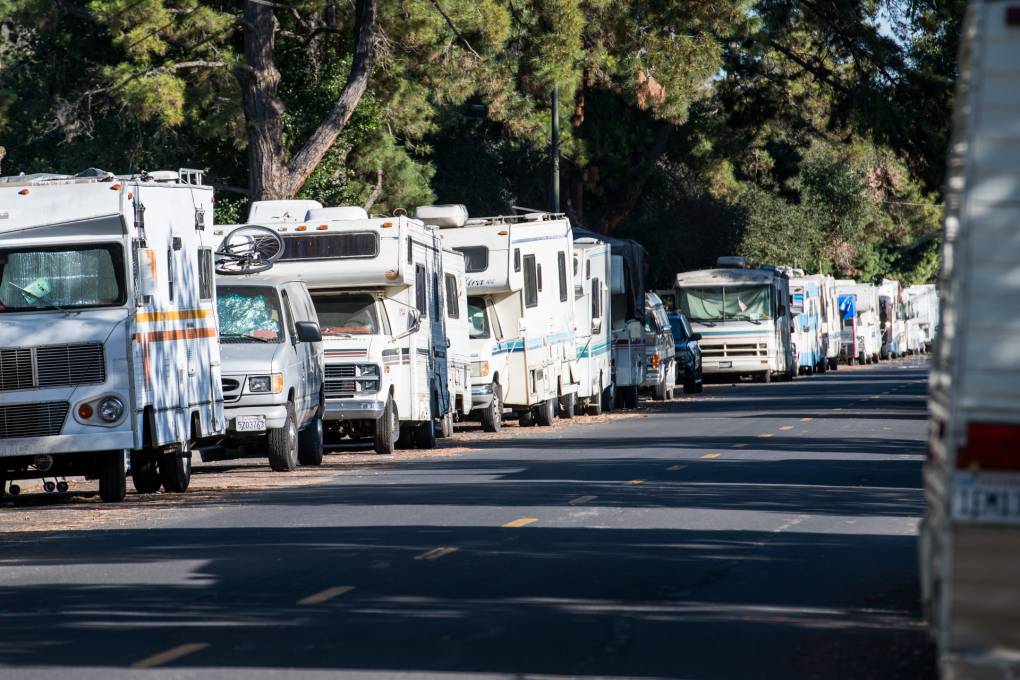
"caption": "Many RVs park along Crisanto Avenue in Mountain View. Voters have just passed a measure that would prohibit RVs and oversized vehicles from parking on streets 40 feet or narrower.",
"description": "Many RVs park along Crisanto Avenue in Mountain View. Voters have just passed a measure that would prohibit RVs and oversized vehicles from parking on streets 40 feet or narrower.",
"title": "RS41392_014_KQED_RVs_MountainView_02192020_3290-qut",
"credit": "Beth LaBerge/KQED News",
"status": "inherit",
"isLoading": false,
"fetchFailed": false
},
"news_11848321": {
"type": "attachments",
"id": "news_11848321",
"meta": {
"index": "attachments_1716263798",
"site": "news",
"id": "11848321",
"found": true
},
"parent": 11848103,
"imgSizes": {
"apple_news_ca_landscape_5_5": {
"file": "https://ww2.kqed.org/app/uploads/sites/10/2020/11/RS12714_491213158_af42d77b95_o-qut-1044x783.jpg",
"width": 1044,
"mimeType": "image/jpeg",
"height": 783
},
"apple_news_ca_square_4_0": {
"file": "https://ww2.kqed.org/app/uploads/sites/10/2020/11/RS12714_491213158_af42d77b95_o-qut-470x470.jpg",
"width": 470,
"mimeType": "image/jpeg",
"height": 470
},
"twentyfourteen-full-width": {
"file": "https://ww2.kqed.org/app/uploads/sites/10/2020/11/RS12714_491213158_af42d77b95_o-qut-1038x576.jpg",
"width": 1038,
"mimeType": "image/jpeg",
"height": 576
},
"thumbnail": {
"file": "https://ww2.kqed.org/app/uploads/sites/10/2020/11/RS12714_491213158_af42d77b95_o-qut-160x98.jpg",
"width": 160,
"mimeType": "image/jpeg",
"height": 98
},
"post-thumbnail": {
"file": "https://ww2.kqed.org/app/uploads/sites/10/2020/11/RS12714_491213158_af42d77b95_o-qut-672x372.jpg",
"width": 672,
"mimeType": "image/jpeg",
"height": 372
},
"kqedFullSize": {
"file": "https://ww2.kqed.org/app/uploads/sites/10/2020/11/RS12714_491213158_af42d77b95_o-qut.jpg",
"width": 1440,
"height": 885
},
"apple_news_ca_landscape_4_7": {
"file": "https://ww2.kqed.org/app/uploads/sites/10/2020/11/RS12714_491213158_af42d77b95_o-qut-632x474.jpg",
"width": 632,
"mimeType": "image/jpeg",
"height": 474
},
"large": {
"file": "https://ww2.kqed.org/app/uploads/sites/10/2020/11/RS12714_491213158_af42d77b95_o-qut-1020x627.jpg",
"width": 1020,
"mimeType": "image/jpeg",
"height": 627
},
"apple_news_ca_landscape_4_0": {
"file": "https://ww2.kqed.org/app/uploads/sites/10/2020/11/RS12714_491213158_af42d77b95_o-qut-536x402.jpg",
"width": 536,
"mimeType": "image/jpeg",
"height": 402
},
"apple_news_ca_portrait_12_9": {
"file": "https://ww2.kqed.org/app/uploads/sites/10/2020/11/RS12714_491213158_af42d77b95_o-qut-1122x885.jpg",
"width": 1122,
"mimeType": "image/jpeg",
"height": 885
},
"medium": {
"file": "https://ww2.kqed.org/app/uploads/sites/10/2020/11/RS12714_491213158_af42d77b95_o-qut-800x492.jpg",
"width": 800,
"mimeType": "image/jpeg",
"height": 492
},
"apple_news_ca_portrait_4_0": {
"file": "https://ww2.kqed.org/app/uploads/sites/10/2020/11/RS12714_491213158_af42d77b95_o-qut-354x472.jpg",
"width": 354,
"mimeType": "image/jpeg",
"height": 472
},
"apple_news_ca_portrait_9_7": {
"file": "https://ww2.kqed.org/app/uploads/sites/10/2020/11/RS12714_491213158_af42d77b95_o-qut-840x885.jpg",
"width": 840,
"mimeType": "image/jpeg",
"height": 885
},
"apple_news_ca_square_9_7": {
"file": "https://ww2.kqed.org/app/uploads/sites/10/2020/11/RS12714_491213158_af42d77b95_o-qut-1104x885.jpg",
"width": 1104,
"mimeType": "image/jpeg",
"height": 885
},
"apple_news_ca_portrait_4_7": {
"file": "https://ww2.kqed.org/app/uploads/sites/10/2020/11/RS12714_491213158_af42d77b95_o-qut-414x552.jpg",
"width": 414,
"mimeType": "image/jpeg",
"height": 552
},
"apple_news_ca_portrait_5_5": {
"file": "https://ww2.kqed.org/app/uploads/sites/10/2020/11/RS12714_491213158_af42d77b95_o-qut-687x885.jpg",
"width": 687,
"mimeType": "image/jpeg",
"height": 885
},
"apple_news_ca_square_4_7": {
"file": "https://ww2.kqed.org/app/uploads/sites/10/2020/11/RS12714_491213158_af42d77b95_o-qut-550x550.jpg",
"width": 550,
"mimeType": "image/jpeg",
"height": 550
},
"apple_news_ca_landscape_9_7": {
"file": "https://ww2.kqed.org/app/uploads/sites/10/2020/11/RS12714_491213158_af42d77b95_o-qut-1376x885.jpg",
"width": 1376,
"mimeType": "image/jpeg",
"height": 885
},
"apple_news_ca_square_5_5": {
"file": "https://ww2.kqed.org/app/uploads/sites/10/2020/11/RS12714_491213158_af42d77b95_o-qut-912x885.jpg",
"width": 912,
"mimeType": "image/jpeg",
"height": 885
}
},
"publishDate": 1605909887,
"modified": 1605909977,
"caption": "San Jose's Measure G increases police oversight for the SJPD. But the city will have to negotiate with the SJPD and the Police Union before those changes can be made.",
"description": "San Jose's Measure G increases police oversight for the SJPD. But the city will have to negotiate with the SJPD and the Police Union before those changes can be made.",
"title": "San Jose's Measure G increases police oversight for the SJPD. But the city will have to negotiate with the SJPD and the Police Union before those changes can be made.",
"credit": "Thomas Hawk/Flickr",
"status": "inherit",
"isLoading": false,
"fetchFailed": false
},
"news_11847581": {
"type": "attachments",
"id": "news_11847581",
"meta": {
"index": "attachments_1716263798",
"site": "news",
"id": "11847581",
"found": true
},
"parent": 11847579,
"imgSizes": {
"apple_news_ca_landscape_5_5": {
"file": "https://ww2.kqed.org/app/uploads/sites/10/2020/11/GettyImages-1229620807-1044x783.jpg",
"width": 1044,
"mimeType": "image/jpeg",
"height": 783
},
"apple_news_ca_square_4_0": {
"file": "https://ww2.kqed.org/app/uploads/sites/10/2020/11/GettyImages-1229620807-470x470.jpg",
"width": 470,
"mimeType": "image/jpeg",
"height": 470
},
"twentyfourteen-full-width": {
"file": "https://ww2.kqed.org/app/uploads/sites/10/2020/11/GettyImages-1229620807-1038x576.jpg",
"width": 1038,
"mimeType": "image/jpeg",
"height": 576
},
"thumbnail": {
"file": "https://ww2.kqed.org/app/uploads/sites/10/2020/11/GettyImages-1229620807-160x109.jpg",
"width": 160,
"mimeType": "image/jpeg",
"height": 109
},
"post-thumbnail": {
"file": "https://ww2.kqed.org/app/uploads/sites/10/2020/11/GettyImages-1229620807-672x372.jpg",
"width": 672,
"mimeType": "image/jpeg",
"height": 372
},
"kqedFullSize": {
"file": "https://ww2.kqed.org/app/uploads/sites/10/2020/11/GettyImages-1229620807-scaled-e1605555370678.jpg",
"width": 1920,
"height": 1311
},
"2048x2048": {
"file": "https://ww2.kqed.org/app/uploads/sites/10/2020/11/GettyImages-1229620807-2048x1398.jpg",
"width": 2048,
"mimeType": "image/jpeg",
"height": 1398
},
"apple_news_ca_landscape_4_7": {
"file": "https://ww2.kqed.org/app/uploads/sites/10/2020/11/GettyImages-1229620807-632x474.jpg",
"width": 632,
"mimeType": "image/jpeg",
"height": 474
},
"large": {
"file": "https://ww2.kqed.org/app/uploads/sites/10/2020/11/GettyImages-1229620807-1020x696.jpg",
"width": 1020,
"mimeType": "image/jpeg",
"height": 696
},
"apple_news_ca_landscape_4_0": {
"file": "https://ww2.kqed.org/app/uploads/sites/10/2020/11/GettyImages-1229620807-536x402.jpg",
"width": 536,
"mimeType": "image/jpeg",
"height": 402
},
"apple_news_ca_portrait_12_9": {
"file": "https://ww2.kqed.org/app/uploads/sites/10/2020/11/GettyImages-1229620807-1122x1496.jpg",
"width": 1122,
"mimeType": "image/jpeg",
"height": 1496
},
"medium": {
"file": "https://ww2.kqed.org/app/uploads/sites/10/2020/11/GettyImages-1229620807-800x546.jpg",
"width": 800,
"mimeType": "image/jpeg",
"height": 546
},
"apple_news_ca_portrait_4_0": {
"file": "https://ww2.kqed.org/app/uploads/sites/10/2020/11/GettyImages-1229620807-354x472.jpg",
"width": 354,
"mimeType": "image/jpeg",
"height": 472
},
"apple_news_ca_portrait_9_7": {
"file": "https://ww2.kqed.org/app/uploads/sites/10/2020/11/GettyImages-1229620807-840x1120.jpg",
"width": 840,
"mimeType": "image/jpeg",
"height": 1120
},
"apple_news_ca_landscape_12_9": {
"file": "https://ww2.kqed.org/app/uploads/sites/10/2020/11/GettyImages-1229620807-1832x1374.jpg",
"width": 1832,
"mimeType": "image/jpeg",
"height": 1374
},
"apple_news_ca_square_9_7": {
"file": "https://ww2.kqed.org/app/uploads/sites/10/2020/11/GettyImages-1229620807-1104x1104.jpg",
"width": 1104,
"mimeType": "image/jpeg",
"height": 1104
},
"1536x1536": {
"file": "https://ww2.kqed.org/app/uploads/sites/10/2020/11/GettyImages-1229620807-1536x1049.jpg",
"width": 1536,
"mimeType": "image/jpeg",
"height": 1049
},
"apple_news_ca_portrait_4_7": {
"file": "https://ww2.kqed.org/app/uploads/sites/10/2020/11/GettyImages-1229620807-414x552.jpg",
"width": 414,
"mimeType": "image/jpeg",
"height": 552
},
"apple_news_ca_square_12_9": {
"file": "https://ww2.kqed.org/app/uploads/sites/10/2020/11/GettyImages-1229620807-1472x1472.jpg",
"width": 1472,
"mimeType": "image/jpeg",
"height": 1472
},
"apple_news_ca_portrait_5_5": {
"file": "https://ww2.kqed.org/app/uploads/sites/10/2020/11/GettyImages-1229620807-687x916.jpg",
"width": 687,
"mimeType": "image/jpeg",
"height": 916
},
"full-width": {
"file": "https://ww2.kqed.org/app/uploads/sites/10/2020/11/GettyImages-1229620807-1920x1311.jpg",
"width": 1920,
"mimeType": "image/jpeg",
"height": 1311
},
"apple_news_ca_square_4_7": {
"file": "https://ww2.kqed.org/app/uploads/sites/10/2020/11/GettyImages-1229620807-550x550.jpg",
"width": 550,
"mimeType": "image/jpeg",
"height": 550
},
"apple_news_ca_landscape_9_7": {
"file": "https://ww2.kqed.org/app/uploads/sites/10/2020/11/GettyImages-1229620807-1376x1032.jpg",
"width": 1376,
"mimeType": "image/jpeg",
"height": 1032
},
"apple_news_ca_square_5_5": {
"file": "https://ww2.kqed.org/app/uploads/sites/10/2020/11/GettyImages-1229620807-912x912.jpg",
"width": 912,
"mimeType": "image/jpeg",
"height": 912
}
},
"publishDate": 1605447577,
"modified": 1605561134,
"caption": "Supporters of President Trump rally at the U.S. Capitol on Nov. 14, 2020.",
"description": "Supporters of President Donald Trump rally at the US Capitol on Nov. 14, 2020.",
"title": "TOPSHOT-US-politics-vote-RALLY",
"credit": "Olivier Douliery/AFP via Getty Images",
"status": "inherit",
"isLoading": false,
"fetchFailed": false
},
"news_11847278": {
"type": "attachments",
"id": "news_11847278",
"meta": {
"index": "attachments_1716263798",
"site": "news",
"id": "11847278",
"found": true
},
"parent": 11847273,
"imgSizes": {
"apple_news_ca_landscape_5_5": {
"file": "https://ww2.kqed.org/app/uploads/sites/10/2020/11/RS13067_ridesharing-is-cheap3-qut-1044x783.jpg",
"width": 1044,
"mimeType": "image/jpeg",
"height": 783
},
"apple_news_ca_square_4_0": {
"file": "https://ww2.kqed.org/app/uploads/sites/10/2020/11/RS13067_ridesharing-is-cheap3-qut-470x470.jpg",
"width": 470,
"mimeType": "image/jpeg",
"height": 470
},
"twentyfourteen-full-width": {
"file": "https://ww2.kqed.org/app/uploads/sites/10/2020/11/RS13067_ridesharing-is-cheap3-qut-1038x576.jpg",
"width": 1038,
"mimeType": "image/jpeg",
"height": 576
},
"thumbnail": {
"file": "https://ww2.kqed.org/app/uploads/sites/10/2020/11/RS13067_ridesharing-is-cheap3-qut-160x101.jpg",
"width": 160,
"mimeType": "image/jpeg",
"height": 101
},
"post-thumbnail": {
"file": "https://ww2.kqed.org/app/uploads/sites/10/2020/11/RS13067_ridesharing-is-cheap3-qut-672x372.jpg",
"width": 672,
"mimeType": "image/jpeg",
"height": 372
},
"kqedFullSize": {
"file": "https://ww2.kqed.org/app/uploads/sites/10/2020/11/RS13067_ridesharing-is-cheap3-qut.jpg",
"width": 1440,
"height": 909
},
"apple_news_ca_landscape_4_7": {
"file": "https://ww2.kqed.org/app/uploads/sites/10/2020/11/RS13067_ridesharing-is-cheap3-qut-632x474.jpg",
"width": 632,
"mimeType": "image/jpeg",
"height": 474
},
"large": {
"file": "https://ww2.kqed.org/app/uploads/sites/10/2020/11/RS13067_ridesharing-is-cheap3-qut-1020x644.jpg",
"width": 1020,
"mimeType": "image/jpeg",
"height": 644
},
"apple_news_ca_landscape_4_0": {
"file": "https://ww2.kqed.org/app/uploads/sites/10/2020/11/RS13067_ridesharing-is-cheap3-qut-536x402.jpg",
"width": 536,
"mimeType": "image/jpeg",
"height": 402
},
"apple_news_ca_portrait_12_9": {
"file": "https://ww2.kqed.org/app/uploads/sites/10/2020/11/RS13067_ridesharing-is-cheap3-qut-1122x909.jpg",
"width": 1122,
"mimeType": "image/jpeg",
"height": 909
},
"medium": {
"file": "https://ww2.kqed.org/app/uploads/sites/10/2020/11/RS13067_ridesharing-is-cheap3-qut-800x505.jpg",
"width": 800,
"mimeType": "image/jpeg",
"height": 505
},
"apple_news_ca_portrait_4_0": {
"file": "https://ww2.kqed.org/app/uploads/sites/10/2020/11/RS13067_ridesharing-is-cheap3-qut-354x472.jpg",
"width": 354,
"mimeType": "image/jpeg",
"height": 472
},
"apple_news_ca_portrait_9_7": {
"file": "https://ww2.kqed.org/app/uploads/sites/10/2020/11/RS13067_ridesharing-is-cheap3-qut-840x909.jpg",
"width": 840,
"mimeType": "image/jpeg",
"height": 909
},
"apple_news_ca_square_9_7": {
"file": "https://ww2.kqed.org/app/uploads/sites/10/2020/11/RS13067_ridesharing-is-cheap3-qut-1104x909.jpg",
"width": 1104,
"mimeType": "image/jpeg",
"height": 909
},
"apple_news_ca_portrait_4_7": {
"file": "https://ww2.kqed.org/app/uploads/sites/10/2020/11/RS13067_ridesharing-is-cheap3-qut-414x552.jpg",
"width": 414,
"mimeType": "image/jpeg",
"height": 552
},
"apple_news_ca_portrait_5_5": {
"file": "https://ww2.kqed.org/app/uploads/sites/10/2020/11/RS13067_ridesharing-is-cheap3-qut-687x909.jpg",
"width": 687,
"mimeType": "image/jpeg",
"height": 909
},
"apple_news_ca_square_4_7": {
"file": "https://ww2.kqed.org/app/uploads/sites/10/2020/11/RS13067_ridesharing-is-cheap3-qut-550x550.jpg",
"width": 550,
"mimeType": "image/jpeg",
"height": 550
},
"apple_news_ca_landscape_9_7": {
"file": "https://ww2.kqed.org/app/uploads/sites/10/2020/11/RS13067_ridesharing-is-cheap3-qut-1376x909.jpg",
"width": 1376,
"mimeType": "image/jpeg",
"height": 909
},
"apple_news_ca_square_5_5": {
"file": "https://ww2.kqed.org/app/uploads/sites/10/2020/11/RS13067_ridesharing-is-cheap3-qut-912x909.jpg",
"width": 912,
"mimeType": "image/jpeg",
"height": 909
}
},
"publishDate": 1605222651,
"modified": 1605222693,
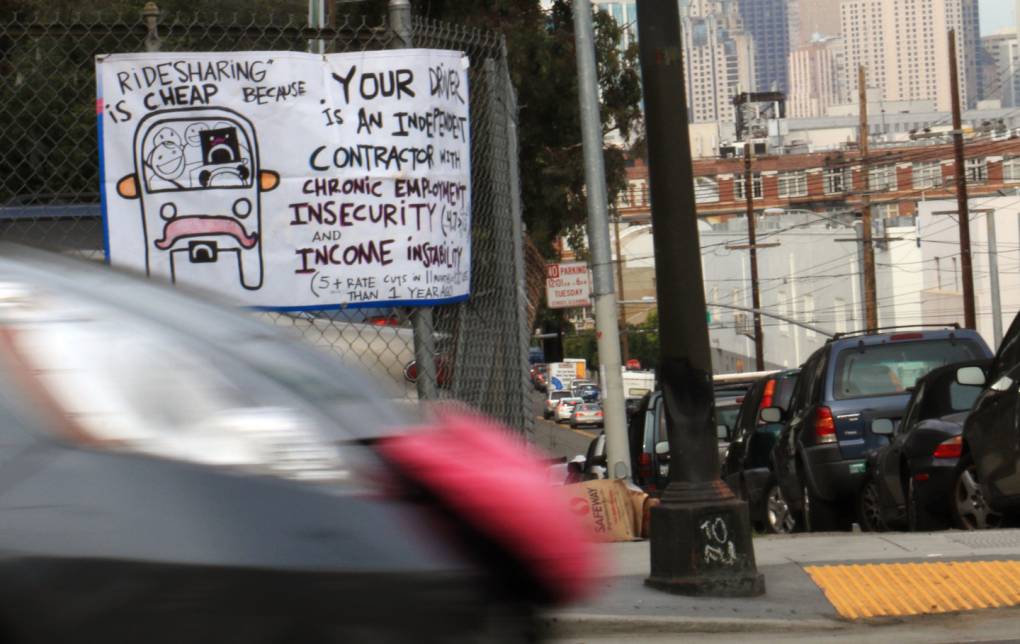
"caption": "A sign at the intersection of 17th St. and Vermont St. criticizes rideshare companies.",
"description": null,
"title": "RS13067_ridesharing is cheap3-qut",
"credit": "Adam Grossberg/KQED",
"status": "inherit",
"isLoading": false,
"fetchFailed": false
},
"news_11846047": {
"type": "attachments",
"id": "news_11846047",
"meta": {
"index": "attachments_1716263798",
"site": "news",
"id": "11846047",
"found": true
},
"parent": 11846005,
"imgSizes": {
"apple_news_ca_landscape_5_5": {
"file": "https://ww2.kqed.org/app/uploads/sites/10/2020/11/RS45696_GettyImages-1284102408-qut-1044x783.jpg",
"width": 1044,
"mimeType": "image/jpeg",
"height": 783
},
"apple_news_ca_square_4_0": {
"file": "https://ww2.kqed.org/app/uploads/sites/10/2020/11/RS45696_GettyImages-1284102408-qut-470x470.jpg",
"width": 470,
"mimeType": "image/jpeg",
"height": 470
},
"twentyfourteen-full-width": {
"file": "https://ww2.kqed.org/app/uploads/sites/10/2020/11/RS45696_GettyImages-1284102408-qut-1038x576.jpg",
"width": 1038,
"mimeType": "image/jpeg",
"height": 576
},
"thumbnail": {
"file": "https://ww2.kqed.org/app/uploads/sites/10/2020/11/RS45696_GettyImages-1284102408-qut-160x107.jpg",
"width": 160,
"mimeType": "image/jpeg",
"height": 107
},
"post-thumbnail": {
"file": "https://ww2.kqed.org/app/uploads/sites/10/2020/11/RS45696_GettyImages-1284102408-qut-672x372.jpg",
"width": 672,
"mimeType": "image/jpeg",
"height": 372
},
"kqedFullSize": {
"file": "https://ww2.kqed.org/app/uploads/sites/10/2020/11/RS45696_GettyImages-1284102408-qut.jpg",
"width": 1920,
"height": 1280
},
"apple_news_ca_landscape_4_7": {
"file": "https://ww2.kqed.org/app/uploads/sites/10/2020/11/RS45696_GettyImages-1284102408-qut-632x474.jpg",
"width": 632,
"mimeType": "image/jpeg",
"height": 474
},
"large": {
"file": "https://ww2.kqed.org/app/uploads/sites/10/2020/11/RS45696_GettyImages-1284102408-qut-1020x680.jpg",
"width": 1020,
"mimeType": "image/jpeg",
"height": 680
},
"apple_news_ca_landscape_4_0": {
"file": "https://ww2.kqed.org/app/uploads/sites/10/2020/11/RS45696_GettyImages-1284102408-qut-536x402.jpg",
"width": 536,
"mimeType": "image/jpeg",
"height": 402
},
"apple_news_ca_portrait_12_9": {
"file": "https://ww2.kqed.org/app/uploads/sites/10/2020/11/RS45696_GettyImages-1284102408-qut-1122x1280.jpg",
"width": 1122,
"mimeType": "image/jpeg",
"height": 1280
},
"medium": {
"file": "https://ww2.kqed.org/app/uploads/sites/10/2020/11/RS45696_GettyImages-1284102408-qut-800x533.jpg",
"width": 800,
"mimeType": "image/jpeg",
"height": 533
},
"apple_news_ca_portrait_4_0": {
"file": "https://ww2.kqed.org/app/uploads/sites/10/2020/11/RS45696_GettyImages-1284102408-qut-354x472.jpg",
"width": 354,
"mimeType": "image/jpeg",
"height": 472
},
"apple_news_ca_portrait_9_7": {
"file": "https://ww2.kqed.org/app/uploads/sites/10/2020/11/RS45696_GettyImages-1284102408-qut-840x1120.jpg",
"width": 840,
"mimeType": "image/jpeg",
"height": 1120
},
"apple_news_ca_landscape_12_9": {
"file": "https://ww2.kqed.org/app/uploads/sites/10/2020/11/RS45696_GettyImages-1284102408-qut-1832x1280.jpg",
"width": 1832,
"mimeType": "image/jpeg",
"height": 1280
},
"apple_news_ca_square_9_7": {
"file": "https://ww2.kqed.org/app/uploads/sites/10/2020/11/RS45696_GettyImages-1284102408-qut-1104x1104.jpg",
"width": 1104,
"mimeType": "image/jpeg",
"height": 1104
},
"1536x1536": {
"file": "https://ww2.kqed.org/app/uploads/sites/10/2020/11/RS45696_GettyImages-1284102408-qut-1536x1024.jpg",
"width": 1536,
"mimeType": "image/jpeg",
"height": 1024
},
"apple_news_ca_portrait_4_7": {
"file": "https://ww2.kqed.org/app/uploads/sites/10/2020/11/RS45696_GettyImages-1284102408-qut-414x552.jpg",
"width": 414,
"mimeType": "image/jpeg",
"height": 552
},
"apple_news_ca_square_12_9": {
"file": "https://ww2.kqed.org/app/uploads/sites/10/2020/11/RS45696_GettyImages-1284102408-qut-1472x1280.jpg",
"width": 1472,
"mimeType": "image/jpeg",
"height": 1280
},
"apple_news_ca_portrait_5_5": {
"file": "https://ww2.kqed.org/app/uploads/sites/10/2020/11/RS45696_GettyImages-1284102408-qut-687x916.jpg",
"width": 687,
"mimeType": "image/jpeg",
"height": 916
},
"apple_news_ca_square_4_7": {
"file": "https://ww2.kqed.org/app/uploads/sites/10/2020/11/RS45696_GettyImages-1284102408-qut-550x550.jpg",
"width": 550,
"mimeType": "image/jpeg",
"height": 550
},
"apple_news_ca_landscape_9_7": {
"file": "https://ww2.kqed.org/app/uploads/sites/10/2020/11/RS45696_GettyImages-1284102408-qut-1376x1032.jpg",
"width": 1376,
"mimeType": "image/jpeg",
"height": 1032
},
"apple_news_ca_square_5_5": {
"file": "https://ww2.kqed.org/app/uploads/sites/10/2020/11/RS45696_GettyImages-1284102408-qut-912x912.jpg",
"width": 912,
"mimeType": "image/jpeg",
"height": 912
}
},
"publishDate": 1604620331,
"modified": 1604623914,
"caption": "Dozens of Trump supporters call for stopping the vote count in Pennsylvania following the president's baseless allegations that the mail-in vote process has been tainted and is illegitimate.",
"description": "Dozens of Trump supporters call for stopping the vote count in Pennsylvania following the president's baseless allegations that the mail-in vote process has been tainted and is illegitimate.",
"title": "Trump Supporters Hold \"Stop The Steal\" Protest At Pennsylvania State Capitol",
"credit": "Spencer Platt/Getty Images",
"status": "inherit",
"isLoading": false,
"fetchFailed": false
},
"news_11773481": {
"type": "attachments",
"id": "news_11773481",
"meta": {
"index": "attachments_1716263798",
"site": "news",
"id": "11773481",
"found": true
},
"parent": 11773365,
"imgSizes": {
"apple_news_ca_landscape_5_5": {
"file": "https://ww2.kqed.org/app/uploads/sites/10/2019/09/RS38974_GettyImages1091956764-qut-1044x783.jpg",
"width": 1044,
"mimeType": "image/jpeg",
"height": 783
},
"apple_news_ca_square_4_0": {
"file": "https://ww2.kqed.org/app/uploads/sites/10/2019/09/RS38974_GettyImages1091956764-qut-470x470.jpg",
"width": 470,
"mimeType": "image/jpeg",
"height": 470
},
"twentyfourteen-full-width": {
"file": "https://ww2.kqed.org/app/uploads/sites/10/2019/09/RS38974_GettyImages1091956764-qut-1038x576.jpg",
"width": 1038,
"mimeType": "image/jpeg",
"height": 576
},
"thumbnail": {
"file": "https://ww2.kqed.org/app/uploads/sites/10/2019/09/RS38974_GettyImages1091956764-qut-160x107.jpg",
"width": 160,
"mimeType": "image/jpeg",
"height": 107
},
"post-thumbnail": {
"file": "https://ww2.kqed.org/app/uploads/sites/10/2019/09/RS38974_GettyImages1091956764-qut-672x372.jpg",
"width": 672,
"mimeType": "image/jpeg",
"height": 372
},
"kqedFullSize": {
"file": "https://ww2.kqed.org/app/uploads/sites/10/2019/09/RS38974_GettyImages1091956764-qut.jpg",
"width": 1920,
"height": 1280
},
"apple_news_ca_landscape_4_7": {
"file": "https://ww2.kqed.org/app/uploads/sites/10/2019/09/RS38974_GettyImages1091956764-qut-632x474.jpg",
"width": 632,
"mimeType": "image/jpeg",
"height": 474
},
"large": {
"file": "https://ww2.kqed.org/app/uploads/sites/10/2019/09/RS38974_GettyImages1091956764-qut-1020x680.jpg",
"width": 1020,
"mimeType": "image/jpeg",
"height": 680
},
"complete_open_graph": {
"file": "https://ww2.kqed.org/app/uploads/sites/10/2019/09/RS38974_GettyImages1091956764-qut-1200x800.jpg",
"width": 1200,
"mimeType": "image/jpeg",
"height": 800
},
"apple_news_ca_landscape_4_0": {
"file": "https://ww2.kqed.org/app/uploads/sites/10/2019/09/RS38974_GettyImages1091956764-qut-536x402.jpg",
"width": 536,
"mimeType": "image/jpeg",
"height": 402
},
"apple_news_ca_portrait_12_9": {
"file": "https://ww2.kqed.org/app/uploads/sites/10/2019/09/RS38974_GettyImages1091956764-qut-1122x1280.jpg",
"width": 1122,
"mimeType": "image/jpeg",
"height": 1280
},
"medium": {
"file": "https://ww2.kqed.org/app/uploads/sites/10/2019/09/RS38974_GettyImages1091956764-qut-800x533.jpg",
"width": 800,
"mimeType": "image/jpeg",
"height": 533
},
"apple_news_ca_portrait_4_0": {
"file": "https://ww2.kqed.org/app/uploads/sites/10/2019/09/RS38974_GettyImages1091956764-qut-354x472.jpg",
"width": 354,
"mimeType": "image/jpeg",
"height": 472
},
"apple_news_ca_portrait_9_7": {
"file": "https://ww2.kqed.org/app/uploads/sites/10/2019/09/RS38974_GettyImages1091956764-qut-840x1120.jpg",
"width": 840,
"mimeType": "image/jpeg",
"height": 1120
},
"apple_news_ca_landscape_12_9": {
"file": "https://ww2.kqed.org/app/uploads/sites/10/2019/09/RS38974_GettyImages1091956764-qut-1832x1280.jpg",
"width": 1832,
"mimeType": "image/jpeg",
"height": 1280
},
"apple_news_ca_square_9_7": {
"file": "https://ww2.kqed.org/app/uploads/sites/10/2019/09/RS38974_GettyImages1091956764-qut-1104x1104.jpg",
"width": 1104,
"mimeType": "image/jpeg",
"height": 1104
},
"apple_news_ca_portrait_4_7": {
"file": "https://ww2.kqed.org/app/uploads/sites/10/2019/09/RS38974_GettyImages1091956764-qut-414x552.jpg",
"width": 414,
"mimeType": "image/jpeg",
"height": 552
},
"apple_news_ca_square_12_9": {
"file": "https://ww2.kqed.org/app/uploads/sites/10/2019/09/RS38974_GettyImages1091956764-qut-1472x1280.jpg",
"width": 1472,
"mimeType": "image/jpeg",
"height": 1280
},
"apple_news_ca_portrait_5_5": {
"file": "https://ww2.kqed.org/app/uploads/sites/10/2019/09/RS38974_GettyImages1091956764-qut-687x916.jpg",
"width": 687,
"mimeType": "image/jpeg",
"height": 916
},
"full-width": {
"file": "https://ww2.kqed.org/app/uploads/sites/10/2019/09/RS38974_GettyImages1091956764-qut-1920x1280.jpg",
"width": 1920,
"mimeType": "image/jpeg",
"height": 1280
},
"apple_news_ca_square_4_7": {
"file": "https://ww2.kqed.org/app/uploads/sites/10/2019/09/RS38974_GettyImages1091956764-qut-550x550.jpg",
"width": 550,
"mimeType": "image/jpeg",
"height": 550
},
"apple_news_ca_landscape_9_7": {
"file": "https://ww2.kqed.org/app/uploads/sites/10/2019/09/RS38974_GettyImages1091956764-qut-1376x1032.jpg",
"width": 1376,
"mimeType": "image/jpeg",
"height": 1032
},
"apple_news_ca_square_5_5": {
"file": "https://ww2.kqed.org/app/uploads/sites/10/2019/09/RS38974_GettyImages1091956764-qut-912x912.jpg",
"width": 912,
"mimeType": "image/jpeg",
"height": 912
}
},
"publishDate": 1568153946,
"modified": 1604433810,
"caption": "With no federal law governing digital privacy, California’s Consumer Privacy Act was the first to offer state residents some control over the use of their data by companies.",
"description": "With no federal law governing digital privacy, California’s Consumer Privacy Act was the first to offer state residents some control over the use of their data by companies.",
"title": "ISRAEL-ELECTION-INTERNET-BOTS",
"credit": "Jack Guez/AFP/Getty Images",
"status": "inherit",
"isLoading": false,
"fetchFailed": false
},
"news_11844980": {
"type": "attachments",
"id": "news_11844980",
"meta": {
"index": "attachments_1716263798",
"site": "news",
"id": "11844980",
"found": true
},
"parent": 11844936,
"imgSizes": {
"apple_news_ca_landscape_5_5": {
"file": "https://ww2.kqed.org/app/uploads/sites/10/2020/11/WeChat-Collage-featured_2-1044x783.jpg",
"width": 1044,
"mimeType": "image/jpeg",
"height": 783
},
"apple_news_ca_square_4_0": {
"file": "https://ww2.kqed.org/app/uploads/sites/10/2020/11/WeChat-Collage-featured_2-470x470.jpg",
"width": 470,
"mimeType": "image/jpeg",
"height": 470
},
"twentyfourteen-full-width": {
"file": "https://ww2.kqed.org/app/uploads/sites/10/2020/11/WeChat-Collage-featured_2-1038x576.jpg",
"width": 1038,
"mimeType": "image/jpeg",
"height": 576
},
"thumbnail": {
"file": "https://ww2.kqed.org/app/uploads/sites/10/2020/11/WeChat-Collage-featured_2-160x107.jpg",
"width": 160,
"mimeType": "image/jpeg",
"height": 107
},
"post-thumbnail": {
"file": "https://ww2.kqed.org/app/uploads/sites/10/2020/11/WeChat-Collage-featured_2-672x372.jpg",
"width": 672,
"mimeType": "image/jpeg",
"height": 372
},
"kqedFullSize": {
"file": "https://ww2.kqed.org/app/uploads/sites/10/2020/11/WeChat-Collage-featured_2.jpg",
"width": 1920,
"height": 1280
},
"apple_news_ca_landscape_4_7": {
"file": "https://ww2.kqed.org/app/uploads/sites/10/2020/11/WeChat-Collage-featured_2-632x474.jpg",
"width": 632,
"mimeType": "image/jpeg",
"height": 474
},
"large": {
"file": "https://ww2.kqed.org/app/uploads/sites/10/2020/11/WeChat-Collage-featured_2-1020x680.jpg",
"width": 1020,
"mimeType": "image/jpeg",
"height": 680
},
"apple_news_ca_landscape_4_0": {
"file": "https://ww2.kqed.org/app/uploads/sites/10/2020/11/WeChat-Collage-featured_2-536x402.jpg",
"width": 536,
"mimeType": "image/jpeg",
"height": 402
},
"apple_news_ca_portrait_12_9": {
"file": "https://ww2.kqed.org/app/uploads/sites/10/2020/11/WeChat-Collage-featured_2-1122x1280.jpg",
"width": 1122,
"mimeType": "image/jpeg",
"height": 1280
},
"medium": {
"file": "https://ww2.kqed.org/app/uploads/sites/10/2020/11/WeChat-Collage-featured_2-800x533.jpg",
"width": 800,
"mimeType": "image/jpeg",
"height": 533
},
"apple_news_ca_portrait_4_0": {
"file": "https://ww2.kqed.org/app/uploads/sites/10/2020/11/WeChat-Collage-featured_2-354x472.jpg",
"width": 354,
"mimeType": "image/jpeg",
"height": 472
},
"apple_news_ca_portrait_9_7": {
"file": "https://ww2.kqed.org/app/uploads/sites/10/2020/11/WeChat-Collage-featured_2-840x1120.jpg",
"width": 840,
"mimeType": "image/jpeg",
"height": 1120
},
"apple_news_ca_landscape_12_9": {
"file": "https://ww2.kqed.org/app/uploads/sites/10/2020/11/WeChat-Collage-featured_2-1832x1280.jpg",
"width": 1832,
"mimeType": "image/jpeg",
"height": 1280
},
"apple_news_ca_square_9_7": {
"file": "https://ww2.kqed.org/app/uploads/sites/10/2020/11/WeChat-Collage-featured_2-1104x1104.jpg",
"width": 1104,
"mimeType": "image/jpeg",
"height": 1104
},
"1536x1536": {
"file": "https://ww2.kqed.org/app/uploads/sites/10/2020/11/WeChat-Collage-featured_2-1536x1024.jpg",
"width": 1536,
"mimeType": "image/jpeg",
"height": 1024
},
"apple_news_ca_portrait_4_7": {
"file": "https://ww2.kqed.org/app/uploads/sites/10/2020/11/WeChat-Collage-featured_2-414x552.jpg",
"width": 414,
"mimeType": "image/jpeg",
"height": 552
},
"apple_news_ca_square_12_9": {
"file": "https://ww2.kqed.org/app/uploads/sites/10/2020/11/WeChat-Collage-featured_2-1472x1280.jpg",
"width": 1472,
"mimeType": "image/jpeg",
"height": 1280
},
"apple_news_ca_portrait_5_5": {
"file": "https://ww2.kqed.org/app/uploads/sites/10/2020/11/WeChat-Collage-featured_2-687x916.jpg",
"width": 687,
"mimeType": "image/jpeg",
"height": 916
},
"apple_news_ca_square_4_7": {
"file": "https://ww2.kqed.org/app/uploads/sites/10/2020/11/WeChat-Collage-featured_2-550x550.jpg",
"width": 550,
"mimeType": "image/jpeg",
"height": 550
},
"apple_news_ca_landscape_9_7": {
"file": "https://ww2.kqed.org/app/uploads/sites/10/2020/11/WeChat-Collage-featured_2-1376x1032.jpg",
"width": 1376,
"mimeType": "image/jpeg",
"height": 1032
},
"apple_news_ca_square_5_5": {
"file": "https://ww2.kqed.org/app/uploads/sites/10/2020/11/WeChat-Collage-featured_2-912x912.jpg",
"width": 912,
"mimeType": "image/jpeg",
"height": 912
}
},
"publishDate": 1604353017,
"modified": 1604353088,
"caption": null,
"description": null,
"title": "WeChat-Collage-featured_2",
"credit": "Photo illustration: Lisa Larson-Walker/ProPublica; Source: Rose Pak Democratic Club",
"status": "inherit",
"isLoading": false,
"fetchFailed": false
},
"news_11844366": {
"type": "attachments",
"id": "news_11844366",
"meta": {
"index": "attachments_1716263798",
"site": "news",
"id": "11844366",
"found": true
},
"parent": 11844213,
"imgSizes": {
"apple_news_ca_landscape_5_5": {
"file": "https://ww2.kqed.org/app/uploads/sites/10/2020/10/RS23389_GettyImages-596018938-qut-1044x783.jpg",
"width": 1044,
"mimeType": "image/jpeg",
"height": 783
},
"apple_news_ca_square_4_0": {
"file": "https://ww2.kqed.org/app/uploads/sites/10/2020/10/RS23389_GettyImages-596018938-qut-470x470.jpg",
"width": 470,
"mimeType": "image/jpeg",
"height": 470
},
"twentyfourteen-full-width": {
"file": "https://ww2.kqed.org/app/uploads/sites/10/2020/10/RS23389_GettyImages-596018938-qut-1038x576.jpg",
"width": 1038,
"mimeType": "image/jpeg",
"height": 576
},
"thumbnail": {
"file": "https://ww2.kqed.org/app/uploads/sites/10/2020/10/RS23389_GettyImages-596018938-qut-160x108.jpg",
"width": 160,
"mimeType": "image/jpeg",
"height": 108
},
"post-thumbnail": {
"file": "https://ww2.kqed.org/app/uploads/sites/10/2020/10/RS23389_GettyImages-596018938-qut-672x372.jpg",
"width": 672,
"mimeType": "image/jpeg",
"height": 372
},
"kqedFullSize": {
"file": "https://ww2.kqed.org/app/uploads/sites/10/2020/10/RS23389_GettyImages-596018938-qut.jpg",
"width": 1920,
"height": 1296
},
"apple_news_ca_landscape_4_7": {
"file": "https://ww2.kqed.org/app/uploads/sites/10/2020/10/RS23389_GettyImages-596018938-qut-632x474.jpg",
"width": 632,
"mimeType": "image/jpeg",
"height": 474
},
"large": {
"file": "https://ww2.kqed.org/app/uploads/sites/10/2020/10/RS23389_GettyImages-596018938-qut-1020x689.jpg",
"width": 1020,
"mimeType": "image/jpeg",
"height": 689
},
"apple_news_ca_landscape_4_0": {
"file": "https://ww2.kqed.org/app/uploads/sites/10/2020/10/RS23389_GettyImages-596018938-qut-536x402.jpg",
"width": 536,
"mimeType": "image/jpeg",
"height": 402
},
"apple_news_ca_portrait_12_9": {
"file": "https://ww2.kqed.org/app/uploads/sites/10/2020/10/RS23389_GettyImages-596018938-qut-1122x1296.jpg",
"width": 1122,
"mimeType": "image/jpeg",
"height": 1296
},
"medium": {
"file": "https://ww2.kqed.org/app/uploads/sites/10/2020/10/RS23389_GettyImages-596018938-qut-800x540.jpg",
"width": 800,
"mimeType": "image/jpeg",
"height": 540
},
"apple_news_ca_portrait_4_0": {
"file": "https://ww2.kqed.org/app/uploads/sites/10/2020/10/RS23389_GettyImages-596018938-qut-354x472.jpg",
"width": 354,
"mimeType": "image/jpeg",
"height": 472
},
"apple_news_ca_portrait_9_7": {
"file": "https://ww2.kqed.org/app/uploads/sites/10/2020/10/RS23389_GettyImages-596018938-qut-840x1120.jpg",
"width": 840,
"mimeType": "image/jpeg",
"height": 1120
},
"apple_news_ca_landscape_12_9": {
"file": "https://ww2.kqed.org/app/uploads/sites/10/2020/10/RS23389_GettyImages-596018938-qut-1832x1296.jpg",
"width": 1832,
"mimeType": "image/jpeg",
"height": 1296
},
"apple_news_ca_square_9_7": {
"file": "https://ww2.kqed.org/app/uploads/sites/10/2020/10/RS23389_GettyImages-596018938-qut-1104x1104.jpg",
"width": 1104,
"mimeType": "image/jpeg",
"height": 1104
},
"1536x1536": {
"file": "https://ww2.kqed.org/app/uploads/sites/10/2020/10/RS23389_GettyImages-596018938-qut-1536x1037.jpg",
"width": 1536,
"mimeType": "image/jpeg",
"height": 1037
},
"apple_news_ca_portrait_4_7": {
"file": "https://ww2.kqed.org/app/uploads/sites/10/2020/10/RS23389_GettyImages-596018938-qut-414x552.jpg",
"width": 414,
"mimeType": "image/jpeg",
"height": 552
},
"apple_news_ca_square_12_9": {
"file": "https://ww2.kqed.org/app/uploads/sites/10/2020/10/RS23389_GettyImages-596018938-qut-1472x1296.jpg",
"width": 1472,
"mimeType": "image/jpeg",
"height": 1296
},
"apple_news_ca_portrait_5_5": {
"file": "https://ww2.kqed.org/app/uploads/sites/10/2020/10/RS23389_GettyImages-596018938-qut-687x916.jpg",
"width": 687,
"mimeType": "image/jpeg",
"height": 916
},
"apple_news_ca_square_4_7": {
"file": "https://ww2.kqed.org/app/uploads/sites/10/2020/10/RS23389_GettyImages-596018938-qut-550x550.jpg",
"width": 550,
"mimeType": "image/jpeg",
"height": 550
},
"apple_news_ca_landscape_9_7": {
"file": "https://ww2.kqed.org/app/uploads/sites/10/2020/10/RS23389_GettyImages-596018938-qut-1376x1032.jpg",
"width": 1376,
"mimeType": "image/jpeg",
"height": 1032
},
"apple_news_ca_square_5_5": {
"file": "https://ww2.kqed.org/app/uploads/sites/10/2020/10/RS23389_GettyImages-596018938-qut-912x912.jpg",
"width": 912,
"mimeType": "image/jpeg",
"height": 912
}
},
"publishDate": 1604007819,
"modified": 1604015103,
"caption": "Quarterback Colin Kaepernick of the San Francisco 49ers throws a pass against the Green Bay Packers in the first half of their preseason football game at Levi's Stadium on August 26, 2016. Santa Clara's City Council and the 49ers have been fighting over management of Levi's Stadium since the team moved there in 2014.",
"description": "Quarterback Colin Kaepernick of the San Francisco 49ers throws a pass against the Green Bay Packers in the first half of their preseason football game at Levi's Stadium on August 26, 2016. Santa Clara's City Council and the 49ers have been fighting over management of Levi's Stadium since the team moved there in 2014.",
"title": "RS23389_GettyImages-596018938-qut",
"credit": "Thearon W. Henderson/Getty Images",
"status": "inherit",
"isLoading": false,
"fetchFailed": false
},
"news_11843899": {
"type": "attachments",
"id": "news_11843899",
"meta": {
"index": "attachments_1716263798",
"site": "news",
"id": "11843899",
"found": true
},
"parent": 11843885,
"imgSizes": {
"apple_news_ca_landscape_5_5": {
"file": "https://ww2.kqed.org/app/uploads/sites/10/2020/10/RS45452_GettyImages-1212788680-qut-1044x783.jpg",
"width": 1044,
"mimeType": "image/jpeg",
"height": 783
},
"apple_news_ca_square_4_0": {
"file": "https://ww2.kqed.org/app/uploads/sites/10/2020/10/RS45452_GettyImages-1212788680-qut-470x470.jpg",
"width": 470,
"mimeType": "image/jpeg",
"height": 470
},
"twentyfourteen-full-width": {
"file": "https://ww2.kqed.org/app/uploads/sites/10/2020/10/RS45452_GettyImages-1212788680-qut-1038x576.jpg",
"width": 1038,
"mimeType": "image/jpeg",
"height": 576
},
"thumbnail": {
"file": "https://ww2.kqed.org/app/uploads/sites/10/2020/10/RS45452_GettyImages-1212788680-qut-160x109.jpg",
"width": 160,
"mimeType": "image/jpeg",
"height": 109
},
"post-thumbnail": {
"file": "https://ww2.kqed.org/app/uploads/sites/10/2020/10/RS45452_GettyImages-1212788680-qut-672x372.jpg",
"width": 672,
"mimeType": "image/jpeg",
"height": 372
},
"kqedFullSize": {
"file": "https://ww2.kqed.org/app/uploads/sites/10/2020/10/RS45452_GettyImages-1212788680-qut.jpg",
"width": 1920,
"height": 1304
},
"apple_news_ca_landscape_4_7": {
"file": "https://ww2.kqed.org/app/uploads/sites/10/2020/10/RS45452_GettyImages-1212788680-qut-632x474.jpg",
"width": 632,
"mimeType": "image/jpeg",
"height": 474
},
"large": {
"file": "https://ww2.kqed.org/app/uploads/sites/10/2020/10/RS45452_GettyImages-1212788680-qut-1020x693.jpg",
"width": 1020,
"mimeType": "image/jpeg",
"height": 693
},
"apple_news_ca_landscape_4_0": {
"file": "https://ww2.kqed.org/app/uploads/sites/10/2020/10/RS45452_GettyImages-1212788680-qut-536x402.jpg",
"width": 536,
"mimeType": "image/jpeg",
"height": 402
},
"apple_news_ca_portrait_12_9": {
"file": "https://ww2.kqed.org/app/uploads/sites/10/2020/10/RS45452_GettyImages-1212788680-qut-1122x1304.jpg",
"width": 1122,
"mimeType": "image/jpeg",
"height": 1304
},
"medium": {
"file": "https://ww2.kqed.org/app/uploads/sites/10/2020/10/RS45452_GettyImages-1212788680-qut-800x543.jpg",
"width": 800,
"mimeType": "image/jpeg",
"height": 543
},
"apple_news_ca_portrait_4_0": {
"file": "https://ww2.kqed.org/app/uploads/sites/10/2020/10/RS45452_GettyImages-1212788680-qut-354x472.jpg",
"width": 354,
"mimeType": "image/jpeg",
"height": 472
},
"apple_news_ca_portrait_9_7": {
"file": "https://ww2.kqed.org/app/uploads/sites/10/2020/10/RS45452_GettyImages-1212788680-qut-840x1120.jpg",
"width": 840,
"mimeType": "image/jpeg",
"height": 1120
},
"apple_news_ca_landscape_12_9": {
"file": "https://ww2.kqed.org/app/uploads/sites/10/2020/10/RS45452_GettyImages-1212788680-qut-1832x1304.jpg",
"width": 1832,
"mimeType": "image/jpeg",
"height": 1304
},
"apple_news_ca_square_9_7": {
"file": "https://ww2.kqed.org/app/uploads/sites/10/2020/10/RS45452_GettyImages-1212788680-qut-1104x1104.jpg",
"width": 1104,
"mimeType": "image/jpeg",
"height": 1104
},
"1536x1536": {
"file": "https://ww2.kqed.org/app/uploads/sites/10/2020/10/RS45452_GettyImages-1212788680-qut-1536x1043.jpg",
"width": 1536,
"mimeType": "image/jpeg",
"height": 1043
},
"apple_news_ca_portrait_4_7": {
"file": "https://ww2.kqed.org/app/uploads/sites/10/2020/10/RS45452_GettyImages-1212788680-qut-414x552.jpg",
"width": 414,
"mimeType": "image/jpeg",
"height": 552
},
"apple_news_ca_square_12_9": {
"file": "https://ww2.kqed.org/app/uploads/sites/10/2020/10/RS45452_GettyImages-1212788680-qut-1472x1304.jpg",
"width": 1472,
"mimeType": "image/jpeg",
"height": 1304
},
"apple_news_ca_portrait_5_5": {
"file": "https://ww2.kqed.org/app/uploads/sites/10/2020/10/RS45452_GettyImages-1212788680-qut-687x916.jpg",
"width": 687,
"mimeType": "image/jpeg",
"height": 916
},
"apple_news_ca_square_4_7": {
"file": "https://ww2.kqed.org/app/uploads/sites/10/2020/10/RS45452_GettyImages-1212788680-qut-550x550.jpg",
"width": 550,
"mimeType": "image/jpeg",
"height": 550
},
"apple_news_ca_landscape_9_7": {
"file": "https://ww2.kqed.org/app/uploads/sites/10/2020/10/RS45452_GettyImages-1212788680-qut-1376x1032.jpg",
"width": 1376,
"mimeType": "image/jpeg",
"height": 1032
},
"apple_news_ca_square_5_5": {
"file": "https://ww2.kqed.org/app/uploads/sites/10/2020/10/RS45452_GettyImages-1212788680-qut-912x912.jpg",
"width": 912,
"mimeType": "image/jpeg",
"height": 912
}
},
"publishDate": 1603825811,
"modified": 1603835500,
"caption": "Medical personnel surround a car going through a drive-thru coronavirus testing clinic run by Verily at the San Mateo County Event Center on March 16, 2020. San Francisco and Alameda counties have severed ties with Verily over the past several months..",
"description": "Medical personnel surround a car going through a drive-thru coronavirus testing clinic run by Verily at the San Mateo County Event Center on March 16, 2020. San Francisco and Alameda counties have severed ties with Verily over the past several months..",
"title": "Google Sister Company Verily Opens Coronavirus Testing Sites In Bay Area",
"credit": "Justin Sullivan/Getty Images",
"status": "inherit",
"isLoading": false,
"fetchFailed": false
},
"news_11843813": {
"type": "attachments",
"id": "news_11843813",
"meta": {
"index": "attachments_1716263798",
"site": "news",
"id": "11843813",
"found": true
},
"parent": 11843123,
"imgSizes": {
"apple_news_ca_landscape_5_5": {
"file": "https://ww2.kqed.org/app/uploads/sites/10/2020/10/uber-lyft-protest-sign-1044x783.jpg",
"width": 1044,
"mimeType": "image/jpeg",
"height": 783
},
"apple_news_ca_square_4_0": {
"file": "https://ww2.kqed.org/app/uploads/sites/10/2020/10/uber-lyft-protest-sign-470x470.jpg",
"width": 470,
"mimeType": "image/jpeg",
"height": 470
},
"twentyfourteen-full-width": {
"file": "https://ww2.kqed.org/app/uploads/sites/10/2020/10/uber-lyft-protest-sign-1038x576.jpg",
"width": 1038,
"mimeType": "image/jpeg",
"height": 576
},
"thumbnail": {
"file": "https://ww2.kqed.org/app/uploads/sites/10/2020/10/uber-lyft-protest-sign-160x111.jpg",
"width": 160,
"mimeType": "image/jpeg",
"height": 111
},
"post-thumbnail": {
"file": "https://ww2.kqed.org/app/uploads/sites/10/2020/10/uber-lyft-protest-sign-672x372.jpg",
"width": 672,
"mimeType": "image/jpeg",
"height": 372
},
"kqedFullSize": {
"file": "https://ww2.kqed.org/app/uploads/sites/10/2020/10/uber-lyft-protest-sign.jpg",
"width": 1920,
"height": 1330
},
"apple_news_ca_landscape_4_7": {
"file": "https://ww2.kqed.org/app/uploads/sites/10/2020/10/uber-lyft-protest-sign-632x474.jpg",
"width": 632,
"mimeType": "image/jpeg",
"height": 474
},
"large": {
"file": "https://ww2.kqed.org/app/uploads/sites/10/2020/10/uber-lyft-protest-sign-1020x707.jpg",
"width": 1020,
"mimeType": "image/jpeg",
"height": 707
},
"apple_news_ca_landscape_4_0": {
"file": "https://ww2.kqed.org/app/uploads/sites/10/2020/10/uber-lyft-protest-sign-536x402.jpg",
"width": 536,
"mimeType": "image/jpeg",
"height": 402
},
"apple_news_ca_portrait_12_9": {
"file": "https://ww2.kqed.org/app/uploads/sites/10/2020/10/uber-lyft-protest-sign-1122x1330.jpg",
"width": 1122,
"mimeType": "image/jpeg",
"height": 1330
},
"medium": {
"file": "https://ww2.kqed.org/app/uploads/sites/10/2020/10/uber-lyft-protest-sign-800x554.jpg",
"width": 800,
"mimeType": "image/jpeg",
"height": 554
},
"apple_news_ca_portrait_4_0": {
"file": "https://ww2.kqed.org/app/uploads/sites/10/2020/10/uber-lyft-protest-sign-354x472.jpg",
"width": 354,
"mimeType": "image/jpeg",
"height": 472
},
"apple_news_ca_portrait_9_7": {
"file": "https://ww2.kqed.org/app/uploads/sites/10/2020/10/uber-lyft-protest-sign-840x1120.jpg",
"width": 840,
"mimeType": "image/jpeg",
"height": 1120
},
"apple_news_ca_landscape_12_9": {
"file": "https://ww2.kqed.org/app/uploads/sites/10/2020/10/uber-lyft-protest-sign-1832x1330.jpg",
"width": 1832,
"mimeType": "image/jpeg",
"height": 1330
},
"apple_news_ca_square_9_7": {
"file": "https://ww2.kqed.org/app/uploads/sites/10/2020/10/uber-lyft-protest-sign-1104x1104.jpg",
"width": 1104,
"mimeType": "image/jpeg",
"height": 1104
},
"1536x1536": {
"file": "https://ww2.kqed.org/app/uploads/sites/10/2020/10/uber-lyft-protest-sign-1536x1064.jpg",
"width": 1536,
"mimeType": "image/jpeg",
"height": 1064
},
"apple_news_ca_portrait_4_7": {
"file": "https://ww2.kqed.org/app/uploads/sites/10/2020/10/uber-lyft-protest-sign-414x552.jpg",
"width": 414,
"mimeType": "image/jpeg",
"height": 552
},
"apple_news_ca_square_12_9": {
"file": "https://ww2.kqed.org/app/uploads/sites/10/2020/10/uber-lyft-protest-sign-1472x1330.jpg",
"width": 1472,
"mimeType": "image/jpeg",
"height": 1330
},
"apple_news_ca_portrait_5_5": {
"file": "https://ww2.kqed.org/app/uploads/sites/10/2020/10/uber-lyft-protest-sign-687x916.jpg",
"width": 687,
"mimeType": "image/jpeg",
"height": 916
},
"apple_news_ca_square_4_7": {
"file": "https://ww2.kqed.org/app/uploads/sites/10/2020/10/uber-lyft-protest-sign-550x550.jpg",
"width": 550,
"mimeType": "image/jpeg",
"height": 550
},
"apple_news_ca_landscape_9_7": {
"file": "https://ww2.kqed.org/app/uploads/sites/10/2020/10/uber-lyft-protest-sign-1376x1032.jpg",
"width": 1376,
"mimeType": "image/jpeg",
"height": 1032
},
"apple_news_ca_square_5_5": {
"file": "https://ww2.kqed.org/app/uploads/sites/10/2020/10/uber-lyft-protest-sign-912x912.jpg",
"width": 912,
"mimeType": "image/jpeg",
"height": 912
}
},
"publishDate": 1603753946,
"modified": 1678823724,
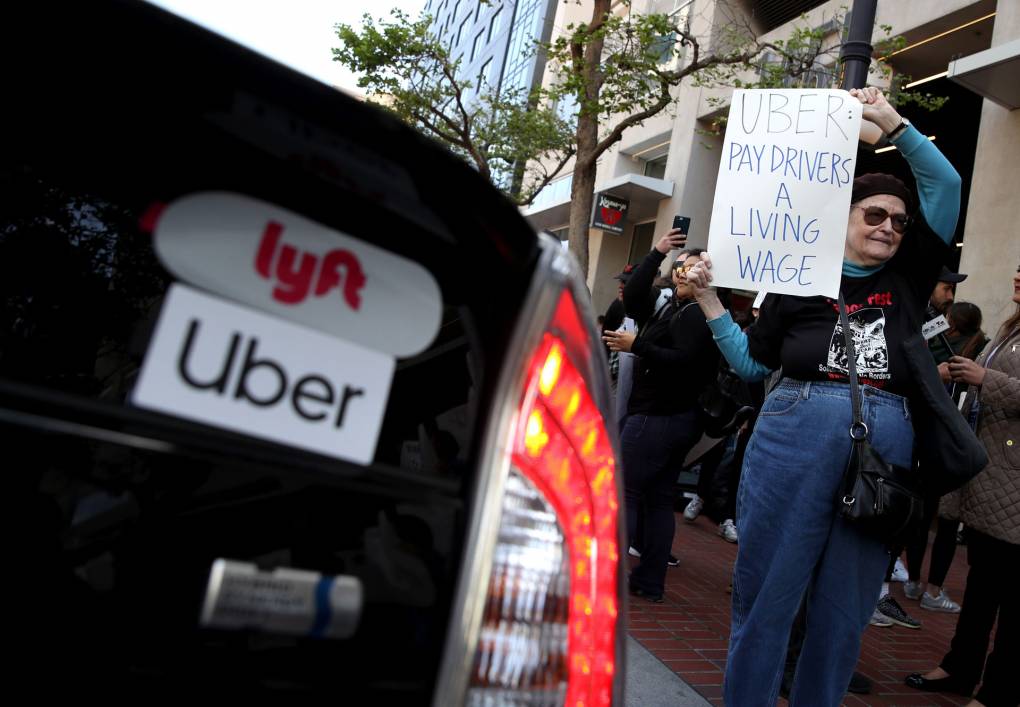
"caption": "A supporter of ride-hail drivers holds a sign during a protest in front of Uber headquarters in May 2019. Prop. 22, backed by huge amounts of cash from gig companies, would create a new class of worker in California.",
"description": "A supporter of ride-hail drivers holds a sign during a protest in front of Uber headquarters in May, 2019. Prop. 22, backed by huge amounts of cash from gig companies, would create a new class of worker in California.",
"title": "uber-lyft-protest-sign",
"credit": "Justin Sullivan/Getty Images",
"status": "inherit",
"altTag": "Protesters stand on a sidewalk in front of an office, and next to a car with Lyft and Uber stickers on the back. A woman holds a sign that says: Uber: 'Pay Drivers a Living Wage.'",
"isLoading": false,
"fetchFailed": false
},
"news_11843033": {
"type": "attachments",
"id": "news_11843033",
"meta": {
"index": "attachments_1716263798",
"site": "news",
"id": "11843033",
"found": true
},
"parent": 11842966,
"imgSizes": {
"apple_news_ca_landscape_5_5": {
"file": "https://ww2.kqed.org/app/uploads/sites/10/2020/10/mountain-view--1044x783.jpg",
"width": 1044,
"mimeType": "image/jpeg",
"height": 783
},
"apple_news_ca_square_4_0": {
"file": "https://ww2.kqed.org/app/uploads/sites/10/2020/10/mountain-view--470x470.jpg",
"width": 470,
"mimeType": "image/jpeg",
"height": 470
},
"twentyfourteen-full-width": {
"file": "https://ww2.kqed.org/app/uploads/sites/10/2020/10/mountain-view--1038x576.jpg",
"width": 1038,
"mimeType": "image/jpeg",
"height": 576
},
"thumbnail": {
"file": "https://ww2.kqed.org/app/uploads/sites/10/2020/10/mountain-view--160x120.jpg",
"width": 160,
"mimeType": "image/jpeg",
"height": 120
},
"post-thumbnail": {
"file": "https://ww2.kqed.org/app/uploads/sites/10/2020/10/mountain-view--672x372.jpg",
"width": 672,
"mimeType": "image/jpeg",
"height": 372
},
"kqedFullSize": {
"file": "https://ww2.kqed.org/app/uploads/sites/10/2020/10/mountain-view--scaled.jpg",
"width": 2560,
"height": 1920
},
"2048x2048": {
"file": "https://ww2.kqed.org/app/uploads/sites/10/2020/10/mountain-view--2048x1536.jpg",
"width": 2048,
"mimeType": "image/jpeg",
"height": 1536
},
"apple_news_ca_landscape_4_7": {
"file": "https://ww2.kqed.org/app/uploads/sites/10/2020/10/mountain-view--632x474.jpg",
"width": 632,
"mimeType": "image/jpeg",
"height": 474
},
"large": {
"file": "https://ww2.kqed.org/app/uploads/sites/10/2020/10/mountain-view--1020x765.jpg",
"width": 1020,
"mimeType": "image/jpeg",
"height": 765
},
"apple_news_ca_landscape_4_0": {
"file": "https://ww2.kqed.org/app/uploads/sites/10/2020/10/mountain-view--536x402.jpg",
"width": 536,
"mimeType": "image/jpeg",
"height": 402
},
"apple_news_ca_portrait_12_9": {
"file": "https://ww2.kqed.org/app/uploads/sites/10/2020/10/mountain-view--1122x1496.jpg",
"width": 1122,
"mimeType": "image/jpeg",
"height": 1496
},
"medium": {
"file": "https://ww2.kqed.org/app/uploads/sites/10/2020/10/mountain-view--800x600.jpg",
"width": 800,
"mimeType": "image/jpeg",
"height": 600
},
"apple_news_ca_portrait_4_0": {
"file": "https://ww2.kqed.org/app/uploads/sites/10/2020/10/mountain-view--354x472.jpg",
"width": 354,
"mimeType": "image/jpeg",
"height": 472
},
"apple_news_ca_portrait_9_7": {
"file": "https://ww2.kqed.org/app/uploads/sites/10/2020/10/mountain-view--840x1120.jpg",
"width": 840,
"mimeType": "image/jpeg",
"height": 1120
},
"apple_news_ca_landscape_12_9": {
"file": "https://ww2.kqed.org/app/uploads/sites/10/2020/10/mountain-view--1832x1374.jpg",
"width": 1832,
"mimeType": "image/jpeg",
"height": 1374
},
"apple_news_ca_square_9_7": {
"file": "https://ww2.kqed.org/app/uploads/sites/10/2020/10/mountain-view--1104x1104.jpg",
"width": 1104,
"mimeType": "image/jpeg",
"height": 1104
},
"1536x1536": {
"file": "https://ww2.kqed.org/app/uploads/sites/10/2020/10/mountain-view--1536x1152.jpg",
"width": 1536,
"mimeType": "image/jpeg",
"height": 1152
},
"apple_news_ca_portrait_4_7": {
"file": "https://ww2.kqed.org/app/uploads/sites/10/2020/10/mountain-view--414x552.jpg",
"width": 414,
"mimeType": "image/jpeg",
"height": 552
},
"apple_news_ca_square_12_9": {
"file": "https://ww2.kqed.org/app/uploads/sites/10/2020/10/mountain-view--1472x1472.jpg",
"width": 1472,
"mimeType": "image/jpeg",
"height": 1472
},
"apple_news_ca_portrait_5_5": {
"file": "https://ww2.kqed.org/app/uploads/sites/10/2020/10/mountain-view--687x916.jpg",
"width": 687,
"mimeType": "image/jpeg",
"height": 916
},
"full-width": {
"file": "https://ww2.kqed.org/app/uploads/sites/10/2020/10/mountain-view--1920x1440.jpg",
"width": 1920,
"mimeType": "image/jpeg",
"height": 1440
},
"apple_news_ca_square_4_7": {
"file": "https://ww2.kqed.org/app/uploads/sites/10/2020/10/mountain-view--550x550.jpg",
"width": 550,
"mimeType": "image/jpeg",
"height": 550
},
"apple_news_ca_landscape_9_7": {
"file": "https://ww2.kqed.org/app/uploads/sites/10/2020/10/mountain-view--1376x1032.jpg",
"width": 1376,
"mimeType": "image/jpeg",
"height": 1032
},
"apple_news_ca_square_5_5": {
"file": "https://ww2.kqed.org/app/uploads/sites/10/2020/10/mountain-view--912x912.jpg",
"width": 912,
"mimeType": "image/jpeg",
"height": 912
}
},
"publishDate": 1603234230,
"modified": 1603412926,
"caption": "RVs and oversized vehicles line Terra Bella Avenue in Mountain View. Measure C on the city's November ballot would restrict these vehicles from parking on streets 40 feet or narrower in width.",
"description": "RVs and oversized vehicles line Terra Bella Avenue in Mountain View. Measure C on the city's November ballot would restrict these vehicles from parking on streets 40 feet or narrower in width.",
"title": "RVs and oversized vehicles line the streets along Terra Bella Avenue in Mountain View. Measure C on the city's November ballot would restrict oversized vehicles from parking on narrow streets, 40 feet or less in width.",
"credit": "Adhiti Bandlamudi/KQED",
"status": "inherit",
"isLoading": false,
"fetchFailed": false
},
"news_11843001": {
"type": "attachments",
"id": "news_11843001",
"meta": {
"index": "attachments_1716263798",
"site": "news",
"id": "11843001",
"found": true
},
"parent": 11842991,
"imgSizes": {
"apple_news_ca_landscape_5_5": {
"file": "https://ww2.kqed.org/app/uploads/sites/10/2020/10/unlock_102020_final-1044x783.png",
"width": 1044,
"mimeType": "image/png",
"height": 783
},
"apple_news_ca_square_4_0": {
"file": "https://ww2.kqed.org/app/uploads/sites/10/2020/10/unlock_102020_final-470x470.png",
"width": 470,
"mimeType": "image/png",
"height": 470
},
"twentyfourteen-full-width": {
"file": "https://ww2.kqed.org/app/uploads/sites/10/2020/10/unlock_102020_final-1038x576.png",
"width": 1038,
"mimeType": "image/png",
"height": 576
},
"thumbnail": {
"file": "https://ww2.kqed.org/app/uploads/sites/10/2020/10/unlock_102020_final-160x94.png",
"width": 160,
"mimeType": "image/png",
"height": 94
},
"post-thumbnail": {
"file": "https://ww2.kqed.org/app/uploads/sites/10/2020/10/unlock_102020_final-672x372.png",
"width": 672,
"mimeType": "image/png",
"height": 372
},
"kqedFullSize": {
"file": "https://ww2.kqed.org/app/uploads/sites/10/2020/10/unlock_102020_final.png",
"width": 1920,
"height": 1133
},
"apple_news_ca_landscape_4_7": {
"file": "https://ww2.kqed.org/app/uploads/sites/10/2020/10/unlock_102020_final-632x474.png",
"width": 632,
"mimeType": "image/png",
"height": 474
},
"large": {
"file": "https://ww2.kqed.org/app/uploads/sites/10/2020/10/unlock_102020_final-1020x602.png",
"width": 1020,
"mimeType": "image/png",
"height": 602
},
"apple_news_ca_landscape_4_0": {
"file": "https://ww2.kqed.org/app/uploads/sites/10/2020/10/unlock_102020_final-536x402.png",
"width": 536,
"mimeType": "image/png",
"height": 402
},
"apple_news_ca_portrait_12_9": {
"file": "https://ww2.kqed.org/app/uploads/sites/10/2020/10/unlock_102020_final-1122x1133.png",
"width": 1122,
"mimeType": "image/png",
"height": 1133
},
"medium": {
"file": "https://ww2.kqed.org/app/uploads/sites/10/2020/10/unlock_102020_final-800x472.png",
"width": 800,
"mimeType": "image/png",
"height": 472
},
"apple_news_ca_portrait_4_0": {
"file": "https://ww2.kqed.org/app/uploads/sites/10/2020/10/unlock_102020_final-354x472.png",
"width": 354,
"mimeType": "image/png",
"height": 472
},
"apple_news_ca_portrait_9_7": {
"file": "https://ww2.kqed.org/app/uploads/sites/10/2020/10/unlock_102020_final-840x1120.png",
"width": 840,
"mimeType": "image/png",
"height": 1120
},
"apple_news_ca_landscape_12_9": {
"file": "https://ww2.kqed.org/app/uploads/sites/10/2020/10/unlock_102020_final-1832x1133.png",
"width": 1832,
"mimeType": "image/png",
"height": 1133
},
"apple_news_ca_square_9_7": {
"file": "https://ww2.kqed.org/app/uploads/sites/10/2020/10/unlock_102020_final-1104x1104.png",
"width": 1104,
"mimeType": "image/png",
"height": 1104
},
"1536x1536": {
"file": "https://ww2.kqed.org/app/uploads/sites/10/2020/10/unlock_102020_final-1536x906.png",
"width": 1536,
"mimeType": "image/png",
"height": 906
},
"apple_news_ca_portrait_4_7": {
"file": "https://ww2.kqed.org/app/uploads/sites/10/2020/10/unlock_102020_final-414x552.png",
"width": 414,
"mimeType": "image/png",
"height": 552
},
"apple_news_ca_square_12_9": {
"file": "https://ww2.kqed.org/app/uploads/sites/10/2020/10/unlock_102020_final-1472x1133.png",
"width": 1472,
"mimeType": "image/png",
"height": 1133
},
"apple_news_ca_portrait_5_5": {
"file": "https://ww2.kqed.org/app/uploads/sites/10/2020/10/unlock_102020_final-687x916.png",
"width": 687,
"mimeType": "image/png",
"height": 916
},
"apple_news_ca_square_4_7": {
"file": "https://ww2.kqed.org/app/uploads/sites/10/2020/10/unlock_102020_final-550x550.png",
"width": 550,
"mimeType": "image/png",
"height": 550
},
"apple_news_ca_landscape_9_7": {
"file": "https://ww2.kqed.org/app/uploads/sites/10/2020/10/unlock_102020_final-1376x1032.png",
"width": 1376,
"mimeType": "image/png",
"height": 1032
},
"apple_news_ca_square_5_5": {
"file": "https://ww2.kqed.org/app/uploads/sites/10/2020/10/unlock_102020_final-912x912.png",
"width": 912,
"mimeType": "image/png",
"height": 912
}
},
"publishDate": 1603231389,
"modified": 1603231436,
"caption": null,
"description": null,
"title": "unlock_102020_final",
"credit": null,
"status": "inherit",
"isLoading": false,
"fetchFailed": false
}
},
"audioPlayerReducer": {
"postId": "stream_live",
"isPaused": true,
"isPlaying": false,
"pfsActive": false,
"pledgeModalIsOpen": true,
"playerDrawerIsOpen": false,
"liveAudioPlayStartedAt": 0,
"liveAudioPlayContext": ""
},
"authorsReducer": {
"byline_news_11844936": {
"type": "authors",
"id": "byline_news_11844936",
"meta": {
"override": true
},
"slug": "byline_news_11844936",
"name": "\u003ca href=\"https://www.kqed.org/author/jrodriguez\">Joe Fitzgerald Rodriguez\u003c/a> and \u003ca href=\"https://twitter.com/linshannonlin?lang=en\">Shannon Lin\u003c/a>, KQED \u003cbr> \u003ca href=\"https://www.propublica.org/people/jessica-huseman\">Jessica Huseman\u003c/a>, ProPublica",
"isLoading": false
},
"byline_news_11843885": {
"type": "authors",
"id": "byline_news_11843885",
"meta": {
"override": true
},
"slug": "byline_news_11843885",
"name": "\u003ca href=\"https://khn.org/news/author/jenny-gold/\">Jenny Gold\u003c/a> and \u003ca href=\"https://khn.org/news/author/rachana-pradhan/\">Rachana Pradhan\u003c/a>",
"isLoading": false
},
"rachael-myrow": {
"type": "authors",
"id": "251",
"meta": {
"index": "authors_1716337520",
"id": "251",
"found": true
},
"name": "Rachael Myrow",
"firstName": "Rachael",
"lastName": "Myrow",
"slug": "rachael-myrow",
"email": "rmyrow@kqed.org",
"display_author_email": true,
"staff_mastheads": [
"news"
],
"title": "Senior Editor of KQED's Silicon Valley News Desk",
"bio": "• I write and edit stories about how Silicon Valley power and policies shape everyday life in California. I’m also passionate about making Bay Area history and culture more accessible to a broad public. • I’ve been a journalist for most of my life, starting in high school with The Franklin Press in Los Angeles, where I grew up. While earning my first degree in English at UC Berkeley, I got my start in public radio at KALX-FM. After completing a second degree in journalism at Cal, I landed my first professional job at Marketplace, then moved on to KPCC (now LAist), and then KQED, where I hosted The California Report for more than seven years. • My reporting has appeared on NPR, The World, WBUR’s \u003ci>Here & Now\u003c/i>, and the BBC. I also guest host for KQED’s \u003ci>Forum\u003c/i>, as well as the Commonwealth Club in San Francisco. • I speak periodically on media, democracy and technology issues, and do voiceover work for documentaries and educational video projects. • Outside of the studio, you'll find me hiking Bay Area trails and whipping up Insta-ready meals in my kitchen. • I do not accept gifts, money, or favors from anyone connected to my reporting, I don't pay people for information, and I do not support or donate to political causes. • I strive to treat the people I report on with fairness, honesty, and respect. I also recognize there are often multiple sides to a story and work to verify information through multiple sources and documentation. If I get something wrong, I correct it.",
"avatar": "https://secure.gravatar.com/avatar/3ed8a3c5f26025e4a805ba634cda8cd764906b97438a6d9ce216b044e340da4e?s=600&d=blank&r=g",
"twitter": "rachaelmyrow",
"bluesky": null,
"facebook": null,
"instagram": null,
"linkedin": "https://www.linkedin.com/in/rachaelmyrow/",
"sites": [
{
"site": "arts",
"roles": [
"administrator"
]
},
{
"site": "news",
"roles": [
"edit_others_posts",
"editor"
]
},
{
"site": "futureofyou",
"roles": [
"editor"
]
},
{
"site": "bayareabites",
"roles": [
"editor"
]
},
{
"site": "stateofhealth",
"roles": [
"editor"
]
},
{
"site": "science",
"roles": [
"editor"
]
},
{
"site": "food",
"roles": [
"editor"
]
},
{
"site": "forum",
"roles": [
"editor"
]
},
{
"site": "liveblog",
"roles": [
"author"
]
}
],
"headData": {
"title": "Rachael Myrow | KQED",
"description": "Senior Editor of KQED's Silicon Valley News Desk",
"ogImgSrc": "https://secure.gravatar.com/avatar/3ed8a3c5f26025e4a805ba634cda8cd764906b97438a6d9ce216b044e340da4e?s=600&d=blank&r=g",
"twImgSrc": "https://secure.gravatar.com/avatar/3ed8a3c5f26025e4a805ba634cda8cd764906b97438a6d9ce216b044e340da4e?s=600&d=blank&r=g"
},
"isLoading": false,
"link": "/author/rachael-myrow"
},
"samharnett": {
"type": "authors",
"id": "253",
"meta": {
"index": "authors_1716337520",
"id": "253",
"found": true
},
"name": "Sam Harnett",
"firstName": "Sam",
"lastName": "Harnett",
"slug": "samharnett",
"email": "samharnett@gmail.com",
"display_author_email": false,
"staff_mastheads": [],
"title": "KQED Contributor",
"bio": "Sam Harnett covered tech and work at KQED. He is the co-creator of \u003cem>\u003ca href=\"http://www.theworldaccordingtosound.org\">The World According to Sound\u003c/a>,\u003c/em> a 90-second podcast that features different sounds and the stories behind them.\r\n\r\nBefore coming to KQED, Sam worked as an independent reporter who contributed regularly to \u003cem>The California Report, Marketplace,\u003c/em> \u003cem>The World \u003c/em>and NPR.",
"avatar": "https://secure.gravatar.com/avatar/2538b972ac02f2b9546c7a6c59a0f3d0?s=600&d=blank&r=g",
"twitter": "Samwharnett",
"facebook": null,
"instagram": null,
"linkedin": null,
"sites": [
{
"site": "news",
"roles": [
"edit_others_posts",
"subscriber"
]
},
{
"site": "stateofhealth",
"roles": [
"author"
]
},
{
"site": "science",
"roles": [
"editor"
]
},
{
"site": "quest",
"roles": [
"subscriber"
]
}
],
"headData": {
"title": "Sam Harnett | KQED",
"description": "KQED Contributor",
"ogImgSrc": "https://secure.gravatar.com/avatar/2538b972ac02f2b9546c7a6c59a0f3d0?s=600&d=blank&r=g",
"twImgSrc": "https://secure.gravatar.com/avatar/2538b972ac02f2b9546c7a6c59a0f3d0?s=600&d=blank&r=g"
},
"isLoading": false,
"link": "/author/samharnett"
},
"markfiore": {
"type": "authors",
"id": "3236",
"meta": {
"index": "authors_1716337520",
"id": "3236",
"found": true
},
"name": "Mark Fiore",
"firstName": "Mark",
"lastName": "Fiore",
"slug": "markfiore",
"email": "mark@markfiore.com",
"display_author_email": false,
"staff_mastheads": [
"news"
],
"title": "KQED News Cartoonist",
"bio": "\u003ca href=\"http://www.MarkFiore.com\">MarkFiore.com\u003c/a> | \u003ca href=\"https://twitter.com/markfiore\">Follow on Twitter\u003c/a> | \u003ca href=\"https://www.facebook.com/pages/Mark-Fiore-Animated-Political-Cartoons/94451707396?ref=bookmarks\">Facebook\u003c/a> | \u003ca href=\"mailto:mark@markfiore.com\">email\u003c/a>\r\n\r\nPulitzer Prize-winner, Mark Fiore, who the Wall Street Journal has called “the undisputed guru of the form,” creates animated political cartoons in San Francisco, where his work has been featured regularly on the San Francisco Chronicle’s web site, SFGate.com. His work has appeared on Newsweek.com, Slate.com, CBSNews.com, MotherJones.com, DailyKos.com and NPR’s web site. Fiore’s political animation has appeared on CNN, Frontline, Bill Moyers Journal, Salon.com and cable and broadcast outlets across the globe.\r\n\r\nBeginning his professional life by drawing traditional political cartoons for newspapers, Fiore’s work appeared in publications ranging from the Washington Post to the Los Angeles Times. In the late 1990s, he began to experiment with animating political cartoons and, after a short stint at the San Jose Mercury News as their staff cartoonist, Fiore devoted all his energies to animation.\r\nGrowing up in California, Fiore also spent a good portion of his life in the backwoods of Idaho. It was this combination that shaped him politically. Mark majored in political science at Colorado College, where, in a perfect send-off for a cartoonist, he received his diploma in 1991 as commencement speaker Dick Cheney smiled approvingly.\r\nMark Fiore was awarded the Pulitzer Prize for political cartooning in 2010, a Robert F. Kennedy Journalism Award in 2004 and has twice received an Online Journalism Award for commentary from the Online News Association (2002, 2008). Fiore has received two awards for his work in new media from the National Cartoonists Society (2001, 2002), and in 2006 received The James Madison Freedom of Information Award from The Society of Professional Journalists.",
"avatar": "https://secure.gravatar.com/avatar/fc4e2a612b15b67bad0c6f0e1db4ca9b?s=600&d=blank&r=g",
"twitter": "MarkFiore",
"facebook": null,
"instagram": "https://www.instagram.com/markfiore/?hl=en",
"linkedin": null,
"sites": [
{
"site": "arts",
"roles": [
"contributor"
]
},
{
"site": "news",
"roles": [
"editor"
]
},
{
"site": "futureofyou",
"roles": [
"editor"
]
},
{
"site": "science",
"roles": [
"editor"
]
}
],
"headData": {
"title": "Mark Fiore | KQED",
"description": "KQED News Cartoonist",
"ogImgSrc": "https://secure.gravatar.com/avatar/fc4e2a612b15b67bad0c6f0e1db4ca9b?s=600&d=blank&r=g",
"twImgSrc": "https://secure.gravatar.com/avatar/fc4e2a612b15b67bad0c6f0e1db4ca9b?s=600&d=blank&r=g"
},
"isLoading": false,
"link": "/author/markfiore"
},
"dkatayama": {
"type": "authors",
"id": "7240",
"meta": {
"index": "authors_1716337520",
"id": "7240",
"found": true
},
"name": "Devin Katayama",
"firstName": "Devin",
"lastName": "Katayama",
"slug": "dkatayama",
"email": "dkatayama@kqed.org",
"display_author_email": true,
"staff_mastheads": [
"news"
],
"title": "Editor of Talent and Development",
"bio": "Devin Katayama is former Editor of Talent and Development for KQED. He supported our internship program and on-call staff by looking for equitable opportunities to improve the newsroom.\r\n\r\nHe previously hosted The Bay and American Suburb podcasts from KQED News. Prior to returning to the Bay Area in 2015, Devin was the education reporter for WFPL in Louisville and worked as a producer with radio stations in Chicago and Portland, OR. His work has appeared on NPR’s \u003cem>Morning Edition, All Things Considered, The Takeaway\u003c/em> and \u003cem>Here and Now.\u003c/em>\r\n\r\nDevin earned his MA in Journalism from Columbia College Chicago, where he was a Follett Fellow and the recipient of the 2011 Studs Terkel Community Media Workshop Scholarship for his story on Chicago's homeless youth. He won WBUR's 2014 Daniel Schorr award and a regional RTNDA Edward R. Murrow Award for his documentary \"At Risk\" that looked at issues facing some of Louisville's students. Devin has also received numerous local awards from the Associated Press and the Society of Professional Journalists.",
"avatar": "https://secure.gravatar.com/avatar/d0d2978a31002fb2de107921a8e18405?s=600&d=blank&r=g",
"twitter": "RadioDevin",
"facebook": null,
"instagram": null,
"linkedin": null,
"sites": [
{
"site": "arts",
"roles": []
},
{
"site": "news",
"roles": [
"author"
]
},
{
"site": "stateofhealth",
"roles": [
"author"
]
},
{
"site": "forum",
"roles": [
"editor"
]
},
{
"site": "perspectives",
"roles": [
"editor"
]
}
],
"headData": {
"title": "Devin Katayama | KQED",
"description": "Editor of Talent and Development",
"ogImgSrc": "https://secure.gravatar.com/avatar/d0d2978a31002fb2de107921a8e18405?s=600&d=blank&r=g",
"twImgSrc": "https://secure.gravatar.com/avatar/d0d2978a31002fb2de107921a8e18405?s=600&d=blank&r=g"
},
"isLoading": false,
"link": "/author/dkatayama"
},
"ecruzguevarra": {
"type": "authors",
"id": "8654",
"meta": {
"index": "authors_1716337520",
"id": "8654",
"found": true
},
"name": "Ericka Cruz Guevarra",
"firstName": "Ericka",
"lastName": "Cruz Guevarra",
"slug": "ecruzguevarra",
"email": "ecruzguevarra@kqed.org",
"display_author_email": true,
"staff_mastheads": [
"news"
],
"title": "Producer, The Bay Podcast",
"bio": "Ericka Cruz Guevarra is host of \u003ca href=\"https://www.kqed.org/podcasts/thebay\">\u003cem>The Bay\u003c/em>\u003c/a> podcast at KQED. Before host, she was the show’s producer. Her work in that capacity includes a three-part reported series on policing in Vallejo, which won a 2020 excellence in journalism award from the Society of Professional Journalists. Ericka has worked as a breaking news reporter at Oregon Public Broadcasting, helped produce the Code Switch podcast, and was KQED’s inaugural Raul Ramirez Diversity Fund intern. She’s also an alumna of NPR’s Next Generation Radio program. Send her an email if you have strong feelings about whether Fairfield and Suisun City are the Bay. Ericka is represented by SAG-AFTRA.",
"avatar": "https://secure.gravatar.com/avatar/accefc1de4bafc7e234b69bcb9b6f6536c130fd84709bc3069ef11a78787e1bb?s=600&d=blank&r=g",
"twitter": "NotoriousECG",
"bluesky": null,
"facebook": null,
"instagram": null,
"linkedin": null,
"sites": [
{
"site": "arts",
"roles": [
"subscriber"
]
},
{
"site": "news",
"roles": [
"editor",
"manage_categories"
]
},
{
"site": "futureofyou",
"roles": [
"subscriber"
]
},
{
"site": "stateofhealth",
"roles": [
"subscriber"
]
},
{
"site": "science",
"roles": [
"editor"
]
},
{
"site": "forum",
"roles": [
"subscriber"
]
}
],
"headData": {
"title": "Ericka Cruz Guevarra | KQED",
"description": "Producer, The Bay Podcast",
"ogImgSrc": "https://secure.gravatar.com/avatar/accefc1de4bafc7e234b69bcb9b6f6536c130fd84709bc3069ef11a78787e1bb?s=600&d=blank&r=g",
"twImgSrc": "https://secure.gravatar.com/avatar/accefc1de4bafc7e234b69bcb9b6f6536c130fd84709bc3069ef11a78787e1bb?s=600&d=blank&r=g"
},
"isLoading": false,
"link": "/author/ecruzguevarra"
},
"kmoghadam": {
"type": "authors",
"id": "11637",
"meta": {
"index": "authors_1716337520",
"id": "11637",
"found": true
},
"name": "Kyana Moghadam",
"firstName": "Kyana",
"lastName": "Moghadam",
"slug": "kmoghadam",
"email": "kmoghadam@kqed.org",
"display_author_email": false,
"staff_mastheads": [
"news"
],
"title": "Senior Producer ",
"bio": "Kyana Moghadam is a senior producer at KQED. Prior to joining KQED, she was an audio producer and editor with Al Jazeera, Jetty Studios, VOX Media, Democracy Now!, and Global Press.",
"avatar": "https://secure.gravatar.com/avatar/cdbd6cb0b9e99deaa9eb618abdba56f265d374a2c614710aebeb4e58decbc5f0?s=600&d=blank&r=g",
"twitter": null,
"bluesky": null,
"facebook": null,
"instagram": null,
"linkedin": "https://www.linkedin.com/in/kyanamoghadam/",
"sites": [
{
"site": "",
"roles": [
"editor"
]
},
{
"site": "arts",
"roles": [
"editor"
]
},
{
"site": "news",
"roles": [
"administrator"
]
},
{
"site": "pop",
"roles": [
"editor"
]
},
{
"site": "about",
"roles": [
"editor"
]
},
{
"site": "forum",
"roles": [
"editor"
]
},
{
"site": "perspectives",
"roles": [
"editor"
]
},
{
"site": "podcasts",
"roles": [
"administrator"
]
}
],
"headData": {
"title": "Kyana Moghadam | KQED",
"description": "Senior Producer ",
"ogImgSrc": "https://secure.gravatar.com/avatar/cdbd6cb0b9e99deaa9eb618abdba56f265d374a2c614710aebeb4e58decbc5f0?s=600&d=blank&r=g",
"twImgSrc": "https://secure.gravatar.com/avatar/cdbd6cb0b9e99deaa9eb618abdba56f265d374a2c614710aebeb4e58decbc5f0?s=600&d=blank&r=g"
},
"isLoading": false,
"link": "/author/kmoghadam"
},
"amontecillo": {
"type": "authors",
"id": "11649",
"meta": {
"index": "authors_1716337520",
"id": "11649",
"found": true
},
"name": "Alan Montecillo",
"firstName": "Alan",
"lastName": "Montecillo",
"slug": "amontecillo",
"email": "amontecillo@kqed.org",
"display_author_email": false,
"staff_mastheads": [
"news"
],
"title": "KQED Contributor",
"bio": "Alan Montecillo is the senior editor of \u003cem>\u003ca href=\"http://kqed.org/thebay\">The Bay\u003c/a>, \u003c/em> KQED's local news podcast. Before moving to the Bay Area, he worked as a senior talk show producer for WILL in Champaign-Urbana, Illinois and at Oregon Public Broadcasting in Portland, Oregon. He has won journalism awards from the Society of Professional Journalists Northern California, the Public Media Journalists Association, The Signal Awards, and has also received a regional Edward R. Murrow award. Alan is a Filipino American from Hong Kong and a graduate of Reed College.",
"avatar": "https://secure.gravatar.com/avatar/268f53a2066899ea9efdd8a5900218b17c822d9862cbc9326cccec53ef41d349?s=600&d=blank&r=g",
"twitter": "alanmontecillo",
"bluesky": null,
"facebook": null,
"instagram": null,
"linkedin": null,
"sites": [
{
"site": "",
"roles": [
"editor"
]
},
{
"site": "news",
"roles": [
"editor",
"manage_categories"
]
}
],
"headData": {
"title": "Alan Montecillo | KQED",
"description": "KQED Contributor",
"ogImgSrc": "https://secure.gravatar.com/avatar/268f53a2066899ea9efdd8a5900218b17c822d9862cbc9326cccec53ef41d349?s=600&d=blank&r=g",
"twImgSrc": "https://secure.gravatar.com/avatar/268f53a2066899ea9efdd8a5900218b17c822d9862cbc9326cccec53ef41d349?s=600&d=blank&r=g"
},
"isLoading": false,
"link": "/author/amontecillo"
},
"abandlamudi": {
"type": "authors",
"id": "11672",
"meta": {
"index": "authors_1716337520",
"id": "11672",
"found": true
},
"name": "Adhiti Bandlamudi",
"firstName": "Adhiti",
"lastName": "Bandlamudi",
"slug": "abandlamudi",
"email": "abandlamudi@kqed.org",
"display_author_email": false,
"staff_mastheads": [
"news"
],
"title": "KQED Housing Reporter",
"bio": "Adhiti Bandlamudi reports for KQED's Housing desk. She focuses on how housing gets built across the Bay Area. Before joining KQED in 2020, she reported for WUNC in Durham, North Carolina, WABE in Atlanta, Georgia and Capital Public Radio in Sacramento. In 2017, she was awarded a Kroc Fellowship at NPR where she reported on everything from sprinkles to the Golden State Killer's arrest. When she's not reporting, she's baking new recipes in her kitchen or watching movies with friends and family. She's originally from Georgia and has strong opinions about Great British Bake Off.",
"avatar": "https://secure.gravatar.com/avatar/868129c8b257bb99a3500e2c86a65400?s=600&d=mm&r=g",
"twitter": "oddity_adhiti",
"facebook": null,
"instagram": null,
"linkedin": null,
"sites": [
{
"site": "arts",
"roles": [
"author"
]
},
{
"site": "news",
"roles": [
"editor"
]
},
{
"site": "liveblog",
"roles": [
"author"
]
}
],
"headData": {
"title": "Adhiti Bandlamudi | KQED",
"description": "KQED Housing Reporter",
"ogImgSrc": "https://secure.gravatar.com/avatar/868129c8b257bb99a3500e2c86a65400?s=600&d=mm&r=g",
"twImgSrc": "https://secure.gravatar.com/avatar/868129c8b257bb99a3500e2c86a65400?s=600&d=mm&r=g"
},
"isLoading": false,
"link": "/author/abandlamudi"
}
},
"pagesReducer": {
"news_category_technology": {
"type": "terms",
"id": "news_248",
"meta": {
"index": "terms_1716263798",
"site": "news",
"id": "248",
"score": 10.931152
},
"featImg": null,
"name": "Technology",
"description": null,
"taxonomy": "category",
"headData": {
"twImgId": null,
"twTitle": null,
"ogTitle": null,
"ogImgId": null,
"twDescription": null,
"description": null,
"title": "Technology Archives | KQED News",
"ogDescription": null
},
"ttid": 256,
"slug": "technology",
"isLoading": false,
"title": "Technology",
"pageMeta": {
"site": "news",
"WpPageTemplate": "page-topic-editorial",
"currentPage": 46
},
"blocks": [
{
"blockName": "kqed/post-list",
"attrs": {
"layout": "cardArticle2",
"query": "posts/news?category=technology",
"seeMore": false,
"paginated": true,
"page": 46
}
},
{
"blockName": "kqed/ad"
}
]
}
},
"pfsSessionReducer": {},
"postsReducer": {
"stream_live": {
"type": "live",
"id": "stream_live",
"audioUrl": "https://streams.kqed.org/kqedradio",
"title": "Live Stream",
"excerpt": "Live Stream information currently unavailable.",
"link": "/radio",
"featImg": "",
"label": {
"name": "KQED Live",
"link": "/"
}
},
"stream_kqedNewscast": {
"type": "posts",
"id": "stream_kqedNewscast",
"audioUrl": "https://www.kqed.org/.stream/anon/radio/RDnews/newscast.mp3?_=1",
"title": "KQED Newscast",
"featImg": "",
"label": {
"name": "88.5 FM",
"link": "/"
}
},
"news_11848619": {
"type": "posts",
"id": "news_11848619",
"meta": {
"index": "posts_1716263798",
"site": "news",
"id": "11848619",
"score": null,
"sort": [
1606340128000
]
},
"guestAuthors": [],
"slug": "mountain-view-voters-passed-measure-c-now-what-happens-to-rv-dwellers",
"title": "Mountain View Voters Passed Measure C. Now What Happens to RV Dwellers?",
"publishDate": 1606340128,
"format": "audio",
"headTitle": "Mountain View Voters Passed Measure C. Now What Happens to RV Dwellers? | KQED",
"labelTerm": {
"site": "news"
},
"content": "\u003cp>Jan Stevens was born and raised in Mountain View. She raised her son in the city, too. She’s disabled, unemployed and has relied on child support to help pay the bills. But once her son turned 18, the child support stopped and she began to run out of options.\u003c/p>\n\u003cp>“I wasn’t able to afford rent [in Mountain View] anymore, so the only choice I had was to get an RV and find someplace else to live,” Stevens said.\u003c/p>\n\u003cp>Stevens suffers from chronic fatigue syndrome. Shortly after buying her RV and dropping her son off at college, she was diagnosed with breast cancer as well. Now she sees many doctors, all of whom are in Mountain View.\u003c/p>\n\u003cp>[aside tag='homelessness' label='More on Homelessness']\u003c/p>\n\u003cp>“You know, I would have gladly gone somewhere else, but at this point, I can’t,” she said. “I have longtime friends that support me in many ways. If I ask for a ride to the hospital or to get me groceries, I have a tremendous amount of support here that, if I were to go somewhere else, I would be without.”\u003c/p>\n\u003cp>For the past two years, she has parked her RV on a cul-de-sac called Continental Circle, along with about 70 other RV dwellers.\u003c/p>\n\u003cp>\u003ca href=\"https://www.mountainview.gov/civicax/filebank/blobdload.aspx?BlobID=32778\">Measure C\u003c/a>, which passed with just 56% of the vote in Mountain View, bans oversized vehicles — defined as any “which exceeds 22 feet in length or 7 feet in width of 7 feet in height” — from parking on streets that are 40 feet or narrower, unless the vehicle is parked for short duration activities like loading and unloading.\u003c/p>\n\u003cp>\u003ca href=\"https://www.mountainview.gov/civicax/filebank/blobdload.aspx?BlobID=33419\">Mountain View officials spent six weeks measuring\u003c/a> the 140 miles of city streets to determine what streets would be subject to the rules of the new ordinance. They found that 110 miles, or 78.6% of streets, could potentially qualify as narrow streets.\u003c/p>\n\u003cp>“I will just drive around and park somewhere every night and then move, I guess,” Stevens said. “I really don’t know.”\u003c/p>\n\u003cp>Measure C was originally an ordinance adopted by the City Council in October 2019. But after several organizations — including the American Civil Liberties Union and the Law Foundation of Silicon Valley — sent a letter demanding the ordinance to be suspended and a petition was filed against the ordinance. It was suspended, and RV dwellers were still allowed to park their RVs on city streets.\u003c/p>\n\u003cp>Michael Trujillo, a staff attorney with the Law Foundation of Silicon Valley, signed the original letter opposing the ordinance.\u003c/p>\n\u003cp>“This ban on oversized vehicle parking in Mountain View is cruel and unusual punishment under the Eighth Amendment, and that comes from a decision called \u003ca href=\"http://cdn.ca9.uscourts.gov/datastore/opinions/2019/04/01/15-35845.pdf\">\u003cem>Martin v. Boise\u003c/em>\u003c/a>, which was decided in 2018,” Trujillo said.\u003c/p>\n\u003cp>In that case, the U.S. Supreme Court ruled that because the city of Boise, Idaho, hadn’t provided people with an adequate alternative to sleeping outside, they couldn’t be punished for being homeless. Trujillo feels this same argument can be applied to the RV dwellers in Mountain View.\u003c/p>\n\u003cp>[ad fullwidth]\u003c/p>\n\u003cp>But a majority of voters in Mountain View don’t agree with that argument. Arnold Leon, \u003ca href=\"https://results.enr.clarityelections.com/CA/Santa_Clara/106043/web.264614/#/detail/103\">one of the 18,000 voters\u003c/a> who voted in favor of Measure C, has been a homeowner in the city for 50 years.\u003c/p>\n\u003cp>“If you truly can afford rent in Mountain View or elsewhere and that is an option, then I think people should consider that option,” Leon said. “Not all of those RV dwellers are really needy, truly needy people.”\u003c/p>\n\u003cp>[pullquote size=\"medium\" align=\"right\" citation=\"Jan Stevens, Mountain View RV dweller \"]‘I will just drive around and park somewhere every night and then move, I guess. I really don’t know.’[/pullquote]\u003c/p>\n\u003cp>Leon points to the city’s \u003ca href=\"https://www.mountainview.gov/depts/comdev/preservation/safe_parking_program.asp\">Safe Parking Program\u003c/a>, the largest program of its kind in the South Bay and the second largest in the Bay Area. The program offers 70 spaces across Mountain View for people to safely park their vehicles and receive social services and support to find permanent housing. The city plans to expand the program to about 100 spots eventually, but it recently counted more than 300 vehicles currently used as dwellings across Mountain View.\u003c/p>\n\u003cp>The city has to do more, says former Mountain View Mayor Lenny Siegel, who ran for a City Council seat opposing Measure C and lost.\u003c/p>\n\u003cp>“I don’t expect [the City Council] to try to undo the will of the voters, but I’m expecting them to find places in Mountain View for people who are living in motor homes, who are from Mountain View, to continue to park,” Siegel said.\u003c/p>\n\u003cp>The county of Santa Clara will certify the election results on Dec. 3 and the Mountain View City Council will discuss implementation plans during a meeting on Dec. 8. In the meantime, some RV dwellers, including Jan Stevens, say they are planning to sue the city over the measure and their resulting displacement out of the city.\u003c/p>\n\u003cp>\u003c/p>\n",
"blocks": [],
"excerpt": "RV dwellers in Mountain View who can't get into the city's safe parking program fear what's next for them after the passage of Measure C.",
"status": "publish",
"parent": 0,
"modified": 1740520259,
"stats": {
"hasAudio": false,
"hasVideo": false,
"hasChartOrMap": false,
"iframeSrcs": [],
"hasGoogleForm": false,
"hasGallery": false,
"hasHearkenModule": false,
"hasPolis": false,
"paragraphCount": 22,
"wordCount": 861
},
"headData": {
"title": "Mountain View Voters Passed Measure C. Now What Happens to RV Dwellers? | KQED",
"description": "RV dwellers in Mountain View who can't get into the city's safe parking program fear what's next for them after the passage of Measure C.",
"ogTitle": "",
"ogDescription": "",
"ogImgId": "",
"twTitle": "",
"twDescription": "",
"twImgId": "",
"schema": {
"@context": "https://schema.org",
"@type": "NewsArticle",
"headline": "Mountain View Voters Passed Measure C. Now What Happens to RV Dwellers?",
"datePublished": "2020-11-25T13:35:28-08:00",
"dateModified": "2025-02-25T13:50:59-08:00",
"image": "https://cdn.kqed.org/wp-content/uploads/2020/02/KQED-OG-Image@1x.png",
"isAccessibleForFree": "True",
"publisher": {
"@type": "NewsMediaOrganization",
"@id": "https://www.kqed.org/#organization",
"name": "KQED",
"logo": "https://cdn.kqed.org/wp-content/uploads/2020/02/KQED-OG-Image@1x.png",
"url": "https://www.kqed.org",
"sameAs": [
"https://www.facebook.com/KQED",
"https://twitter.com/KQED",
"https://www.instagram.com/kqed/",
"https://www.tiktok.com/@kqedofficial",
"https://www.linkedin.com/company/kqed",
"https://www.youtube.com/channel/UCeC0IOo7i1P_61zVUWbJ4nw"
]
}
}
},
"audioUrl": "https://traffic.omny.fm/d/clips/0af137ef-751e-4b19-a055-aaef00d2d578/ffca7e9f-6831-41c5-bcaf-aaef00f5a073/7338e098-86ed-4c23-8212-ac7701360cf9/audio.mp3",
"sticky": false,
"path": "/news/11848619/mountain-view-voters-passed-measure-c-now-what-happens-to-rv-dwellers",
"audioTrackLength": null,
"parsedContent": [
{
"type": "contentString",
"content": "\u003cdiv class=\"post-body\">\u003cp>\u003cp>Jan Stevens was born and raised in Mountain View. She raised her son in the city, too. She’s disabled, unemployed and has relied on child support to help pay the bills. But once her son turned 18, the child support stopped and she began to run out of options.\u003c/p>\n\u003cp>“I wasn’t able to afford rent [in Mountain View] anymore, so the only choice I had was to get an RV and find someplace else to live,” Stevens said.\u003c/p>\n\u003cp>Stevens suffers from chronic fatigue syndrome. Shortly after buying her RV and dropping her son off at college, she was diagnosed with breast cancer as well. Now she sees many doctors, all of whom are in Mountain View.\u003c/p>\n\u003cp>\u003c/p>\u003c/div>",
"attributes": {
"named": {},
"numeric": []
}
},
{
"type": "component",
"content": "",
"name": "aside",
"attributes": {
"named": {
"tag": "homelessness",
"label": "More on Homelessness "
},
"numeric": []
}
},
{
"type": "contentString",
"content": "\u003cdiv class=\"post-body\">\u003cp>\u003c/p>\n\u003cp>“You know, I would have gladly gone somewhere else, but at this point, I can’t,” she said. “I have longtime friends that support me in many ways. If I ask for a ride to the hospital or to get me groceries, I have a tremendous amount of support here that, if I were to go somewhere else, I would be without.”\u003c/p>\n\u003cp>For the past two years, she has parked her RV on a cul-de-sac called Continental Circle, along with about 70 other RV dwellers.\u003c/p>\n\u003cp>\u003ca href=\"https://www.mountainview.gov/civicax/filebank/blobdload.aspx?BlobID=32778\">Measure C\u003c/a>, which passed with just 56% of the vote in Mountain View, bans oversized vehicles — defined as any “which exceeds 22 feet in length or 7 feet in width of 7 feet in height” — from parking on streets that are 40 feet or narrower, unless the vehicle is parked for short duration activities like loading and unloading.\u003c/p>\n\u003cp>\u003ca href=\"https://www.mountainview.gov/civicax/filebank/blobdload.aspx?BlobID=33419\">Mountain View officials spent six weeks measuring\u003c/a> the 140 miles of city streets to determine what streets would be subject to the rules of the new ordinance. They found that 110 miles, or 78.6% of streets, could potentially qualify as narrow streets.\u003c/p>\n\u003cp>“I will just drive around and park somewhere every night and then move, I guess,” Stevens said. “I really don’t know.”\u003c/p>\n\u003cp>Measure C was originally an ordinance adopted by the City Council in October 2019. But after several organizations — including the American Civil Liberties Union and the Law Foundation of Silicon Valley — sent a letter demanding the ordinance to be suspended and a petition was filed against the ordinance. It was suspended, and RV dwellers were still allowed to park their RVs on city streets.\u003c/p>\n\u003cp>Michael Trujillo, a staff attorney with the Law Foundation of Silicon Valley, signed the original letter opposing the ordinance.\u003c/p>\n\u003cp>“This ban on oversized vehicle parking in Mountain View is cruel and unusual punishment under the Eighth Amendment, and that comes from a decision called \u003ca href=\"http://cdn.ca9.uscourts.gov/datastore/opinions/2019/04/01/15-35845.pdf\">\u003cem>Martin v. Boise\u003c/em>\u003c/a>, which was decided in 2018,” Trujillo said.\u003c/p>\n\u003cp>In that case, the U.S. Supreme Court ruled that because the city of Boise, Idaho, hadn’t provided people with an adequate alternative to sleeping outside, they couldn’t be punished for being homeless. Trujillo feels this same argument can be applied to the RV dwellers in Mountain View.\u003c/p>\n\u003cp>\u003c/p>\u003c/div>",
"attributes": {
"named": {},
"numeric": []
}
},
{
"type": "component",
"content": "",
"name": "ad",
"attributes": {
"named": {
"label": "fullwidth"
},
"numeric": [
"fullwidth"
]
}
},
{
"type": "contentString",
"content": "\u003cdiv class=\"post-body\">\u003cp>\u003c/p>\n\u003cp>But a majority of voters in Mountain View don’t agree with that argument. Arnold Leon, \u003ca href=\"https://results.enr.clarityelections.com/CA/Santa_Clara/106043/web.264614/#/detail/103\">one of the 18,000 voters\u003c/a> who voted in favor of Measure C, has been a homeowner in the city for 50 years.\u003c/p>\n\u003cp>“If you truly can afford rent in Mountain View or elsewhere and that is an option, then I think people should consider that option,” Leon said. “Not all of those RV dwellers are really needy, truly needy people.”\u003c/p>\n\u003cp>\u003c/p>\u003c/div>",
"attributes": {
"named": {},
"numeric": []
}
},
{
"type": "component",
"content": "‘I will just drive around and park somewhere every night and then move, I guess. I really don’t know.’",
"name": "pullquote",
"attributes": {
"named": {
"size": "medium",
"align": "right",
"citation": "Jan Stevens, Mountain View RV dweller ",
"label": ""
},
"numeric": []
}
},
{
"type": "contentString",
"content": "\u003cdiv class=\"post-body\">\u003cp>\u003c/p>\n\u003cp>Leon points to the city’s \u003ca href=\"https://www.mountainview.gov/depts/comdev/preservation/safe_parking_program.asp\">Safe Parking Program\u003c/a>, the largest program of its kind in the South Bay and the second largest in the Bay Area. The program offers 70 spaces across Mountain View for people to safely park their vehicles and receive social services and support to find permanent housing. The city plans to expand the program to about 100 spots eventually, but it recently counted more than 300 vehicles currently used as dwellings across Mountain View.\u003c/p>\n\u003cp>The city has to do more, says former Mountain View Mayor Lenny Siegel, who ran for a City Council seat opposing Measure C and lost.\u003c/p>\n\u003cp>“I don’t expect [the City Council] to try to undo the will of the voters, but I’m expecting them to find places in Mountain View for people who are living in motor homes, who are from Mountain View, to continue to park,” Siegel said.\u003c/p>\n\u003cp>The county of Santa Clara will certify the election results on Dec. 3 and the Mountain View City Council will discuss implementation plans during a meeting on Dec. 8. In the meantime, some RV dwellers, including Jan Stevens, say they are planning to sue the city over the measure and their resulting displacement out of the city.\u003c/p>\n\u003cp>\u003c/p>\n\u003c/div>\u003c/p>",
"attributes": {
"named": {},
"numeric": []
}
}
],
"link": "/news/11848619/mountain-view-voters-passed-measure-c-now-what-happens-to-rv-dwellers",
"authors": [
"11672"
],
"categories": [
"news_6266",
"news_28250",
"news_8",
"news_13",
"news_248"
],
"tags": [
"news_27510",
"news_4020",
"news_1775",
"news_638",
"news_18188",
"news_1631"
],
"featImg": "news_11848644",
"label": "news"
},
"news_11848103": {
"type": "posts",
"id": "news_11848103",
"meta": {
"index": "posts_1716263798",
"site": "news",
"id": "11848103",
"score": null,
"sort": [
1605916806000
]
},
"guestAuthors": [],
"slug": "san-jose-voted-to-expand-police-oversight-what-happens-next",
"title": "San Jose Voted to Expand Police Oversight. What Happens Next?",
"publishDate": 1605916806,
"format": "standard",
"headTitle": "San Jose Voted to Expand Police Oversight. What Happens Next? | KQED",
"labelTerm": {
"site": "news"
},
"content": "\u003cp>San Jose voters this November overwhelming passed \u003ca href=\"https://www.sanjoseca.gov/your-government/appointees/city-clerk/elections/measure-g-charter-amendment\">Measure G\u003c/a> to expand the role of the Office of the Independent Police Auditor, which oversees the San Jose Police Department. The measure allows police auditor staff to access internal investigation records and un-redacted records on uses of force and shootings.\u003c/p>\n\u003cp>On Nov. 18, the Rules Committee unanimously voted to revisit the police contract with the SJPD. During that meeting, Mayor Sam Liccardo said that the public no longer feel they can trust the police to police themselves.\u003c/p>\n\u003cp>“The public has moved beyond that moment and certainly, they have expressed their views on the streets and in the ballot box,” Liccardo said on Wednesday. “I think we owe it to them to move forward.”\u003c/p>\n\u003cp>The measure also changes how officers are disciplined. Before Measure G was passed, the police contract enabled arbitrators to reverse disciplinary decisions made by the chief of police and city manager.\u003c/p>\n\u003cp>[ad fullwidth]\u003c/p>\n\u003cp>\u003ca href=\"https://www.mercurynews.com/2016/02/19/how-san-jose-cop-fired-for-combative-black-lives-matter-tweets-got-his-job-back/\">In 2016\u003c/a>, an SJPD officer was fired after making offensive remarks toward Black Lives Matter advocates on Twitter, but was reinstated after an arbitrator reversed the police chief’s decision.\u003c/p>\n\u003cp>“[Measure G] could dramatically improve that arbitration process and give us all more confidence that simply, police chiefs can get rid of bad cops,” Liccardo said. “That’s what we need to ensure that the public knows and that we can actually do.”\u003c/p>\n\u003cp>But the city will have to negotiate with the Police Department and officers’ union to make the changes that the measure allows. And that could prove an uphill battle.\u003c/p>\n\u003cp>[aside postID=news_11844487 hero='https://ww2.kqed.org/app/uploads/sites/10/2021/10/Downtown-Oakland-Police-Vehicle-1020x680.jpg']\u003c/p>\n\u003cp>For instance, the measure now allows the city to modify the arbitration process so that there is more transparency in what disciplinary actions are taken against officers. But how they modify it is up for debate.\u003c/p>\n\u003cp>In a statement, the San Jose Police Officers’ Association, the police union, said it strongly opposed the changes Measure G makes possible.\u003c/p>\n\u003cp>“Almost every idea from politicians about improving policing in San Jose is focused on what happens after a controversial incident has occurred, and this back-end approach will do nothing to prevent or diminish the number of these incidents from happening,” said Paul Kelly, president of the SJPOA. \u003c/p>\n\u003cp>“We are open to discussing other reasonable ideas that can accomplish some tangible improvements to policing,” Kelly said.\u003c/p>\n\u003cp>The city manager, city attorney and police auditor are scheduled to present a proposed plan and negotiation schedule by March 1, 2021. \u003c/p>\n\u003cp>By then, a new police chief will likely head the department, as Chief Eddie Garcia \u003ca href=\"https://www.mercurynews.com/2020/08/03/san-jose-police-chief-announces-retirement-after-28-years-with-department/\">announced\u003c/a> he plans to retire at the end of this year.\u003c/p>\n\u003cp>\u003c/p>\n",
"blocks": [],
"excerpt": "The newly passed measure allows police auditor staff to access internal investigation records and un-redacted records on uses of force and shootings.",
"status": "publish",
"parent": 0,
"modified": 1729028032,
"stats": {
"hasAudio": false,
"hasVideo": false,
"hasChartOrMap": false,
"iframeSrcs": [],
"hasGoogleForm": false,
"hasGallery": false,
"hasHearkenModule": false,
"hasPolis": false,
"paragraphCount": 16,
"wordCount": 465
},
"headData": {
"title": "San Jose Voted to Expand Police Oversight. What Happens Next? | KQED",
"description": "The newly passed measure allows police auditor staff to access internal investigation records and un-redacted records on uses of force and shootings.",
"ogTitle": "",
"ogDescription": "",
"ogImgId": "",
"twTitle": "",
"twDescription": "",
"twImgId": "",
"schema": {
"@context": "https://schema.org",
"@type": "NewsArticle",
"headline": "San Jose Voted to Expand Police Oversight. What Happens Next?",
"datePublished": "2020-11-20T16:00:06-08:00",
"dateModified": "2024-10-15T14:33:52-07:00",
"image": "https://cdn.kqed.org/wp-content/uploads/2020/02/KQED-OG-Image@1x.png",
"isAccessibleForFree": "True",
"publisher": {
"@type": "NewsMediaOrganization",
"@id": "https://www.kqed.org/#organization",
"name": "KQED",
"logo": "https://cdn.kqed.org/wp-content/uploads/2020/02/KQED-OG-Image@1x.png",
"url": "https://www.kqed.org",
"sameAs": [
"https://www.facebook.com/KQED",
"https://twitter.com/KQED",
"https://www.instagram.com/kqed/",
"https://www.tiktok.com/@kqedofficial",
"https://www.linkedin.com/company/kqed",
"https://www.youtube.com/channel/UCeC0IOo7i1P_61zVUWbJ4nw"
]
}
}
},
"audioUrl": "https://www.kqed.org/.stream/anon/radio/RDnews/2020/11/BandlamudiSJPDAuditor.mp3",
"sticky": false,
"path": "/news/11848103/san-jose-voted-to-expand-police-oversight-what-happens-next",
"audioTrackLength": null,
"parsedContent": [
{
"type": "contentString",
"content": "\u003cdiv class=\"post-body\">\u003cp>\u003cp>San Jose voters this November overwhelming passed \u003ca href=\"https://www.sanjoseca.gov/your-government/appointees/city-clerk/elections/measure-g-charter-amendment\">Measure G\u003c/a> to expand the role of the Office of the Independent Police Auditor, which oversees the San Jose Police Department. The measure allows police auditor staff to access internal investigation records and un-redacted records on uses of force and shootings.\u003c/p>\n\u003cp>On Nov. 18, the Rules Committee unanimously voted to revisit the police contract with the SJPD. During that meeting, Mayor Sam Liccardo said that the public no longer feel they can trust the police to police themselves.\u003c/p>\n\u003cp>“The public has moved beyond that moment and certainly, they have expressed their views on the streets and in the ballot box,” Liccardo said on Wednesday. “I think we owe it to them to move forward.”\u003c/p>\n\u003cp>The measure also changes how officers are disciplined. Before Measure G was passed, the police contract enabled arbitrators to reverse disciplinary decisions made by the chief of police and city manager.\u003c/p>\n\u003cp>\u003c/p>\u003c/div>",
"attributes": {
"named": {},
"numeric": []
}
},
{
"type": "component",
"content": "",
"name": "ad",
"attributes": {
"named": {
"label": "fullwidth"
},
"numeric": [
"fullwidth"
]
}
},
{
"type": "contentString",
"content": "\u003cdiv class=\"post-body\">\u003cp>\u003c/p>\n\u003cp>\u003ca href=\"https://www.mercurynews.com/2016/02/19/how-san-jose-cop-fired-for-combative-black-lives-matter-tweets-got-his-job-back/\">In 2016\u003c/a>, an SJPD officer was fired after making offensive remarks toward Black Lives Matter advocates on Twitter, but was reinstated after an arbitrator reversed the police chief’s decision.\u003c/p>\n\u003cp>“[Measure G] could dramatically improve that arbitration process and give us all more confidence that simply, police chiefs can get rid of bad cops,” Liccardo said. “That’s what we need to ensure that the public knows and that we can actually do.”\u003c/p>\n\u003cp>But the city will have to negotiate with the Police Department and officers’ union to make the changes that the measure allows. And that could prove an uphill battle.\u003c/p>\n\u003cp>\u003c/p>\u003c/div>",
"attributes": {
"named": {},
"numeric": []
}
},
{
"type": "component",
"content": "",
"name": "aside",
"attributes": {
"named": {
"postid": "news_11844487",
"hero": "https://ww2.kqed.org/app/uploads/sites/10/2021/10/Downtown-Oakland-Police-Vehicle-1020x680.jpg",
"label": ""
},
"numeric": []
}
},
{
"type": "contentString",
"content": "\u003cdiv class=\"post-body\">\u003cp>\u003c/p>\n\u003cp>For instance, the measure now allows the city to modify the arbitration process so that there is more transparency in what disciplinary actions are taken against officers. But how they modify it is up for debate.\u003c/p>\n\u003cp>In a statement, the San Jose Police Officers’ Association, the police union, said it strongly opposed the changes Measure G makes possible.\u003c/p>\n\u003cp>“Almost every idea from politicians about improving policing in San Jose is focused on what happens after a controversial incident has occurred, and this back-end approach will do nothing to prevent or diminish the number of these incidents from happening,” said Paul Kelly, president of the SJPOA. \u003c/p>\n\u003cp>“We are open to discussing other reasonable ideas that can accomplish some tangible improvements to policing,” Kelly said.\u003c/p>\n\u003cp>The city manager, city attorney and police auditor are scheduled to present a proposed plan and negotiation schedule by March 1, 2021. \u003c/p>\n\u003cp>By then, a new police chief will likely head the department, as Chief Eddie Garcia \u003ca href=\"https://www.mercurynews.com/2020/08/03/san-jose-police-chief-announces-retirement-after-28-years-with-department/\">announced\u003c/a> he plans to retire at the end of this year.\u003c/p>\n\u003cp>\u003c/p>\n\u003c/div>\u003c/p>",
"attributes": {
"named": {},
"numeric": []
}
}
],
"link": "/news/11848103/san-jose-voted-to-expand-police-oversight-what-happens-next",
"authors": [
"11672"
],
"categories": [
"news_6188",
"news_8",
"news_13",
"news_248"
],
"tags": [
"news_27510",
"news_116",
"news_20625",
"news_17968",
"news_18541",
"news_667",
"news_1631"
],
"featImg": "news_11848321",
"label": "news"
},
"news_11847579": {
"type": "posts",
"id": "news_11847579",
"meta": {
"index": "posts_1716263798",
"site": "news",
"id": "11847579",
"score": null,
"sort": [
1605557860000
]
},
"guestAuthors": [],
"slug": "claiming-censorship-conservatives-head-to-alternative-social-media-sites-post-election",
"title": "Claiming Censorship, Conservatives Head to Alternative Social Media Sites Post-Election",
"publishDate": 1605557860,
"format": "audio",
"headTitle": "Claiming Censorship, Conservatives Head to Alternative Social Media Sites Post-Election | KQED",
"labelTerm": {
"site": "news"
},
"content": "\u003cp>It started with President Trump and his supporters \u003ca href=\"https://www.kqed.org/news/11846005/how-the-anti-defamation-league-is-fighting-election-misinformation-online\" target=\"_blank\" rel=\"noopener noreferrer\">posting misinformation\u003c/a> disputing the legitimacy of the election. Among other things, Twitter \u003ca href=\"https://www.theverge.com/2020/11/4/21548736/twitter-facebook-throttle-trump-tweet-election-theft\">applied warning labels\u003c/a> to the president’s tweets and permanently suspended an account belonging to former White House chief strategist \u003ca href=\"https://www.cnn.com/2020/11/05/tech/steve-bannon-twitter-permanent-suspension/index.html\" target=\"_blank\" rel=\"noopener noreferrer\">Steve Bannon\u003c/a>. Facebook decided to \u003ca href=\"https://www.washingtonpost.com/technology/2020/11/05/facebook-trump-protests/\" target=\"_blank\" rel=\"noopener noreferrer\">remove\u003c/a> the #StoptheSteal campaign altogether.\u003c/p>\n\u003cp>Now, what was a trickle of high-profile conservatives creating accounts on relatively unknown platforms like Parler, Gab and MeWe has become a flood. In recent weeks, Parler, a Twitter-like app that touts its commitment to free speech (a stance often viewed as code for welcoming far-right viewpoints), claims its membership doubled from 4 million to 8 million users.\u003c/p>\n\u003cp>Gab, a platform \u003ca href=\"https://www.latimes.com/nation/la-na-gab-white-nationalists-20181028-story.html\">favored by white nationalists for years\u003c/a>, reportedly grew to 3.7 million users. \u003c/p>\n\u003cp>“Gab is a sleeping new media giant that is only now beginning to awaken,” wrote CEO Andrew Torba in a company \u003ca href=\"https://news.gab.com/2020/11/10/gab-com-the-home-of-free-speech-online-sees-record-growth-after-big-tech-election-interference/\">blog post\u003c/a> last week.\u003c/p>\n\u003cp>MeWe, owned by a Culver City company, “currently has about 11 million users and is growing rapidly,” at the rate of 300,000 new accounts a day, according to spokesman David Westreich.\u003c/p>\n\u003cp>[ad fullwidth]\u003c/p>\n\u003cp>“Which is, yeah, an enormous increase,” said Alex Goldenberg, lead intelligence analyst with the \u003ca href=\"https://ncri.io\" target=\"_blank\" rel=\"noopener noreferrer\">Network Contagion Research Institute\u003c/a>, a nonpartisan nonprofit that tracks hate speech.\u003c/p>\n\u003cp>The \u003ca href=\"https://www.kqed.org/news/11702239/why-its-so-hard-to-scrub-hate-speech-off-social-media\" target=\"_blank\" rel=\"noopener noreferrer\">last time Gab made national headlines\u003c/a>, one of its users opened fire in a Pittsburgh synagogue in 2018, killing 11 people. Violent incidents like that one have prompted major platforms like Facebook and YouTube to come under increasing public pressure to crack down on misinformation, disinformation and hate speech.\u003c/p>\n\u003cp>“These are private platforms, and they can exercise their terms of services how they’d like. While you have freedom of speech, you don’t always have freedom of amplification,” Goldenberg said.\u003c/p>\n\u003cfigure id=\"attachment_11847664\" class=\"wp-caption aligncenter\" style=\"max-width: 1200px\">\u003cimg loading=\"lazy\" decoding=\"async\" class=\"size-full wp-image-11847664\" src=\"https://ww2.kqed.org/app/uploads/sites/10/2020/11/Screen-Shot-2020-11-16-at-12.00.30-PM.png\" alt=\"\" width=\"1200\" height=\"496\" srcset=\"https://cdn.kqed.org/wp-content/uploads/sites/10/2020/11/Screen-Shot-2020-11-16-at-12.00.30-PM.png 1200w, https://cdn.kqed.org/wp-content/uploads/sites/10/2020/11/Screen-Shot-2020-11-16-at-12.00.30-PM-800x331.png 800w, https://cdn.kqed.org/wp-content/uploads/sites/10/2020/11/Screen-Shot-2020-11-16-at-12.00.30-PM-1020x422.png 1020w, https://cdn.kqed.org/wp-content/uploads/sites/10/2020/11/Screen-Shot-2020-11-16-at-12.00.30-PM-160x66.png 160w\" sizes=\"(max-width: 1200px) 100vw, 1200px\">\u003cfigcaption class=\"wp-caption-text\">“This claim about election fraud is disputed,” reads a label Twitter applied to a tweet from President Trump on Monday. \u003ccite>(Twitter)\u003c/cite>\u003c/figcaption>\u003c/figure>\n\u003cp>But attempts by major social media platforms to dampen right-wing propaganda have led to cries of censorship from Republican politicians and pundits who are \u003ca href=\"https://www.colorado.edu/today/2020/06/17/who-shares-most-fake-news-new-study-sheds-light\" target=\"_blank\" rel=\"noopener noreferrer\">more likely to post and share\u003c/a> information that gets flagged, labeled, algorithmically muted or deleted than are Democrats.\u003c/p>\n\u003cp>In hearing after hearing on Capitol Hill, conservatives have called for changes to Section 230 of the Communications Decency Act, which protects Silicon Valley platforms from lawsuits over content.\u003c/p>\n\u003cp>“We have had for several years, a growing problem with big tech censorship,” Sen. Ted Cruz, R-Texas, a few weeks ago told \u003ca href=\"https://youtu.be/thum10e7B2Q\">Fox’s Maria Bartiromo\u003c/a>, who has hundred of thousands of followers herself on Parler. “A handful of Silicon Valley billionaire are now telling media companies they get to decide what stories you can write and what stories the American people can read,” Cruz said.\u003c/p>\n\u003cp>[aside tag=\"election-2020\" label=\"election coverage\"]This week, Twitter CEO Jack Dorsey and Facebook CEO Mark Zuckerberg are expected to testify at a congressional hearing called by Republican lawmakers upset that the platforms limited the reach of an unsubstantiated New York Post article critical of Hunter Biden, the son of President-elect Joe Biden.\u003c/p>\n\u003cp>“It seems like where we’re heading is two competing social media ecosystems if leaders from across the political spectrum and across civil society don’t restore public trust,” Goldenberg said. “Because if there’s no public trust in our institutions, people are going to look elsewhere for answers, and where they find those answers could be very dark places.”\u003c/p>\n\u003cp>So, if labeling certain posts as being disputed or potentially containing misinformation is pushing users toward these third-party sites, should Facebook, Twitter and YouTube stop doing it?\u003c/p>\n\u003cp>“I still think that they need to do what they’re doing,” said professor Jenn Daskal, who directs the Tech, Law and Security Program at American University Washington College of Law. “Adding labels to speech that is clearly blatant misinformation is good, adding friction to the platforms to reduce virality of conspiracy theories and other forms of misinformation is helpful.”\u003c/p>\n\u003cp>She added, “It ought to be where all political persuasions can communicate and interact as long as they are doing so in ways that are not purposefully disseminating blatantly false information. As long as they are not engaging in ways that are inciting violence. And that seems to me to be the right set of rules.”\u003c/p>\n\u003cp>Cable TV’s fractured universe of news and talk filtered through partisan lenses suggests the future of social media, as Daskal sees it.\u003c/p>\n\u003cp>“The risk is that people end up on closed sites where everyone agrees with them. But the benefit is that it’s harder to reach a broader audience as a result,” Daskal said.\u003c/p>\n\u003cp>That may not be a problem for extremists banned from the major platforms, like talk-show host Alex Jones or the neo-fascist Proud Boys, both of which have established large followings on Parler.\u003c/p>\n\u003cp>But it’s worth noting Facebook and Twitter rarely go so far as to delete the accounts of prominent conservatives like Ted Cruz and Rand Paul, R-Kentucky — and most of them have not deleted their accounts on the big platforms. Bartiromo, for example, has publicly decried Twitter in recent weeks, but she \u003ca href=\"https://twitter.com/MariaBartiromo/status/1327297733225484288?s=20\" target=\"_blank\" rel=\"noopener noreferrer\">continues to tweet\u003c/a> even as she commonly includes the copy, “On Parler @Mariabartiromotv.”\u003c/p>\n\u003cp>It’s not hard to imagine why Bartiromo stays. Twitter has more than 300 million active users, a number that dwarfs those seen on any “free speech” alternative platform.\u003c/p>\n\u003cp>\u003c/p>\n\u003cp>Then there’s Facebook, which claims more than \u003ca href=\"https://about.fb.com/company-info/\" target=\"_blank\" rel=\"noopener noreferrer\">3 billion users\u003c/a> across its three core platforms, including Instagram and WhatsApp. #MassExitOffFacebook? Not likely.\u003c/p>\n\n",
"blocks": [],
"excerpt": "Platforms that don't moderate misinformation like Gab and Parler see a spike in users – but many prominent users haven't deleted their Facebook and Twitter accounts yet.",
"status": "publish",
"parent": 0,
"modified": 1729028038,
"stats": {
"hasAudio": false,
"hasVideo": false,
"hasChartOrMap": false,
"iframeSrcs": [],
"hasGoogleForm": false,
"hasGallery": false,
"hasHearkenModule": false,
"hasPolis": false,
"paragraphCount": 24,
"wordCount": 973
},
"headData": {
"title": "Claiming Censorship, Conservatives Head to Alternative Social Media Sites Post-Election | KQED",
"description": "Platforms that don't moderate misinformation like Gab and Parler see a spike in users – but many prominent users haven't deleted their Facebook and Twitter accounts yet.",
"ogTitle": "",
"ogDescription": "",
"ogImgId": "",
"twTitle": "",
"twDescription": "",
"twImgId": "",
"schema": {
"@context": "https://schema.org",
"@type": "NewsArticle",
"headline": "Claiming Censorship, Conservatives Head to Alternative Social Media Sites Post-Election",
"datePublished": "2020-11-16T12:17:40-08:00",
"dateModified": "2024-10-15T14:33:58-07:00",
"image": "https://cdn.kqed.org/wp-content/uploads/2020/02/KQED-OG-Image@1x.png",
"isAccessibleForFree": "True",
"publisher": {
"@type": "NewsMediaOrganization",
"@id": "https://www.kqed.org/#organization",
"name": "KQED",
"logo": "https://cdn.kqed.org/wp-content/uploads/2020/02/KQED-OG-Image@1x.png",
"url": "https://www.kqed.org",
"sameAs": [
"https://www.facebook.com/KQED",
"https://twitter.com/KQED",
"https://www.instagram.com/kqed/",
"https://www.tiktok.com/@kqedofficial",
"https://www.linkedin.com/company/kqed",
"https://www.youtube.com/channel/UCeC0IOo7i1P_61zVUWbJ4nw"
]
}
}
},
"audioUrl": "https://traffic.omny.fm/d/clips/0af137ef-751e-4b19-a055-aaef00d2d578/ffca7e9f-6831-41c5-bcaf-aaef00f5a073/56ea1b80-c429-47b3-a78a-ac75013569c6/audio.mp3",
"sticky": false,
"subhead": "Millions seek fact-check free universe on platforms like Parler, Gab and MeWe",
"path": "/news/11847579/claiming-censorship-conservatives-head-to-alternative-social-media-sites-post-election",
"audioTrackLength": null,
"parsedContent": [
{
"type": "contentString",
"content": "\u003cdiv class=\"post-body\">\u003cp>\u003cp>It started with President Trump and his supporters \u003ca href=\"https://www.kqed.org/news/11846005/how-the-anti-defamation-league-is-fighting-election-misinformation-online\" target=\"_blank\" rel=\"noopener noreferrer\">posting misinformation\u003c/a> disputing the legitimacy of the election. Among other things, Twitter \u003ca href=\"https://www.theverge.com/2020/11/4/21548736/twitter-facebook-throttle-trump-tweet-election-theft\">applied warning labels\u003c/a> to the president’s tweets and permanently suspended an account belonging to former White House chief strategist \u003ca href=\"https://www.cnn.com/2020/11/05/tech/steve-bannon-twitter-permanent-suspension/index.html\" target=\"_blank\" rel=\"noopener noreferrer\">Steve Bannon\u003c/a>. Facebook decided to \u003ca href=\"https://www.washingtonpost.com/technology/2020/11/05/facebook-trump-protests/\" target=\"_blank\" rel=\"noopener noreferrer\">remove\u003c/a> the #StoptheSteal campaign altogether.\u003c/p>\n\u003cp>Now, what was a trickle of high-profile conservatives creating accounts on relatively unknown platforms like Parler, Gab and MeWe has become a flood. In recent weeks, Parler, a Twitter-like app that touts its commitment to free speech (a stance often viewed as code for welcoming far-right viewpoints), claims its membership doubled from 4 million to 8 million users.\u003c/p>\n\u003cp>Gab, a platform \u003ca href=\"https://www.latimes.com/nation/la-na-gab-white-nationalists-20181028-story.html\">favored by white nationalists for years\u003c/a>, reportedly grew to 3.7 million users. \u003c/p>\n\u003cp>“Gab is a sleeping new media giant that is only now beginning to awaken,” wrote CEO Andrew Torba in a company \u003ca href=\"https://news.gab.com/2020/11/10/gab-com-the-home-of-free-speech-online-sees-record-growth-after-big-tech-election-interference/\">blog post\u003c/a> last week.\u003c/p>\n\u003cp>MeWe, owned by a Culver City company, “currently has about 11 million users and is growing rapidly,” at the rate of 300,000 new accounts a day, according to spokesman David Westreich.\u003c/p>\n\u003cp>\u003c/p>\u003c/div>",
"attributes": {
"named": {},
"numeric": []
}
},
{
"type": "component",
"content": "",
"name": "ad",
"attributes": {
"named": {
"label": "fullwidth"
},
"numeric": [
"fullwidth"
]
}
},
{
"type": "contentString",
"content": "\u003cdiv class=\"post-body\">\u003cp>\u003c/p>\n\u003cp>“Which is, yeah, an enormous increase,” said Alex Goldenberg, lead intelligence analyst with the \u003ca href=\"https://ncri.io\" target=\"_blank\" rel=\"noopener noreferrer\">Network Contagion Research Institute\u003c/a>, a nonpartisan nonprofit that tracks hate speech.\u003c/p>\n\u003cp>The \u003ca href=\"https://www.kqed.org/news/11702239/why-its-so-hard-to-scrub-hate-speech-off-social-media\" target=\"_blank\" rel=\"noopener noreferrer\">last time Gab made national headlines\u003c/a>, one of its users opened fire in a Pittsburgh synagogue in 2018, killing 11 people. Violent incidents like that one have prompted major platforms like Facebook and YouTube to come under increasing public pressure to crack down on misinformation, disinformation and hate speech.\u003c/p>\n\u003cp>“These are private platforms, and they can exercise their terms of services how they’d like. While you have freedom of speech, you don’t always have freedom of amplification,” Goldenberg said.\u003c/p>\n\u003cfigure id=\"attachment_11847664\" class=\"wp-caption aligncenter\" style=\"max-width: 1200px\">\u003cimg loading=\"lazy\" decoding=\"async\" class=\"size-full wp-image-11847664\" src=\"https://ww2.kqed.org/app/uploads/sites/10/2020/11/Screen-Shot-2020-11-16-at-12.00.30-PM.png\" alt=\"\" width=\"1200\" height=\"496\" srcset=\"https://cdn.kqed.org/wp-content/uploads/sites/10/2020/11/Screen-Shot-2020-11-16-at-12.00.30-PM.png 1200w, https://cdn.kqed.org/wp-content/uploads/sites/10/2020/11/Screen-Shot-2020-11-16-at-12.00.30-PM-800x331.png 800w, https://cdn.kqed.org/wp-content/uploads/sites/10/2020/11/Screen-Shot-2020-11-16-at-12.00.30-PM-1020x422.png 1020w, https://cdn.kqed.org/wp-content/uploads/sites/10/2020/11/Screen-Shot-2020-11-16-at-12.00.30-PM-160x66.png 160w\" sizes=\"(max-width: 1200px) 100vw, 1200px\">\u003cfigcaption class=\"wp-caption-text\">“This claim about election fraud is disputed,” reads a label Twitter applied to a tweet from President Trump on Monday. \u003ccite>(Twitter)\u003c/cite>\u003c/figcaption>\u003c/figure>\n\u003cp>But attempts by major social media platforms to dampen right-wing propaganda have led to cries of censorship from Republican politicians and pundits who are \u003ca href=\"https://www.colorado.edu/today/2020/06/17/who-shares-most-fake-news-new-study-sheds-light\" target=\"_blank\" rel=\"noopener noreferrer\">more likely to post and share\u003c/a> information that gets flagged, labeled, algorithmically muted or deleted than are Democrats.\u003c/p>\n\u003cp>In hearing after hearing on Capitol Hill, conservatives have called for changes to Section 230 of the Communications Decency Act, which protects Silicon Valley platforms from lawsuits over content.\u003c/p>\n\u003cp>“We have had for several years, a growing problem with big tech censorship,” Sen. Ted Cruz, R-Texas, a few weeks ago told \u003ca href=\"https://youtu.be/thum10e7B2Q\">Fox’s Maria Bartiromo\u003c/a>, who has hundred of thousands of followers herself on Parler. “A handful of Silicon Valley billionaire are now telling media companies they get to decide what stories you can write and what stories the American people can read,” Cruz said.\u003c/p>\n\u003cp>\u003c/p>\u003c/div>",
"attributes": {
"named": {},
"numeric": []
}
},
{
"type": "component",
"content": "",
"name": "aside",
"attributes": {
"named": {
"tag": "election-2020",
"label": "election coverage "
},
"numeric": []
}
},
{
"type": "contentString",
"content": "\u003cdiv class=\"post-body\">\u003cp>This week, Twitter CEO Jack Dorsey and Facebook CEO Mark Zuckerberg are expected to testify at a congressional hearing called by Republican lawmakers upset that the platforms limited the reach of an unsubstantiated New York Post article critical of Hunter Biden, the son of President-elect Joe Biden.\u003c/p>\n\u003cp>“It seems like where we’re heading is two competing social media ecosystems if leaders from across the political spectrum and across civil society don’t restore public trust,” Goldenberg said. “Because if there’s no public trust in our institutions, people are going to look elsewhere for answers, and where they find those answers could be very dark places.”\u003c/p>\n\u003cp>So, if labeling certain posts as being disputed or potentially containing misinformation is pushing users toward these third-party sites, should Facebook, Twitter and YouTube stop doing it?\u003c/p>\n\u003cp>“I still think that they need to do what they’re doing,” said professor Jenn Daskal, who directs the Tech, Law and Security Program at American University Washington College of Law. “Adding labels to speech that is clearly blatant misinformation is good, adding friction to the platforms to reduce virality of conspiracy theories and other forms of misinformation is helpful.”\u003c/p>\n\u003cp>She added, “It ought to be where all political persuasions can communicate and interact as long as they are doing so in ways that are not purposefully disseminating blatantly false information. As long as they are not engaging in ways that are inciting violence. And that seems to me to be the right set of rules.”\u003c/p>\n\u003cp>Cable TV’s fractured universe of news and talk filtered through partisan lenses suggests the future of social media, as Daskal sees it.\u003c/p>\n\u003cp>“The risk is that people end up on closed sites where everyone agrees with them. But the benefit is that it’s harder to reach a broader audience as a result,” Daskal said.\u003c/p>\n\u003cp>That may not be a problem for extremists banned from the major platforms, like talk-show host Alex Jones or the neo-fascist Proud Boys, both of which have established large followings on Parler.\u003c/p>\n\u003cp>But it’s worth noting Facebook and Twitter rarely go so far as to delete the accounts of prominent conservatives like Ted Cruz and Rand Paul, R-Kentucky — and most of them have not deleted their accounts on the big platforms. Bartiromo, for example, has publicly decried Twitter in recent weeks, but she \u003ca href=\"https://twitter.com/MariaBartiromo/status/1327297733225484288?s=20\" target=\"_blank\" rel=\"noopener noreferrer\">continues to tweet\u003c/a> even as she commonly includes the copy, “On Parler @Mariabartiromotv.”\u003c/p>\n\u003cp>It’s not hard to imagine why Bartiromo stays. Twitter has more than 300 million active users, a number that dwarfs those seen on any “free speech” alternative platform.\u003c/p>\n\u003cp>\u003c/p>\n\u003cp>Then there’s Facebook, which claims more than \u003ca href=\"https://about.fb.com/company-info/\" target=\"_blank\" rel=\"noopener noreferrer\">3 billion users\u003c/a> across its three core platforms, including Instagram and WhatsApp. #MassExitOffFacebook? Not likely.\u003c/p>\n\n\u003c/div>\u003c/p>",
"attributes": {
"named": {},
"numeric": []
}
}
],
"link": "/news/11847579/claiming-censorship-conservatives-head-to-alternative-social-media-sites-post-election",
"authors": [
"251"
],
"categories": [
"news_8",
"news_248"
],
"tags": [
"news_23879",
"news_20759",
"news_26706",
"news_1323",
"news_28756",
"news_249",
"news_21319",
"news_26264",
"news_17968",
"news_2011",
"news_3301",
"news_1631",
"news_346"
],
"featImg": "news_11847581",
"label": "news"
},
"news_11847273": {
"type": "posts",
"id": "news_11847273",
"meta": {
"index": "posts_1716263798",
"site": "news",
"id": "11847273",
"score": null,
"sort": [
1605265208000
]
},
"guestAuthors": [],
"slug": "with-prop-22-approved-regulating-gig-companies-just-got-a-lot-harder",
"title": "With Prop. 22 Approved, Regulating Gig Companies Just Got A Lot Harder",
"publishDate": 1605265208,
"format": "audio",
"headTitle": "With Prop. 22 Approved, Regulating Gig Companies Just Got A Lot Harder | KQED",
"labelTerm": {},
"content": "\u003cp>California Proposition 22 was a big win for tech companies. Its passage allows a handful of corporations — like Uber and Lyft — to create a new “gig” contractor category for their workers that doesn’t have to include employee protections and benefits, like unemployment insurance and workers compensation. Now, those same companies that won in California want to expand beyond the state.\u003c/p>\n\u003cp>\u003cb data-stringify-type=\"bold\">Guest: \u003c/b>\u003ca href=\"https://twitter.com/SamWHarnett\">Sam Harnett\u003c/a>, Silicon Valley Reporter for KQED\u003c/p>\n\u003cp>\u003cem>Listen to our special series ‘How We Got Here’ with Sam \u003ca href=\"https://www.kqed.org/howwegothere\">here.\u003c/a>\u003c/em>\u003c/p>\n\u003cp>\u003c!-- iframe plugin v.4.3 wordpress.org/plugins/iframe/ -->\u003cbr>\n\u003ciframe loading=\"lazy\" frameborder=\"0\" height=\"200\" scrolling=\"no\" src=\"https://playlist.megaphone.fm?e=KQINC8406238167&light=true\" width=\"100%\" class=\"iframe-class\">\u003c/iframe>\u003c/p>\n\u003cp>\u003cem>Read the transcript \u003ca href=\"https://bit.ly/3eSSCCw\" target=\"_blank\" rel=\"noopener noreferrer\">here\u003c/a>. And sign up for our newsletter \u003ca href=\"https://bit.ly/2Ij412e\">here\u003c/a>!\u003c/em>\u003c/p>\n\u003cp>[ad fullwidth]\u003c/p>\u003cp>\u003c/p>\n",
"blocks": [],
"excerpt": null,
"status": "publish",
"parent": 0,
"modified": 1729028041,
"stats": {
"hasAudio": true,
"hasVideo": false,
"hasChartOrMap": false,
"iframeSrcs": [],
"hasGoogleForm": false,
"hasGallery": false,
"hasHearkenModule": false,
"hasPolis": false,
"paragraphCount": 7,
"wordCount": 102
},
"headData": {
"title": "With Prop. 22 Approved, Regulating Gig Companies Just Got A Lot Harder | KQED",
"description": "California Proposition 22 was a big win for tech companies. Its passage allows a handful of corporations — like Uber and Lyft — to create a new "gig" contractor category for their workers that doesn’t have to include employee protections and benefits, like unemployment insurance and workers compensation. Now, those same companies that won in California want to expand beyond the state. Guest: Sam Harnett, Silicon Valley Reporter for KQED Listen to our special series 'How We Got Here' with Sam here. Read the transcript here. And sign up for our newsletter here!",
"ogTitle": "",
"ogDescription": "",
"ogImgId": "",
"twTitle": "",
"twDescription": "",
"twImgId": "",
"schema": {
"@context": "https://schema.org",
"@type": "NewsArticle",
"headline": "With Prop. 22 Approved, Regulating Gig Companies Just Got A Lot Harder",
"datePublished": "2020-11-13T03:00:08-08:00",
"dateModified": "2024-10-15T14:34:01-07:00",
"image": "https://cdn.kqed.org/wp-content/uploads/2020/02/KQED-OG-Image@1x.png",
"isAccessibleForFree": "True",
"publisher": {
"@type": "NewsMediaOrganization",
"@id": "https://www.kqed.org/#organization",
"name": "KQED",
"logo": "https://cdn.kqed.org/wp-content/uploads/2020/02/KQED-OG-Image@1x.png",
"url": "https://www.kqed.org",
"sameAs": [
"https://www.facebook.com/KQED",
"https://twitter.com/KQED",
"https://www.instagram.com/kqed/",
"https://www.tiktok.com/@kqedofficial",
"https://www.linkedin.com/company/kqed",
"https://www.youtube.com/channel/UCeC0IOo7i1P_61zVUWbJ4nw"
]
}
}
},
"source": "The Bay",
"sourceUrl": "https://www.kqed.org/podcasts/thebay",
"audioUrl": "https://www.podtrac.com/pts/redirect.mp3/traffic.megaphone.fm/KQINC8406238167.mp3?updated=1605232719",
"sticky": false,
"path": "/news/11847273/with-prop-22-approved-regulating-gig-companies-just-got-a-lot-harder",
"audioTrackLength": null,
"parsedContent": [
{
"type": "contentString",
"content": "\u003cdiv class=\"post-body\">\u003cp>\u003cp>California Proposition 22 was a big win for tech companies. Its passage allows a handful of corporations — like Uber and Lyft — to create a new “gig” contractor category for their workers that doesn’t have to include employee protections and benefits, like unemployment insurance and workers compensation. Now, those same companies that won in California want to expand beyond the state.\u003c/p>\n\u003cp>\u003cb data-stringify-type=\"bold\">Guest: \u003c/b>\u003ca href=\"https://twitter.com/SamWHarnett\">Sam Harnett\u003c/a>, Silicon Valley Reporter for KQED\u003c/p>\n\u003cp>\u003cem>Listen to our special series ‘How We Got Here’ with Sam \u003ca href=\"https://www.kqed.org/howwegothere\">here.\u003c/a>\u003c/em>\u003c/p>\n\u003cp>\u003c!-- iframe plugin v.4.3 wordpress.org/plugins/iframe/ -->\u003cbr>\n\u003ciframe loading=\"lazy\" frameborder=\"0\" height=\"200\" scrolling=\"no\" src=\"https://playlist.megaphone.fm?e=KQINC8406238167&light=true\" width=\"100%\" class=\"iframe-class\">\u003c/iframe>\u003c/p>\n\u003cp>\u003cem>Read the transcript \u003ca href=\"https://bit.ly/3eSSCCw\" target=\"_blank\" rel=\"noopener noreferrer\">here\u003c/a>. And sign up for our newsletter \u003ca href=\"https://bit.ly/2Ij412e\">here\u003c/a>!\u003c/em>\u003c/p>\n\u003cp>\u003c/p>\u003c/div>",
"attributes": {
"named": {},
"numeric": []
}
},
{
"type": "component",
"content": "",
"name": "ad",
"attributes": {
"named": {
"label": "fullwidth"
},
"numeric": [
"fullwidth"
]
}
},
{
"type": "contentString",
"content": "\u003cdiv class=\"post-body\">\u003cp>\u003c/p>\u003cp>\u003c/p>\n\u003c/div>\u003c/p>",
"attributes": {
"named": {},
"numeric": []
}
}
],
"link": "/news/11847273/with-prop-22-approved-regulating-gig-companies-just-got-a-lot-harder",
"authors": [
"7240",
"253",
"11637",
"8654",
"11649"
],
"programs": [
"news_28779"
],
"categories": [
"news_34551",
"news_8",
"news_33520",
"news_248"
],
"tags": [
"news_19904",
"news_5555",
"news_20482",
"news_28581",
"news_22800",
"news_1631",
"news_22598",
"news_4523"
],
"featImg": "news_11847278",
"label": "source_news_11847273"
},
"news_11846005": {
"type": "posts",
"id": "news_11846005",
"meta": {
"index": "posts_1716263798",
"site": "news",
"id": "11846005",
"score": null,
"sort": [
1604681410000
]
},
"guestAuthors": [],
"slug": "how-the-anti-defamation-league-is-fighting-election-misinformation-online",
"title": "How the Anti-Defamation League Is Fighting Election Misinformation Online",
"publishDate": 1604681410,
"format": "standard",
"headTitle": "How the Anti-Defamation League Is Fighting Election Misinformation Online | KQED",
"labelTerm": {
"site": "news"
},
"content": "\u003cp>If you’ve been worried about disinformation or even violence threatening the legitimacy of this presidential election, you’re not alone. Hate speech watchers like the \u003ca href=\"https://www.adl.org\" target=\"_blank\" rel=\"noopener noreferrer\">Anti-Defamation League\u003c/a> are on high alert.\u003c/p>\n\u003cp>As several critical battleground states continue to count ballots, President Trump and some of his supporters continue to circulate misinformation about the election — lies which resulted in Twitter \u003ca href=\"https://www.theverge.com/2020/11/4/21548736/twitter-facebook-throttle-trump-tweet-election-theft\">applying warning labels\u003c/a> to the president’s tweets and permanently suspending an account belonging to former White House chief strategist \u003ca href=\"https://www.cnn.com/2020/11/05/tech/steve-bannon-twitter-permanent-suspension/index.html\" target=\"_blank\" rel=\"noopener noreferrer\">Steve Bannon\u003c/a>. Facebook decided to \u003ca href=\"https://www.washingtonpost.com/technology/2020/11/05/facebook-trump-protests/\" target=\"_blank\" rel=\"noopener noreferrer\">remove the\u003c/a> #StoptheSteal campaign altogether.\u003c/p>\n\u003cp>But the lies are not just burning in the crispy underbrush of Twitter and Facebook.\u003c/p>\n\u003cp>“[They’re also moving] on TikTok, Parler and Telegram. Think of how many platforms you are aware of. Multiply that by 10,” said Oren Segal, vice president of ADL’s Center on Extremism.\u003c/p>\n\u003cp>Take, for example, Twitch, best known as a streaming site for video gamers and the people who like to watch them play and talk. Segal reports some of that talk during election season has been political. When that political talk veers into hate, harassment and misinformation, ADL representatives say they reach out to the Amazon-owned company’s trust and safety team to make sure they’re aware of what’s happening and taking steps to address it.\u003c/p>\n\u003cp>[aside tag=\"election-2020\" label=\"election coverage\"]\u003c/p>\n\u003cp>“Where do you go when you want to understand where the threats of extremism are coming from? There’s 50 to 100 answers, but they’re all online platforms,” Segal said.\u003c/p>\n\u003cp>Are the bigger platforms we’re all familiar with enforcing the election season policies they’ve put into place? To varying degrees of effectiveness.\u003c/p>\n\u003cp>Dave Sifry, vice president of the ADL’s Center for Technology and Society, said that some YouTube channels — including ones with more than 1 million subscribers — live-streamed fake election results to tens of thousands of people on Election Day.\u003c/p>\n\u003cp>“Some of those channels were even able to make money from ads,” he said.\u003c/p>\n\u003cp>Sifry took issue with another YouTube election season policy regarding the labeling of potential misinformation.\u003c/p>\n\u003cp>“Even when they take the ads off, [the label] says things like ‘Results may not be final. See the latest on Google,’ ” he said, steering viewers to the search engine owned by YouTube’s parent company. That’s in contrast with other platforms that link directly to election results, or company statements about misleading and inaccurate information.\u003c/p>\n\u003cp>A YouTube spokeswoman responded that the platform takes down livestreams that violate its community guidelines, in accordance with established policies \u003ca href=\"https://support.google.com/youtube/answer/2801973?hl=en\">prohibiting spam, deceptive practices and scams\u003c/a>.\u003c/p>\n\u003cp>“All search results and videos about this election are accompanied by an information panel noting that election results may not be final and linking to Google’s election results feature. The language is similar to what other companies are using,” wrote YouTube’s Ivy Choi. “The vast majority of elections-related queries are surfacing authoritative sources and the majority of time, borderline content and harmful misinformation are not widely recommended by our systems.”\u003c/p>\n\u003cp>But what happens when a company fails to address flagged misinformation? Or fails to address it comprehensively?\u003c/p>\n\u003cp>[ad fullwidth]\u003c/p>\n\u003cp>Since the polls opened on Tuesday, Twitter has seen a flurry conspiracy-charged hashtags related to mail-in ballots.\u003c/p>\n\u003cp>“Now, while we definitely saw Twitter taking action, labeling misleading or false information relating to the election on various prominent accounts, we found 152 tweets for which no action had been taken,” Sifry said. “I’m not talking about small accounts that have few followers. We’re talking about 84 different, high-visibility accounts with a combined total of 118.8 million followers.”\u003c/p>\n\u003cp>Around the time the ADL initially alerted Twitter to the tweets, they’d received nearly 2 million engagements (retweets, likes, etc.)\u003c/p>\n\u003cp>[pullquote size=\"medium\" align=\"right\" citation=\"Dave Sifry, vice president of ADL's Center for Technology and Society\"]‘We are in some sense in the business of finding needles in haystacks.’[/pullquote]“Upon rechecking [the following morning], 67 of those 152 tweets had been labeled as misinformation or annotated with election security information. But the 85 tweets to which Twitter did not respond received an additional 350,000 engagements,” Sifry said.\u003c/p>\n\u003cp>Twitter spokesman Trenton Kennedy responded, “Our teams are reviewing all the Tweets referenced … and will take enforcement action if they find violative content, in line with the Twitter Rules and our Civic Integrity Policy.”\u003c/p>\n\u003cp>As for misinformation spreading via search engines, ADL Senior Vice President of Policy Eileen Hershenov said the organization is tracking keywords related to things like violent militia groups and known conspiracy theories.\u003c/p>\n\u003cp>“The top 10 states where we’re seeing this: Arizona, Texas, Nevada, Idaho, Washington, Wisconsin, Arkansas, California, Oregon and West Virginia,” Hershenov said\u003c/p>\n\u003cp>Hershenov added that individuals who spot troubling conversations can either go directly to law enforcement agencies and social media platforms like the ADL does, or \u003ca href=\"https://www.adl.org/reportincident\" target=\"_blank\" rel=\"noopener noreferrer\">direct their concerns to the ADL\u003c/a> as a middle man.\u003c/p>\n\u003cp>“There are a lot of people blowing off steam, right?” Sifry said. “That’s totally OK. So we are in some sense in the business of finding needles in haystacks.”\u003c/p>\n\u003cp>And what happens after we do know the final outcome of the election? For the White House and other races, too?\u003c/p>\n\u003cp>“You know, this is not a time to let our guard down,” Segal said, warning that people inclined to concoct conspiracy theories will keep at it, long after the rest of us have moved on with our lives.\u003c/p>\n\u003cp>Especially known conspiracy theorists \u003ca href=\"https://www.nytimes.com/2020/11/03/us/politics/qanon-candidates-marjorie-taylor-greene.html\">just elected to Congress\u003c/a>, Hershenov added. The ADL, she said, sent a letter to congressional leaders on the issue.\u003c/p>\n\u003cp>“Look, we have free speech. They can say what they want. They can the assemble and associate with who they want. But we should not give them a platform in Congress. You should not put them in leadership positions, in committees, in caucuses,” Hershenov said.\u003c/p>\n\u003cp>\u003c/p>\n",
"blocks": [],
"excerpt": "As social media platforms self-regulate hate speech control, nonprofits like the ADL are taking it upon themselves to hold companies to their pledges to control election season disinformation.",
"status": "publish",
"parent": 0,
"modified": 1729028048,
"stats": {
"hasAudio": false,
"hasVideo": false,
"hasChartOrMap": false,
"iframeSrcs": [],
"hasGoogleForm": false,
"hasGallery": false,
"hasHearkenModule": false,
"hasPolis": false,
"paragraphCount": 30,
"wordCount": 1043
},
"headData": {
"title": "How the Anti-Defamation League Is Fighting Election Misinformation Online | KQED",
"description": "As social media platforms self-regulate hate speech control, nonprofits like the ADL are taking it upon themselves to hold companies to their pledges to control election season disinformation.",
"ogTitle": "",
"ogDescription": "",
"ogImgId": "",
"twTitle": "",
"twDescription": "",
"twImgId": "",
"schema": {
"@context": "https://schema.org",
"@type": "NewsArticle",
"headline": "How the Anti-Defamation League Is Fighting Election Misinformation Online",
"datePublished": "2020-11-06T08:50:10-08:00",
"dateModified": "2024-10-15T14:34:08-07:00",
"image": "https://cdn.kqed.org/wp-content/uploads/2020/02/KQED-OG-Image@1x.png",
"isAccessibleForFree": "True",
"publisher": {
"@type": "NewsMediaOrganization",
"@id": "https://www.kqed.org/#organization",
"name": "KQED",
"logo": "https://cdn.kqed.org/wp-content/uploads/2020/02/KQED-OG-Image@1x.png",
"url": "https://www.kqed.org",
"sameAs": [
"https://www.facebook.com/KQED",
"https://twitter.com/KQED",
"https://www.instagram.com/kqed/",
"https://www.tiktok.com/@kqedofficial",
"https://www.linkedin.com/company/kqed",
"https://www.youtube.com/channel/UCeC0IOo7i1P_61zVUWbJ4nw"
]
}
}
},
"sticky": false,
"path": "/news/11846005/how-the-anti-defamation-league-is-fighting-election-misinformation-online",
"audioTrackLength": null,
"parsedContent": [
{
"type": "contentString",
"content": "\u003cdiv class=\"post-body\">\u003cp>\u003cp>If you’ve been worried about disinformation or even violence threatening the legitimacy of this presidential election, you’re not alone. Hate speech watchers like the \u003ca href=\"https://www.adl.org\" target=\"_blank\" rel=\"noopener noreferrer\">Anti-Defamation League\u003c/a> are on high alert.\u003c/p>\n\u003cp>As several critical battleground states continue to count ballots, President Trump and some of his supporters continue to circulate misinformation about the election — lies which resulted in Twitter \u003ca href=\"https://www.theverge.com/2020/11/4/21548736/twitter-facebook-throttle-trump-tweet-election-theft\">applying warning labels\u003c/a> to the president’s tweets and permanently suspending an account belonging to former White House chief strategist \u003ca href=\"https://www.cnn.com/2020/11/05/tech/steve-bannon-twitter-permanent-suspension/index.html\" target=\"_blank\" rel=\"noopener noreferrer\">Steve Bannon\u003c/a>. Facebook decided to \u003ca href=\"https://www.washingtonpost.com/technology/2020/11/05/facebook-trump-protests/\" target=\"_blank\" rel=\"noopener noreferrer\">remove the\u003c/a> #StoptheSteal campaign altogether.\u003c/p>\n\u003cp>But the lies are not just burning in the crispy underbrush of Twitter and Facebook.\u003c/p>\n\u003cp>“[They’re also moving] on TikTok, Parler and Telegram. Think of how many platforms you are aware of. Multiply that by 10,” said Oren Segal, vice president of ADL’s Center on Extremism.\u003c/p>\n\u003cp>Take, for example, Twitch, best known as a streaming site for video gamers and the people who like to watch them play and talk. Segal reports some of that talk during election season has been political. When that political talk veers into hate, harassment and misinformation, ADL representatives say they reach out to the Amazon-owned company’s trust and safety team to make sure they’re aware of what’s happening and taking steps to address it.\u003c/p>\n\u003cp>\u003c/p>\u003c/div>",
"attributes": {
"named": {},
"numeric": []
}
},
{
"type": "component",
"content": "",
"name": "aside",
"attributes": {
"named": {
"tag": "election-2020",
"label": "election coverage "
},
"numeric": []
}
},
{
"type": "contentString",
"content": "\u003cdiv class=\"post-body\">\u003cp>\u003c/p>\n\u003cp>“Where do you go when you want to understand where the threats of extremism are coming from? There’s 50 to 100 answers, but they’re all online platforms,” Segal said.\u003c/p>\n\u003cp>Are the bigger platforms we’re all familiar with enforcing the election season policies they’ve put into place? To varying degrees of effectiveness.\u003c/p>\n\u003cp>Dave Sifry, vice president of the ADL’s Center for Technology and Society, said that some YouTube channels — including ones with more than 1 million subscribers — live-streamed fake election results to tens of thousands of people on Election Day.\u003c/p>\n\u003cp>“Some of those channels were even able to make money from ads,” he said.\u003c/p>\n\u003cp>Sifry took issue with another YouTube election season policy regarding the labeling of potential misinformation.\u003c/p>\n\u003cp>“Even when they take the ads off, [the label] says things like ‘Results may not be final. See the latest on Google,’ ” he said, steering viewers to the search engine owned by YouTube’s parent company. That’s in contrast with other platforms that link directly to election results, or company statements about misleading and inaccurate information.\u003c/p>\n\u003cp>A YouTube spokeswoman responded that the platform takes down livestreams that violate its community guidelines, in accordance with established policies \u003ca href=\"https://support.google.com/youtube/answer/2801973?hl=en\">prohibiting spam, deceptive practices and scams\u003c/a>.\u003c/p>\n\u003cp>“All search results and videos about this election are accompanied by an information panel noting that election results may not be final and linking to Google’s election results feature. The language is similar to what other companies are using,” wrote YouTube’s Ivy Choi. “The vast majority of elections-related queries are surfacing authoritative sources and the majority of time, borderline content and harmful misinformation are not widely recommended by our systems.”\u003c/p>\n\u003cp>But what happens when a company fails to address flagged misinformation? Or fails to address it comprehensively?\u003c/p>\n\u003cp>\u003c/p>\u003c/div>",
"attributes": {
"named": {},
"numeric": []
}
},
{
"type": "component",
"content": "",
"name": "ad",
"attributes": {
"named": {
"label": "fullwidth"
},
"numeric": [
"fullwidth"
]
}
},
{
"type": "contentString",
"content": "\u003cdiv class=\"post-body\">\u003cp>\u003c/p>\n\u003cp>Since the polls opened on Tuesday, Twitter has seen a flurry conspiracy-charged hashtags related to mail-in ballots.\u003c/p>\n\u003cp>“Now, while we definitely saw Twitter taking action, labeling misleading or false information relating to the election on various prominent accounts, we found 152 tweets for which no action had been taken,” Sifry said. “I’m not talking about small accounts that have few followers. We’re talking about 84 different, high-visibility accounts with a combined total of 118.8 million followers.”\u003c/p>\n\u003cp>Around the time the ADL initially alerted Twitter to the tweets, they’d received nearly 2 million engagements (retweets, likes, etc.)\u003c/p>\n\u003cp>\u003c/p>\u003c/div>",
"attributes": {
"named": {},
"numeric": []
}
},
{
"type": "component",
"content": "‘We are in some sense in the business of finding needles in haystacks.’",
"name": "pullquote",
"attributes": {
"named": {
"size": "medium",
"align": "right",
"citation": "Dave Sifry, vice president of ADL's Center for Technology and Society",
"label": ""
},
"numeric": []
}
},
{
"type": "contentString",
"content": "\u003cdiv class=\"post-body\">\u003cp>“Upon rechecking [the following morning], 67 of those 152 tweets had been labeled as misinformation or annotated with election security information. But the 85 tweets to which Twitter did not respond received an additional 350,000 engagements,” Sifry said.\u003c/p>\n\u003cp>Twitter spokesman Trenton Kennedy responded, “Our teams are reviewing all the Tweets referenced … and will take enforcement action if they find violative content, in line with the Twitter Rules and our Civic Integrity Policy.”\u003c/p>\n\u003cp>As for misinformation spreading via search engines, ADL Senior Vice President of Policy Eileen Hershenov said the organization is tracking keywords related to things like violent militia groups and known conspiracy theories.\u003c/p>\n\u003cp>“The top 10 states where we’re seeing this: Arizona, Texas, Nevada, Idaho, Washington, Wisconsin, Arkansas, California, Oregon and West Virginia,” Hershenov said\u003c/p>\n\u003cp>Hershenov added that individuals who spot troubling conversations can either go directly to law enforcement agencies and social media platforms like the ADL does, or \u003ca href=\"https://www.adl.org/reportincident\" target=\"_blank\" rel=\"noopener noreferrer\">direct their concerns to the ADL\u003c/a> as a middle man.\u003c/p>\n\u003cp>“There are a lot of people blowing off steam, right?” Sifry said. “That’s totally OK. So we are in some sense in the business of finding needles in haystacks.”\u003c/p>\n\u003cp>And what happens after we do know the final outcome of the election? For the White House and other races, too?\u003c/p>\n\u003cp>“You know, this is not a time to let our guard down,” Segal said, warning that people inclined to concoct conspiracy theories will keep at it, long after the rest of us have moved on with our lives.\u003c/p>\n\u003cp>Especially known conspiracy theorists \u003ca href=\"https://www.nytimes.com/2020/11/03/us/politics/qanon-candidates-marjorie-taylor-greene.html\">just elected to Congress\u003c/a>, Hershenov added. The ADL, she said, sent a letter to congressional leaders on the issue.\u003c/p>\n\u003cp>“Look, we have free speech. They can say what they want. They can the assemble and associate with who they want. But we should not give them a platform in Congress. You should not put them in leadership positions, in committees, in caucuses,” Hershenov said.\u003c/p>\n\u003cp>\u003c/p>\n\u003c/div>\u003c/p>",
"attributes": {
"named": {},
"numeric": []
}
}
],
"link": "/news/11846005/how-the-anti-defamation-league-is-fighting-election-misinformation-online",
"authors": [
"251"
],
"categories": [
"news_8",
"news_13",
"news_248"
],
"tags": [
"news_24414",
"news_1323",
"news_28756",
"news_249",
"news_2011",
"news_1631",
"news_346",
"news_22585"
],
"featImg": "news_11846047",
"label": "news"
},
"news_11844163": {
"type": "posts",
"id": "news_11844163",
"meta": {
"index": "posts_1716263798",
"site": "news",
"id": "11844163",
"score": null,
"sort": [
1604514012000
]
},
"guestAuthors": [],
"slug": "proposition-24-californians-say-yes-to-expanding-on-nations-toughest-data-privacy-law",
"title": "Californians Say Yes to Expanding Nation's Toughest Data Privacy Law",
"publishDate": 1604514012,
"format": "standard",
"headTitle": "Californians Say Yes to Expanding Nation’s Toughest Data Privacy Law | KQED",
"labelTerm": {
"site": "news"
},
"content": "\u003cp>Californians approved a ballot measure to expand the state’s landmark Consumer Privacy Act (CCPA) of 2018. The measure was passing with 56% of the vote on Wednesday.\u003c/p>\n\u003cp>Proposition 24 – also known as the California Privacy Rights and Enforcement Act of 2020 – will create a new state agency to enforce the CCPA. It will also create different tiers of data, levying stiffer fines on the misuse of “sensitive” data, like location or race. However, only companies that buy and sell the data from at least 100,000 customers a year would have to comply.\u003cbr>\n[aside label=\"More on Proposition 24\" link1='https://www.kqed.org/voterguide/proposition-24-data-privacy,Proposition 24: Should California change its data privacy law?' link2='https://www.kqed.org/elections/results#californiapropositions,Proposition 24: Live Election Results' hero=https://ww2.kqed.org/app/uploads/2020/10/KQED-Election-2020-Aside-Prop-24.png]\u003cbr>\n“We are at the beginning of a journey that will profoundly shape the fabric of our society by redefining who is in control of our most personal information and putting consumers back in charge of their own data,” said Alastair Mactaggart, chair of Californians for Consumer Privacy and Proposition 24’s sponsor. “I’m looking forward to the work ahead and the next steps in implementing this law, including setting up a commission that is dedicated to protecting consumers online.”\u003c/p>\n\u003cp>The CCPA, which took effect in January of this year, requires companies to disclose what data they are collecting while allowing consumers to limit or stop collection. Under the legislation, however, consumers can sue companies only if negligence led to the exposure of their data. Otherwise, the option to litigate remains with the state attorney general’s office.\u003c/p>\n\u003cp>The general outlines of the CCPA owe much to what was originally a ballot proposition also backed Mactaggart, a Bay Area real estate developer, in 2018. He agreed to drop the ballot measure in exchange for more easily amendable legislation – but unhappy with the amendments that followed, he decided to finance another ballot measure, Proposition 24, framing it as his preferred set of “fixes” to the CCPA.\u003c/p>\n\u003cp>Mactaggart spent more than $6.5 million on Proposition 24, dwarfing the amount donated by any other supporter, and the $52,000 raised by the campaign against it.\u003c/p>\n\u003cp>“It’s unexpectedly close, which affirms that Californians’ privacy rights are not for sale. Thankfully, groups like ACLU and EFF will fight for truly strong privacy legislation to give all Americans control over their personal information,” said Mary Ross, erstwhile ally of Mactaggart who led the No on 24 campaign.\u003c/p>\n\u003ch2>Data privacy advocates split on Proposition 24\u003c/h2>\n\u003cp>Its complexity – the ballot measure ran over 50 pages – was also an impediment to widespread enthusiasm and debate. Many privacy watchers say California voters like data privacy as a general concept and were willing to presume the best about Proposition 24.\u003c/p>\n\u003cp>“Only about \u003ca href=\"https://www.mediapro.com/blog/2019-eye-on-privacy-report-mediapro/\" target=\"_blank\" rel=\"noopener noreferrer\">half\u003c/a> of U.S.-based workers are aware of the CCPA, though those numbers are likely higher in California,” wrote Maureen Mahoney, a policy analyst with Consumer Reports. “However, many companies haven’t made a good-faith effort to comply with the CCPA — companies including Google, Facebook, Amazon and Spotify claim that the opt-out doesn’t apply to their data practices, and consumers who tried to stop this data sharing were likely frustrated. Prop. 24 will help close up loopholes that companies have exploited to avoid complying with the CCPA, which will help ensure that consumers will be able to effectively exercise the privacy rights that they value.”\u003c/p>\n\u003cp>Voters “have no idea that the CCPA already gives them most of the rights in [Proposition 24],” said Santa Clara University law professor Eric Goldman, who co-directs the school’s High Tech Law Institute. “Thus, many voters voted yes … because they mistakenly think it’s necessary to get any privacy rights at all.”\u003c/p>\n\u003cp>[ad fullwidth]\u003c/p>\n\u003cp>\u003ca href=\"https://consumerreports.org/\" target=\"_blank\" rel=\"noopener noreferrer\">Consumer Reports\u003c/a> and \u003ca href=\"https://www.commonsensemedia.org/\" target=\"_blank\" rel=\"noopener noreferrer\">Common Sense\u003c/a> were in the “yes” camp, along with \u003ca href=\"https://www.yang2020.com/\" target=\"_blank\" rel=\"noopener noreferrer\">Andrew Yang\u003c/a>, a former presidential candidate who was one of the foremost techies on the early campaign trail.\u003c/p>\n\u003cp>On the “no” side were the \u003ca href=\"https://consumercal.org/\" target=\"_blank\" rel=\"noopener noreferrer\">Consumer Federation of California\u003c/a>, \u003ca href=\"https://media-alliance.org/\" target=\"_blank\" rel=\"noopener noreferrer\">Media Alliance\u003c/a> and a couple chapters of the \u003ca href=\"https://www.aclu.org/\" target=\"_blank\" rel=\"noopener noreferrer\">American Civil Liberties Union\u003c/a>.\u003c/p>\n\u003cp>Even before Proposition 24’s big win, California was leading the nation on consumer data privacy, given the absence of comprehensive federal legislation. Does that mean California’s new law will serve as a model for future federal legislation? That remains an open question, but Proposition 24’s backers have high hopes. \u003c/p>\n\u003cp>“It will sweep the country and I’m grateful to Californians for setting a new higher standard for how our data is treated,” Yang wrote.\u003c/p>\n\u003cp>\u003c/p>\n",
"blocks": [],
"excerpt": "Proposition 24 will create a new state agency to enforce the California Consumer Privacy Act.",
"status": "publish",
"parent": 0,
"modified": 1729028051,
"stats": {
"hasAudio": false,
"hasVideo": false,
"hasChartOrMap": false,
"iframeSrcs": [],
"hasGoogleForm": false,
"hasGallery": false,
"hasHearkenModule": false,
"hasPolis": false,
"paragraphCount": 15,
"wordCount": 829
},
"headData": {
"title": "Californians Say Yes to Expanding Nation's Toughest Data Privacy Law | KQED",
"description": "Proposition 24 will create a new state agency to enforce the California Consumer Privacy Act.",
"ogTitle": "",
"ogDescription": "",
"ogImgId": "",
"twTitle": "",
"twDescription": "",
"twImgId": "",
"schema": {
"@context": "https://schema.org",
"@type": "NewsArticle",
"headline": "Californians Say Yes to Expanding Nation's Toughest Data Privacy Law",
"datePublished": "2020-11-04T10:20:12-08:00",
"dateModified": "2024-10-15T14:34:11-07:00",
"image": "https://cdn.kqed.org/wp-content/uploads/2020/02/KQED-OG-Image@1x.png",
"isAccessibleForFree": "True",
"publisher": {
"@type": "NewsMediaOrganization",
"@id": "https://www.kqed.org/#organization",
"name": "KQED",
"logo": "https://cdn.kqed.org/wp-content/uploads/2020/02/KQED-OG-Image@1x.png",
"url": "https://www.kqed.org",
"sameAs": [
"https://www.facebook.com/KQED",
"https://twitter.com/KQED",
"https://www.instagram.com/kqed/",
"https://www.tiktok.com/@kqedofficial",
"https://www.linkedin.com/company/kqed",
"https://www.youtube.com/channel/UCeC0IOo7i1P_61zVUWbJ4nw"
]
}
}
},
"sticky": false,
"templateType": "standard",
"featuredImageType": "standard",
"path": "/news/11844163/proposition-24-californians-say-yes-to-expanding-on-nations-toughest-data-privacy-law",
"audioTrackLength": null,
"parsedContent": [
{
"type": "contentString",
"content": "\u003cdiv class=\"post-body\">\u003cp>\u003cp>Californians approved a ballot measure to expand the state’s landmark Consumer Privacy Act (CCPA) of 2018. The measure was passing with 56% of the vote on Wednesday.\u003c/p>\n\u003cp>Proposition 24 – also known as the California Privacy Rights and Enforcement Act of 2020 – will create a new state agency to enforce the CCPA. It will also create different tiers of data, levying stiffer fines on the misuse of “sensitive” data, like location or race. However, only companies that buy and sell the data from at least 100,000 customers a year would have to comply.\u003cbr>\n\u003c/p>\u003c/div>",
"attributes": {
"named": {},
"numeric": []
}
},
{
"type": "component",
"content": "",
"name": "aside",
"attributes": {
"named": {
"label": "More on Proposition 24 ",
"link1": "https://www.kqed.org/voterguide/proposition-24-data-privacy,Proposition 24: Should California change its data privacy law?",
"link2": "https://www.kqed.org/elections/results#californiapropositions,Proposition 24: Live Election Results",
"hero": "https://ww2.kqed.org/app/uploads/2020/10/KQED-Election-2020-Aside-Prop-24.png"
},
"numeric": []
}
},
{
"type": "contentString",
"content": "\u003cdiv class=\"post-body\">\u003cp>\u003cbr>\n“We are at the beginning of a journey that will profoundly shape the fabric of our society by redefining who is in control of our most personal information and putting consumers back in charge of their own data,” said Alastair Mactaggart, chair of Californians for Consumer Privacy and Proposition 24’s sponsor. “I’m looking forward to the work ahead and the next steps in implementing this law, including setting up a commission that is dedicated to protecting consumers online.”\u003c/p>\n\u003cp>The CCPA, which took effect in January of this year, requires companies to disclose what data they are collecting while allowing consumers to limit or stop collection. Under the legislation, however, consumers can sue companies only if negligence led to the exposure of their data. Otherwise, the option to litigate remains with the state attorney general’s office.\u003c/p>\n\u003cp>The general outlines of the CCPA owe much to what was originally a ballot proposition also backed Mactaggart, a Bay Area real estate developer, in 2018. He agreed to drop the ballot measure in exchange for more easily amendable legislation – but unhappy with the amendments that followed, he decided to finance another ballot measure, Proposition 24, framing it as his preferred set of “fixes” to the CCPA.\u003c/p>\n\u003cp>Mactaggart spent more than $6.5 million on Proposition 24, dwarfing the amount donated by any other supporter, and the $52,000 raised by the campaign against it.\u003c/p>\n\u003cp>“It’s unexpectedly close, which affirms that Californians’ privacy rights are not for sale. Thankfully, groups like ACLU and EFF will fight for truly strong privacy legislation to give all Americans control over their personal information,” said Mary Ross, erstwhile ally of Mactaggart who led the No on 24 campaign.\u003c/p>\n\u003ch2>Data privacy advocates split on Proposition 24\u003c/h2>\n\u003cp>Its complexity – the ballot measure ran over 50 pages – was also an impediment to widespread enthusiasm and debate. Many privacy watchers say California voters like data privacy as a general concept and were willing to presume the best about Proposition 24.\u003c/p>\n\u003cp>“Only about \u003ca href=\"https://www.mediapro.com/blog/2019-eye-on-privacy-report-mediapro/\" target=\"_blank\" rel=\"noopener noreferrer\">half\u003c/a> of U.S.-based workers are aware of the CCPA, though those numbers are likely higher in California,” wrote Maureen Mahoney, a policy analyst with Consumer Reports. “However, many companies haven’t made a good-faith effort to comply with the CCPA — companies including Google, Facebook, Amazon and Spotify claim that the opt-out doesn’t apply to their data practices, and consumers who tried to stop this data sharing were likely frustrated. Prop. 24 will help close up loopholes that companies have exploited to avoid complying with the CCPA, which will help ensure that consumers will be able to effectively exercise the privacy rights that they value.”\u003c/p>\n\u003cp>Voters “have no idea that the CCPA already gives them most of the rights in [Proposition 24],” said Santa Clara University law professor Eric Goldman, who co-directs the school’s High Tech Law Institute. “Thus, many voters voted yes … because they mistakenly think it’s necessary to get any privacy rights at all.”\u003c/p>\n\u003cp>\u003c/p>\u003c/div>",
"attributes": {
"named": {},
"numeric": []
}
},
{
"type": "component",
"content": "",
"name": "ad",
"attributes": {
"named": {
"label": "fullwidth"
},
"numeric": [
"fullwidth"
]
}
},
{
"type": "contentString",
"content": "\u003cdiv class=\"post-body\">\u003cp>\u003c/p>\n\u003cp>\u003ca href=\"https://consumerreports.org/\" target=\"_blank\" rel=\"noopener noreferrer\">Consumer Reports\u003c/a> and \u003ca href=\"https://www.commonsensemedia.org/\" target=\"_blank\" rel=\"noopener noreferrer\">Common Sense\u003c/a> were in the “yes” camp, along with \u003ca href=\"https://www.yang2020.com/\" target=\"_blank\" rel=\"noopener noreferrer\">Andrew Yang\u003c/a>, a former presidential candidate who was one of the foremost techies on the early campaign trail.\u003c/p>\n\u003cp>On the “no” side were the \u003ca href=\"https://consumercal.org/\" target=\"_blank\" rel=\"noopener noreferrer\">Consumer Federation of California\u003c/a>, \u003ca href=\"https://media-alliance.org/\" target=\"_blank\" rel=\"noopener noreferrer\">Media Alliance\u003c/a> and a couple chapters of the \u003ca href=\"https://www.aclu.org/\" target=\"_blank\" rel=\"noopener noreferrer\">American Civil Liberties Union\u003c/a>.\u003c/p>\n\u003cp>Even before Proposition 24’s big win, California was leading the nation on consumer data privacy, given the absence of comprehensive federal legislation. Does that mean California’s new law will serve as a model for future federal legislation? That remains an open question, but Proposition 24’s backers have high hopes. \u003c/p>\n\u003cp>“It will sweep the country and I’m grateful to Californians for setting a new higher standard for how our data is treated,” Yang wrote.\u003c/p>\n\u003cp>\u003c/p>\n\u003c/div>\u003c/p>",
"attributes": {
"named": {},
"numeric": []
}
}
],
"link": "/news/11844163/proposition-24-californians-say-yes-to-expanding-on-nations-toughest-data-privacy-law",
"authors": [
"251"
],
"categories": [
"news_1758",
"news_8",
"news_13",
"news_248"
],
"tags": [
"news_22845",
"news_22844",
"news_28756",
"news_17968",
"news_1631"
],
"featImg": "news_11773481",
"label": "news"
},
"news_11844936": {
"type": "posts",
"id": "news_11844936",
"meta": {
"index": "posts_1716263798",
"site": "news",
"id": "11844936",
"score": null,
"sort": [
1604354513000
]
},
"guestAuthors": [],
"slug": "misinformation-on-wechat-attempts-to-frighten-chinese-americans-out-of-voting",
"title": "Misinformation on WeChat Attempts to Frighten Chinese Americans Out of Voting",
"publishDate": 1604354513,
"format": "standard",
"headTitle": "Misinformation on WeChat Attempts to Frighten Chinese Americans Out of Voting | KQED",
"labelTerm": {
"site": "news"
},
"content": "\u003cp>\u003cem>This article is co-published with \u003ca href=\"https://www.propublica.org/\">ProPublica\u003c/a>.\u003c/em>\u003c/p>\n\u003cp>At least two dozen groups on the Chinese-owned social media app WeChat have been circulating misinformation that the U.S. Department of Homeland Security is “preparing to mobilize” the National Guard and “dispatch” the military to quell impending riots, apparently in an attempt to frighten Chinese Americans into staying home on Election Day.\u003c/p>\n\u003cp>The misinformation, which takes the form of a photo of a flyer and is in both English and Chinese, also warns that the government plans to impose a national two-week quarantine and close all businesses.\u003c/p>\n\u003cp>“They will announce this as soon as they have troops in place to prevent looters and rioters,” it states. The flyer originally appeared on WeChat during the first surge of the pandemic, and it later spread to other social media. It recently resurfaced on WeChat.\u003c/p>\n\u003cp>“I’m sure thousands of people have seen that. I’m sure that it’s pretty widespread,” said Shaw San Liu, executive director of the Chinese Progressive Association in San Francisco, which has been tracking the flyer and other misinformation on WeChat. “We’re really concerned about making sure we get some good counterinformation, facts out there so that people are not discouraged because this is the last stretch.”\u003c/p>\n\u003cp>[pullquote size=\"medium\" align=\"right\" citation=\"Carly Liu, San Francisco\"]‘It makes us feel more scared … I do think if there were (people) who were going to vote in-person on Nov. 3, they may definitely be deterred from going out in person.’[/pullquote]\u003c/p>\n\u003cp>Nahaku McFadden, a spokesperson for the National Guard, called the flyer “categorically false,” adding that DHS “does not have the authority to mobilize the National Guard,” which is under the control of state governors, and that “there is no discussion of a nationwide quarantine.”\u003c/p>\n\u003cp>ProPublica’s \u003ca href=\"https://www.propublica.org/electionland/\">Electionland\u003c/a> project first received a tip about the flyer from a San Francisco resident whose elderly mother received it.\u003c/p>\n\u003cp>“My mother is not proficient in English, but she read the Chinese part and started freaking out,” the woman, who gave her first name as Dora, said. “It is clearly to keep people from the polls.”\u003c/p>\n\u003cfigure id=\"attachment_11844969\" class=\"wp-caption aligncenter\" style=\"max-width: 800px\">\u003cimg loading=\"lazy\" decoding=\"async\" class=\"size-full wp-image-11844969\" src=\"https://ww2.kqed.org/app/uploads/sites/10/2020/11/CPA-Flyer-WeChat.jpg\" alt=\"flyer debunking disinformation on WeChat\" width=\"800\" height=\"1200\" srcset=\"https://cdn.kqed.org/wp-content/uploads/sites/10/2020/11/CPA-Flyer-WeChat.jpg 800w, https://cdn.kqed.org/wp-content/uploads/sites/10/2020/11/CPA-Flyer-WeChat-160x240.jpg 160w\" sizes=\"(max-width: 800px) 100vw, 800px\">\u003cfigcaption class=\"wp-caption-text\">This flyer was created by the Chinese Progressive Association after reporting from KQED and ProPublica to combat misinformation in the Chinese community. \u003ccite>(Chinese Progressive Association)\u003c/cite>\u003c/figcaption>\u003c/figure>\n\u003cp>Although the Trump administration has tried to ban WeChat, a spate of recent misinformation on the app appears aimed at boosting the president’s reelection campaign by deterring Chinese Americans from voting Democratic.\u003c/p>\n\u003cp>“Shameful democrats, truly shameful,” runs one frequently shared message, which KQED translated from Chinese. “Without our consent, they made everyone permanent mail in ballot voters. Also, some people’s political registration has been changed to ‘independent’ or ‘democrat.’ ”\u003c/p>\n\u003cp>Another asserts that “90 percent of media is controlled by Democrats, 60 percent of college professors are left wing. That means America’s population, culture, wealth, media, and education are in the hands of Democrats. Trump and Republicans are in a very dangerous situation.”\u003c/p>\n\u003cp>[ad fullwidth]\u003c/p>\n\u003cp>Owned by Shenzhen-based Tencent Holdings Ltd, WeChat is among the world’s largest social media apps, boasting more than 1 billion active monthly users, mostly in China. Chinese Americans, who once used it primarily to communicate with family back home, have increasingly formed chat groups on the app for everything from sharing recipes to organizing rent strikes. \u003ca href=\"https://www.nbcnews.com/news/asian-america/how-chinese-language-media-u-s-are-debunking-wechat-coronavirus-n1156621\">During the pandemic\u003c/a> and the presidential campaign, dozens of groups have promulgated misinformation without it being flagged or removed.\u003c/p>\n\u003cp>As of Saturday night, WeChat had received no recent complaints regarding the flyer about the National Guard, though there may have been some when the image first circulated in late March and early April, a person familiar with WeChat’s policies said. Unlike Facebook and Twitter, which have started to crack down on false information, WeChat is almost entirely reliant on individual users to report misinformation, the person said. Users agree on signing up not to post “fraudulent, false, misleading or deceptive” information on the platform.\u003c/p>\n\u003cp>[aside label='Related Coverage' tag='election-explainers']\u003c/p>\n\u003cp>The person also said that, unlike some U.S.-based social media companies, WeChat has no specific relationship with the federal government to track or report misinformation. WeChat’s user base in this country is far smaller — “in the low single-digit millions” — than that of Facebook or Twitter. Asian Americans, many of whom reportedly use WeChat, make up 36% of San Francisco’s population. DHS officials said they were unaware of any efforts by WeChat or the federal government to partner to address election misinformation.\u003c/p>\n\u003cp>The Trump administration wrote a series of rules \u003ca href=\"https://www.kqed.org/news/11834806/wechat-ban-and-sfs-chinatown-how-trumps-plan-could-hurt-housing-rights-campaigns\">that would have effectively banned downloads of WeChat\u003c/a> and the video-sharing app TikTok in the U.S. this fall. On Sept. 20, the day they were to go into effect, a federal judge stayed the ruling, giving WeChat a reprieve. The app can be downloaded for free with no restrictions in the U.S.\u003c/p>\n\u003cp>DHS officials said that the FBI handles most investigations of domestic misinformation and election interference. The FBI declined to comment on whether it is investigating the flyer or on any other interactions with WeChat.\u003c/p>\n\u003cp>“The FBI remains in close touch with all of our interagency partners and social media and technology companies to enable a quick exchange of threat information,” said Sutton Roach, a spokesperson for the bureau.\u003c/p>\n\u003cp>Misinformation on WeChat is not a new phenomenon. A 2018 study by the Columbia Journalism Review found that political discourse on WeChat is “asymmetrically polarized” and “especially vulnerable to political misinformation” such as unfounded right-wing conspiracy theories. Most of this misinformation \u003ca href=\"https://www.cjr.org/tow_center/wechat-misinformation-china.php\">is spread in large chat rooms\u003c/a>, like the ones the Chinese Progressive Association has observed in San Francisco.\u003c/p>\n\u003cp>[pullquote size=\"medium\" align=\"right\" citation=\"Shaw San Liu, Chinese Progressive Association\"]‘This conflation of racial justice and Black Lives Matters with riots as a white right-wing talking point, that is very much being brought into the Chinese right-wing analysis.’[/pullquote]\u003c/p>\n\u003cp>After similar reports of misinformation in Australia, WeChat blocked Australian users from seeing the content of problematic accounts flagged by the Australian government. WeChat worked with Austrian regulators to help ensure that information on official accounts – which require verification and payment by account owners – complied with local laws banning the dissemination of misinformation.\u003c/p>\n\u003ch3>Stemming the Tide\u003c/h3>\n\u003cp>Without intervention from WeChat, responsibility for pushing back against misinformation has often fallen on younger members of Chinese American families, said Kitty Fong, a San Francisco resident and president of the Rose Pak Democratic Club.\u003c/p>\n\u003cp>One evening in October, the 32-year-old Fong walked into her family kitchen to get some water. Her mother was cooking spare ribs and rice, and over the simmering meat she turned to Fong to ask if she’d heard the rumor on WeChat that riots were coming on the heels of the election, and that families should stock up on food and other goods. The flyer warning about mobilizing the National Guard also encourages people to “stock up on whatever you need to make sure you have a two week supply of everything.”\u003c/p>\n\u003cp>Carly Liu, a San Francisco resident who lives in the South of Market neighborhood, said she thinks that misinformation on WeChat has swayed her community. The messages echo claims on right-wing websites that presidential candidate Joe Biden and his son Hunter are corrupt and being investigated, and that there’s a media cover-up.\u003c/p>\n\u003cp>Biden “should be arrested and prosecuted for racketeering charges,” one WeChat message says. “This very serious case is ignored and censored by mainstream media.”\u003c/p>\n\u003cp>Such messages “actually convinced some people to vote for Trump because they weren’t sure they can trust Biden,” Liu said.\u003c/p>\n\u003cp>While she is not a U.S. citizen, Liu helped her parents, who are in their 80s, to vote. But Liu has seen misinformation popping up on WeChat that gave her pause about going outside to help them cast their ballot.\u003c/p>\n\u003cp>Just Tuesday she saw a photo spreading on WeChat of a local Social Security office with boarded up windows, accompanied by the flyer warning of riots.\u003c/p>\n\u003cp>“It makes us feel more scared,” Liu said in Cantonese. “I do think if there were (people) who were going to vote in-person on Nov. 3, they may definitely be deterred from going out in person.”\u003c/p>\n\u003cp>[aside postID=news_11844284 hero='https://ww2.kqed.org/app/uploads/sites/10/2020/10/RS45228_019_KQED_SanFrancisco_VotingCenter_10052020-qut-1020x680.jpg']Shaw San Liu, from the Chinese Progressive Association, said that robberies publicized in Chinese media, racist insults on the rise amid the pandemic and physical attacks have led some in San Francisco’s Chinese American community to feel isolated and unsupported by the government and to be more receptive to right-wing extremism.\u003c/p>\n\u003cp>“So there is this very much deep-seated narrative that has been building in the community around the Chinese community being victimized. The Chinese community being attacked,” Liu said. That has fostered anti-homeless, anti-queer, anti-Black sentiment in the community, she added. “This conflation of racial justice and Black Lives Matters with riots as a white right-wing talking point, that is very much being brought into the Chinese right-wing analysis.”\u003c/p>\n\u003cp>After groups on WeChat first spread the flyer in late March, the National Guard stamped the flyer “FALSE” in a tweet. The hoax resurfaced again in the last few weeks, spurring fears of voter suppression. This past weekend, KQED showed the Guard’s tweet to the Chinese Progressive Association, which translated it into Chinese to warn the community.\u003c/p>\n\u003cp>But Liu said she’s worried that the association can’t reach everyone who is exposed to the misinformation on WeChat.\u003c/p>\n\u003cp>“How do we make interventions in the WeChat space?” Liu said. “How do we reach out to our community when they’re sometimes literally bombarded with messages that are untrue, misleading and confusing, causing fear and division?”\u003c/p>\n\u003cp>\u003cem>This story was produced with the help of a tip reported through \u003ca href=\"https://www.propublica.org/electionland/\">ProPublica’s Electionland project\u003c/a>. If you experience or witness a problem voting, \u003ca href=\"https://www.propublica.org/electionland/\">please let us know\u003c/a>. \u003c/em>\u003c/p>\n\u003cp>[ad floatright]\u003c/p>\n",
"blocks": [],
"excerpt": "Chat groups on the Chinese-owned app are echoing right-wing extremists and spreading 'categorically false' claims that the U.S. is mobilizing troops to quell riots.",
"status": "publish",
"parent": 0,
"modified": 1729028054,
"stats": {
"hasAudio": false,
"hasVideo": false,
"hasChartOrMap": false,
"iframeSrcs": [],
"hasGoogleForm": false,
"hasGallery": false,
"hasHearkenModule": false,
"hasPolis": false,
"paragraphCount": 38,
"wordCount": 1762
},
"headData": {
"title": "Misinformation on WeChat Attempts to Frighten Chinese Americans Out of Voting | KQED",
"description": "Chat groups on the Chinese-owned app are echoing right-wing extremists and spreading 'categorically false' claims that the U.S. is mobilizing troops to quell riots.",
"ogTitle": "",
"ogDescription": "",
"ogImgId": "",
"twTitle": "",
"twDescription": "",
"twImgId": "",
"socialDescription": "Chat groups on the Chinese-owned app are echoing right-wing extremists and spreading 'categorically false' claims that the U.S. is mobilizing troops to quell riots.",
"schema": {
"@context": "https://schema.org",
"@type": "NewsArticle",
"headline": "Misinformation on WeChat Attempts to Frighten Chinese Americans Out of Voting",
"datePublished": "2020-11-02T14:01:53-08:00",
"dateModified": "2024-10-15T14:34:14-07:00",
"image": "https://cdn.kqed.org/wp-content/uploads/2020/02/KQED-OG-Image@1x.png",
"isAccessibleForFree": "True",
"publisher": {
"@type": "NewsMediaOrganization",
"@id": "https://www.kqed.org/#organization",
"name": "KQED",
"logo": "https://cdn.kqed.org/wp-content/uploads/2020/02/KQED-OG-Image@1x.png",
"url": "https://www.kqed.org",
"sameAs": [
"https://www.facebook.com/KQED",
"https://twitter.com/KQED",
"https://www.instagram.com/kqed/",
"https://www.tiktok.com/@kqedofficial",
"https://www.linkedin.com/company/kqed",
"https://www.youtube.com/channel/UCeC0IOo7i1P_61zVUWbJ4nw"
]
}
}
},
"sticky": false,
"nprByline": "\u003ca href=\"https://www.kqed.org/author/jrodriguez\">Joe Fitzgerald Rodriguez\u003c/a> and \u003ca href=\"https://twitter.com/linshannonlin?lang=en\">Shannon Lin\u003c/a>, KQED \u003cbr> \u003ca href=\"https://www.propublica.org/people/jessica-huseman\">Jessica Huseman\u003c/a>, ProPublica",
"path": "/news/11844936/misinformation-on-wechat-attempts-to-frighten-chinese-americans-out-of-voting",
"audioTrackLength": null,
"parsedContent": [
{
"type": "contentString",
"content": "\u003cdiv class=\"post-body\">\u003cp>\u003cp>\u003cem>This article is co-published with \u003ca href=\"https://www.propublica.org/\">ProPublica\u003c/a>.\u003c/em>\u003c/p>\n\u003cp>At least two dozen groups on the Chinese-owned social media app WeChat have been circulating misinformation that the U.S. Department of Homeland Security is “preparing to mobilize” the National Guard and “dispatch” the military to quell impending riots, apparently in an attempt to frighten Chinese Americans into staying home on Election Day.\u003c/p>\n\u003cp>The misinformation, which takes the form of a photo of a flyer and is in both English and Chinese, also warns that the government plans to impose a national two-week quarantine and close all businesses.\u003c/p>\n\u003cp>“They will announce this as soon as they have troops in place to prevent looters and rioters,” it states. The flyer originally appeared on WeChat during the first surge of the pandemic, and it later spread to other social media. It recently resurfaced on WeChat.\u003c/p>\n\u003cp>“I’m sure thousands of people have seen that. I’m sure that it’s pretty widespread,” said Shaw San Liu, executive director of the Chinese Progressive Association in San Francisco, which has been tracking the flyer and other misinformation on WeChat. “We’re really concerned about making sure we get some good counterinformation, facts out there so that people are not discouraged because this is the last stretch.”\u003c/p>\n\u003cp>\u003c/p>\u003c/div>",
"attributes": {
"named": {},
"numeric": []
}
},
{
"type": "component",
"content": "‘It makes us feel more scared … I do think if there were (people) who were going to vote in-person on Nov. 3, they may definitely be deterred from going out in person.’",
"name": "pullquote",
"attributes": {
"named": {
"size": "medium",
"align": "right",
"citation": "Carly Liu, San Francisco",
"label": ""
},
"numeric": []
}
},
{
"type": "contentString",
"content": "\u003cdiv class=\"post-body\">\u003cp>\u003c/p>\n\u003cp>Nahaku McFadden, a spokesperson for the National Guard, called the flyer “categorically false,” adding that DHS “does not have the authority to mobilize the National Guard,” which is under the control of state governors, and that “there is no discussion of a nationwide quarantine.”\u003c/p>\n\u003cp>ProPublica’s \u003ca href=\"https://www.propublica.org/electionland/\">Electionland\u003c/a> project first received a tip about the flyer from a San Francisco resident whose elderly mother received it.\u003c/p>\n\u003cp>“My mother is not proficient in English, but she read the Chinese part and started freaking out,” the woman, who gave her first name as Dora, said. “It is clearly to keep people from the polls.”\u003c/p>\n\u003cfigure id=\"attachment_11844969\" class=\"wp-caption aligncenter\" style=\"max-width: 800px\">\u003cimg loading=\"lazy\" decoding=\"async\" class=\"size-full wp-image-11844969\" src=\"https://ww2.kqed.org/app/uploads/sites/10/2020/11/CPA-Flyer-WeChat.jpg\" alt=\"flyer debunking disinformation on WeChat\" width=\"800\" height=\"1200\" srcset=\"https://cdn.kqed.org/wp-content/uploads/sites/10/2020/11/CPA-Flyer-WeChat.jpg 800w, https://cdn.kqed.org/wp-content/uploads/sites/10/2020/11/CPA-Flyer-WeChat-160x240.jpg 160w\" sizes=\"(max-width: 800px) 100vw, 800px\">\u003cfigcaption class=\"wp-caption-text\">This flyer was created by the Chinese Progressive Association after reporting from KQED and ProPublica to combat misinformation in the Chinese community. \u003ccite>(Chinese Progressive Association)\u003c/cite>\u003c/figcaption>\u003c/figure>\n\u003cp>Although the Trump administration has tried to ban WeChat, a spate of recent misinformation on the app appears aimed at boosting the president’s reelection campaign by deterring Chinese Americans from voting Democratic.\u003c/p>\n\u003cp>“Shameful democrats, truly shameful,” runs one frequently shared message, which KQED translated from Chinese. “Without our consent, they made everyone permanent mail in ballot voters. Also, some people’s political registration has been changed to ‘independent’ or ‘democrat.’ ”\u003c/p>\n\u003cp>Another asserts that “90 percent of media is controlled by Democrats, 60 percent of college professors are left wing. That means America’s population, culture, wealth, media, and education are in the hands of Democrats. Trump and Republicans are in a very dangerous situation.”\u003c/p>\n\u003cp>\u003c/p>\u003c/div>",
"attributes": {
"named": {},
"numeric": []
}
},
{
"type": "component",
"content": "",
"name": "ad",
"attributes": {
"named": {
"label": "fullwidth"
},
"numeric": [
"fullwidth"
]
}
},
{
"type": "contentString",
"content": "\u003cdiv class=\"post-body\">\u003cp>\u003c/p>\n\u003cp>Owned by Shenzhen-based Tencent Holdings Ltd, WeChat is among the world’s largest social media apps, boasting more than 1 billion active monthly users, mostly in China. Chinese Americans, who once used it primarily to communicate with family back home, have increasingly formed chat groups on the app for everything from sharing recipes to organizing rent strikes. \u003ca href=\"https://www.nbcnews.com/news/asian-america/how-chinese-language-media-u-s-are-debunking-wechat-coronavirus-n1156621\">During the pandemic\u003c/a> and the presidential campaign, dozens of groups have promulgated misinformation without it being flagged or removed.\u003c/p>\n\u003cp>As of Saturday night, WeChat had received no recent complaints regarding the flyer about the National Guard, though there may have been some when the image first circulated in late March and early April, a person familiar with WeChat’s policies said. Unlike Facebook and Twitter, which have started to crack down on false information, WeChat is almost entirely reliant on individual users to report misinformation, the person said. Users agree on signing up not to post “fraudulent, false, misleading or deceptive” information on the platform.\u003c/p>\n\u003cp>\u003c/p>\u003c/div>",
"attributes": {
"named": {},
"numeric": []
}
},
{
"type": "component",
"content": "",
"name": "aside",
"attributes": {
"named": {
"label": "Related Coverage ",
"tag": "election-explainers"
},
"numeric": []
}
},
{
"type": "contentString",
"content": "\u003cdiv class=\"post-body\">\u003cp>\u003c/p>\n\u003cp>The person also said that, unlike some U.S.-based social media companies, WeChat has no specific relationship with the federal government to track or report misinformation. WeChat’s user base in this country is far smaller — “in the low single-digit millions” — than that of Facebook or Twitter. Asian Americans, many of whom reportedly use WeChat, make up 36% of San Francisco’s population. DHS officials said they were unaware of any efforts by WeChat or the federal government to partner to address election misinformation.\u003c/p>\n\u003cp>The Trump administration wrote a series of rules \u003ca href=\"https://www.kqed.org/news/11834806/wechat-ban-and-sfs-chinatown-how-trumps-plan-could-hurt-housing-rights-campaigns\">that would have effectively banned downloads of WeChat\u003c/a> and the video-sharing app TikTok in the U.S. this fall. On Sept. 20, the day they were to go into effect, a federal judge stayed the ruling, giving WeChat a reprieve. The app can be downloaded for free with no restrictions in the U.S.\u003c/p>\n\u003cp>DHS officials said that the FBI handles most investigations of domestic misinformation and election interference. The FBI declined to comment on whether it is investigating the flyer or on any other interactions with WeChat.\u003c/p>\n\u003cp>“The FBI remains in close touch with all of our interagency partners and social media and technology companies to enable a quick exchange of threat information,” said Sutton Roach, a spokesperson for the bureau.\u003c/p>\n\u003cp>Misinformation on WeChat is not a new phenomenon. A 2018 study by the Columbia Journalism Review found that political discourse on WeChat is “asymmetrically polarized” and “especially vulnerable to political misinformation” such as unfounded right-wing conspiracy theories. Most of this misinformation \u003ca href=\"https://www.cjr.org/tow_center/wechat-misinformation-china.php\">is spread in large chat rooms\u003c/a>, like the ones the Chinese Progressive Association has observed in San Francisco.\u003c/p>\n\u003cp>\u003c/p>\u003c/div>",
"attributes": {
"named": {},
"numeric": []
}
},
{
"type": "component",
"content": "‘This conflation of racial justice and Black Lives Matters with riots as a white right-wing talking point, that is very much being brought into the Chinese right-wing analysis.’",
"name": "pullquote",
"attributes": {
"named": {
"size": "medium",
"align": "right",
"citation": "Shaw San Liu, Chinese Progressive Association",
"label": ""
},
"numeric": []
}
},
{
"type": "contentString",
"content": "\u003cdiv class=\"post-body\">\u003cp>\u003c/p>\n\u003cp>After similar reports of misinformation in Australia, WeChat blocked Australian users from seeing the content of problematic accounts flagged by the Australian government. WeChat worked with Austrian regulators to help ensure that information on official accounts – which require verification and payment by account owners – complied with local laws banning the dissemination of misinformation.\u003c/p>\n\u003ch3>Stemming the Tide\u003c/h3>\n\u003cp>Without intervention from WeChat, responsibility for pushing back against misinformation has often fallen on younger members of Chinese American families, said Kitty Fong, a San Francisco resident and president of the Rose Pak Democratic Club.\u003c/p>\n\u003cp>One evening in October, the 32-year-old Fong walked into her family kitchen to get some water. Her mother was cooking spare ribs and rice, and over the simmering meat she turned to Fong to ask if she’d heard the rumor on WeChat that riots were coming on the heels of the election, and that families should stock up on food and other goods. The flyer warning about mobilizing the National Guard also encourages people to “stock up on whatever you need to make sure you have a two week supply of everything.”\u003c/p>\n\u003cp>Carly Liu, a San Francisco resident who lives in the South of Market neighborhood, said she thinks that misinformation on WeChat has swayed her community. The messages echo claims on right-wing websites that presidential candidate Joe Biden and his son Hunter are corrupt and being investigated, and that there’s a media cover-up.\u003c/p>\n\u003cp>Biden “should be arrested and prosecuted for racketeering charges,” one WeChat message says. “This very serious case is ignored and censored by mainstream media.”\u003c/p>\n\u003cp>Such messages “actually convinced some people to vote for Trump because they weren’t sure they can trust Biden,” Liu said.\u003c/p>\n\u003cp>While she is not a U.S. citizen, Liu helped her parents, who are in their 80s, to vote. But Liu has seen misinformation popping up on WeChat that gave her pause about going outside to help them cast their ballot.\u003c/p>\n\u003cp>Just Tuesday she saw a photo spreading on WeChat of a local Social Security office with boarded up windows, accompanied by the flyer warning of riots.\u003c/p>\n\u003cp>“It makes us feel more scared,” Liu said in Cantonese. “I do think if there were (people) who were going to vote in-person on Nov. 3, they may definitely be deterred from going out in person.”\u003c/p>\n\u003cp>\u003c/p>\u003c/div>",
"attributes": {
"named": {},
"numeric": []
}
},
{
"type": "component",
"content": "",
"name": "aside",
"attributes": {
"named": {
"postid": "news_11844284",
"hero": "https://ww2.kqed.org/app/uploads/sites/10/2020/10/RS45228_019_KQED_SanFrancisco_VotingCenter_10052020-qut-1020x680.jpg",
"label": ""
},
"numeric": []
}
},
{
"type": "contentString",
"content": "\u003cdiv class=\"post-body\">\u003cp>Shaw San Liu, from the Chinese Progressive Association, said that robberies publicized in Chinese media, racist insults on the rise amid the pandemic and physical attacks have led some in San Francisco’s Chinese American community to feel isolated and unsupported by the government and to be more receptive to right-wing extremism.\u003c/p>\n\u003cp>“So there is this very much deep-seated narrative that has been building in the community around the Chinese community being victimized. The Chinese community being attacked,” Liu said. That has fostered anti-homeless, anti-queer, anti-Black sentiment in the community, she added. “This conflation of racial justice and Black Lives Matters with riots as a white right-wing talking point, that is very much being brought into the Chinese right-wing analysis.”\u003c/p>\n\u003cp>After groups on WeChat first spread the flyer in late March, the National Guard stamped the flyer “FALSE” in a tweet. The hoax resurfaced again in the last few weeks, spurring fears of voter suppression. This past weekend, KQED showed the Guard’s tweet to the Chinese Progressive Association, which translated it into Chinese to warn the community.\u003c/p>\n\u003cp>But Liu said she’s worried that the association can’t reach everyone who is exposed to the misinformation on WeChat.\u003c/p>\n\u003cp>“How do we make interventions in the WeChat space?” Liu said. “How do we reach out to our community when they’re sometimes literally bombarded with messages that are untrue, misleading and confusing, causing fear and division?”\u003c/p>\n\u003cp>\u003cem>This story was produced with the help of a tip reported through \u003ca href=\"https://www.propublica.org/electionland/\">ProPublica’s Electionland project\u003c/a>. If you experience or witness a problem voting, \u003ca href=\"https://www.propublica.org/electionland/\">please let us know\u003c/a>. \u003c/em>\u003c/p>\n\u003cp>\u003c/p>\u003c/div>",
"attributes": {
"named": {},
"numeric": []
}
},
{
"type": "component",
"content": "",
"name": "ad",
"attributes": {
"named": {
"label": "floatright"
},
"numeric": [
"floatright"
]
}
},
{
"type": "contentString",
"content": "\u003cdiv class=\"post-body\">\u003cp>\u003c/p>\n\u003c/div>\u003c/p>",
"attributes": {
"named": {},
"numeric": []
}
}
],
"link": "/news/11844936/misinformation-on-wechat-attempts-to-frighten-chinese-americans-out-of-voting",
"authors": [
"byline_news_11844936"
],
"categories": [
"news_6188",
"news_8",
"news_13",
"news_248"
],
"tags": [
"news_18538",
"news_28756",
"news_17968",
"news_38",
"news_1631",
"news_2027"
],
"featImg": "news_11844980",
"label": "news"
},
"news_11844213": {
"type": "posts",
"id": "news_11844213",
"meta": {
"index": "posts_1716263798",
"site": "news",
"id": "11844213",
"score": null,
"sort": [
1604099101000
]
},
"guestAuthors": [],
"slug": "why-are-the-49ers-spending-millions-on-a-city-council-race-ask-jed-york",
"title": "Why Are the 49ers Spending Millions on a City Council Race? Ask Jed York",
"publishDate": 1604099101,
"format": "standard",
"headTitle": "Why Are the 49ers Spending Millions on a City Council Race? Ask Jed York | KQED",
"labelTerm": {
"site": "news"
},
"content": "\u003cp>Political action committees (PACs) spent more than $3 million on the city council race in Santa Clara, a city of roughly 130,000 people in the heart of Silicon Valley. That outlay of cash is raising eyebrows among voters — and even the candidates themselves.\u003c/p>\n\u003cp>“It appears that one is trying to gain some private benefit from [those donations] and put private interests ahead of the public interests,” said John Pelissero, a senior fellow at Santa Clara University’s \u003ca href=\"https://www.scu.edu/ethics/\" target=\"_blank\" rel=\"noopener noreferrer\">Markkula Center for Applied Ethics\u003c/a>.\u003c/p>\n\u003cp>The money, most of it from Jed York, the owner of the San Francisco 49ers football team, highlights an ongoing conflict between the team and the Santa Clara City Council. York’s money is flowing to a block of city council candidates that largely come from outside of politics and are challenging incumbents or candidates backed by the current council.\u003c/p>\n\u003cp>Beginning in late September, York began donating money to a PAC founded by former Congressman Mike Honda, called the \u003ca href=\"https://www.facebook.com/CEGFVR/\" target=\"_blank\" rel=\"noopener noreferrer\">Citizens for Efficient Government and Full Voting Rights\u003c/a>. Independent expenditure documents show that York donated $250,000 on Sept. 30, $800,000 on Oct. 1, $300,000 on Oct. 6, $950,000 on Oct. 13 and $600,000 on Oct. 19.\u003c/p>\n\u003cp>All that money is going towards campaign mailers and television ads supporting four candidates: Suds Jain, Harbir Bhatia, Kevin Park and Anthony Becker. The PAC is also spending on ads attacking incumbent candidates Kathy Watanabe and Teresa O’Neill as well as Robert Mezzetti and Bob O’Keefe.\u003c/p>\n\u003cp>[ad fullwidth]\u003c/p>\n\u003cp>Since 2014, York and the City Council have been at odds over the management of Levi’s Stadium, which was built for the 49ers to play in. The two parties have fought over a number of issues, including curfews for events held at the stadium, changes in management agreements, the payment of stadium employees and late rent payments.\u003c/p>\n\u003cp>As these disagreements escalated, York has become increasingly involved in local politics. During the March elections, York started a PAC called No on C-Santa Clarans for Full Voting Rights, which worked towards defeating the local \u003ca href=\"https://www.kqed.org/news/11803793/santa-claras-measure-c-a-fight-over-dark-money-and-district-lines\">Measure C\u003c/a>, which would have condensed the city’s six voting districts into three. York donated $330,000 to defeat the measure, and it eventually failed.\u003c/p>\n\u003cp>This fall, with nearly $3 million in donations, York’s involvement has risen to a whole new scale.\u003c/p>\n\u003cp>49ers spokesman Rahul Chandhok said the team wants to support candidates that represent diversity and will uphold voting rights in the city the football team calls home.\u003c/p>\n\u003cp>Park, who is running for a council seat in District 4, has raised about $16,000 on his own. Honda’s PAC — funded by York — spent more than $370,000 on mailers and ads supporting his run.\u003c/p>\n\u003cp>[aside label=\"election 2020 coverage\" tag=\"election-2020\"]\u003c/p>\n\u003cp>Park thinks that the candidates who are benefiting from York’s support are increasingly being grouped together in the minds of voters.\u003c/p>\n\u003cp>“We’re running individual campaigns,” said Park. “But people understand there is a fight between the incumbent-backed candidates and the independent candidates. It is a little bit of a battle of one team versus another.”\u003c/p>\n\u003cp>Park said he was surprised to learn that York backed his campaign, especially since he was opposed to the football team’s moving to Santa Clara back in 2014. But over the past few years, Park has felt the city hasn’t cooperated with the 49ers and has failed to talk to them reasonably. He figures Jed York supports his run because he can be more understanding.\u003c/p>\n\u003cp>“The 49ers are more willing to work with a group of people that opposes them but is willing to talk, as opposed to a group of people, like the current city council, that opposes them but doesn’t want to talk,” Park said.\u003c/p>\n\u003cp>But O’Neill, the incumbent who is running against Park, is suspicious of York’s motives. She has been on the city council since 2007 and feels that the 49ers are a behemoth and that it requires skill, patience and skepticism to handle their complicated contract. She said that she has tried to cooperate and “play nice” with the football team, but got “steamrolled” in the process.\u003c/p>\n\u003cp>“I’m scared — not for myself — I will be fine,” O’Neill said. “But I’m scared for Santa Clara because I don’t think some of these people that are running, I don’t think they realize what they’re up against.”\u003c/p>\n\u003cp>[pullquote size=\"medium\" align=\"right\" citation=\" Jessica Levinson, Loyola Marymount Law School professor\"]‘The concern is that candidates are overly responsive to monied interests and if it doesn’t change the way they vote, [then] it might change the way they listen or talk.’[/pullquote]\u003c/p>\n\u003cp>She’s not alone in her skepticism. \u003ca href=\"https://scpoapac.com/\" target=\"_blank\" rel=\"noopener noreferrer\">The Santa Clara Police Association PAC\u003c/a> has spent a little more than $70,000 on a campaign supporting the incumbent and city council-backed candidates and opposing the political newcomers. In early October, the association created a \u003ca href=\"https://youtu.be/d9BiyOFwPrw\" target=\"_blank\" rel=\"noopener noreferrer\">satirical video\u003c/a> mocking York’s expenditures on his candidates of choice.\u003c/p>\n\u003cp>Bhatia is running for the District 1 seat and, like Park, was confused by York’s support. She is nervous of what voters will think of all this money backing her campaign and resents the idea that she is bought and paid for.\u003c/p>\n\u003cp>“I believe all the PACs just should have stayed out,” Bhatia said. “We had such a great grassroots campaign. It’s not like we waited until [the 49ers] got involved. We’ve been working our butts off for the last five months.”\u003c/p>\n\u003cp>Bhatia said she wishes that money had gone towards building affordable housing in the city or towards education. Before York started donating millions to support her run, she felt she was able to discuss the issues that face her city with voters. Now, she said, all anyone wants to talk about is the money.\u003c/p>\n\u003cp>Loyola Law School professor Jessica Levinson said that voters and candidates can only speculate about the true motivations of donors who give large sums of money towards political campaigns.\u003c/p>\n\u003cp>“I don’t think there’s anything inherently evil about spending large sums of independent expenditures,” Levinson said. “I think it raises a whole host of questions about the influence of money in politics and the best way to run elections.”\u003c/p>\n\u003cp>Levinson pointed out that since the Supreme Court’s ruling in the \u003ca href=\"https://www.kqed.org/lowdown/1017/when-money-became-speech-the-rise-of-the-super-pac\" target=\"_blank\" rel=\"noopener noreferrer\">Citizens United \u003c/a>case, independent expenditures, or money spent by a political organization without guidance from candidates, are considered a form of free speech.\u003c/p>\n\u003cp>[ad floatright]\u003c/p>\n\u003cp>“In terms of [York’s] goal of diversifying the city council, I think most people would view that as a laudable goal, and we can ask ourselves whether the ends justify the means,” she said. “The concern is that candidates are overly responsive to monied interests and if it doesn’t change the way they vote, [then] it might change the way they listen or talk.”\u003c/p>\n\n",
"blocks": [],
"excerpt": "After years of conflict between the football team and its home town, the CEO of the 49ers has gotten involved in local politics.",
"status": "publish",
"parent": 0,
"modified": 1729028059,
"stats": {
"hasAudio": false,
"hasVideo": false,
"hasChartOrMap": false,
"iframeSrcs": [],
"hasGoogleForm": false,
"hasGallery": false,
"hasHearkenModule": false,
"hasPolis": false,
"paragraphCount": 28,
"wordCount": 1223
},
"headData": {
"title": "Why Are the 49ers Spending Millions on a City Council Race? Ask Jed York | KQED",
"description": "After years of conflict between the football team and its home town, the CEO of the 49ers has gotten involved in local politics.",
"ogTitle": "",
"ogDescription": "",
"ogImgId": "",
"twTitle": "",
"twDescription": "",
"twImgId": "",
"schema": {
"@context": "https://schema.org",
"@type": "NewsArticle",
"headline": "Why Are the 49ers Spending Millions on a City Council Race? Ask Jed York",
"datePublished": "2020-10-30T16:05:01-07:00",
"dateModified": "2024-10-15T14:34:19-07:00",
"image": "https://cdn.kqed.org/wp-content/uploads/2020/02/KQED-OG-Image@1x.png",
"isAccessibleForFree": "True",
"publisher": {
"@type": "NewsMediaOrganization",
"@id": "https://www.kqed.org/#organization",
"name": "KQED",
"logo": "https://cdn.kqed.org/wp-content/uploads/2020/02/KQED-OG-Image@1x.png",
"url": "https://www.kqed.org",
"sameAs": [
"https://www.facebook.com/KQED",
"https://twitter.com/KQED",
"https://www.instagram.com/kqed/",
"https://www.tiktok.com/@kqedofficial",
"https://www.linkedin.com/company/kqed",
"https://www.youtube.com/channel/UCeC0IOo7i1P_61zVUWbJ4nw"
]
}
}
},
"audioUrl": "https://traffic.omny.fm/d/clips/0af137ef-751e-4b19-a055-aaef00d2d578/ffca7e9f-6831-41c5-bcaf-aaef00f5a073/b74bf1e2-ce30-4846-8cdf-ac620120ac0c/audio.mp3",
"sticky": false,
"path": "/news/11844213/why-are-the-49ers-spending-millions-on-a-city-council-race-ask-jed-york",
"audioTrackLength": null,
"parsedContent": [
{
"type": "contentString",
"content": "\u003cdiv class=\"post-body\">\u003cp>\u003cp>Political action committees (PACs) spent more than $3 million on the city council race in Santa Clara, a city of roughly 130,000 people in the heart of Silicon Valley. That outlay of cash is raising eyebrows among voters — and even the candidates themselves.\u003c/p>\n\u003cp>“It appears that one is trying to gain some private benefit from [those donations] and put private interests ahead of the public interests,” said John Pelissero, a senior fellow at Santa Clara University’s \u003ca href=\"https://www.scu.edu/ethics/\" target=\"_blank\" rel=\"noopener noreferrer\">Markkula Center for Applied Ethics\u003c/a>.\u003c/p>\n\u003cp>The money, most of it from Jed York, the owner of the San Francisco 49ers football team, highlights an ongoing conflict between the team and the Santa Clara City Council. York’s money is flowing to a block of city council candidates that largely come from outside of politics and are challenging incumbents or candidates backed by the current council.\u003c/p>\n\u003cp>Beginning in late September, York began donating money to a PAC founded by former Congressman Mike Honda, called the \u003ca href=\"https://www.facebook.com/CEGFVR/\" target=\"_blank\" rel=\"noopener noreferrer\">Citizens for Efficient Government and Full Voting Rights\u003c/a>. Independent expenditure documents show that York donated $250,000 on Sept. 30, $800,000 on Oct. 1, $300,000 on Oct. 6, $950,000 on Oct. 13 and $600,000 on Oct. 19.\u003c/p>\n\u003cp>All that money is going towards campaign mailers and television ads supporting four candidates: Suds Jain, Harbir Bhatia, Kevin Park and Anthony Becker. The PAC is also spending on ads attacking incumbent candidates Kathy Watanabe and Teresa O’Neill as well as Robert Mezzetti and Bob O’Keefe.\u003c/p>\n\u003cp>\u003c/p>\u003c/div>",
"attributes": {
"named": {},
"numeric": []
}
},
{
"type": "component",
"content": "",
"name": "ad",
"attributes": {
"named": {
"label": "fullwidth"
},
"numeric": [
"fullwidth"
]
}
},
{
"type": "contentString",
"content": "\u003cdiv class=\"post-body\">\u003cp>\u003c/p>\n\u003cp>Since 2014, York and the City Council have been at odds over the management of Levi’s Stadium, which was built for the 49ers to play in. The two parties have fought over a number of issues, including curfews for events held at the stadium, changes in management agreements, the payment of stadium employees and late rent payments.\u003c/p>\n\u003cp>As these disagreements escalated, York has become increasingly involved in local politics. During the March elections, York started a PAC called No on C-Santa Clarans for Full Voting Rights, which worked towards defeating the local \u003ca href=\"https://www.kqed.org/news/11803793/santa-claras-measure-c-a-fight-over-dark-money-and-district-lines\">Measure C\u003c/a>, which would have condensed the city’s six voting districts into three. York donated $330,000 to defeat the measure, and it eventually failed.\u003c/p>\n\u003cp>This fall, with nearly $3 million in donations, York’s involvement has risen to a whole new scale.\u003c/p>\n\u003cp>49ers spokesman Rahul Chandhok said the team wants to support candidates that represent diversity and will uphold voting rights in the city the football team calls home.\u003c/p>\n\u003cp>Park, who is running for a council seat in District 4, has raised about $16,000 on his own. Honda’s PAC — funded by York — spent more than $370,000 on mailers and ads supporting his run.\u003c/p>\n\u003cp>\u003c/p>\u003c/div>",
"attributes": {
"named": {},
"numeric": []
}
},
{
"type": "component",
"content": "",
"name": "aside",
"attributes": {
"named": {
"label": "election 2020 coverage ",
"tag": "election-2020"
},
"numeric": []
}
},
{
"type": "contentString",
"content": "\u003cdiv class=\"post-body\">\u003cp>\u003c/p>\n\u003cp>Park thinks that the candidates who are benefiting from York’s support are increasingly being grouped together in the minds of voters.\u003c/p>\n\u003cp>“We’re running individual campaigns,” said Park. “But people understand there is a fight between the incumbent-backed candidates and the independent candidates. It is a little bit of a battle of one team versus another.”\u003c/p>\n\u003cp>Park said he was surprised to learn that York backed his campaign, especially since he was opposed to the football team’s moving to Santa Clara back in 2014. But over the past few years, Park has felt the city hasn’t cooperated with the 49ers and has failed to talk to them reasonably. He figures Jed York supports his run because he can be more understanding.\u003c/p>\n\u003cp>“The 49ers are more willing to work with a group of people that opposes them but is willing to talk, as opposed to a group of people, like the current city council, that opposes them but doesn’t want to talk,” Park said.\u003c/p>\n\u003cp>But O’Neill, the incumbent who is running against Park, is suspicious of York’s motives. She has been on the city council since 2007 and feels that the 49ers are a behemoth and that it requires skill, patience and skepticism to handle their complicated contract. She said that she has tried to cooperate and “play nice” with the football team, but got “steamrolled” in the process.\u003c/p>\n\u003cp>“I’m scared — not for myself — I will be fine,” O’Neill said. “But I’m scared for Santa Clara because I don’t think some of these people that are running, I don’t think they realize what they’re up against.”\u003c/p>\n\u003cp>\u003c/p>\u003c/div>",
"attributes": {
"named": {},
"numeric": []
}
},
{
"type": "component",
"content": "‘The concern is that candidates are overly responsive to monied interests and if it doesn’t change the way they vote, [then] it might change the way they listen or talk.’",
"name": "pullquote",
"attributes": {
"named": {
"size": "medium",
"align": "right",
"citation": " Jessica Levinson, Loyola Marymount Law School professor",
"label": ""
},
"numeric": []
}
},
{
"type": "contentString",
"content": "\u003cdiv class=\"post-body\">\u003cp>\u003c/p>\n\u003cp>She’s not alone in her skepticism. \u003ca href=\"https://scpoapac.com/\" target=\"_blank\" rel=\"noopener noreferrer\">The Santa Clara Police Association PAC\u003c/a> has spent a little more than $70,000 on a campaign supporting the incumbent and city council-backed candidates and opposing the political newcomers. In early October, the association created a \u003ca href=\"https://youtu.be/d9BiyOFwPrw\" target=\"_blank\" rel=\"noopener noreferrer\">satirical video\u003c/a> mocking York’s expenditures on his candidates of choice.\u003c/p>\n\u003cp>Bhatia is running for the District 1 seat and, like Park, was confused by York’s support. She is nervous of what voters will think of all this money backing her campaign and resents the idea that she is bought and paid for.\u003c/p>\n\u003cp>“I believe all the PACs just should have stayed out,” Bhatia said. “We had such a great grassroots campaign. It’s not like we waited until [the 49ers] got involved. We’ve been working our butts off for the last five months.”\u003c/p>\n\u003cp>Bhatia said she wishes that money had gone towards building affordable housing in the city or towards education. Before York started donating millions to support her run, she felt she was able to discuss the issues that face her city with voters. Now, she said, all anyone wants to talk about is the money.\u003c/p>\n\u003cp>Loyola Law School professor Jessica Levinson said that voters and candidates can only speculate about the true motivations of donors who give large sums of money towards political campaigns.\u003c/p>\n\u003cp>“I don’t think there’s anything inherently evil about spending large sums of independent expenditures,” Levinson said. “I think it raises a whole host of questions about the influence of money in politics and the best way to run elections.”\u003c/p>\n\u003cp>Levinson pointed out that since the Supreme Court’s ruling in the \u003ca href=\"https://www.kqed.org/lowdown/1017/when-money-became-speech-the-rise-of-the-super-pac\" target=\"_blank\" rel=\"noopener noreferrer\">Citizens United \u003c/a>case, independent expenditures, or money spent by a political organization without guidance from candidates, are considered a form of free speech.\u003c/p>\n\u003cp>\u003c/p>\u003c/div>",
"attributes": {
"named": {},
"numeric": []
}
},
{
"type": "component",
"content": "",
"name": "ad",
"attributes": {
"named": {
"label": "floatright"
},
"numeric": [
"floatright"
]
}
},
{
"type": "contentString",
"content": "\u003cdiv class=\"post-body\">\u003cp>\u003c/p>\n\u003cp>“In terms of [York’s] goal of diversifying the city council, I think most people would view that as a laudable goal, and we can ask ourselves whether the ends justify the means,” she said. “The concern is that candidates are overly responsive to monied interests and if it doesn’t change the way they vote, [then] it might change the way they listen or talk.”\u003c/p>\n\n\u003c/div>\u003c/p>",
"attributes": {
"named": {},
"numeric": []
}
}
],
"link": "/news/11844213/why-are-the-49ers-spending-millions-on-a-city-council-race-ask-jed-york",
"authors": [
"11672"
],
"categories": [
"news_8",
"news_13",
"news_10",
"news_248"
],
"tags": [
"news_17681",
"news_27510",
"news_20118",
"news_19905",
"news_28756",
"news_5379",
"news_23314",
"news_5690",
"news_17968",
"news_505",
"news_1749",
"news_1631"
],
"featImg": "news_11844366",
"label": "news"
},
"news_11843885": {
"type": "posts",
"id": "news_11843885",
"meta": {
"index": "posts_1716263798",
"site": "news",
"id": "11843885",
"score": null,
"sort": [
1603837252000
]
},
"guestAuthors": [],
"slug": "verilys-covid-19-testing-program-halted-in-sf-oakland-over-equity-and-privacy-concerns",
"title": "Verily's COVID-19 Testing Program Halted in SF, Oakland Over Equity and Privacy Concerns",
"publishDate": 1603837252,
"format": "audio",
"headTitle": "Verily’s COVID-19 Testing Program Halted in SF, Oakland Over Equity and Privacy Concerns | KQED",
"labelTerm": {},
"content": "\u003cp>Amid fanfare in March, California officials celebrated the launch of a multimillion-dollar contract with Verily — Google’s health-focused sister company — that they said would vastly expand COVID-19 testing among the state’s impoverished and underserved communities.\u003c/p>\n\u003cp>But seven months later, San Francisco and Alameda counties — two of the state’s most populous — have severed ties with the company’s testing sites amid concerns about patients’ data privacy and complaints that funding intended to boost testing in low-income Black and Latino neighborhoods instead was benefiting higher-income residents in other communities.\u003c/p>\n\u003cp>San Francisco and Alameda are among at least 28 counties, including Los Angeles, where California has paid Verily to boost testing capacity through contracts collectively worth $55 million, according to a spokesperson for the California Governor’s Office of Emergency Services. About half of them have received COVID-19 tests through six mobile units that travel among rural areas.\u003c/p>\n\u003cp>[aside postID=news_11818312 hero='https://ww2.kqed.org/app/uploads/sites/10/2020/03/HaywardCoronavirusTesting-1020x664.jpg']Gov. Gavin Newsom has heralded the investment as a game changer in addressing persistent inequities in access to COVID-19 testing across the state that tend to fall along lines of ethnicity and income. The goal, he said in April, touting six new Verily testing sites, was to “make sure we’re truly testing California broadly defined, not just parts of California and those that somehow have the privilege of getting ahead of the line.”\u003c/p>\n\u003cp>Yet the roadblocks for getting underrepresented populations to use the program soon became apparent to Alameda County officials. \u003ca href=\"https://khn.org/wp-content/uploads/sites/2/2020/10/Letter-to-Dr.-Ghaly-on-Testing-Platform.pdf\">In a June letter\u003c/a> to California Secretary of Health Mark Ghaly, Oakland Mayor Libby Schaaf and other members of the county’s COVID-19 Racial Disparities Task Force raised numerous concerns about the Verily protocols.\u003c/p>\n\u003cp>Among their complaints: People signing up for a test through Verily had to do so online, using an existing or newly created Gmail account; the sign-ups were offered only in English or Spanish; and participants were asked to provide sensitive personal information, including their home address and whether they were managing chronic health conditions such as diabetes, obesity or congestive heart failure, which could expose their data to third-party use.\u003c/p>\n\u003cp>“It is critical in this crisis that we continue to build trust between government and healthcare providers and vulnerable communities,” the task force members wrote.\u003c/p>\n\u003cp>[ad fullwidth]\u003c/p>\n\u003cp>Verily had two sites in Alameda County, and one was shuttered by May. The second, located at an Oakland church, closed in August and is set to reopen using a different testing vendor. Alameda County testing director Dr. Jocelyn Freeman Garrick said that while the Verily sites helped the county reach testing goals in terms of raw numbers, they were phased out because of long wait times of a week or more for results, and because the tests were not reaching the residents in greatest need.\u003c/p>\n\u003cp>Verily does not manufacture the COVID-19 tests used at its California sites. It contracts with major corporations such as Quest Diagnostics and Thermo Fisher Scientific to provide the test kits and perform the lab work. What Verily provides is a digital platform where people are screened for symptoms, schedule testing appointments at participating sites and check back for test results.\u003c/p>\n\u003cp>[pullquote citation=\"Dr. Noha Aboelata, CEO of Roots Community Health Center\" size=\"medium\" align=\"right\"]‘Corporations that are not really invested in the community come helicoptering in, bearing gifts, but what they’re taking away is much more valuable.’[/pullquote]Dr. Noha Aboelata is CEO of Roots Community Health Center, an East Oakland clinic that serves mostly African Americans and is one of the original Verily sites in Oakland. Her experience with Verily is best described as a tale of two lines.\u003c/p>\n\u003cp>In May, Aboelata worked with Verily to establish a walk-up site at her clinic, rather than the drive-thru model the company typically uses. There would be two lines: one for people who scheduled their appointments through Verily’s online portal; and a second for people who had not preregistered with Verily. Roots would staff both lines, and Verily would supply test kits and personal protective equipment including masks, which were “like gold” at the time, Aboelata said.\u003c/p>\n\u003cp>Problems emerged almost immediately, she said. People were suspicious of the requirement that they sign up with a Gmail account, and the request for personal information, such as health status and risk factors. “You don’t necessarily want to share that with Google,” Aboelata said.\u003c/p>\n\u003cp>Then there was the language in the privacy policy that allows for sharing data with third parties. “That always is going to raise suspicion and concern in our community,” she said.\u003c/p>\n\u003cp>The people who ended up in the Verily-registered line, she said, tended to be white and to come from wealthier ZIP codes outside East Oakland. And because Verily never changed the website language describing Roots as a drive-thru site, many were angry at having to walk up.\u003c/p>\n\u003cp>“We had people coming from all over the Bay Area who were frustrated that they had to park in Oakland, where they had probably never been and didn’t seem to want to be,” she said. “They were creating quite a scene, and some were saying, ‘I want to talk to the manager.’” She had to ask a few people to leave. “One of them was saying, ‘This is so Oakland, and I hope you all get the virus.’ It was pretty awful.”\u003c/p>\n\u003cp>The Roots line for clients who did not register through Verily, on the other hand, was made up mostly of people of color from the community who long had come to the clinic for medical care, she said.\u003c/p>\n\u003cfigure id=\"attachment_11843963\" class=\"wp-caption aligncenter\" style=\"max-width: 1350px\">\u003cimg loading=\"lazy\" decoding=\"async\" src=\"https://ww2.kqed.org/app/uploads/sites/10/2020/10/verily_01_1350.jpg\" alt=\"a Roots Community Health Center tent\" width=\"1350\" height=\"900\" class=\"size-full wp-image-11843963\" srcset=\"https://cdn.kqed.org/wp-content/uploads/sites/10/2020/10/verily_01_1350.jpg 1350w, https://cdn.kqed.org/wp-content/uploads/sites/10/2020/10/verily_01_1350-800x533.jpg 800w, https://cdn.kqed.org/wp-content/uploads/sites/10/2020/10/verily_01_1350-1020x680.jpg 1020w, https://cdn.kqed.org/wp-content/uploads/sites/10/2020/10/verily_01_1350-160x107.jpg 160w\" sizes=\"(max-width: 1350px) 100vw, 1350px\">\u003cfigcaption class=\"wp-caption-text\">Roots Community Health Center in East Oakland is among the Alameda County COVID-19 testing sites that have severed ties with Verily. People were suspicious of the requirement that they sign up for testing with a Gmail account and the request for personal information, according to center officials. \u003ccite>(Roots Community Health Center)\u003c/cite>\u003c/figcaption>\u003c/figure>\n\u003cp>When Aboelata looked at the data, the disparities were obvious: 12.9% of people tested in the non-Verily line were positive for COVID-19, while just 1.5% of people tested in the Verily-registered line were positive. For Aboelata, it was clear that the two lines were testing two entirely different populations.\u003c/p>\n\u003cp>After just six days of testing, Aboelata asked Verily to leave.\u003c/p>\n\u003cp>“From where we sit, this is an old story,” she said. “Corporations that are not really invested in the community come helicoptering in, bearing gifts, but what they’re taking away is much more valuable.” That thing of value, Aboelata believes, is the data Verily requests from everyone who signs up for a test.\u003c/p>\n\u003cp>[aside tag=\"coronavirus-testing\" label=\"related coverage\"]In San Francisco, Verily mobile testing clinics have also been sidelined. County officials declined to provide an explanation. However, multiple people with knowledge of the testing efforts said the Verily registration process proved chaotic for homeless people and others in the Tenderloin district, one of the city’s poorest neighborhoods.\u003c/p>\n\u003cp>Kenneth Kim, clinical director of Glide, an outreach center that helped run the Tenderloin site, said many homeless residents coming in for testing had Gmail accounts, as Verily required, but could not remember their passwords. When staffers at the testing site tried to help them retrieve their passwords, they found that Google’s two-factor authentication process required users to have the same phone number as when they signed up, which few of the homeless participants did.\u003c/p>\n\u003cp>Dr. Jonathan Fuchs, who leads San Francisco County’s testing strategy at the Department of Public Health, confirmed that the partnership with Verily was “currently on hold.” He declined to provide further details.\u003c/p>\n\u003cp>In response to questions, Verily spokesperson Kathleen Parkes said the program requires users to register with Gmail accounts because Google’s authentication procedures safeguard sensitive data and protect “against unknown individuals sending or receiving information with serious consequences for health or well-being.”\u003c/p>\n\u003cp>Conversations with San Francisco and Alameda remain “active,” Parkes said. The company did not respond to specific questions about the testing disparities cited by community leaders.\u003c/p>\n\u003cp>Verily’s role in COVID-19 testing has been shadowed by controversy since President Donald Trump told reporters at a Rose Garden news conference in March that “Google” was developing a screening website and testing tool. “Google has 1,700 engineers working on this right now,” he said. “They’ve made tremendous progress.”\u003c/p>\n\u003cp>At the time, COVID-19 tests were in short supply and Trump was under pressure to increase capacity as infections ballooned in California, New York and other states. But Google was not building such a website. Instead, Verily, another Alphabet Inc. subsidiary focused on life sciences, was in the early stages of developing a website to help triage people in need of COVID-19 testing, \u003ca href=\"https://twitter.com/Google_Comms/status/1238574670686928906\">Google clarified in a tweet\u003c/a>. It planned to unveil a pilot program in two Bay Area counties.\u003c/p>\n\u003cp>Days later, Newsom announced a California partnership with Verily that so far has paid the company $55 million to establish both mobile and brick-and-mortar testing sites. In addition, Verily has partnered with Rite Aid to manage testing at approximately 300 sites in multiple states under a \u003ca href=\"https://www.usaspending.gov/award/CONT_AWD_75P00120C00030_7570_-NONE-_-NONE-\">$122.6 million federal contract\u003c/a> between the pharmacy chain and the U.S. Department of Health and Human Services. California’s Verily contracts are in place through Nov. 30; the HHS contract is set to expire in January.\u003c/p>\n\u003cp>Participants in the Verily initiative sign an authorization form that says their information can be shared with multiple third parties involved in the testing program, including unnamed contractors and state and federal health authorities.\u003c/p>\n\u003cp>“While the form tells you that Verily may share data with ‘entities that assist with the testing program,’ it doesn’t say who those entities are. If one of those unnamed and unknown entities violates your privacy by misusing your data, you have no way to know and no way to hold them accountable,” said Lee Tien, senior staff attorney for the Electronic Frontier Foundation, a nonprofit that advocates for digital privacy.\u003c/p>\n\u003cp>The policy states Verily will not use the data collected for its own research or meld it with other Google products without the user’s permission. But it notes participants may be invited to share their data for such research, and the testing portal prominently features links inviting participants to sign up for other Verily research.\u003c/p>\n\u003cp>[pullquote citation=\"Dr. Margot Kushel, director of UCSF Benioff Homelessness and Housing Initiative\" size=\"medium\" align=\"right\"]‘It turns out that in public health, the highest-tech solution is usually not the right one.’[/pullquote]In California, as of Oct. 8, the Verily sites had processed an average of 1,583 patient samples per day over the prior seven days, according to the California Department of Public Health. Verily, the state health department and Alameda County all declined requests to provide race and ethnicity data by testing site.\u003c/p>\n\u003cp>Dr. Kim Rhoads, a UCSF professor and former colorectal surgeon who leads a COVID-19 testing project for Black communities, said Aboelata’s experience with Verily is emblematic of widespread racial disparities in the testing and treatment of COVID-19. “We can’t keep talking about the consequences being unintended,” Rhoads said. “We are six months into this pandemic and anyone who is surprised by the repetitive findings of inequity in testing, the spread of virus and COVID-19 mortality just isn’t paying attention.”\u003c/p>\n\u003cp>In an interview, Ghaly, California’s health secretary, said he believed the state’s partnerships with Verily and other companies continue to be a national model for addressing problems with testing disparities, including setting up venues for minority and rural populations. For example, in counties in northern parts of the state, sometimes the only regular testing available was through mobile testing set up under the program, he said.\u003c/p>\n\u003cp>“I think there’s lots of success and lots of lessons learned and we continue to apply them,” Ghaly said. “Until the entire effort is completed, I always look at where we are as part success and part opportunity to keep learning.”\u003c/p>\n\u003cp>In \u003ca href=\"https://khn.org/wp-content/uploads/sites/2/2020/10/Secretary-Ghalys-Response-to-Oakland-Mayor-and-Racial-Disparities-Task-Force.pdf\">a September response\u003c/a> to the Oakland COVID-19 disparities task force, Ghaly outlined several actions the state had taken or would take in response to the concerns, including having Verily update its platform to include additional languages and work with testing vendors on alternative methods for data collection to address privacy concerns.\u003c/p>\n\u003cp>“Some of the things we learned specifically in our experience in Alameda and other parts of the Bay Area is language matters,” Ghaly told Kaiser Health News.\u003c/p>\n\u003cp>After working with the homeless for 25 years, Dr. Margot Kushel, director of the UCSF Benioff Homelessness and Housing Initiative, said she wasn’t surprised to learn some community leaders ran into problems with Verily.\u003c/p>\n\u003cp>“It turns out that in public health, the highest-tech solution is usually not the right one,” she said. To bring COVID cases down, she explained, requires a “laser focus” on the highest-risk communities. And people in those communities often don’t want to turn over the protected information Verily asks for, whether because of fears about their immigration status or a history of mistrust of the medical establishment and policing.\u003c/p>\n\u003cp>“You can imagine a million and a half reasons why people would distrust it,” Kushel said. “The very structure of this is set up to fail. And by failing the communities who need it most, we fail everybody.”\u003c/p>\n\u003cp>\u003cem>California Healthline correspondent Angela Hart contributed to this report.\u003c/em>\u003c/p>\n\u003cp>[ad floatright]\u003c/p>\n",
"blocks": [],
"excerpt": "San Francisco and Alameda counties ended ties with a Google sister company's program amid complaints that funding meant to help low-income neighborhoods was benefiting higher-income residents elsewhere.",
"status": "publish",
"parent": 0,
"modified": 1721125392,
"stats": {
"hasAudio": false,
"hasVideo": false,
"hasChartOrMap": false,
"iframeSrcs": [],
"hasGoogleForm": false,
"hasGallery": false,
"hasHearkenModule": false,
"hasPolis": false,
"paragraphCount": 42,
"wordCount": 2356
},
"headData": {
"title": "Verily's COVID-19 Testing Program Halted in SF, Oakland Over Equity and Privacy Concerns | KQED",
"description": "San Francisco and Alameda counties ended ties with a Google sister company's program amid complaints that funding meant to help low-income neighborhoods was benefiting higher-income residents elsewhere.",
"ogTitle": "",
"ogDescription": "",
"ogImgId": "",
"twTitle": "",
"twDescription": "",
"twImgId": "",
"socialDescription": "San Francisco and Alameda counties ended ties with a Google sister company's program amid complaints that funding meant to help low-income neighborhoods was benefiting higher-income residents elsewhere.",
"canonicalUrl": "https://khn.org/news/verilys-covid-testing-program-halted-in-san-francisco-and-oakland/",
"schema": {
"@context": "https://schema.org",
"@type": "NewsArticle",
"headline": "Verily's COVID-19 Testing Program Halted in SF, Oakland Over Equity and Privacy Concerns",
"datePublished": "2020-10-27T15:20:52-07:00",
"dateModified": "2024-07-16T03:23:12-07:00",
"image": "https://cdn.kqed.org/wp-content/uploads/2020/02/KQED-OG-Image@1x.png",
"isAccessibleForFree": "True",
"publisher": {
"@type": "NewsMediaOrganization",
"@id": "https://www.kqed.org/#organization",
"name": "KQED",
"logo": "https://cdn.kqed.org/wp-content/uploads/2020/02/KQED-OG-Image@1x.png",
"url": "https://www.kqed.org",
"sameAs": [
"https://www.facebook.com/KQED",
"https://twitter.com/KQED",
"https://www.instagram.com/kqed/",
"https://www.tiktok.com/@kqedofficial",
"https://www.linkedin.com/company/kqed",
"https://www.youtube.com/channel/UCeC0IOo7i1P_61zVUWbJ4nw"
]
}
}
},
"source": "Kaiser Health News",
"sourceUrl": "https://khn.org/",
"audioUrl": "https://www.kqed.org/.stream/anon/radio//2020/10/SilerGoldVerilyContract2way.mp3",
"sticky": false,
"nprByline": "\u003ca href=\"https://khn.org/news/author/jenny-gold/\">Jenny Gold\u003c/a> and \u003ca href=\"https://khn.org/news/author/rachana-pradhan/\">Rachana Pradhan\u003c/a>",
"path": "https://khn.org/news/verilys-covid-testing-program-halted-in-san-francisco-and-oakland/",
"redirect": {
"type": "external",
"url": "https://khn.org/news/verilys-covid-testing-program-halted-in-san-francisco-and-oakland/"
},
"audioDuration": 247000,
"audioTrackLength": null,
"parsedContent": [
{
"type": "contentString",
"content": "\u003cdiv class=\"post-body\">\u003cp>\u003cp>Amid fanfare in March, California officials celebrated the launch of a multimillion-dollar contract with Verily — Google’s health-focused sister company — that they said would vastly expand COVID-19 testing among the state’s impoverished and underserved communities.\u003c/p>\n\u003cp>But seven months later, San Francisco and Alameda counties — two of the state’s most populous — have severed ties with the company’s testing sites amid concerns about patients’ data privacy and complaints that funding intended to boost testing in low-income Black and Latino neighborhoods instead was benefiting higher-income residents in other communities.\u003c/p>\n\u003cp>San Francisco and Alameda are among at least 28 counties, including Los Angeles, where California has paid Verily to boost testing capacity through contracts collectively worth $55 million, according to a spokesperson for the California Governor’s Office of Emergency Services. About half of them have received COVID-19 tests through six mobile units that travel among rural areas.\u003c/p>\n\u003cp>\u003c/p>\u003c/div>",
"attributes": {
"named": {},
"numeric": []
}
},
{
"type": "component",
"content": "",
"name": "aside",
"attributes": {
"named": {
"postid": "news_11818312",
"hero": "https://ww2.kqed.org/app/uploads/sites/10/2020/03/HaywardCoronavirusTesting-1020x664.jpg",
"label": ""
},
"numeric": []
}
},
{
"type": "contentString",
"content": "\u003cdiv class=\"post-body\">\u003cp>Gov. Gavin Newsom has heralded the investment as a game changer in addressing persistent inequities in access to COVID-19 testing across the state that tend to fall along lines of ethnicity and income. The goal, he said in April, touting six new Verily testing sites, was to “make sure we’re truly testing California broadly defined, not just parts of California and those that somehow have the privilege of getting ahead of the line.”\u003c/p>\n\u003cp>Yet the roadblocks for getting underrepresented populations to use the program soon became apparent to Alameda County officials. \u003ca href=\"https://khn.org/wp-content/uploads/sites/2/2020/10/Letter-to-Dr.-Ghaly-on-Testing-Platform.pdf\">In a June letter\u003c/a> to California Secretary of Health Mark Ghaly, Oakland Mayor Libby Schaaf and other members of the county’s COVID-19 Racial Disparities Task Force raised numerous concerns about the Verily protocols.\u003c/p>\n\u003cp>Among their complaints: People signing up for a test through Verily had to do so online, using an existing or newly created Gmail account; the sign-ups were offered only in English or Spanish; and participants were asked to provide sensitive personal information, including their home address and whether they were managing chronic health conditions such as diabetes, obesity or congestive heart failure, which could expose their data to third-party use.\u003c/p>\n\u003cp>“It is critical in this crisis that we continue to build trust between government and healthcare providers and vulnerable communities,” the task force members wrote.\u003c/p>\n\u003cp>\u003c/p>\u003c/div>",
"attributes": {
"named": {},
"numeric": []
}
},
{
"type": "component",
"content": "",
"name": "ad",
"attributes": {
"named": {
"label": "fullwidth"
},
"numeric": [
"fullwidth"
]
}
},
{
"type": "contentString",
"content": "\u003cdiv class=\"post-body\">\u003cp>\u003c/p>\n\u003cp>Verily had two sites in Alameda County, and one was shuttered by May. The second, located at an Oakland church, closed in August and is set to reopen using a different testing vendor. Alameda County testing director Dr. Jocelyn Freeman Garrick said that while the Verily sites helped the county reach testing goals in terms of raw numbers, they were phased out because of long wait times of a week or more for results, and because the tests were not reaching the residents in greatest need.\u003c/p>\n\u003cp>Verily does not manufacture the COVID-19 tests used at its California sites. It contracts with major corporations such as Quest Diagnostics and Thermo Fisher Scientific to provide the test kits and perform the lab work. What Verily provides is a digital platform where people are screened for symptoms, schedule testing appointments at participating sites and check back for test results.\u003c/p>\n\u003cp>\u003c/p>\u003c/div>",
"attributes": {
"named": {},
"numeric": []
}
},
{
"type": "component",
"content": "‘Corporations that are not really invested in the community come helicoptering in, bearing gifts, but what they’re taking away is much more valuable.’",
"name": "pullquote",
"attributes": {
"named": {
"citation": "Dr. Noha Aboelata, CEO of Roots Community Health Center",
"size": "medium",
"align": "right",
"label": ""
},
"numeric": []
}
},
{
"type": "contentString",
"content": "\u003cdiv class=\"post-body\">\u003cp>Dr. Noha Aboelata is CEO of Roots Community Health Center, an East Oakland clinic that serves mostly African Americans and is one of the original Verily sites in Oakland. Her experience with Verily is best described as a tale of two lines.\u003c/p>\n\u003cp>In May, Aboelata worked with Verily to establish a walk-up site at her clinic, rather than the drive-thru model the company typically uses. There would be two lines: one for people who scheduled their appointments through Verily’s online portal; and a second for people who had not preregistered with Verily. Roots would staff both lines, and Verily would supply test kits and personal protective equipment including masks, which were “like gold” at the time, Aboelata said.\u003c/p>\n\u003cp>Problems emerged almost immediately, she said. People were suspicious of the requirement that they sign up with a Gmail account, and the request for personal information, such as health status and risk factors. “You don’t necessarily want to share that with Google,” Aboelata said.\u003c/p>\n\u003cp>Then there was the language in the privacy policy that allows for sharing data with third parties. “That always is going to raise suspicion and concern in our community,” she said.\u003c/p>\n\u003cp>The people who ended up in the Verily-registered line, she said, tended to be white and to come from wealthier ZIP codes outside East Oakland. And because Verily never changed the website language describing Roots as a drive-thru site, many were angry at having to walk up.\u003c/p>\n\u003cp>“We had people coming from all over the Bay Area who were frustrated that they had to park in Oakland, where they had probably never been and didn’t seem to want to be,” she said. “They were creating quite a scene, and some were saying, ‘I want to talk to the manager.’” She had to ask a few people to leave. “One of them was saying, ‘This is so Oakland, and I hope you all get the virus.’ It was pretty awful.”\u003c/p>\n\u003cp>The Roots line for clients who did not register through Verily, on the other hand, was made up mostly of people of color from the community who long had come to the clinic for medical care, she said.\u003c/p>\n\u003cfigure id=\"attachment_11843963\" class=\"wp-caption aligncenter\" style=\"max-width: 1350px\">\u003cimg loading=\"lazy\" decoding=\"async\" src=\"https://ww2.kqed.org/app/uploads/sites/10/2020/10/verily_01_1350.jpg\" alt=\"a Roots Community Health Center tent\" width=\"1350\" height=\"900\" class=\"size-full wp-image-11843963\" srcset=\"https://cdn.kqed.org/wp-content/uploads/sites/10/2020/10/verily_01_1350.jpg 1350w, https://cdn.kqed.org/wp-content/uploads/sites/10/2020/10/verily_01_1350-800x533.jpg 800w, https://cdn.kqed.org/wp-content/uploads/sites/10/2020/10/verily_01_1350-1020x680.jpg 1020w, https://cdn.kqed.org/wp-content/uploads/sites/10/2020/10/verily_01_1350-160x107.jpg 160w\" sizes=\"(max-width: 1350px) 100vw, 1350px\">\u003cfigcaption class=\"wp-caption-text\">Roots Community Health Center in East Oakland is among the Alameda County COVID-19 testing sites that have severed ties with Verily. People were suspicious of the requirement that they sign up for testing with a Gmail account and the request for personal information, according to center officials. \u003ccite>(Roots Community Health Center)\u003c/cite>\u003c/figcaption>\u003c/figure>\n\u003cp>When Aboelata looked at the data, the disparities were obvious: 12.9% of people tested in the non-Verily line were positive for COVID-19, while just 1.5% of people tested in the Verily-registered line were positive. For Aboelata, it was clear that the two lines were testing two entirely different populations.\u003c/p>\n\u003cp>After just six days of testing, Aboelata asked Verily to leave.\u003c/p>\n\u003cp>“From where we sit, this is an old story,” she said. “Corporations that are not really invested in the community come helicoptering in, bearing gifts, but what they’re taking away is much more valuable.” That thing of value, Aboelata believes, is the data Verily requests from everyone who signs up for a test.\u003c/p>\n\u003cp>\u003c/p>\u003c/div>",
"attributes": {
"named": {},
"numeric": []
}
},
{
"type": "component",
"content": "",
"name": "aside",
"attributes": {
"named": {
"tag": "coronavirus-testing",
"label": "related coverage "
},
"numeric": []
}
},
{
"type": "contentString",
"content": "\u003cdiv class=\"post-body\">\u003cp>In San Francisco, Verily mobile testing clinics have also been sidelined. County officials declined to provide an explanation. However, multiple people with knowledge of the testing efforts said the Verily registration process proved chaotic for homeless people and others in the Tenderloin district, one of the city’s poorest neighborhoods.\u003c/p>\n\u003cp>Kenneth Kim, clinical director of Glide, an outreach center that helped run the Tenderloin site, said many homeless residents coming in for testing had Gmail accounts, as Verily required, but could not remember their passwords. When staffers at the testing site tried to help them retrieve their passwords, they found that Google’s two-factor authentication process required users to have the same phone number as when they signed up, which few of the homeless participants did.\u003c/p>\n\u003cp>Dr. Jonathan Fuchs, who leads San Francisco County’s testing strategy at the Department of Public Health, confirmed that the partnership with Verily was “currently on hold.” He declined to provide further details.\u003c/p>\n\u003cp>In response to questions, Verily spokesperson Kathleen Parkes said the program requires users to register with Gmail accounts because Google’s authentication procedures safeguard sensitive data and protect “against unknown individuals sending or receiving information with serious consequences for health or well-being.”\u003c/p>\n\u003cp>Conversations with San Francisco and Alameda remain “active,” Parkes said. The company did not respond to specific questions about the testing disparities cited by community leaders.\u003c/p>\n\u003cp>Verily’s role in COVID-19 testing has been shadowed by controversy since President Donald Trump told reporters at a Rose Garden news conference in March that “Google” was developing a screening website and testing tool. “Google has 1,700 engineers working on this right now,” he said. “They’ve made tremendous progress.”\u003c/p>\n\u003cp>At the time, COVID-19 tests were in short supply and Trump was under pressure to increase capacity as infections ballooned in California, New York and other states. But Google was not building such a website. Instead, Verily, another Alphabet Inc. subsidiary focused on life sciences, was in the early stages of developing a website to help triage people in need of COVID-19 testing, \u003ca href=\"https://twitter.com/Google_Comms/status/1238574670686928906\">Google clarified in a tweet\u003c/a>. It planned to unveil a pilot program in two Bay Area counties.\u003c/p>\n\u003cp>Days later, Newsom announced a California partnership with Verily that so far has paid the company $55 million to establish both mobile and brick-and-mortar testing sites. In addition, Verily has partnered with Rite Aid to manage testing at approximately 300 sites in multiple states under a \u003ca href=\"https://www.usaspending.gov/award/CONT_AWD_75P00120C00030_7570_-NONE-_-NONE-\">$122.6 million federal contract\u003c/a> between the pharmacy chain and the U.S. Department of Health and Human Services. California’s Verily contracts are in place through Nov. 30; the HHS contract is set to expire in January.\u003c/p>\n\u003cp>Participants in the Verily initiative sign an authorization form that says their information can be shared with multiple third parties involved in the testing program, including unnamed contractors and state and federal health authorities.\u003c/p>\n\u003cp>“While the form tells you that Verily may share data with ‘entities that assist with the testing program,’ it doesn’t say who those entities are. If one of those unnamed and unknown entities violates your privacy by misusing your data, you have no way to know and no way to hold them accountable,” said Lee Tien, senior staff attorney for the Electronic Frontier Foundation, a nonprofit that advocates for digital privacy.\u003c/p>\n\u003cp>The policy states Verily will not use the data collected for its own research or meld it with other Google products without the user’s permission. But it notes participants may be invited to share their data for such research, and the testing portal prominently features links inviting participants to sign up for other Verily research.\u003c/p>\n\u003cp>\u003c/p>\u003c/div>",
"attributes": {
"named": {},
"numeric": []
}
},
{
"type": "component",
"content": "‘It turns out that in public health, the highest-tech solution is usually not the right one.’",
"name": "pullquote",
"attributes": {
"named": {
"citation": "Dr. Margot Kushel, director of UCSF Benioff Homelessness and Housing Initiative",
"size": "medium",
"align": "right",
"label": ""
},
"numeric": []
}
},
{
"type": "contentString",
"content": "\u003cdiv class=\"post-body\">\u003cp>In California, as of Oct. 8, the Verily sites had processed an average of 1,583 patient samples per day over the prior seven days, according to the California Department of Public Health. Verily, the state health department and Alameda County all declined requests to provide race and ethnicity data by testing site.\u003c/p>\n\u003cp>Dr. Kim Rhoads, a UCSF professor and former colorectal surgeon who leads a COVID-19 testing project for Black communities, said Aboelata’s experience with Verily is emblematic of widespread racial disparities in the testing and treatment of COVID-19. “We can’t keep talking about the consequences being unintended,” Rhoads said. “We are six months into this pandemic and anyone who is surprised by the repetitive findings of inequity in testing, the spread of virus and COVID-19 mortality just isn’t paying attention.”\u003c/p>\n\u003cp>In an interview, Ghaly, California’s health secretary, said he believed the state’s partnerships with Verily and other companies continue to be a national model for addressing problems with testing disparities, including setting up venues for minority and rural populations. For example, in counties in northern parts of the state, sometimes the only regular testing available was through mobile testing set up under the program, he said.\u003c/p>\n\u003cp>“I think there’s lots of success and lots of lessons learned and we continue to apply them,” Ghaly said. “Until the entire effort is completed, I always look at where we are as part success and part opportunity to keep learning.”\u003c/p>\n\u003cp>In \u003ca href=\"https://khn.org/wp-content/uploads/sites/2/2020/10/Secretary-Ghalys-Response-to-Oakland-Mayor-and-Racial-Disparities-Task-Force.pdf\">a September response\u003c/a> to the Oakland COVID-19 disparities task force, Ghaly outlined several actions the state had taken or would take in response to the concerns, including having Verily update its platform to include additional languages and work with testing vendors on alternative methods for data collection to address privacy concerns.\u003c/p>\n\u003cp>“Some of the things we learned specifically in our experience in Alameda and other parts of the Bay Area is language matters,” Ghaly told Kaiser Health News.\u003c/p>\n\u003cp>After working with the homeless for 25 years, Dr. Margot Kushel, director of the UCSF Benioff Homelessness and Housing Initiative, said she wasn’t surprised to learn some community leaders ran into problems with Verily.\u003c/p>\n\u003cp>“It turns out that in public health, the highest-tech solution is usually not the right one,” she said. To bring COVID cases down, she explained, requires a “laser focus” on the highest-risk communities. And people in those communities often don’t want to turn over the protected information Verily asks for, whether because of fears about their immigration status or a history of mistrust of the medical establishment and policing.\u003c/p>\n\u003cp>“You can imagine a million and a half reasons why people would distrust it,” Kushel said. “The very structure of this is set up to fail. And by failing the communities who need it most, we fail everybody.”\u003c/p>\n\u003cp>\u003cem>California Healthline correspondent Angela Hart contributed to this report.\u003c/em>\u003c/p>\n\u003cp>\u003c/p>\u003c/div>",
"attributes": {
"named": {},
"numeric": []
}
},
{
"type": "component",
"content": "",
"name": "ad",
"attributes": {
"named": {
"label": "floatright"
},
"numeric": [
"floatright"
]
}
},
{
"type": "contentString",
"content": "\u003cdiv class=\"post-body\">\u003cp>\u003c/p>\n\u003c/div>\u003c/p>",
"attributes": {
"named": {},
"numeric": []
}
}
],
"link": "https://khn.org/news/verilys-covid-testing-program-halted-in-san-francisco-and-oakland/",
"authors": [
"byline_news_11843885"
],
"categories": [
"news_457",
"news_8",
"news_356",
"news_248"
],
"tags": [
"news_260",
"news_18538",
"news_27350",
"news_27646",
"news_27504",
"news_20013",
"news_21405",
"news_93",
"news_38"
],
"featImg": "news_11843899",
"label": "source_news_11843885"
},
"news_11843123": {
"type": "posts",
"id": "news_11843123",
"meta": {
"index": "posts_1716263798",
"site": "news",
"id": "11843123",
"score": null,
"sort": [
1603759727000
]
},
"guestAuthors": [],
"slug": "prop-22-explained-why-gig-companies-are-spending-huge-money-on-an-unprecedented-measure",
"title": "Prop. 22 Explained: Why Gig Companies Are Spending Huge Money on an Unprecedented Measure",
"publishDate": 1603759727,
"format": "image",
"headTitle": "Prop. 22 Explained: Why Gig Companies Are Spending Huge Money on an Unprecedented Measure | KQED",
"labelTerm": {
"site": "news"
},
"content": "\u003cp>\u003ci data-stringify-type=\"italic\">This story was updated Wednesday, Nov. 4 at 12:40pm\u003c/i>\u003c/p>\n\u003cp>\u003cb data-stringify-type=\"bold\">UPDATE: Proposition 22 was approved by California voters Tuesday, Nov. 3. \u003c/b>\u003cb data-stringify-type=\"bold\">\u003ca class=\"c-link\" href=\"https://www.kqed.org/news/11844725/proposition-22-passes-locking-in-sub-employee-status-for-gig-workers\" target=\"_blank\" rel=\"noopener noreferrer\" data-stringify-link=\"https://www.kqed.org/news/11844725/proposition-22-passes-locking-in-sub-employee-status-for-gig-workers\" data-sk=\"tooltip_parent\">Read the full details here\u003c/a>\u003c/b>\u003cb data-stringify-type=\"bold\">.\u003c/b>\u003c/p>\n\u003cp>\u003ci data-stringify-type=\"italic\">Original story:\u003c/i>\u003c/p>\n\u003cp>The decision California voters face on Proposition 22 boils down to this: should a handful of companies be allowed to create a new gig contractor category for their workers that doesn’t include employee protections and benefits, like unemployment insurance and workers compensation? Or should companies like Uber, Lyft and DoorDash have to follow state labor law and classify their drivers as employees, which could mean directing more revenue to workers, higher prices for consumers and increased requirements for more casual drivers?\u003c/p>\n\u003cp>That’s the choice on the ballot. But there’s so much more going on with this unprecedented and far-reaching proposition — a proposition that recent polling indicates will come down to Californians who are still undecided. As of Oct. 26, \u003ca href=\"https://www.kqed.org/news/11843691/poll-measure-pushed-by-uber-lyft-falling-just-short-of-passage-many-voters-still-undecided\">polling of likely voters\u003c/a> shows 46% in favor, 42% opposed and 12% undecided. Here’s everything you’d need to know about the proposition and its backstory before you vote.\u003c/p>\n\u003cp>\u003cstrong>Skip to:\u003c/strong>\u003c/p>\n\u003cul>\n\u003cli>\u003cstrong>\u003ca href=\"#backstory\">The Backstory\u003c/a>\u003c/strong>: How companies like Lyft, Uber and DoorDash have avoided employee classification for eight years despite pressure from workers, labor groups and every branch of state government\u003c/li>\n\u003cli>\u003cstrong>\u003ca href=\"#written\">What’s Actually in Prop. 22?\u003c/a>\u003c/strong>: An explanation of the limited worker benefits and why the “7/8ths provision” would make it nearly impossible to change this law in the future\u003c/li>\n\u003cli>\u003cstrong>\u003ca href=\"#money\">Unprecedented Money\u003c/a>\u003c/strong>: Gig companies are spending record amounts of cash to market Prop. 22 — and it’s being framed as a social justice issue\u003c/li>\n\u003cli>\u003cstrong>\u003ca href=\"#surveys\">Those Driver Surveys, and What’s Wrong With Them\u003c/a>\u003c/strong>: What do drivers want? Surveys used to market Prop. 22 are often flawed and don’t tell the full story\u003c/li>\n\u003cli>\u003cstrong>\u003ca href=\"#directtovoter\">Unprecedented Direct-to-Voter Connection\u003c/a>\u003c/strong>: Millions of apps in millions of pockets, workers asked to deliver political ads and pop ups galore — win or lose, a new election playbook is being written\u003c/li>\n\u003cli>\u003cstrong>\u003ca href=\"#ramifications\">The Ramifications\u003c/a>\u003c/strong>: If Prop. 22 passes, what will it mean for gig work, labor protections, election campaigning and local governance?\u003c/li>\n\u003c/ul>\n\u003ch1>\u003ca id=\"backstory\">\u003c/a>The Backstory\u003c/h1>\n\u003cfigure id=\"attachment_11843145\" class=\"wp-caption aligncenter\" style=\"max-width: 1920px\">\u003cimg loading=\"lazy\" decoding=\"async\" class=\"size-full wp-image-11843145\" src=\"https://ww2.kqed.org/app/uploads/sites/10/2020/10/Lyft-moustache.jpg\" alt=\"Lyft car with mustache\" width=\"1920\" height=\"1250\" srcset=\"https://cdn.kqed.org/wp-content/uploads/sites/10/2020/10/Lyft-moustache.jpg 1920w, https://cdn.kqed.org/wp-content/uploads/sites/10/2020/10/Lyft-moustache-800x521.jpg 800w, https://cdn.kqed.org/wp-content/uploads/sites/10/2020/10/Lyft-moustache-1020x664.jpg 1020w, https://cdn.kqed.org/wp-content/uploads/sites/10/2020/10/Lyft-moustache-160x104.jpg 160w, https://cdn.kqed.org/wp-content/uploads/sites/10/2020/10/Lyft-moustache-1536x1000.jpg 1536w\" sizes=\"(max-width: 1920px) 100vw, 1920px\">\u003cfigcaption class=\"wp-caption-text\">A Lyft driver with one of the early fuzzy pink mustaches drives in downtown San Francisco in January, 2014. \u003ccite>(Justin Sullivan/Getty Images)\u003c/cite>\u003c/figcaption>\u003c/figure>\n\u003cp>It all began in 2012 with a fuzzy pink mustache and a fist bump. It was Lyft, not Uber, that first started paying drivers to use their own cars to do taxi work. Both companies cast themselves not as taxi companies, but platforms to connect riders to drivers, and tech journalists helped propel this image. \u003ca href=\"https://papers.ssrn.com/sol3/papers.cfm?abstract_id=3668606\">Here’s the even deeper backstory on how that all went down\u003c/a>.\u003c/p>\n\u003cp>Using the platform argument, the gig companies classified their workers as contractors, which shielded them from liability and allowed them to avoid paying for protections like overtime and unemployment insurance. Regulators and the government at the state and federal levels did not stop Uber and Lyft, and soon, companies like Instacart, DoorDash and Postmates began following suit.\u003c/p>\n\u003cp>But this contractor model was legally suspect from the start. In California, the determination of whether a worker was a contractor or an employee was made by the Borello test, which is a \u003ca href=\"https://caselaw.findlaw.com/ca-supreme-court/1774638.html\">complex set of 11 factors established by a 1989 California Supreme Court case\u003c/a>.\u003c/p>\n\u003cp>[aside label=\"Election 2020\" link1=\"https://www.kqed.org/voterguide,KQED's California Voter Guide\" hero=\"https://ww2.kqed.org/app/uploads/sites/10/2020/10/RS45342_001_KQED_SanFrancisco_Election2020_MailinBallot_10122020-qut-1020x680.jpg\"]\u003c/p>\n\u003cp>It was arguable that under those parameters, gig workers were not independent entrepreneurs running their own businesses on a platform provided by “tech” companies, but instead, employees of a transportation company in the case of Uber and Lyft, a service company in the case of TaskRabbit and a delivery company in the case of Postmates or DoorDash.\u003ca href=\"https://www.reuters.com/article/us-uber-tech-drivers-lawsuit/uber-drivers-granted-class-action-status-in-lawsuit-over-employment-idUSKCN0R14O920150901\"> Lawyers began trying to make the case\u003c/a> with big lawsuits against gig companies.\u003c/p>\n\u003cp>Workers were and still are fighting almost all the battles over employee protections and benefits behind closed doors. That’s because gig companies make workers sign arbitration clauses, which prevent them from taking any grievance to court. That has helped preempt and neutralize class-action lawsuits. Law professor Charlotte Garden \u003ca href=\"https://digitalcommons.law.seattleu.edu/cgi/viewcontent.cgi?article=1794&context=faculty\">wrote a whole academic paper\u003c/a> on how the gig economy relies on mandatory arbitration.\u003c/p>\n\u003cp>In 2014, as Uber and Lyft began to slash wages in a price war, workers increased their protest, but they could make no headway toward employment status. Gig companies leaned on customer support for political support, and consumers loved these cheap rides, which were kept low by the contractor model and venture capital. It took six years for any notable action from California’s government. And it came first from the judicial branch.\u003c/p>\n\u003cp>[ad fullwidth]\u003c/p>\n\u003cp>In a ruling on a case known as \u003ca href=\"https://scocal.stanford.edu/opinion/dynamex-operations-west-inc-v-superior-court-34584\">Dynamex in 2018\u003c/a>, California’s Supreme Court simplified the Borello test, boiling it down to just three factors, called the ABCs. A worker could now only be classified as a contractor if they:\u003c/p>\n\u003cul>\n\u003cli>A) Were free from the control and direction of the hirer\u003c/li>\n\u003cli>B) Performed work outside the hirer’s normal course of business\u003c/li>\n\u003cli>C) Had their own independently established trade, occupation or business\u003c/li>\n\u003c/ul>\n\u003cp>The ruling made it much more difficult for gig companies to deny workers employee benefits and protections. But still, gig companies kept classifying workers as contractors.\u003c/p>\n\u003cp>After the state Supreme Court, the Legislature took up the fight. Lawmakers passed \u003ca href=\"https://leginfo.legislature.ca.gov/faces/billTextClient.xhtml?bill_id=201920200AB5\">Assembly Bill 5\u003c/a>, which went into effect on Jan. 1, 2020. AB 5 codified the Dynamex ruling and was designed with gig companies in mind.\u003c/p>\n\u003cp>However, the new law also affected a number of other industries that have come to rely on contractors. The bill was amended after a backlash, and a number of professions got exemptions, like fine artists, foresters and translators — but not gig workers. Still, gig companies kept classifying workers as contractors.\u003c/p>\n\u003cp>[aside postID=news_11833598 hero='https://ww2.kqed.org/app/uploads/sites/10/2019/09/09182019_uber-lyft-qut-1020x640.jpg']\u003c/p>\n\u003cp>Then in May, several months into the coronavirus pandemic, with tens of thousands of Uber and Lyft drivers seeking unemployment funds that didn’t exist because the companies had never paid into the state unemployment fund, the executive branch got involved. California Attorney General Xavier Becerra, along with a handful of city attorneys, \u003ca href=\"https://www.kqed.org/news/11816321/california-city-attorneys-sue-uber-and-lyft-over-worker-misclassification\">sued Uber and Lyft for misclassifying workers\u003c/a>. On Oct. 22 Uber and Lyft \u003ca href=\"https://www.latimes.com/business/story/2020-10-22/uber-and-lyft-must-comply-with-labor-law-ab-5-appeals-court-orders\">lost an appeal\u003c/a>, and will have to start classifying workers as employees in 30 days — unless Proposition 22 passes.\u003c/p>\n\u003cp>After AB 5 passed, the gig companies started their ballot initiative campaign, hoping that voters would enshrine their gig contractor model into law. Now, with all three branches of California’s government pressuring them to classify workers as employees, they are pouring money into Proposition 22. It’s become \u003ca href=\"https://ballotpedia.org/What_were_the_most_expensive_ballot_measures_in_California\">the most well-funded ballot initiative in California history\u003c/a>. And it’s designed to be a conclusive victory for gig companies.\u003c/p>\n\u003ch1>\u003ca id=\"written\">\u003c/a>What’s Actually in Prop. 22?\u003c/h1>\n\u003cfigure id=\"attachment_11843210\" class=\"wp-caption aligncenter\" style=\"max-width: 1920px\">\u003cimg loading=\"lazy\" decoding=\"async\" class=\"size-full wp-image-11843210\" src=\"https://ww2.kqed.org/app/uploads/sites/10/2020/10/RS45263_001_KQED_ElectionStockPhotos_TikaHall_10062020-qut.jpg\" alt=\"\" width=\"1920\" height=\"1280\" srcset=\"https://cdn.kqed.org/wp-content/uploads/sites/10/2020/10/RS45263_001_KQED_ElectionStockPhotos_TikaHall_10062020-qut.jpg 1920w, https://cdn.kqed.org/wp-content/uploads/sites/10/2020/10/RS45263_001_KQED_ElectionStockPhotos_TikaHall_10062020-qut-800x533.jpg 800w, https://cdn.kqed.org/wp-content/uploads/sites/10/2020/10/RS45263_001_KQED_ElectionStockPhotos_TikaHall_10062020-qut-1020x680.jpg 1020w, https://cdn.kqed.org/wp-content/uploads/sites/10/2020/10/RS45263_001_KQED_ElectionStockPhotos_TikaHall_10062020-qut-160x107.jpg 160w, https://cdn.kqed.org/wp-content/uploads/sites/10/2020/10/RS45263_001_KQED_ElectionStockPhotos_TikaHall_10062020-qut-1536x1024.jpg 1536w\" sizes=\"(max-width: 1920px) 100vw, 1920px\">\u003cfigcaption class=\"wp-caption-text\">A San Francisco resident fills out their mail-in ballot on Oct. 6, 2020. \u003ccite>(Beth LaBerge/KQED)\u003c/cite>\u003c/figcaption>\u003c/figure>\n\u003cp>Proposition 22 is written as an exemption from AB 5 for any company that provides transportation or delivery services through an app. It would enshrine in law a kind of third employment category: the contract gig worker. This has been a goal of gig companies for years. They have pursued it at the federal level, and have already \u003ca href=\"https://www.nelp.org/publication/rights-at-risk-gig-companies-campaign-to-upend-employment-as-we-know-it/\">had success in getting legislation on the books in a number of states\u003c/a>.\u003c/p>\n\u003cp>But the measure has several other provisions built around the central premise of exempting gig companies from AB 5.\u003c/p>\n\u003ch3>Limited Employee Benefits\u003c/h3>\n\u003cp>Prop. 22 would guarantee gig workers some limited benefits and protections. As contractors, they currently have none. But the benefits are not as straightforward as they appear at first read.\u003c/p>\n\u003cp>The most murky benefit is the guaranteed wage floor. Prop. 22 would ensure 120% of minimum wage and 30 cents per mile for drivers, adjusted for inflation. But there’s a pretty big catch. The guarantee is only for “engaged” driving time, defined as the time between “accepting a service request and completing the request.”\u003c/p>\n\u003cp>Much of gig work is spent waiting for a job in the app. \u003ca href=\"https://laborcenter.berkeley.edu/the-uber-lyft-ballot-initiative-guarantees-only-5-64-an-hour-2/\">UC Berkeley’s Labor Center did a study\u003c/a> where they tried to take time between rides into account, along with wear and tear on the vehicle. Adding those factors in the mix, the study found the wage guarantee drops to just $5.64 an hour, a drastic pay cut from the $13 minimum wage they would be guaranteed as employees in California. Uber and Lyft disputed the findings in the study, and \u003ca href=\"https://ucreconomicforecast.org/wp-content/uploads/2020/08/Prop22_Driver_Earnings_Analysis_August2020.pdf\">they commissioned another study\u003c/a> that put the earnings at between $25 and $27 an hour. That prompted \u003ca href=\"https://laborcenter.berkeley.edu/the-effects-of-proposition-22-on-driver-earnings-response-to-a-lyft-funded-report-by-dr-christopher-thornberg/#_edn5\">a rebuttal from UC Berkeley.\u003c/a>\u003c/p>\n\u003cp>Aside from the wage floor, Prop. 22 includes a number of benefits that are substitutes for protections guaranteed by traditional employment. In each case, these protections are weaker than what workers would get as employees, and some are contingent on driving a certain number of hours.\u003c/p>\n\u003cp>Instead of health care, drivers who put in over 25 hours per week of engaged driving time would get health care subsidies. Instead of workers compensation, companies would offer occupational accident insurance for medical expenses, lost income and disability. Companies would also offer accidental death insurance. It is not clear if these insurance plans would be given to workers automatically, or if they would only be guaranteed the opportunity to purchase them.\u003c/p>\n\u003cfigure id=\"attachment_11843841\" class=\"wp-caption aligncenter\" style=\"max-width: 1920px\">\u003cimg loading=\"lazy\" decoding=\"async\" class=\"size-full wp-image-11843841\" src=\"https://ww2.kqed.org/app/uploads/sites/10/2020/10/RS41942_005_KQED_Oakland_RideHail_03102020_-qut.jpg\" alt=\"ride-hail driver in Oakland\" width=\"1920\" height=\"1280\" srcset=\"https://cdn.kqed.org/wp-content/uploads/sites/10/2020/10/RS41942_005_KQED_Oakland_RideHail_03102020_-qut.jpg 1920w, https://cdn.kqed.org/wp-content/uploads/sites/10/2020/10/RS41942_005_KQED_Oakland_RideHail_03102020_-qut-800x533.jpg 800w, https://cdn.kqed.org/wp-content/uploads/sites/10/2020/10/RS41942_005_KQED_Oakland_RideHail_03102020_-qut-1020x680.jpg 1020w, https://cdn.kqed.org/wp-content/uploads/sites/10/2020/10/RS41942_005_KQED_Oakland_RideHail_03102020_-qut-160x107.jpg 160w, https://cdn.kqed.org/wp-content/uploads/sites/10/2020/10/RS41942_005_KQED_Oakland_RideHail_03102020_-qut-1536x1024.jpg 1536w\" sizes=\"(max-width: 1920px) 100vw, 1920px\">\u003cfigcaption class=\"wp-caption-text\">A ride-hail driver in Oakland In March, 2020. Prop. 22 would guarantee gig workers some limited benefits and protections. As contractors, they currently have none. \u003ccite>(Beth LaBerge/KQED)\u003c/cite>\u003c/figcaption>\u003c/figure>\n\u003cp>Prop. 22 also includes provisions to address long-term accountability issues in the gig industry, like discrimination, sexual misconduct, a lack of background checks and drivers working more than 12 hours a day. Gig companies would be required to create anti-discrimination and sexual harassment policies, develop training programs for drivers and require criminal background checks — all things that the companies have been criticized for lacking in the past.\u003c/p>\n\u003cp>Many of the issues these final provisions would address are things that are exacerbated by the contractor status of workers. If these workers were actually employees, gig companies would be far more liable for things like car accidents, sexual misconduct and criminal activity.\u003c/p>\n\u003ch3>Prop. 22 Would Be Nearly Impossible to Change\u003c/h3>\n\u003cp>If Proposition 22 passes, it would prevent local governments from passing laws that require companies to provide additional benefits and protections for gig workers not included in Prop. 22. It would also be the hardest statute for the Legislature to alter, aside from a handful of propositions that bar any amendment whatsoever. That’s because of the 7/8ths provision.\u003c/p>\n\u003cp>A single sentence on page 18 of the initiative requires a 7/8ths vote of both the state Assembly and Senate in order to amend Prop. 22 in any way. \u003ca href=\"https://calmatters.org/politics/post-it/2020/10/california-amendment-threshold-proposition-22/\">This particular requirement is unprecedented\u003c/a>. Some propositions have required 2/3rds or 3/5s — but never 7/8ths.\u003c/p>\n\u003cp>If it passes, Prop. 22 would be harder to amend than the state’s Wildlife Protection Act, the Clean Air and Transportation Improvement Act or the Cruelty to Farm Animals Act. Amending it would take eight more votes than are needed to override a governor’s veto or revise the state Constitution, according to data provided to KQED by Alex Vassar, communications manager at the California State Library.\u003c/p>\n\u003cp>[aside postID=news_11840343,news_11841547,news_11841059 label='Election 2020 Resources']In California, a proposition can only be undone by another ballot initiative. So why is the threshold for amendment so high on Prop. 22? Part of the reason is that a section of the proposition’s stated purpose is contradictory to the wishes of gig companies.\u003c/p>\n\u003cp>Proposition 22 states that it would “require rideshare and delivery network companies to offer new protections and benefits for app-based rideshare and delivery drivers.” That might sound good to voters who want more protections for workers, but it could cause problems for gig companies. The Legislature could, for example, alter Prop. 22 once it becomes statute or pass new laws to increase benefits for workers beyond what gig companies want. The 7/8ths provision presents a very high barrier to that.\u003c/p>\n\u003cp>Prop. 22 would also stop local governments from requiring gig companies to increase benefits and protections to gig workers.\u003c/p>\n\u003cp>“Proposition 22 lops off the top by cutting off the state Legislature’s ability to amend the law, and it lops off the bottom [by] preventing local governments from ever modifying its requirements,” said Rey Fuentes, a fellow at The Partnership for Working Families, an advocacy group for workers.\u003c/p>\n\u003cp>Cities in California are often where laws that grant the most rigorous worker benefits and protections start: things like the Healthy SF program, or San Francisco’s mandatory sick leave. Cities have also been the most proactive in requiring gig companies to provide additional benefits to workers. San Francisco and San Jose, for instance, \u003ca href=\"https://www.sfchronicle.com/bayarea/article/Two-Bay-Area-cities-poised-to-approve-paid-sick-15185145.php\">extended COVID-19 emergency benefits to gig workers\u003c/a>. \u003ca href=\"https://www.capitolhillseattle.com/2020/06/seattle-extends-sick-leave-to-gig-workers-including-food-delivery-workers-more-heroes-of-the-covid-19-crisis/\">Seattle passed a similar ordinance\u003c/a>. Prop. 22 has a clause that would preempt future measures like these.\u003c/p>\n\u003cp>Yes on Prop. 22 Spokesperson Geoff Vetter said the issue is consistency for workers who cross city and county lines.\u003c/p>\n\u003cp>“Given the cross-jurisdictional nature of the service,” Vetter said, “it would be impossible to allow all 58 counties and 480+ cities to establish separate requirements. Prop. 22 establishes uniform statewide standards for app-based driver scheduling, benefits.”\u003c/p>\n\u003ch1>\u003ca id=\"money\">\u003c/a>Unprecedented Money\u003c/h1>\n\u003cfigure id=\"attachment_11843334\" class=\"wp-caption aligncenter\" style=\"max-width: 1920px\">\u003cimg loading=\"lazy\" decoding=\"async\" class=\"size-full wp-image-11843334\" src=\"https://ww2.kqed.org/app/uploads/sites/10/2020/10/UberLyftWindshield.jpg\" alt=\"A driver who drives for both Uber and Lyft\" width=\"1920\" height=\"1280\" srcset=\"https://cdn.kqed.org/wp-content/uploads/sites/10/2020/10/UberLyftWindshield.jpg 1920w, https://cdn.kqed.org/wp-content/uploads/sites/10/2020/10/UberLyftWindshield-800x533.jpg 800w, https://cdn.kqed.org/wp-content/uploads/sites/10/2020/10/UberLyftWindshield-1020x680.jpg 1020w, https://cdn.kqed.org/wp-content/uploads/sites/10/2020/10/UberLyftWindshield-160x107.jpg 160w, https://cdn.kqed.org/wp-content/uploads/sites/10/2020/10/UberLyftWindshield-1536x1024.jpg 1536w\" sizes=\"(max-width: 1920px) 100vw, 1920px\">\u003cfigcaption class=\"wp-caption-text\">Uber and Lyft have spent nearly $100 million combined in support of Prop. 22. \u003ccite>(ROBYN BECK/AFP via Getty Images)\u003c/cite>\u003c/figcaption>\u003c/figure>\n\u003cp>Proposition 22 is on track to become the most well-funded ballot initiative in California history.\u003c/p>\n\u003cp>It has already drawn about $200 million, most of it on the pro side. As of 10 days before the election, the anti-side had around $19 million, coming mainly from labor organizations. The pro-side has over $199 million coming from gig companies. As of the beginning of October, Uber had contributed over $50 million; Lyft, $48 million; DoorDash, $47 million; InstaCart, $28 million; and Postmates, $11 million.\u003c/p>\n\u003cp>That money is not just being spent on TV and digital advertising. The Yes on Prop. 22 campaign has also contributed to political parties, including $2 million to the California Republican Party. It has spent millions hiring consultants, lobbyists and PR firms like MB Public Affairs, which is known for working with tobacco companies. These firms have launched personal and \u003ca href=\"https://www.cnet.com/features/uber-lyfts-fight-over-gig-worker-status-as-campaign-against-labor-activists-mounts/\">intrusive attacks on academics like Veena Dubal\u003c/a>, a UC Hastings law professor who has been critical of gig companies and Proposition 22.\u003c/p>\n\u003cp>The Yes on Prop. 22 campaign has also sent money to newsrooms in return for digital advertising. By the middle of September, it had sent almost $48,000 to the Sacramento Bee, $13,500 to the San Diego Union Tribune and a little over $36,000 to the San Francisco Chronicle. Both the Tribune and the Chronicle endorsed the measure, but in their endorsements made no mention of the ad revenue they had received.\u003c/p>\n\u003ch3>Marketing Prop. 22 as a Social Justice Measure\u003c/h3>\n\u003cp>Many workers in the gig economy in California are people of color – a fact reflected in the advertising campaign for Prop. 22, which presents the initiative as a boon for social justice. In the past, \u003ca href=\"https://www.kqed.org/news/11643681/lyft-gains-on-uber-by-appealing-to-progressive-political-ideals\">Lyft had leaned heavily on social justice messaging\u003c/a> to appeal to liberals and distinguish itself from Uber, especially after Trump was elected. Now, this tactic has become a major thrust of the entire Yes on Prop. 22 campaign.\u003c/p>\n\u003cp>[pullquote size=\"medium\" align=\"right\" citation=\"Rep Barbara Lee\"]‘You have very clearly crossed the line when you try to claim the equity mantle for a campaign that has always been about allowing multi-billion-dollar app companies to write their own law so they can keep exploiting drivers.’[/pullquote]PR firms working for the campaign \u003ca href=\"https://www.sfgate.com/politics/article/Fake-progressive-mailers-urge-yes-on-Uber-Lyft-15635173.php\">have created a number of political mailers\u003c/a> that urge people to vote yes on Prop. 22 and are designed to look like voter guides coming from progressive sources. In small letters at the bottom of these mailers it says the guides are prepared by organizations like “Feel the Bern, Progressive Voter Guide,” “Council of Concerned Women Voters Guide” and “Our Voice, Latino Voter Guide,” which are all fake progressive organizations. They don’t actually exist. After these mailers were reported, Bernie Sanders \u003ca href=\"https://twitter.com/BernieSanders/status/1315650084567121920?s=20\">came out publicly against\u003c/a> Proposition 22.\u003c/p>\n\u003cp>Many of the ads in the Yes on Prop. 22 campaign feature people of color, like Aisha A. from Los Angeles, who say they need this flexible job to survive. Uber ran an ad campaign this summer with billboards in many major cities that said “If you tolerate racism, delete Uber.” Lyft \u003ca href=\"https://www.youtube.com/watch?v=yImMyOkeaKQ\">created a television ad\u003c/a> using a recording of Maya Angelou reading her poem, “On the Pulse of Morning.”\u003c/p>\n\u003cp>https://www.youtube.com/watch?v=yImMyOkeaKQ\u003c/p>\n\u003cp>The Lyft ad begins with a voiceover of Angelou saying “Lift up your eyes upon / This day breaking for you.” You see Black and brown people getting ready for work. And then it transitions to the inside of a Lyft. There’s a montage of drivers, all people of color, picking up passengers. “Each new hour holds new chances / For a new beginning.” Angelou says “Do not be wedded forever / To fear, yoked eternally / To brutishness.”\u003c/p>\n\u003cp>Getting the California NAACP to endorse Proposition 22 was a big win for gig companies. The organization has authored voter guides telling people to vote yes, and Alice Huffman, head of the California NAACP, has been writing editorials in support of the proposition. Huffman also happens to run a consulting firm called AC Public Affairs. That firm has so far received $85,000 from the Yes on Prop. 22 Campaign. Huffman has a history of receiving contributions from corporations to support their ballot initiatives. The Yes on Prop. 22 money \u003ca href=\"https://calmatters.org/politics/2020/09/california-naacp-president-helps-corporate-ballot-measure-campaigns/\">is part of $1.2 million her firm has already received this year\u003c/a>.\u003c/p>\n\u003cp>Many Black and Latino leaders in California have come out against Proposition 22; Rep. Barbara Lee from Oakland, Stockton Mayor Michael Tubbs and members of both the Latino and Black California Legislative Caucus were part of a group that \u003ca href=\"https://thehill.com/policy/technology/520671-democrats-accuse-tech-companies-of-deceitful-tactics-in-campaign-against\">publicly denounced\u003c/a> Proposition 22 in mid-October.\u003c/p>\n\u003cp>Addressing the gig companies on the call, Lee said, “You have very clearly crossed the line when you try to claim the equity mantle for a campaign that has always been about allowing multi-billion-dollar app companies to write their own law so they can keep exploiting the drivers.”\u003c/p>\n\u003cp>In response, Vetter said “Prop. 22 not only protects the jobs of drivers of color and their freedom to work independently, it would provide drivers an earnings guarantee, access to benefits like health care and provide drivers and passengers alike with new safety protections.”\u003c/p>\n\u003ch1>\u003ca id=\"surveys\">\u003c/a>Those Driver Surveys, and What’s Wrong With Them\u003c/h1>\n\u003cfigure id=\"attachment_11843323\" class=\"wp-caption aligncenter\" style=\"max-width: 1920px\">\u003cimg loading=\"lazy\" decoding=\"async\" class=\"size-full wp-image-11843323\" src=\"https://ww2.kqed.org/app/uploads/sites/10/2020/10/YesOn22Driver.jpg\" alt=\"Uber driver Sergei Fyodorov holds a flyer supporting a yes vote on Proposition 22 in Oakland.\" width=\"1920\" height=\"1290\" srcset=\"https://cdn.kqed.org/wp-content/uploads/sites/10/2020/10/YesOn22Driver.jpg 1920w, https://cdn.kqed.org/wp-content/uploads/sites/10/2020/10/YesOn22Driver-800x538.jpg 800w, https://cdn.kqed.org/wp-content/uploads/sites/10/2020/10/YesOn22Driver-1020x685.jpg 1020w, https://cdn.kqed.org/wp-content/uploads/sites/10/2020/10/YesOn22Driver-160x108.jpg 160w, https://cdn.kqed.org/wp-content/uploads/sites/10/2020/10/YesOn22Driver-1536x1032.jpg 1536w\" sizes=\"(max-width: 1920px) 100vw, 1920px\">\u003cfigcaption class=\"wp-caption-text\">Uber driver Sergei Fyodorov, in Oakland, holds a flyer suggesting his riders ask him about why he supports Proposition 22. \u003ccite>(Josh Edelson/AFP via Getty Images)\u003c/cite>\u003c/figcaption>\u003c/figure>\n\u003cp>Many ads from the Yes on Prop. 22 campaign say four out of five drivers prefer being independent contractors. This data comes from a survey done on the blog of \u003ca href=\"https://therideshareguy.com/\">Harry the Rideshare Guy\u003c/a>. It’s one of a slew of surveys the gig companies have been using to advocate for Prop. 22. These surveys are often methodologically flawed, and they never tell the whole story of what drivers want.\u003c/p>\n\u003cp>While the Harry the Rideshare Guy survey has been a central piece of advertising for Proposition 22 and used in legal arguments, it is a non-scientific, informal poll done on a blog. There was no guarantee that respondents were drivers, let alone that there was a representative sample in terms of demographics, hours driven or political leanings.\u003c/p>\n\u003cp>Harry Campbell, CEO of The Rideshare Guy blog, said he believes the site’s survey reflects what he has been hearing from drivers. Yes on Prop. 22 campaign spokesperson Geoff Vetter agreed.\u003c/p>\n\u003cp>“The Rideshare Guy polled app-based drivers in California and did it without offering payment to the respondents,” Vetter said. “All this makes for a much fuller, more accurate data set and one that correctly demonstrates how drivers feel about Prop. 22 and independent contractor v. employee status.”\u003c/p>\n\u003cp>But The Rideshare Guy survey is indicative of a number of the broader issues that the No on Prop. 22 campaign and scholars studying the gig economy have with how drivers are being surveyed. Juliet Schor, a professor of sociology at Boston College who has spent years studying the gig economy, said these surveys don’t capture the full picture. There is often bias in the sample, flawed and misleading questions and information presented that influences responses.\u003c/p>\n\u003cfigure id=\"attachment_11843775\" class=\"wp-caption aligncenter\" style=\"max-width: 411px\">\u003cimg loading=\"lazy\" decoding=\"async\" class=\" wp-image-11843775\" src=\"https://ww2.kqed.org/app/uploads/sites/10/2020/10/edelson-survey-800x466.png\" alt=\"\" width=\"411\" height=\"239\" srcset=\"https://cdn.kqed.org/wp-content/uploads/sites/10/2020/10/edelson-survey-800x466.png 800w, https://cdn.kqed.org/wp-content/uploads/sites/10/2020/10/edelson-survey-1020x595.png 1020w, https://cdn.kqed.org/wp-content/uploads/sites/10/2020/10/edelson-survey-160x93.png 160w, https://cdn.kqed.org/wp-content/uploads/sites/10/2020/10/edelson-survey.png 1501w\" sizes=\"(max-width: 411px) 100vw, 411px\">\u003cfigcaption class=\"wp-caption-text\">Drivers got this prompt before being asked if they supported Proposition 22. \u003ccite>(Edelson Survey Screenshot)\u003c/cite>\u003c/figcaption>\u003c/figure>\n\u003cp>This \u003ca href=\"https://d3n8a8pro7vhmx.cloudfront.net/themes/5ef0e34fc294806719977470/attachments/original/1592866174/cadriversurvey.pdf?1592866174\">survey from Edelman\u003c/a> is a good example. In a question about Prop. 22, the survey included a snippet from a TechCrunch article that cast the proposition in positive light. Given that prompt, 72 percent of respondents said they supported the measure. On August 19, Lyft issued a survey that had a common flaw in the questioning, equating contractor status to freedom. The survey asked if “the freedom of being an independent contractor outweighs the benefits of being an employee.” Conflating freedom with being an independent contractor is misleading. Employees can have autonomy and freedom, and likewise contractors can be constrained and coerced.\u003c/p>\n\u003cp>Finally, there is the sample issue. The surveys give equal weight to those who drive only a few hours a week with those who drive much more. And the surveys only poll active workers, which could have a distorting effect on the results. There have been tens or even hundreds of thousands of people in California who have done some work for these gig companies and then stopped. These workers represent a large percentage of the labor that has been done for these companies, yet their opinions are being left out.\u003c/p>\n\u003cp>“It’s a big methodological weakness of the surveys,” Schor said.\u003c/p>\n\u003cp>Schor and her research team have interviewed hundreds of gig workers over the years, ethnographic data that can capture what a survey doesn’t. She says there is actually a lot of consistency in what drivers want. They want to be autonomous and have flexibility, but they also want to earn enough that they can pay their bills, buy insurance, and have money set aside if something goes wrong. Schor said she thinks a lot of gig workers in California are answering surveys with what they wish they could have: independent status and enough money to truly be their own bosses. \u003ca href=\"https://papers.ssrn.com/sol3/papers.cfm?abstract_id=3488009\">Veena Dubal wrote an entire academic paper unpacking all of this\u003c/a>.\u003c/p>\n\u003cp>Driver Noemi Torres agreed with Schor’s conclusions.\u003c/p>\n\u003cp>“We want to be independent contractors, but Uber doesn’t treat us like independent contractors,” said Torres, who has been driving for seven years outside of North Hollywood. “Initially, we would get paid enough to support ourselves in terms of getting our own health insurance, but since they keep lowering the rates, you don’t have the flexibility.” She opposes Proposition 22.\u003c/p>\n\u003cp>Drivers who support Proposition 22 often don’t sound that different when it comes to what they want. They just believe the ballot proposition can get it for them.\u003c/p>\n\u003cp>“I decided to vote yes on Prop. 22, because it would allow me and my fellow drivers to retain the flexibility we need while ensuring we get the benefits and protections we deserve,” said Dave Thomasson, a driver from West Covina.\u003c/p>\n\u003ch1>\u003ca id=\"directtovoter\">\u003c/a>Unprecedented Direct-to-Voter Connection\u003c/h1>\n\u003cfigure id=\"attachment_11843415\" class=\"wp-caption aligncenter\" style=\"max-width: 1920px\">\u003cimg loading=\"lazy\" decoding=\"async\" class=\"size-full wp-image-11843415\" src=\"https://ww2.kqed.org/app/uploads/sites/10/2020/10/LyftAppProp22Ad.jpg\" alt=\"\" width=\"1920\" height=\"1317\" srcset=\"https://cdn.kqed.org/wp-content/uploads/sites/10/2020/10/LyftAppProp22Ad.jpg 1920w, https://cdn.kqed.org/wp-content/uploads/sites/10/2020/10/LyftAppProp22Ad-800x549.jpg 800w, https://cdn.kqed.org/wp-content/uploads/sites/10/2020/10/LyftAppProp22Ad-1020x700.jpg 1020w, https://cdn.kqed.org/wp-content/uploads/sites/10/2020/10/LyftAppProp22Ad-160x110.jpg 160w, https://cdn.kqed.org/wp-content/uploads/sites/10/2020/10/LyftAppProp22Ad-1536x1054.jpg 1536w\" sizes=\"(max-width: 1920px) 100vw, 1920px\">\u003cfigcaption class=\"wp-caption-text\">A Lyft app displays a message asking users to vote yes on Proposition 22. \u003ccite>(JOSH EDELSON/AFP via Getty Images)\u003c/cite>\u003c/figcaption>\u003c/figure>\n\u003cp>Last month, Hector Castellanos started seeing the pop-ups while driving for Uber. Under a dialog box emblazoned with “Prop. 22 is progress,” Castellanos had to click either “Yes on Prop. 22” or “OK” to proceed with his ride. At the same time, his riders were getting pop ups that said their drivers support Prop. 22 and that they should talk with them about it.\u003c/p>\n\u003cp>Castellanos drives full-time, and throughout the day kept seeing the pop up again and again. Castellanos opposes Proposition 22 and he didn’t want to have to click yes or OK, but he had no option. “Drivers have to click ‘yes’ even if they don’t want it,” he said. “They have to click yes or OK.”\u003c/p>\n\u003cp>[aside postID=news_11842964 hero='https://ww2.kqed.org/app/uploads/sites/10/2020/10/Uber-Driver-1020x701.jpg']Uber spokesperson Davis White said Castellanos’s experience is not the norm, and that drivers should only see the pop up once when signing off the app, and that the pop up has been changed so drivers can just close it without selecting an answer. \u003ca href=\"https://beta.documentcloud.org/documents/20398520-uber-prop-22-complaint\">Castellanos and another driver are now suing\u003c/a> Uber for allegedly infringing on their right to be free of political coercion at work.\u003c/p>\n\u003cp>Uber’s popups are an example of the unprecedented advantage gig companies have in this ballot campaign: their own apps.\u003c/p>\n\u003cp>With their apps already used by millions of California workers and consumers, proponents of no other ballot proposition have ever had direct-to-voter connection at this scale — and gig companies are using the opportunity. They’re sending emails, push notifications to phones and using pop-ups to continually send the pro-Prop. 22 message directly to their customers and workers.\u003c/p>\n\u003cp>[pullquote size=\"medium\" align=\"right\" citation=\"David McCuan, Sonoma State University\"]‘It is the holy grail of political communication.’[/pullquote]Lyft and Uber have been particularly aggressive in using apps to market Prop. 22 to customers. In the Uber app, riders will see a little blue text bubble coming out of the car image that says “Yes on 22.” Uber is sending push notifications that pop up on phones saying things like “Vote early on Prop. 22. Support drivers and help keep Uber in your city.”\u003c/p>\n\u003cp>Other \u003ca href=\"https://www.kqed.org/news/11842964/gig-companies-are-making-their-workers-promote-prop-22\">gig companies are also pressuring their workers\u003c/a> to spread pro-Prop. 22 messages to consumers. In October, Instacart asked workers through the app to put pro-Prop. 22 stickers in customers’ orders at a Bay Area store. The sticker said “Yes 22, Save App-Based Jobs and Services.” DoorDash is providing free delivery bags to restaurants that have Prop. 22 ads on their sides. Then workers have to use these bags to bring food to customers.\u003c/p>\n\u003cp>After backlash online, Instacart is no longer asking workers to add stickers to orders. But DoorDash is continuing to send pro-Prop. 22 delivery bags to restaurants. The company says restaurants have requested over 4 million bags.\u003c/p>\n\u003cp>This widespread use of apps to spread messages is unprecedented in a proposition campaign, and it could prove to be a powerful tactic that other corporations want to emulate.\u003c/p>\n\u003cp>“It is the holy grail of political communication,” said David McCuan, professor of political science at Sonoma State University who has been studying ballot propositions for decades.\u003c/p>\n\u003cp>If the gig companies are successful in getting Prop. 22 passed, McCuan said it could change the way ballot initiatives are fought in California. Companies with apps and money to leverage them may see ballot initiatives as a worthwhile way to get their policies enacted if this campaign shows that apps can be used to sway voters.\u003c/p>\n\u003ch1>\u003ca id=\"ramifications\">\u003c/a>The Ramifications\u003c/h1>\n\u003cp>If Proposition 22 fails, gig companies would have to reclassify workers as employees. That could mean redirecting more revenue to pay for basic employee protections, increasing fares and increased requirements to work on these apps, especially for more casual, part-time drivers.\u003c/p>\n\u003cp>Gig companies could be responsible for years of back pay, lost benefits, taxes and unpaid unemployment insurance, which could be an especially big deal for Uber and Lyft. \u003ca href=\"https://laborcenter.berkeley.edu/press-release-what-would-uber-and-lyft-owe-to-the-state-unemployment-insurance-fund/#:~:text=BERKELEY%2C%20CA%20%E2%80%94%20A%20new%20report,Fund%20between%202014%20and%202019.\">A report from UC Berkeley’s Labor Center\u003c/a> estimates they could owe as much as $413 million for the period between 2014 to 2019.\u003c/p>\n\u003cp>Uber has said prices \u003ca href=\"https://www.businessinsider.com/uber-fares-double-small-cities-if-voters-reject-prop-22-2020-10\">could double in small cities\u003c/a>. The Yes on Prop. 22 campaign has suggested that 80% to 90% of drivers could lose work. Given the lack of data from gig companies, it is hard to know how much each would have to change their prices or operations. Also Uber and Lyft are still not profitable, so some change is bound to happen to their services regardless of what happens with Proposition 22.\u003c/p>\n\u003cp>Gig companies have also said they could leave California temporarily. In the past, Uber and Lyft have left places like Austin in order to urge lawmakers to overturn regulations they didn’t like. The companies have always come back, and they’ve never pulled out of a market as big as California. \u003ca href=\"https://medium.com/tusk-venture-partners/initial-thoughts-on-what-the-2020-election-means-for-you-b7d8200b1bf6\">Bradley Tusk is a former political advisor to Uber, and he assumes\u003c/a> gig companies would use their billions of dollars to continue appealing to the Legislature and to voters to find a way to maintain their gig contractor model if Prop. 22 fails.\u003c/p>\n\u003cp>If Proposition 22 passes, California would have a third category of worker — the gig contractor — enshrined in law.\u003c/p>\n\u003cp>Gig companies like Uber, Lyft, DoorDash, Postmates and Instacart would get a carve out from state labor law and would be allowed to classify workers as gig contractors, thereby denying them basic employee benefits. The door would be open for other companies to develop apps to take advantage of this new gig worker category.\u003c/p>\n\u003cp>The measure would become the \u003ca href=\"#written\">hardest statute to amend\u003c/a> in California history, and local governments would have no power to enact laws that provide gig workers with additional benefits.\u003c/p>\n\u003cp>It would \u003ca href=\"#directtovoter\">establish a playbook\u003c/a> for other companies that want to use an app to market a ballot initiative.\u003c/p>\n\u003cp>A handful of companies will have proven that they can use a ballot initiative to maintain a business practice that has been deemed illegal either directly or indirectly by all three branches of California’s government.\u003c/p>\n\u003cp>There would certainly be lawsuits over things like the 7/8ths provision, but barring a new ballot proposition or a major legal victory, gig workers would have to continue working without basic employee protections.\u003c/p>\n\u003cp>[ad floatright]\u003c/p>\n",
"blocks": [],
"excerpt": "The state's most expensive ballot measure ever would lock-in a new category of worker in California - and it would be nearly impossible to change.",
"status": "publish",
"parent": 0,
"modified": 1729028062,
"stats": {
"hasAudio": false,
"hasVideo": true,
"hasChartOrMap": false,
"iframeSrcs": [],
"hasGoogleForm": false,
"hasGallery": false,
"hasHearkenModule": false,
"hasPolis": false,
"paragraphCount": 87,
"wordCount": 5136
},
"headData": {
"title": "Prop. 22 Explained: Why Gig Companies Are Spending Huge Money on an Unprecedented Measure | KQED",
"description": "The state's most expensive ballot measure ever would lock-in a new category of worker in California - and it would be nearly impossible to change.",
"ogTitle": "",
"ogDescription": "",
"ogImgId": "",
"twTitle": "",
"twDescription": "",
"twImgId": "",
"schema": {
"@context": "https://schema.org",
"@type": "NewsArticle",
"headline": "Prop. 22 Explained: Why Gig Companies Are Spending Huge Money on an Unprecedented Measure",
"datePublished": "2020-10-26T17:48:47-07:00",
"dateModified": "2024-10-15T14:34:22-07:00",
"image": "https://cdn.kqed.org/wp-content/uploads/2020/02/KQED-OG-Image@1x.png",
"isAccessibleForFree": "True",
"publisher": {
"@type": "NewsMediaOrganization",
"@id": "https://www.kqed.org/#organization",
"name": "KQED",
"logo": "https://cdn.kqed.org/wp-content/uploads/2020/02/KQED-OG-Image@1x.png",
"url": "https://www.kqed.org",
"sameAs": [
"https://www.facebook.com/KQED",
"https://twitter.com/KQED",
"https://www.instagram.com/kqed/",
"https://www.tiktok.com/@kqedofficial",
"https://www.linkedin.com/company/kqed",
"https://www.youtube.com/channel/UCeC0IOo7i1P_61zVUWbJ4nw"
]
}
}
},
"sticky": false,
"path": "/news/11843123/prop-22-explained-why-gig-companies-are-spending-huge-money-on-an-unprecedented-measure",
"audioTrackLength": null,
"parsedContent": [
{
"type": "contentString",
"content": "\u003cdiv class=\"post-body\">\u003cp>\u003cp>\u003ci data-stringify-type=\"italic\">This story was updated Wednesday, Nov. 4 at 12:40pm\u003c/i>\u003c/p>\n\u003cp>\u003cb data-stringify-type=\"bold\">UPDATE: Proposition 22 was approved by California voters Tuesday, Nov. 3. \u003c/b>\u003cb data-stringify-type=\"bold\">\u003ca class=\"c-link\" href=\"https://www.kqed.org/news/11844725/proposition-22-passes-locking-in-sub-employee-status-for-gig-workers\" target=\"_blank\" rel=\"noopener noreferrer\" data-stringify-link=\"https://www.kqed.org/news/11844725/proposition-22-passes-locking-in-sub-employee-status-for-gig-workers\" data-sk=\"tooltip_parent\">Read the full details here\u003c/a>\u003c/b>\u003cb data-stringify-type=\"bold\">.\u003c/b>\u003c/p>\n\u003cp>\u003ci data-stringify-type=\"italic\">Original story:\u003c/i>\u003c/p>\n\u003cp>The decision California voters face on Proposition 22 boils down to this: should a handful of companies be allowed to create a new gig contractor category for their workers that doesn’t include employee protections and benefits, like unemployment insurance and workers compensation? Or should companies like Uber, Lyft and DoorDash have to follow state labor law and classify their drivers as employees, which could mean directing more revenue to workers, higher prices for consumers and increased requirements for more casual drivers?\u003c/p>\n\u003cp>That’s the choice on the ballot. But there’s so much more going on with this unprecedented and far-reaching proposition — a proposition that recent polling indicates will come down to Californians who are still undecided. As of Oct. 26, \u003ca href=\"https://www.kqed.org/news/11843691/poll-measure-pushed-by-uber-lyft-falling-just-short-of-passage-many-voters-still-undecided\">polling of likely voters\u003c/a> shows 46% in favor, 42% opposed and 12% undecided. Here’s everything you’d need to know about the proposition and its backstory before you vote.\u003c/p>\n\u003cp>\u003cstrong>Skip to:\u003c/strong>\u003c/p>\n\u003cul>\n\u003cli>\u003cstrong>\u003ca href=\"#backstory\">The Backstory\u003c/a>\u003c/strong>: How companies like Lyft, Uber and DoorDash have avoided employee classification for eight years despite pressure from workers, labor groups and every branch of state government\u003c/li>\n\u003cli>\u003cstrong>\u003ca href=\"#written\">What’s Actually in Prop. 22?\u003c/a>\u003c/strong>: An explanation of the limited worker benefits and why the “7/8ths provision” would make it nearly impossible to change this law in the future\u003c/li>\n\u003cli>\u003cstrong>\u003ca href=\"#money\">Unprecedented Money\u003c/a>\u003c/strong>: Gig companies are spending record amounts of cash to market Prop. 22 — and it’s being framed as a social justice issue\u003c/li>\n\u003cli>\u003cstrong>\u003ca href=\"#surveys\">Those Driver Surveys, and What’s Wrong With Them\u003c/a>\u003c/strong>: What do drivers want? Surveys used to market Prop. 22 are often flawed and don’t tell the full story\u003c/li>\n\u003cli>\u003cstrong>\u003ca href=\"#directtovoter\">Unprecedented Direct-to-Voter Connection\u003c/a>\u003c/strong>: Millions of apps in millions of pockets, workers asked to deliver political ads and pop ups galore — win or lose, a new election playbook is being written\u003c/li>\n\u003cli>\u003cstrong>\u003ca href=\"#ramifications\">The Ramifications\u003c/a>\u003c/strong>: If Prop. 22 passes, what will it mean for gig work, labor protections, election campaigning and local governance?\u003c/li>\n\u003c/ul>\n\u003ch1>\u003ca id=\"backstory\">\u003c/a>The Backstory\u003c/h1>\n\u003cfigure id=\"attachment_11843145\" class=\"wp-caption aligncenter\" style=\"max-width: 1920px\">\u003cimg loading=\"lazy\" decoding=\"async\" class=\"size-full wp-image-11843145\" src=\"https://ww2.kqed.org/app/uploads/sites/10/2020/10/Lyft-moustache.jpg\" alt=\"Lyft car with mustache\" width=\"1920\" height=\"1250\" srcset=\"https://cdn.kqed.org/wp-content/uploads/sites/10/2020/10/Lyft-moustache.jpg 1920w, https://cdn.kqed.org/wp-content/uploads/sites/10/2020/10/Lyft-moustache-800x521.jpg 800w, https://cdn.kqed.org/wp-content/uploads/sites/10/2020/10/Lyft-moustache-1020x664.jpg 1020w, https://cdn.kqed.org/wp-content/uploads/sites/10/2020/10/Lyft-moustache-160x104.jpg 160w, https://cdn.kqed.org/wp-content/uploads/sites/10/2020/10/Lyft-moustache-1536x1000.jpg 1536w\" sizes=\"(max-width: 1920px) 100vw, 1920px\">\u003cfigcaption class=\"wp-caption-text\">A Lyft driver with one of the early fuzzy pink mustaches drives in downtown San Francisco in January, 2014. \u003ccite>(Justin Sullivan/Getty Images)\u003c/cite>\u003c/figcaption>\u003c/figure>\n\u003cp>It all began in 2012 with a fuzzy pink mustache and a fist bump. It was Lyft, not Uber, that first started paying drivers to use their own cars to do taxi work. Both companies cast themselves not as taxi companies, but platforms to connect riders to drivers, and tech journalists helped propel this image. \u003ca href=\"https://papers.ssrn.com/sol3/papers.cfm?abstract_id=3668606\">Here’s the even deeper backstory on how that all went down\u003c/a>.\u003c/p>\n\u003cp>Using the platform argument, the gig companies classified their workers as contractors, which shielded them from liability and allowed them to avoid paying for protections like overtime and unemployment insurance. Regulators and the government at the state and federal levels did not stop Uber and Lyft, and soon, companies like Instacart, DoorDash and Postmates began following suit.\u003c/p>\n\u003cp>But this contractor model was legally suspect from the start. In California, the determination of whether a worker was a contractor or an employee was made by the Borello test, which is a \u003ca href=\"https://caselaw.findlaw.com/ca-supreme-court/1774638.html\">complex set of 11 factors established by a 1989 California Supreme Court case\u003c/a>.\u003c/p>\n\u003cp>\u003c/p>\u003c/div>",
"attributes": {
"named": {},
"numeric": []
}
},
{
"type": "component",
"content": "",
"name": "aside",
"attributes": {
"named": {
"label": "Election 2020 ",
"link1": "https://www.kqed.org/voterguide,KQED's California Voter Guide",
"hero": "https://ww2.kqed.org/app/uploads/sites/10/2020/10/RS45342_001_KQED_SanFrancisco_Election2020_MailinBallot_10122020-qut-1020x680.jpg"
},
"numeric": []
}
},
{
"type": "contentString",
"content": "\u003cdiv class=\"post-body\">\u003cp>\u003c/p>\n\u003cp>It was arguable that under those parameters, gig workers were not independent entrepreneurs running their own businesses on a platform provided by “tech” companies, but instead, employees of a transportation company in the case of Uber and Lyft, a service company in the case of TaskRabbit and a delivery company in the case of Postmates or DoorDash.\u003ca href=\"https://www.reuters.com/article/us-uber-tech-drivers-lawsuit/uber-drivers-granted-class-action-status-in-lawsuit-over-employment-idUSKCN0R14O920150901\"> Lawyers began trying to make the case\u003c/a> with big lawsuits against gig companies.\u003c/p>\n\u003cp>Workers were and still are fighting almost all the battles over employee protections and benefits behind closed doors. That’s because gig companies make workers sign arbitration clauses, which prevent them from taking any grievance to court. That has helped preempt and neutralize class-action lawsuits. Law professor Charlotte Garden \u003ca href=\"https://digitalcommons.law.seattleu.edu/cgi/viewcontent.cgi?article=1794&context=faculty\">wrote a whole academic paper\u003c/a> on how the gig economy relies on mandatory arbitration.\u003c/p>\n\u003cp>In 2014, as Uber and Lyft began to slash wages in a price war, workers increased their protest, but they could make no headway toward employment status. Gig companies leaned on customer support for political support, and consumers loved these cheap rides, which were kept low by the contractor model and venture capital. It took six years for any notable action from California’s government. And it came first from the judicial branch.\u003c/p>\n\u003cp>\u003c/p>\u003c/div>",
"attributes": {
"named": {},
"numeric": []
}
},
{
"type": "component",
"content": "",
"name": "ad",
"attributes": {
"named": {
"label": "fullwidth"
},
"numeric": [
"fullwidth"
]
}
},
{
"type": "contentString",
"content": "\u003cdiv class=\"post-body\">\u003cp>\u003c/p>\n\u003cp>In a ruling on a case known as \u003ca href=\"https://scocal.stanford.edu/opinion/dynamex-operations-west-inc-v-superior-court-34584\">Dynamex in 2018\u003c/a>, California’s Supreme Court simplified the Borello test, boiling it down to just three factors, called the ABCs. A worker could now only be classified as a contractor if they:\u003c/p>\n\u003cul>\n\u003cli>A) Were free from the control and direction of the hirer\u003c/li>\n\u003cli>B) Performed work outside the hirer’s normal course of business\u003c/li>\n\u003cli>C) Had their own independently established trade, occupation or business\u003c/li>\n\u003c/ul>\n\u003cp>The ruling made it much more difficult for gig companies to deny workers employee benefits and protections. But still, gig companies kept classifying workers as contractors.\u003c/p>\n\u003cp>After the state Supreme Court, the Legislature took up the fight. Lawmakers passed \u003ca href=\"https://leginfo.legislature.ca.gov/faces/billTextClient.xhtml?bill_id=201920200AB5\">Assembly Bill 5\u003c/a>, which went into effect on Jan. 1, 2020. AB 5 codified the Dynamex ruling and was designed with gig companies in mind.\u003c/p>\n\u003cp>However, the new law also affected a number of other industries that have come to rely on contractors. The bill was amended after a backlash, and a number of professions got exemptions, like fine artists, foresters and translators — but not gig workers. Still, gig companies kept classifying workers as contractors.\u003c/p>\n\u003cp>\u003c/p>\u003c/div>",
"attributes": {
"named": {},
"numeric": []
}
},
{
"type": "component",
"content": "",
"name": "aside",
"attributes": {
"named": {
"postid": "news_11833598",
"hero": "https://ww2.kqed.org/app/uploads/sites/10/2019/09/09182019_uber-lyft-qut-1020x640.jpg",
"label": ""
},
"numeric": []
}
},
{
"type": "contentString",
"content": "\u003cdiv class=\"post-body\">\u003cp>\u003c/p>\n\u003cp>Then in May, several months into the coronavirus pandemic, with tens of thousands of Uber and Lyft drivers seeking unemployment funds that didn’t exist because the companies had never paid into the state unemployment fund, the executive branch got involved. California Attorney General Xavier Becerra, along with a handful of city attorneys, \u003ca href=\"https://www.kqed.org/news/11816321/california-city-attorneys-sue-uber-and-lyft-over-worker-misclassification\">sued Uber and Lyft for misclassifying workers\u003c/a>. On Oct. 22 Uber and Lyft \u003ca href=\"https://www.latimes.com/business/story/2020-10-22/uber-and-lyft-must-comply-with-labor-law-ab-5-appeals-court-orders\">lost an appeal\u003c/a>, and will have to start classifying workers as employees in 30 days — unless Proposition 22 passes.\u003c/p>\n\u003cp>After AB 5 passed, the gig companies started their ballot initiative campaign, hoping that voters would enshrine their gig contractor model into law. Now, with all three branches of California’s government pressuring them to classify workers as employees, they are pouring money into Proposition 22. It’s become \u003ca href=\"https://ballotpedia.org/What_were_the_most_expensive_ballot_measures_in_California\">the most well-funded ballot initiative in California history\u003c/a>. And it’s designed to be a conclusive victory for gig companies.\u003c/p>\n\u003ch1>\u003ca id=\"written\">\u003c/a>What’s Actually in Prop. 22?\u003c/h1>\n\u003cfigure id=\"attachment_11843210\" class=\"wp-caption aligncenter\" style=\"max-width: 1920px\">\u003cimg loading=\"lazy\" decoding=\"async\" class=\"size-full wp-image-11843210\" src=\"https://ww2.kqed.org/app/uploads/sites/10/2020/10/RS45263_001_KQED_ElectionStockPhotos_TikaHall_10062020-qut.jpg\" alt=\"\" width=\"1920\" height=\"1280\" srcset=\"https://cdn.kqed.org/wp-content/uploads/sites/10/2020/10/RS45263_001_KQED_ElectionStockPhotos_TikaHall_10062020-qut.jpg 1920w, https://cdn.kqed.org/wp-content/uploads/sites/10/2020/10/RS45263_001_KQED_ElectionStockPhotos_TikaHall_10062020-qut-800x533.jpg 800w, https://cdn.kqed.org/wp-content/uploads/sites/10/2020/10/RS45263_001_KQED_ElectionStockPhotos_TikaHall_10062020-qut-1020x680.jpg 1020w, https://cdn.kqed.org/wp-content/uploads/sites/10/2020/10/RS45263_001_KQED_ElectionStockPhotos_TikaHall_10062020-qut-160x107.jpg 160w, https://cdn.kqed.org/wp-content/uploads/sites/10/2020/10/RS45263_001_KQED_ElectionStockPhotos_TikaHall_10062020-qut-1536x1024.jpg 1536w\" sizes=\"(max-width: 1920px) 100vw, 1920px\">\u003cfigcaption class=\"wp-caption-text\">A San Francisco resident fills out their mail-in ballot on Oct. 6, 2020. \u003ccite>(Beth LaBerge/KQED)\u003c/cite>\u003c/figcaption>\u003c/figure>\n\u003cp>Proposition 22 is written as an exemption from AB 5 for any company that provides transportation or delivery services through an app. It would enshrine in law a kind of third employment category: the contract gig worker. This has been a goal of gig companies for years. They have pursued it at the federal level, and have already \u003ca href=\"https://www.nelp.org/publication/rights-at-risk-gig-companies-campaign-to-upend-employment-as-we-know-it/\">had success in getting legislation on the books in a number of states\u003c/a>.\u003c/p>\n\u003cp>But the measure has several other provisions built around the central premise of exempting gig companies from AB 5.\u003c/p>\n\u003ch3>Limited Employee Benefits\u003c/h3>\n\u003cp>Prop. 22 would guarantee gig workers some limited benefits and protections. As contractors, they currently have none. But the benefits are not as straightforward as they appear at first read.\u003c/p>\n\u003cp>The most murky benefit is the guaranteed wage floor. Prop. 22 would ensure 120% of minimum wage and 30 cents per mile for drivers, adjusted for inflation. But there’s a pretty big catch. The guarantee is only for “engaged” driving time, defined as the time between “accepting a service request and completing the request.”\u003c/p>\n\u003cp>Much of gig work is spent waiting for a job in the app. \u003ca href=\"https://laborcenter.berkeley.edu/the-uber-lyft-ballot-initiative-guarantees-only-5-64-an-hour-2/\">UC Berkeley’s Labor Center did a study\u003c/a> where they tried to take time between rides into account, along with wear and tear on the vehicle. Adding those factors in the mix, the study found the wage guarantee drops to just $5.64 an hour, a drastic pay cut from the $13 minimum wage they would be guaranteed as employees in California. Uber and Lyft disputed the findings in the study, and \u003ca href=\"https://ucreconomicforecast.org/wp-content/uploads/2020/08/Prop22_Driver_Earnings_Analysis_August2020.pdf\">they commissioned another study\u003c/a> that put the earnings at between $25 and $27 an hour. That prompted \u003ca href=\"https://laborcenter.berkeley.edu/the-effects-of-proposition-22-on-driver-earnings-response-to-a-lyft-funded-report-by-dr-christopher-thornberg/#_edn5\">a rebuttal from UC Berkeley.\u003c/a>\u003c/p>\n\u003cp>Aside from the wage floor, Prop. 22 includes a number of benefits that are substitutes for protections guaranteed by traditional employment. In each case, these protections are weaker than what workers would get as employees, and some are contingent on driving a certain number of hours.\u003c/p>\n\u003cp>Instead of health care, drivers who put in over 25 hours per week of engaged driving time would get health care subsidies. Instead of workers compensation, companies would offer occupational accident insurance for medical expenses, lost income and disability. Companies would also offer accidental death insurance. It is not clear if these insurance plans would be given to workers automatically, or if they would only be guaranteed the opportunity to purchase them.\u003c/p>\n\u003cfigure id=\"attachment_11843841\" class=\"wp-caption aligncenter\" style=\"max-width: 1920px\">\u003cimg loading=\"lazy\" decoding=\"async\" class=\"size-full wp-image-11843841\" src=\"https://ww2.kqed.org/app/uploads/sites/10/2020/10/RS41942_005_KQED_Oakland_RideHail_03102020_-qut.jpg\" alt=\"ride-hail driver in Oakland\" width=\"1920\" height=\"1280\" srcset=\"https://cdn.kqed.org/wp-content/uploads/sites/10/2020/10/RS41942_005_KQED_Oakland_RideHail_03102020_-qut.jpg 1920w, https://cdn.kqed.org/wp-content/uploads/sites/10/2020/10/RS41942_005_KQED_Oakland_RideHail_03102020_-qut-800x533.jpg 800w, https://cdn.kqed.org/wp-content/uploads/sites/10/2020/10/RS41942_005_KQED_Oakland_RideHail_03102020_-qut-1020x680.jpg 1020w, https://cdn.kqed.org/wp-content/uploads/sites/10/2020/10/RS41942_005_KQED_Oakland_RideHail_03102020_-qut-160x107.jpg 160w, https://cdn.kqed.org/wp-content/uploads/sites/10/2020/10/RS41942_005_KQED_Oakland_RideHail_03102020_-qut-1536x1024.jpg 1536w\" sizes=\"(max-width: 1920px) 100vw, 1920px\">\u003cfigcaption class=\"wp-caption-text\">A ride-hail driver in Oakland In March, 2020. Prop. 22 would guarantee gig workers some limited benefits and protections. As contractors, they currently have none. \u003ccite>(Beth LaBerge/KQED)\u003c/cite>\u003c/figcaption>\u003c/figure>\n\u003cp>Prop. 22 also includes provisions to address long-term accountability issues in the gig industry, like discrimination, sexual misconduct, a lack of background checks and drivers working more than 12 hours a day. Gig companies would be required to create anti-discrimination and sexual harassment policies, develop training programs for drivers and require criminal background checks — all things that the companies have been criticized for lacking in the past.\u003c/p>\n\u003cp>Many of the issues these final provisions would address are things that are exacerbated by the contractor status of workers. If these workers were actually employees, gig companies would be far more liable for things like car accidents, sexual misconduct and criminal activity.\u003c/p>\n\u003ch3>Prop. 22 Would Be Nearly Impossible to Change\u003c/h3>\n\u003cp>If Proposition 22 passes, it would prevent local governments from passing laws that require companies to provide additional benefits and protections for gig workers not included in Prop. 22. It would also be the hardest statute for the Legislature to alter, aside from a handful of propositions that bar any amendment whatsoever. That’s because of the 7/8ths provision.\u003c/p>\n\u003cp>A single sentence on page 18 of the initiative requires a 7/8ths vote of both the state Assembly and Senate in order to amend Prop. 22 in any way. \u003ca href=\"https://calmatters.org/politics/post-it/2020/10/california-amendment-threshold-proposition-22/\">This particular requirement is unprecedented\u003c/a>. Some propositions have required 2/3rds or 3/5s — but never 7/8ths.\u003c/p>\n\u003cp>If it passes, Prop. 22 would be harder to amend than the state’s Wildlife Protection Act, the Clean Air and Transportation Improvement Act or the Cruelty to Farm Animals Act. Amending it would take eight more votes than are needed to override a governor’s veto or revise the state Constitution, according to data provided to KQED by Alex Vassar, communications manager at the California State Library.\u003c/p>\n\u003cp>\u003c/p>\u003c/div>",
"attributes": {
"named": {},
"numeric": []
}
},
{
"type": "component",
"content": "",
"name": "aside",
"attributes": {
"named": {
"postid": "news_11840343,news_11841547,news_11841059",
"label": "Election 2020 Resources "
},
"numeric": []
}
},
{
"type": "contentString",
"content": "\u003cdiv class=\"post-body\">\u003cp>In California, a proposition can only be undone by another ballot initiative. So why is the threshold for amendment so high on Prop. 22? Part of the reason is that a section of the proposition’s stated purpose is contradictory to the wishes of gig companies.\u003c/p>\n\u003cp>Proposition 22 states that it would “require rideshare and delivery network companies to offer new protections and benefits for app-based rideshare and delivery drivers.” That might sound good to voters who want more protections for workers, but it could cause problems for gig companies. The Legislature could, for example, alter Prop. 22 once it becomes statute or pass new laws to increase benefits for workers beyond what gig companies want. The 7/8ths provision presents a very high barrier to that.\u003c/p>\n\u003cp>Prop. 22 would also stop local governments from requiring gig companies to increase benefits and protections to gig workers.\u003c/p>\n\u003cp>“Proposition 22 lops off the top by cutting off the state Legislature’s ability to amend the law, and it lops off the bottom [by] preventing local governments from ever modifying its requirements,” said Rey Fuentes, a fellow at The Partnership for Working Families, an advocacy group for workers.\u003c/p>\n\u003cp>Cities in California are often where laws that grant the most rigorous worker benefits and protections start: things like the Healthy SF program, or San Francisco’s mandatory sick leave. Cities have also been the most proactive in requiring gig companies to provide additional benefits to workers. San Francisco and San Jose, for instance, \u003ca href=\"https://www.sfchronicle.com/bayarea/article/Two-Bay-Area-cities-poised-to-approve-paid-sick-15185145.php\">extended COVID-19 emergency benefits to gig workers\u003c/a>. \u003ca href=\"https://www.capitolhillseattle.com/2020/06/seattle-extends-sick-leave-to-gig-workers-including-food-delivery-workers-more-heroes-of-the-covid-19-crisis/\">Seattle passed a similar ordinance\u003c/a>. Prop. 22 has a clause that would preempt future measures like these.\u003c/p>\n\u003cp>Yes on Prop. 22 Spokesperson Geoff Vetter said the issue is consistency for workers who cross city and county lines.\u003c/p>\n\u003cp>“Given the cross-jurisdictional nature of the service,” Vetter said, “it would be impossible to allow all 58 counties and 480+ cities to establish separate requirements. Prop. 22 establishes uniform statewide standards for app-based driver scheduling, benefits.”\u003c/p>\n\u003ch1>\u003ca id=\"money\">\u003c/a>Unprecedented Money\u003c/h1>\n\u003cfigure id=\"attachment_11843334\" class=\"wp-caption aligncenter\" style=\"max-width: 1920px\">\u003cimg loading=\"lazy\" decoding=\"async\" class=\"size-full wp-image-11843334\" src=\"https://ww2.kqed.org/app/uploads/sites/10/2020/10/UberLyftWindshield.jpg\" alt=\"A driver who drives for both Uber and Lyft\" width=\"1920\" height=\"1280\" srcset=\"https://cdn.kqed.org/wp-content/uploads/sites/10/2020/10/UberLyftWindshield.jpg 1920w, https://cdn.kqed.org/wp-content/uploads/sites/10/2020/10/UberLyftWindshield-800x533.jpg 800w, https://cdn.kqed.org/wp-content/uploads/sites/10/2020/10/UberLyftWindshield-1020x680.jpg 1020w, https://cdn.kqed.org/wp-content/uploads/sites/10/2020/10/UberLyftWindshield-160x107.jpg 160w, https://cdn.kqed.org/wp-content/uploads/sites/10/2020/10/UberLyftWindshield-1536x1024.jpg 1536w\" sizes=\"(max-width: 1920px) 100vw, 1920px\">\u003cfigcaption class=\"wp-caption-text\">Uber and Lyft have spent nearly $100 million combined in support of Prop. 22. \u003ccite>(ROBYN BECK/AFP via Getty Images)\u003c/cite>\u003c/figcaption>\u003c/figure>\n\u003cp>Proposition 22 is on track to become the most well-funded ballot initiative in California history.\u003c/p>\n\u003cp>It has already drawn about $200 million, most of it on the pro side. As of 10 days before the election, the anti-side had around $19 million, coming mainly from labor organizations. The pro-side has over $199 million coming from gig companies. As of the beginning of October, Uber had contributed over $50 million; Lyft, $48 million; DoorDash, $47 million; InstaCart, $28 million; and Postmates, $11 million.\u003c/p>\n\u003cp>That money is not just being spent on TV and digital advertising. The Yes on Prop. 22 campaign has also contributed to political parties, including $2 million to the California Republican Party. It has spent millions hiring consultants, lobbyists and PR firms like MB Public Affairs, which is known for working with tobacco companies. These firms have launched personal and \u003ca href=\"https://www.cnet.com/features/uber-lyfts-fight-over-gig-worker-status-as-campaign-against-labor-activists-mounts/\">intrusive attacks on academics like Veena Dubal\u003c/a>, a UC Hastings law professor who has been critical of gig companies and Proposition 22.\u003c/p>\n\u003cp>The Yes on Prop. 22 campaign has also sent money to newsrooms in return for digital advertising. By the middle of September, it had sent almost $48,000 to the Sacramento Bee, $13,500 to the San Diego Union Tribune and a little over $36,000 to the San Francisco Chronicle. Both the Tribune and the Chronicle endorsed the measure, but in their endorsements made no mention of the ad revenue they had received.\u003c/p>\n\u003ch3>Marketing Prop. 22 as a Social Justice Measure\u003c/h3>\n\u003cp>Many workers in the gig economy in California are people of color – a fact reflected in the advertising campaign for Prop. 22, which presents the initiative as a boon for social justice. In the past, \u003ca href=\"https://www.kqed.org/news/11643681/lyft-gains-on-uber-by-appealing-to-progressive-political-ideals\">Lyft had leaned heavily on social justice messaging\u003c/a> to appeal to liberals and distinguish itself from Uber, especially after Trump was elected. Now, this tactic has become a major thrust of the entire Yes on Prop. 22 campaign.\u003c/p>\n\u003cp>\u003c/p>\u003c/div>",
"attributes": {
"named": {},
"numeric": []
}
},
{
"type": "component",
"content": "‘You have very clearly crossed the line when you try to claim the equity mantle for a campaign that has always been about allowing multi-billion-dollar app companies to write their own law so they can keep exploiting drivers.’",
"name": "pullquote",
"attributes": {
"named": {
"size": "medium",
"align": "right",
"citation": "Rep Barbara Lee",
"label": ""
},
"numeric": []
}
},
{
"type": "contentString",
"content": "\u003cdiv class=\"post-body\">\u003cp>PR firms working for the campaign \u003ca href=\"https://www.sfgate.com/politics/article/Fake-progressive-mailers-urge-yes-on-Uber-Lyft-15635173.php\">have created a number of political mailers\u003c/a> that urge people to vote yes on Prop. 22 and are designed to look like voter guides coming from progressive sources. In small letters at the bottom of these mailers it says the guides are prepared by organizations like “Feel the Bern, Progressive Voter Guide,” “Council of Concerned Women Voters Guide” and “Our Voice, Latino Voter Guide,” which are all fake progressive organizations. They don’t actually exist. After these mailers were reported, Bernie Sanders \u003ca href=\"https://twitter.com/BernieSanders/status/1315650084567121920?s=20\">came out publicly against\u003c/a> Proposition 22.\u003c/p>\n\u003cp>Many of the ads in the Yes on Prop. 22 campaign feature people of color, like Aisha A. from Los Angeles, who say they need this flexible job to survive. Uber ran an ad campaign this summer with billboards in many major cities that said “If you tolerate racism, delete Uber.” Lyft \u003ca href=\"https://www.youtube.com/watch?v=yImMyOkeaKQ\">created a television ad\u003c/a> using a recording of Maya Angelou reading her poem, “On the Pulse of Morning.”\u003c/p>\u003c/p>\u003cp>\u003cspan class='utils-parseShortcode-shortcodes-__youtubeShortcode__embedYoutube'>\n \u003cspan class='utils-parseShortcode-shortcodes-__youtubeShortcode__embedYoutubeInside'>\n \u003ciframe\n loading='lazy'\n class='utils-parseShortcode-shortcodes-__youtubeShortcode__youtubePlayer'\n type='text/html'\n src='//www.youtube.com/embed/yImMyOkeaKQ'\n title='//www.youtube.com/embed/yImMyOkeaKQ'\n allowfullscreen='true'\n style='border:0;'>\u003c/iframe>\n \u003c/span>\n \u003c/span>\u003c/p>\u003cp>\u003cp>The Lyft ad begins with a voiceover of Angelou saying “Lift up your eyes upon / This day breaking for you.” You see Black and brown people getting ready for work. And then it transitions to the inside of a Lyft. There’s a montage of drivers, all people of color, picking up passengers. “Each new hour holds new chances / For a new beginning.” Angelou says “Do not be wedded forever / To fear, yoked eternally / To brutishness.”\u003c/p>\n\u003cp>Getting the California NAACP to endorse Proposition 22 was a big win for gig companies. The organization has authored voter guides telling people to vote yes, and Alice Huffman, head of the California NAACP, has been writing editorials in support of the proposition. Huffman also happens to run a consulting firm called AC Public Affairs. That firm has so far received $85,000 from the Yes on Prop. 22 Campaign. Huffman has a history of receiving contributions from corporations to support their ballot initiatives. The Yes on Prop. 22 money \u003ca href=\"https://calmatters.org/politics/2020/09/california-naacp-president-helps-corporate-ballot-measure-campaigns/\">is part of $1.2 million her firm has already received this year\u003c/a>.\u003c/p>\n\u003cp>Many Black and Latino leaders in California have come out against Proposition 22; Rep. Barbara Lee from Oakland, Stockton Mayor Michael Tubbs and members of both the Latino and Black California Legislative Caucus were part of a group that \u003ca href=\"https://thehill.com/policy/technology/520671-democrats-accuse-tech-companies-of-deceitful-tactics-in-campaign-against\">publicly denounced\u003c/a> Proposition 22 in mid-October.\u003c/p>\n\u003cp>Addressing the gig companies on the call, Lee said, “You have very clearly crossed the line when you try to claim the equity mantle for a campaign that has always been about allowing multi-billion-dollar app companies to write their own law so they can keep exploiting the drivers.”\u003c/p>\n\u003cp>In response, Vetter said “Prop. 22 not only protects the jobs of drivers of color and their freedom to work independently, it would provide drivers an earnings guarantee, access to benefits like health care and provide drivers and passengers alike with new safety protections.”\u003c/p>\n\u003ch1>\u003ca id=\"surveys\">\u003c/a>Those Driver Surveys, and What’s Wrong With Them\u003c/h1>\n\u003cfigure id=\"attachment_11843323\" class=\"wp-caption aligncenter\" style=\"max-width: 1920px\">\u003cimg loading=\"lazy\" decoding=\"async\" class=\"size-full wp-image-11843323\" src=\"https://ww2.kqed.org/app/uploads/sites/10/2020/10/YesOn22Driver.jpg\" alt=\"Uber driver Sergei Fyodorov holds a flyer supporting a yes vote on Proposition 22 in Oakland.\" width=\"1920\" height=\"1290\" srcset=\"https://cdn.kqed.org/wp-content/uploads/sites/10/2020/10/YesOn22Driver.jpg 1920w, https://cdn.kqed.org/wp-content/uploads/sites/10/2020/10/YesOn22Driver-800x538.jpg 800w, https://cdn.kqed.org/wp-content/uploads/sites/10/2020/10/YesOn22Driver-1020x685.jpg 1020w, https://cdn.kqed.org/wp-content/uploads/sites/10/2020/10/YesOn22Driver-160x108.jpg 160w, https://cdn.kqed.org/wp-content/uploads/sites/10/2020/10/YesOn22Driver-1536x1032.jpg 1536w\" sizes=\"(max-width: 1920px) 100vw, 1920px\">\u003cfigcaption class=\"wp-caption-text\">Uber driver Sergei Fyodorov, in Oakland, holds a flyer suggesting his riders ask him about why he supports Proposition 22. \u003ccite>(Josh Edelson/AFP via Getty Images)\u003c/cite>\u003c/figcaption>\u003c/figure>\n\u003cp>Many ads from the Yes on Prop. 22 campaign say four out of five drivers prefer being independent contractors. This data comes from a survey done on the blog of \u003ca href=\"https://therideshareguy.com/\">Harry the Rideshare Guy\u003c/a>. It’s one of a slew of surveys the gig companies have been using to advocate for Prop. 22. These surveys are often methodologically flawed, and they never tell the whole story of what drivers want.\u003c/p>\n\u003cp>While the Harry the Rideshare Guy survey has been a central piece of advertising for Proposition 22 and used in legal arguments, it is a non-scientific, informal poll done on a blog. There was no guarantee that respondents were drivers, let alone that there was a representative sample in terms of demographics, hours driven or political leanings.\u003c/p>\n\u003cp>Harry Campbell, CEO of The Rideshare Guy blog, said he believes the site’s survey reflects what he has been hearing from drivers. Yes on Prop. 22 campaign spokesperson Geoff Vetter agreed.\u003c/p>\n\u003cp>“The Rideshare Guy polled app-based drivers in California and did it without offering payment to the respondents,” Vetter said. “All this makes for a much fuller, more accurate data set and one that correctly demonstrates how drivers feel about Prop. 22 and independent contractor v. employee status.”\u003c/p>\n\u003cp>But The Rideshare Guy survey is indicative of a number of the broader issues that the No on Prop. 22 campaign and scholars studying the gig economy have with how drivers are being surveyed. Juliet Schor, a professor of sociology at Boston College who has spent years studying the gig economy, said these surveys don’t capture the full picture. There is often bias in the sample, flawed and misleading questions and information presented that influences responses.\u003c/p>\n\u003cfigure id=\"attachment_11843775\" class=\"wp-caption aligncenter\" style=\"max-width: 411px\">\u003cimg loading=\"lazy\" decoding=\"async\" class=\" wp-image-11843775\" src=\"https://ww2.kqed.org/app/uploads/sites/10/2020/10/edelson-survey-800x466.png\" alt=\"\" width=\"411\" height=\"239\" srcset=\"https://cdn.kqed.org/wp-content/uploads/sites/10/2020/10/edelson-survey-800x466.png 800w, https://cdn.kqed.org/wp-content/uploads/sites/10/2020/10/edelson-survey-1020x595.png 1020w, https://cdn.kqed.org/wp-content/uploads/sites/10/2020/10/edelson-survey-160x93.png 160w, https://cdn.kqed.org/wp-content/uploads/sites/10/2020/10/edelson-survey.png 1501w\" sizes=\"(max-width: 411px) 100vw, 411px\">\u003cfigcaption class=\"wp-caption-text\">Drivers got this prompt before being asked if they supported Proposition 22. \u003ccite>(Edelson Survey Screenshot)\u003c/cite>\u003c/figcaption>\u003c/figure>\n\u003cp>This \u003ca href=\"https://d3n8a8pro7vhmx.cloudfront.net/themes/5ef0e34fc294806719977470/attachments/original/1592866174/cadriversurvey.pdf?1592866174\">survey from Edelman\u003c/a> is a good example. In a question about Prop. 22, the survey included a snippet from a TechCrunch article that cast the proposition in positive light. Given that prompt, 72 percent of respondents said they supported the measure. On August 19, Lyft issued a survey that had a common flaw in the questioning, equating contractor status to freedom. The survey asked if “the freedom of being an independent contractor outweighs the benefits of being an employee.” Conflating freedom with being an independent contractor is misleading. Employees can have autonomy and freedom, and likewise contractors can be constrained and coerced.\u003c/p>\n\u003cp>Finally, there is the sample issue. The surveys give equal weight to those who drive only a few hours a week with those who drive much more. And the surveys only poll active workers, which could have a distorting effect on the results. There have been tens or even hundreds of thousands of people in California who have done some work for these gig companies and then stopped. These workers represent a large percentage of the labor that has been done for these companies, yet their opinions are being left out.\u003c/p>\n\u003cp>“It’s a big methodological weakness of the surveys,” Schor said.\u003c/p>\n\u003cp>Schor and her research team have interviewed hundreds of gig workers over the years, ethnographic data that can capture what a survey doesn’t. She says there is actually a lot of consistency in what drivers want. They want to be autonomous and have flexibility, but they also want to earn enough that they can pay their bills, buy insurance, and have money set aside if something goes wrong. Schor said she thinks a lot of gig workers in California are answering surveys with what they wish they could have: independent status and enough money to truly be their own bosses. \u003ca href=\"https://papers.ssrn.com/sol3/papers.cfm?abstract_id=3488009\">Veena Dubal wrote an entire academic paper unpacking all of this\u003c/a>.\u003c/p>\n\u003cp>Driver Noemi Torres agreed with Schor’s conclusions.\u003c/p>\n\u003cp>“We want to be independent contractors, but Uber doesn’t treat us like independent contractors,” said Torres, who has been driving for seven years outside of North Hollywood. “Initially, we would get paid enough to support ourselves in terms of getting our own health insurance, but since they keep lowering the rates, you don’t have the flexibility.” She opposes Proposition 22.\u003c/p>\n\u003cp>Drivers who support Proposition 22 often don’t sound that different when it comes to what they want. They just believe the ballot proposition can get it for them.\u003c/p>\n\u003cp>“I decided to vote yes on Prop. 22, because it would allow me and my fellow drivers to retain the flexibility we need while ensuring we get the benefits and protections we deserve,” said Dave Thomasson, a driver from West Covina.\u003c/p>\n\u003ch1>\u003ca id=\"directtovoter\">\u003c/a>Unprecedented Direct-to-Voter Connection\u003c/h1>\n\u003cfigure id=\"attachment_11843415\" class=\"wp-caption aligncenter\" style=\"max-width: 1920px\">\u003cimg loading=\"lazy\" decoding=\"async\" class=\"size-full wp-image-11843415\" src=\"https://ww2.kqed.org/app/uploads/sites/10/2020/10/LyftAppProp22Ad.jpg\" alt=\"\" width=\"1920\" height=\"1317\" srcset=\"https://cdn.kqed.org/wp-content/uploads/sites/10/2020/10/LyftAppProp22Ad.jpg 1920w, https://cdn.kqed.org/wp-content/uploads/sites/10/2020/10/LyftAppProp22Ad-800x549.jpg 800w, https://cdn.kqed.org/wp-content/uploads/sites/10/2020/10/LyftAppProp22Ad-1020x700.jpg 1020w, https://cdn.kqed.org/wp-content/uploads/sites/10/2020/10/LyftAppProp22Ad-160x110.jpg 160w, https://cdn.kqed.org/wp-content/uploads/sites/10/2020/10/LyftAppProp22Ad-1536x1054.jpg 1536w\" sizes=\"(max-width: 1920px) 100vw, 1920px\">\u003cfigcaption class=\"wp-caption-text\">A Lyft app displays a message asking users to vote yes on Proposition 22. \u003ccite>(JOSH EDELSON/AFP via Getty Images)\u003c/cite>\u003c/figcaption>\u003c/figure>\n\u003cp>Last month, Hector Castellanos started seeing the pop-ups while driving for Uber. Under a dialog box emblazoned with “Prop. 22 is progress,” Castellanos had to click either “Yes on Prop. 22” or “OK” to proceed with his ride. At the same time, his riders were getting pop ups that said their drivers support Prop. 22 and that they should talk with them about it.\u003c/p>\n\u003cp>Castellanos drives full-time, and throughout the day kept seeing the pop up again and again. Castellanos opposes Proposition 22 and he didn’t want to have to click yes or OK, but he had no option. “Drivers have to click ‘yes’ even if they don’t want it,” he said. “They have to click yes or OK.”\u003c/p>\n\u003cp>\u003c/p>\u003c/div>",
"attributes": {
"named": {},
"numeric": []
}
},
{
"type": "component",
"content": "",
"name": "aside",
"attributes": {
"named": {
"postid": "news_11842964",
"hero": "https://ww2.kqed.org/app/uploads/sites/10/2020/10/Uber-Driver-1020x701.jpg",
"label": ""
},
"numeric": []
}
},
{
"type": "contentString",
"content": "\u003cdiv class=\"post-body\">\u003cp>Uber spokesperson Davis White said Castellanos’s experience is not the norm, and that drivers should only see the pop up once when signing off the app, and that the pop up has been changed so drivers can just close it without selecting an answer. \u003ca href=\"https://beta.documentcloud.org/documents/20398520-uber-prop-22-complaint\">Castellanos and another driver are now suing\u003c/a> Uber for allegedly infringing on their right to be free of political coercion at work.\u003c/p>\n\u003cp>Uber’s popups are an example of the unprecedented advantage gig companies have in this ballot campaign: their own apps.\u003c/p>\n\u003cp>With their apps already used by millions of California workers and consumers, proponents of no other ballot proposition have ever had direct-to-voter connection at this scale — and gig companies are using the opportunity. They’re sending emails, push notifications to phones and using pop-ups to continually send the pro-Prop. 22 message directly to their customers and workers.\u003c/p>\n\u003cp>\u003c/p>\u003c/div>",
"attributes": {
"named": {},
"numeric": []
}
},
{
"type": "component",
"content": "‘It is the holy grail of political communication.’",
"name": "pullquote",
"attributes": {
"named": {
"size": "medium",
"align": "right",
"citation": "David McCuan, Sonoma State University",
"label": ""
},
"numeric": []
}
},
{
"type": "contentString",
"content": "\u003cdiv class=\"post-body\">\u003cp>Lyft and Uber have been particularly aggressive in using apps to market Prop. 22 to customers. In the Uber app, riders will see a little blue text bubble coming out of the car image that says “Yes on 22.” Uber is sending push notifications that pop up on phones saying things like “Vote early on Prop. 22. Support drivers and help keep Uber in your city.”\u003c/p>\n\u003cp>Other \u003ca href=\"https://www.kqed.org/news/11842964/gig-companies-are-making-their-workers-promote-prop-22\">gig companies are also pressuring their workers\u003c/a> to spread pro-Prop. 22 messages to consumers. In October, Instacart asked workers through the app to put pro-Prop. 22 stickers in customers’ orders at a Bay Area store. The sticker said “Yes 22, Save App-Based Jobs and Services.” DoorDash is providing free delivery bags to restaurants that have Prop. 22 ads on their sides. Then workers have to use these bags to bring food to customers.\u003c/p>\n\u003cp>After backlash online, Instacart is no longer asking workers to add stickers to orders. But DoorDash is continuing to send pro-Prop. 22 delivery bags to restaurants. The company says restaurants have requested over 4 million bags.\u003c/p>\n\u003cp>This widespread use of apps to spread messages is unprecedented in a proposition campaign, and it could prove to be a powerful tactic that other corporations want to emulate.\u003c/p>\n\u003cp>“It is the holy grail of political communication,” said David McCuan, professor of political science at Sonoma State University who has been studying ballot propositions for decades.\u003c/p>\n\u003cp>If the gig companies are successful in getting Prop. 22 passed, McCuan said it could change the way ballot initiatives are fought in California. Companies with apps and money to leverage them may see ballot initiatives as a worthwhile way to get their policies enacted if this campaign shows that apps can be used to sway voters.\u003c/p>\n\u003ch1>\u003ca id=\"ramifications\">\u003c/a>The Ramifications\u003c/h1>\n\u003cp>If Proposition 22 fails, gig companies would have to reclassify workers as employees. That could mean redirecting more revenue to pay for basic employee protections, increasing fares and increased requirements to work on these apps, especially for more casual, part-time drivers.\u003c/p>\n\u003cp>Gig companies could be responsible for years of back pay, lost benefits, taxes and unpaid unemployment insurance, which could be an especially big deal for Uber and Lyft. \u003ca href=\"https://laborcenter.berkeley.edu/press-release-what-would-uber-and-lyft-owe-to-the-state-unemployment-insurance-fund/#:~:text=BERKELEY%2C%20CA%20%E2%80%94%20A%20new%20report,Fund%20between%202014%20and%202019.\">A report from UC Berkeley’s Labor Center\u003c/a> estimates they could owe as much as $413 million for the period between 2014 to 2019.\u003c/p>\n\u003cp>Uber has said prices \u003ca href=\"https://www.businessinsider.com/uber-fares-double-small-cities-if-voters-reject-prop-22-2020-10\">could double in small cities\u003c/a>. The Yes on Prop. 22 campaign has suggested that 80% to 90% of drivers could lose work. Given the lack of data from gig companies, it is hard to know how much each would have to change their prices or operations. Also Uber and Lyft are still not profitable, so some change is bound to happen to their services regardless of what happens with Proposition 22.\u003c/p>\n\u003cp>Gig companies have also said they could leave California temporarily. In the past, Uber and Lyft have left places like Austin in order to urge lawmakers to overturn regulations they didn’t like. The companies have always come back, and they’ve never pulled out of a market as big as California. \u003ca href=\"https://medium.com/tusk-venture-partners/initial-thoughts-on-what-the-2020-election-means-for-you-b7d8200b1bf6\">Bradley Tusk is a former political advisor to Uber, and he assumes\u003c/a> gig companies would use their billions of dollars to continue appealing to the Legislature and to voters to find a way to maintain their gig contractor model if Prop. 22 fails.\u003c/p>\n\u003cp>If Proposition 22 passes, California would have a third category of worker — the gig contractor — enshrined in law.\u003c/p>\n\u003cp>Gig companies like Uber, Lyft, DoorDash, Postmates and Instacart would get a carve out from state labor law and would be allowed to classify workers as gig contractors, thereby denying them basic employee benefits. The door would be open for other companies to develop apps to take advantage of this new gig worker category.\u003c/p>\n\u003cp>The measure would become the \u003ca href=\"#written\">hardest statute to amend\u003c/a> in California history, and local governments would have no power to enact laws that provide gig workers with additional benefits.\u003c/p>\n\u003cp>It would \u003ca href=\"#directtovoter\">establish a playbook\u003c/a> for other companies that want to use an app to market a ballot initiative.\u003c/p>\n\u003cp>A handful of companies will have proven that they can use a ballot initiative to maintain a business practice that has been deemed illegal either directly or indirectly by all three branches of California’s government.\u003c/p>\n\u003cp>There would certainly be lawsuits over things like the 7/8ths provision, but barring a new ballot proposition or a major legal victory, gig workers would have to continue working without basic employee protections.\u003c/p>\n\u003cp>\u003c/p>\u003c/div>",
"attributes": {
"named": {},
"numeric": []
}
},
{
"type": "component",
"content": "",
"name": "ad",
"attributes": {
"named": {
"label": "floatright"
},
"numeric": [
"floatright"
]
}
},
{
"type": "contentString",
"content": "\u003cdiv class=\"post-body\">\u003cp>\u003c/p>\n\u003c/div>\u003c/p>",
"attributes": {
"named": {},
"numeric": []
}
}
],
"link": "/news/11843123/prop-22-explained-why-gig-companies-are-spending-huge-money-on-an-unprecedented-measure",
"authors": [
"253"
],
"categories": [
"news_1758",
"news_34551",
"news_8",
"news_13",
"news_248",
"news_1397"
],
"tags": [
"news_26512",
"news_18538",
"news_26532",
"news_28756",
"news_27626",
"news_17994",
"news_26585",
"news_25039",
"news_19904",
"news_4524",
"news_17968",
"news_28581",
"news_28695",
"news_23667",
"news_22800",
"news_1631",
"news_4523"
],
"featImg": "news_11843813",
"label": "news"
},
"news_11842966": {
"type": "posts",
"id": "news_11842966",
"meta": {
"index": "posts_1716263798",
"site": "news",
"id": "11842966",
"score": null,
"sort": [
1603461651000
]
},
"guestAuthors": [],
"slug": "mountain-view-measure-c-would-push-rv-dwellers-off-city-streets",
"title": "Mountain View Measure C Would Push RV Dwellers Off City Streets",
"publishDate": 1603461651,
"format": "standard",
"headTitle": "Mountain View Measure C Would Push RV Dwellers Off City Streets | KQED",
"labelTerm": {
"site": "news"
},
"content": "\u003cp>Misty Masvalo has been living in a retrofitted van for the past few years. She’s added solar panels, a propane stovetop and a sink operated by a foot pump. She’s working on installing a compostable toilet, too.\u003c/p>\n\u003cp>“I feel like [the van] is a little beach shack on wheels,” Masvalo said. “I have to make it a little comfortable.”\u003c/p>\n\u003cp>Masvalo wants to find permanent housing, but can’t see how that’s going to happen, unless the price of housing drops substantially — or her wages rise substantially.\u003c/p>\n\u003cp>Her wages as a part-time yoga instructor and preschool teacher have never been enough to make it easy to keep a roof over her head.\u003c/p>\n\u003cp>“Teachers in general don’t make great money, but early childhood educators are especially affected by low wages,” Masvalo said.\u003c/p>\n\u003cp>[ad fullwidth]\u003c/p>\n\u003cp>After moving several times between different apartments in the region, Masvalo decided to cash out her savings and buy the van.\u003c/p>\n\u003cp>Now, she’s watching a local measure on Mountain View’s November ballot. Measure C would ban oversized vehicles, or any vehicle “\u003ca href=\"https://www.mountainview.gov/civicax/filebank/blobdload.aspx?BlobID=32778\">which exceeds 22 feet in length or 7 feet in width or 7 feet in height,\u003c/a>” from parking on streets that are 40 feet or narrower, unless the vehicle is parked for short duration activities like loading and unloading.\u003c/p>\n\u003cp>As more and more people like Masvalo park along major thoroughfares and back roads, the Mountain View City Council has come under pressure from homeowners who complain that oversized vehicles block bike lanes and line of sight for drivers.\u003c/p>\n\u003cp>After years of talking about a “safe parking” program, the city finally \u003ca href=\"https://www.kqed.org/news/11782096/after-mountain-view-approves-rv-ban-housing-advocates-vow-to-fight-it-at-ballot-box\" target=\"_blank\" rel=\"noopener noreferrer\">created one in 2019\u003c/a>. People can park their RVs or oversized vans in sections of dedicated parking lots, as long as they agree to sign up for social services and support to find permanent housing.\u003c/p>\n\u003cp>Mountain View resident Prody Hazarika supports Measure C, because he thinks people should use the safe parking program instead of parking on the street.\u003c/p>\n\u003cp>“We have to encourage the right path,” he said on \u003ca href=\"https://www.kqed.org/forum/2010101880303/election-2020-mountain-view-moves-to-keep-a-ban-on-rvs\">KQED Forum\u003c/a>. “That can only be accomplished where you have parking lots where you can get better in life.”\u003c/p>\n\u003cp>Hazarika believes that Measure C gives homeowners a voice.\u003c/p>\n\u003cp>“[Homeowners] have a right to demand safe streets and good community living,” he said.\u003c/p>\n\u003cp>His sentiments are echoed by Mountain View Mayor Margaret Abe-Koga. She also doesn’t believe RVs are a permanent solution to housing and said Measure C would encourage people to find more stable housing or to use the city-funded safe parking program.\u003c/p>\n\u003cp>“What I’m really proud of is the safe lots that we’ve opened,” she said. “They are successful and I’m open to adding more spaces if we can.”\u003c/p>\n\u003cp>\u003ca href=\"https://www.mountainview.gov/depts/comdev/preservation/safe_parking_program.asp\">Mountain View’s Safe Parking program\u003c/a> is the largest of its kind in Santa Clara County, with 75 spots located across the city. But according to a Safe Parking report from September, the city’s homeless population has grown over the years, from 276 in 2015 to about 606 in 2019. \u003ca href=\"https://movemv.org/\">Move Mountain View\u003c/a>, a nonprofit which helps run the safe parking program, says safe parking lots are often filled, leaving many on the waitlist.\u003c/p>\n\u003cp>[aside tag=\"election-2020\" label=\"Election 2020 Coverage\"]\u003c/p>\n\u003cp>Despite evidence that most homeless individuals are local, many of Measure C’s supporters hold a widely held belief that those living in vehicles come from elsewhere.\u003c/p>\n\u003cp>“Mountain View has become known for the services that we provide, so other cities are telling folks to come here,” said former mayor Lisa Matichak during a recent forum on housing hosted by the \u003ca href=\"https://mvmha.com/\">Mountain View Mobile Home Alliance\u003c/a>. Matichak is one of four former Mountain View mayors currently running for a city council seat this November.\u003c/p>\n\u003cp>Move Mountain View said participants of the program are asked whether they live in Mountain View before they can qualify for a parking spot.\u003c/p>\n\u003cp>“We need reciprocity,” said former mayor Lenny Siegel, who is also running for a city council seat. A long-time affordable housing advocate, he opposes Measure C because he feels it pushes people out before providing an alternative housing option.\u003c/p>\n\u003cp>“We can’t throw people out until there’s a place to go,” he said.\u003c/p>\n\u003cp>Masvalo’s van is eight feet tall, which means she’d be affected by Measure C if it passes. She feels her job is important to the Mountain View community and wants be able to live in the city where she works.\u003c/p>\n\u003cp>\u003c/p>\n\u003cp>“Who is going to take care of your children so that you can work your eight plus hours a day and make your wonderful annual salary?” she asked. “We’re just doing our best to make ends meet.”\u003c/p>\n\n",
"blocks": [],
"excerpt": "Mountain View’s steep housing prices have pushed many to live in oversized vehicles. If passed, Measure C would prohibit these vehicles from parking on streets 40 feet or narrower in width. ",
"status": "publish",
"parent": 0,
"modified": 1740517212,
"stats": {
"hasAudio": false,
"hasVideo": false,
"hasChartOrMap": false,
"iframeSrcs": [],
"hasGoogleForm": false,
"hasGallery": false,
"hasHearkenModule": false,
"hasPolis": false,
"paragraphCount": 26,
"wordCount": 833
},
"headData": {
"title": "Mountain View Measure C Would Push RV Dwellers Off City Streets | KQED",
"description": "Mountain View’s steep housing prices have pushed many to live in oversized vehicles. If passed, Measure C would prohibit these vehicles from parking on streets 40 feet or narrower in width. ",
"ogTitle": "",
"ogDescription": "",
"ogImgId": "",
"twTitle": "",
"twDescription": "",
"twImgId": "",
"schema": {
"@context": "https://schema.org",
"@type": "NewsArticle",
"headline": "Mountain View Measure C Would Push RV Dwellers Off City Streets",
"datePublished": "2020-10-23T07:00:51-07:00",
"dateModified": "2025-02-25T13:00:12-08:00",
"image": "https://cdn.kqed.org/wp-content/uploads/2020/02/KQED-OG-Image@1x.png",
"isAccessibleForFree": "True",
"publisher": {
"@type": "NewsMediaOrganization",
"@id": "https://www.kqed.org/#organization",
"name": "KQED",
"logo": "https://cdn.kqed.org/wp-content/uploads/2020/02/KQED-OG-Image@1x.png",
"url": "https://www.kqed.org",
"sameAs": [
"https://www.facebook.com/KQED",
"https://twitter.com/KQED",
"https://www.instagram.com/kqed/",
"https://www.tiktok.com/@kqedofficial",
"https://www.linkedin.com/company/kqed",
"https://www.youtube.com/channel/UCeC0IOo7i1P_61zVUWbJ4nw"
]
}
}
},
"audioUrl": "https://traffic.omny.fm/d/clips/0af137ef-751e-4b19-a055-aaef00d2d578/ffca7e9f-6831-41c5-bcaf-aaef00f5a073/e035111b-a231-4a6f-a82f-ac4c01304902/audio.mp3",
"sticky": false,
"path": "/news/11842966/mountain-view-measure-c-would-push-rv-dwellers-off-city-streets",
"audioTrackLength": null,
"parsedContent": [
{
"type": "contentString",
"content": "\u003cdiv class=\"post-body\">\u003cp>\u003cp>Misty Masvalo has been living in a retrofitted van for the past few years. She’s added solar panels, a propane stovetop and a sink operated by a foot pump. She’s working on installing a compostable toilet, too.\u003c/p>\n\u003cp>“I feel like [the van] is a little beach shack on wheels,” Masvalo said. “I have to make it a little comfortable.”\u003c/p>\n\u003cp>Masvalo wants to find permanent housing, but can’t see how that’s going to happen, unless the price of housing drops substantially — or her wages rise substantially.\u003c/p>\n\u003cp>Her wages as a part-time yoga instructor and preschool teacher have never been enough to make it easy to keep a roof over her head.\u003c/p>\n\u003cp>“Teachers in general don’t make great money, but early childhood educators are especially affected by low wages,” Masvalo said.\u003c/p>\n\u003cp>\u003c/p>\u003c/div>",
"attributes": {
"named": {},
"numeric": []
}
},
{
"type": "component",
"content": "",
"name": "ad",
"attributes": {
"named": {
"label": "fullwidth"
},
"numeric": [
"fullwidth"
]
}
},
{
"type": "contentString",
"content": "\u003cdiv class=\"post-body\">\u003cp>\u003c/p>\n\u003cp>After moving several times between different apartments in the region, Masvalo decided to cash out her savings and buy the van.\u003c/p>\n\u003cp>Now, she’s watching a local measure on Mountain View’s November ballot. Measure C would ban oversized vehicles, or any vehicle “\u003ca href=\"https://www.mountainview.gov/civicax/filebank/blobdload.aspx?BlobID=32778\">which exceeds 22 feet in length or 7 feet in width or 7 feet in height,\u003c/a>” from parking on streets that are 40 feet or narrower, unless the vehicle is parked for short duration activities like loading and unloading.\u003c/p>\n\u003cp>As more and more people like Masvalo park along major thoroughfares and back roads, the Mountain View City Council has come under pressure from homeowners who complain that oversized vehicles block bike lanes and line of sight for drivers.\u003c/p>\n\u003cp>After years of talking about a “safe parking” program, the city finally \u003ca href=\"https://www.kqed.org/news/11782096/after-mountain-view-approves-rv-ban-housing-advocates-vow-to-fight-it-at-ballot-box\" target=\"_blank\" rel=\"noopener noreferrer\">created one in 2019\u003c/a>. People can park their RVs or oversized vans in sections of dedicated parking lots, as long as they agree to sign up for social services and support to find permanent housing.\u003c/p>\n\u003cp>Mountain View resident Prody Hazarika supports Measure C, because he thinks people should use the safe parking program instead of parking on the street.\u003c/p>\n\u003cp>“We have to encourage the right path,” he said on \u003ca href=\"https://www.kqed.org/forum/2010101880303/election-2020-mountain-view-moves-to-keep-a-ban-on-rvs\">KQED Forum\u003c/a>. “That can only be accomplished where you have parking lots where you can get better in life.”\u003c/p>\n\u003cp>Hazarika believes that Measure C gives homeowners a voice.\u003c/p>\n\u003cp>“[Homeowners] have a right to demand safe streets and good community living,” he said.\u003c/p>\n\u003cp>His sentiments are echoed by Mountain View Mayor Margaret Abe-Koga. She also doesn’t believe RVs are a permanent solution to housing and said Measure C would encourage people to find more stable housing or to use the city-funded safe parking program.\u003c/p>\n\u003cp>“What I’m really proud of is the safe lots that we’ve opened,” she said. “They are successful and I’m open to adding more spaces if we can.”\u003c/p>\n\u003cp>\u003ca href=\"https://www.mountainview.gov/depts/comdev/preservation/safe_parking_program.asp\">Mountain View’s Safe Parking program\u003c/a> is the largest of its kind in Santa Clara County, with 75 spots located across the city. But according to a Safe Parking report from September, the city’s homeless population has grown over the years, from 276 in 2015 to about 606 in 2019. \u003ca href=\"https://movemv.org/\">Move Mountain View\u003c/a>, a nonprofit which helps run the safe parking program, says safe parking lots are often filled, leaving many on the waitlist.\u003c/p>\n\u003cp>\u003c/p>\u003c/div>",
"attributes": {
"named": {},
"numeric": []
}
},
{
"type": "component",
"content": "",
"name": "aside",
"attributes": {
"named": {
"tag": "election-2020",
"label": "Election 2020 Coverage "
},
"numeric": []
}
},
{
"type": "contentString",
"content": "\u003cdiv class=\"post-body\">\u003cp>\u003c/p>\n\u003cp>Despite evidence that most homeless individuals are local, many of Measure C’s supporters hold a widely held belief that those living in vehicles come from elsewhere.\u003c/p>\n\u003cp>“Mountain View has become known for the services that we provide, so other cities are telling folks to come here,” said former mayor Lisa Matichak during a recent forum on housing hosted by the \u003ca href=\"https://mvmha.com/\">Mountain View Mobile Home Alliance\u003c/a>. Matichak is one of four former Mountain View mayors currently running for a city council seat this November.\u003c/p>\n\u003cp>Move Mountain View said participants of the program are asked whether they live in Mountain View before they can qualify for a parking spot.\u003c/p>\n\u003cp>“We need reciprocity,” said former mayor Lenny Siegel, who is also running for a city council seat. A long-time affordable housing advocate, he opposes Measure C because he feels it pushes people out before providing an alternative housing option.\u003c/p>\n\u003cp>“We can’t throw people out until there’s a place to go,” he said.\u003c/p>\n\u003cp>Masvalo’s van is eight feet tall, which means she’d be affected by Measure C if it passes. She feels her job is important to the Mountain View community and wants be able to live in the city where she works.\u003c/p>\n\u003cp>\u003c/p>\n\u003cp>“Who is going to take care of your children so that you can work your eight plus hours a day and make your wonderful annual salary?” she asked. “We’re just doing our best to make ends meet.”\u003c/p>\n\n\u003c/div>\u003c/p>",
"attributes": {
"named": {},
"numeric": []
}
}
],
"link": "/news/11842966/mountain-view-measure-c-would-push-rv-dwellers-off-city-streets",
"authors": [
"11672"
],
"categories": [
"news_1758",
"news_6266",
"news_8",
"news_13",
"news_248"
],
"tags": [
"news_27510",
"news_28756",
"news_4020",
"news_1775",
"news_638",
"news_24635",
"news_1631"
],
"featImg": "news_11843033",
"label": "news"
},
"news_11842991": {
"type": "posts",
"id": "news_11842991",
"meta": {
"index": "posts_1716263798",
"site": "news",
"id": "11842991",
"score": null,
"sort": [
1603240526000
]
},
"parent": 0,
"labelTerm": {
"site": "news",
"term": 18515
},
"blocks": [],
"publishDate": 1603240526,
"format": "standard",
"disqusTitle": "The Hard Sell",
"title": "The Hard Sell",
"headTitle": "Mark Fiore: Drawn to the Bay | KQED News",
"content": "\u003cp>Uber used pop-up messages in the app to enlist driver support of Proposition 22, the most expensive ballot measure in California history.\u003c/p>\n\u003cp>But it's not just Uber.\u003c/p>\n\u003cp>Other gig companies like Lyft, DoorDash and InstaCart \u003ca href=\"https://www.kqed.org/news/11842964/gig-companies-are-making-their-workers-promote-prop-22\">are getting their workers to advocate for Prop. 22\u003c/a>, which would exempt those companies from state labor law and allow workers to continue as contractors rather than employees.\u003c/p>\n\u003cp>In most cases, supporting this proposition runs counter to the interests of workers, yet these multibillion-dollar corporations are finding ways to do it.\u003c/p>\n\u003cp>[ad fullwidth]\u003c/p>\n\u003cp>\u003c/p>\n",
"disqusIdentifier": "11842991 https://ww2.kqed.org/news/?p=11842991",
"disqusUrl": "https://ww2.kqed.org/news/2020/10/20/the-hard-sell/",
"stats": {
"hasVideo": false,
"hasChartOrMap": false,
"hasAudio": false,
"hasPolis": false,
"wordCount": 91,
"hasGoogleForm": false,
"hasGallery": false,
"hasHearkenModule": false,
"iframeSrcs": [],
"paragraphCount": 6
},
"modified": 1603240526,
"excerpt": "Uber used pop-up messages in the app to enlist driver support of Proposition 22, the most expensive ballot measure in California history. ",
"headData": {
"twImgId": "",
"twTitle": "",
"ogTitle": "",
"ogImgId": "",
"twDescription": "",
"description": "Uber used pop-up messages in the app to enlist driver support of Proposition 22, the most expensive ballot measure in California history. ",
"title": "The Hard Sell | KQED",
"ogDescription": "",
"schema": {
"@context": "https://schema.org",
"@type": "NewsArticle",
"headline": "The Hard Sell",
"datePublished": "2020-10-20T17:35:26-07:00",
"dateModified": "2020-10-20T17:35:26-07:00",
"image": "https://cdn.kqed.org/wp-content/uploads/2020/02/KQED-OG-Image@1x.png",
"isAccessibleForFree": "True",
"publisher": {
"@type": "NewsMediaOrganization",
"@id": "https://www.kqed.org/#organization",
"name": "KQED",
"logo": "https://cdn.kqed.org/wp-content/uploads/2020/02/KQED-OG-Image@1x.png",
"url": "https://www.kqed.org",
"sameAs": [
"https://www.facebook.com/KQED",
"https://twitter.com/KQED",
"https://www.instagram.com/kqed/",
"https://www.tiktok.com/@kqedofficial",
"https://www.linkedin.com/company/kqed",
"https://www.youtube.com/channel/UCeC0IOo7i1P_61zVUWbJ4nw"
]
}
}
},
"guestAuthors": [],
"slug": "the-hard-sell",
"status": "publish",
"path": "/news/11842991/the-hard-sell",
"audioTrackLength": null,
"parsedContent": [
{
"type": "contentString",
"content": "\u003cdiv class=\"post-body\">\u003cp>\u003cp>Uber used pop-up messages in the app to enlist driver support of Proposition 22, the most expensive ballot measure in California history.\u003c/p>\n\u003cp>But it's not just Uber.\u003c/p>\n\u003cp>Other gig companies like Lyft, DoorDash and InstaCart \u003ca href=\"https://www.kqed.org/news/11842964/gig-companies-are-making-their-workers-promote-prop-22\">are getting their workers to advocate for Prop. 22\u003c/a>, which would exempt those companies from state labor law and allow workers to continue as contractors rather than employees.\u003c/p>\n\u003cp>In most cases, supporting this proposition runs counter to the interests of workers, yet these multibillion-dollar corporations are finding ways to do it.\u003c/p>\n\u003cp>\u003c/p>\u003c/div>",
"attributes": {
"named": {},
"numeric": []
}
},
{
"type": "component",
"content": "",
"name": "ad",
"attributes": {
"named": {
"label": "fullwidth"
},
"numeric": [
"fullwidth"
]
}
},
{
"type": "contentString",
"content": "\u003cdiv class=\"post-body\">\u003cp>\u003c/p>\n\u003cp>\u003c/p>\n\u003c/div>\u003c/p>",
"attributes": {
"named": {},
"numeric": []
}
}
],
"link": "/news/11842991/the-hard-sell",
"authors": [
"3236"
],
"series": [
"news_18515"
],
"categories": [
"news_1758",
"news_13",
"news_248",
"news_1397"
],
"tags": [
"news_26532",
"news_2451",
"news_4524",
"news_20949",
"news_18183",
"news_4523"
],
"featImg": "news_11843001",
"label": "news_18515"
}
},
"podcastsReducer": {
"isFetching": false,
"fetchFailed": false,
"hasFetched": false,
"podcasts": {}
},
"radioProgramsReducer": {
"isFetching": false,
"fetchFailed": false,
"hasFetched": false,
"radioPrograms": {}
},
"radioSearchSegmentsReducer": {},
"programsReducer": {
"all-things-considered": {
"id": "all-things-considered",
"title": "All Things Considered",
"info": "Every weekday, \u003cem>All Things Considered\u003c/em> hosts Robert Siegel, Audie Cornish, Ari Shapiro, and Kelly McEvers present the program's trademark mix of news, interviews, commentaries, reviews, and offbeat features. Michel Martin hosts on the weekends.",
"airtime": "MON-FRI 1pm-2pm, 4:30pm-6:30pm\u003cbr />SAT-SUN 5pm-6pm",
"imageSrc": "https://cdn.kqed.org/wp-content/uploads/2024/04/All-Things-Considered-Podcast-Tile-360x360-1.jpg",
"officialWebsiteLink": "https://www.npr.org/programs/all-things-considered/",
"meta": {
"site": "news",
"source": "npr"
},
"link": "/radio/program/all-things-considered"
},
"american-suburb-podcast": {
"id": "american-suburb-podcast",
"title": "American Suburb: The Podcast",
"tagline": "The flip side of gentrification, told through one town",
"info": "Gentrification is changing cities across America, forcing people from neighborhoods they have long called home. Call them the displaced. Now those priced out of the Bay Area are looking for a better life in an unlikely place. American Suburb follows this migration to one California town along the Delta, 45 miles from San Francisco. But is this once sleepy suburb ready for them?",
"imageSrc": "https://cdn.kqed.org/wp-content/uploads/2024/04/American-Suburb-Podcast-Tile-703x703-1.jpg",
"officialWebsiteLink": "/news/series/american-suburb-podcast",
"meta": {
"site": "news",
"source": "kqed",
"order": 19
},
"link": "/news/series/american-suburb-podcast/",
"subscribe": {
"npr": "https://rpb3r.app.goo.gl/RBrW",
"apple": "https://itunes.apple.com/WebObjects/MZStore.woa/wa/viewPodcast?mt=2&id=1287748328",
"tuneIn": "https://tunein.com/radio/American-Suburb-p1086805/",
"rss": "https://ww2.kqed.org/news/series/american-suburb-podcast/feed/podcast",
"google": "https://podcasts.google.com/feed/aHR0cHM6Ly9mZWVkcy5tZWdhcGhvbmUuZm0vS1FJTkMzMDExODgxNjA5"
}
},
"baycurious": {
"id": "baycurious",
"title": "Bay Curious",
"tagline": "Exploring the Bay Area, one question at a time",
"info": "KQED’s new podcast, Bay Curious, gets to the bottom of the mysteries — both profound and peculiar — that give the Bay Area its unique identity. And we’ll do it with your help! You ask the questions. You decide what Bay Curious investigates. And you join us on the journey to find the answers.",
"imageSrc": "https://cdn.kqed.org/wp-content/uploads/2024/04/Bay-Curious-Podcast-Tile-703x703-1.jpg",
"imageAlt": "KQED Bay Curious",
"officialWebsiteLink": "/news/series/baycurious",
"meta": {
"site": "news",
"source": "kqed",
"order": 3
},
"link": "/podcasts/baycurious",
"subscribe": {
"apple": "https://podcasts.apple.com/us/podcast/bay-curious/id1172473406",
"npr": "https://www.npr.org/podcasts/500557090/bay-curious",
"rss": "https://ww2.kqed.org/news/category/bay-curious-podcast/feed/podcast",
"amazon": "https://music.amazon.com/podcasts/9a90d476-aa04-455d-9a4c-0871ed6216d4/bay-curious",
"stitcher": "https://www.stitcher.com/podcast/kqed/bay-curious",
"spotify": "https://open.spotify.com/show/6O76IdmhixfijmhTZLIJ8k"
}
},
"bbc-world-service": {
"id": "bbc-world-service",
"title": "BBC World Service",
"info": "The day's top stories from BBC News compiled twice daily in the week, once at weekends.",
"airtime": "MON-FRI 9pm-10pm, TUE-FRI 1am-2am",
"imageSrc": "https://cdn.kqed.org/wp-content/uploads/2024/04/BBC-World-Service-Podcast-Tile-360x360-1.jpg",
"officialWebsiteLink": "https://www.bbc.co.uk/sounds/play/live:bbc_world_service",
"meta": {
"site": "news",
"source": "BBC World Service"
},
"link": "/radio/program/bbc-world-service",
"subscribe": {
"apple": "https://itunes.apple.com/us/podcast/global-news-podcast/id135067274?mt=2",
"tuneIn": "https://tunein.com/radio/BBC-World-Service-p455581/",
"rss": "https://podcasts.files.bbci.co.uk/p02nq0gn.rss"
}
},
"californiareport": {
"id": "californiareport",
"title": "The California Report",
"tagline": "California, day by day",
"info": "KQED’s statewide radio news program providing daily coverage of issues, trends and public policy decisions.",
"imageSrc": "https://cdn.kqed.org/wp-content/uploads/2024/04/The-California-Report-Podcast-Tile-703x703-1.jpg",
"imageAlt": "KQED The California Report",
"officialWebsiteLink": "/californiareport",
"meta": {
"site": "news",
"source": "kqed",
"order": 8
},
"link": "/californiareport",
"subscribe": {
"apple": "https://podcasts.apple.com/us/podcast/kqeds-the-california-report/id79681292",
"amazon": "https://music.amazon.com/podcasts/26099305-72af-4542-9dde-ac1807fe36d5/kqed-s-the-california-report",
"npr": "https://www.npr.org/podcasts/432285393/the-california-report",
"stitcher": "https://www.stitcher.com/podcast/kqedfm-kqeds-the-california-report-podcast-8838",
"rss": "https://ww2.kqed.org/news/tag/tcram/feed/podcast"
}
},
"californiareportmagazine": {
"id": "californiareportmagazine",
"title": "The California Report Magazine",
"tagline": "Your state, your stories",
"info": "Every week, The California Report Magazine takes you on a road trip for the ears: to visit the places and meet the people who make California unique. The in-depth storytelling podcast from the California Report.",
"airtime": "FRI 4:30pm-5pm, 6:30pm-7pm, 11pm-11:30pm",
"imageSrc": "https://cdn.kqed.org/wp-content/uploads/2024/04/The-California-Report-Magazine-Podcast-Tile-703x703-1.jpg",
"imageAlt": "KQED The California Report Magazine",
"officialWebsiteLink": "/californiareportmagazine",
"meta": {
"site": "news",
"source": "kqed",
"order": 10
},
"link": "/californiareportmagazine",
"subscribe": {
"apple": "https://podcasts.apple.com/us/podcast/the-california-report-magazine/id1314750545",
"google": "https://podcasts.google.com/feed/aHR0cHM6Ly9mZWVkcy5tZWdhcGhvbmUuZm0vS1FJTkM3NjkwNjk1OTAz",
"npr": "https://www.npr.org/podcasts/564733126/the-california-report-magazine",
"stitcher": "https://www.stitcher.com/podcast/kqed/the-california-report-magazine",
"rss": "https://ww2.kqed.org/news/tag/tcrmag/feed/podcast"
}
},
"city-arts": {
"id": "city-arts",
"title": "City Arts & Lectures",
"info": "A one-hour radio program to hear celebrated writers, artists and thinkers address contemporary ideas and values, often discussing the creative process. Please note: tapes or transcripts are not available",
"imageSrc": "https://ww2.kqed.org/radio/wp-content/uploads/sites/50/2018/05/cityartsandlecture-300x300.jpg",
"officialWebsiteLink": "https://www.cityarts.net/",
"airtime": "SUN 1pm-2pm, TUE 10pm, WED 1am",
"meta": {
"site": "news",
"source": "City Arts & Lectures"
},
"link": "https://www.cityarts.net",
"subscribe": {
"tuneIn": "https://tunein.com/radio/City-Arts-and-Lectures-p692/",
"rss": "https://www.cityarts.net/feed/"
}
},
"closealltabs": {
"id": "closealltabs",
"title": "Close All Tabs",
"tagline": "Your irreverent guide to the trends redefining our world",
"info": "Close All Tabs breaks down how digital culture shapes our world through thoughtful insights and irreverent humor.",
"imageSrc": "https://cdn.kqed.org/wp-content/uploads/2025/02/CAT_2_Tile-scaled.jpg",
"imageAlt": "KQED Close All Tabs",
"officialWebsiteLink": "/podcasts/closealltabs",
"meta": {
"site": "news",
"source": "kqed",
"order": 1
},
"link": "/podcasts/closealltabs",
"subscribe": {
"apple": "https://podcasts.apple.com/us/podcast/close-all-tabs/id214663465",
"rss": "https://feeds.megaphone.fm/KQINC6993880386",
"amazon": "https://music.amazon.com/podcasts/92d9d4ac-67a3-4eed-b10a-fb45d45b1ef2/close-all-tabs",
"spotify": "https://open.spotify.com/show/6LAJFHnGK1pYXYzv6SIol6?si=deb0cae19813417c"
}
},
"code-switch-life-kit": {
"id": "code-switch-life-kit",
"title": "Code Switch / Life Kit",
"info": "\u003cem>Code Switch\u003c/em>, which listeners will hear in the first part of the hour, has fearless and much-needed conversations about race. Hosted by journalists of color, the show tackles the subject of race head-on, exploring how it impacts every part of society — from politics and pop culture to history, sports and more.\u003cbr />\u003cbr />\u003cem>Life Kit\u003c/em>, which will be in the second part of the hour, guides you through spaces and feelings no one prepares you for — from finances to mental health, from workplace microaggressions to imposter syndrome, from relationships to parenting. The show features experts with real world experience and shares their knowledge. Because everyone needs a little help being human.\u003cbr />\u003cbr />\u003ca href=\"https://www.npr.org/podcasts/510312/codeswitch\">\u003cem>Code Switch\u003c/em> offical site and podcast\u003c/a>\u003cbr />\u003ca href=\"https://www.npr.org/lifekit\">\u003cem>Life Kit\u003c/em> offical site and podcast\u003c/a>\u003cbr />",
"airtime": "SUN 9pm-10pm",
"imageSrc": "https://cdn.kqed.org/wp-content/uploads/2024/04/Code-Switch-Life-Kit-Podcast-Tile-360x360-1.jpg",
"meta": {
"site": "radio",
"source": "npr"
},
"link": "/radio/program/code-switch-life-kit",
"subscribe": {
"apple": "https://podcasts.apple.com/podcast/1112190608?mt=2&at=11l79Y&ct=nprdirectory",
"google": "https://podcasts.google.com/feed/aHR0cHM6Ly93d3cubnByLm9yZy9yc3MvcG9kY2FzdC5waHA_aWQ9NTEwMzEy",
"spotify": "https://open.spotify.com/show/3bExJ9JQpkwNhoHvaIIuyV",
"rss": "https://feeds.npr.org/510312/podcast.xml"
}
},
"commonwealth-club": {
"id": "commonwealth-club",
"title": "Commonwealth Club of California Podcast",
"info": "The Commonwealth Club of California is the nation's oldest and largest public affairs forum. As a non-partisan forum, The Club brings to the public airwaves diverse viewpoints on important topics. The Club's weekly radio broadcast - the oldest in the U.S., dating back to 1924 - is carried across the nation on public radio stations and is now podcasting. Our website archive features audio of our recent programs, as well as selected speeches from our long and distinguished history. This podcast feed is usually updated twice a week and is always un-edited.",
"airtime": "THU 10pm, FRI 1am",
"imageSrc": "https://cdn.kqed.org/wp-content/uploads/2024/04/Commonwealth-Club-Podcast-Tile-360x360-1.jpg",
"officialWebsiteLink": "https://www.commonwealthclub.org/podcasts",
"meta": {
"site": "news",
"source": "Commonwealth Club of California"
},
"link": "/radio/program/commonwealth-club",
"subscribe": {
"apple": "https://itunes.apple.com/us/podcast/commonwealth-club-of-california-podcast/id976334034?mt=2",
"google": "https://podcasts.google.com/feed/aHR0cDovL3d3dy5jb21tb253ZWFsdGhjbHViLm9yZy9hdWRpby9wb2RjYXN0L3dlZWtseS54bWw",
"tuneIn": "https://tunein.com/radio/Commonwealth-Club-of-California-p1060/"
}
},
"forum": {
"id": "forum",
"title": "Forum",
"tagline": "The conversation starts here",
"info": "KQED’s live call-in program discussing local, state, national and international issues, as well as in-depth interviews.",
"airtime": "MON-FRI 9am-11am, 10pm-11pm",
"imageSrc": "https://cdn.kqed.org/wp-content/uploads/2024/04/Forum-Podcast-Tile-703x703-1.jpg",
"imageAlt": "KQED Forum with Mina Kim and Alexis Madrigal",
"officialWebsiteLink": "/forum",
"meta": {
"site": "news",
"source": "kqed",
"order": 9
},
"link": "/forum",
"subscribe": {
"apple": "https://podcasts.apple.com/us/podcast/kqeds-forum/id73329719",
"google": "https://podcasts.google.com/feed/aHR0cHM6Ly9mZWVkcy5tZWdhcGhvbmUuZm0vS1FJTkM5NTU3MzgxNjMz",
"npr": "https://www.npr.org/podcasts/432307980/forum",
"stitcher": "https://www.stitcher.com/podcast/kqedfm-kqeds-forum-podcast",
"rss": "https://feeds.megaphone.fm/KQINC9557381633"
}
},
"freakonomics-radio": {
"id": "freakonomics-radio",
"title": "Freakonomics Radio",
"info": "Freakonomics Radio is a one-hour award-winning podcast and public-radio project hosted by Stephen Dubner, with co-author Steve Levitt as a regular guest. It is produced in partnership with WNYC.",
"imageSrc": "https://ww2.kqed.org/news/wp-content/uploads/sites/10/2018/05/freakonomicsRadio.png",
"officialWebsiteLink": "http://freakonomics.com/",
"airtime": "SUN 1am-2am, SAT 3pm-4pm",
"meta": {
"site": "radio",
"source": "WNYC"
},
"link": "/radio/program/freakonomics-radio",
"subscribe": {
"npr": "https://rpb3r.app.goo.gl/4s8b",
"apple": "https://itunes.apple.com/us/podcast/freakonomics-radio/id354668519",
"tuneIn": "https://tunein.com/podcasts/WNYC-Podcasts/Freakonomics-Radio-p272293/",
"rss": "https://feeds.feedburner.com/freakonomicsradio"
}
},
"fresh-air": {
"id": "fresh-air",
"title": "Fresh Air",
"info": "Hosted by Terry Gross, \u003cem>Fresh Air from WHYY\u003c/em> is the Peabody Award-winning weekday magazine of contemporary arts and issues. One of public radio's most popular programs, Fresh Air features intimate conversations with today's biggest luminaries.",
"airtime": "MON-FRI 7pm-8pm",
"imageSrc": "https://cdn.kqed.org/wp-content/uploads/2024/04/Fresh-Air-Podcast-Tile-360x360-1.jpg",
"officialWebsiteLink": "https://www.npr.org/programs/fresh-air/",
"meta": {
"site": "radio",
"source": "npr"
},
"link": "/radio/program/fresh-air",
"subscribe": {
"npr": "https://rpb3r.app.goo.gl/4s8b",
"apple": "https://itunes.apple.com/WebObjects/MZStore.woa/wa/viewPodcast?s=143441&mt=2&id=214089682&at=11l79Y&ct=nprdirectory",
"tuneIn": "https://tunein.com/radio/Fresh-Air-p17/",
"rss": "https://feeds.npr.org/381444908/podcast.xml"
}
},
"here-and-now": {
"id": "here-and-now",
"title": "Here & Now",
"info": "A live production of NPR and WBUR Boston, in collaboration with stations across the country, Here & Now reflects the fluid world of news as it's happening in the middle of the day, with timely, in-depth news, interviews and conversation. Hosted by Robin Young, Jeremy Hobson and Tonya Mosley.",
"airtime": "MON-THU 11am-12pm",
"imageSrc": "https://cdn.kqed.org/wp-content/uploads/2024/04/Here-And-Now-Podcast-Tile-360x360-1.jpg",
"officialWebsiteLink": "http://www.wbur.org/hereandnow",
"meta": {
"site": "news",
"source": "npr"
},
"link": "/radio/program/here-and-now",
"subsdcribe": {
"apple": "https://itunes.apple.com/WebObjects/MZStore.woa/wa/viewPodcast?mt=2&id=426698661",
"tuneIn": "https://tunein.com/radio/Here--Now-p211/",
"rss": "https://feeds.npr.org/510051/podcast.xml"
}
},
"hidden-brain": {
"id": "hidden-brain",
"title": "Hidden Brain",
"info": "Shankar Vedantam uses science and storytelling to reveal the unconscious patterns that drive human behavior, shape our choices and direct our relationships.",
"imageSrc": "https://ww2.kqed.org/radio/wp-content/uploads/sites/50/2018/05/hiddenbrain.jpg",
"officialWebsiteLink": "https://www.npr.org/series/423302056/hidden-brain",
"airtime": "SUN 7pm-8pm",
"meta": {
"site": "news",
"source": "NPR"
},
"link": "/radio/program/hidden-brain",
"subscribe": {
"apple": "https://itunes.apple.com/us/podcast/hidden-brain/id1028908750?mt=2",
"tuneIn": "https://tunein.com/podcasts/Science-Podcasts/Hidden-Brain-p787503/",
"rss": "https://feeds.npr.org/510308/podcast.xml"
}
},
"how-i-built-this": {
"id": "how-i-built-this",
"title": "How I Built This with Guy Raz",
"info": "Guy Raz dives into the stories behind some of the world's best known companies. How I Built This weaves a narrative journey about innovators, entrepreneurs and idealists—and the movements they built.",
"imageSrc": "https://ww2.kqed.org/news/wp-content/uploads/sites/10/2018/05/howIBuiltThis.png",
"officialWebsiteLink": "https://www.npr.org/podcasts/510313/how-i-built-this",
"airtime": "SUN 7:30pm-8pm",
"meta": {
"site": "news",
"source": "npr"
},
"link": "/radio/program/how-i-built-this",
"subscribe": {
"npr": "https://rpb3r.app.goo.gl/3zxy",
"apple": "https://itunes.apple.com/us/podcast/how-i-built-this-with-guy-raz/id1150510297?mt=2",
"tuneIn": "https://tunein.com/podcasts/Arts--Culture-Podcasts/How-I-Built-This-p910896/",
"rss": "https://feeds.npr.org/510313/podcast.xml"
}
},
"hyphenacion": {
"id": "hyphenacion",
"title": "Hyphenación",
"tagline": "Where conversation and cultura meet",
"info": "What kind of no sabo word is Hyphenación? For us, it’s about living within a hyphenation. Like being a third-gen Mexican-American from the Texas border now living that Bay Area Chicano life. Like Xorje! Each week we bring together a couple of hyphenated Latinos to talk all about personal life choices: family, careers, relationships, belonging … everything is on the table. ",
"imageSrc": "https://cdn.kqed.org/wp-content/uploads/2025/03/Hyphenacion_FinalAssets_PodcastTile.png",
"imageAlt": "KQED Hyphenación",
"officialWebsiteLink": "/podcasts/hyphenacion",
"meta": {
"site": "news",
"source": "kqed",
"order": 15
},
"link": "/podcasts/hyphenacion",
"subscribe": {
"apple": "https://podcasts.apple.com/us/podcast/hyphenaci%C3%B3n/id1191591838",
"spotify": "https://open.spotify.com/show/2p3Fifq96nw9BPcmFdIq0o?si=39209f7b25774f38",
"youtube": "https://www.youtube.com/c/kqedarts",
"amazon": "https://music.amazon.com/podcasts/6c3dd23c-93fb-4aab-97ba-1725fa6315f1/hyphenaci%C3%B3n",
"rss": "https://feeds.megaphone.fm/KQINC2275451163"
}
},
"jerrybrown": {
"id": "jerrybrown",
"title": "The Political Mind of Jerry Brown",
"tagline": "Lessons from a lifetime in politics",
"info": "The Political Mind of Jerry Brown brings listeners the wisdom of the former Governor, Mayor, and presidential candidate. Scott Shafer interviewed Brown for more than 40 hours, covering the former governor's life and half-century in the political game – and Brown has some lessons he'd like to share. ",
"imageSrc": "https://cdn.kqed.org/wp-content/uploads/2024/04/The-Political-Mind-of-Jerry-Brown-Podcast-Tile-703x703-1.jpg",
"imageAlt": "KQED The Political Mind of Jerry Brown",
"officialWebsiteLink": "/podcasts/jerrybrown",
"meta": {
"site": "news",
"source": "kqed",
"order": 18
},
"link": "/podcasts/jerrybrown",
"subscribe": {
"npr": "https://www.npr.org/podcasts/790253322/the-political-mind-of-jerry-brown",
"apple": "https://itunes.apple.com/us/podcast/id1492194549",
"rss": "https://ww2.kqed.org/news/series/jerrybrown/feed/podcast/",
"tuneIn": "http://tun.in/pjGcK",
"stitcher": "https://www.stitcher.com/podcast/kqed/the-political-mind-of-jerry-brown",
"spotify": "https://open.spotify.com/show/54C1dmuyFyKMFttY6X2j6r?si=K8SgRCoISNK6ZbjpXrX5-w",
"amazon": "https://music.amazon.com/podcasts/44420f75-3b0e-4301-ab3b-16da6b09e543/the-political-mind-of-jerry-brown"
}
},
"latino-usa": {
"id": "latino-usa",
"title": "Latino USA",
"airtime": "MON 1am-2am, SUN 6pm-7pm",
"info": "Latino USA, the radio journal of news and culture, is the only national, English-language radio program produced from a Latino perspective.",
"imageSrc": "https://ww2.kqed.org/radio/wp-content/uploads/sites/50/2018/04/latinoUsa.jpg",
"officialWebsiteLink": "http://latinousa.org/",
"meta": {
"site": "news",
"source": "npr"
},
"link": "/radio/program/latino-usa",
"subscribe": {
"npr": "https://rpb3r.app.goo.gl/xtTd",
"apple": "https://itunes.apple.com/WebObjects/MZStore.woa/wa/viewPodcast?s=143441&mt=2&id=79681317&at=11l79Y&ct=nprdirectory",
"tuneIn": "https://tunein.com/radio/Latino-USA-p621/",
"rss": "https://feeds.npr.org/510016/podcast.xml"
}
},
"marketplace": {
"id": "marketplace",
"title": "Marketplace",
"info": "Our flagship program, helmed by Kai Ryssdal, examines what the day in money delivered, through stories, conversations, newsworthy numbers and more. Updated Monday through Friday at about 3:30 p.m. PT.",
"airtime": "MON-FRI 4pm-4:30pm, MON-WED 6:30pm-7pm",
"imageSrc": "https://cdn.kqed.org/wp-content/uploads/2024/04/Marketplace-Podcast-Tile-360x360-1.jpg",
"officialWebsiteLink": "https://www.marketplace.org/",
"meta": {
"site": "news",
"source": "American Public Media"
},
"link": "/radio/program/marketplace",
"subscribe": {
"apple": "https://itunes.apple.com/WebObjects/MZStore.woa/wa/viewPodcast?s=143441&mt=2&id=201853034&at=11l79Y&ct=nprdirectory",
"tuneIn": "https://tunein.com/radio/APM-Marketplace-p88/",
"rss": "https://feeds.publicradio.org/public_feeds/marketplace-pm/rss/rss"
}
},
"masters-of-scale": {
"id": "masters-of-scale",
"title": "Masters of Scale",
"info": "Masters of Scale is an original podcast in which LinkedIn co-founder and Greylock Partner Reid Hoffman sets out to describe and prove theories that explain how great entrepreneurs take their companies from zero to a gazillion in ingenious fashion.",
"airtime": "Every other Wednesday June 12 through October 16 at 8pm (repeats Thursdays at 2am)",
"imageSrc": "https://cdn.kqed.org/wp-content/uploads/2024/04/Masters-of-Scale-Podcast-Tile-360x360-1.jpg",
"officialWebsiteLink": "https://mastersofscale.com/",
"meta": {
"site": "radio",
"source": "WaitWhat"
},
"link": "/radio/program/masters-of-scale",
"subscribe": {
"apple": "http://mastersofscale.app.link/",
"rss": "https://rss.art19.com/masters-of-scale"
}
},
"mindshift": {
"id": "mindshift",
"title": "MindShift",
"tagline": "A podcast about the future of learning and how we raise our kids",
"info": "The MindShift podcast explores the innovations in education that are shaping how kids learn. Hosts Ki Sung and Katrina Schwartz introduce listeners to educators, researchers, parents and students who are developing effective ways to improve how kids learn. We cover topics like how fed-up administrators are developing surprising tactics to deal with classroom disruptions; how listening to podcasts are helping kids develop reading skills; the consequences of overparenting; and why interdisciplinary learning can engage students on all ends of the traditional achievement spectrum. This podcast is part of the MindShift education site, a division of KQED News. KQED is an NPR/PBS member station based in San Francisco. You can also visit the MindShift website for episodes and supplemental blog posts or tweet us \u003ca href=\"https://twitter.com/MindShiftKQED\">@MindShiftKQED\u003c/a> or visit us at \u003ca href=\"/mindshift\">MindShift.KQED.org\u003c/a>",
"imageSrc": "https://cdn.kqed.org/wp-content/uploads/2024/04/Mindshift-Podcast-Tile-703x703-1.jpg",
"imageAlt": "KQED MindShift: How We Will Learn",
"officialWebsiteLink": "/mindshift/",
"meta": {
"site": "news",
"source": "kqed",
"order": 12
},
"link": "/podcasts/mindshift",
"subscribe": {
"apple": "https://podcasts.apple.com/us/podcast/mindshift-podcast/id1078765985",
"google": "https://podcasts.google.com/feed/aHR0cHM6Ly9mZWVkcy5tZWdhcGhvbmUuZm0vS1FJTkM1NzY0NjAwNDI5",
"npr": "https://www.npr.org/podcasts/464615685/mind-shift-podcast",
"stitcher": "https://www.stitcher.com/podcast/kqed/stories-teachers-share",
"spotify": "https://open.spotify.com/show/0MxSpNYZKNprFLCl7eEtyx"
}
},
"morning-edition": {
"id": "morning-edition",
"title": "Morning Edition",
"info": "\u003cem>Morning Edition\u003c/em> takes listeners around the country and the world with multi-faceted stories and commentaries every weekday. Hosts Steve Inskeep, David Greene and Rachel Martin bring you the latest breaking news and features to prepare you for the day.",
"airtime": "MON-FRI 3am-9am",
"imageSrc": "https://cdn.kqed.org/wp-content/uploads/2024/04/Morning-Edition-Podcast-Tile-360x360-1.jpg",
"officialWebsiteLink": "https://www.npr.org/programs/morning-edition/",
"meta": {
"site": "news",
"source": "npr"
},
"link": "/radio/program/morning-edition"
},
"onourwatch": {
"id": "onourwatch",
"title": "On Our Watch",
"tagline": "Deeply-reported investigative journalism",
"info": "For decades, the process for how police police themselves has been inconsistent – if not opaque. In some states, like California, these proceedings were completely hidden. After a new police transparency law unsealed scores of internal affairs files, our reporters set out to examine these cases and the shadow world of police discipline. On Our Watch brings listeners into the rooms where officers are questioned and witnesses are interrogated to find out who this system is really protecting. Is it the officers, or the public they've sworn to serve?",
"imageSrc": "https://cdn.kqed.org/wp-content/uploads/2024/04/On-Our-Watch-Podcast-Tile-703x703-1.jpg",
"imageAlt": "On Our Watch from NPR and KQED",
"officialWebsiteLink": "/podcasts/onourwatch",
"meta": {
"site": "news",
"source": "kqed",
"order": 11
},
"link": "/podcasts/onourwatch",
"subscribe": {
"apple": "https://podcasts.apple.com/podcast/id1567098962",
"google": "https://podcasts.google.com/feed/aHR0cHM6Ly9mZWVkcy5ucHIub3JnLzUxMDM2MC9wb2RjYXN0LnhtbD9zYz1nb29nbGVwb2RjYXN0cw",
"npr": "https://rpb3r.app.goo.gl/onourwatch",
"spotify": "https://open.spotify.com/show/0OLWoyizopu6tY1XiuX70x",
"tuneIn": "https://tunein.com/radio/On-Our-Watch-p1436229/",
"stitcher": "https://www.stitcher.com/show/on-our-watch",
"rss": "https://feeds.npr.org/510360/podcast.xml"
}
},
"on-the-media": {
"id": "on-the-media",
"title": "On The Media",
"info": "Our weekly podcast explores how the media 'sausage' is made, casts an incisive eye on fluctuations in the marketplace of ideas, and examines threats to the freedom of information and expression in America and abroad. For one hour a week, the show tries to lift the veil from the process of \"making media,\" especially news media, because it's through that lens that we see the world and the world sees us",
"airtime": "SUN 2pm-3pm, MON 12am-1am",
"imageSrc": "https://ww2.kqed.org/radio/wp-content/uploads/sites/50/2018/04/onTheMedia.png",
"officialWebsiteLink": "https://www.wnycstudios.org/shows/otm",
"meta": {
"site": "news",
"source": "wnyc"
},
"link": "/radio/program/on-the-media",
"subscribe": {
"apple": "https://itunes.apple.com/us/podcast/on-the-media/id73330715?mt=2",
"tuneIn": "https://tunein.com/radio/On-the-Media-p69/",
"rss": "http://feeds.wnyc.org/onthemedia"
}
},
"pbs-newshour": {
"id": "pbs-newshour",
"title": "PBS NewsHour",
"info": "Analysis, background reports and updates from the PBS NewsHour putting today's news in context.",
"airtime": "MON-FRI 3pm-4pm",
"imageSrc": "https://cdn.kqed.org/wp-content/uploads/2024/04/PBS-News-Hour-Podcast-Tile-360x360-1.jpg",
"officialWebsiteLink": "https://www.pbs.org/newshour/",
"meta": {
"site": "news",
"source": "pbs"
},
"link": "/radio/program/pbs-newshour",
"subscribe": {
"apple": "https://itunes.apple.com/us/podcast/pbs-newshour-full-show/id394432287?mt=2",
"tuneIn": "https://tunein.com/radio/PBS-NewsHour---Full-Show-p425698/",
"rss": "https://www.pbs.org/newshour/feeds/rss/podcasts/show"
}
},
"perspectives": {
"id": "perspectives",
"title": "Perspectives",
"tagline": "KQED's series of daily listener commentaries since 1991",
"info": "KQED's series of daily listener commentaries since 1991.",
"imageSrc": "https://cdn.kqed.org/wp-content/uploads/2025/01/Perspectives_Tile_Final.jpg",
"imageAlt": "KQED Perspectives",
"officialWebsiteLink": "/perspectives/",
"meta": {
"site": "radio",
"source": "kqed",
"order": 14
},
"link": "/perspectives",
"subscribe": {
"apple": "https://podcasts.apple.com/us/podcast/id73801135",
"npr": "https://www.npr.org/podcasts/432309616/perspectives",
"rss": "https://ww2.kqed.org/perspectives/category/perspectives/feed/",
"google": "https://podcasts.google.com/feed/aHR0cHM6Ly93dzIua3FlZC5vcmcvcGVyc3BlY3RpdmVzL2NhdGVnb3J5L3BlcnNwZWN0aXZlcy9mZWVkLw"
}
},
"planet-money": {
"id": "planet-money",
"title": "Planet Money",
"info": "The economy explained. Imagine you could call up a friend and say, Meet me at the bar and tell me what's going on with the economy. Now imagine that's actually a fun evening.",
"airtime": "SUN 3pm-4pm",
"imageSrc": "https://ww2.kqed.org/radio/wp-content/uploads/sites/50/2018/04/planetmoney.jpg",
"officialWebsiteLink": "https://www.npr.org/sections/money/",
"meta": {
"site": "news",
"source": "npr"
},
"link": "/radio/program/planet-money",
"subscribe": {
"npr": "https://rpb3r.app.goo.gl/M4f5",
"apple": "https://itunes.apple.com/us/podcast/planet-money/id290783428?mt=2",
"tuneIn": "https://tunein.com/podcasts/Business--Economics-Podcasts/Planet-Money-p164680/",
"rss": "https://feeds.npr.org/510289/podcast.xml"
}
},
"politicalbreakdown": {
"id": "politicalbreakdown",
"title": "Political Breakdown",
"tagline": "Politics from a personal perspective",
"info": "Political Breakdown is a new series that explores the political intersection of California and the nation. Each week hosts Scott Shafer and Marisa Lagos are joined with a new special guest to unpack politics -- with personality — and offer an insider’s glimpse at how politics happens.",
"airtime": "THU 6:30pm-7pm",
"imageSrc": "https://cdn.kqed.org/wp-content/uploads/2024/04/Political-Breakdown-2024-Podcast-Tile-703x703-1.jpg",
"imageAlt": "KQED Political Breakdown",
"officialWebsiteLink": "/podcasts/politicalbreakdown",
"meta": {
"site": "radio",
"source": "kqed",
"order": 5
},
"link": "/podcasts/politicalbreakdown",
"subscribe": {
"apple": "https://podcasts.apple.com/us/podcast/political-breakdown/id1327641087",
"amazon": "https://music.amazon.com/podcasts/e0c2d153-ad36-4c8d-901d-f1da6a724824/political-breakdown",
"npr": "https://www.npr.org/podcasts/572155894/political-breakdown",
"stitcher": "https://www.stitcher.com/podcast/kqed/political-breakdown",
"spotify": "https://open.spotify.com/show/07RVyIjIdk2WDuVehvBMoN",
"rss": "https://ww2.kqed.org/news/tag/political-breakdown/feed/podcast"
}
},
"possible": {
"id": "possible",
"title": "Possible",
"info": "Possible is hosted by entrepreneur Reid Hoffman and writer Aria Finger. Together in Possible, Hoffman and Finger lead enlightening discussions about building a brighter collective future. The show features interviews with visionary guests like Trevor Noah, Sam Altman and Janette Sadik-Khan. Possible paints an optimistic portrait of the world we can create through science, policy, business, art and our shared humanity. It asks: What if everything goes right for once? How can we get there? Each episode also includes a short fiction story generated by advanced AI GPT-4, serving as a thought-provoking springboard to speculate how humanity could leverage technology for good.",
"airtime": "SUN 2pm",
"imageSrc": "https://cdn.kqed.org/wp-content/uploads/2024/04/Possible-Podcast-Tile-360x360-1.jpg",
"officialWebsiteLink": "https://www.possible.fm/",
"meta": {
"site": "news",
"source": "Possible"
},
"link": "/radio/program/possible",
"subscribe": {
"apple": "https://podcasts.apple.com/us/podcast/possible/id1677184070",
"spotify": "https://open.spotify.com/show/730YpdUSNlMyPQwNnyjp4k"
}
},
"pri-the-world": {
"id": "pri-the-world",
"title": "PRI's The World: Latest Edition",
"info": "Each weekday, host Marco Werman and his team of producers bring you the world's most interesting stories in an hour of radio that reminds us just how small our planet really is.",
"airtime": "MON-FRI 2pm-3pm",
"imageSrc": "https://cdn.kqed.org/wp-content/uploads/2024/04/The-World-Podcast-Tile-360x360-1.jpg",
"officialWebsiteLink": "https://www.pri.org/programs/the-world",
"meta": {
"site": "news",
"source": "PRI"
},
"link": "/radio/program/pri-the-world",
"subscribe": {
"apple": "https://itunes.apple.com/us/podcast/pris-the-world-latest-edition/id278196007?mt=2",
"tuneIn": "https://tunein.com/podcasts/News--Politics-Podcasts/PRIs-The-World-p24/",
"rss": "http://feeds.feedburner.com/pri/theworld"
}
},
"radiolab": {
"id": "radiolab",
"title": "Radiolab",
"info": "A two-time Peabody Award-winner, Radiolab is an investigation told through sounds and stories, and centered around one big idea. In the Radiolab world, information sounds like music and science and culture collide. Hosted by Jad Abumrad and Robert Krulwich, the show is designed for listeners who demand skepticism, but appreciate wonder. WNYC Studios is the producer of other leading podcasts including Freakonomics Radio, Death, Sex & Money, On the Media and many more.",
"airtime": "SUN 12am-1am, SAT 2pm-3pm",
"imageSrc": "https://ww2.kqed.org/radio/wp-content/uploads/sites/50/2018/04/radiolab1400.png",
"officialWebsiteLink": "https://www.wnycstudios.org/shows/radiolab/",
"meta": {
"site": "science",
"source": "WNYC"
},
"link": "/radio/program/radiolab",
"subscribe": {
"apple": "https://itunes.apple.com/us/podcast/radiolab/id152249110?mt=2",
"tuneIn": "https://tunein.com/radio/RadioLab-p68032/",
"rss": "https://feeds.wnyc.org/radiolab"
}
},
"reveal": {
"id": "reveal",
"title": "Reveal",
"info": "Created by The Center for Investigative Reporting and PRX, Reveal is public radios first one-hour weekly radio show and podcast dedicated to investigative reporting. Credible, fact based and without a partisan agenda, Reveal combines the power and artistry of driveway moment storytelling with data-rich reporting on critically important issues. The result is stories that inform and inspire, arming our listeners with information to right injustices, hold the powerful accountable and improve lives.Reveal is hosted by Al Letson and showcases the award-winning work of CIR and newsrooms large and small across the nation. In a radio and podcast market crowded with choices, Reveal focuses on important and often surprising stories that illuminate the world for our listeners.",
"airtime": "SAT 4pm-5pm",
"imageSrc": "https://ww2.kqed.org/radio/wp-content/uploads/sites/50/2018/04/reveal300px.png",
"officialWebsiteLink": "https://www.revealnews.org/episodes/",
"meta": {
"site": "news",
"source": "npr"
},
"link": "/radio/program/reveal",
"subscribe": {
"apple": "https://itunes.apple.com/us/podcast/reveal/id886009669",
"tuneIn": "https://tunein.com/radio/Reveal-p679597/",
"rss": "http://feeds.revealradio.org/revealpodcast"
}
},
"rightnowish": {
"id": "rightnowish",
"title": "Rightnowish",
"tagline": "Art is where you find it",
"info": "Rightnowish digs into life in the Bay Area right now… ish. Journalist Pendarvis Harshaw takes us to galleries painted on the sides of liquor stores in West Oakland. We'll dance in warehouses in the Bayview, make smoothies with kids in South Berkeley, and listen to classical music in a 1984 Cutlass Supreme in Richmond. Every week, Pen talks to movers and shakers about how the Bay Area shapes what they create, and how they shape the place we call home.",
"imageSrc": "https://cdn.kqed.org/wp-content/uploads/2024/04/Rightnowish-Podcast-Tile-500x500-1.jpg",
"imageAlt": "KQED Rightnowish with Pendarvis Harshaw",
"officialWebsiteLink": "/podcasts/rightnowish",
"meta": {
"site": "arts",
"source": "kqed",
"order": 16
},
"link": "/podcasts/rightnowish",
"subscribe": {
"npr": "https://www.npr.org/podcasts/721590300/rightnowish",
"rss": "https://ww2.kqed.org/arts/programs/rightnowish/feed/podcast",
"apple": "https://podcasts.apple.com/us/podcast/rightnowish/id1482187648",
"stitcher": "https://www.stitcher.com/podcast/kqed/rightnowish",
"google": "https://podcasts.google.com/feed/aHR0cHM6Ly9mZWVkcy5tZWdhcGhvbmUuZm0vS1FJTkMxMjU5MTY3NDc4",
"spotify": "https://open.spotify.com/show/7kEJuafTzTVan7B78ttz1I"
}
},
"science-friday": {
"id": "science-friday",
"title": "Science Friday",
"info": "Science Friday is a weekly science talk show, broadcast live over public radio stations nationwide. Each week, the show focuses on science topics that are in the news and tries to bring an educated, balanced discussion to bear on the scientific issues at hand. Panels of expert guests join host Ira Flatow, a veteran science journalist, to discuss science and to take questions from listeners during the call-in portion of the program.",
"airtime": "FRI 11am-1pm",
"imageSrc": "https://cdn.kqed.org/wp-content/uploads/2024/04/Science-Friday-Podcast-Tile-360x360-1.jpg",
"officialWebsiteLink": "https://www.wnycstudios.org/shows/science-friday",
"meta": {
"site": "news",
"source": "npr"
},
"link": "/radio/program/science-friday",
"subscribe": {
"apple": "https://itunes.apple.com/WebObjects/MZStore.woa/wa/viewPodcast?s=143441&mt=2&id=73329284&at=11l79Y&ct=nprdirectory",
"tuneIn": "https://tunein.com/radio/Science-Friday-p394/",
"rss": "http://feeds.wnyc.org/science-friday"
}
},
"snap-judgment": {
"id": "snap-judgment",
"title": "Snap Judgment",
"tagline": "Real stories with killer beats",
"info": "The Snap Judgment radio show and podcast mixes real stories with killer beats to produce cinematic, dramatic radio. Snap's musical brand of storytelling dares listeners to see the world through the eyes of another. This is storytelling... with a BEAT!! Snap first aired on public radio stations nationwide in July 2010. Today, Snap Judgment airs on over 450 public radio stations and is brought to the airwaves by KQED & PRX.",
"airtime": "SAT 1pm-2pm, 9pm-10pm",
"imageSrc": "https://cdn.kqed.org/wp-content/uploads/2024/05/Snap-Judgment-Podcast-Tile-703x703-1.jpg",
"imageAlt": "KQED Snap Judgment",
"officialWebsiteLink": "https://snapjudgment.org",
"meta": {
"site": "arts",
"source": "kqed",
"order": 4
},
"link": "https://snapjudgment.org",
"subscribe": {
"apple": "https://podcasts.apple.com/us/podcast/snap-judgment/id283657561",
"npr": "https://www.npr.org/podcasts/449018144/snap-judgment",
"stitcher": "https://www.pandora.com/podcast/snap-judgment/PC:241?source=stitcher-sunset",
"spotify": "https://open.spotify.com/show/3Cct7ZWmxHNAtLgBTqjC5v",
"rss": "https://snap.feed.snapjudgment.org/"
}
},
"soldout": {
"id": "soldout",
"title": "SOLD OUT: Rethinking Housing in America",
"tagline": "A new future for housing",
"info": "Sold Out: Rethinking Housing in America",
"imageSrc": "https://cdn.kqed.org/wp-content/uploads/2024/04/Sold-Out-Podcast-Tile-703x703-1.jpg",
"imageAlt": "KQED Sold Out: Rethinking Housing in America",
"officialWebsiteLink": "/podcasts/soldout",
"meta": {
"site": "news",
"source": "kqed",
"order": 13
},
"link": "/podcasts/soldout",
"subscribe": {
"npr": "https://www.npr.org/podcasts/911586047/s-o-l-d-o-u-t-a-new-future-for-housing",
"apple": "https://podcasts.apple.com/us/podcast/introducing-sold-out-rethinking-housing-in-america/id1531354937",
"rss": "https://feeds.megaphone.fm/soldout",
"spotify": "https://open.spotify.com/show/38dTBSk2ISFoPiyYNoKn1X",
"stitcher": "https://www.stitcher.com/podcast/kqed/sold-out-rethinking-housing-in-america",
"tunein": "https://tunein.com/radio/SOLD-OUT-Rethinking-Housing-in-America-p1365871/"
}
},
"spooked": {
"id": "spooked",
"title": "Spooked",
"tagline": "True-life supernatural stories",
"info": "",
"imageSrc": "https://cdn.kqed.org/wp-content/uploads/2024/10/Spooked-Podcast-Tile-703x703-1.jpg",
"imageAlt": "KQED Spooked",
"officialWebsiteLink": "https://spookedpodcast.org/",
"meta": {
"site": "news",
"source": "kqed",
"order": 7
},
"link": "https://spookedpodcast.org/",
"subscribe": {
"apple": "https://podcasts.apple.com/us/podcast/spooked/id1279361017",
"npr": "https://www.npr.org/podcasts/549547848/snap-judgment-presents-spooked",
"spotify": "https://open.spotify.com/show/76571Rfl3m7PLJQZKQIGCT",
"rss": "https://feeds.simplecast.com/TBotaapn"
}
},
"tech-nation": {
"id": "tech-nation",
"title": "Tech Nation Radio Podcast",
"info": "Tech Nation is a weekly public radio program, hosted by Dr. Moira Gunn. Founded in 1993, it has grown from a simple interview show to a multi-faceted production, featuring conversations with noted technology and science leaders, and a weekly science and technology-related commentary.",
"airtime": "FRI 10pm",
"imageSrc": "https://cdn.kqed.org/wp-content/uploads/2024/04/Tech-Nation-Radio-Podcast-Tile-360x360-1.jpg",
"officialWebsiteLink": "http://technation.podomatic.com/",
"meta": {
"site": "science",
"source": "Tech Nation Media"
},
"link": "/radio/program/tech-nation",
"subscribe": {
"rss": "https://technation.podomatic.com/rss2.xml"
}
},
"ted-radio-hour": {
"id": "ted-radio-hour",
"title": "TED Radio Hour",
"info": "The TED Radio Hour is a journey through fascinating ideas, astonishing inventions, fresh approaches to old problems, and new ways to think and create.",
"airtime": "SUN 3pm-4pm, SAT 10pm-11pm",
"imageSrc": "https://ww2.kqed.org/radio/wp-content/uploads/sites/50/2018/04/tedRadioHour.jpg",
"officialWebsiteLink": "https://www.npr.org/programs/ted-radio-hour/?showDate=2018-06-22",
"meta": {
"site": "news",
"source": "npr"
},
"link": "/radio/program/ted-radio-hour",
"subscribe": {
"npr": "https://rpb3r.app.goo.gl/8vsS",
"apple": "https://itunes.apple.com/WebObjects/MZStore.woa/wa/viewPodcast?s=143441&mt=2&id=523121474&at=11l79Y&ct=nprdirectory",
"tuneIn": "https://tunein.com/radio/TED-Radio-Hour-p418021/",
"rss": "https://feeds.npr.org/510298/podcast.xml"
}
},
"thebay": {
"id": "thebay",
"title": "The Bay",
"tagline": "Local news to keep you rooted",
"info": "Host Devin Katayama walks you through the biggest story of the day with reporters and newsmakers.",
"imageSrc": "https://cdn.kqed.org/wp-content/uploads/2024/04/The-Bay-Podcast-Tile-703x703-1.jpg",
"imageAlt": "KQED The Bay",
"officialWebsiteLink": "/podcasts/thebay",
"meta": {
"site": "radio",
"source": "kqed",
"order": 2
},
"link": "/podcasts/thebay",
"subscribe": {
"apple": "https://podcasts.apple.com/us/podcast/the-bay/id1350043452",
"amazon": "https://music.amazon.com/podcasts/d800ea4c-7a2c-42f2-b861-edaf78a5db0b/the-bay",
"npr": "https://www.npr.org/podcasts/586725995/the-bay",
"stitcher": "https://www.stitcher.com/podcast/kqed/the-bay",
"spotify": "https://open.spotify.com/show/4BIKBKIujizLHlIlBNaAqQ",
"rss": "https://feeds.megaphone.fm/KQINC8259786327"
}
},
"thelatest": {
"id": "thelatest",
"title": "The Latest",
"tagline": "Trusted local news in real time",
"info": "",
"imageSrc": "https://cdn.kqed.org/wp-content/uploads/2025/05/The-Latest-2025-Podcast-Tile-703x703-1.jpg",
"imageAlt": "KQED The Latest",
"officialWebsiteLink": "/thelatest",
"meta": {
"site": "news",
"source": "kqed",
"order": 6
},
"link": "/thelatest",
"subscribe": {
"apple": "https://podcasts.apple.com/us/podcast/the-latest-from-kqed/id1197721799",
"npr": "https://www.npr.org/podcasts/1257949365/the-latest-from-k-q-e-d",
"spotify": "https://open.spotify.com/show/5KIIXMgM9GTi5AepwOYvIZ?si=bd3053fec7244dba",
"rss": "https://feeds.megaphone.fm/KQINC9137121918"
}
},
"theleap": {
"id": "theleap",
"title": "The Leap",
"tagline": "What if you closed your eyes, and jumped?",
"info": "Stories about people making dramatic, risky changes, told by award-winning public radio reporter Judy Campbell.",
"imageSrc": "https://cdn.kqed.org/wp-content/uploads/2024/04/The-Leap-Podcast-Tile-703x703-1.jpg",
"imageAlt": "KQED The Leap",
"officialWebsiteLink": "/podcasts/theleap",
"meta": {
"site": "news",
"source": "kqed",
"order": 17
},
"link": "/podcasts/theleap",
"subscribe": {
"apple": "https://podcasts.apple.com/us/podcast/the-leap/id1046668171",
"npr": "https://www.npr.org/podcasts/447248267/the-leap",
"stitcher": "https://www.stitcher.com/podcast/kqed/the-leap",
"spotify": "https://open.spotify.com/show/3sSlVHHzU0ytLwuGs1SD1U",
"rss": "https://ww2.kqed.org/news/programs/the-leap/feed/podcast"
}
},
"the-moth-radio-hour": {
"id": "the-moth-radio-hour",
"title": "The Moth Radio Hour",
"info": "Since its launch in 1997, The Moth has presented thousands of true stories, told live and without notes, to standing-room-only crowds worldwide. Moth storytellers stand alone, under a spotlight, with only a microphone and a roomful of strangers. The storyteller and the audience embark on a high-wire act of shared experience which is both terrifying and exhilarating. Since 2008, The Moth podcast has featured many of our favorite stories told live on Moth stages around the country. For information on all of our programs and live events, visit themoth.org.",
"airtime": "SAT 8pm-9pm and SUN 11am-12pm",
"imageSrc": "https://ww2.kqed.org/radio/wp-content/uploads/sites/50/2018/04/theMoth.jpg",
"officialWebsiteLink": "https://themoth.org/",
"meta": {
"site": "arts",
"source": "prx"
},
"link": "/radio/program/the-moth-radio-hour",
"subscribe": {
"apple": "https://itunes.apple.com/us/podcast/the-moth-podcast/id275699983?mt=2",
"tuneIn": "https://tunein.com/radio/The-Moth-p273888/",
"rss": "http://feeds.themoth.org/themothpodcast"
}
},
"the-new-yorker-radio-hour": {
"id": "the-new-yorker-radio-hour",
"title": "The New Yorker Radio Hour",
"info": "The New Yorker Radio Hour is a weekly program presented by the magazine's editor, David Remnick, and produced by WNYC Studios and The New Yorker. Each episode features a diverse mix of interviews, profiles, storytelling, and an occasional burst of humor inspired by the magazine, and shaped by its writers, artists, and editors. This isn't a radio version of a magazine, but something all its own, reflecting the rich possibilities of audio storytelling and conversation. Theme music for the show was composed and performed by Merrill Garbus of tUnE-YArDs.",
"airtime": "SAT 10am-11am",
"imageSrc": "https://cdn.kqed.org/wp-content/uploads/2024/04/The-New-Yorker-Podcast-Tile-360x360-1.jpg",
"officialWebsiteLink": "https://www.wnycstudios.org/shows/tnyradiohour",
"meta": {
"site": "arts",
"source": "WNYC"
},
"link": "/radio/program/the-new-yorker-radio-hour",
"subscribe": {
"apple": "https://itunes.apple.com/us/podcast/id1050430296",
"tuneIn": "https://tunein.com/podcasts/WNYC-Podcasts/New-Yorker-Radio-Hour-p803804/",
"rss": "https://feeds.feedburner.com/newyorkerradiohour"
}
},
"the-sam-sanders-show": {
"id": "the-sam-sanders-show",
"title": "The Sam Sanders Show",
"info": "One of public radio's most dynamic voices, Sam Sanders helped launch The NPR Politics Podcast and hosted NPR's hit show It's Been A Minute. Now, the award-winning host returns with something brand new, The Sam Sanders Show. Every week, Sam Sanders and friends dig into the culture that shapes our lives: what's driving the biggest trends, how artists really think, and even the memes you can't stop scrolling past. Sam is beloved for his way of unpacking the world and bringing you up close to fresh currents and engaging conversations. The Sam Sanders Show is smart, funny and always a good time.",
"airtime": "FRI 12-1pm AND SAT 11am-12pm",
"imageSrc": "https://cdn.kqed.org/wp-content/uploads/2025/11/The-Sam-Sanders-Show-Podcast-Tile-400x400-1.jpg",
"officialWebsiteLink": "https://www.kcrw.com/shows/the-sam-sanders-show/latest",
"meta": {
"site": "arts",
"source": "KCRW"
},
"link": "https://www.kcrw.com/shows/the-sam-sanders-show/latest",
"subscribe": {
"rss": "https://feed.cdnstream1.com/zjb/feed/download/ac/28/59/ac28594c-e1d0-4231-8728-61865cdc80e8.xml"
}
},
"the-splendid-table": {
"id": "the-splendid-table",
"title": "The Splendid Table",
"info": "\u003cem>The Splendid Table\u003c/em> hosts our nation's conversations about cooking, sustainability and food culture.",
"imageSrc": "https://cdn.kqed.org/wp-content/uploads/2024/04/The-Splendid-Table-Podcast-Tile-360x360-1.jpg",
"officialWebsiteLink": "https://www.splendidtable.org/",
"airtime": "SUN 10-11 pm",
"meta": {
"site": "radio",
"source": "npr"
},
"link": "/radio/program/the-splendid-table"
},
"this-american-life": {
"id": "this-american-life",
"title": "This American Life",
"info": "This American Life is a weekly public radio show, heard by 2.2 million people on more than 500 stations. Another 2.5 million people download the weekly podcast. It is hosted by Ira Glass, produced in collaboration with Chicago Public Media, delivered to stations by PRX The Public Radio Exchange, and has won all of the major broadcasting awards.",
"airtime": "SAT 12pm-1pm, 7pm-8pm",
"imageSrc": "https://ww2.kqed.org/radio/wp-content/uploads/sites/50/2018/04/thisAmericanLife.png",
"officialWebsiteLink": "https://www.thisamericanlife.org/",
"meta": {
"site": "news",
"source": "wbez"
},
"link": "/radio/program/this-american-life",
"subscribe": {
"apple": "https://itunes.apple.com/WebObjects/MZStore.woa/wa/viewPodcast?s=143441&mt=2&id=201671138&at=11l79Y&ct=nprdirectory",
"rss": "https://www.thisamericanlife.org/podcast/rss.xml"
}
},
"tinydeskradio": {
"id": "tinydeskradio",
"title": "Tiny Desk Radio",
"info": "We're bringing the best of Tiny Desk to the airwaves, only on public radio.",
"airtime": "SUN 8pm and SAT 9pm",
"imageSrc": "https://cdn.kqed.org/wp-content/uploads/2025/04/300x300-For-Member-Station-Logo-Tiny-Desk-Radio-@2x.png",
"officialWebsiteLink": "https://www.npr.org/series/g-s1-52030/tiny-desk-radio",
"meta": {
"site": "news",
"source": "npr"
},
"link": "/radio/program/tinydeskradio",
"subscribe": {
"rss": "https://feeds.npr.org/g-s1-52030/rss.xml"
}
},
"wait-wait-dont-tell-me": {
"id": "wait-wait-dont-tell-me",
"title": "Wait Wait... Don't Tell Me!",
"info": "Peter Sagal and Bill Kurtis host the weekly NPR News quiz show alongside some of the best and brightest news and entertainment personalities.",
"airtime": "SUN 10am-11am, SAT 11am-12pm, SAT 6pm-7pm",
"imageSrc": "https://cdn.kqed.org/wp-content/uploads/2024/04/Wait-Wait-Podcast-Tile-300x300-1.jpg",
"officialWebsiteLink": "https://www.npr.org/programs/wait-wait-dont-tell-me/",
"meta": {
"site": "news",
"source": "npr"
},
"link": "/radio/program/wait-wait-dont-tell-me",
"subscribe": {
"npr": "https://rpb3r.app.goo.gl/Xogv",
"apple": "https://itunes.apple.com/WebObjects/MZStore.woa/wa/viewPodcast?s=143441&mt=2&id=121493804&at=11l79Y&ct=nprdirectory",
"tuneIn": "https://tunein.com/radio/Wait-Wait-Dont-Tell-Me-p46/",
"rss": "https://feeds.npr.org/344098539/podcast.xml"
}
},
"weekend-edition-saturday": {
"id": "weekend-edition-saturday",
"title": "Weekend Edition Saturday",
"info": "Weekend Edition Saturday wraps up the week's news and offers a mix of analysis and features on a wide range of topics, including arts, sports, entertainment, and human interest stories. The two-hour program is hosted by NPR's Peabody Award-winning Scott Simon.",
"airtime": "SAT 5am-10am",
"imageSrc": "https://cdn.kqed.org/wp-content/uploads/2024/04/Weekend-Edition-Podcast-Tile-360x360-1.jpg",
"officialWebsiteLink": "https://www.npr.org/programs/weekend-edition-saturday/",
"meta": {
"site": "news",
"source": "npr"
},
"link": "/radio/program/weekend-edition-saturday"
},
"weekend-edition-sunday": {
"id": "weekend-edition-sunday",
"title": "Weekend Edition Sunday",
"info": "Weekend Edition Sunday features interviews with newsmakers, artists, scientists, politicians, musicians, writers, theologians and historians. The program has covered news events from Nelson Mandela's 1990 release from a South African prison to the capture of Saddam Hussein.",
"airtime": "SUN 5am-10am",
"imageSrc": "https://cdn.kqed.org/wp-content/uploads/2024/04/Weekend-Edition-Podcast-Tile-360x360-1.jpg",
"officialWebsiteLink": "https://www.npr.org/programs/weekend-edition-sunday/",
"meta": {
"site": "news",
"source": "npr"
},
"link": "/radio/program/weekend-edition-sunday"
}
},
"racesReducer": {},
"racesGenElectionReducer": {},
"racesGenElection2026Reducer": {},
"racesGenElection2026PresidentialReducer": {},
"radioSchedulesReducer": {},
"listsReducer": {
"posts/news?category=technology": {
"isFetching": false,
"latestQuery": {
"from": 540,
"size": 12
},
"vitalsOnly": false,
"totalRequested": 12,
"isLoading": false,
"isLoadingMore": true,
"total": {
"value": 2461,
"relation": "eq"
},
"items": [
"news_11848619",
"news_11848103",
"news_11847579",
"news_11847273",
"news_11846005",
"news_11844163",
"news_11844936",
"news_11844213",
"news_11843885",
"news_11843123",
"news_11842966",
"news_11842991"
],
"complete": true
}
},
"recallGuideReducer": {
"intros": {},
"policy": {},
"candidates": {}
},
"savedArticleReducer": {
"articles": [],
"status": {}
},
"newslettersReducer": {
"isFetching": false,
"fetchFailed": false,
"hasFetched": false,
"newsletters": {},
"isSubscribing": false,
"isUnsubscribing": false,
"subscribedNewsletters": {}
},
"termsReducer": {
"about": {
"name": "About",
"type": "terms",
"id": "about",
"slug": "about",
"link": "/about",
"taxonomy": "site"
},
"arts": {
"name": "Arts & Culture",
"grouping": [
"arts",
"pop",
"trulyca"
],
"description": "KQED Arts provides daily in-depth coverage of the Bay Area's music, art, film, performing arts, literature and arts news, as well as cultural commentary and criticism.",
"type": "terms",
"id": "arts",
"slug": "arts",
"link": "/arts",
"taxonomy": "site"
},
"artschool": {
"name": "Art School",
"parent": "arts",
"type": "terms",
"id": "artschool",
"slug": "artschool",
"link": "/artschool",
"taxonomy": "site"
},
"bayareabites": {
"name": "KQED food",
"grouping": [
"food",
"bayareabites",
"checkplease"
],
"parent": "food",
"type": "terms",
"id": "bayareabites",
"slug": "bayareabites",
"link": "/food",
"taxonomy": "site"
},
"bayareahiphop": {
"name": "Bay Area Hiphop",
"type": "terms",
"id": "bayareahiphop",
"slug": "bayareahiphop",
"link": "/bayareahiphop",
"taxonomy": "site"
},
"campaign21": {
"name": "Campaign 21",
"type": "terms",
"id": "campaign21",
"slug": "campaign21",
"link": "/campaign21",
"taxonomy": "site"
},
"careers": {
"name": "Careers",
"type": "terms",
"id": "careers",
"slug": "careers",
"link": "/careers",
"taxonomy": "site"
},
"checkplease": {
"name": "KQED food",
"grouping": [
"food",
"bayareabites",
"checkplease"
],
"parent": "food",
"type": "terms",
"id": "checkplease",
"slug": "checkplease",
"link": "/food",
"taxonomy": "site"
},
"education": {
"name": "Education",
"grouping": [
"education"
],
"type": "terms",
"id": "education",
"slug": "education",
"link": "/education",
"taxonomy": "site"
},
"elections": {
"name": "Elections",
"type": "terms",
"id": "elections",
"slug": "elections",
"link": "/elections",
"taxonomy": "site"
},
"events": {
"name": "Events",
"type": "terms",
"id": "events",
"slug": "events",
"link": "/events",
"taxonomy": "site"
},
"event": {
"name": "Event",
"alias": "events",
"type": "terms",
"id": "event",
"slug": "event",
"link": "/event",
"taxonomy": "site"
},
"filmschoolshorts": {
"name": "Film School Shorts",
"type": "terms",
"id": "filmschoolshorts",
"slug": "filmschoolshorts",
"link": "/filmschoolshorts",
"taxonomy": "site"
},
"food": {
"name": "KQED food",
"grouping": [
"food",
"bayareabites",
"checkplease"
],
"type": "terms",
"id": "food",
"slug": "food",
"link": "/food",
"taxonomy": "site"
},
"forum": {
"name": "Forum",
"relatedContentQuery": "posts/forum?",
"parent": "news",
"type": "terms",
"id": "forum",
"slug": "forum",
"link": "/forum",
"taxonomy": "site"
},
"futureofyou": {
"name": "Future of You",
"grouping": [
"science",
"futureofyou"
],
"parent": "science",
"type": "terms",
"id": "futureofyou",
"slug": "futureofyou",
"link": "/futureofyou",
"taxonomy": "site"
},
"jpepinheart": {
"name": "KQED food",
"relatedContentQuery": "posts/food,bayareabites,checkplease",
"parent": "food",
"type": "terms",
"id": "jpepinheart",
"slug": "jpepinheart",
"link": "/food",
"taxonomy": "site"
},
"liveblog": {
"name": "Live Blog",
"type": "terms",
"id": "liveblog",
"slug": "liveblog",
"link": "/liveblog",
"taxonomy": "site"
},
"livetv": {
"name": "Live TV",
"parent": "tv",
"type": "terms",
"id": "livetv",
"slug": "livetv",
"link": "/livetv",
"taxonomy": "site"
},
"lowdown": {
"name": "The Lowdown",
"relatedContentQuery": "posts/lowdown?",
"parent": "news",
"type": "terms",
"id": "lowdown",
"slug": "lowdown",
"link": "/lowdown",
"taxonomy": "site"
},
"mindshift": {
"name": "Mindshift",
"parent": "news",
"description": "MindShift explores the future of education by highlighting the innovative – and sometimes counterintuitive – ways educators and parents are helping all children succeed.",
"type": "terms",
"id": "mindshift",
"slug": "mindshift",
"link": "/mindshift",
"taxonomy": "site"
},
"news": {
"name": "News",
"grouping": [
"news",
"forum"
],
"type": "terms",
"id": "news",
"slug": "news",
"link": "/news",
"taxonomy": "site"
},
"newsletters": {
"name": "newsletters",
"type": "terms",
"id": "newsletters",
"slug": "newsletters",
"link": "/newsletters",
"taxonomy": "site"
},
"perspectives": {
"name": "Perspectives",
"parent": "radio",
"type": "terms",
"id": "perspectives",
"slug": "perspectives",
"link": "/perspectives",
"taxonomy": "site"
},
"podcasts": {
"name": "Podcasts",
"type": "terms",
"id": "podcasts",
"slug": "podcasts",
"link": "/podcasts",
"taxonomy": "site"
},
"pop": {
"name": "Pop",
"parent": "arts",
"type": "terms",
"id": "pop",
"slug": "pop",
"link": "/pop",
"taxonomy": "site"
},
"pressroom": {
"name": "Pressroom",
"type": "terms",
"id": "pressroom",
"slug": "pressroom",
"link": "/pressroom",
"taxonomy": "site"
},
"quest": {
"name": "Quest",
"parent": "science",
"type": "terms",
"id": "quest",
"slug": "quest",
"link": "/quest",
"taxonomy": "site"
},
"radio": {
"name": "Radio",
"grouping": [
"forum",
"perspectives"
],
"description": "Listen to KQED Public Radio – home of Forum and The California Report – on 88.5 FM in San Francisco, 89.3 FM in Sacramento, 88.3 FM in Santa Rosa and 88.1 FM in Martinez.",
"type": "terms",
"id": "radio",
"slug": "radio",
"link": "/radio",
"taxonomy": "site"
},
"root": {
"name": "KQED",
"image": "https://ww2.kqed.org/app/uploads/2020/02/KQED-OG-Image@1x.png",
"imageWidth": 1200,
"imageHeight": 630,
"headData": {
"title": "KQED | News, Radio, Podcasts, TV | Public Media for Northern California",
"description": "KQED provides public radio, television, and independent reporting on issues that matter to the Bay Area. We’re the NPR and PBS member station for Northern California."
},
"type": "terms",
"id": "root",
"slug": "root",
"link": "/root",
"taxonomy": "site"
},
"science": {
"name": "Science",
"grouping": [
"science",
"futureofyou"
],
"description": "KQED Science brings you award-winning science and environment coverage from the Bay Area and beyond.",
"type": "terms",
"id": "science",
"slug": "science",
"link": "/science",
"taxonomy": "site"
},
"stateofhealth": {
"name": "State of Health",
"parent": "science",
"type": "terms",
"id": "stateofhealth",
"slug": "stateofhealth",
"link": "/stateofhealth",
"taxonomy": "site"
},
"support": {
"name": "Support",
"type": "terms",
"id": "support",
"slug": "support",
"link": "/support",
"taxonomy": "site"
},
"thedolist": {
"name": "The Do List",
"parent": "arts",
"type": "terms",
"id": "thedolist",
"slug": "thedolist",
"link": "/thedolist",
"taxonomy": "site"
},
"trulyca": {
"name": "Truly CA",
"grouping": [
"arts",
"pop",
"trulyca"
],
"parent": "arts",
"type": "terms",
"id": "trulyca",
"slug": "trulyca",
"link": "/trulyca",
"taxonomy": "site"
},
"tv": {
"name": "TV",
"type": "terms",
"id": "tv",
"slug": "tv",
"link": "/tv",
"taxonomy": "site"
},
"voterguide": {
"name": "Voter Guide",
"parent": "elections",
"alias": "elections",
"type": "terms",
"id": "voterguide",
"slug": "voterguide",
"link": "/voterguide",
"taxonomy": "site"
},
"guiaelectoral": {
"name": "Guia Electoral",
"parent": "elections",
"alias": "elections",
"type": "terms",
"id": "guiaelectoral",
"slug": "guiaelectoral",
"link": "/guiaelectoral",
"taxonomy": "site"
},
"news_category_technology": {
"isLoading": true
},
"news_248": {
"type": "terms",
"id": "news_248",
"meta": {
"index": "terms_1716263798",
"site": "news",
"id": "248",
"found": true
},
"relationships": {},
"featImg": null,
"name": "Technology",
"description": null,
"taxonomy": "category",
"headData": {
"twImgId": null,
"twTitle": null,
"ogTitle": null,
"ogImgId": null,
"twDescription": null,
"description": null,
"title": "Technology Archives | KQED News",
"ogDescription": null
},
"ttid": 256,
"slug": "technology",
"isLoading": false,
"link": "/news/category/technology"
},
"source_news_11847273": {
"type": "terms",
"id": "source_news_11847273",
"meta": {
"override": true
},
"name": "The Bay",
"link": "https://www.kqed.org/podcasts/thebay",
"isLoading": false
},
"source_news_11843885": {
"type": "terms",
"id": "source_news_11843885",
"meta": {
"override": true
},
"name": "Kaiser Health News",
"link": "https://khn.org/",
"isLoading": false
},
"news_6266": {
"type": "terms",
"id": "news_6266",
"meta": {
"index": "terms_1716263798",
"site": "news",
"id": "6266",
"found": true
},
"relationships": {},
"featImg": null,
"name": "Housing",
"description": null,
"taxonomy": "category",
"headData": {
"twImgId": null,
"twTitle": null,
"ogTitle": null,
"ogImgId": null,
"twDescription": null,
"description": null,
"title": "Housing Archives | KQED News",
"ogDescription": null
},
"ttid": 6290,
"slug": "housing",
"isLoading": false,
"link": "/news/category/housing"
},
"news_28250": {
"type": "terms",
"id": "news_28250",
"meta": {
"index": "terms_1716263798",
"site": "news",
"id": "28250",
"found": true
},
"relationships": {},
"featImg": null,
"name": "Local",
"description": null,
"taxonomy": "category",
"headData": {
"twImgId": null,
"twTitle": null,
"ogTitle": null,
"ogImgId": null,
"twDescription": null,
"description": null,
"title": "Local Archives | KQED News",
"ogDescription": null
},
"ttid": 28267,
"slug": "local",
"isLoading": false,
"link": "/news/category/local"
},
"news_8": {
"type": "terms",
"id": "news_8",
"meta": {
"index": "terms_1716263798",
"site": "news",
"id": "8",
"found": true
},
"relationships": {},
"featImg": null,
"name": "News",
"description": null,
"taxonomy": "category",
"headData": {
"twImgId": null,
"twTitle": null,
"ogTitle": null,
"ogImgId": null,
"twDescription": null,
"description": null,
"title": "News Archives | KQED News",
"ogDescription": null
},
"ttid": 8,
"slug": "news",
"isLoading": false,
"link": "/news/category/news"
},
"news_13": {
"type": "terms",
"id": "news_13",
"meta": {
"index": "terms_1716263798",
"site": "news",
"id": "13",
"found": true
},
"relationships": {},
"name": "Politics",
"slug": "politics",
"taxonomy": "category",
"description": null,
"featImg": null,
"headData": {
"title": "Politics | KQED News",
"description": null,
"ogTitle": null,
"ogDescription": null,
"ogImgId": null,
"twTitle": null,
"twDescription": null,
"twImgId": null
},
"ttid": 13,
"isLoading": false,
"link": "/news/category/politics"
},
"news_27510": {
"type": "terms",
"id": "news_27510",
"meta": {
"index": "terms_1716263798",
"site": "news",
"id": "27510",
"found": true
},
"relationships": {},
"featImg": null,
"name": "Adhiti Bandlamudi",
"description": null,
"taxonomy": "tag",
"headData": {
"twImgId": null,
"twTitle": null,
"ogTitle": null,
"ogImgId": null,
"twDescription": null,
"description": null,
"title": "Adhiti Bandlamudi Archives | KQED News",
"ogDescription": null
},
"ttid": 27527,
"slug": "adhiti-bandlamudi",
"isLoading": false,
"link": "/news/tag/adhiti-bandlamudi"
},
"news_4020": {
"type": "terms",
"id": "news_4020",
"meta": {
"index": "terms_1716263798",
"site": "news",
"id": "4020",
"found": true
},
"relationships": {},
"name": "Homelessness",
"slug": "homelessness",
"taxonomy": "tag",
"description": null,
"featImg": null,
"headData": {
"title": "Homelessness | KQED News",
"description": null,
"ogTitle": null,
"ogDescription": null,
"ogImgId": null,
"twTitle": null,
"twDescription": null,
"twImgId": null,
"metaRobotsNoIndex": "index"
},
"ttid": 4039,
"isLoading": false,
"link": "/news/tag/homelessness"
},
"news_1775": {
"type": "terms",
"id": "news_1775",
"meta": {
"index": "terms_1716263798",
"site": "news",
"id": "1775",
"found": true
},
"relationships": {},
"featImg": null,
"name": "housing",
"description": null,
"taxonomy": "tag",
"headData": {
"twImgId": null,
"twTitle": null,
"ogTitle": null,
"ogImgId": null,
"twDescription": null,
"description": null,
"title": "housing Archives | KQED News",
"ogDescription": null
},
"ttid": 1790,
"slug": "housing",
"isLoading": false,
"link": "/news/tag/housing"
},
"news_638": {
"type": "terms",
"id": "news_638",
"meta": {
"index": "terms_1716263798",
"site": "news",
"id": "638",
"found": true
},
"relationships": {},
"featImg": null,
"name": "Mountain View",
"description": null,
"taxonomy": "tag",
"headData": {
"twImgId": null,
"twTitle": null,
"ogTitle": null,
"ogImgId": null,
"twDescription": null,
"description": null,
"title": "Mountain View Archives | KQED News",
"ogDescription": null
},
"ttid": 647,
"slug": "mountain-view",
"isLoading": false,
"link": "/news/tag/mountain-view"
},
"news_18188": {
"type": "terms",
"id": "news_18188",
"meta": {
"index": "terms_1716263798",
"site": "news",
"id": "18188",
"found": true
},
"relationships": {},
"featImg": null,
"name": "Santa Clara County",
"description": null,
"taxonomy": "tag",
"headData": {
"twImgId": null,
"twTitle": null,
"ogTitle": null,
"ogImgId": null,
"twDescription": null,
"description": null,
"title": "Santa Clara County Archives | KQED News",
"ogDescription": null
},
"ttid": 18222,
"slug": "santa-clara-county",
"isLoading": false,
"link": "/news/tag/santa-clara-county"
},
"news_1631": {
"type": "terms",
"id": "news_1631",
"meta": {
"index": "terms_1716263798",
"site": "news",
"id": "1631",
"found": true
},
"relationships": {},
"name": "Technology",
"slug": "technology",
"taxonomy": "tag",
"description": null,
"featImg": null,
"headData": {
"title": "Technology | KQED News",
"description": null,
"ogTitle": null,
"ogDescription": null,
"ogImgId": null,
"twTitle": null,
"twDescription": null,
"twImgId": null
},
"ttid": 1643,
"isLoading": false,
"link": "/news/tag/technology"
},
"news_6188": {
"type": "terms",
"id": "news_6188",
"meta": {
"index": "terms_1716263798",
"site": "news",
"id": "6188",
"found": true
},
"relationships": {},
"featImg": null,
"name": "Law and Justice",
"description": null,
"taxonomy": "category",
"headData": {
"twImgId": null,
"twTitle": null,
"ogTitle": null,
"ogImgId": null,
"twDescription": null,
"description": null,
"title": "Law and Justice Archives | KQED News",
"ogDescription": null
},
"ttid": 6212,
"slug": "law-and-justice",
"isLoading": false,
"link": "/news/category/law-and-justice"
},
"news_116": {
"type": "terms",
"id": "news_116",
"meta": {
"index": "terms_1716263798",
"site": "news",
"id": "116",
"found": true
},
"relationships": {},
"featImg": null,
"name": "police",
"description": null,
"taxonomy": "tag",
"headData": {
"twImgId": null,
"twTitle": null,
"ogTitle": null,
"ogImgId": null,
"twDescription": null,
"description": null,
"title": "police Archives | KQED News",
"ogDescription": null
},
"ttid": 120,
"slug": "police",
"isLoading": false,
"link": "/news/tag/police"
},
"news_20625": {
"type": "terms",
"id": "news_20625",
"meta": {
"index": "terms_1716263798",
"site": "news",
"id": "20625",
"found": true
},
"relationships": {},
"featImg": null,
"name": "policing",
"description": null,
"taxonomy": "tag",
"headData": {
"twImgId": null,
"twTitle": null,
"ogTitle": null,
"ogImgId": null,
"twDescription": null,
"description": null,
"title": "policing Archives | KQED News",
"ogDescription": null
},
"ttid": 20642,
"slug": "policing",
"isLoading": false,
"link": "/news/tag/policing"
},
"news_17968": {
"type": "terms",
"id": "news_17968",
"meta": {
"index": "terms_1716263798",
"site": "news",
"id": "17968",
"found": true
},
"relationships": {},
"name": "Politics",
"slug": "politics",
"taxonomy": "tag",
"description": null,
"featImg": null,
"headData": {
"title": "Politics | KQED News",
"description": null,
"ogTitle": null,
"ogDescription": null,
"ogImgId": null,
"twTitle": null,
"twDescription": null,
"twImgId": null
},
"ttid": 18002,
"isLoading": false,
"link": "/news/tag/politics"
},
"news_18541": {
"type": "terms",
"id": "news_18541",
"meta": {
"index": "terms_1716263798",
"site": "news",
"id": "18541",
"found": true
},
"relationships": {},
"featImg": null,
"name": "San Jose",
"description": null,
"taxonomy": "tag",
"headData": {
"twImgId": null,
"twTitle": null,
"ogTitle": null,
"ogImgId": null,
"twDescription": null,
"description": null,
"title": "San Jose Archives | KQED News",
"ogDescription": null
},
"ttid": 91,
"slug": "san-jose",
"isLoading": false,
"link": "/news/tag/san-jose"
},
"news_667": {
"type": "terms",
"id": "news_667",
"meta": {
"index": "terms_1716263798",
"site": "news",
"id": "667",
"found": true
},
"relationships": {},
"featImg": null,
"name": "San Jose police",
"description": null,
"taxonomy": "tag",
"headData": {
"twImgId": null,
"twTitle": null,
"ogTitle": null,
"ogImgId": null,
"twDescription": null,
"description": null,
"title": "San Jose police Archives | KQED News",
"ogDescription": null
},
"ttid": 676,
"slug": "san-jose-police",
"isLoading": false,
"link": "/news/tag/san-jose-police"
},
"news_23879": {
"type": "terms",
"id": "news_23879",
"meta": {
"index": "terms_1716263798",
"site": "news",
"id": "23879",
"found": true
},
"relationships": {},
"name": "alex jones",
"slug": "alex-jones",
"taxonomy": "tag",
"description": null,
"featImg": null,
"headData": {
"title": "alex jones | KQED News",
"description": null,
"ogTitle": null,
"ogDescription": null,
"ogImgId": null,
"twTitle": null,
"twDescription": null,
"twImgId": null,
"metaRobotsNoIndex": "noindex"
},
"ttid": 23896,
"isLoading": false,
"link": "/news/tag/alex-jones"
},
"news_20759": {
"type": "terms",
"id": "news_20759",
"meta": {
"index": "terms_1716263798",
"site": "news",
"id": "20759",
"found": true
},
"relationships": {},
"featImg": null,
"name": "censorship",
"description": null,
"taxonomy": "tag",
"headData": {
"twImgId": null,
"twTitle": null,
"ogTitle": null,
"ogImgId": null,
"twDescription": null,
"description": null,
"title": "censorship Archives | KQED News",
"ogDescription": null
},
"ttid": 20776,
"slug": "censorship",
"isLoading": false,
"link": "/news/tag/censorship"
},
"news_26706": {
"type": "terms",
"id": "news_26706",
"meta": {
"index": "terms_1716263798",
"site": "news",
"id": "26706",
"found": true
},
"relationships": {},
"featImg": null,
"name": "disinformation",
"description": null,
"taxonomy": "tag",
"headData": {
"twImgId": null,
"twTitle": null,
"ogTitle": null,
"ogImgId": null,
"twDescription": null,
"description": null,
"title": "disinformation Archives | KQED News",
"ogDescription": null
},
"ttid": 26723,
"slug": "disinformation",
"isLoading": false,
"link": "/news/tag/disinformation"
},
"news_1323": {
"type": "terms",
"id": "news_1323",
"meta": {
"index": "terms_1716263798",
"site": "news",
"id": "1323",
"found": true
},
"relationships": {},
"featImg": null,
"name": "Donald Trump",
"description": null,
"taxonomy": "tag",
"headData": {
"twImgId": null,
"twTitle": null,
"ogTitle": null,
"ogImgId": null,
"twDescription": null,
"description": null,
"title": "Donald Trump Archives | KQED News",
"ogDescription": null
},
"ttid": 1335,
"slug": "donald-trump",
"isLoading": false,
"link": "/news/tag/donald-trump"
},
"news_28756": {
"type": "terms",
"id": "news_28756",
"meta": {
"index": "terms_1716263798",
"site": "news",
"id": "28756",
"found": true
},
"relationships": {},
"name": "Election 2020",
"slug": "election-2020",
"taxonomy": "tag",
"description": null,
"featImg": null,
"headData": {
"title": "Election 2020 | KQED News",
"description": null,
"ogTitle": null,
"ogDescription": null,
"ogImgId": null,
"twTitle": null,
"twDescription": null,
"twImgId": null
},
"ttid": 28773,
"isLoading": false,
"link": "/news/tag/election-2020"
},
"news_249": {
"type": "terms",
"id": "news_249",
"meta": {
"index": "terms_1716263798",
"site": "news",
"id": "249",
"found": true
},
"relationships": {},
"featImg": null,
"name": "Facebook",
"description": null,
"taxonomy": "tag",
"headData": {
"twImgId": null,
"twTitle": null,
"ogTitle": null,
"ogImgId": null,
"twDescription": null,
"description": null,
"title": "Facebook Archives | KQED News",
"ogDescription": null
},
"ttid": 257,
"slug": "facebook",
"isLoading": false,
"link": "/news/tag/facebook"
},
"news_21319": {
"type": "terms",
"id": "news_21319",
"meta": {
"index": "terms_1716263798",
"site": "news",
"id": "21319",
"found": true
},
"relationships": {},
"featImg": null,
"name": "hate speech",
"description": null,
"taxonomy": "tag",
"headData": {
"twImgId": null,
"twTitle": null,
"ogTitle": null,
"ogImgId": null,
"twDescription": null,
"description": null,
"title": "hate speech Archives | KQED News",
"ogDescription": null
},
"ttid": 21336,
"slug": "hate-speech",
"isLoading": false,
"link": "/news/tag/hate-speech"
},
"news_26264": {
"type": "terms",
"id": "news_26264",
"meta": {
"index": "terms_1716263798",
"site": "news",
"id": "26264",
"found": true
},
"relationships": {},
"featImg": null,
"name": "misinformation",
"description": null,
"taxonomy": "tag",
"headData": {
"twImgId": null,
"twTitle": null,
"ogTitle": null,
"ogImgId": null,
"twDescription": null,
"description": null,
"title": "misinformation Archives | KQED News",
"ogDescription": null
},
"ttid": 26281,
"slug": "misinformation",
"isLoading": false,
"link": "/news/tag/misinformation"
},
"news_2011": {
"type": "terms",
"id": "news_2011",
"meta": {
"index": "terms_1716263798",
"site": "news",
"id": "2011",
"found": true
},
"relationships": {},
"featImg": null,
"name": "Rachael Myrow",
"description": null,
"taxonomy": "tag",
"headData": {
"twImgId": null,
"twTitle": null,
"ogTitle": null,
"ogImgId": null,
"twDescription": null,
"description": null,
"title": "Rachael Myrow Archives | KQED News",
"ogDescription": null
},
"ttid": 2026,
"slug": "rachael-myrow-2",
"isLoading": false,
"link": "/news/tag/rachael-myrow-2"
},
"news_3301": {
"type": "terms",
"id": "news_3301",
"meta": {
"index": "terms_1716263798",
"site": "news",
"id": "3301",
"found": true
},
"relationships": {},
"featImg": null,
"name": "Reddit",
"description": null,
"taxonomy": "tag",
"headData": {
"twImgId": null,
"twTitle": null,
"ogTitle": null,
"ogImgId": null,
"twDescription": null,
"description": null,
"title": "Reddit Archives | KQED News",
"ogDescription": null
},
"ttid": 3319,
"slug": "reddit",
"isLoading": false,
"link": "/news/tag/reddit"
},
"news_346": {
"type": "terms",
"id": "news_346",
"meta": {
"index": "terms_1716263798",
"site": "news",
"id": "346",
"found": true
},
"relationships": {},
"featImg": null,
"name": "Twitter",
"description": null,
"taxonomy": "tag",
"headData": {
"twImgId": null,
"twTitle": null,
"ogTitle": null,
"ogImgId": null,
"twDescription": null,
"description": null,
"title": "Twitter Archives | KQED News",
"ogDescription": null
},
"ttid": 354,
"slug": "twitter",
"isLoading": false,
"link": "/news/tag/twitter"
},
"news_28779": {
"type": "terms",
"id": "news_28779",
"meta": {
"index": "terms_1716263798",
"site": "news",
"id": "28779",
"found": true
},
"relationships": {},
"featImg": null,
"name": "The Bay",
"description": null,
"taxonomy": "program",
"headData": {
"twImgId": null,
"twTitle": null,
"ogTitle": null,
"ogImgId": null,
"twDescription": null,
"description": "The Bay is a daily news and culture program from KQED that covers the latest headlines, trends, and stories that matter to the Bay Area.",
"title": "The Bay Area Archives | KQED",
"ogDescription": null
},
"ttid": 28796,
"slug": "the-bay",
"isLoading": false,
"link": "/news/program/the-bay"
},
"news_34551": {
"type": "terms",
"id": "news_34551",
"meta": {
"index": "terms_1716263798",
"site": "news",
"id": "34551",
"found": true
},
"relationships": {},
"name": "Labor",
"slug": "labor",
"taxonomy": "category",
"description": "We examine worker safety, workplace regulation, employment trends and union organizing.",
"featImg": null,
"headData": {
"title": "Labor | KQED News",
"description": "We examine worker safety, workplace regulation, employment trends and union organizing.",
"ogTitle": null,
"ogDescription": null,
"ogImgId": null,
"twTitle": null,
"twDescription": null,
"twImgId": null
},
"ttid": 34568,
"isLoading": false,
"link": "/news/category/labor"
},
"news_33520": {
"type": "terms",
"id": "news_33520",
"meta": {
"index": "terms_1716263798",
"site": "news",
"id": "33520",
"found": true
},
"relationships": {},
"featImg": null,
"name": "Podcast",
"description": null,
"taxonomy": "category",
"headData": {
"twImgId": null,
"twTitle": null,
"ogTitle": null,
"ogImgId": null,
"twDescription": null,
"description": null,
"title": "Podcast Archives | KQED News",
"ogDescription": null
},
"ttid": 33537,
"slug": "podcast",
"isLoading": false,
"link": "/news/category/podcast"
},
"news_19904": {
"type": "terms",
"id": "news_19904",
"meta": {
"index": "terms_1716263798",
"site": "news",
"id": "19904",
"found": true
},
"relationships": {},
"name": "Labor",
"slug": "labor",
"taxonomy": "tag",
"description": null,
"featImg": null,
"headData": {
"title": "Labor | KQED News",
"description": null,
"ogTitle": null,
"ogDescription": null,
"ogImgId": null,
"twTitle": null,
"twDescription": null,
"twImgId": null
},
"ttid": 19921,
"isLoading": false,
"link": "/news/tag/labor"
},
"news_5555": {
"type": "terms",
"id": "news_5555",
"meta": {
"index": "terms_1716263798",
"site": "news",
"id": "5555",
"found": true
},
"relationships": {},
"featImg": null,
"name": "labor law",
"description": null,
"taxonomy": "tag",
"headData": {
"twImgId": null,
"twTitle": null,
"ogTitle": null,
"ogImgId": null,
"twDescription": null,
"description": null,
"title": "labor law Archives | KQED News",
"ogDescription": null
},
"ttid": 5578,
"slug": "labor-law",
"isLoading": false,
"link": "/news/tag/labor-law"
},
"news_20482": {
"type": "terms",
"id": "news_20482",
"meta": {
"index": "terms_1716263798",
"site": "news",
"id": "20482",
"found": true
},
"relationships": {},
"featImg": null,
"name": "labor unions",
"description": null,
"taxonomy": "tag",
"headData": {
"twImgId": null,
"twTitle": null,
"ogTitle": null,
"ogImgId": null,
"twDescription": null,
"description": null,
"title": "labor unions Archives | KQED News",
"ogDescription": null
},
"ttid": 20499,
"slug": "labor-unions",
"isLoading": false,
"link": "/news/tag/labor-unions"
},
"news_28581": {
"type": "terms",
"id": "news_28581",
"meta": {
"index": "terms_1716263798",
"site": "news",
"id": "28581",
"found": true
},
"relationships": {},
"featImg": null,
"name": "prop 22",
"description": null,
"taxonomy": "tag",
"headData": {
"twImgId": null,
"twTitle": null,
"ogTitle": null,
"ogImgId": null,
"twDescription": null,
"description": null,
"title": "prop 22 Archives | KQED News",
"ogDescription": null
},
"ttid": 28598,
"slug": "prop-22",
"isLoading": false,
"link": "/news/tag/prop-22"
},
"news_22800": {
"type": "terms",
"id": "news_22800",
"meta": {
"index": "terms_1716263798",
"site": "news",
"id": "22800",
"found": true
},
"relationships": {},
"featImg": null,
"name": "Sam Harnett",
"description": null,
"taxonomy": "tag",
"headData": {
"twImgId": null,
"twTitle": null,
"ogTitle": null,
"ogImgId": null,
"twDescription": null,
"description": null,
"title": "Sam Harnett Archives | KQED News",
"ogDescription": null
},
"ttid": 22817,
"slug": "sam-harnett",
"isLoading": false,
"link": "/news/tag/sam-harnett"
},
"news_22598": {
"type": "terms",
"id": "news_22598",
"meta": {
"index": "terms_1716263798",
"site": "news",
"id": "22598",
"found": true
},
"relationships": {},
"featImg": null,
"name": "The Bay",
"description": "\u003cimg class=\"alignnone size-medium wp-image-11638190\" src=\"https://ww2.kqed.org/news/wp-content/uploads/sites/10/2018/02/TheBay_1200x6301.png\" alt=\"\" />\r\n\u003cbr/>\r\n\r\nEvery good story starts local. So that’s where we start. \u003ci>The Bay\u003c/i> is storytelling for daily news. KQED host Devin Katayama talks with reporters to help us make sense of what’s happening in the Bay Area. One story. One conversation. One idea.\r\n\r\n\u003cstrong>Subscribe to The Bay:\u003c/strong>\r\n\r\n\u003ca href=\"https://itunes.apple.com/us/podcast/the-bay/id1350043452?mt=2\">\u003cimg src=\"https://ww2.kqed.org/news/wp-content/uploads/sites/10/2018/01/Listen_on_Apple_Podcasts_sRGB_US-e1515635079510.png\" />\u003c/a>",
"taxonomy": "tag",
"headData": {
"twImgId": null,
"twTitle": null,
"ogTitle": null,
"ogImgId": null,
"twDescription": null,
"description": "Every good story starts local. So that’s where we start. The Bay is storytelling for daily news. KQED host Devin Katayama talks with reporters to help us make sense of what’s happening in the Bay Area. One story. One conversation. One idea. Subscribe to The Bay:",
"title": "The Bay Archives | KQED News",
"ogDescription": null
},
"ttid": 22615,
"slug": "the-bay",
"isLoading": false,
"link": "/news/tag/the-bay"
},
"news_4523": {
"type": "terms",
"id": "news_4523",
"meta": {
"index": "terms_1716263798",
"site": "news",
"id": "4523",
"found": true
},
"relationships": {},
"featImg": null,
"name": "Uber",
"description": null,
"taxonomy": "tag",
"headData": {
"twImgId": null,
"twTitle": null,
"ogTitle": null,
"ogImgId": null,
"twDescription": null,
"description": null,
"title": "Uber Archives | KQED News",
"ogDescription": null
},
"ttid": 4542,
"slug": "uber",
"isLoading": false,
"link": "/news/tag/uber"
},
"news_24414": {
"type": "terms",
"id": "news_24414",
"meta": {
"index": "terms_1716263798",
"site": "news",
"id": "24414",
"found": true
},
"relationships": {},
"featImg": null,
"name": "Anti-Defamation League",
"description": null,
"taxonomy": "tag",
"headData": {
"twImgId": null,
"twTitle": null,
"ogTitle": null,
"ogImgId": null,
"twDescription": null,
"description": null,
"title": "Anti-Defamation League Archives | KQED News",
"ogDescription": null
},
"ttid": 24431,
"slug": "anti-defamation-league",
"isLoading": false,
"link": "/news/tag/anti-defamation-league"
},
"news_22585": {
"type": "terms",
"id": "news_22585",
"meta": {
"index": "terms_1716263798",
"site": "news",
"id": "22585",
"found": true
},
"relationships": {},
"featImg": null,
"name": "YouTube",
"description": null,
"taxonomy": "tag",
"headData": {
"twImgId": null,
"twTitle": null,
"ogTitle": null,
"ogImgId": null,
"twDescription": null,
"description": null,
"title": "YouTube Archives | KQED News",
"ogDescription": null
},
"ttid": 22602,
"slug": "youtube",
"isLoading": false,
"link": "/news/tag/youtube"
},
"news_1758": {
"type": "terms",
"id": "news_1758",
"meta": {
"index": "terms_1716263798",
"site": "news",
"id": "1758",
"found": true
},
"relationships": {},
"featImg": null,
"name": "Economy",
"description": null,
"taxonomy": "category",
"headData": {
"twImgId": null,
"twTitle": null,
"ogTitle": null,
"ogImgId": null,
"twDescription": null,
"description": "Full coverage of the economy",
"title": "Economy Archives | KQED News",
"ogDescription": null
},
"ttid": 2648,
"slug": "economy",
"isLoading": false,
"link": "/news/category/economy"
},
"news_22845": {
"type": "terms",
"id": "news_22845",
"meta": {
"index": "terms_1716263798",
"site": "news",
"id": "22845",
"found": true
},
"relationships": {},
"featImg": null,
"name": "California Consumer Privacy Act",
"description": null,
"taxonomy": "tag",
"headData": {
"twImgId": null,
"twTitle": null,
"ogTitle": null,
"ogImgId": null,
"twDescription": null,
"description": null,
"title": "California Consumer Privacy Act Archives | KQED News",
"ogDescription": null
},
"ttid": 22862,
"slug": "california-consumer-privacy-act",
"isLoading": false,
"link": "/news/tag/california-consumer-privacy-act"
},
"news_22844": {
"type": "terms",
"id": "news_22844",
"meta": {
"index": "terms_1716263798",
"site": "news",
"id": "22844",
"found": true
},
"relationships": {},
"featImg": null,
"name": "Data Privacy",
"description": null,
"taxonomy": "tag",
"headData": {
"twImgId": null,
"twTitle": null,
"ogTitle": null,
"ogImgId": null,
"twDescription": null,
"description": null,
"title": "Data Privacy Archives | KQED News",
"ogDescription": null
},
"ttid": 22861,
"slug": "data-privacy",
"isLoading": false,
"link": "/news/tag/data-privacy"
},
"news_18538": {
"type": "terms",
"id": "news_18538",
"meta": {
"index": "terms_1716263798",
"site": "news",
"id": "18538",
"found": true
},
"relationships": {},
"featImg": null,
"name": "California",
"description": null,
"taxonomy": "tag",
"headData": {
"twImgId": null,
"twTitle": null,
"ogTitle": null,
"ogImgId": null,
"twDescription": null,
"description": null,
"title": "California Archives | KQED News",
"ogDescription": null
},
"ttid": 31,
"slug": "california",
"isLoading": false,
"link": "/news/tag/california"
},
"news_38": {
"type": "terms",
"id": "news_38",
"meta": {
"index": "terms_1716263798",
"site": "news",
"id": "38",
"found": true
},
"relationships": {},
"featImg": null,
"name": "San Francisco",
"description": null,
"taxonomy": "tag",
"headData": {
"twImgId": null,
"twTitle": null,
"ogTitle": null,
"ogImgId": null,
"twDescription": null,
"description": null,
"title": "San Francisco Archives | KQED News",
"ogDescription": null
},
"ttid": 58,
"slug": "san-francisco",
"isLoading": false,
"link": "/news/tag/san-francisco"
},
"news_2027": {
"type": "terms",
"id": "news_2027",
"meta": {
"index": "terms_1716263798",
"site": "news",
"id": "2027",
"found": true
},
"relationships": {},
"featImg": null,
"name": "voting",
"description": null,
"taxonomy": "tag",
"headData": {
"twImgId": null,
"twTitle": null,
"ogTitle": null,
"ogImgId": null,
"twDescription": null,
"description": null,
"title": "voting Archives | KQED News",
"ogDescription": null
},
"ttid": 2042,
"slug": "voting",
"isLoading": false,
"link": "/news/tag/voting"
},
"news_10": {
"type": "terms",
"id": "news_10",
"meta": {
"index": "terms_1716263798",
"site": "news",
"id": "10",
"found": true
},
"relationships": {},
"featImg": null,
"name": "Sports",
"description": null,
"taxonomy": "category",
"headData": {
"twImgId": null,
"twTitle": null,
"ogTitle": null,
"ogImgId": null,
"twDescription": null,
"description": null,
"title": "Sports Archives | KQED News",
"ogDescription": null
},
"ttid": 10,
"slug": "sports",
"isLoading": false,
"link": "/news/category/sports"
},
"news_17681": {
"type": "terms",
"id": "news_17681",
"meta": {
"index": "terms_1716263798",
"site": "news",
"id": "17681",
"found": true
},
"relationships": {},
"name": "49ers",
"slug": "49ers",
"taxonomy": "tag",
"description": null,
"featImg": null,
"headData": {
"title": "49ers | KQED News",
"description": null,
"ogTitle": null,
"ogDescription": null,
"ogImgId": null,
"twTitle": null,
"twDescription": null,
"twImgId": null
},
"ttid": 17715,
"isLoading": false,
"link": "/news/tag/49ers"
},
"news_20118": {
"type": "terms",
"id": "news_20118",
"meta": {
"index": "terms_1716263798",
"site": "news",
"id": "20118",
"found": true
},
"relationships": {},
"featImg": null,
"name": "campaign contributions",
"description": null,
"taxonomy": "tag",
"headData": {
"twImgId": null,
"twTitle": null,
"ogTitle": null,
"ogImgId": null,
"twDescription": null,
"description": null,
"title": "campaign contributions Archives | KQED News",
"ogDescription": null
},
"ttid": 20135,
"slug": "campaign-contributions",
"isLoading": false,
"link": "/news/tag/campaign-contributions"
},
"news_19905": {
"type": "terms",
"id": "news_19905",
"meta": {
"index": "terms_1716263798",
"site": "news",
"id": "19905",
"found": true
},
"relationships": {},
"featImg": null,
"name": "campaign finance",
"description": null,
"taxonomy": "tag",
"headData": {
"twImgId": null,
"twTitle": null,
"ogTitle": null,
"ogImgId": null,
"twDescription": null,
"description": null,
"title": "campaign finance Archives | KQED News",
"ogDescription": null
},
"ttid": 19922,
"slug": "campaign-finance",
"isLoading": false,
"link": "/news/tag/campaign-finance"
},
"news_5379": {
"type": "terms",
"id": "news_5379",
"meta": {
"index": "terms_1716263798",
"site": "news",
"id": "5379",
"found": true
},
"relationships": {},
"featImg": null,
"name": "Levi's Stadium",
"description": null,
"taxonomy": "tag",
"headData": {
"twImgId": null,
"twTitle": null,
"ogTitle": null,
"ogImgId": null,
"twDescription": null,
"description": null,
"title": "Levi's Stadium Archives | KQED News",
"ogDescription": null
},
"ttid": 5402,
"slug": "levis-stadium",
"isLoading": false,
"link": "/news/tag/levis-stadium"
},
"news_23314": {
"type": "terms",
"id": "news_23314",
"meta": {
"index": "terms_1716263798",
"site": "news",
"id": "23314",
"found": true
},
"relationships": {},
"featImg": null,
"name": "Measure C",
"description": null,
"taxonomy": "tag",
"headData": {
"twImgId": null,
"twTitle": null,
"ogTitle": null,
"ogImgId": null,
"twDescription": null,
"description": null,
"title": "Measure C Archives | KQED News",
"ogDescription": null
},
"ttid": 23331,
"slug": "measure-c",
"isLoading": false,
"link": "/news/tag/measure-c"
},
"news_5690": {
"type": "terms",
"id": "news_5690",
"meta": {
"index": "terms_1716263798",
"site": "news",
"id": "5690",
"found": true
},
"relationships": {},
"featImg": null,
"name": "political corruption",
"description": null,
"taxonomy": "tag",
"headData": {
"twImgId": null,
"twTitle": null,
"ogTitle": null,
"ogImgId": null,
"twDescription": null,
"description": null,
"title": "political corruption Archives | KQED News",
"ogDescription": null
},
"ttid": 5714,
"slug": "political-corruption",
"isLoading": false,
"link": "/news/tag/political-corruption"
},
"news_505": {
"type": "terms",
"id": "news_505",
"meta": {
"index": "terms_1716263798",
"site": "news",
"id": "505",
"found": true
},
"relationships": {},
"featImg": null,
"name": "San Francisco 49ers",
"description": null,
"taxonomy": "tag",
"headData": {
"twImgId": null,
"twTitle": null,
"ogTitle": null,
"ogImgId": null,
"twDescription": null,
"description": null,
"title": "San Francisco 49ers Archives | KQED News",
"ogDescription": null
},
"ttid": 514,
"slug": "san-francisco-49ers",
"isLoading": false,
"link": "/news/tag/san-francisco-49ers"
},
"news_1749": {
"type": "terms",
"id": "news_1749",
"meta": {
"index": "terms_1716263798",
"site": "news",
"id": "1749",
"found": true
},
"relationships": {},
"featImg": null,
"name": "Santa Clara",
"description": null,
"taxonomy": "tag",
"headData": {
"twImgId": null,
"twTitle": null,
"ogTitle": null,
"ogImgId": null,
"twDescription": null,
"description": null,
"title": "Santa Clara Archives | KQED News",
"ogDescription": null
},
"ttid": 1761,
"slug": "santa-clara",
"isLoading": false,
"link": "/news/tag/santa-clara"
},
"news_457": {
"type": "terms",
"id": "news_457",
"meta": {
"index": "terms_1716263798",
"site": "news",
"id": "457",
"found": true
},
"relationships": {},
"featImg": null,
"name": "Health",
"description": null,
"taxonomy": "category",
"headData": {
"twImgId": null,
"twTitle": null,
"ogTitle": null,
"ogImgId": null,
"twDescription": null,
"description": null,
"title": "Health Archives | KQED News",
"ogDescription": null
},
"ttid": 16998,
"slug": "health",
"isLoading": false,
"link": "/news/category/health"
},
"news_356": {
"type": "terms",
"id": "news_356",
"meta": {
"index": "terms_1716263798",
"site": "news",
"id": "356",
"found": true
},
"relationships": {},
"featImg": null,
"name": "Science",
"description": null,
"taxonomy": "category",
"headData": {
"twImgId": null,
"twTitle": null,
"ogTitle": null,
"ogImgId": null,
"twDescription": null,
"description": null,
"title": "Science Archives | KQED News",
"ogDescription": null
},
"ttid": 364,
"slug": "science",
"isLoading": false,
"link": "/news/category/science"
},
"news_260": {
"type": "terms",
"id": "news_260",
"meta": {
"index": "terms_1716263798",
"site": "news",
"id": "260",
"found": true
},
"relationships": {},
"featImg": null,
"name": "Alameda County",
"description": null,
"taxonomy": "tag",
"headData": {
"twImgId": null,
"twTitle": null,
"ogTitle": null,
"ogImgId": null,
"twDescription": null,
"description": null,
"title": "Alameda County Archives | KQED News",
"ogDescription": null
},
"ttid": 268,
"slug": "alameda-county",
"isLoading": false,
"link": "/news/tag/alameda-county"
},
"news_27350": {
"type": "terms",
"id": "news_27350",
"meta": {
"index": "terms_1716263798",
"site": "news",
"id": "27350",
"found": true
},
"relationships": {},
"featImg": null,
"name": "coronavirus",
"description": null,
"taxonomy": "tag",
"headData": {
"twImgId": null,
"twTitle": null,
"ogTitle": null,
"ogImgId": null,
"twDescription": null,
"description": null,
"title": "coronavirus Archives | KQED News",
"ogDescription": null
},
"ttid": 27367,
"slug": "coronavirus",
"isLoading": false,
"link": "/news/tag/coronavirus"
},
"news_27646": {
"type": "terms",
"id": "news_27646",
"meta": {
"index": "terms_1716263798",
"site": "news",
"id": "27646",
"found": true
},
"relationships": {},
"featImg": null,
"name": "coronavirus testing",
"description": null,
"taxonomy": "tag",
"headData": {
"twImgId": null,
"twTitle": null,
"ogTitle": null,
"ogImgId": null,
"twDescription": null,
"description": null,
"title": "coronavirus testing Archives | KQED News",
"ogDescription": null
},
"ttid": 27663,
"slug": "coronavirus-testing",
"isLoading": false,
"link": "/news/tag/coronavirus-testing"
},
"news_27504": {
"type": "terms",
"id": "news_27504",
"meta": {
"index": "terms_1716263798",
"site": "news",
"id": "27504",
"found": true
},
"relationships": {},
"featImg": null,
"name": "covid-19",
"description": null,
"taxonomy": "tag",
"headData": {
"twImgId": null,
"twTitle": null,
"ogTitle": null,
"ogImgId": null,
"twDescription": null,
"description": null,
"title": "covid-19 Archives | KQED News",
"ogDescription": null
},
"ttid": 27521,
"slug": "covid-19",
"isLoading": false,
"link": "/news/tag/covid-19"
},
"news_20013": {
"type": "terms",
"id": "news_20013",
"meta": {
"index": "terms_1716263798",
"site": "news",
"id": "20013",
"found": true
},
"relationships": {},
"featImg": null,
"name": "education",
"description": null,
"taxonomy": "tag",
"headData": {
"twImgId": null,
"twTitle": null,
"ogTitle": null,
"ogImgId": null,
"twDescription": null,
"description": null,
"title": "education Archives | KQED News",
"ogDescription": null
},
"ttid": 20030,
"slug": "education",
"isLoading": false,
"link": "/news/tag/education"
},
"news_21405": {
"type": "terms",
"id": "news_21405",
"meta": {
"index": "terms_1716263798",
"site": "news",
"id": "21405",
"found": true
},
"relationships": {},
"featImg": null,
"name": "equity",
"description": null,
"taxonomy": "tag",
"headData": {
"twImgId": null,
"twTitle": null,
"ogTitle": null,
"ogImgId": null,
"twDescription": null,
"description": null,
"title": "equity Archives | KQED News",
"ogDescription": null
},
"ttid": 21422,
"slug": "equity",
"isLoading": false,
"link": "/news/tag/equity"
},
"news_93": {
"type": "terms",
"id": "news_93",
"meta": {
"index": "terms_1716263798",
"site": "news",
"id": "93",
"found": true
},
"relationships": {},
"featImg": null,
"name": "Google",
"description": null,
"taxonomy": "tag",
"headData": {
"twImgId": null,
"twTitle": null,
"ogTitle": null,
"ogImgId": null,
"twDescription": null,
"description": null,
"title": "Google Archives | KQED News",
"ogDescription": null
},
"ttid": 96,
"slug": "google",
"isLoading": false,
"link": "/news/tag/google"
},
"news_1397": {
"type": "terms",
"id": "news_1397",
"meta": {
"index": "terms_1716263798",
"site": "news",
"id": "1397",
"found": true
},
"relationships": {},
"featImg": null,
"name": "Transportation",
"description": null,
"taxonomy": "category",
"headData": {
"twImgId": null,
"twTitle": null,
"ogTitle": null,
"ogImgId": null,
"twDescription": null,
"description": null,
"title": "Transportation Archives | KQED News",
"ogDescription": null
},
"ttid": 1409,
"slug": "transportation",
"isLoading": false,
"link": "/news/category/transportation"
},
"news_26512": {
"type": "terms",
"id": "news_26512",
"meta": {
"index": "terms_1716263798",
"site": "news",
"id": "26512",
"found": true
},
"relationships": {},
"name": "AB5",
"slug": "ab5",
"taxonomy": "tag",
"description": null,
"featImg": null,
"headData": {
"title": "AB5 | KQED News",
"description": null,
"ogTitle": null,
"ogDescription": null,
"ogImgId": null,
"twTitle": null,
"twDescription": null,
"twImgId": null,
"metaRobotsNoIndex": "noindex"
},
"ttid": 26529,
"isLoading": false,
"link": "/news/tag/ab5"
},
"news_26532": {
"type": "terms",
"id": "news_26532",
"meta": {
"index": "terms_1716263798",
"site": "news",
"id": "26532",
"found": true
},
"relationships": {},
"featImg": null,
"name": "doordash",
"description": null,
"taxonomy": "tag",
"headData": {
"twImgId": null,
"twTitle": null,
"ogTitle": null,
"ogImgId": null,
"twDescription": null,
"description": null,
"title": "doordash Archives | KQED News",
"ogDescription": null
},
"ttid": 26549,
"slug": "doordash",
"isLoading": false,
"link": "/news/tag/doordash"
},
"news_27626": {
"type": "terms",
"id": "news_27626",
"meta": {
"index": "terms_1716263798",
"site": "news",
"id": "27626",
"found": true
},
"relationships": {},
"featImg": null,
"name": "featured-news",
"description": null,
"taxonomy": "tag",
"headData": {
"twImgId": null,
"twTitle": null,
"ogTitle": null,
"ogImgId": null,
"twDescription": null,
"description": null,
"title": "featured-news Archives | KQED News",
"ogDescription": null
},
"ttid": 27643,
"slug": "featured-news",
"isLoading": false,
"link": "/news/tag/featured-news"
},
"news_17994": {
"type": "terms",
"id": "news_17994",
"meta": {
"index": "terms_1716263798",
"site": "news",
"id": "17994",
"found": true
},
"relationships": {},
"featImg": null,
"name": "gig economy",
"description": null,
"taxonomy": "tag",
"headData": {
"twImgId": null,
"twTitle": null,
"ogTitle": null,
"ogImgId": null,
"twDescription": null,
"description": null,
"title": "gig economy Archives | KQED News",
"ogDescription": null
},
"ttid": 18028,
"slug": "gig-economy",
"isLoading": false,
"link": "/news/tag/gig-economy"
},
"news_26585": {
"type": "terms",
"id": "news_26585",
"meta": {
"index": "terms_1716263798",
"site": "news",
"id": "26585",
"found": true
},
"relationships": {},
"featImg": null,
"name": "gig workers",
"description": null,
"taxonomy": "tag",
"headData": {
"twImgId": null,
"twTitle": null,
"ogTitle": null,
"ogImgId": null,
"twDescription": null,
"description": null,
"title": "gig workers Archives | KQED News",
"ogDescription": null
},
"ttid": 26602,
"slug": "gig-workers",
"isLoading": false,
"link": "/news/tag/gig-workers"
},
"news_25039": {
"type": "terms",
"id": "news_25039",
"meta": {
"index": "terms_1716263798",
"site": "news",
"id": "25039",
"found": true
},
"relationships": {},
"featImg": null,
"name": "Instacart",
"description": null,
"taxonomy": "tag",
"headData": {
"twImgId": null,
"twTitle": null,
"ogTitle": null,
"ogImgId": null,
"twDescription": null,
"description": null,
"title": "Instacart Archives | KQED News",
"ogDescription": null
},
"ttid": 25056,
"slug": "instacart",
"isLoading": false,
"link": "/news/tag/instacart"
},
"news_4524": {
"type": "terms",
"id": "news_4524",
"meta": {
"index": "terms_1716263798",
"site": "news",
"id": "4524",
"found": true
},
"relationships": {},
"featImg": null,
"name": "Lyft",
"description": null,
"taxonomy": "tag",
"headData": {
"twImgId": null,
"twTitle": null,
"ogTitle": null,
"ogImgId": null,
"twDescription": null,
"description": null,
"title": "Lyft Archives | KQED News",
"ogDescription": null
},
"ttid": 4543,
"slug": "lyft",
"isLoading": false,
"link": "/news/tag/lyft"
},
"news_28695": {
"type": "terms",
"id": "news_28695",
"meta": {
"index": "terms_1716263798",
"site": "news",
"id": "28695",
"found": true
},
"relationships": {},
"featImg": null,
"name": "proposition 22",
"description": null,
"taxonomy": "tag",
"headData": {
"twImgId": null,
"twTitle": null,
"ogTitle": null,
"ogImgId": null,
"twDescription": null,
"description": null,
"title": "proposition 22 Archives | KQED News",
"ogDescription": null
},
"ttid": 28712,
"slug": "proposition-22",
"isLoading": false,
"link": "/news/tag/proposition-22"
},
"news_23667": {
"type": "terms",
"id": "news_23667",
"meta": {
"index": "terms_1716263798",
"site": "news",
"id": "23667",
"found": true
},
"relationships": {},
"featImg": null,
"name": "ride-hailing",
"description": null,
"taxonomy": "tag",
"headData": {
"twImgId": null,
"twTitle": null,
"ogTitle": null,
"ogImgId": null,
"twDescription": null,
"description": null,
"title": "ride-hailing Archives | KQED News",
"ogDescription": null
},
"ttid": 23684,
"slug": "ride-hailing",
"isLoading": false,
"link": "/news/tag/ride-hailing"
},
"news_24635": {
"type": "terms",
"id": "news_24635",
"meta": {
"index": "terms_1716263798",
"site": "news",
"id": "24635",
"found": true
},
"relationships": {},
"featImg": null,
"name": "RVs",
"description": null,
"taxonomy": "tag",
"headData": {
"twImgId": null,
"twTitle": null,
"ogTitle": null,
"ogImgId": null,
"twDescription": null,
"description": null,
"title": "RVs Archives | KQED News",
"ogDescription": null
},
"ttid": 24652,
"slug": "rvs",
"isLoading": false,
"link": "/news/tag/rvs"
},
"news_18515": {
"type": "terms",
"id": "news_18515",
"meta": {
"index": "terms_1716263798",
"site": "news",
"id": "18515",
"found": true
},
"relationships": {},
"featImg": "https://ww2.kqed.org/app/uploads/sites/10/2015/09/DrawnBayHeader.jpg",
"name": "Mark Fiore: Drawn to the Bay",
"description": "\"Mark Fiore: Drawn to the Bay\" is a look at the Bay Area through the eyes of a longtime local cartoonist. Sometimes current, sometimes quirky, always interesting and engaging, you can find Drawn to the Bay here and on KQED’s Facebook, Twitter and Instagram feeds Monday through Friday. Mark Fiore is a Pulitzer Prize-winning political animator and cartoonist who hatched in California before the Intertubes were even invented.\r\n",
"taxonomy": "series",
"headData": {
"twImgId": null,
"twTitle": null,
"ogTitle": null,
"ogImgId": null,
"twDescription": null,
"description": "\"Mark Fiore: Drawn to the Bay\" is a look at the Bay Area through the eyes of a longtime local cartoonist. Sometimes current, sometimes quirky, always interesting and engaging, you can find Drawn to the Bay here and on KQED’s Facebook, Twitter and Instagram feeds Monday through Friday. Mark Fiore is a Pulitzer Prize-winning political animator and cartoonist who hatched in California before the Intertubes were even invented.",
"title": "Mark Fiore: Drawn to the Bay Archives | KQED News",
"ogDescription": null
},
"ttid": 18549,
"slug": "mark-fiore-drawn-to-the-bay",
"isLoading": false,
"link": "/news/series/mark-fiore-drawn-to-the-bay"
},
"news_2451": {
"type": "terms",
"id": "news_2451",
"meta": {
"index": "terms_1716263798",
"site": "news",
"id": "2451",
"found": true
},
"relationships": {},
"featImg": null,
"name": "Instagram",
"description": null,
"taxonomy": "tag",
"headData": {
"twImgId": null,
"twTitle": null,
"ogTitle": null,
"ogImgId": null,
"twDescription": null,
"description": null,
"title": "Instagram Archives | KQED News",
"ogDescription": null
},
"ttid": 2466,
"slug": "instagram",
"isLoading": false,
"link": "/news/tag/instagram"
},
"news_20949": {
"type": "terms",
"id": "news_20949",
"meta": {
"index": "terms_1716263798",
"site": "news",
"id": "20949",
"found": true
},
"relationships": {},
"featImg": null,
"name": "mark-fiore-drawn-to-the-bay-featured",
"description": null,
"taxonomy": "tag",
"headData": {
"twImgId": null,
"twTitle": null,
"ogTitle": null,
"ogImgId": null,
"twDescription": null,
"description": null,
"title": "mark-fiore-drawn-to-the-bay-featured Archives | KQED News",
"ogDescription": null
},
"ttid": 20966,
"slug": "mark-fiore-drawn-to-the-bay-featured",
"isLoading": false,
"link": "/news/tag/mark-fiore-drawn-to-the-bay-featured"
},
"news_18183": {
"type": "terms",
"id": "news_18183",
"meta": {
"index": "terms_1716263798",
"site": "news",
"id": "18183",
"found": true
},
"relationships": {},
"featImg": null,
"name": "ride services",
"description": null,
"taxonomy": "tag",
"headData": {
"twImgId": null,
"twTitle": null,
"ogTitle": null,
"ogImgId": null,
"twDescription": null,
"description": null,
"title": "ride services Archives | KQED News",
"ogDescription": null
},
"ttid": 18217,
"slug": "ride-services",
"isLoading": false,
"link": "/news/tag/ride-services"
}
},
"userPermissionsReducer": {
"wpLoggedIn": false
},
"eventsReducer": {},
"fssReducer": {},
"tvDailyScheduleReducer": {},
"tvWeeklyScheduleReducer": {},
"tvPrimetimeScheduleReducer": {},
"tvMonthlyScheduleReducer": {},
"userAccountReducer": {
"user": {
"email": null,
"emailStatus": "EMAIL_UNVALIDATED",
"loggedStatus": "LOGGED_OUT",
"loggingChecked": false,
"articles": [],
"firstName": null,
"lastName": null,
"phoneNumber": null,
"fetchingMembership": false,
"membershipError": false,
"memberships": [
{
"id": null,
"startDate": null,
"firstName": null,
"lastName": null,
"familyNumber": null,
"memberNumber": null,
"memberSince": null,
"expirationDate": null,
"pfsEligible": false,
"isSustaining": false,
"membershipLevel": "Prospect",
"membershipStatus": "Non Member",
"lastGiftDate": null,
"renewalDate": null,
"lastDonationAmount": null
}
]
},
"authModal": {
"isOpen": false,
"view": "LANDING_VIEW"
},
"error": null
},
"youthMediaReducer": {},
"checkPleaseReducer": {
"filterData": {
"region": {
"key": "Restaurant Region",
"filters": [
"Any Region"
]
},
"cuisine": {
"key": "Restaurant Cuisine",
"filters": [
"Any Cuisine"
]
}
},
"restaurantDataById": {},
"restaurantIdsSorted": [],
"error": null
},
"userAgentReducer": {
"userAgent": "Mozilla/5.0 AppleWebKit/537.36 (KHTML, like Gecko; compatible; ClaudeBot/1.0; +claudebot@anthropic.com)",
"isBot": true
},
"requestOutcomesReducer": {
"notFound": []
}
}