window.__IS_SSR__=true
window.__INITIAL_STATE__={
"attachmentsReducer": {
"audio_0": {
"type": "attachments",
"id": "audio_0",
"imgSizes": {
"kqedFullSize": {
"file": "https://ww2.kqed.org/news/wp-content/themes/KQED-unified/img/audio_bgs/background0.jpg"
}
}
},
"audio_1": {
"type": "attachments",
"id": "audio_1",
"imgSizes": {
"kqedFullSize": {
"file": "https://ww2.kqed.org/news/wp-content/themes/KQED-unified/img/audio_bgs/background1.jpg"
}
}
},
"audio_2": {
"type": "attachments",
"id": "audio_2",
"imgSizes": {
"kqedFullSize": {
"file": "https://ww2.kqed.org/news/wp-content/themes/KQED-unified/img/audio_bgs/background2.jpg"
}
}
},
"audio_3": {
"type": "attachments",
"id": "audio_3",
"imgSizes": {
"kqedFullSize": {
"file": "https://ww2.kqed.org/news/wp-content/themes/KQED-unified/img/audio_bgs/background3.jpg"
}
}
},
"audio_4": {
"type": "attachments",
"id": "audio_4",
"imgSizes": {
"kqedFullSize": {
"file": "https://ww2.kqed.org/news/wp-content/themes/KQED-unified/img/audio_bgs/background4.jpg"
}
}
},
"placeholder": {
"type": "attachments",
"id": "placeholder",
"imgSizes": {
"thumbnail": {
"file": "https://cdn.kqed.org/wp-content/uploads/2024/12/KQED-Default-Image-816638274-2000x1333-1-160x107.jpg",
"width": 160,
"height": 107,
"mimeType": "image/jpeg"
},
"medium": {
"file": "https://cdn.kqed.org/wp-content/uploads/2024/12/KQED-Default-Image-816638274-2000x1333-1-800x533.jpg",
"width": 800,
"height": 533,
"mimeType": "image/jpeg"
},
"medium_large": {
"file": "https://cdn.kqed.org/wp-content/uploads/2024/12/KQED-Default-Image-816638274-2000x1333-1-768x512.jpg",
"width": 768,
"height": 512,
"mimeType": "image/jpeg"
},
"large": {
"file": "https://cdn.kqed.org/wp-content/uploads/2024/12/KQED-Default-Image-816638274-2000x1333-1-1020x680.jpg",
"width": 1020,
"height": 680,
"mimeType": "image/jpeg"
},
"1536x1536": {
"file": "https://cdn.kqed.org/wp-content/uploads/2024/12/KQED-Default-Image-816638274-2000x1333-1-1536x1024.jpg",
"width": 1536,
"height": 1024,
"mimeType": "image/jpeg"
},
"fd-lrg": {
"file": "https://cdn.kqed.org/wp-content/uploads/2024/12/KQED-Default-Image-816638274-2000x1333-1-1536x1024.jpg",
"width": 1536,
"height": 1024,
"mimeType": "image/jpeg"
},
"fd-med": {
"file": "https://cdn.kqed.org/wp-content/uploads/2024/12/KQED-Default-Image-816638274-2000x1333-1-1020x680.jpg",
"width": 1020,
"height": 680,
"mimeType": "image/jpeg"
},
"fd-sm": {
"file": "https://cdn.kqed.org/wp-content/uploads/2024/12/KQED-Default-Image-816638274-2000x1333-1-800x533.jpg",
"width": 800,
"height": 533,
"mimeType": "image/jpeg"
},
"post-thumbnail": {
"file": "https://cdn.kqed.org/wp-content/uploads/2024/12/KQED-Default-Image-816638274-2000x1333-1-672x372.jpg",
"width": 672,
"height": 372,
"mimeType": "image/jpeg"
},
"twentyfourteen-full-width": {
"file": "https://cdn.kqed.org/wp-content/uploads/2024/12/KQED-Default-Image-816638274-2000x1333-1-1038x576.jpg",
"width": 1038,
"height": 576,
"mimeType": "image/jpeg"
},
"xxsmall": {
"file": "https://cdn.kqed.org/wp-content/uploads/2024/12/KQED-Default-Image-816638274-2000x1333-1-160x107.jpg",
"width": 160,
"height": 107,
"mimeType": "image/jpeg"
},
"xsmall": {
"file": "https://cdn.kqed.org/wp-content/uploads/2024/12/KQED-Default-Image-816638274-2000x1333-1-672x372.jpg",
"width": 672,
"height": 372,
"mimeType": "image/jpeg"
},
"small": {
"file": "https://cdn.kqed.org/wp-content/uploads/2024/12/KQED-Default-Image-816638274-2000x1333-1-672x372.jpg",
"width": 672,
"height": 372,
"mimeType": "image/jpeg"
},
"xlarge": {
"file": "https://cdn.kqed.org/wp-content/uploads/2024/12/KQED-Default-Image-816638274-2000x1333-1-1020x680.jpg",
"width": 1020,
"height": 680,
"mimeType": "image/jpeg"
},
"full-width": {
"file": "https://cdn.kqed.org/wp-content/uploads/2024/12/KQED-Default-Image-816638274-2000x1333-1-1920x1280.jpg",
"width": 1920,
"height": 1280,
"mimeType": "image/jpeg"
},
"guest-author-32": {
"file": "https://cdn.kqed.org/wp-content/uploads/2025/01/KQED-Default-Image-816638274-1333x1333-1-160x160.jpg",
"width": 32,
"height": 32,
"mimeType": "image/jpeg"
},
"guest-author-50": {
"file": "https://cdn.kqed.org/wp-content/uploads/2025/01/KQED-Default-Image-816638274-1333x1333-1-160x160.jpg",
"width": 50,
"height": 50,
"mimeType": "image/jpeg"
},
"guest-author-64": {
"file": "https://cdn.kqed.org/wp-content/uploads/2025/01/KQED-Default-Image-816638274-1333x1333-1-160x160.jpg",
"width": 64,
"height": 64,
"mimeType": "image/jpeg"
},
"guest-author-96": {
"file": "https://cdn.kqed.org/wp-content/uploads/2025/01/KQED-Default-Image-816638274-1333x1333-1-160x160.jpg",
"width": 96,
"height": 96,
"mimeType": "image/jpeg"
},
"guest-author-128": {
"file": "https://cdn.kqed.org/wp-content/uploads/2025/01/KQED-Default-Image-816638274-1333x1333-1-160x160.jpg",
"width": 128,
"height": 128,
"mimeType": "image/jpeg"
},
"detail": {
"file": "https://cdn.kqed.org/wp-content/uploads/2025/01/KQED-Default-Image-816638274-1333x1333-1-160x160.jpg",
"width": 160,
"height": 160,
"mimeType": "image/jpeg"
},
"kqedFullSize": {
"file": "https://cdn.kqed.org/wp-content/uploads/2024/12/KQED-Default-Image-816638274-2000x1333-1.jpg",
"width": 2000,
"height": 1333
}
}
},
"news_11855261": {
"type": "attachments",
"id": "news_11855261",
"meta": {
"index": "attachments_1716263798",
"site": "news",
"id": "11855261",
"found": true
},
"parent": 11854528,
"imgSizes": {
"apple_news_ca_square_4_0": {
"file": "https://ww2.kqed.org/app/uploads/sites/10/2021/01/GettyImages-1056086588-470x470.jpg",
"width": 470,
"mimeType": "image/jpeg",
"height": 470
},
"twentyfourteen-full-width": {
"file": "https://ww2.kqed.org/app/uploads/sites/10/2021/01/GettyImages-1056086588-1024x576.jpg",
"width": 1024,
"mimeType": "image/jpeg",
"height": 576
},
"thumbnail": {
"file": "https://ww2.kqed.org/app/uploads/sites/10/2021/01/GettyImages-1056086588-160x107.jpg",
"width": 160,
"mimeType": "image/jpeg",
"height": 107
},
"post-thumbnail": {
"file": "https://ww2.kqed.org/app/uploads/sites/10/2021/01/GettyImages-1056086588-672x372.jpg",
"width": 672,
"mimeType": "image/jpeg",
"height": 372
},
"kqedFullSize": {
"file": "https://ww2.kqed.org/app/uploads/sites/10/2021/01/GettyImages-1056086588.jpg",
"width": 1024,
"height": 683
},
"apple_news_ca_landscape_4_7": {
"file": "https://ww2.kqed.org/app/uploads/sites/10/2021/01/GettyImages-1056086588-632x474.jpg",
"width": 632,
"mimeType": "image/jpeg",
"height": 474
},
"large": {
"file": "https://ww2.kqed.org/app/uploads/sites/10/2021/01/GettyImages-1056086588-1020x680.jpg",
"width": 1020,
"mimeType": "image/jpeg",
"height": 680
},
"apple_news_ca_landscape_4_0": {
"file": "https://ww2.kqed.org/app/uploads/sites/10/2021/01/GettyImages-1056086588-536x402.jpg",
"width": 536,
"mimeType": "image/jpeg",
"height": 402
},
"medium": {
"file": "https://ww2.kqed.org/app/uploads/sites/10/2021/01/GettyImages-1056086588-800x534.jpg",
"width": 800,
"mimeType": "image/jpeg",
"height": 534
},
"apple_news_ca_portrait_4_0": {
"file": "https://ww2.kqed.org/app/uploads/sites/10/2021/01/GettyImages-1056086588-354x472.jpg",
"width": 354,
"mimeType": "image/jpeg",
"height": 472
},
"apple_news_ca_portrait_9_7": {
"file": "https://ww2.kqed.org/app/uploads/sites/10/2021/01/GettyImages-1056086588-840x683.jpg",
"width": 840,
"mimeType": "image/jpeg",
"height": 683
},
"apple_news_ca_portrait_4_7": {
"file": "https://ww2.kqed.org/app/uploads/sites/10/2021/01/GettyImages-1056086588-414x552.jpg",
"width": 414,
"mimeType": "image/jpeg",
"height": 552
},
"apple_news_ca_portrait_5_5": {
"file": "https://ww2.kqed.org/app/uploads/sites/10/2021/01/GettyImages-1056086588-687x683.jpg",
"width": 687,
"mimeType": "image/jpeg",
"height": 683
},
"apple_news_ca_square_4_7": {
"file": "https://ww2.kqed.org/app/uploads/sites/10/2021/01/GettyImages-1056086588-550x550.jpg",
"width": 550,
"mimeType": "image/jpeg",
"height": 550
},
"apple_news_ca_square_5_5": {
"file": "https://ww2.kqed.org/app/uploads/sites/10/2021/01/GettyImages-1056086588-912x683.jpg",
"width": 912,
"mimeType": "image/jpeg",
"height": 683
}
},
"publishDate": 1610586022,
"modified": 1647912127,
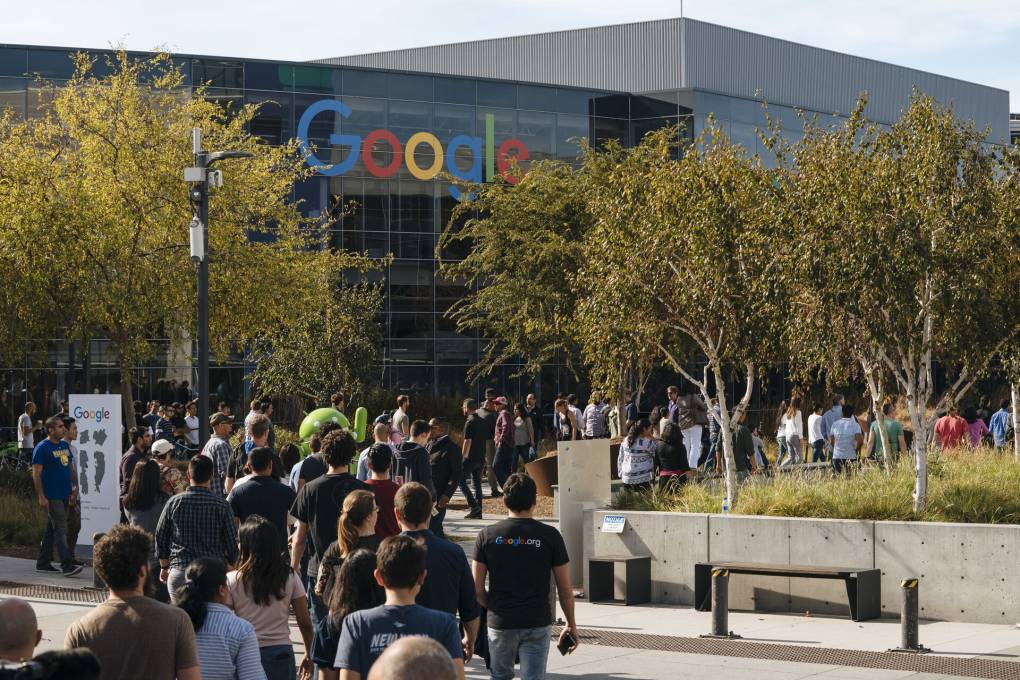
"caption": "Google employees in Mountain View walk off the job on Nov. 1, 2018 to protest the company's handling of sexual misconduct claims.",
"description": null,
"title": "Google Employees Stage Walkout To Protest Company's Actions On Sexual Harassment",
"credit": "Mason Trinca/Getty Images",
"status": "inherit",
"altTag": "A line of employees walking off the google campus in protest.",
"isLoading": false,
"fetchFailed": false
},
"news_11854651": {
"type": "attachments",
"id": "news_11854651",
"meta": {
"index": "attachments_1716263798",
"site": "news",
"id": "11854651",
"found": true
},
"parent": 11854650,
"imgSizes": {
"apple_news_ca_landscape_5_5": {
"file": "https://ww2.kqed.org/app/uploads/sites/10/2021/01/gettyimages-1230246965_custom-ad3e33d9d58c2838f2601a5eed35124c74bcee13-1044x783.jpg",
"width": 1044,
"mimeType": "image/jpeg",
"height": 783
},
"apple_news_ca_square_4_0": {
"file": "https://ww2.kqed.org/app/uploads/sites/10/2021/01/gettyimages-1230246965_custom-ad3e33d9d58c2838f2601a5eed35124c74bcee13-470x470.jpg",
"width": 470,
"mimeType": "image/jpeg",
"height": 470
},
"twentyfourteen-full-width": {
"file": "https://ww2.kqed.org/app/uploads/sites/10/2021/01/gettyimages-1230246965_custom-ad3e33d9d58c2838f2601a5eed35124c74bcee13-1038x576.jpg",
"width": 1038,
"mimeType": "image/jpeg",
"height": 576
},
"thumbnail": {
"file": "https://ww2.kqed.org/app/uploads/sites/10/2021/01/gettyimages-1230246965_custom-ad3e33d9d58c2838f2601a5eed35124c74bcee13-160x103.jpg",
"width": 160,
"mimeType": "image/jpeg",
"height": 103
},
"post-thumbnail": {
"file": "https://ww2.kqed.org/app/uploads/sites/10/2021/01/gettyimages-1230246965_custom-ad3e33d9d58c2838f2601a5eed35124c74bcee13-672x372.jpg",
"width": 672,
"mimeType": "image/jpeg",
"height": 372
},
"kqedFullSize": {
"file": "https://ww2.kqed.org/app/uploads/sites/10/2021/01/gettyimages-1230246965_custom-ad3e33d9d58c2838f2601a5eed35124c74bcee13-scaled-e1610297107161.jpg",
"width": 1920,
"height": 1235
},
"2048x2048": {
"file": "https://ww2.kqed.org/app/uploads/sites/10/2021/01/gettyimages-1230246965_custom-ad3e33d9d58c2838f2601a5eed35124c74bcee13-2048x1318.jpg",
"width": 2048,
"mimeType": "image/jpeg",
"height": 1318
},
"apple_news_ca_landscape_4_7": {
"file": "https://ww2.kqed.org/app/uploads/sites/10/2021/01/gettyimages-1230246965_custom-ad3e33d9d58c2838f2601a5eed35124c74bcee13-632x474.jpg",
"width": 632,
"mimeType": "image/jpeg",
"height": 474
},
"large": {
"file": "https://ww2.kqed.org/app/uploads/sites/10/2021/01/gettyimages-1230246965_custom-ad3e33d9d58c2838f2601a5eed35124c74bcee13-1020x656.jpg",
"width": 1020,
"mimeType": "image/jpeg",
"height": 656
},
"apple_news_ca_landscape_4_0": {
"file": "https://ww2.kqed.org/app/uploads/sites/10/2021/01/gettyimages-1230246965_custom-ad3e33d9d58c2838f2601a5eed35124c74bcee13-536x402.jpg",
"width": 536,
"mimeType": "image/jpeg",
"height": 402
},
"apple_news_ca_portrait_12_9": {
"file": "https://ww2.kqed.org/app/uploads/sites/10/2021/01/gettyimages-1230246965_custom-ad3e33d9d58c2838f2601a5eed35124c74bcee13-1122x1496.jpg",
"width": 1122,
"mimeType": "image/jpeg",
"height": 1496
},
"medium": {
"file": "https://ww2.kqed.org/app/uploads/sites/10/2021/01/gettyimages-1230246965_custom-ad3e33d9d58c2838f2601a5eed35124c74bcee13-800x515.jpg",
"width": 800,
"mimeType": "image/jpeg",
"height": 515
},
"apple_news_ca_portrait_4_0": {
"file": "https://ww2.kqed.org/app/uploads/sites/10/2021/01/gettyimages-1230246965_custom-ad3e33d9d58c2838f2601a5eed35124c74bcee13-354x472.jpg",
"width": 354,
"mimeType": "image/jpeg",
"height": 472
},
"apple_news_ca_portrait_9_7": {
"file": "https://ww2.kqed.org/app/uploads/sites/10/2021/01/gettyimages-1230246965_custom-ad3e33d9d58c2838f2601a5eed35124c74bcee13-840x1120.jpg",
"width": 840,
"mimeType": "image/jpeg",
"height": 1120
},
"apple_news_ca_landscape_12_9": {
"file": "https://ww2.kqed.org/app/uploads/sites/10/2021/01/gettyimages-1230246965_custom-ad3e33d9d58c2838f2601a5eed35124c74bcee13-1832x1374.jpg",
"width": 1832,
"mimeType": "image/jpeg",
"height": 1374
},
"apple_news_ca_square_9_7": {
"file": "https://ww2.kqed.org/app/uploads/sites/10/2021/01/gettyimages-1230246965_custom-ad3e33d9d58c2838f2601a5eed35124c74bcee13-1104x1104.jpg",
"width": 1104,
"mimeType": "image/jpeg",
"height": 1104
},
"1536x1536": {
"file": "https://ww2.kqed.org/app/uploads/sites/10/2021/01/gettyimages-1230246965_custom-ad3e33d9d58c2838f2601a5eed35124c74bcee13-1536x988.jpg",
"width": 1536,
"mimeType": "image/jpeg",
"height": 988
},
"apple_news_ca_portrait_4_7": {
"file": "https://ww2.kqed.org/app/uploads/sites/10/2021/01/gettyimages-1230246965_custom-ad3e33d9d58c2838f2601a5eed35124c74bcee13-414x552.jpg",
"width": 414,
"mimeType": "image/jpeg",
"height": 552
},
"apple_news_ca_square_12_9": {
"file": "https://ww2.kqed.org/app/uploads/sites/10/2021/01/gettyimages-1230246965_custom-ad3e33d9d58c2838f2601a5eed35124c74bcee13-1472x1472.jpg",
"width": 1472,
"mimeType": "image/jpeg",
"height": 1472
},
"apple_news_ca_portrait_5_5": {
"file": "https://ww2.kqed.org/app/uploads/sites/10/2021/01/gettyimages-1230246965_custom-ad3e33d9d58c2838f2601a5eed35124c74bcee13-687x916.jpg",
"width": 687,
"mimeType": "image/jpeg",
"height": 916
},
"full-width": {
"file": "https://ww2.kqed.org/app/uploads/sites/10/2021/01/gettyimages-1230246965_custom-ad3e33d9d58c2838f2601a5eed35124c74bcee13-1920x1236.jpg",
"width": 1920,
"mimeType": "image/jpeg",
"height": 1236
},
"apple_news_ca_square_4_7": {
"file": "https://ww2.kqed.org/app/uploads/sites/10/2021/01/gettyimages-1230246965_custom-ad3e33d9d58c2838f2601a5eed35124c74bcee13-550x550.jpg",
"width": 550,
"mimeType": "image/jpeg",
"height": 550
},
"apple_news_ca_landscape_9_7": {
"file": "https://ww2.kqed.org/app/uploads/sites/10/2021/01/gettyimages-1230246965_custom-ad3e33d9d58c2838f2601a5eed35124c74bcee13-1376x1032.jpg",
"width": 1376,
"mimeType": "image/jpeg",
"height": 1032
},
"apple_news_ca_square_5_5": {
"file": "https://ww2.kqed.org/app/uploads/sites/10/2021/01/gettyimages-1230246965_custom-ad3e33d9d58c2838f2601a5eed35124c74bcee13-912x912.jpg",
"width": 912,
"mimeType": "image/jpeg",
"height": 912
}
},
"publishDate": 1610296796,
"modified": 1610405481,
"caption": "The Parler website home screen on a smartphone arranged in the Brooklyn borough of New York on Dec. 18, 2020. Parler bills itself as a non-biased social network that protects free speech and user data. John Matze, chief executive officer, says the platform saw great growth during the 2020 election as many conservatives moved away from products like Facebook and Twitter. ",
"description": "The Parler website home screen on a smartphone arranged in the Brooklyn borough of New York, U.S., on Friday, Dec. 18, 2020. Parler bills itself as a non-biased social network that protects free speech and user data. John Matze, chief executive officer, says the platform saw great growth during the 2020 election as many conservatives moved away from products like Facebook and Twitter. Photographer: Gabby Jones/Bloomberg via Getty Images",
"title": "Amazon and Apple took steps to cut off Parler from their platforms on Saturday.",
"credit": "Gabby Jones/Getty Images",
"status": "inherit",
"altTag": null,
"isLoading": false,
"fetchFailed": false
},
"news_10927000": {
"type": "attachments",
"id": "news_10927000",
"meta": {
"index": "attachments_1716263798",
"site": "news",
"id": "10927000",
"found": true
},
"parent": 10926999,
"imgSizes": {
"twentyfourteen-full-width": {
"file": "https://ww2.kqed.org/app/uploads/sites/10/2016/04/gettyimages-511823939_custom-596d511e21c839cccf20c53e523d2de43b4373e3-1038x576.jpg",
"width": 1038,
"mimeType": "image/jpeg",
"height": 576
},
"thumbnail": {
"file": "https://ww2.kqed.org/app/uploads/sites/10/2016/04/gettyimages-511823939_custom-596d511e21c839cccf20c53e523d2de43b4373e3-400x278.jpg",
"width": 400,
"mimeType": "image/jpeg",
"height": 278
},
"fd-sm": {
"file": "https://ww2.kqed.org/app/uploads/sites/10/2016/04/gettyimages-511823939_custom-596d511e21c839cccf20c53e523d2de43b4373e3-960x668.jpg",
"width": 960,
"mimeType": "image/jpeg",
"height": 668
},
"post-thumbnail": {
"file": "https://ww2.kqed.org/app/uploads/sites/10/2016/04/gettyimages-511823939_custom-596d511e21c839cccf20c53e523d2de43b4373e3-672x372.jpg",
"width": 672,
"mimeType": "image/jpeg",
"height": 372
},
"kqedFullSize": {
"file": "https://ww2.kqed.org/app/uploads/sites/10/2016/04/gettyimages-511823939_custom-596d511e21c839cccf20c53e523d2de43b4373e3.jpg",
"width": 3000,
"height": 2086
},
"large": {
"file": "https://ww2.kqed.org/app/uploads/sites/10/2016/04/gettyimages-511823939_custom-596d511e21c839cccf20c53e523d2de43b4373e3-1920x1335.jpg",
"width": 1920,
"mimeType": "image/jpeg",
"height": 1335
},
"guest-author-96": {
"file": "https://ww2.kqed.org/app/uploads/sites/10/2016/04/gettyimages-511823939_custom-596d511e21c839cccf20c53e523d2de43b4373e3-96x96.jpg",
"width": 96,
"mimeType": "image/jpeg",
"height": 96
},
"medium": {
"file": "https://ww2.kqed.org/app/uploads/sites/10/2016/04/gettyimages-511823939_custom-596d511e21c839cccf20c53e523d2de43b4373e3-800x556.jpg",
"width": 800,
"mimeType": "image/jpeg",
"height": 556
},
"guest-author-64": {
"file": "https://ww2.kqed.org/app/uploads/sites/10/2016/04/gettyimages-511823939_custom-596d511e21c839cccf20c53e523d2de43b4373e3-64x64.jpg",
"width": 64,
"mimeType": "image/jpeg",
"height": 64
},
"guest-author-32": {
"file": "https://ww2.kqed.org/app/uploads/sites/10/2016/04/gettyimages-511823939_custom-596d511e21c839cccf20c53e523d2de43b4373e3-32x32.jpg",
"width": 32,
"mimeType": "image/jpeg",
"height": 32
},
"jmtc-small-thumb": {
"file": "https://ww2.kqed.org/app/uploads/sites/10/2016/04/gettyimages-511823939_custom-596d511e21c839cccf20c53e523d2de43b4373e3-280x150.jpg",
"width": 280,
"mimeType": "image/jpeg",
"height": 150
},
"fd-lrg": {
"file": "https://ww2.kqed.org/app/uploads/sites/10/2016/04/gettyimages-511823939_custom-596d511e21c839cccf20c53e523d2de43b4373e3-1920x1335.jpg",
"width": 1920,
"mimeType": "image/jpeg",
"height": 1335
},
"fd-med": {
"file": "https://ww2.kqed.org/app/uploads/sites/10/2016/04/gettyimages-511823939_custom-596d511e21c839cccf20c53e523d2de43b4373e3-1180x820.jpg",
"width": 1180,
"mimeType": "image/jpeg",
"height": 820
},
"detail": {
"file": "https://ww2.kqed.org/app/uploads/sites/10/2016/04/gettyimages-511823939_custom-596d511e21c839cccf20c53e523d2de43b4373e3-75x75.jpg",
"width": 75,
"mimeType": "image/jpeg",
"height": 75
},
"guest-author-128": {
"file": "https://ww2.kqed.org/app/uploads/sites/10/2016/04/gettyimages-511823939_custom-596d511e21c839cccf20c53e523d2de43b4373e3-128x128.jpg",
"width": 128,
"mimeType": "image/jpeg",
"height": 128
}
},
"publishDate": 1460439926,
"modified": 1610403130,
"caption": "Feel like you're being inundated with scammy requests for personal financial details in exchange for a package or even COVID-19 vaccine? That's because you are, and it's happening to just about everyone with a phone or computer.",
"description": "Feel like you're being inundated with scammy requests for personal financial details in exchange for a package or even covid-19 vaccine? That's because you are, and it's happening to just about everyone with a phone or computer.",
"title": "A real-life tax scam: This is what IRS phone fraud sounds like.",
"credit": "Getty Images",
"status": "inherit",
"altTag": "Feel like you're being inundated with scammy requests for personal financial details in exchange for a package or even covid-19 vaccine? That's because you are, and it's happening to just about everyone with a phone or computer.",
"isLoading": false,
"fetchFailed": false
},
"news_11854286": {
"type": "attachments",
"id": "news_11854286",
"meta": {
"index": "attachments_1716263798",
"site": "news",
"id": "11854286",
"found": true
},
"parent": 11854273,
"imgSizes": {
"apple_news_ca_landscape_5_5": {
"file": "https://ww2.kqed.org/app/uploads/sites/10/2021/01/things_010721_final-1044x783.png",
"width": 1044,
"mimeType": "image/png",
"height": 783
},
"apple_news_ca_square_4_0": {
"file": "https://ww2.kqed.org/app/uploads/sites/10/2021/01/things_010721_final-470x470.png",
"width": 470,
"mimeType": "image/png",
"height": 470
},
"twentyfourteen-full-width": {
"file": "https://ww2.kqed.org/app/uploads/sites/10/2021/01/things_010721_final-1038x576.png",
"width": 1038,
"mimeType": "image/png",
"height": 576
},
"thumbnail": {
"file": "https://ww2.kqed.org/app/uploads/sites/10/2021/01/things_010721_final-160x102.png",
"width": 160,
"mimeType": "image/png",
"height": 102
},
"post-thumbnail": {
"file": "https://ww2.kqed.org/app/uploads/sites/10/2021/01/things_010721_final-672x372.png",
"width": 672,
"mimeType": "image/png",
"height": 372
},
"kqedFullSize": {
"file": "https://ww2.kqed.org/app/uploads/sites/10/2021/01/things_010721_final.png",
"width": 1920,
"height": 1229
},
"apple_news_ca_landscape_4_7": {
"file": "https://ww2.kqed.org/app/uploads/sites/10/2021/01/things_010721_final-632x474.png",
"width": 632,
"mimeType": "image/png",
"height": 474
},
"large": {
"file": "https://ww2.kqed.org/app/uploads/sites/10/2021/01/things_010721_final-1020x653.png",
"width": 1020,
"mimeType": "image/png",
"height": 653
},
"apple_news_ca_landscape_4_0": {
"file": "https://ww2.kqed.org/app/uploads/sites/10/2021/01/things_010721_final-536x402.png",
"width": 536,
"mimeType": "image/png",
"height": 402
},
"apple_news_ca_portrait_12_9": {
"file": "https://ww2.kqed.org/app/uploads/sites/10/2021/01/things_010721_final-1122x1229.png",
"width": 1122,
"mimeType": "image/png",
"height": 1229
},
"medium": {
"file": "https://ww2.kqed.org/app/uploads/sites/10/2021/01/things_010721_final-800x512.png",
"width": 800,
"mimeType": "image/png",
"height": 512
},
"apple_news_ca_portrait_4_0": {
"file": "https://ww2.kqed.org/app/uploads/sites/10/2021/01/things_010721_final-354x472.png",
"width": 354,
"mimeType": "image/png",
"height": 472
},
"apple_news_ca_portrait_9_7": {
"file": "https://ww2.kqed.org/app/uploads/sites/10/2021/01/things_010721_final-840x1120.png",
"width": 840,
"mimeType": "image/png",
"height": 1120
},
"apple_news_ca_landscape_12_9": {
"file": "https://ww2.kqed.org/app/uploads/sites/10/2021/01/things_010721_final-1832x1229.png",
"width": 1832,
"mimeType": "image/png",
"height": 1229
},
"apple_news_ca_square_9_7": {
"file": "https://ww2.kqed.org/app/uploads/sites/10/2021/01/things_010721_final-1104x1104.png",
"width": 1104,
"mimeType": "image/png",
"height": 1104
},
"1536x1536": {
"file": "https://ww2.kqed.org/app/uploads/sites/10/2021/01/things_010721_final-1536x983.png",
"width": 1536,
"mimeType": "image/png",
"height": 983
},
"apple_news_ca_portrait_4_7": {
"file": "https://ww2.kqed.org/app/uploads/sites/10/2021/01/things_010721_final-414x552.png",
"width": 414,
"mimeType": "image/png",
"height": 552
},
"apple_news_ca_square_12_9": {
"file": "https://ww2.kqed.org/app/uploads/sites/10/2021/01/things_010721_final-1472x1229.png",
"width": 1472,
"mimeType": "image/png",
"height": 1229
},
"apple_news_ca_portrait_5_5": {
"file": "https://ww2.kqed.org/app/uploads/sites/10/2021/01/things_010721_final-687x916.png",
"width": 687,
"mimeType": "image/png",
"height": 916
},
"apple_news_ca_square_4_7": {
"file": "https://ww2.kqed.org/app/uploads/sites/10/2021/01/things_010721_final-550x550.png",
"width": 550,
"mimeType": "image/png",
"height": 550
},
"apple_news_ca_landscape_9_7": {
"file": "https://ww2.kqed.org/app/uploads/sites/10/2021/01/things_010721_final-1376x1032.png",
"width": 1376,
"mimeType": "image/png",
"height": 1032
},
"apple_news_ca_square_5_5": {
"file": "https://ww2.kqed.org/app/uploads/sites/10/2021/01/things_010721_final-912x912.png",
"width": 912,
"mimeType": "image/png",
"height": 912
}
},
"publishDate": 1610063463,
"modified": 1610063554,
"caption": null,
"description": null,
"title": "things_010721_final",
"credit": null,
"status": "inherit",
"altTag": "A Mark Fiore cartoon showing social media that Trump is blocked from using versus all the levers of power he can still use as president.",
"isLoading": false,
"fetchFailed": false
},
"news_11853810": {
"type": "attachments",
"id": "news_11853810",
"meta": {
"index": "attachments_1716263798",
"site": "news",
"id": "11853810",
"found": true
},
"parent": 11853806,
"imgSizes": {
"apple_news_ca_landscape_5_5": {
"file": "https://ww2.kqed.org/app/uploads/sites/10/2021/01/RS33537_GettyImages-1056086262-qut-1044x783.jpg",
"width": 1044,
"mimeType": "image/jpeg",
"height": 783
},
"apple_news_ca_square_4_0": {
"file": "https://ww2.kqed.org/app/uploads/sites/10/2021/01/RS33537_GettyImages-1056086262-qut-470x470.jpg",
"width": 470,
"mimeType": "image/jpeg",
"height": 470
},
"twentyfourteen-full-width": {
"file": "https://ww2.kqed.org/app/uploads/sites/10/2021/01/RS33537_GettyImages-1056086262-qut-1038x576.jpg",
"width": 1038,
"mimeType": "image/jpeg",
"height": 576
},
"thumbnail": {
"file": "https://ww2.kqed.org/app/uploads/sites/10/2021/01/RS33537_GettyImages-1056086262-qut-160x107.jpg",
"width": 160,
"mimeType": "image/jpeg",
"height": 107
},
"post-thumbnail": {
"file": "https://ww2.kqed.org/app/uploads/sites/10/2021/01/RS33537_GettyImages-1056086262-qut-672x372.jpg",
"width": 672,
"mimeType": "image/jpeg",
"height": 372
},
"kqedFullSize": {
"file": "https://ww2.kqed.org/app/uploads/sites/10/2021/01/RS33537_GettyImages-1056086262-qut.jpg",
"width": 1920,
"height": 1280
},
"apple_news_ca_landscape_4_7": {
"file": "https://ww2.kqed.org/app/uploads/sites/10/2021/01/RS33537_GettyImages-1056086262-qut-632x474.jpg",
"width": 632,
"mimeType": "image/jpeg",
"height": 474
},
"large": {
"file": "https://ww2.kqed.org/app/uploads/sites/10/2021/01/RS33537_GettyImages-1056086262-qut-1020x680.jpg",
"width": 1020,
"mimeType": "image/jpeg",
"height": 680
},
"apple_news_ca_landscape_4_0": {
"file": "https://ww2.kqed.org/app/uploads/sites/10/2021/01/RS33537_GettyImages-1056086262-qut-536x402.jpg",
"width": 536,
"mimeType": "image/jpeg",
"height": 402
},
"apple_news_ca_portrait_12_9": {
"file": "https://ww2.kqed.org/app/uploads/sites/10/2021/01/RS33537_GettyImages-1056086262-qut-1122x1280.jpg",
"width": 1122,
"mimeType": "image/jpeg",
"height": 1280
},
"medium": {
"file": "https://ww2.kqed.org/app/uploads/sites/10/2021/01/RS33537_GettyImages-1056086262-qut-800x533.jpg",
"width": 800,
"mimeType": "image/jpeg",
"height": 533
},
"apple_news_ca_portrait_4_0": {
"file": "https://ww2.kqed.org/app/uploads/sites/10/2021/01/RS33537_GettyImages-1056086262-qut-354x472.jpg",
"width": 354,
"mimeType": "image/jpeg",
"height": 472
},
"apple_news_ca_portrait_9_7": {
"file": "https://ww2.kqed.org/app/uploads/sites/10/2021/01/RS33537_GettyImages-1056086262-qut-840x1120.jpg",
"width": 840,
"mimeType": "image/jpeg",
"height": 1120
},
"apple_news_ca_landscape_12_9": {
"file": "https://ww2.kqed.org/app/uploads/sites/10/2021/01/RS33537_GettyImages-1056086262-qut-1832x1280.jpg",
"width": 1832,
"mimeType": "image/jpeg",
"height": 1280
},
"apple_news_ca_square_9_7": {
"file": "https://ww2.kqed.org/app/uploads/sites/10/2021/01/RS33537_GettyImages-1056086262-qut-1104x1104.jpg",
"width": 1104,
"mimeType": "image/jpeg",
"height": 1104
},
"1536x1536": {
"file": "https://ww2.kqed.org/app/uploads/sites/10/2021/01/RS33537_GettyImages-1056086262-qut-1536x1024.jpg",
"width": 1536,
"mimeType": "image/jpeg",
"height": 1024
},
"apple_news_ca_portrait_4_7": {
"file": "https://ww2.kqed.org/app/uploads/sites/10/2021/01/RS33537_GettyImages-1056086262-qut-414x552.jpg",
"width": 414,
"mimeType": "image/jpeg",
"height": 552
},
"apple_news_ca_square_12_9": {
"file": "https://ww2.kqed.org/app/uploads/sites/10/2021/01/RS33537_GettyImages-1056086262-qut-1472x1280.jpg",
"width": 1472,
"mimeType": "image/jpeg",
"height": 1280
},
"apple_news_ca_portrait_5_5": {
"file": "https://ww2.kqed.org/app/uploads/sites/10/2021/01/RS33537_GettyImages-1056086262-qut-687x916.jpg",
"width": 687,
"mimeType": "image/jpeg",
"height": 916
},
"apple_news_ca_square_4_7": {
"file": "https://ww2.kqed.org/app/uploads/sites/10/2021/01/RS33537_GettyImages-1056086262-qut-550x550.jpg",
"width": 550,
"mimeType": "image/jpeg",
"height": 550
},
"apple_news_ca_landscape_9_7": {
"file": "https://ww2.kqed.org/app/uploads/sites/10/2021/01/RS33537_GettyImages-1056086262-qut-1376x1032.jpg",
"width": 1376,
"mimeType": "image/jpeg",
"height": 1032
},
"apple_news_ca_square_5_5": {
"file": "https://ww2.kqed.org/app/uploads/sites/10/2021/01/RS33537_GettyImages-1056086262-qut-912x912.jpg",
"width": 912,
"mimeType": "image/jpeg",
"height": 912
}
},
"publishDate": 1609891098,
"modified": 1647912089,
"caption": "Google employees walk off the job in 2018 to protest the company's handling of sexual misconduct claims, on November 1, 2018, in Mountain View, California. Employees were seen staging walkouts at offices around the world after a report that Google gave $90 million in a severance package to Andy Rubin and covered up details of his sexual misconduct allegations, which triggered his departure.",
"description": null,
"title": "Google Employees Stage Walkout To Protest Company's Actions On Sexual Harassment",
"credit": "Jason Trinca/Getty Images",
"status": "inherit",
"altTag": null,
"isLoading": false,
"fetchFailed": false
},
"news_11853185": {
"type": "attachments",
"id": "news_11853185",
"meta": {
"index": "attachments_1716263798",
"site": "news",
"id": "11853185",
"found": true
},
"parent": 11853032,
"imgSizes": {
"apple_news_ca_landscape_5_5": {
"file": "https://ww2.kqed.org/app/uploads/sites/10/2020/12/IMG_9191-1044x783.jpg",
"width": 1044,
"mimeType": "image/jpeg",
"height": 783
},
"apple_news_ca_square_4_0": {
"file": "https://ww2.kqed.org/app/uploads/sites/10/2020/12/IMG_9191-470x470.jpg",
"width": 470,
"mimeType": "image/jpeg",
"height": 470
},
"twentyfourteen-full-width": {
"file": "https://ww2.kqed.org/app/uploads/sites/10/2020/12/IMG_9191-1038x576.jpg",
"width": 1038,
"mimeType": "image/jpeg",
"height": 576
},
"thumbnail": {
"file": "https://ww2.kqed.org/app/uploads/sites/10/2020/12/IMG_9191-160x120.jpg",
"width": 160,
"mimeType": "image/jpeg",
"height": 120
},
"post-thumbnail": {
"file": "https://ww2.kqed.org/app/uploads/sites/10/2020/12/IMG_9191-672x372.jpg",
"width": 672,
"mimeType": "image/jpeg",
"height": 372
},
"kqedFullSize": {
"file": "https://ww2.kqed.org/app/uploads/sites/10/2020/12/IMG_9191-scaled.jpg",
"width": 2560,
"height": 1920
},
"2048x2048": {
"file": "https://ww2.kqed.org/app/uploads/sites/10/2020/12/IMG_9191-2048x1536.jpg",
"width": 2048,
"mimeType": "image/jpeg",
"height": 1536
},
"apple_news_ca_landscape_4_7": {
"file": "https://ww2.kqed.org/app/uploads/sites/10/2020/12/IMG_9191-632x474.jpg",
"width": 632,
"mimeType": "image/jpeg",
"height": 474
},
"large": {
"file": "https://ww2.kqed.org/app/uploads/sites/10/2020/12/IMG_9191-1020x765.jpg",
"width": 1020,
"mimeType": "image/jpeg",
"height": 765
},
"apple_news_ca_landscape_4_0": {
"file": "https://ww2.kqed.org/app/uploads/sites/10/2020/12/IMG_9191-536x402.jpg",
"width": 536,
"mimeType": "image/jpeg",
"height": 402
},
"apple_news_ca_portrait_12_9": {
"file": "https://ww2.kqed.org/app/uploads/sites/10/2020/12/IMG_9191-1122x1496.jpg",
"width": 1122,
"mimeType": "image/jpeg",
"height": 1496
},
"medium": {
"file": "https://ww2.kqed.org/app/uploads/sites/10/2020/12/IMG_9191-800x600.jpg",
"width": 800,
"mimeType": "image/jpeg",
"height": 600
},
"apple_news_ca_portrait_4_0": {
"file": "https://ww2.kqed.org/app/uploads/sites/10/2020/12/IMG_9191-354x472.jpg",
"width": 354,
"mimeType": "image/jpeg",
"height": 472
},
"apple_news_ca_portrait_9_7": {
"file": "https://ww2.kqed.org/app/uploads/sites/10/2020/12/IMG_9191-840x1120.jpg",
"width": 840,
"mimeType": "image/jpeg",
"height": 1120
},
"apple_news_ca_landscape_12_9": {
"file": "https://ww2.kqed.org/app/uploads/sites/10/2020/12/IMG_9191-1832x1374.jpg",
"width": 1832,
"mimeType": "image/jpeg",
"height": 1374
},
"apple_news_ca_square_9_7": {
"file": "https://ww2.kqed.org/app/uploads/sites/10/2020/12/IMG_9191-1104x1104.jpg",
"width": 1104,
"mimeType": "image/jpeg",
"height": 1104
},
"1536x1536": {
"file": "https://ww2.kqed.org/app/uploads/sites/10/2020/12/IMG_9191-1536x1152.jpg",
"width": 1536,
"mimeType": "image/jpeg",
"height": 1152
},
"apple_news_ca_portrait_4_7": {
"file": "https://ww2.kqed.org/app/uploads/sites/10/2020/12/IMG_9191-414x552.jpg",
"width": 414,
"mimeType": "image/jpeg",
"height": 552
},
"apple_news_ca_square_12_9": {
"file": "https://ww2.kqed.org/app/uploads/sites/10/2020/12/IMG_9191-1472x1472.jpg",
"width": 1472,
"mimeType": "image/jpeg",
"height": 1472
},
"apple_news_ca_portrait_5_5": {
"file": "https://ww2.kqed.org/app/uploads/sites/10/2020/12/IMG_9191-687x916.jpg",
"width": 687,
"mimeType": "image/jpeg",
"height": 916
},
"full-width": {
"file": "https://ww2.kqed.org/app/uploads/sites/10/2020/12/IMG_9191-1920x1440.jpg",
"width": 1920,
"mimeType": "image/jpeg",
"height": 1440
},
"apple_news_ca_square_4_7": {
"file": "https://ww2.kqed.org/app/uploads/sites/10/2020/12/IMG_9191-550x550.jpg",
"width": 550,
"mimeType": "image/jpeg",
"height": 550
},
"apple_news_ca_landscape_9_7": {
"file": "https://ww2.kqed.org/app/uploads/sites/10/2020/12/IMG_9191-1376x1032.jpg",
"width": 1376,
"mimeType": "image/jpeg",
"height": 1032
},
"apple_news_ca_square_5_5": {
"file": "https://ww2.kqed.org/app/uploads/sites/10/2020/12/IMG_9191-912x912.jpg",
"width": 912,
"mimeType": "image/jpeg",
"height": 912
}
},
"publishDate": 1609289317,
"modified": 1609289390,
"caption": "Yuri Kim stands outside her newly renovated store, Fractal Flora in San Jose. Kim has seen a boost in plant sales during the pandemic.",
"description": "Yuri Kim stands outside her newly renovated store, Fractal Flora in San Jose. Kim has seen a boost in plant sales during the pandemic.",
"title": "Yuri Kim stands outside her newly renovated store, Fractal Flora in San Jose. Kim has seen a boost in plant sales during the pandemic.",
"credit": "Adhiti/Bandlamudi/KQED",
"status": "inherit",
"altTag": "Yuri Kim stands outside her newly renovated store, Fractal Flora in San Jose. Kim has seen a boost in plant sales during the pandemic.",
"isLoading": false,
"fetchFailed": false
},
"news_11852661": {
"type": "attachments",
"id": "news_11852661",
"meta": {
"index": "attachments_1716263798",
"site": "news",
"id": "11852661",
"found": true
},
"parent": 11852498,
"imgSizes": {
"apple_news_ca_square_4_0": {
"file": "https://ww2.kqed.org/app/uploads/sites/10/2020/12/RS16556_IMG_0695-qut-1020x577-1-470x470.jpg",
"width": 470,
"mimeType": "image/jpeg",
"height": 470
},
"thumbnail": {
"file": "https://ww2.kqed.org/app/uploads/sites/10/2020/12/RS16556_IMG_0695-qut-1020x577-1-160x91.jpg",
"width": 160,
"mimeType": "image/jpeg",
"height": 91
},
"post-thumbnail": {
"file": "https://ww2.kqed.org/app/uploads/sites/10/2020/12/RS16556_IMG_0695-qut-1020x577-1-672x372.jpg",
"width": 672,
"mimeType": "image/jpeg",
"height": 372
},
"kqedFullSize": {
"file": "https://ww2.kqed.org/app/uploads/sites/10/2020/12/RS16556_IMG_0695-qut-1020x577-1.jpg",
"width": 1020,
"height": 577
},
"apple_news_ca_landscape_4_7": {
"file": "https://ww2.kqed.org/app/uploads/sites/10/2020/12/RS16556_IMG_0695-qut-1020x577-1-632x474.jpg",
"width": 632,
"mimeType": "image/jpeg",
"height": 474
},
"apple_news_ca_landscape_4_0": {
"file": "https://ww2.kqed.org/app/uploads/sites/10/2020/12/RS16556_IMG_0695-qut-1020x577-1-536x402.jpg",
"width": 536,
"mimeType": "image/jpeg",
"height": 402
},
"medium": {
"file": "https://ww2.kqed.org/app/uploads/sites/10/2020/12/RS16556_IMG_0695-qut-1020x577-1-800x453.jpg",
"width": 800,
"mimeType": "image/jpeg",
"height": 453
},
"apple_news_ca_portrait_4_0": {
"file": "https://ww2.kqed.org/app/uploads/sites/10/2020/12/RS16556_IMG_0695-qut-1020x577-1-354x472.jpg",
"width": 354,
"mimeType": "image/jpeg",
"height": 472
},
"apple_news_ca_portrait_9_7": {
"file": "https://ww2.kqed.org/app/uploads/sites/10/2020/12/RS16556_IMG_0695-qut-1020x577-1-840x577.jpg",
"width": 840,
"mimeType": "image/jpeg",
"height": 577
},
"apple_news_ca_portrait_4_7": {
"file": "https://ww2.kqed.org/app/uploads/sites/10/2020/12/RS16556_IMG_0695-qut-1020x577-1-414x552.jpg",
"width": 414,
"mimeType": "image/jpeg",
"height": 552
},
"apple_news_ca_portrait_5_5": {
"file": "https://ww2.kqed.org/app/uploads/sites/10/2020/12/RS16556_IMG_0695-qut-1020x577-1-687x577.jpg",
"width": 687,
"mimeType": "image/jpeg",
"height": 577
},
"apple_news_ca_square_4_7": {
"file": "https://ww2.kqed.org/app/uploads/sites/10/2020/12/RS16556_IMG_0695-qut-1020x577-1-550x550.jpg",
"width": 550,
"mimeType": "image/jpeg",
"height": 550
},
"apple_news_ca_square_5_5": {
"file": "https://ww2.kqed.org/app/uploads/sites/10/2020/12/RS16556_IMG_0695-qut-1020x577-1-912x577.jpg",
"width": 912,
"mimeType": "image/jpeg",
"height": 577
}
},
"publishDate": 1608755929,
"modified": 1699237527,
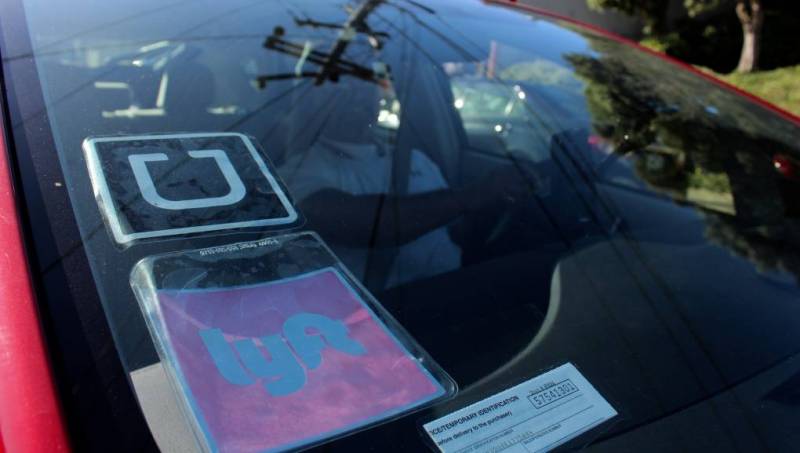
"caption": "An Uber driver waits to pick up a customer in San Francisco.",
"description": null,
"title": "RS16556_IMG_0695-qut-1020x577",
"credit": "Ericka Cruz Guevarra/KQED",
"status": "inherit",
"altTag": "A view of the dashboard of a car with Uber and Lyft logos on the window. Inside sits a man in the driver's seat.",
"isLoading": false,
"fetchFailed": false
},
"news_11852931": {
"type": "attachments",
"id": "news_11852931",
"meta": {
"index": "attachments_1716263798",
"site": "news",
"id": "11852931",
"found": true
},
"title": "Even during the COVID-19 pandemic, San Pedro Square was a lively part of downtown San Jose. But with the latest restrictions shutting down outdoor and indoor dining, the square has become a \"ghost town\".",
"publishDate": 1609185940,
"status": "inherit",
"parent": 11852317,
"modified": 1609202838,
"caption": "Even during the COVID-19 pandemic, San Pedro Square was a lively part of downtown San Jose. But with the latest restrictions shutting down outdoor and indoor dining, the square has become a \"ghost town.\"",
"credit": "Adhiti Bandlamudi/KQED",
"altTag": "Even during the COVID-19 pandemic, San Pedro Square was a lively part of downtown San Jose. But with the latest restrictions shutting down outdoor and indoor dining, the square has become a \"ghost town\".",
"description": "Even during the COVID-19 pandemic, San Pedro Square was a lively part of downtown San Jose. But with the latest restrictions shutting down outdoor and indoor dining, the square has become a \"ghost town\".",
"imgSizes": {
"medium": {
"file": "https://cdn.kqed.org/wp-content/uploads/sites/10/2020/12/IMG_9205-800x600.jpg",
"width": 800,
"height": 600,
"mimeType": "image/jpeg"
},
"large": {
"file": "https://cdn.kqed.org/wp-content/uploads/sites/10/2020/12/IMG_9205-1020x765.jpg",
"width": 1020,
"height": 765,
"mimeType": "image/jpeg"
},
"thumbnail": {
"file": "https://cdn.kqed.org/wp-content/uploads/sites/10/2020/12/IMG_9205-160x120.jpg",
"width": 160,
"height": 120,
"mimeType": "image/jpeg"
},
"1536x1536": {
"file": "https://cdn.kqed.org/wp-content/uploads/sites/10/2020/12/IMG_9205-1536x1152.jpg",
"width": 1536,
"height": 1152,
"mimeType": "image/jpeg"
},
"2048x2048": {
"file": "https://cdn.kqed.org/wp-content/uploads/sites/10/2020/12/IMG_9205-2048x1536.jpg",
"width": 2048,
"height": 1536,
"mimeType": "image/jpeg"
},
"post-thumbnail": {
"file": "https://cdn.kqed.org/wp-content/uploads/sites/10/2020/12/IMG_9205-672x372.jpg",
"width": 672,
"height": 372,
"mimeType": "image/jpeg"
},
"twentyfourteen-full-width": {
"file": "https://cdn.kqed.org/wp-content/uploads/sites/10/2020/12/IMG_9205-1038x576.jpg",
"width": 1038,
"height": 576,
"mimeType": "image/jpeg"
},
"full-width": {
"file": "https://cdn.kqed.org/wp-content/uploads/sites/10/2020/12/IMG_9205-1920x1440.jpg",
"width": 1920,
"height": 1440,
"mimeType": "image/jpeg"
},
"apple_news_ca_landscape_12_9": {
"file": "https://cdn.kqed.org/wp-content/uploads/sites/10/2020/12/IMG_9205-1832x1374.jpg",
"width": 1832,
"height": 1374,
"mimeType": "image/jpeg"
},
"apple_news_ca_landscape_9_7": {
"file": "https://cdn.kqed.org/wp-content/uploads/sites/10/2020/12/IMG_9205-1376x1032.jpg",
"width": 1376,
"height": 1032,
"mimeType": "image/jpeg"
},
"apple_news_ca_landscape_5_5": {
"file": "https://cdn.kqed.org/wp-content/uploads/sites/10/2020/12/IMG_9205-1044x783.jpg",
"width": 1044,
"height": 783,
"mimeType": "image/jpeg"
},
"apple_news_ca_landscape_4_7": {
"file": "https://cdn.kqed.org/wp-content/uploads/sites/10/2020/12/IMG_9205-632x474.jpg",
"width": 632,
"height": 474,
"mimeType": "image/jpeg"
},
"apple_news_ca_landscape_4_0": {
"file": "https://cdn.kqed.org/wp-content/uploads/sites/10/2020/12/IMG_9205-536x402.jpg",
"width": 536,
"height": 402,
"mimeType": "image/jpeg"
},
"apple_news_ca_portrait_12_9": {
"file": "https://cdn.kqed.org/wp-content/uploads/sites/10/2020/12/IMG_9205-1122x1496.jpg",
"width": 1122,
"height": 1496,
"mimeType": "image/jpeg"
},
"apple_news_ca_portrait_9_7": {
"file": "https://cdn.kqed.org/wp-content/uploads/sites/10/2020/12/IMG_9205-840x1120.jpg",
"width": 840,
"height": 1120,
"mimeType": "image/jpeg"
},
"apple_news_ca_portrait_5_5": {
"file": "https://cdn.kqed.org/wp-content/uploads/sites/10/2020/12/IMG_9205-687x916.jpg",
"width": 687,
"height": 916,
"mimeType": "image/jpeg"
},
"apple_news_ca_portrait_4_7": {
"file": "https://cdn.kqed.org/wp-content/uploads/sites/10/2020/12/IMG_9205-414x552.jpg",
"width": 414,
"height": 552,
"mimeType": "image/jpeg"
},
"apple_news_ca_portrait_4_0": {
"file": "https://cdn.kqed.org/wp-content/uploads/sites/10/2020/12/IMG_9205-354x472.jpg",
"width": 354,
"height": 472,
"mimeType": "image/jpeg"
},
"apple_news_ca_square_12_9": {
"file": "https://cdn.kqed.org/wp-content/uploads/sites/10/2020/12/IMG_9205-1472x1472.jpg",
"width": 1472,
"height": 1472,
"mimeType": "image/jpeg"
},
"apple_news_ca_square_9_7": {
"file": "https://cdn.kqed.org/wp-content/uploads/sites/10/2020/12/IMG_9205-1104x1104.jpg",
"width": 1104,
"height": 1104,
"mimeType": "image/jpeg"
},
"apple_news_ca_square_5_5": {
"file": "https://cdn.kqed.org/wp-content/uploads/sites/10/2020/12/IMG_9205-912x912.jpg",
"width": 912,
"height": 912,
"mimeType": "image/jpeg"
},
"apple_news_ca_square_4_7": {
"file": "https://cdn.kqed.org/wp-content/uploads/sites/10/2020/12/IMG_9205-550x550.jpg",
"width": 550,
"height": 550,
"mimeType": "image/jpeg"
},
"apple_news_ca_square_4_0": {
"file": "https://cdn.kqed.org/wp-content/uploads/sites/10/2020/12/IMG_9205-470x470.jpg",
"width": 470,
"height": 470,
"mimeType": "image/jpeg"
},
"kqedFullSize": {
"file": "https://cdn.kqed.org/wp-content/uploads/sites/10/2020/12/IMG_9205-scaled-e1769808207171.jpg",
"width": 2000,
"height": 1500
}
},
"isLoading": false,
"fetchFailed": false
},
"news_11852071": {
"type": "attachments",
"id": "news_11852071",
"meta": {
"index": "attachments_1716263798",
"site": "news",
"id": "11852071",
"found": true
},
"parent": 11851695,
"imgSizes": {
"apple_news_ca_landscape_5_5": {
"file": "https://ww2.kqed.org/app/uploads/sites/10/2020/12/RS46438_pexels-kaboompics-com-6111-qut-1044x783.jpg",
"width": 1044,
"mimeType": "image/jpeg",
"height": 783
},
"apple_news_ca_square_4_0": {
"file": "https://ww2.kqed.org/app/uploads/sites/10/2020/12/RS46438_pexels-kaboompics-com-6111-qut-470x470.jpg",
"width": 470,
"mimeType": "image/jpeg",
"height": 470
},
"twentyfourteen-full-width": {
"file": "https://ww2.kqed.org/app/uploads/sites/10/2020/12/RS46438_pexels-kaboompics-com-6111-qut-1038x576.jpg",
"width": 1038,
"mimeType": "image/jpeg",
"height": 576
},
"thumbnail": {
"file": "https://ww2.kqed.org/app/uploads/sites/10/2020/12/RS46438_pexels-kaboompics-com-6111-qut-160x107.jpg",
"width": 160,
"mimeType": "image/jpeg",
"height": 107
},
"post-thumbnail": {
"file": "https://ww2.kqed.org/app/uploads/sites/10/2020/12/RS46438_pexels-kaboompics-com-6111-qut-672x372.jpg",
"width": 672,
"mimeType": "image/jpeg",
"height": 372
},
"kqedFullSize": {
"file": "https://ww2.kqed.org/app/uploads/sites/10/2020/12/RS46438_pexels-kaboompics-com-6111-qut.jpg",
"width": 1920,
"height": 1280
},
"apple_news_ca_landscape_4_7": {
"file": "https://ww2.kqed.org/app/uploads/sites/10/2020/12/RS46438_pexels-kaboompics-com-6111-qut-632x474.jpg",
"width": 632,
"mimeType": "image/jpeg",
"height": 474
},
"large": {
"file": "https://ww2.kqed.org/app/uploads/sites/10/2020/12/RS46438_pexels-kaboompics-com-6111-qut-1020x680.jpg",
"width": 1020,
"mimeType": "image/jpeg",
"height": 680
},
"apple_news_ca_landscape_4_0": {
"file": "https://ww2.kqed.org/app/uploads/sites/10/2020/12/RS46438_pexels-kaboompics-com-6111-qut-536x402.jpg",
"width": 536,
"mimeType": "image/jpeg",
"height": 402
},
"apple_news_ca_portrait_12_9": {
"file": "https://ww2.kqed.org/app/uploads/sites/10/2020/12/RS46438_pexels-kaboompics-com-6111-qut-1122x1280.jpg",
"width": 1122,
"mimeType": "image/jpeg",
"height": 1280
},
"medium": {
"file": "https://ww2.kqed.org/app/uploads/sites/10/2020/12/RS46438_pexels-kaboompics-com-6111-qut-800x533.jpg",
"width": 800,
"mimeType": "image/jpeg",
"height": 533
},
"apple_news_ca_portrait_4_0": {
"file": "https://ww2.kqed.org/app/uploads/sites/10/2020/12/RS46438_pexels-kaboompics-com-6111-qut-354x472.jpg",
"width": 354,
"mimeType": "image/jpeg",
"height": 472
},
"apple_news_ca_portrait_9_7": {
"file": "https://ww2.kqed.org/app/uploads/sites/10/2020/12/RS46438_pexels-kaboompics-com-6111-qut-840x1120.jpg",
"width": 840,
"mimeType": "image/jpeg",
"height": 1120
},
"apple_news_ca_landscape_12_9": {
"file": "https://ww2.kqed.org/app/uploads/sites/10/2020/12/RS46438_pexels-kaboompics-com-6111-qut-1832x1280.jpg",
"width": 1832,
"mimeType": "image/jpeg",
"height": 1280
},
"apple_news_ca_square_9_7": {
"file": "https://ww2.kqed.org/app/uploads/sites/10/2020/12/RS46438_pexels-kaboompics-com-6111-qut-1104x1104.jpg",
"width": 1104,
"mimeType": "image/jpeg",
"height": 1104
},
"1536x1536": {
"file": "https://ww2.kqed.org/app/uploads/sites/10/2020/12/RS46438_pexels-kaboompics-com-6111-qut-1536x1024.jpg",
"width": 1536,
"mimeType": "image/jpeg",
"height": 1024
},
"apple_news_ca_portrait_4_7": {
"file": "https://ww2.kqed.org/app/uploads/sites/10/2020/12/RS46438_pexels-kaboompics-com-6111-qut-414x552.jpg",
"width": 414,
"mimeType": "image/jpeg",
"height": 552
},
"apple_news_ca_square_12_9": {
"file": "https://ww2.kqed.org/app/uploads/sites/10/2020/12/RS46438_pexels-kaboompics-com-6111-qut-1472x1280.jpg",
"width": 1472,
"mimeType": "image/jpeg",
"height": 1280
},
"apple_news_ca_portrait_5_5": {
"file": "https://ww2.kqed.org/app/uploads/sites/10/2020/12/RS46438_pexels-kaboompics-com-6111-qut-687x916.jpg",
"width": 687,
"mimeType": "image/jpeg",
"height": 916
},
"apple_news_ca_square_4_7": {
"file": "https://ww2.kqed.org/app/uploads/sites/10/2020/12/RS46438_pexels-kaboompics-com-6111-qut-550x550.jpg",
"width": 550,
"mimeType": "image/jpeg",
"height": 550
},
"apple_news_ca_landscape_9_7": {
"file": "https://ww2.kqed.org/app/uploads/sites/10/2020/12/RS46438_pexels-kaboompics-com-6111-qut-1376x1032.jpg",
"width": 1376,
"mimeType": "image/jpeg",
"height": 1032
},
"apple_news_ca_square_5_5": {
"file": "https://ww2.kqed.org/app/uploads/sites/10/2020/12/RS46438_pexels-kaboompics-com-6111-qut-912x912.jpg",
"width": 912,
"mimeType": "image/jpeg",
"height": 912
}
},
"publishDate": 1608338755,
"modified": 1608585622,
"caption": "Back in August, Facebook conducted a preelection misinformation sweep and deleted a bunch of groups.",
"description": "Back in August, Facebook conducted a pre-election misinformation sweep and deleted a bunch of groups.",
"title": "RS46438_pexels-kaboompics-com-6111-qut",
"credit": "Kaboompics/Pexels",
"status": "inherit",
"altTag": "Cellphone in hands",
"isLoading": false,
"fetchFailed": false
},
"news_11850292": {
"type": "attachments",
"id": "news_11850292",
"meta": {
"index": "attachments_1716263798",
"site": "news",
"id": "11850292",
"found": true
},
"parent": 11850203,
"imgSizes": {
"apple_news_ca_landscape_5_5": {
"file": "https://ww2.kqed.org/app/uploads/sites/10/2020/12/Vernon-1044x783.jpeg",
"width": 1044,
"mimeType": "image/jpeg",
"height": 783
},
"apple_news_ca_square_4_0": {
"file": "https://ww2.kqed.org/app/uploads/sites/10/2020/12/Vernon-470x470.jpeg",
"width": 470,
"mimeType": "image/jpeg",
"height": 470
},
"twentyfourteen-full-width": {
"file": "https://ww2.kqed.org/app/uploads/sites/10/2020/12/Vernon-1038x576.jpeg",
"width": 1038,
"mimeType": "image/jpeg",
"height": 576
},
"thumbnail": {
"file": "https://ww2.kqed.org/app/uploads/sites/10/2020/12/Vernon-160x107.jpeg",
"width": 160,
"mimeType": "image/jpeg",
"height": 107
},
"post-thumbnail": {
"file": "https://ww2.kqed.org/app/uploads/sites/10/2020/12/Vernon-672x372.jpeg",
"width": 672,
"mimeType": "image/jpeg",
"height": 372
},
"kqedFullSize": {
"file": "https://ww2.kqed.org/app/uploads/sites/10/2020/12/Vernon.jpeg",
"width": 1280,
"height": 854
},
"apple_news_ca_landscape_4_7": {
"file": "https://ww2.kqed.org/app/uploads/sites/10/2020/12/Vernon-632x474.jpeg",
"width": 632,
"mimeType": "image/jpeg",
"height": 474
},
"large": {
"file": "https://ww2.kqed.org/app/uploads/sites/10/2020/12/Vernon-1020x681.jpeg",
"width": 1020,
"mimeType": "image/jpeg",
"height": 681
},
"apple_news_ca_landscape_4_0": {
"file": "https://ww2.kqed.org/app/uploads/sites/10/2020/12/Vernon-536x402.jpeg",
"width": 536,
"mimeType": "image/jpeg",
"height": 402
},
"apple_news_ca_portrait_12_9": {
"file": "https://ww2.kqed.org/app/uploads/sites/10/2020/12/Vernon-1122x854.jpeg",
"width": 1122,
"mimeType": "image/jpeg",
"height": 854
},
"medium": {
"file": "https://ww2.kqed.org/app/uploads/sites/10/2020/12/Vernon-800x534.jpeg",
"width": 800,
"mimeType": "image/jpeg",
"height": 534
},
"apple_news_ca_portrait_4_0": {
"file": "https://ww2.kqed.org/app/uploads/sites/10/2020/12/Vernon-354x472.jpeg",
"width": 354,
"mimeType": "image/jpeg",
"height": 472
},
"apple_news_ca_portrait_9_7": {
"file": "https://ww2.kqed.org/app/uploads/sites/10/2020/12/Vernon-840x854.jpeg",
"width": 840,
"mimeType": "image/jpeg",
"height": 854
},
"apple_news_ca_square_9_7": {
"file": "https://ww2.kqed.org/app/uploads/sites/10/2020/12/Vernon-1104x854.jpeg",
"width": 1104,
"mimeType": "image/jpeg",
"height": 854
},
"apple_news_ca_portrait_4_7": {
"file": "https://ww2.kqed.org/app/uploads/sites/10/2020/12/Vernon-414x552.jpeg",
"width": 414,
"mimeType": "image/jpeg",
"height": 552
},
"apple_news_ca_portrait_5_5": {
"file": "https://ww2.kqed.org/app/uploads/sites/10/2020/12/Vernon-687x854.jpeg",
"width": 687,
"mimeType": "image/jpeg",
"height": 854
},
"apple_news_ca_square_4_7": {
"file": "https://ww2.kqed.org/app/uploads/sites/10/2020/12/Vernon-550x550.jpeg",
"width": 550,
"mimeType": "image/jpeg",
"height": 550
},
"apple_news_ca_square_5_5": {
"file": "https://ww2.kqed.org/app/uploads/sites/10/2020/12/Vernon-912x854.jpeg",
"width": 912,
"mimeType": "image/jpeg",
"height": 854
}
},
"publishDate": 1607464546,
"modified": 1607475512,
"caption": "Construction work observed in December 2020 at Light Tree Apartments in East Palo Alto, financed in part by Facebook's Catalyst Housing Fund, an earlier foray by the tech giant into affordable housing finance. The Light Tree Project by Eden Housing and EPACANDO rehabilitates 94 affordable housing units, and adds 91 new ones.",
"description": "Construction work observed in December, 2020 at Light Tree Apartments in East Palo Alto, financed in part by Facebook's Catalyst Fund, an earlier foray by the tech giant into affordable housing finance. The Light Tree Project by Eden Housing and EPACANDO rehabilitates 94 affordable housing units, and adds 91 new ones.",
"title": null,
"credit": "Courtesy of Facebook",
"status": "inherit",
"altTag": "Man wearing mask observing construction work",
"isLoading": false,
"fetchFailed": false
},
"news_11849497": {
"type": "attachments",
"id": "news_11849497",
"meta": {
"index": "attachments_1716263798",
"site": "news",
"id": "11849497",
"found": true
},
"parent": 11849496,
"imgSizes": {
"apple_news_ca_landscape_5_5": {
"file": "https://ww2.kqed.org/app/uploads/sites/10/2020/12/ap_18312597938207-43619525e1c2d84d6cf89cd486bde6e154330744-1044x783.jpg",
"width": 1044,
"mimeType": "image/jpeg",
"height": 783
},
"apple_news_ca_square_4_0": {
"file": "https://ww2.kqed.org/app/uploads/sites/10/2020/12/ap_18312597938207-43619525e1c2d84d6cf89cd486bde6e154330744-470x470.jpg",
"width": 470,
"mimeType": "image/jpeg",
"height": 470
},
"twentyfourteen-full-width": {
"file": "https://ww2.kqed.org/app/uploads/sites/10/2020/12/ap_18312597938207-43619525e1c2d84d6cf89cd486bde6e154330744-1038x576.jpg",
"width": 1038,
"mimeType": "image/jpeg",
"height": 576
},
"thumbnail": {
"file": "https://ww2.kqed.org/app/uploads/sites/10/2020/12/ap_18312597938207-43619525e1c2d84d6cf89cd486bde6e154330744-160x120.jpg",
"width": 160,
"mimeType": "image/jpeg",
"height": 120
},
"post-thumbnail": {
"file": "https://ww2.kqed.org/app/uploads/sites/10/2020/12/ap_18312597938207-43619525e1c2d84d6cf89cd486bde6e154330744-672x372.jpg",
"width": 672,
"mimeType": "image/jpeg",
"height": 372
},
"kqedFullSize": {
"file": "https://ww2.kqed.org/app/uploads/sites/10/2020/12/ap_18312597938207-43619525e1c2d84d6cf89cd486bde6e154330744-scaled.jpg",
"width": 2560,
"height": 1920
},
"2048x2048": {
"file": "https://ww2.kqed.org/app/uploads/sites/10/2020/12/ap_18312597938207-43619525e1c2d84d6cf89cd486bde6e154330744-2048x1536.jpg",
"width": 2048,
"mimeType": "image/jpeg",
"height": 1536
},
"apple_news_ca_landscape_4_7": {
"file": "https://ww2.kqed.org/app/uploads/sites/10/2020/12/ap_18312597938207-43619525e1c2d84d6cf89cd486bde6e154330744-632x474.jpg",
"width": 632,
"mimeType": "image/jpeg",
"height": 474
},
"large": {
"file": "https://ww2.kqed.org/app/uploads/sites/10/2020/12/ap_18312597938207-43619525e1c2d84d6cf89cd486bde6e154330744-1020x765.jpg",
"width": 1020,
"mimeType": "image/jpeg",
"height": 765
},
"apple_news_ca_landscape_4_0": {
"file": "https://ww2.kqed.org/app/uploads/sites/10/2020/12/ap_18312597938207-43619525e1c2d84d6cf89cd486bde6e154330744-536x402.jpg",
"width": 536,
"mimeType": "image/jpeg",
"height": 402
},
"apple_news_ca_portrait_12_9": {
"file": "https://ww2.kqed.org/app/uploads/sites/10/2020/12/ap_18312597938207-43619525e1c2d84d6cf89cd486bde6e154330744-1122x1496.jpg",
"width": 1122,
"mimeType": "image/jpeg",
"height": 1496
},
"medium": {
"file": "https://ww2.kqed.org/app/uploads/sites/10/2020/12/ap_18312597938207-43619525e1c2d84d6cf89cd486bde6e154330744-800x600.jpg",
"width": 800,
"mimeType": "image/jpeg",
"height": 600
},
"apple_news_ca_portrait_4_0": {
"file": "https://ww2.kqed.org/app/uploads/sites/10/2020/12/ap_18312597938207-43619525e1c2d84d6cf89cd486bde6e154330744-354x472.jpg",
"width": 354,
"mimeType": "image/jpeg",
"height": 472
},
"apple_news_ca_portrait_9_7": {
"file": "https://ww2.kqed.org/app/uploads/sites/10/2020/12/ap_18312597938207-43619525e1c2d84d6cf89cd486bde6e154330744-840x1120.jpg",
"width": 840,
"mimeType": "image/jpeg",
"height": 1120
},
"apple_news_ca_landscape_12_9": {
"file": "https://ww2.kqed.org/app/uploads/sites/10/2020/12/ap_18312597938207-43619525e1c2d84d6cf89cd486bde6e154330744-1832x1374.jpg",
"width": 1832,
"mimeType": "image/jpeg",
"height": 1374
},
"apple_news_ca_square_9_7": {
"file": "https://ww2.kqed.org/app/uploads/sites/10/2020/12/ap_18312597938207-43619525e1c2d84d6cf89cd486bde6e154330744-1104x1104.jpg",
"width": 1104,
"mimeType": "image/jpeg",
"height": 1104
},
"1536x1536": {
"file": "https://ww2.kqed.org/app/uploads/sites/10/2020/12/ap_18312597938207-43619525e1c2d84d6cf89cd486bde6e154330744-1536x1152.jpg",
"width": 1536,
"mimeType": "image/jpeg",
"height": 1152
},
"apple_news_ca_portrait_4_7": {
"file": "https://ww2.kqed.org/app/uploads/sites/10/2020/12/ap_18312597938207-43619525e1c2d84d6cf89cd486bde6e154330744-414x552.jpg",
"width": 414,
"mimeType": "image/jpeg",
"height": 552
},
"apple_news_ca_square_12_9": {
"file": "https://ww2.kqed.org/app/uploads/sites/10/2020/12/ap_18312597938207-43619525e1c2d84d6cf89cd486bde6e154330744-1472x1472.jpg",
"width": 1472,
"mimeType": "image/jpeg",
"height": 1472
},
"apple_news_ca_portrait_5_5": {
"file": "https://ww2.kqed.org/app/uploads/sites/10/2020/12/ap_18312597938207-43619525e1c2d84d6cf89cd486bde6e154330744-687x916.jpg",
"width": 687,
"mimeType": "image/jpeg",
"height": 916
},
"full-width": {
"file": "https://ww2.kqed.org/app/uploads/sites/10/2020/12/ap_18312597938207-43619525e1c2d84d6cf89cd486bde6e154330744-1920x1440.jpg",
"width": 1920,
"mimeType": "image/jpeg",
"height": 1440
},
"apple_news_ca_square_4_7": {
"file": "https://ww2.kqed.org/app/uploads/sites/10/2020/12/ap_18312597938207-43619525e1c2d84d6cf89cd486bde6e154330744-550x550.jpg",
"width": 550,
"mimeType": "image/jpeg",
"height": 550
},
"apple_news_ca_landscape_9_7": {
"file": "https://ww2.kqed.org/app/uploads/sites/10/2020/12/ap_18312597938207-43619525e1c2d84d6cf89cd486bde6e154330744-1376x1032.jpg",
"width": 1376,
"mimeType": "image/jpeg",
"height": 1032
},
"apple_news_ca_square_5_5": {
"file": "https://ww2.kqed.org/app/uploads/sites/10/2020/12/ap_18312597938207-43619525e1c2d84d6cf89cd486bde6e154330744-912x912.jpg",
"width": 912,
"mimeType": "image/jpeg",
"height": 912
}
},
"publishDate": 1607023087,
"modified": 1607023448,
"caption": "Google has been rocked by activism among employees who have grown increasingly critical of the company in recent years over issues ranging from sexual harassment to contracts with the U.S. government.\n",
"description": "Google has been rocked by activism among employees who have grown increasingly critical of the company in recent years over issues ranging from sexual harassment to contracts with the U.S. government.",
"title": "Google has been rocked by activism among employees who have grown increasingly critical of the company in recent years over issues ranging from sexual harassment to contracts with the U.S. government.",
"credit": "Noah Berger/AP",
"status": "inherit",
"altTag": "Woman holding a sign at a protest that reads 'Not OK Google #DontBeEvil'",
"isLoading": false,
"fetchFailed": false
},
"news_11849216": {
"type": "attachments",
"id": "news_11849216",
"meta": {
"index": "attachments_1716263798",
"site": "news",
"id": "11849216",
"found": true
},
"title": "Workplace-Messaging Giant Slack To List Shares On NY Stock Exchange",
"publishDate": 1606858000,
"status": "inherit",
"parent": 11849213,
"modified": 1788299032,
"caption": "A view of Slack headquarters on April 2, 2019, in San Francisco, California. ",
"credit": "Justin Sullivan/Getty Images",
"altTag": "\"\"",
"description": "A view of Slack headquarters on April 02, 2019 in San Francisco. ",
"imgSizes": {
"medium": {
"file": "https://cdn.kqed.org/wp-content/uploads/sites/10/2020/12/RS46155_GettyImages-1139953504-qut-800x533.jpg",
"width": 800,
"height": 533,
"mimeType": "image/jpeg"
},
"large": {
"file": "https://cdn.kqed.org/wp-content/uploads/sites/10/2020/12/RS46155_GettyImages-1139953504-qut-1020x680.jpg",
"width": 1020,
"height": 680,
"mimeType": "image/jpeg"
},
"thumbnail": {
"file": "https://cdn.kqed.org/wp-content/uploads/sites/10/2020/12/RS46155_GettyImages-1139953504-qut-160x107.jpg",
"width": 160,
"height": 107,
"mimeType": "image/jpeg"
},
"1536x1536": {
"file": "https://cdn.kqed.org/wp-content/uploads/sites/10/2020/12/RS46155_GettyImages-1139953504-qut-1536x1024.jpg",
"width": 1536,
"height": 1024,
"mimeType": "image/jpeg"
},
"post-thumbnail": {
"file": "https://cdn.kqed.org/wp-content/uploads/sites/10/2020/12/RS46155_GettyImages-1139953504-qut-672x372.jpg",
"width": 672,
"height": 372,
"mimeType": "image/jpeg"
},
"twentyfourteen-full-width": {
"file": "https://cdn.kqed.org/wp-content/uploads/sites/10/2020/12/RS46155_GettyImages-1139953504-qut-1038x576.jpg",
"width": 1038,
"height": 576,
"mimeType": "image/jpeg"
},
"apple_news_ca_landscape_12_9": {
"file": "https://cdn.kqed.org/wp-content/uploads/sites/10/2020/12/RS46155_GettyImages-1139953504-qut-1832x1280.jpg",
"width": 1832,
"height": 1280,
"mimeType": "image/jpeg"
},
"apple_news_ca_landscape_9_7": {
"file": "https://cdn.kqed.org/wp-content/uploads/sites/10/2020/12/RS46155_GettyImages-1139953504-qut-1376x1032.jpg",
"width": 1376,
"height": 1032,
"mimeType": "image/jpeg"
},
"apple_news_ca_landscape_5_5": {
"file": "https://cdn.kqed.org/wp-content/uploads/sites/10/2020/12/RS46155_GettyImages-1139953504-qut-1044x783.jpg",
"width": 1044,
"height": 783,
"mimeType": "image/jpeg"
},
"apple_news_ca_landscape_4_7": {
"file": "https://cdn.kqed.org/wp-content/uploads/sites/10/2020/12/RS46155_GettyImages-1139953504-qut-632x474.jpg",
"width": 632,
"height": 474,
"mimeType": "image/jpeg"
},
"apple_news_ca_landscape_4_0": {
"file": "https://cdn.kqed.org/wp-content/uploads/sites/10/2020/12/RS46155_GettyImages-1139953504-qut-536x402.jpg",
"width": 536,
"height": 402,
"mimeType": "image/jpeg"
},
"apple_news_ca_portrait_12_9": {
"file": "https://cdn.kqed.org/wp-content/uploads/sites/10/2020/12/RS46155_GettyImages-1139953504-qut-1122x1280.jpg",
"width": 1122,
"height": 1280,
"mimeType": "image/jpeg"
},
"apple_news_ca_portrait_9_7": {
"file": "https://cdn.kqed.org/wp-content/uploads/sites/10/2020/12/RS46155_GettyImages-1139953504-qut-840x1120.jpg",
"width": 840,
"height": 1120,
"mimeType": "image/jpeg"
},
"apple_news_ca_portrait_5_5": {
"file": "https://cdn.kqed.org/wp-content/uploads/sites/10/2020/12/RS46155_GettyImages-1139953504-qut-687x916.jpg",
"width": 687,
"height": 916,
"mimeType": "image/jpeg"
},
"apple_news_ca_portrait_4_7": {
"file": "https://cdn.kqed.org/wp-content/uploads/sites/10/2020/12/RS46155_GettyImages-1139953504-qut-414x552.jpg",
"width": 414,
"height": 552,
"mimeType": "image/jpeg"
},
"apple_news_ca_portrait_4_0": {
"file": "https://cdn.kqed.org/wp-content/uploads/sites/10/2020/12/RS46155_GettyImages-1139953504-qut-354x472.jpg",
"width": 354,
"height": 472,
"mimeType": "image/jpeg"
},
"apple_news_ca_square_12_9": {
"file": "https://cdn.kqed.org/wp-content/uploads/sites/10/2020/12/RS46155_GettyImages-1139953504-qut-1472x1280.jpg",
"width": 1472,
"height": 1280,
"mimeType": "image/jpeg"
},
"apple_news_ca_square_9_7": {
"file": "https://cdn.kqed.org/wp-content/uploads/sites/10/2020/12/RS46155_GettyImages-1139953504-qut-1104x1104.jpg",
"width": 1104,
"height": 1104,
"mimeType": "image/jpeg"
},
"apple_news_ca_square_5_5": {
"file": "https://cdn.kqed.org/wp-content/uploads/sites/10/2020/12/RS46155_GettyImages-1139953504-qut-912x912.jpg",
"width": 912,
"height": 912,
"mimeType": "image/jpeg"
},
"apple_news_ca_square_4_7": {
"file": "https://cdn.kqed.org/wp-content/uploads/sites/10/2020/12/RS46155_GettyImages-1139953504-qut-550x550.jpg",
"width": 550,
"height": 550,
"mimeType": "image/jpeg"
},
"apple_news_ca_square_4_0": {
"file": "https://cdn.kqed.org/wp-content/uploads/sites/10/2020/12/RS46155_GettyImages-1139953504-qut-470x470.jpg",
"width": 470,
"height": 470,
"mimeType": "image/jpeg"
},
"kqedFullSize": {
"file": "https://cdn.kqed.org/wp-content/uploads/sites/10/2020/12/RS46155_GettyImages-1139953504-qut.jpg",
"width": 1920,
"height": 1280
}
},
"isLoading": false,
"fetchFailed": false
}
},
"audioPlayerReducer": {
"postId": "stream_live",
"isPaused": true,
"isPlaying": false,
"pfsActive": false,
"pledgeModalIsOpen": true,
"playerDrawerIsOpen": false,
"liveAudioPlayStartedAt": 0,
"liveAudioPlayContext": ""
},
"authorsReducer": {
"byline_news_11854650": {
"type": "authors",
"id": "byline_news_11854650",
"meta": {
"override": true
},
"slug": "byline_news_11854650",
"name": "Emma Bowman",
"isLoading": false
},
"byline_news_11849496": {
"type": "authors",
"id": "byline_news_11849496",
"meta": {
"override": true
},
"slug": "byline_news_11849496",
"name": "Shannon Bond",
"isLoading": false
},
"byline_news_11849213": {
"type": "authors",
"id": "byline_news_11849213",
"meta": {
"override": true
},
"slug": "byline_news_11849213",
"name": "Michael Liedtke and Matt O'Brien \u003cbr /> Associated Press",
"isLoading": false
},
"rachael-myrow": {
"type": "authors",
"id": "251",
"meta": {
"index": "authors_1716337520",
"id": "251",
"found": true
},
"name": "Rachael Myrow",
"firstName": "Rachael",
"lastName": "Myrow",
"slug": "rachael-myrow",
"email": "rmyrow@kqed.org",
"display_author_email": true,
"staff_mastheads": [
"news"
],
"title": "Senior Editor of KQED's Silicon Valley News Desk",
"bio": "• I write and edit stories about how Silicon Valley power and policies shape everyday life in California. I’m also passionate about making Bay Area history and culture more accessible to a broad public. • I’ve been a journalist for most of my life, starting in high school with The Franklin Press in Los Angeles, where I grew up. While earning my first degree in English at UC Berkeley, I got my start in public radio at KALX-FM. After completing a second degree in journalism at Cal, I landed my first professional job at Marketplace, then moved on to KPCC (now LAist), and then KQED, where I hosted The California Report for more than seven years. • My reporting has appeared on NPR, The World, WBUR’s \u003ci>Here & Now\u003c/i>, and the BBC. I also guest host for KQED’s \u003ci>Forum\u003c/i>, as well as the Commonwealth Club in San Francisco. • I speak periodically on media, democracy and technology issues, and do voiceover work for documentaries and educational video projects. • Outside of the studio, you'll find me hiking Bay Area trails and whipping up Insta-ready meals in my kitchen. • I do not accept gifts, money, or favors from anyone connected to my reporting, I don't pay people for information, and I do not support or donate to political causes. • I strive to treat the people I report on with fairness, honesty, and respect. I also recognize there are often multiple sides to a story and work to verify information through multiple sources and documentation. If I get something wrong, I correct it.",
"avatar": "https://secure.gravatar.com/avatar/3ed8a3c5f26025e4a805ba634cda8cd764906b97438a6d9ce216b044e340da4e?s=600&d=blank&r=g",
"twitter": "rachaelmyrow",
"bluesky": null,
"facebook": null,
"instagram": null,
"linkedin": "https://www.linkedin.com/in/rachaelmyrow/",
"sites": [
{
"site": "arts",
"roles": [
"administrator"
]
},
{
"site": "news",
"roles": [
"edit_others_posts",
"editor"
]
},
{
"site": "futureofyou",
"roles": [
"editor"
]
},
{
"site": "bayareabites",
"roles": [
"editor"
]
},
{
"site": "stateofhealth",
"roles": [
"editor"
]
},
{
"site": "science",
"roles": [
"editor"
]
},
{
"site": "food",
"roles": [
"editor"
]
},
{
"site": "forum",
"roles": [
"editor"
]
},
{
"site": "liveblog",
"roles": [
"author"
]
}
],
"headData": {
"title": "Rachael Myrow | KQED",
"description": "Senior Editor of KQED's Silicon Valley News Desk",
"ogImgSrc": "https://secure.gravatar.com/avatar/3ed8a3c5f26025e4a805ba634cda8cd764906b97438a6d9ce216b044e340da4e?s=600&d=blank&r=g",
"twImgSrc": "https://secure.gravatar.com/avatar/3ed8a3c5f26025e4a805ba634cda8cd764906b97438a6d9ce216b044e340da4e?s=600&d=blank&r=g"
},
"isLoading": false,
"link": "/author/rachael-myrow"
},
"samharnett": {
"type": "authors",
"id": "253",
"meta": {
"index": "authors_1716337520",
"id": "253",
"found": true
},
"name": "Sam Harnett",
"firstName": "Sam",
"lastName": "Harnett",
"slug": "samharnett",
"email": "samharnett@gmail.com",
"display_author_email": false,
"staff_mastheads": [],
"title": "KQED Contributor",
"bio": "Sam Harnett covered tech and work at KQED. He is the co-creator of \u003cem>\u003ca href=\"http://www.theworldaccordingtosound.org\">The World According to Sound\u003c/a>,\u003c/em> a 90-second podcast that features different sounds and the stories behind them.\r\n\r\nBefore coming to KQED, Sam worked as an independent reporter who contributed regularly to \u003cem>The California Report, Marketplace,\u003c/em> \u003cem>The World \u003c/em>and NPR.",
"avatar": "https://secure.gravatar.com/avatar/2538b972ac02f2b9546c7a6c59a0f3d0?s=600&d=blank&r=g",
"twitter": "Samwharnett",
"facebook": null,
"instagram": null,
"linkedin": null,
"sites": [
{
"site": "news",
"roles": [
"edit_others_posts",
"subscriber"
]
},
{
"site": "stateofhealth",
"roles": [
"author"
]
},
{
"site": "science",
"roles": [
"editor"
]
},
{
"site": "quest",
"roles": [
"subscriber"
]
}
],
"headData": {
"title": "Sam Harnett | KQED",
"description": "KQED Contributor",
"ogImgSrc": "https://secure.gravatar.com/avatar/2538b972ac02f2b9546c7a6c59a0f3d0?s=600&d=blank&r=g",
"twImgSrc": "https://secure.gravatar.com/avatar/2538b972ac02f2b9546c7a6c59a0f3d0?s=600&d=blank&r=g"
},
"isLoading": false,
"link": "/author/samharnett"
},
"markfiore": {
"type": "authors",
"id": "3236",
"meta": {
"index": "authors_1716337520",
"id": "3236",
"found": true
},
"name": "Mark Fiore",
"firstName": "Mark",
"lastName": "Fiore",
"slug": "markfiore",
"email": "mark@markfiore.com",
"display_author_email": false,
"staff_mastheads": [
"news"
],
"title": "KQED News Cartoonist",
"bio": "\u003ca href=\"http://www.MarkFiore.com\">MarkFiore.com\u003c/a> | \u003ca href=\"https://twitter.com/markfiore\">Follow on Twitter\u003c/a> | \u003ca href=\"https://www.facebook.com/pages/Mark-Fiore-Animated-Political-Cartoons/94451707396?ref=bookmarks\">Facebook\u003c/a> | \u003ca href=\"mailto:mark@markfiore.com\">email\u003c/a>\r\n\r\nPulitzer Prize-winner, Mark Fiore, who the Wall Street Journal has called “the undisputed guru of the form,” creates animated political cartoons in San Francisco, where his work has been featured regularly on the San Francisco Chronicle’s web site, SFGate.com. His work has appeared on Newsweek.com, Slate.com, CBSNews.com, MotherJones.com, DailyKos.com and NPR’s web site. Fiore’s political animation has appeared on CNN, Frontline, Bill Moyers Journal, Salon.com and cable and broadcast outlets across the globe.\r\n\r\nBeginning his professional life by drawing traditional political cartoons for newspapers, Fiore’s work appeared in publications ranging from the Washington Post to the Los Angeles Times. In the late 1990s, he began to experiment with animating political cartoons and, after a short stint at the San Jose Mercury News as their staff cartoonist, Fiore devoted all his energies to animation.\r\nGrowing up in California, Fiore also spent a good portion of his life in the backwoods of Idaho. It was this combination that shaped him politically. Mark majored in political science at Colorado College, where, in a perfect send-off for a cartoonist, he received his diploma in 1991 as commencement speaker Dick Cheney smiled approvingly.\r\nMark Fiore was awarded the Pulitzer Prize for political cartooning in 2010, a Robert F. Kennedy Journalism Award in 2004 and has twice received an Online Journalism Award for commentary from the Online News Association (2002, 2008). Fiore has received two awards for his work in new media from the National Cartoonists Society (2001, 2002), and in 2006 received The James Madison Freedom of Information Award from The Society of Professional Journalists.",
"avatar": "https://secure.gravatar.com/avatar/fc4e2a612b15b67bad0c6f0e1db4ca9b?s=600&d=blank&r=g",
"twitter": "MarkFiore",
"facebook": null,
"instagram": "https://www.instagram.com/markfiore/?hl=en",
"linkedin": null,
"sites": [
{
"site": "arts",
"roles": [
"contributor"
]
},
{
"site": "news",
"roles": [
"editor"
]
},
{
"site": "futureofyou",
"roles": [
"editor"
]
},
{
"site": "science",
"roles": [
"editor"
]
}
],
"headData": {
"title": "Mark Fiore | KQED",
"description": "KQED News Cartoonist",
"ogImgSrc": "https://secure.gravatar.com/avatar/fc4e2a612b15b67bad0c6f0e1db4ca9b?s=600&d=blank&r=g",
"twImgSrc": "https://secure.gravatar.com/avatar/fc4e2a612b15b67bad0c6f0e1db4ca9b?s=600&d=blank&r=g"
},
"isLoading": false,
"link": "/author/markfiore"
},
"dkatayama": {
"type": "authors",
"id": "7240",
"meta": {
"index": "authors_1716337520",
"id": "7240",
"found": true
},
"name": "Devin Katayama",
"firstName": "Devin",
"lastName": "Katayama",
"slug": "dkatayama",
"email": "dkatayama@kqed.org",
"display_author_email": true,
"staff_mastheads": [
"news"
],
"title": "Editor of Talent and Development",
"bio": "Devin Katayama is former Editor of Talent and Development for KQED. He supported our internship program and on-call staff by looking for equitable opportunities to improve the newsroom.\r\n\r\nHe previously hosted The Bay and American Suburb podcasts from KQED News. Prior to returning to the Bay Area in 2015, Devin was the education reporter for WFPL in Louisville and worked as a producer with radio stations in Chicago and Portland, OR. His work has appeared on NPR’s \u003cem>Morning Edition, All Things Considered, The Takeaway\u003c/em> and \u003cem>Here and Now.\u003c/em>\r\n\r\nDevin earned his MA in Journalism from Columbia College Chicago, where he was a Follett Fellow and the recipient of the 2011 Studs Terkel Community Media Workshop Scholarship for his story on Chicago's homeless youth. He won WBUR's 2014 Daniel Schorr award and a regional RTNDA Edward R. Murrow Award for his documentary \"At Risk\" that looked at issues facing some of Louisville's students. Devin has also received numerous local awards from the Associated Press and the Society of Professional Journalists.",
"avatar": "https://secure.gravatar.com/avatar/d0d2978a31002fb2de107921a8e18405?s=600&d=blank&r=g",
"twitter": "RadioDevin",
"facebook": null,
"instagram": null,
"linkedin": null,
"sites": [
{
"site": "arts",
"roles": []
},
{
"site": "news",
"roles": [
"author"
]
},
{
"site": "stateofhealth",
"roles": [
"author"
]
},
{
"site": "forum",
"roles": [
"editor"
]
},
{
"site": "perspectives",
"roles": [
"editor"
]
}
],
"headData": {
"title": "Devin Katayama | KQED",
"description": "Editor of Talent and Development",
"ogImgSrc": "https://secure.gravatar.com/avatar/d0d2978a31002fb2de107921a8e18405?s=600&d=blank&r=g",
"twImgSrc": "https://secure.gravatar.com/avatar/d0d2978a31002fb2de107921a8e18405?s=600&d=blank&r=g"
},
"isLoading": false,
"link": "/author/dkatayama"
},
"ecruzguevarra": {
"type": "authors",
"id": "8654",
"meta": {
"index": "authors_1716337520",
"id": "8654",
"found": true
},
"name": "Ericka Cruz Guevarra",
"firstName": "Ericka",
"lastName": "Cruz Guevarra",
"slug": "ecruzguevarra",
"email": "ecruzguevarra@kqed.org",
"display_author_email": true,
"staff_mastheads": [
"news"
],
"title": "Producer, The Bay Podcast",
"bio": "Ericka Cruz Guevarra is host of \u003ca href=\"https://www.kqed.org/podcasts/thebay\">\u003cem>The Bay\u003c/em>\u003c/a> podcast at KQED. Before host, she was the show’s producer. Her work in that capacity includes a three-part reported series on policing in Vallejo, which won a 2020 excellence in journalism award from the Society of Professional Journalists. Ericka has worked as a breaking news reporter at Oregon Public Broadcasting, helped produce the Code Switch podcast, and was KQED’s inaugural Raul Ramirez Diversity Fund intern. She’s also an alumna of NPR’s Next Generation Radio program. Send her an email if you have strong feelings about whether Fairfield and Suisun City are the Bay. Ericka is represented by SAG-AFTRA.",
"avatar": "https://secure.gravatar.com/avatar/accefc1de4bafc7e234b69bcb9b6f6536c130fd84709bc3069ef11a78787e1bb?s=600&d=blank&r=g",
"twitter": "NotoriousECG",
"bluesky": null,
"facebook": null,
"instagram": null,
"linkedin": null,
"sites": [
{
"site": "arts",
"roles": [
"subscriber"
]
},
{
"site": "news",
"roles": [
"editor",
"manage_categories"
]
},
{
"site": "futureofyou",
"roles": [
"subscriber"
]
},
{
"site": "stateofhealth",
"roles": [
"subscriber"
]
},
{
"site": "science",
"roles": [
"editor"
]
},
{
"site": "forum",
"roles": [
"subscriber"
]
}
],
"headData": {
"title": "Ericka Cruz Guevarra | KQED",
"description": "Producer, The Bay Podcast",
"ogImgSrc": "https://secure.gravatar.com/avatar/accefc1de4bafc7e234b69bcb9b6f6536c130fd84709bc3069ef11a78787e1bb?s=600&d=blank&r=g",
"twImgSrc": "https://secure.gravatar.com/avatar/accefc1de4bafc7e234b69bcb9b6f6536c130fd84709bc3069ef11a78787e1bb?s=600&d=blank&r=g"
},
"isLoading": false,
"link": "/author/ecruzguevarra"
},
"kmoghadam": {
"type": "authors",
"id": "11637",
"meta": {
"index": "authors_1716337520",
"id": "11637",
"found": true
},
"name": "Kyana Moghadam",
"firstName": "Kyana",
"lastName": "Moghadam",
"slug": "kmoghadam",
"email": "kmoghadam@kqed.org",
"display_author_email": false,
"staff_mastheads": [
"news"
],
"title": "Senior Producer ",
"bio": "Kyana Moghadam is a senior producer at KQED. Prior to joining KQED, she was an audio producer and editor with Al Jazeera, Jetty Studios, VOX Media, Democracy Now!, and Global Press.",
"avatar": "https://secure.gravatar.com/avatar/cdbd6cb0b9e99deaa9eb618abdba56f265d374a2c614710aebeb4e58decbc5f0?s=600&d=blank&r=g",
"twitter": null,
"bluesky": null,
"facebook": null,
"instagram": null,
"linkedin": "https://www.linkedin.com/in/kyanamoghadam/",
"sites": [
{
"site": "",
"roles": [
"editor"
]
},
{
"site": "arts",
"roles": [
"editor"
]
},
{
"site": "news",
"roles": [
"administrator"
]
},
{
"site": "pop",
"roles": [
"editor"
]
},
{
"site": "about",
"roles": [
"editor"
]
},
{
"site": "forum",
"roles": [
"editor"
]
},
{
"site": "perspectives",
"roles": [
"editor"
]
},
{
"site": "podcasts",
"roles": [
"administrator"
]
}
],
"headData": {
"title": "Kyana Moghadam | KQED",
"description": "Senior Producer ",
"ogImgSrc": "https://secure.gravatar.com/avatar/cdbd6cb0b9e99deaa9eb618abdba56f265d374a2c614710aebeb4e58decbc5f0?s=600&d=blank&r=g",
"twImgSrc": "https://secure.gravatar.com/avatar/cdbd6cb0b9e99deaa9eb618abdba56f265d374a2c614710aebeb4e58decbc5f0?s=600&d=blank&r=g"
},
"isLoading": false,
"link": "/author/kmoghadam"
},
"amontecillo": {
"type": "authors",
"id": "11649",
"meta": {
"index": "authors_1716337520",
"id": "11649",
"found": true
},
"name": "Alan Montecillo",
"firstName": "Alan",
"lastName": "Montecillo",
"slug": "amontecillo",
"email": "amontecillo@kqed.org",
"display_author_email": false,
"staff_mastheads": [
"news"
],
"title": "KQED Contributor",
"bio": "Alan Montecillo is the senior editor of \u003cem>\u003ca href=\"http://kqed.org/thebay\">The Bay\u003c/a>, \u003c/em> KQED's local news podcast. Before moving to the Bay Area, he worked as a senior talk show producer for WILL in Champaign-Urbana, Illinois and at Oregon Public Broadcasting in Portland, Oregon. He has won journalism awards from the Society of Professional Journalists Northern California, the Public Media Journalists Association, The Signal Awards, and has also received a regional Edward R. Murrow award. Alan is a Filipino American from Hong Kong and a graduate of Reed College.",
"avatar": "https://secure.gravatar.com/avatar/268f53a2066899ea9efdd8a5900218b17c822d9862cbc9326cccec53ef41d349?s=600&d=blank&r=g",
"twitter": "alanmontecillo",
"bluesky": null,
"facebook": null,
"instagram": null,
"linkedin": null,
"sites": [
{
"site": "",
"roles": [
"editor"
]
},
{
"site": "news",
"roles": [
"editor",
"manage_categories"
]
}
],
"headData": {
"title": "Alan Montecillo | KQED",
"description": "KQED Contributor",
"ogImgSrc": "https://secure.gravatar.com/avatar/268f53a2066899ea9efdd8a5900218b17c822d9862cbc9326cccec53ef41d349?s=600&d=blank&r=g",
"twImgSrc": "https://secure.gravatar.com/avatar/268f53a2066899ea9efdd8a5900218b17c822d9862cbc9326cccec53ef41d349?s=600&d=blank&r=g"
},
"isLoading": false,
"link": "/author/amontecillo"
},
"abandlamudi": {
"type": "authors",
"id": "11672",
"meta": {
"index": "authors_1716337520",
"id": "11672",
"found": true
},
"name": "Adhiti Bandlamudi",
"firstName": "Adhiti",
"lastName": "Bandlamudi",
"slug": "abandlamudi",
"email": "abandlamudi@kqed.org",
"display_author_email": false,
"staff_mastheads": [
"news"
],
"title": "KQED Housing Reporter",
"bio": "Adhiti Bandlamudi reports for KQED's Housing desk. She focuses on how housing gets built across the Bay Area. Before joining KQED in 2020, she reported for WUNC in Durham, North Carolina, WABE in Atlanta, Georgia and Capital Public Radio in Sacramento. In 2017, she was awarded a Kroc Fellowship at NPR where she reported on everything from sprinkles to the Golden State Killer's arrest. When she's not reporting, she's baking new recipes in her kitchen or watching movies with friends and family. She's originally from Georgia and has strong opinions about Great British Bake Off.",
"avatar": "https://secure.gravatar.com/avatar/868129c8b257bb99a3500e2c86a65400?s=600&d=mm&r=g",
"twitter": "oddity_adhiti",
"facebook": null,
"instagram": null,
"linkedin": null,
"sites": [
{
"site": "arts",
"roles": [
"author"
]
},
{
"site": "news",
"roles": [
"editor"
]
},
{
"site": "liveblog",
"roles": [
"author"
]
}
],
"headData": {
"title": "Adhiti Bandlamudi | KQED",
"description": "KQED Housing Reporter",
"ogImgSrc": "https://secure.gravatar.com/avatar/868129c8b257bb99a3500e2c86a65400?s=600&d=mm&r=g",
"twImgSrc": "https://secure.gravatar.com/avatar/868129c8b257bb99a3500e2c86a65400?s=600&d=mm&r=g"
},
"isLoading": false,
"link": "/author/abandlamudi"
}
},
"pagesReducer": {
"news_category_technology": {
"type": "terms",
"id": "news_248",
"meta": {
"index": "terms_1716263798",
"site": "news",
"id": "248",
"score": 10.931152
},
"featImg": null,
"name": "Technology",
"description": null,
"taxonomy": "category",
"headData": {
"twImgId": null,
"twTitle": null,
"ogTitle": null,
"ogImgId": null,
"twDescription": null,
"description": null,
"title": "Technology Archives | KQED News",
"ogDescription": null
},
"ttid": 256,
"slug": "technology",
"isLoading": false,
"title": "Technology",
"pageMeta": {
"site": "news",
"WpPageTemplate": "page-topic-editorial",
"currentPage": 45
},
"blocks": [
{
"blockName": "kqed/post-list",
"attrs": {
"layout": "cardArticle2",
"query": "posts/news?category=technology",
"seeMore": false,
"paginated": true,
"page": 45
}
},
{
"blockName": "kqed/ad"
}
]
}
},
"pfsSessionReducer": {},
"postsReducer": {
"stream_live": {
"type": "live",
"id": "stream_live",
"audioUrl": "https://streams.kqed.org/kqedradio",
"title": "Live Stream",
"excerpt": "Live Stream information currently unavailable.",
"link": "/radio",
"featImg": "",
"label": {
"name": "KQED Live",
"link": "/"
}
},
"stream_kqedNewscast": {
"type": "posts",
"id": "stream_kqedNewscast",
"audioUrl": "https://www.kqed.org/.stream/anon/radio/RDnews/newscast.mp3?_=1",
"title": "KQED Newscast",
"featImg": "",
"label": {
"name": "88.5 FM",
"link": "/"
}
},
"news_11854528": {
"type": "posts",
"id": "news_11854528",
"meta": {
"index": "posts_1716263798",
"site": "news",
"id": "11854528",
"score": null,
"sort": [
1610656777000
]
},
"guestAuthors": [],
"slug": "new-google-union-triples-in-size-in-first-week-but-faces-formidable-challenges",
"title": "New Google Union Triples in Size in First Week, But Faces Formidable Challenges",
"publishDate": 1610656777,
"format": "standard",
"headTitle": "New Google Union Triples in Size in First Week, But Faces Formidable Challenges | KQED",
"labelTerm": {
"site": "news"
},
"content": "\u003cp>The new union at Alphabet, the parent company of Google, launched publicly last week with around 225 workers. Now, according to union leaders, its ranks are north of 700, and growing.\u003c/p>\n\u003cp>One of the organizers of the Alphabet Workers Union is software engineer Alexander Peterson.\u003c/p>\n\u003cp>Peterson remembers how he felt the day he got his software engineering job at Google in 2016. “I was thrilled. It was this magical place where we all work together,” he said.\u003c/p>\n\u003cp>Peterson said he totally nerded out on what was going on at the company, like Google’s “\u003ca href=\"https://cloud.google.com/infrastructure\">planet-scale\u003c/a>” computer and its “\u003ca href=\"https://cloud.google.com/blog/products/infrastructure/announcing-googles-grace-hopper-subsea-cable-system\">oceanic cable\u003c/a>” for data.\u003c/p>\n\u003cp>But since then, Peterson has become increasingly disenchanted. He participated in a walkout in 2018, when 20,000 Google workers protested the company’s handling of sexual harassment claims, as well its lack of diversity and the second-class status given to the temps and contractors who account for over half of its workers. The following year, he \u003ca href=\"https://www.kqed.org/news/11668872/google-employees-quit-in-protest-over-military-artificial-intelligence-program\">supported his co-workers who opposed Google’s contracts\u003c/a> with the military.\u003c/p>\n\u003cp>[ad fullwidth]\u003c/p>\n\u003cp>“We really want to save Alphabet from itself, stop it from becoming just another one of these huge, inhuman, faceless entities that just bulldozes humanity for the sake of profit,” he said of the nascent union.\u003c/p>\n\u003cp>Earlier this month, some of Peterson’s fellow organizers wrote an \u003ca href=\"https://www.nytimes.com/2021/01/04/opinion/google-union.html\">op-ed for the New York Times\u003c/a> detailing some of their grievances and underscoring their key goal of increasing the amount of influence employees have in the company’s operations.\u003c/p>\n\u003ch3>Growing Activism in the Silicon Valley\u003c/h3>\n\u003cp>Although not the first labor movement in Silicon Valley, the formation of the \u003ca href=\"https://alphabetworkersunion.org/\">Alphabet Workers Union\u003c/a> marks the largest organizing effort so far among white collar employees of a prominent tech giant. It comes from years of growing worker activism.\u003c/p>\n\u003cp>Until now, there have been two tracks of labor organizing in Silicon Valley. The first includes service workers who over the last decade have been fighting for higher pay and better benefits. The second: white collar workers, many of whom have been subjected to a second-class tier as temporary contractors.\u003c/p>\n\u003cp>Over the past decade, service workers at companies like Apple and Facebook have\u003ca href=\"https://www.kqed.org/news/10598627/growing-labor-movement-shakes-up-silicon-valley\"> joined large unions\u003c/a> like the Teamsters and the Service Employees International Union. During a major subcontracting scandal at Microsoft in the 1990s, employees there also formed a small union called the \u003ca href=\"https://washtech.org/\">Washington Alliance of Technology Workers\u003c/a>.\u003c/p>\n\u003cp>[aside postID=news_11853806 hero='https://ww2.kqed.org/app/uploads/sites/10/2021/01/RS33537_GettyImages-1056086262-qut-1020x680.jpg'] Following the election of President Trump in 2016, a growing number of software engineers and product developers began to question Silicon Valley contracts with the U.S. military and police departments.\u003c/p>\n\u003cp>They formed into activist groups like the \u003ca href=\"https://www.kqed.org/news/11681049/the-latest-tech-disruption-labor-organizing\">Tech Workers Coalition\u003c/a> and\u003ca href=\"https://www.kqed.org/news/11679302/in-a-direct-challenge-to-their-employers-tech-workers-begin-to-organize\" target=\"_blank\" rel=\"noopener noreferrer\"> publicly challenged\u003c/a> management decisions. The \u003ca href=\"https://www.kqed.org/news/11714714/time-is-up-employee-unrest-grows-at-silicon-valley-companies\">Google walkout\u003c/a> in 2018 was the most dramatic public showing of this growing discontent.\u003c/p>\n\u003cp>Last year, a group of about 80 subcontracted white-collar workers at a Google office in Pittsburgh, Pennsylvania, joined the U.S. Steelworkers union (\u003ca href=\"https://www.vice.com/en/article/y3zav5/google-contractors-say-their-work-is-being-shipped-to-poland-after-unionizing\">and faced retaliation\u003c/a> as a result.) That same year, employees at \u003ca href=\"https://www.kqed.org/news/11839817/how-a-scrappy-group-of-tech-workers-formed-one-of-the-only-unions-in-the-industry\">Kickstarter formed their own\u003c/a> “enterprise” union, solely for employees of the company.\u003c/p>\n\u003cp>But not everyone involved in recent Silicon Valley activism has joined the new Google union.\u003c/p>\n\u003cp>Among those critical of the effort is Amr Gaber, a software engineer at the company who has been involved in worker activism there for years. He has specifically criticized the union’s partnership with the Communications Workers of America.\u003c/p>\n\u003cp>“We had relationships with a wide range of unions and worker support groups before CWA showed up,” he recently said on Twitter. “But CWA was the only group that pulled these stunts of marking territory and publicly taking credit.”\u003c/p>\n\u003cp>Because the new union doesn’t represent a majority of workers at Google, it’s what’s called a “minority union.” And unlike many other trade unions, it includes a variety of workers, from software engineers to cafeteria staff.\u003c/p>\n\u003cp>The fledgling union is also not yet recognized by the National Labor Relations Board or by Google itself, which in a statement responding to the union’s formation, said it “would continue engaging directly with all our employees.”\u003c/p>\n\u003ch3>\u003cstrong>Barriers to Organizing\u003c/strong>\u003c/h3>\n\u003cp>Silicon Valley companies like Google have done a lot to make it difficult for workers to form unions, said Chris Tilly, a professor of urban planning at UCLA.\u003c/p>\n\u003cp>“There are a lot of barriers to building worker solidarity within Google,” he said.\u003c/p>\n\u003cp>Tilly said it used to be easier to organize at places like manufacturing companies, where large numbers of workers were doing similar tasks on similar contracts. But Google, like many other companies, tech and otherwise, has been effective at “fissuring” workers, hiring some as contractors, others as temps and also outsourcing labor around the globe, he said.\u003c/p>\n\u003cp>The workers are in different physical locations and the contractors have different employers, making in-person organizing all the more difficult. They also have a very disparate set of employment statuses at the company — different wages, benefit packages, contracts and protections — creating a \u003ca href=\"https://www.kqed.org/news/11741371/two-tiered-caste-system-the-world-of-white-collar-contracting-in-silicon-valley\">two-tier class system\u003c/a>.\u003c/p>\n\u003cp>Tilly said this makes it particularly tricky to organize workers around common goals. “It also creates all kinds of divisions among workers and it potentially means different groups of workers can be pitted against each other,” he said. Temps, contractors or overseas workers, for instance, may now be seen as a threat to full-time employees.\u003c/p>\n\u003cp>The concentration of wealth at these companies also plays a role in dampening unionization efforts. Companies like Google and Facebook have been able to generate large profits with a smaller number of full-time employees. They can afford to offer relatively high pay, benefit packages and perks to keep most workers satisfied, without letting them have much say in how the companies operate or what they produce.\u003c/p>\n\u003ch3>The Opposition\u003c/h3>\n\u003cp>There has also long been an anti-union streak in Silicon Valley, \u003ca href=\"https://www.jacobinmag.com/2021/01/google-alphabet-workers-union-tech\">as Jacobin editor Alex Press noted\u003c/a> in an article about the formation of the Google’s union. She referred to a famous quote by Robert Noyce, who co-founded Intel in 1968: “If we had the work rules that unionized companies have, we’d all go out of business.”\u003c/p>\n\u003cp>Michael Solana, a venture capitalist at Founders Fund, is an open critic of the new union. The union, he wrote on Twitter, is “appropriating the language of exploited coal miners.”\u003c/p>\n\u003cp>https://twitter.com/micsolana/status/1346142918600437760\u003c/p>\n\u003cp>Others naysayers of the effort have criticized the broad extent of grievances among union members.\u003c/p>\n\u003cp>But labor lawyer and activist Caitlin Vega says what Google workers want is actually not much different from what workers want in any union.\u003c/p>\n\u003cp>“Every union is about worker power and workers getting a say about what’s happening on the job,” she said. “And I think even when you read back to some of the earliest unions — the unions of teenage girls who were working in garment shops — their demands were also not always simple.”\u003c/p>\n\u003cp>Corporations have made unionizing harder by concentrating wealth, fissuring workplaces, subcontracting and relying on temporary workers, Vega said, and the Google union is organized in a way that responds to that.\u003c/p>\n\u003cp>[ad floatright]\u003c/p>\n\u003cp>For his part, Peterson, the Google software engineer, has one big hope for the union: He wants to send a message to other workers in Silicon Valley that they are not alone.\u003c/p>\n\n",
"blocks": [],
"excerpt": "The fledgling Alphabet Workers Union is carving out a new path for labor organizing in Silicon Valley, a place that has not often been friendly to collective bargaining efforts.",
"status": "publish",
"parent": 0,
"modified": 1729027983,
"stats": {
"hasAudio": false,
"hasVideo": false,
"hasChartOrMap": false,
"iframeSrcs": [],
"hasGoogleForm": false,
"hasGallery": false,
"hasHearkenModule": false,
"hasPolis": false,
"paragraphCount": 33,
"wordCount": 1274
},
"headData": {
"title": "New Google Union Triples in Size in First Week, But Faces Formidable Challenges | KQED",
"description": "The fledgling Alphabet Workers Union is carving out a new path for labor organizing in Silicon Valley, a place that has not often been friendly to collective bargaining efforts.",
"ogTitle": "",
"ogDescription": "",
"ogImgId": "",
"twTitle": "",
"twDescription": "",
"twImgId": "",
"schema": {
"@context": "https://schema.org",
"@type": "NewsArticle",
"headline": "New Google Union Triples in Size in First Week, But Faces Formidable Challenges",
"datePublished": "2021-01-14T12:39:37-08:00",
"dateModified": "2024-10-15T14:33:03-07:00",
"image": "https://cdn.kqed.org/wp-content/uploads/2020/02/KQED-OG-Image@1x.png",
"isAccessibleForFree": "True",
"publisher": {
"@type": "NewsMediaOrganization",
"@id": "https://www.kqed.org/#organization",
"name": "KQED",
"logo": "https://cdn.kqed.org/wp-content/uploads/2020/02/KQED-OG-Image@1x.png",
"url": "https://www.kqed.org",
"sameAs": [
"https://www.facebook.com/KQED",
"https://twitter.com/KQED",
"https://www.instagram.com/kqed/",
"https://www.tiktok.com/@kqedofficial",
"https://www.linkedin.com/company/kqed",
"https://www.youtube.com/channel/UCeC0IOo7i1P_61zVUWbJ4nw"
]
}
}
},
"sticky": false,
"path": "/news/11854528/new-google-union-triples-in-size-in-first-week-but-faces-formidable-challenges",
"audioTrackLength": null,
"parsedContent": [
{
"type": "contentString",
"content": "\u003cdiv class=\"post-body\">\u003cp>\u003cp>The new union at Alphabet, the parent company of Google, launched publicly last week with around 225 workers. Now, according to union leaders, its ranks are north of 700, and growing.\u003c/p>\n\u003cp>One of the organizers of the Alphabet Workers Union is software engineer Alexander Peterson.\u003c/p>\n\u003cp>Peterson remembers how he felt the day he got his software engineering job at Google in 2016. “I was thrilled. It was this magical place where we all work together,” he said.\u003c/p>\n\u003cp>Peterson said he totally nerded out on what was going on at the company, like Google’s “\u003ca href=\"https://cloud.google.com/infrastructure\">planet-scale\u003c/a>” computer and its “\u003ca href=\"https://cloud.google.com/blog/products/infrastructure/announcing-googles-grace-hopper-subsea-cable-system\">oceanic cable\u003c/a>” for data.\u003c/p>\n\u003cp>But since then, Peterson has become increasingly disenchanted. He participated in a walkout in 2018, when 20,000 Google workers protested the company’s handling of sexual harassment claims, as well its lack of diversity and the second-class status given to the temps and contractors who account for over half of its workers. The following year, he \u003ca href=\"https://www.kqed.org/news/11668872/google-employees-quit-in-protest-over-military-artificial-intelligence-program\">supported his co-workers who opposed Google’s contracts\u003c/a> with the military.\u003c/p>\n\u003cp>\u003c/p>\u003c/div>",
"attributes": {
"named": {},
"numeric": []
}
},
{
"type": "component",
"content": "",
"name": "ad",
"attributes": {
"named": {
"label": "fullwidth"
},
"numeric": [
"fullwidth"
]
}
},
{
"type": "contentString",
"content": "\u003cdiv class=\"post-body\">\u003cp>\u003c/p>\n\u003cp>“We really want to save Alphabet from itself, stop it from becoming just another one of these huge, inhuman, faceless entities that just bulldozes humanity for the sake of profit,” he said of the nascent union.\u003c/p>\n\u003cp>Earlier this month, some of Peterson’s fellow organizers wrote an \u003ca href=\"https://www.nytimes.com/2021/01/04/opinion/google-union.html\">op-ed for the New York Times\u003c/a> detailing some of their grievances and underscoring their key goal of increasing the amount of influence employees have in the company’s operations.\u003c/p>\n\u003ch3>Growing Activism in the Silicon Valley\u003c/h3>\n\u003cp>Although not the first labor movement in Silicon Valley, the formation of the \u003ca href=\"https://alphabetworkersunion.org/\">Alphabet Workers Union\u003c/a> marks the largest organizing effort so far among white collar employees of a prominent tech giant. It comes from years of growing worker activism.\u003c/p>\n\u003cp>Until now, there have been two tracks of labor organizing in Silicon Valley. The first includes service workers who over the last decade have been fighting for higher pay and better benefits. The second: white collar workers, many of whom have been subjected to a second-class tier as temporary contractors.\u003c/p>\n\u003cp>Over the past decade, service workers at companies like Apple and Facebook have\u003ca href=\"https://www.kqed.org/news/10598627/growing-labor-movement-shakes-up-silicon-valley\"> joined large unions\u003c/a> like the Teamsters and the Service Employees International Union. During a major subcontracting scandal at Microsoft in the 1990s, employees there also formed a small union called the \u003ca href=\"https://washtech.org/\">Washington Alliance of Technology Workers\u003c/a>.\u003c/p>\n\u003cp>\u003c/p>\u003c/div>",
"attributes": {
"named": {},
"numeric": []
}
},
{
"type": "component",
"content": "",
"name": "aside",
"attributes": {
"named": {
"postid": "news_11853806",
"hero": "https://ww2.kqed.org/app/uploads/sites/10/2021/01/RS33537_GettyImages-1056086262-qut-1020x680.jpg",
"label": ""
},
"numeric": []
}
},
{
"type": "contentString",
"content": "\u003cdiv class=\"post-body\">\u003cp> Following the election of President Trump in 2016, a growing number of software engineers and product developers began to question Silicon Valley contracts with the U.S. military and police departments.\u003c/p>\n\u003cp>They formed into activist groups like the \u003ca href=\"https://www.kqed.org/news/11681049/the-latest-tech-disruption-labor-organizing\">Tech Workers Coalition\u003c/a> and\u003ca href=\"https://www.kqed.org/news/11679302/in-a-direct-challenge-to-their-employers-tech-workers-begin-to-organize\" target=\"_blank\" rel=\"noopener noreferrer\"> publicly challenged\u003c/a> management decisions. The \u003ca href=\"https://www.kqed.org/news/11714714/time-is-up-employee-unrest-grows-at-silicon-valley-companies\">Google walkout\u003c/a> in 2018 was the most dramatic public showing of this growing discontent.\u003c/p>\n\u003cp>Last year, a group of about 80 subcontracted white-collar workers at a Google office in Pittsburgh, Pennsylvania, joined the U.S. Steelworkers union (\u003ca href=\"https://www.vice.com/en/article/y3zav5/google-contractors-say-their-work-is-being-shipped-to-poland-after-unionizing\">and faced retaliation\u003c/a> as a result.) That same year, employees at \u003ca href=\"https://www.kqed.org/news/11839817/how-a-scrappy-group-of-tech-workers-formed-one-of-the-only-unions-in-the-industry\">Kickstarter formed their own\u003c/a> “enterprise” union, solely for employees of the company.\u003c/p>\n\u003cp>But not everyone involved in recent Silicon Valley activism has joined the new Google union.\u003c/p>\n\u003cp>Among those critical of the effort is Amr Gaber, a software engineer at the company who has been involved in worker activism there for years. He has specifically criticized the union’s partnership with the Communications Workers of America.\u003c/p>\n\u003cp>“We had relationships with a wide range of unions and worker support groups before CWA showed up,” he recently said on Twitter. “But CWA was the only group that pulled these stunts of marking territory and publicly taking credit.”\u003c/p>\n\u003cp>Because the new union doesn’t represent a majority of workers at Google, it’s what’s called a “minority union.” And unlike many other trade unions, it includes a variety of workers, from software engineers to cafeteria staff.\u003c/p>\n\u003cp>The fledgling union is also not yet recognized by the National Labor Relations Board or by Google itself, which in a statement responding to the union’s formation, said it “would continue engaging directly with all our employees.”\u003c/p>\n\u003ch3>\u003cstrong>Barriers to Organizing\u003c/strong>\u003c/h3>\n\u003cp>Silicon Valley companies like Google have done a lot to make it difficult for workers to form unions, said Chris Tilly, a professor of urban planning at UCLA.\u003c/p>\n\u003cp>“There are a lot of barriers to building worker solidarity within Google,” he said.\u003c/p>\n\u003cp>Tilly said it used to be easier to organize at places like manufacturing companies, where large numbers of workers were doing similar tasks on similar contracts. But Google, like many other companies, tech and otherwise, has been effective at “fissuring” workers, hiring some as contractors, others as temps and also outsourcing labor around the globe, he said.\u003c/p>\n\u003cp>The workers are in different physical locations and the contractors have different employers, making in-person organizing all the more difficult. They also have a very disparate set of employment statuses at the company — different wages, benefit packages, contracts and protections — creating a \u003ca href=\"https://www.kqed.org/news/11741371/two-tiered-caste-system-the-world-of-white-collar-contracting-in-silicon-valley\">two-tier class system\u003c/a>.\u003c/p>\n\u003cp>Tilly said this makes it particularly tricky to organize workers around common goals. “It also creates all kinds of divisions among workers and it potentially means different groups of workers can be pitted against each other,” he said. Temps, contractors or overseas workers, for instance, may now be seen as a threat to full-time employees.\u003c/p>\n\u003cp>The concentration of wealth at these companies also plays a role in dampening unionization efforts. Companies like Google and Facebook have been able to generate large profits with a smaller number of full-time employees. They can afford to offer relatively high pay, benefit packages and perks to keep most workers satisfied, without letting them have much say in how the companies operate or what they produce.\u003c/p>\n\u003ch3>The Opposition\u003c/h3>\n\u003cp>There has also long been an anti-union streak in Silicon Valley, \u003ca href=\"https://www.jacobinmag.com/2021/01/google-alphabet-workers-union-tech\">as Jacobin editor Alex Press noted\u003c/a> in an article about the formation of the Google’s union. She referred to a famous quote by Robert Noyce, who co-founded Intel in 1968: “If we had the work rules that unionized companies have, we’d all go out of business.”\u003c/p>\n\u003cp>Michael Solana, a venture capitalist at Founders Fund, is an open critic of the new union. The union, he wrote on Twitter, is “appropriating the language of exploited coal miners.”\u003c/p>\u003c/p>\u003c/div>",
"attributes": {
"named": {},
"numeric": []
}
},
{
"type": "component",
"content": "",
"name": "singleTwitterStatus",
"attributes": {
"named": {
"id": "1346142918600437760"
},
"numeric": []
}
},
{
"type": "contentString",
"content": "\u003cdiv class=\"post-body\">\u003cp>\n\u003cp>Others naysayers of the effort have criticized the broad extent of grievances among union members.\u003c/p>\n\u003cp>But labor lawyer and activist Caitlin Vega says what Google workers want is actually not much different from what workers want in any union.\u003c/p>\n\u003cp>“Every union is about worker power and workers getting a say about what’s happening on the job,” she said. “And I think even when you read back to some of the earliest unions — the unions of teenage girls who were working in garment shops — their demands were also not always simple.”\u003c/p>\n\u003cp>Corporations have made unionizing harder by concentrating wealth, fissuring workplaces, subcontracting and relying on temporary workers, Vega said, and the Google union is organized in a way that responds to that.\u003c/p>\n\u003cp>\u003c/p>\u003c/div>",
"attributes": {
"named": {},
"numeric": []
}
},
{
"type": "component",
"content": "",
"name": "ad",
"attributes": {
"named": {
"label": "floatright"
},
"numeric": [
"floatright"
]
}
},
{
"type": "contentString",
"content": "\u003cdiv class=\"post-body\">\u003cp>\u003c/p>\n\u003cp>For his part, Peterson, the Google software engineer, has one big hope for the union: He wants to send a message to other workers in Silicon Valley that they are not alone.\u003c/p>\n\n\u003c/div>\u003c/p>",
"attributes": {
"named": {},
"numeric": []
}
}
],
"link": "/news/11854528/new-google-union-triples-in-size-in-first-week-but-faces-formidable-challenges",
"authors": [
"253"
],
"categories": [
"news_1758",
"news_34551",
"news_8",
"news_248"
],
"tags": [
"news_24027",
"news_17994",
"news_93",
"news_19904",
"news_22800",
"news_1631"
],
"featImg": "news_11855261",
"label": "news"
},
"news_11854650": {
"type": "posts",
"id": "news_11854650",
"meta": {
"index": "posts_1716263798",
"site": "news",
"id": "11854650",
"score": null,
"sort": [
1610306078000
]
},
"parent": 0,
"labelTerm": {},
"blocks": [],
"publishDate": 1610306078,
"format": "standard",
"disqusTitle": "Amazon and Apple Drop Parler",
"title": "Amazon and Apple Drop Parler",
"headTitle": "KQED News",
"content": "\u003cp>Amazon and Apple on Saturday took steps to cut off access to the social media app Parler after calls for violence on the platform have continued following the pro-Trump attack on the U.S. Capitol.\u003c/p>\n\u003cp>The app is a favorite of conservatives and extremist supporters of President Trump.\u003c/p>\n\u003cp>Apple on Saturday said it was suspending Parler from its app store, stopping iPhone users from being able to download the app. At around the same time, reports emerged that Amazon was cutting off the site from its web hosting service, meaning Parler will go offline unless it finds a new host.\u003c/p>\n\u003cp>Apple said Parler has not taken enough steps to stop \"threats of violence and illegal activity\" from running rampant on the site. Similarly, Amazon wrote to Parler that it had \"seen a steady increase in this violent content on your website, all of which violates our terms.\"\u003c/p>\n\u003cp>BuzzFeed News \u003ca href=\"https://www.buzzfeednews.com/article/johnpaczkowski/amazon-parler-aws?bftwnews&utm_term=4ldqpgc#4ldqpgc\" target=\"_blank\" rel=\"noopener noreferrer\">reported\u003c/a> Amazon's letter to Parler, which an Amazon spokesperson confirmed as authentic.\u003c/p>\n\u003cp>[ad fullwidth]\u003c/p>\n\u003cp>\u003ca href=\"https://www.npr.org/2020/11/14/934833214/conservatives-flock-to-mercer-funded-parler-claim-censorship-on-facebook-and-twi\" target=\"_blank\" rel=\"noopener noreferrer\">Parler is used by millions\u003c/a> of users as a social media alternative to Facebook and Twitter, sites many right-wing voices accuse of unfair censorship. But the largely unmoderated nature of the app, which bills itself as \"the world's premier free speech platform,\" has bred hateful and conspiracy-laden speech and calls for violence.\u003c/p>\n\u003cp>Parler CEO John Matze responded with a post on the site, calling Amazon's action \"an attempt to completely remove free speech off the internet.\" He said Parler could be unavailable for a week \"as we rebuild from scratch.\"\u003c/p>\n\u003cp>Researchers who monitor online extremism say Parler, Gab, TheDonald and MeWe are among several of the more accessible online forums that \u003ca href=\"https://www.npr.org/sections/congress-electoral-college-tally-live-updates/2021/01/07/954671745/on-far-right-websites-plans-to-storm-capitol-were-made-in-plain-sight\" target=\"_blank\" rel=\"noopener noreferrer\">have hosted the spread \u003c/a>of increasingly dangerous ideologies. Since November, messages on such sites have echoed Trump's falsehoods about a \"stolen\" election.\u003c/p>\n\u003cp>Users have interpreted Trump's calls to action as the basis for violence, seen when the president's most fervent supporters \u003ca href=\"https://www.npr.org/2021/01/07/954384999/timeline-how-one-of-the-darkest-days-in-american-history-unfolded\" target=\"_blank\" rel=\"noopener noreferrer\">stormed the Capitol \u003c/a>in Washington, D.C., on Wednesday to interrupt the certification of the Electoral College's votes for president.\u003c/p>\n\u003cp>Amazon and Apple's moves are part of a wide crackdown by tech companies who are under pressure to enact stronger measures against threats of violence. A day earlier, \u003ca href=\"https://www.npr.org/2021/01/08/954760928/twitter-bans-president-trump-citing-risk-of-further-incitement-of-violence\" target=\"_blank\" rel=\"noopener noreferrer\">Twitter permanently suspended\u003c/a> President Trump, and soon after, \u003ca href=\"https://www.cnn.com/2021/01/08/tech/parler-google-play-removed/index.html\" target=\"_blank\" rel=\"noopener noreferrer\">Google removed the Parler app\u003c/a> from its Play Store.\u003c/p>\n\u003cp>As of publishing time, Parler's Apple app was still usable for those who had already downloaded it from the app store. Amazon said it would remove Parler effective 11:59 p.m. PT Sunday.\u003c/p>\n\u003cp>\u003c/p>\n\u003cp>Apple left open the possibility of allowing Parler back if \"they resolve these issues.\"\u003c/p>\n\u003cdiv class=\"fullattribution\">Copyright 2021 NPR. To see more, visit https://www.npr.org.\u003cimg src=\"https://www.google-analytics.com/__utm.gif?utmac=UA-5828686-4&utmdt=Amazon+And+Apple+Drop+Parler&utme=8(APIKey)9(MDAxOTAwOTE4MDEyMTkxMDAzNjczZDljZA004)\">\u003c/div>\n\n",
"disqusIdentifier": "11854650 https://ww2.kqed.org/news/?p=11854650",
"disqusUrl": "https://ww2.kqed.org/news/2021/01/10/amazon-and-apple-drop-parler/",
"stats": {
"hasVideo": false,
"hasChartOrMap": false,
"hasAudio": false,
"hasPolis": false,
"wordCount": 451,
"hasGoogleForm": false,
"hasGallery": false,
"hasHearkenModule": false,
"iframeSrcs": [],
"paragraphCount": 14
},
"modified": 1610405485,
"excerpt": "Amazon said it was removing Parler from its web hosting service, while Apple said it suspended the social media app from its store. Both companies said Parler allowed violent threats to go unchecked.",
"headData": {
"twImgId": "",
"twTitle": "",
"ogTitle": "",
"ogImgId": "",
"twDescription": "",
"description": "Amazon said it was removing Parler from its web hosting service, while Apple said it suspended the social media app from its store. Both companies said Parler allowed violent threats to go unchecked.",
"title": "Amazon and Apple Drop Parler | KQED",
"ogDescription": "",
"schema": {
"@context": "https://schema.org",
"@type": "NewsArticle",
"headline": "Amazon and Apple Drop Parler",
"datePublished": "2021-01-10T11:14:38-08:00",
"dateModified": "2021-01-11T14:51:25-08:00",
"image": "https://cdn.kqed.org/wp-content/uploads/2020/02/KQED-OG-Image@1x.png",
"isAccessibleForFree": "True",
"publisher": {
"@type": "NewsMediaOrganization",
"@id": "https://www.kqed.org/#organization",
"name": "KQED",
"logo": "https://cdn.kqed.org/wp-content/uploads/2020/02/KQED-OG-Image@1x.png",
"url": "https://www.kqed.org",
"sameAs": [
"https://www.facebook.com/KQED",
"https://twitter.com/KQED",
"https://www.instagram.com/kqed/",
"https://www.tiktok.com/@kqedofficial",
"https://www.linkedin.com/company/kqed",
"https://www.youtube.com/channel/UCeC0IOo7i1P_61zVUWbJ4nw"
]
}
}
},
"guestAuthors": [],
"slug": "amazon-and-apple-drop-parler",
"status": "publish",
"sourceUrl": "https://www.npr.org/",
"nprApiLink": "http://api.npr.org/query?id=955329265&apiKey=MDAxOTAwOTE4MDEyMTkxMDAzNjczZDljZA004",
"nprByline": "Emma Bowman",
"nprStoryDate": "Sat, 09 Jan 2021 23:36:14 -0500",
"nprLastModifiedDate": "Sun, 10 Jan 2021 00:36:10 -0500",
"nprHtmlLink": "https://www.npr.org/2021/01/09/955329265/amazon-and-apple-drop-parler?ft=nprml&f=955329265",
"nprImageAgency": "Bloomberg via Getty Images",
"nprImageCredit": "Gabby Jones",
"source": "NPR",
"nprStoryId": "955329265",
"nprRetrievedStory": "1",
"nprPubDate": "Sun, 10 Jan 2021 00:36:00 -0500",
"path": "/news/11854650/amazon-and-apple-drop-parler",
"audioTrackLength": null,
"parsedContent": [
{
"type": "contentString",
"content": "\u003cdiv class=\"post-body\">\u003cp>\u003cp>Amazon and Apple on Saturday took steps to cut off access to the social media app Parler after calls for violence on the platform have continued following the pro-Trump attack on the U.S. Capitol.\u003c/p>\n\u003cp>The app is a favorite of conservatives and extremist supporters of President Trump.\u003c/p>\n\u003cp>Apple on Saturday said it was suspending Parler from its app store, stopping iPhone users from being able to download the app. At around the same time, reports emerged that Amazon was cutting off the site from its web hosting service, meaning Parler will go offline unless it finds a new host.\u003c/p>\n\u003cp>Apple said Parler has not taken enough steps to stop \"threats of violence and illegal activity\" from running rampant on the site. Similarly, Amazon wrote to Parler that it had \"seen a steady increase in this violent content on your website, all of which violates our terms.\"\u003c/p>\n\u003cp>BuzzFeed News \u003ca href=\"https://www.buzzfeednews.com/article/johnpaczkowski/amazon-parler-aws?bftwnews&utm_term=4ldqpgc#4ldqpgc\" target=\"_blank\" rel=\"noopener noreferrer\">reported\u003c/a> Amazon's letter to Parler, which an Amazon spokesperson confirmed as authentic.\u003c/p>\n\u003cp>\u003c/p>\u003c/div>",
"attributes": {
"named": {},
"numeric": []
}
},
{
"type": "component",
"content": "",
"name": "ad",
"attributes": {
"named": {
"label": "fullwidth"
},
"numeric": [
"fullwidth"
]
}
},
{
"type": "contentString",
"content": "\u003cdiv class=\"post-body\">\u003cp>\u003c/p>\n\u003cp>\u003ca href=\"https://www.npr.org/2020/11/14/934833214/conservatives-flock-to-mercer-funded-parler-claim-censorship-on-facebook-and-twi\" target=\"_blank\" rel=\"noopener noreferrer\">Parler is used by millions\u003c/a> of users as a social media alternative to Facebook and Twitter, sites many right-wing voices accuse of unfair censorship. But the largely unmoderated nature of the app, which bills itself as \"the world's premier free speech platform,\" has bred hateful and conspiracy-laden speech and calls for violence.\u003c/p>\n\u003cp>Parler CEO John Matze responded with a post on the site, calling Amazon's action \"an attempt to completely remove free speech off the internet.\" He said Parler could be unavailable for a week \"as we rebuild from scratch.\"\u003c/p>\n\u003cp>Researchers who monitor online extremism say Parler, Gab, TheDonald and MeWe are among several of the more accessible online forums that \u003ca href=\"https://www.npr.org/sections/congress-electoral-college-tally-live-updates/2021/01/07/954671745/on-far-right-websites-plans-to-storm-capitol-were-made-in-plain-sight\" target=\"_blank\" rel=\"noopener noreferrer\">have hosted the spread \u003c/a>of increasingly dangerous ideologies. Since November, messages on such sites have echoed Trump's falsehoods about a \"stolen\" election.\u003c/p>\n\u003cp>Users have interpreted Trump's calls to action as the basis for violence, seen when the president's most fervent supporters \u003ca href=\"https://www.npr.org/2021/01/07/954384999/timeline-how-one-of-the-darkest-days-in-american-history-unfolded\" target=\"_blank\" rel=\"noopener noreferrer\">stormed the Capitol \u003c/a>in Washington, D.C., on Wednesday to interrupt the certification of the Electoral College's votes for president.\u003c/p>\n\u003cp>Amazon and Apple's moves are part of a wide crackdown by tech companies who are under pressure to enact stronger measures against threats of violence. A day earlier, \u003ca href=\"https://www.npr.org/2021/01/08/954760928/twitter-bans-president-trump-citing-risk-of-further-incitement-of-violence\" target=\"_blank\" rel=\"noopener noreferrer\">Twitter permanently suspended\u003c/a> President Trump, and soon after, \u003ca href=\"https://www.cnn.com/2021/01/08/tech/parler-google-play-removed/index.html\" target=\"_blank\" rel=\"noopener noreferrer\">Google removed the Parler app\u003c/a> from its Play Store.\u003c/p>\n\u003cp>As of publishing time, Parler's Apple app was still usable for those who had already downloaded it from the app store. Amazon said it would remove Parler effective 11:59 p.m. PT Sunday.\u003c/p>\n\u003cp>\u003c/p>\n\u003cp>Apple left open the possibility of allowing Parler back if \"they resolve these issues.\"\u003c/p>\n\u003cdiv class=\"fullattribution\">Copyright 2021 NPR. To see more, visit https://www.npr.org.\u003cimg src=\"https://www.google-analytics.com/__utm.gif?utmac=UA-5828686-4&utmdt=Amazon+And+Apple+Drop+Parler&utme=8(APIKey)9(MDAxOTAwOTE4MDEyMTkxMDAzNjczZDljZA004)\">\u003c/div>\n\n\u003c/div>\u003c/p>",
"attributes": {
"named": {},
"numeric": []
}
}
],
"link": "/news/11854650/amazon-and-apple-drop-parler",
"authors": [
"byline_news_11854650"
],
"categories": [
"news_8",
"news_248"
],
"tags": [
"news_1611",
"news_19182",
"news_28987",
"news_29013",
"news_1089"
],
"featImg": "news_11854651",
"label": "source_news_11854650"
},
"news_11854607": {
"type": "posts",
"id": "news_11854607",
"meta": {
"index": "posts_1716263798",
"site": "news",
"id": "11854607",
"score": null,
"sort": [
1610289923000
]
},
"guestAuthors": [],
"slug": "how-not-to-get-taken-by-a-phishing-scam",
"title": "How Not to Get Taken by a Phishing Scam",
"publishDate": 1610289923,
"format": "audio",
"headTitle": "How Not to Get Taken by a Phishing Scam | KQED",
"labelTerm": {
"site": "news"
},
"content": "\u003cp>I got a text the other day that read something like this:\u003c/p>\n\u003cblockquote>\u003cp>USPS – Adrian, your shipment was supposed to be delivered before Christmas. Track here and claim compensation.\u003c/p>\u003c/blockquote>\n\u003cp>This scam was easy for me to spot because my name is Rachael, not Adrian. It’s an example of a phishing scam; so-called because the hackers are like fishermen casting a wide net, in hopes of snagging as many of us as they can dupe for profit.\u003c/p>\n\u003cp>In a world where we’re more likely than not waiting for a late package or bank deposit, it’s quite easy for scam artists to prey on our anxiety and distraction — especially when most of us are sheltering at home during this pandemic as new COVID-19-related scams multiply.\u003c/p>\n\u003cp>The FBI and Federal Trade Commission have both warned of an increasing number of scams related to fake text messages and even videoconferencing calls from “public health officials,” according to the \u003ca href=\"https://oit.colorado.edu/news/24911\" target=\"_blank\" rel=\"noopener noreferrer\">University of Colorado Boulder\u003c/a>.\u003c/p>\n\u003cfigure id=\"attachment_11854609\" class=\"wp-caption aligncenter\" style=\"max-width: 1166px\">\u003cimg loading=\"lazy\" decoding=\"async\" class=\"size-full wp-image-11854609\" src=\"https://ww2.kqed.org/app/uploads/sites/10/2021/01/IMG_0393.jpeg\" alt=\"There are so many urgent things clamoring for our attention these days, it’s very easy to distractedly click on a link we think is coming from Amazon or UPS or any one of a number of familiar corporate or government agency names. \" width=\"1166\" height=\"548\" srcset=\"https://cdn.kqed.org/wp-content/uploads/sites/10/2021/01/IMG_0393.jpeg 1166w, https://cdn.kqed.org/wp-content/uploads/sites/10/2021/01/IMG_0393-800x376.jpeg 800w, https://cdn.kqed.org/wp-content/uploads/sites/10/2021/01/IMG_0393-1020x479.jpeg 1020w, https://cdn.kqed.org/wp-content/uploads/sites/10/2021/01/IMG_0393-160x75.jpeg 160w\" sizes=\"(max-width: 1166px) 100vw, 1166px\">\u003cfigcaption class=\"wp-caption-text\">There are so many urgent things clamoring for our attention these days, it’s very easy to distractedly click on a link we think is coming from Amazon or UPS or any one of a number of familiar corporate or government agency names. \u003ccite>(Rachael Myrow/KQED)\u003c/cite>\u003c/figcaption>\u003c/figure>\n\u003cp>“I’m by myself, I don’t have anybody nearby I can say, ‘Hey, what do you think of this?’” said 81 year-old Thomas Kennedy, a retired journalist in Pinole. He got scammed last November into buying $1,700 worth of CVS gift cards, by people claiming to help him get a refund on — get this — a fake update of Norton antivirus software.\u003c/p>\n\u003cp>[ad fullwidth]\u003c/p>\n\u003cp>“There was an email that said that I was being renewed, and if I wanted to stop it, I’d get a refund. Well, I called the number and then they said, ‘We’ll give you somebody to help you,’ ” Kennedy said. That somebody in “tech support” explained to him that before he got the refund, he’d need to buy gift cards at CVS and call back to give them the serial numbers. “It should have rang a bell with me. I’ve heard of it happening, he just sounded so reassuring that I just went along with it.”\u003c/p>\n\u003cp>The same man shamelessly asked Kennedy to head next to Best Buy and procure more gift cards, but this time, the driver of the car he hired to get back home overhead a conversation with the con man and said something. ” ‘You know, that sounds like a scam. Don’t give the serial numbers.’ ”\u003c/p>\n\u003cp>Even after the embarrassment of knowing he’d been had, Kennedy was almost scammed again a few weeks later. “I got an email that said that my drivers needed updating and it sounded pretty good.”\u003c/p>\n\u003cp>Older people less familiar with the digital landscape — and home alone during the pandemic — are commonly the victims of phishing scams, but even those who consider themselves tech savvy can be fooled by a text or email that looks like it comes from a legitimate company, a practice known as “spoofing.”\u003c/p>\n\u003ch2>How to spot a scam\u003c/h2>\n\u003cp>“Even if they send a million of these messages and only 38 people click on them, it’s still profitable for them,” said Brian Linder of the cybersecurity software company Check Point.\u003c/p>\n\u003cp>He added people of all ages are tricked by messages that generate a false sense of urgency. ” ‘You have two hours to click on this link, or it expires. Click now! Click here!’ People distracted in corona-time are more likely to follow an order that they are given, blindly,” Linder said.\u003c/p>\n\u003cp>[aside tag=\"phishing\" label=\"More Coverage\"]That false urgency is designed to make you forget to closely inspect the message for indications it’s not actually coming from who or what it purports to be coming from. “Put your mouse over the URL in that email and if it’s Amazon.co or Amazon with a misspelling or the o is a 0. Look for stuff like that,” said Linder.\u003c/p>\n\u003cp>There’s an even simpler rule of thumb that will protect you and your loved ones from grief: Bypass the link to what is probably a fake website. Instead, go directly to the company website or app. If your bank is really trying to reach you to update your contact info, you’ll see a message there.\u003c/p>\n\u003cp>Clicking on a link to a fraudulent web site invites the thieves in. Maybe the hackers download malware to glean passwords without you ever knowing. Maybe, as happened to Kennedy, you get stuck on the phone with a faker who asks for — or demands — payment in gift cards or bitcoin. As he realized belatedly, any request for gift cards or bitcoin is probably a red alert sign of a scam.\u003c/p>\n\u003cp>Scam artists are also especially adept at following what’s trending in the news. If that text or email refers to something currently top of mind, like holiday shopping or \u003ca href=\"https://www.fox19.com/2021/01/08/fbi-warns-about-covid-scams/\" target=\"_blank\" rel=\"noopener noreferrer\">COVID-19 vaccines\u003c/a>, there’s a temptation to click on the link without thinking.\u003c/p>\n\u003cp>[pullquote size='medium' align='right' citation='Brian Linder of Check Point.']‘Even if they send a million of these messages and only 38 people click on them, it’s still profitable for them.’[/pullquote]“We’ve seen phishing emails being sent out from, supposedly, the CDC, saying, ‘Click on this link for infection prevention measures.’ You know, ‘If you want your vaccine, you have to download this attachment and fill out this form,'” said Tim Bandos of the cybersecurity software firm Digital Guardian.\u003c/p>\n\u003cp>The FBI does run a \u003ca href=\"https://www.ic3.gov\" target=\"_blank\" rel=\"noopener noreferrer\">complaint center\u003c/a> for online scams, but after your money is gone, it’s unlikely law enforcement can help you get it back. “Ultimately, what it comes down to is attribution,” explained Bandos. “Identifying who the threat was behind the attack, and that is almost impossible with today’s technology. They can hop through a bunch of different virtual network points and hide behind firewalls and obscure who they are.”\u003c/p>\n\u003cp>Nonetheless, many companies whose online profiles are regularly abused by scam artists do want to know if you spot something dubious. Shipping companies, in particular, all state unequivocally they do not send unsolicited text messages or emails to customers requesting money or personal information for any package.\u003c/p>\n\u003cp>“If you believe you have fallen victim to or been exposed to a scam, contact us to connect with a member of our Customer Protection Review team,” Amazon wrote \u003ca href=\"https://www.amazon.com/gp/help/customer/display.html/ref=sxts_snpl_5_1_078245cb-1493-4d57-b600-150b13e28691?pf_rd_p=078245cb-1493-4d57-b600-150b13e28691&pf_rd_r=8YZFRQGA56HA0EK0XKZK&pd_rd_wg=zBvH5&pd_rd_w=fTjGR&nodeId=201909130&qid=1610409052&pd_rd_r=65642a14-178e-4404-8fd4-63b165b3a84f\">publicly here\u003c/a>.\u003c/p>\n\u003cp>[ad floatright]\u003c/p>\n\u003cp>Experts say your family, or your company, is only as secure as its weakest link — meaning the person who clicks without a second thought. Don’t be shy about reminding everyone you know:\u003cstrong> don’t click\u003c/strong>.\u003c/p>\n\n",
"blocks": [],
"excerpt": "In a world where we’re more likely than not waiting for a late package or bank deposit, scam artists try to prey on our anxiety and distraction.",
"status": "publish",
"parent": 0,
"modified": 1729027986,
"stats": {
"hasAudio": false,
"hasVideo": false,
"hasChartOrMap": false,
"iframeSrcs": [],
"hasGoogleForm": false,
"hasGallery": false,
"hasHearkenModule": false,
"hasPolis": false,
"paragraphCount": 23,
"wordCount": 1198
},
"headData": {
"title": "How Not to Get Taken by a Phishing Scam | KQED",
"description": "In a world where we’re more likely than not waiting for a late package or bank deposit, scam artists try to prey on our anxiety and distraction.",
"ogTitle": "",
"ogDescription": "",
"ogImgId": "",
"twTitle": "",
"twDescription": "",
"twImgId": "",
"schema": {
"@context": "https://schema.org",
"@type": "NewsArticle",
"headline": "How Not to Get Taken by a Phishing Scam",
"datePublished": "2021-01-10T06:45:23-08:00",
"dateModified": "2024-10-15T14:33:06-07:00",
"image": "https://cdn.kqed.org/wp-content/uploads/2020/02/KQED-OG-Image@1x.png",
"isAccessibleForFree": "True",
"publisher": {
"@type": "NewsMediaOrganization",
"@id": "https://www.kqed.org/#organization",
"name": "KQED",
"logo": "https://cdn.kqed.org/wp-content/uploads/2020/02/KQED-OG-Image@1x.png",
"url": "https://www.kqed.org",
"sameAs": [
"https://www.facebook.com/KQED",
"https://twitter.com/KQED",
"https://www.instagram.com/kqed/",
"https://www.tiktok.com/@kqedofficial",
"https://www.linkedin.com/company/kqed",
"https://www.youtube.com/channel/UCeC0IOo7i1P_61zVUWbJ4nw"
]
}
}
},
"audioUrl": "https://traffic.omny.fm/d/clips/0af137ef-751e-4b19-a055-aaef00d2d578/ffca7e9f-6831-4[…]f-aaef00f5a073/fa3658a4-d6b1-42fb-b5d1-acaa0134e651/audio.mp3 ",
"sticky": false,
"path": "/news/11854607/how-not-to-get-taken-by-a-phishing-scam",
"audioTrackLength": null,
"parsedContent": [
{
"type": "contentString",
"content": "\u003cdiv class=\"post-body\">\u003cp>\u003cp>I got a text the other day that read something like this:\u003c/p>\n\u003cblockquote>\u003cp>USPS – Adrian, your shipment was supposed to be delivered before Christmas. Track here and claim compensation.\u003c/p>\u003c/blockquote>\n\u003cp>This scam was easy for me to spot because my name is Rachael, not Adrian. It’s an example of a phishing scam; so-called because the hackers are like fishermen casting a wide net, in hopes of snagging as many of us as they can dupe for profit.\u003c/p>\n\u003cp>In a world where we’re more likely than not waiting for a late package or bank deposit, it’s quite easy for scam artists to prey on our anxiety and distraction — especially when most of us are sheltering at home during this pandemic as new COVID-19-related scams multiply.\u003c/p>\n\u003cp>The FBI and Federal Trade Commission have both warned of an increasing number of scams related to fake text messages and even videoconferencing calls from “public health officials,” according to the \u003ca href=\"https://oit.colorado.edu/news/24911\" target=\"_blank\" rel=\"noopener noreferrer\">University of Colorado Boulder\u003c/a>.\u003c/p>\n\u003cfigure id=\"attachment_11854609\" class=\"wp-caption aligncenter\" style=\"max-width: 1166px\">\u003cimg loading=\"lazy\" decoding=\"async\" class=\"size-full wp-image-11854609\" src=\"https://ww2.kqed.org/app/uploads/sites/10/2021/01/IMG_0393.jpeg\" alt=\"There are so many urgent things clamoring for our attention these days, it’s very easy to distractedly click on a link we think is coming from Amazon or UPS or any one of a number of familiar corporate or government agency names. \" width=\"1166\" height=\"548\" srcset=\"https://cdn.kqed.org/wp-content/uploads/sites/10/2021/01/IMG_0393.jpeg 1166w, https://cdn.kqed.org/wp-content/uploads/sites/10/2021/01/IMG_0393-800x376.jpeg 800w, https://cdn.kqed.org/wp-content/uploads/sites/10/2021/01/IMG_0393-1020x479.jpeg 1020w, https://cdn.kqed.org/wp-content/uploads/sites/10/2021/01/IMG_0393-160x75.jpeg 160w\" sizes=\"(max-width: 1166px) 100vw, 1166px\">\u003cfigcaption class=\"wp-caption-text\">There are so many urgent things clamoring for our attention these days, it’s very easy to distractedly click on a link we think is coming from Amazon or UPS or any one of a number of familiar corporate or government agency names. \u003ccite>(Rachael Myrow/KQED)\u003c/cite>\u003c/figcaption>\u003c/figure>\n\u003cp>“I’m by myself, I don’t have anybody nearby I can say, ‘Hey, what do you think of this?’” said 81 year-old Thomas Kennedy, a retired journalist in Pinole. He got scammed last November into buying $1,700 worth of CVS gift cards, by people claiming to help him get a refund on — get this — a fake update of Norton antivirus software.\u003c/p>\n\u003cp>\u003c/p>\u003c/div>",
"attributes": {
"named": {},
"numeric": []
}
},
{
"type": "component",
"content": "",
"name": "ad",
"attributes": {
"named": {
"label": "fullwidth"
},
"numeric": [
"fullwidth"
]
}
},
{
"type": "contentString",
"content": "\u003cdiv class=\"post-body\">\u003cp>\u003c/p>\n\u003cp>“There was an email that said that I was being renewed, and if I wanted to stop it, I’d get a refund. Well, I called the number and then they said, ‘We’ll give you somebody to help you,’ ” Kennedy said. That somebody in “tech support” explained to him that before he got the refund, he’d need to buy gift cards at CVS and call back to give them the serial numbers. “It should have rang a bell with me. I’ve heard of it happening, he just sounded so reassuring that I just went along with it.”\u003c/p>\n\u003cp>The same man shamelessly asked Kennedy to head next to Best Buy and procure more gift cards, but this time, the driver of the car he hired to get back home overhead a conversation with the con man and said something. ” ‘You know, that sounds like a scam. Don’t give the serial numbers.’ ”\u003c/p>\n\u003cp>Even after the embarrassment of knowing he’d been had, Kennedy was almost scammed again a few weeks later. “I got an email that said that my drivers needed updating and it sounded pretty good.”\u003c/p>\n\u003cp>Older people less familiar with the digital landscape — and home alone during the pandemic — are commonly the victims of phishing scams, but even those who consider themselves tech savvy can be fooled by a text or email that looks like it comes from a legitimate company, a practice known as “spoofing.”\u003c/p>\n\u003ch2>How to spot a scam\u003c/h2>\n\u003cp>“Even if they send a million of these messages and only 38 people click on them, it’s still profitable for them,” said Brian Linder of the cybersecurity software company Check Point.\u003c/p>\n\u003cp>He added people of all ages are tricked by messages that generate a false sense of urgency. ” ‘You have two hours to click on this link, or it expires. Click now! Click here!’ People distracted in corona-time are more likely to follow an order that they are given, blindly,” Linder said.\u003c/p>\n\u003cp>\u003c/p>\u003c/div>",
"attributes": {
"named": {},
"numeric": []
}
},
{
"type": "component",
"content": "",
"name": "aside",
"attributes": {
"named": {
"tag": "phishing",
"label": "More Coverage "
},
"numeric": []
}
},
{
"type": "contentString",
"content": "\u003cdiv class=\"post-body\">\u003cp>That false urgency is designed to make you forget to closely inspect the message for indications it’s not actually coming from who or what it purports to be coming from. “Put your mouse over the URL in that email and if it’s Amazon.co or Amazon with a misspelling or the o is a 0. Look for stuff like that,” said Linder.\u003c/p>\n\u003cp>There’s an even simpler rule of thumb that will protect you and your loved ones from grief: Bypass the link to what is probably a fake website. Instead, go directly to the company website or app. If your bank is really trying to reach you to update your contact info, you’ll see a message there.\u003c/p>\n\u003cp>Clicking on a link to a fraudulent web site invites the thieves in. Maybe the hackers download malware to glean passwords without you ever knowing. Maybe, as happened to Kennedy, you get stuck on the phone with a faker who asks for — or demands — payment in gift cards or bitcoin. As he realized belatedly, any request for gift cards or bitcoin is probably a red alert sign of a scam.\u003c/p>\n\u003cp>Scam artists are also especially adept at following what’s trending in the news. If that text or email refers to something currently top of mind, like holiday shopping or \u003ca href=\"https://www.fox19.com/2021/01/08/fbi-warns-about-covid-scams/\" target=\"_blank\" rel=\"noopener noreferrer\">COVID-19 vaccines\u003c/a>, there’s a temptation to click on the link without thinking.\u003c/p>\n\u003cp>\u003c/p>\u003c/div>",
"attributes": {
"named": {},
"numeric": []
}
},
{
"type": "component",
"content": "‘Even if they send a million of these messages and only 38 people click on them, it’s still profitable for them.’",
"name": "pullquote",
"attributes": {
"named": {
"size": "medium",
"align": "right",
"citation": "Brian Linder of Check Point.",
"label": ""
},
"numeric": []
}
},
{
"type": "contentString",
"content": "\u003cdiv class=\"post-body\">\u003cp>“We’ve seen phishing emails being sent out from, supposedly, the CDC, saying, ‘Click on this link for infection prevention measures.’ You know, ‘If you want your vaccine, you have to download this attachment and fill out this form,'” said Tim Bandos of the cybersecurity software firm Digital Guardian.\u003c/p>\n\u003cp>The FBI does run a \u003ca href=\"https://www.ic3.gov\" target=\"_blank\" rel=\"noopener noreferrer\">complaint center\u003c/a> for online scams, but after your money is gone, it’s unlikely law enforcement can help you get it back. “Ultimately, what it comes down to is attribution,” explained Bandos. “Identifying who the threat was behind the attack, and that is almost impossible with today’s technology. They can hop through a bunch of different virtual network points and hide behind firewalls and obscure who they are.”\u003c/p>\n\u003cp>Nonetheless, many companies whose online profiles are regularly abused by scam artists do want to know if you spot something dubious. Shipping companies, in particular, all state unequivocally they do not send unsolicited text messages or emails to customers requesting money or personal information for any package.\u003c/p>\n\u003cp>“If you believe you have fallen victim to or been exposed to a scam, contact us to connect with a member of our Customer Protection Review team,” Amazon wrote \u003ca href=\"https://www.amazon.com/gp/help/customer/display.html/ref=sxts_snpl_5_1_078245cb-1493-4d57-b600-150b13e28691?pf_rd_p=078245cb-1493-4d57-b600-150b13e28691&pf_rd_r=8YZFRQGA56HA0EK0XKZK&pd_rd_wg=zBvH5&pd_rd_w=fTjGR&nodeId=201909130&qid=1610409052&pd_rd_r=65642a14-178e-4404-8fd4-63b165b3a84f\">publicly here\u003c/a>.\u003c/p>\n\u003cp>\u003c/p>\u003c/div>",
"attributes": {
"named": {},
"numeric": []
}
},
{
"type": "component",
"content": "",
"name": "ad",
"attributes": {
"named": {
"label": "floatright"
},
"numeric": [
"floatright"
]
}
},
{
"type": "contentString",
"content": "\u003cdiv class=\"post-body\">\u003cp>\u003c/p>\n\u003cp>Experts say your family, or your company, is only as secure as its weakest link — meaning the person who clicks without a second thought. Don’t be shy about reminding everyone you know:\u003cstrong> don’t click\u003c/strong>.\u003c/p>\n\n\u003c/div>\u003c/p>",
"attributes": {
"named": {},
"numeric": []
}
}
],
"link": "/news/11854607/how-not-to-get-taken-by-a-phishing-scam",
"authors": [
"251"
],
"categories": [
"news_8",
"news_248"
],
"tags": [
"news_1611",
"news_17619",
"news_425",
"news_2011",
"news_1631",
"news_21146"
],
"featImg": "news_10927000",
"label": "news"
},
"news_11854273": {
"type": "posts",
"id": "news_11854273",
"meta": {
"index": "posts_1716263798",
"site": "news",
"id": "11854273",
"score": null,
"sort": [
1610064365000
]
},
"parent": 0,
"labelTerm": {
"site": "news",
"term": 18515
},
"blocks": [],
"publishDate": 1610064365,
"format": "standard",
"disqusTitle": "If He Can't Be Trusted With Social Media, Maybe ...",
"title": "If He Can't Be Trusted With Social Media, Maybe ...",
"headTitle": "Mark Fiore: Drawn to the Bay | KQED News",
"content": "\u003cp>Democratic leaders have called for President Trump to be \u003ca href=\"http://bit.ly/trump25thamendment\">removed from office\u003c/a> using the 25th Amendment as Facebook and Instagram \u003ca href=\"https://www.npr.org/sections/congress-electoral-college-tally-live-updates/2021/01/07/954453630/facebook-bans-president-trump-from-posting-for-the-rest-of-his-presidency\">block him\u003c/a> from using their platforms.\u003c/p>\n\u003cp>Twitter temporarily banned Trump from using his account after the president issued numerous false tweets and further incited violent pro-Trump insurrectionists on the day they \u003ca href=\"https://www.kqed.org/news/11853921/u-s-capitol-locked-down-as-far-right-protesters-enter-the-building\">stormed the U.S. Capitol building\u003c/a>.\u003c/p>\n\u003cp>I think it's great Trump is finally losing access to his social media megaphone. Now how about those other levers of power?\u003c/p>\n\u003cp>After Wednesday of this week, Jan. 21 seems a long, long way away.\u003c/p>\n\u003cp>[ad fullwidth]\u003c/p>\n\u003cp>\u003c/p>\n",
"disqusIdentifier": "11854273 https://ww2.kqed.org/news/?p=11854273",
"disqusUrl": "https://ww2.kqed.org/news/2021/01/07/if-he-cant-be-trusted-with-social-media-maybe/",
"stats": {
"hasVideo": false,
"hasChartOrMap": false,
"hasAudio": false,
"hasPolis": false,
"wordCount": 96,
"hasGoogleForm": false,
"hasGallery": false,
"hasHearkenModule": false,
"iframeSrcs": [],
"paragraphCount": 6
},
"modified": 1610065291,
"excerpt": "Democratic leaders have called for President Trump to be removed from office using the 25th Amendment as Facebook and Instagram block him from using their platforms.",
"headData": {
"twImgId": "",
"twTitle": "",
"ogTitle": "",
"ogImgId": "",
"twDescription": "",
"description": "Democratic leaders have called for President Trump to be removed from office using the 25th Amendment as Facebook and Instagram block him from using their platforms.",
"title": "If He Can't Be Trusted With Social Media, Maybe ... | KQED",
"ogDescription": "",
"schema": {
"@context": "https://schema.org",
"@type": "NewsArticle",
"headline": "If He Can't Be Trusted With Social Media, Maybe ...",
"datePublished": "2021-01-07T16:06:05-08:00",
"dateModified": "2021-01-07T16:21:31-08:00",
"image": "https://cdn.kqed.org/wp-content/uploads/2020/02/KQED-OG-Image@1x.png",
"isAccessibleForFree": "True",
"publisher": {
"@type": "NewsMediaOrganization",
"@id": "https://www.kqed.org/#organization",
"name": "KQED",
"logo": "https://cdn.kqed.org/wp-content/uploads/2020/02/KQED-OG-Image@1x.png",
"url": "https://www.kqed.org",
"sameAs": [
"https://www.facebook.com/KQED",
"https://twitter.com/KQED",
"https://www.instagram.com/kqed/",
"https://www.tiktok.com/@kqedofficial",
"https://www.linkedin.com/company/kqed",
"https://www.youtube.com/channel/UCeC0IOo7i1P_61zVUWbJ4nw"
]
}
}
},
"guestAuthors": [],
"slug": "if-he-cant-be-trusted-with-social-media-maybe",
"status": "publish",
"path": "/news/11854273/if-he-cant-be-trusted-with-social-media-maybe",
"audioTrackLength": null,
"parsedContent": [
{
"type": "contentString",
"content": "\u003cdiv class=\"post-body\">\u003cp>\u003cp>Democratic leaders have called for President Trump to be \u003ca href=\"http://bit.ly/trump25thamendment\">removed from office\u003c/a> using the 25th Amendment as Facebook and Instagram \u003ca href=\"https://www.npr.org/sections/congress-electoral-college-tally-live-updates/2021/01/07/954453630/facebook-bans-president-trump-from-posting-for-the-rest-of-his-presidency\">block him\u003c/a> from using their platforms.\u003c/p>\n\u003cp>Twitter temporarily banned Trump from using his account after the president issued numerous false tweets and further incited violent pro-Trump insurrectionists on the day they \u003ca href=\"https://www.kqed.org/news/11853921/u-s-capitol-locked-down-as-far-right-protesters-enter-the-building\">stormed the U.S. Capitol building\u003c/a>.\u003c/p>\n\u003cp>I think it's great Trump is finally losing access to his social media megaphone. Now how about those other levers of power?\u003c/p>\n\u003cp>After Wednesday of this week, Jan. 21 seems a long, long way away.\u003c/p>\n\u003cp>\u003c/p>\u003c/div>",
"attributes": {
"named": {},
"numeric": []
}
},
{
"type": "component",
"content": "",
"name": "ad",
"attributes": {
"named": {
"label": "fullwidth"
},
"numeric": [
"fullwidth"
]
}
},
{
"type": "contentString",
"content": "\u003cdiv class=\"post-body\">\u003cp>\u003c/p>\n\u003cp>\u003c/p>\n\u003c/div>\u003c/p>",
"attributes": {
"named": {},
"numeric": []
}
}
],
"link": "/news/11854273/if-he-cant-be-trusted-with-social-media-maybe",
"authors": [
"3236"
],
"series": [
"news_18515"
],
"categories": [
"news_6188",
"news_13",
"news_248"
],
"tags": [
"news_1323",
"news_249",
"news_2451",
"news_28987",
"news_20949",
"news_1089",
"news_346",
"news_28983"
],
"featImg": "news_11854286",
"label": "news_18515"
},
"news_11853806": {
"type": "posts",
"id": "news_11853806",
"meta": {
"index": "posts_1716263798",
"site": "news",
"id": "11853806",
"score": null,
"sort": [
1609930857000
]
},
"guestAuthors": [],
"slug": "its-not-easy-to-unionize-at-tech-companies-but-google-employees-are-doing-it",
"title": "It’s Not Easy to Unionize at Tech Companies. But Google Employees Are Doing It.",
"publishDate": 1609930857,
"format": "audio",
"headTitle": "It’s Not Easy to Unionize at Tech Companies. But Google Employees Are Doing It. | KQED",
"labelTerm": {},
"content": "\u003cp>This week, 200+ employees at Google announced that they’ve formed a union. The Alphabet Workers Union, which is supported by Communications Workers of America (CWA), is the first of its kind at Google, and will include dues-paying members, an elected board of directors, and paid organizing staff. For now, it still represents a small fraction of the roughly 260,000 workers at Alphabet. But it’s still a big deal — especially in Silicon Valley, where it’s so hard to organize at all.\u003c/p>\n\u003cp>\u003cstrong>Guest: \u003c/strong>Sam Harnett, Silicon Valley Reporter for KQED\u003c/p>\n\u003cp>\u003c!-- iframe plugin v.4.3 wordpress.org/plugins/iframe/ -->\u003cbr>\n\u003ciframe loading=\"lazy\" frameborder=\"0\" height=\"200\" scrolling=\"no\" src=\"https://playlist.megaphone.fm?e=KQINC6251624897&light=true\" width=\"100%\" class=\"iframe-class\">\u003c/iframe>\u003c/p>\n\u003cp>Read the transcript \u003ca href=\"http://bit.ly/35fdrEF\" target=\"_blank\" rel=\"noopener noreferrer\">here\u003c/a>.\u003c/p>\n\u003cp>\u003cem>Listen to our How We Got Here series\u003ca href=\"https://www.kqed.org/howwegothere\"> here. \u003c/a>\u003c/em>\u003c/p>\n\u003cp>[ad fullwidth]\u003c/p>\u003cp>\u003c/p>\n",
"blocks": [],
"excerpt": null,
"status": "publish",
"parent": 0,
"modified": 1729027988,
"stats": {
"hasAudio": true,
"hasVideo": false,
"hasChartOrMap": false,
"iframeSrcs": [],
"hasGoogleForm": false,
"hasGallery": false,
"hasHearkenModule": false,
"hasPolis": false,
"paragraphCount": 7,
"wordCount": 117
},
"headData": {
"title": "It’s Not Easy to Unionize at Tech Companies. But Google Employees Are Doing It. | KQED",
"description": "This week, 200+ employees at Google announced that they've formed a union. The Alphabet Workers Union, which is supported by Communications Workers of America (CWA), is the first of its kind at Google, and will include dues-paying members, an elected board of directors, and paid organizing staff. For now, it still represents a small fraction of the roughly 260,000 workers at Alphabet. But it's still a big deal — especially in Silicon Valley, where it's so hard to organize at all. Guest: Sam Harnett, Silicon Valley Reporter for KQED Read the transcript here. Listen to our How We Got Here series here. ",
"ogTitle": "",
"ogDescription": "",
"ogImgId": "",
"twTitle": "",
"twDescription": "",
"twImgId": "",
"schema": {
"@context": "https://schema.org",
"@type": "NewsArticle",
"headline": "It’s Not Easy to Unionize at Tech Companies. But Google Employees Are Doing It.",
"datePublished": "2021-01-06T03:00:57-08:00",
"dateModified": "2024-10-15T14:33:08-07:00",
"image": "https://cdn.kqed.org/wp-content/uploads/2020/02/KQED-OG-Image@1x.png",
"isAccessibleForFree": "True",
"publisher": {
"@type": "NewsMediaOrganization",
"@id": "https://www.kqed.org/#organization",
"name": "KQED",
"logo": "https://cdn.kqed.org/wp-content/uploads/2020/02/KQED-OG-Image@1x.png",
"url": "https://www.kqed.org",
"sameAs": [
"https://www.facebook.com/KQED",
"https://twitter.com/KQED",
"https://www.instagram.com/kqed/",
"https://www.tiktok.com/@kqedofficial",
"https://www.linkedin.com/company/kqed",
"https://www.youtube.com/channel/UCeC0IOo7i1P_61zVUWbJ4nw"
]
}
}
},
"source": "The Bay",
"sourceUrl": "https://www.kqed.org/podcasts/thebay",
"audioUrl": "https://www.podtrac.com/pts/redirect.mp3/traffic.megaphone.fm/KQINC6251624897.mp3",
"sticky": false,
"path": "/news/11853806/its-not-easy-to-unionize-at-tech-companies-but-google-employees-are-doing-it",
"audioTrackLength": null,
"parsedContent": [
{
"type": "contentString",
"content": "\u003cdiv class=\"post-body\">\u003cp>\u003cp>This week, 200+ employees at Google announced that they’ve formed a union. The Alphabet Workers Union, which is supported by Communications Workers of America (CWA), is the first of its kind at Google, and will include dues-paying members, an elected board of directors, and paid organizing staff. For now, it still represents a small fraction of the roughly 260,000 workers at Alphabet. But it’s still a big deal — especially in Silicon Valley, where it’s so hard to organize at all.\u003c/p>\n\u003cp>\u003cstrong>Guest: \u003c/strong>Sam Harnett, Silicon Valley Reporter for KQED\u003c/p>\n\u003cp>\u003c!-- iframe plugin v.4.3 wordpress.org/plugins/iframe/ -->\u003cbr>\n\u003ciframe loading=\"lazy\" frameborder=\"0\" height=\"200\" scrolling=\"no\" src=\"https://playlist.megaphone.fm?e=KQINC6251624897&light=true\" width=\"100%\" class=\"iframe-class\">\u003c/iframe>\u003c/p>\n\u003cp>Read the transcript \u003ca href=\"http://bit.ly/35fdrEF\" target=\"_blank\" rel=\"noopener noreferrer\">here\u003c/a>.\u003c/p>\n\u003cp>\u003cem>Listen to our How We Got Here series\u003ca href=\"https://www.kqed.org/howwegothere\"> here. \u003c/a>\u003c/em>\u003c/p>\n\u003cp>\u003c/p>\u003c/div>",
"attributes": {
"named": {},
"numeric": []
}
},
{
"type": "component",
"content": "",
"name": "ad",
"attributes": {
"named": {
"label": "fullwidth"
},
"numeric": [
"fullwidth"
]
}
},
{
"type": "contentString",
"content": "\u003cdiv class=\"post-body\">\u003cp>\u003c/p>\u003cp>\u003c/p>\n\u003c/div>\u003c/p>",
"attributes": {
"named": {},
"numeric": []
}
}
],
"link": "/news/11853806/its-not-easy-to-unionize-at-tech-companies-but-google-employees-are-doing-it",
"authors": [
"7240",
"253",
"8654",
"11637",
"11649"
],
"programs": [
"news_28779"
],
"categories": [
"news_8",
"news_33520",
"news_248"
],
"tags": [
"news_93",
"news_1631",
"news_22598"
],
"featImg": "news_11853810",
"label": "source_news_11853806"
},
"news_11853032": {
"type": "posts",
"id": "news_11853032",
"meta": {
"index": "posts_1716263798",
"site": "news",
"id": "11853032",
"score": null,
"sort": [
1609366428000
]
},
"guestAuthors": [],
"slug": "pandemic-delivers-a-bloom-boom-for-plant-shops",
"title": "Pandemic Delivers a Bloom Boom for Plant Shops",
"publishDate": 1609366428,
"format": "standard",
"headTitle": "Pandemic Delivers a Bloom Boom for Plant Shops | KQED",
"labelTerm": {
"site": "news"
},
"content": "\u003cp>Like many small business owners, Yuri Kim has seen a lot of highs and lows during the pandemic. She received a Paycheck Protection Program (PPP) loan for her San Jose plant shop, \u003ca href=\"https://www.fractalflora.com/\">Fractal Flora\u003c/a>, in May, which helped pay the rent for a few months, but she had to lay off her six part-time employees.\u003c/p>\n\u003cp>“Should I even continue this business, or does it make more sense to just close it down?” Kim said she asked herself, repeatedly. “I’m so happy that I have an opportunity to still be here.”\u003c/p>\n\u003cp>Fractal Flora was part of San Jose’s \u003ca href=\"https://www.moment-sj.com/\">Moment\u003c/a> program, a small-business incubator in the city’s downtown that provides subsidized rent in converted garage spaces in San Pedro Square. After two years, the shops have to move out and find their own spaces. As her involvement with Moment rolled to a close, Kim was able to open a new store just a few miles away in the Rose Garden neighborhood of San Jose.\u003c/p>\n\u003cfigure id=\"attachment_11853186\" class=\"wp-caption aligncenter\" style=\"max-width: 800px\">\u003cimg loading=\"lazy\" decoding=\"async\" class=\"size-medium wp-image-11853186\" src=\"https://ww2.kqed.org/app/uploads/sites/10/2020/12/IMG_9181-800x600.jpeg\" alt=\"Kim's store is one of the few small businesses surviving during the pandemic. During the holidays, Kim noticed more people buying plants as gifts.\" width=\"800\" height=\"600\" srcset=\"https://cdn.kqed.org/wp-content/uploads/sites/10/2020/12/IMG_9181-800x600.jpeg 800w, https://cdn.kqed.org/wp-content/uploads/sites/10/2020/12/IMG_9181-1020x765.jpeg 1020w, https://cdn.kqed.org/wp-content/uploads/sites/10/2020/12/IMG_9181-160x120.jpeg 160w, https://cdn.kqed.org/wp-content/uploads/sites/10/2020/12/IMG_9181-1536x1152.jpeg 1536w, https://cdn.kqed.org/wp-content/uploads/sites/10/2020/12/IMG_9181-2048x1536.jpeg 2048w, https://cdn.kqed.org/wp-content/uploads/sites/10/2020/12/IMG_9181-1920x1440.jpeg 1920w, https://cdn.kqed.org/wp-content/uploads/sites/10/2020/12/IMG_9181-1832x1374.jpeg 1832w, https://cdn.kqed.org/wp-content/uploads/sites/10/2020/12/IMG_9181-1376x1032.jpeg 1376w, https://cdn.kqed.org/wp-content/uploads/sites/10/2020/12/IMG_9181-1044x783.jpeg 1044w, https://cdn.kqed.org/wp-content/uploads/sites/10/2020/12/IMG_9181-632x474.jpeg 632w, https://cdn.kqed.org/wp-content/uploads/sites/10/2020/12/IMG_9181-536x402.jpeg 536w\" sizes=\"(max-width: 800px) 100vw, 800px\">\u003cfigcaption class=\"wp-caption-text\">Yuri Kim’s store is one of the few small businesses surviving during the pandemic. During the holidays, Kim noticed more people buying plants as gifts. \u003ccite>(Adhiti Bandlamudi/KQED)\u003c/cite>\u003c/figcaption>\u003c/figure>\n\u003cp>During the first few months of the pandemic, Kim was selling less than what she was last year. But as the year wore on, sales slowly started to pick up.\u003c/p>\n\u003cp>“As you spend more time home and you’re less able to go outside, you want to make your space comfortable and beautiful,” Kim said. “Even the suppliers we purchase our plants from say their business has been better now than pre-pandemic because the interest in plants has grown so much.”\u003c/p>\n\u003cp>[ad fullwidth]\u003c/p>\n\u003cp>The sudden demand for succulents and pothos plants is no surprise to Rob Shibata, the owner of\u003ca href=\"http://www.mteden.com/\"> Mt. Eden Floral Company\u003c/a>, one of the largest floral wholesalers in the Bay Area.\u003c/p>\n\u003cp>“The millennials have shown a lot of interest in green plants,” Shibata said. “They’re apartment dwellers. They don’t have a lot of space, but they want to have something alive and meaningful to keep them company.”\u003c/p>\n\u003cfigure id=\"attachment_11853187\" class=\"wp-caption aligncenter\" style=\"max-width: 800px\">\u003cimg loading=\"lazy\" decoding=\"async\" class=\"size-medium wp-image-11853187\" src=\"https://ww2.kqed.org/app/uploads/sites/10/2020/12/IMG_9186-800x600.jpg\" alt=\"Fractal Flora sells a collection of house plants and fresh flowers. While the plant industry has seen an uptick in sales, the flower industry is slowly struggling by as it's reliant on large events that are restricted during the pandemic.\" width=\"800\" height=\"600\" srcset=\"https://cdn.kqed.org/wp-content/uploads/sites/10/2020/12/IMG_9186-800x600.jpg 800w, https://cdn.kqed.org/wp-content/uploads/sites/10/2020/12/IMG_9186-1020x765.jpg 1020w, https://cdn.kqed.org/wp-content/uploads/sites/10/2020/12/IMG_9186-160x120.jpg 160w, https://cdn.kqed.org/wp-content/uploads/sites/10/2020/12/IMG_9186-1536x1152.jpg 1536w, https://cdn.kqed.org/wp-content/uploads/sites/10/2020/12/IMG_9186-2048x1536.jpg 2048w, https://cdn.kqed.org/wp-content/uploads/sites/10/2020/12/IMG_9186-1920x1440.jpg 1920w, https://cdn.kqed.org/wp-content/uploads/sites/10/2020/12/IMG_9186-1832x1374.jpg 1832w, https://cdn.kqed.org/wp-content/uploads/sites/10/2020/12/IMG_9186-1376x1032.jpg 1376w, https://cdn.kqed.org/wp-content/uploads/sites/10/2020/12/IMG_9186-1044x783.jpg 1044w, https://cdn.kqed.org/wp-content/uploads/sites/10/2020/12/IMG_9186-632x474.jpg 632w, https://cdn.kqed.org/wp-content/uploads/sites/10/2020/12/IMG_9186-536x402.jpg 536w\" sizes=\"(max-width: 800px) 100vw, 800px\">\u003cfigcaption class=\"wp-caption-text\">Fractal Flora sells a collection of house plants and fresh flowers. While the plant industry has seen an uptick in sales, the flower industry is slowly struggling by since it’s reliant on large events that are restricted during the pandemic. \u003ccite>(Adhiti Bandlamudi/KQED)\u003c/cite>\u003c/figcaption>\u003c/figure>\n\u003cp>That said, even though Mt. Eden Floral Company has benefited some from the boom in plant sales, the 114-year-old company specializes in flowers. Shibata makes most of his money on orders for weddings, banquets and other large events that won’t be permitted for the foreseeable future.\u003c/p>\n\u003cp>“We have enough business to subsist,” Shibata said. “But we’re missing that event part to make us whole.”[aside postID=\"news_11852317,arts_13885663,science_1967293\" label=\"Related Coverage\"]\u003c/p>\n\u003cp>Shibata is waiting on Valentine’s Day and \u003ca href=\"https://www.kqed.org/news/11816925/bay-area-florists-wilting-under-shelter-in-place-restrictions\">Mother’s Day\u003c/a>, two of the biggest days of the year for the flower industry, to bring a bump to sales. In the meantime, he’s hoping people continue to buy flowers.\u003c/p>\n\u003cp>“I kind of had this imaginary conversation with my dad,” Shibata said. His late father ran the company before he died in 2015. “And I heard him say, ‘Well, [the pandemic] is not like the problem we had.’ ”\u003c/p>\n\u003cp>Shibata’s father ran the company during the 1940s and World War II. In 1942, after the attack on Pearl Harbor, more than 120,000 Japanese Americans, including Shibata’s father, were sent to concentration camps in California and beyond.\u003c/p>\n\u003cp>“He [would say], ‘When Japan bombed Pearl Harbor and the government came and we were forced to leave our business behind with one week’s notice and leave our homes behind with one week’s notice … that was a problem,’ ” Shibata said. “As terrible as it is for us, it wasn’t like … what they went through.”\u003c/p>\n\u003cp>\u003c/p>\n\u003cp>Given that, Shibata says he’s determined to get Mt. Eden Floral Company to its 115th year of service.\u003c/p>\n\n",
"blocks": [],
"excerpt": "The house plant industry has been doing surprisingly well during the coronavirus pandemic as people seek to beautify their homes.",
"status": "publish",
"parent": 0,
"modified": 1729027996,
"stats": {
"hasAudio": false,
"hasVideo": false,
"hasChartOrMap": false,
"iframeSrcs": [],
"hasGoogleForm": false,
"hasGallery": false,
"hasHearkenModule": false,
"hasPolis": false,
"paragraphCount": 16,
"wordCount": 713
},
"headData": {
"title": "Pandemic Delivers a Bloom Boom for Plant Shops | KQED",
"description": "The house plant industry has been doing surprisingly well during the coronavirus pandemic as people seek to beautify their homes.",
"ogTitle": "",
"ogDescription": "",
"ogImgId": "",
"twTitle": "",
"twDescription": "",
"twImgId": "",
"schema": {
"@context": "https://schema.org",
"@type": "NewsArticle",
"headline": "Pandemic Delivers a Bloom Boom for Plant Shops",
"datePublished": "2020-12-30T14:13:48-08:00",
"dateModified": "2024-10-15T14:33:16-07:00",
"image": "https://cdn.kqed.org/wp-content/uploads/2020/02/KQED-OG-Image@1x.png",
"isAccessibleForFree": "True",
"publisher": {
"@type": "NewsMediaOrganization",
"@id": "https://www.kqed.org/#organization",
"name": "KQED",
"logo": "https://cdn.kqed.org/wp-content/uploads/2020/02/KQED-OG-Image@1x.png",
"url": "https://www.kqed.org",
"sameAs": [
"https://www.facebook.com/KQED",
"https://twitter.com/KQED",
"https://www.instagram.com/kqed/",
"https://www.tiktok.com/@kqedofficial",
"https://www.linkedin.com/company/kqed",
"https://www.youtube.com/channel/UCeC0IOo7i1P_61zVUWbJ4nw"
]
}
}
},
"audioUrl": "https://www.kqed.org/.stream/anon/radio/RDnews/2020/12/BandlamudiPlantBusinessCOVID.mp3",
"sticky": false,
"path": "/news/11853032/pandemic-delivers-a-bloom-boom-for-plant-shops",
"audioTrackLength": null,
"parsedContent": [
{
"type": "contentString",
"content": "\u003cdiv class=\"post-body\">\u003cp>\u003cp>Like many small business owners, Yuri Kim has seen a lot of highs and lows during the pandemic. She received a Paycheck Protection Program (PPP) loan for her San Jose plant shop, \u003ca href=\"https://www.fractalflora.com/\">Fractal Flora\u003c/a>, in May, which helped pay the rent for a few months, but she had to lay off her six part-time employees.\u003c/p>\n\u003cp>“Should I even continue this business, or does it make more sense to just close it down?” Kim said she asked herself, repeatedly. “I’m so happy that I have an opportunity to still be here.”\u003c/p>\n\u003cp>Fractal Flora was part of San Jose’s \u003ca href=\"https://www.moment-sj.com/\">Moment\u003c/a> program, a small-business incubator in the city’s downtown that provides subsidized rent in converted garage spaces in San Pedro Square. After two years, the shops have to move out and find their own spaces. As her involvement with Moment rolled to a close, Kim was able to open a new store just a few miles away in the Rose Garden neighborhood of San Jose.\u003c/p>\n\u003cfigure id=\"attachment_11853186\" class=\"wp-caption aligncenter\" style=\"max-width: 800px\">\u003cimg loading=\"lazy\" decoding=\"async\" class=\"size-medium wp-image-11853186\" src=\"https://ww2.kqed.org/app/uploads/sites/10/2020/12/IMG_9181-800x600.jpeg\" alt=\"Kim's store is one of the few small businesses surviving during the pandemic. During the holidays, Kim noticed more people buying plants as gifts.\" width=\"800\" height=\"600\" srcset=\"https://cdn.kqed.org/wp-content/uploads/sites/10/2020/12/IMG_9181-800x600.jpeg 800w, https://cdn.kqed.org/wp-content/uploads/sites/10/2020/12/IMG_9181-1020x765.jpeg 1020w, https://cdn.kqed.org/wp-content/uploads/sites/10/2020/12/IMG_9181-160x120.jpeg 160w, https://cdn.kqed.org/wp-content/uploads/sites/10/2020/12/IMG_9181-1536x1152.jpeg 1536w, https://cdn.kqed.org/wp-content/uploads/sites/10/2020/12/IMG_9181-2048x1536.jpeg 2048w, https://cdn.kqed.org/wp-content/uploads/sites/10/2020/12/IMG_9181-1920x1440.jpeg 1920w, https://cdn.kqed.org/wp-content/uploads/sites/10/2020/12/IMG_9181-1832x1374.jpeg 1832w, https://cdn.kqed.org/wp-content/uploads/sites/10/2020/12/IMG_9181-1376x1032.jpeg 1376w, https://cdn.kqed.org/wp-content/uploads/sites/10/2020/12/IMG_9181-1044x783.jpeg 1044w, https://cdn.kqed.org/wp-content/uploads/sites/10/2020/12/IMG_9181-632x474.jpeg 632w, https://cdn.kqed.org/wp-content/uploads/sites/10/2020/12/IMG_9181-536x402.jpeg 536w\" sizes=\"(max-width: 800px) 100vw, 800px\">\u003cfigcaption class=\"wp-caption-text\">Yuri Kim’s store is one of the few small businesses surviving during the pandemic. During the holidays, Kim noticed more people buying plants as gifts. \u003ccite>(Adhiti Bandlamudi/KQED)\u003c/cite>\u003c/figcaption>\u003c/figure>\n\u003cp>During the first few months of the pandemic, Kim was selling less than what she was last year. But as the year wore on, sales slowly started to pick up.\u003c/p>\n\u003cp>“As you spend more time home and you’re less able to go outside, you want to make your space comfortable and beautiful,” Kim said. “Even the suppliers we purchase our plants from say their business has been better now than pre-pandemic because the interest in plants has grown so much.”\u003c/p>\n\u003cp>\u003c/p>\u003c/div>",
"attributes": {
"named": {},
"numeric": []
}
},
{
"type": "component",
"content": "",
"name": "ad",
"attributes": {
"named": {
"label": "fullwidth"
},
"numeric": [
"fullwidth"
]
}
},
{
"type": "contentString",
"content": "\u003cdiv class=\"post-body\">\u003cp>\u003c/p>\n\u003cp>The sudden demand for succulents and pothos plants is no surprise to Rob Shibata, the owner of\u003ca href=\"http://www.mteden.com/\"> Mt. Eden Floral Company\u003c/a>, one of the largest floral wholesalers in the Bay Area.\u003c/p>\n\u003cp>“The millennials have shown a lot of interest in green plants,” Shibata said. “They’re apartment dwellers. They don’t have a lot of space, but they want to have something alive and meaningful to keep them company.”\u003c/p>\n\u003cfigure id=\"attachment_11853187\" class=\"wp-caption aligncenter\" style=\"max-width: 800px\">\u003cimg loading=\"lazy\" decoding=\"async\" class=\"size-medium wp-image-11853187\" src=\"https://ww2.kqed.org/app/uploads/sites/10/2020/12/IMG_9186-800x600.jpg\" alt=\"Fractal Flora sells a collection of house plants and fresh flowers. While the plant industry has seen an uptick in sales, the flower industry is slowly struggling by as it's reliant on large events that are restricted during the pandemic.\" width=\"800\" height=\"600\" srcset=\"https://cdn.kqed.org/wp-content/uploads/sites/10/2020/12/IMG_9186-800x600.jpg 800w, https://cdn.kqed.org/wp-content/uploads/sites/10/2020/12/IMG_9186-1020x765.jpg 1020w, https://cdn.kqed.org/wp-content/uploads/sites/10/2020/12/IMG_9186-160x120.jpg 160w, https://cdn.kqed.org/wp-content/uploads/sites/10/2020/12/IMG_9186-1536x1152.jpg 1536w, https://cdn.kqed.org/wp-content/uploads/sites/10/2020/12/IMG_9186-2048x1536.jpg 2048w, https://cdn.kqed.org/wp-content/uploads/sites/10/2020/12/IMG_9186-1920x1440.jpg 1920w, https://cdn.kqed.org/wp-content/uploads/sites/10/2020/12/IMG_9186-1832x1374.jpg 1832w, https://cdn.kqed.org/wp-content/uploads/sites/10/2020/12/IMG_9186-1376x1032.jpg 1376w, https://cdn.kqed.org/wp-content/uploads/sites/10/2020/12/IMG_9186-1044x783.jpg 1044w, https://cdn.kqed.org/wp-content/uploads/sites/10/2020/12/IMG_9186-632x474.jpg 632w, https://cdn.kqed.org/wp-content/uploads/sites/10/2020/12/IMG_9186-536x402.jpg 536w\" sizes=\"(max-width: 800px) 100vw, 800px\">\u003cfigcaption class=\"wp-caption-text\">Fractal Flora sells a collection of house plants and fresh flowers. While the plant industry has seen an uptick in sales, the flower industry is slowly struggling by since it’s reliant on large events that are restricted during the pandemic. \u003ccite>(Adhiti Bandlamudi/KQED)\u003c/cite>\u003c/figcaption>\u003c/figure>\n\u003cp>That said, even though Mt. Eden Floral Company has benefited some from the boom in plant sales, the 114-year-old company specializes in flowers. Shibata makes most of his money on orders for weddings, banquets and other large events that won’t be permitted for the foreseeable future.\u003c/p>\n\u003cp>“We have enough business to subsist,” Shibata said. “But we’re missing that event part to make us whole.”\u003c/p>\u003c/div>",
"attributes": {
"named": {},
"numeric": []
}
},
{
"type": "component",
"content": "",
"name": "aside",
"attributes": {
"named": {
"postid": "news_11852317,arts_13885663,science_1967293",
"label": "Related Coverage "
},
"numeric": []
}
},
{
"type": "contentString",
"content": "\u003cdiv class=\"post-body\">\u003cp>\u003c/p>\n\u003cp>Shibata is waiting on Valentine’s Day and \u003ca href=\"https://www.kqed.org/news/11816925/bay-area-florists-wilting-under-shelter-in-place-restrictions\">Mother’s Day\u003c/a>, two of the biggest days of the year for the flower industry, to bring a bump to sales. In the meantime, he’s hoping people continue to buy flowers.\u003c/p>\n\u003cp>“I kind of had this imaginary conversation with my dad,” Shibata said. His late father ran the company before he died in 2015. “And I heard him say, ‘Well, [the pandemic] is not like the problem we had.’ ”\u003c/p>\n\u003cp>Shibata’s father ran the company during the 1940s and World War II. In 1942, after the attack on Pearl Harbor, more than 120,000 Japanese Americans, including Shibata’s father, were sent to concentration camps in California and beyond.\u003c/p>\n\u003cp>“He [would say], ‘When Japan bombed Pearl Harbor and the government came and we were forced to leave our business behind with one week’s notice and leave our homes behind with one week’s notice … that was a problem,’ ” Shibata said. “As terrible as it is for us, it wasn’t like … what they went through.”\u003c/p>\n\u003cp>\u003c/p>\n\u003cp>Given that, Shibata says he’s determined to get Mt. Eden Floral Company to its 115th year of service.\u003c/p>\n\n\u003c/div>\u003c/p>",
"attributes": {
"named": {},
"numeric": []
}
}
],
"link": "/news/11853032/pandemic-delivers-a-bloom-boom-for-plant-shops",
"authors": [
"11672"
],
"categories": [
"news_1758",
"news_457",
"news_8",
"news_248"
],
"tags": [
"news_27510",
"news_27504",
"news_18543",
"news_27814",
"news_23518",
"news_18541",
"news_20920",
"news_27734",
"news_21285",
"news_1631"
],
"featImg": "news_11853185",
"label": "news"
},
"news_11852498": {
"type": "posts",
"id": "news_11852498",
"meta": {
"index": "posts_1716263798",
"site": "news",
"id": "11852498",
"score": null,
"sort": [
1609250411000
]
},
"guestAuthors": [],
"slug": "dashers-taskers-and-other-euphemisms-obscure-real-losses-for-gig-workers",
"title": "'Dashers,' 'Taskers' and Other Euphemisms Obscure Real Losses for Gig Workers",
"publishDate": 1609250411,
"format": "standard",
"headTitle": "‘Dashers,’ ‘Taskers’ and Other Euphemisms Obscure Real Losses for Gig Workers | KQED",
"labelTerm": {
"site": "news"
},
"content": "\u003cp>“Rideshare drivers,” “dashers,” “taskers,” “driver partners,” “entrepreneurs,” “earners”: There’s a long list of euphemisms for low-wage service workers in the U.S. today.\u003c/p>\n\u003cp>The “cute” monikers don’t just constitute a clever strategy by the public relations departments at companies like Uber and Lyft. These firms have made billions by calling their workers contractors, thereby denying them basic employee protections and benefits.\u003c/p>\n\u003cp>While so-called gig companies are best known for the practice these days, American companies have been making up names for low-wage workers for decades. Since the 1970s, managers and executives have created increasingly elaborate titles for workers at the same time they have weakened benefits, held wages stagnant, undermined unions and replaced full-time positions with part-time contract work. \u003ca href=\"https://www.kqed.org/howwegothere\">Here’s a three-hour radio documentary about how they did all that.\u003c/a>\u003c/p>\n\u003ch2>A long history\u003c/h2>\n\u003cp>In 1975, Walmart CEO Sam Walton decided the people staffing his stores would henceforth be called “associates.”\u003c/p>\n\u003cp>Today, Subway employees are called “sandwich artists.” Taco Bell cashiers, “champions.” Amazon workers, ”Amazonians.” At Disney World, managers call everyone from the janitor to the person inside the Mickey Mouse costume a “cast member.”\u003c/p>\n\u003cfigure id=\"attachment_11852714\" class=\"wp-caption aligncenter\" style=\"max-width: 2560px\">\u003cimg loading=\"lazy\" decoding=\"async\" class=\"size-full wp-image-11852714\" src=\"https://ww2.kqed.org/app/uploads/sites/10/2020/12/GettyImages-1226305272.jpg\" alt=\"Say hello to a “cast member” at the Disneyland Resort in Anaheim. \" width=\"2560\" height=\"1707\" srcset=\"https://cdn.kqed.org/wp-content/uploads/sites/10/2020/12/GettyImages-1226305272.jpg 2560w, https://cdn.kqed.org/wp-content/uploads/sites/10/2020/12/GettyImages-1226305272-800x533.jpg 800w, https://cdn.kqed.org/wp-content/uploads/sites/10/2020/12/GettyImages-1226305272-1020x680.jpg 1020w, https://cdn.kqed.org/wp-content/uploads/sites/10/2020/12/GettyImages-1226305272-160x107.jpg 160w, https://cdn.kqed.org/wp-content/uploads/sites/10/2020/12/GettyImages-1226305272-1536x1024.jpg 1536w, https://cdn.kqed.org/wp-content/uploads/sites/10/2020/12/GettyImages-1226305272-2048x1366.jpg 2048w, https://cdn.kqed.org/wp-content/uploads/sites/10/2020/12/GettyImages-1226305272-1920x1280.jpg 1920w\" sizes=\"(max-width: 2560px) 100vw, 2560px\">\u003cfigcaption class=\"wp-caption-text\">Say hello to a “cast member” at the Disneyland Resort in Anaheim. \u003ccite>(Photo by Derek Lee/Disneyland Resort via Getty Images)\u003c/cite>\u003c/figcaption>\u003c/figure>\n\u003cp>“They conjure a kind of egalitarian, creative, nurturing, healthy workplace — where in almost every case in this country, what you really have is a hierarchical, routine, dull, indifferent, and more and more these days, a toxic and unhealthy workplace,” said John Patrick Leary, author of “\u003ca href=\"https://www.haymarketbooks.org/books/1243-keywords\">Keywords: The New Language of Capitalism\u003c/a>.”\u003c/p>\n\u003cp>Leary adds these titles aren’t just about trying to make workers feel better about their jobs, but consumers, too. The names puts a positive gloss on low-wage labor for customers who might feel guilty being served by people working jobs for little pay or satisfaction.\u003c/p>\n\u003cp>Leary says terms like “associate” or “sandwich artist” are so absurd they are disorienting and block critique. “It can make you feel kind of crazy sometimes,” he said. “Like, ‘Am I the only person who thinks calling the person who checks you out at Target an associate is kind of ridiculous given their place in the Target hierarchy?’ It’s part of this saturation of dishonesty and lies that you are surrounded by that can make you feel a little bit overwhelmed.”\u003c/p>\n\u003cp>Gig companies like Uber and DoorDash have taken the titling of workers to a new level. Almost every company comes up with a particular name for workers, and typically, the term mirrors the company name. People doing tasks for TaskRabbit are called “taskers.” People delivering food for DoorDash are called “dashers.” People gathering up and recharging e-scooters for Lime are called “juicers.”\u003c/p>\n\u003ch2>A new economic model\u003c/h2>\n\u003cp>Unlike the “champions” of Taco Bell, or “cast members” of Disney, executives at DoorDash, Uber and the like also claim that their workers are not employees at all, but independent business owners the company is just connecting to clients through an online platform.\u003c/p>\n\u003cp>[pullquote size=\"medium\" align=\"right\" citation=\"John Patrick Leary, author of 'Keywords: The New Language of Capitalism'\"]“They conjure a kind of egalitarian, creative, nurturing, healthy workplace — where in almost every case in this country, what you really have is a hierarchical, routine, dull, indifferent, and more and more these days, a toxic and unhealthy workplace.”[/pullquote]Labor lawyer Caitlin Vega said these invented names help bolster this argument. “They [the gig companies] invented these terms to describe the work that they do that I think is meant to capture both that you should be loyal to the company, and yet we don’t owe you anything,” she said.\u003c/p>\n\u003cp>Many of the invented terms at gig companies obscure the labor of workers in a more drastic way than the aggrandizing titles given to employees at companies like Target and Walmart.\u003c/p>\n\u003cp>[ad fullwidth]\u003c/p>\n\u003cp>Back in 2013, the marketing team at Lyft pushed this rebranding of work to the extreme. In advertisements, cheery narrators told consumers that Lyft drivers were “your friend with a car.” Customers were encouraged to sit in the front seat and fist-bump drivers.\u003c/p>\n\u003cp>Early Uber marketing material promised drivers they could own their own businesses and work without a boss. In fliers and ads, the company boasted about creating more than 100,000 “entrepreneurs.” The company then adopted the term “driver partners.” Most recently, Uber managers and PR people have been calling workers “earners.”\u003c/p>\n\u003cp>These invented terms have legal and economic significance. In 2013, lawyers and executives at Uber and Lyft were able to get the California Public Utilities Commission to write into law an entirely new regulatory category for their business: transportation network companies, or TNCs. This allowed TNCs to steer clear of local taxi and transportation laws, as well as laws governing TNC drivers.\u003c/p>\n\u003cp>This was part of the whole “sharing economy” trend \u003ca href=\"https://www.kqed.org/news/10851717/the-movement-to-kill-the-phrase-sharing-economy\">that journalists and politicians helped invent and inflate in the early days of Uber, Lyft and Airbnb\u003c/a>. Neither “rideshare” nor “sharing economy” has ever made any sense if you take into account any dictionary definition of the word sharing. Nevertheless, the term rideshare is still in use today. \u003ca href=\"https://papers.ssrn.com/sol3/papers.cfm?abstract_id=3668606\">Here’s a whole essay on the complicity of tech media, if you’re curious.\u003c/a>\u003c/p>\n\u003cp>California’s Supreme Court, attorney general and Legislature agree there’s one accurate term for gig workers: employees, a term that guarantees benefits and protections. \u003ca href=\"https://www.kqed.org/news/11843123/prop-22-explained-why-gig-companies-are-spending-huge-money-on-an-unprecedented-measure\">But gig companies spent more than $200 million on Proposition 22\u003c/a>, which legalized a new sub-employee category. It comes with limited benefits, but the company still controls how the workers work and how they get paid.\u003c/p>\n\u003cp>While Sam Walton at Walmart helped mainstream fancy titles for low-paid employees, executives at gig companies like Lyft and Instacart have succeeded in passing labor laws that created a whole new legally defined sub-employee class for their workers. The new term for this sub-employee category? “Independent contractor plus.”\u003c/p>\n\u003cp>\u003c/p>\n",
"blocks": [],
"excerpt": "Made-up names help companies bolster the argument that the workers don't deserve employee benefits.",
"status": "publish",
"parent": 0,
"modified": 1729027999,
"stats": {
"hasAudio": false,
"hasVideo": false,
"hasChartOrMap": false,
"iframeSrcs": [],
"hasGoogleForm": false,
"hasGallery": false,
"hasHearkenModule": false,
"hasPolis": false,
"paragraphCount": 20,
"wordCount": 1071
},
"headData": {
"title": "'Dashers,' 'Taskers' and Other Euphemisms Obscure Real Losses for Gig Workers | KQED",
"description": "Made-up names help companies bolster the argument that the workers don't deserve employee benefits.",
"ogTitle": "",
"ogDescription": "",
"ogImgId": "",
"twTitle": "",
"twDescription": "",
"twImgId": "",
"schema": {
"@context": "https://schema.org",
"@type": "NewsArticle",
"headline": "'Dashers,' 'Taskers' and Other Euphemisms Obscure Real Losses for Gig Workers",
"datePublished": "2020-12-29T06:00:11-08:00",
"dateModified": "2024-10-15T14:33:19-07:00",
"image": "https://cdn.kqed.org/wp-content/uploads/2020/02/KQED-OG-Image@1x.png",
"isAccessibleForFree": "True",
"publisher": {
"@type": "NewsMediaOrganization",
"@id": "https://www.kqed.org/#organization",
"name": "KQED",
"logo": "https://cdn.kqed.org/wp-content/uploads/2020/02/KQED-OG-Image@1x.png",
"url": "https://www.kqed.org",
"sameAs": [
"https://www.facebook.com/KQED",
"https://twitter.com/KQED",
"https://www.instagram.com/kqed/",
"https://www.tiktok.com/@kqedofficial",
"https://www.linkedin.com/company/kqed",
"https://www.youtube.com/channel/UCeC0IOo7i1P_61zVUWbJ4nw"
]
}
}
},
"sticky": false,
"path": "/news/11852498/dashers-taskers-and-other-euphemisms-obscure-real-losses-for-gig-workers",
"audioTrackLength": null,
"parsedContent": [
{
"type": "contentString",
"content": "\u003cdiv class=\"post-body\">\u003cp>\u003cp>“Rideshare drivers,” “dashers,” “taskers,” “driver partners,” “entrepreneurs,” “earners”: There’s a long list of euphemisms for low-wage service workers in the U.S. today.\u003c/p>\n\u003cp>The “cute” monikers don’t just constitute a clever strategy by the public relations departments at companies like Uber and Lyft. These firms have made billions by calling their workers contractors, thereby denying them basic employee protections and benefits.\u003c/p>\n\u003cp>While so-called gig companies are best known for the practice these days, American companies have been making up names for low-wage workers for decades. Since the 1970s, managers and executives have created increasingly elaborate titles for workers at the same time they have weakened benefits, held wages stagnant, undermined unions and replaced full-time positions with part-time contract work. \u003ca href=\"https://www.kqed.org/howwegothere\">Here’s a three-hour radio documentary about how they did all that.\u003c/a>\u003c/p>\n\u003ch2>A long history\u003c/h2>\n\u003cp>In 1975, Walmart CEO Sam Walton decided the people staffing his stores would henceforth be called “associates.”\u003c/p>\n\u003cp>Today, Subway employees are called “sandwich artists.” Taco Bell cashiers, “champions.” Amazon workers, ”Amazonians.” At Disney World, managers call everyone from the janitor to the person inside the Mickey Mouse costume a “cast member.”\u003c/p>\n\u003cfigure id=\"attachment_11852714\" class=\"wp-caption aligncenter\" style=\"max-width: 2560px\">\u003cimg loading=\"lazy\" decoding=\"async\" class=\"size-full wp-image-11852714\" src=\"https://ww2.kqed.org/app/uploads/sites/10/2020/12/GettyImages-1226305272.jpg\" alt=\"Say hello to a “cast member” at the Disneyland Resort in Anaheim. \" width=\"2560\" height=\"1707\" srcset=\"https://cdn.kqed.org/wp-content/uploads/sites/10/2020/12/GettyImages-1226305272.jpg 2560w, https://cdn.kqed.org/wp-content/uploads/sites/10/2020/12/GettyImages-1226305272-800x533.jpg 800w, https://cdn.kqed.org/wp-content/uploads/sites/10/2020/12/GettyImages-1226305272-1020x680.jpg 1020w, https://cdn.kqed.org/wp-content/uploads/sites/10/2020/12/GettyImages-1226305272-160x107.jpg 160w, https://cdn.kqed.org/wp-content/uploads/sites/10/2020/12/GettyImages-1226305272-1536x1024.jpg 1536w, https://cdn.kqed.org/wp-content/uploads/sites/10/2020/12/GettyImages-1226305272-2048x1366.jpg 2048w, https://cdn.kqed.org/wp-content/uploads/sites/10/2020/12/GettyImages-1226305272-1920x1280.jpg 1920w\" sizes=\"(max-width: 2560px) 100vw, 2560px\">\u003cfigcaption class=\"wp-caption-text\">Say hello to a “cast member” at the Disneyland Resort in Anaheim. \u003ccite>(Photo by Derek Lee/Disneyland Resort via Getty Images)\u003c/cite>\u003c/figcaption>\u003c/figure>\n\u003cp>“They conjure a kind of egalitarian, creative, nurturing, healthy workplace — where in almost every case in this country, what you really have is a hierarchical, routine, dull, indifferent, and more and more these days, a toxic and unhealthy workplace,” said John Patrick Leary, author of “\u003ca href=\"https://www.haymarketbooks.org/books/1243-keywords\">Keywords: The New Language of Capitalism\u003c/a>.”\u003c/p>\n\u003cp>Leary adds these titles aren’t just about trying to make workers feel better about their jobs, but consumers, too. The names puts a positive gloss on low-wage labor for customers who might feel guilty being served by people working jobs for little pay or satisfaction.\u003c/p>\n\u003cp>Leary says terms like “associate” or “sandwich artist” are so absurd they are disorienting and block critique. “It can make you feel kind of crazy sometimes,” he said. “Like, ‘Am I the only person who thinks calling the person who checks you out at Target an associate is kind of ridiculous given their place in the Target hierarchy?’ It’s part of this saturation of dishonesty and lies that you are surrounded by that can make you feel a little bit overwhelmed.”\u003c/p>\n\u003cp>Gig companies like Uber and DoorDash have taken the titling of workers to a new level. Almost every company comes up with a particular name for workers, and typically, the term mirrors the company name. People doing tasks for TaskRabbit are called “taskers.” People delivering food for DoorDash are called “dashers.” People gathering up and recharging e-scooters for Lime are called “juicers.”\u003c/p>\n\u003ch2>A new economic model\u003c/h2>\n\u003cp>Unlike the “champions” of Taco Bell, or “cast members” of Disney, executives at DoorDash, Uber and the like also claim that their workers are not employees at all, but independent business owners the company is just connecting to clients through an online platform.\u003c/p>\n\u003cp>\u003c/p>\u003c/div>",
"attributes": {
"named": {},
"numeric": []
}
},
{
"type": "component",
"content": "“They conjure a kind of egalitarian, creative, nurturing, healthy workplace — where in almost every case in this country, what you really have is a hierarchical, routine, dull, indifferent, and more and more these days, a toxic and unhealthy workplace.”",
"name": "pullquote",
"attributes": {
"named": {
"size": "medium",
"align": "right",
"citation": "John Patrick Leary, author of 'Keywords: The New Language of Capitalism'",
"label": ""
},
"numeric": []
}
},
{
"type": "contentString",
"content": "\u003cdiv class=\"post-body\">\u003cp>Labor lawyer Caitlin Vega said these invented names help bolster this argument. “They [the gig companies] invented these terms to describe the work that they do that I think is meant to capture both that you should be loyal to the company, and yet we don’t owe you anything,” she said.\u003c/p>\n\u003cp>Many of the invented terms at gig companies obscure the labor of workers in a more drastic way than the aggrandizing titles given to employees at companies like Target and Walmart.\u003c/p>\n\u003cp>\u003c/p>\u003c/div>",
"attributes": {
"named": {},
"numeric": []
}
},
{
"type": "component",
"content": "",
"name": "ad",
"attributes": {
"named": {
"label": "fullwidth"
},
"numeric": [
"fullwidth"
]
}
},
{
"type": "contentString",
"content": "\u003cdiv class=\"post-body\">\u003cp>\u003c/p>\n\u003cp>Back in 2013, the marketing team at Lyft pushed this rebranding of work to the extreme. In advertisements, cheery narrators told consumers that Lyft drivers were “your friend with a car.” Customers were encouraged to sit in the front seat and fist-bump drivers.\u003c/p>\n\u003cp>Early Uber marketing material promised drivers they could own their own businesses and work without a boss. In fliers and ads, the company boasted about creating more than 100,000 “entrepreneurs.” The company then adopted the term “driver partners.” Most recently, Uber managers and PR people have been calling workers “earners.”\u003c/p>\n\u003cp>These invented terms have legal and economic significance. In 2013, lawyers and executives at Uber and Lyft were able to get the California Public Utilities Commission to write into law an entirely new regulatory category for their business: transportation network companies, or TNCs. This allowed TNCs to steer clear of local taxi and transportation laws, as well as laws governing TNC drivers.\u003c/p>\n\u003cp>This was part of the whole “sharing economy” trend \u003ca href=\"https://www.kqed.org/news/10851717/the-movement-to-kill-the-phrase-sharing-economy\">that journalists and politicians helped invent and inflate in the early days of Uber, Lyft and Airbnb\u003c/a>. Neither “rideshare” nor “sharing economy” has ever made any sense if you take into account any dictionary definition of the word sharing. Nevertheless, the term rideshare is still in use today. \u003ca href=\"https://papers.ssrn.com/sol3/papers.cfm?abstract_id=3668606\">Here’s a whole essay on the complicity of tech media, if you’re curious.\u003c/a>\u003c/p>\n\u003cp>California’s Supreme Court, attorney general and Legislature agree there’s one accurate term for gig workers: employees, a term that guarantees benefits and protections. \u003ca href=\"https://www.kqed.org/news/11843123/prop-22-explained-why-gig-companies-are-spending-huge-money-on-an-unprecedented-measure\">But gig companies spent more than $200 million on Proposition 22\u003c/a>, which legalized a new sub-employee category. It comes with limited benefits, but the company still controls how the workers work and how they get paid.\u003c/p>\n\u003cp>While Sam Walton at Walmart helped mainstream fancy titles for low-paid employees, executives at gig companies like Lyft and Instacart have succeeded in passing labor laws that created a whole new legally defined sub-employee class for their workers. The new term for this sub-employee category? “Independent contractor plus.”\u003c/p>\n\u003cp>\u003c/p>\n\u003c/div>\u003c/p>",
"attributes": {
"named": {},
"numeric": []
}
}
],
"link": "/news/11852498/dashers-taskers-and-other-euphemisms-obscure-real-losses-for-gig-workers",
"authors": [
"253"
],
"categories": [
"news_1758",
"news_8",
"news_248"
],
"tags": [
"news_26532",
"news_27626",
"news_26585",
"news_25039",
"news_4524",
"news_28581",
"news_28695",
"news_22800",
"news_1631",
"news_4523",
"news_1563"
],
"featImg": "news_11852661",
"label": "news"
},
"news_11852317": {
"type": "posts",
"id": "news_11852317",
"meta": {
"index": "posts_1716263798",
"site": "news",
"id": "11852317",
"score": null,
"sort": [
1609198263000
]
},
"guestAuthors": [],
"slug": "how-the-shop-local-message-is-helping-san-jose-businesses-cling-on",
"title": "How the 'Shop Local' Message Is Helping San Jose Businesses Cling On",
"publishDate": 1609198263,
"format": "standard",
"headTitle": "How the ‘Shop Local’ Message Is Helping San Jose Businesses Cling On | KQED",
"labelTerm": {
"site": "news"
},
"content": "\u003cp>In September, Be’Anka Ashaolu and her sister Jeronica Macey opened \u003ca href=\"https://www.nirvanasoulcoffee.com/\">Nirvana Soul Coffee\u003c/a>, a small, colorful coffee shop in downtown San Jose centered around the concept of self-care.\u003c/p>\n\u003cp>Ashaolu says she was nervous to open a new business in the middle of a pandemic, but was pleasantly overwhelmed by the initial interest.\u003c/p>\n\u003cp>“It was emotional, we got so much support. We had lines down the block,” Ashaolu said.\u003c/p>\n\u003cp>Now, four months later, those lines have mostly petered out, Ashaolu says, although the cafe still draws crowds sometimes on weekends.\u003c/p>\n\u003cp>“We’re also getting better [at serving customers] … which is nice,” she said.\u003c/p>\n\u003cp>[ad fullwidth]\u003c/p>\n\u003cp>In the absence of steady in-store traffic, Ashaolu and Macey have leaned heavily on their \u003ca href=\"https://www.nirvanasoulcoffee.com/coffee\">online store\u003c/a> where customers can purchase coffee beans and gift cards even while the physical cafe is closed. And her small business isn’t alone in relying on an online platform during the pandemic.\u003c/p>\n\u003cp>A \u003ca href=\"https://nrf.com/media-center/press-releases/more-150-million-plan-shop-super-saturday\">survey\u003c/a> conducted by the National Retail Federation found 42% of shoppers intended to shop solely online due to the COVID-19 pandemic. Ashaolu built a robust online store so her customers could shop safely from home without having to check the latest restrictions from the county or city level.\u003c/p>\n\u003cp>“And I think there’s also a faction of people who understand that businesses also need to survive this,” Ashaolu said. “COVID is completely awful and there are people suffering health-wise, but businesses are suffering as well. So it’s how you reconcile those two things.”\u003c/p>\n\u003cp>Au Nguyen, the owner of San Jose clothing boutique \u003ca href=\"https://aulala.design/\">AuLaLa Design\u003c/a>, has also noticed her customers going out of their way to support her small business.\u003c/p>\n\u003cp>“People who actually shop here, they don’t need to because we’re not an essential business,” Nguyen said. “So for them to spend their money and open their wallets in these hard times — they either love our brand or they are truly, actively trying to support us.”\u003c/p>\n\u003cp>Nguyen opened her shop in San Jose’s San Pedro Square in July. Her boutique is part of the \u003ca href=\"https://www.moment-sj.com/\">Moment\u003c/a> program, a small-business incubator that provides subsidized rent in retrofitted garage spaces for nascent local businesses. She has been relying on San Pedro Square’s foot traffic as people dine outdoors and go for walks on the street, which is sectioned off from cars to allow safe pedestrian traffic.\u003c/p>\n\u003cp>[pullquote size=\"medium\" align=\"right\" citation=\"Scott Knies, executive director of the San Jose Downtown Association\"]‘We had started to see the light at the end of the tunnel and now that tunnel has been shifted back on us yet again … And there are some businesses that aren’t going to make it.’[/pullquote]But the strict \u003ca href=\"https://www.gov.ca.gov/wp-content/uploads/2020/12/12.3.20-Stay-at-Home-Order-ICU-Scenario.pdf\">stay-at-home restrictions\u003c/a> that Santa Clara County adopted in early December have decimated foot traffic.\u003c/p>\n\u003cp>“Foot traffic has declined dramatically. It’s almost like a ghost town on the weekdays, even on the weekends,” said Nguyen, who has relied on her online store to drive holiday sales. In any other year, Nguyen might have counted on Black Friday sales to get her through the winter. Now, she’s holding out until the lockdown is lifted and people can visit her shop in person again.\u003c/p>\n\u003cp>“I opened right after the first lockdown was lifted and a lot of people came out. They were just so confined for a while and that gave them a chance to get out and do something,” she said. “We were thriving during that time.”\u003c/p>\n\u003cp>Nguyen believes her online sales will keep her shop alive until at least early next year, when she expects the lockdown to lift and AuLaLa to have a boom in business again.\u003c/p>\n\u003cp>Scott Knies, executive director of the \u003ca href=\"https://sjdowntown.com/\">San Jose Downtown Association\u003c/a>, is nervous about how businesses like Nguyen’s will survive until Jan. 4, the last day of the Bay Area’s lockdown order.\u003c/p>\n\u003cp>“It’s harder than you think to go into hibernation and shut a business down completely,” Knies said. “Who knows on Jan. 5 what’s going to happen [when businesses can open again]? There’s exhaustion with a lot of these small businesses and tremendous vulnerability in this economic crisis.”\u003c/p>\n\u003cp>Before the pandemic hit, employees from large tech companies in San Jose (think Adobe and Sage Intacct) would eat and shop in the city’s downtown. Now that these companies have moved to a remote-work model, Knies is unsure of when people will return to downtown San Jose and patronize the local businesses.[aside postID=\"news_11838638,news_11851735,news_11847591\" label=\"Related Coverage\"]\u003c/p>\n\u003cp>“We had started to see the light at the end of the tunnel and now that tunnel has been shifted back on us yet again,” Knies said. “And there are some businesses that aren’t going to make it.”\u003c/p>\n\u003cp>The next round of federal aid provided by the \u003ca href=\"https://rules.house.gov/sites/democrats.rules.house.gov/files/BILLS-116HR133SA-RCP-116-68.pdf\">$900 billion stimulus package\u003c/a> Congress approved in December, which includes $285 billion for additional Paycheck Protection Program loans for small businesses, is too little coming too late, Knies said.\u003c/p>\n\u003cp>In the Bay Area, a \u003ca href=\"https://www.yelpeconomicaverage.com/business-closures-update-sep-2020.html\">Yelp survey\u003c/a> found that San Francisco and San Jose were among the metro areas with the highest permanent closure rates for businesses. Roughly 20 businesses per 1,000 in the state have temporarily or permanently closed their doors since March.\u003c/p>\n\u003cp>San Jose officials have launched a \u003ca href=\"https://www.sanjoseca.gov/Home/Components/News/News/2226/4699\">campaign\u003c/a> called #ShopLocalSJ to encourage residents to shop at small businesses during the holiday season. And in early December, Santa Clara County instituted a \u003ca href=\"https://www.sccgov.org/sites/d5/newsmedia/Pages/Supervisors_Push_for_Cap_on_Food_Delivery_Service_Fees.aspx\">cap on commissions\u003c/a> and fees charged by app-based delivery services, like Uber Eats and DoorDash. Through June 2021, those companies — which typically charge up to 30% commission — can only take 15% of the value of each order.\u003c/p>\n\u003cp>Knies still feels that it’s not enough to keep small businesses from falling by the wayside.\u003c/p>\n\u003cp>\u003c/p>\n\u003cp>“We would sure like to see our public support have the same sense of urgency that our businesses have,” Knies said. “What’s going on with this country that we can’t acknowledge how the heart and soul of every community in this nation is reflected in its small businesses?”\u003c/p>\n\n",
"blocks": [],
"excerpt": "The region's latest stay-at-home order is putting surviving small businesses in a bind again: Should they hibernate through the winter or try to break even during the lockdown?",
"status": "publish",
"parent": 0,
"modified": 1729028001,
"stats": {
"hasAudio": false,
"hasVideo": false,
"hasChartOrMap": false,
"iframeSrcs": [],
"hasGoogleForm": false,
"hasGallery": false,
"hasHearkenModule": false,
"hasPolis": false,
"paragraphCount": 26,
"wordCount": 1077
},
"headData": {
"title": "How the 'Shop Local' Message Is Helping San Jose Businesses Cling On | KQED",
"description": "The region's latest stay-at-home order is putting surviving small businesses in a bind again: Should they hibernate through the winter or try to break even during the lockdown?",
"ogTitle": "",
"ogDescription": "",
"ogImgId": "",
"twTitle": "",
"twDescription": "",
"twImgId": "",
"schema": {
"@context": "https://schema.org",
"@type": "NewsArticle",
"headline": "How the 'Shop Local' Message Is Helping San Jose Businesses Cling On",
"datePublished": "2020-12-28T15:31:03-08:00",
"dateModified": "2024-10-15T14:33:21-07:00",
"image": "https://cdn.kqed.org/wp-content/uploads/2020/02/KQED-OG-Image@1x.png",
"isAccessibleForFree": "True",
"publisher": {
"@type": "NewsMediaOrganization",
"@id": "https://www.kqed.org/#organization",
"name": "KQED",
"logo": "https://cdn.kqed.org/wp-content/uploads/2020/02/KQED-OG-Image@1x.png",
"url": "https://www.kqed.org",
"sameAs": [
"https://www.facebook.com/KQED",
"https://twitter.com/KQED",
"https://www.instagram.com/kqed/",
"https://www.tiktok.com/@kqedofficial",
"https://www.linkedin.com/company/kqed",
"https://www.youtube.com/channel/UCeC0IOo7i1P_61zVUWbJ4nw"
]
}
}
},
"audioUrl": "https://traffic.omny.fm/d/clips/0af137ef-751e-4b19-a055-aaef00d2d578/ffca7e9f-6831-41c5-bcaf-aaef00f5a073/40b7d1c2-7d6b-4615-a307-ac940135203f/audio.mp3",
"sticky": false,
"path": "/news/11852317/how-the-shop-local-message-is-helping-san-jose-businesses-cling-on",
"audioTrackLength": null,
"parsedContent": [
{
"type": "contentString",
"content": "\u003cdiv class=\"post-body\">\u003cp>\u003cp>In September, Be’Anka Ashaolu and her sister Jeronica Macey opened \u003ca href=\"https://www.nirvanasoulcoffee.com/\">Nirvana Soul Coffee\u003c/a>, a small, colorful coffee shop in downtown San Jose centered around the concept of self-care.\u003c/p>\n\u003cp>Ashaolu says she was nervous to open a new business in the middle of a pandemic, but was pleasantly overwhelmed by the initial interest.\u003c/p>\n\u003cp>“It was emotional, we got so much support. We had lines down the block,” Ashaolu said.\u003c/p>\n\u003cp>Now, four months later, those lines have mostly petered out, Ashaolu says, although the cafe still draws crowds sometimes on weekends.\u003c/p>\n\u003cp>“We’re also getting better [at serving customers] … which is nice,” she said.\u003c/p>\n\u003cp>\u003c/p>\u003c/div>",
"attributes": {
"named": {},
"numeric": []
}
},
{
"type": "component",
"content": "",
"name": "ad",
"attributes": {
"named": {
"label": "fullwidth"
},
"numeric": [
"fullwidth"
]
}
},
{
"type": "contentString",
"content": "\u003cdiv class=\"post-body\">\u003cp>\u003c/p>\n\u003cp>In the absence of steady in-store traffic, Ashaolu and Macey have leaned heavily on their \u003ca href=\"https://www.nirvanasoulcoffee.com/coffee\">online store\u003c/a> where customers can purchase coffee beans and gift cards even while the physical cafe is closed. And her small business isn’t alone in relying on an online platform during the pandemic.\u003c/p>\n\u003cp>A \u003ca href=\"https://nrf.com/media-center/press-releases/more-150-million-plan-shop-super-saturday\">survey\u003c/a> conducted by the National Retail Federation found 42% of shoppers intended to shop solely online due to the COVID-19 pandemic. Ashaolu built a robust online store so her customers could shop safely from home without having to check the latest restrictions from the county or city level.\u003c/p>\n\u003cp>“And I think there’s also a faction of people who understand that businesses also need to survive this,” Ashaolu said. “COVID is completely awful and there are people suffering health-wise, but businesses are suffering as well. So it’s how you reconcile those two things.”\u003c/p>\n\u003cp>Au Nguyen, the owner of San Jose clothing boutique \u003ca href=\"https://aulala.design/\">AuLaLa Design\u003c/a>, has also noticed her customers going out of their way to support her small business.\u003c/p>\n\u003cp>“People who actually shop here, they don’t need to because we’re not an essential business,” Nguyen said. “So for them to spend their money and open their wallets in these hard times — they either love our brand or they are truly, actively trying to support us.”\u003c/p>\n\u003cp>Nguyen opened her shop in San Jose’s San Pedro Square in July. Her boutique is part of the \u003ca href=\"https://www.moment-sj.com/\">Moment\u003c/a> program, a small-business incubator that provides subsidized rent in retrofitted garage spaces for nascent local businesses. She has been relying on San Pedro Square’s foot traffic as people dine outdoors and go for walks on the street, which is sectioned off from cars to allow safe pedestrian traffic.\u003c/p>\n\u003cp>\u003c/p>\u003c/div>",
"attributes": {
"named": {},
"numeric": []
}
},
{
"type": "component",
"content": "‘We had started to see the light at the end of the tunnel and now that tunnel has been shifted back on us yet again … And there are some businesses that aren’t going to make it.’",
"name": "pullquote",
"attributes": {
"named": {
"size": "medium",
"align": "right",
"citation": "Scott Knies, executive director of the San Jose Downtown Association",
"label": ""
},
"numeric": []
}
},
{
"type": "contentString",
"content": "\u003cdiv class=\"post-body\">\u003cp>But the strict \u003ca href=\"https://www.gov.ca.gov/wp-content/uploads/2020/12/12.3.20-Stay-at-Home-Order-ICU-Scenario.pdf\">stay-at-home restrictions\u003c/a> that Santa Clara County adopted in early December have decimated foot traffic.\u003c/p>\n\u003cp>“Foot traffic has declined dramatically. It’s almost like a ghost town on the weekdays, even on the weekends,” said Nguyen, who has relied on her online store to drive holiday sales. In any other year, Nguyen might have counted on Black Friday sales to get her through the winter. Now, she’s holding out until the lockdown is lifted and people can visit her shop in person again.\u003c/p>\n\u003cp>“I opened right after the first lockdown was lifted and a lot of people came out. They were just so confined for a while and that gave them a chance to get out and do something,” she said. “We were thriving during that time.”\u003c/p>\n\u003cp>Nguyen believes her online sales will keep her shop alive until at least early next year, when she expects the lockdown to lift and AuLaLa to have a boom in business again.\u003c/p>\n\u003cp>Scott Knies, executive director of the \u003ca href=\"https://sjdowntown.com/\">San Jose Downtown Association\u003c/a>, is nervous about how businesses like Nguyen’s will survive until Jan. 4, the last day of the Bay Area’s lockdown order.\u003c/p>\n\u003cp>“It’s harder than you think to go into hibernation and shut a business down completely,” Knies said. “Who knows on Jan. 5 what’s going to happen [when businesses can open again]? There’s exhaustion with a lot of these small businesses and tremendous vulnerability in this economic crisis.”\u003c/p>\n\u003cp>Before the pandemic hit, employees from large tech companies in San Jose (think Adobe and Sage Intacct) would eat and shop in the city’s downtown. Now that these companies have moved to a remote-work model, Knies is unsure of when people will return to downtown San Jose and patronize the local businesses.\u003c/p>\u003c/div>",
"attributes": {
"named": {},
"numeric": []
}
},
{
"type": "component",
"content": "",
"name": "aside",
"attributes": {
"named": {
"postid": "news_11838638,news_11851735,news_11847591",
"label": "Related Coverage "
},
"numeric": []
}
},
{
"type": "contentString",
"content": "\u003cdiv class=\"post-body\">\u003cp>\u003c/p>\n\u003cp>“We had started to see the light at the end of the tunnel and now that tunnel has been shifted back on us yet again,” Knies said. “And there are some businesses that aren’t going to make it.”\u003c/p>\n\u003cp>The next round of federal aid provided by the \u003ca href=\"https://rules.house.gov/sites/democrats.rules.house.gov/files/BILLS-116HR133SA-RCP-116-68.pdf\">$900 billion stimulus package\u003c/a> Congress approved in December, which includes $285 billion for additional Paycheck Protection Program loans for small businesses, is too little coming too late, Knies said.\u003c/p>\n\u003cp>In the Bay Area, a \u003ca href=\"https://www.yelpeconomicaverage.com/business-closures-update-sep-2020.html\">Yelp survey\u003c/a> found that San Francisco and San Jose were among the metro areas with the highest permanent closure rates for businesses. Roughly 20 businesses per 1,000 in the state have temporarily or permanently closed their doors since March.\u003c/p>\n\u003cp>San Jose officials have launched a \u003ca href=\"https://www.sanjoseca.gov/Home/Components/News/News/2226/4699\">campaign\u003c/a> called #ShopLocalSJ to encourage residents to shop at small businesses during the holiday season. And in early December, Santa Clara County instituted a \u003ca href=\"https://www.sccgov.org/sites/d5/newsmedia/Pages/Supervisors_Push_for_Cap_on_Food_Delivery_Service_Fees.aspx\">cap on commissions\u003c/a> and fees charged by app-based delivery services, like Uber Eats and DoorDash. Through June 2021, those companies — which typically charge up to 30% commission — can only take 15% of the value of each order.\u003c/p>\n\u003cp>Knies still feels that it’s not enough to keep small businesses from falling by the wayside.\u003c/p>\n\u003cp>\u003c/p>\n\u003cp>“We would sure like to see our public support have the same sense of urgency that our businesses have,” Knies said. “What’s going on with this country that we can’t acknowledge how the heart and soul of every community in this nation is reflected in its small businesses?”\u003c/p>\n\n\u003c/div>\u003c/p>",
"attributes": {
"named": {},
"numeric": []
}
}
],
"link": "/news/11852317/how-the-shop-local-message-is-helping-san-jose-businesses-cling-on",
"authors": [
"11672"
],
"categories": [
"news_8",
"news_248"
],
"tags": [
"news_27510",
"news_27504",
"news_18541",
"news_20920",
"news_1631"
],
"featImg": "news_11852931",
"label": "news"
},
"news_11851695": {
"type": "posts",
"id": "news_11851695",
"meta": {
"index": "posts_1716263798",
"site": "news",
"id": "11851695",
"score": null,
"sort": [
1608559242000
]
},
"guestAuthors": [],
"slug": "facebook-deleted-your-account-good-luck-retrieving-your-data",
"title": "Facebook Deleted Your Account? Good Luck Retrieving Your Data",
"publishDate": 1608559242,
"format": "audio",
"headTitle": "Facebook Deleted Your Account? Good Luck Retrieving Your Data | KQED",
"labelTerm": {
"site": "news"
},
"content": "\u003cp>With some 2.7 billion monthly active users, Facebook deletes accounts all the time, including fake accounts and accounts linked to hate speech, terrorism or misinformation. It’s hard to shed any tears for professional political operatives or people who write bot software, but when there’s a real human behind the account, you’d think they could reach somebody in customer service for an explanation and their data.\u003c/p>\n\u003cp>Back in August, Facebook conducted a \u003ca href=\"https://www.nytimes.com/2020/09/03/technology/facebook-election-chaos-november.html\" target=\"_blank\" rel=\"noopener noreferrer\">preelection misinformation sweep\u003c/a>. The social media giant deleted a bunch of groups, including a group that Rheba Estante of Walnut Creek was an administrator for.\u003c/p>\n\u003cp>[pullquote size='medium' align='right' citation='Rheba Estante of Walnut Creek']‘Private company. You have a right to kick me off. You have a right to ban me. It’s not a constitutional right to have a Facebook account.’[/pullquote]\u003c/p>\n\u003cp>“A lot of the stuff that I posted came from OANN — One America News [Network],” she said, naming a far-right, pro-Trump cable TV channel. Far-right, pro-Trump news outlets and politicians have more \u003ca href=\"https://www.kqed.org/news/11847579/claiming-censorship-conservatives-head-to-alternative-social-media-sites-post-election\" target=\"_blank\" rel=\"noopener noreferrer\">commonly been flagged\u003c/a> for posting misinformation this year, but Estante says it’s a mistake to presume she was always posting in agreement with the articles.\u003c/p>\n\u003cp>“There was a big thing with the QAnon. I did not like it. I think I even posted a Newsweek article about the kind of psychological need that this kind of conspiracy thing was feeding,” she said.\u003c/p>\n\u003cp>Facebook did not respond to requests for comment on this story, so it’s not possible to confirm exactly why Estante’s group was deactivated, but she suspects artificial intelligence software flagged the group because its admins and roughly 2,000 members posted a lot of links about hot-button topics, like QAnon. [ad fullwidth]\u003c/p>\n\u003cp>Fair enough, she thought at first. “Private company. You have a right to kick me off. You have a right to ban me. It’s not a constitutional right to have a Facebook account.”\u003c/p>\n\u003cp>She was even sanguine about the fact Facebook deleted the group’s administrators, too. But then Estante discovered she was blocked from 13 years worth of photos she posted on Facebook — many of them her only copies.\u003c/p>\n\u003cp>“I want my grandmothers’ photos, actually. I didn’t have certain photos of her that were on my account on the anniversary of her death,” she said, adding she’s also lost access to photos of her dead German Shepherd/Doberman mix, Benji. “That dog was my companion everywhere. I’m pretty heartbroken.”\u003c/p>\n\u003cfigure id=\"attachment_11851744\" class=\"wp-caption alignright\" style=\"max-width: 653px\">\u003cimg loading=\"lazy\" decoding=\"async\" class=\"size-full wp-image-11851744\" src=\"https://ww2.kqed.org/app/uploads/sites/10/2020/12/D1DF5A56-02BD-4C62-ABB1-98D0FD40DF02-2.jpeg\" alt=\"A screenshot from one of Rheba Estante's politically conservative friends on social media. Estante estimates she knows of 10 who have had their accounts deleted in the months leading up to the election in November. \" width=\"653\" height=\"764\" srcset=\"https://cdn.kqed.org/wp-content/uploads/sites/10/2020/12/D1DF5A56-02BD-4C62-ABB1-98D0FD40DF02-2.jpeg 653w, https://cdn.kqed.org/wp-content/uploads/sites/10/2020/12/D1DF5A56-02BD-4C62-ABB1-98D0FD40DF02-2-160x187.jpeg 160w\" sizes=\"(max-width: 653px) 100vw, 653px\">\u003cfigcaption class=\"wp-caption-text\">A screenshot from one of Rheba Estante’s politically conservative friends on social media. Estante estimates she knows of 10 who have had their accounts deleted in the months leading up to the election in November. \u003ccite>(Courtesy of Rheba Estante)\u003c/cite>\u003c/figcaption>\u003c/figure>\n\u003cp>She’s also upset on behalf of fellow administrators, some of them grandmothers and great-grandmothers, who lost years of family photos as well as personal contact information for friends and family members. “I honestly just wanted my mom’s pictures, as she is gone and I can’t get those memories back,” wrote one friend of Estante’s, Tiffanie Skibicki of Minnesota.\u003c/p>\n\u003cp>It’s not that hard to download your profile data on Facebook, and even move your photos to competing platforms — if your account hasn’t been deleted.\u003c/p>\n\u003cp>Estante is a health care events producer now, but she’s worked in public relations before and figures she’s fairly savvy about advocating for herself as a consumer. She contacted Facebook customer support. She looked up Facebook executives on LinkedIn and contacted them directly. She opened a dispute with \u003ca href=\"https://trustarc.com\" target=\"_blank\" rel=\"noopener noreferrer\">TrustArc\u003c/a>, a privacy compliance company that contracts with Facebook. She sent both companies copies of her driver’s license and passport, repeatedly.\u003c/p>\n\u003cp>“This has been going on since, you know, mid-August. It should not be this herculean task. Literally, let me just download it, and buh-bye,” Estante said.\u003c/p>\n\u003cp>She feels the same way about her Instagram account, deleted one week after the election, though she says she sticks to New York Times links on Instagram during election years.\u003c/p>\n\u003cp>Estante even tried to line up a lawyer, but according to the state attorney general’s office, neither the \u003ca href=\"https://www.npr.org/2019/12/30/791190150/california-rings-in-the-new-year-with-a-new-data-privacy-law\" target=\"_blank\" rel=\"noopener noreferrer\">California Consumer Privacy Act\u003c/a> or the \u003ca href=\"https://www.kqed.org/news/11844163/proposition-24-californians-say-yes-to-expanding-on-nations-toughest-data-privacy-law\" target=\"_blank\" rel=\"noopener noreferrer\">Privacy Rights Act\u003c/a> voters just approved would prohibit a company from deleting data or disabling accounts.\u003c/p>\n\u003cp>Perhaps more to the point, neither law provides consumers with a private right of action if a business does not comply with a consumer’s requests, wrote a spokesperson for the office, adding, “We encourage any Californian who believes they have been wronged to \u003ca href=\"http://www.oag.ca.gov/report\" target=\"_blank\" rel=\"noopener noreferrer\">file a complaint\u003c/a> with our office.” That said, there is no promise to follow up on any individual complaint, and no threshold number of complaints that will trigger an investigation.\u003c/p>\n\u003cp>[aside tag=\"misinformation\" label=\"More Coverage\"]“Any service with 2 billion users is going to make mistakes, right?” said University of New Hampshire law professor Roger Ford, who studies privacy and social media platforms.\u003c/p>\n\u003cp>Ford added, “We want them to be taking down bad content, and so the law assumes that you’re going to want to immunize people who are doing that, because we don’t want people to worry about getting sued for making those mistakes. And so they don’t have a lot of legal incentive to make it easy to fix them.”\u003c/p>\n\u003cp>That’s an idea perhaps more vexing to political activists and journalists than private citizens like Estante, who says she doesn’t care if she ever gets back on Facebook or Instagram.\u003c/p>\n\u003cp>Much noise has been made by lawmakers about the social media giants’ monopolies of late. Is there any hope the tech backlash we’re seeing in Washington, D.C. will make tech giants more responsive to consumer concerns?\u003c/p>\n\u003cp>“I could see the platforms deciding that because of that scrutiny they need to step up their content moderation and step up their customer service and step up their public relations a bit, but the likelihood that anything significant is going to come out of Congress or the FTC [Federal Trade Commission] or state attorney generals about the content moderation specifically is very low,” Ford said.\u003c/p>\n\u003cp>In short, Estante and her friends have learned the hard way that no social media platform is a safe space for personal data archiving.\u003c/p>\n\u003cp>[ad floatright]\u003c/p>\n",
"blocks": [],
"excerpt": "A Bay Area woman learned the hard way that social media platforms are not required to give deleted account holders access to their own data.",
"status": "publish",
"parent": 0,
"modified": 1729028005,
"stats": {
"hasAudio": false,
"hasVideo": false,
"hasChartOrMap": false,
"iframeSrcs": [],
"hasGoogleForm": false,
"hasGallery": false,
"hasHearkenModule": false,
"hasPolis": false,
"paragraphCount": 23,
"wordCount": 1113
},
"headData": {
"title": "Facebook Deleted Your Account? Good Luck Retrieving Your Data | KQED",
"description": "A Bay Area woman learned the hard way that social media platforms are not required to give deleted account holders access to their own data.",
"ogTitle": "",
"ogDescription": "",
"ogImgId": "",
"twTitle": "",
"twDescription": "",
"twImgId": "",
"schema": {
"@context": "https://schema.org",
"@type": "NewsArticle",
"headline": "Facebook Deleted Your Account? Good Luck Retrieving Your Data",
"datePublished": "2020-12-21T06:00:42-08:00",
"dateModified": "2024-10-15T14:33:25-07:00",
"image": "https://cdn.kqed.org/wp-content/uploads/2020/02/KQED-OG-Image@1x.png",
"isAccessibleForFree": "True",
"publisher": {
"@type": "NewsMediaOrganization",
"@id": "https://www.kqed.org/#organization",
"name": "KQED",
"logo": "https://cdn.kqed.org/wp-content/uploads/2020/02/KQED-OG-Image@1x.png",
"url": "https://www.kqed.org",
"sameAs": [
"https://www.facebook.com/KQED",
"https://twitter.com/KQED",
"https://www.instagram.com/kqed/",
"https://www.tiktok.com/@kqedofficial",
"https://www.linkedin.com/company/kqed",
"https://www.youtube.com/channel/UCeC0IOo7i1P_61zVUWbJ4nw"
]
}
}
},
"audioUrl": "https://traffic.omny.fm/d/clips/0af137ef-751e-4b19-a055-aaef00d2d578/ffca7e9f-6831-4[…]f-aaef00f5a073/e8d7099d-5842-462f-8c87-ac98011aea2b/audio.mp3",
"sticky": false,
"path": "/news/11851695/facebook-deleted-your-account-good-luck-retrieving-your-data",
"audioTrackLength": null,
"parsedContent": [
{
"type": "contentString",
"content": "\u003cdiv class=\"post-body\">\u003cp>\u003cp>With some 2.7 billion monthly active users, Facebook deletes accounts all the time, including fake accounts and accounts linked to hate speech, terrorism or misinformation. It’s hard to shed any tears for professional political operatives or people who write bot software, but when there’s a real human behind the account, you’d think they could reach somebody in customer service for an explanation and their data.\u003c/p>\n\u003cp>Back in August, Facebook conducted a \u003ca href=\"https://www.nytimes.com/2020/09/03/technology/facebook-election-chaos-november.html\" target=\"_blank\" rel=\"noopener noreferrer\">preelection misinformation sweep\u003c/a>. The social media giant deleted a bunch of groups, including a group that Rheba Estante of Walnut Creek was an administrator for.\u003c/p>\n\u003cp>\u003c/p>\u003c/div>",
"attributes": {
"named": {},
"numeric": []
}
},
{
"type": "component",
"content": "‘Private company. You have a right to kick me off. You have a right to ban me. It’s not a constitutional right to have a Facebook account.’",
"name": "pullquote",
"attributes": {
"named": {
"size": "medium",
"align": "right",
"citation": "Rheba Estante of Walnut Creek",
"label": ""
},
"numeric": []
}
},
{
"type": "contentString",
"content": "\u003cdiv class=\"post-body\">\u003cp>\u003c/p>\n\u003cp>“A lot of the stuff that I posted came from OANN — One America News [Network],” she said, naming a far-right, pro-Trump cable TV channel. Far-right, pro-Trump news outlets and politicians have more \u003ca href=\"https://www.kqed.org/news/11847579/claiming-censorship-conservatives-head-to-alternative-social-media-sites-post-election\" target=\"_blank\" rel=\"noopener noreferrer\">commonly been flagged\u003c/a> for posting misinformation this year, but Estante says it’s a mistake to presume she was always posting in agreement with the articles.\u003c/p>\n\u003cp>“There was a big thing with the QAnon. I did not like it. I think I even posted a Newsweek article about the kind of psychological need that this kind of conspiracy thing was feeding,” she said.\u003c/p>\n\u003cp>Facebook did not respond to requests for comment on this story, so it’s not possible to confirm exactly why Estante’s group was deactivated, but she suspects artificial intelligence software flagged the group because its admins and roughly 2,000 members posted a lot of links about hot-button topics, like QAnon. \u003c/p>\u003c/div>",
"attributes": {
"named": {},
"numeric": []
}
},
{
"type": "component",
"content": "",
"name": "ad",
"attributes": {
"named": {
"label": "fullwidth"
},
"numeric": [
"fullwidth"
]
}
},
{
"type": "contentString",
"content": "\u003cdiv class=\"post-body\">\u003cp>\u003c/p>\n\u003cp>Fair enough, she thought at first. “Private company. You have a right to kick me off. You have a right to ban me. It’s not a constitutional right to have a Facebook account.”\u003c/p>\n\u003cp>She was even sanguine about the fact Facebook deleted the group’s administrators, too. But then Estante discovered she was blocked from 13 years worth of photos she posted on Facebook — many of them her only copies.\u003c/p>\n\u003cp>“I want my grandmothers’ photos, actually. I didn’t have certain photos of her that were on my account on the anniversary of her death,” she said, adding she’s also lost access to photos of her dead German Shepherd/Doberman mix, Benji. “That dog was my companion everywhere. I’m pretty heartbroken.”\u003c/p>\n\u003cfigure id=\"attachment_11851744\" class=\"wp-caption alignright\" style=\"max-width: 653px\">\u003cimg loading=\"lazy\" decoding=\"async\" class=\"size-full wp-image-11851744\" src=\"https://ww2.kqed.org/app/uploads/sites/10/2020/12/D1DF5A56-02BD-4C62-ABB1-98D0FD40DF02-2.jpeg\" alt=\"A screenshot from one of Rheba Estante's politically conservative friends on social media. Estante estimates she knows of 10 who have had their accounts deleted in the months leading up to the election in November. \" width=\"653\" height=\"764\" srcset=\"https://cdn.kqed.org/wp-content/uploads/sites/10/2020/12/D1DF5A56-02BD-4C62-ABB1-98D0FD40DF02-2.jpeg 653w, https://cdn.kqed.org/wp-content/uploads/sites/10/2020/12/D1DF5A56-02BD-4C62-ABB1-98D0FD40DF02-2-160x187.jpeg 160w\" sizes=\"(max-width: 653px) 100vw, 653px\">\u003cfigcaption class=\"wp-caption-text\">A screenshot from one of Rheba Estante’s politically conservative friends on social media. Estante estimates she knows of 10 who have had their accounts deleted in the months leading up to the election in November. \u003ccite>(Courtesy of Rheba Estante)\u003c/cite>\u003c/figcaption>\u003c/figure>\n\u003cp>She’s also upset on behalf of fellow administrators, some of them grandmothers and great-grandmothers, who lost years of family photos as well as personal contact information for friends and family members. “I honestly just wanted my mom’s pictures, as she is gone and I can’t get those memories back,” wrote one friend of Estante’s, Tiffanie Skibicki of Minnesota.\u003c/p>\n\u003cp>It’s not that hard to download your profile data on Facebook, and even move your photos to competing platforms — if your account hasn’t been deleted.\u003c/p>\n\u003cp>Estante is a health care events producer now, but she’s worked in public relations before and figures she’s fairly savvy about advocating for herself as a consumer. She contacted Facebook customer support. She looked up Facebook executives on LinkedIn and contacted them directly. She opened a dispute with \u003ca href=\"https://trustarc.com\" target=\"_blank\" rel=\"noopener noreferrer\">TrustArc\u003c/a>, a privacy compliance company that contracts with Facebook. She sent both companies copies of her driver’s license and passport, repeatedly.\u003c/p>\n\u003cp>“This has been going on since, you know, mid-August. It should not be this herculean task. Literally, let me just download it, and buh-bye,” Estante said.\u003c/p>\n\u003cp>She feels the same way about her Instagram account, deleted one week after the election, though she says she sticks to New York Times links on Instagram during election years.\u003c/p>\n\u003cp>Estante even tried to line up a lawyer, but according to the state attorney general’s office, neither the \u003ca href=\"https://www.npr.org/2019/12/30/791190150/california-rings-in-the-new-year-with-a-new-data-privacy-law\" target=\"_blank\" rel=\"noopener noreferrer\">California Consumer Privacy Act\u003c/a> or the \u003ca href=\"https://www.kqed.org/news/11844163/proposition-24-californians-say-yes-to-expanding-on-nations-toughest-data-privacy-law\" target=\"_blank\" rel=\"noopener noreferrer\">Privacy Rights Act\u003c/a> voters just approved would prohibit a company from deleting data or disabling accounts.\u003c/p>\n\u003cp>Perhaps more to the point, neither law provides consumers with a private right of action if a business does not comply with a consumer’s requests, wrote a spokesperson for the office, adding, “We encourage any Californian who believes they have been wronged to \u003ca href=\"http://www.oag.ca.gov/report\" target=\"_blank\" rel=\"noopener noreferrer\">file a complaint\u003c/a> with our office.” That said, there is no promise to follow up on any individual complaint, and no threshold number of complaints that will trigger an investigation.\u003c/p>\n\u003cp>\u003c/p>\u003c/div>",
"attributes": {
"named": {},
"numeric": []
}
},
{
"type": "component",
"content": "",
"name": "aside",
"attributes": {
"named": {
"tag": "misinformation",
"label": "More Coverage "
},
"numeric": []
}
},
{
"type": "contentString",
"content": "\u003cdiv class=\"post-body\">\u003cp>“Any service with 2 billion users is going to make mistakes, right?” said University of New Hampshire law professor Roger Ford, who studies privacy and social media platforms.\u003c/p>\n\u003cp>Ford added, “We want them to be taking down bad content, and so the law assumes that you’re going to want to immunize people who are doing that, because we don’t want people to worry about getting sued for making those mistakes. And so they don’t have a lot of legal incentive to make it easy to fix them.”\u003c/p>\n\u003cp>That’s an idea perhaps more vexing to political activists and journalists than private citizens like Estante, who says she doesn’t care if she ever gets back on Facebook or Instagram.\u003c/p>\n\u003cp>Much noise has been made by lawmakers about the social media giants’ monopolies of late. Is there any hope the tech backlash we’re seeing in Washington, D.C. will make tech giants more responsive to consumer concerns?\u003c/p>\n\u003cp>“I could see the platforms deciding that because of that scrutiny they need to step up their content moderation and step up their customer service and step up their public relations a bit, but the likelihood that anything significant is going to come out of Congress or the FTC [Federal Trade Commission] or state attorney generals about the content moderation specifically is very low,” Ford said.\u003c/p>\n\u003cp>In short, Estante and her friends have learned the hard way that no social media platform is a safe space for personal data archiving.\u003c/p>\n\u003cp>\u003c/p>\u003c/div>",
"attributes": {
"named": {},
"numeric": []
}
},
{
"type": "component",
"content": "",
"name": "ad",
"attributes": {
"named": {
"label": "floatright"
},
"numeric": [
"floatright"
]
}
},
{
"type": "contentString",
"content": "\u003cdiv class=\"post-body\">\u003cp>\u003c/p>\n\u003c/div>\u003c/p>",
"attributes": {
"named": {},
"numeric": []
}
}
],
"link": "/news/11851695/facebook-deleted-your-account-good-luck-retrieving-your-data",
"authors": [
"251"
],
"categories": [
"news_8",
"news_13",
"news_248"
],
"tags": [
"news_22845",
"news_249",
"news_2451",
"news_17968",
"news_2011",
"news_1631"
],
"featImg": "news_11852071",
"label": "news"
},
"news_11850203": {
"type": "posts",
"id": "news_11850203",
"meta": {
"index": "posts_1716263798",
"site": "news",
"id": "11850203",
"score": null,
"sort": [
1607522412000
]
},
"guestAuthors": [],
"slug": "facebook-pledges-150-million-to-build-affordable-housing-in-the-bay-area",
"title": "Facebook Pledges $150 Million to Build Affordable Housing in the Bay Area",
"publishDate": 1607522412,
"format": "audio",
"headTitle": "Facebook Pledges $150 Million to Build Affordable Housing in the Bay Area | KQED",
"labelTerm": {
"site": "news"
},
"content": "\u003cp>Facebook will focus $150 million to build 2,000 units of extremely low-income housing as part of the social media company’s pledge in October 2019 to spend \u003ca href=\"https://about.fb.com/news/2019/10/facebook-commits-1-billion-to-address-housing-affordability/\" target=\"_blank\" rel=\"noopener noreferrer\">$1 billion\u003c/a> on affordable housing in the San Francisco Bay Area. Facebook says this new Community Housing Fund would be the largest of its kind in California.\u003c/p>\n\u003cp>Facebook, Apple and Google have each invested hundreds of millions of dollars in the past year alone to finance the restoration and construction of affordable housing in the Bay Area, after pledging last year to spend billions.\u003c/p>\n\u003cp>Google was first to pledge $1 billion in June of 2019, and while Apple was the last of the three with an announcement in November of that year, it upped the ante significantly by pledging $2.5 billion. All three tech titans employ tens of thousands of employees, and tens of thousands more through subcontractors. The latter especially struggle to afford to live anywhere in the region, let alone in San Mateo or Santa Clara counties.\u003c/p>\n\u003cp>In a time when phrase “\u003ca href=\"https://www.prnewswire.com/news-releases/the-world-in-2018-from-the-economist-highlights-key-global-themes-to-watch-for-next-year-300558659.html\" target=\"_blank\" rel=\"noopener noreferrer\">tech lash\u003c/a>” was gaining currency in publications across the globe, the companies were also sensitive to growing criticism at home that the booming tech sector was responsible in large part for the housing crisis here. [ad fullwidth]\u003c/p>\n\u003ch2>Pledging Big Money Just the Beginning\u003c/h2>\n\u003cp>Step one for all the tech titans has been to sit down with stakeholders in the Bay Area affordable housing world, including other financiers, local governments, community activists and organizations like \u003ca href=\"https://destinationhomesv.org\" target=\"_blank\" rel=\"noopener noreferrer\">Destination: Home\u003c/a>, a public-private partnership fighting homelessness in Santa Clara County, which is contributing an additional $5 million to Facebook’s \u003ca href=\"https://about.fb.com/news/2020/12/facebook-invests-150-million-in-affordable-housing-for-the-bay-area/\" target=\"_blank\" rel=\"noopener noreferrer\">Community Housing Fund\u003c/a>.\u003c/p>\n\u003cp>“The folks that have the expertise are the folks that have boots on the ground, right? Where is it where we can play a role? It takes partnerships,” said Juan Salazar, director of local policy and community engagement at Facebook.\u003c/p>\n\u003cfigure id=\"attachment_11850415\" class=\"wp-caption aligncenter\" style=\"max-width: 692px\">\u003cimg loading=\"lazy\" decoding=\"async\" class=\"size-full wp-image-11850415\" src=\"https://ww2.kqed.org/app/uploads/sites/10/2020/12/2e456227-41a1-4352-848e-9464128aec15.png\" alt=\"The shortage of extremely low-income housing is higher than for any other income group in the San Jose metro area, with just 34 affordable and available homes for every 100 extremely low income households, according to the National Low Income Housing Coalition.\" width=\"692\" height=\"167\" srcset=\"https://cdn.kqed.org/wp-content/uploads/sites/10/2020/12/2e456227-41a1-4352-848e-9464128aec15.png 692w, https://cdn.kqed.org/wp-content/uploads/sites/10/2020/12/2e456227-41a1-4352-848e-9464128aec15-160x39.png 160w, https://cdn.kqed.org/wp-content/uploads/sites/10/2020/12/2e456227-41a1-4352-848e-9464128aec15-687x167.png 687w\" sizes=\"auto, (max-width: 692px) 100vw, 692px\">\u003cfigcaption class=\"wp-caption-text\">The shortage of extremely low-income housing is higher than for any other income group in the San Jose metro area, with just 34 affordable and available homes for every 100 extremely low income households, according to the National Low Income Housing Coalition. \u003ccite>(Courtesy of Destination: Home)\u003c/cite>\u003c/figcaption>\u003c/figure>\n\u003cp>Destination: Home CEO Jennifer Loving says that, for her, the most exciting part of Facebook’s latest housing announcement is the fact it’s focused on extremely low-income individuals and families making less than 30% of a region’s median income. For example, in the Bay Area, a family of four making under $45,000 a year or less would meet that threshold.\u003c/p>\n\u003cp>[aside tag=\"housing\" label=\"more coverage\"]\u003c/p>\n\u003cp>“It’s families who are minimum wage employed. It’s seniors on fixed income, individuals on disability. They might be paying 60, 70, 80, 90 percent of their income just on rent every single month, which puts them in a ridiculously precarious position of becoming homeless, and we’re seeing that now more than ever with the effects of COVID,” Loving said.\u003c/p>\n\u003cp>She added that any entity trying to build affordable housing faces an uphill battle given the housing market in the Bay Area. Despite the exodus of locals fleeing high rents in recent years, the Bay Area is undersupplied by 699,000 housing units and needs to build 2.2 million more by 2070, according to a \u003ca href=\"https://www.spur.org/sites/default/files/publications_pdfs/what_it_will_really_take_to_create_an_affordable_bay_area.pdf\" target=\"_blank\" rel=\"noopener noreferrer\">study\u003c/a> published in March by the San Francisco Bay Area Planning and Urban Research Association (SPUR). And experts don’t anticipate the current exodus of locals fleeing COVID-19 will budge those numbers much.\u003c/p>\n\u003cp>“The market will never create solutions for individuals and families with extremely low income. So the willingness [of tech firms] to use their positional power to say that this housing has to be for the most vulnerable people, that are disproportionately families of color that are really struggling in the Bay. That is the kind of leadership that frankly we need a lot more of,” Loving said.\u003c/p>\n\u003cp>Facebook’s Community Housing Fund will be managed by the Local Initiatives Support Corporation, the largest community development organization in the country.\u003c/p>\n\u003cp>“The size of the investment says that this is real. For these affordable housing developers that we work with, the more that one source of money can do more for their project, the faster they can get to construction,” said Cindy Wu, executive director of \u003ca href=\"https://www.lisc.org/bay-area/\" target=\"_blank\" rel=\"noopener noreferrer\">LISC Bay Area\u003c/a>.\u003c/p>\n\u003cp>One-third of the funding will be dedicated to Santa Clara County through Destination: Home, but projects from Alameda, Contra Costa, San Francisco and San Mateo counties are also eligible to apply. The $150 million is expected to fund at least six projects by 2026.\u003c/p>\n\u003cp>Even before Facebook joined its corporate colleagues in making a billion-dollar pledge, the company began to demonstrate a commitment to building local affordable housing with its \u003ca href=\"https://about.fb.com/news/2017/08/a-step-to-catalyze-affordable-housing-in-the-community/\" target=\"_blank\" rel=\"noopener noreferrer\">Catalyst Housing Fund\u003c/a>, launched in 2016. Facebook has also invested in local companies, like \u003ca href=\"https://factoryos.com/press/factory_os-joins-forces-with-technology-and-finance-leaders-to-solve-the-housing-crisis/\" target=\"_blank\" rel=\"noopener noreferrer\">Factory_OS\u003c/a>, which builds modular housing.\u003c/p>\n\u003cfigure id=\"attachment_11850296\" class=\"wp-caption aligncenter\" style=\"max-width: 1960px\">\u003cimg loading=\"lazy\" decoding=\"async\" class=\"size-full wp-image-11850296\" src=\"https://ww2.kqed.org/app/uploads/sites/10/2020/12/apple_housing-initiative-update_page-street-housing_07132020_big.jpg.large_2x.jpg\" alt=\"Apple is allocating more than $400 million toward affordable housing projects and homeowner assistance programs in California this year, including this Charities Housing Development Corporation project in San Jose, financed in partnership with Housing Trust Silicon Valley.\" width=\"1960\" height=\"1308\" srcset=\"https://cdn.kqed.org/wp-content/uploads/sites/10/2020/12/apple_housing-initiative-update_page-street-housing_07132020_big.jpg.large_2x.jpg 1960w, https://cdn.kqed.org/wp-content/uploads/sites/10/2020/12/apple_housing-initiative-update_page-street-housing_07132020_big.jpg.large_2x-800x534.jpg 800w, https://cdn.kqed.org/wp-content/uploads/sites/10/2020/12/apple_housing-initiative-update_page-street-housing_07132020_big.jpg.large_2x-1020x681.jpg 1020w, https://cdn.kqed.org/wp-content/uploads/sites/10/2020/12/apple_housing-initiative-update_page-street-housing_07132020_big.jpg.large_2x-160x107.jpg 160w, https://cdn.kqed.org/wp-content/uploads/sites/10/2020/12/apple_housing-initiative-update_page-street-housing_07132020_big.jpg.large_2x-1536x1025.jpg 1536w, https://cdn.kqed.org/wp-content/uploads/sites/10/2020/12/apple_housing-initiative-update_page-street-housing_07132020_big.jpg.large_2x-1920x1281.jpg 1920w\" sizes=\"auto, (max-width: 1960px) 100vw, 1960px\">\u003cfigcaption class=\"wp-caption-text\">Apple is allocating more than $400 million toward affordable housing projects and homeowner assistance programs in California this year, including this Charities Housing Development Corporation project in San Jose, financed in partnership with Housing Trust Silicon Valley. \u003ccite>(Courtesy of Apple)\u003c/cite>\u003c/figcaption>\u003c/figure>\n\u003ch2>Apple, Google and Cisco Spending, Too\u003c/h2>\n\u003cp>So far, Apple has allocated more than \u003ca href=\"https://www.apple.com/newsroom/2020/07/apple-allocates-more-than-400-million-to-combat-california-housing-crisis/\">$500 million\u003c/a> toward building affordable housing of the \u003ca href=\"https://www.kqed.org/news/11784720/apple-pledges-2-5-billion-to-fight-housing-crisis-in-california\">$2.5 billion\u003c/a> it pledged to fight the housing crisis in 2019. Its portfolio of investments also includes homelessness prevention efforts and a partnership with the California Housing Finance Agency to provide down payment and mortgage assistance for hundreds of first-time home buyers.\u003c/p>\n\u003cp>“As communities face unprecedented challenges this year and many housing projects have been put on hold, we are proud to have been able to accelerate our work to bring more affordable housing options for people in need across California,” wrote Kristina Raspe, Apple’s vice president for Global Real Estate and Facilities.\u003c/p>\n\u003cp>Google has spent $115 million of the \u003ca href=\"https://www.kqed.org/news/11755545/google-pledges-1-billion-to-help-fight-bay-area-housing-crisis-it-helped-create\" target=\"_blank\" rel=\"noopener noreferrer\">$1 billion commitment\u003c/a> it made last year, including $100 million in low-cost funding for housing developers and an investment in the aforementioned Factory_OS, to help it build a second factory.\u003c/p>\n\u003cp>“[Housing] is going to take things like policy reform and zoning regulations to change in order for us to really change this at scale,” said Jacquelline Fuller, who leads Google’s philanthropic arm, Google.org. “But in the meantime, we can … help contribute to affordable housing financing.”\u003c/p>\n\u003cp>Community housing activists say it’s hard to find fault with the prospect of tens of thousands of affordable housing units coming online over the next 15 years or so.\u003c/p>\n\u003cp>But if there is a complaint, it’s that the tech companies are looking to get a return in the form of rents and tax credits. Geoff Morgan, president and CEO of the nonprofit affordable housing developer \u003ca href=\"https://www.firstcommunityhousing.org\" target=\"_blank\" rel=\"noopener noreferrer\">First Community Housing\u003c/a>, would like to see the tech giants offer more outright grants than low-cost loans to affordable-housing developers.\u003c/p>\n\u003cp>“Don’t get me wrong, I don’t want to bite the hand that feeds me. There’s some high-tech companies that, what they are doing is the reason why we’re able to move forward on a lot of our projects. I just think [grants] would mean we could get deeper levels of affordability for the people that need it most — and we could build more housing units,” Morgan said.\u003c/p>\n\u003cp>[pullquote size='medium' align='right' citation='Leslye Corsiglia, executive director of \u003ca href=\"https://siliconvalleyathome.org\" target=\"_blank\" rel=\"noopener noreferrer\">Silicon Valley at Home\u003c/a>']‘Our communities are not places we want to live and where employees want to to locate if we don’t have housing for everybody.’[/pullquote]\u003c/p>\n\u003cp>In contrast, Morgan praises another tech giant, San Jose-based networking hardware maker Cisco Systems, both because the company was one of the first to commit substantial resources to help solve the housing crisis, and because it’s done so with direct donations.\u003c/p>\n\u003cp>“We worked with Cisco Systems to create \u003ca href=\"https://www.kqed.org/news/10761651/a-year-after-the-jungle-san-joses-new-approach-to-homelessness\" target=\"_blank\" rel=\"noopener noreferrer\">Second Street Studios\u003c/a>. That property is the very first 100% permanent supportive housing for the chronically homeless in San Jose,” Morgan said. “Cisco really led the way and perhaps encouraged a lot of other high-tech companies by their actions to publicly donate even more funds.”\u003c/p>\n\u003cp>Not that he isn’t excited about the multifarious commitments from Apple, Facebook and Google rolling out this year. “You just can’t ignore that. That’s a phenomenal accomplishment for them to have the will to do it,” he said.\u003c/p>\n\u003cp>But there’s also a selfish reason that corporations might be interested in making these commitments, said Leslye Corsiglia, executive director of \u003ca href=\"https://siliconvalleyathome.org\" target=\"_blank\" rel=\"noopener noreferrer\">Silicon Valley at Home (SV@Home).\u003c/a>\u003c/p>\n\u003cp>“Our communities are not places we want to live and where employees want to to locate if we don’t have housing for everybody,” Corsiglia said.\u003c/p>\n\u003cp>[ad floatright]\u003c/p>\n",
"blocks": [],
"excerpt": "Facebook, Apple and Google have been making good on their multibillion dollar pledges last year to finance housing projects.",
"status": "publish",
"parent": 0,
"modified": 1740520257,
"stats": {
"hasAudio": false,
"hasVideo": false,
"hasChartOrMap": false,
"iframeSrcs": [],
"hasGoogleForm": false,
"hasGallery": false,
"hasHearkenModule": false,
"hasPolis": false,
"paragraphCount": 29,
"wordCount": 1521
},
"headData": {
"title": "Facebook Pledges $150 Million to Build Affordable Housing in the Bay Area | KQED",
"description": "Facebook, Apple and Google have been making good on their multibillion dollar pledges last year to finance housing projects.",
"ogTitle": "",
"ogDescription": "",
"ogImgId": "",
"twTitle": "",
"twDescription": "",
"twImgId": "",
"schema": {
"@context": "https://schema.org",
"@type": "NewsArticle",
"headline": "Facebook Pledges $150 Million to Build Affordable Housing in the Bay Area",
"datePublished": "2020-12-09T06:00:12-08:00",
"dateModified": "2025-02-25T13:50:57-08:00",
"image": "https://cdn.kqed.org/wp-content/uploads/2020/02/KQED-OG-Image@1x.png",
"isAccessibleForFree": "True",
"publisher": {
"@type": "NewsMediaOrganization",
"@id": "https://www.kqed.org/#organization",
"name": "KQED",
"logo": "https://cdn.kqed.org/wp-content/uploads/2020/02/KQED-OG-Image@1x.png",
"url": "https://www.kqed.org",
"sameAs": [
"https://www.facebook.com/KQED",
"https://twitter.com/KQED",
"https://www.instagram.com/kqed/",
"https://www.tiktok.com/@kqedofficial",
"https://www.linkedin.com/company/kqed",
"https://www.youtube.com/channel/UCeC0IOo7i1P_61zVUWbJ4nw"
]
}
}
},
"audioUrl": "https://traffic.omny.fm/d/clips/0af137ef-751e-4b19-a055-aaef00d2d578/ffca7e9f-6831-4[…]f-aaef00f5a073/3d1185fe-dc19-40bd-a658-ac8c0137d58a/audio.mp3",
"sticky": false,
"path": "/news/11850203/facebook-pledges-150-million-to-build-affordable-housing-in-the-bay-area",
"audioTrackLength": null,
"parsedContent": [
{
"type": "contentString",
"content": "\u003cdiv class=\"post-body\">\u003cp>\u003cp>Facebook will focus $150 million to build 2,000 units of extremely low-income housing as part of the social media company’s pledge in October 2019 to spend \u003ca href=\"https://about.fb.com/news/2019/10/facebook-commits-1-billion-to-address-housing-affordability/\" target=\"_blank\" rel=\"noopener noreferrer\">$1 billion\u003c/a> on affordable housing in the San Francisco Bay Area. Facebook says this new Community Housing Fund would be the largest of its kind in California.\u003c/p>\n\u003cp>Facebook, Apple and Google have each invested hundreds of millions of dollars in the past year alone to finance the restoration and construction of affordable housing in the Bay Area, after pledging last year to spend billions.\u003c/p>\n\u003cp>Google was first to pledge $1 billion in June of 2019, and while Apple was the last of the three with an announcement in November of that year, it upped the ante significantly by pledging $2.5 billion. All three tech titans employ tens of thousands of employees, and tens of thousands more through subcontractors. The latter especially struggle to afford to live anywhere in the region, let alone in San Mateo or Santa Clara counties.\u003c/p>\n\u003cp>In a time when phrase “\u003ca href=\"https://www.prnewswire.com/news-releases/the-world-in-2018-from-the-economist-highlights-key-global-themes-to-watch-for-next-year-300558659.html\" target=\"_blank\" rel=\"noopener noreferrer\">tech lash\u003c/a>” was gaining currency in publications across the globe, the companies were also sensitive to growing criticism at home that the booming tech sector was responsible in large part for the housing crisis here. \u003c/p>\u003c/div>",
"attributes": {
"named": {},
"numeric": []
}
},
{
"type": "component",
"content": "",
"name": "ad",
"attributes": {
"named": {
"label": "fullwidth"
},
"numeric": [
"fullwidth"
]
}
},
{
"type": "contentString",
"content": "\u003cdiv class=\"post-body\">\u003cp>\u003c/p>\n\u003ch2>Pledging Big Money Just the Beginning\u003c/h2>\n\u003cp>Step one for all the tech titans has been to sit down with stakeholders in the Bay Area affordable housing world, including other financiers, local governments, community activists and organizations like \u003ca href=\"https://destinationhomesv.org\" target=\"_blank\" rel=\"noopener noreferrer\">Destination: Home\u003c/a>, a public-private partnership fighting homelessness in Santa Clara County, which is contributing an additional $5 million to Facebook’s \u003ca href=\"https://about.fb.com/news/2020/12/facebook-invests-150-million-in-affordable-housing-for-the-bay-area/\" target=\"_blank\" rel=\"noopener noreferrer\">Community Housing Fund\u003c/a>.\u003c/p>\n\u003cp>“The folks that have the expertise are the folks that have boots on the ground, right? Where is it where we can play a role? It takes partnerships,” said Juan Salazar, director of local policy and community engagement at Facebook.\u003c/p>\n\u003cfigure id=\"attachment_11850415\" class=\"wp-caption aligncenter\" style=\"max-width: 692px\">\u003cimg loading=\"lazy\" decoding=\"async\" class=\"size-full wp-image-11850415\" src=\"https://ww2.kqed.org/app/uploads/sites/10/2020/12/2e456227-41a1-4352-848e-9464128aec15.png\" alt=\"The shortage of extremely low-income housing is higher than for any other income group in the San Jose metro area, with just 34 affordable and available homes for every 100 extremely low income households, according to the National Low Income Housing Coalition.\" width=\"692\" height=\"167\" srcset=\"https://cdn.kqed.org/wp-content/uploads/sites/10/2020/12/2e456227-41a1-4352-848e-9464128aec15.png 692w, https://cdn.kqed.org/wp-content/uploads/sites/10/2020/12/2e456227-41a1-4352-848e-9464128aec15-160x39.png 160w, https://cdn.kqed.org/wp-content/uploads/sites/10/2020/12/2e456227-41a1-4352-848e-9464128aec15-687x167.png 687w\" sizes=\"auto, (max-width: 692px) 100vw, 692px\">\u003cfigcaption class=\"wp-caption-text\">The shortage of extremely low-income housing is higher than for any other income group in the San Jose metro area, with just 34 affordable and available homes for every 100 extremely low income households, according to the National Low Income Housing Coalition. \u003ccite>(Courtesy of Destination: Home)\u003c/cite>\u003c/figcaption>\u003c/figure>\n\u003cp>Destination: Home CEO Jennifer Loving says that, for her, the most exciting part of Facebook’s latest housing announcement is the fact it’s focused on extremely low-income individuals and families making less than 30% of a region’s median income. For example, in the Bay Area, a family of four making under $45,000 a year or less would meet that threshold.\u003c/p>\n\u003cp>\u003c/p>\u003c/div>",
"attributes": {
"named": {},
"numeric": []
}
},
{
"type": "component",
"content": "",
"name": "aside",
"attributes": {
"named": {
"tag": "housing",
"label": "more coverage "
},
"numeric": []
}
},
{
"type": "contentString",
"content": "\u003cdiv class=\"post-body\">\u003cp>\u003c/p>\n\u003cp>“It’s families who are minimum wage employed. It’s seniors on fixed income, individuals on disability. They might be paying 60, 70, 80, 90 percent of their income just on rent every single month, which puts them in a ridiculously precarious position of becoming homeless, and we’re seeing that now more than ever with the effects of COVID,” Loving said.\u003c/p>\n\u003cp>She added that any entity trying to build affordable housing faces an uphill battle given the housing market in the Bay Area. Despite the exodus of locals fleeing high rents in recent years, the Bay Area is undersupplied by 699,000 housing units and needs to build 2.2 million more by 2070, according to a \u003ca href=\"https://www.spur.org/sites/default/files/publications_pdfs/what_it_will_really_take_to_create_an_affordable_bay_area.pdf\" target=\"_blank\" rel=\"noopener noreferrer\">study\u003c/a> published in March by the San Francisco Bay Area Planning and Urban Research Association (SPUR). And experts don’t anticipate the current exodus of locals fleeing COVID-19 will budge those numbers much.\u003c/p>\n\u003cp>“The market will never create solutions for individuals and families with extremely low income. So the willingness [of tech firms] to use their positional power to say that this housing has to be for the most vulnerable people, that are disproportionately families of color that are really struggling in the Bay. That is the kind of leadership that frankly we need a lot more of,” Loving said.\u003c/p>\n\u003cp>Facebook’s Community Housing Fund will be managed by the Local Initiatives Support Corporation, the largest community development organization in the country.\u003c/p>\n\u003cp>“The size of the investment says that this is real. For these affordable housing developers that we work with, the more that one source of money can do more for their project, the faster they can get to construction,” said Cindy Wu, executive director of \u003ca href=\"https://www.lisc.org/bay-area/\" target=\"_blank\" rel=\"noopener noreferrer\">LISC Bay Area\u003c/a>.\u003c/p>\n\u003cp>One-third of the funding will be dedicated to Santa Clara County through Destination: Home, but projects from Alameda, Contra Costa, San Francisco and San Mateo counties are also eligible to apply. The $150 million is expected to fund at least six projects by 2026.\u003c/p>\n\u003cp>Even before Facebook joined its corporate colleagues in making a billion-dollar pledge, the company began to demonstrate a commitment to building local affordable housing with its \u003ca href=\"https://about.fb.com/news/2017/08/a-step-to-catalyze-affordable-housing-in-the-community/\" target=\"_blank\" rel=\"noopener noreferrer\">Catalyst Housing Fund\u003c/a>, launched in 2016. Facebook has also invested in local companies, like \u003ca href=\"https://factoryos.com/press/factory_os-joins-forces-with-technology-and-finance-leaders-to-solve-the-housing-crisis/\" target=\"_blank\" rel=\"noopener noreferrer\">Factory_OS\u003c/a>, which builds modular housing.\u003c/p>\n\u003cfigure id=\"attachment_11850296\" class=\"wp-caption aligncenter\" style=\"max-width: 1960px\">\u003cimg loading=\"lazy\" decoding=\"async\" class=\"size-full wp-image-11850296\" src=\"https://ww2.kqed.org/app/uploads/sites/10/2020/12/apple_housing-initiative-update_page-street-housing_07132020_big.jpg.large_2x.jpg\" alt=\"Apple is allocating more than $400 million toward affordable housing projects and homeowner assistance programs in California this year, including this Charities Housing Development Corporation project in San Jose, financed in partnership with Housing Trust Silicon Valley.\" width=\"1960\" height=\"1308\" srcset=\"https://cdn.kqed.org/wp-content/uploads/sites/10/2020/12/apple_housing-initiative-update_page-street-housing_07132020_big.jpg.large_2x.jpg 1960w, https://cdn.kqed.org/wp-content/uploads/sites/10/2020/12/apple_housing-initiative-update_page-street-housing_07132020_big.jpg.large_2x-800x534.jpg 800w, https://cdn.kqed.org/wp-content/uploads/sites/10/2020/12/apple_housing-initiative-update_page-street-housing_07132020_big.jpg.large_2x-1020x681.jpg 1020w, https://cdn.kqed.org/wp-content/uploads/sites/10/2020/12/apple_housing-initiative-update_page-street-housing_07132020_big.jpg.large_2x-160x107.jpg 160w, https://cdn.kqed.org/wp-content/uploads/sites/10/2020/12/apple_housing-initiative-update_page-street-housing_07132020_big.jpg.large_2x-1536x1025.jpg 1536w, https://cdn.kqed.org/wp-content/uploads/sites/10/2020/12/apple_housing-initiative-update_page-street-housing_07132020_big.jpg.large_2x-1920x1281.jpg 1920w\" sizes=\"auto, (max-width: 1960px) 100vw, 1960px\">\u003cfigcaption class=\"wp-caption-text\">Apple is allocating more than $400 million toward affordable housing projects and homeowner assistance programs in California this year, including this Charities Housing Development Corporation project in San Jose, financed in partnership with Housing Trust Silicon Valley. \u003ccite>(Courtesy of Apple)\u003c/cite>\u003c/figcaption>\u003c/figure>\n\u003ch2>Apple, Google and Cisco Spending, Too\u003c/h2>\n\u003cp>So far, Apple has allocated more than \u003ca href=\"https://www.apple.com/newsroom/2020/07/apple-allocates-more-than-400-million-to-combat-california-housing-crisis/\">$500 million\u003c/a> toward building affordable housing of the \u003ca href=\"https://www.kqed.org/news/11784720/apple-pledges-2-5-billion-to-fight-housing-crisis-in-california\">$2.5 billion\u003c/a> it pledged to fight the housing crisis in 2019. Its portfolio of investments also includes homelessness prevention efforts and a partnership with the California Housing Finance Agency to provide down payment and mortgage assistance for hundreds of first-time home buyers.\u003c/p>\n\u003cp>“As communities face unprecedented challenges this year and many housing projects have been put on hold, we are proud to have been able to accelerate our work to bring more affordable housing options for people in need across California,” wrote Kristina Raspe, Apple’s vice president for Global Real Estate and Facilities.\u003c/p>\n\u003cp>Google has spent $115 million of the \u003ca href=\"https://www.kqed.org/news/11755545/google-pledges-1-billion-to-help-fight-bay-area-housing-crisis-it-helped-create\" target=\"_blank\" rel=\"noopener noreferrer\">$1 billion commitment\u003c/a> it made last year, including $100 million in low-cost funding for housing developers and an investment in the aforementioned Factory_OS, to help it build a second factory.\u003c/p>\n\u003cp>“[Housing] is going to take things like policy reform and zoning regulations to change in order for us to really change this at scale,” said Jacquelline Fuller, who leads Google’s philanthropic arm, Google.org. “But in the meantime, we can … help contribute to affordable housing financing.”\u003c/p>\n\u003cp>Community housing activists say it’s hard to find fault with the prospect of tens of thousands of affordable housing units coming online over the next 15 years or so.\u003c/p>\n\u003cp>But if there is a complaint, it’s that the tech companies are looking to get a return in the form of rents and tax credits. Geoff Morgan, president and CEO of the nonprofit affordable housing developer \u003ca href=\"https://www.firstcommunityhousing.org\" target=\"_blank\" rel=\"noopener noreferrer\">First Community Housing\u003c/a>, would like to see the tech giants offer more outright grants than low-cost loans to affordable-housing developers.\u003c/p>\n\u003cp>“Don’t get me wrong, I don’t want to bite the hand that feeds me. There’s some high-tech companies that, what they are doing is the reason why we’re able to move forward on a lot of our projects. I just think [grants] would mean we could get deeper levels of affordability for the people that need it most — and we could build more housing units,” Morgan said.\u003c/p>\n\u003cp>\u003c/p>\u003c/div>",
"attributes": {
"named": {},
"numeric": []
}
},
{
"type": "component",
"content": "‘Our communities are not places we want to live and where employees want to to locate if we don’t have housing for everybody.’",
"name": "pullquote",
"attributes": {
"named": {
"size": "medium",
"align": "right",
"citation": "Leslye Corsiglia, executive director of \u003ca href=\"https://siliconvalleyathome.org\" target=\"_blank\" rel=\"noopener noreferrer\">Silicon Valley at Home\u003c/a>",
"label": ""
},
"numeric": []
}
},
{
"type": "contentString",
"content": "\u003cdiv class=\"post-body\">\u003cp>\u003c/p>\n\u003cp>In contrast, Morgan praises another tech giant, San Jose-based networking hardware maker Cisco Systems, both because the company was one of the first to commit substantial resources to help solve the housing crisis, and because it’s done so with direct donations.\u003c/p>\n\u003cp>“We worked with Cisco Systems to create \u003ca href=\"https://www.kqed.org/news/10761651/a-year-after-the-jungle-san-joses-new-approach-to-homelessness\" target=\"_blank\" rel=\"noopener noreferrer\">Second Street Studios\u003c/a>. That property is the very first 100% permanent supportive housing for the chronically homeless in San Jose,” Morgan said. “Cisco really led the way and perhaps encouraged a lot of other high-tech companies by their actions to publicly donate even more funds.”\u003c/p>\n\u003cp>Not that he isn’t excited about the multifarious commitments from Apple, Facebook and Google rolling out this year. “You just can’t ignore that. That’s a phenomenal accomplishment for them to have the will to do it,” he said.\u003c/p>\n\u003cp>But there’s also a selfish reason that corporations might be interested in making these commitments, said Leslye Corsiglia, executive director of \u003ca href=\"https://siliconvalleyathome.org\" target=\"_blank\" rel=\"noopener noreferrer\">Silicon Valley at Home (SV@Home).\u003c/a>\u003c/p>\n\u003cp>“Our communities are not places we want to live and where employees want to to locate if we don’t have housing for everybody,” Corsiglia said.\u003c/p>\n\u003cp>\u003c/p>\u003c/div>",
"attributes": {
"named": {},
"numeric": []
}
},
{
"type": "component",
"content": "",
"name": "ad",
"attributes": {
"named": {
"label": "floatright"
},
"numeric": [
"floatright"
]
}
},
{
"type": "contentString",
"content": "\u003cdiv class=\"post-body\">\u003cp>\u003c/p>\n\u003c/div>\u003c/p>",
"attributes": {
"named": {},
"numeric": []
}
}
],
"link": "/news/11850203/facebook-pledges-150-million-to-build-affordable-housing-in-the-bay-area",
"authors": [
"251"
],
"categories": [
"news_1758",
"news_6266",
"news_8",
"news_248"
],
"tags": [
"news_3921",
"news_24805",
"news_19182",
"news_1702",
"news_249",
"news_93",
"news_4020",
"news_21358",
"news_638",
"news_2011",
"news_18541",
"news_1631"
],
"featImg": "news_11850292",
"label": "news"
},
"news_11849496": {
"type": "posts",
"id": "news_11849496",
"meta": {
"index": "posts_1716263798",
"site": "news",
"id": "11849496",
"score": null,
"sort": [
1607024007000
]
},
"guestAuthors": [],
"slug": "google-illegally-fired-and-spied-on-workers-who-tried-to-organize-labor-agency-says",
"title": "Google Illegally Fired and Spied on Workers Who Tried to Organize, Labor Agency Says",
"publishDate": 1607024007,
"format": "standard",
"headTitle": "Google Illegally Fired and Spied on Workers Who Tried to Organize, Labor Agency Says | KQED",
"labelTerm": {},
"content": "\u003cp>\u003cem>This post has been updated.\u003c/em>\u003c/p>\n\u003cp>Google illegally fired two employees involved in labor organizing last year, the National Labor Relations Board alleged in a complaint on Wednesday.\u003c/p>\n\u003cp>The tech giant also violated federal labor law, the agency said, by surveilling employees who viewed a union organizing presentation, interrogating others, unfairly enforcing some rules and maintaining policies that “discourage” workers from protected organizing activities.\u003c/p>\n\u003cp>[aside tag=\"google,labor\" label=\"more coverage\"]\u003c/p>\n\u003cp>The complaint said Google’s actions amounted to “interfering with, restraining and coercing employees in the exercise of the rights guaranteed” by the National Labor Relations Act, the 1935 law that guarantees workers the right to unionize and to band together to improve their working conditions.\u003c/p>\n\u003cp>Google is “confident in our decision and legal position,” the company said in a statement. While the company supports workers’ protected labor rights, the employees in question had taken actions that were “a serious violation of our policies and an unacceptable breach of a trusted responsibility,” it said.\u003c/p>\n\u003cp>Google, which is owned by Alphabet Inc., has been rocked by employee activism in recent years over issues including\u003ca href=\"https://www.npr.org/2018/11/01/662851489/google-employees-plan-global-walkout-to-protest-companys-treatment-of-women\"> sexual harassment\u003c/a>, its work with the U.S. government and the company’s treatment of its large contract workforce.\u003c/p>\n\u003cp>The federal labor agency has been investigating Google for a year, after several employees fired in late 2019 filed charges of unfair labor practices. Wednesday’s complaint accused Google of violating the rights of two of those employees, Laurence Berland and Kathryn Spiers. [ad fullwidth]\u003c/p>\n\u003cp>“You know, it’s a terrible miscalculation on the part of these companies to kind of close ranks and fight back so aggressively,” Berland said in an interview with KQED. “I think that probably, they correctly calculate that it will give them a short-term sort of win, if you can think of it as winning to be oppressing their own workforce.”\u003c/p>\n\u003cp>Berland was one of four employees fired days before Thanksgiving 2019 for what Google described at the time as data security violations, including accessing and sharing information from other employees’ work materials and calendars.\u003c/p>\n\u003cp>Spiers was fired soon after. After the company hired a consulting firm known for anti-union work, Spiers created a pop-up notification reminding Google employees of their right to organize. Google said Spiers was fired for abusing her access to internal tools.\u003c/p>\n\u003cp>“This complaint makes clear that workers have the right to speak to issues of ethical business and the composition of management,” Berland said in a statement on Wednesday.\u003c/p>\n\u003cp>[pullquote size='medium' align='right' citation='Laurence Berland']‘You know, it’s a terrible miscalculation on the part of these companies to kind of close ranks and fight back so aggressively, I think that probably, they correctly calculate that it will give them a short term sort of win, if you can think of it as winning to be oppressing their own workforce’[/pullquote]\u003c/p>\n\u003cp>If Google does not settle the complaint, the agency’s case will be brought to trial in front of an administrative judge, who could order the company to reinstate Berland and Spiers and give them back pay with interest and stock options to make them whole.\u003c/p>\n\u003cp>“Colleagues and strangers believe I abused my role because of lies told by Google management while they were retaliating against me,” Spiers said in a statement. “The NLRB can order Google to reinstate me, but it cannot reverse the harm done to my credibility.”\u003c/p>\n\u003cp>The agency’s complaint did not include allegations about the firings of three other employees dismissed at the same time as Berland, who had also filed charges with the NLRB. They had protested Google’s work with Customs and Border Protection and the hiring of a former Trump administration official, according to Laurie Burgess, the employees’ lawyer.\u003c/p>\n\u003cp>According to UC Hastings labor law professor Veena Dubal, their lack of inclusion doesn’t add up to much of a deterrent to managerial misbehavior.\u003c/p>\n\u003cp>“Aside from bad press, there is not a lot that is going to happen that will hurt Google. And the toothlessness of federal labor law, again, is the problem,” she told KQED.\u003c/p>\n\u003cp>Burgess said in a statement those employees intend “to vigorously appeal the dismissed charges to the NLRB to ensure that the right to engage in this type of protected activity is not encroached upon.”\u003c/p>\n\u003cp>\u003cem>KQED’s Rachael Myrow contributed to this story. \u003c/em>\u003c/p>\n\u003cp>\u003cem>\u003cstrong>Editor’s note: \u003c/strong>\u003c/em>\u003cem>Google is among NPR’s financial supporters.\u003c/em>\u003c/p>\n\u003cdiv class=\"fullattribution\">Copyright 2020 NPR. To see more, visit https://www.npr.org.\u003cimg decoding=\"async\" src=\"https://www.google-analytics.com/__utm.gif?utmac=UA-5828686-4&utmdt=Google+Illegally+Fired+And+Spied+On+Workers+Who+Tried+To+Organize%2C+Labor+Agency+Says&utme=8(APIKey)9(MDAxOTAwOTE4MDEyMTkxMDAzNjczZDljZA004)\">\u003c/div>\n\u003cp>\u003c/p>\n",
"blocks": [],
"excerpt": "The National Labor Relations Board accused the tech giant of violating federal law when it fired two employees involved in worker organizing last year.",
"status": "publish",
"parent": 0,
"modified": 1740179024,
"stats": {
"hasAudio": false,
"hasVideo": false,
"hasChartOrMap": false,
"iframeSrcs": [],
"hasGoogleForm": false,
"hasGallery": false,
"hasHearkenModule": false,
"hasPolis": false,
"paragraphCount": 22,
"wordCount": 785
},
"headData": {
"title": "Google Illegally Fired and Spied on Workers Who Tried to Organize, Labor Agency Says | KQED",
"description": "The National Labor Relations Board accused the tech giant of violating federal law when it fired two employees involved in worker organizing last year.",
"ogTitle": "",
"ogDescription": "",
"ogImgId": "",
"twTitle": "",
"twDescription": "",
"twImgId": "",
"schema": {
"@context": "https://schema.org",
"@type": "NewsArticle",
"headline": "Google Illegally Fired and Spied on Workers Who Tried to Organize, Labor Agency Says",
"datePublished": "2020-12-03T11:33:27-08:00",
"dateModified": "2025-02-21T15:03:44-08:00",
"image": "https://cdn.kqed.org/wp-content/uploads/2020/02/KQED-OG-Image@1x.png",
"isAccessibleForFree": "True",
"publisher": {
"@type": "NewsMediaOrganization",
"@id": "https://www.kqed.org/#organization",
"name": "KQED",
"logo": "https://cdn.kqed.org/wp-content/uploads/2020/02/KQED-OG-Image@1x.png",
"url": "https://www.kqed.org",
"sameAs": [
"https://www.facebook.com/KQED",
"https://twitter.com/KQED",
"https://www.instagram.com/kqed/",
"https://www.tiktok.com/@kqedofficial",
"https://www.linkedin.com/company/kqed",
"https://www.youtube.com/channel/UCeC0IOo7i1P_61zVUWbJ4nw"
]
}
}
},
"source": "NPR",
"sourceUrl": "https://www.npr.org",
"sticky": false,
"nprImageCredit": "Noah Berger",
"nprByline": "Shannon Bond",
"nprImageAgency": "AP",
"nprStoryId": "941860802",
"nprApiLink": "http://api.npr.org/query?id=941860802&apiKey=MDAxOTAwOTE4MDEyMTkxMDAzNjczZDljZA004",
"nprHtmlLink": "https://www.npr.org/2020/12/03/941860802/google-illegally-fired-and-spied-on-workers-who-tried-to-organize-labor-agency-s?ft=nprml&f=941860802",
"nprRetrievedStory": "1",
"nprPubDate": "Thu, 03 Dec 2020 13:42:00 -0500",
"nprStoryDate": "Thu, 03 Dec 2020 00:49:14 -0500",
"nprLastModifiedDate": "Thu, 03 Dec 2020 13:42:12 -0500",
"path": "/news/11849496/google-illegally-fired-and-spied-on-workers-who-tried-to-organize-labor-agency-says",
"audioTrackLength": null,
"parsedContent": [
{
"type": "contentString",
"content": "\u003cdiv class=\"post-body\">\u003cp>\u003cp>\u003cem>This post has been updated.\u003c/em>\u003c/p>\n\u003cp>Google illegally fired two employees involved in labor organizing last year, the National Labor Relations Board alleged in a complaint on Wednesday.\u003c/p>\n\u003cp>The tech giant also violated federal labor law, the agency said, by surveilling employees who viewed a union organizing presentation, interrogating others, unfairly enforcing some rules and maintaining policies that “discourage” workers from protected organizing activities.\u003c/p>\n\u003cp>\u003c/p>\u003c/div>",
"attributes": {
"named": {},
"numeric": []
}
},
{
"type": "component",
"content": "",
"name": "aside",
"attributes": {
"named": {
"tag": "google,labor",
"label": "more coverage "
},
"numeric": []
}
},
{
"type": "contentString",
"content": "\u003cdiv class=\"post-body\">\u003cp>\u003c/p>\n\u003cp>The complaint said Google’s actions amounted to “interfering with, restraining and coercing employees in the exercise of the rights guaranteed” by the National Labor Relations Act, the 1935 law that guarantees workers the right to unionize and to band together to improve their working conditions.\u003c/p>\n\u003cp>Google is “confident in our decision and legal position,” the company said in a statement. While the company supports workers’ protected labor rights, the employees in question had taken actions that were “a serious violation of our policies and an unacceptable breach of a trusted responsibility,” it said.\u003c/p>\n\u003cp>Google, which is owned by Alphabet Inc., has been rocked by employee activism in recent years over issues including\u003ca href=\"https://www.npr.org/2018/11/01/662851489/google-employees-plan-global-walkout-to-protest-companys-treatment-of-women\"> sexual harassment\u003c/a>, its work with the U.S. government and the company’s treatment of its large contract workforce.\u003c/p>\n\u003cp>The federal labor agency has been investigating Google for a year, after several employees fired in late 2019 filed charges of unfair labor practices. Wednesday’s complaint accused Google of violating the rights of two of those employees, Laurence Berland and Kathryn Spiers. \u003c/p>\u003c/div>",
"attributes": {
"named": {},
"numeric": []
}
},
{
"type": "component",
"content": "",
"name": "ad",
"attributes": {
"named": {
"label": "fullwidth"
},
"numeric": [
"fullwidth"
]
}
},
{
"type": "contentString",
"content": "\u003cdiv class=\"post-body\">\u003cp>\u003c/p>\n\u003cp>“You know, it’s a terrible miscalculation on the part of these companies to kind of close ranks and fight back so aggressively,” Berland said in an interview with KQED. “I think that probably, they correctly calculate that it will give them a short-term sort of win, if you can think of it as winning to be oppressing their own workforce.”\u003c/p>\n\u003cp>Berland was one of four employees fired days before Thanksgiving 2019 for what Google described at the time as data security violations, including accessing and sharing information from other employees’ work materials and calendars.\u003c/p>\n\u003cp>Spiers was fired soon after. After the company hired a consulting firm known for anti-union work, Spiers created a pop-up notification reminding Google employees of their right to organize. Google said Spiers was fired for abusing her access to internal tools.\u003c/p>\n\u003cp>“This complaint makes clear that workers have the right to speak to issues of ethical business and the composition of management,” Berland said in a statement on Wednesday.\u003c/p>\n\u003cp>\u003c/p>\u003c/div>",
"attributes": {
"named": {},
"numeric": []
}
},
{
"type": "component",
"content": "‘You know, it’s a terrible miscalculation on the part of these companies to kind of close ranks and fight back so aggressively, I think that probably, they correctly calculate that it will give them a short term sort of win, if you can think of it as winning to be oppressing their own workforce’",
"name": "pullquote",
"attributes": {
"named": {
"size": "medium",
"align": "right",
"citation": "Laurence Berland",
"label": ""
},
"numeric": []
}
},
{
"type": "contentString",
"content": "\u003cdiv class=\"post-body\">\u003cp>\u003c/p>\n\u003cp>If Google does not settle the complaint, the agency’s case will be brought to trial in front of an administrative judge, who could order the company to reinstate Berland and Spiers and give them back pay with interest and stock options to make them whole.\u003c/p>\n\u003cp>“Colleagues and strangers believe I abused my role because of lies told by Google management while they were retaliating against me,” Spiers said in a statement. “The NLRB can order Google to reinstate me, but it cannot reverse the harm done to my credibility.”\u003c/p>\n\u003cp>The agency’s complaint did not include allegations about the firings of three other employees dismissed at the same time as Berland, who had also filed charges with the NLRB. They had protested Google’s work with Customs and Border Protection and the hiring of a former Trump administration official, according to Laurie Burgess, the employees’ lawyer.\u003c/p>\n\u003cp>According to UC Hastings labor law professor Veena Dubal, their lack of inclusion doesn’t add up to much of a deterrent to managerial misbehavior.\u003c/p>\n\u003cp>“Aside from bad press, there is not a lot that is going to happen that will hurt Google. And the toothlessness of federal labor law, again, is the problem,” she told KQED.\u003c/p>\n\u003cp>Burgess said in a statement those employees intend “to vigorously appeal the dismissed charges to the NLRB to ensure that the right to engage in this type of protected activity is not encroached upon.”\u003c/p>\n\u003cp>\u003cem>KQED’s Rachael Myrow contributed to this story. \u003c/em>\u003c/p>\n\u003cp>\u003cem>\u003cstrong>Editor’s note: \u003c/strong>\u003c/em>\u003cem>Google is among NPR’s financial supporters.\u003c/em>\u003c/p>\n\u003cdiv class=\"fullattribution\">Copyright 2020 NPR. To see more, visit https://www.npr.org.\u003cimg decoding=\"async\" src=\"https://www.google-analytics.com/__utm.gif?utmac=UA-5828686-4&utmdt=Google+Illegally+Fired+And+Spied+On+Workers+Who+Tried+To+Organize%2C+Labor+Agency+Says&utme=8(APIKey)9(MDAxOTAwOTE4MDEyMTkxMDAzNjczZDljZA004)\">\u003c/div>\n\u003cp>\u003c/p>\n\u003c/div>\u003c/p>",
"attributes": {
"named": {},
"numeric": []
}
}
],
"link": "/news/11849496/google-illegally-fired-and-spied-on-workers-who-tried-to-organize-labor-agency-says",
"authors": [
"byline_news_11849496"
],
"categories": [
"news_34551",
"news_8",
"news_248"
],
"tags": [
"news_93",
"news_19904",
"news_1631"
],
"featImg": "news_11849497",
"label": "source_news_11849496"
},
"news_11849213": {
"type": "posts",
"id": "news_11849213",
"meta": {
"index": "posts_1716263798",
"site": "news",
"id": "11849213",
"score": null,
"sort": [
1606858800000
]
},
"guestAuthors": [],
"slug": "salesforce-to-buy-work-chat-service-slack-for-27-7-billion",
"title": "Salesforce to Buy Work Chat Service Slack for $27.7 Billion",
"publishDate": 1606858800,
"format": "standard",
"headTitle": "Salesforce to Buy Work Chat Service Slack for $27.7 Billion | KQED",
"labelTerm": {
"site": "news"
},
"content": "\u003cp>Business software pioneer Salesforce.com is buying work-chatting service Slack for $27.7 billion in a deal aimed at giving the two companies a better shot at competing against longtime industry powerhouse Microsoft.\u003c/p>\n\u003cp>The acquisition announced Tuesday is by far the largest in the 21-year history of Salesforce. The San Francisco company was one of the first to begin selling software as a subscription service that could be used on any internet-connected device instead of the more cumbersome process of installing the programs on individual computers.\u003c/p>\n\u003cp>[pullquote size='medium' align='right' citation='Kate Leggett, an analyst at Forrester Research']‘This is a stellar exit strategy for Slack … Microsoft Teams is eating Slack’s lunch.’[/pullquote]\u003c/p>\n\u003cp>Salesforce’s flamboyant founder and CEO Marc Benioff hailed the “cloud computing” concept as the wave of the future to much derision, initially.\u003c/p>\n\u003cp>But software as a service has become an industry standard that has turned into a gold mine for longtime software makers. Microsoft for one has developed its own thriving online suite of services, known as Office 365, which includes a Teams chatting service that includes many of the same features as Slack’s 6-year-old application.\u003c/p>\n\u003cp>In July, Slack filed a complaint in the European Union accusing Microsoft of illegally bundling Teams into Office 365 in a way that blocks its removal by customers who may prefer Slack.\u003c/p>\n\u003cp>Microsoft also has been posing a threat to Salesforce’s main products, a line-up of tools that help other companies manage their customer relationships.\u003c/p>\n\u003cp>“For Benioff, this is all about Microsoft,” said Wedbush Securities analyst Dan Ives. “It’s just clear Microsoft is moving further and further away from Salesforce when it comes to the cloud wars.” [ad fullwidth]\u003c/p>\n\u003cp>Salesforce has been building on its success in recent years to diversify into other fields, largely through a series of acquisitions that included its previous largest deal, a $15.7 billion purchase of data analytics specialist Tableau Software last year.\u003c/p>\n\u003cp>Salesforce was also among the companies bidding to buy LinkedIn in 2016 before Microsoft snapped up the professional networking service for more than $26 billion in 2016.\u003c/p>\n\u003cp>Many of the deals have been financed with Salesforce’s stock, which is worth nearly seven times more than it was a decade ago.\u003c/p>\n\u003cp>Slack, on the other hand, hasn’t proven as popular with investors, even though its service that publicly launched in 2014 is being increasingly used by companies and government agencies looking for more nimble alternatives than email. Before news reports of a potential deal with Salesforce surfaced last week, Slack’s stock was still hovering around its initial listing price of $26 when the company went public nearly 18 months ago.\u003c/p>\n\u003cp>[pullquote size='medium' align='right' citation='Wedbush Securities analyst Dan Ives']‘I think the pandemic’s played a massive role … The Zooms, the Slacks, the Microsoft Teams, that’s going to be a new part of the workforce.’[/pullquote]\u003c/p>\n\u003cp>“This is a stellar exit strategy for Slack,” said Kate Leggett, an analyst at Forrester Research. “Microsoft Teams is eating Slack’s lunch.”\u003c/p>\n\u003cp>But Leggett said it’s also “really good for Salesforce” to add a popular collaboration tool to its own software suite, which is focused on managing customer relationships for businesses and government agencies. She said the need for customer-relations agents and other Salesforce users to swarm around a topic and collaborate remotely has only grown with the coronavirus pandemic that has sent so many office workers home and got many hooked on new online tools.\u003c/p>\n\u003cp>“I think the pandemic’s played a massive role” in paving the way for the deal, Ives said. “The Zooms, the Slacks, the Microsoft Teams, that’s going to be a new part of the workforce.”\u003c/p>\n\u003cp>Ives said Benioff was also running out of time to catch up to Microsoft, which remains a secondary player in Salesforce’s core customer-relations-management business, known as CRM, but way ahead in providing a broader array of cloud-based services.\u003c/p>\n\u003cp>Slack and Salesforce are headquartered about a block away from each other in San Francisco. Slack’s office is in the shadow of the 62-story Salesforce Tower, the city’s tallest building.\u003c/p>\n\u003cp>\u003c/p>\n",
"blocks": [],
"excerpt": "The acquisition announced Tuesday is by far the largest in the 21-year history of Salesforce.",
"status": "publish",
"parent": 0,
"modified": 1740179026,
"stats": {
"hasAudio": false,
"hasVideo": false,
"hasChartOrMap": false,
"iframeSrcs": [],
"hasGoogleForm": false,
"hasGallery": false,
"hasHearkenModule": false,
"hasPolis": false,
"paragraphCount": 19,
"wordCount": 740
},
"headData": {
"title": "Salesforce to Buy Work Chat Service Slack for $27.7 Billion | KQED",
"description": "The acquisition announced Tuesday is by far the largest in the 21-year history of Salesforce.",
"ogTitle": "",
"ogDescription": "",
"ogImgId": "",
"twTitle": "",
"twDescription": "",
"twImgId": "",
"schema": {
"@context": "https://schema.org",
"@type": "NewsArticle",
"headline": "Salesforce to Buy Work Chat Service Slack for $27.7 Billion",
"datePublished": "2020-12-01T13:40:00-08:00",
"dateModified": "2025-02-21T15:03:46-08:00",
"image": "https://cdn.kqed.org/wp-content/uploads/2020/02/KQED-OG-Image@1x.png",
"isAccessibleForFree": "True",
"publisher": {
"@type": "NewsMediaOrganization",
"@id": "https://www.kqed.org/#organization",
"name": "KQED",
"logo": "https://cdn.kqed.org/wp-content/uploads/2020/02/KQED-OG-Image@1x.png",
"url": "https://www.kqed.org",
"sameAs": [
"https://www.facebook.com/KQED",
"https://twitter.com/KQED",
"https://www.instagram.com/kqed/",
"https://www.tiktok.com/@kqedofficial",
"https://www.linkedin.com/company/kqed",
"https://www.youtube.com/channel/UCeC0IOo7i1P_61zVUWbJ4nw"
]
}
}
},
"sticky": false,
"nprByline": "Michael Liedtke and Matt O'Brien \u003cbr /> Associated Press",
"path": "/news/11849213/salesforce-to-buy-work-chat-service-slack-for-27-7-billion",
"audioTrackLength": null,
"parsedContent": [
{
"type": "contentString",
"content": "\u003cdiv class=\"post-body\">\u003cp>\u003cp>Business software pioneer Salesforce.com is buying work-chatting service Slack for $27.7 billion in a deal aimed at giving the two companies a better shot at competing against longtime industry powerhouse Microsoft.\u003c/p>\n\u003cp>The acquisition announced Tuesday is by far the largest in the 21-year history of Salesforce. The San Francisco company was one of the first to begin selling software as a subscription service that could be used on any internet-connected device instead of the more cumbersome process of installing the programs on individual computers.\u003c/p>\n\u003cp>\u003c/p>\u003c/div>",
"attributes": {
"named": {},
"numeric": []
}
},
{
"type": "component",
"content": "‘This is a stellar exit strategy for Slack … Microsoft Teams is eating Slack’s lunch.’",
"name": "pullquote",
"attributes": {
"named": {
"size": "medium",
"align": "right",
"citation": "Kate Leggett, an analyst at Forrester Research",
"label": ""
},
"numeric": []
}
},
{
"type": "contentString",
"content": "\u003cdiv class=\"post-body\">\u003cp>\u003c/p>\n\u003cp>Salesforce’s flamboyant founder and CEO Marc Benioff hailed the “cloud computing” concept as the wave of the future to much derision, initially.\u003c/p>\n\u003cp>But software as a service has become an industry standard that has turned into a gold mine for longtime software makers. Microsoft for one has developed its own thriving online suite of services, known as Office 365, which includes a Teams chatting service that includes many of the same features as Slack’s 6-year-old application.\u003c/p>\n\u003cp>In July, Slack filed a complaint in the European Union accusing Microsoft of illegally bundling Teams into Office 365 in a way that blocks its removal by customers who may prefer Slack.\u003c/p>\n\u003cp>Microsoft also has been posing a threat to Salesforce’s main products, a line-up of tools that help other companies manage their customer relationships.\u003c/p>\n\u003cp>“For Benioff, this is all about Microsoft,” said Wedbush Securities analyst Dan Ives. “It’s just clear Microsoft is moving further and further away from Salesforce when it comes to the cloud wars.” \u003c/p>\u003c/div>",
"attributes": {
"named": {},
"numeric": []
}
},
{
"type": "component",
"content": "",
"name": "ad",
"attributes": {
"named": {
"label": "fullwidth"
},
"numeric": [
"fullwidth"
]
}
},
{
"type": "contentString",
"content": "\u003cdiv class=\"post-body\">\u003cp>\u003c/p>\n\u003cp>Salesforce has been building on its success in recent years to diversify into other fields, largely through a series of acquisitions that included its previous largest deal, a $15.7 billion purchase of data analytics specialist Tableau Software last year.\u003c/p>\n\u003cp>Salesforce was also among the companies bidding to buy LinkedIn in 2016 before Microsoft snapped up the professional networking service for more than $26 billion in 2016.\u003c/p>\n\u003cp>Many of the deals have been financed with Salesforce’s stock, which is worth nearly seven times more than it was a decade ago.\u003c/p>\n\u003cp>Slack, on the other hand, hasn’t proven as popular with investors, even though its service that publicly launched in 2014 is being increasingly used by companies and government agencies looking for more nimble alternatives than email. Before news reports of a potential deal with Salesforce surfaced last week, Slack’s stock was still hovering around its initial listing price of $26 when the company went public nearly 18 months ago.\u003c/p>\n\u003cp>\u003c/p>\u003c/div>",
"attributes": {
"named": {},
"numeric": []
}
},
{
"type": "component",
"content": "‘I think the pandemic’s played a massive role … The Zooms, the Slacks, the Microsoft Teams, that’s going to be a new part of the workforce.’",
"name": "pullquote",
"attributes": {
"named": {
"size": "medium",
"align": "right",
"citation": "Wedbush Securities analyst Dan Ives",
"label": ""
},
"numeric": []
}
},
{
"type": "contentString",
"content": "\u003cdiv class=\"post-body\">\u003cp>\u003c/p>\n\u003cp>“This is a stellar exit strategy for Slack,” said Kate Leggett, an analyst at Forrester Research. “Microsoft Teams is eating Slack’s lunch.”\u003c/p>\n\u003cp>But Leggett said it’s also “really good for Salesforce” to add a popular collaboration tool to its own software suite, which is focused on managing customer relationships for businesses and government agencies. She said the need for customer-relations agents and other Salesforce users to swarm around a topic and collaborate remotely has only grown with the coronavirus pandemic that has sent so many office workers home and got many hooked on new online tools.\u003c/p>\n\u003cp>“I think the pandemic’s played a massive role” in paving the way for the deal, Ives said. “The Zooms, the Slacks, the Microsoft Teams, that’s going to be a new part of the workforce.”\u003c/p>\n\u003cp>Ives said Benioff was also running out of time to catch up to Microsoft, which remains a secondary player in Salesforce’s core customer-relations-management business, known as CRM, but way ahead in providing a broader array of cloud-based services.\u003c/p>\n\u003cp>Slack and Salesforce are headquartered about a block away from each other in San Francisco. Slack’s office is in the shadow of the 62-story Salesforce Tower, the city’s tallest building.\u003c/p>\n\u003cp>\u003c/p>\n\u003c/div>\u003c/p>",
"attributes": {
"named": {},
"numeric": []
}
}
],
"link": "/news/11849213/salesforce-to-buy-work-chat-service-slack-for-27-7-billion",
"authors": [
"byline_news_11849213"
],
"categories": [
"news_8",
"news_248"
],
"tags": [
"news_3952",
"news_5150",
"news_1631"
],
"featImg": "news_11849216",
"label": "news"
}
},
"podcastsReducer": {
"isFetching": false,
"fetchFailed": false,
"hasFetched": false,
"podcasts": {}
},
"radioProgramsReducer": {
"isFetching": false,
"fetchFailed": false,
"hasFetched": false,
"radioPrograms": {}
},
"radioSearchSegmentsReducer": {},
"programsReducer": {
"all-things-considered": {
"id": "all-things-considered",
"title": "All Things Considered",
"info": "Every weekday, \u003cem>All Things Considered\u003c/em> hosts Robert Siegel, Audie Cornish, Ari Shapiro, and Kelly McEvers present the program's trademark mix of news, interviews, commentaries, reviews, and offbeat features. Michel Martin hosts on the weekends.",
"airtime": "MON-FRI 1pm-2pm, 4:30pm-6:30pm\u003cbr />SAT-SUN 5pm-6pm",
"imageSrc": "https://cdn.kqed.org/wp-content/uploads/2024/04/All-Things-Considered-Podcast-Tile-360x360-1.jpg",
"officialWebsiteLink": "https://www.npr.org/programs/all-things-considered/",
"meta": {
"site": "news",
"source": "npr"
},
"link": "/radio/program/all-things-considered"
},
"american-suburb-podcast": {
"id": "american-suburb-podcast",
"title": "American Suburb: The Podcast",
"tagline": "The flip side of gentrification, told through one town",
"info": "Gentrification is changing cities across America, forcing people from neighborhoods they have long called home. Call them the displaced. Now those priced out of the Bay Area are looking for a better life in an unlikely place. American Suburb follows this migration to one California town along the Delta, 45 miles from San Francisco. But is this once sleepy suburb ready for them?",
"imageSrc": "https://cdn.kqed.org/wp-content/uploads/2024/04/American-Suburb-Podcast-Tile-703x703-1.jpg",
"officialWebsiteLink": "/news/series/american-suburb-podcast",
"meta": {
"site": "news",
"source": "kqed",
"order": 19
},
"link": "/news/series/american-suburb-podcast/",
"subscribe": {
"npr": "https://rpb3r.app.goo.gl/RBrW",
"apple": "https://itunes.apple.com/WebObjects/MZStore.woa/wa/viewPodcast?mt=2&id=1287748328",
"tuneIn": "https://tunein.com/radio/American-Suburb-p1086805/",
"rss": "https://ww2.kqed.org/news/series/american-suburb-podcast/feed/podcast",
"google": "https://podcasts.google.com/feed/aHR0cHM6Ly9mZWVkcy5tZWdhcGhvbmUuZm0vS1FJTkMzMDExODgxNjA5"
}
},
"baycurious": {
"id": "baycurious",
"title": "Bay Curious",
"tagline": "Exploring the Bay Area, one question at a time",
"info": "KQED’s new podcast, Bay Curious, gets to the bottom of the mysteries — both profound and peculiar — that give the Bay Area its unique identity. And we’ll do it with your help! You ask the questions. You decide what Bay Curious investigates. And you join us on the journey to find the answers.",
"imageSrc": "https://cdn.kqed.org/wp-content/uploads/2024/04/Bay-Curious-Podcast-Tile-703x703-1.jpg",
"imageAlt": "KQED Bay Curious",
"officialWebsiteLink": "/news/series/baycurious",
"meta": {
"site": "news",
"source": "kqed",
"order": 3
},
"link": "/podcasts/baycurious",
"subscribe": {
"apple": "https://podcasts.apple.com/us/podcast/bay-curious/id1172473406",
"npr": "https://www.npr.org/podcasts/500557090/bay-curious",
"rss": "https://ww2.kqed.org/news/category/bay-curious-podcast/feed/podcast",
"amazon": "https://music.amazon.com/podcasts/9a90d476-aa04-455d-9a4c-0871ed6216d4/bay-curious",
"stitcher": "https://www.stitcher.com/podcast/kqed/bay-curious",
"spotify": "https://open.spotify.com/show/6O76IdmhixfijmhTZLIJ8k"
}
},
"bbc-world-service": {
"id": "bbc-world-service",
"title": "BBC World Service",
"info": "The day's top stories from BBC News compiled twice daily in the week, once at weekends.",
"airtime": "MON-FRI 9pm-10pm, TUE-FRI 1am-2am",
"imageSrc": "https://cdn.kqed.org/wp-content/uploads/2024/04/BBC-World-Service-Podcast-Tile-360x360-1.jpg",
"officialWebsiteLink": "https://www.bbc.co.uk/sounds/play/live:bbc_world_service",
"meta": {
"site": "news",
"source": "BBC World Service"
},
"link": "/radio/program/bbc-world-service",
"subscribe": {
"apple": "https://itunes.apple.com/us/podcast/global-news-podcast/id135067274?mt=2",
"tuneIn": "https://tunein.com/radio/BBC-World-Service-p455581/",
"rss": "https://podcasts.files.bbci.co.uk/p02nq0gn.rss"
}
},
"californiareport": {
"id": "californiareport",
"title": "The California Report",
"tagline": "California, day by day",
"info": "KQED’s statewide radio news program providing daily coverage of issues, trends and public policy decisions.",
"imageSrc": "https://cdn.kqed.org/wp-content/uploads/2024/04/The-California-Report-Podcast-Tile-703x703-1.jpg",
"imageAlt": "KQED The California Report",
"officialWebsiteLink": "/californiareport",
"meta": {
"site": "news",
"source": "kqed",
"order": 8
},
"link": "/californiareport",
"subscribe": {
"apple": "https://podcasts.apple.com/us/podcast/kqeds-the-california-report/id79681292",
"amazon": "https://music.amazon.com/podcasts/26099305-72af-4542-9dde-ac1807fe36d5/kqed-s-the-california-report",
"npr": "https://www.npr.org/podcasts/432285393/the-california-report",
"stitcher": "https://www.stitcher.com/podcast/kqedfm-kqeds-the-california-report-podcast-8838",
"rss": "https://ww2.kqed.org/news/tag/tcram/feed/podcast"
}
},
"californiareportmagazine": {
"id": "californiareportmagazine",
"title": "The California Report Magazine",
"tagline": "Your state, your stories",
"info": "Every week, The California Report Magazine takes you on a road trip for the ears: to visit the places and meet the people who make California unique. The in-depth storytelling podcast from the California Report.",
"airtime": "FRI 4:30pm-5pm, 6:30pm-7pm, 11pm-11:30pm",
"imageSrc": "https://cdn.kqed.org/wp-content/uploads/2024/04/The-California-Report-Magazine-Podcast-Tile-703x703-1.jpg",
"imageAlt": "KQED The California Report Magazine",
"officialWebsiteLink": "/californiareportmagazine",
"meta": {
"site": "news",
"source": "kqed",
"order": 10
},
"link": "/californiareportmagazine",
"subscribe": {
"apple": "https://podcasts.apple.com/us/podcast/the-california-report-magazine/id1314750545",
"google": "https://podcasts.google.com/feed/aHR0cHM6Ly9mZWVkcy5tZWdhcGhvbmUuZm0vS1FJTkM3NjkwNjk1OTAz",
"npr": "https://www.npr.org/podcasts/564733126/the-california-report-magazine",
"stitcher": "https://www.stitcher.com/podcast/kqed/the-california-report-magazine",
"rss": "https://ww2.kqed.org/news/tag/tcrmag/feed/podcast"
}
},
"city-arts": {
"id": "city-arts",
"title": "City Arts & Lectures",
"info": "A one-hour radio program to hear celebrated writers, artists and thinkers address contemporary ideas and values, often discussing the creative process. Please note: tapes or transcripts are not available",
"imageSrc": "https://ww2.kqed.org/radio/wp-content/uploads/sites/50/2018/05/cityartsandlecture-300x300.jpg",
"officialWebsiteLink": "https://www.cityarts.net/",
"airtime": "SUN 1pm-2pm, TUE 10pm, WED 1am",
"meta": {
"site": "news",
"source": "City Arts & Lectures"
},
"link": "https://www.cityarts.net",
"subscribe": {
"tuneIn": "https://tunein.com/radio/City-Arts-and-Lectures-p692/",
"rss": "https://www.cityarts.net/feed/"
}
},
"closealltabs": {
"id": "closealltabs",
"title": "Close All Tabs",
"tagline": "Your irreverent guide to the trends redefining our world",
"info": "Close All Tabs breaks down how digital culture shapes our world through thoughtful insights and irreverent humor.",
"imageSrc": "https://cdn.kqed.org/wp-content/uploads/2025/02/CAT_2_Tile-scaled.jpg",
"imageAlt": "KQED Close All Tabs",
"officialWebsiteLink": "/podcasts/closealltabs",
"meta": {
"site": "news",
"source": "kqed",
"order": 1
},
"link": "/podcasts/closealltabs",
"subscribe": {
"apple": "https://podcasts.apple.com/us/podcast/close-all-tabs/id214663465",
"rss": "https://feeds.megaphone.fm/KQINC6993880386",
"amazon": "https://music.amazon.com/podcasts/92d9d4ac-67a3-4eed-b10a-fb45d45b1ef2/close-all-tabs",
"spotify": "https://open.spotify.com/show/6LAJFHnGK1pYXYzv6SIol6?si=deb0cae19813417c"
}
},
"code-switch-life-kit": {
"id": "code-switch-life-kit",
"title": "Code Switch / Life Kit",
"info": "\u003cem>Code Switch\u003c/em>, which listeners will hear in the first part of the hour, has fearless and much-needed conversations about race. Hosted by journalists of color, the show tackles the subject of race head-on, exploring how it impacts every part of society — from politics and pop culture to history, sports and more.\u003cbr />\u003cbr />\u003cem>Life Kit\u003c/em>, which will be in the second part of the hour, guides you through spaces and feelings no one prepares you for — from finances to mental health, from workplace microaggressions to imposter syndrome, from relationships to parenting. The show features experts with real world experience and shares their knowledge. Because everyone needs a little help being human.\u003cbr />\u003cbr />\u003ca href=\"https://www.npr.org/podcasts/510312/codeswitch\">\u003cem>Code Switch\u003c/em> offical site and podcast\u003c/a>\u003cbr />\u003ca href=\"https://www.npr.org/lifekit\">\u003cem>Life Kit\u003c/em> offical site and podcast\u003c/a>\u003cbr />",
"airtime": "SUN 9pm-10pm",
"imageSrc": "https://cdn.kqed.org/wp-content/uploads/2024/04/Code-Switch-Life-Kit-Podcast-Tile-360x360-1.jpg",
"meta": {
"site": "radio",
"source": "npr"
},
"link": "/radio/program/code-switch-life-kit",
"subscribe": {
"apple": "https://podcasts.apple.com/podcast/1112190608?mt=2&at=11l79Y&ct=nprdirectory",
"google": "https://podcasts.google.com/feed/aHR0cHM6Ly93d3cubnByLm9yZy9yc3MvcG9kY2FzdC5waHA_aWQ9NTEwMzEy",
"spotify": "https://open.spotify.com/show/3bExJ9JQpkwNhoHvaIIuyV",
"rss": "https://feeds.npr.org/510312/podcast.xml"
}
},
"commonwealth-club": {
"id": "commonwealth-club",
"title": "Commonwealth Club of California Podcast",
"info": "The Commonwealth Club of California is the nation's oldest and largest public affairs forum. As a non-partisan forum, The Club brings to the public airwaves diverse viewpoints on important topics. The Club's weekly radio broadcast - the oldest in the U.S., dating back to 1924 - is carried across the nation on public radio stations and is now podcasting. Our website archive features audio of our recent programs, as well as selected speeches from our long and distinguished history. This podcast feed is usually updated twice a week and is always un-edited.",
"airtime": "THU 10pm, FRI 1am",
"imageSrc": "https://cdn.kqed.org/wp-content/uploads/2024/04/Commonwealth-Club-Podcast-Tile-360x360-1.jpg",
"officialWebsiteLink": "https://www.commonwealthclub.org/podcasts",
"meta": {
"site": "news",
"source": "Commonwealth Club of California"
},
"link": "/radio/program/commonwealth-club",
"subscribe": {
"apple": "https://itunes.apple.com/us/podcast/commonwealth-club-of-california-podcast/id976334034?mt=2",
"google": "https://podcasts.google.com/feed/aHR0cDovL3d3dy5jb21tb253ZWFsdGhjbHViLm9yZy9hdWRpby9wb2RjYXN0L3dlZWtseS54bWw",
"tuneIn": "https://tunein.com/radio/Commonwealth-Club-of-California-p1060/"
}
},
"forum": {
"id": "forum",
"title": "Forum",
"tagline": "The conversation starts here",
"info": "KQED’s live call-in program discussing local, state, national and international issues, as well as in-depth interviews.",
"airtime": "MON-FRI 9am-11am, 10pm-11pm",
"imageSrc": "https://cdn.kqed.org/wp-content/uploads/2024/04/Forum-Podcast-Tile-703x703-1.jpg",
"imageAlt": "KQED Forum with Mina Kim and Alexis Madrigal",
"officialWebsiteLink": "/forum",
"meta": {
"site": "news",
"source": "kqed",
"order": 9
},
"link": "/forum",
"subscribe": {
"apple": "https://podcasts.apple.com/us/podcast/kqeds-forum/id73329719",
"google": "https://podcasts.google.com/feed/aHR0cHM6Ly9mZWVkcy5tZWdhcGhvbmUuZm0vS1FJTkM5NTU3MzgxNjMz",
"npr": "https://www.npr.org/podcasts/432307980/forum",
"stitcher": "https://www.stitcher.com/podcast/kqedfm-kqeds-forum-podcast",
"rss": "https://feeds.megaphone.fm/KQINC9557381633"
}
},
"freakonomics-radio": {
"id": "freakonomics-radio",
"title": "Freakonomics Radio",
"info": "Freakonomics Radio is a one-hour award-winning podcast and public-radio project hosted by Stephen Dubner, with co-author Steve Levitt as a regular guest. It is produced in partnership with WNYC.",
"imageSrc": "https://ww2.kqed.org/news/wp-content/uploads/sites/10/2018/05/freakonomicsRadio.png",
"officialWebsiteLink": "http://freakonomics.com/",
"airtime": "SUN 1am-2am, SAT 3pm-4pm",
"meta": {
"site": "radio",
"source": "WNYC"
},
"link": "/radio/program/freakonomics-radio",
"subscribe": {
"npr": "https://rpb3r.app.goo.gl/4s8b",
"apple": "https://itunes.apple.com/us/podcast/freakonomics-radio/id354668519",
"tuneIn": "https://tunein.com/podcasts/WNYC-Podcasts/Freakonomics-Radio-p272293/",
"rss": "https://feeds.feedburner.com/freakonomicsradio"
}
},
"fresh-air": {
"id": "fresh-air",
"title": "Fresh Air",
"info": "Hosted by Terry Gross, \u003cem>Fresh Air from WHYY\u003c/em> is the Peabody Award-winning weekday magazine of contemporary arts and issues. One of public radio's most popular programs, Fresh Air features intimate conversations with today's biggest luminaries.",
"airtime": "MON-FRI 7pm-8pm",
"imageSrc": "https://cdn.kqed.org/wp-content/uploads/2024/04/Fresh-Air-Podcast-Tile-360x360-1.jpg",
"officialWebsiteLink": "https://www.npr.org/programs/fresh-air/",
"meta": {
"site": "radio",
"source": "npr"
},
"link": "/radio/program/fresh-air",
"subscribe": {
"npr": "https://rpb3r.app.goo.gl/4s8b",
"apple": "https://itunes.apple.com/WebObjects/MZStore.woa/wa/viewPodcast?s=143441&mt=2&id=214089682&at=11l79Y&ct=nprdirectory",
"tuneIn": "https://tunein.com/radio/Fresh-Air-p17/",
"rss": "https://feeds.npr.org/381444908/podcast.xml"
}
},
"here-and-now": {
"id": "here-and-now",
"title": "Here & Now",
"info": "A live production of NPR and WBUR Boston, in collaboration with stations across the country, Here & Now reflects the fluid world of news as it's happening in the middle of the day, with timely, in-depth news, interviews and conversation. Hosted by Robin Young, Jeremy Hobson and Tonya Mosley.",
"airtime": "MON-THU 11am-12pm",
"imageSrc": "https://cdn.kqed.org/wp-content/uploads/2024/04/Here-And-Now-Podcast-Tile-360x360-1.jpg",
"officialWebsiteLink": "http://www.wbur.org/hereandnow",
"meta": {
"site": "news",
"source": "npr"
},
"link": "/radio/program/here-and-now",
"subsdcribe": {
"apple": "https://itunes.apple.com/WebObjects/MZStore.woa/wa/viewPodcast?mt=2&id=426698661",
"tuneIn": "https://tunein.com/radio/Here--Now-p211/",
"rss": "https://feeds.npr.org/510051/podcast.xml"
}
},
"hidden-brain": {
"id": "hidden-brain",
"title": "Hidden Brain",
"info": "Shankar Vedantam uses science and storytelling to reveal the unconscious patterns that drive human behavior, shape our choices and direct our relationships.",
"imageSrc": "https://ww2.kqed.org/radio/wp-content/uploads/sites/50/2018/05/hiddenbrain.jpg",
"officialWebsiteLink": "https://www.npr.org/series/423302056/hidden-brain",
"airtime": "SUN 7pm-8pm",
"meta": {
"site": "news",
"source": "NPR"
},
"link": "/radio/program/hidden-brain",
"subscribe": {
"apple": "https://itunes.apple.com/us/podcast/hidden-brain/id1028908750?mt=2",
"tuneIn": "https://tunein.com/podcasts/Science-Podcasts/Hidden-Brain-p787503/",
"rss": "https://feeds.npr.org/510308/podcast.xml"
}
},
"how-i-built-this": {
"id": "how-i-built-this",
"title": "How I Built This with Guy Raz",
"info": "Guy Raz dives into the stories behind some of the world's best known companies. How I Built This weaves a narrative journey about innovators, entrepreneurs and idealists—and the movements they built.",
"imageSrc": "https://ww2.kqed.org/news/wp-content/uploads/sites/10/2018/05/howIBuiltThis.png",
"officialWebsiteLink": "https://www.npr.org/podcasts/510313/how-i-built-this",
"airtime": "SUN 7:30pm-8pm",
"meta": {
"site": "news",
"source": "npr"
},
"link": "/radio/program/how-i-built-this",
"subscribe": {
"npr": "https://rpb3r.app.goo.gl/3zxy",
"apple": "https://itunes.apple.com/us/podcast/how-i-built-this-with-guy-raz/id1150510297?mt=2",
"tuneIn": "https://tunein.com/podcasts/Arts--Culture-Podcasts/How-I-Built-This-p910896/",
"rss": "https://feeds.npr.org/510313/podcast.xml"
}
},
"hyphenacion": {
"id": "hyphenacion",
"title": "Hyphenación",
"tagline": "Where conversation and cultura meet",
"info": "What kind of no sabo word is Hyphenación? For us, it’s about living within a hyphenation. Like being a third-gen Mexican-American from the Texas border now living that Bay Area Chicano life. Like Xorje! Each week we bring together a couple of hyphenated Latinos to talk all about personal life choices: family, careers, relationships, belonging … everything is on the table. ",
"imageSrc": "https://cdn.kqed.org/wp-content/uploads/2025/03/Hyphenacion_FinalAssets_PodcastTile.png",
"imageAlt": "KQED Hyphenación",
"officialWebsiteLink": "/podcasts/hyphenacion",
"meta": {
"site": "news",
"source": "kqed",
"order": 15
},
"link": "/podcasts/hyphenacion",
"subscribe": {
"apple": "https://podcasts.apple.com/us/podcast/hyphenaci%C3%B3n/id1191591838",
"spotify": "https://open.spotify.com/show/2p3Fifq96nw9BPcmFdIq0o?si=39209f7b25774f38",
"youtube": "https://www.youtube.com/c/kqedarts",
"amazon": "https://music.amazon.com/podcasts/6c3dd23c-93fb-4aab-97ba-1725fa6315f1/hyphenaci%C3%B3n",
"rss": "https://feeds.megaphone.fm/KQINC2275451163"
}
},
"jerrybrown": {
"id": "jerrybrown",
"title": "The Political Mind of Jerry Brown",
"tagline": "Lessons from a lifetime in politics",
"info": "The Political Mind of Jerry Brown brings listeners the wisdom of the former Governor, Mayor, and presidential candidate. Scott Shafer interviewed Brown for more than 40 hours, covering the former governor's life and half-century in the political game – and Brown has some lessons he'd like to share. ",
"imageSrc": "https://cdn.kqed.org/wp-content/uploads/2024/04/The-Political-Mind-of-Jerry-Brown-Podcast-Tile-703x703-1.jpg",
"imageAlt": "KQED The Political Mind of Jerry Brown",
"officialWebsiteLink": "/podcasts/jerrybrown",
"meta": {
"site": "news",
"source": "kqed",
"order": 18
},
"link": "/podcasts/jerrybrown",
"subscribe": {
"npr": "https://www.npr.org/podcasts/790253322/the-political-mind-of-jerry-brown",
"apple": "https://itunes.apple.com/us/podcast/id1492194549",
"rss": "https://ww2.kqed.org/news/series/jerrybrown/feed/podcast/",
"tuneIn": "http://tun.in/pjGcK",
"stitcher": "https://www.stitcher.com/podcast/kqed/the-political-mind-of-jerry-brown",
"spotify": "https://open.spotify.com/show/54C1dmuyFyKMFttY6X2j6r?si=K8SgRCoISNK6ZbjpXrX5-w",
"amazon": "https://music.amazon.com/podcasts/44420f75-3b0e-4301-ab3b-16da6b09e543/the-political-mind-of-jerry-brown"
}
},
"latino-usa": {
"id": "latino-usa",
"title": "Latino USA",
"airtime": "MON 1am-2am, SUN 6pm-7pm",
"info": "Latino USA, the radio journal of news and culture, is the only national, English-language radio program produced from a Latino perspective.",
"imageSrc": "https://ww2.kqed.org/radio/wp-content/uploads/sites/50/2018/04/latinoUsa.jpg",
"officialWebsiteLink": "http://latinousa.org/",
"meta": {
"site": "news",
"source": "npr"
},
"link": "/radio/program/latino-usa",
"subscribe": {
"npr": "https://rpb3r.app.goo.gl/xtTd",
"apple": "https://itunes.apple.com/WebObjects/MZStore.woa/wa/viewPodcast?s=143441&mt=2&id=79681317&at=11l79Y&ct=nprdirectory",
"tuneIn": "https://tunein.com/radio/Latino-USA-p621/",
"rss": "https://feeds.npr.org/510016/podcast.xml"
}
},
"marketplace": {
"id": "marketplace",
"title": "Marketplace",
"info": "Our flagship program, helmed by Kai Ryssdal, examines what the day in money delivered, through stories, conversations, newsworthy numbers and more. Updated Monday through Friday at about 3:30 p.m. PT.",
"airtime": "MON-FRI 4pm-4:30pm, MON-WED 6:30pm-7pm",
"imageSrc": "https://cdn.kqed.org/wp-content/uploads/2024/04/Marketplace-Podcast-Tile-360x360-1.jpg",
"officialWebsiteLink": "https://www.marketplace.org/",
"meta": {
"site": "news",
"source": "American Public Media"
},
"link": "/radio/program/marketplace",
"subscribe": {
"apple": "https://itunes.apple.com/WebObjects/MZStore.woa/wa/viewPodcast?s=143441&mt=2&id=201853034&at=11l79Y&ct=nprdirectory",
"tuneIn": "https://tunein.com/radio/APM-Marketplace-p88/",
"rss": "https://feeds.publicradio.org/public_feeds/marketplace-pm/rss/rss"
}
},
"masters-of-scale": {
"id": "masters-of-scale",
"title": "Masters of Scale",
"info": "Masters of Scale is an original podcast in which LinkedIn co-founder and Greylock Partner Reid Hoffman sets out to describe and prove theories that explain how great entrepreneurs take their companies from zero to a gazillion in ingenious fashion.",
"airtime": "Every other Wednesday June 12 through October 16 at 8pm (repeats Thursdays at 2am)",
"imageSrc": "https://cdn.kqed.org/wp-content/uploads/2024/04/Masters-of-Scale-Podcast-Tile-360x360-1.jpg",
"officialWebsiteLink": "https://mastersofscale.com/",
"meta": {
"site": "radio",
"source": "WaitWhat"
},
"link": "/radio/program/masters-of-scale",
"subscribe": {
"apple": "http://mastersofscale.app.link/",
"rss": "https://rss.art19.com/masters-of-scale"
}
},
"mindshift": {
"id": "mindshift",
"title": "MindShift",
"tagline": "A podcast about the future of learning and how we raise our kids",
"info": "The MindShift podcast explores the innovations in education that are shaping how kids learn. Hosts Ki Sung and Katrina Schwartz introduce listeners to educators, researchers, parents and students who are developing effective ways to improve how kids learn. We cover topics like how fed-up administrators are developing surprising tactics to deal with classroom disruptions; how listening to podcasts are helping kids develop reading skills; the consequences of overparenting; and why interdisciplinary learning can engage students on all ends of the traditional achievement spectrum. This podcast is part of the MindShift education site, a division of KQED News. KQED is an NPR/PBS member station based in San Francisco. You can also visit the MindShift website for episodes and supplemental blog posts or tweet us \u003ca href=\"https://twitter.com/MindShiftKQED\">@MindShiftKQED\u003c/a> or visit us at \u003ca href=\"/mindshift\">MindShift.KQED.org\u003c/a>",
"imageSrc": "https://cdn.kqed.org/wp-content/uploads/2024/04/Mindshift-Podcast-Tile-703x703-1.jpg",
"imageAlt": "KQED MindShift: How We Will Learn",
"officialWebsiteLink": "/mindshift/",
"meta": {
"site": "news",
"source": "kqed",
"order": 12
},
"link": "/podcasts/mindshift",
"subscribe": {
"apple": "https://podcasts.apple.com/us/podcast/mindshift-podcast/id1078765985",
"google": "https://podcasts.google.com/feed/aHR0cHM6Ly9mZWVkcy5tZWdhcGhvbmUuZm0vS1FJTkM1NzY0NjAwNDI5",
"npr": "https://www.npr.org/podcasts/464615685/mind-shift-podcast",
"stitcher": "https://www.stitcher.com/podcast/kqed/stories-teachers-share",
"spotify": "https://open.spotify.com/show/0MxSpNYZKNprFLCl7eEtyx"
}
},
"morning-edition": {
"id": "morning-edition",
"title": "Morning Edition",
"info": "\u003cem>Morning Edition\u003c/em> takes listeners around the country and the world with multi-faceted stories and commentaries every weekday. Hosts Steve Inskeep, David Greene and Rachel Martin bring you the latest breaking news and features to prepare you for the day.",
"airtime": "MON-FRI 3am-9am",
"imageSrc": "https://cdn.kqed.org/wp-content/uploads/2024/04/Morning-Edition-Podcast-Tile-360x360-1.jpg",
"officialWebsiteLink": "https://www.npr.org/programs/morning-edition/",
"meta": {
"site": "news",
"source": "npr"
},
"link": "/radio/program/morning-edition"
},
"onourwatch": {
"id": "onourwatch",
"title": "On Our Watch",
"tagline": "Deeply-reported investigative journalism",
"info": "For decades, the process for how police police themselves has been inconsistent – if not opaque. In some states, like California, these proceedings were completely hidden. After a new police transparency law unsealed scores of internal affairs files, our reporters set out to examine these cases and the shadow world of police discipline. On Our Watch brings listeners into the rooms where officers are questioned and witnesses are interrogated to find out who this system is really protecting. Is it the officers, or the public they've sworn to serve?",
"imageSrc": "https://cdn.kqed.org/wp-content/uploads/2024/04/On-Our-Watch-Podcast-Tile-703x703-1.jpg",
"imageAlt": "On Our Watch from NPR and KQED",
"officialWebsiteLink": "/podcasts/onourwatch",
"meta": {
"site": "news",
"source": "kqed",
"order": 11
},
"link": "/podcasts/onourwatch",
"subscribe": {
"apple": "https://podcasts.apple.com/podcast/id1567098962",
"google": "https://podcasts.google.com/feed/aHR0cHM6Ly9mZWVkcy5ucHIub3JnLzUxMDM2MC9wb2RjYXN0LnhtbD9zYz1nb29nbGVwb2RjYXN0cw",
"npr": "https://rpb3r.app.goo.gl/onourwatch",
"spotify": "https://open.spotify.com/show/0OLWoyizopu6tY1XiuX70x",
"tuneIn": "https://tunein.com/radio/On-Our-Watch-p1436229/",
"stitcher": "https://www.stitcher.com/show/on-our-watch",
"rss": "https://feeds.npr.org/510360/podcast.xml"
}
},
"on-the-media": {
"id": "on-the-media",
"title": "On The Media",
"info": "Our weekly podcast explores how the media 'sausage' is made, casts an incisive eye on fluctuations in the marketplace of ideas, and examines threats to the freedom of information and expression in America and abroad. For one hour a week, the show tries to lift the veil from the process of \"making media,\" especially news media, because it's through that lens that we see the world and the world sees us",
"airtime": "SUN 2pm-3pm, MON 12am-1am",
"imageSrc": "https://ww2.kqed.org/radio/wp-content/uploads/sites/50/2018/04/onTheMedia.png",
"officialWebsiteLink": "https://www.wnycstudios.org/shows/otm",
"meta": {
"site": "news",
"source": "wnyc"
},
"link": "/radio/program/on-the-media",
"subscribe": {
"apple": "https://itunes.apple.com/us/podcast/on-the-media/id73330715?mt=2",
"tuneIn": "https://tunein.com/radio/On-the-Media-p69/",
"rss": "http://feeds.wnyc.org/onthemedia"
}
},
"pbs-newshour": {
"id": "pbs-newshour",
"title": "PBS NewsHour",
"info": "Analysis, background reports and updates from the PBS NewsHour putting today's news in context.",
"airtime": "MON-FRI 3pm-4pm",
"imageSrc": "https://cdn.kqed.org/wp-content/uploads/2024/04/PBS-News-Hour-Podcast-Tile-360x360-1.jpg",
"officialWebsiteLink": "https://www.pbs.org/newshour/",
"meta": {
"site": "news",
"source": "pbs"
},
"link": "/radio/program/pbs-newshour",
"subscribe": {
"apple": "https://itunes.apple.com/us/podcast/pbs-newshour-full-show/id394432287?mt=2",
"tuneIn": "https://tunein.com/radio/PBS-NewsHour---Full-Show-p425698/",
"rss": "https://www.pbs.org/newshour/feeds/rss/podcasts/show"
}
},
"perspectives": {
"id": "perspectives",
"title": "Perspectives",
"tagline": "KQED's series of daily listener commentaries since 1991",
"info": "KQED's series of daily listener commentaries since 1991.",
"imageSrc": "https://cdn.kqed.org/wp-content/uploads/2025/01/Perspectives_Tile_Final.jpg",
"imageAlt": "KQED Perspectives",
"officialWebsiteLink": "/perspectives/",
"meta": {
"site": "radio",
"source": "kqed",
"order": 14
},
"link": "/perspectives",
"subscribe": {
"apple": "https://podcasts.apple.com/us/podcast/id73801135",
"npr": "https://www.npr.org/podcasts/432309616/perspectives",
"rss": "https://ww2.kqed.org/perspectives/category/perspectives/feed/",
"google": "https://podcasts.google.com/feed/aHR0cHM6Ly93dzIua3FlZC5vcmcvcGVyc3BlY3RpdmVzL2NhdGVnb3J5L3BlcnNwZWN0aXZlcy9mZWVkLw"
}
},
"planet-money": {
"id": "planet-money",
"title": "Planet Money",
"info": "The economy explained. Imagine you could call up a friend and say, Meet me at the bar and tell me what's going on with the economy. Now imagine that's actually a fun evening.",
"airtime": "SUN 3pm-4pm",
"imageSrc": "https://ww2.kqed.org/radio/wp-content/uploads/sites/50/2018/04/planetmoney.jpg",
"officialWebsiteLink": "https://www.npr.org/sections/money/",
"meta": {
"site": "news",
"source": "npr"
},
"link": "/radio/program/planet-money",
"subscribe": {
"npr": "https://rpb3r.app.goo.gl/M4f5",
"apple": "https://itunes.apple.com/us/podcast/planet-money/id290783428?mt=2",
"tuneIn": "https://tunein.com/podcasts/Business--Economics-Podcasts/Planet-Money-p164680/",
"rss": "https://feeds.npr.org/510289/podcast.xml"
}
},
"politicalbreakdown": {
"id": "politicalbreakdown",
"title": "Political Breakdown",
"tagline": "Politics from a personal perspective",
"info": "Political Breakdown is a new series that explores the political intersection of California and the nation. Each week hosts Scott Shafer and Marisa Lagos are joined with a new special guest to unpack politics -- with personality — and offer an insider’s glimpse at how politics happens.",
"airtime": "THU 6:30pm-7pm",
"imageSrc": "https://cdn.kqed.org/wp-content/uploads/2024/04/Political-Breakdown-2024-Podcast-Tile-703x703-1.jpg",
"imageAlt": "KQED Political Breakdown",
"officialWebsiteLink": "/podcasts/politicalbreakdown",
"meta": {
"site": "radio",
"source": "kqed",
"order": 5
},
"link": "/podcasts/politicalbreakdown",
"subscribe": {
"apple": "https://podcasts.apple.com/us/podcast/political-breakdown/id1327641087",
"amazon": "https://music.amazon.com/podcasts/e0c2d153-ad36-4c8d-901d-f1da6a724824/political-breakdown",
"npr": "https://www.npr.org/podcasts/572155894/political-breakdown",
"stitcher": "https://www.stitcher.com/podcast/kqed/political-breakdown",
"spotify": "https://open.spotify.com/show/07RVyIjIdk2WDuVehvBMoN",
"rss": "https://ww2.kqed.org/news/tag/political-breakdown/feed/podcast"
}
},
"possible": {
"id": "possible",
"title": "Possible",
"info": "Possible is hosted by entrepreneur Reid Hoffman and writer Aria Finger. Together in Possible, Hoffman and Finger lead enlightening discussions about building a brighter collective future. The show features interviews with visionary guests like Trevor Noah, Sam Altman and Janette Sadik-Khan. Possible paints an optimistic portrait of the world we can create through science, policy, business, art and our shared humanity. It asks: What if everything goes right for once? How can we get there? Each episode also includes a short fiction story generated by advanced AI GPT-4, serving as a thought-provoking springboard to speculate how humanity could leverage technology for good.",
"airtime": "SUN 2pm",
"imageSrc": "https://cdn.kqed.org/wp-content/uploads/2024/04/Possible-Podcast-Tile-360x360-1.jpg",
"officialWebsiteLink": "https://www.possible.fm/",
"meta": {
"site": "news",
"source": "Possible"
},
"link": "/radio/program/possible",
"subscribe": {
"apple": "https://podcasts.apple.com/us/podcast/possible/id1677184070",
"spotify": "https://open.spotify.com/show/730YpdUSNlMyPQwNnyjp4k"
}
},
"pri-the-world": {
"id": "pri-the-world",
"title": "PRI's The World: Latest Edition",
"info": "Each weekday, host Marco Werman and his team of producers bring you the world's most interesting stories in an hour of radio that reminds us just how small our planet really is.",
"airtime": "MON-FRI 2pm-3pm",
"imageSrc": "https://cdn.kqed.org/wp-content/uploads/2024/04/The-World-Podcast-Tile-360x360-1.jpg",
"officialWebsiteLink": "https://www.pri.org/programs/the-world",
"meta": {
"site": "news",
"source": "PRI"
},
"link": "/radio/program/pri-the-world",
"subscribe": {
"apple": "https://itunes.apple.com/us/podcast/pris-the-world-latest-edition/id278196007?mt=2",
"tuneIn": "https://tunein.com/podcasts/News--Politics-Podcasts/PRIs-The-World-p24/",
"rss": "http://feeds.feedburner.com/pri/theworld"
}
},
"radiolab": {
"id": "radiolab",
"title": "Radiolab",
"info": "A two-time Peabody Award-winner, Radiolab is an investigation told through sounds and stories, and centered around one big idea. In the Radiolab world, information sounds like music and science and culture collide. Hosted by Jad Abumrad and Robert Krulwich, the show is designed for listeners who demand skepticism, but appreciate wonder. WNYC Studios is the producer of other leading podcasts including Freakonomics Radio, Death, Sex & Money, On the Media and many more.",
"airtime": "SUN 12am-1am, SAT 2pm-3pm",
"imageSrc": "https://ww2.kqed.org/radio/wp-content/uploads/sites/50/2018/04/radiolab1400.png",
"officialWebsiteLink": "https://www.wnycstudios.org/shows/radiolab/",
"meta": {
"site": "science",
"source": "WNYC"
},
"link": "/radio/program/radiolab",
"subscribe": {
"apple": "https://itunes.apple.com/us/podcast/radiolab/id152249110?mt=2",
"tuneIn": "https://tunein.com/radio/RadioLab-p68032/",
"rss": "https://feeds.wnyc.org/radiolab"
}
},
"reveal": {
"id": "reveal",
"title": "Reveal",
"info": "Created by The Center for Investigative Reporting and PRX, Reveal is public radios first one-hour weekly radio show and podcast dedicated to investigative reporting. Credible, fact based and without a partisan agenda, Reveal combines the power and artistry of driveway moment storytelling with data-rich reporting on critically important issues. The result is stories that inform and inspire, arming our listeners with information to right injustices, hold the powerful accountable and improve lives.Reveal is hosted by Al Letson and showcases the award-winning work of CIR and newsrooms large and small across the nation. In a radio and podcast market crowded with choices, Reveal focuses on important and often surprising stories that illuminate the world for our listeners.",
"airtime": "SAT 4pm-5pm",
"imageSrc": "https://ww2.kqed.org/radio/wp-content/uploads/sites/50/2018/04/reveal300px.png",
"officialWebsiteLink": "https://www.revealnews.org/episodes/",
"meta": {
"site": "news",
"source": "npr"
},
"link": "/radio/program/reveal",
"subscribe": {
"apple": "https://itunes.apple.com/us/podcast/reveal/id886009669",
"tuneIn": "https://tunein.com/radio/Reveal-p679597/",
"rss": "http://feeds.revealradio.org/revealpodcast"
}
},
"rightnowish": {
"id": "rightnowish",
"title": "Rightnowish",
"tagline": "Art is where you find it",
"info": "Rightnowish digs into life in the Bay Area right now… ish. Journalist Pendarvis Harshaw takes us to galleries painted on the sides of liquor stores in West Oakland. We'll dance in warehouses in the Bayview, make smoothies with kids in South Berkeley, and listen to classical music in a 1984 Cutlass Supreme in Richmond. Every week, Pen talks to movers and shakers about how the Bay Area shapes what they create, and how they shape the place we call home.",
"imageSrc": "https://cdn.kqed.org/wp-content/uploads/2024/04/Rightnowish-Podcast-Tile-500x500-1.jpg",
"imageAlt": "KQED Rightnowish with Pendarvis Harshaw",
"officialWebsiteLink": "/podcasts/rightnowish",
"meta": {
"site": "arts",
"source": "kqed",
"order": 16
},
"link": "/podcasts/rightnowish",
"subscribe": {
"npr": "https://www.npr.org/podcasts/721590300/rightnowish",
"rss": "https://ww2.kqed.org/arts/programs/rightnowish/feed/podcast",
"apple": "https://podcasts.apple.com/us/podcast/rightnowish/id1482187648",
"stitcher": "https://www.stitcher.com/podcast/kqed/rightnowish",
"google": "https://podcasts.google.com/feed/aHR0cHM6Ly9mZWVkcy5tZWdhcGhvbmUuZm0vS1FJTkMxMjU5MTY3NDc4",
"spotify": "https://open.spotify.com/show/7kEJuafTzTVan7B78ttz1I"
}
},
"science-friday": {
"id": "science-friday",
"title": "Science Friday",
"info": "Science Friday is a weekly science talk show, broadcast live over public radio stations nationwide. Each week, the show focuses on science topics that are in the news and tries to bring an educated, balanced discussion to bear on the scientific issues at hand. Panels of expert guests join host Ira Flatow, a veteran science journalist, to discuss science and to take questions from listeners during the call-in portion of the program.",
"airtime": "FRI 11am-1pm",
"imageSrc": "https://cdn.kqed.org/wp-content/uploads/2024/04/Science-Friday-Podcast-Tile-360x360-1.jpg",
"officialWebsiteLink": "https://www.wnycstudios.org/shows/science-friday",
"meta": {
"site": "news",
"source": "npr"
},
"link": "/radio/program/science-friday",
"subscribe": {
"apple": "https://itunes.apple.com/WebObjects/MZStore.woa/wa/viewPodcast?s=143441&mt=2&id=73329284&at=11l79Y&ct=nprdirectory",
"tuneIn": "https://tunein.com/radio/Science-Friday-p394/",
"rss": "http://feeds.wnyc.org/science-friday"
}
},
"snap-judgment": {
"id": "snap-judgment",
"title": "Snap Judgment",
"tagline": "Real stories with killer beats",
"info": "The Snap Judgment radio show and podcast mixes real stories with killer beats to produce cinematic, dramatic radio. Snap's musical brand of storytelling dares listeners to see the world through the eyes of another. This is storytelling... with a BEAT!! Snap first aired on public radio stations nationwide in July 2010. Today, Snap Judgment airs on over 450 public radio stations and is brought to the airwaves by KQED & PRX.",
"airtime": "SAT 1pm-2pm, 9pm-10pm",
"imageSrc": "https://cdn.kqed.org/wp-content/uploads/2024/05/Snap-Judgment-Podcast-Tile-703x703-1.jpg",
"imageAlt": "KQED Snap Judgment",
"officialWebsiteLink": "https://snapjudgment.org",
"meta": {
"site": "arts",
"source": "kqed",
"order": 4
},
"link": "https://snapjudgment.org",
"subscribe": {
"apple": "https://podcasts.apple.com/us/podcast/snap-judgment/id283657561",
"npr": "https://www.npr.org/podcasts/449018144/snap-judgment",
"stitcher": "https://www.pandora.com/podcast/snap-judgment/PC:241?source=stitcher-sunset",
"spotify": "https://open.spotify.com/show/3Cct7ZWmxHNAtLgBTqjC5v",
"rss": "https://snap.feed.snapjudgment.org/"
}
},
"soldout": {
"id": "soldout",
"title": "SOLD OUT: Rethinking Housing in America",
"tagline": "A new future for housing",
"info": "Sold Out: Rethinking Housing in America",
"imageSrc": "https://cdn.kqed.org/wp-content/uploads/2024/04/Sold-Out-Podcast-Tile-703x703-1.jpg",
"imageAlt": "KQED Sold Out: Rethinking Housing in America",
"officialWebsiteLink": "/podcasts/soldout",
"meta": {
"site": "news",
"source": "kqed",
"order": 13
},
"link": "/podcasts/soldout",
"subscribe": {
"npr": "https://www.npr.org/podcasts/911586047/s-o-l-d-o-u-t-a-new-future-for-housing",
"apple": "https://podcasts.apple.com/us/podcast/introducing-sold-out-rethinking-housing-in-america/id1531354937",
"rss": "https://feeds.megaphone.fm/soldout",
"spotify": "https://open.spotify.com/show/38dTBSk2ISFoPiyYNoKn1X",
"stitcher": "https://www.stitcher.com/podcast/kqed/sold-out-rethinking-housing-in-america",
"tunein": "https://tunein.com/radio/SOLD-OUT-Rethinking-Housing-in-America-p1365871/"
}
},
"spooked": {
"id": "spooked",
"title": "Spooked",
"tagline": "True-life supernatural stories",
"info": "",
"imageSrc": "https://cdn.kqed.org/wp-content/uploads/2024/10/Spooked-Podcast-Tile-703x703-1.jpg",
"imageAlt": "KQED Spooked",
"officialWebsiteLink": "https://spookedpodcast.org/",
"meta": {
"site": "news",
"source": "kqed",
"order": 7
},
"link": "https://spookedpodcast.org/",
"subscribe": {
"apple": "https://podcasts.apple.com/us/podcast/spooked/id1279361017",
"npr": "https://www.npr.org/podcasts/549547848/snap-judgment-presents-spooked",
"spotify": "https://open.spotify.com/show/76571Rfl3m7PLJQZKQIGCT",
"rss": "https://feeds.simplecast.com/TBotaapn"
}
},
"tech-nation": {
"id": "tech-nation",
"title": "Tech Nation Radio Podcast",
"info": "Tech Nation is a weekly public radio program, hosted by Dr. Moira Gunn. Founded in 1993, it has grown from a simple interview show to a multi-faceted production, featuring conversations with noted technology and science leaders, and a weekly science and technology-related commentary.",
"airtime": "FRI 10pm",
"imageSrc": "https://cdn.kqed.org/wp-content/uploads/2024/04/Tech-Nation-Radio-Podcast-Tile-360x360-1.jpg",
"officialWebsiteLink": "http://technation.podomatic.com/",
"meta": {
"site": "science",
"source": "Tech Nation Media"
},
"link": "/radio/program/tech-nation",
"subscribe": {
"rss": "https://technation.podomatic.com/rss2.xml"
}
},
"ted-radio-hour": {
"id": "ted-radio-hour",
"title": "TED Radio Hour",
"info": "The TED Radio Hour is a journey through fascinating ideas, astonishing inventions, fresh approaches to old problems, and new ways to think and create.",
"airtime": "SUN 3pm-4pm, SAT 10pm-11pm",
"imageSrc": "https://ww2.kqed.org/radio/wp-content/uploads/sites/50/2018/04/tedRadioHour.jpg",
"officialWebsiteLink": "https://www.npr.org/programs/ted-radio-hour/?showDate=2018-06-22",
"meta": {
"site": "news",
"source": "npr"
},
"link": "/radio/program/ted-radio-hour",
"subscribe": {
"npr": "https://rpb3r.app.goo.gl/8vsS",
"apple": "https://itunes.apple.com/WebObjects/MZStore.woa/wa/viewPodcast?s=143441&mt=2&id=523121474&at=11l79Y&ct=nprdirectory",
"tuneIn": "https://tunein.com/radio/TED-Radio-Hour-p418021/",
"rss": "https://feeds.npr.org/510298/podcast.xml"
}
},
"thebay": {
"id": "thebay",
"title": "The Bay",
"tagline": "Local news to keep you rooted",
"info": "Host Devin Katayama walks you through the biggest story of the day with reporters and newsmakers.",
"imageSrc": "https://cdn.kqed.org/wp-content/uploads/2024/04/The-Bay-Podcast-Tile-703x703-1.jpg",
"imageAlt": "KQED The Bay",
"officialWebsiteLink": "/podcasts/thebay",
"meta": {
"site": "radio",
"source": "kqed",
"order": 2
},
"link": "/podcasts/thebay",
"subscribe": {
"apple": "https://podcasts.apple.com/us/podcast/the-bay/id1350043452",
"amazon": "https://music.amazon.com/podcasts/d800ea4c-7a2c-42f2-b861-edaf78a5db0b/the-bay",
"npr": "https://www.npr.org/podcasts/586725995/the-bay",
"stitcher": "https://www.stitcher.com/podcast/kqed/the-bay",
"spotify": "https://open.spotify.com/show/4BIKBKIujizLHlIlBNaAqQ",
"rss": "https://feeds.megaphone.fm/KQINC8259786327"
}
},
"thelatest": {
"id": "thelatest",
"title": "The Latest",
"tagline": "Trusted local news in real time",
"info": "",
"imageSrc": "https://cdn.kqed.org/wp-content/uploads/2025/05/The-Latest-2025-Podcast-Tile-703x703-1.jpg",
"imageAlt": "KQED The Latest",
"officialWebsiteLink": "/thelatest",
"meta": {
"site": "news",
"source": "kqed",
"order": 6
},
"link": "/thelatest",
"subscribe": {
"apple": "https://podcasts.apple.com/us/podcast/the-latest-from-kqed/id1197721799",
"npr": "https://www.npr.org/podcasts/1257949365/the-latest-from-k-q-e-d",
"spotify": "https://open.spotify.com/show/5KIIXMgM9GTi5AepwOYvIZ?si=bd3053fec7244dba",
"rss": "https://feeds.megaphone.fm/KQINC9137121918"
}
},
"theleap": {
"id": "theleap",
"title": "The Leap",
"tagline": "What if you closed your eyes, and jumped?",
"info": "Stories about people making dramatic, risky changes, told by award-winning public radio reporter Judy Campbell.",
"imageSrc": "https://cdn.kqed.org/wp-content/uploads/2024/04/The-Leap-Podcast-Tile-703x703-1.jpg",
"imageAlt": "KQED The Leap",
"officialWebsiteLink": "/podcasts/theleap",
"meta": {
"site": "news",
"source": "kqed",
"order": 17
},
"link": "/podcasts/theleap",
"subscribe": {
"apple": "https://podcasts.apple.com/us/podcast/the-leap/id1046668171",
"npr": "https://www.npr.org/podcasts/447248267/the-leap",
"stitcher": "https://www.stitcher.com/podcast/kqed/the-leap",
"spotify": "https://open.spotify.com/show/3sSlVHHzU0ytLwuGs1SD1U",
"rss": "https://ww2.kqed.org/news/programs/the-leap/feed/podcast"
}
},
"the-moth-radio-hour": {
"id": "the-moth-radio-hour",
"title": "The Moth Radio Hour",
"info": "Since its launch in 1997, The Moth has presented thousands of true stories, told live and without notes, to standing-room-only crowds worldwide. Moth storytellers stand alone, under a spotlight, with only a microphone and a roomful of strangers. The storyteller and the audience embark on a high-wire act of shared experience which is both terrifying and exhilarating. Since 2008, The Moth podcast has featured many of our favorite stories told live on Moth stages around the country. For information on all of our programs and live events, visit themoth.org.",
"airtime": "SAT 8pm-9pm and SUN 11am-12pm",
"imageSrc": "https://ww2.kqed.org/radio/wp-content/uploads/sites/50/2018/04/theMoth.jpg",
"officialWebsiteLink": "https://themoth.org/",
"meta": {
"site": "arts",
"source": "prx"
},
"link": "/radio/program/the-moth-radio-hour",
"subscribe": {
"apple": "https://itunes.apple.com/us/podcast/the-moth-podcast/id275699983?mt=2",
"tuneIn": "https://tunein.com/radio/The-Moth-p273888/",
"rss": "http://feeds.themoth.org/themothpodcast"
}
},
"the-new-yorker-radio-hour": {
"id": "the-new-yorker-radio-hour",
"title": "The New Yorker Radio Hour",
"info": "The New Yorker Radio Hour is a weekly program presented by the magazine's editor, David Remnick, and produced by WNYC Studios and The New Yorker. Each episode features a diverse mix of interviews, profiles, storytelling, and an occasional burst of humor inspired by the magazine, and shaped by its writers, artists, and editors. This isn't a radio version of a magazine, but something all its own, reflecting the rich possibilities of audio storytelling and conversation. Theme music for the show was composed and performed by Merrill Garbus of tUnE-YArDs.",
"airtime": "SAT 10am-11am",
"imageSrc": "https://cdn.kqed.org/wp-content/uploads/2024/04/The-New-Yorker-Podcast-Tile-360x360-1.jpg",
"officialWebsiteLink": "https://www.wnycstudios.org/shows/tnyradiohour",
"meta": {
"site": "arts",
"source": "WNYC"
},
"link": "/radio/program/the-new-yorker-radio-hour",
"subscribe": {
"apple": "https://itunes.apple.com/us/podcast/id1050430296",
"tuneIn": "https://tunein.com/podcasts/WNYC-Podcasts/New-Yorker-Radio-Hour-p803804/",
"rss": "https://feeds.feedburner.com/newyorkerradiohour"
}
},
"the-sam-sanders-show": {
"id": "the-sam-sanders-show",
"title": "The Sam Sanders Show",
"info": "One of public radio's most dynamic voices, Sam Sanders helped launch The NPR Politics Podcast and hosted NPR's hit show It's Been A Minute. Now, the award-winning host returns with something brand new, The Sam Sanders Show. Every week, Sam Sanders and friends dig into the culture that shapes our lives: what's driving the biggest trends, how artists really think, and even the memes you can't stop scrolling past. Sam is beloved for his way of unpacking the world and bringing you up close to fresh currents and engaging conversations. The Sam Sanders Show is smart, funny and always a good time.",
"airtime": "FRI 12-1pm AND SAT 11am-12pm",
"imageSrc": "https://cdn.kqed.org/wp-content/uploads/2025/11/The-Sam-Sanders-Show-Podcast-Tile-400x400-1.jpg",
"officialWebsiteLink": "https://www.kcrw.com/shows/the-sam-sanders-show/latest",
"meta": {
"site": "arts",
"source": "KCRW"
},
"link": "https://www.kcrw.com/shows/the-sam-sanders-show/latest",
"subscribe": {
"rss": "https://feed.cdnstream1.com/zjb/feed/download/ac/28/59/ac28594c-e1d0-4231-8728-61865cdc80e8.xml"
}
},
"the-splendid-table": {
"id": "the-splendid-table",
"title": "The Splendid Table",
"info": "\u003cem>The Splendid Table\u003c/em> hosts our nation's conversations about cooking, sustainability and food culture.",
"imageSrc": "https://cdn.kqed.org/wp-content/uploads/2024/04/The-Splendid-Table-Podcast-Tile-360x360-1.jpg",
"officialWebsiteLink": "https://www.splendidtable.org/",
"airtime": "SUN 10-11 pm",
"meta": {
"site": "radio",
"source": "npr"
},
"link": "/radio/program/the-splendid-table"
},
"this-american-life": {
"id": "this-american-life",
"title": "This American Life",
"info": "This American Life is a weekly public radio show, heard by 2.2 million people on more than 500 stations. Another 2.5 million people download the weekly podcast. It is hosted by Ira Glass, produced in collaboration with Chicago Public Media, delivered to stations by PRX The Public Radio Exchange, and has won all of the major broadcasting awards.",
"airtime": "SAT 12pm-1pm, 7pm-8pm",
"imageSrc": "https://ww2.kqed.org/radio/wp-content/uploads/sites/50/2018/04/thisAmericanLife.png",
"officialWebsiteLink": "https://www.thisamericanlife.org/",
"meta": {
"site": "news",
"source": "wbez"
},
"link": "/radio/program/this-american-life",
"subscribe": {
"apple": "https://itunes.apple.com/WebObjects/MZStore.woa/wa/viewPodcast?s=143441&mt=2&id=201671138&at=11l79Y&ct=nprdirectory",
"rss": "https://www.thisamericanlife.org/podcast/rss.xml"
}
},
"tinydeskradio": {
"id": "tinydeskradio",
"title": "Tiny Desk Radio",
"info": "We're bringing the best of Tiny Desk to the airwaves, only on public radio.",
"airtime": "SUN 8pm and SAT 9pm",
"imageSrc": "https://cdn.kqed.org/wp-content/uploads/2025/04/300x300-For-Member-Station-Logo-Tiny-Desk-Radio-@2x.png",
"officialWebsiteLink": "https://www.npr.org/series/g-s1-52030/tiny-desk-radio",
"meta": {
"site": "news",
"source": "npr"
},
"link": "/radio/program/tinydeskradio",
"subscribe": {
"rss": "https://feeds.npr.org/g-s1-52030/rss.xml"
}
},
"wait-wait-dont-tell-me": {
"id": "wait-wait-dont-tell-me",
"title": "Wait Wait... Don't Tell Me!",
"info": "Peter Sagal and Bill Kurtis host the weekly NPR News quiz show alongside some of the best and brightest news and entertainment personalities.",
"airtime": "SUN 10am-11am, SAT 11am-12pm, SAT 6pm-7pm",
"imageSrc": "https://cdn.kqed.org/wp-content/uploads/2024/04/Wait-Wait-Podcast-Tile-300x300-1.jpg",
"officialWebsiteLink": "https://www.npr.org/programs/wait-wait-dont-tell-me/",
"meta": {
"site": "news",
"source": "npr"
},
"link": "/radio/program/wait-wait-dont-tell-me",
"subscribe": {
"npr": "https://rpb3r.app.goo.gl/Xogv",
"apple": "https://itunes.apple.com/WebObjects/MZStore.woa/wa/viewPodcast?s=143441&mt=2&id=121493804&at=11l79Y&ct=nprdirectory",
"tuneIn": "https://tunein.com/radio/Wait-Wait-Dont-Tell-Me-p46/",
"rss": "https://feeds.npr.org/344098539/podcast.xml"
}
},
"weekend-edition-saturday": {
"id": "weekend-edition-saturday",
"title": "Weekend Edition Saturday",
"info": "Weekend Edition Saturday wraps up the week's news and offers a mix of analysis and features on a wide range of topics, including arts, sports, entertainment, and human interest stories. The two-hour program is hosted by NPR's Peabody Award-winning Scott Simon.",
"airtime": "SAT 5am-10am",
"imageSrc": "https://cdn.kqed.org/wp-content/uploads/2024/04/Weekend-Edition-Podcast-Tile-360x360-1.jpg",
"officialWebsiteLink": "https://www.npr.org/programs/weekend-edition-saturday/",
"meta": {
"site": "news",
"source": "npr"
},
"link": "/radio/program/weekend-edition-saturday"
},
"weekend-edition-sunday": {
"id": "weekend-edition-sunday",
"title": "Weekend Edition Sunday",
"info": "Weekend Edition Sunday features interviews with newsmakers, artists, scientists, politicians, musicians, writers, theologians and historians. The program has covered news events from Nelson Mandela's 1990 release from a South African prison to the capture of Saddam Hussein.",
"airtime": "SUN 5am-10am",
"imageSrc": "https://cdn.kqed.org/wp-content/uploads/2024/04/Weekend-Edition-Podcast-Tile-360x360-1.jpg",
"officialWebsiteLink": "https://www.npr.org/programs/weekend-edition-sunday/",
"meta": {
"site": "news",
"source": "npr"
},
"link": "/radio/program/weekend-edition-sunday"
}
},
"racesReducer": {},
"racesGenElectionReducer": {},
"racesGenElection2026Reducer": {},
"racesGenElection2026PresidentialReducer": {},
"radioSchedulesReducer": {},
"listsReducer": {
"posts/news?category=technology": {
"isFetching": false,
"latestQuery": {
"from": 528,
"size": 12
},
"vitalsOnly": false,
"totalRequested": 12,
"isLoading": false,
"isLoadingMore": true,
"total": {
"value": 2461,
"relation": "eq"
},
"items": [
"news_11854528",
"news_11854650",
"news_11854607",
"news_11854273",
"news_11853806",
"news_11853032",
"news_11852498",
"news_11852317",
"news_11851695",
"news_11850203",
"news_11849496",
"news_11849213"
],
"complete": true
}
},
"recallGuideReducer": {
"intros": {},
"policy": {},
"candidates": {}
},
"savedArticleReducer": {
"articles": [],
"status": {}
},
"newslettersReducer": {
"isFetching": false,
"fetchFailed": false,
"hasFetched": false,
"newsletters": {},
"isSubscribing": false,
"isUnsubscribing": false,
"subscribedNewsletters": {}
},
"termsReducer": {
"about": {
"name": "About",
"type": "terms",
"id": "about",
"slug": "about",
"link": "/about",
"taxonomy": "site"
},
"arts": {
"name": "Arts & Culture",
"grouping": [
"arts",
"pop",
"trulyca"
],
"description": "KQED Arts provides daily in-depth coverage of the Bay Area's music, art, film, performing arts, literature and arts news, as well as cultural commentary and criticism.",
"type": "terms",
"id": "arts",
"slug": "arts",
"link": "/arts",
"taxonomy": "site"
},
"artschool": {
"name": "Art School",
"parent": "arts",
"type": "terms",
"id": "artschool",
"slug": "artschool",
"link": "/artschool",
"taxonomy": "site"
},
"bayareabites": {
"name": "KQED food",
"grouping": [
"food",
"bayareabites",
"checkplease"
],
"parent": "food",
"type": "terms",
"id": "bayareabites",
"slug": "bayareabites",
"link": "/food",
"taxonomy": "site"
},
"bayareahiphop": {
"name": "Bay Area Hiphop",
"type": "terms",
"id": "bayareahiphop",
"slug": "bayareahiphop",
"link": "/bayareahiphop",
"taxonomy": "site"
},
"campaign21": {
"name": "Campaign 21",
"type": "terms",
"id": "campaign21",
"slug": "campaign21",
"link": "/campaign21",
"taxonomy": "site"
},
"careers": {
"name": "Careers",
"type": "terms",
"id": "careers",
"slug": "careers",
"link": "/careers",
"taxonomy": "site"
},
"checkplease": {
"name": "KQED food",
"grouping": [
"food",
"bayareabites",
"checkplease"
],
"parent": "food",
"type": "terms",
"id": "checkplease",
"slug": "checkplease",
"link": "/food",
"taxonomy": "site"
},
"education": {
"name": "Education",
"grouping": [
"education"
],
"type": "terms",
"id": "education",
"slug": "education",
"link": "/education",
"taxonomy": "site"
},
"elections": {
"name": "Elections",
"type": "terms",
"id": "elections",
"slug": "elections",
"link": "/elections",
"taxonomy": "site"
},
"events": {
"name": "Events",
"type": "terms",
"id": "events",
"slug": "events",
"link": "/events",
"taxonomy": "site"
},
"event": {
"name": "Event",
"alias": "events",
"type": "terms",
"id": "event",
"slug": "event",
"link": "/event",
"taxonomy": "site"
},
"filmschoolshorts": {
"name": "Film School Shorts",
"type": "terms",
"id": "filmschoolshorts",
"slug": "filmschoolshorts",
"link": "/filmschoolshorts",
"taxonomy": "site"
},
"food": {
"name": "KQED food",
"grouping": [
"food",
"bayareabites",
"checkplease"
],
"type": "terms",
"id": "food",
"slug": "food",
"link": "/food",
"taxonomy": "site"
},
"forum": {
"name": "Forum",
"relatedContentQuery": "posts/forum?",
"parent": "news",
"type": "terms",
"id": "forum",
"slug": "forum",
"link": "/forum",
"taxonomy": "site"
},
"futureofyou": {
"name": "Future of You",
"grouping": [
"science",
"futureofyou"
],
"parent": "science",
"type": "terms",
"id": "futureofyou",
"slug": "futureofyou",
"link": "/futureofyou",
"taxonomy": "site"
},
"jpepinheart": {
"name": "KQED food",
"relatedContentQuery": "posts/food,bayareabites,checkplease",
"parent": "food",
"type": "terms",
"id": "jpepinheart",
"slug": "jpepinheart",
"link": "/food",
"taxonomy": "site"
},
"liveblog": {
"name": "Live Blog",
"type": "terms",
"id": "liveblog",
"slug": "liveblog",
"link": "/liveblog",
"taxonomy": "site"
},
"livetv": {
"name": "Live TV",
"parent": "tv",
"type": "terms",
"id": "livetv",
"slug": "livetv",
"link": "/livetv",
"taxonomy": "site"
},
"lowdown": {
"name": "The Lowdown",
"relatedContentQuery": "posts/lowdown?",
"parent": "news",
"type": "terms",
"id": "lowdown",
"slug": "lowdown",
"link": "/lowdown",
"taxonomy": "site"
},
"mindshift": {
"name": "Mindshift",
"parent": "news",
"description": "MindShift explores the future of education by highlighting the innovative – and sometimes counterintuitive – ways educators and parents are helping all children succeed.",
"type": "terms",
"id": "mindshift",
"slug": "mindshift",
"link": "/mindshift",
"taxonomy": "site"
},
"news": {
"name": "News",
"grouping": [
"news",
"forum"
],
"type": "terms",
"id": "news",
"slug": "news",
"link": "/news",
"taxonomy": "site"
},
"newsletters": {
"name": "newsletters",
"type": "terms",
"id": "newsletters",
"slug": "newsletters",
"link": "/newsletters",
"taxonomy": "site"
},
"perspectives": {
"name": "Perspectives",
"parent": "radio",
"type": "terms",
"id": "perspectives",
"slug": "perspectives",
"link": "/perspectives",
"taxonomy": "site"
},
"podcasts": {
"name": "Podcasts",
"type": "terms",
"id": "podcasts",
"slug": "podcasts",
"link": "/podcasts",
"taxonomy": "site"
},
"pop": {
"name": "Pop",
"parent": "arts",
"type": "terms",
"id": "pop",
"slug": "pop",
"link": "/pop",
"taxonomy": "site"
},
"pressroom": {
"name": "Pressroom",
"type": "terms",
"id": "pressroom",
"slug": "pressroom",
"link": "/pressroom",
"taxonomy": "site"
},
"quest": {
"name": "Quest",
"parent": "science",
"type": "terms",
"id": "quest",
"slug": "quest",
"link": "/quest",
"taxonomy": "site"
},
"radio": {
"name": "Radio",
"grouping": [
"forum",
"perspectives"
],
"description": "Listen to KQED Public Radio – home of Forum and The California Report – on 88.5 FM in San Francisco, 89.3 FM in Sacramento, 88.3 FM in Santa Rosa and 88.1 FM in Martinez.",
"type": "terms",
"id": "radio",
"slug": "radio",
"link": "/radio",
"taxonomy": "site"
},
"root": {
"name": "KQED",
"image": "https://ww2.kqed.org/app/uploads/2020/02/KQED-OG-Image@1x.png",
"imageWidth": 1200,
"imageHeight": 630,
"headData": {
"title": "KQED | News, Radio, Podcasts, TV | Public Media for Northern California",
"description": "KQED provides public radio, television, and independent reporting on issues that matter to the Bay Area. We’re the NPR and PBS member station for Northern California."
},
"type": "terms",
"id": "root",
"slug": "root",
"link": "/root",
"taxonomy": "site"
},
"science": {
"name": "Science",
"grouping": [
"science",
"futureofyou"
],
"description": "KQED Science brings you award-winning science and environment coverage from the Bay Area and beyond.",
"type": "terms",
"id": "science",
"slug": "science",
"link": "/science",
"taxonomy": "site"
},
"stateofhealth": {
"name": "State of Health",
"parent": "science",
"type": "terms",
"id": "stateofhealth",
"slug": "stateofhealth",
"link": "/stateofhealth",
"taxonomy": "site"
},
"support": {
"name": "Support",
"type": "terms",
"id": "support",
"slug": "support",
"link": "/support",
"taxonomy": "site"
},
"thedolist": {
"name": "The Do List",
"parent": "arts",
"type": "terms",
"id": "thedolist",
"slug": "thedolist",
"link": "/thedolist",
"taxonomy": "site"
},
"trulyca": {
"name": "Truly CA",
"grouping": [
"arts",
"pop",
"trulyca"
],
"parent": "arts",
"type": "terms",
"id": "trulyca",
"slug": "trulyca",
"link": "/trulyca",
"taxonomy": "site"
},
"tv": {
"name": "TV",
"type": "terms",
"id": "tv",
"slug": "tv",
"link": "/tv",
"taxonomy": "site"
},
"voterguide": {
"name": "Voter Guide",
"parent": "elections",
"alias": "elections",
"type": "terms",
"id": "voterguide",
"slug": "voterguide",
"link": "/voterguide",
"taxonomy": "site"
},
"guiaelectoral": {
"name": "Guia Electoral",
"parent": "elections",
"alias": "elections",
"type": "terms",
"id": "guiaelectoral",
"slug": "guiaelectoral",
"link": "/guiaelectoral",
"taxonomy": "site"
},
"news_category_technology": {
"isLoading": true
},
"news_248": {
"type": "terms",
"id": "news_248",
"meta": {
"index": "terms_1716263798",
"site": "news",
"id": "248",
"found": true
},
"relationships": {},
"featImg": null,
"name": "Technology",
"description": null,
"taxonomy": "category",
"headData": {
"twImgId": null,
"twTitle": null,
"ogTitle": null,
"ogImgId": null,
"twDescription": null,
"description": null,
"title": "Technology Archives | KQED News",
"ogDescription": null
},
"ttid": 256,
"slug": "technology",
"isLoading": false,
"link": "/news/category/technology"
},
"source_news_11854650": {
"type": "terms",
"id": "source_news_11854650",
"meta": {
"override": true
},
"name": "NPR",
"link": "https://www.npr.org/",
"isLoading": false
},
"source_news_11853806": {
"type": "terms",
"id": "source_news_11853806",
"meta": {
"override": true
},
"name": "The Bay",
"link": "https://www.kqed.org/podcasts/thebay",
"isLoading": false
},
"source_news_11849496": {
"type": "terms",
"id": "source_news_11849496",
"meta": {
"override": true
},
"name": "NPR",
"link": "https://www.npr.org",
"isLoading": false
},
"news_1758": {
"type": "terms",
"id": "news_1758",
"meta": {
"index": "terms_1716263798",
"site": "news",
"id": "1758",
"found": true
},
"relationships": {},
"featImg": null,
"name": "Economy",
"description": null,
"taxonomy": "category",
"headData": {
"twImgId": null,
"twTitle": null,
"ogTitle": null,
"ogImgId": null,
"twDescription": null,
"description": "Full coverage of the economy",
"title": "Economy Archives | KQED News",
"ogDescription": null
},
"ttid": 2648,
"slug": "economy",
"isLoading": false,
"link": "/news/category/economy"
},
"news_34551": {
"type": "terms",
"id": "news_34551",
"meta": {
"index": "terms_1716263798",
"site": "news",
"id": "34551",
"found": true
},
"relationships": {},
"name": "Labor",
"slug": "labor",
"taxonomy": "category",
"description": "We examine worker safety, workplace regulation, employment trends and union organizing.",
"featImg": null,
"headData": {
"title": "Labor | KQED News",
"description": "We examine worker safety, workplace regulation, employment trends and union organizing.",
"ogTitle": null,
"ogDescription": null,
"ogImgId": null,
"twTitle": null,
"twDescription": null,
"twImgId": null
},
"ttid": 34568,
"isLoading": false,
"link": "/news/category/labor"
},
"news_8": {
"type": "terms",
"id": "news_8",
"meta": {
"index": "terms_1716263798",
"site": "news",
"id": "8",
"found": true
},
"relationships": {},
"featImg": null,
"name": "News",
"description": null,
"taxonomy": "category",
"headData": {
"twImgId": null,
"twTitle": null,
"ogTitle": null,
"ogImgId": null,
"twDescription": null,
"description": null,
"title": "News Archives | KQED News",
"ogDescription": null
},
"ttid": 8,
"slug": "news",
"isLoading": false,
"link": "/news/category/news"
},
"news_24027": {
"type": "terms",
"id": "news_24027",
"meta": {
"index": "terms_1716263798",
"site": "news",
"id": "24027",
"found": true
},
"relationships": {},
"featImg": null,
"name": "Alphabet",
"description": null,
"taxonomy": "tag",
"headData": {
"twImgId": null,
"twTitle": null,
"ogTitle": null,
"ogImgId": null,
"twDescription": null,
"description": null,
"title": "Alphabet Archives | KQED News",
"ogDescription": null
},
"ttid": 24044,
"slug": "alphabet",
"isLoading": false,
"link": "/news/tag/alphabet"
},
"news_17994": {
"type": "terms",
"id": "news_17994",
"meta": {
"index": "terms_1716263798",
"site": "news",
"id": "17994",
"found": true
},
"relationships": {},
"featImg": null,
"name": "gig economy",
"description": null,
"taxonomy": "tag",
"headData": {
"twImgId": null,
"twTitle": null,
"ogTitle": null,
"ogImgId": null,
"twDescription": null,
"description": null,
"title": "gig economy Archives | KQED News",
"ogDescription": null
},
"ttid": 18028,
"slug": "gig-economy",
"isLoading": false,
"link": "/news/tag/gig-economy"
},
"news_93": {
"type": "terms",
"id": "news_93",
"meta": {
"index": "terms_1716263798",
"site": "news",
"id": "93",
"found": true
},
"relationships": {},
"featImg": null,
"name": "Google",
"description": null,
"taxonomy": "tag",
"headData": {
"twImgId": null,
"twTitle": null,
"ogTitle": null,
"ogImgId": null,
"twDescription": null,
"description": null,
"title": "Google Archives | KQED News",
"ogDescription": null
},
"ttid": 96,
"slug": "google",
"isLoading": false,
"link": "/news/tag/google"
},
"news_19904": {
"type": "terms",
"id": "news_19904",
"meta": {
"index": "terms_1716263798",
"site": "news",
"id": "19904",
"found": true
},
"relationships": {},
"name": "Labor",
"slug": "labor",
"taxonomy": "tag",
"description": null,
"featImg": null,
"headData": {
"title": "Labor | KQED News",
"description": null,
"ogTitle": null,
"ogDescription": null,
"ogImgId": null,
"twTitle": null,
"twDescription": null,
"twImgId": null
},
"ttid": 19921,
"isLoading": false,
"link": "/news/tag/labor"
},
"news_22800": {
"type": "terms",
"id": "news_22800",
"meta": {
"index": "terms_1716263798",
"site": "news",
"id": "22800",
"found": true
},
"relationships": {},
"featImg": null,
"name": "Sam Harnett",
"description": null,
"taxonomy": "tag",
"headData": {
"twImgId": null,
"twTitle": null,
"ogTitle": null,
"ogImgId": null,
"twDescription": null,
"description": null,
"title": "Sam Harnett Archives | KQED News",
"ogDescription": null
},
"ttid": 22817,
"slug": "sam-harnett",
"isLoading": false,
"link": "/news/tag/sam-harnett"
},
"news_1631": {
"type": "terms",
"id": "news_1631",
"meta": {
"index": "terms_1716263798",
"site": "news",
"id": "1631",
"found": true
},
"relationships": {},
"name": "Technology",
"slug": "technology",
"taxonomy": "tag",
"description": null,
"featImg": null,
"headData": {
"title": "Technology | KQED News",
"description": null,
"ogTitle": null,
"ogDescription": null,
"ogImgId": null,
"twTitle": null,
"twDescription": null,
"twImgId": null
},
"ttid": 1643,
"isLoading": false,
"link": "/news/tag/technology"
},
"news_1611": {
"type": "terms",
"id": "news_1611",
"meta": {
"index": "terms_1716263798",
"site": "news",
"id": "1611",
"found": true
},
"relationships": {},
"featImg": null,
"name": "Amazon",
"description": null,
"taxonomy": "tag",
"headData": {
"twImgId": null,
"twTitle": null,
"ogTitle": null,
"ogImgId": null,
"twDescription": null,
"description": null,
"title": "Amazon Archives | KQED News",
"ogDescription": null
},
"ttid": 1623,
"slug": "amazon",
"isLoading": false,
"link": "/news/tag/amazon"
},
"news_19182": {
"type": "terms",
"id": "news_19182",
"meta": {
"index": "terms_1716263798",
"site": "news",
"id": "19182",
"found": true
},
"relationships": {},
"featImg": null,
"name": "Apple",
"description": null,
"taxonomy": "tag",
"headData": {
"twImgId": null,
"twTitle": null,
"ogTitle": null,
"ogImgId": null,
"twDescription": null,
"description": null,
"title": "Apple Archives | KQED News",
"ogDescription": null
},
"ttid": 19199,
"slug": "apple",
"isLoading": false,
"link": "/news/tag/apple"
},
"news_28987": {
"type": "terms",
"id": "news_28987",
"meta": {
"index": "terms_1716263798",
"site": "news",
"id": "28987",
"found": true
},
"relationships": {},
"featImg": null,
"name": "insurrection",
"description": null,
"taxonomy": "tag",
"headData": {
"twImgId": null,
"twTitle": null,
"ogTitle": null,
"ogImgId": null,
"twDescription": null,
"description": null,
"title": "insurrection Archives | KQED News",
"ogDescription": null
},
"ttid": 29004,
"slug": "insurrection",
"isLoading": false,
"link": "/news/tag/insurrection"
},
"news_1089": {
"type": "terms",
"id": "news_1089",
"meta": {
"index": "terms_1716263798",
"site": "news",
"id": "1089",
"found": true
},
"relationships": {},
"featImg": null,
"name": "social media",
"description": null,
"taxonomy": "tag",
"headData": {
"twImgId": null,
"twTitle": null,
"ogTitle": null,
"ogImgId": null,
"twDescription": null,
"description": null,
"title": "social media Archives | KQED News",
"ogDescription": null
},
"ttid": 1100,
"slug": "social-media",
"isLoading": false,
"link": "/news/tag/social-media"
},
"news_17619": {
"type": "terms",
"id": "news_17619",
"meta": {
"index": "terms_1716263798",
"site": "news",
"id": "17619",
"found": true
},
"relationships": {},
"featImg": null,
"name": "cybersecurity",
"description": null,
"taxonomy": "tag",
"headData": {
"twImgId": null,
"twTitle": null,
"ogTitle": null,
"ogImgId": null,
"twDescription": null,
"description": null,
"title": "cybersecurity Archives | KQED News",
"ogDescription": null
},
"ttid": 17653,
"slug": "cybersecurity",
"isLoading": false,
"link": "/news/tag/cybersecurity"
},
"news_425": {
"type": "terms",
"id": "news_425",
"meta": {
"index": "terms_1716263798",
"site": "news",
"id": "425",
"found": true
},
"relationships": {},
"featImg": null,
"name": "FBI",
"description": null,
"taxonomy": "tag",
"headData": {
"twImgId": null,
"twTitle": null,
"ogTitle": null,
"ogImgId": null,
"twDescription": null,
"description": null,
"title": "FBI Archives | KQED News",
"ogDescription": null
},
"ttid": 434,
"slug": "fbi",
"isLoading": false,
"link": "/news/tag/fbi"
},
"news_2011": {
"type": "terms",
"id": "news_2011",
"meta": {
"index": "terms_1716263798",
"site": "news",
"id": "2011",
"found": true
},
"relationships": {},
"featImg": null,
"name": "Rachael Myrow",
"description": null,
"taxonomy": "tag",
"headData": {
"twImgId": null,
"twTitle": null,
"ogTitle": null,
"ogImgId": null,
"twDescription": null,
"description": null,
"title": "Rachael Myrow Archives | KQED News",
"ogDescription": null
},
"ttid": 2026,
"slug": "rachael-myrow-2",
"isLoading": false,
"link": "/news/tag/rachael-myrow-2"
},
"news_21146": {
"type": "terms",
"id": "news_21146",
"meta": {
"index": "terms_1716263798",
"site": "news",
"id": "21146",
"found": true
},
"relationships": {},
"featImg": null,
"name": "UPS",
"description": null,
"taxonomy": "tag",
"headData": {
"twImgId": null,
"twTitle": null,
"ogTitle": null,
"ogImgId": null,
"twDescription": null,
"description": null,
"title": "UPS Archives | KQED News",
"ogDescription": null
},
"ttid": 21163,
"slug": "ups",
"isLoading": false,
"link": "/news/tag/ups"
},
"news_18515": {
"type": "terms",
"id": "news_18515",
"meta": {
"index": "terms_1716263798",
"site": "news",
"id": "18515",
"found": true
},
"relationships": {},
"featImg": "https://ww2.kqed.org/app/uploads/sites/10/2015/09/DrawnBayHeader.jpg",
"name": "Mark Fiore: Drawn to the Bay",
"description": "\"Mark Fiore: Drawn to the Bay\" is a look at the Bay Area through the eyes of a longtime local cartoonist. Sometimes current, sometimes quirky, always interesting and engaging, you can find Drawn to the Bay here and on KQED’s Facebook, Twitter and Instagram feeds Monday through Friday. Mark Fiore is a Pulitzer Prize-winning political animator and cartoonist who hatched in California before the Intertubes were even invented.\r\n",
"taxonomy": "series",
"headData": {
"twImgId": null,
"twTitle": null,
"ogTitle": null,
"ogImgId": null,
"twDescription": null,
"description": "\"Mark Fiore: Drawn to the Bay\" is a look at the Bay Area through the eyes of a longtime local cartoonist. Sometimes current, sometimes quirky, always interesting and engaging, you can find Drawn to the Bay here and on KQED’s Facebook, Twitter and Instagram feeds Monday through Friday. Mark Fiore is a Pulitzer Prize-winning political animator and cartoonist who hatched in California before the Intertubes were even invented.",
"title": "Mark Fiore: Drawn to the Bay Archives | KQED News",
"ogDescription": null
},
"ttid": 18549,
"slug": "mark-fiore-drawn-to-the-bay",
"isLoading": false,
"link": "/news/series/mark-fiore-drawn-to-the-bay"
},
"news_6188": {
"type": "terms",
"id": "news_6188",
"meta": {
"index": "terms_1716263798",
"site": "news",
"id": "6188",
"found": true
},
"relationships": {},
"featImg": null,
"name": "Law and Justice",
"description": null,
"taxonomy": "category",
"headData": {
"twImgId": null,
"twTitle": null,
"ogTitle": null,
"ogImgId": null,
"twDescription": null,
"description": null,
"title": "Law and Justice Archives | KQED News",
"ogDescription": null
},
"ttid": 6212,
"slug": "law-and-justice",
"isLoading": false,
"link": "/news/category/law-and-justice"
},
"news_13": {
"type": "terms",
"id": "news_13",
"meta": {
"index": "terms_1716263798",
"site": "news",
"id": "13",
"found": true
},
"relationships": {},
"name": "Politics",
"slug": "politics",
"taxonomy": "category",
"description": null,
"featImg": null,
"headData": {
"title": "Politics | KQED News",
"description": null,
"ogTitle": null,
"ogDescription": null,
"ogImgId": null,
"twTitle": null,
"twDescription": null,
"twImgId": null
},
"ttid": 13,
"isLoading": false,
"link": "/news/category/politics"
},
"news_1323": {
"type": "terms",
"id": "news_1323",
"meta": {
"index": "terms_1716263798",
"site": "news",
"id": "1323",
"found": true
},
"relationships": {},
"featImg": null,
"name": "Donald Trump",
"description": null,
"taxonomy": "tag",
"headData": {
"twImgId": null,
"twTitle": null,
"ogTitle": null,
"ogImgId": null,
"twDescription": null,
"description": null,
"title": "Donald Trump Archives | KQED News",
"ogDescription": null
},
"ttid": 1335,
"slug": "donald-trump",
"isLoading": false,
"link": "/news/tag/donald-trump"
},
"news_249": {
"type": "terms",
"id": "news_249",
"meta": {
"index": "terms_1716263798",
"site": "news",
"id": "249",
"found": true
},
"relationships": {},
"featImg": null,
"name": "Facebook",
"description": null,
"taxonomy": "tag",
"headData": {
"twImgId": null,
"twTitle": null,
"ogTitle": null,
"ogImgId": null,
"twDescription": null,
"description": null,
"title": "Facebook Archives | KQED News",
"ogDescription": null
},
"ttid": 257,
"slug": "facebook",
"isLoading": false,
"link": "/news/tag/facebook"
},
"news_2451": {
"type": "terms",
"id": "news_2451",
"meta": {
"index": "terms_1716263798",
"site": "news",
"id": "2451",
"found": true
},
"relationships": {},
"featImg": null,
"name": "Instagram",
"description": null,
"taxonomy": "tag",
"headData": {
"twImgId": null,
"twTitle": null,
"ogTitle": null,
"ogImgId": null,
"twDescription": null,
"description": null,
"title": "Instagram Archives | KQED News",
"ogDescription": null
},
"ttid": 2466,
"slug": "instagram",
"isLoading": false,
"link": "/news/tag/instagram"
},
"news_20949": {
"type": "terms",
"id": "news_20949",
"meta": {
"index": "terms_1716263798",
"site": "news",
"id": "20949",
"found": true
},
"relationships": {},
"featImg": null,
"name": "mark-fiore-drawn-to-the-bay-featured",
"description": null,
"taxonomy": "tag",
"headData": {
"twImgId": null,
"twTitle": null,
"ogTitle": null,
"ogImgId": null,
"twDescription": null,
"description": null,
"title": "mark-fiore-drawn-to-the-bay-featured Archives | KQED News",
"ogDescription": null
},
"ttid": 20966,
"slug": "mark-fiore-drawn-to-the-bay-featured",
"isLoading": false,
"link": "/news/tag/mark-fiore-drawn-to-the-bay-featured"
},
"news_346": {
"type": "terms",
"id": "news_346",
"meta": {
"index": "terms_1716263798",
"site": "news",
"id": "346",
"found": true
},
"relationships": {},
"featImg": null,
"name": "Twitter",
"description": null,
"taxonomy": "tag",
"headData": {
"twImgId": null,
"twTitle": null,
"ogTitle": null,
"ogImgId": null,
"twDescription": null,
"description": null,
"title": "Twitter Archives | KQED News",
"ogDescription": null
},
"ttid": 354,
"slug": "twitter",
"isLoading": false,
"link": "/news/tag/twitter"
},
"news_28983": {
"type": "terms",
"id": "news_28983",
"meta": {
"index": "terms_1716263798",
"site": "news",
"id": "28983",
"found": true
},
"relationships": {},
"featImg": null,
"name": "U.S. Capitol",
"description": null,
"taxonomy": "tag",
"headData": {
"twImgId": null,
"twTitle": null,
"ogTitle": null,
"ogImgId": null,
"twDescription": null,
"description": null,
"title": "U.S. Capitol Archives | KQED News",
"ogDescription": null
},
"ttid": 29000,
"slug": "u-s-capitol",
"isLoading": false,
"link": "/news/tag/u-s-capitol"
},
"news_28779": {
"type": "terms",
"id": "news_28779",
"meta": {
"index": "terms_1716263798",
"site": "news",
"id": "28779",
"found": true
},
"relationships": {},
"featImg": null,
"name": "The Bay",
"description": null,
"taxonomy": "program",
"headData": {
"twImgId": null,
"twTitle": null,
"ogTitle": null,
"ogImgId": null,
"twDescription": null,
"description": "The Bay is a daily news and culture program from KQED that covers the latest headlines, trends, and stories that matter to the Bay Area.",
"title": "The Bay Area Archives | KQED",
"ogDescription": null
},
"ttid": 28796,
"slug": "the-bay",
"isLoading": false,
"link": "/news/program/the-bay"
},
"news_33520": {
"type": "terms",
"id": "news_33520",
"meta": {
"index": "terms_1716263798",
"site": "news",
"id": "33520",
"found": true
},
"relationships": {},
"featImg": null,
"name": "Podcast",
"description": null,
"taxonomy": "category",
"headData": {
"twImgId": null,
"twTitle": null,
"ogTitle": null,
"ogImgId": null,
"twDescription": null,
"description": null,
"title": "Podcast Archives | KQED News",
"ogDescription": null
},
"ttid": 33537,
"slug": "podcast",
"isLoading": false,
"link": "/news/category/podcast"
},
"news_22598": {
"type": "terms",
"id": "news_22598",
"meta": {
"index": "terms_1716263798",
"site": "news",
"id": "22598",
"found": true
},
"relationships": {},
"featImg": null,
"name": "The Bay",
"description": "\u003cimg class=\"alignnone size-medium wp-image-11638190\" src=\"https://ww2.kqed.org/news/wp-content/uploads/sites/10/2018/02/TheBay_1200x6301.png\" alt=\"\" />\r\n\u003cbr/>\r\n\r\nEvery good story starts local. So that’s where we start. \u003ci>The Bay\u003c/i> is storytelling for daily news. KQED host Devin Katayama talks with reporters to help us make sense of what’s happening in the Bay Area. One story. One conversation. One idea.\r\n\r\n\u003cstrong>Subscribe to The Bay:\u003c/strong>\r\n\r\n\u003ca href=\"https://itunes.apple.com/us/podcast/the-bay/id1350043452?mt=2\">\u003cimg src=\"https://ww2.kqed.org/news/wp-content/uploads/sites/10/2018/01/Listen_on_Apple_Podcasts_sRGB_US-e1515635079510.png\" />\u003c/a>",
"taxonomy": "tag",
"headData": {
"twImgId": null,
"twTitle": null,
"ogTitle": null,
"ogImgId": null,
"twDescription": null,
"description": "Every good story starts local. So that’s where we start. The Bay is storytelling for daily news. KQED host Devin Katayama talks with reporters to help us make sense of what’s happening in the Bay Area. One story. One conversation. One idea. Subscribe to The Bay:",
"title": "The Bay Archives | KQED News",
"ogDescription": null
},
"ttid": 22615,
"slug": "the-bay",
"isLoading": false,
"link": "/news/tag/the-bay"
},
"news_457": {
"type": "terms",
"id": "news_457",
"meta": {
"index": "terms_1716263798",
"site": "news",
"id": "457",
"found": true
},
"relationships": {},
"featImg": null,
"name": "Health",
"description": null,
"taxonomy": "category",
"headData": {
"twImgId": null,
"twTitle": null,
"ogTitle": null,
"ogImgId": null,
"twDescription": null,
"description": null,
"title": "Health Archives | KQED News",
"ogDescription": null
},
"ttid": 16998,
"slug": "health",
"isLoading": false,
"link": "/news/category/health"
},
"news_27510": {
"type": "terms",
"id": "news_27510",
"meta": {
"index": "terms_1716263798",
"site": "news",
"id": "27510",
"found": true
},
"relationships": {},
"featImg": null,
"name": "Adhiti Bandlamudi",
"description": null,
"taxonomy": "tag",
"headData": {
"twImgId": null,
"twTitle": null,
"ogTitle": null,
"ogImgId": null,
"twDescription": null,
"description": null,
"title": "Adhiti Bandlamudi Archives | KQED News",
"ogDescription": null
},
"ttid": 27527,
"slug": "adhiti-bandlamudi",
"isLoading": false,
"link": "/news/tag/adhiti-bandlamudi"
},
"news_27504": {
"type": "terms",
"id": "news_27504",
"meta": {
"index": "terms_1716263798",
"site": "news",
"id": "27504",
"found": true
},
"relationships": {},
"featImg": null,
"name": "covid-19",
"description": null,
"taxonomy": "tag",
"headData": {
"twImgId": null,
"twTitle": null,
"ogTitle": null,
"ogImgId": null,
"twDescription": null,
"description": null,
"title": "covid-19 Archives | KQED News",
"ogDescription": null
},
"ttid": 27521,
"slug": "covid-19",
"isLoading": false,
"link": "/news/tag/covid-19"
},
"news_18543": {
"type": "terms",
"id": "news_18543",
"meta": {
"index": "terms_1716263798",
"site": "news",
"id": "18543",
"found": true
},
"relationships": {},
"featImg": null,
"name": "Health",
"description": null,
"taxonomy": "tag",
"headData": {
"twImgId": null,
"twTitle": null,
"ogTitle": null,
"ogImgId": null,
"twDescription": null,
"description": null,
"title": "Health Archives | KQED News",
"ogDescription": null
},
"ttid": 466,
"slug": "health",
"isLoading": false,
"link": "/news/tag/health"
},
"news_27814": {
"type": "terms",
"id": "news_27814",
"meta": {
"index": "terms_1716263798",
"site": "news",
"id": "27814",
"found": true
},
"relationships": {},
"featImg": null,
"name": "Paycheck Protection Program",
"description": null,
"taxonomy": "tag",
"headData": {
"twImgId": null,
"twTitle": null,
"ogTitle": null,
"ogImgId": null,
"twDescription": null,
"description": null,
"title": "Paycheck Protection Program Archives | KQED News",
"ogDescription": null
},
"ttid": 27831,
"slug": "paycheck-protection-program",
"isLoading": false,
"link": "/news/tag/paycheck-protection-program"
},
"news_23518": {
"type": "terms",
"id": "news_23518",
"meta": {
"index": "terms_1716263798",
"site": "news",
"id": "23518",
"found": true
},
"relationships": {},
"featImg": null,
"name": "plants",
"description": null,
"taxonomy": "tag",
"headData": {
"twImgId": null,
"twTitle": null,
"ogTitle": null,
"ogImgId": null,
"twDescription": null,
"description": null,
"title": "plants Archives | KQED News",
"ogDescription": null
},
"ttid": 23535,
"slug": "plants",
"isLoading": false,
"link": "/news/tag/plants"
},
"news_18541": {
"type": "terms",
"id": "news_18541",
"meta": {
"index": "terms_1716263798",
"site": "news",
"id": "18541",
"found": true
},
"relationships": {},
"featImg": null,
"name": "San Jose",
"description": null,
"taxonomy": "tag",
"headData": {
"twImgId": null,
"twTitle": null,
"ogTitle": null,
"ogImgId": null,
"twDescription": null,
"description": null,
"title": "San Jose Archives | KQED News",
"ogDescription": null
},
"ttid": 91,
"slug": "san-jose",
"isLoading": false,
"link": "/news/tag/san-jose"
},
"news_20920": {
"type": "terms",
"id": "news_20920",
"meta": {
"index": "terms_1716263798",
"site": "news",
"id": "20920",
"found": true
},
"relationships": {},
"featImg": null,
"name": "small business",
"description": null,
"taxonomy": "tag",
"headData": {
"twImgId": null,
"twTitle": null,
"ogTitle": null,
"ogImgId": null,
"twDescription": null,
"description": null,
"title": "small business Archives | KQED News",
"ogDescription": null
},
"ttid": 20937,
"slug": "small-business",
"isLoading": false,
"link": "/news/tag/small-business"
},
"news_27734": {
"type": "terms",
"id": "news_27734",
"meta": {
"index": "terms_1716263798",
"site": "news",
"id": "27734",
"found": true
},
"relationships": {},
"featImg": null,
"name": "small businesses",
"description": null,
"taxonomy": "tag",
"headData": {
"twImgId": null,
"twTitle": null,
"ogTitle": null,
"ogImgId": null,
"twDescription": null,
"description": null,
"title": "small businesses Archives | KQED News",
"ogDescription": null
},
"ttid": 27751,
"slug": "small-businesses",
"isLoading": false,
"link": "/news/tag/small-businesses"
},
"news_21285": {
"type": "terms",
"id": "news_21285",
"meta": {
"index": "terms_1716263798",
"site": "news",
"id": "21285",
"found": true
},
"relationships": {},
"featImg": null,
"name": "South Bay",
"description": null,
"taxonomy": "tag",
"headData": {
"twImgId": null,
"twTitle": null,
"ogTitle": null,
"ogImgId": null,
"twDescription": null,
"description": null,
"title": "South Bay Archives | KQED News",
"ogDescription": null
},
"ttid": 21302,
"slug": "south-bay",
"isLoading": false,
"link": "/news/tag/south-bay"
},
"news_26532": {
"type": "terms",
"id": "news_26532",
"meta": {
"index": "terms_1716263798",
"site": "news",
"id": "26532",
"found": true
},
"relationships": {},
"featImg": null,
"name": "doordash",
"description": null,
"taxonomy": "tag",
"headData": {
"twImgId": null,
"twTitle": null,
"ogTitle": null,
"ogImgId": null,
"twDescription": null,
"description": null,
"title": "doordash Archives | KQED News",
"ogDescription": null
},
"ttid": 26549,
"slug": "doordash",
"isLoading": false,
"link": "/news/tag/doordash"
},
"news_27626": {
"type": "terms",
"id": "news_27626",
"meta": {
"index": "terms_1716263798",
"site": "news",
"id": "27626",
"found": true
},
"relationships": {},
"featImg": null,
"name": "featured-news",
"description": null,
"taxonomy": "tag",
"headData": {
"twImgId": null,
"twTitle": null,
"ogTitle": null,
"ogImgId": null,
"twDescription": null,
"description": null,
"title": "featured-news Archives | KQED News",
"ogDescription": null
},
"ttid": 27643,
"slug": "featured-news",
"isLoading": false,
"link": "/news/tag/featured-news"
},
"news_26585": {
"type": "terms",
"id": "news_26585",
"meta": {
"index": "terms_1716263798",
"site": "news",
"id": "26585",
"found": true
},
"relationships": {},
"featImg": null,
"name": "gig workers",
"description": null,
"taxonomy": "tag",
"headData": {
"twImgId": null,
"twTitle": null,
"ogTitle": null,
"ogImgId": null,
"twDescription": null,
"description": null,
"title": "gig workers Archives | KQED News",
"ogDescription": null
},
"ttid": 26602,
"slug": "gig-workers",
"isLoading": false,
"link": "/news/tag/gig-workers"
},
"news_25039": {
"type": "terms",
"id": "news_25039",
"meta": {
"index": "terms_1716263798",
"site": "news",
"id": "25039",
"found": true
},
"relationships": {},
"featImg": null,
"name": "Instacart",
"description": null,
"taxonomy": "tag",
"headData": {
"twImgId": null,
"twTitle": null,
"ogTitle": null,
"ogImgId": null,
"twDescription": null,
"description": null,
"title": "Instacart Archives | KQED News",
"ogDescription": null
},
"ttid": 25056,
"slug": "instacart",
"isLoading": false,
"link": "/news/tag/instacart"
},
"news_4524": {
"type": "terms",
"id": "news_4524",
"meta": {
"index": "terms_1716263798",
"site": "news",
"id": "4524",
"found": true
},
"relationships": {},
"featImg": null,
"name": "Lyft",
"description": null,
"taxonomy": "tag",
"headData": {
"twImgId": null,
"twTitle": null,
"ogTitle": null,
"ogImgId": null,
"twDescription": null,
"description": null,
"title": "Lyft Archives | KQED News",
"ogDescription": null
},
"ttid": 4543,
"slug": "lyft",
"isLoading": false,
"link": "/news/tag/lyft"
},
"news_28581": {
"type": "terms",
"id": "news_28581",
"meta": {
"index": "terms_1716263798",
"site": "news",
"id": "28581",
"found": true
},
"relationships": {},
"featImg": null,
"name": "prop 22",
"description": null,
"taxonomy": "tag",
"headData": {
"twImgId": null,
"twTitle": null,
"ogTitle": null,
"ogImgId": null,
"twDescription": null,
"description": null,
"title": "prop 22 Archives | KQED News",
"ogDescription": null
},
"ttid": 28598,
"slug": "prop-22",
"isLoading": false,
"link": "/news/tag/prop-22"
},
"news_28695": {
"type": "terms",
"id": "news_28695",
"meta": {
"index": "terms_1716263798",
"site": "news",
"id": "28695",
"found": true
},
"relationships": {},
"featImg": null,
"name": "proposition 22",
"description": null,
"taxonomy": "tag",
"headData": {
"twImgId": null,
"twTitle": null,
"ogTitle": null,
"ogImgId": null,
"twDescription": null,
"description": null,
"title": "proposition 22 Archives | KQED News",
"ogDescription": null
},
"ttid": 28712,
"slug": "proposition-22",
"isLoading": false,
"link": "/news/tag/proposition-22"
},
"news_4523": {
"type": "terms",
"id": "news_4523",
"meta": {
"index": "terms_1716263798",
"site": "news",
"id": "4523",
"found": true
},
"relationships": {},
"featImg": null,
"name": "Uber",
"description": null,
"taxonomy": "tag",
"headData": {
"twImgId": null,
"twTitle": null,
"ogTitle": null,
"ogImgId": null,
"twDescription": null,
"description": null,
"title": "Uber Archives | KQED News",
"ogDescription": null
},
"ttid": 4542,
"slug": "uber",
"isLoading": false,
"link": "/news/tag/uber"
},
"news_1563": {
"type": "terms",
"id": "news_1563",
"meta": {
"index": "terms_1716263798",
"site": "news",
"id": "1563",
"found": true
},
"relationships": {},
"featImg": null,
"name": "Walmart",
"description": null,
"taxonomy": "tag",
"headData": {
"twImgId": null,
"twTitle": null,
"ogTitle": null,
"ogImgId": null,
"twDescription": null,
"description": null,
"title": "Walmart Archives | KQED News",
"ogDescription": null
},
"ttid": 1575,
"slug": "walmart",
"isLoading": false,
"link": "/news/tag/walmart"
},
"news_22845": {
"type": "terms",
"id": "news_22845",
"meta": {
"index": "terms_1716263798",
"site": "news",
"id": "22845",
"found": true
},
"relationships": {},
"featImg": null,
"name": "California Consumer Privacy Act",
"description": null,
"taxonomy": "tag",
"headData": {
"twImgId": null,
"twTitle": null,
"ogTitle": null,
"ogImgId": null,
"twDescription": null,
"description": null,
"title": "California Consumer Privacy Act Archives | KQED News",
"ogDescription": null
},
"ttid": 22862,
"slug": "california-consumer-privacy-act",
"isLoading": false,
"link": "/news/tag/california-consumer-privacy-act"
},
"news_17968": {
"type": "terms",
"id": "news_17968",
"meta": {
"index": "terms_1716263798",
"site": "news",
"id": "17968",
"found": true
},
"relationships": {},
"name": "Politics",
"slug": "politics",
"taxonomy": "tag",
"description": null,
"featImg": null,
"headData": {
"title": "Politics | KQED News",
"description": null,
"ogTitle": null,
"ogDescription": null,
"ogImgId": null,
"twTitle": null,
"twDescription": null,
"twImgId": null
},
"ttid": 18002,
"isLoading": false,
"link": "/news/tag/politics"
},
"news_6266": {
"type": "terms",
"id": "news_6266",
"meta": {
"index": "terms_1716263798",
"site": "news",
"id": "6266",
"found": true
},
"relationships": {},
"featImg": null,
"name": "Housing",
"description": null,
"taxonomy": "category",
"headData": {
"twImgId": null,
"twTitle": null,
"ogTitle": null,
"ogImgId": null,
"twDescription": null,
"description": null,
"title": "Housing Archives | KQED News",
"ogDescription": null
},
"ttid": 6290,
"slug": "housing",
"isLoading": false,
"link": "/news/category/housing"
},
"news_3921": {
"type": "terms",
"id": "news_3921",
"meta": {
"index": "terms_1716263798",
"site": "news",
"id": "3921",
"found": true
},
"relationships": {},
"featImg": null,
"name": "affordable housing",
"description": null,
"taxonomy": "tag",
"headData": {
"twImgId": null,
"twTitle": null,
"ogTitle": null,
"ogImgId": null,
"twDescription": null,
"description": null,
"title": "affordable housing Archives | KQED News",
"ogDescription": null
},
"ttid": 3940,
"slug": "affordable-housing",
"isLoading": false,
"link": "/news/tag/affordable-housing"
},
"news_24805": {
"type": "terms",
"id": "news_24805",
"meta": {
"index": "terms_1716263798",
"site": "news",
"id": "24805",
"found": true
},
"relationships": {},
"featImg": null,
"name": "affordable housing crisis",
"description": null,
"taxonomy": "tag",
"headData": {
"twImgId": null,
"twTitle": null,
"ogTitle": null,
"ogImgId": null,
"twDescription": null,
"description": null,
"title": "affordable housing crisis Archives | KQED News",
"ogDescription": null
},
"ttid": 24822,
"slug": "affordable-housing-crisis",
"isLoading": false,
"link": "/news/tag/affordable-housing-crisis"
},
"news_1702": {
"type": "terms",
"id": "news_1702",
"meta": {
"index": "terms_1716263798",
"site": "news",
"id": "1702",
"found": true
},
"relationships": {},
"featImg": null,
"name": "Cisco",
"description": null,
"taxonomy": "tag",
"headData": {
"twImgId": null,
"twTitle": null,
"ogTitle": null,
"ogImgId": null,
"twDescription": null,
"description": null,
"title": "Cisco Archives | KQED News",
"ogDescription": null
},
"ttid": 1714,
"slug": "cisco",
"isLoading": false,
"link": "/news/tag/cisco"
},
"news_4020": {
"type": "terms",
"id": "news_4020",
"meta": {
"index": "terms_1716263798",
"site": "news",
"id": "4020",
"found": true
},
"relationships": {},
"name": "Homelessness",
"slug": "homelessness",
"taxonomy": "tag",
"description": null,
"featImg": null,
"headData": {
"title": "Homelessness | KQED News",
"description": null,
"ogTitle": null,
"ogDescription": null,
"ogImgId": null,
"twTitle": null,
"twDescription": null,
"twImgId": null,
"metaRobotsNoIndex": "index"
},
"ttid": 4039,
"isLoading": false,
"link": "/news/tag/homelessness"
},
"news_21358": {
"type": "terms",
"id": "news_21358",
"meta": {
"index": "terms_1716263798",
"site": "news",
"id": "21358",
"found": true
},
"relationships": {},
"featImg": null,
"name": "housing crisis",
"description": null,
"taxonomy": "tag",
"headData": {
"twImgId": null,
"twTitle": null,
"ogTitle": null,
"ogImgId": null,
"twDescription": null,
"description": null,
"title": "housing crisis Archives | KQED News",
"ogDescription": null
},
"ttid": 21375,
"slug": "housing-crisis",
"isLoading": false,
"link": "/news/tag/housing-crisis"
},
"news_638": {
"type": "terms",
"id": "news_638",
"meta": {
"index": "terms_1716263798",
"site": "news",
"id": "638",
"found": true
},
"relationships": {},
"featImg": null,
"name": "Mountain View",
"description": null,
"taxonomy": "tag",
"headData": {
"twImgId": null,
"twTitle": null,
"ogTitle": null,
"ogImgId": null,
"twDescription": null,
"description": null,
"title": "Mountain View Archives | KQED News",
"ogDescription": null
},
"ttid": 647,
"slug": "mountain-view",
"isLoading": false,
"link": "/news/tag/mountain-view"
},
"news_3952": {
"type": "terms",
"id": "news_3952",
"meta": {
"index": "terms_1716263798",
"site": "news",
"id": "3952",
"found": true
},
"relationships": {},
"featImg": null,
"name": "Microsoft",
"description": null,
"taxonomy": "tag",
"headData": {
"twImgId": null,
"twTitle": null,
"ogTitle": null,
"ogImgId": null,
"twDescription": null,
"description": null,
"title": "Microsoft Archives | KQED News",
"ogDescription": null
},
"ttid": 3971,
"slug": "microsoft",
"isLoading": false,
"link": "/news/tag/microsoft"
},
"news_5150": {
"type": "terms",
"id": "news_5150",
"meta": {
"index": "terms_1716263798",
"site": "news",
"id": "5150",
"found": true
},
"relationships": {},
"featImg": null,
"name": "Salesforce",
"description": null,
"taxonomy": "tag",
"headData": {
"twImgId": null,
"twTitle": null,
"ogTitle": null,
"ogImgId": null,
"twDescription": null,
"description": null,
"title": "Salesforce Archives | KQED News",
"ogDescription": null
},
"ttid": 5171,
"slug": "salesforce",
"isLoading": false,
"link": "/news/tag/salesforce"
}
},
"userPermissionsReducer": {
"wpLoggedIn": false
},
"eventsReducer": {},
"fssReducer": {},
"tvDailyScheduleReducer": {},
"tvWeeklyScheduleReducer": {},
"tvPrimetimeScheduleReducer": {},
"tvMonthlyScheduleReducer": {},
"userAccountReducer": {
"user": {
"email": null,
"emailStatus": "EMAIL_UNVALIDATED",
"loggedStatus": "LOGGED_OUT",
"loggingChecked": false,
"articles": [],
"firstName": null,
"lastName": null,
"phoneNumber": null,
"fetchingMembership": false,
"membershipError": false,
"memberships": [
{
"id": null,
"startDate": null,
"firstName": null,
"lastName": null,
"familyNumber": null,
"memberNumber": null,
"memberSince": null,
"expirationDate": null,
"pfsEligible": false,
"isSustaining": false,
"membershipLevel": "Prospect",
"membershipStatus": "Non Member",
"lastGiftDate": null,
"renewalDate": null,
"lastDonationAmount": null
}
]
},
"authModal": {
"isOpen": false,
"view": "LANDING_VIEW"
},
"error": null
},
"youthMediaReducer": {},
"checkPleaseReducer": {
"filterData": {
"region": {
"key": "Restaurant Region",
"filters": [
"Any Region"
]
},
"cuisine": {
"key": "Restaurant Cuisine",
"filters": [
"Any Cuisine"
]
}
},
"restaurantDataById": {},
"restaurantIdsSorted": [],
"error": null
},
"userAgentReducer": {
"userAgent": "Mozilla/5.0 AppleWebKit/537.36 (KHTML, like Gecko; compatible; ClaudeBot/1.0; +claudebot@anthropic.com)",
"isBot": true
},
"requestOutcomesReducer": {
"notFound": []
}
}