window.__IS_SSR__=true
window.__INITIAL_STATE__={
"attachmentsReducer": {
"audio_0": {
"type": "attachments",
"id": "audio_0",
"imgSizes": {
"kqedFullSize": {
"file": "https://ww2.kqed.org/news/wp-content/themes/KQED-unified/img/audio_bgs/background0.jpg"
}
}
},
"audio_1": {
"type": "attachments",
"id": "audio_1",
"imgSizes": {
"kqedFullSize": {
"file": "https://ww2.kqed.org/news/wp-content/themes/KQED-unified/img/audio_bgs/background1.jpg"
}
}
},
"audio_2": {
"type": "attachments",
"id": "audio_2",
"imgSizes": {
"kqedFullSize": {
"file": "https://ww2.kqed.org/news/wp-content/themes/KQED-unified/img/audio_bgs/background2.jpg"
}
}
},
"audio_3": {
"type": "attachments",
"id": "audio_3",
"imgSizes": {
"kqedFullSize": {
"file": "https://ww2.kqed.org/news/wp-content/themes/KQED-unified/img/audio_bgs/background3.jpg"
}
}
},
"audio_4": {
"type": "attachments",
"id": "audio_4",
"imgSizes": {
"kqedFullSize": {
"file": "https://ww2.kqed.org/news/wp-content/themes/KQED-unified/img/audio_bgs/background4.jpg"
}
}
},
"placeholder": {
"type": "attachments",
"id": "placeholder",
"imgSizes": {
"thumbnail": {
"file": "https://cdn.kqed.org/wp-content/uploads/2024/12/KQED-Default-Image-816638274-2000x1333-1-160x107.jpg",
"width": 160,
"height": 107,
"mimeType": "image/jpeg"
},
"medium": {
"file": "https://cdn.kqed.org/wp-content/uploads/2024/12/KQED-Default-Image-816638274-2000x1333-1-800x533.jpg",
"width": 800,
"height": 533,
"mimeType": "image/jpeg"
},
"medium_large": {
"file": "https://cdn.kqed.org/wp-content/uploads/2024/12/KQED-Default-Image-816638274-2000x1333-1-768x512.jpg",
"width": 768,
"height": 512,
"mimeType": "image/jpeg"
},
"large": {
"file": "https://cdn.kqed.org/wp-content/uploads/2024/12/KQED-Default-Image-816638274-2000x1333-1-1020x680.jpg",
"width": 1020,
"height": 680,
"mimeType": "image/jpeg"
},
"1536x1536": {
"file": "https://cdn.kqed.org/wp-content/uploads/2024/12/KQED-Default-Image-816638274-2000x1333-1-1536x1024.jpg",
"width": 1536,
"height": 1024,
"mimeType": "image/jpeg"
},
"fd-lrg": {
"file": "https://cdn.kqed.org/wp-content/uploads/2024/12/KQED-Default-Image-816638274-2000x1333-1-1536x1024.jpg",
"width": 1536,
"height": 1024,
"mimeType": "image/jpeg"
},
"fd-med": {
"file": "https://cdn.kqed.org/wp-content/uploads/2024/12/KQED-Default-Image-816638274-2000x1333-1-1020x680.jpg",
"width": 1020,
"height": 680,
"mimeType": "image/jpeg"
},
"fd-sm": {
"file": "https://cdn.kqed.org/wp-content/uploads/2024/12/KQED-Default-Image-816638274-2000x1333-1-800x533.jpg",
"width": 800,
"height": 533,
"mimeType": "image/jpeg"
},
"post-thumbnail": {
"file": "https://cdn.kqed.org/wp-content/uploads/2024/12/KQED-Default-Image-816638274-2000x1333-1-672x372.jpg",
"width": 672,
"height": 372,
"mimeType": "image/jpeg"
},
"twentyfourteen-full-width": {
"file": "https://cdn.kqed.org/wp-content/uploads/2024/12/KQED-Default-Image-816638274-2000x1333-1-1038x576.jpg",
"width": 1038,
"height": 576,
"mimeType": "image/jpeg"
},
"xxsmall": {
"file": "https://cdn.kqed.org/wp-content/uploads/2024/12/KQED-Default-Image-816638274-2000x1333-1-160x107.jpg",
"width": 160,
"height": 107,
"mimeType": "image/jpeg"
},
"xsmall": {
"file": "https://cdn.kqed.org/wp-content/uploads/2024/12/KQED-Default-Image-816638274-2000x1333-1-672x372.jpg",
"width": 672,
"height": 372,
"mimeType": "image/jpeg"
},
"small": {
"file": "https://cdn.kqed.org/wp-content/uploads/2024/12/KQED-Default-Image-816638274-2000x1333-1-672x372.jpg",
"width": 672,
"height": 372,
"mimeType": "image/jpeg"
},
"xlarge": {
"file": "https://cdn.kqed.org/wp-content/uploads/2024/12/KQED-Default-Image-816638274-2000x1333-1-1020x680.jpg",
"width": 1020,
"height": 680,
"mimeType": "image/jpeg"
},
"full-width": {
"file": "https://cdn.kqed.org/wp-content/uploads/2024/12/KQED-Default-Image-816638274-2000x1333-1-1920x1280.jpg",
"width": 1920,
"height": 1280,
"mimeType": "image/jpeg"
},
"guest-author-32": {
"file": "https://cdn.kqed.org/wp-content/uploads/2025/01/KQED-Default-Image-816638274-1333x1333-1-160x160.jpg",
"width": 32,
"height": 32,
"mimeType": "image/jpeg"
},
"guest-author-50": {
"file": "https://cdn.kqed.org/wp-content/uploads/2025/01/KQED-Default-Image-816638274-1333x1333-1-160x160.jpg",
"width": 50,
"height": 50,
"mimeType": "image/jpeg"
},
"guest-author-64": {
"file": "https://cdn.kqed.org/wp-content/uploads/2025/01/KQED-Default-Image-816638274-1333x1333-1-160x160.jpg",
"width": 64,
"height": 64,
"mimeType": "image/jpeg"
},
"guest-author-96": {
"file": "https://cdn.kqed.org/wp-content/uploads/2025/01/KQED-Default-Image-816638274-1333x1333-1-160x160.jpg",
"width": 96,
"height": 96,
"mimeType": "image/jpeg"
},
"guest-author-128": {
"file": "https://cdn.kqed.org/wp-content/uploads/2025/01/KQED-Default-Image-816638274-1333x1333-1-160x160.jpg",
"width": 128,
"height": 128,
"mimeType": "image/jpeg"
},
"detail": {
"file": "https://cdn.kqed.org/wp-content/uploads/2025/01/KQED-Default-Image-816638274-1333x1333-1-160x160.jpg",
"width": 160,
"height": 160,
"mimeType": "image/jpeg"
},
"kqedFullSize": {
"file": "https://cdn.kqed.org/wp-content/uploads/2024/12/KQED-Default-Image-816638274-2000x1333-1.jpg",
"width": 2000,
"height": 1333
}
}
},
"news_11873624": {
"type": "attachments",
"id": "news_11873624",
"meta": {
"index": "attachments_1716263798",
"site": "news",
"id": "11873624",
"found": true
},
"parent": 11873584,
"imgSizes": {
"twentyfourteen-full-width": {
"file": "https://ww2.kqed.org/app/uploads/sites/10/2021/05/Dr-Paulson3-1-1038x576.jpg",
"width": 1038,
"mimeType": "image/jpeg",
"height": 576
},
"thumbnail": {
"file": "https://ww2.kqed.org/app/uploads/sites/10/2021/05/Dr-Paulson3-1-160x107.jpg",
"width": 160,
"mimeType": "image/jpeg",
"height": 107
},
"post-thumbnail": {
"file": "https://ww2.kqed.org/app/uploads/sites/10/2021/05/Dr-Paulson3-1-672x372.jpg",
"width": 672,
"mimeType": "image/jpeg",
"height": 372
},
"kqedFullSize": {
"file": "https://ww2.kqed.org/app/uploads/sites/10/2021/05/Dr-Paulson3-1.jpg",
"width": 1920,
"height": 1279
},
"large": {
"file": "https://ww2.kqed.org/app/uploads/sites/10/2021/05/Dr-Paulson3-1-1020x679.jpg",
"width": 1020,
"mimeType": "image/jpeg",
"height": 679
},
"1536x1536": {
"file": "https://ww2.kqed.org/app/uploads/sites/10/2021/05/Dr-Paulson3-1-1536x1023.jpg",
"width": 1536,
"mimeType": "image/jpeg",
"height": 1023
},
"medium": {
"file": "https://ww2.kqed.org/app/uploads/sites/10/2021/05/Dr-Paulson3-1-800x533.jpg",
"width": 800,
"mimeType": "image/jpeg",
"height": 533
}
},
"publishDate": 1620947351,
"modified": 1621018002,
"caption": "The Mayo Clinic's Dr. Margaret Paulson speaks to a patient holding a tablet computer as part of an in-home patient program that's gaining popularity during the pandemic.",
"description": "The Mayo Clinic's Dr. Margaret Paulson speaks to a patient holding a tablet computer as part of an in-home patient program that's gaining popularity during the pandemic.",
"title": "Dr Paulson3",
"credit": "Courtesy The Mayo Clinic",
"status": "inherit",
"altTag": null,
"isLoading": false,
"fetchFailed": false
},
"news_11873664": {
"type": "attachments",
"id": "news_11873664",
"meta": {
"index": "attachments_1716263798",
"site": "news",
"id": "11873664",
"found": true
},
"parent": 11873288,
"imgSizes": {
"twentyfourteen-full-width": {
"file": "https://ww2.kqed.org/app/uploads/sites/10/2021/05/iStock-1220974008-1038x576.jpg",
"width": 1038,
"mimeType": "image/jpeg",
"height": 576
},
"thumbnail": {
"file": "https://ww2.kqed.org/app/uploads/sites/10/2021/05/iStock-1220974008-160x107.jpg",
"width": 160,
"mimeType": "image/jpeg",
"height": 107
},
"post-thumbnail": {
"file": "https://ww2.kqed.org/app/uploads/sites/10/2021/05/iStock-1220974008-672x372.jpg",
"width": 672,
"mimeType": "image/jpeg",
"height": 372
},
"kqedFullSize": {
"file": "https://ww2.kqed.org/app/uploads/sites/10/2021/05/iStock-1220974008.jpg",
"width": 2121,
"height": 1414
},
"2048x2048": {
"file": "https://ww2.kqed.org/app/uploads/sites/10/2021/05/iStock-1220974008-2048x1365.jpg",
"width": 2048,
"mimeType": "image/jpeg",
"height": 1365
},
"large": {
"file": "https://ww2.kqed.org/app/uploads/sites/10/2021/05/iStock-1220974008-1020x680.jpg",
"width": 1020,
"mimeType": "image/jpeg",
"height": 680
},
"1536x1536": {
"file": "https://ww2.kqed.org/app/uploads/sites/10/2021/05/iStock-1220974008-1536x1024.jpg",
"width": 1536,
"mimeType": "image/jpeg",
"height": 1024
},
"full-width": {
"file": "https://ww2.kqed.org/app/uploads/sites/10/2021/05/iStock-1220974008-1920x1280.jpg",
"width": 1920,
"mimeType": "image/jpeg",
"height": 1280
},
"medium": {
"file": "https://ww2.kqed.org/app/uploads/sites/10/2021/05/iStock-1220974008-800x533.jpg",
"width": 800,
"mimeType": "image/jpeg",
"height": 533
}
},
"publishDate": 1620964772,
"modified": 1620964831,
"caption": "Top cybersecurity experts say state and local governments across the country are also sitting ducks for cyber attacks due to outdated technology and understaffing. ",
"description": null,
"title": "Website design. Developing programming and coding technologies.",
"credit": "iStock",
"status": "inherit",
"altTag": null,
"isLoading": false,
"fetchFailed": false
},
"news_11873411": {
"type": "attachments",
"id": "news_11873411",
"meta": {
"index": "attachments_1716263798",
"site": "news",
"id": "11873411",
"found": true
},
"parent": 11872941,
"imgSizes": {
"twentyfourteen-full-width": {
"file": "https://ww2.kqed.org/app/uploads/sites/10/2021/05/1920_VAR-Facebook-photo-1038x576.jpg",
"width": 1038,
"mimeType": "image/jpeg",
"height": 576
},
"thumbnail": {
"file": "https://ww2.kqed.org/app/uploads/sites/10/2021/05/1920_VAR-Facebook-photo-160x90.jpg",
"width": 160,
"mimeType": "image/jpeg",
"height": 90
},
"post-thumbnail": {
"file": "https://ww2.kqed.org/app/uploads/sites/10/2021/05/1920_VAR-Facebook-photo-672x372.jpg",
"width": 672,
"mimeType": "image/jpeg",
"height": 372
},
"kqedFullSize": {
"file": "https://ww2.kqed.org/app/uploads/sites/10/2021/05/1920_VAR-Facebook-photo.jpg",
"width": 1416,
"height": 796
},
"large": {
"file": "https://ww2.kqed.org/app/uploads/sites/10/2021/05/1920_VAR-Facebook-photo-1020x573.jpg",
"width": 1020,
"mimeType": "image/jpeg",
"height": 573
},
"medium": {
"file": "https://ww2.kqed.org/app/uploads/sites/10/2021/05/1920_VAR-Facebook-photo-800x450.jpg",
"width": 800,
"mimeType": "image/jpeg",
"height": 450
}
},
"publishDate": 1620855071,
"modified": 1620860772,
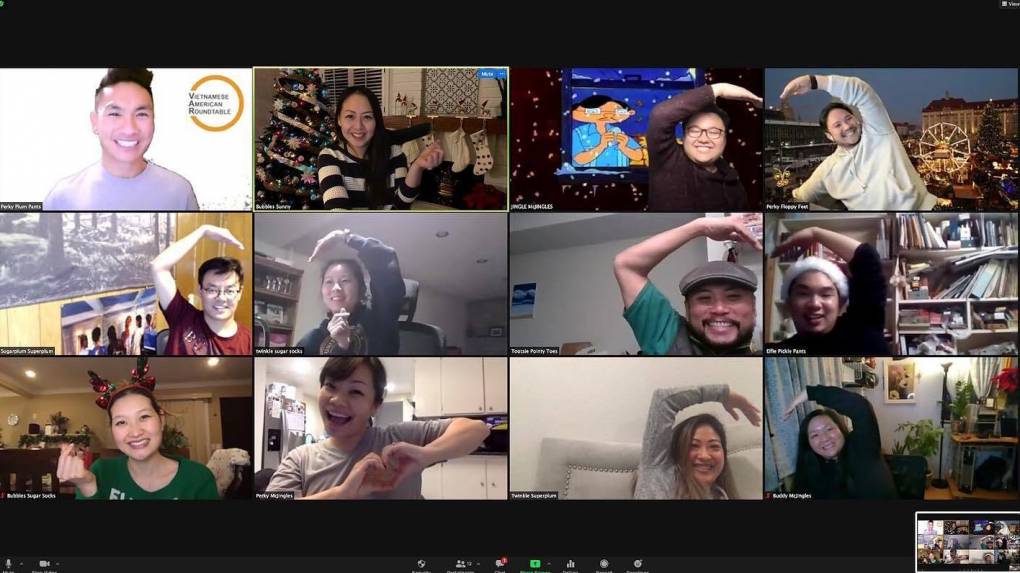
"caption": "The Vietnamese American Roundtable is an organization based in the South Bay, focused on serving the Vietnamese American community in the Bay Area. Since the pandemic started, VAR has been hosting webinars to educate their more than 3,000 followers on how to stay safe from COVID-19.",
"description": null,
"title": "1920_VAR Facebook photo",
"credit": "Photo courtesy of VAR",
"status": "inherit",
"altTag": null,
"isLoading": false,
"fetchFailed": false
},
"news_11871274": {
"type": "attachments",
"id": "news_11871274",
"meta": {
"index": "attachments_1716263798",
"site": "news",
"id": "11871274",
"found": true
},
"parent": 11871136,
"imgSizes": {
"twentyfourteen-full-width": {
"file": "https://ww2.kqed.org/app/uploads/sites/10/2021/04/70667518_10157662293591085_3249648414513692672_o-1038x576.jpg",
"width": 1038,
"mimeType": "image/jpeg",
"height": 576
},
"thumbnail": {
"file": "https://ww2.kqed.org/app/uploads/sites/10/2021/04/70667518_10157662293591085_3249648414513692672_o-160x160.jpg",
"width": 160,
"mimeType": "image/jpeg",
"height": 160
},
"post-thumbnail": {
"file": "https://ww2.kqed.org/app/uploads/sites/10/2021/04/70667518_10157662293591085_3249648414513692672_o-672x372.jpg",
"width": 672,
"mimeType": "image/jpeg",
"height": 372
},
"kqedFullSize": {
"file": "https://ww2.kqed.org/app/uploads/sites/10/2021/04/70667518_10157662293591085_3249648414513692672_o-e1620333933295.jpg",
"width": 1920,
"height": 1920
},
"large": {
"file": "https://ww2.kqed.org/app/uploads/sites/10/2021/04/70667518_10157662293591085_3249648414513692672_o-1020x1020.jpg",
"width": 1020,
"mimeType": "image/jpeg",
"height": 1020
},
"1536x1536": {
"file": "https://ww2.kqed.org/app/uploads/sites/10/2021/04/70667518_10157662293591085_3249648414513692672_o-1536x1536.jpg",
"width": 1536,
"mimeType": "image/jpeg",
"height": 1536
},
"full-width": {
"file": "https://ww2.kqed.org/app/uploads/sites/10/2021/04/70667518_10157662293591085_3249648414513692672_o-1920x1920.jpg",
"width": 1920,
"mimeType": "image/jpeg",
"height": 1920
},
"medium": {
"file": "https://ww2.kqed.org/app/uploads/sites/10/2021/04/70667518_10157662293591085_3249648414513692672_o-800x800.jpg",
"width": 800,
"mimeType": "image/jpeg",
"height": 800
}
},
"publishDate": 1619479289,
"modified": 1620337815,
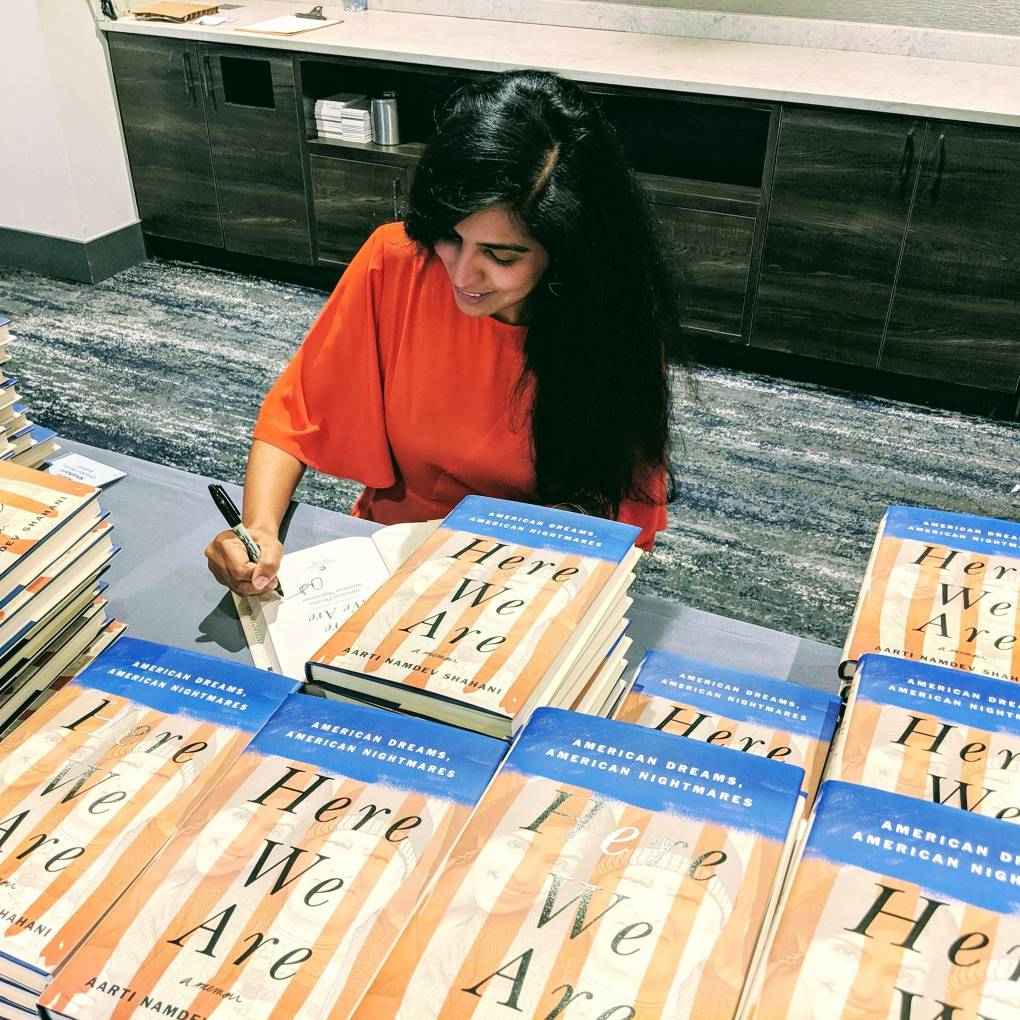
"caption": "Shahani signs copies of her memoir, 'Here We Are: American Dreams, American Nightmares.'",
"description": null,
"title": "70667518_10157662293591085_3249648414513692672_o",
"credit": "Courtesy of Aarti Shahani",
"status": "inherit",
"altTag": null,
"isLoading": false,
"fetchFailed": false
},
"news_11871842": {
"type": "attachments",
"id": "news_11871842",
"meta": {
"index": "attachments_1716263798",
"site": "news",
"id": "11871842",
"found": true
},
"parent": 11871813,
"imgSizes": {
"twentyfourteen-full-width": {
"file": "https://ww2.kqed.org/app/uploads/sites/10/2021/04/1920_GettyImages-1228049811-1038x576.jpg",
"width": 1038,
"mimeType": "image/jpeg",
"height": 576
},
"thumbnail": {
"file": "https://ww2.kqed.org/app/uploads/sites/10/2021/04/1920_GettyImages-1228049811-160x90.jpg",
"width": 160,
"mimeType": "image/jpeg",
"height": 90
},
"post-thumbnail": {
"file": "https://ww2.kqed.org/app/uploads/sites/10/2021/04/1920_GettyImages-1228049811-672x372.jpg",
"width": 672,
"mimeType": "image/jpeg",
"height": 372
},
"kqedFullSize": {
"file": "https://ww2.kqed.org/app/uploads/sites/10/2021/04/1920_GettyImages-1228049811-scaled.jpg",
"width": 2560,
"height": 1440
},
"2048x2048": {
"file": "https://ww2.kqed.org/app/uploads/sites/10/2021/04/1920_GettyImages-1228049811-2048x1152.jpg",
"width": 2048,
"mimeType": "image/jpeg",
"height": 1152
},
"large": {
"file": "https://ww2.kqed.org/app/uploads/sites/10/2021/04/1920_GettyImages-1228049811-1020x574.jpg",
"width": 1020,
"mimeType": "image/jpeg",
"height": 574
},
"1536x1536": {
"file": "https://ww2.kqed.org/app/uploads/sites/10/2021/04/1920_GettyImages-1228049811-1536x864.jpg",
"width": 1536,
"mimeType": "image/jpeg",
"height": 864
},
"full-width": {
"file": "https://ww2.kqed.org/app/uploads/sites/10/2021/04/1920_GettyImages-1228049811-1920x1080.jpg",
"width": 1920,
"mimeType": "image/jpeg",
"height": 1080
},
"medium": {
"file": "https://ww2.kqed.org/app/uploads/sites/10/2021/04/1920_GettyImages-1228049811-800x450.jpg",
"width": 800,
"mimeType": "image/jpeg",
"height": 450
}
},
"publishDate": 1619808751,
"modified": 1619808871,
"caption": "'Most people played Fortnite on their computers or consoles like the PS4 or Xbox, but I played on my phone,' said Jimmy Luong during an interview with KQED's Brian Watt. 'I was a mobile gamer and I happened to be really good. So I had my own thing. I stood out.'",
"description": null,
"title": "US-IT-LIFESTYLE-GAMES-COURT-APPLE-FORTNITE",
"credit": "Chris Delmas/AFP via Getty Images",
"status": "inherit",
"altTag": null,
"isLoading": false,
"fetchFailed": false
},
"news_11753253": {
"type": "attachments",
"id": "news_11753253",
"meta": {
"index": "attachments_1716263798",
"site": "news",
"id": "11753253",
"found": true
},
"parent": 11753198,
"imgSizes": {
"apple_news_ca_landscape_5_5": {
"file": "https://ww2.kqed.org/app/uploads/sites/10/2019/06/IMG_2008-1044x783.jpeg",
"width": 1044,
"mimeType": "image/jpeg",
"height": 783
},
"apple_news_ca_square_4_0": {
"file": "https://ww2.kqed.org/app/uploads/sites/10/2019/06/IMG_2008-470x470.jpeg",
"width": 470,
"mimeType": "image/jpeg",
"height": 470
},
"twentyfourteen-full-width": {
"file": "https://ww2.kqed.org/app/uploads/sites/10/2019/06/IMG_2008-1038x576.jpeg",
"width": 1038,
"mimeType": "image/jpeg",
"height": 576
},
"thumbnail": {
"file": "https://ww2.kqed.org/app/uploads/sites/10/2019/06/IMG_2008-160x120.jpeg",
"width": 160,
"mimeType": "image/jpeg",
"height": 120
},
"post-thumbnail": {
"file": "https://ww2.kqed.org/app/uploads/sites/10/2019/06/IMG_2008-672x372.jpeg",
"width": 672,
"mimeType": "image/jpeg",
"height": 372
},
"kqedFullSize": {
"file": "https://ww2.kqed.org/app/uploads/sites/10/2019/06/IMG_2008.jpeg",
"width": 1950,
"height": 1463
},
"apple_news_ca_landscape_4_7": {
"file": "https://ww2.kqed.org/app/uploads/sites/10/2019/06/IMG_2008-632x474.jpeg",
"width": 632,
"mimeType": "image/jpeg",
"height": 474
},
"large": {
"file": "https://ww2.kqed.org/app/uploads/sites/10/2019/06/IMG_2008-1020x765.jpeg",
"width": 1020,
"mimeType": "image/jpeg",
"height": 765
},
"complete_open_graph": {
"file": "https://ww2.kqed.org/app/uploads/sites/10/2019/06/IMG_2008-1200x900.jpeg",
"width": 1200,
"mimeType": "image/jpeg",
"height": 900
},
"apple_news_ca_landscape_4_0": {
"file": "https://ww2.kqed.org/app/uploads/sites/10/2019/06/IMG_2008-536x402.jpeg",
"width": 536,
"mimeType": "image/jpeg",
"height": 402
},
"apple_news_ca_portrait_12_9": {
"file": "https://ww2.kqed.org/app/uploads/sites/10/2019/06/IMG_2008-1122x1463.jpeg",
"width": 1122,
"mimeType": "image/jpeg",
"height": 1463
},
"medium": {
"file": "https://ww2.kqed.org/app/uploads/sites/10/2019/06/IMG_2008-800x600.jpeg",
"width": 800,
"mimeType": "image/jpeg",
"height": 600
},
"apple_news_ca_portrait_4_0": {
"file": "https://ww2.kqed.org/app/uploads/sites/10/2019/06/IMG_2008-354x472.jpeg",
"width": 354,
"mimeType": "image/jpeg",
"height": 472
},
"apple_news_ca_portrait_9_7": {
"file": "https://ww2.kqed.org/app/uploads/sites/10/2019/06/IMG_2008-840x1120.jpeg",
"width": 840,
"mimeType": "image/jpeg",
"height": 1120
},
"apple_news_ca_landscape_12_9": {
"file": "https://ww2.kqed.org/app/uploads/sites/10/2019/06/IMG_2008-1832x1374.jpeg",
"width": 1832,
"mimeType": "image/jpeg",
"height": 1374
},
"apple_news_ca_square_9_7": {
"file": "https://ww2.kqed.org/app/uploads/sites/10/2019/06/IMG_2008-1104x1104.jpeg",
"width": 1104,
"mimeType": "image/jpeg",
"height": 1104
},
"apple_news_ca_portrait_4_7": {
"file": "https://ww2.kqed.org/app/uploads/sites/10/2019/06/IMG_2008-414x552.jpeg",
"width": 414,
"mimeType": "image/jpeg",
"height": 552
},
"apple_news_ca_square_12_9": {
"file": "https://ww2.kqed.org/app/uploads/sites/10/2019/06/IMG_2008-1472x1463.jpeg",
"width": 1472,
"mimeType": "image/jpeg",
"height": 1463
},
"apple_news_ca_portrait_5_5": {
"file": "https://ww2.kqed.org/app/uploads/sites/10/2019/06/IMG_2008-687x916.jpeg",
"width": 687,
"mimeType": "image/jpeg",
"height": 916
},
"full-width": {
"file": "https://ww2.kqed.org/app/uploads/sites/10/2019/06/IMG_2008-1920x1440.jpeg",
"width": 1920,
"mimeType": "image/jpeg",
"height": 1440
},
"apple_news_ca_square_4_7": {
"file": "https://ww2.kqed.org/app/uploads/sites/10/2019/06/IMG_2008-550x550.jpeg",
"width": 550,
"mimeType": "image/jpeg",
"height": 550
},
"apple_news_ca_landscape_9_7": {
"file": "https://ww2.kqed.org/app/uploads/sites/10/2019/06/IMG_2008-1376x1032.jpeg",
"width": 1376,
"mimeType": "image/jpeg",
"height": 1032
},
"apple_news_ca_square_5_5": {
"file": "https://ww2.kqed.org/app/uploads/sites/10/2019/06/IMG_2008-912x912.jpeg",
"width": 912,
"mimeType": "image/jpeg",
"height": 912
}
},
"publishDate": 1559945991,
"modified": 1559946192,
"caption": "A Nike Hercules missile at the Marin Headlands site rises from its underground bunker on a huge elevator, to be raised into launch position. The Nikes were decommissioned in 1974.",
"description": "A Nike Hercules missile at the Marin Headlands site rises from its underground bunker on a huge elevator, to be raised into launch position. The Nikes were decommissioned in 1974.",
"title": "IMG_2008",
"credit": "Craig Miller/KQED",
"status": "inherit",
"isLoading": false,
"fetchFailed": false
},
"news_11871486": {
"type": "attachments",
"id": "news_11871486",
"meta": {
"index": "attachments_1716263798",
"site": "news",
"id": "11871486",
"found": true
},
"parent": 11871482,
"imgSizes": {
"twentyfourteen-full-width": {
"file": "https://ww2.kqed.org/app/uploads/sites/10/2021/04/1920_GettyImages-1203684608-1038x576.jpg",
"width": 1038,
"mimeType": "image/jpeg",
"height": 576
},
"thumbnail": {
"file": "https://ww2.kqed.org/app/uploads/sites/10/2021/04/1920_GettyImages-1203684608-160x90.jpg",
"width": 160,
"mimeType": "image/jpeg",
"height": 90
},
"post-thumbnail": {
"file": "https://ww2.kqed.org/app/uploads/sites/10/2021/04/1920_GettyImages-1203684608-672x372.jpg",
"width": 672,
"mimeType": "image/jpeg",
"height": 372
},
"kqedFullSize": {
"file": "https://ww2.kqed.org/app/uploads/sites/10/2021/04/1920_GettyImages-1203684608-scaled.jpg",
"width": 2560,
"height": 1440
},
"2048x2048": {
"file": "https://ww2.kqed.org/app/uploads/sites/10/2021/04/1920_GettyImages-1203684608-2048x1152.jpg",
"width": 2048,
"mimeType": "image/jpeg",
"height": 1152
},
"large": {
"file": "https://ww2.kqed.org/app/uploads/sites/10/2021/04/1920_GettyImages-1203684608-1020x574.jpg",
"width": 1020,
"mimeType": "image/jpeg",
"height": 574
},
"1536x1536": {
"file": "https://ww2.kqed.org/app/uploads/sites/10/2021/04/1920_GettyImages-1203684608-1536x864.jpg",
"width": 1536,
"mimeType": "image/jpeg",
"height": 864
},
"full-width": {
"file": "https://ww2.kqed.org/app/uploads/sites/10/2021/04/1920_GettyImages-1203684608-1920x1080.jpg",
"width": 1920,
"mimeType": "image/jpeg",
"height": 1080
},
"medium": {
"file": "https://ww2.kqed.org/app/uploads/sites/10/2021/04/1920_GettyImages-1203684608-800x450.jpg",
"width": 800,
"mimeType": "image/jpeg",
"height": 450
}
},
"publishDate": 1619635051,
"modified": 1627927353,
"caption": "Drivers are striking against San Francisco-based DoorDash.",
"description": null,
"title": "US-IT-LIFESTYLE-FOOD-DOORDASH",
"credit": "Eric Baradat/AFP via Getty Images",
"status": "inherit",
"altTag": null,
"isLoading": false,
"fetchFailed": false
},
"news_11843542": {
"type": "attachments",
"id": "news_11843542",
"meta": {
"index": "attachments_1716263798",
"site": "news",
"id": "11843542",
"found": true
},
"parent": 11841767,
"imgSizes": {
"apple_news_ca_landscape_5_5": {
"file": "https://ww2.kqed.org/app/uploads/sites/10/2020/10/RS43436_026_KQED_Oakland_GeorgeFloydProtest_05292020-qut-1044x783.jpg",
"width": 1044,
"mimeType": "image/jpeg",
"height": 783
},
"apple_news_ca_square_4_0": {
"file": "https://ww2.kqed.org/app/uploads/sites/10/2020/10/RS43436_026_KQED_Oakland_GeorgeFloydProtest_05292020-qut-470x470.jpg",
"width": 470,
"mimeType": "image/jpeg",
"height": 470
},
"twentyfourteen-full-width": {
"file": "https://ww2.kqed.org/app/uploads/sites/10/2020/10/RS43436_026_KQED_Oakland_GeorgeFloydProtest_05292020-qut-1038x576.jpg",
"width": 1038,
"mimeType": "image/jpeg",
"height": 576
},
"thumbnail": {
"file": "https://ww2.kqed.org/app/uploads/sites/10/2020/10/RS43436_026_KQED_Oakland_GeorgeFloydProtest_05292020-qut-160x107.jpg",
"width": 160,
"mimeType": "image/jpeg",
"height": 107
},
"post-thumbnail": {
"file": "https://ww2.kqed.org/app/uploads/sites/10/2020/10/RS43436_026_KQED_Oakland_GeorgeFloydProtest_05292020-qut-672x372.jpg",
"width": 672,
"mimeType": "image/jpeg",
"height": 372
},
"kqedFullSize": {
"file": "https://ww2.kqed.org/app/uploads/sites/10/2020/10/RS43436_026_KQED_Oakland_GeorgeFloydProtest_05292020-qut.jpg",
"width": 1920,
"height": 1280
},
"apple_news_ca_landscape_4_7": {
"file": "https://ww2.kqed.org/app/uploads/sites/10/2020/10/RS43436_026_KQED_Oakland_GeorgeFloydProtest_05292020-qut-632x474.jpg",
"width": 632,
"mimeType": "image/jpeg",
"height": 474
},
"large": {
"file": "https://ww2.kqed.org/app/uploads/sites/10/2020/10/RS43436_026_KQED_Oakland_GeorgeFloydProtest_05292020-qut-1020x680.jpg",
"width": 1020,
"mimeType": "image/jpeg",
"height": 680
},
"apple_news_ca_landscape_4_0": {
"file": "https://ww2.kqed.org/app/uploads/sites/10/2020/10/RS43436_026_KQED_Oakland_GeorgeFloydProtest_05292020-qut-536x402.jpg",
"width": 536,
"mimeType": "image/jpeg",
"height": 402
},
"apple_news_ca_portrait_12_9": {
"file": "https://ww2.kqed.org/app/uploads/sites/10/2020/10/RS43436_026_KQED_Oakland_GeorgeFloydProtest_05292020-qut-1122x1280.jpg",
"width": 1122,
"mimeType": "image/jpeg",
"height": 1280
},
"medium": {
"file": "https://ww2.kqed.org/app/uploads/sites/10/2020/10/RS43436_026_KQED_Oakland_GeorgeFloydProtest_05292020-qut-800x533.jpg",
"width": 800,
"mimeType": "image/jpeg",
"height": 533
},
"apple_news_ca_portrait_4_0": {
"file": "https://ww2.kqed.org/app/uploads/sites/10/2020/10/RS43436_026_KQED_Oakland_GeorgeFloydProtest_05292020-qut-354x472.jpg",
"width": 354,
"mimeType": "image/jpeg",
"height": 472
},
"apple_news_ca_portrait_9_7": {
"file": "https://ww2.kqed.org/app/uploads/sites/10/2020/10/RS43436_026_KQED_Oakland_GeorgeFloydProtest_05292020-qut-840x1120.jpg",
"width": 840,
"mimeType": "image/jpeg",
"height": 1120
},
"apple_news_ca_landscape_12_9": {
"file": "https://ww2.kqed.org/app/uploads/sites/10/2020/10/RS43436_026_KQED_Oakland_GeorgeFloydProtest_05292020-qut-1832x1280.jpg",
"width": 1832,
"mimeType": "image/jpeg",
"height": 1280
},
"apple_news_ca_square_9_7": {
"file": "https://ww2.kqed.org/app/uploads/sites/10/2020/10/RS43436_026_KQED_Oakland_GeorgeFloydProtest_05292020-qut-1104x1104.jpg",
"width": 1104,
"mimeType": "image/jpeg",
"height": 1104
},
"1536x1536": {
"file": "https://ww2.kqed.org/app/uploads/sites/10/2020/10/RS43436_026_KQED_Oakland_GeorgeFloydProtest_05292020-qut-1536x1024.jpg",
"width": 1536,
"mimeType": "image/jpeg",
"height": 1024
},
"apple_news_ca_portrait_4_7": {
"file": "https://ww2.kqed.org/app/uploads/sites/10/2020/10/RS43436_026_KQED_Oakland_GeorgeFloydProtest_05292020-qut-414x552.jpg",
"width": 414,
"mimeType": "image/jpeg",
"height": 552
},
"apple_news_ca_square_12_9": {
"file": "https://ww2.kqed.org/app/uploads/sites/10/2020/10/RS43436_026_KQED_Oakland_GeorgeFloydProtest_05292020-qut-1472x1280.jpg",
"width": 1472,
"mimeType": "image/jpeg",
"height": 1280
},
"apple_news_ca_portrait_5_5": {
"file": "https://ww2.kqed.org/app/uploads/sites/10/2020/10/RS43436_026_KQED_Oakland_GeorgeFloydProtest_05292020-qut-687x916.jpg",
"width": 687,
"mimeType": "image/jpeg",
"height": 916
},
"apple_news_ca_square_4_7": {
"file": "https://ww2.kqed.org/app/uploads/sites/10/2020/10/RS43436_026_KQED_Oakland_GeorgeFloydProtest_05292020-qut-550x550.jpg",
"width": 550,
"mimeType": "image/jpeg",
"height": 550
},
"apple_news_ca_landscape_9_7": {
"file": "https://ww2.kqed.org/app/uploads/sites/10/2020/10/RS43436_026_KQED_Oakland_GeorgeFloydProtest_05292020-qut-1376x1032.jpg",
"width": 1376,
"mimeType": "image/jpeg",
"height": 1032
},
"apple_news_ca_square_5_5": {
"file": "https://ww2.kqed.org/app/uploads/sites/10/2020/10/RS43436_026_KQED_Oakland_GeorgeFloydProtest_05292020-qut-912x912.jpg",
"width": 912,
"mimeType": "image/jpeg",
"height": 912
}
},
"publishDate": 1603489217,
"modified": 1603489413,
"caption": "Demonstrators face a police line on May 29, 2020 in Oakland during protests following the police killing of George Floyd in Minneapolis.",
"description": "Demonstrators face a police line on May 29, 2020 in Oakland during protests following the police killing of George Floyd in Minneapolis.",
"title": "RS43436_026_KQED_Oakland_GeorgeFloydProtest_05292020-qut",
"credit": "Beth LaBerge/KQED",
"status": "inherit",
"isLoading": false,
"fetchFailed": false
},
"news_11870361": {
"type": "attachments",
"id": "news_11870361",
"meta": {
"index": "attachments_1716263798",
"site": "news",
"id": "11870361",
"found": true
},
"parent": 11870348,
"imgSizes": {
"twentyfourteen-full-width": {
"file": "https://ww2.kqed.org/app/uploads/sites/10/2021/04/helicopter_042021_final-1038x576.png",
"width": 1038,
"mimeType": "image/png",
"height": 576
},
"thumbnail": {
"file": "https://ww2.kqed.org/app/uploads/sites/10/2021/04/helicopter_042021_final-160x105.png",
"width": 160,
"mimeType": "image/png",
"height": 105
},
"post-thumbnail": {
"file": "https://ww2.kqed.org/app/uploads/sites/10/2021/04/helicopter_042021_final-672x372.png",
"width": 672,
"mimeType": "image/png",
"height": 372
},
"kqedFullSize": {
"file": "https://ww2.kqed.org/app/uploads/sites/10/2021/04/helicopter_042021_final.png",
"width": 1920,
"height": 1258
},
"large": {
"file": "https://ww2.kqed.org/app/uploads/sites/10/2021/04/helicopter_042021_final-1020x668.png",
"width": 1020,
"mimeType": "image/png",
"height": 668
},
"1536x1536": {
"file": "https://ww2.kqed.org/app/uploads/sites/10/2021/04/helicopter_042021_final-1536x1006.png",
"width": 1536,
"mimeType": "image/png",
"height": 1006
},
"medium": {
"file": "https://ww2.kqed.org/app/uploads/sites/10/2021/04/helicopter_042021_final-800x524.png",
"width": 800,
"mimeType": "image/png",
"height": 524
}
},
"publishDate": 1618944079,
"modified": 1618944168,
"caption": null,
"description": null,
"title": "helicopter_042021_final",
"credit": null,
"status": "inherit",
"altTag": "A Mark Fiore cartoon that shows the NASA Ingenuity helicopter hovering over Mars as three multi-colored Martians look at it. One says, \"judging by the crude technology, I'd say it's from a civilization still fighting over skin color.\"",
"isLoading": false,
"fetchFailed": false
},
"news_11868880": {
"type": "attachments",
"id": "news_11868880",
"meta": {
"index": "attachments_1716263798",
"site": "news",
"id": "11868880",
"found": true
},
"parent": 11868839,
"imgSizes": {
"twentyfourteen-full-width": {
"file": "https://ww2.kqed.org/app/uploads/sites/10/2021/04/iStock-1218504316-1038x576.jpg",
"width": 1038,
"mimeType": "image/jpeg",
"height": 576
},
"thumbnail": {
"file": "https://ww2.kqed.org/app/uploads/sites/10/2021/04/iStock-1218504316-160x107.jpg",
"width": 160,
"mimeType": "image/jpeg",
"height": 107
},
"post-thumbnail": {
"file": "https://ww2.kqed.org/app/uploads/sites/10/2021/04/iStock-1218504316-672x372.jpg",
"width": 672,
"mimeType": "image/jpeg",
"height": 372
},
"kqedFullSize": {
"file": "https://ww2.kqed.org/app/uploads/sites/10/2021/04/iStock-1218504316.jpg",
"width": 2121,
"height": 1414
},
"2048x2048": {
"file": "https://ww2.kqed.org/app/uploads/sites/10/2021/04/iStock-1218504316-2048x1365.jpg",
"width": 2048,
"mimeType": "image/jpeg",
"height": 1365
},
"large": {
"file": "https://ww2.kqed.org/app/uploads/sites/10/2021/04/iStock-1218504316-1020x680.jpg",
"width": 1020,
"mimeType": "image/jpeg",
"height": 680
},
"1536x1536": {
"file": "https://ww2.kqed.org/app/uploads/sites/10/2021/04/iStock-1218504316-1536x1024.jpg",
"width": 1536,
"mimeType": "image/jpeg",
"height": 1024
},
"full-width": {
"file": "https://ww2.kqed.org/app/uploads/sites/10/2021/04/iStock-1218504316-1920x1280.jpg",
"width": 1920,
"mimeType": "image/jpeg",
"height": 1280
},
"medium": {
"file": "https://ww2.kqed.org/app/uploads/sites/10/2021/04/iStock-1218504316-800x533.jpg",
"width": 800,
"mimeType": "image/jpeg",
"height": 533
}
},
"publishDate": 1618006707,
"modified": 1618006941,
"caption": "Silicon Valley company Substack is the most successful—and controversial—newsletter platform at present. The more high-profile journalists Substack poaches from traditional newsrooms, the more critics Substack seems to attract.",
"description": "Silicon Valley company Substack is the most successful—and controversial—newsletter platform at present. The more high-profile journalists Substack poaches from traditional newsrooms, the more critics Substack seems to attract.",
"title": "Creative abstract postal envelopes sketch on modern laptop background, e-mail and marketing concept. Double exposure",
"credit": "iStock/Igor Kutyaev ",
"status": "inherit",
"altTag": "Silicon Valley company Substack is the most successful—and controversial—newsletter platform at present. The more high-profile journalists Substack poaches from traditional newsrooms, the more critics Substack seems to attract.",
"isLoading": false,
"fetchFailed": false
},
"news_11869198": {
"type": "attachments",
"id": "news_11869198",
"meta": {
"index": "attachments_1716263798",
"site": "news",
"id": "11869198",
"found": true
},
"parent": 11869185,
"imgSizes": {
"twentyfourteen-full-width": {
"file": "https://ww2.kqed.org/app/uploads/sites/10/2021/04/NYTbldg-1038x576.jpg",
"width": 1038,
"mimeType": "image/jpeg",
"height": 576
},
"thumbnail": {
"file": "https://ww2.kqed.org/app/uploads/sites/10/2021/04/NYTbldg-160x102.jpg",
"width": 160,
"mimeType": "image/jpeg",
"height": 102
},
"post-thumbnail": {
"file": "https://ww2.kqed.org/app/uploads/sites/10/2021/04/NYTbldg-672x372.jpg",
"width": 672,
"mimeType": "image/jpeg",
"height": 372
},
"kqedFullSize": {
"file": "https://ww2.kqed.org/app/uploads/sites/10/2021/04/NYTbldg.jpg",
"width": 1920,
"height": 1225
},
"large": {
"file": "https://ww2.kqed.org/app/uploads/sites/10/2021/04/NYTbldg-1020x651.jpg",
"width": 1020,
"mimeType": "image/jpeg",
"height": 651
},
"1536x1536": {
"file": "https://ww2.kqed.org/app/uploads/sites/10/2021/04/NYTbldg-1536x980.jpg",
"width": 1536,
"mimeType": "image/jpeg",
"height": 980
},
"medium": {
"file": "https://ww2.kqed.org/app/uploads/sites/10/2021/04/NYTbldg-800x510.jpg",
"width": 800,
"mimeType": "image/jpeg",
"height": 510
}
},
"publishDate": 1618298726,
"modified": 1618338543,
"caption": "The New York Times building in New York City.",
"description": null,
"title": "NYTbldg",
"credit": "Johannes Eisele/AFP via Getty Images",
"status": "inherit",
"altTag": null,
"isLoading": false,
"fetchFailed": false
},
"news_11868817": {
"type": "attachments",
"id": "news_11868817",
"meta": {
"index": "attachments_1716263798",
"site": "news",
"id": "11868817",
"found": true
},
"title": "US-VIRUS-HEALTH-EPIDEMIC",
"publishDate": 1617994697,
"status": "inherit",
"parent": 11868743,
"modified": 1786120349,
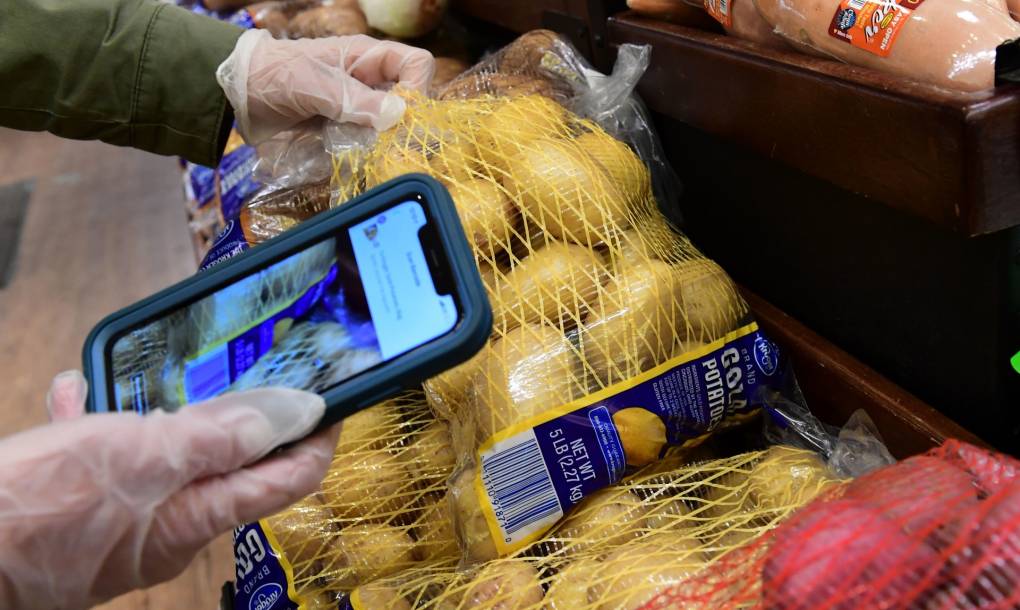
"caption": "An Instacart employee uses her cellphone to scan barcodes showing proof of purchase for the customer while picking up groceries from a supermarket for delivery on March 19, 2020 in North Hollywood. ",
"credit": "Frederic J. Brown/AFP via Getty Images",
"altTag": null,
"description": "Instacart employee Monica Ortega uses her cellphone to scan barcodes showing proof of purchase for the customer while picking up groceries from a supermarket for delivery on March 19, 2020 in North Hollywood, California. ",
"imgSizes": {
"medium": {
"file": "https://cdn.kqed.org/wp-content/uploads/sites/10/2021/04/RS42333_GettyImages-1207671954-qut-800x478.jpg",
"width": 800,
"height": 478,
"mimeType": "image/jpeg"
},
"large": {
"file": "https://cdn.kqed.org/wp-content/uploads/sites/10/2021/04/RS42333_GettyImages-1207671954-qut-1020x610.jpg",
"width": 1020,
"height": 610,
"mimeType": "image/jpeg"
},
"thumbnail": {
"file": "https://cdn.kqed.org/wp-content/uploads/sites/10/2021/04/RS42333_GettyImages-1207671954-qut-160x96.jpg",
"width": 160,
"height": 96,
"mimeType": "image/jpeg"
},
"1536x1536": {
"file": "https://cdn.kqed.org/wp-content/uploads/sites/10/2021/04/RS42333_GettyImages-1207671954-qut-1536x918.jpg",
"width": 1536,
"height": 918,
"mimeType": "image/jpeg"
},
"post-thumbnail": {
"file": "https://cdn.kqed.org/wp-content/uploads/sites/10/2021/04/RS42333_GettyImages-1207671954-qut-672x372.jpg",
"width": 672,
"height": 372,
"mimeType": "image/jpeg"
},
"twentyfourteen-full-width": {
"file": "https://cdn.kqed.org/wp-content/uploads/sites/10/2021/04/RS42333_GettyImages-1207671954-qut-1038x576.jpg",
"width": 1038,
"height": 576,
"mimeType": "image/jpeg"
},
"kqedFullSize": {
"file": "https://cdn.kqed.org/wp-content/uploads/sites/10/2021/04/RS42333_GettyImages-1207671954-qut.jpg",
"width": 1920,
"height": 1148
}
},
"isLoading": false,
"fetchFailed": false
}
},
"audioPlayerReducer": {
"postId": "stream_live",
"isPaused": true,
"isPlaying": false,
"pfsActive": false,
"pledgeModalIsOpen": true,
"playerDrawerIsOpen": false,
"liveAudioPlayStartedAt": 0,
"liveAudioPlayContext": ""
},
"authorsReducer": {
"byline_news_11873584": {
"type": "authors",
"id": "byline_news_11873584",
"meta": {
"override": true
},
"slug": "byline_news_11873584",
"name": "\u003ca href=\"https://twitter.com/ReporterSteph\">Stephanie O’Neill\u003c/a>",
"isLoading": false
},
"byline_news_11871813": {
"type": "authors",
"id": "byline_news_11871813",
"meta": {
"override": true
},
"slug": "byline_news_11871813",
"name": "Teresa Wierzbianska",
"isLoading": false
},
"byline_news_11871482": {
"type": "authors",
"id": "byline_news_11871482",
"meta": {
"override": true
},
"slug": "byline_news_11871482",
"name": "Dee-Ann Durbin \u003cbr> Associated Press",
"isLoading": false
},
"cmiller": {
"type": "authors",
"id": "221",
"meta": {
"index": "authors_1716337520",
"id": "221",
"found": true
},
"name": "Craig Miller",
"firstName": "Craig",
"lastName": "Miller",
"slug": "cmiller",
"email": "craig@voxterra.net",
"display_author_email": false,
"staff_mastheads": [
"science"
],
"title": "Editor Emeritus, Science",
"bio": "Craig is a former KQED Science editor, specializing in weather, climate, water & energy issues, with a little seismology thrown in just to shake things up. Prior to that, he launched and led the station's award-winning multimedia project, Climate Watch. Craig is also an accomplished writer/producer of television documentaries, with a focus on natural resource issues.",
"avatar": "https://secure.gravatar.com/avatar/b91661df645e001a9cafe0861fa685f9?s=600&d=blank&r=g",
"twitter": "voxterra",
"facebook": null,
"instagram": null,
"linkedin": null,
"sites": [
{
"site": "news",
"roles": [
"author"
]
},
{
"site": "futureofyou",
"roles": [
"editor"
]
},
{
"site": "stateofhealth",
"roles": [
"author"
]
},
{
"site": "science",
"roles": [
"editor"
]
},
{
"site": "quest",
"roles": [
"editor"
]
}
],
"headData": {
"title": "Craig Miller | KQED",
"description": "Editor Emeritus, Science",
"ogImgSrc": "https://secure.gravatar.com/avatar/b91661df645e001a9cafe0861fa685f9?s=600&d=blank&r=g",
"twImgSrc": "https://secure.gravatar.com/avatar/b91661df645e001a9cafe0861fa685f9?s=600&d=blank&r=g"
},
"isLoading": false,
"link": "/author/cmiller"
},
"rachael-myrow": {
"type": "authors",
"id": "251",
"meta": {
"index": "authors_1716337520",
"id": "251",
"found": true
},
"name": "Rachael Myrow",
"firstName": "Rachael",
"lastName": "Myrow",
"slug": "rachael-myrow",
"email": "rmyrow@kqed.org",
"display_author_email": true,
"staff_mastheads": [
"news"
],
"title": "Senior Editor of KQED's Silicon Valley News Desk",
"bio": "• I write and edit stories about how Silicon Valley power and policies shape everyday life in California. I’m also passionate about making Bay Area history and culture more accessible to a broad public. • I’ve been a journalist for most of my life, starting in high school with The Franklin Press in Los Angeles, where I grew up. While earning my first degree in English at UC Berkeley, I got my start in public radio at KALX-FM. After completing a second degree in journalism at Cal, I landed my first professional job at Marketplace, then moved on to KPCC (now LAist), and then KQED, where I hosted The California Report for more than seven years. • My reporting has appeared on NPR, The World, WBUR’s \u003ci>Here & Now\u003c/i>, and the BBC. I also guest host for KQED’s \u003ci>Forum\u003c/i>, as well as the Commonwealth Club in San Francisco. • I speak periodically on media, democracy and technology issues, and do voiceover work for documentaries and educational video projects. • Outside of the studio, you'll find me hiking Bay Area trails and whipping up Insta-ready meals in my kitchen. • I do not accept gifts, money, or favors from anyone connected to my reporting, I don't pay people for information, and I do not support or donate to political causes. • I strive to treat the people I report on with fairness, honesty, and respect. I also recognize there are often multiple sides to a story and work to verify information through multiple sources and documentation. If I get something wrong, I correct it.",
"avatar": "https://secure.gravatar.com/avatar/3ed8a3c5f26025e4a805ba634cda8cd764906b97438a6d9ce216b044e340da4e?s=600&d=blank&r=g",
"twitter": "rachaelmyrow",
"bluesky": null,
"facebook": null,
"instagram": null,
"linkedin": "https://www.linkedin.com/in/rachaelmyrow/",
"sites": [
{
"site": "arts",
"roles": [
"administrator"
]
},
{
"site": "news",
"roles": [
"edit_others_posts",
"editor"
]
},
{
"site": "futureofyou",
"roles": [
"editor"
]
},
{
"site": "bayareabites",
"roles": [
"editor"
]
},
{
"site": "stateofhealth",
"roles": [
"editor"
]
},
{
"site": "science",
"roles": [
"editor"
]
},
{
"site": "food",
"roles": [
"editor"
]
},
{
"site": "forum",
"roles": [
"editor"
]
},
{
"site": "liveblog",
"roles": [
"author"
]
}
],
"headData": {
"title": "Rachael Myrow | KQED",
"description": "Senior Editor of KQED's Silicon Valley News Desk",
"ogImgSrc": "https://secure.gravatar.com/avatar/3ed8a3c5f26025e4a805ba634cda8cd764906b97438a6d9ce216b044e340da4e?s=600&d=blank&r=g",
"twImgSrc": "https://secure.gravatar.com/avatar/3ed8a3c5f26025e4a805ba634cda8cd764906b97438a6d9ce216b044e340da4e?s=600&d=blank&r=g"
},
"isLoading": false,
"link": "/author/rachael-myrow"
},
"samharnett": {
"type": "authors",
"id": "253",
"meta": {
"index": "authors_1716337520",
"id": "253",
"found": true
},
"name": "Sam Harnett",
"firstName": "Sam",
"lastName": "Harnett",
"slug": "samharnett",
"email": "samharnett@gmail.com",
"display_author_email": false,
"staff_mastheads": [],
"title": "KQED Contributor",
"bio": "Sam Harnett covered tech and work at KQED. He is the co-creator of \u003cem>\u003ca href=\"http://www.theworldaccordingtosound.org\">The World According to Sound\u003c/a>,\u003c/em> a 90-second podcast that features different sounds and the stories behind them.\r\n\r\nBefore coming to KQED, Sam worked as an independent reporter who contributed regularly to \u003cem>The California Report, Marketplace,\u003c/em> \u003cem>The World \u003c/em>and NPR.",
"avatar": "https://secure.gravatar.com/avatar/2538b972ac02f2b9546c7a6c59a0f3d0?s=600&d=blank&r=g",
"twitter": "Samwharnett",
"facebook": null,
"instagram": null,
"linkedin": null,
"sites": [
{
"site": "news",
"roles": [
"edit_others_posts",
"subscriber"
]
},
{
"site": "stateofhealth",
"roles": [
"author"
]
},
{
"site": "science",
"roles": [
"editor"
]
},
{
"site": "quest",
"roles": [
"subscriber"
]
}
],
"headData": {
"title": "Sam Harnett | KQED",
"description": "KQED Contributor",
"ogImgSrc": "https://secure.gravatar.com/avatar/2538b972ac02f2b9546c7a6c59a0f3d0?s=600&d=blank&r=g",
"twImgSrc": "https://secure.gravatar.com/avatar/2538b972ac02f2b9546c7a6c59a0f3d0?s=600&d=blank&r=g"
},
"isLoading": false,
"link": "/author/samharnett"
},
"markfiore": {
"type": "authors",
"id": "3236",
"meta": {
"index": "authors_1716337520",
"id": "3236",
"found": true
},
"name": "Mark Fiore",
"firstName": "Mark",
"lastName": "Fiore",
"slug": "markfiore",
"email": "mark@markfiore.com",
"display_author_email": false,
"staff_mastheads": [
"news"
],
"title": "KQED News Cartoonist",
"bio": "\u003ca href=\"http://www.MarkFiore.com\">MarkFiore.com\u003c/a> | \u003ca href=\"https://twitter.com/markfiore\">Follow on Twitter\u003c/a> | \u003ca href=\"https://www.facebook.com/pages/Mark-Fiore-Animated-Political-Cartoons/94451707396?ref=bookmarks\">Facebook\u003c/a> | \u003ca href=\"mailto:mark@markfiore.com\">email\u003c/a>\r\n\r\nPulitzer Prize-winner, Mark Fiore, who the Wall Street Journal has called “the undisputed guru of the form,” creates animated political cartoons in San Francisco, where his work has been featured regularly on the San Francisco Chronicle’s web site, SFGate.com. His work has appeared on Newsweek.com, Slate.com, CBSNews.com, MotherJones.com, DailyKos.com and NPR’s web site. Fiore’s political animation has appeared on CNN, Frontline, Bill Moyers Journal, Salon.com and cable and broadcast outlets across the globe.\r\n\r\nBeginning his professional life by drawing traditional political cartoons for newspapers, Fiore’s work appeared in publications ranging from the Washington Post to the Los Angeles Times. In the late 1990s, he began to experiment with animating political cartoons and, after a short stint at the San Jose Mercury News as their staff cartoonist, Fiore devoted all his energies to animation.\r\nGrowing up in California, Fiore also spent a good portion of his life in the backwoods of Idaho. It was this combination that shaped him politically. Mark majored in political science at Colorado College, where, in a perfect send-off for a cartoonist, he received his diploma in 1991 as commencement speaker Dick Cheney smiled approvingly.\r\nMark Fiore was awarded the Pulitzer Prize for political cartooning in 2010, a Robert F. Kennedy Journalism Award in 2004 and has twice received an Online Journalism Award for commentary from the Online News Association (2002, 2008). Fiore has received two awards for his work in new media from the National Cartoonists Society (2001, 2002), and in 2006 received The James Madison Freedom of Information Award from The Society of Professional Journalists.",
"avatar": "https://secure.gravatar.com/avatar/fc4e2a612b15b67bad0c6f0e1db4ca9b?s=600&d=blank&r=g",
"twitter": "MarkFiore",
"facebook": null,
"instagram": "https://www.instagram.com/markfiore/?hl=en",
"linkedin": null,
"sites": [
{
"site": "arts",
"roles": [
"contributor"
]
},
{
"site": "news",
"roles": [
"editor"
]
},
{
"site": "futureofyou",
"roles": [
"editor"
]
},
{
"site": "science",
"roles": [
"editor"
]
}
],
"headData": {
"title": "Mark Fiore | KQED",
"description": "KQED News Cartoonist",
"ogImgSrc": "https://secure.gravatar.com/avatar/fc4e2a612b15b67bad0c6f0e1db4ca9b?s=600&d=blank&r=g",
"twImgSrc": "https://secure.gravatar.com/avatar/fc4e2a612b15b67bad0c6f0e1db4ca9b?s=600&d=blank&r=g"
},
"isLoading": false,
"link": "/author/markfiore"
},
"abandlamudi": {
"type": "authors",
"id": "11672",
"meta": {
"index": "authors_1716337520",
"id": "11672",
"found": true
},
"name": "Adhiti Bandlamudi",
"firstName": "Adhiti",
"lastName": "Bandlamudi",
"slug": "abandlamudi",
"email": "abandlamudi@kqed.org",
"display_author_email": false,
"staff_mastheads": [
"news"
],
"title": "KQED Housing Reporter",
"bio": "Adhiti Bandlamudi reports for KQED's Housing desk. She focuses on how housing gets built across the Bay Area. Before joining KQED in 2020, she reported for WUNC in Durham, North Carolina, WABE in Atlanta, Georgia and Capital Public Radio in Sacramento. In 2017, she was awarded a Kroc Fellowship at NPR where she reported on everything from sprinkles to the Golden State Killer's arrest. When she's not reporting, she's baking new recipes in her kitchen or watching movies with friends and family. She's originally from Georgia and has strong opinions about Great British Bake Off.",
"avatar": "https://secure.gravatar.com/avatar/868129c8b257bb99a3500e2c86a65400?s=600&d=mm&r=g",
"twitter": "oddity_adhiti",
"facebook": null,
"instagram": null,
"linkedin": null,
"sites": [
{
"site": "arts",
"roles": [
"author"
]
},
{
"site": "news",
"roles": [
"editor"
]
},
{
"site": "liveblog",
"roles": [
"author"
]
}
],
"headData": {
"title": "Adhiti Bandlamudi | KQED",
"description": "KQED Housing Reporter",
"ogImgSrc": "https://secure.gravatar.com/avatar/868129c8b257bb99a3500e2c86a65400?s=600&d=mm&r=g",
"twImgSrc": "https://secure.gravatar.com/avatar/868129c8b257bb99a3500e2c86a65400?s=600&d=mm&r=g"
},
"isLoading": false,
"link": "/author/abandlamudi"
},
"harzate": {
"type": "authors",
"id": "11727",
"meta": {
"index": "authors_1716337520",
"id": "11727",
"found": true
},
"name": "Héctor Alejandro Arzate",
"firstName": "Héctor Alejandro",
"lastName": "Arzate",
"slug": "harzate",
"email": "harzate@kqed.org",
"display_author_email": false,
"staff_mastheads": [],
"title": "KQED Contributor",
"bio": null,
"avatar": "https://secure.gravatar.com/avatar/23c72c3afa19f2c6801c5db997a908d8?s=600&d=blank&r=g",
"twitter": null,
"facebook": null,
"instagram": null,
"linkedin": null,
"sites": [
{
"site": "news",
"roles": [
"author"
]
}
],
"headData": {
"title": "Héctor Alejandro Arzate | KQED",
"description": "KQED Contributor",
"ogImgSrc": "https://secure.gravatar.com/avatar/23c72c3afa19f2c6801c5db997a908d8?s=600&d=blank&r=g",
"twImgSrc": "https://secure.gravatar.com/avatar/23c72c3afa19f2c6801c5db997a908d8?s=600&d=blank&r=g"
},
"isLoading": false,
"link": "/author/harzate"
}
},
"pagesReducer": {
"news_category_technology": {
"type": "terms",
"id": "news_248",
"meta": {
"index": "terms_1716263798",
"site": "news",
"id": "248",
"score": 10.931152
},
"featImg": null,
"name": "Technology",
"description": null,
"taxonomy": "category",
"headData": {
"twImgId": null,
"twTitle": null,
"ogTitle": null,
"ogImgId": null,
"twDescription": null,
"description": null,
"title": "Technology Archives | KQED News",
"ogDescription": null
},
"ttid": 256,
"slug": "technology",
"isLoading": false,
"title": "Technology",
"pageMeta": {
"site": "news",
"WpPageTemplate": "page-topic-editorial",
"currentPage": 43
},
"blocks": [
{
"blockName": "kqed/post-list",
"attrs": {
"layout": "cardArticle2",
"query": "posts/news?category=technology",
"seeMore": false,
"paginated": true,
"page": 43
}
},
{
"blockName": "kqed/ad"
}
]
}
},
"pfsSessionReducer": {},
"postsReducer": {
"stream_live": {
"type": "live",
"id": "stream_live",
"audioUrl": "https://streams.kqed.org/kqedradio",
"title": "Live Stream",
"excerpt": "Live Stream information currently unavailable.",
"link": "/radio",
"featImg": "",
"label": {
"name": "KQED Live",
"link": "/"
}
},
"stream_kqedNewscast": {
"type": "posts",
"id": "stream_kqedNewscast",
"audioUrl": "https://www.kqed.org/.stream/anon/radio/RDnews/newscast.mp3?_=1",
"title": "KQED Newscast",
"featImg": "",
"label": {
"name": "88.5 FM",
"link": "/"
}
},
"news_11873584": {
"type": "posts",
"id": "news_11873584",
"meta": {
"index": "posts_1716263798",
"site": "news",
"id": "11873584",
"score": null,
"sort": [
1621019143000
]
},
"guestAuthors": [],
"slug": "hospital-level-care-at-home-for-serious-conditions-grows-in-popularity-during-pandemic",
"title": "Hospital-Level Care at Home for Serious Conditions Grows in Popularity During Pandemic",
"publishDate": 1621019143,
"format": "audio",
"headTitle": "Hospital-Level Care at Home for Serious Conditions Grows in Popularity During Pandemic | KQED",
"labelTerm": {
"term": 72,
"site": "news"
},
"content": "\u003cp>Hospital care at home is nothing new for patients with low-level health needs. But since the pandemic began, a growing number of health care providers – including Adventist Health, the Mayo Clinic and California health care giant Kaiser Permanente – are offering people with more serious health conditions hospital-level treatment in the comfort of their homes.\u003c/p>\n\u003cp>It’s something Janet Yetenekian, who lives in Glendale with her family, experienced this year after she came down with a severe case of COVID-19.\u003c/p>\n\u003cp>Back in December, with pandemic isolation finally getting to Yetenekian, her husband and two teenage kids, the family accepted an invitation to join an afternoon barbecue.\u003c/p>\n\u003cp>“We just go, ‘OK, we’ve been home all this time,’ you know, ‘Let’s just go a few hours and come back,’ ” Yetenekian said.\u003c/p>\n\u003cp>But the day after the gathering, the host came down with fever. A test confirmed it was COVID-19. Within two weeks, Yetenekian’s husband and kids got mild cases of the disease while her blood oxygen plummeted to dangerously low levels.\u003c/p>\n\u003cp>“And a few days later, I had to go to the hospital,” she said.\u003c/p>\n\u003cp>[ad fullwidth]\u003c/p>\n\u003cp>Treatment included an IV drip of the antiviral drug Remdesivir and constant monitoring — things normally done in a hospital. So it surprised Yetenekian when her doctor at Adventist Health offered to move all her care home to be monitored virtually.\u003c/p>\n\u003cp>“It was even better than the hospital,” she said. “They were constantly reaching out, ‘It’s time for you to do your vitals,’ or ‘It’s time for you to take your medications.’ ”\u003c/p>\n\u003cp>Doctors and nurses at a command center nearly 200 miles away managed Yetenekian’s care as part of \u003ca href=\"https://protect-us.mimecast.com/s/hh9CC5yWjXSMyAoBty71EA?domain=geekdoctor.blogspot.com\">a new federal effort aimed at freeing up hospital beds\u003c/a> during public health emergencies. Under the model, about 60 illnesses, including COVID-19, qualify for home treatment.\u003c/p>\n\u003cp>“Heart failure, pneumonia, skin infections — those are all patient populations we can safely care for in the home,” said Dr. Margaret Paulson, who leads the Mayo Clinic’s new home-based care program in rural Wisconsin.\u003c/p>\n\u003cfigure id=\"attachment_11873625\" class=\"wp-caption aligncenter\" style=\"max-width: 1920px\">\u003cimg loading=\"lazy\" decoding=\"async\" class=\"size-full wp-image-11873625\" src=\"https://ww2.kqed.org/app/uploads/sites/10/2021/05/Dr.-Maniaci-and-Dr-Paulson-at-the-Command-Center-in-Jacksonville3-1.jpg\" alt=\"\" width=\"1920\" height=\"1279\" srcset=\"https://cdn.kqed.org/wp-content/uploads/sites/10/2021/05/Dr.-Maniaci-and-Dr-Paulson-at-the-Command-Center-in-Jacksonville3-1.jpg 1920w, https://cdn.kqed.org/wp-content/uploads/sites/10/2021/05/Dr.-Maniaci-and-Dr-Paulson-at-the-Command-Center-in-Jacksonville3-1-800x533.jpg 800w, https://cdn.kqed.org/wp-content/uploads/sites/10/2021/05/Dr.-Maniaci-and-Dr-Paulson-at-the-Command-Center-in-Jacksonville3-1-1020x679.jpg 1020w, https://cdn.kqed.org/wp-content/uploads/sites/10/2021/05/Dr.-Maniaci-and-Dr-Paulson-at-the-Command-Center-in-Jacksonville3-1-160x107.jpg 160w, https://cdn.kqed.org/wp-content/uploads/sites/10/2021/05/Dr.-Maniaci-and-Dr-Paulson-at-the-Command-Center-in-Jacksonville3-1-1536x1023.jpg 1536w\" sizes=\"auto, (max-width: 1920px) 100vw, 1920px\">\u003cfigcaption class=\"wp-caption-text\">The Mayo Clinic’s Dr. Margaret Paulson at a a health care command center in Jacksonville, Wisconsin. \u003ccite>(Photo courtesy the Mayo Clinic)\u003c/cite>\u003c/figcaption>\u003c/figure>\n\u003cp>Paulson said once her patients understand that home care does not mean less care, they eagerly embrace it.\u003c/p>\n\u003cp>“Especially for patients who have been in the hospital a lot, to know that they can actually go home and sleep in their own bed and be with their family and have their pets by their side, it’s just really reassuring,” she said.\u003c/p>\n\u003cp>And \u003ca href=\"https://bmjopen.bmj.com/content/11/1/e043285\">studies suggest\u003c/a> at-home care provides better outcomes for patients and costs less to provide than traditional inpatient care.\u003c/p>\n\u003cp>“This is actually a higher level of touch from physicians and advanced practitioners,” said Dr. Kavita Patel, a physician and health policy fellow at the Brookings Institution.\u003c/p>\n\u003cp>Regularly scheduled video conferencing and 24/7 monitoring is augmented by twice-daily, in-person visits by nurses and other health workers who provide basic care like antibiotics.\u003c/p>\n\u003cp>“This isn’t just sending mom or dad to the bedroom,” she said.\u003c/p>\n\u003cp>[aside label='Coronavirus Coverage' tag='coronavirus']Patel said it’s the technology infrastructure that’s key: Wi-Fi phones that ring directly into a hospital’s command center, iPads that allow video conferencing with health professionals and wearable devices with emergency call buttons.\u003c/p>\n\u003cp>Raphael Rakowski is co-founder of Medically Home, the tech company that supports at-home programs for Adventist Health, Mayo Clinic and Kaiser Permanente. On Thursday, those latter two health care entities announced a combined $100 million investment in Medically Home to help expand the service to other health systems.\u003c/p>\n\u003cp>Rakowski said there’s another selling point of the at-home care model — patients don’t have to transfer to a different facility while they heal.\u003c/p>\n\u003cp>“We stay with the patient until they’re fully recovered and that averages anywhere from 20 to 30 days, sometimes longer,” Rakowski said. “So we substitute not just for the hospital, but for all the care that follows.”\u003c/p>\n\u003cp>Still, not every patient is a fit. To be eligible for care at home, they must live within 30 minutes of emergency care. They also need high-speed internet and, said Patel, they can’t be too sick.\u003c/p>\n\u003cp>“This can’t be something where it’s so complicated that you are monitoring a patient, worried that they could crash and need to be in the ICU within minutes,” she said.\u003c/p>\n\u003cp>But for moderate COVID-19 and dozens of other conditions, at-home hospital care programs now offered in 30 states are likely to become a more common option as more health systems adopt the program and even more diseases are added to those now eligible for at-home care.\u003c/p>\n\u003cp>\u003c/p>\n",
"blocks": [],
"excerpt": "A growing number of providers — including Adventist Health, the Mayo Clinic and Kaiser Permanente — are offering people with more serious health conditions hospital-level treatment in the comfort of their homes.",
"status": "publish",
"parent": 0,
"modified": 1738185412,
"stats": {
"hasAudio": false,
"hasVideo": false,
"hasChartOrMap": false,
"iframeSrcs": [],
"hasGoogleForm": false,
"hasGallery": false,
"hasHearkenModule": false,
"hasPolis": false,
"paragraphCount": 25,
"wordCount": 848
},
"headData": {
"title": "Hospital-Level Care at Home for Serious Conditions Grows in Popularity During Pandemic | KQED",
"description": "A growing number of providers — including Adventist Health, the Mayo Clinic and Kaiser Permanente — are offering people with more serious health conditions hospital-level treatment in the comfort of their homes.",
"ogTitle": "",
"ogDescription": "",
"ogImgId": "",
"twTitle": "",
"twDescription": "",
"twImgId": "",
"schema": {
"@context": "https://schema.org",
"@type": "NewsArticle",
"headline": "Hospital-Level Care at Home for Serious Conditions Grows in Popularity During Pandemic",
"datePublished": "2021-05-14T12:05:43-07:00",
"dateModified": "2025-01-29T13:16:52-08:00",
"image": "https://cdn.kqed.org/wp-content/uploads/2020/02/KQED-OG-Image@1x.png",
"isAccessibleForFree": "True",
"publisher": {
"@type": "NewsMediaOrganization",
"@id": "https://www.kqed.org/#organization",
"name": "KQED",
"logo": "https://cdn.kqed.org/wp-content/uploads/2020/02/KQED-OG-Image@1x.png",
"url": "https://www.kqed.org",
"sameAs": [
"https://www.facebook.com/KQED",
"https://twitter.com/KQED",
"https://www.instagram.com/kqed/",
"https://www.tiktok.com/@kqedofficial",
"https://www.linkedin.com/company/kqed",
"https://www.youtube.com/channel/UCeC0IOo7i1P_61zVUWbJ4nw"
]
}
}
},
"audioUrl": "https://traffic.omny.fm/d/clips/0af137ef-751e-4b19-a055-aaef00d2d578/ffca7e9f-6831-41c5-bcaf-aaef00f5a073/67821b68-f112-486d-ab67-ad270106e53d/audio.mp3",
"sticky": false,
"nprByline": "\u003ca href=\"https://twitter.com/ReporterSteph\">Stephanie O’Neill\u003c/a>",
"path": "/news/11873584/hospital-level-care-at-home-for-serious-conditions-grows-in-popularity-during-pandemic",
"audioTrackLength": null,
"parsedContent": [
{
"type": "contentString",
"content": "\u003cdiv class=\"post-body\">\u003cp>\u003cp>Hospital care at home is nothing new for patients with low-level health needs. But since the pandemic began, a growing number of health care providers – including Adventist Health, the Mayo Clinic and California health care giant Kaiser Permanente – are offering people with more serious health conditions hospital-level treatment in the comfort of their homes.\u003c/p>\n\u003cp>It’s something Janet Yetenekian, who lives in Glendale with her family, experienced this year after she came down with a severe case of COVID-19.\u003c/p>\n\u003cp>Back in December, with pandemic isolation finally getting to Yetenekian, her husband and two teenage kids, the family accepted an invitation to join an afternoon barbecue.\u003c/p>\n\u003cp>“We just go, ‘OK, we’ve been home all this time,’ you know, ‘Let’s just go a few hours and come back,’ ” Yetenekian said.\u003c/p>\n\u003cp>But the day after the gathering, the host came down with fever. A test confirmed it was COVID-19. Within two weeks, Yetenekian’s husband and kids got mild cases of the disease while her blood oxygen plummeted to dangerously low levels.\u003c/p>\n\u003cp>“And a few days later, I had to go to the hospital,” she said.\u003c/p>\n\u003cp>\u003c/p>\u003c/div>",
"attributes": {
"named": {},
"numeric": []
}
},
{
"type": "component",
"content": "",
"name": "ad",
"attributes": {
"named": {
"label": "fullwidth"
},
"numeric": [
"fullwidth"
]
}
},
{
"type": "contentString",
"content": "\u003cdiv class=\"post-body\">\u003cp>\u003c/p>\n\u003cp>Treatment included an IV drip of the antiviral drug Remdesivir and constant monitoring — things normally done in a hospital. So it surprised Yetenekian when her doctor at Adventist Health offered to move all her care home to be monitored virtually.\u003c/p>\n\u003cp>“It was even better than the hospital,” she said. “They were constantly reaching out, ‘It’s time for you to do your vitals,’ or ‘It’s time for you to take your medications.’ ”\u003c/p>\n\u003cp>Doctors and nurses at a command center nearly 200 miles away managed Yetenekian’s care as part of \u003ca href=\"https://protect-us.mimecast.com/s/hh9CC5yWjXSMyAoBty71EA?domain=geekdoctor.blogspot.com\">a new federal effort aimed at freeing up hospital beds\u003c/a> during public health emergencies. Under the model, about 60 illnesses, including COVID-19, qualify for home treatment.\u003c/p>\n\u003cp>“Heart failure, pneumonia, skin infections — those are all patient populations we can safely care for in the home,” said Dr. Margaret Paulson, who leads the Mayo Clinic’s new home-based care program in rural Wisconsin.\u003c/p>\n\u003cfigure id=\"attachment_11873625\" class=\"wp-caption aligncenter\" style=\"max-width: 1920px\">\u003cimg loading=\"lazy\" decoding=\"async\" class=\"size-full wp-image-11873625\" src=\"https://ww2.kqed.org/app/uploads/sites/10/2021/05/Dr.-Maniaci-and-Dr-Paulson-at-the-Command-Center-in-Jacksonville3-1.jpg\" alt=\"\" width=\"1920\" height=\"1279\" srcset=\"https://cdn.kqed.org/wp-content/uploads/sites/10/2021/05/Dr.-Maniaci-and-Dr-Paulson-at-the-Command-Center-in-Jacksonville3-1.jpg 1920w, https://cdn.kqed.org/wp-content/uploads/sites/10/2021/05/Dr.-Maniaci-and-Dr-Paulson-at-the-Command-Center-in-Jacksonville3-1-800x533.jpg 800w, https://cdn.kqed.org/wp-content/uploads/sites/10/2021/05/Dr.-Maniaci-and-Dr-Paulson-at-the-Command-Center-in-Jacksonville3-1-1020x679.jpg 1020w, https://cdn.kqed.org/wp-content/uploads/sites/10/2021/05/Dr.-Maniaci-and-Dr-Paulson-at-the-Command-Center-in-Jacksonville3-1-160x107.jpg 160w, https://cdn.kqed.org/wp-content/uploads/sites/10/2021/05/Dr.-Maniaci-and-Dr-Paulson-at-the-Command-Center-in-Jacksonville3-1-1536x1023.jpg 1536w\" sizes=\"auto, (max-width: 1920px) 100vw, 1920px\">\u003cfigcaption class=\"wp-caption-text\">The Mayo Clinic’s Dr. Margaret Paulson at a a health care command center in Jacksonville, Wisconsin. \u003ccite>(Photo courtesy the Mayo Clinic)\u003c/cite>\u003c/figcaption>\u003c/figure>\n\u003cp>Paulson said once her patients understand that home care does not mean less care, they eagerly embrace it.\u003c/p>\n\u003cp>“Especially for patients who have been in the hospital a lot, to know that they can actually go home and sleep in their own bed and be with their family and have their pets by their side, it’s just really reassuring,” she said.\u003c/p>\n\u003cp>And \u003ca href=\"https://bmjopen.bmj.com/content/11/1/e043285\">studies suggest\u003c/a> at-home care provides better outcomes for patients and costs less to provide than traditional inpatient care.\u003c/p>\n\u003cp>“This is actually a higher level of touch from physicians and advanced practitioners,” said Dr. Kavita Patel, a physician and health policy fellow at the Brookings Institution.\u003c/p>\n\u003cp>Regularly scheduled video conferencing and 24/7 monitoring is augmented by twice-daily, in-person visits by nurses and other health workers who provide basic care like antibiotics.\u003c/p>\n\u003cp>“This isn’t just sending mom or dad to the bedroom,” she said.\u003c/p>\n\u003cp>\u003c/p>\u003c/div>",
"attributes": {
"named": {},
"numeric": []
}
},
{
"type": "component",
"content": "",
"name": "aside",
"attributes": {
"named": {
"label": "Coronavirus Coverage ",
"tag": "coronavirus"
},
"numeric": []
}
},
{
"type": "contentString",
"content": "\u003cdiv class=\"post-body\">\u003cp>Patel said it’s the technology infrastructure that’s key: Wi-Fi phones that ring directly into a hospital’s command center, iPads that allow video conferencing with health professionals and wearable devices with emergency call buttons.\u003c/p>\n\u003cp>Raphael Rakowski is co-founder of Medically Home, the tech company that supports at-home programs for Adventist Health, Mayo Clinic and Kaiser Permanente. On Thursday, those latter two health care entities announced a combined $100 million investment in Medically Home to help expand the service to other health systems.\u003c/p>\n\u003cp>Rakowski said there’s another selling point of the at-home care model — patients don’t have to transfer to a different facility while they heal.\u003c/p>\n\u003cp>“We stay with the patient until they’re fully recovered and that averages anywhere from 20 to 30 days, sometimes longer,” Rakowski said. “So we substitute not just for the hospital, but for all the care that follows.”\u003c/p>\n\u003cp>Still, not every patient is a fit. To be eligible for care at home, they must live within 30 minutes of emergency care. They also need high-speed internet and, said Patel, they can’t be too sick.\u003c/p>\n\u003cp>“This can’t be something where it’s so complicated that you are monitoring a patient, worried that they could crash and need to be in the ICU within minutes,” she said.\u003c/p>\n\u003cp>But for moderate COVID-19 and dozens of other conditions, at-home hospital care programs now offered in 30 states are likely to become a more common option as more health systems adopt the program and even more diseases are added to those now eligible for at-home care.\u003c/p>\n\u003cp>\u003c/p>\n\u003c/div>\u003c/p>",
"attributes": {
"named": {},
"numeric": []
}
}
],
"link": "/news/11873584/hospital-level-care-at-home-for-serious-conditions-grows-in-popularity-during-pandemic",
"authors": [
"byline_news_11873584"
],
"programs": [
"news_72"
],
"categories": [
"news_457",
"news_8",
"news_33520",
"news_248"
],
"tags": [
"news_27350",
"news_27504",
"news_18543",
"news_421",
"news_29463",
"news_27660"
],
"featImg": "news_11873624",
"label": "news_72"
},
"news_11873288": {
"type": "posts",
"id": "news_11873288",
"meta": {
"index": "posts_1716263798",
"site": "news",
"id": "11873288",
"score": null,
"sort": [
1620944959000
]
},
"guestAuthors": [],
"slug": "california-agencies-long-overdue-for-major-cybersecurity-upgrades-experts-say",
"title": "California Agencies Long Overdue for Major Cybersecurity Upgrades, Experts Say",
"publishDate": 1620944959,
"format": "standard",
"headTitle": "California Agencies Long Overdue for Major Cybersecurity Upgrades, Experts Say | KQED",
"labelTerm": {
"site": "news"
},
"content": "\u003cp>Identity theft, fraud, ransomware: Cybercrime has become a grim fact of life for schools, utilities, government agencies — really, any operation that uses networked computing. Even here in tech-saturated California.\u003c/p>\n\u003cp>\u003ca href=\"https://www.npr.org/2020/04/22/841682627/cobol-cowboys-aim-to-rescue-sluggish-state-unemployment-systems\" target=\"_blank\" rel=\"noopener noreferrer\">Ancient\u003c/a> software, understaffing and mismanagement have plagued state and local agencies for years. That was painfully evident during the height of the pandemic when the California Employment Development Department was caught \u003ca href=\"https://www.kqed.org/news/tag/edd\" target=\"_blank\" rel=\"noopener noreferrer\">completely unprepared\u003c/a> for a massive surge in demand, as well as a surge in hackers keen to get a piece of the action.\u003c/p>\n\u003cp>The agency’s vulnerabilities were fully exposed last fall when district attorneys from across the state announced that some 30,000 fake unemployment claims had been filed in the names of people incarcerated in California.\u003c/p>\n\u003cp>The unprecedented infusion of federal funds into unemployment insurance programs across the country last year “gave individuals and organized criminal groups a high-value target to exploit,” according to the \u003ca href=\"https://www.oig.dol.gov/doloiguioversightwork.htm\" target=\"_blank\" rel=\"noopener noreferrer\">U.S. Labor Department\u003c/a>.\u003c/p>\n\u003cp>[aside label=\"related coverage\" tag=\"cybersecurity\"]According to the Federal Trade Commission, \u003ca href=\"https://public.tableau.com/profile/federal.trade.commission#!/vizhome/FraudandIDTheftMaps/IDTheftbyState\" target=\"_blank\" rel=\"noopener noreferrer\">identity theft\u003c/a> complaints in California jumped from 101,614 in 2019 to 147,386 in 2020, a nearly 50% increase. Specific complaints about government documents and benefits fraud soared during that time, from 3,407 to 14,875.\u003c/p>\n\u003cp>And although the problem flared during the coronavirus pandemic, it’s been mounting for decades.\u003c/p>\n\u003cp>“It’s hard to make it tangible until it’s too late,” said Matt Masterson, who teaches at Stanford’s Internet Observatory, following a stint as a senior adviser at the U.S. Cybersecurity and Infrastructure Security Agency (CISA). “All your systems are locked up, and those same people that have been asking for support either end up getting fired or being moved along because ‘How could you let this happen?’ ”\u003c/p>\n\u003cp>High-profile, massively disruptive cyberattacks in the U.S. — like the recent \u003ca href=\"https://www.npr.org/2021/04/16/985439655/a-worst-nightmare-cyberattack-the-untold-story-of-the-solarwinds-hack\" target=\"_blank\" rel=\"noopener noreferrer\">SolarWinds\u003c/a> and \u003ca href=\"https://www.npr.org/2021/05/11/995751028/what-the-ransomware-attack-on-colonial-pipeline-means-for-the-industry\" target=\"_blank\" rel=\"noopener noreferrer\">Colonial Pipeline\u003c/a> hacks — have effectively underscored the vulnerability of the nation’s critical infrastructure. Acknowledging this, President Biden just signed a broad \u003ca href=\"https://www.whitehouse.gov/briefing-room/statements-releases/2021/05/12/fact-sheet-president-signs-executive-order-charting-new-course-to-improve-the-nations-cybersecurity-and-protect-federal-government-networks/\">executive order\u003c/a> that aims to \u003ca href=\"https://www.npr.org/2021/05/12/996355601/in-wake-of-pipeline-hack-biden-signs-executive-order-on-cybersecurity\">strengthen cybersecurity\u003c/a> for federal networks and outline new security standards for commercial software used by both business and the public.\u003c/p>\n\u003cp>But in their recent \u003ca href=\"https://thehill.com/opinion/cybersecurity/550324-congress-needs-to-help-modernize-our-digital-infrastructure?rl=1\" target=\"_blank\" rel=\"noopener noreferrer\">op-ed\u003c/a> in The Hill, Masterson and former CISA Director Chris Krebs also emphasize the need for federal funding to help state and local agencies around the country get up to speed. The U.S., they argue, needs a new approach to the “new normal of cyber enabled malicious activity.”\u003c/p>\n\u003cp>“Whether it’s at the grid level, whether it’s water-treatment plants, whether it’s county sheriff’s offices, right? That’s a matter of public safety,” Masterson said. “Investment in this, like any infrastructure, has to be ongoing, but man, now’s the time to have this conversation.”\u003c/p>\n\u003cp>Sure enough, a bipartisan group of House lawmakers this week \u003ca href=\"https://statescoop.com/state-local-cyber-grants-500-million/\" target=\"_blank\" rel=\"noopener noreferrer\">reintroduced\u003c/a> a bill to provide state and local governments with $500 million annually to defend against cyberattacks. (It was \u003ca href=\"https://www.congress.gov/bill/116th-congress/house-bill/5823\">passed by the House last year\u003c/a>, but did not get a vote in the U.S. Senate.)\u003c/p>\n\u003cp>[pullquote align=\"right\" size=\"medium\" citation=\"Matt Masterson, Stanford Internet Observatory\"]‘It’s hard to make it tangible until it’s too late. All your systems are locked up, and those same people that have been asking for support either end up getting fired or being moved along, because ‘How could you let this happen?’ ‘[/pullquote]But some California lawmakers, like Silicon Valley Democratic Rep. Ro Khanna, worry that providing money without direction for how to spend it won’t solve the problem.\u003c/p>\n\u003cp>“Money is not sufficient,” he said. “The question is the execution. We need far more expertise from actual technologists than relying on the same people who ‘specialize’ on technology in the Beltway that aren’t up to date on what the latest techniques are. It’s really going to take a partnership with leading technologists, leading people in design, a move away from some of the legacy systems.”\u003c/p>\n\u003cp>Khanna has hit on an obvious first fix, some experts say. State and local agencies could start by switching to commercially available software and systems. And although those wouldn’t be impervious to hacking — no system is — they carry the benefit of receiving the close attention of software engineers all over the world.\u003cbr>\n[ad fullwidth]\u003cbr>\n“How do we help move some of these institutions, for instance, off of running their own email servers [and getting them] up into the cloud — where we know that you can provide greater protection — where companies that provide that support have more advanced security apparatus?” Masterson said.\u003c/p>\n\u003cp>Even internationally funded cyberterrorists, he adds, commonly take advantage of easy opportunities like weak passwords and old software. “All they’re doing is exploiting already known vulnerabilities: systems that aren’t updated, systems that aren’t patched, systems that aren’t supported anymore,” Masterson said.\u003c/p>\n\u003cp>Given California’s unexpected \u003ca href=\"https://www.kqed.org/news/11872910/flush-with-cash-california-set-to-send-billions-in-rebates-to-taxpayers\" target=\"_blank\" rel=\"noopener noreferrer\">budget surplus\u003c/a> this spring, not to mention the glut of in-state IT talent, some are also asking why the state needs to wait for help from the federal government.\u003c/p>\n\u003cp>“We have all the tools to solve this. We have outstanding people at universities. We have extraordinary people in the private sector,” Khanna said. “We need to think about how we get people in technology to answer the nation’s call to service at a time we’re going through a digital revolution.”\u003c/p>\n\u003cp>\u003c/p>\n",
"blocks": [],
"excerpt": "With antiquated IT, state and local agencies in California are sitting ducks for cyberattacks, putting the public at risk, according to many leading tech experts and lawmakers. ",
"status": "publish",
"parent": 0,
"modified": 1729027896,
"stats": {
"hasAudio": false,
"hasVideo": false,
"hasChartOrMap": false,
"iframeSrcs": [],
"hasGoogleForm": false,
"hasGallery": false,
"hasHearkenModule": false,
"hasPolis": false,
"paragraphCount": 18,
"wordCount": 953
},
"headData": {
"title": "California Agencies Long Overdue for Major Cybersecurity Upgrades, Experts Say | KQED",
"description": "With antiquated IT, state and local agencies in California are sitting ducks for cyberattacks, putting the public at risk, according to many leading tech experts and lawmakers. ",
"ogTitle": "",
"ogDescription": "",
"ogImgId": "",
"twTitle": "",
"twDescription": "",
"twImgId": "",
"schema": {
"@context": "https://schema.org",
"@type": "NewsArticle",
"headline": "California Agencies Long Overdue for Major Cybersecurity Upgrades, Experts Say",
"datePublished": "2021-05-13T15:29:19-07:00",
"dateModified": "2024-10-15T14:31:36-07:00",
"image": "https://cdn.kqed.org/wp-content/uploads/2020/02/KQED-OG-Image@1x.png",
"isAccessibleForFree": "True",
"publisher": {
"@type": "NewsMediaOrganization",
"@id": "https://www.kqed.org/#organization",
"name": "KQED",
"logo": "https://cdn.kqed.org/wp-content/uploads/2020/02/KQED-OG-Image@1x.png",
"url": "https://www.kqed.org",
"sameAs": [
"https://www.facebook.com/KQED",
"https://twitter.com/KQED",
"https://www.instagram.com/kqed/",
"https://www.tiktok.com/@kqedofficial",
"https://www.linkedin.com/company/kqed",
"https://www.youtube.com/channel/UCeC0IOo7i1P_61zVUWbJ4nw"
]
}
}
},
"audioUrl": "https://traffic.omny.fm/d/clips/0af137ef-751e-4b19-a055-aaef00d2d578/ffca7e9f-6831-41c5-bcaf-aaef00f5a073/906eda52-b22c-4265-a6e5-ad270109d05a/audio.mp3",
"sticky": false,
"path": "/news/11873288/california-agencies-long-overdue-for-major-cybersecurity-upgrades-experts-say",
"audioTrackLength": null,
"parsedContent": [
{
"type": "contentString",
"content": "\u003cdiv class=\"post-body\">\u003cp>\u003cp>Identity theft, fraud, ransomware: Cybercrime has become a grim fact of life for schools, utilities, government agencies — really, any operation that uses networked computing. Even here in tech-saturated California.\u003c/p>\n\u003cp>\u003ca href=\"https://www.npr.org/2020/04/22/841682627/cobol-cowboys-aim-to-rescue-sluggish-state-unemployment-systems\" target=\"_blank\" rel=\"noopener noreferrer\">Ancient\u003c/a> software, understaffing and mismanagement have plagued state and local agencies for years. That was painfully evident during the height of the pandemic when the California Employment Development Department was caught \u003ca href=\"https://www.kqed.org/news/tag/edd\" target=\"_blank\" rel=\"noopener noreferrer\">completely unprepared\u003c/a> for a massive surge in demand, as well as a surge in hackers keen to get a piece of the action.\u003c/p>\n\u003cp>The agency’s vulnerabilities were fully exposed last fall when district attorneys from across the state announced that some 30,000 fake unemployment claims had been filed in the names of people incarcerated in California.\u003c/p>\n\u003cp>The unprecedented infusion of federal funds into unemployment insurance programs across the country last year “gave individuals and organized criminal groups a high-value target to exploit,” according to the \u003ca href=\"https://www.oig.dol.gov/doloiguioversightwork.htm\" target=\"_blank\" rel=\"noopener noreferrer\">U.S. Labor Department\u003c/a>.\u003c/p>\n\u003cp>\u003c/p>\u003c/div>",
"attributes": {
"named": {},
"numeric": []
}
},
{
"type": "component",
"content": "",
"name": "aside",
"attributes": {
"named": {
"label": "related coverage ",
"tag": "cybersecurity"
},
"numeric": []
}
},
{
"type": "contentString",
"content": "\u003cdiv class=\"post-body\">\u003cp>According to the Federal Trade Commission, \u003ca href=\"https://public.tableau.com/profile/federal.trade.commission#!/vizhome/FraudandIDTheftMaps/IDTheftbyState\" target=\"_blank\" rel=\"noopener noreferrer\">identity theft\u003c/a> complaints in California jumped from 101,614 in 2019 to 147,386 in 2020, a nearly 50% increase. Specific complaints about government documents and benefits fraud soared during that time, from 3,407 to 14,875.\u003c/p>\n\u003cp>And although the problem flared during the coronavirus pandemic, it’s been mounting for decades.\u003c/p>\n\u003cp>“It’s hard to make it tangible until it’s too late,” said Matt Masterson, who teaches at Stanford’s Internet Observatory, following a stint as a senior adviser at the U.S. Cybersecurity and Infrastructure Security Agency (CISA). “All your systems are locked up, and those same people that have been asking for support either end up getting fired or being moved along because ‘How could you let this happen?’ ”\u003c/p>\n\u003cp>High-profile, massively disruptive cyberattacks in the U.S. — like the recent \u003ca href=\"https://www.npr.org/2021/04/16/985439655/a-worst-nightmare-cyberattack-the-untold-story-of-the-solarwinds-hack\" target=\"_blank\" rel=\"noopener noreferrer\">SolarWinds\u003c/a> and \u003ca href=\"https://www.npr.org/2021/05/11/995751028/what-the-ransomware-attack-on-colonial-pipeline-means-for-the-industry\" target=\"_blank\" rel=\"noopener noreferrer\">Colonial Pipeline\u003c/a> hacks — have effectively underscored the vulnerability of the nation’s critical infrastructure. Acknowledging this, President Biden just signed a broad \u003ca href=\"https://www.whitehouse.gov/briefing-room/statements-releases/2021/05/12/fact-sheet-president-signs-executive-order-charting-new-course-to-improve-the-nations-cybersecurity-and-protect-federal-government-networks/\">executive order\u003c/a> that aims to \u003ca href=\"https://www.npr.org/2021/05/12/996355601/in-wake-of-pipeline-hack-biden-signs-executive-order-on-cybersecurity\">strengthen cybersecurity\u003c/a> for federal networks and outline new security standards for commercial software used by both business and the public.\u003c/p>\n\u003cp>But in their recent \u003ca href=\"https://thehill.com/opinion/cybersecurity/550324-congress-needs-to-help-modernize-our-digital-infrastructure?rl=1\" target=\"_blank\" rel=\"noopener noreferrer\">op-ed\u003c/a> in The Hill, Masterson and former CISA Director Chris Krebs also emphasize the need for federal funding to help state and local agencies around the country get up to speed. The U.S., they argue, needs a new approach to the “new normal of cyber enabled malicious activity.”\u003c/p>\n\u003cp>“Whether it’s at the grid level, whether it’s water-treatment plants, whether it’s county sheriff’s offices, right? That’s a matter of public safety,” Masterson said. “Investment in this, like any infrastructure, has to be ongoing, but man, now’s the time to have this conversation.”\u003c/p>\n\u003cp>Sure enough, a bipartisan group of House lawmakers this week \u003ca href=\"https://statescoop.com/state-local-cyber-grants-500-million/\" target=\"_blank\" rel=\"noopener noreferrer\">reintroduced\u003c/a> a bill to provide state and local governments with $500 million annually to defend against cyberattacks. (It was \u003ca href=\"https://www.congress.gov/bill/116th-congress/house-bill/5823\">passed by the House last year\u003c/a>, but did not get a vote in the U.S. Senate.)\u003c/p>\n\u003cp>\u003c/p>\u003c/div>",
"attributes": {
"named": {},
"numeric": []
}
},
{
"type": "component",
"content": "‘It’s hard to make it tangible until it’s too late. All your systems are locked up, and those same people that have been asking for support either end up getting fired or being moved along, because ‘How could you let this happen?’ ‘",
"name": "pullquote",
"attributes": {
"named": {
"align": "right",
"size": "medium",
"citation": "Matt Masterson, Stanford Internet Observatory",
"label": ""
},
"numeric": []
}
},
{
"type": "contentString",
"content": "\u003cdiv class=\"post-body\">\u003cp>But some California lawmakers, like Silicon Valley Democratic Rep. Ro Khanna, worry that providing money without direction for how to spend it won’t solve the problem.\u003c/p>\n\u003cp>“Money is not sufficient,” he said. “The question is the execution. We need far more expertise from actual technologists than relying on the same people who ‘specialize’ on technology in the Beltway that aren’t up to date on what the latest techniques are. It’s really going to take a partnership with leading technologists, leading people in design, a move away from some of the legacy systems.”\u003c/p>\n\u003cp>Khanna has hit on an obvious first fix, some experts say. State and local agencies could start by switching to commercially available software and systems. And although those wouldn’t be impervious to hacking — no system is — they carry the benefit of receiving the close attention of software engineers all over the world.\u003cbr>\n\u003c/p>\u003c/div>",
"attributes": {
"named": {},
"numeric": []
}
},
{
"type": "component",
"content": "",
"name": "ad",
"attributes": {
"named": {
"label": "fullwidth"
},
"numeric": [
"fullwidth"
]
}
},
{
"type": "contentString",
"content": "\u003cdiv class=\"post-body\">\u003cp>\u003cbr>\n“How do we help move some of these institutions, for instance, off of running their own email servers [and getting them] up into the cloud — where we know that you can provide greater protection — where companies that provide that support have more advanced security apparatus?” Masterson said.\u003c/p>\n\u003cp>Even internationally funded cyberterrorists, he adds, commonly take advantage of easy opportunities like weak passwords and old software. “All they’re doing is exploiting already known vulnerabilities: systems that aren’t updated, systems that aren’t patched, systems that aren’t supported anymore,” Masterson said.\u003c/p>\n\u003cp>Given California’s unexpected \u003ca href=\"https://www.kqed.org/news/11872910/flush-with-cash-california-set-to-send-billions-in-rebates-to-taxpayers\" target=\"_blank\" rel=\"noopener noreferrer\">budget surplus\u003c/a> this spring, not to mention the glut of in-state IT talent, some are also asking why the state needs to wait for help from the federal government.\u003c/p>\n\u003cp>“We have all the tools to solve this. We have outstanding people at universities. We have extraordinary people in the private sector,” Khanna said. “We need to think about how we get people in technology to answer the nation’s call to service at a time we’re going through a digital revolution.”\u003c/p>\n\u003cp>\u003c/p>\n\u003c/div>\u003c/p>",
"attributes": {
"named": {},
"numeric": []
}
}
],
"link": "/news/11873288/california-agencies-long-overdue-for-major-cybersecurity-upgrades-experts-say",
"authors": [
"251"
],
"categories": [
"news_8",
"news_13",
"news_248"
],
"tags": [
"news_18538",
"news_1629",
"news_17619",
"news_28339",
"news_1432",
"news_2011",
"news_6238",
"news_1631"
],
"featImg": "news_11873664",
"label": "news"
},
"news_11872941": {
"type": "posts",
"id": "news_11872941",
"meta": {
"index": "posts_1716263798",
"site": "news",
"id": "11872941",
"score": null,
"sort": [
1620858446000
]
},
"guestAuthors": [],
"slug": "cultural-brokers-for-our-families-young-vietnamese-americans-fight-online-misinformation-for-the-community",
"title": "‘Cultural Brokers for Our Families’: Young Vietnamese Americans Fight Online Misinformation for the Community",
"publishDate": 1620858446,
"format": "audio",
"headTitle": "‘Cultural Brokers for Our Families’: Young Vietnamese Americans Fight Online Misinformation for the Community | KQED",
"labelTerm": {
"term": 72,
"site": "news"
},
"content": "\u003cp>Two years ago, Dr. Tung Nguyen launched \u003ca href=\"https://www.pivotnetwork.org/\" target=\"_blank\" rel=\"noopener noreferrer\">PIVOT\u003c/a>, a progressive nonprofit that provides information to Vietnamese readers about everything from politics to American culture. Then came the pandemic, and he noticed family members and people in his community spouting misinformation. [pullquote size=\"medium\" align=\"right\" citation=\"Christina Johnson, Vietnamese American Roundtable secretary\"]‘We’ve grown up being cultural brokers, informational brokers for our families. Now we’re really utilizing that skill and expanding it to do it for our communities.’[/pullquote]\u003c/p>\n\u003cp>“Particularly on YouTube, there are some very high trafficked [sites], and I’m not sure where they are coming from,” said Nguyen, an internal medicine specialist at UCSF. “They seem to have a lot of people listening to what they say, and a lot of what they say is not accurate.”\u003c/p>\n\u003cp>So in December, right before the vaccine became available for distribution, Nguyen launched an offshoot of PIVOT, \u003ca href=\"https://www.vietcovid.org/\" target=\"_blank\" rel=\"noopener noreferrer\">VietCOVID.org\u003c/a>, to share accurate information in Vietnamese about the virus, how it spreads and what people can do to protect themselves.\u003c/p>\n\u003cp>Many younger Vietnamese Americans with a limited grasp of medical vocabulary in Vietnamese, he explains, face a credibility gap speaking to their elders. “The younger people may know the science, but they can’t explain it in a way that actually makes them credible in Vietnamese. Of course, if they do it in English, the older people won’t know or care.”\u003c/p>\n\u003cp>Nguyen says his goal to help younger Vietnamese Americans speak with authority to their elders about the virus and the vaccine. “We create materials in both English and Vietnamese so that the English speaking people can read it and understand what it says and can point the Vietnamese part to their family members,” Nguyen said.\u003c/p>\n\u003cfigure id=\"attachment_11873175\" class=\"wp-caption aligncenter\" style=\"max-width: 800px\">\u003cimg loading=\"lazy\" decoding=\"async\" class=\"size-medium wp-image-11873175\" src=\"https://ww2.kqed.org/app/uploads/sites/10/2021/05/VietCovid-Facebook-Post-800x800.jpeg\" alt=\"VietCOVID.org presents information in both English and Vietnamese so that younger and older Vietnamese readers can understand the virus and the vaccine.\" width=\"800\" height=\"800\" srcset=\"https://cdn.kqed.org/wp-content/uploads/sites/10/2021/05/VietCovid-Facebook-Post-800x800.jpeg 800w, https://cdn.kqed.org/wp-content/uploads/sites/10/2021/05/VietCovid-Facebook-Post-1020x1020.jpeg 1020w, https://cdn.kqed.org/wp-content/uploads/sites/10/2021/05/VietCovid-Facebook-Post-160x160.jpeg 160w, https://cdn.kqed.org/wp-content/uploads/sites/10/2021/05/VietCovid-Facebook-Post.jpeg 1080w\" sizes=\"(max-width: 800px) 100vw, 800px\">\u003cfigcaption class=\"wp-caption-text\">VietCOVID.org presents information in both English and Vietnamese so that younger and older Vietnamese readers can understand the virus and the vaccine.\u003c/figcaption>\u003c/figure>\n\u003cp>San Jose is home to one of the largest Vietnamese American communities in the country, and it’s one of the \u003ca href=\"https://www.latimes.com/california/story/2020-12-31/filipino-vietnamese-americans-coronavirus-silicon-valley\" target=\"_blank\" rel=\"noopener noreferrer\">hardest hit by the COVID-19\u003c/a> pandemic.\u003c/p>\n\u003ch3>Misinformation and YouTube\u003c/h3>\n\u003cp>A YouTube spokeswoman told KQED the social media giant employs more than 20,000 content screeners globally, but declined to specify how many of those focus specifically on Vietnamese content, either in Vietnam or in the United States.\u003c/p>\n\u003cp>[ad fullwidth]\u003c/p>\n\u003cp>It’s not difficult to find YouTube channels spouting misinformation about the pandemic in Vietnamese – misinformation that’s often couched as personal opinion – to tens of thousands of subscribers. And YouTube’s \u003ca href=\"https://support.google.com/youtube/answer/9891785?hl=en&ref_topic=9282436\">community guidelines\u003c/a> don’t always stop certain channels from spreading harmful content.\u003c/p>\n\u003cp>KQED brought one such video in Vietnamese to YouTube’s attention. It was from a channel with more than 96,000 subscribers which has been suspended twice for violating YouTube’s content guidelines. YouTube didn’t remove the video from its website because a spokeswoman said it didn’t violate its guidelines.\u003c/p>\n\u003cp>But Nick Nguyen, a board member with PIVOT and a writer for Viet Fact Check, worries the video still spreads harmful misinformation. He argues YouTube’s promise to combat misinformation takes a back seat to its monetization of popular channels, especially when the channels operate in languages other than English. \u003c/p>\n\u003cp>“If they are responsive to our small community, then they will have to spend time and money on other groups who fairly ask, ‘Why aren’t you taking down this content in Farsi or Spanish?’ ” Nick Nguyen said.\u003c/p>\n\u003ch3>Cultural Brokers in a Pandemic\u003c/h3>\n\u003cp>In the absence of effective misinformation control, a number of young Vietnamese Americans have been taking matters into their own hands.\u003c/p>\n\u003cp>Peter Lai in Connecticut started an Instagram account called \u003ca href=\"https://www.instagram.com/viet.fake.news.buster/\" target=\"_blank\" rel=\"noopener noreferrer\">Viet Fake News Buster\u003c/a>, where he \u003ca href=\"https://www.instagram.com/p/CMdvek4hxtX/?utm_source=ig_web_copy_link\" target=\"_blank\" rel=\"noopener noreferrer\">pinpoints parts of YouTube videos\u003c/a> that spread misinformation and encourages his followers to flag the videos for YouTube to take down. In Southern California, young Vietnamese American volunteers translate news articles from English into Vietnamese for \u003ca href=\"https://www.the-interpreter.org\" target=\"_blank\" rel=\"noopener noreferrer\">The Interpreter\u003c/a>.\u003c/p>\n\u003cfigure id=\"attachment_11873355\" class=\"wp-caption aligncenter\" style=\"max-width: 500px\">\u003cimg loading=\"lazy\" decoding=\"async\" src=\"https://ww2.kqed.org/app/uploads/sites/10/2021/05/christina-johnson-1.jpeg\" alt=\"Christina Johnson, secretary for the Vietnamese American Roundtable, felt resources on the pandemic provided by local health officials weren't understandable to her community. So she created resources herself.\" width=\"500\" height=\"500\" class=\"size-full wp-image-11873355\" srcset=\"https://cdn.kqed.org/wp-content/uploads/sites/10/2021/05/christina-johnson-1.jpeg 500w, https://cdn.kqed.org/wp-content/uploads/sites/10/2021/05/christina-johnson-1-160x160.jpeg 160w\" sizes=\"(max-width: 500px) 100vw, 500px\">\u003cfigcaption class=\"wp-caption-text\">Christina Johnson, secretary for the Vietnamese American Roundtable, thought resources on the pandemic provided by local health officials weren’t understandable to her community. So she and the VAR team created them. \u003ccite>(Courtesy VAR)\u003c/cite>\u003c/figcaption>\u003c/figure>\n\u003cp>In the South Bay, there’s the \u003ca href=\"https://varoundtable.org/\" target=\"_blank\" rel=\"noopener noreferrer\">Vietnamese American Roundtable\u003c/a>, which had organized webinars for local Vietnamese American business owners on shelter-in-place guidelines on \u003ca href=\"https://www.facebook.com/VARoundtable/?ref=page_internal\" target=\"_blank\" rel=\"noopener noreferrer\"> Facebook\u003c/a>, and sent those who sign up for them vaccination alerts in Vietnamese.\u003c/p>\n\u003cp>“This information needs to be out in Vietnamese and there’s no one go-to, or yellow page, or a one-page resource for all our community that is translated into Vietnamese,” said Vietnamese American Roundtable Secretary Christina Johnson.\u003c/p>\n\u003cp>She added that the information needs to be more than accurate, but culturally nuanced, too. For instance, she points to Santa Clara County information about \u003ca href=\"https://covid19.sccgov.org/home-vietnamese\" target=\"_blank\" rel=\"noopener noreferrer\">COVID-19 and sheltering in place in Vietnamese\u003c/a> as technically accurate, but culturally “clumsy.” [aside tag=\"covid, vietnamese\" label=\"More COVID Stories\"]\u003c/p>\n\u003cp>Consider the word “census.” In Vietnamese, too, it means a count of people. \u003c/p>\n\u003cp>“But the word could also be used as investigation,” Johnson said. “When Vietnamese people, like older folks, hear the word ‘investigation,’ it harks back to the communist era. ‘Why are you investigating me? Why do you need to know this information? How is it going to be used?’ ”\u003c/p>\n\u003cp>“We’ve grown up being cultural brokers, informational brokers for our families,” Johnson said. “Now we’re really utilizing that skill and expanding it to do it for our communities.”\u003c/p>\n\u003cp>Regardless of misinformation, she says familiar peer pressure is a strong driver for vaccine skeptics to overcome their doubts and get the jab. \u003c/p>\n\u003cp>“After my husband got it, my grandparents got it, her sister and her brother got it. It was, like, “OK, people around me are getting it so now I’m going to get it,’ ” Johnson said.\u003c/p>\n\u003cp>\u003c/p>\n\u003cp>\u003cem>This story has been updated.\u003c/em>\u003c/p>\n\n",
"blocks": [],
"excerpt": "The internet is riddled with misinformation about COVID-19, in Vietnamese as well as English. Young Vietnamese Americans aren’t waiting for Big Tech to take an interest — they’re taking matters into their own hands. ",
"status": "publish",
"parent": 0,
"modified": 1729027900,
"stats": {
"hasAudio": false,
"hasVideo": false,
"hasChartOrMap": false,
"iframeSrcs": [],
"hasGoogleForm": false,
"hasGallery": false,
"hasHearkenModule": false,
"hasPolis": false,
"paragraphCount": 24,
"wordCount": 1023
},
"headData": {
"title": "‘Cultural Brokers for Our Families’: Young Vietnamese Americans Fight Online Misinformation for the Community | KQED",
"description": "The internet is riddled with misinformation about COVID-19, in Vietnamese as well as English. Young Vietnamese Americans aren’t waiting for Big Tech to take an interest — they’re taking matters into their own hands. ",
"ogTitle": "",
"ogDescription": "",
"ogImgId": "",
"twTitle": "",
"twDescription": "",
"twImgId": "",
"schema": {
"@context": "https://schema.org",
"@type": "NewsArticle",
"headline": "‘Cultural Brokers for Our Families’: Young Vietnamese Americans Fight Online Misinformation for the Community",
"datePublished": "2021-05-12T15:27:26-07:00",
"dateModified": "2024-10-15T14:31:40-07:00",
"image": "https://cdn.kqed.org/wp-content/uploads/2020/02/KQED-OG-Image@1x.png",
"isAccessibleForFree": "True",
"publisher": {
"@type": "NewsMediaOrganization",
"@id": "https://www.kqed.org/#organization",
"name": "KQED",
"logo": "https://cdn.kqed.org/wp-content/uploads/2020/02/KQED-OG-Image@1x.png",
"url": "https://www.kqed.org",
"sameAs": [
"https://www.facebook.com/KQED",
"https://twitter.com/KQED",
"https://www.instagram.com/kqed/",
"https://www.tiktok.com/@kqedofficial",
"https://www.linkedin.com/company/kqed",
"https://www.youtube.com/channel/UCeC0IOo7i1P_61zVUWbJ4nw"
]
}
}
},
"audioUrl": "https://traffic.omny.fm/d/clips/0af137ef-751e-4b19-a055-aaef00d2d578/ffca7e9f-6831-41c5-bcaf-aaef00f5a073/947fda3c-e47d-4a61-9ae9-ad2401099ca2/audio.mp3",
"sticky": false,
"path": "/news/11872941/cultural-brokers-for-our-families-young-vietnamese-americans-fight-online-misinformation-for-the-community",
"audioTrackLength": null,
"parsedContent": [
{
"type": "contentString",
"content": "\u003cdiv class=\"post-body\">\u003cp>\u003cp>Two years ago, Dr. Tung Nguyen launched \u003ca href=\"https://www.pivotnetwork.org/\" target=\"_blank\" rel=\"noopener noreferrer\">PIVOT\u003c/a>, a progressive nonprofit that provides information to Vietnamese readers about everything from politics to American culture. Then came the pandemic, and he noticed family members and people in his community spouting misinformation. \u003c/p>\u003c/div>",
"attributes": {
"named": {},
"numeric": []
}
},
{
"type": "component",
"content": "‘We’ve grown up being cultural brokers, informational brokers for our families. Now we’re really utilizing that skill and expanding it to do it for our communities.’",
"name": "pullquote",
"attributes": {
"named": {
"size": "medium",
"align": "right",
"citation": "Christina Johnson, Vietnamese American Roundtable secretary",
"label": ""
},
"numeric": []
}
},
{
"type": "contentString",
"content": "\u003cdiv class=\"post-body\">\u003cp>\u003c/p>\n\u003cp>“Particularly on YouTube, there are some very high trafficked [sites], and I’m not sure where they are coming from,” said Nguyen, an internal medicine specialist at UCSF. “They seem to have a lot of people listening to what they say, and a lot of what they say is not accurate.”\u003c/p>\n\u003cp>So in December, right before the vaccine became available for distribution, Nguyen launched an offshoot of PIVOT, \u003ca href=\"https://www.vietcovid.org/\" target=\"_blank\" rel=\"noopener noreferrer\">VietCOVID.org\u003c/a>, to share accurate information in Vietnamese about the virus, how it spreads and what people can do to protect themselves.\u003c/p>\n\u003cp>Many younger Vietnamese Americans with a limited grasp of medical vocabulary in Vietnamese, he explains, face a credibility gap speaking to their elders. “The younger people may know the science, but they can’t explain it in a way that actually makes them credible in Vietnamese. Of course, if they do it in English, the older people won’t know or care.”\u003c/p>\n\u003cp>Nguyen says his goal to help younger Vietnamese Americans speak with authority to their elders about the virus and the vaccine. “We create materials in both English and Vietnamese so that the English speaking people can read it and understand what it says and can point the Vietnamese part to their family members,” Nguyen said.\u003c/p>\n\u003cfigure id=\"attachment_11873175\" class=\"wp-caption aligncenter\" style=\"max-width: 800px\">\u003cimg loading=\"lazy\" decoding=\"async\" class=\"size-medium wp-image-11873175\" src=\"https://ww2.kqed.org/app/uploads/sites/10/2021/05/VietCovid-Facebook-Post-800x800.jpeg\" alt=\"VietCOVID.org presents information in both English and Vietnamese so that younger and older Vietnamese readers can understand the virus and the vaccine.\" width=\"800\" height=\"800\" srcset=\"https://cdn.kqed.org/wp-content/uploads/sites/10/2021/05/VietCovid-Facebook-Post-800x800.jpeg 800w, https://cdn.kqed.org/wp-content/uploads/sites/10/2021/05/VietCovid-Facebook-Post-1020x1020.jpeg 1020w, https://cdn.kqed.org/wp-content/uploads/sites/10/2021/05/VietCovid-Facebook-Post-160x160.jpeg 160w, https://cdn.kqed.org/wp-content/uploads/sites/10/2021/05/VietCovid-Facebook-Post.jpeg 1080w\" sizes=\"(max-width: 800px) 100vw, 800px\">\u003cfigcaption class=\"wp-caption-text\">VietCOVID.org presents information in both English and Vietnamese so that younger and older Vietnamese readers can understand the virus and the vaccine.\u003c/figcaption>\u003c/figure>\n\u003cp>San Jose is home to one of the largest Vietnamese American communities in the country, and it’s one of the \u003ca href=\"https://www.latimes.com/california/story/2020-12-31/filipino-vietnamese-americans-coronavirus-silicon-valley\" target=\"_blank\" rel=\"noopener noreferrer\">hardest hit by the COVID-19\u003c/a> pandemic.\u003c/p>\n\u003ch3>Misinformation and YouTube\u003c/h3>\n\u003cp>A YouTube spokeswoman told KQED the social media giant employs more than 20,000 content screeners globally, but declined to specify how many of those focus specifically on Vietnamese content, either in Vietnam or in the United States.\u003c/p>\n\u003cp>\u003c/p>\u003c/div>",
"attributes": {
"named": {},
"numeric": []
}
},
{
"type": "component",
"content": "",
"name": "ad",
"attributes": {
"named": {
"label": "fullwidth"
},
"numeric": [
"fullwidth"
]
}
},
{
"type": "contentString",
"content": "\u003cdiv class=\"post-body\">\u003cp>\u003c/p>\n\u003cp>It’s not difficult to find YouTube channels spouting misinformation about the pandemic in Vietnamese – misinformation that’s often couched as personal opinion – to tens of thousands of subscribers. And YouTube’s \u003ca href=\"https://support.google.com/youtube/answer/9891785?hl=en&ref_topic=9282436\">community guidelines\u003c/a> don’t always stop certain channels from spreading harmful content.\u003c/p>\n\u003cp>KQED brought one such video in Vietnamese to YouTube’s attention. It was from a channel with more than 96,000 subscribers which has been suspended twice for violating YouTube’s content guidelines. YouTube didn’t remove the video from its website because a spokeswoman said it didn’t violate its guidelines.\u003c/p>\n\u003cp>But Nick Nguyen, a board member with PIVOT and a writer for Viet Fact Check, worries the video still spreads harmful misinformation. He argues YouTube’s promise to combat misinformation takes a back seat to its monetization of popular channels, especially when the channels operate in languages other than English. \u003c/p>\n\u003cp>“If they are responsive to our small community, then they will have to spend time and money on other groups who fairly ask, ‘Why aren’t you taking down this content in Farsi or Spanish?’ ” Nick Nguyen said.\u003c/p>\n\u003ch3>Cultural Brokers in a Pandemic\u003c/h3>\n\u003cp>In the absence of effective misinformation control, a number of young Vietnamese Americans have been taking matters into their own hands.\u003c/p>\n\u003cp>Peter Lai in Connecticut started an Instagram account called \u003ca href=\"https://www.instagram.com/viet.fake.news.buster/\" target=\"_blank\" rel=\"noopener noreferrer\">Viet Fake News Buster\u003c/a>, where he \u003ca href=\"https://www.instagram.com/p/CMdvek4hxtX/?utm_source=ig_web_copy_link\" target=\"_blank\" rel=\"noopener noreferrer\">pinpoints parts of YouTube videos\u003c/a> that spread misinformation and encourages his followers to flag the videos for YouTube to take down. In Southern California, young Vietnamese American volunteers translate news articles from English into Vietnamese for \u003ca href=\"https://www.the-interpreter.org\" target=\"_blank\" rel=\"noopener noreferrer\">The Interpreter\u003c/a>.\u003c/p>\n\u003cfigure id=\"attachment_11873355\" class=\"wp-caption aligncenter\" style=\"max-width: 500px\">\u003cimg loading=\"lazy\" decoding=\"async\" src=\"https://ww2.kqed.org/app/uploads/sites/10/2021/05/christina-johnson-1.jpeg\" alt=\"Christina Johnson, secretary for the Vietnamese American Roundtable, felt resources on the pandemic provided by local health officials weren't understandable to her community. So she created resources herself.\" width=\"500\" height=\"500\" class=\"size-full wp-image-11873355\" srcset=\"https://cdn.kqed.org/wp-content/uploads/sites/10/2021/05/christina-johnson-1.jpeg 500w, https://cdn.kqed.org/wp-content/uploads/sites/10/2021/05/christina-johnson-1-160x160.jpeg 160w\" sizes=\"(max-width: 500px) 100vw, 500px\">\u003cfigcaption class=\"wp-caption-text\">Christina Johnson, secretary for the Vietnamese American Roundtable, thought resources on the pandemic provided by local health officials weren’t understandable to her community. So she and the VAR team created them. \u003ccite>(Courtesy VAR)\u003c/cite>\u003c/figcaption>\u003c/figure>\n\u003cp>In the South Bay, there’s the \u003ca href=\"https://varoundtable.org/\" target=\"_blank\" rel=\"noopener noreferrer\">Vietnamese American Roundtable\u003c/a>, which had organized webinars for local Vietnamese American business owners on shelter-in-place guidelines on \u003ca href=\"https://www.facebook.com/VARoundtable/?ref=page_internal\" target=\"_blank\" rel=\"noopener noreferrer\"> Facebook\u003c/a>, and sent those who sign up for them vaccination alerts in Vietnamese.\u003c/p>\n\u003cp>“This information needs to be out in Vietnamese and there’s no one go-to, or yellow page, or a one-page resource for all our community that is translated into Vietnamese,” said Vietnamese American Roundtable Secretary Christina Johnson.\u003c/p>\n\u003cp>She added that the information needs to be more than accurate, but culturally nuanced, too. For instance, she points to Santa Clara County information about \u003ca href=\"https://covid19.sccgov.org/home-vietnamese\" target=\"_blank\" rel=\"noopener noreferrer\">COVID-19 and sheltering in place in Vietnamese\u003c/a> as technically accurate, but culturally “clumsy.” \u003c/p>\u003c/div>",
"attributes": {
"named": {},
"numeric": []
}
},
{
"type": "component",
"content": "",
"name": "aside",
"attributes": {
"named": {
"tag": "covid, vietnamese",
"label": "More COVID Stories "
},
"numeric": []
}
},
{
"type": "contentString",
"content": "\u003cdiv class=\"post-body\">\u003cp>\u003c/p>\n\u003cp>Consider the word “census.” In Vietnamese, too, it means a count of people. \u003c/p>\n\u003cp>“But the word could also be used as investigation,” Johnson said. “When Vietnamese people, like older folks, hear the word ‘investigation,’ it harks back to the communist era. ‘Why are you investigating me? Why do you need to know this information? How is it going to be used?’ ”\u003c/p>\n\u003cp>“We’ve grown up being cultural brokers, informational brokers for our families,” Johnson said. “Now we’re really utilizing that skill and expanding it to do it for our communities.”\u003c/p>\n\u003cp>Regardless of misinformation, she says familiar peer pressure is a strong driver for vaccine skeptics to overcome their doubts and get the jab. \u003c/p>\n\u003cp>“After my husband got it, my grandparents got it, her sister and her brother got it. It was, like, “OK, people around me are getting it so now I’m going to get it,’ ” Johnson said.\u003c/p>\n\u003cp>\u003c/p>\n\u003cp>\u003cem>This story has been updated.\u003c/em>\u003c/p>\n\n\u003c/div>\u003c/p>",
"attributes": {
"named": {},
"numeric": []
}
}
],
"link": "/news/11872941/cultural-brokers-for-our-families-young-vietnamese-americans-fight-online-misinformation-for-the-community",
"authors": [
"11672"
],
"programs": [
"news_72"
],
"categories": [
"news_28250",
"news_8",
"news_33520",
"news_356",
"news_248"
],
"tags": [
"news_27510",
"news_27989",
"news_27504",
"news_26264",
"news_18371",
"news_18541",
"news_1631",
"news_20043",
"news_22585"
],
"featImg": "news_11873411",
"label": "news_72"
},
"news_11871136": {
"type": "posts",
"id": "news_11871136",
"meta": {
"index": "posts_1716263798",
"site": "news",
"id": "11871136",
"score": null,
"sort": [
1620342944000
]
},
"guestAuthors": [],
"slug": "rethinking-power-with-aarti-shahanis-new-podcast",
"title": "Rethinking Power With Aarti Shahani's New Podcast",
"publishDate": 1620342944,
"format": "audio",
"headTitle": "Rethinking Power With Aarti Shahani’s New Podcast | KQED",
"labelTerm": {},
"content": "\u003cp>There’s formal power, the kind you can get by winning an election or being appointed CEO of a company, and then there’s also informal power, the kind that can be asserted on your own.\u003c/p>\n\u003cp>Aarti Shahani thinks power sits deep inside each one of us. It can be like a volcano, dormant most of the time, but brimming with energy. [pullquote size=\"medium\" align=\"right\" citation=\"Aarti Shahani, journalist and podcast host\"]‘I felt like when I first came into news, I was hiding who I was because I felt like I am only going to make it in this competitive industry if I whitewash myself.’[/pullquote]\u003c/p>\n\u003cp>“That kind of power is in everyone,” said Shahani, a former KQED and NPR reporter. “It just depends on how — and when — you let yourself erupt.”\u003c/p>\n\u003cp>Shahani’s new podcast, \u003ca href=\"https://podcasts.apple.com/us/podcast/art-of-power/id1557529681\" target=\"_blank\" rel=\"noopener noreferrer\">Art of Power\u003c/a> focuses on interviews about what power means to different kinds of leaders, from elected officials to artists and community organizers, and how they’ve been able to tap into it, to create change in the world.\u003c/p>\n\u003cfigure id=\"attachment_11871853\" class=\"wp-caption alignnone\" style=\"max-width: 800px\">\u003ca href=\"https://ww2.kqed.org/app/uploads/sites/10/2021/04/ArtofPower-Final_1920.jpg\">\u003cimg loading=\"lazy\" decoding=\"async\" class=\"wp-image-11871853 size-medium\" src=\"https://ww2.kqed.org/app/uploads/sites/10/2021/04/ArtofPower-Final_1920-800x800.jpg\" alt=\"\" width=\"800\" height=\"800\" srcset=\"https://cdn.kqed.org/wp-content/uploads/sites/10/2021/04/ArtofPower-Final_1920-800x800.jpg 800w, https://cdn.kqed.org/wp-content/uploads/sites/10/2021/04/ArtofPower-Final_1920-1020x1020.jpg 1020w, https://cdn.kqed.org/wp-content/uploads/sites/10/2021/04/ArtofPower-Final_1920-160x160.jpg 160w, https://cdn.kqed.org/wp-content/uploads/sites/10/2021/04/ArtofPower-Final_1920-1536x1536.jpg 1536w, https://cdn.kqed.org/wp-content/uploads/sites/10/2021/04/ArtofPower-Final_1920.jpg 1920w\" sizes=\"(max-width: 800px) 100vw, 800px\">\u003c/a>\u003cfigcaption class=\"wp-caption-text\">Art of Power, is Aarti Shahani’s new podcast (Image courtesy of WBEZ Chicago)\u003c/figcaption>\u003c/figure>\n\u003cp>Shahani’s understanding of power, and who wields it, was shaped by her youth as an undocumented kid and the daughter of working-class Indian immigrants. When her father faced deportation as a teenager, it changed her life.\u003c/p>\n\u003cp>[ad fullwidth]\u003c/p>\n\u003cp>She became a fighter, a community organizer, and eventually, a journalist. “I’ve gotten to experience what it’s like to vie for power when you’re excluded [by design],” Shahani said. “I spent a lot of my young life being part of the ‘powerless.’ The obsession with the practice of power, started very much out of family necessity and survival.”\u003c/p>\n\u003cp>She spent her twenties as an activist, meeting a lot of jailhouse lawyers, and in her thirties, she said she was curious to meet the architects of artificial intelligence. As she said, these tech powers are “temperamentally very different from jailhouse lawyers. But what they share is intensity.”\u003c/p>\n\u003cp>Later on, as NPR’s Silicon Valley correspondent, Shahani frequently alerted listeners to mega breaches and hacks, reminding them to change their passwords, among other things. “I lovingly, but comedically refer to that chapter of my life as being the Indian IT lady,” laughed Shahani.\u003c/p>\n\u003cfigure id=\"attachment_11871858\" class=\"wp-caption alignnone\" style=\"max-width: 800px\">\u003ca href=\"https://ww2.kqed.org/app/uploads/sites/10/2021/04/NPR-Portrait.jpg\">\u003cimg loading=\"lazy\" decoding=\"async\" class=\"wp-image-11871858 size-medium\" src=\"https://ww2.kqed.org/app/uploads/sites/10/2021/04/NPR-Portrait-800x533.jpg\" alt=\"\" width=\"800\" height=\"533\" srcset=\"https://cdn.kqed.org/wp-content/uploads/sites/10/2021/04/NPR-Portrait-800x533.jpg 800w, https://cdn.kqed.org/wp-content/uploads/sites/10/2021/04/NPR-Portrait-1020x680.jpg 1020w, https://cdn.kqed.org/wp-content/uploads/sites/10/2021/04/NPR-Portrait-160x107.jpg 160w, https://cdn.kqed.org/wp-content/uploads/sites/10/2021/04/NPR-Portrait-1536x1024.jpg 1536w, https://cdn.kqed.org/wp-content/uploads/sites/10/2021/04/NPR-Portrait.jpg 1920w\" sizes=\"(max-width: 800px) 100vw, 800px\">\u003c/a>\u003cfigcaption class=\"wp-caption-text\">‘It’s unfortunate that my way into the industry was playing into stereotypes that people around me had,’ Shahani told KQED. \u003ccite>(Courtesy of Aarti Shahani)\u003c/cite>\u003c/figcaption>\u003c/figure>\n\u003cp>“It’s unfortunate that my way into the industry was playing into stereotypes that people around me had,” Shahani said. “I felt like when I first came into news, I was hiding who I was because I felt like I am only going to make it in this competitive industry if I whitewash myself.”\u003c/p>\n\u003cp>Shahani was in the room when Elon Musk introduced the self-driving Tesla. During her time as a Silicon Valley reporter she had access to many big names. “My access to power, capital P, exploded and I just became a student of how it functions,” she said.\u003c/p>\n\u003cp>Shahani decided to share more of her own personal story in 2019, publishing \u003ca href=\"https://www.powells.com/book/here-we-are-american-dreams-american-nightmares-9781250204752\" target=\"_blank\" rel=\"noopener noreferrer\">Here We Are: American Dreams, American Nightmares\u003c/a>. The book is a memoir about the saga her family endured when her father’s electronics store was caught up in a sting targeting members of the Colombian Cali Cartel in the mid-1990s. Her father found himself facing deportation orders under a Clinton-era law that expanded the definition of deportable offenses for longtime green card holders.\u003c/p>\n\u003cp>After publishing the book, she said some South Asian Americans have asked her, “‘How did you feel writing about the skeletons in your family’s closet, the dirty laundry?’ Part of the burden of being a ‘model minority’ is that you have to be a model,” she said. “You’re not supposed to talk about family problems.” However, with so few examples of what modern migrants experience in the deportation system, she wanted to use her own story, “I just felt like, let me just do a true case study,” she said.\u003c/p>\n\u003cp>On her podcast, Shahani pushes her guests to talk about the ways their path to power may be unconventional, or unexpected. During one episode, she asked U.S. Surgeon General Vivek Murthy about his winding journey to becoming the nation’s top doctor.\u003c/p>\n\u003cp>Murthy told her about a moment as a college student when he was helping with HIV/AIDS education in India, standing in front of a group of students at an assembly.\u003c/p>\n\u003cp>“I felt this energy sort of rising like off my spine,” Murthy told Shahani. “It felt like this surreal but incredibly powerful moment of deep connection,” he said. He came out of that experience with a clearer sense of what he wanted to experience in life. “I want to work on things where I feel such a sense of flow that I feel like the universe is conspiring to help me and to guide me,” Murthy said.\u003c/p>\n\u003cp>Shahani believes every human who achieves extraordinary things has some sort of deep primal, emotional, or spiritual drive. But this moment in her interview with Murthy left her shaken. “Here we’ve got the top dog in medicine talking about his spiritual awakening. And I’m like, ‘Thank you. Now, I think I actually understand you.’ I’m proud that we have a show where people are delving deeper into themselves,” she said. [aside tag=\"migration\" label=\"More Related Stories\"]\u003c/p>\n\u003cp>Another episode of Art of Power features Carol Moseley Braun, the first Black woman elected to the U.S. Senate. “Look at the possibilities, not the limitations, because if you look at the limitations, you will not try anything new,” Moseley Braun told Shahani, “you’ll intimidate yourself and you’ll tell yourself no. And that is not how the world changes.”\u003c/p>\n\u003cp>Moseley Braun explained both what it takes to be the first — what it takes to break a glass ceiling, as well as “how it will cut you,” Shahani said.\u003c/p>\n\u003cp>Through her show, Shahani wants her audience to rethink deeply engrained concepts of power. She’s starting by taking to task the American myth of ‘picking yourself up by the bootstraps.’\u003c/p>\n\u003cp>Using her own position as a reference point, Shahani asks, “What does the conversation, about entrepreneurship look like when it’s hosted by the white guy who comes from a well-to-do family versus when it’s hosted by the woman of color who comes from a poor family?”\u003c/p>\n\u003cp>[ad floatright]\u003c/p>\n\u003cp>She said when someone tells her, “‘I just built this thing out of my parents’ garage,’ I don’t think, ‘Oh wow, you just bootstrapped it all by yourself,’ I think, ‘Oh, your parents had a garage. What else do they have that they gave you?'”\u003c/p>\n\n",
"blocks": [],
"excerpt": "How can we each tap into our own power to change the world? A former KQED and NPR reporter's podcast called 'Art of Power' aims to find out.",
"status": "publish",
"parent": 0,
"modified": 1729027904,
"stats": {
"hasAudio": false,
"hasVideo": false,
"hasChartOrMap": false,
"iframeSrcs": [],
"hasGoogleForm": false,
"hasGallery": false,
"hasHearkenModule": false,
"hasPolis": false,
"paragraphCount": 23,
"wordCount": 1229
},
"headData": {
"title": "Rethinking Power With Aarti Shahani's New Podcast | KQED",
"description": "How can we each tap into our own power to change the world? A former KQED and NPR reporter's podcast called 'Art of Power' aims to find out.",
"ogTitle": "",
"ogDescription": "",
"ogImgId": "",
"twTitle": "",
"twDescription": "",
"twImgId": "",
"schema": {
"@context": "https://schema.org",
"@type": "NewsArticle",
"headline": "Rethinking Power With Aarti Shahani's New Podcast",
"datePublished": "2021-05-06T16:15:44-07:00",
"dateModified": "2024-10-15T14:31:44-07:00",
"image": "https://cdn.kqed.org/wp-content/uploads/2020/02/KQED-OG-Image@1x.png",
"isAccessibleForFree": "True",
"publisher": {
"@type": "NewsMediaOrganization",
"@id": "https://www.kqed.org/#organization",
"name": "KQED",
"logo": "https://cdn.kqed.org/wp-content/uploads/2020/02/KQED-OG-Image@1x.png",
"url": "https://www.kqed.org",
"sameAs": [
"https://www.facebook.com/KQED",
"https://twitter.com/KQED",
"https://www.instagram.com/kqed/",
"https://www.tiktok.com/@kqedofficial",
"https://www.linkedin.com/company/kqed",
"https://www.youtube.com/channel/UCeC0IOo7i1P_61zVUWbJ4nw"
]
}
}
},
"source": "The California Report",
"sourceUrl": "https://www.kqed.org/californiareport",
"audioUrl": "https://traffic.omny.fm/d/clips/0af137ef-751e-4b19-a055-aaef00d2d578/ffca7e9f-6831-41c5-bcaf-aaef00f5a073/e32cdca1-adca-4a36-a115-ad13018b0770/audio.mp3",
"sticky": false,
"path": "/news/11871136/rethinking-power-with-aarti-shahanis-new-podcast",
"audioTrackLength": null,
"parsedContent": [
{
"type": "contentString",
"content": "\u003cdiv class=\"post-body\">\u003cp>\u003cp>There’s formal power, the kind you can get by winning an election or being appointed CEO of a company, and then there’s also informal power, the kind that can be asserted on your own.\u003c/p>\n\u003cp>Aarti Shahani thinks power sits deep inside each one of us. It can be like a volcano, dormant most of the time, but brimming with energy. \u003c/p>\u003c/div>",
"attributes": {
"named": {},
"numeric": []
}
},
{
"type": "component",
"content": "‘I felt like when I first came into news, I was hiding who I was because I felt like I am only going to make it in this competitive industry if I whitewash myself.’",
"name": "pullquote",
"attributes": {
"named": {
"size": "medium",
"align": "right",
"citation": "Aarti Shahani, journalist and podcast host",
"label": ""
},
"numeric": []
}
},
{
"type": "contentString",
"content": "\u003cdiv class=\"post-body\">\u003cp>\u003c/p>\n\u003cp>“That kind of power is in everyone,” said Shahani, a former KQED and NPR reporter. “It just depends on how — and when — you let yourself erupt.”\u003c/p>\n\u003cp>Shahani’s new podcast, \u003ca href=\"https://podcasts.apple.com/us/podcast/art-of-power/id1557529681\" target=\"_blank\" rel=\"noopener noreferrer\">Art of Power\u003c/a> focuses on interviews about what power means to different kinds of leaders, from elected officials to artists and community organizers, and how they’ve been able to tap into it, to create change in the world.\u003c/p>\n\u003cfigure id=\"attachment_11871853\" class=\"wp-caption alignnone\" style=\"max-width: 800px\">\u003ca href=\"https://ww2.kqed.org/app/uploads/sites/10/2021/04/ArtofPower-Final_1920.jpg\">\u003cimg loading=\"lazy\" decoding=\"async\" class=\"wp-image-11871853 size-medium\" src=\"https://ww2.kqed.org/app/uploads/sites/10/2021/04/ArtofPower-Final_1920-800x800.jpg\" alt=\"\" width=\"800\" height=\"800\" srcset=\"https://cdn.kqed.org/wp-content/uploads/sites/10/2021/04/ArtofPower-Final_1920-800x800.jpg 800w, https://cdn.kqed.org/wp-content/uploads/sites/10/2021/04/ArtofPower-Final_1920-1020x1020.jpg 1020w, https://cdn.kqed.org/wp-content/uploads/sites/10/2021/04/ArtofPower-Final_1920-160x160.jpg 160w, https://cdn.kqed.org/wp-content/uploads/sites/10/2021/04/ArtofPower-Final_1920-1536x1536.jpg 1536w, https://cdn.kqed.org/wp-content/uploads/sites/10/2021/04/ArtofPower-Final_1920.jpg 1920w\" sizes=\"(max-width: 800px) 100vw, 800px\">\u003c/a>\u003cfigcaption class=\"wp-caption-text\">Art of Power, is Aarti Shahani’s new podcast (Image courtesy of WBEZ Chicago)\u003c/figcaption>\u003c/figure>\n\u003cp>Shahani’s understanding of power, and who wields it, was shaped by her youth as an undocumented kid and the daughter of working-class Indian immigrants. When her father faced deportation as a teenager, it changed her life.\u003c/p>\n\u003cp>\u003c/p>\u003c/div>",
"attributes": {
"named": {},
"numeric": []
}
},
{
"type": "component",
"content": "",
"name": "ad",
"attributes": {
"named": {
"label": "fullwidth"
},
"numeric": [
"fullwidth"
]
}
},
{
"type": "contentString",
"content": "\u003cdiv class=\"post-body\">\u003cp>\u003c/p>\n\u003cp>She became a fighter, a community organizer, and eventually, a journalist. “I’ve gotten to experience what it’s like to vie for power when you’re excluded [by design],” Shahani said. “I spent a lot of my young life being part of the ‘powerless.’ The obsession with the practice of power, started very much out of family necessity and survival.”\u003c/p>\n\u003cp>She spent her twenties as an activist, meeting a lot of jailhouse lawyers, and in her thirties, she said she was curious to meet the architects of artificial intelligence. As she said, these tech powers are “temperamentally very different from jailhouse lawyers. But what they share is intensity.”\u003c/p>\n\u003cp>Later on, as NPR’s Silicon Valley correspondent, Shahani frequently alerted listeners to mega breaches and hacks, reminding them to change their passwords, among other things. “I lovingly, but comedically refer to that chapter of my life as being the Indian IT lady,” laughed Shahani.\u003c/p>\n\u003cfigure id=\"attachment_11871858\" class=\"wp-caption alignnone\" style=\"max-width: 800px\">\u003ca href=\"https://ww2.kqed.org/app/uploads/sites/10/2021/04/NPR-Portrait.jpg\">\u003cimg loading=\"lazy\" decoding=\"async\" class=\"wp-image-11871858 size-medium\" src=\"https://ww2.kqed.org/app/uploads/sites/10/2021/04/NPR-Portrait-800x533.jpg\" alt=\"\" width=\"800\" height=\"533\" srcset=\"https://cdn.kqed.org/wp-content/uploads/sites/10/2021/04/NPR-Portrait-800x533.jpg 800w, https://cdn.kqed.org/wp-content/uploads/sites/10/2021/04/NPR-Portrait-1020x680.jpg 1020w, https://cdn.kqed.org/wp-content/uploads/sites/10/2021/04/NPR-Portrait-160x107.jpg 160w, https://cdn.kqed.org/wp-content/uploads/sites/10/2021/04/NPR-Portrait-1536x1024.jpg 1536w, https://cdn.kqed.org/wp-content/uploads/sites/10/2021/04/NPR-Portrait.jpg 1920w\" sizes=\"(max-width: 800px) 100vw, 800px\">\u003c/a>\u003cfigcaption class=\"wp-caption-text\">‘It’s unfortunate that my way into the industry was playing into stereotypes that people around me had,’ Shahani told KQED. \u003ccite>(Courtesy of Aarti Shahani)\u003c/cite>\u003c/figcaption>\u003c/figure>\n\u003cp>“It’s unfortunate that my way into the industry was playing into stereotypes that people around me had,” Shahani said. “I felt like when I first came into news, I was hiding who I was because I felt like I am only going to make it in this competitive industry if I whitewash myself.”\u003c/p>\n\u003cp>Shahani was in the room when Elon Musk introduced the self-driving Tesla. During her time as a Silicon Valley reporter she had access to many big names. “My access to power, capital P, exploded and I just became a student of how it functions,” she said.\u003c/p>\n\u003cp>Shahani decided to share more of her own personal story in 2019, publishing \u003ca href=\"https://www.powells.com/book/here-we-are-american-dreams-american-nightmares-9781250204752\" target=\"_blank\" rel=\"noopener noreferrer\">Here We Are: American Dreams, American Nightmares\u003c/a>. The book is a memoir about the saga her family endured when her father’s electronics store was caught up in a sting targeting members of the Colombian Cali Cartel in the mid-1990s. Her father found himself facing deportation orders under a Clinton-era law that expanded the definition of deportable offenses for longtime green card holders.\u003c/p>\n\u003cp>After publishing the book, she said some South Asian Americans have asked her, “‘How did you feel writing about the skeletons in your family’s closet, the dirty laundry?’ Part of the burden of being a ‘model minority’ is that you have to be a model,” she said. “You’re not supposed to talk about family problems.” However, with so few examples of what modern migrants experience in the deportation system, she wanted to use her own story, “I just felt like, let me just do a true case study,” she said.\u003c/p>\n\u003cp>On her podcast, Shahani pushes her guests to talk about the ways their path to power may be unconventional, or unexpected. During one episode, she asked U.S. Surgeon General Vivek Murthy about his winding journey to becoming the nation’s top doctor.\u003c/p>\n\u003cp>Murthy told her about a moment as a college student when he was helping with HIV/AIDS education in India, standing in front of a group of students at an assembly.\u003c/p>\n\u003cp>“I felt this energy sort of rising like off my spine,” Murthy told Shahani. “It felt like this surreal but incredibly powerful moment of deep connection,” he said. He came out of that experience with a clearer sense of what he wanted to experience in life. “I want to work on things where I feel such a sense of flow that I feel like the universe is conspiring to help me and to guide me,” Murthy said.\u003c/p>\n\u003cp>Shahani believes every human who achieves extraordinary things has some sort of deep primal, emotional, or spiritual drive. But this moment in her interview with Murthy left her shaken. “Here we’ve got the top dog in medicine talking about his spiritual awakening. And I’m like, ‘Thank you. Now, I think I actually understand you.’ I’m proud that we have a show where people are delving deeper into themselves,” she said. \u003c/p>\u003c/div>",
"attributes": {
"named": {},
"numeric": []
}
},
{
"type": "component",
"content": "",
"name": "aside",
"attributes": {
"named": {
"tag": "migration",
"label": "More Related Stories "
},
"numeric": []
}
},
{
"type": "contentString",
"content": "\u003cdiv class=\"post-body\">\u003cp>\u003c/p>\n\u003cp>Another episode of Art of Power features Carol Moseley Braun, the first Black woman elected to the U.S. Senate. “Look at the possibilities, not the limitations, because if you look at the limitations, you will not try anything new,” Moseley Braun told Shahani, “you’ll intimidate yourself and you’ll tell yourself no. And that is not how the world changes.”\u003c/p>\n\u003cp>Moseley Braun explained both what it takes to be the first — what it takes to break a glass ceiling, as well as “how it will cut you,” Shahani said.\u003c/p>\n\u003cp>Through her show, Shahani wants her audience to rethink deeply engrained concepts of power. She’s starting by taking to task the American myth of ‘picking yourself up by the bootstraps.’\u003c/p>\n\u003cp>Using her own position as a reference point, Shahani asks, “What does the conversation, about entrepreneurship look like when it’s hosted by the white guy who comes from a well-to-do family versus when it’s hosted by the woman of color who comes from a poor family?”\u003c/p>\n\u003cp>\u003c/p>\u003c/div>",
"attributes": {
"named": {},
"numeric": []
}
},
{
"type": "component",
"content": "",
"name": "ad",
"attributes": {
"named": {
"label": "floatright"
},
"numeric": [
"floatright"
]
}
},
{
"type": "contentString",
"content": "\u003cdiv class=\"post-body\">\u003cp>\u003c/p>\n\u003cp>She said when someone tells her, “‘I just built this thing out of my parents’ garage,’ I don’t think, ‘Oh wow, you just bootstrapped it all by yourself,’ I think, ‘Oh, your parents had a garage. What else do they have that they gave you?'”\u003c/p>\n\n\u003c/div>\u003c/p>",
"attributes": {
"named": {},
"numeric": []
}
}
],
"link": "/news/11871136/rethinking-power-with-aarti-shahanis-new-podcast",
"authors": [
"11727"
],
"programs": [
"news_72",
"news_26731"
],
"categories": [
"news_8",
"news_33520",
"news_248"
],
"tags": [
"news_28519",
"news_18542",
"news_28426",
"news_1631"
],
"featImg": "news_11871274",
"label": "source_news_11871136"
},
"news_11871813": {
"type": "posts",
"id": "news_11871813",
"meta": {
"index": "posts_1716263798",
"site": "news",
"id": "11871813",
"score": null,
"sort": [
1619810856000
]
},
"guestAuthors": [],
"slug": "becoming-a-teen-youtuber-in-the-times-of-covid",
"title": "Becoming a Teen YouTuber in the Times of COVID",
"publishDate": 1619810856,
"format": "standard",
"headTitle": "Becoming a Teen YouTuber in the Times of COVID | KQED",
"labelTerm": {
"site": "news"
},
"content": "\u003cp>\u003cem>This article is adapted from an interview between KQED’s Brian Watt and San Francisco high school student Jimmy Luong. It was produced as part of KQED’s \u003ca href=\"https://www.kqed.org/youthtakeover\" target=\"_blank\" rel=\"noopener noreferrer\">Youth Takeover Week.\u003c/a>\u003c/em>\u003c/p>\n\u003cp>Many high school students in the Bay Area have been learning online for over a year. Jimmy Luong, a junior at Abraham Lincoln High School in San Francisco, used the time indoors to revive a passion from his younger days. He’s \u003ca href=\"https://youtube.com/channel/UCk4OuGnGEcY0fVlAA8jEDmw\" target=\"_blank\" rel=\"noopener noreferrer\">making videos\u003c/a> about video games on YouTube.\u003c/p>\n\u003cp>Luong, 17, spent several hours a day running a YouTube channel in ninth grade. At the time, the video game Fortnite was all the rage among young people. Luong said he had a niche that gave him a great idea for a YouTube series.\u003c/p>\n\u003cp>“See, most people played Fortnite on their computers or consoles like the PS4 or Xbox, but I played on my phone,” he said during an interview with KQED’s Brian Watt. “I was a mobile gamer and I happened to be really good. So I had my own thing. I stood out.”\u003c/p>\n\u003cp>Fortnite, a Battle Royale game that has \u003ca href=\"https://www.npr.org/2018/05/05/608164530/the-fortnite-craze-might-be-here-to-stay\" target=\"_blank\" rel=\"noopener noreferrer\">swept\u003c/a> the video game world since its release in 2017, garnered more than \u003ca href=\"https://twitter.com/FortniteGame/status/1258079550321446912\" target=\"_blank\" rel=\"noopener noreferrer\">350 million\u003c/a> registered players as of May 2020, during the early months of the pandemic. In a typical game, about 100 people play in a video game “lobby,” and the last one standing wins.\u003c/p>\n\u003cp>[ad fullwidth]\u003c/p>\n\u003cp>https://twitter.com/FortniteGame/status/1258079550321446912?\u003c/p>\n\u003cp>Luong found a group of followers: people who both wanted to be good at playing Fortnite on their phones and who wanted to excel at it.\u003c/p>\n\u003cp>“The way I played the game, I liked to get as many kills as I could while also landing that victory,” he said. “I’ve tended to get about 20 to 30 kills out of 100. So that’s a big percentage of the lobby. That’s what most of my viewers came to watch.”\u003c/p>\n\u003cp>But staying up past midnight for over 11 months to edit and post YouTube videos proved to be too much time for one single hobby. So Luong decided to stop and focus on school and off-screen hobbies.\u003c/p>\n\u003cp>Then the pandemic hit. Luong found himself again in front of screens — like most Americans in lockdown — this time for hours and hours at a time without alternative activities. He decided to give his video game channel another shot, but this time with a newer game in the Call of Duty franchise.\u003c/p>\n\u003cp>“This time around, I don’t feel as … guilty of gaming for so long, because I do it anyways I’m not forced to go outside because, well — I can’t,” he said. “Since I’m already just gaming, I might as well just record it and edit and upload.” [aside tag=\"youth, youth-takover, education\" label=\"More Related Stories\"]\u003c/p>\n\u003cp>According to a \u003ca href=\"https://www.businessinsider.com/american-kids-youtube-star-astronauts-survey-2019-7\" target=\"_blank\" rel=\"noopener noreferrer\">2019 poll\u003c/a>, YouTuber or vlogger was the most popular dream career among U.S. kids surveyed. Luong, whose channel reached 15,000 subscribers at its peak, aspired toward that career goal.\u003c/p>\n\u003cp>“The reason I think my channel really blew up was because I was super dedicated. I wanted this to be my job,” he said.\u003c/p>\n\u003cp>Luong quickly realized he could easily monetize his channel. But to do that, he would need to provide bank information that he didn’t have and that his parents refused to provide.\u003c/p>\n\u003cp>Lately, he’s considering other career options.\u003c/p>\n\u003cp>\u003c/p>\n\u003cp>“I really want to get into movie acting. I think I like working in the entertainment industry. That’s why I like YouTube so much,” he said.\u003c/p>\n\n",
"blocks": [],
"excerpt": "Many high school students in the Bay Area have been learning online for over a year. Jimmy Luong, a junior at Lincoln High School in San Francisco, used the time indoors to revive a passion from his younger days. He's making videos about video games on YouTube.",
"status": "publish",
"parent": 0,
"modified": 1729027908,
"stats": {
"hasAudio": false,
"hasVideo": false,
"hasChartOrMap": false,
"iframeSrcs": [],
"hasGoogleForm": false,
"hasGallery": false,
"hasHearkenModule": false,
"hasPolis": false,
"paragraphCount": 17,
"wordCount": 633
},
"headData": {
"title": "Becoming a Teen YouTuber in the Times of COVID | KQED",
"description": "Many high school students in the Bay Area have been learning online for over a year. Jimmy Luong, a junior at Lincoln High School in San Francisco, used the time indoors to revive a passion from his younger days. He's making videos about video games on YouTube.",
"ogTitle": "",
"ogDescription": "",
"ogImgId": "",
"twTitle": "",
"twDescription": "",
"twImgId": "",
"schema": {
"@context": "https://schema.org",
"@type": "NewsArticle",
"headline": "Becoming a Teen YouTuber in the Times of COVID",
"datePublished": "2021-04-30T12:27:36-07:00",
"dateModified": "2024-10-15T14:31:48-07:00",
"image": "https://cdn.kqed.org/wp-content/uploads/2020/02/KQED-OG-Image@1x.png",
"isAccessibleForFree": "True",
"publisher": {
"@type": "NewsMediaOrganization",
"@id": "https://www.kqed.org/#organization",
"name": "KQED",
"logo": "https://cdn.kqed.org/wp-content/uploads/2020/02/KQED-OG-Image@1x.png",
"url": "https://www.kqed.org",
"sameAs": [
"https://www.facebook.com/KQED",
"https://twitter.com/KQED",
"https://www.instagram.com/kqed/",
"https://www.tiktok.com/@kqedofficial",
"https://www.linkedin.com/company/kqed",
"https://www.youtube.com/channel/UCeC0IOo7i1P_61zVUWbJ4nw"
]
}
}
},
"audioUrl": "https://traffic.omny.fm/d/clips/0af137ef-751e-4b19-a055-aaef00d2d578/ffca7e9f-6831-41c5-bcaf-aaef00f5a073/5838f035-0047-4104-8e30-ad1a011e28d1/audio.mp3",
"sticky": false,
"nprByline": "Teresa Wierzbianska",
"path": "/news/11871813/becoming-a-teen-youtuber-in-the-times-of-covid",
"audioTrackLength": null,
"parsedContent": [
{
"type": "contentString",
"content": "\u003cdiv class=\"post-body\">\u003cp>\u003cp>\u003cem>This article is adapted from an interview between KQED’s Brian Watt and San Francisco high school student Jimmy Luong. It was produced as part of KQED’s \u003ca href=\"https://www.kqed.org/youthtakeover\" target=\"_blank\" rel=\"noopener noreferrer\">Youth Takeover Week.\u003c/a>\u003c/em>\u003c/p>\n\u003cp>Many high school students in the Bay Area have been learning online for over a year. Jimmy Luong, a junior at Abraham Lincoln High School in San Francisco, used the time indoors to revive a passion from his younger days. He’s \u003ca href=\"https://youtube.com/channel/UCk4OuGnGEcY0fVlAA8jEDmw\" target=\"_blank\" rel=\"noopener noreferrer\">making videos\u003c/a> about video games on YouTube.\u003c/p>\n\u003cp>Luong, 17, spent several hours a day running a YouTube channel in ninth grade. At the time, the video game Fortnite was all the rage among young people. Luong said he had a niche that gave him a great idea for a YouTube series.\u003c/p>\n\u003cp>“See, most people played Fortnite on their computers or consoles like the PS4 or Xbox, but I played on my phone,” he said during an interview with KQED’s Brian Watt. “I was a mobile gamer and I happened to be really good. So I had my own thing. I stood out.”\u003c/p>\n\u003cp>Fortnite, a Battle Royale game that has \u003ca href=\"https://www.npr.org/2018/05/05/608164530/the-fortnite-craze-might-be-here-to-stay\" target=\"_blank\" rel=\"noopener noreferrer\">swept\u003c/a> the video game world since its release in 2017, garnered more than \u003ca href=\"https://twitter.com/FortniteGame/status/1258079550321446912\" target=\"_blank\" rel=\"noopener noreferrer\">350 million\u003c/a> registered players as of May 2020, during the early months of the pandemic. In a typical game, about 100 people play in a video game “lobby,” and the last one standing wins.\u003c/p>\n\u003cp>\u003c/p>\u003c/div>",
"attributes": {
"named": {},
"numeric": []
}
},
{
"type": "component",
"content": "",
"name": "ad",
"attributes": {
"named": {
"label": "fullwidth"
},
"numeric": [
"fullwidth"
]
}
},
{
"type": "contentString",
"content": "\u003cdiv class=\"post-body\">\u003cp>\u003c/p>\u003c/p>\u003c/div>",
"attributes": {
"named": {},
"numeric": []
}
},
{
"type": "component",
"content": "",
"name": "singleTwitterStatus",
"attributes": {
"named": {
"id": "1258079550321446912"
},
"numeric": []
}
},
{
"type": "contentString",
"content": "\u003cdiv class=\"post-body\">\u003cp>\n\u003cp>Luong found a group of followers: people who both wanted to be good at playing Fortnite on their phones and who wanted to excel at it.\u003c/p>\n\u003cp>“The way I played the game, I liked to get as many kills as I could while also landing that victory,” he said. “I’ve tended to get about 20 to 30 kills out of 100. So that’s a big percentage of the lobby. That’s what most of my viewers came to watch.”\u003c/p>\n\u003cp>But staying up past midnight for over 11 months to edit and post YouTube videos proved to be too much time for one single hobby. So Luong decided to stop and focus on school and off-screen hobbies.\u003c/p>\n\u003cp>Then the pandemic hit. Luong found himself again in front of screens — like most Americans in lockdown — this time for hours and hours at a time without alternative activities. He decided to give his video game channel another shot, but this time with a newer game in the Call of Duty franchise.\u003c/p>\n\u003cp>“This time around, I don’t feel as … guilty of gaming for so long, because I do it anyways I’m not forced to go outside because, well — I can’t,” he said. “Since I’m already just gaming, I might as well just record it and edit and upload.” \u003c/p>\u003c/div>",
"attributes": {
"named": {},
"numeric": []
}
},
{
"type": "component",
"content": "",
"name": "aside",
"attributes": {
"named": {
"tag": "youth, youth-takover, education",
"label": "More Related Stories "
},
"numeric": []
}
},
{
"type": "contentString",
"content": "\u003cdiv class=\"post-body\">\u003cp>\u003c/p>\n\u003cp>According to a \u003ca href=\"https://www.businessinsider.com/american-kids-youtube-star-astronauts-survey-2019-7\" target=\"_blank\" rel=\"noopener noreferrer\">2019 poll\u003c/a>, YouTuber or vlogger was the most popular dream career among U.S. kids surveyed. Luong, whose channel reached 15,000 subscribers at its peak, aspired toward that career goal.\u003c/p>\n\u003cp>“The reason I think my channel really blew up was because I was super dedicated. I wanted this to be my job,” he said.\u003c/p>\n\u003cp>Luong quickly realized he could easily monetize his channel. But to do that, he would need to provide bank information that he didn’t have and that his parents refused to provide.\u003c/p>\n\u003cp>Lately, he’s considering other career options.\u003c/p>\n\u003cp>\u003c/p>\n\u003cp>“I really want to get into movie acting. I think I like working in the entertainment industry. That’s why I like YouTube so much,” he said.\u003c/p>\n\n\u003c/div>\u003c/p>",
"attributes": {
"named": {},
"numeric": []
}
}
],
"link": "/news/11871813/becoming-a-teen-youtuber-in-the-times-of-covid",
"authors": [
"byline_news_11871813"
],
"categories": [
"news_28250",
"news_8",
"news_248",
"news_25641"
],
"tags": [
"news_27989",
"news_1631",
"news_5702",
"news_23013",
"news_22585"
],
"featImg": "news_11871842",
"label": "news"
},
"news_11753198": {
"type": "posts",
"id": "news_11753198",
"meta": {
"index": "posts_1716263798",
"site": "news",
"id": "11753198",
"score": null,
"sort": [
1619690484000
]
},
"guestAuthors": [],
"slug": "nuclear-missiles-in-marin-oh-yeah-in-fact-all-around-the-bay-at-one-time-2",
"title": "Marin Was Once Armed With Nuclear Missiles. Thankfully, They Were Never Launched",
"publishDate": 1619690484,
"format": "standard",
"headTitle": "Marin Was Once Armed With Nuclear Missiles. Thankfully, They Were Never Launched | KQED",
"labelTerm": {},
"content": "\u003cp>\u003cem>This article originally published on June 13, 2019.\u003c/em>\u003c/p>\n\u003cp>Throughout its history, the Bay Area has been a hotbed of military activity, from the original Army prison on \u003ca href=\"https://www.nps.gov/alca/learn/historyculture/alcatraz-military-timeline.htm\" target=\"_blank\" rel=\"noopener noreferrer\">Alcatraz Island\u003c/a>, to the building of nuclear submarines in Vallejo.\u003c/p>\n\u003cp>(One of the \u003ca href=\"http://www.mareislandmuseum.org/about_x404/lcs-mariano-vallejo/mariano-g-vallejo/\" target=\"_blank\" rel=\"noopener noreferrer\">nuclear subs\u003c/a> built there was named after Mariano Vallejo, one of California’s early statesmen. You can see the vertical “sail” of that sub on Mare Island today.)\u003c/p>\n\u003cp>It’s a mere shadow of what it was during World War II or even up until the mid-1990s, when you could still catch sight of subs slinking to and from the Mare Island shipyard or aircraft carriers putting in at Alameda Naval Air Station.\u003c/p>\n\u003cp>But did you know we also had missiles?\u003c/p>\n\u003cp>[ad fullwidth]\u003c/p>\n\u003cp>Bay Curious listener Chris Johanson has done a little bit of reading about the old Nike missile base in the Marin Headlands, which is \u003ca href=\"https://www.nps.gov/goga/nike-missile-site.htm\" target=\"_blank\" rel=\"noopener noreferrer\">now a museum\u003c/a> run by the National Park Service, and he knew that it had the ability to be equipped with nuclear missiles.\u003c/p>\n\u003cp>“But I wasn’t sure if they ever actually had nuclear missiles in the Headlands themselves,” Chris said.\u003c/p>\n\u003cp>Oh, yeah there were nuclear missiles.\u003c/p>\n\u003ch3>Last Line of Defense\u003c/h3>\n\u003cp>In the 1950s and ’60s, there were Nike Ajax and \u003ca href=\"http://nikemissile.org/IFC/nike_hercules.shtml\" target=\"_blank\" rel=\"noopener noreferrer\">Hercules missiles\u003c/a> based all over the Bay Area, not just in the Marin Headlands. There were batteries in Pacifica, Fremont, San Rafael and on Angel Island. They were built to be a last line of defense against air attack during the Cold War.\u003cbr>\n[youtube https://www.youtube.com/watch?v=D_tSIlMdZok&w=560&h=315]\u003c/p>\n\u003cp>They weren’t standing in vertical silos, as we think of land-based missiles today, but rather laid out horizontally in underground magazines, known as “the pit.” Each one was about the length of a school bus but much more sleek, like a set of lawn darts on steroids.\u003c/p>\n\u003cp>The missiles are essentially shells now, but until the 1970s they carried nuclear warheads with a maximum yield of 40 to 60 kilotons. One kiloton is equivalent to the energy force of 1,000 tons of dynamite.\u003c/p>\n\u003cp>“A lot of people think we exaggerate destruction,” said Jerry Feight, a former Air Force missileman who now leads tours of the site, “but it was not an exaggeration.”\u003c/p>\n\u003cp>[baycuriouspodcastinfo]\u003c/p>\n\u003cp>The \u003ca href=\"https://www.globalsecurity.org/wmd/systems/w31.htm\" target=\"_blank\" rel=\"noopener noreferrer\">W31 nuclear warheads\u003c/a> on the Nike were “variable yield;” crews could literally dial up the size of the detonation. At 40 kilotons, the young soldiers stationed at the Marin Headlands battery, designated SF-88, could with a single missile unleash an atomic force greater than the bombs dropped on Hiroshima and Nagasaki combined.\u003c/p>\n\u003cp>“Some people think that’s kind of a bit of overkill,” Feight recently told a tour group, “but if we had to fire, effectively you’re already at World War III because the target had been identified, the Navy and Air Force hadn’t been able to bring him down, and we’re goin’ to war.”\u003c/p>\n\u003ch3>‘If It Flies, It Dies’\u003c/h3>\n\u003cp>“You had this responsibility at a very young age,” said Dave Kreutzinger. He was stationed at SF-88 from 1967 to 1969.\u003c/p>\n\u003cp>“I came here when I was 18,” he remembered.\u003c/p>\n\u003cfigure id=\"attachment_11753257\" class=\"wp-caption alignleft\" style=\"max-width: 1806px\">\u003ca href=\"https://ww2.kqed.org/news/wp-content/uploads/sites/10/2019/06/IMG_2003.jpeg\">\u003cimg loading=\"lazy\" decoding=\"async\" class=\"size-full wp-image-11753257\" src=\"https://ww2.kqed.org/news/wp-content/uploads/sites/10/2019/06/IMG_2003.jpeg\" alt=\"Photo: Dave Kreutzinger in the missile magazine at SF-88\" width=\"1806\" height=\"1263\" srcset=\"https://cdn.kqed.org/wp-content/uploads/sites/10/2019/06/IMG_2003.jpeg 1806w, https://cdn.kqed.org/wp-content/uploads/sites/10/2019/06/IMG_2003-160x112.jpeg 160w, https://cdn.kqed.org/wp-content/uploads/sites/10/2019/06/IMG_2003-800x559.jpeg 800w, https://cdn.kqed.org/wp-content/uploads/sites/10/2019/06/IMG_2003-1020x713.jpeg 1020w, https://cdn.kqed.org/wp-content/uploads/sites/10/2019/06/IMG_2003-1200x839.jpeg 1200w\" sizes=\"(max-width: 1806px) 100vw, 1806px\">\u003c/a>\u003cfigcaption class=\"wp-caption-text\">Retired car dealer Dave Kreutzinger was among the young GIs who manned Marin’s Nike missile batteries in the 1960s. \u003ccite>(Craig Miller/KQED)\u003c/cite>\u003c/figcaption>\u003c/figure>\n\u003cp>By the time he was 19, he was the launch officer, though as a specialist 4, he held the rank equivalent of a corporal.\u003c/p>\n\u003cp>“The oldest guy out here was 28,” he said matter-of-factly. “Most of us were 19.”\u003c/p>\n\u003cp>Their job was to shoot down incoming Soviet bombers — most likely whole squadrons carrying atomic bombs in the 20-megaton range. That was the perceived threat when the Nikes were rolled out in 1954, less than a decade after the first atomic bombs were dropped on Japan to force surrender and end World War II.\u003c/p>\n\u003cp>The Army cohort of 120 or so crewing the Nike battery had one primary mission: to try to save the Bay Area from the same fate by launching a single missile that would vaporize anything in the air for a radius of 30 miles around the intercept — a statistic that gave rise to the unit’s charming motto: “If it flies, it dies.”\u003c/p>\n\u003cfigure id=\"attachment_11753261\" class=\"wp-caption aligncenter\" style=\"max-width: 1950px\">\u003ca href=\"https://ww2.kqed.org/news/wp-content/uploads/sites/10/2019/06/IMG_2011.jpeg\">\u003cimg loading=\"lazy\" decoding=\"async\" class=\"size-full wp-image-11753261\" src=\"https://ww2.kqed.org/news/wp-content/uploads/sites/10/2019/06/IMG_2011.jpeg\" alt=\"Photo: warhead housing\" width=\"1950\" height=\"1463\" srcset=\"https://cdn.kqed.org/wp-content/uploads/sites/10/2019/06/IMG_2011.jpeg 1950w, https://cdn.kqed.org/wp-content/uploads/sites/10/2019/06/IMG_2011-160x120.jpeg 160w, https://cdn.kqed.org/wp-content/uploads/sites/10/2019/06/IMG_2011-800x600.jpeg 800w, https://cdn.kqed.org/wp-content/uploads/sites/10/2019/06/IMG_2011-1020x765.jpeg 1020w, https://cdn.kqed.org/wp-content/uploads/sites/10/2019/06/IMG_2011-1200x900.jpeg 1200w, https://cdn.kqed.org/wp-content/uploads/sites/10/2019/06/IMG_2011-1920x1440.jpeg 1920w, https://cdn.kqed.org/wp-content/uploads/sites/10/2019/06/IMG_2011-1832x1374.jpeg 1832w, https://cdn.kqed.org/wp-content/uploads/sites/10/2019/06/IMG_2011-1376x1032.jpeg 1376w, https://cdn.kqed.org/wp-content/uploads/sites/10/2019/06/IMG_2011-1044x783.jpeg 1044w, https://cdn.kqed.org/wp-content/uploads/sites/10/2019/06/IMG_2011-632x474.jpeg 632w, https://cdn.kqed.org/wp-content/uploads/sites/10/2019/06/IMG_2011-536x402.jpeg 536w\" sizes=\"(max-width: 1950px) 100vw, 1950px\">\u003c/a>\u003cfigcaption class=\"wp-caption-text\">Housing for the W-31 nuclear warhead carried by the Nike Hercules missiles. These were “enhanced fission” devices that could release more than twice the energy of the bomb that devastated Nagasaki, Japan, at the end of World War II. \u003ccite>(Craig Miller/KQED)\u003c/cite>\u003c/figcaption>\u003c/figure>\n\u003cp>By the time Dave Kreutzinger was there, the primary threat had shifted to intercontinental ballistic missiles (ICBMs). But for years after the whole setup was obsolete, radar at SF-88 still swept the skies for 150 miles out, looking for Russian “Bear” bombers carrying nuclear weapons, something that Kreutzinger and his crew kind of took for granted.\u003c/p>\n\u003cp>“Actually, you didn’t think about it very much,” he said. “There was so much training, a lot of education went into being here. We knew the responsibility of it, but you practiced and practiced and practiced, and there’s a lot of testing involved to be sure that you have the mental ability to launch this weapon.”\u003c/p>\n\u003cp>By the time that would ever happen, of course, the U.S. would already be facing a nuclear attack from those incoming planes and/or missiles. It was taken for granted that a nuclear exchange with the Soviet Union would be the end of the world as we know it, a concept \u003ca href=\"http://www.nuclearfiles.org/menu/key-issues/nuclear-weapons/history/cold-war/strategy/strategy-mutual-assured-destruction.htm\" target=\"_blank\" rel=\"noopener noreferrer\">known as MAD\u003c/a> for “mutual assured destruction.” So, launching one of these Nike Hercules missiles would essentially mean that the apocalypse was already underway.\u003c/p>\n\u003cp>“We kind of knew,” Kreutzinger said, “but it wasn’t on the top of our minds that this was pretty much the end. It wasn’t something you thought about all the time.”\u003c/p>\n\u003cp>But the Nike crews also knew that launching one of their supersonic spears in anger would likely be their last living act. The Army didn’t mince around this fact. They told Kreutzinger and his fellow GIs flat-out what their life expectancy would be after an actual launch.\u003c/p>\n\u003cp>“Thirty minutes,” said Kreutzinger. “That was the thing that every crewman knew.”\u003c/p>\n\u003ch3>Prepared but Never Put Into Action\u003c/h3>\n\u003cp>Since Kreutzinger was still around to talk to us, that pretty well answers another question that Bay Curious listener Chris Johanson had: Were any of these missiles ever launched?\u003c/p>\n\u003cp>Thankfully, no — except for training flights in New Mexico — though the crews were called to battle stations with regularity when worrisome “bogeys” appeared on the radar.\u003c/p>\n\u003cp>The site was finally decommissioned in 1974 and the Park Service took it over. Since then, a small cadre of Cold War missile veterans has spent years cobbling parts together, often catching them just before they were scrapped, so that visitors can watch an actual Nike Hercules missile raised ominously on a giant elevator and hoisted into launch position at SF-88. Few visitors leave unimpressed.\u003c/p>\n\u003cp>Even more eerie was the feeling it gave Chris when Jerry Feight handed him the actual launch keys from 50 years ago.\u003c/p>\n\u003cp>“If you had those in your hand and it was of that era,” Feight calmly explained, “you could be part of sending the world to destruction.”\u003c/p>\n\u003cp>So, no pressure.\u003c/p>\n\u003cp>“No pressure,” agreed Chris, laughing nervously, “no pressure whatsoever.”\u003c/p>\n\u003cp>\u003cem>You can see veteran docents walk you through a mock launch sequence and answer all of your nuclear annihilation questions at the SF-88 site in the Marin Headlands on \u003ca href=\"https://www.nps.gov/goga/nike-missile-site.htm\" rel=\"noopener noreferrer\" target=\"_blank\">Saturday afternoons\u003c/a> from 12:30 p.m. to 3:30 p.m. During the COVID-19 pandemic, there are no tours.\u003c/em>\u003c/p>\n\u003cp>[ad floatright]\u003c/p>\n\u003cp>[baycuriousquestion]\u003c/p>\n\n",
"blocks": [],
"excerpt": "Veterans say the Cold War missile batteries that ringed the Bay Area packed nuclear warheads with a punch that more than equaled the Hiroshima and Nagasaki bombs combined.",
"status": "publish",
"parent": 0,
"modified": 1721154129,
"stats": {
"hasAudio": false,
"hasVideo": true,
"hasChartOrMap": false,
"iframeSrcs": [],
"hasGoogleForm": false,
"hasGallery": false,
"hasHearkenModule": true,
"hasPolis": false,
"paragraphCount": 38,
"wordCount": 1357
},
"headData": {
"title": "Marin Was Once Armed With Nuclear Missiles. Thankfully, They Were Never Launched | KQED",
"description": "Veterans say the Cold War missile batteries that ringed the Bay Area packed nuclear warheads with a punch that more than equaled the Hiroshima and Nagasaki bombs combined.",
"ogTitle": "",
"ogDescription": "",
"ogImgId": "",
"twTitle": "",
"twDescription": "",
"twImgId": "",
"schema": {
"@context": "https://schema.org",
"@type": "NewsArticle",
"headline": "Marin Was Once Armed With Nuclear Missiles. Thankfully, They Were Never Launched",
"datePublished": "2021-04-29T03:01:24-07:00",
"dateModified": "2024-07-16T11:22:09-07:00",
"image": "https://cdn.kqed.org/wp-content/uploads/2020/02/KQED-OG-Image@1x.png",
"isAccessibleForFree": "True",
"publisher": {
"@type": "NewsMediaOrganization",
"@id": "https://www.kqed.org/#organization",
"name": "KQED",
"logo": "https://cdn.kqed.org/wp-content/uploads/2020/02/KQED-OG-Image@1x.png",
"url": "https://www.kqed.org",
"sameAs": [
"https://www.facebook.com/KQED",
"https://twitter.com/KQED",
"https://www.instagram.com/kqed/",
"https://www.tiktok.com/@kqedofficial",
"https://www.linkedin.com/company/kqed",
"https://www.youtube.com/channel/UCeC0IOo7i1P_61zVUWbJ4nw"
]
}
}
},
"source": "Food",
"sourceUrl": "/food/",
"audioUrl": "https://www.podtrac.com/pts/redirect.mp3/traffic.megaphone.fm/KQINC4239887450.mp3?updated=1619131391",
"sticky": false,
"audioTrackLength": 544,
"path": "/news/11753198/nuclear-missiles-in-marin-oh-yeah-in-fact-all-around-the-bay-at-one-time-2",
"parsedContent": [
{
"type": "contentString",
"content": "\u003cdiv class=\"post-body\">\u003cp>\u003cp>\u003cem>This article originally published on June 13, 2019.\u003c/em>\u003c/p>\n\u003cp>Throughout its history, the Bay Area has been a hotbed of military activity, from the original Army prison on \u003ca href=\"https://www.nps.gov/alca/learn/historyculture/alcatraz-military-timeline.htm\" target=\"_blank\" rel=\"noopener noreferrer\">Alcatraz Island\u003c/a>, to the building of nuclear submarines in Vallejo.\u003c/p>\n\u003cp>(One of the \u003ca href=\"http://www.mareislandmuseum.org/about_x404/lcs-mariano-vallejo/mariano-g-vallejo/\" target=\"_blank\" rel=\"noopener noreferrer\">nuclear subs\u003c/a> built there was named after Mariano Vallejo, one of California’s early statesmen. You can see the vertical “sail” of that sub on Mare Island today.)\u003c/p>\n\u003cp>It’s a mere shadow of what it was during World War II or even up until the mid-1990s, when you could still catch sight of subs slinking to and from the Mare Island shipyard or aircraft carriers putting in at Alameda Naval Air Station.\u003c/p>\n\u003cp>But did you know we also had missiles?\u003c/p>\n\u003cp>\u003c/p>\u003c/div>",
"attributes": {
"named": {},
"numeric": []
}
},
{
"type": "component",
"content": "",
"name": "ad",
"attributes": {
"named": {
"label": "fullwidth"
},
"numeric": [
"fullwidth"
]
}
},
{
"type": "contentString",
"content": "\u003cdiv class=\"post-body\">\u003cp>\u003c/p>\n\u003cp>Bay Curious listener Chris Johanson has done a little bit of reading about the old Nike missile base in the Marin Headlands, which is \u003ca href=\"https://www.nps.gov/goga/nike-missile-site.htm\" target=\"_blank\" rel=\"noopener noreferrer\">now a museum\u003c/a> run by the National Park Service, and he knew that it had the ability to be equipped with nuclear missiles.\u003c/p>\n\u003cp>“But I wasn’t sure if they ever actually had nuclear missiles in the Headlands themselves,” Chris said.\u003c/p>\n\u003cp>Oh, yeah there were nuclear missiles.\u003c/p>\n\u003ch3>Last Line of Defense\u003c/h3>\n\u003cp>In the 1950s and ’60s, there were Nike Ajax and \u003ca href=\"http://nikemissile.org/IFC/nike_hercules.shtml\" target=\"_blank\" rel=\"noopener noreferrer\">Hercules missiles\u003c/a> based all over the Bay Area, not just in the Marin Headlands. There were batteries in Pacifica, Fremont, San Rafael and on Angel Island. They were built to be a last line of defense against air attack during the Cold War.\u003cbr>\n\u003c/p>\u003cp>\u003cspan class='utils-parseShortcode-shortcodes-__youtubeShortcode__embedYoutube'>\n \u003cspan class='utils-parseShortcode-shortcodes-__youtubeShortcode__embedYoutubeInside'>\n \u003ciframe\n loading='lazy'\n class='utils-parseShortcode-shortcodes-__youtubeShortcode__youtubePlayer'\n type='text/html'\n src='//www.youtube.com/embed/D_tSIlMdZok'\n title='//www.youtube.com/embed/D_tSIlMdZok'\n allowfullscreen='true'\n style='border:0;'>\u003c/iframe>\n \u003c/span>\n \u003c/span>\u003c/p>\u003cp>\u003c/p>\n\u003cp>They weren’t standing in vertical silos, as we think of land-based missiles today, but rather laid out horizontally in underground magazines, known as “the pit.” Each one was about the length of a school bus but much more sleek, like a set of lawn darts on steroids.\u003c/p>\n\u003cp>The missiles are essentially shells now, but until the 1970s they carried nuclear warheads with a maximum yield of 40 to 60 kilotons. One kiloton is equivalent to the energy force of 1,000 tons of dynamite.\u003c/p>\n\u003cp>“A lot of people think we exaggerate destruction,” said Jerry Feight, a former Air Force missileman who now leads tours of the site, “but it was not an exaggeration.”\u003c/p>\n\u003cp>\u003c/p>\u003cp>\u003caside class=\"alignleft utils-parseShortcode-shortcodes-__bayCuriousPodcastShortcode__bayCurious\">\u003cimg src=https://cdn.kqed.org/wp-content/uploads/2023/02/bayCuriousLogo.png alt=\"Bay Curious Podcast\" loading=\"lazy\" />\n \u003ca href=\"/news/series/baycurious\">Bay Curious\u003c/a> is a podcast that answers your questions about the Bay Area.\n Subscribe on \u003ca href=\"https://itunes.apple.com/us/podcast/bay-curious/id1172473406\" target=\"_blank\" rel=\"noopener noreferrer\">Apple Podcasts\u003c/a>,\n \u003ca href=\"http://www.npr.org/podcasts/500557090/bay-curious\" target=\"_blank\" rel=\"noopener noreferrer\">NPR One\u003c/a> or your favorite podcast platform.\u003c/aside>\u003c/p>\u003cp>\u003c/p>\n\u003cp>The \u003ca href=\"https://www.globalsecurity.org/wmd/systems/w31.htm\" target=\"_blank\" rel=\"noopener noreferrer\">W31 nuclear warheads\u003c/a> on the Nike were “variable yield;” crews could literally dial up the size of the detonation. At 40 kilotons, the young soldiers stationed at the Marin Headlands battery, designated SF-88, could with a single missile unleash an atomic force greater than the bombs dropped on Hiroshima and Nagasaki combined.\u003c/p>\n\u003cp>“Some people think that’s kind of a bit of overkill,” Feight recently told a tour group, “but if we had to fire, effectively you’re already at World War III because the target had been identified, the Navy and Air Force hadn’t been able to bring him down, and we’re goin’ to war.”\u003c/p>\n\u003ch3>‘If It Flies, It Dies’\u003c/h3>\n\u003cp>“You had this responsibility at a very young age,” said Dave Kreutzinger. He was stationed at SF-88 from 1967 to 1969.\u003c/p>\n\u003cp>“I came here when I was 18,” he remembered.\u003c/p>\n\u003cfigure id=\"attachment_11753257\" class=\"wp-caption alignleft\" style=\"max-width: 1806px\">\u003ca href=\"https://ww2.kqed.org/news/wp-content/uploads/sites/10/2019/06/IMG_2003.jpeg\">\u003cimg loading=\"lazy\" decoding=\"async\" class=\"size-full wp-image-11753257\" src=\"https://ww2.kqed.org/news/wp-content/uploads/sites/10/2019/06/IMG_2003.jpeg\" alt=\"Photo: Dave Kreutzinger in the missile magazine at SF-88\" width=\"1806\" height=\"1263\" srcset=\"https://cdn.kqed.org/wp-content/uploads/sites/10/2019/06/IMG_2003.jpeg 1806w, https://cdn.kqed.org/wp-content/uploads/sites/10/2019/06/IMG_2003-160x112.jpeg 160w, https://cdn.kqed.org/wp-content/uploads/sites/10/2019/06/IMG_2003-800x559.jpeg 800w, https://cdn.kqed.org/wp-content/uploads/sites/10/2019/06/IMG_2003-1020x713.jpeg 1020w, https://cdn.kqed.org/wp-content/uploads/sites/10/2019/06/IMG_2003-1200x839.jpeg 1200w\" sizes=\"(max-width: 1806px) 100vw, 1806px\">\u003c/a>\u003cfigcaption class=\"wp-caption-text\">Retired car dealer Dave Kreutzinger was among the young GIs who manned Marin’s Nike missile batteries in the 1960s. \u003ccite>(Craig Miller/KQED)\u003c/cite>\u003c/figcaption>\u003c/figure>\n\u003cp>By the time he was 19, he was the launch officer, though as a specialist 4, he held the rank equivalent of a corporal.\u003c/p>\n\u003cp>“The oldest guy out here was 28,” he said matter-of-factly. “Most of us were 19.”\u003c/p>\n\u003cp>Their job was to shoot down incoming Soviet bombers — most likely whole squadrons carrying atomic bombs in the 20-megaton range. That was the perceived threat when the Nikes were rolled out in 1954, less than a decade after the first atomic bombs were dropped on Japan to force surrender and end World War II.\u003c/p>\n\u003cp>The Army cohort of 120 or so crewing the Nike battery had one primary mission: to try to save the Bay Area from the same fate by launching a single missile that would vaporize anything in the air for a radius of 30 miles around the intercept — a statistic that gave rise to the unit’s charming motto: “If it flies, it dies.”\u003c/p>\n\u003cfigure id=\"attachment_11753261\" class=\"wp-caption aligncenter\" style=\"max-width: 1950px\">\u003ca href=\"https://ww2.kqed.org/news/wp-content/uploads/sites/10/2019/06/IMG_2011.jpeg\">\u003cimg loading=\"lazy\" decoding=\"async\" class=\"size-full wp-image-11753261\" src=\"https://ww2.kqed.org/news/wp-content/uploads/sites/10/2019/06/IMG_2011.jpeg\" alt=\"Photo: warhead housing\" width=\"1950\" height=\"1463\" srcset=\"https://cdn.kqed.org/wp-content/uploads/sites/10/2019/06/IMG_2011.jpeg 1950w, https://cdn.kqed.org/wp-content/uploads/sites/10/2019/06/IMG_2011-160x120.jpeg 160w, https://cdn.kqed.org/wp-content/uploads/sites/10/2019/06/IMG_2011-800x600.jpeg 800w, https://cdn.kqed.org/wp-content/uploads/sites/10/2019/06/IMG_2011-1020x765.jpeg 1020w, https://cdn.kqed.org/wp-content/uploads/sites/10/2019/06/IMG_2011-1200x900.jpeg 1200w, https://cdn.kqed.org/wp-content/uploads/sites/10/2019/06/IMG_2011-1920x1440.jpeg 1920w, https://cdn.kqed.org/wp-content/uploads/sites/10/2019/06/IMG_2011-1832x1374.jpeg 1832w, https://cdn.kqed.org/wp-content/uploads/sites/10/2019/06/IMG_2011-1376x1032.jpeg 1376w, https://cdn.kqed.org/wp-content/uploads/sites/10/2019/06/IMG_2011-1044x783.jpeg 1044w, https://cdn.kqed.org/wp-content/uploads/sites/10/2019/06/IMG_2011-632x474.jpeg 632w, https://cdn.kqed.org/wp-content/uploads/sites/10/2019/06/IMG_2011-536x402.jpeg 536w\" sizes=\"(max-width: 1950px) 100vw, 1950px\">\u003c/a>\u003cfigcaption class=\"wp-caption-text\">Housing for the W-31 nuclear warhead carried by the Nike Hercules missiles. These were “enhanced fission” devices that could release more than twice the energy of the bomb that devastated Nagasaki, Japan, at the end of World War II. \u003ccite>(Craig Miller/KQED)\u003c/cite>\u003c/figcaption>\u003c/figure>\n\u003cp>By the time Dave Kreutzinger was there, the primary threat had shifted to intercontinental ballistic missiles (ICBMs). But for years after the whole setup was obsolete, radar at SF-88 still swept the skies for 150 miles out, looking for Russian “Bear” bombers carrying nuclear weapons, something that Kreutzinger and his crew kind of took for granted.\u003c/p>\n\u003cp>“Actually, you didn’t think about it very much,” he said. “There was so much training, a lot of education went into being here. We knew the responsibility of it, but you practiced and practiced and practiced, and there’s a lot of testing involved to be sure that you have the mental ability to launch this weapon.”\u003c/p>\n\u003cp>By the time that would ever happen, of course, the U.S. would already be facing a nuclear attack from those incoming planes and/or missiles. It was taken for granted that a nuclear exchange with the Soviet Union would be the end of the world as we know it, a concept \u003ca href=\"http://www.nuclearfiles.org/menu/key-issues/nuclear-weapons/history/cold-war/strategy/strategy-mutual-assured-destruction.htm\" target=\"_blank\" rel=\"noopener noreferrer\">known as MAD\u003c/a> for “mutual assured destruction.” So, launching one of these Nike Hercules missiles would essentially mean that the apocalypse was already underway.\u003c/p>\n\u003cp>“We kind of knew,” Kreutzinger said, “but it wasn’t on the top of our minds that this was pretty much the end. It wasn’t something you thought about all the time.”\u003c/p>\n\u003cp>But the Nike crews also knew that launching one of their supersonic spears in anger would likely be their last living act. The Army didn’t mince around this fact. They told Kreutzinger and his fellow GIs flat-out what their life expectancy would be after an actual launch.\u003c/p>\n\u003cp>“Thirty minutes,” said Kreutzinger. “That was the thing that every crewman knew.”\u003c/p>\n\u003ch3>Prepared but Never Put Into Action\u003c/h3>\n\u003cp>Since Kreutzinger was still around to talk to us, that pretty well answers another question that Bay Curious listener Chris Johanson had: Were any of these missiles ever launched?\u003c/p>\n\u003cp>Thankfully, no — except for training flights in New Mexico — though the crews were called to battle stations with regularity when worrisome “bogeys” appeared on the radar.\u003c/p>\n\u003cp>The site was finally decommissioned in 1974 and the Park Service took it over. Since then, a small cadre of Cold War missile veterans has spent years cobbling parts together, often catching them just before they were scrapped, so that visitors can watch an actual Nike Hercules missile raised ominously on a giant elevator and hoisted into launch position at SF-88. Few visitors leave unimpressed.\u003c/p>\n\u003cp>Even more eerie was the feeling it gave Chris when Jerry Feight handed him the actual launch keys from 50 years ago.\u003c/p>\n\u003cp>“If you had those in your hand and it was of that era,” Feight calmly explained, “you could be part of sending the world to destruction.”\u003c/p>\n\u003cp>So, no pressure.\u003c/p>\n\u003cp>“No pressure,” agreed Chris, laughing nervously, “no pressure whatsoever.”\u003c/p>\n\u003cp>\u003cem>You can see veteran docents walk you through a mock launch sequence and answer all of your nuclear annihilation questions at the SF-88 site in the Marin Headlands on \u003ca href=\"https://www.nps.gov/goga/nike-missile-site.htm\" rel=\"noopener noreferrer\" target=\"_blank\">Saturday afternoons\u003c/a> from 12:30 p.m. to 3:30 p.m. During the COVID-19 pandemic, there are no tours.\u003c/em>\u003c/p>\n\u003cp>\u003c/p>\u003c/div>",
"attributes": {
"named": {},
"numeric": []
}
},
{
"type": "component",
"content": "",
"name": "ad",
"attributes": {
"named": {
"label": "floatright"
},
"numeric": [
"floatright"
]
}
},
{
"type": "contentString",
"content": "\u003cdiv class=\"post-body\">\u003cp>\u003c/p>\n\u003cp>\u003c/p>\u003c/div>",
"attributes": {
"named": {},
"numeric": []
}
},
{
"type": "component",
"content": "",
"name": "baycuriousquestion",
"attributes": {
"named": {
"label": ""
},
"numeric": []
}
},
{
"type": "contentString",
"content": "\u003cdiv class=\"post-body\">\u003cp>\u003c/p>\n\n\u003c/div>\u003c/p>",
"attributes": {
"named": {},
"numeric": []
}
}
],
"link": "/news/11753198/nuclear-missiles-in-marin-oh-yeah-in-fact-all-around-the-bay-at-one-time-2",
"authors": [
"221"
],
"programs": [
"news_33523"
],
"series": [
"news_17986"
],
"categories": [
"news_8",
"news_33520",
"news_356",
"news_248"
],
"tags": [
"news_6505",
"news_80"
],
"featImg": "news_11753253",
"label": "source_news_11753198"
},
"news_11871482": {
"type": "posts",
"id": "news_11871482",
"meta": {
"index": "posts_1716263798",
"site": "news",
"id": "11871482",
"score": null,
"sort": [
1619636194000
]
},
"guestAuthors": [],
"slug": "doordash-offers-lower-priced-delivery-plans-amid-criticism",
"title": "DoorDash Offers Lower-Priced Delivery Plans Amid Criticism",
"publishDate": 1619636194,
"format": "standard",
"headTitle": "DoorDash Offers Lower-Priced Delivery Plans Amid Criticism | KQED",
"labelTerm": {
"site": "news"
},
"content": "\u003cp>DoorDash is launching lower-priced delivery options for U.S. restaurants, responding to criticism that the commissions it charges are too high for the beleaguered industry.\u003c/p>\n\u003cp>The company said Tuesday it will offer a new basic plan that will charge restaurants 15% per order for delivery, or around half the cost of previous plans. That plan will limit the delivery area and shift more delivery costs to customers — they might pay $4.99 instead of $2.99, for example.\u003c/p>\n\u003cp>Restaurants can pay more — commissions of 25% or 30% — for other plans if they want a larger delivery area, more visibility in DoorDash’s app or lower customer delivery fees.\u003c/p>\n\u003cp>DoorDash said local restaurants and chains with less than 75 locations are eligible for the new rates. The company wouldn’t say how many of its partner restaurants meet that criteria. But DoorDash delivers from nearly 400,000 restaurants using a network of 1 million freelance drivers, or gig workers.\u003c/p>\n\u003cp>Even before the pandemic, DoorDash, Grubhub and other delivery companies had a rocky relationship with restaurants, who criticized their high fees, lack of transparency and sometimes spotty service. That relationship was further tested by the pandemic, which closed dining rooms, greatly expanded customer demand for delivery and forced many restaurants to shift to carryout and delivery to survive.\u003c/p>\n\u003cp>[ad fullwidth]\u003c/p>\n\u003cp>Sympathetic lawmakers temporarily capped delivery companies’ commission fees — generally at 15% — in dozens of cities and states during the pandemic in an effort to help restaurants. In those cities, DoorDash said, the new rates will go into place once those caps expire.\u003c/p>\n\u003cp>But DoorDash insisted the caps weren’t the reason it changed its fees. Instead, the company said it was acting in response to restaurant owners who wanted more options. DoorDash Chief Operating Officer Christopher Payne said the company spent the last six months developing a plan that would help restaurants but still ensure drivers — and DoorDash itself — can make money.\u003c/p>\n\u003cp>“One size fits all really doesn’t work with restaurants,” Payne said.\u003c/p>\n\u003cp>Payne said restaurants can change their plans depending on their needs at any given time. A new restaurant that wants to boost traffic and visibility might elect a plan with a higher commission fee, while an established restaurant that doesn’t rely much on delivery might choose a lower-cost plan. [aside tag=\"doordash, gig, gig-economy\" label=\"More Related Stories\"]\u003c/p>\n\u003cp>DoorDash said it’s also dropping its commission fee for pickup orders — which customers place through the DoorDash app but pick up themselves — to 6% from 15%.\u003c/p>\n\u003cp>DoorDash rival Uber Eats has also been experimenting with lower-priced plans in recent months. A light plan — with a 5% commission fee — lets restaurants use their own drivers, for example.\u003c/p>\n\u003cp>Some restaurant owners remain wary. David Singh, who owns Mesa Pizza Co. in Santa Barbara, California, said he would welcome a plan with a 15% commission. But he is concerned there will be hidden fees attached.\u003c/p>\n\u003cp>Singh partnered with Grubhub early in the pandemic but quickly found he was losing money on every order. Grubhub was not only charging him a 30% commission, but also a credit card processing fee, and customers were getting charged a raft of service fees on top of that.\u003c/p>\n\u003cp>Now, Singh does his own delivery, but the liability is expensive, so he’d gladly hand that off if he could.\u003c/p>\n\u003cp>\u003c/p>\n\u003cp>“Fifteen percent I would do, as long as there are no hidden costs and they take care of my customers,” he said.\u003c/p>\n\n",
"blocks": [],
"excerpt": "The company said it will offer a new basic plan that will charge restaurants 15% per order for delivery — around half the cost of previous plans. However, the plan will limit the delivery area and shift more delivery costs to customers.",
"status": "publish",
"parent": 0,
"modified": 1729027911,
"stats": {
"hasAudio": false,
"hasVideo": false,
"hasChartOrMap": false,
"iframeSrcs": [],
"hasGoogleForm": false,
"hasGallery": false,
"hasHearkenModule": false,
"hasPolis": false,
"paragraphCount": 17,
"wordCount": 602
},
"headData": {
"title": "DoorDash Offers Lower-Priced Delivery Plans Amid Criticism | KQED",
"description": "The company said it will offer a new basic plan that will charge restaurants 15% per order for delivery — around half the cost of previous plans. However, the plan will limit the delivery area and shift more delivery costs to customers.",
"ogTitle": "",
"ogDescription": "",
"ogImgId": "",
"twTitle": "",
"twDescription": "",
"twImgId": "",
"schema": {
"@context": "https://schema.org",
"@type": "NewsArticle",
"headline": "DoorDash Offers Lower-Priced Delivery Plans Amid Criticism",
"datePublished": "2021-04-28T11:56:34-07:00",
"dateModified": "2024-10-15T14:31:51-07:00",
"image": "https://cdn.kqed.org/wp-content/uploads/2020/02/KQED-OG-Image@1x.png",
"isAccessibleForFree": "True",
"publisher": {
"@type": "NewsMediaOrganization",
"@id": "https://www.kqed.org/#organization",
"name": "KQED",
"logo": "https://cdn.kqed.org/wp-content/uploads/2020/02/KQED-OG-Image@1x.png",
"url": "https://www.kqed.org",
"sameAs": [
"https://www.facebook.com/KQED",
"https://twitter.com/KQED",
"https://www.instagram.com/kqed/",
"https://www.tiktok.com/@kqedofficial",
"https://www.linkedin.com/company/kqed",
"https://www.youtube.com/channel/UCeC0IOo7i1P_61zVUWbJ4nw"
]
}
}
},
"sticky": false,
"nprByline": "Dee-Ann Durbin \u003cbr> Associated Press",
"path": "/news/11871482/doordash-offers-lower-priced-delivery-plans-amid-criticism",
"audioTrackLength": null,
"parsedContent": [
{
"type": "contentString",
"content": "\u003cdiv class=\"post-body\">\u003cp>\u003cp>DoorDash is launching lower-priced delivery options for U.S. restaurants, responding to criticism that the commissions it charges are too high for the beleaguered industry.\u003c/p>\n\u003cp>The company said Tuesday it will offer a new basic plan that will charge restaurants 15% per order for delivery, or around half the cost of previous plans. That plan will limit the delivery area and shift more delivery costs to customers — they might pay $4.99 instead of $2.99, for example.\u003c/p>\n\u003cp>Restaurants can pay more — commissions of 25% or 30% — for other plans if they want a larger delivery area, more visibility in DoorDash’s app or lower customer delivery fees.\u003c/p>\n\u003cp>DoorDash said local restaurants and chains with less than 75 locations are eligible for the new rates. The company wouldn’t say how many of its partner restaurants meet that criteria. But DoorDash delivers from nearly 400,000 restaurants using a network of 1 million freelance drivers, or gig workers.\u003c/p>\n\u003cp>Even before the pandemic, DoorDash, Grubhub and other delivery companies had a rocky relationship with restaurants, who criticized their high fees, lack of transparency and sometimes spotty service. That relationship was further tested by the pandemic, which closed dining rooms, greatly expanded customer demand for delivery and forced many restaurants to shift to carryout and delivery to survive.\u003c/p>\n\u003cp>\u003c/p>\u003c/div>",
"attributes": {
"named": {},
"numeric": []
}
},
{
"type": "component",
"content": "",
"name": "ad",
"attributes": {
"named": {
"label": "fullwidth"
},
"numeric": [
"fullwidth"
]
}
},
{
"type": "contentString",
"content": "\u003cdiv class=\"post-body\">\u003cp>\u003c/p>\n\u003cp>Sympathetic lawmakers temporarily capped delivery companies’ commission fees — generally at 15% — in dozens of cities and states during the pandemic in an effort to help restaurants. In those cities, DoorDash said, the new rates will go into place once those caps expire.\u003c/p>\n\u003cp>But DoorDash insisted the caps weren’t the reason it changed its fees. Instead, the company said it was acting in response to restaurant owners who wanted more options. DoorDash Chief Operating Officer Christopher Payne said the company spent the last six months developing a plan that would help restaurants but still ensure drivers — and DoorDash itself — can make money.\u003c/p>\n\u003cp>“One size fits all really doesn’t work with restaurants,” Payne said.\u003c/p>\n\u003cp>Payne said restaurants can change their plans depending on their needs at any given time. A new restaurant that wants to boost traffic and visibility might elect a plan with a higher commission fee, while an established restaurant that doesn’t rely much on delivery might choose a lower-cost plan. \u003c/p>\u003c/div>",
"attributes": {
"named": {},
"numeric": []
}
},
{
"type": "component",
"content": "",
"name": "aside",
"attributes": {
"named": {
"tag": "doordash, gig, gig-economy",
"label": "More Related Stories "
},
"numeric": []
}
},
{
"type": "contentString",
"content": "\u003cdiv class=\"post-body\">\u003cp>\u003c/p>\n\u003cp>DoorDash said it’s also dropping its commission fee for pickup orders — which customers place through the DoorDash app but pick up themselves — to 6% from 15%.\u003c/p>\n\u003cp>DoorDash rival Uber Eats has also been experimenting with lower-priced plans in recent months. A light plan — with a 5% commission fee — lets restaurants use their own drivers, for example.\u003c/p>\n\u003cp>Some restaurant owners remain wary. David Singh, who owns Mesa Pizza Co. in Santa Barbara, California, said he would welcome a plan with a 15% commission. But he is concerned there will be hidden fees attached.\u003c/p>\n\u003cp>Singh partnered with Grubhub early in the pandemic but quickly found he was losing money on every order. Grubhub was not only charging him a 30% commission, but also a credit card processing fee, and customers were getting charged a raft of service fees on top of that.\u003c/p>\n\u003cp>Now, Singh does his own delivery, but the liability is expensive, so he’d gladly hand that off if he could.\u003c/p>\n\u003cp>\u003c/p>\n\u003cp>“Fifteen percent I would do, as long as there are no hidden costs and they take care of my customers,” he said.\u003c/p>\n\n\u003c/div>\u003c/p>",
"attributes": {
"named": {},
"numeric": []
}
}
],
"link": "/news/11871482/doordash-offers-lower-priced-delivery-plans-amid-criticism",
"authors": [
"byline_news_11871482"
],
"categories": [
"news_1758",
"news_34551",
"news_8",
"news_248"
],
"tags": [
"news_26532",
"news_19904",
"news_1631"
],
"featImg": "news_11871486",
"label": "news"
},
"news_11870344": {
"type": "posts",
"id": "news_11870344",
"meta": {
"index": "posts_1716263798",
"site": "news",
"id": "11870344",
"score": null,
"sort": [
1618948809000
]
},
"guestAuthors": [],
"slug": "ahead-of-chauvin-verdict-facebook-says-it-will-scrub-posts-that-incite-violence",
"title": "Facebook Says It Will Scrub Posts That Incite Violence in Derek Chauvin Verdict",
"publishDate": 1618948809,
"format": "standard",
"headTitle": "Facebook Says It Will Scrub Posts That Incite Violence in Derek Chauvin Verdict | KQED",
"labelTerm": {
"site": "news"
},
"content": "\u003cp>Leading up to the verdict in the trial of Derek Chauvin, the former Minneapolis police officer \u003ca href=\"https://www.kqed.org/news/11870396/court-says-jury-has-reached-verdict-in-derek-chauvins-murder-trial\">convicted of murdering George Floyd\u003c/a>, Facebook announced its efforts to prevent online content from leading to offline harm.\u003c/p>\n\u003cp>[aside postID=\"news_11870396\" label=\"The Derek Chauvin Verdict\"]\u003cbr>\nIn a \u003ca href=\"https://about.fb.com/news/2021/04/preparing-for-a-verdict-in-the-trial-of-derek-chauvin/\" target=\"_blank\" rel=\"noopener noreferrer\">blog post\u003c/a>, Facebook Vice President of Content Policy Monika Bickert wrote teams are removing calls to violence in Minneapolis, but not other locations. Notably, George Floyd’s death last year prompted protests nationwide.\u003c/p>\n\u003cp>That geographic limitation, however, could change. “We will continue to monitor events on the ground to determine if additional locations will be deemed as temporary, high-risk locations,” Bickert wrote.\u003c/p>\n\u003cp>She added, “We want to strike the right balance between allowing people to speak about the trial and what the verdict means, while still doing our part to protect everyone’s safety.”\u003c/p>\n\u003cp>Facebook and Instagram posters will be allowed to discuss the trial without seeing their posts erased, since the social media giant considers Derek Chauvin a public figure. Facebook considers Floyd an involuntarily public figure, so praise, celebration or mockery of his death will be removed. In addition, content that Facebook’s screeners consider graphic will be marked as disturbing or sensitive.\u003c/p>\n\u003cp>[ad fullwidth]\u003c/p>\n\u003cp>This is not the first time in recent months Facebook has openly declared war on a topical subject that attracts misinformation (defined typically as unwittingly inaccurate posts or sharing) and disinformation (defined typically as intentional and/or coordinated by political actors). Consider the company’s efforts \u003ca href=\"https://www.theguardian.com/us-news/2020/nov/05/facebook-trump-stop-the-steal-group-removed\">to protect the integrity of the U.S. presidential election last November\u003c/a>, and protect public health during the coronavirus pandemic.\u003c/p>\n\u003cp>“There are some who believe that we have a financial interest in turning a blind eye to misinformation,” Facebook VP of Integrity Guy Rosen wrote in\u003ca href=\"https://about.fb.com/news/2021/03/how-were-tackling-misinformation-across-our-apps/\" target=\"_blank\" rel=\"noopener noreferrer\"> late March\u003c/a>. “The opposite is true. We have every motivation to keep misinformation off of our apps and we’ve taken many steps to do so at the expense of user growth and engagement.”\u003c/p>\n\u003cp>Facebook, directly and indirectly, employs \u003ca href=\"https://www.kqed.org/news/11855408/social-media-giants-banned-trump-but-they-still-have-lots-of-problems\" target=\"_blank\" rel=\"noopener noreferrer\">tens of thousands\u003c/a> of content screeners, not to mention \u003ca href=\"https://www.businessinsider.com/zuckerberg-nuances-content-moderation-ai-misinformation-hearing-2021-3\" target=\"_blank\" rel=\"noopener noreferrer\">artificial intelligence\u003c/a>.\u003c/p>\n\u003cp>But outside research has found the company’s efforts often \u003ca href=\"https://www.newyorker.com/magazine/2020/10/19/why-facebook-cant-fix-itself\" target=\"_blank\" rel=\"noopener noreferrer\">undercut at the highest levels\u003c/a> of management, as well as \u003ca href=\"https://www.kqed.org/news/11866331/tech-giants-urged-to-clamp-down-on-misinformation-in-spanish-and-other-languages\" target=\"_blank\" rel=\"noopener noreferrer\">inconsistent\u003c/a> and slow. A study out this week from the nonprofit advocacy group \u003ca href=\"https://secure.avaaz.org/campaign/en/facebook_neglect_europe_infodemic/\" target=\"_blank\" rel=\"noopener noreferrer\">Avaaz\u003c/a> noted COVID-19 related misinformation — in English, in the U.S., which is to say the arena where Facebook’s content moderation is at its best — took the company the better part of a month to address.\u003c/p>\n\u003cp>\u003c/p>\n\u003cp>\u003cem>This post was updated at 3:20 p.m. \u003ca href=\"https://www.kqed.org/news/11870396/court-says-jury-has-reached-verdict-in-derek-chauvins-murder-trial\">to reflect the conviction of Derek Chauvin\u003c/a>. \u003c/em>\u003c/p>\n\n",
"blocks": [],
"excerpt": "The social media giant announced it will limit or remove content that could lead to 'civil unrest or violence' in Minneapolis. ",
"status": "publish",
"parent": 0,
"modified": 1729027913,
"stats": {
"hasAudio": false,
"hasVideo": false,
"hasChartOrMap": false,
"iframeSrcs": [],
"hasGoogleForm": false,
"hasGallery": false,
"hasHearkenModule": false,
"hasPolis": false,
"paragraphCount": 12,
"wordCount": 450
},
"headData": {
"title": "Facebook Says It Will Scrub Posts That Incite Violence in Derek Chauvin Verdict | KQED",
"description": "The social media giant announced it will limit or remove content that could lead to 'civil unrest or violence' in Minneapolis. ",
"ogTitle": "",
"ogDescription": "",
"ogImgId": "",
"twTitle": "",
"twDescription": "",
"twImgId": "",
"schema": {
"@context": "https://schema.org",
"@type": "NewsArticle",
"headline": "Facebook Says It Will Scrub Posts That Incite Violence in Derek Chauvin Verdict",
"datePublished": "2021-04-20T13:00:09-07:00",
"dateModified": "2024-10-15T14:31:53-07:00",
"image": "https://cdn.kqed.org/wp-content/uploads/2020/02/KQED-OG-Image@1x.png",
"isAccessibleForFree": "True",
"publisher": {
"@type": "NewsMediaOrganization",
"@id": "https://www.kqed.org/#organization",
"name": "KQED",
"logo": "https://cdn.kqed.org/wp-content/uploads/2020/02/KQED-OG-Image@1x.png",
"url": "https://www.kqed.org",
"sameAs": [
"https://www.facebook.com/KQED",
"https://twitter.com/KQED",
"https://www.instagram.com/kqed/",
"https://www.tiktok.com/@kqedofficial",
"https://www.linkedin.com/company/kqed",
"https://www.youtube.com/channel/UCeC0IOo7i1P_61zVUWbJ4nw"
]
}
}
},
"sticky": false,
"path": "/news/11870344/ahead-of-chauvin-verdict-facebook-says-it-will-scrub-posts-that-incite-violence",
"audioTrackLength": null,
"parsedContent": [
{
"type": "contentString",
"content": "\u003cdiv class=\"post-body\">\u003cp>\u003cp>Leading up to the verdict in the trial of Derek Chauvin, the former Minneapolis police officer \u003ca href=\"https://www.kqed.org/news/11870396/court-says-jury-has-reached-verdict-in-derek-chauvins-murder-trial\">convicted of murdering George Floyd\u003c/a>, Facebook announced its efforts to prevent online content from leading to offline harm.\u003c/p>\n\u003cp>\u003c/p>\u003c/div>",
"attributes": {
"named": {},
"numeric": []
}
},
{
"type": "component",
"content": "",
"name": "aside",
"attributes": {
"named": {
"postid": "news_11870396",
"label": "The Derek Chauvin Verdict "
},
"numeric": []
}
},
{
"type": "contentString",
"content": "\u003cdiv class=\"post-body\">\u003cp>\u003cbr>\nIn a \u003ca href=\"https://about.fb.com/news/2021/04/preparing-for-a-verdict-in-the-trial-of-derek-chauvin/\" target=\"_blank\" rel=\"noopener noreferrer\">blog post\u003c/a>, Facebook Vice President of Content Policy Monika Bickert wrote teams are removing calls to violence in Minneapolis, but not other locations. Notably, George Floyd’s death last year prompted protests nationwide.\u003c/p>\n\u003cp>That geographic limitation, however, could change. “We will continue to monitor events on the ground to determine if additional locations will be deemed as temporary, high-risk locations,” Bickert wrote.\u003c/p>\n\u003cp>She added, “We want to strike the right balance between allowing people to speak about the trial and what the verdict means, while still doing our part to protect everyone’s safety.”\u003c/p>\n\u003cp>Facebook and Instagram posters will be allowed to discuss the trial without seeing their posts erased, since the social media giant considers Derek Chauvin a public figure. Facebook considers Floyd an involuntarily public figure, so praise, celebration or mockery of his death will be removed. In addition, content that Facebook’s screeners consider graphic will be marked as disturbing or sensitive.\u003c/p>\n\u003cp>\u003c/p>\u003c/div>",
"attributes": {
"named": {},
"numeric": []
}
},
{
"type": "component",
"content": "",
"name": "ad",
"attributes": {
"named": {
"label": "fullwidth"
},
"numeric": [
"fullwidth"
]
}
},
{
"type": "contentString",
"content": "\u003cdiv class=\"post-body\">\u003cp>\u003c/p>\n\u003cp>This is not the first time in recent months Facebook has openly declared war on a topical subject that attracts misinformation (defined typically as unwittingly inaccurate posts or sharing) and disinformation (defined typically as intentional and/or coordinated by political actors). Consider the company’s efforts \u003ca href=\"https://www.theguardian.com/us-news/2020/nov/05/facebook-trump-stop-the-steal-group-removed\">to protect the integrity of the U.S. presidential election last November\u003c/a>, and protect public health during the coronavirus pandemic.\u003c/p>\n\u003cp>“There are some who believe that we have a financial interest in turning a blind eye to misinformation,” Facebook VP of Integrity Guy Rosen wrote in\u003ca href=\"https://about.fb.com/news/2021/03/how-were-tackling-misinformation-across-our-apps/\" target=\"_blank\" rel=\"noopener noreferrer\"> late March\u003c/a>. “The opposite is true. We have every motivation to keep misinformation off of our apps and we’ve taken many steps to do so at the expense of user growth and engagement.”\u003c/p>\n\u003cp>Facebook, directly and indirectly, employs \u003ca href=\"https://www.kqed.org/news/11855408/social-media-giants-banned-trump-but-they-still-have-lots-of-problems\" target=\"_blank\" rel=\"noopener noreferrer\">tens of thousands\u003c/a> of content screeners, not to mention \u003ca href=\"https://www.businessinsider.com/zuckerberg-nuances-content-moderation-ai-misinformation-hearing-2021-3\" target=\"_blank\" rel=\"noopener noreferrer\">artificial intelligence\u003c/a>.\u003c/p>\n\u003cp>But outside research has found the company’s efforts often \u003ca href=\"https://www.newyorker.com/magazine/2020/10/19/why-facebook-cant-fix-itself\" target=\"_blank\" rel=\"noopener noreferrer\">undercut at the highest levels\u003c/a> of management, as well as \u003ca href=\"https://www.kqed.org/news/11866331/tech-giants-urged-to-clamp-down-on-misinformation-in-spanish-and-other-languages\" target=\"_blank\" rel=\"noopener noreferrer\">inconsistent\u003c/a> and slow. A study out this week from the nonprofit advocacy group \u003ca href=\"https://secure.avaaz.org/campaign/en/facebook_neglect_europe_infodemic/\" target=\"_blank\" rel=\"noopener noreferrer\">Avaaz\u003c/a> noted COVID-19 related misinformation — in English, in the U.S., which is to say the arena where Facebook’s content moderation is at its best — took the company the better part of a month to address.\u003c/p>\n\u003cp>\u003c/p>\n\u003cp>\u003cem>This post was updated at 3:20 p.m. \u003ca href=\"https://www.kqed.org/news/11870396/court-says-jury-has-reached-verdict-in-derek-chauvins-murder-trial\">to reflect the conviction of Derek Chauvin\u003c/a>. \u003c/em>\u003c/p>\n\n\u003c/div>\u003c/p>",
"attributes": {
"named": {},
"numeric": []
}
}
],
"link": "/news/11870344/ahead-of-chauvin-verdict-facebook-says-it-will-scrub-posts-that-incite-violence",
"authors": [
"251"
],
"categories": [
"news_8",
"news_248"
],
"tags": [
"news_25184",
"news_26706",
"news_249",
"news_28031",
"news_28248",
"news_26264",
"news_2011",
"news_1631"
],
"featImg": "news_11843542",
"label": "news"
},
"news_11870348": {
"type": "posts",
"id": "news_11870348",
"meta": {
"index": "posts_1716263798",
"site": "news",
"id": "11870348",
"score": null,
"sort": [
1618947202000
]
},
"parent": 0,
"labelTerm": {
"site": "news",
"term": 18515
},
"blocks": [],
"publishDate": 1618947202,
"format": "standard",
"disqusTitle": "A Long Way From Humans",
"title": "A Long Way From Humans",
"headTitle": "Mark Fiore: Drawn to the Bay | KQED News",
"content": "\u003cp>While we were busy wrestling with our earthly problems, NASA's helicopter, Ingenuity, \u003ca href=\"http://bit.ly/fioremarsflight\">took off from the surface of Mars\u003c/a> and flew 10 feet high for about 40 seconds on Monday.\u003c/p>\n\u003cp>When I think of the vastness of space (and any potential Martians), I think of the ridiculousness of the human species that has caused – and suffered – so much pain rooted in the pigmentation of our epidermal layer.\u003c/p>\n\u003cp>Meanwhile, back on Earth, we \u003ca href=\"https://www.npr.org/sections/trial-over-killing-of-george-floyd/2021/04/20/989086291/1st-full-day-of-jury-deliberations-underway-in-chauvin-murder-trial\">await the verdict\u003c/a> in the Derek Chauvin trial.\u003c/p>\n\u003cp>[ad fullwidth]\u003c/p>\n\u003cp>\u003c/p>\n",
"disqusIdentifier": "11870348 https://ww2.kqed.org/news/?p=11870348",
"disqusUrl": "https://ww2.kqed.org/news/2021/04/20/a-long-way-from-humans/",
"stats": {
"hasVideo": false,
"hasChartOrMap": false,
"hasAudio": false,
"hasPolis": false,
"wordCount": 85,
"hasGoogleForm": false,
"hasGallery": false,
"hasHearkenModule": false,
"iframeSrcs": [],
"paragraphCount": 5
},
"modified": 1618947202,
"excerpt": "While we were busy wrestling with our earthly problems, NASA's helicopter, Ingenuity, took off from the surface of Mars and flew 10 feet high for about 40 seconds.",
"headData": {
"twImgId": "",
"twTitle": "",
"ogTitle": "",
"ogImgId": "",
"twDescription": "",
"description": "While we were busy wrestling with our earthly problems, NASA's helicopter, Ingenuity, took off from the surface of Mars and flew 10 feet high for about 40 seconds.",
"title": "A Long Way From Humans | KQED",
"ogDescription": "",
"schema": {
"@context": "https://schema.org",
"@type": "NewsArticle",
"headline": "A Long Way From Humans",
"datePublished": "2021-04-20T12:33:22-07:00",
"dateModified": "2021-04-20T12:33:22-07:00",
"image": "https://cdn.kqed.org/wp-content/uploads/2020/02/KQED-OG-Image@1x.png",
"isAccessibleForFree": "True",
"publisher": {
"@type": "NewsMediaOrganization",
"@id": "https://www.kqed.org/#organization",
"name": "KQED",
"logo": "https://cdn.kqed.org/wp-content/uploads/2020/02/KQED-OG-Image@1x.png",
"url": "https://www.kqed.org",
"sameAs": [
"https://www.facebook.com/KQED",
"https://twitter.com/KQED",
"https://www.instagram.com/kqed/",
"https://www.tiktok.com/@kqedofficial",
"https://www.linkedin.com/company/kqed",
"https://www.youtube.com/channel/UCeC0IOo7i1P_61zVUWbJ4nw"
]
}
}
},
"guestAuthors": [],
"slug": "a-long-way-from-humans",
"status": "publish",
"path": "/news/11870348/a-long-way-from-humans",
"audioTrackLength": null,
"parsedContent": [
{
"type": "contentString",
"content": "\u003cdiv class=\"post-body\">\u003cp>\u003cp>While we were busy wrestling with our earthly problems, NASA's helicopter, Ingenuity, \u003ca href=\"http://bit.ly/fioremarsflight\">took off from the surface of Mars\u003c/a> and flew 10 feet high for about 40 seconds on Monday.\u003c/p>\n\u003cp>When I think of the vastness of space (and any potential Martians), I think of the ridiculousness of the human species that has caused – and suffered – so much pain rooted in the pigmentation of our epidermal layer.\u003c/p>\n\u003cp>Meanwhile, back on Earth, we \u003ca href=\"https://www.npr.org/sections/trial-over-killing-of-george-floyd/2021/04/20/989086291/1st-full-day-of-jury-deliberations-underway-in-chauvin-murder-trial\">await the verdict\u003c/a> in the Derek Chauvin trial.\u003c/p>\n\u003cp>\u003c/p>\u003c/div>",
"attributes": {
"named": {},
"numeric": []
}
},
{
"type": "component",
"content": "",
"name": "ad",
"attributes": {
"named": {
"label": "fullwidth"
},
"numeric": [
"fullwidth"
]
}
},
{
"type": "contentString",
"content": "\u003cdiv class=\"post-body\">\u003cp>\u003c/p>\n\u003cp>\u003c/p>\n\u003c/div>\u003c/p>",
"attributes": {
"named": {},
"numeric": []
}
}
],
"link": "/news/11870348/a-long-way-from-humans",
"authors": [
"3236"
],
"series": [
"news_18515"
],
"categories": [
"news_6188",
"news_248"
],
"tags": [
"news_20949",
"news_2762",
"news_2881",
"news_355",
"news_1770"
],
"featImg": "news_11870361",
"label": "news_18515"
},
"news_11868839": {
"type": "posts",
"id": "news_11868839",
"meta": {
"index": "posts_1716263798",
"site": "news",
"id": "11868839",
"score": null,
"sort": [
1618354936000
]
},
"guestAuthors": [],
"slug": "critics-lambast-substack-over-pro-program-for-big-name-writers",
"title": "Critics Lambast Substack Over 'Pro' Program for Big-Name Writers",
"publishDate": 1618354936,
"format": "audio",
"headTitle": "Critics Lambast Substack Over ‘Pro’ Program for Big-Name Writers | KQED",
"labelTerm": {
"term": 72,
"site": "news"
},
"content": "\u003cp>Even a cursory review of the trendy newsletter platform Substack reveals a vast and varied roster of topics and writers, ranging from the headline-grabbing musings of punk rock icon \u003ca href=\"https://pattismith.substack.com/\" target=\"_blank\" rel=\"noopener noreferrer\">Patti Smith\u003c/a> to the work of thousands of lesser-known hobbyists and self-styled experts.\u003c/p>\n\u003cp>Typically, Substack takes 10% of any revenue a newsletter writer generates selling subscriptions. The digital payment processor Stripe gets another 3% from the writer. Substack pays some particularly desirable writers substantial fees up front: mainly name-brand journalists, pundits and personalities, some of whom have abandoned mainstream media outlets to focus on Substack.\u003c/p>\n\u003cp>That strategy differentiates Substack from other newsletter platforms – but it has also incited a backlash.\u003c/p>\n\u003cp>Flush with venture capital cash \u003ca href=\"https://www.reuters.com/article/substack-funding/newsletter-platform-substack-raises-65-mln-in-andreessen-horowitz-led-funding-round-idUKL4N2LS4FY\" target=\"_blank\" rel=\"noopener noreferrer\">from the likes of Andreessen Horowitz\u003c/a>, Substack has approached some writers with big money upfront — $250,000 in some cases — in order to seed the 3-year-old platform with \u003ca href=\"https://www.newyorker.com/magazine/2021/01/04/is-substack-the-media-future-we-want\" target=\"_blank\" rel=\"noopener noreferrer\">people who will draw a crowd\u003c/a>. The company describes these deals, part of its Substack Pro program, on its \u003ca href=\"https://blog.substack.com/p/why-we-pay-writers\" target=\"_blank\" rel=\"noopener noreferrer\">blog\u003c/a>:\u003c/p>\n\u003cblockquote>\u003cp>We see these deals as business decisions, not editorial ones. We don’t commission or edit stories. We don’t hire writers, or manage them. The writers, not Substack, are the owners. No-one writes \u003cem>for\u003c/em> Substack – they write for their own publications. We cannot contact their readers without explicit permission, and we make no attempt to influence their content, other than requiring that they adhere to the \u003ca href=\"https://substack.com/content\">content guidelines\u003c/a> that apply to all writers on Substack (read \u003ca href=\"https://blog.substack.com/p/substacks-view-of-content-moderation\">our stance on content moderation\u003c/a> for more).\u003c/p>\u003c/blockquote>\n\u003cp>That language strikes Sarah T. Roberts, who co-directs UCLA’s Center for Critical Internet Inquiry, as disingenuous.\u003c/p>\n\u003cp>Roberts’ \u003ca href=\"https://twitter.com/ubiquity75/status/1366115953419804677?s=20\" target=\"_blank\" rel=\"noopener noreferrer\">Twitter thread\u003c/a> predating the above blog post is part of a vitriolic online debate about Substack’s claim that it’s yet another Silicon Valley savior swooping in to save journalism from the economic collapse set off by other Silicon Valley companies like Google and Facebook.\u003c/p>\n\u003cp>As Substack co-founder Hamish McKenzie \u003ca href=\"https://blog.substack.com/p/whats-next-for-journalists\" target=\"_blank\" rel=\"noopener noreferrer\">wrote last May\u003c/a>, “Some in the news business hope that Facebook and Google, under the right pressure from regulators, will send them rescue money. But no matter how much money can be squeezed out of the tech giants, it will never be enough to fix the broken parts of the support system that once sustained the free press. Instead, to find a way forward, those who care about the future of news need to play a different game – one that puts writers in control of their own destiny.”\u003c/p>\n\u003cp>[ad fullwidth]\u003c/p>\n\u003ch3>What’s Old Is New Again\u003c/h3>\n\u003cp>New media players scooping up headline-grabbing talent is nothing new. Print publishers have done it for centuries, as have Hollywood movie studios and social media platforms, too.\u003c/p>\n\u003cp>[aside label=\"related coverage\" tag=\"journalism\"]“I don’t think anything’s inherently wrong [with the practice],” Roberts said.\u003c/p>\n\u003cp>But there are other things she does object to, like the way she thinks Substack is encouraging journalists to flee the editorial oversight that comes with traditional media newsrooms; paired with Substack’s \u003ca href=\"https://blog.substack.com/p/substacks-view-of-content-moderation\" target=\"_blank\" rel=\"noopener noreferrer\">light hand when it comes to content moderation\u003c/a>.\u003c/p>\n\u003cp>“It’s vetting and choosing certain people to give them a platform that it supports financially – and that is an editorial decision, which makes them something other than a neutral platform with no politics,” Roberts said.\u003c/p>\n\u003cp>“The whiteness, the maleness, the libertarian, right-wingness of [Substack Pro writers] is… pretty self-evident.”\u003c/p>\n\u003cp>She’s referring to people like Matt Taibbi, Glenn Greenwald and Matthew Yglesias: men who used to operate — at least, some of the time — out of traditional newsrooms like the Guardian, Vox and The Atlantic.\u003c/p>\n\u003cp>Taibbi, who has reported on finance, media, politics and sports, wrote a \u003ca href=\"https://taibbi.substack.com/p/in-defense-of-substack\">response\u003c/a> to Roberts’ Twitter thread — on Substack, of course.\u003c/p>\n\u003cp>“Roberts has things backward. Greenwald and I (as well as many other prominent Substack writers) got our start as independents. He was a blogger and I edited my own print newspapers. We both built substantial readerships on our own before being scooped up by ‘traditional’ news organizations.”\u003c/p>\n\u003cp>Substack declined to comment for this story. But company leaders \u003ca href=\"https://blog.substack.com/p/substack-is-for-independent-writers\" target=\"_blank\" rel=\"noopener noreferrer\">have posted at length\u003c/a> to counter some of the criticism directed at the select set of Substack writers who get the juicy deals:\u003c/p>\n\u003cblockquote>\u003cp>More than 30 writers have now signed Pro deals and they cover a range of issues, including politics, climate change, pop culture, sociology, feminism, history, health, literature, art, sports, and music. The program has already helped many writers make a living from their work – and in some cases, a fantastic living. The group includes a diverse set of viewpoints … More than half are women, and more than a third are people of color.\u003c/p>\u003c/blockquote>\n\u003cp>Substack will not release its list of Pro writers, leaders write in the blog post, out of concern for writers’ privacy.\u003c/p>\n\u003cp>[pullquote align=\"right\" size=\"medium\" citation= \"UCLA professor Sarah T. Roberts\"]‘It’s vetting and choosing certain people to give them a platform that it supports financially, and that is an editorial decision, which makes them something other than a neutral platform with no politics.’[/pullquote]\u003c/p>\n\u003cp>Last month, writer Jude Ellison Sady Doyle, who is non-binary, \u003ca href=\"https://doyles.substack.com/p/in-queers-we-trust-all-others-pay\" target=\"_blank\" rel=\"noopener noreferrer\">called out Substack\u003c/a> for “giving massive advances” to “men who can’t work in diverse environments without getting calls from HR.” They took particular offense to “extreme trans-eliminationist rhetoric” observed in some of the writers’ work, left Substack, and encouraged readers to do the same.\u003c/p>\n\u003cp>It’s unclear how many disaffected Substack writers and their readers are leaving the platform.\u003c/p>\n\u003cp>On Sunday, The New York Times reported Substack has signed up Danny and Grace Lavery, two \u003ca href=\"https://www.nytimes.com/2021/04/11/business/media/substack-newsletter-competition.html\" target=\"_blank\" rel=\"noopener noreferrer\">high-profile transgender writers\u003c/a>, a deal rather well-timed to counter the above-mentioned attacks. \u003ca href=\"https://twitter.com/sadydoyle/status/1381574779438829569\">Doyle has responded\u003c/a> to this news on Twitter.\u003c/p>\n\u003cp>In any case, Substack’s biggest problem may be the fact it’s proved it’s possible for people in the boardroom to make money off of newsletters. Now \u003ca href=\"https://www.theverge.com/2021/3/17/22336452/facebook-newsletters-substack-revue-media-groups-pages\" target=\"_blank\" rel=\"noopener noreferrer\">Facebook\u003c/a> and \u003ca href=\"https://www.businessinsider.com/what-are-twitter-newsletters\" target=\"_blank\" rel=\"noopener noreferrer\">Twitter\u003c/a> are getting into the game, and they have a lot more eyeballs and cash to offer writers with established fan bases.\u003c/p>\n\u003cp>\u003c/p>\n",
"blocks": [],
"excerpt": "Newsletter publishing's trendy new platform is proving money will lure big-name writers from other companies — but Substack's choices are landing it in hot water with critics.",
"status": "publish",
"parent": 0,
"modified": 1729027916,
"stats": {
"hasAudio": false,
"hasVideo": false,
"hasChartOrMap": false,
"iframeSrcs": [],
"hasGoogleForm": false,
"hasGallery": false,
"hasHearkenModule": false,
"hasPolis": false,
"paragraphCount": 26,
"wordCount": 1060
},
"headData": {
"title": "Critics Lambast Substack Over 'Pro' Program for Big-Name Writers | KQED",
"description": "Newsletter publishing's trendy new platform is proving money will lure big-name writers from other companies — but Substack's choices are landing it in hot water with critics.",
"ogTitle": "",
"ogDescription": "",
"ogImgId": "",
"twTitle": "",
"twDescription": "",
"twImgId": "",
"schema": {
"@context": "https://schema.org",
"@type": "NewsArticle",
"headline": "Critics Lambast Substack Over 'Pro' Program for Big-Name Writers",
"datePublished": "2021-04-13T16:02:16-07:00",
"dateModified": "2024-10-15T14:31:56-07:00",
"image": "https://cdn.kqed.org/wp-content/uploads/2020/02/KQED-OG-Image@1x.png",
"isAccessibleForFree": "True",
"publisher": {
"@type": "NewsMediaOrganization",
"@id": "https://www.kqed.org/#organization",
"name": "KQED",
"logo": "https://cdn.kqed.org/wp-content/uploads/2020/02/KQED-OG-Image@1x.png",
"url": "https://www.kqed.org",
"sameAs": [
"https://www.facebook.com/KQED",
"https://twitter.com/KQED",
"https://www.instagram.com/kqed/",
"https://www.tiktok.com/@kqedofficial",
"https://www.linkedin.com/company/kqed",
"https://www.youtube.com/channel/UCeC0IOo7i1P_61zVUWbJ4nw"
]
}
}
},
"audioUrl": "https://traffic.omny.fm/d/clips/0af137ef-751e-4b19-a055-aaef00d2d578/ffca7e9f-6831-4[…]f-aaef00f5a073/811e6e82-e488-4c92-8de3-ad0a010e6169/audio.mp3",
"sticky": false,
"path": "/news/11868839/critics-lambast-substack-over-pro-program-for-big-name-writers",
"audioTrackLength": null,
"parsedContent": [
{
"type": "contentString",
"content": "\u003cdiv class=\"post-body\">\u003cp>\u003cp>Even a cursory review of the trendy newsletter platform Substack reveals a vast and varied roster of topics and writers, ranging from the headline-grabbing musings of punk rock icon \u003ca href=\"https://pattismith.substack.com/\" target=\"_blank\" rel=\"noopener noreferrer\">Patti Smith\u003c/a> to the work of thousands of lesser-known hobbyists and self-styled experts.\u003c/p>\n\u003cp>Typically, Substack takes 10% of any revenue a newsletter writer generates selling subscriptions. The digital payment processor Stripe gets another 3% from the writer. Substack pays some particularly desirable writers substantial fees up front: mainly name-brand journalists, pundits and personalities, some of whom have abandoned mainstream media outlets to focus on Substack.\u003c/p>\n\u003cp>That strategy differentiates Substack from other newsletter platforms – but it has also incited a backlash.\u003c/p>\n\u003cp>Flush with venture capital cash \u003ca href=\"https://www.reuters.com/article/substack-funding/newsletter-platform-substack-raises-65-mln-in-andreessen-horowitz-led-funding-round-idUKL4N2LS4FY\" target=\"_blank\" rel=\"noopener noreferrer\">from the likes of Andreessen Horowitz\u003c/a>, Substack has approached some writers with big money upfront — $250,000 in some cases — in order to seed the 3-year-old platform with \u003ca href=\"https://www.newyorker.com/magazine/2021/01/04/is-substack-the-media-future-we-want\" target=\"_blank\" rel=\"noopener noreferrer\">people who will draw a crowd\u003c/a>. The company describes these deals, part of its Substack Pro program, on its \u003ca href=\"https://blog.substack.com/p/why-we-pay-writers\" target=\"_blank\" rel=\"noopener noreferrer\">blog\u003c/a>:\u003c/p>\n\u003cblockquote>\u003cp>We see these deals as business decisions, not editorial ones. We don’t commission or edit stories. We don’t hire writers, or manage them. The writers, not Substack, are the owners. No-one writes \u003cem>for\u003c/em> Substack – they write for their own publications. We cannot contact their readers without explicit permission, and we make no attempt to influence their content, other than requiring that they adhere to the \u003ca href=\"https://substack.com/content\">content guidelines\u003c/a> that apply to all writers on Substack (read \u003ca href=\"https://blog.substack.com/p/substacks-view-of-content-moderation\">our stance on content moderation\u003c/a> for more).\u003c/p>\u003c/blockquote>\n\u003cp>That language strikes Sarah T. Roberts, who co-directs UCLA’s Center for Critical Internet Inquiry, as disingenuous.\u003c/p>\n\u003cp>Roberts’ \u003ca href=\"https://twitter.com/ubiquity75/status/1366115953419804677?s=20\" target=\"_blank\" rel=\"noopener noreferrer\">Twitter thread\u003c/a> predating the above blog post is part of a vitriolic online debate about Substack’s claim that it’s yet another Silicon Valley savior swooping in to save journalism from the economic collapse set off by other Silicon Valley companies like Google and Facebook.\u003c/p>\n\u003cp>As Substack co-founder Hamish McKenzie \u003ca href=\"https://blog.substack.com/p/whats-next-for-journalists\" target=\"_blank\" rel=\"noopener noreferrer\">wrote last May\u003c/a>, “Some in the news business hope that Facebook and Google, under the right pressure from regulators, will send them rescue money. But no matter how much money can be squeezed out of the tech giants, it will never be enough to fix the broken parts of the support system that once sustained the free press. Instead, to find a way forward, those who care about the future of news need to play a different game – one that puts writers in control of their own destiny.”\u003c/p>\n\u003cp>\u003c/p>\u003c/div>",
"attributes": {
"named": {},
"numeric": []
}
},
{
"type": "component",
"content": "",
"name": "ad",
"attributes": {
"named": {
"label": "fullwidth"
},
"numeric": [
"fullwidth"
]
}
},
{
"type": "contentString",
"content": "\u003cdiv class=\"post-body\">\u003cp>\u003c/p>\n\u003ch3>What’s Old Is New Again\u003c/h3>\n\u003cp>New media players scooping up headline-grabbing talent is nothing new. Print publishers have done it for centuries, as have Hollywood movie studios and social media platforms, too.\u003c/p>\n\u003cp>\u003c/p>\u003c/div>",
"attributes": {
"named": {},
"numeric": []
}
},
{
"type": "component",
"content": "",
"name": "aside",
"attributes": {
"named": {
"label": "related coverage ",
"tag": "journalism"
},
"numeric": []
}
},
{
"type": "contentString",
"content": "\u003cdiv class=\"post-body\">\u003cp>“I don’t think anything’s inherently wrong [with the practice],” Roberts said.\u003c/p>\n\u003cp>But there are other things she does object to, like the way she thinks Substack is encouraging journalists to flee the editorial oversight that comes with traditional media newsrooms; paired with Substack’s \u003ca href=\"https://blog.substack.com/p/substacks-view-of-content-moderation\" target=\"_blank\" rel=\"noopener noreferrer\">light hand when it comes to content moderation\u003c/a>.\u003c/p>\n\u003cp>“It’s vetting and choosing certain people to give them a platform that it supports financially – and that is an editorial decision, which makes them something other than a neutral platform with no politics,” Roberts said.\u003c/p>\n\u003cp>“The whiteness, the maleness, the libertarian, right-wingness of [Substack Pro writers] is… pretty self-evident.”\u003c/p>\n\u003cp>She’s referring to people like Matt Taibbi, Glenn Greenwald and Matthew Yglesias: men who used to operate — at least, some of the time — out of traditional newsrooms like the Guardian, Vox and The Atlantic.\u003c/p>\n\u003cp>Taibbi, who has reported on finance, media, politics and sports, wrote a \u003ca href=\"https://taibbi.substack.com/p/in-defense-of-substack\">response\u003c/a> to Roberts’ Twitter thread — on Substack, of course.\u003c/p>\n\u003cp>“Roberts has things backward. Greenwald and I (as well as many other prominent Substack writers) got our start as independents. He was a blogger and I edited my own print newspapers. We both built substantial readerships on our own before being scooped up by ‘traditional’ news organizations.”\u003c/p>\n\u003cp>Substack declined to comment for this story. But company leaders \u003ca href=\"https://blog.substack.com/p/substack-is-for-independent-writers\" target=\"_blank\" rel=\"noopener noreferrer\">have posted at length\u003c/a> to counter some of the criticism directed at the select set of Substack writers who get the juicy deals:\u003c/p>\n\u003cblockquote>\u003cp>More than 30 writers have now signed Pro deals and they cover a range of issues, including politics, climate change, pop culture, sociology, feminism, history, health, literature, art, sports, and music. The program has already helped many writers make a living from their work – and in some cases, a fantastic living. The group includes a diverse set of viewpoints … More than half are women, and more than a third are people of color.\u003c/p>\u003c/blockquote>\n\u003cp>Substack will not release its list of Pro writers, leaders write in the blog post, out of concern for writers’ privacy.\u003c/p>\n\u003cp>\u003c/p>\u003c/div>",
"attributes": {
"named": {},
"numeric": []
}
},
{
"type": "component",
"content": "‘It’s vetting and choosing certain people to give them a platform that it supports financially, and that is an editorial decision, which makes them something other than a neutral platform with no politics.’",
"name": "pullquote",
"attributes": {
"named": {
"align": "right",
"size": "medium",
"citation": "UCLA professor Sarah T. Roberts",
"label": ""
},
"numeric": []
}
},
{
"type": "contentString",
"content": "\u003cdiv class=\"post-body\">\u003cp>\u003c/p>\n\u003cp>Last month, writer Jude Ellison Sady Doyle, who is non-binary, \u003ca href=\"https://doyles.substack.com/p/in-queers-we-trust-all-others-pay\" target=\"_blank\" rel=\"noopener noreferrer\">called out Substack\u003c/a> for “giving massive advances” to “men who can’t work in diverse environments without getting calls from HR.” They took particular offense to “extreme trans-eliminationist rhetoric” observed in some of the writers’ work, left Substack, and encouraged readers to do the same.\u003c/p>\n\u003cp>It’s unclear how many disaffected Substack writers and their readers are leaving the platform.\u003c/p>\n\u003cp>On Sunday, The New York Times reported Substack has signed up Danny and Grace Lavery, two \u003ca href=\"https://www.nytimes.com/2021/04/11/business/media/substack-newsletter-competition.html\" target=\"_blank\" rel=\"noopener noreferrer\">high-profile transgender writers\u003c/a>, a deal rather well-timed to counter the above-mentioned attacks. \u003ca href=\"https://twitter.com/sadydoyle/status/1381574779438829569\">Doyle has responded\u003c/a> to this news on Twitter.\u003c/p>\n\u003cp>In any case, Substack’s biggest problem may be the fact it’s proved it’s possible for people in the boardroom to make money off of newsletters. Now \u003ca href=\"https://www.theverge.com/2021/3/17/22336452/facebook-newsletters-substack-revue-media-groups-pages\" target=\"_blank\" rel=\"noopener noreferrer\">Facebook\u003c/a> and \u003ca href=\"https://www.businessinsider.com/what-are-twitter-newsletters\" target=\"_blank\" rel=\"noopener noreferrer\">Twitter\u003c/a> are getting into the game, and they have a lot more eyeballs and cash to offer writers with established fan bases.\u003c/p>\n\u003cp>\u003c/p>\n\u003c/div>\u003c/p>",
"attributes": {
"named": {},
"numeric": []
}
}
],
"link": "/news/11868839/critics-lambast-substack-over-pro-program-for-big-name-writers",
"authors": [
"251"
],
"programs": [
"news_72"
],
"categories": [
"news_1758",
"news_8",
"news_33520",
"news_248"
],
"tags": [
"news_2011",
"news_1631"
],
"featImg": "news_11868880",
"label": "news_72"
},
"news_11869185": {
"type": "posts",
"id": "news_11869185",
"meta": {
"index": "posts_1716263798",
"site": "news",
"id": "11869185",
"score": null,
"sort": [
1618324630000
]
},
"guestAuthors": [],
"slug": "the-biggest-tech-unionization-effort-is-happening-at-the-new-york-times",
"title": "The Biggest Tech Unionization Effort Is Happening at the New York Times",
"publishDate": 1618324630,
"format": "standard",
"headTitle": "The Biggest Tech Unionization Effort Is Happening at the New York Times | KQED",
"labelTerm": {
"site": "news"
},
"content": "\u003cp>Thirty years ago, The New York Times did not have a website. Now, the company employs more than 700 tech workers, almost half its number of journalists. On Tuesday, those tech workers \u003ca href=\"https://www.nytimes.com/live/2021/04/13/business/stock-market-today#new-york-times-tech-workers-form-a-union\">announced they want to form a union\u003c/a>.\u003c/p>\n\u003cp>Almost half the Times is already unionized, including most of the journalists, along with more traditional newspaper technologists: the printers. Now, the tech workers want to join the journalists in their union, \u003ca href=\"https://www.nyguild.org/about-the-new-york-times\">The NewsGuild\u003c/a>.\u003c/p>\n\u003cp>The Times’ tech workers include everyone from software engineers and data scientists to designers and project managers. These are the people who develop the apps and website, make tools for journalists, analyze data about traffic, and just like the journalists, work around the clock when there is big news like an election.\u003c/p>\n\u003cp>This is the latest in a series of unionizing efforts by both white collar tech workers and blue collar workers impacted by the internet and digital technology. If the Times workers are successful in their union bid, it will become the largest of any contemporary white collar tech worker organizing effort to be recognized by the National Labor Relations Board.\u003c/p>\n\u003cp>[ad fullwidth]\u003c/p>\n\u003cp>At KQED, we have been covering tech worker union efforts, but this story hits closer to home. My older brother is a programmer at the Times and part of the organizing effort.\u003c/p>\n\u003cp>I would obviously be partial when it comes to any negotiations with management, so I’m not reporting on any of that. Katie Robertson at The New York Times \u003ca href=\"https://www.nytimes.com/live/2021/04/13/business/stock-market-today#new-york-times-tech-workers-form-a-union\">is covering how the union came together and how this union bid is being received\u003c/a>.\u003c/p>\n\u003cp>What is happening at the Times though is a major development in a bigger story I have been reporting on for years: the growing realization among tech workers that they don’t have as much say on the job as they’d wish, and how organizing could be a way to change that.\u003c/p>\n\u003cp>The New York Times is a large media company, but like many remaining big newsrooms it’s also a growing tech company. Some of the tech workers do jobs specific to media, like making sure the story layouts transfer to print or helping journalists create visualizations for data. But there are teams of developers and engineers doing the same kind of work that happens at Google or Facebook: building apps, managing traffic and analyzing user data.\u003c/p>\n\u003cp>I spoke with tech workers at The New York Times about why they wanted to form a union and how they see themselves in relation to other workers in the economy.\u003c/p>\n\u003ch3>Organizing to Make a Different Kind of Tech Company\u003c/h3>\n\u003cp>Senior software engineer Nozlee Samadzadeh helps build the internal site for Times journalists to compose and edit their stories. She got into tech after working as a writer and editor herself. Samadzadeh says it’s important for her to have a say in what she builds and how it is used.\u003c/p>\n\u003cp>Samadzadeh says, “Unionizing is the only way to introduce a democratic process in your workplace, to kind of get a seat at the table with people in charge.”\u003c/p>\n\u003cp>[aside label='More Labor Coverage' tag='labor']Like many of the tech workers at the Times, Samadzadeh says she’s at the company because of the mission. She doesn’t want to work at big tech companies or startups. “I just could not ever, I think, justify that for myself,” she says.\u003c/p>\n\u003cp>Samadzadeh says she couldn’t be somewhere focusing primarily on profit instead of social good. She hopes a union will help workers at the Times advocate for the company to resist that influence from Silicon Valley.\u003c/p>\n\u003cp>Shay Culpepper is an engineer who makes dashboards to track metrics on the Times’ homepage. She feels the same.\u003c/p>\n\u003cp>“I really like going to work every day and not having to sit and contemplate the ethics of the tech I am building,” Culpepper says. “There are definitely ethical considerations, but I am not having cognitive dissonance about the things we are building.”\u003c/p>\n\u003cp>Many of the workers have firsthand experience of doing exactly that in Silicon Valley. Dylan Nugent is a senior software engineer at the Times. He works on tools to take the stories input by journalists and display them across all the Times’ platforms. Before that, he worked at startups in the Bay Area.\u003c/p>\n\u003cp>“A lot of these companies were not very diverse, and did not have an emphasis on diversity and inclusivity,” Nugent says. “A lot of them had the mentality of like: ‘We pay you well so any form of mistreatment or unpaid overtime, well, you shouldn’t have to worry about it because you’re already compensated well.’ ”\u003c/p>\n\u003cp>Nugent says tech workers, and especially white men like him, should organize so they can use their relative privilege to help others in tech, as well as those in industries where workers have less power.\u003c/p>\n\u003cp>“If I have a more powerful voice, let me use it to amplify the concerns of the people who aren’t being listened to,” he says. “Let me use it to help build a democratic workplace.”\u003c/p>\n\u003cp>[pullquote size=\"medium\" align=\"right\" citation=\"Kathy Zhang, New York Times senior analytics manager\"]‘There is this myth of meritocracy that says, ‘If you can work really hard or if you gain these specialized skills, that will set you apart from everyone else and you’ll be able to reap these benefits that other people don’t have.”[/pullquote]Kathy Zhang is senior analytics manager on a team that measures traffic and other data for Times news products. She is excited to be part of a union that can push for diversity and equity in the workplace. She says tech workers need to realize they have something to gain from organizing just like any other worker.\u003c/p>\n\u003cp>“There is this myth of meritocracy that says, ‘If you can work really hard or if you gain these specialized skills, that will set you apart from everyone else and you’ll be able to reap these benefits that other people don’t have,’ ” Zhang says. “But I don’t think of myself as apart from other people. I don’t think that, just because I can write SQL and I can put some dashboards together, that means I should think of myself as exceptional. I don’t make any decisions in front of the board at shareholders meetings, right? I work for a paycheck.”\u003c/p>\n\u003cp>All of the tech workers I spoke with were drawn to the Times by the mission and journalism of the organization.\u003c/p>\n\u003cp>“Allowing citizens around the world to be well-informed and to understand things, I think that sense of purpose is so beautiful,” Culpepper says. On top of that, she says the paper was doing incredible things digitally. She says she was obsessed with the cooking and sudoku apps before she started working there.\u003c/p>\n\u003cp>My brother, Benjamin Harnett, used to read the paper cover to cover when he was a boy, and our mother had to politely ask for him to stop filling in the crossword before she got to it. He has been an engineer at the Times for nine years, disregarding the stream of recruitment emails from companies like Google and Facebook.\u003c/p>\n\u003cp>“The normal thing in the tech industry is to hop from company to company every two years,” he says. “You do a big project, get a promotion and then move on. You can’t build anything meaningful that way.”\u003c/p>\n\u003cp>Samadzadeh sees the union as a way for workers to be more involved and committed to the company. She says, “Everyone at the Times cares so much. The ability to get a chance to be part of making the Times better is just so exciting.”\u003c/p>\n\u003ch3>Tech Workers Are Workers\u003c/h3>\n\u003cp>The tech workers at the Times could get material advantages they currently don’t have by joining The NewsGuild: things like overtime, a pension and a say in their health care through union reps. None of that is typical in Silicon Valley.\u003c/p>\n\u003cp>Guild organizer Marybeth Seitz-Brown says there is an interesting parallel between the tech workers of today and the journalists at The New York Times who first organized back in the 1930s.\u003c/p>\n\u003cp>“Intellectual workers, like journalists, were often identifying as professionals instead of workers that have things in common with the people they work with,” Seitz-Brown says. “In some ways, we are seeing the next wave of that same process that journalists went through.”\u003c/p>\n\u003cp>While tech workers are relatively well paid compared to some other workers in the economy, they have similar concerns over pay and job protection as all workers. Over the decades they have faced the same kinds of attacks by management and owners that KQED detailed in \u003ca href=\"https://www.kqed.org/howwegothere\">a three-hour documentary on the erosion of worker power\u003c/a>.\u003c/p>\n\u003cp>There have been abrupt layoffs of tech workers during economic crises, with the pandemic being the latest example. Hundreds of workers at some companies were fired en masse, \u003ca href=\"https://www.bbc.com/news/technology-52091615\">sometimes over Zoom\u003c/a>.\u003c/p>\n\u003cp>In the 1990s, tech companies pioneered techniques to cut labor costs by outsourcing, contracting and temping workers, \u003ca href=\"https://www.lexisnexis.com/community/casebrief/p/casebrief-vizcaino-v-microsoft-corp\">all of which led to a class-action lawsuit against Microsoft\u003c/a>. Today \u003ca href=\"https://www.kqed.org/news/11741371/two-tiered-caste-system-the-world-of-white-collar-contracting-in-silicon-valley\">there is a distinct two-tiered system in Silicon Valley\u003c/a> of full-time workers with benefits, and part timers and contractors.\u003c/p>\n\u003cp>[aside postID=news_11741371 hero='https://ww2.kqed.org/app/uploads/sites/10/2019/04/04182019_Google-qut-1020x697.jpg']There is a lot of misinformation about the wealth of tech workers. Big payouts can come from stock options, but that’s rare. Most tech workers are not at startups or high up at big tech companies. A majority rely on their wages, which have been relatively \u003ca href=\"https://www.computerworld.com/article/2493845/if-tech-is-so-important--why-are-it-wages-flat-.html\">stagnant for decades\u003c/a> along with everyone else’s.\u003c/p>\n\u003ch3>An Upswing in Organizing Despite Opposition\u003c/h3>\n\u003cp>Big tech companies have made organizing harder for tech workers than it is at media organizations like The New York Times and The Wall Street Journal, where some tech workers are already unionized.\u003c/p>\n\u003cp>For one, the big tech companies are much larger than a media organization like the Times. On top of that, companies like Google and Facebook have divided their workers through contracting and outsourcing all over the globe.\u003c/p>\n\u003cp>Tech giants are also actively fighting unionization efforts at the top and bottom of their workforces. Just last week, Amazon \u003ca href=\"https://www.npr.org/2021/04/09/982139494/its-a-no-amazon-warehouse-workers-vote-against-unionizing-in-historic-election\">defeated efforts to unionize workers\u003c/a> at its warehouse in Bessemer, Alabama.\u003c/p>\n\u003cp>While Amazon stopped the union for blue collar workers, union efforts are growing among white collar tech workers. Over 800 workers at Alphabet, Google’s parent company, \u003ca href=\"https://www.kqed.org/news/11853806/its-not-easy-to-unionize-at-tech-companies-but-google-employees-are-doing-it\">are organizing\u003c/a>. It’s a small fraction of the company’s approximately 250,000 workers – but just a few years ago you would have been hard pressed to find any tech worker in Silicon Valley \u003ca href=\"https://www.kqed.org/news/11679302/in-a-direct-challenge-to-their-employers-tech-workers-begin-to-organize\">who was even talking about organizing\u003c/a>.\u003c/p>\n\u003cp>[pullquote size=\"medium\" align=\"right\" citation=\"Ruth Milkman, City University of New York\"]‘If you look historically at labor movements, they don’t grow incrementally, they grow in spurts. Everyone is wondering at the moment, are we at the early stage at such a spurt?’[/pullquote]The organizing movement in tech has spread from less privileged workers upward. First, service workers at companies like Apple and Facebook joined unions like the Teamsters and SEIU. Uber and Lyft drivers and other gig workers formed groups like \u003ca href=\"https://www.drivers-united.org/\">Rideshare Drivers United\u003c/a>, and \u003ca href=\"https://gigworkersrising.org/\">Gig Workers Rising\u003c/a>.\u003c/p>\n\u003cp>White collar tech worker organizing has been spurred by conflicts with management, but also over issues like a lack of diversity and equity, \u003ca href=\"https://www.kqed.org/news/11714714/time-is-up-employee-unrest-grows-at-silicon-valley-companies\">and more political concerns about what their companies are building and how the products are being used\u003c/a>.\u003c/p>\n\u003cp>Tech workers have formed organizations like the \u003ca href=\"https://techworkerscoalition.org/\">Tech Workers Coalition\u003c/a> and employees at companies like Google and Microsoft have spoken out publicly against contracts with the military and U.S. Immigration and Customs Enforcement.\u003c/p>\n\u003cp>Last year, a group of around 90 subcontracted workers at Google in Pittsburgh joined the United Steelworkers union. \u003ca href=\"https://www.kqed.org/news/11839817/how-a-scrappy-group-of-tech-workers-formed-one-of-the-only-unions-in-the-industry\">Smaller companies like Kickstarter\u003c/a> and \u003ca href=\"https://techcrunch.com/2021/03/02/following-unionization-glitch-signs-collective-bargaining-agreement/\">Glitch\u003c/a> started their own unions. Alongside this organizing, a string of online media organizations \u003ca href=\"https://culturalworkersorganize.org/digital-media-organizing-timeline/\">like Quartz, Vox and Slate have unionized\u003c/a>. The bid for a union at The New York Times is by far the biggest effort.\u003c/p>\n\u003cp>“If you look historically at labor movements, they don’t grow incrementally, they grow in spurts,” says Ruth Milkman, a sociologist who teaches labor studies at the City University of New York. “Everyone is wondering at the moment, are we at the early stage at such a spurt?”\u003c/p>\n\u003cp>Milkman says we’re seeing lots of more privileged, educated workers starting to organize, which bodes well for the labor movement.\u003c/p>\n\u003cp>“Skilled workers, in manufacturing and construction have often been in the vanguard of organizing, not so much out of a sense of, you know, that they can help their coworkers, but partly because they have the leverage,” Milkman says.\u003c/p>\n\u003cp>Today, the future of more and more companies rests on their tech workers. Milkman says the core grievance of workers at The New York Times is simple — and the same as the factory workers of the past — they want more say on the job.\u003c/p>\n\u003cp>[ad floatright]\u003c/p>\n",
"blocks": [],
"excerpt": "A bid by hundreds of New York Times tech workers to unionize would become the largest contemporary white collar tech worker organizing effort to be recognized by the National Labor Relations Board.",
"status": "publish",
"parent": 0,
"modified": 1740180806,
"stats": {
"hasAudio": false,
"hasVideo": false,
"hasChartOrMap": false,
"iframeSrcs": [],
"hasGoogleForm": false,
"hasGallery": false,
"hasHearkenModule": false,
"hasPolis": false,
"paragraphCount": 47,
"wordCount": 2249
},
"headData": {
"title": "The Biggest Tech Unionization Effort Is Happening at the New York Times | KQED",
"description": "A bid by hundreds of New York Times tech workers to unionize would become the largest contemporary white collar tech worker organizing effort to be recognized by the National Labor Relations Board.",
"ogTitle": "",
"ogDescription": "",
"ogImgId": "",
"twTitle": "",
"twDescription": "",
"twImgId": "",
"schema": {
"@context": "https://schema.org",
"@type": "NewsArticle",
"headline": "The Biggest Tech Unionization Effort Is Happening at the New York Times",
"datePublished": "2021-04-13T07:37:10-07:00",
"dateModified": "2025-02-21T15:33:26-08:00",
"image": "https://cdn.kqed.org/wp-content/uploads/2020/02/KQED-OG-Image@1x.png",
"isAccessibleForFree": "True",
"publisher": {
"@type": "NewsMediaOrganization",
"@id": "https://www.kqed.org/#organization",
"name": "KQED",
"logo": "https://cdn.kqed.org/wp-content/uploads/2020/02/KQED-OG-Image@1x.png",
"url": "https://www.kqed.org",
"sameAs": [
"https://www.facebook.com/KQED",
"https://twitter.com/KQED",
"https://www.instagram.com/kqed/",
"https://www.tiktok.com/@kqedofficial",
"https://www.linkedin.com/company/kqed",
"https://www.youtube.com/channel/UCeC0IOo7i1P_61zVUWbJ4nw"
]
}
}
},
"audioUrl": "https://traffic.omny.fm/d/clips/0af137ef-751e-4b19-a055-aaef00d2d578/ffca7e9f-6831-41c5-bcaf-aaef00f5a073/64854d1b-c4f3-4f6d-9e20-ad0901881113/audio.mp3",
"sticky": false,
"path": "/news/11869185/the-biggest-tech-unionization-effort-is-happening-at-the-new-york-times",
"audioTrackLength": null,
"parsedContent": [
{
"type": "contentString",
"content": "\u003cdiv class=\"post-body\">\u003cp>\u003cp>Thirty years ago, The New York Times did not have a website. Now, the company employs more than 700 tech workers, almost half its number of journalists. On Tuesday, those tech workers \u003ca href=\"https://www.nytimes.com/live/2021/04/13/business/stock-market-today#new-york-times-tech-workers-form-a-union\">announced they want to form a union\u003c/a>.\u003c/p>\n\u003cp>Almost half the Times is already unionized, including most of the journalists, along with more traditional newspaper technologists: the printers. Now, the tech workers want to join the journalists in their union, \u003ca href=\"https://www.nyguild.org/about-the-new-york-times\">The NewsGuild\u003c/a>.\u003c/p>\n\u003cp>The Times’ tech workers include everyone from software engineers and data scientists to designers and project managers. These are the people who develop the apps and website, make tools for journalists, analyze data about traffic, and just like the journalists, work around the clock when there is big news like an election.\u003c/p>\n\u003cp>This is the latest in a series of unionizing efforts by both white collar tech workers and blue collar workers impacted by the internet and digital technology. If the Times workers are successful in their union bid, it will become the largest of any contemporary white collar tech worker organizing effort to be recognized by the National Labor Relations Board.\u003c/p>\n\u003cp>\u003c/p>\u003c/div>",
"attributes": {
"named": {},
"numeric": []
}
},
{
"type": "component",
"content": "",
"name": "ad",
"attributes": {
"named": {
"label": "fullwidth"
},
"numeric": [
"fullwidth"
]
}
},
{
"type": "contentString",
"content": "\u003cdiv class=\"post-body\">\u003cp>\u003c/p>\n\u003cp>At KQED, we have been covering tech worker union efforts, but this story hits closer to home. My older brother is a programmer at the Times and part of the organizing effort.\u003c/p>\n\u003cp>I would obviously be partial when it comes to any negotiations with management, so I’m not reporting on any of that. Katie Robertson at The New York Times \u003ca href=\"https://www.nytimes.com/live/2021/04/13/business/stock-market-today#new-york-times-tech-workers-form-a-union\">is covering how the union came together and how this union bid is being received\u003c/a>.\u003c/p>\n\u003cp>What is happening at the Times though is a major development in a bigger story I have been reporting on for years: the growing realization among tech workers that they don’t have as much say on the job as they’d wish, and how organizing could be a way to change that.\u003c/p>\n\u003cp>The New York Times is a large media company, but like many remaining big newsrooms it’s also a growing tech company. Some of the tech workers do jobs specific to media, like making sure the story layouts transfer to print or helping journalists create visualizations for data. But there are teams of developers and engineers doing the same kind of work that happens at Google or Facebook: building apps, managing traffic and analyzing user data.\u003c/p>\n\u003cp>I spoke with tech workers at The New York Times about why they wanted to form a union and how they see themselves in relation to other workers in the economy.\u003c/p>\n\u003ch3>Organizing to Make a Different Kind of Tech Company\u003c/h3>\n\u003cp>Senior software engineer Nozlee Samadzadeh helps build the internal site for Times journalists to compose and edit their stories. She got into tech after working as a writer and editor herself. Samadzadeh says it’s important for her to have a say in what she builds and how it is used.\u003c/p>\n\u003cp>Samadzadeh says, “Unionizing is the only way to introduce a democratic process in your workplace, to kind of get a seat at the table with people in charge.”\u003c/p>\n\u003cp>\u003c/p>\u003c/div>",
"attributes": {
"named": {},
"numeric": []
}
},
{
"type": "component",
"content": "",
"name": "aside",
"attributes": {
"named": {
"label": "More Labor Coverage ",
"tag": "labor"
},
"numeric": []
}
},
{
"type": "contentString",
"content": "\u003cdiv class=\"post-body\">\u003cp>Like many of the tech workers at the Times, Samadzadeh says she’s at the company because of the mission. She doesn’t want to work at big tech companies or startups. “I just could not ever, I think, justify that for myself,” she says.\u003c/p>\n\u003cp>Samadzadeh says she couldn’t be somewhere focusing primarily on profit instead of social good. She hopes a union will help workers at the Times advocate for the company to resist that influence from Silicon Valley.\u003c/p>\n\u003cp>Shay Culpepper is an engineer who makes dashboards to track metrics on the Times’ homepage. She feels the same.\u003c/p>\n\u003cp>“I really like going to work every day and not having to sit and contemplate the ethics of the tech I am building,” Culpepper says. “There are definitely ethical considerations, but I am not having cognitive dissonance about the things we are building.”\u003c/p>\n\u003cp>Many of the workers have firsthand experience of doing exactly that in Silicon Valley. Dylan Nugent is a senior software engineer at the Times. He works on tools to take the stories input by journalists and display them across all the Times’ platforms. Before that, he worked at startups in the Bay Area.\u003c/p>\n\u003cp>“A lot of these companies were not very diverse, and did not have an emphasis on diversity and inclusivity,” Nugent says. “A lot of them had the mentality of like: ‘We pay you well so any form of mistreatment or unpaid overtime, well, you shouldn’t have to worry about it because you’re already compensated well.’ ”\u003c/p>\n\u003cp>Nugent says tech workers, and especially white men like him, should organize so they can use their relative privilege to help others in tech, as well as those in industries where workers have less power.\u003c/p>\n\u003cp>“If I have a more powerful voice, let me use it to amplify the concerns of the people who aren’t being listened to,” he says. “Let me use it to help build a democratic workplace.”\u003c/p>\n\u003cp>\u003c/p>\u003c/div>",
"attributes": {
"named": {},
"numeric": []
}
},
{
"type": "component",
"content": "‘There is this myth of meritocracy that says, ‘If you can work really hard or if you gain these specialized skills, that will set you apart from everyone else and you’ll be able to reap these benefits that other people don’t have.”",
"name": "pullquote",
"attributes": {
"named": {
"size": "medium",
"align": "right",
"citation": "Kathy Zhang, New York Times senior analytics manager",
"label": ""
},
"numeric": []
}
},
{
"type": "contentString",
"content": "\u003cdiv class=\"post-body\">\u003cp>Kathy Zhang is senior analytics manager on a team that measures traffic and other data for Times news products. She is excited to be part of a union that can push for diversity and equity in the workplace. She says tech workers need to realize they have something to gain from organizing just like any other worker.\u003c/p>\n\u003cp>“There is this myth of meritocracy that says, ‘If you can work really hard or if you gain these specialized skills, that will set you apart from everyone else and you’ll be able to reap these benefits that other people don’t have,’ ” Zhang says. “But I don’t think of myself as apart from other people. I don’t think that, just because I can write SQL and I can put some dashboards together, that means I should think of myself as exceptional. I don’t make any decisions in front of the board at shareholders meetings, right? I work for a paycheck.”\u003c/p>\n\u003cp>All of the tech workers I spoke with were drawn to the Times by the mission and journalism of the organization.\u003c/p>\n\u003cp>“Allowing citizens around the world to be well-informed and to understand things, I think that sense of purpose is so beautiful,” Culpepper says. On top of that, she says the paper was doing incredible things digitally. She says she was obsessed with the cooking and sudoku apps before she started working there.\u003c/p>\n\u003cp>My brother, Benjamin Harnett, used to read the paper cover to cover when he was a boy, and our mother had to politely ask for him to stop filling in the crossword before she got to it. He has been an engineer at the Times for nine years, disregarding the stream of recruitment emails from companies like Google and Facebook.\u003c/p>\n\u003cp>“The normal thing in the tech industry is to hop from company to company every two years,” he says. “You do a big project, get a promotion and then move on. You can’t build anything meaningful that way.”\u003c/p>\n\u003cp>Samadzadeh sees the union as a way for workers to be more involved and committed to the company. She says, “Everyone at the Times cares so much. The ability to get a chance to be part of making the Times better is just so exciting.”\u003c/p>\n\u003ch3>Tech Workers Are Workers\u003c/h3>\n\u003cp>The tech workers at the Times could get material advantages they currently don’t have by joining The NewsGuild: things like overtime, a pension and a say in their health care through union reps. None of that is typical in Silicon Valley.\u003c/p>\n\u003cp>Guild organizer Marybeth Seitz-Brown says there is an interesting parallel between the tech workers of today and the journalists at The New York Times who first organized back in the 1930s.\u003c/p>\n\u003cp>“Intellectual workers, like journalists, were often identifying as professionals instead of workers that have things in common with the people they work with,” Seitz-Brown says. “In some ways, we are seeing the next wave of that same process that journalists went through.”\u003c/p>\n\u003cp>While tech workers are relatively well paid compared to some other workers in the economy, they have similar concerns over pay and job protection as all workers. Over the decades they have faced the same kinds of attacks by management and owners that KQED detailed in \u003ca href=\"https://www.kqed.org/howwegothere\">a three-hour documentary on the erosion of worker power\u003c/a>.\u003c/p>\n\u003cp>There have been abrupt layoffs of tech workers during economic crises, with the pandemic being the latest example. Hundreds of workers at some companies were fired en masse, \u003ca href=\"https://www.bbc.com/news/technology-52091615\">sometimes over Zoom\u003c/a>.\u003c/p>\n\u003cp>In the 1990s, tech companies pioneered techniques to cut labor costs by outsourcing, contracting and temping workers, \u003ca href=\"https://www.lexisnexis.com/community/casebrief/p/casebrief-vizcaino-v-microsoft-corp\">all of which led to a class-action lawsuit against Microsoft\u003c/a>. Today \u003ca href=\"https://www.kqed.org/news/11741371/two-tiered-caste-system-the-world-of-white-collar-contracting-in-silicon-valley\">there is a distinct two-tiered system in Silicon Valley\u003c/a> of full-time workers with benefits, and part timers and contractors.\u003c/p>\n\u003cp>\u003c/p>\u003c/div>",
"attributes": {
"named": {},
"numeric": []
}
},
{
"type": "component",
"content": "",
"name": "aside",
"attributes": {
"named": {
"postid": "news_11741371",
"hero": "https://ww2.kqed.org/app/uploads/sites/10/2019/04/04182019_Google-qut-1020x697.jpg",
"label": ""
},
"numeric": []
}
},
{
"type": "contentString",
"content": "\u003cdiv class=\"post-body\">\u003cp>There is a lot of misinformation about the wealth of tech workers. Big payouts can come from stock options, but that’s rare. Most tech workers are not at startups or high up at big tech companies. A majority rely on their wages, which have been relatively \u003ca href=\"https://www.computerworld.com/article/2493845/if-tech-is-so-important--why-are-it-wages-flat-.html\">stagnant for decades\u003c/a> along with everyone else’s.\u003c/p>\n\u003ch3>An Upswing in Organizing Despite Opposition\u003c/h3>\n\u003cp>Big tech companies have made organizing harder for tech workers than it is at media organizations like The New York Times and The Wall Street Journal, where some tech workers are already unionized.\u003c/p>\n\u003cp>For one, the big tech companies are much larger than a media organization like the Times. On top of that, companies like Google and Facebook have divided their workers through contracting and outsourcing all over the globe.\u003c/p>\n\u003cp>Tech giants are also actively fighting unionization efforts at the top and bottom of their workforces. Just last week, Amazon \u003ca href=\"https://www.npr.org/2021/04/09/982139494/its-a-no-amazon-warehouse-workers-vote-against-unionizing-in-historic-election\">defeated efforts to unionize workers\u003c/a> at its warehouse in Bessemer, Alabama.\u003c/p>\n\u003cp>While Amazon stopped the union for blue collar workers, union efforts are growing among white collar tech workers. Over 800 workers at Alphabet, Google’s parent company, \u003ca href=\"https://www.kqed.org/news/11853806/its-not-easy-to-unionize-at-tech-companies-but-google-employees-are-doing-it\">are organizing\u003c/a>. It’s a small fraction of the company’s approximately 250,000 workers – but just a few years ago you would have been hard pressed to find any tech worker in Silicon Valley \u003ca href=\"https://www.kqed.org/news/11679302/in-a-direct-challenge-to-their-employers-tech-workers-begin-to-organize\">who was even talking about organizing\u003c/a>.\u003c/p>\n\u003cp>\u003c/p>\u003c/div>",
"attributes": {
"named": {},
"numeric": []
}
},
{
"type": "component",
"content": "‘If you look historically at labor movements, they don’t grow incrementally, they grow in spurts. Everyone is wondering at the moment, are we at the early stage at such a spurt?’",
"name": "pullquote",
"attributes": {
"named": {
"size": "medium",
"align": "right",
"citation": "Ruth Milkman, City University of New York",
"label": ""
},
"numeric": []
}
},
{
"type": "contentString",
"content": "\u003cdiv class=\"post-body\">\u003cp>The organizing movement in tech has spread from less privileged workers upward. First, service workers at companies like Apple and Facebook joined unions like the Teamsters and SEIU. Uber and Lyft drivers and other gig workers formed groups like \u003ca href=\"https://www.drivers-united.org/\">Rideshare Drivers United\u003c/a>, and \u003ca href=\"https://gigworkersrising.org/\">Gig Workers Rising\u003c/a>.\u003c/p>\n\u003cp>White collar tech worker organizing has been spurred by conflicts with management, but also over issues like a lack of diversity and equity, \u003ca href=\"https://www.kqed.org/news/11714714/time-is-up-employee-unrest-grows-at-silicon-valley-companies\">and more political concerns about what their companies are building and how the products are being used\u003c/a>.\u003c/p>\n\u003cp>Tech workers have formed organizations like the \u003ca href=\"https://techworkerscoalition.org/\">Tech Workers Coalition\u003c/a> and employees at companies like Google and Microsoft have spoken out publicly against contracts with the military and U.S. Immigration and Customs Enforcement.\u003c/p>\n\u003cp>Last year, a group of around 90 subcontracted workers at Google in Pittsburgh joined the United Steelworkers union. \u003ca href=\"https://www.kqed.org/news/11839817/how-a-scrappy-group-of-tech-workers-formed-one-of-the-only-unions-in-the-industry\">Smaller companies like Kickstarter\u003c/a> and \u003ca href=\"https://techcrunch.com/2021/03/02/following-unionization-glitch-signs-collective-bargaining-agreement/\">Glitch\u003c/a> started their own unions. Alongside this organizing, a string of online media organizations \u003ca href=\"https://culturalworkersorganize.org/digital-media-organizing-timeline/\">like Quartz, Vox and Slate have unionized\u003c/a>. The bid for a union at The New York Times is by far the biggest effort.\u003c/p>\n\u003cp>“If you look historically at labor movements, they don’t grow incrementally, they grow in spurts,” says Ruth Milkman, a sociologist who teaches labor studies at the City University of New York. “Everyone is wondering at the moment, are we at the early stage at such a spurt?”\u003c/p>\n\u003cp>Milkman says we’re seeing lots of more privileged, educated workers starting to organize, which bodes well for the labor movement.\u003c/p>\n\u003cp>“Skilled workers, in manufacturing and construction have often been in the vanguard of organizing, not so much out of a sense of, you know, that they can help their coworkers, but partly because they have the leverage,” Milkman says.\u003c/p>\n\u003cp>Today, the future of more and more companies rests on their tech workers. Milkman says the core grievance of workers at The New York Times is simple — and the same as the factory workers of the past — they want more say on the job.\u003c/p>\n\u003cp>\u003c/p>\u003c/div>",
"attributes": {
"named": {},
"numeric": []
}
},
{
"type": "component",
"content": "",
"name": "ad",
"attributes": {
"named": {
"label": "floatright"
},
"numeric": [
"floatright"
]
}
},
{
"type": "contentString",
"content": "\u003cdiv class=\"post-body\">\u003cp>\u003c/p>\n\u003c/div>\u003c/p>",
"attributes": {
"named": {},
"numeric": []
}
}
],
"link": "/news/11869185/the-biggest-tech-unionization-effort-is-happening-at-the-new-york-times",
"authors": [
"253"
],
"categories": [
"news_34551",
"news_8",
"news_248"
],
"tags": [
"news_19904",
"news_20482",
"news_205",
"news_20627",
"news_1631"
],
"featImg": "news_11869198",
"label": "news"
},
"news_11868743": {
"type": "posts",
"id": "news_11868743",
"meta": {
"index": "posts_1716263798",
"site": "news",
"id": "11868743",
"score": null,
"sort": [
1617998612000
]
},
"guestAuthors": [],
"slug": "how-prop-22-blocks-cities-counties-from-giving-hazard-pay-to-gig-workers",
"title": "How Proposition 22 Blocks Cities and Counties From Giving Hazard Pay to Gig Workers",
"publishDate": 1617998612,
"format": "audio",
"headTitle": "How Proposition 22 Blocks Cities and Counties From Giving Hazard Pay to Gig Workers | KQED",
"labelTerm": {
"site": "news"
},
"content": "\u003cp>For the first time since the pandemic started, Jacqueline Lopez and her family have money in their savings account. She and her husband both work in grocery stores around Los Angeles and they’re each getting an extra $5 per hour hazard pay.\u003c/p>\n\u003cp>“It feels good,” Lopez said. “I can pay rent on time.”\u003c/p>\n\u003cp>They’ve saved $2,000, enough to cover one month of expenses for her family. She has an 11-year-old, a 5-year-old and a 1-year-old. She said all of them, including her husband, got COVID-19 right around New Year’s.\u003c/p>\n\u003cp>The pandemic had already disrupted their work. In the fall, her husband abruptly lost his security guard job. Her hours were cut at a convenience store. So they started working in grocery stores, despite the danger of the pandemic.\u003c/p>\n\u003cp>“I knew I was taking a big risk when it came to that, but we gotta work. We gotta eat,” she said. “We gotta pay rent.” [aside label=\"related coverage\" tag=\"gig\"]\u003c/p>\n\u003cp>Thousands of grocery store workers in California are getting extra pandemic compensation because local governments passed hazard pay laws. More than 20 cities and counties, like Oakland, Daly City and Los Angeles County either have the laws on the books or are considering them.\u003c/p>\n\u003cp>It took almost a year after the pandemic began for lawmakers to get workers this extra pay, and in most cases it will only last a few months. It also does not apply to all workers in grocery stores. Workers for Instacart, Amazon Prime’s shopping service in Whole Foods and other gig-based apps aren’t eligible for the pay.\u003c/p>\n\u003cp>Even if lawmakers wanted to extend these benefits to gig workers, they would face an insurmountable legal hurdle \u003ca href=\"https://www.kqed.org/news/11843123/prop-22-explained-why-gig-companies-are-spending-huge-money-on-an-unprecedented-measure#written\">because of Proposition 22\u003c/a>. The voter-approved measure effectively stipulates that local governments cannot pass laws that specifically increase the pay or benefits for app-based gig workers.\u003c/p>\n\u003cp>Oakland City Councilmember Noel Gallo said he wishes he could have extended the hazard pay ordinance he cosponsored to include gig workers.\u003c/p>\n\u003cp>“Many of our front-line workers are out driving you to work, driving you to the grocery store, driving grandma and grandpa, and they also need to stay healthy and survive this crisis we are in,” Gallo said. [ad fullwidth]\u003c/p>\n\u003cp>The grocery industry is increasingly relying on gig workers contracted through apps and denied employee benefits. Instacart said it hired 300,000 workers at the beginning of the pandemic. Amazon changed the layouts of Whole Foods to accommodate all the contract shoppers. Chains like Albertsons are replacing \u003ca href=\"https://www.kqed.org/news/11855931/albertsons-replaces-drivers-with-doordash\">delivery employees with DoorDash contractors\u003c/a>.\u003c/p>\n\u003cp>While these workers experience the same increased exposure to COVID-19 as others in the grocery store, they aren’t getting the pay increase.\u003c/p>\n\u003cp>Geoff Vetter, a spokesperson for the Protect App-Based Drivers and Services coalition, said California cities and counties would have to raise the minimum wage for everyone if they want to increase pay for app-based workers.\u003c/p>\n\u003cp>That has significantly limited the options for local governments to regulate the gig economy.\u003c/p>\n\u003cp>“What is so extreme about what Prop. 22 did is that it pretty much wrote us all out of the equation entirely,” said San Francisco Supervisor Matt Haney, who sponsored an ordinance to make gig companies provide personal protective equipment and pay workers for the time to sanitize their cars during the pandemic. [pullquote align=\"right\" size=\"medium\" citation= \"San Francisco Supervisor Matt Haney\"]‘What’s the case here is that some regulations that were written into law by the companies and passed by the voters have made it impossible for anyone to provide more extensive and stronger regulations.’[/pullquote]\u003c/p>\n\u003cp>Haney added that Proposition 22 has given gig companies legal grounds to sue and block an ordinance like this if they decide they don’t want to comply with it.\u003c/p>\n\u003cp>“Sometimes, as a local government, we are preempted by the states or feds, but usually when that’s the case, another regulatory body or the state Legislature is taking up the responsibility,” Haney said. “What’s the case here is that some regulations that were written into law by the companies and passed by the voters have made it impossible for anyone to provide more extensive and stronger regulations.”\u003c/p>\n\u003cp>Rey Fuentes, a legal fellow at the Partnership for Working Families, said California cities and counties have a history of pioneering progressive pro-worker legislation, like \u003ca href=\"https://www.kqed.org/news/11821282/san-francisco-to-replace-wages-for-low-income-undocumented-workers-with-covid-19\" target=\"_blank\" rel=\"noopener noreferrer\">San Francisco’s paid sick leave program\u003c/a>, which he said was the first of its kind in the nation.\u003c/p>\n\u003cp>Fuentes said it’s important for municipalities to test new policies out so that there are models for state and federal laws. “This allows for the experimentation that I think is so vital to our democracy and to developing good policy,” he said.\u003c/p>\n\u003cp>While grocery stores are pushing back on the hazard pay by temporarily closing locations and threatening legal action, gig companies don’t have to. Proposition 22 stops local governments from even trying to get higher wages or better benefits for gig workers, halting local experimentation with policy that could help the state’s growing number of app-based gig workers who are denied employee benefits and protections.\u003c/p>\n\u003cp>\u003c/p>\n",
"blocks": [],
"excerpt": "Local governments can't pass any measures that increases pay or benefits specifically for app-based gig workers.",
"status": "publish",
"parent": 0,
"modified": 1729027923,
"stats": {
"hasAudio": false,
"hasVideo": false,
"hasChartOrMap": false,
"iframeSrcs": [],
"hasGoogleForm": false,
"hasGallery": false,
"hasHearkenModule": false,
"hasPolis": false,
"paragraphCount": 21,
"wordCount": 899
},
"headData": {
"title": "How Proposition 22 Blocks Cities and Counties From Giving Hazard Pay to Gig Workers | KQED",
"description": "Local governments can't pass any measures that increases pay or benefits specifically for app-based gig workers.",
"ogTitle": "",
"ogDescription": "",
"ogImgId": "",
"twTitle": "",
"twDescription": "",
"twImgId": "",
"schema": {
"@context": "https://schema.org",
"@type": "NewsArticle",
"headline": "How Proposition 22 Blocks Cities and Counties From Giving Hazard Pay to Gig Workers",
"datePublished": "2021-04-09T13:03:32-07:00",
"dateModified": "2024-10-15T14:32:03-07:00",
"image": "https://cdn.kqed.org/wp-content/uploads/2020/02/KQED-OG-Image@1x.png",
"isAccessibleForFree": "True",
"publisher": {
"@type": "NewsMediaOrganization",
"@id": "https://www.kqed.org/#organization",
"name": "KQED",
"logo": "https://cdn.kqed.org/wp-content/uploads/2020/02/KQED-OG-Image@1x.png",
"url": "https://www.kqed.org",
"sameAs": [
"https://www.facebook.com/KQED",
"https://twitter.com/KQED",
"https://www.instagram.com/kqed/",
"https://www.tiktok.com/@kqedofficial",
"https://www.linkedin.com/company/kqed",
"https://www.youtube.com/channel/UCeC0IOo7i1P_61zVUWbJ4nw"
]
}
}
},
"audioUrl": "https://traffic.omny.fm/d/clips/0af137ef-751e-4b19-a055-aaef00d2d578/ffca7e9f-6831-4[…]f-aaef00f5a073/e3184de4-b643-4d6a-a194-ad0501285334/audio.mp3",
"sticky": false,
"path": "/news/11868743/how-prop-22-blocks-cities-counties-from-giving-hazard-pay-to-gig-workers",
"audioTrackLength": null,
"parsedContent": [
{
"type": "contentString",
"content": "\u003cdiv class=\"post-body\">\u003cp>\u003cp>For the first time since the pandemic started, Jacqueline Lopez and her family have money in their savings account. She and her husband both work in grocery stores around Los Angeles and they’re each getting an extra $5 per hour hazard pay.\u003c/p>\n\u003cp>“It feels good,” Lopez said. “I can pay rent on time.”\u003c/p>\n\u003cp>They’ve saved $2,000, enough to cover one month of expenses for her family. She has an 11-year-old, a 5-year-old and a 1-year-old. She said all of them, including her husband, got COVID-19 right around New Year’s.\u003c/p>\n\u003cp>The pandemic had already disrupted their work. In the fall, her husband abruptly lost his security guard job. Her hours were cut at a convenience store. So they started working in grocery stores, despite the danger of the pandemic.\u003c/p>\n\u003cp>“I knew I was taking a big risk when it came to that, but we gotta work. We gotta eat,” she said. “We gotta pay rent.” \u003c/p>\u003c/div>",
"attributes": {
"named": {},
"numeric": []
}
},
{
"type": "component",
"content": "",
"name": "aside",
"attributes": {
"named": {
"label": "related coverage ",
"tag": "gig"
},
"numeric": []
}
},
{
"type": "contentString",
"content": "\u003cdiv class=\"post-body\">\u003cp>\u003c/p>\n\u003cp>Thousands of grocery store workers in California are getting extra pandemic compensation because local governments passed hazard pay laws. More than 20 cities and counties, like Oakland, Daly City and Los Angeles County either have the laws on the books or are considering them.\u003c/p>\n\u003cp>It took almost a year after the pandemic began for lawmakers to get workers this extra pay, and in most cases it will only last a few months. It also does not apply to all workers in grocery stores. Workers for Instacart, Amazon Prime’s shopping service in Whole Foods and other gig-based apps aren’t eligible for the pay.\u003c/p>\n\u003cp>Even if lawmakers wanted to extend these benefits to gig workers, they would face an insurmountable legal hurdle \u003ca href=\"https://www.kqed.org/news/11843123/prop-22-explained-why-gig-companies-are-spending-huge-money-on-an-unprecedented-measure#written\">because of Proposition 22\u003c/a>. The voter-approved measure effectively stipulates that local governments cannot pass laws that specifically increase the pay or benefits for app-based gig workers.\u003c/p>\n\u003cp>Oakland City Councilmember Noel Gallo said he wishes he could have extended the hazard pay ordinance he cosponsored to include gig workers.\u003c/p>\n\u003cp>“Many of our front-line workers are out driving you to work, driving you to the grocery store, driving grandma and grandpa, and they also need to stay healthy and survive this crisis we are in,” Gallo said. \u003c/p>\u003c/div>",
"attributes": {
"named": {},
"numeric": []
}
},
{
"type": "component",
"content": "",
"name": "ad",
"attributes": {
"named": {
"label": "fullwidth"
},
"numeric": [
"fullwidth"
]
}
},
{
"type": "contentString",
"content": "\u003cdiv class=\"post-body\">\u003cp>\u003c/p>\n\u003cp>The grocery industry is increasingly relying on gig workers contracted through apps and denied employee benefits. Instacart said it hired 300,000 workers at the beginning of the pandemic. Amazon changed the layouts of Whole Foods to accommodate all the contract shoppers. Chains like Albertsons are replacing \u003ca href=\"https://www.kqed.org/news/11855931/albertsons-replaces-drivers-with-doordash\">delivery employees with DoorDash contractors\u003c/a>.\u003c/p>\n\u003cp>While these workers experience the same increased exposure to COVID-19 as others in the grocery store, they aren’t getting the pay increase.\u003c/p>\n\u003cp>Geoff Vetter, a spokesperson for the Protect App-Based Drivers and Services coalition, said California cities and counties would have to raise the minimum wage for everyone if they want to increase pay for app-based workers.\u003c/p>\n\u003cp>That has significantly limited the options for local governments to regulate the gig economy.\u003c/p>\n\u003cp>“What is so extreme about what Prop. 22 did is that it pretty much wrote us all out of the equation entirely,” said San Francisco Supervisor Matt Haney, who sponsored an ordinance to make gig companies provide personal protective equipment and pay workers for the time to sanitize their cars during the pandemic. \u003c/p>\u003c/div>",
"attributes": {
"named": {},
"numeric": []
}
},
{
"type": "component",
"content": "‘What’s the case here is that some regulations that were written into law by the companies and passed by the voters have made it impossible for anyone to provide more extensive and stronger regulations.’",
"name": "pullquote",
"attributes": {
"named": {
"align": "right",
"size": "medium",
"citation": "San Francisco Supervisor Matt Haney",
"label": ""
},
"numeric": []
}
},
{
"type": "contentString",
"content": "\u003cdiv class=\"post-body\">\u003cp>\u003c/p>\n\u003cp>Haney added that Proposition 22 has given gig companies legal grounds to sue and block an ordinance like this if they decide they don’t want to comply with it.\u003c/p>\n\u003cp>“Sometimes, as a local government, we are preempted by the states or feds, but usually when that’s the case, another regulatory body or the state Legislature is taking up the responsibility,” Haney said. “What’s the case here is that some regulations that were written into law by the companies and passed by the voters have made it impossible for anyone to provide more extensive and stronger regulations.”\u003c/p>\n\u003cp>Rey Fuentes, a legal fellow at the Partnership for Working Families, said California cities and counties have a history of pioneering progressive pro-worker legislation, like \u003ca href=\"https://www.kqed.org/news/11821282/san-francisco-to-replace-wages-for-low-income-undocumented-workers-with-covid-19\" target=\"_blank\" rel=\"noopener noreferrer\">San Francisco’s paid sick leave program\u003c/a>, which he said was the first of its kind in the nation.\u003c/p>\n\u003cp>Fuentes said it’s important for municipalities to test new policies out so that there are models for state and federal laws. “This allows for the experimentation that I think is so vital to our democracy and to developing good policy,” he said.\u003c/p>\n\u003cp>While grocery stores are pushing back on the hazard pay by temporarily closing locations and threatening legal action, gig companies don’t have to. Proposition 22 stops local governments from even trying to get higher wages or better benefits for gig workers, halting local experimentation with policy that could help the state’s growing number of app-based gig workers who are denied employee benefits and protections.\u003c/p>\n\u003cp>\u003c/p>\n\u003c/div>\u003c/p>",
"attributes": {
"named": {},
"numeric": []
}
}
],
"link": "/news/11868743/how-prop-22-blocks-cities-counties-from-giving-hazard-pay-to-gig-workers",
"authors": [
"253"
],
"categories": [
"news_1758",
"news_8",
"news_248"
],
"tags": [
"news_27698",
"news_17994",
"news_25039",
"news_28695",
"news_22800",
"news_1631",
"news_811"
],
"featImg": "news_11868817",
"label": "news"
}
},
"podcastsReducer": {
"isFetching": false,
"fetchFailed": false,
"hasFetched": false,
"podcasts": {}
},
"radioProgramsReducer": {
"isFetching": false,
"fetchFailed": false,
"hasFetched": false,
"radioPrograms": {}
},
"radioSearchSegmentsReducer": {},
"programsReducer": {
"all-things-considered": {
"id": "all-things-considered",
"title": "All Things Considered",
"info": "Every weekday, \u003cem>All Things Considered\u003c/em> hosts Robert Siegel, Audie Cornish, Ari Shapiro, and Kelly McEvers present the program's trademark mix of news, interviews, commentaries, reviews, and offbeat features. Michel Martin hosts on the weekends.",
"airtime": "MON-FRI 1pm-2pm, 4:30pm-6:30pm\u003cbr />SAT-SUN 5pm-6pm",
"imageSrc": "https://cdn.kqed.org/wp-content/uploads/2024/04/All-Things-Considered-Podcast-Tile-360x360-1.jpg",
"officialWebsiteLink": "https://www.npr.org/programs/all-things-considered/",
"meta": {
"site": "news",
"source": "npr"
},
"link": "/radio/program/all-things-considered"
},
"american-suburb-podcast": {
"id": "american-suburb-podcast",
"title": "American Suburb: The Podcast",
"tagline": "The flip side of gentrification, told through one town",
"info": "Gentrification is changing cities across America, forcing people from neighborhoods they have long called home. Call them the displaced. Now those priced out of the Bay Area are looking for a better life in an unlikely place. American Suburb follows this migration to one California town along the Delta, 45 miles from San Francisco. But is this once sleepy suburb ready for them?",
"imageSrc": "https://cdn.kqed.org/wp-content/uploads/2024/04/American-Suburb-Podcast-Tile-703x703-1.jpg",
"officialWebsiteLink": "/news/series/american-suburb-podcast",
"meta": {
"site": "news",
"source": "kqed",
"order": 19
},
"link": "/news/series/american-suburb-podcast/",
"subscribe": {
"npr": "https://rpb3r.app.goo.gl/RBrW",
"apple": "https://itunes.apple.com/WebObjects/MZStore.woa/wa/viewPodcast?mt=2&id=1287748328",
"tuneIn": "https://tunein.com/radio/American-Suburb-p1086805/",
"rss": "https://ww2.kqed.org/news/series/american-suburb-podcast/feed/podcast",
"google": "https://podcasts.google.com/feed/aHR0cHM6Ly9mZWVkcy5tZWdhcGhvbmUuZm0vS1FJTkMzMDExODgxNjA5"
}
},
"baycurious": {
"id": "baycurious",
"title": "Bay Curious",
"tagline": "Exploring the Bay Area, one question at a time",
"info": "KQED’s new podcast, Bay Curious, gets to the bottom of the mysteries — both profound and peculiar — that give the Bay Area its unique identity. And we’ll do it with your help! You ask the questions. You decide what Bay Curious investigates. And you join us on the journey to find the answers.",
"imageSrc": "https://cdn.kqed.org/wp-content/uploads/2024/04/Bay-Curious-Podcast-Tile-703x703-1.jpg",
"imageAlt": "KQED Bay Curious",
"officialWebsiteLink": "/news/series/baycurious",
"meta": {
"site": "news",
"source": "kqed",
"order": 3
},
"link": "/podcasts/baycurious",
"subscribe": {
"apple": "https://podcasts.apple.com/us/podcast/bay-curious/id1172473406",
"npr": "https://www.npr.org/podcasts/500557090/bay-curious",
"rss": "https://ww2.kqed.org/news/category/bay-curious-podcast/feed/podcast",
"amazon": "https://music.amazon.com/podcasts/9a90d476-aa04-455d-9a4c-0871ed6216d4/bay-curious",
"stitcher": "https://www.stitcher.com/podcast/kqed/bay-curious",
"spotify": "https://open.spotify.com/show/6O76IdmhixfijmhTZLIJ8k"
}
},
"bbc-world-service": {
"id": "bbc-world-service",
"title": "BBC World Service",
"info": "The day's top stories from BBC News compiled twice daily in the week, once at weekends.",
"airtime": "MON-FRI 9pm-10pm, TUE-FRI 1am-2am",
"imageSrc": "https://cdn.kqed.org/wp-content/uploads/2024/04/BBC-World-Service-Podcast-Tile-360x360-1.jpg",
"officialWebsiteLink": "https://www.bbc.co.uk/sounds/play/live:bbc_world_service",
"meta": {
"site": "news",
"source": "BBC World Service"
},
"link": "/radio/program/bbc-world-service",
"subscribe": {
"apple": "https://itunes.apple.com/us/podcast/global-news-podcast/id135067274?mt=2",
"tuneIn": "https://tunein.com/radio/BBC-World-Service-p455581/",
"rss": "https://podcasts.files.bbci.co.uk/p02nq0gn.rss"
}
},
"californiareport": {
"id": "californiareport",
"title": "The California Report",
"tagline": "California, day by day",
"info": "KQED’s statewide radio news program providing daily coverage of issues, trends and public policy decisions.",
"imageSrc": "https://cdn.kqed.org/wp-content/uploads/2024/04/The-California-Report-Podcast-Tile-703x703-1.jpg",
"imageAlt": "KQED The California Report",
"officialWebsiteLink": "/californiareport",
"meta": {
"site": "news",
"source": "kqed",
"order": 8
},
"link": "/californiareport",
"subscribe": {
"apple": "https://podcasts.apple.com/us/podcast/kqeds-the-california-report/id79681292",
"amazon": "https://music.amazon.com/podcasts/26099305-72af-4542-9dde-ac1807fe36d5/kqed-s-the-california-report",
"npr": "https://www.npr.org/podcasts/432285393/the-california-report",
"stitcher": "https://www.stitcher.com/podcast/kqedfm-kqeds-the-california-report-podcast-8838",
"rss": "https://ww2.kqed.org/news/tag/tcram/feed/podcast"
}
},
"californiareportmagazine": {
"id": "californiareportmagazine",
"title": "The California Report Magazine",
"tagline": "Your state, your stories",
"info": "Every week, The California Report Magazine takes you on a road trip for the ears: to visit the places and meet the people who make California unique. The in-depth storytelling podcast from the California Report.",
"airtime": "FRI 4:30pm-5pm, 6:30pm-7pm, 11pm-11:30pm",
"imageSrc": "https://cdn.kqed.org/wp-content/uploads/2024/04/The-California-Report-Magazine-Podcast-Tile-703x703-1.jpg",
"imageAlt": "KQED The California Report Magazine",
"officialWebsiteLink": "/californiareportmagazine",
"meta": {
"site": "news",
"source": "kqed",
"order": 10
},
"link": "/californiareportmagazine",
"subscribe": {
"apple": "https://podcasts.apple.com/us/podcast/the-california-report-magazine/id1314750545",
"google": "https://podcasts.google.com/feed/aHR0cHM6Ly9mZWVkcy5tZWdhcGhvbmUuZm0vS1FJTkM3NjkwNjk1OTAz",
"npr": "https://www.npr.org/podcasts/564733126/the-california-report-magazine",
"stitcher": "https://www.stitcher.com/podcast/kqed/the-california-report-magazine",
"rss": "https://ww2.kqed.org/news/tag/tcrmag/feed/podcast"
}
},
"city-arts": {
"id": "city-arts",
"title": "City Arts & Lectures",
"info": "A one-hour radio program to hear celebrated writers, artists and thinkers address contemporary ideas and values, often discussing the creative process. Please note: tapes or transcripts are not available",
"imageSrc": "https://ww2.kqed.org/radio/wp-content/uploads/sites/50/2018/05/cityartsandlecture-300x300.jpg",
"officialWebsiteLink": "https://www.cityarts.net/",
"airtime": "SUN 1pm-2pm, TUE 10pm, WED 1am",
"meta": {
"site": "news",
"source": "City Arts & Lectures"
},
"link": "https://www.cityarts.net",
"subscribe": {
"tuneIn": "https://tunein.com/radio/City-Arts-and-Lectures-p692/",
"rss": "https://www.cityarts.net/feed/"
}
},
"closealltabs": {
"id": "closealltabs",
"title": "Close All Tabs",
"tagline": "Your irreverent guide to the trends redefining our world",
"info": "Close All Tabs breaks down how digital culture shapes our world through thoughtful insights and irreverent humor.",
"imageSrc": "https://cdn.kqed.org/wp-content/uploads/2025/02/CAT_2_Tile-scaled.jpg",
"imageAlt": "KQED Close All Tabs",
"officialWebsiteLink": "/podcasts/closealltabs",
"meta": {
"site": "news",
"source": "kqed",
"order": 1
},
"link": "/podcasts/closealltabs",
"subscribe": {
"apple": "https://podcasts.apple.com/us/podcast/close-all-tabs/id214663465",
"rss": "https://feeds.megaphone.fm/KQINC6993880386",
"amazon": "https://music.amazon.com/podcasts/92d9d4ac-67a3-4eed-b10a-fb45d45b1ef2/close-all-tabs",
"spotify": "https://open.spotify.com/show/6LAJFHnGK1pYXYzv6SIol6?si=deb0cae19813417c"
}
},
"code-switch-life-kit": {
"id": "code-switch-life-kit",
"title": "Code Switch / Life Kit",
"info": "\u003cem>Code Switch\u003c/em>, which listeners will hear in the first part of the hour, has fearless and much-needed conversations about race. Hosted by journalists of color, the show tackles the subject of race head-on, exploring how it impacts every part of society — from politics and pop culture to history, sports and more.\u003cbr />\u003cbr />\u003cem>Life Kit\u003c/em>, which will be in the second part of the hour, guides you through spaces and feelings no one prepares you for — from finances to mental health, from workplace microaggressions to imposter syndrome, from relationships to parenting. The show features experts with real world experience and shares their knowledge. Because everyone needs a little help being human.\u003cbr />\u003cbr />\u003ca href=\"https://www.npr.org/podcasts/510312/codeswitch\">\u003cem>Code Switch\u003c/em> offical site and podcast\u003c/a>\u003cbr />\u003ca href=\"https://www.npr.org/lifekit\">\u003cem>Life Kit\u003c/em> offical site and podcast\u003c/a>\u003cbr />",
"airtime": "SUN 9pm-10pm",
"imageSrc": "https://cdn.kqed.org/wp-content/uploads/2024/04/Code-Switch-Life-Kit-Podcast-Tile-360x360-1.jpg",
"meta": {
"site": "radio",
"source": "npr"
},
"link": "/radio/program/code-switch-life-kit",
"subscribe": {
"apple": "https://podcasts.apple.com/podcast/1112190608?mt=2&at=11l79Y&ct=nprdirectory",
"google": "https://podcasts.google.com/feed/aHR0cHM6Ly93d3cubnByLm9yZy9yc3MvcG9kY2FzdC5waHA_aWQ9NTEwMzEy",
"spotify": "https://open.spotify.com/show/3bExJ9JQpkwNhoHvaIIuyV",
"rss": "https://feeds.npr.org/510312/podcast.xml"
}
},
"commonwealth-club": {
"id": "commonwealth-club",
"title": "Commonwealth Club of California Podcast",
"info": "The Commonwealth Club of California is the nation's oldest and largest public affairs forum. As a non-partisan forum, The Club brings to the public airwaves diverse viewpoints on important topics. The Club's weekly radio broadcast - the oldest in the U.S., dating back to 1924 - is carried across the nation on public radio stations and is now podcasting. Our website archive features audio of our recent programs, as well as selected speeches from our long and distinguished history. This podcast feed is usually updated twice a week and is always un-edited.",
"airtime": "THU 10pm, FRI 1am",
"imageSrc": "https://cdn.kqed.org/wp-content/uploads/2024/04/Commonwealth-Club-Podcast-Tile-360x360-1.jpg",
"officialWebsiteLink": "https://www.commonwealthclub.org/podcasts",
"meta": {
"site": "news",
"source": "Commonwealth Club of California"
},
"link": "/radio/program/commonwealth-club",
"subscribe": {
"apple": "https://itunes.apple.com/us/podcast/commonwealth-club-of-california-podcast/id976334034?mt=2",
"google": "https://podcasts.google.com/feed/aHR0cDovL3d3dy5jb21tb253ZWFsdGhjbHViLm9yZy9hdWRpby9wb2RjYXN0L3dlZWtseS54bWw",
"tuneIn": "https://tunein.com/radio/Commonwealth-Club-of-California-p1060/"
}
},
"forum": {
"id": "forum",
"title": "Forum",
"tagline": "The conversation starts here",
"info": "KQED’s live call-in program discussing local, state, national and international issues, as well as in-depth interviews.",
"airtime": "MON-FRI 9am-11am, 10pm-11pm",
"imageSrc": "https://cdn.kqed.org/wp-content/uploads/2024/04/Forum-Podcast-Tile-703x703-1.jpg",
"imageAlt": "KQED Forum with Mina Kim and Alexis Madrigal",
"officialWebsiteLink": "/forum",
"meta": {
"site": "news",
"source": "kqed",
"order": 9
},
"link": "/forum",
"subscribe": {
"apple": "https://podcasts.apple.com/us/podcast/kqeds-forum/id73329719",
"google": "https://podcasts.google.com/feed/aHR0cHM6Ly9mZWVkcy5tZWdhcGhvbmUuZm0vS1FJTkM5NTU3MzgxNjMz",
"npr": "https://www.npr.org/podcasts/432307980/forum",
"stitcher": "https://www.stitcher.com/podcast/kqedfm-kqeds-forum-podcast",
"rss": "https://feeds.megaphone.fm/KQINC9557381633"
}
},
"freakonomics-radio": {
"id": "freakonomics-radio",
"title": "Freakonomics Radio",
"info": "Freakonomics Radio is a one-hour award-winning podcast and public-radio project hosted by Stephen Dubner, with co-author Steve Levitt as a regular guest. It is produced in partnership with WNYC.",
"imageSrc": "https://ww2.kqed.org/news/wp-content/uploads/sites/10/2018/05/freakonomicsRadio.png",
"officialWebsiteLink": "http://freakonomics.com/",
"airtime": "SUN 1am-2am, SAT 3pm-4pm",
"meta": {
"site": "radio",
"source": "WNYC"
},
"link": "/radio/program/freakonomics-radio",
"subscribe": {
"npr": "https://rpb3r.app.goo.gl/4s8b",
"apple": "https://itunes.apple.com/us/podcast/freakonomics-radio/id354668519",
"tuneIn": "https://tunein.com/podcasts/WNYC-Podcasts/Freakonomics-Radio-p272293/",
"rss": "https://feeds.feedburner.com/freakonomicsradio"
}
},
"fresh-air": {
"id": "fresh-air",
"title": "Fresh Air",
"info": "Hosted by Terry Gross, \u003cem>Fresh Air from WHYY\u003c/em> is the Peabody Award-winning weekday magazine of contemporary arts and issues. One of public radio's most popular programs, Fresh Air features intimate conversations with today's biggest luminaries.",
"airtime": "MON-FRI 7pm-8pm",
"imageSrc": "https://cdn.kqed.org/wp-content/uploads/2024/04/Fresh-Air-Podcast-Tile-360x360-1.jpg",
"officialWebsiteLink": "https://www.npr.org/programs/fresh-air/",
"meta": {
"site": "radio",
"source": "npr"
},
"link": "/radio/program/fresh-air",
"subscribe": {
"npr": "https://rpb3r.app.goo.gl/4s8b",
"apple": "https://itunes.apple.com/WebObjects/MZStore.woa/wa/viewPodcast?s=143441&mt=2&id=214089682&at=11l79Y&ct=nprdirectory",
"tuneIn": "https://tunein.com/radio/Fresh-Air-p17/",
"rss": "https://feeds.npr.org/381444908/podcast.xml"
}
},
"here-and-now": {
"id": "here-and-now",
"title": "Here & Now",
"info": "A live production of NPR and WBUR Boston, in collaboration with stations across the country, Here & Now reflects the fluid world of news as it's happening in the middle of the day, with timely, in-depth news, interviews and conversation. Hosted by Robin Young, Jeremy Hobson and Tonya Mosley.",
"airtime": "MON-THU 11am-12pm",
"imageSrc": "https://cdn.kqed.org/wp-content/uploads/2024/04/Here-And-Now-Podcast-Tile-360x360-1.jpg",
"officialWebsiteLink": "http://www.wbur.org/hereandnow",
"meta": {
"site": "news",
"source": "npr"
},
"link": "/radio/program/here-and-now",
"subsdcribe": {
"apple": "https://itunes.apple.com/WebObjects/MZStore.woa/wa/viewPodcast?mt=2&id=426698661",
"tuneIn": "https://tunein.com/radio/Here--Now-p211/",
"rss": "https://feeds.npr.org/510051/podcast.xml"
}
},
"hidden-brain": {
"id": "hidden-brain",
"title": "Hidden Brain",
"info": "Shankar Vedantam uses science and storytelling to reveal the unconscious patterns that drive human behavior, shape our choices and direct our relationships.",
"imageSrc": "https://ww2.kqed.org/radio/wp-content/uploads/sites/50/2018/05/hiddenbrain.jpg",
"officialWebsiteLink": "https://www.npr.org/series/423302056/hidden-brain",
"airtime": "SUN 7pm-8pm",
"meta": {
"site": "news",
"source": "NPR"
},
"link": "/radio/program/hidden-brain",
"subscribe": {
"apple": "https://itunes.apple.com/us/podcast/hidden-brain/id1028908750?mt=2",
"tuneIn": "https://tunein.com/podcasts/Science-Podcasts/Hidden-Brain-p787503/",
"rss": "https://feeds.npr.org/510308/podcast.xml"
}
},
"how-i-built-this": {
"id": "how-i-built-this",
"title": "How I Built This with Guy Raz",
"info": "Guy Raz dives into the stories behind some of the world's best known companies. How I Built This weaves a narrative journey about innovators, entrepreneurs and idealists—and the movements they built.",
"imageSrc": "https://ww2.kqed.org/news/wp-content/uploads/sites/10/2018/05/howIBuiltThis.png",
"officialWebsiteLink": "https://www.npr.org/podcasts/510313/how-i-built-this",
"airtime": "SUN 7:30pm-8pm",
"meta": {
"site": "news",
"source": "npr"
},
"link": "/radio/program/how-i-built-this",
"subscribe": {
"npr": "https://rpb3r.app.goo.gl/3zxy",
"apple": "https://itunes.apple.com/us/podcast/how-i-built-this-with-guy-raz/id1150510297?mt=2",
"tuneIn": "https://tunein.com/podcasts/Arts--Culture-Podcasts/How-I-Built-This-p910896/",
"rss": "https://feeds.npr.org/510313/podcast.xml"
}
},
"hyphenacion": {
"id": "hyphenacion",
"title": "Hyphenación",
"tagline": "Where conversation and cultura meet",
"info": "What kind of no sabo word is Hyphenación? For us, it’s about living within a hyphenation. Like being a third-gen Mexican-American from the Texas border now living that Bay Area Chicano life. Like Xorje! Each week we bring together a couple of hyphenated Latinos to talk all about personal life choices: family, careers, relationships, belonging … everything is on the table. ",
"imageSrc": "https://cdn.kqed.org/wp-content/uploads/2025/03/Hyphenacion_FinalAssets_PodcastTile.png",
"imageAlt": "KQED Hyphenación",
"officialWebsiteLink": "/podcasts/hyphenacion",
"meta": {
"site": "news",
"source": "kqed",
"order": 15
},
"link": "/podcasts/hyphenacion",
"subscribe": {
"apple": "https://podcasts.apple.com/us/podcast/hyphenaci%C3%B3n/id1191591838",
"spotify": "https://open.spotify.com/show/2p3Fifq96nw9BPcmFdIq0o?si=39209f7b25774f38",
"youtube": "https://www.youtube.com/c/kqedarts",
"amazon": "https://music.amazon.com/podcasts/6c3dd23c-93fb-4aab-97ba-1725fa6315f1/hyphenaci%C3%B3n",
"rss": "https://feeds.megaphone.fm/KQINC2275451163"
}
},
"jerrybrown": {
"id": "jerrybrown",
"title": "The Political Mind of Jerry Brown",
"tagline": "Lessons from a lifetime in politics",
"info": "The Political Mind of Jerry Brown brings listeners the wisdom of the former Governor, Mayor, and presidential candidate. Scott Shafer interviewed Brown for more than 40 hours, covering the former governor's life and half-century in the political game – and Brown has some lessons he'd like to share. ",
"imageSrc": "https://cdn.kqed.org/wp-content/uploads/2024/04/The-Political-Mind-of-Jerry-Brown-Podcast-Tile-703x703-1.jpg",
"imageAlt": "KQED The Political Mind of Jerry Brown",
"officialWebsiteLink": "/podcasts/jerrybrown",
"meta": {
"site": "news",
"source": "kqed",
"order": 18
},
"link": "/podcasts/jerrybrown",
"subscribe": {
"npr": "https://www.npr.org/podcasts/790253322/the-political-mind-of-jerry-brown",
"apple": "https://itunes.apple.com/us/podcast/id1492194549",
"rss": "https://ww2.kqed.org/news/series/jerrybrown/feed/podcast/",
"tuneIn": "http://tun.in/pjGcK",
"stitcher": "https://www.stitcher.com/podcast/kqed/the-political-mind-of-jerry-brown",
"spotify": "https://open.spotify.com/show/54C1dmuyFyKMFttY6X2j6r?si=K8SgRCoISNK6ZbjpXrX5-w",
"amazon": "https://music.amazon.com/podcasts/44420f75-3b0e-4301-ab3b-16da6b09e543/the-political-mind-of-jerry-brown"
}
},
"latino-usa": {
"id": "latino-usa",
"title": "Latino USA",
"airtime": "MON 1am-2am, SUN 6pm-7pm",
"info": "Latino USA, the radio journal of news and culture, is the only national, English-language radio program produced from a Latino perspective.",
"imageSrc": "https://ww2.kqed.org/radio/wp-content/uploads/sites/50/2018/04/latinoUsa.jpg",
"officialWebsiteLink": "http://latinousa.org/",
"meta": {
"site": "news",
"source": "npr"
},
"link": "/radio/program/latino-usa",
"subscribe": {
"npr": "https://rpb3r.app.goo.gl/xtTd",
"apple": "https://itunes.apple.com/WebObjects/MZStore.woa/wa/viewPodcast?s=143441&mt=2&id=79681317&at=11l79Y&ct=nprdirectory",
"tuneIn": "https://tunein.com/radio/Latino-USA-p621/",
"rss": "https://feeds.npr.org/510016/podcast.xml"
}
},
"marketplace": {
"id": "marketplace",
"title": "Marketplace",
"info": "Our flagship program, helmed by Kai Ryssdal, examines what the day in money delivered, through stories, conversations, newsworthy numbers and more. Updated Monday through Friday at about 3:30 p.m. PT.",
"airtime": "MON-FRI 4pm-4:30pm, MON-WED 6:30pm-7pm",
"imageSrc": "https://cdn.kqed.org/wp-content/uploads/2024/04/Marketplace-Podcast-Tile-360x360-1.jpg",
"officialWebsiteLink": "https://www.marketplace.org/",
"meta": {
"site": "news",
"source": "American Public Media"
},
"link": "/radio/program/marketplace",
"subscribe": {
"apple": "https://itunes.apple.com/WebObjects/MZStore.woa/wa/viewPodcast?s=143441&mt=2&id=201853034&at=11l79Y&ct=nprdirectory",
"tuneIn": "https://tunein.com/radio/APM-Marketplace-p88/",
"rss": "https://feeds.publicradio.org/public_feeds/marketplace-pm/rss/rss"
}
},
"masters-of-scale": {
"id": "masters-of-scale",
"title": "Masters of Scale",
"info": "Masters of Scale is an original podcast in which LinkedIn co-founder and Greylock Partner Reid Hoffman sets out to describe and prove theories that explain how great entrepreneurs take their companies from zero to a gazillion in ingenious fashion.",
"airtime": "Every other Wednesday June 12 through October 16 at 8pm (repeats Thursdays at 2am)",
"imageSrc": "https://cdn.kqed.org/wp-content/uploads/2024/04/Masters-of-Scale-Podcast-Tile-360x360-1.jpg",
"officialWebsiteLink": "https://mastersofscale.com/",
"meta": {
"site": "radio",
"source": "WaitWhat"
},
"link": "/radio/program/masters-of-scale",
"subscribe": {
"apple": "http://mastersofscale.app.link/",
"rss": "https://rss.art19.com/masters-of-scale"
}
},
"mindshift": {
"id": "mindshift",
"title": "MindShift",
"tagline": "A podcast about the future of learning and how we raise our kids",
"info": "The MindShift podcast explores the innovations in education that are shaping how kids learn. Hosts Ki Sung and Katrina Schwartz introduce listeners to educators, researchers, parents and students who are developing effective ways to improve how kids learn. We cover topics like how fed-up administrators are developing surprising tactics to deal with classroom disruptions; how listening to podcasts are helping kids develop reading skills; the consequences of overparenting; and why interdisciplinary learning can engage students on all ends of the traditional achievement spectrum. This podcast is part of the MindShift education site, a division of KQED News. KQED is an NPR/PBS member station based in San Francisco. You can also visit the MindShift website for episodes and supplemental blog posts or tweet us \u003ca href=\"https://twitter.com/MindShiftKQED\">@MindShiftKQED\u003c/a> or visit us at \u003ca href=\"/mindshift\">MindShift.KQED.org\u003c/a>",
"imageSrc": "https://cdn.kqed.org/wp-content/uploads/2024/04/Mindshift-Podcast-Tile-703x703-1.jpg",
"imageAlt": "KQED MindShift: How We Will Learn",
"officialWebsiteLink": "/mindshift/",
"meta": {
"site": "news",
"source": "kqed",
"order": 12
},
"link": "/podcasts/mindshift",
"subscribe": {
"apple": "https://podcasts.apple.com/us/podcast/mindshift-podcast/id1078765985",
"google": "https://podcasts.google.com/feed/aHR0cHM6Ly9mZWVkcy5tZWdhcGhvbmUuZm0vS1FJTkM1NzY0NjAwNDI5",
"npr": "https://www.npr.org/podcasts/464615685/mind-shift-podcast",
"stitcher": "https://www.stitcher.com/podcast/kqed/stories-teachers-share",
"spotify": "https://open.spotify.com/show/0MxSpNYZKNprFLCl7eEtyx"
}
},
"morning-edition": {
"id": "morning-edition",
"title": "Morning Edition",
"info": "\u003cem>Morning Edition\u003c/em> takes listeners around the country and the world with multi-faceted stories and commentaries every weekday. Hosts Steve Inskeep, David Greene and Rachel Martin bring you the latest breaking news and features to prepare you for the day.",
"airtime": "MON-FRI 3am-9am",
"imageSrc": "https://cdn.kqed.org/wp-content/uploads/2024/04/Morning-Edition-Podcast-Tile-360x360-1.jpg",
"officialWebsiteLink": "https://www.npr.org/programs/morning-edition/",
"meta": {
"site": "news",
"source": "npr"
},
"link": "/radio/program/morning-edition"
},
"onourwatch": {
"id": "onourwatch",
"title": "On Our Watch",
"tagline": "Deeply-reported investigative journalism",
"info": "For decades, the process for how police police themselves has been inconsistent – if not opaque. In some states, like California, these proceedings were completely hidden. After a new police transparency law unsealed scores of internal affairs files, our reporters set out to examine these cases and the shadow world of police discipline. On Our Watch brings listeners into the rooms where officers are questioned and witnesses are interrogated to find out who this system is really protecting. Is it the officers, or the public they've sworn to serve?",
"imageSrc": "https://cdn.kqed.org/wp-content/uploads/2024/04/On-Our-Watch-Podcast-Tile-703x703-1.jpg",
"imageAlt": "On Our Watch from NPR and KQED",
"officialWebsiteLink": "/podcasts/onourwatch",
"meta": {
"site": "news",
"source": "kqed",
"order": 11
},
"link": "/podcasts/onourwatch",
"subscribe": {
"apple": "https://podcasts.apple.com/podcast/id1567098962",
"google": "https://podcasts.google.com/feed/aHR0cHM6Ly9mZWVkcy5ucHIub3JnLzUxMDM2MC9wb2RjYXN0LnhtbD9zYz1nb29nbGVwb2RjYXN0cw",
"npr": "https://rpb3r.app.goo.gl/onourwatch",
"spotify": "https://open.spotify.com/show/0OLWoyizopu6tY1XiuX70x",
"tuneIn": "https://tunein.com/radio/On-Our-Watch-p1436229/",
"stitcher": "https://www.stitcher.com/show/on-our-watch",
"rss": "https://feeds.npr.org/510360/podcast.xml"
}
},
"on-the-media": {
"id": "on-the-media",
"title": "On The Media",
"info": "Our weekly podcast explores how the media 'sausage' is made, casts an incisive eye on fluctuations in the marketplace of ideas, and examines threats to the freedom of information and expression in America and abroad. For one hour a week, the show tries to lift the veil from the process of \"making media,\" especially news media, because it's through that lens that we see the world and the world sees us",
"airtime": "SUN 2pm-3pm, MON 12am-1am",
"imageSrc": "https://ww2.kqed.org/radio/wp-content/uploads/sites/50/2018/04/onTheMedia.png",
"officialWebsiteLink": "https://www.wnycstudios.org/shows/otm",
"meta": {
"site": "news",
"source": "wnyc"
},
"link": "/radio/program/on-the-media",
"subscribe": {
"apple": "https://itunes.apple.com/us/podcast/on-the-media/id73330715?mt=2",
"tuneIn": "https://tunein.com/radio/On-the-Media-p69/",
"rss": "http://feeds.wnyc.org/onthemedia"
}
},
"pbs-newshour": {
"id": "pbs-newshour",
"title": "PBS NewsHour",
"info": "Analysis, background reports and updates from the PBS NewsHour putting today's news in context.",
"airtime": "MON-FRI 3pm-4pm",
"imageSrc": "https://cdn.kqed.org/wp-content/uploads/2024/04/PBS-News-Hour-Podcast-Tile-360x360-1.jpg",
"officialWebsiteLink": "https://www.pbs.org/newshour/",
"meta": {
"site": "news",
"source": "pbs"
},
"link": "/radio/program/pbs-newshour",
"subscribe": {
"apple": "https://itunes.apple.com/us/podcast/pbs-newshour-full-show/id394432287?mt=2",
"tuneIn": "https://tunein.com/radio/PBS-NewsHour---Full-Show-p425698/",
"rss": "https://www.pbs.org/newshour/feeds/rss/podcasts/show"
}
},
"perspectives": {
"id": "perspectives",
"title": "Perspectives",
"tagline": "KQED's series of daily listener commentaries since 1991",
"info": "KQED's series of daily listener commentaries since 1991.",
"imageSrc": "https://cdn.kqed.org/wp-content/uploads/2025/01/Perspectives_Tile_Final.jpg",
"imageAlt": "KQED Perspectives",
"officialWebsiteLink": "/perspectives/",
"meta": {
"site": "radio",
"source": "kqed",
"order": 14
},
"link": "/perspectives",
"subscribe": {
"apple": "https://podcasts.apple.com/us/podcast/id73801135",
"npr": "https://www.npr.org/podcasts/432309616/perspectives",
"rss": "https://ww2.kqed.org/perspectives/category/perspectives/feed/",
"google": "https://podcasts.google.com/feed/aHR0cHM6Ly93dzIua3FlZC5vcmcvcGVyc3BlY3RpdmVzL2NhdGVnb3J5L3BlcnNwZWN0aXZlcy9mZWVkLw"
}
},
"planet-money": {
"id": "planet-money",
"title": "Planet Money",
"info": "The economy explained. Imagine you could call up a friend and say, Meet me at the bar and tell me what's going on with the economy. Now imagine that's actually a fun evening.",
"airtime": "SUN 3pm-4pm",
"imageSrc": "https://ww2.kqed.org/radio/wp-content/uploads/sites/50/2018/04/planetmoney.jpg",
"officialWebsiteLink": "https://www.npr.org/sections/money/",
"meta": {
"site": "news",
"source": "npr"
},
"link": "/radio/program/planet-money",
"subscribe": {
"npr": "https://rpb3r.app.goo.gl/M4f5",
"apple": "https://itunes.apple.com/us/podcast/planet-money/id290783428?mt=2",
"tuneIn": "https://tunein.com/podcasts/Business--Economics-Podcasts/Planet-Money-p164680/",
"rss": "https://feeds.npr.org/510289/podcast.xml"
}
},
"politicalbreakdown": {
"id": "politicalbreakdown",
"title": "Political Breakdown",
"tagline": "Politics from a personal perspective",
"info": "Political Breakdown is a new series that explores the political intersection of California and the nation. Each week hosts Scott Shafer and Marisa Lagos are joined with a new special guest to unpack politics -- with personality — and offer an insider’s glimpse at how politics happens.",
"airtime": "THU 6:30pm-7pm",
"imageSrc": "https://cdn.kqed.org/wp-content/uploads/2024/04/Political-Breakdown-2024-Podcast-Tile-703x703-1.jpg",
"imageAlt": "KQED Political Breakdown",
"officialWebsiteLink": "/podcasts/politicalbreakdown",
"meta": {
"site": "radio",
"source": "kqed",
"order": 5
},
"link": "/podcasts/politicalbreakdown",
"subscribe": {
"apple": "https://podcasts.apple.com/us/podcast/political-breakdown/id1327641087",
"amazon": "https://music.amazon.com/podcasts/e0c2d153-ad36-4c8d-901d-f1da6a724824/political-breakdown",
"npr": "https://www.npr.org/podcasts/572155894/political-breakdown",
"stitcher": "https://www.stitcher.com/podcast/kqed/political-breakdown",
"spotify": "https://open.spotify.com/show/07RVyIjIdk2WDuVehvBMoN",
"rss": "https://ww2.kqed.org/news/tag/political-breakdown/feed/podcast"
}
},
"possible": {
"id": "possible",
"title": "Possible",
"info": "Possible is hosted by entrepreneur Reid Hoffman and writer Aria Finger. Together in Possible, Hoffman and Finger lead enlightening discussions about building a brighter collective future. The show features interviews with visionary guests like Trevor Noah, Sam Altman and Janette Sadik-Khan. Possible paints an optimistic portrait of the world we can create through science, policy, business, art and our shared humanity. It asks: What if everything goes right for once? How can we get there? Each episode also includes a short fiction story generated by advanced AI GPT-4, serving as a thought-provoking springboard to speculate how humanity could leverage technology for good.",
"airtime": "SUN 2pm",
"imageSrc": "https://cdn.kqed.org/wp-content/uploads/2024/04/Possible-Podcast-Tile-360x360-1.jpg",
"officialWebsiteLink": "https://www.possible.fm/",
"meta": {
"site": "news",
"source": "Possible"
},
"link": "/radio/program/possible",
"subscribe": {
"apple": "https://podcasts.apple.com/us/podcast/possible/id1677184070",
"spotify": "https://open.spotify.com/show/730YpdUSNlMyPQwNnyjp4k"
}
},
"pri-the-world": {
"id": "pri-the-world",
"title": "PRI's The World: Latest Edition",
"info": "Each weekday, host Marco Werman and his team of producers bring you the world's most interesting stories in an hour of radio that reminds us just how small our planet really is.",
"airtime": "MON-FRI 2pm-3pm",
"imageSrc": "https://cdn.kqed.org/wp-content/uploads/2024/04/The-World-Podcast-Tile-360x360-1.jpg",
"officialWebsiteLink": "https://www.pri.org/programs/the-world",
"meta": {
"site": "news",
"source": "PRI"
},
"link": "/radio/program/pri-the-world",
"subscribe": {
"apple": "https://itunes.apple.com/us/podcast/pris-the-world-latest-edition/id278196007?mt=2",
"tuneIn": "https://tunein.com/podcasts/News--Politics-Podcasts/PRIs-The-World-p24/",
"rss": "http://feeds.feedburner.com/pri/theworld"
}
},
"radiolab": {
"id": "radiolab",
"title": "Radiolab",
"info": "A two-time Peabody Award-winner, Radiolab is an investigation told through sounds and stories, and centered around one big idea. In the Radiolab world, information sounds like music and science and culture collide. Hosted by Jad Abumrad and Robert Krulwich, the show is designed for listeners who demand skepticism, but appreciate wonder. WNYC Studios is the producer of other leading podcasts including Freakonomics Radio, Death, Sex & Money, On the Media and many more.",
"airtime": "SUN 12am-1am, SAT 2pm-3pm",
"imageSrc": "https://ww2.kqed.org/radio/wp-content/uploads/sites/50/2018/04/radiolab1400.png",
"officialWebsiteLink": "https://www.wnycstudios.org/shows/radiolab/",
"meta": {
"site": "science",
"source": "WNYC"
},
"link": "/radio/program/radiolab",
"subscribe": {
"apple": "https://itunes.apple.com/us/podcast/radiolab/id152249110?mt=2",
"tuneIn": "https://tunein.com/radio/RadioLab-p68032/",
"rss": "https://feeds.wnyc.org/radiolab"
}
},
"reveal": {
"id": "reveal",
"title": "Reveal",
"info": "Created by The Center for Investigative Reporting and PRX, Reveal is public radios first one-hour weekly radio show and podcast dedicated to investigative reporting. Credible, fact based and without a partisan agenda, Reveal combines the power and artistry of driveway moment storytelling with data-rich reporting on critically important issues. The result is stories that inform and inspire, arming our listeners with information to right injustices, hold the powerful accountable and improve lives.Reveal is hosted by Al Letson and showcases the award-winning work of CIR and newsrooms large and small across the nation. In a radio and podcast market crowded with choices, Reveal focuses on important and often surprising stories that illuminate the world for our listeners.",
"airtime": "SAT 4pm-5pm",
"imageSrc": "https://ww2.kqed.org/radio/wp-content/uploads/sites/50/2018/04/reveal300px.png",
"officialWebsiteLink": "https://www.revealnews.org/episodes/",
"meta": {
"site": "news",
"source": "npr"
},
"link": "/radio/program/reveal",
"subscribe": {
"apple": "https://itunes.apple.com/us/podcast/reveal/id886009669",
"tuneIn": "https://tunein.com/radio/Reveal-p679597/",
"rss": "http://feeds.revealradio.org/revealpodcast"
}
},
"rightnowish": {
"id": "rightnowish",
"title": "Rightnowish",
"tagline": "Art is where you find it",
"info": "Rightnowish digs into life in the Bay Area right now… ish. Journalist Pendarvis Harshaw takes us to galleries painted on the sides of liquor stores in West Oakland. We'll dance in warehouses in the Bayview, make smoothies with kids in South Berkeley, and listen to classical music in a 1984 Cutlass Supreme in Richmond. Every week, Pen talks to movers and shakers about how the Bay Area shapes what they create, and how they shape the place we call home.",
"imageSrc": "https://cdn.kqed.org/wp-content/uploads/2024/04/Rightnowish-Podcast-Tile-500x500-1.jpg",
"imageAlt": "KQED Rightnowish with Pendarvis Harshaw",
"officialWebsiteLink": "/podcasts/rightnowish",
"meta": {
"site": "arts",
"source": "kqed",
"order": 16
},
"link": "/podcasts/rightnowish",
"subscribe": {
"npr": "https://www.npr.org/podcasts/721590300/rightnowish",
"rss": "https://ww2.kqed.org/arts/programs/rightnowish/feed/podcast",
"apple": "https://podcasts.apple.com/us/podcast/rightnowish/id1482187648",
"stitcher": "https://www.stitcher.com/podcast/kqed/rightnowish",
"google": "https://podcasts.google.com/feed/aHR0cHM6Ly9mZWVkcy5tZWdhcGhvbmUuZm0vS1FJTkMxMjU5MTY3NDc4",
"spotify": "https://open.spotify.com/show/7kEJuafTzTVan7B78ttz1I"
}
},
"science-friday": {
"id": "science-friday",
"title": "Science Friday",
"info": "Science Friday is a weekly science talk show, broadcast live over public radio stations nationwide. Each week, the show focuses on science topics that are in the news and tries to bring an educated, balanced discussion to bear on the scientific issues at hand. Panels of expert guests join host Ira Flatow, a veteran science journalist, to discuss science and to take questions from listeners during the call-in portion of the program.",
"airtime": "FRI 11am-1pm",
"imageSrc": "https://cdn.kqed.org/wp-content/uploads/2024/04/Science-Friday-Podcast-Tile-360x360-1.jpg",
"officialWebsiteLink": "https://www.wnycstudios.org/shows/science-friday",
"meta": {
"site": "news",
"source": "npr"
},
"link": "/radio/program/science-friday",
"subscribe": {
"apple": "https://itunes.apple.com/WebObjects/MZStore.woa/wa/viewPodcast?s=143441&mt=2&id=73329284&at=11l79Y&ct=nprdirectory",
"tuneIn": "https://tunein.com/radio/Science-Friday-p394/",
"rss": "http://feeds.wnyc.org/science-friday"
}
},
"snap-judgment": {
"id": "snap-judgment",
"title": "Snap Judgment",
"tagline": "Real stories with killer beats",
"info": "The Snap Judgment radio show and podcast mixes real stories with killer beats to produce cinematic, dramatic radio. Snap's musical brand of storytelling dares listeners to see the world through the eyes of another. This is storytelling... with a BEAT!! Snap first aired on public radio stations nationwide in July 2010. Today, Snap Judgment airs on over 450 public radio stations and is brought to the airwaves by KQED & PRX.",
"airtime": "SAT 1pm-2pm, 9pm-10pm",
"imageSrc": "https://cdn.kqed.org/wp-content/uploads/2024/05/Snap-Judgment-Podcast-Tile-703x703-1.jpg",
"imageAlt": "KQED Snap Judgment",
"officialWebsiteLink": "https://snapjudgment.org",
"meta": {
"site": "arts",
"source": "kqed",
"order": 4
},
"link": "https://snapjudgment.org",
"subscribe": {
"apple": "https://podcasts.apple.com/us/podcast/snap-judgment/id283657561",
"npr": "https://www.npr.org/podcasts/449018144/snap-judgment",
"stitcher": "https://www.pandora.com/podcast/snap-judgment/PC:241?source=stitcher-sunset",
"spotify": "https://open.spotify.com/show/3Cct7ZWmxHNAtLgBTqjC5v",
"rss": "https://snap.feed.snapjudgment.org/"
}
},
"soldout": {
"id": "soldout",
"title": "SOLD OUT: Rethinking Housing in America",
"tagline": "A new future for housing",
"info": "Sold Out: Rethinking Housing in America",
"imageSrc": "https://cdn.kqed.org/wp-content/uploads/2024/04/Sold-Out-Podcast-Tile-703x703-1.jpg",
"imageAlt": "KQED Sold Out: Rethinking Housing in America",
"officialWebsiteLink": "/podcasts/soldout",
"meta": {
"site": "news",
"source": "kqed",
"order": 13
},
"link": "/podcasts/soldout",
"subscribe": {
"npr": "https://www.npr.org/podcasts/911586047/s-o-l-d-o-u-t-a-new-future-for-housing",
"apple": "https://podcasts.apple.com/us/podcast/introducing-sold-out-rethinking-housing-in-america/id1531354937",
"rss": "https://feeds.megaphone.fm/soldout",
"spotify": "https://open.spotify.com/show/38dTBSk2ISFoPiyYNoKn1X",
"stitcher": "https://www.stitcher.com/podcast/kqed/sold-out-rethinking-housing-in-america",
"tunein": "https://tunein.com/radio/SOLD-OUT-Rethinking-Housing-in-America-p1365871/"
}
},
"spooked": {
"id": "spooked",
"title": "Spooked",
"tagline": "True-life supernatural stories",
"info": "",
"imageSrc": "https://cdn.kqed.org/wp-content/uploads/2024/10/Spooked-Podcast-Tile-703x703-1.jpg",
"imageAlt": "KQED Spooked",
"officialWebsiteLink": "https://spookedpodcast.org/",
"meta": {
"site": "news",
"source": "kqed",
"order": 7
},
"link": "https://spookedpodcast.org/",
"subscribe": {
"apple": "https://podcasts.apple.com/us/podcast/spooked/id1279361017",
"npr": "https://www.npr.org/podcasts/549547848/snap-judgment-presents-spooked",
"spotify": "https://open.spotify.com/show/76571Rfl3m7PLJQZKQIGCT",
"rss": "https://feeds.simplecast.com/TBotaapn"
}
},
"tech-nation": {
"id": "tech-nation",
"title": "Tech Nation Radio Podcast",
"info": "Tech Nation is a weekly public radio program, hosted by Dr. Moira Gunn. Founded in 1993, it has grown from a simple interview show to a multi-faceted production, featuring conversations with noted technology and science leaders, and a weekly science and technology-related commentary.",
"airtime": "FRI 10pm",
"imageSrc": "https://cdn.kqed.org/wp-content/uploads/2024/04/Tech-Nation-Radio-Podcast-Tile-360x360-1.jpg",
"officialWebsiteLink": "http://technation.podomatic.com/",
"meta": {
"site": "science",
"source": "Tech Nation Media"
},
"link": "/radio/program/tech-nation",
"subscribe": {
"rss": "https://technation.podomatic.com/rss2.xml"
}
},
"ted-radio-hour": {
"id": "ted-radio-hour",
"title": "TED Radio Hour",
"info": "The TED Radio Hour is a journey through fascinating ideas, astonishing inventions, fresh approaches to old problems, and new ways to think and create.",
"airtime": "SUN 3pm-4pm, SAT 10pm-11pm",
"imageSrc": "https://ww2.kqed.org/radio/wp-content/uploads/sites/50/2018/04/tedRadioHour.jpg",
"officialWebsiteLink": "https://www.npr.org/programs/ted-radio-hour/?showDate=2018-06-22",
"meta": {
"site": "news",
"source": "npr"
},
"link": "/radio/program/ted-radio-hour",
"subscribe": {
"npr": "https://rpb3r.app.goo.gl/8vsS",
"apple": "https://itunes.apple.com/WebObjects/MZStore.woa/wa/viewPodcast?s=143441&mt=2&id=523121474&at=11l79Y&ct=nprdirectory",
"tuneIn": "https://tunein.com/radio/TED-Radio-Hour-p418021/",
"rss": "https://feeds.npr.org/510298/podcast.xml"
}
},
"thebay": {
"id": "thebay",
"title": "The Bay",
"tagline": "Local news to keep you rooted",
"info": "Host Devin Katayama walks you through the biggest story of the day with reporters and newsmakers.",
"imageSrc": "https://cdn.kqed.org/wp-content/uploads/2024/04/The-Bay-Podcast-Tile-703x703-1.jpg",
"imageAlt": "KQED The Bay",
"officialWebsiteLink": "/podcasts/thebay",
"meta": {
"site": "radio",
"source": "kqed",
"order": 2
},
"link": "/podcasts/thebay",
"subscribe": {
"apple": "https://podcasts.apple.com/us/podcast/the-bay/id1350043452",
"amazon": "https://music.amazon.com/podcasts/d800ea4c-7a2c-42f2-b861-edaf78a5db0b/the-bay",
"npr": "https://www.npr.org/podcasts/586725995/the-bay",
"stitcher": "https://www.stitcher.com/podcast/kqed/the-bay",
"spotify": "https://open.spotify.com/show/4BIKBKIujizLHlIlBNaAqQ",
"rss": "https://feeds.megaphone.fm/KQINC8259786327"
}
},
"thelatest": {
"id": "thelatest",
"title": "The Latest",
"tagline": "Trusted local news in real time",
"info": "",
"imageSrc": "https://cdn.kqed.org/wp-content/uploads/2025/05/The-Latest-2025-Podcast-Tile-703x703-1.jpg",
"imageAlt": "KQED The Latest",
"officialWebsiteLink": "/thelatest",
"meta": {
"site": "news",
"source": "kqed",
"order": 6
},
"link": "/thelatest",
"subscribe": {
"apple": "https://podcasts.apple.com/us/podcast/the-latest-from-kqed/id1197721799",
"npr": "https://www.npr.org/podcasts/1257949365/the-latest-from-k-q-e-d",
"spotify": "https://open.spotify.com/show/5KIIXMgM9GTi5AepwOYvIZ?si=bd3053fec7244dba",
"rss": "https://feeds.megaphone.fm/KQINC9137121918"
}
},
"theleap": {
"id": "theleap",
"title": "The Leap",
"tagline": "What if you closed your eyes, and jumped?",
"info": "Stories about people making dramatic, risky changes, told by award-winning public radio reporter Judy Campbell.",
"imageSrc": "https://cdn.kqed.org/wp-content/uploads/2024/04/The-Leap-Podcast-Tile-703x703-1.jpg",
"imageAlt": "KQED The Leap",
"officialWebsiteLink": "/podcasts/theleap",
"meta": {
"site": "news",
"source": "kqed",
"order": 17
},
"link": "/podcasts/theleap",
"subscribe": {
"apple": "https://podcasts.apple.com/us/podcast/the-leap/id1046668171",
"npr": "https://www.npr.org/podcasts/447248267/the-leap",
"stitcher": "https://www.stitcher.com/podcast/kqed/the-leap",
"spotify": "https://open.spotify.com/show/3sSlVHHzU0ytLwuGs1SD1U",
"rss": "https://ww2.kqed.org/news/programs/the-leap/feed/podcast"
}
},
"the-moth-radio-hour": {
"id": "the-moth-radio-hour",
"title": "The Moth Radio Hour",
"info": "Since its launch in 1997, The Moth has presented thousands of true stories, told live and without notes, to standing-room-only crowds worldwide. Moth storytellers stand alone, under a spotlight, with only a microphone and a roomful of strangers. The storyteller and the audience embark on a high-wire act of shared experience which is both terrifying and exhilarating. Since 2008, The Moth podcast has featured many of our favorite stories told live on Moth stages around the country. For information on all of our programs and live events, visit themoth.org.",
"airtime": "SAT 8pm-9pm and SUN 11am-12pm",
"imageSrc": "https://ww2.kqed.org/radio/wp-content/uploads/sites/50/2018/04/theMoth.jpg",
"officialWebsiteLink": "https://themoth.org/",
"meta": {
"site": "arts",
"source": "prx"
},
"link": "/radio/program/the-moth-radio-hour",
"subscribe": {
"apple": "https://itunes.apple.com/us/podcast/the-moth-podcast/id275699983?mt=2",
"tuneIn": "https://tunein.com/radio/The-Moth-p273888/",
"rss": "http://feeds.themoth.org/themothpodcast"
}
},
"the-new-yorker-radio-hour": {
"id": "the-new-yorker-radio-hour",
"title": "The New Yorker Radio Hour",
"info": "The New Yorker Radio Hour is a weekly program presented by the magazine's editor, David Remnick, and produced by WNYC Studios and The New Yorker. Each episode features a diverse mix of interviews, profiles, storytelling, and an occasional burst of humor inspired by the magazine, and shaped by its writers, artists, and editors. This isn't a radio version of a magazine, but something all its own, reflecting the rich possibilities of audio storytelling and conversation. Theme music for the show was composed and performed by Merrill Garbus of tUnE-YArDs.",
"airtime": "SAT 10am-11am",
"imageSrc": "https://cdn.kqed.org/wp-content/uploads/2024/04/The-New-Yorker-Podcast-Tile-360x360-1.jpg",
"officialWebsiteLink": "https://www.wnycstudios.org/shows/tnyradiohour",
"meta": {
"site": "arts",
"source": "WNYC"
},
"link": "/radio/program/the-new-yorker-radio-hour",
"subscribe": {
"apple": "https://itunes.apple.com/us/podcast/id1050430296",
"tuneIn": "https://tunein.com/podcasts/WNYC-Podcasts/New-Yorker-Radio-Hour-p803804/",
"rss": "https://feeds.feedburner.com/newyorkerradiohour"
}
},
"the-sam-sanders-show": {
"id": "the-sam-sanders-show",
"title": "The Sam Sanders Show",
"info": "One of public radio's most dynamic voices, Sam Sanders helped launch The NPR Politics Podcast and hosted NPR's hit show It's Been A Minute. Now, the award-winning host returns with something brand new, The Sam Sanders Show. Every week, Sam Sanders and friends dig into the culture that shapes our lives: what's driving the biggest trends, how artists really think, and even the memes you can't stop scrolling past. Sam is beloved for his way of unpacking the world and bringing you up close to fresh currents and engaging conversations. The Sam Sanders Show is smart, funny and always a good time.",
"airtime": "FRI 12-1pm AND SAT 11am-12pm",
"imageSrc": "https://cdn.kqed.org/wp-content/uploads/2025/11/The-Sam-Sanders-Show-Podcast-Tile-400x400-1.jpg",
"officialWebsiteLink": "https://www.kcrw.com/shows/the-sam-sanders-show/latest",
"meta": {
"site": "arts",
"source": "KCRW"
},
"link": "https://www.kcrw.com/shows/the-sam-sanders-show/latest",
"subscribe": {
"rss": "https://feed.cdnstream1.com/zjb/feed/download/ac/28/59/ac28594c-e1d0-4231-8728-61865cdc80e8.xml"
}
},
"the-splendid-table": {
"id": "the-splendid-table",
"title": "The Splendid Table",
"info": "\u003cem>The Splendid Table\u003c/em> hosts our nation's conversations about cooking, sustainability and food culture.",
"imageSrc": "https://cdn.kqed.org/wp-content/uploads/2024/04/The-Splendid-Table-Podcast-Tile-360x360-1.jpg",
"officialWebsiteLink": "https://www.splendidtable.org/",
"airtime": "SUN 10-11 pm",
"meta": {
"site": "radio",
"source": "npr"
},
"link": "/radio/program/the-splendid-table"
},
"this-american-life": {
"id": "this-american-life",
"title": "This American Life",
"info": "This American Life is a weekly public radio show, heard by 2.2 million people on more than 500 stations. Another 2.5 million people download the weekly podcast. It is hosted by Ira Glass, produced in collaboration with Chicago Public Media, delivered to stations by PRX The Public Radio Exchange, and has won all of the major broadcasting awards.",
"airtime": "SAT 12pm-1pm, 7pm-8pm",
"imageSrc": "https://ww2.kqed.org/radio/wp-content/uploads/sites/50/2018/04/thisAmericanLife.png",
"officialWebsiteLink": "https://www.thisamericanlife.org/",
"meta": {
"site": "news",
"source": "wbez"
},
"link": "/radio/program/this-american-life",
"subscribe": {
"apple": "https://itunes.apple.com/WebObjects/MZStore.woa/wa/viewPodcast?s=143441&mt=2&id=201671138&at=11l79Y&ct=nprdirectory",
"rss": "https://www.thisamericanlife.org/podcast/rss.xml"
}
},
"tinydeskradio": {
"id": "tinydeskradio",
"title": "Tiny Desk Radio",
"info": "We're bringing the best of Tiny Desk to the airwaves, only on public radio.",
"airtime": "SUN 8pm and SAT 9pm",
"imageSrc": "https://cdn.kqed.org/wp-content/uploads/2025/04/300x300-For-Member-Station-Logo-Tiny-Desk-Radio-@2x.png",
"officialWebsiteLink": "https://www.npr.org/series/g-s1-52030/tiny-desk-radio",
"meta": {
"site": "news",
"source": "npr"
},
"link": "/radio/program/tinydeskradio",
"subscribe": {
"rss": "https://feeds.npr.org/g-s1-52030/rss.xml"
}
},
"wait-wait-dont-tell-me": {
"id": "wait-wait-dont-tell-me",
"title": "Wait Wait... Don't Tell Me!",
"info": "Peter Sagal and Bill Kurtis host the weekly NPR News quiz show alongside some of the best and brightest news and entertainment personalities.",
"airtime": "SUN 10am-11am, SAT 11am-12pm, SAT 6pm-7pm",
"imageSrc": "https://cdn.kqed.org/wp-content/uploads/2024/04/Wait-Wait-Podcast-Tile-300x300-1.jpg",
"officialWebsiteLink": "https://www.npr.org/programs/wait-wait-dont-tell-me/",
"meta": {
"site": "news",
"source": "npr"
},
"link": "/radio/program/wait-wait-dont-tell-me",
"subscribe": {
"npr": "https://rpb3r.app.goo.gl/Xogv",
"apple": "https://itunes.apple.com/WebObjects/MZStore.woa/wa/viewPodcast?s=143441&mt=2&id=121493804&at=11l79Y&ct=nprdirectory",
"tuneIn": "https://tunein.com/radio/Wait-Wait-Dont-Tell-Me-p46/",
"rss": "https://feeds.npr.org/344098539/podcast.xml"
}
},
"weekend-edition-saturday": {
"id": "weekend-edition-saturday",
"title": "Weekend Edition Saturday",
"info": "Weekend Edition Saturday wraps up the week's news and offers a mix of analysis and features on a wide range of topics, including arts, sports, entertainment, and human interest stories. The two-hour program is hosted by NPR's Peabody Award-winning Scott Simon.",
"airtime": "SAT 5am-10am",
"imageSrc": "https://cdn.kqed.org/wp-content/uploads/2024/04/Weekend-Edition-Podcast-Tile-360x360-1.jpg",
"officialWebsiteLink": "https://www.npr.org/programs/weekend-edition-saturday/",
"meta": {
"site": "news",
"source": "npr"
},
"link": "/radio/program/weekend-edition-saturday"
},
"weekend-edition-sunday": {
"id": "weekend-edition-sunday",
"title": "Weekend Edition Sunday",
"info": "Weekend Edition Sunday features interviews with newsmakers, artists, scientists, politicians, musicians, writers, theologians and historians. The program has covered news events from Nelson Mandela's 1990 release from a South African prison to the capture of Saddam Hussein.",
"airtime": "SUN 5am-10am",
"imageSrc": "https://cdn.kqed.org/wp-content/uploads/2024/04/Weekend-Edition-Podcast-Tile-360x360-1.jpg",
"officialWebsiteLink": "https://www.npr.org/programs/weekend-edition-sunday/",
"meta": {
"site": "news",
"source": "npr"
},
"link": "/radio/program/weekend-edition-sunday"
}
},
"racesReducer": {},
"racesGenElectionReducer": {},
"racesGenElection2026Reducer": {},
"racesGenElection2026PresidentialReducer": {},
"radioSchedulesReducer": {},
"listsReducer": {
"posts/news?category=technology": {
"isFetching": false,
"latestQuery": {
"from": 504,
"size": 12
},
"vitalsOnly": false,
"totalRequested": 12,
"isLoading": false,
"isLoadingMore": true,
"total": {
"value": 2461,
"relation": "eq"
},
"items": [
"news_11873584",
"news_11873288",
"news_11872941",
"news_11871136",
"news_11871813",
"news_11753198",
"news_11871482",
"news_11870344",
"news_11870348",
"news_11868839",
"news_11869185",
"news_11868743"
],
"complete": true
}
},
"recallGuideReducer": {
"intros": {},
"policy": {},
"candidates": {}
},
"savedArticleReducer": {
"articles": [],
"status": {}
},
"newslettersReducer": {
"isFetching": false,
"fetchFailed": false,
"hasFetched": false,
"newsletters": {},
"isSubscribing": false,
"isUnsubscribing": false,
"subscribedNewsletters": {}
},
"termsReducer": {
"about": {
"name": "About",
"type": "terms",
"id": "about",
"slug": "about",
"link": "/about",
"taxonomy": "site"
},
"arts": {
"name": "Arts & Culture",
"grouping": [
"arts",
"pop",
"trulyca"
],
"description": "KQED Arts provides daily in-depth coverage of the Bay Area's music, art, film, performing arts, literature and arts news, as well as cultural commentary and criticism.",
"type": "terms",
"id": "arts",
"slug": "arts",
"link": "/arts",
"taxonomy": "site"
},
"artschool": {
"name": "Art School",
"parent": "arts",
"type": "terms",
"id": "artschool",
"slug": "artschool",
"link": "/artschool",
"taxonomy": "site"
},
"bayareabites": {
"name": "KQED food",
"grouping": [
"food",
"bayareabites",
"checkplease"
],
"parent": "food",
"type": "terms",
"id": "bayareabites",
"slug": "bayareabites",
"link": "/food",
"taxonomy": "site"
},
"bayareahiphop": {
"name": "Bay Area Hiphop",
"type": "terms",
"id": "bayareahiphop",
"slug": "bayareahiphop",
"link": "/bayareahiphop",
"taxonomy": "site"
},
"campaign21": {
"name": "Campaign 21",
"type": "terms",
"id": "campaign21",
"slug": "campaign21",
"link": "/campaign21",
"taxonomy": "site"
},
"careers": {
"name": "Careers",
"type": "terms",
"id": "careers",
"slug": "careers",
"link": "/careers",
"taxonomy": "site"
},
"checkplease": {
"name": "KQED food",
"grouping": [
"food",
"bayareabites",
"checkplease"
],
"parent": "food",
"type": "terms",
"id": "checkplease",
"slug": "checkplease",
"link": "/food",
"taxonomy": "site"
},
"education": {
"name": "Education",
"grouping": [
"education"
],
"type": "terms",
"id": "education",
"slug": "education",
"link": "/education",
"taxonomy": "site"
},
"elections": {
"name": "Elections",
"type": "terms",
"id": "elections",
"slug": "elections",
"link": "/elections",
"taxonomy": "site"
},
"events": {
"name": "Events",
"type": "terms",
"id": "events",
"slug": "events",
"link": "/events",
"taxonomy": "site"
},
"event": {
"name": "Event",
"alias": "events",
"type": "terms",
"id": "event",
"slug": "event",
"link": "/event",
"taxonomy": "site"
},
"filmschoolshorts": {
"name": "Film School Shorts",
"type": "terms",
"id": "filmschoolshorts",
"slug": "filmschoolshorts",
"link": "/filmschoolshorts",
"taxonomy": "site"
},
"food": {
"name": "KQED food",
"grouping": [
"food",
"bayareabites",
"checkplease"
],
"type": "terms",
"id": "food",
"slug": "food",
"link": "/food",
"taxonomy": "site"
},
"forum": {
"name": "Forum",
"relatedContentQuery": "posts/forum?",
"parent": "news",
"type": "terms",
"id": "forum",
"slug": "forum",
"link": "/forum",
"taxonomy": "site"
},
"futureofyou": {
"name": "Future of You",
"grouping": [
"science",
"futureofyou"
],
"parent": "science",
"type": "terms",
"id": "futureofyou",
"slug": "futureofyou",
"link": "/futureofyou",
"taxonomy": "site"
},
"jpepinheart": {
"name": "KQED food",
"relatedContentQuery": "posts/food,bayareabites,checkplease",
"parent": "food",
"type": "terms",
"id": "jpepinheart",
"slug": "jpepinheart",
"link": "/food",
"taxonomy": "site"
},
"liveblog": {
"name": "Live Blog",
"type": "terms",
"id": "liveblog",
"slug": "liveblog",
"link": "/liveblog",
"taxonomy": "site"
},
"livetv": {
"name": "Live TV",
"parent": "tv",
"type": "terms",
"id": "livetv",
"slug": "livetv",
"link": "/livetv",
"taxonomy": "site"
},
"lowdown": {
"name": "The Lowdown",
"relatedContentQuery": "posts/lowdown?",
"parent": "news",
"type": "terms",
"id": "lowdown",
"slug": "lowdown",
"link": "/lowdown",
"taxonomy": "site"
},
"mindshift": {
"name": "Mindshift",
"parent": "news",
"description": "MindShift explores the future of education by highlighting the innovative – and sometimes counterintuitive – ways educators and parents are helping all children succeed.",
"type": "terms",
"id": "mindshift",
"slug": "mindshift",
"link": "/mindshift",
"taxonomy": "site"
},
"news": {
"name": "News",
"grouping": [
"news",
"forum"
],
"type": "terms",
"id": "news",
"slug": "news",
"link": "/news",
"taxonomy": "site"
},
"newsletters": {
"name": "newsletters",
"type": "terms",
"id": "newsletters",
"slug": "newsletters",
"link": "/newsletters",
"taxonomy": "site"
},
"perspectives": {
"name": "Perspectives",
"parent": "radio",
"type": "terms",
"id": "perspectives",
"slug": "perspectives",
"link": "/perspectives",
"taxonomy": "site"
},
"podcasts": {
"name": "Podcasts",
"type": "terms",
"id": "podcasts",
"slug": "podcasts",
"link": "/podcasts",
"taxonomy": "site"
},
"pop": {
"name": "Pop",
"parent": "arts",
"type": "terms",
"id": "pop",
"slug": "pop",
"link": "/pop",
"taxonomy": "site"
},
"pressroom": {
"name": "Pressroom",
"type": "terms",
"id": "pressroom",
"slug": "pressroom",
"link": "/pressroom",
"taxonomy": "site"
},
"quest": {
"name": "Quest",
"parent": "science",
"type": "terms",
"id": "quest",
"slug": "quest",
"link": "/quest",
"taxonomy": "site"
},
"radio": {
"name": "Radio",
"grouping": [
"forum",
"perspectives"
],
"description": "Listen to KQED Public Radio – home of Forum and The California Report – on 88.5 FM in San Francisco, 89.3 FM in Sacramento, 88.3 FM in Santa Rosa and 88.1 FM in Martinez.",
"type": "terms",
"id": "radio",
"slug": "radio",
"link": "/radio",
"taxonomy": "site"
},
"root": {
"name": "KQED",
"image": "https://ww2.kqed.org/app/uploads/2020/02/KQED-OG-Image@1x.png",
"imageWidth": 1200,
"imageHeight": 630,
"headData": {
"title": "KQED | News, Radio, Podcasts, TV | Public Media for Northern California",
"description": "KQED provides public radio, television, and independent reporting on issues that matter to the Bay Area. We’re the NPR and PBS member station for Northern California."
},
"type": "terms",
"id": "root",
"slug": "root",
"link": "/root",
"taxonomy": "site"
},
"science": {
"name": "Science",
"grouping": [
"science",
"futureofyou"
],
"description": "KQED Science brings you award-winning science and environment coverage from the Bay Area and beyond.",
"type": "terms",
"id": "science",
"slug": "science",
"link": "/science",
"taxonomy": "site"
},
"stateofhealth": {
"name": "State of Health",
"parent": "science",
"type": "terms",
"id": "stateofhealth",
"slug": "stateofhealth",
"link": "/stateofhealth",
"taxonomy": "site"
},
"support": {
"name": "Support",
"type": "terms",
"id": "support",
"slug": "support",
"link": "/support",
"taxonomy": "site"
},
"thedolist": {
"name": "The Do List",
"parent": "arts",
"type": "terms",
"id": "thedolist",
"slug": "thedolist",
"link": "/thedolist",
"taxonomy": "site"
},
"trulyca": {
"name": "Truly CA",
"grouping": [
"arts",
"pop",
"trulyca"
],
"parent": "arts",
"type": "terms",
"id": "trulyca",
"slug": "trulyca",
"link": "/trulyca",
"taxonomy": "site"
},
"tv": {
"name": "TV",
"type": "terms",
"id": "tv",
"slug": "tv",
"link": "/tv",
"taxonomy": "site"
},
"voterguide": {
"name": "Voter Guide",
"parent": "elections",
"alias": "elections",
"type": "terms",
"id": "voterguide",
"slug": "voterguide",
"link": "/voterguide",
"taxonomy": "site"
},
"guiaelectoral": {
"name": "Guia Electoral",
"parent": "elections",
"alias": "elections",
"type": "terms",
"id": "guiaelectoral",
"slug": "guiaelectoral",
"link": "/guiaelectoral",
"taxonomy": "site"
},
"news_category_technology": {
"isLoading": true
},
"news_248": {
"type": "terms",
"id": "news_248",
"meta": {
"index": "terms_1716263798",
"site": "news",
"id": "248",
"found": true
},
"relationships": {},
"featImg": null,
"name": "Technology",
"description": null,
"taxonomy": "category",
"headData": {
"twImgId": null,
"twTitle": null,
"ogTitle": null,
"ogImgId": null,
"twDescription": null,
"description": null,
"title": "Technology Archives | KQED News",
"ogDescription": null
},
"ttid": 256,
"slug": "technology",
"isLoading": false,
"link": "/news/category/technology"
},
"source_news_11871136": {
"type": "terms",
"id": "source_news_11871136",
"meta": {
"override": true
},
"name": "The California Report",
"link": "https://www.kqed.org/californiareport",
"isLoading": false
},
"source_news_11753198": {
"type": "terms",
"id": "source_news_11753198",
"meta": {
"override": true
},
"name": "Food",
"link": "/food/",
"isLoading": false
},
"news_72": {
"type": "terms",
"id": "news_72",
"meta": {
"index": "terms_1716263798",
"site": "news",
"id": "72",
"found": true
},
"relationships": {},
"featImg": "https://ww2.kqed.org/app/uploads/sites/10/2014/10/TCR-2-Logo-Web-Banners-03.png",
"name": "The California Report",
"description": null,
"taxonomy": "program",
"headData": {
"twImgId": null,
"twTitle": null,
"ogTitle": null,
"ogImgId": null,
"twDescription": null,
"description": null,
"title": "The California Report Archives | KQED News",
"ogDescription": null
},
"ttid": 6969,
"slug": "the-california-report",
"isLoading": false,
"link": "/news/program/the-california-report"
},
"news_457": {
"type": "terms",
"id": "news_457",
"meta": {
"index": "terms_1716263798",
"site": "news",
"id": "457",
"found": true
},
"relationships": {},
"featImg": null,
"name": "Health",
"description": null,
"taxonomy": "category",
"headData": {
"twImgId": null,
"twTitle": null,
"ogTitle": null,
"ogImgId": null,
"twDescription": null,
"description": null,
"title": "Health Archives | KQED News",
"ogDescription": null
},
"ttid": 16998,
"slug": "health",
"isLoading": false,
"link": "/news/category/health"
},
"news_8": {
"type": "terms",
"id": "news_8",
"meta": {
"index": "terms_1716263798",
"site": "news",
"id": "8",
"found": true
},
"relationships": {},
"featImg": null,
"name": "News",
"description": null,
"taxonomy": "category",
"headData": {
"twImgId": null,
"twTitle": null,
"ogTitle": null,
"ogImgId": null,
"twDescription": null,
"description": null,
"title": "News Archives | KQED News",
"ogDescription": null
},
"ttid": 8,
"slug": "news",
"isLoading": false,
"link": "/news/category/news"
},
"news_33520": {
"type": "terms",
"id": "news_33520",
"meta": {
"index": "terms_1716263798",
"site": "news",
"id": "33520",
"found": true
},
"relationships": {},
"featImg": null,
"name": "Podcast",
"description": null,
"taxonomy": "category",
"headData": {
"twImgId": null,
"twTitle": null,
"ogTitle": null,
"ogImgId": null,
"twDescription": null,
"description": null,
"title": "Podcast Archives | KQED News",
"ogDescription": null
},
"ttid": 33537,
"slug": "podcast",
"isLoading": false,
"link": "/news/category/podcast"
},
"news_27350": {
"type": "terms",
"id": "news_27350",
"meta": {
"index": "terms_1716263798",
"site": "news",
"id": "27350",
"found": true
},
"relationships": {},
"featImg": null,
"name": "coronavirus",
"description": null,
"taxonomy": "tag",
"headData": {
"twImgId": null,
"twTitle": null,
"ogTitle": null,
"ogImgId": null,
"twDescription": null,
"description": null,
"title": "coronavirus Archives | KQED News",
"ogDescription": null
},
"ttid": 27367,
"slug": "coronavirus",
"isLoading": false,
"link": "/news/tag/coronavirus"
},
"news_27504": {
"type": "terms",
"id": "news_27504",
"meta": {
"index": "terms_1716263798",
"site": "news",
"id": "27504",
"found": true
},
"relationships": {},
"featImg": null,
"name": "covid-19",
"description": null,
"taxonomy": "tag",
"headData": {
"twImgId": null,
"twTitle": null,
"ogTitle": null,
"ogImgId": null,
"twDescription": null,
"description": null,
"title": "covid-19 Archives | KQED News",
"ogDescription": null
},
"ttid": 27521,
"slug": "covid-19",
"isLoading": false,
"link": "/news/tag/covid-19"
},
"news_18543": {
"type": "terms",
"id": "news_18543",
"meta": {
"index": "terms_1716263798",
"site": "news",
"id": "18543",
"found": true
},
"relationships": {},
"featImg": null,
"name": "Health",
"description": null,
"taxonomy": "tag",
"headData": {
"twImgId": null,
"twTitle": null,
"ogTitle": null,
"ogImgId": null,
"twDescription": null,
"description": null,
"title": "Health Archives | KQED News",
"ogDescription": null
},
"ttid": 466,
"slug": "health",
"isLoading": false,
"link": "/news/tag/health"
},
"news_421": {
"type": "terms",
"id": "news_421",
"meta": {
"index": "terms_1716263798",
"site": "news",
"id": "421",
"found": true
},
"relationships": {},
"featImg": null,
"name": "Kaiser Permanente",
"description": null,
"taxonomy": "tag",
"headData": {
"twImgId": null,
"twTitle": null,
"ogTitle": null,
"ogImgId": null,
"twDescription": null,
"description": null,
"title": "Kaiser Permanente Archives | KQED News",
"ogDescription": null
},
"ttid": 430,
"slug": "kaiser-permanente",
"isLoading": false,
"link": "/news/tag/kaiser-permanente"
},
"news_29463": {
"type": "terms",
"id": "news_29463",
"meta": {
"index": "terms_1716263798",
"site": "news",
"id": "29463",
"found": true
},
"relationships": {},
"name": "Mayo Clinic",
"slug": "mayo-clinic",
"taxonomy": "tag",
"description": null,
"featImg": null,
"headData": {
"title": "Mayo Clinic | KQED News",
"description": null,
"ogTitle": null,
"ogDescription": null,
"ogImgId": null,
"twTitle": null,
"twDescription": null,
"twImgId": null,
"metaRobotsNoIndex": "noindex"
},
"ttid": 29480,
"isLoading": false,
"link": "/news/tag/mayo-clinic"
},
"news_27660": {
"type": "terms",
"id": "news_27660",
"meta": {
"index": "terms_1716263798",
"site": "news",
"id": "27660",
"found": true
},
"relationships": {},
"featImg": null,
"name": "pandemic",
"description": null,
"taxonomy": "tag",
"headData": {
"twImgId": null,
"twTitle": null,
"ogTitle": null,
"ogImgId": null,
"twDescription": null,
"description": null,
"title": "pandemic Archives | KQED News",
"ogDescription": null
},
"ttid": 27677,
"slug": "pandemic",
"isLoading": false,
"link": "/news/tag/pandemic"
},
"news_13": {
"type": "terms",
"id": "news_13",
"meta": {
"index": "terms_1716263798",
"site": "news",
"id": "13",
"found": true
},
"relationships": {},
"name": "Politics",
"slug": "politics",
"taxonomy": "category",
"description": null,
"featImg": null,
"headData": {
"title": "Politics | KQED News",
"description": null,
"ogTitle": null,
"ogDescription": null,
"ogImgId": null,
"twTitle": null,
"twDescription": null,
"twImgId": null
},
"ttid": 13,
"isLoading": false,
"link": "/news/category/politics"
},
"news_18538": {
"type": "terms",
"id": "news_18538",
"meta": {
"index": "terms_1716263798",
"site": "news",
"id": "18538",
"found": true
},
"relationships": {},
"featImg": null,
"name": "California",
"description": null,
"taxonomy": "tag",
"headData": {
"twImgId": null,
"twTitle": null,
"ogTitle": null,
"ogImgId": null,
"twDescription": null,
"description": null,
"title": "California Archives | KQED News",
"ogDescription": null
},
"ttid": 31,
"slug": "california",
"isLoading": false,
"link": "/news/tag/california"
},
"news_1629": {
"type": "terms",
"id": "news_1629",
"meta": {
"index": "terms_1716263798",
"site": "news",
"id": "1629",
"found": true
},
"relationships": {},
"featImg": null,
"name": "CDCR",
"description": null,
"taxonomy": "tag",
"headData": {
"twImgId": null,
"twTitle": null,
"ogTitle": null,
"ogImgId": null,
"twDescription": null,
"description": null,
"title": "CDCR Archives | KQED News",
"ogDescription": null
},
"ttid": 1641,
"slug": "cdcr",
"isLoading": false,
"link": "/news/tag/cdcr"
},
"news_17619": {
"type": "terms",
"id": "news_17619",
"meta": {
"index": "terms_1716263798",
"site": "news",
"id": "17619",
"found": true
},
"relationships": {},
"featImg": null,
"name": "cybersecurity",
"description": null,
"taxonomy": "tag",
"headData": {
"twImgId": null,
"twTitle": null,
"ogTitle": null,
"ogImgId": null,
"twDescription": null,
"description": null,
"title": "cybersecurity Archives | KQED News",
"ogDescription": null
},
"ttid": 17653,
"slug": "cybersecurity",
"isLoading": false,
"link": "/news/tag/cybersecurity"
},
"news_28339": {
"type": "terms",
"id": "news_28339",
"meta": {
"index": "terms_1716263798",
"site": "news",
"id": "28339",
"found": true
},
"relationships": {},
"featImg": null,
"name": "EDD",
"description": null,
"taxonomy": "tag",
"headData": {
"twImgId": null,
"twTitle": null,
"ogTitle": null,
"ogImgId": null,
"twDescription": null,
"description": null,
"title": "EDD Archives | KQED News",
"ogDescription": null
},
"ttid": 28356,
"slug": "edd",
"isLoading": false,
"link": "/news/tag/edd"
},
"news_1432": {
"type": "terms",
"id": "news_1432",
"meta": {
"index": "terms_1716263798",
"site": "news",
"id": "1432",
"found": true
},
"relationships": {},
"featImg": null,
"name": "identity theft",
"description": null,
"taxonomy": "tag",
"headData": {
"twImgId": null,
"twTitle": null,
"ogTitle": null,
"ogImgId": null,
"twDescription": null,
"description": null,
"title": "identity theft Archives | KQED News",
"ogDescription": null
},
"ttid": 1444,
"slug": "identity-theft",
"isLoading": false,
"link": "/news/tag/identity-theft"
},
"news_2011": {
"type": "terms",
"id": "news_2011",
"meta": {
"index": "terms_1716263798",
"site": "news",
"id": "2011",
"found": true
},
"relationships": {},
"featImg": null,
"name": "Rachael Myrow",
"description": null,
"taxonomy": "tag",
"headData": {
"twImgId": null,
"twTitle": null,
"ogTitle": null,
"ogImgId": null,
"twDescription": null,
"description": null,
"title": "Rachael Myrow Archives | KQED News",
"ogDescription": null
},
"ttid": 2026,
"slug": "rachael-myrow-2",
"isLoading": false,
"link": "/news/tag/rachael-myrow-2"
},
"news_6238": {
"type": "terms",
"id": "news_6238",
"meta": {
"index": "terms_1716263798",
"site": "news",
"id": "6238",
"found": true
},
"relationships": {},
"featImg": null,
"name": "Ro Khanna",
"description": null,
"taxonomy": "tag",
"headData": {
"twImgId": null,
"twTitle": null,
"ogTitle": null,
"ogImgId": null,
"twDescription": null,
"description": null,
"title": "Ro Khanna Archives | KQED News",
"ogDescription": null
},
"ttid": 6262,
"slug": "ro-khanna",
"isLoading": false,
"link": "/news/tag/ro-khanna"
},
"news_1631": {
"type": "terms",
"id": "news_1631",
"meta": {
"index": "terms_1716263798",
"site": "news",
"id": "1631",
"found": true
},
"relationships": {},
"name": "Technology",
"slug": "technology",
"taxonomy": "tag",
"description": null,
"featImg": null,
"headData": {
"title": "Technology | KQED News",
"description": null,
"ogTitle": null,
"ogDescription": null,
"ogImgId": null,
"twTitle": null,
"twDescription": null,
"twImgId": null
},
"ttid": 1643,
"isLoading": false,
"link": "/news/tag/technology"
},
"news_28250": {
"type": "terms",
"id": "news_28250",
"meta": {
"index": "terms_1716263798",
"site": "news",
"id": "28250",
"found": true
},
"relationships": {},
"featImg": null,
"name": "Local",
"description": null,
"taxonomy": "category",
"headData": {
"twImgId": null,
"twTitle": null,
"ogTitle": null,
"ogImgId": null,
"twDescription": null,
"description": null,
"title": "Local Archives | KQED News",
"ogDescription": null
},
"ttid": 28267,
"slug": "local",
"isLoading": false,
"link": "/news/category/local"
},
"news_356": {
"type": "terms",
"id": "news_356",
"meta": {
"index": "terms_1716263798",
"site": "news",
"id": "356",
"found": true
},
"relationships": {},
"featImg": null,
"name": "Science",
"description": null,
"taxonomy": "category",
"headData": {
"twImgId": null,
"twTitle": null,
"ogTitle": null,
"ogImgId": null,
"twDescription": null,
"description": null,
"title": "Science Archives | KQED News",
"ogDescription": null
},
"ttid": 364,
"slug": "science",
"isLoading": false,
"link": "/news/category/science"
},
"news_27510": {
"type": "terms",
"id": "news_27510",
"meta": {
"index": "terms_1716263798",
"site": "news",
"id": "27510",
"found": true
},
"relationships": {},
"featImg": null,
"name": "Adhiti Bandlamudi",
"description": null,
"taxonomy": "tag",
"headData": {
"twImgId": null,
"twTitle": null,
"ogTitle": null,
"ogImgId": null,
"twDescription": null,
"description": null,
"title": "Adhiti Bandlamudi Archives | KQED News",
"ogDescription": null
},
"ttid": 27527,
"slug": "adhiti-bandlamudi",
"isLoading": false,
"link": "/news/tag/adhiti-bandlamudi"
},
"news_27989": {
"type": "terms",
"id": "news_27989",
"meta": {
"index": "terms_1716263798",
"site": "news",
"id": "27989",
"found": true
},
"relationships": {},
"featImg": null,
"name": "covid",
"description": null,
"taxonomy": "tag",
"headData": {
"twImgId": null,
"twTitle": null,
"ogTitle": null,
"ogImgId": null,
"twDescription": null,
"description": null,
"title": "covid Archives | KQED News",
"ogDescription": null
},
"ttid": 28006,
"slug": "covid",
"isLoading": false,
"link": "/news/tag/covid"
},
"news_26264": {
"type": "terms",
"id": "news_26264",
"meta": {
"index": "terms_1716263798",
"site": "news",
"id": "26264",
"found": true
},
"relationships": {},
"featImg": null,
"name": "misinformation",
"description": null,
"taxonomy": "tag",
"headData": {
"twImgId": null,
"twTitle": null,
"ogTitle": null,
"ogImgId": null,
"twDescription": null,
"description": null,
"title": "misinformation Archives | KQED News",
"ogDescription": null
},
"ttid": 26281,
"slug": "misinformation",
"isLoading": false,
"link": "/news/tag/misinformation"
},
"news_18371": {
"type": "terms",
"id": "news_18371",
"meta": {
"index": "terms_1716263798",
"site": "news",
"id": "18371",
"found": true
},
"relationships": {},
"featImg": null,
"name": "orange county",
"description": null,
"taxonomy": "tag",
"headData": {
"twImgId": null,
"twTitle": null,
"ogTitle": null,
"ogImgId": null,
"twDescription": null,
"description": null,
"title": "orange county Archives | KQED News",
"ogDescription": null
},
"ttid": 18405,
"slug": "orange-county",
"isLoading": false,
"link": "/news/tag/orange-county"
},
"news_18541": {
"type": "terms",
"id": "news_18541",
"meta": {
"index": "terms_1716263798",
"site": "news",
"id": "18541",
"found": true
},
"relationships": {},
"featImg": null,
"name": "San Jose",
"description": null,
"taxonomy": "tag",
"headData": {
"twImgId": null,
"twTitle": null,
"ogTitle": null,
"ogImgId": null,
"twDescription": null,
"description": null,
"title": "San Jose Archives | KQED News",
"ogDescription": null
},
"ttid": 91,
"slug": "san-jose",
"isLoading": false,
"link": "/news/tag/san-jose"
},
"news_20043": {
"type": "terms",
"id": "news_20043",
"meta": {
"index": "terms_1716263798",
"site": "news",
"id": "20043",
"found": true
},
"relationships": {},
"featImg": null,
"name": "Vietnamese-Americans",
"description": null,
"taxonomy": "tag",
"headData": {
"twImgId": null,
"twTitle": null,
"ogTitle": null,
"ogImgId": null,
"twDescription": null,
"description": null,
"title": "Vietnamese-Americans Archives | KQED News",
"ogDescription": null
},
"ttid": 20060,
"slug": "vietnamese-americans",
"isLoading": false,
"link": "/news/tag/vietnamese-americans"
},
"news_22585": {
"type": "terms",
"id": "news_22585",
"meta": {
"index": "terms_1716263798",
"site": "news",
"id": "22585",
"found": true
},
"relationships": {},
"featImg": null,
"name": "YouTube",
"description": null,
"taxonomy": "tag",
"headData": {
"twImgId": null,
"twTitle": null,
"ogTitle": null,
"ogImgId": null,
"twDescription": null,
"description": null,
"title": "YouTube Archives | KQED News",
"ogDescription": null
},
"ttid": 22602,
"slug": "youtube",
"isLoading": false,
"link": "/news/tag/youtube"
},
"news_26731": {
"type": "terms",
"id": "news_26731",
"meta": {
"index": "terms_1716263798",
"site": "news",
"id": "26731",
"found": true
},
"relationships": {},
"featImg": null,
"name": "The California Report Magazine",
"description": null,
"taxonomy": "program",
"headData": {
"twImgId": null,
"twTitle": null,
"ogTitle": null,
"ogImgId": null,
"twDescription": null,
"description": null,
"title": "The California Report Magazine Archives | KQED News",
"ogDescription": null
},
"ttid": 26748,
"slug": "the-california-report-magazine",
"isLoading": false,
"link": "/news/program/the-california-report-magazine"
},
"news_28519": {
"type": "terms",
"id": "news_28519",
"meta": {
"index": "terms_1716263798",
"site": "news",
"id": "28519",
"found": true
},
"relationships": {},
"featImg": null,
"name": "California Report Magazine",
"description": null,
"taxonomy": "tag",
"headData": {
"twImgId": null,
"twTitle": null,
"ogTitle": null,
"ogImgId": null,
"twDescription": null,
"description": null,
"title": "California Report Magazine Archives | KQED News",
"ogDescription": null
},
"ttid": 28536,
"slug": "california-report-magazine",
"isLoading": false,
"link": "/news/tag/california-report-magazine"
},
"news_18542": {
"type": "terms",
"id": "news_18542",
"meta": {
"index": "terms_1716263798",
"site": "news",
"id": "18542",
"found": true
},
"relationships": {},
"featImg": null,
"name": "NPR",
"description": null,
"taxonomy": "tag",
"headData": {
"twImgId": null,
"twTitle": null,
"ogTitle": null,
"ogImgId": null,
"twDescription": null,
"description": null,
"title": "NPR Archives | KQED News",
"ogDescription": null
},
"ttid": 261,
"slug": "npr",
"isLoading": false,
"link": "/news/tag/npr"
},
"news_28426": {
"type": "terms",
"id": "news_28426",
"meta": {
"index": "terms_1716263798",
"site": "news",
"id": "28426",
"found": true
},
"relationships": {},
"featImg": null,
"name": "podcast",
"description": null,
"taxonomy": "tag",
"headData": {
"twImgId": null,
"twTitle": null,
"ogTitle": null,
"ogImgId": null,
"twDescription": null,
"description": null,
"title": "podcast Archives | KQED News",
"ogDescription": null
},
"ttid": 28443,
"slug": "podcast",
"isLoading": false,
"link": "/news/tag/podcast"
},
"news_25641": {
"type": "terms",
"id": "news_25641",
"meta": {
"index": "terms_1716263798",
"site": "news",
"id": "25641",
"found": true
},
"relationships": {},
"featImg": null,
"name": "Youth Takeover",
"description": null,
"taxonomy": "category",
"headData": {
"twImgId": null,
"twTitle": null,
"ogTitle": null,
"ogImgId": null,
"twDescription": null,
"description": null,
"title": "Youth Takeover Archives | KQED News",
"ogDescription": null
},
"ttid": 25658,
"slug": "youth-takeover",
"isLoading": false,
"link": "/news/category/youth-takeover"
},
"news_5702": {
"type": "terms",
"id": "news_5702",
"meta": {
"index": "terms_1716263798",
"site": "news",
"id": "5702",
"found": true
},
"relationships": {},
"featImg": null,
"name": "video games",
"description": null,
"taxonomy": "tag",
"headData": {
"twImgId": null,
"twTitle": null,
"ogTitle": null,
"ogImgId": null,
"twDescription": null,
"description": null,
"title": "video games Archives | KQED News",
"ogDescription": null
},
"ttid": 5726,
"slug": "video-games",
"isLoading": false,
"link": "/news/tag/video-games"
},
"news_23013": {
"type": "terms",
"id": "news_23013",
"meta": {
"index": "terms_1716263798",
"site": "news",
"id": "23013",
"found": true
},
"relationships": {},
"featImg": null,
"name": "Youth Takeover",
"description": null,
"taxonomy": "tag",
"headData": {
"twImgId": null,
"twTitle": null,
"ogTitle": null,
"ogImgId": null,
"twDescription": null,
"description": null,
"title": "Youth Takeover Archives | KQED News",
"ogDescription": null
},
"ttid": 23030,
"slug": "youth-takeover",
"isLoading": false,
"link": "/news/tag/youth-takeover"
},
"news_33523": {
"type": "terms",
"id": "news_33523",
"meta": {
"index": "terms_1716263798",
"site": "news",
"id": "33523",
"found": true
},
"relationships": {},
"featImg": null,
"name": "Bay Curious",
"description": null,
"taxonomy": "program",
"headData": {
"twImgId": null,
"twTitle": null,
"ogTitle": null,
"ogImgId": null,
"twDescription": null,
"description": null,
"title": "Bay Curious Archives | KQED News",
"ogDescription": null
},
"ttid": 33540,
"slug": "bay-curious",
"isLoading": false,
"link": "/news/program/bay-curious"
},
"news_17986": {
"type": "terms",
"id": "news_17986",
"meta": {
"index": "terms_1716263798",
"site": "news",
"id": "17986",
"found": true
},
"relationships": {},
"featImg": "https://ww2.kqed.org/app/uploads/sites/10/2016/11/BayCuriousLogoFinal01-e1493662037229.png",
"name": "Bay Curious",
"description": "\u003ch2>A podcast exploring the Bay Area one question at a time\u003c/h2>\r\n\r\n\u003caside>\r\n\u003cdiv style=\"width: 100%; padding-right: 20px;\">\r\n\r\nKQED’s \u003cstrong>Bay Curious\u003c/strong> gets to the bottom of the mysteries — both profound and peculiar — that give the Bay Area its unique identity. And we’ll do it with your help! You ask the questions. You decide what Bay Curious investigates. And you join us on the journey to find the answers.\r\n\u003cbr />\r\n\u003cspan class=\"alignleft\">\u003ca href=\"https://itunes.apple.com/us/podcast/id1172473406\">\u003cimg width=\"75px\" src=\"https://ww2.kqed.org/news/wp-content/uploads/sites/10/2016/11/DownloadOniTunes_100x100.png\">\u003c/a> \u003ca href=\"https://goo.gl/app/playmusic?ibi=com.google.PlayMusic&isi=691797987&ius=googleplaymusic&link=https://play.google.com/music/m/Ipi2mc5aqfen4nr2daayiziiyuy?t%3DBay_Curious\">\u003cimg width=\"75px\" src=\"https://ww2.kqed.org/news/wp-content/uploads/sites/10/2016/11/Google_Play_100x100.png\">\u003c/a>\u003c/span>\u003c/div>\r\n\u003c/aside> \r\n\u003ch2>What's your question?\u003c/h2>\r\n\u003cdiv id=\"huxq6\" class=\"curiosity-module\" data-pym-src=\"//modules.wearehearken.com/kqed/curiosity_modules/133\">\u003c/div>\r\n\u003cscript src=\"//assets.wearehearken.com/production/thirdparty/p.m.js\">\u003c/script>\r\n\u003ch2>Bay Curious monthly newsletter\u003c/h2>\r\nWe're launching it soon! \u003ca href=\"https://docs.google.com/forms/d/e/1FAIpQLSdEtzbyNbSQkRHCCAkKhoGiAl3Bd0zWxhk0ZseJ1KH_o_ZDjQ/viewform\" target=\"_blank\">Sign up\u003c/a> so you don't miss it when it drops.\r\n",
"taxonomy": "series",
"headData": {
"twImgId": null,
"twTitle": null,
"ogTitle": null,
"ogImgId": null,
"twDescription": null,
"description": "A podcast exploring the Bay Area one question at a time KQED’s Bay Curious gets to the bottom of the mysteries — both profound and peculiar — that give the Bay Area its unique identity. And we’ll do it with your help! You ask the questions. You decide what Bay Curious investigates. And you join us on the journey to find the answers. What's your question? Bay Curious monthly newsletter We're launching it soon! Sign up so you don't miss it when it drops.",
"title": "Bay Curious Archives | KQED News",
"ogDescription": null
},
"ttid": 18020,
"slug": "baycurious",
"isLoading": false,
"link": "/news/series/baycurious"
},
"news_6505": {
"type": "terms",
"id": "news_6505",
"meta": {
"index": "terms_1716263798",
"site": "news",
"id": "6505",
"found": true
},
"relationships": {},
"featImg": null,
"name": "Marin",
"description": null,
"taxonomy": "tag",
"headData": {
"twImgId": null,
"twTitle": null,
"ogTitle": null,
"ogImgId": null,
"twDescription": null,
"description": null,
"title": "Marin Archives | KQED News",
"ogDescription": null
},
"ttid": 6529,
"slug": "marin",
"isLoading": false,
"link": "/news/tag/marin"
},
"news_80": {
"type": "terms",
"id": "news_80",
"meta": {
"index": "terms_1716263798",
"site": "news",
"id": "80",
"found": true
},
"relationships": {},
"featImg": null,
"name": "Military",
"description": null,
"taxonomy": "tag",
"headData": {
"twImgId": null,
"twTitle": null,
"ogTitle": null,
"ogImgId": null,
"twDescription": null,
"description": null,
"title": "Military Archives | KQED News",
"ogDescription": null
},
"ttid": 81,
"slug": "military",
"isLoading": false,
"link": "/news/tag/military"
},
"news_1758": {
"type": "terms",
"id": "news_1758",
"meta": {
"index": "terms_1716263798",
"site": "news",
"id": "1758",
"found": true
},
"relationships": {},
"featImg": null,
"name": "Economy",
"description": null,
"taxonomy": "category",
"headData": {
"twImgId": null,
"twTitle": null,
"ogTitle": null,
"ogImgId": null,
"twDescription": null,
"description": "Full coverage of the economy",
"title": "Economy Archives | KQED News",
"ogDescription": null
},
"ttid": 2648,
"slug": "economy",
"isLoading": false,
"link": "/news/category/economy"
},
"news_34551": {
"type": "terms",
"id": "news_34551",
"meta": {
"index": "terms_1716263798",
"site": "news",
"id": "34551",
"found": true
},
"relationships": {},
"name": "Labor",
"slug": "labor",
"taxonomy": "category",
"description": "We examine worker safety, workplace regulation, employment trends and union organizing.",
"featImg": null,
"headData": {
"title": "Labor | KQED News",
"description": "We examine worker safety, workplace regulation, employment trends and union organizing.",
"ogTitle": null,
"ogDescription": null,
"ogImgId": null,
"twTitle": null,
"twDescription": null,
"twImgId": null
},
"ttid": 34568,
"isLoading": false,
"link": "/news/category/labor"
},
"news_26532": {
"type": "terms",
"id": "news_26532",
"meta": {
"index": "terms_1716263798",
"site": "news",
"id": "26532",
"found": true
},
"relationships": {},
"featImg": null,
"name": "doordash",
"description": null,
"taxonomy": "tag",
"headData": {
"twImgId": null,
"twTitle": null,
"ogTitle": null,
"ogImgId": null,
"twDescription": null,
"description": null,
"title": "doordash Archives | KQED News",
"ogDescription": null
},
"ttid": 26549,
"slug": "doordash",
"isLoading": false,
"link": "/news/tag/doordash"
},
"news_19904": {
"type": "terms",
"id": "news_19904",
"meta": {
"index": "terms_1716263798",
"site": "news",
"id": "19904",
"found": true
},
"relationships": {},
"name": "Labor",
"slug": "labor",
"taxonomy": "tag",
"description": null,
"featImg": null,
"headData": {
"title": "Labor | KQED News",
"description": null,
"ogTitle": null,
"ogDescription": null,
"ogImgId": null,
"twTitle": null,
"twDescription": null,
"twImgId": null
},
"ttid": 19921,
"isLoading": false,
"link": "/news/tag/labor"
},
"news_25184": {
"type": "terms",
"id": "news_25184",
"meta": {
"index": "terms_1716263798",
"site": "news",
"id": "25184",
"found": true
},
"relationships": {},
"featImg": null,
"name": "AI",
"description": null,
"taxonomy": "tag",
"headData": {
"twImgId": null,
"twTitle": null,
"ogTitle": null,
"ogImgId": null,
"twDescription": null,
"description": null,
"title": "AI Archives | KQED News",
"ogDescription": null
},
"ttid": 25201,
"slug": "ai",
"isLoading": false,
"link": "/news/tag/ai"
},
"news_26706": {
"type": "terms",
"id": "news_26706",
"meta": {
"index": "terms_1716263798",
"site": "news",
"id": "26706",
"found": true
},
"relationships": {},
"featImg": null,
"name": "disinformation",
"description": null,
"taxonomy": "tag",
"headData": {
"twImgId": null,
"twTitle": null,
"ogTitle": null,
"ogImgId": null,
"twDescription": null,
"description": null,
"title": "disinformation Archives | KQED News",
"ogDescription": null
},
"ttid": 26723,
"slug": "disinformation",
"isLoading": false,
"link": "/news/tag/disinformation"
},
"news_249": {
"type": "terms",
"id": "news_249",
"meta": {
"index": "terms_1716263798",
"site": "news",
"id": "249",
"found": true
},
"relationships": {},
"featImg": null,
"name": "Facebook",
"description": null,
"taxonomy": "tag",
"headData": {
"twImgId": null,
"twTitle": null,
"ogTitle": null,
"ogImgId": null,
"twDescription": null,
"description": null,
"title": "Facebook Archives | KQED News",
"ogDescription": null
},
"ttid": 257,
"slug": "facebook",
"isLoading": false,
"link": "/news/tag/facebook"
},
"news_28031": {
"type": "terms",
"id": "news_28031",
"meta": {
"index": "terms_1716263798",
"site": "news",
"id": "28031",
"found": true
},
"relationships": {},
"featImg": null,
"name": "George Floyd",
"description": null,
"taxonomy": "tag",
"headData": {
"twImgId": null,
"twTitle": null,
"ogTitle": null,
"ogImgId": null,
"twDescription": null,
"description": null,
"title": "George Floyd Archives | KQED News",
"ogDescription": null
},
"ttid": 28048,
"slug": "george-floyd",
"isLoading": false,
"link": "/news/tag/george-floyd"
},
"news_28248": {
"type": "terms",
"id": "news_28248",
"meta": {
"index": "terms_1716263798",
"site": "news",
"id": "28248",
"found": true
},
"relationships": {},
"featImg": null,
"name": "George Floyd Protests",
"description": null,
"taxonomy": "tag",
"headData": {
"twImgId": null,
"twTitle": null,
"ogTitle": null,
"ogImgId": null,
"twDescription": null,
"description": null,
"title": "George Floyd Protests Archives | KQED News",
"ogDescription": null
},
"ttid": 28265,
"slug": "george-floyd-protests",
"isLoading": false,
"link": "/news/tag/george-floyd-protests"
},
"news_18515": {
"type": "terms",
"id": "news_18515",
"meta": {
"index": "terms_1716263798",
"site": "news",
"id": "18515",
"found": true
},
"relationships": {},
"featImg": "https://ww2.kqed.org/app/uploads/sites/10/2015/09/DrawnBayHeader.jpg",
"name": "Mark Fiore: Drawn to the Bay",
"description": "\"Mark Fiore: Drawn to the Bay\" is a look at the Bay Area through the eyes of a longtime local cartoonist. Sometimes current, sometimes quirky, always interesting and engaging, you can find Drawn to the Bay here and on KQED’s Facebook, Twitter and Instagram feeds Monday through Friday. Mark Fiore is a Pulitzer Prize-winning political animator and cartoonist who hatched in California before the Intertubes were even invented.\r\n",
"taxonomy": "series",
"headData": {
"twImgId": null,
"twTitle": null,
"ogTitle": null,
"ogImgId": null,
"twDescription": null,
"description": "\"Mark Fiore: Drawn to the Bay\" is a look at the Bay Area through the eyes of a longtime local cartoonist. Sometimes current, sometimes quirky, always interesting and engaging, you can find Drawn to the Bay here and on KQED’s Facebook, Twitter and Instagram feeds Monday through Friday. Mark Fiore is a Pulitzer Prize-winning political animator and cartoonist who hatched in California before the Intertubes were even invented.",
"title": "Mark Fiore: Drawn to the Bay Archives | KQED News",
"ogDescription": null
},
"ttid": 18549,
"slug": "mark-fiore-drawn-to-the-bay",
"isLoading": false,
"link": "/news/series/mark-fiore-drawn-to-the-bay"
},
"news_6188": {
"type": "terms",
"id": "news_6188",
"meta": {
"index": "terms_1716263798",
"site": "news",
"id": "6188",
"found": true
},
"relationships": {},
"featImg": null,
"name": "Law and Justice",
"description": null,
"taxonomy": "category",
"headData": {
"twImgId": null,
"twTitle": null,
"ogTitle": null,
"ogImgId": null,
"twDescription": null,
"description": null,
"title": "Law and Justice Archives | KQED News",
"ogDescription": null
},
"ttid": 6212,
"slug": "law-and-justice",
"isLoading": false,
"link": "/news/category/law-and-justice"
},
"news_20949": {
"type": "terms",
"id": "news_20949",
"meta": {
"index": "terms_1716263798",
"site": "news",
"id": "20949",
"found": true
},
"relationships": {},
"featImg": null,
"name": "mark-fiore-drawn-to-the-bay-featured",
"description": null,
"taxonomy": "tag",
"headData": {
"twImgId": null,
"twTitle": null,
"ogTitle": null,
"ogImgId": null,
"twDescription": null,
"description": null,
"title": "mark-fiore-drawn-to-the-bay-featured Archives | KQED News",
"ogDescription": null
},
"ttid": 20966,
"slug": "mark-fiore-drawn-to-the-bay-featured",
"isLoading": false,
"link": "/news/tag/mark-fiore-drawn-to-the-bay-featured"
},
"news_2762": {
"type": "terms",
"id": "news_2762",
"meta": {
"index": "terms_1716263798",
"site": "news",
"id": "2762",
"found": true
},
"relationships": {},
"featImg": null,
"name": "Mars",
"description": null,
"taxonomy": "tag",
"headData": {
"twImgId": null,
"twTitle": null,
"ogTitle": null,
"ogImgId": null,
"twDescription": null,
"description": null,
"title": "Mars Archives | KQED News",
"ogDescription": null
},
"ttid": 2780,
"slug": "mars",
"isLoading": false,
"link": "/news/tag/mars"
},
"news_2881": {
"type": "terms",
"id": "news_2881",
"meta": {
"index": "terms_1716263798",
"site": "news",
"id": "2881",
"found": true
},
"relationships": {},
"featImg": null,
"name": "Mars rover",
"description": null,
"taxonomy": "tag",
"headData": {
"twImgId": null,
"twTitle": null,
"ogTitle": null,
"ogImgId": null,
"twDescription": null,
"description": null,
"title": "Mars rover Archives | KQED News",
"ogDescription": null
},
"ttid": 2899,
"slug": "mars-rover",
"isLoading": false,
"link": "/news/tag/mars-rover"
},
"news_355": {
"type": "terms",
"id": "news_355",
"meta": {
"index": "terms_1716263798",
"site": "news",
"id": "355",
"found": true
},
"relationships": {},
"featImg": null,
"name": "NASA",
"description": null,
"taxonomy": "tag",
"headData": {
"twImgId": null,
"twTitle": null,
"ogTitle": null,
"ogImgId": null,
"twDescription": null,
"description": null,
"title": "NASA Archives | KQED News",
"ogDescription": null
},
"ttid": 363,
"slug": "nasa",
"isLoading": false,
"link": "/news/tag/nasa"
},
"news_1770": {
"type": "terms",
"id": "news_1770",
"meta": {
"index": "terms_1716263798",
"site": "news",
"id": "1770",
"found": true
},
"relationships": {},
"featImg": null,
"name": "space",
"description": null,
"taxonomy": "tag",
"headData": {
"twImgId": null,
"twTitle": null,
"ogTitle": null,
"ogImgId": null,
"twDescription": null,
"description": null,
"title": "space Archives | KQED News",
"ogDescription": null
},
"ttid": 1785,
"slug": "space",
"isLoading": false,
"link": "/news/tag/space"
},
"news_20482": {
"type": "terms",
"id": "news_20482",
"meta": {
"index": "terms_1716263798",
"site": "news",
"id": "20482",
"found": true
},
"relationships": {},
"featImg": null,
"name": "labor unions",
"description": null,
"taxonomy": "tag",
"headData": {
"twImgId": null,
"twTitle": null,
"ogTitle": null,
"ogImgId": null,
"twDescription": null,
"description": null,
"title": "labor unions Archives | KQED News",
"ogDescription": null
},
"ttid": 20499,
"slug": "labor-unions",
"isLoading": false,
"link": "/news/tag/labor-unions"
},
"news_205": {
"type": "terms",
"id": "news_205",
"meta": {
"index": "terms_1716263798",
"site": "news",
"id": "205",
"found": true
},
"relationships": {},
"featImg": null,
"name": "Media",
"description": null,
"taxonomy": "tag",
"headData": {
"twImgId": null,
"twTitle": null,
"ogTitle": null,
"ogImgId": null,
"twDescription": null,
"description": null,
"title": "Media Archives | KQED News",
"ogDescription": null
},
"ttid": 213,
"slug": "media",
"isLoading": false,
"link": "/news/tag/media"
},
"news_20627": {
"type": "terms",
"id": "news_20627",
"meta": {
"index": "terms_1716263798",
"site": "news",
"id": "20627",
"found": true
},
"relationships": {},
"featImg": null,
"name": "New York Times",
"description": null,
"taxonomy": "tag",
"headData": {
"twImgId": null,
"twTitle": null,
"ogTitle": null,
"ogImgId": null,
"twDescription": null,
"description": null,
"title": "New York Times Archives | KQED News",
"ogDescription": null
},
"ttid": 20644,
"slug": "new-york-times",
"isLoading": false,
"link": "/news/tag/new-york-times"
},
"news_27698": {
"type": "terms",
"id": "news_27698",
"meta": {
"index": "terms_1716263798",
"site": "news",
"id": "27698",
"found": true
},
"relationships": {},
"featImg": null,
"name": "essential workers",
"description": null,
"taxonomy": "tag",
"headData": {
"twImgId": null,
"twTitle": null,
"ogTitle": null,
"ogImgId": null,
"twDescription": null,
"description": null,
"title": "essential workers Archives | KQED News",
"ogDescription": null
},
"ttid": 27715,
"slug": "essential-workers",
"isLoading": false,
"link": "/news/tag/essential-workers"
},
"news_17994": {
"type": "terms",
"id": "news_17994",
"meta": {
"index": "terms_1716263798",
"site": "news",
"id": "17994",
"found": true
},
"relationships": {},
"featImg": null,
"name": "gig economy",
"description": null,
"taxonomy": "tag",
"headData": {
"twImgId": null,
"twTitle": null,
"ogTitle": null,
"ogImgId": null,
"twDescription": null,
"description": null,
"title": "gig economy Archives | KQED News",
"ogDescription": null
},
"ttid": 18028,
"slug": "gig-economy",
"isLoading": false,
"link": "/news/tag/gig-economy"
},
"news_25039": {
"type": "terms",
"id": "news_25039",
"meta": {
"index": "terms_1716263798",
"site": "news",
"id": "25039",
"found": true
},
"relationships": {},
"featImg": null,
"name": "Instacart",
"description": null,
"taxonomy": "tag",
"headData": {
"twImgId": null,
"twTitle": null,
"ogTitle": null,
"ogImgId": null,
"twDescription": null,
"description": null,
"title": "Instacart Archives | KQED News",
"ogDescription": null
},
"ttid": 25056,
"slug": "instacart",
"isLoading": false,
"link": "/news/tag/instacart"
},
"news_28695": {
"type": "terms",
"id": "news_28695",
"meta": {
"index": "terms_1716263798",
"site": "news",
"id": "28695",
"found": true
},
"relationships": {},
"featImg": null,
"name": "proposition 22",
"description": null,
"taxonomy": "tag",
"headData": {
"twImgId": null,
"twTitle": null,
"ogTitle": null,
"ogImgId": null,
"twDescription": null,
"description": null,
"title": "proposition 22 Archives | KQED News",
"ogDescription": null
},
"ttid": 28712,
"slug": "proposition-22",
"isLoading": false,
"link": "/news/tag/proposition-22"
},
"news_22800": {
"type": "terms",
"id": "news_22800",
"meta": {
"index": "terms_1716263798",
"site": "news",
"id": "22800",
"found": true
},
"relationships": {},
"featImg": null,
"name": "Sam Harnett",
"description": null,
"taxonomy": "tag",
"headData": {
"twImgId": null,
"twTitle": null,
"ogTitle": null,
"ogImgId": null,
"twDescription": null,
"description": null,
"title": "Sam Harnett Archives | KQED News",
"ogDescription": null
},
"ttid": 22817,
"slug": "sam-harnett",
"isLoading": false,
"link": "/news/tag/sam-harnett"
},
"news_811": {
"type": "terms",
"id": "news_811",
"meta": {
"index": "terms_1716263798",
"site": "news",
"id": "811",
"found": true
},
"relationships": {},
"featImg": null,
"name": "Whole Foods",
"description": null,
"taxonomy": "tag",
"headData": {
"twImgId": null,
"twTitle": null,
"ogTitle": null,
"ogImgId": null,
"twDescription": null,
"description": null,
"title": "Whole Foods Archives | KQED News",
"ogDescription": null
},
"ttid": 821,
"slug": "whole-foods",
"isLoading": false,
"link": "/news/tag/whole-foods"
}
},
"userPermissionsReducer": {
"wpLoggedIn": false
},
"eventsReducer": {},
"fssReducer": {},
"tvDailyScheduleReducer": {},
"tvWeeklyScheduleReducer": {},
"tvPrimetimeScheduleReducer": {},
"tvMonthlyScheduleReducer": {},
"userAccountReducer": {
"user": {
"email": null,
"emailStatus": "EMAIL_UNVALIDATED",
"loggedStatus": "LOGGED_OUT",
"loggingChecked": false,
"articles": [],
"firstName": null,
"lastName": null,
"phoneNumber": null,
"fetchingMembership": false,
"membershipError": false,
"memberships": [
{
"id": null,
"startDate": null,
"firstName": null,
"lastName": null,
"familyNumber": null,
"memberNumber": null,
"memberSince": null,
"expirationDate": null,
"pfsEligible": false,
"isSustaining": false,
"membershipLevel": "Prospect",
"membershipStatus": "Non Member",
"lastGiftDate": null,
"renewalDate": null,
"lastDonationAmount": null
}
]
},
"authModal": {
"isOpen": false,
"view": "LANDING_VIEW"
},
"error": null
},
"youthMediaReducer": {},
"checkPleaseReducer": {
"filterData": {
"region": {
"key": "Restaurant Region",
"filters": [
"Any Region"
]
},
"cuisine": {
"key": "Restaurant Cuisine",
"filters": [
"Any Cuisine"
]
}
},
"restaurantDataById": {},
"restaurantIdsSorted": [],
"error": null
},
"userAgentReducer": {
"userAgent": "Mozilla/5.0 AppleWebKit/537.36 (KHTML, like Gecko; compatible; ClaudeBot/1.0; +claudebot@anthropic.com)",
"isBot": true
},
"requestOutcomesReducer": {
"notFound": []
}
}