window.__IS_SSR__=true
window.__INITIAL_STATE__={
"attachmentsReducer": {
"audio_0": {
"type": "attachments",
"id": "audio_0",
"imgSizes": {
"kqedFullSize": {
"file": "https://ww2.kqed.org/news/wp-content/themes/KQED-unified/img/audio_bgs/background0.jpg"
}
}
},
"audio_1": {
"type": "attachments",
"id": "audio_1",
"imgSizes": {
"kqedFullSize": {
"file": "https://ww2.kqed.org/news/wp-content/themes/KQED-unified/img/audio_bgs/background1.jpg"
}
}
},
"audio_2": {
"type": "attachments",
"id": "audio_2",
"imgSizes": {
"kqedFullSize": {
"file": "https://ww2.kqed.org/news/wp-content/themes/KQED-unified/img/audio_bgs/background2.jpg"
}
}
},
"audio_3": {
"type": "attachments",
"id": "audio_3",
"imgSizes": {
"kqedFullSize": {
"file": "https://ww2.kqed.org/news/wp-content/themes/KQED-unified/img/audio_bgs/background3.jpg"
}
}
},
"audio_4": {
"type": "attachments",
"id": "audio_4",
"imgSizes": {
"kqedFullSize": {
"file": "https://ww2.kqed.org/news/wp-content/themes/KQED-unified/img/audio_bgs/background4.jpg"
}
}
},
"placeholder": {
"type": "attachments",
"id": "placeholder",
"imgSizes": {
"thumbnail": {
"file": "https://cdn.kqed.org/wp-content/uploads/2024/12/KQED-Default-Image-816638274-2000x1333-1-160x107.jpg",
"width": 160,
"height": 107,
"mimeType": "image/jpeg"
},
"medium": {
"file": "https://cdn.kqed.org/wp-content/uploads/2024/12/KQED-Default-Image-816638274-2000x1333-1-800x533.jpg",
"width": 800,
"height": 533,
"mimeType": "image/jpeg"
},
"medium_large": {
"file": "https://cdn.kqed.org/wp-content/uploads/2024/12/KQED-Default-Image-816638274-2000x1333-1-768x512.jpg",
"width": 768,
"height": 512,
"mimeType": "image/jpeg"
},
"large": {
"file": "https://cdn.kqed.org/wp-content/uploads/2024/12/KQED-Default-Image-816638274-2000x1333-1-1020x680.jpg",
"width": 1020,
"height": 680,
"mimeType": "image/jpeg"
},
"1536x1536": {
"file": "https://cdn.kqed.org/wp-content/uploads/2024/12/KQED-Default-Image-816638274-2000x1333-1-1536x1024.jpg",
"width": 1536,
"height": 1024,
"mimeType": "image/jpeg"
},
"fd-lrg": {
"file": "https://cdn.kqed.org/wp-content/uploads/2024/12/KQED-Default-Image-816638274-2000x1333-1-1536x1024.jpg",
"width": 1536,
"height": 1024,
"mimeType": "image/jpeg"
},
"fd-med": {
"file": "https://cdn.kqed.org/wp-content/uploads/2024/12/KQED-Default-Image-816638274-2000x1333-1-1020x680.jpg",
"width": 1020,
"height": 680,
"mimeType": "image/jpeg"
},
"fd-sm": {
"file": "https://cdn.kqed.org/wp-content/uploads/2024/12/KQED-Default-Image-816638274-2000x1333-1-800x533.jpg",
"width": 800,
"height": 533,
"mimeType": "image/jpeg"
},
"post-thumbnail": {
"file": "https://cdn.kqed.org/wp-content/uploads/2024/12/KQED-Default-Image-816638274-2000x1333-1-672x372.jpg",
"width": 672,
"height": 372,
"mimeType": "image/jpeg"
},
"twentyfourteen-full-width": {
"file": "https://cdn.kqed.org/wp-content/uploads/2024/12/KQED-Default-Image-816638274-2000x1333-1-1038x576.jpg",
"width": 1038,
"height": 576,
"mimeType": "image/jpeg"
},
"xxsmall": {
"file": "https://cdn.kqed.org/wp-content/uploads/2024/12/KQED-Default-Image-816638274-2000x1333-1-160x107.jpg",
"width": 160,
"height": 107,
"mimeType": "image/jpeg"
},
"xsmall": {
"file": "https://cdn.kqed.org/wp-content/uploads/2024/12/KQED-Default-Image-816638274-2000x1333-1-672x372.jpg",
"width": 672,
"height": 372,
"mimeType": "image/jpeg"
},
"small": {
"file": "https://cdn.kqed.org/wp-content/uploads/2024/12/KQED-Default-Image-816638274-2000x1333-1-672x372.jpg",
"width": 672,
"height": 372,
"mimeType": "image/jpeg"
},
"xlarge": {
"file": "https://cdn.kqed.org/wp-content/uploads/2024/12/KQED-Default-Image-816638274-2000x1333-1-1020x680.jpg",
"width": 1020,
"height": 680,
"mimeType": "image/jpeg"
},
"full-width": {
"file": "https://cdn.kqed.org/wp-content/uploads/2024/12/KQED-Default-Image-816638274-2000x1333-1-1920x1280.jpg",
"width": 1920,
"height": 1280,
"mimeType": "image/jpeg"
},
"guest-author-32": {
"file": "https://cdn.kqed.org/wp-content/uploads/2025/01/KQED-Default-Image-816638274-1333x1333-1-160x160.jpg",
"width": 32,
"height": 32,
"mimeType": "image/jpeg"
},
"guest-author-50": {
"file": "https://cdn.kqed.org/wp-content/uploads/2025/01/KQED-Default-Image-816638274-1333x1333-1-160x160.jpg",
"width": 50,
"height": 50,
"mimeType": "image/jpeg"
},
"guest-author-64": {
"file": "https://cdn.kqed.org/wp-content/uploads/2025/01/KQED-Default-Image-816638274-1333x1333-1-160x160.jpg",
"width": 64,
"height": 64,
"mimeType": "image/jpeg"
},
"guest-author-96": {
"file": "https://cdn.kqed.org/wp-content/uploads/2025/01/KQED-Default-Image-816638274-1333x1333-1-160x160.jpg",
"width": 96,
"height": 96,
"mimeType": "image/jpeg"
},
"guest-author-128": {
"file": "https://cdn.kqed.org/wp-content/uploads/2025/01/KQED-Default-Image-816638274-1333x1333-1-160x160.jpg",
"width": 128,
"height": 128,
"mimeType": "image/jpeg"
},
"detail": {
"file": "https://cdn.kqed.org/wp-content/uploads/2025/01/KQED-Default-Image-816638274-1333x1333-1-160x160.jpg",
"width": 160,
"height": 160,
"mimeType": "image/jpeg"
},
"kqedFullSize": {
"file": "https://cdn.kqed.org/wp-content/uploads/2024/12/KQED-Default-Image-816638274-2000x1333-1.jpg",
"width": 2000,
"height": 1333
}
}
},
"news_11840597": {
"type": "attachments",
"id": "news_11840597",
"meta": {
"index": "attachments_1716263798",
"site": "news",
"id": "11840597",
"found": true
},
"parent": 11840535,
"imgSizes": {
"apple_news_ca_landscape_5_5": {
"file": "https://ww2.kqed.org/app/uploads/sites/10/2020/10/Wine-Grape-Harvest-Farmworkers-Glass-Fire-1044x783.jpg",
"width": 1044,
"mimeType": "image/jpeg",
"height": 783
},
"apple_news_ca_square_4_0": {
"file": "https://ww2.kqed.org/app/uploads/sites/10/2020/10/Wine-Grape-Harvest-Farmworkers-Glass-Fire-470x470.jpg",
"width": 470,
"mimeType": "image/jpeg",
"height": 470
},
"twentyfourteen-full-width": {
"file": "https://ww2.kqed.org/app/uploads/sites/10/2020/10/Wine-Grape-Harvest-Farmworkers-Glass-Fire-1038x576.jpg",
"width": 1038,
"mimeType": "image/jpeg",
"height": 576
},
"thumbnail": {
"file": "https://ww2.kqed.org/app/uploads/sites/10/2020/10/Wine-Grape-Harvest-Farmworkers-Glass-Fire-160x107.jpg",
"width": 160,
"mimeType": "image/jpeg",
"height": 107
},
"post-thumbnail": {
"file": "https://ww2.kqed.org/app/uploads/sites/10/2020/10/Wine-Grape-Harvest-Farmworkers-Glass-Fire-672x372.jpg",
"width": 672,
"mimeType": "image/jpeg",
"height": 372
},
"kqedFullSize": {
"file": "https://ww2.kqed.org/app/uploads/sites/10/2020/10/Wine-Grape-Harvest-Farmworkers-Glass-Fire.jpg",
"width": 1620,
"height": 1080
},
"apple_news_ca_landscape_4_7": {
"file": "https://ww2.kqed.org/app/uploads/sites/10/2020/10/Wine-Grape-Harvest-Farmworkers-Glass-Fire-632x474.jpg",
"width": 632,
"mimeType": "image/jpeg",
"height": 474
},
"large": {
"file": "https://ww2.kqed.org/app/uploads/sites/10/2020/10/Wine-Grape-Harvest-Farmworkers-Glass-Fire-1020x680.jpg",
"width": 1020,
"mimeType": "image/jpeg",
"height": 680
},
"apple_news_ca_landscape_4_0": {
"file": "https://ww2.kqed.org/app/uploads/sites/10/2020/10/Wine-Grape-Harvest-Farmworkers-Glass-Fire-536x402.jpg",
"width": 536,
"mimeType": "image/jpeg",
"height": 402
},
"apple_news_ca_portrait_12_9": {
"file": "https://ww2.kqed.org/app/uploads/sites/10/2020/10/Wine-Grape-Harvest-Farmworkers-Glass-Fire-1122x1080.jpg",
"width": 1122,
"mimeType": "image/jpeg",
"height": 1080
},
"medium": {
"file": "https://ww2.kqed.org/app/uploads/sites/10/2020/10/Wine-Grape-Harvest-Farmworkers-Glass-Fire-800x533.jpg",
"width": 800,
"mimeType": "image/jpeg",
"height": 533
},
"apple_news_ca_portrait_4_0": {
"file": "https://ww2.kqed.org/app/uploads/sites/10/2020/10/Wine-Grape-Harvest-Farmworkers-Glass-Fire-354x472.jpg",
"width": 354,
"mimeType": "image/jpeg",
"height": 472
},
"apple_news_ca_portrait_9_7": {
"file": "https://ww2.kqed.org/app/uploads/sites/10/2020/10/Wine-Grape-Harvest-Farmworkers-Glass-Fire-840x1080.jpg",
"width": 840,
"mimeType": "image/jpeg",
"height": 1080
},
"apple_news_ca_square_9_7": {
"file": "https://ww2.kqed.org/app/uploads/sites/10/2020/10/Wine-Grape-Harvest-Farmworkers-Glass-Fire-1104x1080.jpg",
"width": 1104,
"mimeType": "image/jpeg",
"height": 1080
},
"1536x1536": {
"file": "https://ww2.kqed.org/app/uploads/sites/10/2020/10/Wine-Grape-Harvest-Farmworkers-Glass-Fire-1536x1024.jpg",
"width": 1536,
"mimeType": "image/jpeg",
"height": 1024
},
"apple_news_ca_portrait_4_7": {
"file": "https://ww2.kqed.org/app/uploads/sites/10/2020/10/Wine-Grape-Harvest-Farmworkers-Glass-Fire-414x552.jpg",
"width": 414,
"mimeType": "image/jpeg",
"height": 552
},
"apple_news_ca_square_12_9": {
"file": "https://ww2.kqed.org/app/uploads/sites/10/2020/10/Wine-Grape-Harvest-Farmworkers-Glass-Fire-1472x1080.jpg",
"width": 1472,
"mimeType": "image/jpeg",
"height": 1080
},
"apple_news_ca_portrait_5_5": {
"file": "https://ww2.kqed.org/app/uploads/sites/10/2020/10/Wine-Grape-Harvest-Farmworkers-Glass-Fire-687x916.jpg",
"width": 687,
"mimeType": "image/jpeg",
"height": 916
},
"apple_news_ca_square_4_7": {
"file": "https://ww2.kqed.org/app/uploads/sites/10/2020/10/Wine-Grape-Harvest-Farmworkers-Glass-Fire-550x550.jpg",
"width": 550,
"mimeType": "image/jpeg",
"height": 550
},
"apple_news_ca_landscape_9_7": {
"file": "https://ww2.kqed.org/app/uploads/sites/10/2020/10/Wine-Grape-Harvest-Farmworkers-Glass-Fire-1376x1032.jpg",
"width": 1376,
"mimeType": "image/jpeg",
"height": 1032
},
"apple_news_ca_square_5_5": {
"file": "https://ww2.kqed.org/app/uploads/sites/10/2020/10/Wine-Grape-Harvest-Farmworkers-Glass-Fire-912x912.jpg",
"width": 912,
"mimeType": "image/jpeg",
"height": 912
}
},
"publishDate": 1601584782,
"modified": 1601585825,
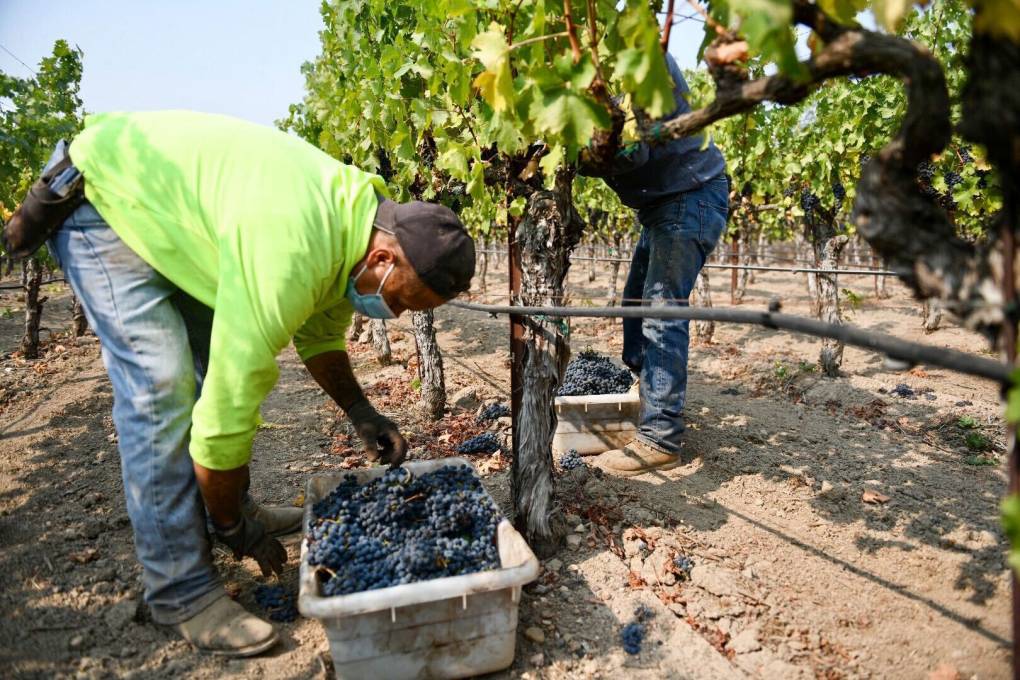
"caption": "Jose Ortiz harvests grapes at Garton Vineyards in Napa on Sept. 30, 2020. As many wineries abandon their smoke-damaged grapes, workers who were counting on income from the grape harvest are being left in the lurch.",
"description": "Jose Ortiz harvests grapes at Garton Vineyards in Napa on Sept. 30, 2020. As many wineries abandon their smoke-damaged grapes, workers who were counting on income from the grape harvest are being left in the lurch.",
"title": "Wine-Grape-Harvest-Farmworkers-Glass-Fire",
"credit": "Beth LaBerge/KQED",
"status": "inherit",
"isLoading": false,
"fetchFailed": false
},
"news_11840388": {
"type": "attachments",
"id": "news_11840388",
"meta": {
"index": "attachments_1716263798",
"site": "news",
"id": "11840388",
"found": true
},
"parent": 11840386,
"imgSizes": {
"apple_news_ca_landscape_5_5": {
"file": "https://ww2.kqed.org/app/uploads/sites/10/2020/09/RS44929_024_KQED_Oakland_OBCACensus_09162020-qut-1044x783.jpg",
"width": 1044,
"mimeType": "image/jpeg",
"height": 783
},
"apple_news_ca_square_4_0": {
"file": "https://ww2.kqed.org/app/uploads/sites/10/2020/09/RS44929_024_KQED_Oakland_OBCACensus_09162020-qut-470x470.jpg",
"width": 470,
"mimeType": "image/jpeg",
"height": 470
},
"twentyfourteen-full-width": {
"file": "https://ww2.kqed.org/app/uploads/sites/10/2020/09/RS44929_024_KQED_Oakland_OBCACensus_09162020-qut-1038x576.jpg",
"width": 1038,
"mimeType": "image/jpeg",
"height": 576
},
"thumbnail": {
"file": "https://ww2.kqed.org/app/uploads/sites/10/2020/09/RS44929_024_KQED_Oakland_OBCACensus_09162020-qut-160x107.jpg",
"width": 160,
"mimeType": "image/jpeg",
"height": 107
},
"post-thumbnail": {
"file": "https://ww2.kqed.org/app/uploads/sites/10/2020/09/RS44929_024_KQED_Oakland_OBCACensus_09162020-qut-672x372.jpg",
"width": 672,
"mimeType": "image/jpeg",
"height": 372
},
"kqedFullSize": {
"file": "https://ww2.kqed.org/app/uploads/sites/10/2020/09/RS44929_024_KQED_Oakland_OBCACensus_09162020-qut.jpg",
"width": 1920,
"height": 1280
},
"apple_news_ca_landscape_4_7": {
"file": "https://ww2.kqed.org/app/uploads/sites/10/2020/09/RS44929_024_KQED_Oakland_OBCACensus_09162020-qut-632x474.jpg",
"width": 632,
"mimeType": "image/jpeg",
"height": 474
},
"large": {
"file": "https://ww2.kqed.org/app/uploads/sites/10/2020/09/RS44929_024_KQED_Oakland_OBCACensus_09162020-qut-1020x680.jpg",
"width": 1020,
"mimeType": "image/jpeg",
"height": 680
},
"apple_news_ca_landscape_4_0": {
"file": "https://ww2.kqed.org/app/uploads/sites/10/2020/09/RS44929_024_KQED_Oakland_OBCACensus_09162020-qut-536x402.jpg",
"width": 536,
"mimeType": "image/jpeg",
"height": 402
},
"apple_news_ca_portrait_12_9": {
"file": "https://ww2.kqed.org/app/uploads/sites/10/2020/09/RS44929_024_KQED_Oakland_OBCACensus_09162020-qut-1122x1280.jpg",
"width": 1122,
"mimeType": "image/jpeg",
"height": 1280
},
"medium": {
"file": "https://ww2.kqed.org/app/uploads/sites/10/2020/09/RS44929_024_KQED_Oakland_OBCACensus_09162020-qut-800x533.jpg",
"width": 800,
"mimeType": "image/jpeg",
"height": 533
},
"apple_news_ca_portrait_4_0": {
"file": "https://ww2.kqed.org/app/uploads/sites/10/2020/09/RS44929_024_KQED_Oakland_OBCACensus_09162020-qut-354x472.jpg",
"width": 354,
"mimeType": "image/jpeg",
"height": 472
},
"apple_news_ca_portrait_9_7": {
"file": "https://ww2.kqed.org/app/uploads/sites/10/2020/09/RS44929_024_KQED_Oakland_OBCACensus_09162020-qut-840x1120.jpg",
"width": 840,
"mimeType": "image/jpeg",
"height": 1120
},
"apple_news_ca_landscape_12_9": {
"file": "https://ww2.kqed.org/app/uploads/sites/10/2020/09/RS44929_024_KQED_Oakland_OBCACensus_09162020-qut-1832x1280.jpg",
"width": 1832,
"mimeType": "image/jpeg",
"height": 1280
},
"apple_news_ca_square_9_7": {
"file": "https://ww2.kqed.org/app/uploads/sites/10/2020/09/RS44929_024_KQED_Oakland_OBCACensus_09162020-qut-1104x1104.jpg",
"width": 1104,
"mimeType": "image/jpeg",
"height": 1104
},
"1536x1536": {
"file": "https://ww2.kqed.org/app/uploads/sites/10/2020/09/RS44929_024_KQED_Oakland_OBCACensus_09162020-qut-1536x1024.jpg",
"width": 1536,
"mimeType": "image/jpeg",
"height": 1024
},
"apple_news_ca_portrait_4_7": {
"file": "https://ww2.kqed.org/app/uploads/sites/10/2020/09/RS44929_024_KQED_Oakland_OBCACensus_09162020-qut-414x552.jpg",
"width": 414,
"mimeType": "image/jpeg",
"height": 552
},
"apple_news_ca_square_12_9": {
"file": "https://ww2.kqed.org/app/uploads/sites/10/2020/09/RS44929_024_KQED_Oakland_OBCACensus_09162020-qut-1472x1280.jpg",
"width": 1472,
"mimeType": "image/jpeg",
"height": 1280
},
"apple_news_ca_portrait_5_5": {
"file": "https://ww2.kqed.org/app/uploads/sites/10/2020/09/RS44929_024_KQED_Oakland_OBCACensus_09162020-qut-687x916.jpg",
"width": 687,
"mimeType": "image/jpeg",
"height": 916
},
"apple_news_ca_square_4_7": {
"file": "https://ww2.kqed.org/app/uploads/sites/10/2020/09/RS44929_024_KQED_Oakland_OBCACensus_09162020-qut-550x550.jpg",
"width": 550,
"mimeType": "image/jpeg",
"height": 550
},
"apple_news_ca_landscape_9_7": {
"file": "https://ww2.kqed.org/app/uploads/sites/10/2020/09/RS44929_024_KQED_Oakland_OBCACensus_09162020-qut-1376x1032.jpg",
"width": 1376,
"mimeType": "image/jpeg",
"height": 1032
},
"apple_news_ca_square_5_5": {
"file": "https://ww2.kqed.org/app/uploads/sites/10/2020/09/RS44929_024_KQED_Oakland_OBCACensus_09162020-qut-912x912.jpg",
"width": 912,
"mimeType": "image/jpeg",
"height": 912
}
},
"publishDate": 1601498970,
"modified": 1601499026,
"caption": "Census 2020 signs at De Fremery Park in West Oakland on Sept. 16, 2020.",
"description": "Census 2020 signs at De Fremery Park in West Oakland on Sept. 16, 2020.",
"title": "Census 2020 signs at De Fremery Park in West Oakland on Sep. 16, 2020.",
"credit": "Beth LaBerge/KQED",
"status": "inherit",
"isLoading": false,
"fetchFailed": false
},
"news_11838919": {
"type": "attachments",
"id": "news_11838919",
"meta": {
"index": "attachments_1716263798",
"site": "news",
"id": "11838919",
"found": true
},
"parent": 11831289,
"imgSizes": {
"apple_news_ca_landscape_5_5": {
"file": "https://ww2.kqed.org/app/uploads/sites/10/2020/09/child-separations4-1044x783.jpg",
"width": 1044,
"mimeType": "image/jpeg",
"height": 783
},
"apple_news_ca_square_4_0": {
"file": "https://ww2.kqed.org/app/uploads/sites/10/2020/09/child-separations4-470x470.jpg",
"width": 470,
"mimeType": "image/jpeg",
"height": 470
},
"twentyfourteen-full-width": {
"file": "https://ww2.kqed.org/app/uploads/sites/10/2020/09/child-separations4-1038x576.jpg",
"width": 1038,
"mimeType": "image/jpeg",
"height": 576
},
"thumbnail": {
"file": "https://ww2.kqed.org/app/uploads/sites/10/2020/09/child-separations4-160x120.jpg",
"width": 160,
"mimeType": "image/jpeg",
"height": 120
},
"post-thumbnail": {
"file": "https://ww2.kqed.org/app/uploads/sites/10/2020/09/child-separations4-672x372.jpg",
"width": 672,
"mimeType": "image/jpeg",
"height": 372
},
"kqedFullSize": {
"file": "https://ww2.kqed.org/app/uploads/sites/10/2020/09/child-separations4-e1600638428840.jpg",
"width": 1920,
"height": 1440
},
"apple_news_ca_landscape_4_7": {
"file": "https://ww2.kqed.org/app/uploads/sites/10/2020/09/child-separations4-632x474.jpg",
"width": 632,
"mimeType": "image/jpeg",
"height": 474
},
"large": {
"file": "https://ww2.kqed.org/app/uploads/sites/10/2020/09/child-separations4-1020x765.jpg",
"width": 1020,
"mimeType": "image/jpeg",
"height": 765
},
"apple_news_ca_landscape_4_0": {
"file": "https://ww2.kqed.org/app/uploads/sites/10/2020/09/child-separations4-536x402.jpg",
"width": 536,
"mimeType": "image/jpeg",
"height": 402
},
"apple_news_ca_portrait_12_9": {
"file": "https://ww2.kqed.org/app/uploads/sites/10/2020/09/child-separations4-1122x1496.jpg",
"width": 1122,
"mimeType": "image/jpeg",
"height": 1496
},
"medium": {
"file": "https://ww2.kqed.org/app/uploads/sites/10/2020/09/child-separations4-800x600.jpg",
"width": 800,
"mimeType": "image/jpeg",
"height": 600
},
"apple_news_ca_portrait_4_0": {
"file": "https://ww2.kqed.org/app/uploads/sites/10/2020/09/child-separations4-354x472.jpg",
"width": 354,
"mimeType": "image/jpeg",
"height": 472
},
"apple_news_ca_portrait_9_7": {
"file": "https://ww2.kqed.org/app/uploads/sites/10/2020/09/child-separations4-840x1120.jpg",
"width": 840,
"mimeType": "image/jpeg",
"height": 1120
},
"apple_news_ca_landscape_12_9": {
"file": "https://ww2.kqed.org/app/uploads/sites/10/2020/09/child-separations4-1832x1374.jpg",
"width": 1832,
"mimeType": "image/jpeg",
"height": 1374
},
"apple_news_ca_square_9_7": {
"file": "https://ww2.kqed.org/app/uploads/sites/10/2020/09/child-separations4-1104x1104.jpg",
"width": 1104,
"mimeType": "image/jpeg",
"height": 1104
},
"1536x1536": {
"file": "https://ww2.kqed.org/app/uploads/sites/10/2020/09/child-separations4-1536x1152.jpg",
"width": 1536,
"mimeType": "image/jpeg",
"height": 1152
},
"apple_news_ca_portrait_4_7": {
"file": "https://ww2.kqed.org/app/uploads/sites/10/2020/09/child-separations4-414x552.jpg",
"width": 414,
"mimeType": "image/jpeg",
"height": 552
},
"apple_news_ca_square_12_9": {
"file": "https://ww2.kqed.org/app/uploads/sites/10/2020/09/child-separations4-1472x1472.jpg",
"width": 1472,
"mimeType": "image/jpeg",
"height": 1472
},
"apple_news_ca_portrait_5_5": {
"file": "https://ww2.kqed.org/app/uploads/sites/10/2020/09/child-separations4-687x916.jpg",
"width": 687,
"mimeType": "image/jpeg",
"height": 916
},
"full-width": {
"file": "https://ww2.kqed.org/app/uploads/sites/10/2020/09/child-separations4-1920x1440.jpg",
"width": 1920,
"mimeType": "image/jpeg",
"height": 1440
},
"apple_news_ca_square_4_7": {
"file": "https://ww2.kqed.org/app/uploads/sites/10/2020/09/child-separations4-550x550.jpg",
"width": 550,
"mimeType": "image/jpeg",
"height": 550
},
"apple_news_ca_landscape_9_7": {
"file": "https://ww2.kqed.org/app/uploads/sites/10/2020/09/child-separations4-1376x1032.jpg",
"width": 1376,
"mimeType": "image/jpeg",
"height": 1032
},
"apple_news_ca_square_5_5": {
"file": "https://ww2.kqed.org/app/uploads/sites/10/2020/09/child-separations4-912x912.jpg",
"width": 912,
"mimeType": "image/jpeg",
"height": 912
}
},
"publishDate": 1600638314,
"modified": 1600638976,
"caption": "While some searches have restarted, advocates say this already challenging process has become even more difficult with the coronavirus pandemic. And every minute counts.",
"description": "While some searches have restarted, advocates say this already challenging process has become even more difficult with the coronavirus pandemic. And every minute counts.",
"title": "child separations4",
"credit": "Anna Vignet/KQED",
"status": "inherit",
"isLoading": false,
"fetchFailed": false
},
"news_11838142": {
"type": "attachments",
"id": "news_11838142",
"meta": {
"index": "attachments_1716263798",
"site": "news",
"id": "11838142",
"found": true
},
"parent": 11838137,
"imgSizes": {
"apple_news_ca_landscape_5_5": {
"file": "https://ww2.kqed.org/app/uploads/sites/10/2020/09/RS44906_IMG_8037-Jimmy-qut-1044x783.jpg",
"width": 1044,
"mimeType": "image/jpeg",
"height": 783
},
"apple_news_ca_square_4_0": {
"file": "https://ww2.kqed.org/app/uploads/sites/10/2020/09/RS44906_IMG_8037-Jimmy-qut-470x470.jpg",
"width": 470,
"mimeType": "image/jpeg",
"height": 470
},
"twentyfourteen-full-width": {
"file": "https://ww2.kqed.org/app/uploads/sites/10/2020/09/RS44906_IMG_8037-Jimmy-qut-1038x576.jpg",
"width": 1038,
"mimeType": "image/jpeg",
"height": 576
},
"thumbnail": {
"file": "https://ww2.kqed.org/app/uploads/sites/10/2020/09/RS44906_IMG_8037-Jimmy-qut-160x107.jpg",
"width": 160,
"mimeType": "image/jpeg",
"height": 107
},
"post-thumbnail": {
"file": "https://ww2.kqed.org/app/uploads/sites/10/2020/09/RS44906_IMG_8037-Jimmy-qut-672x372.jpg",
"width": 672,
"mimeType": "image/jpeg",
"height": 372
},
"kqedFullSize": {
"file": "https://ww2.kqed.org/app/uploads/sites/10/2020/09/RS44906_IMG_8037-Jimmy-qut.jpg",
"width": 1920,
"height": 1282
},
"apple_news_ca_landscape_4_7": {
"file": "https://ww2.kqed.org/app/uploads/sites/10/2020/09/RS44906_IMG_8037-Jimmy-qut-632x474.jpg",
"width": 632,
"mimeType": "image/jpeg",
"height": 474
},
"large": {
"file": "https://ww2.kqed.org/app/uploads/sites/10/2020/09/RS44906_IMG_8037-Jimmy-qut-1020x681.jpg",
"width": 1020,
"mimeType": "image/jpeg",
"height": 681
},
"apple_news_ca_landscape_4_0": {
"file": "https://ww2.kqed.org/app/uploads/sites/10/2020/09/RS44906_IMG_8037-Jimmy-qut-536x402.jpg",
"width": 536,
"mimeType": "image/jpeg",
"height": 402
},
"apple_news_ca_portrait_12_9": {
"file": "https://ww2.kqed.org/app/uploads/sites/10/2020/09/RS44906_IMG_8037-Jimmy-qut-1122x1282.jpg",
"width": 1122,
"mimeType": "image/jpeg",
"height": 1282
},
"medium": {
"file": "https://ww2.kqed.org/app/uploads/sites/10/2020/09/RS44906_IMG_8037-Jimmy-qut-800x534.jpg",
"width": 800,
"mimeType": "image/jpeg",
"height": 534
},
"apple_news_ca_portrait_4_0": {
"file": "https://ww2.kqed.org/app/uploads/sites/10/2020/09/RS44906_IMG_8037-Jimmy-qut-354x472.jpg",
"width": 354,
"mimeType": "image/jpeg",
"height": 472
},
"apple_news_ca_portrait_9_7": {
"file": "https://ww2.kqed.org/app/uploads/sites/10/2020/09/RS44906_IMG_8037-Jimmy-qut-840x1120.jpg",
"width": 840,
"mimeType": "image/jpeg",
"height": 1120
},
"apple_news_ca_landscape_12_9": {
"file": "https://ww2.kqed.org/app/uploads/sites/10/2020/09/RS44906_IMG_8037-Jimmy-qut-1832x1282.jpg",
"width": 1832,
"mimeType": "image/jpeg",
"height": 1282
},
"apple_news_ca_square_9_7": {
"file": "https://ww2.kqed.org/app/uploads/sites/10/2020/09/RS44906_IMG_8037-Jimmy-qut-1104x1104.jpg",
"width": 1104,
"mimeType": "image/jpeg",
"height": 1104
},
"1536x1536": {
"file": "https://ww2.kqed.org/app/uploads/sites/10/2020/09/RS44906_IMG_8037-Jimmy-qut-1536x1026.jpg",
"width": 1536,
"mimeType": "image/jpeg",
"height": 1026
},
"apple_news_ca_portrait_4_7": {
"file": "https://ww2.kqed.org/app/uploads/sites/10/2020/09/RS44906_IMG_8037-Jimmy-qut-414x552.jpg",
"width": 414,
"mimeType": "image/jpeg",
"height": 552
},
"apple_news_ca_square_12_9": {
"file": "https://ww2.kqed.org/app/uploads/sites/10/2020/09/RS44906_IMG_8037-Jimmy-qut-1472x1282.jpg",
"width": 1472,
"mimeType": "image/jpeg",
"height": 1282
},
"apple_news_ca_portrait_5_5": {
"file": "https://ww2.kqed.org/app/uploads/sites/10/2020/09/RS44906_IMG_8037-Jimmy-qut-687x916.jpg",
"width": 687,
"mimeType": "image/jpeg",
"height": 916
},
"apple_news_ca_square_4_7": {
"file": "https://ww2.kqed.org/app/uploads/sites/10/2020/09/RS44906_IMG_8037-Jimmy-qut-550x550.jpg",
"width": 550,
"mimeType": "image/jpeg",
"height": 550
},
"apple_news_ca_landscape_9_7": {
"file": "https://ww2.kqed.org/app/uploads/sites/10/2020/09/RS44906_IMG_8037-Jimmy-qut-1376x1032.jpg",
"width": 1376,
"mimeType": "image/jpeg",
"height": 1032
},
"apple_news_ca_square_5_5": {
"file": "https://ww2.kqed.org/app/uploads/sites/10/2020/09/RS44906_IMG_8037-Jimmy-qut-912x912.jpg",
"width": 912,
"mimeType": "image/jpeg",
"height": 912
}
},
"publishDate": 1600218571,
"modified": 1600218752,
"caption": "Supporters of workers at Kome Japanese Seafood Buffet stand outside the restaurant in Daly City in 2018. The California Labor Commissioner cited Kome for minimum wage and other violations before the restaurant closed last year.",
"description": null,
"title": "RS44906_IMG_8037 Jimmy-qut",
"credit": "Courtesy of Chinese Progressive Association",
"status": "inherit",
"isLoading": false,
"fetchFailed": false
},
"news_11838128": {
"type": "attachments",
"id": "news_11838128",
"meta": {
"index": "attachments_1716263798",
"site": "news",
"id": "11838128",
"found": true
},
"parent": 11837958,
"imgSizes": {
"apple_news_ca_landscape_5_5": {
"file": "https://ww2.kqed.org/app/uploads/sites/10/2020/09/preview-bagai-sal-001-1044x783.jpg",
"width": 1044,
"mimeType": "image/jpeg",
"height": 783
},
"apple_news_ca_square_4_0": {
"file": "https://ww2.kqed.org/app/uploads/sites/10/2020/09/preview-bagai-sal-001-470x470.jpg",
"width": 470,
"mimeType": "image/jpeg",
"height": 470
},
"twentyfourteen-full-width": {
"file": "https://ww2.kqed.org/app/uploads/sites/10/2020/09/preview-bagai-sal-001-1038x576.jpg",
"width": 1038,
"mimeType": "image/jpeg",
"height": 576
},
"thumbnail": {
"file": "https://ww2.kqed.org/app/uploads/sites/10/2020/09/preview-bagai-sal-001-160x153.jpg",
"width": 160,
"mimeType": "image/jpeg",
"height": 153
},
"post-thumbnail": {
"file": "https://ww2.kqed.org/app/uploads/sites/10/2020/09/preview-bagai-sal-001-672x372.jpg",
"width": 672,
"mimeType": "image/jpeg",
"height": 372
},
"kqedFullSize": {
"file": "https://ww2.kqed.org/app/uploads/sites/10/2020/09/preview-bagai-sal-001.jpg",
"width": 1920,
"height": 1839
},
"apple_news_ca_landscape_4_7": {
"file": "https://ww2.kqed.org/app/uploads/sites/10/2020/09/preview-bagai-sal-001-632x474.jpg",
"width": 632,
"mimeType": "image/jpeg",
"height": 474
},
"large": {
"file": "https://ww2.kqed.org/app/uploads/sites/10/2020/09/preview-bagai-sal-001-1020x977.jpg",
"width": 1020,
"mimeType": "image/jpeg",
"height": 977
},
"apple_news_ca_landscape_4_0": {
"file": "https://ww2.kqed.org/app/uploads/sites/10/2020/09/preview-bagai-sal-001-536x402.jpg",
"width": 536,
"mimeType": "image/jpeg",
"height": 402
},
"apple_news_ca_portrait_12_9": {
"file": "https://ww2.kqed.org/app/uploads/sites/10/2020/09/preview-bagai-sal-001-1122x1496.jpg",
"width": 1122,
"mimeType": "image/jpeg",
"height": 1496
},
"medium": {
"file": "https://ww2.kqed.org/app/uploads/sites/10/2020/09/preview-bagai-sal-001-800x766.jpg",
"width": 800,
"mimeType": "image/jpeg",
"height": 766
},
"apple_news_ca_portrait_4_0": {
"file": "https://ww2.kqed.org/app/uploads/sites/10/2020/09/preview-bagai-sal-001-354x472.jpg",
"width": 354,
"mimeType": "image/jpeg",
"height": 472
},
"apple_news_ca_portrait_9_7": {
"file": "https://ww2.kqed.org/app/uploads/sites/10/2020/09/preview-bagai-sal-001-840x1120.jpg",
"width": 840,
"mimeType": "image/jpeg",
"height": 1120
},
"apple_news_ca_landscape_12_9": {
"file": "https://ww2.kqed.org/app/uploads/sites/10/2020/09/preview-bagai-sal-001-1832x1374.jpg",
"width": 1832,
"mimeType": "image/jpeg",
"height": 1374
},
"apple_news_ca_square_9_7": {
"file": "https://ww2.kqed.org/app/uploads/sites/10/2020/09/preview-bagai-sal-001-1104x1104.jpg",
"width": 1104,
"mimeType": "image/jpeg",
"height": 1104
},
"1536x1536": {
"file": "https://ww2.kqed.org/app/uploads/sites/10/2020/09/preview-bagai-sal-001-1536x1471.jpg",
"width": 1536,
"mimeType": "image/jpeg",
"height": 1471
},
"apple_news_ca_portrait_4_7": {
"file": "https://ww2.kqed.org/app/uploads/sites/10/2020/09/preview-bagai-sal-001-414x552.jpg",
"width": 414,
"mimeType": "image/jpeg",
"height": 552
},
"apple_news_ca_square_12_9": {
"file": "https://ww2.kqed.org/app/uploads/sites/10/2020/09/preview-bagai-sal-001-1472x1472.jpg",
"width": 1472,
"mimeType": "image/jpeg",
"height": 1472
},
"apple_news_ca_portrait_5_5": {
"file": "https://ww2.kqed.org/app/uploads/sites/10/2020/09/preview-bagai-sal-001-687x916.jpg",
"width": 687,
"mimeType": "image/jpeg",
"height": 916
},
"apple_news_ca_square_4_7": {
"file": "https://ww2.kqed.org/app/uploads/sites/10/2020/09/preview-bagai-sal-001-550x550.jpg",
"width": 550,
"mimeType": "image/jpeg",
"height": 550
},
"apple_news_ca_landscape_9_7": {
"file": "https://ww2.kqed.org/app/uploads/sites/10/2020/09/preview-bagai-sal-001-1376x1032.jpg",
"width": 1376,
"mimeType": "image/jpeg",
"height": 1032
},
"apple_news_ca_square_5_5": {
"file": "https://ww2.kqed.org/app/uploads/sites/10/2020/09/preview-bagai-sal-001-912x912.jpg",
"width": 912,
"mimeType": "image/jpeg",
"height": 912
}
},
"publishDate": 1600214476,
"modified": 1600214559,
"caption": "Photograph of Kala Bagai, taken in 1929 at age 36.",
"description": null,
"title": "preview-bagai-sal-001",
"credit": "Courtesy of Rani Bagai and the South Asian American Digital Archive",
"status": "inherit",
"isLoading": false,
"fetchFailed": false
},
"news_11838010": {
"type": "attachments",
"id": "news_11838010",
"meta": {
"index": "attachments_1716263798",
"site": "news",
"id": "11838010",
"found": true
},
"parent": 11838007,
"imgSizes": {
"apple_news_ca_landscape_5_5": {
"file": "https://ww2.kqed.org/app/uploads/sites/10/2020/09/RS43869_001_KQED_Richmond_TPS_07072020-qut-1044x783.jpg",
"width": 1044,
"mimeType": "image/jpeg",
"height": 783
},
"apple_news_ca_square_4_0": {
"file": "https://ww2.kqed.org/app/uploads/sites/10/2020/09/RS43869_001_KQED_Richmond_TPS_07072020-qut-470x470.jpg",
"width": 470,
"mimeType": "image/jpeg",
"height": 470
},
"twentyfourteen-full-width": {
"file": "https://ww2.kqed.org/app/uploads/sites/10/2020/09/RS43869_001_KQED_Richmond_TPS_07072020-qut-1038x576.jpg",
"width": 1038,
"mimeType": "image/jpeg",
"height": 576
},
"thumbnail": {
"file": "https://ww2.kqed.org/app/uploads/sites/10/2020/09/RS43869_001_KQED_Richmond_TPS_07072020-qut-160x107.jpg",
"width": 160,
"mimeType": "image/jpeg",
"height": 107
},
"post-thumbnail": {
"file": "https://ww2.kqed.org/app/uploads/sites/10/2020/09/RS43869_001_KQED_Richmond_TPS_07072020-qut-672x372.jpg",
"width": 672,
"mimeType": "image/jpeg",
"height": 372
},
"kqedFullSize": {
"file": "https://ww2.kqed.org/app/uploads/sites/10/2020/09/RS43869_001_KQED_Richmond_TPS_07072020-qut.jpg",
"width": 1920,
"height": 1280
},
"apple_news_ca_landscape_4_7": {
"file": "https://ww2.kqed.org/app/uploads/sites/10/2020/09/RS43869_001_KQED_Richmond_TPS_07072020-qut-632x474.jpg",
"width": 632,
"mimeType": "image/jpeg",
"height": 474
},
"large": {
"file": "https://ww2.kqed.org/app/uploads/sites/10/2020/09/RS43869_001_KQED_Richmond_TPS_07072020-qut-1020x680.jpg",
"width": 1020,
"mimeType": "image/jpeg",
"height": 680
},
"apple_news_ca_landscape_4_0": {
"file": "https://ww2.kqed.org/app/uploads/sites/10/2020/09/RS43869_001_KQED_Richmond_TPS_07072020-qut-536x402.jpg",
"width": 536,
"mimeType": "image/jpeg",
"height": 402
},
"apple_news_ca_portrait_12_9": {
"file": "https://ww2.kqed.org/app/uploads/sites/10/2020/09/RS43869_001_KQED_Richmond_TPS_07072020-qut-1122x1280.jpg",
"width": 1122,
"mimeType": "image/jpeg",
"height": 1280
},
"medium": {
"file": "https://ww2.kqed.org/app/uploads/sites/10/2020/09/RS43869_001_KQED_Richmond_TPS_07072020-qut-800x533.jpg",
"width": 800,
"mimeType": "image/jpeg",
"height": 533
},
"apple_news_ca_portrait_4_0": {
"file": "https://ww2.kqed.org/app/uploads/sites/10/2020/09/RS43869_001_KQED_Richmond_TPS_07072020-qut-354x472.jpg",
"width": 354,
"mimeType": "image/jpeg",
"height": 472
},
"apple_news_ca_portrait_9_7": {
"file": "https://ww2.kqed.org/app/uploads/sites/10/2020/09/RS43869_001_KQED_Richmond_TPS_07072020-qut-840x1120.jpg",
"width": 840,
"mimeType": "image/jpeg",
"height": 1120
},
"apple_news_ca_landscape_12_9": {
"file": "https://ww2.kqed.org/app/uploads/sites/10/2020/09/RS43869_001_KQED_Richmond_TPS_07072020-qut-1832x1280.jpg",
"width": 1832,
"mimeType": "image/jpeg",
"height": 1280
},
"apple_news_ca_square_9_7": {
"file": "https://ww2.kqed.org/app/uploads/sites/10/2020/09/RS43869_001_KQED_Richmond_TPS_07072020-qut-1104x1104.jpg",
"width": 1104,
"mimeType": "image/jpeg",
"height": 1104
},
"1536x1536": {
"file": "https://ww2.kqed.org/app/uploads/sites/10/2020/09/RS43869_001_KQED_Richmond_TPS_07072020-qut-1536x1024.jpg",
"width": 1536,
"mimeType": "image/jpeg",
"height": 1024
},
"apple_news_ca_portrait_4_7": {
"file": "https://ww2.kqed.org/app/uploads/sites/10/2020/09/RS43869_001_KQED_Richmond_TPS_07072020-qut-414x552.jpg",
"width": 414,
"mimeType": "image/jpeg",
"height": 552
},
"apple_news_ca_square_12_9": {
"file": "https://ww2.kqed.org/app/uploads/sites/10/2020/09/RS43869_001_KQED_Richmond_TPS_07072020-qut-1472x1280.jpg",
"width": 1472,
"mimeType": "image/jpeg",
"height": 1280
},
"apple_news_ca_portrait_5_5": {
"file": "https://ww2.kqed.org/app/uploads/sites/10/2020/09/RS43869_001_KQED_Richmond_TPS_07072020-qut-687x916.jpg",
"width": 687,
"mimeType": "image/jpeg",
"height": 916
},
"apple_news_ca_square_4_7": {
"file": "https://ww2.kqed.org/app/uploads/sites/10/2020/09/RS43869_001_KQED_Richmond_TPS_07072020-qut-550x550.jpg",
"width": 550,
"mimeType": "image/jpeg",
"height": 550
},
"apple_news_ca_landscape_9_7": {
"file": "https://ww2.kqed.org/app/uploads/sites/10/2020/09/RS43869_001_KQED_Richmond_TPS_07072020-qut-1376x1032.jpg",
"width": 1376,
"mimeType": "image/jpeg",
"height": 1032
},
"apple_news_ca_square_5_5": {
"file": "https://ww2.kqed.org/app/uploads/sites/10/2020/09/RS43869_001_KQED_Richmond_TPS_07072020-qut-912x912.jpg",
"width": 912,
"mimeType": "image/jpeg",
"height": 912
}
},
"publishDate": 1600195704,
"modified": 1600286950,
"caption": "Cristina Morales (left) walks in Richmond, California with her children Diego and Crista, who are U.S. citizens, on July 7, 2020. Morales is one of more than 400,000 immigrants who would lose their permits to live and work in the U.S. after an appeals court ruling this week.",
"description": "Cristina Morales (left) walks in Richmond, California with her children Diego and Crista, who are U.S. citizens, on July 7, 2020. Morales is one of more than 400,000 immigrants who would lose their permits to live and work in the U.S. after an appeals court ruling this week.",
"title": "RS43869_001_KQED_Richmond_TPS_07072020-qut",
"credit": "Beth LaBerge/KQED",
"status": "inherit",
"isLoading": false,
"fetchFailed": false
},
"news_11837233": {
"type": "attachments",
"id": "news_11837233",
"meta": {
"index": "attachments_1716263798",
"site": "news",
"id": "11837233",
"found": true
},
"parent": 11837227,
"imgSizes": {
"apple_news_ca_landscape_5_5": {
"file": "https://ww2.kqed.org/app/uploads/sites/10/2020/09/RS44785_IMG_2619-qut-1044x783.jpg",
"width": 1044,
"mimeType": "image/jpeg",
"height": 783
},
"apple_news_ca_square_4_0": {
"file": "https://ww2.kqed.org/app/uploads/sites/10/2020/09/RS44785_IMG_2619-qut-470x470.jpg",
"width": 470,
"mimeType": "image/jpeg",
"height": 470
},
"twentyfourteen-full-width": {
"file": "https://ww2.kqed.org/app/uploads/sites/10/2020/09/RS44785_IMG_2619-qut-1038x576.jpg",
"width": 1038,
"mimeType": "image/jpeg",
"height": 576
},
"thumbnail": {
"file": "https://ww2.kqed.org/app/uploads/sites/10/2020/09/RS44785_IMG_2619-qut-160x120.jpg",
"width": 160,
"mimeType": "image/jpeg",
"height": 120
},
"post-thumbnail": {
"file": "https://ww2.kqed.org/app/uploads/sites/10/2020/09/RS44785_IMG_2619-qut-672x372.jpg",
"width": 672,
"mimeType": "image/jpeg",
"height": 372
},
"kqedFullSize": {
"file": "https://ww2.kqed.org/app/uploads/sites/10/2020/09/RS44785_IMG_2619-qut.jpg",
"width": 1920,
"height": 1440
},
"apple_news_ca_landscape_4_7": {
"file": "https://ww2.kqed.org/app/uploads/sites/10/2020/09/RS44785_IMG_2619-qut-632x474.jpg",
"width": 632,
"mimeType": "image/jpeg",
"height": 474
},
"large": {
"file": "https://ww2.kqed.org/app/uploads/sites/10/2020/09/RS44785_IMG_2619-qut-1020x765.jpg",
"width": 1020,
"mimeType": "image/jpeg",
"height": 765
},
"apple_news_ca_landscape_4_0": {
"file": "https://ww2.kqed.org/app/uploads/sites/10/2020/09/RS44785_IMG_2619-qut-536x402.jpg",
"width": 536,
"mimeType": "image/jpeg",
"height": 402
},
"apple_news_ca_portrait_12_9": {
"file": "https://ww2.kqed.org/app/uploads/sites/10/2020/09/RS44785_IMG_2619-qut-1122x1440.jpg",
"width": 1122,
"mimeType": "image/jpeg",
"height": 1440
},
"medium": {
"file": "https://ww2.kqed.org/app/uploads/sites/10/2020/09/RS44785_IMG_2619-qut-800x600.jpg",
"width": 800,
"mimeType": "image/jpeg",
"height": 600
},
"apple_news_ca_portrait_4_0": {
"file": "https://ww2.kqed.org/app/uploads/sites/10/2020/09/RS44785_IMG_2619-qut-354x472.jpg",
"width": 354,
"mimeType": "image/jpeg",
"height": 472
},
"apple_news_ca_portrait_9_7": {
"file": "https://ww2.kqed.org/app/uploads/sites/10/2020/09/RS44785_IMG_2619-qut-840x1120.jpg",
"width": 840,
"mimeType": "image/jpeg",
"height": 1120
},
"apple_news_ca_landscape_12_9": {
"file": "https://ww2.kqed.org/app/uploads/sites/10/2020/09/RS44785_IMG_2619-qut-1832x1374.jpg",
"width": 1832,
"mimeType": "image/jpeg",
"height": 1374
},
"apple_news_ca_square_9_7": {
"file": "https://ww2.kqed.org/app/uploads/sites/10/2020/09/RS44785_IMG_2619-qut-1104x1104.jpg",
"width": 1104,
"mimeType": "image/jpeg",
"height": 1104
},
"1536x1536": {
"file": "https://ww2.kqed.org/app/uploads/sites/10/2020/09/RS44785_IMG_2619-qut-1536x1152.jpg",
"width": 1536,
"mimeType": "image/jpeg",
"height": 1152
},
"apple_news_ca_portrait_4_7": {
"file": "https://ww2.kqed.org/app/uploads/sites/10/2020/09/RS44785_IMG_2619-qut-414x552.jpg",
"width": 414,
"mimeType": "image/jpeg",
"height": 552
},
"apple_news_ca_square_12_9": {
"file": "https://ww2.kqed.org/app/uploads/sites/10/2020/09/RS44785_IMG_2619-qut-1472x1440.jpg",
"width": 1472,
"mimeType": "image/jpeg",
"height": 1440
},
"apple_news_ca_portrait_5_5": {
"file": "https://ww2.kqed.org/app/uploads/sites/10/2020/09/RS44785_IMG_2619-qut-687x916.jpg",
"width": 687,
"mimeType": "image/jpeg",
"height": 916
},
"apple_news_ca_square_4_7": {
"file": "https://ww2.kqed.org/app/uploads/sites/10/2020/09/RS44785_IMG_2619-qut-550x550.jpg",
"width": 550,
"mimeType": "image/jpeg",
"height": 550
},
"apple_news_ca_landscape_9_7": {
"file": "https://ww2.kqed.org/app/uploads/sites/10/2020/09/RS44785_IMG_2619-qut-1376x1032.jpg",
"width": 1376,
"mimeType": "image/jpeg",
"height": 1032
},
"apple_news_ca_square_5_5": {
"file": "https://ww2.kqed.org/app/uploads/sites/10/2020/09/RS44785_IMG_2619-qut-912x912.jpg",
"width": 912,
"mimeType": "image/jpeg",
"height": 912
}
},
"publishDate": 1599693458,
"modified": 1599771195,
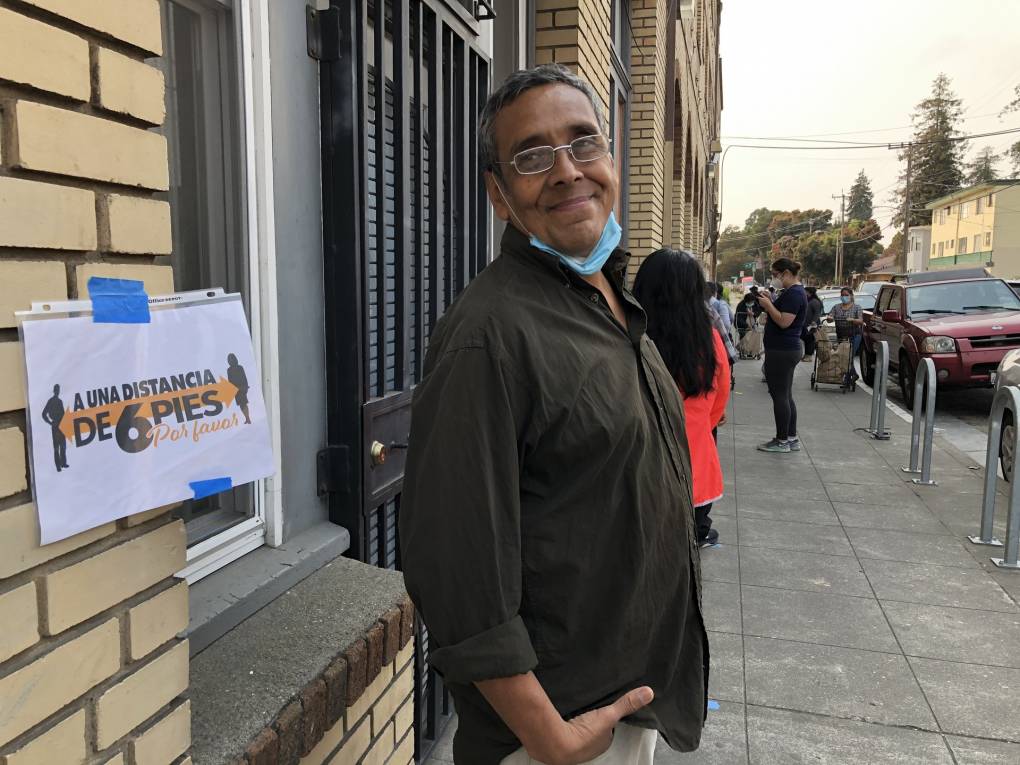
"caption": "Victor Moreno, 55, stands in a socially distanced line to receive food at Street Level Health Project in Oakland's Fruitvale neighborhood on Sept. 1, 2020. 'If I was insecure or a little shocked in the morning, I'm not anymore,' Moreno said. 'They put a smile on my face and food in my belly.'",
"description": null,
"title": "RS44785_IMG_2619-qut",
"credit": "Farida Jhabvala Romero/KQED",
"status": "inherit",
"isLoading": false,
"fetchFailed": false
},
"news_11835783": {
"type": "attachments",
"id": "news_11835783",
"meta": {
"index": "attachments_1716263798",
"site": "news",
"id": "11835783",
"found": true
},
"parent": 0,
"imgSizes": {
"apple_news_ca_landscape_5_5": {
"file": "https://ww2.kqed.org/app/uploads/sites/10/2020/08/RS44638_016_KQED_Oakland_AleydaRebelo_08262020-qut-1044x783.jpg",
"width": 1044,
"mimeType": "image/jpeg",
"height": 783
},
"apple_news_ca_square_4_0": {
"file": "https://ww2.kqed.org/app/uploads/sites/10/2020/08/RS44638_016_KQED_Oakland_AleydaRebelo_08262020-qut-470x470.jpg",
"width": 470,
"mimeType": "image/jpeg",
"height": 470
},
"twentyfourteen-full-width": {
"file": "https://ww2.kqed.org/app/uploads/sites/10/2020/08/RS44638_016_KQED_Oakland_AleydaRebelo_08262020-qut-1038x576.jpg",
"width": 1038,
"mimeType": "image/jpeg",
"height": 576
},
"thumbnail": {
"file": "https://ww2.kqed.org/app/uploads/sites/10/2020/08/RS44638_016_KQED_Oakland_AleydaRebelo_08262020-qut-160x107.jpg",
"width": 160,
"mimeType": "image/jpeg",
"height": 107
},
"post-thumbnail": {
"file": "https://ww2.kqed.org/app/uploads/sites/10/2020/08/RS44638_016_KQED_Oakland_AleydaRebelo_08262020-qut-672x372.jpg",
"width": 672,
"mimeType": "image/jpeg",
"height": 372
},
"kqedFullSize": {
"file": "https://ww2.kqed.org/app/uploads/sites/10/2020/08/RS44638_016_KQED_Oakland_AleydaRebelo_08262020-qut.jpg",
"width": 1920,
"height": 1280
},
"apple_news_ca_landscape_4_7": {
"file": "https://ww2.kqed.org/app/uploads/sites/10/2020/08/RS44638_016_KQED_Oakland_AleydaRebelo_08262020-qut-632x474.jpg",
"width": 632,
"mimeType": "image/jpeg",
"height": 474
},
"large": {
"file": "https://ww2.kqed.org/app/uploads/sites/10/2020/08/RS44638_016_KQED_Oakland_AleydaRebelo_08262020-qut-1020x680.jpg",
"width": 1020,
"mimeType": "image/jpeg",
"height": 680
},
"apple_news_ca_landscape_4_0": {
"file": "https://ww2.kqed.org/app/uploads/sites/10/2020/08/RS44638_016_KQED_Oakland_AleydaRebelo_08262020-qut-536x402.jpg",
"width": 536,
"mimeType": "image/jpeg",
"height": 402
},
"apple_news_ca_portrait_12_9": {
"file": "https://ww2.kqed.org/app/uploads/sites/10/2020/08/RS44638_016_KQED_Oakland_AleydaRebelo_08262020-qut-1122x1280.jpg",
"width": 1122,
"mimeType": "image/jpeg",
"height": 1280
},
"medium": {
"file": "https://ww2.kqed.org/app/uploads/sites/10/2020/08/RS44638_016_KQED_Oakland_AleydaRebelo_08262020-qut-800x533.jpg",
"width": 800,
"mimeType": "image/jpeg",
"height": 533
},
"apple_news_ca_portrait_4_0": {
"file": "https://ww2.kqed.org/app/uploads/sites/10/2020/08/RS44638_016_KQED_Oakland_AleydaRebelo_08262020-qut-354x472.jpg",
"width": 354,
"mimeType": "image/jpeg",
"height": 472
},
"apple_news_ca_portrait_9_7": {
"file": "https://ww2.kqed.org/app/uploads/sites/10/2020/08/RS44638_016_KQED_Oakland_AleydaRebelo_08262020-qut-840x1120.jpg",
"width": 840,
"mimeType": "image/jpeg",
"height": 1120
},
"apple_news_ca_landscape_12_9": {
"file": "https://ww2.kqed.org/app/uploads/sites/10/2020/08/RS44638_016_KQED_Oakland_AleydaRebelo_08262020-qut-1832x1280.jpg",
"width": 1832,
"mimeType": "image/jpeg",
"height": 1280
},
"apple_news_ca_square_9_7": {
"file": "https://ww2.kqed.org/app/uploads/sites/10/2020/08/RS44638_016_KQED_Oakland_AleydaRebelo_08262020-qut-1104x1104.jpg",
"width": 1104,
"mimeType": "image/jpeg",
"height": 1104
},
"1536x1536": {
"file": "https://ww2.kqed.org/app/uploads/sites/10/2020/08/RS44638_016_KQED_Oakland_AleydaRebelo_08262020-qut-1536x1024.jpg",
"width": 1536,
"mimeType": "image/jpeg",
"height": 1024
},
"apple_news_ca_portrait_4_7": {
"file": "https://ww2.kqed.org/app/uploads/sites/10/2020/08/RS44638_016_KQED_Oakland_AleydaRebelo_08262020-qut-414x552.jpg",
"width": 414,
"mimeType": "image/jpeg",
"height": 552
},
"apple_news_ca_square_12_9": {
"file": "https://ww2.kqed.org/app/uploads/sites/10/2020/08/RS44638_016_KQED_Oakland_AleydaRebelo_08262020-qut-1472x1280.jpg",
"width": 1472,
"mimeType": "image/jpeg",
"height": 1280
},
"apple_news_ca_portrait_5_5": {
"file": "https://ww2.kqed.org/app/uploads/sites/10/2020/08/RS44638_016_KQED_Oakland_AleydaRebelo_08262020-qut-687x916.jpg",
"width": 687,
"mimeType": "image/jpeg",
"height": 916
},
"apple_news_ca_square_4_7": {
"file": "https://ww2.kqed.org/app/uploads/sites/10/2020/08/RS44638_016_KQED_Oakland_AleydaRebelo_08262020-qut-550x550.jpg",
"width": 550,
"mimeType": "image/jpeg",
"height": 550
},
"apple_news_ca_landscape_9_7": {
"file": "https://ww2.kqed.org/app/uploads/sites/10/2020/08/RS44638_016_KQED_Oakland_AleydaRebelo_08262020-qut-1376x1032.jpg",
"width": 1376,
"mimeType": "image/jpeg",
"height": 1032
},
"apple_news_ca_square_5_5": {
"file": "https://ww2.kqed.org/app/uploads/sites/10/2020/08/RS44638_016_KQED_Oakland_AleydaRebelo_08262020-qut-912x912.jpg",
"width": 912,
"mimeType": "image/jpeg",
"height": 912
}
},
"publishDate": 1598640347,
"modified": 1598642026,
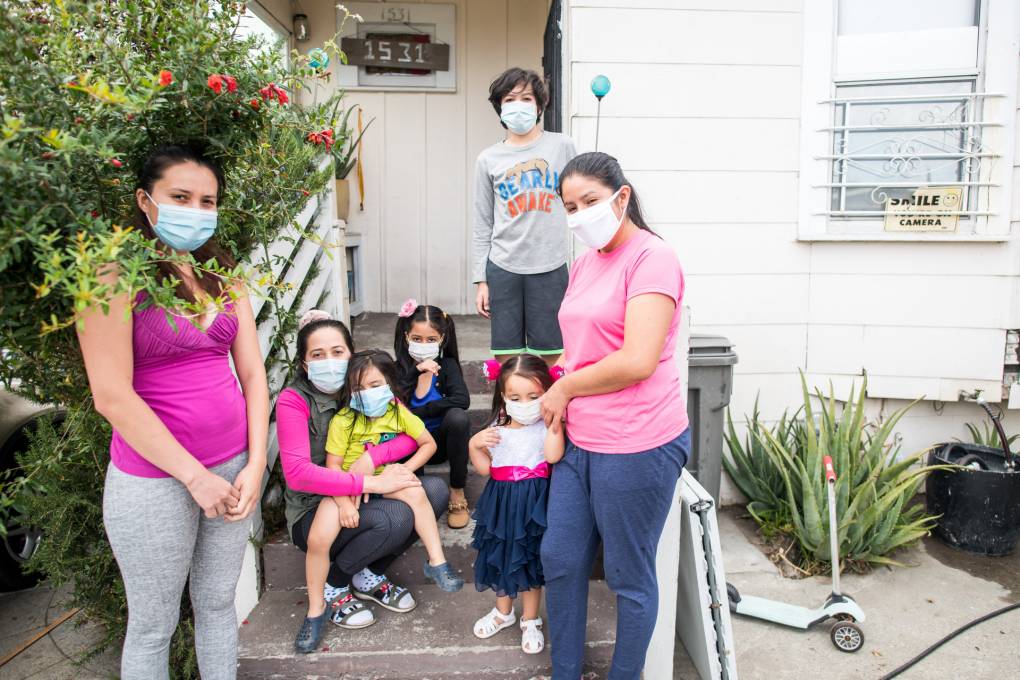
"caption": "Aleyda Rebelo (second from left) with her family at their home in Oakland on Aug. 26, 2020.",
"description": null,
"title": "evictionmoratorium",
"credit": "Beth LaBerge/KQED",
"status": "inherit",
"isLoading": false,
"fetchFailed": false
},
"news_11835668": {
"type": "attachments",
"id": "news_11835668",
"meta": {
"index": "attachments_1716263798",
"site": "news",
"id": "11835668",
"found": true
},
"parent": 11835611,
"imgSizes": {
"apple_news_ca_landscape_5_5": {
"file": "https://ww2.kqed.org/app/uploads/sites/10/2020/08/RS26107_jail-hallway-with-bars-01-11-17-qut-1044x783.jpg",
"width": 1044,
"mimeType": "image/jpeg",
"height": 783
},
"apple_news_ca_square_4_0": {
"file": "https://ww2.kqed.org/app/uploads/sites/10/2020/08/RS26107_jail-hallway-with-bars-01-11-17-qut-470x470.jpg",
"width": 470,
"mimeType": "image/jpeg",
"height": 470
},
"twentyfourteen-full-width": {
"file": "https://ww2.kqed.org/app/uploads/sites/10/2020/08/RS26107_jail-hallway-with-bars-01-11-17-qut-1038x576.jpg",
"width": 1038,
"mimeType": "image/jpeg",
"height": 576
},
"thumbnail": {
"file": "https://ww2.kqed.org/app/uploads/sites/10/2020/08/RS26107_jail-hallway-with-bars-01-11-17-qut-160x90.jpg",
"width": 160,
"mimeType": "image/jpeg",
"height": 90
},
"post-thumbnail": {
"file": "https://ww2.kqed.org/app/uploads/sites/10/2020/08/RS26107_jail-hallway-with-bars-01-11-17-qut-672x372.jpg",
"width": 672,
"mimeType": "image/jpeg",
"height": 372
},
"kqedFullSize": {
"file": "https://ww2.kqed.org/app/uploads/sites/10/2020/08/RS26107_jail-hallway-with-bars-01-11-17-qut.jpg",
"width": 1920,
"height": 1080
},
"apple_news_ca_landscape_4_7": {
"file": "https://ww2.kqed.org/app/uploads/sites/10/2020/08/RS26107_jail-hallway-with-bars-01-11-17-qut-632x474.jpg",
"width": 632,
"mimeType": "image/jpeg",
"height": 474
},
"large": {
"file": "https://ww2.kqed.org/app/uploads/sites/10/2020/08/RS26107_jail-hallway-with-bars-01-11-17-qut-1020x574.jpg",
"width": 1020,
"mimeType": "image/jpeg",
"height": 574
},
"apple_news_ca_landscape_4_0": {
"file": "https://ww2.kqed.org/app/uploads/sites/10/2020/08/RS26107_jail-hallway-with-bars-01-11-17-qut-536x402.jpg",
"width": 536,
"mimeType": "image/jpeg",
"height": 402
},
"apple_news_ca_portrait_12_9": {
"file": "https://ww2.kqed.org/app/uploads/sites/10/2020/08/RS26107_jail-hallway-with-bars-01-11-17-qut-1122x1080.jpg",
"width": 1122,
"mimeType": "image/jpeg",
"height": 1080
},
"medium": {
"file": "https://ww2.kqed.org/app/uploads/sites/10/2020/08/RS26107_jail-hallway-with-bars-01-11-17-qut-800x450.jpg",
"width": 800,
"mimeType": "image/jpeg",
"height": 450
},
"apple_news_ca_portrait_4_0": {
"file": "https://ww2.kqed.org/app/uploads/sites/10/2020/08/RS26107_jail-hallway-with-bars-01-11-17-qut-354x472.jpg",
"width": 354,
"mimeType": "image/jpeg",
"height": 472
},
"apple_news_ca_portrait_9_7": {
"file": "https://ww2.kqed.org/app/uploads/sites/10/2020/08/RS26107_jail-hallway-with-bars-01-11-17-qut-840x1080.jpg",
"width": 840,
"mimeType": "image/jpeg",
"height": 1080
},
"apple_news_ca_landscape_12_9": {
"file": "https://ww2.kqed.org/app/uploads/sites/10/2020/08/RS26107_jail-hallway-with-bars-01-11-17-qut-1832x1080.jpg",
"width": 1832,
"mimeType": "image/jpeg",
"height": 1080
},
"apple_news_ca_square_9_7": {
"file": "https://ww2.kqed.org/app/uploads/sites/10/2020/08/RS26107_jail-hallway-with-bars-01-11-17-qut-1104x1080.jpg",
"width": 1104,
"mimeType": "image/jpeg",
"height": 1080
},
"1536x1536": {
"file": "https://ww2.kqed.org/app/uploads/sites/10/2020/08/RS26107_jail-hallway-with-bars-01-11-17-qut-1536x864.jpg",
"width": 1536,
"mimeType": "image/jpeg",
"height": 864
},
"apple_news_ca_portrait_4_7": {
"file": "https://ww2.kqed.org/app/uploads/sites/10/2020/08/RS26107_jail-hallway-with-bars-01-11-17-qut-414x552.jpg",
"width": 414,
"mimeType": "image/jpeg",
"height": 552
},
"apple_news_ca_square_12_9": {
"file": "https://ww2.kqed.org/app/uploads/sites/10/2020/08/RS26107_jail-hallway-with-bars-01-11-17-qut-1472x1080.jpg",
"width": 1472,
"mimeType": "image/jpeg",
"height": 1080
},
"apple_news_ca_portrait_5_5": {
"file": "https://ww2.kqed.org/app/uploads/sites/10/2020/08/RS26107_jail-hallway-with-bars-01-11-17-qut-687x916.jpg",
"width": 687,
"mimeType": "image/jpeg",
"height": 916
},
"apple_news_ca_square_4_7": {
"file": "https://ww2.kqed.org/app/uploads/sites/10/2020/08/RS26107_jail-hallway-with-bars-01-11-17-qut-550x550.jpg",
"width": 550,
"mimeType": "image/jpeg",
"height": 550
},
"apple_news_ca_landscape_9_7": {
"file": "https://ww2.kqed.org/app/uploads/sites/10/2020/08/RS26107_jail-hallway-with-bars-01-11-17-qut-1376x1032.jpg",
"width": 1376,
"mimeType": "image/jpeg",
"height": 1032
},
"apple_news_ca_square_5_5": {
"file": "https://ww2.kqed.org/app/uploads/sites/10/2020/08/RS26107_jail-hallway-with-bars-01-11-17-qut-912x912.jpg",
"width": 912,
"mimeType": "image/jpeg",
"height": 912
}
},
"publishDate": 1598576803,
"modified": 1598640245,
"caption": "About 20 ICE detainees at the facility in Marysville came off a six-day hunger strike this week that was meant to call attention to conditions the men say make them vulnerable to the coronavirus.",
"description": "About twenty ICE detainees at the facility in Marysville came off a six-day hunger strike this week that was meant to call attention to conditions the men say make them vulnerable to the coronavirus.",
"title": "RS26107_jail-hallway-with-bars-01-11-17-qut",
"credit": "Courtesy Rosen Bien Galvan & Grunfeld LLP",
"status": "inherit",
"isLoading": false,
"fetchFailed": false
},
"news_11833929": {
"type": "attachments",
"id": "news_11833929",
"meta": {
"index": "attachments_1716263798",
"site": "news",
"id": "11833929",
"found": true
},
"parent": 11833925,
"imgSizes": {
"apple_news_ca_landscape_5_5": {
"file": "https://ww2.kqed.org/app/uploads/sites/10/2020/08/IMG_0397-1044x783.jpg",
"width": 1044,
"mimeType": "image/jpeg",
"height": 783
},
"apple_news_ca_square_4_0": {
"file": "https://ww2.kqed.org/app/uploads/sites/10/2020/08/IMG_0397-470x470.jpg",
"width": 470,
"mimeType": "image/jpeg",
"height": 470
},
"twentyfourteen-full-width": {
"file": "https://ww2.kqed.org/app/uploads/sites/10/2020/08/IMG_0397-1038x576.jpg",
"width": 1038,
"mimeType": "image/jpeg",
"height": 576
},
"thumbnail": {
"file": "https://ww2.kqed.org/app/uploads/sites/10/2020/08/IMG_0397-160x107.jpg",
"width": 160,
"mimeType": "image/jpeg",
"height": 107
},
"post-thumbnail": {
"file": "https://ww2.kqed.org/app/uploads/sites/10/2020/08/IMG_0397-672x372.jpg",
"width": 672,
"mimeType": "image/jpeg",
"height": 372
},
"kqedFullSize": {
"file": "https://ww2.kqed.org/app/uploads/sites/10/2020/08/IMG_0397-e1597788765710.jpg",
"width": 1920,
"height": 1280
},
"apple_news_ca_landscape_4_7": {
"file": "https://ww2.kqed.org/app/uploads/sites/10/2020/08/IMG_0397-632x474.jpg",
"width": 632,
"mimeType": "image/jpeg",
"height": 474
},
"large": {
"file": "https://ww2.kqed.org/app/uploads/sites/10/2020/08/IMG_0397-1020x680.jpg",
"width": 1020,
"mimeType": "image/jpeg",
"height": 680
},
"apple_news_ca_landscape_4_0": {
"file": "https://ww2.kqed.org/app/uploads/sites/10/2020/08/IMG_0397-536x402.jpg",
"width": 536,
"mimeType": "image/jpeg",
"height": 402
},
"apple_news_ca_portrait_12_9": {
"file": "https://ww2.kqed.org/app/uploads/sites/10/2020/08/IMG_0397-1122x1365.jpg",
"width": 1122,
"mimeType": "image/jpeg",
"height": 1365
},
"medium": {
"file": "https://ww2.kqed.org/app/uploads/sites/10/2020/08/IMG_0397-800x533.jpg",
"width": 800,
"mimeType": "image/jpeg",
"height": 533
},
"apple_news_ca_portrait_4_0": {
"file": "https://ww2.kqed.org/app/uploads/sites/10/2020/08/IMG_0397-354x472.jpg",
"width": 354,
"mimeType": "image/jpeg",
"height": 472
},
"apple_news_ca_portrait_9_7": {
"file": "https://ww2.kqed.org/app/uploads/sites/10/2020/08/IMG_0397-840x1120.jpg",
"width": 840,
"mimeType": "image/jpeg",
"height": 1120
},
"apple_news_ca_landscape_12_9": {
"file": "https://ww2.kqed.org/app/uploads/sites/10/2020/08/IMG_0397-1832x1365.jpg",
"width": 1832,
"mimeType": "image/jpeg",
"height": 1365
},
"apple_news_ca_square_9_7": {
"file": "https://ww2.kqed.org/app/uploads/sites/10/2020/08/IMG_0397-1104x1104.jpg",
"width": 1104,
"mimeType": "image/jpeg",
"height": 1104
},
"1536x1536": {
"file": "https://ww2.kqed.org/app/uploads/sites/10/2020/08/IMG_0397-1536x1024.jpg",
"width": 1536,
"mimeType": "image/jpeg",
"height": 1024
},
"apple_news_ca_portrait_4_7": {
"file": "https://ww2.kqed.org/app/uploads/sites/10/2020/08/IMG_0397-414x552.jpg",
"width": 414,
"mimeType": "image/jpeg",
"height": 552
},
"apple_news_ca_square_12_9": {
"file": "https://ww2.kqed.org/app/uploads/sites/10/2020/08/IMG_0397-1472x1365.jpg",
"width": 1472,
"mimeType": "image/jpeg",
"height": 1365
},
"apple_news_ca_portrait_5_5": {
"file": "https://ww2.kqed.org/app/uploads/sites/10/2020/08/IMG_0397-687x916.jpg",
"width": 687,
"mimeType": "image/jpeg",
"height": 916
},
"full-width": {
"file": "https://ww2.kqed.org/app/uploads/sites/10/2020/08/IMG_0397-1920x1280.jpg",
"width": 1920,
"mimeType": "image/jpeg",
"height": 1280
},
"apple_news_ca_square_4_7": {
"file": "https://ww2.kqed.org/app/uploads/sites/10/2020/08/IMG_0397-550x550.jpg",
"width": 550,
"mimeType": "image/jpeg",
"height": 550
},
"apple_news_ca_landscape_9_7": {
"file": "https://ww2.kqed.org/app/uploads/sites/10/2020/08/IMG_0397-1376x1032.jpg",
"width": 1376,
"mimeType": "image/jpeg",
"height": 1032
},
"apple_news_ca_square_5_5": {
"file": "https://ww2.kqed.org/app/uploads/sites/10/2020/08/IMG_0397-912x912.jpg",
"width": 912,
"mimeType": "image/jpeg",
"height": 912
}
},
"publishDate": 1597788732,
"modified": 1607633396,
"caption": "Protesters hold signs outside the Mesa Verde ICE Processing Center in Bakersfield on June 4, 2020 ",
"description": null,
"title": "IMG_0397",
"credit": "Courtesy of Tania Bernal/California Immigrant Youth Justice Alliance",
"status": "inherit",
"altTag": null,
"isLoading": false,
"fetchFailed": false
},
"news_11833058": {
"type": "attachments",
"id": "news_11833058",
"meta": {
"index": "attachments_1716263798",
"site": "news",
"id": "11833058",
"found": true
},
"parent": 11833056,
"imgSizes": {
"apple_news_ca_square_4_0": {
"file": "https://ww2.kqed.org/app/uploads/sites/10/2020/08/RS44334_IMG-20200810-WA0001_104405150868869-qut-470x470.jpg",
"width": 470,
"mimeType": "image/jpeg",
"height": 470
},
"thumbnail": {
"file": "https://ww2.kqed.org/app/uploads/sites/10/2020/08/RS44334_IMG-20200810-WA0001_104405150868869-qut-160x90.jpg",
"width": 160,
"mimeType": "image/jpeg",
"height": 90
},
"post-thumbnail": {
"file": "https://ww2.kqed.org/app/uploads/sites/10/2020/08/RS44334_IMG-20200810-WA0001_104405150868869-qut-672x372.jpg",
"width": 672,
"mimeType": "image/jpeg",
"height": 372
},
"kqedFullSize": {
"file": "https://ww2.kqed.org/app/uploads/sites/10/2020/08/RS44334_IMG-20200810-WA0001_104405150868869-qut.jpg",
"width": 840,
"height": 473
},
"apple_news_ca_landscape_4_7": {
"file": "https://ww2.kqed.org/app/uploads/sites/10/2020/08/RS44334_IMG-20200810-WA0001_104405150868869-qut-632x473.jpg",
"width": 632,
"mimeType": "image/jpeg",
"height": 473
},
"apple_news_ca_portrait_4_7": {
"file": "https://ww2.kqed.org/app/uploads/sites/10/2020/08/RS44334_IMG-20200810-WA0001_104405150868869-qut-414x473.jpg",
"width": 414,
"mimeType": "image/jpeg",
"height": 473
},
"apple_news_ca_portrait_5_5": {
"file": "https://ww2.kqed.org/app/uploads/sites/10/2020/08/RS44334_IMG-20200810-WA0001_104405150868869-qut-687x473.jpg",
"width": 687,
"mimeType": "image/jpeg",
"height": 473
},
"apple_news_ca_square_4_7": {
"file": "https://ww2.kqed.org/app/uploads/sites/10/2020/08/RS44334_IMG-20200810-WA0001_104405150868869-qut-550x473.jpg",
"width": 550,
"mimeType": "image/jpeg",
"height": 473
},
"apple_news_ca_landscape_4_0": {
"file": "https://ww2.kqed.org/app/uploads/sites/10/2020/08/RS44334_IMG-20200810-WA0001_104405150868869-qut-536x402.jpg",
"width": 536,
"mimeType": "image/jpeg",
"height": 402
},
"medium": {
"file": "https://ww2.kqed.org/app/uploads/sites/10/2020/08/RS44334_IMG-20200810-WA0001_104405150868869-qut-800x450.jpg",
"width": 800,
"mimeType": "image/jpeg",
"height": 450
},
"apple_news_ca_portrait_4_0": {
"file": "https://ww2.kqed.org/app/uploads/sites/10/2020/08/RS44334_IMG-20200810-WA0001_104405150868869-qut-354x472.jpg",
"width": 354,
"mimeType": "image/jpeg",
"height": 472
}
},
"publishDate": 1597191864,
"modified": 1597260247,
"caption": "Hunger strikers gathered in the courtyard at the Mesa Verde ICE Processing Center in Bakersfield on April 10, 2020.",
"description": "Hunger strikers gathered in the courtyard at the Mesa Verde ICE Processing Center in Bakersfield on April 10, 2020. (This image was captured by a drone.)",
"title": "RS44334_IMG-20200810-WA0001_104405150868869-qut",
"credit": "Courtesy of Kern Youth Abolitionists",
"status": "inherit",
"isLoading": false,
"fetchFailed": false
},
"news_11833128": {
"type": "attachments",
"id": "news_11833128",
"meta": {
"index": "attachments_1716263798",
"site": "news",
"id": "11833128",
"found": true
},
"parent": 11833113,
"imgSizes": {
"apple_news_ca_landscape_5_5": {
"file": "https://ww2.kqed.org/app/uploads/sites/10/2020/08/SanRafaelEssentialWorkersTesting-1044x783.jpg",
"width": 1044,
"mimeType": "image/jpeg",
"height": 783
},
"apple_news_ca_square_4_0": {
"file": "https://ww2.kqed.org/app/uploads/sites/10/2020/08/SanRafaelEssentialWorkersTesting-470x470.jpg",
"width": 470,
"mimeType": "image/jpeg",
"height": 470
},
"twentyfourteen-full-width": {
"file": "https://ww2.kqed.org/app/uploads/sites/10/2020/08/SanRafaelEssentialWorkersTesting-1038x576.jpg",
"width": 1038,
"mimeType": "image/jpeg",
"height": 576
},
"thumbnail": {
"file": "https://ww2.kqed.org/app/uploads/sites/10/2020/08/SanRafaelEssentialWorkersTesting-160x118.jpg",
"width": 160,
"mimeType": "image/jpeg",
"height": 118
},
"post-thumbnail": {
"file": "https://ww2.kqed.org/app/uploads/sites/10/2020/08/SanRafaelEssentialWorkersTesting-672x372.jpg",
"width": 672,
"mimeType": "image/jpeg",
"height": 372
},
"kqedFullSize": {
"file": "https://ww2.kqed.org/app/uploads/sites/10/2020/08/SanRafaelEssentialWorkersTesting.jpg",
"width": 1920,
"height": 1410
},
"apple_news_ca_landscape_4_7": {
"file": "https://ww2.kqed.org/app/uploads/sites/10/2020/08/SanRafaelEssentialWorkersTesting-632x474.jpg",
"width": 632,
"mimeType": "image/jpeg",
"height": 474
},
"large": {
"file": "https://ww2.kqed.org/app/uploads/sites/10/2020/08/SanRafaelEssentialWorkersTesting-1020x749.jpg",
"width": 1020,
"mimeType": "image/jpeg",
"height": 749
},
"apple_news_ca_landscape_4_0": {
"file": "https://ww2.kqed.org/app/uploads/sites/10/2020/08/SanRafaelEssentialWorkersTesting-536x402.jpg",
"width": 536,
"mimeType": "image/jpeg",
"height": 402
},
"apple_news_ca_portrait_12_9": {
"file": "https://ww2.kqed.org/app/uploads/sites/10/2020/08/SanRafaelEssentialWorkersTesting-1122x1410.jpg",
"width": 1122,
"mimeType": "image/jpeg",
"height": 1410
},
"medium": {
"file": "https://ww2.kqed.org/app/uploads/sites/10/2020/08/SanRafaelEssentialWorkersTesting-800x588.jpg",
"width": 800,
"mimeType": "image/jpeg",
"height": 588
},
"apple_news_ca_portrait_4_0": {
"file": "https://ww2.kqed.org/app/uploads/sites/10/2020/08/SanRafaelEssentialWorkersTesting-354x472.jpg",
"width": 354,
"mimeType": "image/jpeg",
"height": 472
},
"apple_news_ca_portrait_9_7": {
"file": "https://ww2.kqed.org/app/uploads/sites/10/2020/08/SanRafaelEssentialWorkersTesting-840x1120.jpg",
"width": 840,
"mimeType": "image/jpeg",
"height": 1120
},
"apple_news_ca_landscape_12_9": {
"file": "https://ww2.kqed.org/app/uploads/sites/10/2020/08/SanRafaelEssentialWorkersTesting-1832x1374.jpg",
"width": 1832,
"mimeType": "image/jpeg",
"height": 1374
},
"apple_news_ca_square_9_7": {
"file": "https://ww2.kqed.org/app/uploads/sites/10/2020/08/SanRafaelEssentialWorkersTesting-1104x1104.jpg",
"width": 1104,
"mimeType": "image/jpeg",
"height": 1104
},
"1536x1536": {
"file": "https://ww2.kqed.org/app/uploads/sites/10/2020/08/SanRafaelEssentialWorkersTesting-1536x1128.jpg",
"width": 1536,
"mimeType": "image/jpeg",
"height": 1128
},
"apple_news_ca_portrait_4_7": {
"file": "https://ww2.kqed.org/app/uploads/sites/10/2020/08/SanRafaelEssentialWorkersTesting-414x552.jpg",
"width": 414,
"mimeType": "image/jpeg",
"height": 552
},
"apple_news_ca_square_12_9": {
"file": "https://ww2.kqed.org/app/uploads/sites/10/2020/08/SanRafaelEssentialWorkersTesting-1472x1410.jpg",
"width": 1472,
"mimeType": "image/jpeg",
"height": 1410
},
"apple_news_ca_portrait_5_5": {
"file": "https://ww2.kqed.org/app/uploads/sites/10/2020/08/SanRafaelEssentialWorkersTesting-687x916.jpg",
"width": 687,
"mimeType": "image/jpeg",
"height": 916
},
"apple_news_ca_square_4_7": {
"file": "https://ww2.kqed.org/app/uploads/sites/10/2020/08/SanRafaelEssentialWorkersTesting-550x550.jpg",
"width": 550,
"mimeType": "image/jpeg",
"height": 550
},
"apple_news_ca_landscape_9_7": {
"file": "https://ww2.kqed.org/app/uploads/sites/10/2020/08/SanRafaelEssentialWorkersTesting-1376x1032.jpg",
"width": 1376,
"mimeType": "image/jpeg",
"height": 1032
},
"apple_news_ca_square_5_5": {
"file": "https://ww2.kqed.org/app/uploads/sites/10/2020/08/SanRafaelEssentialWorkersTesting-912x912.jpg",
"width": 912,
"mimeType": "image/jpeg",
"height": 912
}
},
"publishDate": 1597260456,
"modified": 1597260680,
"caption": "Jennifer Tores, a lifelong resident of San Rafael's Canal neighborhood, waits at a local COVID-19 testing site recently. The neighborhood is one of the most heavily tested communities in the state, say health officials, who are struggling to control the spread of the COVID-19.",
"description": "Jennifer Tores, a lifelong resident of San Rafael's Canal neighborhood, waits at a local COVID-19 testing site recently. The neighborhood is one of the most heavily tested communities in the state, say health officials, who are struggling to control the spread of the COVID-19.",
"title": "SanRafaelEssentialWorkersTesting",
"credit": "Rachel Scheier/California Healthline",
"status": "inherit",
"isLoading": false,
"fetchFailed": false
}
},
"audioPlayerReducer": {
"postId": "stream_live",
"isPaused": true,
"isPlaying": false,
"pfsActive": false,
"pledgeModalIsOpen": true,
"playerDrawerIsOpen": false,
"liveAudioPlayStartedAt": 0,
"liveAudioPlayContext": ""
},
"authorsReducer": {
"byline_news_11840386": {
"type": "authors",
"id": "byline_news_11840386",
"meta": {
"override": true
},
"slug": "byline_news_11840386",
"name": "Mike Schneider \u003cbr> Associated Press",
"isLoading": false
},
"byline_news_11833113": {
"type": "authors",
"id": "byline_news_11833113",
"meta": {
"override": true
},
"slug": "byline_news_11833113",
"name": "\u003ca href=\"https://californiahealthline.org/news/author/rachel-scheier/\">Rachel Scheier\u003c/a>",
"isLoading": false
},
"dkatayama": {
"type": "authors",
"id": "7240",
"meta": {
"index": "authors_1716337520",
"id": "7240",
"found": true
},
"name": "Devin Katayama",
"firstName": "Devin",
"lastName": "Katayama",
"slug": "dkatayama",
"email": "dkatayama@kqed.org",
"display_author_email": true,
"staff_mastheads": [
"news"
],
"title": "Editor of Talent and Development",
"bio": "Devin Katayama is former Editor of Talent and Development for KQED. He supported our internship program and on-call staff by looking for equitable opportunities to improve the newsroom.\r\n\r\nHe previously hosted The Bay and American Suburb podcasts from KQED News. Prior to returning to the Bay Area in 2015, Devin was the education reporter for WFPL in Louisville and worked as a producer with radio stations in Chicago and Portland, OR. His work has appeared on NPR’s \u003cem>Morning Edition, All Things Considered, The Takeaway\u003c/em> and \u003cem>Here and Now.\u003c/em>\r\n\r\nDevin earned his MA in Journalism from Columbia College Chicago, where he was a Follett Fellow and the recipient of the 2011 Studs Terkel Community Media Workshop Scholarship for his story on Chicago's homeless youth. He won WBUR's 2014 Daniel Schorr award and a regional RTNDA Edward R. Murrow Award for his documentary \"At Risk\" that looked at issues facing some of Louisville's students. Devin has also received numerous local awards from the Associated Press and the Society of Professional Journalists.",
"avatar": "https://secure.gravatar.com/avatar/d0d2978a31002fb2de107921a8e18405?s=600&d=blank&r=g",
"twitter": "RadioDevin",
"facebook": null,
"instagram": null,
"linkedin": null,
"sites": [
{
"site": "arts",
"roles": []
},
{
"site": "news",
"roles": [
"author"
]
},
{
"site": "stateofhealth",
"roles": [
"author"
]
},
{
"site": "forum",
"roles": [
"editor"
]
},
{
"site": "perspectives",
"roles": [
"editor"
]
}
],
"headData": {
"title": "Devin Katayama | KQED",
"description": "Editor of Talent and Development",
"ogImgSrc": "https://secure.gravatar.com/avatar/d0d2978a31002fb2de107921a8e18405?s=600&d=blank&r=g",
"twImgSrc": "https://secure.gravatar.com/avatar/d0d2978a31002fb2de107921a8e18405?s=600&d=blank&r=g"
},
"isLoading": false,
"link": "/author/dkatayama"
},
"ecruzguevarra": {
"type": "authors",
"id": "8654",
"meta": {
"index": "authors_1716337520",
"id": "8654",
"found": true
},
"name": "Ericka Cruz Guevarra",
"firstName": "Ericka",
"lastName": "Cruz Guevarra",
"slug": "ecruzguevarra",
"email": "ecruzguevarra@kqed.org",
"display_author_email": true,
"staff_mastheads": [
"news"
],
"title": "Producer, The Bay Podcast",
"bio": "Ericka Cruz Guevarra is host of \u003ca href=\"https://www.kqed.org/podcasts/thebay\">\u003cem>The Bay\u003c/em>\u003c/a> podcast at KQED. Before host, she was the show’s producer. Her work in that capacity includes a three-part reported series on policing in Vallejo, which won a 2020 excellence in journalism award from the Society of Professional Journalists. Ericka has worked as a breaking news reporter at Oregon Public Broadcasting, helped produce the Code Switch podcast, and was KQED’s inaugural Raul Ramirez Diversity Fund intern. She’s also an alumna of NPR’s Next Generation Radio program. Send her an email if you have strong feelings about whether Fairfield and Suisun City are the Bay. Ericka is represented by SAG-AFTRA.",
"avatar": "https://secure.gravatar.com/avatar/accefc1de4bafc7e234b69bcb9b6f6536c130fd84709bc3069ef11a78787e1bb?s=600&d=blank&r=g",
"twitter": "NotoriousECG",
"bluesky": null,
"facebook": null,
"instagram": null,
"linkedin": null,
"sites": [
{
"site": "arts",
"roles": [
"subscriber"
]
},
{
"site": "news",
"roles": [
"editor",
"manage_categories"
]
},
{
"site": "futureofyou",
"roles": [
"subscriber"
]
},
{
"site": "stateofhealth",
"roles": [
"subscriber"
]
},
{
"site": "science",
"roles": [
"editor"
]
},
{
"site": "forum",
"roles": [
"subscriber"
]
}
],
"headData": {
"title": "Ericka Cruz Guevarra | KQED",
"description": "Producer, The Bay Podcast",
"ogImgSrc": "https://secure.gravatar.com/avatar/accefc1de4bafc7e234b69bcb9b6f6536c130fd84709bc3069ef11a78787e1bb?s=600&d=blank&r=g",
"twImgSrc": "https://secure.gravatar.com/avatar/accefc1de4bafc7e234b69bcb9b6f6536c130fd84709bc3069ef11a78787e1bb?s=600&d=blank&r=g"
},
"isLoading": false,
"link": "/author/ecruzguevarra"
},
"fjhabvala": {
"type": "authors",
"id": "8659",
"meta": {
"index": "authors_1716337520",
"id": "8659",
"found": true
},
"name": "Farida Jhabvala Romero",
"firstName": "Farida",
"lastName": "Jhabvala Romero",
"slug": "fjhabvala",
"email": "fjhabvala@kqed.org",
"display_author_email": true,
"staff_mastheads": [
"news"
],
"title": "KQED Contributor",
"bio": "Farida Jhabvala Romero is a Labor Correspondent for KQED. She previously covered immigration. Farida was \u003ca href=\"https://www.ccnma.org/2022-most-influential-latina-journalists\">named\u003c/a> one of the 10 Most Influential Latina Journalists in California in 2022 by the California Chicano News Media Association. Her work has won awards from the Society of Professional Journalists (Northern California), as well as a national and regional Edward M. Murrow Award for the collaborative reporting projects “Dangerous Air” and “Graying California.” Before joining KQED, Farida worked as a producer at Radio Bilingüe, a national public radio network. Farida earned her master’s degree in journalism from Stanford University.",
"avatar": "https://secure.gravatar.com/avatar/f9f022d4e2609741874222a1e9d41f48fea74011aa7c615eef91d9a50c944ebe?s=600&d=blank&r=g",
"twitter": "FaridaJhabvala",
"bluesky": null,
"facebook": null,
"instagram": null,
"linkedin": "https://www.linkedin.com/in/faridajhabvala/",
"sites": [
{
"site": "news",
"roles": [
"editor"
]
},
{
"site": "stateofhealth",
"roles": [
"author"
]
},
{
"site": "liveblog",
"roles": [
"author"
]
}
],
"headData": {
"title": "Farida Jhabvala Romero | KQED",
"description": "KQED Contributor",
"ogImgSrc": "https://secure.gravatar.com/avatar/f9f022d4e2609741874222a1e9d41f48fea74011aa7c615eef91d9a50c944ebe?s=600&d=blank&r=g",
"twImgSrc": "https://secure.gravatar.com/avatar/f9f022d4e2609741874222a1e9d41f48fea74011aa7c615eef91d9a50c944ebe?s=600&d=blank&r=g"
},
"isLoading": false,
"link": "/author/fjhabvala"
},
"mwiley": {
"type": "authors",
"id": "11526",
"meta": {
"index": "authors_1716337520",
"id": "11526",
"found": true
},
"name": "Michelle Wiley",
"firstName": "Michelle",
"lastName": "Wiley",
"slug": "mwiley",
"email": "mwiley@KQED.org",
"display_author_email": true,
"staff_mastheads": [],
"title": null,
"bio": "Michelle Wiley was the senior editor of weekends.",
"avatar": "https://secure.gravatar.com/avatar/3b897d82a09e8587e8e73fa69fbcc635?s=600&d=blank&r=g",
"twitter": "michelleewiley",
"facebook": null,
"instagram": null,
"linkedin": null,
"sites": [
{
"site": "",
"roles": [
"editor"
]
},
{
"site": "arts",
"roles": [
"editor"
]
},
{
"site": "news",
"roles": [
"subscriber"
]
},
{
"site": "lowdown",
"roles": [
"editor"
]
},
{
"site": "science",
"roles": [
"editor"
]
},
{
"site": "podcasts",
"roles": [
"editor"
]
}
],
"headData": {
"title": "Michelle Wiley | KQED",
"description": null,
"ogImgSrc": "https://secure.gravatar.com/avatar/3b897d82a09e8587e8e73fa69fbcc635?s=600&d=blank&r=g",
"twImgSrc": "https://secure.gravatar.com/avatar/3b897d82a09e8587e8e73fa69fbcc635?s=600&d=blank&r=g"
},
"isLoading": false,
"link": "/author/mwiley"
},
"lsarah": {
"type": "authors",
"id": "11626",
"meta": {
"index": "authors_1716337520",
"id": "11626",
"found": true
},
"name": "Lakshmi Sarah",
"firstName": "Lakshmi",
"lastName": "Sarah",
"slug": "lsarah",
"email": "lsarah@kqed.org",
"display_author_email": false,
"staff_mastheads": [],
"title": "Digital Producer",
"bio": "Lakshmi Sarah is an educator, author and journalist with a focus on innovative storytelling. She has worked with newspapers, radio and magazines from Ahmedabad, India to Los Angeles, California. She has written and produced for Die Zeit, Global Voices, AJ+, KQED, Fusion Media Group and the New York Times.",
"avatar": "https://secure.gravatar.com/avatar/652dcaecd8b28826fc17a8b2d6bb4e93?s=600&d=blank&r=g",
"twitter": "lakitalki",
"facebook": null,
"instagram": "https://www.instagram.com/laki.talki/",
"linkedin": "https://www.linkedin.com/in/lakisarah/",
"sites": [
{
"site": "arts",
"roles": []
},
{
"site": "news",
"roles": []
},
{
"site": "bayareabites",
"roles": []
},
{
"site": "science",
"roles": []
}
],
"headData": {
"title": "Lakshmi Sarah | KQED",
"description": "Digital Producer",
"ogImgSrc": "https://secure.gravatar.com/avatar/652dcaecd8b28826fc17a8b2d6bb4e93?s=600&d=blank&r=g",
"twImgSrc": "https://secure.gravatar.com/avatar/652dcaecd8b28826fc17a8b2d6bb4e93?s=600&d=blank&r=g"
},
"isLoading": false,
"link": "/author/lsarah"
},
"amorga": {
"type": "authors",
"id": "11629",
"meta": {
"index": "authors_1716337520",
"id": "11629",
"found": true
},
"name": "Adriana Morga",
"firstName": "Adriana",
"lastName": "Morga",
"slug": "amorga",
"email": "amorga@kqed.org",
"display_author_email": false,
"staff_mastheads": [],
"title": "KQED Contributor",
"bio": "Adriana Morga is an on-call Digital Producer for KQED en Español. She is also completing her journalism degree at San Francisco State University. She has experience working in print and radio. Morga, who was born in Tijuana, Mexico, has spent her developing career covering the Latino community for English and Spanish-language publications including KALW and El Tecolote.",
"avatar": "https://secure.gravatar.com/avatar/9ef1c5a7ff2f2ae1ab05809325f43d03?s=600&d=blank&r=g",
"twitter": null,
"facebook": null,
"instagram": null,
"linkedin": null,
"sites": [
{
"site": "arts",
"roles": []
},
{
"site": "news",
"roles": [
"author"
]
},
{
"site": "science",
"roles": [
"editor"
]
}
],
"headData": {
"title": "Adriana Morga | KQED",
"description": "KQED Contributor",
"ogImgSrc": "https://secure.gravatar.com/avatar/9ef1c5a7ff2f2ae1ab05809325f43d03?s=600&d=blank&r=g",
"twImgSrc": "https://secure.gravatar.com/avatar/9ef1c5a7ff2f2ae1ab05809325f43d03?s=600&d=blank&r=g"
},
"isLoading": false,
"link": "/author/amorga"
},
"amontecillo": {
"type": "authors",
"id": "11649",
"meta": {
"index": "authors_1716337520",
"id": "11649",
"found": true
},
"name": "Alan Montecillo",
"firstName": "Alan",
"lastName": "Montecillo",
"slug": "amontecillo",
"email": "amontecillo@kqed.org",
"display_author_email": false,
"staff_mastheads": [
"news"
],
"title": "KQED Contributor",
"bio": "Alan Montecillo is the senior editor of \u003cem>\u003ca href=\"http://kqed.org/thebay\">The Bay\u003c/a>, \u003c/em> KQED's local news podcast. Before moving to the Bay Area, he worked as a senior talk show producer for WILL in Champaign-Urbana, Illinois and at Oregon Public Broadcasting in Portland, Oregon. He has won journalism awards from the Society of Professional Journalists Northern California, the Public Media Journalists Association, The Signal Awards, and has also received a regional Edward R. Murrow award. Alan is a Filipino American from Hong Kong and a graduate of Reed College.",
"avatar": "https://secure.gravatar.com/avatar/268f53a2066899ea9efdd8a5900218b17c822d9862cbc9326cccec53ef41d349?s=600&d=blank&r=g",
"twitter": "alanmontecillo",
"bluesky": null,
"facebook": null,
"instagram": null,
"linkedin": null,
"sites": [
{
"site": "",
"roles": [
"editor"
]
},
{
"site": "news",
"roles": [
"editor",
"manage_categories"
]
}
],
"headData": {
"title": "Alan Montecillo | KQED",
"description": "KQED Contributor",
"ogImgSrc": "https://secure.gravatar.com/avatar/268f53a2066899ea9efdd8a5900218b17c822d9862cbc9326cccec53ef41d349?s=600&d=blank&r=g",
"twImgSrc": "https://secure.gravatar.com/avatar/268f53a2066899ea9efdd8a5900218b17c822d9862cbc9326cccec53ef41d349?s=600&d=blank&r=g"
},
"isLoading": false,
"link": "/author/amontecillo"
}
},
"pagesReducer": {
"news_category_immigration": {
"type": "terms",
"id": "news_1169",
"meta": {
"index": "terms_1716263798",
"site": "news",
"id": "1169",
"score": 10.910448
},
"featImg": null,
"name": "Immigration",
"description": null,
"taxonomy": "category",
"headData": {
"twImgId": null,
"twTitle": null,
"ogTitle": null,
"ogImgId": null,
"twDescription": null,
"description": null,
"title": "Immigration Archives | KQED News",
"ogDescription": null
},
"ttid": 1180,
"slug": "immigration",
"isLoading": false,
"title": "Immigration",
"pageMeta": {
"site": "news",
"WpPageTemplate": "page-topic-editorial",
"currentPage": 63
},
"blocks": [
{
"blockName": "kqed/post-list",
"attrs": {
"layout": "cardArticle2",
"query": "posts/news?category=immigration",
"seeMore": false,
"paginated": true,
"page": 63
}
},
{
"blockName": "kqed/ad"
}
]
}
},
"pfsSessionReducer": {},
"postsReducer": {
"stream_live": {
"type": "live",
"id": "stream_live",
"audioUrl": "https://streams.kqed.org/kqedradio",
"title": "Live Stream",
"excerpt": "Live Stream information currently unavailable.",
"link": "/radio",
"featImg": "",
"label": {
"name": "KQED Live",
"link": "/"
}
},
"stream_kqedNewscast": {
"type": "posts",
"id": "stream_kqedNewscast",
"audioUrl": "https://www.kqed.org/.stream/anon/radio/RDnews/newscast.mp3?_=1",
"title": "KQED Newscast",
"featImg": "",
"label": {
"name": "88.5 FM",
"link": "/"
}
},
"news_11840535": {
"type": "posts",
"id": "news_11840535",
"meta": {
"index": "posts_1716263798",
"site": "news",
"id": "11840535",
"score": null,
"sort": [
1601590501000
]
},
"guestAuthors": [],
"slug": "wine-country-fires-yet-another-blow-to-farmworkers-reeling-from-covid-19",
"title": "Wine Country Fires Yet Another Blow to Farmworkers Reeling From COVID-19",
"publishDate": 1601590501,
"format": "standard",
"headTitle": "Wine Country Fires Yet Another Blow to Farmworkers Reeling From COVID-19 | KQED",
"labelTerm": {},
"content": "\u003cp>As the \u003ca href=\"https://www.kqed.org/news/11840531/as-winds-pick-up-firefighters-brace-for-tough-24-hours-ahead-in-glass-fire-battle\">Glass Fire\u003c/a> tore through Sonoma and Napa counties uncontained on Tuesday, Guillermo Herrera and five co-workers hauled equipment onto trucks, preparing to pick a batch of grapes from a nearby vineyard.\u003c/p>\n\u003cp>It’s the harvest season in wine country. But Herrera, who manages a crew of up to 100 field workers, said jobs like this are scarce, as this season’s wildfires have drastically cut available work in the vineyards.\u003c/p>\n\u003cp>Since heavy smoke exposure can ruin grapes, many growers are leaving potentially smoke-tainted fruit on the vine. That means harvesters are out of work, Herrera said.\u003c/p>\n\u003cp>“I’m getting calls left and right, day in, day out, of folks looking to work,” said Herrera, who also runs his own wine company, Herencia del Valle. “Five or six of my clients aren’t going to pick any of their fruit this year. Zero.”\u003c/p>\n\u003cp>The Glass Fire is the latest in a series of blows to the area’s farmworkers and other low-wage immigrant workers, who were already struggling with income losses and health impacts from the COVID-19 pandemic.\u003c/p>\n\u003cp>[pullquote size=\"medium\" align=\"right\" citation=\"Ezequiel Guzman, president of Latinos Unidos del Condado de Sonoma\"]‘People need to understand the hidden devastation these fires have brought on farmworkers economically. How are they going to pay rent? How are they going to feed their families?’[/pullquote]\u003c/p>\n\u003cp>Immigrants who are undocumented — including an estimated \u003ca href=\"https://www.kqed.org/news/11817261/poll-most-california-voters-support-farmworker-protections-during-the-pandemic\" target=\"_blank\" rel=\"noopener noreferrer\">56%\u003c/a> of farmworkers statewide — are not eligible for unemployment insurance, coronavirus relief or other government aid.\u003c/p>\n\u003cp>And even though their labor is critical to the local economy, many immigrant workers lack a safety net or savings to weather this series of crises, said Gabriel Machabanski, associate director at the Graton Day Labor Center in Sonoma County.\u003c/p>\n\u003cp>“It’s the compounding impact of fires on top of a pandemic,” Machabanski said. “Day laborers, domestic workers, farmworkers have seen a significant decrease in the amount of employment opportunities they have… their livelihood is precarious from one week to the next.”\u003c/p>\n\u003cfigure id=\"attachment_11840622\" class=\"wp-caption aligncenter\" style=\"max-width: 1620px\">\u003cimg loading=\"lazy\" decoding=\"async\" class=\"size-full wp-image-11840622\" src=\"https://ww2.kqed.org/app/uploads/sites/10/2020/10/Image-from-iOS-20.jpg\" alt=\"Workers harvest grapes at Garton Vineyards in Napa on Sept. 30, 2020.\" width=\"1620\" height=\"1080\" srcset=\"https://cdn.kqed.org/wp-content/uploads/sites/10/2020/10/Image-from-iOS-20.jpg 1620w, https://cdn.kqed.org/wp-content/uploads/sites/10/2020/10/Image-from-iOS-20-800x533.jpg 800w, https://cdn.kqed.org/wp-content/uploads/sites/10/2020/10/Image-from-iOS-20-1020x680.jpg 1020w, https://cdn.kqed.org/wp-content/uploads/sites/10/2020/10/Image-from-iOS-20-160x107.jpg 160w, https://cdn.kqed.org/wp-content/uploads/sites/10/2020/10/Image-from-iOS-20-1536x1024.jpg 1536w\" sizes=\"(max-width: 1620px) 100vw, 1620px\">\u003cfigcaption class=\"wp-caption-text\">Workers harvest grapes at Garton Vineyards in Napa on Sept. 30, 2020. \u003ccite>(Beth LaBerge/KQED)\u003c/cite>\u003c/figcaption>\u003c/figure>\n\u003cp>Agricultural workers in particular depend on what they earn during the two-month harvest to survive through the winter, until jobs in the fields pick up again, said Ezequiel Guzman, president of the nonprofit Latinos Unidos del Condado de Sonoma.\u003c/p>\n\u003cp>He said this week about 350 families in the agricultural town of Cloverdale came to get bags of flour, rice, beans and other staples at an event put on by the Redwood Empire Food Bank, triple the number than in past weeks.\u003c/p>\n\u003cp>[ad fullwidth]\u003c/p>\n\u003cp>“People need to understand the hidden devastation these fires have brought on farmworkers economically,” said Guzman, a longtime advocate for agricultural workers. “How are they going to pay rent? How are they going to feed their families?”\u003c/p>\n\u003cp>Those who are able to land jobs rescuing grapes that have not yet been damaged by smoke or fire, put their health and safety at risk — from both smoke and COVID-19 — because they need to make a living, said Gervacio Peña Lopez, director of Movimiento Cultural de la Unión Indígena, which supports indigenous immigrants from Mexico, many of them undocumented farmworkers.\u003c/p>\n\u003cp>“They take the risk because it’s like they have no other choice,” said Peña Lopez, in Spanish.\u003c/p>\n\u003cfigure id=\"attachment_11840613\" class=\"wp-caption aligncenter\" style=\"max-width: 1620px\">\u003cimg loading=\"lazy\" decoding=\"async\" class=\"size-full wp-image-11840613\" src=\"https://ww2.kqed.org/app/uploads/sites/10/2020/10/Image-from-iOS-23.jpg\" alt=\"Grapes wither on the vine as smoke from the Glass Fire fills the sky at a vineyard near Calistoga on Sept. 30.\" width=\"1620\" height=\"1080\" srcset=\"https://cdn.kqed.org/wp-content/uploads/sites/10/2020/10/Image-from-iOS-23.jpg 1620w, https://cdn.kqed.org/wp-content/uploads/sites/10/2020/10/Image-from-iOS-23-800x533.jpg 800w, https://cdn.kqed.org/wp-content/uploads/sites/10/2020/10/Image-from-iOS-23-1020x680.jpg 1020w, https://cdn.kqed.org/wp-content/uploads/sites/10/2020/10/Image-from-iOS-23-160x107.jpg 160w, https://cdn.kqed.org/wp-content/uploads/sites/10/2020/10/Image-from-iOS-23-1536x1024.jpg 1536w\" sizes=\"(max-width: 1620px) 100vw, 1620px\">\u003cfigcaption class=\"wp-caption-text\">Grapes wither on the vine as smoke from the Glass Fire fills the sky at a vineyard near Calistoga on Sept. 30. \u003ccite>(Beth LaBerge/KQED)\u003c/cite>\u003c/figcaption>\u003c/figure>\n\u003cp>On Tuesday afternoon, Peña Lopez drove to KBBF, a radio station in Santa Rosa, to co-host a show with the latest fire information and emergency resources for local families who speak Triqui, Mixteco and Chatino.\u003c/p>\n\u003cp>“We try to inform them how to protect themselves, and that they need to make sure to wear a mask,” he added. “But sometimes, that may not be enough.”\u003c/p>\n\u003cp>Peña Lopez said since the pandemic began, many farmworkers have contracted COVID-19 while commuting to work in crowded vehicles, or living in overcrowded housing, which many do because of the high cost of rent in the area.\u003c/p>\n\u003cp>[pullquote size=\"medium\" align=\"right\" citation=\"Gervacio Peña Lopez, director of Movimiento Cultural de la Unión Indígena\"]‘They take the risk because it’s like they have no other choice.’[/pullquote]But people may be afraid of getting tested for the coronavirus, because a positive result would mean spending two weeks in quarantine and without work, he said.\u003c/p>\n\u003cp>COVID-19 infected many of the employees at Encanto Vineyards in St. Helena, said Enrique Lopez, owner of the winery. Then his family also became ill in August.\u003c/p>\n\u003cp>“Everybody got COVID,” he said. “My wife, my little one — she was nine months — my mother-in-law who is here visiting.”\u003c/p>\n\u003cfigure id=\"attachment_11840629\" class=\"wp-caption aligncenter\" style=\"max-width: 1620px\">\u003cimg loading=\"lazy\" decoding=\"async\" class=\"size-full wp-image-11840629\" src=\"https://ww2.kqed.org/app/uploads/sites/10/2020/10/Enrique-Lopez-Winery-COVID-Glass-Fire.jpg\" alt=\"Enrique Lopez, of Servin-Lopez Vineyard Management, at Garton Vineyards in Napa on Sept. 30.\" width=\"1620\" height=\"1080\" srcset=\"https://cdn.kqed.org/wp-content/uploads/sites/10/2020/10/Enrique-Lopez-Winery-COVID-Glass-Fire.jpg 1620w, https://cdn.kqed.org/wp-content/uploads/sites/10/2020/10/Enrique-Lopez-Winery-COVID-Glass-Fire-800x533.jpg 800w, https://cdn.kqed.org/wp-content/uploads/sites/10/2020/10/Enrique-Lopez-Winery-COVID-Glass-Fire-1020x680.jpg 1020w, https://cdn.kqed.org/wp-content/uploads/sites/10/2020/10/Enrique-Lopez-Winery-COVID-Glass-Fire-160x107.jpg 160w, https://cdn.kqed.org/wp-content/uploads/sites/10/2020/10/Enrique-Lopez-Winery-COVID-Glass-Fire-1536x1024.jpg 1536w\" sizes=\"(max-width: 1620px) 100vw, 1620px\">\u003cfigcaption class=\"wp-caption-text\">Enrique Lopez, of Servin-Lopez Vineyard Management, at Garton Vineyards in Napa on Sept. 30. \u003ccite>(Beth LaBerge/KQED)\u003c/cite>\u003c/figcaption>\u003c/figure>\n\u003cp>Many low-wage workers in the hospitality and agriculture industries who have seen their income drop during the pandemic are now facing further economic losses — as well as evacuations — due to the fires, said Susana Garcia, with the social equity nonprofit On The Move.\u003c/p>\n\u003cp>“It’s just very unfortunate to see pretty much the same families getting hit after hit after hit, and to be impacted in this way,” said Garcia, who directs \u003ca href=\"https://www.onthemovebayarea.org/ncrc\" target=\"_blank\" rel=\"noopener noreferrer\">a program\u003c/a> that has channeled private donations to hundreds of undocumented residents in Napa since the pandemic began.\u003c/p>\n\u003cp>But advocates Peña Lopez, Guzman and Machabanski worry that a population already vulnerable to the respiratory damage of COVID-19, could face another risk from harmful smoke near fires. They all said some farmworkers have reported that their employers have not given them adequate protective equipment for outdoor work.\u003c/p>\n\u003cp>Under California \u003ca href=\"https://www.dir.ca.gov/dosh/Worker-Health-and-Safety-in-Wildfire-Regions.html/\" target=\"_blank\" rel=\"noopener noreferrer\">regulations\u003c/a>, if the \u003ca href=\"http://www.airnow.gov\" target=\"_blank\" rel=\"noopener noreferrer\">Air Quality Index\u003c/a> is 151 or higher, employers must provide workers laboring outdoors free respirators, such as an N95 mask, and training on how to use them properly.\u003c/p>\n\u003cp>Andrew Smith, Sonoma County’s agriculture commissioner said he was not aware of any violation of the policy.\u003c/p>\n\u003cp>“If this is happening, that’s not good,” Smith said. “But to my knowledge, there is not a documented case of this happening in Sonoma County. At this point, they are allegations.”\u003c/p>\n\u003cfigure id=\"attachment_11840645\" class=\"wp-caption aligncenter\" style=\"max-width: 1620px\">\u003cimg loading=\"lazy\" decoding=\"async\" class=\"size-full wp-image-11840645\" src=\"https://ww2.kqed.org/app/uploads/sites/10/2020/10/Glass-Fire-Smoke-Vineyard.jpg\" alt=\"The Glass Fire burns behind a vineyard on Highway 29 north of Calistoga on Sept. 30.\" width=\"1620\" height=\"1080\" srcset=\"https://cdn.kqed.org/wp-content/uploads/sites/10/2020/10/Glass-Fire-Smoke-Vineyard.jpg 1620w, https://cdn.kqed.org/wp-content/uploads/sites/10/2020/10/Glass-Fire-Smoke-Vineyard-800x533.jpg 800w, https://cdn.kqed.org/wp-content/uploads/sites/10/2020/10/Glass-Fire-Smoke-Vineyard-1020x680.jpg 1020w, https://cdn.kqed.org/wp-content/uploads/sites/10/2020/10/Glass-Fire-Smoke-Vineyard-160x107.jpg 160w, https://cdn.kqed.org/wp-content/uploads/sites/10/2020/10/Glass-Fire-Smoke-Vineyard-1536x1024.jpg 1536w\" sizes=\"(max-width: 1620px) 100vw, 1620px\">\u003cfigcaption class=\"wp-caption-text\">The Glass Fire burns behind a vineyard on Highway 29 north of Calistoga on Sept. 30. \u003ccite>(Beth LaBerge/KQED)\u003c/cite>\u003c/figcaption>\u003c/figure>\n\u003cp>The California Division of Occupational Safety and Health (Cal/OSHA) is in charge of investigating complaints of violations, and individuals \u003ca href=\"https://www.dir.ca.gov/dosh/complaint.htm\" target=\"_blank\" rel=\"noopener noreferrer\">may report\u003c/a> those to the agency, which does not ask about immigration status.\u003c/p>\n\u003cp>Since the Walbridge Fire last month, Smith said his office has helped hundreds of wineries, livestock operators, nurseries and other agricultural businesses to get verified as such, so they can request permission from law enforcement to enter evacuation areas to take care of essential functions such as harvesting grapes or feeding cattle.\u003c/p>\n\u003cp>“If they can’t get the work done, they can’t pay their employees, take crops to the market and their business may not survive,” he said. “Farming and agriculture doesn’t stop because there is a declared emergency.”\u003c/p>\n\u003cp>Smith said the Agriculture Commissioner’s office issued about 300 “access verifications” during the Walbridge Fire, and has received about 30 additional requests during the Glass Fire so far. His office has a supply of N95 masks available to distribute to workers through community based organizations and businesses, he said.\u003c/p>\n\u003ch3>Resources for Immigrant Workers\u003c/h3>\n\u003cp>These organizations offer cash assistance to undocumented immigrants in wine country:\u003c/p>\n\u003cul>\n\u003cli>\u003ca href=\"https://undocufund.org/\">UndocuFund for Disaster Relief in Sonoma County\u003c/a>\u003c/li>\n\u003cli>\u003ca href=\"http://www.upvalleyfamilycenters.org/\">UpValley Relief Fund (includes Napa and Lake counties)\u003c/a>\u003c/li>\n\u003cli>\u003ca href=\"https://www.onthemovebayarea.org/ncrc\">Down Valley Relief Fund (Napa County)\u003c/a>\u003c/li>\n\u003c/ul>\n\u003cp>Find a full list of organizations providing assistance in Northern California \u003ca href=\"https://www.immigrantfundca.org/northern-california\">here\u003c/a> via the California Immigrant Resilience Fund.\u003c/p>\n\u003cp>Find COVID-19-related resources from the state of California for immigrants in Spanish, Vietnamese and other languages \u003ca href=\"https://covid19.ca.gov/guide-immigrant-californians/\">here\u003c/a>.\u003c/p>\n\u003cp>\u003cem>KQED’s Sam Harnett contributed to this report.\u003c/em>\u003c/p>\n\u003cp>[ad floatright]\u003c/p>\n",
"blocks": [],
"excerpt": "Job losses leave immigrant workers in Napa and Sonoma struggling to feed their families, community advocates say.\r\n",
"status": "publish",
"parent": 0,
"modified": 1721126849,
"stats": {
"hasAudio": false,
"hasVideo": false,
"hasChartOrMap": false,
"iframeSrcs": [],
"hasGoogleForm": false,
"hasGallery": false,
"hasHearkenModule": false,
"hasPolis": false,
"paragraphCount": 36,
"wordCount": 1386
},
"headData": {
"title": "Wine Country Fires Yet Another Blow to Farmworkers Reeling From COVID-19 | KQED",
"description": "Job losses leave immigrant workers in Napa and Sonoma struggling to feed their families, community advocates say.\r\n",
"ogTitle": "",
"ogDescription": "",
"ogImgId": "",
"twTitle": "",
"twDescription": "",
"twImgId": "",
"schema": {
"@context": "https://schema.org",
"@type": "NewsArticle",
"headline": "Wine Country Fires Yet Another Blow to Farmworkers Reeling From COVID-19",
"datePublished": "2020-10-01T15:15:01-07:00",
"dateModified": "2024-07-16T03:47:29-07:00",
"image": "https://cdn.kqed.org/wp-content/uploads/2020/02/KQED-OG-Image@1x.png",
"isAccessibleForFree": "True",
"publisher": {
"@type": "NewsMediaOrganization",
"@id": "https://www.kqed.org/#organization",
"name": "KQED",
"logo": "https://cdn.kqed.org/wp-content/uploads/2020/02/KQED-OG-Image@1x.png",
"url": "https://www.kqed.org",
"sameAs": [
"https://www.facebook.com/KQED",
"https://twitter.com/KQED",
"https://www.instagram.com/kqed/",
"https://www.tiktok.com/@kqedofficial",
"https://www.linkedin.com/company/kqed",
"https://www.youtube.com/channel/UCeC0IOo7i1P_61zVUWbJ4nw"
]
}
}
},
"audioUrl": "https://traffic.omny.fm/d/clips/0af137ef-751e-4b19-a055-aaef00d2d578/ffca7e9f-6831-41c5-bcaf-aaef00f5a073/265819b0-aebf-4dcc-aac7-ac46010c4a0e/audio.mp3",
"sticky": false,
"path": "/news/11840535/wine-country-fires-yet-another-blow-to-farmworkers-reeling-from-covid-19",
"audioTrackLength": null,
"parsedContent": [
{
"type": "contentString",
"content": "\u003cdiv class=\"post-body\">\u003cp>\u003cp>As the \u003ca href=\"https://www.kqed.org/news/11840531/as-winds-pick-up-firefighters-brace-for-tough-24-hours-ahead-in-glass-fire-battle\">Glass Fire\u003c/a> tore through Sonoma and Napa counties uncontained on Tuesday, Guillermo Herrera and five co-workers hauled equipment onto trucks, preparing to pick a batch of grapes from a nearby vineyard.\u003c/p>\n\u003cp>It’s the harvest season in wine country. But Herrera, who manages a crew of up to 100 field workers, said jobs like this are scarce, as this season’s wildfires have drastically cut available work in the vineyards.\u003c/p>\n\u003cp>Since heavy smoke exposure can ruin grapes, many growers are leaving potentially smoke-tainted fruit on the vine. That means harvesters are out of work, Herrera said.\u003c/p>\n\u003cp>“I’m getting calls left and right, day in, day out, of folks looking to work,” said Herrera, who also runs his own wine company, Herencia del Valle. “Five or six of my clients aren’t going to pick any of their fruit this year. Zero.”\u003c/p>\n\u003cp>The Glass Fire is the latest in a series of blows to the area’s farmworkers and other low-wage immigrant workers, who were already struggling with income losses and health impacts from the COVID-19 pandemic.\u003c/p>\n\u003cp>\u003c/p>\u003c/div>",
"attributes": {
"named": {},
"numeric": []
}
},
{
"type": "component",
"content": "‘People need to understand the hidden devastation these fires have brought on farmworkers economically. How are they going to pay rent? How are they going to feed their families?’",
"name": "pullquote",
"attributes": {
"named": {
"size": "medium",
"align": "right",
"citation": "Ezequiel Guzman, president of Latinos Unidos del Condado de Sonoma",
"label": ""
},
"numeric": []
}
},
{
"type": "contentString",
"content": "\u003cdiv class=\"post-body\">\u003cp>\u003c/p>\n\u003cp>Immigrants who are undocumented — including an estimated \u003ca href=\"https://www.kqed.org/news/11817261/poll-most-california-voters-support-farmworker-protections-during-the-pandemic\" target=\"_blank\" rel=\"noopener noreferrer\">56%\u003c/a> of farmworkers statewide — are not eligible for unemployment insurance, coronavirus relief or other government aid.\u003c/p>\n\u003cp>And even though their labor is critical to the local economy, many immigrant workers lack a safety net or savings to weather this series of crises, said Gabriel Machabanski, associate director at the Graton Day Labor Center in Sonoma County.\u003c/p>\n\u003cp>“It’s the compounding impact of fires on top of a pandemic,” Machabanski said. “Day laborers, domestic workers, farmworkers have seen a significant decrease in the amount of employment opportunities they have… their livelihood is precarious from one week to the next.”\u003c/p>\n\u003cfigure id=\"attachment_11840622\" class=\"wp-caption aligncenter\" style=\"max-width: 1620px\">\u003cimg loading=\"lazy\" decoding=\"async\" class=\"size-full wp-image-11840622\" src=\"https://ww2.kqed.org/app/uploads/sites/10/2020/10/Image-from-iOS-20.jpg\" alt=\"Workers harvest grapes at Garton Vineyards in Napa on Sept. 30, 2020.\" width=\"1620\" height=\"1080\" srcset=\"https://cdn.kqed.org/wp-content/uploads/sites/10/2020/10/Image-from-iOS-20.jpg 1620w, https://cdn.kqed.org/wp-content/uploads/sites/10/2020/10/Image-from-iOS-20-800x533.jpg 800w, https://cdn.kqed.org/wp-content/uploads/sites/10/2020/10/Image-from-iOS-20-1020x680.jpg 1020w, https://cdn.kqed.org/wp-content/uploads/sites/10/2020/10/Image-from-iOS-20-160x107.jpg 160w, https://cdn.kqed.org/wp-content/uploads/sites/10/2020/10/Image-from-iOS-20-1536x1024.jpg 1536w\" sizes=\"(max-width: 1620px) 100vw, 1620px\">\u003cfigcaption class=\"wp-caption-text\">Workers harvest grapes at Garton Vineyards in Napa on Sept. 30, 2020. \u003ccite>(Beth LaBerge/KQED)\u003c/cite>\u003c/figcaption>\u003c/figure>\n\u003cp>Agricultural workers in particular depend on what they earn during the two-month harvest to survive through the winter, until jobs in the fields pick up again, said Ezequiel Guzman, president of the nonprofit Latinos Unidos del Condado de Sonoma.\u003c/p>\n\u003cp>He said this week about 350 families in the agricultural town of Cloverdale came to get bags of flour, rice, beans and other staples at an event put on by the Redwood Empire Food Bank, triple the number than in past weeks.\u003c/p>\n\u003cp>\u003c/p>\u003c/div>",
"attributes": {
"named": {},
"numeric": []
}
},
{
"type": "component",
"content": "",
"name": "ad",
"attributes": {
"named": {
"label": "fullwidth"
},
"numeric": [
"fullwidth"
]
}
},
{
"type": "contentString",
"content": "\u003cdiv class=\"post-body\">\u003cp>\u003c/p>\n\u003cp>“People need to understand the hidden devastation these fires have brought on farmworkers economically,” said Guzman, a longtime advocate for agricultural workers. “How are they going to pay rent? How are they going to feed their families?”\u003c/p>\n\u003cp>Those who are able to land jobs rescuing grapes that have not yet been damaged by smoke or fire, put their health and safety at risk — from both smoke and COVID-19 — because they need to make a living, said Gervacio Peña Lopez, director of Movimiento Cultural de la Unión Indígena, which supports indigenous immigrants from Mexico, many of them undocumented farmworkers.\u003c/p>\n\u003cp>“They take the risk because it’s like they have no other choice,” said Peña Lopez, in Spanish.\u003c/p>\n\u003cfigure id=\"attachment_11840613\" class=\"wp-caption aligncenter\" style=\"max-width: 1620px\">\u003cimg loading=\"lazy\" decoding=\"async\" class=\"size-full wp-image-11840613\" src=\"https://ww2.kqed.org/app/uploads/sites/10/2020/10/Image-from-iOS-23.jpg\" alt=\"Grapes wither on the vine as smoke from the Glass Fire fills the sky at a vineyard near Calistoga on Sept. 30.\" width=\"1620\" height=\"1080\" srcset=\"https://cdn.kqed.org/wp-content/uploads/sites/10/2020/10/Image-from-iOS-23.jpg 1620w, https://cdn.kqed.org/wp-content/uploads/sites/10/2020/10/Image-from-iOS-23-800x533.jpg 800w, https://cdn.kqed.org/wp-content/uploads/sites/10/2020/10/Image-from-iOS-23-1020x680.jpg 1020w, https://cdn.kqed.org/wp-content/uploads/sites/10/2020/10/Image-from-iOS-23-160x107.jpg 160w, https://cdn.kqed.org/wp-content/uploads/sites/10/2020/10/Image-from-iOS-23-1536x1024.jpg 1536w\" sizes=\"(max-width: 1620px) 100vw, 1620px\">\u003cfigcaption class=\"wp-caption-text\">Grapes wither on the vine as smoke from the Glass Fire fills the sky at a vineyard near Calistoga on Sept. 30. \u003ccite>(Beth LaBerge/KQED)\u003c/cite>\u003c/figcaption>\u003c/figure>\n\u003cp>On Tuesday afternoon, Peña Lopez drove to KBBF, a radio station in Santa Rosa, to co-host a show with the latest fire information and emergency resources for local families who speak Triqui, Mixteco and Chatino.\u003c/p>\n\u003cp>“We try to inform them how to protect themselves, and that they need to make sure to wear a mask,” he added. “But sometimes, that may not be enough.”\u003c/p>\n\u003cp>Peña Lopez said since the pandemic began, many farmworkers have contracted COVID-19 while commuting to work in crowded vehicles, or living in overcrowded housing, which many do because of the high cost of rent in the area.\u003c/p>\n\u003cp>\u003c/p>\u003c/div>",
"attributes": {
"named": {},
"numeric": []
}
},
{
"type": "component",
"content": "‘They take the risk because it’s like they have no other choice.’",
"name": "pullquote",
"attributes": {
"named": {
"size": "medium",
"align": "right",
"citation": "Gervacio Peña Lopez, director of Movimiento Cultural de la Unión Indígena",
"label": ""
},
"numeric": []
}
},
{
"type": "contentString",
"content": "\u003cdiv class=\"post-body\">\u003cp>But people may be afraid of getting tested for the coronavirus, because a positive result would mean spending two weeks in quarantine and without work, he said.\u003c/p>\n\u003cp>COVID-19 infected many of the employees at Encanto Vineyards in St. Helena, said Enrique Lopez, owner of the winery. Then his family also became ill in August.\u003c/p>\n\u003cp>“Everybody got COVID,” he said. “My wife, my little one — she was nine months — my mother-in-law who is here visiting.”\u003c/p>\n\u003cfigure id=\"attachment_11840629\" class=\"wp-caption aligncenter\" style=\"max-width: 1620px\">\u003cimg loading=\"lazy\" decoding=\"async\" class=\"size-full wp-image-11840629\" src=\"https://ww2.kqed.org/app/uploads/sites/10/2020/10/Enrique-Lopez-Winery-COVID-Glass-Fire.jpg\" alt=\"Enrique Lopez, of Servin-Lopez Vineyard Management, at Garton Vineyards in Napa on Sept. 30.\" width=\"1620\" height=\"1080\" srcset=\"https://cdn.kqed.org/wp-content/uploads/sites/10/2020/10/Enrique-Lopez-Winery-COVID-Glass-Fire.jpg 1620w, https://cdn.kqed.org/wp-content/uploads/sites/10/2020/10/Enrique-Lopez-Winery-COVID-Glass-Fire-800x533.jpg 800w, https://cdn.kqed.org/wp-content/uploads/sites/10/2020/10/Enrique-Lopez-Winery-COVID-Glass-Fire-1020x680.jpg 1020w, https://cdn.kqed.org/wp-content/uploads/sites/10/2020/10/Enrique-Lopez-Winery-COVID-Glass-Fire-160x107.jpg 160w, https://cdn.kqed.org/wp-content/uploads/sites/10/2020/10/Enrique-Lopez-Winery-COVID-Glass-Fire-1536x1024.jpg 1536w\" sizes=\"(max-width: 1620px) 100vw, 1620px\">\u003cfigcaption class=\"wp-caption-text\">Enrique Lopez, of Servin-Lopez Vineyard Management, at Garton Vineyards in Napa on Sept. 30. \u003ccite>(Beth LaBerge/KQED)\u003c/cite>\u003c/figcaption>\u003c/figure>\n\u003cp>Many low-wage workers in the hospitality and agriculture industries who have seen their income drop during the pandemic are now facing further economic losses — as well as evacuations — due to the fires, said Susana Garcia, with the social equity nonprofit On The Move.\u003c/p>\n\u003cp>“It’s just very unfortunate to see pretty much the same families getting hit after hit after hit, and to be impacted in this way,” said Garcia, who directs \u003ca href=\"https://www.onthemovebayarea.org/ncrc\" target=\"_blank\" rel=\"noopener noreferrer\">a program\u003c/a> that has channeled private donations to hundreds of undocumented residents in Napa since the pandemic began.\u003c/p>\n\u003cp>But advocates Peña Lopez, Guzman and Machabanski worry that a population already vulnerable to the respiratory damage of COVID-19, could face another risk from harmful smoke near fires. They all said some farmworkers have reported that their employers have not given them adequate protective equipment for outdoor work.\u003c/p>\n\u003cp>Under California \u003ca href=\"https://www.dir.ca.gov/dosh/Worker-Health-and-Safety-in-Wildfire-Regions.html/\" target=\"_blank\" rel=\"noopener noreferrer\">regulations\u003c/a>, if the \u003ca href=\"http://www.airnow.gov\" target=\"_blank\" rel=\"noopener noreferrer\">Air Quality Index\u003c/a> is 151 or higher, employers must provide workers laboring outdoors free respirators, such as an N95 mask, and training on how to use them properly.\u003c/p>\n\u003cp>Andrew Smith, Sonoma County’s agriculture commissioner said he was not aware of any violation of the policy.\u003c/p>\n\u003cp>“If this is happening, that’s not good,” Smith said. “But to my knowledge, there is not a documented case of this happening in Sonoma County. At this point, they are allegations.”\u003c/p>\n\u003cfigure id=\"attachment_11840645\" class=\"wp-caption aligncenter\" style=\"max-width: 1620px\">\u003cimg loading=\"lazy\" decoding=\"async\" class=\"size-full wp-image-11840645\" src=\"https://ww2.kqed.org/app/uploads/sites/10/2020/10/Glass-Fire-Smoke-Vineyard.jpg\" alt=\"The Glass Fire burns behind a vineyard on Highway 29 north of Calistoga on Sept. 30.\" width=\"1620\" height=\"1080\" srcset=\"https://cdn.kqed.org/wp-content/uploads/sites/10/2020/10/Glass-Fire-Smoke-Vineyard.jpg 1620w, https://cdn.kqed.org/wp-content/uploads/sites/10/2020/10/Glass-Fire-Smoke-Vineyard-800x533.jpg 800w, https://cdn.kqed.org/wp-content/uploads/sites/10/2020/10/Glass-Fire-Smoke-Vineyard-1020x680.jpg 1020w, https://cdn.kqed.org/wp-content/uploads/sites/10/2020/10/Glass-Fire-Smoke-Vineyard-160x107.jpg 160w, https://cdn.kqed.org/wp-content/uploads/sites/10/2020/10/Glass-Fire-Smoke-Vineyard-1536x1024.jpg 1536w\" sizes=\"(max-width: 1620px) 100vw, 1620px\">\u003cfigcaption class=\"wp-caption-text\">The Glass Fire burns behind a vineyard on Highway 29 north of Calistoga on Sept. 30. \u003ccite>(Beth LaBerge/KQED)\u003c/cite>\u003c/figcaption>\u003c/figure>\n\u003cp>The California Division of Occupational Safety and Health (Cal/OSHA) is in charge of investigating complaints of violations, and individuals \u003ca href=\"https://www.dir.ca.gov/dosh/complaint.htm\" target=\"_blank\" rel=\"noopener noreferrer\">may report\u003c/a> those to the agency, which does not ask about immigration status.\u003c/p>\n\u003cp>Since the Walbridge Fire last month, Smith said his office has helped hundreds of wineries, livestock operators, nurseries and other agricultural businesses to get verified as such, so they can request permission from law enforcement to enter evacuation areas to take care of essential functions such as harvesting grapes or feeding cattle.\u003c/p>\n\u003cp>“If they can’t get the work done, they can’t pay their employees, take crops to the market and their business may not survive,” he said. “Farming and agriculture doesn’t stop because there is a declared emergency.”\u003c/p>\n\u003cp>Smith said the Agriculture Commissioner’s office issued about 300 “access verifications” during the Walbridge Fire, and has received about 30 additional requests during the Glass Fire so far. His office has a supply of N95 masks available to distribute to workers through community based organizations and businesses, he said.\u003c/p>\n\u003ch3>Resources for Immigrant Workers\u003c/h3>\n\u003cp>These organizations offer cash assistance to undocumented immigrants in wine country:\u003c/p>\n\u003cul>\n\u003cli>\u003ca href=\"https://undocufund.org/\">UndocuFund for Disaster Relief in Sonoma County\u003c/a>\u003c/li>\n\u003cli>\u003ca href=\"http://www.upvalleyfamilycenters.org/\">UpValley Relief Fund (includes Napa and Lake counties)\u003c/a>\u003c/li>\n\u003cli>\u003ca href=\"https://www.onthemovebayarea.org/ncrc\">Down Valley Relief Fund (Napa County)\u003c/a>\u003c/li>\n\u003c/ul>\n\u003cp>Find a full list of organizations providing assistance in Northern California \u003ca href=\"https://www.immigrantfundca.org/northern-california\">here\u003c/a> via the California Immigrant Resilience Fund.\u003c/p>\n\u003cp>Find COVID-19-related resources from the state of California for immigrants in Spanish, Vietnamese and other languages \u003ca href=\"https://covid19.ca.gov/guide-immigrant-californians/\">here\u003c/a>.\u003c/p>\n\u003cp>\u003cem>KQED’s Sam Harnett contributed to this report.\u003c/em>\u003c/p>\n\u003cp>\u003c/p>\u003c/div>",
"attributes": {
"named": {},
"numeric": []
}
},
{
"type": "component",
"content": "",
"name": "ad",
"attributes": {
"named": {
"label": "floatright"
},
"numeric": [
"floatright"
]
}
},
{
"type": "contentString",
"content": "\u003cdiv class=\"post-body\">\u003cp>\u003c/p>\n\u003c/div>\u003c/p>",
"attributes": {
"named": {},
"numeric": []
}
}
],
"link": "/news/11840535/wine-country-fires-yet-another-blow-to-farmworkers-reeling-from-covid-19",
"authors": [
"8659"
],
"programs": [
"news_72"
],
"categories": [
"news_19906",
"news_24114",
"news_1169",
"news_8"
],
"tags": [
"news_18538",
"news_27698",
"news_18269",
"news_787",
"news_333",
"news_20202",
"news_19904",
"news_2520",
"news_21766",
"news_3800",
"news_4463"
],
"featImg": "news_11840597",
"label": "news"
},
"news_11840386": {
"type": "posts",
"id": "news_11840386",
"meta": {
"index": "posts_1716263798",
"site": "news",
"id": "11840386",
"score": null,
"sort": [
1601499735000
]
},
"parent": 0,
"labelTerm": {
"site": "news"
},
"blocks": [],
"publishDate": 1601499735,
"format": "standard",
"disqusTitle": "Census Takers: We're Being Told to Finish Early, Cut Corners",
"title": "Census Takers: We're Being Told to Finish Early, Cut Corners",
"headTitle": "KQED News",
"content": "\u003cp>As a federal judge considers whether the Trump administration violated her order for the 2020 census to continue through October by setting an Oct. 5 end date, her court has been flooded with messages from census takers who say they are being asked to cut corners and finish their work early.\u003c/p>\n\u003cp>Josh Harkin, a census taker in Northern California, said in an email Tuesday to the court that he had been instructed to finish up by Wednesday, even though his region in the Santa Rosa area still had 17,000 homes to count.\u003c/p>\n\u003cp>“Please do something to help us! We really need to go until the end of October to have a chance at a reasonable count for our communities,\" Harkin wrote.\u003c/p>\n\u003cp>[pullquote size=\"medium\" align=\"right\" citation=\"Josh Harkin, Northern California census taker\"]'Please do something to help us! We really need to go until the end of October to have a chance at a reasonable count for our communities.'[/pullquote]\u003c/p>\n\u003cp>Paul Costa, a census taker in California currently working in Las Vegas, said in an email to U.S. District Judge Lucy Koh on Tuesday that census takers were being pressured to close cases quickly, “if not at all accurately.\"\u003c/p>\n\u003cp>“Many states, including Nevada has not been properly counted yet. Especially the Southeastern states ravaged by the recent hurricanes. We want to be able to do our jobs correctly & as accurately as possible,\" Costa wrote.\u003c/p>\n\u003cp>A San Francisco census taker, whose name was redacted in the email, was instructed to turn in census equipment on Wednesday since field operations were ending. The census taker asked the judge to order the Census Bureau to stop laying off census takers, also called enumerators, so that the head count will continue through October as the judge had ordered.\u003c/p>\n\u003cp>[ad fullwidth]\u003c/p>\n\u003cp>Another census taker, who only was identified as “Mr. Nettle,\" reached out to plaintiffs' attorneys and told them that census takers were being pressured “to check off as many households as complete, seemingly to boost numbers everywhere above 99%, while sacrificing accuracy and completeness,\" according to a court filing.\u003c/p>\n\u003cp>A census taker who also wanted to stay anonymous emailed the judge that starting Thursday the U.S. Census Bureau was laying off workers in its Mobile Questionnaire Assistance program, which sends census takers to neighborhoods with low response rates to the census to help them participate.\u003c/p>\n\u003cp>[aside tag=\"census-2020\" label=\"related stories\"]\u003c/p>\n\u003cp>Last week, Koh issued a preliminary injunction stopping the census from ending Wednesday and clearing the way for it to continue through Oct. 31. The judge in San Jose, California, sided with civil rights groups and local governments that had sued the Census Bureau and the Department of Commerce, which oversees the statistical agency, arguing that minorities and others in hard-to-count communities would be missed if the counting ended at the end of September instead of the end of October.\u003c/p>\n\u003cp>Koh is holding a hearing on Friday to determine whether the Trump administration violated her order by putting out a statement that Oct. 5 was a target date for ending the census or whether it should be held in contempt.\u003c/p>\n\u003cp>The census is used to determine how many congressional seats each state gets and the distribution of $1.5 trillion in federal funds annually.\u003c/p>\n\u003cp>The complaints by the census takers echo concerns that other census takers have made to The Associated Press over the past week.\u003c/p>\n\u003cp>James Christy, the Census Bureau's assistant director for field operations, said in a declaration to the court Tuesday that he had sent an email to all managers involved with field operations stating that they must comply with Koh's injunction.\u003c/p>\n\u003cp>“To be clear, no occupied housing units will go ‘uncounted,'\" Christy said.\u003c/p>\n\u003cp>\u003c/p>\n",
"disqusIdentifier": "11840386 https://ww2.kqed.org/news/?p=11840386",
"disqusUrl": "https://ww2.kqed.org/news/2020/09/30/census-takers-were-being-told-to-finish-early-cut-corners/",
"stats": {
"hasVideo": false,
"hasChartOrMap": false,
"hasAudio": false,
"hasPolis": false,
"wordCount": 631,
"hasGoogleForm": false,
"hasGallery": false,
"hasHearkenModule": false,
"iframeSrcs": [],
"paragraphCount": 18
},
"modified": 1601502834,
"excerpt": "A federal judge's court has been flooded with messages from census takers who say they are being pressured to not complete their jobs.",
"headData": {
"twImgId": "",
"twTitle": "",
"ogTitle": "",
"ogImgId": "",
"twDescription": "",
"description": "A federal judge's court has been flooded with messages from census takers who say they are being pressured to not complete their jobs.",
"title": "Census Takers: We're Being Told to Finish Early, Cut Corners | KQED",
"ogDescription": "",
"schema": {
"@context": "https://schema.org",
"@type": "NewsArticle",
"headline": "Census Takers: We're Being Told to Finish Early, Cut Corners",
"datePublished": "2020-09-30T14:02:15-07:00",
"dateModified": "2020-09-30T14:53:54-07:00",
"image": "https://cdn.kqed.org/wp-content/uploads/2020/02/KQED-OG-Image@1x.png",
"isAccessibleForFree": "True",
"publisher": {
"@type": "NewsMediaOrganization",
"@id": "https://www.kqed.org/#organization",
"name": "KQED",
"logo": "https://cdn.kqed.org/wp-content/uploads/2020/02/KQED-OG-Image@1x.png",
"url": "https://www.kqed.org",
"sameAs": [
"https://www.facebook.com/KQED",
"https://twitter.com/KQED",
"https://www.instagram.com/kqed/",
"https://www.tiktok.com/@kqedofficial",
"https://www.linkedin.com/company/kqed",
"https://www.youtube.com/channel/UCeC0IOo7i1P_61zVUWbJ4nw"
]
}
}
},
"guestAuthors": [],
"slug": "census-takers-were-being-told-to-finish-early-cut-corners",
"status": "publish",
"nprByline": "Mike Schneider \u003cbr> Associated Press",
"path": "/news/11840386/census-takers-were-being-told-to-finish-early-cut-corners",
"audioTrackLength": null,
"parsedContent": [
{
"type": "contentString",
"content": "\u003cdiv class=\"post-body\">\u003cp>\u003cp>As a federal judge considers whether the Trump administration violated her order for the 2020 census to continue through October by setting an Oct. 5 end date, her court has been flooded with messages from census takers who say they are being asked to cut corners and finish their work early.\u003c/p>\n\u003cp>Josh Harkin, a census taker in Northern California, said in an email Tuesday to the court that he had been instructed to finish up by Wednesday, even though his region in the Santa Rosa area still had 17,000 homes to count.\u003c/p>\n\u003cp>“Please do something to help us! We really need to go until the end of October to have a chance at a reasonable count for our communities,\" Harkin wrote.\u003c/p>\n\u003cp>\u003c/p>\u003c/div>",
"attributes": {
"named": {},
"numeric": []
}
},
{
"type": "component",
"content": "'Please do something to help us! We really need to go until the end of October to have a chance at a reasonable count for our communities.'",
"name": "pullquote",
"attributes": {
"named": {
"size": "medium",
"align": "right",
"citation": "Josh Harkin, Northern California census taker",
"label": ""
},
"numeric": []
}
},
{
"type": "contentString",
"content": "\u003cdiv class=\"post-body\">\u003cp>\u003c/p>\n\u003cp>Paul Costa, a census taker in California currently working in Las Vegas, said in an email to U.S. District Judge Lucy Koh on Tuesday that census takers were being pressured to close cases quickly, “if not at all accurately.\"\u003c/p>\n\u003cp>“Many states, including Nevada has not been properly counted yet. Especially the Southeastern states ravaged by the recent hurricanes. We want to be able to do our jobs correctly & as accurately as possible,\" Costa wrote.\u003c/p>\n\u003cp>A San Francisco census taker, whose name was redacted in the email, was instructed to turn in census equipment on Wednesday since field operations were ending. The census taker asked the judge to order the Census Bureau to stop laying off census takers, also called enumerators, so that the head count will continue through October as the judge had ordered.\u003c/p>\n\u003cp>\u003c/p>\u003c/div>",
"attributes": {
"named": {},
"numeric": []
}
},
{
"type": "component",
"content": "",
"name": "ad",
"attributes": {
"named": {
"label": "fullwidth"
},
"numeric": [
"fullwidth"
]
}
},
{
"type": "contentString",
"content": "\u003cdiv class=\"post-body\">\u003cp>\u003c/p>\n\u003cp>Another census taker, who only was identified as “Mr. Nettle,\" reached out to plaintiffs' attorneys and told them that census takers were being pressured “to check off as many households as complete, seemingly to boost numbers everywhere above 99%, while sacrificing accuracy and completeness,\" according to a court filing.\u003c/p>\n\u003cp>A census taker who also wanted to stay anonymous emailed the judge that starting Thursday the U.S. Census Bureau was laying off workers in its Mobile Questionnaire Assistance program, which sends census takers to neighborhoods with low response rates to the census to help them participate.\u003c/p>\n\u003cp>\u003c/p>\u003c/div>",
"attributes": {
"named": {},
"numeric": []
}
},
{
"type": "component",
"content": "",
"name": "aside",
"attributes": {
"named": {
"tag": "census-2020",
"label": "related stories "
},
"numeric": []
}
},
{
"type": "contentString",
"content": "\u003cdiv class=\"post-body\">\u003cp>\u003c/p>\n\u003cp>Last week, Koh issued a preliminary injunction stopping the census from ending Wednesday and clearing the way for it to continue through Oct. 31. The judge in San Jose, California, sided with civil rights groups and local governments that had sued the Census Bureau and the Department of Commerce, which oversees the statistical agency, arguing that minorities and others in hard-to-count communities would be missed if the counting ended at the end of September instead of the end of October.\u003c/p>\n\u003cp>Koh is holding a hearing on Friday to determine whether the Trump administration violated her order by putting out a statement that Oct. 5 was a target date for ending the census or whether it should be held in contempt.\u003c/p>\n\u003cp>The census is used to determine how many congressional seats each state gets and the distribution of $1.5 trillion in federal funds annually.\u003c/p>\n\u003cp>The complaints by the census takers echo concerns that other census takers have made to The Associated Press over the past week.\u003c/p>\n\u003cp>James Christy, the Census Bureau's assistant director for field operations, said in a declaration to the court Tuesday that he had sent an email to all managers involved with field operations stating that they must comply with Koh's injunction.\u003c/p>\n\u003cp>“To be clear, no occupied housing units will go ‘uncounted,'\" Christy said.\u003c/p>\n\u003cp>\u003c/p>\n\u003c/div>\u003c/p>",
"attributes": {
"named": {},
"numeric": []
}
}
],
"link": "/news/11840386/census-takers-were-being-told-to-finish-early-cut-corners",
"authors": [
"byline_news_11840386"
],
"categories": [
"news_6266",
"news_1169",
"news_8",
"news_13"
],
"tags": [
"news_26244",
"news_482",
"news_25535",
"news_19658",
"news_27553"
],
"featImg": "news_11840388",
"label": "news"
},
"news_11831289": {
"type": "posts",
"id": "news_11831289",
"meta": {
"index": "posts_1716263798",
"site": "news",
"id": "11831289",
"score": null,
"sort": [
1600696893000
]
},
"parent": 0,
"labelTerm": {
"site": "news"
},
"blocks": [],
"publishDate": 1600696893,
"format": "image",
"disqusTitle": "How COVID-19 Has Impacted the Search for Separated Families",
"title": "How COVID-19 Has Impacted the Search for Separated Families",
"headTitle": "KQED News",
"content": "\u003cp>\u003ca href=\"https://www.kqed.org/news/11839182/covid-19-hace-mas-dificil-encontrar-y-reunir-a-familias-migrantes-separadas\">\u003cem>Leer en español\u003c/em>\u003c/a>\u003c/p>\n\u003cp>Dora Melara, 42, has been searching for people she doesn’t know if she’ll find.\u003c/p>\n\u003cp>She walks through cities and towns in Honduras, sometimes with only a name and a last-known location, searching for parents whose children were taken from them by authorities at the U.S.-Mexico border — and who were returned to their homeland without their kids.\u003c/p>\n\u003cp>Melara is an attorney working with Justice in Motion — a U.S.-based migrant rights organization — to locate deported parents. With little information to go on, the search is tough. And if she finds the families, sometimes it’s difficult to get them to trust her.\u003c/p>\n\u003cp>[pullquote size='medium' align='right' citation='Dora Melara, migrant rights attorney']'They think it is impossible to find people who are interested in their story.'[/pullquote]\u003c/p>\n\u003cp>“They think it is impossible to find people who are interested in their story,” she said through a translator. “But our work is to explain to them, and make them understand, that we are here to help them. We are here to help them be in communication with their family.”\u003c/p>\n\u003cp>Hundreds of Mexican and Central American families remain separated as a result of a Trump administration policy of taking migrant children from their parents that began in the spring of 2017. Advocates say most of these parents came to the U.S. seeking asylum but were denied protection and deprived of their children. Melara is part of an effort that spans the U.S., Mexico and Central America, to locate and reunite these families, many of whom have lost hope of seeing each other again.\u003c/p>\n\u003cp>With the spread of the pandemic, however, the effort was put on hold for months due to travel restrictions in Central America.\u003c/p>\n\u003cp>Now, while Justice in Motion has restarted some searches on a case-by-case basis, advocates say this already challenging process has become even more difficult.\u003c/p>\n\u003ch3>The Ongoing Search\u003c/h3>\n\u003cp>In June 2018, when the Trump administration's \"zero tolerance\" policy came to light, a federal judge in San Diego ordered a halt to the U.S. Customs and Border Protection practice of separating kids from parents at the border and sending them to shelters for \"unaccompanied children\" or to foster families.\u003c/p>\n\u003cp>U.S. District Judge Dana Sabraw ordered the federal government to report how many children had been separated beginning in \u003ca href=\"https://www.justice.gov/opa/press-release/file/1049751/download\">April 2018\u003c/a>, as part of a lawsuit filed by the ACLU on behalf of the parents. After a month-long tally, the government counted 2,654 children. And, after further revisions in early 2019, that number increased to 2,814.\u003c/p>\n\u003cp>[aside postID=\"news_11797878\" hero=\"https://ww2.kqed.org/app/uploads/sites/10/2020/01/GettyImages-973077552-1020x699.jpg\" label=\"More on Family Separations\"]\u003c/p>\n\u003cp>However, in January 2019, the U.S. Department of Health and Human Services Office of Inspector General issued a report charging that the separations had begun earlier, and the government had not kept good track of where the children and parents ended up.\u003c/p>\n\u003cp>Sabraw then ordered the government officials to research further, and in October 2019, they reported that an \u003ca href=\"https://www.kqed.org/news/11782685/new-tally-totals-over-5500-kids-taken-from-parents-at-the-border\">additional 1,556 children had been separated\u003c/a> between July 1, 2017 — when separations reportedly began in El Paso — and June 25, 2018, the day before the judge’s original injunction.\u003c/p>\n\u003cp>The Trump administration kept few records of where these families went and how to get ahold of them. And advocates say the last known contact information for many is outdated or inaccurate. Nearly all of the 2,814 children from the original 2018 tally have been reunited with their parents. But as for the search for the other 1,556 children, advocates had reached the parents of 438 kids by phone or mail as of mid-August, and more than 100 others were located through outreach in Central America.\u003c/p>\n\u003cp>On October 20, a joint status report filed in court said the steering committee still cannot find the separated parents of 545 children.\u003c/p>\n\u003cp>https://twitter.com/leegelernt/status/1318712777272418304?s=20\u003c/p>\n\u003cp>\"When the administration started separating families at the southern U.S. border ... there was no plan to track the families or even reunite them, even though their own experts warned these separations were causing harm,\" said Nan Schivone, the legal director for Justice in Motion. \"And here we are three years later, still dealing with the fallout.\"[pullquote size='medium' align='right' citation='Nan Schivone, legal director for Justice in Motion']'When the administration started separating families at the southern U.S. border ... there was no plan to track the families or even reunite them, even though their own experts warned these separations were causing harm.'[/pullquote]The court authorized a committee of lawyers and advocates, overseen by plaintiffs’ attorneys, to track down current addresses and phone numbers for the parents in order to arrange to reunite them with their children.\u003c/p>\n\u003cp>When all other efforts fail, it's up to a network of “defenders” — including local human rights lawyers and the staff of nonprofit organizations coordinated by Justice in Motion — to physically search on the ground in Honduras, Guatemala, El Salvador and Mexico.\u003c/p>\n\u003cp>The defenders, including Dora Melara, walk through towns seeking out families. They talk to neighbors and relatives, trying to track down a solid lead on where a person, or family, went.\u003c/p>\n\u003cp>“What we're talking about are hundreds of children (whose) families still haven't been found,” said ACLU attorney Lee Gelernt, who is lead counsel representing separated parents in the ongoing lawsuit against the Trump administration. “We don't know whether they are reunited. We don't know their situation. We're now in 2020 and this is still going on.”\u003c/p>\n\u003ch3>The Pandemic\u003c/h3>\n\u003cp>Before the coronavirus pandemic began, Justice in Motion's defenders were making slow but steady progress in the search. They’d been able to locate the parents of 135 children. In January, nine parents who had been deported were able to return to the U.S. to reunite with their children and pursue their asylum claims.\u003c/p>\n\u003cp>\"That was such a hard-fought step toward justice, made possible only because of a massive and complicated cross-border effort,\" Schivone said.\u003c/p>\n\u003cp>But in March, when the pandemic hit, all on-the-ground operations in Central America stopped.\u003c/p>\n\u003cp>“We had to completely stop because of the pandemic,” Melara said. “The government started the rules, and we can no longer go out. There was a strict curfew.”\u003c/p>\n\u003cp>While defenders were able to connect with some people online, Melara said it’s much harder to build trust with traumatized parents digitally than it is in person.\u003c/p>\n\u003cp>[aside tag=\"family-separation\" label=\"more coverage\"]“We do not use the online research method as much because people do not trust us when we first meet,” she said. “They can't believe there are organizations like ours. So, in person is better, because we introduce ourselves and they can see us eye to eye.”\u003c/p>\n\u003cp>In August, Honduras lifted some travel restrictions, Schivone said, and searches resumed. But the new rules have also created new challenges.\u003c/p>\n\u003cp>For example, people in Honduras can go out for shopping and essential activities based on \u003ca href=\"https://hn.usembassy.gov/covid-19-information/\">how the last digit of their personal ID number\u003c/a> corresponds to a government chart. So, when Melara’s number comes up, she can travel to where the families might be. But the window is short — just 14 hours. And she can’t stay anywhere overnight.\u003c/p>\n\u003cp>“We are limited by the time we have to do our searches, we can't stay late, we cannot stay in a hotel. Because the next day, your ID is not valid to be out anymore,” she explained. “It has been very limiting.”\u003c/p>\n\u003cp>And in these searches, time is everything, because every day that parents and children are separated from each other contributes to immense, and potentially irreparable harm, mental health experts say.\u003c/p>\n\u003cp>[ad fullwidth]\u003c/p>\n\u003ch3>Every Minute Counts\u003c/h3>\n\u003cp>The American Academy of Pediatrics \u003ca href=\"https://www.aappublications.org/news/2019/01/18/immigration011819\">reported in 2019 that family separation can cause\u003c/a> toxic stress in children and can damage their developing brains.\u003c/p>\n\u003cp>\"Every minute that they are not with their parents, thinking about their parents and dealing with that anxiety compounds the trauma that those children are suffering,\" said the ACLU's Gelernt. \"For all those reasons, this is a very unfortunate situation. We obviously should never have been in this situation. Now we are, and COVID is making things worse for everyone.\"\u003c/p>\n\u003cfigure id=\"attachment_11831995\" class=\"wp-caption alignright\" style=\"max-width: 1022px\">\u003cimg class=\"size-full wp-image-11831995\" src=\"https://ww2.kqed.org/app/uploads/sites/10/2020/08/Screen-Shot-2020-08-05-at-1.57.56-PM.png\" alt=\"\" width=\"1022\" height=\"1324\" srcset=\"https://ww2.kqed.org/app/uploads/sites/10/2020/08/Screen-Shot-2020-08-05-at-1.57.56-PM.png 1022w, https://ww2.kqed.org/app/uploads/sites/10/2020/08/Screen-Shot-2020-08-05-at-1.57.56-PM-800x1036.png 800w, https://ww2.kqed.org/app/uploads/sites/10/2020/08/Screen-Shot-2020-08-05-at-1.57.56-PM-1020x1321.png 1020w, https://ww2.kqed.org/app/uploads/sites/10/2020/08/Screen-Shot-2020-08-05-at-1.57.56-PM-160x207.png 160w\" sizes=\"(max-width: 1022px) 100vw, 1022px\">\u003cfigcaption class=\"wp-caption-text\">Phone numbers have been set up for separated parents, or their relatives, to be connected to lawyers and advocates. \u003ccite>(Courtesy of KIND)\u003c/cite>\u003c/figcaption>\u003c/figure>\n\u003cp>In February 2020, the nonprofit Physicians for Human Rights \u003ca href=\"https://phr.org/wp-content/uploads/2020/02/PHR-Report-2020-Family-Separation-Full-Report.pdf\">published a study\u003c/a> on parents who’d been separated from their children by the Trump administration. They found that parents often experienced “pervasive symptoms and behaviors consistent with trauma,” and that most people in their study met the conditions for “at least one mental health condition,” such as post-traumatic stress disorder (PTSD) or major depression.\u003c/p>\n\u003cp>In an attempt to speed up the process of reuniting families, the plaintiffs’ committee has set up toll-free numbers for separated parents or their relatives to be connected with lawyers and advocates. The phone numbers work in the U.S., Mexico, Guatemala, El Salvador and Honduras.\u003c/p>\n\u003cp>In addition to reunification, some families may also be eligible to apply for asylum in another country, or reapply in the U.S., according to officials with the nonprofit Kids in Need of Defense, which is part of the search effort.\u003c/p>\n\u003cp>But it’s hard for some parents, who have lived for months or years without their children, to believe there could be any resolution.\u003c/p>\n\u003cp>\"As more time goes on, parents ... have to suspend belief and really have a lot of faith that our defender is actually connected to a process in the U.S. that might provide them some relief,\" Schivone said.\u003c/p>\n\u003ch3>‘It Is Our Job’\u003c/h3>\n\u003cp>The last parent that Melara was able to find told her he hadn’t talked to his daughter in six months. He was excited and happy to finally be able to see her over video chat, a call that Melara helped facilitate.\u003c/p>\n\u003cp>“His first reaction was to say ‘Oh you've grown!’ ” she remembered. “It was very touching.”[pullquote size='medium' align='right' citation='Dora Melara']'(These) parents and children are going to live with that trauma all of their lives.'[/pullquote]Another parent she located said he was just happy that someone was interested in what he’d been through.\u003c/p>\n\u003cp>“Many times, all they want is to be heard,” Melara said, “and they felt grateful that there are people who are willing to listen and to learn what they lived through when they had lost all hope.”\u003c/p>\n\u003cp>Despite the difficulties of the search, Melara said she feels a responsibility to keep going.\u003c/p>\n\u003cp>“It is our job to find a communication channel from parents to their children and for them to have the opportunity to reunite one day,” she said. “(These) parents and children are going to live with that trauma all of their lives.”\u003c/p>\n\u003cp>[ad floatright]\u003c/p>\n",
"disqusIdentifier": "11831289 https://ww2.kqed.org/news/?p=11831289",
"disqusUrl": "https://ww2.kqed.org/news/2020/09/21/how-covid-19-has-impacted-the-search-for-separated-families/",
"stats": {
"hasVideo": false,
"hasChartOrMap": false,
"hasAudio": false,
"hasPolis": false,
"wordCount": 1899,
"hasGoogleForm": false,
"hasGallery": false,
"hasHearkenModule": false,
"iframeSrcs": [],
"paragraphCount": 44
},
"modified": 1603331720,
"excerpt": "The search for parents separated from their children at the U.S.-Mexico border is still ongoing. But because of the spread of the pandemic, the effort was put on hold for months.",
"headData": {
"twImgId": "",
"twTitle": "",
"ogTitle": "",
"ogImgId": "",
"twDescription": "",
"description": "The search for parents separated from their children at the U.S.-Mexico border is still ongoing. But because of the spread of the pandemic, the effort was put on hold for months.",
"title": "How COVID-19 Has Impacted the Search for Separated Families | KQED",
"ogDescription": "",
"schema": {
"@context": "https://schema.org",
"@type": "NewsArticle",
"headline": "How COVID-19 Has Impacted the Search for Separated Families",
"datePublished": "2020-09-21T07:01:33-07:00",
"dateModified": "2020-10-21T18:55:20-07:00",
"image": "https://cdn.kqed.org/wp-content/uploads/2020/02/KQED-OG-Image@1x.png",
"isAccessibleForFree": "True",
"publisher": {
"@type": "NewsMediaOrganization",
"@id": "https://www.kqed.org/#organization",
"name": "KQED",
"logo": "https://cdn.kqed.org/wp-content/uploads/2020/02/KQED-OG-Image@1x.png",
"url": "https://www.kqed.org",
"sameAs": [
"https://www.facebook.com/KQED",
"https://twitter.com/KQED",
"https://www.instagram.com/kqed/",
"https://www.tiktok.com/@kqedofficial",
"https://www.linkedin.com/company/kqed",
"https://www.youtube.com/channel/UCeC0IOo7i1P_61zVUWbJ4nw"
]
}
}
},
"guestAuthors": [],
"slug": "how-covid-19-has-impacted-the-search-for-separated-families",
"status": "publish",
"path": "/news/11831289/how-covid-19-has-impacted-the-search-for-separated-families",
"audioTrackLength": null,
"parsedContent": [
{
"type": "contentString",
"content": "\u003cdiv class=\"post-body\">\u003cp>\u003cp>\u003ca href=\"https://www.kqed.org/news/11839182/covid-19-hace-mas-dificil-encontrar-y-reunir-a-familias-migrantes-separadas\">\u003cem>Leer en español\u003c/em>\u003c/a>\u003c/p>\n\u003cp>Dora Melara, 42, has been searching for people she doesn’t know if she’ll find.\u003c/p>\n\u003cp>She walks through cities and towns in Honduras, sometimes with only a name and a last-known location, searching for parents whose children were taken from them by authorities at the U.S.-Mexico border — and who were returned to their homeland without their kids.\u003c/p>\n\u003cp>Melara is an attorney working with Justice in Motion — a U.S.-based migrant rights organization — to locate deported parents. With little information to go on, the search is tough. And if she finds the families, sometimes it’s difficult to get them to trust her.\u003c/p>\n\u003cp>\u003c/p>\u003c/div>",
"attributes": {
"named": {},
"numeric": []
}
},
{
"type": "component",
"content": "'They think it is impossible to find people who are interested in their story.'",
"name": "pullquote",
"attributes": {
"named": {
"size": "medium",
"align": "right",
"citation": "Dora Melara, migrant rights attorney",
"label": ""
},
"numeric": []
}
},
{
"type": "contentString",
"content": "\u003cdiv class=\"post-body\">\u003cp>\u003c/p>\n\u003cp>“They think it is impossible to find people who are interested in their story,” she said through a translator. “But our work is to explain to them, and make them understand, that we are here to help them. We are here to help them be in communication with their family.”\u003c/p>\n\u003cp>Hundreds of Mexican and Central American families remain separated as a result of a Trump administration policy of taking migrant children from their parents that began in the spring of 2017. Advocates say most of these parents came to the U.S. seeking asylum but were denied protection and deprived of their children. Melara is part of an effort that spans the U.S., Mexico and Central America, to locate and reunite these families, many of whom have lost hope of seeing each other again.\u003c/p>\n\u003cp>With the spread of the pandemic, however, the effort was put on hold for months due to travel restrictions in Central America.\u003c/p>\n\u003cp>Now, while Justice in Motion has restarted some searches on a case-by-case basis, advocates say this already challenging process has become even more difficult.\u003c/p>\n\u003ch3>The Ongoing Search\u003c/h3>\n\u003cp>In June 2018, when the Trump administration's \"zero tolerance\" policy came to light, a federal judge in San Diego ordered a halt to the U.S. Customs and Border Protection practice of separating kids from parents at the border and sending them to shelters for \"unaccompanied children\" or to foster families.\u003c/p>\n\u003cp>U.S. District Judge Dana Sabraw ordered the federal government to report how many children had been separated beginning in \u003ca href=\"https://www.justice.gov/opa/press-release/file/1049751/download\">April 2018\u003c/a>, as part of a lawsuit filed by the ACLU on behalf of the parents. After a month-long tally, the government counted 2,654 children. And, after further revisions in early 2019, that number increased to 2,814.\u003c/p>\n\u003cp>\u003c/p>\u003c/div>",
"attributes": {
"named": {},
"numeric": []
}
},
{
"type": "component",
"content": "",
"name": "aside",
"attributes": {
"named": {
"postid": "news_11797878",
"hero": "https://ww2.kqed.org/app/uploads/sites/10/2020/01/GettyImages-973077552-1020x699.jpg",
"label": "More on Family Separations "
},
"numeric": []
}
},
{
"type": "contentString",
"content": "\u003cdiv class=\"post-body\">\u003cp>\u003c/p>\n\u003cp>However, in January 2019, the U.S. Department of Health and Human Services Office of Inspector General issued a report charging that the separations had begun earlier, and the government had not kept good track of where the children and parents ended up.\u003c/p>\n\u003cp>Sabraw then ordered the government officials to research further, and in October 2019, they reported that an \u003ca href=\"https://www.kqed.org/news/11782685/new-tally-totals-over-5500-kids-taken-from-parents-at-the-border\">additional 1,556 children had been separated\u003c/a> between July 1, 2017 — when separations reportedly began in El Paso — and June 25, 2018, the day before the judge’s original injunction.\u003c/p>\n\u003cp>The Trump administration kept few records of where these families went and how to get ahold of them. And advocates say the last known contact information for many is outdated or inaccurate. Nearly all of the 2,814 children from the original 2018 tally have been reunited with their parents. But as for the search for the other 1,556 children, advocates had reached the parents of 438 kids by phone or mail as of mid-August, and more than 100 others were located through outreach in Central America.\u003c/p>\n\u003cp>On October 20, a joint status report filed in court said the steering committee still cannot find the separated parents of 545 children.\u003c/p>\u003c/p>\u003c/div>",
"attributes": {
"named": {},
"numeric": []
}
},
{
"type": "component",
"content": "",
"name": "singleTwitterStatus",
"attributes": {
"named": {
"id": "1318712777272418304"
},
"numeric": []
}
},
{
"type": "contentString",
"content": "\u003cdiv class=\"post-body\">\u003cp>\n\u003cp>\"When the administration started separating families at the southern U.S. border ... there was no plan to track the families or even reunite them, even though their own experts warned these separations were causing harm,\" said Nan Schivone, the legal director for Justice in Motion. \"And here we are three years later, still dealing with the fallout.\"\u003c/p>\u003c/div>",
"attributes": {
"named": {},
"numeric": []
}
},
{
"type": "component",
"content": "'When the administration started separating families at the southern U.S. border ... there was no plan to track the families or even reunite them, even though their own experts warned these separations were causing harm.'",
"name": "pullquote",
"attributes": {
"named": {
"size": "medium",
"align": "right",
"citation": "Nan Schivone, legal director for Justice in Motion",
"label": ""
},
"numeric": []
}
},
{
"type": "contentString",
"content": "\u003cdiv class=\"post-body\">\u003cp>The court authorized a committee of lawyers and advocates, overseen by plaintiffs’ attorneys, to track down current addresses and phone numbers for the parents in order to arrange to reunite them with their children.\u003c/p>\n\u003cp>When all other efforts fail, it's up to a network of “defenders” — including local human rights lawyers and the staff of nonprofit organizations coordinated by Justice in Motion — to physically search on the ground in Honduras, Guatemala, El Salvador and Mexico.\u003c/p>\n\u003cp>The defenders, including Dora Melara, walk through towns seeking out families. They talk to neighbors and relatives, trying to track down a solid lead on where a person, or family, went.\u003c/p>\n\u003cp>“What we're talking about are hundreds of children (whose) families still haven't been found,” said ACLU attorney Lee Gelernt, who is lead counsel representing separated parents in the ongoing lawsuit against the Trump administration. “We don't know whether they are reunited. We don't know their situation. We're now in 2020 and this is still going on.”\u003c/p>\n\u003ch3>The Pandemic\u003c/h3>\n\u003cp>Before the coronavirus pandemic began, Justice in Motion's defenders were making slow but steady progress in the search. They’d been able to locate the parents of 135 children. In January, nine parents who had been deported were able to return to the U.S. to reunite with their children and pursue their asylum claims.\u003c/p>\n\u003cp>\"That was such a hard-fought step toward justice, made possible only because of a massive and complicated cross-border effort,\" Schivone said.\u003c/p>\n\u003cp>But in March, when the pandemic hit, all on-the-ground operations in Central America stopped.\u003c/p>\n\u003cp>“We had to completely stop because of the pandemic,” Melara said. “The government started the rules, and we can no longer go out. There was a strict curfew.”\u003c/p>\n\u003cp>While defenders were able to connect with some people online, Melara said it’s much harder to build trust with traumatized parents digitally than it is in person.\u003c/p>\n\u003cp>\u003c/p>\u003c/div>",
"attributes": {
"named": {},
"numeric": []
}
},
{
"type": "component",
"content": "",
"name": "aside",
"attributes": {
"named": {
"tag": "family-separation",
"label": "more coverage "
},
"numeric": []
}
},
{
"type": "contentString",
"content": "\u003cdiv class=\"post-body\">\u003cp>“We do not use the online research method as much because people do not trust us when we first meet,” she said. “They can't believe there are organizations like ours. So, in person is better, because we introduce ourselves and they can see us eye to eye.”\u003c/p>\n\u003cp>In August, Honduras lifted some travel restrictions, Schivone said, and searches resumed. But the new rules have also created new challenges.\u003c/p>\n\u003cp>For example, people in Honduras can go out for shopping and essential activities based on \u003ca href=\"https://hn.usembassy.gov/covid-19-information/\">how the last digit of their personal ID number\u003c/a> corresponds to a government chart. So, when Melara’s number comes up, she can travel to where the families might be. But the window is short — just 14 hours. And she can’t stay anywhere overnight.\u003c/p>\n\u003cp>“We are limited by the time we have to do our searches, we can't stay late, we cannot stay in a hotel. Because the next day, your ID is not valid to be out anymore,” she explained. “It has been very limiting.”\u003c/p>\n\u003cp>And in these searches, time is everything, because every day that parents and children are separated from each other contributes to immense, and potentially irreparable harm, mental health experts say.\u003c/p>\n\u003cp>\u003c/p>\u003c/div>",
"attributes": {
"named": {},
"numeric": []
}
},
{
"type": "component",
"content": "",
"name": "ad",
"attributes": {
"named": {
"label": "fullwidth"
},
"numeric": [
"fullwidth"
]
}
},
{
"type": "contentString",
"content": "\u003cdiv class=\"post-body\">\u003cp>\u003c/p>\n\u003ch3>Every Minute Counts\u003c/h3>\n\u003cp>The American Academy of Pediatrics \u003ca href=\"https://www.aappublications.org/news/2019/01/18/immigration011819\">reported in 2019 that family separation can cause\u003c/a> toxic stress in children and can damage their developing brains.\u003c/p>\n\u003cp>\"Every minute that they are not with their parents, thinking about their parents and dealing with that anxiety compounds the trauma that those children are suffering,\" said the ACLU's Gelernt. \"For all those reasons, this is a very unfortunate situation. We obviously should never have been in this situation. Now we are, and COVID is making things worse for everyone.\"\u003c/p>\n\u003cfigure id=\"attachment_11831995\" class=\"wp-caption alignright\" style=\"max-width: 1022px\">\u003cimg class=\"size-full wp-image-11831995\" src=\"https://ww2.kqed.org/app/uploads/sites/10/2020/08/Screen-Shot-2020-08-05-at-1.57.56-PM.png\" alt=\"\" width=\"1022\" height=\"1324\" srcset=\"https://ww2.kqed.org/app/uploads/sites/10/2020/08/Screen-Shot-2020-08-05-at-1.57.56-PM.png 1022w, https://ww2.kqed.org/app/uploads/sites/10/2020/08/Screen-Shot-2020-08-05-at-1.57.56-PM-800x1036.png 800w, https://ww2.kqed.org/app/uploads/sites/10/2020/08/Screen-Shot-2020-08-05-at-1.57.56-PM-1020x1321.png 1020w, https://ww2.kqed.org/app/uploads/sites/10/2020/08/Screen-Shot-2020-08-05-at-1.57.56-PM-160x207.png 160w\" sizes=\"(max-width: 1022px) 100vw, 1022px\">\u003cfigcaption class=\"wp-caption-text\">Phone numbers have been set up for separated parents, or their relatives, to be connected to lawyers and advocates. \u003ccite>(Courtesy of KIND)\u003c/cite>\u003c/figcaption>\u003c/figure>\n\u003cp>In February 2020, the nonprofit Physicians for Human Rights \u003ca href=\"https://phr.org/wp-content/uploads/2020/02/PHR-Report-2020-Family-Separation-Full-Report.pdf\">published a study\u003c/a> on parents who’d been separated from their children by the Trump administration. They found that parents often experienced “pervasive symptoms and behaviors consistent with trauma,” and that most people in their study met the conditions for “at least one mental health condition,” such as post-traumatic stress disorder (PTSD) or major depression.\u003c/p>\n\u003cp>In an attempt to speed up the process of reuniting families, the plaintiffs’ committee has set up toll-free numbers for separated parents or their relatives to be connected with lawyers and advocates. The phone numbers work in the U.S., Mexico, Guatemala, El Salvador and Honduras.\u003c/p>\n\u003cp>In addition to reunification, some families may also be eligible to apply for asylum in another country, or reapply in the U.S., according to officials with the nonprofit Kids in Need of Defense, which is part of the search effort.\u003c/p>\n\u003cp>But it’s hard for some parents, who have lived for months or years without their children, to believe there could be any resolution.\u003c/p>\n\u003cp>\"As more time goes on, parents ... have to suspend belief and really have a lot of faith that our defender is actually connected to a process in the U.S. that might provide them some relief,\" Schivone said.\u003c/p>\n\u003ch3>‘It Is Our Job’\u003c/h3>\n\u003cp>The last parent that Melara was able to find told her he hadn’t talked to his daughter in six months. He was excited and happy to finally be able to see her over video chat, a call that Melara helped facilitate.\u003c/p>\n\u003cp>“His first reaction was to say ‘Oh you've grown!’ ” she remembered. “It was very touching.”\u003c/p>\u003c/div>",
"attributes": {
"named": {},
"numeric": []
}
},
{
"type": "component",
"content": "'(These) parents and children are going to live with that trauma all of their lives.'",
"name": "pullquote",
"attributes": {
"named": {
"size": "medium",
"align": "right",
"citation": "Dora Melara",
"label": ""
},
"numeric": []
}
},
{
"type": "contentString",
"content": "\u003cdiv class=\"post-body\">\u003cp>Another parent she located said he was just happy that someone was interested in what he’d been through.\u003c/p>\n\u003cp>“Many times, all they want is to be heard,” Melara said, “and they felt grateful that there are people who are willing to listen and to learn what they lived through when they had lost all hope.”\u003c/p>\n\u003cp>Despite the difficulties of the search, Melara said she feels a responsibility to keep going.\u003c/p>\n\u003cp>“It is our job to find a communication channel from parents to their children and for them to have the opportunity to reunite one day,” she said. “(These) parents and children are going to live with that trauma all of their lives.”\u003c/p>\n\u003cp>\u003c/p>\u003c/div>",
"attributes": {
"named": {},
"numeric": []
}
},
{
"type": "component",
"content": "",
"name": "ad",
"attributes": {
"named": {
"label": "floatright"
},
"numeric": [
"floatright"
]
}
},
{
"type": "contentString",
"content": "\u003cdiv class=\"post-body\">\u003cp>\u003c/p>\n\u003c/div>\u003c/p>",
"attributes": {
"named": {},
"numeric": []
}
}
],
"link": "/news/11831289/how-covid-19-has-impacted-the-search-for-separated-families",
"authors": [
"11526",
"11629"
],
"categories": [
"news_1169",
"news_8"
],
"tags": [
"news_27350",
"news_27504",
"news_23456",
"news_27626",
"news_20202"
],
"featImg": "news_11838919",
"label": "news"
},
"news_11838137": {
"type": "posts",
"id": "news_11838137",
"meta": {
"index": "posts_1716263798",
"site": "news",
"id": "11838137",
"score": null,
"sort": [
1600264845000
]
},
"parent": 0,
"labelTerm": {
"site": "news",
"term": 72
},
"blocks": [],
"publishDate": 1600264845,
"format": "standard",
"disqusTitle": "Immigrants Win Back Stolen Wages, But Few May Report Violations During Pandemic",
"title": "Immigrants Win Back Stolen Wages, But Few May Report Violations During Pandemic",
"headTitle": "The California Report | KQED News",
"content": "\u003cp>Before it went out of business last year, Kome Japanese Seafood Buffet in Daly City was a popular spot for families celebrating birthdays and graduations.\u003c/p>\n\u003cp>Ping Tam, 29, started working at the Daly City restaurant in 2012, prepping food in the kitchen for the sushi bar.\u003c/p>\n\u003cp>From his very first paycheck, Tam said, he noticed that his wages only covered eight-hour shifts. But Tam was clocking 10-hour workdays, six days a week, he said. And the \u003ca href=\"http://wagetheftisacrime.com/\" target=\"_blank\" rel=\"noopener noreferrer\">wage theft\u003c/a> went on for several years.\u003c/p>\n\u003cp>\"I was angry, but also felt powerless,” said Tam, an immigrant from Hong Kong, speaking in Cantonese. “Many of us complained to management but nothing would change. They just ignored us.\"\u003c/p>\n\u003cfigure id=\"attachment_11838154\" class=\"wp-caption alignright\" style=\"max-width: 640px\">\u003cimg class=\"size-large wp-image-11838154\" src=\"https://ww2.kqed.org/app/uploads/sites/10/2020/09/RS44905_IMG_4096-scaled-e1600230297200-1020x1360.jpg\" alt=\"Ping Tam, 29, testified against his former employers at a hearing at the Labor Commissioner's Office.\" width=\"640\" height=\"853\" srcset=\"https://ww2.kqed.org/app/uploads/sites/10/2020/09/RS44905_IMG_4096-scaled-e1600230297200-1020x1360.jpg 1020w, https://ww2.kqed.org/app/uploads/sites/10/2020/09/RS44905_IMG_4096-scaled-e1600230297200-800x1067.jpg 800w, https://ww2.kqed.org/app/uploads/sites/10/2020/09/RS44905_IMG_4096-scaled-e1600230297200-160x213.jpg 160w, https://ww2.kqed.org/app/uploads/sites/10/2020/09/RS44905_IMG_4096-scaled-e1600230297200-1152x1536.jpg 1152w, https://ww2.kqed.org/app/uploads/sites/10/2020/09/RS44905_IMG_4096-scaled-e1600230297200-1536x2048.jpg 1536w, https://ww2.kqed.org/app/uploads/sites/10/2020/09/RS44905_IMG_4096-scaled-e1600230297200-1122x1496.jpg 1122w, https://ww2.kqed.org/app/uploads/sites/10/2020/09/RS44905_IMG_4096-scaled-e1600230297200-840x1120.jpg 840w, https://ww2.kqed.org/app/uploads/sites/10/2020/09/RS44905_IMG_4096-scaled-e1600230297200-687x916.jpg 687w, https://ww2.kqed.org/app/uploads/sites/10/2020/09/RS44905_IMG_4096-scaled-e1600230297200-414x552.jpg 414w, https://ww2.kqed.org/app/uploads/sites/10/2020/09/RS44905_IMG_4096-scaled-e1600230297200-354x472.jpg 354w, https://ww2.kqed.org/app/uploads/sites/10/2020/09/RS44905_IMG_4096-scaled-e1600230297200.jpg 1920w\" sizes=\"(max-width: 640px) 100vw, 640px\">\u003cfigcaption class=\"wp-caption-text\">Ping Tam, 29, testified against his former employers at a hearing at the California Labor Commissioner's Office. \u003ccite>(Courtesy of Chinese Progressive Association)\u003c/cite>\u003c/figcaption>\u003c/figure>\n\u003cp>After a four-year legal battle, Tam and more than a hundred sushi chefs, servers, dishwashers and other restaurant staff won a multi-million dollar settlement against Kome’s owners. It was announced \u003ca href=\"https://www.dir.ca.gov/DIRNews/2020/2020-68.html\" target=\"_blank\" rel=\"noopener noreferrer\">last month\u003c/a> by the California Labor Commissioner's Office.\u003c/p>\n\u003cp>In recent years, a series of well-known restaurants in the Bay Area, including \u003ca href=\"https://sfist.com/2020/06/04/current-and-former-burma-superstar-employees-win-1-3m-class-action-suit/\" target=\"_blank\" rel=\"noopener noreferrer\">Burma Superstar\u003c/a> and \u003ca href=\"https://www.sfchronicle.com/bayarea/article/La-Taqueria-workers-risky-complaints-over-13040018.php?utm_campaign=twitter-premium&utm_source=CMS%20Sharing%20Button&utm_medium=social\" target=\"_blank\" rel=\"noopener noreferrer\">La Taqueria\u003c/a>, have settled or received fines for allegedly stealing wages from their workers.\u003c/p>\n\u003cp>But advocates and state officials in charge of upholding labor laws worry that vulnerable workers today will be less likely to report mistreatment, because the pandemic has resulted in widespread job insecurity.\u003c/p>\n\u003cp>The California Labor Commissioner's Office opened an investigation and payroll audit at Kome in 2016, after some employees \u003ca href=\"http://wagetheftisacrime.com/Report-Laborlaw-Violation.html\" target=\"_blank\" rel=\"noopener noreferrer\">complained\u003c/a> that the restaurant’s owners were using workers’ tips to pay minimum wage salaries.\u003c/p>\n\u003cp>Building a case requires those impacted to cooperate with the labor agency and testify during hearings, said Winnie Kao, an attorney with the Asian Law Caucus in San Francisco. But workers may be afraid of losing their jobs or facing retaliation from their employers, and some are too scared to proceed, she said.\u003c/p>\n\u003cp>“Some of the most abused workers involve workers who are unfamiliar with the legal system, who are sometimes fearful of government agencies,” said Kao, who represented some of the Kome workers. “There can be language barriers or cultural barriers.”\u003c/p>\n\u003cp>Tam was one of a handful of Kome workers who were willing to step forward.\u003c/p>\n\u003cp>[ad fullwidth]\u003c/p>\n\u003cp>The nonprofit Chinese Progressive Association helped them organize. The workers passed out flyers outside the restaurant about the violations they said they experienced and garnered attention from the San Francisco Board of Supervisors, which passed a \u003ca href=\"https://sfgov.legistar.com/LegislationDetail.aspx?ID=3936648&GUID=22262B66-A541-4EBD-AA22-BF981A0AF44B\" target=\"_blank\" rel=\"noopener noreferrer\">resolution\u003c/a> urging San Franciscans to stop going to Kome until the Labor Commissioner’s citation was resolved.\u003c/p>\n\u003cp>Tam, who moved to the U.S. in 2008 in search of economic opportunities, said he decided to speak up about his experience after his employers retaliated against him and other workers, cutting their hours and even firing one employee.\u003c/p>\n\u003cp>When Tam testified in person against his former employers at a hearing last year, Kao said he held his ground and inspired others.[pullquote size=\"medium\" align=\"right\" citation=\"Cindy Elias, attorney\"]'You had workers who were brave enough to come forward and file a complaint ... the amount of courage and strength it takes for workers to do that.'[/pullquote]\u003c/p>\n\u003cp>“He was really centered and just matter-of-fact about telling the truth,” said Kao. “Just a really strong, solid leader.”\u003c/p>\n\u003cp>The Labor Commissioner \u003ca href=\"https://www.dir.ca.gov/DIRNews/2018/2018-39.pdf\" target=\"_blank\" rel=\"noopener noreferrer\">found\u003c/a> that between 2014 and 2017, dozens of cooks, sushi chefs and dishwashers were paid a fixed amount that didn’t include overtime, even though they typically worked 55 hours per week. California law requires that most hourly workers be paid one and a half times their regular rate when they put in more than eight hours a day or more than 40 hours a week.\u003c/p>\n\u003cp>The restaurant’s owners also stole overtime from other staffers, such as servers and busers, and illegally counted the workers’ tips as part of their hourly wage, according to the investigation.\u003c/p>\n\u003cp>Under the settlement, Kome’s owners agreed to pay $2.6 million, mostly in back wages owed to 133 workers. The employers did not admit to any wrongdoing, however, said Cindy Elias, an attorney with the Bureau of Field Enforcement at the Labor Commissioner’s Office, who worked on the case.\u003c/p>\n\u003cp>The labor agency initially issued wage assessments and civil penalties totaling $5.16 million in the summer of 2018, but officials reduced the amount after the employers presented evidence that they had already paid employees some of that money.\u003c/p>\n\u003cp>Each worker will get on average $14,200. A first check was sent out in August, and a second payment will go out by the end of the year, said Elias.\u003c/p>\n\u003cp>“It's a huge victory for the unheard voices, the people that are most vulnerable,” she said. “You had workers who were brave enough to come forward and file a complaint. ... I mean the amount of courage and strength it takes for workers to do that.”\u003c/p>\n\u003cp>She added that all workers in California are protected by labor laws, regardless of their immigration status.[aside label='More Immigration Coverage' tag='immigrants']\u003c/p>\n\u003cp>The restaurant owners named in the settlement are David Leung, Wendy Lai Ip, Gang Zhou, Jun Zheng, Bai Dong Zhang and Tiffany Leung. They did not return a request for comment sent to their attorney.\u003c/p>\n\u003cp>A spokeswoman for the California Restaurant Association said that restaurants who cheat not only harm their employees but also put other law-abiding businesses at a disadvantage.\u003c/p>\n\u003cp>“People should be held to account when wage theft occurs,” said the association’s spokeswoman, Sharokina Shams, in a statement. “Beyond the obvious damage done to the workers involved, there is damage to neighboring businesses as well since they are forced to compete with an operator who is failing to comply with laws.”\u003c/p>\n\u003cp>Wage theft costs the state’s workforce a whopping $2 billion in earnings per year, according to a 2017 \u003ca href=\"https://www.epi.org/publication/employers-steal-billions-from-workers-paychecks-each-year/\" target=\"_blank\" rel=\"noopener noreferrer\">report\u003c/a> by the Economic Policy Institute, a nonprofit think tank in Washington, D.C.\u003c/p>\n\u003cp>Elias and Kao, with the Asian Law Caucus, worry that with millions of Californians unemployed, low-wage workers who do have jobs will be less willing to cooperate in investigations of abuse or retaliation.\u003c/p>\n\u003cp>“It's much more difficult for people to report labor law violations because they're very afraid of the consequences and losing their job, especially during this time,” said Elias. “I am sure that’s a consideration that workers are taking into account.”\u003c/p>\n\u003cp>Still, Ping Tam said the fact that he and his co-workers are finally recovering thousands of dollars in wages they were owed sends a message that employers can be held accountable.\u003c/p>\n\u003cp>“This settlement provides a credible signal that if owners exploit their workers, there will be oversight and workers will be compensated,” said Tam, who lives with his mother in a single-room occupancy hotel in San Francisco’s Chinatown.\u003c/p>\n\u003cp>“What I want out of this is to send the message that workers have rights that will be protected, that workers can have a recourse,” he said.\u003c/p>\n\u003cp>[ad floatright]\u003c/p>\n",
"disqusIdentifier": "11838137 https://ww2.kqed.org/news/?p=11838137",
"disqusUrl": "https://ww2.kqed.org/news/2020/09/16/immigrants-win-back-stolen-wages-but-few-may-report-violations-during-pandemic/",
"stats": {
"hasVideo": false,
"hasChartOrMap": false,
"hasAudio": false,
"hasPolis": false,
"wordCount": 1216,
"hasGoogleForm": false,
"hasGallery": false,
"hasHearkenModule": false,
"iframeSrcs": [],
"paragraphCount": 33
},
"modified": 1600290180,
"excerpt": "Advocates say the kind of investigation that led to a multi-million dollar wage theft settlement would be tougher today as more workers fear losing their jobs. ",
"headData": {
"twImgId": "",
"twTitle": "",
"ogTitle": "",
"ogImgId": "",
"twDescription": "",
"description": "Advocates say the kind of investigation that led to a multi-million dollar wage theft settlement would be tougher today as more workers fear losing their jobs. ",
"title": "Immigrants Win Back Stolen Wages, But Few May Report Violations During Pandemic | KQED",
"ogDescription": "",
"schema": {
"@context": "https://schema.org",
"@type": "NewsArticle",
"headline": "Immigrants Win Back Stolen Wages, But Few May Report Violations During Pandemic",
"datePublished": "2020-09-16T07:00:45-07:00",
"dateModified": "2020-09-16T14:03:00-07:00",
"image": "https://cdn.kqed.org/wp-content/uploads/2020/02/KQED-OG-Image@1x.png",
"isAccessibleForFree": "True",
"publisher": {
"@type": "NewsMediaOrganization",
"@id": "https://www.kqed.org/#organization",
"name": "KQED",
"logo": "https://cdn.kqed.org/wp-content/uploads/2020/02/KQED-OG-Image@1x.png",
"url": "https://www.kqed.org",
"sameAs": [
"https://www.facebook.com/KQED",
"https://twitter.com/KQED",
"https://www.instagram.com/kqed/",
"https://www.tiktok.com/@kqedofficial",
"https://www.linkedin.com/company/kqed",
"https://www.youtube.com/channel/UCeC0IOo7i1P_61zVUWbJ4nw"
]
}
}
},
"guestAuthors": [],
"slug": "immigrants-win-back-stolen-wages-but-few-may-report-violations-during-pandemic",
"status": "publish",
"audioUrl": "https://traffic.omny.fm/d/clips/0af137ef-751e-4b19-a055-aaef00d2d578/ffca7e9f-6831-41c5-bcaf-aaef00f5a073/6f12d284-5537-47bf-8416-ac37012abd56/audio.mp3",
"path": "/news/11838137/immigrants-win-back-stolen-wages-but-few-may-report-violations-during-pandemic",
"audioTrackLength": null,
"parsedContent": [
{
"type": "contentString",
"content": "\u003cdiv class=\"post-body\">\u003cp>\u003cp>Before it went out of business last year, Kome Japanese Seafood Buffet in Daly City was a popular spot for families celebrating birthdays and graduations.\u003c/p>\n\u003cp>Ping Tam, 29, started working at the Daly City restaurant in 2012, prepping food in the kitchen for the sushi bar.\u003c/p>\n\u003cp>From his very first paycheck, Tam said, he noticed that his wages only covered eight-hour shifts. But Tam was clocking 10-hour workdays, six days a week, he said. And the \u003ca href=\"http://wagetheftisacrime.com/\" target=\"_blank\" rel=\"noopener noreferrer\">wage theft\u003c/a> went on for several years.\u003c/p>\n\u003cp>\"I was angry, but also felt powerless,” said Tam, an immigrant from Hong Kong, speaking in Cantonese. “Many of us complained to management but nothing would change. They just ignored us.\"\u003c/p>\n\u003cfigure id=\"attachment_11838154\" class=\"wp-caption alignright\" style=\"max-width: 640px\">\u003cimg class=\"size-large wp-image-11838154\" src=\"https://ww2.kqed.org/app/uploads/sites/10/2020/09/RS44905_IMG_4096-scaled-e1600230297200-1020x1360.jpg\" alt=\"Ping Tam, 29, testified against his former employers at a hearing at the Labor Commissioner's Office.\" width=\"640\" height=\"853\" srcset=\"https://ww2.kqed.org/app/uploads/sites/10/2020/09/RS44905_IMG_4096-scaled-e1600230297200-1020x1360.jpg 1020w, https://ww2.kqed.org/app/uploads/sites/10/2020/09/RS44905_IMG_4096-scaled-e1600230297200-800x1067.jpg 800w, https://ww2.kqed.org/app/uploads/sites/10/2020/09/RS44905_IMG_4096-scaled-e1600230297200-160x213.jpg 160w, https://ww2.kqed.org/app/uploads/sites/10/2020/09/RS44905_IMG_4096-scaled-e1600230297200-1152x1536.jpg 1152w, https://ww2.kqed.org/app/uploads/sites/10/2020/09/RS44905_IMG_4096-scaled-e1600230297200-1536x2048.jpg 1536w, https://ww2.kqed.org/app/uploads/sites/10/2020/09/RS44905_IMG_4096-scaled-e1600230297200-1122x1496.jpg 1122w, https://ww2.kqed.org/app/uploads/sites/10/2020/09/RS44905_IMG_4096-scaled-e1600230297200-840x1120.jpg 840w, https://ww2.kqed.org/app/uploads/sites/10/2020/09/RS44905_IMG_4096-scaled-e1600230297200-687x916.jpg 687w, https://ww2.kqed.org/app/uploads/sites/10/2020/09/RS44905_IMG_4096-scaled-e1600230297200-414x552.jpg 414w, https://ww2.kqed.org/app/uploads/sites/10/2020/09/RS44905_IMG_4096-scaled-e1600230297200-354x472.jpg 354w, https://ww2.kqed.org/app/uploads/sites/10/2020/09/RS44905_IMG_4096-scaled-e1600230297200.jpg 1920w\" sizes=\"(max-width: 640px) 100vw, 640px\">\u003cfigcaption class=\"wp-caption-text\">Ping Tam, 29, testified against his former employers at a hearing at the California Labor Commissioner's Office. \u003ccite>(Courtesy of Chinese Progressive Association)\u003c/cite>\u003c/figcaption>\u003c/figure>\n\u003cp>After a four-year legal battle, Tam and more than a hundred sushi chefs, servers, dishwashers and other restaurant staff won a multi-million dollar settlement against Kome’s owners. It was announced \u003ca href=\"https://www.dir.ca.gov/DIRNews/2020/2020-68.html\" target=\"_blank\" rel=\"noopener noreferrer\">last month\u003c/a> by the California Labor Commissioner's Office.\u003c/p>\n\u003cp>In recent years, a series of well-known restaurants in the Bay Area, including \u003ca href=\"https://sfist.com/2020/06/04/current-and-former-burma-superstar-employees-win-1-3m-class-action-suit/\" target=\"_blank\" rel=\"noopener noreferrer\">Burma Superstar\u003c/a> and \u003ca href=\"https://www.sfchronicle.com/bayarea/article/La-Taqueria-workers-risky-complaints-over-13040018.php?utm_campaign=twitter-premium&utm_source=CMS%20Sharing%20Button&utm_medium=social\" target=\"_blank\" rel=\"noopener noreferrer\">La Taqueria\u003c/a>, have settled or received fines for allegedly stealing wages from their workers.\u003c/p>\n\u003cp>But advocates and state officials in charge of upholding labor laws worry that vulnerable workers today will be less likely to report mistreatment, because the pandemic has resulted in widespread job insecurity.\u003c/p>\n\u003cp>The California Labor Commissioner's Office opened an investigation and payroll audit at Kome in 2016, after some employees \u003ca href=\"http://wagetheftisacrime.com/Report-Laborlaw-Violation.html\" target=\"_blank\" rel=\"noopener noreferrer\">complained\u003c/a> that the restaurant’s owners were using workers’ tips to pay minimum wage salaries.\u003c/p>\n\u003cp>Building a case requires those impacted to cooperate with the labor agency and testify during hearings, said Winnie Kao, an attorney with the Asian Law Caucus in San Francisco. But workers may be afraid of losing their jobs or facing retaliation from their employers, and some are too scared to proceed, she said.\u003c/p>\n\u003cp>“Some of the most abused workers involve workers who are unfamiliar with the legal system, who are sometimes fearful of government agencies,” said Kao, who represented some of the Kome workers. “There can be language barriers or cultural barriers.”\u003c/p>\n\u003cp>Tam was one of a handful of Kome workers who were willing to step forward.\u003c/p>\n\u003cp>\u003c/p>\u003c/div>",
"attributes": {
"named": {},
"numeric": []
}
},
{
"type": "component",
"content": "",
"name": "ad",
"attributes": {
"named": {
"label": "fullwidth"
},
"numeric": [
"fullwidth"
]
}
},
{
"type": "contentString",
"content": "\u003cdiv class=\"post-body\">\u003cp>\u003c/p>\n\u003cp>The nonprofit Chinese Progressive Association helped them organize. The workers passed out flyers outside the restaurant about the violations they said they experienced and garnered attention from the San Francisco Board of Supervisors, which passed a \u003ca href=\"https://sfgov.legistar.com/LegislationDetail.aspx?ID=3936648&GUID=22262B66-A541-4EBD-AA22-BF981A0AF44B\" target=\"_blank\" rel=\"noopener noreferrer\">resolution\u003c/a> urging San Franciscans to stop going to Kome until the Labor Commissioner’s citation was resolved.\u003c/p>\n\u003cp>Tam, who moved to the U.S. in 2008 in search of economic opportunities, said he decided to speak up about his experience after his employers retaliated against him and other workers, cutting their hours and even firing one employee.\u003c/p>\n\u003cp>When Tam testified in person against his former employers at a hearing last year, Kao said he held his ground and inspired others.\u003c/p>\u003c/div>",
"attributes": {
"named": {},
"numeric": []
}
},
{
"type": "component",
"content": "'You had workers who were brave enough to come forward and file a complaint ... the amount of courage and strength it takes for workers to do that.'",
"name": "pullquote",
"attributes": {
"named": {
"size": "medium",
"align": "right",
"citation": "Cindy Elias, attorney",
"label": ""
},
"numeric": []
}
},
{
"type": "contentString",
"content": "\u003cdiv class=\"post-body\">\u003cp>\u003c/p>\n\u003cp>“He was really centered and just matter-of-fact about telling the truth,” said Kao. “Just a really strong, solid leader.”\u003c/p>\n\u003cp>The Labor Commissioner \u003ca href=\"https://www.dir.ca.gov/DIRNews/2018/2018-39.pdf\" target=\"_blank\" rel=\"noopener noreferrer\">found\u003c/a> that between 2014 and 2017, dozens of cooks, sushi chefs and dishwashers were paid a fixed amount that didn’t include overtime, even though they typically worked 55 hours per week. California law requires that most hourly workers be paid one and a half times their regular rate when they put in more than eight hours a day or more than 40 hours a week.\u003c/p>\n\u003cp>The restaurant’s owners also stole overtime from other staffers, such as servers and busers, and illegally counted the workers’ tips as part of their hourly wage, according to the investigation.\u003c/p>\n\u003cp>Under the settlement, Kome’s owners agreed to pay $2.6 million, mostly in back wages owed to 133 workers. The employers did not admit to any wrongdoing, however, said Cindy Elias, an attorney with the Bureau of Field Enforcement at the Labor Commissioner’s Office, who worked on the case.\u003c/p>\n\u003cp>The labor agency initially issued wage assessments and civil penalties totaling $5.16 million in the summer of 2018, but officials reduced the amount after the employers presented evidence that they had already paid employees some of that money.\u003c/p>\n\u003cp>Each worker will get on average $14,200. A first check was sent out in August, and a second payment will go out by the end of the year, said Elias.\u003c/p>\n\u003cp>“It's a huge victory for the unheard voices, the people that are most vulnerable,” she said. “You had workers who were brave enough to come forward and file a complaint. ... I mean the amount of courage and strength it takes for workers to do that.”\u003c/p>\n\u003cp>She added that all workers in California are protected by labor laws, regardless of their immigration status.\u003c/p>\u003c/div>",
"attributes": {
"named": {},
"numeric": []
}
},
{
"type": "component",
"content": "",
"name": "aside",
"attributes": {
"named": {
"label": "More Immigration Coverage ",
"tag": "immigrants"
},
"numeric": []
}
},
{
"type": "contentString",
"content": "\u003cdiv class=\"post-body\">\u003cp>\u003c/p>\n\u003cp>The restaurant owners named in the settlement are David Leung, Wendy Lai Ip, Gang Zhou, Jun Zheng, Bai Dong Zhang and Tiffany Leung. They did not return a request for comment sent to their attorney.\u003c/p>\n\u003cp>A spokeswoman for the California Restaurant Association said that restaurants who cheat not only harm their employees but also put other law-abiding businesses at a disadvantage.\u003c/p>\n\u003cp>“People should be held to account when wage theft occurs,” said the association’s spokeswoman, Sharokina Shams, in a statement. “Beyond the obvious damage done to the workers involved, there is damage to neighboring businesses as well since they are forced to compete with an operator who is failing to comply with laws.”\u003c/p>\n\u003cp>Wage theft costs the state’s workforce a whopping $2 billion in earnings per year, according to a 2017 \u003ca href=\"https://www.epi.org/publication/employers-steal-billions-from-workers-paychecks-each-year/\" target=\"_blank\" rel=\"noopener noreferrer\">report\u003c/a> by the Economic Policy Institute, a nonprofit think tank in Washington, D.C.\u003c/p>\n\u003cp>Elias and Kao, with the Asian Law Caucus, worry that with millions of Californians unemployed, low-wage workers who do have jobs will be less willing to cooperate in investigations of abuse or retaliation.\u003c/p>\n\u003cp>“It's much more difficult for people to report labor law violations because they're very afraid of the consequences and losing their job, especially during this time,” said Elias. “I am sure that’s a consideration that workers are taking into account.”\u003c/p>\n\u003cp>Still, Ping Tam said the fact that he and his co-workers are finally recovering thousands of dollars in wages they were owed sends a message that employers can be held accountable.\u003c/p>\n\u003cp>“This settlement provides a credible signal that if owners exploit their workers, there will be oversight and workers will be compensated,” said Tam, who lives with his mother in a single-room occupancy hotel in San Francisco’s Chinatown.\u003c/p>\n\u003cp>“What I want out of this is to send the message that workers have rights that will be protected, that workers can have a recourse,” he said.\u003c/p>\n\u003cp>\u003c/p>\u003c/div>",
"attributes": {
"named": {},
"numeric": []
}
},
{
"type": "component",
"content": "",
"name": "ad",
"attributes": {
"named": {
"label": "floatright"
},
"numeric": [
"floatright"
]
}
},
{
"type": "contentString",
"content": "\u003cdiv class=\"post-body\">\u003cp>\u003c/p>\n\u003c/div>\u003c/p>",
"attributes": {
"named": {},
"numeric": []
}
}
],
"link": "/news/11838137/immigrants-win-back-stolen-wages-but-few-may-report-violations-during-pandemic",
"authors": [
"8659"
],
"programs": [
"news_72"
],
"categories": [
"news_1169",
"news_8"
],
"tags": [
"news_23078",
"news_27626",
"news_17708",
"news_20202",
"news_19904",
"news_22714",
"news_18208"
],
"featImg": "news_11838142",
"label": "news_72"
},
"news_11837958": {
"type": "posts",
"id": "news_11837958",
"meta": {
"index": "posts_1716263798",
"site": "news",
"id": "11837958",
"score": null,
"sort": [
1600233110000
]
},
"guestAuthors": [],
"slug": "berkeley-renames-downtown-street-kala-bagai-way-after-south-asian-immigrant-activist",
"title": "Berkeley Renames Downtown Street 'Kala Bagai Way' After South Asian Immigrant Activist",
"publishDate": 1600233110,
"format": "standard",
"headTitle": "Berkeley Renames Downtown Street ‘Kala Bagai Way’ After South Asian Immigrant Activist | KQED",
"labelTerm": {},
"content": "\u003cp>After a year-long public campaign, the Berkeley City Council voted unanimously to approve renaming a street “Kala Bagai Way” after a South Asian immigrant who was discriminated against in Berkeley.\u003c/p>\n\u003cp>“My family and I feel great pride and love that Berkeley would honor my grandmother by naming a part of Shattuck Avenue for her,” Rani Bagai said.\u003c/p>\n\u003cp>https://twitter.com/SwatiRayasam/status/1306086599113859072\u003c/p>\n\u003cp>Kala Bagai Way will be located on the two-block eastern area of Shattuck Avenue between Center Street and University Avenue — a block from the Downtown Berkeley BART station and a block UC Berkeley.\u003c/p>\n\u003cp>“A lot of times we don’t participate in city processes because we don’t know if we belong in a city,” said Barnali Ghosh, a community historian and creator of the Kala Bagai Way campaign, at a live-watch and community celebration late Tuesday evening. “It’s a continuous sort of up and down feeling … I see this as a way of grounding us. It allows me to put down my roots — it allows me to take leadership, feel a sense of community.”\u003c/p>\n\u003cp>[ad fullwidth]\u003c/p>\n\u003cp>Bagai’s granddaughter said her grandmother understood the importance of a welcoming community and welcoming strangers: “I can think of no better person to name a street for, to symbolize a welcoming community and nation … no one who better exemplifies generosity of spirit, than my grandmother,” she said.\u003c/p>\n\u003cp>The street’s renaming is part of a \u003ca href=\"https://www.berkeleyside.com/2020/07/22/berkeley-ca-racism-housing-discrimination-south-asian\" target=\"_blank\" rel=\"noopener noreferrer\">$10.3 million project called the Shattuck Avenue reconfiguration project\u003c/a>. Prior to Tuesday’s City Council meeting, the city of Berkeley collected more than \u003ca href=\"https://www.berkeleyside.com/2020/02/04/an-aviator-an-architect-but-not-avocado-toast-on-shortlist-for-new-berkeley-street-name\" target=\"_blank\" rel=\"noopener noreferrer\">1,000 name proposals\u003c/a> and narrowed down the list to 10.\u003c/p>\n\u003cp>\u003ca href=\"https://www.saada.org/project/timeline/kala-bagai\" target=\"_blank\" rel=\"noopener noreferrer\">Kala Bagai\u003c/a> was born in 1892 in Amritsar, now India, and moved to the Bay Area with her husband, \u003ca href=\"https://www.newyorker.com/books/page-turner/the-two-asian-americas\">Vaishno Das Bagai\u003c/a>, and their three children in 1915. When they tried to move into a Berkeley home they purchased, racist neighbors blocked them from entering. Bagai was one of the first South Asian women on the West Coast and an early immigrant activist and community builder.\u003c/p>\n\u003cp>https://www.instagram.com/p/CFLyqujh5Y3/\u003c/p>\n\u003cp>Campaigners remember Kala Bagai, nicknamed Mother India, for her “resilience, leadership, and community activism,” they said in a statement. Activists say Kala Bagai Way brings to light a larger story of South Asians in Berkeley, going back \u003ca href=\"https://www.berkeleysouthasian.org/\" target=\"_blank\" rel=\"noopener noreferrer\">more than 100 years\u003c/a>. This will be the first Berkeley street named after an Asian American, and one of the first named after a woman of color.\u003c/p>\n\u003cp>https://twitter.com/anirvan/status/1196815730966007808\u003c/p>\n\u003cp>Bagai’s granddaughter also wrote an opinion piece in \u003ca href=\"https://www.berkeleyside.com/2020/03/12/opinion-berkeley-might-name-a-street-after-kala-bagai-this-is-her-story\" target=\"_blank\" rel=\"noopener noreferrer\">Berkeleyside\u003c/a> in March saying, “My grandmother tried to make Berkeley her home a century ago, only to be driven out of the city because of her race.”\u003c/p>\n\u003cp>It is unclear if this is the first street in the U.S. named after a South Asian activist, but Barnali Ghosh, who has been actively \u003ca href=\"https://www.berkeleyside.com/2019/11/19/opinion-why-berkeleys-newest-street-name-should-honor-an-asian-american\">campaigning\u003c/a> for Kala Bagai’s name for the street renaming project said it’s unique to have a street named after her because Bagai is a South Asian American historical figure. Ghosh co-hosts Berkeley’s \u003ca href=\"https://www.berkeleysouthasian.org/\" target=\"_blank\" rel=\"noopener noreferrer\">South Asian Radical History Walking Tour \u003c/a>and wrote an \u003ca href=\"https://www.berkeleyside.com/2019/11/19/opinion-why-berkeleys-newest-street-name-should-honor-an-asian-american\">opinion piece in Berkeleyside\u003c/a> in support of Bagai.\u003c/p>\n\u003cblockquote>\u003cp>As a survivor of local racism and federal anti-immigrant policies, honoring Bagai is a tribute to her resistance in the face of adversity, and part of our reckoning with a difficult past.\u003c/p>\u003c/blockquote>\n\u003cp>\u003c/p>\n\u003cp>Though Kala Bagai may not have prominent name recognition, South Asian publications and Bay Area historians have discussed her legacy in the South Asian American Digital Archive, and The Aerogram. Her voice can be heard in this \u003ca href=\"https://www.saada.org/item/20130716-2997\" target=\"_blank\" rel=\"noopener noreferrer\">oral history interview from 1982\u003c/a>. She died in 1983.\u003c/p>\n\n",
"blocks": [],
"excerpt": "Activists say Kala Bagai Way brings to light a larger story of South Asians in Berkeley, going back over 100 years.",
"status": "publish",
"parent": 0,
"modified": 1721156198,
"stats": {
"hasAudio": false,
"hasVideo": false,
"hasChartOrMap": false,
"iframeSrcs": [],
"hasGoogleForm": false,
"hasGallery": false,
"hasHearkenModule": false,
"hasPolis": false,
"paragraphCount": 14,
"wordCount": 641
},
"headData": {
"title": "Berkeley Renames Downtown Street 'Kala Bagai Way' After South Asian Immigrant Activist | KQED",
"description": "Activists say Kala Bagai Way brings to light a larger story of South Asians in Berkeley, going back over 100 years.",
"ogTitle": "",
"ogDescription": "",
"ogImgId": "",
"twTitle": "",
"twDescription": "",
"twImgId": "",
"schema": {
"@context": "https://schema.org",
"@type": "NewsArticle",
"headline": "Berkeley Renames Downtown Street 'Kala Bagai Way' After South Asian Immigrant Activist",
"datePublished": "2020-09-15T22:11:50-07:00",
"dateModified": "2024-07-16T11:56:38-07:00",
"image": "https://cdn.kqed.org/wp-content/uploads/2020/02/KQED-OG-Image@1x.png",
"isAccessibleForFree": "True",
"publisher": {
"@type": "NewsMediaOrganization",
"@id": "https://www.kqed.org/#organization",
"name": "KQED",
"logo": "https://cdn.kqed.org/wp-content/uploads/2020/02/KQED-OG-Image@1x.png",
"url": "https://www.kqed.org",
"sameAs": [
"https://www.facebook.com/KQED",
"https://twitter.com/KQED",
"https://www.instagram.com/kqed/",
"https://www.tiktok.com/@kqedofficial",
"https://www.linkedin.com/company/kqed",
"https://www.youtube.com/channel/UCeC0IOo7i1P_61zVUWbJ4nw"
]
}
}
},
"source": "News",
"sourceUrl": "http://kqed.org/",
"sticky": false,
"path": "/news/11837958/berkeley-renames-downtown-street-kala-bagai-way-after-south-asian-immigrant-activist",
"audioTrackLength": null,
"parsedContent": [
{
"type": "contentString",
"content": "\u003cdiv class=\"post-body\">\u003cp>\u003cp>After a year-long public campaign, the Berkeley City Council voted unanimously to approve renaming a street “Kala Bagai Way” after a South Asian immigrant who was discriminated against in Berkeley.\u003c/p>\n\u003cp>“My family and I feel great pride and love that Berkeley would honor my grandmother by naming a part of Shattuck Avenue for her,” Rani Bagai said.\u003c/p>\u003c/p>\u003c/div>",
"attributes": {
"named": {},
"numeric": []
}
},
{
"type": "component",
"content": "",
"name": "singleTwitterStatus",
"attributes": {
"named": {
"id": "1306086599113859072"
},
"numeric": []
}
},
{
"type": "contentString",
"content": "\u003cdiv class=\"post-body\">\u003cp>\n\u003cp>Kala Bagai Way will be located on the two-block eastern area of Shattuck Avenue between Center Street and University Avenue — a block from the Downtown Berkeley BART station and a block UC Berkeley.\u003c/p>\n\u003cp>“A lot of times we don’t participate in city processes because we don’t know if we belong in a city,” said Barnali Ghosh, a community historian and creator of the Kala Bagai Way campaign, at a live-watch and community celebration late Tuesday evening. “It’s a continuous sort of up and down feeling … I see this as a way of grounding us. It allows me to put down my roots — it allows me to take leadership, feel a sense of community.”\u003c/p>\n\u003cp>\u003c/p>\u003c/div>",
"attributes": {
"named": {},
"numeric": []
}
},
{
"type": "component",
"content": "",
"name": "ad",
"attributes": {
"named": {
"label": "fullwidth"
},
"numeric": [
"fullwidth"
]
}
},
{
"type": "contentString",
"content": "\u003cdiv class=\"post-body\">\u003cp>\u003c/p>\n\u003cp>Bagai’s granddaughter said her grandmother understood the importance of a welcoming community and welcoming strangers: “I can think of no better person to name a street for, to symbolize a welcoming community and nation … no one who better exemplifies generosity of spirit, than my grandmother,” she said.\u003c/p>\n\u003cp>The street’s renaming is part of a \u003ca href=\"https://www.berkeleyside.com/2020/07/22/berkeley-ca-racism-housing-discrimination-south-asian\" target=\"_blank\" rel=\"noopener noreferrer\">$10.3 million project called the Shattuck Avenue reconfiguration project\u003c/a>. Prior to Tuesday’s City Council meeting, the city of Berkeley collected more than \u003ca href=\"https://www.berkeleyside.com/2020/02/04/an-aviator-an-architect-but-not-avocado-toast-on-shortlist-for-new-berkeley-street-name\" target=\"_blank\" rel=\"noopener noreferrer\">1,000 name proposals\u003c/a> and narrowed down the list to 10.\u003c/p>\n\u003cp>\u003ca href=\"https://www.saada.org/project/timeline/kala-bagai\" target=\"_blank\" rel=\"noopener noreferrer\">Kala Bagai\u003c/a> was born in 1892 in Amritsar, now India, and moved to the Bay Area with her husband, \u003ca href=\"https://www.newyorker.com/books/page-turner/the-two-asian-americas\">Vaishno Das Bagai\u003c/a>, and their three children in 1915. When they tried to move into a Berkeley home they purchased, racist neighbors blocked them from entering. Bagai was one of the first South Asian women on the West Coast and an early immigrant activist and community builder.\u003c/p>\u003c/p>\u003c/div>",
"attributes": {
"named": {},
"numeric": []
}
},
{
"type": "component",
"content": "",
"name": "instagramLink",
"attributes": {
"named": {
"instagramUrl": "https://www.instagram.com/p/CFLyqujh5Y3/"
},
"numeric": []
}
},
{
"type": "contentString",
"content": "\u003cdiv class=\"post-body\">\u003cp>\u003cp>Campaigners remember Kala Bagai, nicknamed Mother India, for her “resilience, leadership, and community activism,” they said in a statement. Activists say Kala Bagai Way brings to light a larger story of South Asians in Berkeley, going back \u003ca href=\"https://www.berkeleysouthasian.org/\" target=\"_blank\" rel=\"noopener noreferrer\">more than 100 years\u003c/a>. This will be the first Berkeley street named after an Asian American, and one of the first named after a woman of color.\u003c/p>\u003c/p>\u003c/div>",
"attributes": {
"named": {},
"numeric": []
}
},
{
"type": "component",
"content": "",
"name": "singleTwitterStatus",
"attributes": {
"named": {
"id": "1196815730966007808"
},
"numeric": []
}
},
{
"type": "contentString",
"content": "\u003cdiv class=\"post-body\">\u003cp>\n\u003cp>Bagai’s granddaughter also wrote an opinion piece in \u003ca href=\"https://www.berkeleyside.com/2020/03/12/opinion-berkeley-might-name-a-street-after-kala-bagai-this-is-her-story\" target=\"_blank\" rel=\"noopener noreferrer\">Berkeleyside\u003c/a> in March saying, “My grandmother tried to make Berkeley her home a century ago, only to be driven out of the city because of her race.”\u003c/p>\n\u003cp>It is unclear if this is the first street in the U.S. named after a South Asian activist, but Barnali Ghosh, who has been actively \u003ca href=\"https://www.berkeleyside.com/2019/11/19/opinion-why-berkeleys-newest-street-name-should-honor-an-asian-american\">campaigning\u003c/a> for Kala Bagai’s name for the street renaming project said it’s unique to have a street named after her because Bagai is a South Asian American historical figure. Ghosh co-hosts Berkeley’s \u003ca href=\"https://www.berkeleysouthasian.org/\" target=\"_blank\" rel=\"noopener noreferrer\">South Asian Radical History Walking Tour \u003c/a>and wrote an \u003ca href=\"https://www.berkeleyside.com/2019/11/19/opinion-why-berkeleys-newest-street-name-should-honor-an-asian-american\">opinion piece in Berkeleyside\u003c/a> in support of Bagai.\u003c/p>\n\u003cblockquote>\u003cp>As a survivor of local racism and federal anti-immigrant policies, honoring Bagai is a tribute to her resistance in the face of adversity, and part of our reckoning with a difficult past.\u003c/p>\u003c/blockquote>\n\u003cp>\u003c/p>\n\u003cp>Though Kala Bagai may not have prominent name recognition, South Asian publications and Bay Area historians have discussed her legacy in the South Asian American Digital Archive, and The Aerogram. Her voice can be heard in this \u003ca href=\"https://www.saada.org/item/20130716-2997\" target=\"_blank\" rel=\"noopener noreferrer\">oral history interview from 1982\u003c/a>. She died in 1983.\u003c/p>\n\n\u003c/div>\u003c/p>",
"attributes": {
"named": {},
"numeric": []
}
}
],
"link": "/news/11837958/berkeley-renames-downtown-street-kala-bagai-way-after-south-asian-immigrant-activist",
"authors": [
"11626"
],
"categories": [
"news_1169",
"news_8"
],
"tags": [
"news_129",
"news_160",
"news_28528"
],
"featImg": "news_11838128",
"label": "source_news_11837958"
},
"news_11838007": {
"type": "posts",
"id": "news_11838007",
"meta": {
"index": "posts_1716263798",
"site": "news",
"id": "11838007",
"score": null,
"sort": [
1600203434000
]
},
"parent": 0,
"labelTerm": {
"site": "news"
},
"blocks": [],
"publishDate": 1600203434,
"format": "audio",
"disqusTitle": "'So Painful': 400,000 Could Face Deportation After Appeals Court Ruling",
"title": "'So Painful': 400,000 Could Face Deportation After Appeals Court Ruling",
"headTitle": "KQED News",
"content": "\u003cp>\u003cem>\u003ca href=\"https://www.kqed.org/news/11838218/tan-doloroso-400-mil-inmigrantes-podrian-ser-deportados-luego-del-fallo-a-favor-de-trump\">Leer en español\u003c/a>\u003c/em>\u003c/p>\n\u003cp>More than 400,000 immigrants, most of whom have long lived in the United States, could lose humanitarian protections and be deported as early as next year after an appeals court ruled Monday in favor of the Trump administration.\u003c/p>\n\u003cp>In a 2-1 ruling, a panel of judges at the 9th U.S. Circuit Court of Appeals in Pasadena dissolved a lower court’s order that had blocked immigration officials from ending a program called Temporary Protected Status for nationals of six countries: El Salvador, Haiti, Honduras, Nepal, Nicaragua and Sudan.\u003c/p>\n\u003cp>Plaintiff Cristina Morales, a TPS holder originally from El Salvador, has lived most of her life in the U.S. Both of her children were born in this country, \u003ca href=\"https://www.kqed.org/news/11828006/bay-area-teen-awaits-ruling-on-humanitarian-protections-for-mom-and-other-immigrants\" target=\"_blank\" rel=\"noopener noreferrer\">including 16-year-old Crista Ramos\u003c/a>, the lead plaintiff in the case, Ramos v. Wolf.\u003c/p>\n\u003cp>[pullquote size=\"medium\" align=\"right\" citation=\"Plaintiff Cristina Morales, a TPS holder originally from El Salvador\"]'I feel angry, I feel frustrated. ... The fear of being separated from my family is so real, it’s so painful.'[/pullquote]\u003c/p>\n\u003cp>Morales, a teaching assistant from the Bay Area city of San Pablo, said she received the news that the court had sided with the Trump administration via text, while reading a book to a class of second graders over Zoom.\u003c/p>\n\u003cp>“I had to swallow my feelings and go on with the lesson,” said Morales, 39. “I feel angry, I feel frustrated. ... The fear of being separated from my family is so real, it’s so painful.”\u003c/p>\n\u003cp>An estimated 270,000 American children have parents with TPS, which allows people to legally live and work in the U.S. but does not offer a path to citizenship.\u003c/p>\n\u003cp>The earliest that immigration officials could rescind work permits for nationals of El Salvador is Nov. 5, 2021, said ACLU attorney Ahilan Arulanantham. Immigrants from the other impacted countries would see their protections expire as soon as March 5, he added.\u003c/p>\n\u003cfigure id=\"attachment_11838038\" class=\"wp-caption alignnone\" style=\"max-width: 800px\">\u003cimg class=\"size-medium wp-image-11838038\" src=\"https://ww2.kqed.org/app/uploads/sites/10/2020/09/RS43877_010_KQED_Richmond_TPS_07072020-qut-800x533.jpg\" alt=\"\" width=\"800\" height=\"533\" srcset=\"https://ww2.kqed.org/app/uploads/sites/10/2020/09/RS43877_010_KQED_Richmond_TPS_07072020-qut-800x533.jpg 800w, https://ww2.kqed.org/app/uploads/sites/10/2020/09/RS43877_010_KQED_Richmond_TPS_07072020-qut-1020x680.jpg 1020w, https://ww2.kqed.org/app/uploads/sites/10/2020/09/RS43877_010_KQED_Richmond_TPS_07072020-qut-160x107.jpg 160w, https://ww2.kqed.org/app/uploads/sites/10/2020/09/RS43877_010_KQED_Richmond_TPS_07072020-qut-1536x1024.jpg 1536w, https://ww2.kqed.org/app/uploads/sites/10/2020/09/RS43877_010_KQED_Richmond_TPS_07072020-qut.jpg 1920w\" sizes=\"(max-width: 800px) 100vw, 800px\">\u003cfigcaption class=\"wp-caption-text\">Crista Ramos sits at Marina Park in Richmond with her mother Cristina Morales, father Edgar Ramos and brother Diego on July 7, 2020. \u003ccite>(Beth LaBerge/KQED)\u003c/cite>\u003c/figcaption>\u003c/figure>\n\u003ch3>U.S. Has Offered Relief for Three Decades\u003c/h3>\n\u003cp>Congress created TPS in 1990 to provide humanitarian relief to noncitizens residing in the U.S. who couldn’t return safely to home countries that were ravaged by war or natural disasters.\u003c/p>\n\u003cp>The secretary of the Department of Homeland Security designates the countries that are eligible for the protections, and can extend them after periodic review every six to 18 months.\u003c/p>\n\u003cp>Immigrants from El Salvador, a country with one of the world’s highest murder rates, have been eligible for the relief for nearly 20 years.\u003c/p>\n\u003cp>Starting in 2017, the Trump administration announced a series of TPS terminations, arguing the protections were no longer needed because the original earthquakes and other conditions that led to the designations had been resolved.\u003c/p>\n\u003cp>Trump officials have extended the relief for those from Somalia, South Sudan, Syria and Yemen, who represent about 2% of current TPS holders.\u003c/p>\n\u003cp>[ad fullwidth]\u003c/p>\n\u003ch3>Appeals Court Sides With Trump Administration\u003c/h3>\n\u003cp>A group of impacted TPS holders and their U.S. citizen children sued in 2018 to keep their families together in this country.\u003c/p>\n\u003cp>The plaintiffs argued in court that Trump officials had made an unexplained change to their approach for determining whether people with TPS could safely return to their home countries, in violation of federal rule-making laws. They also claimed the decisions to end the relief were motivated by Trump’s racism against non-white immigrants.\u003c/p>\n\u003cp>On Monday, Circuit Judges Consuelo Callahan and Ryan Nelson disagreed with those arguments. They noted that past administrations designated and \u003ca href=\"https://www.everycrsreport.com/files/20200401_RS20844_91460572a0f416f013d508c6afb7a68f60a29b80.pdf\" target=\"_blank\" rel=\"noopener noreferrer\">subsequently ended\u003c/a> the relief for nationals of 12 countries, including Bosnia-Herzegovina, Kuwait and Rwanda.\u003c/p>\n\u003cp>[pullquote size=\"medium\" align=\"right\" citation=\"Wilna Destin, TPS holder originally from Haiti\"]'We are not going to stop, we are going to keep fighting until we get what we deserve for our families, for our children.'[/pullquote]\u003c/p>\n\u003cp>Callahan, an appointee of President George W. Bush, and Nelson, an appointee of President Trump, found the court didn’t have the authority to review the Department of Homeland Security conclusions on TPS, and that the plaintiffs lacked evidence linking Trump’s alleged discriminatory intent to the specific terminations.\u003c/p>\n\u003cp>“While the record contains substantial evidence that White House officials sought to influence the Secretaries’ TPS decisions, and that the Secretaries sought and acted to conform their TPS decisions to the President’s immigration policy, we find these facts neither unusual nor improper,” wrote Callahan in the majority’s opinion.\u003c/p>\n\u003cp>In a 40-page dissent, Judge Morgan Christen wrote that the court could decide on the issue and that plaintiffs had shown that DHS officials interpreted the TPS statute in a way that starkly differed from previous administrations.\u003c/p>\n\u003cp>“The consequences of the majority’s decision are monumental, but the majority’s reasoning is deeply flawed,” wrote Christen, an Obama appointee.\u003c/p>\n\u003cp>In a call with reporters, the ACLU’s Arulanantham, the top counsel for TPS holders in the case, said they would seek a review from a larger panel at the 9th Circuit and could also ask the U.S. Supreme Court to intervene.\u003c/p>\n\u003cp>A spokesperson with DHS said the agency is “very pleased” with the court’s ruling.\u003c/p>\n\u003cp>“The circumstances that led to the temporary designation in each of the countries in question ... fundamentally changed, and DHS withdrew their TPS designations,” said the spokesperson. “These changes have been a landmark of DHS during the Trump administration.”\u003c/p>\n\u003cp>The appeals court decision officially covers TPS holders from El Salvador, Haiti, Nicaragua and Sudan. But immigrants from Honduras and Nepal, who sued separately, are also included, after a legal agreement with government officials, said Arulanantham.\u003c/p>\n\u003cfigure id=\"attachment_11838037\" class=\"wp-caption alignnone\" style=\"max-width: 800px\">\u003cimg class=\"size-medium wp-image-11838037\" src=\"https://ww2.kqed.org/app/uploads/sites/10/2020/09/RS43880_012_KQED_Richmond_TPS_07072020-qut-800x533.jpg\" alt=\"\" width=\"800\" height=\"533\" srcset=\"https://ww2.kqed.org/app/uploads/sites/10/2020/09/RS43880_012_KQED_Richmond_TPS_07072020-qut-800x533.jpg 800w, https://ww2.kqed.org/app/uploads/sites/10/2020/09/RS43880_012_KQED_Richmond_TPS_07072020-qut-1020x680.jpg 1020w, https://ww2.kqed.org/app/uploads/sites/10/2020/09/RS43880_012_KQED_Richmond_TPS_07072020-qut-160x107.jpg 160w, https://ww2.kqed.org/app/uploads/sites/10/2020/09/RS43880_012_KQED_Richmond_TPS_07072020-qut-1536x1024.jpg 1536w, https://ww2.kqed.org/app/uploads/sites/10/2020/09/RS43880_012_KQED_Richmond_TPS_07072020-qut.jpg 1920w\" sizes=\"(max-width: 800px) 100vw, 800px\">\u003cfigcaption class=\"wp-caption-text\">Crista Ramos walks through Marina Park in Richmond with her mother Cristina Morales, father Edgar Ramos and brother Diego on July 7, 2020. \u003ccite>(Beth LaBerge/KQED)\u003c/cite>\u003c/figcaption>\u003c/figure>\n\u003ch3>‘Another Disaster’\u003c/h3>\n\u003cp>Wilna Destin, a plaintiff from Haiti who lives in Florida, said the court’s order came as a shock. She and her husband recently recovered from COVID-19, and now they are getting ready for several approaching hurricanes, she said.\u003c/p>\n\u003cp>[aside tag=\"immigration\" label=\"related coverage\"]\u003c/p>\n\u003cp>“We have coronavirus, we have hurricanes. Now for me this is another disaster for the TPS [community],” said Destin, the mother of two U.S. citizen children, one of whom is also a plaintiff. “It’s not fair for us and it’s very sad.”\u003c/p>\n\u003cp>Destin and other TPS holders vowed to continue to pressure Congress and an upcoming administration to keep the protections in place.\u003c/p>\n\u003cp>“We are not going to stop, we are going to keep fighting until we get what we deserve for our families, for our children,” Destin said.\u003c/p>\n\u003cp>Last year, the House of Representatives passed the American Dream and Promise Act, introduced by Congresswoman Lucille Roybal-Allard, D-California, which would offer a path to U.S. citizenship to beneficiaries of TPS and Deferred Action for Childhood Arrivals, or DACA. The U.S. Senate has not taken up the bill.\u003c/p>\n\u003cp>A bus with 20 TPS holders will travel to 54 cities, en route to Washington, D.C., stopping in San Francisco later this month, to call on Congress to save the protections, according to the \u003ca href=\"https://www.facebook.com/NorCalTPS/\">NorCal TPS Coalition\u003c/a>.\u003c/p>\n\u003cp>[ad floatright]\u003c/p>\n",
"disqusIdentifier": "11838007 https://ww2.kqed.org/news/?p=11838007",
"disqusUrl": "https://ww2.kqed.org/news/2020/09/15/so-painful-400000-could-face-deportation-after-appeals-court-ruling/",
"stats": {
"hasVideo": false,
"hasChartOrMap": false,
"hasAudio": false,
"hasPolis": false,
"wordCount": 1250,
"hasGoogleForm": false,
"hasGallery": false,
"hasHearkenModule": false,
"iframeSrcs": [],
"paragraphCount": 35
},
"modified": 1600288645,
"excerpt": "Judges allow the Trump administration to end Temporary Protected Status for most holders as early as next year.",
"headData": {
"twImgId": "",
"twTitle": "",
"ogTitle": "",
"ogImgId": "",
"twDescription": "",
"description": "Judges allow the Trump administration to end Temporary Protected Status for most holders as early as next year.",
"title": "'So Painful': 400,000 Could Face Deportation After Appeals Court Ruling | KQED",
"ogDescription": "",
"schema": {
"@context": "https://schema.org",
"@type": "NewsArticle",
"headline": "'So Painful': 400,000 Could Face Deportation After Appeals Court Ruling",
"datePublished": "2020-09-15T13:57:14-07:00",
"dateModified": "2020-09-16T13:37:25-07:00",
"image": "https://cdn.kqed.org/wp-content/uploads/2020/02/KQED-OG-Image@1x.png",
"isAccessibleForFree": "True",
"publisher": {
"@type": "NewsMediaOrganization",
"@id": "https://www.kqed.org/#organization",
"name": "KQED",
"logo": "https://cdn.kqed.org/wp-content/uploads/2020/02/KQED-OG-Image@1x.png",
"url": "https://www.kqed.org",
"sameAs": [
"https://www.facebook.com/KQED",
"https://twitter.com/KQED",
"https://www.instagram.com/kqed/",
"https://www.tiktok.com/@kqedofficial",
"https://www.linkedin.com/company/kqed",
"https://www.youtube.com/channel/UCeC0IOo7i1P_61zVUWbJ4nw"
]
}
}
},
"guestAuthors": [],
"slug": "so-painful-400000-could-face-deportation-after-appeals-court-ruling",
"status": "publish",
"audioUrl": "https://traffic.omny.fm/d/clips/0af137ef-751e-4b19-a055-aaef00d2d578/ffca7e9f-6831-41c5-bcaf-aaef00f5a073/5f9d0495-338a-4e56-bc80-ac3701102a9e/audio.mp3",
"path": "/news/11838007/so-painful-400000-could-face-deportation-after-appeals-court-ruling",
"audioDuration": 97000,
"audioTrackLength": null,
"parsedContent": [
{
"type": "contentString",
"content": "\u003cdiv class=\"post-body\">\u003cp>\u003cp>\u003cem>\u003ca href=\"https://www.kqed.org/news/11838218/tan-doloroso-400-mil-inmigrantes-podrian-ser-deportados-luego-del-fallo-a-favor-de-trump\">Leer en español\u003c/a>\u003c/em>\u003c/p>\n\u003cp>More than 400,000 immigrants, most of whom have long lived in the United States, could lose humanitarian protections and be deported as early as next year after an appeals court ruled Monday in favor of the Trump administration.\u003c/p>\n\u003cp>In a 2-1 ruling, a panel of judges at the 9th U.S. Circuit Court of Appeals in Pasadena dissolved a lower court’s order that had blocked immigration officials from ending a program called Temporary Protected Status for nationals of six countries: El Salvador, Haiti, Honduras, Nepal, Nicaragua and Sudan.\u003c/p>\n\u003cp>Plaintiff Cristina Morales, a TPS holder originally from El Salvador, has lived most of her life in the U.S. Both of her children were born in this country, \u003ca href=\"https://www.kqed.org/news/11828006/bay-area-teen-awaits-ruling-on-humanitarian-protections-for-mom-and-other-immigrants\" target=\"_blank\" rel=\"noopener noreferrer\">including 16-year-old Crista Ramos\u003c/a>, the lead plaintiff in the case, Ramos v. Wolf.\u003c/p>\n\u003cp>\u003c/p>\u003c/div>",
"attributes": {
"named": {},
"numeric": []
}
},
{
"type": "component",
"content": "'I feel angry, I feel frustrated. ... The fear of being separated from my family is so real, it’s so painful.'",
"name": "pullquote",
"attributes": {
"named": {
"size": "medium",
"align": "right",
"citation": "Plaintiff Cristina Morales, a TPS holder originally from El Salvador",
"label": ""
},
"numeric": []
}
},
{
"type": "contentString",
"content": "\u003cdiv class=\"post-body\">\u003cp>\u003c/p>\n\u003cp>Morales, a teaching assistant from the Bay Area city of San Pablo, said she received the news that the court had sided with the Trump administration via text, while reading a book to a class of second graders over Zoom.\u003c/p>\n\u003cp>“I had to swallow my feelings and go on with the lesson,” said Morales, 39. “I feel angry, I feel frustrated. ... The fear of being separated from my family is so real, it’s so painful.”\u003c/p>\n\u003cp>An estimated 270,000 American children have parents with TPS, which allows people to legally live and work in the U.S. but does not offer a path to citizenship.\u003c/p>\n\u003cp>The earliest that immigration officials could rescind work permits for nationals of El Salvador is Nov. 5, 2021, said ACLU attorney Ahilan Arulanantham. Immigrants from the other impacted countries would see their protections expire as soon as March 5, he added.\u003c/p>\n\u003cfigure id=\"attachment_11838038\" class=\"wp-caption alignnone\" style=\"max-width: 800px\">\u003cimg class=\"size-medium wp-image-11838038\" src=\"https://ww2.kqed.org/app/uploads/sites/10/2020/09/RS43877_010_KQED_Richmond_TPS_07072020-qut-800x533.jpg\" alt=\"\" width=\"800\" height=\"533\" srcset=\"https://ww2.kqed.org/app/uploads/sites/10/2020/09/RS43877_010_KQED_Richmond_TPS_07072020-qut-800x533.jpg 800w, https://ww2.kqed.org/app/uploads/sites/10/2020/09/RS43877_010_KQED_Richmond_TPS_07072020-qut-1020x680.jpg 1020w, https://ww2.kqed.org/app/uploads/sites/10/2020/09/RS43877_010_KQED_Richmond_TPS_07072020-qut-160x107.jpg 160w, https://ww2.kqed.org/app/uploads/sites/10/2020/09/RS43877_010_KQED_Richmond_TPS_07072020-qut-1536x1024.jpg 1536w, https://ww2.kqed.org/app/uploads/sites/10/2020/09/RS43877_010_KQED_Richmond_TPS_07072020-qut.jpg 1920w\" sizes=\"(max-width: 800px) 100vw, 800px\">\u003cfigcaption class=\"wp-caption-text\">Crista Ramos sits at Marina Park in Richmond with her mother Cristina Morales, father Edgar Ramos and brother Diego on July 7, 2020. \u003ccite>(Beth LaBerge/KQED)\u003c/cite>\u003c/figcaption>\u003c/figure>\n\u003ch3>U.S. Has Offered Relief for Three Decades\u003c/h3>\n\u003cp>Congress created TPS in 1990 to provide humanitarian relief to noncitizens residing in the U.S. who couldn’t return safely to home countries that were ravaged by war or natural disasters.\u003c/p>\n\u003cp>The secretary of the Department of Homeland Security designates the countries that are eligible for the protections, and can extend them after periodic review every six to 18 months.\u003c/p>\n\u003cp>Immigrants from El Salvador, a country with one of the world’s highest murder rates, have been eligible for the relief for nearly 20 years.\u003c/p>\n\u003cp>Starting in 2017, the Trump administration announced a series of TPS terminations, arguing the protections were no longer needed because the original earthquakes and other conditions that led to the designations had been resolved.\u003c/p>\n\u003cp>Trump officials have extended the relief for those from Somalia, South Sudan, Syria and Yemen, who represent about 2% of current TPS holders.\u003c/p>\n\u003cp>\u003c/p>\u003c/div>",
"attributes": {
"named": {},
"numeric": []
}
},
{
"type": "component",
"content": "",
"name": "ad",
"attributes": {
"named": {
"label": "fullwidth"
},
"numeric": [
"fullwidth"
]
}
},
{
"type": "contentString",
"content": "\u003cdiv class=\"post-body\">\u003cp>\u003c/p>\n\u003ch3>Appeals Court Sides With Trump Administration\u003c/h3>\n\u003cp>A group of impacted TPS holders and their U.S. citizen children sued in 2018 to keep their families together in this country.\u003c/p>\n\u003cp>The plaintiffs argued in court that Trump officials had made an unexplained change to their approach for determining whether people with TPS could safely return to their home countries, in violation of federal rule-making laws. They also claimed the decisions to end the relief were motivated by Trump’s racism against non-white immigrants.\u003c/p>\n\u003cp>On Monday, Circuit Judges Consuelo Callahan and Ryan Nelson disagreed with those arguments. They noted that past administrations designated and \u003ca href=\"https://www.everycrsreport.com/files/20200401_RS20844_91460572a0f416f013d508c6afb7a68f60a29b80.pdf\" target=\"_blank\" rel=\"noopener noreferrer\">subsequently ended\u003c/a> the relief for nationals of 12 countries, including Bosnia-Herzegovina, Kuwait and Rwanda.\u003c/p>\n\u003cp>\u003c/p>\u003c/div>",
"attributes": {
"named": {},
"numeric": []
}
},
{
"type": "component",
"content": "'We are not going to stop, we are going to keep fighting until we get what we deserve for our families, for our children.'",
"name": "pullquote",
"attributes": {
"named": {
"size": "medium",
"align": "right",
"citation": "Wilna Destin, TPS holder originally from Haiti",
"label": ""
},
"numeric": []
}
},
{
"type": "contentString",
"content": "\u003cdiv class=\"post-body\">\u003cp>\u003c/p>\n\u003cp>Callahan, an appointee of President George W. Bush, and Nelson, an appointee of President Trump, found the court didn’t have the authority to review the Department of Homeland Security conclusions on TPS, and that the plaintiffs lacked evidence linking Trump’s alleged discriminatory intent to the specific terminations.\u003c/p>\n\u003cp>“While the record contains substantial evidence that White House officials sought to influence the Secretaries’ TPS decisions, and that the Secretaries sought and acted to conform their TPS decisions to the President’s immigration policy, we find these facts neither unusual nor improper,” wrote Callahan in the majority’s opinion.\u003c/p>\n\u003cp>In a 40-page dissent, Judge Morgan Christen wrote that the court could decide on the issue and that plaintiffs had shown that DHS officials interpreted the TPS statute in a way that starkly differed from previous administrations.\u003c/p>\n\u003cp>“The consequences of the majority’s decision are monumental, but the majority’s reasoning is deeply flawed,” wrote Christen, an Obama appointee.\u003c/p>\n\u003cp>In a call with reporters, the ACLU’s Arulanantham, the top counsel for TPS holders in the case, said they would seek a review from a larger panel at the 9th Circuit and could also ask the U.S. Supreme Court to intervene.\u003c/p>\n\u003cp>A spokesperson with DHS said the agency is “very pleased” with the court’s ruling.\u003c/p>\n\u003cp>“The circumstances that led to the temporary designation in each of the countries in question ... fundamentally changed, and DHS withdrew their TPS designations,” said the spokesperson. “These changes have been a landmark of DHS during the Trump administration.”\u003c/p>\n\u003cp>The appeals court decision officially covers TPS holders from El Salvador, Haiti, Nicaragua and Sudan. But immigrants from Honduras and Nepal, who sued separately, are also included, after a legal agreement with government officials, said Arulanantham.\u003c/p>\n\u003cfigure id=\"attachment_11838037\" class=\"wp-caption alignnone\" style=\"max-width: 800px\">\u003cimg class=\"size-medium wp-image-11838037\" src=\"https://ww2.kqed.org/app/uploads/sites/10/2020/09/RS43880_012_KQED_Richmond_TPS_07072020-qut-800x533.jpg\" alt=\"\" width=\"800\" height=\"533\" srcset=\"https://ww2.kqed.org/app/uploads/sites/10/2020/09/RS43880_012_KQED_Richmond_TPS_07072020-qut-800x533.jpg 800w, https://ww2.kqed.org/app/uploads/sites/10/2020/09/RS43880_012_KQED_Richmond_TPS_07072020-qut-1020x680.jpg 1020w, https://ww2.kqed.org/app/uploads/sites/10/2020/09/RS43880_012_KQED_Richmond_TPS_07072020-qut-160x107.jpg 160w, https://ww2.kqed.org/app/uploads/sites/10/2020/09/RS43880_012_KQED_Richmond_TPS_07072020-qut-1536x1024.jpg 1536w, https://ww2.kqed.org/app/uploads/sites/10/2020/09/RS43880_012_KQED_Richmond_TPS_07072020-qut.jpg 1920w\" sizes=\"(max-width: 800px) 100vw, 800px\">\u003cfigcaption class=\"wp-caption-text\">Crista Ramos walks through Marina Park in Richmond with her mother Cristina Morales, father Edgar Ramos and brother Diego on July 7, 2020. \u003ccite>(Beth LaBerge/KQED)\u003c/cite>\u003c/figcaption>\u003c/figure>\n\u003ch3>‘Another Disaster’\u003c/h3>\n\u003cp>Wilna Destin, a plaintiff from Haiti who lives in Florida, said the court’s order came as a shock. She and her husband recently recovered from COVID-19, and now they are getting ready for several approaching hurricanes, she said.\u003c/p>\n\u003cp>\u003c/p>\u003c/div>",
"attributes": {
"named": {},
"numeric": []
}
},
{
"type": "component",
"content": "",
"name": "aside",
"attributes": {
"named": {
"tag": "immigration",
"label": "related coverage "
},
"numeric": []
}
},
{
"type": "contentString",
"content": "\u003cdiv class=\"post-body\">\u003cp>\u003c/p>\n\u003cp>“We have coronavirus, we have hurricanes. Now for me this is another disaster for the TPS [community],” said Destin, the mother of two U.S. citizen children, one of whom is also a plaintiff. “It’s not fair for us and it’s very sad.”\u003c/p>\n\u003cp>Destin and other TPS holders vowed to continue to pressure Congress and an upcoming administration to keep the protections in place.\u003c/p>\n\u003cp>“We are not going to stop, we are going to keep fighting until we get what we deserve for our families, for our children,” Destin said.\u003c/p>\n\u003cp>Last year, the House of Representatives passed the American Dream and Promise Act, introduced by Congresswoman Lucille Roybal-Allard, D-California, which would offer a path to U.S. citizenship to beneficiaries of TPS and Deferred Action for Childhood Arrivals, or DACA. The U.S. Senate has not taken up the bill.\u003c/p>\n\u003cp>A bus with 20 TPS holders will travel to 54 cities, en route to Washington, D.C., stopping in San Francisco later this month, to call on Congress to save the protections, according to the \u003ca href=\"https://www.facebook.com/NorCalTPS/\">NorCal TPS Coalition\u003c/a>.\u003c/p>\n\u003cp>\u003c/p>\u003c/div>",
"attributes": {
"named": {},
"numeric": []
}
},
{
"type": "component",
"content": "",
"name": "ad",
"attributes": {
"named": {
"label": "floatright"
},
"numeric": [
"floatright"
]
}
},
{
"type": "contentString",
"content": "\u003cdiv class=\"post-body\">\u003cp>\u003c/p>\n\u003c/div>\u003c/p>",
"attributes": {
"named": {},
"numeric": []
}
}
],
"link": "/news/11838007/so-painful-400000-could-face-deportation-after-appeals-court-ruling",
"authors": [
"8659"
],
"categories": [
"news_1169",
"news_8"
],
"tags": [
"news_18538",
"news_1323",
"news_20202",
"news_22335"
],
"featImg": "news_11838010",
"label": "news"
},
"news_11837227": {
"type": "posts",
"id": "news_11837227",
"meta": {
"index": "posts_1716263798",
"site": "news",
"id": "11837227",
"score": null,
"sort": [
1599746418000
]
},
"guestAuthors": [],
"slug": "the-pandemic-took-his-job-but-his-neighbors-gave-him-hope",
"title": "The Pandemic Took His Job, But His Neighbors Gave Him Hope",
"publishDate": 1599746418,
"format": "standard",
"headTitle": "The Pandemic Took His Job, But His Neighbors Gave Him Hope | KQED",
"labelTerm": {},
"content": "\u003cp>On a recent Tuesday afternoon, Victor Moreno strapped on his backpack and walked half a mile from his apartment to a food pantry in Oakland’s Fruitvale neighborhood.\u003c/p>\n\u003cp>The weekly trek to pick up fresh produce and prepared meals has become part of Moreno’s routine in recent months. The 55-year-old, who proudly describes himself as a hardworking man, said he hasn’t been able to find a steady job since March.\u003c/p>\n\u003cp>“At the beginning, it wasn’t so easy for me to stand in line to get food because I was able to provide for myself in the past,” said Moreno, who shares a studio apartment with a roommate. “But now, that’s the only way that we can stretch the money, pay the rent and eat.”\u003c/p>\n\u003cp>Moreno used to bake pastries and prepare organic salads at a restaurant frequented by tech employees working in offices in downtown San Francisco. But after shelter-in-place orders were issued, most of those office workers stayed home and the restaurant abruptly closed.\u003c/p>\n\u003cp>Moreno said his last paycheck went to cover rent. He had hardly any savings.\u003c/p>\n\u003cp>[ad fullwidth]\u003c/p>\n\u003cp>“I ended up with probably less than $20 in my pocket,” said Moreno, an immigrant from Mexico who has worked in the U.S. for nearly two decades. “I started thinking, how am I going to survive next month?” [pullquote size=\"medium\" align=\"right\" citation=\"Victor Moreno\"]‘You have the hope that everything is going to be OK. But now, after seven months, we are running out of money, we are running out of food, we are running out of patience.’[/pullquote]\u003c/p>\n\u003cp>The restaurant industry has suffered greatly during the pandemic. Between February and July, the state lost nearly 350,000 food service jobs, about a quarter of the positions in the industry, according to the most recent \u003ca href=\"https://www.labormarketinfo.edd.ca.gov/data/employment-by-industry.html\" target=\"_blank\" rel=\"noopener noreferrer\">estimates\u003c/a> by the California Employment Development Department.\u003c/p>\n\u003cp>Advocates and industry insiders believe job losses may be much higher, in part because many workers are undocumented and are paid off the books. The California Restaurant Association, for instance, estimates that up to 1 million workers have been furloughed or laid off since March.\u003c/p>\n\u003cp>In some California counties with lower risk for COVID-19, restaurants may now reopen for limited indoor dining, after an \u003ca href=\"https://www.restaurantbusinessonline.com/operations/california-starts-reopening-restaurant-dining-rooms\" target=\"_blank\" rel=\"noopener noreferrer\">announcement\u003c/a> by Gov. Gavin Newsom last month. As of Tuesday, restaurants in San Francisco, Santa Clara and Napa counties could \u003ca href=\"https://covid19.ca.gov/safer-economy/#reopening-data\" target=\"_blank\" rel=\"noopener noreferrer\">open indoors\u003c/a> for up to 25% of their capacity or 100 people, whichever is fewer.\u003c/p>\n\u003cp>But restaurants in the rest of the Bay Area and most of the state must continue surviving on takeout, delivery and outdoor dining for those establishments that can manage it.\u003c/p>\n\u003cp>When scarce restaurant jobs are posted, competition can be fierce. One manager in San Francisco reported that more than 100 applicants replied within hours for a newly advertised server position, said Amy Cleary, a spokeswoman with the Golden Gate Restaurant Association.\u003c/p>\n\u003cp>Victor Moreno said he has applied for more than 10 openings in restaurant kitchens and delis since being laid off. Some employers told him dozens of people applied for the same positions.\u003c/p>\n\u003cp>“You have the hope that everything is going to be OK. But now, after seven months, we are running out of money, we are running out of food, we are running out of patience,” Moreno said. “It’s just terrible.”\u003c/p>\n\u003cfigure id=\"attachment_11837234\" class=\"wp-caption aligncenter\" style=\"max-width: 1920px\">\u003cimg loading=\"lazy\" decoding=\"async\" class=\"wp-image-11837234 size-full\" src=\"https://ww2.kqed.org/app/uploads/sites/10/2020/09/RS44786_IMG_2629-qut.jpg\" alt=\"\" width=\"1920\" height=\"1440\" srcset=\"https://cdn.kqed.org/wp-content/uploads/sites/10/2020/09/RS44786_IMG_2629-qut.jpg 1920w, https://cdn.kqed.org/wp-content/uploads/sites/10/2020/09/RS44786_IMG_2629-qut-800x600.jpg 800w, https://cdn.kqed.org/wp-content/uploads/sites/10/2020/09/RS44786_IMG_2629-qut-1020x765.jpg 1020w, https://cdn.kqed.org/wp-content/uploads/sites/10/2020/09/RS44786_IMG_2629-qut-160x120.jpg 160w, https://cdn.kqed.org/wp-content/uploads/sites/10/2020/09/RS44786_IMG_2629-qut-1536x1152.jpg 1536w, https://cdn.kqed.org/wp-content/uploads/sites/10/2020/09/RS44786_IMG_2629-qut-1832x1374.jpg 1832w, https://cdn.kqed.org/wp-content/uploads/sites/10/2020/09/RS44786_IMG_2629-qut-1376x1032.jpg 1376w, https://cdn.kqed.org/wp-content/uploads/sites/10/2020/09/RS44786_IMG_2629-qut-1044x783.jpg 1044w, https://cdn.kqed.org/wp-content/uploads/sites/10/2020/09/RS44786_IMG_2629-qut-632x474.jpg 632w, https://cdn.kqed.org/wp-content/uploads/sites/10/2020/09/RS44786_IMG_2629-qut-536x402.jpg 536w\" sizes=\"(max-width: 1920px) 100vw, 1920px\">\u003cfigcaption class=\"wp-caption-text\">Shirley Pablo Perez helps Victor Moreno check in at a food pantry that Street Level Health Project opened up during the pandemic in Oakland. \u003ccite>(Farida Jhabvala Romero/KQED)\u003c/cite>\u003c/figcaption>\u003c/figure>\n\u003cp>Maria Moreno, a community organizer for Restaurant Opportunities Center of the Bay Area (who’s no relation to Victor Moreno), said unemployment remains severe since restaurants that have reopened or stayed open are not operating at full capacity.\u003c/p>\n\u003cp>“Tons of people who were laid off don’t have a big pool of employment to tap into,” she said. “We’ve had some of our workers apply to other industries like construction … but a lot of them have been unemployed for months on end, with not a lot of choices for jobs.”\u003c/p>\n\u003cp>As an asylee who has received work authorization, Victor Moreno is eligible for unemployment insurance. But he has not applied because he fears the Trump administration’s “\u003ca href=\"https://www.uscis.gov/archive/public-charge-fact-sheet\" target=\"_blank\" rel=\"noopener noreferrer\">public charge\u003c/a>” rule could hurt his ability to become a permanent resident.\u003c/p>\n\u003cp>The rule, which was finalized earlier this year, penalizes green card applicants if they use certain public benefits. But it wouldn’t affect Moreno as asylees are exempt and unemployment insurance is \u003ca href=\"https://immigrationimpact.com/2020/04/06/unemployment-for-immigrants-public-charge/#.X1lPiWdKjR0\" target=\"_blank\" rel=\"noopener noreferrer\">not considered\u003c/a>, because workers pay into it from their paychecks. The rule is currently being challenged in the courts.\u003c/p>\n\u003cp>To earn his share of the $1,000 rent he splits with his roommate, Moreno said he has found occasional odd jobs. He even spent a couple of days traveling 60 miles by bus each way to Napa to fertilize and irrigate vineyards.\u003c/p>\n\u003cp>But without a stable job, he worries constantly about paying the rent, especially as his roommate is moving away soon, he said. Moreno is one of about a third of California renters — nearly 4 million adults — who report low or no confidence they will make next month’s rent, according to a \u003ca href=\"https://www.census.gov/data/tables/2020/demo/hhp/hhp12.html\" target=\"_blank\" rel=\"noopener noreferrer\">household survey\u003c/a> on the pandemic’s impact by the U.S. Census Bureau.\u003c/p>\n\u003cfigure id=\"attachment_11837237\" class=\"wp-caption aligncenter\" style=\"max-width: 1920px\">\u003cimg loading=\"lazy\" decoding=\"async\" class=\"size-full wp-image-11837237\" src=\"https://ww2.kqed.org/app/uploads/sites/10/2020/09/RS44787_IMG_2632-qut.jpg\" alt=\"\" width=\"1920\" height=\"1440\" srcset=\"https://cdn.kqed.org/wp-content/uploads/sites/10/2020/09/RS44787_IMG_2632-qut.jpg 1920w, https://cdn.kqed.org/wp-content/uploads/sites/10/2020/09/RS44787_IMG_2632-qut-800x600.jpg 800w, https://cdn.kqed.org/wp-content/uploads/sites/10/2020/09/RS44787_IMG_2632-qut-1020x765.jpg 1020w, https://cdn.kqed.org/wp-content/uploads/sites/10/2020/09/RS44787_IMG_2632-qut-160x120.jpg 160w, https://cdn.kqed.org/wp-content/uploads/sites/10/2020/09/RS44787_IMG_2632-qut-1536x1152.jpg 1536w, https://cdn.kqed.org/wp-content/uploads/sites/10/2020/09/RS44787_IMG_2632-qut-1832x1374.jpg 1832w, https://cdn.kqed.org/wp-content/uploads/sites/10/2020/09/RS44787_IMG_2632-qut-1376x1032.jpg 1376w, https://cdn.kqed.org/wp-content/uploads/sites/10/2020/09/RS44787_IMG_2632-qut-1044x783.jpg 1044w, https://cdn.kqed.org/wp-content/uploads/sites/10/2020/09/RS44787_IMG_2632-qut-632x474.jpg 632w, https://cdn.kqed.org/wp-content/uploads/sites/10/2020/09/RS44787_IMG_2632-qut-536x402.jpg 536w\" sizes=\"(max-width: 1920px) 100vw, 1920px\">\u003cfigcaption class=\"wp-caption-text\">A woman looks through a box of fresh produce and groceries at a food pantry that opened up during the pandemic in Oakland’s Fruitvale neighborhood. \u003ccite>(Farida Jhabvala Romero/KQED)\u003c/cite>\u003c/figcaption>\u003c/figure>\n\u003cp>In the midst of this crisis, Moreno has found unexpected support from people in his neighborhood, a place where many struggle financially and which has one of the highest \u003ca href=\"https://covid-19.acgov.org/data.page?\" target=\"_blank\" rel=\"noopener noreferrer\">COVID-19 case rates\u003c/a> in Alameda County.\u003c/p>\n\u003cp>Perhaps it shouldn’t have been a surprise. Moreno is well known at local nonprofits for donating his time and effort over the years, said Gabriela Galicia, executive director at Street Level Health Project.\u003c/p>\n\u003cp>“I think he has provided a lot to the community,” said Galicia, who first met Moreno when he volunteered his restaurant skills to cook nutritious lunches for day laborers and others who sought services from the organization.\u003c/p>\n\u003cp>“He’s always been socially justice oriented. And I feel like that also just comes from his own experiences as an immigrant,” Galicia added. “Victor knows how to talk to community members in a way where they feel heard and understood.”\u003c/p>\n\u003cp>Street Level Health Project now offers the weekly food pantry that Moreno has relied on since April.\u003c/p>\n\u003cfigure id=\"attachment_11837236\" class=\"wp-caption aligncenter\" style=\"max-width: 1920px\">\u003cimg loading=\"lazy\" decoding=\"async\" class=\"size-full wp-image-11837236\" src=\"https://ww2.kqed.org/app/uploads/sites/10/2020/09/RS44788_IMG_2640-qut.jpg\" alt=\"\" width=\"1920\" height=\"1440\" srcset=\"https://cdn.kqed.org/wp-content/uploads/sites/10/2020/09/RS44788_IMG_2640-qut.jpg 1920w, https://cdn.kqed.org/wp-content/uploads/sites/10/2020/09/RS44788_IMG_2640-qut-800x600.jpg 800w, https://cdn.kqed.org/wp-content/uploads/sites/10/2020/09/RS44788_IMG_2640-qut-1020x765.jpg 1020w, https://cdn.kqed.org/wp-content/uploads/sites/10/2020/09/RS44788_IMG_2640-qut-160x120.jpg 160w, https://cdn.kqed.org/wp-content/uploads/sites/10/2020/09/RS44788_IMG_2640-qut-1536x1152.jpg 1536w, https://cdn.kqed.org/wp-content/uploads/sites/10/2020/09/RS44788_IMG_2640-qut-1832x1374.jpg 1832w, https://cdn.kqed.org/wp-content/uploads/sites/10/2020/09/RS44788_IMG_2640-qut-1376x1032.jpg 1376w, https://cdn.kqed.org/wp-content/uploads/sites/10/2020/09/RS44788_IMG_2640-qut-1044x783.jpg 1044w, https://cdn.kqed.org/wp-content/uploads/sites/10/2020/09/RS44788_IMG_2640-qut-632x474.jpg 632w, https://cdn.kqed.org/wp-content/uploads/sites/10/2020/09/RS44788_IMG_2640-qut-536x402.jpg 536w\" sizes=\"(max-width: 1920px) 100vw, 1920px\">\u003cfigcaption class=\"wp-caption-text\">Victor Moreno holds up prepared meals he received at a food pantry. \u003ccite>(Farida Jhabvala Romero/KQED)\u003c/cite>\u003c/figcaption>\u003c/figure>\n\u003cp>Moreno has also received help from a friend he met while volunteering at Peralta Hacienda, a nearby historical park and museum. He used to prepare meals for fundraisers and community events at Peralta, said Shadé Cortez, a staffer there at the time.\u003c/p>\n\u003cp>“We became really good friends,” said Cortez, 27, who now does administrative work for an artisanal bread shop in Oakland. “He’s a person that I really trust and I’m really thankful for his friendship.”\u003c/p>\n\u003cp>When they heard Moreno was struggling financially, Cortez and her mother decided to drop several bags of groceries by his door. The pair also tucked $100 in a carton of eggs, so Moreno would find the money only after they had left. [aside tag=\"restaurant, jobs\" label=\"More Related Stories\"]\u003c/p>\n\u003cp>“I knew that if I gave him the money in his hand, he wouldn’t take it. So my mom and I came up with the idea of hiding it in the groceries,” Cortez said. “If we can come together as a community and help one another, then I think we can make things at least a little better.”\u003c/p>\n\u003cp>Moreno said Cortez has repeated the generous gesture at least four more times in the past months. His eyes teared up as he spoke about his friend’s kindness, which he compared to a flickering light in the darkness.\u003c/p>\n\u003cp>[ad floatright]\u003c/p>\n\u003cp>“My faith in humanity was renewed,” said Moreno, his voice trembling. “I’ve never had anybody bring me food to my house.”\u003c/p>\n\n",
"blocks": [],
"excerpt": "As restaurant jobs cratered, one Oakland man found sustenance in the generosity of his community.",
"status": "publish",
"parent": 0,
"modified": 1725928150,
"stats": {
"hasAudio": false,
"hasVideo": false,
"hasChartOrMap": false,
"iframeSrcs": [],
"hasGoogleForm": false,
"hasGallery": false,
"hasHearkenModule": false,
"hasPolis": false,
"paragraphCount": 32,
"wordCount": 1398
},
"headData": {
"title": "The Pandemic Took His Job, But His Neighbors Gave Him Hope | KQED",
"description": "As restaurant jobs cratered, one Oakland man found sustenance in the generosity of his community.",
"ogTitle": "",
"ogDescription": "",
"ogImgId": "",
"twTitle": "",
"twDescription": "",
"twImgId": "",
"schema": {
"@context": "https://schema.org",
"@type": "NewsArticle",
"headline": "The Pandemic Took His Job, But His Neighbors Gave Him Hope",
"datePublished": "2020-09-10T07:00:18-07:00",
"dateModified": "2024-09-09T17:29:10-07:00",
"image": "https://cdn.kqed.org/wp-content/uploads/2020/02/KQED-OG-Image@1x.png",
"isAccessibleForFree": "True",
"publisher": {
"@type": "NewsMediaOrganization",
"@id": "https://www.kqed.org/#organization",
"name": "KQED",
"logo": "https://cdn.kqed.org/wp-content/uploads/2020/02/KQED-OG-Image@1x.png",
"url": "https://www.kqed.org",
"sameAs": [
"https://www.facebook.com/KQED",
"https://twitter.com/KQED",
"https://www.instagram.com/kqed/",
"https://www.tiktok.com/@kqedofficial",
"https://www.linkedin.com/company/kqed",
"https://www.youtube.com/channel/UCeC0IOo7i1P_61zVUWbJ4nw"
]
}
}
},
"source": "News",
"sourceUrl": "http://kqed.org/",
"sticky": false,
"path": "/news/11837227/the-pandemic-took-his-job-but-his-neighbors-gave-him-hope",
"audioTrackLength": null,
"parsedContent": [
{
"type": "contentString",
"content": "\u003cdiv class=\"post-body\">\u003cp>\u003cp>On a recent Tuesday afternoon, Victor Moreno strapped on his backpack and walked half a mile from his apartment to a food pantry in Oakland’s Fruitvale neighborhood.\u003c/p>\n\u003cp>The weekly trek to pick up fresh produce and prepared meals has become part of Moreno’s routine in recent months. The 55-year-old, who proudly describes himself as a hardworking man, said he hasn’t been able to find a steady job since March.\u003c/p>\n\u003cp>“At the beginning, it wasn’t so easy for me to stand in line to get food because I was able to provide for myself in the past,” said Moreno, who shares a studio apartment with a roommate. “But now, that’s the only way that we can stretch the money, pay the rent and eat.”\u003c/p>\n\u003cp>Moreno used to bake pastries and prepare organic salads at a restaurant frequented by tech employees working in offices in downtown San Francisco. But after shelter-in-place orders were issued, most of those office workers stayed home and the restaurant abruptly closed.\u003c/p>\n\u003cp>Moreno said his last paycheck went to cover rent. He had hardly any savings.\u003c/p>\n\u003cp>\u003c/p>\u003c/div>",
"attributes": {
"named": {},
"numeric": []
}
},
{
"type": "component",
"content": "",
"name": "ad",
"attributes": {
"named": {
"label": "fullwidth"
},
"numeric": [
"fullwidth"
]
}
},
{
"type": "contentString",
"content": "\u003cdiv class=\"post-body\">\u003cp>\u003c/p>\n\u003cp>“I ended up with probably less than $20 in my pocket,” said Moreno, an immigrant from Mexico who has worked in the U.S. for nearly two decades. “I started thinking, how am I going to survive next month?” \u003c/p>\u003c/div>",
"attributes": {
"named": {},
"numeric": []
}
},
{
"type": "component",
"content": "‘You have the hope that everything is going to be OK. But now, after seven months, we are running out of money, we are running out of food, we are running out of patience.’",
"name": "pullquote",
"attributes": {
"named": {
"size": "medium",
"align": "right",
"citation": "Victor Moreno",
"label": ""
},
"numeric": []
}
},
{
"type": "contentString",
"content": "\u003cdiv class=\"post-body\">\u003cp>\u003c/p>\n\u003cp>The restaurant industry has suffered greatly during the pandemic. Between February and July, the state lost nearly 350,000 food service jobs, about a quarter of the positions in the industry, according to the most recent \u003ca href=\"https://www.labormarketinfo.edd.ca.gov/data/employment-by-industry.html\" target=\"_blank\" rel=\"noopener noreferrer\">estimates\u003c/a> by the California Employment Development Department.\u003c/p>\n\u003cp>Advocates and industry insiders believe job losses may be much higher, in part because many workers are undocumented and are paid off the books. The California Restaurant Association, for instance, estimates that up to 1 million workers have been furloughed or laid off since March.\u003c/p>\n\u003cp>In some California counties with lower risk for COVID-19, restaurants may now reopen for limited indoor dining, after an \u003ca href=\"https://www.restaurantbusinessonline.com/operations/california-starts-reopening-restaurant-dining-rooms\" target=\"_blank\" rel=\"noopener noreferrer\">announcement\u003c/a> by Gov. Gavin Newsom last month. As of Tuesday, restaurants in San Francisco, Santa Clara and Napa counties could \u003ca href=\"https://covid19.ca.gov/safer-economy/#reopening-data\" target=\"_blank\" rel=\"noopener noreferrer\">open indoors\u003c/a> for up to 25% of their capacity or 100 people, whichever is fewer.\u003c/p>\n\u003cp>But restaurants in the rest of the Bay Area and most of the state must continue surviving on takeout, delivery and outdoor dining for those establishments that can manage it.\u003c/p>\n\u003cp>When scarce restaurant jobs are posted, competition can be fierce. One manager in San Francisco reported that more than 100 applicants replied within hours for a newly advertised server position, said Amy Cleary, a spokeswoman with the Golden Gate Restaurant Association.\u003c/p>\n\u003cp>Victor Moreno said he has applied for more than 10 openings in restaurant kitchens and delis since being laid off. Some employers told him dozens of people applied for the same positions.\u003c/p>\n\u003cp>“You have the hope that everything is going to be OK. But now, after seven months, we are running out of money, we are running out of food, we are running out of patience,” Moreno said. “It’s just terrible.”\u003c/p>\n\u003cfigure id=\"attachment_11837234\" class=\"wp-caption aligncenter\" style=\"max-width: 1920px\">\u003cimg loading=\"lazy\" decoding=\"async\" class=\"wp-image-11837234 size-full\" src=\"https://ww2.kqed.org/app/uploads/sites/10/2020/09/RS44786_IMG_2629-qut.jpg\" alt=\"\" width=\"1920\" height=\"1440\" srcset=\"https://cdn.kqed.org/wp-content/uploads/sites/10/2020/09/RS44786_IMG_2629-qut.jpg 1920w, https://cdn.kqed.org/wp-content/uploads/sites/10/2020/09/RS44786_IMG_2629-qut-800x600.jpg 800w, https://cdn.kqed.org/wp-content/uploads/sites/10/2020/09/RS44786_IMG_2629-qut-1020x765.jpg 1020w, https://cdn.kqed.org/wp-content/uploads/sites/10/2020/09/RS44786_IMG_2629-qut-160x120.jpg 160w, https://cdn.kqed.org/wp-content/uploads/sites/10/2020/09/RS44786_IMG_2629-qut-1536x1152.jpg 1536w, https://cdn.kqed.org/wp-content/uploads/sites/10/2020/09/RS44786_IMG_2629-qut-1832x1374.jpg 1832w, https://cdn.kqed.org/wp-content/uploads/sites/10/2020/09/RS44786_IMG_2629-qut-1376x1032.jpg 1376w, https://cdn.kqed.org/wp-content/uploads/sites/10/2020/09/RS44786_IMG_2629-qut-1044x783.jpg 1044w, https://cdn.kqed.org/wp-content/uploads/sites/10/2020/09/RS44786_IMG_2629-qut-632x474.jpg 632w, https://cdn.kqed.org/wp-content/uploads/sites/10/2020/09/RS44786_IMG_2629-qut-536x402.jpg 536w\" sizes=\"(max-width: 1920px) 100vw, 1920px\">\u003cfigcaption class=\"wp-caption-text\">Shirley Pablo Perez helps Victor Moreno check in at a food pantry that Street Level Health Project opened up during the pandemic in Oakland. \u003ccite>(Farida Jhabvala Romero/KQED)\u003c/cite>\u003c/figcaption>\u003c/figure>\n\u003cp>Maria Moreno, a community organizer for Restaurant Opportunities Center of the Bay Area (who’s no relation to Victor Moreno), said unemployment remains severe since restaurants that have reopened or stayed open are not operating at full capacity.\u003c/p>\n\u003cp>“Tons of people who were laid off don’t have a big pool of employment to tap into,” she said. “We’ve had some of our workers apply to other industries like construction … but a lot of them have been unemployed for months on end, with not a lot of choices for jobs.”\u003c/p>\n\u003cp>As an asylee who has received work authorization, Victor Moreno is eligible for unemployment insurance. But he has not applied because he fears the Trump administration’s “\u003ca href=\"https://www.uscis.gov/archive/public-charge-fact-sheet\" target=\"_blank\" rel=\"noopener noreferrer\">public charge\u003c/a>” rule could hurt his ability to become a permanent resident.\u003c/p>\n\u003cp>The rule, which was finalized earlier this year, penalizes green card applicants if they use certain public benefits. But it wouldn’t affect Moreno as asylees are exempt and unemployment insurance is \u003ca href=\"https://immigrationimpact.com/2020/04/06/unemployment-for-immigrants-public-charge/#.X1lPiWdKjR0\" target=\"_blank\" rel=\"noopener noreferrer\">not considered\u003c/a>, because workers pay into it from their paychecks. The rule is currently being challenged in the courts.\u003c/p>\n\u003cp>To earn his share of the $1,000 rent he splits with his roommate, Moreno said he has found occasional odd jobs. He even spent a couple of days traveling 60 miles by bus each way to Napa to fertilize and irrigate vineyards.\u003c/p>\n\u003cp>But without a stable job, he worries constantly about paying the rent, especially as his roommate is moving away soon, he said. Moreno is one of about a third of California renters — nearly 4 million adults — who report low or no confidence they will make next month’s rent, according to a \u003ca href=\"https://www.census.gov/data/tables/2020/demo/hhp/hhp12.html\" target=\"_blank\" rel=\"noopener noreferrer\">household survey\u003c/a> on the pandemic’s impact by the U.S. Census Bureau.\u003c/p>\n\u003cfigure id=\"attachment_11837237\" class=\"wp-caption aligncenter\" style=\"max-width: 1920px\">\u003cimg loading=\"lazy\" decoding=\"async\" class=\"size-full wp-image-11837237\" src=\"https://ww2.kqed.org/app/uploads/sites/10/2020/09/RS44787_IMG_2632-qut.jpg\" alt=\"\" width=\"1920\" height=\"1440\" srcset=\"https://cdn.kqed.org/wp-content/uploads/sites/10/2020/09/RS44787_IMG_2632-qut.jpg 1920w, https://cdn.kqed.org/wp-content/uploads/sites/10/2020/09/RS44787_IMG_2632-qut-800x600.jpg 800w, https://cdn.kqed.org/wp-content/uploads/sites/10/2020/09/RS44787_IMG_2632-qut-1020x765.jpg 1020w, https://cdn.kqed.org/wp-content/uploads/sites/10/2020/09/RS44787_IMG_2632-qut-160x120.jpg 160w, https://cdn.kqed.org/wp-content/uploads/sites/10/2020/09/RS44787_IMG_2632-qut-1536x1152.jpg 1536w, https://cdn.kqed.org/wp-content/uploads/sites/10/2020/09/RS44787_IMG_2632-qut-1832x1374.jpg 1832w, https://cdn.kqed.org/wp-content/uploads/sites/10/2020/09/RS44787_IMG_2632-qut-1376x1032.jpg 1376w, https://cdn.kqed.org/wp-content/uploads/sites/10/2020/09/RS44787_IMG_2632-qut-1044x783.jpg 1044w, https://cdn.kqed.org/wp-content/uploads/sites/10/2020/09/RS44787_IMG_2632-qut-632x474.jpg 632w, https://cdn.kqed.org/wp-content/uploads/sites/10/2020/09/RS44787_IMG_2632-qut-536x402.jpg 536w\" sizes=\"(max-width: 1920px) 100vw, 1920px\">\u003cfigcaption class=\"wp-caption-text\">A woman looks through a box of fresh produce and groceries at a food pantry that opened up during the pandemic in Oakland’s Fruitvale neighborhood. \u003ccite>(Farida Jhabvala Romero/KQED)\u003c/cite>\u003c/figcaption>\u003c/figure>\n\u003cp>In the midst of this crisis, Moreno has found unexpected support from people in his neighborhood, a place where many struggle financially and which has one of the highest \u003ca href=\"https://covid-19.acgov.org/data.page?\" target=\"_blank\" rel=\"noopener noreferrer\">COVID-19 case rates\u003c/a> in Alameda County.\u003c/p>\n\u003cp>Perhaps it shouldn’t have been a surprise. Moreno is well known at local nonprofits for donating his time and effort over the years, said Gabriela Galicia, executive director at Street Level Health Project.\u003c/p>\n\u003cp>“I think he has provided a lot to the community,” said Galicia, who first met Moreno when he volunteered his restaurant skills to cook nutritious lunches for day laborers and others who sought services from the organization.\u003c/p>\n\u003cp>“He’s always been socially justice oriented. And I feel like that also just comes from his own experiences as an immigrant,” Galicia added. “Victor knows how to talk to community members in a way where they feel heard and understood.”\u003c/p>\n\u003cp>Street Level Health Project now offers the weekly food pantry that Moreno has relied on since April.\u003c/p>\n\u003cfigure id=\"attachment_11837236\" class=\"wp-caption aligncenter\" style=\"max-width: 1920px\">\u003cimg loading=\"lazy\" decoding=\"async\" class=\"size-full wp-image-11837236\" src=\"https://ww2.kqed.org/app/uploads/sites/10/2020/09/RS44788_IMG_2640-qut.jpg\" alt=\"\" width=\"1920\" height=\"1440\" srcset=\"https://cdn.kqed.org/wp-content/uploads/sites/10/2020/09/RS44788_IMG_2640-qut.jpg 1920w, https://cdn.kqed.org/wp-content/uploads/sites/10/2020/09/RS44788_IMG_2640-qut-800x600.jpg 800w, https://cdn.kqed.org/wp-content/uploads/sites/10/2020/09/RS44788_IMG_2640-qut-1020x765.jpg 1020w, https://cdn.kqed.org/wp-content/uploads/sites/10/2020/09/RS44788_IMG_2640-qut-160x120.jpg 160w, https://cdn.kqed.org/wp-content/uploads/sites/10/2020/09/RS44788_IMG_2640-qut-1536x1152.jpg 1536w, https://cdn.kqed.org/wp-content/uploads/sites/10/2020/09/RS44788_IMG_2640-qut-1832x1374.jpg 1832w, https://cdn.kqed.org/wp-content/uploads/sites/10/2020/09/RS44788_IMG_2640-qut-1376x1032.jpg 1376w, https://cdn.kqed.org/wp-content/uploads/sites/10/2020/09/RS44788_IMG_2640-qut-1044x783.jpg 1044w, https://cdn.kqed.org/wp-content/uploads/sites/10/2020/09/RS44788_IMG_2640-qut-632x474.jpg 632w, https://cdn.kqed.org/wp-content/uploads/sites/10/2020/09/RS44788_IMG_2640-qut-536x402.jpg 536w\" sizes=\"(max-width: 1920px) 100vw, 1920px\">\u003cfigcaption class=\"wp-caption-text\">Victor Moreno holds up prepared meals he received at a food pantry. \u003ccite>(Farida Jhabvala Romero/KQED)\u003c/cite>\u003c/figcaption>\u003c/figure>\n\u003cp>Moreno has also received help from a friend he met while volunteering at Peralta Hacienda, a nearby historical park and museum. He used to prepare meals for fundraisers and community events at Peralta, said Shadé Cortez, a staffer there at the time.\u003c/p>\n\u003cp>“We became really good friends,” said Cortez, 27, who now does administrative work for an artisanal bread shop in Oakland. “He’s a person that I really trust and I’m really thankful for his friendship.”\u003c/p>\n\u003cp>When they heard Moreno was struggling financially, Cortez and her mother decided to drop several bags of groceries by his door. The pair also tucked $100 in a carton of eggs, so Moreno would find the money only after they had left. \u003c/p>\u003c/div>",
"attributes": {
"named": {},
"numeric": []
}
},
{
"type": "component",
"content": "",
"name": "aside",
"attributes": {
"named": {
"tag": "restaurant, jobs",
"label": "More Related Stories "
},
"numeric": []
}
},
{
"type": "contentString",
"content": "\u003cdiv class=\"post-body\">\u003cp>\u003c/p>\n\u003cp>“I knew that if I gave him the money in his hand, he wouldn’t take it. So my mom and I came up with the idea of hiding it in the groceries,” Cortez said. “If we can come together as a community and help one another, then I think we can make things at least a little better.”\u003c/p>\n\u003cp>Moreno said Cortez has repeated the generous gesture at least four more times in the past months. His eyes teared up as he spoke about his friend’s kindness, which he compared to a flickering light in the darkness.\u003c/p>\n\u003cp>\u003c/p>\u003c/div>",
"attributes": {
"named": {},
"numeric": []
}
},
{
"type": "component",
"content": "",
"name": "ad",
"attributes": {
"named": {
"label": "floatright"
},
"numeric": [
"floatright"
]
}
},
{
"type": "contentString",
"content": "\u003cdiv class=\"post-body\">\u003cp>\u003c/p>\n\u003cp>“My faith in humanity was renewed,” said Moreno, his voice trembling. “I’ve never had anybody bring me food to my house.”\u003c/p>\n\n\u003c/div>\u003c/p>",
"attributes": {
"named": {},
"numeric": []
}
}
],
"link": "/news/11837227/the-pandemic-took-his-job-but-his-neighbors-gave-him-hope",
"authors": [
"8659"
],
"programs": [
"news_72"
],
"categories": [
"news_1758",
"news_6266",
"news_1169",
"news_8"
],
"tags": [
"news_24805",
"news_27350",
"news_27504",
"news_21749",
"news_85",
"news_1775",
"news_27208",
"news_21358",
"news_20202",
"news_1760",
"news_24494",
"news_20967",
"news_26943",
"news_631"
],
"featImg": "news_11837233",
"label": "source_news_11837227"
},
"news_11835767": {
"type": "posts",
"id": "news_11835767",
"meta": {
"index": "posts_1716263798",
"site": "news",
"id": "11835767",
"score": null,
"sort": [
1598652977000
]
},
"guestAuthors": [],
"slug": "what-am-i-going-to-do-for-families-losing-wages-bay-area-rents-are-now-a-crisis",
"title": "‘What Am I Going to Do?' For Families Losing Wages, Bay Area Rents Are Now a Crisis",
"publishDate": 1598652977,
"format": "standard",
"headTitle": "‘What Am I Going to Do?’ For Families Losing Wages, Bay Area Rents Are Now a Crisis | KQED",
"labelTerm": {
"term": 6944,
"site": "news"
},
"content": "\u003cp>Aleyda Rebelo hasn’t slept well since the pandemic began.\u003c/p>\n\u003cp>Many nights, she tosses and turns in bed, anxious about how she’ll pay the $1,200 monthly rent on the house she shares with her family in Oakland’s Fruitvale neighborhood.\u003c/p>\n\u003cp>“I’m so worried because my family depends on me. If I don’t make money, it’s very difficult,” said Rebelo, 35, in Spanish.\u003c/p>\n\u003cp>The mother of four became the main breadwinner in her household about five years ago, she said, after her husband was disabled at his last job.\u003c/p>\n\u003cp>Rebelo cleans homes in San Francisco and the Oakland hills but, since March, she has lost several clients and more than half of her earnings, she said.\u003c/p>\n\u003cp>Rebelo is one of hundreds of thousands of Bay Area \u003ca href=\"https://ternercenter.berkeley.edu/blog/covid-19-and-vulnerable-renters-california\">renters who saw their incomes drop\u003c/a> during the pandemic, as shelter-in-place and social distancing measures became the norm. The economic slowdown has compounded the stress on families for whom the regional housing market was already unaffordable — and the strain is felt especially in lower-income areas like Fruitvale.\u003c/p>\n\u003cp>At the same time, the health of people in the neighborhood has been battered by the coronavirus. A cluster of three ZIP codes there, including 94601 — where Rebelo lives — has the highest case rates of COVID-19 in Alameda County, according to its\u003ca href=\"https://covid-19.acgov.org/data.page?\"> public health department\u003c/a>.\u003c/p>\n\u003cfigure id=\"attachment_11835785\" class=\"wp-caption alignnone\" style=\"max-width: 1920px\">\u003cimg loading=\"lazy\" decoding=\"async\" class=\"size-full wp-image-11835785\" src=\"https://ww2.kqed.org/app/uploads/sites/10/2020/08/RS44635_013_KQED_Oakland_AleydaRebelo_08262020-qut.jpg\" alt=\"\" width=\"1920\" height=\"1280\" srcset=\"https://cdn.kqed.org/wp-content/uploads/sites/10/2020/08/RS44635_013_KQED_Oakland_AleydaRebelo_08262020-qut.jpg 1920w, https://cdn.kqed.org/wp-content/uploads/sites/10/2020/08/RS44635_013_KQED_Oakland_AleydaRebelo_08262020-qut-800x533.jpg 800w, https://cdn.kqed.org/wp-content/uploads/sites/10/2020/08/RS44635_013_KQED_Oakland_AleydaRebelo_08262020-qut-1020x680.jpg 1020w, https://cdn.kqed.org/wp-content/uploads/sites/10/2020/08/RS44635_013_KQED_Oakland_AleydaRebelo_08262020-qut-160x107.jpg 160w, https://cdn.kqed.org/wp-content/uploads/sites/10/2020/08/RS44635_013_KQED_Oakland_AleydaRebelo_08262020-qut-1536x1024.jpg 1536w\" sizes=\"(max-width: 1920px) 100vw, 1920px\">\u003cfigcaption class=\"wp-caption-text\">Aleyda Rebelo at her home in Oakland on Aug. 26, 2020. \u003ccite>(Beth LaBerge/KQED)\u003c/cite>\u003c/figcaption>\u003c/figure>\n\u003cp>\u003cspan style=\"font-weight: 400;\">[pullquote size='medium' align='right' citation=\"Aleyda Rebelo\"]‘I’m so worried because my family depends on me.’[/pullquote]\u003c/span>\u003c/p>\n\u003cp>Rebelo said her 2-year-old niece, whose family lives in the neighborhood, tested positive for COVID-19 this month. And Rebelo worries about bringing the virus home to her husband, who she said suffered lung damage by inhaling chemicals used to treat wood floors at his job.\u003c/p>\n\u003cp>“If my husband gets the virus he could die, because he already has a more delicate health condition,” said Rebelo, an immigrant from El Salvador. “So, it’s a huge stress having to go out.”\u003c/p>\n\u003cp>Like Rebelo, most of the residents in ZIP code 94601 work in jobs that can’t be done from home, so they are at higher risk for contracting the virus. And wages for Rebelo and her neighbors tend to be low.\u003c/p>\n\u003cp>As a consequence, more than 28% of people in the ZIP code live in poverty — twice the state average, \u003ca href=\"https://censusreporter.org/profiles/86000US94601-94601/\">according to census figures\u003c/a>.\u003c/p>\n\u003ch3>‘We’ve Just Seen the Need Intensify’\u003c/h3>\n\u003cp>Even before the pandemic, many in Fruitvale and adjacent parts of East Oakland were already spending a big share of their paychecks on rent and had no financial cushion to cope with lost income, said Carolina Reid, an assistant professor in city and regional planning at UC Berkeley.\u003c/p>\n\u003cp>“It’s hard to come up with the words that are sufficient to describe what a crisis this must be for some households in terms of concerns over their health … concerns over paying rent,” said Reid, a researcher at UC Berkeley’s \u003ca href=\"https://ternercenter.berkeley.edu\">Terner Center for Housing Innovation\u003c/a>.\u003c/p>\n\u003cfigure id=\"attachment_11835784\" class=\"wp-caption alignnone\" style=\"max-width: 1920px\">\u003cimg loading=\"lazy\" decoding=\"async\" class=\"size-full wp-image-11835784\" src=\"https://ww2.kqed.org/app/uploads/sites/10/2020/08/RS44627_005_KQED_Oakland_AleydaRebelo_08262020-qut.jpg\" alt=\"\" width=\"1920\" height=\"1280\" srcset=\"https://cdn.kqed.org/wp-content/uploads/sites/10/2020/08/RS44627_005_KQED_Oakland_AleydaRebelo_08262020-qut.jpg 1920w, https://cdn.kqed.org/wp-content/uploads/sites/10/2020/08/RS44627_005_KQED_Oakland_AleydaRebelo_08262020-qut-800x533.jpg 800w, https://cdn.kqed.org/wp-content/uploads/sites/10/2020/08/RS44627_005_KQED_Oakland_AleydaRebelo_08262020-qut-1020x680.jpg 1020w, https://cdn.kqed.org/wp-content/uploads/sites/10/2020/08/RS44627_005_KQED_Oakland_AleydaRebelo_08262020-qut-160x107.jpg 160w, https://cdn.kqed.org/wp-content/uploads/sites/10/2020/08/RS44627_005_KQED_Oakland_AleydaRebelo_08262020-qut-1536x1024.jpg 1536w\" sizes=\"(max-width: 1920px) 100vw, 1920px\">\u003cfigcaption class=\"wp-caption-text\">Raphael, 3, Jessalyn, 2, and Genesis 7, play outside of the home of Aleyda Rebelo in Oakland on Aug. 26, 2020. \u003ccite>(Beth LaBerge/KQED)\u003c/cite>\u003c/figcaption>\u003c/figure>\n\u003cp>For now, local and state eviction moratoriums have been a lifeline for renters like Rebelo. But once those policies end, tenants may still have to pay landlords the full amount of their back rent.\u003c/p>\n\u003cp>Reid and others worry that could lead to an unprecedented wave of evictions, especially hitting low-income renters of color. As many as 5.4 million people in California are at risk of eviction, according to \u003ca href=\"https://www.aspeninstitute.org/blog-posts/the-covid-19-eviction-crisis-an-estimated-30-40-million-people-in-america-are-at-risk/\">estimates by the Aspen Institute\u003c/a>.\u003c/p>\n\u003cp>\u003cspan style=\"font-weight: 400;\">[pullquote size='medium' align='right' citation=\"Carolina Reid, UC Berkeley.\"]‘It’s hard to come up with the words that are sufficient to describe what a crisis this must be for some households.’[/pullquote]\u003c/span>\u003c/p>\n\u003cp>“It’s going to increase homelessness and it’s also going to have an impact on our ability to have economic recovery,” Reid said. “We are in for a prolonged recession, if not worse, if we can’t get people back on their feet.”\u003c/p>\n\u003cp>To avoid massive evictions, Reid said, the federal government must continue to provide cash assistance to people who’ve been financially hurt by the pandemic, so they can pay for rent, groceries and other basic needs — and help keep the larger economy afloat.\u003c/p>\n\u003cp>On Friday, Gov. Gavin Newsom \u003ca href=\"https://www.kqed.org/news/11835565/newsom-announces-new-statewide-eviction-moratorium-but-major-concessions-may-threaten-tenants\">announced a plan for a new eviction moratorium\u003c/a> that could protect millions of renters in the state, if the Legislature approves it.\u003c/p>\n\u003cp>[aside postID=\"news_11812172\" label=\"Pandemic finance resources\"]\u003c/p>\n\u003cp>Though the bill, Assembly Bill 3088, does not go as far as tenants’ groups had hoped, it would prevent landlords from evicting tenants for missing rent between March 1 and Aug. 31. Unpaid rent from that period would be converted to civil debt, meaning landlords could take tenants to small claims court to try to recover the amount.\u003c/p>\n\u003cp>For rents missed between Sept. 1 and Jan. 31, tenants would have to pay at least 25% of what they owe or face eviction. The remaining amount would be converted to civil debt.\u003c/p>\n\u003cfigure id=\"attachment_11835786\" class=\"wp-caption alignnone\" style=\"max-width: 1920px\">\u003cimg loading=\"lazy\" decoding=\"async\" class=\"size-full wp-image-11835786\" src=\"https://ww2.kqed.org/app/uploads/sites/10/2020/08/RS44624_002_KQED_Oakland_AleydaRebelo_08262020-qut-1.jpg\" alt=\"\" width=\"1920\" height=\"1280\" srcset=\"https://cdn.kqed.org/wp-content/uploads/sites/10/2020/08/RS44624_002_KQED_Oakland_AleydaRebelo_08262020-qut-1.jpg 1920w, https://cdn.kqed.org/wp-content/uploads/sites/10/2020/08/RS44624_002_KQED_Oakland_AleydaRebelo_08262020-qut-1-800x533.jpg 800w, https://cdn.kqed.org/wp-content/uploads/sites/10/2020/08/RS44624_002_KQED_Oakland_AleydaRebelo_08262020-qut-1-1020x680.jpg 1020w, https://cdn.kqed.org/wp-content/uploads/sites/10/2020/08/RS44624_002_KQED_Oakland_AleydaRebelo_08262020-qut-1-160x107.jpg 160w, https://cdn.kqed.org/wp-content/uploads/sites/10/2020/08/RS44624_002_KQED_Oakland_AleydaRebelo_08262020-qut-1-1536x1024.jpg 1536w\" sizes=\"(max-width: 1920px) 100vw, 1920px\">\u003cfigcaption class=\"wp-caption-text\">Christopher, 12, and Raphael, 3, the children of Aleyda Rebelo, play basketball outside of their home in Oakland on Aug. 26, 2020.\u003c/figcaption>\u003c/figure>\n\u003cp>Meanwhile, in Oakland, a program called \u003ca href=\"https://www.keepoaklandhoused.org\">Keep Oakland Housed\u003c/a> has been channeling private donations to provide emergency assistance to people in need.\u003c/p>\n\u003cp>The program has been around for two years, but since the pandemic started it has received hundreds more calls for help, said Jonathan Russell, who directs housing strategy for Bay Area Community Services, one the nonprofits that run it.\u003c/p>\n\u003cp>“We’ve just seen the need intensify,” Russell said. “What was already an extremely difficult and expensive market … we’ve just seen that exacerbated and worsened.”\u003c/p>\n\u003cp>\u003cspan style=\"font-weight: 400;\">[ad fullwidth]\u003c/span>\u003c/p>\n\u003ch3>“What Am I Going to Do?”\u003c/h3>\n\u003cp>The Keep Oakland Housed program helped Aleyda Rebelo pay a PG&E bill, car repairs and more than $4,000 in rent payments on her family’s Fruitvale home that she had missed from May to August.\u003c/p>\n\u003cp>“The reality is, it doesn’t fix September,” Russell said of the aid Rebelo received. “But it puts September in a context where the burden of rent — that would otherwise compound in the future — is gone. And the car is working.”\u003c/p>\n\u003cfigure id=\"attachment_11835804\" class=\"wp-caption alignnone\" style=\"max-width: 1920px\">\u003cimg loading=\"lazy\" decoding=\"async\" class=\"size-full wp-image-11835804\" src=\"https://ww2.kqed.org/app/uploads/sites/10/2020/08/RS44636_014_KQED_Oakland_AleydaRebelo_08262020-qut.jpg\" alt=\"\" width=\"1920\" height=\"1280\" srcset=\"https://cdn.kqed.org/wp-content/uploads/sites/10/2020/08/RS44636_014_KQED_Oakland_AleydaRebelo_08262020-qut.jpg 1920w, https://cdn.kqed.org/wp-content/uploads/sites/10/2020/08/RS44636_014_KQED_Oakland_AleydaRebelo_08262020-qut-800x533.jpg 800w, https://cdn.kqed.org/wp-content/uploads/sites/10/2020/08/RS44636_014_KQED_Oakland_AleydaRebelo_08262020-qut-1020x680.jpg 1020w, https://cdn.kqed.org/wp-content/uploads/sites/10/2020/08/RS44636_014_KQED_Oakland_AleydaRebelo_08262020-qut-160x107.jpg 160w, https://cdn.kqed.org/wp-content/uploads/sites/10/2020/08/RS44636_014_KQED_Oakland_AleydaRebelo_08262020-qut-1536x1024.jpg 1536w\" sizes=\"(max-width: 1920px) 100vw, 1920px\">\u003cfigcaption class=\"wp-caption-text\">Aleyda Rebelo and her son Raphael Roque, 3, at their home in Oakland on Aug. 26, 2020. \u003ccite>(Beth LaBerge/KQED)\u003c/cite>\u003c/figcaption>\u003c/figure>\n\u003cp>Rebelo said the financial help was a huge relief that gave her and her family an emotional and financial break during the crisis.\u003c/p>\n\u003cp>But many others she knows who have lost jobs, like her sister, haven’t been able to find help, she said. And Rebelo is still anxious, because she doesn’t know when she’ll be able to work full time again to cover her rent and bills.\u003c/p>\n\u003cp>“I still don’t have all my work, the way I had it before the pandemic,” she said. “And it’s like, what am I going to do?”\u003c/p>\n\u003cp>[ad floatright]\u003c/p>\n",
"blocks": [],
"excerpt": "With no financial cushion, eviction is a real fear for Aleyda Rebelo and other low-wage workers in places like Oakland's Fruitvale neighborhood.",
"status": "publish",
"parent": 0,
"modified": 1725928158,
"stats": {
"hasAudio": false,
"hasVideo": false,
"hasChartOrMap": false,
"iframeSrcs": [],
"hasGoogleForm": false,
"hasGallery": false,
"hasHearkenModule": false,
"hasPolis": false,
"paragraphCount": 33,
"wordCount": 1237
},
"headData": {
"title": "‘What Am I Going to Do?' For Families Losing Wages, Bay Area Rents Are Now a Crisis | KQED",
"description": "With no financial cushion, eviction is a real fear for Aleyda Rebelo and other low-wage workers in places like Oakland's Fruitvale neighborhood.",
"ogTitle": "",
"ogDescription": "",
"ogImgId": "",
"twTitle": "",
"twDescription": "",
"twImgId": "",
"schema": {
"@context": "https://schema.org",
"@type": "NewsArticle",
"headline": "‘What Am I Going to Do?' For Families Losing Wages, Bay Area Rents Are Now a Crisis",
"datePublished": "2020-08-28T15:16:17-07:00",
"dateModified": "2024-09-09T17:29:18-07:00",
"image": "https://cdn.kqed.org/wp-content/uploads/2020/02/KQED-OG-Image@1x.png",
"isAccessibleForFree": "True",
"publisher": {
"@type": "NewsMediaOrganization",
"@id": "https://www.kqed.org/#organization",
"name": "KQED",
"logo": "https://cdn.kqed.org/wp-content/uploads/2020/02/KQED-OG-Image@1x.png",
"url": "https://www.kqed.org",
"sameAs": [
"https://www.facebook.com/KQED",
"https://twitter.com/KQED",
"https://www.instagram.com/kqed/",
"https://www.tiktok.com/@kqedofficial",
"https://www.linkedin.com/company/kqed",
"https://www.youtube.com/channel/UCeC0IOo7i1P_61zVUWbJ4nw"
]
}
}
},
"audioUrl": "https://traffic.omny.fm/d/clips/0af137ef-751e-4b19-a055-aaef00d2d578/ffca7e9f-6831-41c5-bcaf-aaef00f5a073/9d04cd18-24dc-4572-a2e2-ac2401289cc0/audio.mp3",
"sticky": false,
"path": "/news/11835767/what-am-i-going-to-do-for-families-losing-wages-bay-area-rents-are-now-a-crisis",
"audioTrackLength": null,
"parsedContent": [
{
"type": "contentString",
"content": "\u003cdiv class=\"post-body\">\u003cp>\u003cp>Aleyda Rebelo hasn’t slept well since the pandemic began.\u003c/p>\n\u003cp>Many nights, she tosses and turns in bed, anxious about how she’ll pay the $1,200 monthly rent on the house she shares with her family in Oakland’s Fruitvale neighborhood.\u003c/p>\n\u003cp>“I’m so worried because my family depends on me. If I don’t make money, it’s very difficult,” said Rebelo, 35, in Spanish.\u003c/p>\n\u003cp>The mother of four became the main breadwinner in her household about five years ago, she said, after her husband was disabled at his last job.\u003c/p>\n\u003cp>Rebelo cleans homes in San Francisco and the Oakland hills but, since March, she has lost several clients and more than half of her earnings, she said.\u003c/p>\n\u003cp>Rebelo is one of hundreds of thousands of Bay Area \u003ca href=\"https://ternercenter.berkeley.edu/blog/covid-19-and-vulnerable-renters-california\">renters who saw their incomes drop\u003c/a> during the pandemic, as shelter-in-place and social distancing measures became the norm. The economic slowdown has compounded the stress on families for whom the regional housing market was already unaffordable — and the strain is felt especially in lower-income areas like Fruitvale.\u003c/p>\n\u003cp>At the same time, the health of people in the neighborhood has been battered by the coronavirus. A cluster of three ZIP codes there, including 94601 — where Rebelo lives — has the highest case rates of COVID-19 in Alameda County, according to its\u003ca href=\"https://covid-19.acgov.org/data.page?\"> public health department\u003c/a>.\u003c/p>\n\u003cfigure id=\"attachment_11835785\" class=\"wp-caption alignnone\" style=\"max-width: 1920px\">\u003cimg loading=\"lazy\" decoding=\"async\" class=\"size-full wp-image-11835785\" src=\"https://ww2.kqed.org/app/uploads/sites/10/2020/08/RS44635_013_KQED_Oakland_AleydaRebelo_08262020-qut.jpg\" alt=\"\" width=\"1920\" height=\"1280\" srcset=\"https://cdn.kqed.org/wp-content/uploads/sites/10/2020/08/RS44635_013_KQED_Oakland_AleydaRebelo_08262020-qut.jpg 1920w, https://cdn.kqed.org/wp-content/uploads/sites/10/2020/08/RS44635_013_KQED_Oakland_AleydaRebelo_08262020-qut-800x533.jpg 800w, https://cdn.kqed.org/wp-content/uploads/sites/10/2020/08/RS44635_013_KQED_Oakland_AleydaRebelo_08262020-qut-1020x680.jpg 1020w, https://cdn.kqed.org/wp-content/uploads/sites/10/2020/08/RS44635_013_KQED_Oakland_AleydaRebelo_08262020-qut-160x107.jpg 160w, https://cdn.kqed.org/wp-content/uploads/sites/10/2020/08/RS44635_013_KQED_Oakland_AleydaRebelo_08262020-qut-1536x1024.jpg 1536w\" sizes=\"(max-width: 1920px) 100vw, 1920px\">\u003cfigcaption class=\"wp-caption-text\">Aleyda Rebelo at her home in Oakland on Aug. 26, 2020. \u003ccite>(Beth LaBerge/KQED)\u003c/cite>\u003c/figcaption>\u003c/figure>\n\u003cp>\u003cspan style=\"font-weight: 400;\">\u003c/p>\u003c/div>",
"attributes": {
"named": {},
"numeric": []
}
},
{
"type": "component",
"content": "‘I’m so worried because my family depends on me.’",
"name": "pullquote",
"attributes": {
"named": {
"size": "medium",
"align": "right",
"citation": "Aleyda Rebelo",
"label": ""
},
"numeric": []
}
},
{
"type": "contentString",
"content": "\u003cdiv class=\"post-body\">\u003cp>\u003c/span>\u003c/p>\n\u003cp>Rebelo said her 2-year-old niece, whose family lives in the neighborhood, tested positive for COVID-19 this month. And Rebelo worries about bringing the virus home to her husband, who she said suffered lung damage by inhaling chemicals used to treat wood floors at his job.\u003c/p>\n\u003cp>“If my husband gets the virus he could die, because he already has a more delicate health condition,” said Rebelo, an immigrant from El Salvador. “So, it’s a huge stress having to go out.”\u003c/p>\n\u003cp>Like Rebelo, most of the residents in ZIP code 94601 work in jobs that can’t be done from home, so they are at higher risk for contracting the virus. And wages for Rebelo and her neighbors tend to be low.\u003c/p>\n\u003cp>As a consequence, more than 28% of people in the ZIP code live in poverty — twice the state average, \u003ca href=\"https://censusreporter.org/profiles/86000US94601-94601/\">according to census figures\u003c/a>.\u003c/p>\n\u003ch3>‘We’ve Just Seen the Need Intensify’\u003c/h3>\n\u003cp>Even before the pandemic, many in Fruitvale and adjacent parts of East Oakland were already spending a big share of their paychecks on rent and had no financial cushion to cope with lost income, said Carolina Reid, an assistant professor in city and regional planning at UC Berkeley.\u003c/p>\n\u003cp>“It’s hard to come up with the words that are sufficient to describe what a crisis this must be for some households in terms of concerns over their health … concerns over paying rent,” said Reid, a researcher at UC Berkeley’s \u003ca href=\"https://ternercenter.berkeley.edu\">Terner Center for Housing Innovation\u003c/a>.\u003c/p>\n\u003cfigure id=\"attachment_11835784\" class=\"wp-caption alignnone\" style=\"max-width: 1920px\">\u003cimg loading=\"lazy\" decoding=\"async\" class=\"size-full wp-image-11835784\" src=\"https://ww2.kqed.org/app/uploads/sites/10/2020/08/RS44627_005_KQED_Oakland_AleydaRebelo_08262020-qut.jpg\" alt=\"\" width=\"1920\" height=\"1280\" srcset=\"https://cdn.kqed.org/wp-content/uploads/sites/10/2020/08/RS44627_005_KQED_Oakland_AleydaRebelo_08262020-qut.jpg 1920w, https://cdn.kqed.org/wp-content/uploads/sites/10/2020/08/RS44627_005_KQED_Oakland_AleydaRebelo_08262020-qut-800x533.jpg 800w, https://cdn.kqed.org/wp-content/uploads/sites/10/2020/08/RS44627_005_KQED_Oakland_AleydaRebelo_08262020-qut-1020x680.jpg 1020w, https://cdn.kqed.org/wp-content/uploads/sites/10/2020/08/RS44627_005_KQED_Oakland_AleydaRebelo_08262020-qut-160x107.jpg 160w, https://cdn.kqed.org/wp-content/uploads/sites/10/2020/08/RS44627_005_KQED_Oakland_AleydaRebelo_08262020-qut-1536x1024.jpg 1536w\" sizes=\"(max-width: 1920px) 100vw, 1920px\">\u003cfigcaption class=\"wp-caption-text\">Raphael, 3, Jessalyn, 2, and Genesis 7, play outside of the home of Aleyda Rebelo in Oakland on Aug. 26, 2020. \u003ccite>(Beth LaBerge/KQED)\u003c/cite>\u003c/figcaption>\u003c/figure>\n\u003cp>For now, local and state eviction moratoriums have been a lifeline for renters like Rebelo. But once those policies end, tenants may still have to pay landlords the full amount of their back rent.\u003c/p>\n\u003cp>Reid and others worry that could lead to an unprecedented wave of evictions, especially hitting low-income renters of color. As many as 5.4 million people in California are at risk of eviction, according to \u003ca href=\"https://www.aspeninstitute.org/blog-posts/the-covid-19-eviction-crisis-an-estimated-30-40-million-people-in-america-are-at-risk/\">estimates by the Aspen Institute\u003c/a>.\u003c/p>\n\u003cp>\u003cspan style=\"font-weight: 400;\">\u003c/p>\u003c/div>",
"attributes": {
"named": {},
"numeric": []
}
},
{
"type": "component",
"content": "‘It’s hard to come up with the words that are sufficient to describe what a crisis this must be for some households.’",
"name": "pullquote",
"attributes": {
"named": {
"size": "medium",
"align": "right",
"citation": "Carolina Reid, UC Berkeley.",
"label": ""
},
"numeric": []
}
},
{
"type": "contentString",
"content": "\u003cdiv class=\"post-body\">\u003cp>\u003c/span>\u003c/p>\n\u003cp>“It’s going to increase homelessness and it’s also going to have an impact on our ability to have economic recovery,” Reid said. “We are in for a prolonged recession, if not worse, if we can’t get people back on their feet.”\u003c/p>\n\u003cp>To avoid massive evictions, Reid said, the federal government must continue to provide cash assistance to people who’ve been financially hurt by the pandemic, so they can pay for rent, groceries and other basic needs — and help keep the larger economy afloat.\u003c/p>\n\u003cp>On Friday, Gov. Gavin Newsom \u003ca href=\"https://www.kqed.org/news/11835565/newsom-announces-new-statewide-eviction-moratorium-but-major-concessions-may-threaten-tenants\">announced a plan for a new eviction moratorium\u003c/a> that could protect millions of renters in the state, if the Legislature approves it.\u003c/p>\n\u003cp>\u003c/p>\u003c/div>",
"attributes": {
"named": {},
"numeric": []
}
},
{
"type": "component",
"content": "",
"name": "aside",
"attributes": {
"named": {
"postid": "news_11812172",
"label": "Pandemic finance resources "
},
"numeric": []
}
},
{
"type": "contentString",
"content": "\u003cdiv class=\"post-body\">\u003cp>\u003c/p>\n\u003cp>Though the bill, Assembly Bill 3088, does not go as far as tenants’ groups had hoped, it would prevent landlords from evicting tenants for missing rent between March 1 and Aug. 31. Unpaid rent from that period would be converted to civil debt, meaning landlords could take tenants to small claims court to try to recover the amount.\u003c/p>\n\u003cp>For rents missed between Sept. 1 and Jan. 31, tenants would have to pay at least 25% of what they owe or face eviction. The remaining amount would be converted to civil debt.\u003c/p>\n\u003cfigure id=\"attachment_11835786\" class=\"wp-caption alignnone\" style=\"max-width: 1920px\">\u003cimg loading=\"lazy\" decoding=\"async\" class=\"size-full wp-image-11835786\" src=\"https://ww2.kqed.org/app/uploads/sites/10/2020/08/RS44624_002_KQED_Oakland_AleydaRebelo_08262020-qut-1.jpg\" alt=\"\" width=\"1920\" height=\"1280\" srcset=\"https://cdn.kqed.org/wp-content/uploads/sites/10/2020/08/RS44624_002_KQED_Oakland_AleydaRebelo_08262020-qut-1.jpg 1920w, https://cdn.kqed.org/wp-content/uploads/sites/10/2020/08/RS44624_002_KQED_Oakland_AleydaRebelo_08262020-qut-1-800x533.jpg 800w, https://cdn.kqed.org/wp-content/uploads/sites/10/2020/08/RS44624_002_KQED_Oakland_AleydaRebelo_08262020-qut-1-1020x680.jpg 1020w, https://cdn.kqed.org/wp-content/uploads/sites/10/2020/08/RS44624_002_KQED_Oakland_AleydaRebelo_08262020-qut-1-160x107.jpg 160w, https://cdn.kqed.org/wp-content/uploads/sites/10/2020/08/RS44624_002_KQED_Oakland_AleydaRebelo_08262020-qut-1-1536x1024.jpg 1536w\" sizes=\"(max-width: 1920px) 100vw, 1920px\">\u003cfigcaption class=\"wp-caption-text\">Christopher, 12, and Raphael, 3, the children of Aleyda Rebelo, play basketball outside of their home in Oakland on Aug. 26, 2020.\u003c/figcaption>\u003c/figure>\n\u003cp>Meanwhile, in Oakland, a program called \u003ca href=\"https://www.keepoaklandhoused.org\">Keep Oakland Housed\u003c/a> has been channeling private donations to provide emergency assistance to people in need.\u003c/p>\n\u003cp>The program has been around for two years, but since the pandemic started it has received hundreds more calls for help, said Jonathan Russell, who directs housing strategy for Bay Area Community Services, one the nonprofits that run it.\u003c/p>\n\u003cp>“We’ve just seen the need intensify,” Russell said. “What was already an extremely difficult and expensive market … we’ve just seen that exacerbated and worsened.”\u003c/p>\n\u003cp>\u003cspan style=\"font-weight: 400;\">\u003c/p>\u003c/div>",
"attributes": {
"named": {},
"numeric": []
}
},
{
"type": "component",
"content": "",
"name": "ad",
"attributes": {
"named": {
"label": "fullwidth"
},
"numeric": [
"fullwidth"
]
}
},
{
"type": "contentString",
"content": "\u003cdiv class=\"post-body\">\u003cp>\u003c/span>\u003c/p>\n\u003ch3>“What Am I Going to Do?”\u003c/h3>\n\u003cp>The Keep Oakland Housed program helped Aleyda Rebelo pay a PG&E bill, car repairs and more than $4,000 in rent payments on her family’s Fruitvale home that she had missed from May to August.\u003c/p>\n\u003cp>“The reality is, it doesn’t fix September,” Russell said of the aid Rebelo received. “But it puts September in a context where the burden of rent — that would otherwise compound in the future — is gone. And the car is working.”\u003c/p>\n\u003cfigure id=\"attachment_11835804\" class=\"wp-caption alignnone\" style=\"max-width: 1920px\">\u003cimg loading=\"lazy\" decoding=\"async\" class=\"size-full wp-image-11835804\" src=\"https://ww2.kqed.org/app/uploads/sites/10/2020/08/RS44636_014_KQED_Oakland_AleydaRebelo_08262020-qut.jpg\" alt=\"\" width=\"1920\" height=\"1280\" srcset=\"https://cdn.kqed.org/wp-content/uploads/sites/10/2020/08/RS44636_014_KQED_Oakland_AleydaRebelo_08262020-qut.jpg 1920w, https://cdn.kqed.org/wp-content/uploads/sites/10/2020/08/RS44636_014_KQED_Oakland_AleydaRebelo_08262020-qut-800x533.jpg 800w, https://cdn.kqed.org/wp-content/uploads/sites/10/2020/08/RS44636_014_KQED_Oakland_AleydaRebelo_08262020-qut-1020x680.jpg 1020w, https://cdn.kqed.org/wp-content/uploads/sites/10/2020/08/RS44636_014_KQED_Oakland_AleydaRebelo_08262020-qut-160x107.jpg 160w, https://cdn.kqed.org/wp-content/uploads/sites/10/2020/08/RS44636_014_KQED_Oakland_AleydaRebelo_08262020-qut-1536x1024.jpg 1536w\" sizes=\"(max-width: 1920px) 100vw, 1920px\">\u003cfigcaption class=\"wp-caption-text\">Aleyda Rebelo and her son Raphael Roque, 3, at their home in Oakland on Aug. 26, 2020. \u003ccite>(Beth LaBerge/KQED)\u003c/cite>\u003c/figcaption>\u003c/figure>\n\u003cp>Rebelo said the financial help was a huge relief that gave her and her family an emotional and financial break during the crisis.\u003c/p>\n\u003cp>But many others she knows who have lost jobs, like her sister, haven’t been able to find help, she said. And Rebelo is still anxious, because she doesn’t know when she’ll be able to work full time again to cover her rent and bills.\u003c/p>\n\u003cp>“I still don’t have all my work, the way I had it before the pandemic,” she said. “And it’s like, what am I going to do?”\u003c/p>\n\u003cp>\u003c/p>\u003c/div>",
"attributes": {
"named": {},
"numeric": []
}
},
{
"type": "component",
"content": "",
"name": "ad",
"attributes": {
"named": {
"label": "floatright"
},
"numeric": [
"floatright"
]
}
},
{
"type": "contentString",
"content": "\u003cdiv class=\"post-body\">\u003cp>\u003c/p>\n\u003c/div>\u003c/p>",
"attributes": {
"named": {},
"numeric": []
}
}
],
"link": "/news/11835767/what-am-i-going-to-do-for-families-losing-wages-bay-area-rents-are-now-a-crisis",
"authors": [
"8659"
],
"programs": [
"news_6944"
],
"categories": [
"news_1758",
"news_6266",
"news_1169",
"news_8"
],
"tags": [
"news_24805",
"news_27350",
"news_27504",
"news_20013",
"news_21883",
"news_27701",
"news_27626",
"news_85",
"news_1775",
"news_27208",
"news_21358",
"news_20265",
"news_17708",
"news_27707",
"news_3733"
],
"featImg": "news_11835783",
"label": "news_6944"
},
"news_11835611": {
"type": "posts",
"id": "news_11835611",
"meta": {
"index": "posts_1716263798",
"site": "news",
"id": "11835611",
"score": null,
"sort": [
1598619647000
]
},
"parent": 0,
"labelTerm": {
"site": "news",
"term": 72
},
"blocks": [],
"publishDate": 1598619647,
"format": "standard",
"disqusTitle": "ICE Detainees at Yuba Jail Press for COVID-19 Protections",
"title": "ICE Detainees at Yuba Jail Press for COVID-19 Protections",
"headTitle": "The California Report | KQED News",
"content": "\u003cp>Dozens of people held by U.S. Immigration and Customs Enforcement at the Yuba County Jail, north of Sacramento, say they are trying to pressure ICE and jail officials to take steps to prevent a COVID-19 outbreak.\u003c/p>\n\u003cp>About 20 ICE detainees at the facility in Marysville came off a six-day hunger strike this week that was meant to call attention to conditions the men say make them vulnerable to the coronavirus.\u003c/p>\n\u003cp>COVID-19 has so far not been diagnosed in ICE detainees at the Yuba jail. But the virus has swept through two privately run immigration detention centers in California. More than 220 people held at the Otay Mesa facility in San Diego and the Mesa Verde facility in Bakersfield were infected, including dozens who were hospitalized and one man who died from the disease.\u003c/p>\n\u003cp>[pullquote size='medium' align='right' citation='Kelly Wells, attorney with the San Francisco Public Defender’s Office']'Conditions are awful under normal circumstances, and now they're outrageously abysmal and dangerous for people.'[/pullquote]\u003c/p>\n\u003cp>On Thursday, one person continued his hunger strike, refusing food for a fifth day, according to the Yuba County Sheriff’s Office, which oversees the jail. That man is Juan Jose Erazo Herrera, 20, an asylum seeker from El Salvador, said Kelly Wells, an attorney with the San Francisco Public Defender’s Office, who represents him.\u003c/p>\n\u003cp>“Conditions are awful under normal circumstances, and now they're outrageously abysmal and dangerous for people,” Wells said. “Nobody should be in this facility, much less people who are just awaiting immigration proceedings.”\u003c/p>\n\u003cp>The Yuba jail began detaining immigrants for the federal government in 1994. The contract generated close to \u003ca href=\"https://www.kqed.org/news/11597341/these-immigrants-and-their-county-jailer-need-each-other-to-survive-will-they-make-it\">$6 million a year\u003c/a> in 2017, funds which support the operations of the Sheriff’s Department.\u003c/p>\n\u003cp>Immigrants detained at the jail, some of whom said they participated in another hunger strike last month, want ICE and jail officials to regularly test staff members, who go in and out of the facility, for COVID-19.\u003c/p>\n\u003cp>[aside tag=\"immigration,jail\" label=\"more coverage\"]\u003c/p>\n\u003cp>They are also requesting a halt to new admissions from other county jails, people who are sometimes housed with ICE detainees.\u003c/p>\n\u003cp>“We are all scared. Every day we wake up scared thinking that, if one of us gets it, we are all going to get it,” said Eduardo Melendez, 23, who is being held by ICE at the Yuba County Jail. “We might not be able to see our families again.”\u003c/p>\n\u003cp>At least three staffers at the facility have tested positive for the coronavirus since July, according to court disclosures by ICE officials, said Wells.\u003c/p>\n\u003cp>A spokeswoman for the Yuba County Sheriff’s Office said she couldn’t confirm whether any employees had been confirmed with COVID-19 because it was a confidential personnel matter.\u003c/p>\n\u003cp>“The Sheriff’s Department has taken a very proactive approach to mitigation efforts in our Jail related to the pandemic,” said Leslie Carbah, a public information officer with the Sheriff's Office, in a statement. “To date we have not had any County inmates or ICE detainees test positive.”\u003c/p>\n\u003cp>For most of the pandemic, the Yuba jail continued to receive inmates from state prisons with COVID-19 outbreaks, including two transfers in July from Solano and Pleasant Valley.\u003c/p>\n\u003cp>But the jail has not accepted any prison transfers this month, and has only taken inmates from other county jails when legally required, Carbah said.\u003c/p>\n\u003cp>“It is important to know that all new intakes, whether county inmates or detainees, must go through a 14 day quarantine before being housed with the general population,” she said.\u003c/p>\n\u003cp>The Yuba jail has medical care on-site around the clock, and implements a “thorough daily sanitation and cleaning protocol based on Centers for Disease Control and Prevention guidelines,” she added.\u003c/p>\n\u003cp>[pullquote size='medium' align='right' citation='Eduardo Melendez']'We are all scared. Every day we wake up scared thinking that, if one of us gets it, we are all going to get it'[/pullquote]\u003c/p>\n\u003cp>Yet several immigration detainees told KQED the jail is often filthy, and it can take more than a week to see a nurse or doctor when sick, a complaint \u003ca href=\"https://www.kqed.org/news/11597341/these-immigrants-and-their-county-jailer-need-each-other-to-survive-will-they-make-it\">echoed by hunger strikers at Yuba in 2019\u003c/a>.\u003c/p>\n\u003cp>Joe Mejia Rosas, 41, was held by ICE at the facility for nearly a year. He said the jail is not prepared to adequately handle a potentially deadly outbreak of the coronavirus.\u003c/p>\n\u003cp>“It’s true, they have medical care there 24-7. But that doesn't mean we have access to it 24-7,” Mejia Rosas said, who was released in July. “If you are lucky, you’ll get to see a nurse within seven days ... If there's an outbreak, by the time they see the doctor, he's already infected the rest of the pod for seven days.”\u003c/p>\n\u003cp>Mejia Rosas was one of about 50 ICE detainees who a federal judge ordered freed on bail or parole from the Yuba County Jail during the pandemic. The orders, by U.S. District Judge Vince Chhabria, came after immigrants held there and at the Mesa Verde detention center \u003ca href=\"https://www.kqed.org/news/11813475/sf-public-defender-sues-for-release-of-ice-detainees-to-reduce-crowding\">sued\u003c/a> to force ICE to make changes to allow for social distancing at the facilities.\u003c/p>\n\u003cp>Earlier this month, Chhabria ordered ICE and the GEO Group, the prison company that owns Mesa Verde, to regularly test all detainees and employees there for COVID-19. Within weeks, the number of detainees who tested positive grew from nine to 59. At least 28 staffers have also been diagnosed, according to plaintiffs' lawyers in the case.\u003c/p>\n\u003cp>On Wednesday, the California Legislature approved a bill, \u003ca href=\"https://leginfo.legislature.ca.gov/faces/billTextClient.xhtml?bill_id=201920200AB3228\">Assembly Bill 3228\u003c/a>, that would make it easier for individuals to sue for-profit prison companies for breaching required standards of care. The legislation is headed to Gov. Gavin Newsom’s desk. [ad fullwidth]\u003c/p>\n\u003cp>Nationwide, nearly 5,000 people in ICE custody have tested positive for the coronavirus, \u003ca href=\"https://www.ice.gov/coronavirus\">according to the agency\u003c/a>. An additional 45 employees at detention facilities have also been infected, but that tally does not include staffers at privately run centers.\u003c/p>\n\u003cp>Just over 21,000 people are currently jailed by ICE across the country, a substantial decline from late March, when about \u003ca href=\"https://www.kqed.org/news/11809081/san-francisco-da-joins-growing-call-to-release-ice-detainees-during-pandemic\">38,000 immigrants were in custody\u003c/a>, pending deportation proceedings.\u003c/p>\n\u003cp>At a Yuba County Board of Supervisors meeting Tuesday, advocates pleaded with the supervisors to protect the health of people held at the jail and to end the county’s contract with ICE to lock up immigrants.\u003c/p>\n\u003cp>The Yuba jail is the last public facility in the state to hold such an arrangement.\u003c/p>\n\u003cp>“Once we all collectively come out of this pandemic, you are going to have to ask yourselves whether you took actions to help save lives,” Juan Prieto, with the California Immigrant Youth Justice Alliance, told the supervisors. “Listen to the hunger strikers. Their demands are for protecting their lives.”\u003c/p>\n\u003cp>Yuba County Supervisor Gary Bradford, board vice chair, told KQED “no comment” when asked to respond.\u003c/p>\n\u003cp>[ad floatright]\u003c/p>\n",
"disqusIdentifier": "11835611 https://ww2.kqed.org/news/?p=11835611",
"disqusUrl": "https://ww2.kqed.org/news/2020/08/28/ice-detainees-at-yuba-jail-press-for-covid-19-protections/",
"stats": {
"hasVideo": false,
"hasChartOrMap": false,
"hasAudio": false,
"hasPolis": false,
"wordCount": 1187,
"hasGoogleForm": false,
"hasGallery": false,
"hasHearkenModule": false,
"iframeSrcs": [],
"paragraphCount": 32
},
"modified": 1598640564,
"excerpt": "'Every day we wake up scared thinking that, if one of us gets it, we are all going to get it,' said Eduardo Melendez, who is being held by ICE at Yuba County Jail.",
"headData": {
"twImgId": "",
"twTitle": "",
"ogTitle": "",
"ogImgId": "",
"twDescription": "",
"description": "'Every day we wake up scared thinking that, if one of us gets it, we are all going to get it,' said Eduardo Melendez, who is being held by ICE at Yuba County Jail.",
"title": "ICE Detainees at Yuba Jail Press for COVID-19 Protections | KQED",
"ogDescription": "",
"schema": {
"@context": "https://schema.org",
"@type": "NewsArticle",
"headline": "ICE Detainees at Yuba Jail Press for COVID-19 Protections",
"datePublished": "2020-08-28T06:00:47-07:00",
"dateModified": "2020-08-28T11:49:24-07:00",
"image": "https://cdn.kqed.org/wp-content/uploads/2020/02/KQED-OG-Image@1x.png",
"isAccessibleForFree": "True",
"publisher": {
"@type": "NewsMediaOrganization",
"@id": "https://www.kqed.org/#organization",
"name": "KQED",
"logo": "https://cdn.kqed.org/wp-content/uploads/2020/02/KQED-OG-Image@1x.png",
"url": "https://www.kqed.org",
"sameAs": [
"https://www.facebook.com/KQED",
"https://twitter.com/KQED",
"https://www.instagram.com/kqed/",
"https://www.tiktok.com/@kqedofficial",
"https://www.linkedin.com/company/kqed",
"https://www.youtube.com/channel/UCeC0IOo7i1P_61zVUWbJ4nw"
]
}
}
},
"guestAuthors": [],
"slug": "ice-detainees-at-yuba-jail-press-for-covid-19-protections",
"status": "publish",
"audioUrl": "https://traffic.omny.fm/d/clips/0af137ef-751e-4b19-a055-aaef00d2d578/ffca7e9f-6831-41c5-bcaf-aaef00f5a073/94977a57-5aba-42d9-9ece-ac23010b2bb7/audio.mp3",
"path": "/news/11835611/ice-detainees-at-yuba-jail-press-for-covid-19-protections",
"audioTrackLength": null,
"parsedContent": [
{
"type": "contentString",
"content": "\u003cdiv class=\"post-body\">\u003cp>\u003cp>Dozens of people held by U.S. Immigration and Customs Enforcement at the Yuba County Jail, north of Sacramento, say they are trying to pressure ICE and jail officials to take steps to prevent a COVID-19 outbreak.\u003c/p>\n\u003cp>About 20 ICE detainees at the facility in Marysville came off a six-day hunger strike this week that was meant to call attention to conditions the men say make them vulnerable to the coronavirus.\u003c/p>\n\u003cp>COVID-19 has so far not been diagnosed in ICE detainees at the Yuba jail. But the virus has swept through two privately run immigration detention centers in California. More than 220 people held at the Otay Mesa facility in San Diego and the Mesa Verde facility in Bakersfield were infected, including dozens who were hospitalized and one man who died from the disease.\u003c/p>\n\u003cp>\u003c/p>\u003c/div>",
"attributes": {
"named": {},
"numeric": []
}
},
{
"type": "component",
"content": "'Conditions are awful under normal circumstances, and now they're outrageously abysmal and dangerous for people.'",
"name": "pullquote",
"attributes": {
"named": {
"size": "medium",
"align": "right",
"citation": "Kelly Wells, attorney with the San Francisco Public Defender’s Office",
"label": ""
},
"numeric": []
}
},
{
"type": "contentString",
"content": "\u003cdiv class=\"post-body\">\u003cp>\u003c/p>\n\u003cp>On Thursday, one person continued his hunger strike, refusing food for a fifth day, according to the Yuba County Sheriff’s Office, which oversees the jail. That man is Juan Jose Erazo Herrera, 20, an asylum seeker from El Salvador, said Kelly Wells, an attorney with the San Francisco Public Defender’s Office, who represents him.\u003c/p>\n\u003cp>“Conditions are awful under normal circumstances, and now they're outrageously abysmal and dangerous for people,” Wells said. “Nobody should be in this facility, much less people who are just awaiting immigration proceedings.”\u003c/p>\n\u003cp>The Yuba jail began detaining immigrants for the federal government in 1994. The contract generated close to \u003ca href=\"https://www.kqed.org/news/11597341/these-immigrants-and-their-county-jailer-need-each-other-to-survive-will-they-make-it\">$6 million a year\u003c/a> in 2017, funds which support the operations of the Sheriff’s Department.\u003c/p>\n\u003cp>Immigrants detained at the jail, some of whom said they participated in another hunger strike last month, want ICE and jail officials to regularly test staff members, who go in and out of the facility, for COVID-19.\u003c/p>\n\u003cp>\u003c/p>\u003c/div>",
"attributes": {
"named": {},
"numeric": []
}
},
{
"type": "component",
"content": "",
"name": "aside",
"attributes": {
"named": {
"tag": "immigration,jail",
"label": "more coverage "
},
"numeric": []
}
},
{
"type": "contentString",
"content": "\u003cdiv class=\"post-body\">\u003cp>\u003c/p>\n\u003cp>They are also requesting a halt to new admissions from other county jails, people who are sometimes housed with ICE detainees.\u003c/p>\n\u003cp>“We are all scared. Every day we wake up scared thinking that, if one of us gets it, we are all going to get it,” said Eduardo Melendez, 23, who is being held by ICE at the Yuba County Jail. “We might not be able to see our families again.”\u003c/p>\n\u003cp>At least three staffers at the facility have tested positive for the coronavirus since July, according to court disclosures by ICE officials, said Wells.\u003c/p>\n\u003cp>A spokeswoman for the Yuba County Sheriff’s Office said she couldn’t confirm whether any employees had been confirmed with COVID-19 because it was a confidential personnel matter.\u003c/p>\n\u003cp>“The Sheriff’s Department has taken a very proactive approach to mitigation efforts in our Jail related to the pandemic,” said Leslie Carbah, a public information officer with the Sheriff's Office, in a statement. “To date we have not had any County inmates or ICE detainees test positive.”\u003c/p>\n\u003cp>For most of the pandemic, the Yuba jail continued to receive inmates from state prisons with COVID-19 outbreaks, including two transfers in July from Solano and Pleasant Valley.\u003c/p>\n\u003cp>But the jail has not accepted any prison transfers this month, and has only taken inmates from other county jails when legally required, Carbah said.\u003c/p>\n\u003cp>“It is important to know that all new intakes, whether county inmates or detainees, must go through a 14 day quarantine before being housed with the general population,” she said.\u003c/p>\n\u003cp>The Yuba jail has medical care on-site around the clock, and implements a “thorough daily sanitation and cleaning protocol based on Centers for Disease Control and Prevention guidelines,” she added.\u003c/p>\n\u003cp>\u003c/p>\u003c/div>",
"attributes": {
"named": {},
"numeric": []
}
},
{
"type": "component",
"content": "'We are all scared. Every day we wake up scared thinking that, if one of us gets it, we are all going to get it'",
"name": "pullquote",
"attributes": {
"named": {
"size": "medium",
"align": "right",
"citation": "Eduardo Melendez",
"label": ""
},
"numeric": []
}
},
{
"type": "contentString",
"content": "\u003cdiv class=\"post-body\">\u003cp>\u003c/p>\n\u003cp>Yet several immigration detainees told KQED the jail is often filthy, and it can take more than a week to see a nurse or doctor when sick, a complaint \u003ca href=\"https://www.kqed.org/news/11597341/these-immigrants-and-their-county-jailer-need-each-other-to-survive-will-they-make-it\">echoed by hunger strikers at Yuba in 2019\u003c/a>.\u003c/p>\n\u003cp>Joe Mejia Rosas, 41, was held by ICE at the facility for nearly a year. He said the jail is not prepared to adequately handle a potentially deadly outbreak of the coronavirus.\u003c/p>\n\u003cp>“It’s true, they have medical care there 24-7. But that doesn't mean we have access to it 24-7,” Mejia Rosas said, who was released in July. “If you are lucky, you’ll get to see a nurse within seven days ... If there's an outbreak, by the time they see the doctor, he's already infected the rest of the pod for seven days.”\u003c/p>\n\u003cp>Mejia Rosas was one of about 50 ICE detainees who a federal judge ordered freed on bail or parole from the Yuba County Jail during the pandemic. The orders, by U.S. District Judge Vince Chhabria, came after immigrants held there and at the Mesa Verde detention center \u003ca href=\"https://www.kqed.org/news/11813475/sf-public-defender-sues-for-release-of-ice-detainees-to-reduce-crowding\">sued\u003c/a> to force ICE to make changes to allow for social distancing at the facilities.\u003c/p>\n\u003cp>Earlier this month, Chhabria ordered ICE and the GEO Group, the prison company that owns Mesa Verde, to regularly test all detainees and employees there for COVID-19. Within weeks, the number of detainees who tested positive grew from nine to 59. At least 28 staffers have also been diagnosed, according to plaintiffs' lawyers in the case.\u003c/p>\n\u003cp>On Wednesday, the California Legislature approved a bill, \u003ca href=\"https://leginfo.legislature.ca.gov/faces/billTextClient.xhtml?bill_id=201920200AB3228\">Assembly Bill 3228\u003c/a>, that would make it easier for individuals to sue for-profit prison companies for breaching required standards of care. The legislation is headed to Gov. Gavin Newsom’s desk. \u003c/p>\u003c/div>",
"attributes": {
"named": {},
"numeric": []
}
},
{
"type": "component",
"content": "",
"name": "ad",
"attributes": {
"named": {
"label": "fullwidth"
},
"numeric": [
"fullwidth"
]
}
},
{
"type": "contentString",
"content": "\u003cdiv class=\"post-body\">\u003cp>\u003c/p>\n\u003cp>Nationwide, nearly 5,000 people in ICE custody have tested positive for the coronavirus, \u003ca href=\"https://www.ice.gov/coronavirus\">according to the agency\u003c/a>. An additional 45 employees at detention facilities have also been infected, but that tally does not include staffers at privately run centers.\u003c/p>\n\u003cp>Just over 21,000 people are currently jailed by ICE across the country, a substantial decline from late March, when about \u003ca href=\"https://www.kqed.org/news/11809081/san-francisco-da-joins-growing-call-to-release-ice-detainees-during-pandemic\">38,000 immigrants were in custody\u003c/a>, pending deportation proceedings.\u003c/p>\n\u003cp>At a Yuba County Board of Supervisors meeting Tuesday, advocates pleaded with the supervisors to protect the health of people held at the jail and to end the county’s contract with ICE to lock up immigrants.\u003c/p>\n\u003cp>The Yuba jail is the last public facility in the state to hold such an arrangement.\u003c/p>\n\u003cp>“Once we all collectively come out of this pandemic, you are going to have to ask yourselves whether you took actions to help save lives,” Juan Prieto, with the California Immigrant Youth Justice Alliance, told the supervisors. “Listen to the hunger strikers. Their demands are for protecting their lives.”\u003c/p>\n\u003cp>Yuba County Supervisor Gary Bradford, board vice chair, told KQED “no comment” when asked to respond.\u003c/p>\n\u003cp>\u003c/p>\u003c/div>",
"attributes": {
"named": {},
"numeric": []
}
},
{
"type": "component",
"content": "",
"name": "ad",
"attributes": {
"named": {
"label": "floatright"
},
"numeric": [
"floatright"
]
}
},
{
"type": "contentString",
"content": "\u003cdiv class=\"post-body\">\u003cp>\u003c/p>\n\u003c/div>\u003c/p>",
"attributes": {
"named": {},
"numeric": []
}
}
],
"link": "/news/11835611/ice-detainees-at-yuba-jail-press-for-covid-19-protections",
"authors": [
"8659"
],
"programs": [
"news_72"
],
"categories": [
"news_1169",
"news_8"
],
"tags": [
"news_27350",
"news_27504",
"news_1925",
"news_21027",
"news_20202",
"news_20857",
"news_20584",
"news_2687",
"news_25025"
],
"featImg": "news_11835668",
"label": "news_72"
},
"news_11833925": {
"type": "posts",
"id": "news_11833925",
"meta": {
"index": "posts_1716263798",
"site": "news",
"id": "11833925",
"score": null,
"sort": [
1597790802000
]
},
"guestAuthors": [],
"slug": "half-of-all-detainees-at-bakersfield-ice-facility-have-tested-positive-for-covid-19",
"title": "Half of All Detainees at Bakersfield ICE Facility Have Tested Positive For COVID-19",
"publishDate": 1597790802,
"format": "standard",
"headTitle": "Half of All Detainees at Bakersfield ICE Facility Have Tested Positive For COVID-19 | KQED",
"labelTerm": {
"site": "news"
},
"content": "\u003cp>Half of the men locked up at a for-profit detention center in Bakersfield have been confirmed with COVID-19, after a federal judge ordered U.S. Immigration and Customs Enforcement to test all detainees — at least weekly — at the facility.\u003c/p>\n\u003cp>The rapidly growing outbreak at the Mesa Verde ICE Processing Center now includes 56 detainees, up from \u003ca href=\"https://www.kqed.org/news/11833056/he-won-case-before-immigration-judge-but-hes-still-detained-and-now-has-covid-19\">10 confirmed cases\u003c/a> as of early last week, according to court documents submitted Monday by federal authorities.\u003c/p>\n\u003cp>[aside tag=\"mesa-verde\" label=\"more coverage\"]\u003c/p>\n\u003cp>One detainee is currently hospitalized with severe COVID-19 symptoms , while the rest of those who tested positive are quarantined in a dorm at the facility, which is owned and operated by the Florida-based company, The GEO Group.\u003c/p>\n\u003cp>Currently, 106 men are being held at Mesa Verde, which has 400 beds.\u003c/p>\n\u003cp>“We are really scared that we will never return to our families outside,” said Hugo Lucas, a detainee at Mesa Verde, in a statement. So far, he’s tested negative for the coronavirus.\u003c/p>\n\u003cp>On Aug. 6, U.S. District Judge Vince Chhabria \u003ca href=\"https://lccrsf.org/wp-content/uploads/500.pdf\">ordered\u003c/a> ICE and GEO to test weekly all detainees at the facility, and to temporarily stop admitting new intakes.\u003c/p>\n\u003cp>The federal court in San Francisco became one of the first in the country to order routine testing of detainees for COVID-19.\u003c/p>\n\u003cp>[ad fullwidth]\u003c/p>\n\u003cp>Chhabria intervened after ICE \u003ca href=\"https://lccrsf.org/wp-content/uploads/Binder1.pdf\">emails\u003c/a> in May — unearthed during litigation — showed immigration officials opposed widespread testing for the coronavirus at Mesa Verde. ICE field office director David Jennings, who oversees the facility, said at the time they had no place to segregate detainees who refused testing or were confirmed positive.\u003c/p>\n\u003cp>“The testing in Mesa Verde through this court’s intervention is a key difference between Mesa Verde and other detention centers in the country,” said Bree Bernwanger, with the Lawyers’ Committee for Civil Rights, who represents detainees in the case. “It’s not only the social distancing that is now facilitated, but the fact that their status is being monitored … that’s just not happening elsewhere.”\u003c/p>\n\u003cp>Last week, as COVID-19 cases grew, Chhabria expanded his directive to include regular testing for about 130 staffers, such as guards and health care providers, who come in and out of the facility. The judge cited the high risk of virus transmission between the detention center and the surrounding community.\u003c/p>\n\u003cp>Since then, two staffers with GEO were confirmed with COVID-19. An additional 29, who sought testing on their own, have also been diagnosed with the coronavirus since mid-June, including some who already recovered and were cleared to work, said GEO attorney Susan Coleman, during a hearing Tuesday morning with Chhabria.\u003c/p>\n\u003cp>[pullquote size='medium' align='right' citation='ACLU Attorney Ahilan Arulanantham']‘What has happened at Mesa Verde shows that, ultimately, there is no safe way to continue to imprison a large number of immigrants in the conditions that ICE puts them in.’[/pullquote]\u003c/p>\n\u003cp>Kern County, where Mesa Verde is located, has one of the highest rates of COVID-19 in the state, according to the \u003ca href=\"https://www.cdc.gov/coronavirus/2019-ncov/cases-updates/county-map.html\">Centers for Disease Control and Prevention\u003c/a>.\u003c/p>\n\u003cp>Chhabria also ordered rapid, point-of-care testing — instead of tests that must be sent to a lab — for dozens of detainees who had not yet been confirmed with the coronavirus as of late last week, to try to contain the outbreak.\u003c/p>\n\u003cp>Court documents show the ICE office in Bakersfield received enough rapid test kits for all detainees at Mesa Verde as of Aug. 7, about a week after the first two men held at the facility were diagnosed with COVID-19.\u003c/p>\n\u003cp>But immigration officials opted for slower testing that did not provide results for days, said Emi MacLean, a plaintiff lawyer with the San Francisco Public Defender’s Office. The delay meant people who later were confirmed with COVID-19 slept in dorms with dozens of others, she added.\u003c/p>\n\u003cp>“They made all of these excuses about why they couldn’t use them, that it was too burdensome for their health care staff,” MacLean said. “If that is not a sign of callous disregard for the lives of people in their custody, I don’t know what is.”\u003c/p>\n\u003cp>An ICE spokesman declined to comment “due to pending litigation.” GEO also declined to provide more information.\u003c/p>\n\u003cfigure id=\"attachment_11833932\" class=\"wp-caption aligncenter\" style=\"max-width: 840px\">\u003cimg loading=\"lazy\" decoding=\"async\" class=\"size-full wp-image-11833932\" src=\"https://ww2.kqed.org/app/uploads/sites/10/2020/08/RS44334_IMG-20200810-WA0001_104405150868869-qut-1.jpg\" alt=\"\" width=\"840\" height=\"473\" srcset=\"https://cdn.kqed.org/wp-content/uploads/sites/10/2020/08/RS44334_IMG-20200810-WA0001_104405150868869-qut-1.jpg 840w, https://cdn.kqed.org/wp-content/uploads/sites/10/2020/08/RS44334_IMG-20200810-WA0001_104405150868869-qut-1-800x450.jpg 800w, https://cdn.kqed.org/wp-content/uploads/sites/10/2020/08/RS44334_IMG-20200810-WA0001_104405150868869-qut-1-160x90.jpg 160w\" sizes=\"auto, (max-width: 840px) 100vw, 840px\">\u003cfigcaption class=\"wp-caption-text\">Hunger strikers gathered in the courtyard at the Mesa Verde ICE Processing Center in Bakersfield on April 10, 2020 — as captured by drone. \u003ccite>(Courtesy of Kern Youth Abolitionists)\u003c/cite>\u003c/figcaption>\u003c/figure>\n\u003cp>Chhabria’s orders are in response to a lawsuit by detainees at Mesa Verde and another detention center north of Sacramento that was filed in April. Detainees argued the crowded jail-like facilities didn’t allow for social distancing.\u003c/p>\n\u003cp>Since then, the judge has ordered more than 130 people released from Mesa Verde, while ICE has opted to let out dozens more after reviewing their criminal and immigration histories.\u003c/p>\n\u003cp>A similar lawsuit targeting California’s largest detention center in Adelanto, which is also owned and operated by GEO, has resulted in a federal court in Los Angeles ordering ICE to release at least 17 people so far, said Ahilan Arulanantham, an ACLU attorney in that case.\u003c/p>\n\u003cp>But that court has not yet directed ICE to conduct widespread testing for COVID-19 at the facility, which has about 800 detainees, he said.\u003c/p>\n\u003cp>“What has happened at Mesa Verde shows that, ultimately, there is no safe way to continue to imprison a large number of immigrants in the conditions that ICE puts them in,” Arulanantham said. “It worries me that the same undetected spread could already be happening in Adelanto and other places where no widespread testing has occurred.”\u003c/p>\n\u003cp>\u003c/p>\n",
"blocks": [],
"excerpt": "The rapidly growing outbreak at the Mesa Verde ICE Processing Center now includes 56 detainees, up from 10 confirmed cases as of early last week.",
"status": "publish",
"parent": 0,
"modified": 1738715781,
"stats": {
"hasAudio": false,
"hasVideo": false,
"hasChartOrMap": false,
"iframeSrcs": [],
"hasGoogleForm": false,
"hasGallery": false,
"hasHearkenModule": false,
"hasPolis": false,
"paragraphCount": 26,
"wordCount": 966
},
"headData": {
"title": "Half of All Detainees at Bakersfield ICE Facility Have Tested Positive For COVID-19 | KQED",
"description": "The rapidly growing outbreak at the Mesa Verde ICE Processing Center now includes 56 detainees, up from 10 confirmed cases as of early last week.",
"ogTitle": "",
"ogDescription": "",
"ogImgId": "",
"twTitle": "",
"twDescription": "",
"twImgId": "",
"schema": {
"@context": "https://schema.org",
"@type": "NewsArticle",
"headline": "Half of All Detainees at Bakersfield ICE Facility Have Tested Positive For COVID-19",
"datePublished": "2020-08-18T15:46:42-07:00",
"dateModified": "2025-02-04T16:36:21-08:00",
"image": "https://cdn.kqed.org/wp-content/uploads/2020/02/KQED-OG-Image@1x.png",
"isAccessibleForFree": "True",
"publisher": {
"@type": "NewsMediaOrganization",
"@id": "https://www.kqed.org/#organization",
"name": "KQED",
"logo": "https://cdn.kqed.org/wp-content/uploads/2020/02/KQED-OG-Image@1x.png",
"url": "https://www.kqed.org",
"sameAs": [
"https://www.facebook.com/KQED",
"https://twitter.com/KQED",
"https://www.instagram.com/kqed/",
"https://www.tiktok.com/@kqedofficial",
"https://www.linkedin.com/company/kqed",
"https://www.youtube.com/channel/UCeC0IOo7i1P_61zVUWbJ4nw"
]
}
}
},
"sticky": false,
"path": "/news/11833925/half-of-all-detainees-at-bakersfield-ice-facility-have-tested-positive-for-covid-19",
"audioTrackLength": null,
"parsedContent": [
{
"type": "contentString",
"content": "\u003cdiv class=\"post-body\">\u003cp>\u003cp>Half of the men locked up at a for-profit detention center in Bakersfield have been confirmed with COVID-19, after a federal judge ordered U.S. Immigration and Customs Enforcement to test all detainees — at least weekly — at the facility.\u003c/p>\n\u003cp>The rapidly growing outbreak at the Mesa Verde ICE Processing Center now includes 56 detainees, up from \u003ca href=\"https://www.kqed.org/news/11833056/he-won-case-before-immigration-judge-but-hes-still-detained-and-now-has-covid-19\">10 confirmed cases\u003c/a> as of early last week, according to court documents submitted Monday by federal authorities.\u003c/p>\n\u003cp>\u003c/p>\u003c/div>",
"attributes": {
"named": {},
"numeric": []
}
},
{
"type": "component",
"content": "",
"name": "aside",
"attributes": {
"named": {
"tag": "mesa-verde",
"label": "more coverage "
},
"numeric": []
}
},
{
"type": "contentString",
"content": "\u003cdiv class=\"post-body\">\u003cp>\u003c/p>\n\u003cp>One detainee is currently hospitalized with severe COVID-19 symptoms , while the rest of those who tested positive are quarantined in a dorm at the facility, which is owned and operated by the Florida-based company, The GEO Group.\u003c/p>\n\u003cp>Currently, 106 men are being held at Mesa Verde, which has 400 beds.\u003c/p>\n\u003cp>“We are really scared that we will never return to our families outside,” said Hugo Lucas, a detainee at Mesa Verde, in a statement. So far, he’s tested negative for the coronavirus.\u003c/p>\n\u003cp>On Aug. 6, U.S. District Judge Vince Chhabria \u003ca href=\"https://lccrsf.org/wp-content/uploads/500.pdf\">ordered\u003c/a> ICE and GEO to test weekly all detainees at the facility, and to temporarily stop admitting new intakes.\u003c/p>\n\u003cp>The federal court in San Francisco became one of the first in the country to order routine testing of detainees for COVID-19.\u003c/p>\n\u003cp>\u003c/p>\u003c/div>",
"attributes": {
"named": {},
"numeric": []
}
},
{
"type": "component",
"content": "",
"name": "ad",
"attributes": {
"named": {
"label": "fullwidth"
},
"numeric": [
"fullwidth"
]
}
},
{
"type": "contentString",
"content": "\u003cdiv class=\"post-body\">\u003cp>\u003c/p>\n\u003cp>Chhabria intervened after ICE \u003ca href=\"https://lccrsf.org/wp-content/uploads/Binder1.pdf\">emails\u003c/a> in May — unearthed during litigation — showed immigration officials opposed widespread testing for the coronavirus at Mesa Verde. ICE field office director David Jennings, who oversees the facility, said at the time they had no place to segregate detainees who refused testing or were confirmed positive.\u003c/p>\n\u003cp>“The testing in Mesa Verde through this court’s intervention is a key difference between Mesa Verde and other detention centers in the country,” said Bree Bernwanger, with the Lawyers’ Committee for Civil Rights, who represents detainees in the case. “It’s not only the social distancing that is now facilitated, but the fact that their status is being monitored … that’s just not happening elsewhere.”\u003c/p>\n\u003cp>Last week, as COVID-19 cases grew, Chhabria expanded his directive to include regular testing for about 130 staffers, such as guards and health care providers, who come in and out of the facility. The judge cited the high risk of virus transmission between the detention center and the surrounding community.\u003c/p>\n\u003cp>Since then, two staffers with GEO were confirmed with COVID-19. An additional 29, who sought testing on their own, have also been diagnosed with the coronavirus since mid-June, including some who already recovered and were cleared to work, said GEO attorney Susan Coleman, during a hearing Tuesday morning with Chhabria.\u003c/p>\n\u003cp>\u003c/p>\u003c/div>",
"attributes": {
"named": {},
"numeric": []
}
},
{
"type": "component",
"content": "‘What has happened at Mesa Verde shows that, ultimately, there is no safe way to continue to imprison a large number of immigrants in the conditions that ICE puts them in.’",
"name": "pullquote",
"attributes": {
"named": {
"size": "medium",
"align": "right",
"citation": "ACLU Attorney Ahilan Arulanantham",
"label": ""
},
"numeric": []
}
},
{
"type": "contentString",
"content": "\u003cdiv class=\"post-body\">\u003cp>\u003c/p>\n\u003cp>Kern County, where Mesa Verde is located, has one of the highest rates of COVID-19 in the state, according to the \u003ca href=\"https://www.cdc.gov/coronavirus/2019-ncov/cases-updates/county-map.html\">Centers for Disease Control and Prevention\u003c/a>.\u003c/p>\n\u003cp>Chhabria also ordered rapid, point-of-care testing — instead of tests that must be sent to a lab — for dozens of detainees who had not yet been confirmed with the coronavirus as of late last week, to try to contain the outbreak.\u003c/p>\n\u003cp>Court documents show the ICE office in Bakersfield received enough rapid test kits for all detainees at Mesa Verde as of Aug. 7, about a week after the first two men held at the facility were diagnosed with COVID-19.\u003c/p>\n\u003cp>But immigration officials opted for slower testing that did not provide results for days, said Emi MacLean, a plaintiff lawyer with the San Francisco Public Defender’s Office. The delay meant people who later were confirmed with COVID-19 slept in dorms with dozens of others, she added.\u003c/p>\n\u003cp>“They made all of these excuses about why they couldn’t use them, that it was too burdensome for their health care staff,” MacLean said. “If that is not a sign of callous disregard for the lives of people in their custody, I don’t know what is.”\u003c/p>\n\u003cp>An ICE spokesman declined to comment “due to pending litigation.” GEO also declined to provide more information.\u003c/p>\n\u003cfigure id=\"attachment_11833932\" class=\"wp-caption aligncenter\" style=\"max-width: 840px\">\u003cimg loading=\"lazy\" decoding=\"async\" class=\"size-full wp-image-11833932\" src=\"https://ww2.kqed.org/app/uploads/sites/10/2020/08/RS44334_IMG-20200810-WA0001_104405150868869-qut-1.jpg\" alt=\"\" width=\"840\" height=\"473\" srcset=\"https://cdn.kqed.org/wp-content/uploads/sites/10/2020/08/RS44334_IMG-20200810-WA0001_104405150868869-qut-1.jpg 840w, https://cdn.kqed.org/wp-content/uploads/sites/10/2020/08/RS44334_IMG-20200810-WA0001_104405150868869-qut-1-800x450.jpg 800w, https://cdn.kqed.org/wp-content/uploads/sites/10/2020/08/RS44334_IMG-20200810-WA0001_104405150868869-qut-1-160x90.jpg 160w\" sizes=\"auto, (max-width: 840px) 100vw, 840px\">\u003cfigcaption class=\"wp-caption-text\">Hunger strikers gathered in the courtyard at the Mesa Verde ICE Processing Center in Bakersfield on April 10, 2020 — as captured by drone. \u003ccite>(Courtesy of Kern Youth Abolitionists)\u003c/cite>\u003c/figcaption>\u003c/figure>\n\u003cp>Chhabria’s orders are in response to a lawsuit by detainees at Mesa Verde and another detention center north of Sacramento that was filed in April. Detainees argued the crowded jail-like facilities didn’t allow for social distancing.\u003c/p>\n\u003cp>Since then, the judge has ordered more than 130 people released from Mesa Verde, while ICE has opted to let out dozens more after reviewing their criminal and immigration histories.\u003c/p>\n\u003cp>A similar lawsuit targeting California’s largest detention center in Adelanto, which is also owned and operated by GEO, has resulted in a federal court in Los Angeles ordering ICE to release at least 17 people so far, said Ahilan Arulanantham, an ACLU attorney in that case.\u003c/p>\n\u003cp>But that court has not yet directed ICE to conduct widespread testing for COVID-19 at the facility, which has about 800 detainees, he said.\u003c/p>\n\u003cp>“What has happened at Mesa Verde shows that, ultimately, there is no safe way to continue to imprison a large number of immigrants in the conditions that ICE puts them in,” Arulanantham said. “It worries me that the same undetected spread could already be happening in Adelanto and other places where no widespread testing has occurred.”\u003c/p>\n\u003cp>\u003c/p>\n\u003c/div>\u003c/p>",
"attributes": {
"named": {},
"numeric": []
}
}
],
"link": "/news/11833925/half-of-all-detainees-at-bakersfield-ice-facility-have-tested-positive-for-covid-19",
"authors": [
"8659"
],
"categories": [
"news_457",
"news_1169",
"news_6188",
"news_8"
],
"tags": [
"news_27350",
"news_27504",
"news_21027",
"news_20202",
"news_27797"
],
"featImg": "news_11833929",
"label": "news"
},
"news_11833269": {
"type": "posts",
"id": "news_11833269",
"meta": {
"index": "posts_1716263798",
"site": "news",
"id": "11833269",
"score": null,
"sort": [
1597399240000
]
},
"guestAuthors": [],
"slug": "covid-19-has-made-ice-detention-centers-even-more-dangerous",
"title": "COVID-19 Has Made ICE Detention Centers Even More Dangerous",
"publishDate": 1597399240,
"format": "audio",
"headTitle": "COVID-19 Has Made ICE Detention Centers Even More Dangerous | KQED",
"labelTerm": {},
"content": "\u003cp>A federal judge in San Francisco has ordered a privately run immigrant detention center in Bakersfield to stop transferring people to the facility and to provide weekly COVID-19 tests to those inside. Now more than a dozen people detained at the Mesa Verde facility have COVID-19. Meanwhile, calls to get people out of immigration detention centers are overlapping with calls to abolish prisons amid a nationwide movement for racial justice.\u003c/p>\n\u003cp>\u003cspan style=\"font-weight: 400\">\u003cstrong>Guest\u003c/strong>: \u003ca href=\"https://twitter.com/FaridaJhabvala\">Farida Jhabvala Romero\u003c/a>, KQED immigration reporter\u003c/span>\u003c/p>\n\u003cp>[ad fullwidth]\u003c/p>\u003cp>\u003c/p>\n",
"blocks": [],
"excerpt": null,
"status": "publish",
"parent": 0,
"modified": 1738715787,
"stats": {
"hasAudio": false,
"hasVideo": false,
"hasChartOrMap": false,
"iframeSrcs": [],
"hasGoogleForm": false,
"hasGallery": false,
"hasHearkenModule": false,
"hasPolis": false,
"paragraphCount": 4,
"wordCount": 81
},
"headData": {
"title": "COVID-19 Has Made ICE Detention Centers Even More Dangerous | KQED",
"description": "A federal judge in San Francisco has ordered a privately run immigrant detention center in Bakersfield to stop transferring people to the facility and to provide weekly COVID-19 tests to those inside. Now more than a dozen people detained at the Mesa Verde facility have COVID-19. Meanwhile, calls to get people out of immigration detention centers are overlapping with calls to abolish prisons amid a nationwide movement for racial justice. Guest: Farida Jhabvala Romero, KQED immigration reporter",
"ogTitle": "",
"ogDescription": "",
"ogImgId": "",
"twTitle": "",
"twDescription": "",
"twImgId": "",
"schema": {
"@context": "https://schema.org",
"@type": "NewsArticle",
"headline": "COVID-19 Has Made ICE Detention Centers Even More Dangerous",
"datePublished": "2020-08-14T03:00:40-07:00",
"dateModified": "2025-02-04T16:36:27-08:00",
"image": "https://cdn.kqed.org/wp-content/uploads/2020/02/KQED-OG-Image@1x.png",
"isAccessibleForFree": "True",
"publisher": {
"@type": "NewsMediaOrganization",
"@id": "https://www.kqed.org/#organization",
"name": "KQED",
"logo": "https://cdn.kqed.org/wp-content/uploads/2020/02/KQED-OG-Image@1x.png",
"url": "https://www.kqed.org",
"sameAs": [
"https://www.facebook.com/KQED",
"https://twitter.com/KQED",
"https://www.instagram.com/kqed/",
"https://www.tiktok.com/@kqedofficial",
"https://www.linkedin.com/company/kqed",
"https://www.youtube.com/channel/UCeC0IOo7i1P_61zVUWbJ4nw"
]
}
}
},
"source": "The Bay",
"sourceUrl": "https://www.kqed.org/podcasts/thebay",
"audioUrl": "https://www.podtrac.com/pts/redirect.mp3/traffic.megaphone.fm/KQINC3304012303.mp3?updated=1597361028",
"sticky": false,
"path": "/news/11833269/covid-19-has-made-ice-detention-centers-even-more-dangerous",
"audioTrackLength": null,
"parsedContent": [
{
"type": "contentString",
"content": "\u003cdiv class=\"post-body\">\u003cp>\u003cp>A federal judge in San Francisco has ordered a privately run immigrant detention center in Bakersfield to stop transferring people to the facility and to provide weekly COVID-19 tests to those inside. Now more than a dozen people detained at the Mesa Verde facility have COVID-19. Meanwhile, calls to get people out of immigration detention centers are overlapping with calls to abolish prisons amid a nationwide movement for racial justice.\u003c/p>\n\u003cp>\u003cspan style=\"font-weight: 400\">\u003cstrong>Guest\u003c/strong>: \u003ca href=\"https://twitter.com/FaridaJhabvala\">Farida Jhabvala Romero\u003c/a>, KQED immigration reporter\u003c/span>\u003c/p>\n\u003cp>\u003c/p>\u003c/div>",
"attributes": {
"named": {},
"numeric": []
}
},
{
"type": "component",
"content": "",
"name": "ad",
"attributes": {
"named": {
"label": "fullwidth"
},
"numeric": [
"fullwidth"
]
}
},
{
"type": "contentString",
"content": "\u003cdiv class=\"post-body\">\u003cp>\u003c/p>\u003cp>\u003c/p>\n\u003c/div>\u003c/p>",
"attributes": {
"named": {},
"numeric": []
}
}
],
"link": "/news/11833269/covid-19-has-made-ice-detention-centers-even-more-dangerous",
"authors": [
"7240",
"8659",
"8654",
"11649"
],
"programs": [
"news_28779"
],
"categories": [
"news_1169",
"news_8",
"news_33520"
],
"tags": [
"news_21027",
"news_20202",
"news_22598"
],
"featImg": "news_11833058",
"label": "source_news_11833269"
},
"news_11833113": {
"type": "posts",
"id": "news_11833113",
"meta": {
"index": "posts_1716263798",
"site": "news",
"id": "11833113",
"score": null,
"sort": [
1597262467000
]
},
"parent": 0,
"labelTerm": {},
"blocks": [],
"publishDate": 1597262467,
"format": "standard",
"disqusTitle": "In Health-Conscious Marin County, Virus Runs Rampant Among Latino Essential Workers",
"title": "In Health-Conscious Marin County, Virus Runs Rampant Among Latino Essential Workers",
"headTitle": "KQED News",
"content": "\u003cp>On a warm evening in late June, people flocked to alfresco tables set up along San Rafael's main drag to sip sauvignon blanc and eat wood-oven pizza for Dining Under the Lights, an event to welcome Marin County residents back to one of their favorite pastimes.\u003c/p>\n\u003cp>About a mile away, Crisalia Calderon was hunkered down in her apartment facing a sleepless night as she grappled with the early symptoms of COVID-19.\u003c/p>\n\u003cp>The 29-year-old house cleaner and her husband Henry, a construction worker, both suffered terrible back pain, and she struggled to breathe. \u003c/p>\n\u003cp>“Every time I tried to sleep, I felt like I was drowning,” she said recently, speaking in Spanish through an interpreter.\u003c/p>\n\u003cp>A few days earlier, Henry had called her sobbing from a hospital emergency room after testing positive for the coronavirus. The couple and their three small children share their Canal neighborhood flat with Crisalia’s sister and her four family members. “He didn’t want to come home,” she said. “But what could we do? Where could he go?”\u003c/p>\n\u003cp>[pullquote size=\"medium\" align=\"right\" citation=\"Matt Willis, Marin County public health officer\"]'This is our essential workforce. This isn’t the result of casual socializing at happy hour.'[/pullquote]\u003c/p>\n\u003cp>At home, Henry tried to isolate himself in the top bunk of one of their kids’ beds. But it was too late. Within about a week, all but two of the 10 people in the household had tested positive for COVID-19.\u003c/p>\n\u003cp>Low-income communities of color — especially Latinos — are increasingly bearing the brunt of the coronavirus pandemic in California, where spreading infections among poor service workers living in crowded conditions has highlighted widening racial and economic inequities. These disparities are particularly stark in idyllic Marin, where a surge of new COVID-19 cases concentrated in one crowded neighborhood has helped land the county on the \u003ca href=\"https://www.cdph.ca.gov/Programs/CID/DCDC/Pages/COVID-19/CountyMonitoringDataStep2.aspx\">state’s pandemic watchlist.\u003c/a>\u003c/p>\n\u003cp>[ad fullwidth]\u003c/p>\n\u003cp>Latinos, who comprise 16% of the county’s population, account for 75% of coronavirus infections — closer to 90% since mid-June, according to Dr. Matt Willis, the public health officer for Marin County. After recording only a handful of coronavirus cases in the early months of the pandemic, the county now has the highest per-capita rate in the Bay Area.\u003c/p>\n\u003cp>“This is our essential workforce,” said Willis. “This isn’t the result of casual socializing at happy hour.”\u003c/p>\n\u003cp>The Canal, named for the waterway on its northern border that was once San Rafael’s commercial waterfront, is a flat, densely populated district in a Bay Area suburb famous for its wooded hillside hamlets and multimillion-dollar vistas. The Canal’s 2.5 square miles are dotted by auto shops, scruffy palm trees and rows of low-slung apartment buildings occupied by immigrants from countries such as Mexico, Guatemala and El Salvador. An influx of young Latinos has nearly tripled the neighborhood’s population since the 1990s.\u003c/p>\n\u003cp>“It’s like a Hispanic village where everybody knows everybody else,” said Jennifer Tores, 22, a Canal native who works at a discount clothing store.\u003c/p>\n\u003cp>[aside postID=news_11828620 hero='https://ww2.kqed.org/app/uploads/sites/10/2020/07/GettyImages-1211223326-1-1020x720.jpg']The laborers of the Canal are both a world away from and intimately connected to well-heeled towns like San Anselmo and Tiburon, where they clean mansions, wax Teslas and steam milk for $6 lattes.\u003c/p>\n\u003cp>More than half of families in the neighborhood earn less than $35,000 a year, in a county where the median income is almost triple that. People are often squeezed two or three families to an apartment in order to afford Marin’s infamously high rents. The Calderons live paycheck-to-paycheck to cover their half of the $2,100 monthly rent while also managing to send money back home to relatives in Guatemala.\u003c/p>\n\u003cp>Willis said such living arrangements “can easily translate one case of COVID-19 into five or 10.”\u003c/p>\n\u003cp>Even more contagious than the virus is the misinformation that’s spread quickly through the Latino community, including a rumor that local testing sites were infecting people and claims that beer is a cure.\u003c/p>\n\u003cp>Confused and isolated at home in quarantine for several weeks with her entire family, Crisalia Calderon began to worry. “I was getting really scared,” she said. “We were running out of food and money.”\u003c/p>\n\u003cfigure id=\"attachment_11833135\" class=\"wp-caption aligncenter\" style=\"max-width: 1920px\">\u003cimg src=\"https://ww2.kqed.org/app/uploads/sites/10/2020/08/Calderon-Family.jpg\" alt=\"Crisalia Calderon with her children, Neymar (left), Daisy and Katy. The whole family tested positive for COVID-19 in late June but have since recovered.\" width=\"1920\" height=\"1440\" class=\"size-full wp-image-11833135\" srcset=\"https://ww2.kqed.org/app/uploads/sites/10/2020/08/Calderon-Family.jpg 1920w, https://ww2.kqed.org/app/uploads/sites/10/2020/08/Calderon-Family-800x600.jpg 800w, https://ww2.kqed.org/app/uploads/sites/10/2020/08/Calderon-Family-1020x765.jpg 1020w, https://ww2.kqed.org/app/uploads/sites/10/2020/08/Calderon-Family-160x120.jpg 160w, https://ww2.kqed.org/app/uploads/sites/10/2020/08/Calderon-Family-1536x1152.jpg 1536w, https://ww2.kqed.org/app/uploads/sites/10/2020/08/Calderon-Family-1832x1374.jpg 1832w, https://ww2.kqed.org/app/uploads/sites/10/2020/08/Calderon-Family-1376x1032.jpg 1376w, https://ww2.kqed.org/app/uploads/sites/10/2020/08/Calderon-Family-1044x783.jpg 1044w, https://ww2.kqed.org/app/uploads/sites/10/2020/08/Calderon-Family-632x474.jpg 632w, https://ww2.kqed.org/app/uploads/sites/10/2020/08/Calderon-Family-536x402.jpg 536w\" sizes=\"(max-width: 1920px) 100vw, 1920px\">\u003cfigcaption class=\"wp-caption-text\">Crisalia Calderon with her children, Neymar (left), Daisy and Katy. The whole family tested positive for COVID-19 in late June but have since recovered. \u003ccite>(Rachel Scheier/California Healthline)\u003c/cite>\u003c/figcaption>\u003c/figure>\n\u003cp>She spent hours dialing county officials and local nonprofits, but no one called back. Finally, someone at a community organization promised to deliver meals to the family, but all that arrived the next day was some expired ground meat and a few potatoes.\u003c/p>\n\u003cp>So Calderon turned to the same informal safety net she’d relied on in the rural village she left at 16 to migrate north. A fellow Guatemalan neighbor went to Costco and brought her ibuprofen for the aches and fever, and diapers and PediaSure for the kids, who are aged 5, 3, and 2 years old. Someone else brought vegetables, milk and beans from a Latin American market. After three hours on the phone, Calderon managed to qualify for $500 in state coronavirus aid for undocumented residents.\u003c/p>\n\u003cp>Willis said officials are working with Canal Alliance, a neighborhood group, to provide support to residents who contract the virus — in the form of cash and hotel rooms to isolate the infected. The county is recruiting bilingual contact tracers from the Latino community.\u003c/p>\n\u003ch3>'These People Were in Survival Mode Before COVID-19'\u003c/h3>\n\u003cp>Marin is one of California’s healthiest, wealthiest and best-educated counties, and one of the \u003ca href=\"https://www.racecounts.org/county/marin/\">most segregated\u003c/a>. The county has fiercely preserved its natural beauty and wide-open spaces over the years — often at the cost of public transit and affordable housing.\u003c/p>\n\u003cp>A 2012 \u003ca href=\"http://measureofamerica.org/docs/APOM_Final-SinglePages_12.14.11.pdf\">report on Marin County by the American Human Development Project\u003c/a> showed that fewer than half of adults in the Canal had a high school diploma. It ranked the neighborhood’s nearly 12,000 residents dead-last among the county’s 51 census tracts for community well-being and opportunity.\u003c/p>\n\u003cp>In light of these disparities, it’s not surprising that people like Calderon are falling through the cracks, said Omar Carrera, Canal Alliance’s CEO.\u003c/p>\n\u003cp>“These people were in survival mode before COVID-19,” Carrera said on a recent afternoon, standing before a mural that adorns the group’s headquarters. \u003c/p>\n\u003cp>People had been lining up since 7 a.m. for free coronavirus testing that began at 1 p.m. Health officials are scrambling to keep pace with demand for tests as infections have surged and employers such as gas stations and grocery stores have started requiring workers to be tested regularly.\u003c/p>\n\u003cp>[aside postID=news_11818312 hero='https://ww2.kqed.org/app/uploads/sites/10/2020/03/HaywardCoronavirusTesting-1020x664.jpg']An average of 20% of Canal tests are coming back positive. Some days, the positivity rate has been as high as 40%, said Willis. With many of the infected showing few or no symptoms, the virus has raced through this relatively young community.\u003c/p>\n\u003cp>But people around here have to go to work, so life continues mostly as usual in the Canal. Day laborers still gather in the parking lots at dawn; vendors set up at street corners beneath colorful umbrellas to hawk roasted corn or bags of fruit.\u003c/p>\n\u003cp>Conspiracy theories continue to multiply; one circulating in Spanish on social media holds that the virus was a government conspiracy. Another says local testing sites are reusing dirty test swabs to deliberately infect people. The rumors have fed a climate of fear and silence around the virus.\u003c/p>\n\u003cp>One resident said neighbors painted an “X” on the front door of a friend of her husband’s to warn others he was infected.\u003c/p>\n\u003cp>Crisalia Calderon and her family have all recovered and since tested negative for COVID-19, but still, “there are neighbors who run away from us,” she said. She waits until late at night to do the laundry in her building, when no one else is around.\u003c/p>\n\u003cp>The other day, Calderon decided it was finally time to ask her landlord to come to her apartment to fix a long-festering plumbing problem and some broken burners. But he said he couldn’t come. He was home sick with COVID-19.\u003c/p>\n\u003cp>\u003cem>\u003ca href=\"https://californiahealthline.org/morning-briefing/\">Subscribe\u003c/a> to KHN's free Morning Briefing.\u003c/em>\u003c/p>\n\u003cp>\u003cimg src=\"https://ssl.google-analytics.com/collect?v=1&t=event&ec=Republish&tid=UA-72777370-1&z=1597257004628&cid=640a36bd-3433-4fd0-9e1d-0128c549a9ca&ea=https%3A%2F%2Fcaliforniahealthline.org%2Fnews%2Fin-health-conscious-marin-county-virus-runs-rampant-among-essential-latino-workers%2F&el=In%20Health-Conscious%20Marin%20County%2C%20Virus%20Runs%20Rampant%20Among%20%E2%80%98Essential%E2%80%99%20Latino%20Workers\">\u003c/p>\n\u003cp>[ad floatright]\u003c/p>\n",
"disqusIdentifier": "11833113 https://ww2.kqed.org/news/?p=11833113",
"disqusUrl": "https://ww2.kqed.org/news/2020/08/12/in-health-conscious-marin-county-virus-runs-rampant-among-latino-essential-workers/",
"stats": {
"hasVideo": false,
"hasChartOrMap": false,
"hasAudio": false,
"hasPolis": false,
"wordCount": 1456,
"hasGoogleForm": false,
"hasGallery": false,
"hasHearkenModule": false,
"iframeSrcs": [],
"paragraphCount": 35
},
"modified": 1597269792,
"excerpt": "Low-income communities of color – especially Latinos – are increasingly bearing the brunt of the state's COVID-19 pandemic. Health disparities are particularly stark in idyllic Marin County.",
"headData": {
"twImgId": "",
"twTitle": "",
"ogTitle": "",
"ogImgId": "",
"twDescription": "",
"description": "Low-income communities of color are bearing the brunt of the state's COVID-19 pandemic. Health disparities are particularly stark in idyllic Marin County.",
"title": "In Health-Conscious Marin County, Virus Runs Rampant Among Latino Essential Workers | KQED",
"ogDescription": "",
"schema": {
"@context": "https://schema.org",
"@type": "NewsArticle",
"headline": "In Health-Conscious Marin County, Virus Runs Rampant Among Latino Essential Workers",
"datePublished": "2020-08-12T13:01:07-07:00",
"dateModified": "2020-08-12T15:03:12-07:00",
"image": "https://cdn.kqed.org/wp-content/uploads/2020/02/KQED-OG-Image@1x.png",
"isAccessibleForFree": "True",
"publisher": {
"@type": "NewsMediaOrganization",
"@id": "https://www.kqed.org/#organization",
"name": "KQED",
"logo": "https://cdn.kqed.org/wp-content/uploads/2020/02/KQED-OG-Image@1x.png",
"url": "https://www.kqed.org",
"sameAs": [
"https://www.facebook.com/KQED",
"https://twitter.com/KQED",
"https://www.instagram.com/kqed/",
"https://www.tiktok.com/@kqedofficial",
"https://www.linkedin.com/company/kqed",
"https://www.youtube.com/channel/UCeC0IOo7i1P_61zVUWbJ4nw"
]
}
}
},
"guestAuthors": [],
"slug": "in-health-conscious-marin-county-virus-runs-rampant-among-latino-essential-workers",
"status": "publish",
"sourceUrl": "https://californiahealthline.org/",
"nprByline": "\u003ca href=\"https://californiahealthline.org/news/author/rachel-scheier/\">Rachel Scheier\u003c/a>",
"source": "California Healthline",
"path": "/news/11833113/in-health-conscious-marin-county-virus-runs-rampant-among-latino-essential-workers",
"audioTrackLength": null,
"parsedContent": [
{
"type": "contentString",
"content": "\u003cdiv class=\"post-body\">\u003cp>\u003cp>On a warm evening in late June, people flocked to alfresco tables set up along San Rafael's main drag to sip sauvignon blanc and eat wood-oven pizza for Dining Under the Lights, an event to welcome Marin County residents back to one of their favorite pastimes.\u003c/p>\n\u003cp>About a mile away, Crisalia Calderon was hunkered down in her apartment facing a sleepless night as she grappled with the early symptoms of COVID-19.\u003c/p>\n\u003cp>The 29-year-old house cleaner and her husband Henry, a construction worker, both suffered terrible back pain, and she struggled to breathe. \u003c/p>\n\u003cp>“Every time I tried to sleep, I felt like I was drowning,” she said recently, speaking in Spanish through an interpreter.\u003c/p>\n\u003cp>A few days earlier, Henry had called her sobbing from a hospital emergency room after testing positive for the coronavirus. The couple and their three small children share their Canal neighborhood flat with Crisalia’s sister and her four family members. “He didn’t want to come home,” she said. “But what could we do? Where could he go?”\u003c/p>\n\u003cp>\u003c/p>\u003c/div>",
"attributes": {
"named": {},
"numeric": []
}
},
{
"type": "component",
"content": "'This is our essential workforce. This isn’t the result of casual socializing at happy hour.'",
"name": "pullquote",
"attributes": {
"named": {
"size": "medium",
"align": "right",
"citation": "Matt Willis, Marin County public health officer",
"label": ""
},
"numeric": []
}
},
{
"type": "contentString",
"content": "\u003cdiv class=\"post-body\">\u003cp>\u003c/p>\n\u003cp>At home, Henry tried to isolate himself in the top bunk of one of their kids’ beds. But it was too late. Within about a week, all but two of the 10 people in the household had tested positive for COVID-19.\u003c/p>\n\u003cp>Low-income communities of color — especially Latinos — are increasingly bearing the brunt of the coronavirus pandemic in California, where spreading infections among poor service workers living in crowded conditions has highlighted widening racial and economic inequities. These disparities are particularly stark in idyllic Marin, where a surge of new COVID-19 cases concentrated in one crowded neighborhood has helped land the county on the \u003ca href=\"https://www.cdph.ca.gov/Programs/CID/DCDC/Pages/COVID-19/CountyMonitoringDataStep2.aspx\">state’s pandemic watchlist.\u003c/a>\u003c/p>\n\u003cp>\u003c/p>\u003c/div>",
"attributes": {
"named": {},
"numeric": []
}
},
{
"type": "component",
"content": "",
"name": "ad",
"attributes": {
"named": {
"label": "fullwidth"
},
"numeric": [
"fullwidth"
]
}
},
{
"type": "contentString",
"content": "\u003cdiv class=\"post-body\">\u003cp>\u003c/p>\n\u003cp>Latinos, who comprise 16% of the county’s population, account for 75% of coronavirus infections — closer to 90% since mid-June, according to Dr. Matt Willis, the public health officer for Marin County. After recording only a handful of coronavirus cases in the early months of the pandemic, the county now has the highest per-capita rate in the Bay Area.\u003c/p>\n\u003cp>“This is our essential workforce,” said Willis. “This isn’t the result of casual socializing at happy hour.”\u003c/p>\n\u003cp>The Canal, named for the waterway on its northern border that was once San Rafael’s commercial waterfront, is a flat, densely populated district in a Bay Area suburb famous for its wooded hillside hamlets and multimillion-dollar vistas. The Canal’s 2.5 square miles are dotted by auto shops, scruffy palm trees and rows of low-slung apartment buildings occupied by immigrants from countries such as Mexico, Guatemala and El Salvador. An influx of young Latinos has nearly tripled the neighborhood’s population since the 1990s.\u003c/p>\n\u003cp>“It’s like a Hispanic village where everybody knows everybody else,” said Jennifer Tores, 22, a Canal native who works at a discount clothing store.\u003c/p>\n\u003cp>\u003c/p>\u003c/div>",
"attributes": {
"named": {},
"numeric": []
}
},
{
"type": "component",
"content": "",
"name": "aside",
"attributes": {
"named": {
"postid": "news_11828620",
"hero": "https://ww2.kqed.org/app/uploads/sites/10/2020/07/GettyImages-1211223326-1-1020x720.jpg",
"label": ""
},
"numeric": []
}
},
{
"type": "contentString",
"content": "\u003cdiv class=\"post-body\">\u003cp>The laborers of the Canal are both a world away from and intimately connected to well-heeled towns like San Anselmo and Tiburon, where they clean mansions, wax Teslas and steam milk for $6 lattes.\u003c/p>\n\u003cp>More than half of families in the neighborhood earn less than $35,000 a year, in a county where the median income is almost triple that. People are often squeezed two or three families to an apartment in order to afford Marin’s infamously high rents. The Calderons live paycheck-to-paycheck to cover their half of the $2,100 monthly rent while also managing to send money back home to relatives in Guatemala.\u003c/p>\n\u003cp>Willis said such living arrangements “can easily translate one case of COVID-19 into five or 10.”\u003c/p>\n\u003cp>Even more contagious than the virus is the misinformation that’s spread quickly through the Latino community, including a rumor that local testing sites were infecting people and claims that beer is a cure.\u003c/p>\n\u003cp>Confused and isolated at home in quarantine for several weeks with her entire family, Crisalia Calderon began to worry. “I was getting really scared,” she said. “We were running out of food and money.”\u003c/p>\n\u003cfigure id=\"attachment_11833135\" class=\"wp-caption aligncenter\" style=\"max-width: 1920px\">\u003cimg src=\"https://ww2.kqed.org/app/uploads/sites/10/2020/08/Calderon-Family.jpg\" alt=\"Crisalia Calderon with her children, Neymar (left), Daisy and Katy. The whole family tested positive for COVID-19 in late June but have since recovered.\" width=\"1920\" height=\"1440\" class=\"size-full wp-image-11833135\" srcset=\"https://ww2.kqed.org/app/uploads/sites/10/2020/08/Calderon-Family.jpg 1920w, https://ww2.kqed.org/app/uploads/sites/10/2020/08/Calderon-Family-800x600.jpg 800w, https://ww2.kqed.org/app/uploads/sites/10/2020/08/Calderon-Family-1020x765.jpg 1020w, https://ww2.kqed.org/app/uploads/sites/10/2020/08/Calderon-Family-160x120.jpg 160w, https://ww2.kqed.org/app/uploads/sites/10/2020/08/Calderon-Family-1536x1152.jpg 1536w, https://ww2.kqed.org/app/uploads/sites/10/2020/08/Calderon-Family-1832x1374.jpg 1832w, https://ww2.kqed.org/app/uploads/sites/10/2020/08/Calderon-Family-1376x1032.jpg 1376w, https://ww2.kqed.org/app/uploads/sites/10/2020/08/Calderon-Family-1044x783.jpg 1044w, https://ww2.kqed.org/app/uploads/sites/10/2020/08/Calderon-Family-632x474.jpg 632w, https://ww2.kqed.org/app/uploads/sites/10/2020/08/Calderon-Family-536x402.jpg 536w\" sizes=\"(max-width: 1920px) 100vw, 1920px\">\u003cfigcaption class=\"wp-caption-text\">Crisalia Calderon with her children, Neymar (left), Daisy and Katy. The whole family tested positive for COVID-19 in late June but have since recovered. \u003ccite>(Rachel Scheier/California Healthline)\u003c/cite>\u003c/figcaption>\u003c/figure>\n\u003cp>She spent hours dialing county officials and local nonprofits, but no one called back. Finally, someone at a community organization promised to deliver meals to the family, but all that arrived the next day was some expired ground meat and a few potatoes.\u003c/p>\n\u003cp>So Calderon turned to the same informal safety net she’d relied on in the rural village she left at 16 to migrate north. A fellow Guatemalan neighbor went to Costco and brought her ibuprofen for the aches and fever, and diapers and PediaSure for the kids, who are aged 5, 3, and 2 years old. Someone else brought vegetables, milk and beans from a Latin American market. After three hours on the phone, Calderon managed to qualify for $500 in state coronavirus aid for undocumented residents.\u003c/p>\n\u003cp>Willis said officials are working with Canal Alliance, a neighborhood group, to provide support to residents who contract the virus — in the form of cash and hotel rooms to isolate the infected. The county is recruiting bilingual contact tracers from the Latino community.\u003c/p>\n\u003ch3>'These People Were in Survival Mode Before COVID-19'\u003c/h3>\n\u003cp>Marin is one of California’s healthiest, wealthiest and best-educated counties, and one of the \u003ca href=\"https://www.racecounts.org/county/marin/\">most segregated\u003c/a>. The county has fiercely preserved its natural beauty and wide-open spaces over the years — often at the cost of public transit and affordable housing.\u003c/p>\n\u003cp>A 2012 \u003ca href=\"http://measureofamerica.org/docs/APOM_Final-SinglePages_12.14.11.pdf\">report on Marin County by the American Human Development Project\u003c/a> showed that fewer than half of adults in the Canal had a high school diploma. It ranked the neighborhood’s nearly 12,000 residents dead-last among the county’s 51 census tracts for community well-being and opportunity.\u003c/p>\n\u003cp>In light of these disparities, it’s not surprising that people like Calderon are falling through the cracks, said Omar Carrera, Canal Alliance’s CEO.\u003c/p>\n\u003cp>“These people were in survival mode before COVID-19,” Carrera said on a recent afternoon, standing before a mural that adorns the group’s headquarters. \u003c/p>\n\u003cp>People had been lining up since 7 a.m. for free coronavirus testing that began at 1 p.m. Health officials are scrambling to keep pace with demand for tests as infections have surged and employers such as gas stations and grocery stores have started requiring workers to be tested regularly.\u003c/p>\n\u003cp>\u003c/p>\u003c/div>",
"attributes": {
"named": {},
"numeric": []
}
},
{
"type": "component",
"content": "",
"name": "aside",
"attributes": {
"named": {
"postid": "news_11818312",
"hero": "https://ww2.kqed.org/app/uploads/sites/10/2020/03/HaywardCoronavirusTesting-1020x664.jpg",
"label": ""
},
"numeric": []
}
},
{
"type": "contentString",
"content": "\u003cdiv class=\"post-body\">\u003cp>An average of 20% of Canal tests are coming back positive. Some days, the positivity rate has been as high as 40%, said Willis. With many of the infected showing few or no symptoms, the virus has raced through this relatively young community.\u003c/p>\n\u003cp>But people around here have to go to work, so life continues mostly as usual in the Canal. Day laborers still gather in the parking lots at dawn; vendors set up at street corners beneath colorful umbrellas to hawk roasted corn or bags of fruit.\u003c/p>\n\u003cp>Conspiracy theories continue to multiply; one circulating in Spanish on social media holds that the virus was a government conspiracy. Another says local testing sites are reusing dirty test swabs to deliberately infect people. The rumors have fed a climate of fear and silence around the virus.\u003c/p>\n\u003cp>One resident said neighbors painted an “X” on the front door of a friend of her husband’s to warn others he was infected.\u003c/p>\n\u003cp>Crisalia Calderon and her family have all recovered and since tested negative for COVID-19, but still, “there are neighbors who run away from us,” she said. She waits until late at night to do the laundry in her building, when no one else is around.\u003c/p>\n\u003cp>The other day, Calderon decided it was finally time to ask her landlord to come to her apartment to fix a long-festering plumbing problem and some broken burners. But he said he couldn’t come. He was home sick with COVID-19.\u003c/p>\n\u003cp>\u003cem>\u003ca href=\"https://californiahealthline.org/morning-briefing/\">Subscribe\u003c/a> to KHN's free Morning Briefing.\u003c/em>\u003c/p>\n\u003cp>\u003cimg src=\"https://ssl.google-analytics.com/collect?v=1&t=event&ec=Republish&tid=UA-72777370-1&z=1597257004628&cid=640a36bd-3433-4fd0-9e1d-0128c549a9ca&ea=https%3A%2F%2Fcaliforniahealthline.org%2Fnews%2Fin-health-conscious-marin-county-virus-runs-rampant-among-essential-latino-workers%2F&el=In%20Health-Conscious%20Marin%20County%2C%20Virus%20Runs%20Rampant%20Among%20%E2%80%98Essential%E2%80%99%20Latino%20Workers\">\u003c/p>\n\u003cp>\u003c/p>\u003c/div>",
"attributes": {
"named": {},
"numeric": []
}
},
{
"type": "component",
"content": "",
"name": "ad",
"attributes": {
"named": {
"label": "floatright"
},
"numeric": [
"floatright"
]
}
},
{
"type": "contentString",
"content": "\u003cdiv class=\"post-body\">\u003cp>\u003c/p>\n\u003c/div>\u003c/p>",
"attributes": {
"named": {},
"numeric": []
}
}
],
"link": "/news/11833113/in-health-conscious-marin-county-virus-runs-rampant-among-latino-essential-workers",
"authors": [
"byline_news_11833113"
],
"categories": [
"news_1758",
"news_457",
"news_1169",
"news_8"
],
"tags": [
"news_18538",
"news_27350",
"news_27504",
"news_27698",
"news_18142",
"news_3729",
"news_23515"
],
"featImg": "news_11833128",
"label": "source_news_11833113"
}
},
"podcastsReducer": {
"isFetching": false,
"fetchFailed": false,
"hasFetched": false,
"podcasts": {}
},
"radioProgramsReducer": {
"isFetching": false,
"fetchFailed": false,
"hasFetched": false,
"radioPrograms": {}
},
"radioSearchSegmentsReducer": {},
"programsReducer": {
"all-things-considered": {
"id": "all-things-considered",
"title": "All Things Considered",
"info": "Every weekday, \u003cem>All Things Considered\u003c/em> hosts Robert Siegel, Audie Cornish, Ari Shapiro, and Kelly McEvers present the program's trademark mix of news, interviews, commentaries, reviews, and offbeat features. Michel Martin hosts on the weekends.",
"airtime": "MON-FRI 1pm-2pm, 4:30pm-6:30pm\u003cbr />SAT-SUN 5pm-6pm",
"imageSrc": "https://cdn.kqed.org/wp-content/uploads/2024/04/All-Things-Considered-Podcast-Tile-360x360-1.jpg",
"officialWebsiteLink": "https://www.npr.org/programs/all-things-considered/",
"meta": {
"site": "news",
"source": "npr"
},
"link": "/radio/program/all-things-considered"
},
"american-suburb-podcast": {
"id": "american-suburb-podcast",
"title": "American Suburb: The Podcast",
"tagline": "The flip side of gentrification, told through one town",
"info": "Gentrification is changing cities across America, forcing people from neighborhoods they have long called home. Call them the displaced. Now those priced out of the Bay Area are looking for a better life in an unlikely place. American Suburb follows this migration to one California town along the Delta, 45 miles from San Francisco. But is this once sleepy suburb ready for them?",
"imageSrc": "https://cdn.kqed.org/wp-content/uploads/2024/04/American-Suburb-Podcast-Tile-703x703-1.jpg",
"officialWebsiteLink": "/news/series/american-suburb-podcast",
"meta": {
"site": "news",
"source": "kqed",
"order": 19
},
"link": "/news/series/american-suburb-podcast/",
"subscribe": {
"npr": "https://rpb3r.app.goo.gl/RBrW",
"apple": "https://itunes.apple.com/WebObjects/MZStore.woa/wa/viewPodcast?mt=2&id=1287748328",
"tuneIn": "https://tunein.com/radio/American-Suburb-p1086805/",
"rss": "https://ww2.kqed.org/news/series/american-suburb-podcast/feed/podcast",
"google": "https://podcasts.google.com/feed/aHR0cHM6Ly9mZWVkcy5tZWdhcGhvbmUuZm0vS1FJTkMzMDExODgxNjA5"
}
},
"baycurious": {
"id": "baycurious",
"title": "Bay Curious",
"tagline": "Exploring the Bay Area, one question at a time",
"info": "KQED’s new podcast, Bay Curious, gets to the bottom of the mysteries — both profound and peculiar — that give the Bay Area its unique identity. And we’ll do it with your help! You ask the questions. You decide what Bay Curious investigates. And you join us on the journey to find the answers.",
"imageSrc": "https://cdn.kqed.org/wp-content/uploads/2024/04/Bay-Curious-Podcast-Tile-703x703-1.jpg",
"imageAlt": "KQED Bay Curious",
"officialWebsiteLink": "/news/series/baycurious",
"meta": {
"site": "news",
"source": "kqed",
"order": 3
},
"link": "/podcasts/baycurious",
"subscribe": {
"apple": "https://podcasts.apple.com/us/podcast/bay-curious/id1172473406",
"npr": "https://www.npr.org/podcasts/500557090/bay-curious",
"rss": "https://ww2.kqed.org/news/category/bay-curious-podcast/feed/podcast",
"amazon": "https://music.amazon.com/podcasts/9a90d476-aa04-455d-9a4c-0871ed6216d4/bay-curious",
"stitcher": "https://www.stitcher.com/podcast/kqed/bay-curious",
"spotify": "https://open.spotify.com/show/6O76IdmhixfijmhTZLIJ8k"
}
},
"bbc-world-service": {
"id": "bbc-world-service",
"title": "BBC World Service",
"info": "The day's top stories from BBC News compiled twice daily in the week, once at weekends.",
"airtime": "MON-FRI 9pm-10pm, TUE-FRI 1am-2am",
"imageSrc": "https://cdn.kqed.org/wp-content/uploads/2024/04/BBC-World-Service-Podcast-Tile-360x360-1.jpg",
"officialWebsiteLink": "https://www.bbc.co.uk/sounds/play/live:bbc_world_service",
"meta": {
"site": "news",
"source": "BBC World Service"
},
"link": "/radio/program/bbc-world-service",
"subscribe": {
"apple": "https://itunes.apple.com/us/podcast/global-news-podcast/id135067274?mt=2",
"tuneIn": "https://tunein.com/radio/BBC-World-Service-p455581/",
"rss": "https://podcasts.files.bbci.co.uk/p02nq0gn.rss"
}
},
"californiareport": {
"id": "californiareport",
"title": "The California Report",
"tagline": "California, day by day",
"info": "KQED’s statewide radio news program providing daily coverage of issues, trends and public policy decisions.",
"imageSrc": "https://cdn.kqed.org/wp-content/uploads/2024/04/The-California-Report-Podcast-Tile-703x703-1.jpg",
"imageAlt": "KQED The California Report",
"officialWebsiteLink": "/californiareport",
"meta": {
"site": "news",
"source": "kqed",
"order": 8
},
"link": "/californiareport",
"subscribe": {
"apple": "https://podcasts.apple.com/us/podcast/kqeds-the-california-report/id79681292",
"amazon": "https://music.amazon.com/podcasts/26099305-72af-4542-9dde-ac1807fe36d5/kqed-s-the-california-report",
"npr": "https://www.npr.org/podcasts/432285393/the-california-report",
"stitcher": "https://www.stitcher.com/podcast/kqedfm-kqeds-the-california-report-podcast-8838",
"rss": "https://ww2.kqed.org/news/tag/tcram/feed/podcast"
}
},
"californiareportmagazine": {
"id": "californiareportmagazine",
"title": "The California Report Magazine",
"tagline": "Your state, your stories",
"info": "Every week, The California Report Magazine takes you on a road trip for the ears: to visit the places and meet the people who make California unique. The in-depth storytelling podcast from the California Report.",
"airtime": "FRI 4:30pm-5pm, 6:30pm-7pm, 11pm-11:30pm",
"imageSrc": "https://cdn.kqed.org/wp-content/uploads/2024/04/The-California-Report-Magazine-Podcast-Tile-703x703-1.jpg",
"imageAlt": "KQED The California Report Magazine",
"officialWebsiteLink": "/californiareportmagazine",
"meta": {
"site": "news",
"source": "kqed",
"order": 10
},
"link": "/californiareportmagazine",
"subscribe": {
"apple": "https://podcasts.apple.com/us/podcast/the-california-report-magazine/id1314750545",
"google": "https://podcasts.google.com/feed/aHR0cHM6Ly9mZWVkcy5tZWdhcGhvbmUuZm0vS1FJTkM3NjkwNjk1OTAz",
"npr": "https://www.npr.org/podcasts/564733126/the-california-report-magazine",
"stitcher": "https://www.stitcher.com/podcast/kqed/the-california-report-magazine",
"rss": "https://ww2.kqed.org/news/tag/tcrmag/feed/podcast"
}
},
"city-arts": {
"id": "city-arts",
"title": "City Arts & Lectures",
"info": "A one-hour radio program to hear celebrated writers, artists and thinkers address contemporary ideas and values, often discussing the creative process. Please note: tapes or transcripts are not available",
"imageSrc": "https://ww2.kqed.org/radio/wp-content/uploads/sites/50/2018/05/cityartsandlecture-300x300.jpg",
"officialWebsiteLink": "https://www.cityarts.net/",
"airtime": "SUN 1pm-2pm, TUE 10pm, WED 1am",
"meta": {
"site": "news",
"source": "City Arts & Lectures"
},
"link": "https://www.cityarts.net",
"subscribe": {
"tuneIn": "https://tunein.com/radio/City-Arts-and-Lectures-p692/",
"rss": "https://www.cityarts.net/feed/"
}
},
"closealltabs": {
"id": "closealltabs",
"title": "Close All Tabs",
"tagline": "Your irreverent guide to the trends redefining our world",
"info": "Close All Tabs breaks down how digital culture shapes our world through thoughtful insights and irreverent humor.",
"imageSrc": "https://cdn.kqed.org/wp-content/uploads/2025/02/CAT_2_Tile-scaled.jpg",
"imageAlt": "KQED Close All Tabs",
"officialWebsiteLink": "/podcasts/closealltabs",
"meta": {
"site": "news",
"source": "kqed",
"order": 1
},
"link": "/podcasts/closealltabs",
"subscribe": {
"apple": "https://podcasts.apple.com/us/podcast/close-all-tabs/id214663465",
"rss": "https://feeds.megaphone.fm/KQINC6993880386",
"amazon": "https://music.amazon.com/podcasts/92d9d4ac-67a3-4eed-b10a-fb45d45b1ef2/close-all-tabs",
"spotify": "https://open.spotify.com/show/6LAJFHnGK1pYXYzv6SIol6?si=deb0cae19813417c"
}
},
"code-switch-life-kit": {
"id": "code-switch-life-kit",
"title": "Code Switch / Life Kit",
"info": "\u003cem>Code Switch\u003c/em>, which listeners will hear in the first part of the hour, has fearless and much-needed conversations about race. Hosted by journalists of color, the show tackles the subject of race head-on, exploring how it impacts every part of society — from politics and pop culture to history, sports and more.\u003cbr />\u003cbr />\u003cem>Life Kit\u003c/em>, which will be in the second part of the hour, guides you through spaces and feelings no one prepares you for — from finances to mental health, from workplace microaggressions to imposter syndrome, from relationships to parenting. The show features experts with real world experience and shares their knowledge. Because everyone needs a little help being human.\u003cbr />\u003cbr />\u003ca href=\"https://www.npr.org/podcasts/510312/codeswitch\">\u003cem>Code Switch\u003c/em> offical site and podcast\u003c/a>\u003cbr />\u003ca href=\"https://www.npr.org/lifekit\">\u003cem>Life Kit\u003c/em> offical site and podcast\u003c/a>\u003cbr />",
"airtime": "SUN 9pm-10pm",
"imageSrc": "https://cdn.kqed.org/wp-content/uploads/2024/04/Code-Switch-Life-Kit-Podcast-Tile-360x360-1.jpg",
"meta": {
"site": "radio",
"source": "npr"
},
"link": "/radio/program/code-switch-life-kit",
"subscribe": {
"apple": "https://podcasts.apple.com/podcast/1112190608?mt=2&at=11l79Y&ct=nprdirectory",
"google": "https://podcasts.google.com/feed/aHR0cHM6Ly93d3cubnByLm9yZy9yc3MvcG9kY2FzdC5waHA_aWQ9NTEwMzEy",
"spotify": "https://open.spotify.com/show/3bExJ9JQpkwNhoHvaIIuyV",
"rss": "https://feeds.npr.org/510312/podcast.xml"
}
},
"commonwealth-club": {
"id": "commonwealth-club",
"title": "Commonwealth Club of California Podcast",
"info": "The Commonwealth Club of California is the nation's oldest and largest public affairs forum. As a non-partisan forum, The Club brings to the public airwaves diverse viewpoints on important topics. The Club's weekly radio broadcast - the oldest in the U.S., dating back to 1924 - is carried across the nation on public radio stations and is now podcasting. Our website archive features audio of our recent programs, as well as selected speeches from our long and distinguished history. This podcast feed is usually updated twice a week and is always un-edited.",
"airtime": "THU 10pm, FRI 1am",
"imageSrc": "https://cdn.kqed.org/wp-content/uploads/2024/04/Commonwealth-Club-Podcast-Tile-360x360-1.jpg",
"officialWebsiteLink": "https://www.commonwealthclub.org/podcasts",
"meta": {
"site": "news",
"source": "Commonwealth Club of California"
},
"link": "/radio/program/commonwealth-club",
"subscribe": {
"apple": "https://itunes.apple.com/us/podcast/commonwealth-club-of-california-podcast/id976334034?mt=2",
"google": "https://podcasts.google.com/feed/aHR0cDovL3d3dy5jb21tb253ZWFsdGhjbHViLm9yZy9hdWRpby9wb2RjYXN0L3dlZWtseS54bWw",
"tuneIn": "https://tunein.com/radio/Commonwealth-Club-of-California-p1060/"
}
},
"forum": {
"id": "forum",
"title": "Forum",
"tagline": "The conversation starts here",
"info": "KQED’s live call-in program discussing local, state, national and international issues, as well as in-depth interviews.",
"airtime": "MON-FRI 9am-11am, 10pm-11pm",
"imageSrc": "https://cdn.kqed.org/wp-content/uploads/2024/04/Forum-Podcast-Tile-703x703-1.jpg",
"imageAlt": "KQED Forum with Mina Kim and Alexis Madrigal",
"officialWebsiteLink": "/forum",
"meta": {
"site": "news",
"source": "kqed",
"order": 9
},
"link": "/forum",
"subscribe": {
"apple": "https://podcasts.apple.com/us/podcast/kqeds-forum/id73329719",
"google": "https://podcasts.google.com/feed/aHR0cHM6Ly9mZWVkcy5tZWdhcGhvbmUuZm0vS1FJTkM5NTU3MzgxNjMz",
"npr": "https://www.npr.org/podcasts/432307980/forum",
"stitcher": "https://www.stitcher.com/podcast/kqedfm-kqeds-forum-podcast",
"rss": "https://feeds.megaphone.fm/KQINC9557381633"
}
},
"freakonomics-radio": {
"id": "freakonomics-radio",
"title": "Freakonomics Radio",
"info": "Freakonomics Radio is a one-hour award-winning podcast and public-radio project hosted by Stephen Dubner, with co-author Steve Levitt as a regular guest. It is produced in partnership with WNYC.",
"imageSrc": "https://ww2.kqed.org/news/wp-content/uploads/sites/10/2018/05/freakonomicsRadio.png",
"officialWebsiteLink": "http://freakonomics.com/",
"airtime": "SUN 1am-2am, SAT 3pm-4pm",
"meta": {
"site": "radio",
"source": "WNYC"
},
"link": "/radio/program/freakonomics-radio",
"subscribe": {
"npr": "https://rpb3r.app.goo.gl/4s8b",
"apple": "https://itunes.apple.com/us/podcast/freakonomics-radio/id354668519",
"tuneIn": "https://tunein.com/podcasts/WNYC-Podcasts/Freakonomics-Radio-p272293/",
"rss": "https://feeds.feedburner.com/freakonomicsradio"
}
},
"fresh-air": {
"id": "fresh-air",
"title": "Fresh Air",
"info": "Hosted by Terry Gross, \u003cem>Fresh Air from WHYY\u003c/em> is the Peabody Award-winning weekday magazine of contemporary arts and issues. One of public radio's most popular programs, Fresh Air features intimate conversations with today's biggest luminaries.",
"airtime": "MON-FRI 7pm-8pm",
"imageSrc": "https://cdn.kqed.org/wp-content/uploads/2024/04/Fresh-Air-Podcast-Tile-360x360-1.jpg",
"officialWebsiteLink": "https://www.npr.org/programs/fresh-air/",
"meta": {
"site": "radio",
"source": "npr"
},
"link": "/radio/program/fresh-air",
"subscribe": {
"npr": "https://rpb3r.app.goo.gl/4s8b",
"apple": "https://itunes.apple.com/WebObjects/MZStore.woa/wa/viewPodcast?s=143441&mt=2&id=214089682&at=11l79Y&ct=nprdirectory",
"tuneIn": "https://tunein.com/radio/Fresh-Air-p17/",
"rss": "https://feeds.npr.org/381444908/podcast.xml"
}
},
"here-and-now": {
"id": "here-and-now",
"title": "Here & Now",
"info": "A live production of NPR and WBUR Boston, in collaboration with stations across the country, Here & Now reflects the fluid world of news as it's happening in the middle of the day, with timely, in-depth news, interviews and conversation. Hosted by Robin Young, Jeremy Hobson and Tonya Mosley.",
"airtime": "MON-THU 11am-12pm",
"imageSrc": "https://cdn.kqed.org/wp-content/uploads/2024/04/Here-And-Now-Podcast-Tile-360x360-1.jpg",
"officialWebsiteLink": "http://www.wbur.org/hereandnow",
"meta": {
"site": "news",
"source": "npr"
},
"link": "/radio/program/here-and-now",
"subsdcribe": {
"apple": "https://itunes.apple.com/WebObjects/MZStore.woa/wa/viewPodcast?mt=2&id=426698661",
"tuneIn": "https://tunein.com/radio/Here--Now-p211/",
"rss": "https://feeds.npr.org/510051/podcast.xml"
}
},
"hidden-brain": {
"id": "hidden-brain",
"title": "Hidden Brain",
"info": "Shankar Vedantam uses science and storytelling to reveal the unconscious patterns that drive human behavior, shape our choices and direct our relationships.",
"imageSrc": "https://ww2.kqed.org/radio/wp-content/uploads/sites/50/2018/05/hiddenbrain.jpg",
"officialWebsiteLink": "https://www.npr.org/series/423302056/hidden-brain",
"airtime": "SUN 7pm-8pm",
"meta": {
"site": "news",
"source": "NPR"
},
"link": "/radio/program/hidden-brain",
"subscribe": {
"apple": "https://itunes.apple.com/us/podcast/hidden-brain/id1028908750?mt=2",
"tuneIn": "https://tunein.com/podcasts/Science-Podcasts/Hidden-Brain-p787503/",
"rss": "https://feeds.npr.org/510308/podcast.xml"
}
},
"how-i-built-this": {
"id": "how-i-built-this",
"title": "How I Built This with Guy Raz",
"info": "Guy Raz dives into the stories behind some of the world's best known companies. How I Built This weaves a narrative journey about innovators, entrepreneurs and idealists—and the movements they built.",
"imageSrc": "https://ww2.kqed.org/news/wp-content/uploads/sites/10/2018/05/howIBuiltThis.png",
"officialWebsiteLink": "https://www.npr.org/podcasts/510313/how-i-built-this",
"airtime": "SUN 7:30pm-8pm",
"meta": {
"site": "news",
"source": "npr"
},
"link": "/radio/program/how-i-built-this",
"subscribe": {
"npr": "https://rpb3r.app.goo.gl/3zxy",
"apple": "https://itunes.apple.com/us/podcast/how-i-built-this-with-guy-raz/id1150510297?mt=2",
"tuneIn": "https://tunein.com/podcasts/Arts--Culture-Podcasts/How-I-Built-This-p910896/",
"rss": "https://feeds.npr.org/510313/podcast.xml"
}
},
"hyphenacion": {
"id": "hyphenacion",
"title": "Hyphenación",
"tagline": "Where conversation and cultura meet",
"info": "What kind of no sabo word is Hyphenación? For us, it’s about living within a hyphenation. Like being a third-gen Mexican-American from the Texas border now living that Bay Area Chicano life. Like Xorje! Each week we bring together a couple of hyphenated Latinos to talk all about personal life choices: family, careers, relationships, belonging … everything is on the table. ",
"imageSrc": "https://cdn.kqed.org/wp-content/uploads/2025/03/Hyphenacion_FinalAssets_PodcastTile.png",
"imageAlt": "KQED Hyphenación",
"officialWebsiteLink": "/podcasts/hyphenacion",
"meta": {
"site": "news",
"source": "kqed",
"order": 15
},
"link": "/podcasts/hyphenacion",
"subscribe": {
"apple": "https://podcasts.apple.com/us/podcast/hyphenaci%C3%B3n/id1191591838",
"spotify": "https://open.spotify.com/show/2p3Fifq96nw9BPcmFdIq0o?si=39209f7b25774f38",
"youtube": "https://www.youtube.com/c/kqedarts",
"amazon": "https://music.amazon.com/podcasts/6c3dd23c-93fb-4aab-97ba-1725fa6315f1/hyphenaci%C3%B3n",
"rss": "https://feeds.megaphone.fm/KQINC2275451163"
}
},
"jerrybrown": {
"id": "jerrybrown",
"title": "The Political Mind of Jerry Brown",
"tagline": "Lessons from a lifetime in politics",
"info": "The Political Mind of Jerry Brown brings listeners the wisdom of the former Governor, Mayor, and presidential candidate. Scott Shafer interviewed Brown for more than 40 hours, covering the former governor's life and half-century in the political game – and Brown has some lessons he'd like to share. ",
"imageSrc": "https://cdn.kqed.org/wp-content/uploads/2024/04/The-Political-Mind-of-Jerry-Brown-Podcast-Tile-703x703-1.jpg",
"imageAlt": "KQED The Political Mind of Jerry Brown",
"officialWebsiteLink": "/podcasts/jerrybrown",
"meta": {
"site": "news",
"source": "kqed",
"order": 18
},
"link": "/podcasts/jerrybrown",
"subscribe": {
"npr": "https://www.npr.org/podcasts/790253322/the-political-mind-of-jerry-brown",
"apple": "https://itunes.apple.com/us/podcast/id1492194549",
"rss": "https://ww2.kqed.org/news/series/jerrybrown/feed/podcast/",
"tuneIn": "http://tun.in/pjGcK",
"stitcher": "https://www.stitcher.com/podcast/kqed/the-political-mind-of-jerry-brown",
"spotify": "https://open.spotify.com/show/54C1dmuyFyKMFttY6X2j6r?si=K8SgRCoISNK6ZbjpXrX5-w",
"amazon": "https://music.amazon.com/podcasts/44420f75-3b0e-4301-ab3b-16da6b09e543/the-political-mind-of-jerry-brown"
}
},
"latino-usa": {
"id": "latino-usa",
"title": "Latino USA",
"airtime": "MON 1am-2am, SUN 6pm-7pm",
"info": "Latino USA, the radio journal of news and culture, is the only national, English-language radio program produced from a Latino perspective.",
"imageSrc": "https://ww2.kqed.org/radio/wp-content/uploads/sites/50/2018/04/latinoUsa.jpg",
"officialWebsiteLink": "http://latinousa.org/",
"meta": {
"site": "news",
"source": "npr"
},
"link": "/radio/program/latino-usa",
"subscribe": {
"npr": "https://rpb3r.app.goo.gl/xtTd",
"apple": "https://itunes.apple.com/WebObjects/MZStore.woa/wa/viewPodcast?s=143441&mt=2&id=79681317&at=11l79Y&ct=nprdirectory",
"tuneIn": "https://tunein.com/radio/Latino-USA-p621/",
"rss": "https://feeds.npr.org/510016/podcast.xml"
}
},
"marketplace": {
"id": "marketplace",
"title": "Marketplace",
"info": "Our flagship program, helmed by Kai Ryssdal, examines what the day in money delivered, through stories, conversations, newsworthy numbers and more. Updated Monday through Friday at about 3:30 p.m. PT.",
"airtime": "MON-FRI 4pm-4:30pm, MON-WED 6:30pm-7pm",
"imageSrc": "https://cdn.kqed.org/wp-content/uploads/2024/04/Marketplace-Podcast-Tile-360x360-1.jpg",
"officialWebsiteLink": "https://www.marketplace.org/",
"meta": {
"site": "news",
"source": "American Public Media"
},
"link": "/radio/program/marketplace",
"subscribe": {
"apple": "https://itunes.apple.com/WebObjects/MZStore.woa/wa/viewPodcast?s=143441&mt=2&id=201853034&at=11l79Y&ct=nprdirectory",
"tuneIn": "https://tunein.com/radio/APM-Marketplace-p88/",
"rss": "https://feeds.publicradio.org/public_feeds/marketplace-pm/rss/rss"
}
},
"masters-of-scale": {
"id": "masters-of-scale",
"title": "Masters of Scale",
"info": "Masters of Scale is an original podcast in which LinkedIn co-founder and Greylock Partner Reid Hoffman sets out to describe and prove theories that explain how great entrepreneurs take their companies from zero to a gazillion in ingenious fashion.",
"airtime": "Every other Wednesday June 12 through October 16 at 8pm (repeats Thursdays at 2am)",
"imageSrc": "https://cdn.kqed.org/wp-content/uploads/2024/04/Masters-of-Scale-Podcast-Tile-360x360-1.jpg",
"officialWebsiteLink": "https://mastersofscale.com/",
"meta": {
"site": "radio",
"source": "WaitWhat"
},
"link": "/radio/program/masters-of-scale",
"subscribe": {
"apple": "http://mastersofscale.app.link/",
"rss": "https://rss.art19.com/masters-of-scale"
}
},
"mindshift": {
"id": "mindshift",
"title": "MindShift",
"tagline": "A podcast about the future of learning and how we raise our kids",
"info": "The MindShift podcast explores the innovations in education that are shaping how kids learn. Hosts Ki Sung and Katrina Schwartz introduce listeners to educators, researchers, parents and students who are developing effective ways to improve how kids learn. We cover topics like how fed-up administrators are developing surprising tactics to deal with classroom disruptions; how listening to podcasts are helping kids develop reading skills; the consequences of overparenting; and why interdisciplinary learning can engage students on all ends of the traditional achievement spectrum. This podcast is part of the MindShift education site, a division of KQED News. KQED is an NPR/PBS member station based in San Francisco. You can also visit the MindShift website for episodes and supplemental blog posts or tweet us \u003ca href=\"https://twitter.com/MindShiftKQED\">@MindShiftKQED\u003c/a> or visit us at \u003ca href=\"/mindshift\">MindShift.KQED.org\u003c/a>",
"imageSrc": "https://cdn.kqed.org/wp-content/uploads/2024/04/Mindshift-Podcast-Tile-703x703-1.jpg",
"imageAlt": "KQED MindShift: How We Will Learn",
"officialWebsiteLink": "/mindshift/",
"meta": {
"site": "news",
"source": "kqed",
"order": 12
},
"link": "/podcasts/mindshift",
"subscribe": {
"apple": "https://podcasts.apple.com/us/podcast/mindshift-podcast/id1078765985",
"google": "https://podcasts.google.com/feed/aHR0cHM6Ly9mZWVkcy5tZWdhcGhvbmUuZm0vS1FJTkM1NzY0NjAwNDI5",
"npr": "https://www.npr.org/podcasts/464615685/mind-shift-podcast",
"stitcher": "https://www.stitcher.com/podcast/kqed/stories-teachers-share",
"spotify": "https://open.spotify.com/show/0MxSpNYZKNprFLCl7eEtyx"
}
},
"morning-edition": {
"id": "morning-edition",
"title": "Morning Edition",
"info": "\u003cem>Morning Edition\u003c/em> takes listeners around the country and the world with multi-faceted stories and commentaries every weekday. Hosts Steve Inskeep, David Greene and Rachel Martin bring you the latest breaking news and features to prepare you for the day.",
"airtime": "MON-FRI 3am-9am",
"imageSrc": "https://cdn.kqed.org/wp-content/uploads/2024/04/Morning-Edition-Podcast-Tile-360x360-1.jpg",
"officialWebsiteLink": "https://www.npr.org/programs/morning-edition/",
"meta": {
"site": "news",
"source": "npr"
},
"link": "/radio/program/morning-edition"
},
"onourwatch": {
"id": "onourwatch",
"title": "On Our Watch",
"tagline": "Deeply-reported investigative journalism",
"info": "For decades, the process for how police police themselves has been inconsistent – if not opaque. In some states, like California, these proceedings were completely hidden. After a new police transparency law unsealed scores of internal affairs files, our reporters set out to examine these cases and the shadow world of police discipline. On Our Watch brings listeners into the rooms where officers are questioned and witnesses are interrogated to find out who this system is really protecting. Is it the officers, or the public they've sworn to serve?",
"imageSrc": "https://cdn.kqed.org/wp-content/uploads/2024/04/On-Our-Watch-Podcast-Tile-703x703-1.jpg",
"imageAlt": "On Our Watch from NPR and KQED",
"officialWebsiteLink": "/podcasts/onourwatch",
"meta": {
"site": "news",
"source": "kqed",
"order": 11
},
"link": "/podcasts/onourwatch",
"subscribe": {
"apple": "https://podcasts.apple.com/podcast/id1567098962",
"google": "https://podcasts.google.com/feed/aHR0cHM6Ly9mZWVkcy5ucHIub3JnLzUxMDM2MC9wb2RjYXN0LnhtbD9zYz1nb29nbGVwb2RjYXN0cw",
"npr": "https://rpb3r.app.goo.gl/onourwatch",
"spotify": "https://open.spotify.com/show/0OLWoyizopu6tY1XiuX70x",
"tuneIn": "https://tunein.com/radio/On-Our-Watch-p1436229/",
"stitcher": "https://www.stitcher.com/show/on-our-watch",
"rss": "https://feeds.npr.org/510360/podcast.xml"
}
},
"on-the-media": {
"id": "on-the-media",
"title": "On The Media",
"info": "Our weekly podcast explores how the media 'sausage' is made, casts an incisive eye on fluctuations in the marketplace of ideas, and examines threats to the freedom of information and expression in America and abroad. For one hour a week, the show tries to lift the veil from the process of \"making media,\" especially news media, because it's through that lens that we see the world and the world sees us",
"airtime": "SUN 2pm-3pm, MON 12am-1am",
"imageSrc": "https://ww2.kqed.org/radio/wp-content/uploads/sites/50/2018/04/onTheMedia.png",
"officialWebsiteLink": "https://www.wnycstudios.org/shows/otm",
"meta": {
"site": "news",
"source": "wnyc"
},
"link": "/radio/program/on-the-media",
"subscribe": {
"apple": "https://itunes.apple.com/us/podcast/on-the-media/id73330715?mt=2",
"tuneIn": "https://tunein.com/radio/On-the-Media-p69/",
"rss": "http://feeds.wnyc.org/onthemedia"
}
},
"pbs-newshour": {
"id": "pbs-newshour",
"title": "PBS NewsHour",
"info": "Analysis, background reports and updates from the PBS NewsHour putting today's news in context.",
"airtime": "MON-FRI 3pm-4pm",
"imageSrc": "https://cdn.kqed.org/wp-content/uploads/2024/04/PBS-News-Hour-Podcast-Tile-360x360-1.jpg",
"officialWebsiteLink": "https://www.pbs.org/newshour/",
"meta": {
"site": "news",
"source": "pbs"
},
"link": "/radio/program/pbs-newshour",
"subscribe": {
"apple": "https://itunes.apple.com/us/podcast/pbs-newshour-full-show/id394432287?mt=2",
"tuneIn": "https://tunein.com/radio/PBS-NewsHour---Full-Show-p425698/",
"rss": "https://www.pbs.org/newshour/feeds/rss/podcasts/show"
}
},
"perspectives": {
"id": "perspectives",
"title": "Perspectives",
"tagline": "KQED's series of daily listener commentaries since 1991",
"info": "KQED's series of daily listener commentaries since 1991.",
"imageSrc": "https://cdn.kqed.org/wp-content/uploads/2025/01/Perspectives_Tile_Final.jpg",
"imageAlt": "KQED Perspectives",
"officialWebsiteLink": "/perspectives/",
"meta": {
"site": "radio",
"source": "kqed",
"order": 14
},
"link": "/perspectives",
"subscribe": {
"apple": "https://podcasts.apple.com/us/podcast/id73801135",
"npr": "https://www.npr.org/podcasts/432309616/perspectives",
"rss": "https://ww2.kqed.org/perspectives/category/perspectives/feed/",
"google": "https://podcasts.google.com/feed/aHR0cHM6Ly93dzIua3FlZC5vcmcvcGVyc3BlY3RpdmVzL2NhdGVnb3J5L3BlcnNwZWN0aXZlcy9mZWVkLw"
}
},
"planet-money": {
"id": "planet-money",
"title": "Planet Money",
"info": "The economy explained. Imagine you could call up a friend and say, Meet me at the bar and tell me what's going on with the economy. Now imagine that's actually a fun evening.",
"airtime": "SUN 3pm-4pm",
"imageSrc": "https://ww2.kqed.org/radio/wp-content/uploads/sites/50/2018/04/planetmoney.jpg",
"officialWebsiteLink": "https://www.npr.org/sections/money/",
"meta": {
"site": "news",
"source": "npr"
},
"link": "/radio/program/planet-money",
"subscribe": {
"npr": "https://rpb3r.app.goo.gl/M4f5",
"apple": "https://itunes.apple.com/us/podcast/planet-money/id290783428?mt=2",
"tuneIn": "https://tunein.com/podcasts/Business--Economics-Podcasts/Planet-Money-p164680/",
"rss": "https://feeds.npr.org/510289/podcast.xml"
}
},
"politicalbreakdown": {
"id": "politicalbreakdown",
"title": "Political Breakdown",
"tagline": "Politics from a personal perspective",
"info": "Political Breakdown is a new series that explores the political intersection of California and the nation. Each week hosts Scott Shafer and Marisa Lagos are joined with a new special guest to unpack politics -- with personality — and offer an insider’s glimpse at how politics happens.",
"airtime": "THU 6:30pm-7pm",
"imageSrc": "https://cdn.kqed.org/wp-content/uploads/2024/04/Political-Breakdown-2024-Podcast-Tile-703x703-1.jpg",
"imageAlt": "KQED Political Breakdown",
"officialWebsiteLink": "/podcasts/politicalbreakdown",
"meta": {
"site": "radio",
"source": "kqed",
"order": 5
},
"link": "/podcasts/politicalbreakdown",
"subscribe": {
"apple": "https://podcasts.apple.com/us/podcast/political-breakdown/id1327641087",
"amazon": "https://music.amazon.com/podcasts/e0c2d153-ad36-4c8d-901d-f1da6a724824/political-breakdown",
"npr": "https://www.npr.org/podcasts/572155894/political-breakdown",
"stitcher": "https://www.stitcher.com/podcast/kqed/political-breakdown",
"spotify": "https://open.spotify.com/show/07RVyIjIdk2WDuVehvBMoN",
"rss": "https://ww2.kqed.org/news/tag/political-breakdown/feed/podcast"
}
},
"possible": {
"id": "possible",
"title": "Possible",
"info": "Possible is hosted by entrepreneur Reid Hoffman and writer Aria Finger. Together in Possible, Hoffman and Finger lead enlightening discussions about building a brighter collective future. The show features interviews with visionary guests like Trevor Noah, Sam Altman and Janette Sadik-Khan. Possible paints an optimistic portrait of the world we can create through science, policy, business, art and our shared humanity. It asks: What if everything goes right for once? How can we get there? Each episode also includes a short fiction story generated by advanced AI GPT-4, serving as a thought-provoking springboard to speculate how humanity could leverage technology for good.",
"airtime": "SUN 2pm",
"imageSrc": "https://cdn.kqed.org/wp-content/uploads/2024/04/Possible-Podcast-Tile-360x360-1.jpg",
"officialWebsiteLink": "https://www.possible.fm/",
"meta": {
"site": "news",
"source": "Possible"
},
"link": "/radio/program/possible",
"subscribe": {
"apple": "https://podcasts.apple.com/us/podcast/possible/id1677184070",
"spotify": "https://open.spotify.com/show/730YpdUSNlMyPQwNnyjp4k"
}
},
"pri-the-world": {
"id": "pri-the-world",
"title": "PRI's The World: Latest Edition",
"info": "Each weekday, host Marco Werman and his team of producers bring you the world's most interesting stories in an hour of radio that reminds us just how small our planet really is.",
"airtime": "MON-FRI 2pm-3pm",
"imageSrc": "https://cdn.kqed.org/wp-content/uploads/2024/04/The-World-Podcast-Tile-360x360-1.jpg",
"officialWebsiteLink": "https://www.pri.org/programs/the-world",
"meta": {
"site": "news",
"source": "PRI"
},
"link": "/radio/program/pri-the-world",
"subscribe": {
"apple": "https://itunes.apple.com/us/podcast/pris-the-world-latest-edition/id278196007?mt=2",
"tuneIn": "https://tunein.com/podcasts/News--Politics-Podcasts/PRIs-The-World-p24/",
"rss": "http://feeds.feedburner.com/pri/theworld"
}
},
"radiolab": {
"id": "radiolab",
"title": "Radiolab",
"info": "A two-time Peabody Award-winner, Radiolab is an investigation told through sounds and stories, and centered around one big idea. In the Radiolab world, information sounds like music and science and culture collide. Hosted by Jad Abumrad and Robert Krulwich, the show is designed for listeners who demand skepticism, but appreciate wonder. WNYC Studios is the producer of other leading podcasts including Freakonomics Radio, Death, Sex & Money, On the Media and many more.",
"airtime": "SUN 12am-1am, SAT 2pm-3pm",
"imageSrc": "https://ww2.kqed.org/radio/wp-content/uploads/sites/50/2018/04/radiolab1400.png",
"officialWebsiteLink": "https://www.wnycstudios.org/shows/radiolab/",
"meta": {
"site": "science",
"source": "WNYC"
},
"link": "/radio/program/radiolab",
"subscribe": {
"apple": "https://itunes.apple.com/us/podcast/radiolab/id152249110?mt=2",
"tuneIn": "https://tunein.com/radio/RadioLab-p68032/",
"rss": "https://feeds.wnyc.org/radiolab"
}
},
"reveal": {
"id": "reveal",
"title": "Reveal",
"info": "Created by The Center for Investigative Reporting and PRX, Reveal is public radios first one-hour weekly radio show and podcast dedicated to investigative reporting. Credible, fact based and without a partisan agenda, Reveal combines the power and artistry of driveway moment storytelling with data-rich reporting on critically important issues. The result is stories that inform and inspire, arming our listeners with information to right injustices, hold the powerful accountable and improve lives.Reveal is hosted by Al Letson and showcases the award-winning work of CIR and newsrooms large and small across the nation. In a radio and podcast market crowded with choices, Reveal focuses on important and often surprising stories that illuminate the world for our listeners.",
"airtime": "SAT 4pm-5pm",
"imageSrc": "https://ww2.kqed.org/radio/wp-content/uploads/sites/50/2018/04/reveal300px.png",
"officialWebsiteLink": "https://www.revealnews.org/episodes/",
"meta": {
"site": "news",
"source": "npr"
},
"link": "/radio/program/reveal",
"subscribe": {
"apple": "https://itunes.apple.com/us/podcast/reveal/id886009669",
"tuneIn": "https://tunein.com/radio/Reveal-p679597/",
"rss": "http://feeds.revealradio.org/revealpodcast"
}
},
"rightnowish": {
"id": "rightnowish",
"title": "Rightnowish",
"tagline": "Art is where you find it",
"info": "Rightnowish digs into life in the Bay Area right now… ish. Journalist Pendarvis Harshaw takes us to galleries painted on the sides of liquor stores in West Oakland. We'll dance in warehouses in the Bayview, make smoothies with kids in South Berkeley, and listen to classical music in a 1984 Cutlass Supreme in Richmond. Every week, Pen talks to movers and shakers about how the Bay Area shapes what they create, and how they shape the place we call home.",
"imageSrc": "https://cdn.kqed.org/wp-content/uploads/2024/04/Rightnowish-Podcast-Tile-500x500-1.jpg",
"imageAlt": "KQED Rightnowish with Pendarvis Harshaw",
"officialWebsiteLink": "/podcasts/rightnowish",
"meta": {
"site": "arts",
"source": "kqed",
"order": 16
},
"link": "/podcasts/rightnowish",
"subscribe": {
"npr": "https://www.npr.org/podcasts/721590300/rightnowish",
"rss": "https://ww2.kqed.org/arts/programs/rightnowish/feed/podcast",
"apple": "https://podcasts.apple.com/us/podcast/rightnowish/id1482187648",
"stitcher": "https://www.stitcher.com/podcast/kqed/rightnowish",
"google": "https://podcasts.google.com/feed/aHR0cHM6Ly9mZWVkcy5tZWdhcGhvbmUuZm0vS1FJTkMxMjU5MTY3NDc4",
"spotify": "https://open.spotify.com/show/7kEJuafTzTVan7B78ttz1I"
}
},
"science-friday": {
"id": "science-friday",
"title": "Science Friday",
"info": "Science Friday is a weekly science talk show, broadcast live over public radio stations nationwide. Each week, the show focuses on science topics that are in the news and tries to bring an educated, balanced discussion to bear on the scientific issues at hand. Panels of expert guests join host Ira Flatow, a veteran science journalist, to discuss science and to take questions from listeners during the call-in portion of the program.",
"airtime": "FRI 11am-1pm",
"imageSrc": "https://cdn.kqed.org/wp-content/uploads/2024/04/Science-Friday-Podcast-Tile-360x360-1.jpg",
"officialWebsiteLink": "https://www.wnycstudios.org/shows/science-friday",
"meta": {
"site": "news",
"source": "npr"
},
"link": "/radio/program/science-friday",
"subscribe": {
"apple": "https://itunes.apple.com/WebObjects/MZStore.woa/wa/viewPodcast?s=143441&mt=2&id=73329284&at=11l79Y&ct=nprdirectory",
"tuneIn": "https://tunein.com/radio/Science-Friday-p394/",
"rss": "http://feeds.wnyc.org/science-friday"
}
},
"snap-judgment": {
"id": "snap-judgment",
"title": "Snap Judgment",
"tagline": "Real stories with killer beats",
"info": "The Snap Judgment radio show and podcast mixes real stories with killer beats to produce cinematic, dramatic radio. Snap's musical brand of storytelling dares listeners to see the world through the eyes of another. This is storytelling... with a BEAT!! Snap first aired on public radio stations nationwide in July 2010. Today, Snap Judgment airs on over 450 public radio stations and is brought to the airwaves by KQED & PRX.",
"airtime": "SAT 1pm-2pm, 9pm-10pm",
"imageSrc": "https://cdn.kqed.org/wp-content/uploads/2024/05/Snap-Judgment-Podcast-Tile-703x703-1.jpg",
"imageAlt": "KQED Snap Judgment",
"officialWebsiteLink": "https://snapjudgment.org",
"meta": {
"site": "arts",
"source": "kqed",
"order": 4
},
"link": "https://snapjudgment.org",
"subscribe": {
"apple": "https://podcasts.apple.com/us/podcast/snap-judgment/id283657561",
"npr": "https://www.npr.org/podcasts/449018144/snap-judgment",
"stitcher": "https://www.pandora.com/podcast/snap-judgment/PC:241?source=stitcher-sunset",
"spotify": "https://open.spotify.com/show/3Cct7ZWmxHNAtLgBTqjC5v",
"rss": "https://snap.feed.snapjudgment.org/"
}
},
"soldout": {
"id": "soldout",
"title": "SOLD OUT: Rethinking Housing in America",
"tagline": "A new future for housing",
"info": "Sold Out: Rethinking Housing in America",
"imageSrc": "https://cdn.kqed.org/wp-content/uploads/2024/04/Sold-Out-Podcast-Tile-703x703-1.jpg",
"imageAlt": "KQED Sold Out: Rethinking Housing in America",
"officialWebsiteLink": "/podcasts/soldout",
"meta": {
"site": "news",
"source": "kqed",
"order": 13
},
"link": "/podcasts/soldout",
"subscribe": {
"npr": "https://www.npr.org/podcasts/911586047/s-o-l-d-o-u-t-a-new-future-for-housing",
"apple": "https://podcasts.apple.com/us/podcast/introducing-sold-out-rethinking-housing-in-america/id1531354937",
"rss": "https://feeds.megaphone.fm/soldout",
"spotify": "https://open.spotify.com/show/38dTBSk2ISFoPiyYNoKn1X",
"stitcher": "https://www.stitcher.com/podcast/kqed/sold-out-rethinking-housing-in-america",
"tunein": "https://tunein.com/radio/SOLD-OUT-Rethinking-Housing-in-America-p1365871/"
}
},
"spooked": {
"id": "spooked",
"title": "Spooked",
"tagline": "True-life supernatural stories",
"info": "",
"imageSrc": "https://cdn.kqed.org/wp-content/uploads/2024/10/Spooked-Podcast-Tile-703x703-1.jpg",
"imageAlt": "KQED Spooked",
"officialWebsiteLink": "https://spookedpodcast.org/",
"meta": {
"site": "news",
"source": "kqed",
"order": 7
},
"link": "https://spookedpodcast.org/",
"subscribe": {
"apple": "https://podcasts.apple.com/us/podcast/spooked/id1279361017",
"npr": "https://www.npr.org/podcasts/549547848/snap-judgment-presents-spooked",
"spotify": "https://open.spotify.com/show/76571Rfl3m7PLJQZKQIGCT",
"rss": "https://feeds.simplecast.com/TBotaapn"
}
},
"tech-nation": {
"id": "tech-nation",
"title": "Tech Nation Radio Podcast",
"info": "Tech Nation is a weekly public radio program, hosted by Dr. Moira Gunn. Founded in 1993, it has grown from a simple interview show to a multi-faceted production, featuring conversations with noted technology and science leaders, and a weekly science and technology-related commentary.",
"airtime": "FRI 10pm",
"imageSrc": "https://cdn.kqed.org/wp-content/uploads/2024/04/Tech-Nation-Radio-Podcast-Tile-360x360-1.jpg",
"officialWebsiteLink": "http://technation.podomatic.com/",
"meta": {
"site": "science",
"source": "Tech Nation Media"
},
"link": "/radio/program/tech-nation",
"subscribe": {
"rss": "https://technation.podomatic.com/rss2.xml"
}
},
"ted-radio-hour": {
"id": "ted-radio-hour",
"title": "TED Radio Hour",
"info": "The TED Radio Hour is a journey through fascinating ideas, astonishing inventions, fresh approaches to old problems, and new ways to think and create.",
"airtime": "SUN 3pm-4pm, SAT 10pm-11pm",
"imageSrc": "https://ww2.kqed.org/radio/wp-content/uploads/sites/50/2018/04/tedRadioHour.jpg",
"officialWebsiteLink": "https://www.npr.org/programs/ted-radio-hour/?showDate=2018-06-22",
"meta": {
"site": "news",
"source": "npr"
},
"link": "/radio/program/ted-radio-hour",
"subscribe": {
"npr": "https://rpb3r.app.goo.gl/8vsS",
"apple": "https://itunes.apple.com/WebObjects/MZStore.woa/wa/viewPodcast?s=143441&mt=2&id=523121474&at=11l79Y&ct=nprdirectory",
"tuneIn": "https://tunein.com/radio/TED-Radio-Hour-p418021/",
"rss": "https://feeds.npr.org/510298/podcast.xml"
}
},
"thebay": {
"id": "thebay",
"title": "The Bay",
"tagline": "Local news to keep you rooted",
"info": "Host Devin Katayama walks you through the biggest story of the day with reporters and newsmakers.",
"imageSrc": "https://cdn.kqed.org/wp-content/uploads/2024/04/The-Bay-Podcast-Tile-703x703-1.jpg",
"imageAlt": "KQED The Bay",
"officialWebsiteLink": "/podcasts/thebay",
"meta": {
"site": "radio",
"source": "kqed",
"order": 2
},
"link": "/podcasts/thebay",
"subscribe": {
"apple": "https://podcasts.apple.com/us/podcast/the-bay/id1350043452",
"amazon": "https://music.amazon.com/podcasts/d800ea4c-7a2c-42f2-b861-edaf78a5db0b/the-bay",
"npr": "https://www.npr.org/podcasts/586725995/the-bay",
"stitcher": "https://www.stitcher.com/podcast/kqed/the-bay",
"spotify": "https://open.spotify.com/show/4BIKBKIujizLHlIlBNaAqQ",
"rss": "https://feeds.megaphone.fm/KQINC8259786327"
}
},
"thelatest": {
"id": "thelatest",
"title": "The Latest",
"tagline": "Trusted local news in real time",
"info": "",
"imageSrc": "https://cdn.kqed.org/wp-content/uploads/2025/05/The-Latest-2025-Podcast-Tile-703x703-1.jpg",
"imageAlt": "KQED The Latest",
"officialWebsiteLink": "/thelatest",
"meta": {
"site": "news",
"source": "kqed",
"order": 6
},
"link": "/thelatest",
"subscribe": {
"apple": "https://podcasts.apple.com/us/podcast/the-latest-from-kqed/id1197721799",
"npr": "https://www.npr.org/podcasts/1257949365/the-latest-from-k-q-e-d",
"spotify": "https://open.spotify.com/show/5KIIXMgM9GTi5AepwOYvIZ?si=bd3053fec7244dba",
"rss": "https://feeds.megaphone.fm/KQINC9137121918"
}
},
"theleap": {
"id": "theleap",
"title": "The Leap",
"tagline": "What if you closed your eyes, and jumped?",
"info": "Stories about people making dramatic, risky changes, told by award-winning public radio reporter Judy Campbell.",
"imageSrc": "https://cdn.kqed.org/wp-content/uploads/2024/04/The-Leap-Podcast-Tile-703x703-1.jpg",
"imageAlt": "KQED The Leap",
"officialWebsiteLink": "/podcasts/theleap",
"meta": {
"site": "news",
"source": "kqed",
"order": 17
},
"link": "/podcasts/theleap",
"subscribe": {
"apple": "https://podcasts.apple.com/us/podcast/the-leap/id1046668171",
"npr": "https://www.npr.org/podcasts/447248267/the-leap",
"stitcher": "https://www.stitcher.com/podcast/kqed/the-leap",
"spotify": "https://open.spotify.com/show/3sSlVHHzU0ytLwuGs1SD1U",
"rss": "https://ww2.kqed.org/news/programs/the-leap/feed/podcast"
}
},
"the-moth-radio-hour": {
"id": "the-moth-radio-hour",
"title": "The Moth Radio Hour",
"info": "Since its launch in 1997, The Moth has presented thousands of true stories, told live and without notes, to standing-room-only crowds worldwide. Moth storytellers stand alone, under a spotlight, with only a microphone and a roomful of strangers. The storyteller and the audience embark on a high-wire act of shared experience which is both terrifying and exhilarating. Since 2008, The Moth podcast has featured many of our favorite stories told live on Moth stages around the country. For information on all of our programs and live events, visit themoth.org.",
"airtime": "SAT 8pm-9pm and SUN 11am-12pm",
"imageSrc": "https://ww2.kqed.org/radio/wp-content/uploads/sites/50/2018/04/theMoth.jpg",
"officialWebsiteLink": "https://themoth.org/",
"meta": {
"site": "arts",
"source": "prx"
},
"link": "/radio/program/the-moth-radio-hour",
"subscribe": {
"apple": "https://itunes.apple.com/us/podcast/the-moth-podcast/id275699983?mt=2",
"tuneIn": "https://tunein.com/radio/The-Moth-p273888/",
"rss": "http://feeds.themoth.org/themothpodcast"
}
},
"the-new-yorker-radio-hour": {
"id": "the-new-yorker-radio-hour",
"title": "The New Yorker Radio Hour",
"info": "The New Yorker Radio Hour is a weekly program presented by the magazine's editor, David Remnick, and produced by WNYC Studios and The New Yorker. Each episode features a diverse mix of interviews, profiles, storytelling, and an occasional burst of humor inspired by the magazine, and shaped by its writers, artists, and editors. This isn't a radio version of a magazine, but something all its own, reflecting the rich possibilities of audio storytelling and conversation. Theme music for the show was composed and performed by Merrill Garbus of tUnE-YArDs.",
"airtime": "SAT 10am-11am",
"imageSrc": "https://cdn.kqed.org/wp-content/uploads/2024/04/The-New-Yorker-Podcast-Tile-360x360-1.jpg",
"officialWebsiteLink": "https://www.wnycstudios.org/shows/tnyradiohour",
"meta": {
"site": "arts",
"source": "WNYC"
},
"link": "/radio/program/the-new-yorker-radio-hour",
"subscribe": {
"apple": "https://itunes.apple.com/us/podcast/id1050430296",
"tuneIn": "https://tunein.com/podcasts/WNYC-Podcasts/New-Yorker-Radio-Hour-p803804/",
"rss": "https://feeds.feedburner.com/newyorkerradiohour"
}
},
"the-sam-sanders-show": {
"id": "the-sam-sanders-show",
"title": "The Sam Sanders Show",
"info": "One of public radio's most dynamic voices, Sam Sanders helped launch The NPR Politics Podcast and hosted NPR's hit show It's Been A Minute. Now, the award-winning host returns with something brand new, The Sam Sanders Show. Every week, Sam Sanders and friends dig into the culture that shapes our lives: what's driving the biggest trends, how artists really think, and even the memes you can't stop scrolling past. Sam is beloved for his way of unpacking the world and bringing you up close to fresh currents and engaging conversations. The Sam Sanders Show is smart, funny and always a good time.",
"airtime": "FRI 12-1pm AND SAT 11am-12pm",
"imageSrc": "https://cdn.kqed.org/wp-content/uploads/2025/11/The-Sam-Sanders-Show-Podcast-Tile-400x400-1.jpg",
"officialWebsiteLink": "https://www.kcrw.com/shows/the-sam-sanders-show/latest",
"meta": {
"site": "arts",
"source": "KCRW"
},
"link": "https://www.kcrw.com/shows/the-sam-sanders-show/latest",
"subscribe": {
"rss": "https://feed.cdnstream1.com/zjb/feed/download/ac/28/59/ac28594c-e1d0-4231-8728-61865cdc80e8.xml"
}
},
"the-splendid-table": {
"id": "the-splendid-table",
"title": "The Splendid Table",
"info": "\u003cem>The Splendid Table\u003c/em> hosts our nation's conversations about cooking, sustainability and food culture.",
"imageSrc": "https://cdn.kqed.org/wp-content/uploads/2024/04/The-Splendid-Table-Podcast-Tile-360x360-1.jpg",
"officialWebsiteLink": "https://www.splendidtable.org/",
"airtime": "SUN 10-11 pm",
"meta": {
"site": "radio",
"source": "npr"
},
"link": "/radio/program/the-splendid-table"
},
"this-american-life": {
"id": "this-american-life",
"title": "This American Life",
"info": "This American Life is a weekly public radio show, heard by 2.2 million people on more than 500 stations. Another 2.5 million people download the weekly podcast. It is hosted by Ira Glass, produced in collaboration with Chicago Public Media, delivered to stations by PRX The Public Radio Exchange, and has won all of the major broadcasting awards.",
"airtime": "SAT 12pm-1pm, 7pm-8pm",
"imageSrc": "https://ww2.kqed.org/radio/wp-content/uploads/sites/50/2018/04/thisAmericanLife.png",
"officialWebsiteLink": "https://www.thisamericanlife.org/",
"meta": {
"site": "news",
"source": "wbez"
},
"link": "/radio/program/this-american-life",
"subscribe": {
"apple": "https://itunes.apple.com/WebObjects/MZStore.woa/wa/viewPodcast?s=143441&mt=2&id=201671138&at=11l79Y&ct=nprdirectory",
"rss": "https://www.thisamericanlife.org/podcast/rss.xml"
}
},
"tinydeskradio": {
"id": "tinydeskradio",
"title": "Tiny Desk Radio",
"info": "We're bringing the best of Tiny Desk to the airwaves, only on public radio.",
"airtime": "SUN 8pm and SAT 9pm",
"imageSrc": "https://cdn.kqed.org/wp-content/uploads/2025/04/300x300-For-Member-Station-Logo-Tiny-Desk-Radio-@2x.png",
"officialWebsiteLink": "https://www.npr.org/series/g-s1-52030/tiny-desk-radio",
"meta": {
"site": "news",
"source": "npr"
},
"link": "/radio/program/tinydeskradio",
"subscribe": {
"rss": "https://feeds.npr.org/g-s1-52030/rss.xml"
}
},
"wait-wait-dont-tell-me": {
"id": "wait-wait-dont-tell-me",
"title": "Wait Wait... Don't Tell Me!",
"info": "Peter Sagal and Bill Kurtis host the weekly NPR News quiz show alongside some of the best and brightest news and entertainment personalities.",
"airtime": "SUN 10am-11am, SAT 11am-12pm, SAT 6pm-7pm",
"imageSrc": "https://cdn.kqed.org/wp-content/uploads/2024/04/Wait-Wait-Podcast-Tile-300x300-1.jpg",
"officialWebsiteLink": "https://www.npr.org/programs/wait-wait-dont-tell-me/",
"meta": {
"site": "news",
"source": "npr"
},
"link": "/radio/program/wait-wait-dont-tell-me",
"subscribe": {
"npr": "https://rpb3r.app.goo.gl/Xogv",
"apple": "https://itunes.apple.com/WebObjects/MZStore.woa/wa/viewPodcast?s=143441&mt=2&id=121493804&at=11l79Y&ct=nprdirectory",
"tuneIn": "https://tunein.com/radio/Wait-Wait-Dont-Tell-Me-p46/",
"rss": "https://feeds.npr.org/344098539/podcast.xml"
}
},
"weekend-edition-saturday": {
"id": "weekend-edition-saturday",
"title": "Weekend Edition Saturday",
"info": "Weekend Edition Saturday wraps up the week's news and offers a mix of analysis and features on a wide range of topics, including arts, sports, entertainment, and human interest stories. The two-hour program is hosted by NPR's Peabody Award-winning Scott Simon.",
"airtime": "SAT 5am-10am",
"imageSrc": "https://cdn.kqed.org/wp-content/uploads/2024/04/Weekend-Edition-Podcast-Tile-360x360-1.jpg",
"officialWebsiteLink": "https://www.npr.org/programs/weekend-edition-saturday/",
"meta": {
"site": "news",
"source": "npr"
},
"link": "/radio/program/weekend-edition-saturday"
},
"weekend-edition-sunday": {
"id": "weekend-edition-sunday",
"title": "Weekend Edition Sunday",
"info": "Weekend Edition Sunday features interviews with newsmakers, artists, scientists, politicians, musicians, writers, theologians and historians. The program has covered news events from Nelson Mandela's 1990 release from a South African prison to the capture of Saddam Hussein.",
"airtime": "SUN 5am-10am",
"imageSrc": "https://cdn.kqed.org/wp-content/uploads/2024/04/Weekend-Edition-Podcast-Tile-360x360-1.jpg",
"officialWebsiteLink": "https://www.npr.org/programs/weekend-edition-sunday/",
"meta": {
"site": "news",
"source": "npr"
},
"link": "/radio/program/weekend-edition-sunday"
}
},
"racesReducer": {},
"racesGenElectionReducer": {},
"racesGenElection2026Reducer": {},
"racesGenElection2026PresidentialReducer": {},
"radioSchedulesReducer": {},
"listsReducer": {
"posts/news?category=immigration": {
"isFetching": false,
"latestQuery": {
"from": 744,
"size": 12
},
"vitalsOnly": false,
"totalRequested": 12,
"isLoading": false,
"isLoadingMore": true,
"total": {
"value": 2388,
"relation": "eq"
},
"items": [
"news_11840535",
"news_11840386",
"news_11831289",
"news_11838137",
"news_11837958",
"news_11838007",
"news_11837227",
"news_11835767",
"news_11835611",
"news_11833925",
"news_11833269",
"news_11833113"
],
"complete": true
}
},
"recallGuideReducer": {
"intros": {},
"policy": {},
"candidates": {}
},
"savedArticleReducer": {
"articles": [],
"status": {}
},
"newslettersReducer": {
"isFetching": false,
"fetchFailed": false,
"hasFetched": false,
"newsletters": {},
"isSubscribing": false,
"isUnsubscribing": false,
"subscribedNewsletters": {}
},
"termsReducer": {
"about": {
"name": "About",
"type": "terms",
"id": "about",
"slug": "about",
"link": "/about",
"taxonomy": "site"
},
"arts": {
"name": "Arts & Culture",
"grouping": [
"arts",
"pop",
"trulyca"
],
"description": "KQED Arts provides daily in-depth coverage of the Bay Area's music, art, film, performing arts, literature and arts news, as well as cultural commentary and criticism.",
"type": "terms",
"id": "arts",
"slug": "arts",
"link": "/arts",
"taxonomy": "site"
},
"artschool": {
"name": "Art School",
"parent": "arts",
"type": "terms",
"id": "artschool",
"slug": "artschool",
"link": "/artschool",
"taxonomy": "site"
},
"bayareabites": {
"name": "KQED food",
"grouping": [
"food",
"bayareabites",
"checkplease"
],
"parent": "food",
"type": "terms",
"id": "bayareabites",
"slug": "bayareabites",
"link": "/food",
"taxonomy": "site"
},
"bayareahiphop": {
"name": "Bay Area Hiphop",
"type": "terms",
"id": "bayareahiphop",
"slug": "bayareahiphop",
"link": "/bayareahiphop",
"taxonomy": "site"
},
"campaign21": {
"name": "Campaign 21",
"type": "terms",
"id": "campaign21",
"slug": "campaign21",
"link": "/campaign21",
"taxonomy": "site"
},
"careers": {
"name": "Careers",
"type": "terms",
"id": "careers",
"slug": "careers",
"link": "/careers",
"taxonomy": "site"
},
"checkplease": {
"name": "KQED food",
"grouping": [
"food",
"bayareabites",
"checkplease"
],
"parent": "food",
"type": "terms",
"id": "checkplease",
"slug": "checkplease",
"link": "/food",
"taxonomy": "site"
},
"education": {
"name": "Education",
"grouping": [
"education"
],
"type": "terms",
"id": "education",
"slug": "education",
"link": "/education",
"taxonomy": "site"
},
"elections": {
"name": "Elections",
"type": "terms",
"id": "elections",
"slug": "elections",
"link": "/elections",
"taxonomy": "site"
},
"events": {
"name": "Events",
"type": "terms",
"id": "events",
"slug": "events",
"link": "/events",
"taxonomy": "site"
},
"event": {
"name": "Event",
"alias": "events",
"type": "terms",
"id": "event",
"slug": "event",
"link": "/event",
"taxonomy": "site"
},
"filmschoolshorts": {
"name": "Film School Shorts",
"type": "terms",
"id": "filmschoolshorts",
"slug": "filmschoolshorts",
"link": "/filmschoolshorts",
"taxonomy": "site"
},
"food": {
"name": "KQED food",
"grouping": [
"food",
"bayareabites",
"checkplease"
],
"type": "terms",
"id": "food",
"slug": "food",
"link": "/food",
"taxonomy": "site"
},
"forum": {
"name": "Forum",
"relatedContentQuery": "posts/forum?",
"parent": "news",
"type": "terms",
"id": "forum",
"slug": "forum",
"link": "/forum",
"taxonomy": "site"
},
"futureofyou": {
"name": "Future of You",
"grouping": [
"science",
"futureofyou"
],
"parent": "science",
"type": "terms",
"id": "futureofyou",
"slug": "futureofyou",
"link": "/futureofyou",
"taxonomy": "site"
},
"jpepinheart": {
"name": "KQED food",
"relatedContentQuery": "posts/food,bayareabites,checkplease",
"parent": "food",
"type": "terms",
"id": "jpepinheart",
"slug": "jpepinheart",
"link": "/food",
"taxonomy": "site"
},
"liveblog": {
"name": "Live Blog",
"type": "terms",
"id": "liveblog",
"slug": "liveblog",
"link": "/liveblog",
"taxonomy": "site"
},
"livetv": {
"name": "Live TV",
"parent": "tv",
"type": "terms",
"id": "livetv",
"slug": "livetv",
"link": "/livetv",
"taxonomy": "site"
},
"lowdown": {
"name": "The Lowdown",
"relatedContentQuery": "posts/lowdown?",
"parent": "news",
"type": "terms",
"id": "lowdown",
"slug": "lowdown",
"link": "/lowdown",
"taxonomy": "site"
},
"mindshift": {
"name": "Mindshift",
"parent": "news",
"description": "MindShift explores the future of education by highlighting the innovative – and sometimes counterintuitive – ways educators and parents are helping all children succeed.",
"type": "terms",
"id": "mindshift",
"slug": "mindshift",
"link": "/mindshift",
"taxonomy": "site"
},
"news": {
"name": "News",
"grouping": [
"news",
"forum"
],
"type": "terms",
"id": "news",
"slug": "news",
"link": "/news",
"taxonomy": "site"
},
"newsletters": {
"name": "newsletters",
"type": "terms",
"id": "newsletters",
"slug": "newsletters",
"link": "/newsletters",
"taxonomy": "site"
},
"perspectives": {
"name": "Perspectives",
"parent": "radio",
"type": "terms",
"id": "perspectives",
"slug": "perspectives",
"link": "/perspectives",
"taxonomy": "site"
},
"podcasts": {
"name": "Podcasts",
"type": "terms",
"id": "podcasts",
"slug": "podcasts",
"link": "/podcasts",
"taxonomy": "site"
},
"pop": {
"name": "Pop",
"parent": "arts",
"type": "terms",
"id": "pop",
"slug": "pop",
"link": "/pop",
"taxonomy": "site"
},
"pressroom": {
"name": "Pressroom",
"type": "terms",
"id": "pressroom",
"slug": "pressroom",
"link": "/pressroom",
"taxonomy": "site"
},
"quest": {
"name": "Quest",
"parent": "science",
"type": "terms",
"id": "quest",
"slug": "quest",
"link": "/quest",
"taxonomy": "site"
},
"radio": {
"name": "Radio",
"grouping": [
"forum",
"perspectives"
],
"description": "Listen to KQED Public Radio – home of Forum and The California Report – on 88.5 FM in San Francisco, 89.3 FM in Sacramento, 88.3 FM in Santa Rosa and 88.1 FM in Martinez.",
"type": "terms",
"id": "radio",
"slug": "radio",
"link": "/radio",
"taxonomy": "site"
},
"root": {
"name": "KQED",
"image": "https://ww2.kqed.org/app/uploads/2020/02/KQED-OG-Image@1x.png",
"imageWidth": 1200,
"imageHeight": 630,
"headData": {
"title": "KQED | News, Radio, Podcasts, TV | Public Media for Northern California",
"description": "KQED provides public radio, television, and independent reporting on issues that matter to the Bay Area. We’re the NPR and PBS member station for Northern California."
},
"type": "terms",
"id": "root",
"slug": "root",
"link": "/root",
"taxonomy": "site"
},
"science": {
"name": "Science",
"grouping": [
"science",
"futureofyou"
],
"description": "KQED Science brings you award-winning science and environment coverage from the Bay Area and beyond.",
"type": "terms",
"id": "science",
"slug": "science",
"link": "/science",
"taxonomy": "site"
},
"stateofhealth": {
"name": "State of Health",
"parent": "science",
"type": "terms",
"id": "stateofhealth",
"slug": "stateofhealth",
"link": "/stateofhealth",
"taxonomy": "site"
},
"support": {
"name": "Support",
"type": "terms",
"id": "support",
"slug": "support",
"link": "/support",
"taxonomy": "site"
},
"thedolist": {
"name": "The Do List",
"parent": "arts",
"type": "terms",
"id": "thedolist",
"slug": "thedolist",
"link": "/thedolist",
"taxonomy": "site"
},
"trulyca": {
"name": "Truly CA",
"grouping": [
"arts",
"pop",
"trulyca"
],
"parent": "arts",
"type": "terms",
"id": "trulyca",
"slug": "trulyca",
"link": "/trulyca",
"taxonomy": "site"
},
"tv": {
"name": "TV",
"type": "terms",
"id": "tv",
"slug": "tv",
"link": "/tv",
"taxonomy": "site"
},
"voterguide": {
"name": "Voter Guide",
"parent": "elections",
"alias": "elections",
"type": "terms",
"id": "voterguide",
"slug": "voterguide",
"link": "/voterguide",
"taxonomy": "site"
},
"guiaelectoral": {
"name": "Guia Electoral",
"parent": "elections",
"alias": "elections",
"type": "terms",
"id": "guiaelectoral",
"slug": "guiaelectoral",
"link": "/guiaelectoral",
"taxonomy": "site"
},
"news_category_immigration": {
"isLoading": true
},
"news_1169": {
"type": "terms",
"id": "news_1169",
"meta": {
"index": "terms_1716263798",
"site": "news",
"id": "1169",
"found": true
},
"relationships": {},
"featImg": null,
"name": "Immigration",
"description": null,
"taxonomy": "category",
"headData": {
"twImgId": null,
"twTitle": null,
"ogTitle": null,
"ogImgId": null,
"twDescription": null,
"description": null,
"title": "Immigration Archives | KQED News",
"ogDescription": null
},
"ttid": 1180,
"slug": "immigration",
"isLoading": false,
"link": "/news/category/immigration"
},
"source_news_11837958": {
"type": "terms",
"id": "source_news_11837958",
"meta": {
"override": true
},
"name": "News",
"link": "http://kqed.org/",
"isLoading": false
},
"source_news_11837227": {
"type": "terms",
"id": "source_news_11837227",
"meta": {
"override": true
},
"name": "News",
"link": "http://kqed.org/",
"isLoading": false
},
"source_news_11833269": {
"type": "terms",
"id": "source_news_11833269",
"meta": {
"override": true
},
"name": "The Bay",
"link": "https://www.kqed.org/podcasts/thebay",
"isLoading": false
},
"source_news_11833113": {
"type": "terms",
"id": "source_news_11833113",
"meta": {
"override": true
},
"name": "California Healthline",
"link": "https://californiahealthline.org/",
"isLoading": false
},
"news_72": {
"type": "terms",
"id": "news_72",
"meta": {
"index": "terms_1716263798",
"site": "news",
"id": "72",
"found": true
},
"relationships": {},
"featImg": "https://ww2.kqed.org/app/uploads/sites/10/2014/10/TCR-2-Logo-Web-Banners-03.png",
"name": "The California Report",
"description": null,
"taxonomy": "program",
"headData": {
"twImgId": null,
"twTitle": null,
"ogTitle": null,
"ogImgId": null,
"twDescription": null,
"description": null,
"title": "The California Report Archives | KQED News",
"ogDescription": null
},
"ttid": 6969,
"slug": "the-california-report",
"isLoading": false,
"link": "/news/program/the-california-report"
},
"news_19906": {
"type": "terms",
"id": "news_19906",
"meta": {
"index": "terms_1716263798",
"site": "news",
"id": "19906",
"found": true
},
"relationships": {},
"featImg": null,
"name": "Environment",
"description": null,
"taxonomy": "category",
"headData": {
"twImgId": null,
"twTitle": null,
"ogTitle": null,
"ogImgId": null,
"twDescription": null,
"description": null,
"title": "Environment Archives | KQED News",
"ogDescription": null
},
"ttid": 19923,
"slug": "environment",
"isLoading": false,
"link": "/news/category/environment"
},
"news_24114": {
"type": "terms",
"id": "news_24114",
"meta": {
"index": "terms_1716263798",
"site": "news",
"id": "24114",
"found": true
},
"relationships": {},
"featImg": null,
"name": "Food",
"description": null,
"taxonomy": "category",
"headData": {
"twImgId": null,
"twTitle": null,
"ogTitle": null,
"ogImgId": null,
"twDescription": null,
"description": null,
"title": "Food Archives | KQED News",
"ogDescription": null
},
"ttid": 24131,
"slug": "food",
"isLoading": false,
"link": "/news/category/food"
},
"news_8": {
"type": "terms",
"id": "news_8",
"meta": {
"index": "terms_1716263798",
"site": "news",
"id": "8",
"found": true
},
"relationships": {},
"featImg": null,
"name": "News",
"description": null,
"taxonomy": "category",
"headData": {
"twImgId": null,
"twTitle": null,
"ogTitle": null,
"ogImgId": null,
"twDescription": null,
"description": null,
"title": "News Archives | KQED News",
"ogDescription": null
},
"ttid": 8,
"slug": "news",
"isLoading": false,
"link": "/news/category/news"
},
"news_18538": {
"type": "terms",
"id": "news_18538",
"meta": {
"index": "terms_1716263798",
"site": "news",
"id": "18538",
"found": true
},
"relationships": {},
"featImg": null,
"name": "California",
"description": null,
"taxonomy": "tag",
"headData": {
"twImgId": null,
"twTitle": null,
"ogTitle": null,
"ogImgId": null,
"twDescription": null,
"description": null,
"title": "California Archives | KQED News",
"ogDescription": null
},
"ttid": 31,
"slug": "california",
"isLoading": false,
"link": "/news/tag/california"
},
"news_27698": {
"type": "terms",
"id": "news_27698",
"meta": {
"index": "terms_1716263798",
"site": "news",
"id": "27698",
"found": true
},
"relationships": {},
"featImg": null,
"name": "essential workers",
"description": null,
"taxonomy": "tag",
"headData": {
"twImgId": null,
"twTitle": null,
"ogTitle": null,
"ogImgId": null,
"twDescription": null,
"description": null,
"title": "essential workers Archives | KQED News",
"ogDescription": null
},
"ttid": 27715,
"slug": "essential-workers",
"isLoading": false,
"link": "/news/tag/essential-workers"
},
"news_18269": {
"type": "terms",
"id": "news_18269",
"meta": {
"index": "terms_1716263798",
"site": "news",
"id": "18269",
"found": true
},
"relationships": {},
"featImg": null,
"name": "farmworkers",
"description": null,
"taxonomy": "tag",
"headData": {
"twImgId": null,
"twTitle": null,
"ogTitle": null,
"ogImgId": null,
"twDescription": null,
"description": null,
"title": "farmworkers Archives | KQED News",
"ogDescription": null
},
"ttid": 18303,
"slug": "farmworkers",
"isLoading": false,
"link": "/news/tag/farmworkers"
},
"news_787": {
"type": "terms",
"id": "news_787",
"meta": {
"index": "terms_1716263798",
"site": "news",
"id": "787",
"found": true
},
"relationships": {},
"featImg": null,
"name": "fire",
"description": null,
"taxonomy": "tag",
"headData": {
"twImgId": null,
"twTitle": null,
"ogTitle": null,
"ogImgId": null,
"twDescription": null,
"description": null,
"title": "fire Archives | KQED News",
"ogDescription": null
},
"ttid": 797,
"slug": "fire-2",
"isLoading": false,
"link": "/news/tag/fire-2"
},
"news_333": {
"type": "terms",
"id": "news_333",
"meta": {
"index": "terms_1716263798",
"site": "news",
"id": "333",
"found": true
},
"relationships": {},
"featImg": null,
"name": "Food",
"description": null,
"taxonomy": "tag",
"headData": {
"twImgId": null,
"twTitle": null,
"ogTitle": null,
"ogImgId": null,
"twDescription": null,
"description": null,
"title": "Food Archives | KQED News",
"ogDescription": null
},
"ttid": 341,
"slug": "food",
"isLoading": false,
"link": "/news/tag/food"
},
"news_20202": {
"type": "terms",
"id": "news_20202",
"meta": {
"index": "terms_1716263798",
"site": "news",
"id": "20202",
"found": true
},
"relationships": {},
"featImg": null,
"name": "immigration",
"description": null,
"taxonomy": "tag",
"headData": {
"twImgId": null,
"twTitle": null,
"ogTitle": null,
"ogImgId": null,
"twDescription": null,
"description": null,
"title": "immigration Archives | KQED News",
"ogDescription": null
},
"ttid": 20219,
"slug": "immigration",
"isLoading": false,
"link": "/news/tag/immigration"
},
"news_19904": {
"type": "terms",
"id": "news_19904",
"meta": {
"index": "terms_1716263798",
"site": "news",
"id": "19904",
"found": true
},
"relationships": {},
"name": "Labor",
"slug": "labor",
"taxonomy": "tag",
"description": null,
"featImg": null,
"headData": {
"title": "Labor | KQED News",
"description": null,
"ogTitle": null,
"ogDescription": null,
"ogImgId": null,
"twTitle": null,
"twDescription": null,
"twImgId": null
},
"ttid": 19921,
"isLoading": false,
"link": "/news/tag/labor"
},
"news_2520": {
"type": "terms",
"id": "news_2520",
"meta": {
"index": "terms_1716263798",
"site": "news",
"id": "2520",
"found": true
},
"relationships": {},
"featImg": null,
"name": "Napa",
"description": null,
"taxonomy": "tag",
"headData": {
"twImgId": null,
"twTitle": null,
"ogTitle": null,
"ogImgId": null,
"twDescription": null,
"description": null,
"title": "Napa Archives | KQED News",
"ogDescription": null
},
"ttid": 2535,
"slug": "napa",
"isLoading": false,
"link": "/news/tag/napa"
},
"news_21766": {
"type": "terms",
"id": "news_21766",
"meta": {
"index": "terms_1716263798",
"site": "news",
"id": "21766",
"found": true
},
"relationships": {},
"featImg": null,
"name": "Sonoma",
"description": null,
"taxonomy": "tag",
"headData": {
"twImgId": null,
"twTitle": null,
"ogTitle": null,
"ogImgId": null,
"twDescription": null,
"description": null,
"title": "Sonoma Archives | KQED News",
"ogDescription": null
},
"ttid": 21783,
"slug": "sonoma",
"isLoading": false,
"link": "/news/tag/sonoma"
},
"news_3800": {
"type": "terms",
"id": "news_3800",
"meta": {
"index": "terms_1716263798",
"site": "news",
"id": "3800",
"found": true
},
"relationships": {},
"featImg": null,
"name": "vineyards",
"description": null,
"taxonomy": "tag",
"headData": {
"twImgId": null,
"twTitle": null,
"ogTitle": null,
"ogImgId": null,
"twDescription": null,
"description": null,
"title": "vineyards Archives | KQED News",
"ogDescription": null
},
"ttid": 3819,
"slug": "vineyards",
"isLoading": false,
"link": "/news/tag/vineyards"
},
"news_4463": {
"type": "terms",
"id": "news_4463",
"meta": {
"index": "terms_1716263798",
"site": "news",
"id": "4463",
"found": true
},
"relationships": {},
"featImg": null,
"name": "wildfires",
"description": null,
"taxonomy": "tag",
"headData": {
"twImgId": null,
"twTitle": null,
"ogTitle": null,
"ogImgId": null,
"twDescription": null,
"description": null,
"title": "wildfires Archives | KQED News",
"ogDescription": null
},
"ttid": 4482,
"slug": "wildfires",
"isLoading": false,
"link": "/news/tag/wildfires"
},
"news_6266": {
"type": "terms",
"id": "news_6266",
"meta": {
"index": "terms_1716263798",
"site": "news",
"id": "6266",
"found": true
},
"relationships": {},
"featImg": null,
"name": "Housing",
"description": null,
"taxonomy": "category",
"headData": {
"twImgId": null,
"twTitle": null,
"ogTitle": null,
"ogImgId": null,
"twDescription": null,
"description": null,
"title": "Housing Archives | KQED News",
"ogDescription": null
},
"ttid": 6290,
"slug": "housing",
"isLoading": false,
"link": "/news/category/housing"
},
"news_13": {
"type": "terms",
"id": "news_13",
"meta": {
"index": "terms_1716263798",
"site": "news",
"id": "13",
"found": true
},
"relationships": {},
"name": "Politics",
"slug": "politics",
"taxonomy": "category",
"description": null,
"featImg": null,
"headData": {
"title": "Politics | KQED News",
"description": null,
"ogTitle": null,
"ogDescription": null,
"ogImgId": null,
"twTitle": null,
"twDescription": null,
"twImgId": null
},
"ttid": 13,
"isLoading": false,
"link": "/news/category/politics"
},
"news_26244": {
"type": "terms",
"id": "news_26244",
"meta": {
"index": "terms_1716263798",
"site": "news",
"id": "26244",
"found": true
},
"relationships": {},
"name": "2020 census",
"slug": "2020-census",
"taxonomy": "tag",
"description": null,
"featImg": null,
"headData": {
"title": "2020 census | KQED News",
"description": null,
"ogTitle": null,
"ogDescription": null,
"ogImgId": null,
"twTitle": null,
"twDescription": null,
"twImgId": null,
"metaRobotsNoIndex": "noindex"
},
"ttid": 26261,
"isLoading": false,
"link": "/news/tag/2020-census"
},
"news_482": {
"type": "terms",
"id": "news_482",
"meta": {
"index": "terms_1716263798",
"site": "news",
"id": "482",
"found": true
},
"relationships": {},
"featImg": null,
"name": "census",
"description": null,
"taxonomy": "tag",
"headData": {
"twImgId": null,
"twTitle": null,
"ogTitle": null,
"ogImgId": null,
"twDescription": null,
"description": null,
"title": "census Archives | KQED News",
"ogDescription": null
},
"ttid": 491,
"slug": "census",
"isLoading": false,
"link": "/news/tag/census"
},
"news_25535": {
"type": "terms",
"id": "news_25535",
"meta": {
"index": "terms_1716263798",
"site": "news",
"id": "25535",
"found": true
},
"relationships": {},
"featImg": null,
"name": "Census 2020",
"description": null,
"taxonomy": "tag",
"headData": {
"twImgId": null,
"twTitle": null,
"ogTitle": null,
"ogImgId": null,
"twDescription": null,
"description": null,
"title": "Census 2020 Archives | KQED News",
"ogDescription": null
},
"ttid": 25552,
"slug": "census-2020",
"isLoading": false,
"link": "/news/tag/census-2020"
},
"news_19658": {
"type": "terms",
"id": "news_19658",
"meta": {
"index": "terms_1716263798",
"site": "news",
"id": "19658",
"found": true
},
"relationships": {},
"featImg": null,
"name": "Lucy Koh",
"description": null,
"taxonomy": "tag",
"headData": {
"twImgId": null,
"twTitle": null,
"ogTitle": null,
"ogImgId": null,
"twDescription": null,
"description": null,
"title": "Lucy Koh Archives | KQED News",
"ogDescription": null
},
"ttid": 19675,
"slug": "lucy-koh",
"isLoading": false,
"link": "/news/tag/lucy-koh"
},
"news_27553": {
"type": "terms",
"id": "news_27553",
"meta": {
"index": "terms_1716263798",
"site": "news",
"id": "27553",
"found": true
},
"relationships": {},
"featImg": null,
"name": "U.S. Census Bureau",
"description": null,
"taxonomy": "tag",
"headData": {
"twImgId": null,
"twTitle": null,
"ogTitle": null,
"ogImgId": null,
"twDescription": null,
"description": null,
"title": "U.S. Census Bureau Archives | KQED News",
"ogDescription": null
},
"ttid": 27570,
"slug": "u-s-census-bureau",
"isLoading": false,
"link": "/news/tag/u-s-census-bureau"
},
"news_27350": {
"type": "terms",
"id": "news_27350",
"meta": {
"index": "terms_1716263798",
"site": "news",
"id": "27350",
"found": true
},
"relationships": {},
"featImg": null,
"name": "coronavirus",
"description": null,
"taxonomy": "tag",
"headData": {
"twImgId": null,
"twTitle": null,
"ogTitle": null,
"ogImgId": null,
"twDescription": null,
"description": null,
"title": "coronavirus Archives | KQED News",
"ogDescription": null
},
"ttid": 27367,
"slug": "coronavirus",
"isLoading": false,
"link": "/news/tag/coronavirus"
},
"news_27504": {
"type": "terms",
"id": "news_27504",
"meta": {
"index": "terms_1716263798",
"site": "news",
"id": "27504",
"found": true
},
"relationships": {},
"featImg": null,
"name": "covid-19",
"description": null,
"taxonomy": "tag",
"headData": {
"twImgId": null,
"twTitle": null,
"ogTitle": null,
"ogImgId": null,
"twDescription": null,
"description": null,
"title": "covid-19 Archives | KQED News",
"ogDescription": null
},
"ttid": 27521,
"slug": "covid-19",
"isLoading": false,
"link": "/news/tag/covid-19"
},
"news_23456": {
"type": "terms",
"id": "news_23456",
"meta": {
"index": "terms_1716263798",
"site": "news",
"id": "23456",
"found": true
},
"relationships": {},
"featImg": null,
"name": "family separation",
"description": null,
"taxonomy": "tag",
"headData": {
"twImgId": null,
"twTitle": null,
"ogTitle": null,
"ogImgId": null,
"twDescription": null,
"description": null,
"title": "family separation Archives | KQED News",
"ogDescription": null
},
"ttid": 23473,
"slug": "family-separation",
"isLoading": false,
"link": "/news/tag/family-separation"
},
"news_27626": {
"type": "terms",
"id": "news_27626",
"meta": {
"index": "terms_1716263798",
"site": "news",
"id": "27626",
"found": true
},
"relationships": {},
"featImg": null,
"name": "featured-news",
"description": null,
"taxonomy": "tag",
"headData": {
"twImgId": null,
"twTitle": null,
"ogTitle": null,
"ogImgId": null,
"twDescription": null,
"description": null,
"title": "featured-news Archives | KQED News",
"ogDescription": null
},
"ttid": 27643,
"slug": "featured-news",
"isLoading": false,
"link": "/news/tag/featured-news"
},
"news_23078": {
"type": "terms",
"id": "news_23078",
"meta": {
"index": "terms_1716263798",
"site": "news",
"id": "23078",
"found": true
},
"relationships": {},
"featImg": null,
"name": "Chinese Americans",
"description": null,
"taxonomy": "tag",
"headData": {
"twImgId": null,
"twTitle": null,
"ogTitle": null,
"ogImgId": null,
"twDescription": null,
"description": null,
"title": "Chinese Americans Archives | KQED News",
"ogDescription": null
},
"ttid": 23095,
"slug": "chinese-americans",
"isLoading": false,
"link": "/news/tag/chinese-americans"
},
"news_17708": {
"type": "terms",
"id": "news_17708",
"meta": {
"index": "terms_1716263798",
"site": "news",
"id": "17708",
"found": true
},
"relationships": {},
"featImg": null,
"name": "immigrants",
"description": null,
"taxonomy": "tag",
"headData": {
"twImgId": null,
"twTitle": null,
"ogTitle": null,
"ogImgId": null,
"twDescription": null,
"description": null,
"title": "immigrants Archives | KQED News",
"ogDescription": null
},
"ttid": 17742,
"slug": "immigrants",
"isLoading": false,
"link": "/news/tag/immigrants"
},
"news_22714": {
"type": "terms",
"id": "news_22714",
"meta": {
"index": "terms_1716263798",
"site": "news",
"id": "22714",
"found": true
},
"relationships": {},
"featImg": null,
"name": "restaurants",
"description": null,
"taxonomy": "tag",
"headData": {
"twImgId": null,
"twTitle": null,
"ogTitle": null,
"ogImgId": null,
"twDescription": null,
"description": null,
"title": "restaurants Archives | KQED News",
"ogDescription": null
},
"ttid": 22731,
"slug": "restaurants",
"isLoading": false,
"link": "/news/tag/restaurants"
},
"news_18208": {
"type": "terms",
"id": "news_18208",
"meta": {
"index": "terms_1716263798",
"site": "news",
"id": "18208",
"found": true
},
"relationships": {},
"featImg": null,
"name": "wage theft",
"description": null,
"taxonomy": "tag",
"headData": {
"twImgId": null,
"twTitle": null,
"ogTitle": null,
"ogImgId": null,
"twDescription": null,
"description": null,
"title": "wage theft Archives | KQED News",
"ogDescription": null
},
"ttid": 18242,
"slug": "wage-theft",
"isLoading": false,
"link": "/news/tag/wage-theft"
},
"news_129": {
"type": "terms",
"id": "news_129",
"meta": {
"index": "terms_1716263798",
"site": "news",
"id": "129",
"found": true
},
"relationships": {},
"featImg": null,
"name": "Berkeley",
"description": null,
"taxonomy": "tag",
"headData": {
"twImgId": null,
"twTitle": null,
"ogTitle": null,
"ogImgId": null,
"twDescription": null,
"description": null,
"title": "Berkeley Archives | KQED News",
"ogDescription": null
},
"ttid": 133,
"slug": "berkeley",
"isLoading": false,
"link": "/news/tag/berkeley"
},
"news_160": {
"type": "terms",
"id": "news_160",
"meta": {
"index": "terms_1716263798",
"site": "news",
"id": "160",
"found": true
},
"relationships": {},
"featImg": null,
"name": "history",
"description": null,
"taxonomy": "tag",
"headData": {
"twImgId": null,
"twTitle": null,
"ogTitle": null,
"ogImgId": null,
"twDescription": null,
"description": null,
"title": "history Archives | KQED News",
"ogDescription": null
},
"ttid": 167,
"slug": "history",
"isLoading": false,
"link": "/news/tag/history"
},
"news_28528": {
"type": "terms",
"id": "news_28528",
"meta": {
"index": "terms_1716263798",
"site": "news",
"id": "28528",
"found": true
},
"relationships": {},
"featImg": null,
"name": "south asian",
"description": null,
"taxonomy": "tag",
"headData": {
"twImgId": null,
"twTitle": null,
"ogTitle": null,
"ogImgId": null,
"twDescription": null,
"description": null,
"title": "south asian Archives | KQED News",
"ogDescription": null
},
"ttid": 28545,
"slug": "south-asian",
"isLoading": false,
"link": "/news/tag/south-asian"
},
"news_1323": {
"type": "terms",
"id": "news_1323",
"meta": {
"index": "terms_1716263798",
"site": "news",
"id": "1323",
"found": true
},
"relationships": {},
"featImg": null,
"name": "Donald Trump",
"description": null,
"taxonomy": "tag",
"headData": {
"twImgId": null,
"twTitle": null,
"ogTitle": null,
"ogImgId": null,
"twDescription": null,
"description": null,
"title": "Donald Trump Archives | KQED News",
"ogDescription": null
},
"ttid": 1335,
"slug": "donald-trump",
"isLoading": false,
"link": "/news/tag/donald-trump"
},
"news_22335": {
"type": "terms",
"id": "news_22335",
"meta": {
"index": "terms_1716263798",
"site": "news",
"id": "22335",
"found": true
},
"relationships": {},
"featImg": null,
"name": "Temporary Protected Status",
"description": null,
"taxonomy": "tag",
"headData": {
"twImgId": null,
"twTitle": null,
"ogTitle": null,
"ogImgId": null,
"twDescription": null,
"description": null,
"title": "Temporary Protected Status Archives | KQED News",
"ogDescription": null
},
"ttid": 22352,
"slug": "temporary-protected-status",
"isLoading": false,
"link": "/news/tag/temporary-protected-status"
},
"news_1758": {
"type": "terms",
"id": "news_1758",
"meta": {
"index": "terms_1716263798",
"site": "news",
"id": "1758",
"found": true
},
"relationships": {},
"featImg": null,
"name": "Economy",
"description": null,
"taxonomy": "category",
"headData": {
"twImgId": null,
"twTitle": null,
"ogTitle": null,
"ogImgId": null,
"twDescription": null,
"description": "Full coverage of the economy",
"title": "Economy Archives | KQED News",
"ogDescription": null
},
"ttid": 2648,
"slug": "economy",
"isLoading": false,
"link": "/news/category/economy"
},
"news_24805": {
"type": "terms",
"id": "news_24805",
"meta": {
"index": "terms_1716263798",
"site": "news",
"id": "24805",
"found": true
},
"relationships": {},
"featImg": null,
"name": "affordable housing crisis",
"description": null,
"taxonomy": "tag",
"headData": {
"twImgId": null,
"twTitle": null,
"ogTitle": null,
"ogImgId": null,
"twDescription": null,
"description": null,
"title": "affordable housing crisis Archives | KQED News",
"ogDescription": null
},
"ttid": 24822,
"slug": "affordable-housing-crisis",
"isLoading": false,
"link": "/news/tag/affordable-housing-crisis"
},
"news_21749": {
"type": "terms",
"id": "news_21749",
"meta": {
"index": "terms_1716263798",
"site": "news",
"id": "21749",
"found": true
},
"relationships": {},
"featImg": null,
"name": "employment",
"description": null,
"taxonomy": "tag",
"headData": {
"twImgId": null,
"twTitle": null,
"ogTitle": null,
"ogImgId": null,
"twDescription": null,
"description": null,
"title": "employment Archives | KQED News",
"ogDescription": null
},
"ttid": 21766,
"slug": "employment",
"isLoading": false,
"link": "/news/tag/employment"
},
"news_85": {
"type": "terms",
"id": "news_85",
"meta": {
"index": "terms_1716263798",
"site": "news",
"id": "85",
"found": true
},
"relationships": {},
"featImg": null,
"name": "Fruitvale",
"description": null,
"taxonomy": "tag",
"headData": {
"twImgId": null,
"twTitle": null,
"ogTitle": null,
"ogImgId": null,
"twDescription": null,
"description": null,
"title": "Fruitvale Archives | KQED News",
"ogDescription": null
},
"ttid": 87,
"slug": "fruitvale",
"isLoading": false,
"link": "/news/tag/fruitvale"
},
"news_1775": {
"type": "terms",
"id": "news_1775",
"meta": {
"index": "terms_1716263798",
"site": "news",
"id": "1775",
"found": true
},
"relationships": {},
"featImg": null,
"name": "housing",
"description": null,
"taxonomy": "tag",
"headData": {
"twImgId": null,
"twTitle": null,
"ogTitle": null,
"ogImgId": null,
"twDescription": null,
"description": null,
"title": "housing Archives | KQED News",
"ogDescription": null
},
"ttid": 1790,
"slug": "housing",
"isLoading": false,
"link": "/news/tag/housing"
},
"news_27208": {
"type": "terms",
"id": "news_27208",
"meta": {
"index": "terms_1716263798",
"site": "news",
"id": "27208",
"found": true
},
"relationships": {},
"featImg": null,
"name": "housing affordability",
"description": null,
"taxonomy": "tag",
"headData": {
"twImgId": null,
"twTitle": null,
"ogTitle": null,
"ogImgId": null,
"twDescription": null,
"description": null,
"title": "housing affordability Archives | KQED News",
"ogDescription": null
},
"ttid": 27225,
"slug": "housing-affordability",
"isLoading": false,
"link": "/news/tag/housing-affordability"
},
"news_21358": {
"type": "terms",
"id": "news_21358",
"meta": {
"index": "terms_1716263798",
"site": "news",
"id": "21358",
"found": true
},
"relationships": {},
"featImg": null,
"name": "housing crisis",
"description": null,
"taxonomy": "tag",
"headData": {
"twImgId": null,
"twTitle": null,
"ogTitle": null,
"ogImgId": null,
"twDescription": null,
"description": null,
"title": "housing crisis Archives | KQED News",
"ogDescription": null
},
"ttid": 21375,
"slug": "housing-crisis",
"isLoading": false,
"link": "/news/tag/housing-crisis"
},
"news_1760": {
"type": "terms",
"id": "news_1760",
"meta": {
"index": "terms_1716263798",
"site": "news",
"id": "1760",
"found": true
},
"relationships": {},
"featImg": null,
"name": "Jobs",
"description": null,
"taxonomy": "tag",
"headData": {
"twImgId": null,
"twTitle": null,
"ogTitle": null,
"ogImgId": null,
"twDescription": null,
"description": null,
"title": "Jobs Archives | KQED News",
"ogDescription": null
},
"ttid": 1773,
"slug": "jobs",
"isLoading": false,
"link": "/news/tag/jobs"
},
"news_24494": {
"type": "terms",
"id": "news_24494",
"meta": {
"index": "terms_1716263798",
"site": "news",
"id": "24494",
"found": true
},
"relationships": {},
"featImg": null,
"name": "public charge",
"description": null,
"taxonomy": "tag",
"headData": {
"twImgId": null,
"twTitle": null,
"ogTitle": null,
"ogImgId": null,
"twDescription": null,
"description": null,
"title": "public charge Archives | KQED News",
"ogDescription": null
},
"ttid": 24511,
"slug": "public-charge",
"isLoading": false,
"link": "/news/tag/public-charge"
},
"news_20967": {
"type": "terms",
"id": "news_20967",
"meta": {
"index": "terms_1716263798",
"site": "news",
"id": "20967",
"found": true
},
"relationships": {},
"featImg": null,
"name": "Rent",
"description": null,
"taxonomy": "tag",
"headData": {
"twImgId": null,
"twTitle": null,
"ogTitle": null,
"ogImgId": null,
"twDescription": null,
"description": null,
"title": "Rent Archives | KQED News",
"ogDescription": null
},
"ttid": 20984,
"slug": "rent",
"isLoading": false,
"link": "/news/tag/rent"
},
"news_26943": {
"type": "terms",
"id": "news_26943",
"meta": {
"index": "terms_1716263798",
"site": "news",
"id": "26943",
"found": true
},
"relationships": {},
"featImg": null,
"name": "restaurant",
"description": null,
"taxonomy": "tag",
"headData": {
"twImgId": null,
"twTitle": null,
"ogTitle": null,
"ogImgId": null,
"twDescription": null,
"description": null,
"title": "restaurant Archives | KQED News",
"ogDescription": null
},
"ttid": 26960,
"slug": "restaurant",
"isLoading": false,
"link": "/news/tag/restaurant"
},
"news_631": {
"type": "terms",
"id": "news_631",
"meta": {
"index": "terms_1716263798",
"site": "news",
"id": "631",
"found": true
},
"relationships": {},
"featImg": null,
"name": "unemployment",
"description": null,
"taxonomy": "tag",
"headData": {
"twImgId": null,
"twTitle": null,
"ogTitle": null,
"ogImgId": null,
"twDescription": null,
"description": null,
"title": "unemployment Archives | KQED News",
"ogDescription": null
},
"ttid": 640,
"slug": "unemployment",
"isLoading": false,
"link": "/news/tag/unemployment"
},
"news_6944": {
"type": "terms",
"id": "news_6944",
"meta": {
"index": "terms_1716263798",
"site": "news",
"id": "6944",
"found": true
},
"relationships": {},
"featImg": "https://ww2.kqed.org/app/uploads/sites/10/2014/10/News-Fix-Logo-Web-Banners-04.png",
"name": "News Fix",
"description": null,
"taxonomy": "program",
"headData": {
"twImgId": null,
"twTitle": null,
"ogTitle": null,
"ogImgId": null,
"twDescription": null,
"description": "The News Fix is a daily news podcast from KQED that breaks down the latest headlines and provides in-depth analysis of the stories that matter to the Bay Area.",
"title": "News Fix - Daily Dose of Bay Area News | KQED",
"ogDescription": null
},
"ttid": 6968,
"slug": "news-fix",
"isLoading": false,
"link": "/news/program/news-fix"
},
"news_20013": {
"type": "terms",
"id": "news_20013",
"meta": {
"index": "terms_1716263798",
"site": "news",
"id": "20013",
"found": true
},
"relationships": {},
"featImg": null,
"name": "education",
"description": null,
"taxonomy": "tag",
"headData": {
"twImgId": null,
"twTitle": null,
"ogTitle": null,
"ogImgId": null,
"twDescription": null,
"description": null,
"title": "education Archives | KQED News",
"ogDescription": null
},
"ttid": 20030,
"slug": "education",
"isLoading": false,
"link": "/news/tag/education"
},
"news_21883": {
"type": "terms",
"id": "news_21883",
"meta": {
"index": "terms_1716263798",
"site": "news",
"id": "21883",
"found": true
},
"relationships": {},
"featImg": null,
"name": "eviction",
"description": null,
"taxonomy": "tag",
"headData": {
"twImgId": null,
"twTitle": null,
"ogTitle": null,
"ogImgId": null,
"twDescription": null,
"description": null,
"title": "eviction Archives | KQED News",
"ogDescription": null
},
"ttid": 21900,
"slug": "eviction",
"isLoading": false,
"link": "/news/tag/eviction"
},
"news_27701": {
"type": "terms",
"id": "news_27701",
"meta": {
"index": "terms_1716263798",
"site": "news",
"id": "27701",
"found": true
},
"relationships": {},
"featImg": null,
"name": "eviction moratorium",
"description": null,
"taxonomy": "tag",
"headData": {
"twImgId": null,
"twTitle": null,
"ogTitle": null,
"ogImgId": null,
"twDescription": null,
"description": null,
"title": "eviction moratorium Archives | KQED News",
"ogDescription": null
},
"ttid": 27718,
"slug": "eviction-moratorium",
"isLoading": false,
"link": "/news/tag/eviction-moratorium"
},
"news_20265": {
"type": "terms",
"id": "news_20265",
"meta": {
"index": "terms_1716263798",
"site": "news",
"id": "20265",
"found": true
},
"relationships": {},
"featImg": null,
"name": "housing insecurity",
"description": null,
"taxonomy": "tag",
"headData": {
"twImgId": null,
"twTitle": null,
"ogTitle": null,
"ogImgId": null,
"twDescription": null,
"description": null,
"title": "housing insecurity Archives | KQED News",
"ogDescription": null
},
"ttid": 20282,
"slug": "housing-insecurity",
"isLoading": false,
"link": "/news/tag/housing-insecurity"
},
"news_27707": {
"type": "terms",
"id": "news_27707",
"meta": {
"index": "terms_1716263798",
"site": "news",
"id": "27707",
"found": true
},
"relationships": {},
"featImg": null,
"name": "tenants",
"description": null,
"taxonomy": "tag",
"headData": {
"twImgId": null,
"twTitle": null,
"ogTitle": null,
"ogImgId": null,
"twDescription": null,
"description": null,
"title": "tenants Archives | KQED News",
"ogDescription": null
},
"ttid": 27724,
"slug": "tenants",
"isLoading": false,
"link": "/news/tag/tenants"
},
"news_3733": {
"type": "terms",
"id": "news_3733",
"meta": {
"index": "terms_1716263798",
"site": "news",
"id": "3733",
"found": true
},
"relationships": {},
"featImg": null,
"name": "wages",
"description": null,
"taxonomy": "tag",
"headData": {
"twImgId": null,
"twTitle": null,
"ogTitle": null,
"ogImgId": null,
"twDescription": null,
"description": null,
"title": "wages Archives | KQED News",
"ogDescription": null
},
"ttid": 3751,
"slug": "wages",
"isLoading": false,
"link": "/news/tag/wages"
},
"news_1925": {
"type": "terms",
"id": "news_1925",
"meta": {
"index": "terms_1716263798",
"site": "news",
"id": "1925",
"found": true
},
"relationships": {},
"featImg": null,
"name": "hunger strike",
"description": null,
"taxonomy": "tag",
"headData": {
"twImgId": null,
"twTitle": null,
"ogTitle": null,
"ogImgId": null,
"twDescription": null,
"description": null,
"title": "hunger strike Archives | KQED News",
"ogDescription": null
},
"ttid": 1940,
"slug": "hunger-strike",
"isLoading": false,
"link": "/news/tag/hunger-strike"
},
"news_21027": {
"type": "terms",
"id": "news_21027",
"meta": {
"index": "terms_1716263798",
"site": "news",
"id": "21027",
"found": true
},
"relationships": {},
"featImg": null,
"name": "ICE",
"description": null,
"taxonomy": "tag",
"headData": {
"twImgId": null,
"twTitle": null,
"ogTitle": null,
"ogImgId": null,
"twDescription": null,
"description": null,
"title": "ICE Archives | KQED News",
"ogDescription": null
},
"ttid": 21044,
"slug": "ice",
"isLoading": false,
"link": "/news/tag/ice"
},
"news_20857": {
"type": "terms",
"id": "news_20857",
"meta": {
"index": "terms_1716263798",
"site": "news",
"id": "20857",
"found": true
},
"relationships": {},
"featImg": null,
"name": "Immigration Customs and Enforcement",
"description": null,
"taxonomy": "tag",
"headData": {
"twImgId": null,
"twTitle": null,
"ogTitle": null,
"ogImgId": null,
"twDescription": null,
"description": null,
"title": "Immigration Customs and Enforcement Archives | KQED News",
"ogDescription": null
},
"ttid": 20874,
"slug": "immigration-customs-and-enforcement",
"isLoading": false,
"link": "/news/tag/immigration-customs-and-enforcement"
},
"news_20584": {
"type": "terms",
"id": "news_20584",
"meta": {
"index": "terms_1716263798",
"site": "news",
"id": "20584",
"found": true
},
"relationships": {},
"featImg": null,
"name": "immigration detention",
"description": null,
"taxonomy": "tag",
"headData": {
"twImgId": null,
"twTitle": null,
"ogTitle": null,
"ogImgId": null,
"twDescription": null,
"description": null,
"title": "immigration detention Archives | KQED News",
"ogDescription": null
},
"ttid": 20601,
"slug": "immigration-detention",
"isLoading": false,
"link": "/news/tag/immigration-detention"
},
"news_2687": {
"type": "terms",
"id": "news_2687",
"meta": {
"index": "terms_1716263798",
"site": "news",
"id": "2687",
"found": true
},
"relationships": {},
"featImg": null,
"name": "jail",
"description": null,
"taxonomy": "tag",
"headData": {
"twImgId": null,
"twTitle": null,
"ogTitle": null,
"ogImgId": null,
"twDescription": null,
"description": null,
"title": "jail Archives | KQED News",
"ogDescription": null
},
"ttid": 2704,
"slug": "jail",
"isLoading": false,
"link": "/news/tag/jail"
},
"news_25025": {
"type": "terms",
"id": "news_25025",
"meta": {
"index": "terms_1716263798",
"site": "news",
"id": "25025",
"found": true
},
"relationships": {},
"featImg": null,
"name": "Yuba County Jail",
"description": null,
"taxonomy": "tag",
"headData": {
"twImgId": null,
"twTitle": null,
"ogTitle": null,
"ogImgId": null,
"twDescription": null,
"description": null,
"title": "Yuba County Jail Archives | KQED News",
"ogDescription": null
},
"ttid": 25042,
"slug": "yuba-county-jail",
"isLoading": false,
"link": "/news/tag/yuba-county-jail"
},
"news_457": {
"type": "terms",
"id": "news_457",
"meta": {
"index": "terms_1716263798",
"site": "news",
"id": "457",
"found": true
},
"relationships": {},
"featImg": null,
"name": "Health",
"description": null,
"taxonomy": "category",
"headData": {
"twImgId": null,
"twTitle": null,
"ogTitle": null,
"ogImgId": null,
"twDescription": null,
"description": null,
"title": "Health Archives | KQED News",
"ogDescription": null
},
"ttid": 16998,
"slug": "health",
"isLoading": false,
"link": "/news/category/health"
},
"news_6188": {
"type": "terms",
"id": "news_6188",
"meta": {
"index": "terms_1716263798",
"site": "news",
"id": "6188",
"found": true
},
"relationships": {},
"featImg": null,
"name": "Law and Justice",
"description": null,
"taxonomy": "category",
"headData": {
"twImgId": null,
"twTitle": null,
"ogTitle": null,
"ogImgId": null,
"twDescription": null,
"description": null,
"title": "Law and Justice Archives | KQED News",
"ogDescription": null
},
"ttid": 6212,
"slug": "law-and-justice",
"isLoading": false,
"link": "/news/category/law-and-justice"
},
"news_27797": {
"type": "terms",
"id": "news_27797",
"meta": {
"index": "terms_1716263798",
"site": "news",
"id": "27797",
"found": true
},
"relationships": {},
"featImg": null,
"name": "Mesa Verde",
"description": null,
"taxonomy": "tag",
"headData": {
"twImgId": null,
"twTitle": null,
"ogTitle": null,
"ogImgId": null,
"twDescription": null,
"description": null,
"title": "Mesa Verde Archives | KQED News",
"ogDescription": null
},
"ttid": 27814,
"slug": "mesa-verde",
"isLoading": false,
"link": "/news/tag/mesa-verde"
},
"news_28779": {
"type": "terms",
"id": "news_28779",
"meta": {
"index": "terms_1716263798",
"site": "news",
"id": "28779",
"found": true
},
"relationships": {},
"featImg": null,
"name": "The Bay",
"description": null,
"taxonomy": "program",
"headData": {
"twImgId": null,
"twTitle": null,
"ogTitle": null,
"ogImgId": null,
"twDescription": null,
"description": "The Bay is a daily news and culture program from KQED that covers the latest headlines, trends, and stories that matter to the Bay Area.",
"title": "The Bay Area Archives | KQED",
"ogDescription": null
},
"ttid": 28796,
"slug": "the-bay",
"isLoading": false,
"link": "/news/program/the-bay"
},
"news_33520": {
"type": "terms",
"id": "news_33520",
"meta": {
"index": "terms_1716263798",
"site": "news",
"id": "33520",
"found": true
},
"relationships": {},
"featImg": null,
"name": "Podcast",
"description": null,
"taxonomy": "category",
"headData": {
"twImgId": null,
"twTitle": null,
"ogTitle": null,
"ogImgId": null,
"twDescription": null,
"description": null,
"title": "Podcast Archives | KQED News",
"ogDescription": null
},
"ttid": 33537,
"slug": "podcast",
"isLoading": false,
"link": "/news/category/podcast"
},
"news_22598": {
"type": "terms",
"id": "news_22598",
"meta": {
"index": "terms_1716263798",
"site": "news",
"id": "22598",
"found": true
},
"relationships": {},
"featImg": null,
"name": "The Bay",
"description": "\u003cimg class=\"alignnone size-medium wp-image-11638190\" src=\"https://ww2.kqed.org/news/wp-content/uploads/sites/10/2018/02/TheBay_1200x6301.png\" alt=\"\" />\r\n\u003cbr/>\r\n\r\nEvery good story starts local. So that’s where we start. \u003ci>The Bay\u003c/i> is storytelling for daily news. KQED host Devin Katayama talks with reporters to help us make sense of what’s happening in the Bay Area. One story. One conversation. One idea.\r\n\r\n\u003cstrong>Subscribe to The Bay:\u003c/strong>\r\n\r\n\u003ca href=\"https://itunes.apple.com/us/podcast/the-bay/id1350043452?mt=2\">\u003cimg src=\"https://ww2.kqed.org/news/wp-content/uploads/sites/10/2018/01/Listen_on_Apple_Podcasts_sRGB_US-e1515635079510.png\" />\u003c/a>",
"taxonomy": "tag",
"headData": {
"twImgId": null,
"twTitle": null,
"ogTitle": null,
"ogImgId": null,
"twDescription": null,
"description": "Every good story starts local. So that’s where we start. The Bay is storytelling for daily news. KQED host Devin Katayama talks with reporters to help us make sense of what’s happening in the Bay Area. One story. One conversation. One idea. Subscribe to The Bay:",
"title": "The Bay Archives | KQED News",
"ogDescription": null
},
"ttid": 22615,
"slug": "the-bay",
"isLoading": false,
"link": "/news/tag/the-bay"
},
"news_18142": {
"type": "terms",
"id": "news_18142",
"meta": {
"index": "terms_1716263798",
"site": "news",
"id": "18142",
"found": true
},
"relationships": {},
"featImg": null,
"name": "Latinos",
"description": null,
"taxonomy": "tag",
"headData": {
"twImgId": null,
"twTitle": null,
"ogTitle": null,
"ogImgId": null,
"twDescription": null,
"description": null,
"title": "Latinos Archives | KQED News",
"ogDescription": null
},
"ttid": 18176,
"slug": "latinos",
"isLoading": false,
"link": "/news/tag/latinos"
},
"news_3729": {
"type": "terms",
"id": "news_3729",
"meta": {
"index": "terms_1716263798",
"site": "news",
"id": "3729",
"found": true
},
"relationships": {},
"featImg": null,
"name": "Marin County",
"description": null,
"taxonomy": "tag",
"headData": {
"twImgId": null,
"twTitle": null,
"ogTitle": null,
"ogImgId": null,
"twDescription": null,
"description": null,
"title": "Marin County Archives | KQED News",
"ogDescription": null
},
"ttid": 3747,
"slug": "marin-county",
"isLoading": false,
"link": "/news/tag/marin-county"
},
"news_23515": {
"type": "terms",
"id": "news_23515",
"meta": {
"index": "terms_1716263798",
"site": "news",
"id": "23515",
"found": true
},
"relationships": {},
"featImg": null,
"name": "San Rafael",
"description": null,
"taxonomy": "tag",
"headData": {
"twImgId": null,
"twTitle": null,
"ogTitle": null,
"ogImgId": null,
"twDescription": null,
"description": null,
"title": "San Rafael Archives | KQED News",
"ogDescription": null
},
"ttid": 23532,
"slug": "san-rafael",
"isLoading": false,
"link": "/news/tag/san-rafael"
}
},
"userPermissionsReducer": {
"wpLoggedIn": false
},
"eventsReducer": {},
"fssReducer": {},
"tvDailyScheduleReducer": {},
"tvWeeklyScheduleReducer": {},
"tvPrimetimeScheduleReducer": {},
"tvMonthlyScheduleReducer": {},
"userAccountReducer": {
"user": {
"email": null,
"emailStatus": "EMAIL_UNVALIDATED",
"loggedStatus": "LOGGED_OUT",
"loggingChecked": false,
"articles": [],
"firstName": null,
"lastName": null,
"phoneNumber": null,
"fetchingMembership": false,
"membershipError": false,
"memberships": [
{
"id": null,
"startDate": null,
"firstName": null,
"lastName": null,
"familyNumber": null,
"memberNumber": null,
"memberSince": null,
"expirationDate": null,
"pfsEligible": false,
"isSustaining": false,
"membershipLevel": "Prospect",
"membershipStatus": "Non Member",
"lastGiftDate": null,
"renewalDate": null,
"lastDonationAmount": null
}
]
},
"authModal": {
"isOpen": false,
"view": "LANDING_VIEW"
},
"error": null
},
"youthMediaReducer": {},
"checkPleaseReducer": {
"filterData": {
"region": {
"key": "Restaurant Region",
"filters": [
"Any Region"
]
},
"cuisine": {
"key": "Restaurant Cuisine",
"filters": [
"Any Cuisine"
]
}
},
"restaurantDataById": {},
"restaurantIdsSorted": [],
"error": null
},
"userAgentReducer": {
"userAgent": "Mozilla/5.0 AppleWebKit/537.36 (KHTML, like Gecko; compatible; ClaudeBot/1.0; +claudebot@anthropic.com)",
"isBot": true
},
"requestOutcomesReducer": {
"notFound": []
}
}