window.__IS_SSR__=true
window.__INITIAL_STATE__={
"attachmentsReducer": {
"audio_0": {
"type": "attachments",
"id": "audio_0",
"imgSizes": {
"kqedFullSize": {
"file": "https://ww2.kqed.org/news/wp-content/themes/KQED-unified/img/audio_bgs/background0.jpg"
}
}
},
"audio_1": {
"type": "attachments",
"id": "audio_1",
"imgSizes": {
"kqedFullSize": {
"file": "https://ww2.kqed.org/news/wp-content/themes/KQED-unified/img/audio_bgs/background1.jpg"
}
}
},
"audio_2": {
"type": "attachments",
"id": "audio_2",
"imgSizes": {
"kqedFullSize": {
"file": "https://ww2.kqed.org/news/wp-content/themes/KQED-unified/img/audio_bgs/background2.jpg"
}
}
},
"audio_3": {
"type": "attachments",
"id": "audio_3",
"imgSizes": {
"kqedFullSize": {
"file": "https://ww2.kqed.org/news/wp-content/themes/KQED-unified/img/audio_bgs/background3.jpg"
}
}
},
"audio_4": {
"type": "attachments",
"id": "audio_4",
"imgSizes": {
"kqedFullSize": {
"file": "https://ww2.kqed.org/news/wp-content/themes/KQED-unified/img/audio_bgs/background4.jpg"
}
}
},
"placeholder": {
"type": "attachments",
"id": "placeholder",
"imgSizes": {
"thumbnail": {
"file": "https://cdn.kqed.org/wp-content/uploads/2024/12/KQED-Default-Image-816638274-2000x1333-1-160x107.jpg",
"width": 160,
"height": 107,
"mimeType": "image/jpeg"
},
"medium": {
"file": "https://cdn.kqed.org/wp-content/uploads/2024/12/KQED-Default-Image-816638274-2000x1333-1-800x533.jpg",
"width": 800,
"height": 533,
"mimeType": "image/jpeg"
},
"medium_large": {
"file": "https://cdn.kqed.org/wp-content/uploads/2024/12/KQED-Default-Image-816638274-2000x1333-1-768x512.jpg",
"width": 768,
"height": 512,
"mimeType": "image/jpeg"
},
"large": {
"file": "https://cdn.kqed.org/wp-content/uploads/2024/12/KQED-Default-Image-816638274-2000x1333-1-1020x680.jpg",
"width": 1020,
"height": 680,
"mimeType": "image/jpeg"
},
"1536x1536": {
"file": "https://cdn.kqed.org/wp-content/uploads/2024/12/KQED-Default-Image-816638274-2000x1333-1-1536x1024.jpg",
"width": 1536,
"height": 1024,
"mimeType": "image/jpeg"
},
"fd-lrg": {
"file": "https://cdn.kqed.org/wp-content/uploads/2024/12/KQED-Default-Image-816638274-2000x1333-1-1536x1024.jpg",
"width": 1536,
"height": 1024,
"mimeType": "image/jpeg"
},
"fd-med": {
"file": "https://cdn.kqed.org/wp-content/uploads/2024/12/KQED-Default-Image-816638274-2000x1333-1-1020x680.jpg",
"width": 1020,
"height": 680,
"mimeType": "image/jpeg"
},
"fd-sm": {
"file": "https://cdn.kqed.org/wp-content/uploads/2024/12/KQED-Default-Image-816638274-2000x1333-1-800x533.jpg",
"width": 800,
"height": 533,
"mimeType": "image/jpeg"
},
"post-thumbnail": {
"file": "https://cdn.kqed.org/wp-content/uploads/2024/12/KQED-Default-Image-816638274-2000x1333-1-672x372.jpg",
"width": 672,
"height": 372,
"mimeType": "image/jpeg"
},
"twentyfourteen-full-width": {
"file": "https://cdn.kqed.org/wp-content/uploads/2024/12/KQED-Default-Image-816638274-2000x1333-1-1038x576.jpg",
"width": 1038,
"height": 576,
"mimeType": "image/jpeg"
},
"xxsmall": {
"file": "https://cdn.kqed.org/wp-content/uploads/2024/12/KQED-Default-Image-816638274-2000x1333-1-160x107.jpg",
"width": 160,
"height": 107,
"mimeType": "image/jpeg"
},
"xsmall": {
"file": "https://cdn.kqed.org/wp-content/uploads/2024/12/KQED-Default-Image-816638274-2000x1333-1-672x372.jpg",
"width": 672,
"height": 372,
"mimeType": "image/jpeg"
},
"small": {
"file": "https://cdn.kqed.org/wp-content/uploads/2024/12/KQED-Default-Image-816638274-2000x1333-1-672x372.jpg",
"width": 672,
"height": 372,
"mimeType": "image/jpeg"
},
"xlarge": {
"file": "https://cdn.kqed.org/wp-content/uploads/2024/12/KQED-Default-Image-816638274-2000x1333-1-1020x680.jpg",
"width": 1020,
"height": 680,
"mimeType": "image/jpeg"
},
"full-width": {
"file": "https://cdn.kqed.org/wp-content/uploads/2024/12/KQED-Default-Image-816638274-2000x1333-1-1920x1280.jpg",
"width": 1920,
"height": 1280,
"mimeType": "image/jpeg"
},
"guest-author-32": {
"file": "https://cdn.kqed.org/wp-content/uploads/2025/01/KQED-Default-Image-816638274-1333x1333-1-160x160.jpg",
"width": 32,
"height": 32,
"mimeType": "image/jpeg"
},
"guest-author-50": {
"file": "https://cdn.kqed.org/wp-content/uploads/2025/01/KQED-Default-Image-816638274-1333x1333-1-160x160.jpg",
"width": 50,
"height": 50,
"mimeType": "image/jpeg"
},
"guest-author-64": {
"file": "https://cdn.kqed.org/wp-content/uploads/2025/01/KQED-Default-Image-816638274-1333x1333-1-160x160.jpg",
"width": 64,
"height": 64,
"mimeType": "image/jpeg"
},
"guest-author-96": {
"file": "https://cdn.kqed.org/wp-content/uploads/2025/01/KQED-Default-Image-816638274-1333x1333-1-160x160.jpg",
"width": 96,
"height": 96,
"mimeType": "image/jpeg"
},
"guest-author-128": {
"file": "https://cdn.kqed.org/wp-content/uploads/2025/01/KQED-Default-Image-816638274-1333x1333-1-160x160.jpg",
"width": 128,
"height": 128,
"mimeType": "image/jpeg"
},
"detail": {
"file": "https://cdn.kqed.org/wp-content/uploads/2025/01/KQED-Default-Image-816638274-1333x1333-1-160x160.jpg",
"width": 160,
"height": 160,
"mimeType": "image/jpeg"
},
"kqedFullSize": {
"file": "https://cdn.kqed.org/wp-content/uploads/2024/12/KQED-Default-Image-816638274-2000x1333-1.jpg",
"width": 2000,
"height": 1333
}
}
},
"news_11851775": {
"type": "attachments",
"id": "news_11851775",
"meta": {
"index": "attachments_1716263798",
"site": "news",
"id": "11851775",
"found": true
},
"parent": 11851615,
"imgSizes": {
"apple_news_ca_landscape_5_5": {
"file": "https://ww2.kqed.org/app/uploads/sites/10/2020/12/1920_GettyImages-1220880247-1044x783.jpg",
"width": 1044,
"mimeType": "image/jpeg",
"height": 783
},
"apple_news_ca_square_4_0": {
"file": "https://ww2.kqed.org/app/uploads/sites/10/2020/12/1920_GettyImages-1220880247-470x470.jpg",
"width": 470,
"mimeType": "image/jpeg",
"height": 470
},
"twentyfourteen-full-width": {
"file": "https://ww2.kqed.org/app/uploads/sites/10/2020/12/1920_GettyImages-1220880247-1038x576.jpg",
"width": 1038,
"mimeType": "image/jpeg",
"height": 576
},
"thumbnail": {
"file": "https://ww2.kqed.org/app/uploads/sites/10/2020/12/1920_GettyImages-1220880247-160x90.jpg",
"width": 160,
"mimeType": "image/jpeg",
"height": 90
},
"post-thumbnail": {
"file": "https://ww2.kqed.org/app/uploads/sites/10/2020/12/1920_GettyImages-1220880247-672x372.jpg",
"width": 672,
"mimeType": "image/jpeg",
"height": 372
},
"kqedFullSize": {
"file": "https://ww2.kqed.org/app/uploads/sites/10/2020/12/1920_GettyImages-1220880247-scaled.jpg",
"width": 2560,
"height": 1440
},
"2048x2048": {
"file": "https://ww2.kqed.org/app/uploads/sites/10/2020/12/1920_GettyImages-1220880247-2048x1152.jpg",
"width": 2048,
"mimeType": "image/jpeg",
"height": 1152
},
"apple_news_ca_landscape_4_7": {
"file": "https://ww2.kqed.org/app/uploads/sites/10/2020/12/1920_GettyImages-1220880247-632x474.jpg",
"width": 632,
"mimeType": "image/jpeg",
"height": 474
},
"large": {
"file": "https://ww2.kqed.org/app/uploads/sites/10/2020/12/1920_GettyImages-1220880247-1020x574.jpg",
"width": 1020,
"mimeType": "image/jpeg",
"height": 574
},
"apple_news_ca_landscape_4_0": {
"file": "https://ww2.kqed.org/app/uploads/sites/10/2020/12/1920_GettyImages-1220880247-536x402.jpg",
"width": 536,
"mimeType": "image/jpeg",
"height": 402
},
"apple_news_ca_portrait_12_9": {
"file": "https://ww2.kqed.org/app/uploads/sites/10/2020/12/1920_GettyImages-1220880247-1122x1496.jpg",
"width": 1122,
"mimeType": "image/jpeg",
"height": 1496
},
"medium": {
"file": "https://ww2.kqed.org/app/uploads/sites/10/2020/12/1920_GettyImages-1220880247-800x450.jpg",
"width": 800,
"mimeType": "image/jpeg",
"height": 450
},
"apple_news_ca_portrait_4_0": {
"file": "https://ww2.kqed.org/app/uploads/sites/10/2020/12/1920_GettyImages-1220880247-354x472.jpg",
"width": 354,
"mimeType": "image/jpeg",
"height": 472
},
"apple_news_ca_portrait_9_7": {
"file": "https://ww2.kqed.org/app/uploads/sites/10/2020/12/1920_GettyImages-1220880247-840x1120.jpg",
"width": 840,
"mimeType": "image/jpeg",
"height": 1120
},
"apple_news_ca_landscape_12_9": {
"file": "https://ww2.kqed.org/app/uploads/sites/10/2020/12/1920_GettyImages-1220880247-1832x1374.jpg",
"width": 1832,
"mimeType": "image/jpeg",
"height": 1374
},
"apple_news_ca_square_9_7": {
"file": "https://ww2.kqed.org/app/uploads/sites/10/2020/12/1920_GettyImages-1220880247-1104x1104.jpg",
"width": 1104,
"mimeType": "image/jpeg",
"height": 1104
},
"1536x1536": {
"file": "https://ww2.kqed.org/app/uploads/sites/10/2020/12/1920_GettyImages-1220880247-1536x864.jpg",
"width": 1536,
"mimeType": "image/jpeg",
"height": 864
},
"apple_news_ca_portrait_4_7": {
"file": "https://ww2.kqed.org/app/uploads/sites/10/2020/12/1920_GettyImages-1220880247-414x552.jpg",
"width": 414,
"mimeType": "image/jpeg",
"height": 552
},
"apple_news_ca_square_12_9": {
"file": "https://ww2.kqed.org/app/uploads/sites/10/2020/12/1920_GettyImages-1220880247-1472x1472.jpg",
"width": 1472,
"mimeType": "image/jpeg",
"height": 1472
},
"apple_news_ca_portrait_5_5": {
"file": "https://ww2.kqed.org/app/uploads/sites/10/2020/12/1920_GettyImages-1220880247-687x916.jpg",
"width": 687,
"mimeType": "image/jpeg",
"height": 916
},
"full-width": {
"file": "https://ww2.kqed.org/app/uploads/sites/10/2020/12/1920_GettyImages-1220880247-1920x1080.jpg",
"width": 1920,
"mimeType": "image/jpeg",
"height": 1080
},
"apple_news_ca_square_4_7": {
"file": "https://ww2.kqed.org/app/uploads/sites/10/2020/12/1920_GettyImages-1220880247-550x550.jpg",
"width": 550,
"mimeType": "image/jpeg",
"height": 550
},
"apple_news_ca_landscape_9_7": {
"file": "https://ww2.kqed.org/app/uploads/sites/10/2020/12/1920_GettyImages-1220880247-1376x1032.jpg",
"width": 1376,
"mimeType": "image/jpeg",
"height": 1032
},
"apple_news_ca_square_5_5": {
"file": "https://ww2.kqed.org/app/uploads/sites/10/2020/12/1920_GettyImages-1220880247-912x912.jpg",
"width": 912,
"mimeType": "image/jpeg",
"height": 912
}
},
"publishDate": 1608254419,
"modified": 1608673021,
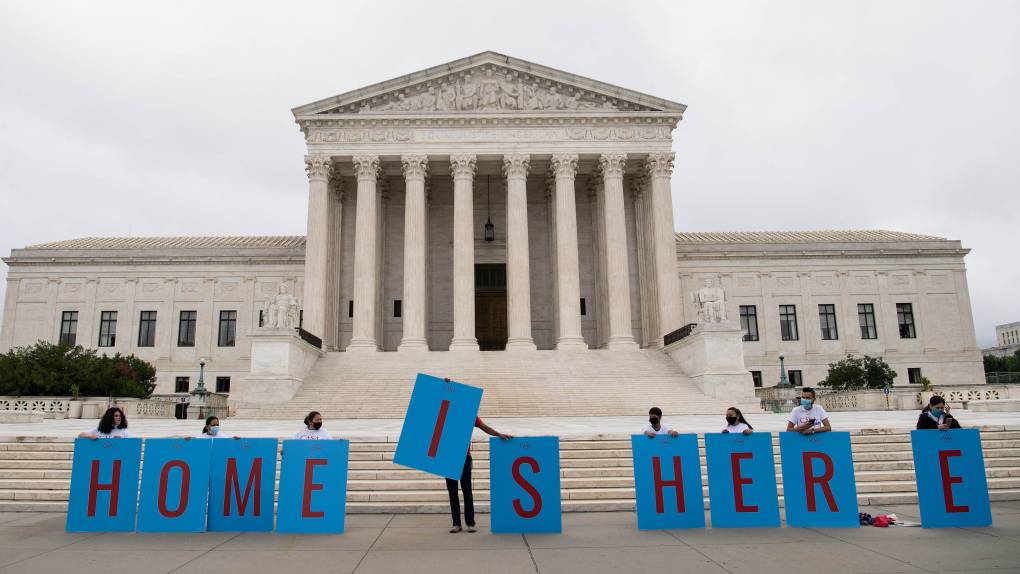
"caption": "Activists hold a banner in front of the U.S. Supreme Court in Washington, DC, on June 18, 2020. The U.S. Supreme Court rejected President Trump's move to rescind the DACA program that offers protections to 700,000 undocumented migrants brought to the U.S. as children. ",
"description": null,
"title": "us-court-politics-immigration",
"credit": "Nicholas Kam/Getty Images",
"status": "inherit",
"altTag": null,
"isLoading": false,
"fetchFailed": false
},
"news_11851305": {
"type": "attachments",
"id": "news_11851305",
"meta": {
"index": "attachments_1716263798",
"site": "news",
"id": "11851305",
"found": true
},
"parent": 11851270,
"imgSizes": {
"apple_news_ca_landscape_5_5": {
"file": "https://ww2.kqed.org/app/uploads/sites/10/2020/12/RS46424_GettyImages-1211310309-qut-1044x783.jpg",
"width": 1044,
"mimeType": "image/jpeg",
"height": 783
},
"apple_news_ca_square_4_0": {
"file": "https://ww2.kqed.org/app/uploads/sites/10/2020/12/RS46424_GettyImages-1211310309-qut-470x470.jpg",
"width": 470,
"mimeType": "image/jpeg",
"height": 470
},
"twentyfourteen-full-width": {
"file": "https://ww2.kqed.org/app/uploads/sites/10/2020/12/RS46424_GettyImages-1211310309-qut-1038x576.jpg",
"width": 1038,
"mimeType": "image/jpeg",
"height": 576
},
"thumbnail": {
"file": "https://ww2.kqed.org/app/uploads/sites/10/2020/12/RS46424_GettyImages-1211310309-qut-160x107.jpg",
"width": 160,
"mimeType": "image/jpeg",
"height": 107
},
"post-thumbnail": {
"file": "https://ww2.kqed.org/app/uploads/sites/10/2020/12/RS46424_GettyImages-1211310309-qut-672x372.jpg",
"width": 672,
"mimeType": "image/jpeg",
"height": 372
},
"kqedFullSize": {
"file": "https://ww2.kqed.org/app/uploads/sites/10/2020/12/RS46424_GettyImages-1211310309-qut.jpg",
"width": 1920,
"height": 1280
},
"apple_news_ca_landscape_4_7": {
"file": "https://ww2.kqed.org/app/uploads/sites/10/2020/12/RS46424_GettyImages-1211310309-qut-632x474.jpg",
"width": 632,
"mimeType": "image/jpeg",
"height": 474
},
"large": {
"file": "https://ww2.kqed.org/app/uploads/sites/10/2020/12/RS46424_GettyImages-1211310309-qut-1020x680.jpg",
"width": 1020,
"mimeType": "image/jpeg",
"height": 680
},
"apple_news_ca_landscape_4_0": {
"file": "https://ww2.kqed.org/app/uploads/sites/10/2020/12/RS46424_GettyImages-1211310309-qut-536x402.jpg",
"width": 536,
"mimeType": "image/jpeg",
"height": 402
},
"apple_news_ca_portrait_12_9": {
"file": "https://ww2.kqed.org/app/uploads/sites/10/2020/12/RS46424_GettyImages-1211310309-qut-1122x1280.jpg",
"width": 1122,
"mimeType": "image/jpeg",
"height": 1280
},
"medium": {
"file": "https://ww2.kqed.org/app/uploads/sites/10/2020/12/RS46424_GettyImages-1211310309-qut-800x533.jpg",
"width": 800,
"mimeType": "image/jpeg",
"height": 533
},
"apple_news_ca_portrait_4_0": {
"file": "https://ww2.kqed.org/app/uploads/sites/10/2020/12/RS46424_GettyImages-1211310309-qut-354x472.jpg",
"width": 354,
"mimeType": "image/jpeg",
"height": 472
},
"apple_news_ca_portrait_9_7": {
"file": "https://ww2.kqed.org/app/uploads/sites/10/2020/12/RS46424_GettyImages-1211310309-qut-840x1120.jpg",
"width": 840,
"mimeType": "image/jpeg",
"height": 1120
},
"apple_news_ca_landscape_12_9": {
"file": "https://ww2.kqed.org/app/uploads/sites/10/2020/12/RS46424_GettyImages-1211310309-qut-1832x1280.jpg",
"width": 1832,
"mimeType": "image/jpeg",
"height": 1280
},
"apple_news_ca_square_9_7": {
"file": "https://ww2.kqed.org/app/uploads/sites/10/2020/12/RS46424_GettyImages-1211310309-qut-1104x1104.jpg",
"width": 1104,
"mimeType": "image/jpeg",
"height": 1104
},
"1536x1536": {
"file": "https://ww2.kqed.org/app/uploads/sites/10/2020/12/RS46424_GettyImages-1211310309-qut-1536x1024.jpg",
"width": 1536,
"mimeType": "image/jpeg",
"height": 1024
},
"apple_news_ca_portrait_4_7": {
"file": "https://ww2.kqed.org/app/uploads/sites/10/2020/12/RS46424_GettyImages-1211310309-qut-414x552.jpg",
"width": 414,
"mimeType": "image/jpeg",
"height": 552
},
"apple_news_ca_square_12_9": {
"file": "https://ww2.kqed.org/app/uploads/sites/10/2020/12/RS46424_GettyImages-1211310309-qut-1472x1280.jpg",
"width": 1472,
"mimeType": "image/jpeg",
"height": 1280
},
"apple_news_ca_portrait_5_5": {
"file": "https://ww2.kqed.org/app/uploads/sites/10/2020/12/RS46424_GettyImages-1211310309-qut-687x916.jpg",
"width": 687,
"mimeType": "image/jpeg",
"height": 916
},
"apple_news_ca_square_4_7": {
"file": "https://ww2.kqed.org/app/uploads/sites/10/2020/12/RS46424_GettyImages-1211310309-qut-550x550.jpg",
"width": 550,
"mimeType": "image/jpeg",
"height": 550
},
"apple_news_ca_landscape_9_7": {
"file": "https://ww2.kqed.org/app/uploads/sites/10/2020/12/RS46424_GettyImages-1211310309-qut-1376x1032.jpg",
"width": 1376,
"mimeType": "image/jpeg",
"height": 1032
},
"apple_news_ca_square_5_5": {
"file": "https://ww2.kqed.org/app/uploads/sites/10/2020/12/RS46424_GettyImages-1211310309-qut-912x912.jpg",
"width": 912,
"mimeType": "image/jpeg",
"height": 912
}
},
"publishDate": 1608083968,
"modified": 1608084069,
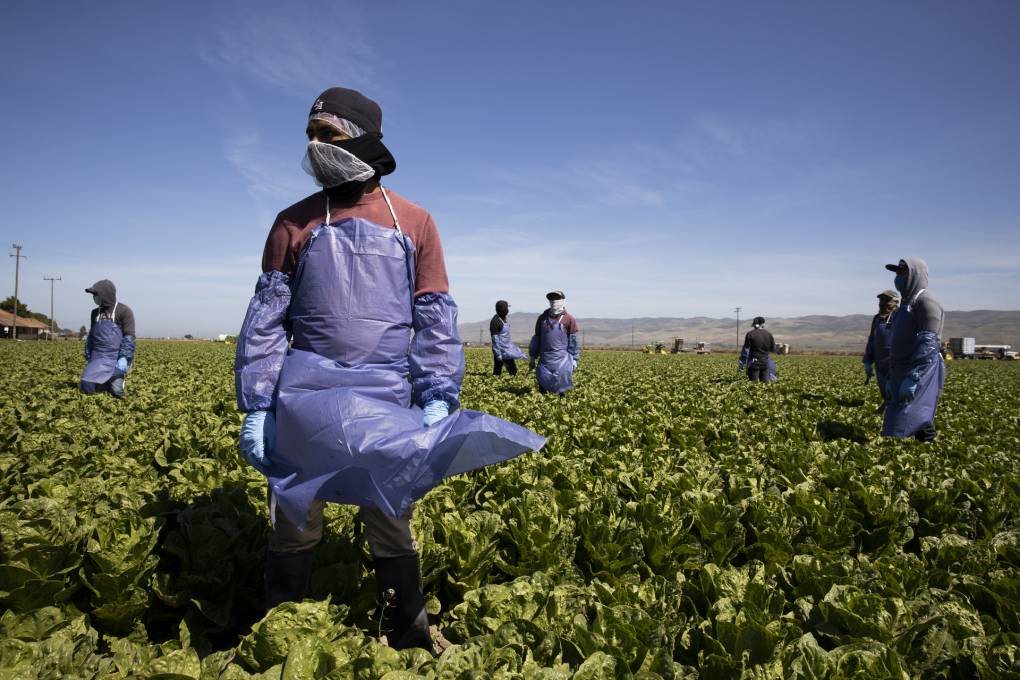
"caption": "Farm laborers from Fresh Harvest working with an H-2A visa maintain a safe distance as a machine is moved on April 27, 2020 in Greenfield, California. ",
"description": "Farm laborers from Fresh Harvest working with an H-2A visa maintain a safe distance as a machine is moved on April 27, 2020 in Greenfield, California. ",
"title": "Immigrant Agricultural Workers Critical To U.S. Food Security Amid COVID-19 Outbreak",
"credit": "Brent Stirton/Getty Images",
"status": "inherit",
"altTag": "\"\"",
"isLoading": false,
"fetchFailed": false
},
"news_11850850": {
"type": "attachments",
"id": "news_11850850",
"meta": {
"index": "attachments_1716263798",
"site": "news",
"id": "11850850",
"found": true
},
"parent": 11850782,
"imgSizes": {
"apple_news_ca_landscape_5_5": {
"file": "https://ww2.kqed.org/app/uploads/sites/10/2020/12/Guadalupe_Oakland_main-1044x783.jpg",
"width": 1044,
"mimeType": "image/jpeg",
"height": 783
},
"apple_news_ca_square_4_0": {
"file": "https://ww2.kqed.org/app/uploads/sites/10/2020/12/Guadalupe_Oakland_main-470x470.jpg",
"width": 470,
"mimeType": "image/jpeg",
"height": 470
},
"twentyfourteen-full-width": {
"file": "https://ww2.kqed.org/app/uploads/sites/10/2020/12/Guadalupe_Oakland_main-1038x576.jpg",
"width": 1038,
"mimeType": "image/jpeg",
"height": 576
},
"thumbnail": {
"file": "https://ww2.kqed.org/app/uploads/sites/10/2020/12/Guadalupe_Oakland_main-160x95.jpg",
"width": 160,
"mimeType": "image/jpeg",
"height": 95
},
"post-thumbnail": {
"file": "https://ww2.kqed.org/app/uploads/sites/10/2020/12/Guadalupe_Oakland_main-672x372.jpg",
"width": 672,
"mimeType": "image/jpeg",
"height": 372
},
"kqedFullSize": {
"file": "https://ww2.kqed.org/app/uploads/sites/10/2020/12/Guadalupe_Oakland_main.jpg",
"width": 1920,
"height": 1137
},
"apple_news_ca_landscape_4_7": {
"file": "https://ww2.kqed.org/app/uploads/sites/10/2020/12/Guadalupe_Oakland_main-632x474.jpg",
"width": 632,
"mimeType": "image/jpeg",
"height": 474
},
"large": {
"file": "https://ww2.kqed.org/app/uploads/sites/10/2020/12/Guadalupe_Oakland_main-1020x604.jpg",
"width": 1020,
"mimeType": "image/jpeg",
"height": 604
},
"apple_news_ca_landscape_4_0": {
"file": "https://ww2.kqed.org/app/uploads/sites/10/2020/12/Guadalupe_Oakland_main-536x402.jpg",
"width": 536,
"mimeType": "image/jpeg",
"height": 402
},
"apple_news_ca_portrait_12_9": {
"file": "https://ww2.kqed.org/app/uploads/sites/10/2020/12/Guadalupe_Oakland_main-1122x1137.jpg",
"width": 1122,
"mimeType": "image/jpeg",
"height": 1137
},
"medium": {
"file": "https://ww2.kqed.org/app/uploads/sites/10/2020/12/Guadalupe_Oakland_main-800x474.jpg",
"width": 800,
"mimeType": "image/jpeg",
"height": 474
},
"apple_news_ca_portrait_4_0": {
"file": "https://ww2.kqed.org/app/uploads/sites/10/2020/12/Guadalupe_Oakland_main-354x472.jpg",
"width": 354,
"mimeType": "image/jpeg",
"height": 472
},
"apple_news_ca_portrait_9_7": {
"file": "https://ww2.kqed.org/app/uploads/sites/10/2020/12/Guadalupe_Oakland_main-840x1120.jpg",
"width": 840,
"mimeType": "image/jpeg",
"height": 1120
},
"apple_news_ca_landscape_12_9": {
"file": "https://ww2.kqed.org/app/uploads/sites/10/2020/12/Guadalupe_Oakland_main-1832x1137.jpg",
"width": 1832,
"mimeType": "image/jpeg",
"height": 1137
},
"apple_news_ca_square_9_7": {
"file": "https://ww2.kqed.org/app/uploads/sites/10/2020/12/Guadalupe_Oakland_main-1104x1104.jpg",
"width": 1104,
"mimeType": "image/jpeg",
"height": 1104
},
"1536x1536": {
"file": "https://ww2.kqed.org/app/uploads/sites/10/2020/12/Guadalupe_Oakland_main-1536x910.jpg",
"width": 1536,
"mimeType": "image/jpeg",
"height": 910
},
"apple_news_ca_portrait_4_7": {
"file": "https://ww2.kqed.org/app/uploads/sites/10/2020/12/Guadalupe_Oakland_main-414x552.jpg",
"width": 414,
"mimeType": "image/jpeg",
"height": 552
},
"apple_news_ca_square_12_9": {
"file": "https://ww2.kqed.org/app/uploads/sites/10/2020/12/Guadalupe_Oakland_main-1472x1137.jpg",
"width": 1472,
"mimeType": "image/jpeg",
"height": 1137
},
"apple_news_ca_portrait_5_5": {
"file": "https://ww2.kqed.org/app/uploads/sites/10/2020/12/Guadalupe_Oakland_main-687x916.jpg",
"width": 687,
"mimeType": "image/jpeg",
"height": 916
},
"apple_news_ca_square_4_7": {
"file": "https://ww2.kqed.org/app/uploads/sites/10/2020/12/Guadalupe_Oakland_main-550x550.jpg",
"width": 550,
"mimeType": "image/jpeg",
"height": 550
},
"apple_news_ca_landscape_9_7": {
"file": "https://ww2.kqed.org/app/uploads/sites/10/2020/12/Guadalupe_Oakland_main-1376x1032.jpg",
"width": 1376,
"mimeType": "image/jpeg",
"height": 1032
},
"apple_news_ca_square_5_5": {
"file": "https://ww2.kqed.org/app/uploads/sites/10/2020/12/Guadalupe_Oakland_main-912x912.jpg",
"width": 912,
"mimeType": "image/jpeg",
"height": 912
}
},
"publishDate": 1607729526,
"modified": 1607729561,
"caption": "A statue of Our Lady of Guadalupe outside of St. Elizabeth Church in Oakland on Dec. 10, 2020.",
"description": "A statue of Our Lady of Guadalupe outside of St. Elizabeth Church in Oakland on Dec. 10, 2020.",
"title": "Guadalupe_Oakland_main",
"credit": "Beth LaBerge/KQED",
"status": "inherit",
"altTag": null,
"isLoading": false,
"fetchFailed": false
},
"news_11833929": {
"type": "attachments",
"id": "news_11833929",
"meta": {
"index": "attachments_1716263798",
"site": "news",
"id": "11833929",
"found": true
},
"parent": 11833925,
"imgSizes": {
"apple_news_ca_landscape_5_5": {
"file": "https://ww2.kqed.org/app/uploads/sites/10/2020/08/IMG_0397-1044x783.jpg",
"width": 1044,
"mimeType": "image/jpeg",
"height": 783
},
"apple_news_ca_square_4_0": {
"file": "https://ww2.kqed.org/app/uploads/sites/10/2020/08/IMG_0397-470x470.jpg",
"width": 470,
"mimeType": "image/jpeg",
"height": 470
},
"twentyfourteen-full-width": {
"file": "https://ww2.kqed.org/app/uploads/sites/10/2020/08/IMG_0397-1038x576.jpg",
"width": 1038,
"mimeType": "image/jpeg",
"height": 576
},
"thumbnail": {
"file": "https://ww2.kqed.org/app/uploads/sites/10/2020/08/IMG_0397-160x107.jpg",
"width": 160,
"mimeType": "image/jpeg",
"height": 107
},
"post-thumbnail": {
"file": "https://ww2.kqed.org/app/uploads/sites/10/2020/08/IMG_0397-672x372.jpg",
"width": 672,
"mimeType": "image/jpeg",
"height": 372
},
"kqedFullSize": {
"file": "https://ww2.kqed.org/app/uploads/sites/10/2020/08/IMG_0397-e1597788765710.jpg",
"width": 1920,
"height": 1280
},
"apple_news_ca_landscape_4_7": {
"file": "https://ww2.kqed.org/app/uploads/sites/10/2020/08/IMG_0397-632x474.jpg",
"width": 632,
"mimeType": "image/jpeg",
"height": 474
},
"large": {
"file": "https://ww2.kqed.org/app/uploads/sites/10/2020/08/IMG_0397-1020x680.jpg",
"width": 1020,
"mimeType": "image/jpeg",
"height": 680
},
"apple_news_ca_landscape_4_0": {
"file": "https://ww2.kqed.org/app/uploads/sites/10/2020/08/IMG_0397-536x402.jpg",
"width": 536,
"mimeType": "image/jpeg",
"height": 402
},
"apple_news_ca_portrait_12_9": {
"file": "https://ww2.kqed.org/app/uploads/sites/10/2020/08/IMG_0397-1122x1365.jpg",
"width": 1122,
"mimeType": "image/jpeg",
"height": 1365
},
"medium": {
"file": "https://ww2.kqed.org/app/uploads/sites/10/2020/08/IMG_0397-800x533.jpg",
"width": 800,
"mimeType": "image/jpeg",
"height": 533
},
"apple_news_ca_portrait_4_0": {
"file": "https://ww2.kqed.org/app/uploads/sites/10/2020/08/IMG_0397-354x472.jpg",
"width": 354,
"mimeType": "image/jpeg",
"height": 472
},
"apple_news_ca_portrait_9_7": {
"file": "https://ww2.kqed.org/app/uploads/sites/10/2020/08/IMG_0397-840x1120.jpg",
"width": 840,
"mimeType": "image/jpeg",
"height": 1120
},
"apple_news_ca_landscape_12_9": {
"file": "https://ww2.kqed.org/app/uploads/sites/10/2020/08/IMG_0397-1832x1365.jpg",
"width": 1832,
"mimeType": "image/jpeg",
"height": 1365
},
"apple_news_ca_square_9_7": {
"file": "https://ww2.kqed.org/app/uploads/sites/10/2020/08/IMG_0397-1104x1104.jpg",
"width": 1104,
"mimeType": "image/jpeg",
"height": 1104
},
"1536x1536": {
"file": "https://ww2.kqed.org/app/uploads/sites/10/2020/08/IMG_0397-1536x1024.jpg",
"width": 1536,
"mimeType": "image/jpeg",
"height": 1024
},
"apple_news_ca_portrait_4_7": {
"file": "https://ww2.kqed.org/app/uploads/sites/10/2020/08/IMG_0397-414x552.jpg",
"width": 414,
"mimeType": "image/jpeg",
"height": 552
},
"apple_news_ca_square_12_9": {
"file": "https://ww2.kqed.org/app/uploads/sites/10/2020/08/IMG_0397-1472x1365.jpg",
"width": 1472,
"mimeType": "image/jpeg",
"height": 1365
},
"apple_news_ca_portrait_5_5": {
"file": "https://ww2.kqed.org/app/uploads/sites/10/2020/08/IMG_0397-687x916.jpg",
"width": 687,
"mimeType": "image/jpeg",
"height": 916
},
"full-width": {
"file": "https://ww2.kqed.org/app/uploads/sites/10/2020/08/IMG_0397-1920x1280.jpg",
"width": 1920,
"mimeType": "image/jpeg",
"height": 1280
},
"apple_news_ca_square_4_7": {
"file": "https://ww2.kqed.org/app/uploads/sites/10/2020/08/IMG_0397-550x550.jpg",
"width": 550,
"mimeType": "image/jpeg",
"height": 550
},
"apple_news_ca_landscape_9_7": {
"file": "https://ww2.kqed.org/app/uploads/sites/10/2020/08/IMG_0397-1376x1032.jpg",
"width": 1376,
"mimeType": "image/jpeg",
"height": 1032
},
"apple_news_ca_square_5_5": {
"file": "https://ww2.kqed.org/app/uploads/sites/10/2020/08/IMG_0397-912x912.jpg",
"width": 912,
"mimeType": "image/jpeg",
"height": 912
}
},
"publishDate": 1597788732,
"modified": 1607633396,
"caption": "Protesters hold signs outside the Mesa Verde ICE Processing Center in Bakersfield on June 4, 2020 ",
"description": null,
"title": "IMG_0397",
"credit": "Courtesy of Tania Bernal/California Immigrant Youth Justice Alliance",
"status": "inherit",
"altTag": null,
"isLoading": false,
"fetchFailed": false
},
"news_11850032": {
"type": "attachments",
"id": "news_11850032",
"meta": {
"index": "attachments_1716263798",
"site": "news",
"id": "11850032",
"found": true
},
"parent": 11850031,
"imgSizes": {
"apple_news_ca_landscape_5_5": {
"file": "https://ww2.kqed.org/app/uploads/sites/10/2020/12/ap_20170856843469-7efc3c9ec5974f09d913bbcfe2958db16ac4c07b-1044x783.jpg",
"width": 1044,
"mimeType": "image/jpeg",
"height": 783
},
"apple_news_ca_square_4_0": {
"file": "https://ww2.kqed.org/app/uploads/sites/10/2020/12/ap_20170856843469-7efc3c9ec5974f09d913bbcfe2958db16ac4c07b-470x470.jpg",
"width": 470,
"mimeType": "image/jpeg",
"height": 470
},
"twentyfourteen-full-width": {
"file": "https://ww2.kqed.org/app/uploads/sites/10/2020/12/ap_20170856843469-7efc3c9ec5974f09d913bbcfe2958db16ac4c07b-1038x576.jpg",
"width": 1038,
"mimeType": "image/jpeg",
"height": 576
},
"thumbnail": {
"file": "https://ww2.kqed.org/app/uploads/sites/10/2020/12/ap_20170856843469-7efc3c9ec5974f09d913bbcfe2958db16ac4c07b-160x120.jpg",
"width": 160,
"mimeType": "image/jpeg",
"height": 120
},
"post-thumbnail": {
"file": "https://ww2.kqed.org/app/uploads/sites/10/2020/12/ap_20170856843469-7efc3c9ec5974f09d913bbcfe2958db16ac4c07b-672x372.jpg",
"width": 672,
"mimeType": "image/jpeg",
"height": 372
},
"kqedFullSize": {
"file": "https://ww2.kqed.org/app/uploads/sites/10/2020/12/ap_20170856843469-7efc3c9ec5974f09d913bbcfe2958db16ac4c07b-e1607368548461.jpg",
"width": 1920,
"height": 1440
},
"2048x2048": {
"file": "https://ww2.kqed.org/app/uploads/sites/10/2020/12/ap_20170856843469-7efc3c9ec5974f09d913bbcfe2958db16ac4c07b-2048x1536.jpg",
"width": 2048,
"mimeType": "image/jpeg",
"height": 1536
},
"apple_news_ca_landscape_4_7": {
"file": "https://ww2.kqed.org/app/uploads/sites/10/2020/12/ap_20170856843469-7efc3c9ec5974f09d913bbcfe2958db16ac4c07b-632x474.jpg",
"width": 632,
"mimeType": "image/jpeg",
"height": 474
},
"large": {
"file": "https://ww2.kqed.org/app/uploads/sites/10/2020/12/ap_20170856843469-7efc3c9ec5974f09d913bbcfe2958db16ac4c07b-1020x765.jpg",
"width": 1020,
"mimeType": "image/jpeg",
"height": 765
},
"apple_news_ca_landscape_4_0": {
"file": "https://ww2.kqed.org/app/uploads/sites/10/2020/12/ap_20170856843469-7efc3c9ec5974f09d913bbcfe2958db16ac4c07b-536x402.jpg",
"width": 536,
"mimeType": "image/jpeg",
"height": 402
},
"apple_news_ca_portrait_12_9": {
"file": "https://ww2.kqed.org/app/uploads/sites/10/2020/12/ap_20170856843469-7efc3c9ec5974f09d913bbcfe2958db16ac4c07b-1122x1496.jpg",
"width": 1122,
"mimeType": "image/jpeg",
"height": 1496
},
"medium": {
"file": "https://ww2.kqed.org/app/uploads/sites/10/2020/12/ap_20170856843469-7efc3c9ec5974f09d913bbcfe2958db16ac4c07b-800x600.jpg",
"width": 800,
"mimeType": "image/jpeg",
"height": 600
},
"apple_news_ca_portrait_4_0": {
"file": "https://ww2.kqed.org/app/uploads/sites/10/2020/12/ap_20170856843469-7efc3c9ec5974f09d913bbcfe2958db16ac4c07b-354x472.jpg",
"width": 354,
"mimeType": "image/jpeg",
"height": 472
},
"apple_news_ca_portrait_9_7": {
"file": "https://ww2.kqed.org/app/uploads/sites/10/2020/12/ap_20170856843469-7efc3c9ec5974f09d913bbcfe2958db16ac4c07b-840x1120.jpg",
"width": 840,
"mimeType": "image/jpeg",
"height": 1120
},
"apple_news_ca_landscape_12_9": {
"file": "https://ww2.kqed.org/app/uploads/sites/10/2020/12/ap_20170856843469-7efc3c9ec5974f09d913bbcfe2958db16ac4c07b-1832x1374.jpg",
"width": 1832,
"mimeType": "image/jpeg",
"height": 1374
},
"apple_news_ca_square_9_7": {
"file": "https://ww2.kqed.org/app/uploads/sites/10/2020/12/ap_20170856843469-7efc3c9ec5974f09d913bbcfe2958db16ac4c07b-1104x1104.jpg",
"width": 1104,
"mimeType": "image/jpeg",
"height": 1104
},
"1536x1536": {
"file": "https://ww2.kqed.org/app/uploads/sites/10/2020/12/ap_20170856843469-7efc3c9ec5974f09d913bbcfe2958db16ac4c07b-1536x1152.jpg",
"width": 1536,
"mimeType": "image/jpeg",
"height": 1152
},
"apple_news_ca_portrait_4_7": {
"file": "https://ww2.kqed.org/app/uploads/sites/10/2020/12/ap_20170856843469-7efc3c9ec5974f09d913bbcfe2958db16ac4c07b-414x552.jpg",
"width": 414,
"mimeType": "image/jpeg",
"height": 552
},
"apple_news_ca_square_12_9": {
"file": "https://ww2.kqed.org/app/uploads/sites/10/2020/12/ap_20170856843469-7efc3c9ec5974f09d913bbcfe2958db16ac4c07b-1472x1472.jpg",
"width": 1472,
"mimeType": "image/jpeg",
"height": 1472
},
"apple_news_ca_portrait_5_5": {
"file": "https://ww2.kqed.org/app/uploads/sites/10/2020/12/ap_20170856843469-7efc3c9ec5974f09d913bbcfe2958db16ac4c07b-687x916.jpg",
"width": 687,
"mimeType": "image/jpeg",
"height": 916
},
"full-width": {
"file": "https://ww2.kqed.org/app/uploads/sites/10/2020/12/ap_20170856843469-7efc3c9ec5974f09d913bbcfe2958db16ac4c07b-1920x1440.jpg",
"width": 1920,
"mimeType": "image/jpeg",
"height": 1440
},
"apple_news_ca_square_4_7": {
"file": "https://ww2.kqed.org/app/uploads/sites/10/2020/12/ap_20170856843469-7efc3c9ec5974f09d913bbcfe2958db16ac4c07b-550x550.jpg",
"width": 550,
"mimeType": "image/jpeg",
"height": 550
},
"apple_news_ca_landscape_9_7": {
"file": "https://ww2.kqed.org/app/uploads/sites/10/2020/12/ap_20170856843469-7efc3c9ec5974f09d913bbcfe2958db16ac4c07b-1376x1032.jpg",
"width": 1376,
"mimeType": "image/jpeg",
"height": 1032
},
"apple_news_ca_square_5_5": {
"file": "https://ww2.kqed.org/app/uploads/sites/10/2020/12/ap_20170856843469-7efc3c9ec5974f09d913bbcfe2958db16ac4c07b-912x912.jpg",
"width": 912,
"mimeType": "image/jpeg",
"height": 912
}
},
"publishDate": 1607368273,
"modified": 1607370852,
"caption": "An immigrant family joins members of Coalition for Humane Immigrant Rights of Los Angeles, CHIRLA, on a vehicle caravan rally to support the Deferred Action for Childhood Arrivals Program (DACA), around MacArthur Park in Los Angeles on June 18, 2020. ",
"description": "An immigrant family joins members of Coalition for Humane Immigrant Rights of Los Angeles, CHIRLA, on a vehicle caravan rally to support the Deferred Action for Childhood Arrivals Program (DACA), around MacArthur Park in Los Angeles, Thursday, June 18, 2020. ",
"title": null,
"credit": "AP Photo/Damian Dovarganes",
"status": "inherit",
"altTag": "A family in a car holds signs that read 'Defend DACA,' 'Never Stop Dreaming' and '#where are the children\"",
"isLoading": false,
"fetchFailed": false
},
"news_11849866": {
"type": "attachments",
"id": "news_11849866",
"meta": {
"index": "attachments_1716263798",
"site": "news",
"id": "11849866",
"found": true
},
"parent": 11849630,
"imgSizes": {
"apple_news_ca_square_4_0": {
"file": "https://ww2.kqed.org/app/uploads/sites/10/2020/12/GettyImages-988419450-1-470x470.jpg",
"width": 470,
"mimeType": "image/jpeg",
"height": 470
},
"twentyfourteen-full-width": {
"file": "https://ww2.kqed.org/app/uploads/sites/10/2020/12/GettyImages-988419450-1-1024x576.jpg",
"width": 1024,
"mimeType": "image/jpeg",
"height": 576
},
"thumbnail": {
"file": "https://ww2.kqed.org/app/uploads/sites/10/2020/12/GettyImages-988419450-1-160x107.jpg",
"width": 160,
"mimeType": "image/jpeg",
"height": 107
},
"post-thumbnail": {
"file": "https://ww2.kqed.org/app/uploads/sites/10/2020/12/GettyImages-988419450-1-672x372.jpg",
"width": 672,
"mimeType": "image/jpeg",
"height": 372
},
"kqedFullSize": {
"file": "https://ww2.kqed.org/app/uploads/sites/10/2020/12/GettyImages-988419450-1.jpg",
"width": 1024,
"height": 683
},
"apple_news_ca_landscape_4_7": {
"file": "https://ww2.kqed.org/app/uploads/sites/10/2020/12/GettyImages-988419450-1-632x474.jpg",
"width": 632,
"mimeType": "image/jpeg",
"height": 474
},
"large": {
"file": "https://ww2.kqed.org/app/uploads/sites/10/2020/12/GettyImages-988419450-1-1020x680.jpg",
"width": 1020,
"mimeType": "image/jpeg",
"height": 680
},
"apple_news_ca_landscape_4_0": {
"file": "https://ww2.kqed.org/app/uploads/sites/10/2020/12/GettyImages-988419450-1-536x402.jpg",
"width": 536,
"mimeType": "image/jpeg",
"height": 402
},
"medium": {
"file": "https://ww2.kqed.org/app/uploads/sites/10/2020/12/GettyImages-988419450-1-800x534.jpg",
"width": 800,
"mimeType": "image/jpeg",
"height": 534
},
"apple_news_ca_portrait_4_0": {
"file": "https://ww2.kqed.org/app/uploads/sites/10/2020/12/GettyImages-988419450-1-354x472.jpg",
"width": 354,
"mimeType": "image/jpeg",
"height": 472
},
"apple_news_ca_portrait_9_7": {
"file": "https://ww2.kqed.org/app/uploads/sites/10/2020/12/GettyImages-988419450-1-840x683.jpg",
"width": 840,
"mimeType": "image/jpeg",
"height": 683
},
"apple_news_ca_portrait_4_7": {
"file": "https://ww2.kqed.org/app/uploads/sites/10/2020/12/GettyImages-988419450-1-414x552.jpg",
"width": 414,
"mimeType": "image/jpeg",
"height": 552
},
"apple_news_ca_portrait_5_5": {
"file": "https://ww2.kqed.org/app/uploads/sites/10/2020/12/GettyImages-988419450-1-687x683.jpg",
"width": 687,
"mimeType": "image/jpeg",
"height": 683
},
"apple_news_ca_square_4_7": {
"file": "https://ww2.kqed.org/app/uploads/sites/10/2020/12/GettyImages-988419450-1-550x550.jpg",
"width": 550,
"mimeType": "image/jpeg",
"height": 550
},
"apple_news_ca_square_5_5": {
"file": "https://ww2.kqed.org/app/uploads/sites/10/2020/12/GettyImages-988419450-1-912x683.jpg",
"width": 912,
"mimeType": "image/jpeg",
"height": 683
}
},
"publishDate": 1607130718,
"modified": 1607133592,
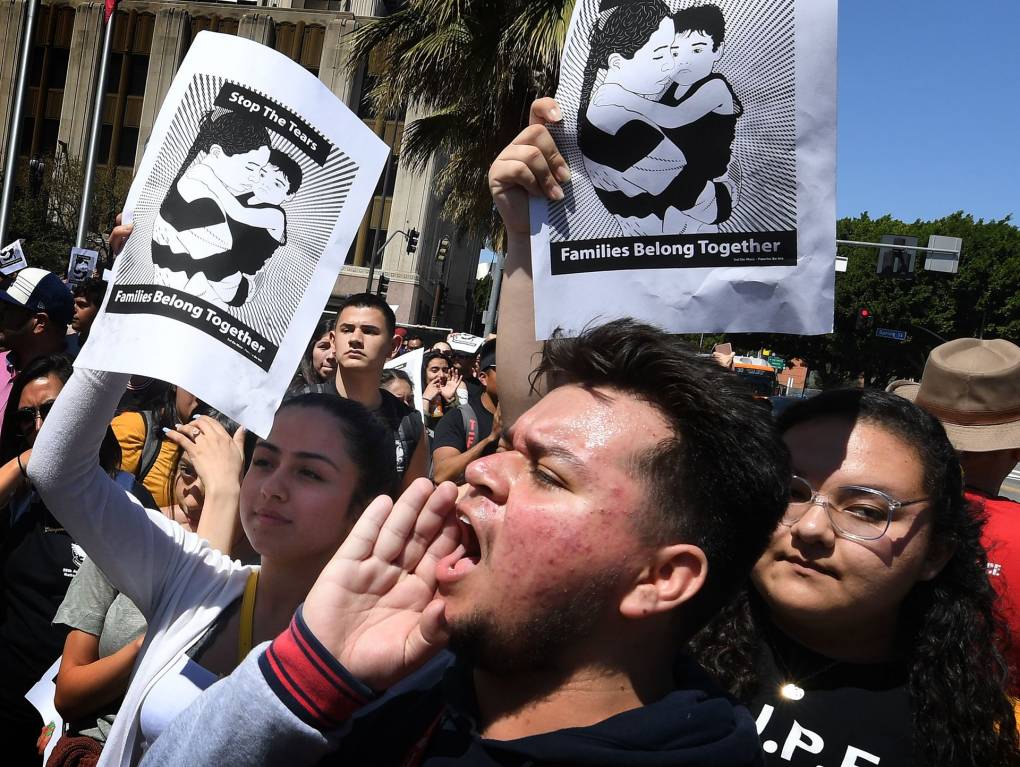
"caption": "Protesters call out words of encouragement to immigrant detainees held inside the Metropolitan Detention Center in Los Angeles on June 30, 2018, in a demonstration against the Trump administration's immigration policies.",
"description": null,
"title": "Thousands Across U.S March In Support Of Keeping Immigrant Families Together",
"credit": "David McNew/Getty Images",
"status": "inherit",
"altTag": null,
"isLoading": false,
"fetchFailed": false
},
"news_11848869": {
"type": "attachments",
"id": "news_11848869",
"meta": {
"index": "attachments_1716263798",
"site": "news",
"id": "11848869",
"found": true
},
"parent": 11847093,
"imgSizes": {
"apple_news_ca_landscape_5_5": {
"file": "https://ww2.kqed.org/app/uploads/sites/10/2020/11/GettyImages-1133880351_1920x-1044x783.jpg",
"width": 1044,
"mimeType": "image/jpeg",
"height": 783
},
"apple_news_ca_square_4_0": {
"file": "https://ww2.kqed.org/app/uploads/sites/10/2020/11/GettyImages-1133880351_1920x-470x470.jpg",
"width": 470,
"mimeType": "image/jpeg",
"height": 470
},
"twentyfourteen-full-width": {
"file": "https://ww2.kqed.org/app/uploads/sites/10/2020/11/GettyImages-1133880351_1920x-1038x576.jpg",
"width": 1038,
"mimeType": "image/jpeg",
"height": 576
},
"thumbnail": {
"file": "https://ww2.kqed.org/app/uploads/sites/10/2020/11/GettyImages-1133880351_1920x-160x120.jpg",
"width": 160,
"mimeType": "image/jpeg",
"height": 120
},
"post-thumbnail": {
"file": "https://ww2.kqed.org/app/uploads/sites/10/2020/11/GettyImages-1133880351_1920x-672x372.jpg",
"width": 672,
"mimeType": "image/jpeg",
"height": 372
},
"kqedFullSize": {
"file": "https://ww2.kqed.org/app/uploads/sites/10/2020/11/GettyImages-1133880351_1920x.jpg",
"width": 1920,
"height": 1444
},
"apple_news_ca_landscape_4_7": {
"file": "https://ww2.kqed.org/app/uploads/sites/10/2020/11/GettyImages-1133880351_1920x-632x474.jpg",
"width": 632,
"mimeType": "image/jpeg",
"height": 474
},
"large": {
"file": "https://ww2.kqed.org/app/uploads/sites/10/2020/11/GettyImages-1133880351_1920x-1020x767.jpg",
"width": 1020,
"mimeType": "image/jpeg",
"height": 767
},
"apple_news_ca_landscape_4_0": {
"file": "https://ww2.kqed.org/app/uploads/sites/10/2020/11/GettyImages-1133880351_1920x-536x402.jpg",
"width": 536,
"mimeType": "image/jpeg",
"height": 402
},
"apple_news_ca_portrait_12_9": {
"file": "https://ww2.kqed.org/app/uploads/sites/10/2020/11/GettyImages-1133880351_1920x-1122x1444.jpg",
"width": 1122,
"mimeType": "image/jpeg",
"height": 1444
},
"medium": {
"file": "https://ww2.kqed.org/app/uploads/sites/10/2020/11/GettyImages-1133880351_1920x-800x602.jpg",
"width": 800,
"mimeType": "image/jpeg",
"height": 602
},
"apple_news_ca_portrait_4_0": {
"file": "https://ww2.kqed.org/app/uploads/sites/10/2020/11/GettyImages-1133880351_1920x-354x472.jpg",
"width": 354,
"mimeType": "image/jpeg",
"height": 472
},
"apple_news_ca_portrait_9_7": {
"file": "https://ww2.kqed.org/app/uploads/sites/10/2020/11/GettyImages-1133880351_1920x-840x1120.jpg",
"width": 840,
"mimeType": "image/jpeg",
"height": 1120
},
"apple_news_ca_landscape_12_9": {
"file": "https://ww2.kqed.org/app/uploads/sites/10/2020/11/GettyImages-1133880351_1920x-1832x1374.jpg",
"width": 1832,
"mimeType": "image/jpeg",
"height": 1374
},
"apple_news_ca_square_9_7": {
"file": "https://ww2.kqed.org/app/uploads/sites/10/2020/11/GettyImages-1133880351_1920x-1104x1104.jpg",
"width": 1104,
"mimeType": "image/jpeg",
"height": 1104
},
"1536x1536": {
"file": "https://ww2.kqed.org/app/uploads/sites/10/2020/11/GettyImages-1133880351_1920x-1536x1155.jpg",
"width": 1536,
"mimeType": "image/jpeg",
"height": 1155
},
"apple_news_ca_portrait_4_7": {
"file": "https://ww2.kqed.org/app/uploads/sites/10/2020/11/GettyImages-1133880351_1920x-414x552.jpg",
"width": 414,
"mimeType": "image/jpeg",
"height": 552
},
"apple_news_ca_square_12_9": {
"file": "https://ww2.kqed.org/app/uploads/sites/10/2020/11/GettyImages-1133880351_1920x-1472x1444.jpg",
"width": 1472,
"mimeType": "image/jpeg",
"height": 1444
},
"apple_news_ca_portrait_5_5": {
"file": "https://ww2.kqed.org/app/uploads/sites/10/2020/11/GettyImages-1133880351_1920x-687x916.jpg",
"width": 687,
"mimeType": "image/jpeg",
"height": 916
},
"apple_news_ca_square_4_7": {
"file": "https://ww2.kqed.org/app/uploads/sites/10/2020/11/GettyImages-1133880351_1920x-550x550.jpg",
"width": 550,
"mimeType": "image/jpeg",
"height": 550
},
"apple_news_ca_landscape_9_7": {
"file": "https://ww2.kqed.org/app/uploads/sites/10/2020/11/GettyImages-1133880351_1920x-1376x1032.jpg",
"width": 1376,
"mimeType": "image/jpeg",
"height": 1032
},
"apple_news_ca_square_5_5": {
"file": "https://ww2.kqed.org/app/uploads/sites/10/2020/11/GettyImages-1133880351_1920x-912x912.jpg",
"width": 912,
"mimeType": "image/jpeg",
"height": 912
}
},
"publishDate": 1606347491,
"modified": 1606364758,
"caption": "Migrant rights protesters demonstrate outside police headquarters in Los Angeles on March 30, 2019, protesting forced family separations on the U.S.-Mexico border.",
"description": "Migrant rights protesters demonstrate against forced family separations on the US Mexico border, outside police headquarters in Los Angeles on March 30, 2019. - ",
"title": "US-IMMIGRATION-PROTEST",
"credit": "Mark Ralston/AFP via Getty Images",
"status": "inherit",
"isLoading": false,
"fetchFailed": false
},
"news_11848802": {
"type": "attachments",
"id": "news_11848802",
"meta": {
"index": "attachments_1716263798",
"site": "news",
"id": "11848802",
"found": true
},
"title": "Biometric passport with touristic visa stamp for United States",
"publishDate": 1606329596,
"status": "inherit",
"parent": 11848176,
"modified": 1764794003,
"caption": "An H1B visa issued Nov. 25, 2020. KQED’s Forum spoke to experts about how H-1B visa holders in the Bay Area are reacting to the latest White House order.",
"credit": "iStock",
"altTag": "Biometric passport with visa stamp for United States",
"description": "Over the last three decades, the H1B visa has been a pathway to work in America for several million people, but at the same time corporations have used it underpay foreign workers, outsource jobs and drive down wages.",
"imgSizes": {
"medium": {
"file": "https://cdn.kqed.org/wp-content/uploads/sites/10/2020/11/iStock-1130785257_1_1920x-800x534.jpg",
"width": 800,
"height": 534,
"mimeType": "image/jpeg"
},
"large": {
"file": "https://cdn.kqed.org/wp-content/uploads/sites/10/2020/11/iStock-1130785257_1_1920x-1020x681.jpg",
"width": 1020,
"height": 681,
"mimeType": "image/jpeg"
},
"thumbnail": {
"file": "https://cdn.kqed.org/wp-content/uploads/sites/10/2020/11/iStock-1130785257_1_1920x-160x107.jpg",
"width": 160,
"height": 107,
"mimeType": "image/jpeg"
},
"1536x1536": {
"file": "https://cdn.kqed.org/wp-content/uploads/sites/10/2020/11/iStock-1130785257_1_1920x-1536x1025.jpg",
"width": 1536,
"height": 1025,
"mimeType": "image/jpeg"
},
"post-thumbnail": {
"file": "https://cdn.kqed.org/wp-content/uploads/sites/10/2020/11/iStock-1130785257_1_1920x-672x372.jpg",
"width": 672,
"height": 372,
"mimeType": "image/jpeg"
},
"twentyfourteen-full-width": {
"file": "https://cdn.kqed.org/wp-content/uploads/sites/10/2020/11/iStock-1130785257_1_1920x-1038x576.jpg",
"width": 1038,
"height": 576,
"mimeType": "image/jpeg"
},
"apple_news_ca_landscape_12_9": {
"file": "https://cdn.kqed.org/wp-content/uploads/sites/10/2020/11/iStock-1130785257_1_1920x-1832x1281.jpg",
"width": 1832,
"height": 1281,
"mimeType": "image/jpeg"
},
"apple_news_ca_landscape_9_7": {
"file": "https://cdn.kqed.org/wp-content/uploads/sites/10/2020/11/iStock-1130785257_1_1920x-1376x1032.jpg",
"width": 1376,
"height": 1032,
"mimeType": "image/jpeg"
},
"apple_news_ca_landscape_5_5": {
"file": "https://cdn.kqed.org/wp-content/uploads/sites/10/2020/11/iStock-1130785257_1_1920x-1044x783.jpg",
"width": 1044,
"height": 783,
"mimeType": "image/jpeg"
},
"apple_news_ca_landscape_4_7": {
"file": "https://cdn.kqed.org/wp-content/uploads/sites/10/2020/11/iStock-1130785257_1_1920x-632x474.jpg",
"width": 632,
"height": 474,
"mimeType": "image/jpeg"
},
"apple_news_ca_landscape_4_0": {
"file": "https://cdn.kqed.org/wp-content/uploads/sites/10/2020/11/iStock-1130785257_1_1920x-536x402.jpg",
"width": 536,
"height": 402,
"mimeType": "image/jpeg"
},
"apple_news_ca_portrait_12_9": {
"file": "https://cdn.kqed.org/wp-content/uploads/sites/10/2020/11/iStock-1130785257_1_1920x-1122x1281.jpg",
"width": 1122,
"height": 1281,
"mimeType": "image/jpeg"
},
"apple_news_ca_portrait_9_7": {
"file": "https://cdn.kqed.org/wp-content/uploads/sites/10/2020/11/iStock-1130785257_1_1920x-840x1120.jpg",
"width": 840,
"height": 1120,
"mimeType": "image/jpeg"
},
"apple_news_ca_portrait_5_5": {
"file": "https://cdn.kqed.org/wp-content/uploads/sites/10/2020/11/iStock-1130785257_1_1920x-687x916.jpg",
"width": 687,
"height": 916,
"mimeType": "image/jpeg"
},
"apple_news_ca_portrait_4_7": {
"file": "https://cdn.kqed.org/wp-content/uploads/sites/10/2020/11/iStock-1130785257_1_1920x-414x552.jpg",
"width": 414,
"height": 552,
"mimeType": "image/jpeg"
},
"apple_news_ca_portrait_4_0": {
"file": "https://cdn.kqed.org/wp-content/uploads/sites/10/2020/11/iStock-1130785257_1_1920x-354x472.jpg",
"width": 354,
"height": 472,
"mimeType": "image/jpeg"
},
"apple_news_ca_square_12_9": {
"file": "https://cdn.kqed.org/wp-content/uploads/sites/10/2020/11/iStock-1130785257_1_1920x-1472x1281.jpg",
"width": 1472,
"height": 1281,
"mimeType": "image/jpeg"
},
"apple_news_ca_square_9_7": {
"file": "https://cdn.kqed.org/wp-content/uploads/sites/10/2020/11/iStock-1130785257_1_1920x-1104x1104.jpg",
"width": 1104,
"height": 1104,
"mimeType": "image/jpeg"
},
"apple_news_ca_square_5_5": {
"file": "https://cdn.kqed.org/wp-content/uploads/sites/10/2020/11/iStock-1130785257_1_1920x-912x912.jpg",
"width": 912,
"height": 912,
"mimeType": "image/jpeg"
},
"apple_news_ca_square_4_7": {
"file": "https://cdn.kqed.org/wp-content/uploads/sites/10/2020/11/iStock-1130785257_1_1920x-550x550.jpg",
"width": 550,
"height": 550,
"mimeType": "image/jpeg"
},
"apple_news_ca_square_4_0": {
"file": "https://cdn.kqed.org/wp-content/uploads/sites/10/2020/11/iStock-1130785257_1_1920x-470x470.jpg",
"width": 470,
"height": 470,
"mimeType": "image/jpeg"
},
"kqedFullSize": {
"file": "https://cdn.kqed.org/wp-content/uploads/sites/10/2020/11/iStock-1130785257_1_1920x.jpg",
"width": 1920,
"height": 1281
}
},
"isLoading": false,
"fetchFailed": false
},
"news_11848708": {
"type": "attachments",
"id": "news_11848708",
"meta": {
"index": "attachments_1716263798",
"site": "news",
"id": "11848708",
"found": true
},
"parent": 11848695,
"imgSizes": {
"apple_news_ca_landscape_5_5": {
"file": "https://ww2.kqed.org/app/uploads/sites/10/2020/11/RS46075_010_KQED_Oakland_TPSPort_11182020-qut-1044x783.jpg",
"width": 1044,
"mimeType": "image/jpeg",
"height": 783
},
"apple_news_ca_square_4_0": {
"file": "https://ww2.kqed.org/app/uploads/sites/10/2020/11/RS46075_010_KQED_Oakland_TPSPort_11182020-qut-470x470.jpg",
"width": 470,
"mimeType": "image/jpeg",
"height": 470
},
"twentyfourteen-full-width": {
"file": "https://ww2.kqed.org/app/uploads/sites/10/2020/11/RS46075_010_KQED_Oakland_TPSPort_11182020-qut-1038x576.jpg",
"width": 1038,
"mimeType": "image/jpeg",
"height": 576
},
"thumbnail": {
"file": "https://ww2.kqed.org/app/uploads/sites/10/2020/11/RS46075_010_KQED_Oakland_TPSPort_11182020-qut-160x107.jpg",
"width": 160,
"mimeType": "image/jpeg",
"height": 107
},
"post-thumbnail": {
"file": "https://ww2.kqed.org/app/uploads/sites/10/2020/11/RS46075_010_KQED_Oakland_TPSPort_11182020-qut-672x372.jpg",
"width": 672,
"mimeType": "image/jpeg",
"height": 372
},
"kqedFullSize": {
"file": "https://ww2.kqed.org/app/uploads/sites/10/2020/11/RS46075_010_KQED_Oakland_TPSPort_11182020-qut.jpg",
"width": 1920,
"height": 1280
},
"apple_news_ca_landscape_4_7": {
"file": "https://ww2.kqed.org/app/uploads/sites/10/2020/11/RS46075_010_KQED_Oakland_TPSPort_11182020-qut-632x474.jpg",
"width": 632,
"mimeType": "image/jpeg",
"height": 474
},
"large": {
"file": "https://ww2.kqed.org/app/uploads/sites/10/2020/11/RS46075_010_KQED_Oakland_TPSPort_11182020-qut-1020x680.jpg",
"width": 1020,
"mimeType": "image/jpeg",
"height": 680
},
"apple_news_ca_landscape_4_0": {
"file": "https://ww2.kqed.org/app/uploads/sites/10/2020/11/RS46075_010_KQED_Oakland_TPSPort_11182020-qut-536x402.jpg",
"width": 536,
"mimeType": "image/jpeg",
"height": 402
},
"apple_news_ca_portrait_12_9": {
"file": "https://ww2.kqed.org/app/uploads/sites/10/2020/11/RS46075_010_KQED_Oakland_TPSPort_11182020-qut-1122x1280.jpg",
"width": 1122,
"mimeType": "image/jpeg",
"height": 1280
},
"medium": {
"file": "https://ww2.kqed.org/app/uploads/sites/10/2020/11/RS46075_010_KQED_Oakland_TPSPort_11182020-qut-800x533.jpg",
"width": 800,
"mimeType": "image/jpeg",
"height": 533
},
"apple_news_ca_portrait_4_0": {
"file": "https://ww2.kqed.org/app/uploads/sites/10/2020/11/RS46075_010_KQED_Oakland_TPSPort_11182020-qut-354x472.jpg",
"width": 354,
"mimeType": "image/jpeg",
"height": 472
},
"apple_news_ca_portrait_9_7": {
"file": "https://ww2.kqed.org/app/uploads/sites/10/2020/11/RS46075_010_KQED_Oakland_TPSPort_11182020-qut-840x1120.jpg",
"width": 840,
"mimeType": "image/jpeg",
"height": 1120
},
"apple_news_ca_landscape_12_9": {
"file": "https://ww2.kqed.org/app/uploads/sites/10/2020/11/RS46075_010_KQED_Oakland_TPSPort_11182020-qut-1832x1280.jpg",
"width": 1832,
"mimeType": "image/jpeg",
"height": 1280
},
"apple_news_ca_square_9_7": {
"file": "https://ww2.kqed.org/app/uploads/sites/10/2020/11/RS46075_010_KQED_Oakland_TPSPort_11182020-qut-1104x1104.jpg",
"width": 1104,
"mimeType": "image/jpeg",
"height": 1104
},
"1536x1536": {
"file": "https://ww2.kqed.org/app/uploads/sites/10/2020/11/RS46075_010_KQED_Oakland_TPSPort_11182020-qut-1536x1024.jpg",
"width": 1536,
"mimeType": "image/jpeg",
"height": 1024
},
"apple_news_ca_portrait_4_7": {
"file": "https://ww2.kqed.org/app/uploads/sites/10/2020/11/RS46075_010_KQED_Oakland_TPSPort_11182020-qut-414x552.jpg",
"width": 414,
"mimeType": "image/jpeg",
"height": 552
},
"apple_news_ca_square_12_9": {
"file": "https://ww2.kqed.org/app/uploads/sites/10/2020/11/RS46075_010_KQED_Oakland_TPSPort_11182020-qut-1472x1280.jpg",
"width": 1472,
"mimeType": "image/jpeg",
"height": 1280
},
"apple_news_ca_portrait_5_5": {
"file": "https://ww2.kqed.org/app/uploads/sites/10/2020/11/RS46075_010_KQED_Oakland_TPSPort_11182020-qut-687x916.jpg",
"width": 687,
"mimeType": "image/jpeg",
"height": 916
},
"apple_news_ca_square_4_7": {
"file": "https://ww2.kqed.org/app/uploads/sites/10/2020/11/RS46075_010_KQED_Oakland_TPSPort_11182020-qut-550x550.jpg",
"width": 550,
"mimeType": "image/jpeg",
"height": 550
},
"apple_news_ca_landscape_9_7": {
"file": "https://ww2.kqed.org/app/uploads/sites/10/2020/11/RS46075_010_KQED_Oakland_TPSPort_11182020-qut-1376x1032.jpg",
"width": 1376,
"mimeType": "image/jpeg",
"height": 1032
},
"apple_news_ca_square_5_5": {
"file": "https://ww2.kqed.org/app/uploads/sites/10/2020/11/RS46075_010_KQED_Oakland_TPSPort_11182020-qut-912x912.jpg",
"width": 912,
"mimeType": "image/jpeg",
"height": 912
}
},
"publishDate": 1606261900,
"modified": 1606342440,
"caption": "Jesus Perlera on his truck at the Port of Oakland on Nov. 18, 2020. He has temporary protected status, which has allowed him to legally work in the U.S. for the past 19 years.",
"description": null,
"title": "RS46075_010_KQED_Oakland_TPSPort_11182020-qut",
"credit": "Beth LaBerge/KQED",
"status": "inherit",
"isLoading": false,
"fetchFailed": false
},
"news_11848168": {
"type": "attachments",
"id": "news_11848168",
"meta": {
"index": "attachments_1716263798",
"site": "news",
"id": "11848168",
"found": true
},
"parent": 11848154,
"imgSizes": {
"apple_news_ca_landscape_5_5": {
"file": "https://ww2.kqed.org/app/uploads/sites/10/2020/11/Keola-family-visit-1044x783.jpg",
"width": 1044,
"mimeType": "image/jpeg",
"height": 783
},
"apple_news_ca_square_4_0": {
"file": "https://ww2.kqed.org/app/uploads/sites/10/2020/11/Keola-family-visit-470x470.jpg",
"width": 470,
"mimeType": "image/jpeg",
"height": 470
},
"twentyfourteen-full-width": {
"file": "https://ww2.kqed.org/app/uploads/sites/10/2020/11/Keola-family-visit-1038x576.jpg",
"width": 1038,
"mimeType": "image/jpeg",
"height": 576
},
"thumbnail": {
"file": "https://ww2.kqed.org/app/uploads/sites/10/2020/11/Keola-family-visit-160x109.jpg",
"width": 160,
"mimeType": "image/jpeg",
"height": 109
},
"post-thumbnail": {
"file": "https://ww2.kqed.org/app/uploads/sites/10/2020/11/Keola-family-visit-672x372.jpg",
"width": 672,
"mimeType": "image/jpeg",
"height": 372
},
"kqedFullSize": {
"file": "https://ww2.kqed.org/app/uploads/sites/10/2020/11/Keola-family-visit.jpg",
"width": 1920,
"height": 1311
},
"apple_news_ca_landscape_4_7": {
"file": "https://ww2.kqed.org/app/uploads/sites/10/2020/11/Keola-family-visit-632x474.jpg",
"width": 632,
"mimeType": "image/jpeg",
"height": 474
},
"large": {
"file": "https://ww2.kqed.org/app/uploads/sites/10/2020/11/Keola-family-visit-1020x696.jpg",
"width": 1020,
"mimeType": "image/jpeg",
"height": 696
},
"apple_news_ca_landscape_4_0": {
"file": "https://ww2.kqed.org/app/uploads/sites/10/2020/11/Keola-family-visit-536x402.jpg",
"width": 536,
"mimeType": "image/jpeg",
"height": 402
},
"apple_news_ca_portrait_12_9": {
"file": "https://ww2.kqed.org/app/uploads/sites/10/2020/11/Keola-family-visit-1122x1311.jpg",
"width": 1122,
"mimeType": "image/jpeg",
"height": 1311
},
"medium": {
"file": "https://ww2.kqed.org/app/uploads/sites/10/2020/11/Keola-family-visit-800x546.jpg",
"width": 800,
"mimeType": "image/jpeg",
"height": 546
},
"apple_news_ca_portrait_4_0": {
"file": "https://ww2.kqed.org/app/uploads/sites/10/2020/11/Keola-family-visit-354x472.jpg",
"width": 354,
"mimeType": "image/jpeg",
"height": 472
},
"apple_news_ca_portrait_9_7": {
"file": "https://ww2.kqed.org/app/uploads/sites/10/2020/11/Keola-family-visit-840x1120.jpg",
"width": 840,
"mimeType": "image/jpeg",
"height": 1120
},
"apple_news_ca_landscape_12_9": {
"file": "https://ww2.kqed.org/app/uploads/sites/10/2020/11/Keola-family-visit-1832x1311.jpg",
"width": 1832,
"mimeType": "image/jpeg",
"height": 1311
},
"apple_news_ca_square_9_7": {
"file": "https://ww2.kqed.org/app/uploads/sites/10/2020/11/Keola-family-visit-1104x1104.jpg",
"width": 1104,
"mimeType": "image/jpeg",
"height": 1104
},
"1536x1536": {
"file": "https://ww2.kqed.org/app/uploads/sites/10/2020/11/Keola-family-visit-1536x1049.jpg",
"width": 1536,
"mimeType": "image/jpeg",
"height": 1049
},
"apple_news_ca_portrait_4_7": {
"file": "https://ww2.kqed.org/app/uploads/sites/10/2020/11/Keola-family-visit-414x552.jpg",
"width": 414,
"mimeType": "image/jpeg",
"height": 552
},
"apple_news_ca_square_12_9": {
"file": "https://ww2.kqed.org/app/uploads/sites/10/2020/11/Keola-family-visit-1472x1311.jpg",
"width": 1472,
"mimeType": "image/jpeg",
"height": 1311
},
"apple_news_ca_portrait_5_5": {
"file": "https://ww2.kqed.org/app/uploads/sites/10/2020/11/Keola-family-visit-687x916.jpg",
"width": 687,
"mimeType": "image/jpeg",
"height": 916
},
"apple_news_ca_square_4_7": {
"file": "https://ww2.kqed.org/app/uploads/sites/10/2020/11/Keola-family-visit-550x550.jpg",
"width": 550,
"mimeType": "image/jpeg",
"height": 550
},
"apple_news_ca_landscape_9_7": {
"file": "https://ww2.kqed.org/app/uploads/sites/10/2020/11/Keola-family-visit-1376x1032.jpg",
"width": 1376,
"mimeType": "image/jpeg",
"height": 1032
},
"apple_news_ca_square_5_5": {
"file": "https://ww2.kqed.org/app/uploads/sites/10/2020/11/Keola-family-visit-912x912.jpg",
"width": 912,
"mimeType": "image/jpeg",
"height": 912
}
},
"publishDate": 1605834116,
"modified": 1605834545,
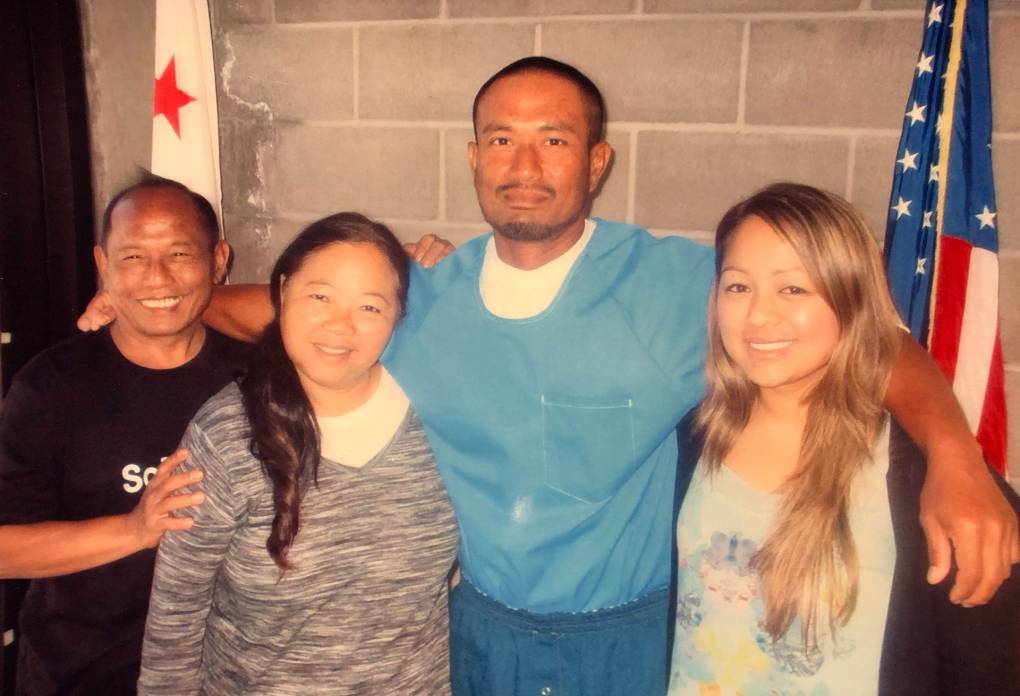
"caption": "Bounchan Keola (center) with his parents, Phonethip and Chanh Keola (left) and sister Thongsouk (right) during a prison visit this year.",
"description": "Bounchan Keola (center) with his parents, Phonethip and Chanh Keola (left) and sister Thongsouk (right) during a prison visit this year.",
"title": "Keola-family-visit",
"credit": "Courtesy Anoop Prasad",
"status": "inherit",
"isLoading": false,
"fetchFailed": false
},
"news_11847558": {
"type": "attachments",
"id": "news_11847558",
"meta": {
"index": "attachments_1716263798",
"site": "news",
"id": "11847558",
"found": true
},
"parent": 11847545,
"imgSizes": {
"apple_news_ca_landscape_5_5": {
"file": "https://ww2.kqed.org/app/uploads/sites/10/2020/11/GettyImages-634187236_1920x-1044x783.jpg",
"width": 1044,
"mimeType": "image/jpeg",
"height": 783
},
"apple_news_ca_square_4_0": {
"file": "https://ww2.kqed.org/app/uploads/sites/10/2020/11/GettyImages-634187236_1920x-470x470.jpg",
"width": 470,
"mimeType": "image/jpeg",
"height": 470
},
"twentyfourteen-full-width": {
"file": "https://ww2.kqed.org/app/uploads/sites/10/2020/11/GettyImages-634187236_1920x-1038x576.jpg",
"width": 1038,
"mimeType": "image/jpeg",
"height": 576
},
"thumbnail": {
"file": "https://ww2.kqed.org/app/uploads/sites/10/2020/11/GettyImages-634187236_1920x-160x96.jpg",
"width": 160,
"mimeType": "image/jpeg",
"height": 96
},
"post-thumbnail": {
"file": "https://ww2.kqed.org/app/uploads/sites/10/2020/11/GettyImages-634187236_1920x-672x372.jpg",
"width": 672,
"mimeType": "image/jpeg",
"height": 372
},
"kqedFullSize": {
"file": "https://ww2.kqed.org/app/uploads/sites/10/2020/11/GettyImages-634187236_1920x.jpg",
"width": 1920,
"height": 1157
},
"apple_news_ca_landscape_4_7": {
"file": "https://ww2.kqed.org/app/uploads/sites/10/2020/11/GettyImages-634187236_1920x-632x474.jpg",
"width": 632,
"mimeType": "image/jpeg",
"height": 474
},
"large": {
"file": "https://ww2.kqed.org/app/uploads/sites/10/2020/11/GettyImages-634187236_1920x-1020x615.jpg",
"width": 1020,
"mimeType": "image/jpeg",
"height": 615
},
"apple_news_ca_landscape_4_0": {
"file": "https://ww2.kqed.org/app/uploads/sites/10/2020/11/GettyImages-634187236_1920x-536x402.jpg",
"width": 536,
"mimeType": "image/jpeg",
"height": 402
},
"apple_news_ca_portrait_12_9": {
"file": "https://ww2.kqed.org/app/uploads/sites/10/2020/11/GettyImages-634187236_1920x-1122x1157.jpg",
"width": 1122,
"mimeType": "image/jpeg",
"height": 1157
},
"medium": {
"file": "https://ww2.kqed.org/app/uploads/sites/10/2020/11/GettyImages-634187236_1920x-800x482.jpg",
"width": 800,
"mimeType": "image/jpeg",
"height": 482
},
"apple_news_ca_portrait_4_0": {
"file": "https://ww2.kqed.org/app/uploads/sites/10/2020/11/GettyImages-634187236_1920x-354x472.jpg",
"width": 354,
"mimeType": "image/jpeg",
"height": 472
},
"apple_news_ca_portrait_9_7": {
"file": "https://ww2.kqed.org/app/uploads/sites/10/2020/11/GettyImages-634187236_1920x-840x1120.jpg",
"width": 840,
"mimeType": "image/jpeg",
"height": 1120
},
"apple_news_ca_landscape_12_9": {
"file": "https://ww2.kqed.org/app/uploads/sites/10/2020/11/GettyImages-634187236_1920x-1832x1157.jpg",
"width": 1832,
"mimeType": "image/jpeg",
"height": 1157
},
"apple_news_ca_square_9_7": {
"file": "https://ww2.kqed.org/app/uploads/sites/10/2020/11/GettyImages-634187236_1920x-1104x1104.jpg",
"width": 1104,
"mimeType": "image/jpeg",
"height": 1104
},
"1536x1536": {
"file": "https://ww2.kqed.org/app/uploads/sites/10/2020/11/GettyImages-634187236_1920x-1536x926.jpg",
"width": 1536,
"mimeType": "image/jpeg",
"height": 926
},
"apple_news_ca_portrait_4_7": {
"file": "https://ww2.kqed.org/app/uploads/sites/10/2020/11/GettyImages-634187236_1920x-414x552.jpg",
"width": 414,
"mimeType": "image/jpeg",
"height": 552
},
"apple_news_ca_square_12_9": {
"file": "https://ww2.kqed.org/app/uploads/sites/10/2020/11/GettyImages-634187236_1920x-1472x1157.jpg",
"width": 1472,
"mimeType": "image/jpeg",
"height": 1157
},
"apple_news_ca_portrait_5_5": {
"file": "https://ww2.kqed.org/app/uploads/sites/10/2020/11/GettyImages-634187236_1920x-687x916.jpg",
"width": 687,
"mimeType": "image/jpeg",
"height": 916
},
"apple_news_ca_square_4_7": {
"file": "https://ww2.kqed.org/app/uploads/sites/10/2020/11/GettyImages-634187236_1920x-550x550.jpg",
"width": 550,
"mimeType": "image/jpeg",
"height": 550
},
"apple_news_ca_landscape_9_7": {
"file": "https://ww2.kqed.org/app/uploads/sites/10/2020/11/GettyImages-634187236_1920x-1376x1032.jpg",
"width": 1376,
"mimeType": "image/jpeg",
"height": 1032
},
"apple_news_ca_square_5_5": {
"file": "https://ww2.kqed.org/app/uploads/sites/10/2020/11/GettyImages-634187236_1920x-912x912.jpg",
"width": 912,
"mimeType": "image/jpeg",
"height": 912
}
},
"publishDate": 1605327186,
"modified": 1605555573,
"caption": "Protesters stand in front of the United States Court of Appeals for the Ninth Circuit in San Francisco on Feb. 7, 2017. \n",
"description": "Protesters stand in front of the United States Court of Appeals for the Ninth Circuit in San Francisco, California on February 7, 2017. \nA federal appeals court heard arguments on Tuesday on whether to lift a nationwide suspension of President Donald Trump's travel ban targeting citizens of seven Muslim-majority countries.",
"title": "US-immigration-politics-JUSTICE-ARGUMENTS",
"credit": "Josh Edelson/AFP via Getty Images",
"status": "inherit",
"isLoading": false,
"fetchFailed": false
},
"news_11844647": {
"type": "attachments",
"id": "news_11844647",
"meta": {
"index": "attachments_1716263798",
"site": "news",
"id": "11844647",
"found": true
},
"parent": 11844635,
"imgSizes": {
"apple_news_ca_landscape_5_5": {
"file": "https://ww2.kqed.org/app/uploads/sites/10/2020/10/RS45478_026_KQED_Oakland_RegistrarofVoters_10272020-qut-1044x783.jpg",
"width": 1044,
"mimeType": "image/jpeg",
"height": 783
},
"apple_news_ca_square_4_0": {
"file": "https://ww2.kqed.org/app/uploads/sites/10/2020/10/RS45478_026_KQED_Oakland_RegistrarofVoters_10272020-qut-470x470.jpg",
"width": 470,
"mimeType": "image/jpeg",
"height": 470
},
"twentyfourteen-full-width": {
"file": "https://ww2.kqed.org/app/uploads/sites/10/2020/10/RS45478_026_KQED_Oakland_RegistrarofVoters_10272020-qut-1038x576.jpg",
"width": 1038,
"mimeType": "image/jpeg",
"height": 576
},
"thumbnail": {
"file": "https://ww2.kqed.org/app/uploads/sites/10/2020/10/RS45478_026_KQED_Oakland_RegistrarofVoters_10272020-qut-160x107.jpg",
"width": 160,
"mimeType": "image/jpeg",
"height": 107
},
"post-thumbnail": {
"file": "https://ww2.kqed.org/app/uploads/sites/10/2020/10/RS45478_026_KQED_Oakland_RegistrarofVoters_10272020-qut-672x372.jpg",
"width": 672,
"mimeType": "image/jpeg",
"height": 372
},
"kqedFullSize": {
"file": "https://ww2.kqed.org/app/uploads/sites/10/2020/10/RS45478_026_KQED_Oakland_RegistrarofVoters_10272020-qut.jpg",
"width": 1920,
"height": 1280
},
"apple_news_ca_landscape_4_7": {
"file": "https://ww2.kqed.org/app/uploads/sites/10/2020/10/RS45478_026_KQED_Oakland_RegistrarofVoters_10272020-qut-632x474.jpg",
"width": 632,
"mimeType": "image/jpeg",
"height": 474
},
"large": {
"file": "https://ww2.kqed.org/app/uploads/sites/10/2020/10/RS45478_026_KQED_Oakland_RegistrarofVoters_10272020-qut-1020x680.jpg",
"width": 1020,
"mimeType": "image/jpeg",
"height": 680
},
"apple_news_ca_landscape_4_0": {
"file": "https://ww2.kqed.org/app/uploads/sites/10/2020/10/RS45478_026_KQED_Oakland_RegistrarofVoters_10272020-qut-536x402.jpg",
"width": 536,
"mimeType": "image/jpeg",
"height": 402
},
"apple_news_ca_portrait_12_9": {
"file": "https://ww2.kqed.org/app/uploads/sites/10/2020/10/RS45478_026_KQED_Oakland_RegistrarofVoters_10272020-qut-1122x1280.jpg",
"width": 1122,
"mimeType": "image/jpeg",
"height": 1280
},
"medium": {
"file": "https://ww2.kqed.org/app/uploads/sites/10/2020/10/RS45478_026_KQED_Oakland_RegistrarofVoters_10272020-qut-800x533.jpg",
"width": 800,
"mimeType": "image/jpeg",
"height": 533
},
"apple_news_ca_portrait_4_0": {
"file": "https://ww2.kqed.org/app/uploads/sites/10/2020/10/RS45478_026_KQED_Oakland_RegistrarofVoters_10272020-qut-354x472.jpg",
"width": 354,
"mimeType": "image/jpeg",
"height": 472
},
"apple_news_ca_portrait_9_7": {
"file": "https://ww2.kqed.org/app/uploads/sites/10/2020/10/RS45478_026_KQED_Oakland_RegistrarofVoters_10272020-qut-840x1120.jpg",
"width": 840,
"mimeType": "image/jpeg",
"height": 1120
},
"apple_news_ca_landscape_12_9": {
"file": "https://ww2.kqed.org/app/uploads/sites/10/2020/10/RS45478_026_KQED_Oakland_RegistrarofVoters_10272020-qut-1832x1280.jpg",
"width": 1832,
"mimeType": "image/jpeg",
"height": 1280
},
"apple_news_ca_square_9_7": {
"file": "https://ww2.kqed.org/app/uploads/sites/10/2020/10/RS45478_026_KQED_Oakland_RegistrarofVoters_10272020-qut-1104x1104.jpg",
"width": 1104,
"mimeType": "image/jpeg",
"height": 1104
},
"1536x1536": {
"file": "https://ww2.kqed.org/app/uploads/sites/10/2020/10/RS45478_026_KQED_Oakland_RegistrarofVoters_10272020-qut-1536x1024.jpg",
"width": 1536,
"mimeType": "image/jpeg",
"height": 1024
},
"apple_news_ca_portrait_4_7": {
"file": "https://ww2.kqed.org/app/uploads/sites/10/2020/10/RS45478_026_KQED_Oakland_RegistrarofVoters_10272020-qut-414x552.jpg",
"width": 414,
"mimeType": "image/jpeg",
"height": 552
},
"apple_news_ca_square_12_9": {
"file": "https://ww2.kqed.org/app/uploads/sites/10/2020/10/RS45478_026_KQED_Oakland_RegistrarofVoters_10272020-qut-1472x1280.jpg",
"width": 1472,
"mimeType": "image/jpeg",
"height": 1280
},
"apple_news_ca_portrait_5_5": {
"file": "https://ww2.kqed.org/app/uploads/sites/10/2020/10/RS45478_026_KQED_Oakland_RegistrarofVoters_10272020-qut-687x916.jpg",
"width": 687,
"mimeType": "image/jpeg",
"height": 916
},
"apple_news_ca_square_4_7": {
"file": "https://ww2.kqed.org/app/uploads/sites/10/2020/10/RS45478_026_KQED_Oakland_RegistrarofVoters_10272020-qut-550x550.jpg",
"width": 550,
"mimeType": "image/jpeg",
"height": 550
},
"apple_news_ca_landscape_9_7": {
"file": "https://ww2.kqed.org/app/uploads/sites/10/2020/10/RS45478_026_KQED_Oakland_RegistrarofVoters_10272020-qut-1376x1032.jpg",
"width": 1376,
"mimeType": "image/jpeg",
"height": 1032
},
"apple_news_ca_square_5_5": {
"file": "https://ww2.kqed.org/app/uploads/sites/10/2020/10/RS45478_026_KQED_Oakland_RegistrarofVoters_10272020-qut-912x912.jpg",
"width": 912,
"mimeType": "image/jpeg",
"height": 912
}
},
"publishDate": 1604089578,
"modified": 1604167074,
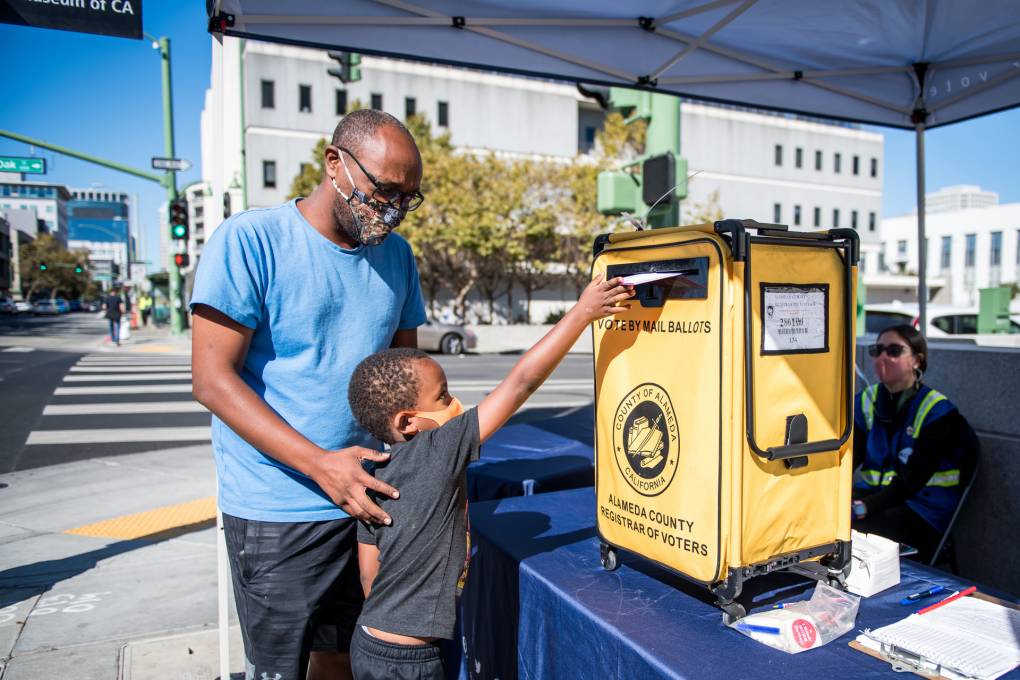
"caption": "Henok Welday and his son Nathan drop off a mail-in ballot on Oct. 27, 2020 at an official drop box set up by the Alameda County Registrar of Voters in Oakland.",
"description": "Henok Welday and his son Nathan drop off a mail-in ballot on on Oct. 27, 2020 at an official drop box set up by the Alameda County Registrar of Voters in Oakland.",
"title": "RS45478_026_KQED_Oakland_RegistrarofVoters_10272020-qut",
"credit": "Beth LaBerge/KQED",
"status": "inherit",
"isLoading": false,
"fetchFailed": false
}
},
"audioPlayerReducer": {
"postId": "stream_live",
"isPaused": true,
"isPlaying": false,
"pfsActive": false,
"pledgeModalIsOpen": true,
"playerDrawerIsOpen": false,
"liveAudioPlayStartedAt": 0,
"liveAudioPlayContext": ""
},
"authorsReducer": {
"byline_news_11850031": {
"type": "authors",
"id": "byline_news_11850031",
"meta": {
"override": true
},
"slug": "byline_news_11850031",
"name": "\u003ca href=\"https://www.npr.org/2020/12/04/943355234/judge-orders-trump-administration-to-restore-daca-as-it-existed-under-obama\">Vanessa Romo\u003c/a>",
"isLoading": false
},
"dmarks": {
"type": "authors",
"id": "182",
"meta": {
"index": "authors_1716337520",
"id": "182",
"found": true
},
"name": "David Marks",
"firstName": "David",
"lastName": "Marks",
"slug": "dmarks",
"email": "dmarks@kqed.org",
"display_author_email": false,
"staff_mastheads": [],
"title": "KQED Editor",
"bio": "David Marks is a senior digital editor for KQED News. \u003c/a>Reach him at dmarks@kqed.org.",
"avatar": "https://secure.gravatar.com/avatar/b88bd6227ce6cb96ae33fefaf42b2a29?s=600&d=mm&r=g",
"twitter": "divadskram",
"facebook": null,
"instagram": null,
"linkedin": null,
"sites": [
{
"site": "news",
"roles": []
},
{
"site": "science",
"roles": []
},
{
"site": "perspectives",
"roles": []
},
{
"site": "liveblog",
"roles": []
}
],
"headData": {
"title": "David Marks | KQED",
"description": "KQED Editor",
"ogImgSrc": "https://secure.gravatar.com/avatar/b88bd6227ce6cb96ae33fefaf42b2a29?s=600&d=mm&r=g",
"twImgSrc": "https://secure.gravatar.com/avatar/b88bd6227ce6cb96ae33fefaf42b2a29?s=600&d=mm&r=g"
},
"isLoading": false,
"link": "/author/dmarks"
},
"samharnett": {
"type": "authors",
"id": "253",
"meta": {
"index": "authors_1716337520",
"id": "253",
"found": true
},
"name": "Sam Harnett",
"firstName": "Sam",
"lastName": "Harnett",
"slug": "samharnett",
"email": "samharnett@gmail.com",
"display_author_email": false,
"staff_mastheads": [],
"title": "KQED Contributor",
"bio": "Sam Harnett covered tech and work at KQED. He is the co-creator of \u003cem>\u003ca href=\"http://www.theworldaccordingtosound.org\">The World According to Sound\u003c/a>,\u003c/em> a 90-second podcast that features different sounds and the stories behind them.\r\n\r\nBefore coming to KQED, Sam worked as an independent reporter who contributed regularly to \u003cem>The California Report, Marketplace,\u003c/em> \u003cem>The World \u003c/em>and NPR.",
"avatar": "https://secure.gravatar.com/avatar/2538b972ac02f2b9546c7a6c59a0f3d0?s=600&d=blank&r=g",
"twitter": "Samwharnett",
"facebook": null,
"instagram": null,
"linkedin": null,
"sites": [
{
"site": "news",
"roles": [
"edit_others_posts",
"subscriber"
]
},
{
"site": "stateofhealth",
"roles": [
"author"
]
},
{
"site": "science",
"roles": [
"editor"
]
},
{
"site": "quest",
"roles": [
"subscriber"
]
}
],
"headData": {
"title": "Sam Harnett | KQED",
"description": "KQED Contributor",
"ogImgSrc": "https://secure.gravatar.com/avatar/2538b972ac02f2b9546c7a6c59a0f3d0?s=600&d=blank&r=g",
"twImgSrc": "https://secure.gravatar.com/avatar/2538b972ac02f2b9546c7a6c59a0f3d0?s=600&d=blank&r=g"
},
"isLoading": false,
"link": "/author/samharnett"
},
"adembosky": {
"type": "authors",
"id": "3205",
"meta": {
"index": "authors_1716337520",
"id": "3205",
"found": true
},
"name": "April Dembosky",
"firstName": "April",
"lastName": "Dembosky",
"slug": "adembosky",
"email": "adembosky@kqed.org",
"display_author_email": false,
"staff_mastheads": [
"news",
"science"
],
"title": "KQED Health Correspondent",
"bio": "April Dembosky is the health correspondent for KQED News and a regular contributor to NPR. She specializes in covering altered states of mind, from postpartum depression to methamphetamine-induced psychosis to the insanity defense. Her investigative series on insurance companies sidestepping mental health laws won multiple awards, including first place in beat reporting from the national Association of Health Care Journalists. She is the recipient of numerous other prizes and fellowships, including a national Edward R. Murrow award for investigative reporting, a Society of Professional Journalists award for long-form storytelling, and a Carter Center Fellowship for Mental Health Journalism.\r\n\r\nDembosky reported and produced \u003cem>Soundtrack of Silence\u003c/em>, an audio documentary about music and memory that is currently being made into a feature film by Paramount Pictures.\r\n\r\nBefore joining KQED in 2013, Dembosky covered technology and Silicon Valley for \u003cem>The Financial Times of London,\u003c/em> and contributed business and arts stories to \u003cem>Marketplace \u003c/em>and \u003cem>The New York Times.\u003c/em> She got her undergraduate degree in philosophy from Smith College and her master's in journalism from the University of California, Berkeley. She is a classically trained violinist and proud alum of the first symphony orchestra at Burning Man.",
"avatar": "https://secure.gravatar.com/avatar/ef92999be4ceb9ea60701e7dc276f813?s=600&d=blank&r=g",
"twitter": "adembosky",
"facebook": null,
"instagram": null,
"linkedin": null,
"sites": [
{
"site": "arts",
"roles": [
"author"
]
},
{
"site": "news",
"roles": [
"editor"
]
},
{
"site": "futureofyou",
"roles": [
"author"
]
},
{
"site": "stateofhealth",
"roles": [
"editor"
]
},
{
"site": "science",
"roles": [
"editor"
]
},
{
"site": "forum",
"roles": [
"editor"
]
}
],
"headData": {
"title": "April Dembosky | KQED",
"description": "KQED Health Correspondent",
"ogImgSrc": "https://secure.gravatar.com/avatar/ef92999be4ceb9ea60701e7dc276f813?s=600&d=blank&r=g",
"twImgSrc": "https://secure.gravatar.com/avatar/ef92999be4ceb9ea60701e7dc276f813?s=600&d=blank&r=g"
},
"isLoading": false,
"link": "/author/adembosky"
},
"fjhabvala": {
"type": "authors",
"id": "8659",
"meta": {
"index": "authors_1716337520",
"id": "8659",
"found": true
},
"name": "Farida Jhabvala Romero",
"firstName": "Farida",
"lastName": "Jhabvala Romero",
"slug": "fjhabvala",
"email": "fjhabvala@kqed.org",
"display_author_email": true,
"staff_mastheads": [
"news"
],
"title": "KQED Contributor",
"bio": "Farida Jhabvala Romero is a Labor Correspondent for KQED. She previously covered immigration. Farida was \u003ca href=\"https://www.ccnma.org/2022-most-influential-latina-journalists\">named\u003c/a> one of the 10 Most Influential Latina Journalists in California in 2022 by the California Chicano News Media Association. Her work has won awards from the Society of Professional Journalists (Northern California), as well as a national and regional Edward M. Murrow Award for the collaborative reporting projects “Dangerous Air” and “Graying California.” Before joining KQED, Farida worked as a producer at Radio Bilingüe, a national public radio network. Farida earned her master’s degree in journalism from Stanford University.",
"avatar": "https://secure.gravatar.com/avatar/f9f022d4e2609741874222a1e9d41f48fea74011aa7c615eef91d9a50c944ebe?s=600&d=blank&r=g",
"twitter": "FaridaJhabvala",
"bluesky": null,
"facebook": null,
"instagram": null,
"linkedin": "https://www.linkedin.com/in/faridajhabvala/",
"sites": [
{
"site": "news",
"roles": [
"editor"
]
},
{
"site": "stateofhealth",
"roles": [
"author"
]
},
{
"site": "liveblog",
"roles": [
"author"
]
}
],
"headData": {
"title": "Farida Jhabvala Romero | KQED",
"description": "KQED Contributor",
"ogImgSrc": "https://secure.gravatar.com/avatar/f9f022d4e2609741874222a1e9d41f48fea74011aa7c615eef91d9a50c944ebe?s=600&d=blank&r=g",
"twImgSrc": "https://secure.gravatar.com/avatar/f9f022d4e2609741874222a1e9d41f48fea74011aa7c615eef91d9a50c944ebe?s=600&d=blank&r=g"
},
"isLoading": false,
"link": "/author/fjhabvala"
},
"mwiley": {
"type": "authors",
"id": "11526",
"meta": {
"index": "authors_1716337520",
"id": "11526",
"found": true
},
"name": "Michelle Wiley",
"firstName": "Michelle",
"lastName": "Wiley",
"slug": "mwiley",
"email": "mwiley@KQED.org",
"display_author_email": true,
"staff_mastheads": [],
"title": null,
"bio": "Michelle Wiley was the senior editor of weekends.",
"avatar": "https://secure.gravatar.com/avatar/3b897d82a09e8587e8e73fa69fbcc635?s=600&d=blank&r=g",
"twitter": "michelleewiley",
"facebook": null,
"instagram": null,
"linkedin": null,
"sites": [
{
"site": "",
"roles": [
"editor"
]
},
{
"site": "arts",
"roles": [
"editor"
]
},
{
"site": "news",
"roles": [
"subscriber"
]
},
{
"site": "lowdown",
"roles": [
"editor"
]
},
{
"site": "science",
"roles": [
"editor"
]
},
{
"site": "podcasts",
"roles": [
"editor"
]
}
],
"headData": {
"title": "Michelle Wiley | KQED",
"description": null,
"ogImgSrc": "https://secure.gravatar.com/avatar/3b897d82a09e8587e8e73fa69fbcc635?s=600&d=blank&r=g",
"twImgSrc": "https://secure.gravatar.com/avatar/3b897d82a09e8587e8e73fa69fbcc635?s=600&d=blank&r=g"
},
"isLoading": false,
"link": "/author/mwiley"
},
"lsarah": {
"type": "authors",
"id": "11626",
"meta": {
"index": "authors_1716337520",
"id": "11626",
"found": true
},
"name": "Lakshmi Sarah",
"firstName": "Lakshmi",
"lastName": "Sarah",
"slug": "lsarah",
"email": "lsarah@kqed.org",
"display_author_email": false,
"staff_mastheads": [],
"title": "Digital Producer",
"bio": "Lakshmi Sarah is an educator, author and journalist with a focus on innovative storytelling. She has worked with newspapers, radio and magazines from Ahmedabad, India to Los Angeles, California. She has written and produced for Die Zeit, Global Voices, AJ+, KQED, Fusion Media Group and the New York Times.",
"avatar": "https://secure.gravatar.com/avatar/652dcaecd8b28826fc17a8b2d6bb4e93?s=600&d=blank&r=g",
"twitter": "lakitalki",
"facebook": null,
"instagram": "https://www.instagram.com/laki.talki/",
"linkedin": "https://www.linkedin.com/in/lakisarah/",
"sites": [
{
"site": "arts",
"roles": []
},
{
"site": "news",
"roles": []
},
{
"site": "bayareabites",
"roles": []
},
{
"site": "science",
"roles": []
}
],
"headData": {
"title": "Lakshmi Sarah | KQED",
"description": "Digital Producer",
"ogImgSrc": "https://secure.gravatar.com/avatar/652dcaecd8b28826fc17a8b2d6bb4e93?s=600&d=blank&r=g",
"twImgSrc": "https://secure.gravatar.com/avatar/652dcaecd8b28826fc17a8b2d6bb4e93?s=600&d=blank&r=g"
},
"isLoading": false,
"link": "/author/lsarah"
},
"amorga": {
"type": "authors",
"id": "11629",
"meta": {
"index": "authors_1716337520",
"id": "11629",
"found": true
},
"name": "Adriana Morga",
"firstName": "Adriana",
"lastName": "Morga",
"slug": "amorga",
"email": "amorga@kqed.org",
"display_author_email": false,
"staff_mastheads": [],
"title": "KQED Contributor",
"bio": "Adriana Morga is an on-call Digital Producer for KQED en Español. She is also completing her journalism degree at San Francisco State University. She has experience working in print and radio. Morga, who was born in Tijuana, Mexico, has spent her developing career covering the Latino community for English and Spanish-language publications including KALW and El Tecolote.",
"avatar": "https://secure.gravatar.com/avatar/9ef1c5a7ff2f2ae1ab05809325f43d03?s=600&d=blank&r=g",
"twitter": null,
"facebook": null,
"instagram": null,
"linkedin": null,
"sites": [
{
"site": "arts",
"roles": []
},
{
"site": "news",
"roles": [
"author"
]
},
{
"site": "science",
"roles": [
"editor"
]
}
],
"headData": {
"title": "Adriana Morga | KQED",
"description": "KQED Contributor",
"ogImgSrc": "https://secure.gravatar.com/avatar/9ef1c5a7ff2f2ae1ab05809325f43d03?s=600&d=blank&r=g",
"twImgSrc": "https://secure.gravatar.com/avatar/9ef1c5a7ff2f2ae1ab05809325f43d03?s=600&d=blank&r=g"
},
"isLoading": false,
"link": "/author/amorga"
}
},
"pagesReducer": {
"news_category_immigration": {
"type": "terms",
"id": "news_1169",
"meta": {
"index": "terms_1716263798",
"site": "news",
"id": "1169",
"score": 10.910406
},
"featImg": null,
"name": "Immigration",
"description": null,
"taxonomy": "category",
"headData": {
"twImgId": null,
"twTitle": null,
"ogTitle": null,
"ogImgId": null,
"twDescription": null,
"description": null,
"title": "Immigration Archives | KQED News",
"ogDescription": null
},
"ttid": 1180,
"slug": "immigration",
"isLoading": false,
"title": "Immigration",
"pageMeta": {
"site": "news",
"WpPageTemplate": "page-topic-editorial",
"currentPage": 61
},
"blocks": [
{
"blockName": "kqed/post-list",
"attrs": {
"layout": "cardArticle2",
"query": "posts/news?category=immigration",
"seeMore": false,
"paginated": true,
"page": 61
}
},
{
"blockName": "kqed/ad"
}
]
}
},
"pfsSessionReducer": {},
"postsReducer": {
"stream_live": {
"type": "live",
"id": "stream_live",
"audioUrl": "https://streams.kqed.org/kqedradio",
"title": "Live Stream",
"excerpt": "Live Stream information currently unavailable.",
"link": "/radio",
"featImg": "",
"label": {
"name": "KQED Live",
"link": "/"
}
},
"stream_kqedNewscast": {
"type": "posts",
"id": "stream_kqedNewscast",
"audioUrl": "https://www.kqed.org/.stream/anon/radio/RDnews/newscast.mp3?_=1",
"title": "KQED Newscast",
"featImg": "",
"label": {
"name": "88.5 FM",
"link": "/"
}
},
"news_11851893": {
"type": "posts",
"id": "news_11851893",
"meta": {
"index": "posts_1716263798",
"site": "news",
"id": "11851893",
"score": null,
"sort": [
1608494510000
]
},
"guestAuthors": [],
"slug": "what-to-know-about-applying-for-daca-from-people-who-have-done-it",
"title": "What to Know About Applying for DACA From People Who Have Done It",
"publishDate": 1608494510,
"format": "standard",
"headTitle": "What to Know About Applying for DACA From People Who Have Done It | KQED",
"labelTerm": {
"site": "news"
},
"content": "\u003cp>\u003ca href=\"https://www.kqed.org/news/11852562/que-debe-saber-sobre-el-tramite-para-aplicar-a-daca-segun-las-personas-que-ya-lo-han-hecho\">\u003cem>Leer en español\u003c/em>\u003c/a>\u003c/p>\n\u003cp>\u003cem>Updated March 13, 2021\u003c/em>\u003c/p>\n\u003cp>Despite national efforts for comprehensive immigration reform and increasing hope of a path to citizenship for undocumented Americans in the U.S., advocates still recommend those who qualify for Deferred Action for Childhood Arrivals (DACA) to apply.\u003c/p>\n\u003cp>Some organizations, such as \u003ca href=\"https://www.immigrationhelp.org/\" target=\"_blank\" rel=\"noopener noreferrer\">ImmigrationHelp.org\u003c/a>, are providing services free of cost.\u003c/p>\n\u003cp>\u003cstrong>Skip straight to: \u003c/strong>\u003c/p>\n\u003cul>\n\u003cli>\u003cstrong>\u003ca href=\"#apply\">Apply\u003c/a>\u003c/strong>\u003c/li>\n\u003cli>\u003cstrong>\u003ca href=\"#check\">Check with a local community organization or lawyer\u003c/a>\u003c/strong>\u003c/li>\n\u003cli>\u003cstrong>\u003ca href=\"#organized\">Keep everything organized\u003c/a>\u003c/strong>\u003c/li>\n\u003cli>\u003cstrong>\u003ca href=\"#application\">Check your application before sending\u003c/a>\u003c/strong>\u003c/li>\n\u003c/ul>\n\u003cp>At the beginning of December, a federal judge \u003ca href=\"https://www.kqed.org/news/11850031/judge-orders-trump-administration-to-restore-daca-as-it-existed-under-obama\" target=\"_blank\" rel=\"noopener noreferrer\">reversed the Trump administration’s rules\u003c/a> placing further limits on Deferred Action for Childhood Arrivals (DACA).\u003c/p>\n\u003cp>This Obama-era program is an executive branch memorandum passed in 2012 in an effort to protect youth who came to the U.S. as children. DACA helps undocumented people in two main ways — granting both protection from deportation and a permit to work.\u003c/p>\n\u003cp>So what does the new judicial decision mean? It means those eligible can now apply or renew their application for DACA for the first time since 2017.[pullquote size=\"medium\" align=\"right\" citation=\"Prerna Lal, immigration lawyer \"]‘The program exists because of people’s sacrifice and hard work and advocacy efforts … I want people to be able to benefit from this.’[/pullquote]\u003c/p>\n\u003cp>“The program exists because of people’s sacrifice and hard work and advocacy efforts,” said Prerna Lal, who did organizing work to get it passed. “It’s amazing that it has withstood four years of a very anti-immigrant administration … And I want people to be able to benefit from this.”\u003c/p>\n\u003cp>DACA protects about 640,000 undocumented young immigrants. An estimated \u003ca href=\"https://www.kqed.org/news/11850031/judge-orders-trump-administration-to-restore-daca-as-it-existed-under-obama\" target=\"_blank\" rel=\"noopener noreferrer\">300,000 young people are eligible for the program\u003c/a> and, as of July, there were estimated to be over 55,000 who have aged into eligibility over the last three years. [aside tag=\"immigration\" label=\"more coverage\"]\u003c/p>\n\u003cp>Yoseline Mendez, 26, and her husband Manolo De León, 27, applied for and received DACA in 2012 when the program began — and they have renewed it every two years since. Mendez and De León were both born in Guatemala and moved to the United States when they were young children. They married two years ago and now live in San Rafael where she works as a Montessori preschool teacher and he works as a district manager for a cellphone company. After applying, and then renewing for the past several years, they have a few suggestions for those looking to apply.\u003c/p>\n\u003cp>\u003ca href=\"https://prernalal.com/\" target=\"_blank\" rel=\"noopener noreferrer\">Prerna Lal\u003c/a> who is a human rights and immigration lawyer and advocate based in Berkeley, also has some tips. Lal describes how the process requires quite a bit of documentation, “You can’t just give me your passport and expect this process to be done,” they said. An added challenge is assembling all the documents together and organized during a pandemic, Lal said.\u003c/p>\n\u003cp>Here are some tips for those looking to apply for DACA — from people who have done it before.\u003c/p>\n\u003ch3>\u003ca id=\"apply\">\u003c/a>Apply as soon as possible\u003c/h3>\n\u003cp>While the announcement that DACA can now be renewed is a win for undocumented communities, fear and mistrust still linger, and the future is uncertain.\u003c/p>\n\u003cp>U.S. District Judge Andrew Hanen, a Republican appointee in Southern Texas, has \u003ca href=\"https://www.texastribune.org/2020/12/18/texas-daca-challenge/\">scheduled a hearing\u003c/a> on the case for Dec. 22, 2020. Hanen notably blocked an expansion of DACA in 2015 but also \u003ca href=\"https://www.npr.org/2018/08/31/643814735/texas-judge-says-daca-is-probably-illegal-but-leaves-it-in-place\">declined to issue a preliminary injunction\u003c/a> on it in 2018.\u003c/p>\n\u003cp>For Lal, who has been keeping a close eye on the court proceedings, said the next step is that DACA will be in front of what could be an unfavorable judge. “So, I would say to apply as soon as possible because, we don’t really know … what will happen,” Lal said.\u003c/p>\n\u003cp>As Lal notes, if you apply right away, you will likely still be able to move forward even if the program is struck down for others in the future.\u003c/p>\n\u003cp>After the Trump administration threatened to take away DACA and fought it all the way to the Supreme Court, many people still wonder if it will last.\u003c/p>\n\u003cp>“It turned on the switch in my head that [DACA] is not a sure thing,” De León said.\u003c/p>\n\u003cp>“Still, at any time, they can take it away and you have no control of it,” he said, while reflecting on the benefits that DACA has brought to him and many other immigrants.\u003c/p>\n\u003cfigure id=\"attachment_11852141\" class=\"wp-caption alignnone\" style=\"max-width: 800px\">\u003cimg loading=\"lazy\" decoding=\"async\" class=\"size-medium wp-image-11852141\" src=\"https://ww2.kqed.org/app/uploads/sites/10/2020/12/RS29491_IMG_1387-qut-800x533.jpg\" alt=\"\" width=\"800\" height=\"533\" srcset=\"https://cdn.kqed.org/wp-content/uploads/sites/10/2020/12/RS29491_IMG_1387-qut-800x533.jpg 800w, https://cdn.kqed.org/wp-content/uploads/sites/10/2020/12/RS29491_IMG_1387-qut-1020x680.jpg 1020w, https://cdn.kqed.org/wp-content/uploads/sites/10/2020/12/RS29491_IMG_1387-qut-160x107.jpg 160w, https://cdn.kqed.org/wp-content/uploads/sites/10/2020/12/RS29491_IMG_1387-qut-1536x1024.jpg 1536w, https://cdn.kqed.org/wp-content/uploads/sites/10/2020/12/RS29491_IMG_1387-qut.jpg 1920w\" sizes=\"auto, (max-width: 800px) 100vw, 800px\">\u003cfigcaption class=\"wp-caption-text\">A stack of completed applications await review by attorneys at Services, Immigrant Rights, and Education Network (SIREN) in San Jose on Feb. 7, 2018. In 2018, the nonprofit offered financial aid to DACA applicants unable to afford the $495 renewal fee. \u003ccite>(Farida Jhabvala Romero/KQED)\u003c/cite>\u003c/figcaption>\u003c/figure>\n\u003ch3>\u003ca id=\"check\">\u003c/a>Check with a local community organization or lawyer\u003c/h3>\n\u003cp>In applications like these, people can also rely on community organizations to guide them through the process. For Mendez and De León, \u003ca href=\"https://canalalliance.org/\" target=\"_blank\" rel=\"noopener noreferrer\">Canal Alliance\u003c/a> — a community organization in Marin County — was of great help when they first applied.\u003c/p>\n\u003cp>“You need to have someone to rely on,” Mendez said. “It benefits people because you see others go through that program from the community and it is seen as an encouragement.”\u003c/p>\n\u003cp>Lal also recommends checking the \u003ca href=\"https://www.immigrationadvocates.org/\" target=\"_blank\" rel=\"noopener noreferrer\">Immigration Advocates Network\u003c/a> to find a local legal service. Some organizations, they said, even have funding to pay the DACA application fee.\u003c/p>\n\u003cp>Lastly, Lal also suggests having a conversation with a lawyer to make sure the applicant is not eligible for a different kind of visa or path to citizenship. Lal said that at least 20-30% of people who seek assistance with DACA are eligible for another legal mechanism toward citizenship — such as a U-Visa, special immigrant juvenile status or something else.\u003c/p>\n\u003cp>https://twitter.com/prernaplal/status/1336849853419286529\u003c/p>\n\u003ch3>\u003ca id=\"organized\">\u003c/a>Keep Everything Organized\u003c/h3>\n\u003cp>Like any application process requiring you to assemble a variety of papers, a key tip is simply keeping everything together so you easily find it. “Keep everything in file, have everything organized,” Mendez said. “That way you could always look back and, if anything happens, you have evidence that you have it and it’s all in one folder.”\u003c/p>\n\u003cp>Mendez and De León both agreed that the process takes the longest the first time you apply. However, the renewal process is way simpler — even moreso if you have all of your documents on hand.\u003c/p>\n\u003cp>“Make copies of everything. Make sure you don’t have one single copy of it. It definitely helps your review process to literally copy and paste,” De León said.\u003c/p>\n\u003cp>Lal notes that the one requirement people may be ignoring, or may be a challenge, is the “proof of physical presence on June 15, 2012 — that you have to show that you were present in the U.S. on that date — if you don’t have the exact date you can show something before, something after.”\u003c/p>\n\u003cp>[ad fullwidth]\u003cbr>\nNow that this date is so long ago, it could be hard to show that from a documentation standpoint.\u003c/p>\n\u003cp>“I think people should consult a lawyer, or at least consult with a nonprofit,” Lal said. “It is not as straight-forward as before.”\u003c/p>\n\u003ch3>\u003ca id=\"application\">\u003c/a>Check Your Application Before Sending\u003c/h3>\n\u003cp>De León also says people should double and triple check your application before sending it to avoid any type of mistake in the forms, since this can prolong the process.\u003c/p>\n\u003cp>https://twitter.com/_NestorRuiz/status/1337881634780160015\u003c/p>\n\u003ch3>Additional Resources:\u003c/h3>\n\u003cul>\n\u003cli>\u003ca href=\"https://www.immigrationhelp.org/\" target=\"_blank\" rel=\"noopener noreferrer\">Immigration Help\u003c/a> offers free assistance\u003c/li>\n\u003cli>\u003ca href=\"https://immigrantsrising.org/resource/steps-to-apply-for-daca-for-the-first-time/#\" target=\"_blank\" rel=\"noopener noreferrer\">Step-by-step guide from Immigrants Rising\u003c/a>\u003c/li>\n\u003cli>Official \u003ca href=\"https://www.uscis.gov/humanitarian/humanitarian-parole/consideration-of-deferred-action-for-childhood-arrivals-daca\" target=\"_blank\" rel=\"noopener noreferrer\">U.S. Citizenship and Immigration Services\u003c/a> (USCIS) website\u003c/li>\n\u003cli>\u003ca href=\"https://www.nilc.org/issues/daca/\" target=\"_blank\" rel=\"noopener noreferrer\">National Immigration Law Center\u003c/a>\u003c/li>\n\u003cli>UC Berkeley \u003ca href=\"https://undocu.berkeley.edu/legal-support-overview/what-is-daca/\" target=\"_blank\" rel=\"noopener noreferrer\">Undocumented Students Program\u003c/a>\u003c/li>\n\u003c/ul>\n\u003cp>[ad floatright]\u003c/p>\n",
"blocks": [],
"excerpt": "Tips for applying or renewing your DACA application from those who have gone through the process before. ",
"status": "publish",
"parent": 0,
"modified": 1739493770,
"stats": {
"hasAudio": false,
"hasVideo": false,
"hasChartOrMap": false,
"iframeSrcs": [],
"hasGoogleForm": false,
"hasGallery": false,
"hasHearkenModule": false,
"hasPolis": false,
"paragraphCount": 32,
"wordCount": 1311
},
"headData": {
"title": "What to Know About Applying for DACA From People Who Have Done It | KQED",
"description": "Tips for applying or renewing your DACA application from those who have gone through the process before. ",
"ogTitle": "",
"ogDescription": "",
"ogImgId": "",
"twTitle": "",
"twDescription": "",
"twImgId": "",
"schema": {
"@context": "https://schema.org",
"@type": "NewsArticle",
"headline": "What to Know About Applying for DACA From People Who Have Done It",
"datePublished": "2020-12-20T12:01:50-08:00",
"dateModified": "2025-02-13T16:42:50-08:00",
"image": "https://cdn.kqed.org/wp-content/uploads/2020/02/KQED-OG-Image@1x.png",
"isAccessibleForFree": "True",
"publisher": {
"@type": "NewsMediaOrganization",
"@id": "https://www.kqed.org/#organization",
"name": "KQED",
"logo": "https://cdn.kqed.org/wp-content/uploads/2020/02/KQED-OG-Image@1x.png",
"url": "https://www.kqed.org",
"sameAs": [
"https://www.facebook.com/KQED",
"https://twitter.com/KQED",
"https://www.instagram.com/kqed/",
"https://www.tiktok.com/@kqedofficial",
"https://www.linkedin.com/company/kqed",
"https://www.youtube.com/channel/UCeC0IOo7i1P_61zVUWbJ4nw"
]
}
}
},
"sticky": false,
"path": "/news/11851893/what-to-know-about-applying-for-daca-from-people-who-have-done-it",
"audioTrackLength": null,
"parsedContent": [
{
"type": "contentString",
"content": "\u003cdiv class=\"post-body\">\u003cp>\u003cp>\u003ca href=\"https://www.kqed.org/news/11852562/que-debe-saber-sobre-el-tramite-para-aplicar-a-daca-segun-las-personas-que-ya-lo-han-hecho\">\u003cem>Leer en español\u003c/em>\u003c/a>\u003c/p>\n\u003cp>\u003cem>Updated March 13, 2021\u003c/em>\u003c/p>\n\u003cp>Despite national efforts for comprehensive immigration reform and increasing hope of a path to citizenship for undocumented Americans in the U.S., advocates still recommend those who qualify for Deferred Action for Childhood Arrivals (DACA) to apply.\u003c/p>\n\u003cp>Some organizations, such as \u003ca href=\"https://www.immigrationhelp.org/\" target=\"_blank\" rel=\"noopener noreferrer\">ImmigrationHelp.org\u003c/a>, are providing services free of cost.\u003c/p>\n\u003cp>\u003cstrong>Skip straight to: \u003c/strong>\u003c/p>\n\u003cul>\n\u003cli>\u003cstrong>\u003ca href=\"#apply\">Apply\u003c/a>\u003c/strong>\u003c/li>\n\u003cli>\u003cstrong>\u003ca href=\"#check\">Check with a local community organization or lawyer\u003c/a>\u003c/strong>\u003c/li>\n\u003cli>\u003cstrong>\u003ca href=\"#organized\">Keep everything organized\u003c/a>\u003c/strong>\u003c/li>\n\u003cli>\u003cstrong>\u003ca href=\"#application\">Check your application before sending\u003c/a>\u003c/strong>\u003c/li>\n\u003c/ul>\n\u003cp>At the beginning of December, a federal judge \u003ca href=\"https://www.kqed.org/news/11850031/judge-orders-trump-administration-to-restore-daca-as-it-existed-under-obama\" target=\"_blank\" rel=\"noopener noreferrer\">reversed the Trump administration’s rules\u003c/a> placing further limits on Deferred Action for Childhood Arrivals (DACA).\u003c/p>\n\u003cp>This Obama-era program is an executive branch memorandum passed in 2012 in an effort to protect youth who came to the U.S. as children. DACA helps undocumented people in two main ways — granting both protection from deportation and a permit to work.\u003c/p>\n\u003cp>So what does the new judicial decision mean? It means those eligible can now apply or renew their application for DACA for the first time since 2017.\u003c/p>\u003c/div>",
"attributes": {
"named": {},
"numeric": []
}
},
{
"type": "component",
"content": "‘The program exists because of people’s sacrifice and hard work and advocacy efforts … I want people to be able to benefit from this.’",
"name": "pullquote",
"attributes": {
"named": {
"size": "medium",
"align": "right",
"citation": "Prerna Lal, immigration lawyer ",
"label": ""
},
"numeric": []
}
},
{
"type": "contentString",
"content": "\u003cdiv class=\"post-body\">\u003cp>\u003c/p>\n\u003cp>“The program exists because of people’s sacrifice and hard work and advocacy efforts,” said Prerna Lal, who did organizing work to get it passed. “It’s amazing that it has withstood four years of a very anti-immigrant administration … And I want people to be able to benefit from this.”\u003c/p>\n\u003cp>DACA protects about 640,000 undocumented young immigrants. An estimated \u003ca href=\"https://www.kqed.org/news/11850031/judge-orders-trump-administration-to-restore-daca-as-it-existed-under-obama\" target=\"_blank\" rel=\"noopener noreferrer\">300,000 young people are eligible for the program\u003c/a> and, as of July, there were estimated to be over 55,000 who have aged into eligibility over the last three years. \u003c/p>\u003c/div>",
"attributes": {
"named": {},
"numeric": []
}
},
{
"type": "component",
"content": "",
"name": "aside",
"attributes": {
"named": {
"tag": "immigration",
"label": "more coverage "
},
"numeric": []
}
},
{
"type": "contentString",
"content": "\u003cdiv class=\"post-body\">\u003cp>\u003c/p>\n\u003cp>Yoseline Mendez, 26, and her husband Manolo De León, 27, applied for and received DACA in 2012 when the program began — and they have renewed it every two years since. Mendez and De León were both born in Guatemala and moved to the United States when they were young children. They married two years ago and now live in San Rafael where she works as a Montessori preschool teacher and he works as a district manager for a cellphone company. After applying, and then renewing for the past several years, they have a few suggestions for those looking to apply.\u003c/p>\n\u003cp>\u003ca href=\"https://prernalal.com/\" target=\"_blank\" rel=\"noopener noreferrer\">Prerna Lal\u003c/a> who is a human rights and immigration lawyer and advocate based in Berkeley, also has some tips. Lal describes how the process requires quite a bit of documentation, “You can’t just give me your passport and expect this process to be done,” they said. An added challenge is assembling all the documents together and organized during a pandemic, Lal said.\u003c/p>\n\u003cp>Here are some tips for those looking to apply for DACA — from people who have done it before.\u003c/p>\n\u003ch3>\u003ca id=\"apply\">\u003c/a>Apply as soon as possible\u003c/h3>\n\u003cp>While the announcement that DACA can now be renewed is a win for undocumented communities, fear and mistrust still linger, and the future is uncertain.\u003c/p>\n\u003cp>U.S. District Judge Andrew Hanen, a Republican appointee in Southern Texas, has \u003ca href=\"https://www.texastribune.org/2020/12/18/texas-daca-challenge/\">scheduled a hearing\u003c/a> on the case for Dec. 22, 2020. Hanen notably blocked an expansion of DACA in 2015 but also \u003ca href=\"https://www.npr.org/2018/08/31/643814735/texas-judge-says-daca-is-probably-illegal-but-leaves-it-in-place\">declined to issue a preliminary injunction\u003c/a> on it in 2018.\u003c/p>\n\u003cp>For Lal, who has been keeping a close eye on the court proceedings, said the next step is that DACA will be in front of what could be an unfavorable judge. “So, I would say to apply as soon as possible because, we don’t really know … what will happen,” Lal said.\u003c/p>\n\u003cp>As Lal notes, if you apply right away, you will likely still be able to move forward even if the program is struck down for others in the future.\u003c/p>\n\u003cp>After the Trump administration threatened to take away DACA and fought it all the way to the Supreme Court, many people still wonder if it will last.\u003c/p>\n\u003cp>“It turned on the switch in my head that [DACA] is not a sure thing,” De León said.\u003c/p>\n\u003cp>“Still, at any time, they can take it away and you have no control of it,” he said, while reflecting on the benefits that DACA has brought to him and many other immigrants.\u003c/p>\n\u003cfigure id=\"attachment_11852141\" class=\"wp-caption alignnone\" style=\"max-width: 800px\">\u003cimg loading=\"lazy\" decoding=\"async\" class=\"size-medium wp-image-11852141\" src=\"https://ww2.kqed.org/app/uploads/sites/10/2020/12/RS29491_IMG_1387-qut-800x533.jpg\" alt=\"\" width=\"800\" height=\"533\" srcset=\"https://cdn.kqed.org/wp-content/uploads/sites/10/2020/12/RS29491_IMG_1387-qut-800x533.jpg 800w, https://cdn.kqed.org/wp-content/uploads/sites/10/2020/12/RS29491_IMG_1387-qut-1020x680.jpg 1020w, https://cdn.kqed.org/wp-content/uploads/sites/10/2020/12/RS29491_IMG_1387-qut-160x107.jpg 160w, https://cdn.kqed.org/wp-content/uploads/sites/10/2020/12/RS29491_IMG_1387-qut-1536x1024.jpg 1536w, https://cdn.kqed.org/wp-content/uploads/sites/10/2020/12/RS29491_IMG_1387-qut.jpg 1920w\" sizes=\"auto, (max-width: 800px) 100vw, 800px\">\u003cfigcaption class=\"wp-caption-text\">A stack of completed applications await review by attorneys at Services, Immigrant Rights, and Education Network (SIREN) in San Jose on Feb. 7, 2018. In 2018, the nonprofit offered financial aid to DACA applicants unable to afford the $495 renewal fee. \u003ccite>(Farida Jhabvala Romero/KQED)\u003c/cite>\u003c/figcaption>\u003c/figure>\n\u003ch3>\u003ca id=\"check\">\u003c/a>Check with a local community organization or lawyer\u003c/h3>\n\u003cp>In applications like these, people can also rely on community organizations to guide them through the process. For Mendez and De León, \u003ca href=\"https://canalalliance.org/\" target=\"_blank\" rel=\"noopener noreferrer\">Canal Alliance\u003c/a> — a community organization in Marin County — was of great help when they first applied.\u003c/p>\n\u003cp>“You need to have someone to rely on,” Mendez said. “It benefits people because you see others go through that program from the community and it is seen as an encouragement.”\u003c/p>\n\u003cp>Lal also recommends checking the \u003ca href=\"https://www.immigrationadvocates.org/\" target=\"_blank\" rel=\"noopener noreferrer\">Immigration Advocates Network\u003c/a> to find a local legal service. Some organizations, they said, even have funding to pay the DACA application fee.\u003c/p>\n\u003cp>Lastly, Lal also suggests having a conversation with a lawyer to make sure the applicant is not eligible for a different kind of visa or path to citizenship. Lal said that at least 20-30% of people who seek assistance with DACA are eligible for another legal mechanism toward citizenship — such as a U-Visa, special immigrant juvenile status or something else.\u003c/p>\u003c/p>\u003c/div>",
"attributes": {
"named": {},
"numeric": []
}
},
{
"type": "component",
"content": "",
"name": "singleTwitterStatus",
"attributes": {
"named": {
"id": "1336849853419286529"
},
"numeric": []
}
},
{
"type": "contentString",
"content": "\u003cdiv class=\"post-body\">\u003cp>\n\u003ch3>\u003ca id=\"organized\">\u003c/a>Keep Everything Organized\u003c/h3>\n\u003cp>Like any application process requiring you to assemble a variety of papers, a key tip is simply keeping everything together so you easily find it. “Keep everything in file, have everything organized,” Mendez said. “That way you could always look back and, if anything happens, you have evidence that you have it and it’s all in one folder.”\u003c/p>\n\u003cp>Mendez and De León both agreed that the process takes the longest the first time you apply. However, the renewal process is way simpler — even moreso if you have all of your documents on hand.\u003c/p>\n\u003cp>“Make copies of everything. Make sure you don’t have one single copy of it. It definitely helps your review process to literally copy and paste,” De León said.\u003c/p>\n\u003cp>Lal notes that the one requirement people may be ignoring, or may be a challenge, is the “proof of physical presence on June 15, 2012 — that you have to show that you were present in the U.S. on that date — if you don’t have the exact date you can show something before, something after.”\u003c/p>\n\u003cp>\u003c/p>\u003c/div>",
"attributes": {
"named": {},
"numeric": []
}
},
{
"type": "component",
"content": "",
"name": "ad",
"attributes": {
"named": {
"label": "fullwidth"
},
"numeric": [
"fullwidth"
]
}
},
{
"type": "contentString",
"content": "\u003cdiv class=\"post-body\">\u003cp>\u003cbr>\nNow that this date is so long ago, it could be hard to show that from a documentation standpoint.\u003c/p>\n\u003cp>“I think people should consult a lawyer, or at least consult with a nonprofit,” Lal said. “It is not as straight-forward as before.”\u003c/p>\n\u003ch3>\u003ca id=\"application\">\u003c/a>Check Your Application Before Sending\u003c/h3>\n\u003cp>De León also says people should double and triple check your application before sending it to avoid any type of mistake in the forms, since this can prolong the process.\u003c/p>\u003c/p>\u003c/div>",
"attributes": {
"named": {},
"numeric": []
}
},
{
"type": "component",
"content": "",
"name": "singleTwitterStatus",
"attributes": {
"named": {
"id": "1337881634780160015"
},
"numeric": []
}
},
{
"type": "contentString",
"content": "\u003cdiv class=\"post-body\">\u003cp>\n\u003ch3>Additional Resources:\u003c/h3>\n\u003cul>\n\u003cli>\u003ca href=\"https://www.immigrationhelp.org/\" target=\"_blank\" rel=\"noopener noreferrer\">Immigration Help\u003c/a> offers free assistance\u003c/li>\n\u003cli>\u003ca href=\"https://immigrantsrising.org/resource/steps-to-apply-for-daca-for-the-first-time/#\" target=\"_blank\" rel=\"noopener noreferrer\">Step-by-step guide from Immigrants Rising\u003c/a>\u003c/li>\n\u003cli>Official \u003ca href=\"https://www.uscis.gov/humanitarian/humanitarian-parole/consideration-of-deferred-action-for-childhood-arrivals-daca\" target=\"_blank\" rel=\"noopener noreferrer\">U.S. Citizenship and Immigration Services\u003c/a> (USCIS) website\u003c/li>\n\u003cli>\u003ca href=\"https://www.nilc.org/issues/daca/\" target=\"_blank\" rel=\"noopener noreferrer\">National Immigration Law Center\u003c/a>\u003c/li>\n\u003cli>UC Berkeley \u003ca href=\"https://undocu.berkeley.edu/legal-support-overview/what-is-daca/\" target=\"_blank\" rel=\"noopener noreferrer\">Undocumented Students Program\u003c/a>\u003c/li>\n\u003c/ul>\n\u003cp>\u003c/p>\u003c/div>",
"attributes": {
"named": {},
"numeric": []
}
},
{
"type": "component",
"content": "",
"name": "ad",
"attributes": {
"named": {
"label": "floatright"
},
"numeric": [
"floatright"
]
}
},
{
"type": "contentString",
"content": "\u003cdiv class=\"post-body\">\u003cp>\u003c/p>\n\u003c/div>\u003c/p>",
"attributes": {
"named": {},
"numeric": []
}
}
],
"link": "/news/11851893/what-to-know-about-applying-for-daca-from-people-who-have-done-it",
"authors": [
"11629",
"11626"
],
"categories": [
"news_1169",
"news_8"
],
"tags": [
"news_20226",
"news_21021",
"news_20202",
"news_25296",
"news_244"
],
"featImg": "news_11851775",
"label": "news"
},
"news_11851270": {
"type": "posts",
"id": "news_11851270",
"meta": {
"index": "posts_1716263798",
"site": "news",
"id": "11851270",
"score": null,
"sort": [
1608120103000
]
},
"guestAuthors": [],
"slug": "californias-farmworkers-feed-the-world-should-they-be-next-for-a-vaccine",
"title": "California’s Farmworkers Feed the World. Should They Be Next for a Vaccine?",
"publishDate": 1608120103,
"format": "image",
"headTitle": "California’s Farmworkers Feed the World. Should They Be Next for a Vaccine? | KQED",
"labelTerm": {
"site": "news"
},
"content": "\u003cp>This summer, while many Californians went to work in their pajamas at their kitchen tables, Vicente Reyes went to work in the grape fields of the Central Valley.\u003c/p>\n\u003cp>“Other Americans have been able to shelter in place at home, we still keep working,” he said. “And without our work, there wouldn’t be any food.”\u003c/p>\n\u003cp>California produce, meat and dairy gets shipped all over the country and the world. This is why Reyes believes agricultural workers should be next to get the COVID-19 vaccine.\u003c/p>\n\u003cp>“If there would be a shortage of food, then there would be more chaos,” he said.\u003c/p>\n\u003cfigure id=\"attachment_11851296\" class=\"wp-caption aligncenter\" style=\"max-width: 800px\">\u003cimg loading=\"lazy\" decoding=\"async\" class=\"size-full wp-image-11851296\" src=\"https://ww2.kqed.org/app/uploads/sites/10/2020/12/VicenteReyes.jpg\" alt='\"\"' width=\"800\" height=\"545\" srcset=\"https://cdn.kqed.org/wp-content/uploads/sites/10/2020/12/VicenteReyes.jpg 800w, https://cdn.kqed.org/wp-content/uploads/sites/10/2020/12/VicenteReyes-160x109.jpg 160w\" sizes=\"auto, (max-width: 800px) 100vw, 800px\">\u003cfigcaption class=\"wp-caption-text\">Vicente Reyes worked through the summer harvesting table grapes in the fields of California’s Central Valley. \u003ccite>(Courtesy Vicente Reyes)\u003c/cite>\u003c/figcaption>\u003c/figure>\n\u003cp>While doctors, nurses and other health care workers began to receive the new COVID-19 vaccine this week, the state is still actively debating which essential workers will be next in line. Officials are using a framework of risk, equity and societal impact to decide who should be prioritized — meat packers, teachers, those who manage wastewater or electrical supply — and based on discussions so far, they appear to be giving deep consideration to agricultural workers.\u003c/p>\n\u003cp>\u003ca href=\"https://news.berkeley.edu/2020/12/02/california-farmworkers-hit-hard-by-covid-19-study-finds/\" target=\"_blank\" rel=\"noopener noreferrer\">Studies\u003c/a> \u003ca href=\"https://www.cirsinc.org/phocadownload/userupload/elevated_farmworker_vulnerability_covid-19_infection_research-report_absract_final_villarejo_07-25-2020.pdf\" target=\"_blank\" rel=\"noopener noreferrer\">show\u003c/a> farmworkers are at higher risk of contracting the coronavirus than the average population because they earn lower wages that force them to live in crowded conditions or drive to work sites in crowded trucks. There have been \u003ca href=\"https://www.kqed.org/news/11850332/covid-19-again-sweeps-through-foster-farms-plants-in-central-valley\" target=\"_blank\" rel=\"noopener noreferrer\">multiple outbreaks\u003c/a> at Foster Farms’ poultry processing plants in the state. And when agricultural workers do get sick, Reyes says, they can’t afford to take time off work or go to the doctor.\u003c/p>\n\u003cp>“We try not to, because we would have to pay,” he says. “We just try to walk it out or try to find home remedies to get better.”\u003c/p>\n\u003cp>[pullquote size='medium' align='right' citation='Diana Tellefson Torres, executive director of the United Farm Workers Foundation']‘This is definitely an opportunity to redress a lot of the inequities that farmworkers have experienced, not only for decades, but for centuries.’[/pullquote]\u003c/p>\n\u003cp>\u003ca href=\"https://www.dol.gov/sites/dolgov/files/ETA/naws/pdfs/NAWS_Research_Report_13.pdf\" target=\"_blank\" rel=\"noopener noreferrer\">About 50%\u003c/a> of farmworkers are undocumented, and without legal status they have been systematically left out of U.S. labor protections, like overtime and sick pay. Under the Affordable Care Act, \u003ca href=\"https://www.kqed.org/stateofhealth/142601/farming-industry-chafed-by-obamacare-requirements\" target=\"_blank\" rel=\"noopener noreferrer\">undocumented immigrants\u003c/a> were prohibited from getting health insurance through the state’s Medicaid program or from buying it through the state’s marketplace.\u003c/p>\n\u003cp>Without health coverage, advocates say farmworkers are paying the price with their lives: Latinos are \u003ca href=\"https://www.cdc.gov/coronavirus/2019-ncov/covid-data/investigations-discovery/hospitalization-death-by-race-ethnicity.html\" target=\"_blank\" rel=\"noopener noreferrer\">almost three times\u003c/a> more likely to die from COVID-19 than white people.\u003c/p>\n\u003cp>“We’re seeing these structural inequities that are now being exacerbated because of a pandemic,” says Diana Tellefson Torres, executive director of the United Farm Workers Foundation, adding that all the barriers they face in getting care is another reason farmworkers should be prioritized for the vaccine.\u003c/p>\n\u003cp>“This is definitely an opportunity to redress a lot of the inequities that farmworkers have experienced, not only for decades, but for centuries,” she says. [ad fullwidth]\u003c/p>\n\u003ch3>\u003cstrong>Different Counties, Different Priorities\u003c/strong>\u003c/h3>\n\u003cp>The state has made clear that it’s taking equity considerations like this very seriously in its vaccine plans. But it will be up to individual counties to implement the state plan, balancing equity concerns with the complicated logistics of shipping vaccines that need to be stored at minus 94 degrees Farenheit to rural areas.\u003c/p>\n\u003cp>Some counties already have a plan.\u003c/p>\n\u003cp>“In Riverside County, we have a large farmworker population,” says Kim Saruwatari, director of public health for Riverside County. “So we know that once you take it out of the deep freeze, it’s good for five days. So, take a smaller amount, take it out to those farmworking communities, administer everything we have, get more, and take it out and keep going until we get everybody covered.”\u003c/p>\n\u003cp>[aside tag=\"covid-vaccines\" label=\"more coverage\"]\u003c/p>\n\u003cp>But smaller counties with less money may find this daunting — even impractical. For Eric Sergienko, public health officer for Mariposa County, it doesn’t make sense to vaccinate farmworkers first because the first vaccines endorsed by the Food and Drug Administration — the \u003ca href=\"https://www.kqed.org/coronavirusliveupdates/news/11850939/fda-authorizes-covid-19-vaccine-for-emergency-use-in-u-s\">Pfizer-BioNTech\u003c/a> and \u003ca href=\"https://www.kqed.org/science/1971735/fda-researchers-endorse-moderna-covid-19-vaccine\">Moderna\u003c/a> vaccines — each require two doses: the primary shot followed by a booster.\u003c/p>\n\u003cp>“So if it were just a single shot, I think we would be able to wrangle with logistics fairly easily,” Sergienko says. “But seeing as we have to find that person either 21 days or 28 days later, that adds a layer of complexity.”\u003c/p>\n\u003cp>Farmworkers are mobile, he adds. They could be working or living in a different place one month later. He says the most effective strategy could be to wait.\u003c/p>\n\u003cp>“Don’t let the perfect be the enemy of the good,” he says. “Hold us as closely to those equitable measures as possible, but recognize that it’s not going to be perfect.”\u003c/p>\n\u003cp>Sergienko is concerned about equity, but he needs to use an equation that works for his region. His county has just one hospital and no intensive care unit. If someone gets really sick and needs an ICU bed, they get flown or taken in an ambulance to a tertiary care facility, usually in Fresno or Modesto.\u003c/p>\n\u003cp>[pullquote size='medium' align='right' citation='Eric Sergienko, public health officer for Mariposa County']‘The more people I keep out of the hospital, the better the people that are actually hospitalized will do.’[/pullquote]\u003c/p>\n\u003cp>But hospitals in those regions are running out of beds. The San Joaquin Valley region had less than 2% of its ICU beds available as of Dec. 14, meaning patients have to wait longer, and get care from staff members who are stretched thin. To Sergienko, it makes sense to vaccinate frail, elderly people first because they’re most likely to need critical care.\u003c/p>\n\u003cp>“The more people I keep out of the hospital, the better the people that are actually hospitalized will do,” he says.\u003c/p>\n\u003cp>Inequity cuts across ethnicity, age and geography, Sergienko says. He hopes the state’s final vaccine plan will somehow account for this: Who needs the vaccine most in Mariposa County may be very different from who needs it most in San Diego or San Francisco.\u003c/p>\n\u003cp>[ad floatright]\u003c/p>\n",
"blocks": [],
"excerpt": "Some county officials say the challenges of vaccinating rural farmworkers may be reason to delay the effort",
"status": "publish",
"parent": 0,
"modified": 1740613687,
"stats": {
"hasAudio": false,
"hasVideo": false,
"hasChartOrMap": false,
"iframeSrcs": [],
"hasGoogleForm": false,
"hasGallery": false,
"hasHearkenModule": false,
"hasPolis": false,
"paragraphCount": 26,
"wordCount": 1072
},
"headData": {
"title": "California’s Farmworkers Feed the World. Should They Be Next for a Vaccine? | KQED",
"description": "Some county officials say the challenges of vaccinating rural farmworkers may be reason to delay the effort",
"ogTitle": "",
"ogDescription": "",
"ogImgId": "",
"twTitle": "",
"twDescription": "",
"twImgId": "",
"schema": {
"@context": "https://schema.org",
"@type": "NewsArticle",
"headline": "California’s Farmworkers Feed the World. Should They Be Next for a Vaccine?",
"datePublished": "2020-12-16T04:01:43-08:00",
"dateModified": "2025-02-26T15:48:07-08:00",
"image": "https://cdn.kqed.org/wp-content/uploads/2020/02/KQED-OG-Image@1x.png",
"isAccessibleForFree": "True",
"publisher": {
"@type": "NewsMediaOrganization",
"@id": "https://www.kqed.org/#organization",
"name": "KQED",
"logo": "https://cdn.kqed.org/wp-content/uploads/2020/02/KQED-OG-Image@1x.png",
"url": "https://www.kqed.org",
"sameAs": [
"https://www.facebook.com/KQED",
"https://twitter.com/KQED",
"https://www.instagram.com/kqed/",
"https://www.tiktok.com/@kqedofficial",
"https://www.linkedin.com/company/kqed",
"https://www.youtube.com/channel/UCeC0IOo7i1P_61zVUWbJ4nw"
]
}
}
},
"audioUrl": "https://traffic.omny.fm/d/clips/0af137ef-751e-4b19-a055-aaef00d2d578/ffca7e9f-6831-41c5-bcaf-aaef00f5a073/08344f83-e3ec-4f28-81ae-ac920109ab1a/audio.mp3",
"sticky": false,
"templateType": "standard",
"featuredImageType": "standard",
"excludeFromSiteSearch": "Include",
"articleAge": "0",
"path": "/news/11851270/californias-farmworkers-feed-the-world-should-they-be-next-for-a-vaccine",
"audioTrackLength": null,
"parsedContent": [
{
"type": "contentString",
"content": "\u003cdiv class=\"post-body\">\u003cp>\u003cp>This summer, while many Californians went to work in their pajamas at their kitchen tables, Vicente Reyes went to work in the grape fields of the Central Valley.\u003c/p>\n\u003cp>“Other Americans have been able to shelter in place at home, we still keep working,” he said. “And without our work, there wouldn’t be any food.”\u003c/p>\n\u003cp>California produce, meat and dairy gets shipped all over the country and the world. This is why Reyes believes agricultural workers should be next to get the COVID-19 vaccine.\u003c/p>\n\u003cp>“If there would be a shortage of food, then there would be more chaos,” he said.\u003c/p>\n\u003cfigure id=\"attachment_11851296\" class=\"wp-caption aligncenter\" style=\"max-width: 800px\">\u003cimg loading=\"lazy\" decoding=\"async\" class=\"size-full wp-image-11851296\" src=\"https://ww2.kqed.org/app/uploads/sites/10/2020/12/VicenteReyes.jpg\" alt='\"\"' width=\"800\" height=\"545\" srcset=\"https://cdn.kqed.org/wp-content/uploads/sites/10/2020/12/VicenteReyes.jpg 800w, https://cdn.kqed.org/wp-content/uploads/sites/10/2020/12/VicenteReyes-160x109.jpg 160w\" sizes=\"auto, (max-width: 800px) 100vw, 800px\">\u003cfigcaption class=\"wp-caption-text\">Vicente Reyes worked through the summer harvesting table grapes in the fields of California’s Central Valley. \u003ccite>(Courtesy Vicente Reyes)\u003c/cite>\u003c/figcaption>\u003c/figure>\n\u003cp>While doctors, nurses and other health care workers began to receive the new COVID-19 vaccine this week, the state is still actively debating which essential workers will be next in line. Officials are using a framework of risk, equity and societal impact to decide who should be prioritized — meat packers, teachers, those who manage wastewater or electrical supply — and based on discussions so far, they appear to be giving deep consideration to agricultural workers.\u003c/p>\n\u003cp>\u003ca href=\"https://news.berkeley.edu/2020/12/02/california-farmworkers-hit-hard-by-covid-19-study-finds/\" target=\"_blank\" rel=\"noopener noreferrer\">Studies\u003c/a> \u003ca href=\"https://www.cirsinc.org/phocadownload/userupload/elevated_farmworker_vulnerability_covid-19_infection_research-report_absract_final_villarejo_07-25-2020.pdf\" target=\"_blank\" rel=\"noopener noreferrer\">show\u003c/a> farmworkers are at higher risk of contracting the coronavirus than the average population because they earn lower wages that force them to live in crowded conditions or drive to work sites in crowded trucks. There have been \u003ca href=\"https://www.kqed.org/news/11850332/covid-19-again-sweeps-through-foster-farms-plants-in-central-valley\" target=\"_blank\" rel=\"noopener noreferrer\">multiple outbreaks\u003c/a> at Foster Farms’ poultry processing plants in the state. And when agricultural workers do get sick, Reyes says, they can’t afford to take time off work or go to the doctor.\u003c/p>\n\u003cp>“We try not to, because we would have to pay,” he says. “We just try to walk it out or try to find home remedies to get better.”\u003c/p>\n\u003cp>\u003c/p>\u003c/div>",
"attributes": {
"named": {},
"numeric": []
}
},
{
"type": "component",
"content": "‘This is definitely an opportunity to redress a lot of the inequities that farmworkers have experienced, not only for decades, but for centuries.’",
"name": "pullquote",
"attributes": {
"named": {
"size": "medium",
"align": "right",
"citation": "Diana Tellefson Torres, executive director of the United Farm Workers Foundation",
"label": ""
},
"numeric": []
}
},
{
"type": "contentString",
"content": "\u003cdiv class=\"post-body\">\u003cp>\u003c/p>\n\u003cp>\u003ca href=\"https://www.dol.gov/sites/dolgov/files/ETA/naws/pdfs/NAWS_Research_Report_13.pdf\" target=\"_blank\" rel=\"noopener noreferrer\">About 50%\u003c/a> of farmworkers are undocumented, and without legal status they have been systematically left out of U.S. labor protections, like overtime and sick pay. Under the Affordable Care Act, \u003ca href=\"https://www.kqed.org/stateofhealth/142601/farming-industry-chafed-by-obamacare-requirements\" target=\"_blank\" rel=\"noopener noreferrer\">undocumented immigrants\u003c/a> were prohibited from getting health insurance through the state’s Medicaid program or from buying it through the state’s marketplace.\u003c/p>\n\u003cp>Without health coverage, advocates say farmworkers are paying the price with their lives: Latinos are \u003ca href=\"https://www.cdc.gov/coronavirus/2019-ncov/covid-data/investigations-discovery/hospitalization-death-by-race-ethnicity.html\" target=\"_blank\" rel=\"noopener noreferrer\">almost three times\u003c/a> more likely to die from COVID-19 than white people.\u003c/p>\n\u003cp>“We’re seeing these structural inequities that are now being exacerbated because of a pandemic,” says Diana Tellefson Torres, executive director of the United Farm Workers Foundation, adding that all the barriers they face in getting care is another reason farmworkers should be prioritized for the vaccine.\u003c/p>\n\u003cp>“This is definitely an opportunity to redress a lot of the inequities that farmworkers have experienced, not only for decades, but for centuries,” she says. \u003c/p>\u003c/div>",
"attributes": {
"named": {},
"numeric": []
}
},
{
"type": "component",
"content": "",
"name": "ad",
"attributes": {
"named": {
"label": "fullwidth"
},
"numeric": [
"fullwidth"
]
}
},
{
"type": "contentString",
"content": "\u003cdiv class=\"post-body\">\u003cp>\u003c/p>\n\u003ch3>\u003cstrong>Different Counties, Different Priorities\u003c/strong>\u003c/h3>\n\u003cp>The state has made clear that it’s taking equity considerations like this very seriously in its vaccine plans. But it will be up to individual counties to implement the state plan, balancing equity concerns with the complicated logistics of shipping vaccines that need to be stored at minus 94 degrees Farenheit to rural areas.\u003c/p>\n\u003cp>Some counties already have a plan.\u003c/p>\n\u003cp>“In Riverside County, we have a large farmworker population,” says Kim Saruwatari, director of public health for Riverside County. “So we know that once you take it out of the deep freeze, it’s good for five days. So, take a smaller amount, take it out to those farmworking communities, administer everything we have, get more, and take it out and keep going until we get everybody covered.”\u003c/p>\n\u003cp>\u003c/p>\u003c/div>",
"attributes": {
"named": {},
"numeric": []
}
},
{
"type": "component",
"content": "",
"name": "aside",
"attributes": {
"named": {
"tag": "covid-vaccines",
"label": "more coverage "
},
"numeric": []
}
},
{
"type": "contentString",
"content": "\u003cdiv class=\"post-body\">\u003cp>\u003c/p>\n\u003cp>But smaller counties with less money may find this daunting — even impractical. For Eric Sergienko, public health officer for Mariposa County, it doesn’t make sense to vaccinate farmworkers first because the first vaccines endorsed by the Food and Drug Administration — the \u003ca href=\"https://www.kqed.org/coronavirusliveupdates/news/11850939/fda-authorizes-covid-19-vaccine-for-emergency-use-in-u-s\">Pfizer-BioNTech\u003c/a> and \u003ca href=\"https://www.kqed.org/science/1971735/fda-researchers-endorse-moderna-covid-19-vaccine\">Moderna\u003c/a> vaccines — each require two doses: the primary shot followed by a booster.\u003c/p>\n\u003cp>“So if it were just a single shot, I think we would be able to wrangle with logistics fairly easily,” Sergienko says. “But seeing as we have to find that person either 21 days or 28 days later, that adds a layer of complexity.”\u003c/p>\n\u003cp>Farmworkers are mobile, he adds. They could be working or living in a different place one month later. He says the most effective strategy could be to wait.\u003c/p>\n\u003cp>“Don’t let the perfect be the enemy of the good,” he says. “Hold us as closely to those equitable measures as possible, but recognize that it’s not going to be perfect.”\u003c/p>\n\u003cp>Sergienko is concerned about equity, but he needs to use an equation that works for his region. His county has just one hospital and no intensive care unit. If someone gets really sick and needs an ICU bed, they get flown or taken in an ambulance to a tertiary care facility, usually in Fresno or Modesto.\u003c/p>\n\u003cp>\u003c/p>\u003c/div>",
"attributes": {
"named": {},
"numeric": []
}
},
{
"type": "component",
"content": "‘The more people I keep out of the hospital, the better the people that are actually hospitalized will do.’",
"name": "pullquote",
"attributes": {
"named": {
"size": "medium",
"align": "right",
"citation": "Eric Sergienko, public health officer for Mariposa County",
"label": ""
},
"numeric": []
}
},
{
"type": "contentString",
"content": "\u003cdiv class=\"post-body\">\u003cp>\u003c/p>\n\u003cp>But hospitals in those regions are running out of beds. The San Joaquin Valley region had less than 2% of its ICU beds available as of Dec. 14, meaning patients have to wait longer, and get care from staff members who are stretched thin. To Sergienko, it makes sense to vaccinate frail, elderly people first because they’re most likely to need critical care.\u003c/p>\n\u003cp>“The more people I keep out of the hospital, the better the people that are actually hospitalized will do,” he says.\u003c/p>\n\u003cp>Inequity cuts across ethnicity, age and geography, Sergienko says. He hopes the state’s final vaccine plan will somehow account for this: Who needs the vaccine most in Mariposa County may be very different from who needs it most in San Diego or San Francisco.\u003c/p>\n\u003cp>\u003c/p>\u003c/div>",
"attributes": {
"named": {},
"numeric": []
}
},
{
"type": "component",
"content": "",
"name": "ad",
"attributes": {
"named": {
"label": "floatright"
},
"numeric": [
"floatright"
]
}
},
{
"type": "contentString",
"content": "\u003cdiv class=\"post-body\">\u003cp>\u003c/p>\n\u003c/div>\u003c/p>",
"attributes": {
"named": {},
"numeric": []
}
}
],
"link": "/news/11851270/californias-farmworkers-feed-the-world-should-they-be-next-for-a-vaccine",
"authors": [
"3205"
],
"categories": [
"news_457",
"news_1169",
"news_8"
],
"tags": [
"news_27350",
"news_28801",
"news_21405",
"news_18269",
"news_18543",
"news_17708",
"news_244",
"news_981"
],
"featImg": "news_11851305",
"label": "news"
},
"news_11850782": {
"type": "posts",
"id": "news_11850782",
"meta": {
"index": "posts_1716263798",
"site": "news",
"id": "11850782",
"score": null,
"sort": [
1607731788000
]
},
"parent": 0,
"labelTerm": {
"site": "news"
},
"blocks": [],
"publishDate": 1607731788,
"format": "image",
"disqusTitle": "'Each House Becomes a Sacred Temple': Honoring the Virgin of Guadalupe in a Pandemic",
"title": "'Each House Becomes a Sacred Temple': Honoring the Virgin of Guadalupe in a Pandemic",
"headTitle": "KQED News",
"content": "\u003cp>Before the pandemic, throngs of people in the Bay Area would gather to commemorate the Feast of Our Lady of Guadalupe, a Roman Catholic holiday with Mexican indigenous roots.\u003c/p>\n\u003cp>The feast, observed on Dec. 12, typically draws thousands of faithful each year to parishes such as St. Elizabeth’s in Oakland, in celebrations that last day and night with banda and mariachi music, and lots of food.\u003c/p>\n\u003cp>But with COVID-19 cases surging, the festivities this weekend will be markedly different.\u003c/p>\n\u003cp>[pullquote size=\"medium\" align=\"right\" citation=\"Father Antonio Galindo\"]'If anyone has COVID-19, stay home. We have to take care of each other so we can care for others.'[/pullquote]\u003c/p>\n\u003cp>At a recent outdoor mass at St. Elizabeth’s, Father Antonio Galindo spoke in Spanish from the pulpit about the changes. Dozens of parishioners sat on folding chairs 6 feet apart, and clutched their coats in the morning cold.\u003c/p>\n\u003cp>The priest said the parish would abide by the pandemic restrictions currently in effect in Alameda and most Bay Area counties, which prohibit indoor mass and cap outdoor religious services to a maximum of 100 people.\u003c/p>\n\u003cp>[ad fullwidth]\u003c/p>\n\u003cp>Mass would be livestreamed, he said, and no food vendors would crowd the street as in previous celebrations. The temple, where streams of people would drop bunches of red roses to an image of the virgin, would remain pretty much closed.\u003c/p>\n\u003cp>“We’ll set up a large altar by that tree over there,” Galindo told the masked congregation. “It won’t be as big as the one we’d have inside the temple, but people can still come and offer flowers and candles.”\u003c/p>\n\u003cfigure id=\"attachment_11850973\" class=\"wp-caption alignnone\" style=\"max-width: 800px\">\u003cimg class=\"size-medium wp-image-11850973\" src=\"https://ww2.kqed.org/app/uploads/sites/10/2020/12/RS46392_001_KQED_OurLadyofGuadalupe_LiveStreamStElizabethOakland-qut-1-800x600.jpg\" alt=\"\" width=\"800\" height=\"600\" srcset=\"https://ww2.kqed.org/app/uploads/sites/10/2020/12/RS46392_001_KQED_OurLadyofGuadalupe_LiveStreamStElizabethOakland-qut-1-800x600.jpg 800w, https://ww2.kqed.org/app/uploads/sites/10/2020/12/RS46392_001_KQED_OurLadyofGuadalupe_LiveStreamStElizabethOakland-qut-1-1020x765.jpg 1020w, https://ww2.kqed.org/app/uploads/sites/10/2020/12/RS46392_001_KQED_OurLadyofGuadalupe_LiveStreamStElizabethOakland-qut-1-160x120.jpg 160w, https://ww2.kqed.org/app/uploads/sites/10/2020/12/RS46392_001_KQED_OurLadyofGuadalupe_LiveStreamStElizabethOakland-qut-1-1536x1152.jpg 1536w, https://ww2.kqed.org/app/uploads/sites/10/2020/12/RS46392_001_KQED_OurLadyofGuadalupe_LiveStreamStElizabethOakland-qut-1-1832x1374.jpg 1832w, https://ww2.kqed.org/app/uploads/sites/10/2020/12/RS46392_001_KQED_OurLadyofGuadalupe_LiveStreamStElizabethOakland-qut-1-1376x1032.jpg 1376w, https://ww2.kqed.org/app/uploads/sites/10/2020/12/RS46392_001_KQED_OurLadyofGuadalupe_LiveStreamStElizabethOakland-qut-1-1044x783.jpg 1044w, https://ww2.kqed.org/app/uploads/sites/10/2020/12/RS46392_001_KQED_OurLadyofGuadalupe_LiveStreamStElizabethOakland-qut-1-632x474.jpg 632w, https://ww2.kqed.org/app/uploads/sites/10/2020/12/RS46392_001_KQED_OurLadyofGuadalupe_LiveStreamStElizabethOakland-qut-1-536x402.jpg 536w, https://ww2.kqed.org/app/uploads/sites/10/2020/12/RS46392_001_KQED_OurLadyofGuadalupe_LiveStreamStElizabethOakland-qut-1.jpg 1920w\" sizes=\"(max-width: 800px) 100vw, 800px\">\u003cfigcaption class=\"wp-caption-text\">Father Antonio Galindo officiates outdoor mass at St. Elizabeth's on Dec. 3, 2020, as a cellphone records the event for livestreaming. \u003ccite>(Farida Jhabvala Romero/KQED)\u003c/cite>\u003c/figcaption>\u003c/figure>\n\u003cp>Many of St. Elizabeth’s parishioners are Latino immigrants and essential workers. The area surrounding the church in the Fruitvale neighborhood is part of a cluster of ZIP codes that have struggled with the highest COVID-19 infection rates in the county for months.\u003c/p>\n\u003cp>Galindo is keenly aware of the havoc the pandemic has wrought in the community. St. Elizabeth’s fundraises and distributes aid to people who’ve lost jobs so they can pay their rent. And Galindo, who said he regularly visits coronavirus patients, has presided over funerals as well.\u003c/p>\n\u003cp>So for the Day of Our Lady of Guadalupe, he offered a stern warning.\u003c/p>\n\u003cp>“If anyone has COVID-19, stay home,” he said. “We have to take care of each other so we can care for others.”\u003c/p>\n\u003cp>[pullquote size=\"medium\" align=\"right\" citation=\"Guillermina Jimenez\"]'Us Mexicans have all one mother, and her name is Our Lady of Guadalupe.'[/pullquote]After mass, Patricia Silva, 47, hurried home to her three children. She said she’d miss the sense of unity during the feast, but she understood the need to avoid crowds to protect public health.\u003c/p>\n\u003cp>“It feels sad and it hurts a little because one’s used to that experience of coming together before the image of Our Lady of Guadalupe,” said Silva, who has attended mass at St. Elizabeth’s for 14 years. “It’s like they are taking away our tradition of devotion to the virgin.”\u003c/p>\n\u003cp>But given the circumstances, she said she would join the celebrations online from home. She has elderly relatives she wants to protect from the virus, she said.\u003c/p>\n\u003cp>“It’s for my safety and that of my family,” said Silva, who for previous celebrations also joined a large pilgrimage on foot from East Oakland to the city’s cathedral. This year, the Diocese of Oakland \u003ca href=\"https://oakdiocese.org/peregrinacion\">told\u003c/a> people to drive by in cars instead, which Bishop Michael Barber blessed from afar.\u003c/p>\n\u003cfigure id=\"attachment_11850856\" class=\"wp-caption aligncenter\" style=\"max-width: 1920px\">\u003cimg class=\"size-full wp-image-11850856\" src=\"https://ww2.kqed.org/app/uploads/sites/10/2020/12/Father-Antonio-Inside.jpg\" alt=\"\" width=\"1920\" height=\"1280\" srcset=\"https://ww2.kqed.org/app/uploads/sites/10/2020/12/Father-Antonio-Inside.jpg 1920w, https://ww2.kqed.org/app/uploads/sites/10/2020/12/Father-Antonio-Inside-800x533.jpg 800w, https://ww2.kqed.org/app/uploads/sites/10/2020/12/Father-Antonio-Inside-1020x680.jpg 1020w, https://ww2.kqed.org/app/uploads/sites/10/2020/12/Father-Antonio-Inside-160x107.jpg 160w, https://ww2.kqed.org/app/uploads/sites/10/2020/12/Father-Antonio-Inside-1536x1024.jpg 1536w\" sizes=\"(max-width: 1920px) 100vw, 1920px\">\u003cfigcaption class=\"wp-caption-text\">Fr. Antonio Galindo stands inside St. Elizabeth Church in Oakland on Dec. 10, 2020. He said the parish would abide by the pandemic restrictions currently in effect in Alameda County, which prohibit indoor mass and cap outdoor religious services to a maximum of 100 people. \u003ccite>(Beth LaBerge/KQED)\u003c/cite>\u003c/figcaption>\u003c/figure>\n\u003cp>Other parishioners at St. Elizabeth’s said they trusted the church’s preparations to honor Our Lady of Guadalupe – as well as social distancing and mask wearing – to keep them safe.\u003c/p>\n\u003cp>“I’ve always come in person,” said Guillermina Jimenez, 80, who has attended St. Elizabeth’s since 1976, when she first immigrated from Mexico to the U.S. with her husband.\u003c/p>\n\u003cp>Jimenez said she would join the church festivities in person because of the day’s deep significance, which she has taught to her 15 children and 36 grandchildren.\u003c/p>\n\u003cp>“Us Mexicans have all one mother, and her name is Our Lady of Guadalupe,” she said.\u003c/p>\n\u003cfigure id=\"attachment_11850969\" class=\"wp-caption alignnone\" style=\"max-width: 800px\">\u003cimg class=\"size-medium wp-image-11850969\" src=\"https://ww2.kqed.org/app/uploads/sites/10/2020/12/RS46378_009_KQED_Oakland_OurLadyofGuadalupeDay_12122020-qut-800x533.jpg\" alt=\"\" width=\"800\" height=\"533\" srcset=\"https://ww2.kqed.org/app/uploads/sites/10/2020/12/RS46378_009_KQED_Oakland_OurLadyofGuadalupeDay_12122020-qut-800x533.jpg 800w, https://ww2.kqed.org/app/uploads/sites/10/2020/12/RS46378_009_KQED_Oakland_OurLadyofGuadalupeDay_12122020-qut-1020x680.jpg 1020w, https://ww2.kqed.org/app/uploads/sites/10/2020/12/RS46378_009_KQED_Oakland_OurLadyofGuadalupeDay_12122020-qut-160x107.jpg 160w, https://ww2.kqed.org/app/uploads/sites/10/2020/12/RS46378_009_KQED_Oakland_OurLadyofGuadalupeDay_12122020-qut-1536x1024.jpg 1536w, https://ww2.kqed.org/app/uploads/sites/10/2020/12/RS46378_009_KQED_Oakland_OurLadyofGuadalupeDay_12122020-qut.jpg 1920w\" sizes=\"(max-width: 800px) 100vw, 800px\">\u003cfigcaption class=\"wp-caption-text\">Aspe Torres helps a woman leaving flowers at an altar for Our Lady of Guadalupe outside of St. Elizabeth Church in Oakland's Fruitvale neighborhood on Dec. 12, 2020, during an Our Lady of Guadalupe day celebration.\u003c/figcaption>\u003c/figure>\n\u003cp>The story of Guadalupe starts in 1531, near what is now Mexico City. At the time, the Mexica, or Aztecs, were facing devastation and despair.\u003c/p>\n\u003cp>Spanish conquistadores had killed millions of indigenous people after their arrival in the Americas, by both the sword and the new diseases they brought, including smallpox. The invaders destroyed many of the Aztecs' sacred temples in their bid to Christianize indigenous people.\u003c/p>\n\u003cp>It was in that context that an indigenous man known as Juan Diego saw a beautiful woman standing on Mount Tepeyac, a sacred hill for the prominent Aztec goddess Tonantzin, said Ana María Pineda, a religious studies professor at Santa Clara University.\u003c/p>\n\u003cfigure id=\"attachment_11850972\" class=\"wp-caption alignnone\" style=\"max-width: 800px\">\u003cimg class=\"size-medium wp-image-11850972\" src=\"https://ww2.kqed.org/app/uploads/sites/10/2020/12/RS46382_015_KQED_Oakland_OurLadyofGuadalupeDay_12122020-qut-800x533.jpg\" alt=\"\" width=\"800\" height=\"533\" srcset=\"https://ww2.kqed.org/app/uploads/sites/10/2020/12/RS46382_015_KQED_Oakland_OurLadyofGuadalupeDay_12122020-qut-800x533.jpg 800w, https://ww2.kqed.org/app/uploads/sites/10/2020/12/RS46382_015_KQED_Oakland_OurLadyofGuadalupeDay_12122020-qut-1020x680.jpg 1020w, https://ww2.kqed.org/app/uploads/sites/10/2020/12/RS46382_015_KQED_Oakland_OurLadyofGuadalupeDay_12122020-qut-160x107.jpg 160w, https://ww2.kqed.org/app/uploads/sites/10/2020/12/RS46382_015_KQED_Oakland_OurLadyofGuadalupeDay_12122020-qut-1536x1024.jpg 1536w, https://ww2.kqed.org/app/uploads/sites/10/2020/12/RS46382_015_KQED_Oakland_OurLadyofGuadalupeDay_12122020-qut.jpg 1920w\" sizes=\"(max-width: 800px) 100vw, 800px\">\u003cfigcaption class=\"wp-caption-text\">The Abarca family lights candles in honor of the Virgin of Guadalupe outside of St. Elizabeth Church in Oakland's Fruitvale neighborhood on Dec. 12, 2020, during an Our Lady of Guadalupe day celebration.\u003c/figcaption>\u003c/figure>\n\u003cp>During the encounter, which happened in the early hours of a December morning, everything about the way the lady looked meant something to Juan Diego, said Pineda. She was clothed in a turquoise mantle with stars – a sign of royalty and divinity. Her skin was brown, and she spoke to Juan Diego courteously and softly in the language of the Aztecs: Nahuatl.\u003c/p>\n\u003cp>“The conquistadores saw the indigenous people as counting for nothing,” said Pineda, a nun with the Sisters of Mercy. “And she's telling him, ‘You count for something. And all the peoples of this land are my beloved. I'm in solidarity with all of you. I care for you. Fear not.’ ”\u003c/p>\n\u003cfigure id=\"attachment_11850821\" class=\"wp-caption aligncenter\" style=\"max-width: 1920px\">\u003cimg class=\"size-full wp-image-11850821\" src=\"https://ww2.kqed.org/app/uploads/sites/10/2020/12/RS46366_022_KQED_Oakland_OurLadyofGuadalupe_12102020-qut.jpg\" alt=\"\" width=\"1920\" height=\"1280\" srcset=\"https://ww2.kqed.org/app/uploads/sites/10/2020/12/RS46366_022_KQED_Oakland_OurLadyofGuadalupe_12102020-qut.jpg 1920w, https://ww2.kqed.org/app/uploads/sites/10/2020/12/RS46366_022_KQED_Oakland_OurLadyofGuadalupe_12102020-qut-800x533.jpg 800w, https://ww2.kqed.org/app/uploads/sites/10/2020/12/RS46366_022_KQED_Oakland_OurLadyofGuadalupe_12102020-qut-1020x680.jpg 1020w, https://ww2.kqed.org/app/uploads/sites/10/2020/12/RS46366_022_KQED_Oakland_OurLadyofGuadalupe_12102020-qut-160x107.jpg 160w, https://ww2.kqed.org/app/uploads/sites/10/2020/12/RS46366_022_KQED_Oakland_OurLadyofGuadalupe_12102020-qut-1536x1024.jpg 1536w\" sizes=\"(max-width: 1920px) 100vw, 1920px\">\u003cfigcaption class=\"wp-caption-text\">Families are seated at least 6 feet apart in a tent for holding outdoor mass at St. Elizabeth Church in Oakland on Dec. 10, 2020. An altar for Our Lady of Guadalupe in the background was set up as a way for parishioners to be able to offer candles and flowers without entering the church. \u003ccite>(Beth LaBerge/KQED)\u003c/cite>\u003c/figcaption>\u003c/figure>\n\u003cp>Her presence blended Tonantzin, whose name means “venerable mother,” with Catholic Mary, offering the promise of two worlds merging together into something new, said Pineda.\u003c/p>\n\u003cp>“It’s a voice for compassion, but also justice,” she said. “And to dignify the peoples who had been so downtrodden, and to give them an opportunity to see in her a reflection of their understanding of the sacred.”\u003c/p>\n\u003cp>The message has resonated throughout Latin America and beyond, but especially in Mexico. On Dec 12, at the crack of dawn, people greet the virgin of Guadalupe at churches and altars, and sing her a birthday song, “Las Mañanitas,” because “not only is she born anew to us but we are born anew,” said Pineda.\u003c/p>\n\u003cfigure id=\"attachment_11850970\" class=\"wp-caption alignnone\" style=\"max-width: 800px\">\u003cimg class=\"size-medium wp-image-11850970\" src=\"https://ww2.kqed.org/app/uploads/sites/10/2020/12/RS46391_033_KQED_Oakland_OurLadyofGuadalupeDay_12122020-qut-800x533.jpg\" alt=\"\" width=\"800\" height=\"533\" srcset=\"https://ww2.kqed.org/app/uploads/sites/10/2020/12/RS46391_033_KQED_Oakland_OurLadyofGuadalupeDay_12122020-qut-800x533.jpg 800w, https://ww2.kqed.org/app/uploads/sites/10/2020/12/RS46391_033_KQED_Oakland_OurLadyofGuadalupeDay_12122020-qut-1020x680.jpg 1020w, https://ww2.kqed.org/app/uploads/sites/10/2020/12/RS46391_033_KQED_Oakland_OurLadyofGuadalupeDay_12122020-qut-160x107.jpg 160w, https://ww2.kqed.org/app/uploads/sites/10/2020/12/RS46391_033_KQED_Oakland_OurLadyofGuadalupeDay_12122020-qut-1536x1024.jpg 1536w, https://ww2.kqed.org/app/uploads/sites/10/2020/12/RS46391_033_KQED_Oakland_OurLadyofGuadalupeDay_12122020-qut.jpg 1920w\" sizes=\"(max-width: 800px) 100vw, 800px\">\u003cfigcaption class=\"wp-caption-text\">Our Lady of Guadalupe celebration at St. Elizabeth Church in Oakland's Fruitvale neighborhood on Dec. 12, 2020.\u003c/figcaption>\u003c/figure>\n\u003cp>With the pandemic and the near end of the Trump administration’s anti-immigrant policies, the day's message of resilience and hope resonates deeply in California, said Father Jon Pedigo, who directs advocacy for Catholic Charities of Santa Clara County.\u003c/p>\n\u003cp>“Trump tried to make us disappear and go away, and he was not successful,” said Pedigo, who has worked for decades with Latino immigrants. “COVID-19 is taking our people in higher numbers than for any other race. So we have to recognize that we are not going to give in to COVID-19.”\u003c/p>\n\u003cp>[aside label='Coronavirus Coverage' tag='coronavirus']Low-income Latinos and other minority communities have been hard hit by the pandemic, in part because they tend to live in \u003ca href=\"https://www.kqed.org/news/11821421/13-people-1-bathroom-how-a-bay-area-mom-is-surviving-covid-19\">overcrowded housing\u003c/a>, and must go to work outside the home. Many lack health care insurance. An estimated 1.5 million undocumented immigrants, who because of their status are excluded from the Affordable Care Act, remain \u003ca href=\"https://www.kqed.org/news/11814885/as-pandemic-batters-californias-economy-plan-to-insure-undocumented-seniors-in-doubt\">uninsured\u003c/a>.\u003c/p>\n\u003cp>Latinos comprise nearly 60% of positive coronavirus cases in California and about half of the deaths linked to the disease, according to figures from the California Department of Public Health.\u003c/p>\n\u003cp>Instead of gathering in large crowds at churches this year, Pedigo suggests people build shrines to Guadalupe in their front yards, akin to the ones many set up inside their homes, where they can sing and pray.\u003c/p>\n\u003cp>“Each house becomes that sacred Temple of Guadalupe,” said Pedigo. “You can experience unity by everyone kind of doing the same thing at their own house. You can experience connectedness not because we're holding hands, but because we are singing the same songs, we are eating the same foods, we are celebrating in similar ways.”\u003c/p>\n\u003cfigure id=\"attachment_11850803\" class=\"wp-caption alignnone\" style=\"max-width: 800px\">\u003cimg class=\"size-medium wp-image-11850803\" src=\"https://ww2.kqed.org/app/uploads/sites/10/2020/12/RS46374_IMG_3005-qut-800x600.jpg\" alt=\"\" width=\"800\" height=\"600\" srcset=\"https://ww2.kqed.org/app/uploads/sites/10/2020/12/RS46374_IMG_3005-qut-800x600.jpg 800w, https://ww2.kqed.org/app/uploads/sites/10/2020/12/RS46374_IMG_3005-qut-1020x765.jpg 1020w, https://ww2.kqed.org/app/uploads/sites/10/2020/12/RS46374_IMG_3005-qut-160x120.jpg 160w, https://ww2.kqed.org/app/uploads/sites/10/2020/12/RS46374_IMG_3005-qut-1536x1152.jpg 1536w, https://ww2.kqed.org/app/uploads/sites/10/2020/12/RS46374_IMG_3005-qut-1832x1374.jpg 1832w, https://ww2.kqed.org/app/uploads/sites/10/2020/12/RS46374_IMG_3005-qut-1376x1032.jpg 1376w, https://ww2.kqed.org/app/uploads/sites/10/2020/12/RS46374_IMG_3005-qut-1044x783.jpg 1044w, https://ww2.kqed.org/app/uploads/sites/10/2020/12/RS46374_IMG_3005-qut-632x474.jpg 632w, https://ww2.kqed.org/app/uploads/sites/10/2020/12/RS46374_IMG_3005-qut-536x402.jpg 536w, https://ww2.kqed.org/app/uploads/sites/10/2020/12/RS46374_IMG_3005-qut.jpg 1920w\" sizes=\"(max-width: 800px) 100vw, 800px\">\u003cfigcaption class=\"wp-caption-text\">Guillermina Jimenez, 80, stands by a mural at St. Elizabeth's School, near where outdoor mass is being held to comply with pandemic restrictions. Jimenez said she plans to join Our Lady of Guadalupe celebrations in person. \u003ccite>(Farida Jhabvala Romero/KQED)\u003c/cite>\u003c/figcaption>\u003c/figure>\n\u003cp>At St. Elizabeth’s in Oakland, Leticia Campos said she’ll watch the festivities online, to be safe. She has already built an altar in honor of Guadalupe at home, with flowers and candles.\u003c/p>\n\u003cp>“The celebration has to be safe,” said Campos, 65. “And anyways, our faith, hope and affection for the virgin is in our heart. We can manifest that anywhere.”\u003c/p>\n\u003cp>[ad floatright]\u003c/p>\n",
"disqusIdentifier": "11850782 https://ww2.kqed.org/news/?p=11850782",
"disqusUrl": "https://ww2.kqed.org/news/2020/12/11/each-house-becomes-a-sacred-temple-honoring-the-virgin-of-guadalupe-in-a-pandemic/",
"stats": {
"hasVideo": false,
"hasChartOrMap": false,
"hasAudio": false,
"hasPolis": false,
"wordCount": 1723,
"hasGoogleForm": false,
"hasGallery": false,
"hasHearkenModule": false,
"iframeSrcs": [],
"paragraphCount": 38
},
"modified": 1607974305,
"excerpt": "The Feast of Our Lady of Guadalupe, a Roman Catholic holiday with Mexican indigenous roots, draws thousands in Oakland in a normal year. Festivities this weekend will be different.",
"headData": {
"twImgId": "",
"twTitle": "",
"ogTitle": "",
"ogImgId": "",
"twDescription": "",
"description": "The Feast of Our Lady of Guadalupe, a Roman Catholic holiday with Mexican indigenous roots, draws thousands in Oakland in a normal year. Festivities this weekend will be different.",
"title": "'Each House Becomes a Sacred Temple': Honoring the Virgin of Guadalupe in a Pandemic | KQED",
"ogDescription": "",
"schema": {
"@context": "https://schema.org",
"@type": "NewsArticle",
"headline": "'Each House Becomes a Sacred Temple': Honoring the Virgin of Guadalupe in a Pandemic",
"datePublished": "2020-12-11T16:09:48-08:00",
"dateModified": "2020-12-14T11:31:45-08:00",
"image": "https://cdn.kqed.org/wp-content/uploads/2020/02/KQED-OG-Image@1x.png",
"isAccessibleForFree": "True",
"publisher": {
"@type": "NewsMediaOrganization",
"@id": "https://www.kqed.org/#organization",
"name": "KQED",
"logo": "https://cdn.kqed.org/wp-content/uploads/2020/02/KQED-OG-Image@1x.png",
"url": "https://www.kqed.org",
"sameAs": [
"https://www.facebook.com/KQED",
"https://twitter.com/KQED",
"https://www.instagram.com/kqed/",
"https://www.tiktok.com/@kqedofficial",
"https://www.linkedin.com/company/kqed",
"https://www.youtube.com/channel/UCeC0IOo7i1P_61zVUWbJ4nw"
]
}
}
},
"guestAuthors": [],
"slug": "each-house-becomes-a-sacred-temple-honoring-the-virgin-of-guadalupe-in-a-pandemic",
"status": "publish",
"audioUrl": "https://traffic.omny.fm/d/clips/0af137ef-751e-4b19-a055-aaef00d2d578/ffca7e9f-6831-41c5-bcaf-aaef00f5a073/6f07ad9b-2b96-401b-99f4-ac8e01322cc0/audio.mp3",
"path": "/news/11850782/each-house-becomes-a-sacred-temple-honoring-the-virgin-of-guadalupe-in-a-pandemic",
"audioDuration": 283000,
"audioTrackLength": null,
"parsedContent": [
{
"type": "contentString",
"content": "\u003cdiv class=\"post-body\">\u003cp>\u003cp>Before the pandemic, throngs of people in the Bay Area would gather to commemorate the Feast of Our Lady of Guadalupe, a Roman Catholic holiday with Mexican indigenous roots.\u003c/p>\n\u003cp>The feast, observed on Dec. 12, typically draws thousands of faithful each year to parishes such as St. Elizabeth’s in Oakland, in celebrations that last day and night with banda and mariachi music, and lots of food.\u003c/p>\n\u003cp>But with COVID-19 cases surging, the festivities this weekend will be markedly different.\u003c/p>\n\u003cp>\u003c/p>\u003c/div>",
"attributes": {
"named": {},
"numeric": []
}
},
{
"type": "component",
"content": "'If anyone has COVID-19, stay home. We have to take care of each other so we can care for others.'",
"name": "pullquote",
"attributes": {
"named": {
"size": "medium",
"align": "right",
"citation": "Father Antonio Galindo",
"label": ""
},
"numeric": []
}
},
{
"type": "contentString",
"content": "\u003cdiv class=\"post-body\">\u003cp>\u003c/p>\n\u003cp>At a recent outdoor mass at St. Elizabeth’s, Father Antonio Galindo spoke in Spanish from the pulpit about the changes. Dozens of parishioners sat on folding chairs 6 feet apart, and clutched their coats in the morning cold.\u003c/p>\n\u003cp>The priest said the parish would abide by the pandemic restrictions currently in effect in Alameda and most Bay Area counties, which prohibit indoor mass and cap outdoor religious services to a maximum of 100 people.\u003c/p>\n\u003cp>\u003c/p>\u003c/div>",
"attributes": {
"named": {},
"numeric": []
}
},
{
"type": "component",
"content": "",
"name": "ad",
"attributes": {
"named": {
"label": "fullwidth"
},
"numeric": [
"fullwidth"
]
}
},
{
"type": "contentString",
"content": "\u003cdiv class=\"post-body\">\u003cp>\u003c/p>\n\u003cp>Mass would be livestreamed, he said, and no food vendors would crowd the street as in previous celebrations. The temple, where streams of people would drop bunches of red roses to an image of the virgin, would remain pretty much closed.\u003c/p>\n\u003cp>“We’ll set up a large altar by that tree over there,” Galindo told the masked congregation. “It won’t be as big as the one we’d have inside the temple, but people can still come and offer flowers and candles.”\u003c/p>\n\u003cfigure id=\"attachment_11850973\" class=\"wp-caption alignnone\" style=\"max-width: 800px\">\u003cimg class=\"size-medium wp-image-11850973\" src=\"https://ww2.kqed.org/app/uploads/sites/10/2020/12/RS46392_001_KQED_OurLadyofGuadalupe_LiveStreamStElizabethOakland-qut-1-800x600.jpg\" alt=\"\" width=\"800\" height=\"600\" srcset=\"https://ww2.kqed.org/app/uploads/sites/10/2020/12/RS46392_001_KQED_OurLadyofGuadalupe_LiveStreamStElizabethOakland-qut-1-800x600.jpg 800w, https://ww2.kqed.org/app/uploads/sites/10/2020/12/RS46392_001_KQED_OurLadyofGuadalupe_LiveStreamStElizabethOakland-qut-1-1020x765.jpg 1020w, https://ww2.kqed.org/app/uploads/sites/10/2020/12/RS46392_001_KQED_OurLadyofGuadalupe_LiveStreamStElizabethOakland-qut-1-160x120.jpg 160w, https://ww2.kqed.org/app/uploads/sites/10/2020/12/RS46392_001_KQED_OurLadyofGuadalupe_LiveStreamStElizabethOakland-qut-1-1536x1152.jpg 1536w, https://ww2.kqed.org/app/uploads/sites/10/2020/12/RS46392_001_KQED_OurLadyofGuadalupe_LiveStreamStElizabethOakland-qut-1-1832x1374.jpg 1832w, https://ww2.kqed.org/app/uploads/sites/10/2020/12/RS46392_001_KQED_OurLadyofGuadalupe_LiveStreamStElizabethOakland-qut-1-1376x1032.jpg 1376w, https://ww2.kqed.org/app/uploads/sites/10/2020/12/RS46392_001_KQED_OurLadyofGuadalupe_LiveStreamStElizabethOakland-qut-1-1044x783.jpg 1044w, https://ww2.kqed.org/app/uploads/sites/10/2020/12/RS46392_001_KQED_OurLadyofGuadalupe_LiveStreamStElizabethOakland-qut-1-632x474.jpg 632w, https://ww2.kqed.org/app/uploads/sites/10/2020/12/RS46392_001_KQED_OurLadyofGuadalupe_LiveStreamStElizabethOakland-qut-1-536x402.jpg 536w, https://ww2.kqed.org/app/uploads/sites/10/2020/12/RS46392_001_KQED_OurLadyofGuadalupe_LiveStreamStElizabethOakland-qut-1.jpg 1920w\" sizes=\"(max-width: 800px) 100vw, 800px\">\u003cfigcaption class=\"wp-caption-text\">Father Antonio Galindo officiates outdoor mass at St. Elizabeth's on Dec. 3, 2020, as a cellphone records the event for livestreaming. \u003ccite>(Farida Jhabvala Romero/KQED)\u003c/cite>\u003c/figcaption>\u003c/figure>\n\u003cp>Many of St. Elizabeth’s parishioners are Latino immigrants and essential workers. The area surrounding the church in the Fruitvale neighborhood is part of a cluster of ZIP codes that have struggled with the highest COVID-19 infection rates in the county for months.\u003c/p>\n\u003cp>Galindo is keenly aware of the havoc the pandemic has wrought in the community. St. Elizabeth’s fundraises and distributes aid to people who’ve lost jobs so they can pay their rent. And Galindo, who said he regularly visits coronavirus patients, has presided over funerals as well.\u003c/p>\n\u003cp>So for the Day of Our Lady of Guadalupe, he offered a stern warning.\u003c/p>\n\u003cp>“If anyone has COVID-19, stay home,” he said. “We have to take care of each other so we can care for others.”\u003c/p>\n\u003cp>\u003c/p>\u003c/div>",
"attributes": {
"named": {},
"numeric": []
}
},
{
"type": "component",
"content": "'Us Mexicans have all one mother, and her name is Our Lady of Guadalupe.'",
"name": "pullquote",
"attributes": {
"named": {
"size": "medium",
"align": "right",
"citation": "Guillermina Jimenez",
"label": ""
},
"numeric": []
}
},
{
"type": "contentString",
"content": "\u003cdiv class=\"post-body\">\u003cp>After mass, Patricia Silva, 47, hurried home to her three children. She said she’d miss the sense of unity during the feast, but she understood the need to avoid crowds to protect public health.\u003c/p>\n\u003cp>“It feels sad and it hurts a little because one’s used to that experience of coming together before the image of Our Lady of Guadalupe,” said Silva, who has attended mass at St. Elizabeth’s for 14 years. “It’s like they are taking away our tradition of devotion to the virgin.”\u003c/p>\n\u003cp>But given the circumstances, she said she would join the celebrations online from home. She has elderly relatives she wants to protect from the virus, she said.\u003c/p>\n\u003cp>“It’s for my safety and that of my family,” said Silva, who for previous celebrations also joined a large pilgrimage on foot from East Oakland to the city’s cathedral. This year, the Diocese of Oakland \u003ca href=\"https://oakdiocese.org/peregrinacion\">told\u003c/a> people to drive by in cars instead, which Bishop Michael Barber blessed from afar.\u003c/p>\n\u003cfigure id=\"attachment_11850856\" class=\"wp-caption aligncenter\" style=\"max-width: 1920px\">\u003cimg class=\"size-full wp-image-11850856\" src=\"https://ww2.kqed.org/app/uploads/sites/10/2020/12/Father-Antonio-Inside.jpg\" alt=\"\" width=\"1920\" height=\"1280\" srcset=\"https://ww2.kqed.org/app/uploads/sites/10/2020/12/Father-Antonio-Inside.jpg 1920w, https://ww2.kqed.org/app/uploads/sites/10/2020/12/Father-Antonio-Inside-800x533.jpg 800w, https://ww2.kqed.org/app/uploads/sites/10/2020/12/Father-Antonio-Inside-1020x680.jpg 1020w, https://ww2.kqed.org/app/uploads/sites/10/2020/12/Father-Antonio-Inside-160x107.jpg 160w, https://ww2.kqed.org/app/uploads/sites/10/2020/12/Father-Antonio-Inside-1536x1024.jpg 1536w\" sizes=\"(max-width: 1920px) 100vw, 1920px\">\u003cfigcaption class=\"wp-caption-text\">Fr. Antonio Galindo stands inside St. Elizabeth Church in Oakland on Dec. 10, 2020. He said the parish would abide by the pandemic restrictions currently in effect in Alameda County, which prohibit indoor mass and cap outdoor religious services to a maximum of 100 people. \u003ccite>(Beth LaBerge/KQED)\u003c/cite>\u003c/figcaption>\u003c/figure>\n\u003cp>Other parishioners at St. Elizabeth’s said they trusted the church’s preparations to honor Our Lady of Guadalupe – as well as social distancing and mask wearing – to keep them safe.\u003c/p>\n\u003cp>“I’ve always come in person,” said Guillermina Jimenez, 80, who has attended St. Elizabeth’s since 1976, when she first immigrated from Mexico to the U.S. with her husband.\u003c/p>\n\u003cp>Jimenez said she would join the church festivities in person because of the day’s deep significance, which she has taught to her 15 children and 36 grandchildren.\u003c/p>\n\u003cp>“Us Mexicans have all one mother, and her name is Our Lady of Guadalupe,” she said.\u003c/p>\n\u003cfigure id=\"attachment_11850969\" class=\"wp-caption alignnone\" style=\"max-width: 800px\">\u003cimg class=\"size-medium wp-image-11850969\" src=\"https://ww2.kqed.org/app/uploads/sites/10/2020/12/RS46378_009_KQED_Oakland_OurLadyofGuadalupeDay_12122020-qut-800x533.jpg\" alt=\"\" width=\"800\" height=\"533\" srcset=\"https://ww2.kqed.org/app/uploads/sites/10/2020/12/RS46378_009_KQED_Oakland_OurLadyofGuadalupeDay_12122020-qut-800x533.jpg 800w, https://ww2.kqed.org/app/uploads/sites/10/2020/12/RS46378_009_KQED_Oakland_OurLadyofGuadalupeDay_12122020-qut-1020x680.jpg 1020w, https://ww2.kqed.org/app/uploads/sites/10/2020/12/RS46378_009_KQED_Oakland_OurLadyofGuadalupeDay_12122020-qut-160x107.jpg 160w, https://ww2.kqed.org/app/uploads/sites/10/2020/12/RS46378_009_KQED_Oakland_OurLadyofGuadalupeDay_12122020-qut-1536x1024.jpg 1536w, https://ww2.kqed.org/app/uploads/sites/10/2020/12/RS46378_009_KQED_Oakland_OurLadyofGuadalupeDay_12122020-qut.jpg 1920w\" sizes=\"(max-width: 800px) 100vw, 800px\">\u003cfigcaption class=\"wp-caption-text\">Aspe Torres helps a woman leaving flowers at an altar for Our Lady of Guadalupe outside of St. Elizabeth Church in Oakland's Fruitvale neighborhood on Dec. 12, 2020, during an Our Lady of Guadalupe day celebration.\u003c/figcaption>\u003c/figure>\n\u003cp>The story of Guadalupe starts in 1531, near what is now Mexico City. At the time, the Mexica, or Aztecs, were facing devastation and despair.\u003c/p>\n\u003cp>Spanish conquistadores had killed millions of indigenous people after their arrival in the Americas, by both the sword and the new diseases they brought, including smallpox. The invaders destroyed many of the Aztecs' sacred temples in their bid to Christianize indigenous people.\u003c/p>\n\u003cp>It was in that context that an indigenous man known as Juan Diego saw a beautiful woman standing on Mount Tepeyac, a sacred hill for the prominent Aztec goddess Tonantzin, said Ana María Pineda, a religious studies professor at Santa Clara University.\u003c/p>\n\u003cfigure id=\"attachment_11850972\" class=\"wp-caption alignnone\" style=\"max-width: 800px\">\u003cimg class=\"size-medium wp-image-11850972\" src=\"https://ww2.kqed.org/app/uploads/sites/10/2020/12/RS46382_015_KQED_Oakland_OurLadyofGuadalupeDay_12122020-qut-800x533.jpg\" alt=\"\" width=\"800\" height=\"533\" srcset=\"https://ww2.kqed.org/app/uploads/sites/10/2020/12/RS46382_015_KQED_Oakland_OurLadyofGuadalupeDay_12122020-qut-800x533.jpg 800w, https://ww2.kqed.org/app/uploads/sites/10/2020/12/RS46382_015_KQED_Oakland_OurLadyofGuadalupeDay_12122020-qut-1020x680.jpg 1020w, https://ww2.kqed.org/app/uploads/sites/10/2020/12/RS46382_015_KQED_Oakland_OurLadyofGuadalupeDay_12122020-qut-160x107.jpg 160w, https://ww2.kqed.org/app/uploads/sites/10/2020/12/RS46382_015_KQED_Oakland_OurLadyofGuadalupeDay_12122020-qut-1536x1024.jpg 1536w, https://ww2.kqed.org/app/uploads/sites/10/2020/12/RS46382_015_KQED_Oakland_OurLadyofGuadalupeDay_12122020-qut.jpg 1920w\" sizes=\"(max-width: 800px) 100vw, 800px\">\u003cfigcaption class=\"wp-caption-text\">The Abarca family lights candles in honor of the Virgin of Guadalupe outside of St. Elizabeth Church in Oakland's Fruitvale neighborhood on Dec. 12, 2020, during an Our Lady of Guadalupe day celebration.\u003c/figcaption>\u003c/figure>\n\u003cp>During the encounter, which happened in the early hours of a December morning, everything about the way the lady looked meant something to Juan Diego, said Pineda. She was clothed in a turquoise mantle with stars – a sign of royalty and divinity. Her skin was brown, and she spoke to Juan Diego courteously and softly in the language of the Aztecs: Nahuatl.\u003c/p>\n\u003cp>“The conquistadores saw the indigenous people as counting for nothing,” said Pineda, a nun with the Sisters of Mercy. “And she's telling him, ‘You count for something. And all the peoples of this land are my beloved. I'm in solidarity with all of you. I care for you. Fear not.’ ”\u003c/p>\n\u003cfigure id=\"attachment_11850821\" class=\"wp-caption aligncenter\" style=\"max-width: 1920px\">\u003cimg class=\"size-full wp-image-11850821\" src=\"https://ww2.kqed.org/app/uploads/sites/10/2020/12/RS46366_022_KQED_Oakland_OurLadyofGuadalupe_12102020-qut.jpg\" alt=\"\" width=\"1920\" height=\"1280\" srcset=\"https://ww2.kqed.org/app/uploads/sites/10/2020/12/RS46366_022_KQED_Oakland_OurLadyofGuadalupe_12102020-qut.jpg 1920w, https://ww2.kqed.org/app/uploads/sites/10/2020/12/RS46366_022_KQED_Oakland_OurLadyofGuadalupe_12102020-qut-800x533.jpg 800w, https://ww2.kqed.org/app/uploads/sites/10/2020/12/RS46366_022_KQED_Oakland_OurLadyofGuadalupe_12102020-qut-1020x680.jpg 1020w, https://ww2.kqed.org/app/uploads/sites/10/2020/12/RS46366_022_KQED_Oakland_OurLadyofGuadalupe_12102020-qut-160x107.jpg 160w, https://ww2.kqed.org/app/uploads/sites/10/2020/12/RS46366_022_KQED_Oakland_OurLadyofGuadalupe_12102020-qut-1536x1024.jpg 1536w\" sizes=\"(max-width: 1920px) 100vw, 1920px\">\u003cfigcaption class=\"wp-caption-text\">Families are seated at least 6 feet apart in a tent for holding outdoor mass at St. Elizabeth Church in Oakland on Dec. 10, 2020. An altar for Our Lady of Guadalupe in the background was set up as a way for parishioners to be able to offer candles and flowers without entering the church. \u003ccite>(Beth LaBerge/KQED)\u003c/cite>\u003c/figcaption>\u003c/figure>\n\u003cp>Her presence blended Tonantzin, whose name means “venerable mother,” with Catholic Mary, offering the promise of two worlds merging together into something new, said Pineda.\u003c/p>\n\u003cp>“It’s a voice for compassion, but also justice,” she said. “And to dignify the peoples who had been so downtrodden, and to give them an opportunity to see in her a reflection of their understanding of the sacred.”\u003c/p>\n\u003cp>The message has resonated throughout Latin America and beyond, but especially in Mexico. On Dec 12, at the crack of dawn, people greet the virgin of Guadalupe at churches and altars, and sing her a birthday song, “Las Mañanitas,” because “not only is she born anew to us but we are born anew,” said Pineda.\u003c/p>\n\u003cfigure id=\"attachment_11850970\" class=\"wp-caption alignnone\" style=\"max-width: 800px\">\u003cimg class=\"size-medium wp-image-11850970\" src=\"https://ww2.kqed.org/app/uploads/sites/10/2020/12/RS46391_033_KQED_Oakland_OurLadyofGuadalupeDay_12122020-qut-800x533.jpg\" alt=\"\" width=\"800\" height=\"533\" srcset=\"https://ww2.kqed.org/app/uploads/sites/10/2020/12/RS46391_033_KQED_Oakland_OurLadyofGuadalupeDay_12122020-qut-800x533.jpg 800w, https://ww2.kqed.org/app/uploads/sites/10/2020/12/RS46391_033_KQED_Oakland_OurLadyofGuadalupeDay_12122020-qut-1020x680.jpg 1020w, https://ww2.kqed.org/app/uploads/sites/10/2020/12/RS46391_033_KQED_Oakland_OurLadyofGuadalupeDay_12122020-qut-160x107.jpg 160w, https://ww2.kqed.org/app/uploads/sites/10/2020/12/RS46391_033_KQED_Oakland_OurLadyofGuadalupeDay_12122020-qut-1536x1024.jpg 1536w, https://ww2.kqed.org/app/uploads/sites/10/2020/12/RS46391_033_KQED_Oakland_OurLadyofGuadalupeDay_12122020-qut.jpg 1920w\" sizes=\"(max-width: 800px) 100vw, 800px\">\u003cfigcaption class=\"wp-caption-text\">Our Lady of Guadalupe celebration at St. Elizabeth Church in Oakland's Fruitvale neighborhood on Dec. 12, 2020.\u003c/figcaption>\u003c/figure>\n\u003cp>With the pandemic and the near end of the Trump administration’s anti-immigrant policies, the day's message of resilience and hope resonates deeply in California, said Father Jon Pedigo, who directs advocacy for Catholic Charities of Santa Clara County.\u003c/p>\n\u003cp>“Trump tried to make us disappear and go away, and he was not successful,” said Pedigo, who has worked for decades with Latino immigrants. “COVID-19 is taking our people in higher numbers than for any other race. So we have to recognize that we are not going to give in to COVID-19.”\u003c/p>\n\u003cp>\u003c/p>\u003c/div>",
"attributes": {
"named": {},
"numeric": []
}
},
{
"type": "component",
"content": "",
"name": "aside",
"attributes": {
"named": {
"label": "Coronavirus Coverage ",
"tag": "coronavirus"
},
"numeric": []
}
},
{
"type": "contentString",
"content": "\u003cdiv class=\"post-body\">\u003cp>Low-income Latinos and other minority communities have been hard hit by the pandemic, in part because they tend to live in \u003ca href=\"https://www.kqed.org/news/11821421/13-people-1-bathroom-how-a-bay-area-mom-is-surviving-covid-19\">overcrowded housing\u003c/a>, and must go to work outside the home. Many lack health care insurance. An estimated 1.5 million undocumented immigrants, who because of their status are excluded from the Affordable Care Act, remain \u003ca href=\"https://www.kqed.org/news/11814885/as-pandemic-batters-californias-economy-plan-to-insure-undocumented-seniors-in-doubt\">uninsured\u003c/a>.\u003c/p>\n\u003cp>Latinos comprise nearly 60% of positive coronavirus cases in California and about half of the deaths linked to the disease, according to figures from the California Department of Public Health.\u003c/p>\n\u003cp>Instead of gathering in large crowds at churches this year, Pedigo suggests people build shrines to Guadalupe in their front yards, akin to the ones many set up inside their homes, where they can sing and pray.\u003c/p>\n\u003cp>“Each house becomes that sacred Temple of Guadalupe,” said Pedigo. “You can experience unity by everyone kind of doing the same thing at their own house. You can experience connectedness not because we're holding hands, but because we are singing the same songs, we are eating the same foods, we are celebrating in similar ways.”\u003c/p>\n\u003cfigure id=\"attachment_11850803\" class=\"wp-caption alignnone\" style=\"max-width: 800px\">\u003cimg class=\"size-medium wp-image-11850803\" src=\"https://ww2.kqed.org/app/uploads/sites/10/2020/12/RS46374_IMG_3005-qut-800x600.jpg\" alt=\"\" width=\"800\" height=\"600\" srcset=\"https://ww2.kqed.org/app/uploads/sites/10/2020/12/RS46374_IMG_3005-qut-800x600.jpg 800w, https://ww2.kqed.org/app/uploads/sites/10/2020/12/RS46374_IMG_3005-qut-1020x765.jpg 1020w, https://ww2.kqed.org/app/uploads/sites/10/2020/12/RS46374_IMG_3005-qut-160x120.jpg 160w, https://ww2.kqed.org/app/uploads/sites/10/2020/12/RS46374_IMG_3005-qut-1536x1152.jpg 1536w, https://ww2.kqed.org/app/uploads/sites/10/2020/12/RS46374_IMG_3005-qut-1832x1374.jpg 1832w, https://ww2.kqed.org/app/uploads/sites/10/2020/12/RS46374_IMG_3005-qut-1376x1032.jpg 1376w, https://ww2.kqed.org/app/uploads/sites/10/2020/12/RS46374_IMG_3005-qut-1044x783.jpg 1044w, https://ww2.kqed.org/app/uploads/sites/10/2020/12/RS46374_IMG_3005-qut-632x474.jpg 632w, https://ww2.kqed.org/app/uploads/sites/10/2020/12/RS46374_IMG_3005-qut-536x402.jpg 536w, https://ww2.kqed.org/app/uploads/sites/10/2020/12/RS46374_IMG_3005-qut.jpg 1920w\" sizes=\"(max-width: 800px) 100vw, 800px\">\u003cfigcaption class=\"wp-caption-text\">Guillermina Jimenez, 80, stands by a mural at St. Elizabeth's School, near where outdoor mass is being held to comply with pandemic restrictions. Jimenez said she plans to join Our Lady of Guadalupe celebrations in person. \u003ccite>(Farida Jhabvala Romero/KQED)\u003c/cite>\u003c/figcaption>\u003c/figure>\n\u003cp>At St. Elizabeth’s in Oakland, Leticia Campos said she’ll watch the festivities online, to be safe. She has already built an altar in honor of Guadalupe at home, with flowers and candles.\u003c/p>\n\u003cp>“The celebration has to be safe,” said Campos, 65. “And anyways, our faith, hope and affection for the virgin is in our heart. We can manifest that anywhere.”\u003c/p>\n\u003cp>\u003c/p>\u003c/div>",
"attributes": {
"named": {},
"numeric": []
}
},
{
"type": "component",
"content": "",
"name": "ad",
"attributes": {
"named": {
"label": "floatright"
},
"numeric": [
"floatright"
]
}
},
{
"type": "contentString",
"content": "\u003cdiv class=\"post-body\">\u003cp>\u003c/p>\n\u003c/div>\u003c/p>",
"attributes": {
"named": {},
"numeric": []
}
}
],
"link": "/news/11850782/each-house-becomes-a-sacred-temple-honoring-the-virgin-of-guadalupe-in-a-pandemic",
"authors": [
"8659"
],
"categories": [
"news_223",
"news_24114",
"news_1169",
"news_8"
],
"tags": [
"news_2824",
"news_20138",
"news_20202",
"news_28922",
"news_27660"
],
"featImg": "news_11850850",
"label": "news"
},
"news_11850445": {
"type": "posts",
"id": "news_11850445",
"meta": {
"index": "posts_1716263798",
"site": "news",
"id": "11850445",
"score": null,
"sort": [
1607563289000
]
},
"guestAuthors": [],
"slug": "they-were-released-from-prison-into-ice-detention-in-a-pandemic-now-theyre-seeking-damages",
"title": "They Were Released From Prison Into ICE Detention in a Pandemic. Now They're Seeking Damages",
"publishDate": 1607563289,
"format": "audio",
"headTitle": "They Were Released From Prison Into ICE Detention in a Pandemic. Now They’re Seeking Damages | KQED",
"labelTerm": {
"term": 72,
"site": "news"
},
"content": "\u003cp>Four men who were set to be released from California prisons earlier this year but were instead handed over to federal immigration authorities for potential deportation are seeking thousands of dollars in damages from the state.\u003c/p>\n\u003cp>The claims, filed Tuesday by the American Civil Liberties Union of Northern California and Asian Law Caucus, seek over $25,000 for each of the former inmates, who allege they have suffered harms and higher health risks from COVID-19 while locked up at immigration detention centers that faced outbreaks.\u003c/p>\n\u003cp>The claimants include an American citizen who was erroneously held by U.S. Immigration and Customs Enforcement after being released from state prison, according to the filings, and a father of two originally from the Philippines who became seriously ill after contracting COVID-19 at an ICE facility in Bakersfield.\u003c/p>\n\u003cp>Their cases may be the first to challenge the state’s so-called ICE transfers as illegal and even negligent during the pandemic, said ACLU attorney Vasudha Talla.\u003c/p>\n\u003cp>[pullquote size=\"medium\" align=\"right\" citation=\"John Victorio, claimant currently being held by ICE\"]‘When I thought I was going to be released after serving my time … I thought I saw a light at the end of the tunnel. I was ready to see my kids. But now that they’ve transferred me to ICE, I don’t even see a light. I’m still doing time when I already did my time.’[/pullquote]\u003c/p>\n\u003cp>Officials with the California Department of Corrections and Rehabilitation are jeopardizing the safety of people who have served sentences by turning them over to ICE, instead of releasing them to the community, she said.\u003c/p>\n\u003cp>“CDCR officials know the conditions at ICE facilities are so terrible that they are very likely to contract COVID-19 and have serious complications,” said Talla, who directs the ACLU’s Immigrant Rights Program. “And their continuing to transfer people despite having that knowledge is unconstitutional.”\u003c/p>\n\u003cp>The claims target CDCR Secretary Kathleen Allison and Gov. Gavin Newsom, who has so far resisted \u003ca href=\"https://www.kqed.org/news/11827617/state-lawmakers-urge-newsom-to-stop-transferring-people-in-prison-to-ice-in-pandemic\">calls from dozens of state lawmakers and immigrant advocates to stop ICE transfers\u003c/a>.\u003c/p>\n\u003cp>CDCR, which is exempt from California’s sanctuary law, routinely cooperates with federal immigration authorities.\u003c/p>\n\u003cp>This year, state prison officials have handed over more than 1,200 inmates to ICE, according to \u003ca href=\"https://www.kqed.org/news/11848154/california-turned-over-an-incarcerated-firefighter-to-ice-lawmakers-urge-newsom-to-end-the-practice\">estimates\u003c/a> by the San Francisco-based Asian Law Caucus.\u003c/p>\n\u003cp>[ad fullwidth]\u003c/p>\n\u003cp>At a recent state Senate hearing, a CDCR official said the agency must honor ICE requests. But advocates and state Sen. Scott Wiener, D-San Francisco, who opposes the practice, said the agency has no legal obligation to ICE.\u003c/p>\n\u003cp>A CDCR spokeswoman said the agency couldn’t comment on the pending claims, which can be precursors to a lawsuit.\u003c/p>\n\u003cp>“CDCR cannot comment on the specifics of pending legal claims,” said agency spokeswoman Dana Simas, in a statement. “To protect public safety, CDCR cooperates with all local, state, and federal law enforcement agencies that have an active hold or detainer for a current California state prison inmate.”\u003c/p>\n\u003cp>Neither Gov. Newsom’s office nor ICE immediately responded to requests for comment.\u003c/p>\n\u003cp>[aside postID=news_11848154 hero='https://ww2.kqed.org/app/uploads/sites/10/2020/11/Keola-family-visit-1020x696.jpg']Since the start of the pandemic, nearly 25,000 people incarcerated in California prisons have contracted COVID-19, according to CDCR \u003ca href=\"https://www.cdcr.ca.gov/covid19/population-status-tracking/\">figures\u003c/a>, and nearly 8,000 ICE detainees \u003ca href=\"https://www.ice.gov/coronavirus\">nationwide\u003c/a> have tested positive.\u003c/p>\n\u003cp>Last week, a federal judge in San Francisco \u003ca href=\"https://www.sfchronicle.com/news/article/Mesa-Verde-detention-center-must-keep-testing-15774855.php\">condemned\u003c/a> officials with ICE and the GEO Group, a private prison company, for their treatment of detainees at a facility in Bakersfield during the pandemic. U.S. District Judge Vince Chhabria said ICE and GEO made “no meaningful effort to prevent and were totally unprepared to respond to” a severe coronavirus outbreak that sickened dozens of immigrants held at the Mesa Verde facility.\u003c/p>\n\u003cp>Chhabria also said ICE and GEO Group officials had repeatedly lied to his court, deliberately avoided testing detainees, and that their conduct since the pandemic began had been “appalling.”\u003c/p>\n\u003cp>One of the detainee claimants who got sick during the summer COVID-19 outbreak at Mesa Verde was John Victorio, a 41-year old Filipino immigrant who was transferred from the Shafter State Prison to the detention center in July.\u003c/p>\n\u003cp>Victorio, who suffers from asthma and other medical issues, was diagnosed with pneumonia after testing positive for the coronavirus in August. He claims Mesa Verde staff took 10 days to give him an inhaler after he was confirmed positive. Months after, he still struggled to breathe at night, according to the filings.\u003c/p>\n\u003cp>Victorio, the father of two U.S. citizen children, is still being held at Mesa Verde where he is fighting his deportation case. He said that detention has felt like additional punishment after completing his sentence for drug-related convictions.\u003c/p>\n\u003cp>“When I thought I was going to be released after serving my time in CDCR, I thought I saw a light at the end of the tunnel. I was ready to see my kids,” said Victorio, who has lived in the U.S. since age 14, in a statement. “But now that they’ve transferred me to ICE, I don’t even see a light. I’m still doing time when I already did my time.”\u003c/p>\n\u003cfigure id=\"attachment_11850548\" class=\"wp-caption aligncenter\" style=\"max-width: 800px\">\u003cimg loading=\"lazy\" decoding=\"async\" class=\"size-full wp-image-11850548\" src=\"https://ww2.kqed.org/app/uploads/sites/10/2020/12/Brian-Bukle-and-son.jpg\" alt=\"\" width=\"800\" height=\"686\" srcset=\"https://cdn.kqed.org/wp-content/uploads/sites/10/2020/12/Brian-Bukle-and-son.jpg 800w, https://cdn.kqed.org/wp-content/uploads/sites/10/2020/12/Brian-Bukle-and-son-160x137.jpg 160w\" sizes=\"(max-width: 800px) 100vw, 800px\">\u003cfigcaption class=\"wp-caption-text\">Brian Bukle with his son in an undated photo. Bukle, a U.S. citizen born in the British Virgin Islands, is one of four claimants seeking damages from California after he was mistakenly transferred to ICE custody upon completion of his state prison sentence. He was held for over a month at an ICE detention center as COVID-19 was sweeping through the facility. \u003ccite>(Courtesy of Brian Bukle)\u003c/cite>\u003c/figcaption>\u003c/figure>\n\u003cp>Another claimant is Brian Bukle, a 61-year-old U.S. citizen who was originally born in the British Virgin Islands. He was set to be released from state prison in June after completing a five-year conviction for assault, said ACLU attorney Talla.\u003c/p>\n\u003cp>[pullquote size=\"medium\" align=\"right\" citation=\"Brian Bukle, claimant mistakenly detained by ICE\"]‘I want justice for the pain I went through, and because I want state officials to stop doing this to other people. I want them to stop this nightmare of uncertainty and fear.’[/pullquote]But due to errors in the electronic databases that ICE uses to identify immigrants for arrest, the agency held him at Mesa Verde for over a month while COVID-19 was sweeping through the facility, according to his claim. ICE finally released him in July, after acknowledging his American citizenship.\u003c/p>\n\u003cp>“It was important for me to file this claim because I want justice for the pain I went through, and because I want state officials to stop doing this to other people,” said Bukle in a statement. “I want them to stop this nightmare of uncertainty and fear.”\u003c/p>\n\u003cp>The two other claimants are immigrants who served their sentences in state prison and are now fighting deportation proceedings.\u003c/p>\n\u003cp>Jenny Zhao, an attorney with the Asian Law Caucus, said the claims also challenge the practice by state prison officials of handing over formerly incarcerated people to private contractors ICE hires to make arrests.\u003c/p>\n\u003cp>Zhao said the practice is illegal because federal law does not grant authority to private contractors, including a company called G4S Secure Solutions, to make immigration arrests.\u003c/p>\n\u003cp>The claims filed with the state’s Office of Risk and Insurance Management are a prerequisite for the former inmates to be able to sue for money damages in court later on, said the ACLU’s Talla.\u003c/p>\n\u003cp>“We’re hoping the state does the right thing, resolves these claims, stops the transfers from happening in the future and then hopefully no lawsuit is needed,” she said.\u003c/p>\n\u003cp>[ad floatright]\u003c/p>\n",
"blocks": [],
"excerpt": "Four men transferred by California to ICE after completing their prison sentences are seeking damages from the state over COVID-19 risks in claims filed by the ACLU and Asian Law Caucus.",
"status": "publish",
"parent": 0,
"modified": 1721103644,
"stats": {
"hasAudio": false,
"hasVideo": false,
"hasChartOrMap": false,
"iframeSrcs": [],
"hasGoogleForm": false,
"hasGallery": false,
"hasHearkenModule": false,
"hasPolis": false,
"paragraphCount": 31,
"wordCount": 1314
},
"headData": {
"title": "They Were Released From Prison Into ICE Detention in a Pandemic. Now They're Seeking Damages | KQED",
"description": "Four men transferred by California to ICE after completing their prison sentences are seeking damages from the state over COVID-19 risks in claims filed by the ACLU and Asian Law Caucus.",
"ogTitle": "",
"ogDescription": "",
"ogImgId": "",
"twTitle": "",
"twDescription": "",
"twImgId": "",
"schema": {
"@context": "https://schema.org",
"@type": "NewsArticle",
"headline": "They Were Released From Prison Into ICE Detention in a Pandemic. Now They're Seeking Damages",
"datePublished": "2020-12-09T17:21:29-08:00",
"dateModified": "2024-07-15T21:20:44-07:00",
"image": "https://cdn.kqed.org/wp-content/uploads/2020/02/KQED-OG-Image@1x.png",
"isAccessibleForFree": "True",
"publisher": {
"@type": "NewsMediaOrganization",
"@id": "https://www.kqed.org/#organization",
"name": "KQED",
"logo": "https://cdn.kqed.org/wp-content/uploads/2020/02/KQED-OG-Image@1x.png",
"url": "https://www.kqed.org",
"sameAs": [
"https://www.facebook.com/KQED",
"https://twitter.com/KQED",
"https://www.instagram.com/kqed/",
"https://www.tiktok.com/@kqedofficial",
"https://www.linkedin.com/company/kqed",
"https://www.youtube.com/channel/UCeC0IOo7i1P_61zVUWbJ4nw"
]
}
}
},
"audioUrl": "https://traffic.omny.fm/d/clips/0af137ef-751e-4b19-a055-aaef00d2d578/ffca7e9f-6831-41c5-bcaf-aaef00f5a073/e4cde911-c320-404e-a2e4-ac8c0122d839/audio.mp3",
"sticky": false,
"path": "/news/11850445/they-were-released-from-prison-into-ice-detention-in-a-pandemic-now-theyre-seeking-damages",
"audioDuration": 107000,
"audioTrackLength": null,
"parsedContent": [
{
"type": "contentString",
"content": "\u003cdiv class=\"post-body\">\u003cp>\u003cp>Four men who were set to be released from California prisons earlier this year but were instead handed over to federal immigration authorities for potential deportation are seeking thousands of dollars in damages from the state.\u003c/p>\n\u003cp>The claims, filed Tuesday by the American Civil Liberties Union of Northern California and Asian Law Caucus, seek over $25,000 for each of the former inmates, who allege they have suffered harms and higher health risks from COVID-19 while locked up at immigration detention centers that faced outbreaks.\u003c/p>\n\u003cp>The claimants include an American citizen who was erroneously held by U.S. Immigration and Customs Enforcement after being released from state prison, according to the filings, and a father of two originally from the Philippines who became seriously ill after contracting COVID-19 at an ICE facility in Bakersfield.\u003c/p>\n\u003cp>Their cases may be the first to challenge the state’s so-called ICE transfers as illegal and even negligent during the pandemic, said ACLU attorney Vasudha Talla.\u003c/p>\n\u003cp>\u003c/p>\u003c/div>",
"attributes": {
"named": {},
"numeric": []
}
},
{
"type": "component",
"content": "‘When I thought I was going to be released after serving my time … I thought I saw a light at the end of the tunnel. I was ready to see my kids. But now that they’ve transferred me to ICE, I don’t even see a light. I’m still doing time when I already did my time.’",
"name": "pullquote",
"attributes": {
"named": {
"size": "medium",
"align": "right",
"citation": "John Victorio, claimant currently being held by ICE",
"label": ""
},
"numeric": []
}
},
{
"type": "contentString",
"content": "\u003cdiv class=\"post-body\">\u003cp>\u003c/p>\n\u003cp>Officials with the California Department of Corrections and Rehabilitation are jeopardizing the safety of people who have served sentences by turning them over to ICE, instead of releasing them to the community, she said.\u003c/p>\n\u003cp>“CDCR officials know the conditions at ICE facilities are so terrible that they are very likely to contract COVID-19 and have serious complications,” said Talla, who directs the ACLU’s Immigrant Rights Program. “And their continuing to transfer people despite having that knowledge is unconstitutional.”\u003c/p>\n\u003cp>The claims target CDCR Secretary Kathleen Allison and Gov. Gavin Newsom, who has so far resisted \u003ca href=\"https://www.kqed.org/news/11827617/state-lawmakers-urge-newsom-to-stop-transferring-people-in-prison-to-ice-in-pandemic\">calls from dozens of state lawmakers and immigrant advocates to stop ICE transfers\u003c/a>.\u003c/p>\n\u003cp>CDCR, which is exempt from California’s sanctuary law, routinely cooperates with federal immigration authorities.\u003c/p>\n\u003cp>This year, state prison officials have handed over more than 1,200 inmates to ICE, according to \u003ca href=\"https://www.kqed.org/news/11848154/california-turned-over-an-incarcerated-firefighter-to-ice-lawmakers-urge-newsom-to-end-the-practice\">estimates\u003c/a> by the San Francisco-based Asian Law Caucus.\u003c/p>\n\u003cp>\u003c/p>\u003c/div>",
"attributes": {
"named": {},
"numeric": []
}
},
{
"type": "component",
"content": "",
"name": "ad",
"attributes": {
"named": {
"label": "fullwidth"
},
"numeric": [
"fullwidth"
]
}
},
{
"type": "contentString",
"content": "\u003cdiv class=\"post-body\">\u003cp>\u003c/p>\n\u003cp>At a recent state Senate hearing, a CDCR official said the agency must honor ICE requests. But advocates and state Sen. Scott Wiener, D-San Francisco, who opposes the practice, said the agency has no legal obligation to ICE.\u003c/p>\n\u003cp>A CDCR spokeswoman said the agency couldn’t comment on the pending claims, which can be precursors to a lawsuit.\u003c/p>\n\u003cp>“CDCR cannot comment on the specifics of pending legal claims,” said agency spokeswoman Dana Simas, in a statement. “To protect public safety, CDCR cooperates with all local, state, and federal law enforcement agencies that have an active hold or detainer for a current California state prison inmate.”\u003c/p>\n\u003cp>Neither Gov. Newsom’s office nor ICE immediately responded to requests for comment.\u003c/p>\n\u003cp>\u003c/p>\u003c/div>",
"attributes": {
"named": {},
"numeric": []
}
},
{
"type": "component",
"content": "",
"name": "aside",
"attributes": {
"named": {
"postid": "news_11848154",
"hero": "https://ww2.kqed.org/app/uploads/sites/10/2020/11/Keola-family-visit-1020x696.jpg",
"label": ""
},
"numeric": []
}
},
{
"type": "contentString",
"content": "\u003cdiv class=\"post-body\">\u003cp>Since the start of the pandemic, nearly 25,000 people incarcerated in California prisons have contracted COVID-19, according to CDCR \u003ca href=\"https://www.cdcr.ca.gov/covid19/population-status-tracking/\">figures\u003c/a>, and nearly 8,000 ICE detainees \u003ca href=\"https://www.ice.gov/coronavirus\">nationwide\u003c/a> have tested positive.\u003c/p>\n\u003cp>Last week, a federal judge in San Francisco \u003ca href=\"https://www.sfchronicle.com/news/article/Mesa-Verde-detention-center-must-keep-testing-15774855.php\">condemned\u003c/a> officials with ICE and the GEO Group, a private prison company, for their treatment of detainees at a facility in Bakersfield during the pandemic. U.S. District Judge Vince Chhabria said ICE and GEO made “no meaningful effort to prevent and were totally unprepared to respond to” a severe coronavirus outbreak that sickened dozens of immigrants held at the Mesa Verde facility.\u003c/p>\n\u003cp>Chhabria also said ICE and GEO Group officials had repeatedly lied to his court, deliberately avoided testing detainees, and that their conduct since the pandemic began had been “appalling.”\u003c/p>\n\u003cp>One of the detainee claimants who got sick during the summer COVID-19 outbreak at Mesa Verde was John Victorio, a 41-year old Filipino immigrant who was transferred from the Shafter State Prison to the detention center in July.\u003c/p>\n\u003cp>Victorio, who suffers from asthma and other medical issues, was diagnosed with pneumonia after testing positive for the coronavirus in August. He claims Mesa Verde staff took 10 days to give him an inhaler after he was confirmed positive. Months after, he still struggled to breathe at night, according to the filings.\u003c/p>\n\u003cp>Victorio, the father of two U.S. citizen children, is still being held at Mesa Verde where he is fighting his deportation case. He said that detention has felt like additional punishment after completing his sentence for drug-related convictions.\u003c/p>\n\u003cp>“When I thought I was going to be released after serving my time in CDCR, I thought I saw a light at the end of the tunnel. I was ready to see my kids,” said Victorio, who has lived in the U.S. since age 14, in a statement. “But now that they’ve transferred me to ICE, I don’t even see a light. I’m still doing time when I already did my time.”\u003c/p>\n\u003cfigure id=\"attachment_11850548\" class=\"wp-caption aligncenter\" style=\"max-width: 800px\">\u003cimg loading=\"lazy\" decoding=\"async\" class=\"size-full wp-image-11850548\" src=\"https://ww2.kqed.org/app/uploads/sites/10/2020/12/Brian-Bukle-and-son.jpg\" alt=\"\" width=\"800\" height=\"686\" srcset=\"https://cdn.kqed.org/wp-content/uploads/sites/10/2020/12/Brian-Bukle-and-son.jpg 800w, https://cdn.kqed.org/wp-content/uploads/sites/10/2020/12/Brian-Bukle-and-son-160x137.jpg 160w\" sizes=\"(max-width: 800px) 100vw, 800px\">\u003cfigcaption class=\"wp-caption-text\">Brian Bukle with his son in an undated photo. Bukle, a U.S. citizen born in the British Virgin Islands, is one of four claimants seeking damages from California after he was mistakenly transferred to ICE custody upon completion of his state prison sentence. He was held for over a month at an ICE detention center as COVID-19 was sweeping through the facility. \u003ccite>(Courtesy of Brian Bukle)\u003c/cite>\u003c/figcaption>\u003c/figure>\n\u003cp>Another claimant is Brian Bukle, a 61-year-old U.S. citizen who was originally born in the British Virgin Islands. He was set to be released from state prison in June after completing a five-year conviction for assault, said ACLU attorney Talla.\u003c/p>\n\u003cp>\u003c/p>\u003c/div>",
"attributes": {
"named": {},
"numeric": []
}
},
{
"type": "component",
"content": "‘I want justice for the pain I went through, and because I want state officials to stop doing this to other people. I want them to stop this nightmare of uncertainty and fear.’",
"name": "pullquote",
"attributes": {
"named": {
"size": "medium",
"align": "right",
"citation": "Brian Bukle, claimant mistakenly detained by ICE",
"label": ""
},
"numeric": []
}
},
{
"type": "contentString",
"content": "\u003cdiv class=\"post-body\">\u003cp>But due to errors in the electronic databases that ICE uses to identify immigrants for arrest, the agency held him at Mesa Verde for over a month while COVID-19 was sweeping through the facility, according to his claim. ICE finally released him in July, after acknowledging his American citizenship.\u003c/p>\n\u003cp>“It was important for me to file this claim because I want justice for the pain I went through, and because I want state officials to stop doing this to other people,” said Bukle in a statement. “I want them to stop this nightmare of uncertainty and fear.”\u003c/p>\n\u003cp>The two other claimants are immigrants who served their sentences in state prison and are now fighting deportation proceedings.\u003c/p>\n\u003cp>Jenny Zhao, an attorney with the Asian Law Caucus, said the claims also challenge the practice by state prison officials of handing over formerly incarcerated people to private contractors ICE hires to make arrests.\u003c/p>\n\u003cp>Zhao said the practice is illegal because federal law does not grant authority to private contractors, including a company called G4S Secure Solutions, to make immigration arrests.\u003c/p>\n\u003cp>The claims filed with the state’s Office of Risk and Insurance Management are a prerequisite for the former inmates to be able to sue for money damages in court later on, said the ACLU’s Talla.\u003c/p>\n\u003cp>“We’re hoping the state does the right thing, resolves these claims, stops the transfers from happening in the future and then hopefully no lawsuit is needed,” she said.\u003c/p>\n\u003cp>\u003c/p>\u003c/div>",
"attributes": {
"named": {},
"numeric": []
}
},
{
"type": "component",
"content": "",
"name": "ad",
"attributes": {
"named": {
"label": "floatright"
},
"numeric": [
"floatright"
]
}
},
{
"type": "contentString",
"content": "\u003cdiv class=\"post-body\">\u003cp>\u003c/p>\n\u003c/div>\u003c/p>",
"attributes": {
"named": {},
"numeric": []
}
}
],
"link": "/news/11850445/they-were-released-from-prison-into-ice-detention-in-a-pandemic-now-theyre-seeking-damages",
"authors": [
"8659"
],
"programs": [
"news_72"
],
"categories": [
"news_1169",
"news_8"
],
"tags": [
"news_17725",
"news_27626",
"news_21027",
"news_20202",
"news_28907"
],
"featImg": "news_11833929",
"label": "news_72"
},
"news_11850031": {
"type": "posts",
"id": "news_11850031",
"meta": {
"index": "posts_1716263798",
"site": "news",
"id": "11850031",
"score": null,
"sort": [
1607369240000
]
},
"parent": 0,
"labelTerm": {},
"blocks": [],
"publishDate": 1607369240,
"format": "standard",
"disqusTitle": "Judge Orders Trump Administration to Restore DACA as It Existed Under Obama",
"title": "Judge Orders Trump Administration to Restore DACA as It Existed Under Obama",
"headTitle": "KQED News",
"content": "\u003cp>A federal judge has reversed the Trump administration's latest round of rules placing further limits on the Obama-era program that shields undocumented immigrants who came to the country as children from deportation.\u003c/p>\n\u003cp>Under the order filed Friday, Judge Nicholas Garaufis of the U.S. District Court in Brooklyn instructed the Department of Homeland Security to begin accepting new applications for the Deferred Action for Childhood Arrivals program as soon as Monday.\u003c/p>\n\u003cp>[aside tag=\"daca, immigration\" label=\"more coverage\"]\u003c/p>\n\u003cp>In his ruling, Garaufis said the terms of the federal program must be immediately restored to what they were \"prior to the attempted rescission of September 2017\" when the White House began a series of maneuvers to dismantle the program.\u003c/p>\n\u003cp>The judge also instructed officials to reinstate two-year permits for qualifying applicants. Over the summer, the administration had begun issuing one-year permits.\u003c/p>\n\u003cp>DACA currently protects about 640,000 undocumented young immigrants. As of July, an \u003ca href=\"https://www.americanprogress.org/issues/immigration/news/2020/07/13/487514/trump-administration-must-immediately-resume-processing-new-daca-applications/\">estimated 300,000 young people \u003c/a>living in the U.S. are eligible for the program and still waiting for a chance to apply. That includes 55,000 who have aged into eligibility over the last three years.\u003c/p>\n\u003cp>\"The ruling is a huge victory for people who have been waiting to apply for DACA for the first time,\" Veronica Garcia, staff attorney at the Immigrant Legal Resource Center, said in a statement.\u003c/p>\n\u003cp>She added that acting DHS Secretary Chad Wolf's \"decision to suspend the program was just another attempt by the Trump administration to wield its extremely racist and anti-immigrant views and policies.\" [ad fullwidth]\u003c/p>\n\u003cp>Garaufis' decision is the latest court ruling against the administration.\u003c/p>\n\u003cp>In June, the Supreme Court blocked the Trump administration's 2017 attempt to end DACA, saying the administration's reasoning was \"\u003ca href=\"https://www.npr.org/2020/06/18/829858289/supreme-court-upholds-daca-in-blow-to-trump-administration\">arbitrary and capricious\u003c/a>.\" In July, a federal court in Maryland also ordered the administration to \u003ca href=\"https://www.npr.org/2020/07/17/892413311/federal-court-orders-trump-administration-to-accept-new-daca-applications\">start accepting new applicants\u003c/a>.\u003c/p>\n\u003cp>But 11 days later, Wolf issued a memorandum cutting renewal permits from two years to one and blocking all new applications.\u003c/p>\n\u003cp>[pullquote size='medium' align='right' citation='Veronica Garcia, staff attorney at the Immigrant Legal Resource Center']'The ruling is a huge victory for people who have been waiting to apply for DACA for the first time'[/pullquote]\u003c/p>\n\u003cp>That prompted a \u003ca href=\"https://www.npr.org/2020/11/14/935053651/judge-rules-acting-dhs-secretary-did-not-have-authority-to-suspend-daca-program\">November ruling\u003c/a> by Garaufis saying that Wolf was not lawfully serving as DHS acting secretary when he issued the changes \"because the Department of Homeland Security failed to follow its order of succession, as it was lawfully designated under the Homeland Security Act.\"\u003c/p>\n\u003cp>As a result, Garaufis vacated the changes initiated by Wolf.\u003c/p>\n\u003cp>Wolf has been serving as acting secretary since November 2019; he has not been confirmed by the Senate. Kirstjen Nielsen, who resigned in April 2019, was the last DHS secretary to be confirmed by the Senate.\u003c/p>\n\u003cp>Court documents said that DHS has until Monday to post a public notice \"displayed prominently on its website and on the websites of all other relevant agencies, that it is accepting first-time requests for consideration of deferred action under DACA.\"\u003c/p>\n\u003cdiv class=\"fullattribution\">Copyright 2020 NPR. To see more, visit https://www.npr.org.\u003cimg src=\"https://www.google-analytics.com/__utm.gif?utmac=UA-5828686-4&utmdt=Judge+Orders+Trump+Administration+To+Restore+DACA+As+It+Existed+Under+Obama&utme=8(APIKey)9(MDAxOTAwOTE4MDEyMTkxMDAzNjczZDljZA004)\">\u003c/div>\n\u003cp>\u003c/p>\n",
"disqusIdentifier": "11850031 https://ww2.kqed.org/news/?p=11850031",
"disqusUrl": "https://ww2.kqed.org/news/2020/12/07/judge-orders-trump-administration-to-restore-daca-as-it-existed-under-obama/",
"stats": {
"hasVideo": false,
"hasChartOrMap": false,
"hasAudio": false,
"hasPolis": false,
"wordCount": 515,
"hasGoogleForm": false,
"hasGallery": false,
"hasHearkenModule": false,
"iframeSrcs": [],
"paragraphCount": 17
},
"modified": 1607370866,
"excerpt": "Federal Judge Nicholas Garaufis instructed the Department of Homeland Security to begin accepting new applications for the Deferred Action for Childhood Arrivals program as soon as Monday. ",
"headData": {
"twImgId": "",
"twTitle": "",
"ogTitle": "",
"ogImgId": "",
"twDescription": "",
"description": "Federal Judge Nicholas Garaufis instructed the Department of Homeland Security to begin accepting new applications for the Deferred Action for Childhood Arrivals program as soon as Monday. ",
"title": "Judge Orders Trump Administration to Restore DACA as It Existed Under Obama | KQED",
"ogDescription": "",
"schema": {
"@context": "https://schema.org",
"@type": "NewsArticle",
"headline": "Judge Orders Trump Administration to Restore DACA as It Existed Under Obama",
"datePublished": "2020-12-07T11:27:20-08:00",
"dateModified": "2020-12-07T11:54:26-08:00",
"image": "https://cdn.kqed.org/wp-content/uploads/2020/02/KQED-OG-Image@1x.png",
"isAccessibleForFree": "True",
"publisher": {
"@type": "NewsMediaOrganization",
"@id": "https://www.kqed.org/#organization",
"name": "KQED",
"logo": "https://cdn.kqed.org/wp-content/uploads/2020/02/KQED-OG-Image@1x.png",
"url": "https://www.kqed.org",
"sameAs": [
"https://www.facebook.com/KQED",
"https://twitter.com/KQED",
"https://www.instagram.com/kqed/",
"https://www.tiktok.com/@kqedofficial",
"https://www.linkedin.com/company/kqed",
"https://www.youtube.com/channel/UCeC0IOo7i1P_61zVUWbJ4nw"
]
}
}
},
"guestAuthors": [],
"slug": "judge-orders-trump-administration-to-restore-daca-as-it-existed-under-obama",
"status": "publish",
"sourceUrl": "https://www.npr.org",
"nprApiLink": "http://api.npr.org/query?id=943355234&apiKey=MDAxOTAwOTE4MDEyMTkxMDAzNjczZDljZA004",
"nprByline": "\u003ca href=\"https://www.npr.org/2020/12/04/943355234/judge-orders-trump-administration-to-restore-daca-as-it-existed-under-obama\">Vanessa Romo\u003c/a>",
"nprStoryDate": "Fri, 04 Dec 2020 20:13:44 -0500",
"nprLastModifiedDate": "Sat, 05 Dec 2020 08:18:36 -0500",
"nprHtmlLink": "https://www.npr.org/2020/12/04/943355234/judge-orders-trump-administration-to-restore-daca-as-it-existed-under-obama?ft=nprml&f=943355234",
"nprImageAgency": "AP",
"nprImageCredit": "Damian Dovarganes",
"source": "NPR",
"nprStoryId": "943355234",
"nprRetrievedStory": "1",
"nprPubDate": "Sat, 05 Dec 2020 08:18:00 -0500",
"path": "/news/11850031/judge-orders-trump-administration-to-restore-daca-as-it-existed-under-obama",
"audioTrackLength": null,
"parsedContent": [
{
"type": "contentString",
"content": "\u003cdiv class=\"post-body\">\u003cp>\u003cp>A federal judge has reversed the Trump administration's latest round of rules placing further limits on the Obama-era program that shields undocumented immigrants who came to the country as children from deportation.\u003c/p>\n\u003cp>Under the order filed Friday, Judge Nicholas Garaufis of the U.S. District Court in Brooklyn instructed the Department of Homeland Security to begin accepting new applications for the Deferred Action for Childhood Arrivals program as soon as Monday.\u003c/p>\n\u003cp>\u003c/p>\u003c/div>",
"attributes": {
"named": {},
"numeric": []
}
},
{
"type": "component",
"content": "",
"name": "aside",
"attributes": {
"named": {
"tag": "daca, immigration",
"label": "more coverage "
},
"numeric": []
}
},
{
"type": "contentString",
"content": "\u003cdiv class=\"post-body\">\u003cp>\u003c/p>\n\u003cp>In his ruling, Garaufis said the terms of the federal program must be immediately restored to what they were \"prior to the attempted rescission of September 2017\" when the White House began a series of maneuvers to dismantle the program.\u003c/p>\n\u003cp>The judge also instructed officials to reinstate two-year permits for qualifying applicants. Over the summer, the administration had begun issuing one-year permits.\u003c/p>\n\u003cp>DACA currently protects about 640,000 undocumented young immigrants. As of July, an \u003ca href=\"https://www.americanprogress.org/issues/immigration/news/2020/07/13/487514/trump-administration-must-immediately-resume-processing-new-daca-applications/\">estimated 300,000 young people \u003c/a>living in the U.S. are eligible for the program and still waiting for a chance to apply. That includes 55,000 who have aged into eligibility over the last three years.\u003c/p>\n\u003cp>\"The ruling is a huge victory for people who have been waiting to apply for DACA for the first time,\" Veronica Garcia, staff attorney at the Immigrant Legal Resource Center, said in a statement.\u003c/p>\n\u003cp>She added that acting DHS Secretary Chad Wolf's \"decision to suspend the program was just another attempt by the Trump administration to wield its extremely racist and anti-immigrant views and policies.\" \u003c/p>\u003c/div>",
"attributes": {
"named": {},
"numeric": []
}
},
{
"type": "component",
"content": "",
"name": "ad",
"attributes": {
"named": {
"label": "fullwidth"
},
"numeric": [
"fullwidth"
]
}
},
{
"type": "contentString",
"content": "\u003cdiv class=\"post-body\">\u003cp>\u003c/p>\n\u003cp>Garaufis' decision is the latest court ruling against the administration.\u003c/p>\n\u003cp>In June, the Supreme Court blocked the Trump administration's 2017 attempt to end DACA, saying the administration's reasoning was \"\u003ca href=\"https://www.npr.org/2020/06/18/829858289/supreme-court-upholds-daca-in-blow-to-trump-administration\">arbitrary and capricious\u003c/a>.\" In July, a federal court in Maryland also ordered the administration to \u003ca href=\"https://www.npr.org/2020/07/17/892413311/federal-court-orders-trump-administration-to-accept-new-daca-applications\">start accepting new applicants\u003c/a>.\u003c/p>\n\u003cp>But 11 days later, Wolf issued a memorandum cutting renewal permits from two years to one and blocking all new applications.\u003c/p>\n\u003cp>\u003c/p>\u003c/div>",
"attributes": {
"named": {},
"numeric": []
}
},
{
"type": "component",
"content": "'The ruling is a huge victory for people who have been waiting to apply for DACA for the first time'",
"name": "pullquote",
"attributes": {
"named": {
"size": "medium",
"align": "right",
"citation": "Veronica Garcia, staff attorney at the Immigrant Legal Resource Center",
"label": ""
},
"numeric": []
}
},
{
"type": "contentString",
"content": "\u003cdiv class=\"post-body\">\u003cp>\u003c/p>\n\u003cp>That prompted a \u003ca href=\"https://www.npr.org/2020/11/14/935053651/judge-rules-acting-dhs-secretary-did-not-have-authority-to-suspend-daca-program\">November ruling\u003c/a> by Garaufis saying that Wolf was not lawfully serving as DHS acting secretary when he issued the changes \"because the Department of Homeland Security failed to follow its order of succession, as it was lawfully designated under the Homeland Security Act.\"\u003c/p>\n\u003cp>As a result, Garaufis vacated the changes initiated by Wolf.\u003c/p>\n\u003cp>Wolf has been serving as acting secretary since November 2019; he has not been confirmed by the Senate. Kirstjen Nielsen, who resigned in April 2019, was the last DHS secretary to be confirmed by the Senate.\u003c/p>\n\u003cp>Court documents said that DHS has until Monday to post a public notice \"displayed prominently on its website and on the websites of all other relevant agencies, that it is accepting first-time requests for consideration of deferred action under DACA.\"\u003c/p>\n\u003cdiv class=\"fullattribution\">Copyright 2020 NPR. To see more, visit https://www.npr.org.\u003cimg src=\"https://www.google-analytics.com/__utm.gif?utmac=UA-5828686-4&utmdt=Judge+Orders+Trump+Administration+To+Restore+DACA+As+It+Existed+Under+Obama&utme=8(APIKey)9(MDAxOTAwOTE4MDEyMTkxMDAzNjczZDljZA004)\">\u003c/div>\n\u003cp>\u003c/p>\n\u003c/div>\u003c/p>",
"attributes": {
"named": {},
"numeric": []
}
}
],
"link": "/news/11850031/judge-orders-trump-administration-to-restore-daca-as-it-existed-under-obama",
"authors": [
"byline_news_11850031"
],
"categories": [
"news_1169",
"news_8"
],
"tags": [
"news_20226",
"news_20202"
],
"featImg": "news_11850032",
"label": "source_news_11850031"
},
"news_11849630": {
"type": "posts",
"id": "news_11849630",
"meta": {
"index": "posts_1716263798",
"site": "news",
"id": "11849630",
"score": null,
"sort": [
1607130961000
]
},
"guestAuthors": [],
"slug": "disturbing-judge-asks-trump-administration-to-explain-why-it-withheld-contact-information-for-separated-migrant-parents",
"title": "'Disturbing': Judge Asks Trump Administration to Explain Why It Withheld Contact Information for Separated Migrant Parents",
"publishDate": 1607130961,
"format": "standard",
"headTitle": "‘Disturbing’: Judge Asks Trump Administration to Explain Why It Withheld Contact Information for Separated Migrant Parents | KQED",
"labelTerm": {
"site": "news"
},
"content": "\u003cp>A federal judge is asking the Trump administration to explain why it took so long to provide additional contact information for the immigrant families it separated at the U.S.-Mexico border.\u003c/p>\n\u003cp>Earlier this week, the \u003ca href=\"https://twitter.com/ACLU/status/1334336479275913218?s=20\">American Civil Liberties Union announced\u003c/a> that the administration had finally provided a tranche of phone numbers and addresses needed to help reunite hundreds of families, information advocates had been requesting for nearly a year.\u003c/p>\n\u003cp>https://twitter.com/ACLU/status/1334336479275913218\u003c/p>\n\u003cp>“This is disturbing in that it does seem to be readily available information,” said U.S. District Judge Dana Sabraw in a hearing held remotely on Friday.\u003c/p>\n\u003cp>The new contact information comes from a database held by the Executive Office for Immigration Review (EOIR).\u003c/p>\n\u003cp>In court, ACLU attorney Lee Gelernt, who’s representing the separated families in the ongoing lawsuit against the Trump administration, noted that the information was only released after the issue of family separations \u003ca href=\"https://www.pbs.org/newshour/politics/watch-trump-defends-separating-children-from-their-families-at-the-border\">came up in the final presidential debate \u003c/a>in late October.[pullquote align=\"right\" size=\"medium\" citation=\"Lee Gelernt, ACLU attorney\"]‘I suspect that there is still some more information out there. We hope we get that soon. We hope we don’t have to wait for a Biden administration to get every last piece of data that might help us.’[/pullquote]“Only [after the debate] did we hear from the government that maybe they might have additional information,” he said. “And now we’re first getting this information that actually adds phone numbers and addresses for many of the people for whom we didn’t have anything for.”\u003c/p>\n\u003cp>Gelernt said lawyers are still going through the data, and hope it will help them locate the remaining 628 parents that they’re still searching for, who remain separated from their children. More than 300 of those parents “are believed to have been removed from the United States following separation from their children,” according to a status report filed in court on Wednesday.\u003c/p>\n\u003cp>The Trump administration began its formal policy of family separations in the spring of 2018. After months of public outcry, Sabraw issued an injunction ordering an end to separations that June, and required the government to swiftly reunify children with their parents. Authorities eventually identified 2,814 separated children.\u003c/p>\n\u003cp>But in early 2019, the Office of Inspector General for the Department of Health and Human Services issued a watchdog report charging that the border separations began much earlier than had been previously thought — as early as July 2017. It identified more than 1,500 additional families that had been separated. This group makes up the majority of families that advocates and lawyers are still searching for.\u003c/p>\n\u003cp>Sabraw asked for a written declaration from Trump administration officials by Jan. 13, that explains “what happened and why, and how is it that the EOIR databases were identified at this late date.”\u003c/p>\n\u003cp>The late disclosure of contact information has also raised questions about whether the federal government may be holding onto \u003cem>more\u003c/em> contact information.\u003c/p>\n\u003cp>“You know, I keep thinking, ‘Well, OK, this time they’ve given us all the information,’ and then it turns out that there are more families that have been separated, or more contact information,” Gelernt said. “I suspect that there is still some more information out there. We hope we get that soon. We hope we don’t have to wait for a Biden administration to get every last piece of data that might help us. But we’ll have to wait and see.”\u003c/p>\n\u003cp>[ad fullwidth]U.S. Justice Department attorney Sarah Fabian, representing the Trump administration in Friday’s hearing, said federal officials were not intentionally withholding the information and had “made a strong and comprehensive” effort last year to compile it.\u003c/p>\n\u003cp>[aside label=\"related coverage\" tag=\"child-separation\"]But she conceded that the recently released information held by EOIR had not been included in that initial effort — despite ongoing requests from plaintiffs’ attorneys — and that more information may be forthcoming.\u003c/p>\n\u003cp>“I want us to move forward now. I think we have identified … not just the EOIR database, but other databases,” Fabian said, noting that she had a “couple additional spreadsheets” of potential information that she’s looking at, and is “hoping to send over.”\u003c/p>\n\u003cp>Fabian also said part of the difficulty in gathering the information stemmed from her team’s lack of clear understanding of the “processes” around the ongoing searches.\u003c/p>\n\u003cp>This contact information is vital in the ongoing efforts to locate separated families, especially as on-the-ground searches become more difficult.\u003c/p>\n\u003cp>In March, those searches screeched to a halt because of \u003ca href=\"https://www.kqed.org/news/11831289/how-covid-19-has-impacted-the-search-for-separated-families\">the coronavirus pandemic\u003c/a>. While limited searches were able to resume in August, recent \u003ca href=\"https://www.nbcnews.com/news/latino/no-choice-except-flee-after-back-back-hurricanes-central-americans-n1249993\">back-to-back hurricanes in the region\u003c/a> have again hampered efforts, and potentially forced separated parents to relocate.\u003c/p>\n\u003cp>“We weren’t even fully back up to 100% speed as of August. And now with the hurricanes, it’s yet another challenge in this 2020 year that has just taken such a toll on the world, and prolonged the agony of these families,” said Cathleen Caron, executive director of Justice in Motion, a migrant rights organization that has helped in the search for separated parents.\u003c/p>\n\u003cp>Caron said some of the lawyers and advocates working with her group in the region have lost their homes in the storms as well and are trying to get back on their feet to continue the searches.\u003c/p>\n\u003cp>“If it weren’t for all of these complications, we’d be done by now,” she said. “But … 2020 just keeps being such a difficult year to find these parents and finish the searches and move on with the justice and healing part of the work.”\u003c/p>\n\u003cp>\u003c/p>\n",
"blocks": [],
"excerpt": "Earlier this week, the American Civil Liberties Union announced that the federal government had finally provided long-requested contact information for immigrant families who were forcibly separated at the U.S.-Mexico border.",
"status": "publish",
"parent": 0,
"modified": 1739475170,
"stats": {
"hasAudio": false,
"hasVideo": false,
"hasChartOrMap": false,
"iframeSrcs": [],
"hasGoogleForm": false,
"hasGallery": false,
"hasHearkenModule": false,
"hasPolis": false,
"paragraphCount": 21,
"wordCount": 996
},
"headData": {
"title": "'Disturbing': Judge Asks Trump Administration to Explain Why It Withheld Contact Information for Separated Migrant Parents | KQED",
"description": "Earlier this week, the American Civil Liberties Union announced that the federal government had finally provided long-requested contact information for immigrant families who were forcibly separated at the U.S.-Mexico border.",
"ogTitle": "",
"ogDescription": "",
"ogImgId": "",
"twTitle": "",
"twDescription": "",
"twImgId": "",
"schema": {
"@context": "https://schema.org",
"@type": "NewsArticle",
"headline": "'Disturbing': Judge Asks Trump Administration to Explain Why It Withheld Contact Information for Separated Migrant Parents",
"datePublished": "2020-12-04T17:16:01-08:00",
"dateModified": "2025-02-13T11:32:50-08:00",
"image": "https://cdn.kqed.org/wp-content/uploads/2020/02/KQED-OG-Image@1x.png",
"isAccessibleForFree": "True",
"publisher": {
"@type": "NewsMediaOrganization",
"@id": "https://www.kqed.org/#organization",
"name": "KQED",
"logo": "https://cdn.kqed.org/wp-content/uploads/2020/02/KQED-OG-Image@1x.png",
"url": "https://www.kqed.org",
"sameAs": [
"https://www.facebook.com/KQED",
"https://twitter.com/KQED",
"https://www.instagram.com/kqed/",
"https://www.tiktok.com/@kqedofficial",
"https://www.linkedin.com/company/kqed",
"https://www.youtube.com/channel/UCeC0IOo7i1P_61zVUWbJ4nw"
]
}
}
},
"sticky": false,
"path": "/news/11849630/disturbing-judge-asks-trump-administration-to-explain-why-it-withheld-contact-information-for-separated-migrant-parents",
"audioTrackLength": null,
"parsedContent": [
{
"type": "contentString",
"content": "\u003cdiv class=\"post-body\">\u003cp>\u003cp>A federal judge is asking the Trump administration to explain why it took so long to provide additional contact information for the immigrant families it separated at the U.S.-Mexico border.\u003c/p>\n\u003cp>Earlier this week, the \u003ca href=\"https://twitter.com/ACLU/status/1334336479275913218?s=20\">American Civil Liberties Union announced\u003c/a> that the administration had finally provided a tranche of phone numbers and addresses needed to help reunite hundreds of families, information advocates had been requesting for nearly a year.\u003c/p>\u003c/p>\u003c/div>",
"attributes": {
"named": {},
"numeric": []
}
},
{
"type": "component",
"content": "",
"name": "singleTwitterStatus",
"attributes": {
"named": {
"id": "1334336479275913218"
},
"numeric": []
}
},
{
"type": "contentString",
"content": "\u003cdiv class=\"post-body\">\u003cp>\n\u003cp>“This is disturbing in that it does seem to be readily available information,” said U.S. District Judge Dana Sabraw in a hearing held remotely on Friday.\u003c/p>\n\u003cp>The new contact information comes from a database held by the Executive Office for Immigration Review (EOIR).\u003c/p>\n\u003cp>In court, ACLU attorney Lee Gelernt, who’s representing the separated families in the ongoing lawsuit against the Trump administration, noted that the information was only released after the issue of family separations \u003ca href=\"https://www.pbs.org/newshour/politics/watch-trump-defends-separating-children-from-their-families-at-the-border\">came up in the final presidential debate \u003c/a>in late October.\u003c/p>\u003c/div>",
"attributes": {
"named": {},
"numeric": []
}
},
{
"type": "component",
"content": "‘I suspect that there is still some more information out there. We hope we get that soon. We hope we don’t have to wait for a Biden administration to get every last piece of data that might help us.’",
"name": "pullquote",
"attributes": {
"named": {
"align": "right",
"size": "medium",
"citation": "Lee Gelernt, ACLU attorney",
"label": ""
},
"numeric": []
}
},
{
"type": "contentString",
"content": "\u003cdiv class=\"post-body\">\u003cp>“Only [after the debate] did we hear from the government that maybe they might have additional information,” he said. “And now we’re first getting this information that actually adds phone numbers and addresses for many of the people for whom we didn’t have anything for.”\u003c/p>\n\u003cp>Gelernt said lawyers are still going through the data, and hope it will help them locate the remaining 628 parents that they’re still searching for, who remain separated from their children. More than 300 of those parents “are believed to have been removed from the United States following separation from their children,” according to a status report filed in court on Wednesday.\u003c/p>\n\u003cp>The Trump administration began its formal policy of family separations in the spring of 2018. After months of public outcry, Sabraw issued an injunction ordering an end to separations that June, and required the government to swiftly reunify children with their parents. Authorities eventually identified 2,814 separated children.\u003c/p>\n\u003cp>But in early 2019, the Office of Inspector General for the Department of Health and Human Services issued a watchdog report charging that the border separations began much earlier than had been previously thought — as early as July 2017. It identified more than 1,500 additional families that had been separated. This group makes up the majority of families that advocates and lawyers are still searching for.\u003c/p>\n\u003cp>Sabraw asked for a written declaration from Trump administration officials by Jan. 13, that explains “what happened and why, and how is it that the EOIR databases were identified at this late date.”\u003c/p>\n\u003cp>The late disclosure of contact information has also raised questions about whether the federal government may be holding onto \u003cem>more\u003c/em> contact information.\u003c/p>\n\u003cp>“You know, I keep thinking, ‘Well, OK, this time they’ve given us all the information,’ and then it turns out that there are more families that have been separated, or more contact information,” Gelernt said. “I suspect that there is still some more information out there. We hope we get that soon. We hope we don’t have to wait for a Biden administration to get every last piece of data that might help us. But we’ll have to wait and see.”\u003c/p>\n\u003cp>\u003c/p>\u003c/div>",
"attributes": {
"named": {},
"numeric": []
}
},
{
"type": "component",
"content": "",
"name": "ad",
"attributes": {
"named": {
"label": "fullwidth"
},
"numeric": [
"fullwidth"
]
}
},
{
"type": "contentString",
"content": "\u003cdiv class=\"post-body\">\u003cp>U.S. Justice Department attorney Sarah Fabian, representing the Trump administration in Friday’s hearing, said federal officials were not intentionally withholding the information and had “made a strong and comprehensive” effort last year to compile it.\u003c/p>\n\u003cp>\u003c/p>\u003c/div>",
"attributes": {
"named": {},
"numeric": []
}
},
{
"type": "component",
"content": "",
"name": "aside",
"attributes": {
"named": {
"label": "related coverage ",
"tag": "child-separation"
},
"numeric": []
}
},
{
"type": "contentString",
"content": "\u003cdiv class=\"post-body\">\u003cp>But she conceded that the recently released information held by EOIR had not been included in that initial effort — despite ongoing requests from plaintiffs’ attorneys — and that more information may be forthcoming.\u003c/p>\n\u003cp>“I want us to move forward now. I think we have identified … not just the EOIR database, but other databases,” Fabian said, noting that she had a “couple additional spreadsheets” of potential information that she’s looking at, and is “hoping to send over.”\u003c/p>\n\u003cp>Fabian also said part of the difficulty in gathering the information stemmed from her team’s lack of clear understanding of the “processes” around the ongoing searches.\u003c/p>\n\u003cp>This contact information is vital in the ongoing efforts to locate separated families, especially as on-the-ground searches become more difficult.\u003c/p>\n\u003cp>In March, those searches screeched to a halt because of \u003ca href=\"https://www.kqed.org/news/11831289/how-covid-19-has-impacted-the-search-for-separated-families\">the coronavirus pandemic\u003c/a>. While limited searches were able to resume in August, recent \u003ca href=\"https://www.nbcnews.com/news/latino/no-choice-except-flee-after-back-back-hurricanes-central-americans-n1249993\">back-to-back hurricanes in the region\u003c/a> have again hampered efforts, and potentially forced separated parents to relocate.\u003c/p>\n\u003cp>“We weren’t even fully back up to 100% speed as of August. And now with the hurricanes, it’s yet another challenge in this 2020 year that has just taken such a toll on the world, and prolonged the agony of these families,” said Cathleen Caron, executive director of Justice in Motion, a migrant rights organization that has helped in the search for separated parents.\u003c/p>\n\u003cp>Caron said some of the lawyers and advocates working with her group in the region have lost their homes in the storms as well and are trying to get back on their feet to continue the searches.\u003c/p>\n\u003cp>“If it weren’t for all of these complications, we’d be done by now,” she said. “But … 2020 just keeps being such a difficult year to find these parents and finish the searches and move on with the justice and healing part of the work.”\u003c/p>\n\u003cp>\u003c/p>\n\u003c/div>\u003c/p>",
"attributes": {
"named": {},
"numeric": []
}
}
],
"link": "/news/11849630/disturbing-judge-asks-trump-administration-to-explain-why-it-withheld-contact-information-for-separated-migrant-parents",
"authors": [
"11526"
],
"categories": [
"news_1169",
"news_8"
],
"tags": [
"news_350",
"news_23725",
"news_1323",
"news_23456",
"news_27626"
],
"featImg": "news_11849866",
"label": "news"
},
"news_11847093": {
"type": "posts",
"id": "news_11847093",
"meta": {
"index": "posts_1716263798",
"site": "news",
"id": "11847093",
"score": null,
"sort": [
1606352812000
]
},
"parent": 0,
"labelTerm": {
"site": "news"
},
"blocks": [],
"publishDate": 1606352812,
"format": "image",
"disqusTitle": "The Pain of Family Separations Is Still Being Felt. What Could Biden Do?",
"title": "The Pain of Family Separations Is Still Being Felt. What Could Biden Do?",
"headTitle": "KQED News",
"content": "\u003cp>\u003cem>This post has been updated.\u003c/em>\u003c/p>\n\u003cp>\u003ca href=\"https://www.kqed.org/news/11849471/aun-se-siente-el-dolor-de-la-separacion-de-familias-migrantes-que-puede-hacer-biden\">\u003cem>Leer en español\u003c/em>\u003c/a>\u003c/p>\n\u003cp>Perhaps no immigration policy of President Trump has provoked more emotion than the practice of separating migrant families at the border.\u003c/p>\n\u003cp>It’s one of many of Trump's immigration initiatives that President-elect Joe Biden has pledged to reverse in his first 100 days in office. At the final presidential debate in October, Biden voiced outrage over the policy, in which border agents were instructed to take children away from their mothers and fathers to facilitate criminal prosecutions of the parents and send a message intended to deter future migration.\u003c/p>\n\u003cp>“Their kids were ripped from their arms and separated. And now they cannot find over 500 sets of those parents,” Biden said during the debate. “And those kids are alone. Nowhere to go. ... It's criminal.”\u003c/p>\n\u003cp>https://youtu.be/XaHidsQaqXE\u003c/p>\n\u003cp>Biden was referring to the \u003ca href=\"https://www.kqed.org/news/11843100/parents-of-545-children-separated-at-u-s-mexico-border-still-cant-be-found\">parents of 545 children\u003c/a> who were separated in 2017, and who lawyers and advocates say they’re still unable to locate.\u003c/p>\n\u003cp>In fact, the total number of families who have not been reunited — in some cases more than three years later — is believed to be far greater than that.\u003c/p>\n\u003cp>Since Trump took office in 2017, more than \u003ca href=\"https://www.kqed.org/news/11782685/new-tally-totals-over-5500-kids-taken-from-parents-at-the-border\">5,500 children\u003c/a> have been separated due to administration policies. And while more than 3,000 parents have been located, that leaves a great many kids still in limbo.\u003c/p>\n\u003cp>Biden has said that on his first day in office, he’ll create a federal task force to reunite families separated under the Trump administration. But fully addressing family separations won’t be a straightforward process — and questions remain about how far the new administration will go to address the long-term effects of these separations on the children and parents involved.\u003c/p>\n\u003ch3>Thousands of Separated Children\u003c/h3>\n\u003cp>In June 2018, lawyers with the American Civil Liberties Union and the federal government appeared before U.S. District Judge Dana Sabraw in San Diego as part of a months-long battle to end family separations at the U.S.-Mexico border.\u003c/p>\n\u003cp>Sabraw issued an \u003ca href=\"https://www.courtlistener.com/recap/gov.uscourts.casd.564097/gov.uscourts.casd.564097.83.0_4.pdf\">injunction\u003c/a>, ordering an end to separations and requiring the federal government to swiftly reunify children with their parents (setting a deadline of 14 days for children under the age of 5 and 30 days for older children).\u003c/p>\n\u003cp>The government eventually identified 2,814 separated children. These families are known as the \"original class\" in the class-action lawsuit \u003ca href=\"https://casetext.com/case/ms-l-v-us-immigration-customs-enforcement\">Ms. L. v. U.S. Immigration and Customs Enforcement\u003c/a>. In some cases it took many months, but almost all of those families were reunited.\u003c/p>\n\u003cp>[aside postID=\"news_11797878\" hero=\"https://ww2.kqed.org/app/uploads/sites/10/2020/01/GettyImages-973077552-1020x699.jpg\" label=\"More on Family Separations\"]\u003c/p>\n\u003cp>In early 2019, however, the Office of Inspector General for the Department of Health and Human Services, the agency responsible for the care of unaccompanied migrant children, \u003ca href=\"https://oig.hhs.gov/oei/reports/oei-BL-18-00511.pdf\">issued a watchdog report\u003c/a> charging that border separations began much earlier than previously known — as early as July 2017.\u003c/p>\n\u003cp>On Sabraw’s orders, government officials spent months investigating and finally reported there were as many as 1,556 additional separated children. As a result, Sabraw included this “expanded class” of parents in the lawsuit.\u003c/p>\n\u003cp>“Like the current class members, they too were separated from their children,” Sabraw wrote in the decision. “They were not reunited with their children despite the absence of any finding they were unfit parents or presented a danger to their children.”\u003c/p>\n\u003cp>These families make up the majority of those still separated today. Most of the parents are difficult to find because the separations occurred so long ago and many have since been deported.\u003c/p>\n\u003ch3>Parents Who Can’t Be Found\u003c/h3>\n\u003cp>Of those the children in the expanded class, plaintiffs' advocates have reached the parents of 570, according to a December report to the court. They're still working on finding the parents of 628 children, nearly 300 of whom they believe to have been removed from the U.S. after their kids were taken away.\u003c/p>\n\u003cp>ACLU attorney Lee Gelernt, who is lead counsel representing separated parents in the case, said the search for parents has been delayed because the government often provided outdated contact information or none at all.[pullquote size='medium' align='right' citation='ACLU lawyer Lee Gelernt']'We couldn't even begin the searches by phone, trying to contact these families.'[/pullquote]“We couldn't even begin the searches by phone, trying to contact these families,” Gelernt said.\u003c/p>\n\u003cp>Without contact information, a committee of lawyers and advocates in charge of the search have few options. They try to find parents online or through records in their country of origin, and when all else fails, they enlist a network of human rights lawyers and nonprofit organizations in Honduras, Guatemala, El Salvador and Mexico, who conduct door-to-door searches. This effort has been further \u003ca href=\"https://www.kqed.org/news/11831289/how-covid-19-has-impacted-the-search-for-separated-families\">complicated and hampered by the ongoing COVID-19 pandemic\u003c/a>.\u003c/p>\n\u003cp>Despite the challenges, Biden says his task force is committed to prioritizing the reunification of any children still separated from their families. But the details of how that might happen are still unclear.\u003c/p>\n\u003ch3>What Else Can Be Done?\u003c/h3>\n\u003cp>In addition to the Biden administration committing additional resources to the search, there are several other policy changes that would also help, Gelernt said.\u003c/p>\n\u003cp>First, he suggests allowing those parents to return to the U.S. and take the time they need to be reunified with their children — without fear of being deported.\u003c/p>\n\u003cp>“What I think a lot of people don't realize is that, [in addition to the parents we haven’t found] there are many more families that are [still] separated. We found them, but the Trump administration will not allow the parent to come back to the U.S. to join their child,” Gelernt said.\u003c/p>\n\u003cp>Second, he said, providing families with some sort of legal immigration status to stay in the U.S. would help undo some of the harm caused by their forcible separations.\u003c/p>\n\u003cp>“They have been through so much,” he said, “and I think the least we can do now is to provide them with some status.”\u003c/p>\n\u003cp>Third, Gelernt recommends the government create a fund to help families access physical and mental health care.[pullquote size='medium' align='right' citation='ACLU lawyer Lee Gelernt']'They have been through so much, and I think the least we can do now is to provide them with some status.'[/pullquote]Back in February, the nonprofit Physicians for Human Rights \u003ca href=\"https://phr.org/wp-content/uploads/2020/02/PHR-Report-2020-Family-Separation-Full-Report.pdf\">published a study\u003c/a> on parents who’d been separated from their children by the Trump administration. The study found that parents often experienced behaviors and symptoms “consistent with trauma,” and that most people in the study met the conditions for “at least one mental health condition,” such as post-traumatic stress disorder or major depression.\u003c/p>\n\u003cp>Another paper, \u003ca href=\"https://www.kqed.org/news/11843880/us-treatment-of-migrant-children-falls-under-un-definition-of-torture-doctors-say\">recently published\u003c/a> in the medical journal Pediatrics, calls the federal government's handling of migrant children at the border \"consistent with torture.\"\u003c/p>\n\u003cp>“I would describe cages and sleeping on the floor and being forcefully separated from their parents as severe pain or suffering, no different than I would if someone was beaten with a truncheon,” said the paper’s co-author, Coleen Kivlahan, a family medicine doctor at UCSF and co-chair of the UCSF Health and Human Rights Initiative.\u003c/p>\n\u003cp>Last week, White House officials \u003ca href=\"https://www.nbcnews.com/politics/immigration/white-house-killed-deal-pay-mental-health-care-migrant-families-n1248158\">blocked the Department of Justice\u003c/a> from making a deal that would have provided separated families with mental health care.\u003c/p>\n\u003cp>Finally, Gelernt recommends the Biden administration put an end to continued separations at the border.\u003c/p>\n\u003ch3>Child Welfare Issue\u003c/h3>\n\u003cp>Sabraw’s injunction stopping family separations included a provision that allows Homeland Security officials to separate parents from their children if the parents are considered “unfit” or “a danger to the child.” In 2019, the ACLU \u003ca href=\"https://www.kqed.org/news/11775527/more-than-1000-families-have-been-separated-at-the-border-despite-court-order\">asked Sabraw to reconsider that provision,\u003c/a> but the judge ultimately sided with the government.\u003c/p>\n\u003cp>As a result, more than 1,100 children have been taken away from their parents by U.S. Customs and Border Protection officials under this provision, sometimes because the parent had a minor criminal conviction, or even just contact with law enforcement. Gelernt said he’s hoping these cases can be added to the ongoing class-action lawsuit against the Trump administration.\u003c/p>\n\u003cp>[aside tag=\"family-separation\" label=\"more coverage\"]“We do not want the kinds of separation decisions that occur under the Trump administration made by CBP and ICE officials where they are unilaterally declaring — without evidence most of the time — that the parent is a danger to the child,” he said.\u003c/p>\n\u003cp>Advocates for migrant children say that any decision to take a child from their parents' custody should be made by child welfare experts, not immigration officials.\u003c/p>\n\u003cp>“If the government's attempting to remove a child from their parents in the dependency court context, there's a hearing. The parent has a right to counsel, as does the child. There's child welfare experts doing evaluations, maybe mental health experts doing evaluations,” said Erika Pinheiro, director of litigation and policy at Al Otro Lado, a California-based nonprofit working on behalf of immigrant families. “None of that is happening when CBP makes a decision to separate a parent and child.” [ad fullwidth]\u003c/p>\n\u003ch3>An Impossible Choice\u003c/h3>\n\u003cp>But even families who gained some legal protection from the case are still suffering as a result of the family separation policy and the terrible choices it forced them to make, Pinheiro said.\u003c/p>\n\u003cp>She described the story of a Guatemalan man who came to the U.S. with his 7-year-old son to seek asylum in 2018, where they were subsequently separated. Although the man had suffered violence and discrimination back home, Pinheiro said after reviewing his case, she thought it was unlikely he would qualify for protection.[pullquote size='medium' align='right' citation='Erika Pinheiro, director of litigation and policy at Al Otro Lado']'So the only choices are to bring your child back to a situation where you are receiving deadly threats or leave them in the United States and potentially never see them again.'[/pullquote]“He had definitely suffered violence and was being threatened, but it was really difficult to fit his story into any category that confers eligibility under U.S. law,” she said.\u003c/p>\n\u003cp>He ultimately made the painful decision to accept deportation, while his son stayed in the U.S. with an aunt. Pinheiro said he sometimes doesn’t speak with his son for weeks, and has suffered from the decision he was forced to make.\u003c/p>\n\u003cp>“So the only choices are to bring your child back to a situation where you are receiving deadly threats or leave them in the United States and potentially never see them again,” she said.\u003c/p>\n\u003ch3>‘A Definite Opportunity’\u003c/h3>\n\u003cp>Despite the difficult task ahead, Pinheiro said she’s hopeful that Biden is committed to repairing the damage.\u003c/p>\n\u003cp>“We see a definite opportunity with the Biden administration, much more of an opportunity than we would have had with the Trump administration, whose [Department of Justice] was fighting reunifications every step of the way,” she said.\u003c/p>\n\u003cp>And, Pinheiro added, she’ll be watching to see who will be on the next president’s task force, and how far they’ll be willing to go to make these separated families whole again.\u003c/p>\n\u003cp>[ad floatright]\u003c/p>\n",
"disqusIdentifier": "11847093 https://ww2.kqed.org/news/?p=11847093",
"disqusUrl": "https://ww2.kqed.org/news/2020/11/25/the-pain-of-family-separations-is-still-being-felt-what-could-biden-do/",
"stats": {
"hasVideo": false,
"hasChartOrMap": false,
"hasAudio": false,
"hasPolis": false,
"wordCount": 1934,
"hasGoogleForm": false,
"hasGallery": false,
"hasHearkenModule": false,
"iframeSrcs": [],
"paragraphCount": 44
},
"modified": 1607538631,
"excerpt": "Biden has said that on his first day in office, he’ll create a federal task force to reunite families separated by President Trump. But fully addressing family separations won’t be a straightforward process.",
"headData": {
"twImgId": "",
"twTitle": "",
"ogTitle": "",
"ogImgId": "",
"twDescription": "",
"description": "Biden has said that on his first day in office, he’ll create a federal task force to reunite families separated by President Trump. But fully addressing family separations won’t be a straightforward process.",
"title": "The Pain of Family Separations Is Still Being Felt. What Could Biden Do? | KQED",
"ogDescription": "",
"schema": {
"@context": "https://schema.org",
"@type": "NewsArticle",
"headline": "The Pain of Family Separations Is Still Being Felt. What Could Biden Do?",
"datePublished": "2020-11-25T17:06:52-08:00",
"dateModified": "2020-12-09T10:30:31-08:00",
"image": "https://cdn.kqed.org/wp-content/uploads/2020/02/KQED-OG-Image@1x.png",
"isAccessibleForFree": "True",
"publisher": {
"@type": "NewsMediaOrganization",
"@id": "https://www.kqed.org/#organization",
"name": "KQED",
"logo": "https://cdn.kqed.org/wp-content/uploads/2020/02/KQED-OG-Image@1x.png",
"url": "https://www.kqed.org",
"sameAs": [
"https://www.facebook.com/KQED",
"https://twitter.com/KQED",
"https://www.instagram.com/kqed/",
"https://www.tiktok.com/@kqedofficial",
"https://www.linkedin.com/company/kqed",
"https://www.youtube.com/channel/UCeC0IOo7i1P_61zVUWbJ4nw"
]
}
}
},
"guestAuthors": [],
"slug": "the-pain-of-family-separations-is-still-being-felt-what-could-biden-do",
"status": "publish",
"audioUrl": "https://traffic.omny.fm/d/clips/0af137ef-751e-4b19-a055-aaef00d2d578/ffca7e9f-6831-41c5-bcaf-aaef00f5a073/cae61c90-eb2f-44f8-bab0-ac7d010c4bc3/audio.mp3",
"path": "/news/11847093/the-pain-of-family-separations-is-still-being-felt-what-could-biden-do",
"audioTrackLength": null,
"parsedContent": [
{
"type": "contentString",
"content": "\u003cdiv class=\"post-body\">\u003cp>\u003cp>\u003cem>This post has been updated.\u003c/em>\u003c/p>\n\u003cp>\u003ca href=\"https://www.kqed.org/news/11849471/aun-se-siente-el-dolor-de-la-separacion-de-familias-migrantes-que-puede-hacer-biden\">\u003cem>Leer en español\u003c/em>\u003c/a>\u003c/p>\n\u003cp>Perhaps no immigration policy of President Trump has provoked more emotion than the practice of separating migrant families at the border.\u003c/p>\n\u003cp>It’s one of many of Trump's immigration initiatives that President-elect Joe Biden has pledged to reverse in his first 100 days in office. At the final presidential debate in October, Biden voiced outrage over the policy, in which border agents were instructed to take children away from their mothers and fathers to facilitate criminal prosecutions of the parents and send a message intended to deter future migration.\u003c/p>\n\u003cp>“Their kids were ripped from their arms and separated. And now they cannot find over 500 sets of those parents,” Biden said during the debate. “And those kids are alone. Nowhere to go. ... It's criminal.”\u003c/p>\u003c/p>\u003cp>\u003cspan class='utils-parseShortcode-shortcodes-__youtubeShortcode__embedYoutube'>\n \u003cspan class='utils-parseShortcode-shortcodes-__youtubeShortcode__embedYoutubeInside'>\n \u003ciframe\n loading='lazy'\n class='utils-parseShortcode-shortcodes-__youtubeShortcode__youtubePlayer'\n type='text/html'\n src='//www.youtube.com/embed/XaHidsQaqXE'\n title='//www.youtube.com/embed/XaHidsQaqXE'\n allowfullscreen='true'\n style='border:0;'>\u003c/iframe>\n \u003c/span>\n \u003c/span>\u003c/p>\u003cp>\u003cp>Biden was referring to the \u003ca href=\"https://www.kqed.org/news/11843100/parents-of-545-children-separated-at-u-s-mexico-border-still-cant-be-found\">parents of 545 children\u003c/a> who were separated in 2017, and who lawyers and advocates say they’re still unable to locate.\u003c/p>\n\u003cp>In fact, the total number of families who have not been reunited — in some cases more than three years later — is believed to be far greater than that.\u003c/p>\n\u003cp>Since Trump took office in 2017, more than \u003ca href=\"https://www.kqed.org/news/11782685/new-tally-totals-over-5500-kids-taken-from-parents-at-the-border\">5,500 children\u003c/a> have been separated due to administration policies. And while more than 3,000 parents have been located, that leaves a great many kids still in limbo.\u003c/p>\n\u003cp>Biden has said that on his first day in office, he’ll create a federal task force to reunite families separated under the Trump administration. But fully addressing family separations won’t be a straightforward process — and questions remain about how far the new administration will go to address the long-term effects of these separations on the children and parents involved.\u003c/p>\n\u003ch3>Thousands of Separated Children\u003c/h3>\n\u003cp>In June 2018, lawyers with the American Civil Liberties Union and the federal government appeared before U.S. District Judge Dana Sabraw in San Diego as part of a months-long battle to end family separations at the U.S.-Mexico border.\u003c/p>\n\u003cp>Sabraw issued an \u003ca href=\"https://www.courtlistener.com/recap/gov.uscourts.casd.564097/gov.uscourts.casd.564097.83.0_4.pdf\">injunction\u003c/a>, ordering an end to separations and requiring the federal government to swiftly reunify children with their parents (setting a deadline of 14 days for children under the age of 5 and 30 days for older children).\u003c/p>\n\u003cp>The government eventually identified 2,814 separated children. These families are known as the \"original class\" in the class-action lawsuit \u003ca href=\"https://casetext.com/case/ms-l-v-us-immigration-customs-enforcement\">Ms. L. v. U.S. Immigration and Customs Enforcement\u003c/a>. In some cases it took many months, but almost all of those families were reunited.\u003c/p>\n\u003cp>\u003c/p>\u003c/div>",
"attributes": {
"named": {},
"numeric": []
}
},
{
"type": "component",
"content": "",
"name": "aside",
"attributes": {
"named": {
"postid": "news_11797878",
"hero": "https://ww2.kqed.org/app/uploads/sites/10/2020/01/GettyImages-973077552-1020x699.jpg",
"label": "More on Family Separations "
},
"numeric": []
}
},
{
"type": "contentString",
"content": "\u003cdiv class=\"post-body\">\u003cp>\u003c/p>\n\u003cp>In early 2019, however, the Office of Inspector General for the Department of Health and Human Services, the agency responsible for the care of unaccompanied migrant children, \u003ca href=\"https://oig.hhs.gov/oei/reports/oei-BL-18-00511.pdf\">issued a watchdog report\u003c/a> charging that border separations began much earlier than previously known — as early as July 2017.\u003c/p>\n\u003cp>On Sabraw’s orders, government officials spent months investigating and finally reported there were as many as 1,556 additional separated children. As a result, Sabraw included this “expanded class” of parents in the lawsuit.\u003c/p>\n\u003cp>“Like the current class members, they too were separated from their children,” Sabraw wrote in the decision. “They were not reunited with their children despite the absence of any finding they were unfit parents or presented a danger to their children.”\u003c/p>\n\u003cp>These families make up the majority of those still separated today. Most of the parents are difficult to find because the separations occurred so long ago and many have since been deported.\u003c/p>\n\u003ch3>Parents Who Can’t Be Found\u003c/h3>\n\u003cp>Of those the children in the expanded class, plaintiffs' advocates have reached the parents of 570, according to a December report to the court. They're still working on finding the parents of 628 children, nearly 300 of whom they believe to have been removed from the U.S. after their kids were taken away.\u003c/p>\n\u003cp>ACLU attorney Lee Gelernt, who is lead counsel representing separated parents in the case, said the search for parents has been delayed because the government often provided outdated contact information or none at all.\u003c/p>\u003c/div>",
"attributes": {
"named": {},
"numeric": []
}
},
{
"type": "component",
"content": "'We couldn't even begin the searches by phone, trying to contact these families.'",
"name": "pullquote",
"attributes": {
"named": {
"size": "medium",
"align": "right",
"citation": "ACLU lawyer Lee Gelernt",
"label": ""
},
"numeric": []
}
},
{
"type": "contentString",
"content": "\u003cdiv class=\"post-body\">\u003cp>“We couldn't even begin the searches by phone, trying to contact these families,” Gelernt said.\u003c/p>\n\u003cp>Without contact information, a committee of lawyers and advocates in charge of the search have few options. They try to find parents online or through records in their country of origin, and when all else fails, they enlist a network of human rights lawyers and nonprofit organizations in Honduras, Guatemala, El Salvador and Mexico, who conduct door-to-door searches. This effort has been further \u003ca href=\"https://www.kqed.org/news/11831289/how-covid-19-has-impacted-the-search-for-separated-families\">complicated and hampered by the ongoing COVID-19 pandemic\u003c/a>.\u003c/p>\n\u003cp>Despite the challenges, Biden says his task force is committed to prioritizing the reunification of any children still separated from their families. But the details of how that might happen are still unclear.\u003c/p>\n\u003ch3>What Else Can Be Done?\u003c/h3>\n\u003cp>In addition to the Biden administration committing additional resources to the search, there are several other policy changes that would also help, Gelernt said.\u003c/p>\n\u003cp>First, he suggests allowing those parents to return to the U.S. and take the time they need to be reunified with their children — without fear of being deported.\u003c/p>\n\u003cp>“What I think a lot of people don't realize is that, [in addition to the parents we haven’t found] there are many more families that are [still] separated. We found them, but the Trump administration will not allow the parent to come back to the U.S. to join their child,” Gelernt said.\u003c/p>\n\u003cp>Second, he said, providing families with some sort of legal immigration status to stay in the U.S. would help undo some of the harm caused by their forcible separations.\u003c/p>\n\u003cp>“They have been through so much,” he said, “and I think the least we can do now is to provide them with some status.”\u003c/p>\n\u003cp>Third, Gelernt recommends the government create a fund to help families access physical and mental health care.\u003c/p>\u003c/div>",
"attributes": {
"named": {},
"numeric": []
}
},
{
"type": "component",
"content": "'They have been through so much, and I think the least we can do now is to provide them with some status.'",
"name": "pullquote",
"attributes": {
"named": {
"size": "medium",
"align": "right",
"citation": "ACLU lawyer Lee Gelernt",
"label": ""
},
"numeric": []
}
},
{
"type": "contentString",
"content": "\u003cdiv class=\"post-body\">\u003cp>Back in February, the nonprofit Physicians for Human Rights \u003ca href=\"https://phr.org/wp-content/uploads/2020/02/PHR-Report-2020-Family-Separation-Full-Report.pdf\">published a study\u003c/a> on parents who’d been separated from their children by the Trump administration. The study found that parents often experienced behaviors and symptoms “consistent with trauma,” and that most people in the study met the conditions for “at least one mental health condition,” such as post-traumatic stress disorder or major depression.\u003c/p>\n\u003cp>Another paper, \u003ca href=\"https://www.kqed.org/news/11843880/us-treatment-of-migrant-children-falls-under-un-definition-of-torture-doctors-say\">recently published\u003c/a> in the medical journal Pediatrics, calls the federal government's handling of migrant children at the border \"consistent with torture.\"\u003c/p>\n\u003cp>“I would describe cages and sleeping on the floor and being forcefully separated from their parents as severe pain or suffering, no different than I would if someone was beaten with a truncheon,” said the paper’s co-author, Coleen Kivlahan, a family medicine doctor at UCSF and co-chair of the UCSF Health and Human Rights Initiative.\u003c/p>\n\u003cp>Last week, White House officials \u003ca href=\"https://www.nbcnews.com/politics/immigration/white-house-killed-deal-pay-mental-health-care-migrant-families-n1248158\">blocked the Department of Justice\u003c/a> from making a deal that would have provided separated families with mental health care.\u003c/p>\n\u003cp>Finally, Gelernt recommends the Biden administration put an end to continued separations at the border.\u003c/p>\n\u003ch3>Child Welfare Issue\u003c/h3>\n\u003cp>Sabraw’s injunction stopping family separations included a provision that allows Homeland Security officials to separate parents from their children if the parents are considered “unfit” or “a danger to the child.” In 2019, the ACLU \u003ca href=\"https://www.kqed.org/news/11775527/more-than-1000-families-have-been-separated-at-the-border-despite-court-order\">asked Sabraw to reconsider that provision,\u003c/a> but the judge ultimately sided with the government.\u003c/p>\n\u003cp>As a result, more than 1,100 children have been taken away from their parents by U.S. Customs and Border Protection officials under this provision, sometimes because the parent had a minor criminal conviction, or even just contact with law enforcement. Gelernt said he’s hoping these cases can be added to the ongoing class-action lawsuit against the Trump administration.\u003c/p>\n\u003cp>\u003c/p>\u003c/div>",
"attributes": {
"named": {},
"numeric": []
}
},
{
"type": "component",
"content": "",
"name": "aside",
"attributes": {
"named": {
"tag": "family-separation",
"label": "more coverage "
},
"numeric": []
}
},
{
"type": "contentString",
"content": "\u003cdiv class=\"post-body\">\u003cp>“We do not want the kinds of separation decisions that occur under the Trump administration made by CBP and ICE officials where they are unilaterally declaring — without evidence most of the time — that the parent is a danger to the child,” he said.\u003c/p>\n\u003cp>Advocates for migrant children say that any decision to take a child from their parents' custody should be made by child welfare experts, not immigration officials.\u003c/p>\n\u003cp>“If the government's attempting to remove a child from their parents in the dependency court context, there's a hearing. The parent has a right to counsel, as does the child. There's child welfare experts doing evaluations, maybe mental health experts doing evaluations,” said Erika Pinheiro, director of litigation and policy at Al Otro Lado, a California-based nonprofit working on behalf of immigrant families. “None of that is happening when CBP makes a decision to separate a parent and child.” \u003c/p>\u003c/div>",
"attributes": {
"named": {},
"numeric": []
}
},
{
"type": "component",
"content": "",
"name": "ad",
"attributes": {
"named": {
"label": "fullwidth"
},
"numeric": [
"fullwidth"
]
}
},
{
"type": "contentString",
"content": "\u003cdiv class=\"post-body\">\u003cp>\u003c/p>\n\u003ch3>An Impossible Choice\u003c/h3>\n\u003cp>But even families who gained some legal protection from the case are still suffering as a result of the family separation policy and the terrible choices it forced them to make, Pinheiro said.\u003c/p>\n\u003cp>She described the story of a Guatemalan man who came to the U.S. with his 7-year-old son to seek asylum in 2018, where they were subsequently separated. Although the man had suffered violence and discrimination back home, Pinheiro said after reviewing his case, she thought it was unlikely he would qualify for protection.\u003c/p>\u003c/div>",
"attributes": {
"named": {},
"numeric": []
}
},
{
"type": "component",
"content": "'So the only choices are to bring your child back to a situation where you are receiving deadly threats or leave them in the United States and potentially never see them again.'",
"name": "pullquote",
"attributes": {
"named": {
"size": "medium",
"align": "right",
"citation": "Erika Pinheiro, director of litigation and policy at Al Otro Lado",
"label": ""
},
"numeric": []
}
},
{
"type": "contentString",
"content": "\u003cdiv class=\"post-body\">\u003cp>“He had definitely suffered violence and was being threatened, but it was really difficult to fit his story into any category that confers eligibility under U.S. law,” she said.\u003c/p>\n\u003cp>He ultimately made the painful decision to accept deportation, while his son stayed in the U.S. with an aunt. Pinheiro said he sometimes doesn’t speak with his son for weeks, and has suffered from the decision he was forced to make.\u003c/p>\n\u003cp>“So the only choices are to bring your child back to a situation where you are receiving deadly threats or leave them in the United States and potentially never see them again,” she said.\u003c/p>\n\u003ch3>‘A Definite Opportunity’\u003c/h3>\n\u003cp>Despite the difficult task ahead, Pinheiro said she’s hopeful that Biden is committed to repairing the damage.\u003c/p>\n\u003cp>“We see a definite opportunity with the Biden administration, much more of an opportunity than we would have had with the Trump administration, whose [Department of Justice] was fighting reunifications every step of the way,” she said.\u003c/p>\n\u003cp>And, Pinheiro added, she’ll be watching to see who will be on the next president’s task force, and how far they’ll be willing to go to make these separated families whole again.\u003c/p>\n\u003cp>\u003c/p>\u003c/div>",
"attributes": {
"named": {},
"numeric": []
}
},
{
"type": "component",
"content": "",
"name": "ad",
"attributes": {
"named": {
"label": "floatright"
},
"numeric": [
"floatright"
]
}
},
{
"type": "contentString",
"content": "\u003cdiv class=\"post-body\">\u003cp>\u003c/p>\n\u003c/div>\u003c/p>",
"attributes": {
"named": {},
"numeric": []
}
}
],
"link": "/news/11847093/the-pain-of-family-separations-is-still-being-felt-what-could-biden-do",
"authors": [
"11526"
],
"categories": [
"news_1169",
"news_8"
],
"tags": [
"news_1323",
"news_23456",
"news_20202",
"news_717"
],
"featImg": "news_11848869",
"label": "news"
},
"news_11848176": {
"type": "posts",
"id": "news_11848176",
"meta": {
"index": "posts_1716263798",
"site": "news",
"id": "11848176",
"score": null,
"sort": [
1606330638000
]
},
"guestAuthors": [],
"slug": "labor-advocates-worry-biden-will-follow-in-obamas-footsteps-with-h-1b-visa",
"title": "Will Biden Follow in Obama’s Footsteps With H-1B Visa? Labor Advocates Have Concerns",
"publishDate": 1606330638,
"format": "audio",
"headTitle": "Will Biden Follow in Obama’s Footsteps With H-1B Visa? Labor Advocates Have Concerns | KQED",
"labelTerm": {
"site": "news"
},
"content": "\u003cp>President-elect Joe Biden is pledging to reverse a slew of Trump-era immigration restrictions, which brings up the question of what he will do with the H-1B visa for highly skilled workers. Over the last three decades, it has been a pathway to work in America for several million people, but at the same time corporations have used it to underpay foreign workers, outsource jobs and drive down wages.\u003c/p>\n\u003cp>Biden’s campaign has said he will try to stop abuse of the visa, but he is also surrounding himself with advisers from big tech, and people in that industry have always urged expanding the program.\u003c/p>\n\u003cp>This is the backstory of how corporations have misused the visa and the failed attempts at reform.\u003c/p>\n\u003cp>[aside tag=\"immigration\" label=\"more coverage\"]\u003c/p>\n\u003cp>The story begins when Democrats and Republicans worked together to pass the Immigration Act of 1990. It greatly increased legal immigration, allowing for family reunification, a green card lottery to increase immigrant diversity and the H-1B visa.\u003c/p>\n\u003cp>At a press conference, then-Rep. Bruce Morrison, D-Connecticut, explained the visa’s purpose.\u003c/p>\n\u003cp>“This legislation focuses on the need for skilled workers to be brought to the United States for jobs that are not being filled and will not be filled in the near future by American workers,” he said.\u003c/p>\n\u003cp>The H-1B is a three-year visa, renewable once, available to 85,000 workers a year. There is no official statistic for the total number of people currently on H-1B visas in the United States, but estimates range from around 300,000 to over 500,000.\u003c/p>\n\u003cp>From the beginning, companies have abused this visa. We’re going to look at three major ways, beginning with how it is sometimes used to replace American workers with underpaid foreign workers.\u003c/p>\n\u003cp>\u003ca href=\"https://www.cbsnews.com/news/how-h-1b-visas-have-been-abused-since-the-beginning/\">In a “60 Minutes” story\u003c/a> from 1993, reporter Lesley Stahl describes a contracting agreement with a worker from India on an H-1B.\u003c/p>\n\u003cp>“It tells her she will be assigned to Hewlett-Packard in California,” Stahl says, “that her salary of $250 a month will still be paid back in India and she will receive $1,300 a month for living expenses in the United States. Total that up and it comes to less than $20,000 a year, nowhere near what Hewlett-Packard would have to pay an American.”\u003c/p>\n\u003cp>Even in 1993, it would have been hard to get by in the Bay Area on double that salary. Later in the segment, Stahl talks with staffing agencies who say that American workers are being undercut by people being paid less on H-1B visas.\u003c/p>\n\u003cp>This continues to be a problem. Over the years there have been numerous examples of U.S. workers being fired and having their jobs given to people from contracting firms that rely on H-1B visas. In the last decade, U.S. workers have been replaced at companies \u003ca href=\"https://www.theatlantic.com/business/archive/2016/12/fixing-h-1b-visa-loophole/509639/\">like Disney\u003c/a>, utilities like Southern California Edison \u003ca href=\"https://www.kqed.org/news/11304045/pge-is-using-h-1b-visas-to-send-it-jobs-overseas\">and PG&E\u003c/a>, and public universities like \u003ca href=\"https://www.kqed.org/news/11219853/ucsf-losing-some-it-staff-to-outsourcing\">UCSF\u003c/a>\u003c/p>\n\u003cp>[ad fullwidth]\u003c/p>\n\u003cp>The second major issue labor advocates have with this visa is how it is used to mistreat foreign workers. People who wish to work in the U.S. on an H-1B need a company to sponsor them for the visa, and — if they want to stay on permanently — for a green card. This leverage allows companies to discourage workers from changing jobs and to keep wages low, which they do.\u003c/p>\n\u003cp>\u003ca href=\"https://www.pri.org/stories/2013-03-06/h-1b-skilled-worker-visas-under-fire\">For a story on The World in 2013\u003c/a>, I interviewed a worker who was experiencing just this. He didn’t want to use his name for fear of retaliation. He said he was getting paid 20% less than U.S. workers doing the same job.\u003c/p>\n\u003cp>“I am being paid less, which sucks for me,” the programmer said, “but it also sucks for American developers because I am a threat to them in some ways. I am cheaper.”\u003c/p>\n\u003cp>It started when he got his job offer. He felt like he had to accept a low rate because they were offering him a visa.\u003c/p>\n\u003cp>“Maybe it’s just naivete on my part but I definitely think they low-balled me and I was like, ‘OK, yeah sure,’ ” he said.\u003c/p>\n\u003cp>The third issue with the H-1B is that a majority of the visas aren’t going to truly high-skilled workers like top college graduates and ace programmers.\u003c/p>\n\u003cp>Instead, firms like IBM and Accenture use the visa to hire people for routine information technology work, such as server maintenance and low-level programming. And international IT contracting companies like Wipro and Infosys use the visa to offshore work, mainly to India. Contracting companies send people on H-1B visas to banks, universities, accounting firms in the U.S. Those workers then serve as liaisons to large teams, mostly in India, who work for much lower pay.\u003c/p>\n\u003cp>Neeraj Gupta knows how this all works. He has had management positions at Oracle and other tech companies where he says he was instructed to outsource jobs. “I remember sitting in Washington, D.C. in 2008 with a proposal that was going to outsource 300 American jobs,” he said.\u003c/p>\n\u003cp>\u003ca href=\"https://www.kqed.org/news/10859344/silicon-valleys-indian-community-pushes-to-reform-h1b-visa-program\">In a 2016 interview with KQED,\u003c/a> Gupta, who came to America on an H-1B visa himself, said the H-1B visa program needed to be changed so it can’t be used as an outsourcing tool. “I do believe there is an underutilized workforce here in the U.S.,” he said. “Kids who could get much more meaningful jobs in the technology industry.”\u003c/p>\n\u003cp>Companies get so many H-1B visas for outsourcing and lower-skilled IT jobs that there aren’t enough visas left for truly high-skilled workers. The visas are distributed through a lottery system, meaning lower-skilled workers have the same chance as graduates from top U.S. colleges to get one. And there have been so many applicants in recent years, only one in three people receive a visa. That means many people who come to the U.S. and study at the best universities end up having to leave and take their talents elsewhere.\u003c/p>\n\u003cp>[pullquote size='medium' align='right' citation='Neeraj Gupta, in 2016']‘I do believe there is an underutilized workforce here in the U.S. Kids who could get much more meaningful jobs in the technology industry.’[/pullquote]\u003c/p>\n\u003cp>For three decades, politicians have tried and failed to address these three issues. Suggested fixes include: increasing the enforcement of the wage requirement to make sure companies are paying people on H-1Bs as much as U.S. workers; limiting the amount of time H-1B workers may work as off-site contractors to dissuade offshoring operations; and requiring more proof that companies first tried to hire an American for the job.\u003c/p>\n\u003cp>Numerous bills proposed over the years have included some of these changes, but no bill has garnered enough support to become law. Labor advocates say that’s because Democrats and Republicans are both getting lobbied by corporations that want to maintain the lax enforcement and loopholes in the program.\u003c/p>\n\u003cp>The abuses of the visa have created unlikely coalitions between lawmakers. On the one hand are anti-immigration Republicans like Sen. Chuck Grassley and former Sen. Jeff Sessions, and on the other are pro-labor Democrats like Sens. Dick Durbin and Bernie Sanders.\u003c/p>\n\u003cp>Back in 2007, Sanders put forward an H-1B reform bill that had support from Republicans like Grassley. When he introduced it, Sanders pointed out the hypocrisy of American companies laying off workers and simultaneously calling for increased numbers of H-1B visas.\u003c/p>\n\u003cp>“You can’t lay off large numbers of American workers and then tell us you desperately need workers, professionals from abroad,” he said. [ad fullwidth]\u003c/p>\n\u003cp>CEOs in the tech industry have consistently opposed efforts to tighten the rules. They say there is a shortage of skilled workers in the U.S. and that the country needs more H-1B workers.\u003c/p>\n\u003cp>Here is how Eric Schmidt, former CEO of Google and adviser to President Obama, put it: “I spent the last 20 years announcing that the single stupidest policy in entire America was the limit on H1B visas.”\u003c/p>\n\u003cp>Labor advocates say the programmer shortage is a myth. Their strongest evidence is that programmer salaries have been stagnant for decades.\u003c/p>\n\u003cp>When there is a labor shortage, wages should rise as companies compete for talent. But that is not happening for programmers. Their wages are relatively stagnant. It’s similar to the story for most workers in America since the 1980s. There is no concrete evidence that companies can not find high-skilled workers in the U.S.\u003c/p>\n\u003cp>Ron Hira is a political science professor at Howard University who has been following the H-1B issue for two decades. He says pro-labor Democrats have been continually blocked by those in the party who are being lobbied by people from big tech.\u003c/p>\n\u003cp>Hira says the Obama administration was particularly influenced by advisers from big tech, including Schmidt.\u003c/p>\n\u003cp>[pullquote size='medium' align='right' citation='Ron Hira, political science professor']‘The Obama administration really kowtowed to what the tech industry wanted.’[/pullquote]\u003c/p>\n\u003cp>“The Obama administration really kowtowed to what the tech industry wanted,” Hira said.\u003c/p>\n\u003cp>After Obama failed to close loopholes in the H-1B program, Trump made reform of the visa a big talking point, and the issue became wrapped up in racist, anti-immigrant rhetoric of his administration. But in four years the administration did not succeed in getting any major reform legislation passed.\u003c/p>\n\u003cp>Just days before the election, however, the Department of Labor and the Department of Homeland Security proposed new \u003ca href=\"https://www.uscis.gov/news/news-releases/dhs-trump-administration-protect-american-jobs-from-unfair-international-competition\">rules\u003c/a> to shore up wage requirements and limit contracting work. Some \u003ca href=\"https://www.migrationpolicy.org/news/trump-h1b-changes-miss-opportunity-real-reform\">immigration analysts\u003c/a> said the rules failed to deliver fundamental reform of the H-1B program. Despite the xenophobic tenor of the administration and the rushed implementation, Hira and other labor advocates supported many of the proposed changes.\u003c/p>\n\u003cp>That brings us to Biden. Labor advocates worry that he, like Obama, will be heavily influenced by tech executives and venture capitalists who donated tens of millions to his campaign, and are informally advising him.\u003c/p>\n\u003cp>“There are some good people on the transition teams and also good advising on the economic policy side of things,” Hira said. “Let’s hope that their voices get heard and don’t get drowned out by these corporate interests.”\u003c/p>\n\u003cp>\u003ca href=\"https://joebiden.com/immigration/#\">The Biden-Harris transition website\u003c/a> includes a commitment to address the exploitation that hurts both U.S. and foreign skilled workers, but also a pledge to eventually expand the program. It’s a pitch to both workers and big tech.\u003c/p>\n\u003cfigure id=\"attachment_11848181\" class=\"wp-caption aligncenter\" style=\"max-width: 800px\">\u003cimg loading=\"lazy\" decoding=\"async\" class=\"size-medium wp-image-11848181\" src=\"https://ww2.kqed.org/app/uploads/sites/10/2020/11/Biden-Harris-H1B-800x342.png\" alt=\"\" width=\"800\" height=\"342\" srcset=\"https://cdn.kqed.org/wp-content/uploads/sites/10/2020/11/Biden-Harris-H1B-800x342.png 800w, https://cdn.kqed.org/wp-content/uploads/sites/10/2020/11/Biden-Harris-H1B-1020x436.png 1020w, https://cdn.kqed.org/wp-content/uploads/sites/10/2020/11/Biden-Harris-H1B-160x68.png 160w, https://cdn.kqed.org/wp-content/uploads/sites/10/2020/11/Biden-Harris-H1B-1536x656.png 1536w, https://cdn.kqed.org/wp-content/uploads/sites/10/2020/11/Biden-Harris-H1B.png 1549w\" sizes=\"auto, (max-width: 800px) 100vw, 800px\">\u003cfigcaption class=\"wp-caption-text\">A screenshot from the Biden-Harris transition website.\u003c/figcaption>\u003c/figure>\n\u003cp>Any lasting change would require legislation, which would mean getting a majority of members in the House and Senate on board. H-1B reform has had bipartisan support in the past, but today’s political climate is far more polarized. Without support for a bill, a lasting overhaul of the H-1B visa program will probably remain in limbo, where it has been for almost three decades.\u003c/p>\n\u003cp>[ad floatright]\u003c/p>\n",
"blocks": [],
"excerpt": "Labor advocates support some tightening to H-1B rules by the Trump administration, which were hastily implemented right before the election.",
"status": "publish",
"parent": 0,
"modified": 1740178558,
"stats": {
"hasAudio": false,
"hasVideo": false,
"hasChartOrMap": false,
"iframeSrcs": [],
"hasGoogleForm": false,
"hasGallery": false,
"hasHearkenModule": false,
"hasPolis": false,
"paragraphCount": 45,
"wordCount": 1892
},
"headData": {
"title": "Will Biden Follow in Obama’s Footsteps With H-1B Visa? Labor Advocates Have Concerns | KQED",
"description": "Labor advocates support some tightening to H-1B rules by the Trump administration, which were hastily implemented right before the election.",
"ogTitle": "",
"ogDescription": "",
"ogImgId": "",
"twTitle": "",
"twDescription": "",
"twImgId": "",
"schema": {
"@context": "https://schema.org",
"@type": "NewsArticle",
"headline": "Will Biden Follow in Obama’s Footsteps With H-1B Visa? Labor Advocates Have Concerns",
"datePublished": "2020-11-25T10:57:18-08:00",
"dateModified": "2025-02-21T14:55:58-08:00",
"image": "https://cdn.kqed.org/wp-content/uploads/2020/02/KQED-OG-Image@1x.png",
"isAccessibleForFree": "True",
"publisher": {
"@type": "NewsMediaOrganization",
"@id": "https://www.kqed.org/#organization",
"name": "KQED",
"logo": "https://cdn.kqed.org/wp-content/uploads/2020/02/KQED-OG-Image@1x.png",
"url": "https://www.kqed.org",
"sameAs": [
"https://www.facebook.com/KQED",
"https://twitter.com/KQED",
"https://www.instagram.com/kqed/",
"https://www.tiktok.com/@kqedofficial",
"https://www.linkedin.com/company/kqed",
"https://www.youtube.com/channel/UCeC0IOo7i1P_61zVUWbJ4nw"
]
}
}
},
"audioUrl": "https://traffic.omny.fm/d/clips/0af137ef-751e-4b19-a055-aaef00d2d578/ffca7e9f-6831-41c5-bcaf-aaef00f5a073/8860dc68-5c89-4cc0-a675-ac7d0133f927/audio.mp3",
"sticky": false,
"path": "/news/11848176/labor-advocates-worry-biden-will-follow-in-obamas-footsteps-with-h-1b-visa",
"audioTrackLength": null,
"parsedContent": [
{
"type": "contentString",
"content": "\u003cdiv class=\"post-body\">\u003cp>\u003cp>President-elect Joe Biden is pledging to reverse a slew of Trump-era immigration restrictions, which brings up the question of what he will do with the H-1B visa for highly skilled workers. Over the last three decades, it has been a pathway to work in America for several million people, but at the same time corporations have used it to underpay foreign workers, outsource jobs and drive down wages.\u003c/p>\n\u003cp>Biden’s campaign has said he will try to stop abuse of the visa, but he is also surrounding himself with advisers from big tech, and people in that industry have always urged expanding the program.\u003c/p>\n\u003cp>This is the backstory of how corporations have misused the visa and the failed attempts at reform.\u003c/p>\n\u003cp>\u003c/p>\u003c/div>",
"attributes": {
"named": {},
"numeric": []
}
},
{
"type": "component",
"content": "",
"name": "aside",
"attributes": {
"named": {
"tag": "immigration",
"label": "more coverage "
},
"numeric": []
}
},
{
"type": "contentString",
"content": "\u003cdiv class=\"post-body\">\u003cp>\u003c/p>\n\u003cp>The story begins when Democrats and Republicans worked together to pass the Immigration Act of 1990. It greatly increased legal immigration, allowing for family reunification, a green card lottery to increase immigrant diversity and the H-1B visa.\u003c/p>\n\u003cp>At a press conference, then-Rep. Bruce Morrison, D-Connecticut, explained the visa’s purpose.\u003c/p>\n\u003cp>“This legislation focuses on the need for skilled workers to be brought to the United States for jobs that are not being filled and will not be filled in the near future by American workers,” he said.\u003c/p>\n\u003cp>The H-1B is a three-year visa, renewable once, available to 85,000 workers a year. There is no official statistic for the total number of people currently on H-1B visas in the United States, but estimates range from around 300,000 to over 500,000.\u003c/p>\n\u003cp>From the beginning, companies have abused this visa. We’re going to look at three major ways, beginning with how it is sometimes used to replace American workers with underpaid foreign workers.\u003c/p>\n\u003cp>\u003ca href=\"https://www.cbsnews.com/news/how-h-1b-visas-have-been-abused-since-the-beginning/\">In a “60 Minutes” story\u003c/a> from 1993, reporter Lesley Stahl describes a contracting agreement with a worker from India on an H-1B.\u003c/p>\n\u003cp>“It tells her she will be assigned to Hewlett-Packard in California,” Stahl says, “that her salary of $250 a month will still be paid back in India and she will receive $1,300 a month for living expenses in the United States. Total that up and it comes to less than $20,000 a year, nowhere near what Hewlett-Packard would have to pay an American.”\u003c/p>\n\u003cp>Even in 1993, it would have been hard to get by in the Bay Area on double that salary. Later in the segment, Stahl talks with staffing agencies who say that American workers are being undercut by people being paid less on H-1B visas.\u003c/p>\n\u003cp>This continues to be a problem. Over the years there have been numerous examples of U.S. workers being fired and having their jobs given to people from contracting firms that rely on H-1B visas. In the last decade, U.S. workers have been replaced at companies \u003ca href=\"https://www.theatlantic.com/business/archive/2016/12/fixing-h-1b-visa-loophole/509639/\">like Disney\u003c/a>, utilities like Southern California Edison \u003ca href=\"https://www.kqed.org/news/11304045/pge-is-using-h-1b-visas-to-send-it-jobs-overseas\">and PG&E\u003c/a>, and public universities like \u003ca href=\"https://www.kqed.org/news/11219853/ucsf-losing-some-it-staff-to-outsourcing\">UCSF\u003c/a>\u003c/p>\n\u003cp>\u003c/p>\u003c/div>",
"attributes": {
"named": {},
"numeric": []
}
},
{
"type": "component",
"content": "",
"name": "ad",
"attributes": {
"named": {
"label": "fullwidth"
},
"numeric": [
"fullwidth"
]
}
},
{
"type": "contentString",
"content": "\u003cdiv class=\"post-body\">\u003cp>\u003c/p>\n\u003cp>The second major issue labor advocates have with this visa is how it is used to mistreat foreign workers. People who wish to work in the U.S. on an H-1B need a company to sponsor them for the visa, and — if they want to stay on permanently — for a green card. This leverage allows companies to discourage workers from changing jobs and to keep wages low, which they do.\u003c/p>\n\u003cp>\u003ca href=\"https://www.pri.org/stories/2013-03-06/h-1b-skilled-worker-visas-under-fire\">For a story on The World in 2013\u003c/a>, I interviewed a worker who was experiencing just this. He didn’t want to use his name for fear of retaliation. He said he was getting paid 20% less than U.S. workers doing the same job.\u003c/p>\n\u003cp>“I am being paid less, which sucks for me,” the programmer said, “but it also sucks for American developers because I am a threat to them in some ways. I am cheaper.”\u003c/p>\n\u003cp>It started when he got his job offer. He felt like he had to accept a low rate because they were offering him a visa.\u003c/p>\n\u003cp>“Maybe it’s just naivete on my part but I definitely think they low-balled me and I was like, ‘OK, yeah sure,’ ” he said.\u003c/p>\n\u003cp>The third issue with the H-1B is that a majority of the visas aren’t going to truly high-skilled workers like top college graduates and ace programmers.\u003c/p>\n\u003cp>Instead, firms like IBM and Accenture use the visa to hire people for routine information technology work, such as server maintenance and low-level programming. And international IT contracting companies like Wipro and Infosys use the visa to offshore work, mainly to India. Contracting companies send people on H-1B visas to banks, universities, accounting firms in the U.S. Those workers then serve as liaisons to large teams, mostly in India, who work for much lower pay.\u003c/p>\n\u003cp>Neeraj Gupta knows how this all works. He has had management positions at Oracle and other tech companies where he says he was instructed to outsource jobs. “I remember sitting in Washington, D.C. in 2008 with a proposal that was going to outsource 300 American jobs,” he said.\u003c/p>\n\u003cp>\u003ca href=\"https://www.kqed.org/news/10859344/silicon-valleys-indian-community-pushes-to-reform-h1b-visa-program\">In a 2016 interview with KQED,\u003c/a> Gupta, who came to America on an H-1B visa himself, said the H-1B visa program needed to be changed so it can’t be used as an outsourcing tool. “I do believe there is an underutilized workforce here in the U.S.,” he said. “Kids who could get much more meaningful jobs in the technology industry.”\u003c/p>\n\u003cp>Companies get so many H-1B visas for outsourcing and lower-skilled IT jobs that there aren’t enough visas left for truly high-skilled workers. The visas are distributed through a lottery system, meaning lower-skilled workers have the same chance as graduates from top U.S. colleges to get one. And there have been so many applicants in recent years, only one in three people receive a visa. That means many people who come to the U.S. and study at the best universities end up having to leave and take their talents elsewhere.\u003c/p>\n\u003cp>\u003c/p>\u003c/div>",
"attributes": {
"named": {},
"numeric": []
}
},
{
"type": "component",
"content": "‘I do believe there is an underutilized workforce here in the U.S. Kids who could get much more meaningful jobs in the technology industry.’",
"name": "pullquote",
"attributes": {
"named": {
"size": "medium",
"align": "right",
"citation": "Neeraj Gupta, in 2016",
"label": ""
},
"numeric": []
}
},
{
"type": "contentString",
"content": "\u003cdiv class=\"post-body\">\u003cp>\u003c/p>\n\u003cp>For three decades, politicians have tried and failed to address these three issues. Suggested fixes include: increasing the enforcement of the wage requirement to make sure companies are paying people on H-1Bs as much as U.S. workers; limiting the amount of time H-1B workers may work as off-site contractors to dissuade offshoring operations; and requiring more proof that companies first tried to hire an American for the job.\u003c/p>\n\u003cp>Numerous bills proposed over the years have included some of these changes, but no bill has garnered enough support to become law. Labor advocates say that’s because Democrats and Republicans are both getting lobbied by corporations that want to maintain the lax enforcement and loopholes in the program.\u003c/p>\n\u003cp>The abuses of the visa have created unlikely coalitions between lawmakers. On the one hand are anti-immigration Republicans like Sen. Chuck Grassley and former Sen. Jeff Sessions, and on the other are pro-labor Democrats like Sens. Dick Durbin and Bernie Sanders.\u003c/p>\n\u003cp>Back in 2007, Sanders put forward an H-1B reform bill that had support from Republicans like Grassley. When he introduced it, Sanders pointed out the hypocrisy of American companies laying off workers and simultaneously calling for increased numbers of H-1B visas.\u003c/p>\n\u003cp>“You can’t lay off large numbers of American workers and then tell us you desperately need workers, professionals from abroad,” he said. \u003c/p>\u003c/div>",
"attributes": {
"named": {},
"numeric": []
}
},
{
"type": "component",
"content": "",
"name": "ad",
"attributes": {
"named": {
"label": "fullwidth"
},
"numeric": [
"fullwidth"
]
}
},
{
"type": "contentString",
"content": "\u003cdiv class=\"post-body\">\u003cp>\u003c/p>\n\u003cp>CEOs in the tech industry have consistently opposed efforts to tighten the rules. They say there is a shortage of skilled workers in the U.S. and that the country needs more H-1B workers.\u003c/p>\n\u003cp>Here is how Eric Schmidt, former CEO of Google and adviser to President Obama, put it: “I spent the last 20 years announcing that the single stupidest policy in entire America was the limit on H1B visas.”\u003c/p>\n\u003cp>Labor advocates say the programmer shortage is a myth. Their strongest evidence is that programmer salaries have been stagnant for decades.\u003c/p>\n\u003cp>When there is a labor shortage, wages should rise as companies compete for talent. But that is not happening for programmers. Their wages are relatively stagnant. It’s similar to the story for most workers in America since the 1980s. There is no concrete evidence that companies can not find high-skilled workers in the U.S.\u003c/p>\n\u003cp>Ron Hira is a political science professor at Howard University who has been following the H-1B issue for two decades. He says pro-labor Democrats have been continually blocked by those in the party who are being lobbied by people from big tech.\u003c/p>\n\u003cp>Hira says the Obama administration was particularly influenced by advisers from big tech, including Schmidt.\u003c/p>\n\u003cp>\u003c/p>\u003c/div>",
"attributes": {
"named": {},
"numeric": []
}
},
{
"type": "component",
"content": "‘The Obama administration really kowtowed to what the tech industry wanted.’",
"name": "pullquote",
"attributes": {
"named": {
"size": "medium",
"align": "right",
"citation": "Ron Hira, political science professor",
"label": ""
},
"numeric": []
}
},
{
"type": "contentString",
"content": "\u003cdiv class=\"post-body\">\u003cp>\u003c/p>\n\u003cp>“The Obama administration really kowtowed to what the tech industry wanted,” Hira said.\u003c/p>\n\u003cp>After Obama failed to close loopholes in the H-1B program, Trump made reform of the visa a big talking point, and the issue became wrapped up in racist, anti-immigrant rhetoric of his administration. But in four years the administration did not succeed in getting any major reform legislation passed.\u003c/p>\n\u003cp>Just days before the election, however, the Department of Labor and the Department of Homeland Security proposed new \u003ca href=\"https://www.uscis.gov/news/news-releases/dhs-trump-administration-protect-american-jobs-from-unfair-international-competition\">rules\u003c/a> to shore up wage requirements and limit contracting work. Some \u003ca href=\"https://www.migrationpolicy.org/news/trump-h1b-changes-miss-opportunity-real-reform\">immigration analysts\u003c/a> said the rules failed to deliver fundamental reform of the H-1B program. Despite the xenophobic tenor of the administration and the rushed implementation, Hira and other labor advocates supported many of the proposed changes.\u003c/p>\n\u003cp>That brings us to Biden. Labor advocates worry that he, like Obama, will be heavily influenced by tech executives and venture capitalists who donated tens of millions to his campaign, and are informally advising him.\u003c/p>\n\u003cp>“There are some good people on the transition teams and also good advising on the economic policy side of things,” Hira said. “Let’s hope that their voices get heard and don’t get drowned out by these corporate interests.”\u003c/p>\n\u003cp>\u003ca href=\"https://joebiden.com/immigration/#\">The Biden-Harris transition website\u003c/a> includes a commitment to address the exploitation that hurts both U.S. and foreign skilled workers, but also a pledge to eventually expand the program. It’s a pitch to both workers and big tech.\u003c/p>\n\u003cfigure id=\"attachment_11848181\" class=\"wp-caption aligncenter\" style=\"max-width: 800px\">\u003cimg loading=\"lazy\" decoding=\"async\" class=\"size-medium wp-image-11848181\" src=\"https://ww2.kqed.org/app/uploads/sites/10/2020/11/Biden-Harris-H1B-800x342.png\" alt=\"\" width=\"800\" height=\"342\" srcset=\"https://cdn.kqed.org/wp-content/uploads/sites/10/2020/11/Biden-Harris-H1B-800x342.png 800w, https://cdn.kqed.org/wp-content/uploads/sites/10/2020/11/Biden-Harris-H1B-1020x436.png 1020w, https://cdn.kqed.org/wp-content/uploads/sites/10/2020/11/Biden-Harris-H1B-160x68.png 160w, https://cdn.kqed.org/wp-content/uploads/sites/10/2020/11/Biden-Harris-H1B-1536x656.png 1536w, https://cdn.kqed.org/wp-content/uploads/sites/10/2020/11/Biden-Harris-H1B.png 1549w\" sizes=\"auto, (max-width: 800px) 100vw, 800px\">\u003cfigcaption class=\"wp-caption-text\">A screenshot from the Biden-Harris transition website.\u003c/figcaption>\u003c/figure>\n\u003cp>Any lasting change would require legislation, which would mean getting a majority of members in the House and Senate on board. H-1B reform has had bipartisan support in the past, but today’s political climate is far more polarized. Without support for a bill, a lasting overhaul of the H-1B visa program will probably remain in limbo, where it has been for almost three decades.\u003c/p>\n\u003cp>\u003c/p>\u003c/div>",
"attributes": {
"named": {},
"numeric": []
}
},
{
"type": "component",
"content": "",
"name": "ad",
"attributes": {
"named": {
"label": "floatright"
},
"numeric": [
"floatright"
]
}
},
{
"type": "contentString",
"content": "\u003cdiv class=\"post-body\">\u003cp>\u003c/p>\n\u003c/div>\u003c/p>",
"attributes": {
"named": {},
"numeric": []
}
}
],
"link": "/news/11848176/labor-advocates-worry-biden-will-follow-in-obamas-footsteps-with-h-1b-visa",
"authors": [
"253"
],
"categories": [
"news_1169",
"news_8"
],
"tags": [
"news_28145",
"news_20202",
"news_1631"
],
"featImg": "news_11848802",
"label": "news"
},
"news_11848695": {
"type": "posts",
"id": "news_11848695",
"meta": {
"index": "posts_1716263798",
"site": "news",
"id": "11848695",
"score": null,
"sort": [
1606312825000
]
},
"parent": 0,
"labelTerm": {
"site": "news"
},
"blocks": [],
"publishDate": 1606312825,
"format": "standard",
"disqusTitle": "'We’ve Been Here for So Long': Immigrants With Temporary Protections Hope for Pathway to Citizenship Under Biden",
"title": "'We’ve Been Here for So Long': Immigrants With Temporary Protections Hope for Pathway to Citizenship Under Biden",
"headTitle": "KQED News",
"content": "\u003cp>\u003ca href=\"https://www.kqed.org/news/11849020/hemos-estado-aqui-por-tanto-tiempo-inmigrantes-con-estatus-temporal-esperan-un-camino-a-la-ciudadania-bajo-el-gobierno-de-biden\">\u003cem>Leer en español\u003c/em>\u003c/a>\u003c/p>\n\u003cp>Truck driver Jesus Perlera, 39, puts in long days transporting grocery products from the Port of Oakland to warehouses and supermarkets — work deemed essential during the coronavirus pandemic.\u003c/p>\n\u003cp>Perlera, an immigrant from El Salvador, has lived for two decades in the United States. But his right to be here, and his permit to work, depend on a humanitarian protection — known as temporary protected status (TPS) — that President Trump has been fighting to end for nationals from El Salvador and five other countries.\u003c/p>\n\u003cp>[pullquote align=\"right\" size=\"medium\" citation=\"Jesus Perlera\"]'I feel more relaxed and calm. Now I hope this new Biden administration fulfills what it has promised us.'[/pullquote]\u003c/p>\n\u003cp>Throughout Trump's presidency, Perlera has spent many sleepless nights at his home in Concord, worrying that if his TPS ends, he could lose his business and be separated from his two U.S.-born children.\u003c/p>\n\u003cp>So when Joe Biden won the presidential election earlier this month, signaling a sea change in immigration policy, Perlera was deeply relieved.\u003c/p>\n\u003cp>“I felt an enormous amount of peace,” Perlera said in Spanish. “I feel more relaxed and calm. Now I hope this new Biden administration fulfills what it has promised us.”\u003c/p>\n\u003cp>Perlera is one of nearly a quarter of a million immigrants in California — including an estimated 85,000 essential workers — whose temporary permits to live and work in the U.S. could be protected under Biden. The president-elect is expected to use his executive power to reverse many of Trump’s attempts to crackdown on immigration, including his efforts to strip TPS from most recipients and to end Deferred Action for Childhood Arrivals, a program that benefits hundreds of thousands of young undocumented people known as Dreamers.\u003c/p>\n\u003cp>While Biden has also promised to pursue a broader immigration reform bill that grants a pathway to citizenship to all 11 million undocumented immigrants in the U.S. — including DACA and TPS holders — succeeding in that effort will be a much heavier lift.\u003c/p>\n\u003cp>For one thing, to pass legislation, Biden will need a majority of votes in the Senate, which he is not guaranteed to have. But the new president will also have to wrestle with more pressing priorities at the beginning of his administration, said Muzaffar Chishti, a senior fellow at the Migration Policy Institute in Washington, D.C.\u003c/p>\n\u003cp>“The pandemic is going to dominate the oxygen for at least one year,” said Chishti. “The presidency will have very little time to do anything in a focused way on anything other than health and economic issues.”\u003c/p>\n\u003cp>Former presidents George W. Bush and Barack Obama also took office with strong mandates to create paths to citizenship for many of the nation’s undocumented immigrants, Chishti noted, but their first terms were consumed instead with crises: the 9/11 attacks for Bush and the Great Recession for Obama.\u003c/p>\n\u003cp>“Biden is inheriting another piece of bad luck here. Just imagine, with a high unemployment rate, how do you argue for legalizing 11 million people?” he said. “It's a very hard sell, and therefore, I consider that kind of big immigration bill very difficult in the short run.”\u003c/p>\n\u003cfigure id=\"attachment_11848707\" class=\"wp-caption aligncenter\" style=\"max-width: 1920px\">\u003cimg class=\"size-full wp-image-11848707\" src=\"https://ww2.kqed.org/app/uploads/sites/10/2020/11/RS46071_006_KQED_Oakland_TPSPort_11182020-qut.jpg\" alt=\"\" width=\"1920\" height=\"1280\" srcset=\"https://ww2.kqed.org/app/uploads/sites/10/2020/11/RS46071_006_KQED_Oakland_TPSPort_11182020-qut.jpg 1920w, https://ww2.kqed.org/app/uploads/sites/10/2020/11/RS46071_006_KQED_Oakland_TPSPort_11182020-qut-800x533.jpg 800w, https://ww2.kqed.org/app/uploads/sites/10/2020/11/RS46071_006_KQED_Oakland_TPSPort_11182020-qut-1020x680.jpg 1020w, https://ww2.kqed.org/app/uploads/sites/10/2020/11/RS46071_006_KQED_Oakland_TPSPort_11182020-qut-160x107.jpg 160w, https://ww2.kqed.org/app/uploads/sites/10/2020/11/RS46071_006_KQED_Oakland_TPSPort_11182020-qut-1536x1024.jpg 1536w\" sizes=\"(max-width: 1920px) 100vw, 1920px\">\u003cfigcaption class=\"wp-caption-text\">Jesus Perlera drives his truck at the Port of Oakland on Nov. 18, 2020. Perlera says he has worked \"nonstop\" throughout the pandemic. \u003ccite>(Beth LaBerge/KQED)\u003c/cite>\u003c/figcaption>\u003c/figure>\n\u003cp>But immigrant advocates have vowed to press Biden to deliver permanent residency — the path to citizenship — for DACA and TPS holders, most of whom have established deep roots in the U.S.\u003c/p>\n\u003cp>Lariza Dugan-Cuadra, executive director of the Central American Resource Center in San Francisco, said it won’t be enough for the next president to merely restore the temporary protections to the way they were before Trump tried to end them.\u003c/p>\n\u003cp>By law, TPS is granted in set periods of time ranging from six to 18 months. DACA recipients must reapply for the protections every two years.\u003c/p>\n\u003cp>“Landing us on the status quo will be a good start,” said Dugan-Cuadra. “We only see it as a short-term action to provide immediate relief, but we will not accept anything other than a legislative path for permanency for both Dreamers and TPS.”\u003c/p>\n\u003cp>Federal courts have delayed efforts by the Trump administration to rescind TPS for more than 400,000 people from El Salvador, Haiti, Honduras, Nepal, Nicaragua and Sudan. But this fall, a three-judge panel of the 9th U.S. Circuit Court of Appeals sided with Trump, ruling that the president could move forward with the terminations.\u003c/p>\n\u003cp>Plaintiffs in that case, a group of TPS holders and their U.S. citizen children, plan to ask a larger panel of the 9th Circuit to review the decision. The earliest that immigration officials could rescind work permits for nationals of El Salvador would be November 2021. Immigrants from the other impacted countries could see their protections expire as soon as March, said ACLU attorney Ahilan Arulanantham, who represents plaintiffs in the case.\u003c/p>\n\u003cp>The courts have also intervened to keep DACA alive for nearly 650,000 recipients. But the Trump administration stopped accepting first-time applicants after it announced it was rescinding the program in 2017.\u003c/p>\n\u003cp>[aside label=\"related coverage\" tag=\"immigration\"]Earlier this year, the U.S. Supreme Court ruled the Trump administration did not follow the law when it tried to end DACA. Since then, the federal government has refused to accept new applications, despite lower court rulings mandating that they do so.\u003c/p>\n\u003cp>The Migration Policy Institutes estimates that, in addition to current DACA recipients, another 685,000 young people are eligible to apply to the program.\u003c/p>\n\u003cp>Most DACA and TPS recipients work and pay an estimated $5.5 billion in taxes per year, according to New American Economy, a bipartisan research and advocacy organization. Many work in fields that have been deemed essential during the pandemic, including health care, education, elder care, construction and food production and distribution.\u003c/p>\n\u003cp>In California, about 27,700 TPS holders and 56,900 DACA recipients hold such front-line jobs, according to the Center for American Progress.\u003c/p>\n\u003cp>Like truck driver Jesus Perlera, San Jose resident Karla Lopez is also an essential worker. DACA has allowed Lopez, 27, to work as a certified nursing assistant, and to enroll in a registered nursing program at a local community college.\u003c/p>\n\u003cp>The California Board of Registered Nursing requires students to have a Social Security number, something Lopez didn’t have before she applied for DACA in 2012, the year Obama created it.\u003c/p>\n\u003cp>“DACA has helped me so much for all the jobs that I’ve had,” said Lopez, whose father brought her to the U.S. from Mexico when she was 10, and who is now raising two children of her own. “It has opened a lot of doors for me.”\u003c/p>\n\u003cp>Lopez cares for elderly people at a nursing home. She says she kept working through the pandemic, even while pregnant, despite the risk of getting the virus and bringing it home to her 4-year-old son.\u003cbr>\n[ad fullwidth]\u003cbr>\n“It was really scary,” said Lopez, who is currently on maternity leave after giving birth to her second baby. “But you know what? It's my job. And that's what I signed up for.”\u003c/p>\n\u003cp>Lopez said Biden’s election has made her feel like she belongs in America again, after constantly fearing for her future during the Trump administration. She hopes DACA recipients and other undocumented immigrants can one day become U.S. citizens.\u003c/p>\n\u003cp>“We’ve been here for so long,” she said. “This is pretty much my house, it’s where I’ve been living most of my life.”\u003c/p>\n\u003cfigure id=\"attachment_11848706\" class=\"wp-caption aligncenter\" style=\"max-width: 1920px\">\u003cimg class=\"size-full wp-image-11848706\" src=\"https://ww2.kqed.org/app/uploads/sites/10/2020/11/RS46081_016_KQED_Oakland_TPSPort_11182020-qut.jpg\" alt=\"\" width=\"1920\" height=\"1280\" srcset=\"https://ww2.kqed.org/app/uploads/sites/10/2020/11/RS46081_016_KQED_Oakland_TPSPort_11182020-qut.jpg 1920w, https://ww2.kqed.org/app/uploads/sites/10/2020/11/RS46081_016_KQED_Oakland_TPSPort_11182020-qut-800x533.jpg 800w, https://ww2.kqed.org/app/uploads/sites/10/2020/11/RS46081_016_KQED_Oakland_TPSPort_11182020-qut-1020x680.jpg 1020w, https://ww2.kqed.org/app/uploads/sites/10/2020/11/RS46081_016_KQED_Oakland_TPSPort_11182020-qut-160x107.jpg 160w, https://ww2.kqed.org/app/uploads/sites/10/2020/11/RS46081_016_KQED_Oakland_TPSPort_11182020-qut-1536x1024.jpg 1536w\" sizes=\"(max-width: 1920px) 100vw, 1920px\">\u003cfigcaption class=\"wp-caption-text\">Jesus Perlera closes the door of the freight container on his truck on Nov. 18, 2020. \u003ccite>(Beth LaBerge/KQED)\u003c/cite>\u003c/figcaption>\u003c/figure>\n\u003cp>Perlera, who arrived in the U.S. at age 18, also wants the contributions of immigrants like himself to lead to more permanent protections.\u003c/p>\n\u003cp>“I thank this country for giving me opportunities,” said Perlera, who as a kid dreamed of becoming a truck driver. “Because in my home country of El Salvador there aren’t opportunities like there are here.”\u003c/p>\n\u003cp>During the past three years, when Perlera considered the possibility of deportation, he decided he would not take his children back to El Salvador, where gang violence and poverty are rampant.\u003c/p>\n\u003cp>“I want my children to have a good life, not like the life I had,” he said. “My life growing up was really difficult.”\u003c/p>\n\u003cp>One of seven siblings, Perlera said he was still a young boy when his father died, forcing him at the age of 7 to start working in the fields, cultivating coffee, rice and other crops. He didn’t make it past the sixth grade at school, he said.\u003c/p>\n\u003cp>Now, Perlera is proud to own his own business, and just finished paying off more than $80,000 for the used Freightliner truck he purchased. After so many years in this country, he would like the stability of becoming a lawful permanent resident.\u003c/p>\n\u003cp>“We don’t know what’s going to happen in another four years,” he said. “What if there’s another Republican president and we go back to the same situation of facing the risk of deportation?”\u003c/p>\n\u003cp>[ad floatright]\u003c/p>\n",
"disqusIdentifier": "11848695 https://ww2.kqed.org/news/?p=11848695",
"disqusUrl": "https://ww2.kqed.org/news/2020/11/25/weve-been-here-for-so-long-immigrants-with-temporary-protections-hope-for-pathway-to-citizenship-under-biden/",
"stats": {
"hasVideo": false,
"hasChartOrMap": false,
"hasAudio": false,
"hasPolis": false,
"wordCount": 1594,
"hasGoogleForm": false,
"hasGallery": false,
"hasHearkenModule": false,
"iframeSrcs": [],
"paragraphCount": 38
},
"modified": 1607539104,
"excerpt": "The president-elect has pledged to protect the Deferred Action for Childhood Arrivals and Temporary Protected Status programs, which could benefit nearly a quarter of a million immigrants in California, including an estimated 85,000 essential workers. But will Biden give them a pathway to U.S. citizenship? ",
"headData": {
"twImgId": "",
"twTitle": "",
"ogTitle": "",
"ogImgId": "",
"twDescription": "",
"description": "The president-elect has pledged to protect the Deferred Action for Childhood Arrivals and Temporary Protected Status programs, which could benefit nearly a quarter of a million immigrants in California, including an estimated 85,000 essential workers. But will Biden give them a pathway to U.S. citizenship? ",
"title": "'We’ve Been Here for So Long': Immigrants With Temporary Protections Hope for Pathway to Citizenship Under Biden | KQED",
"ogDescription": "",
"schema": {
"@context": "https://schema.org",
"@type": "NewsArticle",
"headline": "'We’ve Been Here for So Long': Immigrants With Temporary Protections Hope for Pathway to Citizenship Under Biden",
"datePublished": "2020-11-25T06:00:25-08:00",
"dateModified": "2020-12-09T10:38:24-08:00",
"image": "https://cdn.kqed.org/wp-content/uploads/2020/02/KQED-OG-Image@1x.png",
"isAccessibleForFree": "True",
"publisher": {
"@type": "NewsMediaOrganization",
"@id": "https://www.kqed.org/#organization",
"name": "KQED",
"logo": "https://cdn.kqed.org/wp-content/uploads/2020/02/KQED-OG-Image@1x.png",
"url": "https://www.kqed.org",
"sameAs": [
"https://www.facebook.com/KQED",
"https://twitter.com/KQED",
"https://www.instagram.com/kqed/",
"https://www.tiktok.com/@kqedofficial",
"https://www.linkedin.com/company/kqed",
"https://www.youtube.com/channel/UCeC0IOo7i1P_61zVUWbJ4nw"
]
}
}
},
"guestAuthors": [],
"slug": "weve-been-here-for-so-long-immigrants-with-temporary-protections-hope-for-pathway-to-citizenship-under-biden",
"status": "publish",
"audioUrl": "https://traffic.omny.fm/d/clips/0af137ef-751e-4b19-a055-aaef00d2d578/ffca7e9f-6831-41c5-bcaf-aaef00f5a073/01d97f84-df6a-450e-8426-ac790139afa5/audio.mp3",
"path": "/news/11848695/weve-been-here-for-so-long-immigrants-with-temporary-protections-hope-for-pathway-to-citizenship-under-biden",
"audioTrackLength": null,
"parsedContent": [
{
"type": "contentString",
"content": "\u003cdiv class=\"post-body\">\u003cp>\u003cp>\u003ca href=\"https://www.kqed.org/news/11849020/hemos-estado-aqui-por-tanto-tiempo-inmigrantes-con-estatus-temporal-esperan-un-camino-a-la-ciudadania-bajo-el-gobierno-de-biden\">\u003cem>Leer en español\u003c/em>\u003c/a>\u003c/p>\n\u003cp>Truck driver Jesus Perlera, 39, puts in long days transporting grocery products from the Port of Oakland to warehouses and supermarkets — work deemed essential during the coronavirus pandemic.\u003c/p>\n\u003cp>Perlera, an immigrant from El Salvador, has lived for two decades in the United States. But his right to be here, and his permit to work, depend on a humanitarian protection — known as temporary protected status (TPS) — that President Trump has been fighting to end for nationals from El Salvador and five other countries.\u003c/p>\n\u003cp>\u003c/p>\u003c/div>",
"attributes": {
"named": {},
"numeric": []
}
},
{
"type": "component",
"content": "'I feel more relaxed and calm. Now I hope this new Biden administration fulfills what it has promised us.'",
"name": "pullquote",
"attributes": {
"named": {
"align": "right",
"size": "medium",
"citation": "Jesus Perlera",
"label": ""
},
"numeric": []
}
},
{
"type": "contentString",
"content": "\u003cdiv class=\"post-body\">\u003cp>\u003c/p>\n\u003cp>Throughout Trump's presidency, Perlera has spent many sleepless nights at his home in Concord, worrying that if his TPS ends, he could lose his business and be separated from his two U.S.-born children.\u003c/p>\n\u003cp>So when Joe Biden won the presidential election earlier this month, signaling a sea change in immigration policy, Perlera was deeply relieved.\u003c/p>\n\u003cp>“I felt an enormous amount of peace,” Perlera said in Spanish. “I feel more relaxed and calm. Now I hope this new Biden administration fulfills what it has promised us.”\u003c/p>\n\u003cp>Perlera is one of nearly a quarter of a million immigrants in California — including an estimated 85,000 essential workers — whose temporary permits to live and work in the U.S. could be protected under Biden. The president-elect is expected to use his executive power to reverse many of Trump’s attempts to crackdown on immigration, including his efforts to strip TPS from most recipients and to end Deferred Action for Childhood Arrivals, a program that benefits hundreds of thousands of young undocumented people known as Dreamers.\u003c/p>\n\u003cp>While Biden has also promised to pursue a broader immigration reform bill that grants a pathway to citizenship to all 11 million undocumented immigrants in the U.S. — including DACA and TPS holders — succeeding in that effort will be a much heavier lift.\u003c/p>\n\u003cp>For one thing, to pass legislation, Biden will need a majority of votes in the Senate, which he is not guaranteed to have. But the new president will also have to wrestle with more pressing priorities at the beginning of his administration, said Muzaffar Chishti, a senior fellow at the Migration Policy Institute in Washington, D.C.\u003c/p>\n\u003cp>“The pandemic is going to dominate the oxygen for at least one year,” said Chishti. “The presidency will have very little time to do anything in a focused way on anything other than health and economic issues.”\u003c/p>\n\u003cp>Former presidents George W. Bush and Barack Obama also took office with strong mandates to create paths to citizenship for many of the nation’s undocumented immigrants, Chishti noted, but their first terms were consumed instead with crises: the 9/11 attacks for Bush and the Great Recession for Obama.\u003c/p>\n\u003cp>“Biden is inheriting another piece of bad luck here. Just imagine, with a high unemployment rate, how do you argue for legalizing 11 million people?” he said. “It's a very hard sell, and therefore, I consider that kind of big immigration bill very difficult in the short run.”\u003c/p>\n\u003cfigure id=\"attachment_11848707\" class=\"wp-caption aligncenter\" style=\"max-width: 1920px\">\u003cimg class=\"size-full wp-image-11848707\" src=\"https://ww2.kqed.org/app/uploads/sites/10/2020/11/RS46071_006_KQED_Oakland_TPSPort_11182020-qut.jpg\" alt=\"\" width=\"1920\" height=\"1280\" srcset=\"https://ww2.kqed.org/app/uploads/sites/10/2020/11/RS46071_006_KQED_Oakland_TPSPort_11182020-qut.jpg 1920w, https://ww2.kqed.org/app/uploads/sites/10/2020/11/RS46071_006_KQED_Oakland_TPSPort_11182020-qut-800x533.jpg 800w, https://ww2.kqed.org/app/uploads/sites/10/2020/11/RS46071_006_KQED_Oakland_TPSPort_11182020-qut-1020x680.jpg 1020w, https://ww2.kqed.org/app/uploads/sites/10/2020/11/RS46071_006_KQED_Oakland_TPSPort_11182020-qut-160x107.jpg 160w, https://ww2.kqed.org/app/uploads/sites/10/2020/11/RS46071_006_KQED_Oakland_TPSPort_11182020-qut-1536x1024.jpg 1536w\" sizes=\"(max-width: 1920px) 100vw, 1920px\">\u003cfigcaption class=\"wp-caption-text\">Jesus Perlera drives his truck at the Port of Oakland on Nov. 18, 2020. Perlera says he has worked \"nonstop\" throughout the pandemic. \u003ccite>(Beth LaBerge/KQED)\u003c/cite>\u003c/figcaption>\u003c/figure>\n\u003cp>But immigrant advocates have vowed to press Biden to deliver permanent residency — the path to citizenship — for DACA and TPS holders, most of whom have established deep roots in the U.S.\u003c/p>\n\u003cp>Lariza Dugan-Cuadra, executive director of the Central American Resource Center in San Francisco, said it won’t be enough for the next president to merely restore the temporary protections to the way they were before Trump tried to end them.\u003c/p>\n\u003cp>By law, TPS is granted in set periods of time ranging from six to 18 months. DACA recipients must reapply for the protections every two years.\u003c/p>\n\u003cp>“Landing us on the status quo will be a good start,” said Dugan-Cuadra. “We only see it as a short-term action to provide immediate relief, but we will not accept anything other than a legislative path for permanency for both Dreamers and TPS.”\u003c/p>\n\u003cp>Federal courts have delayed efforts by the Trump administration to rescind TPS for more than 400,000 people from El Salvador, Haiti, Honduras, Nepal, Nicaragua and Sudan. But this fall, a three-judge panel of the 9th U.S. Circuit Court of Appeals sided with Trump, ruling that the president could move forward with the terminations.\u003c/p>\n\u003cp>Plaintiffs in that case, a group of TPS holders and their U.S. citizen children, plan to ask a larger panel of the 9th Circuit to review the decision. The earliest that immigration officials could rescind work permits for nationals of El Salvador would be November 2021. Immigrants from the other impacted countries could see their protections expire as soon as March, said ACLU attorney Ahilan Arulanantham, who represents plaintiffs in the case.\u003c/p>\n\u003cp>The courts have also intervened to keep DACA alive for nearly 650,000 recipients. But the Trump administration stopped accepting first-time applicants after it announced it was rescinding the program in 2017.\u003c/p>\n\u003cp>\u003c/p>\u003c/div>",
"attributes": {
"named": {},
"numeric": []
}
},
{
"type": "component",
"content": "",
"name": "aside",
"attributes": {
"named": {
"label": "related coverage ",
"tag": "immigration"
},
"numeric": []
}
},
{
"type": "contentString",
"content": "\u003cdiv class=\"post-body\">\u003cp>Earlier this year, the U.S. Supreme Court ruled the Trump administration did not follow the law when it tried to end DACA. Since then, the federal government has refused to accept new applications, despite lower court rulings mandating that they do so.\u003c/p>\n\u003cp>The Migration Policy Institutes estimates that, in addition to current DACA recipients, another 685,000 young people are eligible to apply to the program.\u003c/p>\n\u003cp>Most DACA and TPS recipients work and pay an estimated $5.5 billion in taxes per year, according to New American Economy, a bipartisan research and advocacy organization. Many work in fields that have been deemed essential during the pandemic, including health care, education, elder care, construction and food production and distribution.\u003c/p>\n\u003cp>In California, about 27,700 TPS holders and 56,900 DACA recipients hold such front-line jobs, according to the Center for American Progress.\u003c/p>\n\u003cp>Like truck driver Jesus Perlera, San Jose resident Karla Lopez is also an essential worker. DACA has allowed Lopez, 27, to work as a certified nursing assistant, and to enroll in a registered nursing program at a local community college.\u003c/p>\n\u003cp>The California Board of Registered Nursing requires students to have a Social Security number, something Lopez didn’t have before she applied for DACA in 2012, the year Obama created it.\u003c/p>\n\u003cp>“DACA has helped me so much for all the jobs that I’ve had,” said Lopez, whose father brought her to the U.S. from Mexico when she was 10, and who is now raising two children of her own. “It has opened a lot of doors for me.”\u003c/p>\n\u003cp>Lopez cares for elderly people at a nursing home. She says she kept working through the pandemic, even while pregnant, despite the risk of getting the virus and bringing it home to her 4-year-old son.\u003cbr>\n\u003c/p>\u003c/div>",
"attributes": {
"named": {},
"numeric": []
}
},
{
"type": "component",
"content": "",
"name": "ad",
"attributes": {
"named": {
"label": "fullwidth"
},
"numeric": [
"fullwidth"
]
}
},
{
"type": "contentString",
"content": "\u003cdiv class=\"post-body\">\u003cp>\u003cbr>\n“It was really scary,” said Lopez, who is currently on maternity leave after giving birth to her second baby. “But you know what? It's my job. And that's what I signed up for.”\u003c/p>\n\u003cp>Lopez said Biden’s election has made her feel like she belongs in America again, after constantly fearing for her future during the Trump administration. She hopes DACA recipients and other undocumented immigrants can one day become U.S. citizens.\u003c/p>\n\u003cp>“We’ve been here for so long,” she said. “This is pretty much my house, it’s where I’ve been living most of my life.”\u003c/p>\n\u003cfigure id=\"attachment_11848706\" class=\"wp-caption aligncenter\" style=\"max-width: 1920px\">\u003cimg class=\"size-full wp-image-11848706\" src=\"https://ww2.kqed.org/app/uploads/sites/10/2020/11/RS46081_016_KQED_Oakland_TPSPort_11182020-qut.jpg\" alt=\"\" width=\"1920\" height=\"1280\" srcset=\"https://ww2.kqed.org/app/uploads/sites/10/2020/11/RS46081_016_KQED_Oakland_TPSPort_11182020-qut.jpg 1920w, https://ww2.kqed.org/app/uploads/sites/10/2020/11/RS46081_016_KQED_Oakland_TPSPort_11182020-qut-800x533.jpg 800w, https://ww2.kqed.org/app/uploads/sites/10/2020/11/RS46081_016_KQED_Oakland_TPSPort_11182020-qut-1020x680.jpg 1020w, https://ww2.kqed.org/app/uploads/sites/10/2020/11/RS46081_016_KQED_Oakland_TPSPort_11182020-qut-160x107.jpg 160w, https://ww2.kqed.org/app/uploads/sites/10/2020/11/RS46081_016_KQED_Oakland_TPSPort_11182020-qut-1536x1024.jpg 1536w\" sizes=\"(max-width: 1920px) 100vw, 1920px\">\u003cfigcaption class=\"wp-caption-text\">Jesus Perlera closes the door of the freight container on his truck on Nov. 18, 2020. \u003ccite>(Beth LaBerge/KQED)\u003c/cite>\u003c/figcaption>\u003c/figure>\n\u003cp>Perlera, who arrived in the U.S. at age 18, also wants the contributions of immigrants like himself to lead to more permanent protections.\u003c/p>\n\u003cp>“I thank this country for giving me opportunities,” said Perlera, who as a kid dreamed of becoming a truck driver. “Because in my home country of El Salvador there aren’t opportunities like there are here.”\u003c/p>\n\u003cp>During the past three years, when Perlera considered the possibility of deportation, he decided he would not take his children back to El Salvador, where gang violence and poverty are rampant.\u003c/p>\n\u003cp>“I want my children to have a good life, not like the life I had,” he said. “My life growing up was really difficult.”\u003c/p>\n\u003cp>One of seven siblings, Perlera said he was still a young boy when his father died, forcing him at the age of 7 to start working in the fields, cultivating coffee, rice and other crops. He didn’t make it past the sixth grade at school, he said.\u003c/p>\n\u003cp>Now, Perlera is proud to own his own business, and just finished paying off more than $80,000 for the used Freightliner truck he purchased. After so many years in this country, he would like the stability of becoming a lawful permanent resident.\u003c/p>\n\u003cp>“We don’t know what’s going to happen in another four years,” he said. “What if there’s another Republican president and we go back to the same situation of facing the risk of deportation?”\u003c/p>\n\u003cp>\u003c/p>\u003c/div>",
"attributes": {
"named": {},
"numeric": []
}
},
{
"type": "component",
"content": "",
"name": "ad",
"attributes": {
"named": {
"label": "floatright"
},
"numeric": [
"floatright"
]
}
},
{
"type": "contentString",
"content": "\u003cdiv class=\"post-body\">\u003cp>\u003c/p>\n\u003c/div>\u003c/p>",
"attributes": {
"named": {},
"numeric": []
}
}
],
"link": "/news/11848695/weve-been-here-for-so-long-immigrants-with-temporary-protections-hope-for-pathway-to-citizenship-under-biden",
"authors": [
"8659"
],
"categories": [
"news_1169",
"news_8"
],
"tags": [
"news_20226",
"news_1323",
"news_20202",
"news_717",
"news_24242"
],
"featImg": "news_11848708",
"label": "news"
},
"news_11848154": {
"type": "posts",
"id": "news_11848154",
"meta": {
"index": "posts_1716263798",
"site": "news",
"id": "11848154",
"score": null,
"sort": [
1605845478000
]
},
"guestAuthors": [],
"slug": "california-turned-over-an-incarcerated-firefighter-to-ice-lawmakers-urge-newsom-to-end-the-practice",
"title": "California Turned Over an Incarcerated Firefighter to ICE. Lawmakers Urge Newsom to End the Practice",
"publishDate": 1605845478,
"format": "audio",
"headTitle": "California Turned Over an Incarcerated Firefighter to ICE. Lawmakers Urge Newsom to End the Practice | KQED",
"labelTerm": {
"term": 72,
"site": "news"
},
"content": "\u003cp>Among the roughly 1,800 inmate firefighters who battled record-setting blazes in California this year was Bounchan Keola, a 39-year-old immigrant serving a 28-year prison sentence for a gang-related shooting when he was a teenager.\u003c/p>\n\u003cp>Keola, who grew up in the East Bay city of Richmond after fleeing Laos with his parents when he was just 2 years old, battled six major wildfires in California this season. During an assignment on the \u003ca href=\"https://www.fire.ca.gov/incidents/2020/9/27/zogg-fire/\">Zogg Fire\u003c/a> this fall in Shasta County, he suffered a traumatic neck injury after being hit by a falling tree and had to be airlifted out and hospitalized.\u003c/p>\n\u003cp>But despite the physical pain he still suffers and the dangerous work firefighting represents, Keola still wants to do it.\u003c/p>\n\u003cp>[pullquote size=\"medium\" align=\"right\" citation=\"Bounchan Keola\"]‘I’m just asking for a second chance to live this American life and to be a firefighter.’[/pullquote]After his first assignment, when he was stunned to see people from the community lining up to thank him and other inmates as they returned to their bus, Keola said the work made him feel a bit like a superhero.\u003c/p>\n\u003cp>“For the first time in my life, I felt good about myself,” he said. “I told myself this is what I want to do with my life.”\u003c/p>\n\u003cp>When he was 16, Keola was involved in a gang-related shooting and was convicted for second-degree attempted murder.\u003c/p>\n\u003cp>He served most of his sentence and was set to be released from state prison last month. Instead, federal agents from U.S. Immigration and Customs Enforcement arrested him and are still holding him at a detention center in Kern County.\u003c/p>\n\u003cp>Keola has a green card, but he can be deported because of his criminal conviction. An immigration judge ordered him deported on Oct. 29.\u003c/p>\n\u003cp>“I’m just asking for a second chance to live this American life and to be a firefighter,” Keola told reporters over the phone from the ICE detention center on Thursday.\u003c/p>\n\u003cp>[ad fullwidth]\u003c/p>\n\u003cp>California law restricts local law enforcement agencies from cooperating with federal immigration authorities, but it doesn’t apply to the California Department of Corrections and Rehabilitation, which runs the state prison system.\u003c/p>\n\u003cp>[pullquote size=\"medium\" align=\"right\" citation=\"State Sen. Scott Wiener, D-San Francisco\"]‘These are people who pay their debt to society, finish their time and helped us to fight these devastating wildfires. And what is their reward? We’re going to turn them over to ICE and get them deported. It’s outrageous.’[/pullquote]CDCR officials routinely cooperate with federal immigration authorities, advocates say, transferring released inmates to their custody so they can begin deportation proceedings. This year alone, the state has transferred an estimated 1,265 inmates to ICE, according to Sarah Lee, community advocate for the Asian Law Caucus.\u003c/p>\n\u003cp>At a state Senate hearing Thursday, a CDCR official said the agency must honor ICE requests to hold inmates. But Sen. Scott Wiener, D-San Francisco, disagreed, saying CDCR has no legal obligation to ICE.\u003c/p>\n\u003cp>“These are people who pay their debt to society, finish their time and helped us to fight these devastating wildfires,” Wiener said of incarcerated immigrant firefighters like Keola. “And what is their reward? We’re going to turn them over to ICE and get them deported. It’s outrageous. It’s inhumane, and it has to stop.\u003c/p>\n\u003cp>“We should be integrating them back into our community, and not facilitating the Trump deportation machine.”\u003c/p>\n\u003cp>\u003ca href=\"https://www.kqed.org/news/11836399/how-two-men-went-from-prison-crew-to-professional-firefighting\">Brandon Smith\u003c/a>, executive director of The Forestry and Fire Recruitment Program, a nonprofit that helps California’s incarcerated firefighters obtain gainful employment once released, said immigrant inmate firefighters deserve jobs, not deportation.\u003c/p>\n\u003cp>“These people deserve the opportunity to hop into this [employment] space,” Smith said. “Especially after they risked their lives to save you, me, all of our families, the forest that we love.”\u003c/p>\n\u003cp>[aside label='Related Coverage' tag='inmate-firefighters']For months, dozens of state lawmakers have \u003ca href=\"https://www.kqed.org/news/11827617/state-lawmakers-urge-newsom-to-stop-transferring-people-in-prison-to-ice-in-pandemic\">urged Gov. Gavin Newsom to stop handing over inmates to ICE\u003c/a>, especially during the pandemic as detention centers struggle with deadly COVID-19 outbreaks.\u003c/p>\n\u003cp>But, they say, they haven’t gotten a response yet.\u003c/p>\n\u003cp>Keola’s lawyer, Anoop Prasad, said Keola’s family fought alongside U.S. soldiers during the Vietnam War. They fled the country when the war ended to avoid persecution and settled in California in 1988, where they became lawful permanent residents.\u003c/p>\n\u003cp>Before Keola can be deported, Laos has to agree to take him. Prasad said Keola doesn’t have a birth certificate or other documents showing he was born in Laos, and he doesn’t have any family members who live in the country. Laos officials plan to interview him next month.\u003c/p>\n\u003cp>“I’m trying to be patient, just hoping that I’ll get out of here soon and not face deportation and go back to a country I know nothing of and where my family and I fled for a better life,” Keola said.\u003c/p>\n\u003cp>\u003cem>This story includes reporting from The Associated Press’ Adam Beam.\u003c/em>\u003c/p>\n\u003cp>\u003c/p>\n",
"blocks": [],
"excerpt": "Bounchan Keola was set to be released in October, but instead he was transferred to ICE for deportation to a country he left when he was 2 years old.",
"status": "publish",
"parent": 0,
"modified": 1722643824,
"stats": {
"hasAudio": false,
"hasVideo": false,
"hasChartOrMap": false,
"iframeSrcs": [],
"hasGoogleForm": false,
"hasGallery": false,
"hasHearkenModule": false,
"hasPolis": false,
"paragraphCount": 24,
"wordCount": 874
},
"headData": {
"title": "California Turned Over an Incarcerated Firefighter to ICE. Lawmakers Urge Newsom to End the Practice | KQED",
"description": "Bounchan Keola was set to be released in October, but instead he was transferred to ICE for deportation to a country he left when he was 2 years old.",
"ogTitle": "",
"ogDescription": "",
"ogImgId": "",
"twTitle": "",
"twDescription": "",
"twImgId": "",
"schema": {
"@context": "https://schema.org",
"@type": "NewsArticle",
"headline": "California Turned Over an Incarcerated Firefighter to ICE. Lawmakers Urge Newsom to End the Practice",
"datePublished": "2020-11-19T20:11:18-08:00",
"dateModified": "2024-08-02T17:10:24-07:00",
"image": "https://cdn.kqed.org/wp-content/uploads/2020/02/KQED-OG-Image@1x.png",
"isAccessibleForFree": "True",
"publisher": {
"@type": "NewsMediaOrganization",
"@id": "https://www.kqed.org/#organization",
"name": "KQED",
"logo": "https://cdn.kqed.org/wp-content/uploads/2020/02/KQED-OG-Image@1x.png",
"url": "https://www.kqed.org",
"sameAs": [
"https://www.facebook.com/KQED",
"https://twitter.com/KQED",
"https://www.instagram.com/kqed/",
"https://www.tiktok.com/@kqedofficial",
"https://www.linkedin.com/company/kqed",
"https://www.youtube.com/channel/UCeC0IOo7i1P_61zVUWbJ4nw"
]
}
}
},
"audioUrl": "https://traffic.omny.fm/d/clips/0af137ef-751e-4b19-a055-aaef00d2d578/ffca7e9f-6831-41c5-bcaf-aaef00f5a073/a1ec30c3-5b6c-4ddf-b933-ac79013a1a0a/audio.mp3",
"sticky": false,
"path": "/news/11848154/california-turned-over-an-incarcerated-firefighter-to-ice-lawmakers-urge-newsom-to-end-the-practice",
"audioTrackLength": null,
"parsedContent": [
{
"type": "contentString",
"content": "\u003cdiv class=\"post-body\">\u003cp>\u003cp>Among the roughly 1,800 inmate firefighters who battled record-setting blazes in California this year was Bounchan Keola, a 39-year-old immigrant serving a 28-year prison sentence for a gang-related shooting when he was a teenager.\u003c/p>\n\u003cp>Keola, who grew up in the East Bay city of Richmond after fleeing Laos with his parents when he was just 2 years old, battled six major wildfires in California this season. During an assignment on the \u003ca href=\"https://www.fire.ca.gov/incidents/2020/9/27/zogg-fire/\">Zogg Fire\u003c/a> this fall in Shasta County, he suffered a traumatic neck injury after being hit by a falling tree and had to be airlifted out and hospitalized.\u003c/p>\n\u003cp>But despite the physical pain he still suffers and the dangerous work firefighting represents, Keola still wants to do it.\u003c/p>\n\u003cp>\u003c/p>\u003c/div>",
"attributes": {
"named": {},
"numeric": []
}
},
{
"type": "component",
"content": "‘I’m just asking for a second chance to live this American life and to be a firefighter.’",
"name": "pullquote",
"attributes": {
"named": {
"size": "medium",
"align": "right",
"citation": "Bounchan Keola",
"label": ""
},
"numeric": []
}
},
{
"type": "contentString",
"content": "\u003cdiv class=\"post-body\">\u003cp>After his first assignment, when he was stunned to see people from the community lining up to thank him and other inmates as they returned to their bus, Keola said the work made him feel a bit like a superhero.\u003c/p>\n\u003cp>“For the first time in my life, I felt good about myself,” he said. “I told myself this is what I want to do with my life.”\u003c/p>\n\u003cp>When he was 16, Keola was involved in a gang-related shooting and was convicted for second-degree attempted murder.\u003c/p>\n\u003cp>He served most of his sentence and was set to be released from state prison last month. Instead, federal agents from U.S. Immigration and Customs Enforcement arrested him and are still holding him at a detention center in Kern County.\u003c/p>\n\u003cp>Keola has a green card, but he can be deported because of his criminal conviction. An immigration judge ordered him deported on Oct. 29.\u003c/p>\n\u003cp>“I’m just asking for a second chance to live this American life and to be a firefighter,” Keola told reporters over the phone from the ICE detention center on Thursday.\u003c/p>\n\u003cp>\u003c/p>\u003c/div>",
"attributes": {
"named": {},
"numeric": []
}
},
{
"type": "component",
"content": "",
"name": "ad",
"attributes": {
"named": {
"label": "fullwidth"
},
"numeric": [
"fullwidth"
]
}
},
{
"type": "contentString",
"content": "\u003cdiv class=\"post-body\">\u003cp>\u003c/p>\n\u003cp>California law restricts local law enforcement agencies from cooperating with federal immigration authorities, but it doesn’t apply to the California Department of Corrections and Rehabilitation, which runs the state prison system.\u003c/p>\n\u003cp>\u003c/p>\u003c/div>",
"attributes": {
"named": {},
"numeric": []
}
},
{
"type": "component",
"content": "‘These are people who pay their debt to society, finish their time and helped us to fight these devastating wildfires. And what is their reward? We’re going to turn them over to ICE and get them deported. It’s outrageous.’",
"name": "pullquote",
"attributes": {
"named": {
"size": "medium",
"align": "right",
"citation": "State Sen. Scott Wiener, D-San Francisco",
"label": ""
},
"numeric": []
}
},
{
"type": "contentString",
"content": "\u003cdiv class=\"post-body\">\u003cp>CDCR officials routinely cooperate with federal immigration authorities, advocates say, transferring released inmates to their custody so they can begin deportation proceedings. This year alone, the state has transferred an estimated 1,265 inmates to ICE, according to Sarah Lee, community advocate for the Asian Law Caucus.\u003c/p>\n\u003cp>At a state Senate hearing Thursday, a CDCR official said the agency must honor ICE requests to hold inmates. But Sen. Scott Wiener, D-San Francisco, disagreed, saying CDCR has no legal obligation to ICE.\u003c/p>\n\u003cp>“These are people who pay their debt to society, finish their time and helped us to fight these devastating wildfires,” Wiener said of incarcerated immigrant firefighters like Keola. “And what is their reward? We’re going to turn them over to ICE and get them deported. It’s outrageous. It’s inhumane, and it has to stop.\u003c/p>\n\u003cp>“We should be integrating them back into our community, and not facilitating the Trump deportation machine.”\u003c/p>\n\u003cp>\u003ca href=\"https://www.kqed.org/news/11836399/how-two-men-went-from-prison-crew-to-professional-firefighting\">Brandon Smith\u003c/a>, executive director of The Forestry and Fire Recruitment Program, a nonprofit that helps California’s incarcerated firefighters obtain gainful employment once released, said immigrant inmate firefighters deserve jobs, not deportation.\u003c/p>\n\u003cp>“These people deserve the opportunity to hop into this [employment] space,” Smith said. “Especially after they risked their lives to save you, me, all of our families, the forest that we love.”\u003c/p>\n\u003cp>\u003c/p>\u003c/div>",
"attributes": {
"named": {},
"numeric": []
}
},
{
"type": "component",
"content": "",
"name": "aside",
"attributes": {
"named": {
"label": "Related Coverage ",
"tag": "inmate-firefighters"
},
"numeric": []
}
},
{
"type": "contentString",
"content": "\u003cdiv class=\"post-body\">\u003cp>For months, dozens of state lawmakers have \u003ca href=\"https://www.kqed.org/news/11827617/state-lawmakers-urge-newsom-to-stop-transferring-people-in-prison-to-ice-in-pandemic\">urged Gov. Gavin Newsom to stop handing over inmates to ICE\u003c/a>, especially during the pandemic as detention centers struggle with deadly COVID-19 outbreaks.\u003c/p>\n\u003cp>But, they say, they haven’t gotten a response yet.\u003c/p>\n\u003cp>Keola’s lawyer, Anoop Prasad, said Keola’s family fought alongside U.S. soldiers during the Vietnam War. They fled the country when the war ended to avoid persecution and settled in California in 1988, where they became lawful permanent residents.\u003c/p>\n\u003cp>Before Keola can be deported, Laos has to agree to take him. Prasad said Keola doesn’t have a birth certificate or other documents showing he was born in Laos, and he doesn’t have any family members who live in the country. Laos officials plan to interview him next month.\u003c/p>\n\u003cp>“I’m trying to be patient, just hoping that I’ll get out of here soon and not face deportation and go back to a country I know nothing of and where my family and I fled for a better life,” Keola said.\u003c/p>\n\u003cp>\u003cem>This story includes reporting from The Associated Press’ Adam Beam.\u003c/em>\u003c/p>\n\u003cp>\u003c/p>\n\u003c/div>\u003c/p>",
"attributes": {
"named": {},
"numeric": []
}
}
],
"link": "/news/11848154/california-turned-over-an-incarcerated-firefighter-to-ice-lawmakers-urge-newsom-to-end-the-practice",
"authors": [
"8659",
"182"
],
"programs": [
"news_72"
],
"categories": [
"news_19906",
"news_1169",
"news_6188",
"news_8",
"news_13"
],
"tags": [
"news_18538",
"news_1629",
"news_27626",
"news_18512",
"news_16",
"news_21027",
"news_20202",
"news_21241",
"news_2727",
"news_17968",
"news_28652"
],
"featImg": "news_11848168",
"label": "news_72"
},
"news_11847545": {
"type": "posts",
"id": "news_11847545",
"meta": {
"index": "posts_1716263798",
"site": "news",
"id": "11847545",
"score": null,
"sort": [
1605535294000
]
},
"guestAuthors": [],
"slug": "huge-relief-california-immigrants-counting-on-biden-to-end-travel-ban",
"title": "‘Huge Relief’: California Immigrants Counting on Biden to End Travel Ban",
"publishDate": 1605535294,
"format": "audio",
"headTitle": "‘Huge Relief’: California Immigrants Counting on Biden to End Travel Ban | KQED",
"labelTerm": {
"term": 72,
"site": "news"
},
"content": "\u003cp>President-elect Joe Biden has pledged that on his first day in office he will end President Trump’s “travel ban,” which bars entry for most nationals from several Muslim-majority nations, including Iran.\u003c/p>\n\u003cp>In California, rescinding the controversial policy could have an immediate impact on thousands of people with ties to the targeted countries, among them members of the Golden State’s Iranian community, the largest in the country.\u003c/p>\n\u003cp>Armin Deroee, an Iranian American anesthesiologist living near Fresno, said the travel ban has thwarted his family’s efforts to live together in the United States.\u003c/p>\n\u003cp>[pullquote size='medium' align='right' citation='Armin Deroee']‘It’s been a burden, a huge burden on our shoulders, on our minds.’[/pullquote]\u003c/p>\n\u003cp>Deroee and his sister are both naturalized American citizens who have waged a five-year battle to secure green cards for their Iranian parents. While their mother’s petition was approved in 2016, their father’s request languished in an “administrative processing” limbo after Trump issued the travel ban, just days after he took office.\u003c/p>\n\u003cp>“It’s been a burden, a huge burden on our shoulders, on our minds,” said Deroee, 42. “It’s been very difficult for all of us.”\u003c/p>\n\u003cp>Deroee and his sister have tried multiple times to advance their father’s case before U.S. State Department officials, and they’ve sought the intervention of members of Congress, but to no avail.\u003c/p>\n\u003cp>In March, Deroee’s father, an 81-year-old physician in Tehran, contracted the coronavirus from a patient and was hospitalized for 10 days. Deroee said the more than 7,300 miles separating him from his father was difficult to bear during the emergency, when he wanted nothing more than to be there to care for his dad.\u003c/p>\n\u003cfigure id=\"attachment_11847553\" class=\"wp-caption aligncenter\" style=\"max-width: 1920px\">\u003cimg loading=\"lazy\" decoding=\"async\" class=\"size-full wp-image-11847553\" src=\"https://ww2.kqed.org/app/uploads/sites/10/2020/11/IMG_4028-scaled-e1605324989468.jpeg\" alt=\"\" width=\"1920\" height=\"1280\">\u003cfigcaption class=\"wp-caption-text\">Armin Deroee (l) stands next to brother-in-law Mahyar and sister Ramina, while parents Ameneh and Ebrahim hold granddaughter Niki, at their home in Tehran in January 2018. Armin and Ramina have tried for five years to secure a green card for their father, an 81-year-old doctor. \u003ccite>(Courtesy of Armin Deroee)\u003c/cite>\u003c/figcaption>\u003c/figure>\n\u003cp>“That was a very tough time,” Deroee said. “It was very scary.”\u003c/p>\n\u003cp>On Jan. 27, 2017, Trump temporarily suspended travel by citizens of Iran, Iraq, Libya, Somalia, Sudan, Syria and Yemen into the U.S. to “protect people from terrorist attacks by foreign nationals.” The president’s order also indefinitely banned refugees from Syria.\u003c/p>\n\u003cp>Critics challenged the policy in court as discriminatory and racist, and during the ensuing legal fight, the administration amended the order twice.\u003c/p>\n\u003cp>The current \u003ca href=\"https://www.whitehouse.gov/presidential-actions/presidential-proclamation-enhancing-vetting-capabilities-processes-detecting-attempted-entry-united-states-terrorists-public-safety-threats/\">restrictions\u003c/a> on most people from Iran, Libya, Somalia, Syria, Yemen and North Korea, as well as certain government officials from Venezuela, went into full effect in December 2017 — after the U.S. Supreme Court allowed them to be implemented. The country of Chad was also on the list, but was later removed.\u003c/p>\n\u003cp>Homeland Security officials said the policy was crafted after a worldwide review, which identified countries that would not share with the U.S. verifiable information on the identity of their citizens.\u003c/p>\n\u003cp>“It had nothing at all to do with religion. It had nothing to do with race. It had nothing to do with any of those factors,” then-DHS spokesman David Lapan told KQED in Septemebr 2017. “It will improve security because the United States government will have a better idea of the individuals who want to travel to the United States for various purposes.”\u003c/p>\n\u003cp>By contrast, Biden has said there is no evidence that the travel ban keeps the nation safer and could actually serve as a recruiting tool for terrorists.\u003c/p>\n\u003cp>\u003c!-- iframe plugin v.4.3 wordpress.org/plugins/iframe/ -->\u003cbr>\n\u003ciframe loading=\"lazy\" title=\"Total Immigrant Visas Issued, FY 2016-2019\" aria-label=\"Interactive line chart\" id=\"datawrapper-chart-cCMlg\" src=\"https://datawrapper.dwcdn.net/cCMlg/2/\" scrolling=\"no\" frameborder=\"0\" style=\"border: none;\" width=\"800\" height=\"500\" class=\"iframe-class\">\u003c/iframe>\u003c/p>\n\u003cp>American consular officials have since approved dramatically fewer visas for citizens from the targeted Muslim-majority countries. In 2018, for example, the U.S. State Department \u003ca href=\"https://travel.state.gov/content/dam/visas/Statistics/AnnualReports/FY2019AnnualReport/FY19AnnualReport-TableXIV.pdf.\">issued\u003c/a> less than a quarter of the immigrant visas granted in 2017 to nationals affected by the ban. Those were approved under exceptions and waivers, reserved for people who can show undue hardship.\u003c/p>\n\u003cp>The restrictions haven’t had much of an impact on nationals from North Korea, who were granted fewer than 14 visas per year before or after the policy went into effect.\u003c/p>\n\u003cp>Overall, the State Department has \u003ca href=\"https://travel.state.gov/content/dam/visas/presidentialproclamation/P.P.%209645%20Monthly%20Public%20Reporting%20%E2%80%93%20September%202020.pdf\">denied\u003c/a> more than 41,000 visa requests due to the travel ban, nearly three-quarters of them from Iran. [ad fullwidth]\u003c/p>\n\u003cp>But civil rights groups and immigrant advocates said the impact of the policy is much higher, as additional people saw their petitions go on hold indefinitely or were discouraged from applying altogether.\u003c/p>\n\u003cp>“The harm that it has done to the reputation of the country and to the people and communities that [are] impacted is so immeasurable,” said Max Wolson, an attorney with the National Immigration Law Center, one of the nonprofits that sued to end the travel restrictions.\u003c/p>\n\u003cp>“Every child that you keep separate from their parent, every person who misses a wedding … every person who misses a job opportunity, those don’t just hurt the person involved,” he said. “They hurt the people that would benefit from being reunited with their family members. They hurt the places that these people would end up working.”\u003c/p>\n\u003cp>Earlier this year, Trump \u003ca href=\"https://travel.state.gov/content/travel/en/us-visas/visa-information-resources/presidential-proclamation-archive/presidential-proclamation9645.html\">expanded\u003c/a> the ban to include six more nations. The administration \u003ca href=\"https://www.kqed.org/news/11802728/california-immigrants-grapple-with-trumps-expanded-travel-ban\">now bars\u003c/a> new immigrant visas for people to permanently move to the U.S. from Eritrea, Myanmar, Kyrgyzstan and Nigeria. Nationals of Sudan and Tanzania are not allowed to gain residency in the U.S. through a diversity visa lottery.\u003c/p>\n\u003cp>[pullquote size='medium' align='right' citation='Max Wolson, attorney with the National Immigration Law Center']‘Every child that you keep separate from their parent, every person who misses a wedding… every person who misses a job opportunity, those don’t just hurt the person involved … They hurt the people that would benefit from being reunited with their family members. They hurt the places that these people would end up working’[/pullquote]Biden could undo the travel ban just the way Trump started it — with an executive order. That would trigger a reversal at the State Department, U.S. Customs and Border Protection and other federal agencies.\u003c/p>\n\u003cp>If Biden rescinds the travel ban as promised, the move would signal the start of a new era on how the U.S. treats immigrants, said Abed Ayoub, legal and policy affairs director at the American-Arab Anti-Discrimination Committee. He said he hopes that Biden follows up by acting on his campaign \u003ca href=\"https://joebiden.com/immigration/#\">promises\u003c/a> to protect Dreamers and reunite migrant families at the U.S.-Mexico border.\u003c/p>\n\u003cp>“By overturning the ban, which is the lowest hanging fruit, he can signal to the communities that, ‘You know what? I take immigration seriously. I take your concerns seriously,’ ” Ayoub said.\u003c/p>\n\u003cp>Deroee, who is one of an estimated \u003ca href=\"https://data.census.gov/cedsci/table?t=Place%20of%20Birth&g=0100000US_0400000US06_0500000US06001&y=2018&d=ACS%201-Year%20Estimates%20Detailed%20Tables&tid=ACSDT1Y2018.B05006&hidePreview=false\">200,000\u003c/a> Iranian immigrants living in California, said getting rid of the ban would lift a weight off his family and many others.\u003c/p>\n\u003cp>The physician said his father, who recovered from COVID-19, was able to secure a waiver in December 2019 and another interview with U.S. officials, which should have led to his permit to permanently move to the U.S.\u003c/p>\n\u003cp>But his application was delayed again this summer after Trump \u003ca href=\"https://www.npr.org/2020/06/20/881245867/trump-expected-to-suspend-h-1b-other-visas-until-end-of-year\">halted\u003c/a> the issuing of new green cards, arguing the move would protect American jobs during the pandemic.\u003c/p>\n\u003cp>Once Biden takes office, Deroee hopes that his parents can finally come live with him in Visalia. And, he said, ending the travel ban would also help ease the feeling he has carried for the past four years — that he wasn’t welcome in America.\u003c/p>\n\u003cp>“I believe that it’s going to be a huge relief for people who are affected by this unjust and discriminative act,” Deroee said. “It means a lot for us.”\u003c/p>\n\u003cp>[ad floatright]\u003c/p>\n",
"blocks": [],
"excerpt": "In California, rescinding the controversial policy could have an immediate impact on thousands of people with ties to the targeted countries, among them members of the state's Iranian community, the largest in the country.",
"status": "publish",
"parent": 0,
"modified": 1722644918,
"stats": {
"hasAudio": false,
"hasVideo": false,
"hasChartOrMap": true,
"iframeSrcs": [
"https://datawrapper.dwcdn.net/cCMlg/2/"
],
"hasGoogleForm": false,
"hasGallery": false,
"hasHearkenModule": false,
"hasPolis": false,
"paragraphCount": 32,
"wordCount": 1340
},
"headData": {
"title": "‘Huge Relief’: California Immigrants Counting on Biden to End Travel Ban | KQED",
"description": "In California, rescinding the controversial policy could have an immediate impact on thousands of people with ties to the targeted countries, among them members of the state's Iranian community, the largest in the country.",
"ogTitle": "",
"ogDescription": "",
"ogImgId": "",
"twTitle": "",
"twDescription": "",
"twImgId": "",
"schema": {
"@context": "https://schema.org",
"@type": "NewsArticle",
"headline": "‘Huge Relief’: California Immigrants Counting on Biden to End Travel Ban",
"datePublished": "2020-11-16T06:01:34-08:00",
"dateModified": "2024-08-02T17:28:38-07:00",
"image": "https://cdn.kqed.org/wp-content/uploads/2020/02/KQED-OG-Image@1x.png",
"isAccessibleForFree": "True",
"publisher": {
"@type": "NewsMediaOrganization",
"@id": "https://www.kqed.org/#organization",
"name": "KQED",
"logo": "https://cdn.kqed.org/wp-content/uploads/2020/02/KQED-OG-Image@1x.png",
"url": "https://www.kqed.org",
"sameAs": [
"https://www.facebook.com/KQED",
"https://twitter.com/KQED",
"https://www.instagram.com/kqed/",
"https://www.tiktok.com/@kqedofficial",
"https://www.linkedin.com/company/kqed",
"https://www.youtube.com/channel/UCeC0IOo7i1P_61zVUWbJ4nw"
]
}
}
},
"audioUrl": "https://traffic.omny.fm/d/clips/0af137ef-751e-4b19-a055-aaef00d2d578/ffca7e9f-6831-41c5-bcaf-aaef00f5a073/6d09bc90-53f6-4e55-a5da-ac7501027aaa/audio.mp3",
"sticky": false,
"path": "/news/11847545/huge-relief-california-immigrants-counting-on-biden-to-end-travel-ban",
"audioDuration": 226000,
"audioTrackLength": null,
"parsedContent": [
{
"type": "contentString",
"content": "\u003cdiv class=\"post-body\">\u003cp>\u003cp>President-elect Joe Biden has pledged that on his first day in office he will end President Trump’s “travel ban,” which bars entry for most nationals from several Muslim-majority nations, including Iran.\u003c/p>\n\u003cp>In California, rescinding the controversial policy could have an immediate impact on thousands of people with ties to the targeted countries, among them members of the Golden State’s Iranian community, the largest in the country.\u003c/p>\n\u003cp>Armin Deroee, an Iranian American anesthesiologist living near Fresno, said the travel ban has thwarted his family’s efforts to live together in the United States.\u003c/p>\n\u003cp>\u003c/p>\u003c/div>",
"attributes": {
"named": {},
"numeric": []
}
},
{
"type": "component",
"content": "‘It’s been a burden, a huge burden on our shoulders, on our minds.’",
"name": "pullquote",
"attributes": {
"named": {
"size": "medium",
"align": "right",
"citation": "Armin Deroee",
"label": ""
},
"numeric": []
}
},
{
"type": "contentString",
"content": "\u003cdiv class=\"post-body\">\u003cp>\u003c/p>\n\u003cp>Deroee and his sister are both naturalized American citizens who have waged a five-year battle to secure green cards for their Iranian parents. While their mother’s petition was approved in 2016, their father’s request languished in an “administrative processing” limbo after Trump issued the travel ban, just days after he took office.\u003c/p>\n\u003cp>“It’s been a burden, a huge burden on our shoulders, on our minds,” said Deroee, 42. “It’s been very difficult for all of us.”\u003c/p>\n\u003cp>Deroee and his sister have tried multiple times to advance their father’s case before U.S. State Department officials, and they’ve sought the intervention of members of Congress, but to no avail.\u003c/p>\n\u003cp>In March, Deroee’s father, an 81-year-old physician in Tehran, contracted the coronavirus from a patient and was hospitalized for 10 days. Deroee said the more than 7,300 miles separating him from his father was difficult to bear during the emergency, when he wanted nothing more than to be there to care for his dad.\u003c/p>\n\u003cfigure id=\"attachment_11847553\" class=\"wp-caption aligncenter\" style=\"max-width: 1920px\">\u003cimg loading=\"lazy\" decoding=\"async\" class=\"size-full wp-image-11847553\" src=\"https://ww2.kqed.org/app/uploads/sites/10/2020/11/IMG_4028-scaled-e1605324989468.jpeg\" alt=\"\" width=\"1920\" height=\"1280\">\u003cfigcaption class=\"wp-caption-text\">Armin Deroee (l) stands next to brother-in-law Mahyar and sister Ramina, while parents Ameneh and Ebrahim hold granddaughter Niki, at their home in Tehran in January 2018. Armin and Ramina have tried for five years to secure a green card for their father, an 81-year-old doctor. \u003ccite>(Courtesy of Armin Deroee)\u003c/cite>\u003c/figcaption>\u003c/figure>\n\u003cp>“That was a very tough time,” Deroee said. “It was very scary.”\u003c/p>\n\u003cp>On Jan. 27, 2017, Trump temporarily suspended travel by citizens of Iran, Iraq, Libya, Somalia, Sudan, Syria and Yemen into the U.S. to “protect people from terrorist attacks by foreign nationals.” The president’s order also indefinitely banned refugees from Syria.\u003c/p>\n\u003cp>Critics challenged the policy in court as discriminatory and racist, and during the ensuing legal fight, the administration amended the order twice.\u003c/p>\n\u003cp>The current \u003ca href=\"https://www.whitehouse.gov/presidential-actions/presidential-proclamation-enhancing-vetting-capabilities-processes-detecting-attempted-entry-united-states-terrorists-public-safety-threats/\">restrictions\u003c/a> on most people from Iran, Libya, Somalia, Syria, Yemen and North Korea, as well as certain government officials from Venezuela, went into full effect in December 2017 — after the U.S. Supreme Court allowed them to be implemented. The country of Chad was also on the list, but was later removed.\u003c/p>\n\u003cp>Homeland Security officials said the policy was crafted after a worldwide review, which identified countries that would not share with the U.S. verifiable information on the identity of their citizens.\u003c/p>\n\u003cp>“It had nothing at all to do with religion. It had nothing to do with race. It had nothing to do with any of those factors,” then-DHS spokesman David Lapan told KQED in Septemebr 2017. “It will improve security because the United States government will have a better idea of the individuals who want to travel to the United States for various purposes.”\u003c/p>\n\u003cp>By contrast, Biden has said there is no evidence that the travel ban keeps the nation safer and could actually serve as a recruiting tool for terrorists.\u003c/p>\n\u003cp>\u003c!-- iframe plugin v.4.3 wordpress.org/plugins/iframe/ -->\u003cbr>\n\u003ciframe loading=\"lazy\" title=\"Total Immigrant Visas Issued, FY 2016-2019\" aria-label=\"Interactive line chart\" id=\"datawrapper-chart-cCMlg\" src=\"https://datawrapper.dwcdn.net/cCMlg/2/\" scrolling=\"no\" frameborder=\"0\" style=\"border: none;\" width=\"800\" height=\"500\" class=\"iframe-class\">\u003c/iframe>\u003c/p>\n\u003cp>American consular officials have since approved dramatically fewer visas for citizens from the targeted Muslim-majority countries. In 2018, for example, the U.S. State Department \u003ca href=\"https://travel.state.gov/content/dam/visas/Statistics/AnnualReports/FY2019AnnualReport/FY19AnnualReport-TableXIV.pdf.\">issued\u003c/a> less than a quarter of the immigrant visas granted in 2017 to nationals affected by the ban. Those were approved under exceptions and waivers, reserved for people who can show undue hardship.\u003c/p>\n\u003cp>The restrictions haven’t had much of an impact on nationals from North Korea, who were granted fewer than 14 visas per year before or after the policy went into effect.\u003c/p>\n\u003cp>Overall, the State Department has \u003ca href=\"https://travel.state.gov/content/dam/visas/presidentialproclamation/P.P.%209645%20Monthly%20Public%20Reporting%20%E2%80%93%20September%202020.pdf\">denied\u003c/a> more than 41,000 visa requests due to the travel ban, nearly three-quarters of them from Iran. \u003c/p>\u003c/div>",
"attributes": {
"named": {},
"numeric": []
}
},
{
"type": "component",
"content": "",
"name": "ad",
"attributes": {
"named": {
"label": "fullwidth"
},
"numeric": [
"fullwidth"
]
}
},
{
"type": "contentString",
"content": "\u003cdiv class=\"post-body\">\u003cp>\u003c/p>\n\u003cp>But civil rights groups and immigrant advocates said the impact of the policy is much higher, as additional people saw their petitions go on hold indefinitely or were discouraged from applying altogether.\u003c/p>\n\u003cp>“The harm that it has done to the reputation of the country and to the people and communities that [are] impacted is so immeasurable,” said Max Wolson, an attorney with the National Immigration Law Center, one of the nonprofits that sued to end the travel restrictions.\u003c/p>\n\u003cp>“Every child that you keep separate from their parent, every person who misses a wedding … every person who misses a job opportunity, those don’t just hurt the person involved,” he said. “They hurt the people that would benefit from being reunited with their family members. They hurt the places that these people would end up working.”\u003c/p>\n\u003cp>Earlier this year, Trump \u003ca href=\"https://travel.state.gov/content/travel/en/us-visas/visa-information-resources/presidential-proclamation-archive/presidential-proclamation9645.html\">expanded\u003c/a> the ban to include six more nations. The administration \u003ca href=\"https://www.kqed.org/news/11802728/california-immigrants-grapple-with-trumps-expanded-travel-ban\">now bars\u003c/a> new immigrant visas for people to permanently move to the U.S. from Eritrea, Myanmar, Kyrgyzstan and Nigeria. Nationals of Sudan and Tanzania are not allowed to gain residency in the U.S. through a diversity visa lottery.\u003c/p>\n\u003cp>\u003c/p>\u003c/div>",
"attributes": {
"named": {},
"numeric": []
}
},
{
"type": "component",
"content": "‘Every child that you keep separate from their parent, every person who misses a wedding… every person who misses a job opportunity, those don’t just hurt the person involved … They hurt the people that would benefit from being reunited with their family members. They hurt the places that these people would end up working’",
"name": "pullquote",
"attributes": {
"named": {
"size": "medium",
"align": "right",
"citation": "Max Wolson, attorney with the National Immigration Law Center",
"label": ""
},
"numeric": []
}
},
{
"type": "contentString",
"content": "\u003cdiv class=\"post-body\">\u003cp>Biden could undo the travel ban just the way Trump started it — with an executive order. That would trigger a reversal at the State Department, U.S. Customs and Border Protection and other federal agencies.\u003c/p>\n\u003cp>If Biden rescinds the travel ban as promised, the move would signal the start of a new era on how the U.S. treats immigrants, said Abed Ayoub, legal and policy affairs director at the American-Arab Anti-Discrimination Committee. He said he hopes that Biden follows up by acting on his campaign \u003ca href=\"https://joebiden.com/immigration/#\">promises\u003c/a> to protect Dreamers and reunite migrant families at the U.S.-Mexico border.\u003c/p>\n\u003cp>“By overturning the ban, which is the lowest hanging fruit, he can signal to the communities that, ‘You know what? I take immigration seriously. I take your concerns seriously,’ ” Ayoub said.\u003c/p>\n\u003cp>Deroee, who is one of an estimated \u003ca href=\"https://data.census.gov/cedsci/table?t=Place%20of%20Birth&g=0100000US_0400000US06_0500000US06001&y=2018&d=ACS%201-Year%20Estimates%20Detailed%20Tables&tid=ACSDT1Y2018.B05006&hidePreview=false\">200,000\u003c/a> Iranian immigrants living in California, said getting rid of the ban would lift a weight off his family and many others.\u003c/p>\n\u003cp>The physician said his father, who recovered from COVID-19, was able to secure a waiver in December 2019 and another interview with U.S. officials, which should have led to his permit to permanently move to the U.S.\u003c/p>\n\u003cp>But his application was delayed again this summer after Trump \u003ca href=\"https://www.npr.org/2020/06/20/881245867/trump-expected-to-suspend-h-1b-other-visas-until-end-of-year\">halted\u003c/a> the issuing of new green cards, arguing the move would protect American jobs during the pandemic.\u003c/p>\n\u003cp>Once Biden takes office, Deroee hopes that his parents can finally come live with him in Visalia. And, he said, ending the travel ban would also help ease the feeling he has carried for the past four years — that he wasn’t welcome in America.\u003c/p>\n\u003cp>“I believe that it’s going to be a huge relief for people who are affected by this unjust and discriminative act,” Deroee said. “It means a lot for us.”\u003c/p>\n\u003cp>\u003c/p>\u003c/div>",
"attributes": {
"named": {},
"numeric": []
}
},
{
"type": "component",
"content": "",
"name": "ad",
"attributes": {
"named": {
"label": "floatright"
},
"numeric": [
"floatright"
]
}
},
{
"type": "contentString",
"content": "\u003cdiv class=\"post-body\">\u003cp>\u003c/p>\n\u003c/div>\u003c/p>",
"attributes": {
"named": {},
"numeric": []
}
}
],
"link": "/news/11847545/huge-relief-california-immigrants-counting-on-biden-to-end-travel-ban",
"authors": [
"8659"
],
"programs": [
"news_72"
],
"categories": [
"news_1169",
"news_8",
"news_13"
],
"tags": [
"news_1323",
"news_27626",
"news_20202",
"news_339",
"news_717",
"news_20467"
],
"featImg": "news_11847558",
"label": "news_72"
},
"news_11844635": {
"type": "posts",
"id": "news_11844635",
"meta": {
"index": "posts_1716263798",
"site": "news",
"id": "11844635",
"score": null,
"sort": [
1604152839000
]
},
"guestAuthors": [],
"slug": "trump-focused-on-restricting-immigration-how-are-bay-area-immigrant-voters-responding",
"title": "Trump Focused on Restricting Immigration. How Are Bay Area Immigrant Voters Responding?",
"publishDate": 1604152839,
"format": "standard",
"headTitle": "Trump Focused on Restricting Immigration. How Are Bay Area Immigrant Voters Responding? | KQED",
"labelTerm": {
"term": 72,
"site": "news"
},
"content": "\u003cp>For Henok Welday, an Oakland resident, President Donald Trump’s immigration policies towards asylum seekers and refugees were top of mind when filling out his mail-in ballot at home.\u003c/p>\n\u003cp>The Eritrean immigrant won asylum in the U.S. and became a citizen about six years ago. Because of his experience, Welday said he is upset that the Trump administration has blocked \u003ca href=\"https://www.kqed.org/news/11801856/9-ways-trump-has-overhauled-immigration-to-the-us\">tens of thousands\u003c/a> of mostly Central American migrants from seeking humanitarian protections at the southern border.\u003c/p>\n\u003cp>“We are all human beings. I would like the chance that I’ve been given here to be given to other people too,” said Welday, who fled an Eritrean regime accused by the United Nations of crimes against humanity. “People may have no other choice than to leave their countries and seek a better life here.”\u003c/p>\n\u003cp>Trump has made restricting immigration, both legal and illegal, a central focus of his administration. As millions of Californians cast their ballots ahead of Nov. 3, many of the president’s strict immigration policies are on the minds of many — including the one out of every six registered voters in the state who are immigrants themselves.\u003c/p>\n\u003cp>Nationwide, eligible voters who are foreign born have grown to about 10% of the overall electorate, according to estimates by the Pew Research Center. And California has more naturalized U.S. citizens who are eligible to vote than any other state, about 5.5 million people.\u003c/p>\n\u003cfigure id=\"attachment_11844679\" class=\"wp-caption alignnone\" style=\"max-width: 800px\">\u003cimg loading=\"lazy\" decoding=\"async\" class=\"size-medium wp-image-11844679\" src=\"https://ww2.kqed.org/app/uploads/sites/10/2020/10/RS45481_029_KQED_Oakland_RegistrarofVoters_10272020-qut-800x533.jpg\" alt=\"A voter approaches an Alameda County Registrar of Voters ballot drop box in Oakland on Oct. 27, 2020.\" width=\"800\" height=\"533\" srcset=\"https://cdn.kqed.org/wp-content/uploads/sites/10/2020/10/RS45481_029_KQED_Oakland_RegistrarofVoters_10272020-qut-800x533.jpg 800w, https://cdn.kqed.org/wp-content/uploads/sites/10/2020/10/RS45481_029_KQED_Oakland_RegistrarofVoters_10272020-qut-1020x680.jpg 1020w, https://cdn.kqed.org/wp-content/uploads/sites/10/2020/10/RS45481_029_KQED_Oakland_RegistrarofVoters_10272020-qut-160x107.jpg 160w, https://cdn.kqed.org/wp-content/uploads/sites/10/2020/10/RS45481_029_KQED_Oakland_RegistrarofVoters_10272020-qut-1536x1024.jpg 1536w, https://cdn.kqed.org/wp-content/uploads/sites/10/2020/10/RS45481_029_KQED_Oakland_RegistrarofVoters_10272020-qut.jpg 1920w\" sizes=\"(max-width: 800px) 100vw, 800px\">\u003cfigcaption class=\"wp-caption-text\">A voter approaches an Alameda County Registrar of Voters ballot drop box in Oakland on Oct. 27, 2020. \u003ccite>(Beth LaBerge/KQED)\u003c/cite>\u003c/figcaption>\u003c/figure>\n\u003cp>Welday voted for the first time this presidential election and said he regretted not casting his ballot in 2016, even though he had the right to do so.\u003c/p>\n\u003cp>On Tuesday morning, he brought his six-year old son Nathan with him to drop off his ballot at an official drop box outside the Alameda County Superior Courthouse in Oakland.\u003c/p>\n\u003cp>“I wanted him to see what’s the right thing to do,” said Welday. “Whatever his choices may be. But it’s always to let your voice be heard.”\u003c/p>\n\u003cp>Glancing at his son, he said he doesn’t want a president that ordered border authorities to separate nearly \u003ca href=\"https://www.kqed.org/news/11782685/new-tally-totals-over-5500-kids-taken-from-parents-at-the-border\">5,500\u003c/a> migrant children from their parents, including hundreds who have not yet been reunited.\u003c/p>\n\u003cp>“It’s saddening,” said Welday, shaking his head. “I mean, as a parent, you wouldn’t want to be away from your child for one day. Forget about being in two countries.”\u003c/p>\n\u003cfigure id=\"attachment_11844646\" class=\"wp-caption aligncenter\" style=\"max-width: 1920px\">\u003cimg loading=\"lazy\" decoding=\"async\" class=\"size-full wp-image-11844646\" src=\"https://ww2.kqed.org/app/uploads/sites/10/2020/10/RS45488_036_KQED_Oakland_RegistrarofVoters_10272020-qut.jpg\" alt=\"\" width=\"1920\" height=\"1280\" srcset=\"https://cdn.kqed.org/wp-content/uploads/sites/10/2020/10/RS45488_036_KQED_Oakland_RegistrarofVoters_10272020-qut.jpg 1920w, https://cdn.kqed.org/wp-content/uploads/sites/10/2020/10/RS45488_036_KQED_Oakland_RegistrarofVoters_10272020-qut-800x533.jpg 800w, https://cdn.kqed.org/wp-content/uploads/sites/10/2020/10/RS45488_036_KQED_Oakland_RegistrarofVoters_10272020-qut-1020x680.jpg 1020w, https://cdn.kqed.org/wp-content/uploads/sites/10/2020/10/RS45488_036_KQED_Oakland_RegistrarofVoters_10272020-qut-160x107.jpg 160w, https://cdn.kqed.org/wp-content/uploads/sites/10/2020/10/RS45488_036_KQED_Oakland_RegistrarofVoters_10272020-qut-1536x1024.jpg 1536w\" sizes=\"(max-width: 1920px) 100vw, 1920px\">\u003cfigcaption class=\"wp-caption-text\">Naomi Means walks in Oakland’s Chinatown on Oct. 27, 2020. Means, an immigrant from Japan, became a U.S. citizen nearly two decades ago. \u003ccite>(Beth LaBerge/KQED)\u003c/cite>\u003c/figcaption>\u003c/figure>\n\u003cp>Walking the streets of Oakland’s Chinatown, Naomi Means also said the president’s treatment of immigrants was a key factor in her vote for Democratic presidential candidate Joe Biden.\u003c/p>\n\u003cp>Means, a special education teacher, disagreed with Trump’s \u003ca href=\"https://publicpool.kinja.com/subject-presidential-determination-on-refugee-admissio-1845502954\">order\u003c/a> to admit only up to 15,000 refugees next year, an all-time low. Previous Republican and Democratic administrations typically set the refugee cap at more than \u003ca href=\"https://www.washingtonpost.com/immigration/trump-cuts-refugee-cap/2020/10/01/a5113b62-03ed-11eb-8879-7663b816bfa5_story.html\">70,000\u003c/a> people per year.\u003c/p>\n\u003cp>[aside tag=\"election-2020\" label=\"Election 2020 Coverage\"]\u003c/p>\n\u003cp>“I really feel for them,” said Means, 61, originally from Japan. “I don’t agree with excluding other people. This is a country of immigrants anyway, and except for Native Americans, everybody else came from other parts of this earth.”\u003c/p>\n\u003cp>But for other naturalized citizens outside of deep-blue Oakland, immigration was not a top issue defining their votes.\u003c/p>\n\u003cp>Mohamed Elsherbini, an immigrant from Egypt, has owned a tour company in the Bay Area for more than three decades. He said his main concerns this election are national security and the economy.\u003c/p>\n\u003cp>“I understand that California is mainly a blue state, but I believe that Trump has a better chance to lead our country to economic growth and safety and stand up to any dangers, whether from terrorist groups, or stand up for better economic deals with China,” said Elsherbini, 58.\u003c/p>\n\u003cfigure id=\"attachment_11844779\" class=\"wp-caption alignnone\" style=\"max-width: 800px\">\u003cimg loading=\"lazy\" decoding=\"async\" class=\"size-medium wp-image-11844779\" src=\"https://ww2.kqed.org/app/uploads/sites/10/2020/10/Elhersbini_v2-1-800x537.jpg\" alt=\"Mohamed Elsherbini, an immigrant from Egypt, poses next to an American flag. Elsherbini is running for a seat on Danville's town council.\" width=\"800\" height=\"537\" srcset=\"https://cdn.kqed.org/wp-content/uploads/sites/10/2020/10/Elhersbini_v2-1-800x537.jpg 800w, https://cdn.kqed.org/wp-content/uploads/sites/10/2020/10/Elhersbini_v2-1-1020x685.jpg 1020w, https://cdn.kqed.org/wp-content/uploads/sites/10/2020/10/Elhersbini_v2-1-160x107.jpg 160w, https://cdn.kqed.org/wp-content/uploads/sites/10/2020/10/Elhersbini_v2-1-1536x1031.jpg 1536w, https://cdn.kqed.org/wp-content/uploads/sites/10/2020/10/Elhersbini_v2-1.jpg 1600w\" sizes=\"(max-width: 800px) 100vw, 800px\">\u003cfigcaption class=\"wp-caption-text\">Mohamed Elsherbini, an immigrant from Egypt, poses next to an American flag. Elsherbini is running for a seat on Danville’s town council. \u003ccite>(Courtesy of Mohamed Elsherbini)\u003c/cite>\u003c/figcaption>\u003c/figure>\n\u003cp>After living more than 20 years in Danville, Elsherbini is now a candidate himself, running for town council to support small businesses and help create jobs, he said.\u003c/p>\n\u003cp>“I know the city very well, and I know what we need to keep Danville safe, balance the budget and support local businesses,” said Elsherbini, who identifies as a conservative and GOP supporter.\u003c/p>\n\u003cp>Republicans represent nearly 20% of the nearly 3.8 million California voters identified as foreign born, according to Political Data, Inc. Meanwhile, Democrats are about half of immigrant voters in the state, and a third have no party preference.\u003c/p>\n\u003cp>[ad fullwidth]\u003c/p>\n\u003cp>Elsherbini’s friend Muhammed Jawaid, also a Danville resident, said he voted for Trump in 2016. But this year, he cast his vote for Biden.\u003c/p>\n\u003cp>Jawaid, a retired network analyst for tech companies, said he wants the next commander-in-chief to act urgently to solve climate change.\u003c/p>\n\u003cp>“Trump doesn’t believe in science,” said Jawaid, 66. “I mean, it’s mind boggling in this day and age. We have the data under our fingertips, and it is showing that it is us humans that are warming the planet.”\u003c/p>\n\u003cfigure id=\"attachment_11844780\" class=\"wp-caption alignnone\" style=\"max-width: 800px\">\u003cimg loading=\"lazy\" decoding=\"async\" class=\"size-medium wp-image-11844780\" src=\"https://ww2.kqed.org/app/uploads/sites/10/2020/10/Jawaid_v2-1-800x450.jpg\" alt=\"Muhammed Jawaid, an immigrant from Pakistan, poses in front of his Danville home by a yard sign supporting his friend Mohamed Elsherbini's campaign for Danville town council.\" width=\"800\" height=\"450\" srcset=\"https://cdn.kqed.org/wp-content/uploads/sites/10/2020/10/Jawaid_v2-1-800x450.jpg 800w, https://cdn.kqed.org/wp-content/uploads/sites/10/2020/10/Jawaid_v2-1-1020x574.jpg 1020w, https://cdn.kqed.org/wp-content/uploads/sites/10/2020/10/Jawaid_v2-1-160x90.jpg 160w, https://cdn.kqed.org/wp-content/uploads/sites/10/2020/10/Jawaid_v2-1-1536x864.jpg 1536w, https://cdn.kqed.org/wp-content/uploads/sites/10/2020/10/Jawaid_v2-1-2048x1152.jpg 2048w, https://cdn.kqed.org/wp-content/uploads/sites/10/2020/10/Jawaid_v2-1-1920x1080.jpg 1920w\" sizes=\"(max-width: 800px) 100vw, 800px\">\u003cfigcaption class=\"wp-caption-text\">Muhammed Jawaid, an immigrant from Pakistan, poses in front of his Danville home by a yard sign supporting his friend Mohamed Elsherbini’s campaign for Danville town council. \u003ccite>(Courtesy of Muhammed Jawaid)\u003c/cite>\u003c/figcaption>\u003c/figure>\n\u003cp>As a Muslim from Pakistan, Jawaid worries the president’s \u003ca href=\"https://www.kqed.org/news/11802728/california-immigrants-grapple-with-trumps-expanded-travel-ban\">travel ban\u003c/a> and rhetoric against non-white immigrants will lead to discrimination, including against his own family. He said he hopes the next U.S. leader will treat all citizens equally, no matter their race or what country they came from.\u003c/p>\n\u003cp>“If they’re Americans, they are Americans, period. They have taken an oath,” said Jawaid, 66. “But if you start alienating them and you say you’re not equal to a white race, then that can be detrimental in the long run to the country.”\u003c/p>\n\u003cp>\u003c/p>\n",
"blocks": [],
"excerpt": "Naturalized citizens from Eritrea, Japan, Egypt and Pakistan weigh in on how Trump's immigration policies are influencing their vote this fall",
"status": "publish",
"parent": 0,
"modified": 1722891621,
"stats": {
"hasAudio": false,
"hasVideo": false,
"hasChartOrMap": false,
"iframeSrcs": [],
"hasGoogleForm": false,
"hasGallery": false,
"hasHearkenModule": false,
"hasPolis": false,
"paragraphCount": 27,
"wordCount": 1057
},
"headData": {
"title": "Trump Focused on Restricting Immigration. How Are Bay Area Immigrant Voters Responding? | KQED",
"description": "Naturalized citizens from Eritrea, Japan, Egypt and Pakistan weigh in on how Trump's immigration policies are influencing their vote this fall",
"ogTitle": "",
"ogDescription": "",
"ogImgId": "",
"twTitle": "",
"twDescription": "",
"twImgId": "",
"schema": {
"@context": "https://schema.org",
"@type": "NewsArticle",
"headline": "Trump Focused on Restricting Immigration. How Are Bay Area Immigrant Voters Responding?",
"datePublished": "2020-10-31T07:00:39-07:00",
"dateModified": "2024-08-05T14:00:21-07:00",
"image": "https://cdn.kqed.org/wp-content/uploads/2020/02/KQED-OG-Image@1x.png",
"isAccessibleForFree": "True",
"publisher": {
"@type": "NewsMediaOrganization",
"@id": "https://www.kqed.org/#organization",
"name": "KQED",
"logo": "https://cdn.kqed.org/wp-content/uploads/2020/02/KQED-OG-Image@1x.png",
"url": "https://www.kqed.org",
"sameAs": [
"https://www.facebook.com/KQED",
"https://twitter.com/KQED",
"https://www.instagram.com/kqed/",
"https://www.tiktok.com/@kqedofficial",
"https://www.linkedin.com/company/kqed",
"https://www.youtube.com/channel/UCeC0IOo7i1P_61zVUWbJ4nw"
]
}
}
},
"audioUrl": "https://traffic.omny.fm/d/clips/0af137ef-751e-4b19-a055-aaef00d2d578/ffca7e9f-6831-41c5-bcaf-aaef00f5a073/18615a05-15da-471a-bcd8-ac64012066cb/audio.mp3",
"sticky": false,
"path": "/news/11844635/trump-focused-on-restricting-immigration-how-are-bay-area-immigrant-voters-responding",
"audioTrackLength": null,
"parsedContent": [
{
"type": "contentString",
"content": "\u003cdiv class=\"post-body\">\u003cp>\u003cp>For Henok Welday, an Oakland resident, President Donald Trump’s immigration policies towards asylum seekers and refugees were top of mind when filling out his mail-in ballot at home.\u003c/p>\n\u003cp>The Eritrean immigrant won asylum in the U.S. and became a citizen about six years ago. Because of his experience, Welday said he is upset that the Trump administration has blocked \u003ca href=\"https://www.kqed.org/news/11801856/9-ways-trump-has-overhauled-immigration-to-the-us\">tens of thousands\u003c/a> of mostly Central American migrants from seeking humanitarian protections at the southern border.\u003c/p>\n\u003cp>“We are all human beings. I would like the chance that I’ve been given here to be given to other people too,” said Welday, who fled an Eritrean regime accused by the United Nations of crimes against humanity. “People may have no other choice than to leave their countries and seek a better life here.”\u003c/p>\n\u003cp>Trump has made restricting immigration, both legal and illegal, a central focus of his administration. As millions of Californians cast their ballots ahead of Nov. 3, many of the president’s strict immigration policies are on the minds of many — including the one out of every six registered voters in the state who are immigrants themselves.\u003c/p>\n\u003cp>Nationwide, eligible voters who are foreign born have grown to about 10% of the overall electorate, according to estimates by the Pew Research Center. And California has more naturalized U.S. citizens who are eligible to vote than any other state, about 5.5 million people.\u003c/p>\n\u003cfigure id=\"attachment_11844679\" class=\"wp-caption alignnone\" style=\"max-width: 800px\">\u003cimg loading=\"lazy\" decoding=\"async\" class=\"size-medium wp-image-11844679\" src=\"https://ww2.kqed.org/app/uploads/sites/10/2020/10/RS45481_029_KQED_Oakland_RegistrarofVoters_10272020-qut-800x533.jpg\" alt=\"A voter approaches an Alameda County Registrar of Voters ballot drop box in Oakland on Oct. 27, 2020.\" width=\"800\" height=\"533\" srcset=\"https://cdn.kqed.org/wp-content/uploads/sites/10/2020/10/RS45481_029_KQED_Oakland_RegistrarofVoters_10272020-qut-800x533.jpg 800w, https://cdn.kqed.org/wp-content/uploads/sites/10/2020/10/RS45481_029_KQED_Oakland_RegistrarofVoters_10272020-qut-1020x680.jpg 1020w, https://cdn.kqed.org/wp-content/uploads/sites/10/2020/10/RS45481_029_KQED_Oakland_RegistrarofVoters_10272020-qut-160x107.jpg 160w, https://cdn.kqed.org/wp-content/uploads/sites/10/2020/10/RS45481_029_KQED_Oakland_RegistrarofVoters_10272020-qut-1536x1024.jpg 1536w, https://cdn.kqed.org/wp-content/uploads/sites/10/2020/10/RS45481_029_KQED_Oakland_RegistrarofVoters_10272020-qut.jpg 1920w\" sizes=\"(max-width: 800px) 100vw, 800px\">\u003cfigcaption class=\"wp-caption-text\">A voter approaches an Alameda County Registrar of Voters ballot drop box in Oakland on Oct. 27, 2020. \u003ccite>(Beth LaBerge/KQED)\u003c/cite>\u003c/figcaption>\u003c/figure>\n\u003cp>Welday voted for the first time this presidential election and said he regretted not casting his ballot in 2016, even though he had the right to do so.\u003c/p>\n\u003cp>On Tuesday morning, he brought his six-year old son Nathan with him to drop off his ballot at an official drop box outside the Alameda County Superior Courthouse in Oakland.\u003c/p>\n\u003cp>“I wanted him to see what’s the right thing to do,” said Welday. “Whatever his choices may be. But it’s always to let your voice be heard.”\u003c/p>\n\u003cp>Glancing at his son, he said he doesn’t want a president that ordered border authorities to separate nearly \u003ca href=\"https://www.kqed.org/news/11782685/new-tally-totals-over-5500-kids-taken-from-parents-at-the-border\">5,500\u003c/a> migrant children from their parents, including hundreds who have not yet been reunited.\u003c/p>\n\u003cp>“It’s saddening,” said Welday, shaking his head. “I mean, as a parent, you wouldn’t want to be away from your child for one day. Forget about being in two countries.”\u003c/p>\n\u003cfigure id=\"attachment_11844646\" class=\"wp-caption aligncenter\" style=\"max-width: 1920px\">\u003cimg loading=\"lazy\" decoding=\"async\" class=\"size-full wp-image-11844646\" src=\"https://ww2.kqed.org/app/uploads/sites/10/2020/10/RS45488_036_KQED_Oakland_RegistrarofVoters_10272020-qut.jpg\" alt=\"\" width=\"1920\" height=\"1280\" srcset=\"https://cdn.kqed.org/wp-content/uploads/sites/10/2020/10/RS45488_036_KQED_Oakland_RegistrarofVoters_10272020-qut.jpg 1920w, https://cdn.kqed.org/wp-content/uploads/sites/10/2020/10/RS45488_036_KQED_Oakland_RegistrarofVoters_10272020-qut-800x533.jpg 800w, https://cdn.kqed.org/wp-content/uploads/sites/10/2020/10/RS45488_036_KQED_Oakland_RegistrarofVoters_10272020-qut-1020x680.jpg 1020w, https://cdn.kqed.org/wp-content/uploads/sites/10/2020/10/RS45488_036_KQED_Oakland_RegistrarofVoters_10272020-qut-160x107.jpg 160w, https://cdn.kqed.org/wp-content/uploads/sites/10/2020/10/RS45488_036_KQED_Oakland_RegistrarofVoters_10272020-qut-1536x1024.jpg 1536w\" sizes=\"(max-width: 1920px) 100vw, 1920px\">\u003cfigcaption class=\"wp-caption-text\">Naomi Means walks in Oakland’s Chinatown on Oct. 27, 2020. Means, an immigrant from Japan, became a U.S. citizen nearly two decades ago. \u003ccite>(Beth LaBerge/KQED)\u003c/cite>\u003c/figcaption>\u003c/figure>\n\u003cp>Walking the streets of Oakland’s Chinatown, Naomi Means also said the president’s treatment of immigrants was a key factor in her vote for Democratic presidential candidate Joe Biden.\u003c/p>\n\u003cp>Means, a special education teacher, disagreed with Trump’s \u003ca href=\"https://publicpool.kinja.com/subject-presidential-determination-on-refugee-admissio-1845502954\">order\u003c/a> to admit only up to 15,000 refugees next year, an all-time low. Previous Republican and Democratic administrations typically set the refugee cap at more than \u003ca href=\"https://www.washingtonpost.com/immigration/trump-cuts-refugee-cap/2020/10/01/a5113b62-03ed-11eb-8879-7663b816bfa5_story.html\">70,000\u003c/a> people per year.\u003c/p>\n\u003cp>\u003c/p>\u003c/div>",
"attributes": {
"named": {},
"numeric": []
}
},
{
"type": "component",
"content": "",
"name": "aside",
"attributes": {
"named": {
"tag": "election-2020",
"label": "Election 2020 Coverage "
},
"numeric": []
}
},
{
"type": "contentString",
"content": "\u003cdiv class=\"post-body\">\u003cp>\u003c/p>\n\u003cp>“I really feel for them,” said Means, 61, originally from Japan. “I don’t agree with excluding other people. This is a country of immigrants anyway, and except for Native Americans, everybody else came from other parts of this earth.”\u003c/p>\n\u003cp>But for other naturalized citizens outside of deep-blue Oakland, immigration was not a top issue defining their votes.\u003c/p>\n\u003cp>Mohamed Elsherbini, an immigrant from Egypt, has owned a tour company in the Bay Area for more than three decades. He said his main concerns this election are national security and the economy.\u003c/p>\n\u003cp>“I understand that California is mainly a blue state, but I believe that Trump has a better chance to lead our country to economic growth and safety and stand up to any dangers, whether from terrorist groups, or stand up for better economic deals with China,” said Elsherbini, 58.\u003c/p>\n\u003cfigure id=\"attachment_11844779\" class=\"wp-caption alignnone\" style=\"max-width: 800px\">\u003cimg loading=\"lazy\" decoding=\"async\" class=\"size-medium wp-image-11844779\" src=\"https://ww2.kqed.org/app/uploads/sites/10/2020/10/Elhersbini_v2-1-800x537.jpg\" alt=\"Mohamed Elsherbini, an immigrant from Egypt, poses next to an American flag. Elsherbini is running for a seat on Danville's town council.\" width=\"800\" height=\"537\" srcset=\"https://cdn.kqed.org/wp-content/uploads/sites/10/2020/10/Elhersbini_v2-1-800x537.jpg 800w, https://cdn.kqed.org/wp-content/uploads/sites/10/2020/10/Elhersbini_v2-1-1020x685.jpg 1020w, https://cdn.kqed.org/wp-content/uploads/sites/10/2020/10/Elhersbini_v2-1-160x107.jpg 160w, https://cdn.kqed.org/wp-content/uploads/sites/10/2020/10/Elhersbini_v2-1-1536x1031.jpg 1536w, https://cdn.kqed.org/wp-content/uploads/sites/10/2020/10/Elhersbini_v2-1.jpg 1600w\" sizes=\"(max-width: 800px) 100vw, 800px\">\u003cfigcaption class=\"wp-caption-text\">Mohamed Elsherbini, an immigrant from Egypt, poses next to an American flag. Elsherbini is running for a seat on Danville’s town council. \u003ccite>(Courtesy of Mohamed Elsherbini)\u003c/cite>\u003c/figcaption>\u003c/figure>\n\u003cp>After living more than 20 years in Danville, Elsherbini is now a candidate himself, running for town council to support small businesses and help create jobs, he said.\u003c/p>\n\u003cp>“I know the city very well, and I know what we need to keep Danville safe, balance the budget and support local businesses,” said Elsherbini, who identifies as a conservative and GOP supporter.\u003c/p>\n\u003cp>Republicans represent nearly 20% of the nearly 3.8 million California voters identified as foreign born, according to Political Data, Inc. Meanwhile, Democrats are about half of immigrant voters in the state, and a third have no party preference.\u003c/p>\n\u003cp>\u003c/p>\u003c/div>",
"attributes": {
"named": {},
"numeric": []
}
},
{
"type": "component",
"content": "",
"name": "ad",
"attributes": {
"named": {
"label": "fullwidth"
},
"numeric": [
"fullwidth"
]
}
},
{
"type": "contentString",
"content": "\u003cdiv class=\"post-body\">\u003cp>\u003c/p>\n\u003cp>Elsherbini’s friend Muhammed Jawaid, also a Danville resident, said he voted for Trump in 2016. But this year, he cast his vote for Biden.\u003c/p>\n\u003cp>Jawaid, a retired network analyst for tech companies, said he wants the next commander-in-chief to act urgently to solve climate change.\u003c/p>\n\u003cp>“Trump doesn’t believe in science,” said Jawaid, 66. “I mean, it’s mind boggling in this day and age. We have the data under our fingertips, and it is showing that it is us humans that are warming the planet.”\u003c/p>\n\u003cfigure id=\"attachment_11844780\" class=\"wp-caption alignnone\" style=\"max-width: 800px\">\u003cimg loading=\"lazy\" decoding=\"async\" class=\"size-medium wp-image-11844780\" src=\"https://ww2.kqed.org/app/uploads/sites/10/2020/10/Jawaid_v2-1-800x450.jpg\" alt=\"Muhammed Jawaid, an immigrant from Pakistan, poses in front of his Danville home by a yard sign supporting his friend Mohamed Elsherbini's campaign for Danville town council.\" width=\"800\" height=\"450\" srcset=\"https://cdn.kqed.org/wp-content/uploads/sites/10/2020/10/Jawaid_v2-1-800x450.jpg 800w, https://cdn.kqed.org/wp-content/uploads/sites/10/2020/10/Jawaid_v2-1-1020x574.jpg 1020w, https://cdn.kqed.org/wp-content/uploads/sites/10/2020/10/Jawaid_v2-1-160x90.jpg 160w, https://cdn.kqed.org/wp-content/uploads/sites/10/2020/10/Jawaid_v2-1-1536x864.jpg 1536w, https://cdn.kqed.org/wp-content/uploads/sites/10/2020/10/Jawaid_v2-1-2048x1152.jpg 2048w, https://cdn.kqed.org/wp-content/uploads/sites/10/2020/10/Jawaid_v2-1-1920x1080.jpg 1920w\" sizes=\"(max-width: 800px) 100vw, 800px\">\u003cfigcaption class=\"wp-caption-text\">Muhammed Jawaid, an immigrant from Pakistan, poses in front of his Danville home by a yard sign supporting his friend Mohamed Elsherbini’s campaign for Danville town council. \u003ccite>(Courtesy of Muhammed Jawaid)\u003c/cite>\u003c/figcaption>\u003c/figure>\n\u003cp>As a Muslim from Pakistan, Jawaid worries the president’s \u003ca href=\"https://www.kqed.org/news/11802728/california-immigrants-grapple-with-trumps-expanded-travel-ban\">travel ban\u003c/a> and rhetoric against non-white immigrants will lead to discrimination, including against his own family. He said he hopes the next U.S. leader will treat all citizens equally, no matter their race or what country they came from.\u003c/p>\n\u003cp>“If they’re Americans, they are Americans, period. They have taken an oath,” said Jawaid, 66. “But if you start alienating them and you say you’re not equal to a white race, then that can be detrimental in the long run to the country.”\u003c/p>\n\u003cp>\u003c/p>\n\u003c/div>\u003c/p>",
"attributes": {
"named": {},
"numeric": []
}
}
],
"link": "/news/11844635/trump-focused-on-restricting-immigration-how-are-bay-area-immigrant-voters-responding",
"authors": [
"8659"
],
"programs": [
"news_6944",
"news_72"
],
"categories": [
"news_1169",
"news_8"
],
"tags": [
"news_28756",
"news_20611",
"news_20202",
"news_2027"
],
"featImg": "news_11844647",
"label": "news_72"
}
},
"podcastsReducer": {
"isFetching": false,
"fetchFailed": false,
"hasFetched": false,
"podcasts": {}
},
"radioProgramsReducer": {
"isFetching": false,
"fetchFailed": false,
"hasFetched": false,
"radioPrograms": {}
},
"radioSearchSegmentsReducer": {},
"programsReducer": {
"all-things-considered": {
"id": "all-things-considered",
"title": "All Things Considered",
"info": "Every weekday, \u003cem>All Things Considered\u003c/em> hosts Robert Siegel, Audie Cornish, Ari Shapiro, and Kelly McEvers present the program's trademark mix of news, interviews, commentaries, reviews, and offbeat features. Michel Martin hosts on the weekends.",
"airtime": "MON-FRI 1pm-2pm, 4:30pm-6:30pm\u003cbr />SAT-SUN 5pm-6pm",
"imageSrc": "https://cdn.kqed.org/wp-content/uploads/2024/04/All-Things-Considered-Podcast-Tile-360x360-1.jpg",
"officialWebsiteLink": "https://www.npr.org/programs/all-things-considered/",
"meta": {
"site": "news",
"source": "npr"
},
"link": "/radio/program/all-things-considered"
},
"american-suburb-podcast": {
"id": "american-suburb-podcast",
"title": "American Suburb: The Podcast",
"tagline": "The flip side of gentrification, told through one town",
"info": "Gentrification is changing cities across America, forcing people from neighborhoods they have long called home. Call them the displaced. Now those priced out of the Bay Area are looking for a better life in an unlikely place. American Suburb follows this migration to one California town along the Delta, 45 miles from San Francisco. But is this once sleepy suburb ready for them?",
"imageSrc": "https://cdn.kqed.org/wp-content/uploads/2024/04/American-Suburb-Podcast-Tile-703x703-1.jpg",
"officialWebsiteLink": "/news/series/american-suburb-podcast",
"meta": {
"site": "news",
"source": "kqed",
"order": 19
},
"link": "/news/series/american-suburb-podcast/",
"subscribe": {
"npr": "https://rpb3r.app.goo.gl/RBrW",
"apple": "https://itunes.apple.com/WebObjects/MZStore.woa/wa/viewPodcast?mt=2&id=1287748328",
"tuneIn": "https://tunein.com/radio/American-Suburb-p1086805/",
"rss": "https://ww2.kqed.org/news/series/american-suburb-podcast/feed/podcast",
"google": "https://podcasts.google.com/feed/aHR0cHM6Ly9mZWVkcy5tZWdhcGhvbmUuZm0vS1FJTkMzMDExODgxNjA5"
}
},
"baycurious": {
"id": "baycurious",
"title": "Bay Curious",
"tagline": "Exploring the Bay Area, one question at a time",
"info": "KQED’s new podcast, Bay Curious, gets to the bottom of the mysteries — both profound and peculiar — that give the Bay Area its unique identity. And we’ll do it with your help! You ask the questions. You decide what Bay Curious investigates. And you join us on the journey to find the answers.",
"imageSrc": "https://cdn.kqed.org/wp-content/uploads/2024/04/Bay-Curious-Podcast-Tile-703x703-1.jpg",
"imageAlt": "KQED Bay Curious",
"officialWebsiteLink": "/news/series/baycurious",
"meta": {
"site": "news",
"source": "kqed",
"order": 3
},
"link": "/podcasts/baycurious",
"subscribe": {
"apple": "https://podcasts.apple.com/us/podcast/bay-curious/id1172473406",
"npr": "https://www.npr.org/podcasts/500557090/bay-curious",
"rss": "https://ww2.kqed.org/news/category/bay-curious-podcast/feed/podcast",
"amazon": "https://music.amazon.com/podcasts/9a90d476-aa04-455d-9a4c-0871ed6216d4/bay-curious",
"stitcher": "https://www.stitcher.com/podcast/kqed/bay-curious",
"spotify": "https://open.spotify.com/show/6O76IdmhixfijmhTZLIJ8k"
}
},
"bbc-world-service": {
"id": "bbc-world-service",
"title": "BBC World Service",
"info": "The day's top stories from BBC News compiled twice daily in the week, once at weekends.",
"airtime": "MON-FRI 9pm-10pm, TUE-FRI 1am-2am",
"imageSrc": "https://cdn.kqed.org/wp-content/uploads/2024/04/BBC-World-Service-Podcast-Tile-360x360-1.jpg",
"officialWebsiteLink": "https://www.bbc.co.uk/sounds/play/live:bbc_world_service",
"meta": {
"site": "news",
"source": "BBC World Service"
},
"link": "/radio/program/bbc-world-service",
"subscribe": {
"apple": "https://itunes.apple.com/us/podcast/global-news-podcast/id135067274?mt=2",
"tuneIn": "https://tunein.com/radio/BBC-World-Service-p455581/",
"rss": "https://podcasts.files.bbci.co.uk/p02nq0gn.rss"
}
},
"californiareport": {
"id": "californiareport",
"title": "The California Report",
"tagline": "California, day by day",
"info": "KQED’s statewide radio news program providing daily coverage of issues, trends and public policy decisions.",
"imageSrc": "https://cdn.kqed.org/wp-content/uploads/2024/04/The-California-Report-Podcast-Tile-703x703-1.jpg",
"imageAlt": "KQED The California Report",
"officialWebsiteLink": "/californiareport",
"meta": {
"site": "news",
"source": "kqed",
"order": 8
},
"link": "/californiareport",
"subscribe": {
"apple": "https://podcasts.apple.com/us/podcast/kqeds-the-california-report/id79681292",
"amazon": "https://music.amazon.com/podcasts/26099305-72af-4542-9dde-ac1807fe36d5/kqed-s-the-california-report",
"npr": "https://www.npr.org/podcasts/432285393/the-california-report",
"stitcher": "https://www.stitcher.com/podcast/kqedfm-kqeds-the-california-report-podcast-8838",
"rss": "https://ww2.kqed.org/news/tag/tcram/feed/podcast"
}
},
"californiareportmagazine": {
"id": "californiareportmagazine",
"title": "The California Report Magazine",
"tagline": "Your state, your stories",
"info": "Every week, The California Report Magazine takes you on a road trip for the ears: to visit the places and meet the people who make California unique. The in-depth storytelling podcast from the California Report.",
"airtime": "FRI 4:30pm-5pm, 6:30pm-7pm, 11pm-11:30pm",
"imageSrc": "https://cdn.kqed.org/wp-content/uploads/2024/04/The-California-Report-Magazine-Podcast-Tile-703x703-1.jpg",
"imageAlt": "KQED The California Report Magazine",
"officialWebsiteLink": "/californiareportmagazine",
"meta": {
"site": "news",
"source": "kqed",
"order": 10
},
"link": "/californiareportmagazine",
"subscribe": {
"apple": "https://podcasts.apple.com/us/podcast/the-california-report-magazine/id1314750545",
"google": "https://podcasts.google.com/feed/aHR0cHM6Ly9mZWVkcy5tZWdhcGhvbmUuZm0vS1FJTkM3NjkwNjk1OTAz",
"npr": "https://www.npr.org/podcasts/564733126/the-california-report-magazine",
"stitcher": "https://www.stitcher.com/podcast/kqed/the-california-report-magazine",
"rss": "https://ww2.kqed.org/news/tag/tcrmag/feed/podcast"
}
},
"city-arts": {
"id": "city-arts",
"title": "City Arts & Lectures",
"info": "A one-hour radio program to hear celebrated writers, artists and thinkers address contemporary ideas and values, often discussing the creative process. Please note: tapes or transcripts are not available",
"imageSrc": "https://ww2.kqed.org/radio/wp-content/uploads/sites/50/2018/05/cityartsandlecture-300x300.jpg",
"officialWebsiteLink": "https://www.cityarts.net/",
"airtime": "SUN 1pm-2pm, TUE 10pm, WED 1am",
"meta": {
"site": "news",
"source": "City Arts & Lectures"
},
"link": "https://www.cityarts.net",
"subscribe": {
"tuneIn": "https://tunein.com/radio/City-Arts-and-Lectures-p692/",
"rss": "https://www.cityarts.net/feed/"
}
},
"closealltabs": {
"id": "closealltabs",
"title": "Close All Tabs",
"tagline": "Your irreverent guide to the trends redefining our world",
"info": "Close All Tabs breaks down how digital culture shapes our world through thoughtful insights and irreverent humor.",
"imageSrc": "https://cdn.kqed.org/wp-content/uploads/2025/02/CAT_2_Tile-scaled.jpg",
"imageAlt": "KQED Close All Tabs",
"officialWebsiteLink": "/podcasts/closealltabs",
"meta": {
"site": "news",
"source": "kqed",
"order": 1
},
"link": "/podcasts/closealltabs",
"subscribe": {
"apple": "https://podcasts.apple.com/us/podcast/close-all-tabs/id214663465",
"rss": "https://feeds.megaphone.fm/KQINC6993880386",
"amazon": "https://music.amazon.com/podcasts/92d9d4ac-67a3-4eed-b10a-fb45d45b1ef2/close-all-tabs",
"spotify": "https://open.spotify.com/show/6LAJFHnGK1pYXYzv6SIol6?si=deb0cae19813417c"
}
},
"code-switch-life-kit": {
"id": "code-switch-life-kit",
"title": "Code Switch / Life Kit",
"info": "\u003cem>Code Switch\u003c/em>, which listeners will hear in the first part of the hour, has fearless and much-needed conversations about race. Hosted by journalists of color, the show tackles the subject of race head-on, exploring how it impacts every part of society — from politics and pop culture to history, sports and more.\u003cbr />\u003cbr />\u003cem>Life Kit\u003c/em>, which will be in the second part of the hour, guides you through spaces and feelings no one prepares you for — from finances to mental health, from workplace microaggressions to imposter syndrome, from relationships to parenting. The show features experts with real world experience and shares their knowledge. Because everyone needs a little help being human.\u003cbr />\u003cbr />\u003ca href=\"https://www.npr.org/podcasts/510312/codeswitch\">\u003cem>Code Switch\u003c/em> offical site and podcast\u003c/a>\u003cbr />\u003ca href=\"https://www.npr.org/lifekit\">\u003cem>Life Kit\u003c/em> offical site and podcast\u003c/a>\u003cbr />",
"airtime": "SUN 9pm-10pm",
"imageSrc": "https://cdn.kqed.org/wp-content/uploads/2024/04/Code-Switch-Life-Kit-Podcast-Tile-360x360-1.jpg",
"meta": {
"site": "radio",
"source": "npr"
},
"link": "/radio/program/code-switch-life-kit",
"subscribe": {
"apple": "https://podcasts.apple.com/podcast/1112190608?mt=2&at=11l79Y&ct=nprdirectory",
"google": "https://podcasts.google.com/feed/aHR0cHM6Ly93d3cubnByLm9yZy9yc3MvcG9kY2FzdC5waHA_aWQ9NTEwMzEy",
"spotify": "https://open.spotify.com/show/3bExJ9JQpkwNhoHvaIIuyV",
"rss": "https://feeds.npr.org/510312/podcast.xml"
}
},
"commonwealth-club": {
"id": "commonwealth-club",
"title": "Commonwealth Club of California Podcast",
"info": "The Commonwealth Club of California is the nation's oldest and largest public affairs forum. As a non-partisan forum, The Club brings to the public airwaves diverse viewpoints on important topics. The Club's weekly radio broadcast - the oldest in the U.S., dating back to 1924 - is carried across the nation on public radio stations and is now podcasting. Our website archive features audio of our recent programs, as well as selected speeches from our long and distinguished history. This podcast feed is usually updated twice a week and is always un-edited.",
"airtime": "THU 10pm, FRI 1am",
"imageSrc": "https://cdn.kqed.org/wp-content/uploads/2024/04/Commonwealth-Club-Podcast-Tile-360x360-1.jpg",
"officialWebsiteLink": "https://www.commonwealthclub.org/podcasts",
"meta": {
"site": "news",
"source": "Commonwealth Club of California"
},
"link": "/radio/program/commonwealth-club",
"subscribe": {
"apple": "https://itunes.apple.com/us/podcast/commonwealth-club-of-california-podcast/id976334034?mt=2",
"google": "https://podcasts.google.com/feed/aHR0cDovL3d3dy5jb21tb253ZWFsdGhjbHViLm9yZy9hdWRpby9wb2RjYXN0L3dlZWtseS54bWw",
"tuneIn": "https://tunein.com/radio/Commonwealth-Club-of-California-p1060/"
}
},
"forum": {
"id": "forum",
"title": "Forum",
"tagline": "The conversation starts here",
"info": "KQED’s live call-in program discussing local, state, national and international issues, as well as in-depth interviews.",
"airtime": "MON-FRI 9am-11am, 10pm-11pm",
"imageSrc": "https://cdn.kqed.org/wp-content/uploads/2024/04/Forum-Podcast-Tile-703x703-1.jpg",
"imageAlt": "KQED Forum with Mina Kim and Alexis Madrigal",
"officialWebsiteLink": "/forum",
"meta": {
"site": "news",
"source": "kqed",
"order": 9
},
"link": "/forum",
"subscribe": {
"apple": "https://podcasts.apple.com/us/podcast/kqeds-forum/id73329719",
"google": "https://podcasts.google.com/feed/aHR0cHM6Ly9mZWVkcy5tZWdhcGhvbmUuZm0vS1FJTkM5NTU3MzgxNjMz",
"npr": "https://www.npr.org/podcasts/432307980/forum",
"stitcher": "https://www.stitcher.com/podcast/kqedfm-kqeds-forum-podcast",
"rss": "https://feeds.megaphone.fm/KQINC9557381633"
}
},
"freakonomics-radio": {
"id": "freakonomics-radio",
"title": "Freakonomics Radio",
"info": "Freakonomics Radio is a one-hour award-winning podcast and public-radio project hosted by Stephen Dubner, with co-author Steve Levitt as a regular guest. It is produced in partnership with WNYC.",
"imageSrc": "https://ww2.kqed.org/news/wp-content/uploads/sites/10/2018/05/freakonomicsRadio.png",
"officialWebsiteLink": "http://freakonomics.com/",
"airtime": "SUN 1am-2am, SAT 3pm-4pm",
"meta": {
"site": "radio",
"source": "WNYC"
},
"link": "/radio/program/freakonomics-radio",
"subscribe": {
"npr": "https://rpb3r.app.goo.gl/4s8b",
"apple": "https://itunes.apple.com/us/podcast/freakonomics-radio/id354668519",
"tuneIn": "https://tunein.com/podcasts/WNYC-Podcasts/Freakonomics-Radio-p272293/",
"rss": "https://feeds.feedburner.com/freakonomicsradio"
}
},
"fresh-air": {
"id": "fresh-air",
"title": "Fresh Air",
"info": "Hosted by Terry Gross, \u003cem>Fresh Air from WHYY\u003c/em> is the Peabody Award-winning weekday magazine of contemporary arts and issues. One of public radio's most popular programs, Fresh Air features intimate conversations with today's biggest luminaries.",
"airtime": "MON-FRI 7pm-8pm",
"imageSrc": "https://cdn.kqed.org/wp-content/uploads/2024/04/Fresh-Air-Podcast-Tile-360x360-1.jpg",
"officialWebsiteLink": "https://www.npr.org/programs/fresh-air/",
"meta": {
"site": "radio",
"source": "npr"
},
"link": "/radio/program/fresh-air",
"subscribe": {
"npr": "https://rpb3r.app.goo.gl/4s8b",
"apple": "https://itunes.apple.com/WebObjects/MZStore.woa/wa/viewPodcast?s=143441&mt=2&id=214089682&at=11l79Y&ct=nprdirectory",
"tuneIn": "https://tunein.com/radio/Fresh-Air-p17/",
"rss": "https://feeds.npr.org/381444908/podcast.xml"
}
},
"here-and-now": {
"id": "here-and-now",
"title": "Here & Now",
"info": "A live production of NPR and WBUR Boston, in collaboration with stations across the country, Here & Now reflects the fluid world of news as it's happening in the middle of the day, with timely, in-depth news, interviews and conversation. Hosted by Robin Young, Jeremy Hobson and Tonya Mosley.",
"airtime": "MON-THU 11am-12pm",
"imageSrc": "https://cdn.kqed.org/wp-content/uploads/2024/04/Here-And-Now-Podcast-Tile-360x360-1.jpg",
"officialWebsiteLink": "http://www.wbur.org/hereandnow",
"meta": {
"site": "news",
"source": "npr"
},
"link": "/radio/program/here-and-now",
"subsdcribe": {
"apple": "https://itunes.apple.com/WebObjects/MZStore.woa/wa/viewPodcast?mt=2&id=426698661",
"tuneIn": "https://tunein.com/radio/Here--Now-p211/",
"rss": "https://feeds.npr.org/510051/podcast.xml"
}
},
"hidden-brain": {
"id": "hidden-brain",
"title": "Hidden Brain",
"info": "Shankar Vedantam uses science and storytelling to reveal the unconscious patterns that drive human behavior, shape our choices and direct our relationships.",
"imageSrc": "https://ww2.kqed.org/radio/wp-content/uploads/sites/50/2018/05/hiddenbrain.jpg",
"officialWebsiteLink": "https://www.npr.org/series/423302056/hidden-brain",
"airtime": "SUN 7pm-8pm",
"meta": {
"site": "news",
"source": "NPR"
},
"link": "/radio/program/hidden-brain",
"subscribe": {
"apple": "https://itunes.apple.com/us/podcast/hidden-brain/id1028908750?mt=2",
"tuneIn": "https://tunein.com/podcasts/Science-Podcasts/Hidden-Brain-p787503/",
"rss": "https://feeds.npr.org/510308/podcast.xml"
}
},
"how-i-built-this": {
"id": "how-i-built-this",
"title": "How I Built This with Guy Raz",
"info": "Guy Raz dives into the stories behind some of the world's best known companies. How I Built This weaves a narrative journey about innovators, entrepreneurs and idealists—and the movements they built.",
"imageSrc": "https://ww2.kqed.org/news/wp-content/uploads/sites/10/2018/05/howIBuiltThis.png",
"officialWebsiteLink": "https://www.npr.org/podcasts/510313/how-i-built-this",
"airtime": "SUN 7:30pm-8pm",
"meta": {
"site": "news",
"source": "npr"
},
"link": "/radio/program/how-i-built-this",
"subscribe": {
"npr": "https://rpb3r.app.goo.gl/3zxy",
"apple": "https://itunes.apple.com/us/podcast/how-i-built-this-with-guy-raz/id1150510297?mt=2",
"tuneIn": "https://tunein.com/podcasts/Arts--Culture-Podcasts/How-I-Built-This-p910896/",
"rss": "https://feeds.npr.org/510313/podcast.xml"
}
},
"hyphenacion": {
"id": "hyphenacion",
"title": "Hyphenación",
"tagline": "Where conversation and cultura meet",
"info": "What kind of no sabo word is Hyphenación? For us, it’s about living within a hyphenation. Like being a third-gen Mexican-American from the Texas border now living that Bay Area Chicano life. Like Xorje! Each week we bring together a couple of hyphenated Latinos to talk all about personal life choices: family, careers, relationships, belonging … everything is on the table. ",
"imageSrc": "https://cdn.kqed.org/wp-content/uploads/2025/03/Hyphenacion_FinalAssets_PodcastTile.png",
"imageAlt": "KQED Hyphenación",
"officialWebsiteLink": "/podcasts/hyphenacion",
"meta": {
"site": "news",
"source": "kqed",
"order": 15
},
"link": "/podcasts/hyphenacion",
"subscribe": {
"apple": "https://podcasts.apple.com/us/podcast/hyphenaci%C3%B3n/id1191591838",
"spotify": "https://open.spotify.com/show/2p3Fifq96nw9BPcmFdIq0o?si=39209f7b25774f38",
"youtube": "https://www.youtube.com/c/kqedarts",
"amazon": "https://music.amazon.com/podcasts/6c3dd23c-93fb-4aab-97ba-1725fa6315f1/hyphenaci%C3%B3n",
"rss": "https://feeds.megaphone.fm/KQINC2275451163"
}
},
"jerrybrown": {
"id": "jerrybrown",
"title": "The Political Mind of Jerry Brown",
"tagline": "Lessons from a lifetime in politics",
"info": "The Political Mind of Jerry Brown brings listeners the wisdom of the former Governor, Mayor, and presidential candidate. Scott Shafer interviewed Brown for more than 40 hours, covering the former governor's life and half-century in the political game – and Brown has some lessons he'd like to share. ",
"imageSrc": "https://cdn.kqed.org/wp-content/uploads/2024/04/The-Political-Mind-of-Jerry-Brown-Podcast-Tile-703x703-1.jpg",
"imageAlt": "KQED The Political Mind of Jerry Brown",
"officialWebsiteLink": "/podcasts/jerrybrown",
"meta": {
"site": "news",
"source": "kqed",
"order": 18
},
"link": "/podcasts/jerrybrown",
"subscribe": {
"npr": "https://www.npr.org/podcasts/790253322/the-political-mind-of-jerry-brown",
"apple": "https://itunes.apple.com/us/podcast/id1492194549",
"rss": "https://ww2.kqed.org/news/series/jerrybrown/feed/podcast/",
"tuneIn": "http://tun.in/pjGcK",
"stitcher": "https://www.stitcher.com/podcast/kqed/the-political-mind-of-jerry-brown",
"spotify": "https://open.spotify.com/show/54C1dmuyFyKMFttY6X2j6r?si=K8SgRCoISNK6ZbjpXrX5-w",
"amazon": "https://music.amazon.com/podcasts/44420f75-3b0e-4301-ab3b-16da6b09e543/the-political-mind-of-jerry-brown"
}
},
"latino-usa": {
"id": "latino-usa",
"title": "Latino USA",
"airtime": "MON 1am-2am, SUN 6pm-7pm",
"info": "Latino USA, the radio journal of news and culture, is the only national, English-language radio program produced from a Latino perspective.",
"imageSrc": "https://ww2.kqed.org/radio/wp-content/uploads/sites/50/2018/04/latinoUsa.jpg",
"officialWebsiteLink": "http://latinousa.org/",
"meta": {
"site": "news",
"source": "npr"
},
"link": "/radio/program/latino-usa",
"subscribe": {
"npr": "https://rpb3r.app.goo.gl/xtTd",
"apple": "https://itunes.apple.com/WebObjects/MZStore.woa/wa/viewPodcast?s=143441&mt=2&id=79681317&at=11l79Y&ct=nprdirectory",
"tuneIn": "https://tunein.com/radio/Latino-USA-p621/",
"rss": "https://feeds.npr.org/510016/podcast.xml"
}
},
"marketplace": {
"id": "marketplace",
"title": "Marketplace",
"info": "Our flagship program, helmed by Kai Ryssdal, examines what the day in money delivered, through stories, conversations, newsworthy numbers and more. Updated Monday through Friday at about 3:30 p.m. PT.",
"airtime": "MON-FRI 4pm-4:30pm, MON-WED 6:30pm-7pm",
"imageSrc": "https://cdn.kqed.org/wp-content/uploads/2024/04/Marketplace-Podcast-Tile-360x360-1.jpg",
"officialWebsiteLink": "https://www.marketplace.org/",
"meta": {
"site": "news",
"source": "American Public Media"
},
"link": "/radio/program/marketplace",
"subscribe": {
"apple": "https://itunes.apple.com/WebObjects/MZStore.woa/wa/viewPodcast?s=143441&mt=2&id=201853034&at=11l79Y&ct=nprdirectory",
"tuneIn": "https://tunein.com/radio/APM-Marketplace-p88/",
"rss": "https://feeds.publicradio.org/public_feeds/marketplace-pm/rss/rss"
}
},
"masters-of-scale": {
"id": "masters-of-scale",
"title": "Masters of Scale",
"info": "Masters of Scale is an original podcast in which LinkedIn co-founder and Greylock Partner Reid Hoffman sets out to describe and prove theories that explain how great entrepreneurs take their companies from zero to a gazillion in ingenious fashion.",
"airtime": "Every other Wednesday June 12 through October 16 at 8pm (repeats Thursdays at 2am)",
"imageSrc": "https://cdn.kqed.org/wp-content/uploads/2024/04/Masters-of-Scale-Podcast-Tile-360x360-1.jpg",
"officialWebsiteLink": "https://mastersofscale.com/",
"meta": {
"site": "radio",
"source": "WaitWhat"
},
"link": "/radio/program/masters-of-scale",
"subscribe": {
"apple": "http://mastersofscale.app.link/",
"rss": "https://rss.art19.com/masters-of-scale"
}
},
"mindshift": {
"id": "mindshift",
"title": "MindShift",
"tagline": "A podcast about the future of learning and how we raise our kids",
"info": "The MindShift podcast explores the innovations in education that are shaping how kids learn. Hosts Ki Sung and Katrina Schwartz introduce listeners to educators, researchers, parents and students who are developing effective ways to improve how kids learn. We cover topics like how fed-up administrators are developing surprising tactics to deal with classroom disruptions; how listening to podcasts are helping kids develop reading skills; the consequences of overparenting; and why interdisciplinary learning can engage students on all ends of the traditional achievement spectrum. This podcast is part of the MindShift education site, a division of KQED News. KQED is an NPR/PBS member station based in San Francisco. You can also visit the MindShift website for episodes and supplemental blog posts or tweet us \u003ca href=\"https://twitter.com/MindShiftKQED\">@MindShiftKQED\u003c/a> or visit us at \u003ca href=\"/mindshift\">MindShift.KQED.org\u003c/a>",
"imageSrc": "https://cdn.kqed.org/wp-content/uploads/2024/04/Mindshift-Podcast-Tile-703x703-1.jpg",
"imageAlt": "KQED MindShift: How We Will Learn",
"officialWebsiteLink": "/mindshift/",
"meta": {
"site": "news",
"source": "kqed",
"order": 12
},
"link": "/podcasts/mindshift",
"subscribe": {
"apple": "https://podcasts.apple.com/us/podcast/mindshift-podcast/id1078765985",
"google": "https://podcasts.google.com/feed/aHR0cHM6Ly9mZWVkcy5tZWdhcGhvbmUuZm0vS1FJTkM1NzY0NjAwNDI5",
"npr": "https://www.npr.org/podcasts/464615685/mind-shift-podcast",
"stitcher": "https://www.stitcher.com/podcast/kqed/stories-teachers-share",
"spotify": "https://open.spotify.com/show/0MxSpNYZKNprFLCl7eEtyx"
}
},
"morning-edition": {
"id": "morning-edition",
"title": "Morning Edition",
"info": "\u003cem>Morning Edition\u003c/em> takes listeners around the country and the world with multi-faceted stories and commentaries every weekday. Hosts Steve Inskeep, David Greene and Rachel Martin bring you the latest breaking news and features to prepare you for the day.",
"airtime": "MON-FRI 3am-9am",
"imageSrc": "https://cdn.kqed.org/wp-content/uploads/2024/04/Morning-Edition-Podcast-Tile-360x360-1.jpg",
"officialWebsiteLink": "https://www.npr.org/programs/morning-edition/",
"meta": {
"site": "news",
"source": "npr"
},
"link": "/radio/program/morning-edition"
},
"onourwatch": {
"id": "onourwatch",
"title": "On Our Watch",
"tagline": "Deeply-reported investigative journalism",
"info": "For decades, the process for how police police themselves has been inconsistent – if not opaque. In some states, like California, these proceedings were completely hidden. After a new police transparency law unsealed scores of internal affairs files, our reporters set out to examine these cases and the shadow world of police discipline. On Our Watch brings listeners into the rooms where officers are questioned and witnesses are interrogated to find out who this system is really protecting. Is it the officers, or the public they've sworn to serve?",
"imageSrc": "https://cdn.kqed.org/wp-content/uploads/2024/04/On-Our-Watch-Podcast-Tile-703x703-1.jpg",
"imageAlt": "On Our Watch from NPR and KQED",
"officialWebsiteLink": "/podcasts/onourwatch",
"meta": {
"site": "news",
"source": "kqed",
"order": 11
},
"link": "/podcasts/onourwatch",
"subscribe": {
"apple": "https://podcasts.apple.com/podcast/id1567098962",
"google": "https://podcasts.google.com/feed/aHR0cHM6Ly9mZWVkcy5ucHIub3JnLzUxMDM2MC9wb2RjYXN0LnhtbD9zYz1nb29nbGVwb2RjYXN0cw",
"npr": "https://rpb3r.app.goo.gl/onourwatch",
"spotify": "https://open.spotify.com/show/0OLWoyizopu6tY1XiuX70x",
"tuneIn": "https://tunein.com/radio/On-Our-Watch-p1436229/",
"stitcher": "https://www.stitcher.com/show/on-our-watch",
"rss": "https://feeds.npr.org/510360/podcast.xml"
}
},
"on-the-media": {
"id": "on-the-media",
"title": "On The Media",
"info": "Our weekly podcast explores how the media 'sausage' is made, casts an incisive eye on fluctuations in the marketplace of ideas, and examines threats to the freedom of information and expression in America and abroad. For one hour a week, the show tries to lift the veil from the process of \"making media,\" especially news media, because it's through that lens that we see the world and the world sees us",
"airtime": "SUN 2pm-3pm, MON 12am-1am",
"imageSrc": "https://ww2.kqed.org/radio/wp-content/uploads/sites/50/2018/04/onTheMedia.png",
"officialWebsiteLink": "https://www.wnycstudios.org/shows/otm",
"meta": {
"site": "news",
"source": "wnyc"
},
"link": "/radio/program/on-the-media",
"subscribe": {
"apple": "https://itunes.apple.com/us/podcast/on-the-media/id73330715?mt=2",
"tuneIn": "https://tunein.com/radio/On-the-Media-p69/",
"rss": "http://feeds.wnyc.org/onthemedia"
}
},
"pbs-newshour": {
"id": "pbs-newshour",
"title": "PBS NewsHour",
"info": "Analysis, background reports and updates from the PBS NewsHour putting today's news in context.",
"airtime": "MON-FRI 3pm-4pm",
"imageSrc": "https://cdn.kqed.org/wp-content/uploads/2024/04/PBS-News-Hour-Podcast-Tile-360x360-1.jpg",
"officialWebsiteLink": "https://www.pbs.org/newshour/",
"meta": {
"site": "news",
"source": "pbs"
},
"link": "/radio/program/pbs-newshour",
"subscribe": {
"apple": "https://itunes.apple.com/us/podcast/pbs-newshour-full-show/id394432287?mt=2",
"tuneIn": "https://tunein.com/radio/PBS-NewsHour---Full-Show-p425698/",
"rss": "https://www.pbs.org/newshour/feeds/rss/podcasts/show"
}
},
"perspectives": {
"id": "perspectives",
"title": "Perspectives",
"tagline": "KQED's series of daily listener commentaries since 1991",
"info": "KQED's series of daily listener commentaries since 1991.",
"imageSrc": "https://cdn.kqed.org/wp-content/uploads/2025/01/Perspectives_Tile_Final.jpg",
"imageAlt": "KQED Perspectives",
"officialWebsiteLink": "/perspectives/",
"meta": {
"site": "radio",
"source": "kqed",
"order": 14
},
"link": "/perspectives",
"subscribe": {
"apple": "https://podcasts.apple.com/us/podcast/id73801135",
"npr": "https://www.npr.org/podcasts/432309616/perspectives",
"rss": "https://ww2.kqed.org/perspectives/category/perspectives/feed/",
"google": "https://podcasts.google.com/feed/aHR0cHM6Ly93dzIua3FlZC5vcmcvcGVyc3BlY3RpdmVzL2NhdGVnb3J5L3BlcnNwZWN0aXZlcy9mZWVkLw"
}
},
"planet-money": {
"id": "planet-money",
"title": "Planet Money",
"info": "The economy explained. Imagine you could call up a friend and say, Meet me at the bar and tell me what's going on with the economy. Now imagine that's actually a fun evening.",
"airtime": "SUN 3pm-4pm",
"imageSrc": "https://ww2.kqed.org/radio/wp-content/uploads/sites/50/2018/04/planetmoney.jpg",
"officialWebsiteLink": "https://www.npr.org/sections/money/",
"meta": {
"site": "news",
"source": "npr"
},
"link": "/radio/program/planet-money",
"subscribe": {
"npr": "https://rpb3r.app.goo.gl/M4f5",
"apple": "https://itunes.apple.com/us/podcast/planet-money/id290783428?mt=2",
"tuneIn": "https://tunein.com/podcasts/Business--Economics-Podcasts/Planet-Money-p164680/",
"rss": "https://feeds.npr.org/510289/podcast.xml"
}
},
"politicalbreakdown": {
"id": "politicalbreakdown",
"title": "Political Breakdown",
"tagline": "Politics from a personal perspective",
"info": "Political Breakdown is a new series that explores the political intersection of California and the nation. Each week hosts Scott Shafer and Marisa Lagos are joined with a new special guest to unpack politics -- with personality — and offer an insider’s glimpse at how politics happens.",
"airtime": "THU 6:30pm-7pm",
"imageSrc": "https://cdn.kqed.org/wp-content/uploads/2024/04/Political-Breakdown-2024-Podcast-Tile-703x703-1.jpg",
"imageAlt": "KQED Political Breakdown",
"officialWebsiteLink": "/podcasts/politicalbreakdown",
"meta": {
"site": "radio",
"source": "kqed",
"order": 5
},
"link": "/podcasts/politicalbreakdown",
"subscribe": {
"apple": "https://podcasts.apple.com/us/podcast/political-breakdown/id1327641087",
"amazon": "https://music.amazon.com/podcasts/e0c2d153-ad36-4c8d-901d-f1da6a724824/political-breakdown",
"npr": "https://www.npr.org/podcasts/572155894/political-breakdown",
"stitcher": "https://www.stitcher.com/podcast/kqed/political-breakdown",
"spotify": "https://open.spotify.com/show/07RVyIjIdk2WDuVehvBMoN",
"rss": "https://ww2.kqed.org/news/tag/political-breakdown/feed/podcast"
}
},
"possible": {
"id": "possible",
"title": "Possible",
"info": "Possible is hosted by entrepreneur Reid Hoffman and writer Aria Finger. Together in Possible, Hoffman and Finger lead enlightening discussions about building a brighter collective future. The show features interviews with visionary guests like Trevor Noah, Sam Altman and Janette Sadik-Khan. Possible paints an optimistic portrait of the world we can create through science, policy, business, art and our shared humanity. It asks: What if everything goes right for once? How can we get there? Each episode also includes a short fiction story generated by advanced AI GPT-4, serving as a thought-provoking springboard to speculate how humanity could leverage technology for good.",
"airtime": "SUN 2pm",
"imageSrc": "https://cdn.kqed.org/wp-content/uploads/2024/04/Possible-Podcast-Tile-360x360-1.jpg",
"officialWebsiteLink": "https://www.possible.fm/",
"meta": {
"site": "news",
"source": "Possible"
},
"link": "/radio/program/possible",
"subscribe": {
"apple": "https://podcasts.apple.com/us/podcast/possible/id1677184070",
"spotify": "https://open.spotify.com/show/730YpdUSNlMyPQwNnyjp4k"
}
},
"pri-the-world": {
"id": "pri-the-world",
"title": "PRI's The World: Latest Edition",
"info": "Each weekday, host Marco Werman and his team of producers bring you the world's most interesting stories in an hour of radio that reminds us just how small our planet really is.",
"airtime": "MON-FRI 2pm-3pm",
"imageSrc": "https://cdn.kqed.org/wp-content/uploads/2024/04/The-World-Podcast-Tile-360x360-1.jpg",
"officialWebsiteLink": "https://www.pri.org/programs/the-world",
"meta": {
"site": "news",
"source": "PRI"
},
"link": "/radio/program/pri-the-world",
"subscribe": {
"apple": "https://itunes.apple.com/us/podcast/pris-the-world-latest-edition/id278196007?mt=2",
"tuneIn": "https://tunein.com/podcasts/News--Politics-Podcasts/PRIs-The-World-p24/",
"rss": "http://feeds.feedburner.com/pri/theworld"
}
},
"radiolab": {
"id": "radiolab",
"title": "Radiolab",
"info": "A two-time Peabody Award-winner, Radiolab is an investigation told through sounds and stories, and centered around one big idea. In the Radiolab world, information sounds like music and science and culture collide. Hosted by Jad Abumrad and Robert Krulwich, the show is designed for listeners who demand skepticism, but appreciate wonder. WNYC Studios is the producer of other leading podcasts including Freakonomics Radio, Death, Sex & Money, On the Media and many more.",
"airtime": "SUN 12am-1am, SAT 2pm-3pm",
"imageSrc": "https://ww2.kqed.org/radio/wp-content/uploads/sites/50/2018/04/radiolab1400.png",
"officialWebsiteLink": "https://www.wnycstudios.org/shows/radiolab/",
"meta": {
"site": "science",
"source": "WNYC"
},
"link": "/radio/program/radiolab",
"subscribe": {
"apple": "https://itunes.apple.com/us/podcast/radiolab/id152249110?mt=2",
"tuneIn": "https://tunein.com/radio/RadioLab-p68032/",
"rss": "https://feeds.wnyc.org/radiolab"
}
},
"reveal": {
"id": "reveal",
"title": "Reveal",
"info": "Created by The Center for Investigative Reporting and PRX, Reveal is public radios first one-hour weekly radio show and podcast dedicated to investigative reporting. Credible, fact based and without a partisan agenda, Reveal combines the power and artistry of driveway moment storytelling with data-rich reporting on critically important issues. The result is stories that inform and inspire, arming our listeners with information to right injustices, hold the powerful accountable and improve lives.Reveal is hosted by Al Letson and showcases the award-winning work of CIR and newsrooms large and small across the nation. In a radio and podcast market crowded with choices, Reveal focuses on important and often surprising stories that illuminate the world for our listeners.",
"airtime": "SAT 4pm-5pm",
"imageSrc": "https://ww2.kqed.org/radio/wp-content/uploads/sites/50/2018/04/reveal300px.png",
"officialWebsiteLink": "https://www.revealnews.org/episodes/",
"meta": {
"site": "news",
"source": "npr"
},
"link": "/radio/program/reveal",
"subscribe": {
"apple": "https://itunes.apple.com/us/podcast/reveal/id886009669",
"tuneIn": "https://tunein.com/radio/Reveal-p679597/",
"rss": "http://feeds.revealradio.org/revealpodcast"
}
},
"rightnowish": {
"id": "rightnowish",
"title": "Rightnowish",
"tagline": "Art is where you find it",
"info": "Rightnowish digs into life in the Bay Area right now… ish. Journalist Pendarvis Harshaw takes us to galleries painted on the sides of liquor stores in West Oakland. We'll dance in warehouses in the Bayview, make smoothies with kids in South Berkeley, and listen to classical music in a 1984 Cutlass Supreme in Richmond. Every week, Pen talks to movers and shakers about how the Bay Area shapes what they create, and how they shape the place we call home.",
"imageSrc": "https://cdn.kqed.org/wp-content/uploads/2024/04/Rightnowish-Podcast-Tile-500x500-1.jpg",
"imageAlt": "KQED Rightnowish with Pendarvis Harshaw",
"officialWebsiteLink": "/podcasts/rightnowish",
"meta": {
"site": "arts",
"source": "kqed",
"order": 16
},
"link": "/podcasts/rightnowish",
"subscribe": {
"npr": "https://www.npr.org/podcasts/721590300/rightnowish",
"rss": "https://ww2.kqed.org/arts/programs/rightnowish/feed/podcast",
"apple": "https://podcasts.apple.com/us/podcast/rightnowish/id1482187648",
"stitcher": "https://www.stitcher.com/podcast/kqed/rightnowish",
"google": "https://podcasts.google.com/feed/aHR0cHM6Ly9mZWVkcy5tZWdhcGhvbmUuZm0vS1FJTkMxMjU5MTY3NDc4",
"spotify": "https://open.spotify.com/show/7kEJuafTzTVan7B78ttz1I"
}
},
"science-friday": {
"id": "science-friday",
"title": "Science Friday",
"info": "Science Friday is a weekly science talk show, broadcast live over public radio stations nationwide. Each week, the show focuses on science topics that are in the news and tries to bring an educated, balanced discussion to bear on the scientific issues at hand. Panels of expert guests join host Ira Flatow, a veteran science journalist, to discuss science and to take questions from listeners during the call-in portion of the program.",
"airtime": "FRI 11am-1pm",
"imageSrc": "https://cdn.kqed.org/wp-content/uploads/2024/04/Science-Friday-Podcast-Tile-360x360-1.jpg",
"officialWebsiteLink": "https://www.wnycstudios.org/shows/science-friday",
"meta": {
"site": "news",
"source": "npr"
},
"link": "/radio/program/science-friday",
"subscribe": {
"apple": "https://itunes.apple.com/WebObjects/MZStore.woa/wa/viewPodcast?s=143441&mt=2&id=73329284&at=11l79Y&ct=nprdirectory",
"tuneIn": "https://tunein.com/radio/Science-Friday-p394/",
"rss": "http://feeds.wnyc.org/science-friday"
}
},
"snap-judgment": {
"id": "snap-judgment",
"title": "Snap Judgment",
"tagline": "Real stories with killer beats",
"info": "The Snap Judgment radio show and podcast mixes real stories with killer beats to produce cinematic, dramatic radio. Snap's musical brand of storytelling dares listeners to see the world through the eyes of another. This is storytelling... with a BEAT!! Snap first aired on public radio stations nationwide in July 2010. Today, Snap Judgment airs on over 450 public radio stations and is brought to the airwaves by KQED & PRX.",
"airtime": "SAT 1pm-2pm, 9pm-10pm",
"imageSrc": "https://cdn.kqed.org/wp-content/uploads/2024/05/Snap-Judgment-Podcast-Tile-703x703-1.jpg",
"imageAlt": "KQED Snap Judgment",
"officialWebsiteLink": "https://snapjudgment.org",
"meta": {
"site": "arts",
"source": "kqed",
"order": 4
},
"link": "https://snapjudgment.org",
"subscribe": {
"apple": "https://podcasts.apple.com/us/podcast/snap-judgment/id283657561",
"npr": "https://www.npr.org/podcasts/449018144/snap-judgment",
"stitcher": "https://www.pandora.com/podcast/snap-judgment/PC:241?source=stitcher-sunset",
"spotify": "https://open.spotify.com/show/3Cct7ZWmxHNAtLgBTqjC5v",
"rss": "https://snap.feed.snapjudgment.org/"
}
},
"soldout": {
"id": "soldout",
"title": "SOLD OUT: Rethinking Housing in America",
"tagline": "A new future for housing",
"info": "Sold Out: Rethinking Housing in America",
"imageSrc": "https://cdn.kqed.org/wp-content/uploads/2024/04/Sold-Out-Podcast-Tile-703x703-1.jpg",
"imageAlt": "KQED Sold Out: Rethinking Housing in America",
"officialWebsiteLink": "/podcasts/soldout",
"meta": {
"site": "news",
"source": "kqed",
"order": 13
},
"link": "/podcasts/soldout",
"subscribe": {
"npr": "https://www.npr.org/podcasts/911586047/s-o-l-d-o-u-t-a-new-future-for-housing",
"apple": "https://podcasts.apple.com/us/podcast/introducing-sold-out-rethinking-housing-in-america/id1531354937",
"rss": "https://feeds.megaphone.fm/soldout",
"spotify": "https://open.spotify.com/show/38dTBSk2ISFoPiyYNoKn1X",
"stitcher": "https://www.stitcher.com/podcast/kqed/sold-out-rethinking-housing-in-america",
"tunein": "https://tunein.com/radio/SOLD-OUT-Rethinking-Housing-in-America-p1365871/"
}
},
"spooked": {
"id": "spooked",
"title": "Spooked",
"tagline": "True-life supernatural stories",
"info": "",
"imageSrc": "https://cdn.kqed.org/wp-content/uploads/2024/10/Spooked-Podcast-Tile-703x703-1.jpg",
"imageAlt": "KQED Spooked",
"officialWebsiteLink": "https://spookedpodcast.org/",
"meta": {
"site": "news",
"source": "kqed",
"order": 7
},
"link": "https://spookedpodcast.org/",
"subscribe": {
"apple": "https://podcasts.apple.com/us/podcast/spooked/id1279361017",
"npr": "https://www.npr.org/podcasts/549547848/snap-judgment-presents-spooked",
"spotify": "https://open.spotify.com/show/76571Rfl3m7PLJQZKQIGCT",
"rss": "https://feeds.simplecast.com/TBotaapn"
}
},
"tech-nation": {
"id": "tech-nation",
"title": "Tech Nation Radio Podcast",
"info": "Tech Nation is a weekly public radio program, hosted by Dr. Moira Gunn. Founded in 1993, it has grown from a simple interview show to a multi-faceted production, featuring conversations with noted technology and science leaders, and a weekly science and technology-related commentary.",
"airtime": "FRI 10pm",
"imageSrc": "https://cdn.kqed.org/wp-content/uploads/2024/04/Tech-Nation-Radio-Podcast-Tile-360x360-1.jpg",
"officialWebsiteLink": "http://technation.podomatic.com/",
"meta": {
"site": "science",
"source": "Tech Nation Media"
},
"link": "/radio/program/tech-nation",
"subscribe": {
"rss": "https://technation.podomatic.com/rss2.xml"
}
},
"ted-radio-hour": {
"id": "ted-radio-hour",
"title": "TED Radio Hour",
"info": "The TED Radio Hour is a journey through fascinating ideas, astonishing inventions, fresh approaches to old problems, and new ways to think and create.",
"airtime": "SUN 3pm-4pm, SAT 10pm-11pm",
"imageSrc": "https://ww2.kqed.org/radio/wp-content/uploads/sites/50/2018/04/tedRadioHour.jpg",
"officialWebsiteLink": "https://www.npr.org/programs/ted-radio-hour/?showDate=2018-06-22",
"meta": {
"site": "news",
"source": "npr"
},
"link": "/radio/program/ted-radio-hour",
"subscribe": {
"npr": "https://rpb3r.app.goo.gl/8vsS",
"apple": "https://itunes.apple.com/WebObjects/MZStore.woa/wa/viewPodcast?s=143441&mt=2&id=523121474&at=11l79Y&ct=nprdirectory",
"tuneIn": "https://tunein.com/radio/TED-Radio-Hour-p418021/",
"rss": "https://feeds.npr.org/510298/podcast.xml"
}
},
"thebay": {
"id": "thebay",
"title": "The Bay",
"tagline": "Local news to keep you rooted",
"info": "Host Devin Katayama walks you through the biggest story of the day with reporters and newsmakers.",
"imageSrc": "https://cdn.kqed.org/wp-content/uploads/2024/04/The-Bay-Podcast-Tile-703x703-1.jpg",
"imageAlt": "KQED The Bay",
"officialWebsiteLink": "/podcasts/thebay",
"meta": {
"site": "radio",
"source": "kqed",
"order": 2
},
"link": "/podcasts/thebay",
"subscribe": {
"apple": "https://podcasts.apple.com/us/podcast/the-bay/id1350043452",
"amazon": "https://music.amazon.com/podcasts/d800ea4c-7a2c-42f2-b861-edaf78a5db0b/the-bay",
"npr": "https://www.npr.org/podcasts/586725995/the-bay",
"stitcher": "https://www.stitcher.com/podcast/kqed/the-bay",
"spotify": "https://open.spotify.com/show/4BIKBKIujizLHlIlBNaAqQ",
"rss": "https://feeds.megaphone.fm/KQINC8259786327"
}
},
"thelatest": {
"id": "thelatest",
"title": "The Latest",
"tagline": "Trusted local news in real time",
"info": "",
"imageSrc": "https://cdn.kqed.org/wp-content/uploads/2025/05/The-Latest-2025-Podcast-Tile-703x703-1.jpg",
"imageAlt": "KQED The Latest",
"officialWebsiteLink": "/thelatest",
"meta": {
"site": "news",
"source": "kqed",
"order": 6
},
"link": "/thelatest",
"subscribe": {
"apple": "https://podcasts.apple.com/us/podcast/the-latest-from-kqed/id1197721799",
"npr": "https://www.npr.org/podcasts/1257949365/the-latest-from-k-q-e-d",
"spotify": "https://open.spotify.com/show/5KIIXMgM9GTi5AepwOYvIZ?si=bd3053fec7244dba",
"rss": "https://feeds.megaphone.fm/KQINC9137121918"
}
},
"theleap": {
"id": "theleap",
"title": "The Leap",
"tagline": "What if you closed your eyes, and jumped?",
"info": "Stories about people making dramatic, risky changes, told by award-winning public radio reporter Judy Campbell.",
"imageSrc": "https://cdn.kqed.org/wp-content/uploads/2024/04/The-Leap-Podcast-Tile-703x703-1.jpg",
"imageAlt": "KQED The Leap",
"officialWebsiteLink": "/podcasts/theleap",
"meta": {
"site": "news",
"source": "kqed",
"order": 17
},
"link": "/podcasts/theleap",
"subscribe": {
"apple": "https://podcasts.apple.com/us/podcast/the-leap/id1046668171",
"npr": "https://www.npr.org/podcasts/447248267/the-leap",
"stitcher": "https://www.stitcher.com/podcast/kqed/the-leap",
"spotify": "https://open.spotify.com/show/3sSlVHHzU0ytLwuGs1SD1U",
"rss": "https://ww2.kqed.org/news/programs/the-leap/feed/podcast"
}
},
"the-moth-radio-hour": {
"id": "the-moth-radio-hour",
"title": "The Moth Radio Hour",
"info": "Since its launch in 1997, The Moth has presented thousands of true stories, told live and without notes, to standing-room-only crowds worldwide. Moth storytellers stand alone, under a spotlight, with only a microphone and a roomful of strangers. The storyteller and the audience embark on a high-wire act of shared experience which is both terrifying and exhilarating. Since 2008, The Moth podcast has featured many of our favorite stories told live on Moth stages around the country. For information on all of our programs and live events, visit themoth.org.",
"airtime": "SAT 8pm-9pm and SUN 11am-12pm",
"imageSrc": "https://ww2.kqed.org/radio/wp-content/uploads/sites/50/2018/04/theMoth.jpg",
"officialWebsiteLink": "https://themoth.org/",
"meta": {
"site": "arts",
"source": "prx"
},
"link": "/radio/program/the-moth-radio-hour",
"subscribe": {
"apple": "https://itunes.apple.com/us/podcast/the-moth-podcast/id275699983?mt=2",
"tuneIn": "https://tunein.com/radio/The-Moth-p273888/",
"rss": "http://feeds.themoth.org/themothpodcast"
}
},
"the-new-yorker-radio-hour": {
"id": "the-new-yorker-radio-hour",
"title": "The New Yorker Radio Hour",
"info": "The New Yorker Radio Hour is a weekly program presented by the magazine's editor, David Remnick, and produced by WNYC Studios and The New Yorker. Each episode features a diverse mix of interviews, profiles, storytelling, and an occasional burst of humor inspired by the magazine, and shaped by its writers, artists, and editors. This isn't a radio version of a magazine, but something all its own, reflecting the rich possibilities of audio storytelling and conversation. Theme music for the show was composed and performed by Merrill Garbus of tUnE-YArDs.",
"airtime": "SAT 10am-11am",
"imageSrc": "https://cdn.kqed.org/wp-content/uploads/2024/04/The-New-Yorker-Podcast-Tile-360x360-1.jpg",
"officialWebsiteLink": "https://www.wnycstudios.org/shows/tnyradiohour",
"meta": {
"site": "arts",
"source": "WNYC"
},
"link": "/radio/program/the-new-yorker-radio-hour",
"subscribe": {
"apple": "https://itunes.apple.com/us/podcast/id1050430296",
"tuneIn": "https://tunein.com/podcasts/WNYC-Podcasts/New-Yorker-Radio-Hour-p803804/",
"rss": "https://feeds.feedburner.com/newyorkerradiohour"
}
},
"the-sam-sanders-show": {
"id": "the-sam-sanders-show",
"title": "The Sam Sanders Show",
"info": "One of public radio's most dynamic voices, Sam Sanders helped launch The NPR Politics Podcast and hosted NPR's hit show It's Been A Minute. Now, the award-winning host returns with something brand new, The Sam Sanders Show. Every week, Sam Sanders and friends dig into the culture that shapes our lives: what's driving the biggest trends, how artists really think, and even the memes you can't stop scrolling past. Sam is beloved for his way of unpacking the world and bringing you up close to fresh currents and engaging conversations. The Sam Sanders Show is smart, funny and always a good time.",
"airtime": "FRI 12-1pm AND SAT 11am-12pm",
"imageSrc": "https://cdn.kqed.org/wp-content/uploads/2025/11/The-Sam-Sanders-Show-Podcast-Tile-400x400-1.jpg",
"officialWebsiteLink": "https://www.kcrw.com/shows/the-sam-sanders-show/latest",
"meta": {
"site": "arts",
"source": "KCRW"
},
"link": "https://www.kcrw.com/shows/the-sam-sanders-show/latest",
"subscribe": {
"rss": "https://feed.cdnstream1.com/zjb/feed/download/ac/28/59/ac28594c-e1d0-4231-8728-61865cdc80e8.xml"
}
},
"the-splendid-table": {
"id": "the-splendid-table",
"title": "The Splendid Table",
"info": "\u003cem>The Splendid Table\u003c/em> hosts our nation's conversations about cooking, sustainability and food culture.",
"imageSrc": "https://cdn.kqed.org/wp-content/uploads/2024/04/The-Splendid-Table-Podcast-Tile-360x360-1.jpg",
"officialWebsiteLink": "https://www.splendidtable.org/",
"airtime": "SUN 10-11 pm",
"meta": {
"site": "radio",
"source": "npr"
},
"link": "/radio/program/the-splendid-table"
},
"this-american-life": {
"id": "this-american-life",
"title": "This American Life",
"info": "This American Life is a weekly public radio show, heard by 2.2 million people on more than 500 stations. Another 2.5 million people download the weekly podcast. It is hosted by Ira Glass, produced in collaboration with Chicago Public Media, delivered to stations by PRX The Public Radio Exchange, and has won all of the major broadcasting awards.",
"airtime": "SAT 12pm-1pm, 7pm-8pm",
"imageSrc": "https://ww2.kqed.org/radio/wp-content/uploads/sites/50/2018/04/thisAmericanLife.png",
"officialWebsiteLink": "https://www.thisamericanlife.org/",
"meta": {
"site": "news",
"source": "wbez"
},
"link": "/radio/program/this-american-life",
"subscribe": {
"apple": "https://itunes.apple.com/WebObjects/MZStore.woa/wa/viewPodcast?s=143441&mt=2&id=201671138&at=11l79Y&ct=nprdirectory",
"rss": "https://www.thisamericanlife.org/podcast/rss.xml"
}
},
"tinydeskradio": {
"id": "tinydeskradio",
"title": "Tiny Desk Radio",
"info": "We're bringing the best of Tiny Desk to the airwaves, only on public radio.",
"airtime": "SUN 8pm and SAT 9pm",
"imageSrc": "https://cdn.kqed.org/wp-content/uploads/2025/04/300x300-For-Member-Station-Logo-Tiny-Desk-Radio-@2x.png",
"officialWebsiteLink": "https://www.npr.org/series/g-s1-52030/tiny-desk-radio",
"meta": {
"site": "news",
"source": "npr"
},
"link": "/radio/program/tinydeskradio",
"subscribe": {
"rss": "https://feeds.npr.org/g-s1-52030/rss.xml"
}
},
"wait-wait-dont-tell-me": {
"id": "wait-wait-dont-tell-me",
"title": "Wait Wait... Don't Tell Me!",
"info": "Peter Sagal and Bill Kurtis host the weekly NPR News quiz show alongside some of the best and brightest news and entertainment personalities.",
"airtime": "SUN 10am-11am, SAT 11am-12pm, SAT 6pm-7pm",
"imageSrc": "https://cdn.kqed.org/wp-content/uploads/2024/04/Wait-Wait-Podcast-Tile-300x300-1.jpg",
"officialWebsiteLink": "https://www.npr.org/programs/wait-wait-dont-tell-me/",
"meta": {
"site": "news",
"source": "npr"
},
"link": "/radio/program/wait-wait-dont-tell-me",
"subscribe": {
"npr": "https://rpb3r.app.goo.gl/Xogv",
"apple": "https://itunes.apple.com/WebObjects/MZStore.woa/wa/viewPodcast?s=143441&mt=2&id=121493804&at=11l79Y&ct=nprdirectory",
"tuneIn": "https://tunein.com/radio/Wait-Wait-Dont-Tell-Me-p46/",
"rss": "https://feeds.npr.org/344098539/podcast.xml"
}
},
"weekend-edition-saturday": {
"id": "weekend-edition-saturday",
"title": "Weekend Edition Saturday",
"info": "Weekend Edition Saturday wraps up the week's news and offers a mix of analysis and features on a wide range of topics, including arts, sports, entertainment, and human interest stories. The two-hour program is hosted by NPR's Peabody Award-winning Scott Simon.",
"airtime": "SAT 5am-10am",
"imageSrc": "https://cdn.kqed.org/wp-content/uploads/2024/04/Weekend-Edition-Podcast-Tile-360x360-1.jpg",
"officialWebsiteLink": "https://www.npr.org/programs/weekend-edition-saturday/",
"meta": {
"site": "news",
"source": "npr"
},
"link": "/radio/program/weekend-edition-saturday"
},
"weekend-edition-sunday": {
"id": "weekend-edition-sunday",
"title": "Weekend Edition Sunday",
"info": "Weekend Edition Sunday features interviews with newsmakers, artists, scientists, politicians, musicians, writers, theologians and historians. The program has covered news events from Nelson Mandela's 1990 release from a South African prison to the capture of Saddam Hussein.",
"airtime": "SUN 5am-10am",
"imageSrc": "https://cdn.kqed.org/wp-content/uploads/2024/04/Weekend-Edition-Podcast-Tile-360x360-1.jpg",
"officialWebsiteLink": "https://www.npr.org/programs/weekend-edition-sunday/",
"meta": {
"site": "news",
"source": "npr"
},
"link": "/radio/program/weekend-edition-sunday"
}
},
"racesReducer": {},
"racesGenElectionReducer": {},
"racesGenElection2026Reducer": {},
"racesGenElection2026PresidentialReducer": {},
"radioSchedulesReducer": {},
"listsReducer": {
"posts/news?category=immigration": {
"isFetching": false,
"latestQuery": {
"from": 720,
"size": 12
},
"vitalsOnly": false,
"totalRequested": 12,
"isLoading": false,
"isLoadingMore": true,
"total": {
"value": 2388,
"relation": "eq"
},
"items": [
"news_11851893",
"news_11851270",
"news_11850782",
"news_11850445",
"news_11850031",
"news_11849630",
"news_11847093",
"news_11848176",
"news_11848695",
"news_11848154",
"news_11847545",
"news_11844635"
],
"complete": true
}
},
"recallGuideReducer": {
"intros": {},
"policy": {},
"candidates": {}
},
"savedArticleReducer": {
"articles": [],
"status": {}
},
"newslettersReducer": {
"isFetching": false,
"fetchFailed": false,
"hasFetched": false,
"newsletters": {},
"isSubscribing": false,
"isUnsubscribing": false,
"subscribedNewsletters": {}
},
"termsReducer": {
"about": {
"name": "About",
"type": "terms",
"id": "about",
"slug": "about",
"link": "/about",
"taxonomy": "site"
},
"arts": {
"name": "Arts & Culture",
"grouping": [
"arts",
"pop",
"trulyca"
],
"description": "KQED Arts provides daily in-depth coverage of the Bay Area's music, art, film, performing arts, literature and arts news, as well as cultural commentary and criticism.",
"type": "terms",
"id": "arts",
"slug": "arts",
"link": "/arts",
"taxonomy": "site"
},
"artschool": {
"name": "Art School",
"parent": "arts",
"type": "terms",
"id": "artschool",
"slug": "artschool",
"link": "/artschool",
"taxonomy": "site"
},
"bayareabites": {
"name": "KQED food",
"grouping": [
"food",
"bayareabites",
"checkplease"
],
"parent": "food",
"type": "terms",
"id": "bayareabites",
"slug": "bayareabites",
"link": "/food",
"taxonomy": "site"
},
"bayareahiphop": {
"name": "Bay Area Hiphop",
"type": "terms",
"id": "bayareahiphop",
"slug": "bayareahiphop",
"link": "/bayareahiphop",
"taxonomy": "site"
},
"campaign21": {
"name": "Campaign 21",
"type": "terms",
"id": "campaign21",
"slug": "campaign21",
"link": "/campaign21",
"taxonomy": "site"
},
"careers": {
"name": "Careers",
"type": "terms",
"id": "careers",
"slug": "careers",
"link": "/careers",
"taxonomy": "site"
},
"checkplease": {
"name": "KQED food",
"grouping": [
"food",
"bayareabites",
"checkplease"
],
"parent": "food",
"type": "terms",
"id": "checkplease",
"slug": "checkplease",
"link": "/food",
"taxonomy": "site"
},
"education": {
"name": "Education",
"grouping": [
"education"
],
"type": "terms",
"id": "education",
"slug": "education",
"link": "/education",
"taxonomy": "site"
},
"elections": {
"name": "Elections",
"type": "terms",
"id": "elections",
"slug": "elections",
"link": "/elections",
"taxonomy": "site"
},
"events": {
"name": "Events",
"type": "terms",
"id": "events",
"slug": "events",
"link": "/events",
"taxonomy": "site"
},
"event": {
"name": "Event",
"alias": "events",
"type": "terms",
"id": "event",
"slug": "event",
"link": "/event",
"taxonomy": "site"
},
"filmschoolshorts": {
"name": "Film School Shorts",
"type": "terms",
"id": "filmschoolshorts",
"slug": "filmschoolshorts",
"link": "/filmschoolshorts",
"taxonomy": "site"
},
"food": {
"name": "KQED food",
"grouping": [
"food",
"bayareabites",
"checkplease"
],
"type": "terms",
"id": "food",
"slug": "food",
"link": "/food",
"taxonomy": "site"
},
"forum": {
"name": "Forum",
"relatedContentQuery": "posts/forum?",
"parent": "news",
"type": "terms",
"id": "forum",
"slug": "forum",
"link": "/forum",
"taxonomy": "site"
},
"futureofyou": {
"name": "Future of You",
"grouping": [
"science",
"futureofyou"
],
"parent": "science",
"type": "terms",
"id": "futureofyou",
"slug": "futureofyou",
"link": "/futureofyou",
"taxonomy": "site"
},
"jpepinheart": {
"name": "KQED food",
"relatedContentQuery": "posts/food,bayareabites,checkplease",
"parent": "food",
"type": "terms",
"id": "jpepinheart",
"slug": "jpepinheart",
"link": "/food",
"taxonomy": "site"
},
"liveblog": {
"name": "Live Blog",
"type": "terms",
"id": "liveblog",
"slug": "liveblog",
"link": "/liveblog",
"taxonomy": "site"
},
"livetv": {
"name": "Live TV",
"parent": "tv",
"type": "terms",
"id": "livetv",
"slug": "livetv",
"link": "/livetv",
"taxonomy": "site"
},
"lowdown": {
"name": "The Lowdown",
"relatedContentQuery": "posts/lowdown?",
"parent": "news",
"type": "terms",
"id": "lowdown",
"slug": "lowdown",
"link": "/lowdown",
"taxonomy": "site"
},
"mindshift": {
"name": "Mindshift",
"parent": "news",
"description": "MindShift explores the future of education by highlighting the innovative – and sometimes counterintuitive – ways educators and parents are helping all children succeed.",
"type": "terms",
"id": "mindshift",
"slug": "mindshift",
"link": "/mindshift",
"taxonomy": "site"
},
"news": {
"name": "News",
"grouping": [
"news",
"forum"
],
"type": "terms",
"id": "news",
"slug": "news",
"link": "/news",
"taxonomy": "site"
},
"newsletters": {
"name": "newsletters",
"type": "terms",
"id": "newsletters",
"slug": "newsletters",
"link": "/newsletters",
"taxonomy": "site"
},
"perspectives": {
"name": "Perspectives",
"parent": "radio",
"type": "terms",
"id": "perspectives",
"slug": "perspectives",
"link": "/perspectives",
"taxonomy": "site"
},
"podcasts": {
"name": "Podcasts",
"type": "terms",
"id": "podcasts",
"slug": "podcasts",
"link": "/podcasts",
"taxonomy": "site"
},
"pop": {
"name": "Pop",
"parent": "arts",
"type": "terms",
"id": "pop",
"slug": "pop",
"link": "/pop",
"taxonomy": "site"
},
"pressroom": {
"name": "Pressroom",
"type": "terms",
"id": "pressroom",
"slug": "pressroom",
"link": "/pressroom",
"taxonomy": "site"
},
"quest": {
"name": "Quest",
"parent": "science",
"type": "terms",
"id": "quest",
"slug": "quest",
"link": "/quest",
"taxonomy": "site"
},
"radio": {
"name": "Radio",
"grouping": [
"forum",
"perspectives"
],
"description": "Listen to KQED Public Radio – home of Forum and The California Report – on 88.5 FM in San Francisco, 89.3 FM in Sacramento, 88.3 FM in Santa Rosa and 88.1 FM in Martinez.",
"type": "terms",
"id": "radio",
"slug": "radio",
"link": "/radio",
"taxonomy": "site"
},
"root": {
"name": "KQED",
"image": "https://ww2.kqed.org/app/uploads/2020/02/KQED-OG-Image@1x.png",
"imageWidth": 1200,
"imageHeight": 630,
"headData": {
"title": "KQED | News, Radio, Podcasts, TV | Public Media for Northern California",
"description": "KQED provides public radio, television, and independent reporting on issues that matter to the Bay Area. We’re the NPR and PBS member station for Northern California."
},
"type": "terms",
"id": "root",
"slug": "root",
"link": "/root",
"taxonomy": "site"
},
"science": {
"name": "Science",
"grouping": [
"science",
"futureofyou"
],
"description": "KQED Science brings you award-winning science and environment coverage from the Bay Area and beyond.",
"type": "terms",
"id": "science",
"slug": "science",
"link": "/science",
"taxonomy": "site"
},
"stateofhealth": {
"name": "State of Health",
"parent": "science",
"type": "terms",
"id": "stateofhealth",
"slug": "stateofhealth",
"link": "/stateofhealth",
"taxonomy": "site"
},
"support": {
"name": "Support",
"type": "terms",
"id": "support",
"slug": "support",
"link": "/support",
"taxonomy": "site"
},
"thedolist": {
"name": "The Do List",
"parent": "arts",
"type": "terms",
"id": "thedolist",
"slug": "thedolist",
"link": "/thedolist",
"taxonomy": "site"
},
"trulyca": {
"name": "Truly CA",
"grouping": [
"arts",
"pop",
"trulyca"
],
"parent": "arts",
"type": "terms",
"id": "trulyca",
"slug": "trulyca",
"link": "/trulyca",
"taxonomy": "site"
},
"tv": {
"name": "TV",
"type": "terms",
"id": "tv",
"slug": "tv",
"link": "/tv",
"taxonomy": "site"
},
"voterguide": {
"name": "Voter Guide",
"parent": "elections",
"alias": "elections",
"type": "terms",
"id": "voterguide",
"slug": "voterguide",
"link": "/voterguide",
"taxonomy": "site"
},
"guiaelectoral": {
"name": "Guia Electoral",
"parent": "elections",
"alias": "elections",
"type": "terms",
"id": "guiaelectoral",
"slug": "guiaelectoral",
"link": "/guiaelectoral",
"taxonomy": "site"
},
"news_category_immigration": {
"isLoading": true
},
"news_1169": {
"type": "terms",
"id": "news_1169",
"meta": {
"index": "terms_1716263798",
"site": "news",
"id": "1169",
"found": true
},
"relationships": {},
"featImg": null,
"name": "Immigration",
"description": null,
"taxonomy": "category",
"headData": {
"twImgId": null,
"twTitle": null,
"ogTitle": null,
"ogImgId": null,
"twDescription": null,
"description": null,
"title": "Immigration Archives | KQED News",
"ogDescription": null
},
"ttid": 1180,
"slug": "immigration",
"isLoading": false,
"link": "/news/category/immigration"
},
"source_news_11850031": {
"type": "terms",
"id": "source_news_11850031",
"meta": {
"override": true
},
"name": "NPR",
"link": "https://www.npr.org",
"isLoading": false
},
"news_8": {
"type": "terms",
"id": "news_8",
"meta": {
"index": "terms_1716263798",
"site": "news",
"id": "8",
"found": true
},
"relationships": {},
"featImg": null,
"name": "News",
"description": null,
"taxonomy": "category",
"headData": {
"twImgId": null,
"twTitle": null,
"ogTitle": null,
"ogImgId": null,
"twDescription": null,
"description": null,
"title": "News Archives | KQED News",
"ogDescription": null
},
"ttid": 8,
"slug": "news",
"isLoading": false,
"link": "/news/category/news"
},
"news_20226": {
"type": "terms",
"id": "news_20226",
"meta": {
"index": "terms_1716263798",
"site": "news",
"id": "20226",
"found": true
},
"relationships": {},
"featImg": null,
"name": "DACA",
"description": null,
"taxonomy": "tag",
"headData": {
"twImgId": null,
"twTitle": null,
"ogTitle": null,
"ogImgId": null,
"twDescription": null,
"description": null,
"title": "DACA Archives | KQED News",
"ogDescription": null
},
"ttid": 20243,
"slug": "daca",
"isLoading": false,
"link": "/news/tag/daca"
},
"news_21021": {
"type": "terms",
"id": "news_21021",
"meta": {
"index": "terms_1716263798",
"site": "news",
"id": "21021",
"found": true
},
"relationships": {},
"featImg": null,
"name": "Deferred Action for Childhood Arrivals",
"description": null,
"taxonomy": "tag",
"headData": {
"twImgId": null,
"twTitle": null,
"ogTitle": null,
"ogImgId": null,
"twDescription": null,
"description": null,
"title": "Deferred Action for Childhood Arrivals Archives | KQED News",
"ogDescription": null
},
"ttid": 21038,
"slug": "deferred-action-for-childhood-arrivals",
"isLoading": false,
"link": "/news/tag/deferred-action-for-childhood-arrivals"
},
"news_20202": {
"type": "terms",
"id": "news_20202",
"meta": {
"index": "terms_1716263798",
"site": "news",
"id": "20202",
"found": true
},
"relationships": {},
"featImg": null,
"name": "immigration",
"description": null,
"taxonomy": "tag",
"headData": {
"twImgId": null,
"twTitle": null,
"ogTitle": null,
"ogImgId": null,
"twDescription": null,
"description": null,
"title": "immigration Archives | KQED News",
"ogDescription": null
},
"ttid": 20219,
"slug": "immigration",
"isLoading": false,
"link": "/news/tag/immigration"
},
"news_25296": {
"type": "terms",
"id": "news_25296",
"meta": {
"index": "terms_1716263798",
"site": "news",
"id": "25296",
"found": true
},
"relationships": {},
"featImg": null,
"name": "migration",
"description": null,
"taxonomy": "tag",
"headData": {
"twImgId": null,
"twTitle": null,
"ogTitle": null,
"ogImgId": null,
"twDescription": null,
"description": null,
"title": "migration Archives | KQED News",
"ogDescription": null
},
"ttid": 25313,
"slug": "migration",
"isLoading": false,
"link": "/news/tag/migration"
},
"news_244": {
"type": "terms",
"id": "news_244",
"meta": {
"index": "terms_1716263798",
"site": "news",
"id": "244",
"found": true
},
"relationships": {},
"featImg": null,
"name": "undocumented immigrants",
"description": null,
"taxonomy": "tag",
"headData": {
"twImgId": null,
"twTitle": null,
"ogTitle": null,
"ogImgId": null,
"twDescription": null,
"description": null,
"title": "undocumented immigrants Archives | KQED News",
"ogDescription": null
},
"ttid": 252,
"slug": "undocumented-immigrants",
"isLoading": false,
"link": "/news/tag/undocumented-immigrants"
},
"news_457": {
"type": "terms",
"id": "news_457",
"meta": {
"index": "terms_1716263798",
"site": "news",
"id": "457",
"found": true
},
"relationships": {},
"featImg": null,
"name": "Health",
"description": null,
"taxonomy": "category",
"headData": {
"twImgId": null,
"twTitle": null,
"ogTitle": null,
"ogImgId": null,
"twDescription": null,
"description": null,
"title": "Health Archives | KQED News",
"ogDescription": null
},
"ttid": 16998,
"slug": "health",
"isLoading": false,
"link": "/news/category/health"
},
"news_27350": {
"type": "terms",
"id": "news_27350",
"meta": {
"index": "terms_1716263798",
"site": "news",
"id": "27350",
"found": true
},
"relationships": {},
"featImg": null,
"name": "coronavirus",
"description": null,
"taxonomy": "tag",
"headData": {
"twImgId": null,
"twTitle": null,
"ogTitle": null,
"ogImgId": null,
"twDescription": null,
"description": null,
"title": "coronavirus Archives | KQED News",
"ogDescription": null
},
"ttid": 27367,
"slug": "coronavirus",
"isLoading": false,
"link": "/news/tag/coronavirus"
},
"news_28801": {
"type": "terms",
"id": "news_28801",
"meta": {
"index": "terms_1716263798",
"site": "news",
"id": "28801",
"found": true
},
"relationships": {},
"name": "COVID vaccines",
"slug": "covid-vaccines",
"taxonomy": "tag",
"description": null,
"featImg": null,
"headData": {
"title": "COVID vaccines | KQED News",
"description": null,
"ogTitle": null,
"ogDescription": null,
"ogImgId": null,
"twTitle": null,
"twDescription": null,
"twImgId": null
},
"ttid": 28818,
"isLoading": false,
"link": "/news/tag/covid-vaccines"
},
"news_21405": {
"type": "terms",
"id": "news_21405",
"meta": {
"index": "terms_1716263798",
"site": "news",
"id": "21405",
"found": true
},
"relationships": {},
"featImg": null,
"name": "equity",
"description": null,
"taxonomy": "tag",
"headData": {
"twImgId": null,
"twTitle": null,
"ogTitle": null,
"ogImgId": null,
"twDescription": null,
"description": null,
"title": "equity Archives | KQED News",
"ogDescription": null
},
"ttid": 21422,
"slug": "equity",
"isLoading": false,
"link": "/news/tag/equity"
},
"news_18269": {
"type": "terms",
"id": "news_18269",
"meta": {
"index": "terms_1716263798",
"site": "news",
"id": "18269",
"found": true
},
"relationships": {},
"featImg": null,
"name": "farmworkers",
"description": null,
"taxonomy": "tag",
"headData": {
"twImgId": null,
"twTitle": null,
"ogTitle": null,
"ogImgId": null,
"twDescription": null,
"description": null,
"title": "farmworkers Archives | KQED News",
"ogDescription": null
},
"ttid": 18303,
"slug": "farmworkers",
"isLoading": false,
"link": "/news/tag/farmworkers"
},
"news_18543": {
"type": "terms",
"id": "news_18543",
"meta": {
"index": "terms_1716263798",
"site": "news",
"id": "18543",
"found": true
},
"relationships": {},
"featImg": null,
"name": "Health",
"description": null,
"taxonomy": "tag",
"headData": {
"twImgId": null,
"twTitle": null,
"ogTitle": null,
"ogImgId": null,
"twDescription": null,
"description": null,
"title": "Health Archives | KQED News",
"ogDescription": null
},
"ttid": 466,
"slug": "health",
"isLoading": false,
"link": "/news/tag/health"
},
"news_17708": {
"type": "terms",
"id": "news_17708",
"meta": {
"index": "terms_1716263798",
"site": "news",
"id": "17708",
"found": true
},
"relationships": {},
"featImg": null,
"name": "immigrants",
"description": null,
"taxonomy": "tag",
"headData": {
"twImgId": null,
"twTitle": null,
"ogTitle": null,
"ogImgId": null,
"twDescription": null,
"description": null,
"title": "immigrants Archives | KQED News",
"ogDescription": null
},
"ttid": 17742,
"slug": "immigrants",
"isLoading": false,
"link": "/news/tag/immigrants"
},
"news_981": {
"type": "terms",
"id": "news_981",
"meta": {
"index": "terms_1716263798",
"site": "news",
"id": "981",
"found": true
},
"relationships": {},
"name": "Vaccines",
"slug": "vaccines",
"taxonomy": "tag",
"description": null,
"featImg": null,
"headData": {
"title": "Vaccines | KQED News",
"description": null,
"ogTitle": null,
"ogDescription": null,
"ogImgId": null,
"twTitle": null,
"twDescription": null,
"twImgId": null
},
"ttid": 991,
"isLoading": false,
"link": "/news/tag/vaccines"
},
"news_223": {
"type": "terms",
"id": "news_223",
"meta": {
"index": "terms_1716263798",
"site": "news",
"id": "223",
"found": true
},
"relationships": {},
"featImg": null,
"name": "Arts and Culture",
"description": null,
"taxonomy": "category",
"headData": {
"twImgId": null,
"twTitle": null,
"ogTitle": null,
"ogImgId": null,
"twDescription": null,
"description": null,
"title": "Arts and Culture Archives | KQED News",
"ogDescription": null
},
"ttid": 231,
"slug": "arts-and-culture",
"isLoading": false,
"link": "/news/category/arts-and-culture"
},
"news_24114": {
"type": "terms",
"id": "news_24114",
"meta": {
"index": "terms_1716263798",
"site": "news",
"id": "24114",
"found": true
},
"relationships": {},
"featImg": null,
"name": "Food",
"description": null,
"taxonomy": "category",
"headData": {
"twImgId": null,
"twTitle": null,
"ogTitle": null,
"ogImgId": null,
"twDescription": null,
"description": null,
"title": "Food Archives | KQED News",
"ogDescription": null
},
"ttid": 24131,
"slug": "food",
"isLoading": false,
"link": "/news/category/food"
},
"news_2824": {
"type": "terms",
"id": "news_2824",
"meta": {
"index": "terms_1716263798",
"site": "news",
"id": "2824",
"found": true
},
"relationships": {},
"featImg": null,
"name": "Catholic",
"description": null,
"taxonomy": "tag",
"headData": {
"twImgId": null,
"twTitle": null,
"ogTitle": null,
"ogImgId": null,
"twDescription": null,
"description": null,
"title": "Catholic Archives | KQED News",
"ogDescription": null
},
"ttid": 2842,
"slug": "catholic",
"isLoading": false,
"link": "/news/tag/catholic"
},
"news_20138": {
"type": "terms",
"id": "news_20138",
"meta": {
"index": "terms_1716263798",
"site": "news",
"id": "20138",
"found": true
},
"relationships": {},
"featImg": null,
"name": "holidays",
"description": null,
"taxonomy": "tag",
"headData": {
"twImgId": null,
"twTitle": null,
"ogTitle": null,
"ogImgId": null,
"twDescription": null,
"description": null,
"title": "holidays Archives | KQED News",
"ogDescription": null
},
"ttid": 20155,
"slug": "holidays",
"isLoading": false,
"link": "/news/tag/holidays"
},
"news_27660": {
"type": "terms",
"id": "news_27660",
"meta": {
"index": "terms_1716263798",
"site": "news",
"id": "27660",
"found": true
},
"relationships": {},
"featImg": null,
"name": "pandemic",
"description": null,
"taxonomy": "tag",
"headData": {
"twImgId": null,
"twTitle": null,
"ogTitle": null,
"ogImgId": null,
"twDescription": null,
"description": null,
"title": "pandemic Archives | KQED News",
"ogDescription": null
},
"ttid": 27677,
"slug": "pandemic",
"isLoading": false,
"link": "/news/tag/pandemic"
},
"news_72": {
"type": "terms",
"id": "news_72",
"meta": {
"index": "terms_1716263798",
"site": "news",
"id": "72",
"found": true
},
"relationships": {},
"featImg": "https://ww2.kqed.org/app/uploads/sites/10/2014/10/TCR-2-Logo-Web-Banners-03.png",
"name": "The California Report",
"description": null,
"taxonomy": "program",
"headData": {
"twImgId": null,
"twTitle": null,
"ogTitle": null,
"ogImgId": null,
"twDescription": null,
"description": null,
"title": "The California Report Archives | KQED News",
"ogDescription": null
},
"ttid": 6969,
"slug": "the-california-report",
"isLoading": false,
"link": "/news/program/the-california-report"
},
"news_17725": {
"type": "terms",
"id": "news_17725",
"meta": {
"index": "terms_1716263798",
"site": "news",
"id": "17725",
"found": true
},
"relationships": {},
"featImg": null,
"name": "criminal justice",
"description": null,
"taxonomy": "tag",
"headData": {
"twImgId": null,
"twTitle": null,
"ogTitle": null,
"ogImgId": null,
"twDescription": null,
"description": null,
"title": "criminal justice Archives | KQED News",
"ogDescription": null
},
"ttid": 17759,
"slug": "criminal-justice",
"isLoading": false,
"link": "/news/tag/criminal-justice"
},
"news_27626": {
"type": "terms",
"id": "news_27626",
"meta": {
"index": "terms_1716263798",
"site": "news",
"id": "27626",
"found": true
},
"relationships": {},
"featImg": null,
"name": "featured-news",
"description": null,
"taxonomy": "tag",
"headData": {
"twImgId": null,
"twTitle": null,
"ogTitle": null,
"ogImgId": null,
"twDescription": null,
"description": null,
"title": "featured-news Archives | KQED News",
"ogDescription": null
},
"ttid": 27643,
"slug": "featured-news",
"isLoading": false,
"link": "/news/tag/featured-news"
},
"news_21027": {
"type": "terms",
"id": "news_21027",
"meta": {
"index": "terms_1716263798",
"site": "news",
"id": "21027",
"found": true
},
"relationships": {},
"featImg": null,
"name": "ICE",
"description": null,
"taxonomy": "tag",
"headData": {
"twImgId": null,
"twTitle": null,
"ogTitle": null,
"ogImgId": null,
"twDescription": null,
"description": null,
"title": "ICE Archives | KQED News",
"ogDescription": null
},
"ttid": 21044,
"slug": "ice",
"isLoading": false,
"link": "/news/tag/ice"
},
"news_28907": {
"type": "terms",
"id": "news_28907",
"meta": {
"index": "terms_1716263798",
"site": "news",
"id": "28907",
"found": true
},
"relationships": {},
"name": "transfers",
"slug": "transfers",
"taxonomy": "tag",
"description": null,
"featImg": null,
"headData": {
"title": "transfers | KQED News",
"description": null,
"ogTitle": null,
"ogDescription": null,
"ogImgId": null,
"twTitle": null,
"twDescription": null,
"twImgId": null,
"metaRobotsNoIndex": "noindex"
},
"ttid": 28924,
"isLoading": false,
"link": "/news/tag/transfers"
},
"news_350": {
"type": "terms",
"id": "news_350",
"meta": {
"index": "terms_1716263798",
"site": "news",
"id": "350",
"found": true
},
"relationships": {},
"featImg": null,
"name": "ACLU",
"description": null,
"taxonomy": "tag",
"headData": {
"twImgId": null,
"twTitle": null,
"ogTitle": null,
"ogImgId": null,
"twDescription": null,
"description": null,
"title": "ACLU Archives | KQED News",
"ogDescription": null
},
"ttid": 358,
"slug": "aclu",
"isLoading": false,
"link": "/news/tag/aclu"
},
"news_23725": {
"type": "terms",
"id": "news_23725",
"meta": {
"index": "terms_1716263798",
"site": "news",
"id": "23725",
"found": true
},
"relationships": {},
"featImg": null,
"name": "Dana Sabraw",
"description": null,
"taxonomy": "tag",
"headData": {
"twImgId": null,
"twTitle": null,
"ogTitle": null,
"ogImgId": null,
"twDescription": null,
"description": null,
"title": "Dana Sabraw Archives | KQED News",
"ogDescription": null
},
"ttid": 23742,
"slug": "dana-sabraw",
"isLoading": false,
"link": "/news/tag/dana-sabraw"
},
"news_1323": {
"type": "terms",
"id": "news_1323",
"meta": {
"index": "terms_1716263798",
"site": "news",
"id": "1323",
"found": true
},
"relationships": {},
"featImg": null,
"name": "Donald Trump",
"description": null,
"taxonomy": "tag",
"headData": {
"twImgId": null,
"twTitle": null,
"ogTitle": null,
"ogImgId": null,
"twDescription": null,
"description": null,
"title": "Donald Trump Archives | KQED News",
"ogDescription": null
},
"ttid": 1335,
"slug": "donald-trump",
"isLoading": false,
"link": "/news/tag/donald-trump"
},
"news_23456": {
"type": "terms",
"id": "news_23456",
"meta": {
"index": "terms_1716263798",
"site": "news",
"id": "23456",
"found": true
},
"relationships": {},
"featImg": null,
"name": "family separation",
"description": null,
"taxonomy": "tag",
"headData": {
"twImgId": null,
"twTitle": null,
"ogTitle": null,
"ogImgId": null,
"twDescription": null,
"description": null,
"title": "family separation Archives | KQED News",
"ogDescription": null
},
"ttid": 23473,
"slug": "family-separation",
"isLoading": false,
"link": "/news/tag/family-separation"
},
"news_717": {
"type": "terms",
"id": "news_717",
"meta": {
"index": "terms_1716263798",
"site": "news",
"id": "717",
"found": true
},
"relationships": {},
"featImg": null,
"name": "Joe Biden",
"description": null,
"taxonomy": "tag",
"headData": {
"twImgId": null,
"twTitle": null,
"ogTitle": null,
"ogImgId": null,
"twDescription": null,
"description": null,
"title": "Joe Biden Archives | KQED News",
"ogDescription": null
},
"ttid": 726,
"slug": "joe-biden",
"isLoading": false,
"link": "/news/tag/joe-biden"
},
"news_28145": {
"type": "terms",
"id": "news_28145",
"meta": {
"index": "terms_1716263798",
"site": "news",
"id": "28145",
"found": true
},
"relationships": {},
"featImg": null,
"name": "H1B visas",
"description": null,
"taxonomy": "tag",
"headData": {
"twImgId": null,
"twTitle": null,
"ogTitle": null,
"ogImgId": null,
"twDescription": null,
"description": null,
"title": "H1B visas Archives | KQED News",
"ogDescription": null
},
"ttid": 28162,
"slug": "h1b-visas",
"isLoading": false,
"link": "/news/tag/h1b-visas"
},
"news_1631": {
"type": "terms",
"id": "news_1631",
"meta": {
"index": "terms_1716263798",
"site": "news",
"id": "1631",
"found": true
},
"relationships": {},
"name": "Technology",
"slug": "technology",
"taxonomy": "tag",
"description": null,
"featImg": null,
"headData": {
"title": "Technology | KQED News",
"description": null,
"ogTitle": null,
"ogDescription": null,
"ogImgId": null,
"twTitle": null,
"twDescription": null,
"twImgId": null
},
"ttid": 1643,
"isLoading": false,
"link": "/news/tag/technology"
},
"news_24242": {
"type": "terms",
"id": "news_24242",
"meta": {
"index": "terms_1716263798",
"site": "news",
"id": "24242",
"found": true
},
"relationships": {},
"featImg": null,
"name": "tps",
"description": null,
"taxonomy": "tag",
"headData": {
"twImgId": null,
"twTitle": null,
"ogTitle": null,
"ogImgId": null,
"twDescription": null,
"description": null,
"title": "tps Archives | KQED News",
"ogDescription": null
},
"ttid": 24259,
"slug": "tps",
"isLoading": false,
"link": "/news/tag/tps"
},
"news_19906": {
"type": "terms",
"id": "news_19906",
"meta": {
"index": "terms_1716263798",
"site": "news",
"id": "19906",
"found": true
},
"relationships": {},
"featImg": null,
"name": "Environment",
"description": null,
"taxonomy": "category",
"headData": {
"twImgId": null,
"twTitle": null,
"ogTitle": null,
"ogImgId": null,
"twDescription": null,
"description": null,
"title": "Environment Archives | KQED News",
"ogDescription": null
},
"ttid": 19923,
"slug": "environment",
"isLoading": false,
"link": "/news/category/environment"
},
"news_6188": {
"type": "terms",
"id": "news_6188",
"meta": {
"index": "terms_1716263798",
"site": "news",
"id": "6188",
"found": true
},
"relationships": {},
"featImg": null,
"name": "Law and Justice",
"description": null,
"taxonomy": "category",
"headData": {
"twImgId": null,
"twTitle": null,
"ogTitle": null,
"ogImgId": null,
"twDescription": null,
"description": null,
"title": "Law and Justice Archives | KQED News",
"ogDescription": null
},
"ttid": 6212,
"slug": "law-and-justice",
"isLoading": false,
"link": "/news/category/law-and-justice"
},
"news_13": {
"type": "terms",
"id": "news_13",
"meta": {
"index": "terms_1716263798",
"site": "news",
"id": "13",
"found": true
},
"relationships": {},
"name": "Politics",
"slug": "politics",
"taxonomy": "category",
"description": null,
"featImg": null,
"headData": {
"title": "Politics | KQED News",
"description": null,
"ogTitle": null,
"ogDescription": null,
"ogImgId": null,
"twTitle": null,
"twDescription": null,
"twImgId": null
},
"ttid": 13,
"isLoading": false,
"link": "/news/category/politics"
},
"news_18538": {
"type": "terms",
"id": "news_18538",
"meta": {
"index": "terms_1716263798",
"site": "news",
"id": "18538",
"found": true
},
"relationships": {},
"featImg": null,
"name": "California",
"description": null,
"taxonomy": "tag",
"headData": {
"twImgId": null,
"twTitle": null,
"ogTitle": null,
"ogImgId": null,
"twDescription": null,
"description": null,
"title": "California Archives | KQED News",
"ogDescription": null
},
"ttid": 31,
"slug": "california",
"isLoading": false,
"link": "/news/tag/california"
},
"news_1629": {
"type": "terms",
"id": "news_1629",
"meta": {
"index": "terms_1716263798",
"site": "news",
"id": "1629",
"found": true
},
"relationships": {},
"featImg": null,
"name": "CDCR",
"description": null,
"taxonomy": "tag",
"headData": {
"twImgId": null,
"twTitle": null,
"ogTitle": null,
"ogImgId": null,
"twDescription": null,
"description": null,
"title": "CDCR Archives | KQED News",
"ogDescription": null
},
"ttid": 1641,
"slug": "cdcr",
"isLoading": false,
"link": "/news/tag/cdcr"
},
"news_18512": {
"type": "terms",
"id": "news_18512",
"meta": {
"index": "terms_1716263798",
"site": "news",
"id": "18512",
"found": true
},
"relationships": {},
"featImg": null,
"name": "firefighters",
"description": null,
"taxonomy": "tag",
"headData": {
"twImgId": null,
"twTitle": null,
"ogTitle": null,
"ogImgId": null,
"twDescription": null,
"description": null,
"title": "firefighters Archives | KQED News",
"ogDescription": null
},
"ttid": 18546,
"slug": "firefighters",
"isLoading": false,
"link": "/news/tag/firefighters"
},
"news_16": {
"type": "terms",
"id": "news_16",
"meta": {
"index": "terms_1716263798",
"site": "news",
"id": "16",
"found": true
},
"relationships": {},
"featImg": null,
"name": "Gavin Newsom",
"description": null,
"taxonomy": "tag",
"headData": {
"twImgId": null,
"twTitle": null,
"ogTitle": null,
"ogImgId": null,
"twDescription": null,
"description": null,
"title": "Gavin Newsom Archives | KQED News",
"ogDescription": null
},
"ttid": 16,
"slug": "gavin-newsom",
"isLoading": false,
"link": "/news/tag/gavin-newsom"
},
"news_21241": {
"type": "terms",
"id": "news_21241",
"meta": {
"index": "terms_1716263798",
"site": "news",
"id": "21241",
"found": true
},
"relationships": {},
"featImg": null,
"name": "Inmate firefighters",
"description": null,
"taxonomy": "tag",
"headData": {
"twImgId": null,
"twTitle": null,
"ogTitle": null,
"ogImgId": null,
"twDescription": null,
"description": null,
"title": "Inmate firefighters Archives | KQED News",
"ogDescription": null
},
"ttid": 21258,
"slug": "inmate-firefighters",
"isLoading": false,
"link": "/news/tag/inmate-firefighters"
},
"news_2727": {
"type": "terms",
"id": "news_2727",
"meta": {
"index": "terms_1716263798",
"site": "news",
"id": "2727",
"found": true
},
"relationships": {},
"featImg": null,
"name": "inmates",
"description": null,
"taxonomy": "tag",
"headData": {
"twImgId": null,
"twTitle": null,
"ogTitle": null,
"ogImgId": null,
"twDescription": null,
"description": null,
"title": "inmates Archives | KQED News",
"ogDescription": null
},
"ttid": 2745,
"slug": "inmates",
"isLoading": false,
"link": "/news/tag/inmates"
},
"news_17968": {
"type": "terms",
"id": "news_17968",
"meta": {
"index": "terms_1716263798",
"site": "news",
"id": "17968",
"found": true
},
"relationships": {},
"name": "Politics",
"slug": "politics",
"taxonomy": "tag",
"description": null,
"featImg": null,
"headData": {
"title": "Politics | KQED News",
"description": null,
"ogTitle": null,
"ogDescription": null,
"ogImgId": null,
"twTitle": null,
"twDescription": null,
"twImgId": null
},
"ttid": 18002,
"isLoading": false,
"link": "/news/tag/politics"
},
"news_28652": {
"type": "terms",
"id": "news_28652",
"meta": {
"index": "terms_1716263798",
"site": "news",
"id": "28652",
"found": true
},
"relationships": {},
"featImg": null,
"name": "Zogg Fire",
"description": null,
"taxonomy": "tag",
"headData": {
"twImgId": null,
"twTitle": null,
"ogTitle": null,
"ogImgId": null,
"twDescription": null,
"description": null,
"title": "Zogg Fire Archives | KQED News",
"ogDescription": null
},
"ttid": 28669,
"slug": "zogg-fire",
"isLoading": false,
"link": "/news/tag/zogg-fire"
},
"news_339": {
"type": "terms",
"id": "news_339",
"meta": {
"index": "terms_1716263798",
"site": "news",
"id": "339",
"found": true
},
"relationships": {},
"featImg": null,
"name": "Iran",
"description": null,
"taxonomy": "tag",
"headData": {
"twImgId": null,
"twTitle": null,
"ogTitle": null,
"ogImgId": null,
"twDescription": null,
"description": null,
"title": "Iran Archives | KQED News",
"ogDescription": null
},
"ttid": 347,
"slug": "iran",
"isLoading": false,
"link": "/news/tag/iran"
},
"news_20467": {
"type": "terms",
"id": "news_20467",
"meta": {
"index": "terms_1716263798",
"site": "news",
"id": "20467",
"found": true
},
"relationships": {},
"featImg": null,
"name": "Travel Ban",
"description": null,
"taxonomy": "tag",
"headData": {
"twImgId": null,
"twTitle": null,
"ogTitle": null,
"ogImgId": null,
"twDescription": null,
"description": null,
"title": "Travel Ban Archives | KQED News",
"ogDescription": null
},
"ttid": 20484,
"slug": "travel-ban",
"isLoading": false,
"link": "/news/tag/travel-ban"
},
"news_6944": {
"type": "terms",
"id": "news_6944",
"meta": {
"index": "terms_1716263798",
"site": "news",
"id": "6944",
"found": true
},
"relationships": {},
"featImg": "https://ww2.kqed.org/app/uploads/sites/10/2014/10/News-Fix-Logo-Web-Banners-04.png",
"name": "News Fix",
"description": null,
"taxonomy": "program",
"headData": {
"twImgId": null,
"twTitle": null,
"ogTitle": null,
"ogImgId": null,
"twDescription": null,
"description": "The News Fix is a daily news podcast from KQED that breaks down the latest headlines and provides in-depth analysis of the stories that matter to the Bay Area.",
"title": "News Fix - Daily Dose of Bay Area News | KQED",
"ogDescription": null
},
"ttid": 6968,
"slug": "news-fix",
"isLoading": false,
"link": "/news/program/news-fix"
},
"news_28756": {
"type": "terms",
"id": "news_28756",
"meta": {
"index": "terms_1716263798",
"site": "news",
"id": "28756",
"found": true
},
"relationships": {},
"name": "Election 2020",
"slug": "election-2020",
"taxonomy": "tag",
"description": null,
"featImg": null,
"headData": {
"title": "Election 2020 | KQED News",
"description": null,
"ogTitle": null,
"ogDescription": null,
"ogImgId": null,
"twTitle": null,
"twDescription": null,
"twImgId": null
},
"ttid": 28773,
"isLoading": false,
"link": "/news/tag/election-2020"
},
"news_20611": {
"type": "terms",
"id": "news_20611",
"meta": {
"index": "terms_1716263798",
"site": "news",
"id": "20611",
"found": true
},
"relationships": {},
"featImg": null,
"name": "immigrant",
"description": null,
"taxonomy": "tag",
"headData": {
"twImgId": null,
"twTitle": null,
"ogTitle": null,
"ogImgId": null,
"twDescription": null,
"description": null,
"title": "immigrant Archives | KQED News",
"ogDescription": null
},
"ttid": 20628,
"slug": "immigrant",
"isLoading": false,
"link": "/news/tag/immigrant"
},
"news_2027": {
"type": "terms",
"id": "news_2027",
"meta": {
"index": "terms_1716263798",
"site": "news",
"id": "2027",
"found": true
},
"relationships": {},
"featImg": null,
"name": "voting",
"description": null,
"taxonomy": "tag",
"headData": {
"twImgId": null,
"twTitle": null,
"ogTitle": null,
"ogImgId": null,
"twDescription": null,
"description": null,
"title": "voting Archives | KQED News",
"ogDescription": null
},
"ttid": 2042,
"slug": "voting",
"isLoading": false,
"link": "/news/tag/voting"
}
},
"userPermissionsReducer": {
"wpLoggedIn": false
},
"eventsReducer": {},
"fssReducer": {},
"tvDailyScheduleReducer": {},
"tvWeeklyScheduleReducer": {},
"tvPrimetimeScheduleReducer": {},
"tvMonthlyScheduleReducer": {},
"userAccountReducer": {
"user": {
"email": null,
"emailStatus": "EMAIL_UNVALIDATED",
"loggedStatus": "LOGGED_OUT",
"loggingChecked": false,
"articles": [],
"firstName": null,
"lastName": null,
"phoneNumber": null,
"fetchingMembership": false,
"membershipError": false,
"memberships": [
{
"id": null,
"startDate": null,
"firstName": null,
"lastName": null,
"familyNumber": null,
"memberNumber": null,
"memberSince": null,
"expirationDate": null,
"pfsEligible": false,
"isSustaining": false,
"membershipLevel": "Prospect",
"membershipStatus": "Non Member",
"lastGiftDate": null,
"renewalDate": null,
"lastDonationAmount": null
}
]
},
"authModal": {
"isOpen": false,
"view": "LANDING_VIEW"
},
"error": null
},
"youthMediaReducer": {},
"checkPleaseReducer": {
"filterData": {
"region": {
"key": "Restaurant Region",
"filters": [
"Any Region"
]
},
"cuisine": {
"key": "Restaurant Cuisine",
"filters": [
"Any Cuisine"
]
}
},
"restaurantDataById": {},
"restaurantIdsSorted": [],
"error": null
},
"userAgentReducer": {
"userAgent": "Mozilla/5.0 AppleWebKit/537.36 (KHTML, like Gecko; compatible; ClaudeBot/1.0; +claudebot@anthropic.com)",
"isBot": true
},
"requestOutcomesReducer": {
"notFound": []
}
}