window.__IS_SSR__=true
window.__INITIAL_STATE__={
"attachmentsReducer": {
"audio_0": {
"type": "attachments",
"id": "audio_0",
"imgSizes": {
"kqedFullSize": {
"file": "https://ww2.kqed.org/news/wp-content/themes/KQED-unified/img/audio_bgs/background0.jpg"
}
}
},
"audio_1": {
"type": "attachments",
"id": "audio_1",
"imgSizes": {
"kqedFullSize": {
"file": "https://ww2.kqed.org/news/wp-content/themes/KQED-unified/img/audio_bgs/background1.jpg"
}
}
},
"audio_2": {
"type": "attachments",
"id": "audio_2",
"imgSizes": {
"kqedFullSize": {
"file": "https://ww2.kqed.org/news/wp-content/themes/KQED-unified/img/audio_bgs/background2.jpg"
}
}
},
"audio_3": {
"type": "attachments",
"id": "audio_3",
"imgSizes": {
"kqedFullSize": {
"file": "https://ww2.kqed.org/news/wp-content/themes/KQED-unified/img/audio_bgs/background3.jpg"
}
}
},
"audio_4": {
"type": "attachments",
"id": "audio_4",
"imgSizes": {
"kqedFullSize": {
"file": "https://ww2.kqed.org/news/wp-content/themes/KQED-unified/img/audio_bgs/background4.jpg"
}
}
},
"placeholder": {
"type": "attachments",
"id": "placeholder",
"imgSizes": {
"thumbnail": {
"file": "https://cdn.kqed.org/wp-content/uploads/2024/12/KQED-Default-Image-816638274-2000x1333-1-160x107.jpg",
"width": 160,
"height": 107,
"mimeType": "image/jpeg"
},
"medium": {
"file": "https://cdn.kqed.org/wp-content/uploads/2024/12/KQED-Default-Image-816638274-2000x1333-1-800x533.jpg",
"width": 800,
"height": 533,
"mimeType": "image/jpeg"
},
"medium_large": {
"file": "https://cdn.kqed.org/wp-content/uploads/2024/12/KQED-Default-Image-816638274-2000x1333-1-768x512.jpg",
"width": 768,
"height": 512,
"mimeType": "image/jpeg"
},
"large": {
"file": "https://cdn.kqed.org/wp-content/uploads/2024/12/KQED-Default-Image-816638274-2000x1333-1-1020x680.jpg",
"width": 1020,
"height": 680,
"mimeType": "image/jpeg"
},
"1536x1536": {
"file": "https://cdn.kqed.org/wp-content/uploads/2024/12/KQED-Default-Image-816638274-2000x1333-1-1536x1024.jpg",
"width": 1536,
"height": 1024,
"mimeType": "image/jpeg"
},
"fd-lrg": {
"file": "https://cdn.kqed.org/wp-content/uploads/2024/12/KQED-Default-Image-816638274-2000x1333-1-1536x1024.jpg",
"width": 1536,
"height": 1024,
"mimeType": "image/jpeg"
},
"fd-med": {
"file": "https://cdn.kqed.org/wp-content/uploads/2024/12/KQED-Default-Image-816638274-2000x1333-1-1020x680.jpg",
"width": 1020,
"height": 680,
"mimeType": "image/jpeg"
},
"fd-sm": {
"file": "https://cdn.kqed.org/wp-content/uploads/2024/12/KQED-Default-Image-816638274-2000x1333-1-800x533.jpg",
"width": 800,
"height": 533,
"mimeType": "image/jpeg"
},
"post-thumbnail": {
"file": "https://cdn.kqed.org/wp-content/uploads/2024/12/KQED-Default-Image-816638274-2000x1333-1-672x372.jpg",
"width": 672,
"height": 372,
"mimeType": "image/jpeg"
},
"twentyfourteen-full-width": {
"file": "https://cdn.kqed.org/wp-content/uploads/2024/12/KQED-Default-Image-816638274-2000x1333-1-1038x576.jpg",
"width": 1038,
"height": 576,
"mimeType": "image/jpeg"
},
"xxsmall": {
"file": "https://cdn.kqed.org/wp-content/uploads/2024/12/KQED-Default-Image-816638274-2000x1333-1-160x107.jpg",
"width": 160,
"height": 107,
"mimeType": "image/jpeg"
},
"xsmall": {
"file": "https://cdn.kqed.org/wp-content/uploads/2024/12/KQED-Default-Image-816638274-2000x1333-1-672x372.jpg",
"width": 672,
"height": 372,
"mimeType": "image/jpeg"
},
"small": {
"file": "https://cdn.kqed.org/wp-content/uploads/2024/12/KQED-Default-Image-816638274-2000x1333-1-672x372.jpg",
"width": 672,
"height": 372,
"mimeType": "image/jpeg"
},
"xlarge": {
"file": "https://cdn.kqed.org/wp-content/uploads/2024/12/KQED-Default-Image-816638274-2000x1333-1-1020x680.jpg",
"width": 1020,
"height": 680,
"mimeType": "image/jpeg"
},
"full-width": {
"file": "https://cdn.kqed.org/wp-content/uploads/2024/12/KQED-Default-Image-816638274-2000x1333-1-1920x1280.jpg",
"width": 1920,
"height": 1280,
"mimeType": "image/jpeg"
},
"guest-author-32": {
"file": "https://cdn.kqed.org/wp-content/uploads/2025/01/KQED-Default-Image-816638274-1333x1333-1-160x160.jpg",
"width": 32,
"height": 32,
"mimeType": "image/jpeg"
},
"guest-author-50": {
"file": "https://cdn.kqed.org/wp-content/uploads/2025/01/KQED-Default-Image-816638274-1333x1333-1-160x160.jpg",
"width": 50,
"height": 50,
"mimeType": "image/jpeg"
},
"guest-author-64": {
"file": "https://cdn.kqed.org/wp-content/uploads/2025/01/KQED-Default-Image-816638274-1333x1333-1-160x160.jpg",
"width": 64,
"height": 64,
"mimeType": "image/jpeg"
},
"guest-author-96": {
"file": "https://cdn.kqed.org/wp-content/uploads/2025/01/KQED-Default-Image-816638274-1333x1333-1-160x160.jpg",
"width": 96,
"height": 96,
"mimeType": "image/jpeg"
},
"guest-author-128": {
"file": "https://cdn.kqed.org/wp-content/uploads/2025/01/KQED-Default-Image-816638274-1333x1333-1-160x160.jpg",
"width": 128,
"height": 128,
"mimeType": "image/jpeg"
},
"detail": {
"file": "https://cdn.kqed.org/wp-content/uploads/2025/01/KQED-Default-Image-816638274-1333x1333-1-160x160.jpg",
"width": 160,
"height": 160,
"mimeType": "image/jpeg"
},
"kqedFullSize": {
"file": "https://cdn.kqed.org/wp-content/uploads/2024/12/KQED-Default-Image-816638274-2000x1333-1.jpg",
"width": 2000,
"height": 1333
}
}
},
"news_11843463": {
"type": "attachments",
"id": "news_11843463",
"meta": {
"index": "attachments_1716263798",
"site": "news",
"id": "11843463",
"found": true
},
"parent": 11843337,
"imgSizes": {
"apple_news_ca_landscape_5_5": {
"file": "https://ww2.kqed.org/app/uploads/sites/10/2020/10/SFHousingConstruction-1044x783.jpg",
"width": 1044,
"mimeType": "image/jpeg",
"height": 783
},
"apple_news_ca_square_4_0": {
"file": "https://ww2.kqed.org/app/uploads/sites/10/2020/10/SFHousingConstruction-470x470.jpg",
"width": 470,
"mimeType": "image/jpeg",
"height": 470
},
"twentyfourteen-full-width": {
"file": "https://ww2.kqed.org/app/uploads/sites/10/2020/10/SFHousingConstruction-1038x576.jpg",
"width": 1038,
"mimeType": "image/jpeg",
"height": 576
},
"thumbnail": {
"file": "https://ww2.kqed.org/app/uploads/sites/10/2020/10/SFHousingConstruction-160x107.jpg",
"width": 160,
"mimeType": "image/jpeg",
"height": 107
},
"post-thumbnail": {
"file": "https://ww2.kqed.org/app/uploads/sites/10/2020/10/SFHousingConstruction-672x372.jpg",
"width": 672,
"mimeType": "image/jpeg",
"height": 372
},
"kqedFullSize": {
"file": "https://ww2.kqed.org/app/uploads/sites/10/2020/10/SFHousingConstruction.jpg",
"width": 1920,
"height": 1280
},
"apple_news_ca_landscape_4_7": {
"file": "https://ww2.kqed.org/app/uploads/sites/10/2020/10/SFHousingConstruction-632x474.jpg",
"width": 632,
"mimeType": "image/jpeg",
"height": 474
},
"large": {
"file": "https://ww2.kqed.org/app/uploads/sites/10/2020/10/SFHousingConstruction-1020x680.jpg",
"width": 1020,
"mimeType": "image/jpeg",
"height": 680
},
"apple_news_ca_landscape_4_0": {
"file": "https://ww2.kqed.org/app/uploads/sites/10/2020/10/SFHousingConstruction-536x402.jpg",
"width": 536,
"mimeType": "image/jpeg",
"height": 402
},
"apple_news_ca_portrait_12_9": {
"file": "https://ww2.kqed.org/app/uploads/sites/10/2020/10/SFHousingConstruction-1122x1280.jpg",
"width": 1122,
"mimeType": "image/jpeg",
"height": 1280
},
"medium": {
"file": "https://ww2.kqed.org/app/uploads/sites/10/2020/10/SFHousingConstruction-800x533.jpg",
"width": 800,
"mimeType": "image/jpeg",
"height": 533
},
"apple_news_ca_portrait_4_0": {
"file": "https://ww2.kqed.org/app/uploads/sites/10/2020/10/SFHousingConstruction-354x472.jpg",
"width": 354,
"mimeType": "image/jpeg",
"height": 472
},
"apple_news_ca_portrait_9_7": {
"file": "https://ww2.kqed.org/app/uploads/sites/10/2020/10/SFHousingConstruction-840x1120.jpg",
"width": 840,
"mimeType": "image/jpeg",
"height": 1120
},
"apple_news_ca_landscape_12_9": {
"file": "https://ww2.kqed.org/app/uploads/sites/10/2020/10/SFHousingConstruction-1832x1280.jpg",
"width": 1832,
"mimeType": "image/jpeg",
"height": 1280
},
"apple_news_ca_square_9_7": {
"file": "https://ww2.kqed.org/app/uploads/sites/10/2020/10/SFHousingConstruction-1104x1104.jpg",
"width": 1104,
"mimeType": "image/jpeg",
"height": 1104
},
"1536x1536": {
"file": "https://ww2.kqed.org/app/uploads/sites/10/2020/10/SFHousingConstruction-1536x1024.jpg",
"width": 1536,
"mimeType": "image/jpeg",
"height": 1024
},
"apple_news_ca_portrait_4_7": {
"file": "https://ww2.kqed.org/app/uploads/sites/10/2020/10/SFHousingConstruction-414x552.jpg",
"width": 414,
"mimeType": "image/jpeg",
"height": 552
},
"apple_news_ca_square_12_9": {
"file": "https://ww2.kqed.org/app/uploads/sites/10/2020/10/SFHousingConstruction-1472x1280.jpg",
"width": 1472,
"mimeType": "image/jpeg",
"height": 1280
},
"apple_news_ca_portrait_5_5": {
"file": "https://ww2.kqed.org/app/uploads/sites/10/2020/10/SFHousingConstruction-687x916.jpg",
"width": 687,
"mimeType": "image/jpeg",
"height": 916
},
"apple_news_ca_square_4_7": {
"file": "https://ww2.kqed.org/app/uploads/sites/10/2020/10/SFHousingConstruction-550x550.jpg",
"width": 550,
"mimeType": "image/jpeg",
"height": 550
},
"apple_news_ca_landscape_9_7": {
"file": "https://ww2.kqed.org/app/uploads/sites/10/2020/10/SFHousingConstruction-1376x1032.jpg",
"width": 1376,
"mimeType": "image/jpeg",
"height": 1032
},
"apple_news_ca_square_5_5": {
"file": "https://ww2.kqed.org/app/uploads/sites/10/2020/10/SFHousingConstruction-912x912.jpg",
"width": 912,
"mimeType": "image/jpeg",
"height": 912
}
},
"publishDate": 1603468584,
"modified": 1603468638,
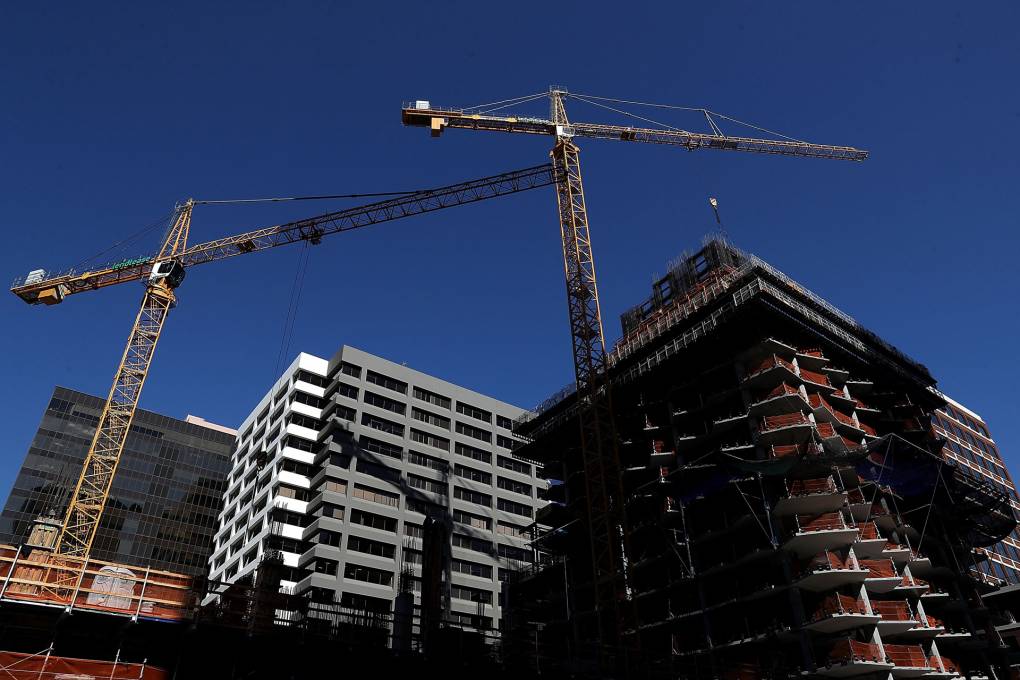
"caption": "Proposition K would authorize 10,000 units of affordable housing in San Francisco, and Prop I would impose a new tax to pay for it all. ",
"description": "Proposition K would authorize 10,000 units of affordable housing in San Francisco, and Prop I would impose a new tax to pay for it all. ",
"title": "SFHousingConstruction",
"credit": "Justin Sullivan/Getty Images",
"status": "inherit",
"isLoading": false,
"fetchFailed": false
},
"news_11801369": {
"type": "attachments",
"id": "news_11801369",
"meta": {
"index": "attachments_1716263798",
"site": "news",
"id": "11801369",
"found": true
},
"parent": 11801176,
"imgSizes": {
"apple_news_ca_landscape_5_5": {
"file": "https://ww2.kqed.org/app/uploads/sites/10/2020/02/M4H-protest-1044x783.jpg",
"width": 1044,
"mimeType": "image/jpeg",
"height": 783
},
"apple_news_ca_square_4_0": {
"file": "https://ww2.kqed.org/app/uploads/sites/10/2020/02/M4H-protest-470x470.jpg",
"width": 470,
"mimeType": "image/jpeg",
"height": 470
},
"twentyfourteen-full-width": {
"file": "https://ww2.kqed.org/app/uploads/sites/10/2020/02/M4H-protest-1038x576.jpg",
"width": 1038,
"mimeType": "image/jpeg",
"height": 576
},
"thumbnail": {
"file": "https://ww2.kqed.org/app/uploads/sites/10/2020/02/M4H-protest-160x120.jpg",
"width": 160,
"mimeType": "image/jpeg",
"height": 120
},
"post-thumbnail": {
"file": "https://ww2.kqed.org/app/uploads/sites/10/2020/02/M4H-protest-672x372.jpg",
"width": 672,
"mimeType": "image/jpeg",
"height": 372
},
"kqedFullSize": {
"file": "https://ww2.kqed.org/app/uploads/sites/10/2020/02/M4H-protest-e1581548044810.jpg",
"width": 1920,
"height": 1440
},
"apple_news_ca_landscape_4_7": {
"file": "https://ww2.kqed.org/app/uploads/sites/10/2020/02/M4H-protest-632x474.jpg",
"width": 632,
"mimeType": "image/jpeg",
"height": 474
},
"large": {
"file": "https://ww2.kqed.org/app/uploads/sites/10/2020/02/M4H-protest-1020x765.jpg",
"width": 1020,
"mimeType": "image/jpeg",
"height": 765
},
"apple_news_ca_landscape_4_0": {
"file": "https://ww2.kqed.org/app/uploads/sites/10/2020/02/M4H-protest-536x402.jpg",
"width": 536,
"mimeType": "image/jpeg",
"height": 402
},
"apple_news_ca_portrait_12_9": {
"file": "https://ww2.kqed.org/app/uploads/sites/10/2020/02/M4H-protest-1122x1496.jpg",
"width": 1122,
"mimeType": "image/jpeg",
"height": 1496
},
"medium": {
"file": "https://ww2.kqed.org/app/uploads/sites/10/2020/02/M4H-protest-800x600.jpg",
"width": 800,
"mimeType": "image/jpeg",
"height": 600
},
"apple_news_ca_portrait_4_0": {
"file": "https://ww2.kqed.org/app/uploads/sites/10/2020/02/M4H-protest-354x472.jpg",
"width": 354,
"mimeType": "image/jpeg",
"height": 472
},
"apple_news_ca_portrait_9_7": {
"file": "https://ww2.kqed.org/app/uploads/sites/10/2020/02/M4H-protest-840x1120.jpg",
"width": 840,
"mimeType": "image/jpeg",
"height": 1120
},
"apple_news_ca_landscape_12_9": {
"file": "https://ww2.kqed.org/app/uploads/sites/10/2020/02/M4H-protest-1832x1374.jpg",
"width": 1832,
"mimeType": "image/jpeg",
"height": 1374
},
"apple_news_ca_square_9_7": {
"file": "https://ww2.kqed.org/app/uploads/sites/10/2020/02/M4H-protest-1104x1104.jpg",
"width": 1104,
"mimeType": "image/jpeg",
"height": 1104
},
"apple_news_ca_portrait_4_7": {
"file": "https://ww2.kqed.org/app/uploads/sites/10/2020/02/M4H-protest-414x552.jpg",
"width": 414,
"mimeType": "image/jpeg",
"height": 552
},
"apple_news_ca_square_12_9": {
"file": "https://ww2.kqed.org/app/uploads/sites/10/2020/02/M4H-protest-1472x1472.jpg",
"width": 1472,
"mimeType": "image/jpeg",
"height": 1472
},
"apple_news_ca_portrait_5_5": {
"file": "https://ww2.kqed.org/app/uploads/sites/10/2020/02/M4H-protest-687x916.jpg",
"width": 687,
"mimeType": "image/jpeg",
"height": 916
},
"full-width": {
"file": "https://ww2.kqed.org/app/uploads/sites/10/2020/02/M4H-protest-1920x1440.jpg",
"width": 1920,
"mimeType": "image/jpeg",
"height": 1440
},
"apple_news_ca_square_4_7": {
"file": "https://ww2.kqed.org/app/uploads/sites/10/2020/02/M4H-protest-550x550.jpg",
"width": 550,
"mimeType": "image/jpeg",
"height": 550
},
"apple_news_ca_landscape_9_7": {
"file": "https://ww2.kqed.org/app/uploads/sites/10/2020/02/M4H-protest-1376x1032.jpg",
"width": 1376,
"mimeType": "image/jpeg",
"height": 1032
},
"apple_news_ca_square_5_5": {
"file": "https://ww2.kqed.org/app/uploads/sites/10/2020/02/M4H-protest-912x912.jpg",
"width": 912,
"mimeType": "image/jpeg",
"height": 912
}
},
"publishDate": 1581548002,
"modified": 1581633779,
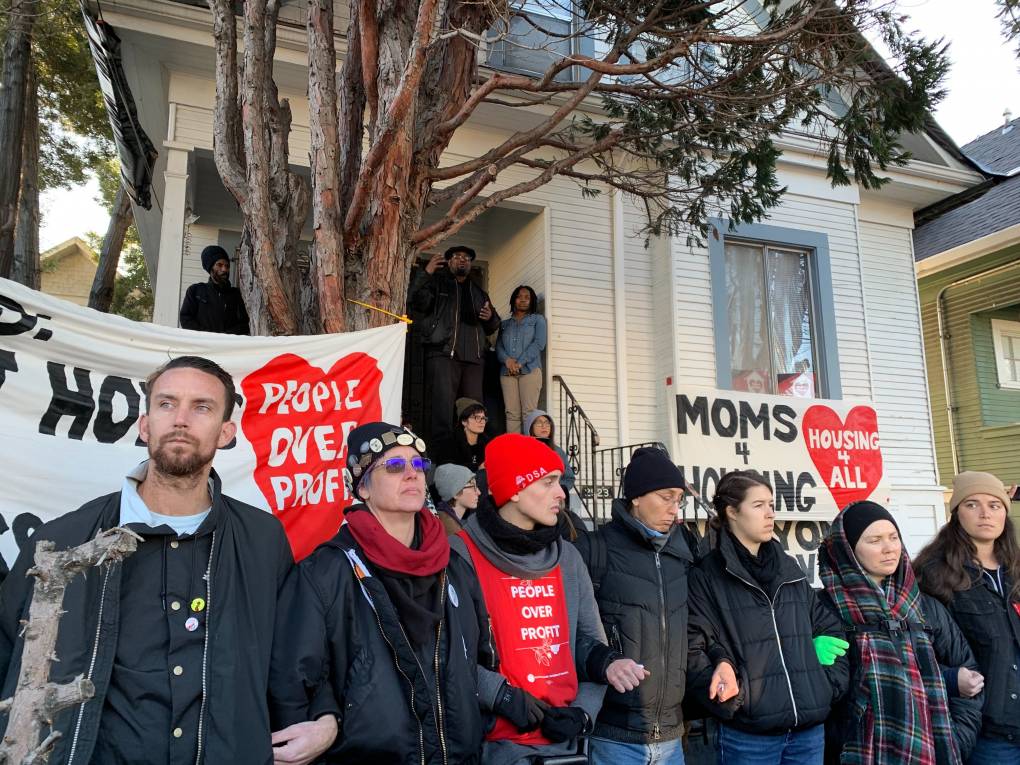
"caption": "Supporters of Moms 4 Housing rally in front of the West Oakland house the group occupied for several months before being forcefully evicted in January. A community land trust has since agreed to purchase the house and allow the women move back in.",
"description": "Supporters of Moms 4 Housing rally in front of the West Oakland house the group occupied for several months before being forcefully evicted in January. A community land trust has since agreed to purchase the house and allow the women move back in.",
"title": "M4H protest",
"credit": "Molly Solomon/KQED",
"status": "inherit",
"isLoading": false,
"fetchFailed": false
},
"news_11843054": {
"type": "attachments",
"id": "news_11843054",
"meta": {
"index": "attachments_1716263798",
"site": "news",
"id": "11843054",
"found": true
},
"parent": 11843004,
"imgSizes": {
"apple_news_ca_landscape_5_5": {
"file": "https://ww2.kqed.org/app/uploads/sites/10/2020/10/RS43040_011_KQED_SanFrancisco_TentEncampments_05052020-qut-1044x783.jpg",
"width": 1044,
"mimeType": "image/jpeg",
"height": 783
},
"apple_news_ca_square_4_0": {
"file": "https://ww2.kqed.org/app/uploads/sites/10/2020/10/RS43040_011_KQED_SanFrancisco_TentEncampments_05052020-qut-470x470.jpg",
"width": 470,
"mimeType": "image/jpeg",
"height": 470
},
"twentyfourteen-full-width": {
"file": "https://ww2.kqed.org/app/uploads/sites/10/2020/10/RS43040_011_KQED_SanFrancisco_TentEncampments_05052020-qut-1038x576.jpg",
"width": 1038,
"mimeType": "image/jpeg",
"height": 576
},
"thumbnail": {
"file": "https://ww2.kqed.org/app/uploads/sites/10/2020/10/RS43040_011_KQED_SanFrancisco_TentEncampments_05052020-qut-160x107.jpg",
"width": 160,
"mimeType": "image/jpeg",
"height": 107
},
"post-thumbnail": {
"file": "https://ww2.kqed.org/app/uploads/sites/10/2020/10/RS43040_011_KQED_SanFrancisco_TentEncampments_05052020-qut-672x372.jpg",
"width": 672,
"mimeType": "image/jpeg",
"height": 372
},
"kqedFullSize": {
"file": "https://ww2.kqed.org/app/uploads/sites/10/2020/10/RS43040_011_KQED_SanFrancisco_TentEncampments_05052020-qut.jpg",
"width": 1920,
"height": 1280
},
"apple_news_ca_landscape_4_7": {
"file": "https://ww2.kqed.org/app/uploads/sites/10/2020/10/RS43040_011_KQED_SanFrancisco_TentEncampments_05052020-qut-632x474.jpg",
"width": 632,
"mimeType": "image/jpeg",
"height": 474
},
"large": {
"file": "https://ww2.kqed.org/app/uploads/sites/10/2020/10/RS43040_011_KQED_SanFrancisco_TentEncampments_05052020-qut-1020x680.jpg",
"width": 1020,
"mimeType": "image/jpeg",
"height": 680
},
"apple_news_ca_landscape_4_0": {
"file": "https://ww2.kqed.org/app/uploads/sites/10/2020/10/RS43040_011_KQED_SanFrancisco_TentEncampments_05052020-qut-536x402.jpg",
"width": 536,
"mimeType": "image/jpeg",
"height": 402
},
"apple_news_ca_portrait_12_9": {
"file": "https://ww2.kqed.org/app/uploads/sites/10/2020/10/RS43040_011_KQED_SanFrancisco_TentEncampments_05052020-qut-1122x1280.jpg",
"width": 1122,
"mimeType": "image/jpeg",
"height": 1280
},
"medium": {
"file": "https://ww2.kqed.org/app/uploads/sites/10/2020/10/RS43040_011_KQED_SanFrancisco_TentEncampments_05052020-qut-800x533.jpg",
"width": 800,
"mimeType": "image/jpeg",
"height": 533
},
"apple_news_ca_portrait_4_0": {
"file": "https://ww2.kqed.org/app/uploads/sites/10/2020/10/RS43040_011_KQED_SanFrancisco_TentEncampments_05052020-qut-354x472.jpg",
"width": 354,
"mimeType": "image/jpeg",
"height": 472
},
"apple_news_ca_portrait_9_7": {
"file": "https://ww2.kqed.org/app/uploads/sites/10/2020/10/RS43040_011_KQED_SanFrancisco_TentEncampments_05052020-qut-840x1120.jpg",
"width": 840,
"mimeType": "image/jpeg",
"height": 1120
},
"apple_news_ca_landscape_12_9": {
"file": "https://ww2.kqed.org/app/uploads/sites/10/2020/10/RS43040_011_KQED_SanFrancisco_TentEncampments_05052020-qut-1832x1280.jpg",
"width": 1832,
"mimeType": "image/jpeg",
"height": 1280
},
"apple_news_ca_square_9_7": {
"file": "https://ww2.kqed.org/app/uploads/sites/10/2020/10/RS43040_011_KQED_SanFrancisco_TentEncampments_05052020-qut-1104x1104.jpg",
"width": 1104,
"mimeType": "image/jpeg",
"height": 1104
},
"1536x1536": {
"file": "https://ww2.kqed.org/app/uploads/sites/10/2020/10/RS43040_011_KQED_SanFrancisco_TentEncampments_05052020-qut-1536x1024.jpg",
"width": 1536,
"mimeType": "image/jpeg",
"height": 1024
},
"apple_news_ca_portrait_4_7": {
"file": "https://ww2.kqed.org/app/uploads/sites/10/2020/10/RS43040_011_KQED_SanFrancisco_TentEncampments_05052020-qut-414x552.jpg",
"width": 414,
"mimeType": "image/jpeg",
"height": 552
},
"apple_news_ca_square_12_9": {
"file": "https://ww2.kqed.org/app/uploads/sites/10/2020/10/RS43040_011_KQED_SanFrancisco_TentEncampments_05052020-qut-1472x1280.jpg",
"width": 1472,
"mimeType": "image/jpeg",
"height": 1280
},
"apple_news_ca_portrait_5_5": {
"file": "https://ww2.kqed.org/app/uploads/sites/10/2020/10/RS43040_011_KQED_SanFrancisco_TentEncampments_05052020-qut-687x916.jpg",
"width": 687,
"mimeType": "image/jpeg",
"height": 916
},
"apple_news_ca_square_4_7": {
"file": "https://ww2.kqed.org/app/uploads/sites/10/2020/10/RS43040_011_KQED_SanFrancisco_TentEncampments_05052020-qut-550x550.jpg",
"width": 550,
"mimeType": "image/jpeg",
"height": 550
},
"apple_news_ca_landscape_9_7": {
"file": "https://ww2.kqed.org/app/uploads/sites/10/2020/10/RS43040_011_KQED_SanFrancisco_TentEncampments_05052020-qut-1376x1032.jpg",
"width": 1376,
"mimeType": "image/jpeg",
"height": 1032
},
"apple_news_ca_square_5_5": {
"file": "https://ww2.kqed.org/app/uploads/sites/10/2020/10/RS43040_011_KQED_SanFrancisco_TentEncampments_05052020-qut-912x912.jpg",
"width": 912,
"mimeType": "image/jpeg",
"height": 912
}
},
"publishDate": 1603237048,
"modified": 1603237180,
"caption": "Tents line a gravel sidewalk off Fulton Street near City Hall on May 5, 2020. On Wednesday, city staffers started drawing out socially distant spaces with chalk on the street for the tents to stay. ",
"description": null,
"title": "Tents line Fulton Street near City Hall on April 5, 2020.",
"credit": "Beth LaBerge/KQED",
"status": "inherit",
"isLoading": false,
"fetchFailed": false
},
"news_11802781": {
"type": "attachments",
"id": "news_11802781",
"meta": {
"index": "attachments_1716263798",
"site": "news",
"id": "11802781",
"found": true
},
"parent": 11802722,
"imgSizes": {
"apple_news_ca_landscape_5_5": {
"file": "https://ww2.kqed.org/app/uploads/sites/10/2020/02/RS41454_TRUMP-2020-qut-1044x783.jpg",
"width": 1044,
"mimeType": "image/jpeg",
"height": 783
},
"apple_news_ca_square_4_0": {
"file": "https://ww2.kqed.org/app/uploads/sites/10/2020/02/RS41454_TRUMP-2020-qut-470x470.jpg",
"width": 470,
"mimeType": "image/jpeg",
"height": 470
},
"twentyfourteen-full-width": {
"file": "https://ww2.kqed.org/app/uploads/sites/10/2020/02/RS41454_TRUMP-2020-qut-1038x576.jpg",
"width": 1038,
"mimeType": "image/jpeg",
"height": 576
},
"thumbnail": {
"file": "https://ww2.kqed.org/app/uploads/sites/10/2020/02/RS41454_TRUMP-2020-qut-160x107.jpg",
"width": 160,
"mimeType": "image/jpeg",
"height": 107
},
"post-thumbnail": {
"file": "https://ww2.kqed.org/app/uploads/sites/10/2020/02/RS41454_TRUMP-2020-qut-672x372.jpg",
"width": 672,
"mimeType": "image/jpeg",
"height": 372
},
"kqedFullSize": {
"file": "https://ww2.kqed.org/app/uploads/sites/10/2020/02/RS41454_TRUMP-2020-qut.jpg",
"width": 1920,
"height": 1280
},
"apple_news_ca_landscape_4_7": {
"file": "https://ww2.kqed.org/app/uploads/sites/10/2020/02/RS41454_TRUMP-2020-qut-632x474.jpg",
"width": 632,
"mimeType": "image/jpeg",
"height": 474
},
"large": {
"file": "https://ww2.kqed.org/app/uploads/sites/10/2020/02/RS41454_TRUMP-2020-qut-1020x680.jpg",
"width": 1020,
"mimeType": "image/jpeg",
"height": 680
},
"apple_news_ca_landscape_4_0": {
"file": "https://ww2.kqed.org/app/uploads/sites/10/2020/02/RS41454_TRUMP-2020-qut-536x402.jpg",
"width": 536,
"mimeType": "image/jpeg",
"height": 402
},
"apple_news_ca_portrait_12_9": {
"file": "https://ww2.kqed.org/app/uploads/sites/10/2020/02/RS41454_TRUMP-2020-qut-1122x1280.jpg",
"width": 1122,
"mimeType": "image/jpeg",
"height": 1280
},
"medium": {
"file": "https://ww2.kqed.org/app/uploads/sites/10/2020/02/RS41454_TRUMP-2020-qut-800x533.jpg",
"width": 800,
"mimeType": "image/jpeg",
"height": 533
},
"apple_news_ca_portrait_4_0": {
"file": "https://ww2.kqed.org/app/uploads/sites/10/2020/02/RS41454_TRUMP-2020-qut-354x472.jpg",
"width": 354,
"mimeType": "image/jpeg",
"height": 472
},
"apple_news_ca_portrait_9_7": {
"file": "https://ww2.kqed.org/app/uploads/sites/10/2020/02/RS41454_TRUMP-2020-qut-840x1120.jpg",
"width": 840,
"mimeType": "image/jpeg",
"height": 1120
},
"apple_news_ca_landscape_12_9": {
"file": "https://ww2.kqed.org/app/uploads/sites/10/2020/02/RS41454_TRUMP-2020-qut-1832x1280.jpg",
"width": 1832,
"mimeType": "image/jpeg",
"height": 1280
},
"apple_news_ca_square_9_7": {
"file": "https://ww2.kqed.org/app/uploads/sites/10/2020/02/RS41454_TRUMP-2020-qut-1104x1104.jpg",
"width": 1104,
"mimeType": "image/jpeg",
"height": 1104
},
"apple_news_ca_portrait_4_7": {
"file": "https://ww2.kqed.org/app/uploads/sites/10/2020/02/RS41454_TRUMP-2020-qut-414x552.jpg",
"width": 414,
"mimeType": "image/jpeg",
"height": 552
},
"apple_news_ca_square_12_9": {
"file": "https://ww2.kqed.org/app/uploads/sites/10/2020/02/RS41454_TRUMP-2020-qut-1472x1280.jpg",
"width": 1472,
"mimeType": "image/jpeg",
"height": 1280
},
"apple_news_ca_portrait_5_5": {
"file": "https://ww2.kqed.org/app/uploads/sites/10/2020/02/RS41454_TRUMP-2020-qut-687x916.jpg",
"width": 687,
"mimeType": "image/jpeg",
"height": 916
},
"full-width": {
"file": "https://ww2.kqed.org/app/uploads/sites/10/2020/02/RS41454_TRUMP-2020-qut-1920x1280.jpg",
"width": 1920,
"mimeType": "image/jpeg",
"height": 1280
},
"apple_news_ca_square_4_7": {
"file": "https://ww2.kqed.org/app/uploads/sites/10/2020/02/RS41454_TRUMP-2020-qut-550x550.jpg",
"width": 550,
"mimeType": "image/jpeg",
"height": 550
},
"apple_news_ca_landscape_9_7": {
"file": "https://ww2.kqed.org/app/uploads/sites/10/2020/02/RS41454_TRUMP-2020-qut-1376x1032.jpg",
"width": 1376,
"mimeType": "image/jpeg",
"height": 1032
},
"apple_news_ca_square_5_5": {
"file": "https://ww2.kqed.org/app/uploads/sites/10/2020/02/RS41454_TRUMP-2020-qut-912x912.jpg",
"width": 912,
"mimeType": "image/jpeg",
"height": 912
}
},
"publishDate": 1582308128,
"modified": 1603145441,
"caption": "Supporters of President Trump came out to Meadows Field Airport in Bakersfield wearing Trump 2020 campaign swag.",
"description": "Supporters of President Donald Trump came out to Meadows Field Airport in Bakersfield wearing Trump 2020 campaign swag.",
"title": "RS41454_TRUMP 2020-qut",
"credit": "Alexandra Hall/KQED",
"status": "inherit",
"isLoading": false,
"fetchFailed": false
},
"news_11842390": {
"type": "attachments",
"id": "news_11842390",
"meta": {
"index": "attachments_1716263798",
"site": "news",
"id": "11842390",
"found": true
},
"parent": 0,
"imgSizes": {
"apple_news_ca_landscape_5_5": {
"file": "https://ww2.kqed.org/app/uploads/sites/10/2020/10/201009-M4H-Oakland-celebration_1-1044x783.jpg",
"width": 1044,
"mimeType": "image/jpeg",
"height": 783
},
"apple_news_ca_square_4_0": {
"file": "https://ww2.kqed.org/app/uploads/sites/10/2020/10/201009-M4H-Oakland-celebration_1-470x470.jpg",
"width": 470,
"mimeType": "image/jpeg",
"height": 470
},
"twentyfourteen-full-width": {
"file": "https://ww2.kqed.org/app/uploads/sites/10/2020/10/201009-M4H-Oakland-celebration_1-1038x576.jpg",
"width": 1038,
"mimeType": "image/jpeg",
"height": 576
},
"thumbnail": {
"file": "https://ww2.kqed.org/app/uploads/sites/10/2020/10/201009-M4H-Oakland-celebration_1-160x107.jpg",
"width": 160,
"mimeType": "image/jpeg",
"height": 107
},
"post-thumbnail": {
"file": "https://ww2.kqed.org/app/uploads/sites/10/2020/10/201009-M4H-Oakland-celebration_1-672x372.jpg",
"width": 672,
"mimeType": "image/jpeg",
"height": 372
},
"kqedFullSize": {
"file": "https://ww2.kqed.org/app/uploads/sites/10/2020/10/201009-M4H-Oakland-celebration_1-scaled.jpg",
"width": 2560,
"height": 1707
},
"2048x2048": {
"file": "https://ww2.kqed.org/app/uploads/sites/10/2020/10/201009-M4H-Oakland-celebration_1-2048x1365.jpg",
"width": 2048,
"mimeType": "image/jpeg",
"height": 1365
},
"apple_news_ca_landscape_4_7": {
"file": "https://ww2.kqed.org/app/uploads/sites/10/2020/10/201009-M4H-Oakland-celebration_1-632x474.jpg",
"width": 632,
"mimeType": "image/jpeg",
"height": 474
},
"large": {
"file": "https://ww2.kqed.org/app/uploads/sites/10/2020/10/201009-M4H-Oakland-celebration_1-1020x680.jpg",
"width": 1020,
"mimeType": "image/jpeg",
"height": 680
},
"apple_news_ca_landscape_4_0": {
"file": "https://ww2.kqed.org/app/uploads/sites/10/2020/10/201009-M4H-Oakland-celebration_1-536x402.jpg",
"width": 536,
"mimeType": "image/jpeg",
"height": 402
},
"apple_news_ca_portrait_12_9": {
"file": "https://ww2.kqed.org/app/uploads/sites/10/2020/10/201009-M4H-Oakland-celebration_1-1122x1496.jpg",
"width": 1122,
"mimeType": "image/jpeg",
"height": 1496
},
"medium": {
"file": "https://ww2.kqed.org/app/uploads/sites/10/2020/10/201009-M4H-Oakland-celebration_1-800x533.jpg",
"width": 800,
"mimeType": "image/jpeg",
"height": 533
},
"apple_news_ca_portrait_4_0": {
"file": "https://ww2.kqed.org/app/uploads/sites/10/2020/10/201009-M4H-Oakland-celebration_1-354x472.jpg",
"width": 354,
"mimeType": "image/jpeg",
"height": 472
},
"apple_news_ca_portrait_9_7": {
"file": "https://ww2.kqed.org/app/uploads/sites/10/2020/10/201009-M4H-Oakland-celebration_1-840x1120.jpg",
"width": 840,
"mimeType": "image/jpeg",
"height": 1120
},
"apple_news_ca_landscape_12_9": {
"file": "https://ww2.kqed.org/app/uploads/sites/10/2020/10/201009-M4H-Oakland-celebration_1-1832x1374.jpg",
"width": 1832,
"mimeType": "image/jpeg",
"height": 1374
},
"apple_news_ca_square_9_7": {
"file": "https://ww2.kqed.org/app/uploads/sites/10/2020/10/201009-M4H-Oakland-celebration_1-1104x1104.jpg",
"width": 1104,
"mimeType": "image/jpeg",
"height": 1104
},
"1536x1536": {
"file": "https://ww2.kqed.org/app/uploads/sites/10/2020/10/201009-M4H-Oakland-celebration_1-1536x1024.jpg",
"width": 1536,
"mimeType": "image/jpeg",
"height": 1024
},
"apple_news_ca_portrait_4_7": {
"file": "https://ww2.kqed.org/app/uploads/sites/10/2020/10/201009-M4H-Oakland-celebration_1-414x552.jpg",
"width": 414,
"mimeType": "image/jpeg",
"height": 552
},
"apple_news_ca_square_12_9": {
"file": "https://ww2.kqed.org/app/uploads/sites/10/2020/10/201009-M4H-Oakland-celebration_1-1472x1472.jpg",
"width": 1472,
"mimeType": "image/jpeg",
"height": 1472
},
"apple_news_ca_portrait_5_5": {
"file": "https://ww2.kqed.org/app/uploads/sites/10/2020/10/201009-M4H-Oakland-celebration_1-687x916.jpg",
"width": 687,
"mimeType": "image/jpeg",
"height": 916
},
"full-width": {
"file": "https://ww2.kqed.org/app/uploads/sites/10/2020/10/201009-M4H-Oakland-celebration_1-1920x1280.jpg",
"width": 1920,
"mimeType": "image/jpeg",
"height": 1280
},
"apple_news_ca_square_4_7": {
"file": "https://ww2.kqed.org/app/uploads/sites/10/2020/10/201009-M4H-Oakland-celebration_1-550x550.jpg",
"width": 550,
"mimeType": "image/jpeg",
"height": 550
},
"apple_news_ca_landscape_9_7": {
"file": "https://ww2.kqed.org/app/uploads/sites/10/2020/10/201009-M4H-Oakland-celebration_1-1376x1032.jpg",
"width": 1376,
"mimeType": "image/jpeg",
"height": 1032
},
"apple_news_ca_square_5_5": {
"file": "https://ww2.kqed.org/app/uploads/sites/10/2020/10/201009-M4H-Oakland-celebration_1-912x912.jpg",
"width": 912,
"mimeType": "image/jpeg",
"height": 912
}
},
"publishDate": 1602728372,
"modified": 1603133056,
"caption": "Dominique Walker stands in front of a home on Magnolia Street in West Oakland on Oct. 9, 2020. She and three other moms occupied the home for two months in late 2019 and early 2020 to protest real estate speculation that leads to high housing costs in Oakland. She returned almost a year later to celebrate after a community land trust bought the home. It will now become transitional housing for homeless mothers.",
"description": "Dominique Walker stands in front of a home on Magnolia Street in West Oakland on Friday, Oct. 9, 2020. She and three other moms occupied the home for two months in late 2019 and early 2020 to protest real estate speculation that leads to high housing costs in Oakland. She returned almost a year later to celebrate after a community land trust bought the home. It will now become transitional housing for homeless mothers. (Photo by Erin Baldassari/KQED)",
"title": "201009 M4H Oakland celebration_1",
"credit": "Erin Baldassari/KQED",
"status": "inherit",
"isLoading": false,
"fetchFailed": false
},
"news_11841783": {
"type": "attachments",
"id": "news_11841783",
"meta": {
"index": "attachments_1716263798",
"site": "news",
"id": "11841783",
"found": true
},
"parent": 11841779,
"imgSizes": {
"apple_news_ca_landscape_5_5": {
"file": "https://ww2.kqed.org/app/uploads/sites/10/2020/10/iStock-904795404-1044x783.jpg",
"width": 1044,
"mimeType": "image/jpeg",
"height": 783
},
"apple_news_ca_square_4_0": {
"file": "https://ww2.kqed.org/app/uploads/sites/10/2020/10/iStock-904795404-470x470.jpg",
"width": 470,
"mimeType": "image/jpeg",
"height": 470
},
"twentyfourteen-full-width": {
"file": "https://ww2.kqed.org/app/uploads/sites/10/2020/10/iStock-904795404-1038x576.jpg",
"width": 1038,
"mimeType": "image/jpeg",
"height": 576
},
"thumbnail": {
"file": "https://ww2.kqed.org/app/uploads/sites/10/2020/10/iStock-904795404-160x107.jpg",
"width": 160,
"mimeType": "image/jpeg",
"height": 107
},
"post-thumbnail": {
"file": "https://ww2.kqed.org/app/uploads/sites/10/2020/10/iStock-904795404-672x372.jpg",
"width": 672,
"mimeType": "image/jpeg",
"height": 372
},
"kqedFullSize": {
"file": "https://ww2.kqed.org/app/uploads/sites/10/2020/10/iStock-904795404.jpg",
"width": 2121,
"height": 1414
},
"2048x2048": {
"file": "https://ww2.kqed.org/app/uploads/sites/10/2020/10/iStock-904795404-2048x1365.jpg",
"width": 2048,
"mimeType": "image/jpeg",
"height": 1365
},
"apple_news_ca_landscape_4_7": {
"file": "https://ww2.kqed.org/app/uploads/sites/10/2020/10/iStock-904795404-632x474.jpg",
"width": 632,
"mimeType": "image/jpeg",
"height": 474
},
"large": {
"file": "https://ww2.kqed.org/app/uploads/sites/10/2020/10/iStock-904795404-1020x680.jpg",
"width": 1020,
"mimeType": "image/jpeg",
"height": 680
},
"apple_news_ca_landscape_4_0": {
"file": "https://ww2.kqed.org/app/uploads/sites/10/2020/10/iStock-904795404-536x402.jpg",
"width": 536,
"mimeType": "image/jpeg",
"height": 402
},
"apple_news_ca_portrait_12_9": {
"file": "https://ww2.kqed.org/app/uploads/sites/10/2020/10/iStock-904795404-1122x1414.jpg",
"width": 1122,
"mimeType": "image/jpeg",
"height": 1414
},
"medium": {
"file": "https://ww2.kqed.org/app/uploads/sites/10/2020/10/iStock-904795404-800x533.jpg",
"width": 800,
"mimeType": "image/jpeg",
"height": 533
},
"apple_news_ca_portrait_4_0": {
"file": "https://ww2.kqed.org/app/uploads/sites/10/2020/10/iStock-904795404-354x472.jpg",
"width": 354,
"mimeType": "image/jpeg",
"height": 472
},
"apple_news_ca_portrait_9_7": {
"file": "https://ww2.kqed.org/app/uploads/sites/10/2020/10/iStock-904795404-840x1120.jpg",
"width": 840,
"mimeType": "image/jpeg",
"height": 1120
},
"apple_news_ca_landscape_12_9": {
"file": "https://ww2.kqed.org/app/uploads/sites/10/2020/10/iStock-904795404-1832x1374.jpg",
"width": 1832,
"mimeType": "image/jpeg",
"height": 1374
},
"apple_news_ca_square_9_7": {
"file": "https://ww2.kqed.org/app/uploads/sites/10/2020/10/iStock-904795404-1104x1104.jpg",
"width": 1104,
"mimeType": "image/jpeg",
"height": 1104
},
"1536x1536": {
"file": "https://ww2.kqed.org/app/uploads/sites/10/2020/10/iStock-904795404-1536x1024.jpg",
"width": 1536,
"mimeType": "image/jpeg",
"height": 1024
},
"apple_news_ca_portrait_4_7": {
"file": "https://ww2.kqed.org/app/uploads/sites/10/2020/10/iStock-904795404-414x552.jpg",
"width": 414,
"mimeType": "image/jpeg",
"height": 552
},
"apple_news_ca_square_12_9": {
"file": "https://ww2.kqed.org/app/uploads/sites/10/2020/10/iStock-904795404-1472x1414.jpg",
"width": 1472,
"mimeType": "image/jpeg",
"height": 1414
},
"apple_news_ca_portrait_5_5": {
"file": "https://ww2.kqed.org/app/uploads/sites/10/2020/10/iStock-904795404-687x916.jpg",
"width": 687,
"mimeType": "image/jpeg",
"height": 916
},
"full-width": {
"file": "https://ww2.kqed.org/app/uploads/sites/10/2020/10/iStock-904795404-1920x1280.jpg",
"width": 1920,
"mimeType": "image/jpeg",
"height": 1280
},
"apple_news_ca_square_4_7": {
"file": "https://ww2.kqed.org/app/uploads/sites/10/2020/10/iStock-904795404-550x550.jpg",
"width": 550,
"mimeType": "image/jpeg",
"height": 550
},
"apple_news_ca_landscape_9_7": {
"file": "https://ww2.kqed.org/app/uploads/sites/10/2020/10/iStock-904795404-1376x1032.jpg",
"width": 1376,
"mimeType": "image/jpeg",
"height": 1032
},
"apple_news_ca_square_5_5": {
"file": "https://ww2.kqed.org/app/uploads/sites/10/2020/10/iStock-904795404-912x912.jpg",
"width": 912,
"mimeType": "image/jpeg",
"height": 912
}
},
"publishDate": 1602285246,
"modified": 1602285390,
"caption": "Current law requires buildings built after 1995 be exempt from local rent control measures. But in many cities, like San Francisco, the cutoff date is older. ",
"description": "An outside photo of colorful apartment buildings with bay windows in San Francisco.",
"title": "Typical buildings in San Francisco.",
"credit": "ibsky/iStock",
"status": "inherit",
"isLoading": false,
"fetchFailed": false
},
"news_11841803": {
"type": "attachments",
"id": "news_11841803",
"meta": {
"index": "attachments_1716263798",
"site": "news",
"id": "11841803",
"found": true
},
"title": "RepNowMural",
"publishDate": 1602287066,
"status": "inherit",
"parent": 11841801,
"modified": 1750185613,
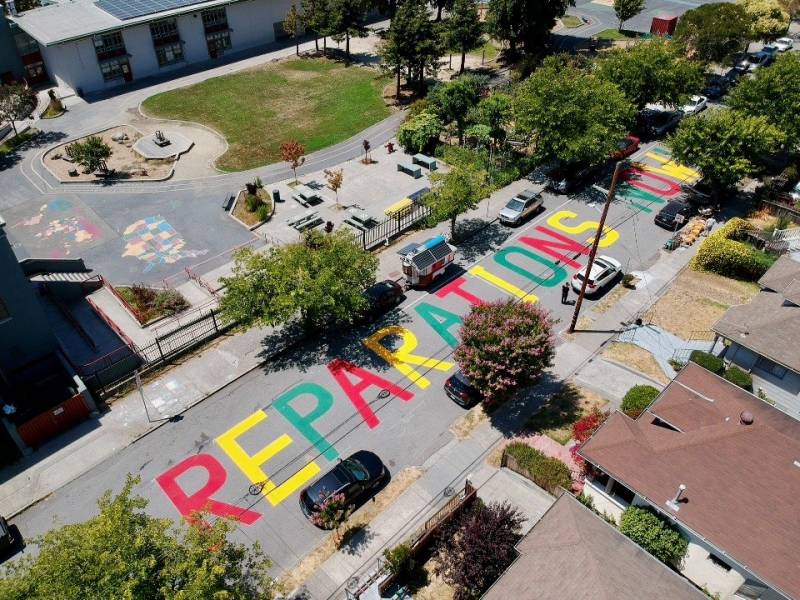
"caption": "A street mural on Ellis Street in South Berkeley spells out \"Reparations Now!\"",
"credit": "Courtesy of Todd Matthews",
"altTag": "A street mural on Ellis Street in South Berkeley spells out 'Reparations Now!'",
"description": null,
"imgSizes": {
"medium": {
"file": "https://cdn.kqed.org/wp-content/uploads/sites/10/2020/10/RepNowMural-800x600.jpg",
"width": 800,
"height": 600,
"mimeType": "image/jpeg"
},
"thumbnail": {
"file": "https://cdn.kqed.org/wp-content/uploads/sites/10/2020/10/RepNowMural-160x120.jpg",
"width": 160,
"height": 120,
"mimeType": "image/jpeg"
},
"post-thumbnail": {
"file": "https://cdn.kqed.org/wp-content/uploads/sites/10/2020/10/RepNowMural-672x372.jpg",
"width": 672,
"height": 372,
"mimeType": "image/jpeg"
},
"twentyfourteen-full-width": {
"file": "https://cdn.kqed.org/wp-content/uploads/sites/10/2020/10/RepNowMural-960x576.jpg",
"width": 960,
"height": 576,
"mimeType": "image/jpeg"
},
"apple_news_ca_landscape_4_7": {
"file": "https://cdn.kqed.org/wp-content/uploads/sites/10/2020/10/RepNowMural-632x474.jpg",
"width": 632,
"height": 474,
"mimeType": "image/jpeg"
},
"apple_news_ca_landscape_4_0": {
"file": "https://cdn.kqed.org/wp-content/uploads/sites/10/2020/10/RepNowMural-536x402.jpg",
"width": 536,
"height": 402,
"mimeType": "image/jpeg"
},
"apple_news_ca_portrait_9_7": {
"file": "https://cdn.kqed.org/wp-content/uploads/sites/10/2020/10/RepNowMural-840x720.jpg",
"width": 840,
"height": 720,
"mimeType": "image/jpeg"
},
"apple_news_ca_portrait_5_5": {
"file": "https://cdn.kqed.org/wp-content/uploads/sites/10/2020/10/RepNowMural-687x720.jpg",
"width": 687,
"height": 720,
"mimeType": "image/jpeg"
},
"apple_news_ca_portrait_4_7": {
"file": "https://cdn.kqed.org/wp-content/uploads/sites/10/2020/10/RepNowMural-414x552.jpg",
"width": 414,
"height": 552,
"mimeType": "image/jpeg"
},
"apple_news_ca_portrait_4_0": {
"file": "https://cdn.kqed.org/wp-content/uploads/sites/10/2020/10/RepNowMural-354x472.jpg",
"width": 354,
"height": 472,
"mimeType": "image/jpeg"
},
"apple_news_ca_square_5_5": {
"file": "https://cdn.kqed.org/wp-content/uploads/sites/10/2020/10/RepNowMural-912x720.jpg",
"width": 912,
"height": 720,
"mimeType": "image/jpeg"
},
"apple_news_ca_square_4_7": {
"file": "https://cdn.kqed.org/wp-content/uploads/sites/10/2020/10/RepNowMural-550x550.jpg",
"width": 550,
"height": 550,
"mimeType": "image/jpeg"
},
"apple_news_ca_square_4_0": {
"file": "https://cdn.kqed.org/wp-content/uploads/sites/10/2020/10/RepNowMural-470x470.jpg",
"width": 470,
"height": 470,
"mimeType": "image/jpeg"
},
"kqedFullSize": {
"file": "https://cdn.kqed.org/wp-content/uploads/sites/10/2020/10/RepNowMural.jpg",
"width": 960,
"height": 720
}
},
"isLoading": false,
"fetchFailed": false
},
"news_11840710": {
"type": "attachments",
"id": "news_11840710",
"meta": {
"index": "attachments_1716263798",
"site": "news",
"id": "11840710",
"found": true
},
"parent": 11840409,
"imgSizes": {
"apple_news_ca_landscape_5_5": {
"file": "https://ww2.kqed.org/app/uploads/sites/10/2020/10/RS45176_GettyImages-1203411750-qut-1044x783.jpg",
"width": 1044,
"mimeType": "image/jpeg",
"height": 783
},
"apple_news_ca_square_4_0": {
"file": "https://ww2.kqed.org/app/uploads/sites/10/2020/10/RS45176_GettyImages-1203411750-qut-470x470.jpg",
"width": 470,
"mimeType": "image/jpeg",
"height": 470
},
"twentyfourteen-full-width": {
"file": "https://ww2.kqed.org/app/uploads/sites/10/2020/10/RS45176_GettyImages-1203411750-qut-1038x576.jpg",
"width": 1038,
"mimeType": "image/jpeg",
"height": 576
},
"thumbnail": {
"file": "https://ww2.kqed.org/app/uploads/sites/10/2020/10/RS45176_GettyImages-1203411750-qut-160x107.jpg",
"width": 160,
"mimeType": "image/jpeg",
"height": 107
},
"post-thumbnail": {
"file": "https://ww2.kqed.org/app/uploads/sites/10/2020/10/RS45176_GettyImages-1203411750-qut-672x372.jpg",
"width": 672,
"mimeType": "image/jpeg",
"height": 372
},
"kqedFullSize": {
"file": "https://ww2.kqed.org/app/uploads/sites/10/2020/10/RS45176_GettyImages-1203411750-qut.jpg",
"width": 1920,
"height": 1280
},
"apple_news_ca_landscape_4_7": {
"file": "https://ww2.kqed.org/app/uploads/sites/10/2020/10/RS45176_GettyImages-1203411750-qut-632x474.jpg",
"width": 632,
"mimeType": "image/jpeg",
"height": 474
},
"large": {
"file": "https://ww2.kqed.org/app/uploads/sites/10/2020/10/RS45176_GettyImages-1203411750-qut-1020x680.jpg",
"width": 1020,
"mimeType": "image/jpeg",
"height": 680
},
"apple_news_ca_landscape_4_0": {
"file": "https://ww2.kqed.org/app/uploads/sites/10/2020/10/RS45176_GettyImages-1203411750-qut-536x402.jpg",
"width": 536,
"mimeType": "image/jpeg",
"height": 402
},
"apple_news_ca_portrait_12_9": {
"file": "https://ww2.kqed.org/app/uploads/sites/10/2020/10/RS45176_GettyImages-1203411750-qut-1122x1280.jpg",
"width": 1122,
"mimeType": "image/jpeg",
"height": 1280
},
"medium": {
"file": "https://ww2.kqed.org/app/uploads/sites/10/2020/10/RS45176_GettyImages-1203411750-qut-800x533.jpg",
"width": 800,
"mimeType": "image/jpeg",
"height": 533
},
"apple_news_ca_portrait_4_0": {
"file": "https://ww2.kqed.org/app/uploads/sites/10/2020/10/RS45176_GettyImages-1203411750-qut-354x472.jpg",
"width": 354,
"mimeType": "image/jpeg",
"height": 472
},
"apple_news_ca_portrait_9_7": {
"file": "https://ww2.kqed.org/app/uploads/sites/10/2020/10/RS45176_GettyImages-1203411750-qut-840x1120.jpg",
"width": 840,
"mimeType": "image/jpeg",
"height": 1120
},
"apple_news_ca_landscape_12_9": {
"file": "https://ww2.kqed.org/app/uploads/sites/10/2020/10/RS45176_GettyImages-1203411750-qut-1832x1280.jpg",
"width": 1832,
"mimeType": "image/jpeg",
"height": 1280
},
"apple_news_ca_square_9_7": {
"file": "https://ww2.kqed.org/app/uploads/sites/10/2020/10/RS45176_GettyImages-1203411750-qut-1104x1104.jpg",
"width": 1104,
"mimeType": "image/jpeg",
"height": 1104
},
"1536x1536": {
"file": "https://ww2.kqed.org/app/uploads/sites/10/2020/10/RS45176_GettyImages-1203411750-qut-1536x1024.jpg",
"width": 1536,
"mimeType": "image/jpeg",
"height": 1024
},
"apple_news_ca_portrait_4_7": {
"file": "https://ww2.kqed.org/app/uploads/sites/10/2020/10/RS45176_GettyImages-1203411750-qut-414x552.jpg",
"width": 414,
"mimeType": "image/jpeg",
"height": 552
},
"apple_news_ca_square_12_9": {
"file": "https://ww2.kqed.org/app/uploads/sites/10/2020/10/RS45176_GettyImages-1203411750-qut-1472x1280.jpg",
"width": 1472,
"mimeType": "image/jpeg",
"height": 1280
},
"apple_news_ca_portrait_5_5": {
"file": "https://ww2.kqed.org/app/uploads/sites/10/2020/10/RS45176_GettyImages-1203411750-qut-687x916.jpg",
"width": 687,
"mimeType": "image/jpeg",
"height": 916
},
"apple_news_ca_square_4_7": {
"file": "https://ww2.kqed.org/app/uploads/sites/10/2020/10/RS45176_GettyImages-1203411750-qut-550x550.jpg",
"width": 550,
"mimeType": "image/jpeg",
"height": 550
},
"apple_news_ca_landscape_9_7": {
"file": "https://ww2.kqed.org/app/uploads/sites/10/2020/10/RS45176_GettyImages-1203411750-qut-1376x1032.jpg",
"width": 1376,
"mimeType": "image/jpeg",
"height": 1032
},
"apple_news_ca_square_5_5": {
"file": "https://ww2.kqed.org/app/uploads/sites/10/2020/10/RS45176_GettyImages-1203411750-qut-912x912.jpg",
"width": 912,
"mimeType": "image/jpeg",
"height": 912
}
},
"publishDate": 1601598475,
"modified": 1601680085,
"caption": "Visitors attend Disneyland Park on February 25, 2020 in Anaheim, California. Under Proposition 13, passed by voters in 1978, the value of commercial properties is only reassessed when a person or legal entity acquires more than 50% of the ownership interest. As a result, companies like Disneyland, Intel and Chevron are currently paying taxes based on property assessments from the 1970s.",
"description": "Visitors attend Disneyland Park on February 25, 2020 in Anaheim, California. Under Proposition 13, passed by voters in 1978, the value of commercial properties is only reassessed when a person or legal entity acquires more than 50% of the ownership interest. As a result, companies like Disneyland, Intel and Chevron are currently paying taxes based on property assessments from the 1970s.",
"title": "Visitors attend Disneyland Park on February 25, 2020 in Anaheim, California.",
"credit": "David McNew/Getty Images",
"status": "inherit",
"isLoading": false,
"fetchFailed": false
},
"news_11840549": {
"type": "attachments",
"id": "news_11840549",
"meta": {
"index": "attachments_1716263798",
"site": "news",
"id": "11840549",
"found": true
},
"parent": 11840548,
"imgSizes": {
"apple_news_ca_square_4_0": {
"file": "https://ww2.kqed.org/app/uploads/sites/10/2020/10/ClaremontCourtGates_03-1-470x359.jpg",
"width": 470,
"mimeType": "image/jpeg",
"height": 359
},
"thumbnail": {
"file": "https://ww2.kqed.org/app/uploads/sites/10/2020/10/ClaremontCourtGates_03-1-160x99.jpg",
"width": 160,
"mimeType": "image/jpeg",
"height": 99
},
"kqedFullSize": {
"file": "https://ww2.kqed.org/app/uploads/sites/10/2020/10/ClaremontCourtGates_03-1.jpg",
"width": 580,
"height": 359
},
"apple_news_ca_portrait_4_7": {
"file": "https://ww2.kqed.org/app/uploads/sites/10/2020/10/ClaremontCourtGates_03-1-414x359.jpg",
"width": 414,
"mimeType": "image/jpeg",
"height": 359
},
"apple_news_ca_square_4_7": {
"file": "https://ww2.kqed.org/app/uploads/sites/10/2020/10/ClaremontCourtGates_03-1-550x359.jpg",
"width": 550,
"mimeType": "image/jpeg",
"height": 359
},
"apple_news_ca_landscape_4_0": {
"file": "https://ww2.kqed.org/app/uploads/sites/10/2020/10/ClaremontCourtGates_03-1-536x359.jpg",
"width": 536,
"mimeType": "image/jpeg",
"height": 359
},
"apple_news_ca_portrait_4_0": {
"file": "https://ww2.kqed.org/app/uploads/sites/10/2020/10/ClaremontCourtGates_03-1-354x359.jpg",
"width": 354,
"mimeType": "image/jpeg",
"height": 359
}
},
"publishDate": 1601574663,
"modified": 1602022234,
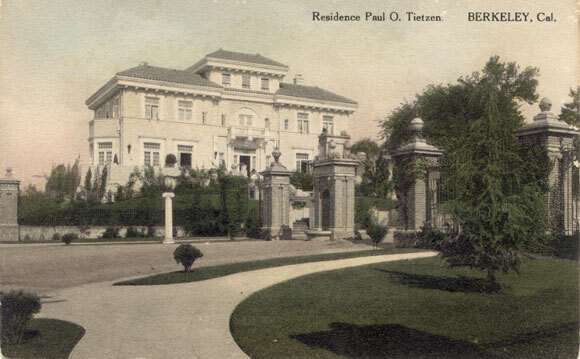
"caption": "A postcard depicting the gates to Claremont Court in Berkeley. The gates were built to signify that Claremont was an exclusive residential community. And it came with a big caveat: it was a neighborhood for whites only. ",
"description": "A postcard depicting the gates to Claremont Court in Berkeley. The gates were built to signify that Claremont was an exclusive residential community. And it came with a big caveat: it was a neighborhood for whites only. ",
"title": "A postcard depicting the gates to Claremont Court in Berkeley. The gates were built to signify that Claremont was an exclusive residential community. And it came with a big caveat: it was a neighborhood for whites only.",
"credit": null,
"status": "inherit",
"isLoading": false,
"fetchFailed": false
},
"news_11825657": {
"type": "attachments",
"id": "news_11825657",
"meta": {
"index": "attachments_1716263798",
"site": "news",
"id": "11825657",
"found": true
},
"parent": 11825653,
"imgSizes": {
"apple_news_ca_landscape_5_5": {
"file": "https://ww2.kqed.org/app/uploads/sites/10/2020/06/AlCo-Hotels_WEB-1044x783.jpg",
"width": 1044,
"mimeType": "image/jpeg",
"height": 783
},
"apple_news_ca_square_4_0": {
"file": "https://ww2.kqed.org/app/uploads/sites/10/2020/06/AlCo-Hotels_WEB-470x470.jpg",
"width": 470,
"mimeType": "image/jpeg",
"height": 470
},
"twentyfourteen-full-width": {
"file": "https://ww2.kqed.org/app/uploads/sites/10/2020/06/AlCo-Hotels_WEB-1038x576.jpg",
"width": 1038,
"mimeType": "image/jpeg",
"height": 576
},
"thumbnail": {
"file": "https://ww2.kqed.org/app/uploads/sites/10/2020/06/AlCo-Hotels_WEB-160x131.jpg",
"width": 160,
"mimeType": "image/jpeg",
"height": 131
},
"post-thumbnail": {
"file": "https://ww2.kqed.org/app/uploads/sites/10/2020/06/AlCo-Hotels_WEB-672x372.jpg",
"width": 672,
"mimeType": "image/jpeg",
"height": 372
},
"kqedFullSize": {
"file": "https://ww2.kqed.org/app/uploads/sites/10/2020/06/AlCo-Hotels_WEB-e1592937750672.jpg",
"width": 1920,
"height": 1576
},
"apple_news_ca_landscape_4_7": {
"file": "https://ww2.kqed.org/app/uploads/sites/10/2020/06/AlCo-Hotels_WEB-632x474.jpg",
"width": 632,
"mimeType": "image/jpeg",
"height": 474
},
"large": {
"file": "https://ww2.kqed.org/app/uploads/sites/10/2020/06/AlCo-Hotels_WEB-1020x837.jpg",
"width": 1020,
"mimeType": "image/jpeg",
"height": 837
},
"apple_news_ca_landscape_4_0": {
"file": "https://ww2.kqed.org/app/uploads/sites/10/2020/06/AlCo-Hotels_WEB-536x402.jpg",
"width": 536,
"mimeType": "image/jpeg",
"height": 402
},
"apple_news_ca_portrait_12_9": {
"file": "https://ww2.kqed.org/app/uploads/sites/10/2020/06/AlCo-Hotels_WEB-1122x1496.jpg",
"width": 1122,
"mimeType": "image/jpeg",
"height": 1496
},
"medium": {
"file": "https://ww2.kqed.org/app/uploads/sites/10/2020/06/AlCo-Hotels_WEB-800x657.jpg",
"width": 800,
"mimeType": "image/jpeg",
"height": 657
},
"apple_news_ca_portrait_4_0": {
"file": "https://ww2.kqed.org/app/uploads/sites/10/2020/06/AlCo-Hotels_WEB-354x472.jpg",
"width": 354,
"mimeType": "image/jpeg",
"height": 472
},
"apple_news_ca_portrait_9_7": {
"file": "https://ww2.kqed.org/app/uploads/sites/10/2020/06/AlCo-Hotels_WEB-840x1120.jpg",
"width": 840,
"mimeType": "image/jpeg",
"height": 1120
},
"apple_news_ca_landscape_12_9": {
"file": "https://ww2.kqed.org/app/uploads/sites/10/2020/06/AlCo-Hotels_WEB-1832x1374.jpg",
"width": 1832,
"mimeType": "image/jpeg",
"height": 1374
},
"apple_news_ca_square_9_7": {
"file": "https://ww2.kqed.org/app/uploads/sites/10/2020/06/AlCo-Hotels_WEB-1104x1104.jpg",
"width": 1104,
"mimeType": "image/jpeg",
"height": 1104
},
"apple_news_ca_portrait_4_7": {
"file": "https://ww2.kqed.org/app/uploads/sites/10/2020/06/AlCo-Hotels_WEB-414x552.jpg",
"width": 414,
"mimeType": "image/jpeg",
"height": 552
},
"apple_news_ca_square_12_9": {
"file": "https://ww2.kqed.org/app/uploads/sites/10/2020/06/AlCo-Hotels_WEB-1472x1472.jpg",
"width": 1472,
"mimeType": "image/jpeg",
"height": 1472
},
"apple_news_ca_portrait_5_5": {
"file": "https://ww2.kqed.org/app/uploads/sites/10/2020/06/AlCo-Hotels_WEB-687x916.jpg",
"width": 687,
"mimeType": "image/jpeg",
"height": 916
},
"full-width": {
"file": "https://ww2.kqed.org/app/uploads/sites/10/2020/06/AlCo-Hotels_WEB-1920x1576.jpg",
"width": 1920,
"mimeType": "image/jpeg",
"height": 1576
},
"apple_news_ca_square_4_7": {
"file": "https://ww2.kqed.org/app/uploads/sites/10/2020/06/AlCo-Hotels_WEB-550x550.jpg",
"width": 550,
"mimeType": "image/jpeg",
"height": 550
},
"apple_news_ca_landscape_9_7": {
"file": "https://ww2.kqed.org/app/uploads/sites/10/2020/06/AlCo-Hotels_WEB-1376x1032.jpg",
"width": 1376,
"mimeType": "image/jpeg",
"height": 1032
},
"apple_news_ca_square_5_5": {
"file": "https://ww2.kqed.org/app/uploads/sites/10/2020/06/AlCo-Hotels_WEB-912x912.jpg",
"width": 912,
"mimeType": "image/jpeg",
"height": 912
}
},
"publishDate": 1592862158,
"modified": 1592940628,
"caption": "This Comfort Inn in Oakland was one of the first hotels to become part of Project Roomkey.",
"description": "This Comfort Inn in Oakland was one of the first hotels to become part of Project Roomkey.",
"title": "AlCo Hotels_WEB",
"credit": "Courtesy Alameda County Health Care Services Agency",
"status": "inherit",
"isLoading": false,
"fetchFailed": false
},
"news_11840799": {
"type": "attachments",
"id": "news_11840799",
"meta": {
"index": "attachments_1716263798",
"site": "news",
"id": "11840799",
"found": true
},
"parent": 11840788,
"imgSizes": {
"apple_news_ca_landscape_5_5": {
"file": "https://ww2.kqed.org/app/uploads/sites/10/2020/10/RS44933_028_KQED_Oakland_OBCACensus_09162020-qut-1044x783.jpg",
"width": 1044,
"mimeType": "image/jpeg",
"height": 783
},
"apple_news_ca_square_4_0": {
"file": "https://ww2.kqed.org/app/uploads/sites/10/2020/10/RS44933_028_KQED_Oakland_OBCACensus_09162020-qut-470x470.jpg",
"width": 470,
"mimeType": "image/jpeg",
"height": 470
},
"twentyfourteen-full-width": {
"file": "https://ww2.kqed.org/app/uploads/sites/10/2020/10/RS44933_028_KQED_Oakland_OBCACensus_09162020-qut-1038x576.jpg",
"width": 1038,
"mimeType": "image/jpeg",
"height": 576
},
"thumbnail": {
"file": "https://ww2.kqed.org/app/uploads/sites/10/2020/10/RS44933_028_KQED_Oakland_OBCACensus_09162020-qut-160x107.jpg",
"width": 160,
"mimeType": "image/jpeg",
"height": 107
},
"post-thumbnail": {
"file": "https://ww2.kqed.org/app/uploads/sites/10/2020/10/RS44933_028_KQED_Oakland_OBCACensus_09162020-qut-672x372.jpg",
"width": 672,
"mimeType": "image/jpeg",
"height": 372
},
"kqedFullSize": {
"file": "https://ww2.kqed.org/app/uploads/sites/10/2020/10/RS44933_028_KQED_Oakland_OBCACensus_09162020-qut.jpg",
"width": 1920,
"height": 1280
},
"apple_news_ca_landscape_4_7": {
"file": "https://ww2.kqed.org/app/uploads/sites/10/2020/10/RS44933_028_KQED_Oakland_OBCACensus_09162020-qut-632x474.jpg",
"width": 632,
"mimeType": "image/jpeg",
"height": 474
},
"large": {
"file": "https://ww2.kqed.org/app/uploads/sites/10/2020/10/RS44933_028_KQED_Oakland_OBCACensus_09162020-qut-1020x680.jpg",
"width": 1020,
"mimeType": "image/jpeg",
"height": 680
},
"apple_news_ca_landscape_4_0": {
"file": "https://ww2.kqed.org/app/uploads/sites/10/2020/10/RS44933_028_KQED_Oakland_OBCACensus_09162020-qut-536x402.jpg",
"width": 536,
"mimeType": "image/jpeg",
"height": 402
},
"apple_news_ca_portrait_12_9": {
"file": "https://ww2.kqed.org/app/uploads/sites/10/2020/10/RS44933_028_KQED_Oakland_OBCACensus_09162020-qut-1122x1280.jpg",
"width": 1122,
"mimeType": "image/jpeg",
"height": 1280
},
"medium": {
"file": "https://ww2.kqed.org/app/uploads/sites/10/2020/10/RS44933_028_KQED_Oakland_OBCACensus_09162020-qut-800x533.jpg",
"width": 800,
"mimeType": "image/jpeg",
"height": 533
},
"apple_news_ca_portrait_4_0": {
"file": "https://ww2.kqed.org/app/uploads/sites/10/2020/10/RS44933_028_KQED_Oakland_OBCACensus_09162020-qut-354x472.jpg",
"width": 354,
"mimeType": "image/jpeg",
"height": 472
},
"apple_news_ca_portrait_9_7": {
"file": "https://ww2.kqed.org/app/uploads/sites/10/2020/10/RS44933_028_KQED_Oakland_OBCACensus_09162020-qut-840x1120.jpg",
"width": 840,
"mimeType": "image/jpeg",
"height": 1120
},
"apple_news_ca_landscape_12_9": {
"file": "https://ww2.kqed.org/app/uploads/sites/10/2020/10/RS44933_028_KQED_Oakland_OBCACensus_09162020-qut-1832x1280.jpg",
"width": 1832,
"mimeType": "image/jpeg",
"height": 1280
},
"apple_news_ca_square_9_7": {
"file": "https://ww2.kqed.org/app/uploads/sites/10/2020/10/RS44933_028_KQED_Oakland_OBCACensus_09162020-qut-1104x1104.jpg",
"width": 1104,
"mimeType": "image/jpeg",
"height": 1104
},
"1536x1536": {
"file": "https://ww2.kqed.org/app/uploads/sites/10/2020/10/RS44933_028_KQED_Oakland_OBCACensus_09162020-qut-1536x1024.jpg",
"width": 1536,
"mimeType": "image/jpeg",
"height": 1024
},
"apple_news_ca_portrait_4_7": {
"file": "https://ww2.kqed.org/app/uploads/sites/10/2020/10/RS44933_028_KQED_Oakland_OBCACensus_09162020-qut-414x552.jpg",
"width": 414,
"mimeType": "image/jpeg",
"height": 552
},
"apple_news_ca_square_12_9": {
"file": "https://ww2.kqed.org/app/uploads/sites/10/2020/10/RS44933_028_KQED_Oakland_OBCACensus_09162020-qut-1472x1280.jpg",
"width": 1472,
"mimeType": "image/jpeg",
"height": 1280
},
"apple_news_ca_portrait_5_5": {
"file": "https://ww2.kqed.org/app/uploads/sites/10/2020/10/RS44933_028_KQED_Oakland_OBCACensus_09162020-qut-687x916.jpg",
"width": 687,
"mimeType": "image/jpeg",
"height": 916
},
"apple_news_ca_square_4_7": {
"file": "https://ww2.kqed.org/app/uploads/sites/10/2020/10/RS44933_028_KQED_Oakland_OBCACensus_09162020-qut-550x550.jpg",
"width": 550,
"mimeType": "image/jpeg",
"height": 550
},
"apple_news_ca_landscape_9_7": {
"file": "https://ww2.kqed.org/app/uploads/sites/10/2020/10/RS44933_028_KQED_Oakland_OBCACensus_09162020-qut-1376x1032.jpg",
"width": 1376,
"mimeType": "image/jpeg",
"height": 1032
},
"apple_news_ca_square_5_5": {
"file": "https://ww2.kqed.org/app/uploads/sites/10/2020/10/RS44933_028_KQED_Oakland_OBCACensus_09162020-qut-912x912.jpg",
"width": 912,
"mimeType": "image/jpeg",
"height": 912
}
},
"publishDate": 1601664583,
"modified": 1601665143,
"caption": "Members of the Oakland Black Cowboy Association do outreach for the 2020 census at De Fremery Park in West Oakland on Sep. 16, 2020.",
"description": "Members of the Oakland Black Cowboy Association do outreach for the 2020 census at De Fremery Park in West Oakland on Sep. 16, 2020.",
"title": "RS44933_028_KQED_Oakland_OBCACensus_09162020-qut",
"credit": "Beth LaBerge/KQED",
"status": "inherit",
"isLoading": false,
"fetchFailed": false
},
"news_11840388": {
"type": "attachments",
"id": "news_11840388",
"meta": {
"index": "attachments_1716263798",
"site": "news",
"id": "11840388",
"found": true
},
"parent": 11840386,
"imgSizes": {
"apple_news_ca_landscape_5_5": {
"file": "https://ww2.kqed.org/app/uploads/sites/10/2020/09/RS44929_024_KQED_Oakland_OBCACensus_09162020-qut-1044x783.jpg",
"width": 1044,
"mimeType": "image/jpeg",
"height": 783
},
"apple_news_ca_square_4_0": {
"file": "https://ww2.kqed.org/app/uploads/sites/10/2020/09/RS44929_024_KQED_Oakland_OBCACensus_09162020-qut-470x470.jpg",
"width": 470,
"mimeType": "image/jpeg",
"height": 470
},
"twentyfourteen-full-width": {
"file": "https://ww2.kqed.org/app/uploads/sites/10/2020/09/RS44929_024_KQED_Oakland_OBCACensus_09162020-qut-1038x576.jpg",
"width": 1038,
"mimeType": "image/jpeg",
"height": 576
},
"thumbnail": {
"file": "https://ww2.kqed.org/app/uploads/sites/10/2020/09/RS44929_024_KQED_Oakland_OBCACensus_09162020-qut-160x107.jpg",
"width": 160,
"mimeType": "image/jpeg",
"height": 107
},
"post-thumbnail": {
"file": "https://ww2.kqed.org/app/uploads/sites/10/2020/09/RS44929_024_KQED_Oakland_OBCACensus_09162020-qut-672x372.jpg",
"width": 672,
"mimeType": "image/jpeg",
"height": 372
},
"kqedFullSize": {
"file": "https://ww2.kqed.org/app/uploads/sites/10/2020/09/RS44929_024_KQED_Oakland_OBCACensus_09162020-qut.jpg",
"width": 1920,
"height": 1280
},
"apple_news_ca_landscape_4_7": {
"file": "https://ww2.kqed.org/app/uploads/sites/10/2020/09/RS44929_024_KQED_Oakland_OBCACensus_09162020-qut-632x474.jpg",
"width": 632,
"mimeType": "image/jpeg",
"height": 474
},
"large": {
"file": "https://ww2.kqed.org/app/uploads/sites/10/2020/09/RS44929_024_KQED_Oakland_OBCACensus_09162020-qut-1020x680.jpg",
"width": 1020,
"mimeType": "image/jpeg",
"height": 680
},
"apple_news_ca_landscape_4_0": {
"file": "https://ww2.kqed.org/app/uploads/sites/10/2020/09/RS44929_024_KQED_Oakland_OBCACensus_09162020-qut-536x402.jpg",
"width": 536,
"mimeType": "image/jpeg",
"height": 402
},
"apple_news_ca_portrait_12_9": {
"file": "https://ww2.kqed.org/app/uploads/sites/10/2020/09/RS44929_024_KQED_Oakland_OBCACensus_09162020-qut-1122x1280.jpg",
"width": 1122,
"mimeType": "image/jpeg",
"height": 1280
},
"medium": {
"file": "https://ww2.kqed.org/app/uploads/sites/10/2020/09/RS44929_024_KQED_Oakland_OBCACensus_09162020-qut-800x533.jpg",
"width": 800,
"mimeType": "image/jpeg",
"height": 533
},
"apple_news_ca_portrait_4_0": {
"file": "https://ww2.kqed.org/app/uploads/sites/10/2020/09/RS44929_024_KQED_Oakland_OBCACensus_09162020-qut-354x472.jpg",
"width": 354,
"mimeType": "image/jpeg",
"height": 472
},
"apple_news_ca_portrait_9_7": {
"file": "https://ww2.kqed.org/app/uploads/sites/10/2020/09/RS44929_024_KQED_Oakland_OBCACensus_09162020-qut-840x1120.jpg",
"width": 840,
"mimeType": "image/jpeg",
"height": 1120
},
"apple_news_ca_landscape_12_9": {
"file": "https://ww2.kqed.org/app/uploads/sites/10/2020/09/RS44929_024_KQED_Oakland_OBCACensus_09162020-qut-1832x1280.jpg",
"width": 1832,
"mimeType": "image/jpeg",
"height": 1280
},
"apple_news_ca_square_9_7": {
"file": "https://ww2.kqed.org/app/uploads/sites/10/2020/09/RS44929_024_KQED_Oakland_OBCACensus_09162020-qut-1104x1104.jpg",
"width": 1104,
"mimeType": "image/jpeg",
"height": 1104
},
"1536x1536": {
"file": "https://ww2.kqed.org/app/uploads/sites/10/2020/09/RS44929_024_KQED_Oakland_OBCACensus_09162020-qut-1536x1024.jpg",
"width": 1536,
"mimeType": "image/jpeg",
"height": 1024
},
"apple_news_ca_portrait_4_7": {
"file": "https://ww2.kqed.org/app/uploads/sites/10/2020/09/RS44929_024_KQED_Oakland_OBCACensus_09162020-qut-414x552.jpg",
"width": 414,
"mimeType": "image/jpeg",
"height": 552
},
"apple_news_ca_square_12_9": {
"file": "https://ww2.kqed.org/app/uploads/sites/10/2020/09/RS44929_024_KQED_Oakland_OBCACensus_09162020-qut-1472x1280.jpg",
"width": 1472,
"mimeType": "image/jpeg",
"height": 1280
},
"apple_news_ca_portrait_5_5": {
"file": "https://ww2.kqed.org/app/uploads/sites/10/2020/09/RS44929_024_KQED_Oakland_OBCACensus_09162020-qut-687x916.jpg",
"width": 687,
"mimeType": "image/jpeg",
"height": 916
},
"apple_news_ca_square_4_7": {
"file": "https://ww2.kqed.org/app/uploads/sites/10/2020/09/RS44929_024_KQED_Oakland_OBCACensus_09162020-qut-550x550.jpg",
"width": 550,
"mimeType": "image/jpeg",
"height": 550
},
"apple_news_ca_landscape_9_7": {
"file": "https://ww2.kqed.org/app/uploads/sites/10/2020/09/RS44929_024_KQED_Oakland_OBCACensus_09162020-qut-1376x1032.jpg",
"width": 1376,
"mimeType": "image/jpeg",
"height": 1032
},
"apple_news_ca_square_5_5": {
"file": "https://ww2.kqed.org/app/uploads/sites/10/2020/09/RS44929_024_KQED_Oakland_OBCACensus_09162020-qut-912x912.jpg",
"width": 912,
"mimeType": "image/jpeg",
"height": 912
}
},
"publishDate": 1601498970,
"modified": 1601499026,
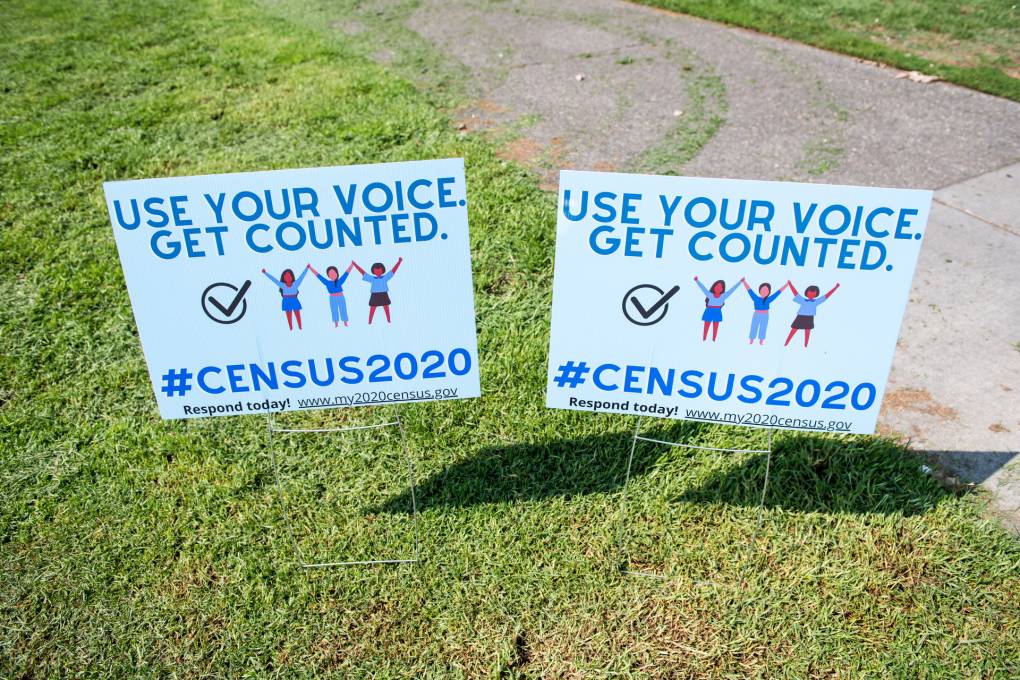
"caption": "Census 2020 signs at De Fremery Park in West Oakland on Sept. 16, 2020.",
"description": "Census 2020 signs at De Fremery Park in West Oakland on Sept. 16, 2020.",
"title": "Census 2020 signs at De Fremery Park in West Oakland on Sep. 16, 2020.",
"credit": "Beth LaBerge/KQED",
"status": "inherit",
"isLoading": false,
"fetchFailed": false
}
},
"audioPlayerReducer": {
"postId": "stream_live",
"isPaused": true,
"isPlaying": false,
"pfsActive": false,
"pledgeModalIsOpen": true,
"playerDrawerIsOpen": false,
"liveAudioPlayStartedAt": 0,
"liveAudioPlayContext": ""
},
"authorsReducer": {
"byline_news_11840788": {
"type": "authors",
"id": "byline_news_11840788",
"meta": {
"override": true
},
"slug": "byline_news_11840788",
"name": "\u003ca href=\"https://twitter.com/MikeSchneiderAP\">Mike Schneider\u003c/a>\u003cBR>Associated Press",
"isLoading": false
},
"byline_news_11840386": {
"type": "authors",
"id": "byline_news_11840386",
"meta": {
"override": true
},
"slug": "byline_news_11840386",
"name": "Mike Schneider \u003cbr> Associated Press",
"isLoading": false
},
"ohubertallen": {
"type": "authors",
"id": "102",
"meta": {
"index": "authors_1716337520",
"id": "102",
"found": true
},
"name": "Olivia Allen-Price",
"firstName": "Olivia",
"lastName": "Allen-Price",
"slug": "ohubertallen",
"email": "oallenprice@kqed.org",
"display_author_email": false,
"staff_mastheads": [
"news"
],
"title": "Senior Editor",
"bio": "Olivia Allen-Price is senior editor and host of the award-winning Bay Curious podcast. Prior to joining KQED in 2013, Olivia worked at The Baltimore Sun and The Virginian-Pilot in Norfolk, Va. She holds degrees in journalism and political science from Elon University. Her work has earned awards from the Society of Professional Journalists, the Hearst Foundation and Hearken. She loves to talk about running and curly hair.\r\n\r\nFollow: \u003ca href=\"https://twitter.com/oallenprice\">@oallenprice\u003c/a>\r\nEmail: \u003ca href=\"mailto:oallenprice@kqed.org\">oallenprice@kqed.org\u003c/a>",
"avatar": "https://secure.gravatar.com/avatar/07f7803c1f6be56f3be58ef276dfa64dce898502e0554408ef4858451a8294f7?s=600&d=blank&r=g",
"twitter": "oallenprice",
"bluesky": null,
"facebook": null,
"instagram": null,
"linkedin": null,
"sites": [
{
"site": "",
"roles": [
"editor"
]
},
{
"site": "arts",
"roles": [
"subscriber"
]
},
{
"site": "news",
"roles": [
"administrator"
]
},
{
"site": "pop",
"roles": [
"administrator"
]
},
{
"site": "bayareabites",
"roles": [
"contributor"
]
},
{
"site": "stateofhealth",
"roles": [
"administrator"
]
},
{
"site": "science",
"roles": [
"editor"
]
}
],
"headData": {
"title": "Olivia Allen-Price | KQED",
"description": "Senior Editor",
"ogImgSrc": "https://secure.gravatar.com/avatar/07f7803c1f6be56f3be58ef276dfa64dce898502e0554408ef4858451a8294f7?s=600&d=blank&r=g",
"twImgSrc": "https://secure.gravatar.com/avatar/07f7803c1f6be56f3be58ef276dfa64dce898502e0554408ef4858451a8294f7?s=600&d=blank&r=g"
},
"isLoading": false,
"link": "/author/ohubertallen"
},
"katrinaschwartz": {
"type": "authors",
"id": "234",
"meta": {
"index": "authors_1716337520",
"id": "234",
"found": true
},
"name": "Katrina Schwartz",
"firstName": "Katrina",
"lastName": "Schwartz",
"slug": "katrinaschwartz",
"email": "kschwartz@kqed.org",
"display_author_email": false,
"staff_mastheads": [
"news"
],
"title": "Producer",
"bio": "Katrina Schwartz is a journalist based in San Francisco. She's worked at KPCC public radio in LA and has reported on air and online for KQED since 2010. She covered how teaching and learning is changing for MindShift between 2012 and 2020. She is the co-host of the MindShift podcast and now produces KQED's Bay Curious podcast.",
"avatar": "https://secure.gravatar.com/avatar/edb4ee79070447a018538c9aae6eeecf28786515b8a0c30e43b6b7dce5aa44c8?s=600&d=blank&r=g",
"twitter": "kschwart",
"bluesky": null,
"facebook": null,
"instagram": null,
"linkedin": null,
"sites": [
{
"site": "",
"roles": [
"editor"
]
},
{
"site": "news",
"roles": [
"editor"
]
},
{
"site": "mindshift",
"roles": [
"administrator"
]
},
{
"site": "stateofhealth",
"roles": [
"author"
]
},
{
"site": "science",
"roles": [
"editor"
]
}
],
"headData": {
"title": "Katrina Schwartz | KQED",
"description": "Producer",
"ogImgSrc": "https://secure.gravatar.com/avatar/edb4ee79070447a018538c9aae6eeecf28786515b8a0c30e43b6b7dce5aa44c8?s=600&d=blank&r=g",
"twImgSrc": "https://secure.gravatar.com/avatar/edb4ee79070447a018538c9aae6eeecf28786515b8a0c30e43b6b7dce5aa44c8?s=600&d=blank&r=g"
},
"isLoading": false,
"link": "/author/katrinaschwartz"
},
"kqed": {
"type": "authors",
"id": "236",
"meta": {
"index": "authors_1716337520",
"id": "236",
"found": true
},
"name": "KQED News Staff",
"firstName": "KQED News Staff",
"lastName": null,
"slug": "kqed",
"email": "faq@kqed.org",
"display_author_email": false,
"staff_mastheads": [],
"title": null,
"bio": null,
"avatar": "https://secure.gravatar.com/avatar/ef0e801a68c4c54afa9180db14084167?s=600&d=blank&r=g",
"twitter": null,
"facebook": null,
"instagram": null,
"linkedin": null,
"sites": [
{
"site": "arts",
"roles": [
"contributor"
]
},
{
"site": "news",
"roles": [
"editor"
]
},
{
"site": "futureofyou",
"roles": [
"author"
]
}
],
"headData": {
"title": "KQED News Staff | KQED",
"description": null,
"ogImgSrc": "https://secure.gravatar.com/avatar/ef0e801a68c4c54afa9180db14084167?s=600&d=blank&r=g",
"twImgSrc": "https://secure.gravatar.com/avatar/ef0e801a68c4c54afa9180db14084167?s=600&d=blank&r=g"
},
"isLoading": false,
"link": "/author/kqed"
},
"scottshafer": {
"type": "authors",
"id": "255",
"meta": {
"index": "authors_1716337520",
"id": "255",
"found": true
},
"name": "Scott Shafer",
"firstName": "Scott",
"lastName": "Shafer",
"slug": "scottshafer",
"email": "sshafer@kqed.org",
"display_author_email": false,
"staff_mastheads": [
"news"
],
"title": "KQED Contributor",
"bio": "Scott Shafer is a senior editor with the KQED Politics and Government desk. He is co-host of Political Breakdown, the award-winning radio show and podcast with a personal take on the world of politics. Scott came to KQED in 1998 to host the statewide\u003cem> California Report\u003c/em>. Prior to that he had extended stints in politics and government\u003cem>.\u003c/em> He uses that inside experience at KQED in his, reporting, hosting and analysis for the politics desk. Scott collaborated \u003cem>Political Breakdown a\u003c/em>nd on \u003cem>The Political Mind of Jerry Brown, \u003c/em>an eight-part series about the life and extraordinary political career of the former governor. For fun, he plays water polo with the San Francisco Tsunami.",
"avatar": "https://secure.gravatar.com/avatar/a62ebae45b79d7aed1a39a0e3bf68104?s=600&d=blank&r=g",
"twitter": "scottshafer",
"bluesky": null,
"facebook": null,
"instagram": null,
"linkedin": null,
"sites": [
{
"site": "news",
"roles": [
"editor"
]
},
{
"site": "stateofhealth",
"roles": [
"author"
]
},
{
"site": "science",
"roles": [
"author"
]
},
{
"site": "forum",
"roles": [
"subscriber"
]
},
{
"site": "liveblog",
"roles": [
"author"
]
}
],
"headData": {
"title": "Scott Shafer | KQED",
"description": "KQED Contributor",
"ogImgSrc": "https://secure.gravatar.com/avatar/a62ebae45b79d7aed1a39a0e3bf68104?s=600&d=blank&r=g",
"twImgSrc": "https://secure.gravatar.com/avatar/a62ebae45b79d7aed1a39a0e3bf68104?s=600&d=blank&r=g"
},
"isLoading": false,
"link": "/author/scottshafer"
},
"dkatayama": {
"type": "authors",
"id": "7240",
"meta": {
"index": "authors_1716337520",
"id": "7240",
"found": true
},
"name": "Devin Katayama",
"firstName": "Devin",
"lastName": "Katayama",
"slug": "dkatayama",
"email": "dkatayama@kqed.org",
"display_author_email": true,
"staff_mastheads": [
"news"
],
"title": "Editor of Talent and Development",
"bio": "Devin Katayama is former Editor of Talent and Development for KQED. He supported our internship program and on-call staff by looking for equitable opportunities to improve the newsroom.\r\n\r\nHe previously hosted The Bay and American Suburb podcasts from KQED News. Prior to returning to the Bay Area in 2015, Devin was the education reporter for WFPL in Louisville and worked as a producer with radio stations in Chicago and Portland, OR. His work has appeared on NPR’s \u003cem>Morning Edition, All Things Considered, The Takeaway\u003c/em> and \u003cem>Here and Now.\u003c/em>\r\n\r\nDevin earned his MA in Journalism from Columbia College Chicago, where he was a Follett Fellow and the recipient of the 2011 Studs Terkel Community Media Workshop Scholarship for his story on Chicago's homeless youth. He won WBUR's 2014 Daniel Schorr award and a regional RTNDA Edward R. Murrow Award for his documentary \"At Risk\" that looked at issues facing some of Louisville's students. Devin has also received numerous local awards from the Associated Press and the Society of Professional Journalists.",
"avatar": "https://secure.gravatar.com/avatar/d0d2978a31002fb2de107921a8e18405?s=600&d=blank&r=g",
"twitter": "RadioDevin",
"facebook": null,
"instagram": null,
"linkedin": null,
"sites": [
{
"site": "arts",
"roles": []
},
{
"site": "news",
"roles": [
"author"
]
},
{
"site": "stateofhealth",
"roles": [
"author"
]
},
{
"site": "forum",
"roles": [
"editor"
]
},
{
"site": "perspectives",
"roles": [
"editor"
]
}
],
"headData": {
"title": "Devin Katayama | KQED",
"description": "Editor of Talent and Development",
"ogImgSrc": "https://secure.gravatar.com/avatar/d0d2978a31002fb2de107921a8e18405?s=600&d=blank&r=g",
"twImgSrc": "https://secure.gravatar.com/avatar/d0d2978a31002fb2de107921a8e18405?s=600&d=blank&r=g"
},
"isLoading": false,
"link": "/author/dkatayama"
},
"korr": {
"type": "authors",
"id": "11200",
"meta": {
"index": "authors_1716337520",
"id": "11200",
"found": true
},
"name": "Katie Orr",
"firstName": "Katie",
"lastName": "Orr",
"slug": "korr",
"email": "korr@kqed.org",
"display_author_email": false,
"staff_mastheads": [],
"title": "KQED Contributor",
"bio": "Katie Orr was a Sacramento-based reporter for KQED's Politics and Government Desk, covering the state Capitol and a variety of issues including women in politics, voting and elections and legislation. Prior to joining KQED in 2016, Katie was state government reporter for Capital Public Radio in Sacramento. She's also worked for KPBS in San Diego, where she covered City Hall.\r\n\r\nKatie received her masters degree in political science from San Diego State University and holds a Bachelors degree in broadcast journalism from Arizona State University.\r\n\r\nIn 2015 Katie won a national Clarion Award for a series of stories she did on women in California politics. She's been honored by the Society for Professional Journalists and, in 2013, was named by \u003cem>The Washington Post\u003c/em> as one of the country's top state Capitol reporters. She's also reported for the award-winning documentary series \u003cem>The View from Here \u003c/em>and was part of the team that won national PRNDI and Gabriel Awards in 2015. She lives in Sacramento with her husband. Twitter: @1KatieOrr",
"avatar": "https://secure.gravatar.com/avatar/41a40b25845adc78f50808670860449e?s=600&d=blank&r=g",
"twitter": "1katieorr",
"facebook": null,
"instagram": null,
"linkedin": null,
"sites": [
{
"site": "news",
"roles": [
"subscriber"
]
},
{
"site": "stateofhealth",
"roles": [
"author"
]
},
{
"site": "forum",
"roles": [
"author"
]
}
],
"headData": {
"title": "Katie Orr | KQED",
"description": "KQED Contributor",
"ogImgSrc": "https://secure.gravatar.com/avatar/41a40b25845adc78f50808670860449e?s=600&d=blank&r=g",
"twImgSrc": "https://secure.gravatar.com/avatar/41a40b25845adc78f50808670860449e?s=600&d=blank&r=g"
},
"isLoading": false,
"link": "/author/korr"
},
"rdillon": {
"type": "authors",
"id": "11495",
"meta": {
"index": "authors_1716337520",
"id": "11495",
"found": true
},
"name": "Raquel Maria Dillon",
"firstName": "Raquel Maria",
"lastName": "Dillon",
"slug": "rdillon",
"email": "rdillon@kqed.org",
"display_author_email": false,
"staff_mastheads": [],
"title": null,
"bio": "Raquel Maria Dillon was a reporter and host for KQED News. Previously, she produced the daily statewide California Report, edited newscasts, and covered health and education stories. Before returning to the Bay Area in 2016, she worked in Los Angeles as a wire reporter and one-woman-band video journalist for the Associated Press, where she shot, edited and reported breaking news and features across the West. Her work has appeared online and in print around the globe, and also on NPR’s Morning Edition, All Things Considered, Here and Now, Marketplace, On The Media, and Studio 360. She previously edited and mentored up-and-coming reporters at KALW, produced social videos for Timeline.com, and was a local TV news videographer for KTVU and digital producer for KNTV. She got her start as a Radio News Trainee at KQED, produced a weekly public affairs roundtable show for OPB, and covered health and politics at New Hampshire Public Radio. She has a BA in political science from Barnard College and a MA in video journalism from UC Berkeley, where she was awarded the Faith Fancher Scholarship and a Student Emmy. She has received numerous local awards from the Associated Press and the Society of Professional Journalists.",
"avatar": "https://secure.gravatar.com/avatar/b8e02ae982913d0950df605910267c1b?s=600&d=blank&r=g",
"twitter": "RaquelMDillon",
"facebook": null,
"instagram": null,
"linkedin": null,
"sites": [
{
"site": "news",
"roles": [
"subscriber"
]
},
{
"site": "stateofhealth",
"roles": [
"editor"
]
},
{
"site": "science",
"roles": [
"editor"
]
},
{
"site": "forum",
"roles": [
"editor"
]
}
],
"headData": {
"title": "Raquel Maria Dillon | KQED",
"description": null,
"ogImgSrc": "https://secure.gravatar.com/avatar/b8e02ae982913d0950df605910267c1b?s=600&d=blank&r=g",
"twImgSrc": "https://secure.gravatar.com/avatar/b8e02ae982913d0950df605910267c1b?s=600&d=blank&r=g"
},
"isLoading": false,
"link": "/author/rdillon"
},
"msolomon": {
"type": "authors",
"id": "11651",
"meta": {
"index": "authors_1716337520",
"id": "11651",
"found": true
},
"name": "Molly Solomon",
"firstName": "Molly",
"lastName": "Solomon",
"slug": "msolomon",
"email": "msolomon@KQED.org",
"display_author_email": false,
"staff_mastheads": [
"news"
],
"title": "Senior Editor",
"bio": "Molly Solomon is the senior editor of KQED's California Politics and Government Desk. Previously, she was the station's editor-at-large, with a focus on editing early childhood education, politics, and criminal justice. Before that, she managed and edited statewide election coverage for The California Newsroom, a collaboration of local public radio stations, CalMatters and NPR. Molly joined KQED in 2019 to launch the station’s housing affordability desk, where she reported on homelessness, evictions and is the co-host of KQED’s housing podcast, SOLD OUT: Rethinking Housing in America. Before that, she was the Southwest Washington Bureau Chief for Oregon Public Broadcasting and a reporter at Hawaii Public Radio. Her stories have aired on NPR’s \u003cem>Morning Edition\u003c/em>, \u003cem>All Things Considered\u003c/em>, \u003cem>Here & Now\u003c/em>, \u003cem>Science Friday\u003c/em> and \u003cem>Marketplace\u003c/em>. Molly's award-winning reporting has been honored by the Best of the West, Edward R. Murrow awards, Society of Professional Journalists, National Headliner Awards, and the Asian American Journalists Association. Born and raised in Berkeley, Molly is a big fan of burritos and her scruffy terrier, Ollie.",
"avatar": "https://secure.gravatar.com/avatar/9ad9794616923d81c9a79897161545bd?s=600&d=blank&r=g",
"twitter": "solomonout",
"facebook": null,
"instagram": null,
"linkedin": null,
"sites": [
{
"site": "news",
"roles": [
"editor"
]
},
{
"site": "science",
"roles": [
"editor"
]
}
],
"headData": {
"title": "Molly Solomon | KQED",
"description": "Senior Editor",
"ogImgSrc": "https://secure.gravatar.com/avatar/9ad9794616923d81c9a79897161545bd?s=600&d=blank&r=g",
"twImgSrc": "https://secure.gravatar.com/avatar/9ad9794616923d81c9a79897161545bd?s=600&d=blank&r=g"
},
"isLoading": false,
"link": "/author/msolomon"
},
"ebaldassari": {
"type": "authors",
"id": "11652",
"meta": {
"index": "authors_1716337520",
"id": "11652",
"found": true
},
"name": "Erin Baldassari",
"firstName": "Erin",
"lastName": "Baldassari",
"slug": "ebaldassari",
"email": "ebaldassari@KQED.org",
"display_author_email": true,
"staff_mastheads": [
"news"
],
"title": "Staff Writer",
"bio": "Erin Baldassari covers housing for KQED. She's a former print journalist and most recently worked as the transportation reporter for the \u003cem>Mercury News\u003c/em> and \u003cem>East Bay Times. \u003c/em>There, she focused on how the Bay Area’s housing shortage has changed the way people move around the region. She also served on the \u003cem>East Bay Times\u003c/em>’ 2017 Pulitzer Prize-winning team for coverage of the Ghost Ship Fire in Oakland. Prior to that, Erin worked as a breaking news and general assignment reporter for a variety of outlets in the Bay Area and the greater Boston area. A Tufts University alumna, Erin grew up in the foothills of the Sierra Nevada mountains and in Sonoma County. She is a life-long KQED listener.",
"avatar": "https://secure.gravatar.com/avatar/5e95cad64a8ca08288082212e199d2b0cbeb4fd8e8ef5339395f361032bbe005?s=600&d=blank&r=g",
"twitter": "e_baldi",
"bluesky": null,
"facebook": null,
"instagram": null,
"linkedin": null,
"sites": [
{
"site": "news",
"roles": [
"edit_others_posts",
"editor"
]
},
{
"site": "science",
"roles": [
"editor"
]
},
{
"site": "liveblog",
"roles": [
"editor"
]
}
],
"headData": {
"title": "Erin Baldassari | KQED",
"description": "Staff Writer",
"ogImgSrc": "https://secure.gravatar.com/avatar/5e95cad64a8ca08288082212e199d2b0cbeb4fd8e8ef5339395f361032bbe005?s=600&d=blank&r=g",
"twImgSrc": "https://secure.gravatar.com/avatar/5e95cad64a8ca08288082212e199d2b0cbeb4fd8e8ef5339395f361032bbe005?s=600&d=blank&r=g"
},
"isLoading": false,
"link": "/author/ebaldassari"
},
"jrodriguez": {
"type": "authors",
"id": "11690",
"meta": {
"index": "authors_1716337520",
"id": "11690",
"found": true
},
"name": "Joe Fitzgerald Rodriguez",
"firstName": "Joe",
"lastName": "Fitzgerald Rodriguez",
"slug": "jrodriguez",
"email": "jrodriguez@kqed.org",
"display_author_email": true,
"staff_mastheads": [
"news"
],
"title": "Reporter and Producer",
"bio": "Joe Fitzgerald Rodriguez is a reporter and digital producer for KQED covering politics. Joe most recently wrote for the \u003cem>San Francisco Examiner\u003c/em> as a political columnist covering The City. He was raised in San Francisco and has spent his reporting career in his beloved, foggy, city by the bay. Joe was 12-years-old when he conducted his first interview in journalism, grilling former San Francisco Mayor Willie Brown for the Marina Middle School newspaper, \u003cem>The Penguin Press, \u003c/em>and he continues to report on the San Francisco Bay Area to this day.",
"avatar": "https://secure.gravatar.com/avatar/2247beb0564c1e9c62228d5649d2edac?s=600&d=blank&r=g",
"twitter": "FitztheReporter",
"facebook": null,
"instagram": "https://www.instagram.com/fitzthereporter/",
"linkedin": null,
"sites": [
{
"site": "",
"roles": [
"editor"
]
},
{
"site": "arts",
"roles": [
"editor"
]
},
{
"site": "news",
"roles": [
"editor"
]
},
{
"site": "science",
"roles": [
"editor"
]
},
{
"site": "elections",
"roles": [
"editor"
]
},
{
"site": "liveblog",
"roles": [
"editor"
]
}
],
"headData": {
"title": "Joe Fitzgerald Rodriguez | KQED",
"description": "Reporter and Producer",
"ogImgSrc": "https://secure.gravatar.com/avatar/2247beb0564c1e9c62228d5649d2edac?s=600&d=blank&r=g",
"twImgSrc": "https://secure.gravatar.com/avatar/2247beb0564c1e9c62228d5649d2edac?s=600&d=blank&r=g"
},
"isLoading": false,
"link": "/author/jrodriguez"
}
},
"pagesReducer": {
"news_category_housing": {
"type": "terms",
"id": "news_6266",
"meta": {
"index": "terms_1716263798",
"site": "news",
"id": "6266",
"score": 11.03987
},
"featImg": null,
"name": "Housing",
"description": null,
"taxonomy": "category",
"headData": {
"twImgId": null,
"twTitle": null,
"ogTitle": null,
"ogImgId": null,
"twDescription": null,
"description": null,
"title": "Housing Archives | KQED News",
"ogDescription": null
},
"ttid": 6290,
"slug": "housing",
"isLoading": false,
"title": "Housing",
"pageMeta": {
"site": "news",
"WpPageTemplate": "page-topic-editorial",
"currentPage": 75
},
"blocks": [
{
"blockName": "kqed/post-list",
"attrs": {
"layout": "cardArticle2",
"query": "posts/news?category=housing",
"seeMore": false,
"paginated": true,
"page": 75
}
},
{
"blockName": "kqed/ad"
}
]
}
},
"pfsSessionReducer": {},
"postsReducer": {
"stream_live": {
"type": "live",
"id": "stream_live",
"audioUrl": "https://streams.kqed.org/kqedradio",
"title": "Live Stream",
"excerpt": "Live Stream information currently unavailable.",
"link": "/radio",
"featImg": "",
"label": {
"name": "KQED Live",
"link": "/"
}
},
"stream_kqedNewscast": {
"type": "posts",
"id": "stream_kqedNewscast",
"audioUrl": "https://www.kqed.org/.stream/anon/radio/RDnews/newscast.mp3?_=1",
"title": "KQED Newscast",
"featImg": "",
"label": {
"name": "88.5 FM",
"link": "/"
}
},
"news_11843337": {
"type": "posts",
"id": "news_11843337",
"meta": {
"index": "posts_1716263798",
"site": "news",
"id": "11843337",
"score": null,
"sort": [
1603454480000
]
},
"guestAuthors": [],
"slug": "san-francisco-voters-to-decide-on-new-public-housing-taxes",
"title": "San Francisco Voters to Decide on New Public Housing – and Taxes to Pay for It",
"publishDate": 1603454480,
"format": "standard",
"headTitle": "San Francisco Voters to Decide on New Public Housing – and Taxes to Pay for It | KQED",
"labelTerm": {
"site": "news"
},
"content": "\u003cp>San Francisco voters will decide on two ballot measures next month that would authorize new public housing, as well as a tax to help pay for it all.\u003c/p>\n\u003cp>Supervisor Dean Preston introduced the measures and says the vision is to create stability for renters who are priced out of the city.\u003c/p>\n\u003cp>“The vision is that you can be a working class person who lives in San Francisco and pays a reasonable percentage of your income to rent,” he said, “and that you will never be forced out of that unit by an eviction, that you will never have sharp rent increases … and that you have security.” [pullquote size=\"medium\" align=\"right\" citation=\"Supervisor Dean Preston\"]‘The vision is that you can be a working class person who lives in San Francisco and pays a reasonable percentage of your income to rent, and that you will never be forced out of that unit by an eviction, that you will never have sharp rent increases … and that you have security.’[/pullquote]\u003c/p>\n\u003cp>Preston’s call for new government-owned housing comes amid a \u003ca href=\"https://homesguarantee.com/\" target=\"_blank\" rel=\"noopener noreferrer\">resurgence\u003c/a> of \u003ca href=\"https://www.youtube.com/watch?v=NZ_WulgST3U\" target=\"_blank\" rel=\"noopener noreferrer\">national\u003c/a> \u003ca href=\"https://ocasio-cortez.house.gov/gnd/public-housing\" target=\"_blank\" rel=\"noopener noreferrer\">interest\u003c/a> in \u003ca href=\"https://omar.house.gov/media/press-releases/rep-ilhan-omar-introduces-homes-all-act-new-21st-century-public-housing-vision\" target=\"_blank\" rel=\"noopener noreferrer\">public housing,\u003c/a> as well as calls to build permanently affordable housing that’s financed by the government but managed by nonprofits, called “\u003ca href=\"https://www.peoplespolicyproject.org/wp-content/uploads/2018/04/SocialHousing.pdf\" target=\"_blank\" rel=\"noopener noreferrer\">social housing\u003c/a>.”\u003c/p>\n\u003cp>\u003ca href=\"https://sfelections.sfgov.org/sites/default/files/Documents/candidates/2020Nov/20200624_AuthorizingDevelopmentUnderCaliforniaConstitution_Legisla.pdf\" target=\"_blank\" rel=\"noopener noreferrer\">Prop K\u003c/a> would authorize up to 10,000 units of new affordable housing that could be owned or operated by the city. The California Constitution \u003ca href=\"https://leginfo.legislature.ca.gov/faces/codes_displayText.xhtml?lawCode=CONS&division=&title=&part=&chapter=&article=XXXIV\" target=\"_blank\" rel=\"noopener noreferrer\">requires voters to approve\u003c/a> any new low-income housing that receives public funds.\u003c/p>\n\u003cp>To pay for this new housing, \u003ca href=\"https://sfelections.sfgov.org/sites/default/files/Documents/candidates/2020Nov/20200717_RealPropertyTransferTaxRateIncrease.pdf\" target=\"_blank\" rel=\"noopener noreferrer\">Prop I\u003c/a> would double the transfer tax on buildings that sell for $10 million or more. The San Francisco Controller’s Office \u003ca href=\"https://sfelections.sfgov.org/sites/default/files/Documents/candidates/2020Nov/Prop%20I%20-%20Transfer%20Tax.pdf\" target=\"_blank\" rel=\"noopener noreferrer\">estimates\u003c/a> that if the tax had been in place between 2008 and 2019, it would have generated an average of $196 million per year.\u003c/p>\n\u003cp>But the actual amount would vary widely. According to the report, some years would have generated as little as $13 million or as much as $346 million, making it the “most volatile revenue source” in the city.\u003c/p>\n\u003cp>[ad fullwidth]\u003c/p>\n\u003cp>Randy Shaw, the executive director of the Tenderloin Housing Clinic, questioned whether new city-owned housing is necessary.\u003c/p>\n\u003cp>In 2012, voters \u003ca href=\"https://ballotpedia.org/San_Francisco_Creation_of_a_Housing_Trust_Fund,_Proposition_C_(November_2012)\" target=\"_blank\" rel=\"noopener noreferrer\">approved 30,000 new units\u003c/a> of affordable housing managed by nonprofits and community land trusts. Preston said a new vote is needed to allow the city itself to build and manage that housing.\u003c/p>\n\u003cp>“We have a structure in San Francisco of nonprofits and community land trust being the agent and the engine for affordable housing production,” Shaw said. “Why is that not adequate?”\u003c/p>\n\u003cp>Shaw said that if the city owns more housing, it would have to hire the staff to develop and manage it. That would cost money, he said, which instead could go to nonprofits and community land trusts — that already have staff in place — to actually build housing instead.\u003c/p>\n\u003cp>“What is the reason for a new model?” Shaw said. “I have yet to hear an explanation.”\u003c/p>\n\u003cp>With the housing crisis \u003ca href=\"https://www.kqed.org/news/11818184/bay-area-housing-post-pandemic-whats-in-store\" target=\"_blank\" rel=\"noopener noreferrer\">expected to get worse\u003c/a> as a result of the pandemic, particularly for low-income people, Preston said the city should have every option on the table.\u003c/p>\n\u003cp>“We need all the tools at our disposal,” he said. “And that includes municipal housing as an option.”\u003c/p>\n\u003cp>Public housing in the United States was \u003ca href=\"https://fas.org/sgp/crs/misc/R41654.pdf\" target=\"_blank\" rel=\"noopener noreferrer\">first created\u003c/a> as a response to the Great Depression, intended to serve only the poorest families who couldn’t afford rents on the private market. But it faced chronic underfunding from the start. Today, the National Low Income Housing Coalition \u003ca href=\"https://nlihc.org/resource/public-housing-where-do-we-stand#:~:text=Because%20Congress%20has%20failed%20to,public%20housing%20maintenance%20and%20repairs)\">estimates\u003c/a> the country’s existing public housing — a little more than 1 million units — is facing a $70 billion backlog in needed maintenance and repairs.\u003c/p>\n\u003cp>San Francisco was no exception. And beginning in 2014, it took advantage of a new federal program to rehab its public housing stock, \u003ca href=\"https://www.politico.com/magazine/story/2017/07/20/how-san-francisco-turned-its-tenements-into-treasures-215391\" target=\"_blank\" rel=\"noopener noreferrer\">turning over all of its federally-subsidized public housing to nonprofits\u003c/a>.\u003c/p>\n\u003cp>“We had an existing structure where the government owned (public housing),” Shaw said. “And we had to then work out so that nonprofits could take over. And it’s been a big success.”\u003c/p>\n\u003cp>Preston said that, ultimately, a new steering committee would decide who would own and operate any new housing authorized by Prop K. [aside tag=\"housing\" label=\"More Housing Coverage\"]\u003c/p>\n\u003cp>But others are wondering if the city can afford a new and expensive housing program, particularly at a time when the economy is still struggling.\u003c/p>\n\u003cp>Gwen Kaplan, the CEO of Ace Mailing in San Francisco’s Mission neighborhood, says that ultimately, the new Prop I tax would get passed down to small businesses in the form of higher lease payments. She says those are small businesses that are already hurting as a result of the pandemic.\u003c/p>\n\u003cp>“All you need to do is drive down Castro, 24th Street, Fillmore, Union Street and see the effects of the pandemic,” she said. “And we were in difficult enough conditions before the pandemic.”\u003c/p>\n\u003cp>If Prop K passes but Prop I doesn’t, Preston says the city will have to find another pot of money for the new housing.\u003c/p>\n\u003cp>\u003c/p>\n",
"blocks": [],
"excerpt": "Proposition K would authorize 10,000 units of new affordable housing, which could be owned and operated by the city. And Prop. I would double the transfer tax on properties valued over $10 million.",
"status": "publish",
"parent": 0,
"modified": 1728430632,
"stats": {
"hasAudio": false,
"hasVideo": false,
"hasChartOrMap": false,
"iframeSrcs": [],
"hasGoogleForm": false,
"hasGallery": false,
"hasHearkenModule": false,
"hasPolis": false,
"paragraphCount": 24,
"wordCount": 881
},
"headData": {
"title": "San Francisco Voters to Decide on New Public Housing – and Taxes to Pay for It | KQED",
"description": "Proposition K would authorize 10,000 units of new affordable housing, which could be owned and operated by the city. And Prop. I would double the transfer tax on properties valued over $10 million.",
"ogTitle": "",
"ogDescription": "",
"ogImgId": "",
"twTitle": "",
"twDescription": "",
"twImgId": "",
"schema": {
"@context": "https://schema.org",
"@type": "NewsArticle",
"headline": "San Francisco Voters to Decide on New Public Housing – and Taxes to Pay for It",
"datePublished": "2020-10-23T05:01:20-07:00",
"dateModified": "2024-10-08T16:37:12-07:00",
"image": "https://cdn.kqed.org/wp-content/uploads/2020/02/KQED-OG-Image@1x.png",
"isAccessibleForFree": "True",
"publisher": {
"@type": "NewsMediaOrganization",
"@id": "https://www.kqed.org/#organization",
"name": "KQED",
"logo": "https://cdn.kqed.org/wp-content/uploads/2020/02/KQED-OG-Image@1x.png",
"url": "https://www.kqed.org",
"sameAs": [
"https://www.facebook.com/KQED",
"https://twitter.com/KQED",
"https://www.instagram.com/kqed/",
"https://www.tiktok.com/@kqedofficial",
"https://www.linkedin.com/company/kqed",
"https://www.youtube.com/channel/UCeC0IOo7i1P_61zVUWbJ4nw"
]
}
}
},
"audioUrl": "https://traffic.omny.fm/d/clips/0af137ef-751e-4b19-a055-aaef00d2d578/ffca7e9f-6831-41c5-bcaf-aaef00f5a073/3679145d-6610-40b8-a8fa-ac5c012d9828/audio.mp3",
"sticky": false,
"path": "/news/11843337/san-francisco-voters-to-decide-on-new-public-housing-taxes",
"audioTrackLength": null,
"parsedContent": [
{
"type": "contentString",
"content": "\u003cdiv class=\"post-body\">\u003cp>\u003cp>San Francisco voters will decide on two ballot measures next month that would authorize new public housing, as well as a tax to help pay for it all.\u003c/p>\n\u003cp>Supervisor Dean Preston introduced the measures and says the vision is to create stability for renters who are priced out of the city.\u003c/p>\n\u003cp>“The vision is that you can be a working class person who lives in San Francisco and pays a reasonable percentage of your income to rent,” he said, “and that you will never be forced out of that unit by an eviction, that you will never have sharp rent increases … and that you have security.” \u003c/p>\u003c/div>",
"attributes": {
"named": {},
"numeric": []
}
},
{
"type": "component",
"content": "‘The vision is that you can be a working class person who lives in San Francisco and pays a reasonable percentage of your income to rent, and that you will never be forced out of that unit by an eviction, that you will never have sharp rent increases … and that you have security.’",
"name": "pullquote",
"attributes": {
"named": {
"size": "medium",
"align": "right",
"citation": "Supervisor Dean Preston",
"label": ""
},
"numeric": []
}
},
{
"type": "contentString",
"content": "\u003cdiv class=\"post-body\">\u003cp>\u003c/p>\n\u003cp>Preston’s call for new government-owned housing comes amid a \u003ca href=\"https://homesguarantee.com/\" target=\"_blank\" rel=\"noopener noreferrer\">resurgence\u003c/a> of \u003ca href=\"https://www.youtube.com/watch?v=NZ_WulgST3U\" target=\"_blank\" rel=\"noopener noreferrer\">national\u003c/a> \u003ca href=\"https://ocasio-cortez.house.gov/gnd/public-housing\" target=\"_blank\" rel=\"noopener noreferrer\">interest\u003c/a> in \u003ca href=\"https://omar.house.gov/media/press-releases/rep-ilhan-omar-introduces-homes-all-act-new-21st-century-public-housing-vision\" target=\"_blank\" rel=\"noopener noreferrer\">public housing,\u003c/a> as well as calls to build permanently affordable housing that’s financed by the government but managed by nonprofits, called “\u003ca href=\"https://www.peoplespolicyproject.org/wp-content/uploads/2018/04/SocialHousing.pdf\" target=\"_blank\" rel=\"noopener noreferrer\">social housing\u003c/a>.”\u003c/p>\n\u003cp>\u003ca href=\"https://sfelections.sfgov.org/sites/default/files/Documents/candidates/2020Nov/20200624_AuthorizingDevelopmentUnderCaliforniaConstitution_Legisla.pdf\" target=\"_blank\" rel=\"noopener noreferrer\">Prop K\u003c/a> would authorize up to 10,000 units of new affordable housing that could be owned or operated by the city. The California Constitution \u003ca href=\"https://leginfo.legislature.ca.gov/faces/codes_displayText.xhtml?lawCode=CONS&division=&title=&part=&chapter=&article=XXXIV\" target=\"_blank\" rel=\"noopener noreferrer\">requires voters to approve\u003c/a> any new low-income housing that receives public funds.\u003c/p>\n\u003cp>To pay for this new housing, \u003ca href=\"https://sfelections.sfgov.org/sites/default/files/Documents/candidates/2020Nov/20200717_RealPropertyTransferTaxRateIncrease.pdf\" target=\"_blank\" rel=\"noopener noreferrer\">Prop I\u003c/a> would double the transfer tax on buildings that sell for $10 million or more. The San Francisco Controller’s Office \u003ca href=\"https://sfelections.sfgov.org/sites/default/files/Documents/candidates/2020Nov/Prop%20I%20-%20Transfer%20Tax.pdf\" target=\"_blank\" rel=\"noopener noreferrer\">estimates\u003c/a> that if the tax had been in place between 2008 and 2019, it would have generated an average of $196 million per year.\u003c/p>\n\u003cp>But the actual amount would vary widely. According to the report, some years would have generated as little as $13 million or as much as $346 million, making it the “most volatile revenue source” in the city.\u003c/p>\n\u003cp>\u003c/p>\u003c/div>",
"attributes": {
"named": {},
"numeric": []
}
},
{
"type": "component",
"content": "",
"name": "ad",
"attributes": {
"named": {
"label": "fullwidth"
},
"numeric": [
"fullwidth"
]
}
},
{
"type": "contentString",
"content": "\u003cdiv class=\"post-body\">\u003cp>\u003c/p>\n\u003cp>Randy Shaw, the executive director of the Tenderloin Housing Clinic, questioned whether new city-owned housing is necessary.\u003c/p>\n\u003cp>In 2012, voters \u003ca href=\"https://ballotpedia.org/San_Francisco_Creation_of_a_Housing_Trust_Fund,_Proposition_C_(November_2012)\" target=\"_blank\" rel=\"noopener noreferrer\">approved 30,000 new units\u003c/a> of affordable housing managed by nonprofits and community land trusts. Preston said a new vote is needed to allow the city itself to build and manage that housing.\u003c/p>\n\u003cp>“We have a structure in San Francisco of nonprofits and community land trust being the agent and the engine for affordable housing production,” Shaw said. “Why is that not adequate?”\u003c/p>\n\u003cp>Shaw said that if the city owns more housing, it would have to hire the staff to develop and manage it. That would cost money, he said, which instead could go to nonprofits and community land trusts — that already have staff in place — to actually build housing instead.\u003c/p>\n\u003cp>“What is the reason for a new model?” Shaw said. “I have yet to hear an explanation.”\u003c/p>\n\u003cp>With the housing crisis \u003ca href=\"https://www.kqed.org/news/11818184/bay-area-housing-post-pandemic-whats-in-store\" target=\"_blank\" rel=\"noopener noreferrer\">expected to get worse\u003c/a> as a result of the pandemic, particularly for low-income people, Preston said the city should have every option on the table.\u003c/p>\n\u003cp>“We need all the tools at our disposal,” he said. “And that includes municipal housing as an option.”\u003c/p>\n\u003cp>Public housing in the United States was \u003ca href=\"https://fas.org/sgp/crs/misc/R41654.pdf\" target=\"_blank\" rel=\"noopener noreferrer\">first created\u003c/a> as a response to the Great Depression, intended to serve only the poorest families who couldn’t afford rents on the private market. But it faced chronic underfunding from the start. Today, the National Low Income Housing Coalition \u003ca href=\"https://nlihc.org/resource/public-housing-where-do-we-stand#:~:text=Because%20Congress%20has%20failed%20to,public%20housing%20maintenance%20and%20repairs)\">estimates\u003c/a> the country’s existing public housing — a little more than 1 million units — is facing a $70 billion backlog in needed maintenance and repairs.\u003c/p>\n\u003cp>San Francisco was no exception. And beginning in 2014, it took advantage of a new federal program to rehab its public housing stock, \u003ca href=\"https://www.politico.com/magazine/story/2017/07/20/how-san-francisco-turned-its-tenements-into-treasures-215391\" target=\"_blank\" rel=\"noopener noreferrer\">turning over all of its federally-subsidized public housing to nonprofits\u003c/a>.\u003c/p>\n\u003cp>“We had an existing structure where the government owned (public housing),” Shaw said. “And we had to then work out so that nonprofits could take over. And it’s been a big success.”\u003c/p>\n\u003cp>Preston said that, ultimately, a new steering committee would decide who would own and operate any new housing authorized by Prop K. \u003c/p>\u003c/div>",
"attributes": {
"named": {},
"numeric": []
}
},
{
"type": "component",
"content": "",
"name": "aside",
"attributes": {
"named": {
"tag": "housing",
"label": "More Housing Coverage "
},
"numeric": []
}
},
{
"type": "contentString",
"content": "\u003cdiv class=\"post-body\">\u003cp>\u003c/p>\n\u003cp>But others are wondering if the city can afford a new and expensive housing program, particularly at a time when the economy is still struggling.\u003c/p>\n\u003cp>Gwen Kaplan, the CEO of Ace Mailing in San Francisco’s Mission neighborhood, says that ultimately, the new Prop I tax would get passed down to small businesses in the form of higher lease payments. She says those are small businesses that are already hurting as a result of the pandemic.\u003c/p>\n\u003cp>“All you need to do is drive down Castro, 24th Street, Fillmore, Union Street and see the effects of the pandemic,” she said. “And we were in difficult enough conditions before the pandemic.”\u003c/p>\n\u003cp>If Prop K passes but Prop I doesn’t, Preston says the city will have to find another pot of money for the new housing.\u003c/p>\n\u003cp>\u003c/p>\n\u003c/div>\u003c/p>",
"attributes": {
"named": {},
"numeric": []
}
}
],
"link": "/news/11843337/san-francisco-voters-to-decide-on-new-public-housing-taxes",
"authors": [
"11652"
],
"categories": [
"news_6266",
"news_8"
],
"tags": [
"news_3921",
"news_27045",
"news_28756",
"news_27626",
"news_1775",
"news_21358",
"news_5813",
"news_38"
],
"featImg": "news_11843463",
"label": "news"
},
"news_11842973": {
"type": "posts",
"id": "news_11842973",
"meta": {
"index": "posts_1716263798",
"site": "news",
"id": "11842973",
"score": null,
"sort": [
1603274402000
]
},
"guestAuthors": [],
"slug": "what-would-it-mean-to-make-housing-a-human-right",
"title": "What Would it Mean to Make Housing a Human Right?",
"publishDate": 1603274402,
"format": "audio",
"headTitle": "What Would it Mean to Make Housing a Human Right? | KQED",
"labelTerm": {},
"content": "\u003cp>Housing is not a human right in the United States. But more people are saying it should be.\u003c/p>\n\u003cp>That growing movement has roots here in the Bay Area, where it’s been nearly a year since the mothers behind Moms 4 Housing first occupied a house on Magnolia Street in West Oakland.\u003ca href=\"https://www.kqed.org/news/11842392/how-moms-4-housing-changed-laws-and-inspired-a-movement\"> Earlier this month, the moms announced that the home would soon be used for transitional housing.\u003c/a>\u003c/p>\n\u003cp>In the latest episode of the KQED podcast \u003ca href=\"https://www.kqed.org/podcasts/soldout\">\u003cem>Sold Out: Rethinking Housing in America\u003c/em>\u003c/a>, hosts Molly Solomon and Erin Baldassari dive deep into what it would actually mean to make housing a right.\u003c/p>\n\u003cp>[ad fullwidth]\u003c/p>\u003cp>\u003c/p>\n",
"blocks": [],
"excerpt": null,
"status": "publish",
"parent": 0,
"modified": 1727134310,
"stats": {
"hasAudio": false,
"hasVideo": false,
"hasChartOrMap": false,
"iframeSrcs": [],
"hasGoogleForm": false,
"hasGallery": false,
"hasHearkenModule": false,
"hasPolis": false,
"paragraphCount": 5,
"wordCount": 104
},
"headData": {
"title": "What Would it Mean to Make Housing a Human Right? | KQED",
"description": "Housing is not a human right in the United States. But more people are saying it should be. That growing movement has roots here in the Bay Area, where it's been nearly a year since the mothers behind Moms 4 Housing first occupied a house on Magnolia Street in West Oakland. Earlier this month, the moms announced that the home would soon be used for transitional housing. In the latest episode of the KQED podcast Sold Out: Rethinking Housing in America, hosts Molly Solomon and Erin Baldassari dive deep into what it would actually mean to make housing a right.",
"ogTitle": "",
"ogDescription": "",
"ogImgId": "",
"twTitle": "",
"twDescription": "",
"twImgId": "",
"schema": {
"@context": "https://schema.org",
"@type": "NewsArticle",
"headline": "What Would it Mean to Make Housing a Human Right?",
"datePublished": "2020-10-21T03:00:02-07:00",
"dateModified": "2024-09-23T16:31:50-07:00",
"image": "https://cdn.kqed.org/wp-content/uploads/2020/02/KQED-OG-Image@1x.png",
"isAccessibleForFree": "True",
"publisher": {
"@type": "NewsMediaOrganization",
"@id": "https://www.kqed.org/#organization",
"name": "KQED",
"logo": "https://cdn.kqed.org/wp-content/uploads/2020/02/KQED-OG-Image@1x.png",
"url": "https://www.kqed.org",
"sameAs": [
"https://www.facebook.com/KQED",
"https://twitter.com/KQED",
"https://www.instagram.com/kqed/",
"https://www.tiktok.com/@kqedofficial",
"https://www.linkedin.com/company/kqed",
"https://www.youtube.com/channel/UCeC0IOo7i1P_61zVUWbJ4nw"
]
}
}
},
"source": "The Bay",
"sourceUrl": "https://www.kqed.org/podcasts/thebay",
"audioUrl": "https://www.podtrac.com/pts/redirect.mp3/traffic.megaphone.fm/KQINC7539301500.mp3?updated=1603229792",
"sticky": false,
"path": "/news/11842973/what-would-it-mean-to-make-housing-a-human-right",
"audioTrackLength": null,
"parsedContent": [
{
"type": "contentString",
"content": "\u003cdiv class=\"post-body\">\u003cp>\u003cp>Housing is not a human right in the United States. But more people are saying it should be.\u003c/p>\n\u003cp>That growing movement has roots here in the Bay Area, where it’s been nearly a year since the mothers behind Moms 4 Housing first occupied a house on Magnolia Street in West Oakland.\u003ca href=\"https://www.kqed.org/news/11842392/how-moms-4-housing-changed-laws-and-inspired-a-movement\"> Earlier this month, the moms announced that the home would soon be used for transitional housing.\u003c/a>\u003c/p>\n\u003cp>In the latest episode of the KQED podcast \u003ca href=\"https://www.kqed.org/podcasts/soldout\">\u003cem>Sold Out: Rethinking Housing in America\u003c/em>\u003c/a>, hosts Molly Solomon and Erin Baldassari dive deep into what it would actually mean to make housing a right.\u003c/p>\n\u003cp>\u003c/p>\u003c/div>",
"attributes": {
"named": {},
"numeric": []
}
},
{
"type": "component",
"content": "",
"name": "ad",
"attributes": {
"named": {
"label": "fullwidth"
},
"numeric": [
"fullwidth"
]
}
},
{
"type": "contentString",
"content": "\u003cdiv class=\"post-body\">\u003cp>\u003c/p>\u003cp>\u003c/p>\n\u003c/div>\u003c/p>",
"attributes": {
"named": {},
"numeric": []
}
}
],
"link": "/news/11842973/what-would-it-mean-to-make-housing-a-human-right",
"authors": [
"7240",
"11651",
"11652"
],
"programs": [
"news_28779",
"news_33522"
],
"categories": [
"news_6266",
"news_8",
"news_33520"
],
"tags": [
"news_1775",
"news_28426",
"news_28541",
"news_22598"
],
"featImg": "news_11801369",
"label": "source_news_11842973"
},
"news_11843004": {
"type": "posts",
"id": "news_11843004",
"meta": {
"index": "posts_1716263798",
"site": "news",
"id": "11843004",
"score": null,
"sort": [
1603241676000
]
},
"guestAuthors": [],
"slug": "supervisors-propose-expanding-san-franciscos-safe-sleeping-villages",
"title": "Supervisors Propose Expanding San Francisco's Safe Sleeping Villages",
"publishDate": 1603241676,
"format": "standard",
"headTitle": "Supervisors Propose Expanding San Francisco’s Safe Sleeping Villages | KQED",
"labelTerm": {
"site": "news"
},
"content": "\u003cp>Two San Francisco supervisors have introduced legislation that would require the city to expand its system of safe sleeping sites for homeless people. The \u003ca href=\"https://www.kqed.org/news/11816648/sf-used-to-trash-homeless-tents-now-the-city-will-sanction-these-safe-sleeping-sites\" target=\"_blank\" rel=\"noopener noreferrer\">city first opened the sanctioned tent villages in May\u003c/a>, as the pandemic forced shelters to limit the number of people they could take, and more people began sleeping on sidewalks in crowded encampments.\u003c/p>\n\u003cp>If Supervisors approve the proposal, it would mandate enough new safe sleeping sites to accommodate 500 people within nine months. Within 18 months, the city would need to have enough sites for anyone without access to a permanent supportive housing unit, shelter bed or hotel room. While the current number of unhoused people in San Francisco is unknown, the city’s 2019 point-in-time count found about 8,000 homeless people.\u003c/p>\n\u003cp>Supervisor Rafael Mandelman introduced the proposal along with Supervisor Sandra Lee Fewer.\u003c/p>\n\u003cp>Mandelman says the sleeping sites the city has already set up have been successful alternatives to shelters and sidewalks for unhoused people during the coronavirus pandemic.\u003c/p>\n\u003cp>“They are places where folks can set up tents. They’re managed. They have port-a-potties and sometimes showers and services, regular cleaning, 24 hour 24/7 staff.”\u003c/p>\n\u003cp>[ad fullwidth]\u003c/p>\n\u003cp>There are currently five sanctioned safe sleeping sites throughout the city, with a total capacity of 213 people. It’s unclear how many people are currently staying at those sites.\u003c/p>\n\u003cp>The San Francisco Coalition on Homelessness recently \u003ca href=\"https://drive.google.com/file/d/1thWoIG4PXe36QoInR-QiOwEKi4RIccer/view\" target=\"_blank\" rel=\"noopener noreferrer\">surveyed\u003c/a> 584 unhoused people in the city and found that 58% of the people surveyed would prefer a legal, free campsite over sleeping in one of the city’s existing shelters.\u003c/p>\n\u003cp>Keegan Medrano, policy and social media director for the Coalition, says the group doesn’t have an official position on the legislation yet, but supports expanding safe sleeping sites.\u003c/p>\n\u003cp>“If you gave me a choice of someone living in a vehicle, or on streets, someplace where they won’t be policed, where they won’t be harassed, I would be supportive of that,” said Medrano. [aside tag=\"housing\" label=\"More Related Stories\"]\u003c/p>\n\u003cp>At the same time, they recognize that the sites are a harm reduction approach, and are less optimal than hotel rooms or RVs.\u003c/p>\n\u003cp>“I want permanently supportive housing. I want people to have a roof over their heads, but right now we don’t, as a city, have the will to do that completely,” said Medrano.\u003c/p>\n\u003cp>Mandelman said he would prefer if the city could find ways to afford more permanent housing for everyone.\u003c/p>\n\u003cp>“At the very, very least, we should be identifying safe places where people can at least spend the night rather than leaving it to them to figure out which sidewalk it’s okay to be on. And rather than expecting neighbors to sort of accept having an encampment pop up outside their window,” Mandelman said.\u003c/p>\n\u003cp>If the Supervisors adopt the proposal, the Department of Housing and Supportive Services would have 60 days to come up with a budget and plan for implementing it.\u003c/p>\n\u003cp>\u003c/p>\n\u003cp> \u003c/p>\n\n",
"blocks": [],
"excerpt": "City-sanctioned encampments have been alternatives to shelters, which have scaled back capacity due to the pandemic.",
"status": "publish",
"parent": 0,
"modified": 1721127248,
"stats": {
"hasAudio": false,
"hasVideo": false,
"hasChartOrMap": false,
"iframeSrcs": [],
"hasGoogleForm": false,
"hasGallery": false,
"hasHearkenModule": false,
"hasPolis": false,
"paragraphCount": 16,
"wordCount": 513
},
"headData": {
"title": "Supervisors Propose Expanding San Francisco's Safe Sleeping Villages | KQED",
"description": "City-sanctioned encampments have been alternatives to shelters, which have scaled back capacity due to the pandemic.",
"ogTitle": "",
"ogDescription": "",
"ogImgId": "",
"twTitle": "",
"twDescription": "",
"twImgId": "",
"schema": {
"@context": "https://schema.org",
"@type": "NewsArticle",
"headline": "Supervisors Propose Expanding San Francisco's Safe Sleeping Villages",
"datePublished": "2020-10-20T17:54:36-07:00",
"dateModified": "2024-07-16T03:54:08-07:00",
"image": "https://cdn.kqed.org/wp-content/uploads/2020/02/KQED-OG-Image@1x.png",
"isAccessibleForFree": "True",
"publisher": {
"@type": "NewsMediaOrganization",
"@id": "https://www.kqed.org/#organization",
"name": "KQED",
"logo": "https://cdn.kqed.org/wp-content/uploads/2020/02/KQED-OG-Image@1x.png",
"url": "https://www.kqed.org",
"sameAs": [
"https://www.facebook.com/KQED",
"https://twitter.com/KQED",
"https://www.instagram.com/kqed/",
"https://www.tiktok.com/@kqedofficial",
"https://www.linkedin.com/company/kqed",
"https://www.youtube.com/channel/UCeC0IOo7i1P_61zVUWbJ4nw"
]
}
}
},
"sticky": false,
"path": "/news/11843004/supervisors-propose-expanding-san-franciscos-safe-sleeping-villages",
"audioTrackLength": null,
"parsedContent": [
{
"type": "contentString",
"content": "\u003cdiv class=\"post-body\">\u003cp>\u003cp>Two San Francisco supervisors have introduced legislation that would require the city to expand its system of safe sleeping sites for homeless people. The \u003ca href=\"https://www.kqed.org/news/11816648/sf-used-to-trash-homeless-tents-now-the-city-will-sanction-these-safe-sleeping-sites\" target=\"_blank\" rel=\"noopener noreferrer\">city first opened the sanctioned tent villages in May\u003c/a>, as the pandemic forced shelters to limit the number of people they could take, and more people began sleeping on sidewalks in crowded encampments.\u003c/p>\n\u003cp>If Supervisors approve the proposal, it would mandate enough new safe sleeping sites to accommodate 500 people within nine months. Within 18 months, the city would need to have enough sites for anyone without access to a permanent supportive housing unit, shelter bed or hotel room. While the current number of unhoused people in San Francisco is unknown, the city’s 2019 point-in-time count found about 8,000 homeless people.\u003c/p>\n\u003cp>Supervisor Rafael Mandelman introduced the proposal along with Supervisor Sandra Lee Fewer.\u003c/p>\n\u003cp>Mandelman says the sleeping sites the city has already set up have been successful alternatives to shelters and sidewalks for unhoused people during the coronavirus pandemic.\u003c/p>\n\u003cp>“They are places where folks can set up tents. They’re managed. They have port-a-potties and sometimes showers and services, regular cleaning, 24 hour 24/7 staff.”\u003c/p>\n\u003cp>\u003c/p>\u003c/div>",
"attributes": {
"named": {},
"numeric": []
}
},
{
"type": "component",
"content": "",
"name": "ad",
"attributes": {
"named": {
"label": "fullwidth"
},
"numeric": [
"fullwidth"
]
}
},
{
"type": "contentString",
"content": "\u003cdiv class=\"post-body\">\u003cp>\u003c/p>\n\u003cp>There are currently five sanctioned safe sleeping sites throughout the city, with a total capacity of 213 people. It’s unclear how many people are currently staying at those sites.\u003c/p>\n\u003cp>The San Francisco Coalition on Homelessness recently \u003ca href=\"https://drive.google.com/file/d/1thWoIG4PXe36QoInR-QiOwEKi4RIccer/view\" target=\"_blank\" rel=\"noopener noreferrer\">surveyed\u003c/a> 584 unhoused people in the city and found that 58% of the people surveyed would prefer a legal, free campsite over sleeping in one of the city’s existing shelters.\u003c/p>\n\u003cp>Keegan Medrano, policy and social media director for the Coalition, says the group doesn’t have an official position on the legislation yet, but supports expanding safe sleeping sites.\u003c/p>\n\u003cp>“If you gave me a choice of someone living in a vehicle, or on streets, someplace where they won’t be policed, where they won’t be harassed, I would be supportive of that,” said Medrano. \u003c/p>\u003c/div>",
"attributes": {
"named": {},
"numeric": []
}
},
{
"type": "component",
"content": "",
"name": "aside",
"attributes": {
"named": {
"tag": "housing",
"label": "More Related Stories "
},
"numeric": []
}
},
{
"type": "contentString",
"content": "\u003cdiv class=\"post-body\">\u003cp>\u003c/p>\n\u003cp>At the same time, they recognize that the sites are a harm reduction approach, and are less optimal than hotel rooms or RVs.\u003c/p>\n\u003cp>“I want permanently supportive housing. I want people to have a roof over their heads, but right now we don’t, as a city, have the will to do that completely,” said Medrano.\u003c/p>\n\u003cp>Mandelman said he would prefer if the city could find ways to afford more permanent housing for everyone.\u003c/p>\n\u003cp>“At the very, very least, we should be identifying safe places where people can at least spend the night rather than leaving it to them to figure out which sidewalk it’s okay to be on. And rather than expecting neighbors to sort of accept having an encampment pop up outside their window,” Mandelman said.\u003c/p>\n\u003cp>If the Supervisors adopt the proposal, the Department of Housing and Supportive Services would have 60 days to come up with a budget and plan for implementing it.\u003c/p>\n\u003cp>\u003c/p>\n\u003cp> \u003c/p>\n\n\u003c/div>\u003c/p>",
"attributes": {
"named": {},
"numeric": []
}
}
],
"link": "/news/11843004/supervisors-propose-expanding-san-franciscos-safe-sleeping-villages",
"authors": [
"11495"
],
"categories": [
"news_6266",
"news_8"
],
"tags": [
"news_3921",
"news_1775",
"news_25113",
"news_38",
"news_196"
],
"featImg": "news_11843054",
"label": "news"
},
"news_11842657": {
"type": "posts",
"id": "news_11842657",
"meta": {
"index": "posts_1716263798",
"site": "news",
"id": "11842657",
"score": null,
"sort": [
1603143169000
]
},
"guestAuthors": [],
"slug": "trump-reaching-out-to-suburban-women",
"title": "In California, Suburban White Women Are Turning Away From Trump",
"publishDate": 1603143169,
"format": "audio",
"headTitle": "In California, Suburban White Women Are Turning Away From Trump | KQED",
"labelTerm": {
"term": 72,
"site": "news"
},
"content": "\u003cp>At a recent rally in Pennsylvania, President Trump appealed directly to the voting bloc he knows he needs.\u003c/p>\n\u003cp>“Suburban women, will you please like me?” he pleaded as the crowd cheered. “I saved your damn neighborhood!”\u003c/p>\n\u003cp>Trump was referring to his efforts to dismantle an Obama-era federal rule \u003ca href=\"https://www.npr.org/2020/07/23/894794169/president-trump-to-repeal-obama-era-fair-housing-rule-aimed-to-combat-racial-bia\">meant to combat housing segregation\u003c/a>. Trump said he’s helping to preserve “once thriving” suburbs and help homeowners, both of which are thinly-veiled ways to play up racial and economic divisions.\u003c/p>\n\u003cp>https://twitter.com/realDonaldTrump/status/1278136326647406593\u003c/p>\n\u003cp>But Bonnie Keller, a 64-year-old white woman who lives in a suburban area in Fresno, said she’s not swayed by Trump’s argument. Keller said she’s Christian and leans Republican, but Trump’s crude demeanor turns her off. She didn’t vote for him in 2016 and won’t vote for him now.\u003c/p>\n\u003cp>“I just wasn’t impressed from the get go,” Keller said. “That is just my complete distaste of his behavior. It is not professional in my book. He is not a leader who has qualities I respect and admire.”\u003c/p>\n\u003cp>In 2016, a lot of suburban, white women supported Trump. \u003ca href=\"https://www.cnn.com/election/2016/results/exit-polls\">Exit polls\u003c/a> from 2016 show that Trump won 49% of suburban voters, and 52% of all votes cast by white women. Historically, white, suburban women have supported the Republican nominee — something former Secretary of State Hillary Clinton \u003ca href=\"https://www.npr.org/2016/06/09/481433789/hillary-clinton-fights-to-win-over-her-own-demographic-white-women\">battled against\u003c/a> four years ago — which helps explain why Trump is so desperate to get those voters now.\u003c/p>\n\u003cp>But the numbers look different this time around.\u003c/p>\n\u003cp>“The polling is showing that Trump is losing support among women, period,” said Mindy Romero, director of the Center for Inclusive Democracy at University of Southern California. “Particularly when it comes to his demeanor. Some of the things that he said, the actions he’s taken with regard to the coronavirus, with race relations.”\u003c/p>\n\u003cp>[ad fullwidth]\u003c/p>\n\u003cp>State and national surveys back Romero’s assertion. A \u003ca href=\"https://www.ppic.org/wp-content/uploads/ppic-statewide-survey-californians-and-their-government-september-2020.pdf\">September poll\u003c/a> from the Public Policy Institute of California found that 65% of likely women voters support Democrat Joe Biden. And a \u003ca href=\"https://abcnews.go.com/Politics/powered-trust-pandemic-biden-leads-12-points-nationwide/story?id=73528233\">recent national poll\u003c/a> conducted for ABC and the Washington Post found that among likely women voters, 59% support Biden. That result includes 62% of all suburban women, and 54% of suburban white women. \u003ca href=\"https://cawp.rutgers.edu/presidential-poll-tracking-2020#GGN\">Other polls\u003c/a> find similar results.\u003c/p>\n\u003cp>[aside tag=\"election-2020\" label=\"MORE ELECTION COVERAGE\"]\u003c/p>\n\u003cp>Still, Trump thinks he’s tapped into what women voters are looking for. At the end of the day, he thinks that could overshadow any issues they have with his personality.\u003c/p>\n\u003cp>“You know what women want? More than anything else? They want safety, security and they want to be able to have their houses,” Trump said at a recent rally in North Carolina.\u003c/p>\n\u003cp>That message resonated with Chico resident Jenni Schaeffer, who is 56 years old, white and lives alone. She said Trump is a narcissist and drives her crazy. But she’s also worried about her safety and is planning to get a concealed carry permit.\u003c/p>\n\u003cp>“When it comes to policies and stuff, I don’t want someone taking my guns away,” Schaeffer said. “As a woman, that’s my only equalizer. And I think Biden and Harris will take that away from me.”\u003c/p>\n\u003cp>Schaeffer is also strongly anti-abortion, another policy she aligns with Trump on. So, while she doesn’t like his tweets or the things he says, she’ll likely vote to give him a second term. And as the election draws closer, Trump is hoping there are more women like her who back his policies, if not his persona.\u003c/p>\n\u003cp>\u003c/p>\n",
"blocks": [],
"excerpt": "Trump is openly courting the vote of suburban women, but a recent California poll found that 65% of likely women voters support Democrat Joe Biden.",
"status": "publish",
"parent": 0,
"modified": 1727475597,
"stats": {
"hasAudio": false,
"hasVideo": false,
"hasChartOrMap": false,
"iframeSrcs": [],
"hasGoogleForm": false,
"hasGallery": false,
"hasHearkenModule": false,
"hasPolis": false,
"paragraphCount": 17,
"wordCount": 634
},
"headData": {
"title": "In California, Suburban White Women Are Turning Away From Trump | KQED",
"description": "Trump is openly courting the vote of suburban women, but a recent California poll found that 65% of likely women voters support Democrat Joe Biden.",
"ogTitle": "",
"ogDescription": "",
"ogImgId": "",
"twTitle": "",
"twDescription": "",
"twImgId": "",
"schema": {
"@context": "https://schema.org",
"@type": "NewsArticle",
"headline": "In California, Suburban White Women Are Turning Away From Trump",
"datePublished": "2020-10-19T14:32:49-07:00",
"dateModified": "2024-09-27T15:19:57-07:00",
"image": "https://cdn.kqed.org/wp-content/uploads/2020/02/KQED-OG-Image@1x.png",
"isAccessibleForFree": "True",
"publisher": {
"@type": "NewsMediaOrganization",
"@id": "https://www.kqed.org/#organization",
"name": "KQED",
"logo": "https://cdn.kqed.org/wp-content/uploads/2020/02/KQED-OG-Image@1x.png",
"url": "https://www.kqed.org",
"sameAs": [
"https://www.facebook.com/KQED",
"https://twitter.com/KQED",
"https://www.instagram.com/kqed/",
"https://www.tiktok.com/@kqedofficial",
"https://www.linkedin.com/company/kqed",
"https://www.youtube.com/channel/UCeC0IOo7i1P_61zVUWbJ4nw"
]
}
}
},
"audioUrl": "https://traffic.omny.fm/d/clips/0af137ef-751e-4b19-a055-aaef00d2d578/ffca7e9f-6831-41c5-bcaf-aaef00f5a073/274b97d4-1068-466d-82d2-ac59010af1a6/audio.mp3",
"sticky": false,
"WpOldSlug": "trump-reaching-out-to-suburban-women__trashed",
"path": "/news/11842657/trump-reaching-out-to-suburban-women",
"audioTrackLength": null,
"parsedContent": [
{
"type": "contentString",
"content": "\u003cdiv class=\"post-body\">\u003cp>\u003cp>At a recent rally in Pennsylvania, President Trump appealed directly to the voting bloc he knows he needs.\u003c/p>\n\u003cp>“Suburban women, will you please like me?” he pleaded as the crowd cheered. “I saved your damn neighborhood!”\u003c/p>\n\u003cp>Trump was referring to his efforts to dismantle an Obama-era federal rule \u003ca href=\"https://www.npr.org/2020/07/23/894794169/president-trump-to-repeal-obama-era-fair-housing-rule-aimed-to-combat-racial-bia\">meant to combat housing segregation\u003c/a>. Trump said he’s helping to preserve “once thriving” suburbs and help homeowners, both of which are thinly-veiled ways to play up racial and economic divisions.\u003c/p>\u003c/p>\u003c/div>",
"attributes": {
"named": {},
"numeric": []
}
},
{
"type": "component",
"content": "",
"name": "singleTwitterStatus",
"attributes": {
"named": {
"id": "1278136326647406593"
},
"numeric": []
}
},
{
"type": "contentString",
"content": "\u003cdiv class=\"post-body\">\u003cp>\n\u003cp>But Bonnie Keller, a 64-year-old white woman who lives in a suburban area in Fresno, said she’s not swayed by Trump’s argument. Keller said she’s Christian and leans Republican, but Trump’s crude demeanor turns her off. She didn’t vote for him in 2016 and won’t vote for him now.\u003c/p>\n\u003cp>“I just wasn’t impressed from the get go,” Keller said. “That is just my complete distaste of his behavior. It is not professional in my book. He is not a leader who has qualities I respect and admire.”\u003c/p>\n\u003cp>In 2016, a lot of suburban, white women supported Trump. \u003ca href=\"https://www.cnn.com/election/2016/results/exit-polls\">Exit polls\u003c/a> from 2016 show that Trump won 49% of suburban voters, and 52% of all votes cast by white women. Historically, white, suburban women have supported the Republican nominee — something former Secretary of State Hillary Clinton \u003ca href=\"https://www.npr.org/2016/06/09/481433789/hillary-clinton-fights-to-win-over-her-own-demographic-white-women\">battled against\u003c/a> four years ago — which helps explain why Trump is so desperate to get those voters now.\u003c/p>\n\u003cp>But the numbers look different this time around.\u003c/p>\n\u003cp>“The polling is showing that Trump is losing support among women, period,” said Mindy Romero, director of the Center for Inclusive Democracy at University of Southern California. “Particularly when it comes to his demeanor. Some of the things that he said, the actions he’s taken with regard to the coronavirus, with race relations.”\u003c/p>\n\u003cp>\u003c/p>\u003c/div>",
"attributes": {
"named": {},
"numeric": []
}
},
{
"type": "component",
"content": "",
"name": "ad",
"attributes": {
"named": {
"label": "fullwidth"
},
"numeric": [
"fullwidth"
]
}
},
{
"type": "contentString",
"content": "\u003cdiv class=\"post-body\">\u003cp>\u003c/p>\n\u003cp>State and national surveys back Romero’s assertion. A \u003ca href=\"https://www.ppic.org/wp-content/uploads/ppic-statewide-survey-californians-and-their-government-september-2020.pdf\">September poll\u003c/a> from the Public Policy Institute of California found that 65% of likely women voters support Democrat Joe Biden. And a \u003ca href=\"https://abcnews.go.com/Politics/powered-trust-pandemic-biden-leads-12-points-nationwide/story?id=73528233\">recent national poll\u003c/a> conducted for ABC and the Washington Post found that among likely women voters, 59% support Biden. That result includes 62% of all suburban women, and 54% of suburban white women. \u003ca href=\"https://cawp.rutgers.edu/presidential-poll-tracking-2020#GGN\">Other polls\u003c/a> find similar results.\u003c/p>\n\u003cp>\u003c/p>\u003c/div>",
"attributes": {
"named": {},
"numeric": []
}
},
{
"type": "component",
"content": "",
"name": "aside",
"attributes": {
"named": {
"tag": "election-2020",
"label": "MORE ELECTION COVERAGE "
},
"numeric": []
}
},
{
"type": "contentString",
"content": "\u003cdiv class=\"post-body\">\u003cp>\u003c/p>\n\u003cp>Still, Trump thinks he’s tapped into what women voters are looking for. At the end of the day, he thinks that could overshadow any issues they have with his personality.\u003c/p>\n\u003cp>“You know what women want? More than anything else? They want safety, security and they want to be able to have their houses,” Trump said at a recent rally in North Carolina.\u003c/p>\n\u003cp>That message resonated with Chico resident Jenni Schaeffer, who is 56 years old, white and lives alone. She said Trump is a narcissist and drives her crazy. But she’s also worried about her safety and is planning to get a concealed carry permit.\u003c/p>\n\u003cp>“When it comes to policies and stuff, I don’t want someone taking my guns away,” Schaeffer said. “As a woman, that’s my only equalizer. And I think Biden and Harris will take that away from me.”\u003c/p>\n\u003cp>Schaeffer is also strongly anti-abortion, another policy she aligns with Trump on. So, while she doesn’t like his tweets or the things he says, she’ll likely vote to give him a second term. And as the election draws closer, Trump is hoping there are more women like her who back his policies, if not his persona.\u003c/p>\n\u003cp>\u003c/p>\n\u003c/div>\u003c/p>",
"attributes": {
"named": {},
"numeric": []
}
}
],
"link": "/news/11842657/trump-reaching-out-to-suburban-women",
"authors": [
"11200"
],
"programs": [
"news_72"
],
"categories": [
"news_6266",
"news_8",
"news_33520",
"news_13"
],
"tags": [
"news_1323",
"news_28756",
"news_1775",
"news_25329",
"news_17968"
],
"featImg": "news_11802781",
"label": "news_72"
},
"news_11842392": {
"type": "posts",
"id": "news_11842392",
"meta": {
"index": "posts_1716263798",
"site": "news",
"id": "11842392",
"score": null,
"sort": [
1603090874000
]
},
"guestAuthors": [],
"slug": "how-moms-4-housing-changed-laws-and-inspired-a-movement",
"title": "How Moms 4 Housing Changed Laws and Inspired a Movement",
"publishDate": 1603090874,
"format": "standard",
"headTitle": "How Moms 4 Housing Changed Laws and Inspired a Movement | KQED",
"labelTerm": {},
"content": "\u003cp>Nearly a year after a group of homeless moms \u003ca href=\"https://www.kqed.org/news/11787750/two-homeless-moms-occupy-vacant-house-to-protest-oakland-housing-crisis\" target=\"_blank\" rel=\"noopener noreferrer\">occupied a house\u003c/a> in West Oakland and captured the nation’s attention with their protest against the Bay Area’s high housing costs, they came back to the home to celebrate.\u003c/p>\n\u003cp>On Oct. 9, Moms 4 Housing announced the home would soon become transitional housing for other homeless mothers, with services on-site to help with jobs, credit readiness and permanent housing.\u003c/p>\n\u003cp>“This is officially moms’ house,” said Dominique Walker, one of the moms who occupied the home.\u003c/p>\n\u003cp>She said the date marked her son’s second birthday.\u003c/p>\n\u003cp>“He took his first steps in this house,” she said. “And it’s so important for our children to have that space to pull up and begin to take their first steps.”\u003c/p>\n\u003cp>But it was only the first step for the moms’ movement. The women — all Black, working mothers — became a symbol of the Bay Area’s housing crisis. And their rallying cry, “\u003ca href=\"https://www.kqed.org/news/11801176/what-would-housing-as-a-human-right-look-like-in-california\" target=\"_blank\" rel=\"noopener noreferrer\">housing is a human right,\u003c/a>” added fuel to an already simmering fire among activists, who are demanding a different vision for housing in this country.\u003c/p>\n\u003cp>KQED’s new podcast \u003ca href=\"https://www.kqed.org/podcasts/soldout\">SOLD OUT: Rethinking Housing in America\u003c/a> looks at what it would actually mean to make housing a human right. Listen to episode five below. Read the \u003ca href=\"https://bit.ly/34cVbfe\">transcript\u003c/a>.\u003c/p>\n\u003cp>\u003c!-- iframe plugin v.4.3 wordpress.org/plugins/iframe/ -->\u003cbr>\n\u003ciframe loading=\"lazy\" frameborder=\"0\" height=\"200\" scrolling=\"no\" src=\"https://playlist.megaphone.fm?e=KQINC2804177590&light=true\" width=\"100%\" class=\"iframe-class\">\u003c/iframe>\u003c/p>\n\u003cp>[ad fullwidth]\u003c/p>\n\u003ch3>\u003cstrong>The House the Moms Built\u003c/strong>\u003c/h3>\n\u003cp>On Jan. 20, Wedgewood Properties, the company that owned the house, \u003ca href=\"https://www.kqed.org/news/11797001/moms-4-housing-group-reaches-agreement-to-buy-vacant-house\" target=\"_blank\" rel=\"noopener noreferrer\">agreed to sell it\u003c/a> to the Oakland Community Land Trust on the moms’ behalf. The trust finalized the deal in May, buying the home for $587,500 with donations they raised from supporters of the moms’ movement.\u003c/p>\n\u003cp>The deal was announced less than a week after the moms had been \u003ca href=\"https://www.kqed.org/news/11795944/moms-4-housing-members-evicted-from-oakland-home-4-arrested\" target=\"_blank\" rel=\"noopener noreferrer\">evicted from the home\u003c/a> they had occupied for nearly two months.\u003c/p>\n\u003cp>But it was only the first in a string of changes sparked by their protest, including: a new state law, a proposed amendment to the California Constitution and two proposed city ordinances. Moms 4 Housing also had a broader impact that goes beyond the law — they inspired \u003ca href=\"https://www.mercurynews.com/2020/03/03/we-are-fed-up-new-surge-of-housing-activism-spurs-change-in-oakland/\" target=\"_blank\" rel=\"noopener noreferrer\">others to use activism\u003c/a> to push for change.\u003c/p>\n\u003cp>“The actions that Moms 4 Housing took were bold and courageous like the lunch counters in the South, like the marches in Selma, like the lone protester in Tiananmen,” said Carroll Fife, the director of the Oakland chapter of the Alliance of Californians for Community Empowerment (ACCE) and the lead organizer of the occupation. “It was an act of civil disobedience to highlight the inequity, the violence and the terror of this system of housing.”\u003c/p>\n\u003cp>Fife is now running for a seat on the Oakland City Council.\u003c/p>\n\u003cfigure id=\"attachment_11801369\" class=\"wp-caption aligncenter\" style=\"max-width: 1920px\">\u003ca href=\"https://ww2.kqed.org/app/uploads/sites/10/2020/02/M4H-protest-e1581548044810.jpg\">\u003cimg loading=\"lazy\" decoding=\"async\" class=\"wp-image-11801369 size-full\" src=\"https://ww2.kqed.org/app/uploads/sites/10/2020/02/M4H-protest-e1581548044810.jpg\" alt=\"Supporters of Moms 4 Housing rally in front of the West Oakland house the group occupied for several months before being forcefully evicted in January. A community land trust has since agreed to purchase the house and allow the women move back in.\" width=\"1920\" height=\"1440\">\u003c/a>\u003cfigcaption class=\"wp-caption-text\">Supporters of Moms 4 Housing rally in front of the West Oakland house the group occupied for several months before being forcefully evicted in January. A community land trust has since agreed to purchase the house and allow the women to move back in. \u003ccite>(Molly Solomon/KQED)\u003c/cite>\u003c/figcaption>\u003c/figure>\n\u003cp>\u003cstrong>Here’s some of what the moms’ inspired: \u003c/strong>\u003c/p>\n\u003cul>\n\u003cli>\u003cstrong>More homes available for affordable housing:\u003c/strong> In January, a spokesman for Wedgewood said the company would \u003ca href=\"https://www.kqed.org/news/11797001/moms-4-housing-group-reaches-agreement-to-buy-vacant-house\">give the right of first refusal\u003c/a> for all its properties to the city and the Oakland Community Land Trust whenever it sells a home in Oakland. So far, the land trust hasn’t purchased any of Wedgewood’s \u003ca href=\"https://www.nbcbayarea.com/investigations/examining-wedgewood-a-look-at-the-home-flipping-giant-in-battle-with-homeless-mothers/2208119/\" target=\"_blank\" rel=\"noopener noreferrer\">more than 100 homes\u003c/a> in Oakland. But Steve King, executive director of the Oakland Community Land Trust, said they are talking to Wedgewood about a few of those properties.\u003c/li>\n\u003cli>\u003cstrong>Tenant Opportunity to Purchase Act:\u003c/strong> Two proposals in \u003ca href=\"https://www.mercurynews.com/2020/01/30/oakland-councilwoman-to-introduce-moms-4-housing-inspired-ordinance/\" target=\"_blank\" rel=\"noopener noreferrer\">Oakland\u003c/a> and \u003ca href=\"https://www.berkeleyside.com/2020/03/06/should-berkeley-tenants-get-first-dibs-on-buying-their-landlords-property\" target=\"_blank\" rel=\"noopener noreferrer\">Berkeley\u003c/a> would require property owners who want to sell a building to first offer it to the tenants living there. Owners aren’t required to accept the offer, but if they get a better, higher offer, they would be required to allow the tenants a set number of days to match it. At the celebration outside the home on Oct. 9, City Councilmember Nikki Fortunato Bas said the coronavirus and economic recession had delayed plans for introducing the measure to the City Council, but she planned to put it forward after the election. And, at the \u003ca href=\"https://twitter.com/JesseArreguin/status/1315102819482062850?s=20\" target=\"_blank\" rel=\"noopener noreferrer\">State of the City\u003c/a> earlier this month, Berkeley Mayor Jesse Arreguín said city officials planned to gather more input on the proposal before advancing it early next year: “We think this is really critical to provide some stability for tenants in Berkeley to ensure longtime ownership in the community and to preserve the economic and cultural diversity of the city.”\u003c/li>\n\u003cli>\u003cstrong>Homes for Homeowners, Not Corporations: \u003c/strong>The governor signed a new law this year \u003ca href=\"https://sd09.senate.ca.gov/news/20200928-governor-signs-sb-1079-homes-homeowners-not-corporations\" target=\"_blank\" rel=\"noopener noreferrer\">inspired by the moms\u003c/a>. Senate Bill 1079, authored by state Sen. Nancy Skinner, D-Berkeley, is aimed at making it less lucrative for corporations to buy multiple properties at once during foreclosure auctions — and then let the properties sit vacant. The \u003ca href=\"https://leginfo.legislature.ca.gov/faces/billNavClient.xhtml?bill_id=201920200SB1079\" target=\"_blank\" rel=\"noopener noreferrer\">new law\u003c/a> requires homes to be sold individually, which, in theory, gives families and individuals a better shot at buying the home. After initial bids are received, tenants, families, local governments, affordable housing nonprofits and community land trusts will be given the opportunity to match the highest bid. The new law also increases the fine cities can levy on blighted properties from $1,000 per day for the first 30 days to $2,000 per day, with a maximum of $5,000 per day after the first 30 days. \u003ca href=\"https://sd09.senate.ca.gov/news/20200928-governor-signs-sb-1079-homes-homeowners-not-corporations\" target=\"_blank\" rel=\"noopener noreferrer\">In a statement\u003c/a>, Skinner said “SB 1079 sends a clear message to Wall Street: California homes are not yours to gobble up; we won’t tolerate another corporate takeover of housing.”\u003c/li>\n\u003cli>\u003cstrong>Proposed constitutional amendment would make housing a right in California:\u003c/strong> Earlier this year, Assemblyman Rob Bonta, D-Oakland, proposed the \u003ca href=\"https://www.kqed.org/news/11819691/will-california-guarantee-housing-as-a-right-heres-how-the-pandemic-is-shaping-the-debate#:~:text=Last%20week%2C%20Bonta%20introduced%20the,adequate%20housing%20for%20all%20Californians.%E2%80%9D&text=%E2%80%9CBy%20making%20housing%20a%20human,steps%20to%20move%20things%20forward.%E2%80%9D\" target=\"_blank\" rel=\"noopener noreferrer\">Housing is a Human Right Act\u003c/a>, which would have been the first step to enshrining a right to housing in the California Constitution. The bill died early in the legislative session. It was too big and too complex to get it passed during this year’s chaotic session, which was overwhelmed with responding to the coronavirus pandemic, Bonta said. The bill would need a two-thirds supermajority to get placed on a California ballot. It would then go to voters before it could become part of the state constitution. But Bonta said he’s already working to bring it back next year: “We need to be looking at housing differently than we are now. Because it’s not working right now, and it’s a fundamental need for every single human being.”\u003c/li>\n\u003cli>\u003cstrong>Tons of activism:\u003c/strong> In March, homeless mothers and families \u003ca href=\"https://www.latimes.com/homeless-housing/story/2020-03-14/homeless-moms-occupy-house-los-angeles-caltrans-coronavirus-pandemic\" target=\"_blank\" rel=\"noopener noreferrer\">took over several vacant properties\u003c/a> in Los Angeles owned by Caltrans. In May, two homeless women \u003ca href=\"https://www.kqed.org/news/11815715/inspired-by-oaklands-moms-4-housing-homeless-women-occupy-vacant-sf-house\" target=\"_blank\" rel=\"noopener noreferrer\">occupied a vacant house\u003c/a> in San Francisco’s Castro District. They said they were inspired by Moms 4 Housing, Also in Los Angeles, a group of tenants in an affordable apartment are \u003ca href=\"https://www.latimes.com/homeless-housing/story/2020-02-03/la-me-eminent-doman-proposal-rent-hikes\" target=\"_blank\" rel=\"noopener noreferrer\">fighting for the city to acquire their building through eminent domain\u003c/a>, because the landlord said he planned to more than double some tenants’ rents. Leslie Hernandez, a tenant and organizer at the building, told KQED, “We saw what the moms did and that’s how we knew we could win eminent domain. They inspired us. We said, ‘If they can do it, we can do it, too.’ “\u003c/li>\n\u003c/ul>\n\u003cp>[ad floatright]\u003c/p>\n",
"blocks": [],
"excerpt": "After a group of homeless mothers occupied a home in West Oakland to protest the Bay Area's high housing costs, they won a lot more than the deed to the house. ",
"status": "publish",
"parent": 0,
"modified": 1739919863,
"stats": {
"hasAudio": true,
"hasVideo": false,
"hasChartOrMap": false,
"iframeSrcs": [],
"hasGoogleForm": false,
"hasGallery": false,
"hasHearkenModule": false,
"hasPolis": false,
"paragraphCount": 16,
"wordCount": 1249
},
"headData": {
"title": "How Moms 4 Housing Changed Laws and Inspired a Movement | KQED",
"description": "After a group of homeless mothers occupied a home in West Oakland to protest the Bay Area's high housing costs, they won a lot more than the deed to the house. ",
"ogTitle": "",
"ogDescription": "",
"ogImgId": "",
"twTitle": "",
"twDescription": "",
"twImgId": "",
"schema": {
"@context": "https://schema.org",
"@type": "NewsArticle",
"headline": "How Moms 4 Housing Changed Laws and Inspired a Movement",
"datePublished": "2020-10-19T00:01:14-07:00",
"dateModified": "2025-02-18T15:04:23-08:00",
"image": "https://cdn.kqed.org/wp-content/uploads/2020/02/KQED-OG-Image@1x.png",
"isAccessibleForFree": "True",
"publisher": {
"@type": "NewsMediaOrganization",
"@id": "https://www.kqed.org/#organization",
"name": "KQED",
"logo": "https://cdn.kqed.org/wp-content/uploads/2020/02/KQED-OG-Image@1x.png",
"url": "https://www.kqed.org",
"sameAs": [
"https://www.facebook.com/KQED",
"https://twitter.com/KQED",
"https://www.instagram.com/kqed/",
"https://www.tiktok.com/@kqedofficial",
"https://www.linkedin.com/company/kqed",
"https://www.youtube.com/channel/UCeC0IOo7i1P_61zVUWbJ4nw"
]
}
}
},
"source": "SOLD OUT",
"sourceUrl": "https://www.kqed.org/podcasts/soldout",
"audioUrl": "https://www.podtrac.com/pts/redirect.mp3/traffic.megaphone.fm/KQINC2804177590.mp3",
"sticky": false,
"subhead": "It's been almost a year since a group of homeless mothers occupied a house in West Oakland and captured the nation's attention to demand housing be treated as a human right. What's happened since then?",
"path": "/news/11842392/how-moms-4-housing-changed-laws-and-inspired-a-movement",
"audioTrackLength": null,
"parsedContent": [
{
"type": "contentString",
"content": "\u003cdiv class=\"post-body\">\u003cp>\u003cp>Nearly a year after a group of homeless moms \u003ca href=\"https://www.kqed.org/news/11787750/two-homeless-moms-occupy-vacant-house-to-protest-oakland-housing-crisis\" target=\"_blank\" rel=\"noopener noreferrer\">occupied a house\u003c/a> in West Oakland and captured the nation’s attention with their protest against the Bay Area’s high housing costs, they came back to the home to celebrate.\u003c/p>\n\u003cp>On Oct. 9, Moms 4 Housing announced the home would soon become transitional housing for other homeless mothers, with services on-site to help with jobs, credit readiness and permanent housing.\u003c/p>\n\u003cp>“This is officially moms’ house,” said Dominique Walker, one of the moms who occupied the home.\u003c/p>\n\u003cp>She said the date marked her son’s second birthday.\u003c/p>\n\u003cp>“He took his first steps in this house,” she said. “And it’s so important for our children to have that space to pull up and begin to take their first steps.”\u003c/p>\n\u003cp>But it was only the first step for the moms’ movement. The women — all Black, working mothers — became a symbol of the Bay Area’s housing crisis. And their rallying cry, “\u003ca href=\"https://www.kqed.org/news/11801176/what-would-housing-as-a-human-right-look-like-in-california\" target=\"_blank\" rel=\"noopener noreferrer\">housing is a human right,\u003c/a>” added fuel to an already simmering fire among activists, who are demanding a different vision for housing in this country.\u003c/p>\n\u003cp>KQED’s new podcast \u003ca href=\"https://www.kqed.org/podcasts/soldout\">SOLD OUT: Rethinking Housing in America\u003c/a> looks at what it would actually mean to make housing a human right. Listen to episode five below. Read the \u003ca href=\"https://bit.ly/34cVbfe\">transcript\u003c/a>.\u003c/p>\n\u003cp>\u003c!-- iframe plugin v.4.3 wordpress.org/plugins/iframe/ -->\u003cbr>\n\u003ciframe loading=\"lazy\" frameborder=\"0\" height=\"200\" scrolling=\"no\" src=\"https://playlist.megaphone.fm?e=KQINC2804177590&light=true\" width=\"100%\" class=\"iframe-class\">\u003c/iframe>\u003c/p>\n\u003cp>\u003c/p>\u003c/div>",
"attributes": {
"named": {},
"numeric": []
}
},
{
"type": "component",
"content": "",
"name": "ad",
"attributes": {
"named": {
"label": "fullwidth"
},
"numeric": [
"fullwidth"
]
}
},
{
"type": "contentString",
"content": "\u003cdiv class=\"post-body\">\u003cp>\u003c/p>\n\u003ch3>\u003cstrong>The House the Moms Built\u003c/strong>\u003c/h3>\n\u003cp>On Jan. 20, Wedgewood Properties, the company that owned the house, \u003ca href=\"https://www.kqed.org/news/11797001/moms-4-housing-group-reaches-agreement-to-buy-vacant-house\" target=\"_blank\" rel=\"noopener noreferrer\">agreed to sell it\u003c/a> to the Oakland Community Land Trust on the moms’ behalf. The trust finalized the deal in May, buying the home for $587,500 with donations they raised from supporters of the moms’ movement.\u003c/p>\n\u003cp>The deal was announced less than a week after the moms had been \u003ca href=\"https://www.kqed.org/news/11795944/moms-4-housing-members-evicted-from-oakland-home-4-arrested\" target=\"_blank\" rel=\"noopener noreferrer\">evicted from the home\u003c/a> they had occupied for nearly two months.\u003c/p>\n\u003cp>But it was only the first in a string of changes sparked by their protest, including: a new state law, a proposed amendment to the California Constitution and two proposed city ordinances. Moms 4 Housing also had a broader impact that goes beyond the law — they inspired \u003ca href=\"https://www.mercurynews.com/2020/03/03/we-are-fed-up-new-surge-of-housing-activism-spurs-change-in-oakland/\" target=\"_blank\" rel=\"noopener noreferrer\">others to use activism\u003c/a> to push for change.\u003c/p>\n\u003cp>“The actions that Moms 4 Housing took were bold and courageous like the lunch counters in the South, like the marches in Selma, like the lone protester in Tiananmen,” said Carroll Fife, the director of the Oakland chapter of the Alliance of Californians for Community Empowerment (ACCE) and the lead organizer of the occupation. “It was an act of civil disobedience to highlight the inequity, the violence and the terror of this system of housing.”\u003c/p>\n\u003cp>Fife is now running for a seat on the Oakland City Council.\u003c/p>\n\u003cfigure id=\"attachment_11801369\" class=\"wp-caption aligncenter\" style=\"max-width: 1920px\">\u003ca href=\"https://ww2.kqed.org/app/uploads/sites/10/2020/02/M4H-protest-e1581548044810.jpg\">\u003cimg loading=\"lazy\" decoding=\"async\" class=\"wp-image-11801369 size-full\" src=\"https://ww2.kqed.org/app/uploads/sites/10/2020/02/M4H-protest-e1581548044810.jpg\" alt=\"Supporters of Moms 4 Housing rally in front of the West Oakland house the group occupied for several months before being forcefully evicted in January. A community land trust has since agreed to purchase the house and allow the women move back in.\" width=\"1920\" height=\"1440\">\u003c/a>\u003cfigcaption class=\"wp-caption-text\">Supporters of Moms 4 Housing rally in front of the West Oakland house the group occupied for several months before being forcefully evicted in January. A community land trust has since agreed to purchase the house and allow the women to move back in. \u003ccite>(Molly Solomon/KQED)\u003c/cite>\u003c/figcaption>\u003c/figure>\n\u003cp>\u003cstrong>Here’s some of what the moms’ inspired: \u003c/strong>\u003c/p>\n\u003cul>\n\u003cli>\u003cstrong>More homes available for affordable housing:\u003c/strong> In January, a spokesman for Wedgewood said the company would \u003ca href=\"https://www.kqed.org/news/11797001/moms-4-housing-group-reaches-agreement-to-buy-vacant-house\">give the right of first refusal\u003c/a> for all its properties to the city and the Oakland Community Land Trust whenever it sells a home in Oakland. So far, the land trust hasn’t purchased any of Wedgewood’s \u003ca href=\"https://www.nbcbayarea.com/investigations/examining-wedgewood-a-look-at-the-home-flipping-giant-in-battle-with-homeless-mothers/2208119/\" target=\"_blank\" rel=\"noopener noreferrer\">more than 100 homes\u003c/a> in Oakland. But Steve King, executive director of the Oakland Community Land Trust, said they are talking to Wedgewood about a few of those properties.\u003c/li>\n\u003cli>\u003cstrong>Tenant Opportunity to Purchase Act:\u003c/strong> Two proposals in \u003ca href=\"https://www.mercurynews.com/2020/01/30/oakland-councilwoman-to-introduce-moms-4-housing-inspired-ordinance/\" target=\"_blank\" rel=\"noopener noreferrer\">Oakland\u003c/a> and \u003ca href=\"https://www.berkeleyside.com/2020/03/06/should-berkeley-tenants-get-first-dibs-on-buying-their-landlords-property\" target=\"_blank\" rel=\"noopener noreferrer\">Berkeley\u003c/a> would require property owners who want to sell a building to first offer it to the tenants living there. Owners aren’t required to accept the offer, but if they get a better, higher offer, they would be required to allow the tenants a set number of days to match it. At the celebration outside the home on Oct. 9, City Councilmember Nikki Fortunato Bas said the coronavirus and economic recession had delayed plans for introducing the measure to the City Council, but she planned to put it forward after the election. And, at the \u003ca href=\"https://twitter.com/JesseArreguin/status/1315102819482062850?s=20\" target=\"_blank\" rel=\"noopener noreferrer\">State of the City\u003c/a> earlier this month, Berkeley Mayor Jesse Arreguín said city officials planned to gather more input on the proposal before advancing it early next year: “We think this is really critical to provide some stability for tenants in Berkeley to ensure longtime ownership in the community and to preserve the economic and cultural diversity of the city.”\u003c/li>\n\u003cli>\u003cstrong>Homes for Homeowners, Not Corporations: \u003c/strong>The governor signed a new law this year \u003ca href=\"https://sd09.senate.ca.gov/news/20200928-governor-signs-sb-1079-homes-homeowners-not-corporations\" target=\"_blank\" rel=\"noopener noreferrer\">inspired by the moms\u003c/a>. Senate Bill 1079, authored by state Sen. Nancy Skinner, D-Berkeley, is aimed at making it less lucrative for corporations to buy multiple properties at once during foreclosure auctions — and then let the properties sit vacant. The \u003ca href=\"https://leginfo.legislature.ca.gov/faces/billNavClient.xhtml?bill_id=201920200SB1079\" target=\"_blank\" rel=\"noopener noreferrer\">new law\u003c/a> requires homes to be sold individually, which, in theory, gives families and individuals a better shot at buying the home. After initial bids are received, tenants, families, local governments, affordable housing nonprofits and community land trusts will be given the opportunity to match the highest bid. The new law also increases the fine cities can levy on blighted properties from $1,000 per day for the first 30 days to $2,000 per day, with a maximum of $5,000 per day after the first 30 days. \u003ca href=\"https://sd09.senate.ca.gov/news/20200928-governor-signs-sb-1079-homes-homeowners-not-corporations\" target=\"_blank\" rel=\"noopener noreferrer\">In a statement\u003c/a>, Skinner said “SB 1079 sends a clear message to Wall Street: California homes are not yours to gobble up; we won’t tolerate another corporate takeover of housing.”\u003c/li>\n\u003cli>\u003cstrong>Proposed constitutional amendment would make housing a right in California:\u003c/strong> Earlier this year, Assemblyman Rob Bonta, D-Oakland, proposed the \u003ca href=\"https://www.kqed.org/news/11819691/will-california-guarantee-housing-as-a-right-heres-how-the-pandemic-is-shaping-the-debate#:~:text=Last%20week%2C%20Bonta%20introduced%20the,adequate%20housing%20for%20all%20Californians.%E2%80%9D&text=%E2%80%9CBy%20making%20housing%20a%20human,steps%20to%20move%20things%20forward.%E2%80%9D\" target=\"_blank\" rel=\"noopener noreferrer\">Housing is a Human Right Act\u003c/a>, which would have been the first step to enshrining a right to housing in the California Constitution. The bill died early in the legislative session. It was too big and too complex to get it passed during this year’s chaotic session, which was overwhelmed with responding to the coronavirus pandemic, Bonta said. The bill would need a two-thirds supermajority to get placed on a California ballot. It would then go to voters before it could become part of the state constitution. But Bonta said he’s already working to bring it back next year: “We need to be looking at housing differently than we are now. Because it’s not working right now, and it’s a fundamental need for every single human being.”\u003c/li>\n\u003cli>\u003cstrong>Tons of activism:\u003c/strong> In March, homeless mothers and families \u003ca href=\"https://www.latimes.com/homeless-housing/story/2020-03-14/homeless-moms-occupy-house-los-angeles-caltrans-coronavirus-pandemic\" target=\"_blank\" rel=\"noopener noreferrer\">took over several vacant properties\u003c/a> in Los Angeles owned by Caltrans. In May, two homeless women \u003ca href=\"https://www.kqed.org/news/11815715/inspired-by-oaklands-moms-4-housing-homeless-women-occupy-vacant-sf-house\" target=\"_blank\" rel=\"noopener noreferrer\">occupied a vacant house\u003c/a> in San Francisco’s Castro District. They said they were inspired by Moms 4 Housing, Also in Los Angeles, a group of tenants in an affordable apartment are \u003ca href=\"https://www.latimes.com/homeless-housing/story/2020-02-03/la-me-eminent-doman-proposal-rent-hikes\" target=\"_blank\" rel=\"noopener noreferrer\">fighting for the city to acquire their building through eminent domain\u003c/a>, because the landlord said he planned to more than double some tenants’ rents. Leslie Hernandez, a tenant and organizer at the building, told KQED, “We saw what the moms did and that’s how we knew we could win eminent domain. They inspired us. We said, ‘If they can do it, we can do it, too.’ “\u003c/li>\n\u003c/ul>\n\u003cp>\u003c/p>\u003c/div>",
"attributes": {
"named": {},
"numeric": []
}
},
{
"type": "component",
"content": "",
"name": "ad",
"attributes": {
"named": {
"label": "floatright"
},
"numeric": [
"floatright"
]
}
},
{
"type": "contentString",
"content": "\u003cdiv class=\"post-body\">\u003cp>\u003c/p>\n\u003c/div>\u003c/p>",
"attributes": {
"named": {},
"numeric": []
}
}
],
"link": "/news/11842392/how-moms-4-housing-changed-laws-and-inspired-a-movement",
"authors": [
"11652",
"11651"
],
"programs": [
"news_33522"
],
"categories": [
"news_6266",
"news_8",
"news_33520"
],
"tags": [
"news_3921",
"news_1775",
"news_21358",
"news_27233",
"news_28541"
],
"featImg": "news_11842390",
"label": "source_news_11842392"
},
"news_11841779": {
"type": "posts",
"id": "news_11841779",
"meta": {
"index": "posts_1716263798",
"site": "news",
"id": "11841779",
"score": null,
"sort": [
1602496815000
]
},
"guestAuthors": [],
"slug": "prop-21-asks-should-local-governments-be-allowed-to-set-rent-control-transcript",
"title": "Prop. 21 Asks: Should Local Governments Be Allowed to Set Rent Control? (Transcript)",
"publishDate": 1602496815,
"format": "standard",
"headTitle": "Prop. 21 Asks: Should Local Governments Be Allowed to Set Rent Control? (Transcript) | KQED",
"labelTerm": {},
"content": "\u003cp>Bay Curious is exploring the 12 statewide ballot propositions in our Prop Fest series. This episode tackles Proposition 21, which would largely return decision-making power for rent control measures to local governments.\u003c/p>\n\u003cp>\u003c!-- iframe plugin v.4.3 wordpress.org/plugins/iframe/ -->\u003cbr>\n\u003ciframe loading=\"lazy\" frameborder=\"0\" height=\"200\" scrolling=\"no\" src=\"https://playlist.megaphone.fm?e=KQINC4127886947\" width=\"100%\" class=\"iframe-class\">\u003c/iframe>\u003c/p>\n\u003cp>\u003cem>The audio and transcript have been updated in this post.\u003c/em>\u003c/p>\n\u003ch2>Transcript\u003c/h2>\n\u003cp>\u003cstrong>Olivia Allen-Price \u003c/strong>[00:00:00] Welcome to Monday, people. I hope you had a great weekend. Maybe you got a chance to catch up on the seven \u003ca href=\"https://www.kqed.org/propfest\">Bay Curious Prop Fest\u003c/a> episodes that are already live. Today, we’re on to \u003ca href=\"https://voterguide.sos.ca.gov/quick-reference-guide/21.htm\">Proposition 21\u003c/a>. I’m \u003ca href=\"https://www.kqed.org/author/ohubertallen\">Olivia Allen-Price\u003c/a>.\u003c/p>\n\u003cp>\u003cstrong>Olivia Allen-Price\u003c/strong> [00:00:18] Ads for Proposition 21, the rent control prop, are everywhere. You’ve probably heard some of them.\u003c/p>\n\u003cp>[ad fullwidth]\u003c/p>\n\u003cp>\u003cstrong>Vote Yes on Prop 21 Advertisement \u003c/strong>[00:00:24] How did homelessness get so bad? Keep families in their homes. Vote yes on Prop 21 this November. \u003c/p>\n\u003cp>\u003cstrong>Vote No on Prop 21 Advertisement\u003c/strong> [00:00:30] California is in a deep hole with the shortage of affordable housing. Prop 21 digs an even deeper hole.\u003c/p>\n\u003cp>[baycuriouspodcastinfo]\u003c/p>\n\u003cp>\u003cstrong>Vote Si en la Prop 21 Advertisement\u003c/strong> [00:00:37] El sueño Californiano no es lo que solía ser.\u003c/p>\n\u003cp>\u003cstrong>Olivia Allen-Price\u003c/strong> [00:00:38] Rent control has become a perennial issue in California elections. But how is this year’s law different from others that we’ve seen? That’s what we’re here to figure out. Stick around.\u003c/p>\n\u003cp>\u003cstrong>Olivia Allen-Price\u003c/strong> [00:00:53] Like so many of the propositions on our ballot this year, Proposition 21 on rent control proposes changing an existing law. In this case, it’s called the \u003ca href=\"http://costa-hawkins.com/what-is-costa-hawkins/#:~:text=The%20Costa%2DHawkins%20Rental%20Housing,tenant%20no%20longer%20permanently%20resides\">Costa-Hawkin’s Rental Housing Act\u003c/a>. And before we can talk about Prop 21, you really need to know how it works. Reporter \u003ca href=\"https://www.kqed.org/author/jplaczek\">Jessica Placzek\u003c/a> explains.\u003c/p>\n\u003cp>\u003cstrong>Jessica Placzek \u003c/strong>[00:01:13] In California, rent control limits how much a landlord can raise rent year after year. And right now, only 15 cities in the state have some form of rent control.\u003c/p>\n\u003cp>\u003cstrong>Matt Levin\u003c/strong> [00:01:23] It’s really the bigger cities, those, so LA, San Francisco, Oakland, San Jose.\u003c/p>\n\u003cp>\u003cstrong>Jessica Placzek\u003c/strong> [00:01:29] This is \u003ca href=\"https://calmatters.org/author/matt-levin/\">Matt Levin\u003c/a>, a data reporter for \u003ca href=\"https://calmatters.org/\">CalMatters\u003c/a> and co-host of the housing podcast \u003ca href=\"https://calmatters.org/category/multimedia/podcasts/gimme-shelter/\">Gimme Shelter\u003c/a>. And he says even in those cities, not every home is under rent control. That’s because of this 1995 law that was trying to encourage building by limiting rent control. It’s called the Costa-Hawkin’s Rental Housing Act.\u003c/p>\n\u003cp>\u003cstrong>Matt Levin\u003c/strong> [00:01:49] It passed by one vote that shapes rent control policy across California.\u003c/p>\n\u003cp>\u003cstrong>Jessica Placzek\u003c/strong> [00:01:55] It’s a huge deal that most people know very little about. And it limits rent control in two big ways. First, Costa-Hawkins made it so when a tenant moves out of a rent controlled apartment, the landlord can raise rent to whatever they want. This is called vacancy decontrol.\u003c/p>\n\u003cp>\u003cstrong>Matt Levin\u003c/strong> [00:02:13] I see old apartments all the time. They’re total pieces of crap and they’re, they’re they’re charging like a bazillion dollars, right. But once you get into that apartment, they’re limited in how much more they can raise it. Every time a person moves out, they can reset it.\u003c/p>\n\u003cp>\u003cstrong>Jessica Placzek\u003c/strong> [00:02:30] Costa-Hawkin’s also made it so you can not have rent control on most single family homes or condos, meaning most of the suburbs can’t be rent controlled. And you can’t have rent control on new buildings. So, the law created a cutoff date.\u003c/p>\n\u003cp>\u003cstrong>Matt Levin\u003c/strong> [00:02:45] You can’t impose rent control on properties that were built after 1995.\u003c/p>\n\u003cp>\u003cstrong>Jessica Placzek\u003c/strong> [00:02:50] As for the cities that already had rent control, Costa-Hawkins froze their cutoff dates where they stood. In Oakland the cutoff is in 1983. Berkeley is 1980. While in San Jose and San Francisco, nothing built after 1979 can have rent control.\u003c/p>\n\u003cp>\u003cstrong>Matt Levin\u003c/strong> [00:03:06] So anything new and nice looking in San Francisco is not going to have rent control on it.\u003c/p>\n\u003cp>\u003cstrong>Olivia Allen-Price\u003c/strong> [00:03:16] Proposition 21, what we’re voting on this year, would overturn that cost to Hawkins-Housing Act and shift future decisions about rent control from the state to local governments. Now, the economics of rent control, who it works for and who it works against, are debated. And we don’t have time to get into all of that on today’s show. But we do have an episode from a few years ago that does look closer at that issue. We’ll put a link on our show notes, so if you find yourself wondering, go give that a listen.\u003c/p>\n\u003cp>\u003cstrong>Olivia Allen-Price\u003c/strong> [00:03:49] OK. Back to Proposition 21. KQED reporter \u003ca href=\"https://www.kqed.org/author/jrodriguez\">Joe Fitzgerald Rodriguez\u003c/a> is here to help us untangle it all. Welcome, Joe.\u003c/p>\n\u003cp>\u003cstrong>Joe Fitzgerald Rodriguez\u003c/strong> [00:03:56] Hiya.\u003c/p>\n\u003cp>\u003cstrong>Olivia Allen-Price \u003c/strong>[00:03:57] So give us the top line for Prop 21. What does it do?\u003c/p>\n\u003cp>\u003cstrong>Joe Fitzgerald Rodriguez\u003c/strong> [00:04:01] Well, it’s very easy to misunderstand the whole premise. It does not impose new rent control laws, but what Prop 21 does do is allow cities to pass their own rent control laws so they can make their own tenant protections on more recently built buildings, with some exceptions.\u003c/p>\n\u003cp>\u003cstrong>Olivia Allen-Price\u003c/strong> [00:04:20] And the details on this one really matter, because we did see a similar proposition two years ago, which California voters turned down. Now, the same tenants rights groups are back, but they’ve made some changes this time around. What are the specifics here?\u003c/p>\n\u003cp>\u003cstrong>Joe Fitzgerald Rodriguez\u003c/strong> [00:04:34] Well, property one really does three things. First it would overturn the statewide Costa-Hawkins law, and allow lawmakers to make decisions about whether or not to have rent control. Getting rid of Costa-Hawkins also means doing away with the vacancy decontrol. What does that mean? That’s a wonky word, “decontrol”. It basically means if a tenant leaves a rent controlled unit, the landlord could no longer crank up the rent. They’d be able to raise the rent 15 percent over the first three years.\u003c/p>\n\u003cp>\u003cstrong>Olivia Allen-Price\u003c/strong> [00:05:03] So under Prop 21, let’s say a tenant moves out and they were paying $1000 in rent. Wouldn’t that be a dream? And then a new tenant moves in, the landlord could only raise the rent by 15 percent, which would be $1150 and no higher.\u003c/p>\n\u003cp>\u003cstrong>Joe Fitzgerald Rodriguez\u003c/strong> [00:05:22] Right. Right. Good back of the napkin math.\u003c/p>\n\u003cp>\u003cstrong>Olivia Allen-Price\u003c/strong> [00:05:26] Thanks.\u003c/p>\n\u003cp>\u003cstrong>Olivia Allen-Price\u003c/strong> [00:05:27] And what about the third thing Prop 21 would do?\u003c/p>\n\u003cp>\u003cstrong>Joe Fitzgerald Rodriguez\u003c/strong> [00:05:30] It also has this provision that says after a new building goes up, the developer can charge whatever they want for the first 15 years. That’s so they can make their money back. After 15 years, if the city has rent control, that building would then be subject to the local rent control laws. This was added by the authors of the Prop 21 to address criticism that more rent control might deter developers from building more housing.\u003c/p>\n\u003cp>\u003cstrong>Olivia Allen-Price\u003c/strong> [00:05:52] And that’s a common critique of rent control laws in general, that basically they cause less development. And that could actually drive market rate rents in the city up.\u003c/p>\n\u003cp>\u003cstrong>Joe Fitzgerald Rodriguez\u003c/strong> [00:06:01] Now, the last thing Prop 21 would do, is it makes an exception for small landlords who rent out one or two single family homes. They’re the little guy. So this would not apply to them. However, if an individual owns a multi unit building, Prop 21 would still apply to their property.\u003c/p>\n\u003cp>\u003cstrong>Olivia Allen-Price\u003c/strong> [00:06:22] Now, here’s a bit of a wrinkle on Prop 21. A state law just went into effect that caps rent increases statewide in many cases, even in cities that are not currently covered by a local rent control law. Joe, tell us about that law and how it’s different from Prop 21.\u003c/p>\n\u003cp>\u003cstrong>Joe Fitzgerald Rodriguez\u003c/strong> [00:06:40] Well, it seems you’re talking about the California Tenant Protection Act passed in 2019.\u003cbr>\n \u003cstrong>\u003cbr>\nCalifornia Tenant Protect Act Advertisement\u003c/strong> [00:06:45] Are you a renter in California? Your rights may have grown under a new law . . .\u003c/p>\n\u003cp>\u003cstrong>Joe Fitzgerald Rodriguez\u003c/strong> [00:06:51] For buildings in locales that are not already under rent control – now, just to be clear, it does not supersede existing rent control – but if you aren’t protected, it would cap the amount of rent that your landlord could raise by five percent. It also says that landlords have to have just cause to evict someone. Just cause is pretty much how it sounds, like a right, a right cause, right. If you didn’t pay your rent, if you were violent, if there’s a health issue that you’ve created inside your apartment, those are all just causes that can lead to your eviction. I will add as a quick addendum, there are other tenant protections for the pandemic that recently passed at the state that prevents landlords from kicking you out if you lost your job due to the pandemic and you swear to it under penalty of perjury.\u003c/p>\n\u003cp>\u003cstrong>Joe Fitzgerald Rodriguez\u003c/strong> [00:07:41] But essentially, this maintains the landlords ability to evict you for some just causes. And it also sunsets in 2030. But that’s actually part of the critique. The Prop 21 proponents are like, well, hey, guys, this sunsets in 2030, that’s way too soon, we have a pandemic, we have a potential pandemic fueled recession, we don’t know how long it’ll last, we don’t know how long the economic effects will last, and, they maintain, a lot of these protections, while they sound good, were meant to undercut Prop 21. And we’re, in fact, a calculated political method of doing just that.\u003c/p>\n\u003cp>\u003cstrong>Olivia Allen-Price\u003c/strong> [00:08:17] OK. Let’s turn our attention back to Prop 21. Who is supporting it and what are their arguments?\u003c/p>\n\u003cp>\u003cstrong>Joe Fitzgerald Rodriguez\u003c/strong> [00:08:23] Yeah, so \u003ca href=\"https://www.aidshealth.org/about/leadership/\">Michael Weinstein\u003c/a>, the president of the \u003ca href=\"https://www.aidshealth.org/\">AIDS Healthcare Foundation\u003c/a>, is a perennial supporter of trying to repeal Costa-Hopkins and put this on the ballot. It may seem a little far afield from AIDS help to be spending on housing and rent laws, but the organization makes the argument that housing is health care. And that’s an opinion shared widely in the homelessness community, where many folks die of ailments on the streets. Other supporters include former presidential runner Bernie Sanders, a Democratic Party and tenants rights groups. Broadly, they argue that this is an issue of local control, that there are lots of different kinds of communities in California with lots of different needs, and local lawmakers should be able to make policies that fit their locale. They also say high rents are pushing people out of California and increasingly rental properties are owned by big companies who are making the affordability problems worse. This is especially pronounced during the pandemic where Latins and Black households are especially hurt by job losses due to COVID-19. And they say that they listen to voters’ concerns that rent control could possibly discourage developers from building more housing, which is why they have that 15 year provision that we talked about earlier.\u003c/p>\n\u003cp>\u003cstrong>Olivia Allen-Price\u003c/strong> [00:09:38] Let’s hear about the opposition.\u003c/p>\n\u003cp>\u003cstrong>Joe Fitzgerald Rodriguez\u003c/strong> [00:09:39] Well, notably, a pretty big opposition, Governor Gavin Newsom, but also construction groups, business groups, landlord groups. They say the law that went into effect earlier this year covers a lot of the same ground as Prop 21. And they say that rent control is not the ultimate answer to California’s housing problem. They say a lack of housing is the problem. So we should not be passing a law that could discourage development of that needed housing. Now, they don’t think the 15 year window of market rate rent is enough to mitigate the potential downsides of this proposition of potentially discouraging development. And finally, they argue this could hit seniors particularly hard. Many people live off rental income in their old age, and this could sap their wallets when they have no other source of income.\u003c/p>\n\u003cp>\u003cstrong>Olivia Allen-Price \u003c/strong>[00:10:27] Let’s move on to the campaign finance here. So how is financing looking on Prop 21?\u003c/p>\n\u003cp>\u003cstrong>Joe Fitzgerald Rodriguez\u003c/strong> [00:10:32] Yeah, well, the opposition is far outspending yes on Prop 21, that’s 42 million dollars on the no side.\u003cbr>\n\u003cstrong>\u003cbr>\nOlivia Allen-Price\u003c/strong> [00:10:39] That’s developers, right?\u003c/p>\n\u003cp>\u003cstrong>Joe Fitzgerald Rodriguez\u003c/strong> [00:10:42] Yeah, basically. Twenty four million dollars on the yes side. I mean, it doesn’t take rocket scientists to see who would be against it, right. As you’re saying, it’s property management firms as developers, it’s the Apartment Association of Los Angeles, which represents landlords.\u003c/p>\n\u003cp>\u003cstrong>Olivia Allen-Price\u003c/strong> [00:11:02] All right. KQED reporter Joe Fitzgerald Rodriguez, thank you so much.\u003c/p>\n\u003cp>\u003cstrong>Joe Fitzgerald Rodriguez\u003c/strong> [00:11:07] Thank you.\u003cbr>\n \u003cstrong>\u003cbr>\nOlivia Allen-Price\u003c/strong> [00:11:13] Let’s recap that, shall we? A vote yes on Proposition 21 means you want cities to have the power to pass or update local rent control laws on almost all rental housing, as long as it’s at least 15 years old. A no vote means you want state limits on rent control to stay in place.\u003cbr>\n \u003cstrong>\u003cbr>\nOlivia Allen-Price\u003c/strong> [00:11:37] Bay Curious is produced by \u003ca href=\"https://www.kqed.org/author/katrinaschwartz\">Katrina Schwartz\u003c/a>, Rob Speight, Katie McMurran and me, Olivia Allen-Price. But we could not do it without the help of the entire KQED newsroom. Check out more election coverage at \u003ca href=\"https://www.kqed.org/voterguide\">KQED dot org slash elections\u003c/a>. Tomorrow, we take on \u003ca href=\"https://voterguide.sos.ca.gov/propositions/22/\">Proposition 22\u003c/a>, the most expensive proposition in California history.\u003cbr>\n\u003cstrong>\u003cbr>\nOlivia Allen-Price\u003c/strong> [00:12:00] Bay Curious is made in San Francisco at member supported KQED. I’ll see you tomorrow.\u003c/p>\n\u003cp>[ad floatright]\u003c/p>\n\u003cp>[baycuriousquestion]\u003c/p>\n\n",
"blocks": [],
"excerpt": "Prop 21 would replace the Costa-Hawkins Rental Housing Act, which was enacted in 1995 and limited the rent control measures local governments could impose.",
"status": "publish",
"parent": 0,
"modified": 1725922908,
"stats": {
"hasAudio": true,
"hasVideo": false,
"hasChartOrMap": false,
"iframeSrcs": [],
"hasGoogleForm": false,
"hasGallery": false,
"hasHearkenModule": true,
"hasPolis": false,
"paragraphCount": 51,
"wordCount": 2457
},
"headData": {
"title": "Prop. 21 Asks: Should Local Governments Be Allowed to Set Rent Control? (Transcript) | KQED",
"description": "Prop 21 would replace the Costa-Hawkins Rental Housing Act, which was enacted in 1995 and limited the rent control measures local governments could impose.",
"ogTitle": "",
"ogDescription": "",
"ogImgId": "",
"twTitle": "",
"twDescription": "",
"twImgId": "",
"schema": {
"@context": "https://schema.org",
"@type": "NewsArticle",
"headline": "Prop. 21 Asks: Should Local Governments Be Allowed to Set Rent Control? (Transcript)",
"datePublished": "2020-10-12T03:00:15-07:00",
"dateModified": "2024-09-09T16:01:48-07:00",
"image": "https://cdn.kqed.org/wp-content/uploads/2020/02/KQED-OG-Image@1x.png",
"isAccessibleForFree": "True",
"publisher": {
"@type": "NewsMediaOrganization",
"@id": "https://www.kqed.org/#organization",
"name": "KQED",
"logo": "https://cdn.kqed.org/wp-content/uploads/2020/02/KQED-OG-Image@1x.png",
"url": "https://www.kqed.org",
"sameAs": [
"https://www.facebook.com/KQED",
"https://twitter.com/KQED",
"https://www.instagram.com/kqed/",
"https://www.tiktok.com/@kqedofficial",
"https://www.linkedin.com/company/kqed",
"https://www.youtube.com/channel/UCeC0IOo7i1P_61zVUWbJ4nw"
]
}
}
},
"source": "Bay Curious",
"sourceUrl": "https://www.kqed.org/podcasts/baycurious",
"audioUrl": "https://www.podtrac.com/pts/redirect.mp3/traffic.megaphone.fm/KQINC4127886947.mp3?updated=1602626629",
"sticky": false,
"path": "/news/11841779/prop-21-asks-should-local-governments-be-allowed-to-set-rent-control-transcript",
"audioTrackLength": null,
"parsedContent": [
{
"type": "contentString",
"content": "\u003cdiv class=\"post-body\">\u003cp>\u003cp>Bay Curious is exploring the 12 statewide ballot propositions in our Prop Fest series. This episode tackles Proposition 21, which would largely return decision-making power for rent control measures to local governments.\u003c/p>\n\u003cp>\u003c!-- iframe plugin v.4.3 wordpress.org/plugins/iframe/ -->\u003cbr>\n\u003ciframe loading=\"lazy\" frameborder=\"0\" height=\"200\" scrolling=\"no\" src=\"https://playlist.megaphone.fm?e=KQINC4127886947\" width=\"100%\" class=\"iframe-class\">\u003c/iframe>\u003c/p>\n\u003cp>\u003cem>The audio and transcript have been updated in this post.\u003c/em>\u003c/p>\n\u003ch2>Transcript\u003c/h2>\n\u003cp>\u003cstrong>Olivia Allen-Price \u003c/strong>[00:00:00] Welcome to Monday, people. I hope you had a great weekend. Maybe you got a chance to catch up on the seven \u003ca href=\"https://www.kqed.org/propfest\">Bay Curious Prop Fest\u003c/a> episodes that are already live. Today, we’re on to \u003ca href=\"https://voterguide.sos.ca.gov/quick-reference-guide/21.htm\">Proposition 21\u003c/a>. I’m \u003ca href=\"https://www.kqed.org/author/ohubertallen\">Olivia Allen-Price\u003c/a>.\u003c/p>\n\u003cp>\u003cstrong>Olivia Allen-Price\u003c/strong> [00:00:18] Ads for Proposition 21, the rent control prop, are everywhere. You’ve probably heard some of them.\u003c/p>\n\u003cp>\u003c/p>\u003c/div>",
"attributes": {
"named": {},
"numeric": []
}
},
{
"type": "component",
"content": "",
"name": "ad",
"attributes": {
"named": {
"label": "fullwidth"
},
"numeric": [
"fullwidth"
]
}
},
{
"type": "contentString",
"content": "\u003cdiv class=\"post-body\">\u003cp>\u003c/p>\n\u003cp>\u003cstrong>Vote Yes on Prop 21 Advertisement \u003c/strong>[00:00:24] How did homelessness get so bad? Keep families in their homes. Vote yes on Prop 21 this November. \u003c/p>\n\u003cp>\u003cstrong>Vote No on Prop 21 Advertisement\u003c/strong> [00:00:30] California is in a deep hole with the shortage of affordable housing. Prop 21 digs an even deeper hole.\u003c/p>\n\u003cp>\u003c/p>\u003cp>\u003caside class=\"alignleft utils-parseShortcode-shortcodes-__bayCuriousPodcastShortcode__bayCurious\">\u003cimg src=https://cdn.kqed.org/wp-content/uploads/2023/02/bayCuriousLogo.png alt=\"Bay Curious Podcast\" loading=\"lazy\" />\n \u003ca href=\"/news/series/baycurious\">Bay Curious\u003c/a> is a podcast that answers your questions about the Bay Area.\n Subscribe on \u003ca href=\"https://itunes.apple.com/us/podcast/bay-curious/id1172473406\" target=\"_blank\" rel=\"noopener noreferrer\">Apple Podcasts\u003c/a>,\n \u003ca href=\"http://www.npr.org/podcasts/500557090/bay-curious\" target=\"_blank\" rel=\"noopener noreferrer\">NPR One\u003c/a> or your favorite podcast platform.\u003c/aside>\u003c/p>\u003cp>\u003c/p>\n\u003cp>\u003cstrong>Vote Si en la Prop 21 Advertisement\u003c/strong> [00:00:37] El sueño Californiano no es lo que solía ser.\u003c/p>\n\u003cp>\u003cstrong>Olivia Allen-Price\u003c/strong> [00:00:38] Rent control has become a perennial issue in California elections. But how is this year’s law different from others that we’ve seen? That’s what we’re here to figure out. Stick around.\u003c/p>\n\u003cp>\u003cstrong>Olivia Allen-Price\u003c/strong> [00:00:53] Like so many of the propositions on our ballot this year, Proposition 21 on rent control proposes changing an existing law. In this case, it’s called the \u003ca href=\"http://costa-hawkins.com/what-is-costa-hawkins/#:~:text=The%20Costa%2DHawkins%20Rental%20Housing,tenant%20no%20longer%20permanently%20resides\">Costa-Hawkin’s Rental Housing Act\u003c/a>. And before we can talk about Prop 21, you really need to know how it works. Reporter \u003ca href=\"https://www.kqed.org/author/jplaczek\">Jessica Placzek\u003c/a> explains.\u003c/p>\n\u003cp>\u003cstrong>Jessica Placzek \u003c/strong>[00:01:13] In California, rent control limits how much a landlord can raise rent year after year. And right now, only 15 cities in the state have some form of rent control.\u003c/p>\n\u003cp>\u003cstrong>Matt Levin\u003c/strong> [00:01:23] It’s really the bigger cities, those, so LA, San Francisco, Oakland, San Jose.\u003c/p>\n\u003cp>\u003cstrong>Jessica Placzek\u003c/strong> [00:01:29] This is \u003ca href=\"https://calmatters.org/author/matt-levin/\">Matt Levin\u003c/a>, a data reporter for \u003ca href=\"https://calmatters.org/\">CalMatters\u003c/a> and co-host of the housing podcast \u003ca href=\"https://calmatters.org/category/multimedia/podcasts/gimme-shelter/\">Gimme Shelter\u003c/a>. And he says even in those cities, not every home is under rent control. That’s because of this 1995 law that was trying to encourage building by limiting rent control. It’s called the Costa-Hawkin’s Rental Housing Act.\u003c/p>\n\u003cp>\u003cstrong>Matt Levin\u003c/strong> [00:01:49] It passed by one vote that shapes rent control policy across California.\u003c/p>\n\u003cp>\u003cstrong>Jessica Placzek\u003c/strong> [00:01:55] It’s a huge deal that most people know very little about. And it limits rent control in two big ways. First, Costa-Hawkins made it so when a tenant moves out of a rent controlled apartment, the landlord can raise rent to whatever they want. This is called vacancy decontrol.\u003c/p>\n\u003cp>\u003cstrong>Matt Levin\u003c/strong> [00:02:13] I see old apartments all the time. They’re total pieces of crap and they’re, they’re they’re charging like a bazillion dollars, right. But once you get into that apartment, they’re limited in how much more they can raise it. Every time a person moves out, they can reset it.\u003c/p>\n\u003cp>\u003cstrong>Jessica Placzek\u003c/strong> [00:02:30] Costa-Hawkin’s also made it so you can not have rent control on most single family homes or condos, meaning most of the suburbs can’t be rent controlled. And you can’t have rent control on new buildings. So, the law created a cutoff date.\u003c/p>\n\u003cp>\u003cstrong>Matt Levin\u003c/strong> [00:02:45] You can’t impose rent control on properties that were built after 1995.\u003c/p>\n\u003cp>\u003cstrong>Jessica Placzek\u003c/strong> [00:02:50] As for the cities that already had rent control, Costa-Hawkins froze their cutoff dates where they stood. In Oakland the cutoff is in 1983. Berkeley is 1980. While in San Jose and San Francisco, nothing built after 1979 can have rent control.\u003c/p>\n\u003cp>\u003cstrong>Matt Levin\u003c/strong> [00:03:06] So anything new and nice looking in San Francisco is not going to have rent control on it.\u003c/p>\n\u003cp>\u003cstrong>Olivia Allen-Price\u003c/strong> [00:03:16] Proposition 21, what we’re voting on this year, would overturn that cost to Hawkins-Housing Act and shift future decisions about rent control from the state to local governments. Now, the economics of rent control, who it works for and who it works against, are debated. And we don’t have time to get into all of that on today’s show. But we do have an episode from a few years ago that does look closer at that issue. We’ll put a link on our show notes, so if you find yourself wondering, go give that a listen.\u003c/p>\n\u003cp>\u003cstrong>Olivia Allen-Price\u003c/strong> [00:03:49] OK. Back to Proposition 21. KQED reporter \u003ca href=\"https://www.kqed.org/author/jrodriguez\">Joe Fitzgerald Rodriguez\u003c/a> is here to help us untangle it all. Welcome, Joe.\u003c/p>\n\u003cp>\u003cstrong>Joe Fitzgerald Rodriguez\u003c/strong> [00:03:56] Hiya.\u003c/p>\n\u003cp>\u003cstrong>Olivia Allen-Price \u003c/strong>[00:03:57] So give us the top line for Prop 21. What does it do?\u003c/p>\n\u003cp>\u003cstrong>Joe Fitzgerald Rodriguez\u003c/strong> [00:04:01] Well, it’s very easy to misunderstand the whole premise. It does not impose new rent control laws, but what Prop 21 does do is allow cities to pass their own rent control laws so they can make their own tenant protections on more recently built buildings, with some exceptions.\u003c/p>\n\u003cp>\u003cstrong>Olivia Allen-Price\u003c/strong> [00:04:20] And the details on this one really matter, because we did see a similar proposition two years ago, which California voters turned down. Now, the same tenants rights groups are back, but they’ve made some changes this time around. What are the specifics here?\u003c/p>\n\u003cp>\u003cstrong>Joe Fitzgerald Rodriguez\u003c/strong> [00:04:34] Well, property one really does three things. First it would overturn the statewide Costa-Hawkins law, and allow lawmakers to make decisions about whether or not to have rent control. Getting rid of Costa-Hawkins also means doing away with the vacancy decontrol. What does that mean? That’s a wonky word, “decontrol”. It basically means if a tenant leaves a rent controlled unit, the landlord could no longer crank up the rent. They’d be able to raise the rent 15 percent over the first three years.\u003c/p>\n\u003cp>\u003cstrong>Olivia Allen-Price\u003c/strong> [00:05:03] So under Prop 21, let’s say a tenant moves out and they were paying $1000 in rent. Wouldn’t that be a dream? And then a new tenant moves in, the landlord could only raise the rent by 15 percent, which would be $1150 and no higher.\u003c/p>\n\u003cp>\u003cstrong>Joe Fitzgerald Rodriguez\u003c/strong> [00:05:22] Right. Right. Good back of the napkin math.\u003c/p>\n\u003cp>\u003cstrong>Olivia Allen-Price\u003c/strong> [00:05:26] Thanks.\u003c/p>\n\u003cp>\u003cstrong>Olivia Allen-Price\u003c/strong> [00:05:27] And what about the third thing Prop 21 would do?\u003c/p>\n\u003cp>\u003cstrong>Joe Fitzgerald Rodriguez\u003c/strong> [00:05:30] It also has this provision that says after a new building goes up, the developer can charge whatever they want for the first 15 years. That’s so they can make their money back. After 15 years, if the city has rent control, that building would then be subject to the local rent control laws. This was added by the authors of the Prop 21 to address criticism that more rent control might deter developers from building more housing.\u003c/p>\n\u003cp>\u003cstrong>Olivia Allen-Price\u003c/strong> [00:05:52] And that’s a common critique of rent control laws in general, that basically they cause less development. And that could actually drive market rate rents in the city up.\u003c/p>\n\u003cp>\u003cstrong>Joe Fitzgerald Rodriguez\u003c/strong> [00:06:01] Now, the last thing Prop 21 would do, is it makes an exception for small landlords who rent out one or two single family homes. They’re the little guy. So this would not apply to them. However, if an individual owns a multi unit building, Prop 21 would still apply to their property.\u003c/p>\n\u003cp>\u003cstrong>Olivia Allen-Price\u003c/strong> [00:06:22] Now, here’s a bit of a wrinkle on Prop 21. A state law just went into effect that caps rent increases statewide in many cases, even in cities that are not currently covered by a local rent control law. Joe, tell us about that law and how it’s different from Prop 21.\u003c/p>\n\u003cp>\u003cstrong>Joe Fitzgerald Rodriguez\u003c/strong> [00:06:40] Well, it seems you’re talking about the California Tenant Protection Act passed in 2019.\u003cbr>\n \u003cstrong>\u003cbr>\nCalifornia Tenant Protect Act Advertisement\u003c/strong> [00:06:45] Are you a renter in California? Your rights may have grown under a new law . . .\u003c/p>\n\u003cp>\u003cstrong>Joe Fitzgerald Rodriguez\u003c/strong> [00:06:51] For buildings in locales that are not already under rent control – now, just to be clear, it does not supersede existing rent control – but if you aren’t protected, it would cap the amount of rent that your landlord could raise by five percent. It also says that landlords have to have just cause to evict someone. Just cause is pretty much how it sounds, like a right, a right cause, right. If you didn’t pay your rent, if you were violent, if there’s a health issue that you’ve created inside your apartment, those are all just causes that can lead to your eviction. I will add as a quick addendum, there are other tenant protections for the pandemic that recently passed at the state that prevents landlords from kicking you out if you lost your job due to the pandemic and you swear to it under penalty of perjury.\u003c/p>\n\u003cp>\u003cstrong>Joe Fitzgerald Rodriguez\u003c/strong> [00:07:41] But essentially, this maintains the landlords ability to evict you for some just causes. And it also sunsets in 2030. But that’s actually part of the critique. The Prop 21 proponents are like, well, hey, guys, this sunsets in 2030, that’s way too soon, we have a pandemic, we have a potential pandemic fueled recession, we don’t know how long it’ll last, we don’t know how long the economic effects will last, and, they maintain, a lot of these protections, while they sound good, were meant to undercut Prop 21. And we’re, in fact, a calculated political method of doing just that.\u003c/p>\n\u003cp>\u003cstrong>Olivia Allen-Price\u003c/strong> [00:08:17] OK. Let’s turn our attention back to Prop 21. Who is supporting it and what are their arguments?\u003c/p>\n\u003cp>\u003cstrong>Joe Fitzgerald Rodriguez\u003c/strong> [00:08:23] Yeah, so \u003ca href=\"https://www.aidshealth.org/about/leadership/\">Michael Weinstein\u003c/a>, the president of the \u003ca href=\"https://www.aidshealth.org/\">AIDS Healthcare Foundation\u003c/a>, is a perennial supporter of trying to repeal Costa-Hopkins and put this on the ballot. It may seem a little far afield from AIDS help to be spending on housing and rent laws, but the organization makes the argument that housing is health care. And that’s an opinion shared widely in the homelessness community, where many folks die of ailments on the streets. Other supporters include former presidential runner Bernie Sanders, a Democratic Party and tenants rights groups. Broadly, they argue that this is an issue of local control, that there are lots of different kinds of communities in California with lots of different needs, and local lawmakers should be able to make policies that fit their locale. They also say high rents are pushing people out of California and increasingly rental properties are owned by big companies who are making the affordability problems worse. This is especially pronounced during the pandemic where Latins and Black households are especially hurt by job losses due to COVID-19. And they say that they listen to voters’ concerns that rent control could possibly discourage developers from building more housing, which is why they have that 15 year provision that we talked about earlier.\u003c/p>\n\u003cp>\u003cstrong>Olivia Allen-Price\u003c/strong> [00:09:38] Let’s hear about the opposition.\u003c/p>\n\u003cp>\u003cstrong>Joe Fitzgerald Rodriguez\u003c/strong> [00:09:39] Well, notably, a pretty big opposition, Governor Gavin Newsom, but also construction groups, business groups, landlord groups. They say the law that went into effect earlier this year covers a lot of the same ground as Prop 21. And they say that rent control is not the ultimate answer to California’s housing problem. They say a lack of housing is the problem. So we should not be passing a law that could discourage development of that needed housing. Now, they don’t think the 15 year window of market rate rent is enough to mitigate the potential downsides of this proposition of potentially discouraging development. And finally, they argue this could hit seniors particularly hard. Many people live off rental income in their old age, and this could sap their wallets when they have no other source of income.\u003c/p>\n\u003cp>\u003cstrong>Olivia Allen-Price \u003c/strong>[00:10:27] Let’s move on to the campaign finance here. So how is financing looking on Prop 21?\u003c/p>\n\u003cp>\u003cstrong>Joe Fitzgerald Rodriguez\u003c/strong> [00:10:32] Yeah, well, the opposition is far outspending yes on Prop 21, that’s 42 million dollars on the no side.\u003cbr>\n\u003cstrong>\u003cbr>\nOlivia Allen-Price\u003c/strong> [00:10:39] That’s developers, right?\u003c/p>\n\u003cp>\u003cstrong>Joe Fitzgerald Rodriguez\u003c/strong> [00:10:42] Yeah, basically. Twenty four million dollars on the yes side. I mean, it doesn’t take rocket scientists to see who would be against it, right. As you’re saying, it’s property management firms as developers, it’s the Apartment Association of Los Angeles, which represents landlords.\u003c/p>\n\u003cp>\u003cstrong>Olivia Allen-Price\u003c/strong> [00:11:02] All right. KQED reporter Joe Fitzgerald Rodriguez, thank you so much.\u003c/p>\n\u003cp>\u003cstrong>Joe Fitzgerald Rodriguez\u003c/strong> [00:11:07] Thank you.\u003cbr>\n \u003cstrong>\u003cbr>\nOlivia Allen-Price\u003c/strong> [00:11:13] Let’s recap that, shall we? A vote yes on Proposition 21 means you want cities to have the power to pass or update local rent control laws on almost all rental housing, as long as it’s at least 15 years old. A no vote means you want state limits on rent control to stay in place.\u003cbr>\n \u003cstrong>\u003cbr>\nOlivia Allen-Price\u003c/strong> [00:11:37] Bay Curious is produced by \u003ca href=\"https://www.kqed.org/author/katrinaschwartz\">Katrina Schwartz\u003c/a>, Rob Speight, Katie McMurran and me, Olivia Allen-Price. But we could not do it without the help of the entire KQED newsroom. Check out more election coverage at \u003ca href=\"https://www.kqed.org/voterguide\">KQED dot org slash elections\u003c/a>. Tomorrow, we take on \u003ca href=\"https://voterguide.sos.ca.gov/propositions/22/\">Proposition 22\u003c/a>, the most expensive proposition in California history.\u003cbr>\n\u003cstrong>\u003cbr>\nOlivia Allen-Price\u003c/strong> [00:12:00] Bay Curious is made in San Francisco at member supported KQED. I’ll see you tomorrow.\u003c/p>\n\u003cp>\u003c/p>\u003c/div>",
"attributes": {
"named": {},
"numeric": []
}
},
{
"type": "component",
"content": "",
"name": "ad",
"attributes": {
"named": {
"label": "floatright"
},
"numeric": [
"floatright"
]
}
},
{
"type": "contentString",
"content": "\u003cdiv class=\"post-body\">\u003cp>\u003c/p>\n\u003cp>\u003c/p>\u003c/div>",
"attributes": {
"named": {},
"numeric": []
}
},
{
"type": "component",
"content": "",
"name": "baycuriousquestion",
"attributes": {
"named": {
"label": ""
},
"numeric": []
}
},
{
"type": "contentString",
"content": "\u003cdiv class=\"post-body\">\u003cp>\u003c/p>\n\n\u003c/div>\u003c/p>",
"attributes": {
"named": {},
"numeric": []
}
}
],
"link": "/news/11841779/prop-21-asks-should-local-governments-be-allowed-to-set-rent-control-transcript",
"authors": [
"11690",
"102",
"234"
],
"programs": [
"news_33523"
],
"series": [
"news_17986"
],
"categories": [
"news_6266",
"news_8",
"news_33520"
],
"tags": [
"news_28606",
"news_28756",
"news_1775"
],
"featImg": "news_11841783",
"label": "source_news_11841779"
},
"news_11841801": {
"type": "posts",
"id": "news_11841801",
"meta": {
"index": "posts_1716263798",
"site": "news",
"id": "11841801",
"score": null,
"sort": [
1602486004000
]
},
"guestAuthors": [],
"slug": "what-we-owe-housing-as-reparations",
"title": "One Way To Close The Black Homeownership Gap: Housing As Reparations",
"publishDate": 1602486004,
"format": "audio",
"headTitle": "One Way To Close The Black Homeownership Gap: Housing As Reparations | KQED",
"labelTerm": {},
"content": "\u003cp>In America, homeownership has historically and still is the main way to build wealth. However racism and decades of discriminatory policies and lending practices have shut Black families out of this American dream.\u003c/p>\n\u003cp>A disproportionate amount of Black people are homeless. They are \u003ca href=\"https://www.jec.senate.gov/public/_cache/files/ccf4dbe2-810a-44f8-b3e7-14f7e5143ba6/economic-state-of-black-america-2020.pdf\">twice as likely to live in poverty\u003c/a> and have the \u003ca href=\"https://www.urban.org/policy-centers/housing-finance-policy-center/projects/reducing-racial-homeownership-gap/data-black-homeownership\">lowest rate of homeownership\u003c/a>.\u003c/p>\n\u003cp>That’s one of the reasons why we still see a huge wealth gap between Black and white Americans today. And some are convinced that the only way to solve that is to pay back what is owed: reparations.\u003c/p>\n\u003cp>KQED’s new podcast \u003ca href=\"https://www.kqed.org/podcasts/soldout\">SOLD OUT: Rethinking Housing in America\u003c/a> asks if housing can be a form of reparations that gives Black Americans the same opportunity that white Americans have always had in this country. Listen to episode four below. Read the \u003ca href=\"https://bit.ly/housingreparations-transcript\">transcript\u003c/a>.\u003c/p>\n\u003cp>\u003c!-- iframe plugin v.4.3 wordpress.org/plugins/iframe/ -->\u003cbr>\n\u003ciframe loading=\"lazy\" frameborder=\"0\" height=\"200\" scrolling=\"no\" src=\"https://playlist.megaphone.fm?e=KQINC4925161758&light=true\" width=\"100%\" class=\"iframe-class\">\u003c/iframe>\u003c/p>\n\u003ch4>What does the racial wealth gap have to do with housing?\u003c/h4>\n\u003cp>In America, white families have an average of $188,200 in wealth, compared to $24,100 for Black families. The declining homeownership rates for Black households is what contributes to this widening \u003ca href=\"https://www.federalreserve.gov/econres/scfindex.htm\">wealth gap\u003c/a>. In the second quarter of 2020, 47 percent of Black families owned their home compared with 76 percent of white families, according to the \u003ca href=\"https://www.census.gov/housing/hvs/files/currenthvspress.pdf\">U.S. Census Bureau\u003c/a>.\u003c/p>\n\u003cp>For a lot of families, owning a home is a sign of stability and a critical stepping stone to building equity and wealth. Owning a home is directly connected to a person’s overall net worth, especially when the asset can appreciate and grow in value over time. That means the average white family has eight times the wealth of the typical Black family.\u003c/p>\n\u003ch4>How did it get this big?\u003c/h4>\n\u003cp>Historically, the American housing system has a long legacy of excluding Black families beginning with the founding of this country. Two hundred fifty years of slavery; then, there was sharecropping and Jim Crow laws, and redlining and predatory lending.\u003c/p>\n\u003cp>And even though the discriminatory policies are now outlawed, their effects still linger. A \u003ca href=\"https://www.zillow.com/research/black-applicants-denied-mortgage-27651/\">recent Zillow analysis\u003c/a> found lenders deny Black mortgage applicants at a rate of 80% higher than white applicants, \u003ca href=\"https://www.revealnews.org/article/for-people-of-color-banks-are-shutting-the-door-to-homeownership/\">a troubling pattern that’s been called modern-day redlining\u003c/a>.\u003c/p>\n\u003cp>Black homeownership rates rose in the 1990s and 2000s, but a lot of that progress was reversed by the subprime mortgage crisis. The foreclosure rate for Black households \u003ca href=\"https://www.responsiblelending.org/mortgage-lending/research-analysis/foreclosures-by-race-and-ethnicity.pdf\">was more than twice\u003c/a> what it was for white households. The foreclosures often forced Black families into renting, erasing any wealth they had built.\u003c/p>\n\u003cp>Even when Black people do own homes, the houses in majority-Black neighborhoods are undervalued by $48,000 per home on average, according to \u003ca href=\"https://www.brookings.edu/research/devaluation-of-assets-in-black-neighborhoods/\">research from the Brookings Institution\u003c/a>. [ad fullwidth]\u003c/p>\n\u003ch4>How do we close the gap?\u003c/h4>\n\u003cp>A lot of policy experts say that if the goal is to truly eliminate the racial wealth gap, we need to talk about reparations.\u003c/p>\n\u003cp>Some people like economist William Darity Jr. \u003ca href=\"https://rooseveltinstitute.org/wp-content/uploads/2020/07/RI_Report_ResurrectingthePromiseof40Acres_202005.pdf\">have run the numbers\u003c/a> and put a dollar figure on reparations. He calculates that it would cost $10 to $12 trillion to completely erase the Black-white wealth gap. Darity and others believe this has to include direct payments to Black Americans, because wealth begets wealth. But other options could be endowment trust funds or funding programs that would increase Black homeownership such as low interest loans or down payment assistance programs to open up access to home buying opportunities.\u003c/p>\n\u003cp>Cities like \u003ca href=\"https://www.usatoday.com/story/news/nation/2020/07/16/asheville-north-carolina-reparations-not-all-experts-applaud/5452572002/\">Asheville, North Carolina\u003c/a> and \u003ca href=\"https://www.cityofevanston.org/government/city-council/reparations\">Evanston, Illinois\u003c/a> have taken steps toward reparations in recent months. In Evanston, $10 million collected by the city in cannabis revenue would be used to offer African American residents $25,000 to put toward a down payment on a home.\u003c/p>\n\u003cp>California just became \u003ca href=\"https://www.latimes.com/california/story/2020-09-30/california-task-force-reparations-slavery-gavin-newsom-shirley-weber\">the first state to sign a law\u003c/a> to study and propose a potential reparations plan.\u003c/p>\n\u003cp>Reparations in the form of homeownership is one way people are demanding America write its wrongs and rethink the same institutions that have failed Black people in the past.\u003c/p>\n\u003cp>\u003cstrong>\u003cem>For more in-depth reporting on the housing crisis, check out our new podcast, SOLD OUT: Rethinking Housing in America. Subscribe on \u003ca href=\"https://podcasts.apple.com/us/podcast/sold-out-rethinking-housing-in-america/id1531354937?itsct=podcast_box&itscg=30200\">Apple Podcasts\u003c/a>, \u003ca href=\"https://open.spotify.com/show/38dTBSk2ISFoPiyYNoKn1X\">Spotify\u003c/a>, \u003ca href=\"https://www.npr.org/podcasts/911586047/s-o-l-d-o-u-t-rethinking-housing-in-america#:~:text=SOLD%20OUT%3A%20Rethinking%20Housing%20in%20America%20%3A%20NPR&text=SOLD%20OUT%3A%20Rethinking%20Housing%20in%20America%20A%20podcast%20that%20examines,solutions%20to%20high%20housing%20costs.\">NPR One\u003c/a>, \u003ca href=\"http://tun.in/pj2qf\">TuneIn\u003c/a> or on your favorite podcast listening app.\u003c/em>\u003c/strong>\u003c/p>\n\u003cp>\u003c/p>\n",
"blocks": [],
"excerpt": "Reparations in the form of homeownership is one way people are demanding America write its wrongs and rethink the same institutions that have failed Black people in the past.",
"status": "publish",
"parent": 0,
"modified": 1739919866,
"stats": {
"hasAudio": true,
"hasVideo": false,
"hasChartOrMap": false,
"iframeSrcs": [],
"hasGoogleForm": false,
"hasGallery": false,
"hasHearkenModule": false,
"hasPolis": false,
"paragraphCount": 18,
"wordCount": 700
},
"headData": {
"title": "One Way To Close The Black Homeownership Gap: Housing As Reparations | KQED",
"description": "Reparations in the form of homeownership is one way people are demanding America write its wrongs and rethink the same institutions that have failed Black people in the past.",
"ogTitle": "",
"ogDescription": "",
"ogImgId": "",
"twTitle": "",
"twDescription": "",
"twImgId": "",
"schema": {
"@context": "https://schema.org",
"@type": "NewsArticle",
"headline": "One Way To Close The Black Homeownership Gap: Housing As Reparations",
"datePublished": "2020-10-12T00:00:04-07:00",
"dateModified": "2025-02-18T15:04:26-08:00",
"image": "https://cdn.kqed.org/wp-content/uploads/2020/02/KQED-OG-Image@1x.png",
"isAccessibleForFree": "True",
"publisher": {
"@type": "NewsMediaOrganization",
"@id": "https://www.kqed.org/#organization",
"name": "KQED",
"logo": "https://cdn.kqed.org/wp-content/uploads/2020/02/KQED-OG-Image@1x.png",
"url": "https://www.kqed.org",
"sameAs": [
"https://www.facebook.com/KQED",
"https://twitter.com/KQED",
"https://www.instagram.com/kqed/",
"https://www.tiktok.com/@kqedofficial",
"https://www.linkedin.com/company/kqed",
"https://www.youtube.com/channel/UCeC0IOo7i1P_61zVUWbJ4nw"
]
}
}
},
"source": "SOLD OUT",
"sourceUrl": "https://www.kqed.org/podcasts/soldout",
"audioUrl": "https://www.podtrac.com/pts/redirect.mp3/traffic.megaphone.fm/KQINC4925161758.mp3?updated=1602457441",
"sticky": false,
"excludeFromSiteSearch": "Include",
"path": "/news/11841801/what-we-owe-housing-as-reparations",
"audioTrackLength": null,
"parsedContent": [
{
"type": "contentString",
"content": "\u003cdiv class=\"post-body\">\u003cp>\u003cp>In America, homeownership has historically and still is the main way to build wealth. However racism and decades of discriminatory policies and lending practices have shut Black families out of this American dream.\u003c/p>\n\u003cp>A disproportionate amount of Black people are homeless. They are \u003ca href=\"https://www.jec.senate.gov/public/_cache/files/ccf4dbe2-810a-44f8-b3e7-14f7e5143ba6/economic-state-of-black-america-2020.pdf\">twice as likely to live in poverty\u003c/a> and have the \u003ca href=\"https://www.urban.org/policy-centers/housing-finance-policy-center/projects/reducing-racial-homeownership-gap/data-black-homeownership\">lowest rate of homeownership\u003c/a>.\u003c/p>\n\u003cp>That’s one of the reasons why we still see a huge wealth gap between Black and white Americans today. And some are convinced that the only way to solve that is to pay back what is owed: reparations.\u003c/p>\n\u003cp>KQED’s new podcast \u003ca href=\"https://www.kqed.org/podcasts/soldout\">SOLD OUT: Rethinking Housing in America\u003c/a> asks if housing can be a form of reparations that gives Black Americans the same opportunity that white Americans have always had in this country. Listen to episode four below. Read the \u003ca href=\"https://bit.ly/housingreparations-transcript\">transcript\u003c/a>.\u003c/p>\n\u003cp>\u003c!-- iframe plugin v.4.3 wordpress.org/plugins/iframe/ -->\u003cbr>\n\u003ciframe loading=\"lazy\" frameborder=\"0\" height=\"200\" scrolling=\"no\" src=\"https://playlist.megaphone.fm?e=KQINC4925161758&light=true\" width=\"100%\" class=\"iframe-class\">\u003c/iframe>\u003c/p>\n\u003ch4>What does the racial wealth gap have to do with housing?\u003c/h4>\n\u003cp>In America, white families have an average of $188,200 in wealth, compared to $24,100 for Black families. The declining homeownership rates for Black households is what contributes to this widening \u003ca href=\"https://www.federalreserve.gov/econres/scfindex.htm\">wealth gap\u003c/a>. In the second quarter of 2020, 47 percent of Black families owned their home compared with 76 percent of white families, according to the \u003ca href=\"https://www.census.gov/housing/hvs/files/currenthvspress.pdf\">U.S. Census Bureau\u003c/a>.\u003c/p>\n\u003cp>For a lot of families, owning a home is a sign of stability and a critical stepping stone to building equity and wealth. Owning a home is directly connected to a person’s overall net worth, especially when the asset can appreciate and grow in value over time. That means the average white family has eight times the wealth of the typical Black family.\u003c/p>\n\u003ch4>How did it get this big?\u003c/h4>\n\u003cp>Historically, the American housing system has a long legacy of excluding Black families beginning with the founding of this country. Two hundred fifty years of slavery; then, there was sharecropping and Jim Crow laws, and redlining and predatory lending.\u003c/p>\n\u003cp>And even though the discriminatory policies are now outlawed, their effects still linger. A \u003ca href=\"https://www.zillow.com/research/black-applicants-denied-mortgage-27651/\">recent Zillow analysis\u003c/a> found lenders deny Black mortgage applicants at a rate of 80% higher than white applicants, \u003ca href=\"https://www.revealnews.org/article/for-people-of-color-banks-are-shutting-the-door-to-homeownership/\">a troubling pattern that’s been called modern-day redlining\u003c/a>.\u003c/p>\n\u003cp>Black homeownership rates rose in the 1990s and 2000s, but a lot of that progress was reversed by the subprime mortgage crisis. The foreclosure rate for Black households \u003ca href=\"https://www.responsiblelending.org/mortgage-lending/research-analysis/foreclosures-by-race-and-ethnicity.pdf\">was more than twice\u003c/a> what it was for white households. The foreclosures often forced Black families into renting, erasing any wealth they had built.\u003c/p>\n\u003cp>Even when Black people do own homes, the houses in majority-Black neighborhoods are undervalued by $48,000 per home on average, according to \u003ca href=\"https://www.brookings.edu/research/devaluation-of-assets-in-black-neighborhoods/\">research from the Brookings Institution\u003c/a>. \u003c/p>\u003c/div>",
"attributes": {
"named": {},
"numeric": []
}
},
{
"type": "component",
"content": "",
"name": "ad",
"attributes": {
"named": {
"label": "fullwidth"
},
"numeric": [
"fullwidth"
]
}
},
{
"type": "contentString",
"content": "\u003cdiv class=\"post-body\">\u003cp>\u003c/p>\n\u003ch4>How do we close the gap?\u003c/h4>\n\u003cp>A lot of policy experts say that if the goal is to truly eliminate the racial wealth gap, we need to talk about reparations.\u003c/p>\n\u003cp>Some people like economist William Darity Jr. \u003ca href=\"https://rooseveltinstitute.org/wp-content/uploads/2020/07/RI_Report_ResurrectingthePromiseof40Acres_202005.pdf\">have run the numbers\u003c/a> and put a dollar figure on reparations. He calculates that it would cost $10 to $12 trillion to completely erase the Black-white wealth gap. Darity and others believe this has to include direct payments to Black Americans, because wealth begets wealth. But other options could be endowment trust funds or funding programs that would increase Black homeownership such as low interest loans or down payment assistance programs to open up access to home buying opportunities.\u003c/p>\n\u003cp>Cities like \u003ca href=\"https://www.usatoday.com/story/news/nation/2020/07/16/asheville-north-carolina-reparations-not-all-experts-applaud/5452572002/\">Asheville, North Carolina\u003c/a> and \u003ca href=\"https://www.cityofevanston.org/government/city-council/reparations\">Evanston, Illinois\u003c/a> have taken steps toward reparations in recent months. In Evanston, $10 million collected by the city in cannabis revenue would be used to offer African American residents $25,000 to put toward a down payment on a home.\u003c/p>\n\u003cp>California just became \u003ca href=\"https://www.latimes.com/california/story/2020-09-30/california-task-force-reparations-slavery-gavin-newsom-shirley-weber\">the first state to sign a law\u003c/a> to study and propose a potential reparations plan.\u003c/p>\n\u003cp>Reparations in the form of homeownership is one way people are demanding America write its wrongs and rethink the same institutions that have failed Black people in the past.\u003c/p>\n\u003cp>\u003cstrong>\u003cem>For more in-depth reporting on the housing crisis, check out our new podcast, SOLD OUT: Rethinking Housing in America. Subscribe on \u003ca href=\"https://podcasts.apple.com/us/podcast/sold-out-rethinking-housing-in-america/id1531354937?itsct=podcast_box&itscg=30200\">Apple Podcasts\u003c/a>, \u003ca href=\"https://open.spotify.com/show/38dTBSk2ISFoPiyYNoKn1X\">Spotify\u003c/a>, \u003ca href=\"https://www.npr.org/podcasts/911586047/s-o-l-d-o-u-t-rethinking-housing-in-america#:~:text=SOLD%20OUT%3A%20Rethinking%20Housing%20in%20America%20%3A%20NPR&text=SOLD%20OUT%3A%20Rethinking%20Housing%20in%20America%20A%20podcast%20that%20examines,solutions%20to%20high%20housing%20costs.\">NPR One\u003c/a>, \u003ca href=\"http://tun.in/pj2qf\">TuneIn\u003c/a> or on your favorite podcast listening app.\u003c/em>\u003c/strong>\u003c/p>\n\u003cp>\u003c/p>\n\u003c/div>\u003c/p>",
"attributes": {
"named": {},
"numeric": []
}
}
],
"link": "/news/11841801/what-we-owe-housing-as-reparations",
"authors": [
"11651",
"11652"
],
"programs": [
"news_33522"
],
"series": [
"news_34369"
],
"categories": [
"news_6266",
"news_8",
"news_33520"
],
"tags": [
"news_30652",
"news_19542",
"news_1775",
"news_28541"
],
"featImg": "news_11841803",
"label": "source_news_11841801"
},
"news_11840409": {
"type": "posts",
"id": "news_11840409",
"meta": {
"index": "posts_1716263798",
"site": "news",
"id": "11840409",
"score": null,
"sort": [
1601888420000
]
},
"guestAuthors": [],
"slug": "prop-15-would-close-a-corporate-tax-loophole-heres-how-it-got-there-in-the-first-place",
"title": "Prop. 15 Would Close a Corporate Tax Loophole. Here's How It Got There in the First Place",
"publishDate": 1601888420,
"format": "standard",
"headTitle": "Prop. 15 Would Close a Corporate Tax Loophole. Here’s How It Got There in the First Place | KQED",
"labelTerm": {
"site": "news"
},
"content": "\u003cp>When anti-tax crusader Howard Jarvis barnstormed across California for \u003ca href=\"https://lao.ca.gov/publications/report/3497\" target=\"_blank\" rel=\"noopener noreferrer\">Proposition 13\u003c/a> in 1978, he made it clear who the measure to slash property taxes was aimed at helping.\u003c/p>\n\u003cp>“The people that are being hurt are the elderly people on limited income who have spent all their life earning a home,” Jarvis said in a KQED debate that year. “And the state is kicking them out in droves. And this is what this is about.”\u003c/p>\n\u003cp>Voters overwhelmingly passed Prop. 13, but now, 42 years later, voters are being asked with Proposition 15 to undo a major loophole in that 1978 ballot measure which has allowed corporations to keep their property taxes artificially low for decades.\u003c/p>\n\u003cp>Jarvis was correct that with inflation pushing the value of homes in California through the roof in the 1970s, homeowners were seeing their property tax bills increase to the point where some couldn’t keep up.\u003c/p>\n\u003cp>“People were losing their homes because of property taxes. People on fixed incomes, Social Security, who suddenly had their taxes double and triple, couldn’t afford it. And it was causing a tax rebellion,” recalls Randy Goodwin, who ran the “Yes on Prop. 13” campaign.\u003c/p>\n\u003cp>[ad fullwidth]\u003c/p>\n\u003cp>Jarvis capitalized on voter anger and anxiety with Prop. 13, whose passage ushered in the “tax revolt” that swept across the country and helped elect Ronald Reagan president of the United States.\u003c/p>\n\u003cp>Prop. 13 did indeed roll back residential property taxes, setting the tax bill at 1% of the 1976 assessed value and capping annual tax increases at 2%.\u003c/p>\n\u003cp>But the proposition did not distinguish between residential, commercial, industrial or agricultural property. So \u003cem>all\u003c/em> property in California benefited from the measure.\u003c/p>\n\u003cp>It was a point the late San Francisco Assemblymember Leo McCarthy made during the same KQED debate with Jarvis.\u003c/p>\n\u003cp>“Pacific Telephone would have a $130 million cut. Standard Oil, $13 million. Southern Pacific, $12 million. They didn’t ask for the cut but Mr. Jarvis was kind enough to give them to them,” said McCarthy, who was Speaker of the Assembly at the time.\u003c/p>\n\u003cp>The question is, was the windfall to corporations — which saves them billions of dollars on property taxes — a kind of “Trojan horse” benefit deliberately snuck into the measure by pro-business groups?\u003c/p>\n\u003cp>Not according to Joel Fox, who was an assistant to Jarvis at the time and later became director of the Howard Jarvis Taxpayers Association.\u003c/p>\n\u003cp>“All property was taxed the same from 1850 onward. So in writing an amendment to the Constitution on property taxes, it was just simple to maintain what was already in the Constitution,” Fox said recently.\u003c/p>\n\u003cp>[pullquote size=\"medium\" align=\"right\" citation=\"Manuel Pastor, director of the Program for Environmental and Regional Equity at University of Southern California\"]‘The question is, are we the California that passed Prop. 13? Or are we the California that wants to reevaluate that and think about investments in young people?’[/pullquote]\u003c/p>\n\u003cp>In fact, the business community didn’t really support Prop. 13, at least not outwardly, remembers Prop. 13 campaign manager Randy Goodwin.\u003c/p>\n\u003cp>“Not only did they not participate in the drafting, they didn’t support Proposition 13. So that tells you a lot right there. They did not support Proposition 13. They gave no money to it,” Goodwin told KQED recently.\u003c/p>\n\u003cp>“The big corporations in California had a cozy relationship with the powers that ran the state government,” Goodwin said. “And they together paid for the opposition to Proposition 13. We didn’t have Chevron. We didn’t have AT&T. We didn’t have any of those big corporations supporting Proposition 13.”\u003c/p>\n\u003cp>“The argument that business would have the same treatment as residential property was in the ballot arguments. So voters were aware of it, and they had an alternative,” said Jarvis’ former assistant Fox.\u003c/p>\n\u003cp>That alternative was \u003ca href=\"https://ballotpedia.org/California_Proposition_8,_Tax_Rates_on_Owner-Occupied_Dwellings_(June_1978)\" target=\"_blank\" rel=\"noopener noreferrer\">Proposition 8\u003c/a>, another tax cutting measure placed on the same ballot by then-Gov. Jerry Brown and the Legislature in a futile attempt to prevent Prop. 13 from passing.\u003c/p>\n\u003cp>Prop. 13 was simply written and did not specify how it would be applied to commercial property. In fact, the implementation of Prop. 13 was left to the Legislature.\u003c/p>\n\u003cp>“I wrote the implementation process after it had been passed by the voters,” said former Assemblyman Willie Brown recently.\u003c/p>\n\u003cp>Brown chaired the that determined how and when commercial property would be reassessed with higher property taxes.\u003c/p>\n\u003cp>[aside tag=\"election-2020\" label=\"Election 2020 Coverage\"]\u003c/p>\n\u003cp>Under the current rules written back then, a reassessment is only triggered when a person or legal entity acquires more than 50% of the ownership interest. Companies have used that loophole to avoid property tax increases, by selling no more that 49% to any one person or entity.\u003c/p>\n\u003cp>As a result, companies like Disneyland, Intel and Chevron are currently paying taxes based on property assessments from the 1970s.\u003c/p>\n\u003cp>Willie Brown says now that the legislature blew it back then.\u003c/p>\n\u003cp>“We should have said anytime there is a change in the ownership of the property through any means, that constitutes a transfer for reassessment purposes,” Brown said recently.\u003c/p>\n\u003cp>“The legislature can do that. And that’s where it ought to be done,” said Brown, who opposes Prop. 15 and has received consulting fees from the “No on 15” campaign.\u003c/p>\n\u003cp>Whether the legislature “blew it” when it wrote the Prop. 13 implementation rules for commercial property or did it intentionally to please business interests is hard to know. One thing’s for sure: It’s much easier for lobbyists to influence legislation than ballot measures.\u003c/p>\n\u003cp>In fact, the Legislature \u003cem>tried\u003c/em> to revise the law to close the loophole and to reassess commercial property more often. In 2010, \u003ca href=\"http://leginfo.legislature.ca.gov/faces/billTextClient.xhtml?bill_id=200920100AB2492\" target=\"_blank\" rel=\"noopener noreferrer\">Assembly Bill 2492\u003c/a>, authored by former Assemblyman Tom Ammiano, would have defined a “change of ownership” as happening whether or not any one legal entity or person that is a party to the transaction acquires more than 50% of the ownership interests. The bill died in committee.\u003c/p>\n\u003cp>Prop. 15 would require that commercial and industrial properties be reassessed on a regular basis, with property taxes based on current market value, rather than what the property cost when it was purchased. According to the nonpartisan \u003ca href=\"https://lao.ca.gov/ballot/2020/Prop15-110320.pdf\">Legislative Analyst,\u003c/a> the measure would send $6.5 to $11.5 billion in new revenue annually to schools and local governments.\u003c/p>\n\u003cp>Residential and agricultural property along with commercial property worth less than $3 million would be exempted from the change.\u003c/p>\n\u003cp>Prop. 13 passed at a time when California was a much different place than it is today — more white, more conservative and less diverse. Manuel Pastor, director of University of Southern California’s Program for Environmental and Regional Equity, says that over the years, the measure has worked to exacerbate the wealth gap.\u003c/p>\n\u003cp>“You’ve got a system right now that is inequitable in terms of where the burden of the property taxes are more on residential folks and more on the most recent buyers who tend not to be the wealthiest, tend to be more people of color,” Pastor said.\u003c/p>\n\u003cp>He says the fate of this year’s Prop. 15 could indicate how much California has changed.\u003c/p>\n\u003cp>“The question is, are we the California that passed Prop. 13? Or are we the California that wants to reevaluate that and think about investments in young people?” Pastor asked.\u003c/p>\n\u003cp>[ad floatright]\u003c/p>\n\u003cp>\u003ca href=\"https://escholarship.org/uc/item/4cd2r446\" target=\"_blank\" rel=\"noopener noreferrer\">Polls\u003c/a> show Prop. 15 is close to the 50% support threshold needed for passage, but its fate is far from secure.\u003c/p>\n\n",
"blocks": [],
"excerpt": "Corporations have benefited from a property tax loophole for decades, but they say now is not the time to raise taxes.",
"status": "publish",
"parent": 0,
"modified": 1721122516,
"stats": {
"hasAudio": false,
"hasVideo": false,
"hasChartOrMap": false,
"iframeSrcs": [],
"hasGoogleForm": false,
"hasGallery": false,
"hasHearkenModule": false,
"hasPolis": false,
"paragraphCount": 39,
"wordCount": 1299
},
"headData": {
"title": "Prop. 15 Would Close a Corporate Tax Loophole. Here's How It Got There in the First Place | KQED",
"description": "Corporations have benefited from a property tax loophole for decades, but they say now is not the time to raise taxes.",
"ogTitle": "",
"ogDescription": "",
"ogImgId": "",
"twTitle": "",
"twDescription": "",
"twImgId": "",
"schema": {
"@context": "https://schema.org",
"@type": "NewsArticle",
"headline": "Prop. 15 Would Close a Corporate Tax Loophole. Here's How It Got There in the First Place",
"datePublished": "2020-10-05T02:00:20-07:00",
"dateModified": "2024-07-16T02:35:16-07:00",
"image": "https://cdn.kqed.org/wp-content/uploads/2020/02/KQED-OG-Image@1x.png",
"isAccessibleForFree": "True",
"publisher": {
"@type": "NewsMediaOrganization",
"@id": "https://www.kqed.org/#organization",
"name": "KQED",
"logo": "https://cdn.kqed.org/wp-content/uploads/2020/02/KQED-OG-Image@1x.png",
"url": "https://www.kqed.org",
"sameAs": [
"https://www.facebook.com/KQED",
"https://twitter.com/KQED",
"https://www.instagram.com/kqed/",
"https://www.tiktok.com/@kqedofficial",
"https://www.linkedin.com/company/kqed",
"https://www.youtube.com/channel/UCeC0IOo7i1P_61zVUWbJ4nw"
]
}
}
},
"sticky": false,
"subhead": "Corporations have used the loophole to keep their property taxes artificially low for decades.",
"path": "/news/11840409/prop-15-would-close-a-corporate-tax-loophole-heres-how-it-got-there-in-the-first-place",
"audioTrackLength": null,
"parsedContent": [
{
"type": "contentString",
"content": "\u003cdiv class=\"post-body\">\u003cp>\u003cp>When anti-tax crusader Howard Jarvis barnstormed across California for \u003ca href=\"https://lao.ca.gov/publications/report/3497\" target=\"_blank\" rel=\"noopener noreferrer\">Proposition 13\u003c/a> in 1978, he made it clear who the measure to slash property taxes was aimed at helping.\u003c/p>\n\u003cp>“The people that are being hurt are the elderly people on limited income who have spent all their life earning a home,” Jarvis said in a KQED debate that year. “And the state is kicking them out in droves. And this is what this is about.”\u003c/p>\n\u003cp>Voters overwhelmingly passed Prop. 13, but now, 42 years later, voters are being asked with Proposition 15 to undo a major loophole in that 1978 ballot measure which has allowed corporations to keep their property taxes artificially low for decades.\u003c/p>\n\u003cp>Jarvis was correct that with inflation pushing the value of homes in California through the roof in the 1970s, homeowners were seeing their property tax bills increase to the point where some couldn’t keep up.\u003c/p>\n\u003cp>“People were losing their homes because of property taxes. People on fixed incomes, Social Security, who suddenly had their taxes double and triple, couldn’t afford it. And it was causing a tax rebellion,” recalls Randy Goodwin, who ran the “Yes on Prop. 13” campaign.\u003c/p>\n\u003cp>\u003c/p>\u003c/div>",
"attributes": {
"named": {},
"numeric": []
}
},
{
"type": "component",
"content": "",
"name": "ad",
"attributes": {
"named": {
"label": "fullwidth"
},
"numeric": [
"fullwidth"
]
}
},
{
"type": "contentString",
"content": "\u003cdiv class=\"post-body\">\u003cp>\u003c/p>\n\u003cp>Jarvis capitalized on voter anger and anxiety with Prop. 13, whose passage ushered in the “tax revolt” that swept across the country and helped elect Ronald Reagan president of the United States.\u003c/p>\n\u003cp>Prop. 13 did indeed roll back residential property taxes, setting the tax bill at 1% of the 1976 assessed value and capping annual tax increases at 2%.\u003c/p>\n\u003cp>But the proposition did not distinguish between residential, commercial, industrial or agricultural property. So \u003cem>all\u003c/em> property in California benefited from the measure.\u003c/p>\n\u003cp>It was a point the late San Francisco Assemblymember Leo McCarthy made during the same KQED debate with Jarvis.\u003c/p>\n\u003cp>“Pacific Telephone would have a $130 million cut. Standard Oil, $13 million. Southern Pacific, $12 million. They didn’t ask for the cut but Mr. Jarvis was kind enough to give them to them,” said McCarthy, who was Speaker of the Assembly at the time.\u003c/p>\n\u003cp>The question is, was the windfall to corporations — which saves them billions of dollars on property taxes — a kind of “Trojan horse” benefit deliberately snuck into the measure by pro-business groups?\u003c/p>\n\u003cp>Not according to Joel Fox, who was an assistant to Jarvis at the time and later became director of the Howard Jarvis Taxpayers Association.\u003c/p>\n\u003cp>“All property was taxed the same from 1850 onward. So in writing an amendment to the Constitution on property taxes, it was just simple to maintain what was already in the Constitution,” Fox said recently.\u003c/p>\n\u003cp>\u003c/p>\u003c/div>",
"attributes": {
"named": {},
"numeric": []
}
},
{
"type": "component",
"content": "‘The question is, are we the California that passed Prop. 13? Or are we the California that wants to reevaluate that and think about investments in young people?’",
"name": "pullquote",
"attributes": {
"named": {
"size": "medium",
"align": "right",
"citation": "Manuel Pastor, director of the Program for Environmental and Regional Equity at University of Southern California",
"label": ""
},
"numeric": []
}
},
{
"type": "contentString",
"content": "\u003cdiv class=\"post-body\">\u003cp>\u003c/p>\n\u003cp>In fact, the business community didn’t really support Prop. 13, at least not outwardly, remembers Prop. 13 campaign manager Randy Goodwin.\u003c/p>\n\u003cp>“Not only did they not participate in the drafting, they didn’t support Proposition 13. So that tells you a lot right there. They did not support Proposition 13. They gave no money to it,” Goodwin told KQED recently.\u003c/p>\n\u003cp>“The big corporations in California had a cozy relationship with the powers that ran the state government,” Goodwin said. “And they together paid for the opposition to Proposition 13. We didn’t have Chevron. We didn’t have AT&T. We didn’t have any of those big corporations supporting Proposition 13.”\u003c/p>\n\u003cp>“The argument that business would have the same treatment as residential property was in the ballot arguments. So voters were aware of it, and they had an alternative,” said Jarvis’ former assistant Fox.\u003c/p>\n\u003cp>That alternative was \u003ca href=\"https://ballotpedia.org/California_Proposition_8,_Tax_Rates_on_Owner-Occupied_Dwellings_(June_1978)\" target=\"_blank\" rel=\"noopener noreferrer\">Proposition 8\u003c/a>, another tax cutting measure placed on the same ballot by then-Gov. Jerry Brown and the Legislature in a futile attempt to prevent Prop. 13 from passing.\u003c/p>\n\u003cp>Prop. 13 was simply written and did not specify how it would be applied to commercial property. In fact, the implementation of Prop. 13 was left to the Legislature.\u003c/p>\n\u003cp>“I wrote the implementation process after it had been passed by the voters,” said former Assemblyman Willie Brown recently.\u003c/p>\n\u003cp>Brown chaired the that determined how and when commercial property would be reassessed with higher property taxes.\u003c/p>\n\u003cp>\u003c/p>\u003c/div>",
"attributes": {
"named": {},
"numeric": []
}
},
{
"type": "component",
"content": "",
"name": "aside",
"attributes": {
"named": {
"tag": "election-2020",
"label": "Election 2020 Coverage "
},
"numeric": []
}
},
{
"type": "contentString",
"content": "\u003cdiv class=\"post-body\">\u003cp>\u003c/p>\n\u003cp>Under the current rules written back then, a reassessment is only triggered when a person or legal entity acquires more than 50% of the ownership interest. Companies have used that loophole to avoid property tax increases, by selling no more that 49% to any one person or entity.\u003c/p>\n\u003cp>As a result, companies like Disneyland, Intel and Chevron are currently paying taxes based on property assessments from the 1970s.\u003c/p>\n\u003cp>Willie Brown says now that the legislature blew it back then.\u003c/p>\n\u003cp>“We should have said anytime there is a change in the ownership of the property through any means, that constitutes a transfer for reassessment purposes,” Brown said recently.\u003c/p>\n\u003cp>“The legislature can do that. And that’s where it ought to be done,” said Brown, who opposes Prop. 15 and has received consulting fees from the “No on 15” campaign.\u003c/p>\n\u003cp>Whether the legislature “blew it” when it wrote the Prop. 13 implementation rules for commercial property or did it intentionally to please business interests is hard to know. One thing’s for sure: It’s much easier for lobbyists to influence legislation than ballot measures.\u003c/p>\n\u003cp>In fact, the Legislature \u003cem>tried\u003c/em> to revise the law to close the loophole and to reassess commercial property more often. In 2010, \u003ca href=\"http://leginfo.legislature.ca.gov/faces/billTextClient.xhtml?bill_id=200920100AB2492\" target=\"_blank\" rel=\"noopener noreferrer\">Assembly Bill 2492\u003c/a>, authored by former Assemblyman Tom Ammiano, would have defined a “change of ownership” as happening whether or not any one legal entity or person that is a party to the transaction acquires more than 50% of the ownership interests. The bill died in committee.\u003c/p>\n\u003cp>Prop. 15 would require that commercial and industrial properties be reassessed on a regular basis, with property taxes based on current market value, rather than what the property cost when it was purchased. According to the nonpartisan \u003ca href=\"https://lao.ca.gov/ballot/2020/Prop15-110320.pdf\">Legislative Analyst,\u003c/a> the measure would send $6.5 to $11.5 billion in new revenue annually to schools and local governments.\u003c/p>\n\u003cp>Residential and agricultural property along with commercial property worth less than $3 million would be exempted from the change.\u003c/p>\n\u003cp>Prop. 13 passed at a time when California was a much different place than it is today — more white, more conservative and less diverse. Manuel Pastor, director of University of Southern California’s Program for Environmental and Regional Equity, says that over the years, the measure has worked to exacerbate the wealth gap.\u003c/p>\n\u003cp>“You’ve got a system right now that is inequitable in terms of where the burden of the property taxes are more on residential folks and more on the most recent buyers who tend not to be the wealthiest, tend to be more people of color,” Pastor said.\u003c/p>\n\u003cp>He says the fate of this year’s Prop. 15 could indicate how much California has changed.\u003c/p>\n\u003cp>“The question is, are we the California that passed Prop. 13? Or are we the California that wants to reevaluate that and think about investments in young people?” Pastor asked.\u003c/p>\n\u003cp>\u003c/p>\u003c/div>",
"attributes": {
"named": {},
"numeric": []
}
},
{
"type": "component",
"content": "",
"name": "ad",
"attributes": {
"named": {
"label": "floatright"
},
"numeric": [
"floatright"
]
}
},
{
"type": "contentString",
"content": "\u003cdiv class=\"post-body\">\u003cp>\u003c/p>\n\u003cp>\u003ca href=\"https://escholarship.org/uc/item/4cd2r446\" target=\"_blank\" rel=\"noopener noreferrer\">Polls\u003c/a> show Prop. 15 is close to the 50% support threshold needed for passage, but its fate is far from secure.\u003c/p>\n\n\u003c/div>\u003c/p>",
"attributes": {
"named": {},
"numeric": []
}
}
],
"link": "/news/11840409/prop-15-would-close-a-corporate-tax-loophole-heres-how-it-got-there-in-the-first-place",
"authors": [
"255"
],
"categories": [
"news_6266",
"news_8",
"news_13"
],
"tags": [
"news_3921",
"news_28756",
"news_1775",
"news_17968",
"news_28263",
"news_423"
],
"featImg": "news_11840710",
"label": "news"
},
"news_11840548": {
"type": "posts",
"id": "news_11840548",
"meta": {
"index": "posts_1716263798",
"site": "news",
"id": "11840548",
"score": null,
"sort": [
1601881280000
]
},
"guestAuthors": [],
"slug": "the-racist-history-of-single-family-home-zoning",
"title": "The Racist History of Single-Family Home Zoning",
"publishDate": 1601881280,
"format": "audio",
"headTitle": "The Racist History of Single-Family Home Zoning | KQED",
"labelTerm": {},
"content": "\u003cp>As American as apple pie, the single-family home has become synonymous with individual achievement in the United States.\u003c/p>\n\u003cp>And for good reason. Homeownership is the main driver of wealth for most middle-class Americans, with homeowners’ median net worth a whopping \u003ca href=\"https://www.census.gov/library/stories/2019/08/gaps-in-wealth-americans-by-household-type.html\">80 times larger\u003c/a> than that of renters, according to the U.S. Census Bureau.\u003c/p>\n\u003cp>But that Norman Rockwell-esque image of a single home surrounded by a white picket fence comes with a loaded history.\u003c/p>\n\u003cp>When cities first created neighborhoods where only single-family houses were allowed, it was about more than separating homes from apartments; it was about separating white families from everyone else.\u003c/p>\n\u003cp>KQED’s new podcast \u003ca href=\"https://www.kqed.org/podcasts/soldout\">SOLD OUT: Rethinking Housing in America\u003c/a> takes a deep dive into the backstory behind single-family zoning and looks at how it has led to the racial segregation we still see in our neighborhoods today. Listen to episode three below. Read the \u003ca href=\"https://bit.ly/3jDBL8o\">transcript\u003c/a>.\u003c/p>\n\u003cp>\u003c!-- iframe plugin v.4.3 wordpress.org/plugins/iframe/ -->\u003cbr>\n\u003ciframe loading=\"lazy\" frameborder=\"0\" height=\"200\" scrolling=\"no\" src=\"https://playlist.megaphone.fm?e=KQINC7736024153&light=true\" width=\"100%\" class=\"iframe-class\">\u003c/iframe>\u003c/p>\n\u003cp>Single-family zoning makes it illegal for a community to build anything other than a single home on a single lot. That means no apartment buildings, condos or duplexes.\u003c/p>\n\u003cp>We often associate single-family neighborhoods with suburbs, but many cities restrict large portions of their land to this type of building as well.\u003c/p>\n\u003cp>[ad fullwidth]\u003c/p>\n\u003ch2>Where did single-family zoning get its start?\u003c/h2>\n\u003cp>In none other than true-blue Berkeley, California.\u003c/p>\n\u003cp>The progressive Bay Area enclave was the first city in the country to implement single-family zoning. It \u003ca href=\"https://escholarship.org/content/qt26b8d8zh/qt26b8d8zh.pdf?t=poq62p&v=lg\">adopted the zoning rule (PDF)\u003c/a> for the Elmwood neighborhood in 1916, making it illegal to build anything other than one home on one lot in the neighborhood.\u003c/p>\n\u003cfigure id=\"attachment_11841205\" class=\"wp-caption alignnone\" style=\"max-width: 580px\">\u003cimg loading=\"lazy\" decoding=\"async\" class=\"size-full wp-image-11841205\" src=\"https://ww2.kqed.org/app/uploads/sites/10/2020/10/Before-After-Claremont.gif\" alt=\"\" width=\"580\" height=\"359\">\u003cfigcaption class=\"wp-caption-text\">The entrance to the Claremont neighborhood, then and now. \u003ccite>(Carly Severn/KQED)\u003c/cite>\u003c/figcaption>\u003c/figure>\n\u003ch2>Why was it created?\u003c/h2>\n\u003cp>Duncan McDuffie, a \u003ca href=\"https://www.sfgate.com/bayarea/article/SIGNATURE-STYLE-Duncan-McDuffie-Natural-2800658.php\">prominent real estate developer\u003c/a> in Berkeley who built the Claremont Court and Uplands neighborhoods in the early 1900s, was a \u003ca href=\"https://www.google.com/books/edition/Berkeley_Civic_Bulletin/u0reKZelu2MC?hl=en&gbpv=1&dq=elmwood&pg=RA2-PA105&printsec=frontcover\">big champion\u003c/a> of single-family zoning. His developments all came with racial covenants, which barred homeowners from selling or renting their homes to people of color.\u003c/p>\n\u003cp>But he was also concerned about the neighborhoods next to Claremont, including Elmwood, which had been developed as a single-family neighborhood with a \u003ca href=\"https://www.google.com/books/edition/Berkeley_Civic_Bulletin/u0reKZelu2MC?hl=en&gbpv=1&pg=RA1-PA61&printsec=frontcover\">five-year restriction\u003c/a> on “use and occupancy” that had recently expired. As a result, some apartments and stores had been built. Designating the area as off-limits to anything but single-family homes would, as McDuffie wrote in a \u003ca href=\"https://www.google.com/books/edition/Berkeley_Civic_Bulletin/u0reKZelu2MC?hl=en&gbpv=1&dq=elmwood&pg=RA2-PA105&printsec=frontcover\">Berkeley Civic Bulletin in 1916\u003c/a>, provide protection against an “invasion of their district by flats, apartment houses and stores with the deterioration of values that is sure to follow.”\u003c/p>\n\u003cp>The single-family zoning designation in Elmwood made the neighborhood more exclusive, because developers could charge more for single-family homes than they could for duplexes or cottage apartments. Subsequent zoning petitions for other neighborhoods that were filed soon after took aim at Chinese and Japanese-owned laundries and prohibited a \u003ca href=\"https://escholarship.org/uc/item/26b8d8zh\">Black-owned dance hall\u003c/a> from moving in.\u003c/p>\n\u003ch2>What percentage of the Bay Area’s residential land is dedicated to single-family zoning?\u003c/h2>\n\u003cp>Today, single-family homes are the main form of home-building in the Bay Area.\u003c/p>\n\u003cp>A \u003ca href=\"https://belonging.berkeley.edu/racial-segregation-san-francisco-bay-area-part-5\">recent study\u003c/a> from UC Berkeley’s Othering & Belonging Institute found that 83% of residential land in the Bay Area is devoted to single-family zoning. That means that on only 17% of the land, it’s legal to build apartments, condos, duplexes or triplexes.\u003c/p>\n\u003cp>And that’s not unusual. A \u003ca href=\"https://www.nytimes.com/interactive/2019/06/18/upshot/cities-across-america-question-single-family-zoning.html\">\u003cem>New York Times\u003c/em> analysis\u003c/a> found that about 75% of the residential land in major cities across the country is devoted exclusively to single-family homes.\u003c/p>\n\u003cfigure id=\"attachment_11840912\" class=\"wp-caption aligncenter\" style=\"max-width: 964px\">\u003cimg loading=\"lazy\" decoding=\"async\" class=\"size-full wp-image-11840912\" src=\"https://ww2.kqed.org/app/uploads/sites/10/2020/10/SacHome.jpg\" alt=\"A single-family home in the Elk Grove suburb of Sacramento.\" width=\"964\" height=\"644\" srcset=\"https://cdn.kqed.org/wp-content/uploads/sites/10/2020/10/SacHome.jpg 964w, https://cdn.kqed.org/wp-content/uploads/sites/10/2020/10/SacHome-800x534.jpg 800w, https://cdn.kqed.org/wp-content/uploads/sites/10/2020/10/SacHome-160x107.jpg 160w\" sizes=\"auto, (max-width: 964px) 100vw, 964px\">\u003cfigcaption class=\"wp-caption-text\">A single-family home in the Elk Grove suburb of Sacramento. \u003ccite>(Courtesy Veronica Nelson)\u003c/cite>\u003c/figcaption>\u003c/figure>\n\u003ch2>How does single-family zoning lead to racial segregation?\u003c/h2>\n\u003cp>The same Othering & Belonging Institute study found that as you increase the percentage of single-family zoning in a city, you increase the percentage of white residents.\u003c/p>\n\u003cp>Part of that is because renting an apartment or duplex is less expensive than renting or buying a home. It’s also a legacy of \u003ca href=\"https://www.npr.org/2017/05/03/526655831/a-forgotten-history-of-how-the-u-s-government-segregated-america\">racist housing policies\u003c/a>, like \u003ca href=\"https://www.kqed.org/news/11648307/has-oaklands-fruitvale-neighborhood-recovered-from-redlining\">redlining\u003c/a>, that barred Black families from receiving federally-backed loans following the Great Depression and from the GI Bill after WWII.\u003c/p>\n\u003cp>Policies like these were later outlawed, but they \u003ca href=\"https://www.revealnews.org/article/for-people-of-color-banks-are-shutting-the-door-to-homeownership/\">still persist in practice\u003c/a>, with lenders often charging higher interest rates or refusing home loans to Black buyers. Taken together, it’s helped drive a huge \u003ca href=\"https://www.federalreserve.gov/econres/scfindex.htm\">wealth gap\u003c/a> between white and Black families, with white families having an average $188,200 in wealth, compared to $24,100 for Black families. That makes it harder for Black families to purchase homes in single-family neighborhoods.\u003c/p>\n\u003ch2>What are people trying to do about it?\u003c/h2>\n\u003cp>Minneapolis city officials \u003ca href=\"https://www.mprnews.org/story/2018/12/07/minneapolis-city-council-adopts-2040-plan\">voted in 2019\u003c/a> to ban single-family zoning. That doesn’t mean it’s illegal to build a single-family home. It means it \u003cem>is\u003c/em> legal to build things like duplexes or triplexes in most of the city where only single-family homes had been allowed before.\u003c/p>\n\u003cp>Oregon followed suit in 2019 with \u003ca href=\"https://www.npr.org/2019/07/01/737798440/oregon-legislature-votes-to-essentially-ban-single-family-zoning\">a bill that allows fourplexes\u003c/a> in most cities around the state. And in California, the city of San José is considering \u003ca href=\"https://www.sanjoseca.gov/your-government/departments-offices/planning-building-code-enforcement/planning-division/citywide-planning/envision-san-jos-2040-general-plan/general-plan-4-year-review/opportunity-housing\">legalizing fourplexes\u003c/a> in most neighborhoods. The City Council is expected to consider voting on the plan next spring.\u003c/p>\n\u003cp>There was also an effort this year to eliminate single-family zoning across California. Senate Pro Tem Toni Atkins’ bill, SB 1120, would have allowed up to two duplexes on many single-family lots. It was \u003ca href=\"https://www.latimes.com/homeless-housing/story/2020-09-01/california-assembly-sb-1120-duplexes\">approved in both the Senate and Assembly\u003c/a>, but didn’t have enough time to get the final vote it needed before going to the governor. Housing advocates say they’ll push for it again next year.\u003c/p>\n\u003cp>\u003ci>\u003cspan style=\"font-weight: 400\">Editor’s Note: An earlier version of this story repeated an error that originated in academic research used to inform the reporting. A proposed Black-owned dancehall was not seeking to move into the Elmwood neighborhood, but rather \u003c/span>\u003c/i>\u003ca href=\"https://www.google.com/books/edition/Proceedings_of_the_National_Conference_o/DcUUvqEa4JgC?hl=en&gbpv=1&dq=%22Districting+Progress+and+Procedure+in+California%22+cheney&pg=PA183&printsec=frontcover\">\u003ci>\u003cspan style=\"font-weight: 400\">another neighborhood\u003c/span>\u003c/i>\u003c/a>\u003ci>\u003cspan style=\"font-weight: 400\"> in Berkeley. \u003c/span>\u003c/i>\u003c/p>\n\u003carticle class=\"routes-Site-routes-Post-components-Post-components-PostMinisite-___PostMinisite__mpost\">\n\u003cdiv class=\"post-body\">\n\u003cp>\u003cstrong>\u003cem>For more in-depth reporting on the housing crisis, check out our new podcast, SOLD OUT: Rethinking Housing in America. Subscribe on \u003ca href=\"https://podcasts.apple.com/us/podcast/sold-out-rethinking-housing-in-america/id1531354937?itsct=podcast_box&itscg=30200\">Apple Podcasts\u003c/a>, \u003ca href=\"https://open.spotify.com/show/38dTBSk2ISFoPiyYNoKn1X\">Spotify\u003c/a>, \u003ca href=\"https://www.npr.org/podcasts/911586047/s-o-l-d-o-u-t-rethinking-housing-in-america#:~:text=SOLD%20OUT%3A%20Rethinking%20Housing%20in%20America%20%3A%20NPR&text=SOLD%20OUT%3A%20Rethinking%20Housing%20in%20America%20A%20podcast%20that%20examines,solutions%20to%20high%20housing%20costs.\">NPR One\u003c/a>, \u003ca href=\"http://tun.in/pj2qf\">TuneIn\u003c/a> or on your favorite podcast listening app.\u003c/em>\u003c/strong>\u003c/p>\n\u003c/div>\n\u003c/article>\n\u003cp>\u003c/p>\n",
"blocks": [],
"excerpt": "When single-family zoning got its start, it was about more than separating homes from apartments, it was about separating white families from everyone else. ",
"status": "publish",
"parent": 0,
"modified": 1752788538,
"stats": {
"hasAudio": true,
"hasVideo": false,
"hasChartOrMap": false,
"iframeSrcs": [],
"hasGoogleForm": false,
"hasGallery": false,
"hasHearkenModule": false,
"hasPolis": false,
"paragraphCount": 26,
"wordCount": 1042
},
"headData": {
"title": "The Racist History of Single-Family Home Zoning | KQED",
"description": "When single-family zoning got its start, it was about more than separating homes from apartments, it was about separating white families from everyone else. ",
"ogTitle": "",
"ogDescription": "",
"ogImgId": "",
"twTitle": "",
"twDescription": "",
"twImgId": "",
"schema": {
"@context": "https://schema.org",
"@type": "NewsArticle",
"headline": "The Racist History of Single-Family Home Zoning",
"datePublished": "2020-10-05T00:01:20-07:00",
"dateModified": "2025-07-17T14:42:18-07:00",
"image": "https://cdn.kqed.org/wp-content/uploads/2020/02/KQED-OG-Image@1x.png",
"isAccessibleForFree": "True",
"publisher": {
"@type": "NewsMediaOrganization",
"@id": "https://www.kqed.org/#organization",
"name": "KQED",
"logo": "https://cdn.kqed.org/wp-content/uploads/2020/02/KQED-OG-Image@1x.png",
"url": "https://www.kqed.org",
"sameAs": [
"https://www.facebook.com/KQED",
"https://twitter.com/KQED",
"https://www.instagram.com/kqed/",
"https://www.tiktok.com/@kqedofficial",
"https://www.linkedin.com/company/kqed",
"https://www.youtube.com/channel/UCeC0IOo7i1P_61zVUWbJ4nw"
]
}
}
},
"primaryCategory": {
"termId": 6266,
"slug": "housing",
"name": "Housing"
},
"source": "SOLD OUT",
"sourceUrl": "https://www.kqed.org/podcasts/soldout",
"audioUrl": "https://www.podtrac.com/pts/redirect.mp3/traffic.megaphone.fm/KQINC7736024153.mp3",
"sticky": false,
"templateType": "standard",
"featuredImageType": "standard",
"subhead": "When single-family zoning began, it was about separating white families from everyone else. ",
"excludeFromSiteSearch": "Include",
"articleAge": "0",
"path": "/news/11840548/the-racist-history-of-single-family-home-zoning",
"audioTrackLength": null,
"parsedContent": [
{
"type": "contentString",
"content": "\u003cdiv class=\"post-body\">\u003cp>\u003cp>As American as apple pie, the single-family home has become synonymous with individual achievement in the United States.\u003c/p>\n\u003cp>And for good reason. Homeownership is the main driver of wealth for most middle-class Americans, with homeowners’ median net worth a whopping \u003ca href=\"https://www.census.gov/library/stories/2019/08/gaps-in-wealth-americans-by-household-type.html\">80 times larger\u003c/a> than that of renters, according to the U.S. Census Bureau.\u003c/p>\n\u003cp>But that Norman Rockwell-esque image of a single home surrounded by a white picket fence comes with a loaded history.\u003c/p>\n\u003cp>When cities first created neighborhoods where only single-family houses were allowed, it was about more than separating homes from apartments; it was about separating white families from everyone else.\u003c/p>\n\u003cp>KQED’s new podcast \u003ca href=\"https://www.kqed.org/podcasts/soldout\">SOLD OUT: Rethinking Housing in America\u003c/a> takes a deep dive into the backstory behind single-family zoning and looks at how it has led to the racial segregation we still see in our neighborhoods today. Listen to episode three below. Read the \u003ca href=\"https://bit.ly/3jDBL8o\">transcript\u003c/a>.\u003c/p>\n\u003cp>\u003c!-- iframe plugin v.4.3 wordpress.org/plugins/iframe/ -->\u003cbr>\n\u003ciframe loading=\"lazy\" frameborder=\"0\" height=\"200\" scrolling=\"no\" src=\"https://playlist.megaphone.fm?e=KQINC7736024153&light=true\" width=\"100%\" class=\"iframe-class\">\u003c/iframe>\u003c/p>\n\u003cp>Single-family zoning makes it illegal for a community to build anything other than a single home on a single lot. That means no apartment buildings, condos or duplexes.\u003c/p>\n\u003cp>We often associate single-family neighborhoods with suburbs, but many cities restrict large portions of their land to this type of building as well.\u003c/p>\n\u003cp>\u003c/p>\u003c/div>",
"attributes": {
"named": {},
"numeric": []
}
},
{
"type": "component",
"content": "",
"name": "ad",
"attributes": {
"named": {
"label": "fullwidth"
},
"numeric": [
"fullwidth"
]
}
},
{
"type": "contentString",
"content": "\u003cdiv class=\"post-body\">\u003cp>\u003c/p>\n\u003ch2>Where did single-family zoning get its start?\u003c/h2>\n\u003cp>In none other than true-blue Berkeley, California.\u003c/p>\n\u003cp>The progressive Bay Area enclave was the first city in the country to implement single-family zoning. It \u003ca href=\"https://escholarship.org/content/qt26b8d8zh/qt26b8d8zh.pdf?t=poq62p&v=lg\">adopted the zoning rule (PDF)\u003c/a> for the Elmwood neighborhood in 1916, making it illegal to build anything other than one home on one lot in the neighborhood.\u003c/p>\n\u003cfigure id=\"attachment_11841205\" class=\"wp-caption alignnone\" style=\"max-width: 580px\">\u003cimg loading=\"lazy\" decoding=\"async\" class=\"size-full wp-image-11841205\" src=\"https://ww2.kqed.org/app/uploads/sites/10/2020/10/Before-After-Claremont.gif\" alt=\"\" width=\"580\" height=\"359\">\u003cfigcaption class=\"wp-caption-text\">The entrance to the Claremont neighborhood, then and now. \u003ccite>(Carly Severn/KQED)\u003c/cite>\u003c/figcaption>\u003c/figure>\n\u003ch2>Why was it created?\u003c/h2>\n\u003cp>Duncan McDuffie, a \u003ca href=\"https://www.sfgate.com/bayarea/article/SIGNATURE-STYLE-Duncan-McDuffie-Natural-2800658.php\">prominent real estate developer\u003c/a> in Berkeley who built the Claremont Court and Uplands neighborhoods in the early 1900s, was a \u003ca href=\"https://www.google.com/books/edition/Berkeley_Civic_Bulletin/u0reKZelu2MC?hl=en&gbpv=1&dq=elmwood&pg=RA2-PA105&printsec=frontcover\">big champion\u003c/a> of single-family zoning. His developments all came with racial covenants, which barred homeowners from selling or renting their homes to people of color.\u003c/p>\n\u003cp>But he was also concerned about the neighborhoods next to Claremont, including Elmwood, which had been developed as a single-family neighborhood with a \u003ca href=\"https://www.google.com/books/edition/Berkeley_Civic_Bulletin/u0reKZelu2MC?hl=en&gbpv=1&pg=RA1-PA61&printsec=frontcover\">five-year restriction\u003c/a> on “use and occupancy” that had recently expired. As a result, some apartments and stores had been built. Designating the area as off-limits to anything but single-family homes would, as McDuffie wrote in a \u003ca href=\"https://www.google.com/books/edition/Berkeley_Civic_Bulletin/u0reKZelu2MC?hl=en&gbpv=1&dq=elmwood&pg=RA2-PA105&printsec=frontcover\">Berkeley Civic Bulletin in 1916\u003c/a>, provide protection against an “invasion of their district by flats, apartment houses and stores with the deterioration of values that is sure to follow.”\u003c/p>\n\u003cp>The single-family zoning designation in Elmwood made the neighborhood more exclusive, because developers could charge more for single-family homes than they could for duplexes or cottage apartments. Subsequent zoning petitions for other neighborhoods that were filed soon after took aim at Chinese and Japanese-owned laundries and prohibited a \u003ca href=\"https://escholarship.org/uc/item/26b8d8zh\">Black-owned dance hall\u003c/a> from moving in.\u003c/p>\n\u003ch2>What percentage of the Bay Area’s residential land is dedicated to single-family zoning?\u003c/h2>\n\u003cp>Today, single-family homes are the main form of home-building in the Bay Area.\u003c/p>\n\u003cp>A \u003ca href=\"https://belonging.berkeley.edu/racial-segregation-san-francisco-bay-area-part-5\">recent study\u003c/a> from UC Berkeley’s Othering & Belonging Institute found that 83% of residential land in the Bay Area is devoted to single-family zoning. That means that on only 17% of the land, it’s legal to build apartments, condos, duplexes or triplexes.\u003c/p>\n\u003cp>And that’s not unusual. A \u003ca href=\"https://www.nytimes.com/interactive/2019/06/18/upshot/cities-across-america-question-single-family-zoning.html\">\u003cem>New York Times\u003c/em> analysis\u003c/a> found that about 75% of the residential land in major cities across the country is devoted exclusively to single-family homes.\u003c/p>\n\u003cfigure id=\"attachment_11840912\" class=\"wp-caption aligncenter\" style=\"max-width: 964px\">\u003cimg loading=\"lazy\" decoding=\"async\" class=\"size-full wp-image-11840912\" src=\"https://ww2.kqed.org/app/uploads/sites/10/2020/10/SacHome.jpg\" alt=\"A single-family home in the Elk Grove suburb of Sacramento.\" width=\"964\" height=\"644\" srcset=\"https://cdn.kqed.org/wp-content/uploads/sites/10/2020/10/SacHome.jpg 964w, https://cdn.kqed.org/wp-content/uploads/sites/10/2020/10/SacHome-800x534.jpg 800w, https://cdn.kqed.org/wp-content/uploads/sites/10/2020/10/SacHome-160x107.jpg 160w\" sizes=\"auto, (max-width: 964px) 100vw, 964px\">\u003cfigcaption class=\"wp-caption-text\">A single-family home in the Elk Grove suburb of Sacramento. \u003ccite>(Courtesy Veronica Nelson)\u003c/cite>\u003c/figcaption>\u003c/figure>\n\u003ch2>How does single-family zoning lead to racial segregation?\u003c/h2>\n\u003cp>The same Othering & Belonging Institute study found that as you increase the percentage of single-family zoning in a city, you increase the percentage of white residents.\u003c/p>\n\u003cp>Part of that is because renting an apartment or duplex is less expensive than renting or buying a home. It’s also a legacy of \u003ca href=\"https://www.npr.org/2017/05/03/526655831/a-forgotten-history-of-how-the-u-s-government-segregated-america\">racist housing policies\u003c/a>, like \u003ca href=\"https://www.kqed.org/news/11648307/has-oaklands-fruitvale-neighborhood-recovered-from-redlining\">redlining\u003c/a>, that barred Black families from receiving federally-backed loans following the Great Depression and from the GI Bill after WWII.\u003c/p>\n\u003cp>Policies like these were later outlawed, but they \u003ca href=\"https://www.revealnews.org/article/for-people-of-color-banks-are-shutting-the-door-to-homeownership/\">still persist in practice\u003c/a>, with lenders often charging higher interest rates or refusing home loans to Black buyers. Taken together, it’s helped drive a huge \u003ca href=\"https://www.federalreserve.gov/econres/scfindex.htm\">wealth gap\u003c/a> between white and Black families, with white families having an average $188,200 in wealth, compared to $24,100 for Black families. That makes it harder for Black families to purchase homes in single-family neighborhoods.\u003c/p>\n\u003ch2>What are people trying to do about it?\u003c/h2>\n\u003cp>Minneapolis city officials \u003ca href=\"https://www.mprnews.org/story/2018/12/07/minneapolis-city-council-adopts-2040-plan\">voted in 2019\u003c/a> to ban single-family zoning. That doesn’t mean it’s illegal to build a single-family home. It means it \u003cem>is\u003c/em> legal to build things like duplexes or triplexes in most of the city where only single-family homes had been allowed before.\u003c/p>\n\u003cp>Oregon followed suit in 2019 with \u003ca href=\"https://www.npr.org/2019/07/01/737798440/oregon-legislature-votes-to-essentially-ban-single-family-zoning\">a bill that allows fourplexes\u003c/a> in most cities around the state. And in California, the city of San José is considering \u003ca href=\"https://www.sanjoseca.gov/your-government/departments-offices/planning-building-code-enforcement/planning-division/citywide-planning/envision-san-jos-2040-general-plan/general-plan-4-year-review/opportunity-housing\">legalizing fourplexes\u003c/a> in most neighborhoods. The City Council is expected to consider voting on the plan next spring.\u003c/p>\n\u003cp>There was also an effort this year to eliminate single-family zoning across California. Senate Pro Tem Toni Atkins’ bill, SB 1120, would have allowed up to two duplexes on many single-family lots. It was \u003ca href=\"https://www.latimes.com/homeless-housing/story/2020-09-01/california-assembly-sb-1120-duplexes\">approved in both the Senate and Assembly\u003c/a>, but didn’t have enough time to get the final vote it needed before going to the governor. Housing advocates say they’ll push for it again next year.\u003c/p>\n\u003cp>\u003ci>\u003cspan style=\"font-weight: 400\">Editor’s Note: An earlier version of this story repeated an error that originated in academic research used to inform the reporting. A proposed Black-owned dancehall was not seeking to move into the Elmwood neighborhood, but rather \u003c/span>\u003c/i>\u003ca href=\"https://www.google.com/books/edition/Proceedings_of_the_National_Conference_o/DcUUvqEa4JgC?hl=en&gbpv=1&dq=%22Districting+Progress+and+Procedure+in+California%22+cheney&pg=PA183&printsec=frontcover\">\u003ci>\u003cspan style=\"font-weight: 400\">another neighborhood\u003c/span>\u003c/i>\u003c/a>\u003ci>\u003cspan style=\"font-weight: 400\"> in Berkeley. \u003c/span>\u003c/i>\u003c/p>\n\u003carticle class=\"routes-Site-routes-Post-components-Post-components-PostMinisite-___PostMinisite__mpost\">\n\u003cdiv class=\"post-body\">\n\u003cp>\u003cstrong>\u003cem>For more in-depth reporting on the housing crisis, check out our new podcast, SOLD OUT: Rethinking Housing in America. Subscribe on \u003ca href=\"https://podcasts.apple.com/us/podcast/sold-out-rethinking-housing-in-america/id1531354937?itsct=podcast_box&itscg=30200\">Apple Podcasts\u003c/a>, \u003ca href=\"https://open.spotify.com/show/38dTBSk2ISFoPiyYNoKn1X\">Spotify\u003c/a>, \u003ca href=\"https://www.npr.org/podcasts/911586047/s-o-l-d-o-u-t-rethinking-housing-in-america#:~:text=SOLD%20OUT%3A%20Rethinking%20Housing%20in%20America%20%3A%20NPR&text=SOLD%20OUT%3A%20Rethinking%20Housing%20in%20America%20A%20podcast%20that%20examines,solutions%20to%20high%20housing%20costs.\">NPR One\u003c/a>, \u003ca href=\"http://tun.in/pj2qf\">TuneIn\u003c/a> or on your favorite podcast listening app.\u003c/em>\u003c/strong>\u003c/p>\n\u003c/div>\n\u003c/article>\n\u003cp>\u003c/p>\n\u003c/div>\u003c/p>",
"attributes": {
"named": {},
"numeric": []
}
}
],
"link": "/news/11840548/the-racist-history-of-single-family-home-zoning",
"authors": [
"11652",
"11651"
],
"programs": [
"news_33522"
],
"series": [
"news_34369"
],
"categories": [
"news_6266",
"news_8",
"news_33520"
],
"tags": [
"news_3921",
"news_24805",
"news_30652",
"news_1323",
"news_27626",
"news_1775",
"news_28541",
"news_28497"
],
"featImg": "news_11840549",
"label": "source_news_11840548"
},
"news_11840857": {
"type": "posts",
"id": "news_11840857",
"meta": {
"index": "posts_1716263798",
"site": "news",
"id": "11840857",
"score": null,
"sort": [
1601681430000
]
},
"guestAuthors": [],
"slug": "sold-out-explores-the-roots-of-california-housing-crisis",
"title": "'SOLD OUT: Rethinking Housing in America' New KQED Podcast Explores Root Causes, Potential Solutions to California's Housing Crisis",
"publishDate": 1601681430,
"format": "audio",
"headTitle": "‘SOLD OUT: Rethinking Housing in America’ New KQED Podcast Explores Root Causes, Potential Solutions to California’s Housing Crisis | KQED",
"labelTerm": {},
"content": "\u003cp>\u003cem>\u003ca href=\"http://itunes.apple.com/us/podcast/the-california-report-magazine/id1314750545?mt=2\" target=\"_blank\" rel=\"noopener noreferrer\">Listen to this and more in-depth storytelling by subscribing to The California Report Magazine podcast.\u003c/a>\u003c/em>\u003c/p>\n\u003ch2>Here’s How California Is Turning Hotels Into Housing for Formerly Homeless People\u003c/h2>\n\u003cp>\u003cspan style=\"font-weight: 400\">California is the land of record-breaking home prices and climbing rents. But it’s also a place where on any given night, more than 150,000 people live in tents and cars, RVs and shelters. So many wild extremes. But what can we do about it? That’s the question a new KQED podcast is tackling. It’s called \u003c/span>\u003ca href=\"https://www.kqed.org/podcasts/soldout#:~:text=SOLD%20OUT%20envisions%20what%20home,us%20can%20afford%20to%20wait.\">\u003cspan style=\"font-weight: 400\">SOLD OUT: Rethinking Housing in America\u003c/span>\u003c/a>\u003cspan style=\"font-weight: 400\">. It explores how the pandemic has complicated housing for so many people, and looks at some possible solutions. This week on The California Report Magazine, we’ll hear the first episode, and learn \u003c/span>\u003cspan style=\"font-weight: 400\">about the roots of California’s homeless crisis, as well as \u003c/span>\u003cspan style=\"font-weight: 400\">recent efforts to house people struggling with homelessness in hotels. SOLD OUT is hosted and reported by KQED housing reporters Erin Baldassari and Molly Solomon.\u003c/span>\u003c/p>\n\u003cp>[ad fullwidth]\u003c/p>\n\u003cp>\u003c/p>\n",
"blocks": [],
"excerpt": null,
"status": "publish",
"parent": 0,
"modified": 1727134325,
"stats": {
"hasAudio": false,
"hasVideo": false,
"hasChartOrMap": false,
"iframeSrcs": [],
"hasGoogleForm": false,
"hasGallery": false,
"hasHearkenModule": false,
"hasPolis": false,
"paragraphCount": 4,
"wordCount": 172
},
"headData": {
"title": "'SOLD OUT: Rethinking Housing in America' New KQED Podcast Explores Root Causes, Potential Solutions to California's Housing Crisis | KQED",
"description": "This week we’ll hear the first episode of SOLD OUT, KQED's new housing podcast, and learn about the roots of California’s homeless crisis.",
"ogTitle": "",
"ogDescription": "",
"ogImgId": "",
"twTitle": "",
"twDescription": "",
"twImgId": "",
"socialDescription": "This week we’ll hear the first episode of SOLD OUT, KQED's new housing podcast, and learn about the roots of California’s homeless crisis.",
"schema": {
"@context": "https://schema.org",
"@type": "NewsArticle",
"headline": "'SOLD OUT: Rethinking Housing in America' New KQED Podcast Explores Root Causes, Potential Solutions to California's Housing Crisis",
"datePublished": "2020-10-02T16:30:30-07:00",
"dateModified": "2024-09-23T16:32:05-07:00",
"image": "https://cdn.kqed.org/wp-content/uploads/2020/02/KQED-OG-Image@1x.png",
"isAccessibleForFree": "True",
"publisher": {
"@type": "NewsMediaOrganization",
"@id": "https://www.kqed.org/#organization",
"name": "KQED",
"logo": "https://cdn.kqed.org/wp-content/uploads/2020/02/KQED-OG-Image@1x.png",
"url": "https://www.kqed.org",
"sameAs": [
"https://www.facebook.com/KQED",
"https://twitter.com/KQED",
"https://www.instagram.com/kqed/",
"https://www.tiktok.com/@kqedofficial",
"https://www.linkedin.com/company/kqed",
"https://www.youtube.com/channel/UCeC0IOo7i1P_61zVUWbJ4nw"
]
}
}
},
"source": "The California Report Magazine",
"sourceUrl": "https://www.kqed.org/news/tag/tcrmag/",
"audioUrl": "https://www.podtrac.com/pts/redirect.mp3/traffic.megaphone.fm/KQINC5697589821.mp3",
"sticky": false,
"path": "/news/11840857/sold-out-explores-the-roots-of-california-housing-crisis",
"audioTrackLength": null,
"parsedContent": [
{
"type": "contentString",
"content": "\u003cdiv class=\"post-body\">\u003cp>\u003cp>\u003cem>\u003ca href=\"http://itunes.apple.com/us/podcast/the-california-report-magazine/id1314750545?mt=2\" target=\"_blank\" rel=\"noopener noreferrer\">Listen to this and more in-depth storytelling by subscribing to The California Report Magazine podcast.\u003c/a>\u003c/em>\u003c/p>\n\u003ch2>Here’s How California Is Turning Hotels Into Housing for Formerly Homeless People\u003c/h2>\n\u003cp>\u003cspan style=\"font-weight: 400\">California is the land of record-breaking home prices and climbing rents. But it’s also a place where on any given night, more than 150,000 people live in tents and cars, RVs and shelters. So many wild extremes. But what can we do about it? That’s the question a new KQED podcast is tackling. It’s called \u003c/span>\u003ca href=\"https://www.kqed.org/podcasts/soldout#:~:text=SOLD%20OUT%20envisions%20what%20home,us%20can%20afford%20to%20wait.\">\u003cspan style=\"font-weight: 400\">SOLD OUT: Rethinking Housing in America\u003c/span>\u003c/a>\u003cspan style=\"font-weight: 400\">. It explores how the pandemic has complicated housing for so many people, and looks at some possible solutions. This week on The California Report Magazine, we’ll hear the first episode, and learn \u003c/span>\u003cspan style=\"font-weight: 400\">about the roots of California’s homeless crisis, as well as \u003c/span>\u003cspan style=\"font-weight: 400\">recent efforts to house people struggling with homelessness in hotels. SOLD OUT is hosted and reported by KQED housing reporters Erin Baldassari and Molly Solomon.\u003c/span>\u003c/p>\n\u003cp>\u003c/p>\u003c/div>",
"attributes": {
"named": {},
"numeric": []
}
},
{
"type": "component",
"content": "",
"name": "ad",
"attributes": {
"named": {
"label": "fullwidth"
},
"numeric": [
"fullwidth"
]
}
},
{
"type": "contentString",
"content": "\u003cdiv class=\"post-body\">\u003cp>\u003c/p>\n\u003cp>\u003c/p>\n\u003c/div>\u003c/p>",
"attributes": {
"named": {},
"numeric": []
}
}
],
"link": "/news/11840857/sold-out-explores-the-roots-of-california-housing-crisis",
"authors": [
"236"
],
"programs": [
"news_72",
"news_26731",
"news_33522"
],
"categories": [
"news_6266",
"news_33520",
"news_21291"
],
"tags": [
"news_3921",
"news_4020",
"news_1775",
"news_28541"
],
"featImg": "news_11825657",
"label": "source_news_11840857"
},
"news_11840788": {
"type": "posts",
"id": "news_11840788",
"meta": {
"index": "posts_1716263798",
"site": "news",
"id": "11840788",
"score": null,
"sort": [
1601665515000
]
},
"parent": 0,
"labelTerm": {
"site": "news"
},
"blocks": [],
"publishDate": 1601665515,
"format": "standard",
"disqusTitle": "Judge Orders Census to Text Workers That Count Must Continue Through October",
"title": "Judge Orders Census to Text Workers That Count Must Continue Through October",
"headTitle": "KQED News",
"content": "\u003cp>A federal judge is ordering the U.S. Census Bureau to text every 2020 census worker by Friday to let them know the head count of every U.S. resident is continuing through the end of the month and not ending next week, as the bureau had previously announced in violation of the judge's \u003ca href=\"https://www.kqed.org/news/11839647/court-orders-census-counting-to-continue-through-oct-31-appeal-expected\">court order\u003c/a>.\u003c/p>\n\u003cp>The new order issued late Thursday by U.S. District Judge Lucy Koh in San Jose, California, instructs the Census Bureau to send out a mass text message saying an Oct. 5 target data for finishing the nation's head count is not in effect and that people can still answer the questionnaire and census takers can still knock on doors through Oct. 31.\u003c/p>\n\u003cp>The judge also ordered Census Bureau director Steven Dillingham to file with the court a declaration by the start of next week confirming his agency was following a preliminary injunction she had issued last week.\u003c/p>\n\u003cp>[pullquote size=\"medium\" align=\"right\" citation=\"U.S. District Judge Lucy Koh\"]'Defendants’ dissemination of erroneous information; lurching from one hasty, unexplained plan to the next; and unlawful sacrifices of completeness and accuracy of the 2020 Census are upending the status quo, violating the Injunction Order, and undermining the credibility of the Census Bureau and the 2020 Census.'[/pullquote]\u003c/p>\n\u003cp>Koh wrote in Thursday's decision that the U.S. Census Bureau and the U.S. Commerce Department, which oversees the agency, had violated her injunction “in several ways.\" She threatened them with sanctions or contempt proceedings if they violated the injunction again.\u003c/p>\n\u003cp>“Defendants’ dissemination of erroneous information; lurching from one hasty, unexplained plan to the next; and unlawful sacrifices of completeness and accuracy of the 2020 Census are upending the status quo, violating the Injunction Order, and undermining the credibility of the Census Bureau and the 2020 Census,\" the judge wrote. “This must stop.\"\u003c/p>\n\u003cp>Koh's injunction last week suspended a Sept. 30 deadline for ending the head count and also a Dec. 31 deadline for turning in numbers used to determine how many congressional seats each state gets in a process known as apportionment. By doing this, the deadlines reverted back to a previous Census Bureau plan that had field operations ending Oct. 31 and the reporting of apportionment figures at the end of April next year.\u003c/p>\n\u003cp>By issuing the injunction, the judge sided with civil rights groups and local governments that had sued the U.S. Census Bureau and the U.S. Department of Commerce, arguing that minorities and others in hard-to-count communities would be missed if the counting ended in September.\u003c/p>\n\u003cp>[ad fullwidth]\u003c/p>\n\u003cp>Koh referred to a tweet by the Commerce Department and Census Bureau last Monday that they now were targeting Oct. 5 as the date to end the census as “a hasty and unexplained change to the Bureau’s operations that was created in 4 days.\"\u003c/p>\n\u003cp>“The decision also risks further undermining trust in the Bureau and its partners, sowing more confusion, and depressing Census participation,\" Koh wrote.\u003c/p>\n\u003cp>Besides deciding how many congressional seats and Electoral College votes each state gets, the census also determines how $1.5 trillion in federal spending is distributed annually.\u003c/p>\n\u003cp>[aside tag=\"census-2020\" label=\"More census coverage\"]\u003c/p>\n\u003cp>In court papers, attorneys for the federal government argued that the Commerce Department and the Census Bureau had been complying with the judge's injunction.\u003c/p>\n\u003cp>“An agency may make a multitude of plans in light of competing obligations,\" the government attorneys said. “Preventing the very formation of such plans would necessarily embroil the Court in the supervision of how the agency goes about its day-to-day activities and how it adjusts its operations from one day to the next.\"\u003c/p>\n\u003cp>Earlier this week, Koh had told attorneys for the civil rights groups and local governments that she would be open to a contempt motion against the Trump administration.\u003c/p>\n\u003cp>While the court has the authority to find the Trump administration in contempt, the plaintiff attorneys said in a motion that they were not seeking a contempt finding at this time. Instead, they said they wanted full compliance with the judge’s order, arguing the Trump administration had violated it “several times over.”\u003c/p>\n\u003cp>“An unrushed, full and fair count is paramount to ensuring the accuracy of the 2020 Census,\" said Melissa Sherry, one of the plaintiff attorneys. “This ruling brings us one step closer to realizing that important goal.”\u003c/p>\n\u003cp>\u003c/p>\n",
"disqusIdentifier": "11840788 https://ww2.kqed.org/news/?p=11840788",
"disqusUrl": "https://ww2.kqed.org/news/2020/10/02/judge-orders-census-to-text-workers-clarifying-that-count-should-continue-through-october/",
"stats": {
"hasVideo": false,
"hasChartOrMap": false,
"hasAudio": false,
"hasPolis": false,
"wordCount": 749,
"hasGoogleForm": false,
"hasGallery": false,
"hasHearkenModule": false,
"iframeSrcs": [],
"paragraphCount": 19
},
"modified": 1601665868,
"excerpt": "A federal judge said the U.S. Census Bureau had violated court orders by setting an Oct. 5 deadline for the 2020 census and is requiring the count to continue through Oct. 31.",
"headData": {
"twImgId": "",
"twTitle": "",
"ogTitle": "",
"ogImgId": "",
"twDescription": "",
"description": "A federal judge said the U.S. Census Bureau had violated court orders by setting an Oct. 5 deadline for the 2020 census and is requiring the count to continue through Oct. 31.",
"title": "Judge Orders Census to Text Workers That Count Must Continue Through October | KQED",
"ogDescription": "",
"schema": {
"@context": "https://schema.org",
"@type": "NewsArticle",
"headline": "Judge Orders Census to Text Workers That Count Must Continue Through October",
"datePublished": "2020-10-02T12:05:15-07:00",
"dateModified": "2020-10-02T12:11:08-07:00",
"image": "https://cdn.kqed.org/wp-content/uploads/2020/02/KQED-OG-Image@1x.png",
"isAccessibleForFree": "True",
"publisher": {
"@type": "NewsMediaOrganization",
"@id": "https://www.kqed.org/#organization",
"name": "KQED",
"logo": "https://cdn.kqed.org/wp-content/uploads/2020/02/KQED-OG-Image@1x.png",
"url": "https://www.kqed.org",
"sameAs": [
"https://www.facebook.com/KQED",
"https://twitter.com/KQED",
"https://www.instagram.com/kqed/",
"https://www.tiktok.com/@kqedofficial",
"https://www.linkedin.com/company/kqed",
"https://www.youtube.com/channel/UCeC0IOo7i1P_61zVUWbJ4nw"
]
}
}
},
"guestAuthors": [],
"slug": "judge-orders-census-to-text-workers-clarifying-that-count-should-continue-through-october",
"status": "publish",
"nprByline": "\u003ca href=\"https://twitter.com/MikeSchneiderAP\">Mike Schneider\u003c/a>\u003cBR>Associated Press",
"path": "/news/11840788/judge-orders-census-to-text-workers-clarifying-that-count-should-continue-through-october",
"audioTrackLength": null,
"parsedContent": [
{
"type": "contentString",
"content": "\u003cdiv class=\"post-body\">\u003cp>\u003cp>A federal judge is ordering the U.S. Census Bureau to text every 2020 census worker by Friday to let them know the head count of every U.S. resident is continuing through the end of the month and not ending next week, as the bureau had previously announced in violation of the judge's \u003ca href=\"https://www.kqed.org/news/11839647/court-orders-census-counting-to-continue-through-oct-31-appeal-expected\">court order\u003c/a>.\u003c/p>\n\u003cp>The new order issued late Thursday by U.S. District Judge Lucy Koh in San Jose, California, instructs the Census Bureau to send out a mass text message saying an Oct. 5 target data for finishing the nation's head count is not in effect and that people can still answer the questionnaire and census takers can still knock on doors through Oct. 31.\u003c/p>\n\u003cp>The judge also ordered Census Bureau director Steven Dillingham to file with the court a declaration by the start of next week confirming his agency was following a preliminary injunction she had issued last week.\u003c/p>\n\u003cp>\u003c/p>\u003c/div>",
"attributes": {
"named": {},
"numeric": []
}
},
{
"type": "component",
"content": "'Defendants’ dissemination of erroneous information; lurching from one hasty, unexplained plan to the next; and unlawful sacrifices of completeness and accuracy of the 2020 Census are upending the status quo, violating the Injunction Order, and undermining the credibility of the Census Bureau and the 2020 Census.'",
"name": "pullquote",
"attributes": {
"named": {
"size": "medium",
"align": "right",
"citation": "U.S. District Judge Lucy Koh",
"label": ""
},
"numeric": []
}
},
{
"type": "contentString",
"content": "\u003cdiv class=\"post-body\">\u003cp>\u003c/p>\n\u003cp>Koh wrote in Thursday's decision that the U.S. Census Bureau and the U.S. Commerce Department, which oversees the agency, had violated her injunction “in several ways.\" She threatened them with sanctions or contempt proceedings if they violated the injunction again.\u003c/p>\n\u003cp>“Defendants’ dissemination of erroneous information; lurching from one hasty, unexplained plan to the next; and unlawful sacrifices of completeness and accuracy of the 2020 Census are upending the status quo, violating the Injunction Order, and undermining the credibility of the Census Bureau and the 2020 Census,\" the judge wrote. “This must stop.\"\u003c/p>\n\u003cp>Koh's injunction last week suspended a Sept. 30 deadline for ending the head count and also a Dec. 31 deadline for turning in numbers used to determine how many congressional seats each state gets in a process known as apportionment. By doing this, the deadlines reverted back to a previous Census Bureau plan that had field operations ending Oct. 31 and the reporting of apportionment figures at the end of April next year.\u003c/p>\n\u003cp>By issuing the injunction, the judge sided with civil rights groups and local governments that had sued the U.S. Census Bureau and the U.S. Department of Commerce, arguing that minorities and others in hard-to-count communities would be missed if the counting ended in September.\u003c/p>\n\u003cp>\u003c/p>\u003c/div>",
"attributes": {
"named": {},
"numeric": []
}
},
{
"type": "component",
"content": "",
"name": "ad",
"attributes": {
"named": {
"label": "fullwidth"
},
"numeric": [
"fullwidth"
]
}
},
{
"type": "contentString",
"content": "\u003cdiv class=\"post-body\">\u003cp>\u003c/p>\n\u003cp>Koh referred to a tweet by the Commerce Department and Census Bureau last Monday that they now were targeting Oct. 5 as the date to end the census as “a hasty and unexplained change to the Bureau’s operations that was created in 4 days.\"\u003c/p>\n\u003cp>“The decision also risks further undermining trust in the Bureau and its partners, sowing more confusion, and depressing Census participation,\" Koh wrote.\u003c/p>\n\u003cp>Besides deciding how many congressional seats and Electoral College votes each state gets, the census also determines how $1.5 trillion in federal spending is distributed annually.\u003c/p>\n\u003cp>\u003c/p>\u003c/div>",
"attributes": {
"named": {},
"numeric": []
}
},
{
"type": "component",
"content": "",
"name": "aside",
"attributes": {
"named": {
"tag": "census-2020",
"label": "More census coverage "
},
"numeric": []
}
},
{
"type": "contentString",
"content": "\u003cdiv class=\"post-body\">\u003cp>\u003c/p>\n\u003cp>In court papers, attorneys for the federal government argued that the Commerce Department and the Census Bureau had been complying with the judge's injunction.\u003c/p>\n\u003cp>“An agency may make a multitude of plans in light of competing obligations,\" the government attorneys said. “Preventing the very formation of such plans would necessarily embroil the Court in the supervision of how the agency goes about its day-to-day activities and how it adjusts its operations from one day to the next.\"\u003c/p>\n\u003cp>Earlier this week, Koh had told attorneys for the civil rights groups and local governments that she would be open to a contempt motion against the Trump administration.\u003c/p>\n\u003cp>While the court has the authority to find the Trump administration in contempt, the plaintiff attorneys said in a motion that they were not seeking a contempt finding at this time. Instead, they said they wanted full compliance with the judge’s order, arguing the Trump administration had violated it “several times over.”\u003c/p>\n\u003cp>“An unrushed, full and fair count is paramount to ensuring the accuracy of the 2020 Census,\" said Melissa Sherry, one of the plaintiff attorneys. “This ruling brings us one step closer to realizing that important goal.”\u003c/p>\n\u003cp>\u003c/p>\n\u003c/div>\u003c/p>",
"attributes": {
"named": {},
"numeric": []
}
}
],
"link": "/news/11840788/judge-orders-census-to-text-workers-clarifying-that-count-should-continue-through-october",
"authors": [
"byline_news_11840788"
],
"categories": [
"news_6266",
"news_1169",
"news_8",
"news_13"
],
"tags": [
"news_26244",
"news_482",
"news_25535",
"news_27553"
],
"featImg": "news_11840799",
"label": "news"
},
"news_11840386": {
"type": "posts",
"id": "news_11840386",
"meta": {
"index": "posts_1716263798",
"site": "news",
"id": "11840386",
"score": null,
"sort": [
1601499735000
]
},
"parent": 0,
"labelTerm": {
"site": "news"
},
"blocks": [],
"publishDate": 1601499735,
"format": "standard",
"disqusTitle": "Census Takers: We're Being Told to Finish Early, Cut Corners",
"title": "Census Takers: We're Being Told to Finish Early, Cut Corners",
"headTitle": "KQED News",
"content": "\u003cp>As a federal judge considers whether the Trump administration violated her order for the 2020 census to continue through October by setting an Oct. 5 end date, her court has been flooded with messages from census takers who say they are being asked to cut corners and finish their work early.\u003c/p>\n\u003cp>Josh Harkin, a census taker in Northern California, said in an email Tuesday to the court that he had been instructed to finish up by Wednesday, even though his region in the Santa Rosa area still had 17,000 homes to count.\u003c/p>\n\u003cp>“Please do something to help us! We really need to go until the end of October to have a chance at a reasonable count for our communities,\" Harkin wrote.\u003c/p>\n\u003cp>[pullquote size=\"medium\" align=\"right\" citation=\"Josh Harkin, Northern California census taker\"]'Please do something to help us! We really need to go until the end of October to have a chance at a reasonable count for our communities.'[/pullquote]\u003c/p>\n\u003cp>Paul Costa, a census taker in California currently working in Las Vegas, said in an email to U.S. District Judge Lucy Koh on Tuesday that census takers were being pressured to close cases quickly, “if not at all accurately.\"\u003c/p>\n\u003cp>“Many states, including Nevada has not been properly counted yet. Especially the Southeastern states ravaged by the recent hurricanes. We want to be able to do our jobs correctly & as accurately as possible,\" Costa wrote.\u003c/p>\n\u003cp>A San Francisco census taker, whose name was redacted in the email, was instructed to turn in census equipment on Wednesday since field operations were ending. The census taker asked the judge to order the Census Bureau to stop laying off census takers, also called enumerators, so that the head count will continue through October as the judge had ordered.\u003c/p>\n\u003cp>[ad fullwidth]\u003c/p>\n\u003cp>Another census taker, who only was identified as “Mr. Nettle,\" reached out to plaintiffs' attorneys and told them that census takers were being pressured “to check off as many households as complete, seemingly to boost numbers everywhere above 99%, while sacrificing accuracy and completeness,\" according to a court filing.\u003c/p>\n\u003cp>A census taker who also wanted to stay anonymous emailed the judge that starting Thursday the U.S. Census Bureau was laying off workers in its Mobile Questionnaire Assistance program, which sends census takers to neighborhoods with low response rates to the census to help them participate.\u003c/p>\n\u003cp>[aside tag=\"census-2020\" label=\"related stories\"]\u003c/p>\n\u003cp>Last week, Koh issued a preliminary injunction stopping the census from ending Wednesday and clearing the way for it to continue through Oct. 31. The judge in San Jose, California, sided with civil rights groups and local governments that had sued the Census Bureau and the Department of Commerce, which oversees the statistical agency, arguing that minorities and others in hard-to-count communities would be missed if the counting ended at the end of September instead of the end of October.\u003c/p>\n\u003cp>Koh is holding a hearing on Friday to determine whether the Trump administration violated her order by putting out a statement that Oct. 5 was a target date for ending the census or whether it should be held in contempt.\u003c/p>\n\u003cp>The census is used to determine how many congressional seats each state gets and the distribution of $1.5 trillion in federal funds annually.\u003c/p>\n\u003cp>The complaints by the census takers echo concerns that other census takers have made to The Associated Press over the past week.\u003c/p>\n\u003cp>James Christy, the Census Bureau's assistant director for field operations, said in a declaration to the court Tuesday that he had sent an email to all managers involved with field operations stating that they must comply with Koh's injunction.\u003c/p>\n\u003cp>“To be clear, no occupied housing units will go ‘uncounted,'\" Christy said.\u003c/p>\n\u003cp>\u003c/p>\n",
"disqusIdentifier": "11840386 https://ww2.kqed.org/news/?p=11840386",
"disqusUrl": "https://ww2.kqed.org/news/2020/09/30/census-takers-were-being-told-to-finish-early-cut-corners/",
"stats": {
"hasVideo": false,
"hasChartOrMap": false,
"hasAudio": false,
"hasPolis": false,
"wordCount": 631,
"hasGoogleForm": false,
"hasGallery": false,
"hasHearkenModule": false,
"iframeSrcs": [],
"paragraphCount": 18
},
"modified": 1601502834,
"excerpt": "A federal judge's court has been flooded with messages from census takers who say they are being pressured to not complete their jobs.",
"headData": {
"twImgId": "",
"twTitle": "",
"ogTitle": "",
"ogImgId": "",
"twDescription": "",
"description": "A federal judge's court has been flooded with messages from census takers who say they are being pressured to not complete their jobs.",
"title": "Census Takers: We're Being Told to Finish Early, Cut Corners | KQED",
"ogDescription": "",
"schema": {
"@context": "https://schema.org",
"@type": "NewsArticle",
"headline": "Census Takers: We're Being Told to Finish Early, Cut Corners",
"datePublished": "2020-09-30T14:02:15-07:00",
"dateModified": "2020-09-30T14:53:54-07:00",
"image": "https://cdn.kqed.org/wp-content/uploads/2020/02/KQED-OG-Image@1x.png",
"isAccessibleForFree": "True",
"publisher": {
"@type": "NewsMediaOrganization",
"@id": "https://www.kqed.org/#organization",
"name": "KQED",
"logo": "https://cdn.kqed.org/wp-content/uploads/2020/02/KQED-OG-Image@1x.png",
"url": "https://www.kqed.org",
"sameAs": [
"https://www.facebook.com/KQED",
"https://twitter.com/KQED",
"https://www.instagram.com/kqed/",
"https://www.tiktok.com/@kqedofficial",
"https://www.linkedin.com/company/kqed",
"https://www.youtube.com/channel/UCeC0IOo7i1P_61zVUWbJ4nw"
]
}
}
},
"guestAuthors": [],
"slug": "census-takers-were-being-told-to-finish-early-cut-corners",
"status": "publish",
"nprByline": "Mike Schneider \u003cbr> Associated Press",
"path": "/news/11840386/census-takers-were-being-told-to-finish-early-cut-corners",
"audioTrackLength": null,
"parsedContent": [
{
"type": "contentString",
"content": "\u003cdiv class=\"post-body\">\u003cp>\u003cp>As a federal judge considers whether the Trump administration violated her order for the 2020 census to continue through October by setting an Oct. 5 end date, her court has been flooded with messages from census takers who say they are being asked to cut corners and finish their work early.\u003c/p>\n\u003cp>Josh Harkin, a census taker in Northern California, said in an email Tuesday to the court that he had been instructed to finish up by Wednesday, even though his region in the Santa Rosa area still had 17,000 homes to count.\u003c/p>\n\u003cp>“Please do something to help us! We really need to go until the end of October to have a chance at a reasonable count for our communities,\" Harkin wrote.\u003c/p>\n\u003cp>\u003c/p>\u003c/div>",
"attributes": {
"named": {},
"numeric": []
}
},
{
"type": "component",
"content": "'Please do something to help us! We really need to go until the end of October to have a chance at a reasonable count for our communities.'",
"name": "pullquote",
"attributes": {
"named": {
"size": "medium",
"align": "right",
"citation": "Josh Harkin, Northern California census taker",
"label": ""
},
"numeric": []
}
},
{
"type": "contentString",
"content": "\u003cdiv class=\"post-body\">\u003cp>\u003c/p>\n\u003cp>Paul Costa, a census taker in California currently working in Las Vegas, said in an email to U.S. District Judge Lucy Koh on Tuesday that census takers were being pressured to close cases quickly, “if not at all accurately.\"\u003c/p>\n\u003cp>“Many states, including Nevada has not been properly counted yet. Especially the Southeastern states ravaged by the recent hurricanes. We want to be able to do our jobs correctly & as accurately as possible,\" Costa wrote.\u003c/p>\n\u003cp>A San Francisco census taker, whose name was redacted in the email, was instructed to turn in census equipment on Wednesday since field operations were ending. The census taker asked the judge to order the Census Bureau to stop laying off census takers, also called enumerators, so that the head count will continue through October as the judge had ordered.\u003c/p>\n\u003cp>\u003c/p>\u003c/div>",
"attributes": {
"named": {},
"numeric": []
}
},
{
"type": "component",
"content": "",
"name": "ad",
"attributes": {
"named": {
"label": "fullwidth"
},
"numeric": [
"fullwidth"
]
}
},
{
"type": "contentString",
"content": "\u003cdiv class=\"post-body\">\u003cp>\u003c/p>\n\u003cp>Another census taker, who only was identified as “Mr. Nettle,\" reached out to plaintiffs' attorneys and told them that census takers were being pressured “to check off as many households as complete, seemingly to boost numbers everywhere above 99%, while sacrificing accuracy and completeness,\" according to a court filing.\u003c/p>\n\u003cp>A census taker who also wanted to stay anonymous emailed the judge that starting Thursday the U.S. Census Bureau was laying off workers in its Mobile Questionnaire Assistance program, which sends census takers to neighborhoods with low response rates to the census to help them participate.\u003c/p>\n\u003cp>\u003c/p>\u003c/div>",
"attributes": {
"named": {},
"numeric": []
}
},
{
"type": "component",
"content": "",
"name": "aside",
"attributes": {
"named": {
"tag": "census-2020",
"label": "related stories "
},
"numeric": []
}
},
{
"type": "contentString",
"content": "\u003cdiv class=\"post-body\">\u003cp>\u003c/p>\n\u003cp>Last week, Koh issued a preliminary injunction stopping the census from ending Wednesday and clearing the way for it to continue through Oct. 31. The judge in San Jose, California, sided with civil rights groups and local governments that had sued the Census Bureau and the Department of Commerce, which oversees the statistical agency, arguing that minorities and others in hard-to-count communities would be missed if the counting ended at the end of September instead of the end of October.\u003c/p>\n\u003cp>Koh is holding a hearing on Friday to determine whether the Trump administration violated her order by putting out a statement that Oct. 5 was a target date for ending the census or whether it should be held in contempt.\u003c/p>\n\u003cp>The census is used to determine how many congressional seats each state gets and the distribution of $1.5 trillion in federal funds annually.\u003c/p>\n\u003cp>The complaints by the census takers echo concerns that other census takers have made to The Associated Press over the past week.\u003c/p>\n\u003cp>James Christy, the Census Bureau's assistant director for field operations, said in a declaration to the court Tuesday that he had sent an email to all managers involved with field operations stating that they must comply with Koh's injunction.\u003c/p>\n\u003cp>“To be clear, no occupied housing units will go ‘uncounted,'\" Christy said.\u003c/p>\n\u003cp>\u003c/p>\n\u003c/div>\u003c/p>",
"attributes": {
"named": {},
"numeric": []
}
}
],
"link": "/news/11840386/census-takers-were-being-told-to-finish-early-cut-corners",
"authors": [
"byline_news_11840386"
],
"categories": [
"news_6266",
"news_1169",
"news_8",
"news_13"
],
"tags": [
"news_26244",
"news_482",
"news_25535",
"news_19658",
"news_27553"
],
"featImg": "news_11840388",
"label": "news"
}
},
"podcastsReducer": {
"isFetching": false,
"fetchFailed": false,
"hasFetched": false,
"podcasts": {}
},
"radioProgramsReducer": {
"isFetching": false,
"fetchFailed": false,
"hasFetched": false,
"radioPrograms": {}
},
"radioSearchSegmentsReducer": {},
"programsReducer": {
"all-things-considered": {
"id": "all-things-considered",
"title": "All Things Considered",
"info": "Every weekday, \u003cem>All Things Considered\u003c/em> hosts Robert Siegel, Audie Cornish, Ari Shapiro, and Kelly McEvers present the program's trademark mix of news, interviews, commentaries, reviews, and offbeat features. Michel Martin hosts on the weekends.",
"airtime": "MON-FRI 1pm-2pm, 4:30pm-6:30pm\u003cbr />SAT-SUN 5pm-6pm",
"imageSrc": "https://cdn.kqed.org/wp-content/uploads/2024/04/All-Things-Considered-Podcast-Tile-360x360-1.jpg",
"officialWebsiteLink": "https://www.npr.org/programs/all-things-considered/",
"meta": {
"site": "news",
"source": "npr"
},
"link": "/radio/program/all-things-considered"
},
"american-suburb-podcast": {
"id": "american-suburb-podcast",
"title": "American Suburb: The Podcast",
"tagline": "The flip side of gentrification, told through one town",
"info": "Gentrification is changing cities across America, forcing people from neighborhoods they have long called home. Call them the displaced. Now those priced out of the Bay Area are looking for a better life in an unlikely place. American Suburb follows this migration to one California town along the Delta, 45 miles from San Francisco. But is this once sleepy suburb ready for them?",
"imageSrc": "https://cdn.kqed.org/wp-content/uploads/2024/04/American-Suburb-Podcast-Tile-703x703-1.jpg",
"officialWebsiteLink": "/news/series/american-suburb-podcast",
"meta": {
"site": "news",
"source": "kqed",
"order": 19
},
"link": "/news/series/american-suburb-podcast/",
"subscribe": {
"npr": "https://rpb3r.app.goo.gl/RBrW",
"apple": "https://itunes.apple.com/WebObjects/MZStore.woa/wa/viewPodcast?mt=2&id=1287748328",
"tuneIn": "https://tunein.com/radio/American-Suburb-p1086805/",
"rss": "https://ww2.kqed.org/news/series/american-suburb-podcast/feed/podcast",
"google": "https://podcasts.google.com/feed/aHR0cHM6Ly9mZWVkcy5tZWdhcGhvbmUuZm0vS1FJTkMzMDExODgxNjA5"
}
},
"baycurious": {
"id": "baycurious",
"title": "Bay Curious",
"tagline": "Exploring the Bay Area, one question at a time",
"info": "KQED’s new podcast, Bay Curious, gets to the bottom of the mysteries — both profound and peculiar — that give the Bay Area its unique identity. And we’ll do it with your help! You ask the questions. You decide what Bay Curious investigates. And you join us on the journey to find the answers.",
"imageSrc": "https://cdn.kqed.org/wp-content/uploads/2024/04/Bay-Curious-Podcast-Tile-703x703-1.jpg",
"imageAlt": "KQED Bay Curious",
"officialWebsiteLink": "/news/series/baycurious",
"meta": {
"site": "news",
"source": "kqed",
"order": 3
},
"link": "/podcasts/baycurious",
"subscribe": {
"apple": "https://podcasts.apple.com/us/podcast/bay-curious/id1172473406",
"npr": "https://www.npr.org/podcasts/500557090/bay-curious",
"rss": "https://ww2.kqed.org/news/category/bay-curious-podcast/feed/podcast",
"amazon": "https://music.amazon.com/podcasts/9a90d476-aa04-455d-9a4c-0871ed6216d4/bay-curious",
"stitcher": "https://www.stitcher.com/podcast/kqed/bay-curious",
"spotify": "https://open.spotify.com/show/6O76IdmhixfijmhTZLIJ8k"
}
},
"bbc-world-service": {
"id": "bbc-world-service",
"title": "BBC World Service",
"info": "The day's top stories from BBC News compiled twice daily in the week, once at weekends.",
"airtime": "MON-FRI 9pm-10pm, TUE-FRI 1am-2am",
"imageSrc": "https://cdn.kqed.org/wp-content/uploads/2024/04/BBC-World-Service-Podcast-Tile-360x360-1.jpg",
"officialWebsiteLink": "https://www.bbc.co.uk/sounds/play/live:bbc_world_service",
"meta": {
"site": "news",
"source": "BBC World Service"
},
"link": "/radio/program/bbc-world-service",
"subscribe": {
"apple": "https://itunes.apple.com/us/podcast/global-news-podcast/id135067274?mt=2",
"tuneIn": "https://tunein.com/radio/BBC-World-Service-p455581/",
"rss": "https://podcasts.files.bbci.co.uk/p02nq0gn.rss"
}
},
"californiareport": {
"id": "californiareport",
"title": "The California Report",
"tagline": "California, day by day",
"info": "KQED’s statewide radio news program providing daily coverage of issues, trends and public policy decisions.",
"imageSrc": "https://cdn.kqed.org/wp-content/uploads/2024/04/The-California-Report-Podcast-Tile-703x703-1.jpg",
"imageAlt": "KQED The California Report",
"officialWebsiteLink": "/californiareport",
"meta": {
"site": "news",
"source": "kqed",
"order": 8
},
"link": "/californiareport",
"subscribe": {
"apple": "https://podcasts.apple.com/us/podcast/kqeds-the-california-report/id79681292",
"amazon": "https://music.amazon.com/podcasts/26099305-72af-4542-9dde-ac1807fe36d5/kqed-s-the-california-report",
"npr": "https://www.npr.org/podcasts/432285393/the-california-report",
"stitcher": "https://www.stitcher.com/podcast/kqedfm-kqeds-the-california-report-podcast-8838",
"rss": "https://ww2.kqed.org/news/tag/tcram/feed/podcast"
}
},
"californiareportmagazine": {
"id": "californiareportmagazine",
"title": "The California Report Magazine",
"tagline": "Your state, your stories",
"info": "Every week, The California Report Magazine takes you on a road trip for the ears: to visit the places and meet the people who make California unique. The in-depth storytelling podcast from the California Report.",
"airtime": "FRI 4:30pm-5pm, 6:30pm-7pm, 11pm-11:30pm",
"imageSrc": "https://cdn.kqed.org/wp-content/uploads/2024/04/The-California-Report-Magazine-Podcast-Tile-703x703-1.jpg",
"imageAlt": "KQED The California Report Magazine",
"officialWebsiteLink": "/californiareportmagazine",
"meta": {
"site": "news",
"source": "kqed",
"order": 10
},
"link": "/californiareportmagazine",
"subscribe": {
"apple": "https://podcasts.apple.com/us/podcast/the-california-report-magazine/id1314750545",
"google": "https://podcasts.google.com/feed/aHR0cHM6Ly9mZWVkcy5tZWdhcGhvbmUuZm0vS1FJTkM3NjkwNjk1OTAz",
"npr": "https://www.npr.org/podcasts/564733126/the-california-report-magazine",
"stitcher": "https://www.stitcher.com/podcast/kqed/the-california-report-magazine",
"rss": "https://ww2.kqed.org/news/tag/tcrmag/feed/podcast"
}
},
"city-arts": {
"id": "city-arts",
"title": "City Arts & Lectures",
"info": "A one-hour radio program to hear celebrated writers, artists and thinkers address contemporary ideas and values, often discussing the creative process. Please note: tapes or transcripts are not available",
"imageSrc": "https://ww2.kqed.org/radio/wp-content/uploads/sites/50/2018/05/cityartsandlecture-300x300.jpg",
"officialWebsiteLink": "https://www.cityarts.net/",
"airtime": "SUN 1pm-2pm, TUE 10pm, WED 1am",
"meta": {
"site": "news",
"source": "City Arts & Lectures"
},
"link": "https://www.cityarts.net",
"subscribe": {
"tuneIn": "https://tunein.com/radio/City-Arts-and-Lectures-p692/",
"rss": "https://www.cityarts.net/feed/"
}
},
"closealltabs": {
"id": "closealltabs",
"title": "Close All Tabs",
"tagline": "Your irreverent guide to the trends redefining our world",
"info": "Close All Tabs breaks down how digital culture shapes our world through thoughtful insights and irreverent humor.",
"imageSrc": "https://cdn.kqed.org/wp-content/uploads/2025/02/CAT_2_Tile-scaled.jpg",
"imageAlt": "KQED Close All Tabs",
"officialWebsiteLink": "/podcasts/closealltabs",
"meta": {
"site": "news",
"source": "kqed",
"order": 1
},
"link": "/podcasts/closealltabs",
"subscribe": {
"apple": "https://podcasts.apple.com/us/podcast/close-all-tabs/id214663465",
"rss": "https://feeds.megaphone.fm/KQINC6993880386",
"amazon": "https://music.amazon.com/podcasts/92d9d4ac-67a3-4eed-b10a-fb45d45b1ef2/close-all-tabs",
"spotify": "https://open.spotify.com/show/6LAJFHnGK1pYXYzv6SIol6?si=deb0cae19813417c"
}
},
"code-switch-life-kit": {
"id": "code-switch-life-kit",
"title": "Code Switch / Life Kit",
"info": "\u003cem>Code Switch\u003c/em>, which listeners will hear in the first part of the hour, has fearless and much-needed conversations about race. Hosted by journalists of color, the show tackles the subject of race head-on, exploring how it impacts every part of society — from politics and pop culture to history, sports and more.\u003cbr />\u003cbr />\u003cem>Life Kit\u003c/em>, which will be in the second part of the hour, guides you through spaces and feelings no one prepares you for — from finances to mental health, from workplace microaggressions to imposter syndrome, from relationships to parenting. The show features experts with real world experience and shares their knowledge. Because everyone needs a little help being human.\u003cbr />\u003cbr />\u003ca href=\"https://www.npr.org/podcasts/510312/codeswitch\">\u003cem>Code Switch\u003c/em> offical site and podcast\u003c/a>\u003cbr />\u003ca href=\"https://www.npr.org/lifekit\">\u003cem>Life Kit\u003c/em> offical site and podcast\u003c/a>\u003cbr />",
"airtime": "SUN 9pm-10pm",
"imageSrc": "https://cdn.kqed.org/wp-content/uploads/2024/04/Code-Switch-Life-Kit-Podcast-Tile-360x360-1.jpg",
"meta": {
"site": "radio",
"source": "npr"
},
"link": "/radio/program/code-switch-life-kit",
"subscribe": {
"apple": "https://podcasts.apple.com/podcast/1112190608?mt=2&at=11l79Y&ct=nprdirectory",
"google": "https://podcasts.google.com/feed/aHR0cHM6Ly93d3cubnByLm9yZy9yc3MvcG9kY2FzdC5waHA_aWQ9NTEwMzEy",
"spotify": "https://open.spotify.com/show/3bExJ9JQpkwNhoHvaIIuyV",
"rss": "https://feeds.npr.org/510312/podcast.xml"
}
},
"commonwealth-club": {
"id": "commonwealth-club",
"title": "Commonwealth Club of California Podcast",
"info": "The Commonwealth Club of California is the nation's oldest and largest public affairs forum. As a non-partisan forum, The Club brings to the public airwaves diverse viewpoints on important topics. The Club's weekly radio broadcast - the oldest in the U.S., dating back to 1924 - is carried across the nation on public radio stations and is now podcasting. Our website archive features audio of our recent programs, as well as selected speeches from our long and distinguished history. This podcast feed is usually updated twice a week and is always un-edited.",
"airtime": "THU 10pm, FRI 1am",
"imageSrc": "https://cdn.kqed.org/wp-content/uploads/2024/04/Commonwealth-Club-Podcast-Tile-360x360-1.jpg",
"officialWebsiteLink": "https://www.commonwealthclub.org/podcasts",
"meta": {
"site": "news",
"source": "Commonwealth Club of California"
},
"link": "/radio/program/commonwealth-club",
"subscribe": {
"apple": "https://itunes.apple.com/us/podcast/commonwealth-club-of-california-podcast/id976334034?mt=2",
"google": "https://podcasts.google.com/feed/aHR0cDovL3d3dy5jb21tb253ZWFsdGhjbHViLm9yZy9hdWRpby9wb2RjYXN0L3dlZWtseS54bWw",
"tuneIn": "https://tunein.com/radio/Commonwealth-Club-of-California-p1060/"
}
},
"forum": {
"id": "forum",
"title": "Forum",
"tagline": "The conversation starts here",
"info": "KQED’s live call-in program discussing local, state, national and international issues, as well as in-depth interviews.",
"airtime": "MON-FRI 9am-11am, 10pm-11pm",
"imageSrc": "https://cdn.kqed.org/wp-content/uploads/2024/04/Forum-Podcast-Tile-703x703-1.jpg",
"imageAlt": "KQED Forum with Mina Kim and Alexis Madrigal",
"officialWebsiteLink": "/forum",
"meta": {
"site": "news",
"source": "kqed",
"order": 9
},
"link": "/forum",
"subscribe": {
"apple": "https://podcasts.apple.com/us/podcast/kqeds-forum/id73329719",
"google": "https://podcasts.google.com/feed/aHR0cHM6Ly9mZWVkcy5tZWdhcGhvbmUuZm0vS1FJTkM5NTU3MzgxNjMz",
"npr": "https://www.npr.org/podcasts/432307980/forum",
"stitcher": "https://www.stitcher.com/podcast/kqedfm-kqeds-forum-podcast",
"rss": "https://feeds.megaphone.fm/KQINC9557381633"
}
},
"freakonomics-radio": {
"id": "freakonomics-radio",
"title": "Freakonomics Radio",
"info": "Freakonomics Radio is a one-hour award-winning podcast and public-radio project hosted by Stephen Dubner, with co-author Steve Levitt as a regular guest. It is produced in partnership with WNYC.",
"imageSrc": "https://ww2.kqed.org/news/wp-content/uploads/sites/10/2018/05/freakonomicsRadio.png",
"officialWebsiteLink": "http://freakonomics.com/",
"airtime": "SUN 1am-2am, SAT 3pm-4pm",
"meta": {
"site": "radio",
"source": "WNYC"
},
"link": "/radio/program/freakonomics-radio",
"subscribe": {
"npr": "https://rpb3r.app.goo.gl/4s8b",
"apple": "https://itunes.apple.com/us/podcast/freakonomics-radio/id354668519",
"tuneIn": "https://tunein.com/podcasts/WNYC-Podcasts/Freakonomics-Radio-p272293/",
"rss": "https://feeds.feedburner.com/freakonomicsradio"
}
},
"fresh-air": {
"id": "fresh-air",
"title": "Fresh Air",
"info": "Hosted by Terry Gross, \u003cem>Fresh Air from WHYY\u003c/em> is the Peabody Award-winning weekday magazine of contemporary arts and issues. One of public radio's most popular programs, Fresh Air features intimate conversations with today's biggest luminaries.",
"airtime": "MON-FRI 7pm-8pm",
"imageSrc": "https://cdn.kqed.org/wp-content/uploads/2024/04/Fresh-Air-Podcast-Tile-360x360-1.jpg",
"officialWebsiteLink": "https://www.npr.org/programs/fresh-air/",
"meta": {
"site": "radio",
"source": "npr"
},
"link": "/radio/program/fresh-air",
"subscribe": {
"npr": "https://rpb3r.app.goo.gl/4s8b",
"apple": "https://itunes.apple.com/WebObjects/MZStore.woa/wa/viewPodcast?s=143441&mt=2&id=214089682&at=11l79Y&ct=nprdirectory",
"tuneIn": "https://tunein.com/radio/Fresh-Air-p17/",
"rss": "https://feeds.npr.org/381444908/podcast.xml"
}
},
"here-and-now": {
"id": "here-and-now",
"title": "Here & Now",
"info": "A live production of NPR and WBUR Boston, in collaboration with stations across the country, Here & Now reflects the fluid world of news as it's happening in the middle of the day, with timely, in-depth news, interviews and conversation. Hosted by Robin Young, Jeremy Hobson and Tonya Mosley.",
"airtime": "MON-THU 11am-12pm",
"imageSrc": "https://cdn.kqed.org/wp-content/uploads/2024/04/Here-And-Now-Podcast-Tile-360x360-1.jpg",
"officialWebsiteLink": "http://www.wbur.org/hereandnow",
"meta": {
"site": "news",
"source": "npr"
},
"link": "/radio/program/here-and-now",
"subsdcribe": {
"apple": "https://itunes.apple.com/WebObjects/MZStore.woa/wa/viewPodcast?mt=2&id=426698661",
"tuneIn": "https://tunein.com/radio/Here--Now-p211/",
"rss": "https://feeds.npr.org/510051/podcast.xml"
}
},
"hidden-brain": {
"id": "hidden-brain",
"title": "Hidden Brain",
"info": "Shankar Vedantam uses science and storytelling to reveal the unconscious patterns that drive human behavior, shape our choices and direct our relationships.",
"imageSrc": "https://ww2.kqed.org/radio/wp-content/uploads/sites/50/2018/05/hiddenbrain.jpg",
"officialWebsiteLink": "https://www.npr.org/series/423302056/hidden-brain",
"airtime": "SUN 7pm-8pm",
"meta": {
"site": "news",
"source": "NPR"
},
"link": "/radio/program/hidden-brain",
"subscribe": {
"apple": "https://itunes.apple.com/us/podcast/hidden-brain/id1028908750?mt=2",
"tuneIn": "https://tunein.com/podcasts/Science-Podcasts/Hidden-Brain-p787503/",
"rss": "https://feeds.npr.org/510308/podcast.xml"
}
},
"how-i-built-this": {
"id": "how-i-built-this",
"title": "How I Built This with Guy Raz",
"info": "Guy Raz dives into the stories behind some of the world's best known companies. How I Built This weaves a narrative journey about innovators, entrepreneurs and idealists—and the movements they built.",
"imageSrc": "https://ww2.kqed.org/news/wp-content/uploads/sites/10/2018/05/howIBuiltThis.png",
"officialWebsiteLink": "https://www.npr.org/podcasts/510313/how-i-built-this",
"airtime": "SUN 7:30pm-8pm",
"meta": {
"site": "news",
"source": "npr"
},
"link": "/radio/program/how-i-built-this",
"subscribe": {
"npr": "https://rpb3r.app.goo.gl/3zxy",
"apple": "https://itunes.apple.com/us/podcast/how-i-built-this-with-guy-raz/id1150510297?mt=2",
"tuneIn": "https://tunein.com/podcasts/Arts--Culture-Podcasts/How-I-Built-This-p910896/",
"rss": "https://feeds.npr.org/510313/podcast.xml"
}
},
"hyphenacion": {
"id": "hyphenacion",
"title": "Hyphenación",
"tagline": "Where conversation and cultura meet",
"info": "What kind of no sabo word is Hyphenación? For us, it’s about living within a hyphenation. Like being a third-gen Mexican-American from the Texas border now living that Bay Area Chicano life. Like Xorje! Each week we bring together a couple of hyphenated Latinos to talk all about personal life choices: family, careers, relationships, belonging … everything is on the table. ",
"imageSrc": "https://cdn.kqed.org/wp-content/uploads/2025/03/Hyphenacion_FinalAssets_PodcastTile.png",
"imageAlt": "KQED Hyphenación",
"officialWebsiteLink": "/podcasts/hyphenacion",
"meta": {
"site": "news",
"source": "kqed",
"order": 15
},
"link": "/podcasts/hyphenacion",
"subscribe": {
"apple": "https://podcasts.apple.com/us/podcast/hyphenaci%C3%B3n/id1191591838",
"spotify": "https://open.spotify.com/show/2p3Fifq96nw9BPcmFdIq0o?si=39209f7b25774f38",
"youtube": "https://www.youtube.com/c/kqedarts",
"amazon": "https://music.amazon.com/podcasts/6c3dd23c-93fb-4aab-97ba-1725fa6315f1/hyphenaci%C3%B3n",
"rss": "https://feeds.megaphone.fm/KQINC2275451163"
}
},
"jerrybrown": {
"id": "jerrybrown",
"title": "The Political Mind of Jerry Brown",
"tagline": "Lessons from a lifetime in politics",
"info": "The Political Mind of Jerry Brown brings listeners the wisdom of the former Governor, Mayor, and presidential candidate. Scott Shafer interviewed Brown for more than 40 hours, covering the former governor's life and half-century in the political game – and Brown has some lessons he'd like to share. ",
"imageSrc": "https://cdn.kqed.org/wp-content/uploads/2024/04/The-Political-Mind-of-Jerry-Brown-Podcast-Tile-703x703-1.jpg",
"imageAlt": "KQED The Political Mind of Jerry Brown",
"officialWebsiteLink": "/podcasts/jerrybrown",
"meta": {
"site": "news",
"source": "kqed",
"order": 18
},
"link": "/podcasts/jerrybrown",
"subscribe": {
"npr": "https://www.npr.org/podcasts/790253322/the-political-mind-of-jerry-brown",
"apple": "https://itunes.apple.com/us/podcast/id1492194549",
"rss": "https://ww2.kqed.org/news/series/jerrybrown/feed/podcast/",
"tuneIn": "http://tun.in/pjGcK",
"stitcher": "https://www.stitcher.com/podcast/kqed/the-political-mind-of-jerry-brown",
"spotify": "https://open.spotify.com/show/54C1dmuyFyKMFttY6X2j6r?si=K8SgRCoISNK6ZbjpXrX5-w",
"amazon": "https://music.amazon.com/podcasts/44420f75-3b0e-4301-ab3b-16da6b09e543/the-political-mind-of-jerry-brown"
}
},
"latino-usa": {
"id": "latino-usa",
"title": "Latino USA",
"airtime": "MON 1am-2am, SUN 6pm-7pm",
"info": "Latino USA, the radio journal of news and culture, is the only national, English-language radio program produced from a Latino perspective.",
"imageSrc": "https://ww2.kqed.org/radio/wp-content/uploads/sites/50/2018/04/latinoUsa.jpg",
"officialWebsiteLink": "http://latinousa.org/",
"meta": {
"site": "news",
"source": "npr"
},
"link": "/radio/program/latino-usa",
"subscribe": {
"npr": "https://rpb3r.app.goo.gl/xtTd",
"apple": "https://itunes.apple.com/WebObjects/MZStore.woa/wa/viewPodcast?s=143441&mt=2&id=79681317&at=11l79Y&ct=nprdirectory",
"tuneIn": "https://tunein.com/radio/Latino-USA-p621/",
"rss": "https://feeds.npr.org/510016/podcast.xml"
}
},
"marketplace": {
"id": "marketplace",
"title": "Marketplace",
"info": "Our flagship program, helmed by Kai Ryssdal, examines what the day in money delivered, through stories, conversations, newsworthy numbers and more. Updated Monday through Friday at about 3:30 p.m. PT.",
"airtime": "MON-FRI 4pm-4:30pm, MON-WED 6:30pm-7pm",
"imageSrc": "https://cdn.kqed.org/wp-content/uploads/2024/04/Marketplace-Podcast-Tile-360x360-1.jpg",
"officialWebsiteLink": "https://www.marketplace.org/",
"meta": {
"site": "news",
"source": "American Public Media"
},
"link": "/radio/program/marketplace",
"subscribe": {
"apple": "https://itunes.apple.com/WebObjects/MZStore.woa/wa/viewPodcast?s=143441&mt=2&id=201853034&at=11l79Y&ct=nprdirectory",
"tuneIn": "https://tunein.com/radio/APM-Marketplace-p88/",
"rss": "https://feeds.publicradio.org/public_feeds/marketplace-pm/rss/rss"
}
},
"masters-of-scale": {
"id": "masters-of-scale",
"title": "Masters of Scale",
"info": "Masters of Scale is an original podcast in which LinkedIn co-founder and Greylock Partner Reid Hoffman sets out to describe and prove theories that explain how great entrepreneurs take their companies from zero to a gazillion in ingenious fashion.",
"airtime": "Every other Wednesday June 12 through October 16 at 8pm (repeats Thursdays at 2am)",
"imageSrc": "https://cdn.kqed.org/wp-content/uploads/2024/04/Masters-of-Scale-Podcast-Tile-360x360-1.jpg",
"officialWebsiteLink": "https://mastersofscale.com/",
"meta": {
"site": "radio",
"source": "WaitWhat"
},
"link": "/radio/program/masters-of-scale",
"subscribe": {
"apple": "http://mastersofscale.app.link/",
"rss": "https://rss.art19.com/masters-of-scale"
}
},
"mindshift": {
"id": "mindshift",
"title": "MindShift",
"tagline": "A podcast about the future of learning and how we raise our kids",
"info": "The MindShift podcast explores the innovations in education that are shaping how kids learn. Hosts Ki Sung and Katrina Schwartz introduce listeners to educators, researchers, parents and students who are developing effective ways to improve how kids learn. We cover topics like how fed-up administrators are developing surprising tactics to deal with classroom disruptions; how listening to podcasts are helping kids develop reading skills; the consequences of overparenting; and why interdisciplinary learning can engage students on all ends of the traditional achievement spectrum. This podcast is part of the MindShift education site, a division of KQED News. KQED is an NPR/PBS member station based in San Francisco. You can also visit the MindShift website for episodes and supplemental blog posts or tweet us \u003ca href=\"https://twitter.com/MindShiftKQED\">@MindShiftKQED\u003c/a> or visit us at \u003ca href=\"/mindshift\">MindShift.KQED.org\u003c/a>",
"imageSrc": "https://cdn.kqed.org/wp-content/uploads/2024/04/Mindshift-Podcast-Tile-703x703-1.jpg",
"imageAlt": "KQED MindShift: How We Will Learn",
"officialWebsiteLink": "/mindshift/",
"meta": {
"site": "news",
"source": "kqed",
"order": 12
},
"link": "/podcasts/mindshift",
"subscribe": {
"apple": "https://podcasts.apple.com/us/podcast/mindshift-podcast/id1078765985",
"google": "https://podcasts.google.com/feed/aHR0cHM6Ly9mZWVkcy5tZWdhcGhvbmUuZm0vS1FJTkM1NzY0NjAwNDI5",
"npr": "https://www.npr.org/podcasts/464615685/mind-shift-podcast",
"stitcher": "https://www.stitcher.com/podcast/kqed/stories-teachers-share",
"spotify": "https://open.spotify.com/show/0MxSpNYZKNprFLCl7eEtyx"
}
},
"morning-edition": {
"id": "morning-edition",
"title": "Morning Edition",
"info": "\u003cem>Morning Edition\u003c/em> takes listeners around the country and the world with multi-faceted stories and commentaries every weekday. Hosts Steve Inskeep, David Greene and Rachel Martin bring you the latest breaking news and features to prepare you for the day.",
"airtime": "MON-FRI 3am-9am",
"imageSrc": "https://cdn.kqed.org/wp-content/uploads/2024/04/Morning-Edition-Podcast-Tile-360x360-1.jpg",
"officialWebsiteLink": "https://www.npr.org/programs/morning-edition/",
"meta": {
"site": "news",
"source": "npr"
},
"link": "/radio/program/morning-edition"
},
"onourwatch": {
"id": "onourwatch",
"title": "On Our Watch",
"tagline": "Deeply-reported investigative journalism",
"info": "For decades, the process for how police police themselves has been inconsistent – if not opaque. In some states, like California, these proceedings were completely hidden. After a new police transparency law unsealed scores of internal affairs files, our reporters set out to examine these cases and the shadow world of police discipline. On Our Watch brings listeners into the rooms where officers are questioned and witnesses are interrogated to find out who this system is really protecting. Is it the officers, or the public they've sworn to serve?",
"imageSrc": "https://cdn.kqed.org/wp-content/uploads/2024/04/On-Our-Watch-Podcast-Tile-703x703-1.jpg",
"imageAlt": "On Our Watch from NPR and KQED",
"officialWebsiteLink": "/podcasts/onourwatch",
"meta": {
"site": "news",
"source": "kqed",
"order": 11
},
"link": "/podcasts/onourwatch",
"subscribe": {
"apple": "https://podcasts.apple.com/podcast/id1567098962",
"google": "https://podcasts.google.com/feed/aHR0cHM6Ly9mZWVkcy5ucHIub3JnLzUxMDM2MC9wb2RjYXN0LnhtbD9zYz1nb29nbGVwb2RjYXN0cw",
"npr": "https://rpb3r.app.goo.gl/onourwatch",
"spotify": "https://open.spotify.com/show/0OLWoyizopu6tY1XiuX70x",
"tuneIn": "https://tunein.com/radio/On-Our-Watch-p1436229/",
"stitcher": "https://www.stitcher.com/show/on-our-watch",
"rss": "https://feeds.npr.org/510360/podcast.xml"
}
},
"on-the-media": {
"id": "on-the-media",
"title": "On The Media",
"info": "Our weekly podcast explores how the media 'sausage' is made, casts an incisive eye on fluctuations in the marketplace of ideas, and examines threats to the freedom of information and expression in America and abroad. For one hour a week, the show tries to lift the veil from the process of \"making media,\" especially news media, because it's through that lens that we see the world and the world sees us",
"airtime": "SUN 2pm-3pm, MON 12am-1am",
"imageSrc": "https://ww2.kqed.org/radio/wp-content/uploads/sites/50/2018/04/onTheMedia.png",
"officialWebsiteLink": "https://www.wnycstudios.org/shows/otm",
"meta": {
"site": "news",
"source": "wnyc"
},
"link": "/radio/program/on-the-media",
"subscribe": {
"apple": "https://itunes.apple.com/us/podcast/on-the-media/id73330715?mt=2",
"tuneIn": "https://tunein.com/radio/On-the-Media-p69/",
"rss": "http://feeds.wnyc.org/onthemedia"
}
},
"pbs-newshour": {
"id": "pbs-newshour",
"title": "PBS NewsHour",
"info": "Analysis, background reports and updates from the PBS NewsHour putting today's news in context.",
"airtime": "MON-FRI 3pm-4pm",
"imageSrc": "https://cdn.kqed.org/wp-content/uploads/2024/04/PBS-News-Hour-Podcast-Tile-360x360-1.jpg",
"officialWebsiteLink": "https://www.pbs.org/newshour/",
"meta": {
"site": "news",
"source": "pbs"
},
"link": "/radio/program/pbs-newshour",
"subscribe": {
"apple": "https://itunes.apple.com/us/podcast/pbs-newshour-full-show/id394432287?mt=2",
"tuneIn": "https://tunein.com/radio/PBS-NewsHour---Full-Show-p425698/",
"rss": "https://www.pbs.org/newshour/feeds/rss/podcasts/show"
}
},
"perspectives": {
"id": "perspectives",
"title": "Perspectives",
"tagline": "KQED's series of daily listener commentaries since 1991",
"info": "KQED's series of daily listener commentaries since 1991.",
"imageSrc": "https://cdn.kqed.org/wp-content/uploads/2025/01/Perspectives_Tile_Final.jpg",
"imageAlt": "KQED Perspectives",
"officialWebsiteLink": "/perspectives/",
"meta": {
"site": "radio",
"source": "kqed",
"order": 14
},
"link": "/perspectives",
"subscribe": {
"apple": "https://podcasts.apple.com/us/podcast/id73801135",
"npr": "https://www.npr.org/podcasts/432309616/perspectives",
"rss": "https://ww2.kqed.org/perspectives/category/perspectives/feed/",
"google": "https://podcasts.google.com/feed/aHR0cHM6Ly93dzIua3FlZC5vcmcvcGVyc3BlY3RpdmVzL2NhdGVnb3J5L3BlcnNwZWN0aXZlcy9mZWVkLw"
}
},
"planet-money": {
"id": "planet-money",
"title": "Planet Money",
"info": "The economy explained. Imagine you could call up a friend and say, Meet me at the bar and tell me what's going on with the economy. Now imagine that's actually a fun evening.",
"airtime": "SUN 3pm-4pm",
"imageSrc": "https://ww2.kqed.org/radio/wp-content/uploads/sites/50/2018/04/planetmoney.jpg",
"officialWebsiteLink": "https://www.npr.org/sections/money/",
"meta": {
"site": "news",
"source": "npr"
},
"link": "/radio/program/planet-money",
"subscribe": {
"npr": "https://rpb3r.app.goo.gl/M4f5",
"apple": "https://itunes.apple.com/us/podcast/planet-money/id290783428?mt=2",
"tuneIn": "https://tunein.com/podcasts/Business--Economics-Podcasts/Planet-Money-p164680/",
"rss": "https://feeds.npr.org/510289/podcast.xml"
}
},
"politicalbreakdown": {
"id": "politicalbreakdown",
"title": "Political Breakdown",
"tagline": "Politics from a personal perspective",
"info": "Political Breakdown is a new series that explores the political intersection of California and the nation. Each week hosts Scott Shafer and Marisa Lagos are joined with a new special guest to unpack politics -- with personality — and offer an insider’s glimpse at how politics happens.",
"airtime": "THU 6:30pm-7pm",
"imageSrc": "https://cdn.kqed.org/wp-content/uploads/2024/04/Political-Breakdown-2024-Podcast-Tile-703x703-1.jpg",
"imageAlt": "KQED Political Breakdown",
"officialWebsiteLink": "/podcasts/politicalbreakdown",
"meta": {
"site": "radio",
"source": "kqed",
"order": 5
},
"link": "/podcasts/politicalbreakdown",
"subscribe": {
"apple": "https://podcasts.apple.com/us/podcast/political-breakdown/id1327641087",
"amazon": "https://music.amazon.com/podcasts/e0c2d153-ad36-4c8d-901d-f1da6a724824/political-breakdown",
"npr": "https://www.npr.org/podcasts/572155894/political-breakdown",
"stitcher": "https://www.stitcher.com/podcast/kqed/political-breakdown",
"spotify": "https://open.spotify.com/show/07RVyIjIdk2WDuVehvBMoN",
"rss": "https://ww2.kqed.org/news/tag/political-breakdown/feed/podcast"
}
},
"possible": {
"id": "possible",
"title": "Possible",
"info": "Possible is hosted by entrepreneur Reid Hoffman and writer Aria Finger. Together in Possible, Hoffman and Finger lead enlightening discussions about building a brighter collective future. The show features interviews with visionary guests like Trevor Noah, Sam Altman and Janette Sadik-Khan. Possible paints an optimistic portrait of the world we can create through science, policy, business, art and our shared humanity. It asks: What if everything goes right for once? How can we get there? Each episode also includes a short fiction story generated by advanced AI GPT-4, serving as a thought-provoking springboard to speculate how humanity could leverage technology for good.",
"airtime": "SUN 2pm",
"imageSrc": "https://cdn.kqed.org/wp-content/uploads/2024/04/Possible-Podcast-Tile-360x360-1.jpg",
"officialWebsiteLink": "https://www.possible.fm/",
"meta": {
"site": "news",
"source": "Possible"
},
"link": "/radio/program/possible",
"subscribe": {
"apple": "https://podcasts.apple.com/us/podcast/possible/id1677184070",
"spotify": "https://open.spotify.com/show/730YpdUSNlMyPQwNnyjp4k"
}
},
"pri-the-world": {
"id": "pri-the-world",
"title": "PRI's The World: Latest Edition",
"info": "Each weekday, host Marco Werman and his team of producers bring you the world's most interesting stories in an hour of radio that reminds us just how small our planet really is.",
"airtime": "MON-FRI 2pm-3pm",
"imageSrc": "https://cdn.kqed.org/wp-content/uploads/2024/04/The-World-Podcast-Tile-360x360-1.jpg",
"officialWebsiteLink": "https://www.pri.org/programs/the-world",
"meta": {
"site": "news",
"source": "PRI"
},
"link": "/radio/program/pri-the-world",
"subscribe": {
"apple": "https://itunes.apple.com/us/podcast/pris-the-world-latest-edition/id278196007?mt=2",
"tuneIn": "https://tunein.com/podcasts/News--Politics-Podcasts/PRIs-The-World-p24/",
"rss": "http://feeds.feedburner.com/pri/theworld"
}
},
"radiolab": {
"id": "radiolab",
"title": "Radiolab",
"info": "A two-time Peabody Award-winner, Radiolab is an investigation told through sounds and stories, and centered around one big idea. In the Radiolab world, information sounds like music and science and culture collide. Hosted by Jad Abumrad and Robert Krulwich, the show is designed for listeners who demand skepticism, but appreciate wonder. WNYC Studios is the producer of other leading podcasts including Freakonomics Radio, Death, Sex & Money, On the Media and many more.",
"airtime": "SUN 12am-1am, SAT 2pm-3pm",
"imageSrc": "https://ww2.kqed.org/radio/wp-content/uploads/sites/50/2018/04/radiolab1400.png",
"officialWebsiteLink": "https://www.wnycstudios.org/shows/radiolab/",
"meta": {
"site": "science",
"source": "WNYC"
},
"link": "/radio/program/radiolab",
"subscribe": {
"apple": "https://itunes.apple.com/us/podcast/radiolab/id152249110?mt=2",
"tuneIn": "https://tunein.com/radio/RadioLab-p68032/",
"rss": "https://feeds.wnyc.org/radiolab"
}
},
"reveal": {
"id": "reveal",
"title": "Reveal",
"info": "Created by The Center for Investigative Reporting and PRX, Reveal is public radios first one-hour weekly radio show and podcast dedicated to investigative reporting. Credible, fact based and without a partisan agenda, Reveal combines the power and artistry of driveway moment storytelling with data-rich reporting on critically important issues. The result is stories that inform and inspire, arming our listeners with information to right injustices, hold the powerful accountable and improve lives.Reveal is hosted by Al Letson and showcases the award-winning work of CIR and newsrooms large and small across the nation. In a radio and podcast market crowded with choices, Reveal focuses on important and often surprising stories that illuminate the world for our listeners.",
"airtime": "SAT 4pm-5pm",
"imageSrc": "https://ww2.kqed.org/radio/wp-content/uploads/sites/50/2018/04/reveal300px.png",
"officialWebsiteLink": "https://www.revealnews.org/episodes/",
"meta": {
"site": "news",
"source": "npr"
},
"link": "/radio/program/reveal",
"subscribe": {
"apple": "https://itunes.apple.com/us/podcast/reveal/id886009669",
"tuneIn": "https://tunein.com/radio/Reveal-p679597/",
"rss": "http://feeds.revealradio.org/revealpodcast"
}
},
"rightnowish": {
"id": "rightnowish",
"title": "Rightnowish",
"tagline": "Art is where you find it",
"info": "Rightnowish digs into life in the Bay Area right now… ish. Journalist Pendarvis Harshaw takes us to galleries painted on the sides of liquor stores in West Oakland. We'll dance in warehouses in the Bayview, make smoothies with kids in South Berkeley, and listen to classical music in a 1984 Cutlass Supreme in Richmond. Every week, Pen talks to movers and shakers about how the Bay Area shapes what they create, and how they shape the place we call home.",
"imageSrc": "https://cdn.kqed.org/wp-content/uploads/2024/04/Rightnowish-Podcast-Tile-500x500-1.jpg",
"imageAlt": "KQED Rightnowish with Pendarvis Harshaw",
"officialWebsiteLink": "/podcasts/rightnowish",
"meta": {
"site": "arts",
"source": "kqed",
"order": 16
},
"link": "/podcasts/rightnowish",
"subscribe": {
"npr": "https://www.npr.org/podcasts/721590300/rightnowish",
"rss": "https://ww2.kqed.org/arts/programs/rightnowish/feed/podcast",
"apple": "https://podcasts.apple.com/us/podcast/rightnowish/id1482187648",
"stitcher": "https://www.stitcher.com/podcast/kqed/rightnowish",
"google": "https://podcasts.google.com/feed/aHR0cHM6Ly9mZWVkcy5tZWdhcGhvbmUuZm0vS1FJTkMxMjU5MTY3NDc4",
"spotify": "https://open.spotify.com/show/7kEJuafTzTVan7B78ttz1I"
}
},
"science-friday": {
"id": "science-friday",
"title": "Science Friday",
"info": "Science Friday is a weekly science talk show, broadcast live over public radio stations nationwide. Each week, the show focuses on science topics that are in the news and tries to bring an educated, balanced discussion to bear on the scientific issues at hand. Panels of expert guests join host Ira Flatow, a veteran science journalist, to discuss science and to take questions from listeners during the call-in portion of the program.",
"airtime": "FRI 11am-1pm",
"imageSrc": "https://cdn.kqed.org/wp-content/uploads/2024/04/Science-Friday-Podcast-Tile-360x360-1.jpg",
"officialWebsiteLink": "https://www.wnycstudios.org/shows/science-friday",
"meta": {
"site": "news",
"source": "npr"
},
"link": "/radio/program/science-friday",
"subscribe": {
"apple": "https://itunes.apple.com/WebObjects/MZStore.woa/wa/viewPodcast?s=143441&mt=2&id=73329284&at=11l79Y&ct=nprdirectory",
"tuneIn": "https://tunein.com/radio/Science-Friday-p394/",
"rss": "http://feeds.wnyc.org/science-friday"
}
},
"snap-judgment": {
"id": "snap-judgment",
"title": "Snap Judgment",
"tagline": "Real stories with killer beats",
"info": "The Snap Judgment radio show and podcast mixes real stories with killer beats to produce cinematic, dramatic radio. Snap's musical brand of storytelling dares listeners to see the world through the eyes of another. This is storytelling... with a BEAT!! Snap first aired on public radio stations nationwide in July 2010. Today, Snap Judgment airs on over 450 public radio stations and is brought to the airwaves by KQED & PRX.",
"airtime": "SAT 1pm-2pm, 9pm-10pm",
"imageSrc": "https://cdn.kqed.org/wp-content/uploads/2024/05/Snap-Judgment-Podcast-Tile-703x703-1.jpg",
"imageAlt": "KQED Snap Judgment",
"officialWebsiteLink": "https://snapjudgment.org",
"meta": {
"site": "arts",
"source": "kqed",
"order": 4
},
"link": "https://snapjudgment.org",
"subscribe": {
"apple": "https://podcasts.apple.com/us/podcast/snap-judgment/id283657561",
"npr": "https://www.npr.org/podcasts/449018144/snap-judgment",
"stitcher": "https://www.pandora.com/podcast/snap-judgment/PC:241?source=stitcher-sunset",
"spotify": "https://open.spotify.com/show/3Cct7ZWmxHNAtLgBTqjC5v",
"rss": "https://snap.feed.snapjudgment.org/"
}
},
"soldout": {
"id": "soldout",
"title": "SOLD OUT: Rethinking Housing in America",
"tagline": "A new future for housing",
"info": "Sold Out: Rethinking Housing in America",
"imageSrc": "https://cdn.kqed.org/wp-content/uploads/2024/04/Sold-Out-Podcast-Tile-703x703-1.jpg",
"imageAlt": "KQED Sold Out: Rethinking Housing in America",
"officialWebsiteLink": "/podcasts/soldout",
"meta": {
"site": "news",
"source": "kqed",
"order": 13
},
"link": "/podcasts/soldout",
"subscribe": {
"npr": "https://www.npr.org/podcasts/911586047/s-o-l-d-o-u-t-a-new-future-for-housing",
"apple": "https://podcasts.apple.com/us/podcast/introducing-sold-out-rethinking-housing-in-america/id1531354937",
"rss": "https://feeds.megaphone.fm/soldout",
"spotify": "https://open.spotify.com/show/38dTBSk2ISFoPiyYNoKn1X",
"stitcher": "https://www.stitcher.com/podcast/kqed/sold-out-rethinking-housing-in-america",
"tunein": "https://tunein.com/radio/SOLD-OUT-Rethinking-Housing-in-America-p1365871/"
}
},
"spooked": {
"id": "spooked",
"title": "Spooked",
"tagline": "True-life supernatural stories",
"info": "",
"imageSrc": "https://cdn.kqed.org/wp-content/uploads/2024/10/Spooked-Podcast-Tile-703x703-1.jpg",
"imageAlt": "KQED Spooked",
"officialWebsiteLink": "https://spookedpodcast.org/",
"meta": {
"site": "news",
"source": "kqed",
"order": 7
},
"link": "https://spookedpodcast.org/",
"subscribe": {
"apple": "https://podcasts.apple.com/us/podcast/spooked/id1279361017",
"npr": "https://www.npr.org/podcasts/549547848/snap-judgment-presents-spooked",
"spotify": "https://open.spotify.com/show/76571Rfl3m7PLJQZKQIGCT",
"rss": "https://feeds.simplecast.com/TBotaapn"
}
},
"tech-nation": {
"id": "tech-nation",
"title": "Tech Nation Radio Podcast",
"info": "Tech Nation is a weekly public radio program, hosted by Dr. Moira Gunn. Founded in 1993, it has grown from a simple interview show to a multi-faceted production, featuring conversations with noted technology and science leaders, and a weekly science and technology-related commentary.",
"airtime": "FRI 10pm",
"imageSrc": "https://cdn.kqed.org/wp-content/uploads/2024/04/Tech-Nation-Radio-Podcast-Tile-360x360-1.jpg",
"officialWebsiteLink": "http://technation.podomatic.com/",
"meta": {
"site": "science",
"source": "Tech Nation Media"
},
"link": "/radio/program/tech-nation",
"subscribe": {
"rss": "https://technation.podomatic.com/rss2.xml"
}
},
"ted-radio-hour": {
"id": "ted-radio-hour",
"title": "TED Radio Hour",
"info": "The TED Radio Hour is a journey through fascinating ideas, astonishing inventions, fresh approaches to old problems, and new ways to think and create.",
"airtime": "SUN 3pm-4pm, SAT 10pm-11pm",
"imageSrc": "https://ww2.kqed.org/radio/wp-content/uploads/sites/50/2018/04/tedRadioHour.jpg",
"officialWebsiteLink": "https://www.npr.org/programs/ted-radio-hour/?showDate=2018-06-22",
"meta": {
"site": "news",
"source": "npr"
},
"link": "/radio/program/ted-radio-hour",
"subscribe": {
"npr": "https://rpb3r.app.goo.gl/8vsS",
"apple": "https://itunes.apple.com/WebObjects/MZStore.woa/wa/viewPodcast?s=143441&mt=2&id=523121474&at=11l79Y&ct=nprdirectory",
"tuneIn": "https://tunein.com/radio/TED-Radio-Hour-p418021/",
"rss": "https://feeds.npr.org/510298/podcast.xml"
}
},
"thebay": {
"id": "thebay",
"title": "The Bay",
"tagline": "Local news to keep you rooted",
"info": "Host Devin Katayama walks you through the biggest story of the day with reporters and newsmakers.",
"imageSrc": "https://cdn.kqed.org/wp-content/uploads/2024/04/The-Bay-Podcast-Tile-703x703-1.jpg",
"imageAlt": "KQED The Bay",
"officialWebsiteLink": "/podcasts/thebay",
"meta": {
"site": "radio",
"source": "kqed",
"order": 2
},
"link": "/podcasts/thebay",
"subscribe": {
"apple": "https://podcasts.apple.com/us/podcast/the-bay/id1350043452",
"amazon": "https://music.amazon.com/podcasts/d800ea4c-7a2c-42f2-b861-edaf78a5db0b/the-bay",
"npr": "https://www.npr.org/podcasts/586725995/the-bay",
"stitcher": "https://www.stitcher.com/podcast/kqed/the-bay",
"spotify": "https://open.spotify.com/show/4BIKBKIujizLHlIlBNaAqQ",
"rss": "https://feeds.megaphone.fm/KQINC8259786327"
}
},
"thelatest": {
"id": "thelatest",
"title": "The Latest",
"tagline": "Trusted local news in real time",
"info": "",
"imageSrc": "https://cdn.kqed.org/wp-content/uploads/2025/05/The-Latest-2025-Podcast-Tile-703x703-1.jpg",
"imageAlt": "KQED The Latest",
"officialWebsiteLink": "/thelatest",
"meta": {
"site": "news",
"source": "kqed",
"order": 6
},
"link": "/thelatest",
"subscribe": {
"apple": "https://podcasts.apple.com/us/podcast/the-latest-from-kqed/id1197721799",
"npr": "https://www.npr.org/podcasts/1257949365/the-latest-from-k-q-e-d",
"spotify": "https://open.spotify.com/show/5KIIXMgM9GTi5AepwOYvIZ?si=bd3053fec7244dba",
"rss": "https://feeds.megaphone.fm/KQINC9137121918"
}
},
"theleap": {
"id": "theleap",
"title": "The Leap",
"tagline": "What if you closed your eyes, and jumped?",
"info": "Stories about people making dramatic, risky changes, told by award-winning public radio reporter Judy Campbell.",
"imageSrc": "https://cdn.kqed.org/wp-content/uploads/2024/04/The-Leap-Podcast-Tile-703x703-1.jpg",
"imageAlt": "KQED The Leap",
"officialWebsiteLink": "/podcasts/theleap",
"meta": {
"site": "news",
"source": "kqed",
"order": 17
},
"link": "/podcasts/theleap",
"subscribe": {
"apple": "https://podcasts.apple.com/us/podcast/the-leap/id1046668171",
"npr": "https://www.npr.org/podcasts/447248267/the-leap",
"stitcher": "https://www.stitcher.com/podcast/kqed/the-leap",
"spotify": "https://open.spotify.com/show/3sSlVHHzU0ytLwuGs1SD1U",
"rss": "https://ww2.kqed.org/news/programs/the-leap/feed/podcast"
}
},
"the-moth-radio-hour": {
"id": "the-moth-radio-hour",
"title": "The Moth Radio Hour",
"info": "Since its launch in 1997, The Moth has presented thousands of true stories, told live and without notes, to standing-room-only crowds worldwide. Moth storytellers stand alone, under a spotlight, with only a microphone and a roomful of strangers. The storyteller and the audience embark on a high-wire act of shared experience which is both terrifying and exhilarating. Since 2008, The Moth podcast has featured many of our favorite stories told live on Moth stages around the country. For information on all of our programs and live events, visit themoth.org.",
"airtime": "SAT 8pm-9pm and SUN 11am-12pm",
"imageSrc": "https://ww2.kqed.org/radio/wp-content/uploads/sites/50/2018/04/theMoth.jpg",
"officialWebsiteLink": "https://themoth.org/",
"meta": {
"site": "arts",
"source": "prx"
},
"link": "/radio/program/the-moth-radio-hour",
"subscribe": {
"apple": "https://itunes.apple.com/us/podcast/the-moth-podcast/id275699983?mt=2",
"tuneIn": "https://tunein.com/radio/The-Moth-p273888/",
"rss": "http://feeds.themoth.org/themothpodcast"
}
},
"the-new-yorker-radio-hour": {
"id": "the-new-yorker-radio-hour",
"title": "The New Yorker Radio Hour",
"info": "The New Yorker Radio Hour is a weekly program presented by the magazine's editor, David Remnick, and produced by WNYC Studios and The New Yorker. Each episode features a diverse mix of interviews, profiles, storytelling, and an occasional burst of humor inspired by the magazine, and shaped by its writers, artists, and editors. This isn't a radio version of a magazine, but something all its own, reflecting the rich possibilities of audio storytelling and conversation. Theme music for the show was composed and performed by Merrill Garbus of tUnE-YArDs.",
"airtime": "SAT 10am-11am",
"imageSrc": "https://cdn.kqed.org/wp-content/uploads/2024/04/The-New-Yorker-Podcast-Tile-360x360-1.jpg",
"officialWebsiteLink": "https://www.wnycstudios.org/shows/tnyradiohour",
"meta": {
"site": "arts",
"source": "WNYC"
},
"link": "/radio/program/the-new-yorker-radio-hour",
"subscribe": {
"apple": "https://itunes.apple.com/us/podcast/id1050430296",
"tuneIn": "https://tunein.com/podcasts/WNYC-Podcasts/New-Yorker-Radio-Hour-p803804/",
"rss": "https://feeds.feedburner.com/newyorkerradiohour"
}
},
"the-sam-sanders-show": {
"id": "the-sam-sanders-show",
"title": "The Sam Sanders Show",
"info": "One of public radio's most dynamic voices, Sam Sanders helped launch The NPR Politics Podcast and hosted NPR's hit show It's Been A Minute. Now, the award-winning host returns with something brand new, The Sam Sanders Show. Every week, Sam Sanders and friends dig into the culture that shapes our lives: what's driving the biggest trends, how artists really think, and even the memes you can't stop scrolling past. Sam is beloved for his way of unpacking the world and bringing you up close to fresh currents and engaging conversations. The Sam Sanders Show is smart, funny and always a good time.",
"airtime": "FRI 12-1pm AND SAT 11am-12pm",
"imageSrc": "https://cdn.kqed.org/wp-content/uploads/2025/11/The-Sam-Sanders-Show-Podcast-Tile-400x400-1.jpg",
"officialWebsiteLink": "https://www.kcrw.com/shows/the-sam-sanders-show/latest",
"meta": {
"site": "arts",
"source": "KCRW"
},
"link": "https://www.kcrw.com/shows/the-sam-sanders-show/latest",
"subscribe": {
"rss": "https://feed.cdnstream1.com/zjb/feed/download/ac/28/59/ac28594c-e1d0-4231-8728-61865cdc80e8.xml"
}
},
"the-splendid-table": {
"id": "the-splendid-table",
"title": "The Splendid Table",
"info": "\u003cem>The Splendid Table\u003c/em> hosts our nation's conversations about cooking, sustainability and food culture.",
"imageSrc": "https://cdn.kqed.org/wp-content/uploads/2024/04/The-Splendid-Table-Podcast-Tile-360x360-1.jpg",
"officialWebsiteLink": "https://www.splendidtable.org/",
"airtime": "SUN 10-11 pm",
"meta": {
"site": "radio",
"source": "npr"
},
"link": "/radio/program/the-splendid-table"
},
"this-american-life": {
"id": "this-american-life",
"title": "This American Life",
"info": "This American Life is a weekly public radio show, heard by 2.2 million people on more than 500 stations. Another 2.5 million people download the weekly podcast. It is hosted by Ira Glass, produced in collaboration with Chicago Public Media, delivered to stations by PRX The Public Radio Exchange, and has won all of the major broadcasting awards.",
"airtime": "SAT 12pm-1pm, 7pm-8pm",
"imageSrc": "https://ww2.kqed.org/radio/wp-content/uploads/sites/50/2018/04/thisAmericanLife.png",
"officialWebsiteLink": "https://www.thisamericanlife.org/",
"meta": {
"site": "news",
"source": "wbez"
},
"link": "/radio/program/this-american-life",
"subscribe": {
"apple": "https://itunes.apple.com/WebObjects/MZStore.woa/wa/viewPodcast?s=143441&mt=2&id=201671138&at=11l79Y&ct=nprdirectory",
"rss": "https://www.thisamericanlife.org/podcast/rss.xml"
}
},
"tinydeskradio": {
"id": "tinydeskradio",
"title": "Tiny Desk Radio",
"info": "We're bringing the best of Tiny Desk to the airwaves, only on public radio.",
"airtime": "SUN 8pm and SAT 9pm",
"imageSrc": "https://cdn.kqed.org/wp-content/uploads/2025/04/300x300-For-Member-Station-Logo-Tiny-Desk-Radio-@2x.png",
"officialWebsiteLink": "https://www.npr.org/series/g-s1-52030/tiny-desk-radio",
"meta": {
"site": "news",
"source": "npr"
},
"link": "/radio/program/tinydeskradio",
"subscribe": {
"rss": "https://feeds.npr.org/g-s1-52030/rss.xml"
}
},
"wait-wait-dont-tell-me": {
"id": "wait-wait-dont-tell-me",
"title": "Wait Wait... Don't Tell Me!",
"info": "Peter Sagal and Bill Kurtis host the weekly NPR News quiz show alongside some of the best and brightest news and entertainment personalities.",
"airtime": "SUN 10am-11am, SAT 11am-12pm, SAT 6pm-7pm",
"imageSrc": "https://cdn.kqed.org/wp-content/uploads/2024/04/Wait-Wait-Podcast-Tile-300x300-1.jpg",
"officialWebsiteLink": "https://www.npr.org/programs/wait-wait-dont-tell-me/",
"meta": {
"site": "news",
"source": "npr"
},
"link": "/radio/program/wait-wait-dont-tell-me",
"subscribe": {
"npr": "https://rpb3r.app.goo.gl/Xogv",
"apple": "https://itunes.apple.com/WebObjects/MZStore.woa/wa/viewPodcast?s=143441&mt=2&id=121493804&at=11l79Y&ct=nprdirectory",
"tuneIn": "https://tunein.com/radio/Wait-Wait-Dont-Tell-Me-p46/",
"rss": "https://feeds.npr.org/344098539/podcast.xml"
}
},
"weekend-edition-saturday": {
"id": "weekend-edition-saturday",
"title": "Weekend Edition Saturday",
"info": "Weekend Edition Saturday wraps up the week's news and offers a mix of analysis and features on a wide range of topics, including arts, sports, entertainment, and human interest stories. The two-hour program is hosted by NPR's Peabody Award-winning Scott Simon.",
"airtime": "SAT 5am-10am",
"imageSrc": "https://cdn.kqed.org/wp-content/uploads/2024/04/Weekend-Edition-Podcast-Tile-360x360-1.jpg",
"officialWebsiteLink": "https://www.npr.org/programs/weekend-edition-saturday/",
"meta": {
"site": "news",
"source": "npr"
},
"link": "/radio/program/weekend-edition-saturday"
},
"weekend-edition-sunday": {
"id": "weekend-edition-sunday",
"title": "Weekend Edition Sunday",
"info": "Weekend Edition Sunday features interviews with newsmakers, artists, scientists, politicians, musicians, writers, theologians and historians. The program has covered news events from Nelson Mandela's 1990 release from a South African prison to the capture of Saddam Hussein.",
"airtime": "SUN 5am-10am",
"imageSrc": "https://cdn.kqed.org/wp-content/uploads/2024/04/Weekend-Edition-Podcast-Tile-360x360-1.jpg",
"officialWebsiteLink": "https://www.npr.org/programs/weekend-edition-sunday/",
"meta": {
"site": "news",
"source": "npr"
},
"link": "/radio/program/weekend-edition-sunday"
}
},
"racesReducer": {},
"racesGenElectionReducer": {},
"racesGenElection2026Reducer": {},
"racesGenElection2026PresidentialReducer": {},
"radioSchedulesReducer": {},
"listsReducer": {
"posts/news?category=housing": {
"isFetching": false,
"latestQuery": {
"from": 888,
"size": 12
},
"vitalsOnly": false,
"totalRequested": 12,
"isLoading": false,
"isLoadingMore": true,
"total": {
"value": 2339,
"relation": "eq"
},
"items": [
"news_11843337",
"news_11842973",
"news_11843004",
"news_11842657",
"news_11842392",
"news_11841779",
"news_11841801",
"news_11840409",
"news_11840548",
"news_11840857",
"news_11840788",
"news_11840386"
],
"complete": true
}
},
"recallGuideReducer": {
"intros": {},
"policy": {},
"candidates": {}
},
"savedArticleReducer": {
"articles": [],
"status": {}
},
"newslettersReducer": {
"isFetching": false,
"fetchFailed": false,
"hasFetched": false,
"newsletters": {},
"isSubscribing": false,
"isUnsubscribing": false,
"subscribedNewsletters": {}
},
"termsReducer": {
"about": {
"name": "About",
"type": "terms",
"id": "about",
"slug": "about",
"link": "/about",
"taxonomy": "site"
},
"arts": {
"name": "Arts & Culture",
"grouping": [
"arts",
"pop",
"trulyca"
],
"description": "KQED Arts provides daily in-depth coverage of the Bay Area's music, art, film, performing arts, literature and arts news, as well as cultural commentary and criticism.",
"type": "terms",
"id": "arts",
"slug": "arts",
"link": "/arts",
"taxonomy": "site"
},
"artschool": {
"name": "Art School",
"parent": "arts",
"type": "terms",
"id": "artschool",
"slug": "artschool",
"link": "/artschool",
"taxonomy": "site"
},
"bayareabites": {
"name": "KQED food",
"grouping": [
"food",
"bayareabites",
"checkplease"
],
"parent": "food",
"type": "terms",
"id": "bayareabites",
"slug": "bayareabites",
"link": "/food",
"taxonomy": "site"
},
"bayareahiphop": {
"name": "Bay Area Hiphop",
"type": "terms",
"id": "bayareahiphop",
"slug": "bayareahiphop",
"link": "/bayareahiphop",
"taxonomy": "site"
},
"campaign21": {
"name": "Campaign 21",
"type": "terms",
"id": "campaign21",
"slug": "campaign21",
"link": "/campaign21",
"taxonomy": "site"
},
"careers": {
"name": "Careers",
"type": "terms",
"id": "careers",
"slug": "careers",
"link": "/careers",
"taxonomy": "site"
},
"checkplease": {
"name": "KQED food",
"grouping": [
"food",
"bayareabites",
"checkplease"
],
"parent": "food",
"type": "terms",
"id": "checkplease",
"slug": "checkplease",
"link": "/food",
"taxonomy": "site"
},
"education": {
"name": "Education",
"grouping": [
"education"
],
"type": "terms",
"id": "education",
"slug": "education",
"link": "/education",
"taxonomy": "site"
},
"elections": {
"name": "Elections",
"type": "terms",
"id": "elections",
"slug": "elections",
"link": "/elections",
"taxonomy": "site"
},
"events": {
"name": "Events",
"type": "terms",
"id": "events",
"slug": "events",
"link": "/events",
"taxonomy": "site"
},
"event": {
"name": "Event",
"alias": "events",
"type": "terms",
"id": "event",
"slug": "event",
"link": "/event",
"taxonomy": "site"
},
"filmschoolshorts": {
"name": "Film School Shorts",
"type": "terms",
"id": "filmschoolshorts",
"slug": "filmschoolshorts",
"link": "/filmschoolshorts",
"taxonomy": "site"
},
"food": {
"name": "KQED food",
"grouping": [
"food",
"bayareabites",
"checkplease"
],
"type": "terms",
"id": "food",
"slug": "food",
"link": "/food",
"taxonomy": "site"
},
"forum": {
"name": "Forum",
"relatedContentQuery": "posts/forum?",
"parent": "news",
"type": "terms",
"id": "forum",
"slug": "forum",
"link": "/forum",
"taxonomy": "site"
},
"futureofyou": {
"name": "Future of You",
"grouping": [
"science",
"futureofyou"
],
"parent": "science",
"type": "terms",
"id": "futureofyou",
"slug": "futureofyou",
"link": "/futureofyou",
"taxonomy": "site"
},
"jpepinheart": {
"name": "KQED food",
"relatedContentQuery": "posts/food,bayareabites,checkplease",
"parent": "food",
"type": "terms",
"id": "jpepinheart",
"slug": "jpepinheart",
"link": "/food",
"taxonomy": "site"
},
"liveblog": {
"name": "Live Blog",
"type": "terms",
"id": "liveblog",
"slug": "liveblog",
"link": "/liveblog",
"taxonomy": "site"
},
"livetv": {
"name": "Live TV",
"parent": "tv",
"type": "terms",
"id": "livetv",
"slug": "livetv",
"link": "/livetv",
"taxonomy": "site"
},
"lowdown": {
"name": "The Lowdown",
"relatedContentQuery": "posts/lowdown?",
"parent": "news",
"type": "terms",
"id": "lowdown",
"slug": "lowdown",
"link": "/lowdown",
"taxonomy": "site"
},
"mindshift": {
"name": "Mindshift",
"parent": "news",
"description": "MindShift explores the future of education by highlighting the innovative – and sometimes counterintuitive – ways educators and parents are helping all children succeed.",
"type": "terms",
"id": "mindshift",
"slug": "mindshift",
"link": "/mindshift",
"taxonomy": "site"
},
"news": {
"name": "News",
"grouping": [
"news",
"forum"
],
"type": "terms",
"id": "news",
"slug": "news",
"link": "/news",
"taxonomy": "site"
},
"newsletters": {
"name": "newsletters",
"type": "terms",
"id": "newsletters",
"slug": "newsletters",
"link": "/newsletters",
"taxonomy": "site"
},
"perspectives": {
"name": "Perspectives",
"parent": "radio",
"type": "terms",
"id": "perspectives",
"slug": "perspectives",
"link": "/perspectives",
"taxonomy": "site"
},
"podcasts": {
"name": "Podcasts",
"type": "terms",
"id": "podcasts",
"slug": "podcasts",
"link": "/podcasts",
"taxonomy": "site"
},
"pop": {
"name": "Pop",
"parent": "arts",
"type": "terms",
"id": "pop",
"slug": "pop",
"link": "/pop",
"taxonomy": "site"
},
"pressroom": {
"name": "Pressroom",
"type": "terms",
"id": "pressroom",
"slug": "pressroom",
"link": "/pressroom",
"taxonomy": "site"
},
"quest": {
"name": "Quest",
"parent": "science",
"type": "terms",
"id": "quest",
"slug": "quest",
"link": "/quest",
"taxonomy": "site"
},
"radio": {
"name": "Radio",
"grouping": [
"forum",
"perspectives"
],
"description": "Listen to KQED Public Radio – home of Forum and The California Report – on 88.5 FM in San Francisco, 89.3 FM in Sacramento, 88.3 FM in Santa Rosa and 88.1 FM in Martinez.",
"type": "terms",
"id": "radio",
"slug": "radio",
"link": "/radio",
"taxonomy": "site"
},
"root": {
"name": "KQED",
"image": "https://ww2.kqed.org/app/uploads/2020/02/KQED-OG-Image@1x.png",
"imageWidth": 1200,
"imageHeight": 630,
"headData": {
"title": "KQED | News, Radio, Podcasts, TV | Public Media for Northern California",
"description": "KQED provides public radio, television, and independent reporting on issues that matter to the Bay Area. We’re the NPR and PBS member station for Northern California."
},
"type": "terms",
"id": "root",
"slug": "root",
"link": "/root",
"taxonomy": "site"
},
"science": {
"name": "Science",
"grouping": [
"science",
"futureofyou"
],
"description": "KQED Science brings you award-winning science and environment coverage from the Bay Area and beyond.",
"type": "terms",
"id": "science",
"slug": "science",
"link": "/science",
"taxonomy": "site"
},
"stateofhealth": {
"name": "State of Health",
"parent": "science",
"type": "terms",
"id": "stateofhealth",
"slug": "stateofhealth",
"link": "/stateofhealth",
"taxonomy": "site"
},
"support": {
"name": "Support",
"type": "terms",
"id": "support",
"slug": "support",
"link": "/support",
"taxonomy": "site"
},
"thedolist": {
"name": "The Do List",
"parent": "arts",
"type": "terms",
"id": "thedolist",
"slug": "thedolist",
"link": "/thedolist",
"taxonomy": "site"
},
"trulyca": {
"name": "Truly CA",
"grouping": [
"arts",
"pop",
"trulyca"
],
"parent": "arts",
"type": "terms",
"id": "trulyca",
"slug": "trulyca",
"link": "/trulyca",
"taxonomy": "site"
},
"tv": {
"name": "TV",
"type": "terms",
"id": "tv",
"slug": "tv",
"link": "/tv",
"taxonomy": "site"
},
"voterguide": {
"name": "Voter Guide",
"parent": "elections",
"alias": "elections",
"type": "terms",
"id": "voterguide",
"slug": "voterguide",
"link": "/voterguide",
"taxonomy": "site"
},
"guiaelectoral": {
"name": "Guia Electoral",
"parent": "elections",
"alias": "elections",
"type": "terms",
"id": "guiaelectoral",
"slug": "guiaelectoral",
"link": "/guiaelectoral",
"taxonomy": "site"
},
"news_category_housing": {
"isLoading": true
},
"news_6266": {
"type": "terms",
"id": "news_6266",
"meta": {
"index": "terms_1716263798",
"site": "news",
"id": "6266",
"found": true
},
"relationships": {},
"featImg": null,
"name": "Housing",
"description": null,
"taxonomy": "category",
"headData": {
"twImgId": null,
"twTitle": null,
"ogTitle": null,
"ogImgId": null,
"twDescription": null,
"description": null,
"title": "Housing Archives | KQED News",
"ogDescription": null
},
"ttid": 6290,
"slug": "housing",
"isLoading": false,
"link": "/news/category/housing"
},
"source_news_11842973": {
"type": "terms",
"id": "source_news_11842973",
"meta": {
"override": true
},
"name": "The Bay",
"link": "https://www.kqed.org/podcasts/thebay",
"isLoading": false
},
"source_news_11842392": {
"type": "terms",
"id": "source_news_11842392",
"meta": {
"override": true
},
"name": "SOLD OUT",
"link": "https://www.kqed.org/podcasts/soldout",
"isLoading": false
},
"source_news_11841779": {
"type": "terms",
"id": "source_news_11841779",
"meta": {
"override": true
},
"name": "Bay Curious",
"link": "https://www.kqed.org/podcasts/baycurious",
"isLoading": false
},
"source_news_11841801": {
"type": "terms",
"id": "source_news_11841801",
"meta": {
"override": true
},
"name": "SOLD OUT",
"link": "https://www.kqed.org/podcasts/soldout",
"isLoading": false
},
"source_news_11840548": {
"type": "terms",
"id": "source_news_11840548",
"meta": {
"override": true
},
"name": "SOLD OUT",
"link": "https://www.kqed.org/podcasts/soldout",
"isLoading": false
},
"source_news_11840857": {
"type": "terms",
"id": "source_news_11840857",
"meta": {
"override": true
},
"name": "The California Report Magazine",
"link": "https://www.kqed.org/news/tag/tcrmag/",
"isLoading": false
},
"news_8": {
"type": "terms",
"id": "news_8",
"meta": {
"index": "terms_1716263798",
"site": "news",
"id": "8",
"found": true
},
"relationships": {},
"featImg": null,
"name": "News",
"description": null,
"taxonomy": "category",
"headData": {
"twImgId": null,
"twTitle": null,
"ogTitle": null,
"ogImgId": null,
"twDescription": null,
"description": null,
"title": "News Archives | KQED News",
"ogDescription": null
},
"ttid": 8,
"slug": "news",
"isLoading": false,
"link": "/news/category/news"
},
"news_3921": {
"type": "terms",
"id": "news_3921",
"meta": {
"index": "terms_1716263798",
"site": "news",
"id": "3921",
"found": true
},
"relationships": {},
"featImg": null,
"name": "affordable housing",
"description": null,
"taxonomy": "tag",
"headData": {
"twImgId": null,
"twTitle": null,
"ogTitle": null,
"ogImgId": null,
"twDescription": null,
"description": null,
"title": "affordable housing Archives | KQED News",
"ogDescription": null
},
"ttid": 3940,
"slug": "affordable-housing",
"isLoading": false,
"link": "/news/tag/affordable-housing"
},
"news_27045": {
"type": "terms",
"id": "news_27045",
"meta": {
"index": "terms_1716263798",
"site": "news",
"id": "27045",
"found": true
},
"relationships": {},
"featImg": null,
"name": "Dean Preston",
"description": null,
"taxonomy": "tag",
"headData": {
"twImgId": null,
"twTitle": null,
"ogTitle": null,
"ogImgId": null,
"twDescription": null,
"description": null,
"title": "Dean Preston Archives | KQED News",
"ogDescription": null
},
"ttid": 27062,
"slug": "dean-preston",
"isLoading": false,
"link": "/news/tag/dean-preston"
},
"news_28756": {
"type": "terms",
"id": "news_28756",
"meta": {
"index": "terms_1716263798",
"site": "news",
"id": "28756",
"found": true
},
"relationships": {},
"name": "Election 2020",
"slug": "election-2020",
"taxonomy": "tag",
"description": null,
"featImg": null,
"headData": {
"title": "Election 2020 | KQED News",
"description": null,
"ogTitle": null,
"ogDescription": null,
"ogImgId": null,
"twTitle": null,
"twDescription": null,
"twImgId": null
},
"ttid": 28773,
"isLoading": false,
"link": "/news/tag/election-2020"
},
"news_27626": {
"type": "terms",
"id": "news_27626",
"meta": {
"index": "terms_1716263798",
"site": "news",
"id": "27626",
"found": true
},
"relationships": {},
"featImg": null,
"name": "featured-news",
"description": null,
"taxonomy": "tag",
"headData": {
"twImgId": null,
"twTitle": null,
"ogTitle": null,
"ogImgId": null,
"twDescription": null,
"description": null,
"title": "featured-news Archives | KQED News",
"ogDescription": null
},
"ttid": 27643,
"slug": "featured-news",
"isLoading": false,
"link": "/news/tag/featured-news"
},
"news_1775": {
"type": "terms",
"id": "news_1775",
"meta": {
"index": "terms_1716263798",
"site": "news",
"id": "1775",
"found": true
},
"relationships": {},
"featImg": null,
"name": "housing",
"description": null,
"taxonomy": "tag",
"headData": {
"twImgId": null,
"twTitle": null,
"ogTitle": null,
"ogImgId": null,
"twDescription": null,
"description": null,
"title": "housing Archives | KQED News",
"ogDescription": null
},
"ttid": 1790,
"slug": "housing",
"isLoading": false,
"link": "/news/tag/housing"
},
"news_21358": {
"type": "terms",
"id": "news_21358",
"meta": {
"index": "terms_1716263798",
"site": "news",
"id": "21358",
"found": true
},
"relationships": {},
"featImg": null,
"name": "housing crisis",
"description": null,
"taxonomy": "tag",
"headData": {
"twImgId": null,
"twTitle": null,
"ogTitle": null,
"ogImgId": null,
"twDescription": null,
"description": null,
"title": "housing crisis Archives | KQED News",
"ogDescription": null
},
"ttid": 21375,
"slug": "housing-crisis",
"isLoading": false,
"link": "/news/tag/housing-crisis"
},
"news_5813": {
"type": "terms",
"id": "news_5813",
"meta": {
"index": "terms_1716263798",
"site": "news",
"id": "5813",
"found": true
},
"relationships": {},
"featImg": null,
"name": "Public Housing",
"description": null,
"taxonomy": "tag",
"headData": {
"twImgId": null,
"twTitle": null,
"ogTitle": null,
"ogImgId": null,
"twDescription": null,
"description": null,
"title": "Public Housing Archives | KQED News",
"ogDescription": null
},
"ttid": 5837,
"slug": "public-housing",
"isLoading": false,
"link": "/news/tag/public-housing"
},
"news_38": {
"type": "terms",
"id": "news_38",
"meta": {
"index": "terms_1716263798",
"site": "news",
"id": "38",
"found": true
},
"relationships": {},
"featImg": null,
"name": "San Francisco",
"description": null,
"taxonomy": "tag",
"headData": {
"twImgId": null,
"twTitle": null,
"ogTitle": null,
"ogImgId": null,
"twDescription": null,
"description": null,
"title": "San Francisco Archives | KQED News",
"ogDescription": null
},
"ttid": 58,
"slug": "san-francisco",
"isLoading": false,
"link": "/news/tag/san-francisco"
},
"news_28779": {
"type": "terms",
"id": "news_28779",
"meta": {
"index": "terms_1716263798",
"site": "news",
"id": "28779",
"found": true
},
"relationships": {},
"featImg": null,
"name": "The Bay",
"description": null,
"taxonomy": "program",
"headData": {
"twImgId": null,
"twTitle": null,
"ogTitle": null,
"ogImgId": null,
"twDescription": null,
"description": "The Bay is a daily news and culture program from KQED that covers the latest headlines, trends, and stories that matter to the Bay Area.",
"title": "The Bay Area Archives | KQED",
"ogDescription": null
},
"ttid": 28796,
"slug": "the-bay",
"isLoading": false,
"link": "/news/program/the-bay"
},
"news_33522": {
"type": "terms",
"id": "news_33522",
"meta": {
"index": "terms_1716263798",
"site": "news",
"id": "33522",
"found": true
},
"relationships": {},
"featImg": null,
"name": "SOLD OUT",
"description": null,
"taxonomy": "program",
"headData": {
"twImgId": null,
"twTitle": null,
"ogTitle": null,
"ogImgId": null,
"twDescription": null,
"description": null,
"title": "SOLD OUT Archives | KQED News",
"ogDescription": null
},
"ttid": 33539,
"slug": "sold-out",
"isLoading": false,
"link": "/news/program/sold-out"
},
"news_33520": {
"type": "terms",
"id": "news_33520",
"meta": {
"index": "terms_1716263798",
"site": "news",
"id": "33520",
"found": true
},
"relationships": {},
"featImg": null,
"name": "Podcast",
"description": null,
"taxonomy": "category",
"headData": {
"twImgId": null,
"twTitle": null,
"ogTitle": null,
"ogImgId": null,
"twDescription": null,
"description": null,
"title": "Podcast Archives | KQED News",
"ogDescription": null
},
"ttid": 33537,
"slug": "podcast",
"isLoading": false,
"link": "/news/category/podcast"
},
"news_28426": {
"type": "terms",
"id": "news_28426",
"meta": {
"index": "terms_1716263798",
"site": "news",
"id": "28426",
"found": true
},
"relationships": {},
"featImg": null,
"name": "podcast",
"description": null,
"taxonomy": "tag",
"headData": {
"twImgId": null,
"twTitle": null,
"ogTitle": null,
"ogImgId": null,
"twDescription": null,
"description": null,
"title": "podcast Archives | KQED News",
"ogDescription": null
},
"ttid": 28443,
"slug": "podcast",
"isLoading": false,
"link": "/news/tag/podcast"
},
"news_28541": {
"type": "terms",
"id": "news_28541",
"meta": {
"index": "terms_1716263798",
"site": "news",
"id": "28541",
"found": true
},
"relationships": {},
"featImg": null,
"name": "sold out",
"description": null,
"taxonomy": "tag",
"headData": {
"twImgId": null,
"twTitle": null,
"ogTitle": null,
"ogImgId": null,
"twDescription": null,
"description": null,
"title": "sold out Archives | KQED News",
"ogDescription": null
},
"ttid": 28558,
"slug": "sold-out",
"isLoading": false,
"link": "/news/tag/sold-out"
},
"news_22598": {
"type": "terms",
"id": "news_22598",
"meta": {
"index": "terms_1716263798",
"site": "news",
"id": "22598",
"found": true
},
"relationships": {},
"featImg": null,
"name": "The Bay",
"description": "\u003cimg class=\"alignnone size-medium wp-image-11638190\" src=\"https://ww2.kqed.org/news/wp-content/uploads/sites/10/2018/02/TheBay_1200x6301.png\" alt=\"\" />\r\n\u003cbr/>\r\n\r\nEvery good story starts local. So that’s where we start. \u003ci>The Bay\u003c/i> is storytelling for daily news. KQED host Devin Katayama talks with reporters to help us make sense of what’s happening in the Bay Area. One story. One conversation. One idea.\r\n\r\n\u003cstrong>Subscribe to The Bay:\u003c/strong>\r\n\r\n\u003ca href=\"https://itunes.apple.com/us/podcast/the-bay/id1350043452?mt=2\">\u003cimg src=\"https://ww2.kqed.org/news/wp-content/uploads/sites/10/2018/01/Listen_on_Apple_Podcasts_sRGB_US-e1515635079510.png\" />\u003c/a>",
"taxonomy": "tag",
"headData": {
"twImgId": null,
"twTitle": null,
"ogTitle": null,
"ogImgId": null,
"twDescription": null,
"description": "Every good story starts local. So that’s where we start. The Bay is storytelling for daily news. KQED host Devin Katayama talks with reporters to help us make sense of what’s happening in the Bay Area. One story. One conversation. One idea. Subscribe to The Bay:",
"title": "The Bay Archives | KQED News",
"ogDescription": null
},
"ttid": 22615,
"slug": "the-bay",
"isLoading": false,
"link": "/news/tag/the-bay"
},
"news_25113": {
"type": "terms",
"id": "news_25113",
"meta": {
"index": "terms_1716263798",
"site": "news",
"id": "25113",
"found": true
},
"relationships": {},
"featImg": null,
"name": "Rafael Mandelman",
"description": null,
"taxonomy": "tag",
"headData": {
"twImgId": null,
"twTitle": null,
"ogTitle": null,
"ogImgId": null,
"twDescription": null,
"description": null,
"title": "Rafael Mandelman Archives | KQED News",
"ogDescription": null
},
"ttid": 25130,
"slug": "rafael-mandelman",
"isLoading": false,
"link": "/news/tag/rafael-mandelman"
},
"news_196": {
"type": "terms",
"id": "news_196",
"meta": {
"index": "terms_1716263798",
"site": "news",
"id": "196",
"found": true
},
"relationships": {},
"featImg": null,
"name": "San Francisco Board of Supervisors",
"description": null,
"taxonomy": "tag",
"headData": {
"twImgId": null,
"twTitle": null,
"ogTitle": null,
"ogImgId": null,
"twDescription": null,
"description": null,
"title": "San Francisco Board of Supervisors Archives | KQED News",
"ogDescription": null
},
"ttid": 204,
"slug": "san-francisco-board-of-supervisors",
"isLoading": false,
"link": "/news/tag/san-francisco-board-of-supervisors"
},
"news_72": {
"type": "terms",
"id": "news_72",
"meta": {
"index": "terms_1716263798",
"site": "news",
"id": "72",
"found": true
},
"relationships": {},
"featImg": "https://ww2.kqed.org/app/uploads/sites/10/2014/10/TCR-2-Logo-Web-Banners-03.png",
"name": "The California Report",
"description": null,
"taxonomy": "program",
"headData": {
"twImgId": null,
"twTitle": null,
"ogTitle": null,
"ogImgId": null,
"twDescription": null,
"description": null,
"title": "The California Report Archives | KQED News",
"ogDescription": null
},
"ttid": 6969,
"slug": "the-california-report",
"isLoading": false,
"link": "/news/program/the-california-report"
},
"news_13": {
"type": "terms",
"id": "news_13",
"meta": {
"index": "terms_1716263798",
"site": "news",
"id": "13",
"found": true
},
"relationships": {},
"name": "Politics",
"slug": "politics",
"taxonomy": "category",
"description": null,
"featImg": null,
"headData": {
"title": "Politics | KQED News",
"description": null,
"ogTitle": null,
"ogDescription": null,
"ogImgId": null,
"twTitle": null,
"twDescription": null,
"twImgId": null
},
"ttid": 13,
"isLoading": false,
"link": "/news/category/politics"
},
"news_1323": {
"type": "terms",
"id": "news_1323",
"meta": {
"index": "terms_1716263798",
"site": "news",
"id": "1323",
"found": true
},
"relationships": {},
"featImg": null,
"name": "Donald Trump",
"description": null,
"taxonomy": "tag",
"headData": {
"twImgId": null,
"twTitle": null,
"ogTitle": null,
"ogImgId": null,
"twDescription": null,
"description": null,
"title": "Donald Trump Archives | KQED News",
"ogDescription": null
},
"ttid": 1335,
"slug": "donald-trump",
"isLoading": false,
"link": "/news/tag/donald-trump"
},
"news_25329": {
"type": "terms",
"id": "news_25329",
"meta": {
"index": "terms_1716263798",
"site": "news",
"id": "25329",
"found": true
},
"relationships": {},
"featImg": null,
"name": "housing discrimination",
"description": null,
"taxonomy": "tag",
"headData": {
"twImgId": null,
"twTitle": null,
"ogTitle": null,
"ogImgId": null,
"twDescription": null,
"description": null,
"title": "housing discrimination Archives | KQED News",
"ogDescription": null
},
"ttid": 25346,
"slug": "housing-discrimination",
"isLoading": false,
"link": "/news/tag/housing-discrimination"
},
"news_17968": {
"type": "terms",
"id": "news_17968",
"meta": {
"index": "terms_1716263798",
"site": "news",
"id": "17968",
"found": true
},
"relationships": {},
"name": "Politics",
"slug": "politics",
"taxonomy": "tag",
"description": null,
"featImg": null,
"headData": {
"title": "Politics | KQED News",
"description": null,
"ogTitle": null,
"ogDescription": null,
"ogImgId": null,
"twTitle": null,
"twDescription": null,
"twImgId": null
},
"ttid": 18002,
"isLoading": false,
"link": "/news/tag/politics"
},
"news_27233": {
"type": "terms",
"id": "news_27233",
"meta": {
"index": "terms_1716263798",
"site": "news",
"id": "27233",
"found": true
},
"relationships": {},
"featImg": null,
"name": "moms 4 housing",
"description": null,
"taxonomy": "tag",
"headData": {
"twImgId": null,
"twTitle": null,
"ogTitle": null,
"ogImgId": null,
"twDescription": null,
"description": null,
"title": "moms 4 housing Archives | KQED News",
"ogDescription": null
},
"ttid": 27250,
"slug": "moms-4-housing",
"isLoading": false,
"link": "/news/tag/moms-4-housing"
},
"news_33523": {
"type": "terms",
"id": "news_33523",
"meta": {
"index": "terms_1716263798",
"site": "news",
"id": "33523",
"found": true
},
"relationships": {},
"featImg": null,
"name": "Bay Curious",
"description": null,
"taxonomy": "program",
"headData": {
"twImgId": null,
"twTitle": null,
"ogTitle": null,
"ogImgId": null,
"twDescription": null,
"description": null,
"title": "Bay Curious Archives | KQED News",
"ogDescription": null
},
"ttid": 33540,
"slug": "bay-curious",
"isLoading": false,
"link": "/news/program/bay-curious"
},
"news_17986": {
"type": "terms",
"id": "news_17986",
"meta": {
"index": "terms_1716263798",
"site": "news",
"id": "17986",
"found": true
},
"relationships": {},
"featImg": "https://ww2.kqed.org/app/uploads/sites/10/2016/11/BayCuriousLogoFinal01-e1493662037229.png",
"name": "Bay Curious",
"description": "\u003ch2>A podcast exploring the Bay Area one question at a time\u003c/h2>\r\n\r\n\u003caside>\r\n\u003cdiv style=\"width: 100%; padding-right: 20px;\">\r\n\r\nKQED’s \u003cstrong>Bay Curious\u003c/strong> gets to the bottom of the mysteries — both profound and peculiar — that give the Bay Area its unique identity. And we’ll do it with your help! You ask the questions. You decide what Bay Curious investigates. And you join us on the journey to find the answers.\r\n\u003cbr />\r\n\u003cspan class=\"alignleft\">\u003ca href=\"https://itunes.apple.com/us/podcast/id1172473406\">\u003cimg width=\"75px\" src=\"https://ww2.kqed.org/news/wp-content/uploads/sites/10/2016/11/DownloadOniTunes_100x100.png\">\u003c/a> \u003ca href=\"https://goo.gl/app/playmusic?ibi=com.google.PlayMusic&isi=691797987&ius=googleplaymusic&link=https://play.google.com/music/m/Ipi2mc5aqfen4nr2daayiziiyuy?t%3DBay_Curious\">\u003cimg width=\"75px\" src=\"https://ww2.kqed.org/news/wp-content/uploads/sites/10/2016/11/Google_Play_100x100.png\">\u003c/a>\u003c/span>\u003c/div>\r\n\u003c/aside> \r\n\u003ch2>What's your question?\u003c/h2>\r\n\u003cdiv id=\"huxq6\" class=\"curiosity-module\" data-pym-src=\"//modules.wearehearken.com/kqed/curiosity_modules/133\">\u003c/div>\r\n\u003cscript src=\"//assets.wearehearken.com/production/thirdparty/p.m.js\">\u003c/script>\r\n\u003ch2>Bay Curious monthly newsletter\u003c/h2>\r\nWe're launching it soon! \u003ca href=\"https://docs.google.com/forms/d/e/1FAIpQLSdEtzbyNbSQkRHCCAkKhoGiAl3Bd0zWxhk0ZseJ1KH_o_ZDjQ/viewform\" target=\"_blank\">Sign up\u003c/a> so you don't miss it when it drops.\r\n",
"taxonomy": "series",
"headData": {
"twImgId": null,
"twTitle": null,
"ogTitle": null,
"ogImgId": null,
"twDescription": null,
"description": "A podcast exploring the Bay Area one question at a time KQED’s Bay Curious gets to the bottom of the mysteries — both profound and peculiar — that give the Bay Area its unique identity. And we’ll do it with your help! You ask the questions. You decide what Bay Curious investigates. And you join us on the journey to find the answers. What's your question? Bay Curious monthly newsletter We're launching it soon! Sign up so you don't miss it when it drops.",
"title": "Bay Curious Archives | KQED News",
"ogDescription": null
},
"ttid": 18020,
"slug": "baycurious",
"isLoading": false,
"link": "/news/series/baycurious"
},
"news_28606": {
"type": "terms",
"id": "news_28606",
"meta": {
"index": "terms_1716263798",
"site": "news",
"id": "28606",
"found": true
},
"relationships": {},
"featImg": null,
"name": "Bay Curious Prop Fest",
"description": null,
"taxonomy": "tag",
"headData": {
"twImgId": null,
"twTitle": null,
"ogTitle": null,
"ogImgId": null,
"twDescription": null,
"description": null,
"title": "Bay Curious Prop Fest Archives | KQED News",
"ogDescription": null
},
"ttid": 28623,
"slug": "bay-curious-prop-fest",
"isLoading": false,
"link": "/news/tag/bay-curious-prop-fest"
},
"news_34369": {
"type": "terms",
"id": "news_34369",
"meta": {
"index": "terms_1716263798",
"site": "news",
"id": "34369",
"found": true
},
"relationships": {},
"name": "Reparations",
"slug": "reparations",
"taxonomy": "series",
"description": null,
"featImg": null,
"headData": {
"title": "Reparations Archives | KQED News",
"description": null,
"ogTitle": null,
"ogDescription": null,
"ogImgId": null,
"twTitle": null,
"twDescription": null,
"twImgId": null
},
"ttid": 34386,
"isLoading": false,
"link": "/news/series/reparations"
},
"news_30652": {
"type": "terms",
"id": "news_30652",
"meta": {
"index": "terms_1716263798",
"site": "news",
"id": "30652",
"found": true
},
"relationships": {},
"featImg": null,
"name": "california-reparations",
"description": null,
"taxonomy": "tag",
"headData": {
"twImgId": null,
"twTitle": null,
"ogTitle": null,
"ogImgId": null,
"twDescription": null,
"description": null,
"title": "california-reparations Archives | KQED News",
"ogDescription": null
},
"ttid": 30669,
"slug": "california-reparations",
"isLoading": false,
"link": "/news/tag/california-reparations"
},
"news_19542": {
"type": "terms",
"id": "news_19542",
"meta": {
"index": "terms_1716263798",
"site": "news",
"id": "19542",
"found": true
},
"relationships": {},
"featImg": null,
"name": "featured",
"description": null,
"taxonomy": "tag",
"headData": {
"twImgId": null,
"twTitle": null,
"ogTitle": null,
"ogImgId": null,
"twDescription": null,
"description": null,
"title": "featured Archives | KQED News",
"ogDescription": null
},
"ttid": 19559,
"slug": "featured",
"isLoading": false,
"link": "/news/tag/featured"
},
"news_28263": {
"type": "terms",
"id": "news_28263",
"meta": {
"index": "terms_1716263798",
"site": "news",
"id": "28263",
"found": true
},
"relationships": {},
"featImg": null,
"name": "Proposition 15",
"description": null,
"taxonomy": "tag",
"headData": {
"twImgId": null,
"twTitle": null,
"ogTitle": null,
"ogImgId": null,
"twDescription": null,
"description": null,
"title": "Proposition 15 Archives | KQED News",
"ogDescription": null
},
"ttid": 28280,
"slug": "proposition-15",
"isLoading": false,
"link": "/news/tag/proposition-15"
},
"news_423": {
"type": "terms",
"id": "news_423",
"meta": {
"index": "terms_1716263798",
"site": "news",
"id": "423",
"found": true
},
"relationships": {},
"featImg": null,
"name": "taxes",
"description": null,
"taxonomy": "tag",
"headData": {
"twImgId": null,
"twTitle": null,
"ogTitle": null,
"ogImgId": null,
"twDescription": null,
"description": null,
"title": "taxes Archives | KQED News",
"ogDescription": null
},
"ttid": 432,
"slug": "taxes",
"isLoading": false,
"link": "/news/tag/taxes"
},
"news_24805": {
"type": "terms",
"id": "news_24805",
"meta": {
"index": "terms_1716263798",
"site": "news",
"id": "24805",
"found": true
},
"relationships": {},
"featImg": null,
"name": "affordable housing crisis",
"description": null,
"taxonomy": "tag",
"headData": {
"twImgId": null,
"twTitle": null,
"ogTitle": null,
"ogImgId": null,
"twDescription": null,
"description": null,
"title": "affordable housing crisis Archives | KQED News",
"ogDescription": null
},
"ttid": 24822,
"slug": "affordable-housing-crisis",
"isLoading": false,
"link": "/news/tag/affordable-housing-crisis"
},
"news_28497": {
"type": "terms",
"id": "news_28497",
"meta": {
"index": "terms_1716263798",
"site": "news",
"id": "28497",
"found": true
},
"relationships": {},
"featImg": null,
"name": "systemic racism",
"description": null,
"taxonomy": "tag",
"headData": {
"twImgId": null,
"twTitle": null,
"ogTitle": null,
"ogImgId": null,
"twDescription": null,
"description": null,
"title": "systemic racism Archives | KQED News",
"ogDescription": null
},
"ttid": 28514,
"slug": "systemic-racism",
"isLoading": false,
"link": "/news/tag/systemic-racism"
},
"news_26731": {
"type": "terms",
"id": "news_26731",
"meta": {
"index": "terms_1716263798",
"site": "news",
"id": "26731",
"found": true
},
"relationships": {},
"featImg": null,
"name": "The California Report Magazine",
"description": null,
"taxonomy": "program",
"headData": {
"twImgId": null,
"twTitle": null,
"ogTitle": null,
"ogImgId": null,
"twDescription": null,
"description": null,
"title": "The California Report Magazine Archives | KQED News",
"ogDescription": null
},
"ttid": 26748,
"slug": "the-california-report-magazine",
"isLoading": false,
"link": "/news/program/the-california-report-magazine"
},
"news_21291": {
"type": "terms",
"id": "news_21291",
"meta": {
"index": "terms_1716263798",
"site": "news",
"id": "21291",
"found": true
},
"relationships": {},
"featImg": null,
"name": "Uncategorized",
"description": null,
"taxonomy": "category",
"headData": {
"twImgId": null,
"twTitle": null,
"ogTitle": null,
"ogImgId": null,
"twDescription": null,
"description": null,
"title": "Uncategorized Archives | KQED News",
"ogDescription": null
},
"ttid": 21308,
"slug": "uncategorized",
"isLoading": false,
"link": "/news/category/uncategorized"
},
"news_4020": {
"type": "terms",
"id": "news_4020",
"meta": {
"index": "terms_1716263798",
"site": "news",
"id": "4020",
"found": true
},
"relationships": {},
"name": "Homelessness",
"slug": "homelessness",
"taxonomy": "tag",
"description": null,
"featImg": null,
"headData": {
"title": "Homelessness | KQED News",
"description": null,
"ogTitle": null,
"ogDescription": null,
"ogImgId": null,
"twTitle": null,
"twDescription": null,
"twImgId": null,
"metaRobotsNoIndex": "index"
},
"ttid": 4039,
"isLoading": false,
"link": "/news/tag/homelessness"
},
"news_1169": {
"type": "terms",
"id": "news_1169",
"meta": {
"index": "terms_1716263798",
"site": "news",
"id": "1169",
"found": true
},
"relationships": {},
"featImg": null,
"name": "Immigration",
"description": null,
"taxonomy": "category",
"headData": {
"twImgId": null,
"twTitle": null,
"ogTitle": null,
"ogImgId": null,
"twDescription": null,
"description": null,
"title": "Immigration Archives | KQED News",
"ogDescription": null
},
"ttid": 1180,
"slug": "immigration",
"isLoading": false,
"link": "/news/category/immigration"
},
"news_26244": {
"type": "terms",
"id": "news_26244",
"meta": {
"index": "terms_1716263798",
"site": "news",
"id": "26244",
"found": true
},
"relationships": {},
"name": "2020 census",
"slug": "2020-census",
"taxonomy": "tag",
"description": null,
"featImg": null,
"headData": {
"title": "2020 census | KQED News",
"description": null,
"ogTitle": null,
"ogDescription": null,
"ogImgId": null,
"twTitle": null,
"twDescription": null,
"twImgId": null,
"metaRobotsNoIndex": "noindex"
},
"ttid": 26261,
"isLoading": false,
"link": "/news/tag/2020-census"
},
"news_482": {
"type": "terms",
"id": "news_482",
"meta": {
"index": "terms_1716263798",
"site": "news",
"id": "482",
"found": true
},
"relationships": {},
"featImg": null,
"name": "census",
"description": null,
"taxonomy": "tag",
"headData": {
"twImgId": null,
"twTitle": null,
"ogTitle": null,
"ogImgId": null,
"twDescription": null,
"description": null,
"title": "census Archives | KQED News",
"ogDescription": null
},
"ttid": 491,
"slug": "census",
"isLoading": false,
"link": "/news/tag/census"
},
"news_25535": {
"type": "terms",
"id": "news_25535",
"meta": {
"index": "terms_1716263798",
"site": "news",
"id": "25535",
"found": true
},
"relationships": {},
"featImg": null,
"name": "Census 2020",
"description": null,
"taxonomy": "tag",
"headData": {
"twImgId": null,
"twTitle": null,
"ogTitle": null,
"ogImgId": null,
"twDescription": null,
"description": null,
"title": "Census 2020 Archives | KQED News",
"ogDescription": null
},
"ttid": 25552,
"slug": "census-2020",
"isLoading": false,
"link": "/news/tag/census-2020"
},
"news_27553": {
"type": "terms",
"id": "news_27553",
"meta": {
"index": "terms_1716263798",
"site": "news",
"id": "27553",
"found": true
},
"relationships": {},
"featImg": null,
"name": "U.S. Census Bureau",
"description": null,
"taxonomy": "tag",
"headData": {
"twImgId": null,
"twTitle": null,
"ogTitle": null,
"ogImgId": null,
"twDescription": null,
"description": null,
"title": "U.S. Census Bureau Archives | KQED News",
"ogDescription": null
},
"ttid": 27570,
"slug": "u-s-census-bureau",
"isLoading": false,
"link": "/news/tag/u-s-census-bureau"
},
"news_19658": {
"type": "terms",
"id": "news_19658",
"meta": {
"index": "terms_1716263798",
"site": "news",
"id": "19658",
"found": true
},
"relationships": {},
"featImg": null,
"name": "Lucy Koh",
"description": null,
"taxonomy": "tag",
"headData": {
"twImgId": null,
"twTitle": null,
"ogTitle": null,
"ogImgId": null,
"twDescription": null,
"description": null,
"title": "Lucy Koh Archives | KQED News",
"ogDescription": null
},
"ttid": 19675,
"slug": "lucy-koh",
"isLoading": false,
"link": "/news/tag/lucy-koh"
}
},
"userPermissionsReducer": {
"wpLoggedIn": false
},
"eventsReducer": {},
"fssReducer": {},
"tvDailyScheduleReducer": {},
"tvWeeklyScheduleReducer": {},
"tvPrimetimeScheduleReducer": {},
"tvMonthlyScheduleReducer": {},
"userAccountReducer": {
"user": {
"email": null,
"emailStatus": "EMAIL_UNVALIDATED",
"loggedStatus": "LOGGED_OUT",
"loggingChecked": false,
"articles": [],
"firstName": null,
"lastName": null,
"phoneNumber": null,
"fetchingMembership": false,
"membershipError": false,
"memberships": [
{
"id": null,
"startDate": null,
"firstName": null,
"lastName": null,
"familyNumber": null,
"memberNumber": null,
"memberSince": null,
"expirationDate": null,
"pfsEligible": false,
"isSustaining": false,
"membershipLevel": "Prospect",
"membershipStatus": "Non Member",
"lastGiftDate": null,
"renewalDate": null,
"lastDonationAmount": null
}
]
},
"authModal": {
"isOpen": false,
"view": "LANDING_VIEW"
},
"error": null
},
"youthMediaReducer": {},
"checkPleaseReducer": {
"filterData": {
"region": {
"key": "Restaurant Region",
"filters": [
"Any Region"
]
},
"cuisine": {
"key": "Restaurant Cuisine",
"filters": [
"Any Cuisine"
]
}
},
"restaurantDataById": {},
"restaurantIdsSorted": [],
"error": null
},
"userAgentReducer": {
"userAgent": "Mozilla/5.0 AppleWebKit/537.36 (KHTML, like Gecko; compatible; ClaudeBot/1.0; +claudebot@anthropic.com)",
"isBot": true
},
"requestOutcomesReducer": {
"notFound": []
}
}