window.__IS_SSR__=true
window.__INITIAL_STATE__={
"attachmentsReducer": {
"audio_0": {
"type": "attachments",
"id": "audio_0",
"imgSizes": {
"kqedFullSize": {
"file": "https://ww2.kqed.org/news/wp-content/themes/KQED-unified/img/audio_bgs/background0.jpg"
}
}
},
"audio_1": {
"type": "attachments",
"id": "audio_1",
"imgSizes": {
"kqedFullSize": {
"file": "https://ww2.kqed.org/news/wp-content/themes/KQED-unified/img/audio_bgs/background1.jpg"
}
}
},
"audio_2": {
"type": "attachments",
"id": "audio_2",
"imgSizes": {
"kqedFullSize": {
"file": "https://ww2.kqed.org/news/wp-content/themes/KQED-unified/img/audio_bgs/background2.jpg"
}
}
},
"audio_3": {
"type": "attachments",
"id": "audio_3",
"imgSizes": {
"kqedFullSize": {
"file": "https://ww2.kqed.org/news/wp-content/themes/KQED-unified/img/audio_bgs/background3.jpg"
}
}
},
"audio_4": {
"type": "attachments",
"id": "audio_4",
"imgSizes": {
"kqedFullSize": {
"file": "https://ww2.kqed.org/news/wp-content/themes/KQED-unified/img/audio_bgs/background4.jpg"
}
}
},
"placeholder": {
"type": "attachments",
"id": "placeholder",
"imgSizes": {
"thumbnail": {
"file": "https://cdn.kqed.org/wp-content/uploads/2024/12/KQED-Default-Image-816638274-2000x1333-1-160x107.jpg",
"width": 160,
"height": 107,
"mimeType": "image/jpeg"
},
"medium": {
"file": "https://cdn.kqed.org/wp-content/uploads/2024/12/KQED-Default-Image-816638274-2000x1333-1-800x533.jpg",
"width": 800,
"height": 533,
"mimeType": "image/jpeg"
},
"medium_large": {
"file": "https://cdn.kqed.org/wp-content/uploads/2024/12/KQED-Default-Image-816638274-2000x1333-1-768x512.jpg",
"width": 768,
"height": 512,
"mimeType": "image/jpeg"
},
"large": {
"file": "https://cdn.kqed.org/wp-content/uploads/2024/12/KQED-Default-Image-816638274-2000x1333-1-1020x680.jpg",
"width": 1020,
"height": 680,
"mimeType": "image/jpeg"
},
"1536x1536": {
"file": "https://cdn.kqed.org/wp-content/uploads/2024/12/KQED-Default-Image-816638274-2000x1333-1-1536x1024.jpg",
"width": 1536,
"height": 1024,
"mimeType": "image/jpeg"
},
"fd-lrg": {
"file": "https://cdn.kqed.org/wp-content/uploads/2024/12/KQED-Default-Image-816638274-2000x1333-1-1536x1024.jpg",
"width": 1536,
"height": 1024,
"mimeType": "image/jpeg"
},
"fd-med": {
"file": "https://cdn.kqed.org/wp-content/uploads/2024/12/KQED-Default-Image-816638274-2000x1333-1-1020x680.jpg",
"width": 1020,
"height": 680,
"mimeType": "image/jpeg"
},
"fd-sm": {
"file": "https://cdn.kqed.org/wp-content/uploads/2024/12/KQED-Default-Image-816638274-2000x1333-1-800x533.jpg",
"width": 800,
"height": 533,
"mimeType": "image/jpeg"
},
"post-thumbnail": {
"file": "https://cdn.kqed.org/wp-content/uploads/2024/12/KQED-Default-Image-816638274-2000x1333-1-672x372.jpg",
"width": 672,
"height": 372,
"mimeType": "image/jpeg"
},
"twentyfourteen-full-width": {
"file": "https://cdn.kqed.org/wp-content/uploads/2024/12/KQED-Default-Image-816638274-2000x1333-1-1038x576.jpg",
"width": 1038,
"height": 576,
"mimeType": "image/jpeg"
},
"xxsmall": {
"file": "https://cdn.kqed.org/wp-content/uploads/2024/12/KQED-Default-Image-816638274-2000x1333-1-160x107.jpg",
"width": 160,
"height": 107,
"mimeType": "image/jpeg"
},
"xsmall": {
"file": "https://cdn.kqed.org/wp-content/uploads/2024/12/KQED-Default-Image-816638274-2000x1333-1-672x372.jpg",
"width": 672,
"height": 372,
"mimeType": "image/jpeg"
},
"small": {
"file": "https://cdn.kqed.org/wp-content/uploads/2024/12/KQED-Default-Image-816638274-2000x1333-1-672x372.jpg",
"width": 672,
"height": 372,
"mimeType": "image/jpeg"
},
"xlarge": {
"file": "https://cdn.kqed.org/wp-content/uploads/2024/12/KQED-Default-Image-816638274-2000x1333-1-1020x680.jpg",
"width": 1020,
"height": 680,
"mimeType": "image/jpeg"
},
"full-width": {
"file": "https://cdn.kqed.org/wp-content/uploads/2024/12/KQED-Default-Image-816638274-2000x1333-1-1920x1280.jpg",
"width": 1920,
"height": 1280,
"mimeType": "image/jpeg"
},
"guest-author-32": {
"file": "https://cdn.kqed.org/wp-content/uploads/2025/01/KQED-Default-Image-816638274-1333x1333-1-160x160.jpg",
"width": 32,
"height": 32,
"mimeType": "image/jpeg"
},
"guest-author-50": {
"file": "https://cdn.kqed.org/wp-content/uploads/2025/01/KQED-Default-Image-816638274-1333x1333-1-160x160.jpg",
"width": 50,
"height": 50,
"mimeType": "image/jpeg"
},
"guest-author-64": {
"file": "https://cdn.kqed.org/wp-content/uploads/2025/01/KQED-Default-Image-816638274-1333x1333-1-160x160.jpg",
"width": 64,
"height": 64,
"mimeType": "image/jpeg"
},
"guest-author-96": {
"file": "https://cdn.kqed.org/wp-content/uploads/2025/01/KQED-Default-Image-816638274-1333x1333-1-160x160.jpg",
"width": 96,
"height": 96,
"mimeType": "image/jpeg"
},
"guest-author-128": {
"file": "https://cdn.kqed.org/wp-content/uploads/2025/01/KQED-Default-Image-816638274-1333x1333-1-160x160.jpg",
"width": 128,
"height": 128,
"mimeType": "image/jpeg"
},
"detail": {
"file": "https://cdn.kqed.org/wp-content/uploads/2025/01/KQED-Default-Image-816638274-1333x1333-1-160x160.jpg",
"width": 160,
"height": 160,
"mimeType": "image/jpeg"
},
"kqedFullSize": {
"file": "https://cdn.kqed.org/wp-content/uploads/2024/12/KQED-Default-Image-816638274-2000x1333-1.jpg",
"width": 2000,
"height": 1333
}
}
},
"news_11810990": {
"type": "attachments",
"id": "news_11810990",
"meta": {
"index": "attachments_1716263798",
"site": "news",
"id": "11810990",
"found": true
},
"parent": 11810988,
"imgSizes": {
"apple_news_ca_landscape_5_5": {
"file": "https://ww2.kqed.org/app/uploads/sites/10/2020/04/SadiaKhan1-1044x783.jpg",
"width": 1044,
"mimeType": "image/jpeg",
"height": 783
},
"apple_news_ca_square_4_0": {
"file": "https://ww2.kqed.org/app/uploads/sites/10/2020/04/SadiaKhan1-470x470.jpg",
"width": 470,
"mimeType": "image/jpeg",
"height": 470
},
"twentyfourteen-full-width": {
"file": "https://ww2.kqed.org/app/uploads/sites/10/2020/04/SadiaKhan1-1038x576.jpg",
"width": 1038,
"mimeType": "image/jpeg",
"height": 576
},
"thumbnail": {
"file": "https://ww2.kqed.org/app/uploads/sites/10/2020/04/SadiaKhan1-160x120.jpg",
"width": 160,
"mimeType": "image/jpeg",
"height": 120
},
"post-thumbnail": {
"file": "https://ww2.kqed.org/app/uploads/sites/10/2020/04/SadiaKhan1-672x372.jpg",
"width": 672,
"mimeType": "image/jpeg",
"height": 372
},
"kqedFullSize": {
"file": "https://ww2.kqed.org/app/uploads/sites/10/2020/04/SadiaKhan1-e1586286132236.jpg",
"width": 1920,
"height": 1440
},
"apple_news_ca_landscape_4_7": {
"file": "https://ww2.kqed.org/app/uploads/sites/10/2020/04/SadiaKhan1-632x474.jpg",
"width": 632,
"mimeType": "image/jpeg",
"height": 474
},
"large": {
"file": "https://ww2.kqed.org/app/uploads/sites/10/2020/04/SadiaKhan1-1020x765.jpg",
"width": 1020,
"mimeType": "image/jpeg",
"height": 765
},
"apple_news_ca_landscape_4_0": {
"file": "https://ww2.kqed.org/app/uploads/sites/10/2020/04/SadiaKhan1-536x402.jpg",
"width": 536,
"mimeType": "image/jpeg",
"height": 402
},
"apple_news_ca_portrait_12_9": {
"file": "https://ww2.kqed.org/app/uploads/sites/10/2020/04/SadiaKhan1-1122x1496.jpg",
"width": 1122,
"mimeType": "image/jpeg",
"height": 1496
},
"medium": {
"file": "https://ww2.kqed.org/app/uploads/sites/10/2020/04/SadiaKhan1-800x600.jpg",
"width": 800,
"mimeType": "image/jpeg",
"height": 600
},
"apple_news_ca_portrait_4_0": {
"file": "https://ww2.kqed.org/app/uploads/sites/10/2020/04/SadiaKhan1-354x472.jpg",
"width": 354,
"mimeType": "image/jpeg",
"height": 472
},
"apple_news_ca_portrait_9_7": {
"file": "https://ww2.kqed.org/app/uploads/sites/10/2020/04/SadiaKhan1-840x1120.jpg",
"width": 840,
"mimeType": "image/jpeg",
"height": 1120
},
"apple_news_ca_landscape_12_9": {
"file": "https://ww2.kqed.org/app/uploads/sites/10/2020/04/SadiaKhan1-1832x1374.jpg",
"width": 1832,
"mimeType": "image/jpeg",
"height": 1374
},
"apple_news_ca_square_9_7": {
"file": "https://ww2.kqed.org/app/uploads/sites/10/2020/04/SadiaKhan1-1104x1104.jpg",
"width": 1104,
"mimeType": "image/jpeg",
"height": 1104
},
"apple_news_ca_portrait_4_7": {
"file": "https://ww2.kqed.org/app/uploads/sites/10/2020/04/SadiaKhan1-414x552.jpg",
"width": 414,
"mimeType": "image/jpeg",
"height": 552
},
"apple_news_ca_square_12_9": {
"file": "https://ww2.kqed.org/app/uploads/sites/10/2020/04/SadiaKhan1-1472x1472.jpg",
"width": 1472,
"mimeType": "image/jpeg",
"height": 1472
},
"apple_news_ca_portrait_5_5": {
"file": "https://ww2.kqed.org/app/uploads/sites/10/2020/04/SadiaKhan1-687x916.jpg",
"width": 687,
"mimeType": "image/jpeg",
"height": 916
},
"full-width": {
"file": "https://ww2.kqed.org/app/uploads/sites/10/2020/04/SadiaKhan1-1920x1440.jpg",
"width": 1920,
"mimeType": "image/jpeg",
"height": 1440
},
"apple_news_ca_square_4_7": {
"file": "https://ww2.kqed.org/app/uploads/sites/10/2020/04/SadiaKhan1-550x550.jpg",
"width": 550,
"mimeType": "image/jpeg",
"height": 550
},
"apple_news_ca_landscape_9_7": {
"file": "https://ww2.kqed.org/app/uploads/sites/10/2020/04/SadiaKhan1-1376x1032.jpg",
"width": 1376,
"mimeType": "image/jpeg",
"height": 1032
},
"apple_news_ca_square_5_5": {
"file": "https://ww2.kqed.org/app/uploads/sites/10/2020/04/SadiaKhan1-912x912.jpg",
"width": 912,
"mimeType": "image/jpeg",
"height": 912
}
},
"publishDate": 1586222412,
"modified": 1586286127,
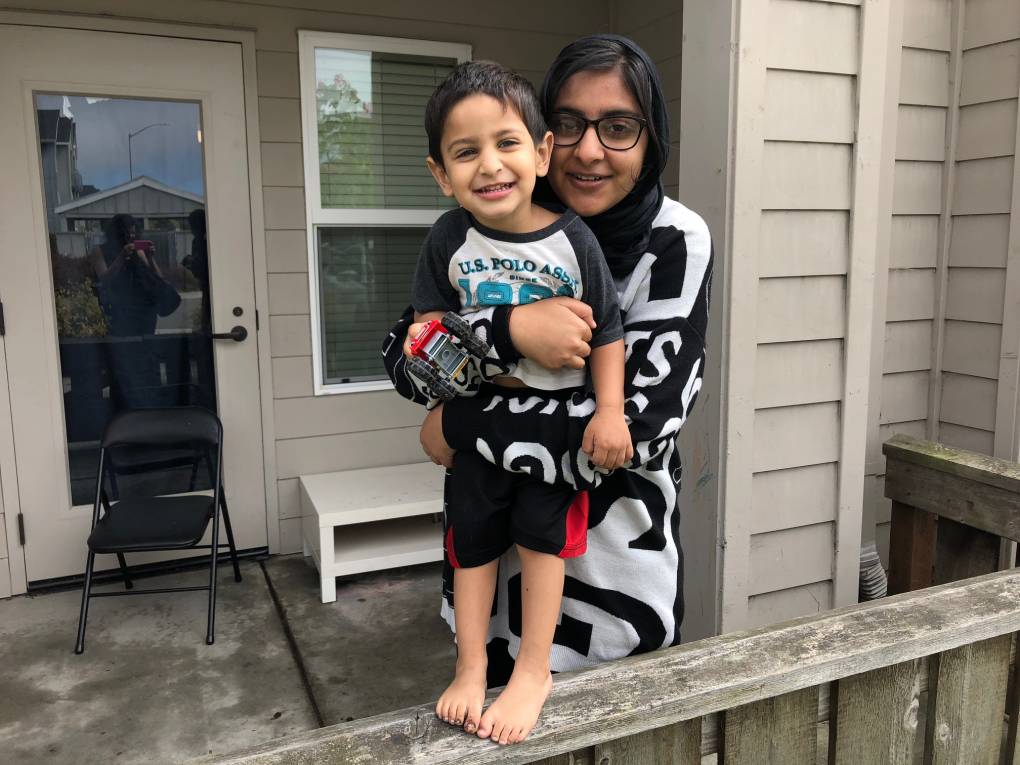
"caption": "Sadia Khan with her son, Hashim, outside their apartment in University Village. \n\n",
"description": null,
"title": "SadiaKhan1",
"credit": "Vanessa Rancaño/KQED ",
"status": "inherit",
"isLoading": false,
"fetchFailed": false
},
"news_11343206": {
"type": "attachments",
"id": "news_11343206",
"meta": {
"index": "attachments_1716263798",
"site": "news",
"id": "11343206",
"found": true
},
"parent": 11343175,
"imgSizes": {
"small": {
"file": "https://ww2.kqed.org/app/uploads/sites/10/2017/03/Cal-520x347.jpg",
"width": 520,
"mimeType": "image/jpeg",
"height": 347
},
"twentyfourteen-full-width": {
"file": "https://ww2.kqed.org/app/uploads/sites/10/2017/03/Cal-1038x576.jpg",
"width": 1038,
"mimeType": "image/jpeg",
"height": 576
},
"thumbnail": {
"file": "https://ww2.kqed.org/app/uploads/sites/10/2017/03/Cal-160x107.jpg",
"width": 160,
"mimeType": "image/jpeg",
"height": 107
},
"fd-sm": {
"file": "https://ww2.kqed.org/app/uploads/sites/10/2017/03/Cal-960x641.jpg",
"width": 960,
"mimeType": "image/jpeg",
"height": 641
},
"post-thumbnail": {
"file": "https://ww2.kqed.org/app/uploads/sites/10/2017/03/Cal-672x372.jpg",
"width": 672,
"mimeType": "image/jpeg",
"height": 372
},
"xsmall": {
"file": "https://ww2.kqed.org/app/uploads/sites/10/2017/03/Cal-375x250.jpg",
"width": 375,
"mimeType": "image/jpeg",
"height": 250
},
"kqedFullSize": {
"file": "https://ww2.kqed.org/app/uploads/sites/10/2017/03/Cal.jpg",
"width": 1920,
"height": 1282
},
"large": {
"file": "https://ww2.kqed.org/app/uploads/sites/10/2017/03/Cal-1020x681.jpg",
"width": 1020,
"mimeType": "image/jpeg",
"height": 681
},
"xlarge": {
"file": "https://ww2.kqed.org/app/uploads/sites/10/2017/03/Cal-1180x788.jpg",
"width": 1180,
"mimeType": "image/jpeg",
"height": 788
},
"guest-author-50": {
"file": "https://ww2.kqed.org/app/uploads/sites/10/2017/03/Cal-50x50.jpg",
"width": 50,
"mimeType": "image/jpeg",
"height": 50
},
"guest-author-96": {
"file": "https://ww2.kqed.org/app/uploads/sites/10/2017/03/Cal-96x96.jpg",
"width": 96,
"mimeType": "image/jpeg",
"height": 96
},
"medium": {
"file": "https://ww2.kqed.org/app/uploads/sites/10/2017/03/Cal-800x534.jpg",
"width": 800,
"mimeType": "image/jpeg",
"height": 534
},
"guest-author-64": {
"file": "https://ww2.kqed.org/app/uploads/sites/10/2017/03/Cal-64x64.jpg",
"width": 64,
"mimeType": "image/jpeg",
"height": 64
},
"guest-author-32": {
"file": "https://ww2.kqed.org/app/uploads/sites/10/2017/03/Cal-32x32.jpg",
"width": 32,
"mimeType": "image/jpeg",
"height": 32
},
"fd-lrg": {
"file": "https://ww2.kqed.org/app/uploads/sites/10/2017/03/Cal-1920x1282.jpg",
"width": 1920,
"mimeType": "image/jpeg",
"height": 1282
},
"fd-med": {
"file": "https://ww2.kqed.org/app/uploads/sites/10/2017/03/Cal-1180x788.jpg",
"width": 1180,
"mimeType": "image/jpeg",
"height": 788
},
"full-width": {
"file": "https://ww2.kqed.org/app/uploads/sites/10/2017/03/Cal-1920x1282.jpg",
"width": 1920,
"mimeType": "image/jpeg",
"height": 1282
},
"detail": {
"file": "https://ww2.kqed.org/app/uploads/sites/10/2017/03/Cal-150x150.jpg",
"width": 150,
"mimeType": "image/jpeg",
"height": 150
},
"guest-author-128": {
"file": "https://ww2.kqed.org/app/uploads/sites/10/2017/03/Cal-128x128.jpg",
"width": 128,
"mimeType": "image/jpeg",
"height": 128
},
"xxsmall": {
"file": "https://ww2.kqed.org/app/uploads/sites/10/2017/03/Cal-240x160.jpg",
"width": 240,
"mimeType": "image/jpeg",
"height": 160
}
},
"publishDate": 1488590190,
"modified": 1585785986,
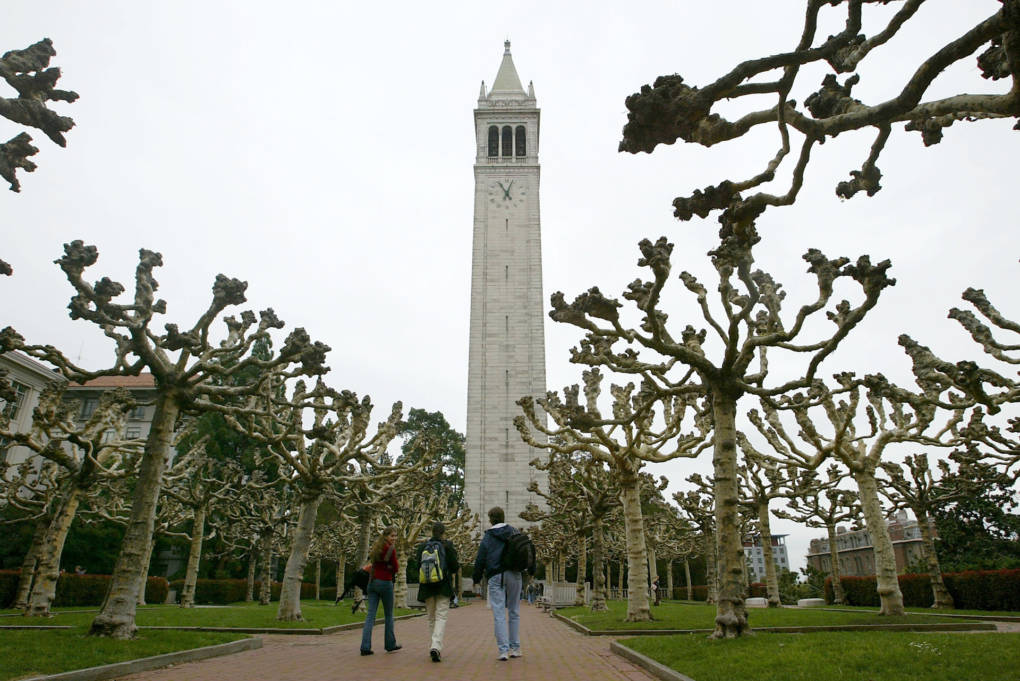
"caption": "Students walk near Sather Tower on the UC Berkeley campus.",
"description": "Students walk near Sather Tower on the UC Berkeley campus.",
"title": "Cal",
"credit": "Justin Sullivan/Getty Images",
"status": "inherit",
"isLoading": false,
"fetchFailed": false
},
"news_11809464": {
"type": "attachments",
"id": "news_11809464",
"meta": {
"index": "attachments_1716263798",
"site": "news",
"id": "11809464",
"found": true
},
"parent": 11809390,
"imgSizes": {
"apple_news_ca_landscape_5_5": {
"file": "https://ww2.kqed.org/app/uploads/sites/10/2020/03/1920_Goat-1044x783.jpg",
"width": 1044,
"mimeType": "image/jpeg",
"height": 783
},
"apple_news_ca_square_4_0": {
"file": "https://ww2.kqed.org/app/uploads/sites/10/2020/03/1920_Goat-470x470.jpg",
"width": 470,
"mimeType": "image/jpeg",
"height": 470
},
"twentyfourteen-full-width": {
"file": "https://ww2.kqed.org/app/uploads/sites/10/2020/03/1920_Goat-1038x576.jpg",
"width": 1038,
"mimeType": "image/jpeg",
"height": 576
},
"thumbnail": {
"file": "https://ww2.kqed.org/app/uploads/sites/10/2020/03/1920_Goat-160x90.jpg",
"width": 160,
"mimeType": "image/jpeg",
"height": 90
},
"post-thumbnail": {
"file": "https://ww2.kqed.org/app/uploads/sites/10/2020/03/1920_Goat-672x372.jpg",
"width": 672,
"mimeType": "image/jpeg",
"height": 372
},
"kqedFullSize": {
"file": "https://ww2.kqed.org/app/uploads/sites/10/2020/03/1920_Goat.jpg",
"width": 1920,
"height": 1081
},
"apple_news_ca_landscape_4_7": {
"file": "https://ww2.kqed.org/app/uploads/sites/10/2020/03/1920_Goat-632x474.jpg",
"width": 632,
"mimeType": "image/jpeg",
"height": 474
},
"large": {
"file": "https://ww2.kqed.org/app/uploads/sites/10/2020/03/1920_Goat-1020x574.jpg",
"width": 1020,
"mimeType": "image/jpeg",
"height": 574
},
"apple_news_ca_landscape_4_0": {
"file": "https://ww2.kqed.org/app/uploads/sites/10/2020/03/1920_Goat-536x402.jpg",
"width": 536,
"mimeType": "image/jpeg",
"height": 402
},
"apple_news_ca_portrait_12_9": {
"file": "https://ww2.kqed.org/app/uploads/sites/10/2020/03/1920_Goat-1122x1081.jpg",
"width": 1122,
"mimeType": "image/jpeg",
"height": 1081
},
"medium": {
"file": "https://ww2.kqed.org/app/uploads/sites/10/2020/03/1920_Goat-800x450.jpg",
"width": 800,
"mimeType": "image/jpeg",
"height": 450
},
"apple_news_ca_portrait_4_0": {
"file": "https://ww2.kqed.org/app/uploads/sites/10/2020/03/1920_Goat-354x472.jpg",
"width": 354,
"mimeType": "image/jpeg",
"height": 472
},
"apple_news_ca_portrait_9_7": {
"file": "https://ww2.kqed.org/app/uploads/sites/10/2020/03/1920_Goat-840x1081.jpg",
"width": 840,
"mimeType": "image/jpeg",
"height": 1081
},
"apple_news_ca_landscape_12_9": {
"file": "https://ww2.kqed.org/app/uploads/sites/10/2020/03/1920_Goat-1832x1081.jpg",
"width": 1832,
"mimeType": "image/jpeg",
"height": 1081
},
"apple_news_ca_square_9_7": {
"file": "https://ww2.kqed.org/app/uploads/sites/10/2020/03/1920_Goat-1104x1081.jpg",
"width": 1104,
"mimeType": "image/jpeg",
"height": 1081
},
"apple_news_ca_portrait_4_7": {
"file": "https://ww2.kqed.org/app/uploads/sites/10/2020/03/1920_Goat-414x552.jpg",
"width": 414,
"mimeType": "image/jpeg",
"height": 552
},
"apple_news_ca_square_12_9": {
"file": "https://ww2.kqed.org/app/uploads/sites/10/2020/03/1920_Goat-1472x1081.jpg",
"width": 1472,
"mimeType": "image/jpeg",
"height": 1081
},
"apple_news_ca_portrait_5_5": {
"file": "https://ww2.kqed.org/app/uploads/sites/10/2020/03/1920_Goat-687x916.jpg",
"width": 687,
"mimeType": "image/jpeg",
"height": 916
},
"full-width": {
"file": "https://ww2.kqed.org/app/uploads/sites/10/2020/03/1920_Goat-1920x1081.jpg",
"width": 1920,
"mimeType": "image/jpeg",
"height": 1081
},
"apple_news_ca_square_4_7": {
"file": "https://ww2.kqed.org/app/uploads/sites/10/2020/03/1920_Goat-550x550.jpg",
"width": 550,
"mimeType": "image/jpeg",
"height": 550
},
"apple_news_ca_landscape_9_7": {
"file": "https://ww2.kqed.org/app/uploads/sites/10/2020/03/1920_Goat-1376x1032.jpg",
"width": 1376,
"mimeType": "image/jpeg",
"height": 1032
},
"apple_news_ca_square_5_5": {
"file": "https://ww2.kqed.org/app/uploads/sites/10/2020/03/1920_Goat-912x912.jpg",
"width": 912,
"mimeType": "image/jpeg",
"height": 912
}
},
"publishDate": 1585423408,
"modified": 1585423471,
"caption": "Nibblets (aka Mama Goat) is ready for her close-up as part of \"Goat 2 Meetings,\" a zoom meeting program set up by the animal sanctuary Sweet Farm south of Half Moon Bay.",
"description": "Nibblets (aka Mama Goat) is ready for her close-up as part of \"Goat 2 Meetings,\" a zoom meeting program set up by the animal sanctuary Sweet Farm south of Half Moon Bay",
"title": "1920_Goat",
"credit": "Rachael Myrow/KQED",
"status": "inherit",
"isLoading": false,
"fetchFailed": false
},
"news_11808566": {
"type": "attachments",
"id": "news_11808566",
"meta": {
"index": "attachments_1716263798",
"site": "news",
"id": "11808566",
"found": true
},
"parent": 11808383,
"imgSizes": {
"apple_news_ca_landscape_5_5": {
"file": "https://ww2.kqed.org/app/uploads/sites/10/2020/03/RS42259_001_KQED_Pittsburg_MaliaJohnson_03242020-qut-1044x783.jpg",
"width": 1044,
"mimeType": "image/jpeg",
"height": 783
},
"apple_news_ca_square_4_0": {
"file": "https://ww2.kqed.org/app/uploads/sites/10/2020/03/RS42259_001_KQED_Pittsburg_MaliaJohnson_03242020-qut-470x470.jpg",
"width": 470,
"mimeType": "image/jpeg",
"height": 470
},
"twentyfourteen-full-width": {
"file": "https://ww2.kqed.org/app/uploads/sites/10/2020/03/RS42259_001_KQED_Pittsburg_MaliaJohnson_03242020-qut-1038x576.jpg",
"width": 1038,
"mimeType": "image/jpeg",
"height": 576
},
"thumbnail": {
"file": "https://ww2.kqed.org/app/uploads/sites/10/2020/03/RS42259_001_KQED_Pittsburg_MaliaJohnson_03242020-qut-160x107.jpg",
"width": 160,
"mimeType": "image/jpeg",
"height": 107
},
"post-thumbnail": {
"file": "https://ww2.kqed.org/app/uploads/sites/10/2020/03/RS42259_001_KQED_Pittsburg_MaliaJohnson_03242020-qut-672x372.jpg",
"width": 672,
"mimeType": "image/jpeg",
"height": 372
},
"kqedFullSize": {
"file": "https://ww2.kqed.org/app/uploads/sites/10/2020/03/RS42259_001_KQED_Pittsburg_MaliaJohnson_03242020-qut.jpg",
"width": 1920,
"height": 1280
},
"apple_news_ca_landscape_4_7": {
"file": "https://ww2.kqed.org/app/uploads/sites/10/2020/03/RS42259_001_KQED_Pittsburg_MaliaJohnson_03242020-qut-632x474.jpg",
"width": 632,
"mimeType": "image/jpeg",
"height": 474
},
"large": {
"file": "https://ww2.kqed.org/app/uploads/sites/10/2020/03/RS42259_001_KQED_Pittsburg_MaliaJohnson_03242020-qut-1020x680.jpg",
"width": 1020,
"mimeType": "image/jpeg",
"height": 680
},
"apple_news_ca_landscape_4_0": {
"file": "https://ww2.kqed.org/app/uploads/sites/10/2020/03/RS42259_001_KQED_Pittsburg_MaliaJohnson_03242020-qut-536x402.jpg",
"width": 536,
"mimeType": "image/jpeg",
"height": 402
},
"apple_news_ca_portrait_12_9": {
"file": "https://ww2.kqed.org/app/uploads/sites/10/2020/03/RS42259_001_KQED_Pittsburg_MaliaJohnson_03242020-qut-1122x1280.jpg",
"width": 1122,
"mimeType": "image/jpeg",
"height": 1280
},
"medium": {
"file": "https://ww2.kqed.org/app/uploads/sites/10/2020/03/RS42259_001_KQED_Pittsburg_MaliaJohnson_03242020-qut-800x533.jpg",
"width": 800,
"mimeType": "image/jpeg",
"height": 533
},
"apple_news_ca_portrait_4_0": {
"file": "https://ww2.kqed.org/app/uploads/sites/10/2020/03/RS42259_001_KQED_Pittsburg_MaliaJohnson_03242020-qut-354x472.jpg",
"width": 354,
"mimeType": "image/jpeg",
"height": 472
},
"apple_news_ca_portrait_9_7": {
"file": "https://ww2.kqed.org/app/uploads/sites/10/2020/03/RS42259_001_KQED_Pittsburg_MaliaJohnson_03242020-qut-840x1120.jpg",
"width": 840,
"mimeType": "image/jpeg",
"height": 1120
},
"apple_news_ca_landscape_12_9": {
"file": "https://ww2.kqed.org/app/uploads/sites/10/2020/03/RS42259_001_KQED_Pittsburg_MaliaJohnson_03242020-qut-1832x1280.jpg",
"width": 1832,
"mimeType": "image/jpeg",
"height": 1280
},
"apple_news_ca_square_9_7": {
"file": "https://ww2.kqed.org/app/uploads/sites/10/2020/03/RS42259_001_KQED_Pittsburg_MaliaJohnson_03242020-qut-1104x1104.jpg",
"width": 1104,
"mimeType": "image/jpeg",
"height": 1104
},
"apple_news_ca_portrait_4_7": {
"file": "https://ww2.kqed.org/app/uploads/sites/10/2020/03/RS42259_001_KQED_Pittsburg_MaliaJohnson_03242020-qut-414x552.jpg",
"width": 414,
"mimeType": "image/jpeg",
"height": 552
},
"apple_news_ca_square_12_9": {
"file": "https://ww2.kqed.org/app/uploads/sites/10/2020/03/RS42259_001_KQED_Pittsburg_MaliaJohnson_03242020-qut-1472x1280.jpg",
"width": 1472,
"mimeType": "image/jpeg",
"height": 1280
},
"apple_news_ca_portrait_5_5": {
"file": "https://ww2.kqed.org/app/uploads/sites/10/2020/03/RS42259_001_KQED_Pittsburg_MaliaJohnson_03242020-qut-687x916.jpg",
"width": 687,
"mimeType": "image/jpeg",
"height": 916
},
"full-width": {
"file": "https://ww2.kqed.org/app/uploads/sites/10/2020/03/RS42259_001_KQED_Pittsburg_MaliaJohnson_03242020-qut-1920x1280.jpg",
"width": 1920,
"mimeType": "image/jpeg",
"height": 1280
},
"apple_news_ca_square_4_7": {
"file": "https://ww2.kqed.org/app/uploads/sites/10/2020/03/RS42259_001_KQED_Pittsburg_MaliaJohnson_03242020-qut-550x550.jpg",
"width": 550,
"mimeType": "image/jpeg",
"height": 550
},
"apple_news_ca_landscape_9_7": {
"file": "https://ww2.kqed.org/app/uploads/sites/10/2020/03/RS42259_001_KQED_Pittsburg_MaliaJohnson_03242020-qut-1376x1032.jpg",
"width": 1376,
"mimeType": "image/jpeg",
"height": 1032
},
"apple_news_ca_square_5_5": {
"file": "https://ww2.kqed.org/app/uploads/sites/10/2020/03/RS42259_001_KQED_Pittsburg_MaliaJohnson_03242020-qut-912x912.jpg",
"width": 912,
"mimeType": "image/jpeg",
"height": 912
}
},
"publishDate": 1585100031,
"modified": 1585102021,
"caption": "Malia Johnson at her home in Pittsburg, California on March 24, 2020.",
"description": null,
"title": "Malia Johnson at her home in Pittsburg, California on Mar. 24, 2020.",
"credit": "Beth LaBerge/KQED",
"status": "inherit",
"isLoading": false,
"fetchFailed": false
},
"news_11808365": {
"type": "attachments",
"id": "news_11808365",
"meta": {
"index": "attachments_1716263798",
"site": "news",
"id": "11808365",
"found": true
},
"parent": 11808204,
"imgSizes": {
"apple_news_ca_landscape_5_5": {
"file": "https://ww2.kqed.org/app/uploads/sites/10/2020/03/download-1044x684.png",
"width": 1044,
"mimeType": "image/png",
"height": 684
},
"apple_news_ca_square_4_0": {
"file": "https://ww2.kqed.org/app/uploads/sites/10/2020/03/download-470x470.png",
"width": 470,
"mimeType": "image/png",
"height": 470
},
"twentyfourteen-full-width": {
"file": "https://ww2.kqed.org/app/uploads/sites/10/2020/03/download-1038x576.png",
"width": 1038,
"mimeType": "image/png",
"height": 576
},
"thumbnail": {
"file": "https://ww2.kqed.org/app/uploads/sites/10/2020/03/download-160x100.png",
"width": 160,
"mimeType": "image/png",
"height": 100
},
"post-thumbnail": {
"file": "https://ww2.kqed.org/app/uploads/sites/10/2020/03/download-672x372.png",
"width": 672,
"mimeType": "image/png",
"height": 372
},
"kqedFullSize": {
"file": "https://ww2.kqed.org/app/uploads/sites/10/2020/03/download.png",
"width": 1089,
"height": 684
},
"apple_news_ca_landscape_4_7": {
"file": "https://ww2.kqed.org/app/uploads/sites/10/2020/03/download-632x474.png",
"width": 632,
"mimeType": "image/png",
"height": 474
},
"large": {
"file": "https://ww2.kqed.org/app/uploads/sites/10/2020/03/download-1020x641.png",
"width": 1020,
"mimeType": "image/png",
"height": 641
},
"apple_news_ca_landscape_4_0": {
"file": "https://ww2.kqed.org/app/uploads/sites/10/2020/03/download-536x402.png",
"width": 536,
"mimeType": "image/png",
"height": 402
},
"medium": {
"file": "https://ww2.kqed.org/app/uploads/sites/10/2020/03/download-800x502.png",
"width": 800,
"mimeType": "image/png",
"height": 502
},
"apple_news_ca_portrait_4_0": {
"file": "https://ww2.kqed.org/app/uploads/sites/10/2020/03/download-354x472.png",
"width": 354,
"mimeType": "image/png",
"height": 472
},
"apple_news_ca_portrait_9_7": {
"file": "https://ww2.kqed.org/app/uploads/sites/10/2020/03/download-840x684.png",
"width": 840,
"mimeType": "image/png",
"height": 684
},
"apple_news_ca_portrait_4_7": {
"file": "https://ww2.kqed.org/app/uploads/sites/10/2020/03/download-414x552.png",
"width": 414,
"mimeType": "image/png",
"height": 552
},
"apple_news_ca_portrait_5_5": {
"file": "https://ww2.kqed.org/app/uploads/sites/10/2020/03/download-687x684.png",
"width": 687,
"mimeType": "image/png",
"height": 684
},
"apple_news_ca_square_4_7": {
"file": "https://ww2.kqed.org/app/uploads/sites/10/2020/03/download-550x550.png",
"width": 550,
"mimeType": "image/png",
"height": 550
},
"apple_news_ca_square_5_5": {
"file": "https://ww2.kqed.org/app/uploads/sites/10/2020/03/download-912x684.png",
"width": 912,
"mimeType": "image/png",
"height": 684
}
},
"publishDate": 1585012848,
"modified": 1585013042,
"caption": "With schools across California closed because of the coronavirus, teachers and their students are having to quickly shift to online learning. ",
"description": null,
"title": "download",
"credit": "Courtesy of San Juan Unified School Distrct",
"status": "inherit",
"isLoading": false,
"fetchFailed": false
},
"news_11808096": {
"type": "attachments",
"id": "news_11808096",
"meta": {
"index": "attachments_1716263798",
"site": "news",
"id": "11808096",
"found": true
},
"parent": 11808038,
"imgSizes": {
"apple_news_ca_landscape_5_5": {
"file": "https://ww2.kqed.org/app/uploads/sites/10/2020/03/IMG_3884.JPG-1044x783.jpg",
"width": 1044,
"mimeType": "image/jpeg",
"height": 783
},
"apple_news_ca_square_4_0": {
"file": "https://ww2.kqed.org/app/uploads/sites/10/2020/03/IMG_3884.JPG-470x470.jpg",
"width": 470,
"mimeType": "image/jpeg",
"height": 470
},
"twentyfourteen-full-width": {
"file": "https://ww2.kqed.org/app/uploads/sites/10/2020/03/IMG_3884.JPG-1038x576.jpg",
"width": 1038,
"mimeType": "image/jpeg",
"height": 576
},
"thumbnail": {
"file": "https://ww2.kqed.org/app/uploads/sites/10/2020/03/IMG_3884.JPG-160x120.jpg",
"width": 160,
"mimeType": "image/jpeg",
"height": 120
},
"post-thumbnail": {
"file": "https://ww2.kqed.org/app/uploads/sites/10/2020/03/IMG_3884.JPG-672x372.jpg",
"width": 672,
"mimeType": "image/jpeg",
"height": 372
},
"kqedFullSize": {
"file": "https://ww2.kqed.org/app/uploads/sites/10/2020/03/IMG_3884.JPG.jpg",
"width": 1920,
"height": 1440
},
"apple_news_ca_landscape_4_7": {
"file": "https://ww2.kqed.org/app/uploads/sites/10/2020/03/IMG_3884.JPG-632x474.jpg",
"width": 632,
"mimeType": "image/jpeg",
"height": 474
},
"large": {
"file": "https://ww2.kqed.org/app/uploads/sites/10/2020/03/IMG_3884.JPG-1020x765.jpg",
"width": 1020,
"mimeType": "image/jpeg",
"height": 765
},
"apple_news_ca_landscape_4_0": {
"file": "https://ww2.kqed.org/app/uploads/sites/10/2020/03/IMG_3884.JPG-536x402.jpg",
"width": 536,
"mimeType": "image/jpeg",
"height": 402
},
"apple_news_ca_portrait_12_9": {
"file": "https://ww2.kqed.org/app/uploads/sites/10/2020/03/IMG_3884.JPG-1122x1440.jpg",
"width": 1122,
"mimeType": "image/jpeg",
"height": 1440
},
"medium": {
"file": "https://ww2.kqed.org/app/uploads/sites/10/2020/03/IMG_3884.JPG-800x600.jpg",
"width": 800,
"mimeType": "image/jpeg",
"height": 600
},
"apple_news_ca_portrait_4_0": {
"file": "https://ww2.kqed.org/app/uploads/sites/10/2020/03/IMG_3884.JPG-354x472.jpg",
"width": 354,
"mimeType": "image/jpeg",
"height": 472
},
"apple_news_ca_portrait_9_7": {
"file": "https://ww2.kqed.org/app/uploads/sites/10/2020/03/IMG_3884.JPG-840x1120.jpg",
"width": 840,
"mimeType": "image/jpeg",
"height": 1120
},
"apple_news_ca_landscape_12_9": {
"file": "https://ww2.kqed.org/app/uploads/sites/10/2020/03/IMG_3884.JPG-1832x1374.jpg",
"width": 1832,
"mimeType": "image/jpeg",
"height": 1374
},
"apple_news_ca_square_9_7": {
"file": "https://ww2.kqed.org/app/uploads/sites/10/2020/03/IMG_3884.JPG-1104x1104.jpg",
"width": 1104,
"mimeType": "image/jpeg",
"height": 1104
},
"apple_news_ca_portrait_4_7": {
"file": "https://ww2.kqed.org/app/uploads/sites/10/2020/03/IMG_3884.JPG-414x552.jpg",
"width": 414,
"mimeType": "image/jpeg",
"height": 552
},
"apple_news_ca_square_12_9": {
"file": "https://ww2.kqed.org/app/uploads/sites/10/2020/03/IMG_3884.JPG-1472x1440.jpg",
"width": 1472,
"mimeType": "image/jpeg",
"height": 1440
},
"apple_news_ca_portrait_5_5": {
"file": "https://ww2.kqed.org/app/uploads/sites/10/2020/03/IMG_3884.JPG-687x916.jpg",
"width": 687,
"mimeType": "image/jpeg",
"height": 916
},
"full-width": {
"file": "https://ww2.kqed.org/app/uploads/sites/10/2020/03/IMG_3884.JPG-1920x1440.jpg",
"width": 1920,
"mimeType": "image/jpeg",
"height": 1440
},
"apple_news_ca_square_4_7": {
"file": "https://ww2.kqed.org/app/uploads/sites/10/2020/03/IMG_3884.JPG-550x550.jpg",
"width": 550,
"mimeType": "image/jpeg",
"height": 550
},
"apple_news_ca_landscape_9_7": {
"file": "https://ww2.kqed.org/app/uploads/sites/10/2020/03/IMG_3884.JPG-1376x1032.jpg",
"width": 1376,
"mimeType": "image/jpeg",
"height": 1032
},
"apple_news_ca_square_5_5": {
"file": "https://ww2.kqed.org/app/uploads/sites/10/2020/03/IMG_3884.JPG-912x912.jpg",
"width": 912,
"mimeType": "image/jpeg",
"height": 912
}
},
"publishDate": 1584906071,
"modified": 1584906160,
"caption": "Madeline Nielander, a senior communications major at the University of San Francisco.",
"description": null,
"title": "IMG_3884.JPG",
"credit": "Courtesy Madeline Nielander",
"status": "inherit",
"isLoading": false,
"fetchFailed": false
},
"news_11807982": {
"type": "attachments",
"id": "news_11807982",
"meta": {
"index": "attachments_1716263798",
"site": "news",
"id": "11807982",
"found": true
},
"parent": 11807973,
"imgSizes": {
"apple_news_ca_square_4_0": {
"file": "https://ww2.kqed.org/app/uploads/sites/10/2020/03/IMG_2045-470x470.jpg",
"width": 470,
"mimeType": "image/jpeg",
"height": 470
},
"thumbnail": {
"file": "https://ww2.kqed.org/app/uploads/sites/10/2020/03/IMG_2045-160x120.jpg",
"width": 160,
"mimeType": "image/jpeg",
"height": 120
},
"post-thumbnail": {
"file": "https://ww2.kqed.org/app/uploads/sites/10/2020/03/IMG_2045-640x372.jpg",
"width": 640,
"mimeType": "image/jpeg",
"height": 372
},
"kqedFullSize": {
"file": "https://ww2.kqed.org/app/uploads/sites/10/2020/03/IMG_2045.jpg",
"width": 640,
"height": 480
},
"apple_news_ca_landscape_4_7": {
"file": "https://ww2.kqed.org/app/uploads/sites/10/2020/03/IMG_2045-632x474.jpg",
"width": 632,
"mimeType": "image/jpeg",
"height": 474
},
"apple_news_ca_portrait_4_7": {
"file": "https://ww2.kqed.org/app/uploads/sites/10/2020/03/IMG_2045-414x480.jpg",
"width": 414,
"mimeType": "image/jpeg",
"height": 480
},
"apple_news_ca_square_4_7": {
"file": "https://ww2.kqed.org/app/uploads/sites/10/2020/03/IMG_2045-550x480.jpg",
"width": 550,
"mimeType": "image/jpeg",
"height": 480
},
"apple_news_ca_landscape_4_0": {
"file": "https://ww2.kqed.org/app/uploads/sites/10/2020/03/IMG_2045-536x402.jpg",
"width": 536,
"mimeType": "image/jpeg",
"height": 402
},
"apple_news_ca_portrait_4_0": {
"file": "https://ww2.kqed.org/app/uploads/sites/10/2020/03/IMG_2045-354x472.jpg",
"width": 354,
"mimeType": "image/jpeg",
"height": 472
}
},
"publishDate": 1584752059,
"modified": 1584809043,
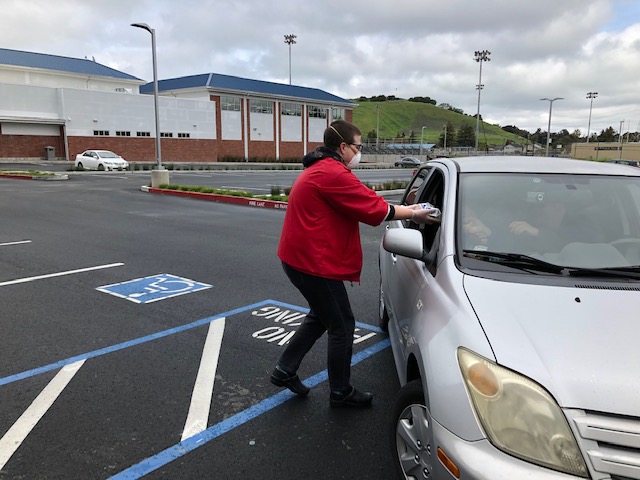
"caption": "Crespi Middle School teacher Sierra Barton passes out food at Pinole Valley High School on Monday, March 16. Schools throughout the West Contra Costa Unified School District closed this week due to the coronavirus.",
"description": null,
"title": "IMG_2045",
"credit": "EdSource",
"status": "inherit",
"isLoading": false,
"fetchFailed": false
},
"news_11807366": {
"type": "attachments",
"id": "news_11807366",
"meta": {
"index": "attachments_1716263798",
"site": "news",
"id": "11807366",
"found": true
},
"parent": 11807208,
"imgSizes": {
"apple_news_ca_landscape_5_5": {
"file": "https://ww2.kqed.org/app/uploads/sites/10/2020/03/iStock-1094027028-1044x783.jpg",
"width": 1044,
"mimeType": "image/jpeg",
"height": 783
},
"apple_news_ca_square_4_0": {
"file": "https://ww2.kqed.org/app/uploads/sites/10/2020/03/iStock-1094027028-470x470.jpg",
"width": 470,
"mimeType": "image/jpeg",
"height": 470
},
"twentyfourteen-full-width": {
"file": "https://ww2.kqed.org/app/uploads/sites/10/2020/03/iStock-1094027028-1038x576.jpg",
"width": 1038,
"mimeType": "image/jpeg",
"height": 576
},
"thumbnail": {
"file": "https://ww2.kqed.org/app/uploads/sites/10/2020/03/iStock-1094027028-160x107.jpg",
"width": 160,
"mimeType": "image/jpeg",
"height": 107
},
"post-thumbnail": {
"file": "https://ww2.kqed.org/app/uploads/sites/10/2020/03/iStock-1094027028-672x372.jpg",
"width": 672,
"mimeType": "image/jpeg",
"height": 372
},
"kqedFullSize": {
"file": "https://ww2.kqed.org/app/uploads/sites/10/2020/03/iStock-1094027028-e1584576976374.jpg",
"width": 1920,
"height": 1280
},
"apple_news_ca_landscape_4_7": {
"file": "https://ww2.kqed.org/app/uploads/sites/10/2020/03/iStock-1094027028-632x474.jpg",
"width": 632,
"mimeType": "image/jpeg",
"height": 474
},
"large": {
"file": "https://ww2.kqed.org/app/uploads/sites/10/2020/03/iStock-1094027028-1020x680.jpg",
"width": 1020,
"mimeType": "image/jpeg",
"height": 680
},
"apple_news_ca_landscape_4_0": {
"file": "https://ww2.kqed.org/app/uploads/sites/10/2020/03/iStock-1094027028-536x402.jpg",
"width": 536,
"mimeType": "image/jpeg",
"height": 402
},
"apple_news_ca_portrait_12_9": {
"file": "https://ww2.kqed.org/app/uploads/sites/10/2020/03/iStock-1094027028-1122x1414.jpg",
"width": 1122,
"mimeType": "image/jpeg",
"height": 1414
},
"medium": {
"file": "https://ww2.kqed.org/app/uploads/sites/10/2020/03/iStock-1094027028-800x533.jpg",
"width": 800,
"mimeType": "image/jpeg",
"height": 533
},
"apple_news_ca_portrait_4_0": {
"file": "https://ww2.kqed.org/app/uploads/sites/10/2020/03/iStock-1094027028-354x472.jpg",
"width": 354,
"mimeType": "image/jpeg",
"height": 472
},
"apple_news_ca_portrait_9_7": {
"file": "https://ww2.kqed.org/app/uploads/sites/10/2020/03/iStock-1094027028-840x1120.jpg",
"width": 840,
"mimeType": "image/jpeg",
"height": 1120
},
"apple_news_ca_landscape_12_9": {
"file": "https://ww2.kqed.org/app/uploads/sites/10/2020/03/iStock-1094027028-1832x1374.jpg",
"width": 1832,
"mimeType": "image/jpeg",
"height": 1374
},
"apple_news_ca_square_9_7": {
"file": "https://ww2.kqed.org/app/uploads/sites/10/2020/03/iStock-1094027028-1104x1104.jpg",
"width": 1104,
"mimeType": "image/jpeg",
"height": 1104
},
"apple_news_ca_portrait_4_7": {
"file": "https://ww2.kqed.org/app/uploads/sites/10/2020/03/iStock-1094027028-414x552.jpg",
"width": 414,
"mimeType": "image/jpeg",
"height": 552
},
"apple_news_ca_square_12_9": {
"file": "https://ww2.kqed.org/app/uploads/sites/10/2020/03/iStock-1094027028-1472x1414.jpg",
"width": 1472,
"mimeType": "image/jpeg",
"height": 1414
},
"apple_news_ca_portrait_5_5": {
"file": "https://ww2.kqed.org/app/uploads/sites/10/2020/03/iStock-1094027028-687x916.jpg",
"width": 687,
"mimeType": "image/jpeg",
"height": 916
},
"full-width": {
"file": "https://ww2.kqed.org/app/uploads/sites/10/2020/03/iStock-1094027028-1920x1280.jpg",
"width": 1920,
"mimeType": "image/jpeg",
"height": 1280
},
"apple_news_ca_square_4_7": {
"file": "https://ww2.kqed.org/app/uploads/sites/10/2020/03/iStock-1094027028-550x550.jpg",
"width": 550,
"mimeType": "image/jpeg",
"height": 550
},
"apple_news_ca_landscape_9_7": {
"file": "https://ww2.kqed.org/app/uploads/sites/10/2020/03/iStock-1094027028-1376x1032.jpg",
"width": 1376,
"mimeType": "image/jpeg",
"height": 1032
},
"apple_news_ca_square_5_5": {
"file": "https://ww2.kqed.org/app/uploads/sites/10/2020/03/iStock-1094027028-912x912.jpg",
"width": 912,
"mimeType": "image/jpeg",
"height": 912
}
},
"publishDate": 1584576949,
"modified": 1584576988,
"caption": null,
"description": null,
"title": "iStock-1094027028",
"credit": "monkeybusinessimages/iStock",
"status": "inherit",
"isLoading": false,
"fetchFailed": false
},
"news_11806749": {
"type": "attachments",
"id": "news_11806749",
"meta": {
"index": "attachments_1716263798",
"site": "news",
"id": "11806749",
"found": true
},
"parent": 11806638,
"imgSizes": {
"apple_news_ca_landscape_5_5": {
"file": "https://ww2.kqed.org/app/uploads/sites/10/2020/03/RS42012_iStock-831613730-qut-1044x783.jpg",
"width": 1044,
"mimeType": "image/jpeg",
"height": 783
},
"apple_news_ca_square_4_0": {
"file": "https://ww2.kqed.org/app/uploads/sites/10/2020/03/RS42012_iStock-831613730-qut-470x470.jpg",
"width": 470,
"mimeType": "image/jpeg",
"height": 470
},
"twentyfourteen-full-width": {
"file": "https://ww2.kqed.org/app/uploads/sites/10/2020/03/RS42012_iStock-831613730-qut-1038x576.jpg",
"width": 1038,
"mimeType": "image/jpeg",
"height": 576
},
"thumbnail": {
"file": "https://ww2.kqed.org/app/uploads/sites/10/2020/03/RS42012_iStock-831613730-qut-160x90.jpg",
"width": 160,
"mimeType": "image/jpeg",
"height": 90
},
"post-thumbnail": {
"file": "https://ww2.kqed.org/app/uploads/sites/10/2020/03/RS42012_iStock-831613730-qut-672x372.jpg",
"width": 672,
"mimeType": "image/jpeg",
"height": 372
},
"kqedFullSize": {
"file": "https://ww2.kqed.org/app/uploads/sites/10/2020/03/RS42012_iStock-831613730-qut.jpg",
"width": 1920,
"height": 1080
},
"apple_news_ca_landscape_4_7": {
"file": "https://ww2.kqed.org/app/uploads/sites/10/2020/03/RS42012_iStock-831613730-qut-632x474.jpg",
"width": 632,
"mimeType": "image/jpeg",
"height": 474
},
"large": {
"file": "https://ww2.kqed.org/app/uploads/sites/10/2020/03/RS42012_iStock-831613730-qut-1020x574.jpg",
"width": 1020,
"mimeType": "image/jpeg",
"height": 574
},
"apple_news_ca_landscape_4_0": {
"file": "https://ww2.kqed.org/app/uploads/sites/10/2020/03/RS42012_iStock-831613730-qut-536x402.jpg",
"width": 536,
"mimeType": "image/jpeg",
"height": 402
},
"apple_news_ca_portrait_12_9": {
"file": "https://ww2.kqed.org/app/uploads/sites/10/2020/03/RS42012_iStock-831613730-qut-1122x1080.jpg",
"width": 1122,
"mimeType": "image/jpeg",
"height": 1080
},
"medium": {
"file": "https://ww2.kqed.org/app/uploads/sites/10/2020/03/RS42012_iStock-831613730-qut-800x450.jpg",
"width": 800,
"mimeType": "image/jpeg",
"height": 450
},
"apple_news_ca_portrait_4_0": {
"file": "https://ww2.kqed.org/app/uploads/sites/10/2020/03/RS42012_iStock-831613730-qut-354x472.jpg",
"width": 354,
"mimeType": "image/jpeg",
"height": 472
},
"apple_news_ca_portrait_9_7": {
"file": "https://ww2.kqed.org/app/uploads/sites/10/2020/03/RS42012_iStock-831613730-qut-840x1080.jpg",
"width": 840,
"mimeType": "image/jpeg",
"height": 1080
},
"apple_news_ca_landscape_12_9": {
"file": "https://ww2.kqed.org/app/uploads/sites/10/2020/03/RS42012_iStock-831613730-qut-1832x1080.jpg",
"width": 1832,
"mimeType": "image/jpeg",
"height": 1080
},
"apple_news_ca_square_9_7": {
"file": "https://ww2.kqed.org/app/uploads/sites/10/2020/03/RS42012_iStock-831613730-qut-1104x1080.jpg",
"width": 1104,
"mimeType": "image/jpeg",
"height": 1080
},
"apple_news_ca_portrait_4_7": {
"file": "https://ww2.kqed.org/app/uploads/sites/10/2020/03/RS42012_iStock-831613730-qut-414x552.jpg",
"width": 414,
"mimeType": "image/jpeg",
"height": 552
},
"apple_news_ca_square_12_9": {
"file": "https://ww2.kqed.org/app/uploads/sites/10/2020/03/RS42012_iStock-831613730-qut-1472x1080.jpg",
"width": 1472,
"mimeType": "image/jpeg",
"height": 1080
},
"apple_news_ca_portrait_5_5": {
"file": "https://ww2.kqed.org/app/uploads/sites/10/2020/03/RS42012_iStock-831613730-qut-687x916.jpg",
"width": 687,
"mimeType": "image/jpeg",
"height": 916
},
"full-width": {
"file": "https://ww2.kqed.org/app/uploads/sites/10/2020/03/RS42012_iStock-831613730-qut-1920x1080.jpg",
"width": 1920,
"mimeType": "image/jpeg",
"height": 1080
},
"apple_news_ca_square_4_7": {
"file": "https://ww2.kqed.org/app/uploads/sites/10/2020/03/RS42012_iStock-831613730-qut-550x550.jpg",
"width": 550,
"mimeType": "image/jpeg",
"height": 550
},
"apple_news_ca_landscape_9_7": {
"file": "https://ww2.kqed.org/app/uploads/sites/10/2020/03/RS42012_iStock-831613730-qut-1376x1032.jpg",
"width": 1376,
"mimeType": "image/jpeg",
"height": 1032
},
"apple_news_ca_square_5_5": {
"file": "https://ww2.kqed.org/app/uploads/sites/10/2020/03/RS42012_iStock-831613730-qut-912x912.jpg",
"width": 912,
"mimeType": "image/jpeg",
"height": 912
}
},
"publishDate": 1584141964,
"modified": 1628812185,
"caption": null,
"description": null,
"title": "Student_Laptop",
"credit": "gorodenkoff/iStock",
"status": "inherit",
"altTag": "West Contra Costa Unified is closing all schools and moving to remote learning starting Monday, March 16, 2020.",
"isLoading": false,
"fetchFailed": false
},
"news_11806454": {
"type": "attachments",
"id": "news_11806454",
"meta": {
"index": "attachments_1716263798",
"site": "news",
"id": "11806454",
"found": true
},
"parent": 11806421,
"imgSizes": {
"apple_news_ca_landscape_5_5": {
"file": "https://ww2.kqed.org/app/uploads/sites/10/2020/03/RS41976_008_KQED_SanFrancisco_SFSU_03112020_-qut-1044x783.jpg",
"width": 1044,
"mimeType": "image/jpeg",
"height": 783
},
"apple_news_ca_square_4_0": {
"file": "https://ww2.kqed.org/app/uploads/sites/10/2020/03/RS41976_008_KQED_SanFrancisco_SFSU_03112020_-qut-470x470.jpg",
"width": 470,
"mimeType": "image/jpeg",
"height": 470
},
"twentyfourteen-full-width": {
"file": "https://ww2.kqed.org/app/uploads/sites/10/2020/03/RS41976_008_KQED_SanFrancisco_SFSU_03112020_-qut-1038x576.jpg",
"width": 1038,
"mimeType": "image/jpeg",
"height": 576
},
"thumbnail": {
"file": "https://ww2.kqed.org/app/uploads/sites/10/2020/03/RS41976_008_KQED_SanFrancisco_SFSU_03112020_-qut-160x107.jpg",
"width": 160,
"mimeType": "image/jpeg",
"height": 107
},
"post-thumbnail": {
"file": "https://ww2.kqed.org/app/uploads/sites/10/2020/03/RS41976_008_KQED_SanFrancisco_SFSU_03112020_-qut-672x372.jpg",
"width": 672,
"mimeType": "image/jpeg",
"height": 372
},
"kqedFullSize": {
"file": "https://ww2.kqed.org/app/uploads/sites/10/2020/03/RS41976_008_KQED_SanFrancisco_SFSU_03112020_-qut.jpg",
"width": 1920,
"height": 1280
},
"apple_news_ca_landscape_4_7": {
"file": "https://ww2.kqed.org/app/uploads/sites/10/2020/03/RS41976_008_KQED_SanFrancisco_SFSU_03112020_-qut-632x474.jpg",
"width": 632,
"mimeType": "image/jpeg",
"height": 474
},
"large": {
"file": "https://ww2.kqed.org/app/uploads/sites/10/2020/03/RS41976_008_KQED_SanFrancisco_SFSU_03112020_-qut-1020x680.jpg",
"width": 1020,
"mimeType": "image/jpeg",
"height": 680
},
"apple_news_ca_landscape_4_0": {
"file": "https://ww2.kqed.org/app/uploads/sites/10/2020/03/RS41976_008_KQED_SanFrancisco_SFSU_03112020_-qut-536x402.jpg",
"width": 536,
"mimeType": "image/jpeg",
"height": 402
},
"apple_news_ca_portrait_12_9": {
"file": "https://ww2.kqed.org/app/uploads/sites/10/2020/03/RS41976_008_KQED_SanFrancisco_SFSU_03112020_-qut-1122x1280.jpg",
"width": 1122,
"mimeType": "image/jpeg",
"height": 1280
},
"medium": {
"file": "https://ww2.kqed.org/app/uploads/sites/10/2020/03/RS41976_008_KQED_SanFrancisco_SFSU_03112020_-qut-800x533.jpg",
"width": 800,
"mimeType": "image/jpeg",
"height": 533
},
"apple_news_ca_portrait_4_0": {
"file": "https://ww2.kqed.org/app/uploads/sites/10/2020/03/RS41976_008_KQED_SanFrancisco_SFSU_03112020_-qut-354x472.jpg",
"width": 354,
"mimeType": "image/jpeg",
"height": 472
},
"apple_news_ca_portrait_9_7": {
"file": "https://ww2.kqed.org/app/uploads/sites/10/2020/03/RS41976_008_KQED_SanFrancisco_SFSU_03112020_-qut-840x1120.jpg",
"width": 840,
"mimeType": "image/jpeg",
"height": 1120
},
"apple_news_ca_landscape_12_9": {
"file": "https://ww2.kqed.org/app/uploads/sites/10/2020/03/RS41976_008_KQED_SanFrancisco_SFSU_03112020_-qut-1832x1280.jpg",
"width": 1832,
"mimeType": "image/jpeg",
"height": 1280
},
"apple_news_ca_square_9_7": {
"file": "https://ww2.kqed.org/app/uploads/sites/10/2020/03/RS41976_008_KQED_SanFrancisco_SFSU_03112020_-qut-1104x1104.jpg",
"width": 1104,
"mimeType": "image/jpeg",
"height": 1104
},
"apple_news_ca_portrait_4_7": {
"file": "https://ww2.kqed.org/app/uploads/sites/10/2020/03/RS41976_008_KQED_SanFrancisco_SFSU_03112020_-qut-414x552.jpg",
"width": 414,
"mimeType": "image/jpeg",
"height": 552
},
"apple_news_ca_square_12_9": {
"file": "https://ww2.kqed.org/app/uploads/sites/10/2020/03/RS41976_008_KQED_SanFrancisco_SFSU_03112020_-qut-1472x1280.jpg",
"width": 1472,
"mimeType": "image/jpeg",
"height": 1280
},
"apple_news_ca_portrait_5_5": {
"file": "https://ww2.kqed.org/app/uploads/sites/10/2020/03/RS41976_008_KQED_SanFrancisco_SFSU_03112020_-qut-687x916.jpg",
"width": 687,
"mimeType": "image/jpeg",
"height": 916
},
"full-width": {
"file": "https://ww2.kqed.org/app/uploads/sites/10/2020/03/RS41976_008_KQED_SanFrancisco_SFSU_03112020_-qut-1920x1280.jpg",
"width": 1920,
"mimeType": "image/jpeg",
"height": 1280
},
"apple_news_ca_square_4_7": {
"file": "https://ww2.kqed.org/app/uploads/sites/10/2020/03/RS41976_008_KQED_SanFrancisco_SFSU_03112020_-qut-550x550.jpg",
"width": 550,
"mimeType": "image/jpeg",
"height": 550
},
"apple_news_ca_landscape_9_7": {
"file": "https://ww2.kqed.org/app/uploads/sites/10/2020/03/RS41976_008_KQED_SanFrancisco_SFSU_03112020_-qut-1376x1032.jpg",
"width": 1376,
"mimeType": "image/jpeg",
"height": 1032
},
"apple_news_ca_square_5_5": {
"file": "https://ww2.kqed.org/app/uploads/sites/10/2020/03/RS41976_008_KQED_SanFrancisco_SFSU_03112020_-qut-912x912.jpg",
"width": 912,
"mimeType": "image/jpeg",
"height": 912
}
},
"publishDate": 1584049751,
"modified": 1584056795,
"caption": "San Francisco State University student Jonathan Moreci (left) helps carry Robert Lammers' belongings to his car on March 11, 2020. Students at the university were advised to leave their dorms and return home to help slow the spread of the coronavirus.",
"description": "San Francisco State University student Jonathan Moreci (left) helps carry Robert Lammers' belongings to his car on Wednesday, Mar. 11, 2020. Students at the university were advised to leave their dorms and return home to help slow the spread of coronavirus.",
"title": "SFSU students move out",
"credit": "Beth LaBerge/KQED",
"status": "inherit",
"isLoading": false,
"fetchFailed": false
},
"news_11806405": {
"type": "attachments",
"id": "news_11806405",
"meta": {
"index": "attachments_1716263798",
"site": "news",
"id": "11806405",
"found": true
},
"parent": 11806256,
"imgSizes": {
"apple_news_ca_square_4_0": {
"file": "https://ww2.kqed.org/app/uploads/sites/10/2020/03/Meal-Production-Central-Kitchen-3-470x470.jpg",
"width": 470,
"mimeType": "image/jpeg",
"height": 470
},
"thumbnail": {
"file": "https://ww2.kqed.org/app/uploads/sites/10/2020/03/Meal-Production-Central-Kitchen-3-160x90.jpg",
"width": 160,
"mimeType": "image/jpeg",
"height": 90
},
"post-thumbnail": {
"file": "https://ww2.kqed.org/app/uploads/sites/10/2020/03/Meal-Production-Central-Kitchen-3-672x372.jpg",
"width": 672,
"mimeType": "image/jpeg",
"height": 372
},
"kqedFullSize": {
"file": "https://ww2.kqed.org/app/uploads/sites/10/2020/03/Meal-Production-Central-Kitchen-3.jpg",
"width": 1020,
"height": 574
},
"apple_news_ca_landscape_4_7": {
"file": "https://ww2.kqed.org/app/uploads/sites/10/2020/03/Meal-Production-Central-Kitchen-3-632x474.jpg",
"width": 632,
"mimeType": "image/jpeg",
"height": 474
},
"large": {
"file": "https://ww2.kqed.org/app/uploads/sites/10/2020/03/Meal-Production-Central-Kitchen-3-1020x574.jpg",
"width": 1020,
"mimeType": "image/jpeg",
"height": 574
},
"apple_news_ca_landscape_4_0": {
"file": "https://ww2.kqed.org/app/uploads/sites/10/2020/03/Meal-Production-Central-Kitchen-3-536x402.jpg",
"width": 536,
"mimeType": "image/jpeg",
"height": 402
},
"medium": {
"file": "https://ww2.kqed.org/app/uploads/sites/10/2020/03/Meal-Production-Central-Kitchen-3-800x450.jpg",
"width": 800,
"mimeType": "image/jpeg",
"height": 450
},
"apple_news_ca_portrait_4_0": {
"file": "https://ww2.kqed.org/app/uploads/sites/10/2020/03/Meal-Production-Central-Kitchen-3-354x472.jpg",
"width": 354,
"mimeType": "image/jpeg",
"height": 472
},
"apple_news_ca_portrait_9_7": {
"file": "https://ww2.kqed.org/app/uploads/sites/10/2020/03/Meal-Production-Central-Kitchen-3-840x574.jpg",
"width": 840,
"mimeType": "image/jpeg",
"height": 574
},
"apple_news_ca_portrait_4_7": {
"file": "https://ww2.kqed.org/app/uploads/sites/10/2020/03/Meal-Production-Central-Kitchen-3-414x552.jpg",
"width": 414,
"mimeType": "image/jpeg",
"height": 552
},
"apple_news_ca_portrait_5_5": {
"file": "https://ww2.kqed.org/app/uploads/sites/10/2020/03/Meal-Production-Central-Kitchen-3-687x574.jpg",
"width": 687,
"mimeType": "image/jpeg",
"height": 574
},
"apple_news_ca_square_4_7": {
"file": "https://ww2.kqed.org/app/uploads/sites/10/2020/03/Meal-Production-Central-Kitchen-3-550x550.jpg",
"width": 550,
"mimeType": "image/jpeg",
"height": 550
},
"apple_news_ca_square_5_5": {
"file": "https://ww2.kqed.org/app/uploads/sites/10/2020/03/Meal-Production-Central-Kitchen-3-912x574.jpg",
"width": 912,
"mimeType": "image/jpeg",
"height": 574
}
},
"publishDate": 1584040500,
"modified": 1584040526,
"caption": "Meals being prepared for delivery at Elk Grove Unified School District's Central Kitchen.",
"description": null,
"title": "Meal-Production-Central-Kitchen-3",
"credit": "Courtesy of Elk Grove Unified School District",
"status": "inherit",
"isLoading": false,
"fetchFailed": false
},
"news_11806436": {
"type": "attachments",
"id": "news_11806436",
"meta": {
"index": "attachments_1716263798",
"site": "news",
"id": "11806436",
"found": true
},
"parent": 11806432,
"imgSizes": {
"apple_news_ca_landscape_5_5": {
"file": "https://ww2.kqed.org/app/uploads/sites/10/2020/03/SickLeave-1044x783.jpg",
"width": 1044,
"mimeType": "image/jpeg",
"height": 783
},
"apple_news_ca_square_4_0": {
"file": "https://ww2.kqed.org/app/uploads/sites/10/2020/03/SickLeave-470x470.jpg",
"width": 470,
"mimeType": "image/jpeg",
"height": 470
},
"twentyfourteen-full-width": {
"file": "https://ww2.kqed.org/app/uploads/sites/10/2020/03/SickLeave-1038x576.jpg",
"width": 1038,
"mimeType": "image/jpeg",
"height": 576
},
"thumbnail": {
"file": "https://ww2.kqed.org/app/uploads/sites/10/2020/03/SickLeave-160x107.jpg",
"width": 160,
"mimeType": "image/jpeg",
"height": 107
},
"post-thumbnail": {
"file": "https://ww2.kqed.org/app/uploads/sites/10/2020/03/SickLeave-672x372.jpg",
"width": 672,
"mimeType": "image/jpeg",
"height": 372
},
"kqedFullSize": {
"file": "https://ww2.kqed.org/app/uploads/sites/10/2020/03/SickLeave.jpg",
"width": 1290,
"height": 861
},
"apple_news_ca_landscape_4_7": {
"file": "https://ww2.kqed.org/app/uploads/sites/10/2020/03/SickLeave-632x474.jpg",
"width": 632,
"mimeType": "image/jpeg",
"height": 474
},
"large": {
"file": "https://ww2.kqed.org/app/uploads/sites/10/2020/03/SickLeave-1020x681.jpg",
"width": 1020,
"mimeType": "image/jpeg",
"height": 681
},
"apple_news_ca_landscape_4_0": {
"file": "https://ww2.kqed.org/app/uploads/sites/10/2020/03/SickLeave-536x402.jpg",
"width": 536,
"mimeType": "image/jpeg",
"height": 402
},
"apple_news_ca_portrait_12_9": {
"file": "https://ww2.kqed.org/app/uploads/sites/10/2020/03/SickLeave-1122x861.jpg",
"width": 1122,
"mimeType": "image/jpeg",
"height": 861
},
"medium": {
"file": "https://ww2.kqed.org/app/uploads/sites/10/2020/03/SickLeave-800x534.jpg",
"width": 800,
"mimeType": "image/jpeg",
"height": 534
},
"apple_news_ca_portrait_4_0": {
"file": "https://ww2.kqed.org/app/uploads/sites/10/2020/03/SickLeave-354x472.jpg",
"width": 354,
"mimeType": "image/jpeg",
"height": 472
},
"apple_news_ca_portrait_9_7": {
"file": "https://ww2.kqed.org/app/uploads/sites/10/2020/03/SickLeave-840x861.jpg",
"width": 840,
"mimeType": "image/jpeg",
"height": 861
},
"apple_news_ca_square_9_7": {
"file": "https://ww2.kqed.org/app/uploads/sites/10/2020/03/SickLeave-1104x861.jpg",
"width": 1104,
"mimeType": "image/jpeg",
"height": 861
},
"apple_news_ca_portrait_4_7": {
"file": "https://ww2.kqed.org/app/uploads/sites/10/2020/03/SickLeave-414x552.jpg",
"width": 414,
"mimeType": "image/jpeg",
"height": 552
},
"apple_news_ca_portrait_5_5": {
"file": "https://ww2.kqed.org/app/uploads/sites/10/2020/03/SickLeave-687x861.jpg",
"width": 687,
"mimeType": "image/jpeg",
"height": 861
},
"apple_news_ca_square_4_7": {
"file": "https://ww2.kqed.org/app/uploads/sites/10/2020/03/SickLeave-550x550.jpg",
"width": 550,
"mimeType": "image/jpeg",
"height": 550
},
"apple_news_ca_square_5_5": {
"file": "https://ww2.kqed.org/app/uploads/sites/10/2020/03/SickLeave-912x861.jpg",
"width": 912,
"mimeType": "image/jpeg",
"height": 861
}
},
"publishDate": 1584047110,
"modified": 1643213831,
"caption": null,
"description": "Inadequate leave policies means many of us work while sick. ",
"title": "SickLeave",
"credit": "PeopleImages/Getty Images",
"status": "inherit",
"altTag": null,
"isLoading": false,
"fetchFailed": false
}
},
"audioPlayerReducer": {
"postId": "stream_live",
"isPaused": true,
"isPlaying": false,
"pfsActive": false,
"pledgeModalIsOpen": true,
"playerDrawerIsOpen": false,
"liveAudioPlayStartedAt": 0,
"liveAudioPlayContext": ""
},
"authorsReducer": {
"byline_news_11807973": {
"type": "authors",
"id": "byline_news_11807973",
"meta": {
"override": true
},
"slug": "byline_news_11807973",
"name": "\u003ca href=\"https://edsource.org/author/atadayon\">Ali Tadayon\u003c/a>\u003cbr>EdSource",
"isLoading": false
},
"byline_news_11806432": {
"type": "authors",
"id": "byline_news_11806432",
"meta": {
"override": true
},
"slug": "byline_news_11806432",
"name": "Elizabeth C. Tippett \u003cbr /> The Conversation",
"isLoading": false
},
"jmcevoy": {
"type": "authors",
"id": "231",
"meta": {
"index": "authors_1716337520",
"id": "231",
"found": true
},
"name": "Julia McEvoy",
"firstName": "Julia",
"lastName": "McEvoy",
"slug": "jmcevoy",
"email": "jmcevoy@KQED.org",
"display_author_email": true,
"staff_mastheads": [
"news"
],
"title": "KQED Senior Editor",
"bio": "Julia McEvoy is KQED's Senior Editor, Education Equity.\r\n\r\nJulia heads KQED’s education coverage examining inequities students face in Bay Area and California schools, and reports on what it will take to educate the next generation.\r\n\r\nJulia's editorial work has received a Peabody Award, a Casey Medal for Coverage of Children and Families, several Edward R. Murrow awards, as well as awards from the Public Radio News Directors Inc. and the Society for Professional Journalists.",
"avatar": "https://secure.gravatar.com/avatar/aec3ce21abe02b302fd33638abd56a22?s=600&d=blank&r=g",
"twitter": "juliamcevoy1",
"facebook": null,
"instagram": null,
"linkedin": null,
"sites": [
{
"site": "news",
"roles": []
},
{
"site": "stateofhealth",
"roles": [
"author"
]
}
],
"headData": {
"title": "Julia McEvoy | KQED",
"description": "KQED Senior Editor",
"ogImgSrc": "https://secure.gravatar.com/avatar/aec3ce21abe02b302fd33638abd56a22?s=600&d=blank&r=g",
"twImgSrc": "https://secure.gravatar.com/avatar/aec3ce21abe02b302fd33638abd56a22?s=600&d=blank&r=g"
},
"isLoading": false,
"link": "/author/jmcevoy"
},
"rachael-myrow": {
"type": "authors",
"id": "251",
"meta": {
"index": "authors_1716337520",
"id": "251",
"found": true
},
"name": "Rachael Myrow",
"firstName": "Rachael",
"lastName": "Myrow",
"slug": "rachael-myrow",
"email": "rmyrow@kqed.org",
"display_author_email": true,
"staff_mastheads": [
"news"
],
"title": "Senior Editor of KQED's Silicon Valley News Desk",
"bio": "• I write and edit stories about how Silicon Valley power and policies shape everyday life in California. I’m also passionate about making Bay Area history and culture more accessible to a broad public. • I’ve been a journalist for most of my life, starting in high school with The Franklin Press in Los Angeles, where I grew up. While earning my first degree in English at UC Berkeley, I got my start in public radio at KALX-FM. After completing a second degree in journalism at Cal, I landed my first professional job at Marketplace, then moved on to KPCC (now LAist), and then KQED, where I hosted The California Report for more than seven years. • My reporting has appeared on NPR, The World, WBUR’s \u003ci>Here & Now\u003c/i>, and the BBC. I also guest host for KQED’s \u003ci>Forum\u003c/i>, as well as the Commonwealth Club in San Francisco. • I speak periodically on media, democracy and technology issues, and do voiceover work for documentaries and educational video projects. • Outside of the studio, you'll find me hiking Bay Area trails and whipping up Insta-ready meals in my kitchen. • I do not accept gifts, money, or favors from anyone connected to my reporting, I don't pay people for information, and I do not support or donate to political causes. • I strive to treat the people I report on with fairness, honesty, and respect. I also recognize there are often multiple sides to a story and work to verify information through multiple sources and documentation. If I get something wrong, I correct it.",
"avatar": "https://secure.gravatar.com/avatar/3ed8a3c5f26025e4a805ba634cda8cd764906b97438a6d9ce216b044e340da4e?s=600&d=blank&r=g",
"twitter": "rachaelmyrow",
"bluesky": null,
"facebook": null,
"instagram": null,
"linkedin": "https://www.linkedin.com/in/rachaelmyrow/",
"sites": [
{
"site": "arts",
"roles": [
"administrator"
]
},
{
"site": "news",
"roles": [
"edit_others_posts",
"editor"
]
},
{
"site": "futureofyou",
"roles": [
"editor"
]
},
{
"site": "bayareabites",
"roles": [
"editor"
]
},
{
"site": "stateofhealth",
"roles": [
"editor"
]
},
{
"site": "science",
"roles": [
"editor"
]
},
{
"site": "food",
"roles": [
"editor"
]
},
{
"site": "forum",
"roles": [
"editor"
]
},
{
"site": "liveblog",
"roles": [
"author"
]
}
],
"headData": {
"title": "Rachael Myrow | KQED",
"description": "Senior Editor of KQED's Silicon Valley News Desk",
"ogImgSrc": "https://secure.gravatar.com/avatar/3ed8a3c5f26025e4a805ba634cda8cd764906b97438a6d9ce216b044e340da4e?s=600&d=blank&r=g",
"twImgSrc": "https://secure.gravatar.com/avatar/3ed8a3c5f26025e4a805ba634cda8cd764906b97438a6d9ce216b044e340da4e?s=600&d=blank&r=g"
},
"isLoading": false,
"link": "/author/rachael-myrow"
},
"vrancano": {
"type": "authors",
"id": "11276",
"meta": {
"index": "authors_1716337520",
"id": "11276",
"found": true
},
"name": "Vanessa Rancaño",
"firstName": "Vanessa",
"lastName": "Rancaño",
"slug": "vrancano",
"email": "vrancano@kqed.org",
"display_author_email": false,
"staff_mastheads": [
"news"
],
"title": "Reporter",
"bio": "Vanessa Rancaño is a features reporter for KQED. She’s also covered homelessness and education for the station and reported from the Central Valley. Her work has aired across public radio, from flagship national news shows to longform narrative podcasts. Before taking up a mic, she worked as a freelance print journalist. She’s been recognized with a number of national and regional awards. Vanessa grew up in California's Central Valley. She's a former NPR Kroc Fellow, and a graduate of the UC Berkeley Graduate School of Journalism.",
"avatar": "https://secure.gravatar.com/avatar/b3a383dfb0e7ee1c17568f2cf067904ab654d6e3de9743fc661f3c788ade1bed?s=600&d=blank&r=g",
"twitter": "vanessarancano",
"bluesky": null,
"facebook": null,
"instagram": null,
"linkedin": null,
"sites": [
{
"site": "arts",
"roles": [
"editor"
]
},
{
"site": "news",
"roles": [
"editor"
]
},
{
"site": "liveblog",
"roles": [
"contributor"
]
}
],
"headData": {
"title": "Vanessa Rancaño | KQED",
"description": "Reporter",
"ogImgSrc": "https://secure.gravatar.com/avatar/b3a383dfb0e7ee1c17568f2cf067904ab654d6e3de9743fc661f3c788ade1bed?s=600&d=blank&r=g",
"twImgSrc": "https://secure.gravatar.com/avatar/b3a383dfb0e7ee1c17568f2cf067904ab654d6e3de9743fc661f3c788ade1bed?s=600&d=blank&r=g"
},
"isLoading": false,
"link": "/author/vrancano"
},
"ggreschler": {
"type": "authors",
"id": "11647",
"meta": {
"index": "authors_1716337520",
"id": "11647",
"found": true
},
"name": "Gabe Greschler",
"firstName": "Gabe",
"lastName": "Greschler",
"slug": "ggreschler",
"email": "ggreschler@KQED.org",
"display_author_email": false,
"staff_mastheads": [],
"title": "KQED Contributor",
"bio": null,
"avatar": "https://secure.gravatar.com/avatar/8bd5de335b7e37aabeaf326c05538f44?s=600&d=blank&r=g",
"twitter": null,
"facebook": null,
"instagram": null,
"linkedin": null,
"sites": [
{
"site": "news",
"roles": [
"author"
]
},
{
"site": "science",
"roles": [
"editor"
]
}
],
"headData": {
"title": "Gabe Greschler | KQED",
"description": "KQED Contributor",
"ogImgSrc": "https://secure.gravatar.com/avatar/8bd5de335b7e37aabeaf326c05538f44?s=600&d=blank&r=g",
"twImgSrc": "https://secure.gravatar.com/avatar/8bd5de335b7e37aabeaf326c05538f44?s=600&d=blank&r=g"
},
"isLoading": false,
"link": "/author/ggreschler"
}
},
"pagesReducer": {
"news_category_education": {
"type": "terms",
"id": "news_18540",
"meta": {
"index": "terms_1716263798",
"site": "news",
"id": "18540",
"score": 10.973221
},
"featImg": null,
"name": "Education",
"description": null,
"taxonomy": "category",
"headData": {
"twImgId": null,
"twTitle": null,
"ogTitle": null,
"ogImgId": null,
"twDescription": null,
"description": null,
"title": "Education Archives | KQED News",
"ogDescription": null
},
"ttid": 2595,
"slug": "education",
"isLoading": false,
"title": "Education",
"pageMeta": {
"site": "news",
"WpPageTemplate": "page-topic-editorial",
"currentPage": 98
},
"blocks": [
{
"blockName": "kqed/post-list",
"attrs": {
"layout": "cardArticle2",
"query": "posts/news?category=education",
"seeMore": false,
"paginated": true,
"page": 98
}
},
{
"blockName": "kqed/ad"
}
]
}
},
"pfsSessionReducer": {},
"postsReducer": {
"stream_live": {
"type": "live",
"id": "stream_live",
"audioUrl": "https://streams.kqed.org/kqedradio",
"title": "Live Stream",
"excerpt": "Live Stream information currently unavailable.",
"link": "/radio",
"featImg": "",
"label": {
"name": "KQED Live",
"link": "/"
}
},
"stream_kqedNewscast": {
"type": "posts",
"id": "stream_kqedNewscast",
"audioUrl": "https://www.kqed.org/.stream/anon/radio/RDnews/newscast.mp3?_=1",
"title": "KQED Newscast",
"featImg": "",
"label": {
"name": "88.5 FM",
"link": "/"
}
},
"news_11810988": {
"type": "posts",
"id": "news_11810988",
"meta": {
"index": "posts_1716263798",
"site": "news",
"id": "11810988",
"score": null,
"sort": [
1586288565000
]
},
"parent": 0,
"labelTerm": {
"site": "news"
},
"blocks": [],
"publishDate": 1586288565,
"format": "standard",
"disqusTitle": "Student, Parent and Now Homeschool Teacher: UC Students Say They Need Relief",
"title": "Student, Parent and Now Homeschool Teacher: UC Students Say They Need Relief",
"headTitle": "KQED News",
"content": "\u003cp>As a student and a single dad, Pablo Paredes is used to hustling to make ends meet. While working toward his bachelor’s degree in Ethnic Studies at UC Berkeley, he moonlights as a barber, cook and video editor. “It's like a joke among people that know me,” he said. “Pablo does anything for money.”\u003c/p>\n\u003cp>Paredes is raising a 12-year-old and a 14-year-old, and he takes care of his mother, who’s close to 70 and has chronic health issues. Now, he’s also managing a home school.\u003c/p>\n\u003cp>Since the coronavirus pandemic shut down education as we know it, parents are adjusting to educating kids at home and students are adjusting to remote learning. Parents like Paredes, who are themselves students, are doing both.\u003c/p>\n\u003cp>“I'm taking care of my kids full-time, I'm still trying to do classes on Zoom while preparing three meals a day for a house of four,” he said. “It's a lot to manage.”\u003c/p>\n\u003cp>According to the most recent U.S. Department of Education data available, more than \u003ca href=\"https://www.gao.gov/assets/710/701002.pdf\" target=\"_blank\" rel=\"noopener noreferrer\">one in five\u003c/a> undergrads across the country was raising kids in 2015-2016, half of which were single parents.\u003c/p>\n\u003cp>[ad fullwidth]\u003c/p>\n\u003cp>“My degree progress has been totally frozen by this,” said UCLA Ph.D. candidate JoAnna Reyes, who’s raising a five-year-old and a 10-year-old on her own, while teaching 45 undergraduate students and working on her dissertation.\u003c/p>\n\u003cp>“I just don’t have time in the day,” she said. “I feel so much pressure right now between taking care of my students and teaching my own kids.”\u003c/p>\n\u003cp>Tough as it is to get schoolwork done under these circumstances, academics don’t top the list of student parents’ concerns these days. “We need to think about survival right now,” said Sadia Khan, UC Berkeley undergrad and single mom.\u003c/p>\n\u003cp>[pullquote size=\"medium\" align=\"right\" citation=\"Sadia Khan, UC Berkeley undergrad and single mom\"]'There's just a lot of panic; we're all terrified. We need a lot of support right now.'[/pullquote]\u003c/p>\n\u003cp>\u003ca href=\"https://www.documentcloud.org/documents/6827255-COVID-19-College-Student-Survey-Data-Press-Release.html\">A recent survey of college students nationwide\u003c/a> taken in the wake of the pandemic found half have been laid off or had hours reduced, almost a third lacked access to healthy meals and 17% lacked safe, reliable housing.\u003c/p>\n\u003cp>Students who are also parents — already far more likely to face challenges meeting basic needs — may be harder hit still.\u003c/p>\n\u003cp>“There's just a lot of panic; we're all terrified,” said Khan, who works at UC Berkeley’s Student Parent Center. “We need a lot of support right now.”\u003c/p>\n\u003cp>Khan said she’s heard from many student parents who have lost jobs or had hours cut. “They're barely managing to get food on the table,” she said.\u003c/p>\n\u003cp>\u003ca href=\"https://www.ucop.edu/institutional-research-academic-planning/_files/uc-parenting-students.pdf\">A 2019 survey by the University of California\u003c/a> found undergrad parents were more likely, by 15 percentage points, to deal with food insecurity than students without kids, and nearly three times as likely to have experienced homelessness.\u003c/p>\n\u003cp>At UCLA, Reyes has found herself relying on a food program that collects and distributes goods approaching their expiration date, and she says she’s not alone. “There are lines of students just waiting to go get bread that's going to go stale in a couple days — it's like actually waiting in bread lines,” Reyes said. “It's a bad feeling.”\u003c/p>\n\u003cp>Khan argues parenting students need special consideration from their schools during the crisis. Instead they often feel like an afterthought, she said.\u003c/p>\n\u003cp>She credits UC Berkeley for acting quickly to shift education online and make accommodations for students living in dorms, including allowing refunds for canceled housing and dining contracts. But for students living in the school’s family housing, Khan said, “there was no information sent out whatsoever.”\u003c/p>\n\u003cp>The school eventually told students in University Village family housing they can get out of rental contracts early and won’t be charged for late rental payments. Emergency loans are also available, and students can apply to have their financial aid adjusted based on their new economic reality.\u003c/p>\n\u003cp>Administrators will work with students who don’t pay rent, a university spokesperson said, and come up with a repayment plan. Rents at University Village in Albany range from $1,500 to $2,300.\u003c/p>\n\u003cp>“We are committed to allowing people to remain in their housing while the shelter in place remains in effect and while the campus has remote instruction and remote work in place,” the spokesperson said in a statement.\u003c/p>\n\u003cp>[aside postID=\"news_11809833,news_11806938,news_11806966\" label=\"Coronavirus Resources\" hero=\"https://cdn.kqed.org/wp-content/uploads/sites/10/2020/03/RS42178_012_KQED_SanFranciscoMarinFoodBank_03182020_-qut.jpg\"]\u003c/p>\n\u003cp>“The fear is that our eviction is being postponed,” Paredes said. “What's going to happen when this passes?”\u003c/p>\n\u003cp>He said he doesn’t know how he’ll make rent this month.\u003c/p>\n\u003cp>“Most of us lost the way that we can pay rent,” he said, “So you have parents that are figuring out ways to leave the village to work, and when they do that they put everybody at risk.”\u003c/p>\n\u003cp>Universities also have their own financial concerns. UC Berkeley Chancellor Carol Christ recently announced a freeze on hiring and asked faculty and staff to limit expenses. Revenue is down because of canceled housing and dining contracts, sports events and campus performances, plus the school just poured money into tech infrastructure to support online learning. All this is estimated to cost more than $100 million, a figure expected to rise as the shutdown continues.\u003c/p>\n\u003cp>For now, parenting students are organizing to help themselves. At UCLA, a student parent helped create \u003ca href=\"https://www.lacovidvolunteers.org/\">a volunteer network\u003c/a> to provide childcare and otherwise support healthcare workers — including many living in the school's family housing .\u003c/p>\n\u003cp>Meanwhile, Khan and her co-workers at the UC Berkeley Student Parent Center have been surveying student parents about their needs, organizing regular food pantry pop ups for students living in University Village and collecting educational supplies for kids.\u003c/p>\n\u003cp>They’ve also been advocating for faculty to give student parents and other nontraditional students more flexible grading options, including the choice to be evaluated for the semester solely on their work done up to this point.\u003c/p>\n\u003cp>[ad floatright]\u003c/p>\n\u003cp>“We're fighting with our instructors in some cases,” said UC Berkeley sociology major and single mom Grace Key. “There’s an unrealistic expectation that we'll just figure it out. It was barely manageable before. How do we do this now?”\u003c/p>\n\n",
"disqusIdentifier": "11810988 https://ww2.kqed.org/news/?p=11810988",
"disqusUrl": "https://ww2.kqed.org/news/2020/04/07/student-parent-and-now-homeschool-teacher-uc-students-say-they-need-relief/",
"stats": {
"hasVideo": false,
"hasChartOrMap": false,
"hasAudio": false,
"hasPolis": false,
"wordCount": 1136,
"hasGoogleForm": false,
"hasGallery": false,
"hasHearkenModule": false,
"iframeSrcs": [],
"paragraphCount": 31
},
"modified": 1588171685,
"excerpt": "Some parents who are students already face challenges meeting basic needs. The coronavirus pandemic is just making things worse. ",
"headData": {
"twImgId": "",
"twTitle": "",
"ogTitle": "",
"ogImgId": "",
"twDescription": "",
"description": "Some parents who are students already face challenges meeting basic needs. The coronavirus pandemic is just making things worse. ",
"title": "Student, Parent and Now Homeschool Teacher: UC Students Say They Need Relief | KQED",
"ogDescription": "",
"schema": {
"@context": "https://schema.org",
"@type": "NewsArticle",
"headline": "Student, Parent and Now Homeschool Teacher: UC Students Say They Need Relief",
"datePublished": "2020-04-07T12:42:45-07:00",
"dateModified": "2020-04-29T07:48:05-07:00",
"image": "https://cdn.kqed.org/wp-content/uploads/2020/02/KQED-OG-Image@1x.png",
"isAccessibleForFree": "True",
"publisher": {
"@type": "NewsMediaOrganization",
"@id": "https://www.kqed.org/#organization",
"name": "KQED",
"logo": "https://cdn.kqed.org/wp-content/uploads/2020/02/KQED-OG-Image@1x.png",
"url": "https://www.kqed.org",
"sameAs": [
"https://www.facebook.com/KQED",
"https://twitter.com/KQED",
"https://www.instagram.com/kqed/",
"https://www.tiktok.com/@kqedofficial",
"https://www.linkedin.com/company/kqed",
"https://www.youtube.com/channel/UCeC0IOo7i1P_61zVUWbJ4nw"
]
}
}
},
"guestAuthors": [],
"slug": "student-parent-and-now-homeschool-teacher-uc-students-say-they-need-relief",
"status": "publish",
"path": "/news/11810988/student-parent-and-now-homeschool-teacher-uc-students-say-they-need-relief",
"audioTrackLength": null,
"parsedContent": [
{
"type": "contentString",
"content": "\u003cdiv class=\"post-body\">\u003cp>\u003cp>As a student and a single dad, Pablo Paredes is used to hustling to make ends meet. While working toward his bachelor’s degree in Ethnic Studies at UC Berkeley, he moonlights as a barber, cook and video editor. “It's like a joke among people that know me,” he said. “Pablo does anything for money.”\u003c/p>\n\u003cp>Paredes is raising a 12-year-old and a 14-year-old, and he takes care of his mother, who’s close to 70 and has chronic health issues. Now, he’s also managing a home school.\u003c/p>\n\u003cp>Since the coronavirus pandemic shut down education as we know it, parents are adjusting to educating kids at home and students are adjusting to remote learning. Parents like Paredes, who are themselves students, are doing both.\u003c/p>\n\u003cp>“I'm taking care of my kids full-time, I'm still trying to do classes on Zoom while preparing three meals a day for a house of four,” he said. “It's a lot to manage.”\u003c/p>\n\u003cp>According to the most recent U.S. Department of Education data available, more than \u003ca href=\"https://www.gao.gov/assets/710/701002.pdf\" target=\"_blank\" rel=\"noopener noreferrer\">one in five\u003c/a> undergrads across the country was raising kids in 2015-2016, half of which were single parents.\u003c/p>\n\u003cp>\u003c/p>\u003c/div>",
"attributes": {
"named": {},
"numeric": []
}
},
{
"type": "component",
"content": "",
"name": "ad",
"attributes": {
"named": {
"label": "fullwidth"
},
"numeric": [
"fullwidth"
]
}
},
{
"type": "contentString",
"content": "\u003cdiv class=\"post-body\">\u003cp>\u003c/p>\n\u003cp>“My degree progress has been totally frozen by this,” said UCLA Ph.D. candidate JoAnna Reyes, who’s raising a five-year-old and a 10-year-old on her own, while teaching 45 undergraduate students and working on her dissertation.\u003c/p>\n\u003cp>“I just don’t have time in the day,” she said. “I feel so much pressure right now between taking care of my students and teaching my own kids.”\u003c/p>\n\u003cp>Tough as it is to get schoolwork done under these circumstances, academics don’t top the list of student parents’ concerns these days. “We need to think about survival right now,” said Sadia Khan, UC Berkeley undergrad and single mom.\u003c/p>\n\u003cp>\u003c/p>\u003c/div>",
"attributes": {
"named": {},
"numeric": []
}
},
{
"type": "component",
"content": "'There's just a lot of panic; we're all terrified. We need a lot of support right now.'",
"name": "pullquote",
"attributes": {
"named": {
"size": "medium",
"align": "right",
"citation": "Sadia Khan, UC Berkeley undergrad and single mom",
"label": ""
},
"numeric": []
}
},
{
"type": "contentString",
"content": "\u003cdiv class=\"post-body\">\u003cp>\u003c/p>\n\u003cp>\u003ca href=\"https://www.documentcloud.org/documents/6827255-COVID-19-College-Student-Survey-Data-Press-Release.html\">A recent survey of college students nationwide\u003c/a> taken in the wake of the pandemic found half have been laid off or had hours reduced, almost a third lacked access to healthy meals and 17% lacked safe, reliable housing.\u003c/p>\n\u003cp>Students who are also parents — already far more likely to face challenges meeting basic needs — may be harder hit still.\u003c/p>\n\u003cp>“There's just a lot of panic; we're all terrified,” said Khan, who works at UC Berkeley’s Student Parent Center. “We need a lot of support right now.”\u003c/p>\n\u003cp>Khan said she’s heard from many student parents who have lost jobs or had hours cut. “They're barely managing to get food on the table,” she said.\u003c/p>\n\u003cp>\u003ca href=\"https://www.ucop.edu/institutional-research-academic-planning/_files/uc-parenting-students.pdf\">A 2019 survey by the University of California\u003c/a> found undergrad parents were more likely, by 15 percentage points, to deal with food insecurity than students without kids, and nearly three times as likely to have experienced homelessness.\u003c/p>\n\u003cp>At UCLA, Reyes has found herself relying on a food program that collects and distributes goods approaching their expiration date, and she says she’s not alone. “There are lines of students just waiting to go get bread that's going to go stale in a couple days — it's like actually waiting in bread lines,” Reyes said. “It's a bad feeling.”\u003c/p>\n\u003cp>Khan argues parenting students need special consideration from their schools during the crisis. Instead they often feel like an afterthought, she said.\u003c/p>\n\u003cp>She credits UC Berkeley for acting quickly to shift education online and make accommodations for students living in dorms, including allowing refunds for canceled housing and dining contracts. But for students living in the school’s family housing, Khan said, “there was no information sent out whatsoever.”\u003c/p>\n\u003cp>The school eventually told students in University Village family housing they can get out of rental contracts early and won’t be charged for late rental payments. Emergency loans are also available, and students can apply to have their financial aid adjusted based on their new economic reality.\u003c/p>\n\u003cp>Administrators will work with students who don’t pay rent, a university spokesperson said, and come up with a repayment plan. Rents at University Village in Albany range from $1,500 to $2,300.\u003c/p>\n\u003cp>“We are committed to allowing people to remain in their housing while the shelter in place remains in effect and while the campus has remote instruction and remote work in place,” the spokesperson said in a statement.\u003c/p>\n\u003cp>\u003c/p>\u003c/div>",
"attributes": {
"named": {},
"numeric": []
}
},
{
"type": "component",
"content": "",
"name": "aside",
"attributes": {
"named": {
"postid": "news_11809833,news_11806938,news_11806966",
"label": "Coronavirus Resources ",
"hero": "https://cdn.kqed.org/wp-content/uploads/sites/10/2020/03/RS42178_012_KQED_SanFranciscoMarinFoodBank_03182020_-qut.jpg"
},
"numeric": []
}
},
{
"type": "contentString",
"content": "\u003cdiv class=\"post-body\">\u003cp>\u003c/p>\n\u003cp>“The fear is that our eviction is being postponed,” Paredes said. “What's going to happen when this passes?”\u003c/p>\n\u003cp>He said he doesn’t know how he’ll make rent this month.\u003c/p>\n\u003cp>“Most of us lost the way that we can pay rent,” he said, “So you have parents that are figuring out ways to leave the village to work, and when they do that they put everybody at risk.”\u003c/p>\n\u003cp>Universities also have their own financial concerns. UC Berkeley Chancellor Carol Christ recently announced a freeze on hiring and asked faculty and staff to limit expenses. Revenue is down because of canceled housing and dining contracts, sports events and campus performances, plus the school just poured money into tech infrastructure to support online learning. All this is estimated to cost more than $100 million, a figure expected to rise as the shutdown continues.\u003c/p>\n\u003cp>For now, parenting students are organizing to help themselves. At UCLA, a student parent helped create \u003ca href=\"https://www.lacovidvolunteers.org/\">a volunteer network\u003c/a> to provide childcare and otherwise support healthcare workers — including many living in the school's family housing .\u003c/p>\n\u003cp>Meanwhile, Khan and her co-workers at the UC Berkeley Student Parent Center have been surveying student parents about their needs, organizing regular food pantry pop ups for students living in University Village and collecting educational supplies for kids.\u003c/p>\n\u003cp>They’ve also been advocating for faculty to give student parents and other nontraditional students more flexible grading options, including the choice to be evaluated for the semester solely on their work done up to this point.\u003c/p>\n\u003cp>\u003c/p>\u003c/div>",
"attributes": {
"named": {},
"numeric": []
}
},
{
"type": "component",
"content": "",
"name": "ad",
"attributes": {
"named": {
"label": "floatright"
},
"numeric": [
"floatright"
]
}
},
{
"type": "contentString",
"content": "\u003cdiv class=\"post-body\">\u003cp>\u003c/p>\n\u003cp>“We're fighting with our instructors in some cases,” said UC Berkeley sociology major and single mom Grace Key. “There’s an unrealistic expectation that we'll just figure it out. It was barely manageable before. How do we do this now?”\u003c/p>\n\n\u003c/div>\u003c/p>",
"attributes": {
"named": {},
"numeric": []
}
}
],
"link": "/news/11810988/student-parent-and-now-homeschool-teacher-uc-students-say-they-need-relief",
"authors": [
"11276"
],
"categories": [
"news_18540",
"news_8"
],
"tags": [
"news_27350",
"news_27504",
"news_20013",
"news_17597",
"news_2792",
"news_206"
],
"featImg": "news_11810990",
"label": "news"
},
"news_11810125": {
"type": "posts",
"id": "news_11810125",
"meta": {
"index": "posts_1716263798",
"site": "news",
"id": "11810125",
"score": null,
"sort": [
1585800048000
]
},
"parent": 0,
"labelTerm": {},
"blocks": [],
"publishDate": 1585800048,
"format": "standard",
"disqusTitle": "UC, CSU Leaders Ease Admission Requirements Due to Coronavirus Pandemic",
"title": "UC, CSU Leaders Ease Admission Requirements Due to Coronavirus Pandemic",
"headTitle": "The California Report | KQED News",
"content": "\u003cp>As California's education leaders continue to grapple with unprecedented disruptions caused by the coronavirus pandemic, they're announcing significant developments this week: a temporary overhaul of state university admissions rules, a major labor agreement between teachers and administrators and a hefty investment in distance learning from Google.\u003c/p>\n\u003cp>In an effort to level the playing field for high school students affected by the coronavirus pandemic, University of California and California State University decided late Tuesday night to loosen undergraduate admissions requirements.\u003c/p>\n\u003cp>Students hoping to attend UCs and CSUs won’t have to meet minimum grade requirements for core classes affected by the crisis, and they won’t be penalized for missing the deadline to hand over transcripts. UC has also suspended the SAT/ACT requirement for those applying for fall of 2021, and CSU is considering a similar move.\u003c/p>\n\u003cp>[ad full width]\u003c/p>\n\u003cp>Calling the COVID-19 crisis “a disaster of historic proportions disrupting every aspect of our lives,” UC President Janet Napolitano said the admissions changes will ensure students vying for a spot at UC get a \"full and fair shot – no matter their current challenges.\"\u003c/p>\n\u003cp>[ad fullwidth]\u003c/p>\n\u003cp>As the pandemic hit, high schoolers were dismissed from classroom learning, standardized tests \u003ca href=\"https://pages.collegeboard.org/sat-covid-19-updates\" target=\"_blank\" rel=\"noopener noreferrer\">were canceled\u003c/a> and some schools switched to pass/no pass grading. All those changes have been worrying students preparing for college.\u003c/p>\n\u003cp>“We want to help alleviate the tremendous disruption and anxiety that is already overwhelming prospective students due to COVID-19,” UC Board of Regents Chair John A. Pérez said.\u003c/p>\n\u003cp>[aside label=\"More Coverage\" tag=\"coronavirus\"]\u003c/p>\n\u003cp>Seniors already have acceptance or rejection letters from UC and CSU in hand, but typically acceptance can be rescinded if students’ spring semester grades drop dramatically.\u003c/p>\n\u003cp>For Oakland senior Malia Johnson, who attends Fremont High School, the changes are welcome.\u003c/p>\n\u003cp>“It’s relieving that they’ll accept a pass/no pass, so I don’t have to worry about that,” she said. “And they’ll just accept the GPA that I have.” \u003c/p>\n\u003cp>Still, she’s concerned about some of her friends who had viewed their senior year as a way to boost up their GPA and make up credits.\u003c/p>\n\u003cp>Johnson was accepted to Cal Poly San Luis Obispo and is getting ready to start there this fall. She says given how overwhelmed high school administrators are right now, she’s been anxious about getting a hold of her final transcripts. The new flexibility from CSU is a relief.\u003c/p>\n\u003cp>“It allows me to give my school a break because I would have bothered them for a transcript,” she says. “So now I can relax and let them figure out how they’re going to do that.”\u003c/p>\n\u003cp>The revised requirements impact more than 550,000 students who apply to \u003ca href=\"https://www2.calstate.edu/data-center/institutional-research-analyses/Documents/factsheets.pdf\" target=\"_blank\" rel=\"noopener noreferrer\">CSUs\u003c/a> and \u003ca href=\"https://www.ucop.edu/institutional-research-academic-planning/_files/factsheets/2020/fall-2020-information-summary.pdf\" target=\"_blank\" rel=\"noopener noreferrer\">UCs\u003c/a>.\u003c/p>\n\u003cp>\u003ca href=\"https://admission.universityofcalifornia.edu/response-covid-19.html\" target=\"_blank\" rel=\"noopener noreferrer\">UC changes\u003c/a> include:\u003c/p>\n\u003cul>\n\u003cli>Suspending the letter grade requirement for A-G courses completed in winter/spring/summer 2020 for all students, including those already admitted to UC as freshmen.\u003c/li>\n\u003cli>Suspending the standardized test requirement for students applying for fall 2021 freshman admission.\u003c/li>\n\u003cli>No rollback of admissions offers resulting from students or schools missing official final transcript deadlines\u003c/li>\n\u003cli>For transfer students, a temporary lift of the cap on the number of transferable units with “pass/no pass” grading applied toward the minimum 60 semester/90 quarter units required for junior standing.\u003c/li>\n\u003c/ul>\n\u003cp>See a full list of CSU changes \u003ca href=\"https://www.documentcloud.org/documents/6823766-CSU-Undergraduate-Admissions-COVID-19-Impacts.html\" target=\"_blank\" rel=\"noopener noreferrer\">here\u003c/a>.\u003c/p>\n\u003cp>\u003cstrong>Google provides free Wi-Fi for students\u003cbr>\n\u003c/strong>\u003c/p>\n\u003cp>Google has agreed to tackle the problem of some students lacking internet connectivity as a barrier to digital distance learning by providing free Wi-Fi to 100,000 rural households across the state.\u003c/p>\n\u003cp>Close to 20% of California students lacked digital connectivity at home before the pandemic hit. While the additional hot spots won't solve the issue for all of the state's rural areas, Gov. Gavin Newsom touted the hot spots as high-quality internet that will help close the gap.\u003c/p>\n\u003cp>In a tweet, Google CEO Sundar Pichai said the company wants to help make distance learning \"more accessible.\" \u003c/p>\n\u003cp>https://twitter.com/sundarpichai/status/1245436573946019840?s=20\u003c/p>\n\u003cp>\u003cstrong>Pay for teachers, classified employees during remote learning\u003c/strong>\u003c/p>\n\u003cp>While teachers across the state had been assured they would continue to be paid while working from home during the distance learning experiments being put in place, some schools districts' classified employees were not clear on whether they were getting the same deal.\u003c/p>\n\u003cp>On Wednesday, Newsom announced a labor agreement, which he called \"a stubborn issue that manifested itself very differently in the thousand-plus school districts throughout the state of California.\" \u003c/p>\n\u003cp>According to Jeff Freitas, president of the California Federation of Teachers, the intent of the agreement is to ensure that classified employees such as custodians, school clerks and substitute teachers also receive pay during the time of remote learning.\u003c/p>\n\u003cp>\u003c/p>\n\u003cp>In Sonoma County, Superintendent of Schools Steven Herrington said the county had continued to pay classified employees in the same way they were paying teachers since the physical shutdown of school sites began, because \"it's only fair.\"\u003c/p>\n\n",
"disqusIdentifier": "11810125 https://ww2.kqed.org/news/?p=11810125",
"disqusUrl": "https://ww2.kqed.org/news/2020/04/01/uc-csu-leaders-ease-admission-requirements-due-to-coronavirus-pandemic/",
"stats": {
"hasVideo": false,
"hasChartOrMap": false,
"hasAudio": false,
"hasPolis": false,
"wordCount": 857,
"hasGoogleForm": false,
"hasGallery": false,
"hasHearkenModule": false,
"iframeSrcs": [],
"paragraphCount": 28
},
"modified": 1588171692,
"excerpt": "California high school students hit hard by school closures due to the coronavirus pandemic just got a break as state colleges relaxed some admissions requirements.",
"headData": {
"twImgId": "",
"twTitle": "",
"ogTitle": "",
"ogImgId": "",
"twDescription": "",
"description": "California high school students hit hard by school closures due to the coronavirus pandemic just got a break as state colleges relaxed some admissions requirements.",
"title": "UC, CSU Leaders Ease Admission Requirements Due to Coronavirus Pandemic | KQED",
"ogDescription": "",
"schema": {
"@context": "https://schema.org",
"@type": "NewsArticle",
"headline": "UC, CSU Leaders Ease Admission Requirements Due to Coronavirus Pandemic",
"datePublished": "2020-04-01T21:00:48-07:00",
"dateModified": "2020-04-29T07:48:12-07:00",
"image": "https://cdn.kqed.org/wp-content/uploads/2020/02/KQED-OG-Image@1x.png",
"isAccessibleForFree": "True",
"publisher": {
"@type": "NewsMediaOrganization",
"@id": "https://www.kqed.org/#organization",
"name": "KQED",
"logo": "https://cdn.kqed.org/wp-content/uploads/2020/02/KQED-OG-Image@1x.png",
"url": "https://www.kqed.org",
"sameAs": [
"https://www.facebook.com/KQED",
"https://twitter.com/KQED",
"https://www.instagram.com/kqed/",
"https://www.tiktok.com/@kqedofficial",
"https://www.linkedin.com/company/kqed",
"https://www.youtube.com/channel/UCeC0IOo7i1P_61zVUWbJ4nw"
]
}
}
},
"guestAuthors": [],
"slug": "uc-csu-leaders-ease-admission-requirements-due-to-coronavirus-pandemic",
"status": "publish",
"sourceUrl": "https://www.kqed.org/coronavirus",
"source": "Coronavirus",
"path": "/news/11810125/uc-csu-leaders-ease-admission-requirements-due-to-coronavirus-pandemic",
"audioTrackLength": null,
"parsedContent": [
{
"type": "contentString",
"content": "\u003cdiv class=\"post-body\">\u003cp>\u003cp>As California's education leaders continue to grapple with unprecedented disruptions caused by the coronavirus pandemic, they're announcing significant developments this week: a temporary overhaul of state university admissions rules, a major labor agreement between teachers and administrators and a hefty investment in distance learning from Google.\u003c/p>\n\u003cp>In an effort to level the playing field for high school students affected by the coronavirus pandemic, University of California and California State University decided late Tuesday night to loosen undergraduate admissions requirements.\u003c/p>\n\u003cp>Students hoping to attend UCs and CSUs won’t have to meet minimum grade requirements for core classes affected by the crisis, and they won’t be penalized for missing the deadline to hand over transcripts. UC has also suspended the SAT/ACT requirement for those applying for fall of 2021, and CSU is considering a similar move.\u003c/p>\n\u003cp>\u003c/p>\u003c/div>",
"attributes": {
"named": {},
"numeric": []
}
},
{
"type": "component",
"content": "",
"name": "ad",
"attributes": {
"named": {
"label": "full width"
},
"numeric": [
"full",
"width"
]
}
},
{
"type": "contentString",
"content": "\u003cdiv class=\"post-body\">\u003cp>\u003c/p>\n\u003cp>Calling the COVID-19 crisis “a disaster of historic proportions disrupting every aspect of our lives,” UC President Janet Napolitano said the admissions changes will ensure students vying for a spot at UC get a \"full and fair shot – no matter their current challenges.\"\u003c/p>\n\u003cp>\u003c/p>\u003c/div>",
"attributes": {
"named": {},
"numeric": []
}
},
{
"type": "component",
"content": "",
"name": "ad",
"attributes": {
"named": {
"label": "fullwidth"
},
"numeric": [
"fullwidth"
]
}
},
{
"type": "contentString",
"content": "\u003cdiv class=\"post-body\">\u003cp>\u003c/p>\n\u003cp>As the pandemic hit, high schoolers were dismissed from classroom learning, standardized tests \u003ca href=\"https://pages.collegeboard.org/sat-covid-19-updates\" target=\"_blank\" rel=\"noopener noreferrer\">were canceled\u003c/a> and some schools switched to pass/no pass grading. All those changes have been worrying students preparing for college.\u003c/p>\n\u003cp>“We want to help alleviate the tremendous disruption and anxiety that is already overwhelming prospective students due to COVID-19,” UC Board of Regents Chair John A. Pérez said.\u003c/p>\n\u003cp>\u003c/p>\u003c/div>",
"attributes": {
"named": {},
"numeric": []
}
},
{
"type": "component",
"content": "",
"name": "aside",
"attributes": {
"named": {
"label": "More Coverage ",
"tag": "coronavirus"
},
"numeric": []
}
},
{
"type": "contentString",
"content": "\u003cdiv class=\"post-body\">\u003cp>\u003c/p>\n\u003cp>Seniors already have acceptance or rejection letters from UC and CSU in hand, but typically acceptance can be rescinded if students’ spring semester grades drop dramatically.\u003c/p>\n\u003cp>For Oakland senior Malia Johnson, who attends Fremont High School, the changes are welcome.\u003c/p>\n\u003cp>“It’s relieving that they’ll accept a pass/no pass, so I don’t have to worry about that,” she said. “And they’ll just accept the GPA that I have.” \u003c/p>\n\u003cp>Still, she’s concerned about some of her friends who had viewed their senior year as a way to boost up their GPA and make up credits.\u003c/p>\n\u003cp>Johnson was accepted to Cal Poly San Luis Obispo and is getting ready to start there this fall. She says given how overwhelmed high school administrators are right now, she’s been anxious about getting a hold of her final transcripts. The new flexibility from CSU is a relief.\u003c/p>\n\u003cp>“It allows me to give my school a break because I would have bothered them for a transcript,” she says. “So now I can relax and let them figure out how they’re going to do that.”\u003c/p>\n\u003cp>The revised requirements impact more than 550,000 students who apply to \u003ca href=\"https://www2.calstate.edu/data-center/institutional-research-analyses/Documents/factsheets.pdf\" target=\"_blank\" rel=\"noopener noreferrer\">CSUs\u003c/a> and \u003ca href=\"https://www.ucop.edu/institutional-research-academic-planning/_files/factsheets/2020/fall-2020-information-summary.pdf\" target=\"_blank\" rel=\"noopener noreferrer\">UCs\u003c/a>.\u003c/p>\n\u003cp>\u003ca href=\"https://admission.universityofcalifornia.edu/response-covid-19.html\" target=\"_blank\" rel=\"noopener noreferrer\">UC changes\u003c/a> include:\u003c/p>\n\u003cul>\n\u003cli>Suspending the letter grade requirement for A-G courses completed in winter/spring/summer 2020 for all students, including those already admitted to UC as freshmen.\u003c/li>\n\u003cli>Suspending the standardized test requirement for students applying for fall 2021 freshman admission.\u003c/li>\n\u003cli>No rollback of admissions offers resulting from students or schools missing official final transcript deadlines\u003c/li>\n\u003cli>For transfer students, a temporary lift of the cap on the number of transferable units with “pass/no pass” grading applied toward the minimum 60 semester/90 quarter units required for junior standing.\u003c/li>\n\u003c/ul>\n\u003cp>See a full list of CSU changes \u003ca href=\"https://www.documentcloud.org/documents/6823766-CSU-Undergraduate-Admissions-COVID-19-Impacts.html\" target=\"_blank\" rel=\"noopener noreferrer\">here\u003c/a>.\u003c/p>\n\u003cp>\u003cstrong>Google provides free Wi-Fi for students\u003cbr>\n\u003c/strong>\u003c/p>\n\u003cp>Google has agreed to tackle the problem of some students lacking internet connectivity as a barrier to digital distance learning by providing free Wi-Fi to 100,000 rural households across the state.\u003c/p>\n\u003cp>Close to 20% of California students lacked digital connectivity at home before the pandemic hit. While the additional hot spots won't solve the issue for all of the state's rural areas, Gov. Gavin Newsom touted the hot spots as high-quality internet that will help close the gap.\u003c/p>\n\u003cp>In a tweet, Google CEO Sundar Pichai said the company wants to help make distance learning \"more accessible.\" \u003c/p>\u003c/p>\u003c/div>",
"attributes": {
"named": {},
"numeric": []
}
},
{
"type": "component",
"content": "",
"name": "singleTwitterStatus",
"attributes": {
"named": {
"id": "1245436573946019840"
},
"numeric": []
}
},
{
"type": "contentString",
"content": "\u003cdiv class=\"post-body\">\u003cp>\n\u003cp>\u003cstrong>Pay for teachers, classified employees during remote learning\u003c/strong>\u003c/p>\n\u003cp>While teachers across the state had been assured they would continue to be paid while working from home during the distance learning experiments being put in place, some schools districts' classified employees were not clear on whether they were getting the same deal.\u003c/p>\n\u003cp>On Wednesday, Newsom announced a labor agreement, which he called \"a stubborn issue that manifested itself very differently in the thousand-plus school districts throughout the state of California.\" \u003c/p>\n\u003cp>According to Jeff Freitas, president of the California Federation of Teachers, the intent of the agreement is to ensure that classified employees such as custodians, school clerks and substitute teachers also receive pay during the time of remote learning.\u003c/p>\n\u003cp>\u003c/p>\n\u003cp>In Sonoma County, Superintendent of Schools Steven Herrington said the county had continued to pay classified employees in the same way they were paying teachers since the physical shutdown of school sites began, because \"it's only fair.\"\u003c/p>\n\n\u003c/div>\u003c/p>",
"attributes": {
"named": {},
"numeric": []
}
}
],
"link": "/news/11810125/uc-csu-leaders-ease-admission-requirements-due-to-coronavirus-pandemic",
"authors": [
"11276"
],
"programs": [
"news_72"
],
"categories": [
"news_18540",
"news_8"
],
"tags": [
"news_221",
"news_22809",
"news_27350",
"news_27504",
"news_18738",
"news_20013",
"news_379",
"news_206"
],
"featImg": "news_11343206",
"label": "source_news_11810125"
},
"news_11809390": {
"type": "posts",
"id": "news_11809390",
"meta": {
"index": "posts_1716263798",
"site": "news",
"id": "11809390",
"score": null,
"sort": [
1585431057000
]
},
"guestAuthors": [],
"slug": "how-to-invite-a-goat-to-your-next-zoom-meeting",
"title": "How to Invite a Goat to Your Next Zoom Meeting",
"publishDate": 1585431057,
"format": "audio",
"headTitle": "How to Invite a Goat to Your Next Zoom Meeting | KQED",
"labelTerm": {},
"content": "\u003cp>\u003ca href=\"https://www.sweetfarm.org\" target=\"_blank\" rel=\"noopener noreferrer\">Sweet Farm\u003c/a>, an animal sanctuary south of Half Moon Bay, has had to shut its doors to public events and tours during the coronavirus pandemic. But the animals are getting out and about online.\u003c/p>\n\u003cp>Few things drop your cortisol levels as quickly as staring at Stella the sheep, Juno the goat, and roosters Steve, Dan, Gregory and SuSu — all of them nibbling happily in fields of green.\u003c/p>\n\u003cp>“There is a strong need for people to really get out, even through this vicarious video screen,” said Sweet Farm co-founder Nate Salpeter.\u003c/p>\n\u003cp>The concept is simple: Whether you’re an elementary school class looking for a virtual field trip or a Silicon Valley startup starved for an amusing diversion at the top of a business meeting, you can book a visit to Sweet Farm via Zoom. Some individuals are even booking farm visits to spice up happy hour video calls with their friends.\u003c/p>\n\u003cfigure id=\"attachment_11809436\" class=\"wp-caption aligncenter\" style=\"max-width: 1448px\">\u003cimg loading=\"lazy\" decoding=\"async\" class=\"wp-image-11809436 size-full\" src=\"https://ww2.kqed.org/app/uploads/sites/10/2020/03/RS42355_Screen-Shot-2020-03-27-at-3.58.39-PM.jpeg\" alt=\"Well hello there, gorgeous. Sweet Farm's clients booking virtual trips to the farm include schools and groups of friends looking for a rustic, calming distraction that doesn't require travel. \" width=\"1448\" height=\"1096\" srcset=\"https://cdn.kqed.org/wp-content/uploads/sites/10/2020/03/RS42355_Screen-Shot-2020-03-27-at-3.58.39-PM.jpeg 1448w, https://cdn.kqed.org/wp-content/uploads/sites/10/2020/03/RS42355_Screen-Shot-2020-03-27-at-3.58.39-PM-160x121.jpeg 160w, https://cdn.kqed.org/wp-content/uploads/sites/10/2020/03/RS42355_Screen-Shot-2020-03-27-at-3.58.39-PM-800x606.jpeg 800w, https://cdn.kqed.org/wp-content/uploads/sites/10/2020/03/RS42355_Screen-Shot-2020-03-27-at-3.58.39-PM-1020x772.jpeg 1020w\" sizes=\"(max-width: 1448px) 100vw, 1448px\">\u003cfigcaption class=\"wp-caption-text\">Sweet Farm’s clients booking virtual trips to the farm include schools and groups of friends looking for a rustic, calming distraction that doesn’t require travel. \u003ccite>(Rachael Myrow/KQED)\u003c/cite>\u003c/figcaption>\u003c/figure>\n\u003cp>“Especially for a lot of these companies that are doing things like Zoom yoga, this is one that gets people out of their routine, which is good right now,” Salpeter said.\u003c/p>\n\u003cp>[ad fullwidth]\u003c/p>\n\u003cp>“Goat 2 Meetings,” started just a few days ago, and already, Sweet Farm is beaming bucolic happiness several hours a day to homes all across the country. It’s not exactly a moneymaker. School Zooms, for instance, are free. Corporate “visits” range from $64 to $150, depending on the length of the engagement.\u003c/p>\n\u003cp>[aside tag=\"zoom\" label=\"More Related Stories\"]\u003c/p>\n\u003cp>Christie Lagally is the founder and CEO of \u003ca href=\"https://rebellyous.com/\" target=\"_blank\" rel=\"noopener noreferrer\">Rebellyous Foods\u003c/a> out of Seattle, a food tech firm making plant-based chicken nuggets, patties and strips. She says Paco the llama is going to be a surprise guest at the company’s weekly strategy meeting this Monday.\u003c/p>\n\u003cp>“One of our executives is on [Sweet Farm’s] board, so she recommended it as an opportunity to raise morale given all the things we’re dealing with, particularly with the coronavirus here in Seattle,” Lagally says.\u003c/p>\n\u003cfigure id=\"attachment_11809399\" class=\"wp-caption aligncenter\" style=\"max-width: 1566px\">\u003cimg loading=\"lazy\" decoding=\"async\" class=\"size-full wp-image-11809399\" src=\"https://ww2.kqed.org/app/uploads/sites/10/2020/03/RS42352_Screen-Shot-2020-03-27-at-3.40.15-PM-qut.jpg\" alt='Sweet Farm co-founder Nate Salpeter uses his phone to help remote \"visitors\" tour the animal sanctuary south of Half Moon Bay.' width=\"1566\" height=\"1186\" srcset=\"https://cdn.kqed.org/wp-content/uploads/sites/10/2020/03/RS42352_Screen-Shot-2020-03-27-at-3.40.15-PM-qut.jpg 1566w, https://cdn.kqed.org/wp-content/uploads/sites/10/2020/03/RS42352_Screen-Shot-2020-03-27-at-3.40.15-PM-qut-160x121.jpg 160w, https://cdn.kqed.org/wp-content/uploads/sites/10/2020/03/RS42352_Screen-Shot-2020-03-27-at-3.40.15-PM-qut-800x606.jpg 800w, https://cdn.kqed.org/wp-content/uploads/sites/10/2020/03/RS42352_Screen-Shot-2020-03-27-at-3.40.15-PM-qut-1020x772.jpg 1020w\" sizes=\"(max-width: 1566px) 100vw, 1566px\">\u003cfigcaption class=\"wp-caption-text\">Sweet Farm co-founder Nate Salpeter uses his phone to help remote “visitors” tour the animal sanctuary south of Half Moon Bay. \u003ccite>(Rachael Myrow/KQED)\u003c/cite>\u003c/figcaption>\u003c/figure>\n\u003cp>The nonprofit’s end goal, both online and off, is to raise awareness about the evils of industrialized agriculture and the joys of treating animals \u003ca href=\"https://www.kqed.org/news/11625451/pigs-fleeing-north-bay-fires-find-refuge-in-half-moon-bay\" target=\"_blank\" rel=\"noopener noreferrer\">like friends\u003c/a> instead of meat at a moment most of us are starving for the sight of something good going on.\u003c/p>\n\u003cp>“Each of these animals has their own personal story: abuse, abandonment, factory farming. It really spans the entire spectrum. Of course, these animals [at Sweet Farm] are living out their lives to the fullest without fear of meeting the ultimate end of a slaughterhouse,” Salpeter said.\u003c/p>\n\u003cp>\u003c/p>\n\u003cp>Sweet Farm’s message does have more urgency at this cultural moment. At a time many of us are cooking more enthusiastically \u003ca href=\"https://www.latimes.com/food/story/2020-03-23/butcher-shop-coronavirus-sales\" target=\"_blank\" rel=\"noopener noreferrer\">with meat\u003c/a>, knowing the names of a handful of animals just might encourage some people to use this time to shift in a vegetarian or vegan direction. \u003ca href=\"https://www.bonappetit.com/recipe/cacio-e-pepe\" target=\"_blank\" rel=\"noopener noreferrer\">\u003cem>Cacio e Pepe\u003c/em>\u003c/a>, anyone?\u003c/p>\n\n",
"blocks": [],
"excerpt": "An animal sanctuary raises awareness by offering virtual farm tours to Zoom meetings during the coronavirus pandemic. ",
"status": "publish",
"parent": 0,
"modified": 1721155486,
"stats": {
"hasAudio": false,
"hasVideo": false,
"hasChartOrMap": false,
"iframeSrcs": [],
"hasGoogleForm": false,
"hasGallery": false,
"hasHearkenModule": false,
"hasPolis": false,
"paragraphCount": 14,
"wordCount": 557
},
"headData": {
"title": "How to Invite a Goat to Your Next Zoom Meeting | KQED",
"description": "An animal sanctuary raises awareness by offering virtual farm tours to Zoom meetings during the coronavirus pandemic. ",
"ogTitle": "",
"ogDescription": "",
"ogImgId": "",
"twTitle": "",
"twDescription": "",
"twImgId": "",
"schema": {
"@context": "https://schema.org",
"@type": "NewsArticle",
"headline": "How to Invite a Goat to Your Next Zoom Meeting",
"datePublished": "2020-03-28T14:30:57-07:00",
"dateModified": "2024-07-16T11:44:46-07:00",
"image": "https://cdn.kqed.org/wp-content/uploads/2020/02/KQED-OG-Image@1x.png",
"isAccessibleForFree": "True",
"publisher": {
"@type": "NewsMediaOrganization",
"@id": "https://www.kqed.org/#organization",
"name": "KQED",
"logo": "https://cdn.kqed.org/wp-content/uploads/2020/02/KQED-OG-Image@1x.png",
"url": "https://www.kqed.org",
"sameAs": [
"https://www.facebook.com/KQED",
"https://twitter.com/KQED",
"https://www.instagram.com/kqed/",
"https://www.tiktok.com/@kqedofficial",
"https://www.linkedin.com/company/kqed",
"https://www.youtube.com/channel/UCeC0IOo7i1P_61zVUWbJ4nw"
]
}
}
},
"source": "Food",
"sourceUrl": "https://www.kqed.org/food",
"audioUrl": "https://www.kqed.org/.stream/anon/radio/RDnews/2020/03/MyrowSweetFarm.mp3",
"sticky": false,
"path": "/news/11809390/how-to-invite-a-goat-to-your-next-zoom-meeting",
"audioTrackLength": null,
"parsedContent": [
{
"type": "contentString",
"content": "\u003cdiv class=\"post-body\">\u003cp>\u003cp>\u003ca href=\"https://www.sweetfarm.org\" target=\"_blank\" rel=\"noopener noreferrer\">Sweet Farm\u003c/a>, an animal sanctuary south of Half Moon Bay, has had to shut its doors to public events and tours during the coronavirus pandemic. But the animals are getting out and about online.\u003c/p>\n\u003cp>Few things drop your cortisol levels as quickly as staring at Stella the sheep, Juno the goat, and roosters Steve, Dan, Gregory and SuSu — all of them nibbling happily in fields of green.\u003c/p>\n\u003cp>“There is a strong need for people to really get out, even through this vicarious video screen,” said Sweet Farm co-founder Nate Salpeter.\u003c/p>\n\u003cp>The concept is simple: Whether you’re an elementary school class looking for a virtual field trip or a Silicon Valley startup starved for an amusing diversion at the top of a business meeting, you can book a visit to Sweet Farm via Zoom. Some individuals are even booking farm visits to spice up happy hour video calls with their friends.\u003c/p>\n\u003cfigure id=\"attachment_11809436\" class=\"wp-caption aligncenter\" style=\"max-width: 1448px\">\u003cimg loading=\"lazy\" decoding=\"async\" class=\"wp-image-11809436 size-full\" src=\"https://ww2.kqed.org/app/uploads/sites/10/2020/03/RS42355_Screen-Shot-2020-03-27-at-3.58.39-PM.jpeg\" alt=\"Well hello there, gorgeous. Sweet Farm's clients booking virtual trips to the farm include schools and groups of friends looking for a rustic, calming distraction that doesn't require travel. \" width=\"1448\" height=\"1096\" srcset=\"https://cdn.kqed.org/wp-content/uploads/sites/10/2020/03/RS42355_Screen-Shot-2020-03-27-at-3.58.39-PM.jpeg 1448w, https://cdn.kqed.org/wp-content/uploads/sites/10/2020/03/RS42355_Screen-Shot-2020-03-27-at-3.58.39-PM-160x121.jpeg 160w, https://cdn.kqed.org/wp-content/uploads/sites/10/2020/03/RS42355_Screen-Shot-2020-03-27-at-3.58.39-PM-800x606.jpeg 800w, https://cdn.kqed.org/wp-content/uploads/sites/10/2020/03/RS42355_Screen-Shot-2020-03-27-at-3.58.39-PM-1020x772.jpeg 1020w\" sizes=\"(max-width: 1448px) 100vw, 1448px\">\u003cfigcaption class=\"wp-caption-text\">Sweet Farm’s clients booking virtual trips to the farm include schools and groups of friends looking for a rustic, calming distraction that doesn’t require travel. \u003ccite>(Rachael Myrow/KQED)\u003c/cite>\u003c/figcaption>\u003c/figure>\n\u003cp>“Especially for a lot of these companies that are doing things like Zoom yoga, this is one that gets people out of their routine, which is good right now,” Salpeter said.\u003c/p>\n\u003cp>\u003c/p>\u003c/div>",
"attributes": {
"named": {},
"numeric": []
}
},
{
"type": "component",
"content": "",
"name": "ad",
"attributes": {
"named": {
"label": "fullwidth"
},
"numeric": [
"fullwidth"
]
}
},
{
"type": "contentString",
"content": "\u003cdiv class=\"post-body\">\u003cp>\u003c/p>\n\u003cp>“Goat 2 Meetings,” started just a few days ago, and already, Sweet Farm is beaming bucolic happiness several hours a day to homes all across the country. It’s not exactly a moneymaker. School Zooms, for instance, are free. Corporate “visits” range from $64 to $150, depending on the length of the engagement.\u003c/p>\n\u003cp>\u003c/p>\u003c/div>",
"attributes": {
"named": {},
"numeric": []
}
},
{
"type": "component",
"content": "",
"name": "aside",
"attributes": {
"named": {
"tag": "zoom",
"label": "More Related Stories "
},
"numeric": []
}
},
{
"type": "contentString",
"content": "\u003cdiv class=\"post-body\">\u003cp>\u003c/p>\n\u003cp>Christie Lagally is the founder and CEO of \u003ca href=\"https://rebellyous.com/\" target=\"_blank\" rel=\"noopener noreferrer\">Rebellyous Foods\u003c/a> out of Seattle, a food tech firm making plant-based chicken nuggets, patties and strips. She says Paco the llama is going to be a surprise guest at the company’s weekly strategy meeting this Monday.\u003c/p>\n\u003cp>“One of our executives is on [Sweet Farm’s] board, so she recommended it as an opportunity to raise morale given all the things we’re dealing with, particularly with the coronavirus here in Seattle,” Lagally says.\u003c/p>\n\u003cfigure id=\"attachment_11809399\" class=\"wp-caption aligncenter\" style=\"max-width: 1566px\">\u003cimg loading=\"lazy\" decoding=\"async\" class=\"size-full wp-image-11809399\" src=\"https://ww2.kqed.org/app/uploads/sites/10/2020/03/RS42352_Screen-Shot-2020-03-27-at-3.40.15-PM-qut.jpg\" alt='Sweet Farm co-founder Nate Salpeter uses his phone to help remote \"visitors\" tour the animal sanctuary south of Half Moon Bay.' width=\"1566\" height=\"1186\" srcset=\"https://cdn.kqed.org/wp-content/uploads/sites/10/2020/03/RS42352_Screen-Shot-2020-03-27-at-3.40.15-PM-qut.jpg 1566w, https://cdn.kqed.org/wp-content/uploads/sites/10/2020/03/RS42352_Screen-Shot-2020-03-27-at-3.40.15-PM-qut-160x121.jpg 160w, https://cdn.kqed.org/wp-content/uploads/sites/10/2020/03/RS42352_Screen-Shot-2020-03-27-at-3.40.15-PM-qut-800x606.jpg 800w, https://cdn.kqed.org/wp-content/uploads/sites/10/2020/03/RS42352_Screen-Shot-2020-03-27-at-3.40.15-PM-qut-1020x772.jpg 1020w\" sizes=\"(max-width: 1566px) 100vw, 1566px\">\u003cfigcaption class=\"wp-caption-text\">Sweet Farm co-founder Nate Salpeter uses his phone to help remote “visitors” tour the animal sanctuary south of Half Moon Bay. \u003ccite>(Rachael Myrow/KQED)\u003c/cite>\u003c/figcaption>\u003c/figure>\n\u003cp>The nonprofit’s end goal, both online and off, is to raise awareness about the evils of industrialized agriculture and the joys of treating animals \u003ca href=\"https://www.kqed.org/news/11625451/pigs-fleeing-north-bay-fires-find-refuge-in-half-moon-bay\" target=\"_blank\" rel=\"noopener noreferrer\">like friends\u003c/a> instead of meat at a moment most of us are starving for the sight of something good going on.\u003c/p>\n\u003cp>“Each of these animals has their own personal story: abuse, abandonment, factory farming. It really spans the entire spectrum. Of course, these animals [at Sweet Farm] are living out their lives to the fullest without fear of meeting the ultimate end of a slaughterhouse,” Salpeter said.\u003c/p>\n\u003cp>\u003c/p>\n\u003cp>Sweet Farm’s message does have more urgency at this cultural moment. At a time many of us are cooking more enthusiastically \u003ca href=\"https://www.latimes.com/food/story/2020-03-23/butcher-shop-coronavirus-sales\" target=\"_blank\" rel=\"noopener noreferrer\">with meat\u003c/a>, knowing the names of a handful of animals just might encourage some people to use this time to shift in a vegetarian or vegan direction. \u003ca href=\"https://www.bonappetit.com/recipe/cacio-e-pepe\" target=\"_blank\" rel=\"noopener noreferrer\">\u003cem>Cacio e Pepe\u003c/em>\u003c/a>, anyone?\u003c/p>\n\n\u003c/div>\u003c/p>",
"attributes": {
"named": {},
"numeric": []
}
}
],
"link": "/news/11809390/how-to-invite-a-goat-to-your-next-zoom-meeting",
"authors": [
"251"
],
"categories": [
"news_223",
"news_18540",
"news_19906",
"news_24114",
"news_8"
],
"tags": [
"news_4092",
"news_18132",
"news_27350",
"news_20013",
"news_1164",
"news_18543",
"news_2011",
"news_1631"
],
"featImg": "news_11809464",
"label": "source_news_11809390"
},
"news_11808383": {
"type": "posts",
"id": "news_11808383",
"meta": {
"index": "posts_1716263798",
"site": "news",
"id": "11808383",
"score": null,
"sort": [
1585139452000
]
},
"parent": 0,
"labelTerm": {
"site": "news"
},
"blocks": [],
"publishDate": 1585139452,
"format": "audio",
"disqusTitle": "Right Now, Being a High School Senior in the Bay Area Is a Waiting Game",
"title": "Right Now, Being a High School Senior in the Bay Area Is a Waiting Game",
"headTitle": "KQED News",
"content": "\u003cp>Malia Johnson’s senior year at Fremont High School in East Oakland was going according to plan. She got accepted to Cal Poly San Luis Obispo, applied for scholarships and lined up a paid internship to help pay for college costs this fall. Then, the novel coronavirus outbreak hit and her school began experimenting with online distance learning.\u003c/p>\n\u003cp>At Fremont High School, the graduation rate hovers at just above 60% — well below the state average. Johnson is trying to buck that statistic.\u003c/p>\n\u003cp>“Me and my classmates have worked really hard to make sure that we can graduate on time. And now it's like out of our hands whether or not we do,\" Johnson said.\u003cbr>\n[aside postID=\"forum_2010101876599\" label=\"Forum: High Schoolers Shelter in Place\"]\u003c/p>\n\u003cp>Johnson is one of many high school seniors across the state wondering if they will secure the final credits needed for graduation — or whether they will even graduate at all this summer. At UC and CSU schools, a final high school transcript and date of graduation are needed not only for admission, but also for financial aid and housing assistance.\u003c/p>\n\u003cp>The state’s chief deputy superintendent of public instruction, Stephanie Gregson, said the state is working with its higher education institutions to ensure a smooth transition for seniors whose graduation and final transcripts may be delayed because of the coronavirus.\u003c/p>\n\u003cfigure id=\"attachment_11808562\" class=\"wp-caption alignnone\" style=\"max-width: 1920px\">\u003cimg class=\"size-full wp-image-11808562\" src=\"https://ww2.kqed.org/app/uploads/sites/10/2020/03/RS42262_004_KQED_Pittsburg_MaliaJohnson_03242020-qut.jpg\" alt=\"\" width=\"1920\" height=\"1280\" srcset=\"https://ww2.kqed.org/app/uploads/sites/10/2020/03/RS42262_004_KQED_Pittsburg_MaliaJohnson_03242020-qut.jpg 1920w, https://ww2.kqed.org/app/uploads/sites/10/2020/03/RS42262_004_KQED_Pittsburg_MaliaJohnson_03242020-qut-160x107.jpg 160w, https://ww2.kqed.org/app/uploads/sites/10/2020/03/RS42262_004_KQED_Pittsburg_MaliaJohnson_03242020-qut-800x533.jpg 800w, https://ww2.kqed.org/app/uploads/sites/10/2020/03/RS42262_004_KQED_Pittsburg_MaliaJohnson_03242020-qut-1020x680.jpg 1020w\" sizes=\"(max-width: 1920px) 100vw, 1920px\">\u003cfigcaption class=\"wp-caption-text\">Fremont High School in Oakland on March 24, 2020. \u003ccite>(Beth LaBerge/KQED)\u003c/cite>\u003c/figcaption>\u003c/figure>\n\u003cp>Many colleges require admitted students to submit final high school transcripts for enrollment. At Cal Poly, where Johnson was admitted and hopes to study architecture and engineering, transcripts are due by July 15 along with proof that seniors have maintained a 3.0 GPA. For the UCs, the deadline is July 1.\u003c/p>\n\u003cp>The University of California said in a statement it understands students and high schools are worried about potential impacts of COVID-19 on admissions and financial aid. UC is discussing accommodations for incoming and prospective students “should this current high school term and A-G requirement fulfillment be impacted by responses to the pandemic.”\u003c/p>\n\u003cp>“We are working with our UCs, our CSUs, our community colleges to ensure there is no harm done for students who are involved in distance learning in terms of college admission,” Gregson said. But there are many details to work out, and for now, students like Johnson and their families remain in the dark.\u003c/p>\n\u003cp>“I don't even know how that's going to affect colleges and things like that. So it's kind of frustrating,” said Johnson. “I’m a planner and when things come at me out of nowhere, I tend to panic.\"\u003c/p>\n\u003cp>Fremont High School teacher Maya Brodkey has known Johnson since ninth grade. “She’s very focused on her goals and she’s overcome a lot of challenges in her life that other students haven’t had,” said Brodney. “The emotional impact of this situation on her is harder, I would think, because she has such a clear vision for her future, and it’s so unclear what this situation will mean right now.”\u003cbr>\n[pullquote size=\"medium\" align=\"right\" citation=\"Fremont High School teacher Maya Brodkey\"]'My students are already under-resourced and underprivileged. This is just going to be such a further setback for them.\"[/pullquote]\u003c/p>\n\u003cp>Johnson's family moved to Pittsburg last year, and although they live across the street from Pittsburg High School, she insisted on commuting back to Oakland to keep attending Fremont High School. “It’s not bad. I grab a seat on BART and use the time to do my homework,\" she said.\u003c/p>\n\u003cp>It might even help that she can skip the commute for now. Johnson said she thinks she can handle digital distance learning since she has a computer at home, but it will be hard for many of her classmates.\u003c/p>\n\u003cp>“My friend has no internet, she can only do work on her phone,” said Johnson. “I have a psychology class I need for graduation at Laney College that is dual enrollment. They expect us to continue online now. That will be hard for my friend.”\u003c/p>\n\u003cp>Johnson predicts the Oakland Unified School District will try to make up for lost learning time over the summer, which is something the district has yet to address. But that could pose a problem for students trying to save for college.\u003c/p>\n\u003cp>“I had plans to do an internship with a company I interned with last year,\" said Johnson, who worked for LCA Architects. \"If I have to go to summer school that probably can't happen. That was my source of money for college because I do get paid for that.”\u003c/p>\n\u003cp>[aside tag=\"coronavirus\" label=\"related coverage\"]\u003c/p>\n\u003cp>At Fremont High, teacher Brodkey says her biggest worry right now is that the financial impact on her students’ families could roll over and stymie college plans. When Brodkey checked in with her students this week, she learned many of her families have already lost jobs.\u003c/p>\n\u003cp>”We have a lot of kids who are intending to be first-generation college students and that depends on the financial stability of their family,\" said Brodkey. \"Their older siblings didn’t go to college, they worked to support the family. Now their younger siblings who are trying to be the first to go to college are going to be trying to find work to support the family instead.”\u003c/p>\n\u003cp>Over half of Fremont High’s students are English learners.\u003c/p>\n\u003cp>“My students are already under-resourced and underprivileged,” said Brodkey. “This is just going to be such a further setback for them.”\u003c/p>\n\u003cp>Johnson says she's staying focused on school and remaining in touch with teachers, in hopes of staying on track to graduate. She's thankful for one particular classmate who shares the same schedule of courses. \"I’m just trying to talk to my friend — she’s the calm one and she tells me not to stress.”\u003cbr>\n[ad fullwidth]\u003c/p>\n\u003cp>\u003c/p>\n",
"disqusIdentifier": "11808383 https://ww2.kqed.org/news/?p=11808383",
"disqusUrl": "https://ww2.kqed.org/news/2020/03/25/right-now-being-a-high-school-senior-in-the-bay-area-is-a-waiting-game/",
"stats": {
"hasVideo": false,
"hasChartOrMap": false,
"hasAudio": false,
"hasPolis": false,
"wordCount": 1025,
"hasGoogleForm": false,
"hasGallery": false,
"hasHearkenModule": false,
"iframeSrcs": [],
"paragraphCount": 22
},
"modified": 1588171714,
"excerpt": "High school seniors across the state are wondering if they'll receive final grades and graduate on time, which could also impact their ability to enroll for college.",
"headData": {
"twImgId": "",
"twTitle": "",
"ogTitle": "",
"ogImgId": "",
"twDescription": "",
"description": "High school seniors across the state are wondering if they'll receive final grades and graduate on time, which could also impact their ability to enroll for college.",
"title": "Right Now, Being a High School Senior in the Bay Area Is a Waiting Game | KQED",
"ogDescription": "",
"schema": {
"@context": "https://schema.org",
"@type": "NewsArticle",
"headline": "Right Now, Being a High School Senior in the Bay Area Is a Waiting Game",
"datePublished": "2020-03-25T05:30:52-07:00",
"dateModified": "2020-04-29T07:48:34-07:00",
"image": "https://cdn.kqed.org/wp-content/uploads/2020/02/KQED-OG-Image@1x.png",
"isAccessibleForFree": "True",
"publisher": {
"@type": "NewsMediaOrganization",
"@id": "https://www.kqed.org/#organization",
"name": "KQED",
"logo": "https://cdn.kqed.org/wp-content/uploads/2020/02/KQED-OG-Image@1x.png",
"url": "https://www.kqed.org",
"sameAs": [
"https://www.facebook.com/KQED",
"https://twitter.com/KQED",
"https://www.instagram.com/kqed/",
"https://www.tiktok.com/@kqedofficial",
"https://www.linkedin.com/company/kqed",
"https://www.youtube.com/channel/UCeC0IOo7i1P_61zVUWbJ4nw"
]
}
}
},
"guestAuthors": [],
"slug": "right-now-being-a-high-school-senior-in-the-bay-area-is-a-waiting-game",
"status": "publish",
"audioUrl": "https://traffic.omny.fm/d/clips/0af137ef-751e-4b19-a055-aaef00d2d578/ffca7e9f-6831-41c5-bcaf-aaef00f5a073/74c0dd2e-e6c6-4d6d-8c28-ab880106c389/audio.mp3",
"path": "/news/11808383/right-now-being-a-high-school-senior-in-the-bay-area-is-a-waiting-game",
"audioDuration": 91000,
"audioTrackLength": null,
"parsedContent": [
{
"type": "contentString",
"content": "\u003cdiv class=\"post-body\">\u003cp>\u003cp>Malia Johnson’s senior year at Fremont High School in East Oakland was going according to plan. She got accepted to Cal Poly San Luis Obispo, applied for scholarships and lined up a paid internship to help pay for college costs this fall. Then, the novel coronavirus outbreak hit and her school began experimenting with online distance learning.\u003c/p>\n\u003cp>At Fremont High School, the graduation rate hovers at just above 60% — well below the state average. Johnson is trying to buck that statistic.\u003c/p>\n\u003cp>“Me and my classmates have worked really hard to make sure that we can graduate on time. And now it's like out of our hands whether or not we do,\" Johnson said.\u003cbr>\n\u003c/p>\u003c/div>",
"attributes": {
"named": {},
"numeric": []
}
},
{
"type": "component",
"content": "",
"name": "aside",
"attributes": {
"named": {
"postid": "forum_2010101876599",
"label": "Forum: High Schoolers Shelter in Place "
},
"numeric": []
}
},
{
"type": "contentString",
"content": "\u003cdiv class=\"post-body\">\u003cp>\u003c/p>\n\u003cp>Johnson is one of many high school seniors across the state wondering if they will secure the final credits needed for graduation — or whether they will even graduate at all this summer. At UC and CSU schools, a final high school transcript and date of graduation are needed not only for admission, but also for financial aid and housing assistance.\u003c/p>\n\u003cp>The state’s chief deputy superintendent of public instruction, Stephanie Gregson, said the state is working with its higher education institutions to ensure a smooth transition for seniors whose graduation and final transcripts may be delayed because of the coronavirus.\u003c/p>\n\u003cfigure id=\"attachment_11808562\" class=\"wp-caption alignnone\" style=\"max-width: 1920px\">\u003cimg class=\"size-full wp-image-11808562\" src=\"https://ww2.kqed.org/app/uploads/sites/10/2020/03/RS42262_004_KQED_Pittsburg_MaliaJohnson_03242020-qut.jpg\" alt=\"\" width=\"1920\" height=\"1280\" srcset=\"https://ww2.kqed.org/app/uploads/sites/10/2020/03/RS42262_004_KQED_Pittsburg_MaliaJohnson_03242020-qut.jpg 1920w, https://ww2.kqed.org/app/uploads/sites/10/2020/03/RS42262_004_KQED_Pittsburg_MaliaJohnson_03242020-qut-160x107.jpg 160w, https://ww2.kqed.org/app/uploads/sites/10/2020/03/RS42262_004_KQED_Pittsburg_MaliaJohnson_03242020-qut-800x533.jpg 800w, https://ww2.kqed.org/app/uploads/sites/10/2020/03/RS42262_004_KQED_Pittsburg_MaliaJohnson_03242020-qut-1020x680.jpg 1020w\" sizes=\"(max-width: 1920px) 100vw, 1920px\">\u003cfigcaption class=\"wp-caption-text\">Fremont High School in Oakland on March 24, 2020. \u003ccite>(Beth LaBerge/KQED)\u003c/cite>\u003c/figcaption>\u003c/figure>\n\u003cp>Many colleges require admitted students to submit final high school transcripts for enrollment. At Cal Poly, where Johnson was admitted and hopes to study architecture and engineering, transcripts are due by July 15 along with proof that seniors have maintained a 3.0 GPA. For the UCs, the deadline is July 1.\u003c/p>\n\u003cp>The University of California said in a statement it understands students and high schools are worried about potential impacts of COVID-19 on admissions and financial aid. UC is discussing accommodations for incoming and prospective students “should this current high school term and A-G requirement fulfillment be impacted by responses to the pandemic.”\u003c/p>\n\u003cp>“We are working with our UCs, our CSUs, our community colleges to ensure there is no harm done for students who are involved in distance learning in terms of college admission,” Gregson said. But there are many details to work out, and for now, students like Johnson and their families remain in the dark.\u003c/p>\n\u003cp>“I don't even know how that's going to affect colleges and things like that. So it's kind of frustrating,” said Johnson. “I’m a planner and when things come at me out of nowhere, I tend to panic.\"\u003c/p>\n\u003cp>Fremont High School teacher Maya Brodkey has known Johnson since ninth grade. “She’s very focused on her goals and she’s overcome a lot of challenges in her life that other students haven’t had,” said Brodney. “The emotional impact of this situation on her is harder, I would think, because she has such a clear vision for her future, and it’s so unclear what this situation will mean right now.”\u003cbr>\n\u003c/p>\u003c/div>",
"attributes": {
"named": {},
"numeric": []
}
},
{
"type": "component",
"content": "'My students are already under-resourced and underprivileged. This is just going to be such a further setback for them.\"",
"name": "pullquote",
"attributes": {
"named": {
"size": "medium",
"align": "right",
"citation": "Fremont High School teacher Maya Brodkey",
"label": ""
},
"numeric": []
}
},
{
"type": "contentString",
"content": "\u003cdiv class=\"post-body\">\u003cp>\u003c/p>\n\u003cp>Johnson's family moved to Pittsburg last year, and although they live across the street from Pittsburg High School, she insisted on commuting back to Oakland to keep attending Fremont High School. “It’s not bad. I grab a seat on BART and use the time to do my homework,\" she said.\u003c/p>\n\u003cp>It might even help that she can skip the commute for now. Johnson said she thinks she can handle digital distance learning since she has a computer at home, but it will be hard for many of her classmates.\u003c/p>\n\u003cp>“My friend has no internet, she can only do work on her phone,” said Johnson. “I have a psychology class I need for graduation at Laney College that is dual enrollment. They expect us to continue online now. That will be hard for my friend.”\u003c/p>\n\u003cp>Johnson predicts the Oakland Unified School District will try to make up for lost learning time over the summer, which is something the district has yet to address. But that could pose a problem for students trying to save for college.\u003c/p>\n\u003cp>“I had plans to do an internship with a company I interned with last year,\" said Johnson, who worked for LCA Architects. \"If I have to go to summer school that probably can't happen. That was my source of money for college because I do get paid for that.”\u003c/p>\n\u003cp>\u003c/p>\u003c/div>",
"attributes": {
"named": {},
"numeric": []
}
},
{
"type": "component",
"content": "",
"name": "aside",
"attributes": {
"named": {
"tag": "coronavirus",
"label": "related coverage "
},
"numeric": []
}
},
{
"type": "contentString",
"content": "\u003cdiv class=\"post-body\">\u003cp>\u003c/p>\n\u003cp>At Fremont High, teacher Brodkey says her biggest worry right now is that the financial impact on her students’ families could roll over and stymie college plans. When Brodkey checked in with her students this week, she learned many of her families have already lost jobs.\u003c/p>\n\u003cp>”We have a lot of kids who are intending to be first-generation college students and that depends on the financial stability of their family,\" said Brodkey. \"Their older siblings didn’t go to college, they worked to support the family. Now their younger siblings who are trying to be the first to go to college are going to be trying to find work to support the family instead.”\u003c/p>\n\u003cp>Over half of Fremont High’s students are English learners.\u003c/p>\n\u003cp>“My students are already under-resourced and underprivileged,” said Brodkey. “This is just going to be such a further setback for them.”\u003c/p>\n\u003cp>Johnson says she's staying focused on school and remaining in touch with teachers, in hopes of staying on track to graduate. She's thankful for one particular classmate who shares the same schedule of courses. \"I’m just trying to talk to my friend — she’s the calm one and she tells me not to stress.”\u003cbr>\n\u003c/p>\u003c/div>",
"attributes": {
"named": {},
"numeric": []
}
},
{
"type": "component",
"content": "",
"name": "ad",
"attributes": {
"named": {
"label": "fullwidth"
},
"numeric": [
"fullwidth"
]
}
},
{
"type": "contentString",
"content": "\u003cdiv class=\"post-body\">\u003cp>\u003c/p>\n\u003cp>\u003c/p>\n\u003c/div>\u003c/p>",
"attributes": {
"named": {},
"numeric": []
}
}
],
"link": "/news/11808383/right-now-being-a-high-school-senior-in-the-bay-area-is-a-waiting-game",
"authors": [
"231"
],
"categories": [
"news_18540",
"news_8"
],
"tags": [
"news_27350",
"news_27666",
"news_20013",
"news_23143",
"news_1826"
],
"featImg": "news_11808566",
"label": "news"
},
"news_11808204": {
"type": "posts",
"id": "news_11808204",
"meta": {
"index": "posts_1716263798",
"site": "news",
"id": "11808204",
"score": null,
"sort": [
1585056921000
]
},
"guestAuthors": [],
"slug": "educating-in-an-outbreak-how-california-teachers-are-scrambling-to-adapt-to-all-online-instruction",
"title": "Educating in an Outbreak: California Teachers Adapt to the New Reality of 'Distance Learning'",
"publishDate": 1585056921,
"format": "audio",
"headTitle": "Educating in an Outbreak: California Teachers Adapt to the New Reality of ‘Distance Learning’ | KQED",
"labelTerm": {},
"content": "\u003cp>Mary Vanasit, a third grade teacher in the Fairfield-Suisun Unified School District, is holding class for the first time since her school closed four days ago. On the computer screen in front of her, 21 of her 27 students form a squirming grid, each of them in their own little video chat universe.\u003c/p>\n\u003cp>Mason is rolling around in bed, Chris and Colton keep walking around, it’s impossible to understand Christian because he sounds like a robot, Kinley appears to be mildly tormenting her cat, and absolutely nobody is adhering to the hands-off-the-face mandate.\u003c/p>\n\u003cp>From her own box in the upper left corner of the screen, Vanasit does her best to keep the class on task. “Can you hit your speaker button so we don’t hear your background noise?” she asks one student. “Can you minimize your Zoom tab and then open Google Chrome?” she asks another. “If you look in the chat, it has the instructions.”\u003c/p>\n\u003cp>The students take a quiz using one app, and use another to share computer drawings that depict something they did over the last few days.\u003c/p>\n\u003cp>“I see someone went on a jog, ooh!” Vanasit tells the class. “Someone watched their baby cousin sleep, someone played video games like Fortnite the whole week. Oh my goodness!”\u003c/p>\n\u003cp>Meanwhile, the kids occasionally pester each other via Zoom’s chat function or send out anxious missives. “I MISS ISAAC, JAYDEE, AND OLIVIA, AND SHEHBAZ,” Christian types. “LIFE IS NOT THE SAME.” Olivia chimes in, “we might not be in school until august.”\u003c/p>\n\u003cp>[pullquote size='medium' align='right' citation=\"Mary Vanasit, third-grade teacher in the Fairfield-Suisun Unified School District\"]‘We’re trying our best to come up with instruction digitally and come up with materials. And we’re also trying to be there for our kids, be a safe place for them.’[/pullquote]\u003c/p>\n\u003cp>With \u003ca href=\"https://edsource.org/2020/nearly-all-california-districts-are-closed-to-avoid-spread-of-coronavirus-while-few-rural-districts-remain-open/626397\" target=\"_blank\" rel=\"noopener noreferrer\">nearly all\u003c/a> the state’s students at home to prevent the spread of the coronavirus and Gov. Gavin Newsom’s \u003ca href=\"https://www.latimes.com/california/story/2020-03-17/schools-closures-mobilize-meals\" target=\"_blank\" rel=\"noopener noreferrer\">prediction\u003c/a> that they won’t be back in classrooms this school year, California’s top education leaders have vowed to keep up instruction.\u003c/p>\n\u003cp>But teachers and administrators tasked with delivering on that pledge are bumping up against logistical hurdles, murky guidance and uneven resources.\u003c/p>\n\u003cp>In a \u003ca href=\"https://drive.google.com/file/d/1rqJ5clShTkoZHE3ibZ7nxwltfrMYmdfs/view\" target=\"_blank\" rel=\"noopener noreferrer\">letter released Monday\u003c/a>, the leaders of the state’s two largest districts — Los Angeles Unified and San Diego Unified — appealed to state lawmakers for guidance and financial support.\u003c/p>\n\u003cp>“Our schools serve a high portion of students from families living in poverty and their families cannot provide them with digital tools and internet access like more affluent school districts,” the superintendents wrote, appealing to the state for an emergency appropriation of at least $500 per student to cover the costs of making online distance learning more accessible.\u003c/p>\n\u003cp>The superintendents warned they are currently dipping into district reserves to cover costs. “Said simply, our budgets will not balance for the current fiscal year because of the extraordinary costs associated with responding to the global pandemic.”\u003c/p>\n\u003cp>They also asked state officials to amend graduation requirements, consider the implications of closure on students’ college prospects and create a coordinated statewide team to unite state and local efforts.\u003c/p>\n\u003cp>So far, interviews with educators suggest the experiences of the state’s 6.2 million students post-closure vary widely, and the inequities that existed in the classroom may only be exacerbated under the current circumstances.\u003c/p>\n\u003cp>Vanasit’s experiment, however chaotic, is in some ways a best-case scenario. She and her students have experience working with tech tools in class, plus her kids each have district-issued Chromebooks, which they were allowed to take home. Nearly all of her students also have internet access, and caregivers who can help them navigate the logistics of distance learning.\u003c/p>\n\u003cp>But in many other districts, not all kids have school-issued laptops, and even some of those who do haven’t been able to take them home. Oakland Unified School District, for instance, was preparing to distribute Chromebooks to students when a shelter-in-place order from the Alameda County Public Health Department temporarily thwarted the effort.\u003c/p>\n\u003cp>Still, Stephanie Ullman, who teaches sixth grade in Oakland, has found ways to reach students who have access to smartphones. She recorded herself reading texts and had students submit video responses through one familiar app and a written response through another.\u003c/p>\n\u003cp>“I can’t imagine doing it if your kids aren’t accustomed to the tech,” she says. “If your kids are unaccustomed or you aren’t accustomed it’s super difficult.”\u003c/p>\n\u003cp>In some districts, though, neither devices nor internet itself are broadly available to students. “Our families don’t have access to things that others may,” says Ashley Jones, a fifth grade teacher in the Twin Rivers Unified School District, outside Sacramento. “That’s the part where we’re a little bit lost, because we don’t have like a few kids that need this stuff; it’s like hundreds of them.”\u003c/p>\n\u003cp>School leaders around the state are scrambling to equalize resources. West Contra Costa Unified briefly reopened schools to allow families to pick up Chromebooks, chargers, books and work packets, and also plans to make Wi-Fi hotspots available. In Marysville Joint Unified School District, outside Yuba City, schools have boosted their Wi-Fi signals so families can park outside and access internet-based learning tools.\u003c/p>\n\u003cp>Los Angeles Unified is promising to put $100 million toward devices and internet access, and train teachers and families in online tools. The district \u003ca href=\"https://achieve.lausd.net/site/default.aspx?PageType=3&DomainID=4&ModuleInstanceID=4466&ViewID=6446EE88-D30C-497E-9316-3F8874B3E108&RenderLoc=0&FlexDataID=87160&PageID=1\" target=\"_blank\" rel=\"noopener noreferrer\">announced Monday \u003c/a>it had reached a deal with Verizon to ensure all students get an internet connection.\u003c/p>\n\u003cp>[aside label=\"related coverage\" tag=\"coronavirus\"]But Jones worries that without support at home, all the tech tools in the world won’t even the playing field. “A lot of the kids may not be held accountable to do it,” she says. “So that divide that I see now, I’m worried when we get back that it’s going to be even more apparent.”\u003c/p>\n\u003cp>Some teachers were also able to prepare resources days before the school closures, while others lacked the resources to do so.\u003c/p>\n\u003cp>One kindergarten teacher described turning to social media days ahead of the shutdown for help pulling together two weeks worth of activities for students, which she made available digitally and in hard copy. Meanwhile, a teacher in another district, where many students lack internet access, said she sent kids home nearly empty-handed because her school didn’t have a working printer.\u003c/p>\n\u003cp>“We’re trying our best to come up with instruction digitally and come up with materials. And we’re also trying to be there for our kids, be a safe place for them,” said Vanasit, the Fairfield-Suisun Unified teacher. “But we don’t really have a clear direction.”\u003c/p>\n\u003cp>In many cases, teachers say expectations are hazy. Is instruction required? Are they supposed to teach new material? Should they be grading kids’ work? What about accommodations for students with special needs?\u003c/p>\n\u003cp>“We’ve heard, ‘Be supportive,’ says Oakland kindergarten teacher Serina TomSum. “You know, ‘distance learning,’ but no one’s said what it should look like. Everything that I’ve learned — my master’s — all that has just been thrown out the window.”\u003c/p>\n\u003cp>Guidance is evolving as districts scramble to wrap their arms around an unprecedented situation, and administrators have had to prioritize basics, like feeding students.\u003c/p>\n\u003cp>In the interim, teachers have taken instruction into their own hands. Oakland Unified’s Ullman spends five hours a day delivering individual reading lessons to students via FaceTime. “I told all of them, ‘Hey, guys, be prepared that you’re going to talk to me every day and do the regular lesson.’ ”\u003c/p>\n\u003cp>Meanwhile, Barbara Jacobson, who teaches fifth grade in Marysville Joint Unified, has turned to YouTube to communicate with students; and Oakland Unified high school teacher LuPaulette Taylor has spent hours on the phone with students laying out expectations and checking on their progress.\u003c/p>\n\u003cp>But so much of the work teachers do isn’t about curriculum at all. Teachers can be a critical source of support and stability for kids, especially the most vulnerable.\u003c/p>\n\u003cp>[ad fullwidth]\u003c/p>\n\u003cp>In between checking in with current students, Taylor has fielded calls from former students, now in college, who are desperate for assistance. She helped get emergency aid to one former student who needed to fly home from Tennessee after her college campus closed, and to another former student who supports her mother and needed help after getting laid off.\u003c/p>\n\u003cp>Oakland special education teacher Sayuri Sakamoto spent her first days post-closure making sure students’ basic needs were met, delivering food to families in some cases (while taking the proper safety precautions).\u003c/p>\n\u003cp>Jones, of Twin Rivers Unified, has been thinking a lot about one student she hasn’t been able to reach, a fifth grader who reads at a kindergarten level. “He holds the pencil like he’s a 6 year old still trying to figure it out,” she says.\u003c/p>\n\u003cp>She worries about him falling further behind, but she’s most concerned about something else: He’s often home alone. “He comes to school because he likes having people around. He feels a sense of community and he knows that he’s loved there,” Jones said. “I worry he’s not going to have that for the rest of the school year.”\u003c/p>\n\u003cp>[ad floatright]\u003c/p>\n",
"blocks": [],
"excerpt": "With schools shutdown across the state, teachers and administrators are scrambling to transition to online instruction. But many are bumping up against logistical hurdles, murky guidance and uneven resources. ",
"status": "publish",
"parent": 0,
"modified": 1721101361,
"stats": {
"hasAudio": false,
"hasVideo": false,
"hasChartOrMap": false,
"iframeSrcs": [],
"hasGoogleForm": false,
"hasGallery": false,
"hasHearkenModule": false,
"hasPolis": false,
"paragraphCount": 37,
"wordCount": 1664
},
"headData": {
"title": "Educating in an Outbreak: California Teachers Adapt to the New Reality of 'Distance Learning' | KQED",
"description": "With schools shutdown across the state, teachers and administrators are scrambling to transition to online instruction. But many are bumping up against logistical hurdles, murky guidance and uneven resources. ",
"ogTitle": "",
"ogDescription": "",
"ogImgId": "",
"twTitle": "",
"twDescription": "",
"twImgId": "",
"schema": {
"@context": "https://schema.org",
"@type": "NewsArticle",
"headline": "Educating in an Outbreak: California Teachers Adapt to the New Reality of 'Distance Learning'",
"datePublished": "2020-03-24T06:35:21-07:00",
"dateModified": "2024-07-15T20:42:41-07:00",
"image": "https://cdn.kqed.org/wp-content/uploads/2020/02/KQED-OG-Image@1x.png",
"isAccessibleForFree": "True",
"publisher": {
"@type": "NewsMediaOrganization",
"@id": "https://www.kqed.org/#organization",
"name": "KQED",
"logo": "https://cdn.kqed.org/wp-content/uploads/2020/02/KQED-OG-Image@1x.png",
"url": "https://www.kqed.org",
"sameAs": [
"https://www.facebook.com/KQED",
"https://twitter.com/KQED",
"https://www.instagram.com/kqed/",
"https://www.tiktok.com/@kqedofficial",
"https://www.linkedin.com/company/kqed",
"https://www.youtube.com/channel/UCeC0IOo7i1P_61zVUWbJ4nw"
]
}
}
},
"source": "Coronavirus",
"sourceUrl": "https://www.kqed.org/coronavirus",
"audioUrl": "https://traffic.omny.fm/d/clips/0af137ef-751e-4b19-a055-aaef00d2d578/ffca7e9f-6831-41c5-bcaf-aaef00f5a073/b34ffbed-ee81-435f-b232-ab8901335383/audio.mp3",
"sticky": false,
"path": "/news/11808204/educating-in-an-outbreak-how-california-teachers-are-scrambling-to-adapt-to-all-online-instruction",
"audioTrackLength": null,
"parsedContent": [
{
"type": "contentString",
"content": "\u003cdiv class=\"post-body\">\u003cp>\u003cp>Mary Vanasit, a third grade teacher in the Fairfield-Suisun Unified School District, is holding class for the first time since her school closed four days ago. On the computer screen in front of her, 21 of her 27 students form a squirming grid, each of them in their own little video chat universe.\u003c/p>\n\u003cp>Mason is rolling around in bed, Chris and Colton keep walking around, it’s impossible to understand Christian because he sounds like a robot, Kinley appears to be mildly tormenting her cat, and absolutely nobody is adhering to the hands-off-the-face mandate.\u003c/p>\n\u003cp>From her own box in the upper left corner of the screen, Vanasit does her best to keep the class on task. “Can you hit your speaker button so we don’t hear your background noise?” she asks one student. “Can you minimize your Zoom tab and then open Google Chrome?” she asks another. “If you look in the chat, it has the instructions.”\u003c/p>\n\u003cp>The students take a quiz using one app, and use another to share computer drawings that depict something they did over the last few days.\u003c/p>\n\u003cp>“I see someone went on a jog, ooh!” Vanasit tells the class. “Someone watched their baby cousin sleep, someone played video games like Fortnite the whole week. Oh my goodness!”\u003c/p>\n\u003cp>Meanwhile, the kids occasionally pester each other via Zoom’s chat function or send out anxious missives. “I MISS ISAAC, JAYDEE, AND OLIVIA, AND SHEHBAZ,” Christian types. “LIFE IS NOT THE SAME.” Olivia chimes in, “we might not be in school until august.”\u003c/p>\n\u003cp>\u003c/p>\u003c/div>",
"attributes": {
"named": {},
"numeric": []
}
},
{
"type": "component",
"content": "‘We’re trying our best to come up with instruction digitally and come up with materials. And we’re also trying to be there for our kids, be a safe place for them.’",
"name": "pullquote",
"attributes": {
"named": {
"size": "medium",
"align": "right",
"citation": "Mary Vanasit, third-grade teacher in the Fairfield-Suisun Unified School District",
"label": ""
},
"numeric": []
}
},
{
"type": "contentString",
"content": "\u003cdiv class=\"post-body\">\u003cp>\u003c/p>\n\u003cp>With \u003ca href=\"https://edsource.org/2020/nearly-all-california-districts-are-closed-to-avoid-spread-of-coronavirus-while-few-rural-districts-remain-open/626397\" target=\"_blank\" rel=\"noopener noreferrer\">nearly all\u003c/a> the state’s students at home to prevent the spread of the coronavirus and Gov. Gavin Newsom’s \u003ca href=\"https://www.latimes.com/california/story/2020-03-17/schools-closures-mobilize-meals\" target=\"_blank\" rel=\"noopener noreferrer\">prediction\u003c/a> that they won’t be back in classrooms this school year, California’s top education leaders have vowed to keep up instruction.\u003c/p>\n\u003cp>But teachers and administrators tasked with delivering on that pledge are bumping up against logistical hurdles, murky guidance and uneven resources.\u003c/p>\n\u003cp>In a \u003ca href=\"https://drive.google.com/file/d/1rqJ5clShTkoZHE3ibZ7nxwltfrMYmdfs/view\" target=\"_blank\" rel=\"noopener noreferrer\">letter released Monday\u003c/a>, the leaders of the state’s two largest districts — Los Angeles Unified and San Diego Unified — appealed to state lawmakers for guidance and financial support.\u003c/p>\n\u003cp>“Our schools serve a high portion of students from families living in poverty and their families cannot provide them with digital tools and internet access like more affluent school districts,” the superintendents wrote, appealing to the state for an emergency appropriation of at least $500 per student to cover the costs of making online distance learning more accessible.\u003c/p>\n\u003cp>The superintendents warned they are currently dipping into district reserves to cover costs. “Said simply, our budgets will not balance for the current fiscal year because of the extraordinary costs associated with responding to the global pandemic.”\u003c/p>\n\u003cp>They also asked state officials to amend graduation requirements, consider the implications of closure on students’ college prospects and create a coordinated statewide team to unite state and local efforts.\u003c/p>\n\u003cp>So far, interviews with educators suggest the experiences of the state’s 6.2 million students post-closure vary widely, and the inequities that existed in the classroom may only be exacerbated under the current circumstances.\u003c/p>\n\u003cp>Vanasit’s experiment, however chaotic, is in some ways a best-case scenario. She and her students have experience working with tech tools in class, plus her kids each have district-issued Chromebooks, which they were allowed to take home. Nearly all of her students also have internet access, and caregivers who can help them navigate the logistics of distance learning.\u003c/p>\n\u003cp>But in many other districts, not all kids have school-issued laptops, and even some of those who do haven’t been able to take them home. Oakland Unified School District, for instance, was preparing to distribute Chromebooks to students when a shelter-in-place order from the Alameda County Public Health Department temporarily thwarted the effort.\u003c/p>\n\u003cp>Still, Stephanie Ullman, who teaches sixth grade in Oakland, has found ways to reach students who have access to smartphones. She recorded herself reading texts and had students submit video responses through one familiar app and a written response through another.\u003c/p>\n\u003cp>“I can’t imagine doing it if your kids aren’t accustomed to the tech,” she says. “If your kids are unaccustomed or you aren’t accustomed it’s super difficult.”\u003c/p>\n\u003cp>In some districts, though, neither devices nor internet itself are broadly available to students. “Our families don’t have access to things that others may,” says Ashley Jones, a fifth grade teacher in the Twin Rivers Unified School District, outside Sacramento. “That’s the part where we’re a little bit lost, because we don’t have like a few kids that need this stuff; it’s like hundreds of them.”\u003c/p>\n\u003cp>School leaders around the state are scrambling to equalize resources. West Contra Costa Unified briefly reopened schools to allow families to pick up Chromebooks, chargers, books and work packets, and also plans to make Wi-Fi hotspots available. In Marysville Joint Unified School District, outside Yuba City, schools have boosted their Wi-Fi signals so families can park outside and access internet-based learning tools.\u003c/p>\n\u003cp>Los Angeles Unified is promising to put $100 million toward devices and internet access, and train teachers and families in online tools. The district \u003ca href=\"https://achieve.lausd.net/site/default.aspx?PageType=3&DomainID=4&ModuleInstanceID=4466&ViewID=6446EE88-D30C-497E-9316-3F8874B3E108&RenderLoc=0&FlexDataID=87160&PageID=1\" target=\"_blank\" rel=\"noopener noreferrer\">announced Monday \u003c/a>it had reached a deal with Verizon to ensure all students get an internet connection.\u003c/p>\n\u003cp>\u003c/p>\u003c/div>",
"attributes": {
"named": {},
"numeric": []
}
},
{
"type": "component",
"content": "",
"name": "aside",
"attributes": {
"named": {
"label": "related coverage ",
"tag": "coronavirus"
},
"numeric": []
}
},
{
"type": "contentString",
"content": "\u003cdiv class=\"post-body\">\u003cp>But Jones worries that without support at home, all the tech tools in the world won’t even the playing field. “A lot of the kids may not be held accountable to do it,” she says. “So that divide that I see now, I’m worried when we get back that it’s going to be even more apparent.”\u003c/p>\n\u003cp>Some teachers were also able to prepare resources days before the school closures, while others lacked the resources to do so.\u003c/p>\n\u003cp>One kindergarten teacher described turning to social media days ahead of the shutdown for help pulling together two weeks worth of activities for students, which she made available digitally and in hard copy. Meanwhile, a teacher in another district, where many students lack internet access, said she sent kids home nearly empty-handed because her school didn’t have a working printer.\u003c/p>\n\u003cp>“We’re trying our best to come up with instruction digitally and come up with materials. And we’re also trying to be there for our kids, be a safe place for them,” said Vanasit, the Fairfield-Suisun Unified teacher. “But we don’t really have a clear direction.”\u003c/p>\n\u003cp>In many cases, teachers say expectations are hazy. Is instruction required? Are they supposed to teach new material? Should they be grading kids’ work? What about accommodations for students with special needs?\u003c/p>\n\u003cp>“We’ve heard, ‘Be supportive,’ says Oakland kindergarten teacher Serina TomSum. “You know, ‘distance learning,’ but no one’s said what it should look like. Everything that I’ve learned — my master’s — all that has just been thrown out the window.”\u003c/p>\n\u003cp>Guidance is evolving as districts scramble to wrap their arms around an unprecedented situation, and administrators have had to prioritize basics, like feeding students.\u003c/p>\n\u003cp>In the interim, teachers have taken instruction into their own hands. Oakland Unified’s Ullman spends five hours a day delivering individual reading lessons to students via FaceTime. “I told all of them, ‘Hey, guys, be prepared that you’re going to talk to me every day and do the regular lesson.’ ”\u003c/p>\n\u003cp>Meanwhile, Barbara Jacobson, who teaches fifth grade in Marysville Joint Unified, has turned to YouTube to communicate with students; and Oakland Unified high school teacher LuPaulette Taylor has spent hours on the phone with students laying out expectations and checking on their progress.\u003c/p>\n\u003cp>But so much of the work teachers do isn’t about curriculum at all. Teachers can be a critical source of support and stability for kids, especially the most vulnerable.\u003c/p>\n\u003cp>\u003c/p>\u003c/div>",
"attributes": {
"named": {},
"numeric": []
}
},
{
"type": "component",
"content": "",
"name": "ad",
"attributes": {
"named": {
"label": "fullwidth"
},
"numeric": [
"fullwidth"
]
}
},
{
"type": "contentString",
"content": "\u003cdiv class=\"post-body\">\u003cp>\u003c/p>\n\u003cp>In between checking in with current students, Taylor has fielded calls from former students, now in college, who are desperate for assistance. She helped get emergency aid to one former student who needed to fly home from Tennessee after her college campus closed, and to another former student who supports her mother and needed help after getting laid off.\u003c/p>\n\u003cp>Oakland special education teacher Sayuri Sakamoto spent her first days post-closure making sure students’ basic needs were met, delivering food to families in some cases (while taking the proper safety precautions).\u003c/p>\n\u003cp>Jones, of Twin Rivers Unified, has been thinking a lot about one student she hasn’t been able to reach, a fifth grader who reads at a kindergarten level. “He holds the pencil like he’s a 6 year old still trying to figure it out,” she says.\u003c/p>\n\u003cp>She worries about him falling further behind, but she’s most concerned about something else: He’s often home alone. “He comes to school because he likes having people around. He feels a sense of community and he knows that he’s loved there,” Jones said. “I worry he’s not going to have that for the rest of the school year.”\u003c/p>\n\u003cp>\u003c/p>\u003c/div>",
"attributes": {
"named": {},
"numeric": []
}
},
{
"type": "component",
"content": "",
"name": "ad",
"attributes": {
"named": {
"label": "floatright"
},
"numeric": [
"floatright"
]
}
},
{
"type": "contentString",
"content": "\u003cdiv class=\"post-body\">\u003cp>\u003c/p>\n\u003c/div>\u003c/p>",
"attributes": {
"named": {},
"numeric": []
}
}
],
"link": "/news/11808204/educating-in-an-outbreak-how-california-teachers-are-scrambling-to-adapt-to-all-online-instruction",
"authors": [
"11276"
],
"categories": [
"news_18540",
"news_8"
],
"tags": [
"news_18538",
"news_27350",
"news_27504",
"news_20013",
"news_25717"
],
"featImg": "news_11808365",
"label": "source_news_11808204"
},
"news_11808038": {
"type": "posts",
"id": "news_11808038",
"meta": {
"index": "posts_1716263798",
"site": "news",
"id": "11808038",
"score": null,
"sort": [
1584913688000
]
},
"parent": 0,
"labelTerm": {
"site": "news"
},
"blocks": [],
"publishDate": 1584913688,
"format": "standard",
"disqusTitle": "What It's Like to Graduate College During a Pandemic",
"title": "What It's Like to Graduate College During a Pandemic",
"headTitle": "KQED News",
"content": "\u003cp>For Madeline Nielander, a senior at the University of San Francisco, this coming May was supposed to be a celebratory time.\u003c/p>\n\u003cp>Her family was going to see her graduate with a degree in communications. Then, she was going to try to work at a hotel in downtown San Francisco with a friend of hers.\u003c/p>\n\u003cp>\"Now, those plans have definitely dissolved,\" Nielander said.\u003c/p>\n\u003cp>Spring semester for Bay Area college seniors — usually a time filled with festivities and the excitement of future prospects — is now a frustrating and anxiety-ridden moment. For many of these students, the coronavirus pandemic is disrupting graduation ceremonies and stripping away employment opportunities just as they enter the job market. Many are already in a financially vulnerable situation.\u003c/p>\n\u003cp>USF has already announced that May graduation would be postponed. \"I am appointing a group comprised of representatives from across the university to study possibilities for alternative ceremonies and celebrations,\" USF President Paul J. Fitzgerald said in an \u003ca href=\"https://myusf.usfca.edu/announcement/spring-2020-commencement-ceremonies\" target=\"_blank\" rel=\"noopener noreferrer\">announcement\u003c/a> last week.\u003c/p>\n\u003cp>\"Honestly, it was a huge bummer,\" Nielander said after hearing about the postponement. \"Graduating has been something that I thought about for a long time. I feel like it's such a huge milestone.\"\u003c/p>\n\u003cp>Nielander, who has stayed in San Francisco since the \u003ca href=\"https://www.kqed.org/news/11806988/sheltering-in-place-what-you-need-to-know\" target=\"_blank\" rel=\"noopener noreferrer\">shelter-in-place order announced on March 16\u003c/a> by several counties, said that she's had to deal with another complicating factor: Her bartending job temporarily laid her off for 60 days without pay, with a promise to hire her back on. On Friday, she filed for unemployment.\u003c/p>\n\u003cp>While Nielander said she's saved up enough money to keep paying for rent and groceries, for now, she doesn't know what employment opportunities will look like after getting her degree.\u003c/p>\n\u003cp>An analysis by Goldman Sachs released on March 19 shows that Nielander's fears are real: The investment bank and financial services group said U.S. \u003ca href=\"https://www.bloomberg.com/news/articles/2020-03-20/u-s-weekly-jobless-claims-could-exceed-2-million-goldman-says\" target=\"_blank\" rel=\"noopener noreferrer\">jobless claims could exceed 2 million this coming week\u003c/a>. So far, in California, unemployment claims \u003ca href=\"https://www.ocregister.com/2020/03/19/coronavirus-pushes-california-unemployment-claims-to-80000-in-a-day/\" target=\"_blank\" rel=\"noopener noreferrer\">have spiked 42%\u003c/a> compared to last year. And analysts are now speculating that the economy may plunge into the worst crisis \u003ca href=\"https://www.cnbc.com/2020/03/20/analyst-anticipates-worst-crisis-since-1929-amid-recession-fears.html\" target=\"_blank\" rel=\"noopener noreferrer\">since the Great Depression\u003c/a>.\u003c/p>\n\u003cp>\"I'm trying not to focus too hard on what will happen after [I graduate],\" Nielander said. \"Because I really honestly don't know what will happen tomorrow.\"\u003c/p>\n\u003cp>Aaron Borunda, a senior at San Francisco State University, said he'd been looking forward to this spring semester for his whole college career. He'd gotten past his core classes and could now take more advanced ones.\u003c/p>\n\u003cp>But ever since SFSU \u003ca href=\"https://commencement.sfsu.edu/\" target=\"_blank\" rel=\"noopener noreferrer\">postponed graduation\u003c/a> and \u003ca href=\"https://news.sfsu.edu/announcements/university-suspends-face-face-classes-prepare-remote-instruction-and-services\" target=\"_blank\" rel=\"noopener noreferrer\">shifted classes online\u003c/a> on March 9, that excitement has drained. As a broadcast and communications arts major, most of his classes are almost impossible to do anymore, he said, since they normally would involve setting up video equipment and filming people.\u003c/p>\n\u003cfigure id=\"attachment_11808099\" class=\"wp-caption aligncenter\" style=\"max-width: 640px\">\u003cimg class=\"size-large wp-image-11808099\" src=\"https://ww2.kqed.org/app/uploads/sites/10/2020/03/IMG_1941-copy-1-1020x818.jpg\" alt=\"\" width=\"640\" height=\"513\" srcset=\"https://ww2.kqed.org/app/uploads/sites/10/2020/03/IMG_1941-copy-1-1020x818.jpg 1020w, https://ww2.kqed.org/app/uploads/sites/10/2020/03/IMG_1941-copy-1-160x128.jpg 160w, https://ww2.kqed.org/app/uploads/sites/10/2020/03/IMG_1941-copy-1-800x642.jpg 800w, https://ww2.kqed.org/app/uploads/sites/10/2020/03/IMG_1941-copy-1.jpg 1920w\" sizes=\"(max-width: 640px) 100vw, 640px\">\u003cfigcaption class=\"wp-caption-text\">Aaron Borunda, a senior broadcast and communications arts major at San Francisco State University. \u003ccite>(Courtesy Aaron Borunda)\u003c/cite>\u003c/figcaption>\u003c/figure>\n\u003cp>\"I know some people are kind of happy [about online classes],\" said Borunda, who is from Los Angeles. \"But for people that really want to learn and get their money's worth, I think we're all pretty pissed off right now.\" \u003c/p>\n\u003cp>He says he's considering asking the university for a refund. Some colleges around the country have already said they \u003ca href=\"https://www.wsj.com/articles/to-fight-coronavirus-colleges-sent-students-home-now-will-they-refund-tuition-11584625536\" target=\"_blank\" rel=\"noopener noreferrer\">will not offer refunds\u003c/a>, according to the Wall Street Journal.\u003c/p>\n\u003cp>Borunda also said his plans to stay in the city after graduation are now in limbo. He had hoped to get a job as a sound tech after school but thinks it'll be difficult since many music venues are now shuttered.\u003c/p>\n\u003cp>\"If I could, I would love to stay in the Bay Area, but that's gonna [be] harder than ever,\" Borunda said. He may have to move back to his parent’s home now as employment opportunities dry up and bills start coming in. \"I'm gonna be one in a million people that are looking for jobs.\"\u003c/p>\n\u003cp>Student debt is also a concern. \"It's gonna be a struggle enough to figure out how I'm gonna pay rent, but paying rent on top of student loans,” said Borunda. \"I'm probably gonna have only a couple hundred dollars of spending money a month.\"\u003c/p>\n\u003cp>On Friday, the Department of Education \u003ca href=\"https://www.npr.org/sections/coronavirus-live-updates/2020/03/20/818977484/education-dept-makes-changes-to-standardized-tests-student-loans-over-coronaviru\" target=\"_blank\" rel=\"noopener noreferrer\">announced several changes to federal student loan policy\u003c/a>, including that borrowers will have their interest rates set to zero percent for the next 60 days.\u003c/p>\n\u003cp>Jon Corn, a senior who transferred from Moorpark College to UC Berkeley, said he's worked hard to get his political science degree and is disappointed he won’t be able to walk the stage during graduation.\u003c/p>\n\u003cp>\"[We] wanted the celebration, this sense of closure, this moment to celebrate your accomplishments and make everyone proud, because we all know it's not just you, it's everyone who has helped you along the way,\" said Corn, who has temporarily moved back to be with his family in Los Angeles since Berkeley \u003ca href=\"https://news.berkeley.edu/2020/03/09/as-coronavirus-spreads-uc-berkeley-suspends-in-person-instruction/\" target=\"_blank\" rel=\"noopener noreferrer\">announced classes were to shift online on March 10\u003c/a>.\u003c/p>\n\u003cp>\"It's been an emotional roller coaster, to say the least,\" Corn said.\u003c/p>\n\u003cfigure id=\"attachment_11808097\" class=\"wp-caption aligncenter\" style=\"max-width: 640px\">\u003cimg class=\"wp-image-11808097 size-large\" src=\"https://ww2.kqed.org/app/uploads/sites/10/2020/03/IMG_4789-1020x680.jpg\" alt=\"\" width=\"640\" height=\"427\" srcset=\"https://ww2.kqed.org/app/uploads/sites/10/2020/03/IMG_4789-1020x680.jpg 1020w, https://ww2.kqed.org/app/uploads/sites/10/2020/03/IMG_4789-160x107.jpg 160w, https://ww2.kqed.org/app/uploads/sites/10/2020/03/IMG_4789-800x533.jpg 800w, https://ww2.kqed.org/app/uploads/sites/10/2020/03/IMG_4789-1920x1280.jpg 1920w, https://ww2.kqed.org/app/uploads/sites/10/2020/03/IMG_4789.jpg 2048w\" sizes=\"(max-width: 640px) 100vw, 640px\">\u003cfigcaption class=\"wp-caption-text\">Jon Corn, a senior political science major at UC Berkeley. \u003ccite>(Courtesy Jon Corn)\u003c/cite>\u003c/figcaption>\u003c/figure>\n\u003cp>Corn, who deals with a physical disability, said Berkeley was the first place where he had successfully managed to live on his own.\u003c/p>\n\u003cp>\"[It] was an incredible challenge that I had successfully been able to overcome and manage very well,\" Corn said. \"So the fact that there is no graduation to really celebrate my incredible accomplishments definitely frustrates me.\"\u003c/p>\n\u003cp>Corn's plan was to move to Washington, D.C., for a job in politics after graduation but he doesn't know if that's going to happen anymore.\u003c/p>\n\u003cp>\"No one knows,\" Corn said. \"I'm applying [to jobs]. I'm really trying to keep it as normal as possible, just applying and doing everything as I normally would.\"\u003c/p>\n\u003cp>[ad fullwidth]\u003c/p>\n\u003cp>\u003c/p>\n",
"disqusIdentifier": "11808038 https://ww2.kqed.org/news/?p=11808038",
"disqusUrl": "https://ww2.kqed.org/news/2020/03/22/what-its-like-to-graduate-college-during-a-pandemic/",
"stats": {
"hasVideo": false,
"hasChartOrMap": false,
"hasAudio": false,
"hasPolis": false,
"wordCount": 983,
"hasGoogleForm": false,
"hasGallery": false,
"hasHearkenModule": false,
"iframeSrcs": [],
"paragraphCount": 27
},
"modified": 1588171732,
"excerpt": "Spring semester for Bay Area college seniors — usually a time filled with festivities and the excitement of future prospects — is now a frustrating and anxiety-ridden moment for many of these students as the coronavirus pandemic disrupts their post-grad plans.",
"headData": {
"twImgId": "",
"twTitle": "",
"ogTitle": "",
"ogImgId": "",
"twDescription": "",
"description": "Spring semester for Bay Area college seniors — usually a time filled with festivities and the excitement of future prospects — is now a frustrating and anxiety-ridden moment for many of these students as the coronavirus pandemic disrupts their post-grad plans.",
"title": "What It's Like to Graduate College During a Pandemic | KQED",
"ogDescription": "",
"schema": {
"@context": "https://schema.org",
"@type": "NewsArticle",
"headline": "What It's Like to Graduate College During a Pandemic",
"datePublished": "2020-03-22T14:48:08-07:00",
"dateModified": "2020-04-29T07:48:52-07:00",
"image": "https://cdn.kqed.org/wp-content/uploads/2020/02/KQED-OG-Image@1x.png",
"isAccessibleForFree": "True",
"publisher": {
"@type": "NewsMediaOrganization",
"@id": "https://www.kqed.org/#organization",
"name": "KQED",
"logo": "https://cdn.kqed.org/wp-content/uploads/2020/02/KQED-OG-Image@1x.png",
"url": "https://www.kqed.org",
"sameAs": [
"https://www.facebook.com/KQED",
"https://twitter.com/KQED",
"https://www.instagram.com/kqed/",
"https://www.tiktok.com/@kqedofficial",
"https://www.linkedin.com/company/kqed",
"https://www.youtube.com/channel/UCeC0IOo7i1P_61zVUWbJ4nw"
]
}
}
},
"guestAuthors": [],
"slug": "what-its-like-to-graduate-college-during-a-pandemic",
"status": "publish",
"path": "/news/11808038/what-its-like-to-graduate-college-during-a-pandemic",
"audioTrackLength": null,
"parsedContent": [
{
"type": "contentString",
"content": "\u003cdiv class=\"post-body\">\u003cp>\u003cp>For Madeline Nielander, a senior at the University of San Francisco, this coming May was supposed to be a celebratory time.\u003c/p>\n\u003cp>Her family was going to see her graduate with a degree in communications. Then, she was going to try to work at a hotel in downtown San Francisco with a friend of hers.\u003c/p>\n\u003cp>\"Now, those plans have definitely dissolved,\" Nielander said.\u003c/p>\n\u003cp>Spring semester for Bay Area college seniors — usually a time filled with festivities and the excitement of future prospects — is now a frustrating and anxiety-ridden moment. For many of these students, the coronavirus pandemic is disrupting graduation ceremonies and stripping away employment opportunities just as they enter the job market. Many are already in a financially vulnerable situation.\u003c/p>\n\u003cp>USF has already announced that May graduation would be postponed. \"I am appointing a group comprised of representatives from across the university to study possibilities for alternative ceremonies and celebrations,\" USF President Paul J. Fitzgerald said in an \u003ca href=\"https://myusf.usfca.edu/announcement/spring-2020-commencement-ceremonies\" target=\"_blank\" rel=\"noopener noreferrer\">announcement\u003c/a> last week.\u003c/p>\n\u003cp>\"Honestly, it was a huge bummer,\" Nielander said after hearing about the postponement. \"Graduating has been something that I thought about for a long time. I feel like it's such a huge milestone.\"\u003c/p>\n\u003cp>Nielander, who has stayed in San Francisco since the \u003ca href=\"https://www.kqed.org/news/11806988/sheltering-in-place-what-you-need-to-know\" target=\"_blank\" rel=\"noopener noreferrer\">shelter-in-place order announced on March 16\u003c/a> by several counties, said that she's had to deal with another complicating factor: Her bartending job temporarily laid her off for 60 days without pay, with a promise to hire her back on. On Friday, she filed for unemployment.\u003c/p>\n\u003cp>While Nielander said she's saved up enough money to keep paying for rent and groceries, for now, she doesn't know what employment opportunities will look like after getting her degree.\u003c/p>\n\u003cp>An analysis by Goldman Sachs released on March 19 shows that Nielander's fears are real: The investment bank and financial services group said U.S. \u003ca href=\"https://www.bloomberg.com/news/articles/2020-03-20/u-s-weekly-jobless-claims-could-exceed-2-million-goldman-says\" target=\"_blank\" rel=\"noopener noreferrer\">jobless claims could exceed 2 million this coming week\u003c/a>. So far, in California, unemployment claims \u003ca href=\"https://www.ocregister.com/2020/03/19/coronavirus-pushes-california-unemployment-claims-to-80000-in-a-day/\" target=\"_blank\" rel=\"noopener noreferrer\">have spiked 42%\u003c/a> compared to last year. And analysts are now speculating that the economy may plunge into the worst crisis \u003ca href=\"https://www.cnbc.com/2020/03/20/analyst-anticipates-worst-crisis-since-1929-amid-recession-fears.html\" target=\"_blank\" rel=\"noopener noreferrer\">since the Great Depression\u003c/a>.\u003c/p>\n\u003cp>\"I'm trying not to focus too hard on what will happen after [I graduate],\" Nielander said. \"Because I really honestly don't know what will happen tomorrow.\"\u003c/p>\n\u003cp>Aaron Borunda, a senior at San Francisco State University, said he'd been looking forward to this spring semester for his whole college career. He'd gotten past his core classes and could now take more advanced ones.\u003c/p>\n\u003cp>But ever since SFSU \u003ca href=\"https://commencement.sfsu.edu/\" target=\"_blank\" rel=\"noopener noreferrer\">postponed graduation\u003c/a> and \u003ca href=\"https://news.sfsu.edu/announcements/university-suspends-face-face-classes-prepare-remote-instruction-and-services\" target=\"_blank\" rel=\"noopener noreferrer\">shifted classes online\u003c/a> on March 9, that excitement has drained. As a broadcast and communications arts major, most of his classes are almost impossible to do anymore, he said, since they normally would involve setting up video equipment and filming people.\u003c/p>\n\u003cfigure id=\"attachment_11808099\" class=\"wp-caption aligncenter\" style=\"max-width: 640px\">\u003cimg class=\"size-large wp-image-11808099\" src=\"https://ww2.kqed.org/app/uploads/sites/10/2020/03/IMG_1941-copy-1-1020x818.jpg\" alt=\"\" width=\"640\" height=\"513\" srcset=\"https://ww2.kqed.org/app/uploads/sites/10/2020/03/IMG_1941-copy-1-1020x818.jpg 1020w, https://ww2.kqed.org/app/uploads/sites/10/2020/03/IMG_1941-copy-1-160x128.jpg 160w, https://ww2.kqed.org/app/uploads/sites/10/2020/03/IMG_1941-copy-1-800x642.jpg 800w, https://ww2.kqed.org/app/uploads/sites/10/2020/03/IMG_1941-copy-1.jpg 1920w\" sizes=\"(max-width: 640px) 100vw, 640px\">\u003cfigcaption class=\"wp-caption-text\">Aaron Borunda, a senior broadcast and communications arts major at San Francisco State University. \u003ccite>(Courtesy Aaron Borunda)\u003c/cite>\u003c/figcaption>\u003c/figure>\n\u003cp>\"I know some people are kind of happy [about online classes],\" said Borunda, who is from Los Angeles. \"But for people that really want to learn and get their money's worth, I think we're all pretty pissed off right now.\" \u003c/p>\n\u003cp>He says he's considering asking the university for a refund. Some colleges around the country have already said they \u003ca href=\"https://www.wsj.com/articles/to-fight-coronavirus-colleges-sent-students-home-now-will-they-refund-tuition-11584625536\" target=\"_blank\" rel=\"noopener noreferrer\">will not offer refunds\u003c/a>, according to the Wall Street Journal.\u003c/p>\n\u003cp>Borunda also said his plans to stay in the city after graduation are now in limbo. He had hoped to get a job as a sound tech after school but thinks it'll be difficult since many music venues are now shuttered.\u003c/p>\n\u003cp>\"If I could, I would love to stay in the Bay Area, but that's gonna [be] harder than ever,\" Borunda said. He may have to move back to his parent’s home now as employment opportunities dry up and bills start coming in. \"I'm gonna be one in a million people that are looking for jobs.\"\u003c/p>\n\u003cp>Student debt is also a concern. \"It's gonna be a struggle enough to figure out how I'm gonna pay rent, but paying rent on top of student loans,” said Borunda. \"I'm probably gonna have only a couple hundred dollars of spending money a month.\"\u003c/p>\n\u003cp>On Friday, the Department of Education \u003ca href=\"https://www.npr.org/sections/coronavirus-live-updates/2020/03/20/818977484/education-dept-makes-changes-to-standardized-tests-student-loans-over-coronaviru\" target=\"_blank\" rel=\"noopener noreferrer\">announced several changes to federal student loan policy\u003c/a>, including that borrowers will have their interest rates set to zero percent for the next 60 days.\u003c/p>\n\u003cp>Jon Corn, a senior who transferred from Moorpark College to UC Berkeley, said he's worked hard to get his political science degree and is disappointed he won’t be able to walk the stage during graduation.\u003c/p>\n\u003cp>\"[We] wanted the celebration, this sense of closure, this moment to celebrate your accomplishments and make everyone proud, because we all know it's not just you, it's everyone who has helped you along the way,\" said Corn, who has temporarily moved back to be with his family in Los Angeles since Berkeley \u003ca href=\"https://news.berkeley.edu/2020/03/09/as-coronavirus-spreads-uc-berkeley-suspends-in-person-instruction/\" target=\"_blank\" rel=\"noopener noreferrer\">announced classes were to shift online on March 10\u003c/a>.\u003c/p>\n\u003cp>\"It's been an emotional roller coaster, to say the least,\" Corn said.\u003c/p>\n\u003cfigure id=\"attachment_11808097\" class=\"wp-caption aligncenter\" style=\"max-width: 640px\">\u003cimg class=\"wp-image-11808097 size-large\" src=\"https://ww2.kqed.org/app/uploads/sites/10/2020/03/IMG_4789-1020x680.jpg\" alt=\"\" width=\"640\" height=\"427\" srcset=\"https://ww2.kqed.org/app/uploads/sites/10/2020/03/IMG_4789-1020x680.jpg 1020w, https://ww2.kqed.org/app/uploads/sites/10/2020/03/IMG_4789-160x107.jpg 160w, https://ww2.kqed.org/app/uploads/sites/10/2020/03/IMG_4789-800x533.jpg 800w, https://ww2.kqed.org/app/uploads/sites/10/2020/03/IMG_4789-1920x1280.jpg 1920w, https://ww2.kqed.org/app/uploads/sites/10/2020/03/IMG_4789.jpg 2048w\" sizes=\"(max-width: 640px) 100vw, 640px\">\u003cfigcaption class=\"wp-caption-text\">Jon Corn, a senior political science major at UC Berkeley. \u003ccite>(Courtesy Jon Corn)\u003c/cite>\u003c/figcaption>\u003c/figure>\n\u003cp>Corn, who deals with a physical disability, said Berkeley was the first place where he had successfully managed to live on his own.\u003c/p>\n\u003cp>\"[It] was an incredible challenge that I had successfully been able to overcome and manage very well,\" Corn said. \"So the fact that there is no graduation to really celebrate my incredible accomplishments definitely frustrates me.\"\u003c/p>\n\u003cp>Corn's plan was to move to Washington, D.C., for a job in politics after graduation but he doesn't know if that's going to happen anymore.\u003c/p>\n\u003cp>\"No one knows,\" Corn said. \"I'm applying [to jobs]. I'm really trying to keep it as normal as possible, just applying and doing everything as I normally would.\"\u003c/p>\n\u003cp>\u003c/p>\u003c/div>",
"attributes": {
"named": {},
"numeric": []
}
},
{
"type": "component",
"content": "",
"name": "ad",
"attributes": {
"named": {
"label": "fullwidth"
},
"numeric": [
"fullwidth"
]
}
},
{
"type": "contentString",
"content": "\u003cdiv class=\"post-body\">\u003cp>\u003c/p>\n\u003cp>\u003c/p>\n\u003c/div>\u003c/p>",
"attributes": {
"named": {},
"numeric": []
}
}
],
"link": "/news/11808038/what-its-like-to-graduate-college-during-a-pandemic",
"authors": [
"11647"
],
"categories": [
"news_18540",
"news_8"
],
"tags": [
"news_18085",
"news_27350",
"news_20013",
"news_21749",
"news_27626",
"news_17597",
"news_631"
],
"featImg": "news_11808096",
"label": "news"
},
"news_11807973": {
"type": "posts",
"id": "news_11807973",
"meta": {
"index": "posts_1716263798",
"site": "news",
"id": "11807973",
"score": null,
"sort": [
1584795611000
]
},
"guestAuthors": [],
"slug": "grab-and-go-and-drive-up-services-allow-families-to-pick-up-food-at-shuttered-california-schools",
"title": "Grab-and-Go and Drive-Up Services Allow Families to Pick up Food at Closed California Schools",
"publishDate": 1584795611,
"format": "standard",
"headTitle": "Grab-and-Go and Drive-Up Services Allow Families to Pick up Food at Closed California Schools | KQED",
"labelTerm": {},
"content": "\u003cp>Many districts across California were getting used to a new normal this week of closed schools and deliveries of lunch and breakfast to students normally fed on campus.\u003c/p>\n\u003cp>With nearly all districts in California shutdown to stem the spread of the coronavirus, school officials statewide hastily put in place plans to deliver “grab-and-go” meals, with minimal contact between cafeteria staff, volunteers and families in need.\u003c/p>\n\u003cp>Among the slew of districts that closed down operations this week, many mobilized to distribute packaged food, sometimes offering enough to last for more than one day. Their goal was to help families cope as many parents and guardians lose jobs or see their hours significantly reduced.\u003c/p>\n\u003cp>Los Angeles Unified, the largest district in the state, delayed distribution to Wednesday to ensure that logistics were in place so family members could pick up food without being in contact with others.\u003c/p>\n\u003cp>In interviews, parents and school officials said they considered the service a lifeline for many families.\u003c/p>\n\u003cp>“It’s very comforting because sometimes there isn’t enough food in the house, and here we can take food, take breakfast and milk,” said Christina Resendez, as she collected food with her daughter Emily at the West Oakland Middle School, one of 12 schools in the Oakland Unified School District where “grab-and-go” meals were being served.\u003c/p>\n\u003cp>[pullquote size='medium' align='right' citation=\"Gabriel Chilcott, principal of Mira Vista Elementary School in Richmond\"]‘We’re talking about thousands of kids who have lost their most stable food during the day, so it’s a super big concern.’[/pullquote]\u003c/p>\n\u003cp>“It gives us peace of mind,” added Emily, an eighth grade student at Lazear Charter Academy in Oakland.\u003c/p>\n\u003cp>As of Tuesday, the school closures affected more than 6 million students in California, about half of whom are eligible for free or reduced lunches, based on their family income. In addition, nearly 200,000 are homeless and nearly 30,000 are foster students.\u003c/p>\n\u003cp>Oakland Unified Superintendent Kyla Johnson-Trammell said continuing to provide food to students during the closure is critical for the district.\u003c/p>\n\u003cp>“We already know that many students rely on [school-provided] lunches and breakfasts as part of their sustenance, so really ensuring that we had some structures in place to be able to distribute food felt like an essential part of our planning for school closures for however long we’re in this situation,” she said.\u003c/p>\n\u003cp>Oakland Unified handed out nearly 25,000 free meals to more than 4,000 families on Monday, district officials said. The meals were supplemented by around 1,400 bags of groceries from the Alameda County Food Bank. On Thursday, the district handed out around 50,000 meals to nearly 11,000 families, officials said.\u003c/p>\n\u003cp>Many districts, like West Contra Costa and Oakland Unified, replicated the food programs they offer during summers. For districts without summer lunch programs, the challenge has been to set something up that works, while heeding warnings to keep people at least six feet apart and to avoid gatherings of more than 10 people.\u003c/p>\n\u003cp>The California Department of Education received a \u003ca class=\"external\" href=\"https://www.cde.ca.gov/nr/ne/yr20/yr20rel10.asp\" target=\"_blank\" rel=\"noopener noreferrer\">special waiver\u003c/a> from the U.S. Department of Agriculture last week that allows schools that previously operated summer food service programs to use federal funds to continue serving food during coronavirus-related closures.\u003c/p>\n\u003cp>Most schools visited by EdSource reporters\u003cem> \u003c/em>had free meal pick-up spots at a handful of campuses where adults could either drive up or walk up to get meals for their children. There was no check-in or list checking. Volunteers distributed food for multiple meals for all children in a family.\u003c/p>\n\u003cp>\u003c!-- iframe plugin v.4.3 wordpress.org/plugins/iframe/ -->\u003cbr>\n\u003ciframe loading=\"lazy\" src=\"https://www.google.com/maps/d/embed?mid=1xfWfgbjULao-rlKJFfWT07hR-StV4Zx9\" width=\"800\" height=\"700\" scrolling=\"yes\" class=\"iframe-class\" frameborder=\"0\">\u003c/iframe>\u003c/p>\n\u003cp>[\u003cem>Map produced by Stanford University’s \u003ca href=\"https://biglocalnews.org/\" rel=\"noopener noreferrer\" target=\"_blank\">Big Local News\u003c/a> program\u003c/em>]\u003c/p>\n\u003cp>One of the top concerns among school authorities this week was preventing the spread of the coronavirus while parents and children picked up food. At Richmond High School and Pinole Valley High School, both part of West Contra Costa Unified, volunteers wore gloves and face masks while handing out food. Parents were encouraged to stay in their cars while staff handed them food through an open window.\u003c/p>\n\u003cp>Richmond High School is one of nine schools in the district serving food to families this week. Volunteers — including teachers and district officials — passed out breakfast and lunch to people who either walked or drove up to the school on Monday afternoon. Nadine Ahola, the district’s nutrition supervisor, said the volunteers passed out more than 300 bagged breakfasts and lunches in just an hour.\u003c/p>\n\u003cp>“We’re talking about thousands of kids who have lost their most stable food during the day, so it’s a super big concern,” said Gabriel Chilcott, principal of Mira Vista Elementary School in Richmond. “Food security is number one: you need your health and your safety before you get to the point of being able to learn.”\u003c/p>\n\u003cp>Maria Salinas, who picked up breakfast for her two sons Monday at Richmond High School, said it has been tough to get to the grocery store right now since her sons have special needs and are unable to wait in long lines. Being able to walk up to the school and get food for her children was a huge help, she said.\u003c/p>\n\u003cp>Tom Panas, a member of the West Contra Costa Unified school board, who was wearing gloves and a face mask while helping to distribute food on Monday, said social distancing was top of the mind for the volunteers.\u003c/p>\n\u003cfigure id=\"attachment_11807983\" class=\"wp-caption alignnone\" style=\"max-width: 980px\">\u003ca href=\"https://ww2.kqed.org/app/uploads/sites/10/2020/03/Meal-Producetion-Central-Kithcen-3.10.2020-1-980x800.jpg\">\u003cimg loading=\"lazy\" decoding=\"async\" class=\"size-full wp-image-11807983\" src=\"https://ww2.kqed.org/app/uploads/sites/10/2020/03/Meal-Producetion-Central-Kithcen-3.10.2020-1-980x800.jpg\" alt=\"\" width=\"980\" height=\"800\" srcset=\"https://cdn.kqed.org/wp-content/uploads/sites/10/2020/03/Meal-Producetion-Central-Kithcen-3.10.2020-1-980x800.jpg 980w, https://cdn.kqed.org/wp-content/uploads/sites/10/2020/03/Meal-Producetion-Central-Kithcen-3.10.2020-1-980x800-160x131.jpg 160w, https://cdn.kqed.org/wp-content/uploads/sites/10/2020/03/Meal-Producetion-Central-Kithcen-3.10.2020-1-980x800-800x653.jpg 800w\" sizes=\"(max-width: 980px) 100vw, 980px\">\u003c/a>\u003cfigcaption class=\"wp-caption-text\">Food service workers at Elk Grove Unified’s central kitchen prepare meals for students to be handed out during school closures due to the coronavirus. \u003ccite>(Courtesy of Elk Grove Unified School District)\u003c/cite>\u003c/figcaption>\u003c/figure>\n\u003cp>“We’re taking all the precautions we can, but this is our community, right? We need to serve them,” he said.\u003c/p>\n\u003cp>Both Oakland and West Contra Costa serve thousands of students who qualify for free or reduced breakfast and lunch during the school year. Of the more than 50,000 students enrolled last year in either district-run public schools or charter schools, 73% qualified for free and reduced priced meals. In West Contra Costa, which had close to 32,000 students in district-run public schools, about 70% percent qualified. That compares to about \u003ca class=\"external\" href=\"https://www.ed-data.org/state/CA\" target=\"_blank\" rel=\"noopener noreferrer\">60 percent\u003c/a> of students statewide.\u003cem>\u003cbr>\n\u003c/em>\u003c/p>\n\u003cp>Volunteers distributed the food differently at each site. At West Oakland Middle School, plastic-bagged meals were laid out on a table and administrators told parents to add them to their grocery bags or coolers. At Pinole Valley and Richmond High, people who arrived by car or on foot were offered bagged meals of sandwiches, parfaits, a side of chips and some fruit.\u003c/p>\n\u003cp>For breakfast, the students in Oakland were offered cereal, juice and fruit, and for lunch they were offered BBQ beef rib sandwiches or a ham and cheese plate with a side of beans, milk and fruit.\u003c/p>\n\u003cp>At Pinole Valley High School, the breakfast option was cereal with fruit and juice and the lunch options included turkey sandwiches, salads and a fruit parfait for vegetarians.\u003c/p>\n\u003cp>Since eating at the sites was not allowed, all of the food was served cold.\u003c/p>\n\u003cp>[aside label=\"related coverage\" tag=\"coronavirus\"]Almost every school district in the Sacramento region is also now serving meals to their students despite school closures. Most districts are passing out the meals at lunchtime as families drive through the bus lane or park in school lots.\u003c/p>\n\u003cp>Families collecting lunches from American Lakes Elementary School in the Natomas Unified School District in Sacramento got a little more than expected Monday, when district staff passed out books, toothbrush kits and food care packages along with lunch and breakfast. The extras were courtesy of corporate donors, including the Sacramento Kings basketball team. Most of the students attending American Lakes are from low-income families.\u003c/p>\n\u003cp>“Until the state figures out what happens to schools, we think it is important to feed kids breakfast and lunch and give them a book to read,” said district Superintendent Chris Evans.\u003c/p>\n\u003cp>Other large Sacramento County districts are also providing meals, including \u003ca class=\"external\" href=\"http://blogs.egusd.net/pressroom/2020/03/13/elk-grove-unified-steps-up-to-provide-important-student-nutritional-needs-using-a-drive-through-meal-service-during-school-closures/\" target=\"_blank\" rel=\"noopener noreferrer\">Elk Grove Unified\u003c/a>, which serves 64,000 students in southern Sacramento County; Twin Rivers Unified in Sacramento; \u003ca class=\"external\" href=\"https://www.scusd.edu/e-connections-post/sac-city-unified-will-continue-provide-meals-affected-students\" target=\"_blank\" rel=\"noopener noreferrer\">Sacramento City Unified School District\u003c/a> and \u003ca class=\"external\" href=\"https://www.sanjuan.edu/coronavirus\" target=\"_blank\" rel=\"noopener noreferrer\">San Juan Unified\u003c/a>, in Carmichael.\u003c/p>\n\u003cp>[ad fullwidth]\u003c/p>\n\u003cp>The tiny Robla School District, of just 2,500 students, is taking the drive-up concept to another level by bringing the meals to students at \u003ca class=\"external\" href=\"https://4.files.edl.io/0696/03/14/20/014946-d8a7d277-1bd3-464b-8d17-4d418a950d20.pdf\" target=\"_blank\" rel=\"noopener noreferrer\">designated stops\u003c/a> throughout the community, with its \u003ca class=\"external\" href=\"https://www.robla.k12.ca.us/apps/pages/index.jsp?uREC_ID=1692774&type=d&pREC_ID=1853536\" target=\"_blank\" rel=\"noopener noreferrer\">Breakfast on Wheels and Lunch on Wheels programs\u003c/a>.\u003c/p>\n\u003cp>\u003ca class=\"external\" href=\"https://www.fcusd.org/coronavirus\" target=\"_blank\" rel=\"noopener noreferrer\">Folsom-Cordova Unified\u003c/a> in Folsom planned to start offering individually wrapped, “grab-and-go” meals at several locations Tuesday, for any student 18 or younger.\u003c/p>\n\u003cp>At Los Paseos Elementary in South San Jose, the school’s nutrition team gave out Monday lunch and Tuesday breakfast to any student or family who asked for it.\u003c/p>\n\u003cp>“I got choked up in the beginning when I was doing this because people were saying, ‘Thank you for doing this.’ You can see there is a need,” said Mary Salas, a volunteer.\u003c/p>\n\u003cp>Los Angeles is opening 60 grab-and-go locations in family resource centers across the district, \u003ca class=\"external\" href=\"https://achieve.lausd.net/resources\" target=\"_blank\" rel=\"noopener noreferrer\">stretching from Wilmington in the Los Angeles Harbor to the San Fernando Valley\u003c/a>. Families will be able to pick up two meals a day for their children.\u003c/p>\n\u003cp>About 80% of students in the district qualify for free or reduced-price lunch.\u003c/p>\n\u003cp>“Los Angeles Unified serves a high-need population and our schools provide a social safety net for children,” Superintendent Austin Beutner said.\u003c/p>\n\u003cp>\u003cem>EdSource staffers Michael Burke, Diane Lambert, Daniel Willis and Smita Patel contributed to this story.\u003c/em>\u003c/p>\n\u003cp>[ad floatright]\u003c/p>\n",
"blocks": [],
"excerpt": "To continue to feed millions of public school children in California, districts throughout the state are setting up drive-through and grab-and-go sites for families to safely pick up food. This story includes a map of Bay Area pick-up sites. \r\n",
"status": "publish",
"parent": 0,
"modified": 1721124336,
"stats": {
"hasAudio": false,
"hasVideo": false,
"hasChartOrMap": true,
"iframeSrcs": [
"https://www.google.com/maps/d/embed"
],
"hasGoogleForm": false,
"hasGallery": false,
"hasHearkenModule": false,
"hasPolis": false,
"paragraphCount": 42,
"wordCount": 1630
},
"headData": {
"title": "Grab-and-Go and Drive-Up Services Allow Families to Pick up Food at Closed California Schools | KQED",
"description": "To continue to feed millions of public school children in California, districts throughout the state are setting up drive-through and grab-and-go sites for families to safely pick up food. This story includes a map of Bay Area pick-up sites. \r\n",
"ogTitle": "",
"ogDescription": "",
"ogImgId": "",
"twTitle": "",
"twDescription": "",
"twImgId": "",
"schema": {
"@context": "https://schema.org",
"@type": "NewsArticle",
"headline": "Grab-and-Go and Drive-Up Services Allow Families to Pick up Food at Closed California Schools",
"datePublished": "2020-03-21T06:00:11-07:00",
"dateModified": "2024-07-16T03:05:36-07:00",
"image": "https://cdn.kqed.org/wp-content/uploads/2020/02/KQED-OG-Image@1x.png",
"isAccessibleForFree": "True",
"publisher": {
"@type": "NewsMediaOrganization",
"@id": "https://www.kqed.org/#organization",
"name": "KQED",
"logo": "https://cdn.kqed.org/wp-content/uploads/2020/02/KQED-OG-Image@1x.png",
"url": "https://www.kqed.org",
"sameAs": [
"https://www.facebook.com/KQED",
"https://twitter.com/KQED",
"https://www.instagram.com/kqed/",
"https://www.tiktok.com/@kqedofficial",
"https://www.linkedin.com/company/kqed",
"https://www.youtube.com/channel/UCeC0IOo7i1P_61zVUWbJ4nw"
]
}
}
},
"source": "EdSource",
"sourceUrl": "https://edsource.org/",
"sticky": false,
"nprByline": "\u003ca href=\"https://edsource.org/author/atadayon\">Ali Tadayon\u003c/a>\u003cbr>EdSource",
"path": "/news/11807973/grab-and-go-and-drive-up-services-allow-families-to-pick-up-food-at-shuttered-california-schools",
"audioTrackLength": null,
"parsedContent": [
{
"type": "contentString",
"content": "\u003cdiv class=\"post-body\">\u003cp>\u003cp>Many districts across California were getting used to a new normal this week of closed schools and deliveries of lunch and breakfast to students normally fed on campus.\u003c/p>\n\u003cp>With nearly all districts in California shutdown to stem the spread of the coronavirus, school officials statewide hastily put in place plans to deliver “grab-and-go” meals, with minimal contact between cafeteria staff, volunteers and families in need.\u003c/p>\n\u003cp>Among the slew of districts that closed down operations this week, many mobilized to distribute packaged food, sometimes offering enough to last for more than one day. Their goal was to help families cope as many parents and guardians lose jobs or see their hours significantly reduced.\u003c/p>\n\u003cp>Los Angeles Unified, the largest district in the state, delayed distribution to Wednesday to ensure that logistics were in place so family members could pick up food without being in contact with others.\u003c/p>\n\u003cp>In interviews, parents and school officials said they considered the service a lifeline for many families.\u003c/p>\n\u003cp>“It’s very comforting because sometimes there isn’t enough food in the house, and here we can take food, take breakfast and milk,” said Christina Resendez, as she collected food with her daughter Emily at the West Oakland Middle School, one of 12 schools in the Oakland Unified School District where “grab-and-go” meals were being served.\u003c/p>\n\u003cp>\u003c/p>\u003c/div>",
"attributes": {
"named": {},
"numeric": []
}
},
{
"type": "component",
"content": "‘We’re talking about thousands of kids who have lost their most stable food during the day, so it’s a super big concern.’",
"name": "pullquote",
"attributes": {
"named": {
"size": "medium",
"align": "right",
"citation": "Gabriel Chilcott, principal of Mira Vista Elementary School in Richmond",
"label": ""
},
"numeric": []
}
},
{
"type": "contentString",
"content": "\u003cdiv class=\"post-body\">\u003cp>\u003c/p>\n\u003cp>“It gives us peace of mind,” added Emily, an eighth grade student at Lazear Charter Academy in Oakland.\u003c/p>\n\u003cp>As of Tuesday, the school closures affected more than 6 million students in California, about half of whom are eligible for free or reduced lunches, based on their family income. In addition, nearly 200,000 are homeless and nearly 30,000 are foster students.\u003c/p>\n\u003cp>Oakland Unified Superintendent Kyla Johnson-Trammell said continuing to provide food to students during the closure is critical for the district.\u003c/p>\n\u003cp>“We already know that many students rely on [school-provided] lunches and breakfasts as part of their sustenance, so really ensuring that we had some structures in place to be able to distribute food felt like an essential part of our planning for school closures for however long we’re in this situation,” she said.\u003c/p>\n\u003cp>Oakland Unified handed out nearly 25,000 free meals to more than 4,000 families on Monday, district officials said. The meals were supplemented by around 1,400 bags of groceries from the Alameda County Food Bank. On Thursday, the district handed out around 50,000 meals to nearly 11,000 families, officials said.\u003c/p>\n\u003cp>Many districts, like West Contra Costa and Oakland Unified, replicated the food programs they offer during summers. For districts without summer lunch programs, the challenge has been to set something up that works, while heeding warnings to keep people at least six feet apart and to avoid gatherings of more than 10 people.\u003c/p>\n\u003cp>The California Department of Education received a \u003ca class=\"external\" href=\"https://www.cde.ca.gov/nr/ne/yr20/yr20rel10.asp\" target=\"_blank\" rel=\"noopener noreferrer\">special waiver\u003c/a> from the U.S. Department of Agriculture last week that allows schools that previously operated summer food service programs to use federal funds to continue serving food during coronavirus-related closures.\u003c/p>\n\u003cp>Most schools visited by EdSource reporters\u003cem> \u003c/em>had free meal pick-up spots at a handful of campuses where adults could either drive up or walk up to get meals for their children. There was no check-in or list checking. Volunteers distributed food for multiple meals for all children in a family.\u003c/p>\n\u003cp>\u003c!-- iframe plugin v.4.3 wordpress.org/plugins/iframe/ -->\u003cbr>\n\u003ciframe loading=\"lazy\" src=\"https://www.google.com/maps/d/embed?mid=1xfWfgbjULao-rlKJFfWT07hR-StV4Zx9\" width=\"800\" height=\"700\" scrolling=\"yes\" class=\"iframe-class\" frameborder=\"0\">\u003c/iframe>\u003c/p>\n\u003cp>[\u003cem>Map produced by Stanford University’s \u003ca href=\"https://biglocalnews.org/\" rel=\"noopener noreferrer\" target=\"_blank\">Big Local News\u003c/a> program\u003c/em>]\u003c/p>\n\u003cp>One of the top concerns among school authorities this week was preventing the spread of the coronavirus while parents and children picked up food. At Richmond High School and Pinole Valley High School, both part of West Contra Costa Unified, volunteers wore gloves and face masks while handing out food. Parents were encouraged to stay in their cars while staff handed them food through an open window.\u003c/p>\n\u003cp>Richmond High School is one of nine schools in the district serving food to families this week. Volunteers — including teachers and district officials — passed out breakfast and lunch to people who either walked or drove up to the school on Monday afternoon. Nadine Ahola, the district’s nutrition supervisor, said the volunteers passed out more than 300 bagged breakfasts and lunches in just an hour.\u003c/p>\n\u003cp>“We’re talking about thousands of kids who have lost their most stable food during the day, so it’s a super big concern,” said Gabriel Chilcott, principal of Mira Vista Elementary School in Richmond. “Food security is number one: you need your health and your safety before you get to the point of being able to learn.”\u003c/p>\n\u003cp>Maria Salinas, who picked up breakfast for her two sons Monday at Richmond High School, said it has been tough to get to the grocery store right now since her sons have special needs and are unable to wait in long lines. Being able to walk up to the school and get food for her children was a huge help, she said.\u003c/p>\n\u003cp>Tom Panas, a member of the West Contra Costa Unified school board, who was wearing gloves and a face mask while helping to distribute food on Monday, said social distancing was top of the mind for the volunteers.\u003c/p>\n\u003cfigure id=\"attachment_11807983\" class=\"wp-caption alignnone\" style=\"max-width: 980px\">\u003ca href=\"https://ww2.kqed.org/app/uploads/sites/10/2020/03/Meal-Producetion-Central-Kithcen-3.10.2020-1-980x800.jpg\">\u003cimg loading=\"lazy\" decoding=\"async\" class=\"size-full wp-image-11807983\" src=\"https://ww2.kqed.org/app/uploads/sites/10/2020/03/Meal-Producetion-Central-Kithcen-3.10.2020-1-980x800.jpg\" alt=\"\" width=\"980\" height=\"800\" srcset=\"https://cdn.kqed.org/wp-content/uploads/sites/10/2020/03/Meal-Producetion-Central-Kithcen-3.10.2020-1-980x800.jpg 980w, https://cdn.kqed.org/wp-content/uploads/sites/10/2020/03/Meal-Producetion-Central-Kithcen-3.10.2020-1-980x800-160x131.jpg 160w, https://cdn.kqed.org/wp-content/uploads/sites/10/2020/03/Meal-Producetion-Central-Kithcen-3.10.2020-1-980x800-800x653.jpg 800w\" sizes=\"(max-width: 980px) 100vw, 980px\">\u003c/a>\u003cfigcaption class=\"wp-caption-text\">Food service workers at Elk Grove Unified’s central kitchen prepare meals for students to be handed out during school closures due to the coronavirus. \u003ccite>(Courtesy of Elk Grove Unified School District)\u003c/cite>\u003c/figcaption>\u003c/figure>\n\u003cp>“We’re taking all the precautions we can, but this is our community, right? We need to serve them,” he said.\u003c/p>\n\u003cp>Both Oakland and West Contra Costa serve thousands of students who qualify for free or reduced breakfast and lunch during the school year. Of the more than 50,000 students enrolled last year in either district-run public schools or charter schools, 73% qualified for free and reduced priced meals. In West Contra Costa, which had close to 32,000 students in district-run public schools, about 70% percent qualified. That compares to about \u003ca class=\"external\" href=\"https://www.ed-data.org/state/CA\" target=\"_blank\" rel=\"noopener noreferrer\">60 percent\u003c/a> of students statewide.\u003cem>\u003cbr>\n\u003c/em>\u003c/p>\n\u003cp>Volunteers distributed the food differently at each site. At West Oakland Middle School, plastic-bagged meals were laid out on a table and administrators told parents to add them to their grocery bags or coolers. At Pinole Valley and Richmond High, people who arrived by car or on foot were offered bagged meals of sandwiches, parfaits, a side of chips and some fruit.\u003c/p>\n\u003cp>For breakfast, the students in Oakland were offered cereal, juice and fruit, and for lunch they were offered BBQ beef rib sandwiches or a ham and cheese plate with a side of beans, milk and fruit.\u003c/p>\n\u003cp>At Pinole Valley High School, the breakfast option was cereal with fruit and juice and the lunch options included turkey sandwiches, salads and a fruit parfait for vegetarians.\u003c/p>\n\u003cp>Since eating at the sites was not allowed, all of the food was served cold.\u003c/p>\n\u003cp>\u003c/p>\u003c/div>",
"attributes": {
"named": {},
"numeric": []
}
},
{
"type": "component",
"content": "",
"name": "aside",
"attributes": {
"named": {
"label": "related coverage ",
"tag": "coronavirus"
},
"numeric": []
}
},
{
"type": "contentString",
"content": "\u003cdiv class=\"post-body\">\u003cp>Almost every school district in the Sacramento region is also now serving meals to their students despite school closures. Most districts are passing out the meals at lunchtime as families drive through the bus lane or park in school lots.\u003c/p>\n\u003cp>Families collecting lunches from American Lakes Elementary School in the Natomas Unified School District in Sacramento got a little more than expected Monday, when district staff passed out books, toothbrush kits and food care packages along with lunch and breakfast. The extras were courtesy of corporate donors, including the Sacramento Kings basketball team. Most of the students attending American Lakes are from low-income families.\u003c/p>\n\u003cp>“Until the state figures out what happens to schools, we think it is important to feed kids breakfast and lunch and give them a book to read,” said district Superintendent Chris Evans.\u003c/p>\n\u003cp>Other large Sacramento County districts are also providing meals, including \u003ca class=\"external\" href=\"http://blogs.egusd.net/pressroom/2020/03/13/elk-grove-unified-steps-up-to-provide-important-student-nutritional-needs-using-a-drive-through-meal-service-during-school-closures/\" target=\"_blank\" rel=\"noopener noreferrer\">Elk Grove Unified\u003c/a>, which serves 64,000 students in southern Sacramento County; Twin Rivers Unified in Sacramento; \u003ca class=\"external\" href=\"https://www.scusd.edu/e-connections-post/sac-city-unified-will-continue-provide-meals-affected-students\" target=\"_blank\" rel=\"noopener noreferrer\">Sacramento City Unified School District\u003c/a> and \u003ca class=\"external\" href=\"https://www.sanjuan.edu/coronavirus\" target=\"_blank\" rel=\"noopener noreferrer\">San Juan Unified\u003c/a>, in Carmichael.\u003c/p>\n\u003cp>\u003c/p>\u003c/div>",
"attributes": {
"named": {},
"numeric": []
}
},
{
"type": "component",
"content": "",
"name": "ad",
"attributes": {
"named": {
"label": "fullwidth"
},
"numeric": [
"fullwidth"
]
}
},
{
"type": "contentString",
"content": "\u003cdiv class=\"post-body\">\u003cp>\u003c/p>\n\u003cp>The tiny Robla School District, of just 2,500 students, is taking the drive-up concept to another level by bringing the meals to students at \u003ca class=\"external\" href=\"https://4.files.edl.io/0696/03/14/20/014946-d8a7d277-1bd3-464b-8d17-4d418a950d20.pdf\" target=\"_blank\" rel=\"noopener noreferrer\">designated stops\u003c/a> throughout the community, with its \u003ca class=\"external\" href=\"https://www.robla.k12.ca.us/apps/pages/index.jsp?uREC_ID=1692774&type=d&pREC_ID=1853536\" target=\"_blank\" rel=\"noopener noreferrer\">Breakfast on Wheels and Lunch on Wheels programs\u003c/a>.\u003c/p>\n\u003cp>\u003ca class=\"external\" href=\"https://www.fcusd.org/coronavirus\" target=\"_blank\" rel=\"noopener noreferrer\">Folsom-Cordova Unified\u003c/a> in Folsom planned to start offering individually wrapped, “grab-and-go” meals at several locations Tuesday, for any student 18 or younger.\u003c/p>\n\u003cp>At Los Paseos Elementary in South San Jose, the school’s nutrition team gave out Monday lunch and Tuesday breakfast to any student or family who asked for it.\u003c/p>\n\u003cp>“I got choked up in the beginning when I was doing this because people were saying, ‘Thank you for doing this.’ You can see there is a need,” said Mary Salas, a volunteer.\u003c/p>\n\u003cp>Los Angeles is opening 60 grab-and-go locations in family resource centers across the district, \u003ca class=\"external\" href=\"https://achieve.lausd.net/resources\" target=\"_blank\" rel=\"noopener noreferrer\">stretching from Wilmington in the Los Angeles Harbor to the San Fernando Valley\u003c/a>. Families will be able to pick up two meals a day for their children.\u003c/p>\n\u003cp>About 80% of students in the district qualify for free or reduced-price lunch.\u003c/p>\n\u003cp>“Los Angeles Unified serves a high-need population and our schools provide a social safety net for children,” Superintendent Austin Beutner said.\u003c/p>\n\u003cp>\u003cem>EdSource staffers Michael Burke, Diane Lambert, Daniel Willis and Smita Patel contributed to this story.\u003c/em>\u003c/p>\n\u003cp>\u003c/p>\u003c/div>",
"attributes": {
"named": {},
"numeric": []
}
},
{
"type": "component",
"content": "",
"name": "ad",
"attributes": {
"named": {
"label": "floatright"
},
"numeric": [
"floatright"
]
}
},
{
"type": "contentString",
"content": "\u003cdiv class=\"post-body\">\u003cp>\u003c/p>\n\u003c/div>\u003c/p>",
"attributes": {
"named": {},
"numeric": []
}
}
],
"link": "/news/11807973/grab-and-go-and-drive-up-services-allow-families-to-pick-up-food-at-shuttered-california-schools",
"authors": [
"byline_news_11807973"
],
"categories": [
"news_18540",
"news_457",
"news_8"
],
"tags": [
"news_27350",
"news_27504",
"news_20013"
],
"featImg": "news_11807982",
"label": "source_news_11807973"
},
"news_11807208": {
"type": "posts",
"id": "news_11807208",
"meta": {
"index": "posts_1716263798",
"site": "news",
"id": "11807208",
"score": null,
"sort": [
1584622858000
]
},
"parent": 0,
"labelTerm": {},
"blocks": [],
"publishDate": 1584622858,
"format": "standard",
"disqusTitle": "How to Support Families and Out-of-School Kids",
"title": "How to Support Families and Out-of-School Kids",
"headTitle": "The California Report | KQED News",
"content": "\u003cp>Parents and educators across California who are in their first week of distance learning are now trying to plan for what's next when it comes to their children's education: schools that stay closed for the rest of the academic year due to the coronavirus pandemic.\u003c/p>\n\u003cp>“I don’t want to mislead you,\" said Gov. Gavin Newsom on \u003ca href=\"https://www.kqed.org/science/1957877/live-updates-coronavirus-in-the-san-francisco-bay-area#0317newsom\">Tuesday\u003c/a>. \"I would plan and assume that it’s unlikely that many of these schools — few if any — will open before the summer break.\"\u003c/p>\n\u003cp>The California Department of Education also put out new information late Tuesday giving guidance to educators across the state on the forms distance learning can take. There are still outstanding questions about waivers for testing, and how the needs of special education students will be met, but CDE \u003ca href=\"https://www.cde.ca.gov/ls/he/hn/distancelearning.asp\">does give examples\u003c/a> of how they see distance learning working.\u003c/p>\n\u003cfigure id=\"attachment_11807341\" class=\"wp-caption aligncenter\" style=\"max-width: 700px\">\u003ca href=\"https://www.cde.ca.gov/ls/he/hn/distancelearning.asp\">\u003cimg class=\"size-full wp-image-11807341\" src=\"https://ww2.kqed.org/app/uploads/sites/10/2020/03/CDE.jpg\" alt=\"\" width=\"700\" height=\"551\" srcset=\"https://ww2.kqed.org/app/uploads/sites/10/2020/03/CDE.jpg 700w, https://ww2.kqed.org/app/uploads/sites/10/2020/03/CDE-160x126.jpg 160w\" sizes=\"(max-width: 700px) 100vw, 700px\">\u003c/a>\u003cfigcaption class=\"wp-caption-text\">Guidelines for distance learning. (3/17/20) \u003ccite>(California Department of Education)\u003c/cite>\u003c/figcaption>\u003c/figure>\n\u003cp>Add to that the Bay Area’s \u003ca href=\"https://www.kqed.org/news/11806988/sheltering-in-place-what-you-need-to-know\">shelter-in-place orders,\u003c/a> many families and caregivers are wondering how to help their children stay healthy, safe and academically on track.\u003c/p>\n\u003cp>We hear you – and we've answered some of those questions below, with guidance from \u003ca href=\"http://chgd.umich.edu/people/details/jenny-radesky/\">Dr.\u003c/a> \u003ca href=\"http://chgd.umich.edu/people/details/jenny-radesky/\">Jenny Radesky\u003c/a>, a pediatrician and assistant professor at the University of Michigan who authored \"\u003ca href=\"https://pediatrics.aappublications.org/content/138/5/e20162591\">Media and Young Minds\u003c/a>\" for of the American Academy of Pediatrics. We've also included advice from\u003ca href=\"https://ed.stanford.edu/faculty/dpope\"> Denise Clark Pope\u003c/a>, senior lecturer at the Stanford Graduate School of Education and co-founder of \u003ca href=\"https://www.challengesuccess.org/\">Challenge Success\u003c/a>, which provides schools and families with advice and support on balancing school and life.\u003c/p>\n\u003ch3>Q: Are children at risk of COVID-19 infection?\u003c/h3>\n\u003cp>According to early data, kids overall appear to be less susceptible to the disease, though it's \u003ca href=\"https://www.kqed.org/science/1958031/kids-are-less-susceptible-to-covid-19-but-its-not-clear-why\">not clear why\u003c/a>.\u003c/p>\n\u003ch3>\u003cstrong>Q: Can kids meet in small groups?\u003c/strong>\u003c/h3>\n\u003cp>While kids aren’t at as great of risk as people in other age groups, they can still carry and spread the virus.\u003c/p>\n\u003cp>“Every single one-to-one interaction you might have with someone else can lead to another possible infection, which can lead to three more, which can lead to three more, which can lead to three more,” said Radesky. If parents and caregivers have the means to keep children home and isolated with them, that is the best way right now of stopping the spread of COVID-19 infection.\u003c/p>\n\u003cp>“We are already very much at capacity for most U.S. hospitals for what we can handle and critical care. And so every little bit that parents can do really matters,” said Radesky.\u003c/p>\n\u003cp>However, \u003ca href=\"https://www.sccgov.org/sites/phd/DiseaseInformation/novel-coronavirus/Documents/FAQ-Shelter-in-Place-03-16-20.pdf\">essential workers,\u003c/a> such as those in the health care profession who must work can ask child care workers to watch their children at home. For those essential workers who can’t afford in-home care, certain employers, schools and community organizations will be providing child care. For example, \u003ca href=\"https://www.dcyf.org/care\" target=\"_blank\" rel=\"noopener noreferrer\">San Francisco Unified School District is setting up emergency child care\u003c/a> for essential workers and those with low income, with the help of park districts and libraries.\u003c/p>\n\u003ch3>\u003cstrong>Q: How do I home-school? Where can I find help, lesson plans and practical ideas?\u003c/strong>\u003c/h3>\n\u003cp>This crowdsourced \u003ca href=\"https://docs.google.com/document/d/1o6kEgCKLn3cyIm2hehhhSTIk7yRTd0C3zx49JS4wwCI/preview?fbclid=IwAR0LOwv6lzi4QfICVfI2xPkhhnV9MumpuKgsv_LePJI6H8QAGWBQPZLqBuI\" target=\"_blank\" rel=\"noopener noreferrer\">Giant List of Ideas for Being Home with Kids\u003c/a> (\"for actual quarantine, school closures, weekend social distancing, anytime!\") from the West Contra Costa Unified School District has a variety of useful tips.\u003c/p>\n\u003cp>[aside tag=\"education, coronavirus\" label=\"More Related Stories\"]\u003c/p>\n\u003cp>But Stanford’s Denise Clark Pope says first, take a step back and realize that this isn't going to be school as usual. “This is not going to be, 8 a.m. to 3 p.m. And in the grand scheme, you might want to think about it in terms of \u003ca href=\"https://www.kqed.org/mindshift/54248/three-things-overscheduled-kids-need-more-of-in-their-lives\">playtime, downtime and family time\u003c/a>.” She says parents can focus on skills, not content. “Once you take that leap where you're not worried whether your kids are going to memorize certain facts and figures for the test, you can focus on other skills,\" she says.\u003c/p>\n\u003cp>Do they know how to collaborate? Do they know how to think through a problem? Do they know how to communicate with others? \"These are all skills you can practice naturally during the day through things like chores, talking to the grandparents on Skype ... or having a FaceTime party with your friends,” Pope says.\u003c/p>\n\u003cp>Try to create some structure, says Pope, some exercise every day inside or outside the home, while being careful not to congregate with other kids.\u003c/p>\n\u003cp>KQED is offering an at-home learning response to school closures for all children and youth in California. With a new educational schedule for broadcast on KQED Plus in the Bay Area as well as free corresponding educational media online and activities for at-home learning. KQED is also providing support for teachers and parents in navigating this new learning landscape throughout the state. Find it \u003ca href=\"https://www.kqed.org/education/athomelearning\" target=\"_blank\" rel=\"noopener noreferrer\">here\u003c/a>.\u003c/p>\n\u003cp>\u003ca href=\"https://www.kqed.org/podcasts/mindshift\" target=\"_blank\" rel=\"noopener noreferrer\">KQED's MindShift\u003c/a> also has \u003ca href=\"https://www.kqed.org/mindshift/55521/resources-for-teaching-and-learning-during-this-period-of-social-distancing\" target=\"_blank\" rel=\"noopener noreferrer\">a brief guide\u003c/a> aiming to help educators, administrators and parents better navigate the pitfalls of making the quick jump to online learning. It curates useful tools and resources with a view to maintain the indispensable human touch of teaching and learning during this period of social distancing.\u003c/p>\n\u003cp>https://twitter.com/MindShiftKQED/status/1239494605202227204\u003c/p>\n\u003ch3>\u003cstrong>Q: What about screen time?\u003c/strong>\u003c/h3>\n\u003cp>Radesky says parents can model their own self-care by choosing good content and using media to connect and support their community. And yes, plan screen time with children, says Radesky, who works with the American Academy of Pediatrics on screen time guidelines.\u003c/p>\n\u003cp>“This is a crucial opportunity for families to work on making a plan of how you're going to use media and how much. Challenge your kids to unplug themselves sometimes and exert their own tech self-control so that they're not just gaming all day,\" Radesky says.\u003c/p>\n\u003cp>\u003ca href=\"https://www.kqed.org/mindshift/55510/parenting-during-the-coronavirus-outbreak-what-you-need-to-know-now\">NPR’s Ed\u003c/a> team adds \u003ca href=\"https://www.commonsensemedia.org\" target=\"_blank\" rel=\"noopener noreferrer\">Common Sense Media\u003c/a> is a great resource for quality screen-time recommendations, educational and purely recreational — including privacy tips.\u003c/p>\n\u003cblockquote>\u003cp> I (Anya) like Duolingo for language learning, Tynker for coding and Khan Academy for academic subjects. Epic is a subscription service with endless books and comics for tablets, searchable by age.\u003c/p>\u003c/blockquote>\n\u003cp>Video chats can also be a helpful tool. In addition to checking in with grandparents, try setting up a remote play date for your kids. Some long-distance families stay connected with a Zoom or Google hangout portal that just stays open. Think about using video chat to continue learning opportunities: piano lessons, tutoring or religious education. A company called \u003ca href=\"https://outschool.com/\" target=\"_blank\" rel=\"noopener noreferrer\">Outschool\u003c/a> does live online classes for kids. \u003ca href=\"https://www.gonoodle.com/\" target=\"_blank\" rel=\"noopener noreferrer\">GoNoodle\u003c/a> offers both physical dance/movement and meditation videos.\u003c/p>\n\u003cp>Special note from NPR's Ed Team on teens and screens: Online spaces are their social spaces and it's good to respect that. Take this as an opportunity to learn more about their online worlds. Help them bust rumors and disinformation. (Check out this \u003ca href=\"https://infodemic.blog/\">free online module\u003c/a> to become an expert detector of coronavirus hoaxes.)\u003c/p>\n\u003ch3>\u003cstrong>Q: For kids, this outbreak will be a pivotal event (such as 9/11, the JFK assassination, the Great Depression). How can parents help with healthy trauma processing?\u003c/strong>\u003c/h3>\n\u003cp>Denise Clark Pope says it depends on the child's age.\u003c/p>\n\u003cp>“It's OK to say this is a really different kind of time and to let them know it’s OK to be scared and as a parent, 'I’m scared, too.' Let them know we're here together as a family for a reason and school is closed so we can keep people safe. And you're not going to do a playdate today because it's our job to keep everyone safe.\"\u003c/p>\n\u003cp>Pope says kids of all ages benefit from some kind of routine. “It might be family time. It might be exercise time. It might be reading for pleasure. Then have a conversation about it,” Pope says.\u003c/p>\n\u003cp>NPR’s Malaka Gharib created \u003ca href=\"https://www.npr.org/sections/goatsandsoda/2020/02/28/809580453/just-for-kids-a-comic-exploring-the-new-coronavirus\" target=\"_blank\" rel=\"noopener noreferrer\">this comic\u003c/a> specifically for kids who may be scared or confused about the coronavirus.\u003c/p>\n\u003cp>https://twitter.com/AlisaSanabria/status/1233549974815768577\u003c/p>\n\u003ch3>\u003cstrong>Q: What about kids with disabilities? How can parents handle full-time care?\u003c/strong>\u003c/h3>\n\u003cp>Radesky says in her clinic when she's trying to coach families who are raising a child with self-regulation issues or autism, she often talks about games, play and getting outdoors. She suggests games that involve the parent and child having to take some turns and \"having to connect emotionally, having to kind of feed off of one another, and it might not be playing in the classic sense,\" she says. Radesky suggests reading books, including comic books, together, or listening to audiobooks. And all of these things are conversation starters with kids, she says. \"Kids don't always want to sit down and talk about the virus and what their fears are. Sometimes they play that out through being little kids, getting outside and pretending to slay the dragon, and others may just want to draw.\"\u003c/p>\n\u003cp>[pullquote size=\"small\" align=\"right\" citation=\"Jenny Radesky, assistant professor of pediatrics at the University of Michigan\"]\"Really take some time to get off line with your kids and that'll be healing for everyone.\"[/pullquote]\u003c/p>\n\u003cp>Radesky herself worries about kids who have autism, learning disabilities or speech and language delays, because they rely on regular therapy to maintain their skills. But she reminds parents they know their child better than anyone. She says ask your school therapist about the kind of basic coaching they do with your child and then work on play, social interventions and language-based work with your child. She advises parents to accept that some of therapies are going to be a little less frequent and says some families may have to rely on telehealth.\u003c/p>\n\u003ch3>\u003cstrong>Q: What about my own stress as a parent? How can I handle working from home with overseeing my kids learning and coping with my own anxiety?\u003c/strong>\u003c/h3>\n\u003cp>Radesky says we have to take it easy on ourselves with how much work we're expected to get done if we are teleworking and stressed about tracking the virus news. “It's moving at such a fast pace. We don't have to be connected to it at every single moment,\" she says. \"Really take some time to get offline with your kids and that'll be healing for everyone.”\u003c/p>\n\u003cp>[ad fullwidth]\u003c/p>\n\u003cp>[ad floatright]\u003c/p>\n",
"disqusIdentifier": "11807208 https://ww2.kqed.org/news/?p=11807208",
"disqusUrl": "https://ww2.kqed.org/news/2020/03/19/how-to-support-families-and-out-of-school-kids/",
"stats": {
"hasVideo": false,
"hasChartOrMap": false,
"hasAudio": false,
"hasPolis": false,
"wordCount": 1728,
"hasGoogleForm": false,
"hasGallery": false,
"hasHearkenModule": false,
"iframeSrcs": [],
"paragraphCount": 32
},
"modified": 1588171744,
"excerpt": "You asked, we answered. Here's how to support kids as they learn and grow outside of the the traditional school environment, with guidance from a pediatrician and educator.",
"headData": {
"twImgId": "",
"twTitle": "",
"ogTitle": "",
"ogImgId": "",
"twDescription": "",
"description": "You asked, we answered. Here's how to support kids as they learn and grow outside of the the traditional school environment, with guidance from a pediatrician and educator.",
"title": "How to Support Families and Out-of-School Kids | KQED",
"ogDescription": "",
"schema": {
"@context": "https://schema.org",
"@type": "NewsArticle",
"headline": "How to Support Families and Out-of-School Kids",
"datePublished": "2020-03-19T06:00:58-07:00",
"dateModified": "2020-04-29T07:49:04-07:00",
"image": "https://cdn.kqed.org/wp-content/uploads/2020/02/KQED-OG-Image@1x.png",
"isAccessibleForFree": "True",
"publisher": {
"@type": "NewsMediaOrganization",
"@id": "https://www.kqed.org/#organization",
"name": "KQED",
"logo": "https://cdn.kqed.org/wp-content/uploads/2020/02/KQED-OG-Image@1x.png",
"url": "https://www.kqed.org",
"sameAs": [
"https://www.facebook.com/KQED",
"https://twitter.com/KQED",
"https://www.instagram.com/kqed/",
"https://www.tiktok.com/@kqedofficial",
"https://www.linkedin.com/company/kqed",
"https://www.youtube.com/channel/UCeC0IOo7i1P_61zVUWbJ4nw"
]
}
}
},
"guestAuthors": [],
"slug": "how-to-support-families-and-out-of-school-kids",
"status": "publish",
"sourceUrl": "https://www.kqed.org/coronavirus",
"source": "Coronavirus",
"path": "/news/11807208/how-to-support-families-and-out-of-school-kids",
"audioTrackLength": null,
"parsedContent": [
{
"type": "contentString",
"content": "\u003cdiv class=\"post-body\">\u003cp>\u003cp>Parents and educators across California who are in their first week of distance learning are now trying to plan for what's next when it comes to their children's education: schools that stay closed for the rest of the academic year due to the coronavirus pandemic.\u003c/p>\n\u003cp>“I don’t want to mislead you,\" said Gov. Gavin Newsom on \u003ca href=\"https://www.kqed.org/science/1957877/live-updates-coronavirus-in-the-san-francisco-bay-area#0317newsom\">Tuesday\u003c/a>. \"I would plan and assume that it’s unlikely that many of these schools — few if any — will open before the summer break.\"\u003c/p>\n\u003cp>The California Department of Education also put out new information late Tuesday giving guidance to educators across the state on the forms distance learning can take. There are still outstanding questions about waivers for testing, and how the needs of special education students will be met, but CDE \u003ca href=\"https://www.cde.ca.gov/ls/he/hn/distancelearning.asp\">does give examples\u003c/a> of how they see distance learning working.\u003c/p>\n\u003cfigure id=\"attachment_11807341\" class=\"wp-caption aligncenter\" style=\"max-width: 700px\">\u003ca href=\"https://www.cde.ca.gov/ls/he/hn/distancelearning.asp\">\u003cimg class=\"size-full wp-image-11807341\" src=\"https://ww2.kqed.org/app/uploads/sites/10/2020/03/CDE.jpg\" alt=\"\" width=\"700\" height=\"551\" srcset=\"https://ww2.kqed.org/app/uploads/sites/10/2020/03/CDE.jpg 700w, https://ww2.kqed.org/app/uploads/sites/10/2020/03/CDE-160x126.jpg 160w\" sizes=\"(max-width: 700px) 100vw, 700px\">\u003c/a>\u003cfigcaption class=\"wp-caption-text\">Guidelines for distance learning. (3/17/20) \u003ccite>(California Department of Education)\u003c/cite>\u003c/figcaption>\u003c/figure>\n\u003cp>Add to that the Bay Area’s \u003ca href=\"https://www.kqed.org/news/11806988/sheltering-in-place-what-you-need-to-know\">shelter-in-place orders,\u003c/a> many families and caregivers are wondering how to help their children stay healthy, safe and academically on track.\u003c/p>\n\u003cp>We hear you – and we've answered some of those questions below, with guidance from \u003ca href=\"http://chgd.umich.edu/people/details/jenny-radesky/\">Dr.\u003c/a> \u003ca href=\"http://chgd.umich.edu/people/details/jenny-radesky/\">Jenny Radesky\u003c/a>, a pediatrician and assistant professor at the University of Michigan who authored \"\u003ca href=\"https://pediatrics.aappublications.org/content/138/5/e20162591\">Media and Young Minds\u003c/a>\" for of the American Academy of Pediatrics. We've also included advice from\u003ca href=\"https://ed.stanford.edu/faculty/dpope\"> Denise Clark Pope\u003c/a>, senior lecturer at the Stanford Graduate School of Education and co-founder of \u003ca href=\"https://www.challengesuccess.org/\">Challenge Success\u003c/a>, which provides schools and families with advice and support on balancing school and life.\u003c/p>\n\u003ch3>Q: Are children at risk of COVID-19 infection?\u003c/h3>\n\u003cp>According to early data, kids overall appear to be less susceptible to the disease, though it's \u003ca href=\"https://www.kqed.org/science/1958031/kids-are-less-susceptible-to-covid-19-but-its-not-clear-why\">not clear why\u003c/a>.\u003c/p>\n\u003ch3>\u003cstrong>Q: Can kids meet in small groups?\u003c/strong>\u003c/h3>\n\u003cp>While kids aren’t at as great of risk as people in other age groups, they can still carry and spread the virus.\u003c/p>\n\u003cp>“Every single one-to-one interaction you might have with someone else can lead to another possible infection, which can lead to three more, which can lead to three more, which can lead to three more,” said Radesky. If parents and caregivers have the means to keep children home and isolated with them, that is the best way right now of stopping the spread of COVID-19 infection.\u003c/p>\n\u003cp>“We are already very much at capacity for most U.S. hospitals for what we can handle and critical care. And so every little bit that parents can do really matters,” said Radesky.\u003c/p>\n\u003cp>However, \u003ca href=\"https://www.sccgov.org/sites/phd/DiseaseInformation/novel-coronavirus/Documents/FAQ-Shelter-in-Place-03-16-20.pdf\">essential workers,\u003c/a> such as those in the health care profession who must work can ask child care workers to watch their children at home. For those essential workers who can’t afford in-home care, certain employers, schools and community organizations will be providing child care. For example, \u003ca href=\"https://www.dcyf.org/care\" target=\"_blank\" rel=\"noopener noreferrer\">San Francisco Unified School District is setting up emergency child care\u003c/a> for essential workers and those with low income, with the help of park districts and libraries.\u003c/p>\n\u003ch3>\u003cstrong>Q: How do I home-school? Where can I find help, lesson plans and practical ideas?\u003c/strong>\u003c/h3>\n\u003cp>This crowdsourced \u003ca href=\"https://docs.google.com/document/d/1o6kEgCKLn3cyIm2hehhhSTIk7yRTd0C3zx49JS4wwCI/preview?fbclid=IwAR0LOwv6lzi4QfICVfI2xPkhhnV9MumpuKgsv_LePJI6H8QAGWBQPZLqBuI\" target=\"_blank\" rel=\"noopener noreferrer\">Giant List of Ideas for Being Home with Kids\u003c/a> (\"for actual quarantine, school closures, weekend social distancing, anytime!\") from the West Contra Costa Unified School District has a variety of useful tips.\u003c/p>\n\u003cp>\u003c/p>\u003c/div>",
"attributes": {
"named": {},
"numeric": []
}
},
{
"type": "component",
"content": "",
"name": "aside",
"attributes": {
"named": {
"tag": "education, coronavirus",
"label": "More Related Stories "
},
"numeric": []
}
},
{
"type": "contentString",
"content": "\u003cdiv class=\"post-body\">\u003cp>\u003c/p>\n\u003cp>But Stanford’s Denise Clark Pope says first, take a step back and realize that this isn't going to be school as usual. “This is not going to be, 8 a.m. to 3 p.m. And in the grand scheme, you might want to think about it in terms of \u003ca href=\"https://www.kqed.org/mindshift/54248/three-things-overscheduled-kids-need-more-of-in-their-lives\">playtime, downtime and family time\u003c/a>.” She says parents can focus on skills, not content. “Once you take that leap where you're not worried whether your kids are going to memorize certain facts and figures for the test, you can focus on other skills,\" she says.\u003c/p>\n\u003cp>Do they know how to collaborate? Do they know how to think through a problem? Do they know how to communicate with others? \"These are all skills you can practice naturally during the day through things like chores, talking to the grandparents on Skype ... or having a FaceTime party with your friends,” Pope says.\u003c/p>\n\u003cp>Try to create some structure, says Pope, some exercise every day inside or outside the home, while being careful not to congregate with other kids.\u003c/p>\n\u003cp>KQED is offering an at-home learning response to school closures for all children and youth in California. With a new educational schedule for broadcast on KQED Plus in the Bay Area as well as free corresponding educational media online and activities for at-home learning. KQED is also providing support for teachers and parents in navigating this new learning landscape throughout the state. Find it \u003ca href=\"https://www.kqed.org/education/athomelearning\" target=\"_blank\" rel=\"noopener noreferrer\">here\u003c/a>.\u003c/p>\n\u003cp>\u003ca href=\"https://www.kqed.org/podcasts/mindshift\" target=\"_blank\" rel=\"noopener noreferrer\">KQED's MindShift\u003c/a> also has \u003ca href=\"https://www.kqed.org/mindshift/55521/resources-for-teaching-and-learning-during-this-period-of-social-distancing\" target=\"_blank\" rel=\"noopener noreferrer\">a brief guide\u003c/a> aiming to help educators, administrators and parents better navigate the pitfalls of making the quick jump to online learning. It curates useful tools and resources with a view to maintain the indispensable human touch of teaching and learning during this period of social distancing.\u003c/p>\u003c/p>\u003c/div>",
"attributes": {
"named": {},
"numeric": []
}
},
{
"type": "component",
"content": "",
"name": "singleTwitterStatus",
"attributes": {
"named": {
"id": "1239494605202227204"
},
"numeric": []
}
},
{
"type": "contentString",
"content": "\u003cdiv class=\"post-body\">\u003cp>\n\u003ch3>\u003cstrong>Q: What about screen time?\u003c/strong>\u003c/h3>\n\u003cp>Radesky says parents can model their own self-care by choosing good content and using media to connect and support their community. And yes, plan screen time with children, says Radesky, who works with the American Academy of Pediatrics on screen time guidelines.\u003c/p>\n\u003cp>“This is a crucial opportunity for families to work on making a plan of how you're going to use media and how much. Challenge your kids to unplug themselves sometimes and exert their own tech self-control so that they're not just gaming all day,\" Radesky says.\u003c/p>\n\u003cp>\u003ca href=\"https://www.kqed.org/mindshift/55510/parenting-during-the-coronavirus-outbreak-what-you-need-to-know-now\">NPR’s Ed\u003c/a> team adds \u003ca href=\"https://www.commonsensemedia.org\" target=\"_blank\" rel=\"noopener noreferrer\">Common Sense Media\u003c/a> is a great resource for quality screen-time recommendations, educational and purely recreational — including privacy tips.\u003c/p>\n\u003cblockquote>\u003cp> I (Anya) like Duolingo for language learning, Tynker for coding and Khan Academy for academic subjects. Epic is a subscription service with endless books and comics for tablets, searchable by age.\u003c/p>\u003c/blockquote>\n\u003cp>Video chats can also be a helpful tool. In addition to checking in with grandparents, try setting up a remote play date for your kids. Some long-distance families stay connected with a Zoom or Google hangout portal that just stays open. Think about using video chat to continue learning opportunities: piano lessons, tutoring or religious education. A company called \u003ca href=\"https://outschool.com/\" target=\"_blank\" rel=\"noopener noreferrer\">Outschool\u003c/a> does live online classes for kids. \u003ca href=\"https://www.gonoodle.com/\" target=\"_blank\" rel=\"noopener noreferrer\">GoNoodle\u003c/a> offers both physical dance/movement and meditation videos.\u003c/p>\n\u003cp>Special note from NPR's Ed Team on teens and screens: Online spaces are their social spaces and it's good to respect that. Take this as an opportunity to learn more about their online worlds. Help them bust rumors and disinformation. (Check out this \u003ca href=\"https://infodemic.blog/\">free online module\u003c/a> to become an expert detector of coronavirus hoaxes.)\u003c/p>\n\u003ch3>\u003cstrong>Q: For kids, this outbreak will be a pivotal event (such as 9/11, the JFK assassination, the Great Depression). How can parents help with healthy trauma processing?\u003c/strong>\u003c/h3>\n\u003cp>Denise Clark Pope says it depends on the child's age.\u003c/p>\n\u003cp>“It's OK to say this is a really different kind of time and to let them know it’s OK to be scared and as a parent, 'I’m scared, too.' Let them know we're here together as a family for a reason and school is closed so we can keep people safe. And you're not going to do a playdate today because it's our job to keep everyone safe.\"\u003c/p>\n\u003cp>Pope says kids of all ages benefit from some kind of routine. “It might be family time. It might be exercise time. It might be reading for pleasure. Then have a conversation about it,” Pope says.\u003c/p>\n\u003cp>NPR’s Malaka Gharib created \u003ca href=\"https://www.npr.org/sections/goatsandsoda/2020/02/28/809580453/just-for-kids-a-comic-exploring-the-new-coronavirus\" target=\"_blank\" rel=\"noopener noreferrer\">this comic\u003c/a> specifically for kids who may be scared or confused about the coronavirus.\u003c/p>\u003c/p>\u003c/div>",
"attributes": {
"named": {},
"numeric": []
}
},
{
"type": "component",
"content": "",
"name": "singleTwitterStatus",
"attributes": {
"named": {
"id": "1233549974815768577"
},
"numeric": []
}
},
{
"type": "contentString",
"content": "\u003cdiv class=\"post-body\">\u003cp>\n\u003ch3>\u003cstrong>Q: What about kids with disabilities? How can parents handle full-time care?\u003c/strong>\u003c/h3>\n\u003cp>Radesky says in her clinic when she's trying to coach families who are raising a child with self-regulation issues or autism, she often talks about games, play and getting outdoors. She suggests games that involve the parent and child having to take some turns and \"having to connect emotionally, having to kind of feed off of one another, and it might not be playing in the classic sense,\" she says. Radesky suggests reading books, including comic books, together, or listening to audiobooks. And all of these things are conversation starters with kids, she says. \"Kids don't always want to sit down and talk about the virus and what their fears are. Sometimes they play that out through being little kids, getting outside and pretending to slay the dragon, and others may just want to draw.\"\u003c/p>\n\u003cp>\u003c/p>\u003c/div>",
"attributes": {
"named": {},
"numeric": []
}
},
{
"type": "component",
"content": "\"Really take some time to get off line with your kids and that'll be healing for everyone.\"",
"name": "pullquote",
"attributes": {
"named": {
"size": "small",
"align": "right",
"citation": "Jenny Radesky, assistant professor of pediatrics at the University of Michigan",
"label": ""
},
"numeric": []
}
},
{
"type": "contentString",
"content": "\u003cdiv class=\"post-body\">\u003cp>\u003c/p>\n\u003cp>Radesky herself worries about kids who have autism, learning disabilities or speech and language delays, because they rely on regular therapy to maintain their skills. But she reminds parents they know their child better than anyone. She says ask your school therapist about the kind of basic coaching they do with your child and then work on play, social interventions and language-based work with your child. She advises parents to accept that some of therapies are going to be a little less frequent and says some families may have to rely on telehealth.\u003c/p>\n\u003ch3>\u003cstrong>Q: What about my own stress as a parent? How can I handle working from home with overseeing my kids learning and coping with my own anxiety?\u003c/strong>\u003c/h3>\n\u003cp>Radesky says we have to take it easy on ourselves with how much work we're expected to get done if we are teleworking and stressed about tracking the virus news. “It's moving at such a fast pace. We don't have to be connected to it at every single moment,\" she says. \"Really take some time to get offline with your kids and that'll be healing for everyone.”\u003c/p>\n\u003cp>\u003c/p>\u003c/div>",
"attributes": {
"named": {},
"numeric": []
}
},
{
"type": "component",
"content": "",
"name": "ad",
"attributes": {
"named": {
"label": "fullwidth"
},
"numeric": [
"fullwidth"
]
}
},
{
"type": "contentString",
"content": "\u003cdiv class=\"post-body\">\u003cp>\u003c/p>\n\u003cp>\u003c/p>\u003c/div>",
"attributes": {
"named": {},
"numeric": []
}
},
{
"type": "component",
"content": "",
"name": "ad",
"attributes": {
"named": {
"label": "floatright"
},
"numeric": [
"floatright"
]
}
},
{
"type": "contentString",
"content": "\u003cdiv class=\"post-body\">\u003cp>\u003c/p>\n\u003c/div>\u003c/p>",
"attributes": {
"named": {},
"numeric": []
}
}
],
"link": "/news/11807208/how-to-support-families-and-out-of-school-kids",
"authors": [
"231"
],
"programs": [
"news_72"
],
"categories": [
"news_18540",
"news_8"
],
"tags": [
"news_1386",
"news_18538",
"news_27350",
"news_27504",
"news_20013",
"news_17762",
"news_22602"
],
"featImg": "news_11807366",
"label": "source_news_11807208"
},
"news_11806638": {
"type": "posts",
"id": "news_11806638",
"meta": {
"index": "posts_1716263798",
"site": "news",
"id": "11806638",
"score": null,
"sort": [
1584144216000
]
},
"parent": 0,
"labelTerm": {
"site": "news"
},
"blocks": [],
"publishDate": 1584144216,
"format": "standard",
"disqusTitle": "West Contra Costa Unified Grapples with Remote Lesson Plans for School Shutdowns",
"title": "West Contra Costa Unified Grapples with Remote Lesson Plans for School Shutdowns",
"headTitle": "KQED News",
"content": "\u003cp>\u003cem>Updated March 15. This story contains a correction.\u003c/em>\u003c/p>\n\u003cp>Starting Monday, March 16, all West Contra Costa Unified schools are asking teachers to voluntarily move to digital learning platforms for second through 12th grades in its first large-scale experiment in remote teaching and learning.\u003c/p>\n\u003cp>The decision to close all WCC Unified district schools for the next three weeks is one many other Bay Area districts have also made to slow the spread of the coronavirus.\u003c/p>\n\u003cp>The move to tackle remote learning is one that West Contra Costa district officials have been anticipating.\u003c/p>\n\u003cp>\"No district is 100% ready for this, but fortunately we are ahead of the game, we were preparing,\" said Demetrio Gonzalez, president of the United Teachers of Richmond, the teachers union.\u003c/p>\n\u003cp>[ad fullwidth]\u003c/p>\n\u003cp>On Friday, students took home Chromebook laptops, while staff took part in a video training on how to manage attendance and assignments through digital platforms, said Gonzalez.\u003c/p>\n\u003cp>\"It's difficult, but we know we can get through it,\" he said. \"And most important, our students are still going to be served and our teachers still supported during this time.\"\u003c/p>\n\u003cp>Initially district officials and union leaders agreed teachers would adopt a modified teaching schedule, providing a 50-minute lesson plan to students, making assignments, and verifying that students had completed those assignments, said Gonzalez.\u003c/p>\n\u003cp>But that plan changed by Friday evening: The district now encourages families and staff to engage with students in remote learning, \u003ca href=\"https://sites.google.com/wccusd.net/wcc-elearning/teachers/elementary?authuser=0\">uploading a structured plan\u003c/a> for teachers to use, but calls the effort voluntary.\u003c/p>\n\u003cp>Superintendent Matthew Duffy posted a message over the weekend, saying, \"Because we cannot ensure access to every student in our district, we will not mandate the distance learning as a required instructional program for the next two weeks.\"\u003c/p>\n\u003cp>Gov. Gavin Newsom on Friday told schools they would not lose state funding when they close, and he directed schools to use the funds for \"distance learning and high quality educational opportunities,\" along with providing meals and arranging supervision for children during school hours.\u003c/p>\n\u003cp>Jennifer Walden, an English teacher at Pinole Valley High School, said she sent her students home Friday with a book about inventions called \"How We Got to Now\" by Steven Johnson. She plans to send her students questions and assign reading logs next week.\u003c/p>\n\u003cp>\"A lot of reading assignments in English are writing and submitted online anyway,\" Walden said. \"But I don’t know what the science teachers are going to do.”\u003c/p>\n\u003cp>Walden said the big question is whether teachers will try and teach in real time on platforms like Google Meet, which she said Pinole Valley High's Spanish teachers were experimenting with.\u003c/p>\n\u003cp>Other school districts, like Burlingame School District, have been planning for closure by identifying special education students who may need special assistance, developing translated messages for families of English learners and considering ways to support parents of younger children with child care options.\u003c/p>\n\u003cp>Math educators at San Francisco Unified School District are \u003ca href=\"http://www.sfusdmath.org/\">sharing\u003c/a> elementary school lessons they've created for use during the school closures.\u003c/p>\n\u003cp>https://twitter.com/SFUSDMath/status/1238235471601262592\u003c/p>\n\u003cp>At Summit Tamalpais charter school in Richmond, which has not yet announced closure, ninth grader Amya Contarero said she didn't like the idea of video classes.\u003c/p>\n\u003cp>\"My house is too noisy,\" said Contarero, who shares a one-bedroom home with her parents and four siblings, including two toddlers.\u003c/p>\n\u003cp>[aside tag=\"coronavirus\" label=\"more coronavirus coverage\"]\u003c/p>\n\u003cp>For the lower grades in Gonzalez's district, teachers prepared paper packets to send home Friday, something Gonzalez said was too difficult to scale for the higher grade levels.\u003c/p>\n\u003cp>Gonzalez said the lack of testing for the coronavirus, an issue that has caused concern across the country, pushed teachers to call for the closures.\u003c/p>\n\u003cp>\"Even people we knew were potentially exposed couldn't get tested,\" he said. \"We knew teachers were being exposed and could spread it.\"\u003c/p>\n\u003cp>A concern for all districts that are closing is how to continue providing free breakfasts and lunches for the students who rely on school meals: In West Contra Costa, lunches can be picked up at nine different school sites everyday between 11 am and 1 pm. Many other districts across the Bay Area are setting up similar meal pick-up plans for families with children under 18.\u003c/p>\n\u003cp>In San Francisco Unified, the district has put together emergency childcare options for parents who are \"on the front lines of the COVID-19 outbreak and low-income families.\" Those sites will be run by the city's Recreation and Parks Department and the San Francisco Public Library.\u003c/p>\n\u003cp>\u003c/p>\n\u003cp>\u003cem>This story was updated to include information made available after the time of publication. West Contra Costa Unified Schools said they were no longer requiring that teachers teach remotely, but were encouraging it when possible.\u003c/em>\u003c/p>\n\n",
"disqusIdentifier": "11806638 https://ww2.kqed.org/news/?p=11806638",
"disqusUrl": "https://ww2.kqed.org/news/2020/03/13/west-contra-costa-already-has-a-lesson-plan-for-school-shutdowns/",
"stats": {
"hasVideo": false,
"hasChartOrMap": false,
"hasAudio": false,
"hasPolis": false,
"wordCount": 795,
"hasGoogleForm": false,
"hasGallery": false,
"hasHearkenModule": false,
"iframeSrcs": [],
"paragraphCount": 27
},
"modified": 1588171749,
"excerpt": "Second through 12th graders took home Chromebook laptops, while teachers prepared lesson plans to teach while working from home.",
"headData": {
"twImgId": "",
"twTitle": "",
"ogTitle": "",
"ogImgId": "",
"twDescription": "",
"description": "Second through 12th graders took home Chromebook laptops, while teachers prepared lesson plans to teach while working from home.",
"title": "West Contra Costa Unified Grapples with Remote Lesson Plans for School Shutdowns | KQED",
"ogDescription": "",
"schema": {
"@context": "https://schema.org",
"@type": "NewsArticle",
"headline": "West Contra Costa Unified Grapples with Remote Lesson Plans for School Shutdowns",
"datePublished": "2020-03-13T17:03:36-07:00",
"dateModified": "2020-04-29T07:49:09-07:00",
"image": "https://cdn.kqed.org/wp-content/uploads/2020/02/KQED-OG-Image@1x.png",
"isAccessibleForFree": "True",
"publisher": {
"@type": "NewsMediaOrganization",
"@id": "https://www.kqed.org/#organization",
"name": "KQED",
"logo": "https://cdn.kqed.org/wp-content/uploads/2020/02/KQED-OG-Image@1x.png",
"url": "https://www.kqed.org",
"sameAs": [
"https://www.facebook.com/KQED",
"https://twitter.com/KQED",
"https://www.instagram.com/kqed/",
"https://www.tiktok.com/@kqedofficial",
"https://www.linkedin.com/company/kqed",
"https://www.youtube.com/channel/UCeC0IOo7i1P_61zVUWbJ4nw"
]
}
}
},
"guestAuthors": [],
"slug": "west-contra-costa-already-has-a-lesson-plan-for-school-shutdowns",
"status": "publish",
"path": "/news/11806638/west-contra-costa-already-has-a-lesson-plan-for-school-shutdowns",
"audioTrackLength": null,
"parsedContent": [
{
"type": "contentString",
"content": "\u003cdiv class=\"post-body\">\u003cp>\u003cp>\u003cem>Updated March 15. This story contains a correction.\u003c/em>\u003c/p>\n\u003cp>Starting Monday, March 16, all West Contra Costa Unified schools are asking teachers to voluntarily move to digital learning platforms for second through 12th grades in its first large-scale experiment in remote teaching and learning.\u003c/p>\n\u003cp>The decision to close all WCC Unified district schools for the next three weeks is one many other Bay Area districts have also made to slow the spread of the coronavirus.\u003c/p>\n\u003cp>The move to tackle remote learning is one that West Contra Costa district officials have been anticipating.\u003c/p>\n\u003cp>\"No district is 100% ready for this, but fortunately we are ahead of the game, we were preparing,\" said Demetrio Gonzalez, president of the United Teachers of Richmond, the teachers union.\u003c/p>\n\u003cp>\u003c/p>\u003c/div>",
"attributes": {
"named": {},
"numeric": []
}
},
{
"type": "component",
"content": "",
"name": "ad",
"attributes": {
"named": {
"label": "fullwidth"
},
"numeric": [
"fullwidth"
]
}
},
{
"type": "contentString",
"content": "\u003cdiv class=\"post-body\">\u003cp>\u003c/p>\n\u003cp>On Friday, students took home Chromebook laptops, while staff took part in a video training on how to manage attendance and assignments through digital platforms, said Gonzalez.\u003c/p>\n\u003cp>\"It's difficult, but we know we can get through it,\" he said. \"And most important, our students are still going to be served and our teachers still supported during this time.\"\u003c/p>\n\u003cp>Initially district officials and union leaders agreed teachers would adopt a modified teaching schedule, providing a 50-minute lesson plan to students, making assignments, and verifying that students had completed those assignments, said Gonzalez.\u003c/p>\n\u003cp>But that plan changed by Friday evening: The district now encourages families and staff to engage with students in remote learning, \u003ca href=\"https://sites.google.com/wccusd.net/wcc-elearning/teachers/elementary?authuser=0\">uploading a structured plan\u003c/a> for teachers to use, but calls the effort voluntary.\u003c/p>\n\u003cp>Superintendent Matthew Duffy posted a message over the weekend, saying, \"Because we cannot ensure access to every student in our district, we will not mandate the distance learning as a required instructional program for the next two weeks.\"\u003c/p>\n\u003cp>Gov. Gavin Newsom on Friday told schools they would not lose state funding when they close, and he directed schools to use the funds for \"distance learning and high quality educational opportunities,\" along with providing meals and arranging supervision for children during school hours.\u003c/p>\n\u003cp>Jennifer Walden, an English teacher at Pinole Valley High School, said she sent her students home Friday with a book about inventions called \"How We Got to Now\" by Steven Johnson. She plans to send her students questions and assign reading logs next week.\u003c/p>\n\u003cp>\"A lot of reading assignments in English are writing and submitted online anyway,\" Walden said. \"But I don’t know what the science teachers are going to do.”\u003c/p>\n\u003cp>Walden said the big question is whether teachers will try and teach in real time on platforms like Google Meet, which she said Pinole Valley High's Spanish teachers were experimenting with.\u003c/p>\n\u003cp>Other school districts, like Burlingame School District, have been planning for closure by identifying special education students who may need special assistance, developing translated messages for families of English learners and considering ways to support parents of younger children with child care options.\u003c/p>\n\u003cp>Math educators at San Francisco Unified School District are \u003ca href=\"http://www.sfusdmath.org/\">sharing\u003c/a> elementary school lessons they've created for use during the school closures.\u003c/p>\u003c/p>\u003c/div>",
"attributes": {
"named": {},
"numeric": []
}
},
{
"type": "component",
"content": "",
"name": "singleTwitterStatus",
"attributes": {
"named": {
"id": "1238235471601262592"
},
"numeric": []
}
},
{
"type": "contentString",
"content": "\u003cdiv class=\"post-body\">\u003cp>\n\u003cp>At Summit Tamalpais charter school in Richmond, which has not yet announced closure, ninth grader Amya Contarero said she didn't like the idea of video classes.\u003c/p>\n\u003cp>\"My house is too noisy,\" said Contarero, who shares a one-bedroom home with her parents and four siblings, including two toddlers.\u003c/p>\n\u003cp>\u003c/p>\u003c/div>",
"attributes": {
"named": {},
"numeric": []
}
},
{
"type": "component",
"content": "",
"name": "aside",
"attributes": {
"named": {
"tag": "coronavirus",
"label": "more coronavirus coverage "
},
"numeric": []
}
},
{
"type": "contentString",
"content": "\u003cdiv class=\"post-body\">\u003cp>\u003c/p>\n\u003cp>For the lower grades in Gonzalez's district, teachers prepared paper packets to send home Friday, something Gonzalez said was too difficult to scale for the higher grade levels.\u003c/p>\n\u003cp>Gonzalez said the lack of testing for the coronavirus, an issue that has caused concern across the country, pushed teachers to call for the closures.\u003c/p>\n\u003cp>\"Even people we knew were potentially exposed couldn't get tested,\" he said. \"We knew teachers were being exposed and could spread it.\"\u003c/p>\n\u003cp>A concern for all districts that are closing is how to continue providing free breakfasts and lunches for the students who rely on school meals: In West Contra Costa, lunches can be picked up at nine different school sites everyday between 11 am and 1 pm. Many other districts across the Bay Area are setting up similar meal pick-up plans for families with children under 18.\u003c/p>\n\u003cp>In San Francisco Unified, the district has put together emergency childcare options for parents who are \"on the front lines of the COVID-19 outbreak and low-income families.\" Those sites will be run by the city's Recreation and Parks Department and the San Francisco Public Library.\u003c/p>\n\u003cp>\u003c/p>\n\u003cp>\u003cem>This story was updated to include information made available after the time of publication. West Contra Costa Unified Schools said they were no longer requiring that teachers teach remotely, but were encouraging it when possible.\u003c/em>\u003c/p>\n\n\u003c/div>\u003c/p>",
"attributes": {
"named": {},
"numeric": []
}
}
],
"link": "/news/11806638/west-contra-costa-already-has-a-lesson-plan-for-school-shutdowns",
"authors": [
"231"
],
"categories": [
"news_18540",
"news_457",
"news_8"
],
"tags": [
"news_27350",
"news_27504",
"news_20013",
"news_27458"
],
"featImg": "news_11806749",
"label": "news"
},
"news_11806421": {
"type": "posts",
"id": "news_11806421",
"meta": {
"index": "posts_1716263798",
"site": "news",
"id": "11806421",
"score": null,
"sort": [
1584052805000
]
},
"parent": 0,
"labelTerm": {},
"blocks": [],
"publishDate": 1584052805,
"format": "audio",
"disqusTitle": "Coronavirus 'Chaos' as SF State Urges Students to Vacate Dorms",
"title": "Coronavirus 'Chaos' as SF State Urges Students to Vacate Dorms",
"headTitle": "KQED News",
"content": "\u003cp>San Francisco State University began urging the nearly 4,000 students who live in the school’s residence halls to pack up and head home Tuesday as part of efforts to halt the spread of the coronavirus.\u003c/p>\n\u003cp>There has not yet been a confirmed case of the virus in that school community, but tight quarters and shared bathrooms can make dorms an easy place to get sick. With public health officials pushing social distancing, SFSU President Lynn Mahoney said she hoped suspending in-person classes and emptying out dorms could help curb broader transmission.\u003c/p>\n\u003cp>“If we can get 24,000 students to reduce their social contact, we should be able to help with mitigation,\" Mahoney said.\u003c/p>\n\u003cp>She also faced pressure from nervous parents. “I was getting emails all weekend long from parents asking me why I was not releasing their babies to them,” Mahoney said. “There's so much anxiety.”\u003c/p>\n\u003cp>Colleges and universities across the Bay Area have canceled school events, suspended in-person classes and many are asking students to move out of on-campus housing.\u003c/p>\n\u003cp>[ad fullwidth]\u003c/p>\n\u003cp>But some San Francisco State students said their school’s handling of the situation has only added to the tension.\u003c/p>\n\u003cp>\"It's chaos,\" said freshman Jonathan Moreci, who lives in the dorms. “The first email that they sent was really confusing and sent a lot of the kids into a panic mode.”\u003c/p>\n\u003cp>A message sent Tuesday by the school’s housing directors read in part, “Given the suspension of face-to-face courses, it is our expectation residents will make every effort and use resources to return home. Residents should await additional guidance from the University on returning to campus.”\u003c/p>\n\u003cp>School leaders said they were trying to convey a sense of urgency, but the message left young people from around the country and the world scrambling to make arrangements.\u003c/p>\n\u003cp>“Everyone was like, where are we supposed to go?” said first-year dorm resident Heidy Rodriguez, who said she missed two days of work trying to put in place plans to get home to Los Angeles.\u003c/p>\n\u003cp>Another student from Texas, freshman Ashley Steele, said she’d made rushed plans to stay with her sister, who studies at San Diego State University, while Robert Lammers found friends willing to drive him home to Fresno.\u003c/p>\n\u003cp>University officials soon realized the tone of their initial message had spurred a sense of panic among students, and by Wednesday they issued a more tempered email, assuring students dorms would remain open and that those who needed to stay, could.\u003c/p>\n\u003cp>“We missed the mark in providing enough clarity and from the reactions we have received are aware of the confusion from our message,” officials wrote. “We apologize if this caused any undue stress or anxiety.”\u003c/p>\n\u003cp>But several students said they’d already purchased plane, train and bus tickets, or otherwise put in place plans to leave.\u003c/p>\n\u003cp>“Everyone is kind of freaking out,” said freshman Natalie Martel, who’s heading home to the San Diego area. “We don't really know what's going on. One day we just found out that we have a three-week break.”\u003c/p>\n\u003cp>With so many students leaving, Martel doesn’t want to stay, but she’s not happy about boarding an airplane either. “It’s a big deal to go home,” she said. “I’m pretty scared.”\u003c/p>\n\u003cfigure id=\"attachment_11806458\" class=\"wp-caption alignnone\" style=\"max-width: 800px\">\u003cimg class=\"size-medium wp-image-11806458\" src=\"https://ww2.kqed.org/app/uploads/sites/10/2020/03/RS41977_009_KQED_SanFrancisco_SFSU_03112020_-qut-800x533.jpg\" alt=\"San Francisco State University freshman students Alexa Nunez (left) and Abbey Gassaway walk with their belongings to turn in their room keys on Wednesday, Mar. 11, 2020. The university advised students to move out of their dorms and return home to help curb the spread of coronavirus.\" width=\"800\" height=\"533\" srcset=\"https://ww2.kqed.org/app/uploads/sites/10/2020/03/RS41977_009_KQED_SanFrancisco_SFSU_03112020_-qut-800x533.jpg 800w, https://ww2.kqed.org/app/uploads/sites/10/2020/03/RS41977_009_KQED_SanFrancisco_SFSU_03112020_-qut-160x107.jpg 160w, https://ww2.kqed.org/app/uploads/sites/10/2020/03/RS41977_009_KQED_SanFrancisco_SFSU_03112020_-qut-1020x680.jpg 1020w, https://ww2.kqed.org/app/uploads/sites/10/2020/03/RS41977_009_KQED_SanFrancisco_SFSU_03112020_-qut.jpg 1920w\" sizes=\"(max-width: 800px) 100vw, 800px\">\u003cfigcaption class=\"wp-caption-text\">San Francisco State University freshman students Alexa Nunez (left) and Abbey Gassaway walk with their belongings to turn in their room keys on March 11, 2020. The university advised students to move out of their dorms and return home to help curb the spread of the coronavirus. \u003ccite>(Beth LaBerge/KQED)\u003c/cite>\u003c/figcaption>\u003c/figure>\n\u003cp>Still, for students like Cesar Martinez Gomez, going home to Santa Rosa isn’t an option. “This is my home,” he said, explaining that his mother lives in Mexico and he isn’t in contact with his father.\u003c/p>\n\u003cp>As students around the country confront pressure to leave campus, student advocacy organizations have created a \u003ca href=\"https://www.studentrelieffund.org/\" target=\"_blank\" rel=\"noopener noreferrer\">student relief fund \u003c/a>to provide emergency aid, while experts on student housing and food insecurity have \u003ca href=\"https://hope4college.com/supporting-students-during-covid19/\" target=\"_blank\" rel=\"noopener noreferrer\">compiled resources\u003c/a> to help schools support students through this period.\u003c/p>\n\u003cp>Plus, there’s the money. “I already paid everything in advance,” Gomez said. “So I'm not just gonna leave because they're telling me to leave.”\u003c/p>\n\u003cp>Other students say they hope to be reimbursed for any time they spend out of the dorms. Some began planning a protest, but it fizzled out amid the confusion and mass exodus.\u003c/p>\n\u003cp>Administrators say they expect many international students, students in emergency housing, former foster youth and those who work in the city to stay in place. President Mahoney said up to 900 students have indicated they’ll be sticking around.\u003c/p>\n\u003cp>[aside tag=\"coronavirus\" label=\"more coronavirus coverage\"]\u003c/p>\n\u003cp>San Francisco State has \u003ca href=\"https://news.sfsu.edu/coronavirus#advisories\" target=\"_blank\" rel=\"noopener noreferrer\">suspended in-person classes\u003c/a> through April 5, and university leaders said they’ll be monitoring the situation and will update students before then.\u003c/p>\n\u003cp>“We're trying not to go too far out ahead because we're hopeful that maybe all of these efforts will end this faster,” Mahoney said. \"But if it doesn't, it has to go longer, we're going to have lots of conversations about lots of things.”\u003c/p>\n\u003cp>She said if public health officials indicate that transmission rates are increasing or if a confirmed case is found among students or staff, administrators could ask students to stay away from campus longer.\u003c/p>\n\u003cp>\u003c/p>\n\u003cp>As for things returning to normal, Mahoney said she’ll be relying on the experts. “Right now, the departments of public health are our lifelines,” she said.\u003c/p>\n\n",
"disqusIdentifier": "11806421 https://ww2.kqed.org/news/?p=11806421",
"disqusUrl": "https://ww2.kqed.org/news/2020/03/12/coronavirus-chaos-as-sf-state-urges-students-to-vacate-dorms/",
"stats": {
"hasVideo": false,
"hasChartOrMap": false,
"hasAudio": false,
"hasPolis": false,
"wordCount": 975,
"hasGoogleForm": false,
"hasGallery": false,
"hasHearkenModule": false,
"iframeSrcs": [],
"paragraphCount": 28
},
"modified": 1588171755,
"excerpt": "So far there are no confirmed cases of coronavirus in the San Francisco State University community, but the school is encouraging the nearly 4,000 students who live in dorms to go home.",
"headData": {
"twImgId": "",
"twTitle": "",
"ogTitle": "",
"ogImgId": "",
"twDescription": "",
"description": "So far there are no confirmed cases of coronavirus in the San Francisco State University community, but the school is encouraging the nearly 4,000 students who live in dorms to go home.",
"title": "Coronavirus 'Chaos' as SF State Urges Students to Vacate Dorms | KQED",
"ogDescription": "",
"schema": {
"@context": "https://schema.org",
"@type": "NewsArticle",
"headline": "Coronavirus 'Chaos' as SF State Urges Students to Vacate Dorms",
"datePublished": "2020-03-12T15:40:05-07:00",
"dateModified": "2020-04-29T07:49:15-07:00",
"image": "https://cdn.kqed.org/wp-content/uploads/2020/02/KQED-OG-Image@1x.png",
"isAccessibleForFree": "True",
"publisher": {
"@type": "NewsMediaOrganization",
"@id": "https://www.kqed.org/#organization",
"name": "KQED",
"logo": "https://cdn.kqed.org/wp-content/uploads/2020/02/KQED-OG-Image@1x.png",
"url": "https://www.kqed.org",
"sameAs": [
"https://www.facebook.com/KQED",
"https://twitter.com/KQED",
"https://www.instagram.com/kqed/",
"https://www.tiktok.com/@kqedofficial",
"https://www.linkedin.com/company/kqed",
"https://www.youtube.com/channel/UCeC0IOo7i1P_61zVUWbJ4nw"
]
}
}
},
"guestAuthors": [],
"slug": "coronavirus-chaos-as-sf-state-urges-students-to-vacate-dorms",
"status": "publish",
"sourceUrl": "https://www.kqed.org/coronavirus",
"audioUrl": "https://traffic.omny.fm/d/clips/0af137ef-751e-4b19-a055-aaef00d2d578/ffca7e9f-6831-41c5-bcaf-aaef00f5a073/7481bf0e-e7ec-41b4-8da1-ab7d012b20b0/audio.mp3",
"source": "Coronavirus",
"path": "/news/11806421/coronavirus-chaos-as-sf-state-urges-students-to-vacate-dorms",
"audioTrackLength": null,
"parsedContent": [
{
"type": "contentString",
"content": "\u003cdiv class=\"post-body\">\u003cp>\u003cp>San Francisco State University began urging the nearly 4,000 students who live in the school’s residence halls to pack up and head home Tuesday as part of efforts to halt the spread of the coronavirus.\u003c/p>\n\u003cp>There has not yet been a confirmed case of the virus in that school community, but tight quarters and shared bathrooms can make dorms an easy place to get sick. With public health officials pushing social distancing, SFSU President Lynn Mahoney said she hoped suspending in-person classes and emptying out dorms could help curb broader transmission.\u003c/p>\n\u003cp>“If we can get 24,000 students to reduce their social contact, we should be able to help with mitigation,\" Mahoney said.\u003c/p>\n\u003cp>She also faced pressure from nervous parents. “I was getting emails all weekend long from parents asking me why I was not releasing their babies to them,” Mahoney said. “There's so much anxiety.”\u003c/p>\n\u003cp>Colleges and universities across the Bay Area have canceled school events, suspended in-person classes and many are asking students to move out of on-campus housing.\u003c/p>\n\u003cp>\u003c/p>\u003c/div>",
"attributes": {
"named": {},
"numeric": []
}
},
{
"type": "component",
"content": "",
"name": "ad",
"attributes": {
"named": {
"label": "fullwidth"
},
"numeric": [
"fullwidth"
]
}
},
{
"type": "contentString",
"content": "\u003cdiv class=\"post-body\">\u003cp>\u003c/p>\n\u003cp>But some San Francisco State students said their school’s handling of the situation has only added to the tension.\u003c/p>\n\u003cp>\"It's chaos,\" said freshman Jonathan Moreci, who lives in the dorms. “The first email that they sent was really confusing and sent a lot of the kids into a panic mode.”\u003c/p>\n\u003cp>A message sent Tuesday by the school’s housing directors read in part, “Given the suspension of face-to-face courses, it is our expectation residents will make every effort and use resources to return home. Residents should await additional guidance from the University on returning to campus.”\u003c/p>\n\u003cp>School leaders said they were trying to convey a sense of urgency, but the message left young people from around the country and the world scrambling to make arrangements.\u003c/p>\n\u003cp>“Everyone was like, where are we supposed to go?” said first-year dorm resident Heidy Rodriguez, who said she missed two days of work trying to put in place plans to get home to Los Angeles.\u003c/p>\n\u003cp>Another student from Texas, freshman Ashley Steele, said she’d made rushed plans to stay with her sister, who studies at San Diego State University, while Robert Lammers found friends willing to drive him home to Fresno.\u003c/p>\n\u003cp>University officials soon realized the tone of their initial message had spurred a sense of panic among students, and by Wednesday they issued a more tempered email, assuring students dorms would remain open and that those who needed to stay, could.\u003c/p>\n\u003cp>“We missed the mark in providing enough clarity and from the reactions we have received are aware of the confusion from our message,” officials wrote. “We apologize if this caused any undue stress or anxiety.”\u003c/p>\n\u003cp>But several students said they’d already purchased plane, train and bus tickets, or otherwise put in place plans to leave.\u003c/p>\n\u003cp>“Everyone is kind of freaking out,” said freshman Natalie Martel, who’s heading home to the San Diego area. “We don't really know what's going on. One day we just found out that we have a three-week break.”\u003c/p>\n\u003cp>With so many students leaving, Martel doesn’t want to stay, but she’s not happy about boarding an airplane either. “It’s a big deal to go home,” she said. “I’m pretty scared.”\u003c/p>\n\u003cfigure id=\"attachment_11806458\" class=\"wp-caption alignnone\" style=\"max-width: 800px\">\u003cimg class=\"size-medium wp-image-11806458\" src=\"https://ww2.kqed.org/app/uploads/sites/10/2020/03/RS41977_009_KQED_SanFrancisco_SFSU_03112020_-qut-800x533.jpg\" alt=\"San Francisco State University freshman students Alexa Nunez (left) and Abbey Gassaway walk with their belongings to turn in their room keys on Wednesday, Mar. 11, 2020. The university advised students to move out of their dorms and return home to help curb the spread of coronavirus.\" width=\"800\" height=\"533\" srcset=\"https://ww2.kqed.org/app/uploads/sites/10/2020/03/RS41977_009_KQED_SanFrancisco_SFSU_03112020_-qut-800x533.jpg 800w, https://ww2.kqed.org/app/uploads/sites/10/2020/03/RS41977_009_KQED_SanFrancisco_SFSU_03112020_-qut-160x107.jpg 160w, https://ww2.kqed.org/app/uploads/sites/10/2020/03/RS41977_009_KQED_SanFrancisco_SFSU_03112020_-qut-1020x680.jpg 1020w, https://ww2.kqed.org/app/uploads/sites/10/2020/03/RS41977_009_KQED_SanFrancisco_SFSU_03112020_-qut.jpg 1920w\" sizes=\"(max-width: 800px) 100vw, 800px\">\u003cfigcaption class=\"wp-caption-text\">San Francisco State University freshman students Alexa Nunez (left) and Abbey Gassaway walk with their belongings to turn in their room keys on March 11, 2020. The university advised students to move out of their dorms and return home to help curb the spread of the coronavirus. \u003ccite>(Beth LaBerge/KQED)\u003c/cite>\u003c/figcaption>\u003c/figure>\n\u003cp>Still, for students like Cesar Martinez Gomez, going home to Santa Rosa isn’t an option. “This is my home,” he said, explaining that his mother lives in Mexico and he isn’t in contact with his father.\u003c/p>\n\u003cp>As students around the country confront pressure to leave campus, student advocacy organizations have created a \u003ca href=\"https://www.studentrelieffund.org/\" target=\"_blank\" rel=\"noopener noreferrer\">student relief fund \u003c/a>to provide emergency aid, while experts on student housing and food insecurity have \u003ca href=\"https://hope4college.com/supporting-students-during-covid19/\" target=\"_blank\" rel=\"noopener noreferrer\">compiled resources\u003c/a> to help schools support students through this period.\u003c/p>\n\u003cp>Plus, there’s the money. “I already paid everything in advance,” Gomez said. “So I'm not just gonna leave because they're telling me to leave.”\u003c/p>\n\u003cp>Other students say they hope to be reimbursed for any time they spend out of the dorms. Some began planning a protest, but it fizzled out amid the confusion and mass exodus.\u003c/p>\n\u003cp>Administrators say they expect many international students, students in emergency housing, former foster youth and those who work in the city to stay in place. President Mahoney said up to 900 students have indicated they’ll be sticking around.\u003c/p>\n\u003cp>\u003c/p>\u003c/div>",
"attributes": {
"named": {},
"numeric": []
}
},
{
"type": "component",
"content": "",
"name": "aside",
"attributes": {
"named": {
"tag": "coronavirus",
"label": "more coronavirus coverage "
},
"numeric": []
}
},
{
"type": "contentString",
"content": "\u003cdiv class=\"post-body\">\u003cp>\u003c/p>\n\u003cp>San Francisco State has \u003ca href=\"https://news.sfsu.edu/coronavirus#advisories\" target=\"_blank\" rel=\"noopener noreferrer\">suspended in-person classes\u003c/a> through April 5, and university leaders said they’ll be monitoring the situation and will update students before then.\u003c/p>\n\u003cp>“We're trying not to go too far out ahead because we're hopeful that maybe all of these efforts will end this faster,” Mahoney said. \"But if it doesn't, it has to go longer, we're going to have lots of conversations about lots of things.”\u003c/p>\n\u003cp>She said if public health officials indicate that transmission rates are increasing or if a confirmed case is found among students or staff, administrators could ask students to stay away from campus longer.\u003c/p>\n\u003cp>\u003c/p>\n\u003cp>As for things returning to normal, Mahoney said she’ll be relying on the experts. “Right now, the departments of public health are our lifelines,” she said.\u003c/p>\n\n\u003c/div>\u003c/p>",
"attributes": {
"named": {},
"numeric": []
}
}
],
"link": "/news/11806421/coronavirus-chaos-as-sf-state-urges-students-to-vacate-dorms",
"authors": [
"11276"
],
"categories": [
"news_18540",
"news_8"
],
"tags": [
"news_27350",
"news_27504",
"news_20013",
"news_2200"
],
"featImg": "news_11806454",
"label": "source_news_11806421"
},
"news_11806256": {
"type": "posts",
"id": "news_11806256",
"meta": {
"index": "posts_1716263798",
"site": "news",
"id": "11806256",
"score": null,
"sort": [
1584051443000
]
},
"guestAuthors": [],
"slug": "how-one-school-district-is-feeding-its-students-during-coronavirus-closures",
"title": "How One School District Is Feeding Its Students During Coronavirus Closures",
"publishDate": 1584051443,
"format": "audio",
"headTitle": "How One School District Is Feeding Its Students During Coronavirus Closures | KQED",
"labelTerm": {},
"content": "\u003cp>As the spread of coronavirus triggers school shutdowns across the state, local officials are worried that students will not receive meals they depend on when they are in school.\u003c/p>\n\u003cp>[aside label=\"More Coverage\" tag=\"coronavirus\"]\u003c/p>\n\u003cp>This week, the California Department of Education received a special waiver to continue federal and state-funded food service programs that provide meals to children throughout the closures. The programs are for students 18 and younger in communities where 50% or more of them qualify for free and reduced-price meals.\u003c/p>\n\u003cp>The waivers give schools the flexibility of serving the food without requiring that students consume it on campus.\u003c/p>\n\u003cp>“When a school or district closes, our first concern is the safety and care of our students,” said Tony Thurmond, state superintendent of public instruction. “Our Nutrition Services Division was proactive in reaching out to the USDA to request the necessary approval in anticipation of local educational agencies potentially having to close due to the coronavirus. That advanced planning, combined with the rapid response from the USDA, will allow districts to continue to provide their most vulnerable students with nutritious meals in the event of a closure.”\u003c/p>\n\u003cp>With the waiver, the Elk Grove Unified School District, just south of the City of Sacramento, but with some schools located inside the city border also, created drive-thru zones outside 13 schools so that families can pick up food for their children.\u003c/p>\n\u003cp>For breakfast, workers handed out yogurt, a grain item and fresh fruits, all to comply with federal school nutrition regulations. Lunch consisted of mini-pizzas and vegetables.\u003c/p>\n\u003cfigure id=\"attachment_11806264\" class=\"wp-caption alignleft\" style=\"max-width: 960px\">\u003cimg loading=\"lazy\" decoding=\"async\" class=\"size-full wp-image-11806264\" src=\"https://ww2.kqed.org/app/uploads/sites/10/2020/03/Leimbach-Drive-thru-meals-3.2020-2.jpg\" alt=\"\" width=\"960\" height=\"1280\" srcset=\"https://cdn.kqed.org/wp-content/uploads/sites/10/2020/03/Leimbach-Drive-thru-meals-3.2020-2.jpg 960w, https://cdn.kqed.org/wp-content/uploads/sites/10/2020/03/Leimbach-Drive-thru-meals-3.2020-2-160x213.jpg 160w, https://cdn.kqed.org/wp-content/uploads/sites/10/2020/03/Leimbach-Drive-thru-meals-3.2020-2-800x1067.jpg 800w, https://cdn.kqed.org/wp-content/uploads/sites/10/2020/03/Leimbach-Drive-thru-meals-3.2020-2-840x1120.jpg 840w, https://cdn.kqed.org/wp-content/uploads/sites/10/2020/03/Leimbach-Drive-thru-meals-3.2020-2-687x916.jpg 687w, https://cdn.kqed.org/wp-content/uploads/sites/10/2020/03/Leimbach-Drive-thru-meals-3.2020-2-414x552.jpg 414w, https://cdn.kqed.org/wp-content/uploads/sites/10/2020/03/Leimbach-Drive-thru-meals-3.2020-2-354x472.jpg 354w\" sizes=\"(max-width: 960px) 100vw, 960px\">\u003cfigcaption class=\"wp-caption-text\">Families drive by Herman Leimbach Elementary in Elk Grove Unified to pick up meals while school is closed due to coronavirus concerns. \u003ccite>(Courtesy of Elk Grove Unified School District)\u003c/cite>\u003c/figcaption>\u003c/figure>\n\u003cp>“So it’s like a little pizza crust, some shredded cheese marinara sauce so they can kind of build their own little pizzas,” said Michelle Drake, head of the district’s food service operations. “It also then has kohlrabi, sticks, baby carrots, oranges. So there’s still going to be fresh fruits and vegetables in every one of these.”\u003c/p>\n\u003cp>Drake said her team served 528 students on Wednesday. They expect to serve well over 1,300 students daily as word gets out. Drake said she’s never handled a drive-thru meal operation, but her background in running restaurants helps.\u003c/p>\n\u003cp>Drake, who has been at her job for 10 years, said the district’s centralized kitchen is currently serving a critical role in preparing the food. The kitchen streamlines and standardizes how food is prepared and cooked for district schools.\u003c/p>\n\u003cp>“We have what we call packaging lines,” Drake said. “And so I can pull all the items together, put them all into one container, wrap that through the machine. Then we take those, put them in racks, and we drive them out to school sites. Then the schools just take that whole container and they just hand it to the family.”\u003c/p>\n\u003cp>But Drake said there is some worry on how the kitchen will maintain staffing if the closures continue and workers or their families get sick and need to stay home.\u003c/p>\n\u003cp>Drake said she has two workers at each of the 13 school sites, a team of 50 people making the meals and six drivers delivering the food to schools.\u003c/p>\n\u003cp>Children need to be present in order for families to receive the food. Meals are served 11 a.m. through 1 p.m. Tuesday through Friday at participating schools.\u003c/p>\n\u003cp>Schools offering meals in \u003ca href=\"http://www.egusd.net/wp-content/uploads/2020/03/EGUSD-Drive-Thru-Meal-Service.pdf\">Elk Grove include\u003c/a>:\u003c/p>\n\u003cp>Florin Elementary School, Isabelle Jackson Elementary School, Samuel Kennedy Elementary School, Anna Kirchgater Elementary School, Herman Leimbach Elementary School, Charles Mack Elementary School, Barbara Comstock Morse Elementary School, Prairie Elementary School, David Reese Elementary School, Sierra Enterprise Elementary School, Union House Elementary School, Florin High School and Valley High School.\u003c/p>\n\u003cp>James Rutter Middle School students can pick up meals at David Reese Elementary School, Samuel Jackman Middle School students can pick up meals at Prairie Elementary School and John Reith Elementary School students can pick up meals at Valley High School.\u003c/p>\n\u003cp>[ad fullwidth]\u003c/p>\n\u003cp>\u003c/p>\n",
"blocks": [],
"excerpt": "As campuses shut down due to the coronavirus outbreak, the Elk Grove Unified School District created a drive-thru meal service for children who depend on food at school.",
"status": "publish",
"parent": 0,
"modified": 1721124341,
"stats": {
"hasAudio": false,
"hasVideo": false,
"hasChartOrMap": false,
"iframeSrcs": [],
"hasGoogleForm": false,
"hasGallery": false,
"hasHearkenModule": false,
"hasPolis": false,
"paragraphCount": 19,
"wordCount": 696
},
"headData": {
"title": "How One School District Is Feeding Its Students During Coronavirus Closures | KQED",
"description": "As campuses shut down due to the coronavirus outbreak, the Elk Grove Unified School District created a drive-thru meal service for children who depend on food at school.",
"ogTitle": "",
"ogDescription": "",
"ogImgId": "",
"twTitle": "",
"twDescription": "",
"twImgId": "",
"schema": {
"@context": "https://schema.org",
"@type": "NewsArticle",
"headline": "How One School District Is Feeding Its Students During Coronavirus Closures",
"datePublished": "2020-03-12T15:17:23-07:00",
"dateModified": "2024-07-16T03:05:41-07:00",
"image": "https://cdn.kqed.org/wp-content/uploads/2020/02/KQED-OG-Image@1x.png",
"isAccessibleForFree": "True",
"publisher": {
"@type": "NewsMediaOrganization",
"@id": "https://www.kqed.org/#organization",
"name": "KQED",
"logo": "https://cdn.kqed.org/wp-content/uploads/2020/02/KQED-OG-Image@1x.png",
"url": "https://www.kqed.org",
"sameAs": [
"https://www.facebook.com/KQED",
"https://twitter.com/KQED",
"https://www.instagram.com/kqed/",
"https://www.tiktok.com/@kqedofficial",
"https://www.linkedin.com/company/kqed",
"https://www.youtube.com/channel/UCeC0IOo7i1P_61zVUWbJ4nw"
]
}
}
},
"source": "Coronavirus",
"sourceUrl": "https://www.kqed.org/coronavirus",
"audioUrl": "https://traffic.omny.fm/d/clips/0af137ef-751e-4b19-a055-aaef00d2d578/ffca7e9f-6831-41c5-bcaf-aaef00f5a073/598f4773-ccdf-43a5-a8e3-ab7c016cc17a/audio.mp3 ",
"sticky": false,
"path": "/news/11806256/how-one-school-district-is-feeding-its-students-during-coronavirus-closures",
"audioTrackLength": null,
"parsedContent": [
{
"type": "contentString",
"content": "\u003cdiv class=\"post-body\">\u003cp>\u003cp>As the spread of coronavirus triggers school shutdowns across the state, local officials are worried that students will not receive meals they depend on when they are in school.\u003c/p>\n\u003cp>\u003c/p>\u003c/div>",
"attributes": {
"named": {},
"numeric": []
}
},
{
"type": "component",
"content": "",
"name": "aside",
"attributes": {
"named": {
"label": "More Coverage ",
"tag": "coronavirus"
},
"numeric": []
}
},
{
"type": "contentString",
"content": "\u003cdiv class=\"post-body\">\u003cp>\u003c/p>\n\u003cp>This week, the California Department of Education received a special waiver to continue federal and state-funded food service programs that provide meals to children throughout the closures. The programs are for students 18 and younger in communities where 50% or more of them qualify for free and reduced-price meals.\u003c/p>\n\u003cp>The waivers give schools the flexibility of serving the food without requiring that students consume it on campus.\u003c/p>\n\u003cp>“When a school or district closes, our first concern is the safety and care of our students,” said Tony Thurmond, state superintendent of public instruction. “Our Nutrition Services Division was proactive in reaching out to the USDA to request the necessary approval in anticipation of local educational agencies potentially having to close due to the coronavirus. That advanced planning, combined with the rapid response from the USDA, will allow districts to continue to provide their most vulnerable students with nutritious meals in the event of a closure.”\u003c/p>\n\u003cp>With the waiver, the Elk Grove Unified School District, just south of the City of Sacramento, but with some schools located inside the city border also, created drive-thru zones outside 13 schools so that families can pick up food for their children.\u003c/p>\n\u003cp>For breakfast, workers handed out yogurt, a grain item and fresh fruits, all to comply with federal school nutrition regulations. Lunch consisted of mini-pizzas and vegetables.\u003c/p>\n\u003cfigure id=\"attachment_11806264\" class=\"wp-caption alignleft\" style=\"max-width: 960px\">\u003cimg loading=\"lazy\" decoding=\"async\" class=\"size-full wp-image-11806264\" src=\"https://ww2.kqed.org/app/uploads/sites/10/2020/03/Leimbach-Drive-thru-meals-3.2020-2.jpg\" alt=\"\" width=\"960\" height=\"1280\" srcset=\"https://cdn.kqed.org/wp-content/uploads/sites/10/2020/03/Leimbach-Drive-thru-meals-3.2020-2.jpg 960w, https://cdn.kqed.org/wp-content/uploads/sites/10/2020/03/Leimbach-Drive-thru-meals-3.2020-2-160x213.jpg 160w, https://cdn.kqed.org/wp-content/uploads/sites/10/2020/03/Leimbach-Drive-thru-meals-3.2020-2-800x1067.jpg 800w, https://cdn.kqed.org/wp-content/uploads/sites/10/2020/03/Leimbach-Drive-thru-meals-3.2020-2-840x1120.jpg 840w, https://cdn.kqed.org/wp-content/uploads/sites/10/2020/03/Leimbach-Drive-thru-meals-3.2020-2-687x916.jpg 687w, https://cdn.kqed.org/wp-content/uploads/sites/10/2020/03/Leimbach-Drive-thru-meals-3.2020-2-414x552.jpg 414w, https://cdn.kqed.org/wp-content/uploads/sites/10/2020/03/Leimbach-Drive-thru-meals-3.2020-2-354x472.jpg 354w\" sizes=\"(max-width: 960px) 100vw, 960px\">\u003cfigcaption class=\"wp-caption-text\">Families drive by Herman Leimbach Elementary in Elk Grove Unified to pick up meals while school is closed due to coronavirus concerns. \u003ccite>(Courtesy of Elk Grove Unified School District)\u003c/cite>\u003c/figcaption>\u003c/figure>\n\u003cp>“So it’s like a little pizza crust, some shredded cheese marinara sauce so they can kind of build their own little pizzas,” said Michelle Drake, head of the district’s food service operations. “It also then has kohlrabi, sticks, baby carrots, oranges. So there’s still going to be fresh fruits and vegetables in every one of these.”\u003c/p>\n\u003cp>Drake said her team served 528 students on Wednesday. They expect to serve well over 1,300 students daily as word gets out. Drake said she’s never handled a drive-thru meal operation, but her background in running restaurants helps.\u003c/p>\n\u003cp>Drake, who has been at her job for 10 years, said the district’s centralized kitchen is currently serving a critical role in preparing the food. The kitchen streamlines and standardizes how food is prepared and cooked for district schools.\u003c/p>\n\u003cp>“We have what we call packaging lines,” Drake said. “And so I can pull all the items together, put them all into one container, wrap that through the machine. Then we take those, put them in racks, and we drive them out to school sites. Then the schools just take that whole container and they just hand it to the family.”\u003c/p>\n\u003cp>But Drake said there is some worry on how the kitchen will maintain staffing if the closures continue and workers or their families get sick and need to stay home.\u003c/p>\n\u003cp>Drake said she has two workers at each of the 13 school sites, a team of 50 people making the meals and six drivers delivering the food to schools.\u003c/p>\n\u003cp>Children need to be present in order for families to receive the food. Meals are served 11 a.m. through 1 p.m. Tuesday through Friday at participating schools.\u003c/p>\n\u003cp>Schools offering meals in \u003ca href=\"http://www.egusd.net/wp-content/uploads/2020/03/EGUSD-Drive-Thru-Meal-Service.pdf\">Elk Grove include\u003c/a>:\u003c/p>\n\u003cp>Florin Elementary School, Isabelle Jackson Elementary School, Samuel Kennedy Elementary School, Anna Kirchgater Elementary School, Herman Leimbach Elementary School, Charles Mack Elementary School, Barbara Comstock Morse Elementary School, Prairie Elementary School, David Reese Elementary School, Sierra Enterprise Elementary School, Union House Elementary School, Florin High School and Valley High School.\u003c/p>\n\u003cp>James Rutter Middle School students can pick up meals at David Reese Elementary School, Samuel Jackman Middle School students can pick up meals at Prairie Elementary School and John Reith Elementary School students can pick up meals at Valley High School.\u003c/p>\n\u003cp>\u003c/p>\u003c/div>",
"attributes": {
"named": {},
"numeric": []
}
},
{
"type": "component",
"content": "",
"name": "ad",
"attributes": {
"named": {
"label": "fullwidth"
},
"numeric": [
"fullwidth"
]
}
},
{
"type": "contentString",
"content": "\u003cdiv class=\"post-body\">\u003cp>\u003c/p>\n\u003cp>\u003c/p>\n\u003c/div>\u003c/p>",
"attributes": {
"named": {},
"numeric": []
}
}
],
"link": "/news/11806256/how-one-school-district-is-feeding-its-students-during-coronavirus-closures",
"authors": [
"231"
],
"programs": [
"news_72"
],
"categories": [
"news_18540",
"news_8"
],
"tags": [
"news_27350",
"news_27504",
"news_20013"
],
"featImg": "news_11806405",
"label": "source_news_11806256"
},
"news_11806432": {
"type": "posts",
"id": "news_11806432",
"meta": {
"index": "posts_1716263798",
"site": "news",
"id": "11806432",
"score": null,
"sort": [
1584047549000
]
},
"guestAuthors": [],
"slug": "my-kids-school-is-closed-for-coronavirus-can-i-take-time-off-5-questions-on-sick-leave-laws-answered",
"title": "The Coronavirus Shut Down My Kid's School, Can I Take Time Off? 5 Questions on Sick Leave Laws Answered",
"publishDate": 1584047549,
"format": "standard",
"headTitle": "The Coronavirus Shut Down My Kid’s School, Can I Take Time Off? 5 Questions on Sick Leave Laws Answered | KQED",
"labelTerm": {},
"content": "\u003cp>\u003cem>Editor’s note: Lawmakers \u003ca href=\"https://www.nytimes.com/2020/03/12/us/politics/trump-house-coronavirus-relief-bill.html?action=click&module=Spotlight&pgtype=Homepage\">are debating a coronavirus relief package\u003c/a> that could include emergency paid leave benefits for all workers affected by the pandemic. Meanwhile, the \u003ca href=\"https://www.npr.org/sections/goatsandsoda/2020/03/11/814474930/coronavirus-covid-19-is-now-officially-a-pandemic-who-says\">spread of COVID-19\u003c/a> is leaving workers in the United States scrambling to figure out what happens to their job – and their pay – if it prevents them from reporting to work. The answer will depend on your employer’s policy, the laws of your state and the reason you will be away. Elizabeth Tippett, who \u003ca href=\"https://blogs.uoregon.edu/liztippett/\">has spent over a dozen years as a workplace lawyer and scholar\u003c/a>, offers a primer.\u003c/em>\u003c/p>\n\u003ch2>1. Can I take time off if I get sick with coronavirus?\u003c/h2>\n\u003cp>The first thing to do is figure out whether your company has a sick leave policy.\u003c/p>\n\u003cp>\u003ca href=\"https://www.dol.gov/general/topic/workhours/sickleave\">Sick leave\u003c/a> allows you to be paid while you are away from work due to illness. Sometimes companies have a “paid time off” policy instead of a sick leave policy, in which vacation is combined with sick leave into a bank of time that can be used for either purpose.\u003c/p>\n\u003cp>Many sick leave policies are structured to accrue sick leave over time – for example, one hour of sick time for every 30 hours worked. These hours might roll over from year to year and be capped once you reach a maximum amount. Other times, companies have a lump sum policy, where they award you a fixed amount of sick leave that you can use over the course of the year.\u003c/p>\n\u003cp>However, not every company has a sick policy – the Bureau of Labor Statistics \u003ca href=\"https://www.bls.gov/news.release/pdf/ebs2.pdf\">estimates\u003c/a> that roughly a quarter of workers have no access to paid sick leave. Still, it’s worth checking whether your workplace is required to offer sick leave under state or local law. \u003ca href=\"https://www.kff.org/womens-health-policy/fact-sheet/paid-family-leave-and-sick-days-in-the-u-s/\">Around 10 states\u003c/a>, and many additional municipalities, mandate paid sick leave policies.\u003c/p>\n\u003cp>There is no federal law requiring sick leave, though a \u003ca href=\"https://thehill.com/homenews/house/486325-democrats-introduce-bill-to-guarantee-paid-sick-leave-in-response-to\">bill to do that was recently reintroduced\u003c/a> in Congress.\u003c/p>\n\u003ch2>2. Can I take time off to care for a family member with coronavirus?\u003c/h2>\n\u003cp>Here, too, you’ll want to check your company’s sick leave policy.\u003c/p>\n\u003cp>Many policies allow workers to use sick time to care for family members that are ill. State sick leave laws frequently \u003ca href=\"https://www.nj.gov/labor/forms_pdfs/lwdhome/Legal/earnedsickleave.pdf\">require\u003c/a> that employers \u003ca href=\"https://www.dir.ca.gov/dlse/Paid_Sick_Leave.htm\">permit\u003c/a> workers to \u003ca href=\"https://www1.nyc.gov/site/dca/workers/workersrights/paid-sick-leave-law-for-workers.page\">use\u003c/a> accrued sick leave for caring for family members.\u003c/p>\n\u003cp>[ad fullwidth]\u003c/p>\n\u003ch2>3. Can I take time off if my child’s school is closed?\u003c/h2>\n\u003cp>A few states and municipalities – including \u003ca href=\"http://www.legislature.mi.gov/documents/2017-2018/publicact/pdf/2018-PA-0369.pdf\">Michigan\u003c/a>, \u003ca href=\"https://nj.gov/labor/wagehour/lawregs/nj_state_wage_and_hour_laws_and_regulations.html#11D1\">New Jersey\u003c/a>, \u003ca href=\"http://docs.sandiego.gov/municode/MuniCodeChapter03/Ch03Art09Division01.pdf\">San Diego\u003c/a> and \u003ca href=\"http://library.amlegal.com/nxt/gateway.dll/Illinois/chicago_il/title1generalprovisions/chapter1-24thechicagominimumwageandpaids?f=templates%24fn=default.htm%243.0%24vid=amlegal:chicago_il%24anc=JD_Ch.1-24\">Chicago\u003c/a> – anticipated a problem like school closures due to a public health crisis and specifically said sick leave can be used in the event of such emergencies.\u003c/p>\n\u003cp>In those states and cities, your employer’s policy should conform to that language.\u003c/p>\n\u003cp>Elsewhere, employers tend to design their sick leave policies around more \u003ca href=\"https://webcache.googleusercontent.com/search?q=cache:CnuF8EFpdSQJ:https://www.shrm.org/resourcesandtools/tools-and-samples/policies/pages/cms_004049.aspx\">routine absences\u003c/a> and may not include school closures in their policies.\u003c/p>\n\u003ch2>4. What if I run out of sick time?\u003c/h2>\n\u003cp>State and municipal sick leave laws generally require only that employers provide a very modest amount of sick time – \u003ca href=\"https://namwolf.org/wp-content/uploads/2019/10/LE-PAC-50-State-Survey-Paid-Sick-Leave-laws-10.16.2019.pdf\">typically\u003c/a> between one and two weeks per year. And if you just started a new job in recent months, you may not have accrued much sick time.\u003c/p>\n\u003cp>If you have accrued vacation time, you may be able to use that once your sick leave runs out. Alternatively, sometimes companies officially – or unofficially – let workers take additional time off on an unpaid basis. If you’ve used up your sick leave, you could also try asking if you can have a “negative” sick leave balance, in which you are essentially borrowing from future sick pay accruals, allowing you to continue to receive pay for a limited period of time.\u003c/p>\n\u003cp>[aside label=\"More Coverage\" tag=\"coronavirus\"]If you or a family member become seriously ill, you might be eligible for up to 12 weeks of unpaid leave under the federal \u003ca href=\"https://www.dol.gov/agencies/whd/fact-sheets/28-fmla\">Family and Medical Leave Act\u003c/a>. This leave is available only for workers at companies with more than 50 employees and who have worked there for 12 months or longer. The regulations for the Family and Medical Leave Act state that the \u003ca href=\"https://www.ecfr.gov/cgi-bin/text-idx?c=ecfr&sid=abbd92cdff37c5d32de741cc5ccc1e81&rgn=div5&view=text&node=29:3.1.1.3.54&idno=29#se29.3.825_1113\">“flu”\u003c/a> is generally not considered a serious enough condition to qualify for leave, unless “inpatient hospital care is required or unless complications develop.”\u003c/p>\n\u003cp>Some states – like \u003ca href=\"https://www.edd.ca.gov/Disability/Paid_Family_Leave.htm\">California\u003c/a> and \u003ca href=\"https://paidfamilyleave.ny.gov/paid-family-leave-family-care\">New York\u003c/a> – also have family and medical leave laws that cover a broader range of employees and may provide \u003ca href=\"https://www.edd.ca.gov/Disability/Paid_Family_Leave.htm\">partial pay\u003c/a>. However, these generally require that the employee or the ill family member develop a serious health condition, beyond your average flu symptoms.\u003c/p>\n\u003ch2>5. Can I stay home if I’m worried about catching COVID-19 from co-workers?\u003c/h2>\n\u003cp>Tech companies with hubs in the Seattle area have responded to a coronavirus outbreak in that state by advising or allowing \u003ca href=\"https://www.npr.org/2020/03/05/812173963/coronavirus-amazon-facebook-google-microsoft-urge-seattle-workers-to-stay-home\">employees\u003c/a> to work remotely.\u003c/p>\n\u003cp>Some \u003ca href=\"http://www.legislature.mi.gov/documents/2017-2018/publicact/pdf/2018-PA-0369.pdf\">state\u003c/a> and \u003ca href=\"http://library.amlegal.com/nxt/gateway.dll/Illinois/chicago_il/title1generalprovisions/chapter1-24thechicagominimumwageandpaids?f=templates%24fn=default.htm%243.0%24vid=amlegal:chicago_il%24anc=JD_Ch.1-24\">municipal\u003c/a> sick leave laws authorize employees to use sick leave in the event of “closure” of an employee’s place of business in a public health emergency.\u003c/p>\n\u003cp>Otherwise, your best option is to check whether the company has a telecommuting policy that allows remote work. Even so, such policies generally give the company discretion whether remote work is compatible with your job and the needs of the company.\u003c/p>\n\u003cp>Failing that, you could try using up any vacation time you’ve accrued. But with \u003ca href=\"https://news.artnet.com/art-world/rome-raphael-coronavirus-quarantine-1797390\">tourist hotspots\u003c/a>, \u003ca href=\"https://www.wsj.com/articles/can-you-play-games-with-no-fans-sports-brace-for-the-coronavirus-impact-11583681730?mod=hp_major_pos1#cxrecs_s\">sporting events\u003c/a> and \u003ca href=\"https://www.kvue.com/article/entertainment/events/sxsw/sxsw-austin-2020-cancelled-petition-coronavirus/269-3423a862-7cd7-49be-8125-41d84b8c6a13\">festivals\u003c/a> shutting down, it may not be much of a holiday.\u003c/p>\n\u003cp>This is an updated version of an article originally published on March 9, 2020.\u003c/p>\n\u003cp>[\u003cem>Insight, in your inbox each day.\u003c/em> \u003ca href=\"https://theconversation.com/us/newsletters?utm_source=TCUS&utm_medium=inline-link&utm_campaign=newsletter-text&utm_content=insight\">You can get it with The Conversation’s email newsletter\u003c/a>.]\u003c/p>\n\u003cp>\u003ca href=\"https://theconversation.com/profiles/elizabeth-c-tippett-305207\">Elizabeth C. Tippett\u003c/a>, associate professor, School of Law, \u003cem>\u003ca href=\"https://theconversation.com/institutions/university-of-oregon-811\">University of Oregon\u003c/a>\u003c/em>\u003c/p>\n\u003cp>This article is republished from \u003ca href=\"http://theconversation.com\">The Conversation\u003c/a> under a Creative Commons license. Read the \u003ca href=\"https://theconversation.com/can-i-take-time-off-if-my-childs-school-is-closed-for-coronavirus-5-questions-on-sick-leave-laws-answered-133226\">original article\u003c/a>.\u003c/p>\n\u003cp>\u003c/p>\n",
"blocks": [],
"excerpt": "The spread of COVID-19 is leaving workers in the United States scrambling to figure out what happens to their job – and their pay – if it prevents them from reporting to work. ",
"status": "publish",
"parent": 0,
"modified": 1721124366,
"stats": {
"hasAudio": false,
"hasVideo": false,
"hasChartOrMap": false,
"iframeSrcs": [],
"hasGoogleForm": false,
"hasGallery": false,
"hasHearkenModule": false,
"hasPolis": false,
"paragraphCount": 25,
"wordCount": 985
},
"headData": {
"title": "The Coronavirus Shut Down My Kid's School, Can I Take Time Off? 5 Questions on Sick Leave Laws Answered | KQED",
"description": "The spread of COVID-19 is leaving workers in the United States scrambling to figure out what happens to their job – and their pay – if it prevents them from reporting to work. ",
"ogTitle": "",
"ogDescription": "",
"ogImgId": "",
"twTitle": "",
"twDescription": "",
"twImgId": "",
"schema": {
"@context": "https://schema.org",
"@type": "NewsArticle",
"headline": "The Coronavirus Shut Down My Kid's School, Can I Take Time Off? 5 Questions on Sick Leave Laws Answered",
"datePublished": "2020-03-12T14:12:29-07:00",
"dateModified": "2024-07-16T03:06:06-07:00",
"image": "https://cdn.kqed.org/wp-content/uploads/2020/02/KQED-OG-Image@1x.png",
"isAccessibleForFree": "True",
"publisher": {
"@type": "NewsMediaOrganization",
"@id": "https://www.kqed.org/#organization",
"name": "KQED",
"logo": "https://cdn.kqed.org/wp-content/uploads/2020/02/KQED-OG-Image@1x.png",
"url": "https://www.kqed.org",
"sameAs": [
"https://www.facebook.com/KQED",
"https://twitter.com/KQED",
"https://www.instagram.com/kqed/",
"https://www.tiktok.com/@kqedofficial",
"https://www.linkedin.com/company/kqed",
"https://www.youtube.com/channel/UCeC0IOo7i1P_61zVUWbJ4nw"
]
}
}
},
"source": "The Conversation",
"sourceUrl": "https://theconversation.com/can-i-take-time-off-if-my-childs-school-is-closed-for-coronavirus-5-questions-on-sick-leave-laws-answered-133226",
"sticky": false,
"nprByline": "Elizabeth C. Tippett \u003cbr /> The Conversation",
"path": "/news/11806432/my-kids-school-is-closed-for-coronavirus-can-i-take-time-off-5-questions-on-sick-leave-laws-answered",
"audioTrackLength": null,
"parsedContent": [
{
"type": "contentString",
"content": "\u003cdiv class=\"post-body\">\u003cp>\u003cp>\u003cem>Editor’s note: Lawmakers \u003ca href=\"https://www.nytimes.com/2020/03/12/us/politics/trump-house-coronavirus-relief-bill.html?action=click&module=Spotlight&pgtype=Homepage\">are debating a coronavirus relief package\u003c/a> that could include emergency paid leave benefits for all workers affected by the pandemic. Meanwhile, the \u003ca href=\"https://www.npr.org/sections/goatsandsoda/2020/03/11/814474930/coronavirus-covid-19-is-now-officially-a-pandemic-who-says\">spread of COVID-19\u003c/a> is leaving workers in the United States scrambling to figure out what happens to their job – and their pay – if it prevents them from reporting to work. The answer will depend on your employer’s policy, the laws of your state and the reason you will be away. Elizabeth Tippett, who \u003ca href=\"https://blogs.uoregon.edu/liztippett/\">has spent over a dozen years as a workplace lawyer and scholar\u003c/a>, offers a primer.\u003c/em>\u003c/p>\n\u003ch2>1. Can I take time off if I get sick with coronavirus?\u003c/h2>\n\u003cp>The first thing to do is figure out whether your company has a sick leave policy.\u003c/p>\n\u003cp>\u003ca href=\"https://www.dol.gov/general/topic/workhours/sickleave\">Sick leave\u003c/a> allows you to be paid while you are away from work due to illness. Sometimes companies have a “paid time off” policy instead of a sick leave policy, in which vacation is combined with sick leave into a bank of time that can be used for either purpose.\u003c/p>\n\u003cp>Many sick leave policies are structured to accrue sick leave over time – for example, one hour of sick time for every 30 hours worked. These hours might roll over from year to year and be capped once you reach a maximum amount. Other times, companies have a lump sum policy, where they award you a fixed amount of sick leave that you can use over the course of the year.\u003c/p>\n\u003cp>However, not every company has a sick policy – the Bureau of Labor Statistics \u003ca href=\"https://www.bls.gov/news.release/pdf/ebs2.pdf\">estimates\u003c/a> that roughly a quarter of workers have no access to paid sick leave. Still, it’s worth checking whether your workplace is required to offer sick leave under state or local law. \u003ca href=\"https://www.kff.org/womens-health-policy/fact-sheet/paid-family-leave-and-sick-days-in-the-u-s/\">Around 10 states\u003c/a>, and many additional municipalities, mandate paid sick leave policies.\u003c/p>\n\u003cp>There is no federal law requiring sick leave, though a \u003ca href=\"https://thehill.com/homenews/house/486325-democrats-introduce-bill-to-guarantee-paid-sick-leave-in-response-to\">bill to do that was recently reintroduced\u003c/a> in Congress.\u003c/p>\n\u003ch2>2. Can I take time off to care for a family member with coronavirus?\u003c/h2>\n\u003cp>Here, too, you’ll want to check your company’s sick leave policy.\u003c/p>\n\u003cp>Many policies allow workers to use sick time to care for family members that are ill. State sick leave laws frequently \u003ca href=\"https://www.nj.gov/labor/forms_pdfs/lwdhome/Legal/earnedsickleave.pdf\">require\u003c/a> that employers \u003ca href=\"https://www.dir.ca.gov/dlse/Paid_Sick_Leave.htm\">permit\u003c/a> workers to \u003ca href=\"https://www1.nyc.gov/site/dca/workers/workersrights/paid-sick-leave-law-for-workers.page\">use\u003c/a> accrued sick leave for caring for family members.\u003c/p>\n\u003cp>\u003c/p>\u003c/div>",
"attributes": {
"named": {},
"numeric": []
}
},
{
"type": "component",
"content": "",
"name": "ad",
"attributes": {
"named": {
"label": "fullwidth"
},
"numeric": [
"fullwidth"
]
}
},
{
"type": "contentString",
"content": "\u003cdiv class=\"post-body\">\u003cp>\u003c/p>\n\u003ch2>3. Can I take time off if my child’s school is closed?\u003c/h2>\n\u003cp>A few states and municipalities – including \u003ca href=\"http://www.legislature.mi.gov/documents/2017-2018/publicact/pdf/2018-PA-0369.pdf\">Michigan\u003c/a>, \u003ca href=\"https://nj.gov/labor/wagehour/lawregs/nj_state_wage_and_hour_laws_and_regulations.html#11D1\">New Jersey\u003c/a>, \u003ca href=\"http://docs.sandiego.gov/municode/MuniCodeChapter03/Ch03Art09Division01.pdf\">San Diego\u003c/a> and \u003ca href=\"http://library.amlegal.com/nxt/gateway.dll/Illinois/chicago_il/title1generalprovisions/chapter1-24thechicagominimumwageandpaids?f=templates%24fn=default.htm%243.0%24vid=amlegal:chicago_il%24anc=JD_Ch.1-24\">Chicago\u003c/a> – anticipated a problem like school closures due to a public health crisis and specifically said sick leave can be used in the event of such emergencies.\u003c/p>\n\u003cp>In those states and cities, your employer’s policy should conform to that language.\u003c/p>\n\u003cp>Elsewhere, employers tend to design their sick leave policies around more \u003ca href=\"https://webcache.googleusercontent.com/search?q=cache:CnuF8EFpdSQJ:https://www.shrm.org/resourcesandtools/tools-and-samples/policies/pages/cms_004049.aspx\">routine absences\u003c/a> and may not include school closures in their policies.\u003c/p>\n\u003ch2>4. What if I run out of sick time?\u003c/h2>\n\u003cp>State and municipal sick leave laws generally require only that employers provide a very modest amount of sick time – \u003ca href=\"https://namwolf.org/wp-content/uploads/2019/10/LE-PAC-50-State-Survey-Paid-Sick-Leave-laws-10.16.2019.pdf\">typically\u003c/a> between one and two weeks per year. And if you just started a new job in recent months, you may not have accrued much sick time.\u003c/p>\n\u003cp>If you have accrued vacation time, you may be able to use that once your sick leave runs out. Alternatively, sometimes companies officially – or unofficially – let workers take additional time off on an unpaid basis. If you’ve used up your sick leave, you could also try asking if you can have a “negative” sick leave balance, in which you are essentially borrowing from future sick pay accruals, allowing you to continue to receive pay for a limited period of time.\u003c/p>\n\u003cp>\u003c/p>\u003c/div>",
"attributes": {
"named": {},
"numeric": []
}
},
{
"type": "component",
"content": "",
"name": "aside",
"attributes": {
"named": {
"label": "More Coverage ",
"tag": "coronavirus"
},
"numeric": []
}
},
{
"type": "contentString",
"content": "\u003cdiv class=\"post-body\">\u003cp>If you or a family member become seriously ill, you might be eligible for up to 12 weeks of unpaid leave under the federal \u003ca href=\"https://www.dol.gov/agencies/whd/fact-sheets/28-fmla\">Family and Medical Leave Act\u003c/a>. This leave is available only for workers at companies with more than 50 employees and who have worked there for 12 months or longer. The regulations for the Family and Medical Leave Act state that the \u003ca href=\"https://www.ecfr.gov/cgi-bin/text-idx?c=ecfr&sid=abbd92cdff37c5d32de741cc5ccc1e81&rgn=div5&view=text&node=29:3.1.1.3.54&idno=29#se29.3.825_1113\">“flu”\u003c/a> is generally not considered a serious enough condition to qualify for leave, unless “inpatient hospital care is required or unless complications develop.”\u003c/p>\n\u003cp>Some states – like \u003ca href=\"https://www.edd.ca.gov/Disability/Paid_Family_Leave.htm\">California\u003c/a> and \u003ca href=\"https://paidfamilyleave.ny.gov/paid-family-leave-family-care\">New York\u003c/a> – also have family and medical leave laws that cover a broader range of employees and may provide \u003ca href=\"https://www.edd.ca.gov/Disability/Paid_Family_Leave.htm\">partial pay\u003c/a>. However, these generally require that the employee or the ill family member develop a serious health condition, beyond your average flu symptoms.\u003c/p>\n\u003ch2>5. Can I stay home if I’m worried about catching COVID-19 from co-workers?\u003c/h2>\n\u003cp>Tech companies with hubs in the Seattle area have responded to a coronavirus outbreak in that state by advising or allowing \u003ca href=\"https://www.npr.org/2020/03/05/812173963/coronavirus-amazon-facebook-google-microsoft-urge-seattle-workers-to-stay-home\">employees\u003c/a> to work remotely.\u003c/p>\n\u003cp>Some \u003ca href=\"http://www.legislature.mi.gov/documents/2017-2018/publicact/pdf/2018-PA-0369.pdf\">state\u003c/a> and \u003ca href=\"http://library.amlegal.com/nxt/gateway.dll/Illinois/chicago_il/title1generalprovisions/chapter1-24thechicagominimumwageandpaids?f=templates%24fn=default.htm%243.0%24vid=amlegal:chicago_il%24anc=JD_Ch.1-24\">municipal\u003c/a> sick leave laws authorize employees to use sick leave in the event of “closure” of an employee’s place of business in a public health emergency.\u003c/p>\n\u003cp>Otherwise, your best option is to check whether the company has a telecommuting policy that allows remote work. Even so, such policies generally give the company discretion whether remote work is compatible with your job and the needs of the company.\u003c/p>\n\u003cp>Failing that, you could try using up any vacation time you’ve accrued. But with \u003ca href=\"https://news.artnet.com/art-world/rome-raphael-coronavirus-quarantine-1797390\">tourist hotspots\u003c/a>, \u003ca href=\"https://www.wsj.com/articles/can-you-play-games-with-no-fans-sports-brace-for-the-coronavirus-impact-11583681730?mod=hp_major_pos1#cxrecs_s\">sporting events\u003c/a> and \u003ca href=\"https://www.kvue.com/article/entertainment/events/sxsw/sxsw-austin-2020-cancelled-petition-coronavirus/269-3423a862-7cd7-49be-8125-41d84b8c6a13\">festivals\u003c/a> shutting down, it may not be much of a holiday.\u003c/p>\n\u003cp>This is an updated version of an article originally published on March 9, 2020.\u003c/p>\n\u003cp>[\u003cem>Insight, in your inbox each day.\u003c/em> \u003ca href=\"https://theconversation.com/us/newsletters?utm_source=TCUS&utm_medium=inline-link&utm_campaign=newsletter-text&utm_content=insight\">You can get it with The Conversation’s email newsletter\u003c/a>.]\u003c/p>\n\u003cp>\u003ca href=\"https://theconversation.com/profiles/elizabeth-c-tippett-305207\">Elizabeth C. Tippett\u003c/a>, associate professor, School of Law, \u003cem>\u003ca href=\"https://theconversation.com/institutions/university-of-oregon-811\">University of Oregon\u003c/a>\u003c/em>\u003c/p>\n\u003cp>This article is republished from \u003ca href=\"http://theconversation.com\">The Conversation\u003c/a> under a Creative Commons license. Read the \u003ca href=\"https://theconversation.com/can-i-take-time-off-if-my-childs-school-is-closed-for-coronavirus-5-questions-on-sick-leave-laws-answered-133226\">original article\u003c/a>.\u003c/p>\n\u003cp>\u003c/p>\n\u003c/div>\u003c/p>",
"attributes": {
"named": {},
"numeric": []
}
}
],
"link": "/news/11806432/my-kids-school-is-closed-for-coronavirus-can-i-take-time-off-5-questions-on-sick-leave-laws-answered",
"authors": [
"byline_news_11806432"
],
"programs": [
"news_72"
],
"categories": [
"news_18540",
"news_457",
"news_8"
],
"tags": [
"news_18538",
"news_27350",
"news_27504",
"news_19904"
],
"featImg": "news_11806436",
"label": "source_news_11806432"
}
},
"podcastsReducer": {
"isFetching": false,
"fetchFailed": false,
"hasFetched": false,
"podcasts": {}
},
"radioProgramsReducer": {
"isFetching": false,
"fetchFailed": false,
"hasFetched": false,
"radioPrograms": {}
},
"radioSearchSegmentsReducer": {},
"programsReducer": {
"all-things-considered": {
"id": "all-things-considered",
"title": "All Things Considered",
"info": "Every weekday, \u003cem>All Things Considered\u003c/em> hosts Robert Siegel, Audie Cornish, Ari Shapiro, and Kelly McEvers present the program's trademark mix of news, interviews, commentaries, reviews, and offbeat features. Michel Martin hosts on the weekends.",
"airtime": "MON-FRI 1pm-2pm, 4:30pm-6:30pm\u003cbr />SAT-SUN 5pm-6pm",
"imageSrc": "https://cdn.kqed.org/wp-content/uploads/2024/04/All-Things-Considered-Podcast-Tile-360x360-1.jpg",
"officialWebsiteLink": "https://www.npr.org/programs/all-things-considered/",
"meta": {
"site": "news",
"source": "npr"
},
"link": "/radio/program/all-things-considered"
},
"american-suburb-podcast": {
"id": "american-suburb-podcast",
"title": "American Suburb: The Podcast",
"tagline": "The flip side of gentrification, told through one town",
"info": "Gentrification is changing cities across America, forcing people from neighborhoods they have long called home. Call them the displaced. Now those priced out of the Bay Area are looking for a better life in an unlikely place. American Suburb follows this migration to one California town along the Delta, 45 miles from San Francisco. But is this once sleepy suburb ready for them?",
"imageSrc": "https://cdn.kqed.org/wp-content/uploads/2024/04/American-Suburb-Podcast-Tile-703x703-1.jpg",
"officialWebsiteLink": "/news/series/american-suburb-podcast",
"meta": {
"site": "news",
"source": "kqed",
"order": 19
},
"link": "/news/series/american-suburb-podcast/",
"subscribe": {
"npr": "https://rpb3r.app.goo.gl/RBrW",
"apple": "https://itunes.apple.com/WebObjects/MZStore.woa/wa/viewPodcast?mt=2&id=1287748328",
"tuneIn": "https://tunein.com/radio/American-Suburb-p1086805/",
"rss": "https://ww2.kqed.org/news/series/american-suburb-podcast/feed/podcast",
"google": "https://podcasts.google.com/feed/aHR0cHM6Ly9mZWVkcy5tZWdhcGhvbmUuZm0vS1FJTkMzMDExODgxNjA5"
}
},
"baycurious": {
"id": "baycurious",
"title": "Bay Curious",
"tagline": "Exploring the Bay Area, one question at a time",
"info": "KQED’s new podcast, Bay Curious, gets to the bottom of the mysteries — both profound and peculiar — that give the Bay Area its unique identity. And we’ll do it with your help! You ask the questions. You decide what Bay Curious investigates. And you join us on the journey to find the answers.",
"imageSrc": "https://cdn.kqed.org/wp-content/uploads/2024/04/Bay-Curious-Podcast-Tile-703x703-1.jpg",
"imageAlt": "KQED Bay Curious",
"officialWebsiteLink": "/news/series/baycurious",
"meta": {
"site": "news",
"source": "kqed",
"order": 3
},
"link": "/podcasts/baycurious",
"subscribe": {
"apple": "https://podcasts.apple.com/us/podcast/bay-curious/id1172473406",
"npr": "https://www.npr.org/podcasts/500557090/bay-curious",
"rss": "https://ww2.kqed.org/news/category/bay-curious-podcast/feed/podcast",
"amazon": "https://music.amazon.com/podcasts/9a90d476-aa04-455d-9a4c-0871ed6216d4/bay-curious",
"stitcher": "https://www.stitcher.com/podcast/kqed/bay-curious",
"spotify": "https://open.spotify.com/show/6O76IdmhixfijmhTZLIJ8k"
}
},
"bbc-world-service": {
"id": "bbc-world-service",
"title": "BBC World Service",
"info": "The day's top stories from BBC News compiled twice daily in the week, once at weekends.",
"airtime": "MON-FRI 9pm-10pm, TUE-FRI 1am-2am",
"imageSrc": "https://cdn.kqed.org/wp-content/uploads/2024/04/BBC-World-Service-Podcast-Tile-360x360-1.jpg",
"officialWebsiteLink": "https://www.bbc.co.uk/sounds/play/live:bbc_world_service",
"meta": {
"site": "news",
"source": "BBC World Service"
},
"link": "/radio/program/bbc-world-service",
"subscribe": {
"apple": "https://itunes.apple.com/us/podcast/global-news-podcast/id135067274?mt=2",
"tuneIn": "https://tunein.com/radio/BBC-World-Service-p455581/",
"rss": "https://podcasts.files.bbci.co.uk/p02nq0gn.rss"
}
},
"californiareport": {
"id": "californiareport",
"title": "The California Report",
"tagline": "California, day by day",
"info": "KQED’s statewide radio news program providing daily coverage of issues, trends and public policy decisions.",
"imageSrc": "https://cdn.kqed.org/wp-content/uploads/2024/04/The-California-Report-Podcast-Tile-703x703-1.jpg",
"imageAlt": "KQED The California Report",
"officialWebsiteLink": "/californiareport",
"meta": {
"site": "news",
"source": "kqed",
"order": 8
},
"link": "/californiareport",
"subscribe": {
"apple": "https://podcasts.apple.com/us/podcast/kqeds-the-california-report/id79681292",
"amazon": "https://music.amazon.com/podcasts/26099305-72af-4542-9dde-ac1807fe36d5/kqed-s-the-california-report",
"npr": "https://www.npr.org/podcasts/432285393/the-california-report",
"stitcher": "https://www.stitcher.com/podcast/kqedfm-kqeds-the-california-report-podcast-8838",
"rss": "https://ww2.kqed.org/news/tag/tcram/feed/podcast"
}
},
"californiareportmagazine": {
"id": "californiareportmagazine",
"title": "The California Report Magazine",
"tagline": "Your state, your stories",
"info": "Every week, The California Report Magazine takes you on a road trip for the ears: to visit the places and meet the people who make California unique. The in-depth storytelling podcast from the California Report.",
"airtime": "FRI 4:30pm-5pm, 6:30pm-7pm, 11pm-11:30pm",
"imageSrc": "https://cdn.kqed.org/wp-content/uploads/2024/04/The-California-Report-Magazine-Podcast-Tile-703x703-1.jpg",
"imageAlt": "KQED The California Report Magazine",
"officialWebsiteLink": "/californiareportmagazine",
"meta": {
"site": "news",
"source": "kqed",
"order": 10
},
"link": "/californiareportmagazine",
"subscribe": {
"apple": "https://podcasts.apple.com/us/podcast/the-california-report-magazine/id1314750545",
"google": "https://podcasts.google.com/feed/aHR0cHM6Ly9mZWVkcy5tZWdhcGhvbmUuZm0vS1FJTkM3NjkwNjk1OTAz",
"npr": "https://www.npr.org/podcasts/564733126/the-california-report-magazine",
"stitcher": "https://www.stitcher.com/podcast/kqed/the-california-report-magazine",
"rss": "https://ww2.kqed.org/news/tag/tcrmag/feed/podcast"
}
},
"city-arts": {
"id": "city-arts",
"title": "City Arts & Lectures",
"info": "A one-hour radio program to hear celebrated writers, artists and thinkers address contemporary ideas and values, often discussing the creative process. Please note: tapes or transcripts are not available",
"imageSrc": "https://ww2.kqed.org/radio/wp-content/uploads/sites/50/2018/05/cityartsandlecture-300x300.jpg",
"officialWebsiteLink": "https://www.cityarts.net/",
"airtime": "SUN 1pm-2pm, TUE 10pm, WED 1am",
"meta": {
"site": "news",
"source": "City Arts & Lectures"
},
"link": "https://www.cityarts.net",
"subscribe": {
"tuneIn": "https://tunein.com/radio/City-Arts-and-Lectures-p692/",
"rss": "https://www.cityarts.net/feed/"
}
},
"closealltabs": {
"id": "closealltabs",
"title": "Close All Tabs",
"tagline": "Your irreverent guide to the trends redefining our world",
"info": "Close All Tabs breaks down how digital culture shapes our world through thoughtful insights and irreverent humor.",
"imageSrc": "https://cdn.kqed.org/wp-content/uploads/2025/02/CAT_2_Tile-scaled.jpg",
"imageAlt": "KQED Close All Tabs",
"officialWebsiteLink": "/podcasts/closealltabs",
"meta": {
"site": "news",
"source": "kqed",
"order": 1
},
"link": "/podcasts/closealltabs",
"subscribe": {
"apple": "https://podcasts.apple.com/us/podcast/close-all-tabs/id214663465",
"rss": "https://feeds.megaphone.fm/KQINC6993880386",
"amazon": "https://music.amazon.com/podcasts/92d9d4ac-67a3-4eed-b10a-fb45d45b1ef2/close-all-tabs",
"spotify": "https://open.spotify.com/show/6LAJFHnGK1pYXYzv6SIol6?si=deb0cae19813417c"
}
},
"code-switch-life-kit": {
"id": "code-switch-life-kit",
"title": "Code Switch / Life Kit",
"info": "\u003cem>Code Switch\u003c/em>, which listeners will hear in the first part of the hour, has fearless and much-needed conversations about race. Hosted by journalists of color, the show tackles the subject of race head-on, exploring how it impacts every part of society — from politics and pop culture to history, sports and more.\u003cbr />\u003cbr />\u003cem>Life Kit\u003c/em>, which will be in the second part of the hour, guides you through spaces and feelings no one prepares you for — from finances to mental health, from workplace microaggressions to imposter syndrome, from relationships to parenting. The show features experts with real world experience and shares their knowledge. Because everyone needs a little help being human.\u003cbr />\u003cbr />\u003ca href=\"https://www.npr.org/podcasts/510312/codeswitch\">\u003cem>Code Switch\u003c/em> offical site and podcast\u003c/a>\u003cbr />\u003ca href=\"https://www.npr.org/lifekit\">\u003cem>Life Kit\u003c/em> offical site and podcast\u003c/a>\u003cbr />",
"airtime": "SUN 9pm-10pm",
"imageSrc": "https://cdn.kqed.org/wp-content/uploads/2024/04/Code-Switch-Life-Kit-Podcast-Tile-360x360-1.jpg",
"meta": {
"site": "radio",
"source": "npr"
},
"link": "/radio/program/code-switch-life-kit",
"subscribe": {
"apple": "https://podcasts.apple.com/podcast/1112190608?mt=2&at=11l79Y&ct=nprdirectory",
"google": "https://podcasts.google.com/feed/aHR0cHM6Ly93d3cubnByLm9yZy9yc3MvcG9kY2FzdC5waHA_aWQ9NTEwMzEy",
"spotify": "https://open.spotify.com/show/3bExJ9JQpkwNhoHvaIIuyV",
"rss": "https://feeds.npr.org/510312/podcast.xml"
}
},
"commonwealth-club": {
"id": "commonwealth-club",
"title": "Commonwealth Club of California Podcast",
"info": "The Commonwealth Club of California is the nation's oldest and largest public affairs forum. As a non-partisan forum, The Club brings to the public airwaves diverse viewpoints on important topics. The Club's weekly radio broadcast - the oldest in the U.S., dating back to 1924 - is carried across the nation on public radio stations and is now podcasting. Our website archive features audio of our recent programs, as well as selected speeches from our long and distinguished history. This podcast feed is usually updated twice a week and is always un-edited.",
"airtime": "THU 10pm, FRI 1am",
"imageSrc": "https://cdn.kqed.org/wp-content/uploads/2024/04/Commonwealth-Club-Podcast-Tile-360x360-1.jpg",
"officialWebsiteLink": "https://www.commonwealthclub.org/podcasts",
"meta": {
"site": "news",
"source": "Commonwealth Club of California"
},
"link": "/radio/program/commonwealth-club",
"subscribe": {
"apple": "https://itunes.apple.com/us/podcast/commonwealth-club-of-california-podcast/id976334034?mt=2",
"google": "https://podcasts.google.com/feed/aHR0cDovL3d3dy5jb21tb253ZWFsdGhjbHViLm9yZy9hdWRpby9wb2RjYXN0L3dlZWtseS54bWw",
"tuneIn": "https://tunein.com/radio/Commonwealth-Club-of-California-p1060/"
}
},
"forum": {
"id": "forum",
"title": "Forum",
"tagline": "The conversation starts here",
"info": "KQED’s live call-in program discussing local, state, national and international issues, as well as in-depth interviews.",
"airtime": "MON-FRI 9am-11am, 10pm-11pm",
"imageSrc": "https://cdn.kqed.org/wp-content/uploads/2024/04/Forum-Podcast-Tile-703x703-1.jpg",
"imageAlt": "KQED Forum with Mina Kim and Alexis Madrigal",
"officialWebsiteLink": "/forum",
"meta": {
"site": "news",
"source": "kqed",
"order": 9
},
"link": "/forum",
"subscribe": {
"apple": "https://podcasts.apple.com/us/podcast/kqeds-forum/id73329719",
"google": "https://podcasts.google.com/feed/aHR0cHM6Ly9mZWVkcy5tZWdhcGhvbmUuZm0vS1FJTkM5NTU3MzgxNjMz",
"npr": "https://www.npr.org/podcasts/432307980/forum",
"stitcher": "https://www.stitcher.com/podcast/kqedfm-kqeds-forum-podcast",
"rss": "https://feeds.megaphone.fm/KQINC9557381633"
}
},
"freakonomics-radio": {
"id": "freakonomics-radio",
"title": "Freakonomics Radio",
"info": "Freakonomics Radio is a one-hour award-winning podcast and public-radio project hosted by Stephen Dubner, with co-author Steve Levitt as a regular guest. It is produced in partnership with WNYC.",
"imageSrc": "https://ww2.kqed.org/news/wp-content/uploads/sites/10/2018/05/freakonomicsRadio.png",
"officialWebsiteLink": "http://freakonomics.com/",
"airtime": "SUN 1am-2am, SAT 3pm-4pm",
"meta": {
"site": "radio",
"source": "WNYC"
},
"link": "/radio/program/freakonomics-radio",
"subscribe": {
"npr": "https://rpb3r.app.goo.gl/4s8b",
"apple": "https://itunes.apple.com/us/podcast/freakonomics-radio/id354668519",
"tuneIn": "https://tunein.com/podcasts/WNYC-Podcasts/Freakonomics-Radio-p272293/",
"rss": "https://feeds.feedburner.com/freakonomicsradio"
}
},
"fresh-air": {
"id": "fresh-air",
"title": "Fresh Air",
"info": "Hosted by Terry Gross, \u003cem>Fresh Air from WHYY\u003c/em> is the Peabody Award-winning weekday magazine of contemporary arts and issues. One of public radio's most popular programs, Fresh Air features intimate conversations with today's biggest luminaries.",
"airtime": "MON-FRI 7pm-8pm",
"imageSrc": "https://cdn.kqed.org/wp-content/uploads/2024/04/Fresh-Air-Podcast-Tile-360x360-1.jpg",
"officialWebsiteLink": "https://www.npr.org/programs/fresh-air/",
"meta": {
"site": "radio",
"source": "npr"
},
"link": "/radio/program/fresh-air",
"subscribe": {
"npr": "https://rpb3r.app.goo.gl/4s8b",
"apple": "https://itunes.apple.com/WebObjects/MZStore.woa/wa/viewPodcast?s=143441&mt=2&id=214089682&at=11l79Y&ct=nprdirectory",
"tuneIn": "https://tunein.com/radio/Fresh-Air-p17/",
"rss": "https://feeds.npr.org/381444908/podcast.xml"
}
},
"here-and-now": {
"id": "here-and-now",
"title": "Here & Now",
"info": "A live production of NPR and WBUR Boston, in collaboration with stations across the country, Here & Now reflects the fluid world of news as it's happening in the middle of the day, with timely, in-depth news, interviews and conversation. Hosted by Robin Young, Jeremy Hobson and Tonya Mosley.",
"airtime": "MON-THU 11am-12pm",
"imageSrc": "https://cdn.kqed.org/wp-content/uploads/2024/04/Here-And-Now-Podcast-Tile-360x360-1.jpg",
"officialWebsiteLink": "http://www.wbur.org/hereandnow",
"meta": {
"site": "news",
"source": "npr"
},
"link": "/radio/program/here-and-now",
"subsdcribe": {
"apple": "https://itunes.apple.com/WebObjects/MZStore.woa/wa/viewPodcast?mt=2&id=426698661",
"tuneIn": "https://tunein.com/radio/Here--Now-p211/",
"rss": "https://feeds.npr.org/510051/podcast.xml"
}
},
"hidden-brain": {
"id": "hidden-brain",
"title": "Hidden Brain",
"info": "Shankar Vedantam uses science and storytelling to reveal the unconscious patterns that drive human behavior, shape our choices and direct our relationships.",
"imageSrc": "https://ww2.kqed.org/radio/wp-content/uploads/sites/50/2018/05/hiddenbrain.jpg",
"officialWebsiteLink": "https://www.npr.org/series/423302056/hidden-brain",
"airtime": "SUN 7pm-8pm",
"meta": {
"site": "news",
"source": "NPR"
},
"link": "/radio/program/hidden-brain",
"subscribe": {
"apple": "https://itunes.apple.com/us/podcast/hidden-brain/id1028908750?mt=2",
"tuneIn": "https://tunein.com/podcasts/Science-Podcasts/Hidden-Brain-p787503/",
"rss": "https://feeds.npr.org/510308/podcast.xml"
}
},
"how-i-built-this": {
"id": "how-i-built-this",
"title": "How I Built This with Guy Raz",
"info": "Guy Raz dives into the stories behind some of the world's best known companies. How I Built This weaves a narrative journey about innovators, entrepreneurs and idealists—and the movements they built.",
"imageSrc": "https://ww2.kqed.org/news/wp-content/uploads/sites/10/2018/05/howIBuiltThis.png",
"officialWebsiteLink": "https://www.npr.org/podcasts/510313/how-i-built-this",
"airtime": "SUN 7:30pm-8pm",
"meta": {
"site": "news",
"source": "npr"
},
"link": "/radio/program/how-i-built-this",
"subscribe": {
"npr": "https://rpb3r.app.goo.gl/3zxy",
"apple": "https://itunes.apple.com/us/podcast/how-i-built-this-with-guy-raz/id1150510297?mt=2",
"tuneIn": "https://tunein.com/podcasts/Arts--Culture-Podcasts/How-I-Built-This-p910896/",
"rss": "https://feeds.npr.org/510313/podcast.xml"
}
},
"hyphenacion": {
"id": "hyphenacion",
"title": "Hyphenación",
"tagline": "Where conversation and cultura meet",
"info": "What kind of no sabo word is Hyphenación? For us, it’s about living within a hyphenation. Like being a third-gen Mexican-American from the Texas border now living that Bay Area Chicano life. Like Xorje! Each week we bring together a couple of hyphenated Latinos to talk all about personal life choices: family, careers, relationships, belonging … everything is on the table. ",
"imageSrc": "https://cdn.kqed.org/wp-content/uploads/2025/03/Hyphenacion_FinalAssets_PodcastTile.png",
"imageAlt": "KQED Hyphenación",
"officialWebsiteLink": "/podcasts/hyphenacion",
"meta": {
"site": "news",
"source": "kqed",
"order": 15
},
"link": "/podcasts/hyphenacion",
"subscribe": {
"apple": "https://podcasts.apple.com/us/podcast/hyphenaci%C3%B3n/id1191591838",
"spotify": "https://open.spotify.com/show/2p3Fifq96nw9BPcmFdIq0o?si=39209f7b25774f38",
"youtube": "https://www.youtube.com/c/kqedarts",
"amazon": "https://music.amazon.com/podcasts/6c3dd23c-93fb-4aab-97ba-1725fa6315f1/hyphenaci%C3%B3n",
"rss": "https://feeds.megaphone.fm/KQINC2275451163"
}
},
"jerrybrown": {
"id": "jerrybrown",
"title": "The Political Mind of Jerry Brown",
"tagline": "Lessons from a lifetime in politics",
"info": "The Political Mind of Jerry Brown brings listeners the wisdom of the former Governor, Mayor, and presidential candidate. Scott Shafer interviewed Brown for more than 40 hours, covering the former governor's life and half-century in the political game – and Brown has some lessons he'd like to share. ",
"imageSrc": "https://cdn.kqed.org/wp-content/uploads/2024/04/The-Political-Mind-of-Jerry-Brown-Podcast-Tile-703x703-1.jpg",
"imageAlt": "KQED The Political Mind of Jerry Brown",
"officialWebsiteLink": "/podcasts/jerrybrown",
"meta": {
"site": "news",
"source": "kqed",
"order": 18
},
"link": "/podcasts/jerrybrown",
"subscribe": {
"npr": "https://www.npr.org/podcasts/790253322/the-political-mind-of-jerry-brown",
"apple": "https://itunes.apple.com/us/podcast/id1492194549",
"rss": "https://ww2.kqed.org/news/series/jerrybrown/feed/podcast/",
"tuneIn": "http://tun.in/pjGcK",
"stitcher": "https://www.stitcher.com/podcast/kqed/the-political-mind-of-jerry-brown",
"spotify": "https://open.spotify.com/show/54C1dmuyFyKMFttY6X2j6r?si=K8SgRCoISNK6ZbjpXrX5-w",
"amazon": "https://music.amazon.com/podcasts/44420f75-3b0e-4301-ab3b-16da6b09e543/the-political-mind-of-jerry-brown"
}
},
"latino-usa": {
"id": "latino-usa",
"title": "Latino USA",
"airtime": "MON 1am-2am, SUN 6pm-7pm",
"info": "Latino USA, the radio journal of news and culture, is the only national, English-language radio program produced from a Latino perspective.",
"imageSrc": "https://ww2.kqed.org/radio/wp-content/uploads/sites/50/2018/04/latinoUsa.jpg",
"officialWebsiteLink": "http://latinousa.org/",
"meta": {
"site": "news",
"source": "npr"
},
"link": "/radio/program/latino-usa",
"subscribe": {
"npr": "https://rpb3r.app.goo.gl/xtTd",
"apple": "https://itunes.apple.com/WebObjects/MZStore.woa/wa/viewPodcast?s=143441&mt=2&id=79681317&at=11l79Y&ct=nprdirectory",
"tuneIn": "https://tunein.com/radio/Latino-USA-p621/",
"rss": "https://feeds.npr.org/510016/podcast.xml"
}
},
"marketplace": {
"id": "marketplace",
"title": "Marketplace",
"info": "Our flagship program, helmed by Kai Ryssdal, examines what the day in money delivered, through stories, conversations, newsworthy numbers and more. Updated Monday through Friday at about 3:30 p.m. PT.",
"airtime": "MON-FRI 4pm-4:30pm, MON-WED 6:30pm-7pm",
"imageSrc": "https://cdn.kqed.org/wp-content/uploads/2024/04/Marketplace-Podcast-Tile-360x360-1.jpg",
"officialWebsiteLink": "https://www.marketplace.org/",
"meta": {
"site": "news",
"source": "American Public Media"
},
"link": "/radio/program/marketplace",
"subscribe": {
"apple": "https://itunes.apple.com/WebObjects/MZStore.woa/wa/viewPodcast?s=143441&mt=2&id=201853034&at=11l79Y&ct=nprdirectory",
"tuneIn": "https://tunein.com/radio/APM-Marketplace-p88/",
"rss": "https://feeds.publicradio.org/public_feeds/marketplace-pm/rss/rss"
}
},
"masters-of-scale": {
"id": "masters-of-scale",
"title": "Masters of Scale",
"info": "Masters of Scale is an original podcast in which LinkedIn co-founder and Greylock Partner Reid Hoffman sets out to describe and prove theories that explain how great entrepreneurs take their companies from zero to a gazillion in ingenious fashion.",
"airtime": "Every other Wednesday June 12 through October 16 at 8pm (repeats Thursdays at 2am)",
"imageSrc": "https://cdn.kqed.org/wp-content/uploads/2024/04/Masters-of-Scale-Podcast-Tile-360x360-1.jpg",
"officialWebsiteLink": "https://mastersofscale.com/",
"meta": {
"site": "radio",
"source": "WaitWhat"
},
"link": "/radio/program/masters-of-scale",
"subscribe": {
"apple": "http://mastersofscale.app.link/",
"rss": "https://rss.art19.com/masters-of-scale"
}
},
"mindshift": {
"id": "mindshift",
"title": "MindShift",
"tagline": "A podcast about the future of learning and how we raise our kids",
"info": "The MindShift podcast explores the innovations in education that are shaping how kids learn. Hosts Ki Sung and Katrina Schwartz introduce listeners to educators, researchers, parents and students who are developing effective ways to improve how kids learn. We cover topics like how fed-up administrators are developing surprising tactics to deal with classroom disruptions; how listening to podcasts are helping kids develop reading skills; the consequences of overparenting; and why interdisciplinary learning can engage students on all ends of the traditional achievement spectrum. This podcast is part of the MindShift education site, a division of KQED News. KQED is an NPR/PBS member station based in San Francisco. You can also visit the MindShift website for episodes and supplemental blog posts or tweet us \u003ca href=\"https://twitter.com/MindShiftKQED\">@MindShiftKQED\u003c/a> or visit us at \u003ca href=\"/mindshift\">MindShift.KQED.org\u003c/a>",
"imageSrc": "https://cdn.kqed.org/wp-content/uploads/2024/04/Mindshift-Podcast-Tile-703x703-1.jpg",
"imageAlt": "KQED MindShift: How We Will Learn",
"officialWebsiteLink": "/mindshift/",
"meta": {
"site": "news",
"source": "kqed",
"order": 12
},
"link": "/podcasts/mindshift",
"subscribe": {
"apple": "https://podcasts.apple.com/us/podcast/mindshift-podcast/id1078765985",
"google": "https://podcasts.google.com/feed/aHR0cHM6Ly9mZWVkcy5tZWdhcGhvbmUuZm0vS1FJTkM1NzY0NjAwNDI5",
"npr": "https://www.npr.org/podcasts/464615685/mind-shift-podcast",
"stitcher": "https://www.stitcher.com/podcast/kqed/stories-teachers-share",
"spotify": "https://open.spotify.com/show/0MxSpNYZKNprFLCl7eEtyx"
}
},
"morning-edition": {
"id": "morning-edition",
"title": "Morning Edition",
"info": "\u003cem>Morning Edition\u003c/em> takes listeners around the country and the world with multi-faceted stories and commentaries every weekday. Hosts Steve Inskeep, David Greene and Rachel Martin bring you the latest breaking news and features to prepare you for the day.",
"airtime": "MON-FRI 3am-9am",
"imageSrc": "https://cdn.kqed.org/wp-content/uploads/2024/04/Morning-Edition-Podcast-Tile-360x360-1.jpg",
"officialWebsiteLink": "https://www.npr.org/programs/morning-edition/",
"meta": {
"site": "news",
"source": "npr"
},
"link": "/radio/program/morning-edition"
},
"onourwatch": {
"id": "onourwatch",
"title": "On Our Watch",
"tagline": "Deeply-reported investigative journalism",
"info": "For decades, the process for how police police themselves has been inconsistent – if not opaque. In some states, like California, these proceedings were completely hidden. After a new police transparency law unsealed scores of internal affairs files, our reporters set out to examine these cases and the shadow world of police discipline. On Our Watch brings listeners into the rooms where officers are questioned and witnesses are interrogated to find out who this system is really protecting. Is it the officers, or the public they've sworn to serve?",
"imageSrc": "https://cdn.kqed.org/wp-content/uploads/2024/04/On-Our-Watch-Podcast-Tile-703x703-1.jpg",
"imageAlt": "On Our Watch from NPR and KQED",
"officialWebsiteLink": "/podcasts/onourwatch",
"meta": {
"site": "news",
"source": "kqed",
"order": 11
},
"link": "/podcasts/onourwatch",
"subscribe": {
"apple": "https://podcasts.apple.com/podcast/id1567098962",
"google": "https://podcasts.google.com/feed/aHR0cHM6Ly9mZWVkcy5ucHIub3JnLzUxMDM2MC9wb2RjYXN0LnhtbD9zYz1nb29nbGVwb2RjYXN0cw",
"npr": "https://rpb3r.app.goo.gl/onourwatch",
"spotify": "https://open.spotify.com/show/0OLWoyizopu6tY1XiuX70x",
"tuneIn": "https://tunein.com/radio/On-Our-Watch-p1436229/",
"stitcher": "https://www.stitcher.com/show/on-our-watch",
"rss": "https://feeds.npr.org/510360/podcast.xml"
}
},
"on-the-media": {
"id": "on-the-media",
"title": "On The Media",
"info": "Our weekly podcast explores how the media 'sausage' is made, casts an incisive eye on fluctuations in the marketplace of ideas, and examines threats to the freedom of information and expression in America and abroad. For one hour a week, the show tries to lift the veil from the process of \"making media,\" especially news media, because it's through that lens that we see the world and the world sees us",
"airtime": "SUN 2pm-3pm, MON 12am-1am",
"imageSrc": "https://ww2.kqed.org/radio/wp-content/uploads/sites/50/2018/04/onTheMedia.png",
"officialWebsiteLink": "https://www.wnycstudios.org/shows/otm",
"meta": {
"site": "news",
"source": "wnyc"
},
"link": "/radio/program/on-the-media",
"subscribe": {
"apple": "https://itunes.apple.com/us/podcast/on-the-media/id73330715?mt=2",
"tuneIn": "https://tunein.com/radio/On-the-Media-p69/",
"rss": "http://feeds.wnyc.org/onthemedia"
}
},
"pbs-newshour": {
"id": "pbs-newshour",
"title": "PBS NewsHour",
"info": "Analysis, background reports and updates from the PBS NewsHour putting today's news in context.",
"airtime": "MON-FRI 3pm-4pm",
"imageSrc": "https://cdn.kqed.org/wp-content/uploads/2024/04/PBS-News-Hour-Podcast-Tile-360x360-1.jpg",
"officialWebsiteLink": "https://www.pbs.org/newshour/",
"meta": {
"site": "news",
"source": "pbs"
},
"link": "/radio/program/pbs-newshour",
"subscribe": {
"apple": "https://itunes.apple.com/us/podcast/pbs-newshour-full-show/id394432287?mt=2",
"tuneIn": "https://tunein.com/radio/PBS-NewsHour---Full-Show-p425698/",
"rss": "https://www.pbs.org/newshour/feeds/rss/podcasts/show"
}
},
"perspectives": {
"id": "perspectives",
"title": "Perspectives",
"tagline": "KQED's series of daily listener commentaries since 1991",
"info": "KQED's series of daily listener commentaries since 1991.",
"imageSrc": "https://cdn.kqed.org/wp-content/uploads/2025/01/Perspectives_Tile_Final.jpg",
"imageAlt": "KQED Perspectives",
"officialWebsiteLink": "/perspectives/",
"meta": {
"site": "radio",
"source": "kqed",
"order": 14
},
"link": "/perspectives",
"subscribe": {
"apple": "https://podcasts.apple.com/us/podcast/id73801135",
"npr": "https://www.npr.org/podcasts/432309616/perspectives",
"rss": "https://ww2.kqed.org/perspectives/category/perspectives/feed/",
"google": "https://podcasts.google.com/feed/aHR0cHM6Ly93dzIua3FlZC5vcmcvcGVyc3BlY3RpdmVzL2NhdGVnb3J5L3BlcnNwZWN0aXZlcy9mZWVkLw"
}
},
"planet-money": {
"id": "planet-money",
"title": "Planet Money",
"info": "The economy explained. Imagine you could call up a friend and say, Meet me at the bar and tell me what's going on with the economy. Now imagine that's actually a fun evening.",
"airtime": "SUN 3pm-4pm",
"imageSrc": "https://ww2.kqed.org/radio/wp-content/uploads/sites/50/2018/04/planetmoney.jpg",
"officialWebsiteLink": "https://www.npr.org/sections/money/",
"meta": {
"site": "news",
"source": "npr"
},
"link": "/radio/program/planet-money",
"subscribe": {
"npr": "https://rpb3r.app.goo.gl/M4f5",
"apple": "https://itunes.apple.com/us/podcast/planet-money/id290783428?mt=2",
"tuneIn": "https://tunein.com/podcasts/Business--Economics-Podcasts/Planet-Money-p164680/",
"rss": "https://feeds.npr.org/510289/podcast.xml"
}
},
"politicalbreakdown": {
"id": "politicalbreakdown",
"title": "Political Breakdown",
"tagline": "Politics from a personal perspective",
"info": "Political Breakdown is a new series that explores the political intersection of California and the nation. Each week hosts Scott Shafer and Marisa Lagos are joined with a new special guest to unpack politics -- with personality — and offer an insider’s glimpse at how politics happens.",
"airtime": "THU 6:30pm-7pm",
"imageSrc": "https://cdn.kqed.org/wp-content/uploads/2024/04/Political-Breakdown-2024-Podcast-Tile-703x703-1.jpg",
"imageAlt": "KQED Political Breakdown",
"officialWebsiteLink": "/podcasts/politicalbreakdown",
"meta": {
"site": "radio",
"source": "kqed",
"order": 5
},
"link": "/podcasts/politicalbreakdown",
"subscribe": {
"apple": "https://podcasts.apple.com/us/podcast/political-breakdown/id1327641087",
"amazon": "https://music.amazon.com/podcasts/e0c2d153-ad36-4c8d-901d-f1da6a724824/political-breakdown",
"npr": "https://www.npr.org/podcasts/572155894/political-breakdown",
"stitcher": "https://www.stitcher.com/podcast/kqed/political-breakdown",
"spotify": "https://open.spotify.com/show/07RVyIjIdk2WDuVehvBMoN",
"rss": "https://ww2.kqed.org/news/tag/political-breakdown/feed/podcast"
}
},
"possible": {
"id": "possible",
"title": "Possible",
"info": "Possible is hosted by entrepreneur Reid Hoffman and writer Aria Finger. Together in Possible, Hoffman and Finger lead enlightening discussions about building a brighter collective future. The show features interviews with visionary guests like Trevor Noah, Sam Altman and Janette Sadik-Khan. Possible paints an optimistic portrait of the world we can create through science, policy, business, art and our shared humanity. It asks: What if everything goes right for once? How can we get there? Each episode also includes a short fiction story generated by advanced AI GPT-4, serving as a thought-provoking springboard to speculate how humanity could leverage technology for good.",
"airtime": "SUN 2pm",
"imageSrc": "https://cdn.kqed.org/wp-content/uploads/2024/04/Possible-Podcast-Tile-360x360-1.jpg",
"officialWebsiteLink": "https://www.possible.fm/",
"meta": {
"site": "news",
"source": "Possible"
},
"link": "/radio/program/possible",
"subscribe": {
"apple": "https://podcasts.apple.com/us/podcast/possible/id1677184070",
"spotify": "https://open.spotify.com/show/730YpdUSNlMyPQwNnyjp4k"
}
},
"pri-the-world": {
"id": "pri-the-world",
"title": "PRI's The World: Latest Edition",
"info": "Each weekday, host Marco Werman and his team of producers bring you the world's most interesting stories in an hour of radio that reminds us just how small our planet really is.",
"airtime": "MON-FRI 2pm-3pm",
"imageSrc": "https://cdn.kqed.org/wp-content/uploads/2024/04/The-World-Podcast-Tile-360x360-1.jpg",
"officialWebsiteLink": "https://www.pri.org/programs/the-world",
"meta": {
"site": "news",
"source": "PRI"
},
"link": "/radio/program/pri-the-world",
"subscribe": {
"apple": "https://itunes.apple.com/us/podcast/pris-the-world-latest-edition/id278196007?mt=2",
"tuneIn": "https://tunein.com/podcasts/News--Politics-Podcasts/PRIs-The-World-p24/",
"rss": "http://feeds.feedburner.com/pri/theworld"
}
},
"radiolab": {
"id": "radiolab",
"title": "Radiolab",
"info": "A two-time Peabody Award-winner, Radiolab is an investigation told through sounds and stories, and centered around one big idea. In the Radiolab world, information sounds like music and science and culture collide. Hosted by Jad Abumrad and Robert Krulwich, the show is designed for listeners who demand skepticism, but appreciate wonder. WNYC Studios is the producer of other leading podcasts including Freakonomics Radio, Death, Sex & Money, On the Media and many more.",
"airtime": "SUN 12am-1am, SAT 2pm-3pm",
"imageSrc": "https://ww2.kqed.org/radio/wp-content/uploads/sites/50/2018/04/radiolab1400.png",
"officialWebsiteLink": "https://www.wnycstudios.org/shows/radiolab/",
"meta": {
"site": "science",
"source": "WNYC"
},
"link": "/radio/program/radiolab",
"subscribe": {
"apple": "https://itunes.apple.com/us/podcast/radiolab/id152249110?mt=2",
"tuneIn": "https://tunein.com/radio/RadioLab-p68032/",
"rss": "https://feeds.wnyc.org/radiolab"
}
},
"reveal": {
"id": "reveal",
"title": "Reveal",
"info": "Created by The Center for Investigative Reporting and PRX, Reveal is public radios first one-hour weekly radio show and podcast dedicated to investigative reporting. Credible, fact based and without a partisan agenda, Reveal combines the power and artistry of driveway moment storytelling with data-rich reporting on critically important issues. The result is stories that inform and inspire, arming our listeners with information to right injustices, hold the powerful accountable and improve lives.Reveal is hosted by Al Letson and showcases the award-winning work of CIR and newsrooms large and small across the nation. In a radio and podcast market crowded with choices, Reveal focuses on important and often surprising stories that illuminate the world for our listeners.",
"airtime": "SAT 4pm-5pm",
"imageSrc": "https://ww2.kqed.org/radio/wp-content/uploads/sites/50/2018/04/reveal300px.png",
"officialWebsiteLink": "https://www.revealnews.org/episodes/",
"meta": {
"site": "news",
"source": "npr"
},
"link": "/radio/program/reveal",
"subscribe": {
"apple": "https://itunes.apple.com/us/podcast/reveal/id886009669",
"tuneIn": "https://tunein.com/radio/Reveal-p679597/",
"rss": "http://feeds.revealradio.org/revealpodcast"
}
},
"rightnowish": {
"id": "rightnowish",
"title": "Rightnowish",
"tagline": "Art is where you find it",
"info": "Rightnowish digs into life in the Bay Area right now… ish. Journalist Pendarvis Harshaw takes us to galleries painted on the sides of liquor stores in West Oakland. We'll dance in warehouses in the Bayview, make smoothies with kids in South Berkeley, and listen to classical music in a 1984 Cutlass Supreme in Richmond. Every week, Pen talks to movers and shakers about how the Bay Area shapes what they create, and how they shape the place we call home.",
"imageSrc": "https://cdn.kqed.org/wp-content/uploads/2024/04/Rightnowish-Podcast-Tile-500x500-1.jpg",
"imageAlt": "KQED Rightnowish with Pendarvis Harshaw",
"officialWebsiteLink": "/podcasts/rightnowish",
"meta": {
"site": "arts",
"source": "kqed",
"order": 16
},
"link": "/podcasts/rightnowish",
"subscribe": {
"npr": "https://www.npr.org/podcasts/721590300/rightnowish",
"rss": "https://ww2.kqed.org/arts/programs/rightnowish/feed/podcast",
"apple": "https://podcasts.apple.com/us/podcast/rightnowish/id1482187648",
"stitcher": "https://www.stitcher.com/podcast/kqed/rightnowish",
"google": "https://podcasts.google.com/feed/aHR0cHM6Ly9mZWVkcy5tZWdhcGhvbmUuZm0vS1FJTkMxMjU5MTY3NDc4",
"spotify": "https://open.spotify.com/show/7kEJuafTzTVan7B78ttz1I"
}
},
"science-friday": {
"id": "science-friday",
"title": "Science Friday",
"info": "Science Friday is a weekly science talk show, broadcast live over public radio stations nationwide. Each week, the show focuses on science topics that are in the news and tries to bring an educated, balanced discussion to bear on the scientific issues at hand. Panels of expert guests join host Ira Flatow, a veteran science journalist, to discuss science and to take questions from listeners during the call-in portion of the program.",
"airtime": "FRI 11am-1pm",
"imageSrc": "https://cdn.kqed.org/wp-content/uploads/2024/04/Science-Friday-Podcast-Tile-360x360-1.jpg",
"officialWebsiteLink": "https://www.wnycstudios.org/shows/science-friday",
"meta": {
"site": "news",
"source": "npr"
},
"link": "/radio/program/science-friday",
"subscribe": {
"apple": "https://itunes.apple.com/WebObjects/MZStore.woa/wa/viewPodcast?s=143441&mt=2&id=73329284&at=11l79Y&ct=nprdirectory",
"tuneIn": "https://tunein.com/radio/Science-Friday-p394/",
"rss": "http://feeds.wnyc.org/science-friday"
}
},
"snap-judgment": {
"id": "snap-judgment",
"title": "Snap Judgment",
"tagline": "Real stories with killer beats",
"info": "The Snap Judgment radio show and podcast mixes real stories with killer beats to produce cinematic, dramatic radio. Snap's musical brand of storytelling dares listeners to see the world through the eyes of another. This is storytelling... with a BEAT!! Snap first aired on public radio stations nationwide in July 2010. Today, Snap Judgment airs on over 450 public radio stations and is brought to the airwaves by KQED & PRX.",
"airtime": "SAT 1pm-2pm, 9pm-10pm",
"imageSrc": "https://cdn.kqed.org/wp-content/uploads/2024/05/Snap-Judgment-Podcast-Tile-703x703-1.jpg",
"imageAlt": "KQED Snap Judgment",
"officialWebsiteLink": "https://snapjudgment.org",
"meta": {
"site": "arts",
"source": "kqed",
"order": 4
},
"link": "https://snapjudgment.org",
"subscribe": {
"apple": "https://podcasts.apple.com/us/podcast/snap-judgment/id283657561",
"npr": "https://www.npr.org/podcasts/449018144/snap-judgment",
"stitcher": "https://www.pandora.com/podcast/snap-judgment/PC:241?source=stitcher-sunset",
"spotify": "https://open.spotify.com/show/3Cct7ZWmxHNAtLgBTqjC5v",
"rss": "https://snap.feed.snapjudgment.org/"
}
},
"soldout": {
"id": "soldout",
"title": "SOLD OUT: Rethinking Housing in America",
"tagline": "A new future for housing",
"info": "Sold Out: Rethinking Housing in America",
"imageSrc": "https://cdn.kqed.org/wp-content/uploads/2024/04/Sold-Out-Podcast-Tile-703x703-1.jpg",
"imageAlt": "KQED Sold Out: Rethinking Housing in America",
"officialWebsiteLink": "/podcasts/soldout",
"meta": {
"site": "news",
"source": "kqed",
"order": 13
},
"link": "/podcasts/soldout",
"subscribe": {
"npr": "https://www.npr.org/podcasts/911586047/s-o-l-d-o-u-t-a-new-future-for-housing",
"apple": "https://podcasts.apple.com/us/podcast/introducing-sold-out-rethinking-housing-in-america/id1531354937",
"rss": "https://feeds.megaphone.fm/soldout",
"spotify": "https://open.spotify.com/show/38dTBSk2ISFoPiyYNoKn1X",
"stitcher": "https://www.stitcher.com/podcast/kqed/sold-out-rethinking-housing-in-america",
"tunein": "https://tunein.com/radio/SOLD-OUT-Rethinking-Housing-in-America-p1365871/"
}
},
"spooked": {
"id": "spooked",
"title": "Spooked",
"tagline": "True-life supernatural stories",
"info": "",
"imageSrc": "https://cdn.kqed.org/wp-content/uploads/2024/10/Spooked-Podcast-Tile-703x703-1.jpg",
"imageAlt": "KQED Spooked",
"officialWebsiteLink": "https://spookedpodcast.org/",
"meta": {
"site": "news",
"source": "kqed",
"order": 7
},
"link": "https://spookedpodcast.org/",
"subscribe": {
"apple": "https://podcasts.apple.com/us/podcast/spooked/id1279361017",
"npr": "https://www.npr.org/podcasts/549547848/snap-judgment-presents-spooked",
"spotify": "https://open.spotify.com/show/76571Rfl3m7PLJQZKQIGCT",
"rss": "https://feeds.simplecast.com/TBotaapn"
}
},
"tech-nation": {
"id": "tech-nation",
"title": "Tech Nation Radio Podcast",
"info": "Tech Nation is a weekly public radio program, hosted by Dr. Moira Gunn. Founded in 1993, it has grown from a simple interview show to a multi-faceted production, featuring conversations with noted technology and science leaders, and a weekly science and technology-related commentary.",
"airtime": "FRI 10pm",
"imageSrc": "https://cdn.kqed.org/wp-content/uploads/2024/04/Tech-Nation-Radio-Podcast-Tile-360x360-1.jpg",
"officialWebsiteLink": "http://technation.podomatic.com/",
"meta": {
"site": "science",
"source": "Tech Nation Media"
},
"link": "/radio/program/tech-nation",
"subscribe": {
"rss": "https://technation.podomatic.com/rss2.xml"
}
},
"ted-radio-hour": {
"id": "ted-radio-hour",
"title": "TED Radio Hour",
"info": "The TED Radio Hour is a journey through fascinating ideas, astonishing inventions, fresh approaches to old problems, and new ways to think and create.",
"airtime": "SUN 3pm-4pm, SAT 10pm-11pm",
"imageSrc": "https://ww2.kqed.org/radio/wp-content/uploads/sites/50/2018/04/tedRadioHour.jpg",
"officialWebsiteLink": "https://www.npr.org/programs/ted-radio-hour/?showDate=2018-06-22",
"meta": {
"site": "news",
"source": "npr"
},
"link": "/radio/program/ted-radio-hour",
"subscribe": {
"npr": "https://rpb3r.app.goo.gl/8vsS",
"apple": "https://itunes.apple.com/WebObjects/MZStore.woa/wa/viewPodcast?s=143441&mt=2&id=523121474&at=11l79Y&ct=nprdirectory",
"tuneIn": "https://tunein.com/radio/TED-Radio-Hour-p418021/",
"rss": "https://feeds.npr.org/510298/podcast.xml"
}
},
"thebay": {
"id": "thebay",
"title": "The Bay",
"tagline": "Local news to keep you rooted",
"info": "Host Devin Katayama walks you through the biggest story of the day with reporters and newsmakers.",
"imageSrc": "https://cdn.kqed.org/wp-content/uploads/2024/04/The-Bay-Podcast-Tile-703x703-1.jpg",
"imageAlt": "KQED The Bay",
"officialWebsiteLink": "/podcasts/thebay",
"meta": {
"site": "radio",
"source": "kqed",
"order": 2
},
"link": "/podcasts/thebay",
"subscribe": {
"apple": "https://podcasts.apple.com/us/podcast/the-bay/id1350043452",
"amazon": "https://music.amazon.com/podcasts/d800ea4c-7a2c-42f2-b861-edaf78a5db0b/the-bay",
"npr": "https://www.npr.org/podcasts/586725995/the-bay",
"stitcher": "https://www.stitcher.com/podcast/kqed/the-bay",
"spotify": "https://open.spotify.com/show/4BIKBKIujizLHlIlBNaAqQ",
"rss": "https://feeds.megaphone.fm/KQINC8259786327"
}
},
"thelatest": {
"id": "thelatest",
"title": "The Latest",
"tagline": "Trusted local news in real time",
"info": "",
"imageSrc": "https://cdn.kqed.org/wp-content/uploads/2025/05/The-Latest-2025-Podcast-Tile-703x703-1.jpg",
"imageAlt": "KQED The Latest",
"officialWebsiteLink": "/thelatest",
"meta": {
"site": "news",
"source": "kqed",
"order": 6
},
"link": "/thelatest",
"subscribe": {
"apple": "https://podcasts.apple.com/us/podcast/the-latest-from-kqed/id1197721799",
"npr": "https://www.npr.org/podcasts/1257949365/the-latest-from-k-q-e-d",
"spotify": "https://open.spotify.com/show/5KIIXMgM9GTi5AepwOYvIZ?si=bd3053fec7244dba",
"rss": "https://feeds.megaphone.fm/KQINC9137121918"
}
},
"theleap": {
"id": "theleap",
"title": "The Leap",
"tagline": "What if you closed your eyes, and jumped?",
"info": "Stories about people making dramatic, risky changes, told by award-winning public radio reporter Judy Campbell.",
"imageSrc": "https://cdn.kqed.org/wp-content/uploads/2024/04/The-Leap-Podcast-Tile-703x703-1.jpg",
"imageAlt": "KQED The Leap",
"officialWebsiteLink": "/podcasts/theleap",
"meta": {
"site": "news",
"source": "kqed",
"order": 17
},
"link": "/podcasts/theleap",
"subscribe": {
"apple": "https://podcasts.apple.com/us/podcast/the-leap/id1046668171",
"npr": "https://www.npr.org/podcasts/447248267/the-leap",
"stitcher": "https://www.stitcher.com/podcast/kqed/the-leap",
"spotify": "https://open.spotify.com/show/3sSlVHHzU0ytLwuGs1SD1U",
"rss": "https://ww2.kqed.org/news/programs/the-leap/feed/podcast"
}
},
"the-moth-radio-hour": {
"id": "the-moth-radio-hour",
"title": "The Moth Radio Hour",
"info": "Since its launch in 1997, The Moth has presented thousands of true stories, told live and without notes, to standing-room-only crowds worldwide. Moth storytellers stand alone, under a spotlight, with only a microphone and a roomful of strangers. The storyteller and the audience embark on a high-wire act of shared experience which is both terrifying and exhilarating. Since 2008, The Moth podcast has featured many of our favorite stories told live on Moth stages around the country. For information on all of our programs and live events, visit themoth.org.",
"airtime": "SAT 8pm-9pm and SUN 11am-12pm",
"imageSrc": "https://ww2.kqed.org/radio/wp-content/uploads/sites/50/2018/04/theMoth.jpg",
"officialWebsiteLink": "https://themoth.org/",
"meta": {
"site": "arts",
"source": "prx"
},
"link": "/radio/program/the-moth-radio-hour",
"subscribe": {
"apple": "https://itunes.apple.com/us/podcast/the-moth-podcast/id275699983?mt=2",
"tuneIn": "https://tunein.com/radio/The-Moth-p273888/",
"rss": "http://feeds.themoth.org/themothpodcast"
}
},
"the-new-yorker-radio-hour": {
"id": "the-new-yorker-radio-hour",
"title": "The New Yorker Radio Hour",
"info": "The New Yorker Radio Hour is a weekly program presented by the magazine's editor, David Remnick, and produced by WNYC Studios and The New Yorker. Each episode features a diverse mix of interviews, profiles, storytelling, and an occasional burst of humor inspired by the magazine, and shaped by its writers, artists, and editors. This isn't a radio version of a magazine, but something all its own, reflecting the rich possibilities of audio storytelling and conversation. Theme music for the show was composed and performed by Merrill Garbus of tUnE-YArDs.",
"airtime": "SAT 10am-11am",
"imageSrc": "https://cdn.kqed.org/wp-content/uploads/2024/04/The-New-Yorker-Podcast-Tile-360x360-1.jpg",
"officialWebsiteLink": "https://www.wnycstudios.org/shows/tnyradiohour",
"meta": {
"site": "arts",
"source": "WNYC"
},
"link": "/radio/program/the-new-yorker-radio-hour",
"subscribe": {
"apple": "https://itunes.apple.com/us/podcast/id1050430296",
"tuneIn": "https://tunein.com/podcasts/WNYC-Podcasts/New-Yorker-Radio-Hour-p803804/",
"rss": "https://feeds.feedburner.com/newyorkerradiohour"
}
},
"the-sam-sanders-show": {
"id": "the-sam-sanders-show",
"title": "The Sam Sanders Show",
"info": "One of public radio's most dynamic voices, Sam Sanders helped launch The NPR Politics Podcast and hosted NPR's hit show It's Been A Minute. Now, the award-winning host returns with something brand new, The Sam Sanders Show. Every week, Sam Sanders and friends dig into the culture that shapes our lives: what's driving the biggest trends, how artists really think, and even the memes you can't stop scrolling past. Sam is beloved for his way of unpacking the world and bringing you up close to fresh currents and engaging conversations. The Sam Sanders Show is smart, funny and always a good time.",
"airtime": "FRI 12-1pm AND SAT 11am-12pm",
"imageSrc": "https://cdn.kqed.org/wp-content/uploads/2025/11/The-Sam-Sanders-Show-Podcast-Tile-400x400-1.jpg",
"officialWebsiteLink": "https://www.kcrw.com/shows/the-sam-sanders-show/latest",
"meta": {
"site": "arts",
"source": "KCRW"
},
"link": "https://www.kcrw.com/shows/the-sam-sanders-show/latest",
"subscribe": {
"rss": "https://feed.cdnstream1.com/zjb/feed/download/ac/28/59/ac28594c-e1d0-4231-8728-61865cdc80e8.xml"
}
},
"the-splendid-table": {
"id": "the-splendid-table",
"title": "The Splendid Table",
"info": "\u003cem>The Splendid Table\u003c/em> hosts our nation's conversations about cooking, sustainability and food culture.",
"imageSrc": "https://cdn.kqed.org/wp-content/uploads/2024/04/The-Splendid-Table-Podcast-Tile-360x360-1.jpg",
"officialWebsiteLink": "https://www.splendidtable.org/",
"airtime": "SUN 10-11 pm",
"meta": {
"site": "radio",
"source": "npr"
},
"link": "/radio/program/the-splendid-table"
},
"this-american-life": {
"id": "this-american-life",
"title": "This American Life",
"info": "This American Life is a weekly public radio show, heard by 2.2 million people on more than 500 stations. Another 2.5 million people download the weekly podcast. It is hosted by Ira Glass, produced in collaboration with Chicago Public Media, delivered to stations by PRX The Public Radio Exchange, and has won all of the major broadcasting awards.",
"airtime": "SAT 12pm-1pm, 7pm-8pm",
"imageSrc": "https://ww2.kqed.org/radio/wp-content/uploads/sites/50/2018/04/thisAmericanLife.png",
"officialWebsiteLink": "https://www.thisamericanlife.org/",
"meta": {
"site": "news",
"source": "wbez"
},
"link": "/radio/program/this-american-life",
"subscribe": {
"apple": "https://itunes.apple.com/WebObjects/MZStore.woa/wa/viewPodcast?s=143441&mt=2&id=201671138&at=11l79Y&ct=nprdirectory",
"rss": "https://www.thisamericanlife.org/podcast/rss.xml"
}
},
"tinydeskradio": {
"id": "tinydeskradio",
"title": "Tiny Desk Radio",
"info": "We're bringing the best of Tiny Desk to the airwaves, only on public radio.",
"airtime": "SUN 8pm and SAT 9pm",
"imageSrc": "https://cdn.kqed.org/wp-content/uploads/2025/04/300x300-For-Member-Station-Logo-Tiny-Desk-Radio-@2x.png",
"officialWebsiteLink": "https://www.npr.org/series/g-s1-52030/tiny-desk-radio",
"meta": {
"site": "news",
"source": "npr"
},
"link": "/radio/program/tinydeskradio",
"subscribe": {
"rss": "https://feeds.npr.org/g-s1-52030/rss.xml"
}
},
"wait-wait-dont-tell-me": {
"id": "wait-wait-dont-tell-me",
"title": "Wait Wait... Don't Tell Me!",
"info": "Peter Sagal and Bill Kurtis host the weekly NPR News quiz show alongside some of the best and brightest news and entertainment personalities.",
"airtime": "SUN 10am-11am, SAT 11am-12pm, SAT 6pm-7pm",
"imageSrc": "https://cdn.kqed.org/wp-content/uploads/2024/04/Wait-Wait-Podcast-Tile-300x300-1.jpg",
"officialWebsiteLink": "https://www.npr.org/programs/wait-wait-dont-tell-me/",
"meta": {
"site": "news",
"source": "npr"
},
"link": "/radio/program/wait-wait-dont-tell-me",
"subscribe": {
"npr": "https://rpb3r.app.goo.gl/Xogv",
"apple": "https://itunes.apple.com/WebObjects/MZStore.woa/wa/viewPodcast?s=143441&mt=2&id=121493804&at=11l79Y&ct=nprdirectory",
"tuneIn": "https://tunein.com/radio/Wait-Wait-Dont-Tell-Me-p46/",
"rss": "https://feeds.npr.org/344098539/podcast.xml"
}
},
"weekend-edition-saturday": {
"id": "weekend-edition-saturday",
"title": "Weekend Edition Saturday",
"info": "Weekend Edition Saturday wraps up the week's news and offers a mix of analysis and features on a wide range of topics, including arts, sports, entertainment, and human interest stories. The two-hour program is hosted by NPR's Peabody Award-winning Scott Simon.",
"airtime": "SAT 5am-10am",
"imageSrc": "https://cdn.kqed.org/wp-content/uploads/2024/04/Weekend-Edition-Podcast-Tile-360x360-1.jpg",
"officialWebsiteLink": "https://www.npr.org/programs/weekend-edition-saturday/",
"meta": {
"site": "news",
"source": "npr"
},
"link": "/radio/program/weekend-edition-saturday"
},
"weekend-edition-sunday": {
"id": "weekend-edition-sunday",
"title": "Weekend Edition Sunday",
"info": "Weekend Edition Sunday features interviews with newsmakers, artists, scientists, politicians, musicians, writers, theologians and historians. The program has covered news events from Nelson Mandela's 1990 release from a South African prison to the capture of Saddam Hussein.",
"airtime": "SUN 5am-10am",
"imageSrc": "https://cdn.kqed.org/wp-content/uploads/2024/04/Weekend-Edition-Podcast-Tile-360x360-1.jpg",
"officialWebsiteLink": "https://www.npr.org/programs/weekend-edition-sunday/",
"meta": {
"site": "news",
"source": "npr"
},
"link": "/radio/program/weekend-edition-sunday"
}
},
"racesReducer": {},
"racesGenElectionReducer": {},
"racesGenElection2026Reducer": {},
"racesGenElection2026PresidentialReducer": {},
"radioSchedulesReducer": {},
"listsReducer": {
"posts/news?category=education": {
"isFetching": false,
"latestQuery": {
"from": 1164,
"size": 12
},
"vitalsOnly": false,
"totalRequested": 12,
"isLoading": false,
"isLoadingMore": true,
"total": {
"value": 2621,
"relation": "eq"
},
"items": [
"news_11810988",
"news_11810125",
"news_11809390",
"news_11808383",
"news_11808204",
"news_11808038",
"news_11807973",
"news_11807208",
"news_11806638",
"news_11806421",
"news_11806256",
"news_11806432"
],
"complete": true
}
},
"recallGuideReducer": {
"intros": {},
"policy": {},
"candidates": {}
},
"savedArticleReducer": {
"articles": [],
"status": {}
},
"newslettersReducer": {
"isFetching": false,
"fetchFailed": false,
"hasFetched": false,
"newsletters": {},
"isSubscribing": false,
"isUnsubscribing": false,
"subscribedNewsletters": {}
},
"termsReducer": {
"about": {
"name": "About",
"type": "terms",
"id": "about",
"slug": "about",
"link": "/about",
"taxonomy": "site"
},
"arts": {
"name": "Arts & Culture",
"grouping": [
"arts",
"pop",
"trulyca"
],
"description": "KQED Arts provides daily in-depth coverage of the Bay Area's music, art, film, performing arts, literature and arts news, as well as cultural commentary and criticism.",
"type": "terms",
"id": "arts",
"slug": "arts",
"link": "/arts",
"taxonomy": "site"
},
"artschool": {
"name": "Art School",
"parent": "arts",
"type": "terms",
"id": "artschool",
"slug": "artschool",
"link": "/artschool",
"taxonomy": "site"
},
"bayareabites": {
"name": "KQED food",
"grouping": [
"food",
"bayareabites",
"checkplease"
],
"parent": "food",
"type": "terms",
"id": "bayareabites",
"slug": "bayareabites",
"link": "/food",
"taxonomy": "site"
},
"bayareahiphop": {
"name": "Bay Area Hiphop",
"type": "terms",
"id": "bayareahiphop",
"slug": "bayareahiphop",
"link": "/bayareahiphop",
"taxonomy": "site"
},
"campaign21": {
"name": "Campaign 21",
"type": "terms",
"id": "campaign21",
"slug": "campaign21",
"link": "/campaign21",
"taxonomy": "site"
},
"careers": {
"name": "Careers",
"type": "terms",
"id": "careers",
"slug": "careers",
"link": "/careers",
"taxonomy": "site"
},
"checkplease": {
"name": "KQED food",
"grouping": [
"food",
"bayareabites",
"checkplease"
],
"parent": "food",
"type": "terms",
"id": "checkplease",
"slug": "checkplease",
"link": "/food",
"taxonomy": "site"
},
"education": {
"name": "Education",
"grouping": [
"education"
],
"type": "terms",
"id": "education",
"slug": "education",
"link": "/education",
"taxonomy": "site"
},
"elections": {
"name": "Elections",
"type": "terms",
"id": "elections",
"slug": "elections",
"link": "/elections",
"taxonomy": "site"
},
"events": {
"name": "Events",
"type": "terms",
"id": "events",
"slug": "events",
"link": "/events",
"taxonomy": "site"
},
"event": {
"name": "Event",
"alias": "events",
"type": "terms",
"id": "event",
"slug": "event",
"link": "/event",
"taxonomy": "site"
},
"filmschoolshorts": {
"name": "Film School Shorts",
"type": "terms",
"id": "filmschoolshorts",
"slug": "filmschoolshorts",
"link": "/filmschoolshorts",
"taxonomy": "site"
},
"food": {
"name": "KQED food",
"grouping": [
"food",
"bayareabites",
"checkplease"
],
"type": "terms",
"id": "food",
"slug": "food",
"link": "/food",
"taxonomy": "site"
},
"forum": {
"name": "Forum",
"relatedContentQuery": "posts/forum?",
"parent": "news",
"type": "terms",
"id": "forum",
"slug": "forum",
"link": "/forum",
"taxonomy": "site"
},
"futureofyou": {
"name": "Future of You",
"grouping": [
"science",
"futureofyou"
],
"parent": "science",
"type": "terms",
"id": "futureofyou",
"slug": "futureofyou",
"link": "/futureofyou",
"taxonomy": "site"
},
"jpepinheart": {
"name": "KQED food",
"relatedContentQuery": "posts/food,bayareabites,checkplease",
"parent": "food",
"type": "terms",
"id": "jpepinheart",
"slug": "jpepinheart",
"link": "/food",
"taxonomy": "site"
},
"liveblog": {
"name": "Live Blog",
"type": "terms",
"id": "liveblog",
"slug": "liveblog",
"link": "/liveblog",
"taxonomy": "site"
},
"livetv": {
"name": "Live TV",
"parent": "tv",
"type": "terms",
"id": "livetv",
"slug": "livetv",
"link": "/livetv",
"taxonomy": "site"
},
"lowdown": {
"name": "The Lowdown",
"relatedContentQuery": "posts/lowdown?",
"parent": "news",
"type": "terms",
"id": "lowdown",
"slug": "lowdown",
"link": "/lowdown",
"taxonomy": "site"
},
"mindshift": {
"name": "Mindshift",
"parent": "news",
"description": "MindShift explores the future of education by highlighting the innovative – and sometimes counterintuitive – ways educators and parents are helping all children succeed.",
"type": "terms",
"id": "mindshift",
"slug": "mindshift",
"link": "/mindshift",
"taxonomy": "site"
},
"news": {
"name": "News",
"grouping": [
"news",
"forum"
],
"type": "terms",
"id": "news",
"slug": "news",
"link": "/news",
"taxonomy": "site"
},
"newsletters": {
"name": "newsletters",
"type": "terms",
"id": "newsletters",
"slug": "newsletters",
"link": "/newsletters",
"taxonomy": "site"
},
"perspectives": {
"name": "Perspectives",
"parent": "radio",
"type": "terms",
"id": "perspectives",
"slug": "perspectives",
"link": "/perspectives",
"taxonomy": "site"
},
"podcasts": {
"name": "Podcasts",
"type": "terms",
"id": "podcasts",
"slug": "podcasts",
"link": "/podcasts",
"taxonomy": "site"
},
"pop": {
"name": "Pop",
"parent": "arts",
"type": "terms",
"id": "pop",
"slug": "pop",
"link": "/pop",
"taxonomy": "site"
},
"pressroom": {
"name": "Pressroom",
"type": "terms",
"id": "pressroom",
"slug": "pressroom",
"link": "/pressroom",
"taxonomy": "site"
},
"quest": {
"name": "Quest",
"parent": "science",
"type": "terms",
"id": "quest",
"slug": "quest",
"link": "/quest",
"taxonomy": "site"
},
"radio": {
"name": "Radio",
"grouping": [
"forum",
"perspectives"
],
"description": "Listen to KQED Public Radio – home of Forum and The California Report – on 88.5 FM in San Francisco, 89.3 FM in Sacramento, 88.3 FM in Santa Rosa and 88.1 FM in Martinez.",
"type": "terms",
"id": "radio",
"slug": "radio",
"link": "/radio",
"taxonomy": "site"
},
"root": {
"name": "KQED",
"image": "https://ww2.kqed.org/app/uploads/2020/02/KQED-OG-Image@1x.png",
"imageWidth": 1200,
"imageHeight": 630,
"headData": {
"title": "KQED | News, Radio, Podcasts, TV | Public Media for Northern California",
"description": "KQED provides public radio, television, and independent reporting on issues that matter to the Bay Area. We’re the NPR and PBS member station for Northern California."
},
"type": "terms",
"id": "root",
"slug": "root",
"link": "/root",
"taxonomy": "site"
},
"science": {
"name": "Science",
"grouping": [
"science",
"futureofyou"
],
"description": "KQED Science brings you award-winning science and environment coverage from the Bay Area and beyond.",
"type": "terms",
"id": "science",
"slug": "science",
"link": "/science",
"taxonomy": "site"
},
"stateofhealth": {
"name": "State of Health",
"parent": "science",
"type": "terms",
"id": "stateofhealth",
"slug": "stateofhealth",
"link": "/stateofhealth",
"taxonomy": "site"
},
"support": {
"name": "Support",
"type": "terms",
"id": "support",
"slug": "support",
"link": "/support",
"taxonomy": "site"
},
"thedolist": {
"name": "The Do List",
"parent": "arts",
"type": "terms",
"id": "thedolist",
"slug": "thedolist",
"link": "/thedolist",
"taxonomy": "site"
},
"trulyca": {
"name": "Truly CA",
"grouping": [
"arts",
"pop",
"trulyca"
],
"parent": "arts",
"type": "terms",
"id": "trulyca",
"slug": "trulyca",
"link": "/trulyca",
"taxonomy": "site"
},
"tv": {
"name": "TV",
"type": "terms",
"id": "tv",
"slug": "tv",
"link": "/tv",
"taxonomy": "site"
},
"voterguide": {
"name": "Voter Guide",
"parent": "elections",
"alias": "elections",
"type": "terms",
"id": "voterguide",
"slug": "voterguide",
"link": "/voterguide",
"taxonomy": "site"
},
"guiaelectoral": {
"name": "Guia Electoral",
"parent": "elections",
"alias": "elections",
"type": "terms",
"id": "guiaelectoral",
"slug": "guiaelectoral",
"link": "/guiaelectoral",
"taxonomy": "site"
},
"news_category_education": {
"isLoading": true
},
"news_18540": {
"type": "terms",
"id": "news_18540",
"meta": {
"index": "terms_1716263798",
"site": "news",
"id": "18540",
"found": true
},
"relationships": {},
"featImg": null,
"name": "Education",
"description": null,
"taxonomy": "category",
"headData": {
"twImgId": null,
"twTitle": null,
"ogTitle": null,
"ogImgId": null,
"twDescription": null,
"description": null,
"title": "Education Archives | KQED News",
"ogDescription": null
},
"ttid": 2595,
"slug": "education",
"isLoading": false,
"link": "/news/category/education"
},
"source_news_11810125": {
"type": "terms",
"id": "source_news_11810125",
"meta": {
"override": true
},
"name": "Coronavirus",
"link": "https://www.kqed.org/coronavirus",
"isLoading": false
},
"source_news_11809390": {
"type": "terms",
"id": "source_news_11809390",
"meta": {
"override": true
},
"name": "Food",
"link": "https://www.kqed.org/food",
"isLoading": false
},
"source_news_11808204": {
"type": "terms",
"id": "source_news_11808204",
"meta": {
"override": true
},
"name": "Coronavirus",
"link": "https://www.kqed.org/coronavirus",
"isLoading": false
},
"source_news_11807973": {
"type": "terms",
"id": "source_news_11807973",
"meta": {
"override": true
},
"name": "EdSource",
"link": "https://edsource.org/",
"isLoading": false
},
"source_news_11807208": {
"type": "terms",
"id": "source_news_11807208",
"meta": {
"override": true
},
"name": "Coronavirus",
"link": "https://www.kqed.org/coronavirus",
"isLoading": false
},
"source_news_11806421": {
"type": "terms",
"id": "source_news_11806421",
"meta": {
"override": true
},
"name": "Coronavirus",
"link": "https://www.kqed.org/coronavirus",
"isLoading": false
},
"source_news_11806256": {
"type": "terms",
"id": "source_news_11806256",
"meta": {
"override": true
},
"name": "Coronavirus",
"link": "https://www.kqed.org/coronavirus",
"isLoading": false
},
"source_news_11806432": {
"type": "terms",
"id": "source_news_11806432",
"meta": {
"override": true
},
"name": "The Conversation",
"link": "https://theconversation.com/can-i-take-time-off-if-my-childs-school-is-closed-for-coronavirus-5-questions-on-sick-leave-laws-answered-133226",
"isLoading": false
},
"news_8": {
"type": "terms",
"id": "news_8",
"meta": {
"index": "terms_1716263798",
"site": "news",
"id": "8",
"found": true
},
"relationships": {},
"featImg": null,
"name": "News",
"description": null,
"taxonomy": "category",
"headData": {
"twImgId": null,
"twTitle": null,
"ogTitle": null,
"ogImgId": null,
"twDescription": null,
"description": null,
"title": "News Archives | KQED News",
"ogDescription": null
},
"ttid": 8,
"slug": "news",
"isLoading": false,
"link": "/news/category/news"
},
"news_27350": {
"type": "terms",
"id": "news_27350",
"meta": {
"index": "terms_1716263798",
"site": "news",
"id": "27350",
"found": true
},
"relationships": {},
"featImg": null,
"name": "coronavirus",
"description": null,
"taxonomy": "tag",
"headData": {
"twImgId": null,
"twTitle": null,
"ogTitle": null,
"ogImgId": null,
"twDescription": null,
"description": null,
"title": "coronavirus Archives | KQED News",
"ogDescription": null
},
"ttid": 27367,
"slug": "coronavirus",
"isLoading": false,
"link": "/news/tag/coronavirus"
},
"news_27504": {
"type": "terms",
"id": "news_27504",
"meta": {
"index": "terms_1716263798",
"site": "news",
"id": "27504",
"found": true
},
"relationships": {},
"featImg": null,
"name": "covid-19",
"description": null,
"taxonomy": "tag",
"headData": {
"twImgId": null,
"twTitle": null,
"ogTitle": null,
"ogImgId": null,
"twDescription": null,
"description": null,
"title": "covid-19 Archives | KQED News",
"ogDescription": null
},
"ttid": 27521,
"slug": "covid-19",
"isLoading": false,
"link": "/news/tag/covid-19"
},
"news_20013": {
"type": "terms",
"id": "news_20013",
"meta": {
"index": "terms_1716263798",
"site": "news",
"id": "20013",
"found": true
},
"relationships": {},
"featImg": null,
"name": "education",
"description": null,
"taxonomy": "tag",
"headData": {
"twImgId": null,
"twTitle": null,
"ogTitle": null,
"ogImgId": null,
"twDescription": null,
"description": null,
"title": "education Archives | KQED News",
"ogDescription": null
},
"ttid": 20030,
"slug": "education",
"isLoading": false,
"link": "/news/tag/education"
},
"news_17597": {
"type": "terms",
"id": "news_17597",
"meta": {
"index": "terms_1716263798",
"site": "news",
"id": "17597",
"found": true
},
"relationships": {},
"featImg": null,
"name": "UC Berkeley",
"description": null,
"taxonomy": "tag",
"headData": {
"twImgId": null,
"twTitle": null,
"ogTitle": null,
"ogImgId": null,
"twDescription": null,
"description": null,
"title": "UC Berkeley Archives | KQED News",
"ogDescription": null
},
"ttid": 17631,
"slug": "uc-berkeley",
"isLoading": false,
"link": "/news/tag/uc-berkeley"
},
"news_2792": {
"type": "terms",
"id": "news_2792",
"meta": {
"index": "terms_1716263798",
"site": "news",
"id": "2792",
"found": true
},
"relationships": {},
"featImg": null,
"name": "UCLA",
"description": null,
"taxonomy": "tag",
"headData": {
"twImgId": null,
"twTitle": null,
"ogTitle": null,
"ogImgId": null,
"twDescription": null,
"description": null,
"title": "UCLA Archives | KQED News",
"ogDescription": null
},
"ttid": 2810,
"slug": "ucla",
"isLoading": false,
"link": "/news/tag/ucla"
},
"news_206": {
"type": "terms",
"id": "news_206",
"meta": {
"index": "terms_1716263798",
"site": "news",
"id": "206",
"found": true
},
"relationships": {},
"featImg": null,
"name": "University of California",
"description": null,
"taxonomy": "tag",
"headData": {
"twImgId": null,
"twTitle": null,
"ogTitle": null,
"ogImgId": null,
"twDescription": null,
"description": null,
"title": "University of California Archives | KQED News",
"ogDescription": null
},
"ttid": 214,
"slug": "university-of-california",
"isLoading": false,
"link": "/news/tag/university-of-california"
},
"news_72": {
"type": "terms",
"id": "news_72",
"meta": {
"index": "terms_1716263798",
"site": "news",
"id": "72",
"found": true
},
"relationships": {},
"featImg": "https://ww2.kqed.org/app/uploads/sites/10/2014/10/TCR-2-Logo-Web-Banners-03.png",
"name": "The California Report",
"description": null,
"taxonomy": "program",
"headData": {
"twImgId": null,
"twTitle": null,
"ogTitle": null,
"ogImgId": null,
"twDescription": null,
"description": null,
"title": "The California Report Archives | KQED News",
"ogDescription": null
},
"ttid": 6969,
"slug": "the-california-report",
"isLoading": false,
"link": "/news/program/the-california-report"
},
"news_221": {
"type": "terms",
"id": "news_221",
"meta": {
"index": "terms_1716263798",
"site": "news",
"id": "221",
"found": true
},
"relationships": {},
"featImg": null,
"name": "California State University",
"description": null,
"taxonomy": "tag",
"headData": {
"twImgId": null,
"twTitle": null,
"ogTitle": null,
"ogImgId": null,
"twDescription": null,
"description": null,
"title": "California State University Archives | KQED News",
"ogDescription": null
},
"ttid": 229,
"slug": "california-state-university",
"isLoading": false,
"link": "/news/tag/california-state-university"
},
"news_22809": {
"type": "terms",
"id": "news_22809",
"meta": {
"index": "terms_1716263798",
"site": "news",
"id": "22809",
"found": true
},
"relationships": {},
"featImg": null,
"name": "college admissions",
"description": null,
"taxonomy": "tag",
"headData": {
"twImgId": null,
"twTitle": null,
"ogTitle": null,
"ogImgId": null,
"twDescription": null,
"description": null,
"title": "college admissions Archives | KQED News",
"ogDescription": null
},
"ttid": 22826,
"slug": "college-admissions",
"isLoading": false,
"link": "/news/tag/college-admissions"
},
"news_18738": {
"type": "terms",
"id": "news_18738",
"meta": {
"index": "terms_1716263798",
"site": "news",
"id": "18738",
"found": true
},
"relationships": {},
"featImg": null,
"name": "CSU",
"description": null,
"taxonomy": "tag",
"headData": {
"twImgId": null,
"twTitle": null,
"ogTitle": null,
"ogImgId": null,
"twDescription": null,
"description": null,
"title": "CSU Archives | KQED News",
"ogDescription": null
},
"ttid": 18755,
"slug": "csu",
"isLoading": false,
"link": "/news/tag/csu"
},
"news_379": {
"type": "terms",
"id": "news_379",
"meta": {
"index": "terms_1716263798",
"site": "news",
"id": "379",
"found": true
},
"relationships": {},
"featImg": null,
"name": "UC",
"description": null,
"taxonomy": "tag",
"headData": {
"twImgId": null,
"twTitle": null,
"ogTitle": null,
"ogImgId": null,
"twDescription": null,
"description": null,
"title": "UC Archives | KQED News",
"ogDescription": null
},
"ttid": 387,
"slug": "uc",
"isLoading": false,
"link": "/news/tag/uc"
},
"news_223": {
"type": "terms",
"id": "news_223",
"meta": {
"index": "terms_1716263798",
"site": "news",
"id": "223",
"found": true
},
"relationships": {},
"featImg": null,
"name": "Arts and Culture",
"description": null,
"taxonomy": "category",
"headData": {
"twImgId": null,
"twTitle": null,
"ogTitle": null,
"ogImgId": null,
"twDescription": null,
"description": null,
"title": "Arts and Culture Archives | KQED News",
"ogDescription": null
},
"ttid": 231,
"slug": "arts-and-culture",
"isLoading": false,
"link": "/news/category/arts-and-culture"
},
"news_19906": {
"type": "terms",
"id": "news_19906",
"meta": {
"index": "terms_1716263798",
"site": "news",
"id": "19906",
"found": true
},
"relationships": {},
"featImg": null,
"name": "Environment",
"description": null,
"taxonomy": "category",
"headData": {
"twImgId": null,
"twTitle": null,
"ogTitle": null,
"ogImgId": null,
"twDescription": null,
"description": null,
"title": "Environment Archives | KQED News",
"ogDescription": null
},
"ttid": 19923,
"slug": "environment",
"isLoading": false,
"link": "/news/category/environment"
},
"news_24114": {
"type": "terms",
"id": "news_24114",
"meta": {
"index": "terms_1716263798",
"site": "news",
"id": "24114",
"found": true
},
"relationships": {},
"featImg": null,
"name": "Food",
"description": null,
"taxonomy": "category",
"headData": {
"twImgId": null,
"twTitle": null,
"ogTitle": null,
"ogImgId": null,
"twDescription": null,
"description": null,
"title": "Food Archives | KQED News",
"ogDescription": null
},
"ttid": 24131,
"slug": "food",
"isLoading": false,
"link": "/news/category/food"
},
"news_4092": {
"type": "terms",
"id": "news_4092",
"meta": {
"index": "terms_1716263798",
"site": "news",
"id": "4092",
"found": true
},
"relationships": {},
"featImg": null,
"name": "agriculture",
"description": null,
"taxonomy": "tag",
"headData": {
"twImgId": null,
"twTitle": null,
"ogTitle": null,
"ogImgId": null,
"twDescription": null,
"description": null,
"title": "agriculture Archives | KQED News",
"ogDescription": null
},
"ttid": 4111,
"slug": "agriculture-2",
"isLoading": false,
"link": "/news/tag/agriculture-2"
},
"news_18132": {
"type": "terms",
"id": "news_18132",
"meta": {
"index": "terms_1716263798",
"site": "news",
"id": "18132",
"found": true
},
"relationships": {},
"featImg": null,
"name": "animals",
"description": null,
"taxonomy": "tag",
"headData": {
"twImgId": null,
"twTitle": null,
"ogTitle": null,
"ogImgId": null,
"twDescription": null,
"description": null,
"title": "animals Archives | KQED News",
"ogDescription": null
},
"ttid": 18166,
"slug": "animals",
"isLoading": false,
"link": "/news/tag/animals"
},
"news_1164": {
"type": "terms",
"id": "news_1164",
"meta": {
"index": "terms_1716263798",
"site": "news",
"id": "1164",
"found": true
},
"relationships": {},
"featImg": null,
"name": "Half Moon Bay",
"description": null,
"taxonomy": "tag",
"headData": {
"twImgId": null,
"twTitle": null,
"ogTitle": null,
"ogImgId": null,
"twDescription": null,
"description": null,
"title": "Half Moon Bay Archives | KQED News",
"ogDescription": null
},
"ttid": 1175,
"slug": "half-moon-bay",
"isLoading": false,
"link": "/news/tag/half-moon-bay"
},
"news_18543": {
"type": "terms",
"id": "news_18543",
"meta": {
"index": "terms_1716263798",
"site": "news",
"id": "18543",
"found": true
},
"relationships": {},
"featImg": null,
"name": "Health",
"description": null,
"taxonomy": "tag",
"headData": {
"twImgId": null,
"twTitle": null,
"ogTitle": null,
"ogImgId": null,
"twDescription": null,
"description": null,
"title": "Health Archives | KQED News",
"ogDescription": null
},
"ttid": 466,
"slug": "health",
"isLoading": false,
"link": "/news/tag/health"
},
"news_2011": {
"type": "terms",
"id": "news_2011",
"meta": {
"index": "terms_1716263798",
"site": "news",
"id": "2011",
"found": true
},
"relationships": {},
"featImg": null,
"name": "Rachael Myrow",
"description": null,
"taxonomy": "tag",
"headData": {
"twImgId": null,
"twTitle": null,
"ogTitle": null,
"ogImgId": null,
"twDescription": null,
"description": null,
"title": "Rachael Myrow Archives | KQED News",
"ogDescription": null
},
"ttid": 2026,
"slug": "rachael-myrow-2",
"isLoading": false,
"link": "/news/tag/rachael-myrow-2"
},
"news_1631": {
"type": "terms",
"id": "news_1631",
"meta": {
"index": "terms_1716263798",
"site": "news",
"id": "1631",
"found": true
},
"relationships": {},
"name": "Technology",
"slug": "technology",
"taxonomy": "tag",
"description": null,
"featImg": null,
"headData": {
"title": "Technology | KQED News",
"description": null,
"ogTitle": null,
"ogDescription": null,
"ogImgId": null,
"twTitle": null,
"twDescription": null,
"twImgId": null
},
"ttid": 1643,
"isLoading": false,
"link": "/news/tag/technology"
},
"news_27666": {
"type": "terms",
"id": "news_27666",
"meta": {
"index": "terms_1716263798",
"site": "news",
"id": "27666",
"found": true
},
"relationships": {},
"featImg": null,
"name": "distance learning",
"description": null,
"taxonomy": "tag",
"headData": {
"twImgId": null,
"twTitle": null,
"ogTitle": null,
"ogImgId": null,
"twDescription": null,
"description": null,
"title": "distance learning Archives | KQED News",
"ogDescription": null
},
"ttid": 27683,
"slug": "distance-learning",
"isLoading": false,
"link": "/news/tag/distance-learning"
},
"news_23143": {
"type": "terms",
"id": "news_23143",
"meta": {
"index": "terms_1716263798",
"site": "news",
"id": "23143",
"found": true
},
"relationships": {},
"name": "Fremont High School",
"slug": "fremont-high-school",
"taxonomy": "tag",
"description": null,
"featImg": null,
"headData": {
"title": "Fremont High School | KQED News",
"description": null,
"ogTitle": null,
"ogDescription": null,
"ogImgId": null,
"twTitle": null,
"twDescription": null,
"twImgId": null,
"metaRobotsNoIndex": "noindex"
},
"ttid": 23160,
"isLoading": false,
"link": "/news/tag/fremont-high-school"
},
"news_1826": {
"type": "terms",
"id": "news_1826",
"meta": {
"index": "terms_1716263798",
"site": "news",
"id": "1826",
"found": true
},
"relationships": {},
"featImg": null,
"name": "Oakland Unified School District",
"description": null,
"taxonomy": "tag",
"headData": {
"twImgId": null,
"twTitle": null,
"ogTitle": null,
"ogImgId": null,
"twDescription": null,
"description": null,
"title": "Oakland Unified School District Archives | KQED News",
"ogDescription": null
},
"ttid": 1841,
"slug": "oakland-unified-school-district",
"isLoading": false,
"link": "/news/tag/oakland-unified-school-district"
},
"news_18538": {
"type": "terms",
"id": "news_18538",
"meta": {
"index": "terms_1716263798",
"site": "news",
"id": "18538",
"found": true
},
"relationships": {},
"featImg": null,
"name": "California",
"description": null,
"taxonomy": "tag",
"headData": {
"twImgId": null,
"twTitle": null,
"ogTitle": null,
"ogImgId": null,
"twDescription": null,
"description": null,
"title": "California Archives | KQED News",
"ogDescription": null
},
"ttid": 31,
"slug": "california",
"isLoading": false,
"link": "/news/tag/california"
},
"news_25717": {
"type": "terms",
"id": "news_25717",
"meta": {
"index": "terms_1716263798",
"site": "news",
"id": "25717",
"found": true
},
"relationships": {},
"featImg": null,
"name": "public education",
"description": null,
"taxonomy": "tag",
"headData": {
"twImgId": null,
"twTitle": null,
"ogTitle": null,
"ogImgId": null,
"twDescription": null,
"description": null,
"title": "public education Archives | KQED News",
"ogDescription": null
},
"ttid": 25734,
"slug": "public-education",
"isLoading": false,
"link": "/news/tag/public-education"
},
"news_18085": {
"type": "terms",
"id": "news_18085",
"meta": {
"index": "terms_1716263798",
"site": "news",
"id": "18085",
"found": true
},
"relationships": {},
"name": "College",
"slug": "college",
"taxonomy": "tag",
"description": null,
"featImg": null,
"headData": {
"title": "College | KQED News",
"description": null,
"ogTitle": null,
"ogDescription": null,
"ogImgId": null,
"twTitle": null,
"twDescription": null,
"twImgId": null
},
"ttid": 18119,
"isLoading": false,
"link": "/news/tag/college"
},
"news_21749": {
"type": "terms",
"id": "news_21749",
"meta": {
"index": "terms_1716263798",
"site": "news",
"id": "21749",
"found": true
},
"relationships": {},
"featImg": null,
"name": "employment",
"description": null,
"taxonomy": "tag",
"headData": {
"twImgId": null,
"twTitle": null,
"ogTitle": null,
"ogImgId": null,
"twDescription": null,
"description": null,
"title": "employment Archives | KQED News",
"ogDescription": null
},
"ttid": 21766,
"slug": "employment",
"isLoading": false,
"link": "/news/tag/employment"
},
"news_27626": {
"type": "terms",
"id": "news_27626",
"meta": {
"index": "terms_1716263798",
"site": "news",
"id": "27626",
"found": true
},
"relationships": {},
"featImg": null,
"name": "featured-news",
"description": null,
"taxonomy": "tag",
"headData": {
"twImgId": null,
"twTitle": null,
"ogTitle": null,
"ogImgId": null,
"twDescription": null,
"description": null,
"title": "featured-news Archives | KQED News",
"ogDescription": null
},
"ttid": 27643,
"slug": "featured-news",
"isLoading": false,
"link": "/news/tag/featured-news"
},
"news_631": {
"type": "terms",
"id": "news_631",
"meta": {
"index": "terms_1716263798",
"site": "news",
"id": "631",
"found": true
},
"relationships": {},
"featImg": null,
"name": "unemployment",
"description": null,
"taxonomy": "tag",
"headData": {
"twImgId": null,
"twTitle": null,
"ogTitle": null,
"ogImgId": null,
"twDescription": null,
"description": null,
"title": "unemployment Archives | KQED News",
"ogDescription": null
},
"ttid": 640,
"slug": "unemployment",
"isLoading": false,
"link": "/news/tag/unemployment"
},
"news_457": {
"type": "terms",
"id": "news_457",
"meta": {
"index": "terms_1716263798",
"site": "news",
"id": "457",
"found": true
},
"relationships": {},
"featImg": null,
"name": "Health",
"description": null,
"taxonomy": "category",
"headData": {
"twImgId": null,
"twTitle": null,
"ogTitle": null,
"ogImgId": null,
"twDescription": null,
"description": null,
"title": "Health Archives | KQED News",
"ogDescription": null
},
"ttid": 16998,
"slug": "health",
"isLoading": false,
"link": "/news/category/health"
},
"news_1386": {
"type": "terms",
"id": "news_1386",
"meta": {
"index": "terms_1716263798",
"site": "news",
"id": "1386",
"found": true
},
"relationships": {},
"featImg": null,
"name": "Bay Area",
"description": null,
"taxonomy": "tag",
"headData": {
"twImgId": null,
"twTitle": null,
"ogTitle": null,
"ogImgId": null,
"twDescription": null,
"description": null,
"title": "Bay Area Archives | KQED News",
"ogDescription": null
},
"ttid": 1398,
"slug": "bay-area",
"isLoading": false,
"link": "/news/tag/bay-area"
},
"news_17762": {
"type": "terms",
"id": "news_17762",
"meta": {
"index": "terms_1716263798",
"site": "news",
"id": "17762",
"found": true
},
"relationships": {},
"featImg": null,
"name": "kids",
"description": null,
"taxonomy": "tag",
"headData": {
"twImgId": null,
"twTitle": null,
"ogTitle": null,
"ogImgId": null,
"twDescription": null,
"description": null,
"title": "kids Archives | KQED News",
"ogDescription": null
},
"ttid": 17796,
"slug": "kids",
"isLoading": false,
"link": "/news/tag/kids"
},
"news_22602": {
"type": "terms",
"id": "news_22602",
"meta": {
"index": "terms_1716263798",
"site": "news",
"id": "22602",
"found": true
},
"relationships": {},
"featImg": null,
"name": "school",
"description": null,
"taxonomy": "tag",
"headData": {
"twImgId": null,
"twTitle": null,
"ogTitle": null,
"ogImgId": null,
"twDescription": null,
"description": null,
"title": "school Archives | KQED News",
"ogDescription": null
},
"ttid": 22619,
"slug": "school",
"isLoading": false,
"link": "/news/tag/school"
},
"news_27458": {
"type": "terms",
"id": "news_27458",
"meta": {
"index": "terms_1716263798",
"site": "news",
"id": "27458",
"found": true
},
"relationships": {},
"featImg": null,
"name": "West Contra Costa Unified School District",
"description": null,
"taxonomy": "tag",
"headData": {
"twImgId": null,
"twTitle": null,
"ogTitle": null,
"ogImgId": null,
"twDescription": null,
"description": null,
"title": "West Contra Costa Unified School District Archives | KQED News",
"ogDescription": null
},
"ttid": 27475,
"slug": "west-contra-costa-unified-school-district",
"isLoading": false,
"link": "/news/tag/west-contra-costa-unified-school-district"
},
"news_2200": {
"type": "terms",
"id": "news_2200",
"meta": {
"index": "terms_1716263798",
"site": "news",
"id": "2200",
"found": true
},
"relationships": {},
"featImg": null,
"name": "San Francisco State University",
"description": null,
"taxonomy": "tag",
"headData": {
"twImgId": null,
"twTitle": null,
"ogTitle": null,
"ogImgId": null,
"twDescription": null,
"description": null,
"title": "San Francisco State University Archives | KQED News",
"ogDescription": null
},
"ttid": 2215,
"slug": "san-francisco-state-university",
"isLoading": false,
"link": "/news/tag/san-francisco-state-university"
},
"news_19904": {
"type": "terms",
"id": "news_19904",
"meta": {
"index": "terms_1716263798",
"site": "news",
"id": "19904",
"found": true
},
"relationships": {},
"name": "Labor",
"slug": "labor",
"taxonomy": "tag",
"description": null,
"featImg": null,
"headData": {
"title": "Labor | KQED News",
"description": null,
"ogTitle": null,
"ogDescription": null,
"ogImgId": null,
"twTitle": null,
"twDescription": null,
"twImgId": null
},
"ttid": 19921,
"isLoading": false,
"link": "/news/tag/labor"
}
},
"userPermissionsReducer": {
"wpLoggedIn": false
},
"eventsReducer": {},
"fssReducer": {},
"tvDailyScheduleReducer": {},
"tvWeeklyScheduleReducer": {},
"tvPrimetimeScheduleReducer": {},
"tvMonthlyScheduleReducer": {},
"userAccountReducer": {
"user": {
"email": null,
"emailStatus": "EMAIL_UNVALIDATED",
"loggedStatus": "LOGGED_OUT",
"loggingChecked": false,
"articles": [],
"firstName": null,
"lastName": null,
"phoneNumber": null,
"fetchingMembership": false,
"membershipError": false,
"memberships": [
{
"id": null,
"startDate": null,
"firstName": null,
"lastName": null,
"familyNumber": null,
"memberNumber": null,
"memberSince": null,
"expirationDate": null,
"pfsEligible": false,
"isSustaining": false,
"membershipLevel": "Prospect",
"membershipStatus": "Non Member",
"lastGiftDate": null,
"renewalDate": null,
"lastDonationAmount": null
}
]
},
"authModal": {
"isOpen": false,
"view": "LANDING_VIEW"
},
"error": null
},
"youthMediaReducer": {},
"checkPleaseReducer": {
"filterData": {
"region": {
"key": "Restaurant Region",
"filters": [
"Any Region"
]
},
"cuisine": {
"key": "Restaurant Cuisine",
"filters": [
"Any Cuisine"
]
}
},
"restaurantDataById": {},
"restaurantIdsSorted": [],
"error": null
},
"userAgentReducer": {
"userAgent": "Mozilla/5.0 AppleWebKit/537.36 (KHTML, like Gecko; compatible; ClaudeBot/1.0; +claudebot@anthropic.com)",
"isBot": true
},
"requestOutcomesReducer": {
"notFound": []
}
}