window.__IS_SSR__=true
window.__INITIAL_STATE__={
"attachmentsReducer": {
"audio_0": {
"type": "attachments",
"id": "audio_0",
"imgSizes": {
"kqedFullSize": {
"file": "https://ww2.kqed.org/news/wp-content/themes/KQED-unified/img/audio_bgs/background0.jpg"
}
}
},
"audio_1": {
"type": "attachments",
"id": "audio_1",
"imgSizes": {
"kqedFullSize": {
"file": "https://ww2.kqed.org/news/wp-content/themes/KQED-unified/img/audio_bgs/background1.jpg"
}
}
},
"audio_2": {
"type": "attachments",
"id": "audio_2",
"imgSizes": {
"kqedFullSize": {
"file": "https://ww2.kqed.org/news/wp-content/themes/KQED-unified/img/audio_bgs/background2.jpg"
}
}
},
"audio_3": {
"type": "attachments",
"id": "audio_3",
"imgSizes": {
"kqedFullSize": {
"file": "https://ww2.kqed.org/news/wp-content/themes/KQED-unified/img/audio_bgs/background3.jpg"
}
}
},
"audio_4": {
"type": "attachments",
"id": "audio_4",
"imgSizes": {
"kqedFullSize": {
"file": "https://ww2.kqed.org/news/wp-content/themes/KQED-unified/img/audio_bgs/background4.jpg"
}
}
},
"placeholder": {
"type": "attachments",
"id": "placeholder",
"imgSizes": {
"thumbnail": {
"file": "https://cdn.kqed.org/wp-content/uploads/2024/12/KQED-Default-Image-816638274-2000x1333-1-160x107.jpg",
"width": 160,
"height": 107,
"mimeType": "image/jpeg"
},
"medium": {
"file": "https://cdn.kqed.org/wp-content/uploads/2024/12/KQED-Default-Image-816638274-2000x1333-1-800x533.jpg",
"width": 800,
"height": 533,
"mimeType": "image/jpeg"
},
"medium_large": {
"file": "https://cdn.kqed.org/wp-content/uploads/2024/12/KQED-Default-Image-816638274-2000x1333-1-768x512.jpg",
"width": 768,
"height": 512,
"mimeType": "image/jpeg"
},
"large": {
"file": "https://cdn.kqed.org/wp-content/uploads/2024/12/KQED-Default-Image-816638274-2000x1333-1-1020x680.jpg",
"width": 1020,
"height": 680,
"mimeType": "image/jpeg"
},
"1536x1536": {
"file": "https://cdn.kqed.org/wp-content/uploads/2024/12/KQED-Default-Image-816638274-2000x1333-1-1536x1024.jpg",
"width": 1536,
"height": 1024,
"mimeType": "image/jpeg"
},
"fd-lrg": {
"file": "https://cdn.kqed.org/wp-content/uploads/2024/12/KQED-Default-Image-816638274-2000x1333-1-1536x1024.jpg",
"width": 1536,
"height": 1024,
"mimeType": "image/jpeg"
},
"fd-med": {
"file": "https://cdn.kqed.org/wp-content/uploads/2024/12/KQED-Default-Image-816638274-2000x1333-1-1020x680.jpg",
"width": 1020,
"height": 680,
"mimeType": "image/jpeg"
},
"fd-sm": {
"file": "https://cdn.kqed.org/wp-content/uploads/2024/12/KQED-Default-Image-816638274-2000x1333-1-800x533.jpg",
"width": 800,
"height": 533,
"mimeType": "image/jpeg"
},
"post-thumbnail": {
"file": "https://cdn.kqed.org/wp-content/uploads/2024/12/KQED-Default-Image-816638274-2000x1333-1-672x372.jpg",
"width": 672,
"height": 372,
"mimeType": "image/jpeg"
},
"twentyfourteen-full-width": {
"file": "https://cdn.kqed.org/wp-content/uploads/2024/12/KQED-Default-Image-816638274-2000x1333-1-1038x576.jpg",
"width": 1038,
"height": 576,
"mimeType": "image/jpeg"
},
"xxsmall": {
"file": "https://cdn.kqed.org/wp-content/uploads/2024/12/KQED-Default-Image-816638274-2000x1333-1-160x107.jpg",
"width": 160,
"height": 107,
"mimeType": "image/jpeg"
},
"xsmall": {
"file": "https://cdn.kqed.org/wp-content/uploads/2024/12/KQED-Default-Image-816638274-2000x1333-1-672x372.jpg",
"width": 672,
"height": 372,
"mimeType": "image/jpeg"
},
"small": {
"file": "https://cdn.kqed.org/wp-content/uploads/2024/12/KQED-Default-Image-816638274-2000x1333-1-672x372.jpg",
"width": 672,
"height": 372,
"mimeType": "image/jpeg"
},
"xlarge": {
"file": "https://cdn.kqed.org/wp-content/uploads/2024/12/KQED-Default-Image-816638274-2000x1333-1-1020x680.jpg",
"width": 1020,
"height": 680,
"mimeType": "image/jpeg"
},
"full-width": {
"file": "https://cdn.kqed.org/wp-content/uploads/2024/12/KQED-Default-Image-816638274-2000x1333-1-1920x1280.jpg",
"width": 1920,
"height": 1280,
"mimeType": "image/jpeg"
},
"guest-author-32": {
"file": "https://cdn.kqed.org/wp-content/uploads/2025/01/KQED-Default-Image-816638274-1333x1333-1-160x160.jpg",
"width": 32,
"height": 32,
"mimeType": "image/jpeg"
},
"guest-author-50": {
"file": "https://cdn.kqed.org/wp-content/uploads/2025/01/KQED-Default-Image-816638274-1333x1333-1-160x160.jpg",
"width": 50,
"height": 50,
"mimeType": "image/jpeg"
},
"guest-author-64": {
"file": "https://cdn.kqed.org/wp-content/uploads/2025/01/KQED-Default-Image-816638274-1333x1333-1-160x160.jpg",
"width": 64,
"height": 64,
"mimeType": "image/jpeg"
},
"guest-author-96": {
"file": "https://cdn.kqed.org/wp-content/uploads/2025/01/KQED-Default-Image-816638274-1333x1333-1-160x160.jpg",
"width": 96,
"height": 96,
"mimeType": "image/jpeg"
},
"guest-author-128": {
"file": "https://cdn.kqed.org/wp-content/uploads/2025/01/KQED-Default-Image-816638274-1333x1333-1-160x160.jpg",
"width": 128,
"height": 128,
"mimeType": "image/jpeg"
},
"detail": {
"file": "https://cdn.kqed.org/wp-content/uploads/2025/01/KQED-Default-Image-816638274-1333x1333-1-160x160.jpg",
"width": 160,
"height": 160,
"mimeType": "image/jpeg"
},
"kqedFullSize": {
"file": "https://cdn.kqed.org/wp-content/uploads/2024/12/KQED-Default-Image-816638274-2000x1333-1.jpg",
"width": 2000,
"height": 1333
}
}
},
"news_11942059": {
"type": "attachments",
"id": "news_11942059",
"meta": {
"index": "attachments_1716263798",
"site": "news",
"id": "11942059",
"found": true
},
"parent": 11941976,
"imgSizes": {
"twentyfourteen-full-width": {
"file": "https://ww2.kqed.org/app/uploads/sites/10/2023/02/RS62428_021_KQED_OaklandTyreNicholsRally_01292023-qut-1038x576.jpg",
"width": 1038,
"mimeType": "image/jpeg",
"height": 576
},
"thumbnail": {
"file": "https://ww2.kqed.org/app/uploads/sites/10/2023/02/RS62428_021_KQED_OaklandTyreNicholsRally_01292023-qut-160x107.jpg",
"width": 160,
"mimeType": "image/jpeg",
"height": 107
},
"post-thumbnail": {
"file": "https://ww2.kqed.org/app/uploads/sites/10/2023/02/RS62428_021_KQED_OaklandTyreNicholsRally_01292023-qut-672x372.jpg",
"width": 672,
"mimeType": "image/jpeg",
"height": 372
},
"kqedFullSize": {
"file": "https://ww2.kqed.org/app/uploads/sites/10/2023/02/RS62428_021_KQED_OaklandTyreNicholsRally_01292023-qut.jpg",
"width": 1920,
"height": 1280
},
"large": {
"file": "https://ww2.kqed.org/app/uploads/sites/10/2023/02/RS62428_021_KQED_OaklandTyreNicholsRally_01292023-qut-1020x680.jpg",
"width": 1020,
"mimeType": "image/jpeg",
"height": 680
},
"1536x1536": {
"file": "https://ww2.kqed.org/app/uploads/sites/10/2023/02/RS62428_021_KQED_OaklandTyreNicholsRally_01292023-qut-1536x1024.jpg",
"width": 1536,
"mimeType": "image/jpeg",
"height": 1024
},
"medium": {
"file": "https://ww2.kqed.org/app/uploads/sites/10/2023/02/RS62428_021_KQED_OaklandTyreNicholsRally_01292023-qut-800x533.jpg",
"width": 800,
"mimeType": "image/jpeg",
"height": 533
}
},
"publishDate": 1677542979,
"modified": 1677549525,
"caption": "A demonstrator in downtown Oakland marches in a Jan. 29, 2022, protest of the Memphis police killing of Tyre Nichols.",
"description": null,
"title": "RS62428_021_KQED_OaklandTyreNicholsRally_01292023-qut",
"credit": "Beth LaBerge/KQED",
"status": "inherit",
"altTag": "A Black man wearing a white and maroon jacket and a hoodie holds a hand-made sign reading 'Love to Tyre' above his head, with another sign reading 'Stop Killing Black People' visible in the back, with the buildings of downtown in the background",
"isLoading": false,
"fetchFailed": false
},
"news_11941952": {
"type": "attachments",
"id": "news_11941952",
"meta": {
"index": "attachments_1716263798",
"site": "news",
"id": "11941952",
"found": true
},
"parent": 11941943,
"imgSizes": {
"twentyfourteen-full-width": {
"file": "https://ww2.kqed.org/app/uploads/sites/10/2023/02/pre-school_design-1038x576.png",
"width": 1038,
"mimeType": "image/png",
"height": 576
},
"thumbnail": {
"file": "https://ww2.kqed.org/app/uploads/sites/10/2023/02/pre-school_design-160x90.png",
"width": 160,
"mimeType": "image/png",
"height": 90
},
"post-thumbnail": {
"file": "https://ww2.kqed.org/app/uploads/sites/10/2023/02/pre-school_design-672x372.png",
"width": 672,
"mimeType": "image/png",
"height": 372
},
"kqedFullSize": {
"file": "https://ww2.kqed.org/app/uploads/sites/10/2023/02/pre-school_design.png",
"width": 1920,
"height": 1080
},
"large": {
"file": "https://ww2.kqed.org/app/uploads/sites/10/2023/02/pre-school_design-1020x574.png",
"width": 1020,
"mimeType": "image/png",
"height": 574
},
"1536x1536": {
"file": "https://ww2.kqed.org/app/uploads/sites/10/2023/02/pre-school_design-1536x864.png",
"width": 1536,
"mimeType": "image/png",
"height": 864
},
"medium": {
"file": "https://ww2.kqed.org/app/uploads/sites/10/2023/02/pre-school_design-800x450.png",
"width": 800,
"mimeType": "image/png",
"height": 450
}
},
"publishDate": 1677496341,
"modified": 1677529543,
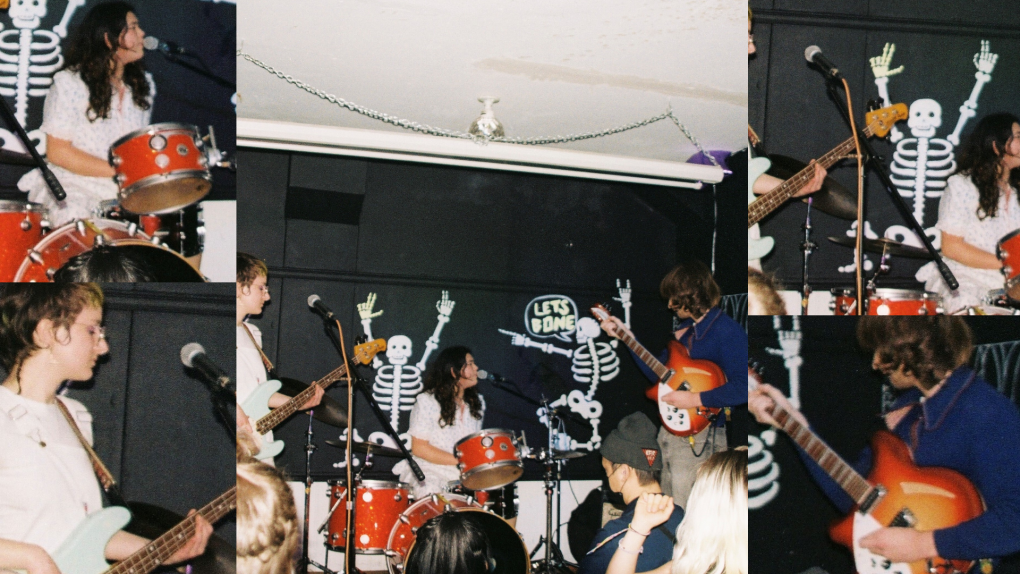
"caption": "Band members (left to right, center photo): Nikki Yaffe, Ava Lynch, Corbin Nutini.",
"description": null,
"title": "pre-school_design",
"credit": "Courtesy of Ishan Ghoshal/Collage by Lakshmi Sarah of KQED",
"status": "inherit",
"altTag": "Three people play instruments in front of a backdrop of skeletons.",
"isLoading": false,
"fetchFailed": false
},
"news_11941845": {
"type": "attachments",
"id": "news_11941845",
"meta": {
"index": "attachments_1716263798",
"site": "news",
"id": "11941845",
"found": true
},
"parent": 11941842,
"imgSizes": {
"thumbnail": {
"file": "https://ww2.kqed.org/app/uploads/sites/10/2023/02/KNR-2.24-Cover-image-160x90.png",
"width": 160,
"mimeType": "image/png",
"height": 90
},
"kqedFullSize": {
"file": "https://ww2.kqed.org/app/uploads/sites/10/2023/02/KNR-2.24-Cover-image.png",
"width": 512,
"height": 288
}
},
"publishDate": 1677283556,
"modified": 1677283556,
"caption": null,
"description": null,
"title": "KNR 2.24 Cover image",
"credit": null,
"status": "inherit",
"altTag": null,
"isLoading": false,
"fetchFailed": false
},
"news_11938928": {
"type": "attachments",
"id": "news_11938928",
"meta": {
"index": "attachments_1716263798",
"site": "news",
"id": "11938928",
"found": true
},
"parent": 11938838,
"imgSizes": {
"twentyfourteen-full-width": {
"file": "https://ww2.kqed.org/app/uploads/sites/10/2023/01/kerrywing-1038x576.png",
"width": 1038,
"mimeType": "image/png",
"height": 576
},
"thumbnail": {
"file": "https://ww2.kqed.org/app/uploads/sites/10/2023/01/kerrywing-160x90.png",
"width": 160,
"mimeType": "image/png",
"height": 90
},
"post-thumbnail": {
"file": "https://ww2.kqed.org/app/uploads/sites/10/2023/01/kerrywing-672x372.png",
"width": 672,
"mimeType": "image/png",
"height": 372
},
"kqedFullSize": {
"file": "https://ww2.kqed.org/app/uploads/sites/10/2023/01/kerrywing.png",
"width": 1920,
"height": 1080
},
"large": {
"file": "https://ww2.kqed.org/app/uploads/sites/10/2023/01/kerrywing-1020x574.png",
"width": 1020,
"mimeType": "image/png",
"height": 574
},
"1536x1536": {
"file": "https://ww2.kqed.org/app/uploads/sites/10/2023/01/kerrywing-1536x864.png",
"width": 1536,
"mimeType": "image/png",
"height": 864
},
"medium": {
"file": "https://ww2.kqed.org/app/uploads/sites/10/2023/01/kerrywing-800x450.png",
"width": 800,
"mimeType": "image/png",
"height": 450
}
},
"publishDate": 1674514675,
"modified": 1677016517,
"caption": "Kerry Wing stands with his ukulele at Pescadero State Beach in January 2023.",
"description": null,
"title": "kerrywing",
"credit": "Lakshmi Sarah/Collage by Lakshmi Sarah of KQED",
"status": "inherit",
"altTag": "A collage of a 360 image with a man holding a ukulele in the middle",
"isLoading": false,
"fetchFailed": false
},
"news_11940682": {
"type": "attachments",
"id": "news_11940682",
"meta": {
"index": "attachments_1716263798",
"site": "news",
"id": "11940682",
"found": true
},
"parent": 11940674,
"imgSizes": {
"twentyfourteen-full-width": {
"file": "https://ww2.kqed.org/app/uploads/sites/10/2023/02/IMG_5581-1038x576.jpeg",
"width": 1038,
"mimeType": "image/jpeg",
"height": 576
},
"thumbnail": {
"file": "https://ww2.kqed.org/app/uploads/sites/10/2023/02/IMG_5581-160x120.jpeg",
"width": 160,
"mimeType": "image/jpeg",
"height": 120
},
"post-thumbnail": {
"file": "https://ww2.kqed.org/app/uploads/sites/10/2023/02/IMG_5581-672x372.jpeg",
"width": 672,
"mimeType": "image/jpeg",
"height": 372
},
"kqedFullSize": {
"file": "https://ww2.kqed.org/app/uploads/sites/10/2023/02/IMG_5581.jpeg",
"width": 2048,
"height": 1536
},
"large": {
"file": "https://ww2.kqed.org/app/uploads/sites/10/2023/02/IMG_5581-1020x765.jpeg",
"width": 1020,
"mimeType": "image/jpeg",
"height": 765
},
"1536x1536": {
"file": "https://ww2.kqed.org/app/uploads/sites/10/2023/02/IMG_5581-1536x1152.jpeg",
"width": 1536,
"mimeType": "image/jpeg",
"height": 1152
},
"full-width": {
"file": "https://ww2.kqed.org/app/uploads/sites/10/2023/02/IMG_5581-1920x1440.jpeg",
"width": 1920,
"mimeType": "image/jpeg",
"height": 1440
},
"medium": {
"file": "https://ww2.kqed.org/app/uploads/sites/10/2023/02/IMG_5581-800x600.jpeg",
"width": 800,
"mimeType": "image/jpeg",
"height": 600
}
},
"publishDate": 1676059101,
"modified": 1676069645,
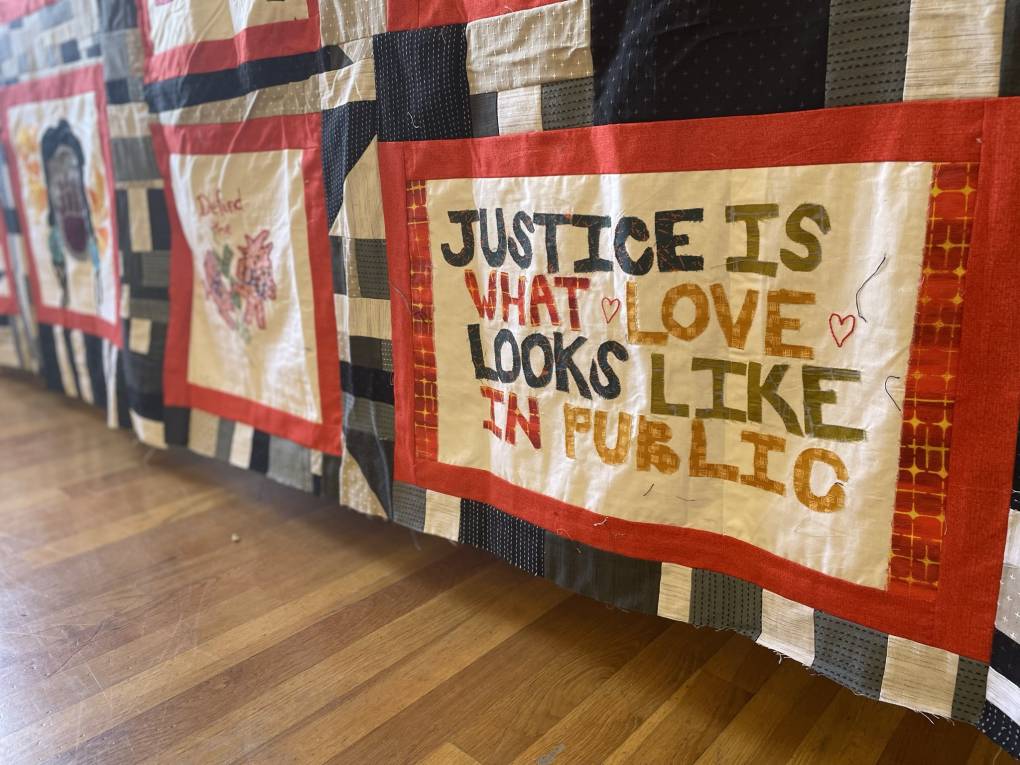
"caption": "A community quilt made by the Social Justice Sewing Academy is displayed during a workshop at the city of Sonoma's Juneteenth celebration, June 18, 2022.",
"description": null,
"title": "IMG_5581",
"credit": "Amanda Stupi/KQED",
"status": "inherit",
"altTag": "A community quilt that reads 'justice is what love looks like in public'",
"isLoading": false,
"fetchFailed": false
},
"news_11940149": {
"type": "attachments",
"id": "news_11940149",
"meta": {
"index": "attachments_1716263798",
"site": "news",
"id": "11940149",
"found": true
},
"parent": 11940144,
"imgSizes": {
"twentyfourteen-full-width": {
"file": "https://ww2.kqed.org/app/uploads/sites/10/2023/02/002_KQED_OaklandTyreNicholsRally_01292023-1038x576.jpg",
"width": 1038,
"mimeType": "image/jpeg",
"height": 576
},
"thumbnail": {
"file": "https://ww2.kqed.org/app/uploads/sites/10/2023/02/002_KQED_OaklandTyreNicholsRally_01292023-160x107.jpg",
"width": 160,
"mimeType": "image/jpeg",
"height": 107
},
"post-thumbnail": {
"file": "https://ww2.kqed.org/app/uploads/sites/10/2023/02/002_KQED_OaklandTyreNicholsRally_01292023-672x372.jpg",
"width": 672,
"mimeType": "image/jpeg",
"height": 372
},
"kqedFullSize": {
"file": "https://ww2.kqed.org/app/uploads/sites/10/2023/02/002_KQED_OaklandTyreNicholsRally_01292023.jpg",
"width": 1920,
"height": 1280
},
"large": {
"file": "https://ww2.kqed.org/app/uploads/sites/10/2023/02/002_KQED_OaklandTyreNicholsRally_01292023-1020x680.jpg",
"width": 1020,
"mimeType": "image/jpeg",
"height": 680
},
"1536x1536": {
"file": "https://ww2.kqed.org/app/uploads/sites/10/2023/02/002_KQED_OaklandTyreNicholsRally_01292023-1536x1024.jpg",
"width": 1536,
"mimeType": "image/jpeg",
"height": 1024
},
"medium": {
"file": "https://ww2.kqed.org/app/uploads/sites/10/2023/02/002_KQED_OaklandTyreNicholsRally_01292023-800x533.jpg",
"width": 800,
"mimeType": "image/jpeg",
"height": 533
}
},
"publishDate": 1675469530,
"modified": 1675469530,
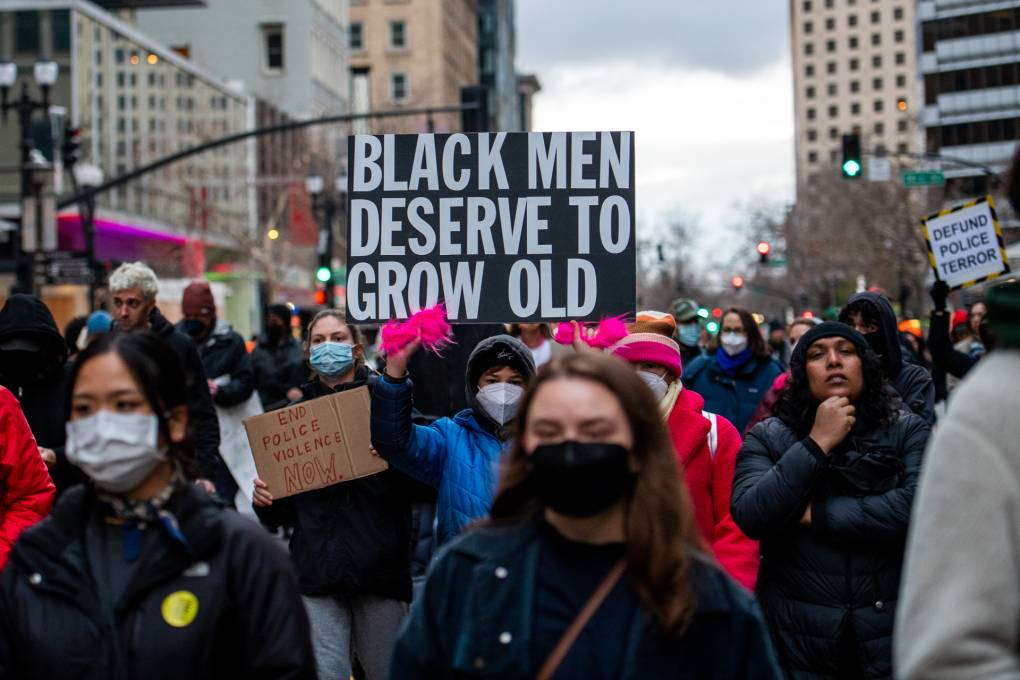
"caption": "A crowd gathers on 14th St and Broadway in Oakland on Jan. 29, 2023, for a rally to protest the Memphis police killing of Tyre Nichols.",
"description": null,
"title": "002_KQED_OaklandTyreNicholsRally_01292023",
"credit": null,
"status": "inherit",
"altTag": null,
"isLoading": false,
"fetchFailed": false
},
"news_11939654": {
"type": "attachments",
"id": "news_11939654",
"meta": {
"index": "attachments_1716263798",
"site": "news",
"id": "11939654",
"found": true
},
"parent": 11939589,
"imgSizes": {
"twentyfourteen-full-width": {
"file": "https://ww2.kqed.org/app/uploads/sites/10/2023/01/008_KQED_OaklandLunarNewYearParade_01292023-1038x576.jpg",
"width": 1038,
"mimeType": "image/jpeg",
"height": 576
},
"thumbnail": {
"file": "https://ww2.kqed.org/app/uploads/sites/10/2023/01/008_KQED_OaklandLunarNewYearParade_01292023-160x107.jpg",
"width": 160,
"mimeType": "image/jpeg",
"height": 107
},
"post-thumbnail": {
"file": "https://ww2.kqed.org/app/uploads/sites/10/2023/01/008_KQED_OaklandLunarNewYearParade_01292023-672x372.jpg",
"width": 672,
"mimeType": "image/jpeg",
"height": 372
},
"kqedFullSize": {
"file": "https://ww2.kqed.org/app/uploads/sites/10/2023/01/008_KQED_OaklandLunarNewYearParade_01292023.jpg",
"width": 1920,
"height": 1280
},
"large": {
"file": "https://ww2.kqed.org/app/uploads/sites/10/2023/01/008_KQED_OaklandLunarNewYearParade_01292023-1020x680.jpg",
"width": 1020,
"mimeType": "image/jpeg",
"height": 680
},
"1536x1536": {
"file": "https://ww2.kqed.org/app/uploads/sites/10/2023/01/008_KQED_OaklandLunarNewYearParade_01292023-1536x1024.jpg",
"width": 1536,
"mimeType": "image/jpeg",
"height": 1024
},
"medium": {
"file": "https://ww2.kqed.org/app/uploads/sites/10/2023/01/008_KQED_OaklandLunarNewYearParade_01292023-800x533.jpg",
"width": 800,
"mimeType": "image/jpeg",
"height": 533
}
},
"publishDate": 1675035937,
"modified": 1675039864,
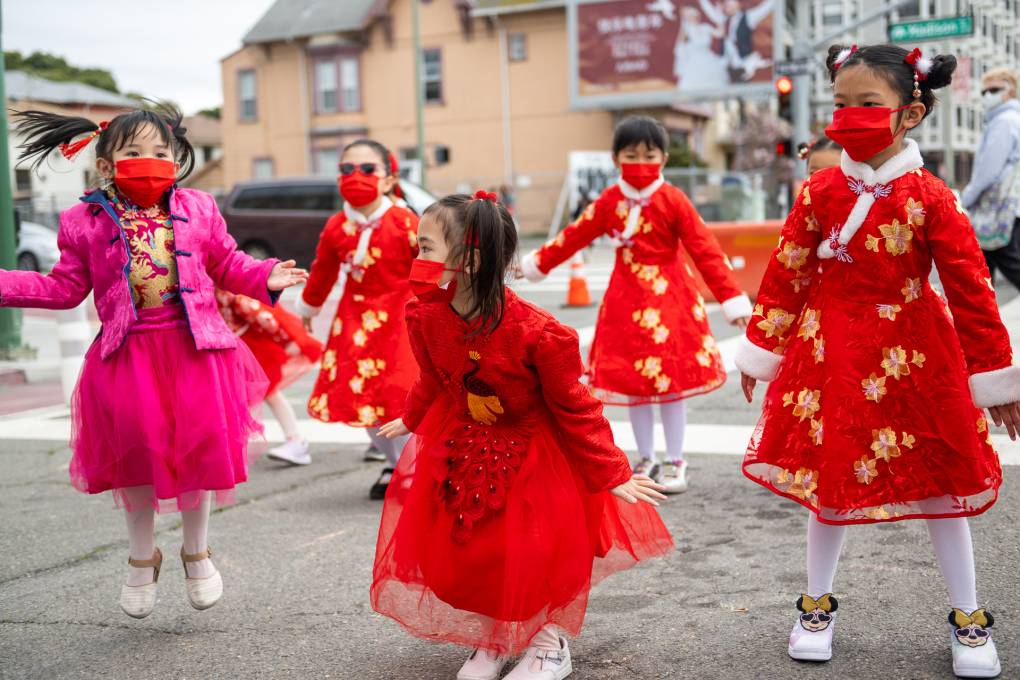
"caption": "Students of the Oakland Gaga Self Study Dance Group practice before the Lunar New Year parade in Oakland's Chinatown neighborhood on Jan. 29, 2023.",
"description": null,
"title": "008_KQED_OaklandLunarNewYearParade_01292023",
"credit": "Beth LaBerge/KQED",
"status": "inherit",
"altTag": "Young asian girls in red dresses with one girl wearing a pink dress pose outside on the street.",
"isLoading": false,
"fetchFailed": false
},
"news_11938834": {
"type": "attachments",
"id": "news_11938834",
"meta": {
"index": "attachments_1716263798",
"site": "news",
"id": "11938834",
"found": true
},
"parent": 11938833,
"imgSizes": {
"twentyfourteen-full-width": {
"file": "https://ww2.kqed.org/app/uploads/sites/10/2023/01/sunday-music-drop-cred-Dawn-Lu-1038x576.png",
"width": 1038,
"mimeType": "image/png",
"height": 576
},
"thumbnail": {
"file": "https://ww2.kqed.org/app/uploads/sites/10/2023/01/sunday-music-drop-cred-Dawn-Lu-160x90.png",
"width": 160,
"mimeType": "image/png",
"height": 90
},
"post-thumbnail": {
"file": "https://ww2.kqed.org/app/uploads/sites/10/2023/01/sunday-music-drop-cred-Dawn-Lu-672x372.png",
"width": 672,
"mimeType": "image/png",
"height": 372
},
"kqedFullSize": {
"file": "https://ww2.kqed.org/app/uploads/sites/10/2023/01/sunday-music-drop-cred-Dawn-Lu.png",
"width": 1920,
"height": 1080
},
"large": {
"file": "https://ww2.kqed.org/app/uploads/sites/10/2023/01/sunday-music-drop-cred-Dawn-Lu-1020x574.png",
"width": 1020,
"mimeType": "image/png",
"height": 574
},
"1536x1536": {
"file": "https://ww2.kqed.org/app/uploads/sites/10/2023/01/sunday-music-drop-cred-Dawn-Lu-1536x864.png",
"width": 1536,
"mimeType": "image/png",
"height": 864
},
"medium": {
"file": "https://ww2.kqed.org/app/uploads/sites/10/2023/01/sunday-music-drop-cred-Dawn-Lu-800x450.png",
"width": 800,
"mimeType": "image/png",
"height": 450
}
},
"publishDate": 1674412293,
"modified": 1674587476,
"caption": "Singer-songwriter Caitlin Cobb-Vialet.",
"description": null,
"title": "sunday-music-drop-cred-Dawn Lu",
"credit": "Courtesy of Dawn Lu/Collage by Lakshmi Sarah, KQED",
"status": "inherit",
"altTag": "A collage of an image of singer-songwriter Caitlin Cobb-Vialet",
"isLoading": false,
"fetchFailed": false
},
"news_11938195": {
"type": "attachments",
"id": "news_11938195",
"meta": {
"index": "attachments_1716263798",
"site": "news",
"id": "11938195",
"found": true
},
"parent": 11938187,
"imgSizes": {
"twentyfourteen-full-width": {
"file": "https://ww2.kqed.org/app/uploads/sites/10/2023/01/Untitled-design-7-1038x576.png",
"width": 1038,
"mimeType": "image/png",
"height": 576
},
"thumbnail": {
"file": "https://ww2.kqed.org/app/uploads/sites/10/2023/01/Untitled-design-7-160x128.png",
"width": 160,
"mimeType": "image/png",
"height": 128
},
"post-thumbnail": {
"file": "https://ww2.kqed.org/app/uploads/sites/10/2023/01/Untitled-design-7-672x372.png",
"width": 672,
"mimeType": "image/png",
"height": 372
},
"kqedFullSize": {
"file": "https://ww2.kqed.org/app/uploads/sites/10/2023/01/Untitled-design-7.png",
"width": 2000,
"height": 1600
},
"large": {
"file": "https://ww2.kqed.org/app/uploads/sites/10/2023/01/Untitled-design-7-1020x816.png",
"width": 1020,
"mimeType": "image/png",
"height": 816
},
"1536x1536": {
"file": "https://ww2.kqed.org/app/uploads/sites/10/2023/01/Untitled-design-7-1536x1229.png",
"width": 1536,
"mimeType": "image/png",
"height": 1229
},
"full-width": {
"file": "https://ww2.kqed.org/app/uploads/sites/10/2023/01/Untitled-design-7-1920x1536.png",
"width": 1920,
"mimeType": "image/png",
"height": 1536
},
"medium": {
"file": "https://ww2.kqed.org/app/uploads/sites/10/2023/01/Untitled-design-7-800x640.png",
"width": 800,
"mimeType": "image/png",
"height": 640
}
},
"publishDate": 1673832100,
"modified": 1674586708,
"caption": "From left to right:\nAlex Shapiro-Romano, Dave Eagle, Jeff Gomez, Laura Camacho, Marley Edwards and Leo Nava.",
"description": null,
"title": "Untitled design-7",
"credit": "Courtesy of Zachary de Guzman/Collage by Spencer Whitney, KQED",
"status": "inherit",
"altTag": "A collage showing six people wearing colorful animal masks standing in a room with a red and yellow stylish background.",
"isLoading": false,
"fetchFailed": false
},
"news_11936369": {
"type": "attachments",
"id": "news_11936369",
"meta": {
"index": "attachments_1716263798",
"site": "news",
"id": "11936369",
"found": true
},
"parent": 11936366,
"imgSizes": {
"twentyfourteen-full-width": {
"file": "https://ww2.kqed.org/app/uploads/sites/10/2022/12/GettyImages-1352443936-1038x576.jpg",
"width": 1038,
"mimeType": "image/jpeg",
"height": 576
},
"thumbnail": {
"file": "https://ww2.kqed.org/app/uploads/sites/10/2022/12/GettyImages-1352443936-160x107.jpg",
"width": 160,
"mimeType": "image/jpeg",
"height": 107
},
"post-thumbnail": {
"file": "https://ww2.kqed.org/app/uploads/sites/10/2022/12/GettyImages-1352443936-672x372.jpg",
"width": 672,
"mimeType": "image/jpeg",
"height": 372
},
"kqedFullSize": {
"file": "https://ww2.kqed.org/app/uploads/sites/10/2022/12/GettyImages-1352443936.jpg",
"width": 2121,
"height": 1414
},
"2048x2048": {
"file": "https://ww2.kqed.org/app/uploads/sites/10/2022/12/GettyImages-1352443936-2048x1365.jpg",
"width": 2048,
"mimeType": "image/jpeg",
"height": 1365
},
"large": {
"file": "https://ww2.kqed.org/app/uploads/sites/10/2022/12/GettyImages-1352443936-1020x680.jpg",
"width": 1020,
"mimeType": "image/jpeg",
"height": 680
},
"1536x1536": {
"file": "https://ww2.kqed.org/app/uploads/sites/10/2022/12/GettyImages-1352443936-1536x1024.jpg",
"width": 1536,
"mimeType": "image/jpeg",
"height": 1024
},
"full-width": {
"file": "https://ww2.kqed.org/app/uploads/sites/10/2022/12/GettyImages-1352443936-1920x1280.jpg",
"width": 1920,
"mimeType": "image/jpeg",
"height": 1280
},
"medium": {
"file": "https://ww2.kqed.org/app/uploads/sites/10/2022/12/GettyImages-1352443936-800x533.jpg",
"width": 800,
"mimeType": "image/jpeg",
"height": 533
}
},
"publishDate": 1672181448,
"modified": 1672181538,
"caption": null,
"description": null,
"title": "Over the shoulder view of child (8-9) using a pencil to practice handwriting the letters of the alphabet in cursive script",
"credit": "Elva Etienne/Getty Images",
"status": "inherit",
"altTag": "A child practices cursive handwriting in a notebook at a school desk.",
"isLoading": false,
"fetchFailed": false
},
"news_11937783": {
"type": "attachments",
"id": "news_11937783",
"meta": {
"index": "attachments_1716263798",
"site": "news",
"id": "11937783",
"found": true
},
"parent": 11937781,
"imgSizes": {
"twentyfourteen-full-width": {
"file": "https://ww2.kqed.org/app/uploads/sites/10/2023/01/Untitled-design-6-1038x576.png",
"width": 1038,
"mimeType": "image/png",
"height": 576
},
"thumbnail": {
"file": "https://ww2.kqed.org/app/uploads/sites/10/2023/01/Untitled-design-6-160x128.png",
"width": 160,
"mimeType": "image/png",
"height": 128
},
"post-thumbnail": {
"file": "https://ww2.kqed.org/app/uploads/sites/10/2023/01/Untitled-design-6-672x372.png",
"width": 672,
"mimeType": "image/png",
"height": 372
},
"kqedFullSize": {
"file": "https://ww2.kqed.org/app/uploads/sites/10/2023/01/Untitled-design-6.png",
"width": 2000,
"height": 1600
},
"large": {
"file": "https://ww2.kqed.org/app/uploads/sites/10/2023/01/Untitled-design-6-1020x816.png",
"width": 1020,
"mimeType": "image/png",
"height": 816
},
"1536x1536": {
"file": "https://ww2.kqed.org/app/uploads/sites/10/2023/01/Untitled-design-6-1536x1229.png",
"width": 1536,
"mimeType": "image/png",
"height": 1229
},
"full-width": {
"file": "https://ww2.kqed.org/app/uploads/sites/10/2023/01/Untitled-design-6-1920x1536.png",
"width": 1920,
"mimeType": "image/png",
"height": 1536
},
"medium": {
"file": "https://ww2.kqed.org/app/uploads/sites/10/2023/01/Untitled-design-6-800x640.png",
"width": 800,
"mimeType": "image/png",
"height": 640
}
},
"publishDate": 1673466841,
"modified": 1674586745,
"caption": "Hannah D'Amato performs in the middle photo and appears at top left. The band's members also include Alex Post (top right), Miles MacDiarmid (bottom right) and Dylan Allard (bottom left).",
"description": null,
"title": "Fake Fruit",
"credit": "Courtesy of Alex Post and James Duran/Collage by Spencer Whitney, KQED",
"status": "inherit",
"altTag": "A collage of a woman jumping in the air holding a microphone with four people on the corners.",
"isLoading": false,
"fetchFailed": false
},
"news_11935699": {
"type": "attachments",
"id": "news_11935699",
"meta": {
"index": "attachments_1716263798",
"site": "news",
"id": "11935699",
"found": true
},
"parent": 11935695,
"imgSizes": {
"twentyfourteen-full-width": {
"file": "https://ww2.kqed.org/app/uploads/sites/10/2022/12/Untitled-design-1038x576.png",
"width": 1038,
"mimeType": "image/png",
"height": 576
},
"thumbnail": {
"file": "https://ww2.kqed.org/app/uploads/sites/10/2022/12/Untitled-design-160x90.png",
"width": 160,
"mimeType": "image/png",
"height": 90
},
"post-thumbnail": {
"file": "https://ww2.kqed.org/app/uploads/sites/10/2022/12/Untitled-design-672x372.png",
"width": 672,
"mimeType": "image/png",
"height": 372
},
"kqedFullSize": {
"file": "https://ww2.kqed.org/app/uploads/sites/10/2022/12/Untitled-design.png",
"width": 1920,
"height": 1080
},
"large": {
"file": "https://ww2.kqed.org/app/uploads/sites/10/2022/12/Untitled-design-1020x574.png",
"width": 1020,
"mimeType": "image/png",
"height": 574
},
"1536x1536": {
"file": "https://ww2.kqed.org/app/uploads/sites/10/2022/12/Untitled-design-1536x864.png",
"width": 1536,
"mimeType": "image/png",
"height": 864
},
"medium": {
"file": "https://ww2.kqed.org/app/uploads/sites/10/2022/12/Untitled-design-800x450.png",
"width": 800,
"mimeType": "image/png",
"height": 450
}
},
"publishDate": 1671298276,
"modified": 1671470364,
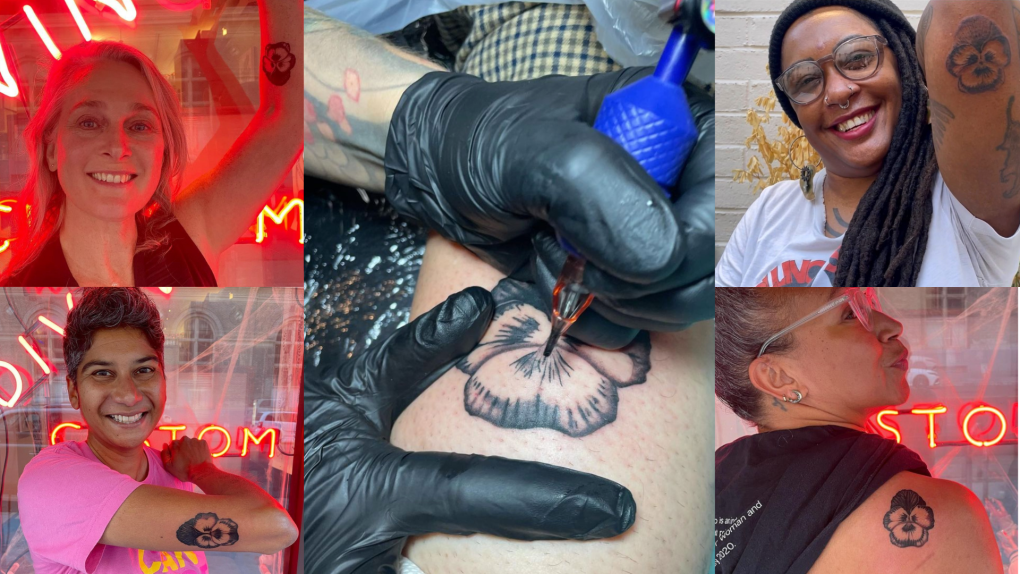
"caption": "Piper Kerman (top left), Leola Davis (top right), Preeti Mistry (bottom left) and Mia Birdsong (bottom right) show off their tattoos. Cedre Csillagi (center) at work.",
"description": null,
"title": "1000 Pansies Project - Collage",
"credit": "Photos courtesy of Cedre Csillagi/Collage created on Dec. 17, 2022",
"status": "inherit",
"altTag": "A collage of five images: Center image a tattoo artist tattoos a pansy. Four other images show people displaying their tattoos.",
"isLoading": false,
"fetchFailed": false
}
},
"audioPlayerReducer": {
"postId": "stream_live",
"isPaused": true,
"isPlaying": false,
"pfsActive": false,
"pledgeModalIsOpen": true,
"playerDrawerIsOpen": false,
"liveAudioPlayStartedAt": 0,
"liveAudioPlayContext": ""
},
"authorsReducer": {
"byline_news_11939589": {
"type": "authors",
"id": "byline_news_11939589",
"meta": {
"override": true
},
"slug": "byline_news_11939589",
"name": "KQED News Staff",
"isLoading": false
},
"astupi": {
"type": "authors",
"id": "70",
"meta": {
"index": "authors_1716337520",
"id": "70",
"found": true
},
"name": "Amanda Stupi",
"firstName": "Amanda",
"lastName": "Stupi",
"slug": "astupi",
"email": "astupi@kqed.org",
"display_author_email": false,
"staff_mastheads": [],
"title": "Senior Engagement Producer",
"bio": "Amanda joined KQED Science’s engagement team as a Senior Audience Engagement Strategist in the spring of 2019. She has helped craft messaging around wildfires, the coronavirus pandemic, climate change and many other stories. She has also brought KQED Science to new platforms such as Reddit’s Ask Me Anything series. Prior to joining KQED Science, Amanda spent seven years as an engagement producer with Forum, KQED’s daily live call-in show. She got her start in radio at KALW's weekly call in show, City Visions, before going on to an internship and stint at NPR's Talk of the Nation.\r\n\r\nPrior to journalism, Amanda taught English at Lowell High School. She's a native of Petaluma and currently lives under the \"South San Francisco the Industrial City\" sign in South City. She believes that engagement is vital to news’s future and that good journalism listens as much as it asks questions.",
"avatar": "https://secure.gravatar.com/avatar/e981c503e5c162da701dcaccfbf87e35?s=600&d=blank&r=g",
"twitter": null,
"facebook": null,
"instagram": null,
"linkedin": null,
"sites": [
{
"site": "arts",
"roles": [
"Contributor"
]
},
{
"site": "news",
"roles": [
"editor"
]
},
{
"site": "pop",
"roles": [
"contributor"
]
},
{
"site": "stateofhealth",
"roles": [
"editor"
]
},
{
"site": "science",
"roles": []
},
{
"site": "perspectives",
"roles": [
"editor"
]
}
],
"headData": {
"title": "Amanda Stupi | KQED",
"description": "Senior Engagement Producer",
"ogImgSrc": "https://secure.gravatar.com/avatar/e981c503e5c162da701dcaccfbf87e35?s=600&d=blank&r=g",
"twImgSrc": "https://secure.gravatar.com/avatar/e981c503e5c162da701dcaccfbf87e35?s=600&d=blank&r=g"
},
"isLoading": false,
"link": "/author/astupi"
},
"kqed": {
"type": "authors",
"id": "236",
"meta": {
"index": "authors_1716337520",
"id": "236",
"found": true
},
"name": "KQED News Staff",
"firstName": "KQED News Staff",
"lastName": null,
"slug": "kqed",
"email": "faq@kqed.org",
"display_author_email": false,
"staff_mastheads": [],
"title": null,
"bio": null,
"avatar": "https://secure.gravatar.com/avatar/ef0e801a68c4c54afa9180db14084167?s=600&d=blank&r=g",
"twitter": null,
"facebook": null,
"instagram": null,
"linkedin": null,
"sites": [
{
"site": "arts",
"roles": [
"contributor"
]
},
{
"site": "news",
"roles": [
"editor"
]
},
{
"site": "futureofyou",
"roles": [
"author"
]
}
],
"headData": {
"title": "KQED News Staff | KQED",
"description": null,
"ogImgSrc": "https://secure.gravatar.com/avatar/ef0e801a68c4c54afa9180db14084167?s=600&d=blank&r=g",
"twImgSrc": "https://secure.gravatar.com/avatar/ef0e801a68c4c54afa9180db14084167?s=600&d=blank&r=g"
},
"isLoading": false,
"link": "/author/kqed"
},
"minakim": {
"type": "authors",
"id": "243",
"meta": {
"index": "authors_1716337520",
"id": "243",
"found": true
},
"name": "Mina Kim",
"firstName": "Mina",
"lastName": "Kim",
"slug": "minakim",
"email": "mkim@kqed.org",
"display_author_email": false,
"staff_mastheads": [
"news"
],
"title": "Host, Forum",
"bio": "Mina Kim is host of the 10 a.m. statewide hour of Forum; a live daily talk show for curious Californians on issues that matter to the state and nation, with a particular emphasis on race and equity.\r\n\r\nBefore joining the Forum team, Mina was KQED’s evening news anchor, and health reporter for The California Report. Her award-winning work has included natural disasters in Napa and gun violence in Oakland. Mina grew up in St. John’s, Newfoundland.",
"avatar": "https://secure.gravatar.com/avatar/145ce657a2d08cb86d93686beb958982?s=600&d=blank&r=g",
"twitter": "mkimreporter",
"facebook": null,
"instagram": null,
"linkedin": null,
"sites": [
{
"site": "news",
"roles": [
"contributor"
]
},
{
"site": "stateofhealth",
"roles": [
"author"
]
},
{
"site": "forum",
"roles": [
"editor"
]
}
],
"headData": {
"title": "Mina Kim | KQED",
"description": "Host, Forum",
"ogImgSrc": "https://secure.gravatar.com/avatar/145ce657a2d08cb86d93686beb958982?s=600&d=blank&r=g",
"twImgSrc": "https://secure.gravatar.com/avatar/145ce657a2d08cb86d93686beb958982?s=600&d=blank&r=g"
},
"isLoading": false,
"link": "/author/minakim"
},
"cmorizono": {
"type": "authors",
"id": "11503",
"meta": {
"index": "authors_1716337520",
"id": "11503",
"found": true
},
"name": "Chloe Morizono",
"firstName": "Chloe",
"lastName": "Morizono",
"slug": "cmorizono",
"email": "cmorizono@kqed.org",
"display_author_email": false,
"staff_mastheads": [],
"title": "KQED Contributor",
"bio": null,
"avatar": "https://secure.gravatar.com/avatar/589de970d4696c868de7f4dc180e0289?s=600&d=blank&r=g",
"twitter": null,
"facebook": null,
"instagram": null,
"linkedin": null,
"sites": [
{
"site": "news",
"roles": []
},
{
"site": "perspectives",
"roles": [
"editor"
]
}
],
"headData": {
"title": "Chloe Morizono | KQED",
"description": "KQED Contributor",
"ogImgSrc": "https://secure.gravatar.com/avatar/589de970d4696c868de7f4dc180e0289?s=600&d=blank&r=g",
"twImgSrc": "https://secure.gravatar.com/avatar/589de970d4696c868de7f4dc180e0289?s=600&d=blank&r=g"
},
"isLoading": false,
"link": "/author/cmorizono"
},
"jasminegarnett": {
"type": "authors",
"id": "11530",
"meta": {
"index": "authors_1716337520",
"id": "11530",
"found": true
},
"name": "Jasmine Garnett",
"firstName": "Jasmine",
"lastName": "Garnett",
"slug": "jasminegarnett",
"email": "JGarnett@KQED.org",
"display_author_email": false,
"staff_mastheads": [
"news"
],
"title": "Senior Engagement Platforms Producer",
"bio": "Jasmine is a Senior Engagement Platforms Producer on the KQED News team. She is also a freelance writer, with work appearing in KQED, Bitch Media, and Kotaku among others. Jasmine graduated from UC Berkeley with a degree in Media Studies, where she was also an Arts and Entertainment reporter at the Daily Californian.",
"avatar": "https://secure.gravatar.com/avatar/a6ea8b0641874311533b7401bee15c8e?s=600&d=blank&r=g",
"twitter": "JFLGarnett",
"facebook": null,
"instagram": null,
"linkedin": null,
"sites": [
{
"site": "arts",
"roles": [
"author"
]
},
{
"site": "news",
"roles": [
"editor"
]
},
{
"site": "about",
"roles": [
"editor"
]
},
{
"site": "science",
"roles": [
"editor"
]
},
{
"site": "forum",
"roles": [
"editor"
]
},
{
"site": "pressroom",
"roles": [
"editor"
]
}
],
"headData": {
"title": "Jasmine Garnett | KQED",
"description": "Senior Engagement Platforms Producer",
"ogImgSrc": "https://secure.gravatar.com/avatar/a6ea8b0641874311533b7401bee15c8e?s=600&d=blank&r=g",
"twImgSrc": "https://secure.gravatar.com/avatar/a6ea8b0641874311533b7401bee15c8e?s=600&d=blank&r=g"
},
"isLoading": false,
"link": "/author/jasminegarnett"
},
"lsarah": {
"type": "authors",
"id": "11626",
"meta": {
"index": "authors_1716337520",
"id": "11626",
"found": true
},
"name": "Lakshmi Sarah",
"firstName": "Lakshmi",
"lastName": "Sarah",
"slug": "lsarah",
"email": "lsarah@kqed.org",
"display_author_email": false,
"staff_mastheads": [],
"title": "Digital Producer",
"bio": "Lakshmi Sarah is an educator, author and journalist with a focus on innovative storytelling. She has worked with newspapers, radio and magazines from Ahmedabad, India to Los Angeles, California. She has written and produced for Die Zeit, Global Voices, AJ+, KQED, Fusion Media Group and the New York Times.",
"avatar": "https://secure.gravatar.com/avatar/652dcaecd8b28826fc17a8b2d6bb4e93?s=600&d=blank&r=g",
"twitter": "lakitalki",
"facebook": null,
"instagram": "https://www.instagram.com/laki.talki/",
"linkedin": "https://www.linkedin.com/in/lakisarah/",
"sites": [
{
"site": "arts",
"roles": []
},
{
"site": "news",
"roles": []
},
{
"site": "bayareabites",
"roles": []
},
{
"site": "science",
"roles": []
}
],
"headData": {
"title": "Lakshmi Sarah | KQED",
"description": "Digital Producer",
"ogImgSrc": "https://secure.gravatar.com/avatar/652dcaecd8b28826fc17a8b2d6bb4e93?s=600&d=blank&r=g",
"twImgSrc": "https://secure.gravatar.com/avatar/652dcaecd8b28826fc17a8b2d6bb4e93?s=600&d=blank&r=g"
},
"isLoading": false,
"link": "/author/lsarah"
},
"otaylor": {
"type": "authors",
"id": "11770",
"meta": {
"index": "authors_1716337520",
"id": "11770",
"found": true
},
"name": "Otis R. Taylor Jr.",
"firstName": "Otis R.",
"lastName": "Taylor Jr.",
"slug": "otaylor",
"email": "otaylor@kqed.org",
"display_author_email": false,
"staff_mastheads": [
"news"
],
"title": "KQED Editor",
"bio": null,
"avatar": "https://secure.gravatar.com/avatar/fe73e14d4842ac8e1c03d57def2530f57f1c5b0ca7d4a987ccc5bd90956cb7c6?s=600&d=blank&r=g",
"twitter": "otisrtaylorjr",
"bluesky": null,
"facebook": null,
"instagram": null,
"linkedin": null,
"sites": [
{
"site": "arts",
"roles": [
"subscriber"
]
},
{
"site": "news",
"roles": [
"subscriber"
]
},
{
"site": "science",
"roles": [
"subscriber"
]
},
{
"site": "liveblog",
"roles": [
"subscriber"
]
}
],
"headData": {
"title": "Otis R. Taylor Jr. | KQED",
"description": "KQED Editor",
"ogImgSrc": "https://secure.gravatar.com/avatar/fe73e14d4842ac8e1c03d57def2530f57f1c5b0ca7d4a987ccc5bd90956cb7c6?s=600&d=blank&r=g",
"twImgSrc": "https://secure.gravatar.com/avatar/fe73e14d4842ac8e1c03d57def2530f57f1c5b0ca7d4a987ccc5bd90956cb7c6?s=600&d=blank&r=g"
},
"isLoading": false,
"link": "/author/otaylor"
},
"afinney": {
"type": "authors",
"id": "11772",
"meta": {
"index": "authors_1716337520",
"id": "11772",
"found": true
},
"name": "Annelise Finney",
"firstName": "Annelise",
"lastName": "Finney",
"slug": "afinney",
"email": "afinney@kqed.org",
"display_author_email": true,
"staff_mastheads": [
"news"
],
"title": "Reporter",
"bio": "Annelise reports on reparations in California and East Bay politics. She co-produced the Sunday Music Drop, a limited-term radio series featuring Bay Area musicians that aired between Sept 2022 and Oct 2024. She joined KQED in 2021 as a general assignment reporter and is an alumna of KALW's Audio Academy. She was born and raised in the East Bay. She is currently away from KQED completing a year-long reporting project in Berlin, Germany as a Alexander Von Humboldt German Chancellor Fellow.",
"avatar": "https://secure.gravatar.com/avatar/5fded66cae47704cdfc5021cde0f3aa4?s=600&d=blank&r=g",
"twitter": null,
"facebook": null,
"instagram": null,
"linkedin": null,
"sites": [
{
"site": "news",
"roles": [
"editor"
]
},
{
"site": "liveblog",
"roles": [
"author"
]
}
],
"headData": {
"title": "Annelise Finney | KQED",
"description": "Reporter",
"ogImgSrc": "https://secure.gravatar.com/avatar/5fded66cae47704cdfc5021cde0f3aa4?s=600&d=blank&r=g",
"twImgSrc": "https://secure.gravatar.com/avatar/5fded66cae47704cdfc5021cde0f3aa4?s=600&d=blank&r=g"
},
"isLoading": false,
"link": "/author/afinney"
},
"swhitney": {
"type": "authors",
"id": "11784",
"meta": {
"index": "authors_1716337520",
"id": "11784",
"found": true
},
"name": "Spencer Whitney",
"firstName": "Spencer",
"lastName": "Whitney",
"slug": "swhitney",
"email": "swhitney@kqed.org",
"display_author_email": false,
"staff_mastheads": [],
"title": "KQED Digital Editor",
"bio": "Spencer Whitney is currently a Digital Editor for KQED News. Prior to joining KQED News, Spencer worked as the Multimedia Editor at the Oakland Post and an Assistant Editor in the Editorial department at the San Francisco Chronicle. He attended Howard University as an undergraduate and interned with SiriusXM. He also attended UC Berkeley's Graduate School of Journalism and had the opportunity to write for the hyperlocal news sites Richmond Confidential and Oakland North.",
"avatar": "https://secure.gravatar.com/avatar/e33ff4fd8b8f0d2796f36472fb32607ca8fc46ef5e537dcfdbdee688d8ea5b80?s=600&d=mm&r=g",
"twitter": null,
"bluesky": null,
"facebook": null,
"instagram": null,
"linkedin": null,
"sites": [
{
"site": "arts",
"roles": [
"editor"
]
},
{
"site": "news",
"roles": [
"editor"
]
},
{
"site": "science",
"roles": [
"editor"
]
},
{
"site": "perspectives",
"roles": [
"editor"
]
}
],
"headData": {
"title": "Spencer Whitney | KQED",
"description": "KQED Digital Editor",
"ogImgSrc": "https://secure.gravatar.com/avatar/e33ff4fd8b8f0d2796f36472fb32607ca8fc46ef5e537dcfdbdee688d8ea5b80?s=600&d=mm&r=g",
"twImgSrc": "https://secure.gravatar.com/avatar/e33ff4fd8b8f0d2796f36472fb32607ca8fc46ef5e537dcfdbdee688d8ea5b80?s=600&d=mm&r=g"
},
"isLoading": false,
"link": "/author/swhitney"
},
"adahlstromeckman": {
"type": "authors",
"id": "11785",
"meta": {
"index": "authors_1716337520",
"id": "11785",
"found": true
},
"name": "Azul Dahlstrom-Eckman",
"firstName": "Azul",
"lastName": "Dahlstrom-Eckman",
"slug": "adahlstromeckman",
"email": "adahlstrom-eckman@kqed.org",
"display_author_email": true,
"staff_mastheads": [],
"title": "Reporter",
"bio": "Azul is a reporter for KQED focusing on transportation and features. He joined KQED in 2021 as an alumna of KALW's Audio Academy radio journalism training program.",
"avatar": "https://secure.gravatar.com/avatar/9cb750298435add7815a777f55bf1f46845c1386bb8452555c60a7b820b5aba3?s=600&d=blank&r=g",
"twitter": "@zuliemann",
"bluesky": "@azul415.bsky.social",
"facebook": null,
"instagram": null,
"linkedin": null,
"sites": [
{
"site": "arts",
"roles": [
"editor"
]
},
{
"site": "news",
"roles": [
"editor"
]
},
{
"site": "science",
"roles": [
"editor"
]
},
{
"site": "liveblog",
"roles": [
"author"
]
}
],
"headData": {
"title": "Azul Dahlstrom-Eckman | KQED",
"description": "Reporter",
"ogImgSrc": "https://secure.gravatar.com/avatar/9cb750298435add7815a777f55bf1f46845c1386bb8452555c60a7b820b5aba3?s=600&d=blank&r=g",
"twImgSrc": "https://secure.gravatar.com/avatar/9cb750298435add7815a777f55bf1f46845c1386bb8452555c60a7b820b5aba3?s=600&d=blank&r=g"
},
"isLoading": false,
"link": "/author/adahlstromeckman"
}
},
"pagesReducer": {
"news_category_arts-and-culture": {
"type": "terms",
"id": "news_223",
"meta": {
"index": "terms_1716263798",
"site": "news",
"id": "223",
"score": 11.242002
},
"featImg": null,
"name": "Arts and Culture",
"description": null,
"taxonomy": "category",
"headData": {
"twImgId": null,
"twTitle": null,
"ogTitle": null,
"ogImgId": null,
"twDescription": null,
"description": null,
"title": "Arts and Culture Archives | KQED News",
"ogDescription": null
},
"ttid": 231,
"slug": "arts-and-culture",
"isLoading": false,
"title": "Arts and Culture",
"pageMeta": {
"site": "news",
"WpPageTemplate": "page-topic-editorial",
"currentPage": 27
},
"blocks": [
{
"blockName": "kqed/post-list",
"attrs": {
"layout": "cardArticle2",
"query": "posts/news?category=arts-and-culture",
"seeMore": false,
"paginated": true,
"page": 27
}
},
{
"blockName": "kqed/ad"
}
]
}
},
"pfsSessionReducer": {},
"postsReducer": {
"stream_live": {
"type": "live",
"id": "stream_live",
"audioUrl": "https://streams.kqed.org/kqedradio",
"title": "Live Stream",
"excerpt": "Live Stream information currently unavailable.",
"link": "/radio",
"featImg": "",
"label": {
"name": "KQED Live",
"link": "/"
}
},
"stream_kqedNewscast": {
"type": "posts",
"id": "stream_kqedNewscast",
"audioUrl": "https://www.kqed.org/.stream/anon/radio/RDnews/newscast.mp3?_=1",
"title": "KQED Newscast",
"featImg": "",
"label": {
"name": "88.5 FM",
"link": "/"
}
},
"news_11941976": {
"type": "posts",
"id": "news_11941976",
"meta": {
"index": "posts_1716263798",
"site": "news",
"id": "11941976",
"score": null,
"sort": [
1677589272000
]
},
"guestAuthors": [],
"slug": "reparations-are-also-about-black-safety-and-that-means-taking-on-policing",
"title": "Reparations Are Also About Black Safety — and That Means Taking on Policing",
"publishDate": 1677589272,
"format": "standard",
"headTitle": "Reparations Are Also About Black Safety — and That Means Taking on Policing | KQED",
"labelTerm": {},
"content": "\u003cp>[dropcap]T[/dropcap]yre Nichols was mercilessly beaten by Memphis police officers after a traffic stop last month — and it was his fault. That’s if you believe the five officers accused of killing Nichols, of course.\u003c/p>\n\u003cp>Here’s the story officers, \u003ca href=\"https://www.npr.org/2023/02/17/1157756023/memphis-tyre-nichols-police-officers-court-charges\">who pleaded not guilty to second-degree murder charges on Feb. 17\u003c/a>, wanted the public to buy: Nichols, who \u003ca href=\"https://www.sacbee.com/news/equity-lab/article272243108.html\">lived in Sacramento\u003c/a> before moving to Memphis, was driving recklessly, a misdemeanor in Tennessee, before he was pulled over for a routine traffic stop.\u003c/p>\n\u003cp>After being forcibly removed from his car at gunpoint, he fled. The officers, then-part of an elite crime suppression unit, chased Nichols. They punched and kicked Nichols and struck him with a baton, \u003ca href=\"https://www.nytimes.com/2023/01/30/us/tyre-nichols-arrest-videos.html\">justifying the violence in a false police report\u003c/a>.\u003c/p>\n\u003cp>The release of police and traffic camera footage revealed the glaring disparity that often exists between the police narrative and what actually occurs. Nichols, a 29-year-old Black man, wasn’t violent or aggressive, and he didn’t reach for an officer’s gun, as the initial report falsely asserted. So why did Nichols flee? In my bones, I know he was running to his mother’s house in search of what many police officers decline to provide Black people: safety.\u003c/p>\n\u003cp>The safety of Black people in America has been imperiled for four centuries.\u003c/p>\n\u003cp>The safety of Black people in America is at the core of the California Reparations Task Force.\u003c/p>\n\u003cp>[ad fullwidth]\u003c/p>\n\u003cp>I wish more Californians were aware of \u003ca href=\"https://www.kqed.org/reparations\">the first statewide body to consider reparations for Black people\u003c/a>. The task force has presented an irrefutable examination of how systemic racism was woven into the fabric of America and California. I can think of at least 1,619 reasons why the work is largely unnoticed.\u003c/p>\n\u003cp>Think about it: After the unpaid workforce of millions was emancipated, laws were enacted to restrict economic and social mobility. The emancipated population was terrorized by white supremacists intent on preserving the racial hierarchy as promises of land, opportunity and security were abandoned.\u003c/p>\n\u003cp>It wasn’t safe for Black people to look white people in the eye. It wasn’t safe for Black people to vote. It wasn’t safe for Black people to be in some towns after dark. It wasn’t safe for Black people to prosper. To maintain institutionalized social order, first it was the slave patrols, and now it’s the police.\u003c/p>\n\u003cp>[aside label=\"Reparations in California\" link1=\"https://www.kqed.org/reparations,Explore why California launched the first-in-the-nation task force to study reparations for Black people\" hero=\"https://ww2.kqed.org/app/uploads/2022/02/RiCLandingPageGraphic-1020x574.png\"]Racial terror swept this country for decades after emancipation as white mobs — some dressed in robes and hoods, some flashing badges and guns — destroyed homes, towns and lives. The racial segregation enforced in the South initiated the migration of Black people to states like California.\u003c/p>\n\u003cp>For more than a year, the reparations task force, \u003ca href=\"https://oag.ca.gov/system/files/media/task-force-notice-agenda-03032023-03042023.pdf\">which meets Friday and Saturday in Sacramento (PDF)\u003c/a>, has documented the unsavory truth about Black history — a history that is more than the cherry-picked sections of Martin Luther King Jr.’s dream speech. Honoring Black history must include the centuries of state-sanctioned violence that America willfully ignores.\u003c/p>\n\u003cp>Black history is American history.\u003c/p>\n\u003cp>After I watched the footage of Nichols being brutalized by the officers who immediately began constructing a false narrative as they gasped for air, I thought about Rodney King, the Black man who was savagely beaten by Los Angeles Police Department officers in 1991, an assault recorded by an amateur videographer. The grainy footage of King writhing in pain as officers swung batons as if they were chopping sugarcane will stick in my mind forever.\u003c/p>\n\u003cp>I thought about Delphine Allen, the Black man who, while walking in West Oakland in 2000, was kidnapped and assaulted by rogue Oakland police officers. His feet were struck with a baton before he was driven to a secluded highway overpass, where the beating continued.\u003c/p>\n\u003cp>Allen was the lead plaintiff in a civil rights lawsuit that alleged \u003ca href=\"https://clearinghouse.net/case/5541/\">misconduct and excessive use of force by four Oakland police officers\u003c/a> — and a lack of discipline and accountability for officer misconduct within the Oakland Police Department. More than 100 residents alleged mistreatment — brutal beatings, unlawful detention, intimidation — in the lawsuit that led to the federal monitoring of the OPD.\u003c/p>\n\u003cp>The quartet of officers known as “The Riders” rampaged West Oakland, an area once patrolled by the Black Panthers \u003cem>because of\u003c/em> police brutality, after sunset. An enduring vestige of enslavement is the over-policing of Black neighborhoods. As part of the $11 million settlement with the plaintiffs in 2003, the police department was forced to comply with court-ordered reforms.\u003c/p>\n\u003cp>Almost two decades after the settlement, \u003ca href=\"https://oaklandside.org/2023/02/15/oakland-police-chief-leronne-armstrong-fired-mayor-sheng-thao/\">LeRonne Armstrong, OPD’s police chief, was fired on Feb. 15\u003c/a>, in part, because of an independent report that detailed the police department’s mishandling of officer misconduct — the kind of violation that led to federal monitoring in the first place.\u003c/p>\n\u003cfigure id=\"attachment_11942048\" class=\"wp-caption aligncenter\" style=\"max-width: 1920px\">\u003cimg loading=\"lazy\" decoding=\"async\" class=\"size-full wp-image-11942048\" src=\"https://ww2.kqed.org/app/uploads/sites/10/2023/02/RS49478_044_Oakland_NAACPGeorgeFloyd_05252021-qut.jpg\" alt=\"A bald Black man in a blue police uniform stands outside in the sun holding a microphone and squinting\" width=\"1920\" height=\"1278\" srcset=\"https://cdn.kqed.org/wp-content/uploads/sites/10/2023/02/RS49478_044_Oakland_NAACPGeorgeFloyd_05252021-qut.jpg 1920w, https://cdn.kqed.org/wp-content/uploads/sites/10/2023/02/RS49478_044_Oakland_NAACPGeorgeFloyd_05252021-qut-800x533.jpg 800w, https://cdn.kqed.org/wp-content/uploads/sites/10/2023/02/RS49478_044_Oakland_NAACPGeorgeFloyd_05252021-qut-1020x679.jpg 1020w, https://cdn.kqed.org/wp-content/uploads/sites/10/2023/02/RS49478_044_Oakland_NAACPGeorgeFloyd_05252021-qut-160x107.jpg 160w, https://cdn.kqed.org/wp-content/uploads/sites/10/2023/02/RS49478_044_Oakland_NAACPGeorgeFloyd_05252021-qut-1536x1022.jpg 1536w\" sizes=\"(max-width: 1920px) 100vw, 1920px\">\u003cfigcaption class=\"wp-caption-text\">Former Oakland Police Chief LeRonne Armstrong, pictured at a 2021 NAACP event paying tribute to George Floyd, was fired by Mayor Sheng Thao on Feb. 15. \u003ccite>(Beth LaBerge/KQED)\u003c/cite>\u003c/figcaption>\u003c/figure>\n\u003cp>Last month, I interviewed Darwin BondGraham and Ali Winston, co-authors of \u003ca href=\"https://oaklandside.org/2023/01/13/oakland-police-darwin-bondgraham-riders-ali-winston-book-opd/\">\u003cem>The Riders Come Out at Night: Brutality, Corruption, and Cover-Up in Oakland\u003c/em>\u003c/a>, as part of a \u003ca href=\"https://www.commonwealthclub.org/events/archive/video/uncovering-brutality-cover-and-corruption-oakland\">Commonwealth Club of California event\u003c/a>. In the book, BondGraham, news editor for The Oaklandside, and Winston, an independent journalist, present a riveting and profound portrait of out-of-control policing in Oakland. \u003cem>The Riders Come Out at Night\u003c/em> is a compelling argument for why the police can’t be trusted with reforming the institution of policing.\u003c/p>\n\u003cp>In 2016, OPD cycled through three police chiefs in eight days, an infamous stretch initiated by another misconduct scandal, the \u003ca href=\"https://www.kqed.org/news/11080955/alameda-county-da-charges-7-cops-with-sexually-exploiting-teenager\">sex-trafficking of a minor by Oakland police officers and officers from multiple Bay Area jurisdictions\u003c/a>. The same year, two officers were suspended because of a racist text scandal. In 2021, nine officers were disciplined for racist and sexist social media posts.\u003c/p>\n\u003cp>Here’s what led to the firing of Armstrong, who is from West Oakland and became chief two years ago this month: In 2021, an OPD sergeant driving a police vehicle hit a parked car in the garage of his San Francisco apartment building. The driver, Sgt. Michael Chung, who was instrumental in OPD’s response to crime in Chinatown, didn’t report the accident. In 2022, Chung fired his gun in an elevator at police headquarters. Again, no report was filed. An investigation by a law firm found that an OPD captain had Chung’s violations reduced so his punishment was less severe. According to the investigators with Clarence Dyer & Cohen LLP, Armstrong was aware of the light discipline.\u003c/p>\n\u003cp>On Jan. 18, the federal judge monitoring OPD’s reform efforts made the report by Clarence Dyer & Cohen public. The investigation “revealed systemic failures far larger and more serious than the actions of one police officer,” the \u003ca href=\"https://oaklandside.org/wp-content/uploads/2023/01/OPD-IA-cases-NSA-compliance-report.pdf\">blistering report (PDF)\u003c/a> concluded. The next day Armstrong was placed on paid administrative leave.\u003c/p>\n\u003cp>That’s when he should’ve copped a plea and said, “My bad, y’all.” Instead, he campaigned for his job at a rally on the steps of Oakland City Hall. The NAACP held another rally on Feb. 20. I called Terry Wiley, the former Alameda County prosecutor who is handling press around the firing for the NAACP. Wiley told me that Armstrong had made the kind of progress people of color want to see.\u003c/p>\n\u003cfigure id=\"attachment_11942080\" class=\"wp-caption aligncenter\" style=\"max-width: 1920px\">\u003cimg loading=\"lazy\" decoding=\"async\" class=\"size-full wp-image-11942080\" src=\"https://ww2.kqed.org/app/uploads/sites/10/2023/02/RS63165_GettyImages-1466897640-qut.jpg\" alt=\"A profile shot of a group of roughly 10 people, most of them Black, listening while a woman in the middle claps her hands\" width=\"1920\" height=\"1291\" srcset=\"https://cdn.kqed.org/wp-content/uploads/sites/10/2023/02/RS63165_GettyImages-1466897640-qut.jpg 1920w, https://cdn.kqed.org/wp-content/uploads/sites/10/2023/02/RS63165_GettyImages-1466897640-qut-800x538.jpg 800w, https://cdn.kqed.org/wp-content/uploads/sites/10/2023/02/RS63165_GettyImages-1466897640-qut-1020x686.jpg 1020w, https://cdn.kqed.org/wp-content/uploads/sites/10/2023/02/RS63165_GettyImages-1466897640-qut-160x108.jpg 160w, https://cdn.kqed.org/wp-content/uploads/sites/10/2023/02/RS63165_GettyImages-1466897640-qut-1536x1033.jpg 1536w\" sizes=\"(max-width: 1920px) 100vw, 1920px\">\u003cfigcaption class=\"wp-caption-text\">Community members listen to speakers during a rally in support of terminated Oakland police Chief LeRonne Armstrong at City Hall on Feb. 16. \u003ccite>(Jane Tyska/Digital First Media/East Bay Times via Getty Images)\u003c/cite>\u003c/figcaption>\u003c/figure>\n\u003cp>“When you look at the balance of all of the positives he has brought to the department as the chief, the question becomes, was this incident such that he should be terminated?” said Wiley, who lost the November election for district attorney to \u003ca href=\"https://www.kqed.org/news/11940920/when-da-boudin-investigated-police-killings-arrests-slowed-that-may-not-happen-with-da-pamela-price\">progressive Pamela Price\u003c/a>. “Our conclusion was that the mayor went too far on this, and that there should have been much more contemplation about the decision.”\u003c/p>\n\u003cp>In a statement released by Sam Singer, a crisis manager, shortly after Armstrong was terminated, Armstrong referred to himself as a “loyal and effective reformer.” But reform isn’t possible without zero tolerance for misconduct, and the failure to issue appropriate discipline is inexcusable, especially for someone who pledges loyalty to reform.\u003c/p>\n\u003cp>The police are incapable of policing the police. Just look around the Bay Area. In Vallejo, a city that blithely dodges police scrutiny, \u003ca href=\"https://openvallejo.org/2023/02/05/vallejo-destroyed-evidence-of-police-killings/\">the city destroyed evidence in multiple police killings\u003c/a> despite being under investigation by the state attorney general, according to reporting by Open Vallejo.\u003c/p>\n\u003cp>\u003ca href=\"https://www.mercurynews.com/2022/09/10/exclusive-fbi-criminal-investigation-of-antioch-pittsburg-cops-grows-grand-jury-convening/\">Officers in Antioch and Pittsburg are under investigation by the FBI and the Contra Costa district attorney\u003c/a> for fraud and civil rights violations, and federal prosecutors have already dismissed more than a dozen cases that hinged on officer testimony, according to \u003cem>The Mercury News\u003c/em>. And in Berkeley, the city’s \u003ca href=\"https://www.kqed.org/news/11932420/berkeley-postpones-hiring-of-new-police-chief-amid-controversy-over-another-officers-alleged-racist-texts\">former police union head allegedly sent racist, anti-unhoused text messages\u003c/a> to officers while pushing for more arrests, as multiple newsrooms, including KQED, reported in November.\u003c/p>\n\u003cp>[pullquote size=\"medium\" align=\"right\" citation=\"Wesley Lowery, journalist, author and contributing editor to The Marshall Project\"]‘What type of resources are we pouring into communities if our aim is to cut down on crime? Is the resource we’re sending in a bunch of armed guys told to rough people up?’[/pullquote]In January, the California Racial and Identity Profiling Advisory Board published a report that found that \u003ca href=\"https://oag.ca.gov/system/files/media/ripa-board-report-2023.pdf\">police searched Black people at twice the rate of white people in 2021 (PDF)\u003c/a>. And get this: Officers were more likely to find contraband on white people than Black and Latino people, according to the report, which also found that police were twice as likely to use force against Black people than white people.\u003c/p>\n\u003cp>In 2021, \u003ca href=\"https://www.sfchronicle.com/politics/article/data-reveals-racial-disparities-police-stops-bay-17763091.php\">Black people were six times as likely to be stopped in Oakland than white people\u003c/a>, according to the\u003cem> San Francisco Chronicle\u003c/em>’s analysis of the police-stop data recently released by the state attorney general.\u003c/p>\n\u003cp>In San Francisco, Black people were at least five times as likely to be stopped than white people. This is a city where officers accused of, among other infractions, sexual misconduct, domestic violence and sharing racist and antisemitic texts work desk duty in a windowless room while raking in millions collectively, according to the San Francisco Standard’s \u003ca href=\"https://sfstandard.com/criminal-justice/cop-used-drugs-had-car-sex-with-a-teenager-then-sf-spent-1-2m-to-keep-him-on-desk-duty/\">three-part series on police accountability\u003c/a>. This is the city where \u003ca href=\"https://www.sfchronicle.com/sf/article/jenkins-police-investigate-17782463.php\">the law-and-order district attorney gutted the unit that investigates police misconduct and violence\u003c/a>, according to reporting by the \u003cem>San Francisco Chronicle\u003c/em>.\u003c/p>\n\u003cp>On a recent \u003ca href=\"https://www.kqed.org/forum/2010101892172/wesley-lowery-on-americas-elusive-racial-reckoning\">episode of Forum\u003c/a>, Wesley Lowery, a Pulitzer Prize-winning reporter, talked with host Mina Kim about “\u003ca href=\"https://www.theatlantic.com/ideas/archive/2023/02/tyre-nichols-death-memphis-george-floyd-police-reform/672986/\">Why There Was No Racial Reckoning\u003c/a>,” a piece he wrote for \u003cem>The Atlantic\u003c/em>. George Floyd’s murder by police in Minneapolis in May 2020 sparked nationwide uprisings not seen since 1967. Floyd’s death was supposed to also spark a reimagining of policing.\u003c/p>\n\u003cp>That, of course, hasn’t happened. Instead, the backlash against protests that demanded more funding for social services has empowered cities to continue criminalizing poverty. Posturing by police and politicians isn’t going to provide relief for families who have been living in poverty for generations. The police are trained in coercion, which renders their skills insufficient to respond to the circumstances which allow criminal activity to flourish: disinvestment.\u003c/p>\n\u003cp>“What type of resources are we pouring into those communities if our aim is to cut down on crime?” Lowery said on Forum. “Is the resource we’re sending in a bunch of armed guys told to rough people up?”\u003c/p>\n\u003cp>[aside label='Reparations Coverage' tag='california-reparations']In July, the task force will deliver reparations recommendations, which are expected to include direct payments to eligible Black Californians. But reparations are more than compensation. Last summer, the task force \u003ca href=\"https://oag.ca.gov/system/files/media/ab3121-interim-report-preliminary-recommendations-2022.pdf\">released a preliminary report (PDF)\u003c/a> with recommendations to address, among other things, the unjust legal system.\u003c/p>\n\u003cp>The police are the gatekeepers of that system.\u003c/p>\n\u003cp>The preliminary report suggests reducing “the scope of law enforcement jurisdiction within the public safety system” and shifting “more funding for prevention and mental health care.” The report also calls for the elimination of “discriminatory policing and particularly killings, use of force and racial profiling” of Black people; the elimination of racial disparities in police stops; and the elimination of over-policing of predominantly Black communities.\u003c/p>\n\u003cp>The task force could pave the road to viable racial equity in America. But to get to that place, it’s guaranteed to be a bumpy journey. Make sure you buckle up for safety.\u003c/p>\n\u003cp>[ad floatright]\u003c/p>\n",
"blocks": [],
"excerpt": "California's reparations task force could pave the road to viable racial equity in America. But when police can't be trusted to reform policing — with the ouster of OPD Chief LeRonne Armstrong and the killing of Tyre Nichols as just the latest examples — it's going to be a bumpy journey.",
"status": "publish",
"parent": 0,
"modified": 1725920338,
"stats": {
"hasAudio": false,
"hasVideo": false,
"hasChartOrMap": false,
"iframeSrcs": [],
"hasGoogleForm": false,
"hasGallery": false,
"hasHearkenModule": false,
"hasPolis": false,
"paragraphCount": 38,
"wordCount": 2192
},
"headData": {
"title": "Reparations Are Also About Black Safety — and That Means Taking on Policing | KQED",
"description": "California's reparations task force could pave the road to viable racial equity in America. But when police can't be trusted to reform policing — with the ouster of OPD Chief LeRonne Armstrong and the killing of Tyre Nichols as just the latest examples — it's going to be a bumpy journey.",
"ogTitle": "",
"ogDescription": "",
"ogImgId": "",
"twTitle": "",
"twDescription": "",
"twImgId": "",
"schema": {
"@context": "https://schema.org",
"@type": "NewsArticle",
"headline": "Reparations Are Also About Black Safety — and That Means Taking on Policing",
"datePublished": "2023-02-28T05:01:12-08:00",
"dateModified": "2024-09-09T15:18:58-07:00",
"image": "https://cdn.kqed.org/wp-content/uploads/2020/02/KQED-OG-Image@1x.png",
"isAccessibleForFree": "True",
"publisher": {
"@type": "NewsMediaOrganization",
"@id": "https://www.kqed.org/#organization",
"name": "KQED",
"logo": "https://cdn.kqed.org/wp-content/uploads/2020/02/KQED-OG-Image@1x.png",
"url": "https://www.kqed.org",
"sameAs": [
"https://www.facebook.com/KQED",
"https://twitter.com/KQED",
"https://www.instagram.com/kqed/",
"https://www.tiktok.com/@kqedofficial",
"https://www.linkedin.com/company/kqed",
"https://www.youtube.com/channel/UCeC0IOo7i1P_61zVUWbJ4nw"
]
}
}
},
"source": "Commentary",
"sticky": false,
"excludeFromSiteSearch": "Include",
"articleAge": "0",
"path": "/news/11941976/reparations-are-also-about-black-safety-and-that-means-taking-on-policing",
"audioTrackLength": null,
"parsedContent": [
{
"type": "contentString",
"content": "\u003cdiv class=\"post-body\">\u003cp>\u003cp>\u003c/p>\u003cp>\u003cspan class=\"utils-parseShortcode-shortcodes-__dropcapShortcode__dropcap\">T\u003c/span>\u003c/p>\u003cp>yre Nichols was mercilessly beaten by Memphis police officers after a traffic stop last month — and it was his fault. That’s if you believe the five officers accused of killing Nichols, of course.\u003c/p>\n\u003cp>Here’s the story officers, \u003ca href=\"https://www.npr.org/2023/02/17/1157756023/memphis-tyre-nichols-police-officers-court-charges\">who pleaded not guilty to second-degree murder charges on Feb. 17\u003c/a>, wanted the public to buy: Nichols, who \u003ca href=\"https://www.sacbee.com/news/equity-lab/article272243108.html\">lived in Sacramento\u003c/a> before moving to Memphis, was driving recklessly, a misdemeanor in Tennessee, before he was pulled over for a routine traffic stop.\u003c/p>\n\u003cp>After being forcibly removed from his car at gunpoint, he fled. The officers, then-part of an elite crime suppression unit, chased Nichols. They punched and kicked Nichols and struck him with a baton, \u003ca href=\"https://www.nytimes.com/2023/01/30/us/tyre-nichols-arrest-videos.html\">justifying the violence in a false police report\u003c/a>.\u003c/p>\n\u003cp>The release of police and traffic camera footage revealed the glaring disparity that often exists between the police narrative and what actually occurs. Nichols, a 29-year-old Black man, wasn’t violent or aggressive, and he didn’t reach for an officer’s gun, as the initial report falsely asserted. So why did Nichols flee? In my bones, I know he was running to his mother’s house in search of what many police officers decline to provide Black people: safety.\u003c/p>\n\u003cp>The safety of Black people in America has been imperiled for four centuries.\u003c/p>\n\u003cp>The safety of Black people in America is at the core of the California Reparations Task Force.\u003c/p>\n\u003cp>\u003c/p>\u003c/div>",
"attributes": {
"named": {},
"numeric": []
}
},
{
"type": "component",
"content": "",
"name": "ad",
"attributes": {
"named": {
"label": "fullwidth"
},
"numeric": [
"fullwidth"
]
}
},
{
"type": "contentString",
"content": "\u003cdiv class=\"post-body\">\u003cp>\u003c/p>\n\u003cp>I wish more Californians were aware of \u003ca href=\"https://www.kqed.org/reparations\">the first statewide body to consider reparations for Black people\u003c/a>. The task force has presented an irrefutable examination of how systemic racism was woven into the fabric of America and California. I can think of at least 1,619 reasons why the work is largely unnoticed.\u003c/p>\n\u003cp>Think about it: After the unpaid workforce of millions was emancipated, laws were enacted to restrict economic and social mobility. The emancipated population was terrorized by white supremacists intent on preserving the racial hierarchy as promises of land, opportunity and security were abandoned.\u003c/p>\n\u003cp>It wasn’t safe for Black people to look white people in the eye. It wasn’t safe for Black people to vote. It wasn’t safe for Black people to be in some towns after dark. It wasn’t safe for Black people to prosper. To maintain institutionalized social order, first it was the slave patrols, and now it’s the police.\u003c/p>\n\u003cp>\u003c/p>\u003c/div>",
"attributes": {
"named": {},
"numeric": []
}
},
{
"type": "component",
"content": "",
"name": "aside",
"attributes": {
"named": {
"label": "Reparations in California ",
"link1": "https://www.kqed.org/reparations,Explore why California launched the first-in-the-nation task force to study reparations for Black people",
"hero": "https://ww2.kqed.org/app/uploads/2022/02/RiCLandingPageGraphic-1020x574.png"
},
"numeric": []
}
},
{
"type": "contentString",
"content": "\u003cdiv class=\"post-body\">\u003cp>Racial terror swept this country for decades after emancipation as white mobs — some dressed in robes and hoods, some flashing badges and guns — destroyed homes, towns and lives. The racial segregation enforced in the South initiated the migration of Black people to states like California.\u003c/p>\n\u003cp>For more than a year, the reparations task force, \u003ca href=\"https://oag.ca.gov/system/files/media/task-force-notice-agenda-03032023-03042023.pdf\">which meets Friday and Saturday in Sacramento (PDF)\u003c/a>, has documented the unsavory truth about Black history — a history that is more than the cherry-picked sections of Martin Luther King Jr.’s dream speech. Honoring Black history must include the centuries of state-sanctioned violence that America willfully ignores.\u003c/p>\n\u003cp>Black history is American history.\u003c/p>\n\u003cp>After I watched the footage of Nichols being brutalized by the officers who immediately began constructing a false narrative as they gasped for air, I thought about Rodney King, the Black man who was savagely beaten by Los Angeles Police Department officers in 1991, an assault recorded by an amateur videographer. The grainy footage of King writhing in pain as officers swung batons as if they were chopping sugarcane will stick in my mind forever.\u003c/p>\n\u003cp>I thought about Delphine Allen, the Black man who, while walking in West Oakland in 2000, was kidnapped and assaulted by rogue Oakland police officers. His feet were struck with a baton before he was driven to a secluded highway overpass, where the beating continued.\u003c/p>\n\u003cp>Allen was the lead plaintiff in a civil rights lawsuit that alleged \u003ca href=\"https://clearinghouse.net/case/5541/\">misconduct and excessive use of force by four Oakland police officers\u003c/a> — and a lack of discipline and accountability for officer misconduct within the Oakland Police Department. More than 100 residents alleged mistreatment — brutal beatings, unlawful detention, intimidation — in the lawsuit that led to the federal monitoring of the OPD.\u003c/p>\n\u003cp>The quartet of officers known as “The Riders” rampaged West Oakland, an area once patrolled by the Black Panthers \u003cem>because of\u003c/em> police brutality, after sunset. An enduring vestige of enslavement is the over-policing of Black neighborhoods. As part of the $11 million settlement with the plaintiffs in 2003, the police department was forced to comply with court-ordered reforms.\u003c/p>\n\u003cp>Almost two decades after the settlement, \u003ca href=\"https://oaklandside.org/2023/02/15/oakland-police-chief-leronne-armstrong-fired-mayor-sheng-thao/\">LeRonne Armstrong, OPD’s police chief, was fired on Feb. 15\u003c/a>, in part, because of an independent report that detailed the police department’s mishandling of officer misconduct — the kind of violation that led to federal monitoring in the first place.\u003c/p>\n\u003cfigure id=\"attachment_11942048\" class=\"wp-caption aligncenter\" style=\"max-width: 1920px\">\u003cimg loading=\"lazy\" decoding=\"async\" class=\"size-full wp-image-11942048\" src=\"https://ww2.kqed.org/app/uploads/sites/10/2023/02/RS49478_044_Oakland_NAACPGeorgeFloyd_05252021-qut.jpg\" alt=\"A bald Black man in a blue police uniform stands outside in the sun holding a microphone and squinting\" width=\"1920\" height=\"1278\" srcset=\"https://cdn.kqed.org/wp-content/uploads/sites/10/2023/02/RS49478_044_Oakland_NAACPGeorgeFloyd_05252021-qut.jpg 1920w, https://cdn.kqed.org/wp-content/uploads/sites/10/2023/02/RS49478_044_Oakland_NAACPGeorgeFloyd_05252021-qut-800x533.jpg 800w, https://cdn.kqed.org/wp-content/uploads/sites/10/2023/02/RS49478_044_Oakland_NAACPGeorgeFloyd_05252021-qut-1020x679.jpg 1020w, https://cdn.kqed.org/wp-content/uploads/sites/10/2023/02/RS49478_044_Oakland_NAACPGeorgeFloyd_05252021-qut-160x107.jpg 160w, https://cdn.kqed.org/wp-content/uploads/sites/10/2023/02/RS49478_044_Oakland_NAACPGeorgeFloyd_05252021-qut-1536x1022.jpg 1536w\" sizes=\"(max-width: 1920px) 100vw, 1920px\">\u003cfigcaption class=\"wp-caption-text\">Former Oakland Police Chief LeRonne Armstrong, pictured at a 2021 NAACP event paying tribute to George Floyd, was fired by Mayor Sheng Thao on Feb. 15. \u003ccite>(Beth LaBerge/KQED)\u003c/cite>\u003c/figcaption>\u003c/figure>\n\u003cp>Last month, I interviewed Darwin BondGraham and Ali Winston, co-authors of \u003ca href=\"https://oaklandside.org/2023/01/13/oakland-police-darwin-bondgraham-riders-ali-winston-book-opd/\">\u003cem>The Riders Come Out at Night: Brutality, Corruption, and Cover-Up in Oakland\u003c/em>\u003c/a>, as part of a \u003ca href=\"https://www.commonwealthclub.org/events/archive/video/uncovering-brutality-cover-and-corruption-oakland\">Commonwealth Club of California event\u003c/a>. In the book, BondGraham, news editor for The Oaklandside, and Winston, an independent journalist, present a riveting and profound portrait of out-of-control policing in Oakland. \u003cem>The Riders Come Out at Night\u003c/em> is a compelling argument for why the police can’t be trusted with reforming the institution of policing.\u003c/p>\n\u003cp>In 2016, OPD cycled through three police chiefs in eight days, an infamous stretch initiated by another misconduct scandal, the \u003ca href=\"https://www.kqed.org/news/11080955/alameda-county-da-charges-7-cops-with-sexually-exploiting-teenager\">sex-trafficking of a minor by Oakland police officers and officers from multiple Bay Area jurisdictions\u003c/a>. The same year, two officers were suspended because of a racist text scandal. In 2021, nine officers were disciplined for racist and sexist social media posts.\u003c/p>\n\u003cp>Here’s what led to the firing of Armstrong, who is from West Oakland and became chief two years ago this month: In 2021, an OPD sergeant driving a police vehicle hit a parked car in the garage of his San Francisco apartment building. The driver, Sgt. Michael Chung, who was instrumental in OPD’s response to crime in Chinatown, didn’t report the accident. In 2022, Chung fired his gun in an elevator at police headquarters. Again, no report was filed. An investigation by a law firm found that an OPD captain had Chung’s violations reduced so his punishment was less severe. According to the investigators with Clarence Dyer & Cohen LLP, Armstrong was aware of the light discipline.\u003c/p>\n\u003cp>On Jan. 18, the federal judge monitoring OPD’s reform efforts made the report by Clarence Dyer & Cohen public. The investigation “revealed systemic failures far larger and more serious than the actions of one police officer,” the \u003ca href=\"https://oaklandside.org/wp-content/uploads/2023/01/OPD-IA-cases-NSA-compliance-report.pdf\">blistering report (PDF)\u003c/a> concluded. The next day Armstrong was placed on paid administrative leave.\u003c/p>\n\u003cp>That’s when he should’ve copped a plea and said, “My bad, y’all.” Instead, he campaigned for his job at a rally on the steps of Oakland City Hall. The NAACP held another rally on Feb. 20. I called Terry Wiley, the former Alameda County prosecutor who is handling press around the firing for the NAACP. Wiley told me that Armstrong had made the kind of progress people of color want to see.\u003c/p>\n\u003cfigure id=\"attachment_11942080\" class=\"wp-caption aligncenter\" style=\"max-width: 1920px\">\u003cimg loading=\"lazy\" decoding=\"async\" class=\"size-full wp-image-11942080\" src=\"https://ww2.kqed.org/app/uploads/sites/10/2023/02/RS63165_GettyImages-1466897640-qut.jpg\" alt=\"A profile shot of a group of roughly 10 people, most of them Black, listening while a woman in the middle claps her hands\" width=\"1920\" height=\"1291\" srcset=\"https://cdn.kqed.org/wp-content/uploads/sites/10/2023/02/RS63165_GettyImages-1466897640-qut.jpg 1920w, https://cdn.kqed.org/wp-content/uploads/sites/10/2023/02/RS63165_GettyImages-1466897640-qut-800x538.jpg 800w, https://cdn.kqed.org/wp-content/uploads/sites/10/2023/02/RS63165_GettyImages-1466897640-qut-1020x686.jpg 1020w, https://cdn.kqed.org/wp-content/uploads/sites/10/2023/02/RS63165_GettyImages-1466897640-qut-160x108.jpg 160w, https://cdn.kqed.org/wp-content/uploads/sites/10/2023/02/RS63165_GettyImages-1466897640-qut-1536x1033.jpg 1536w\" sizes=\"(max-width: 1920px) 100vw, 1920px\">\u003cfigcaption class=\"wp-caption-text\">Community members listen to speakers during a rally in support of terminated Oakland police Chief LeRonne Armstrong at City Hall on Feb. 16. \u003ccite>(Jane Tyska/Digital First Media/East Bay Times via Getty Images)\u003c/cite>\u003c/figcaption>\u003c/figure>\n\u003cp>“When you look at the balance of all of the positives he has brought to the department as the chief, the question becomes, was this incident such that he should be terminated?” said Wiley, who lost the November election for district attorney to \u003ca href=\"https://www.kqed.org/news/11940920/when-da-boudin-investigated-police-killings-arrests-slowed-that-may-not-happen-with-da-pamela-price\">progressive Pamela Price\u003c/a>. “Our conclusion was that the mayor went too far on this, and that there should have been much more contemplation about the decision.”\u003c/p>\n\u003cp>In a statement released by Sam Singer, a crisis manager, shortly after Armstrong was terminated, Armstrong referred to himself as a “loyal and effective reformer.” But reform isn’t possible without zero tolerance for misconduct, and the failure to issue appropriate discipline is inexcusable, especially for someone who pledges loyalty to reform.\u003c/p>\n\u003cp>The police are incapable of policing the police. Just look around the Bay Area. In Vallejo, a city that blithely dodges police scrutiny, \u003ca href=\"https://openvallejo.org/2023/02/05/vallejo-destroyed-evidence-of-police-killings/\">the city destroyed evidence in multiple police killings\u003c/a> despite being under investigation by the state attorney general, according to reporting by Open Vallejo.\u003c/p>\n\u003cp>\u003ca href=\"https://www.mercurynews.com/2022/09/10/exclusive-fbi-criminal-investigation-of-antioch-pittsburg-cops-grows-grand-jury-convening/\">Officers in Antioch and Pittsburg are under investigation by the FBI and the Contra Costa district attorney\u003c/a> for fraud and civil rights violations, and federal prosecutors have already dismissed more than a dozen cases that hinged on officer testimony, according to \u003cem>The Mercury News\u003c/em>. And in Berkeley, the city’s \u003ca href=\"https://www.kqed.org/news/11932420/berkeley-postpones-hiring-of-new-police-chief-amid-controversy-over-another-officers-alleged-racist-texts\">former police union head allegedly sent racist, anti-unhoused text messages\u003c/a> to officers while pushing for more arrests, as multiple newsrooms, including KQED, reported in November.\u003c/p>\n\u003cp>\u003c/p>\u003c/div>",
"attributes": {
"named": {},
"numeric": []
}
},
{
"type": "component",
"content": "‘What type of resources are we pouring into communities if our aim is to cut down on crime? Is the resource we’re sending in a bunch of armed guys told to rough people up?’",
"name": "pullquote",
"attributes": {
"named": {
"size": "medium",
"align": "right",
"citation": "Wesley Lowery, journalist, author and contributing editor to The Marshall Project",
"label": ""
},
"numeric": []
}
},
{
"type": "contentString",
"content": "\u003cdiv class=\"post-body\">\u003cp>In January, the California Racial and Identity Profiling Advisory Board published a report that found that \u003ca href=\"https://oag.ca.gov/system/files/media/ripa-board-report-2023.pdf\">police searched Black people at twice the rate of white people in 2021 (PDF)\u003c/a>. And get this: Officers were more likely to find contraband on white people than Black and Latino people, according to the report, which also found that police were twice as likely to use force against Black people than white people.\u003c/p>\n\u003cp>In 2021, \u003ca href=\"https://www.sfchronicle.com/politics/article/data-reveals-racial-disparities-police-stops-bay-17763091.php\">Black people were six times as likely to be stopped in Oakland than white people\u003c/a>, according to the\u003cem> San Francisco Chronicle\u003c/em>’s analysis of the police-stop data recently released by the state attorney general.\u003c/p>\n\u003cp>In San Francisco, Black people were at least five times as likely to be stopped than white people. This is a city where officers accused of, among other infractions, sexual misconduct, domestic violence and sharing racist and antisemitic texts work desk duty in a windowless room while raking in millions collectively, according to the San Francisco Standard’s \u003ca href=\"https://sfstandard.com/criminal-justice/cop-used-drugs-had-car-sex-with-a-teenager-then-sf-spent-1-2m-to-keep-him-on-desk-duty/\">three-part series on police accountability\u003c/a>. This is the city where \u003ca href=\"https://www.sfchronicle.com/sf/article/jenkins-police-investigate-17782463.php\">the law-and-order district attorney gutted the unit that investigates police misconduct and violence\u003c/a>, according to reporting by the \u003cem>San Francisco Chronicle\u003c/em>.\u003c/p>\n\u003cp>On a recent \u003ca href=\"https://www.kqed.org/forum/2010101892172/wesley-lowery-on-americas-elusive-racial-reckoning\">episode of Forum\u003c/a>, Wesley Lowery, a Pulitzer Prize-winning reporter, talked with host Mina Kim about “\u003ca href=\"https://www.theatlantic.com/ideas/archive/2023/02/tyre-nichols-death-memphis-george-floyd-police-reform/672986/\">Why There Was No Racial Reckoning\u003c/a>,” a piece he wrote for \u003cem>The Atlantic\u003c/em>. George Floyd’s murder by police in Minneapolis in May 2020 sparked nationwide uprisings not seen since 1967. Floyd’s death was supposed to also spark a reimagining of policing.\u003c/p>\n\u003cp>That, of course, hasn’t happened. Instead, the backlash against protests that demanded more funding for social services has empowered cities to continue criminalizing poverty. Posturing by police and politicians isn’t going to provide relief for families who have been living in poverty for generations. The police are trained in coercion, which renders their skills insufficient to respond to the circumstances which allow criminal activity to flourish: disinvestment.\u003c/p>\n\u003cp>“What type of resources are we pouring into those communities if our aim is to cut down on crime?” Lowery said on Forum. “Is the resource we’re sending in a bunch of armed guys told to rough people up?”\u003c/p>\n\u003cp>\u003c/p>\u003c/div>",
"attributes": {
"named": {},
"numeric": []
}
},
{
"type": "component",
"content": "",
"name": "aside",
"attributes": {
"named": {
"label": "Reparations Coverage ",
"tag": "california-reparations"
},
"numeric": []
}
},
{
"type": "contentString",
"content": "\u003cdiv class=\"post-body\">\u003cp>In July, the task force will deliver reparations recommendations, which are expected to include direct payments to eligible Black Californians. But reparations are more than compensation. Last summer, the task force \u003ca href=\"https://oag.ca.gov/system/files/media/ab3121-interim-report-preliminary-recommendations-2022.pdf\">released a preliminary report (PDF)\u003c/a> with recommendations to address, among other things, the unjust legal system.\u003c/p>\n\u003cp>The police are the gatekeepers of that system.\u003c/p>\n\u003cp>The preliminary report suggests reducing “the scope of law enforcement jurisdiction within the public safety system” and shifting “more funding for prevention and mental health care.” The report also calls for the elimination of “discriminatory policing and particularly killings, use of force and racial profiling” of Black people; the elimination of racial disparities in police stops; and the elimination of over-policing of predominantly Black communities.\u003c/p>\n\u003cp>The task force could pave the road to viable racial equity in America. But to get to that place, it’s guaranteed to be a bumpy journey. Make sure you buckle up for safety.\u003c/p>\n\u003cp>\u003c/p>\u003c/div>",
"attributes": {
"named": {},
"numeric": []
}
},
{
"type": "component",
"content": "",
"name": "ad",
"attributes": {
"named": {
"label": "floatright"
},
"numeric": [
"floatright"
]
}
},
{
"type": "contentString",
"content": "\u003cdiv class=\"post-body\">\u003cp>\u003c/p>\n\u003c/div>\u003c/p>",
"attributes": {
"named": {},
"numeric": []
}
}
],
"link": "/news/11941976/reparations-are-also-about-black-safety-and-that-means-taking-on-policing",
"authors": [
"11770"
],
"series": [
"news_34369"
],
"categories": [
"news_223",
"news_6188",
"news_8"
],
"tags": [
"news_30652",
"news_31116",
"news_20013",
"news_116",
"news_20625",
"news_19216",
"news_2923",
"news_30343",
"news_28497",
"news_32347"
],
"featImg": "news_11942059",
"label": "source_news_11941976"
},
"news_11941943": {
"type": "posts",
"id": "news_11941943",
"meta": {
"index": "posts_1716263798",
"site": "news",
"id": "11941943",
"score": null,
"sort": [
1677459657000
]
},
"guestAuthors": [],
"slug": "preschool-soft-spaces",
"title": "Preschool: 'Soft Spaces'",
"publishDate": 1677459657,
"format": "audio",
"headTitle": "Preschool: ‘Soft Spaces’ | KQED",
"labelTerm": {
"term": 34370,
"site": "news"
},
"content": "\u003cp>\u003cem>\u003ca href=\"https://www.kqed.org/sundaymusicdrop\">The Sunday Music Drop is a weekly radio series hosted by the KQED weekend news team.\u003c/a> In each segment, we feature a song from a local musician or band with an upcoming show and hear about what inspires their music.\u003c/em>\u003c/p>\n\u003cp>Vocalist and drummer Ava Lynch describes the band Preschool as “an amalgam of surf, art rock, and garage rock.” The San Francisco-based trio also includes Nikki Yaffe and Corbin Nutini. They met in high school at an after-school music program called the San Francisco Rock Project.\u003c/p>\n\u003cp>“It’s located in the heart of downtown, right on Harrison. And it really cultivated in us our crucial adolescent phase,” Lynch said. After a while, she says playing covers became old: “For us we just wanted to gravitate to writing original songs,” she said.\u003c/p>\n\u003cp>Preschool’s songwriting process begins with Lynch and Yaffe; Lynch describes both herself and Yaffe as sensitive people who enjoy poetry and creative writing. The trio then work together to lay out the melodies and rhythmic qualities.\u003c/p>\n\u003cp>“I like creating this duality of feeling really emotional, but tying that into very rock-heavy, garage-rock feelings and sounds,” Lynch said.\u003c/p>\n\u003cp>[ad fullwidth]\u003c/p>\n\u003cp>The song “Soft Spaces” was written by Yaffe, who was inspired by the idea of places of comfort.\u003c/p>\n\u003cp>The idea of these places hit home for the band members, whose practice space was destroyed in a devastating fire last December. Lynch’s father’s screen printing business, Babylon Burning, was home not only to the band’s practice space and the business, but also DIY shows Preschool hosted with peers from school and the San Francisco music scene.\u003c/p>\n\u003cp>“We would put together fashion runways, gallery exhibits, benefit shows, and we were inviting our friends who are all musicians, all artists themselves, to come and collaborate,” Lynch said. “There is like this beautiful merge of community-centered spaces and arts and music that I think is really alive and well in San Francisco still — in the Bay Area, actually, as a whole.”\u003c/p>\n\u003cp>Lynch speaks highly of the music and arts community in the Bay Area, which she credits for helping raise money to find a new space for Babylon Burning, and for providing them with temporary practice space back at the San Francisco Rock Project, where the band members all met.\u003c/p>\n\u003cp>“Being from such a diverse city full of cultures, backgrounds and identities, it definitely has an influence,” she said. “Cultural joy can be reflected in so many different forms of art. But I see it specifically when community is brought together in a safe space where people are free to be themselves.”\u003c/p>\n\u003cp>Lynch says being true to yourself and respectful of others should be on everybody’s radar. “Celebrating those aspects I think are really crucial to what we can do to further ourselves as Bay Area people in the arts in general,” she said.\u003c/p>\n\u003cp>\u003c/p>\n\u003cp>Preschool will be performing at the \u003ca href=\"https://www.ivyroom.com/#/events\">Ivy Room\u003c/a> in Albany on Monday, March 13, 2023.\u003c/p>\n\n",
"blocks": [],
"excerpt": "'I like creating this duality of feeling really emotional, but tying that into very rock-heavy, garage-rock feelings and sounds,' said vocalist and drummer Ava Lynch.",
"status": "publish",
"parent": 0,
"modified": 1727137189,
"stats": {
"hasAudio": false,
"hasVideo": false,
"hasChartOrMap": false,
"iframeSrcs": [],
"hasGoogleForm": false,
"hasGallery": false,
"hasHearkenModule": false,
"hasPolis": false,
"paragraphCount": 14,
"wordCount": 524
},
"headData": {
"title": "Preschool: 'Soft Spaces' | KQED",
"description": "'I like creating this duality of feeling really emotional, but tying that into very rock-heavy, garage-rock feelings and sounds,' said vocalist and drummer Ava Lynch.",
"ogTitle": "",
"ogDescription": "",
"ogImgId": "",
"twTitle": "",
"twDescription": "",
"twImgId": "",
"schema": {
"@context": "https://schema.org",
"@type": "NewsArticle",
"headline": "Preschool: 'Soft Spaces'",
"datePublished": "2023-02-26T17:00:57-08:00",
"dateModified": "2024-09-23T17:19:49-07:00",
"image": "https://cdn.kqed.org/wp-content/uploads/2020/02/KQED-OG-Image@1x.png",
"isAccessibleForFree": "True",
"publisher": {
"@type": "NewsMediaOrganization",
"@id": "https://www.kqed.org/#organization",
"name": "KQED",
"logo": "https://cdn.kqed.org/wp-content/uploads/2020/02/KQED-OG-Image@1x.png",
"url": "https://www.kqed.org",
"sameAs": [
"https://www.facebook.com/KQED",
"https://twitter.com/KQED",
"https://www.instagram.com/kqed/",
"https://www.tiktok.com/@kqedofficial",
"https://www.linkedin.com/company/kqed",
"https://www.youtube.com/channel/UCeC0IOo7i1P_61zVUWbJ4nw"
]
}
}
},
"audioUrl": "https://ww2.kqed.org/app/uploads/sites/10/2023/02/SMD_-PreSchool_230226.mp3",
"sticky": false,
"excludeFromSiteSearch": "Include",
"articleAge": "0",
"path": "/news/11941943/preschool-soft-spaces",
"audioTrackLength": null,
"parsedContent": [
{
"type": "contentString",
"content": "\u003cdiv class=\"post-body\">\u003cp>\u003cp>\u003cem>\u003ca href=\"https://www.kqed.org/sundaymusicdrop\">The Sunday Music Drop is a weekly radio series hosted by the KQED weekend news team.\u003c/a> In each segment, we feature a song from a local musician or band with an upcoming show and hear about what inspires their music.\u003c/em>\u003c/p>\n\u003cp>Vocalist and drummer Ava Lynch describes the band Preschool as “an amalgam of surf, art rock, and garage rock.” The San Francisco-based trio also includes Nikki Yaffe and Corbin Nutini. They met in high school at an after-school music program called the San Francisco Rock Project.\u003c/p>\n\u003cp>“It’s located in the heart of downtown, right on Harrison. And it really cultivated in us our crucial adolescent phase,” Lynch said. After a while, she says playing covers became old: “For us we just wanted to gravitate to writing original songs,” she said.\u003c/p>\n\u003cp>Preschool’s songwriting process begins with Lynch and Yaffe; Lynch describes both herself and Yaffe as sensitive people who enjoy poetry and creative writing. The trio then work together to lay out the melodies and rhythmic qualities.\u003c/p>\n\u003cp>“I like creating this duality of feeling really emotional, but tying that into very rock-heavy, garage-rock feelings and sounds,” Lynch said.\u003c/p>\n\u003cp>\u003c/p>\u003c/div>",
"attributes": {
"named": {},
"numeric": []
}
},
{
"type": "component",
"content": "",
"name": "ad",
"attributes": {
"named": {
"label": "fullwidth"
},
"numeric": [
"fullwidth"
]
}
},
{
"type": "contentString",
"content": "\u003cdiv class=\"post-body\">\u003cp>\u003c/p>\n\u003cp>The song “Soft Spaces” was written by Yaffe, who was inspired by the idea of places of comfort.\u003c/p>\n\u003cp>The idea of these places hit home for the band members, whose practice space was destroyed in a devastating fire last December. Lynch’s father’s screen printing business, Babylon Burning, was home not only to the band’s practice space and the business, but also DIY shows Preschool hosted with peers from school and the San Francisco music scene.\u003c/p>\n\u003cp>“We would put together fashion runways, gallery exhibits, benefit shows, and we were inviting our friends who are all musicians, all artists themselves, to come and collaborate,” Lynch said. “There is like this beautiful merge of community-centered spaces and arts and music that I think is really alive and well in San Francisco still — in the Bay Area, actually, as a whole.”\u003c/p>\n\u003cp>Lynch speaks highly of the music and arts community in the Bay Area, which she credits for helping raise money to find a new space for Babylon Burning, and for providing them with temporary practice space back at the San Francisco Rock Project, where the band members all met.\u003c/p>\n\u003cp>“Being from such a diverse city full of cultures, backgrounds and identities, it definitely has an influence,” she said. “Cultural joy can be reflected in so many different forms of art. But I see it specifically when community is brought together in a safe space where people are free to be themselves.”\u003c/p>\n\u003cp>Lynch says being true to yourself and respectful of others should be on everybody’s radar. “Celebrating those aspects I think are really crucial to what we can do to further ourselves as Bay Area people in the arts in general,” she said.\u003c/p>\n\u003cp>\u003c/p>\n\u003cp>Preschool will be performing at the \u003ca href=\"https://www.ivyroom.com/#/events\">Ivy Room\u003c/a> in Albany on Monday, March 13, 2023.\u003c/p>\n\n\u003c/div>\u003c/p>",
"attributes": {
"named": {},
"numeric": []
}
}
],
"link": "/news/11941943/preschool-soft-spaces",
"authors": [
"11503"
],
"programs": [
"news_34370"
],
"categories": [
"news_29992",
"news_223",
"news_8",
"news_33520"
],
"tags": [
"news_1425",
"news_17763",
"news_31662",
"news_31663"
],
"featImg": "news_11941952",
"label": "news_34370"
},
"news_11941842": {
"type": "posts",
"id": "news_11941842",
"meta": {
"index": "posts_1716263798",
"site": "news",
"id": "11941842",
"score": null,
"sort": [
1677284928000
]
},
"guestAuthors": [],
"slug": "ukraine-war-alonzo-king",
"title": "Ukraine War | Alonzo King",
"publishDate": 1677284928,
"format": "video",
"headTitle": "Ukraine War | Alonzo King | KQED",
"labelTerm": {
"term": 7052,
"site": "news"
},
"content": "\u003cp>\u003cb>Ukraine War One-Year Anniversary\u003c/b>\u003c/p>\n\u003cp>\u003cspan style=\"font-weight: 400\">On the one-year anniversary of the war in Ukraine, we speak with the Ukrainian Consul General Dmytro Kushneruk about how Californians have supported Ukrainians and what the war-torn country still needs.\u003c/span>\u003c/p>\n\u003cp> \u003c/p>\n\u003cp>\u003cb>Alonzo King\u003c/b>\u003c/p>\n\u003cp>\u003cspan style=\"font-weight: 400\">Alonzo King Lines Ballet company in San Francisco has a mission to nurture artistry and the development of creative expression in dance. AKLB’s founder, and a recent inductee into the California Hall of Fame, Alonzo King joins us in the studio to discuss exploration and expression through the soul language of movement.\u003c/span>\u003c/p>\n\u003cp>[ad fullwidth]\u003c/p>\n\u003cp> \u003c/p>\n\u003cp>\u003cb>Something Beautiful\u003c/b>\u003c/p>\n\u003cp>\u003c/p>\n\u003cp>\u003cspan style=\"font-weight: 400\">When war erupted in Eastern Europe one year ago, communities in the Bay Area rallied together for Ukraine and against Russian President Vladimir Putin. This week’s Something Beautiful looks back at shows of support from last year. \u003c/span>\u003c/p>\n\n",
"blocks": [],
"excerpt": null,
"status": "publish",
"parent": 0,
"modified": 1721109801,
"stats": {
"hasAudio": false,
"hasVideo": false,
"hasChartOrMap": false,
"iframeSrcs": [],
"hasGoogleForm": false,
"hasGallery": false,
"hasHearkenModule": false,
"hasPolis": false,
"paragraphCount": 8,
"wordCount": 140
},
"headData": {
"title": "Ukraine War | Alonzo King | KQED",
"description": "Ukraine War One-Year Anniversary On the one-year anniversary of the war in Ukraine, we speak with the Ukrainian Consul General Dmytro Kushneruk about how Californians have supported Ukrainians and what the war-torn country still needs. Alonzo King Alonzo King Lines Ballet company in San Francisco has a mission to nurture artistry and the development",
"ogTitle": "",
"ogDescription": "",
"ogImgId": "",
"twTitle": "",
"twDescription": "",
"twImgId": "",
"schema": {
"@context": "https://schema.org",
"@type": "NewsArticle",
"headline": "Ukraine War | Alonzo King",
"datePublished": "2023-02-24T16:28:48-08:00",
"dateModified": "2024-07-15T23:03:21-07:00",
"image": "https://cdn.kqed.org/wp-content/uploads/2020/02/KQED-OG-Image@1x.png",
"isAccessibleForFree": "True",
"publisher": {
"@type": "NewsMediaOrganization",
"@id": "https://www.kqed.org/#organization",
"name": "KQED",
"logo": "https://cdn.kqed.org/wp-content/uploads/2020/02/KQED-OG-Image@1x.png",
"url": "https://www.kqed.org",
"sameAs": [
"https://www.facebook.com/KQED",
"https://twitter.com/KQED",
"https://www.instagram.com/kqed/",
"https://www.tiktok.com/@kqedofficial",
"https://www.linkedin.com/company/kqed",
"https://www.youtube.com/channel/UCeC0IOo7i1P_61zVUWbJ4nw"
]
}
}
},
"videoEmbed": "https://youtu.be/dZkg9gINOxw",
"sticky": false,
"templateType": "standard",
"featuredImageType": "standard",
"excludeFromSiteSearch": "Include",
"articleAge": "0",
"path": "/news/11941842/ukraine-war-alonzo-king",
"audioTrackLength": null,
"parsedContent": [
{
"type": "contentString",
"content": "\u003cdiv class=\"post-body\">\u003cp>\u003cp>\u003cb>Ukraine War One-Year Anniversary\u003c/b>\u003c/p>\n\u003cp>\u003cspan style=\"font-weight: 400\">On the one-year anniversary of the war in Ukraine, we speak with the Ukrainian Consul General Dmytro Kushneruk about how Californians have supported Ukrainians and what the war-torn country still needs.\u003c/span>\u003c/p>\n\u003cp> \u003c/p>\n\u003cp>\u003cb>Alonzo King\u003c/b>\u003c/p>\n\u003cp>\u003cspan style=\"font-weight: 400\">Alonzo King Lines Ballet company in San Francisco has a mission to nurture artistry and the development of creative expression in dance. AKLB’s founder, and a recent inductee into the California Hall of Fame, Alonzo King joins us in the studio to discuss exploration and expression through the soul language of movement.\u003c/span>\u003c/p>\n\u003cp>\u003c/p>\u003c/div>",
"attributes": {
"named": {},
"numeric": []
}
},
{
"type": "component",
"content": "",
"name": "ad",
"attributes": {
"named": {
"label": "fullwidth"
},
"numeric": [
"fullwidth"
]
}
},
{
"type": "contentString",
"content": "\u003cdiv class=\"post-body\">\u003cp>\u003c/p>\n\u003cp> \u003c/p>\n\u003cp>\u003cb>Something Beautiful\u003c/b>\u003c/p>\n\u003cp>\u003c/p>\n\u003cp>\u003cspan style=\"font-weight: 400\">When war erupted in Eastern Europe one year ago, communities in the Bay Area rallied together for Ukraine and against Russian President Vladimir Putin. This week’s Something Beautiful looks back at shows of support from last year. \u003c/span>\u003c/p>\n\n\u003c/div>\u003c/p>",
"attributes": {
"named": {},
"numeric": []
}
}
],
"link": "/news/11941842/ukraine-war-alonzo-king",
"authors": [
"236"
],
"programs": [
"news_7052"
],
"categories": [
"news_223",
"news_31795",
"news_8",
"news_13"
],
"tags": [
"news_19133",
"news_22973",
"news_18192",
"news_26723",
"news_30818"
],
"featImg": "news_11941845",
"label": "news_7052"
},
"news_11938838": {
"type": "posts",
"id": "news_11938838",
"meta": {
"index": "posts_1716263798",
"site": "news",
"id": "11938838",
"score": null,
"sort": [
1676853157000
]
},
"guestAuthors": [],
"slug": "pacific-vibration-smile",
"title": "Pacific Vibration: 'Smile'",
"publishDate": 1676853157,
"format": "standard",
"headTitle": "Pacific Vibration: ‘Smile’ | KQED",
"labelTerm": {
"term": 34370,
"site": "news"
},
"content": "\u003cp>\u003cem>\u003ca href=\"https://www.kqed.org/sundaymusicdrop\">The Sunday Music Drop is a weekly radio series hosted by the KQED weekend news team.\u003c/a> In each segment, we feature a song from a local musician or band with an upcoming show and hear about what inspires their music.\u003c/em>\u003c/p>\n\u003cp>Singer-songwriter Kerry Wing of the island-reggae band Pacific Vibration says the song “Smile” is about the uncontained feeling “of excitement, inspiration, muse and feeling alive and connected to the beauty in someone else.” In other words, it’s a simple love song. “Smile” was officially released on Valentine’s Day as a single under Pacific Vibration.\u003c/p>\n\u003cp>Wing plays the guitar and ukulele, and “dabbles” in many other instruments. He and a friend were traveling in Saint Kitts and Nevis and saw a woman walk by. “She just gave us this beautiful smile,” he said. That moment provided the inspiration for the song — a love song with an island-reggae vibe.\u003c/p>\n\u003cp>Born and raised in the Bay Area, Wing describes his musical upbringing in the Bay as both challenging and beautiful.\u003c/p>\n\u003cp>“It’s influenced my music in the sense that I think my music also represents that mixed emotions about everything — about life,” said Wing.\u003c/p>\n\u003cp>Now based in Pacifica, Wing said that when he was a baby, his older brother Aidan (also a musician), who was very into cowboy songs, would play him songs like “Whoopee-Ti-Yi-Yo.”\u003c/p>\n\u003cp>“I’d start humming along and singing the melodies of the songs he was playing for me,” he said.\u003c/p>\n\u003cp>Wing comes from a musical family: Both his parents sing and play guitar. His mom started him on the piano at age 6.\u003c/p>\n\u003cp>“You can see music so much more visually on the piano as an instrument to start off with,” Wing said. His early love for music blossomed into playing with different bands, travel and a growing spiritual alignment.\u003c/p>\n\u003cp>https://youtu.be/yWz7P5qj_MU\u003c/p>\n\u003cp> \u003c/p>\n\u003cp>For Wing, playing music is part of a spiritual process. In his late teens, he followed a Craigslist ad for spiritual voice lessons, which led him to John DeRobertis, whom he described as a tough guy with a “guru vibe.” They formed an intense student-teacher relationship, and Wing became his caregiver for nearly 10 years, until DeRobertis died in 2021. [pullquote size=\"medium\" align=\"right\" citation=\"Kerry Wing, musician and songwriter\"]‘I listen to the song and it comes through me. I’m just fortunate enough to have heard it and been able to transcribe it into a song.’[/pullquote]\u003c/p>\n\u003cp>DeRobertis influenced and informed the way Wing feels and thinks, and he says this has allowed him to be more in touch with his heart.\u003c/p>\n\u003cp>Wing also teaches \u003ca href=\"https://pacificvibration.com/lessons\">music lessons\u003c/a> and says it’s integral to his own musical and spiritual journey. He sees the process of teaching and sharing as a profound one.\u003c/p>\n\u003cp>“It’s more than just learning to technically play an instrument or sing. It is an expression of the soul, heart and mind,” he said.\u003c/p>\n\u003cp>For Wing, songwriting is more like tuning into something. “I listen to the song and it comes through me,” he said. “I’m just fortunate enough to have heard it and been able to transcribe it into a song.”\u003c/p>\n\u003cp>Ultimately, music is one of the ways he expresses himself. “I do feel like music is a way of communicating something that I can’t do otherwise,” he said. “I’m also starting to realize that being an artist is not just about the music. It’s really about my life.”\u003c/p>\n\u003cp>Wing has plans to finish a solo album this year, as well as a Pacific Vibration album.\u003c/p>\n\u003cp>“Smile” was mixed and mastered by E.N. Young. Pacific Vibration’s band members include Randy Nakamura and Aidan Wing.\u003c/p>\n\u003cp>Wing will be playing a solo acoustic show on March 17, 2023, at Alice’s Restaurant in Woodside. He’ll also be playing with Pacific Vibration in Tahoe on July 21, 2023, at \u003ca href=\"https://northtahoebusiness.org/music-on-the-beach/\">Music on the Beach\u003c/a>.\u003c/p>\n\u003cp>To keep up with his music, follow Kerry Wing and Pacific Vibration on social media:\u003c/p>\n\u003cul>\n\u003cli>Kerry Wing: \u003ca href=\"https://www.instagram.com/kerrywingmusic/\">Instagram\u003c/a>, \u003ca href=\"https://open.spotify.com/artist/33bB79iEslUdOCQWDWsF8z\">Spotify\u003c/a> and \u003ca href=\"https://www.youtube.com/channel/UCOaOLf0wRO3nP-_skzValMA\">YouTube\u003c/a>\u003c/li>\n\u003cli>Pacific Vibration: \u003ca href=\"https://www.instagram.com/pacificvibration/\">Instagram\u003c/a>, \u003ca href=\"https://open.spotify.com/artist/3VGgDr7FKNimM8esrtg0MD\">Spotify\u003c/a> and \u003ca href=\"https://www.youtube.com/channel/UCPAIvlB1q497kEN9_wbeK0A\">YouTube\u003c/a>\u003c/li>\n\u003c/ul>\n\u003cp>[ad fullwidth]\u003c/p>\n\u003cp>\u003c/p>\n",
"blocks": [],
"excerpt": "Kerry Wing of the island-reggae band Pacific Vibration shares what inspired the song 'Smile.'",
"status": "publish",
"parent": 0,
"modified": 1727137192,
"stats": {
"hasAudio": false,
"hasVideo": false,
"hasChartOrMap": false,
"iframeSrcs": [],
"hasGoogleForm": false,
"hasGallery": false,
"hasHearkenModule": false,
"hasPolis": false,
"paragraphCount": 21,
"wordCount": 739
},
"headData": {
"title": "Pacific Vibration: 'Smile' | KQED",
"description": "Kerry Wing of the island-reggae band Pacific Vibration shares what inspired the song 'Smile.'",
"ogTitle": "",
"ogDescription": "",
"ogImgId": "",
"twTitle": "",
"twDescription": "",
"twImgId": "",
"schema": {
"@context": "https://schema.org",
"@type": "NewsArticle",
"headline": "Pacific Vibration: 'Smile'",
"datePublished": "2023-02-19T16:32:37-08:00",
"dateModified": "2024-09-23T17:19:52-07:00",
"image": "https://cdn.kqed.org/wp-content/uploads/2020/02/KQED-OG-Image@1x.png",
"isAccessibleForFree": "True",
"publisher": {
"@type": "NewsMediaOrganization",
"@id": "https://www.kqed.org/#organization",
"name": "KQED",
"logo": "https://cdn.kqed.org/wp-content/uploads/2020/02/KQED-OG-Image@1x.png",
"url": "https://www.kqed.org",
"sameAs": [
"https://www.facebook.com/KQED",
"https://twitter.com/KQED",
"https://www.instagram.com/kqed/",
"https://www.tiktok.com/@kqedofficial",
"https://www.linkedin.com/company/kqed",
"https://www.youtube.com/channel/UCeC0IOo7i1P_61zVUWbJ4nw"
]
}
}
},
"audioUrl": "https://ww2.kqed.org/app/uploads/sites/10/2023/02/SMD-Pacific-Vibiration_Sarah_230219.mp3",
"sticky": false,
"excludeFromSiteSearch": "Include",
"articleAge": "0",
"path": "/news/11938838/pacific-vibration-smile",
"audioTrackLength": null,
"parsedContent": [
{
"type": "contentString",
"content": "\u003cdiv class=\"post-body\">\u003cp>\u003cp>\u003cem>\u003ca href=\"https://www.kqed.org/sundaymusicdrop\">The Sunday Music Drop is a weekly radio series hosted by the KQED weekend news team.\u003c/a> In each segment, we feature a song from a local musician or band with an upcoming show and hear about what inspires their music.\u003c/em>\u003c/p>\n\u003cp>Singer-songwriter Kerry Wing of the island-reggae band Pacific Vibration says the song “Smile” is about the uncontained feeling “of excitement, inspiration, muse and feeling alive and connected to the beauty in someone else.” In other words, it’s a simple love song. “Smile” was officially released on Valentine’s Day as a single under Pacific Vibration.\u003c/p>\n\u003cp>Wing plays the guitar and ukulele, and “dabbles” in many other instruments. He and a friend were traveling in Saint Kitts and Nevis and saw a woman walk by. “She just gave us this beautiful smile,” he said. That moment provided the inspiration for the song — a love song with an island-reggae vibe.\u003c/p>\n\u003cp>Born and raised in the Bay Area, Wing describes his musical upbringing in the Bay as both challenging and beautiful.\u003c/p>\n\u003cp>“It’s influenced my music in the sense that I think my music also represents that mixed emotions about everything — about life,” said Wing.\u003c/p>\n\u003cp>Now based in Pacifica, Wing said that when he was a baby, his older brother Aidan (also a musician), who was very into cowboy songs, would play him songs like “Whoopee-Ti-Yi-Yo.”\u003c/p>\n\u003cp>“I’d start humming along and singing the melodies of the songs he was playing for me,” he said.\u003c/p>\n\u003cp>Wing comes from a musical family: Both his parents sing and play guitar. His mom started him on the piano at age 6.\u003c/p>\n\u003cp>“You can see music so much more visually on the piano as an instrument to start off with,” Wing said. His early love for music blossomed into playing with different bands, travel and a growing spiritual alignment.\u003c/p>\u003c/p>\u003cp>\u003cspan class='utils-parseShortcode-shortcodes-__youtubeShortcode__embedYoutube'>\n \u003cspan class='utils-parseShortcode-shortcodes-__youtubeShortcode__embedYoutubeInside'>\n \u003ciframe\n loading='lazy'\n class='utils-parseShortcode-shortcodes-__youtubeShortcode__youtubePlayer'\n type='text/html'\n src='//www.youtube.com/embed/yWz7P5qj_MU'\n title='//www.youtube.com/embed/yWz7P5qj_MU'\n allowfullscreen='true'\n style='border:0;'>\u003c/iframe>\n \u003c/span>\n \u003c/span>\u003c/p>\u003cp>\u003cp> \u003c/p>\n\u003cp>For Wing, playing music is part of a spiritual process. In his late teens, he followed a Craigslist ad for spiritual voice lessons, which led him to John DeRobertis, whom he described as a tough guy with a “guru vibe.” They formed an intense student-teacher relationship, and Wing became his caregiver for nearly 10 years, until DeRobertis died in 2021. \u003c/p>\u003c/div>",
"attributes": {
"named": {},
"numeric": []
}
},
{
"type": "component",
"content": "‘I listen to the song and it comes through me. I’m just fortunate enough to have heard it and been able to transcribe it into a song.’",
"name": "pullquote",
"attributes": {
"named": {
"size": "medium",
"align": "right",
"citation": "Kerry Wing, musician and songwriter",
"label": ""
},
"numeric": []
}
},
{
"type": "contentString",
"content": "\u003cdiv class=\"post-body\">\u003cp>\u003c/p>\n\u003cp>DeRobertis influenced and informed the way Wing feels and thinks, and he says this has allowed him to be more in touch with his heart.\u003c/p>\n\u003cp>Wing also teaches \u003ca href=\"https://pacificvibration.com/lessons\">music lessons\u003c/a> and says it’s integral to his own musical and spiritual journey. He sees the process of teaching and sharing as a profound one.\u003c/p>\n\u003cp>“It’s more than just learning to technically play an instrument or sing. It is an expression of the soul, heart and mind,” he said.\u003c/p>\n\u003cp>For Wing, songwriting is more like tuning into something. “I listen to the song and it comes through me,” he said. “I’m just fortunate enough to have heard it and been able to transcribe it into a song.”\u003c/p>\n\u003cp>Ultimately, music is one of the ways he expresses himself. “I do feel like music is a way of communicating something that I can’t do otherwise,” he said. “I’m also starting to realize that being an artist is not just about the music. It’s really about my life.”\u003c/p>\n\u003cp>Wing has plans to finish a solo album this year, as well as a Pacific Vibration album.\u003c/p>\n\u003cp>“Smile” was mixed and mastered by E.N. Young. Pacific Vibration’s band members include Randy Nakamura and Aidan Wing.\u003c/p>\n\u003cp>Wing will be playing a solo acoustic show on March 17, 2023, at Alice’s Restaurant in Woodside. He’ll also be playing with Pacific Vibration in Tahoe on July 21, 2023, at \u003ca href=\"https://northtahoebusiness.org/music-on-the-beach/\">Music on the Beach\u003c/a>.\u003c/p>\n\u003cp>To keep up with his music, follow Kerry Wing and Pacific Vibration on social media:\u003c/p>\n\u003cul>\n\u003cli>Kerry Wing: \u003ca href=\"https://www.instagram.com/kerrywingmusic/\">Instagram\u003c/a>, \u003ca href=\"https://open.spotify.com/artist/33bB79iEslUdOCQWDWsF8z\">Spotify\u003c/a> and \u003ca href=\"https://www.youtube.com/channel/UCOaOLf0wRO3nP-_skzValMA\">YouTube\u003c/a>\u003c/li>\n\u003cli>Pacific Vibration: \u003ca href=\"https://www.instagram.com/pacificvibration/\">Instagram\u003c/a>, \u003ca href=\"https://open.spotify.com/artist/3VGgDr7FKNimM8esrtg0MD\">Spotify\u003c/a> and \u003ca href=\"https://www.youtube.com/channel/UCPAIvlB1q497kEN9_wbeK0A\">YouTube\u003c/a>\u003c/li>\n\u003c/ul>\n\u003cp>\u003c/p>\u003c/div>",
"attributes": {
"named": {},
"numeric": []
}
},
{
"type": "component",
"content": "",
"name": "ad",
"attributes": {
"named": {
"label": "fullwidth"
},
"numeric": [
"fullwidth"
]
}
},
{
"type": "contentString",
"content": "\u003cdiv class=\"post-body\">\u003cp>\u003c/p>\n\u003cp>\u003c/p>\n\u003c/div>\u003c/p>",
"attributes": {
"named": {},
"numeric": []
}
}
],
"link": "/news/11938838/pacific-vibration-smile",
"authors": [
"11626"
],
"programs": [
"news_34370"
],
"categories": [
"news_29992",
"news_223",
"news_8",
"news_33520"
],
"tags": [
"news_1425",
"news_31662",
"news_31663"
],
"featImg": "news_11938928",
"label": "news_34370"
},
"news_11940686": {
"type": "posts",
"id": "news_11940686",
"meta": {
"index": "posts_1716263798",
"site": "news",
"id": "11940686",
"score": null,
"sort": [
1676072746000
]
},
"parent": 0,
"labelTerm": {
"site": "news",
"term": 26731
},
"blocks": [],
"publishDate": 1676072746,
"format": "standard",
"title": "Stitching for Change: Inside the Bay Area's Social Justice Sewing Academy",
"headTitle": "The California Report Magazine | KQED News",
"content": "\u003cp>As a kid, Sara Trail was a bit of a crafting marvel. She was 4 years old when she started helping her mom sew. By the time she was 14, she had published a \u003ca href=\"https://www.amazon.com/Sew-Sara-Pillows-More-Fun-Stuff/dp/1571206035\">book of sewing projects\u003c/a> and \u003ca href=\"http://3.bp.blogspot.com/-ttSuK4_Y2mM/UIV2_nbH11I/AAAAAAAAAbs/BEDUYN1gItc/s1600/SewSara.jpg\">a line of patterns\u003c/a>. On weekends, she traveled around the country teaching sewing classes.\u003c/p>\n\u003cfigure id=\"attachment_11940717\" class=\"wp-caption alignright\" style=\"max-width: 800px\">\u003cimg decoding=\"async\" loading=\"lazy\" class=\"size-medium wp-image-11940717\" src=\"https://ww2.kqed.org/app/uploads/sites/10/2023/02/IMG_5582-800x1067.jpeg\" alt=\"\" width=\"800\" height=\"1067\" srcset=\"https://ww2.kqed.org/app/uploads/sites/10/2023/02/IMG_5582-800x1067.jpeg 800w, https://ww2.kqed.org/app/uploads/sites/10/2023/02/IMG_5582-1020x1360.jpeg 1020w, https://ww2.kqed.org/app/uploads/sites/10/2023/02/IMG_5582-160x213.jpeg 160w, https://ww2.kqed.org/app/uploads/sites/10/2023/02/IMG_5582-1152x1536.jpeg 1152w, https://ww2.kqed.org/app/uploads/sites/10/2023/02/IMG_5582.jpeg 1536w\" sizes=\"(max-width: 800px) 100vw, 800px\">\u003cfigcaption class=\"wp-caption-text\">SJSA founder Sara Trail, June 18, 2022. \u003ccite>(Amanda Stupi/KQED)\u003c/cite>\u003c/figcaption>\u003c/figure>\n\u003cp>But Trail’s relationship with sewing drastically changed when Trayvon Martin, an unarmed Black teenager, \u003ca href=\"https://www.npr.org/2022/02/26/1083233572/trayvon-martin-black-lives-matter\">was shot in 2012\u003c/a>. Trail identified with Martin. They were both teenagers, with birthdays only a few weeks apart. A few days after he was killed, Trail went to a quilting class. She wanted to talk about his murder and how their community could act for justice. But many of her classmates, who were older and white, didn’t understand why she was so affected by his death.\u003c/p>\n\u003cp>“‘You know that’s really not our problem,’” Trail recalled them saying. “‘We’re here to sew. We paid 150 [dollars] for this class. Be quiet about politics.’”\u003c/p>\n\u003cp>Trail \u003ca href=\"https://images.squarespace-cdn.com/content/v1/606b5ab47ef31f2545e0a504/e014e9bb-5df0-41f2-bd1d-e7d71b6b5ea4/Rest+in+Power%2C+Trayvon_+2012.jpg?format=1500w\">sewed a portrait of Trayvon Martin\u003c/a>, based on the now \u003ca href=\"http://mediad.publicbroadcasting.net/p/shared/npr/styles/x_large/nprshared/201807/634143962.jpg\">ubiquitous black-and-white photo of him in a hoodie\u003c/a>. His young face and haunting eyes peer out from a patchwork of light fabrics. She called it “Rest in Power Trayvon.”\u003c/p>\n\u003cp>“It was the first quilt that I made where [I wasn’t] trying to teach everyone to make this quilt,” said Trail. “I made this quilt so we can talk about an issue that’s being silenced in this quilting community.”\u003c/p>\n\u003cp>But people did not celebrate this quilt like they had Trail’s other projects. Not one quilt show accepted it. Bay Area stores that proudly displayed her other work in their windows wanted nothing to do with the portrait of Trayvon Martin.\u003c/p>\n\u003cfigure id=\"attachment_11940697\" class=\"wp-caption alignnone\" style=\"max-width: 800px\">\u003cimg decoding=\"async\" loading=\"lazy\" class=\"size-medium wp-image-11940697\" src=\"https://ww2.kqed.org/app/uploads/sites/10/2023/02/Rest-In-Power-Trayvon-Sara-Trail_70W-x-60L_Overall-800x531.jpg\" alt=\"A quilt image of a black youth with a gray hoodie.\" width=\"800\" height=\"531\" srcset=\"https://ww2.kqed.org/app/uploads/sites/10/2023/02/Rest-In-Power-Trayvon-Sara-Trail_70W-x-60L_Overall-800x531.jpg 800w, https://ww2.kqed.org/app/uploads/sites/10/2023/02/Rest-In-Power-Trayvon-Sara-Trail_70W-x-60L_Overall-1020x677.jpg 1020w, https://ww2.kqed.org/app/uploads/sites/10/2023/02/Rest-In-Power-Trayvon-Sara-Trail_70W-x-60L_Overall-160x106.jpg 160w, https://ww2.kqed.org/app/uploads/sites/10/2023/02/Rest-In-Power-Trayvon-Sara-Trail_70W-x-60L_Overall-1536x1020.jpg 1536w, https://ww2.kqed.org/app/uploads/sites/10/2023/02/Rest-In-Power-Trayvon-Sara-Trail_70W-x-60L_Overall-2048x1360.jpg 2048w, https://ww2.kqed.org/app/uploads/sites/10/2023/02/Rest-In-Power-Trayvon-Sara-Trail_70W-x-60L_Overall-1920x1275.jpg 1920w\" sizes=\"(max-width: 800px) 100vw, 800px\">\u003cfigcaption class=\"wp-caption-text\">Sara Trail's quilt 'Rest in Power Trayvon.' \u003ccite>(Courtesy of Sara Trail)\u003c/cite>\u003c/figcaption>\u003c/figure>\n\u003cp>“And in that moment, I felt really shunned by an industry that I’d given not only so much of my youth, my childhood, but really my love, too,” Trail said.\u003c/p>\n\u003cp>She never went back to quilting traditional patterns. Her idea of what textile art could and should express expanded as she studied public policy and education at UC Berkeley. And she kept thinking about the lack of empathy the quilting community had shown when Martin was murdered. She wanted to change that.\u003c/p>\n\u003ch2>Starting the Social Justice Sewing Academy\u003c/h2>\n\u003cp>In 2016, the summer after she graduated from Cal, Trail was ready to teach again, but this time it would be on her terms. She created a six-week summer program on the Cal campus, open to all students, and called it the “Social Justice Sewing Academy.” By the end of the program, each student finished a quilt and wrote a research paper.\u003c/p>\n\u003cp>“We had kids on ankle monitors,” Trail said. “We had kids who, you know, were sagging, cussing. They were like, ‘I never thought I’d be at a UC Berkeley summer thing.’”\u003c/p>\n\u003cp>The students read about identity and social movements. They approached historical events from multiple perspectives, not simply those presented in traditional textbooks. Trail introduced them to textile artists like \u003ca href=\"https://www.faithringgold.com/about-faith/\">Faith Ringgold\u003c/a>, and they discussed what it meant to be “art activists.” She admits that it was pretty academic and that the students resisted sewing at first. But eventually they got into it.\u003c/p>\n\u003cp>“Instead of leaving the classroom for their one-hour lunch break like they were encouraged to do, they would stay,” she said. “We would have music and they'd eat their lunch and they'd be working on their quilts.”\u003c/p>\n\u003cp>Six years later, that one-time summer program morphed into a nonprofit with a bevy of programs including \u003ca href=\"https://www.sjsacademy.org/remembrance-project\">The Remembrance Project\u003c/a>, in which quilted banners celebrate individuals who died by violence. The group also makes \u003ca href=\"https://www.sjsacademy.org/memorial-quilts\">memorial quilts\u003c/a> as gifts for victims’ families and published an online \u003ca href=\"https://www.sjsacademy.org/antiracist-guidebook\">Anti-Racist Guidebook.\u003c/a>\u003c/p>\n\u003cfigure id=\"attachment_11940705\" class=\"wp-caption alignnone\" style=\"max-width: 800px\">\u003cimg decoding=\"async\" loading=\"lazy\" class=\"size-medium wp-image-11940705\" src=\"https://ww2.kqed.org/app/uploads/sites/10/2023/02/Copy-of-11459_149.jpg-1-800x531.jpg\" alt=\"A remembrance banner with images stretched across a street at night time.\" width=\"800\" height=\"531\" srcset=\"https://ww2.kqed.org/app/uploads/sites/10/2023/02/Copy-of-11459_149.jpg-1-800x531.jpg 800w, https://ww2.kqed.org/app/uploads/sites/10/2023/02/Copy-of-11459_149.jpg-1-1020x677.jpg 1020w, https://ww2.kqed.org/app/uploads/sites/10/2023/02/Copy-of-11459_149.jpg-1-160x106.jpg 160w, https://ww2.kqed.org/app/uploads/sites/10/2023/02/Copy-of-11459_149.jpg-1-1536x1020.jpg 1536w, https://ww2.kqed.org/app/uploads/sites/10/2023/02/Copy-of-11459_149.jpg-1.jpg 1920w\" sizes=\"(max-width: 800px) 100vw, 800px\">\u003cfigcaption class=\"wp-caption-text\">SJSA Remembrance Project banners on display under the lights of downtown Oakland. \u003ccite>(From \"Stitching Stolen Lives,\" by Sarah Trail and Teresa Duryea Wong, C&T Publishing, 2021)\u003c/cite>\u003c/figcaption>\u003c/figure>\n\u003cp>The SJSA remains completely volunteer-run, and workshops are still at the center of their work. But now, the workshops last only a few hours or a couple of days. Instead of the Cal campus, SJSA brings its lessons to high schools, detention centers and public events. Participants no longer sew individual quilts; they use glue to create a block, or section of a quilt, centered on an issue that’s important to them.\u003c/p>\n\u003cp>“I definitely started SJSA as a space where anyone can become a textile artist and make their own art,” said Trail. “I think there’s something really special in making art with the purpose to be seen and to have your voice heard over and over in different communities.”\u003c/p>\n\u003cp>At a sewing workshop Trail led as part of the city of Sonoma’s first Juneteenth celebration, Thomas Haines made a block representing how people who identify as trans or nonbinary often don’t receive burial services that reflect their identities.\u003c/p>\n\u003cfigure id=\"attachment_11940700\" class=\"wp-caption alignnone\" style=\"max-width: 800px\">\u003cimg decoding=\"async\" loading=\"lazy\" class=\"wp-image-11940700 size-medium\" src=\"https://ww2.kqed.org/app/uploads/sites/10/2023/02/IMG_5555-e1676067705248-800x563.jpeg\" alt=\"A white person with long brown hair works on a quilt with scissors in their hand and a thread.\" width=\"800\" height=\"563\" srcset=\"https://ww2.kqed.org/app/uploads/sites/10/2023/02/IMG_5555-e1676067705248-800x563.jpeg 800w, https://ww2.kqed.org/app/uploads/sites/10/2023/02/IMG_5555-e1676067705248-1020x717.jpeg 1020w, https://ww2.kqed.org/app/uploads/sites/10/2023/02/IMG_5555-e1676067705248-160x113.jpeg 160w, https://ww2.kqed.org/app/uploads/sites/10/2023/02/IMG_5555-e1676067705248.jpeg 1536w\" sizes=\"(max-width: 800px) 100vw, 800px\">\u003cfigcaption class=\"wp-caption-text\">Thomas Haines works on a quilt block at a Social Justice Sewing Academy workshop in Sonoma on June 18, 2022. \u003ccite>(Amanda Stupi/KQED)\u003c/cite>\u003c/figcaption>\u003c/figure>\n\u003cp>“I'm going to have the trans flag’s colors on the stripes of the hand,” they explained to fellow participants. “And then she’s pulling the cross off of the coffin because a lot of trans folks are forced to have religious funerals, even though they may not align with that.”\u003c/p>\n\u003cp>Haines and the other participants would also write out an artist statement explaining their design and how the issue they’d chosen affects their lives.\u003c/p>\n\u003cp>The blocks were then handed off to SJSA volunteers around the country to add embroidery details or embellishments the artists requested, but didn’t know how to create themselves.\u003c/p>\n\u003cp>For example, Haines wanted the fingernails on the hand scraping the coffin image to be embroidered with pink thread and the words “Here Lies X.”\u003c/p>\n\u003cp>“And then that goes off to an embroidery artist that is in a completely different class divide, a different generation, and has had different experiences,” said Stephanie Valencia, SJSA’s program coordinator. “They'll get the artist statement and they sit with that and really let it resonate.”\u003c/p>\n\u003cp>For many of SJSA’s volunteers, this exposure to life experiences outside their own is part of what draws them to the work.\u003c/p>\n\u003cp>“When I work on them, I’m thinking about what this person was thinking,” said Marcia Cary, a regular volunteer at SJSA sewing days who has worked on many blocks that deal with violence. “It’s kind of emotional.”\u003c/p>\n\u003cp>Despite the often difficult themes she encounters, Cary likes the work because it builds her empathy for people living lives different from hers, and forces her to reflect on her privilege.\u003c/p>\n\u003cp>“I think a lot of people have echoed that response,” said Martha Wolfe, another SJSA volunteer. She worked on a Remembrance Project banner honoring \u003ca href=\"https://www.npr.org/2021/11/24/1058240388/ahmaud-arbery-murder-trial-verdict-travis-greg-mcmichael\">Ahmaud Arbery\u003c/a>, a Black man who was chased and gunned down by three white men.\u003c/p>\n\u003cfigure id=\"attachment_11940701\" class=\"wp-caption alignnone\" style=\"max-width: 800px\">\u003cimg decoding=\"async\" loading=\"lazy\" class=\"size-medium wp-image-11940701\" src=\"https://ww2.kqed.org/app/uploads/sites/10/2023/02/IMG_6088-800x600.jpeg\" alt=\"A white woman looks at blocks on a wall.\" width=\"800\" height=\"600\" srcset=\"https://ww2.kqed.org/app/uploads/sites/10/2023/02/IMG_6088-800x600.jpeg 800w, https://ww2.kqed.org/app/uploads/sites/10/2023/02/IMG_6088-1020x765.jpeg 1020w, https://ww2.kqed.org/app/uploads/sites/10/2023/02/IMG_6088-160x120.jpeg 160w, https://ww2.kqed.org/app/uploads/sites/10/2023/02/IMG_6088-1536x1152.jpeg 1536w, https://ww2.kqed.org/app/uploads/sites/10/2023/02/IMG_6088-1920x1440.jpeg 1920w, https://ww2.kqed.org/app/uploads/sites/10/2023/02/IMG_6088.jpeg 2048w\" sizes=\"(max-width: 800px) 100vw, 800px\">\u003cfigcaption class=\"wp-caption-text\">SJSA volunteer Martha Wolfe working on a design, July 10, 2022. \u003ccite>(Amanda Stupi/KQED)\u003c/cite>\u003c/figcaption>\u003c/figure>\n\u003cp>“You sit with the deceased and their families and you walk in their shoes for a few minutes,” Wolfe said. “To look into somebody’s eyes as you're creating their face … It was a good experience, but it was a hard experience.”\u003c/p>\n\u003ch2>Prejudice in the sewing world\u003c/h2>\n\u003cp>Not everyone is as willing to confront topics like racism, gun violence or LGBTQ equality while quilting.\u003c/p>\n\u003cp>Valencia says she’s been at quilt shows “where people have really negative things to say about The Remembrance Project, about Sara herself.”\u003c/p>\n\u003cp>Comments she’s heard range from, “‘It’s one of those exhibits of \u003cem>those\u003c/em> people,’” to, “‘Why do you always talk about Black people?’”\u003c/p>\n\u003cp>Valencia says she can tell when prejudice is getting to Trail because Trail will remind white SJSA volunteers that their presence at quilt shows is important and ask them to put their “own community in check.”\u003c/p>\n\u003cfigure id=\"attachment_11940712\" class=\"wp-caption alignnone\" style=\"max-width: 800px\">\u003cimg decoding=\"async\" loading=\"lazy\" class=\"size-medium wp-image-11940712\" src=\"https://ww2.kqed.org/app/uploads/sites/10/2023/02/Copy-of-11459_159-800x580.jpg\" alt=\"A Black woman works on a quilt at a table in the foreground with four white women working on quilts behind her in a workshop.\" width=\"800\" height=\"580\" srcset=\"https://ww2.kqed.org/app/uploads/sites/10/2023/02/Copy-of-11459_159-800x580.jpg 800w, https://ww2.kqed.org/app/uploads/sites/10/2023/02/Copy-of-11459_159-1020x740.jpg 1020w, https://ww2.kqed.org/app/uploads/sites/10/2023/02/Copy-of-11459_159-160x116.jpg 160w, https://ww2.kqed.org/app/uploads/sites/10/2023/02/Copy-of-11459_159-1536x1114.jpg 1536w, https://ww2.kqed.org/app/uploads/sites/10/2023/02/Copy-of-11459_159.jpg 1920w\" sizes=\"(max-width: 800px) 100vw, 800px\">\u003cfigcaption class=\"wp-caption-text\">SJSA founder Sara Trail and other quilters participate in a special sewing day led by Tara Faughnan at the Bay Quilts store in Richmond, to complete the construction of the SJSA Inclusion community quilt. \u003ccite>(From \"Stitching Stolen Lives,\" by Sarah Trail and Teresa Duryea Wong, C&T Publishing, 2021)\u003c/cite>\u003c/figcaption>\u003c/figure>\n\u003cp>“People of color are always deemed as the representation of their community,” said Valencia. “Anything Sara does is automatically going to turn her into ‘that angry Black girl.’ If she were to say something to defend herself, even though people are treating her with so much disrespect, it's going to shine a negative light on SJSA.”\u003c/p>\n\u003cp>Valencia said it’s heartbreaking to see Trail treated so rudely. “I'd be sitting next to somebody on a long bench and as soon as Sara would come over, people literally got up and left,” she said.\u003c/p>\n\u003cp>Jen Hewett is a printmaker and designer who identifies as Black and Asian American. She surveyed women of color about their experiences in craft spaces for her book \u003ca href=\"https://jenhewett.com/books/\">\u003cem>This Long Thread: Women of Color on Craft, Community, and Connection\u003c/em>\u003c/a>. She wrote it in part because she didn’t see herself “represented in any of the mainstream portrayals of who practices these crafts.”\u003c/p>\n\u003cp>Women consistently described being the only crafters of color at events, getting mistaken for other women of color, or being followed in fabric stores because the workers thought they were going to shoplift. One of the crafters featured in the book was even kicked out of her quilting group for talking about the \u003ca href=\"https://www.npr.org/2022/08/12/1116942725/the-charlottesville-rally-5-years-later-its-what-youre-still-trying-to-forget\">violent and deadly white nationalist rally in Charlottesville, Virginia\u003c/a>.\u003c/p>\n\u003cp>“She was not allowed to talk about that at a quilting event when people asked her how she was, and she was uninvited because she talked about it,” Hewett said.\u003c/p>\n\u003cp>When people say things like, “Don’t get political. I just want to enjoy my weekend,” Hewett thinks they really mean, “Don’t disturb my whiteness. Don’t point out that as a white person, I may not have to think about this.”\u003c/p>\n\u003ch2>Opting out isn't a choice\u003c/h2>\n\u003cp>Trail has a message for crafters who say they don’t think discussions of racism or controversial social issues belong in hobby spaces.\u003c/p>\n\u003cp>“While you choose to opt in or opt out, Black bodies can’t do that,” she said. “The ability to separate is such a privilege. I wish I had it, too. When politics impact your everyday lived experience, you're going to care more.”\u003c/p>\n\u003cp>The lack of awareness she sees in the white quilting community has gradually become a place she focuses her efforts. In the organization’s first few years, she prioritized giving young people positive quilting experiences and finding places to display their art. But over time, she found herself more willing to educate the often older, white SJSA volunteers.\u003c/p>\n\u003cp>“I think as 2020 really hit, the quilting community became a lot more receptive to learning,” Trail said. “Once they learn, they can do better. It’s like a domino effect. They can bring it to their families.”\u003c/p>\n\u003cp>There are encouraging signs at the industry level as well. Major companies like \u003ca href=\"https://windhamfabrics.com/\">Windham Fabrics\u003c/a> and \u003ca href=\"https://www.aurifil.com/threads-of-diversity\">Aurifil\u003c/a> have championed SJSA’s work despite criticism from customers. Political quilts by artists like \u003ca href=\"https://quiltcon.com/featured-lecturer-exhibit/\">Chawne Kimber\u003c/a> and \u003ca href=\"https://www.bisabutler.com/\">Bisa Butler\u003c/a> are getting more attention. \u003ca href=\"https://simplicity.com/\">Garment patterns\u003c/a> now feature more racially diverse models and come in a wider range of sizes.\u003c/p>\n\u003cp>“I think for me, the motivating factor is, I want to see this industry change,” Trail said. “The more little hurdles we knock over, that’s what keeps me going for months on end.”\u003c/p>\n\u003cp>[ad fullwidth]\u003c/p>\n\u003cp>[ad floatright]\u003c/p>\n",
"stats": {
"hasVideo": false,
"hasChartOrMap": false,
"hasAudio": false,
"hasPolis": false,
"wordCount": 2071,
"hasGoogleForm": false,
"hasGallery": false,
"hasHearkenModule": false,
"iframeSrcs": [],
"paragraphCount": 44
},
"modified": 1676312719,
"excerpt": "Some white quilters prefer not to talk about racism and other social issues in their hobby spaces, but Sara Trail and the Social Justice Sewing Academy are challenging them to see why people of color don't have that privilege.",
"headData": {
"twImgId": "",
"twTitle": "",
"ogTitle": "",
"ogImgId": "",
"twDescription": "",
"description": "Some white quilters prefer not to talk about racism and other social issues in their hobby spaces, but Sara Trail and the Social Justice Sewing Academy are challenging them to see why people of color don't have that privilege.",
"title": "Stitching for Change: Inside the Bay Area's Social Justice Sewing Academy | KQED",
"ogDescription": "",
"schema": {
"@context": "https://schema.org",
"@type": "NewsArticle",
"headline": "Stitching for Change: Inside the Bay Area's Social Justice Sewing Academy",
"datePublished": "2023-02-10T15:45:46-08:00",
"dateModified": "2023-02-13T10:25:19-08:00",
"image": "https://cdn.kqed.org/wp-content/uploads/2020/02/KQED-OG-Image@1x.png",
"isAccessibleForFree": "True",
"publisher": {
"@type": "NewsMediaOrganization",
"@id": "https://www.kqed.org/#organization",
"name": "KQED",
"logo": "https://cdn.kqed.org/wp-content/uploads/2020/02/KQED-OG-Image@1x.png",
"url": "https://www.kqed.org",
"sameAs": [
"https://www.facebook.com/KQED",
"https://twitter.com/KQED",
"https://www.instagram.com/kqed/",
"https://www.tiktok.com/@kqedofficial",
"https://www.linkedin.com/company/kqed",
"https://www.youtube.com/channel/UCeC0IOo7i1P_61zVUWbJ4nw"
]
}
}
},
"guestAuthors": [],
"slug": "stitching-for-change-inside-the-bay-areas-social-justice-sewing-academy",
"status": "publish",
"audioUrl": "https://traffic.omny.fm/d/clips/0af137ef-751e-4b19-a055-aaef00d2d578/ffca7e9f-6831-4[…]f-aaef00f5a073/f198a066-ab62-4975-a757-afa500010504/audio.mp3",
"excludeFromSiteSearch": "Include",
"articleAge": "0",
"path": "/news/11940686/stitching-for-change-inside-the-bay-areas-social-justice-sewing-academy",
"audioTrackLength": null,
"parsedContent": [
{
"type": "contentString",
"content": "\u003cdiv class=\"post-body\">\u003cp>\u003cp>As a kid, Sara Trail was a bit of a crafting marvel. She was 4 years old when she started helping her mom sew. By the time she was 14, she had published a \u003ca href=\"https://www.amazon.com/Sew-Sara-Pillows-More-Fun-Stuff/dp/1571206035\">book of sewing projects\u003c/a> and \u003ca href=\"http://3.bp.blogspot.com/-ttSuK4_Y2mM/UIV2_nbH11I/AAAAAAAAAbs/BEDUYN1gItc/s1600/SewSara.jpg\">a line of patterns\u003c/a>. On weekends, she traveled around the country teaching sewing classes.\u003c/p>\n\u003cfigure id=\"attachment_11940717\" class=\"wp-caption alignright\" style=\"max-width: 800px\">\u003cimg decoding=\"async\" loading=\"lazy\" class=\"size-medium wp-image-11940717\" src=\"https://ww2.kqed.org/app/uploads/sites/10/2023/02/IMG_5582-800x1067.jpeg\" alt=\"\" width=\"800\" height=\"1067\" srcset=\"https://ww2.kqed.org/app/uploads/sites/10/2023/02/IMG_5582-800x1067.jpeg 800w, https://ww2.kqed.org/app/uploads/sites/10/2023/02/IMG_5582-1020x1360.jpeg 1020w, https://ww2.kqed.org/app/uploads/sites/10/2023/02/IMG_5582-160x213.jpeg 160w, https://ww2.kqed.org/app/uploads/sites/10/2023/02/IMG_5582-1152x1536.jpeg 1152w, https://ww2.kqed.org/app/uploads/sites/10/2023/02/IMG_5582.jpeg 1536w\" sizes=\"(max-width: 800px) 100vw, 800px\">\u003cfigcaption class=\"wp-caption-text\">SJSA founder Sara Trail, June 18, 2022. \u003ccite>(Amanda Stupi/KQED)\u003c/cite>\u003c/figcaption>\u003c/figure>\n\u003cp>But Trail’s relationship with sewing drastically changed when Trayvon Martin, an unarmed Black teenager, \u003ca href=\"https://www.npr.org/2022/02/26/1083233572/trayvon-martin-black-lives-matter\">was shot in 2012\u003c/a>. Trail identified with Martin. They were both teenagers, with birthdays only a few weeks apart. A few days after he was killed, Trail went to a quilting class. She wanted to talk about his murder and how their community could act for justice. But many of her classmates, who were older and white, didn’t understand why she was so affected by his death.\u003c/p>\n\u003cp>“‘You know that’s really not our problem,’” Trail recalled them saying. “‘We’re here to sew. We paid 150 [dollars] for this class. Be quiet about politics.’”\u003c/p>\n\u003cp>Trail \u003ca href=\"https://images.squarespace-cdn.com/content/v1/606b5ab47ef31f2545e0a504/e014e9bb-5df0-41f2-bd1d-e7d71b6b5ea4/Rest+in+Power%2C+Trayvon_+2012.jpg?format=1500w\">sewed a portrait of Trayvon Martin\u003c/a>, based on the now \u003ca href=\"http://mediad.publicbroadcasting.net/p/shared/npr/styles/x_large/nprshared/201807/634143962.jpg\">ubiquitous black-and-white photo of him in a hoodie\u003c/a>. His young face and haunting eyes peer out from a patchwork of light fabrics. She called it “Rest in Power Trayvon.”\u003c/p>\n\u003cp>“It was the first quilt that I made where [I wasn’t] trying to teach everyone to make this quilt,” said Trail. “I made this quilt so we can talk about an issue that’s being silenced in this quilting community.”\u003c/p>\n\u003cp>But people did not celebrate this quilt like they had Trail’s other projects. Not one quilt show accepted it. Bay Area stores that proudly displayed her other work in their windows wanted nothing to do with the portrait of Trayvon Martin.\u003c/p>\n\u003cfigure id=\"attachment_11940697\" class=\"wp-caption alignnone\" style=\"max-width: 800px\">\u003cimg decoding=\"async\" loading=\"lazy\" class=\"size-medium wp-image-11940697\" src=\"https://ww2.kqed.org/app/uploads/sites/10/2023/02/Rest-In-Power-Trayvon-Sara-Trail_70W-x-60L_Overall-800x531.jpg\" alt=\"A quilt image of a black youth with a gray hoodie.\" width=\"800\" height=\"531\" srcset=\"https://ww2.kqed.org/app/uploads/sites/10/2023/02/Rest-In-Power-Trayvon-Sara-Trail_70W-x-60L_Overall-800x531.jpg 800w, https://ww2.kqed.org/app/uploads/sites/10/2023/02/Rest-In-Power-Trayvon-Sara-Trail_70W-x-60L_Overall-1020x677.jpg 1020w, https://ww2.kqed.org/app/uploads/sites/10/2023/02/Rest-In-Power-Trayvon-Sara-Trail_70W-x-60L_Overall-160x106.jpg 160w, https://ww2.kqed.org/app/uploads/sites/10/2023/02/Rest-In-Power-Trayvon-Sara-Trail_70W-x-60L_Overall-1536x1020.jpg 1536w, https://ww2.kqed.org/app/uploads/sites/10/2023/02/Rest-In-Power-Trayvon-Sara-Trail_70W-x-60L_Overall-2048x1360.jpg 2048w, https://ww2.kqed.org/app/uploads/sites/10/2023/02/Rest-In-Power-Trayvon-Sara-Trail_70W-x-60L_Overall-1920x1275.jpg 1920w\" sizes=\"(max-width: 800px) 100vw, 800px\">\u003cfigcaption class=\"wp-caption-text\">Sara Trail's quilt 'Rest in Power Trayvon.' \u003ccite>(Courtesy of Sara Trail)\u003c/cite>\u003c/figcaption>\u003c/figure>\n\u003cp>“And in that moment, I felt really shunned by an industry that I’d given not only so much of my youth, my childhood, but really my love, too,” Trail said.\u003c/p>\n\u003cp>She never went back to quilting traditional patterns. Her idea of what textile art could and should express expanded as she studied public policy and education at UC Berkeley. And she kept thinking about the lack of empathy the quilting community had shown when Martin was murdered. She wanted to change that.\u003c/p>\n\u003ch2>Starting the Social Justice Sewing Academy\u003c/h2>\n\u003cp>In 2016, the summer after she graduated from Cal, Trail was ready to teach again, but this time it would be on her terms. She created a six-week summer program on the Cal campus, open to all students, and called it the “Social Justice Sewing Academy.” By the end of the program, each student finished a quilt and wrote a research paper.\u003c/p>\n\u003cp>“We had kids on ankle monitors,” Trail said. “We had kids who, you know, were sagging, cussing. They were like, ‘I never thought I’d be at a UC Berkeley summer thing.’”\u003c/p>\n\u003cp>The students read about identity and social movements. They approached historical events from multiple perspectives, not simply those presented in traditional textbooks. Trail introduced them to textile artists like \u003ca href=\"https://www.faithringgold.com/about-faith/\">Faith Ringgold\u003c/a>, and they discussed what it meant to be “art activists.” She admits that it was pretty academic and that the students resisted sewing at first. But eventually they got into it.\u003c/p>\n\u003cp>“Instead of leaving the classroom for their one-hour lunch break like they were encouraged to do, they would stay,” she said. “We would have music and they'd eat their lunch and they'd be working on their quilts.”\u003c/p>\n\u003cp>Six years later, that one-time summer program morphed into a nonprofit with a bevy of programs including \u003ca href=\"https://www.sjsacademy.org/remembrance-project\">The Remembrance Project\u003c/a>, in which quilted banners celebrate individuals who died by violence. The group also makes \u003ca href=\"https://www.sjsacademy.org/memorial-quilts\">memorial quilts\u003c/a> as gifts for victims’ families and published an online \u003ca href=\"https://www.sjsacademy.org/antiracist-guidebook\">Anti-Racist Guidebook.\u003c/a>\u003c/p>\n\u003cfigure id=\"attachment_11940705\" class=\"wp-caption alignnone\" style=\"max-width: 800px\">\u003cimg decoding=\"async\" loading=\"lazy\" class=\"size-medium wp-image-11940705\" src=\"https://ww2.kqed.org/app/uploads/sites/10/2023/02/Copy-of-11459_149.jpg-1-800x531.jpg\" alt=\"A remembrance banner with images stretched across a street at night time.\" width=\"800\" height=\"531\" srcset=\"https://ww2.kqed.org/app/uploads/sites/10/2023/02/Copy-of-11459_149.jpg-1-800x531.jpg 800w, https://ww2.kqed.org/app/uploads/sites/10/2023/02/Copy-of-11459_149.jpg-1-1020x677.jpg 1020w, https://ww2.kqed.org/app/uploads/sites/10/2023/02/Copy-of-11459_149.jpg-1-160x106.jpg 160w, https://ww2.kqed.org/app/uploads/sites/10/2023/02/Copy-of-11459_149.jpg-1-1536x1020.jpg 1536w, https://ww2.kqed.org/app/uploads/sites/10/2023/02/Copy-of-11459_149.jpg-1.jpg 1920w\" sizes=\"(max-width: 800px) 100vw, 800px\">\u003cfigcaption class=\"wp-caption-text\">SJSA Remembrance Project banners on display under the lights of downtown Oakland. \u003ccite>(From \"Stitching Stolen Lives,\" by Sarah Trail and Teresa Duryea Wong, C&T Publishing, 2021)\u003c/cite>\u003c/figcaption>\u003c/figure>\n\u003cp>The SJSA remains completely volunteer-run, and workshops are still at the center of their work. But now, the workshops last only a few hours or a couple of days. Instead of the Cal campus, SJSA brings its lessons to high schools, detention centers and public events. Participants no longer sew individual quilts; they use glue to create a block, or section of a quilt, centered on an issue that’s important to them.\u003c/p>\n\u003cp>“I definitely started SJSA as a space where anyone can become a textile artist and make their own art,” said Trail. “I think there’s something really special in making art with the purpose to be seen and to have your voice heard over and over in different communities.”\u003c/p>\n\u003cp>At a sewing workshop Trail led as part of the city of Sonoma’s first Juneteenth celebration, Thomas Haines made a block representing how people who identify as trans or nonbinary often don’t receive burial services that reflect their identities.\u003c/p>\n\u003cfigure id=\"attachment_11940700\" class=\"wp-caption alignnone\" style=\"max-width: 800px\">\u003cimg decoding=\"async\" loading=\"lazy\" class=\"wp-image-11940700 size-medium\" src=\"https://ww2.kqed.org/app/uploads/sites/10/2023/02/IMG_5555-e1676067705248-800x563.jpeg\" alt=\"A white person with long brown hair works on a quilt with scissors in their hand and a thread.\" width=\"800\" height=\"563\" srcset=\"https://ww2.kqed.org/app/uploads/sites/10/2023/02/IMG_5555-e1676067705248-800x563.jpeg 800w, https://ww2.kqed.org/app/uploads/sites/10/2023/02/IMG_5555-e1676067705248-1020x717.jpeg 1020w, https://ww2.kqed.org/app/uploads/sites/10/2023/02/IMG_5555-e1676067705248-160x113.jpeg 160w, https://ww2.kqed.org/app/uploads/sites/10/2023/02/IMG_5555-e1676067705248.jpeg 1536w\" sizes=\"(max-width: 800px) 100vw, 800px\">\u003cfigcaption class=\"wp-caption-text\">Thomas Haines works on a quilt block at a Social Justice Sewing Academy workshop in Sonoma on June 18, 2022. \u003ccite>(Amanda Stupi/KQED)\u003c/cite>\u003c/figcaption>\u003c/figure>\n\u003cp>“I'm going to have the trans flag’s colors on the stripes of the hand,” they explained to fellow participants. “And then she’s pulling the cross off of the coffin because a lot of trans folks are forced to have religious funerals, even though they may not align with that.”\u003c/p>\n\u003cp>Haines and the other participants would also write out an artist statement explaining their design and how the issue they’d chosen affects their lives.\u003c/p>\n\u003cp>The blocks were then handed off to SJSA volunteers around the country to add embroidery details or embellishments the artists requested, but didn’t know how to create themselves.\u003c/p>\n\u003cp>For example, Haines wanted the fingernails on the hand scraping the coffin image to be embroidered with pink thread and the words “Here Lies X.”\u003c/p>\n\u003cp>“And then that goes off to an embroidery artist that is in a completely different class divide, a different generation, and has had different experiences,” said Stephanie Valencia, SJSA’s program coordinator. “They'll get the artist statement and they sit with that and really let it resonate.”\u003c/p>\n\u003cp>For many of SJSA’s volunteers, this exposure to life experiences outside their own is part of what draws them to the work.\u003c/p>\n\u003cp>“When I work on them, I’m thinking about what this person was thinking,” said Marcia Cary, a regular volunteer at SJSA sewing days who has worked on many blocks that deal with violence. “It’s kind of emotional.”\u003c/p>\n\u003cp>Despite the often difficult themes she encounters, Cary likes the work because it builds her empathy for people living lives different from hers, and forces her to reflect on her privilege.\u003c/p>\n\u003cp>“I think a lot of people have echoed that response,” said Martha Wolfe, another SJSA volunteer. She worked on a Remembrance Project banner honoring \u003ca href=\"https://www.npr.org/2021/11/24/1058240388/ahmaud-arbery-murder-trial-verdict-travis-greg-mcmichael\">Ahmaud Arbery\u003c/a>, a Black man who was chased and gunned down by three white men.\u003c/p>\n\u003cfigure id=\"attachment_11940701\" class=\"wp-caption alignnone\" style=\"max-width: 800px\">\u003cimg decoding=\"async\" loading=\"lazy\" class=\"size-medium wp-image-11940701\" src=\"https://ww2.kqed.org/app/uploads/sites/10/2023/02/IMG_6088-800x600.jpeg\" alt=\"A white woman looks at blocks on a wall.\" width=\"800\" height=\"600\" srcset=\"https://ww2.kqed.org/app/uploads/sites/10/2023/02/IMG_6088-800x600.jpeg 800w, https://ww2.kqed.org/app/uploads/sites/10/2023/02/IMG_6088-1020x765.jpeg 1020w, https://ww2.kqed.org/app/uploads/sites/10/2023/02/IMG_6088-160x120.jpeg 160w, https://ww2.kqed.org/app/uploads/sites/10/2023/02/IMG_6088-1536x1152.jpeg 1536w, https://ww2.kqed.org/app/uploads/sites/10/2023/02/IMG_6088-1920x1440.jpeg 1920w, https://ww2.kqed.org/app/uploads/sites/10/2023/02/IMG_6088.jpeg 2048w\" sizes=\"(max-width: 800px) 100vw, 800px\">\u003cfigcaption class=\"wp-caption-text\">SJSA volunteer Martha Wolfe working on a design, July 10, 2022. \u003ccite>(Amanda Stupi/KQED)\u003c/cite>\u003c/figcaption>\u003c/figure>\n\u003cp>“You sit with the deceased and their families and you walk in their shoes for a few minutes,” Wolfe said. “To look into somebody’s eyes as you're creating their face … It was a good experience, but it was a hard experience.”\u003c/p>\n\u003ch2>Prejudice in the sewing world\u003c/h2>\n\u003cp>Not everyone is as willing to confront topics like racism, gun violence or LGBTQ equality while quilting.\u003c/p>\n\u003cp>Valencia says she’s been at quilt shows “where people have really negative things to say about The Remembrance Project, about Sara herself.”\u003c/p>\n\u003cp>Comments she’s heard range from, “‘It’s one of those exhibits of \u003cem>those\u003c/em> people,’” to, “‘Why do you always talk about Black people?’”\u003c/p>\n\u003cp>Valencia says she can tell when prejudice is getting to Trail because Trail will remind white SJSA volunteers that their presence at quilt shows is important and ask them to put their “own community in check.”\u003c/p>\n\u003cfigure id=\"attachment_11940712\" class=\"wp-caption alignnone\" style=\"max-width: 800px\">\u003cimg decoding=\"async\" loading=\"lazy\" class=\"size-medium wp-image-11940712\" src=\"https://ww2.kqed.org/app/uploads/sites/10/2023/02/Copy-of-11459_159-800x580.jpg\" alt=\"A Black woman works on a quilt at a table in the foreground with four white women working on quilts behind her in a workshop.\" width=\"800\" height=\"580\" srcset=\"https://ww2.kqed.org/app/uploads/sites/10/2023/02/Copy-of-11459_159-800x580.jpg 800w, https://ww2.kqed.org/app/uploads/sites/10/2023/02/Copy-of-11459_159-1020x740.jpg 1020w, https://ww2.kqed.org/app/uploads/sites/10/2023/02/Copy-of-11459_159-160x116.jpg 160w, https://ww2.kqed.org/app/uploads/sites/10/2023/02/Copy-of-11459_159-1536x1114.jpg 1536w, https://ww2.kqed.org/app/uploads/sites/10/2023/02/Copy-of-11459_159.jpg 1920w\" sizes=\"(max-width: 800px) 100vw, 800px\">\u003cfigcaption class=\"wp-caption-text\">SJSA founder Sara Trail and other quilters participate in a special sewing day led by Tara Faughnan at the Bay Quilts store in Richmond, to complete the construction of the SJSA Inclusion community quilt. \u003ccite>(From \"Stitching Stolen Lives,\" by Sarah Trail and Teresa Duryea Wong, C&T Publishing, 2021)\u003c/cite>\u003c/figcaption>\u003c/figure>\n\u003cp>“People of color are always deemed as the representation of their community,” said Valencia. “Anything Sara does is automatically going to turn her into ‘that angry Black girl.’ If she were to say something to defend herself, even though people are treating her with so much disrespect, it's going to shine a negative light on SJSA.”\u003c/p>\n\u003cp>Valencia said it’s heartbreaking to see Trail treated so rudely. “I'd be sitting next to somebody on a long bench and as soon as Sara would come over, people literally got up and left,” she said.\u003c/p>\n\u003cp>Jen Hewett is a printmaker and designer who identifies as Black and Asian American. She surveyed women of color about their experiences in craft spaces for her book \u003ca href=\"https://jenhewett.com/books/\">\u003cem>This Long Thread: Women of Color on Craft, Community, and Connection\u003c/em>\u003c/a>. She wrote it in part because she didn’t see herself “represented in any of the mainstream portrayals of who practices these crafts.”\u003c/p>\n\u003cp>Women consistently described being the only crafters of color at events, getting mistaken for other women of color, or being followed in fabric stores because the workers thought they were going to shoplift. One of the crafters featured in the book was even kicked out of her quilting group for talking about the \u003ca href=\"https://www.npr.org/2022/08/12/1116942725/the-charlottesville-rally-5-years-later-its-what-youre-still-trying-to-forget\">violent and deadly white nationalist rally in Charlottesville, Virginia\u003c/a>.\u003c/p>\n\u003cp>“She was not allowed to talk about that at a quilting event when people asked her how she was, and she was uninvited because she talked about it,” Hewett said.\u003c/p>\n\u003cp>When people say things like, “Don’t get political. I just want to enjoy my weekend,” Hewett thinks they really mean, “Don’t disturb my whiteness. Don’t point out that as a white person, I may not have to think about this.”\u003c/p>\n\u003ch2>Opting out isn't a choice\u003c/h2>\n\u003cp>Trail has a message for crafters who say they don’t think discussions of racism or controversial social issues belong in hobby spaces.\u003c/p>\n\u003cp>“While you choose to opt in or opt out, Black bodies can’t do that,” she said. “The ability to separate is such a privilege. I wish I had it, too. When politics impact your everyday lived experience, you're going to care more.”\u003c/p>\n\u003cp>The lack of awareness she sees in the white quilting community has gradually become a place she focuses her efforts. In the organization’s first few years, she prioritized giving young people positive quilting experiences and finding places to display their art. But over time, she found herself more willing to educate the often older, white SJSA volunteers.\u003c/p>\n\u003cp>“I think as 2020 really hit, the quilting community became a lot more receptive to learning,” Trail said. “Once they learn, they can do better. It’s like a domino effect. They can bring it to their families.”\u003c/p>\n\u003cp>There are encouraging signs at the industry level as well. Major companies like \u003ca href=\"https://windhamfabrics.com/\">Windham Fabrics\u003c/a> and \u003ca href=\"https://www.aurifil.com/threads-of-diversity\">Aurifil\u003c/a> have championed SJSA’s work despite criticism from customers. Political quilts by artists like \u003ca href=\"https://quiltcon.com/featured-lecturer-exhibit/\">Chawne Kimber\u003c/a> and \u003ca href=\"https://www.bisabutler.com/\">Bisa Butler\u003c/a> are getting more attention. \u003ca href=\"https://simplicity.com/\">Garment patterns\u003c/a> now feature more racially diverse models and come in a wider range of sizes.\u003c/p>\n\u003cp>“I think for me, the motivating factor is, I want to see this industry change,” Trail said. “The more little hurdles we knock over, that’s what keeps me going for months on end.”\u003c/p>\n\u003cp>\u003c/p>\u003c/div>",
"attributes": {
"named": {},
"numeric": []
}
},
{
"type": "component",
"content": "",
"name": "ad",
"attributes": {
"named": {
"label": "fullwidth"
},
"numeric": [
"fullwidth"
]
}
},
{
"type": "contentString",
"content": "\u003cdiv class=\"post-body\">\u003cp>\u003c/p>\n\u003cp>\u003c/p>\u003c/div>",
"attributes": {
"named": {},
"numeric": []
}
},
{
"type": "component",
"content": "",
"name": "ad",
"attributes": {
"named": {
"label": "floatright"
},
"numeric": [
"floatright"
]
}
},
{
"type": "contentString",
"content": "\u003cdiv class=\"post-body\">\u003cp>\u003c/p>\n\u003c/div>\u003c/p>",
"attributes": {
"named": {},
"numeric": []
}
}
],
"link": "/news/11940686/stitching-for-change-inside-the-bay-areas-social-justice-sewing-academy",
"authors": [
"70"
],
"programs": [
"news_72",
"news_26731"
],
"categories": [
"news_223",
"news_6188",
"news_8"
],
"tags": [
"news_32393",
"news_32394",
"news_32392",
"news_32391",
"news_2418"
],
"featImg": "news_11940682",
"label": "news_26731"
},
"news_11940144": {
"type": "posts",
"id": "news_11940144",
"meta": {
"index": "posts_1716263798",
"site": "news",
"id": "11940144",
"score": null,
"sort": [
1675470747000
]
},
"guestAuthors": [],
"slug": "tales-of-the-town-ca-housing-deadline-castro-district",
"title": "\"Tales of the Town\" | CA Housing Deadline | Castro District",
"publishDate": 1675470747,
"format": "video",
"headTitle": "“Tales of the Town” | CA Housing Deadline | Castro District | KQED",
"labelTerm": {
"term": 7052,
"site": "news"
},
"content": "\u003cp>\u003cem>\u003cstrong>Tales of the Town\u003c/strong>\u003c/em>\u003cbr>\nA new film titled Tales of the Town travels 100 years in Oakland’s political and cultural history. The creators are the hosts of Hella Black Podcast, who have been engaged in social activism in Oakland for many years.\u003c/p>\n\u003cp>Guests:\u003c/p>\n\u003cul>\n\u003cli>Abbas Muntaqim, Hella Black Podcast co-host\u003c/li>\n\u003cli>Delency Parham, Hella Black Podcast co-host\u003c/li>\n\u003c/ul>\n\u003cp>\u003cstrong>CA Housing Deadline\u003c/strong>\u003cbr>\nCalifornia has a goal to build 440,000 new housing units by 2030. Cities and counties were supposed to submit their plans for how they’re going to build all those houses, apartments and condominiums this week, but most didn’t turn in their homework. In the Bay Area, 80% of agencies missed the deadline. We talk to KQED housing reporter Adhiti Bandlamudi about the consequences.\u003c/p>\n\u003cp>\u003cstrong>What Is Going on in SF’s Castro District?\u003c/strong>\u003cbr>\nIn recent years, the Castro neighborhood has seen changes: The population is aging, the neighborhood’s demographic is changing, and several landmark establishments have closed down. This week, the city’s Historic Preservation Commission decided that the Castro Theatre’s balcony seats should receive historic landmark designation but did not include the theater’s floor seats in its ruling. This comes after a longstanding debate over whether the theater’s seats should be preserved or changed once the venue is taken over by Another Planet Entertainment. We interview Bay Area Reporter assistant editor John Ferrannini.\u003c/p>\n\u003cp>\u003cstrong>Something Beautiful: The Book Club of California\u003c/strong>\u003cbr>\nFounded in San Francisco in 1912, the Book Club of California is a nonprofit organization that celebrates the history of the book and book arts. Today, its lectures and library showcase fine printing, book design, literature, California history and more.\u003c/p>\n\u003cp>[ad fullwidth]\u003c/p>\u003cp>\u003c/p>\n",
"blocks": [],
"excerpt": null,
"status": "publish",
"parent": 0,
"modified": 1721157386,
"stats": {
"hasAudio": false,
"hasVideo": false,
"hasChartOrMap": false,
"iframeSrcs": [],
"hasGoogleForm": false,
"hasGallery": false,
"hasHearkenModule": false,
"hasPolis": false,
"paragraphCount": 7,
"wordCount": 289
},
"headData": {
"title": "\"Tales of the Town\" | CA Housing Deadline | Castro District | KQED",
"description": "Tales of the Town A new film titled Tales of the Town travels 100 years in Oakland’s political and cultural history. The creators are the hosts of Hella Black Podcast, who have been engaged in social activism in Oakland for many years. Guests: Abbas Muntaqim, Hella Black Podcast co-host Delency Parham, Hella Black Podcast co-host",
"ogTitle": "",
"ogDescription": "",
"ogImgId": "",
"twTitle": "",
"twDescription": "",
"twImgId": "",
"schema": {
"@context": "https://schema.org",
"@type": "NewsArticle",
"headline": "\"Tales of the Town\" | CA Housing Deadline | Castro District",
"datePublished": "2023-02-03T16:32:27-08:00",
"dateModified": "2024-07-16T12:16:26-07:00",
"image": "https://cdn.kqed.org/wp-content/uploads/2020/02/KQED-OG-Image@1x.png",
"isAccessibleForFree": "True",
"publisher": {
"@type": "NewsMediaOrganization",
"@id": "https://www.kqed.org/#organization",
"name": "KQED",
"logo": "https://cdn.kqed.org/wp-content/uploads/2020/02/KQED-OG-Image@1x.png",
"url": "https://www.kqed.org",
"sameAs": [
"https://www.facebook.com/KQED",
"https://twitter.com/KQED",
"https://www.instagram.com/kqed/",
"https://www.tiktok.com/@kqedofficial",
"https://www.linkedin.com/company/kqed",
"https://www.youtube.com/channel/UCeC0IOo7i1P_61zVUWbJ4nw"
]
}
}
},
"videoEmbed": "https://youtu.be/CJqxGzakhbU",
"sticky": false,
"excludeFromSiteSearch": "Include",
"articleAge": "0",
"path": "/news/11940144/tales-of-the-town-ca-housing-deadline-castro-district",
"audioTrackLength": null,
"parsedContent": [
{
"type": "contentString",
"content": "\u003cdiv class=\"post-body\">\u003cp>\u003cp>\u003cem>\u003cstrong>Tales of the Town\u003c/strong>\u003c/em>\u003cbr>\nA new film titled Tales of the Town travels 100 years in Oakland’s political and cultural history. The creators are the hosts of Hella Black Podcast, who have been engaged in social activism in Oakland for many years.\u003c/p>\n\u003cp>Guests:\u003c/p>\n\u003cul>\n\u003cli>Abbas Muntaqim, Hella Black Podcast co-host\u003c/li>\n\u003cli>Delency Parham, Hella Black Podcast co-host\u003c/li>\n\u003c/ul>\n\u003cp>\u003cstrong>CA Housing Deadline\u003c/strong>\u003cbr>\nCalifornia has a goal to build 440,000 new housing units by 2030. Cities and counties were supposed to submit their plans for how they’re going to build all those houses, apartments and condominiums this week, but most didn’t turn in their homework. In the Bay Area, 80% of agencies missed the deadline. We talk to KQED housing reporter Adhiti Bandlamudi about the consequences.\u003c/p>\n\u003cp>\u003cstrong>What Is Going on in SF’s Castro District?\u003c/strong>\u003cbr>\nIn recent years, the Castro neighborhood has seen changes: The population is aging, the neighborhood’s demographic is changing, and several landmark establishments have closed down. This week, the city’s Historic Preservation Commission decided that the Castro Theatre’s balcony seats should receive historic landmark designation but did not include the theater’s floor seats in its ruling. This comes after a longstanding debate over whether the theater’s seats should be preserved or changed once the venue is taken over by Another Planet Entertainment. We interview Bay Area Reporter assistant editor John Ferrannini.\u003c/p>\n\u003cp>\u003cstrong>Something Beautiful: The Book Club of California\u003c/strong>\u003cbr>\nFounded in San Francisco in 1912, the Book Club of California is a nonprofit organization that celebrates the history of the book and book arts. Today, its lectures and library showcase fine printing, book design, literature, California history and more.\u003c/p>\n\u003cp>\u003c/p>\u003c/div>",
"attributes": {
"named": {},
"numeric": []
}
},
{
"type": "component",
"content": "",
"name": "ad",
"attributes": {
"named": {
"label": "fullwidth"
},
"numeric": [
"fullwidth"
]
}
},
{
"type": "contentString",
"content": "\u003cdiv class=\"post-body\">\u003cp>\u003c/p>\u003cp>\u003c/p>\n\u003c/div>\u003c/p>",
"attributes": {
"named": {},
"numeric": []
}
}
],
"link": "/news/11940144/tales-of-the-town-ca-housing-deadline-castro-district",
"authors": [
"236"
],
"programs": [
"news_7052"
],
"categories": [
"news_29992",
"news_223",
"news_31795",
"news_1758",
"news_18540",
"news_6266",
"news_28250",
"news_8",
"news_13"
],
"tags": [
"news_21077",
"news_3921",
"news_18880",
"news_20472",
"news_21534",
"news_31456",
"news_19374",
"news_20013"
],
"featImg": "news_11940149",
"label": "news_7052"
},
"news_11939589": {
"type": "posts",
"id": "news_11939589",
"meta": {
"index": "posts_1716263798",
"site": "news",
"id": "11939589",
"score": null,
"sort": [
1675041719000
]
},
"guestAuthors": [],
"slug": "in-defiance-of-fear-and-tragedy-oaklands-chinatown-celebrates-its-first-lunar-new-year-parade-in-decades",
"title": "In Defiance of Fear and Tragedy, Oakland's Chinatown Hosts First Lunar New Year Parade in Decades",
"publishDate": 1675041719,
"format": "standard",
"headTitle": "In Defiance of Fear and Tragedy, Oakland’s Chinatown Hosts First Lunar New Year Parade in Decades | KQED",
"labelTerm": {
"site": "news"
},
"content": "\u003cp>Bay Area residents gathered in Oakland’s Chinatown today for the city’s first Lunar New Year Parade in decades. January 22 marks the start of the Year of the Rabbit (and the Vietnamese Year of the Cat). Hosted by the Oakland Chinatown Improvement Council (OCIC), the parade comes at a time when community members are hoping to augur a fresh and positive start after the COVID pandemic, a rise in anti-Asian rhetoric and violence since the start of the pandemic, and two recent mass shootings that claimed the lives of 18 people in \u003ca href=\"https://www.kqed.org/news/11938972/7-killed-in-monday-shooting-massacre-in-half-moon-bay\">Half Moon Bay\u003c/a> and \u003ca href=\"https://www.kqed.org/news/11938828/la-mass-shooting-suspect-kills-10-near-lunar-new-year-fest\">Monterey Park\u003c/a>.\u003c/p>\n\u003cfigure id=\"attachment_11939658\" class=\"wp-caption aligncenter\" style=\"max-width: 800px\">\u003ca href=\"https://ww2.kqed.org/app/uploads/sites/10/2023/01/038_KQED_OaklandLunarNewYearParade_01292023.jpg\">\u003cimg loading=\"lazy\" decoding=\"async\" class=\"size-medium wp-image-11939658\" src=\"https://ww2.kqed.org/app/uploads/sites/10/2023/01/038_KQED_OaklandLunarNewYearParade_01292023-800x533.jpg\" alt=\"Three young women dressed in green and red costumes with face masks and holding fans walk on the street.\" width=\"800\" height=\"533\" srcset=\"https://cdn.kqed.org/wp-content/uploads/sites/10/2023/01/038_KQED_OaklandLunarNewYearParade_01292023-800x533.jpg 800w, https://cdn.kqed.org/wp-content/uploads/sites/10/2023/01/038_KQED_OaklandLunarNewYearParade_01292023-1020x680.jpg 1020w, https://cdn.kqed.org/wp-content/uploads/sites/10/2023/01/038_KQED_OaklandLunarNewYearParade_01292023-160x107.jpg 160w, https://cdn.kqed.org/wp-content/uploads/sites/10/2023/01/038_KQED_OaklandLunarNewYearParade_01292023-1536x1024.jpg 1536w, https://cdn.kqed.org/wp-content/uploads/sites/10/2023/01/038_KQED_OaklandLunarNewYearParade_01292023.jpg 1920w\" sizes=\"(max-width: 800px) 100vw, 800px\">\u003c/a>\u003cfigcaption class=\"wp-caption-text\">Parade participants make their way through Chinatown during the Lunar New Year parade in Oakland on Jan. 29, 2023. \u003ccite>(Beth LaBerge/KQED)\u003c/cite>\u003c/figcaption>\u003c/figure>\n\u003cp>“We have had participants drop out of the parade because of [Monterey Park],” said Stewart Chen, board president of the \u003ca href=\"https://www.ocic-ca.org/\">Oakland Chinatown Improvement Council\u003c/a>, in an interview with Ericka Cruz Guevarra, host of KQED’s The Bay podcast. “I think this is important for us to show the rest of the Bay Area and the community and the world that we’re not afraid … It’s a new beginning.”\u003c/p>\n\u003cfigure id=\"attachment_11939660\" class=\"wp-caption aligncenter\" style=\"max-width: 800px\">\u003ca href=\"https://ww2.kqed.org/app/uploads/sites/10/2023/01/045_KQED_OaklandLunarNewYearParade_01292023.jpg\">\u003cimg loading=\"lazy\" decoding=\"async\" class=\"size-medium wp-image-11939660\" src=\"https://ww2.kqed.org/app/uploads/sites/10/2023/01/045_KQED_OaklandLunarNewYearParade_01292023-800x533.jpg\" alt=\"A woman with short hair and glasses wearing a light blue shirt holds up part of a sign while standing next to a woman wearing a yellow hat and sun glasses.\" width=\"800\" height=\"533\" srcset=\"https://cdn.kqed.org/wp-content/uploads/sites/10/2023/01/045_KQED_OaklandLunarNewYearParade_01292023-800x533.jpg 800w, https://cdn.kqed.org/wp-content/uploads/sites/10/2023/01/045_KQED_OaklandLunarNewYearParade_01292023-1020x680.jpg 1020w, https://cdn.kqed.org/wp-content/uploads/sites/10/2023/01/045_KQED_OaklandLunarNewYearParade_01292023-160x107.jpg 160w, https://cdn.kqed.org/wp-content/uploads/sites/10/2023/01/045_KQED_OaklandLunarNewYearParade_01292023-1536x1024.jpg 1536w, https://cdn.kqed.org/wp-content/uploads/sites/10/2023/01/045_KQED_OaklandLunarNewYearParade_01292023.jpg 1920w\" sizes=\"(max-width: 800px) 100vw, 800px\">\u003c/a>\u003cfigcaption class=\"wp-caption-text\">Jennifer Tran walks with the Little Saigon Business Improvement District group during the Lunar New Year parade in Oakland’s Chinatown neighborhood on Jan. 29, 2023. \u003ccite>(Beth LaBerge/KQED)\u003c/cite>\u003c/figcaption>\u003c/figure>\n\u003cp>“The community is really hungry for celebration [and] hope, and at the same time, this is a theme the same week with \u003ca href=\"https://www.kqed.org/news/11939598/what-we-know-about-the-killing-of-tyre-nichols\">the video that was just released for Mr. Tyre Nichols\u003c/a> and his family,” said Jennifer Tran, executive director of PIVOT (the national Progressive Vietnamese American Organization) and president of the Oakland Vietnamese Chamber of Commerce. “And so our hearts are so heavy and we talk about changing the direction and coming together. But what does justice look like for our communities who experience violence? There’s violence in the AAPI community, violence in Latinx communities, violence in the Black communities and for many marginalized communities.”\u003c/p>\n\u003cp>“For the Lunar New Year, it’s really difficult or actually taboo to talk about a big negative,” she added. “Everything has to be hopeful, but our next direction have to hold those two in tension, right? Both healing and action.”\u003c/p>\n\u003cp>“I’m originally from Monterey Park, and it’s been really hard hearing from community members down there after many years of staying at home and not being able to come out and celebrate,” said Carline Au. “It’s that sense of fear again and not wanting to go outside and feeling alone. I really wanted to come out today in Oakland to combat that narrative that it’s OK, and that joy and community [are] still out there.”\u003c/p>\n\u003cp>Themed “Oakland Is Changing,” the inaugural Lunar New Year parade aims to revitalize Oakland’s Chinatown while also celebrating the city’s newly elected mayor, Sheng Thao, who is Hmong American. It also comes just a few months after Gov. Gavin Newsom passed a law \u003ca href=\"https://www.gov.ca.gov/wp-content/uploads/2022/09/AB-2596-SIGNING.pdf?emrc=4d6ee2\">formally recognizing Lunar New Year as a public holiday in California (PDF)\u003c/a>.\u003c/p>\n\u003cfigure id=\"attachment_11939665\" class=\"wp-caption aligncenter\" style=\"max-width: 800px\">\u003ca href=\"https://ww2.kqed.org/app/uploads/sites/10/2023/01/010_KQED_OaklandLunarNewYearParade_01292023.jpg\">\u003cimg loading=\"lazy\" decoding=\"async\" class=\"size-medium wp-image-11939665\" src=\"https://ww2.kqed.org/app/uploads/sites/10/2023/01/010_KQED_OaklandLunarNewYearParade_01292023-800x533.jpg\" alt=\"A woman wearing red and black clothing holds a microphone outdoors next to other people dressed in red.\" width=\"800\" height=\"533\" srcset=\"https://cdn.kqed.org/wp-content/uploads/sites/10/2023/01/010_KQED_OaklandLunarNewYearParade_01292023-800x533.jpg 800w, https://cdn.kqed.org/wp-content/uploads/sites/10/2023/01/010_KQED_OaklandLunarNewYearParade_01292023-1020x680.jpg 1020w, https://cdn.kqed.org/wp-content/uploads/sites/10/2023/01/010_KQED_OaklandLunarNewYearParade_01292023-160x107.jpg 160w, https://cdn.kqed.org/wp-content/uploads/sites/10/2023/01/010_KQED_OaklandLunarNewYearParade_01292023-1536x1024.jpg 1536w, https://cdn.kqed.org/wp-content/uploads/sites/10/2023/01/010_KQED_OaklandLunarNewYearParade_01292023.jpg 1920w\" sizes=\"(max-width: 800px) 100vw, 800px\">\u003c/a>\u003cfigcaption class=\"wp-caption-text\">Oakland Mayor Sheng Thao speaks during the Lunar New Year parade in Oakland’s Chinatown neighborhood on Jan. 29, 2023. \u003ccite>(Beth LaBerge/KQED)\u003c/cite>\u003c/figcaption>\u003c/figure>\n\u003cp>“Well, we all know that we are celebrating a new year,” said Oakland Mayor Sheng Thao during the festivities. “We are also celebrating a new way of building community with new leadership.”\u003c/p>\n\u003cp>“And this is what we’re going to continue to do,” she added. “But we can’t do the work if we don’t actually uplift our seniors and our elders.”\u003c/p>\n\u003cfigure id=\"attachment_11939663\" class=\"wp-caption aligncenter\" style=\"max-width: 800px\">\u003ca href=\"https://ww2.kqed.org/app/uploads/sites/10/2023/01/001_KQED_OaklandLunarNewYearParade_01292023-1.jpg\">\u003cimg loading=\"lazy\" decoding=\"async\" class=\"size-medium wp-image-11939663\" src=\"https://ww2.kqed.org/app/uploads/sites/10/2023/01/001_KQED_OaklandLunarNewYearParade_01292023-1-800x533.jpg\" alt=\"Two people wearing costumes and makeup face another person with an arm outstretched.\" width=\"800\" height=\"533\" srcset=\"https://cdn.kqed.org/wp-content/uploads/sites/10/2023/01/001_KQED_OaklandLunarNewYearParade_01292023-1-800x533.jpg 800w, https://cdn.kqed.org/wp-content/uploads/sites/10/2023/01/001_KQED_OaklandLunarNewYearParade_01292023-1-1020x680.jpg 1020w, https://cdn.kqed.org/wp-content/uploads/sites/10/2023/01/001_KQED_OaklandLunarNewYearParade_01292023-1-160x107.jpg 160w, https://cdn.kqed.org/wp-content/uploads/sites/10/2023/01/001_KQED_OaklandLunarNewYearParade_01292023-1-1536x1024.jpg 1536w, https://cdn.kqed.org/wp-content/uploads/sites/10/2023/01/001_KQED_OaklandLunarNewYearParade_01292023-1.jpg 1920w\" sizes=\"(max-width: 800px) 100vw, 800px\">\u003c/a>\u003cfigcaption class=\"wp-caption-text\">Lana Wong (left), 90, and her daughter Maggie Wong greet friends before the start of the Lunar New Year parade in Oakland’s Chinatown neighborhood on Jan. 29, 2023. \u003ccite>(Beth LaBerge/KQED)\u003c/cite>\u003c/figcaption>\u003c/figure>\n\u003cp>\u003cb>“\u003c/b>It’s really special because the parade hasn’t been here for several decades,” said Becky Luoh, who attended the celebration with her family. “Living in Oakland as an Asian American family, it’s really special to get to have this tradition and to see the community come together.”\u003c/p>\n\u003cfigure id=\"attachment_11939656\" class=\"wp-caption aligncenter\" style=\"max-width: 800px\">\u003ca href=\"https://ww2.kqed.org/app/uploads/sites/10/2023/01/031_KQED_OaklandLunarNewYearParade_01292023.jpg\">\u003cimg loading=\"lazy\" decoding=\"async\" class=\"size-medium wp-image-11939656\" src=\"https://ww2.kqed.org/app/uploads/sites/10/2023/01/031_KQED_OaklandLunarNewYearParade_01292023-800x533.jpg\" alt=\"A person in a panda costume walks down the street with other people on the side.\" width=\"800\" height=\"533\" srcset=\"https://cdn.kqed.org/wp-content/uploads/sites/10/2023/01/031_KQED_OaklandLunarNewYearParade_01292023-800x533.jpg 800w, https://cdn.kqed.org/wp-content/uploads/sites/10/2023/01/031_KQED_OaklandLunarNewYearParade_01292023-1020x680.jpg 1020w, https://cdn.kqed.org/wp-content/uploads/sites/10/2023/01/031_KQED_OaklandLunarNewYearParade_01292023-160x107.jpg 160w, https://cdn.kqed.org/wp-content/uploads/sites/10/2023/01/031_KQED_OaklandLunarNewYearParade_01292023-1536x1024.jpg 1536w, https://cdn.kqed.org/wp-content/uploads/sites/10/2023/01/031_KQED_OaklandLunarNewYearParade_01292023.jpg 1920w\" sizes=\"(max-width: 800px) 100vw, 800px\">\u003c/a>\u003cfigcaption class=\"wp-caption-text\">Local employees and spectactors watch as a giant panda walks past during the Lunar New Year parade in Oakland’s Chinatown neighborhood on Jan. 29, 2023. \u003ccite>(Beth LaBerge/KQED)\u003c/cite>\u003c/figcaption>\u003c/figure>\n\u003cp>“Especially given all the events of the past week, it’s just really meaningful to get to share it with the next generation,” she added.\u003c/p>\n\u003cfigure id=\"attachment_11939668\" class=\"wp-caption aligncenter\" style=\"max-width: 800px\">\u003ca href=\"https://ww2.kqed.org/app/uploads/sites/10/2023/01/RS62390_026_KQED_OaklandLunarNewYearParade_01292023-qut.jpg\">\u003cimg loading=\"lazy\" decoding=\"async\" class=\"size-medium wp-image-11939668\" src=\"https://ww2.kqed.org/app/uploads/sites/10/2023/01/RS62390_026_KQED_OaklandLunarNewYearParade_01292023-qut-800x533.jpg\" alt=\"People dressed in bright green costumes and pink hats with face masks walk in formation while holding red drums and drum sticks.\" width=\"800\" height=\"533\" srcset=\"https://cdn.kqed.org/wp-content/uploads/sites/10/2023/01/RS62390_026_KQED_OaklandLunarNewYearParade_01292023-qut-800x533.jpg 800w, https://cdn.kqed.org/wp-content/uploads/sites/10/2023/01/RS62390_026_KQED_OaklandLunarNewYearParade_01292023-qut-1020x680.jpg 1020w, https://cdn.kqed.org/wp-content/uploads/sites/10/2023/01/RS62390_026_KQED_OaklandLunarNewYearParade_01292023-qut-160x107.jpg 160w, https://cdn.kqed.org/wp-content/uploads/sites/10/2023/01/RS62390_026_KQED_OaklandLunarNewYearParade_01292023-qut-1536x1024.jpg 1536w, https://cdn.kqed.org/wp-content/uploads/sites/10/2023/01/RS62390_026_KQED_OaklandLunarNewYearParade_01292023-qut.jpg 1920w\" sizes=\"(max-width: 800px) 100vw, 800px\">\u003c/a>\u003cfigcaption class=\"wp-caption-text\">A group performs a waist drum dance followed by traditional fan dancers during the Lunar New Year parade in Oakland’s Chinatown neighborhood on Jan. 29, 2023. \u003ccite>(Beth LaBerge/KQED)\u003c/cite>\u003c/figcaption>\u003c/figure>\n\u003cp>“[The Lunar New Year parade] is something that I think can unify people because I think we have more in common than we do in difference,” said Vasana Ly, who was volunteering with the Oakland Chinatown Improvement Council. “I think with everything that’s going on, we should take every chance we can to celebrate these kind of things.”\u003c/p>\n\u003cfigure id=\"attachment_11939667\" class=\"wp-caption aligncenter\" style=\"max-width: 800px\">\u003ca href=\"https://ww2.kqed.org/app/uploads/sites/10/2023/01/019_KQED_OaklandLunarNewYearParade_01292023.jpg\">\u003cimg loading=\"lazy\" decoding=\"async\" class=\"size-medium wp-image-11939667\" src=\"https://ww2.kqed.org/app/uploads/sites/10/2023/01/019_KQED_OaklandLunarNewYearParade_01292023-800x533.jpg\" alt=\"A person wearing an embroidered golden costume and headpiece stands next to an American flag outside.\" width=\"800\" height=\"533\" srcset=\"https://cdn.kqed.org/wp-content/uploads/sites/10/2023/01/019_KQED_OaklandLunarNewYearParade_01292023-800x533.jpg 800w, https://cdn.kqed.org/wp-content/uploads/sites/10/2023/01/019_KQED_OaklandLunarNewYearParade_01292023-1020x680.jpg 1020w, https://cdn.kqed.org/wp-content/uploads/sites/10/2023/01/019_KQED_OaklandLunarNewYearParade_01292023-160x107.jpg 160w, https://cdn.kqed.org/wp-content/uploads/sites/10/2023/01/019_KQED_OaklandLunarNewYearParade_01292023-1536x1024.jpg 1536w, https://cdn.kqed.org/wp-content/uploads/sites/10/2023/01/019_KQED_OaklandLunarNewYearParade_01292023.jpg 1920w\" sizes=\"(max-width: 800px) 100vw, 800px\">\u003c/a>\u003cfigcaption class=\"wp-caption-text\">A parade participant stands on a float before the Lunar New Year parade in Oakland’s Chinatown neighborhood on Jan. 29, 2023. \u003ccite>(Beth LaBerge/KQED)\u003c/cite>\u003c/figcaption>\u003c/figure>\n\u003cp>Hosted by the OCIC and co-hosted by the Toishan Benevolent Association, this year’s parade also commemorated former Alameda County supervisor and California Assemblymember \u003ca href=\"https://www.kqed.org/forum/2010101886344/remembering-alameda-county-supervisor-wilma-chan\">Wilma Chan\u003c/a>, an Asian American political trailblazer whose life was tragically cut short in a 2021 traffic accident.\u003c/p>\n\u003cp>To honor Chan’s legacy, the parade began at 11 a.m. at the newly renamed Wilma Chan Park by the Lake Merritt BART station, proceeding four blocks down 9th Street, turning onto Webster, and then proceeding another four blocks up 10th Street before ending where it began at 1 p.m.\u003c/p>\n\u003cfigure id=\"attachment_11939666\" class=\"wp-caption aligncenter\" style=\"max-width: 800px\">\u003ca href=\"https://ww2.kqed.org/app/uploads/sites/10/2023/01/018_KQED_OaklandLunarNewYearParade_01292023.jpg\">\u003cimg loading=\"lazy\" decoding=\"async\" class=\"wp-image-11939666 size-medium\" src=\"https://ww2.kqed.org/app/uploads/sites/10/2023/01/018_KQED_OaklandLunarNewYearParade_01292023-800x533.jpg\" alt=\"A man and woman, both Asian American, smiling happily, and wearing black clothing, embrace outside.\" width=\"800\" height=\"533\" srcset=\"https://cdn.kqed.org/wp-content/uploads/sites/10/2023/01/018_KQED_OaklandLunarNewYearParade_01292023-800x533.jpg 800w, https://cdn.kqed.org/wp-content/uploads/sites/10/2023/01/018_KQED_OaklandLunarNewYearParade_01292023-1020x680.jpg 1020w, https://cdn.kqed.org/wp-content/uploads/sites/10/2023/01/018_KQED_OaklandLunarNewYearParade_01292023-160x107.jpg 160w, https://cdn.kqed.org/wp-content/uploads/sites/10/2023/01/018_KQED_OaklandLunarNewYearParade_01292023-1536x1024.jpg 1536w, https://cdn.kqed.org/wp-content/uploads/sites/10/2023/01/018_KQED_OaklandLunarNewYearParade_01292023.jpg 1920w\" sizes=\"(max-width: 800px) 100vw, 800px\">\u003c/a>\u003cfigcaption class=\"wp-caption-text\">Oakland Mayor Sheng Thao hugs Assemblymember Evan Low during the Lunar New Year parade in Oakland’s Chinatown neighborhood on Jan. 29, 2023. \u003ccite>(Beth LaBerge/KQED)\u003c/cite>\u003c/figcaption>\u003c/figure>\n\u003cp>“It’s a time for our community to come together and celebrate this momentous occasion,” said OCIC’s Chen to KQED. “Lunar New Year is now a state holiday. This is a celebration — it’s momentous, it’s historic, and the fear is not going to stop us.”\u003c/p>\n\u003cp>\u003cem>KQED’s Sara Hossaini, Beth LaBerge and Attila Pelit contributed to this story.\u003c/em>\u003c/p>\n\u003cp>[ad fullwidth]\u003c/p>\n\u003cp>[ad floatright]\u003c/p>\n",
"blocks": [],
"excerpt": "In a community that's been hard-hit by the COVID-19 pandemic and a rise in anti-Asian violence, including a tragic series of mass shootings this month, Oakland's Asian and Asian American community defied the fear and brought in the joy as the city hosted its Lunar New Year parade in Chinatown on Sunday.",
"status": "publish",
"parent": 0,
"modified": 1721101583,
"stats": {
"hasAudio": false,
"hasVideo": false,
"hasChartOrMap": false,
"iframeSrcs": [],
"hasGoogleForm": false,
"hasGallery": false,
"hasHearkenModule": false,
"hasPolis": false,
"paragraphCount": 17,
"wordCount": 1104
},
"headData": {
"title": "In Defiance of Fear and Tragedy, Oakland's Chinatown Hosts First Lunar New Year Parade in Decades | KQED",
"description": "In a community that's been hard-hit by the COVID-19 pandemic and a rise in anti-Asian violence, including a tragic series of mass shootings this month, Oakland's Asian and Asian American community defied the fear and brought in the joy as the city hosted its Lunar New Year parade in Chinatown on Sunday.",
"ogTitle": "",
"ogDescription": "",
"ogImgId": "",
"twTitle": "",
"twDescription": "",
"twImgId": "",
"schema": {
"@context": "https://schema.org",
"@type": "NewsArticle",
"headline": "In Defiance of Fear and Tragedy, Oakland's Chinatown Hosts First Lunar New Year Parade in Decades",
"datePublished": "2023-01-29T17:21:59-08:00",
"dateModified": "2024-07-15T20:46:23-07:00",
"image": "https://cdn.kqed.org/wp-content/uploads/2020/02/KQED-OG-Image@1x.png",
"isAccessibleForFree": "True",
"publisher": {
"@type": "NewsMediaOrganization",
"@id": "https://www.kqed.org/#organization",
"name": "KQED",
"logo": "https://cdn.kqed.org/wp-content/uploads/2020/02/KQED-OG-Image@1x.png",
"url": "https://www.kqed.org",
"sameAs": [
"https://www.facebook.com/KQED",
"https://twitter.com/KQED",
"https://www.instagram.com/kqed/",
"https://www.tiktok.com/@kqedofficial",
"https://www.linkedin.com/company/kqed",
"https://www.youtube.com/channel/UCeC0IOo7i1P_61zVUWbJ4nw"
]
}
}
},
"sticky": false,
"nprByline": "KQED News Staff",
"excludeFromSiteSearch": "Include",
"showOnAuthorArchivePages": "No",
"articleAge": "0",
"path": "/news/11939589/in-defiance-of-fear-and-tragedy-oaklands-chinatown-celebrates-its-first-lunar-new-year-parade-in-decades",
"audioTrackLength": null,
"parsedContent": [
{
"type": "contentString",
"content": "\u003cdiv class=\"post-body\">\u003cp>\u003cp>Bay Area residents gathered in Oakland’s Chinatown today for the city’s first Lunar New Year Parade in decades. January 22 marks the start of the Year of the Rabbit (and the Vietnamese Year of the Cat). Hosted by the Oakland Chinatown Improvement Council (OCIC), the parade comes at a time when community members are hoping to augur a fresh and positive start after the COVID pandemic, a rise in anti-Asian rhetoric and violence since the start of the pandemic, and two recent mass shootings that claimed the lives of 18 people in \u003ca href=\"https://www.kqed.org/news/11938972/7-killed-in-monday-shooting-massacre-in-half-moon-bay\">Half Moon Bay\u003c/a> and \u003ca href=\"https://www.kqed.org/news/11938828/la-mass-shooting-suspect-kills-10-near-lunar-new-year-fest\">Monterey Park\u003c/a>.\u003c/p>\n\u003cfigure id=\"attachment_11939658\" class=\"wp-caption aligncenter\" style=\"max-width: 800px\">\u003ca href=\"https://ww2.kqed.org/app/uploads/sites/10/2023/01/038_KQED_OaklandLunarNewYearParade_01292023.jpg\">\u003cimg loading=\"lazy\" decoding=\"async\" class=\"size-medium wp-image-11939658\" src=\"https://ww2.kqed.org/app/uploads/sites/10/2023/01/038_KQED_OaklandLunarNewYearParade_01292023-800x533.jpg\" alt=\"Three young women dressed in green and red costumes with face masks and holding fans walk on the street.\" width=\"800\" height=\"533\" srcset=\"https://cdn.kqed.org/wp-content/uploads/sites/10/2023/01/038_KQED_OaklandLunarNewYearParade_01292023-800x533.jpg 800w, https://cdn.kqed.org/wp-content/uploads/sites/10/2023/01/038_KQED_OaklandLunarNewYearParade_01292023-1020x680.jpg 1020w, https://cdn.kqed.org/wp-content/uploads/sites/10/2023/01/038_KQED_OaklandLunarNewYearParade_01292023-160x107.jpg 160w, https://cdn.kqed.org/wp-content/uploads/sites/10/2023/01/038_KQED_OaklandLunarNewYearParade_01292023-1536x1024.jpg 1536w, https://cdn.kqed.org/wp-content/uploads/sites/10/2023/01/038_KQED_OaklandLunarNewYearParade_01292023.jpg 1920w\" sizes=\"(max-width: 800px) 100vw, 800px\">\u003c/a>\u003cfigcaption class=\"wp-caption-text\">Parade participants make their way through Chinatown during the Lunar New Year parade in Oakland on Jan. 29, 2023. \u003ccite>(Beth LaBerge/KQED)\u003c/cite>\u003c/figcaption>\u003c/figure>\n\u003cp>“We have had participants drop out of the parade because of [Monterey Park],” said Stewart Chen, board president of the \u003ca href=\"https://www.ocic-ca.org/\">Oakland Chinatown Improvement Council\u003c/a>, in an interview with Ericka Cruz Guevarra, host of KQED’s The Bay podcast. “I think this is important for us to show the rest of the Bay Area and the community and the world that we’re not afraid … It’s a new beginning.”\u003c/p>\n\u003cfigure id=\"attachment_11939660\" class=\"wp-caption aligncenter\" style=\"max-width: 800px\">\u003ca href=\"https://ww2.kqed.org/app/uploads/sites/10/2023/01/045_KQED_OaklandLunarNewYearParade_01292023.jpg\">\u003cimg loading=\"lazy\" decoding=\"async\" class=\"size-medium wp-image-11939660\" src=\"https://ww2.kqed.org/app/uploads/sites/10/2023/01/045_KQED_OaklandLunarNewYearParade_01292023-800x533.jpg\" alt=\"A woman with short hair and glasses wearing a light blue shirt holds up part of a sign while standing next to a woman wearing a yellow hat and sun glasses.\" width=\"800\" height=\"533\" srcset=\"https://cdn.kqed.org/wp-content/uploads/sites/10/2023/01/045_KQED_OaklandLunarNewYearParade_01292023-800x533.jpg 800w, https://cdn.kqed.org/wp-content/uploads/sites/10/2023/01/045_KQED_OaklandLunarNewYearParade_01292023-1020x680.jpg 1020w, https://cdn.kqed.org/wp-content/uploads/sites/10/2023/01/045_KQED_OaklandLunarNewYearParade_01292023-160x107.jpg 160w, https://cdn.kqed.org/wp-content/uploads/sites/10/2023/01/045_KQED_OaklandLunarNewYearParade_01292023-1536x1024.jpg 1536w, https://cdn.kqed.org/wp-content/uploads/sites/10/2023/01/045_KQED_OaklandLunarNewYearParade_01292023.jpg 1920w\" sizes=\"(max-width: 800px) 100vw, 800px\">\u003c/a>\u003cfigcaption class=\"wp-caption-text\">Jennifer Tran walks with the Little Saigon Business Improvement District group during the Lunar New Year parade in Oakland’s Chinatown neighborhood on Jan. 29, 2023. \u003ccite>(Beth LaBerge/KQED)\u003c/cite>\u003c/figcaption>\u003c/figure>\n\u003cp>“The community is really hungry for celebration [and] hope, and at the same time, this is a theme the same week with \u003ca href=\"https://www.kqed.org/news/11939598/what-we-know-about-the-killing-of-tyre-nichols\">the video that was just released for Mr. Tyre Nichols\u003c/a> and his family,” said Jennifer Tran, executive director of PIVOT (the national Progressive Vietnamese American Organization) and president of the Oakland Vietnamese Chamber of Commerce. “And so our hearts are so heavy and we talk about changing the direction and coming together. But what does justice look like for our communities who experience violence? There’s violence in the AAPI community, violence in Latinx communities, violence in the Black communities and for many marginalized communities.”\u003c/p>\n\u003cp>“For the Lunar New Year, it’s really difficult or actually taboo to talk about a big negative,” she added. “Everything has to be hopeful, but our next direction have to hold those two in tension, right? Both healing and action.”\u003c/p>\n\u003cp>“I’m originally from Monterey Park, and it’s been really hard hearing from community members down there after many years of staying at home and not being able to come out and celebrate,” said Carline Au. “It’s that sense of fear again and not wanting to go outside and feeling alone. I really wanted to come out today in Oakland to combat that narrative that it’s OK, and that joy and community [are] still out there.”\u003c/p>\n\u003cp>Themed “Oakland Is Changing,” the inaugural Lunar New Year parade aims to revitalize Oakland’s Chinatown while also celebrating the city’s newly elected mayor, Sheng Thao, who is Hmong American. It also comes just a few months after Gov. Gavin Newsom passed a law \u003ca href=\"https://www.gov.ca.gov/wp-content/uploads/2022/09/AB-2596-SIGNING.pdf?emrc=4d6ee2\">formally recognizing Lunar New Year as a public holiday in California (PDF)\u003c/a>.\u003c/p>\n\u003cfigure id=\"attachment_11939665\" class=\"wp-caption aligncenter\" style=\"max-width: 800px\">\u003ca href=\"https://ww2.kqed.org/app/uploads/sites/10/2023/01/010_KQED_OaklandLunarNewYearParade_01292023.jpg\">\u003cimg loading=\"lazy\" decoding=\"async\" class=\"size-medium wp-image-11939665\" src=\"https://ww2.kqed.org/app/uploads/sites/10/2023/01/010_KQED_OaklandLunarNewYearParade_01292023-800x533.jpg\" alt=\"A woman wearing red and black clothing holds a microphone outdoors next to other people dressed in red.\" width=\"800\" height=\"533\" srcset=\"https://cdn.kqed.org/wp-content/uploads/sites/10/2023/01/010_KQED_OaklandLunarNewYearParade_01292023-800x533.jpg 800w, https://cdn.kqed.org/wp-content/uploads/sites/10/2023/01/010_KQED_OaklandLunarNewYearParade_01292023-1020x680.jpg 1020w, https://cdn.kqed.org/wp-content/uploads/sites/10/2023/01/010_KQED_OaklandLunarNewYearParade_01292023-160x107.jpg 160w, https://cdn.kqed.org/wp-content/uploads/sites/10/2023/01/010_KQED_OaklandLunarNewYearParade_01292023-1536x1024.jpg 1536w, https://cdn.kqed.org/wp-content/uploads/sites/10/2023/01/010_KQED_OaklandLunarNewYearParade_01292023.jpg 1920w\" sizes=\"(max-width: 800px) 100vw, 800px\">\u003c/a>\u003cfigcaption class=\"wp-caption-text\">Oakland Mayor Sheng Thao speaks during the Lunar New Year parade in Oakland’s Chinatown neighborhood on Jan. 29, 2023. \u003ccite>(Beth LaBerge/KQED)\u003c/cite>\u003c/figcaption>\u003c/figure>\n\u003cp>“Well, we all know that we are celebrating a new year,” said Oakland Mayor Sheng Thao during the festivities. “We are also celebrating a new way of building community with new leadership.”\u003c/p>\n\u003cp>“And this is what we’re going to continue to do,” she added. “But we can’t do the work if we don’t actually uplift our seniors and our elders.”\u003c/p>\n\u003cfigure id=\"attachment_11939663\" class=\"wp-caption aligncenter\" style=\"max-width: 800px\">\u003ca href=\"https://ww2.kqed.org/app/uploads/sites/10/2023/01/001_KQED_OaklandLunarNewYearParade_01292023-1.jpg\">\u003cimg loading=\"lazy\" decoding=\"async\" class=\"size-medium wp-image-11939663\" src=\"https://ww2.kqed.org/app/uploads/sites/10/2023/01/001_KQED_OaklandLunarNewYearParade_01292023-1-800x533.jpg\" alt=\"Two people wearing costumes and makeup face another person with an arm outstretched.\" width=\"800\" height=\"533\" srcset=\"https://cdn.kqed.org/wp-content/uploads/sites/10/2023/01/001_KQED_OaklandLunarNewYearParade_01292023-1-800x533.jpg 800w, https://cdn.kqed.org/wp-content/uploads/sites/10/2023/01/001_KQED_OaklandLunarNewYearParade_01292023-1-1020x680.jpg 1020w, https://cdn.kqed.org/wp-content/uploads/sites/10/2023/01/001_KQED_OaklandLunarNewYearParade_01292023-1-160x107.jpg 160w, https://cdn.kqed.org/wp-content/uploads/sites/10/2023/01/001_KQED_OaklandLunarNewYearParade_01292023-1-1536x1024.jpg 1536w, https://cdn.kqed.org/wp-content/uploads/sites/10/2023/01/001_KQED_OaklandLunarNewYearParade_01292023-1.jpg 1920w\" sizes=\"(max-width: 800px) 100vw, 800px\">\u003c/a>\u003cfigcaption class=\"wp-caption-text\">Lana Wong (left), 90, and her daughter Maggie Wong greet friends before the start of the Lunar New Year parade in Oakland’s Chinatown neighborhood on Jan. 29, 2023. \u003ccite>(Beth LaBerge/KQED)\u003c/cite>\u003c/figcaption>\u003c/figure>\n\u003cp>\u003cb>“\u003c/b>It’s really special because the parade hasn’t been here for several decades,” said Becky Luoh, who attended the celebration with her family. “Living in Oakland as an Asian American family, it’s really special to get to have this tradition and to see the community come together.”\u003c/p>\n\u003cfigure id=\"attachment_11939656\" class=\"wp-caption aligncenter\" style=\"max-width: 800px\">\u003ca href=\"https://ww2.kqed.org/app/uploads/sites/10/2023/01/031_KQED_OaklandLunarNewYearParade_01292023.jpg\">\u003cimg loading=\"lazy\" decoding=\"async\" class=\"size-medium wp-image-11939656\" src=\"https://ww2.kqed.org/app/uploads/sites/10/2023/01/031_KQED_OaklandLunarNewYearParade_01292023-800x533.jpg\" alt=\"A person in a panda costume walks down the street with other people on the side.\" width=\"800\" height=\"533\" srcset=\"https://cdn.kqed.org/wp-content/uploads/sites/10/2023/01/031_KQED_OaklandLunarNewYearParade_01292023-800x533.jpg 800w, https://cdn.kqed.org/wp-content/uploads/sites/10/2023/01/031_KQED_OaklandLunarNewYearParade_01292023-1020x680.jpg 1020w, https://cdn.kqed.org/wp-content/uploads/sites/10/2023/01/031_KQED_OaklandLunarNewYearParade_01292023-160x107.jpg 160w, https://cdn.kqed.org/wp-content/uploads/sites/10/2023/01/031_KQED_OaklandLunarNewYearParade_01292023-1536x1024.jpg 1536w, https://cdn.kqed.org/wp-content/uploads/sites/10/2023/01/031_KQED_OaklandLunarNewYearParade_01292023.jpg 1920w\" sizes=\"(max-width: 800px) 100vw, 800px\">\u003c/a>\u003cfigcaption class=\"wp-caption-text\">Local employees and spectactors watch as a giant panda walks past during the Lunar New Year parade in Oakland’s Chinatown neighborhood on Jan. 29, 2023. \u003ccite>(Beth LaBerge/KQED)\u003c/cite>\u003c/figcaption>\u003c/figure>\n\u003cp>“Especially given all the events of the past week, it’s just really meaningful to get to share it with the next generation,” she added.\u003c/p>\n\u003cfigure id=\"attachment_11939668\" class=\"wp-caption aligncenter\" style=\"max-width: 800px\">\u003ca href=\"https://ww2.kqed.org/app/uploads/sites/10/2023/01/RS62390_026_KQED_OaklandLunarNewYearParade_01292023-qut.jpg\">\u003cimg loading=\"lazy\" decoding=\"async\" class=\"size-medium wp-image-11939668\" src=\"https://ww2.kqed.org/app/uploads/sites/10/2023/01/RS62390_026_KQED_OaklandLunarNewYearParade_01292023-qut-800x533.jpg\" alt=\"People dressed in bright green costumes and pink hats with face masks walk in formation while holding red drums and drum sticks.\" width=\"800\" height=\"533\" srcset=\"https://cdn.kqed.org/wp-content/uploads/sites/10/2023/01/RS62390_026_KQED_OaklandLunarNewYearParade_01292023-qut-800x533.jpg 800w, https://cdn.kqed.org/wp-content/uploads/sites/10/2023/01/RS62390_026_KQED_OaklandLunarNewYearParade_01292023-qut-1020x680.jpg 1020w, https://cdn.kqed.org/wp-content/uploads/sites/10/2023/01/RS62390_026_KQED_OaklandLunarNewYearParade_01292023-qut-160x107.jpg 160w, https://cdn.kqed.org/wp-content/uploads/sites/10/2023/01/RS62390_026_KQED_OaklandLunarNewYearParade_01292023-qut-1536x1024.jpg 1536w, https://cdn.kqed.org/wp-content/uploads/sites/10/2023/01/RS62390_026_KQED_OaklandLunarNewYearParade_01292023-qut.jpg 1920w\" sizes=\"(max-width: 800px) 100vw, 800px\">\u003c/a>\u003cfigcaption class=\"wp-caption-text\">A group performs a waist drum dance followed by traditional fan dancers during the Lunar New Year parade in Oakland’s Chinatown neighborhood on Jan. 29, 2023. \u003ccite>(Beth LaBerge/KQED)\u003c/cite>\u003c/figcaption>\u003c/figure>\n\u003cp>“[The Lunar New Year parade] is something that I think can unify people because I think we have more in common than we do in difference,” said Vasana Ly, who was volunteering with the Oakland Chinatown Improvement Council. “I think with everything that’s going on, we should take every chance we can to celebrate these kind of things.”\u003c/p>\n\u003cfigure id=\"attachment_11939667\" class=\"wp-caption aligncenter\" style=\"max-width: 800px\">\u003ca href=\"https://ww2.kqed.org/app/uploads/sites/10/2023/01/019_KQED_OaklandLunarNewYearParade_01292023.jpg\">\u003cimg loading=\"lazy\" decoding=\"async\" class=\"size-medium wp-image-11939667\" src=\"https://ww2.kqed.org/app/uploads/sites/10/2023/01/019_KQED_OaklandLunarNewYearParade_01292023-800x533.jpg\" alt=\"A person wearing an embroidered golden costume and headpiece stands next to an American flag outside.\" width=\"800\" height=\"533\" srcset=\"https://cdn.kqed.org/wp-content/uploads/sites/10/2023/01/019_KQED_OaklandLunarNewYearParade_01292023-800x533.jpg 800w, https://cdn.kqed.org/wp-content/uploads/sites/10/2023/01/019_KQED_OaklandLunarNewYearParade_01292023-1020x680.jpg 1020w, https://cdn.kqed.org/wp-content/uploads/sites/10/2023/01/019_KQED_OaklandLunarNewYearParade_01292023-160x107.jpg 160w, https://cdn.kqed.org/wp-content/uploads/sites/10/2023/01/019_KQED_OaklandLunarNewYearParade_01292023-1536x1024.jpg 1536w, https://cdn.kqed.org/wp-content/uploads/sites/10/2023/01/019_KQED_OaklandLunarNewYearParade_01292023.jpg 1920w\" sizes=\"(max-width: 800px) 100vw, 800px\">\u003c/a>\u003cfigcaption class=\"wp-caption-text\">A parade participant stands on a float before the Lunar New Year parade in Oakland’s Chinatown neighborhood on Jan. 29, 2023. \u003ccite>(Beth LaBerge/KQED)\u003c/cite>\u003c/figcaption>\u003c/figure>\n\u003cp>Hosted by the OCIC and co-hosted by the Toishan Benevolent Association, this year’s parade also commemorated former Alameda County supervisor and California Assemblymember \u003ca href=\"https://www.kqed.org/forum/2010101886344/remembering-alameda-county-supervisor-wilma-chan\">Wilma Chan\u003c/a>, an Asian American political trailblazer whose life was tragically cut short in a 2021 traffic accident.\u003c/p>\n\u003cp>To honor Chan’s legacy, the parade began at 11 a.m. at the newly renamed Wilma Chan Park by the Lake Merritt BART station, proceeding four blocks down 9th Street, turning onto Webster, and then proceeding another four blocks up 10th Street before ending where it began at 1 p.m.\u003c/p>\n\u003cfigure id=\"attachment_11939666\" class=\"wp-caption aligncenter\" style=\"max-width: 800px\">\u003ca href=\"https://ww2.kqed.org/app/uploads/sites/10/2023/01/018_KQED_OaklandLunarNewYearParade_01292023.jpg\">\u003cimg loading=\"lazy\" decoding=\"async\" class=\"wp-image-11939666 size-medium\" src=\"https://ww2.kqed.org/app/uploads/sites/10/2023/01/018_KQED_OaklandLunarNewYearParade_01292023-800x533.jpg\" alt=\"A man and woman, both Asian American, smiling happily, and wearing black clothing, embrace outside.\" width=\"800\" height=\"533\" srcset=\"https://cdn.kqed.org/wp-content/uploads/sites/10/2023/01/018_KQED_OaklandLunarNewYearParade_01292023-800x533.jpg 800w, https://cdn.kqed.org/wp-content/uploads/sites/10/2023/01/018_KQED_OaklandLunarNewYearParade_01292023-1020x680.jpg 1020w, https://cdn.kqed.org/wp-content/uploads/sites/10/2023/01/018_KQED_OaklandLunarNewYearParade_01292023-160x107.jpg 160w, https://cdn.kqed.org/wp-content/uploads/sites/10/2023/01/018_KQED_OaklandLunarNewYearParade_01292023-1536x1024.jpg 1536w, https://cdn.kqed.org/wp-content/uploads/sites/10/2023/01/018_KQED_OaklandLunarNewYearParade_01292023.jpg 1920w\" sizes=\"(max-width: 800px) 100vw, 800px\">\u003c/a>\u003cfigcaption class=\"wp-caption-text\">Oakland Mayor Sheng Thao hugs Assemblymember Evan Low during the Lunar New Year parade in Oakland’s Chinatown neighborhood on Jan. 29, 2023. \u003ccite>(Beth LaBerge/KQED)\u003c/cite>\u003c/figcaption>\u003c/figure>\n\u003cp>“It’s a time for our community to come together and celebrate this momentous occasion,” said OCIC’s Chen to KQED. “Lunar New Year is now a state holiday. This is a celebration — it’s momentous, it’s historic, and the fear is not going to stop us.”\u003c/p>\n\u003cp>\u003cem>KQED’s Sara Hossaini, Beth LaBerge and Attila Pelit contributed to this story.\u003c/em>\u003c/p>\n\u003cp>\u003c/p>\u003c/div>",
"attributes": {
"named": {},
"numeric": []
}
},
{
"type": "component",
"content": "",
"name": "ad",
"attributes": {
"named": {
"label": "fullwidth"
},
"numeric": [
"fullwidth"
]
}
},
{
"type": "contentString",
"content": "\u003cdiv class=\"post-body\">\u003cp>\u003c/p>\n\u003cp>\u003c/p>\u003c/div>",
"attributes": {
"named": {},
"numeric": []
}
},
{
"type": "component",
"content": "",
"name": "ad",
"attributes": {
"named": {
"label": "floatright"
},
"numeric": [
"floatright"
]
}
},
{
"type": "contentString",
"content": "\u003cdiv class=\"post-body\">\u003cp>\u003c/p>\n\u003c/div>\u003c/p>",
"attributes": {
"named": {},
"numeric": []
}
}
],
"link": "/news/11939589/in-defiance-of-fear-and-tragedy-oaklands-chinatown-celebrates-its-first-lunar-new-year-parade-in-decades",
"authors": [
"byline_news_11939589"
],
"categories": [
"news_223",
"news_8"
],
"tags": [
"news_27626",
"news_24932",
"news_29160"
],
"featImg": "news_11939654",
"label": "news"
},
"news_11938833": {
"type": "posts",
"id": "news_11938833",
"meta": {
"index": "posts_1716263798",
"site": "news",
"id": "11938833",
"score": null,
"sort": [
1674435607000
]
},
"guestAuthors": [],
"slug": "caitlin-cobb-vialet-disco-ball",
"title": "Caitlin Cobb-Vialet: 'Disco Ball'",
"publishDate": 1674435607,
"format": "standard",
"headTitle": "Caitlin Cobb-Vialet: ‘Disco Ball’ | KQED",
"labelTerm": {
"term": 34370,
"site": "news"
},
"content": "\u003cp>\u003cem>\u003ca href=\"https://www.kqed.org/sundaymusicdrop\">The Sunday Music Drop is a weekly radio series hosted by the KQED weekend news team.\u003c/a> In each segment, we feature a song from a local musician or band with an upcoming show and hear about what inspires their music.\u003c/em>\u003c/p>\n\u003cp>Oakland-based pianist and singer-songwriter Caitlin Cobb-Vialet describes their indie-pop music as “deeply personal.” The song “Disco Ball” is exemplary of this drive to hold themself to being unsparingly honest in their music, expressing impassioned and sometimes painful emotions through meandering melodies and raw vocals.\u003c/p>\n\u003cp>The song came to be on abandoned pianos in empty music rehearsal rooms at NYU where Cobb-Vialet was a student. They describe it as a “heartbreak and a love song,” that follows the emotional journey of experiencing love, and that contemplates the nonlinear ways feelings change with self-reflection throughout and after a relationship.\u003c/p>\n\u003cp>“I just really want people to also feel what I’m feeling, the catharsis and the complications and nuances of love and vulnerability,” Cobb-Vialet said. “I want other people to relate and feel like that part of them that wants more from the people in their life. I want them to feel validated in that.”\u003c/p>\n\u003cp>A pianist from an early age, Cobb-Vialet says their informal training led to a unique playing style that emphasizes counterintuitive and improvised chords. They are also an actor, and plan to integrate their theater and composing skills into their own musical with music similar to the style of music on their album, “Endless Void.”\u003c/p>\n\u003cp>“I want everyone to write music. I think it’s like therapy,” said Cobb-Vialet.\u003c/p>\n\u003cp>Caitlin Cobb-Vialet will be performing at \u003ca href=\"https://wl.seetickets.us/event/Elise-Trouw/523385?afflky=CornerstoneBerkeley\">Cornerstone Berkeley\u003c/a> on Tuesday, Jan. 31, 2023.\u003c/p>\n\u003cp>[ad fullwidth]\u003c/p>\n\u003cp>\u003c/p>\n",
"blocks": [],
"excerpt": "'I want everyone to write music. I think it's like therapy,' said Oakland-based pianist and singer-songwriter Caitlin Cobb-Vialet. They describe their indie-pop music as 'deeply personal.'",
"status": "publish",
"parent": 0,
"modified": 1727137205,
"stats": {
"hasAudio": false,
"hasVideo": false,
"hasChartOrMap": false,
"iframeSrcs": [],
"hasGoogleForm": false,
"hasGallery": false,
"hasHearkenModule": false,
"hasPolis": false,
"paragraphCount": 9,
"wordCount": 303
},
"headData": {
"title": "Caitlin Cobb-Vialet: 'Disco Ball' | KQED",
"description": "'I want everyone to write music. I think it's like therapy,' said Oakland-based pianist and singer-songwriter Caitlin Cobb-Vialet. They describe their indie-pop music as 'deeply personal.'",
"ogTitle": "",
"ogDescription": "",
"ogImgId": "",
"twTitle": "",
"twDescription": "",
"twImgId": "",
"schema": {
"@context": "https://schema.org",
"@type": "NewsArticle",
"headline": "Caitlin Cobb-Vialet: 'Disco Ball'",
"datePublished": "2023-01-22T17:00:07-08:00",
"dateModified": "2024-09-23T17:20:05-07:00",
"image": "https://cdn.kqed.org/wp-content/uploads/2020/02/KQED-OG-Image@1x.png",
"isAccessibleForFree": "True",
"publisher": {
"@type": "NewsMediaOrganization",
"@id": "https://www.kqed.org/#organization",
"name": "KQED",
"logo": "https://cdn.kqed.org/wp-content/uploads/2020/02/KQED-OG-Image@1x.png",
"url": "https://www.kqed.org",
"sameAs": [
"https://www.facebook.com/KQED",
"https://twitter.com/KQED",
"https://www.instagram.com/kqed/",
"https://www.tiktok.com/@kqedofficial",
"https://www.linkedin.com/company/kqed",
"https://www.youtube.com/channel/UCeC0IOo7i1P_61zVUWbJ4nw"
]
}
}
},
"audioUrl": "https://ww2.kqed.org/app/uploads/sites/10/2023/01/SMD_Caitlin-Cobb-VialetC__230122.mp3",
"sticky": false,
"excludeFromSiteSearch": "Include",
"articleAge": "0",
"path": "/news/11938833/caitlin-cobb-vialet-disco-ball",
"audioTrackLength": null,
"parsedContent": [
{
"type": "contentString",
"content": "\u003cdiv class=\"post-body\">\u003cp>\u003cp>\u003cem>\u003ca href=\"https://www.kqed.org/sundaymusicdrop\">The Sunday Music Drop is a weekly radio series hosted by the KQED weekend news team.\u003c/a> In each segment, we feature a song from a local musician or band with an upcoming show and hear about what inspires their music.\u003c/em>\u003c/p>\n\u003cp>Oakland-based pianist and singer-songwriter Caitlin Cobb-Vialet describes their indie-pop music as “deeply personal.” The song “Disco Ball” is exemplary of this drive to hold themself to being unsparingly honest in their music, expressing impassioned and sometimes painful emotions through meandering melodies and raw vocals.\u003c/p>\n\u003cp>The song came to be on abandoned pianos in empty music rehearsal rooms at NYU where Cobb-Vialet was a student. They describe it as a “heartbreak and a love song,” that follows the emotional journey of experiencing love, and that contemplates the nonlinear ways feelings change with self-reflection throughout and after a relationship.\u003c/p>\n\u003cp>“I just really want people to also feel what I’m feeling, the catharsis and the complications and nuances of love and vulnerability,” Cobb-Vialet said. “I want other people to relate and feel like that part of them that wants more from the people in their life. I want them to feel validated in that.”\u003c/p>\n\u003cp>A pianist from an early age, Cobb-Vialet says their informal training led to a unique playing style that emphasizes counterintuitive and improvised chords. They are also an actor, and plan to integrate their theater and composing skills into their own musical with music similar to the style of music on their album, “Endless Void.”\u003c/p>\n\u003cp>“I want everyone to write music. I think it’s like therapy,” said Cobb-Vialet.\u003c/p>\n\u003cp>Caitlin Cobb-Vialet will be performing at \u003ca href=\"https://wl.seetickets.us/event/Elise-Trouw/523385?afflky=CornerstoneBerkeley\">Cornerstone Berkeley\u003c/a> on Tuesday, Jan. 31, 2023.\u003c/p>\n\u003cp>\u003c/p>\u003c/div>",
"attributes": {
"named": {},
"numeric": []
}
},
{
"type": "component",
"content": "",
"name": "ad",
"attributes": {
"named": {
"label": "fullwidth"
},
"numeric": [
"fullwidth"
]
}
},
{
"type": "contentString",
"content": "\u003cdiv class=\"post-body\">\u003cp>\u003c/p>\n\u003cp>\u003c/p>\n\u003c/div>\u003c/p>",
"attributes": {
"named": {},
"numeric": []
}
}
],
"link": "/news/11938833/caitlin-cobb-vialet-disco-ball",
"authors": [
"11503"
],
"programs": [
"news_34370"
],
"categories": [
"news_29992",
"news_223",
"news_33520"
],
"tags": [
"news_31662",
"news_31663"
],
"featImg": "news_11938834",
"label": "news_34370"
},
"news_11938187": {
"type": "posts",
"id": "news_11938187",
"meta": {
"index": "posts_1716263798",
"site": "news",
"id": "11938187",
"score": null,
"sort": [
1673832857000
]
},
"guestAuthors": [],
"slug": "louda-y-los-bad-hombres-deja-que-baila",
"title": "Louda y Los Bad Hombres: Deja que Baila",
"publishDate": 1673832857,
"format": "standard",
"headTitle": "Louda y Los Bad Hombres: Deja que Baila | KQED",
"labelTerm": {
"term": 34370,
"site": "news"
},
"content": "\u003cp>\u003cem>\u003ca href=\"https://www.kqed.org/sundaymusicdrop\">The Sunday Music Drop is a weekly radio series hosted by the KQED weekend news team.\u003c/a> In each segment, we feature a song from a local musician or band with an upcoming show and hear about what inspires their music.\u003c/em>\u003c/p>\n\u003cp>Leo Nava, guitarist and composer for the Oakland band Louda y Los Bad Hombres, says the band’s music is a blend of cumbia, salsa and several Afro Latin styles.\u003c/p>\n\u003cp>\u003cspan style=\"font-weight: 400\">“We spent a lot of time studying jazz, or classical music in Laura’s case,” said Nava, of vocalist and song arranger Laura Camacho. “But in this band, we’re more free to be ourselves and just express what we want to without the pretensions of school and trying to come from a certain tradition.”\u003c/span>\u003c/p>\n\u003cp>“There’s a lot of the social and political turmoil we all experienced in the last five years,” said Camacho. “We just kind of found a sanctuary in the music that we were making and a place to process all of that.”\u003c/p>\n\u003cp>Camacho says t\u003cspan style=\"font-weight: 400\">he song “Deja que Baila” comes from the perspective of a kid who is sick of sitting at the computer for remote learning lessons.\u003c/span>\u003c/p>\n\u003cp>“[In the song] I reference waking up the neighbors by ringing bells and dancing with mom and just really being excited to move,” said Camacho who, at the time the song was written, was studying early childhood education.\u003c/p>\n\u003cp>\u003cspan style=\"font-weight: 400\">The band’s members also include Alex Shapiro-Romano, Jeff Gomez, Dave Eagle and Marley Edwards.\u003c/span>\u003c/p>\n\u003cp>Louda y Los Bad Hombres will be playing alongside the \u003ca href=\"https://www.kqed.org/arts/13875068/discos-resacas-cumbia-traces-the-movement-of-the-bay-areas-latinx-diaspora\">Discos Resaca Collective\u003c/a> \u003cspan style=\"font-weight: 400\">at The Chapel in San Francisco on Wednesday, Jan. 18, 2023.\u003c/span>\u003c/p>\n\u003cp>[ad fullwidth]\u003c/p>\n\u003cp>\u003c/p>\n",
"blocks": [],
"excerpt": "In this episode of The Sunday Music Drop, Oakland's Louda y Los Bad Hombres share their song 'Deja que Baila.' The song comes from the perspective of a kid who is sick of sitting at the computer for remote learning lessons.",
"status": "publish",
"parent": 0,
"modified": 1727137208,
"stats": {
"hasAudio": false,
"hasVideo": false,
"hasChartOrMap": false,
"iframeSrcs": [],
"hasGoogleForm": false,
"hasGallery": false,
"hasHearkenModule": false,
"hasPolis": false,
"paragraphCount": 10,
"wordCount": 291
},
"headData": {
"title": "Louda y Los Bad Hombres: Deja que Baila | KQED",
"description": "In this episode of The Sunday Music Drop, Oakland's Louda y Los Bad Hombres share their song 'Deja que Baila.' The song comes from the perspective of a kid who is sick of sitting at the computer for remote learning lessons.",
"ogTitle": "",
"ogDescription": "",
"ogImgId": "",
"twTitle": "",
"twDescription": "",
"twImgId": "",
"schema": {
"@context": "https://schema.org",
"@type": "NewsArticle",
"headline": "Louda y Los Bad Hombres: Deja que Baila",
"datePublished": "2023-01-15T17:34:17-08:00",
"dateModified": "2024-09-23T17:20:08-07:00",
"image": "https://cdn.kqed.org/wp-content/uploads/2020/02/KQED-OG-Image@1x.png",
"isAccessibleForFree": "True",
"publisher": {
"@type": "NewsMediaOrganization",
"@id": "https://www.kqed.org/#organization",
"name": "KQED",
"logo": "https://cdn.kqed.org/wp-content/uploads/2020/02/KQED-OG-Image@1x.png",
"url": "https://www.kqed.org",
"sameAs": [
"https://www.facebook.com/KQED",
"https://twitter.com/KQED",
"https://www.instagram.com/kqed/",
"https://www.tiktok.com/@kqedofficial",
"https://www.linkedin.com/company/kqed",
"https://www.youtube.com/channel/UCeC0IOo7i1P_61zVUWbJ4nw"
]
}
}
},
"audioUrl": "https://ww2.kqed.org/app/uploads/sites/10/2023/01/Louda-y-los-bad-Hombres-_SMD_230115.mp3",
"sticky": false,
"excludeFromSiteSearch": "Include",
"articleAge": "0",
"path": "/news/11938187/louda-y-los-bad-hombres-deja-que-baila",
"audioTrackLength": null,
"parsedContent": [
{
"type": "contentString",
"content": "\u003cdiv class=\"post-body\">\u003cp>\u003cp>\u003cem>\u003ca href=\"https://www.kqed.org/sundaymusicdrop\">The Sunday Music Drop is a weekly radio series hosted by the KQED weekend news team.\u003c/a> In each segment, we feature a song from a local musician or band with an upcoming show and hear about what inspires their music.\u003c/em>\u003c/p>\n\u003cp>Leo Nava, guitarist and composer for the Oakland band Louda y Los Bad Hombres, says the band’s music is a blend of cumbia, salsa and several Afro Latin styles.\u003c/p>\n\u003cp>\u003cspan style=\"font-weight: 400\">“We spent a lot of time studying jazz, or classical music in Laura’s case,” said Nava, of vocalist and song arranger Laura Camacho. “But in this band, we’re more free to be ourselves and just express what we want to without the pretensions of school and trying to come from a certain tradition.”\u003c/span>\u003c/p>\n\u003cp>“There’s a lot of the social and political turmoil we all experienced in the last five years,” said Camacho. “We just kind of found a sanctuary in the music that we were making and a place to process all of that.”\u003c/p>\n\u003cp>Camacho says t\u003cspan style=\"font-weight: 400\">he song “Deja que Baila” comes from the perspective of a kid who is sick of sitting at the computer for remote learning lessons.\u003c/span>\u003c/p>\n\u003cp>“[In the song] I reference waking up the neighbors by ringing bells and dancing with mom and just really being excited to move,” said Camacho who, at the time the song was written, was studying early childhood education.\u003c/p>\n\u003cp>\u003cspan style=\"font-weight: 400\">The band’s members also include Alex Shapiro-Romano, Jeff Gomez, Dave Eagle and Marley Edwards.\u003c/span>\u003c/p>\n\u003cp>Louda y Los Bad Hombres will be playing alongside the \u003ca href=\"https://www.kqed.org/arts/13875068/discos-resacas-cumbia-traces-the-movement-of-the-bay-areas-latinx-diaspora\">Discos Resaca Collective\u003c/a> \u003cspan style=\"font-weight: 400\">at The Chapel in San Francisco on Wednesday, Jan. 18, 2023.\u003c/span>\u003c/p>\n\u003cp>\u003c/p>\u003c/div>",
"attributes": {
"named": {},
"numeric": []
}
},
{
"type": "component",
"content": "",
"name": "ad",
"attributes": {
"named": {
"label": "fullwidth"
},
"numeric": [
"fullwidth"
]
}
},
{
"type": "contentString",
"content": "\u003cdiv class=\"post-body\">\u003cp>\u003c/p>\n\u003cp>\u003c/p>\n\u003c/div>\u003c/p>",
"attributes": {
"named": {},
"numeric": []
}
}
],
"link": "/news/11938187/louda-y-los-bad-hombres-deja-que-baila",
"authors": [
"11784",
"11772"
],
"programs": [
"news_34370"
],
"categories": [
"news_223",
"news_8",
"news_33520"
],
"tags": [
"news_31662",
"news_31663"
],
"featImg": "news_11938195",
"label": "news_34370"
},
"news_11936366": {
"type": "posts",
"id": "news_11936366",
"meta": {
"index": "posts_1716263798",
"site": "news",
"id": "11936366",
"score": null,
"sort": [
1673550000000
]
},
"parent": 0,
"labelTerm": {
"site": "news"
},
"blocks": [],
"publishDate": 1673550000,
"format": "standard",
"title": "The Joys and Benefits of Handwriting — and Why We Should Keep It Alive in Schools",
"headTitle": "KQED News",
"content": "\u003cp>Harvard professor Drew Gilpin Faust was teaching one of her undergraduate history seminars when she made a surprising discovery: Her students could not read cursive.\u003c/p>\n\u003cp>\"I just stopped in my tracks, I couldn't believe [it],\" said Faust, on a recent episode of KQED Forum. \"I guess I recognized that students weren't writing cursive, but somehow that hadn't in my mind translated into the fact that they were also unable to read it.\"\u003c/p>\n\u003cp>This may not seem surprising to some, as an emphasis on computers and keyboarding have led about half of U.S. states to no longer require teaching cursive in schools. California does include cursive in its Common Core standards, but districts may decide how much to teach.\u003c/p>\n\u003cp>Faust's discovery prompted a conversation with her students about the implications of not being able to read and write cursive. For example, did they have signatures? How would they read handwritten letters? How did they compensate?\u003c/p>\n\u003cp>Faust talked with Forum host Mina Kim about the relevance of reading and writing in cursive — and what we lose when people can no longer do both. They were joined by Robert Wiley, assistant professor of psychology at the University of North Carolina at Greensboro; Virginia Berninger, professor emeritus at the University of Washington College of Education; and Sandra Gutierrez, associate DIY editor at Popular Science.[pullquote align=\"right\" size=\"medium\" citation=\"Virginia Berninger, professor emeritus, University of Washington College of Education\"]'We found an advantage for cursive. The children spelled better when they could use cursive. They wrote more, they wrote faster.'[/pullquote]For Faust’s students, a major consequence of not being able to read cursive was they had to dramatically change how they responded to assignments to avoid reading certain manuscripts. One student couldn’t do an assignment on Virginia Woolf because it would have meant having to read her handwritten letters.\u003c/p>\n\u003cp>“It was an imposition of a limitation on them that they perhaps hadn't recognized,” said Faust. The students realized they were relying on others to translate important documents and that they'd lost the power to investigate certain parts of the past. “Do you make yourself dependent on somebody else's decisions, that could be influenced by politics or other agendas, for the transcriptions?” said Faust.\u003c/p>\n\u003cp>Wiley of UNC argued that handwriting in general is good for our brains — and that writing and reading are intrinsically connected in a way that reading and typing on a computer are not.\u003c/p>\n\u003cp>“The layout of the keyboard is arbitrary in the sense that, you know, when A is next to S, there's nothing similar about the shape or the sound or the names of those letters,” said Wiley. “If I type an A versus a Q, if you're looking at a keyboard, the motion is very, very similar. But if you're writing an A versus a Q, the motions are very, very different.”\u003c/p>\n\u003cp>Berninger of the University of Washington advocates for teaching multimodal writing. By studying kindergartners and first graders, she and a team of researchers at UW were able to show that handwriting plays an important role in reading.\u003c/p>\n\u003cp>They followed those same children through seventh grade. “And the important finding was starting in third and fourth grade, when children had cursive instruction,” said Berninger. “We found an advantage for cursive. The children spelled better when they could use cursive. They wrote more, they wrote faster. They wrote better in their compositions when they could use cursive than when they printed or when they used the keyboard.”\u003c/p>\n\u003cp>Berninger said that in cursive writing, each stroke is distinctly connected to the next. Children have to link individual letters into whole units, which mirrors the way reading comprehension turns a cluster of letters into a word with meaning.\u003c/p>\n\u003cp>She said that a lot of bad press around learning cursive is related to the way it’s taught. “They'd spread it out one letter a day and drill-and-skill, and that was not necessary,” said Berninger. Her research has shown that there are far more effective and less time-consuming ways to teach cursive.\u003c/p>\n\u003cp>Gutierrez of Popular Science has written extensively about the benefits of handwriting. She emphasizes that it's important to find the joy in handwriting, which is not something many students were taught.\u003c/p>\n\u003cp>“I feel like a lot of what's been said already [is] about the trauma of being taught cursive. It's very ingrained in people's brain,” Gutierrez said. “I feel like just making the practice of handwriting as pleasurable and joyful for you as possible is absolutely crucial.”\u003c/p>\n\u003cp>Educational benefits aside, finding joy in a beautiful handwritten note may be a good enough argument for continuing to write in cursive. Faust describes handwriting notes as an integral part of her former job as the president of Harvard. “There was a kind of intended magic about that, an embodiment of me on the page that I was sending off to [people],” she said.\u003c/p>\n\u003cp>[ad fullwidth]\u003c/p>\n\u003cp>\u003c/p>\n",
"stats": {
"hasVideo": false,
"hasChartOrMap": false,
"hasAudio": false,
"hasPolis": false,
"wordCount": 861,
"hasGoogleForm": false,
"hasGallery": false,
"hasHearkenModule": false,
"iframeSrcs": [],
"paragraphCount": 17
},
"modified": 1673552294,
"excerpt": "Three experts talked to KQED Forum about the importance and pedagogic benefits of cursive handwriting, its future and what we might all lose if it were to die out.",
"headData": {
"twImgId": "",
"twTitle": "",
"ogTitle": "",
"ogImgId": "",
"twDescription": "",
"description": "Three experts talked to KQED Forum about the importance and pedagogic benefits of cursive handwriting, its future and what we might all lose if it were to die out.",
"title": "The Joys and Benefits of Handwriting — and Why We Should Keep It Alive in Schools | KQED",
"ogDescription": "",
"schema": {
"@context": "https://schema.org",
"@type": "NewsArticle",
"headline": "The Joys and Benefits of Handwriting — and Why We Should Keep It Alive in Schools",
"datePublished": "2023-01-12T11:00:00-08:00",
"dateModified": "2023-01-12T11:38:14-08:00",
"image": "https://cdn.kqed.org/wp-content/uploads/2020/02/KQED-OG-Image@1x.png",
"isAccessibleForFree": "True",
"publisher": {
"@type": "NewsMediaOrganization",
"@id": "https://www.kqed.org/#organization",
"name": "KQED",
"logo": "https://cdn.kqed.org/wp-content/uploads/2020/02/KQED-OG-Image@1x.png",
"url": "https://www.kqed.org",
"sameAs": [
"https://www.facebook.com/KQED",
"https://twitter.com/KQED",
"https://www.instagram.com/kqed/",
"https://www.tiktok.com/@kqedofficial",
"https://www.linkedin.com/company/kqed",
"https://www.youtube.com/channel/UCeC0IOo7i1P_61zVUWbJ4nw"
]
}
}
},
"guestAuthors": [],
"slug": "the-joys-and-benefits-of-handwriting-and-how-to-keep-it-alive-in-schools",
"status": "publish",
"audioUrl": "https://www.podtrac.com/pts/redirect.mp3/traffic.megaphone.fm/KQINC8888357687.mp3?updated=1663888551",
"excludeFromSiteSearch": "Include",
"articleAge": "0",
"path": "/news/11936366/the-joys-and-benefits-of-handwriting-and-how-to-keep-it-alive-in-schools",
"audioTrackLength": null,
"parsedContent": [
{
"type": "contentString",
"content": "\u003cdiv class=\"post-body\">\u003cp>\u003cp>Harvard professor Drew Gilpin Faust was teaching one of her undergraduate history seminars when she made a surprising discovery: Her students could not read cursive.\u003c/p>\n\u003cp>\"I just stopped in my tracks, I couldn't believe [it],\" said Faust, on a recent episode of KQED Forum. \"I guess I recognized that students weren't writing cursive, but somehow that hadn't in my mind translated into the fact that they were also unable to read it.\"\u003c/p>\n\u003cp>This may not seem surprising to some, as an emphasis on computers and keyboarding have led about half of U.S. states to no longer require teaching cursive in schools. California does include cursive in its Common Core standards, but districts may decide how much to teach.\u003c/p>\n\u003cp>Faust's discovery prompted a conversation with her students about the implications of not being able to read and write cursive. For example, did they have signatures? How would they read handwritten letters? How did they compensate?\u003c/p>\n\u003cp>Faust talked with Forum host Mina Kim about the relevance of reading and writing in cursive — and what we lose when people can no longer do both. They were joined by Robert Wiley, assistant professor of psychology at the University of North Carolina at Greensboro; Virginia Berninger, professor emeritus at the University of Washington College of Education; and Sandra Gutierrez, associate DIY editor at Popular Science.\u003c/p>\u003c/div>",
"attributes": {
"named": {},
"numeric": []
}
},
{
"type": "component",
"content": "'We found an advantage for cursive. The children spelled better when they could use cursive. They wrote more, they wrote faster.'",
"name": "pullquote",
"attributes": {
"named": {
"align": "right",
"size": "medium",
"citation": "Virginia Berninger, professor emeritus, University of Washington College of Education",
"label": ""
},
"numeric": []
}
},
{
"type": "contentString",
"content": "\u003cdiv class=\"post-body\">\u003cp>For Faust’s students, a major consequence of not being able to read cursive was they had to dramatically change how they responded to assignments to avoid reading certain manuscripts. One student couldn’t do an assignment on Virginia Woolf because it would have meant having to read her handwritten letters.\u003c/p>\n\u003cp>“It was an imposition of a limitation on them that they perhaps hadn't recognized,” said Faust. The students realized they were relying on others to translate important documents and that they'd lost the power to investigate certain parts of the past. “Do you make yourself dependent on somebody else's decisions, that could be influenced by politics or other agendas, for the transcriptions?” said Faust.\u003c/p>\n\u003cp>Wiley of UNC argued that handwriting in general is good for our brains — and that writing and reading are intrinsically connected in a way that reading and typing on a computer are not.\u003c/p>\n\u003cp>“The layout of the keyboard is arbitrary in the sense that, you know, when A is next to S, there's nothing similar about the shape or the sound or the names of those letters,” said Wiley. “If I type an A versus a Q, if you're looking at a keyboard, the motion is very, very similar. But if you're writing an A versus a Q, the motions are very, very different.”\u003c/p>\n\u003cp>Berninger of the University of Washington advocates for teaching multimodal writing. By studying kindergartners and first graders, she and a team of researchers at UW were able to show that handwriting plays an important role in reading.\u003c/p>\n\u003cp>They followed those same children through seventh grade. “And the important finding was starting in third and fourth grade, when children had cursive instruction,” said Berninger. “We found an advantage for cursive. The children spelled better when they could use cursive. They wrote more, they wrote faster. They wrote better in their compositions when they could use cursive than when they printed or when they used the keyboard.”\u003c/p>\n\u003cp>Berninger said that in cursive writing, each stroke is distinctly connected to the next. Children have to link individual letters into whole units, which mirrors the way reading comprehension turns a cluster of letters into a word with meaning.\u003c/p>\n\u003cp>She said that a lot of bad press around learning cursive is related to the way it’s taught. “They'd spread it out one letter a day and drill-and-skill, and that was not necessary,” said Berninger. Her research has shown that there are far more effective and less time-consuming ways to teach cursive.\u003c/p>\n\u003cp>Gutierrez of Popular Science has written extensively about the benefits of handwriting. She emphasizes that it's important to find the joy in handwriting, which is not something many students were taught.\u003c/p>\n\u003cp>“I feel like a lot of what's been said already [is] about the trauma of being taught cursive. It's very ingrained in people's brain,” Gutierrez said. “I feel like just making the practice of handwriting as pleasurable and joyful for you as possible is absolutely crucial.”\u003c/p>\n\u003cp>Educational benefits aside, finding joy in a beautiful handwritten note may be a good enough argument for continuing to write in cursive. Faust describes handwriting notes as an integral part of her former job as the president of Harvard. “There was a kind of intended magic about that, an embodiment of me on the page that I was sending off to [people],” she said.\u003c/p>\n\u003cp>\u003c/p>\u003c/div>",
"attributes": {
"named": {},
"numeric": []
}
},
{
"type": "component",
"content": "",
"name": "ad",
"attributes": {
"named": {
"label": "fullwidth"
},
"numeric": [
"fullwidth"
]
}
},
{
"type": "contentString",
"content": "\u003cdiv class=\"post-body\">\u003cp>\u003c/p>\n\u003cp>\u003c/p>\n\u003c/div>\u003c/p>",
"attributes": {
"named": {},
"numeric": []
}
}
],
"link": "/news/11936366/the-joys-and-benefits-of-handwriting-and-how-to-keep-it-alive-in-schools",
"authors": [
"11530",
"243"
],
"categories": [
"news_223",
"news_8"
],
"tags": [
"news_32216",
"news_32215",
"news_32217"
],
"featImg": "news_11936369",
"label": "news"
},
"news_11937781": {
"type": "posts",
"id": "news_11937781",
"meta": {
"index": "posts_1716263798",
"site": "news",
"id": "11937781",
"score": null,
"sort": [
1673466904000
]
},
"guestAuthors": [],
"slug": "fake-fruit-no-mutuas",
"title": "Fake Fruit: No Mutuas",
"publishDate": 1673466904,
"format": "standard",
"headTitle": "Fake Fruit: No Mutuas | KQED",
"labelTerm": {
"term": 34370,
"site": "news"
},
"content": "\u003cp>\u003cem>\u003ca href=\"https://www.kqed.org/sundaymusicdrop\">The Sunday Music Drop is a weekly radio series hosted by the KQED weekend news team.\u003c/a> In each segment, we feature a song from a local musician or band with an upcoming show and hear about what inspires their music.\u003c/em>\u003c/p>\n\u003cp>\u003cspan style=\"font-weight: 400\">Hannah D’Amato is the lead singer and guitarist for \u003c/span>Fake Fruit, an Oakland-based band originally formed in 2016 in New York. Their music has been described as post-punk, with lyrics protesting frustrations in life, from social structures to unsatisfying relationships.\u003c/p>\n\u003cp>“No Mutuas” is the lead single off Fake Fruit’s first record.\u003c/p>\n\u003cp>“\u003cspan style=\"font-weight: 400\">This song is kind of \u003c/span>\u003cspan style=\"font-weight: 400\">a critique on the cool guy complex, which is when somebody just can’t be nice to you at the gate and they kind of need you to be christened as cool,” said D’Amato.\u003c/span>\u003c/p>\n\u003cp>https://www.youtube.com/watch?v=CICG1C6zK9Q\u003c/p>\n\u003cp>The band’s members also include Alex Post, Miles MacDiarmid and Dylan Allard.\u003c/p>\n\u003cp>\u003cspan style=\"font-weight: 400\">Fake Fruit will be performing at The Great American Music Hall in San Francisco on Saturday, Jan. 14, 2023. \u003c/span>\u003c/p>\n\u003cp>[ad fullwidth]\u003c/p>\n\u003cp>\u003c/p>\n",
"blocks": [],
"excerpt": "In this episode of The Sunday Music Drop, Oakland-based band Fake Fruit shares their song 'No Mutuas.' The song is a critique on the 'cool guy complex' and virtual social etiquette.",
"status": "publish",
"parent": 0,
"modified": 1727137211,
"stats": {
"hasAudio": false,
"hasVideo": true,
"hasChartOrMap": false,
"iframeSrcs": [],
"hasGoogleForm": false,
"hasGallery": false,
"hasHearkenModule": false,
"hasPolis": false,
"paragraphCount": 8,
"wordCount": 187
},
"headData": {
"title": "Fake Fruit: No Mutuas | KQED",
"description": "In this episode of The Sunday Music Drop, Oakland-based band Fake Fruit shares their song 'No Mutuas.' The song is a critique on the 'cool guy complex' and virtual social etiquette.",
"ogTitle": "",
"ogDescription": "",
"ogImgId": "",
"twTitle": "",
"twDescription": "",
"twImgId": "",
"schema": {
"@context": "https://schema.org",
"@type": "NewsArticle",
"headline": "Fake Fruit: No Mutuas",
"datePublished": "2023-01-11T11:55:04-08:00",
"dateModified": "2024-09-23T17:20:11-07:00",
"image": "https://cdn.kqed.org/wp-content/uploads/2020/02/KQED-OG-Image@1x.png",
"isAccessibleForFree": "True",
"publisher": {
"@type": "NewsMediaOrganization",
"@id": "https://www.kqed.org/#organization",
"name": "KQED",
"logo": "https://cdn.kqed.org/wp-content/uploads/2020/02/KQED-OG-Image@1x.png",
"url": "https://www.kqed.org",
"sameAs": [
"https://www.facebook.com/KQED",
"https://twitter.com/KQED",
"https://www.instagram.com/kqed/",
"https://www.tiktok.com/@kqedofficial",
"https://www.linkedin.com/company/kqed",
"https://www.youtube.com/channel/UCeC0IOo7i1P_61zVUWbJ4nw"
]
}
}
},
"audioUrl": "https://ww2.kqed.org/app/uploads/sites/2/2023/01/SMD_Singer-and-Songwriter_20230109.mp3",
"sticky": false,
"excludeFromSiteSearch": "Include",
"articleAge": "0",
"path": "/news/11937781/fake-fruit-no-mutuas",
"audioTrackLength": null,
"parsedContent": [
{
"type": "contentString",
"content": "\u003cdiv class=\"post-body\">\u003cp>\u003cp>\u003cem>\u003ca href=\"https://www.kqed.org/sundaymusicdrop\">The Sunday Music Drop is a weekly radio series hosted by the KQED weekend news team.\u003c/a> In each segment, we feature a song from a local musician or band with an upcoming show and hear about what inspires their music.\u003c/em>\u003c/p>\n\u003cp>\u003cspan style=\"font-weight: 400\">Hannah D’Amato is the lead singer and guitarist for \u003c/span>Fake Fruit, an Oakland-based band originally formed in 2016 in New York. Their music has been described as post-punk, with lyrics protesting frustrations in life, from social structures to unsatisfying relationships.\u003c/p>\n\u003cp>“No Mutuas” is the lead single off Fake Fruit’s first record.\u003c/p>\n\u003cp>“\u003cspan style=\"font-weight: 400\">This song is kind of \u003c/span>\u003cspan style=\"font-weight: 400\">a critique on the cool guy complex, which is when somebody just can’t be nice to you at the gate and they kind of need you to be christened as cool,” said D’Amato.\u003c/span>\u003c/p>\u003c/p>\u003cp>\u003cspan class='utils-parseShortcode-shortcodes-__youtubeShortcode__embedYoutube'>\n \u003cspan class='utils-parseShortcode-shortcodes-__youtubeShortcode__embedYoutubeInside'>\n \u003ciframe\n loading='lazy'\n class='utils-parseShortcode-shortcodes-__youtubeShortcode__youtubePlayer'\n type='text/html'\n src='//www.youtube.com/embed/CICG1C6zK9Q'\n title='//www.youtube.com/embed/CICG1C6zK9Q'\n allowfullscreen='true'\n style='border:0;'>\u003c/iframe>\n \u003c/span>\n \u003c/span>\u003c/p>\u003cp>\u003cp>The band’s members also include Alex Post, Miles MacDiarmid and Dylan Allard.\u003c/p>\n\u003cp>\u003cspan style=\"font-weight: 400\">Fake Fruit will be performing at The Great American Music Hall in San Francisco on Saturday, Jan. 14, 2023. \u003c/span>\u003c/p>\n\u003cp>\u003c/p>\u003c/div>",
"attributes": {
"named": {},
"numeric": []
}
},
{
"type": "component",
"content": "",
"name": "ad",
"attributes": {
"named": {
"label": "fullwidth"
},
"numeric": [
"fullwidth"
]
}
},
{
"type": "contentString",
"content": "\u003cdiv class=\"post-body\">\u003cp>\u003c/p>\n\u003cp>\u003c/p>\n\u003c/div>\u003c/p>",
"attributes": {
"named": {},
"numeric": []
}
}
],
"link": "/news/11937781/fake-fruit-no-mutuas",
"authors": [
"11785"
],
"programs": [
"news_34370"
],
"categories": [
"news_29992",
"news_223",
"news_8",
"news_33520"
],
"tags": [
"news_31662",
"news_31663"
],
"featImg": "news_11937783",
"label": "news_34370"
},
"news_11935695": {
"type": "posts",
"id": "news_11935695",
"meta": {
"index": "posts_1716263798",
"site": "news",
"id": "11935695",
"score": null,
"sort": [
1671307008000
]
},
"guestAuthors": [],
"slug": "oakland-tattoo-artist-starts-a-movement-to-ink-pansies-in-support-of-trans-rights",
"title": "Oakland Tattoo Artist Starts a Movement to Ink Pansies in Support of Trans Rights",
"publishDate": 1671307008,
"format": "standard",
"headTitle": "Oakland Tattoo Artist Starts a Movement to Ink Pansies in Support of Trans Rights | KQED",
"labelTerm": {
"site": "news"
},
"content": "\u003cp>The pansy is a delicate flower — but it’s more than just a flower, it’s also a symbol of trans solidarity. Oakland-based tattoo artist Cedre Csillagi started the \u003ca href=\"https://www.instagram.com/a1000pansies/\">A Thousand Pansies project\u003c/a> as a way to dedicate their art to something bigger, and also raise money for a Black-led trans organization in Alabama called \u003ca href=\"https://www.tkosociety.org/\">The Knights and Orchid Society\u003c/a> (TKO). Thus far, over 18 people have received matching pansy tattoos, and, as of today, the project has raised nearly $15,000 dollars.\u003c/p>\n\u003cp>“I think that it’s a beautiful project and an example of how to show up for grassroot organizations,” said TC Caldwell, director of community engagement for the Alabama-based organization. They added that Black trans-led organizations in the South don’t see the same funding opportunities as others. The needs of their clients range from assistance with name/gender marker changes on IDs to food and stable housing.\u003c/p>\n\u003cp>“We can’t do this work without community. This is critical life-saving work,” Caldwell said. Solidarity is key to their work, which can “look like fighting anti-trans legislation, making sure trans youth have safe places/spaces to exist whole, making sure that there are jobs for trans folks, and allowing trans people to lead the work,” they said.\u003c/p>\n\u003cp>Piper Kerman echoed the importance of ensuring Black trans people are financially supported, in an interview with KQED while she got her pansy tattoo.[pullquote align=\"right\" size=\"medium\" citation=\"Cedre Csillagi\"]‘I feel more and more connected to the image every time I do it. Which is really beautiful to just do it over and over. It’s like I’m reiterating on my own ideals and my own politics around this.’[/pullquote]“Black trans people need love and support and resources, and that’s what the project is going to bring,” she said. Kerman is a Bay Area resident and author of \u003cem>Orange Is the New Black\u003c/em>, the book on which the hit Netflix series is based, chronicling her experience with incarceration.\u003c/p>\n\u003cp>Kerman said that when she was incarcerated, she had a Black trans neighbor who was an important figure in her life. In the Netflix series, that figure is played by Laverne Cox.\u003c/p>\n\u003cp>Kerman said she also has an aunt named Pansy, and that one of her great-grandmothers was named Pansy.\u003c/p>\n\u003cp>Csillagi, co-owner of \u003ca href=\"https://www.divingswallow.com/\">Diving Swallow Tattoo\u003c/a> in downtown Oakland, explained that the word “pansy” used to be a derogatory term and that the choice of this flower is also a nod to the work of another artist, Paul Harfleet, who began planting pansies at the sites of homophobic incidents he experienced in Manchester, England. “The species of plant was of course vitally important and the pansy instantly seemed perfect,” Harfleet wrote, explaining the project on his website. “The name of the flower originates from the French verb; penser (to think), as the bowing head of the flower was seen to visually echo a person in deep thought.”\u003c/p>\n\u003cp>For Csillagi, care and thought in action is what the A Thousand Pansies project is all about. It’s a way to connect their own politics to something bigger. The custom-designed tattoo is part of a vision to spread a physical symbol of “love, alliance and protection.”\u003c/p>\n\u003cp>Csillagi grew up in the South and has seen the impact of homophobia firsthand. For them, it’s solidified the importance of creating a shared symbol in the Bay Area and beyond.\u003c/p>\n\u003cp>“I just started to feel like I needed to do something, anything to help,” Csillagi said.\u003c/p>\n\u003cp>“Being a tattoo artist is [an] incredibly beautiful profession, but it is often very individualized. It’s like one person’s journey through grief or transition … I wanted to open up my job and my skills to be more community-minded.”\u003c/p>\n\u003cp>Csillagi, a highly sought tattoo artist, is booked until 2024, but they will be creating a weekly time slot for those looking to get inked with a pansy tattoo. And they are also sharing the design so other tattoo artists can participate.\u003c/p>\n\u003cp>“I feel more and more connected to the image every time I do it,” Csillagi said. “Which is really beautiful to just do it over and over. It’s like I’m reiterating on my own ideals and my own politics around this.”\u003c/p>\n\u003cp>[ad fullwidth]\u003c/p>\n\u003cp>\u003c/p>\n",
"blocks": [],
"excerpt": "The custom-designed tattoo is part of a vision to spread a physical symbol of 'love, alliance, and protection,' Cedre Csillagi said. ",
"status": "publish",
"parent": 0,
"modified": 1721135397,
"stats": {
"hasAudio": false,
"hasVideo": false,
"hasChartOrMap": false,
"iframeSrcs": [],
"hasGoogleForm": false,
"hasGallery": false,
"hasHearkenModule": false,
"hasPolis": false,
"paragraphCount": 15,
"wordCount": 764
},
"headData": {
"title": "Oakland Tattoo Artist Starts a Movement to Ink Pansies in Support of Trans Rights | KQED",
"description": "The custom-designed tattoo is part of a vision to spread a physical symbol of 'love, alliance, and protection,' Cedre Csillagi said. ",
"ogTitle": "",
"ogDescription": "",
"ogImgId": "",
"twTitle": "",
"twDescription": "",
"twImgId": "",
"schema": {
"@context": "https://schema.org",
"@type": "NewsArticle",
"headline": "Oakland Tattoo Artist Starts a Movement to Ink Pansies in Support of Trans Rights",
"datePublished": "2022-12-17T11:56:48-08:00",
"dateModified": "2024-07-16T06:09:57-07:00",
"image": "https://cdn.kqed.org/wp-content/uploads/2020/02/KQED-OG-Image@1x.png",
"isAccessibleForFree": "True",
"publisher": {
"@type": "NewsMediaOrganization",
"@id": "https://www.kqed.org/#organization",
"name": "KQED",
"logo": "https://cdn.kqed.org/wp-content/uploads/2020/02/KQED-OG-Image@1x.png",
"url": "https://www.kqed.org",
"sameAs": [
"https://www.facebook.com/KQED",
"https://twitter.com/KQED",
"https://www.instagram.com/kqed/",
"https://www.tiktok.com/@kqedofficial",
"https://www.linkedin.com/company/kqed",
"https://www.youtube.com/channel/UCeC0IOo7i1P_61zVUWbJ4nw"
]
}
}
},
"sticky": false,
"excludeFromSiteSearch": "Include",
"articleAge": "0",
"path": "/news/11935695/oakland-tattoo-artist-starts-a-movement-to-ink-pansies-in-support-of-trans-rights",
"audioTrackLength": null,
"parsedContent": [
{
"type": "contentString",
"content": "\u003cdiv class=\"post-body\">\u003cp>\u003cp>The pansy is a delicate flower — but it’s more than just a flower, it’s also a symbol of trans solidarity. Oakland-based tattoo artist Cedre Csillagi started the \u003ca href=\"https://www.instagram.com/a1000pansies/\">A Thousand Pansies project\u003c/a> as a way to dedicate their art to something bigger, and also raise money for a Black-led trans organization in Alabama called \u003ca href=\"https://www.tkosociety.org/\">The Knights and Orchid Society\u003c/a> (TKO). Thus far, over 18 people have received matching pansy tattoos, and, as of today, the project has raised nearly $15,000 dollars.\u003c/p>\n\u003cp>“I think that it’s a beautiful project and an example of how to show up for grassroot organizations,” said TC Caldwell, director of community engagement for the Alabama-based organization. They added that Black trans-led organizations in the South don’t see the same funding opportunities as others. The needs of their clients range from assistance with name/gender marker changes on IDs to food and stable housing.\u003c/p>\n\u003cp>“We can’t do this work without community. This is critical life-saving work,” Caldwell said. Solidarity is key to their work, which can “look like fighting anti-trans legislation, making sure trans youth have safe places/spaces to exist whole, making sure that there are jobs for trans folks, and allowing trans people to lead the work,” they said.\u003c/p>\n\u003cp>Piper Kerman echoed the importance of ensuring Black trans people are financially supported, in an interview with KQED while she got her pansy tattoo.\u003c/p>\u003c/div>",
"attributes": {
"named": {},
"numeric": []
}
},
{
"type": "component",
"content": "‘I feel more and more connected to the image every time I do it. Which is really beautiful to just do it over and over. It’s like I’m reiterating on my own ideals and my own politics around this.’",
"name": "pullquote",
"attributes": {
"named": {
"align": "right",
"size": "medium",
"citation": "Cedre Csillagi",
"label": ""
},
"numeric": []
}
},
{
"type": "contentString",
"content": "\u003cdiv class=\"post-body\">\u003cp>“Black trans people need love and support and resources, and that’s what the project is going to bring,” she said. Kerman is a Bay Area resident and author of \u003cem>Orange Is the New Black\u003c/em>, the book on which the hit Netflix series is based, chronicling her experience with incarceration.\u003c/p>\n\u003cp>Kerman said that when she was incarcerated, she had a Black trans neighbor who was an important figure in her life. In the Netflix series, that figure is played by Laverne Cox.\u003c/p>\n\u003cp>Kerman said she also has an aunt named Pansy, and that one of her great-grandmothers was named Pansy.\u003c/p>\n\u003cp>Csillagi, co-owner of \u003ca href=\"https://www.divingswallow.com/\">Diving Swallow Tattoo\u003c/a> in downtown Oakland, explained that the word “pansy” used to be a derogatory term and that the choice of this flower is also a nod to the work of another artist, Paul Harfleet, who began planting pansies at the sites of homophobic incidents he experienced in Manchester, England. “The species of plant was of course vitally important and the pansy instantly seemed perfect,” Harfleet wrote, explaining the project on his website. “The name of the flower originates from the French verb; penser (to think), as the bowing head of the flower was seen to visually echo a person in deep thought.”\u003c/p>\n\u003cp>For Csillagi, care and thought in action is what the A Thousand Pansies project is all about. It’s a way to connect their own politics to something bigger. The custom-designed tattoo is part of a vision to spread a physical symbol of “love, alliance and protection.”\u003c/p>\n\u003cp>Csillagi grew up in the South and has seen the impact of homophobia firsthand. For them, it’s solidified the importance of creating a shared symbol in the Bay Area and beyond.\u003c/p>\n\u003cp>“I just started to feel like I needed to do something, anything to help,” Csillagi said.\u003c/p>\n\u003cp>“Being a tattoo artist is [an] incredibly beautiful profession, but it is often very individualized. It’s like one person’s journey through grief or transition … I wanted to open up my job and my skills to be more community-minded.”\u003c/p>\n\u003cp>Csillagi, a highly sought tattoo artist, is booked until 2024, but they will be creating a weekly time slot for those looking to get inked with a pansy tattoo. And they are also sharing the design so other tattoo artists can participate.\u003c/p>\n\u003cp>“I feel more and more connected to the image every time I do it,” Csillagi said. “Which is really beautiful to just do it over and over. It’s like I’m reiterating on my own ideals and my own politics around this.”\u003c/p>\n\u003cp>\u003c/p>\u003c/div>",
"attributes": {
"named": {},
"numeric": []
}
},
{
"type": "component",
"content": "",
"name": "ad",
"attributes": {
"named": {
"label": "fullwidth"
},
"numeric": [
"fullwidth"
]
}
},
{
"type": "contentString",
"content": "\u003cdiv class=\"post-body\">\u003cp>\u003c/p>\n\u003cp>\u003c/p>\n\u003c/div>\u003c/p>",
"attributes": {
"named": {},
"numeric": []
}
}
],
"link": "/news/11935695/oakland-tattoo-artist-starts-a-movement-to-ink-pansies-in-support-of-trans-rights",
"authors": [
"11626"
],
"categories": [
"news_223",
"news_28250",
"news_8"
],
"tags": [
"news_20257",
"news_19133",
"news_27626",
"news_5438",
"news_22681",
"news_2486"
],
"featImg": "news_11935699",
"label": "news"
}
},
"podcastsReducer": {
"isFetching": false,
"fetchFailed": false,
"hasFetched": false,
"podcasts": {}
},
"radioProgramsReducer": {
"isFetching": false,
"fetchFailed": false,
"hasFetched": false,
"radioPrograms": {}
},
"radioSearchSegmentsReducer": {},
"programsReducer": {
"all-things-considered": {
"id": "all-things-considered",
"title": "All Things Considered",
"info": "Every weekday, \u003cem>All Things Considered\u003c/em> hosts Robert Siegel, Audie Cornish, Ari Shapiro, and Kelly McEvers present the program's trademark mix of news, interviews, commentaries, reviews, and offbeat features. Michel Martin hosts on the weekends.",
"airtime": "MON-FRI 1pm-2pm, 4:30pm-6:30pm\u003cbr />SAT-SUN 5pm-6pm",
"imageSrc": "https://cdn.kqed.org/wp-content/uploads/2024/04/All-Things-Considered-Podcast-Tile-360x360-1.jpg",
"officialWebsiteLink": "https://www.npr.org/programs/all-things-considered/",
"meta": {
"site": "news",
"source": "npr"
},
"link": "/radio/program/all-things-considered"
},
"american-suburb-podcast": {
"id": "american-suburb-podcast",
"title": "American Suburb: The Podcast",
"tagline": "The flip side of gentrification, told through one town",
"info": "Gentrification is changing cities across America, forcing people from neighborhoods they have long called home. Call them the displaced. Now those priced out of the Bay Area are looking for a better life in an unlikely place. American Suburb follows this migration to one California town along the Delta, 45 miles from San Francisco. But is this once sleepy suburb ready for them?",
"imageSrc": "https://cdn.kqed.org/wp-content/uploads/2024/04/American-Suburb-Podcast-Tile-703x703-1.jpg",
"officialWebsiteLink": "/news/series/american-suburb-podcast",
"meta": {
"site": "news",
"source": "kqed",
"order": 19
},
"link": "/news/series/american-suburb-podcast/",
"subscribe": {
"npr": "https://rpb3r.app.goo.gl/RBrW",
"apple": "https://itunes.apple.com/WebObjects/MZStore.woa/wa/viewPodcast?mt=2&id=1287748328",
"tuneIn": "https://tunein.com/radio/American-Suburb-p1086805/",
"rss": "https://ww2.kqed.org/news/series/american-suburb-podcast/feed/podcast",
"google": "https://podcasts.google.com/feed/aHR0cHM6Ly9mZWVkcy5tZWdhcGhvbmUuZm0vS1FJTkMzMDExODgxNjA5"
}
},
"baycurious": {
"id": "baycurious",
"title": "Bay Curious",
"tagline": "Exploring the Bay Area, one question at a time",
"info": "KQED’s new podcast, Bay Curious, gets to the bottom of the mysteries — both profound and peculiar — that give the Bay Area its unique identity. And we’ll do it with your help! You ask the questions. You decide what Bay Curious investigates. And you join us on the journey to find the answers.",
"imageSrc": "https://cdn.kqed.org/wp-content/uploads/2024/04/Bay-Curious-Podcast-Tile-703x703-1.jpg",
"imageAlt": "KQED Bay Curious",
"officialWebsiteLink": "/news/series/baycurious",
"meta": {
"site": "news",
"source": "kqed",
"order": 3
},
"link": "/podcasts/baycurious",
"subscribe": {
"apple": "https://podcasts.apple.com/us/podcast/bay-curious/id1172473406",
"npr": "https://www.npr.org/podcasts/500557090/bay-curious",
"rss": "https://ww2.kqed.org/news/category/bay-curious-podcast/feed/podcast",
"amazon": "https://music.amazon.com/podcasts/9a90d476-aa04-455d-9a4c-0871ed6216d4/bay-curious",
"stitcher": "https://www.stitcher.com/podcast/kqed/bay-curious",
"spotify": "https://open.spotify.com/show/6O76IdmhixfijmhTZLIJ8k"
}
},
"bbc-world-service": {
"id": "bbc-world-service",
"title": "BBC World Service",
"info": "The day's top stories from BBC News compiled twice daily in the week, once at weekends.",
"airtime": "MON-FRI 9pm-10pm, TUE-FRI 1am-2am",
"imageSrc": "https://cdn.kqed.org/wp-content/uploads/2024/04/BBC-World-Service-Podcast-Tile-360x360-1.jpg",
"officialWebsiteLink": "https://www.bbc.co.uk/sounds/play/live:bbc_world_service",
"meta": {
"site": "news",
"source": "BBC World Service"
},
"link": "/radio/program/bbc-world-service",
"subscribe": {
"apple": "https://itunes.apple.com/us/podcast/global-news-podcast/id135067274?mt=2",
"tuneIn": "https://tunein.com/radio/BBC-World-Service-p455581/",
"rss": "https://podcasts.files.bbci.co.uk/p02nq0gn.rss"
}
},
"californiareport": {
"id": "californiareport",
"title": "The California Report",
"tagline": "California, day by day",
"info": "KQED’s statewide radio news program providing daily coverage of issues, trends and public policy decisions.",
"imageSrc": "https://cdn.kqed.org/wp-content/uploads/2024/04/The-California-Report-Podcast-Tile-703x703-1.jpg",
"imageAlt": "KQED The California Report",
"officialWebsiteLink": "/californiareport",
"meta": {
"site": "news",
"source": "kqed",
"order": 8
},
"link": "/californiareport",
"subscribe": {
"apple": "https://podcasts.apple.com/us/podcast/kqeds-the-california-report/id79681292",
"amazon": "https://music.amazon.com/podcasts/26099305-72af-4542-9dde-ac1807fe36d5/kqed-s-the-california-report",
"npr": "https://www.npr.org/podcasts/432285393/the-california-report",
"stitcher": "https://www.stitcher.com/podcast/kqedfm-kqeds-the-california-report-podcast-8838",
"rss": "https://ww2.kqed.org/news/tag/tcram/feed/podcast"
}
},
"californiareportmagazine": {
"id": "californiareportmagazine",
"title": "The California Report Magazine",
"tagline": "Your state, your stories",
"info": "Every week, The California Report Magazine takes you on a road trip for the ears: to visit the places and meet the people who make California unique. The in-depth storytelling podcast from the California Report.",
"airtime": "FRI 4:30pm-5pm, 6:30pm-7pm, 11pm-11:30pm",
"imageSrc": "https://cdn.kqed.org/wp-content/uploads/2024/04/The-California-Report-Magazine-Podcast-Tile-703x703-1.jpg",
"imageAlt": "KQED The California Report Magazine",
"officialWebsiteLink": "/californiareportmagazine",
"meta": {
"site": "news",
"source": "kqed",
"order": 10
},
"link": "/californiareportmagazine",
"subscribe": {
"apple": "https://podcasts.apple.com/us/podcast/the-california-report-magazine/id1314750545",
"google": "https://podcasts.google.com/feed/aHR0cHM6Ly9mZWVkcy5tZWdhcGhvbmUuZm0vS1FJTkM3NjkwNjk1OTAz",
"npr": "https://www.npr.org/podcasts/564733126/the-california-report-magazine",
"stitcher": "https://www.stitcher.com/podcast/kqed/the-california-report-magazine",
"rss": "https://ww2.kqed.org/news/tag/tcrmag/feed/podcast"
}
},
"city-arts": {
"id": "city-arts",
"title": "City Arts & Lectures",
"info": "A one-hour radio program to hear celebrated writers, artists and thinkers address contemporary ideas and values, often discussing the creative process. Please note: tapes or transcripts are not available",
"imageSrc": "https://ww2.kqed.org/radio/wp-content/uploads/sites/50/2018/05/cityartsandlecture-300x300.jpg",
"officialWebsiteLink": "https://www.cityarts.net/",
"airtime": "SUN 1pm-2pm, TUE 10pm, WED 1am",
"meta": {
"site": "news",
"source": "City Arts & Lectures"
},
"link": "https://www.cityarts.net",
"subscribe": {
"tuneIn": "https://tunein.com/radio/City-Arts-and-Lectures-p692/",
"rss": "https://www.cityarts.net/feed/"
}
},
"closealltabs": {
"id": "closealltabs",
"title": "Close All Tabs",
"tagline": "Your irreverent guide to the trends redefining our world",
"info": "Close All Tabs breaks down how digital culture shapes our world through thoughtful insights and irreverent humor.",
"imageSrc": "https://cdn.kqed.org/wp-content/uploads/2025/02/CAT_2_Tile-scaled.jpg",
"imageAlt": "KQED Close All Tabs",
"officialWebsiteLink": "/podcasts/closealltabs",
"meta": {
"site": "news",
"source": "kqed",
"order": 1
},
"link": "/podcasts/closealltabs",
"subscribe": {
"apple": "https://podcasts.apple.com/us/podcast/close-all-tabs/id214663465",
"rss": "https://feeds.megaphone.fm/KQINC6993880386",
"amazon": "https://music.amazon.com/podcasts/92d9d4ac-67a3-4eed-b10a-fb45d45b1ef2/close-all-tabs",
"spotify": "https://open.spotify.com/show/6LAJFHnGK1pYXYzv6SIol6?si=deb0cae19813417c"
}
},
"code-switch-life-kit": {
"id": "code-switch-life-kit",
"title": "Code Switch / Life Kit",
"info": "\u003cem>Code Switch\u003c/em>, which listeners will hear in the first part of the hour, has fearless and much-needed conversations about race. Hosted by journalists of color, the show tackles the subject of race head-on, exploring how it impacts every part of society — from politics and pop culture to history, sports and more.\u003cbr />\u003cbr />\u003cem>Life Kit\u003c/em>, which will be in the second part of the hour, guides you through spaces and feelings no one prepares you for — from finances to mental health, from workplace microaggressions to imposter syndrome, from relationships to parenting. The show features experts with real world experience and shares their knowledge. Because everyone needs a little help being human.\u003cbr />\u003cbr />\u003ca href=\"https://www.npr.org/podcasts/510312/codeswitch\">\u003cem>Code Switch\u003c/em> offical site and podcast\u003c/a>\u003cbr />\u003ca href=\"https://www.npr.org/lifekit\">\u003cem>Life Kit\u003c/em> offical site and podcast\u003c/a>\u003cbr />",
"airtime": "SUN 9pm-10pm",
"imageSrc": "https://cdn.kqed.org/wp-content/uploads/2024/04/Code-Switch-Life-Kit-Podcast-Tile-360x360-1.jpg",
"meta": {
"site": "radio",
"source": "npr"
},
"link": "/radio/program/code-switch-life-kit",
"subscribe": {
"apple": "https://podcasts.apple.com/podcast/1112190608?mt=2&at=11l79Y&ct=nprdirectory",
"google": "https://podcasts.google.com/feed/aHR0cHM6Ly93d3cubnByLm9yZy9yc3MvcG9kY2FzdC5waHA_aWQ9NTEwMzEy",
"spotify": "https://open.spotify.com/show/3bExJ9JQpkwNhoHvaIIuyV",
"rss": "https://feeds.npr.org/510312/podcast.xml"
}
},
"commonwealth-club": {
"id": "commonwealth-club",
"title": "Commonwealth Club of California Podcast",
"info": "The Commonwealth Club of California is the nation's oldest and largest public affairs forum. As a non-partisan forum, The Club brings to the public airwaves diverse viewpoints on important topics. The Club's weekly radio broadcast - the oldest in the U.S., dating back to 1924 - is carried across the nation on public radio stations and is now podcasting. Our website archive features audio of our recent programs, as well as selected speeches from our long and distinguished history. This podcast feed is usually updated twice a week and is always un-edited.",
"airtime": "THU 10pm, FRI 1am",
"imageSrc": "https://cdn.kqed.org/wp-content/uploads/2024/04/Commonwealth-Club-Podcast-Tile-360x360-1.jpg",
"officialWebsiteLink": "https://www.commonwealthclub.org/podcasts",
"meta": {
"site": "news",
"source": "Commonwealth Club of California"
},
"link": "/radio/program/commonwealth-club",
"subscribe": {
"apple": "https://itunes.apple.com/us/podcast/commonwealth-club-of-california-podcast/id976334034?mt=2",
"google": "https://podcasts.google.com/feed/aHR0cDovL3d3dy5jb21tb253ZWFsdGhjbHViLm9yZy9hdWRpby9wb2RjYXN0L3dlZWtseS54bWw",
"tuneIn": "https://tunein.com/radio/Commonwealth-Club-of-California-p1060/"
}
},
"forum": {
"id": "forum",
"title": "Forum",
"tagline": "The conversation starts here",
"info": "KQED’s live call-in program discussing local, state, national and international issues, as well as in-depth interviews.",
"airtime": "MON-FRI 9am-11am, 10pm-11pm",
"imageSrc": "https://cdn.kqed.org/wp-content/uploads/2024/04/Forum-Podcast-Tile-703x703-1.jpg",
"imageAlt": "KQED Forum with Mina Kim and Alexis Madrigal",
"officialWebsiteLink": "/forum",
"meta": {
"site": "news",
"source": "kqed",
"order": 9
},
"link": "/forum",
"subscribe": {
"apple": "https://podcasts.apple.com/us/podcast/kqeds-forum/id73329719",
"google": "https://podcasts.google.com/feed/aHR0cHM6Ly9mZWVkcy5tZWdhcGhvbmUuZm0vS1FJTkM5NTU3MzgxNjMz",
"npr": "https://www.npr.org/podcasts/432307980/forum",
"stitcher": "https://www.stitcher.com/podcast/kqedfm-kqeds-forum-podcast",
"rss": "https://feeds.megaphone.fm/KQINC9557381633"
}
},
"freakonomics-radio": {
"id": "freakonomics-radio",
"title": "Freakonomics Radio",
"info": "Freakonomics Radio is a one-hour award-winning podcast and public-radio project hosted by Stephen Dubner, with co-author Steve Levitt as a regular guest. It is produced in partnership with WNYC.",
"imageSrc": "https://ww2.kqed.org/news/wp-content/uploads/sites/10/2018/05/freakonomicsRadio.png",
"officialWebsiteLink": "http://freakonomics.com/",
"airtime": "SUN 1am-2am, SAT 3pm-4pm",
"meta": {
"site": "radio",
"source": "WNYC"
},
"link": "/radio/program/freakonomics-radio",
"subscribe": {
"npr": "https://rpb3r.app.goo.gl/4s8b",
"apple": "https://itunes.apple.com/us/podcast/freakonomics-radio/id354668519",
"tuneIn": "https://tunein.com/podcasts/WNYC-Podcasts/Freakonomics-Radio-p272293/",
"rss": "https://feeds.feedburner.com/freakonomicsradio"
}
},
"fresh-air": {
"id": "fresh-air",
"title": "Fresh Air",
"info": "Hosted by Terry Gross, \u003cem>Fresh Air from WHYY\u003c/em> is the Peabody Award-winning weekday magazine of contemporary arts and issues. One of public radio's most popular programs, Fresh Air features intimate conversations with today's biggest luminaries.",
"airtime": "MON-FRI 7pm-8pm",
"imageSrc": "https://cdn.kqed.org/wp-content/uploads/2024/04/Fresh-Air-Podcast-Tile-360x360-1.jpg",
"officialWebsiteLink": "https://www.npr.org/programs/fresh-air/",
"meta": {
"site": "radio",
"source": "npr"
},
"link": "/radio/program/fresh-air",
"subscribe": {
"npr": "https://rpb3r.app.goo.gl/4s8b",
"apple": "https://itunes.apple.com/WebObjects/MZStore.woa/wa/viewPodcast?s=143441&mt=2&id=214089682&at=11l79Y&ct=nprdirectory",
"tuneIn": "https://tunein.com/radio/Fresh-Air-p17/",
"rss": "https://feeds.npr.org/381444908/podcast.xml"
}
},
"here-and-now": {
"id": "here-and-now",
"title": "Here & Now",
"info": "A live production of NPR and WBUR Boston, in collaboration with stations across the country, Here & Now reflects the fluid world of news as it's happening in the middle of the day, with timely, in-depth news, interviews and conversation. Hosted by Robin Young, Jeremy Hobson and Tonya Mosley.",
"airtime": "MON-THU 11am-12pm",
"imageSrc": "https://cdn.kqed.org/wp-content/uploads/2024/04/Here-And-Now-Podcast-Tile-360x360-1.jpg",
"officialWebsiteLink": "http://www.wbur.org/hereandnow",
"meta": {
"site": "news",
"source": "npr"
},
"link": "/radio/program/here-and-now",
"subsdcribe": {
"apple": "https://itunes.apple.com/WebObjects/MZStore.woa/wa/viewPodcast?mt=2&id=426698661",
"tuneIn": "https://tunein.com/radio/Here--Now-p211/",
"rss": "https://feeds.npr.org/510051/podcast.xml"
}
},
"hidden-brain": {
"id": "hidden-brain",
"title": "Hidden Brain",
"info": "Shankar Vedantam uses science and storytelling to reveal the unconscious patterns that drive human behavior, shape our choices and direct our relationships.",
"imageSrc": "https://ww2.kqed.org/radio/wp-content/uploads/sites/50/2018/05/hiddenbrain.jpg",
"officialWebsiteLink": "https://www.npr.org/series/423302056/hidden-brain",
"airtime": "SUN 7pm-8pm",
"meta": {
"site": "news",
"source": "NPR"
},
"link": "/radio/program/hidden-brain",
"subscribe": {
"apple": "https://itunes.apple.com/us/podcast/hidden-brain/id1028908750?mt=2",
"tuneIn": "https://tunein.com/podcasts/Science-Podcasts/Hidden-Brain-p787503/",
"rss": "https://feeds.npr.org/510308/podcast.xml"
}
},
"how-i-built-this": {
"id": "how-i-built-this",
"title": "How I Built This with Guy Raz",
"info": "Guy Raz dives into the stories behind some of the world's best known companies. How I Built This weaves a narrative journey about innovators, entrepreneurs and idealists—and the movements they built.",
"imageSrc": "https://ww2.kqed.org/news/wp-content/uploads/sites/10/2018/05/howIBuiltThis.png",
"officialWebsiteLink": "https://www.npr.org/podcasts/510313/how-i-built-this",
"airtime": "SUN 7:30pm-8pm",
"meta": {
"site": "news",
"source": "npr"
},
"link": "/radio/program/how-i-built-this",
"subscribe": {
"npr": "https://rpb3r.app.goo.gl/3zxy",
"apple": "https://itunes.apple.com/us/podcast/how-i-built-this-with-guy-raz/id1150510297?mt=2",
"tuneIn": "https://tunein.com/podcasts/Arts--Culture-Podcasts/How-I-Built-This-p910896/",
"rss": "https://feeds.npr.org/510313/podcast.xml"
}
},
"hyphenacion": {
"id": "hyphenacion",
"title": "Hyphenación",
"tagline": "Where conversation and cultura meet",
"info": "What kind of no sabo word is Hyphenación? For us, it’s about living within a hyphenation. Like being a third-gen Mexican-American from the Texas border now living that Bay Area Chicano life. Like Xorje! Each week we bring together a couple of hyphenated Latinos to talk all about personal life choices: family, careers, relationships, belonging … everything is on the table. ",
"imageSrc": "https://cdn.kqed.org/wp-content/uploads/2025/03/Hyphenacion_FinalAssets_PodcastTile.png",
"imageAlt": "KQED Hyphenación",
"officialWebsiteLink": "/podcasts/hyphenacion",
"meta": {
"site": "news",
"source": "kqed",
"order": 15
},
"link": "/podcasts/hyphenacion",
"subscribe": {
"apple": "https://podcasts.apple.com/us/podcast/hyphenaci%C3%B3n/id1191591838",
"spotify": "https://open.spotify.com/show/2p3Fifq96nw9BPcmFdIq0o?si=39209f7b25774f38",
"youtube": "https://www.youtube.com/c/kqedarts",
"amazon": "https://music.amazon.com/podcasts/6c3dd23c-93fb-4aab-97ba-1725fa6315f1/hyphenaci%C3%B3n",
"rss": "https://feeds.megaphone.fm/KQINC2275451163"
}
},
"jerrybrown": {
"id": "jerrybrown",
"title": "The Political Mind of Jerry Brown",
"tagline": "Lessons from a lifetime in politics",
"info": "The Political Mind of Jerry Brown brings listeners the wisdom of the former Governor, Mayor, and presidential candidate. Scott Shafer interviewed Brown for more than 40 hours, covering the former governor's life and half-century in the political game – and Brown has some lessons he'd like to share. ",
"imageSrc": "https://cdn.kqed.org/wp-content/uploads/2024/04/The-Political-Mind-of-Jerry-Brown-Podcast-Tile-703x703-1.jpg",
"imageAlt": "KQED The Political Mind of Jerry Brown",
"officialWebsiteLink": "/podcasts/jerrybrown",
"meta": {
"site": "news",
"source": "kqed",
"order": 18
},
"link": "/podcasts/jerrybrown",
"subscribe": {
"npr": "https://www.npr.org/podcasts/790253322/the-political-mind-of-jerry-brown",
"apple": "https://itunes.apple.com/us/podcast/id1492194549",
"rss": "https://ww2.kqed.org/news/series/jerrybrown/feed/podcast/",
"tuneIn": "http://tun.in/pjGcK",
"stitcher": "https://www.stitcher.com/podcast/kqed/the-political-mind-of-jerry-brown",
"spotify": "https://open.spotify.com/show/54C1dmuyFyKMFttY6X2j6r?si=K8SgRCoISNK6ZbjpXrX5-w",
"amazon": "https://music.amazon.com/podcasts/44420f75-3b0e-4301-ab3b-16da6b09e543/the-political-mind-of-jerry-brown"
}
},
"latino-usa": {
"id": "latino-usa",
"title": "Latino USA",
"airtime": "MON 1am-2am, SUN 6pm-7pm",
"info": "Latino USA, the radio journal of news and culture, is the only national, English-language radio program produced from a Latino perspective.",
"imageSrc": "https://ww2.kqed.org/radio/wp-content/uploads/sites/50/2018/04/latinoUsa.jpg",
"officialWebsiteLink": "http://latinousa.org/",
"meta": {
"site": "news",
"source": "npr"
},
"link": "/radio/program/latino-usa",
"subscribe": {
"npr": "https://rpb3r.app.goo.gl/xtTd",
"apple": "https://itunes.apple.com/WebObjects/MZStore.woa/wa/viewPodcast?s=143441&mt=2&id=79681317&at=11l79Y&ct=nprdirectory",
"tuneIn": "https://tunein.com/radio/Latino-USA-p621/",
"rss": "https://feeds.npr.org/510016/podcast.xml"
}
},
"marketplace": {
"id": "marketplace",
"title": "Marketplace",
"info": "Our flagship program, helmed by Kai Ryssdal, examines what the day in money delivered, through stories, conversations, newsworthy numbers and more. Updated Monday through Friday at about 3:30 p.m. PT.",
"airtime": "MON-FRI 4pm-4:30pm, MON-WED 6:30pm-7pm",
"imageSrc": "https://cdn.kqed.org/wp-content/uploads/2024/04/Marketplace-Podcast-Tile-360x360-1.jpg",
"officialWebsiteLink": "https://www.marketplace.org/",
"meta": {
"site": "news",
"source": "American Public Media"
},
"link": "/radio/program/marketplace",
"subscribe": {
"apple": "https://itunes.apple.com/WebObjects/MZStore.woa/wa/viewPodcast?s=143441&mt=2&id=201853034&at=11l79Y&ct=nprdirectory",
"tuneIn": "https://tunein.com/radio/APM-Marketplace-p88/",
"rss": "https://feeds.publicradio.org/public_feeds/marketplace-pm/rss/rss"
}
},
"masters-of-scale": {
"id": "masters-of-scale",
"title": "Masters of Scale",
"info": "Masters of Scale is an original podcast in which LinkedIn co-founder and Greylock Partner Reid Hoffman sets out to describe and prove theories that explain how great entrepreneurs take their companies from zero to a gazillion in ingenious fashion.",
"airtime": "Every other Wednesday June 12 through October 16 at 8pm (repeats Thursdays at 2am)",
"imageSrc": "https://cdn.kqed.org/wp-content/uploads/2024/04/Masters-of-Scale-Podcast-Tile-360x360-1.jpg",
"officialWebsiteLink": "https://mastersofscale.com/",
"meta": {
"site": "radio",
"source": "WaitWhat"
},
"link": "/radio/program/masters-of-scale",
"subscribe": {
"apple": "http://mastersofscale.app.link/",
"rss": "https://rss.art19.com/masters-of-scale"
}
},
"mindshift": {
"id": "mindshift",
"title": "MindShift",
"tagline": "A podcast about the future of learning and how we raise our kids",
"info": "The MindShift podcast explores the innovations in education that are shaping how kids learn. Hosts Ki Sung and Katrina Schwartz introduce listeners to educators, researchers, parents and students who are developing effective ways to improve how kids learn. We cover topics like how fed-up administrators are developing surprising tactics to deal with classroom disruptions; how listening to podcasts are helping kids develop reading skills; the consequences of overparenting; and why interdisciplinary learning can engage students on all ends of the traditional achievement spectrum. This podcast is part of the MindShift education site, a division of KQED News. KQED is an NPR/PBS member station based in San Francisco. You can also visit the MindShift website for episodes and supplemental blog posts or tweet us \u003ca href=\"https://twitter.com/MindShiftKQED\">@MindShiftKQED\u003c/a> or visit us at \u003ca href=\"/mindshift\">MindShift.KQED.org\u003c/a>",
"imageSrc": "https://cdn.kqed.org/wp-content/uploads/2024/04/Mindshift-Podcast-Tile-703x703-1.jpg",
"imageAlt": "KQED MindShift: How We Will Learn",
"officialWebsiteLink": "/mindshift/",
"meta": {
"site": "news",
"source": "kqed",
"order": 12
},
"link": "/podcasts/mindshift",
"subscribe": {
"apple": "https://podcasts.apple.com/us/podcast/mindshift-podcast/id1078765985",
"google": "https://podcasts.google.com/feed/aHR0cHM6Ly9mZWVkcy5tZWdhcGhvbmUuZm0vS1FJTkM1NzY0NjAwNDI5",
"npr": "https://www.npr.org/podcasts/464615685/mind-shift-podcast",
"stitcher": "https://www.stitcher.com/podcast/kqed/stories-teachers-share",
"spotify": "https://open.spotify.com/show/0MxSpNYZKNprFLCl7eEtyx"
}
},
"morning-edition": {
"id": "morning-edition",
"title": "Morning Edition",
"info": "\u003cem>Morning Edition\u003c/em> takes listeners around the country and the world with multi-faceted stories and commentaries every weekday. Hosts Steve Inskeep, David Greene and Rachel Martin bring you the latest breaking news and features to prepare you for the day.",
"airtime": "MON-FRI 3am-9am",
"imageSrc": "https://cdn.kqed.org/wp-content/uploads/2024/04/Morning-Edition-Podcast-Tile-360x360-1.jpg",
"officialWebsiteLink": "https://www.npr.org/programs/morning-edition/",
"meta": {
"site": "news",
"source": "npr"
},
"link": "/radio/program/morning-edition"
},
"onourwatch": {
"id": "onourwatch",
"title": "On Our Watch",
"tagline": "Deeply-reported investigative journalism",
"info": "For decades, the process for how police police themselves has been inconsistent – if not opaque. In some states, like California, these proceedings were completely hidden. After a new police transparency law unsealed scores of internal affairs files, our reporters set out to examine these cases and the shadow world of police discipline. On Our Watch brings listeners into the rooms where officers are questioned and witnesses are interrogated to find out who this system is really protecting. Is it the officers, or the public they've sworn to serve?",
"imageSrc": "https://cdn.kqed.org/wp-content/uploads/2024/04/On-Our-Watch-Podcast-Tile-703x703-1.jpg",
"imageAlt": "On Our Watch from NPR and KQED",
"officialWebsiteLink": "/podcasts/onourwatch",
"meta": {
"site": "news",
"source": "kqed",
"order": 11
},
"link": "/podcasts/onourwatch",
"subscribe": {
"apple": "https://podcasts.apple.com/podcast/id1567098962",
"google": "https://podcasts.google.com/feed/aHR0cHM6Ly9mZWVkcy5ucHIub3JnLzUxMDM2MC9wb2RjYXN0LnhtbD9zYz1nb29nbGVwb2RjYXN0cw",
"npr": "https://rpb3r.app.goo.gl/onourwatch",
"spotify": "https://open.spotify.com/show/0OLWoyizopu6tY1XiuX70x",
"tuneIn": "https://tunein.com/radio/On-Our-Watch-p1436229/",
"stitcher": "https://www.stitcher.com/show/on-our-watch",
"rss": "https://feeds.npr.org/510360/podcast.xml"
}
},
"on-the-media": {
"id": "on-the-media",
"title": "On The Media",
"info": "Our weekly podcast explores how the media 'sausage' is made, casts an incisive eye on fluctuations in the marketplace of ideas, and examines threats to the freedom of information and expression in America and abroad. For one hour a week, the show tries to lift the veil from the process of \"making media,\" especially news media, because it's through that lens that we see the world and the world sees us",
"airtime": "SUN 2pm-3pm, MON 12am-1am",
"imageSrc": "https://ww2.kqed.org/radio/wp-content/uploads/sites/50/2018/04/onTheMedia.png",
"officialWebsiteLink": "https://www.wnycstudios.org/shows/otm",
"meta": {
"site": "news",
"source": "wnyc"
},
"link": "/radio/program/on-the-media",
"subscribe": {
"apple": "https://itunes.apple.com/us/podcast/on-the-media/id73330715?mt=2",
"tuneIn": "https://tunein.com/radio/On-the-Media-p69/",
"rss": "http://feeds.wnyc.org/onthemedia"
}
},
"pbs-newshour": {
"id": "pbs-newshour",
"title": "PBS NewsHour",
"info": "Analysis, background reports and updates from the PBS NewsHour putting today's news in context.",
"airtime": "MON-FRI 3pm-4pm",
"imageSrc": "https://cdn.kqed.org/wp-content/uploads/2024/04/PBS-News-Hour-Podcast-Tile-360x360-1.jpg",
"officialWebsiteLink": "https://www.pbs.org/newshour/",
"meta": {
"site": "news",
"source": "pbs"
},
"link": "/radio/program/pbs-newshour",
"subscribe": {
"apple": "https://itunes.apple.com/us/podcast/pbs-newshour-full-show/id394432287?mt=2",
"tuneIn": "https://tunein.com/radio/PBS-NewsHour---Full-Show-p425698/",
"rss": "https://www.pbs.org/newshour/feeds/rss/podcasts/show"
}
},
"perspectives": {
"id": "perspectives",
"title": "Perspectives",
"tagline": "KQED's series of daily listener commentaries since 1991",
"info": "KQED's series of daily listener commentaries since 1991.",
"imageSrc": "https://cdn.kqed.org/wp-content/uploads/2025/01/Perspectives_Tile_Final.jpg",
"imageAlt": "KQED Perspectives",
"officialWebsiteLink": "/perspectives/",
"meta": {
"site": "radio",
"source": "kqed",
"order": 14
},
"link": "/perspectives",
"subscribe": {
"apple": "https://podcasts.apple.com/us/podcast/id73801135",
"npr": "https://www.npr.org/podcasts/432309616/perspectives",
"rss": "https://ww2.kqed.org/perspectives/category/perspectives/feed/",
"google": "https://podcasts.google.com/feed/aHR0cHM6Ly93dzIua3FlZC5vcmcvcGVyc3BlY3RpdmVzL2NhdGVnb3J5L3BlcnNwZWN0aXZlcy9mZWVkLw"
}
},
"planet-money": {
"id": "planet-money",
"title": "Planet Money",
"info": "The economy explained. Imagine you could call up a friend and say, Meet me at the bar and tell me what's going on with the economy. Now imagine that's actually a fun evening.",
"airtime": "SUN 3pm-4pm",
"imageSrc": "https://ww2.kqed.org/radio/wp-content/uploads/sites/50/2018/04/planetmoney.jpg",
"officialWebsiteLink": "https://www.npr.org/sections/money/",
"meta": {
"site": "news",
"source": "npr"
},
"link": "/radio/program/planet-money",
"subscribe": {
"npr": "https://rpb3r.app.goo.gl/M4f5",
"apple": "https://itunes.apple.com/us/podcast/planet-money/id290783428?mt=2",
"tuneIn": "https://tunein.com/podcasts/Business--Economics-Podcasts/Planet-Money-p164680/",
"rss": "https://feeds.npr.org/510289/podcast.xml"
}
},
"politicalbreakdown": {
"id": "politicalbreakdown",
"title": "Political Breakdown",
"tagline": "Politics from a personal perspective",
"info": "Political Breakdown is a new series that explores the political intersection of California and the nation. Each week hosts Scott Shafer and Marisa Lagos are joined with a new special guest to unpack politics -- with personality — and offer an insider’s glimpse at how politics happens.",
"airtime": "THU 6:30pm-7pm",
"imageSrc": "https://cdn.kqed.org/wp-content/uploads/2024/04/Political-Breakdown-2024-Podcast-Tile-703x703-1.jpg",
"imageAlt": "KQED Political Breakdown",
"officialWebsiteLink": "/podcasts/politicalbreakdown",
"meta": {
"site": "radio",
"source": "kqed",
"order": 5
},
"link": "/podcasts/politicalbreakdown",
"subscribe": {
"apple": "https://podcasts.apple.com/us/podcast/political-breakdown/id1327641087",
"amazon": "https://music.amazon.com/podcasts/e0c2d153-ad36-4c8d-901d-f1da6a724824/political-breakdown",
"npr": "https://www.npr.org/podcasts/572155894/political-breakdown",
"stitcher": "https://www.stitcher.com/podcast/kqed/political-breakdown",
"spotify": "https://open.spotify.com/show/07RVyIjIdk2WDuVehvBMoN",
"rss": "https://ww2.kqed.org/news/tag/political-breakdown/feed/podcast"
}
},
"possible": {
"id": "possible",
"title": "Possible",
"info": "Possible is hosted by entrepreneur Reid Hoffman and writer Aria Finger. Together in Possible, Hoffman and Finger lead enlightening discussions about building a brighter collective future. The show features interviews with visionary guests like Trevor Noah, Sam Altman and Janette Sadik-Khan. Possible paints an optimistic portrait of the world we can create through science, policy, business, art and our shared humanity. It asks: What if everything goes right for once? How can we get there? Each episode also includes a short fiction story generated by advanced AI GPT-4, serving as a thought-provoking springboard to speculate how humanity could leverage technology for good.",
"airtime": "SUN 2pm",
"imageSrc": "https://cdn.kqed.org/wp-content/uploads/2024/04/Possible-Podcast-Tile-360x360-1.jpg",
"officialWebsiteLink": "https://www.possible.fm/",
"meta": {
"site": "news",
"source": "Possible"
},
"link": "/radio/program/possible",
"subscribe": {
"apple": "https://podcasts.apple.com/us/podcast/possible/id1677184070",
"spotify": "https://open.spotify.com/show/730YpdUSNlMyPQwNnyjp4k"
}
},
"pri-the-world": {
"id": "pri-the-world",
"title": "PRI's The World: Latest Edition",
"info": "Each weekday, host Marco Werman and his team of producers bring you the world's most interesting stories in an hour of radio that reminds us just how small our planet really is.",
"airtime": "MON-FRI 2pm-3pm",
"imageSrc": "https://cdn.kqed.org/wp-content/uploads/2024/04/The-World-Podcast-Tile-360x360-1.jpg",
"officialWebsiteLink": "https://www.pri.org/programs/the-world",
"meta": {
"site": "news",
"source": "PRI"
},
"link": "/radio/program/pri-the-world",
"subscribe": {
"apple": "https://itunes.apple.com/us/podcast/pris-the-world-latest-edition/id278196007?mt=2",
"tuneIn": "https://tunein.com/podcasts/News--Politics-Podcasts/PRIs-The-World-p24/",
"rss": "http://feeds.feedburner.com/pri/theworld"
}
},
"radiolab": {
"id": "radiolab",
"title": "Radiolab",
"info": "A two-time Peabody Award-winner, Radiolab is an investigation told through sounds and stories, and centered around one big idea. In the Radiolab world, information sounds like music and science and culture collide. Hosted by Jad Abumrad and Robert Krulwich, the show is designed for listeners who demand skepticism, but appreciate wonder. WNYC Studios is the producer of other leading podcasts including Freakonomics Radio, Death, Sex & Money, On the Media and many more.",
"airtime": "SUN 12am-1am, SAT 2pm-3pm",
"imageSrc": "https://ww2.kqed.org/radio/wp-content/uploads/sites/50/2018/04/radiolab1400.png",
"officialWebsiteLink": "https://www.wnycstudios.org/shows/radiolab/",
"meta": {
"site": "science",
"source": "WNYC"
},
"link": "/radio/program/radiolab",
"subscribe": {
"apple": "https://itunes.apple.com/us/podcast/radiolab/id152249110?mt=2",
"tuneIn": "https://tunein.com/radio/RadioLab-p68032/",
"rss": "https://feeds.wnyc.org/radiolab"
}
},
"reveal": {
"id": "reveal",
"title": "Reveal",
"info": "Created by The Center for Investigative Reporting and PRX, Reveal is public radios first one-hour weekly radio show and podcast dedicated to investigative reporting. Credible, fact based and without a partisan agenda, Reveal combines the power and artistry of driveway moment storytelling with data-rich reporting on critically important issues. The result is stories that inform and inspire, arming our listeners with information to right injustices, hold the powerful accountable and improve lives.Reveal is hosted by Al Letson and showcases the award-winning work of CIR and newsrooms large and small across the nation. In a radio and podcast market crowded with choices, Reveal focuses on important and often surprising stories that illuminate the world for our listeners.",
"airtime": "SAT 4pm-5pm",
"imageSrc": "https://ww2.kqed.org/radio/wp-content/uploads/sites/50/2018/04/reveal300px.png",
"officialWebsiteLink": "https://www.revealnews.org/episodes/",
"meta": {
"site": "news",
"source": "npr"
},
"link": "/radio/program/reveal",
"subscribe": {
"apple": "https://itunes.apple.com/us/podcast/reveal/id886009669",
"tuneIn": "https://tunein.com/radio/Reveal-p679597/",
"rss": "http://feeds.revealradio.org/revealpodcast"
}
},
"rightnowish": {
"id": "rightnowish",
"title": "Rightnowish",
"tagline": "Art is where you find it",
"info": "Rightnowish digs into life in the Bay Area right now… ish. Journalist Pendarvis Harshaw takes us to galleries painted on the sides of liquor stores in West Oakland. We'll dance in warehouses in the Bayview, make smoothies with kids in South Berkeley, and listen to classical music in a 1984 Cutlass Supreme in Richmond. Every week, Pen talks to movers and shakers about how the Bay Area shapes what they create, and how they shape the place we call home.",
"imageSrc": "https://cdn.kqed.org/wp-content/uploads/2024/04/Rightnowish-Podcast-Tile-500x500-1.jpg",
"imageAlt": "KQED Rightnowish with Pendarvis Harshaw",
"officialWebsiteLink": "/podcasts/rightnowish",
"meta": {
"site": "arts",
"source": "kqed",
"order": 16
},
"link": "/podcasts/rightnowish",
"subscribe": {
"npr": "https://www.npr.org/podcasts/721590300/rightnowish",
"rss": "https://ww2.kqed.org/arts/programs/rightnowish/feed/podcast",
"apple": "https://podcasts.apple.com/us/podcast/rightnowish/id1482187648",
"stitcher": "https://www.stitcher.com/podcast/kqed/rightnowish",
"google": "https://podcasts.google.com/feed/aHR0cHM6Ly9mZWVkcy5tZWdhcGhvbmUuZm0vS1FJTkMxMjU5MTY3NDc4",
"spotify": "https://open.spotify.com/show/7kEJuafTzTVan7B78ttz1I"
}
},
"science-friday": {
"id": "science-friday",
"title": "Science Friday",
"info": "Science Friday is a weekly science talk show, broadcast live over public radio stations nationwide. Each week, the show focuses on science topics that are in the news and tries to bring an educated, balanced discussion to bear on the scientific issues at hand. Panels of expert guests join host Ira Flatow, a veteran science journalist, to discuss science and to take questions from listeners during the call-in portion of the program.",
"airtime": "FRI 11am-1pm",
"imageSrc": "https://cdn.kqed.org/wp-content/uploads/2024/04/Science-Friday-Podcast-Tile-360x360-1.jpg",
"officialWebsiteLink": "https://www.wnycstudios.org/shows/science-friday",
"meta": {
"site": "news",
"source": "npr"
},
"link": "/radio/program/science-friday",
"subscribe": {
"apple": "https://itunes.apple.com/WebObjects/MZStore.woa/wa/viewPodcast?s=143441&mt=2&id=73329284&at=11l79Y&ct=nprdirectory",
"tuneIn": "https://tunein.com/radio/Science-Friday-p394/",
"rss": "http://feeds.wnyc.org/science-friday"
}
},
"snap-judgment": {
"id": "snap-judgment",
"title": "Snap Judgment",
"tagline": "Real stories with killer beats",
"info": "The Snap Judgment radio show and podcast mixes real stories with killer beats to produce cinematic, dramatic radio. Snap's musical brand of storytelling dares listeners to see the world through the eyes of another. This is storytelling... with a BEAT!! Snap first aired on public radio stations nationwide in July 2010. Today, Snap Judgment airs on over 450 public radio stations and is brought to the airwaves by KQED & PRX.",
"airtime": "SAT 1pm-2pm, 9pm-10pm",
"imageSrc": "https://cdn.kqed.org/wp-content/uploads/2024/05/Snap-Judgment-Podcast-Tile-703x703-1.jpg",
"imageAlt": "KQED Snap Judgment",
"officialWebsiteLink": "https://snapjudgment.org",
"meta": {
"site": "arts",
"source": "kqed",
"order": 4
},
"link": "https://snapjudgment.org",
"subscribe": {
"apple": "https://podcasts.apple.com/us/podcast/snap-judgment/id283657561",
"npr": "https://www.npr.org/podcasts/449018144/snap-judgment",
"stitcher": "https://www.pandora.com/podcast/snap-judgment/PC:241?source=stitcher-sunset",
"spotify": "https://open.spotify.com/show/3Cct7ZWmxHNAtLgBTqjC5v",
"rss": "https://snap.feed.snapjudgment.org/"
}
},
"soldout": {
"id": "soldout",
"title": "SOLD OUT: Rethinking Housing in America",
"tagline": "A new future for housing",
"info": "Sold Out: Rethinking Housing in America",
"imageSrc": "https://cdn.kqed.org/wp-content/uploads/2024/04/Sold-Out-Podcast-Tile-703x703-1.jpg",
"imageAlt": "KQED Sold Out: Rethinking Housing in America",
"officialWebsiteLink": "/podcasts/soldout",
"meta": {
"site": "news",
"source": "kqed",
"order": 13
},
"link": "/podcasts/soldout",
"subscribe": {
"npr": "https://www.npr.org/podcasts/911586047/s-o-l-d-o-u-t-a-new-future-for-housing",
"apple": "https://podcasts.apple.com/us/podcast/introducing-sold-out-rethinking-housing-in-america/id1531354937",
"rss": "https://feeds.megaphone.fm/soldout",
"spotify": "https://open.spotify.com/show/38dTBSk2ISFoPiyYNoKn1X",
"stitcher": "https://www.stitcher.com/podcast/kqed/sold-out-rethinking-housing-in-america",
"tunein": "https://tunein.com/radio/SOLD-OUT-Rethinking-Housing-in-America-p1365871/"
}
},
"spooked": {
"id": "spooked",
"title": "Spooked",
"tagline": "True-life supernatural stories",
"info": "",
"imageSrc": "https://cdn.kqed.org/wp-content/uploads/2024/10/Spooked-Podcast-Tile-703x703-1.jpg",
"imageAlt": "KQED Spooked",
"officialWebsiteLink": "https://spookedpodcast.org/",
"meta": {
"site": "news",
"source": "kqed",
"order": 7
},
"link": "https://spookedpodcast.org/",
"subscribe": {
"apple": "https://podcasts.apple.com/us/podcast/spooked/id1279361017",
"npr": "https://www.npr.org/podcasts/549547848/snap-judgment-presents-spooked",
"spotify": "https://open.spotify.com/show/76571Rfl3m7PLJQZKQIGCT",
"rss": "https://feeds.simplecast.com/TBotaapn"
}
},
"tech-nation": {
"id": "tech-nation",
"title": "Tech Nation Radio Podcast",
"info": "Tech Nation is a weekly public radio program, hosted by Dr. Moira Gunn. Founded in 1993, it has grown from a simple interview show to a multi-faceted production, featuring conversations with noted technology and science leaders, and a weekly science and technology-related commentary.",
"airtime": "FRI 10pm",
"imageSrc": "https://cdn.kqed.org/wp-content/uploads/2024/04/Tech-Nation-Radio-Podcast-Tile-360x360-1.jpg",
"officialWebsiteLink": "http://technation.podomatic.com/",
"meta": {
"site": "science",
"source": "Tech Nation Media"
},
"link": "/radio/program/tech-nation",
"subscribe": {
"rss": "https://technation.podomatic.com/rss2.xml"
}
},
"ted-radio-hour": {
"id": "ted-radio-hour",
"title": "TED Radio Hour",
"info": "The TED Radio Hour is a journey through fascinating ideas, astonishing inventions, fresh approaches to old problems, and new ways to think and create.",
"airtime": "SUN 3pm-4pm, SAT 10pm-11pm",
"imageSrc": "https://ww2.kqed.org/radio/wp-content/uploads/sites/50/2018/04/tedRadioHour.jpg",
"officialWebsiteLink": "https://www.npr.org/programs/ted-radio-hour/?showDate=2018-06-22",
"meta": {
"site": "news",
"source": "npr"
},
"link": "/radio/program/ted-radio-hour",
"subscribe": {
"npr": "https://rpb3r.app.goo.gl/8vsS",
"apple": "https://itunes.apple.com/WebObjects/MZStore.woa/wa/viewPodcast?s=143441&mt=2&id=523121474&at=11l79Y&ct=nprdirectory",
"tuneIn": "https://tunein.com/radio/TED-Radio-Hour-p418021/",
"rss": "https://feeds.npr.org/510298/podcast.xml"
}
},
"thebay": {
"id": "thebay",
"title": "The Bay",
"tagline": "Local news to keep you rooted",
"info": "Host Devin Katayama walks you through the biggest story of the day with reporters and newsmakers.",
"imageSrc": "https://cdn.kqed.org/wp-content/uploads/2024/04/The-Bay-Podcast-Tile-703x703-1.jpg",
"imageAlt": "KQED The Bay",
"officialWebsiteLink": "/podcasts/thebay",
"meta": {
"site": "radio",
"source": "kqed",
"order": 2
},
"link": "/podcasts/thebay",
"subscribe": {
"apple": "https://podcasts.apple.com/us/podcast/the-bay/id1350043452",
"amazon": "https://music.amazon.com/podcasts/d800ea4c-7a2c-42f2-b861-edaf78a5db0b/the-bay",
"npr": "https://www.npr.org/podcasts/586725995/the-bay",
"stitcher": "https://www.stitcher.com/podcast/kqed/the-bay",
"spotify": "https://open.spotify.com/show/4BIKBKIujizLHlIlBNaAqQ",
"rss": "https://feeds.megaphone.fm/KQINC8259786327"
}
},
"thelatest": {
"id": "thelatest",
"title": "The Latest",
"tagline": "Trusted local news in real time",
"info": "",
"imageSrc": "https://cdn.kqed.org/wp-content/uploads/2025/05/The-Latest-2025-Podcast-Tile-703x703-1.jpg",
"imageAlt": "KQED The Latest",
"officialWebsiteLink": "/thelatest",
"meta": {
"site": "news",
"source": "kqed",
"order": 6
},
"link": "/thelatest",
"subscribe": {
"apple": "https://podcasts.apple.com/us/podcast/the-latest-from-kqed/id1197721799",
"npr": "https://www.npr.org/podcasts/1257949365/the-latest-from-k-q-e-d",
"spotify": "https://open.spotify.com/show/5KIIXMgM9GTi5AepwOYvIZ?si=bd3053fec7244dba",
"rss": "https://feeds.megaphone.fm/KQINC9137121918"
}
},
"theleap": {
"id": "theleap",
"title": "The Leap",
"tagline": "What if you closed your eyes, and jumped?",
"info": "Stories about people making dramatic, risky changes, told by award-winning public radio reporter Judy Campbell.",
"imageSrc": "https://cdn.kqed.org/wp-content/uploads/2024/04/The-Leap-Podcast-Tile-703x703-1.jpg",
"imageAlt": "KQED The Leap",
"officialWebsiteLink": "/podcasts/theleap",
"meta": {
"site": "news",
"source": "kqed",
"order": 17
},
"link": "/podcasts/theleap",
"subscribe": {
"apple": "https://podcasts.apple.com/us/podcast/the-leap/id1046668171",
"npr": "https://www.npr.org/podcasts/447248267/the-leap",
"stitcher": "https://www.stitcher.com/podcast/kqed/the-leap",
"spotify": "https://open.spotify.com/show/3sSlVHHzU0ytLwuGs1SD1U",
"rss": "https://ww2.kqed.org/news/programs/the-leap/feed/podcast"
}
},
"the-moth-radio-hour": {
"id": "the-moth-radio-hour",
"title": "The Moth Radio Hour",
"info": "Since its launch in 1997, The Moth has presented thousands of true stories, told live and without notes, to standing-room-only crowds worldwide. Moth storytellers stand alone, under a spotlight, with only a microphone and a roomful of strangers. The storyteller and the audience embark on a high-wire act of shared experience which is both terrifying and exhilarating. Since 2008, The Moth podcast has featured many of our favorite stories told live on Moth stages around the country. For information on all of our programs and live events, visit themoth.org.",
"airtime": "SAT 8pm-9pm and SUN 11am-12pm",
"imageSrc": "https://ww2.kqed.org/radio/wp-content/uploads/sites/50/2018/04/theMoth.jpg",
"officialWebsiteLink": "https://themoth.org/",
"meta": {
"site": "arts",
"source": "prx"
},
"link": "/radio/program/the-moth-radio-hour",
"subscribe": {
"apple": "https://itunes.apple.com/us/podcast/the-moth-podcast/id275699983?mt=2",
"tuneIn": "https://tunein.com/radio/The-Moth-p273888/",
"rss": "http://feeds.themoth.org/themothpodcast"
}
},
"the-new-yorker-radio-hour": {
"id": "the-new-yorker-radio-hour",
"title": "The New Yorker Radio Hour",
"info": "The New Yorker Radio Hour is a weekly program presented by the magazine's editor, David Remnick, and produced by WNYC Studios and The New Yorker. Each episode features a diverse mix of interviews, profiles, storytelling, and an occasional burst of humor inspired by the magazine, and shaped by its writers, artists, and editors. This isn't a radio version of a magazine, but something all its own, reflecting the rich possibilities of audio storytelling and conversation. Theme music for the show was composed and performed by Merrill Garbus of tUnE-YArDs.",
"airtime": "SAT 10am-11am",
"imageSrc": "https://cdn.kqed.org/wp-content/uploads/2024/04/The-New-Yorker-Podcast-Tile-360x360-1.jpg",
"officialWebsiteLink": "https://www.wnycstudios.org/shows/tnyradiohour",
"meta": {
"site": "arts",
"source": "WNYC"
},
"link": "/radio/program/the-new-yorker-radio-hour",
"subscribe": {
"apple": "https://itunes.apple.com/us/podcast/id1050430296",
"tuneIn": "https://tunein.com/podcasts/WNYC-Podcasts/New-Yorker-Radio-Hour-p803804/",
"rss": "https://feeds.feedburner.com/newyorkerradiohour"
}
},
"the-sam-sanders-show": {
"id": "the-sam-sanders-show",
"title": "The Sam Sanders Show",
"info": "One of public radio's most dynamic voices, Sam Sanders helped launch The NPR Politics Podcast and hosted NPR's hit show It's Been A Minute. Now, the award-winning host returns with something brand new, The Sam Sanders Show. Every week, Sam Sanders and friends dig into the culture that shapes our lives: what's driving the biggest trends, how artists really think, and even the memes you can't stop scrolling past. Sam is beloved for his way of unpacking the world and bringing you up close to fresh currents and engaging conversations. The Sam Sanders Show is smart, funny and always a good time.",
"airtime": "FRI 12-1pm AND SAT 11am-12pm",
"imageSrc": "https://cdn.kqed.org/wp-content/uploads/2025/11/The-Sam-Sanders-Show-Podcast-Tile-400x400-1.jpg",
"officialWebsiteLink": "https://www.kcrw.com/shows/the-sam-sanders-show/latest",
"meta": {
"site": "arts",
"source": "KCRW"
},
"link": "https://www.kcrw.com/shows/the-sam-sanders-show/latest",
"subscribe": {
"rss": "https://feed.cdnstream1.com/zjb/feed/download/ac/28/59/ac28594c-e1d0-4231-8728-61865cdc80e8.xml"
}
},
"the-splendid-table": {
"id": "the-splendid-table",
"title": "The Splendid Table",
"info": "\u003cem>The Splendid Table\u003c/em> hosts our nation's conversations about cooking, sustainability and food culture.",
"imageSrc": "https://cdn.kqed.org/wp-content/uploads/2024/04/The-Splendid-Table-Podcast-Tile-360x360-1.jpg",
"officialWebsiteLink": "https://www.splendidtable.org/",
"airtime": "SUN 10-11 pm",
"meta": {
"site": "radio",
"source": "npr"
},
"link": "/radio/program/the-splendid-table"
},
"this-american-life": {
"id": "this-american-life",
"title": "This American Life",
"info": "This American Life is a weekly public radio show, heard by 2.2 million people on more than 500 stations. Another 2.5 million people download the weekly podcast. It is hosted by Ira Glass, produced in collaboration with Chicago Public Media, delivered to stations by PRX The Public Radio Exchange, and has won all of the major broadcasting awards.",
"airtime": "SAT 12pm-1pm, 7pm-8pm",
"imageSrc": "https://ww2.kqed.org/radio/wp-content/uploads/sites/50/2018/04/thisAmericanLife.png",
"officialWebsiteLink": "https://www.thisamericanlife.org/",
"meta": {
"site": "news",
"source": "wbez"
},
"link": "/radio/program/this-american-life",
"subscribe": {
"apple": "https://itunes.apple.com/WebObjects/MZStore.woa/wa/viewPodcast?s=143441&mt=2&id=201671138&at=11l79Y&ct=nprdirectory",
"rss": "https://www.thisamericanlife.org/podcast/rss.xml"
}
},
"tinydeskradio": {
"id": "tinydeskradio",
"title": "Tiny Desk Radio",
"info": "We're bringing the best of Tiny Desk to the airwaves, only on public radio.",
"airtime": "SUN 8pm and SAT 9pm",
"imageSrc": "https://cdn.kqed.org/wp-content/uploads/2025/04/300x300-For-Member-Station-Logo-Tiny-Desk-Radio-@2x.png",
"officialWebsiteLink": "https://www.npr.org/series/g-s1-52030/tiny-desk-radio",
"meta": {
"site": "news",
"source": "npr"
},
"link": "/radio/program/tinydeskradio",
"subscribe": {
"rss": "https://feeds.npr.org/g-s1-52030/rss.xml"
}
},
"wait-wait-dont-tell-me": {
"id": "wait-wait-dont-tell-me",
"title": "Wait Wait... Don't Tell Me!",
"info": "Peter Sagal and Bill Kurtis host the weekly NPR News quiz show alongside some of the best and brightest news and entertainment personalities.",
"airtime": "SUN 10am-11am, SAT 11am-12pm, SAT 6pm-7pm",
"imageSrc": "https://cdn.kqed.org/wp-content/uploads/2024/04/Wait-Wait-Podcast-Tile-300x300-1.jpg",
"officialWebsiteLink": "https://www.npr.org/programs/wait-wait-dont-tell-me/",
"meta": {
"site": "news",
"source": "npr"
},
"link": "/radio/program/wait-wait-dont-tell-me",
"subscribe": {
"npr": "https://rpb3r.app.goo.gl/Xogv",
"apple": "https://itunes.apple.com/WebObjects/MZStore.woa/wa/viewPodcast?s=143441&mt=2&id=121493804&at=11l79Y&ct=nprdirectory",
"tuneIn": "https://tunein.com/radio/Wait-Wait-Dont-Tell-Me-p46/",
"rss": "https://feeds.npr.org/344098539/podcast.xml"
}
},
"weekend-edition-saturday": {
"id": "weekend-edition-saturday",
"title": "Weekend Edition Saturday",
"info": "Weekend Edition Saturday wraps up the week's news and offers a mix of analysis and features on a wide range of topics, including arts, sports, entertainment, and human interest stories. The two-hour program is hosted by NPR's Peabody Award-winning Scott Simon.",
"airtime": "SAT 5am-10am",
"imageSrc": "https://cdn.kqed.org/wp-content/uploads/2024/04/Weekend-Edition-Podcast-Tile-360x360-1.jpg",
"officialWebsiteLink": "https://www.npr.org/programs/weekend-edition-saturday/",
"meta": {
"site": "news",
"source": "npr"
},
"link": "/radio/program/weekend-edition-saturday"
},
"weekend-edition-sunday": {
"id": "weekend-edition-sunday",
"title": "Weekend Edition Sunday",
"info": "Weekend Edition Sunday features interviews with newsmakers, artists, scientists, politicians, musicians, writers, theologians and historians. The program has covered news events from Nelson Mandela's 1990 release from a South African prison to the capture of Saddam Hussein.",
"airtime": "SUN 5am-10am",
"imageSrc": "https://cdn.kqed.org/wp-content/uploads/2024/04/Weekend-Edition-Podcast-Tile-360x360-1.jpg",
"officialWebsiteLink": "https://www.npr.org/programs/weekend-edition-sunday/",
"meta": {
"site": "news",
"source": "npr"
},
"link": "/radio/program/weekend-edition-sunday"
}
},
"racesReducer": {},
"racesGenElectionReducer": {},
"racesGenElection2026Reducer": {},
"radioSchedulesReducer": {},
"listsReducer": {
"posts/news?category=arts-and-culture": {
"isFetching": false,
"latestQuery": {
"from": 312,
"size": 12
},
"vitalsOnly": false,
"totalRequested": 12,
"isLoading": false,
"isLoadingMore": true,
"total": {
"value": 2196,
"relation": "eq"
},
"items": [
"news_11941976",
"news_11941943",
"news_11941842",
"news_11938838",
"news_11940686",
"news_11940144",
"news_11939589",
"news_11938833",
"news_11938187",
"news_11936366",
"news_11937781",
"news_11935695"
],
"complete": true
}
},
"recallGuideReducer": {
"intros": {},
"policy": {},
"candidates": {}
},
"savedArticleReducer": {
"articles": [],
"status": {}
},
"newslettersReducer": {
"isFetching": false,
"fetchFailed": false,
"hasFetched": false,
"newsletters": {},
"isSubscribing": false,
"isUnsubscribing": false,
"subscribedNewsletters": {}
},
"termsReducer": {
"about": {
"name": "About",
"type": "terms",
"id": "about",
"slug": "about",
"link": "/about",
"taxonomy": "site"
},
"arts": {
"name": "Arts & Culture",
"grouping": [
"arts",
"pop",
"trulyca"
],
"description": "KQED Arts provides daily in-depth coverage of the Bay Area's music, art, film, performing arts, literature and arts news, as well as cultural commentary and criticism.",
"type": "terms",
"id": "arts",
"slug": "arts",
"link": "/arts",
"taxonomy": "site"
},
"artschool": {
"name": "Art School",
"parent": "arts",
"type": "terms",
"id": "artschool",
"slug": "artschool",
"link": "/artschool",
"taxonomy": "site"
},
"bayareabites": {
"name": "KQED food",
"grouping": [
"food",
"bayareabites",
"checkplease"
],
"parent": "food",
"type": "terms",
"id": "bayareabites",
"slug": "bayareabites",
"link": "/food",
"taxonomy": "site"
},
"bayareahiphop": {
"name": "Bay Area Hiphop",
"type": "terms",
"id": "bayareahiphop",
"slug": "bayareahiphop",
"link": "/bayareahiphop",
"taxonomy": "site"
},
"campaign21": {
"name": "Campaign 21",
"type": "terms",
"id": "campaign21",
"slug": "campaign21",
"link": "/campaign21",
"taxonomy": "site"
},
"careers": {
"name": "Careers",
"type": "terms",
"id": "careers",
"slug": "careers",
"link": "/careers",
"taxonomy": "site"
},
"checkplease": {
"name": "KQED food",
"grouping": [
"food",
"bayareabites",
"checkplease"
],
"parent": "food",
"type": "terms",
"id": "checkplease",
"slug": "checkplease",
"link": "/food",
"taxonomy": "site"
},
"education": {
"name": "Education",
"grouping": [
"education"
],
"type": "terms",
"id": "education",
"slug": "education",
"link": "/education",
"taxonomy": "site"
},
"elections": {
"name": "Elections",
"type": "terms",
"id": "elections",
"slug": "elections",
"link": "/elections",
"taxonomy": "site"
},
"events": {
"name": "Events",
"type": "terms",
"id": "events",
"slug": "events",
"link": "/events",
"taxonomy": "site"
},
"event": {
"name": "Event",
"alias": "events",
"type": "terms",
"id": "event",
"slug": "event",
"link": "/event",
"taxonomy": "site"
},
"filmschoolshorts": {
"name": "Film School Shorts",
"type": "terms",
"id": "filmschoolshorts",
"slug": "filmschoolshorts",
"link": "/filmschoolshorts",
"taxonomy": "site"
},
"food": {
"name": "KQED food",
"grouping": [
"food",
"bayareabites",
"checkplease"
],
"type": "terms",
"id": "food",
"slug": "food",
"link": "/food",
"taxonomy": "site"
},
"forum": {
"name": "Forum",
"relatedContentQuery": "posts/forum?",
"parent": "news",
"type": "terms",
"id": "forum",
"slug": "forum",
"link": "/forum",
"taxonomy": "site"
},
"futureofyou": {
"name": "Future of You",
"grouping": [
"science",
"futureofyou"
],
"parent": "science",
"type": "terms",
"id": "futureofyou",
"slug": "futureofyou",
"link": "/futureofyou",
"taxonomy": "site"
},
"jpepinheart": {
"name": "KQED food",
"relatedContentQuery": "posts/food,bayareabites,checkplease",
"parent": "food",
"type": "terms",
"id": "jpepinheart",
"slug": "jpepinheart",
"link": "/food",
"taxonomy": "site"
},
"liveblog": {
"name": "Live Blog",
"type": "terms",
"id": "liveblog",
"slug": "liveblog",
"link": "/liveblog",
"taxonomy": "site"
},
"livetv": {
"name": "Live TV",
"parent": "tv",
"type": "terms",
"id": "livetv",
"slug": "livetv",
"link": "/livetv",
"taxonomy": "site"
},
"lowdown": {
"name": "The Lowdown",
"relatedContentQuery": "posts/lowdown?",
"parent": "news",
"type": "terms",
"id": "lowdown",
"slug": "lowdown",
"link": "/lowdown",
"taxonomy": "site"
},
"mindshift": {
"name": "Mindshift",
"parent": "news",
"description": "MindShift explores the future of education by highlighting the innovative – and sometimes counterintuitive – ways educators and parents are helping all children succeed.",
"type": "terms",
"id": "mindshift",
"slug": "mindshift",
"link": "/mindshift",
"taxonomy": "site"
},
"news": {
"name": "News",
"grouping": [
"news",
"forum"
],
"type": "terms",
"id": "news",
"slug": "news",
"link": "/news",
"taxonomy": "site"
},
"newsletters": {
"name": "newsletters",
"type": "terms",
"id": "newsletters",
"slug": "newsletters",
"link": "/newsletters",
"taxonomy": "site"
},
"perspectives": {
"name": "Perspectives",
"parent": "radio",
"type": "terms",
"id": "perspectives",
"slug": "perspectives",
"link": "/perspectives",
"taxonomy": "site"
},
"podcasts": {
"name": "Podcasts",
"type": "terms",
"id": "podcasts",
"slug": "podcasts",
"link": "/podcasts",
"taxonomy": "site"
},
"pop": {
"name": "Pop",
"parent": "arts",
"type": "terms",
"id": "pop",
"slug": "pop",
"link": "/pop",
"taxonomy": "site"
},
"pressroom": {
"name": "Pressroom",
"type": "terms",
"id": "pressroom",
"slug": "pressroom",
"link": "/pressroom",
"taxonomy": "site"
},
"quest": {
"name": "Quest",
"parent": "science",
"type": "terms",
"id": "quest",
"slug": "quest",
"link": "/quest",
"taxonomy": "site"
},
"radio": {
"name": "Radio",
"grouping": [
"forum",
"perspectives"
],
"description": "Listen to KQED Public Radio – home of Forum and The California Report – on 88.5 FM in San Francisco, 89.3 FM in Sacramento, 88.3 FM in Santa Rosa and 88.1 FM in Martinez.",
"type": "terms",
"id": "radio",
"slug": "radio",
"link": "/radio",
"taxonomy": "site"
},
"root": {
"name": "KQED",
"image": "https://ww2.kqed.org/app/uploads/2020/02/KQED-OG-Image@1x.png",
"imageWidth": 1200,
"imageHeight": 630,
"headData": {
"title": "KQED | News, Radio, Podcasts, TV | Public Media for Northern California",
"description": "KQED provides public radio, television, and independent reporting on issues that matter to the Bay Area. We’re the NPR and PBS member station for Northern California."
},
"type": "terms",
"id": "root",
"slug": "root",
"link": "/root",
"taxonomy": "site"
},
"science": {
"name": "Science",
"grouping": [
"science",
"futureofyou"
],
"description": "KQED Science brings you award-winning science and environment coverage from the Bay Area and beyond.",
"type": "terms",
"id": "science",
"slug": "science",
"link": "/science",
"taxonomy": "site"
},
"stateofhealth": {
"name": "State of Health",
"parent": "science",
"type": "terms",
"id": "stateofhealth",
"slug": "stateofhealth",
"link": "/stateofhealth",
"taxonomy": "site"
},
"support": {
"name": "Support",
"type": "terms",
"id": "support",
"slug": "support",
"link": "/support",
"taxonomy": "site"
},
"thedolist": {
"name": "The Do List",
"parent": "arts",
"type": "terms",
"id": "thedolist",
"slug": "thedolist",
"link": "/thedolist",
"taxonomy": "site"
},
"trulyca": {
"name": "Truly CA",
"grouping": [
"arts",
"pop",
"trulyca"
],
"parent": "arts",
"type": "terms",
"id": "trulyca",
"slug": "trulyca",
"link": "/trulyca",
"taxonomy": "site"
},
"tv": {
"name": "TV",
"type": "terms",
"id": "tv",
"slug": "tv",
"link": "/tv",
"taxonomy": "site"
},
"voterguide": {
"name": "Voter Guide",
"parent": "elections",
"alias": "elections",
"type": "terms",
"id": "voterguide",
"slug": "voterguide",
"link": "/voterguide",
"taxonomy": "site"
},
"guiaelectoral": {
"name": "Guia Electoral",
"parent": "elections",
"alias": "elections",
"type": "terms",
"id": "guiaelectoral",
"slug": "guiaelectoral",
"link": "/guiaelectoral",
"taxonomy": "site"
},
"news_category_arts-and-culture": {
"isLoading": true
},
"news_223": {
"type": "terms",
"id": "news_223",
"meta": {
"index": "terms_1716263798",
"site": "news",
"id": "223",
"found": true
},
"relationships": {},
"featImg": null,
"name": "Arts and Culture",
"description": null,
"taxonomy": "category",
"headData": {
"twImgId": null,
"twTitle": null,
"ogTitle": null,
"ogImgId": null,
"twDescription": null,
"description": null,
"title": "Arts and Culture Archives | KQED News",
"ogDescription": null
},
"ttid": 231,
"slug": "arts-and-culture",
"isLoading": false,
"link": "/news/category/arts-and-culture"
},
"source_news_11941976": {
"type": "terms",
"id": "source_news_11941976",
"meta": {
"override": true
},
"name": "Commentary",
"isLoading": false
},
"news_34369": {
"type": "terms",
"id": "news_34369",
"meta": {
"index": "terms_1716263798",
"site": "news",
"id": "34369",
"found": true
},
"relationships": {},
"name": "Reparations",
"slug": "reparations",
"taxonomy": "series",
"description": null,
"featImg": null,
"headData": {
"title": "Reparations Archives | KQED News",
"description": null,
"ogTitle": null,
"ogDescription": null,
"ogImgId": null,
"twTitle": null,
"twDescription": null,
"twImgId": null
},
"ttid": 34386,
"isLoading": false,
"link": "/news/series/reparations"
},
"news_6188": {
"type": "terms",
"id": "news_6188",
"meta": {
"index": "terms_1716263798",
"site": "news",
"id": "6188",
"found": true
},
"relationships": {},
"featImg": null,
"name": "Law and Justice",
"description": null,
"taxonomy": "category",
"headData": {
"twImgId": null,
"twTitle": null,
"ogTitle": null,
"ogImgId": null,
"twDescription": null,
"description": null,
"title": "Law and Justice Archives | KQED News",
"ogDescription": null
},
"ttid": 6212,
"slug": "law-and-justice",
"isLoading": false,
"link": "/news/category/law-and-justice"
},
"news_8": {
"type": "terms",
"id": "news_8",
"meta": {
"index": "terms_1716263798",
"site": "news",
"id": "8",
"found": true
},
"relationships": {},
"featImg": null,
"name": "News",
"description": null,
"taxonomy": "category",
"headData": {
"twImgId": null,
"twTitle": null,
"ogTitle": null,
"ogImgId": null,
"twDescription": null,
"description": null,
"title": "News Archives | KQED News",
"ogDescription": null
},
"ttid": 8,
"slug": "news",
"isLoading": false,
"link": "/news/category/news"
},
"news_30652": {
"type": "terms",
"id": "news_30652",
"meta": {
"index": "terms_1716263798",
"site": "news",
"id": "30652",
"found": true
},
"relationships": {},
"featImg": null,
"name": "california-reparations",
"description": null,
"taxonomy": "tag",
"headData": {
"twImgId": null,
"twTitle": null,
"ogTitle": null,
"ogImgId": null,
"twDescription": null,
"description": null,
"title": "california-reparations Archives | KQED News",
"ogDescription": null
},
"ttid": 30669,
"slug": "california-reparations",
"isLoading": false,
"link": "/news/tag/california-reparations"
},
"news_31116": {
"type": "terms",
"id": "news_31116",
"meta": {
"index": "terms_1716263798",
"site": "news",
"id": "31116",
"found": true
},
"relationships": {},
"featImg": null,
"name": "commentary",
"description": null,
"taxonomy": "tag",
"headData": {
"twImgId": null,
"twTitle": null,
"ogTitle": null,
"ogImgId": null,
"twDescription": null,
"description": null,
"title": "commentary Archives | KQED News",
"ogDescription": null
},
"ttid": 31133,
"slug": "commentary",
"isLoading": false,
"link": "/news/tag/commentary"
},
"news_20013": {
"type": "terms",
"id": "news_20013",
"meta": {
"index": "terms_1716263798",
"site": "news",
"id": "20013",
"found": true
},
"relationships": {},
"featImg": null,
"name": "education",
"description": null,
"taxonomy": "tag",
"headData": {
"twImgId": null,
"twTitle": null,
"ogTitle": null,
"ogImgId": null,
"twDescription": null,
"description": null,
"title": "education Archives | KQED News",
"ogDescription": null
},
"ttid": 20030,
"slug": "education",
"isLoading": false,
"link": "/news/tag/education"
},
"news_116": {
"type": "terms",
"id": "news_116",
"meta": {
"index": "terms_1716263798",
"site": "news",
"id": "116",
"found": true
},
"relationships": {},
"featImg": null,
"name": "police",
"description": null,
"taxonomy": "tag",
"headData": {
"twImgId": null,
"twTitle": null,
"ogTitle": null,
"ogImgId": null,
"twDescription": null,
"description": null,
"title": "police Archives | KQED News",
"ogDescription": null
},
"ttid": 120,
"slug": "police",
"isLoading": false,
"link": "/news/tag/police"
},
"news_20625": {
"type": "terms",
"id": "news_20625",
"meta": {
"index": "terms_1716263798",
"site": "news",
"id": "20625",
"found": true
},
"relationships": {},
"featImg": null,
"name": "policing",
"description": null,
"taxonomy": "tag",
"headData": {
"twImgId": null,
"twTitle": null,
"ogTitle": null,
"ogImgId": null,
"twDescription": null,
"description": null,
"title": "policing Archives | KQED News",
"ogDescription": null
},
"ttid": 20642,
"slug": "policing",
"isLoading": false,
"link": "/news/tag/policing"
},
"news_19216": {
"type": "terms",
"id": "news_19216",
"meta": {
"index": "terms_1716263798",
"site": "news",
"id": "19216",
"found": true
},
"relationships": {},
"featImg": null,
"name": "racism",
"description": null,
"taxonomy": "tag",
"headData": {
"twImgId": null,
"twTitle": null,
"ogTitle": null,
"ogImgId": null,
"twDescription": null,
"description": null,
"title": "racism Archives | KQED News",
"ogDescription": null
},
"ttid": 19233,
"slug": "racism",
"isLoading": false,
"link": "/news/tag/racism"
},
"news_2923": {
"type": "terms",
"id": "news_2923",
"meta": {
"index": "terms_1716263798",
"site": "news",
"id": "2923",
"found": true
},
"relationships": {},
"featImg": null,
"name": "reparations",
"description": null,
"taxonomy": "tag",
"headData": {
"twImgId": null,
"twTitle": null,
"ogTitle": null,
"ogImgId": null,
"twDescription": null,
"description": null,
"title": "reparations Archives | KQED News",
"ogDescription": null
},
"ttid": 2941,
"slug": "reparations",
"isLoading": false,
"link": "/news/tag/reparations"
},
"news_30343": {
"type": "terms",
"id": "news_30343",
"meta": {
"index": "terms_1716263798",
"site": "news",
"id": "30343",
"found": true
},
"relationships": {},
"featImg": null,
"name": "reparations task force",
"description": null,
"taxonomy": "tag",
"headData": {
"twImgId": null,
"twTitle": null,
"ogTitle": null,
"ogImgId": null,
"twDescription": null,
"description": null,
"title": "reparations task force Archives | KQED News",
"ogDescription": null
},
"ttid": 30360,
"slug": "reparations-task-force",
"isLoading": false,
"link": "/news/tag/reparations-task-force"
},
"news_28497": {
"type": "terms",
"id": "news_28497",
"meta": {
"index": "terms_1716263798",
"site": "news",
"id": "28497",
"found": true
},
"relationships": {},
"featImg": null,
"name": "systemic racism",
"description": null,
"taxonomy": "tag",
"headData": {
"twImgId": null,
"twTitle": null,
"ogTitle": null,
"ogImgId": null,
"twDescription": null,
"description": null,
"title": "systemic racism Archives | KQED News",
"ogDescription": null
},
"ttid": 28514,
"slug": "systemic-racism",
"isLoading": false,
"link": "/news/tag/systemic-racism"
},
"news_32347": {
"type": "terms",
"id": "news_32347",
"meta": {
"index": "terms_1716263798",
"site": "news",
"id": "32347",
"found": true
},
"relationships": {},
"featImg": null,
"name": "Tyre Nichols",
"description": null,
"taxonomy": "tag",
"headData": {
"twImgId": null,
"twTitle": null,
"ogTitle": null,
"ogImgId": null,
"twDescription": null,
"description": null,
"title": "Tyre Nichols Archives | KQED News",
"ogDescription": null
},
"ttid": 32364,
"slug": "tyre-nichols",
"isLoading": false,
"link": "/news/tag/tyre-nichols"
},
"news_34370": {
"type": "terms",
"id": "news_34370",
"meta": {
"index": "terms_1716263798",
"site": "news",
"id": "34370",
"found": true
},
"relationships": {},
"name": "Sunday Music Drop",
"slug": "sunday-music-drop",
"taxonomy": "program",
"description": "\u003cdiv id=\"message-list_1746471329.235059\" class=\"c-virtual_list__item\" role=\"listitem\" data-qa=\"virtual-list-item\" data-item-key=\"1746471329.235059\">\r\n\u003cdiv class=\"c-message_kit__background c-message_kit__background--hovered p-message_pane_message__message c-message_kit__message\" role=\"presentation\" data-qa=\"message_container\" data-qa-unprocessed=\"false\" data-qa-placeholder=\"false\">\r\n\u003cdiv class=\"c-message_kit__hover c-message_kit__hover--hovered\" role=\"document\" data-qa-hover=\"true\">\r\n\u003cdiv class=\"c-message_kit__actions c-message_kit__actions--default\">\r\n\u003cdiv class=\"c-message_kit__gutter\">\r\n\u003cdiv class=\"c-message_kit__gutter__right\" role=\"presentation\" data-qa=\"message_content\">\r\n\u003cdiv class=\"c-message_kit__blocks c-message_kit__blocks--rich_text\">\r\n\u003cdiv class=\"c-message__message_blocks c-message__message_blocks--rich_text\" data-qa=\"message-text\">\r\n\u003cdiv class=\"p-block_kit_renderer\" data-qa=\"block-kit-renderer\">\r\n\u003cdiv class=\"p-block_kit_renderer__block_wrapper p-block_kit_renderer__block_wrapper--first\">\r\n\u003cdiv class=\"p-rich_text_block\" dir=\"auto\">\r\n\u003cdiv class=\"p-rich_text_section\">The Sunday Music Drop is a weekly radio series hosted by the KQED News team that airs on Sunday evenings. In each segment, we feature a song from a local musician with an upcoming show or new song and hear about what inspires their music. Do you or somebody you know want to be featured? Fill out \u003ca class=\"c-link\" href=\"https://docs.google.com/forms/d/e/1FAIpQLSeaF8UqQVzcPqHf1yTwFoWwdHjn59CJErrGf9KHQ_W3acjMfQ/viewform?usp=header\" target=\"_blank\" rel=\"noopener noreferrer\" data-stringify-link=\"https://docs.google.com/forms/d/e/1FAIpQLSeaF8UqQVzcPqHf1yTwFoWwdHjn59CJErrGf9KHQ_W3acjMfQ/viewform?usp=header\" data-sk=\"tooltip_parent\">this form\u003c/a> and our team will contact you if it’s a good fit!\u003c/div>\r\n\u003c/div>\r\n\u003c/div>\r\n\u003c/div>\r\n\u003c/div>\r\n\u003c/div>\r\n\u003c/div>\r\n\u003c/div>\r\n\u003c/div>\r\n\u003c/div>\r\n\u003c/div>\r\n\u003c/div>",
"featImg": null,
"headData": {
"title": "Sunday Music Drop | KQED News",
"description": "The Sunday Music Drop is a weekly radio series hosted by the KQED News team that airs on Sunday evenings. In each segment, we feature a song from a local musician with an upcoming show or new song and hear about what inspires their music. Do you or somebody you know want to be featured? Fill out this form and our team will contact you if it’s a good fit!",
"ogTitle": null,
"ogDescription": null,
"ogImgId": null,
"twTitle": null,
"twDescription": null,
"twImgId": null
},
"ttid": 34387,
"isLoading": false,
"link": "/news/program/sunday-music-drop"
},
"news_29992": {
"type": "terms",
"id": "news_29992",
"meta": {
"index": "terms_1716263798",
"site": "news",
"id": "29992",
"found": true
},
"relationships": {},
"featImg": null,
"name": "Arts",
"description": null,
"taxonomy": "category",
"headData": {
"twImgId": null,
"twTitle": null,
"ogTitle": null,
"ogImgId": null,
"twDescription": null,
"description": null,
"title": "Arts Archives | KQED News",
"ogDescription": null
},
"ttid": 30009,
"slug": "arts",
"isLoading": false,
"link": "/news/category/arts"
},
"news_33520": {
"type": "terms",
"id": "news_33520",
"meta": {
"index": "terms_1716263798",
"site": "news",
"id": "33520",
"found": true
},
"relationships": {},
"featImg": null,
"name": "Podcast",
"description": null,
"taxonomy": "category",
"headData": {
"twImgId": null,
"twTitle": null,
"ogTitle": null,
"ogImgId": null,
"twDescription": null,
"description": null,
"title": "Podcast Archives | KQED News",
"ogDescription": null
},
"ttid": 33537,
"slug": "podcast",
"isLoading": false,
"link": "/news/category/podcast"
},
"news_1425": {
"type": "terms",
"id": "news_1425",
"meta": {
"index": "terms_1716263798",
"site": "news",
"id": "1425",
"found": true
},
"relationships": {},
"featImg": null,
"name": "music",
"description": null,
"taxonomy": "tag",
"headData": {
"twImgId": null,
"twTitle": null,
"ogTitle": null,
"ogImgId": null,
"twDescription": null,
"description": null,
"title": "music Archives | KQED News",
"ogDescription": null
},
"ttid": 1437,
"slug": "music",
"isLoading": false,
"link": "/news/tag/music"
},
"news_17763": {
"type": "terms",
"id": "news_17763",
"meta": {
"index": "terms_1716263798",
"site": "news",
"id": "17763",
"found": true
},
"relationships": {},
"featImg": null,
"name": "preschool",
"description": null,
"taxonomy": "tag",
"headData": {
"twImgId": null,
"twTitle": null,
"ogTitle": null,
"ogImgId": null,
"twDescription": null,
"description": null,
"title": "preschool Archives | KQED News",
"ogDescription": null
},
"ttid": 17797,
"slug": "preschool",
"isLoading": false,
"link": "/news/tag/preschool"
},
"news_31662": {
"type": "terms",
"id": "news_31662",
"meta": {
"index": "terms_1716263798",
"site": "news",
"id": "31662",
"found": true
},
"relationships": {},
"featImg": null,
"name": "Sunday Music Drop",
"description": null,
"taxonomy": "tag",
"headData": {
"twImgId": null,
"twTitle": null,
"ogTitle": null,
"ogImgId": null,
"twDescription": null,
"description": null,
"title": "Sunday Music Drop Archives | KQED News",
"ogDescription": null
},
"ttid": 31679,
"slug": "sunday-music-drop",
"isLoading": false,
"link": "/news/tag/sunday-music-drop"
},
"news_31663": {
"type": "terms",
"id": "news_31663",
"meta": {
"index": "terms_1716263798",
"site": "news",
"id": "31663",
"found": true
},
"relationships": {},
"featImg": null,
"name": "sundaymusicdrop",
"description": null,
"taxonomy": "tag",
"headData": {
"twImgId": null,
"twTitle": null,
"ogTitle": null,
"ogImgId": null,
"twDescription": null,
"description": null,
"title": "sundaymusicdrop Archives | KQED News",
"ogDescription": null
},
"ttid": 31680,
"slug": "sundaymusicdrop",
"isLoading": false,
"link": "/news/tag/sundaymusicdrop"
},
"news_7052": {
"type": "terms",
"id": "news_7052",
"meta": {
"index": "terms_1716263798",
"site": "news",
"id": "7052",
"found": true
},
"relationships": {
"ogImgId": {
"data": {
"type": "attachments",
"id": "news_117396"
}
}
},
"featImg": "https://ww2.kqed.org/app/uploads/sites/10/2014/10/KQED-Newsroom-Logo-Web-Banners-051.png",
"name": "KQED Newsroom",
"description": null,
"taxonomy": "program",
"headData": {
"twImgId": null,
"twTitle": null,
"ogTitle": "KQED Newsroom",
"ogImgId": "news_117396",
"twDescription": null,
"description": "KQED Newsroom airs every Friday on KQED-9",
"title": "KQED Newsroom | KQED Arts",
"ogDescription": "KQED Newsroom is our weekly show highlighting the issues that matter most to the people of Northern California."
},
"ttid": 7078,
"slug": "kqed-newsroom",
"isLoading": false,
"link": "/news/program/kqed-newsroom"
},
"news_31795": {
"type": "terms",
"id": "news_31795",
"meta": {
"index": "terms_1716263798",
"site": "news",
"id": "31795",
"found": true
},
"relationships": {},
"featImg": null,
"name": "California",
"description": null,
"taxonomy": "category",
"headData": {
"twImgId": null,
"twTitle": null,
"ogTitle": null,
"ogImgId": null,
"twDescription": null,
"description": null,
"title": "California Archives | KQED News",
"ogDescription": null
},
"ttid": 31812,
"slug": "california",
"isLoading": false,
"link": "/news/category/california"
},
"news_13": {
"type": "terms",
"id": "news_13",
"meta": {
"index": "terms_1716263798",
"site": "news",
"id": "13",
"found": true
},
"relationships": {},
"name": "Politics",
"slug": "politics",
"taxonomy": "category",
"description": null,
"featImg": null,
"headData": {
"title": "Politics | KQED News",
"description": null,
"ogTitle": null,
"ogDescription": null,
"ogImgId": null,
"twTitle": null,
"twDescription": null,
"twImgId": null
},
"ttid": 13,
"isLoading": false,
"link": "/news/category/politics"
},
"news_19133": {
"type": "terms",
"id": "news_19133",
"meta": {
"index": "terms_1716263798",
"site": "news",
"id": "19133",
"found": true
},
"relationships": {},
"featImg": null,
"name": "Arts",
"description": null,
"taxonomy": "tag",
"headData": {
"twImgId": null,
"twTitle": null,
"ogTitle": null,
"ogImgId": null,
"twDescription": null,
"description": null,
"title": "Arts Archives | KQED News",
"ogDescription": null
},
"ttid": 19150,
"slug": "arts",
"isLoading": false,
"link": "/news/tag/arts"
},
"news_22973": {
"type": "terms",
"id": "news_22973",
"meta": {
"index": "terms_1716263798",
"site": "news",
"id": "22973",
"found": true
},
"relationships": {},
"featImg": null,
"name": "culture",
"description": null,
"taxonomy": "tag",
"headData": {
"twImgId": null,
"twTitle": null,
"ogTitle": null,
"ogImgId": null,
"twDescription": null,
"description": null,
"title": "culture Archives | KQED News",
"ogDescription": null
},
"ttid": 22990,
"slug": "culture",
"isLoading": false,
"link": "/news/tag/culture"
},
"news_18192": {
"type": "terms",
"id": "news_18192",
"meta": {
"index": "terms_1716263798",
"site": "news",
"id": "18192",
"found": true
},
"relationships": {},
"featImg": null,
"name": "dance",
"description": null,
"taxonomy": "tag",
"headData": {
"twImgId": null,
"twTitle": null,
"ogTitle": null,
"ogImgId": null,
"twDescription": null,
"description": null,
"title": "dance Archives | KQED News",
"ogDescription": null
},
"ttid": 18226,
"slug": "dance",
"isLoading": false,
"link": "/news/tag/dance"
},
"news_26723": {
"type": "terms",
"id": "news_26723",
"meta": {
"index": "terms_1716263798",
"site": "news",
"id": "26723",
"found": true
},
"relationships": {},
"featImg": null,
"name": "ukraine",
"description": null,
"taxonomy": "tag",
"headData": {
"twImgId": null,
"twTitle": null,
"ogTitle": null,
"ogImgId": null,
"twDescription": null,
"description": null,
"title": "ukraine Archives | KQED News",
"ogDescription": null
},
"ttid": 26740,
"slug": "ukraine",
"isLoading": false,
"link": "/news/tag/ukraine"
},
"news_30818": {
"type": "terms",
"id": "news_30818",
"meta": {
"index": "terms_1716263798",
"site": "news",
"id": "30818",
"found": true
},
"relationships": {},
"featImg": null,
"name": "war in ukraine",
"description": null,
"taxonomy": "tag",
"headData": {
"twImgId": null,
"twTitle": null,
"ogTitle": null,
"ogImgId": null,
"twDescription": null,
"description": null,
"title": "war in ukraine Archives | KQED News",
"ogDescription": null
},
"ttid": 30835,
"slug": "war-in-ukraine",
"isLoading": false,
"link": "/news/tag/war-in-ukraine"
},
"news_72": {
"type": "terms",
"id": "news_72",
"meta": {
"index": "terms_1716263798",
"site": "news",
"id": "72",
"found": true
},
"relationships": {},
"featImg": "https://ww2.kqed.org/app/uploads/sites/10/2014/10/TCR-2-Logo-Web-Banners-03.png",
"name": "The California Report",
"description": null,
"taxonomy": "program",
"headData": {
"twImgId": null,
"twTitle": null,
"ogTitle": null,
"ogImgId": null,
"twDescription": null,
"description": null,
"title": "The California Report Archives | KQED News",
"ogDescription": null
},
"ttid": 6969,
"slug": "the-california-report",
"isLoading": false,
"link": "/news/program/the-california-report"
},
"news_26731": {
"type": "terms",
"id": "news_26731",
"meta": {
"index": "terms_1716263798",
"site": "news",
"id": "26731",
"found": true
},
"relationships": {},
"featImg": null,
"name": "The California Report Magazine",
"description": null,
"taxonomy": "program",
"headData": {
"twImgId": null,
"twTitle": null,
"ogTitle": null,
"ogImgId": null,
"twDescription": null,
"description": null,
"title": "The California Report Magazine Archives | KQED News",
"ogDescription": null
},
"ttid": 26748,
"slug": "the-california-report-magazine",
"isLoading": false,
"link": "/news/program/the-california-report-magazine"
},
"news_2418": {
"type": "terms",
"id": "news_2418",
"meta": {
"index": "terms_1716263798",
"site": "news",
"id": "2418",
"found": true
},
"relationships": {},
"featImg": null,
"name": "Trayvon Martin",
"description": null,
"taxonomy": "tag",
"headData": {
"twImgId": null,
"twTitle": null,
"ogTitle": null,
"ogImgId": null,
"twDescription": null,
"description": null,
"title": "Trayvon Martin Archives | KQED News",
"ogDescription": null
},
"ttid": 2433,
"slug": "trayvon-martin",
"isLoading": false,
"link": "/news/tag/trayvon-martin"
},
"news_1758": {
"type": "terms",
"id": "news_1758",
"meta": {
"index": "terms_1716263798",
"site": "news",
"id": "1758",
"found": true
},
"relationships": {},
"featImg": null,
"name": "Economy",
"description": null,
"taxonomy": "category",
"headData": {
"twImgId": null,
"twTitle": null,
"ogTitle": null,
"ogImgId": null,
"twDescription": null,
"description": "Full coverage of the economy",
"title": "Economy Archives | KQED News",
"ogDescription": null
},
"ttid": 2648,
"slug": "economy",
"isLoading": false,
"link": "/news/category/economy"
},
"news_18540": {
"type": "terms",
"id": "news_18540",
"meta": {
"index": "terms_1716263798",
"site": "news",
"id": "18540",
"found": true
},
"relationships": {},
"featImg": null,
"name": "Education",
"description": null,
"taxonomy": "category",
"headData": {
"twImgId": null,
"twTitle": null,
"ogTitle": null,
"ogImgId": null,
"twDescription": null,
"description": null,
"title": "Education Archives | KQED News",
"ogDescription": null
},
"ttid": 2595,
"slug": "education",
"isLoading": false,
"link": "/news/category/education"
},
"news_6266": {
"type": "terms",
"id": "news_6266",
"meta": {
"index": "terms_1716263798",
"site": "news",
"id": "6266",
"found": true
},
"relationships": {},
"featImg": null,
"name": "Housing",
"description": null,
"taxonomy": "category",
"headData": {
"twImgId": null,
"twTitle": null,
"ogTitle": null,
"ogImgId": null,
"twDescription": null,
"description": null,
"title": "Housing Archives | KQED News",
"ogDescription": null
},
"ttid": 6290,
"slug": "housing",
"isLoading": false,
"link": "/news/category/housing"
},
"news_28250": {
"type": "terms",
"id": "news_28250",
"meta": {
"index": "terms_1716263798",
"site": "news",
"id": "28250",
"found": true
},
"relationships": {},
"featImg": null,
"name": "Local",
"description": null,
"taxonomy": "category",
"headData": {
"twImgId": null,
"twTitle": null,
"ogTitle": null,
"ogImgId": null,
"twDescription": null,
"description": null,
"title": "Local Archives | KQED News",
"ogDescription": null
},
"ttid": 28267,
"slug": "local",
"isLoading": false,
"link": "/news/category/local"
},
"news_21077": {
"type": "terms",
"id": "news_21077",
"meta": {
"index": "terms_1716263798",
"site": "news",
"id": "21077",
"found": true
},
"relationships": {},
"featImg": null,
"name": "activism",
"description": null,
"taxonomy": "tag",
"headData": {
"twImgId": null,
"twTitle": null,
"ogTitle": null,
"ogImgId": null,
"twDescription": null,
"description": null,
"title": "activism Archives | KQED News",
"ogDescription": null
},
"ttid": 21094,
"slug": "activism",
"isLoading": false,
"link": "/news/tag/activism"
},
"news_3921": {
"type": "terms",
"id": "news_3921",
"meta": {
"index": "terms_1716263798",
"site": "news",
"id": "3921",
"found": true
},
"relationships": {},
"featImg": null,
"name": "affordable housing",
"description": null,
"taxonomy": "tag",
"headData": {
"twImgId": null,
"twTitle": null,
"ogTitle": null,
"ogImgId": null,
"twDescription": null,
"description": null,
"title": "affordable housing Archives | KQED News",
"ogDescription": null
},
"ttid": 3940,
"slug": "affordable-housing",
"isLoading": false,
"link": "/news/tag/affordable-housing"
},
"news_18880": {
"type": "terms",
"id": "news_18880",
"meta": {
"index": "terms_1716263798",
"site": "news",
"id": "18880",
"found": true
},
"relationships": {},
"featImg": null,
"name": "books",
"description": null,
"taxonomy": "tag",
"headData": {
"twImgId": null,
"twTitle": null,
"ogTitle": null,
"ogImgId": null,
"twDescription": null,
"description": null,
"title": "books Archives | KQED News",
"ogDescription": null
},
"ttid": 18897,
"slug": "books",
"isLoading": false,
"link": "/news/tag/books"
},
"news_20472": {
"type": "terms",
"id": "news_20472",
"meta": {
"index": "terms_1716263798",
"site": "news",
"id": "20472",
"found": true
},
"relationships": {},
"featImg": null,
"name": "california housing",
"description": null,
"taxonomy": "tag",
"headData": {
"twImgId": null,
"twTitle": null,
"ogTitle": null,
"ogImgId": null,
"twDescription": null,
"description": null,
"title": "california housing Archives | KQED News",
"ogDescription": null
},
"ttid": 20489,
"slug": "california-housing",
"isLoading": false,
"link": "/news/tag/california-housing"
},
"news_21534": {
"type": "terms",
"id": "news_21534",
"meta": {
"index": "terms_1716263798",
"site": "news",
"id": "21534",
"found": true
},
"relationships": {},
"featImg": null,
"name": "Castro",
"description": null,
"taxonomy": "tag",
"headData": {
"twImgId": null,
"twTitle": null,
"ogTitle": null,
"ogImgId": null,
"twDescription": null,
"description": null,
"title": "Castro Archives | KQED News",
"ogDescription": null
},
"ttid": 21551,
"slug": "castro",
"isLoading": false,
"link": "/news/tag/castro"
},
"news_31456": {
"type": "terms",
"id": "news_31456",
"meta": {
"index": "terms_1716263798",
"site": "news",
"id": "31456",
"found": true
},
"relationships": {},
"name": "castro theatre",
"slug": "castro-theatre",
"taxonomy": "tag",
"description": null,
"featImg": null,
"headData": {
"title": "castro theatre | KQED News",
"description": null,
"ogTitle": null,
"ogDescription": null,
"ogImgId": null,
"twTitle": null,
"twDescription": null,
"twImgId": null,
"metaRobotsNoIndex": "noindex"
},
"ttid": 31473,
"isLoading": false,
"link": "/news/tag/castro-theatre"
},
"news_19374": {
"type": "terms",
"id": "news_19374",
"meta": {
"index": "terms_1716263798",
"site": "news",
"id": "19374",
"found": true
},
"relationships": {},
"featImg": null,
"name": "documentary film",
"description": null,
"taxonomy": "tag",
"headData": {
"twImgId": null,
"twTitle": null,
"ogTitle": null,
"ogImgId": null,
"twDescription": null,
"description": null,
"title": "documentary film Archives | KQED News",
"ogDescription": null
},
"ttid": 19391,
"slug": "documentary-film",
"isLoading": false,
"link": "/news/tag/documentary-film"
},
"news_27626": {
"type": "terms",
"id": "news_27626",
"meta": {
"index": "terms_1716263798",
"site": "news",
"id": "27626",
"found": true
},
"relationships": {},
"featImg": null,
"name": "featured-news",
"description": null,
"taxonomy": "tag",
"headData": {
"twImgId": null,
"twTitle": null,
"ogTitle": null,
"ogImgId": null,
"twDescription": null,
"description": null,
"title": "featured-news Archives | KQED News",
"ogDescription": null
},
"ttid": 27643,
"slug": "featured-news",
"isLoading": false,
"link": "/news/tag/featured-news"
},
"news_24932": {
"type": "terms",
"id": "news_24932",
"meta": {
"index": "terms_1716263798",
"site": "news",
"id": "24932",
"found": true
},
"relationships": {},
"featImg": null,
"name": "Lunar new year",
"description": null,
"taxonomy": "tag",
"headData": {
"twImgId": null,
"twTitle": null,
"ogTitle": null,
"ogImgId": null,
"twDescription": null,
"description": null,
"title": "Lunar new year Archives | KQED News",
"ogDescription": null
},
"ttid": 24949,
"slug": "lunar-new-year",
"isLoading": false,
"link": "/news/tag/lunar-new-year"
},
"news_29160": {
"type": "terms",
"id": "news_29160",
"meta": {
"index": "terms_1716263798",
"site": "news",
"id": "29160",
"found": true
},
"relationships": {},
"featImg": null,
"name": "Oakland Chinatown",
"description": null,
"taxonomy": "tag",
"headData": {
"twImgId": null,
"twTitle": null,
"ogTitle": null,
"ogImgId": null,
"twDescription": null,
"description": null,
"title": "Oakland Chinatown Archives | KQED News",
"ogDescription": null
},
"ttid": 29177,
"slug": "oakland-chinatown",
"isLoading": false,
"link": "/news/tag/oakland-chinatown"
},
"news_20257": {
"type": "terms",
"id": "news_20257",
"meta": {
"index": "terms_1716263798",
"site": "news",
"id": "20257",
"found": true
},
"relationships": {},
"featImg": null,
"name": "art",
"description": null,
"taxonomy": "tag",
"headData": {
"twImgId": null,
"twTitle": null,
"ogTitle": null,
"ogImgId": null,
"twDescription": null,
"description": null,
"title": "art Archives | KQED News",
"ogDescription": null
},
"ttid": 20274,
"slug": "art",
"isLoading": false,
"link": "/news/tag/art"
},
"news_5438": {
"type": "terms",
"id": "news_5438",
"meta": {
"index": "terms_1716263798",
"site": "news",
"id": "5438",
"found": true
},
"relationships": {},
"featImg": null,
"name": "gay rights",
"description": null,
"taxonomy": "tag",
"headData": {
"twImgId": null,
"twTitle": null,
"ogTitle": null,
"ogImgId": null,
"twDescription": null,
"description": null,
"title": "gay rights Archives | KQED News",
"ogDescription": null
},
"ttid": 5461,
"slug": "gay-rights",
"isLoading": false,
"link": "/news/tag/gay-rights"
},
"news_22681": {
"type": "terms",
"id": "news_22681",
"meta": {
"index": "terms_1716263798",
"site": "news",
"id": "22681",
"found": true
},
"relationships": {},
"featImg": null,
"name": "homophobia",
"description": null,
"taxonomy": "tag",
"headData": {
"twImgId": null,
"twTitle": null,
"ogTitle": null,
"ogImgId": null,
"twDescription": null,
"description": null,
"title": "homophobia Archives | KQED News",
"ogDescription": null
},
"ttid": 22698,
"slug": "homophobia",
"isLoading": false,
"link": "/news/tag/homophobia"
},
"news_2486": {
"type": "terms",
"id": "news_2486",
"meta": {
"index": "terms_1716263798",
"site": "news",
"id": "2486",
"found": true
},
"relationships": {},
"featImg": null,
"name": "transgender",
"description": null,
"taxonomy": "tag",
"headData": {
"twImgId": null,
"twTitle": null,
"ogTitle": null,
"ogImgId": null,
"twDescription": null,
"description": null,
"title": "transgender Archives | KQED News",
"ogDescription": null
},
"ttid": 2501,
"slug": "transgender",
"isLoading": false,
"link": "/news/tag/transgender"
}
},
"userPermissionsReducer": {
"wpLoggedIn": false
},
"eventsReducer": {},
"fssReducer": {},
"tvDailyScheduleReducer": {},
"tvWeeklyScheduleReducer": {},
"tvPrimetimeScheduleReducer": {},
"tvMonthlyScheduleReducer": {},
"userAccountReducer": {
"user": {
"email": null,
"emailStatus": "EMAIL_UNVALIDATED",
"loggedStatus": "LOGGED_OUT",
"loggingChecked": false,
"articles": [],
"firstName": null,
"lastName": null,
"phoneNumber": null,
"fetchingMembership": false,
"membershipError": false,
"memberships": [
{
"id": null,
"startDate": null,
"firstName": null,
"lastName": null,
"familyNumber": null,
"memberNumber": null,
"memberSince": null,
"expirationDate": null,
"pfsEligible": false,
"isSustaining": false,
"membershipLevel": "Prospect",
"membershipStatus": "Non Member",
"lastGiftDate": null,
"renewalDate": null,
"lastDonationAmount": null
}
]
},
"authModal": {
"isOpen": false,
"view": "LANDING_VIEW"
},
"error": null
},
"youthMediaReducer": {},
"checkPleaseReducer": {
"filterData": {
"region": {
"key": "Restaurant Region",
"filters": [
"Any Region"
]
},
"cuisine": {
"key": "Restaurant Cuisine",
"filters": [
"Any Cuisine"
]
}
},
"restaurantDataById": {},
"restaurantIdsSorted": [],
"error": null
},
"userAgentReducer": {
"userAgent": "Mozilla/5.0 AppleWebKit/537.36 (KHTML, like Gecko; compatible; ClaudeBot/1.0; +claudebot@anthropic.com)",
"isBot": true
},
"requestOutcomesReducer": {
"notFound": []
}
}