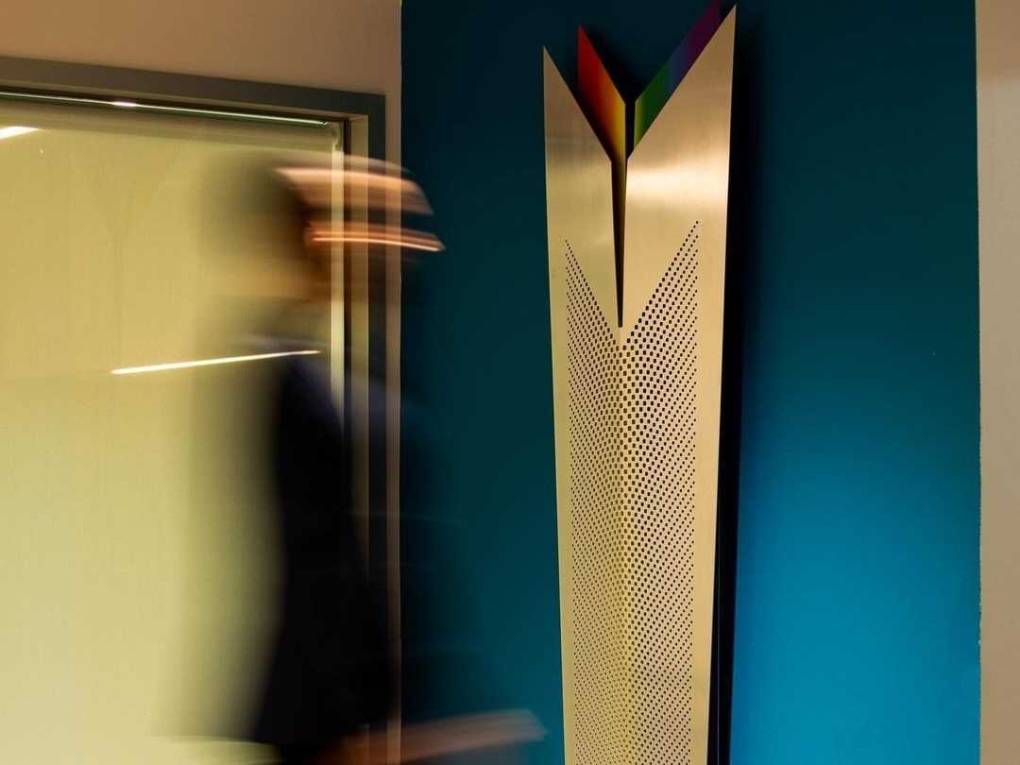
'We Have to Be Our Own Shield': SF's LGBTQ+ Community Honors Victims of the Pulse and Club Q Shootings in New Memorial
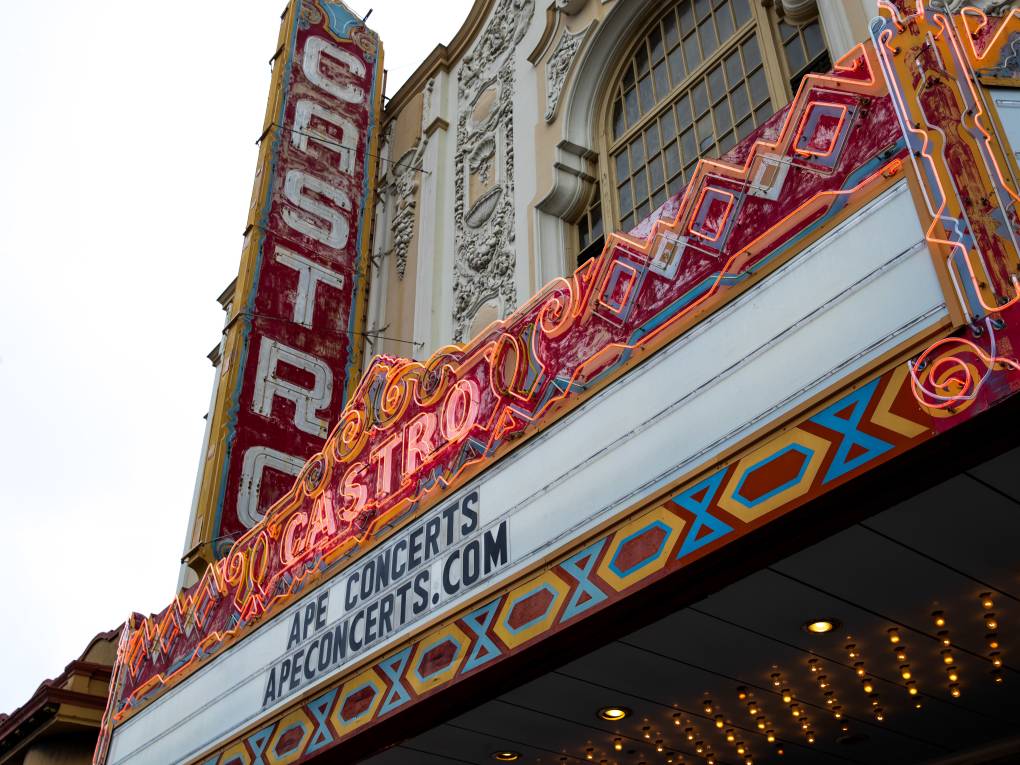
Fight Over Seats Could Define Future of Iconic San Francisco Movie Theater
'We Dance United': Aztec Dance Troupes Preserve a Proud Heritage for Bay Area's Latinx Community
Study Finds College President Searches Favor White Men, Offers Strategies for Change
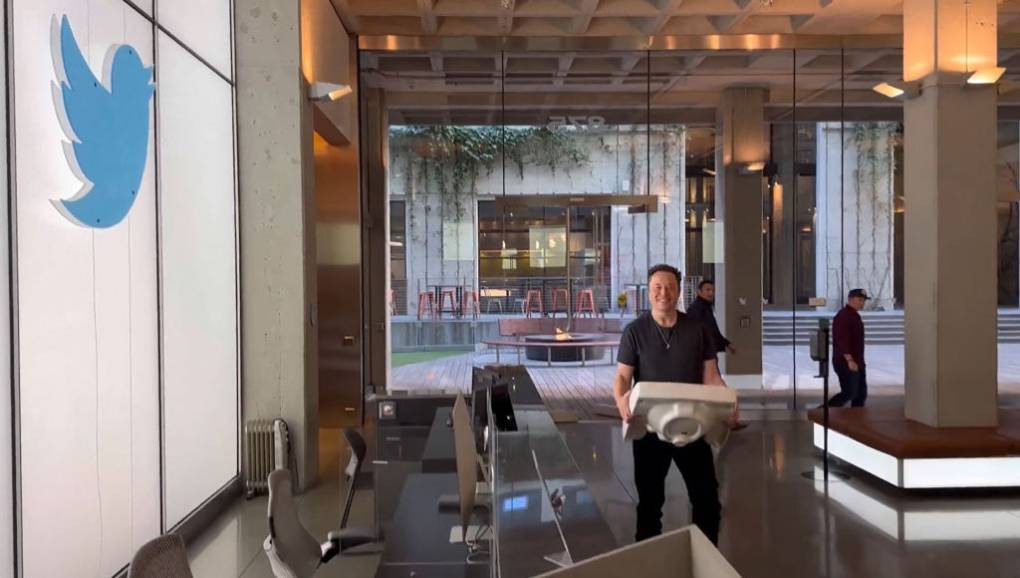
'He Wants Attention': As Elon Musk Takes Over Twitter, This Tech Insider Has Some Thoughts
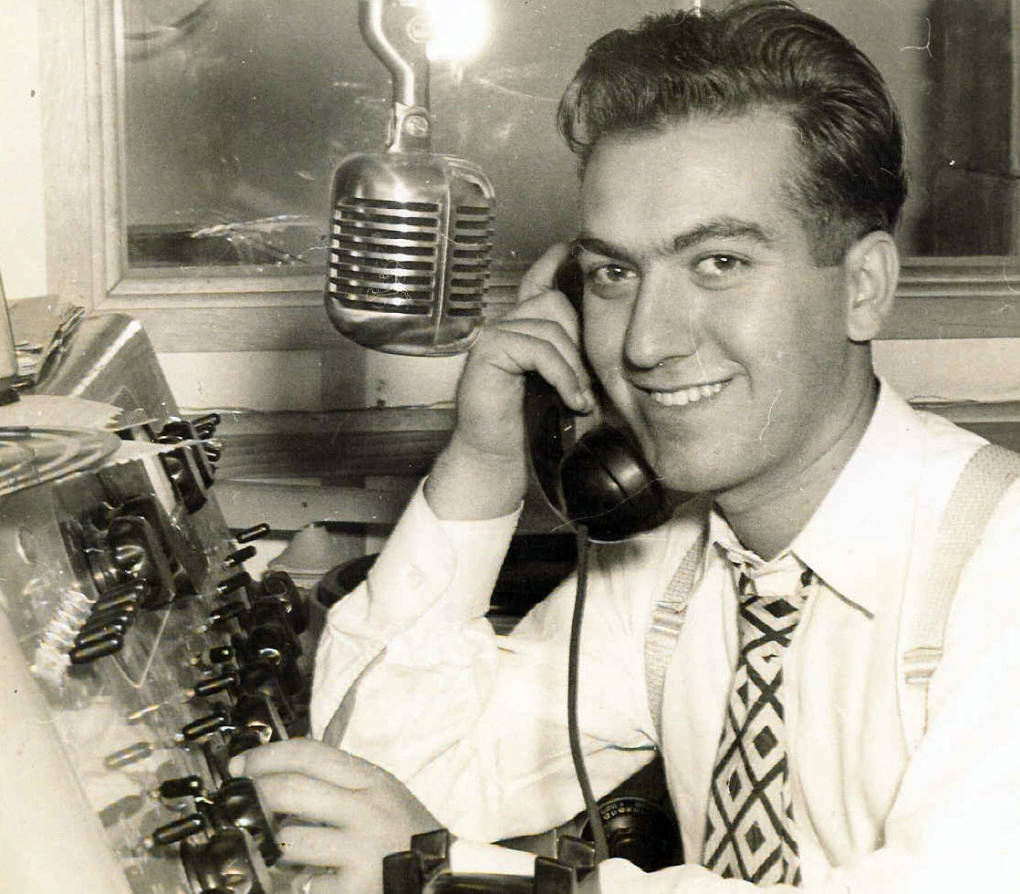
A Tribute to a California DJ Who Connected Lovers on the Air for 80 Years
Preliminary Glimpse at Test Scores Shows Steep Declines in Reading, Math
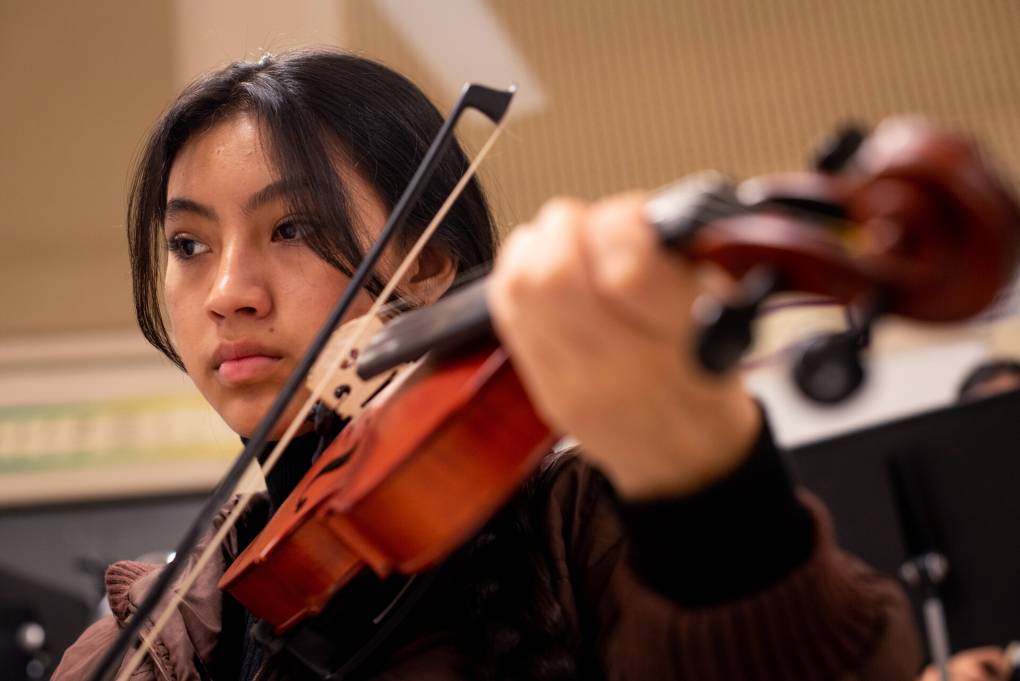
In Richmond, Extra Money for Arts Education Is an Equity Issue
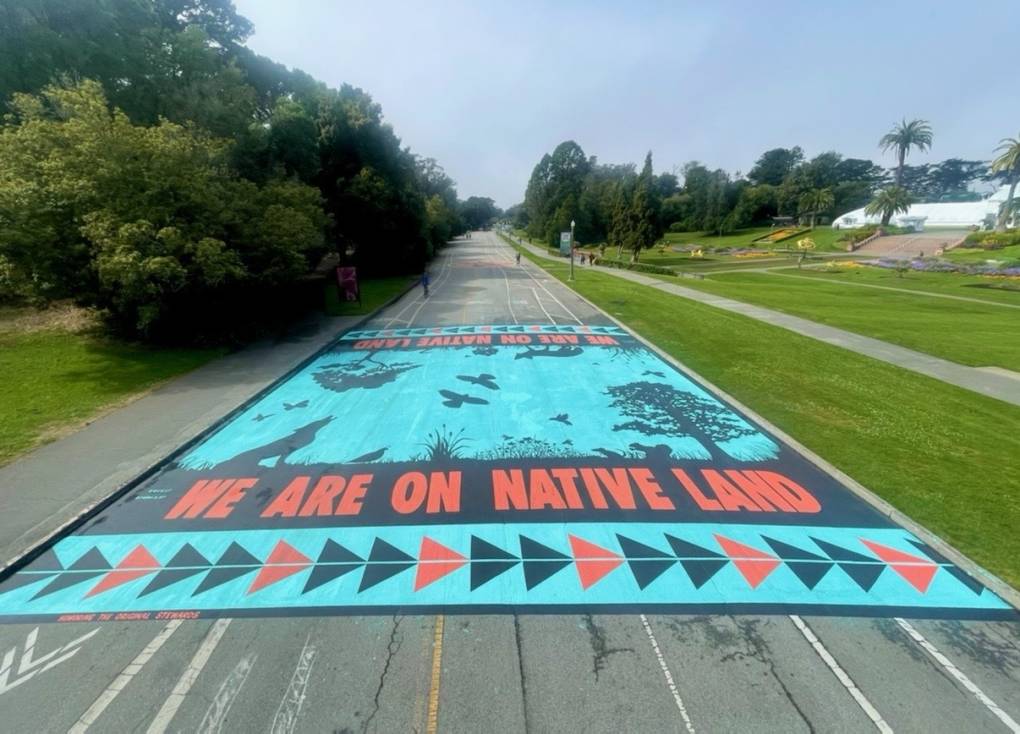
'We Are Here and Present': New Native American Mural in Golden Gate Park, Despite Recent Vandalism, Continues Efforts to Uplift Bay Area Native History
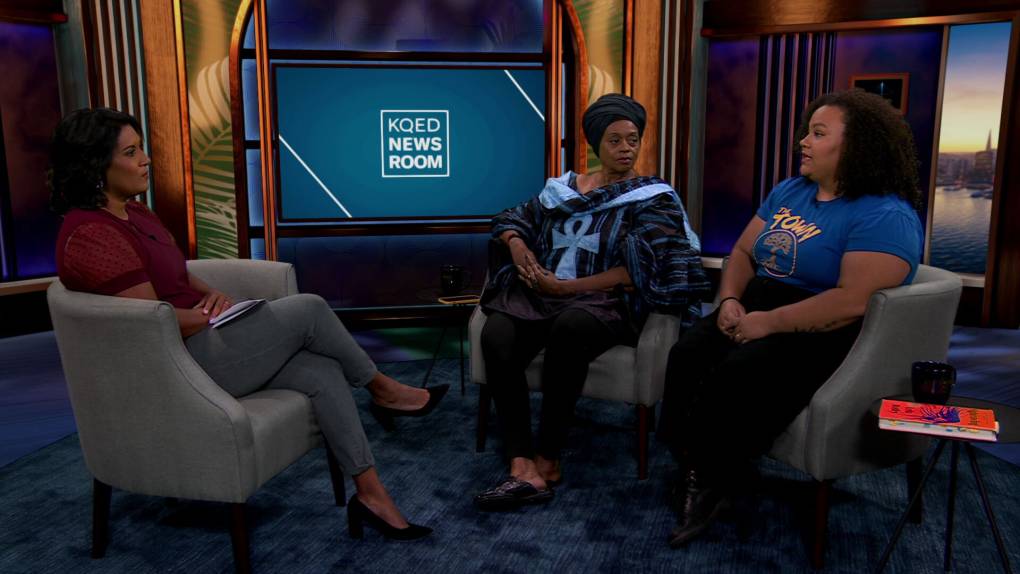
Oakland Writers Ayodele Nzinga and Leila Mottley
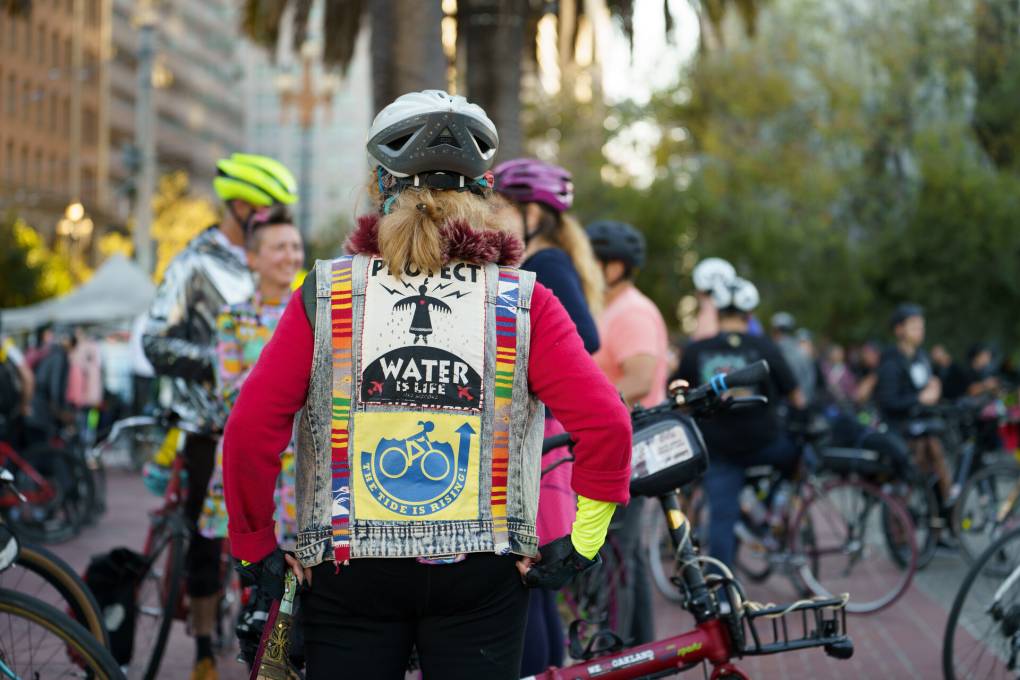
'A Leaderless Phenomenon': Critical Mass Celebrates 30th Anniversary
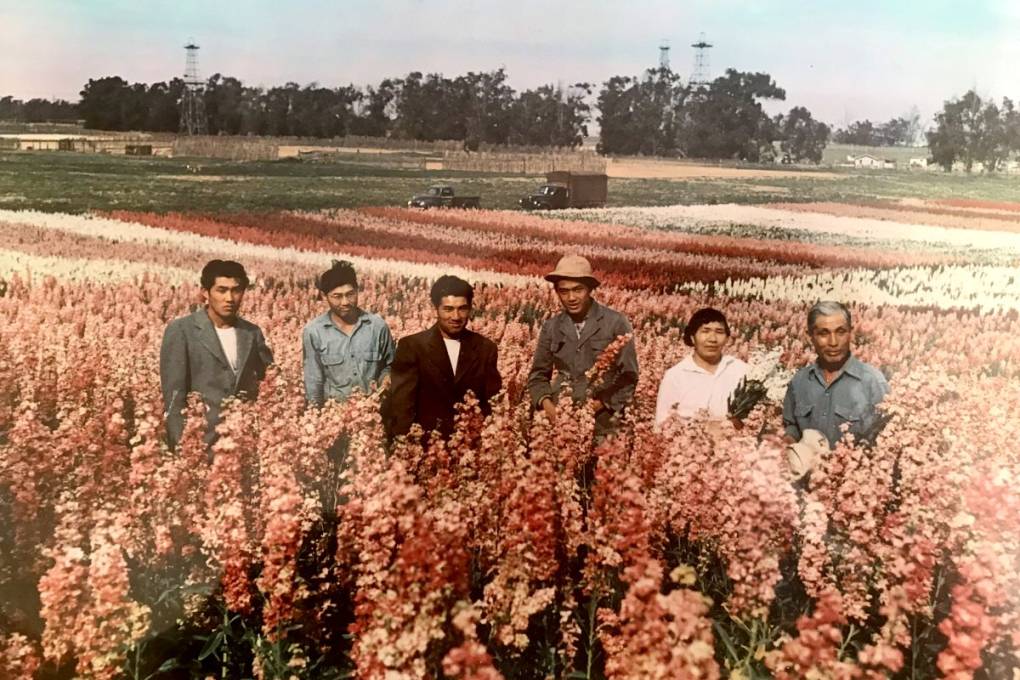
The Loss of My Family's Farm Is a Loss for California's Japanese Agricultural Legacy
window.__IS_SSR__=true
window.__INITIAL_STATE__={
"attachmentsReducer": {
"audio_0": {
"type": "attachments",
"id": "audio_0",
"imgSizes": {
"kqedFullSize": {
"file": "https://ww2.kqed.org/news/wp-content/themes/KQED-unified/img/audio_bgs/background0.jpg"
}
}
},
"audio_1": {
"type": "attachments",
"id": "audio_1",
"imgSizes": {
"kqedFullSize": {
"file": "https://ww2.kqed.org/news/wp-content/themes/KQED-unified/img/audio_bgs/background1.jpg"
}
}
},
"audio_2": {
"type": "attachments",
"id": "audio_2",
"imgSizes": {
"kqedFullSize": {
"file": "https://ww2.kqed.org/news/wp-content/themes/KQED-unified/img/audio_bgs/background2.jpg"
}
}
},
"audio_3": {
"type": "attachments",
"id": "audio_3",
"imgSizes": {
"kqedFullSize": {
"file": "https://ww2.kqed.org/news/wp-content/themes/KQED-unified/img/audio_bgs/background3.jpg"
}
}
},
"audio_4": {
"type": "attachments",
"id": "audio_4",
"imgSizes": {
"kqedFullSize": {
"file": "https://ww2.kqed.org/news/wp-content/themes/KQED-unified/img/audio_bgs/background4.jpg"
}
}
},
"placeholder": {
"type": "attachments",
"id": "placeholder",
"imgSizes": {
"thumbnail": {
"file": "https://cdn.kqed.org/wp-content/uploads/2024/12/KQED-Default-Image-816638274-2000x1333-1-160x107.jpg",
"width": 160,
"height": 107,
"mimeType": "image/jpeg"
},
"medium": {
"file": "https://cdn.kqed.org/wp-content/uploads/2024/12/KQED-Default-Image-816638274-2000x1333-1-800x533.jpg",
"width": 800,
"height": 533,
"mimeType": "image/jpeg"
},
"medium_large": {
"file": "https://cdn.kqed.org/wp-content/uploads/2024/12/KQED-Default-Image-816638274-2000x1333-1-768x512.jpg",
"width": 768,
"height": 512,
"mimeType": "image/jpeg"
},
"large": {
"file": "https://cdn.kqed.org/wp-content/uploads/2024/12/KQED-Default-Image-816638274-2000x1333-1-1020x680.jpg",
"width": 1020,
"height": 680,
"mimeType": "image/jpeg"
},
"1536x1536": {
"file": "https://cdn.kqed.org/wp-content/uploads/2024/12/KQED-Default-Image-816638274-2000x1333-1-1536x1024.jpg",
"width": 1536,
"height": 1024,
"mimeType": "image/jpeg"
},
"fd-lrg": {
"file": "https://cdn.kqed.org/wp-content/uploads/2024/12/KQED-Default-Image-816638274-2000x1333-1-1536x1024.jpg",
"width": 1536,
"height": 1024,
"mimeType": "image/jpeg"
},
"fd-med": {
"file": "https://cdn.kqed.org/wp-content/uploads/2024/12/KQED-Default-Image-816638274-2000x1333-1-1020x680.jpg",
"width": 1020,
"height": 680,
"mimeType": "image/jpeg"
},
"fd-sm": {
"file": "https://cdn.kqed.org/wp-content/uploads/2024/12/KQED-Default-Image-816638274-2000x1333-1-800x533.jpg",
"width": 800,
"height": 533,
"mimeType": "image/jpeg"
},
"post-thumbnail": {
"file": "https://cdn.kqed.org/wp-content/uploads/2024/12/KQED-Default-Image-816638274-2000x1333-1-672x372.jpg",
"width": 672,
"height": 372,
"mimeType": "image/jpeg"
},
"twentyfourteen-full-width": {
"file": "https://cdn.kqed.org/wp-content/uploads/2024/12/KQED-Default-Image-816638274-2000x1333-1-1038x576.jpg",
"width": 1038,
"height": 576,
"mimeType": "image/jpeg"
},
"xxsmall": {
"file": "https://cdn.kqed.org/wp-content/uploads/2024/12/KQED-Default-Image-816638274-2000x1333-1-160x107.jpg",
"width": 160,
"height": 107,
"mimeType": "image/jpeg"
},
"xsmall": {
"file": "https://cdn.kqed.org/wp-content/uploads/2024/12/KQED-Default-Image-816638274-2000x1333-1-672x372.jpg",
"width": 672,
"height": 372,
"mimeType": "image/jpeg"
},
"small": {
"file": "https://cdn.kqed.org/wp-content/uploads/2024/12/KQED-Default-Image-816638274-2000x1333-1-672x372.jpg",
"width": 672,
"height": 372,
"mimeType": "image/jpeg"
},
"xlarge": {
"file": "https://cdn.kqed.org/wp-content/uploads/2024/12/KQED-Default-Image-816638274-2000x1333-1-1020x680.jpg",
"width": 1020,
"height": 680,
"mimeType": "image/jpeg"
},
"full-width": {
"file": "https://cdn.kqed.org/wp-content/uploads/2024/12/KQED-Default-Image-816638274-2000x1333-1-1920x1280.jpg",
"width": 1920,
"height": 1280,
"mimeType": "image/jpeg"
},
"guest-author-32": {
"file": "https://cdn.kqed.org/wp-content/uploads/2025/01/KQED-Default-Image-816638274-1333x1333-1-160x160.jpg",
"width": 32,
"height": 32,
"mimeType": "image/jpeg"
},
"guest-author-50": {
"file": "https://cdn.kqed.org/wp-content/uploads/2025/01/KQED-Default-Image-816638274-1333x1333-1-160x160.jpg",
"width": 50,
"height": 50,
"mimeType": "image/jpeg"
},
"guest-author-64": {
"file": "https://cdn.kqed.org/wp-content/uploads/2025/01/KQED-Default-Image-816638274-1333x1333-1-160x160.jpg",
"width": 64,
"height": 64,
"mimeType": "image/jpeg"
},
"guest-author-96": {
"file": "https://cdn.kqed.org/wp-content/uploads/2025/01/KQED-Default-Image-816638274-1333x1333-1-160x160.jpg",
"width": 96,
"height": 96,
"mimeType": "image/jpeg"
},
"guest-author-128": {
"file": "https://cdn.kqed.org/wp-content/uploads/2025/01/KQED-Default-Image-816638274-1333x1333-1-160x160.jpg",
"width": 128,
"height": 128,
"mimeType": "image/jpeg"
},
"detail": {
"file": "https://cdn.kqed.org/wp-content/uploads/2025/01/KQED-Default-Image-816638274-1333x1333-1-160x160.jpg",
"width": 160,
"height": 160,
"mimeType": "image/jpeg"
},
"kqedFullSize": {
"file": "https://cdn.kqed.org/wp-content/uploads/2024/12/KQED-Default-Image-816638274-2000x1333-1.jpg",
"width": 2000,
"height": 1333
}
}
},
"news_11935640": {
"type": "attachments",
"id": "news_11935640",
"meta": {
"index": "attachments_1716263798",
"site": "news",
"id": "11935640",
"found": true
},
"parent": 11935621,
"imgSizes": {
"twentyfourteen-full-width": {
"file": "https://ww2.kqed.org/app/uploads/sites/10/2022/12/Screenshot_20221216-153431_Instagram-1038x576.jpg",
"width": 1038,
"mimeType": "image/jpeg",
"height": 576
},
"thumbnail": {
"file": "https://ww2.kqed.org/app/uploads/sites/10/2022/12/Screenshot_20221216-153431_Instagram-160x120.jpg",
"width": 160,
"mimeType": "image/jpeg",
"height": 120
},
"post-thumbnail": {
"file": "https://ww2.kqed.org/app/uploads/sites/10/2022/12/Screenshot_20221216-153431_Instagram-672x372.jpg",
"width": 672,
"mimeType": "image/jpeg",
"height": 372
},
"kqedFullSize": {
"file": "https://ww2.kqed.org/app/uploads/sites/10/2022/12/Screenshot_20221216-153431_Instagram.jpg",
"width": 1080,
"height": 810
},
"large": {
"file": "https://ww2.kqed.org/app/uploads/sites/10/2022/12/Screenshot_20221216-153431_Instagram-1020x765.jpg",
"width": 1020,
"mimeType": "image/jpeg",
"height": 765
},
"medium": {
"file": "https://ww2.kqed.org/app/uploads/sites/10/2022/12/Screenshot_20221216-153431_Instagram-800x600.jpg",
"width": 800,
"mimeType": "image/jpeg",
"height": 600
}
},
"publishDate": 1671235864,
"modified": 1671477119,
"caption": "A visitor at the SF LGBT Center passes by 'Aegis,' a new work by Brazil-born, SF-based sculptor Wilson Ferreira, which honors the 49 victims of the 2016 shooting at Pulse, a queer nightclub in Orlando, Florida.",
"description": null,
"title": "Screenshot_20221216-153431_Instagram",
"credit": "Courtesy of the San Francisco LGBT Center",
"status": "inherit",
"altTag": "a blurry figure approaches a metal shield-like sculpture which is mounted on a blue wall",
"isLoading": false,
"fetchFailed": false
},
"news_11934112": {
"type": "attachments",
"id": "news_11934112",
"meta": {
"index": "attachments_1716263798",
"site": "news",
"id": "11934112",
"found": true
},
"parent": 11934111,
"imgSizes": {
"twentyfourteen-full-width": {
"file": "https://ww2.kqed.org/app/uploads/sites/10/2022/12/gettyimages-1388628812-2-b3a5acc543f89f12a17a9183c2a0b75ada335fb2-1038x576.jpg",
"width": 1038,
"mimeType": "image/jpeg",
"height": 576
},
"thumbnail": {
"file": "https://ww2.kqed.org/app/uploads/sites/10/2022/12/gettyimages-1388628812-2-b3a5acc543f89f12a17a9183c2a0b75ada335fb2-160x120.jpg",
"width": 160,
"mimeType": "image/jpeg",
"height": 120
},
"post-thumbnail": {
"file": "https://ww2.kqed.org/app/uploads/sites/10/2022/12/gettyimages-1388628812-2-b3a5acc543f89f12a17a9183c2a0b75ada335fb2-672x372.jpg",
"width": 672,
"mimeType": "image/jpeg",
"height": 372
},
"kqedFullSize": {
"file": "https://ww2.kqed.org/app/uploads/sites/10/2022/12/gettyimages-1388628812-2-b3a5acc543f89f12a17a9183c2a0b75ada335fb2-scaled.jpg",
"width": 2560,
"height": 1920
},
"2048x2048": {
"file": "https://ww2.kqed.org/app/uploads/sites/10/2022/12/gettyimages-1388628812-2-b3a5acc543f89f12a17a9183c2a0b75ada335fb2-2048x1536.jpg",
"width": 2048,
"mimeType": "image/jpeg",
"height": 1536
},
"large": {
"file": "https://ww2.kqed.org/app/uploads/sites/10/2022/12/gettyimages-1388628812-2-b3a5acc543f89f12a17a9183c2a0b75ada335fb2-1020x765.jpg",
"width": 1020,
"mimeType": "image/jpeg",
"height": 765
},
"1536x1536": {
"file": "https://ww2.kqed.org/app/uploads/sites/10/2022/12/gettyimages-1388628812-2-b3a5acc543f89f12a17a9183c2a0b75ada335fb2-1536x1152.jpg",
"width": 1536,
"mimeType": "image/jpeg",
"height": 1152
},
"full-width": {
"file": "https://ww2.kqed.org/app/uploads/sites/10/2022/12/gettyimages-1388628812-2-b3a5acc543f89f12a17a9183c2a0b75ada335fb2-1920x1440.jpg",
"width": 1920,
"mimeType": "image/jpeg",
"height": 1440
},
"medium": {
"file": "https://ww2.kqed.org/app/uploads/sites/10/2022/12/gettyimages-1388628812-2-b3a5acc543f89f12a17a9183c2a0b75ada335fb2-800x600.jpg",
"width": 800,
"mimeType": "image/jpeg",
"height": 600
}
},
"publishDate": 1670264989,
"modified": 1686083792,
"caption": "The grand entrance to the Castro Theatre, the venue for 65th SFFILM Festival Press Conference on March 30, 2022 in San Francisco.",
"description": null,
"title": "Exterior of the Castro Theatre in San Francisco. Live concert and comedy company, Another Planet Entertainment (APE), recently took over the historic movie theater's lease.",
"credit": "Miikka Skaffari/Getty Images",
"status": "inherit",
"altTag": "The front of the Castro Theater. On the marquee says: 'APE Concerts.'",
"isLoading": false,
"fetchFailed": false
},
"news_11930974": {
"type": "attachments",
"id": "news_11930974",
"meta": {
"index": "attachments_1716263798",
"site": "news",
"id": "11930974",
"found": true
},
"parent": 11930953,
"imgSizes": {
"twentyfourteen-full-width": {
"file": "https://ww2.kqed.org/app/uploads/sites/10/2022/11/RS51916_089_SanFrancisco_IndigenousPeoplesDay_10112021-qut-1038x576.jpg",
"width": 1038,
"mimeType": "image/jpeg",
"height": 576
},
"thumbnail": {
"file": "https://ww2.kqed.org/app/uploads/sites/10/2022/11/RS51916_089_SanFrancisco_IndigenousPeoplesDay_10112021-qut-160x107.jpg",
"width": 160,
"mimeType": "image/jpeg",
"height": 107
},
"post-thumbnail": {
"file": "https://ww2.kqed.org/app/uploads/sites/10/2022/11/RS51916_089_SanFrancisco_IndigenousPeoplesDay_10112021-qut-672x372.jpg",
"width": 672,
"mimeType": "image/jpeg",
"height": 372
},
"kqedFullSize": {
"file": "https://ww2.kqed.org/app/uploads/sites/10/2022/11/RS51916_089_SanFrancisco_IndigenousPeoplesDay_10112021-qut.jpg",
"width": 1920,
"height": 1278
},
"large": {
"file": "https://ww2.kqed.org/app/uploads/sites/10/2022/11/RS51916_089_SanFrancisco_IndigenousPeoplesDay_10112021-qut-1020x679.jpg",
"width": 1020,
"mimeType": "image/jpeg",
"height": 679
},
"1536x1536": {
"file": "https://ww2.kqed.org/app/uploads/sites/10/2022/11/RS51916_089_SanFrancisco_IndigenousPeoplesDay_10112021-qut-1536x1022.jpg",
"width": 1536,
"mimeType": "image/jpeg",
"height": 1022
},
"medium": {
"file": "https://ww2.kqed.org/app/uploads/sites/10/2022/11/RS51916_089_SanFrancisco_IndigenousPeoplesDay_10112021-qut-800x533.jpg",
"width": 800,
"mimeType": "image/jpeg",
"height": 533
}
},
"publishDate": 1667428399,
"modified": 1667432572,
"caption": "The Teokalli Aztec Dancers from the Bay Area and Mexico City dance during the third annual Indigenous Peoples Day Commemoration at Yerba Buena Gardens in San Francisco on Oct. 11, 2021.",
"description": null,
"title": "RS51916_089_SanFrancisco_IndigenousPeoplesDay_10112021-qut",
"credit": "Beth LaBerge/KQED",
"status": "inherit",
"altTag": "Four Aztec dancers in elaborate colorful garb and feathers dance on a lawn surrounded by onlookers",
"isLoading": false,
"fetchFailed": false
},
"news_11930708": {
"type": "attachments",
"id": "news_11930708",
"meta": {
"index": "attachments_1716263798",
"site": "news",
"id": "11930708",
"found": true
},
"parent": 11930702,
"imgSizes": {
"twentyfourteen-full-width": {
"file": "https://ww2.kqed.org/app/uploads/sites/10/2022/10/GettyImages-1066846988-1038x576.jpg",
"width": 1038,
"mimeType": "image/jpeg",
"height": 576
},
"thumbnail": {
"file": "https://ww2.kqed.org/app/uploads/sites/10/2022/10/GettyImages-1066846988-160x129.jpg",
"width": 160,
"mimeType": "image/jpeg",
"height": 129
},
"post-thumbnail": {
"file": "https://ww2.kqed.org/app/uploads/sites/10/2022/10/GettyImages-1066846988-672x372.jpg",
"width": 672,
"mimeType": "image/jpeg",
"height": 372
},
"kqedFullSize": {
"file": "https://ww2.kqed.org/app/uploads/sites/10/2022/10/GettyImages-1066846988.jpg",
"width": 1926,
"height": 1557
},
"large": {
"file": "https://ww2.kqed.org/app/uploads/sites/10/2022/10/GettyImages-1066846988-1020x825.jpg",
"width": 1020,
"mimeType": "image/jpeg",
"height": 825
},
"1536x1536": {
"file": "https://ww2.kqed.org/app/uploads/sites/10/2022/10/GettyImages-1066846988-1536x1242.jpg",
"width": 1536,
"mimeType": "image/jpeg",
"height": 1242
},
"full-width": {
"file": "https://ww2.kqed.org/app/uploads/sites/10/2022/10/GettyImages-1066846988-1920x1552.jpg",
"width": 1920,
"mimeType": "image/jpeg",
"height": 1552
},
"medium": {
"file": "https://ww2.kqed.org/app/uploads/sites/10/2022/10/GettyImages-1066846988-800x647.jpg",
"width": 800,
"mimeType": "image/jpeg",
"height": 647
}
},
"publishDate": 1667252634,
"modified": 1667262360,
"caption": "The report, which was commissioned by College Futures Foundation, comes at a critical time when the top positions at many colleges around the state are open, as are the chancellor positions at both the California State University system and California Community Colleges.",
"description": null,
"title": "Presentation speaker at business conference",
"credit": "Jasmin Merdan/Getty Images",
"status": "inherit",
"altTag": "A white men in a suit speaks behind a dais, seen from the neck down.",
"isLoading": false,
"fetchFailed": false
},
"news_11930579": {
"type": "attachments",
"id": "news_11930579",
"meta": {
"index": "attachments_1716263798",
"site": "news",
"id": "11930579",
"found": true
},
"parent": 11930570,
"imgSizes": {
"twentyfourteen-full-width": {
"file": "https://ww2.kqed.org/app/uploads/sites/10/2022/10/GettyImages-1244262469-1-1024x576.jpg",
"width": 1024,
"mimeType": "image/jpeg",
"height": 576
},
"thumbnail": {
"file": "https://ww2.kqed.org/app/uploads/sites/10/2022/10/GettyImages-1244262469-1-160x91.jpg",
"width": 160,
"mimeType": "image/jpeg",
"height": 91
},
"post-thumbnail": {
"file": "https://ww2.kqed.org/app/uploads/sites/10/2022/10/GettyImages-1244262469-1-672x372.jpg",
"width": 672,
"mimeType": "image/jpeg",
"height": 372
},
"kqedFullSize": {
"file": "https://ww2.kqed.org/app/uploads/sites/10/2022/10/GettyImages-1244262469-1.jpg",
"width": 1024,
"height": 580
},
"large": {
"file": "https://ww2.kqed.org/app/uploads/sites/10/2022/10/GettyImages-1244262469-1-1020x578.jpg",
"width": 1020,
"mimeType": "image/jpeg",
"height": 578
},
"medium": {
"file": "https://ww2.kqed.org/app/uploads/sites/10/2022/10/GettyImages-1244262469-1-800x453.jpg",
"width": 800,
"mimeType": "image/jpeg",
"height": 453
}
},
"publishDate": 1667094273,
"modified": 1667248335,
"caption": "A screen grab from a video posted on the Twitter account of billionaire Tesla chief Elon Musk on Oct. 26, 2022, shows him carrying a sink as he enters the Twitter headquarters in San Francisco, saying, 'Let this sink in.' The day after, he tweeted 'the bird is freed' in reference to the Twitter logo.",
"description": null,
"title": "TOPSHOT-US-TWITTER-MUSK-INTERNET-JUSTICE",
"credit": "Twitter account of Elon Musk/AFP via Getty Images",
"status": "inherit",
"altTag": "Elon Musk enters Twitter headquarters holding a sink",
"isLoading": false,
"fetchFailed": false
},
"news_11724854": {
"type": "attachments",
"id": "news_11724854",
"meta": {
"index": "attachments_1716263798",
"site": "news",
"id": "11724854",
"found": true
},
"parent": 11723524,
"imgSizes": {
"twentyfourteen-full-width": {
"file": "https://ww2.kqed.org/app/uploads/sites/10/2019/02/ArtLaboe-1038x576.jpg",
"width": 1038,
"mimeType": "image/jpeg",
"height": 576
},
"thumbnail": {
"file": "https://ww2.kqed.org/app/uploads/sites/10/2019/02/ArtLaboe-160x140.jpg",
"width": 160,
"mimeType": "image/jpeg",
"height": 140
},
"post-thumbnail": {
"file": "https://ww2.kqed.org/app/uploads/sites/10/2019/02/ArtLaboe-672x372.jpg",
"width": 672,
"mimeType": "image/jpeg",
"height": 372
},
"kqedFullSize": {
"file": "https://ww2.kqed.org/app/uploads/sites/10/2019/02/ArtLaboe.jpg",
"width": 1118,
"height": 980
},
"large": {
"file": "https://ww2.kqed.org/app/uploads/sites/10/2019/02/ArtLaboe-1020x894.jpg",
"width": 1020,
"mimeType": "image/jpeg",
"height": 894
},
"guest-author-50": {
"file": "https://ww2.kqed.org/app/uploads/sites/10/2019/02/ArtLaboe-50x50.jpg",
"width": 50,
"mimeType": "image/jpeg",
"height": 50
},
"guest-author-96": {
"file": "https://ww2.kqed.org/app/uploads/sites/10/2019/02/ArtLaboe-96x96.jpg",
"width": 96,
"mimeType": "image/jpeg",
"height": 96
},
"medium": {
"file": "https://ww2.kqed.org/app/uploads/sites/10/2019/02/ArtLaboe-800x701.jpg",
"width": 800,
"mimeType": "image/jpeg",
"height": 701
},
"guest-author-64": {
"file": "https://ww2.kqed.org/app/uploads/sites/10/2019/02/ArtLaboe-64x64.jpg",
"width": 64,
"mimeType": "image/jpeg",
"height": 64
},
"detail": {
"file": "https://ww2.kqed.org/app/uploads/sites/10/2019/02/ArtLaboe-150x150.jpg",
"width": 150,
"mimeType": "image/jpeg",
"height": 150
},
"guest-author-32": {
"file": "https://ww2.kqed.org/app/uploads/sites/10/2019/02/ArtLaboe-32x32.jpg",
"width": 32,
"mimeType": "image/jpeg",
"height": 32
},
"guest-author-128": {
"file": "https://ww2.kqed.org/app/uploads/sites/10/2019/02/ArtLaboe-128x128.jpg",
"width": 128,
"mimeType": "image/jpeg",
"height": 128
}
},
"publishDate": 1549669129,
"modified": 1666394368,
"caption": "Art Laboe on the air at KPMO, circa 1945.",
"description": "Art Laboe on the air at KPMO, circa 1945.",
"title": "ArtLaboe",
"credit": "Courtesy of Art Laboe",
"status": "inherit",
"altTag": "Art Laboe on the air at KPMO, circa 1945.",
"isLoading": false,
"fetchFailed": false
},
"news_11929581": {
"type": "attachments",
"id": "news_11929581",
"meta": {
"index": "attachments_1716263798",
"site": "news",
"id": "11929581",
"found": true
},
"parent": 11929574,
"imgSizes": {
"thumbnail": {
"file": "https://ww2.kqed.org/app/uploads/sites/10/2022/10/GettyImages-480811381-160x107.jpg",
"width": 160,
"mimeType": "image/jpeg",
"height": 107
},
"post-thumbnail": {
"file": "https://ww2.kqed.org/app/uploads/sites/10/2022/10/GettyImages-480811381-672x372.jpg",
"width": 672,
"mimeType": "image/jpeg",
"height": 372
},
"kqedFullSize": {
"file": "https://ww2.kqed.org/app/uploads/sites/10/2022/10/GettyImages-480811381.jpg",
"width": 724,
"height": 483
}
},
"publishDate": 1666228262,
"modified": 1666290413,
"caption": "Results from 10 large school districts show consistent declines in all categories from 2019, the year before the pandemic began.",
"description": null,
"title": "Class of schoolchildren doing educational exam",
"credit": "Phil Boorman/Getty Images",
"status": "inherit",
"altTag": "Young students in an exam in class.",
"isLoading": false,
"fetchFailed": false
},
"news_11929023": {
"type": "attachments",
"id": "news_11929023",
"meta": {
"index": "attachments_1716263798",
"site": "news",
"id": "11929023",
"found": true
},
"parent": 11928837,
"imgSizes": {
"twentyfourteen-full-width": {
"file": "https://ww2.kqed.org/app/uploads/sites/10/2022/10/RS59090_Richmond_Orchestra_004-qut-1038x576.jpg",
"width": 1038,
"mimeType": "image/jpeg",
"height": 576
},
"thumbnail": {
"file": "https://ww2.kqed.org/app/uploads/sites/10/2022/10/RS59090_Richmond_Orchestra_004-qut-160x107.jpg",
"width": 160,
"mimeType": "image/jpeg",
"height": 107
},
"post-thumbnail": {
"file": "https://ww2.kqed.org/app/uploads/sites/10/2022/10/RS59090_Richmond_Orchestra_004-qut-672x372.jpg",
"width": 672,
"mimeType": "image/jpeg",
"height": 372
},
"kqedFullSize": {
"file": "https://ww2.kqed.org/app/uploads/sites/10/2022/10/RS59090_Richmond_Orchestra_004-qut.jpg",
"width": 1920,
"height": 1282
},
"large": {
"file": "https://ww2.kqed.org/app/uploads/sites/10/2022/10/RS59090_Richmond_Orchestra_004-qut-1020x681.jpg",
"width": 1020,
"mimeType": "image/jpeg",
"height": 681
},
"1536x1536": {
"file": "https://ww2.kqed.org/app/uploads/sites/10/2022/10/RS59090_Richmond_Orchestra_004-qut-1536x1026.jpg",
"width": 1536,
"mimeType": "image/jpeg",
"height": 1026
},
"medium": {
"file": "https://ww2.kqed.org/app/uploads/sites/10/2022/10/RS59090_Richmond_Orchestra_004-qut-800x534.jpg",
"width": 800,
"mimeType": "image/jpeg",
"height": 534
}
},
"publishDate": 1665786498,
"modified": 1665786655,
"caption": "Junior Ruth Delgado plays the violin during orchestra class at Richmond High School in Richmond on Wednesday, Oct. 5, 2022.",
"description": null,
"title": "KQED_Richmond_Orchestra",
"credit": "Marlena Sloss/KQED",
"status": "inherit",
"altTag": "A Latina high school junior plays violin.",
"isLoading": false,
"fetchFailed": false
},
"news_11929111": {
"type": "attachments",
"id": "news_11929111",
"meta": {
"index": "attachments_1716263798",
"site": "news",
"id": "11929111",
"found": true
},
"parent": 11929099,
"imgSizes": {
"twentyfourteen-full-width": {
"file": "https://ww2.kqed.org/app/uploads/sites/10/2022/10/Finished_Mural-1038x576.jpg",
"width": 1038,
"mimeType": "image/jpeg",
"height": 576
},
"thumbnail": {
"file": "https://ww2.kqed.org/app/uploads/sites/10/2022/10/Finished_Mural-160x115.jpg",
"width": 160,
"mimeType": "image/jpeg",
"height": 115
},
"post-thumbnail": {
"file": "https://ww2.kqed.org/app/uploads/sites/10/2022/10/Finished_Mural-672x372.jpg",
"width": 672,
"mimeType": "image/jpeg",
"height": 372
},
"kqedFullSize": {
"file": "https://ww2.kqed.org/app/uploads/sites/10/2022/10/Finished_Mural.jpg",
"width": 1206,
"height": 868
},
"large": {
"file": "https://ww2.kqed.org/app/uploads/sites/10/2022/10/Finished_Mural-1020x734.jpg",
"width": 1020,
"mimeType": "image/jpeg",
"height": 734
},
"medium": {
"file": "https://ww2.kqed.org/app/uploads/sites/10/2022/10/Finished_Mural-800x576.jpg",
"width": 800,
"mimeType": "image/jpeg",
"height": 576
}
},
"publishDate": 1665864115,
"modified": 1666035940,
"caption": "The 'We Are on Native Land' mural before it was vandalized.",
"description": null,
"title": "Finished_Mural",
"credit": "Courtesy of American Indian Cultural District",
"status": "inherit",
"altTag": "A massive turquoise, black and red street mural covering a section of the JFK Promenade stating 'We are on Native land'",
"isLoading": false,
"fetchFailed": false
},
"news_11928107": {
"type": "attachments",
"id": "news_11928107",
"meta": {
"index": "attachments_1716263798",
"site": "news",
"id": "11928107",
"found": true
},
"parent": 11928031,
"imgSizes": {
"twentyfourteen-full-width": {
"file": "https://ww2.kqed.org/app/uploads/sites/10/2022/10/LITERARY-OAKLAND-SWR-IP-ME-2_frame_23609-1038x576.jpeg",
"width": 1038,
"mimeType": "image/jpeg",
"height": 576
},
"thumbnail": {
"file": "https://ww2.kqed.org/app/uploads/sites/10/2022/10/LITERARY-OAKLAND-SWR-IP-ME-2_frame_23609-160x90.jpeg",
"width": 160,
"mimeType": "image/jpeg",
"height": 90
},
"post-thumbnail": {
"file": "https://ww2.kqed.org/app/uploads/sites/10/2022/10/LITERARY-OAKLAND-SWR-IP-ME-2_frame_23609-672x372.jpeg",
"width": 672,
"mimeType": "image/jpeg",
"height": 372
},
"kqedFullSize": {
"file": "https://ww2.kqed.org/app/uploads/sites/10/2022/10/LITERARY-OAKLAND-SWR-IP-ME-2_frame_23609.jpeg",
"width": 1920,
"height": 1080
},
"large": {
"file": "https://ww2.kqed.org/app/uploads/sites/10/2022/10/LITERARY-OAKLAND-SWR-IP-ME-2_frame_23609-1020x574.jpeg",
"width": 1020,
"mimeType": "image/jpeg",
"height": 574
},
"1536x1536": {
"file": "https://ww2.kqed.org/app/uploads/sites/10/2022/10/LITERARY-OAKLAND-SWR-IP-ME-2_frame_23609-1536x864.jpeg",
"width": 1536,
"mimeType": "image/jpeg",
"height": 864
},
"medium": {
"file": "https://ww2.kqed.org/app/uploads/sites/10/2022/10/LITERARY-OAKLAND-SWR-IP-ME-2_frame_23609-800x450.jpeg",
"width": 800,
"mimeType": "image/jpeg",
"height": 450
}
},
"publishDate": 1665179679,
"modified": 1665179679,
"caption": null,
"description": null,
"title": "LITERARY OAKLAND SWR IP ME-2_frame_23609",
"credit": null,
"status": "inherit",
"altTag": null,
"isLoading": false,
"fetchFailed": false
},
"news_11927482": {
"type": "attachments",
"id": "news_11927482",
"meta": {
"index": "attachments_1716263798",
"site": "news",
"id": "11927482",
"found": true
},
"parent": 11927460,
"imgSizes": {
"twentyfourteen-full-width": {
"file": "https://ww2.kqed.org/app/uploads/sites/10/2022/10/RS58902_DSC07979-qut-1038x576.jpg",
"width": 1038,
"mimeType": "image/jpeg",
"height": 576
},
"thumbnail": {
"file": "https://ww2.kqed.org/app/uploads/sites/10/2022/10/RS58902_DSC07979-qut-160x107.jpg",
"width": 160,
"mimeType": "image/jpeg",
"height": 107
},
"post-thumbnail": {
"file": "https://ww2.kqed.org/app/uploads/sites/10/2022/10/RS58902_DSC07979-qut-672x372.jpg",
"width": 672,
"mimeType": "image/jpeg",
"height": 372
},
"kqedFullSize": {
"file": "https://ww2.kqed.org/app/uploads/sites/10/2022/10/RS58902_DSC07979-qut.jpg",
"width": 1920,
"height": 1280
},
"large": {
"file": "https://ww2.kqed.org/app/uploads/sites/10/2022/10/RS58902_DSC07979-qut-1020x680.jpg",
"width": 1020,
"mimeType": "image/jpeg",
"height": 680
},
"1536x1536": {
"file": "https://ww2.kqed.org/app/uploads/sites/10/2022/10/RS58902_DSC07979-qut-1536x1024.jpg",
"width": 1536,
"mimeType": "image/jpeg",
"height": 1024
},
"medium": {
"file": "https://ww2.kqed.org/app/uploads/sites/10/2022/10/RS58902_DSC07979-qut-800x533.jpg",
"width": 800,
"mimeType": "image/jpeg",
"height": 533
}
},
"publishDate": 1664668368,
"modified": 1664766733,
"caption": "Hundreds of cyclists of all ages prepared to participate in a cherished 30-year San Francisco tradition on Sept. 30, 2022.",
"description": "Cyclists get ready to start the 2022 Critical Mass.",
"title": "RS58902_DSC07979-qut",
"credit": "Aryk Copley/KQED",
"status": "inherit",
"altTag": "A woman in her 70s with her back turned to the camera reveals political messages in support of cycling and water conservation with other cyclists in the background.",
"isLoading": false,
"fetchFailed": false
},
"news_11927397": {
"type": "attachments",
"id": "news_11927397",
"meta": {
"index": "attachments_1716263798",
"site": "news",
"id": "11927397",
"found": true
},
"parent": 11927282,
"imgSizes": {
"twentyfourteen-full-width": {
"file": "https://ww2.kqed.org/app/uploads/sites/10/2022/09/m-japanese-american-farmers-agriculture-california-history-1-family-portrait-1038x576.jpg",
"width": 1038,
"mimeType": "image/jpeg",
"height": 576
},
"thumbnail": {
"file": "https://ww2.kqed.org/app/uploads/sites/10/2022/09/m-japanese-american-farmers-agriculture-california-history-1-family-portrait-160x107.jpg",
"width": 160,
"mimeType": "image/jpeg",
"height": 107
},
"post-thumbnail": {
"file": "https://ww2.kqed.org/app/uploads/sites/10/2022/09/m-japanese-american-farmers-agriculture-california-history-1-family-portrait-672x372.jpg",
"width": 672,
"mimeType": "image/jpeg",
"height": 372
},
"kqedFullSize": {
"file": "https://ww2.kqed.org/app/uploads/sites/10/2022/09/m-japanese-american-farmers-agriculture-california-history-1-family-portrait.jpg",
"width": 1200,
"height": 800
},
"large": {
"file": "https://ww2.kqed.org/app/uploads/sites/10/2022/09/m-japanese-american-farmers-agriculture-california-history-1-family-portrait-1020x680.jpg",
"width": 1020,
"mimeType": "image/jpeg",
"height": 680
},
"medium": {
"file": "https://ww2.kqed.org/app/uploads/sites/10/2022/09/m-japanese-american-farmers-agriculture-california-history-1-family-portrait-800x533.jpg",
"width": 800,
"mimeType": "image/jpeg",
"height": 533
}
},
"publishDate": 1664579212,
"modified": 1664582873,
"caption": "James Hatano (third from left) with his family on the land they farmed in Redondo Beach, circa early 1950s, before he headed out to farm on his own.",
"description": null,
"title": "m-japanese-american-farmers-agriculture-california-history-1-family-portrait",
"credit": "Courtesy of the Hatano family",
"status": "inherit",
"altTag": "A group of Japanese farmers stand in a field.",
"isLoading": false,
"fetchFailed": false
}
},
"audioPlayerReducer": {
"postId": "stream_live",
"isPaused": true,
"isPlaying": false,
"pfsActive": false,
"pledgeModalIsOpen": true,
"playerDrawerIsOpen": false,
"liveAudioPlayStartedAt": 0,
"liveAudioPlayContext": ""
},
"authorsReducer": {
"byline_news_11934111": {
"type": "authors",
"id": "byline_news_11934111",
"meta": {
"override": true
},
"slug": "byline_news_11934111",
"name": "Chloe Veltman",
"isLoading": false
},
"byline_news_11930702": {
"type": "authors",
"id": "byline_news_11930702",
"meta": {
"override": true
},
"slug": "byline_news_11930702",
"name": "\u003ca href=\"https://edsource.org/author/egallegos\">Emma Gallegos\u003c/a>",
"isLoading": false
},
"byline_news_11929574": {
"type": "authors",
"id": "byline_news_11929574",
"meta": {
"override": true
},
"slug": "byline_news_11929574",
"name": "\u003ca href=\"https://edsource.org/author/cjones\">Carolyn Jones\u003c/a>, \u003ca href=\"https://edsource.org/author/dwillis\">Daniel J. Willis\u003c/a>",
"isLoading": false
},
"byline_news_11927282": {
"type": "authors",
"id": "byline_news_11927282",
"meta": {
"override": true
},
"slug": "byline_news_11927282",
"name": "\u003ca href=\"https://civileats.com/author/chatano/\">Caroline Hatano\u003c/a>",
"isLoading": false
},
"jmcevoy": {
"type": "authors",
"id": "231",
"meta": {
"index": "authors_1716337520",
"id": "231",
"found": true
},
"name": "Julia McEvoy",
"firstName": "Julia",
"lastName": "McEvoy",
"slug": "jmcevoy",
"email": "jmcevoy@KQED.org",
"display_author_email": true,
"staff_mastheads": [
"news"
],
"title": "KQED Senior Editor",
"bio": "Julia McEvoy is KQED's Senior Editor, Education Equity.\r\n\r\nJulia heads KQED’s education coverage examining inequities students face in Bay Area and California schools, and reports on what it will take to educate the next generation.\r\n\r\nJulia's editorial work has received a Peabody Award, a Casey Medal for Coverage of Children and Families, several Edward R. Murrow awards, as well as awards from the Public Radio News Directors Inc. and the Society for Professional Journalists.",
"avatar": "https://secure.gravatar.com/avatar/aec3ce21abe02b302fd33638abd56a22?s=600&d=blank&r=g",
"twitter": "juliamcevoy1",
"facebook": null,
"instagram": null,
"linkedin": null,
"sites": [
{
"site": "news",
"roles": []
},
{
"site": "stateofhealth",
"roles": [
"author"
]
}
],
"headData": {
"title": "Julia McEvoy | KQED",
"description": "KQED Senior Editor",
"ogImgSrc": "https://secure.gravatar.com/avatar/aec3ce21abe02b302fd33638abd56a22?s=600&d=blank&r=g",
"twImgSrc": "https://secure.gravatar.com/avatar/aec3ce21abe02b302fd33638abd56a22?s=600&d=blank&r=g"
},
"isLoading": false,
"link": "/author/jmcevoy"
},
"kqed": {
"type": "authors",
"id": "236",
"meta": {
"index": "authors_1716337520",
"id": "236",
"found": true
},
"name": "KQED News Staff",
"firstName": "KQED News Staff",
"lastName": null,
"slug": "kqed",
"email": "faq@kqed.org",
"display_author_email": false,
"staff_mastheads": [],
"title": null,
"bio": null,
"avatar": "https://secure.gravatar.com/avatar/ef0e801a68c4c54afa9180db14084167?s=600&d=blank&r=g",
"twitter": null,
"facebook": null,
"instagram": null,
"linkedin": null,
"sites": [
{
"site": "arts",
"roles": [
"contributor"
]
},
{
"site": "news",
"roles": [
"editor"
]
},
{
"site": "futureofyou",
"roles": [
"author"
]
}
],
"headData": {
"title": "KQED News Staff | KQED",
"description": null,
"ogImgSrc": "https://secure.gravatar.com/avatar/ef0e801a68c4c54afa9180db14084167?s=600&d=blank&r=g",
"twImgSrc": "https://secure.gravatar.com/avatar/ef0e801a68c4c54afa9180db14084167?s=600&d=blank&r=g"
},
"isLoading": false,
"link": "/author/kqed"
},
"sasha-khokha": {
"type": "authors",
"id": "254",
"meta": {
"index": "authors_1716337520",
"id": "254",
"found": true
},
"name": "Sasha Khokha",
"firstName": "Sasha",
"lastName": "Khokha",
"slug": "sasha-khokha",
"email": "skhokha@kqed.org",
"display_author_email": true,
"staff_mastheads": [
"news"
],
"title": "Host, The California Report Magazine",
"bio": "Sasha Khokha is the host of \u003cem>The California Report's \u003c/em> weekly magazine program, which takes listeners on sound-rich excursions to meet the people that make the Golden State unique -- through audio documentaries and long-form stories. As \u003cem>The California Report's\u003c/em> Central Valley Bureau Chief based in Fresno for nearly a dozen years, Sasha brought the lives and concerns of rural Californians to listeners around the state. Her reporting helped expose the hidden price immigrant women janitors and farmworkers may pay to keep their jobs: sexual assault at work. It inspired two new California laws to protect them from sexual harassment. She was a key member of the reporting team for the Frontline film \u003cem>Rape on the Night Shift, \u003c/em>which was nominated for two national Emmys. Sasha has also won a national Edward R. Murrow and a national PRNDI award for investigative reporting, as well as multiple prizes from the Society for Professional Journalists. Sasha is a proud alum of the UC Berkeley Graduate School of Journalism and Brown University and a member of the South Asian Journalists Association.",
"avatar": "https://secure.gravatar.com/avatar/e4b5e1541aaeea2aa356aa1fb2a68950?s=600&d=blank&r=g",
"twitter": "KQEDSashaKhokha",
"facebook": null,
"instagram": null,
"linkedin": null,
"sites": [
{
"site": "news",
"roles": [
"editor"
]
},
{
"site": "stateofhealth",
"roles": [
"author"
]
},
{
"site": "science",
"roles": [
"author"
]
},
{
"site": "quest",
"roles": [
"subscriber"
]
}
],
"headData": {
"title": "Sasha Khokha | KQED",
"description": "Host, The California Report Magazine",
"ogImgSrc": "https://secure.gravatar.com/avatar/e4b5e1541aaeea2aa356aa1fb2a68950?s=600&d=blank&r=g",
"twImgSrc": "https://secure.gravatar.com/avatar/e4b5e1541aaeea2aa356aa1fb2a68950?s=600&d=blank&r=g"
},
"isLoading": false,
"link": "/author/sasha-khokha"
},
"tarasiler": {
"type": "authors",
"id": "257",
"meta": {
"index": "authors_1716337520",
"id": "257",
"found": true
},
"name": "Tara Siler",
"firstName": "Tara",
"lastName": "Siler",
"slug": "tarasiler",
"email": "tsiler@kqed.org",
"display_author_email": false,
"staff_mastheads": [
"news"
],
"title": "KQED Contributor",
"bio": "Tara reports and anchors for KQED news. She covers a range of issues from community-police relations to local politics. Tara started out in community radio in the Bay Area, where she was raised. She eventually moved to Washington DC where she covered Congress for eight years for Pacifica and Monitor Radio. Her stories have also been heard on NPR's All Things Considered, Morning Edition and The World.\r\n\r\nTara lives with her husband in Oakland-- where they raised their two sons. She enjoys spending time with her family, gardening and hiking in the Oakland hills... and keeping up with the news.",
"avatar": "https://secure.gravatar.com/avatar/99802f9746fb80b65fd8ec6c57954450?s=600&d=blank&r=g",
"twitter": null,
"facebook": null,
"instagram": null,
"linkedin": null,
"sites": [
{
"site": "news",
"roles": [
"contributor",
"edit_others_posts"
]
},
{
"site": "stateofhealth",
"roles": [
"author"
]
}
],
"headData": {
"title": "Tara Siler | KQED",
"description": "KQED Contributor",
"ogImgSrc": "https://secure.gravatar.com/avatar/99802f9746fb80b65fd8ec6c57954450?s=600&d=blank&r=g",
"twImgSrc": "https://secure.gravatar.com/avatar/99802f9746fb80b65fd8ec6c57954450?s=600&d=blank&r=g"
},
"isLoading": false,
"link": "/author/tarasiler"
},
"lsarah": {
"type": "authors",
"id": "11626",
"meta": {
"index": "authors_1716337520",
"id": "11626",
"found": true
},
"name": "Lakshmi Sarah",
"firstName": "Lakshmi",
"lastName": "Sarah",
"slug": "lsarah",
"email": "lsarah@kqed.org",
"display_author_email": false,
"staff_mastheads": [],
"title": "Digital Producer",
"bio": "Lakshmi Sarah is an educator, author and journalist with a focus on innovative storytelling. She has worked with newspapers, radio and magazines from Ahmedabad, India to Los Angeles, California. She has written and produced for Die Zeit, Global Voices, AJ+, KQED, Fusion Media Group and the New York Times.",
"avatar": "https://secure.gravatar.com/avatar/652dcaecd8b28826fc17a8b2d6bb4e93?s=600&d=blank&r=g",
"twitter": "lakitalki",
"facebook": null,
"instagram": "https://www.instagram.com/laki.talki/",
"linkedin": "https://www.linkedin.com/in/lakisarah/",
"sites": [
{
"site": "arts",
"roles": []
},
{
"site": "news",
"roles": []
},
{
"site": "bayareabites",
"roles": []
},
{
"site": "science",
"roles": []
}
],
"headData": {
"title": "Lakshmi Sarah | KQED",
"description": "Digital Producer",
"ogImgSrc": "https://secure.gravatar.com/avatar/652dcaecd8b28826fc17a8b2d6bb4e93?s=600&d=blank&r=g",
"twImgSrc": "https://secure.gravatar.com/avatar/652dcaecd8b28826fc17a8b2d6bb4e93?s=600&d=blank&r=g"
},
"isLoading": false,
"link": "/author/lsarah"
},
"ccabreralomeli": {
"type": "authors",
"id": "11708",
"meta": {
"index": "authors_1716337520",
"id": "11708",
"found": true
},
"name": "Carlos Cabrera-Lomelí",
"firstName": "Carlos",
"lastName": "Cabrera-Lomelí",
"slug": "ccabreralomeli",
"email": "ccabreralomeli@KQED.org",
"display_author_email": true,
"staff_mastheads": [
"news"
],
"title": "Community Reporter",
"bio": "Carlos Cabrera-Lomelí is a community reporter with KQED's digital engagement team. He also reports and co-produces for KQED's bilingual news hub KQED en Español. He grew up in San Francisco's Mission District and has previously worked with Univision, 48 Hills and REFORMA in Mexico City.",
"avatar": "https://secure.gravatar.com/avatar/c309be9665e484f887b818c89e273ecc673004f426f36b24d00a4d813a2e0518?s=600&d=blank&r=g",
"twitter": "@LomeliCabrera",
"bluesky": null,
"facebook": null,
"instagram": null,
"linkedin": null,
"sites": [
{
"site": "arts",
"roles": [
"editor"
]
},
{
"site": "news",
"roles": [
"editor"
]
},
{
"site": "about",
"roles": [
"editor"
]
},
{
"site": "science",
"roles": [
"editor"
]
},
{
"site": "perspectives",
"roles": [
"editor"
]
},
{
"site": "elections",
"roles": [
"editor"
]
},
{
"site": "liveblog",
"roles": [
"contributor"
]
}
],
"headData": {
"title": "Carlos Cabrera-Lomelí | KQED",
"description": "Community Reporter",
"ogImgSrc": "https://secure.gravatar.com/avatar/c309be9665e484f887b818c89e273ecc673004f426f36b24d00a4d813a2e0518?s=600&d=blank&r=g",
"twImgSrc": "https://secure.gravatar.com/avatar/c309be9665e484f887b818c89e273ecc673004f426f36b24d00a4d813a2e0518?s=600&d=blank&r=g"
},
"isLoading": false,
"link": "/author/ccabreralomeli"
},
"sminobucheli": {
"type": "authors",
"id": "11764",
"meta": {
"index": "authors_1716337520",
"id": "11764",
"found": true
},
"name": "Sebastian Miño-Bucheli",
"firstName": "Sebastian",
"lastName": "Miño-Bucheli",
"slug": "sminobucheli",
"email": "sminobucheli@kqed.org",
"display_author_email": false,
"staff_mastheads": [],
"title": "KQED Contributor",
"bio": "Sebastian Miño-Bucheli is a bilingual multimedia reporter and contributor to KQED Digital News. His reporting has been featured for Bay Curious, the California Report Magazine and KQED Arts. ",
"avatar": "https://secure.gravatar.com/avatar/4d433e33876cb631fbbe1ab7b9ddf7a1616f5e270c709b89ee147c0489875612?s=600&d=blank&r=g",
"twitter": "@BucheliMino",
"bluesky": null,
"facebook": null,
"instagram": null,
"linkedin": null,
"sites": [
{
"site": "arts",
"roles": [
"subscriber"
]
},
{
"site": "news",
"roles": [
"subscriber"
]
}
],
"headData": {
"title": "Sebastian Miño-Bucheli | KQED",
"description": "KQED Contributor",
"ogImgSrc": "https://secure.gravatar.com/avatar/4d433e33876cb631fbbe1ab7b9ddf7a1616f5e270c709b89ee147c0489875612?s=600&d=blank&r=g",
"twImgSrc": "https://secure.gravatar.com/avatar/4d433e33876cb631fbbe1ab7b9ddf7a1616f5e270c709b89ee147c0489875612?s=600&d=blank&r=g"
},
"isLoading": false,
"link": "/author/sminobucheli"
},
"afinney": {
"type": "authors",
"id": "11772",
"meta": {
"index": "authors_1716337520",
"id": "11772",
"found": true
},
"name": "Annelise Finney",
"firstName": "Annelise",
"lastName": "Finney",
"slug": "afinney",
"email": "afinney@kqed.org",
"display_author_email": true,
"staff_mastheads": [
"news"
],
"title": "Reporter",
"bio": "Annelise reports on reparations in California and East Bay politics. She co-produced the Sunday Music Drop, a limited-term radio series featuring Bay Area musicians that aired between Sept 2022 and Oct 2024. She joined KQED in 2021 as a general assignment reporter and is an alumna of KALW's Audio Academy. She was born and raised in the East Bay. She is currently away from KQED completing a year-long reporting project in Berlin, Germany as a Alexander Von Humboldt German Chancellor Fellow.",
"avatar": "https://secure.gravatar.com/avatar/5fded66cae47704cdfc5021cde0f3aa4?s=600&d=blank&r=g",
"twitter": null,
"facebook": null,
"instagram": null,
"linkedin": null,
"sites": [
{
"site": "news",
"roles": [
"editor"
]
},
{
"site": "liveblog",
"roles": [
"author"
]
}
],
"headData": {
"title": "Annelise Finney | KQED",
"description": "Reporter",
"ogImgSrc": "https://secure.gravatar.com/avatar/5fded66cae47704cdfc5021cde0f3aa4?s=600&d=blank&r=g",
"twImgSrc": "https://secure.gravatar.com/avatar/5fded66cae47704cdfc5021cde0f3aa4?s=600&d=blank&r=g"
},
"isLoading": false,
"link": "/author/afinney"
},
"adahlstromeckman": {
"type": "authors",
"id": "11785",
"meta": {
"index": "authors_1716337520",
"id": "11785",
"found": true
},
"name": "Azul Dahlstrom-Eckman",
"firstName": "Azul",
"lastName": "Dahlstrom-Eckman",
"slug": "adahlstromeckman",
"email": "adahlstrom-eckman@kqed.org",
"display_author_email": true,
"staff_mastheads": [],
"title": "Reporter",
"bio": "Azul is a reporter for KQED focusing on transportation and features. He joined KQED in 2021 as an alumna of KALW's Audio Academy radio journalism training program.",
"avatar": "https://secure.gravatar.com/avatar/9cb750298435add7815a777f55bf1f46845c1386bb8452555c60a7b820b5aba3?s=600&d=blank&r=g",
"twitter": "@zuliemann",
"bluesky": "@azul415.bsky.social",
"facebook": null,
"instagram": null,
"linkedin": null,
"sites": [
{
"site": "arts",
"roles": [
"editor"
]
},
{
"site": "news",
"roles": [
"editor"
]
},
{
"site": "science",
"roles": [
"editor"
]
},
{
"site": "liveblog",
"roles": [
"author"
]
}
],
"headData": {
"title": "Azul Dahlstrom-Eckman | KQED",
"description": "Reporter",
"ogImgSrc": "https://secure.gravatar.com/avatar/9cb750298435add7815a777f55bf1f46845c1386bb8452555c60a7b820b5aba3?s=600&d=blank&r=g",
"twImgSrc": "https://secure.gravatar.com/avatar/9cb750298435add7815a777f55bf1f46845c1386bb8452555c60a7b820b5aba3?s=600&d=blank&r=g"
},
"isLoading": false,
"link": "/author/adahlstromeckman"
},
"apelit": {
"type": "authors",
"id": "11812",
"meta": {
"index": "authors_1716337520",
"id": "11812",
"found": true
},
"name": "Attila Pelit",
"firstName": "Attila",
"lastName": "Pelit",
"slug": "apelit",
"email": "apelit@kqed.org",
"display_author_email": false,
"staff_mastheads": [],
"title": "KQED Contributor",
"bio": null,
"avatar": "https://secure.gravatar.com/avatar/9b7b8a9e595d58a1f4d853f8608ae584?s=600&d=mm&r=g",
"twitter": null,
"facebook": null,
"instagram": null,
"linkedin": null,
"sites": [
{
"site": "news",
"roles": [
"editor"
]
},
{
"site": "science",
"roles": [
"editor"
]
},
{
"site": "elections",
"roles": [
"editor"
]
},
{
"site": "liveblog",
"roles": [
"editor"
]
}
],
"headData": {
"title": "Attila Pelit | KQED",
"description": "KQED Contributor",
"ogImgSrc": "https://secure.gravatar.com/avatar/9b7b8a9e595d58a1f4d853f8608ae584?s=600&d=mm&r=g",
"twImgSrc": "https://secure.gravatar.com/avatar/9b7b8a9e595d58a1f4d853f8608ae584?s=600&d=mm&r=g"
},
"isLoading": false,
"link": "/author/apelit"
}
},
"pagesReducer": {
"news_category_arts-and-culture": {
"type": "terms",
"id": "news_223",
"meta": {
"index": "terms_1716263798",
"site": "news",
"id": "223",
"score": 11.241959
},
"featImg": null,
"name": "Arts and Culture",
"description": null,
"taxonomy": "category",
"headData": {
"twImgId": null,
"twTitle": null,
"ogTitle": null,
"ogImgId": null,
"twDescription": null,
"description": null,
"title": "Arts and Culture Archives | KQED News",
"ogDescription": null
},
"ttid": 231,
"slug": "arts-and-culture",
"isLoading": false,
"title": "Arts and Culture",
"pageMeta": {
"site": "news",
"WpPageTemplate": "page-topic-editorial",
"currentPage": 28
},
"blocks": [
{
"blockName": "kqed/post-list",
"attrs": {
"layout": "cardArticle2",
"query": "posts/news?category=arts-and-culture",
"seeMore": false,
"paginated": true,
"page": 28
}
},
{
"blockName": "kqed/ad"
}
]
}
},
"pfsSessionReducer": {},
"postsReducer": {
"stream_live": {
"type": "live",
"id": "stream_live",
"audioUrl": "https://streams.kqed.org/kqedradio",
"title": "Live Stream",
"excerpt": "Live Stream information currently unavailable.",
"link": "/radio",
"featImg": "",
"label": {
"name": "KQED Live",
"link": "/"
}
},
"stream_kqedNewscast": {
"type": "posts",
"id": "stream_kqedNewscast",
"audioUrl": "https://www.kqed.org/.stream/anon/radio/RDnews/newscast.mp3?_=1",
"title": "KQED Newscast",
"featImg": "",
"label": {
"name": "88.5 FM",
"link": "/"
}
},
"news_11935621": {
"type": "posts",
"id": "news_11935621",
"meta": {
"index": "posts_1716263798",
"site": "news",
"id": "11935621",
"score": null,
"sort": [
1671292807000
]
},
"guestAuthors": [],
"slug": "we-have-to-be-our-own-shield-sfs-lgbtq-community-honors-victims-of-the-pulse-and-club-q-shootings-in-new-memorial",
"title": "'We Have to Be Our Own Shield': SF's LGBTQ+ Community Honors Victims of the Pulse and Club Q Shootings in New Memorial",
"publishDate": 1671292807,
"format": "standard",
"headTitle": "‘We Have to Be Our Own Shield’: SF’s LGBTQ+ Community Honors Victims of the Pulse and Club Q Shootings in New Memorial | KQED",
"labelTerm": {
"site": "news"
},
"content": "\u003cp>As you step onto the second floor of San Francisco’s \u003ca href=\"https://www.sfcenter.org/\">LGBT Center\u003c/a>, a large metal sculpture meets your eye. \u003ci>Aegis\u003c/i> is San Francisco artist Wilson Ferreira’s memorial to the 49 people who were killed in a shooting at the Pulse nightclub in Orlando, Florida, in 2016, the most violent attack against the LGBTQ+ community in U.S. history.\u003c/p>\n\u003cp>\u003ci>Aegis\u003c/i> — which draws its name from a divine form of protection in Greek mythology — resembles a V-shaped shield, encasing a metal rainbow flag. The lower half of the shield is covered in dozens of small perforations, so you can see the colors of the rainbow through the holes. As you move around the piece, the shield seems to shift, the colors dancing on a fixed surface.\u003c/p>\n\u003cp>[aside label=\"Related Stories\" postID=\"forum_2010101891418,news_11933264,arts_13916204\"]Ferreira unveiled the sculpture on Dec. 7 at a reception hosted by the San Francisco LGBT Center and AGUILAS, an advocacy and resource group for LGBTQ+ Latinx people. It was a long time coming: Back in 2017, the San Francisco Board of Supervisors set aside $10,000 for a public memorial to honor the victims of the shooting. Four years later, Ferreira unveiled \u003ci>Aegis\u003c/i> in a moment when violence against queer people is once again on the rise, only weeks after \u003ca href=\"https://www.kqed.org/news/11932900/what-we-know-about-the-shooting-at-a-colorado-springs-lgbtq-club\">the shooting that killed nine people at Club Q\u003c/a>, an LGBTQ+ club in Colorado Springs.\u003c/p>\n\u003cp>\u003cem>Aegis\u003c/em> is intended not just to honor those who lost their lives at Pulse, but also to protect the living who remain vulnerable to anti-LGBTQ+ violence, Ferreira says. “This shield cannot be destroyed because it protects you, me, all of us,” he says. “It gives us the protection to move forward, despite resistance.”\u003c/p>\n\u003cp>Ferreira, originally from Brazil, is the first gay Brazilian artist to create a public memorial in the city. He says that he’s experienced discrimination in both Brazil and the U.S., and he felt the tragedy at Pulse deeply. Many of those who lost their lives at Pulse were queer Latinx people who sought to create a space without queerphobic, racist or xenophobic aggression.\u003c/p>\n\u003cfigure id=\"attachment_11935653\" class=\"wp-caption alignright\" style=\"max-width: 500px\">\u003ca href=\"https://ww2.kqed.org/app/uploads/sites/10/2022/12/Screenshot_20221216-160834_Instagram.jpg\">\u003cimg loading=\"lazy\" decoding=\"async\" class=\"wp-image-11935653\" src=\"https://ww2.kqed.org/app/uploads/sites/10/2022/12/Screenshot_20221216-160834_Instagram-800x590.jpg\" alt=\"a young-looking, bald Latino man with a dark brown mustache and goatee, wearing a brown shirt and coat, smiles in front of a metal and rainbow-hued sculpture hanging on a blue interior wall. The sculpture is roughly a couple feet wide and 6 inches taller than a nearby doorframe.\" width=\"500\" height=\"369\" srcset=\"https://cdn.kqed.org/wp-content/uploads/sites/10/2022/12/Screenshot_20221216-160834_Instagram-800x590.jpg 800w, https://cdn.kqed.org/wp-content/uploads/sites/10/2022/12/Screenshot_20221216-160834_Instagram-160x118.jpg 160w, https://cdn.kqed.org/wp-content/uploads/sites/10/2022/12/Screenshot_20221216-160834_Instagram.jpg 962w\" sizes=\"(max-width: 500px) 100vw, 500px\">\u003c/a>\u003cfigcaption class=\"wp-caption-text\">Wilson Ferreira is the first gay Brazilian artist to create a public memorial in San Francisco. \u003ccite>(sfaguilas/Instagram)\u003c/cite>\u003c/figcaption>\u003c/figure>\n\u003cp>“As gay men, we know how much we are subjected to violence,” he says. “Our community, the LGBTQIA+ community, has suffered prejudice and violence every single day — unchecked homophobia, unchecked violence.”\u003c/p>\n\u003cp>The sculpture’s sleek, vertical design takes the eyes upward to the top of the shield, where the rainbow banner peeks out near the ceiling. Ferreira says he wanted the piece to link the terrestrial and celestial planes. The intention behind each subtle detail — the dozens of perforations that grow smaller and fade away as you move up the piece, for example — make it clear that we are now in a place to mourn and remember.\u003c/p>\n\u003cp>The San Francisco LGBT Center already is home to several significant works of art by LGBTQ+ artists, including \u003ci>Queeroes\u003c/i>, the mural by artists Juan Manuel Carmona and Simón Malvaez on the building’s exterior that features key figures in the movement for queer liberation, like Sylvia Rivera and Marsha P. Johnson.\u003c/p>\n\u003cp>Only a few days before the \u003ci>Aegis\u003c/i> unveiling, Rita Wantings started their new job at the San Francisco LGBT Center as a services navigator. Originally from Colorado, Wantings came to San Francisco to find a place where they would be understood and not judged for their identity or experiences as a queer person of color.\u003c/p>\n\u003cfigure id=\"attachment_11935646\" class=\"wp-caption alignright\" style=\"max-width: 344px\">\u003ca href=\"https://ww2.kqed.org/app/uploads/sites/10/2022/12/598A0453.png\">\u003cimg loading=\"lazy\" decoding=\"async\" class=\" wp-image-11935646\" src=\"https://ww2.kqed.org/app/uploads/sites/10/2022/12/598A0453-800x1200.png\" alt=\"A gold and rainbow-colored metal sculpture hanging on a blue wall.\" width=\"344\" height=\"516\" srcset=\"https://cdn.kqed.org/wp-content/uploads/sites/10/2022/12/598A0453-800x1200.png 800w, https://cdn.kqed.org/wp-content/uploads/sites/10/2022/12/598A0453-1020x1530.png 1020w, https://cdn.kqed.org/wp-content/uploads/sites/10/2022/12/598A0453-160x240.png 160w, https://cdn.kqed.org/wp-content/uploads/sites/10/2022/12/598A0453-1024x1536.png 1024w, https://cdn.kqed.org/wp-content/uploads/sites/10/2022/12/598A0453-1365x2048.png 1365w, https://cdn.kqed.org/wp-content/uploads/sites/10/2022/12/598A0453-1920x2880.png 1920w\" sizes=\"(max-width: 344px) 100vw, 344px\">\u003c/a>\u003cfigcaption class=\"wp-caption-text\">‘Aegis,’ by Wilson Ferreira, draws its name from a divine form of protection in Greek mythology. \u003ccite>(Courtesy of the SF LGBT Center)\u003c/cite>\u003c/figcaption>\u003c/figure>\n\u003cp>Back in Colorado, Wantings says, they were judged and ridiculed for their pronouns. “Out here I don’t feel like that. I feel very protected out here,” they say. “I feel seen. I feel heard. I feel valid.”\u003c/p>\n\u003cp>And even though they have only been in the Bay for a short period of time, Wantings says they have already formed deep connections. “I don’t even want to call them friends. I call them my chosen family — people who see me, who identify in similar ways as what I identify,” they say.\u003c/p>\n\u003cp>That chosen family has become their shield, Wantings says, so \u003ci>Aegis\u003c/i> reminds them of the care and protection they receive from the community. They point to their bag, which reads “Protect Black women.”\u003c/p>\n\u003cp>Colorado will always be their home, Wantings says. But they add that the Club Q shooting in Colorado Springs hit close to home — literally. They are still working through their grief.\u003c/p>\n\u003cp>“That’s actually somewhere I’ve been,” they say. “I’ve experienced that place. It was a beautiful place, I’ve seen drag shows there.” Throughout these difficult emotions, they’ve leaned on their new chosen family in the Bay Area.\u003c/p>\n\u003cp>“We have to be our own shield,” they say.\u003c/p>\n\u003cp>\u003cem>Correction (Dec. 19): The original version of this story incorrectly stated the year of the Pulse nightclub shooting as 2017. The event occurred June 12, 2016. The year has since been corrected.\u003c/em>\u003c/p>\n\u003cp>[ad fullwidth]\u003c/p>\n\u003cp>\u003c/p>\n",
"blocks": [],
"excerpt": "With anti-LGBTQ+ violence on the rise, Wilson Ferreira's 'Aegis' is intended as both a tribute and a source of inspiration and strength.",
"status": "publish",
"parent": 0,
"modified": 1721129881,
"stats": {
"hasAudio": false,
"hasVideo": false,
"hasChartOrMap": false,
"iframeSrcs": [],
"hasGoogleForm": false,
"hasGallery": false,
"hasHearkenModule": false,
"hasPolis": false,
"paragraphCount": 18,
"wordCount": 888
},
"headData": {
"title": "'We Have to Be Our Own Shield': SF's LGBTQ+ Community Honors Victims of the Pulse and Club Q Shootings in New Memorial | KQED",
"description": "With anti-LGBTQ+ violence on the rise, Wilson Ferreira's 'Aegis' is intended as both a tribute and a source of inspiration and strength.",
"ogTitle": "",
"ogDescription": "",
"ogImgId": "",
"twTitle": "",
"twDescription": "",
"twImgId": "",
"schema": {
"@context": "https://schema.org",
"@type": "NewsArticle",
"headline": "'We Have to Be Our Own Shield': SF's LGBTQ+ Community Honors Victims of the Pulse and Club Q Shootings in New Memorial",
"datePublished": "2022-12-17T08:00:07-08:00",
"dateModified": "2024-07-16T04:38:01-07:00",
"image": "https://cdn.kqed.org/wp-content/uploads/2020/02/KQED-OG-Image@1x.png",
"isAccessibleForFree": "True",
"publisher": {
"@type": "NewsMediaOrganization",
"@id": "https://www.kqed.org/#organization",
"name": "KQED",
"logo": "https://cdn.kqed.org/wp-content/uploads/2020/02/KQED-OG-Image@1x.png",
"url": "https://www.kqed.org",
"sameAs": [
"https://www.facebook.com/KQED",
"https://twitter.com/KQED",
"https://www.instagram.com/kqed/",
"https://www.tiktok.com/@kqedofficial",
"https://www.linkedin.com/company/kqed",
"https://www.youtube.com/channel/UCeC0IOo7i1P_61zVUWbJ4nw"
]
}
}
},
"sticky": false,
"excludeFromSiteSearch": "Include",
"articleAge": "0",
"path": "/news/11935621/we-have-to-be-our-own-shield-sfs-lgbtq-community-honors-victims-of-the-pulse-and-club-q-shootings-in-new-memorial",
"audioTrackLength": null,
"parsedContent": [
{
"type": "contentString",
"content": "\u003cdiv class=\"post-body\">\u003cp>\u003cp>As you step onto the second floor of San Francisco’s \u003ca href=\"https://www.sfcenter.org/\">LGBT Center\u003c/a>, a large metal sculpture meets your eye. \u003ci>Aegis\u003c/i> is San Francisco artist Wilson Ferreira’s memorial to the 49 people who were killed in a shooting at the Pulse nightclub in Orlando, Florida, in 2016, the most violent attack against the LGBTQ+ community in U.S. history.\u003c/p>\n\u003cp>\u003ci>Aegis\u003c/i> — which draws its name from a divine form of protection in Greek mythology — resembles a V-shaped shield, encasing a metal rainbow flag. The lower half of the shield is covered in dozens of small perforations, so you can see the colors of the rainbow through the holes. As you move around the piece, the shield seems to shift, the colors dancing on a fixed surface.\u003c/p>\n\u003cp>\u003c/p>\u003c/div>",
"attributes": {
"named": {},
"numeric": []
}
},
{
"type": "component",
"content": "",
"name": "aside",
"attributes": {
"named": {
"label": "Related Stories ",
"postid": "forum_2010101891418,news_11933264,arts_13916204"
},
"numeric": []
}
},
{
"type": "contentString",
"content": "\u003cdiv class=\"post-body\">\u003cp>Ferreira unveiled the sculpture on Dec. 7 at a reception hosted by the San Francisco LGBT Center and AGUILAS, an advocacy and resource group for LGBTQ+ Latinx people. It was a long time coming: Back in 2017, the San Francisco Board of Supervisors set aside $10,000 for a public memorial to honor the victims of the shooting. Four years later, Ferreira unveiled \u003ci>Aegis\u003c/i> in a moment when violence against queer people is once again on the rise, only weeks after \u003ca href=\"https://www.kqed.org/news/11932900/what-we-know-about-the-shooting-at-a-colorado-springs-lgbtq-club\">the shooting that killed nine people at Club Q\u003c/a>, an LGBTQ+ club in Colorado Springs.\u003c/p>\n\u003cp>\u003cem>Aegis\u003c/em> is intended not just to honor those who lost their lives at Pulse, but also to protect the living who remain vulnerable to anti-LGBTQ+ violence, Ferreira says. “This shield cannot be destroyed because it protects you, me, all of us,” he says. “It gives us the protection to move forward, despite resistance.”\u003c/p>\n\u003cp>Ferreira, originally from Brazil, is the first gay Brazilian artist to create a public memorial in the city. He says that he’s experienced discrimination in both Brazil and the U.S., and he felt the tragedy at Pulse deeply. Many of those who lost their lives at Pulse were queer Latinx people who sought to create a space without queerphobic, racist or xenophobic aggression.\u003c/p>\n\u003cfigure id=\"attachment_11935653\" class=\"wp-caption alignright\" style=\"max-width: 500px\">\u003ca href=\"https://ww2.kqed.org/app/uploads/sites/10/2022/12/Screenshot_20221216-160834_Instagram.jpg\">\u003cimg loading=\"lazy\" decoding=\"async\" class=\"wp-image-11935653\" src=\"https://ww2.kqed.org/app/uploads/sites/10/2022/12/Screenshot_20221216-160834_Instagram-800x590.jpg\" alt=\"a young-looking, bald Latino man with a dark brown mustache and goatee, wearing a brown shirt and coat, smiles in front of a metal and rainbow-hued sculpture hanging on a blue interior wall. The sculpture is roughly a couple feet wide and 6 inches taller than a nearby doorframe.\" width=\"500\" height=\"369\" srcset=\"https://cdn.kqed.org/wp-content/uploads/sites/10/2022/12/Screenshot_20221216-160834_Instagram-800x590.jpg 800w, https://cdn.kqed.org/wp-content/uploads/sites/10/2022/12/Screenshot_20221216-160834_Instagram-160x118.jpg 160w, https://cdn.kqed.org/wp-content/uploads/sites/10/2022/12/Screenshot_20221216-160834_Instagram.jpg 962w\" sizes=\"(max-width: 500px) 100vw, 500px\">\u003c/a>\u003cfigcaption class=\"wp-caption-text\">Wilson Ferreira is the first gay Brazilian artist to create a public memorial in San Francisco. \u003ccite>(sfaguilas/Instagram)\u003c/cite>\u003c/figcaption>\u003c/figure>\n\u003cp>“As gay men, we know how much we are subjected to violence,” he says. “Our community, the LGBTQIA+ community, has suffered prejudice and violence every single day — unchecked homophobia, unchecked violence.”\u003c/p>\n\u003cp>The sculpture’s sleek, vertical design takes the eyes upward to the top of the shield, where the rainbow banner peeks out near the ceiling. Ferreira says he wanted the piece to link the terrestrial and celestial planes. The intention behind each subtle detail — the dozens of perforations that grow smaller and fade away as you move up the piece, for example — make it clear that we are now in a place to mourn and remember.\u003c/p>\n\u003cp>The San Francisco LGBT Center already is home to several significant works of art by LGBTQ+ artists, including \u003ci>Queeroes\u003c/i>, the mural by artists Juan Manuel Carmona and Simón Malvaez on the building’s exterior that features key figures in the movement for queer liberation, like Sylvia Rivera and Marsha P. Johnson.\u003c/p>\n\u003cp>Only a few days before the \u003ci>Aegis\u003c/i> unveiling, Rita Wantings started their new job at the San Francisco LGBT Center as a services navigator. Originally from Colorado, Wantings came to San Francisco to find a place where they would be understood and not judged for their identity or experiences as a queer person of color.\u003c/p>\n\u003cfigure id=\"attachment_11935646\" class=\"wp-caption alignright\" style=\"max-width: 344px\">\u003ca href=\"https://ww2.kqed.org/app/uploads/sites/10/2022/12/598A0453.png\">\u003cimg loading=\"lazy\" decoding=\"async\" class=\" wp-image-11935646\" src=\"https://ww2.kqed.org/app/uploads/sites/10/2022/12/598A0453-800x1200.png\" alt=\"A gold and rainbow-colored metal sculpture hanging on a blue wall.\" width=\"344\" height=\"516\" srcset=\"https://cdn.kqed.org/wp-content/uploads/sites/10/2022/12/598A0453-800x1200.png 800w, https://cdn.kqed.org/wp-content/uploads/sites/10/2022/12/598A0453-1020x1530.png 1020w, https://cdn.kqed.org/wp-content/uploads/sites/10/2022/12/598A0453-160x240.png 160w, https://cdn.kqed.org/wp-content/uploads/sites/10/2022/12/598A0453-1024x1536.png 1024w, https://cdn.kqed.org/wp-content/uploads/sites/10/2022/12/598A0453-1365x2048.png 1365w, https://cdn.kqed.org/wp-content/uploads/sites/10/2022/12/598A0453-1920x2880.png 1920w\" sizes=\"(max-width: 344px) 100vw, 344px\">\u003c/a>\u003cfigcaption class=\"wp-caption-text\">‘Aegis,’ by Wilson Ferreira, draws its name from a divine form of protection in Greek mythology. \u003ccite>(Courtesy of the SF LGBT Center)\u003c/cite>\u003c/figcaption>\u003c/figure>\n\u003cp>Back in Colorado, Wantings says, they were judged and ridiculed for their pronouns. “Out here I don’t feel like that. I feel very protected out here,” they say. “I feel seen. I feel heard. I feel valid.”\u003c/p>\n\u003cp>And even though they have only been in the Bay for a short period of time, Wantings says they have already formed deep connections. “I don’t even want to call them friends. I call them my chosen family — people who see me, who identify in similar ways as what I identify,” they say.\u003c/p>\n\u003cp>That chosen family has become their shield, Wantings says, so \u003ci>Aegis\u003c/i> reminds them of the care and protection they receive from the community. They point to their bag, which reads “Protect Black women.”\u003c/p>\n\u003cp>Colorado will always be their home, Wantings says. But they add that the Club Q shooting in Colorado Springs hit close to home — literally. They are still working through their grief.\u003c/p>\n\u003cp>“That’s actually somewhere I’ve been,” they say. “I’ve experienced that place. It was a beautiful place, I’ve seen drag shows there.” Throughout these difficult emotions, they’ve leaned on their new chosen family in the Bay Area.\u003c/p>\n\u003cp>“We have to be our own shield,” they say.\u003c/p>\n\u003cp>\u003cem>Correction (Dec. 19): The original version of this story incorrectly stated the year of the Pulse nightclub shooting as 2017. The event occurred June 12, 2016. The year has since been corrected.\u003c/em>\u003c/p>\n\u003cp>\u003c/p>\u003c/div>",
"attributes": {
"named": {},
"numeric": []
}
},
{
"type": "component",
"content": "",
"name": "ad",
"attributes": {
"named": {
"label": "fullwidth"
},
"numeric": [
"fullwidth"
]
}
},
{
"type": "contentString",
"content": "\u003cdiv class=\"post-body\">\u003cp>\u003c/p>\n\u003cp>\u003c/p>\n\u003c/div>\u003c/p>",
"attributes": {
"named": {},
"numeric": []
}
}
],
"link": "/news/11935621/we-have-to-be-our-own-shield-sfs-lgbtq-community-honors-victims-of-the-pulse-and-club-q-shootings-in-new-memorial",
"authors": [
"11708"
],
"categories": [
"news_29992",
"news_223",
"news_8"
],
"tags": [
"news_20257",
"news_19133",
"news_20004",
"news_20003",
"news_19345",
"news_1102"
],
"featImg": "news_11935640",
"label": "news"
},
"news_11934111": {
"type": "posts",
"id": "news_11934111",
"meta": {
"index": "posts_1716263798",
"site": "news",
"id": "11934111",
"score": null,
"sort": [
1670266839000
]
},
"guestAuthors": [],
"slug": "fight-over-seats-could-define-future-of-iconic-san-francisco-movie-theater",
"title": "Fight Over Seats Could Define Future of Iconic San Francisco Movie Theater",
"publishDate": 1670266839,
"format": "standard",
"headTitle": "Fight Over Seats Could Define Future of Iconic San Francisco Movie Theater | KQED",
"labelTerm": {
"term": 253,
"site": "news"
},
"content": "\u003cp>If the \u003ca href=\"https://apeconcerts.com/venues/castro-theatre/\">Castro Theatre\u003c/a> didn’t exist, then neither would Sophia Padilla.\u003c/p>\n\u003cp>“I always joke that I was conceived at the Castro Theatre,” said the San Francisco resident, who happened to be passing by the iconic, one-hundred-year-old movie palace on a recent afternoon while out walking her dog.\u003c/p>\n\u003cp>Padilla said her parents first met in line to see a movie at the theater, 27 years ago.\u003c/p>\n\u003cp>“Both of them were on dates with other people, actually,” Padilla said. “They fell in love right here. And I’ve been coming to the Castro to see movies for my entire 26-year life.”\u003c/p>\n\u003cp>Padilla also said the Castro Theatre helped to forge her queer identity.\u003c/p>\n\u003cp>“The Castro really helped me find who I was,” she said.\u003c/p>\n\u003cfigure id=\"attachment_11934113\" class=\"wp-caption aligncenter\" style=\"max-width: 800px\">\u003ca href=\"https://ww2.kqed.org/app/uploads/sites/10/2022/12/sophiapadilla-772b04087ecf02b3dd7e016b4374740bef8f659c-scaled.jpe\">\u003cimg loading=\"lazy\" decoding=\"async\" class=\"size-medium wp-image-11934113\" src=\"https://ww2.kqed.org/app/uploads/sites/10/2022/12/sophiapadilla-772b04087ecf02b3dd7e016b4374740bef8f659c-800x600.jpe\" alt=\"a woman in a green jacket poses with her dog in front of a historic movie theater\" width=\"800\" height=\"600\" srcset=\"https://cdn.kqed.org/wp-content/uploads/sites/10/2022/12/sophiapadilla-772b04087ecf02b3dd7e016b4374740bef8f659c-800x600.jpe 800w, https://cdn.kqed.org/wp-content/uploads/sites/10/2022/12/sophiapadilla-772b04087ecf02b3dd7e016b4374740bef8f659c-1020x765.jpe 1020w, https://cdn.kqed.org/wp-content/uploads/sites/10/2022/12/sophiapadilla-772b04087ecf02b3dd7e016b4374740bef8f659c-160x120.jpe 160w, https://cdn.kqed.org/wp-content/uploads/sites/10/2022/12/sophiapadilla-772b04087ecf02b3dd7e016b4374740bef8f659c-1536x1152.jpe 1536w, https://cdn.kqed.org/wp-content/uploads/sites/10/2022/12/sophiapadilla-772b04087ecf02b3dd7e016b4374740bef8f659c-2048x1536.jpe 2048w, https://cdn.kqed.org/wp-content/uploads/sites/10/2022/12/sophiapadilla-772b04087ecf02b3dd7e016b4374740bef8f659c-1920x1440.jpe 1920w\" sizes=\"(max-width: 800px) 100vw, 800px\">\u003c/a>\u003cfigcaption class=\"wp-caption-text\">San Francisco resident and movie fan Sophia Padilla poses outside the Castro Theatre with her dog. \u003ccite>(Chloe Veltman/NPR)\u003c/cite>\u003c/figcaption>\u003c/figure>\n\u003cp>Located in the heart of one of the country’s most high-profile LGBTQ neighborhoods, the Castro Theatre has played a prominent role in San Francisco’s cultural and social evolution for decades.\u003c/p>\n\u003cp>[aside label=\"Related Stories\" postID=\"arts_13917362,forum_2010101890364,news_11922643\"]Besides hosting major film festivals like the San Francisco International Film Festival and the San Francisco Silent Film Festival, the venue has long been a bastion of queer cinema and community events. Highlights include the first ever public screening of the 2008 movie \u003cem>Milk\u003c/em> about the pioneering openly gay politician Harvey Milk, the annual Frameline queer movie festival, and an abundance of drag performance nights.\u003c/p>\n\u003cp>“The Castro Theatre is like a sacred temple for the community,” said \u003ca href=\"https://castrolgbtq.org/\">Castro LGBTQ Cultural District \u003c/a>board member Jesse Sanford. “It’s where we gather to laugh together, cry together, learn our history, and mourn our losses.”\u003c/p>\n\u003cp>But the recent purchase of the theater’s lease by \u003ca href=\"https://apeconcerts.com/\">Another Planet Entertainment\u003c/a>, which operates a handful of mostly music-oriented venues and festivals around the San Francisco Bay Area, has led to a struggle for the theater’s future.\u003c/p>\n\u003cp>“Another Planet’s plan will mean that films rarely get shown, and community events rarely happen,” said Sanford.\u003c/p>\n\u003ch2>Conservationists push back\u003c/h2>\n\u003cp>The Castro LGBTQ Cultural District is one of several local groups pushing back against Another Planet’s plans to refocus the venue’s programming and make sweeping renovations.\u003c/p>\n\u003cp>“This is a hundred-year-old theater. You can’t just change it any way you want,” said Peter Pastreich, executive director of the \u003ca href=\"https://www.savethecastrotheatre.org/\">Castro Theatre Conservancy\u003c/a>, a group that was formed three years ago to address concerns about the increasingly dilapidated state of the building.\u003c/p>\n\u003cfigure id=\"attachment_11934114\" class=\"wp-caption aligncenter\" style=\"max-width: 800px\">\u003ca href=\"https://ww2.kqed.org/app/uploads/sites/10/2022/12/img_7616-320ab002f413ff743466e70ddc947dff99d2c84d-scaled.jpe\">\u003cimg loading=\"lazy\" decoding=\"async\" class=\"size-medium wp-image-11934114\" src=\"https://ww2.kqed.org/app/uploads/sites/10/2022/12/img_7616-320ab002f413ff743466e70ddc947dff99d2c84d-800x600.jpe\" alt=\"an older man in a dark blue suit with a white beard and glasses smiles in front of a theater\" width=\"800\" height=\"600\" srcset=\"https://cdn.kqed.org/wp-content/uploads/sites/10/2022/12/img_7616-320ab002f413ff743466e70ddc947dff99d2c84d-800x600.jpe 800w, https://cdn.kqed.org/wp-content/uploads/sites/10/2022/12/img_7616-320ab002f413ff743466e70ddc947dff99d2c84d-1020x765.jpe 1020w, https://cdn.kqed.org/wp-content/uploads/sites/10/2022/12/img_7616-320ab002f413ff743466e70ddc947dff99d2c84d-160x120.jpe 160w, https://cdn.kqed.org/wp-content/uploads/sites/10/2022/12/img_7616-320ab002f413ff743466e70ddc947dff99d2c84d-1536x1152.jpe 1536w, https://cdn.kqed.org/wp-content/uploads/sites/10/2022/12/img_7616-320ab002f413ff743466e70ddc947dff99d2c84d-2048x1536.jpe 2048w, https://cdn.kqed.org/wp-content/uploads/sites/10/2022/12/img_7616-320ab002f413ff743466e70ddc947dff99d2c84d-1920x1440.jpe 1920w\" sizes=\"(max-width: 800px) 100vw, 800px\">\u003c/a>\u003cfigcaption class=\"wp-caption-text\">Castro Theatre Conservancy executive director Peter Pastreich at the Castro Theatre. \u003ccite>(Chloe Veltman/NPR)\u003c/cite>\u003c/figcaption>\u003c/figure>\n\u003cp>Pastreich said his group welcomes some of the proposed upgrades, such as putting in wheelchair access and a new HVAC system, and touching up the interior’s grand mural’d walls, chandeliers and leather-effect ceiling. He estimates renovating the theater would cost $20-30 million.\u003c/p>\n\u003cp>“We aren’t opposed to Another Planet or anybody else who will renovate the theater and keep it open,” Pastreich said.\u003c/p>\n\u003ch2>It all comes down to the seating\u003c/h2>\n\u003cp>The activists’ main point of contention is the leaseholder’s plans for the theater’s seating.\u003c/p>\n\u003cp>“The plans are to take out the seats and level the floor, which would make the theater no longer appropriate for movies,” Pastreich says.\u003c/p>\n\u003cp>Thousands of people, including many celebrities like Francis Ford Coppola, Alice Waters and Tilda Swinton, have signed the conservancy’s petition to prevent Another Planet’s renovations from going ahead.\u003c/p>\n\u003cp>The building is already in-part protected. The City of San Francisco gave landmark status to the exterior in 1977. Now these activists are trying to get the city to expand the designation to include the building’s interior. If that happens, it will be much harder for the leaseholder to rip out the theater’s 1400 seats, and flatten the floor.\u003c/p>\n\u003cfigure id=\"attachment_11934115\" class=\"wp-caption aligncenter\" style=\"max-width: 800px\">\u003ca href=\"https://ww2.kqed.org/app/uploads/sites/10/2022/12/castro_2.8.22_rosasandrew_23-copy_custom-54d51f69ab1b36290c8f6c747b6061b3de0f0c3d-scaled.jpe\">\u003cimg loading=\"lazy\" decoding=\"async\" class=\"size-medium wp-image-11934115\" src=\"https://ww2.kqed.org/app/uploads/sites/10/2022/12/castro_2.8.22_rosasandrew_23-copy_custom-54d51f69ab1b36290c8f6c747b6061b3de0f0c3d-800x534.jpe\" alt=\"the interior of an ornate historic movie theatre with red seats and a chandelier\" width=\"800\" height=\"534\" srcset=\"https://cdn.kqed.org/wp-content/uploads/sites/10/2022/12/castro_2.8.22_rosasandrew_23-copy_custom-54d51f69ab1b36290c8f6c747b6061b3de0f0c3d-800x534.jpe 800w, https://cdn.kqed.org/wp-content/uploads/sites/10/2022/12/castro_2.8.22_rosasandrew_23-copy_custom-54d51f69ab1b36290c8f6c747b6061b3de0f0c3d-1020x680.jpe 1020w, https://cdn.kqed.org/wp-content/uploads/sites/10/2022/12/castro_2.8.22_rosasandrew_23-copy_custom-54d51f69ab1b36290c8f6c747b6061b3de0f0c3d-160x107.jpe 160w, https://cdn.kqed.org/wp-content/uploads/sites/10/2022/12/castro_2.8.22_rosasandrew_23-copy_custom-54d51f69ab1b36290c8f6c747b6061b3de0f0c3d-1536x1025.jpe 1536w, https://cdn.kqed.org/wp-content/uploads/sites/10/2022/12/castro_2.8.22_rosasandrew_23-copy_custom-54d51f69ab1b36290c8f6c747b6061b3de0f0c3d-2048x1366.jpe 2048w, https://cdn.kqed.org/wp-content/uploads/sites/10/2022/12/castro_2.8.22_rosasandrew_23-copy_custom-54d51f69ab1b36290c8f6c747b6061b3de0f0c3d-1920x1281.jpe 1920w\" sizes=\"(max-width: 800px) 100vw, 800px\">\u003c/a>\u003cfigcaption class=\"wp-caption-text\">The Castro Theatre’s interior. \u003ccite>(Andrew Rosas)\u003c/cite>\u003c/figcaption>\u003c/figure>\n\u003cp>“Changing the seating is a big deal,” said \u003ca href=\"http://www.mlambrosphotography.com/\">Matt Lambros\u003c/a>, a Boston-based photographer of historic movie theaters who has written several books on the topic. “You could ruin the sight-lines.”\u003c/p>\n\u003cp>There are a few thousand old, single-screen movie palaces like the Castro still in operation in the U.S. today, down from tens of thousands in their pre-World-War-II heyday.\u003c/p>\n\u003cp>Lambros said in order for these cinemas to survive, the seating has to do more than accommodate movie-goers.\u003c/p>\n\u003cp>“There’s interest in restoring these places,” he said. “The issue is, you have to find something that will bring people. For the most part, unfortunately, a 1500-or 2000-seat theater showing films, that’s just not viable.”\u003c/p>\n\u003cp>Those who want the theater’s seating plan to remain intact point out that the Castro has hosted all kinds of non-movie events over the years.\u003c/p>\n\u003cp>“It is possible to have the theater be conducive to movie-going and concert-going and comedy and spoken word presentations and community meetings,” said \u003ca href=\"https://silentfilm.org/\">San Francisco Silent Film Festival\u003c/a> director Anita Monga. “All of that is possible with the existing seats and same configuration.”\u003c/p>\n\u003ch2>Another Planet pushes ahead\u003c/h2>\n\u003cp>Another Planet spokesman Alex Tourk said that despite its plan to remove the movie-style seating, the company is committed to honoring the theater’s legacy. “They absolutely want to continue to show film,” Tourk said. “They committed to making sure that 25% of programming would be dedicated to the LGBTQ community.”\u003c/p>\n\u003cp>He said the company has been shocked by all the pushback, given its solid reputation as a concert and festival producer, and its plan to put $15 million towards renovating the theater. “Another Planet did expect some opposition,” he said. “But the level of vitriol has been beyond the pale.”\u003c/p>\n\u003cp>Tourk said even if the landmark designation for the theater’s interior goes ahead next year, Another Planet will not, at least for now, be deterred.\u003c/p>\n\u003cp>“Another Planet will continue to work with the city to find consensus and move the vision forward.”\u003c/p>\n\u003cdiv class=\"fullattribution\">Copyright 2022 NPR. To see more, visit https://www.npr.org.\u003cimg decoding=\"async\" src=\"https://www.google-analytics.com/__utm.gif?utmac=UA-5828686-4&utmdt=Fight+over+seats+could+define+future+of+iconic+San+Francisco+movie+theater+&utme=8(APIKey)9(MDAxOTAwOTE4MDEyMTkxMDAzNjczZDljZA004)\">\u003c/div>\n\u003cp>[ad fullwidth]\u003c/p>\n\u003cp>\u003c/p>\n",
"blocks": [],
"excerpt": "Conservationists' objections to proposed renovation plans for the 100-year-old Castro Theatre in San Francisco illustrate an ongoing debate about the future of historic theaters.",
"status": "publish",
"parent": 0,
"modified": 1721149618,
"stats": {
"hasAudio": false,
"hasVideo": false,
"hasChartOrMap": false,
"iframeSrcs": [],
"hasGoogleForm": false,
"hasGallery": false,
"hasHearkenModule": false,
"hasPolis": false,
"paragraphCount": 31,
"wordCount": 1077
},
"headData": {
"title": "Fight Over Seats Could Define Future of Iconic San Francisco Movie Theater | KQED",
"description": "Conservationists' objections to proposed renovation plans for the 100-year-old Castro Theatre in San Francisco illustrate an ongoing debate about the future of historic theaters.",
"ogTitle": "",
"ogDescription": "",
"ogImgId": "",
"twTitle": "",
"twDescription": "",
"twImgId": "",
"schema": {
"@context": "https://schema.org",
"@type": "NewsArticle",
"headline": "Fight Over Seats Could Define Future of Iconic San Francisco Movie Theater",
"datePublished": "2022-12-05T11:00:39-08:00",
"dateModified": "2024-07-16T10:06:58-07:00",
"image": "https://cdn.kqed.org/wp-content/uploads/2020/02/KQED-OG-Image@1x.png",
"isAccessibleForFree": "True",
"publisher": {
"@type": "NewsMediaOrganization",
"@id": "https://www.kqed.org/#organization",
"name": "KQED",
"logo": "https://cdn.kqed.org/wp-content/uploads/2020/02/KQED-OG-Image@1x.png",
"url": "https://www.kqed.org",
"sameAs": [
"https://www.facebook.com/KQED",
"https://twitter.com/KQED",
"https://www.instagram.com/kqed/",
"https://www.tiktok.com/@kqedofficial",
"https://www.linkedin.com/company/kqed",
"https://www.youtube.com/channel/UCeC0IOo7i1P_61zVUWbJ4nw"
]
}
}
},
"sticky": false,
"nprByline": "Chloe Veltman",
"nprImageAgency": "Miikka Skaffari/Getty Images",
"nprStoryId": "1140463039",
"nprApiLink": "http://api.npr.org/query?id=1140463039&apiKey=MDAxOTAwOTE4MDEyMTkxMDAzNjczZDljZA004",
"nprHtmlLink": "https://www.npr.org/2022/12/05/1140463039/castro-san-francisco-movie-theater-fight-over-seats?ft=nprml&f=1140463039",
"nprRetrievedStory": "1",
"nprPubDate": "Mon, 05 Dec 2022 07:07:00 -0500",
"nprStoryDate": "Mon, 05 Dec 2022 05:02:16 -0500",
"nprLastModifiedDate": "Mon, 05 Dec 2022 05:02:16 -0500",
"nprAudio": "https://ondemand.npr.org/anon.npr-mp3/npr/me/2022/12/20221205_me_fight_over_seats_could_define_future_of_iconic_san_francisco_movie_theater_.mp3?orgId=1&topicId=1008&d=227&p=3&story=1140463039&ft=nprml&f=1140463039",
"nprAudioM3u": "http://api.npr.org/m3u/11140671271-b469f0.m3u?orgId=1&topicId=1008&d=227&p=3&story=1140463039&ft=nprml&f=1140463039",
"excludeFromSiteSearch": "Include",
"showOnAuthorArchivePages": "No",
"path": "/news/11934111/fight-over-seats-could-define-future-of-iconic-san-francisco-movie-theater",
"audioUrl": "https://ondemand.npr.org/anon.npr-mp3/npr/me/2022/12/20221205_me_fight_over_seats_could_define_future_of_iconic_san_francisco_movie_theater_.mp3?orgId=1&topicId=1008&d=227&p=3&story=1140463039&ft=nprml&f=1140463039",
"audioTrackLength": null,
"parsedContent": [
{
"type": "contentString",
"content": "\u003cdiv class=\"post-body\">\u003cp>\u003cp>If the \u003ca href=\"https://apeconcerts.com/venues/castro-theatre/\">Castro Theatre\u003c/a> didn’t exist, then neither would Sophia Padilla.\u003c/p>\n\u003cp>“I always joke that I was conceived at the Castro Theatre,” said the San Francisco resident, who happened to be passing by the iconic, one-hundred-year-old movie palace on a recent afternoon while out walking her dog.\u003c/p>\n\u003cp>Padilla said her parents first met in line to see a movie at the theater, 27 years ago.\u003c/p>\n\u003cp>“Both of them were on dates with other people, actually,” Padilla said. “They fell in love right here. And I’ve been coming to the Castro to see movies for my entire 26-year life.”\u003c/p>\n\u003cp>Padilla also said the Castro Theatre helped to forge her queer identity.\u003c/p>\n\u003cp>“The Castro really helped me find who I was,” she said.\u003c/p>\n\u003cfigure id=\"attachment_11934113\" class=\"wp-caption aligncenter\" style=\"max-width: 800px\">\u003ca href=\"https://ww2.kqed.org/app/uploads/sites/10/2022/12/sophiapadilla-772b04087ecf02b3dd7e016b4374740bef8f659c-scaled.jpe\">\u003cimg loading=\"lazy\" decoding=\"async\" class=\"size-medium wp-image-11934113\" src=\"https://ww2.kqed.org/app/uploads/sites/10/2022/12/sophiapadilla-772b04087ecf02b3dd7e016b4374740bef8f659c-800x600.jpe\" alt=\"a woman in a green jacket poses with her dog in front of a historic movie theater\" width=\"800\" height=\"600\" srcset=\"https://cdn.kqed.org/wp-content/uploads/sites/10/2022/12/sophiapadilla-772b04087ecf02b3dd7e016b4374740bef8f659c-800x600.jpe 800w, https://cdn.kqed.org/wp-content/uploads/sites/10/2022/12/sophiapadilla-772b04087ecf02b3dd7e016b4374740bef8f659c-1020x765.jpe 1020w, https://cdn.kqed.org/wp-content/uploads/sites/10/2022/12/sophiapadilla-772b04087ecf02b3dd7e016b4374740bef8f659c-160x120.jpe 160w, https://cdn.kqed.org/wp-content/uploads/sites/10/2022/12/sophiapadilla-772b04087ecf02b3dd7e016b4374740bef8f659c-1536x1152.jpe 1536w, https://cdn.kqed.org/wp-content/uploads/sites/10/2022/12/sophiapadilla-772b04087ecf02b3dd7e016b4374740bef8f659c-2048x1536.jpe 2048w, https://cdn.kqed.org/wp-content/uploads/sites/10/2022/12/sophiapadilla-772b04087ecf02b3dd7e016b4374740bef8f659c-1920x1440.jpe 1920w\" sizes=\"(max-width: 800px) 100vw, 800px\">\u003c/a>\u003cfigcaption class=\"wp-caption-text\">San Francisco resident and movie fan Sophia Padilla poses outside the Castro Theatre with her dog. \u003ccite>(Chloe Veltman/NPR)\u003c/cite>\u003c/figcaption>\u003c/figure>\n\u003cp>Located in the heart of one of the country’s most high-profile LGBTQ neighborhoods, the Castro Theatre has played a prominent role in San Francisco’s cultural and social evolution for decades.\u003c/p>\n\u003cp>\u003c/p>\u003c/div>",
"attributes": {
"named": {},
"numeric": []
}
},
{
"type": "component",
"content": "",
"name": "aside",
"attributes": {
"named": {
"label": "Related Stories ",
"postid": "arts_13917362,forum_2010101890364,news_11922643"
},
"numeric": []
}
},
{
"type": "contentString",
"content": "\u003cdiv class=\"post-body\">\u003cp>Besides hosting major film festivals like the San Francisco International Film Festival and the San Francisco Silent Film Festival, the venue has long been a bastion of queer cinema and community events. Highlights include the first ever public screening of the 2008 movie \u003cem>Milk\u003c/em> about the pioneering openly gay politician Harvey Milk, the annual Frameline queer movie festival, and an abundance of drag performance nights.\u003c/p>\n\u003cp>“The Castro Theatre is like a sacred temple for the community,” said \u003ca href=\"https://castrolgbtq.org/\">Castro LGBTQ Cultural District \u003c/a>board member Jesse Sanford. “It’s where we gather to laugh together, cry together, learn our history, and mourn our losses.”\u003c/p>\n\u003cp>But the recent purchase of the theater’s lease by \u003ca href=\"https://apeconcerts.com/\">Another Planet Entertainment\u003c/a>, which operates a handful of mostly music-oriented venues and festivals around the San Francisco Bay Area, has led to a struggle for the theater’s future.\u003c/p>\n\u003cp>“Another Planet’s plan will mean that films rarely get shown, and community events rarely happen,” said Sanford.\u003c/p>\n\u003ch2>Conservationists push back\u003c/h2>\n\u003cp>The Castro LGBTQ Cultural District is one of several local groups pushing back against Another Planet’s plans to refocus the venue’s programming and make sweeping renovations.\u003c/p>\n\u003cp>“This is a hundred-year-old theater. You can’t just change it any way you want,” said Peter Pastreich, executive director of the \u003ca href=\"https://www.savethecastrotheatre.org/\">Castro Theatre Conservancy\u003c/a>, a group that was formed three years ago to address concerns about the increasingly dilapidated state of the building.\u003c/p>\n\u003cfigure id=\"attachment_11934114\" class=\"wp-caption aligncenter\" style=\"max-width: 800px\">\u003ca href=\"https://ww2.kqed.org/app/uploads/sites/10/2022/12/img_7616-320ab002f413ff743466e70ddc947dff99d2c84d-scaled.jpe\">\u003cimg loading=\"lazy\" decoding=\"async\" class=\"size-medium wp-image-11934114\" src=\"https://ww2.kqed.org/app/uploads/sites/10/2022/12/img_7616-320ab002f413ff743466e70ddc947dff99d2c84d-800x600.jpe\" alt=\"an older man in a dark blue suit with a white beard and glasses smiles in front of a theater\" width=\"800\" height=\"600\" srcset=\"https://cdn.kqed.org/wp-content/uploads/sites/10/2022/12/img_7616-320ab002f413ff743466e70ddc947dff99d2c84d-800x600.jpe 800w, https://cdn.kqed.org/wp-content/uploads/sites/10/2022/12/img_7616-320ab002f413ff743466e70ddc947dff99d2c84d-1020x765.jpe 1020w, https://cdn.kqed.org/wp-content/uploads/sites/10/2022/12/img_7616-320ab002f413ff743466e70ddc947dff99d2c84d-160x120.jpe 160w, https://cdn.kqed.org/wp-content/uploads/sites/10/2022/12/img_7616-320ab002f413ff743466e70ddc947dff99d2c84d-1536x1152.jpe 1536w, https://cdn.kqed.org/wp-content/uploads/sites/10/2022/12/img_7616-320ab002f413ff743466e70ddc947dff99d2c84d-2048x1536.jpe 2048w, https://cdn.kqed.org/wp-content/uploads/sites/10/2022/12/img_7616-320ab002f413ff743466e70ddc947dff99d2c84d-1920x1440.jpe 1920w\" sizes=\"(max-width: 800px) 100vw, 800px\">\u003c/a>\u003cfigcaption class=\"wp-caption-text\">Castro Theatre Conservancy executive director Peter Pastreich at the Castro Theatre. \u003ccite>(Chloe Veltman/NPR)\u003c/cite>\u003c/figcaption>\u003c/figure>\n\u003cp>Pastreich said his group welcomes some of the proposed upgrades, such as putting in wheelchair access and a new HVAC system, and touching up the interior’s grand mural’d walls, chandeliers and leather-effect ceiling. He estimates renovating the theater would cost $20-30 million.\u003c/p>\n\u003cp>“We aren’t opposed to Another Planet or anybody else who will renovate the theater and keep it open,” Pastreich said.\u003c/p>\n\u003ch2>It all comes down to the seating\u003c/h2>\n\u003cp>The activists’ main point of contention is the leaseholder’s plans for the theater’s seating.\u003c/p>\n\u003cp>“The plans are to take out the seats and level the floor, which would make the theater no longer appropriate for movies,” Pastreich says.\u003c/p>\n\u003cp>Thousands of people, including many celebrities like Francis Ford Coppola, Alice Waters and Tilda Swinton, have signed the conservancy’s petition to prevent Another Planet’s renovations from going ahead.\u003c/p>\n\u003cp>The building is already in-part protected. The City of San Francisco gave landmark status to the exterior in 1977. Now these activists are trying to get the city to expand the designation to include the building’s interior. If that happens, it will be much harder for the leaseholder to rip out the theater’s 1400 seats, and flatten the floor.\u003c/p>\n\u003cfigure id=\"attachment_11934115\" class=\"wp-caption aligncenter\" style=\"max-width: 800px\">\u003ca href=\"https://ww2.kqed.org/app/uploads/sites/10/2022/12/castro_2.8.22_rosasandrew_23-copy_custom-54d51f69ab1b36290c8f6c747b6061b3de0f0c3d-scaled.jpe\">\u003cimg loading=\"lazy\" decoding=\"async\" class=\"size-medium wp-image-11934115\" src=\"https://ww2.kqed.org/app/uploads/sites/10/2022/12/castro_2.8.22_rosasandrew_23-copy_custom-54d51f69ab1b36290c8f6c747b6061b3de0f0c3d-800x534.jpe\" alt=\"the interior of an ornate historic movie theatre with red seats and a chandelier\" width=\"800\" height=\"534\" srcset=\"https://cdn.kqed.org/wp-content/uploads/sites/10/2022/12/castro_2.8.22_rosasandrew_23-copy_custom-54d51f69ab1b36290c8f6c747b6061b3de0f0c3d-800x534.jpe 800w, https://cdn.kqed.org/wp-content/uploads/sites/10/2022/12/castro_2.8.22_rosasandrew_23-copy_custom-54d51f69ab1b36290c8f6c747b6061b3de0f0c3d-1020x680.jpe 1020w, https://cdn.kqed.org/wp-content/uploads/sites/10/2022/12/castro_2.8.22_rosasandrew_23-copy_custom-54d51f69ab1b36290c8f6c747b6061b3de0f0c3d-160x107.jpe 160w, https://cdn.kqed.org/wp-content/uploads/sites/10/2022/12/castro_2.8.22_rosasandrew_23-copy_custom-54d51f69ab1b36290c8f6c747b6061b3de0f0c3d-1536x1025.jpe 1536w, https://cdn.kqed.org/wp-content/uploads/sites/10/2022/12/castro_2.8.22_rosasandrew_23-copy_custom-54d51f69ab1b36290c8f6c747b6061b3de0f0c3d-2048x1366.jpe 2048w, https://cdn.kqed.org/wp-content/uploads/sites/10/2022/12/castro_2.8.22_rosasandrew_23-copy_custom-54d51f69ab1b36290c8f6c747b6061b3de0f0c3d-1920x1281.jpe 1920w\" sizes=\"(max-width: 800px) 100vw, 800px\">\u003c/a>\u003cfigcaption class=\"wp-caption-text\">The Castro Theatre’s interior. \u003ccite>(Andrew Rosas)\u003c/cite>\u003c/figcaption>\u003c/figure>\n\u003cp>“Changing the seating is a big deal,” said \u003ca href=\"http://www.mlambrosphotography.com/\">Matt Lambros\u003c/a>, a Boston-based photographer of historic movie theaters who has written several books on the topic. “You could ruin the sight-lines.”\u003c/p>\n\u003cp>There are a few thousand old, single-screen movie palaces like the Castro still in operation in the U.S. today, down from tens of thousands in their pre-World-War-II heyday.\u003c/p>\n\u003cp>Lambros said in order for these cinemas to survive, the seating has to do more than accommodate movie-goers.\u003c/p>\n\u003cp>“There’s interest in restoring these places,” he said. “The issue is, you have to find something that will bring people. For the most part, unfortunately, a 1500-or 2000-seat theater showing films, that’s just not viable.”\u003c/p>\n\u003cp>Those who want the theater’s seating plan to remain intact point out that the Castro has hosted all kinds of non-movie events over the years.\u003c/p>\n\u003cp>“It is possible to have the theater be conducive to movie-going and concert-going and comedy and spoken word presentations and community meetings,” said \u003ca href=\"https://silentfilm.org/\">San Francisco Silent Film Festival\u003c/a> director Anita Monga. “All of that is possible with the existing seats and same configuration.”\u003c/p>\n\u003ch2>Another Planet pushes ahead\u003c/h2>\n\u003cp>Another Planet spokesman Alex Tourk said that despite its plan to remove the movie-style seating, the company is committed to honoring the theater’s legacy. “They absolutely want to continue to show film,” Tourk said. “They committed to making sure that 25% of programming would be dedicated to the LGBTQ community.”\u003c/p>\n\u003cp>He said the company has been shocked by all the pushback, given its solid reputation as a concert and festival producer, and its plan to put $15 million towards renovating the theater. “Another Planet did expect some opposition,” he said. “But the level of vitriol has been beyond the pale.”\u003c/p>\n\u003cp>Tourk said even if the landmark designation for the theater’s interior goes ahead next year, Another Planet will not, at least for now, be deterred.\u003c/p>\n\u003cp>“Another Planet will continue to work with the city to find consensus and move the vision forward.”\u003c/p>\n\u003cdiv class=\"fullattribution\">Copyright 2022 NPR. To see more, visit https://www.npr.org.\u003cimg decoding=\"async\" src=\"https://www.google-analytics.com/__utm.gif?utmac=UA-5828686-4&utmdt=Fight+over+seats+could+define+future+of+iconic+San+Francisco+movie+theater+&utme=8(APIKey)9(MDAxOTAwOTE4MDEyMTkxMDAzNjczZDljZA004)\">\u003c/div>\n\u003cp>\u003c/p>\u003c/div>",
"attributes": {
"named": {},
"numeric": []
}
},
{
"type": "component",
"content": "",
"name": "ad",
"attributes": {
"named": {
"label": "fullwidth"
},
"numeric": [
"fullwidth"
]
}
},
{
"type": "contentString",
"content": "\u003cdiv class=\"post-body\">\u003cp>\u003c/p>\n\u003cp>\u003c/p>\n\u003c/div>\u003c/p>",
"attributes": {
"named": {},
"numeric": []
}
}
],
"link": "/news/11934111/fight-over-seats-could-define-future-of-iconic-san-francisco-movie-theater",
"authors": [
"byline_news_11934111"
],
"categories": [
"news_29992",
"news_223",
"news_8"
],
"tags": [
"news_19133",
"news_21534",
"news_31456",
"news_38"
],
"affiliates": [
"news_253"
],
"featImg": "news_11934112",
"label": "news_253"
},
"news_11930996": {
"type": "posts",
"id": "news_11930996",
"meta": {
"index": "posts_1716263798",
"site": "news",
"id": "11930996",
"score": null,
"sort": [
1667499052000
]
},
"parent": 0,
"labelTerm": {},
"blocks": [],
"publishDate": 1667499052,
"format": "standard",
"disqusTitle": "'We Dance United': Aztec Dance Troupes Preserve a Proud Heritage for Bay Area's Latinx Community",
"title": "'We Dance United': Aztec Dance Troupes Preserve a Proud Heritage for Bay Area's Latinx Community",
"headTitle": "The California Report Magazine | KQED News",
"content": "\u003cp>This week, communities across California celebrated Día de los Muertos, or Day of the Dead, with processions and ceremonies honoring the loved ones they've lost. In San Francisco’s Mission District, festivities kicked off with Aztec dance troupes blessing altars on 24th Street.\u003c/p>\n\u003cp>“You were born in these traditions and this is what's going to surround you to the day you die,” said Chabela Sanchez, who performs with Danza Azteca Xitlalli and has danced in events like these for more than 30 years. “You will be surrounded by the ancestors and prayer in this way. So we're going to bless you with the ceremony.”\u003c/p>\n\u003cp>[ad fullwidth]\u003c/p>\n\u003cp>For some Mexican Americans, Aztec dancing helps them feel connected to their Indigenous roots. But if you see a performance and notice a crucifix being held or a guitarist strumming religious hymns in Spanish, those are European symbols and traditions.\u003c/p>\n\u003cp>“So even though there's a Catholic image behind it, there's that syncretism of why it had to be,” said Sanchez. “To be able to survive and be preserved.”[pullquote align=\"right\" size=\"medium\" citation=\"Roberto Vargas, Aztec dancer\"]'Danza represents the cosmos, and the cosmos has an order.'[/pullquote]\u003ca href=\"https://www.mexicolore.co.uk/aztecs/spanish-invasion/syncretism-aztec-christians\">Syncretism\u003c/a>, Sanchez explained, is the blending of two contradictory religious traditions. To keep dance traditions, Aztec performers trying to protect their Indigenous spiritual roots often concealed them under the guise of Catholicism, which helped divert unwanted hostility from Spanish colonizers.\u003c/p>\n\u003cp>These days some Indigenous people with roots in Latin America still practice some aspects of Catholicism as well as Indigenous traditions, and many Aztec troupes reflect a melding of those two religious traditions in their ceremonies throughout the year.\u003c/p>\n\u003ch2>Xilonen ceremony\u003c/h2>\n\u003cp>In addition to Day of the Dead festivities, Aztec dancers perform at ceremonies throughout the year. During the summer solstice, drummers and dancers are key to the Xilonen, or the ceremony of the young corn, which is a coming-of-age ceremony for Latinx teenagers.\u003c/p>\n\u003cp>“It really is kind of an Aztec quinceañera,” said Sanchez. “Our girls run from ages 13 to 17.”\u003c/p>\n\u003cp>At this summer’s Xilonen in the SOMA neighborhood of San Francisco, different dance troupes, each in their own matching Indigenous regalia, performed at a local park as part of an event hosted by Danza Azteca Xitlalli. Five teens in white knee-length dresses donned colorful feathers on their wrists and crowns made of corn husks, as Aztec dancers encircled them.\u003c/p>\n\u003cp>The Xilonen ceremony is one of many annual cultural milestones hosted by an Aztec dance troupe rather than by a family or a church.\u003c/p>\n\u003ch2>Dancing nonstop for 30 hours\u003c/h2>\n\u003cp>At least five Aztec dance troupes in San Francisco perform their own ceremonies throughout the year.\u003c/p>\n\u003cp>It can be a big commitment for the dancers, who sometimes get called at a moment’s notice to support a birth or death ceremony.\u003c/p>\n\u003cp>“One of the kids that grew up here on the street died,” said Louie Gutierrez, director of Danza Azteca Coyolxauhqui, who lives in the Mission. “So they wanted to do a ritual for them, burn some sage, some copal.”\u003c/p>\n\u003cfigure id=\"attachment_11931036\" class=\"wp-caption aligncenter\" style=\"max-width: 2560px\">\u003cimg class=\"size-full wp-image-11931036\" src=\"https://ww2.kqed.org/app/uploads/sites/10/2022/11/012_Calle24_PaseoArtistico_12092017_7693-scaled.jpg\" alt=\"Aztec dancer in traditional dresswith head raised dances with others in a Mission District alley surrounded by colorful murals\" width=\"2560\" height=\"1703\" srcset=\"https://ww2.kqed.org/app/uploads/sites/10/2022/11/012_Calle24_PaseoArtistico_12092017_7693-scaled.jpg 2560w, https://ww2.kqed.org/app/uploads/sites/10/2022/11/012_Calle24_PaseoArtistico_12092017_7693-800x532.jpg 800w, https://ww2.kqed.org/app/uploads/sites/10/2022/11/012_Calle24_PaseoArtistico_12092017_7693-1020x679.jpg 1020w, https://ww2.kqed.org/app/uploads/sites/10/2022/11/012_Calle24_PaseoArtistico_12092017_7693-160x106.jpg 160w, https://ww2.kqed.org/app/uploads/sites/10/2022/11/012_Calle24_PaseoArtistico_12092017_7693-1536x1022.jpg 1536w, https://ww2.kqed.org/app/uploads/sites/10/2022/11/012_Calle24_PaseoArtistico_12092017_7693-2048x1363.jpg 2048w, https://ww2.kqed.org/app/uploads/sites/10/2022/11/012_Calle24_PaseoArtistico_12092017_7693-1920x1278.jpg 1920w\" sizes=\"(max-width: 2560px) 100vw, 2560px\">\u003cfigcaption class=\"wp-caption-text\">Louie Gutierrez (foreground), director of Danza Azteca Coyolxauhqui, and other Aztec dancers commemorate the Day of the Virgin Guadalupe by dancing in front of murals depicting the Virgin of Guadalupe around the Mission District during Paseo \u003cem>Artístico\u003c/em> on Dec. 9, 2017. \u003ccite>(Beth LaBerge/KQED)\u003c/cite>\u003c/figcaption>\u003c/figure>\n\u003cp>For a typical ceremony, performers may dance for 30 hours with breaks for prayer and food. There’s one annual event in December — a Catholic tribute to the Virgin Mary — where Gutierrez and his dancemates dance nonstop for an entire day.\u003c/p>\n\u003cp>Dancers show up for these marathon late-night events and practices while juggling full-time jobs. Gutierrez \u003ca href=\"https://www.facebook.com/profile.php?id=100057615303390\">runs the popular La Reyna bakery in the Mission\u003c/a>. But showing up for his community as a dancer is an unpaid gig.\u003c/p>\n\u003ch2>Generals and captains\u003c/h2>\n\u003cp>Aztec dance groups are organized in \u003ca href=\"https://www.facebook.com/profile.php?id=100057615303390\">strict hierarchies\u003c/a>. Here’s how it works: Each dance group has a sergeant who reports to a regional captain, and the captains report to the highest-ranking position in Aztec dance: an Aztec dance general. That person is usually someone living in Mexico.\u003c/p>\n\u003cp>Sanchez's husband, Roberto Vargas, also a longtime Aztec dancer, explained how the strict militaristic order of command helps everyone dance in unison.[pullquote align=\"right\" size=\"medium\" citation=\"Louie Gutierrez, director, Danza Azteca Coyolxauhqui\"]'The point of dancing is to bring health and well-being.'[/pullquote]“Danza represents the cosmos, and the cosmos has an order,” said Vargas.\u003c/p>\n\u003cp>\u003ca href=\"http://mexicayotl.org/our-board/\">The Aztec dance higher-ups — the generals in Mexico\u003c/a> — set the rules and the tone on how dancing should be performed and on which events dance troupes are allowed to participate in. For a long time, Vargas said, the elders have shied away from participating in political events or protests.\u003c/p>\n\u003cp>“They don't want to align themselves with politicos because somebody could be cool one day and the next day, not cool,” he explained. “So you can't be affiliating with people who are wishy-washy, so it's sort of like the spiritual mission is more important than any political [one].”\u003c/p>\n\u003ch2>A history of violence against dancers\u003c/h2>\n\u003cp>Another big reason why many Azteca dancers have avoided protests is because historical violence has been etched into their memory.\u003c/p>\n\u003cp>Vargas remembers the Tlatelolco massacre in the days before the 1968 Summer Olympics in Mexico. Eyewitnesses say government forces opened fire on student protesters, killing hundreds. \u003ca href=\"https://www.npr.org/templates/story/story.php?storyId=97546687\">The tragedy and its aftermath had a chilling effect on student activists and cultural performers.\u003c/a>\u003c/p>\n\u003cp>“Over there [in Mexico], they have memories of once again people being killed,” said Vargas. “You risk your life standing up against the government.”\u003c/p>\n\u003cp>That comes on top of historical violence against Indigenous people — including dancers — since colonization.\u003c/p>\n\u003cp>“During the early years of bringing the danza out to the public, people were getting attacked and jailed and killed for practicing these traditions,” explained Vargas.\u003c/p>\n\u003cfigure id=\"attachment_11930976\" class=\"wp-caption alignnone\" style=\"max-width: 1920px\">\u003cimg class=\"wp-image-11930976 size-full\" src=\"https://ww2.kqed.org/app/uploads/sites/10/2022/11/RS51910_083_SanFrancisco_IndigenousPeoplesDay_10112021-qut.jpg\" alt=\"An Aztec dancer in colorful feathered head dresses garb plays a traditional percussion instrument as another dancer stands in the background on a lawn surrounded by onlookers\" width=\"1920\" height=\"1278\" srcset=\"https://ww2.kqed.org/app/uploads/sites/10/2022/11/RS51910_083_SanFrancisco_IndigenousPeoplesDay_10112021-qut.jpg 1920w, https://ww2.kqed.org/app/uploads/sites/10/2022/11/RS51910_083_SanFrancisco_IndigenousPeoplesDay_10112021-qut-800x533.jpg 800w, https://ww2.kqed.org/app/uploads/sites/10/2022/11/RS51910_083_SanFrancisco_IndigenousPeoplesDay_10112021-qut-1020x679.jpg 1020w, https://ww2.kqed.org/app/uploads/sites/10/2022/11/RS51910_083_SanFrancisco_IndigenousPeoplesDay_10112021-qut-160x107.jpg 160w, https://ww2.kqed.org/app/uploads/sites/10/2022/11/RS51910_083_SanFrancisco_IndigenousPeoplesDay_10112021-qut-1536x1022.jpg 1536w\" sizes=\"(max-width: 1920px) 100vw, 1920px\">\u003cfigcaption class=\"wp-caption-text\">The Teokalli Aztec Dancers from the Bay Area and Mexico City dance during the third annual Indigenous Peoples Day Commemoration at Yerba Buena Gardens in San Francisco on Oct. 11, 2021. \u003ccite>(Beth LaBerge/KQED)\u003c/cite>\u003c/figcaption>\u003c/figure>\n\u003cp>But in the U.S., Sanchez said, many dancers see performing as an inherently political act because they are reclaiming their Indigenous cultural identity.\u003c/p>\n\u003cp>A number of troupes, for example, performed at the \u003ca href=\"https://www.sfgate.com/bayarea/article/Indians-gather-on-Alcatraz-in-memory-of-occupation-5019944.php\">Indigenous Peoples Day Sunrise Gathering\u003c/a> last month, an event that challenges centuries of colonization and genocide with a gathering on Alcatraz Island that features both Aztec and Native American dancers.\u003c/p>\n\u003cp>“The point of dancing is to bring health and well-being,” said Gutierrez, adding that dancing has helped him focus his energy in a positive direction. It’s a huge part of his quest for a healthier lifestyle and of his spiritual journey.\u003c/p>\n\u003cp>Gutierrez and Sanchez are always keeping an eye out, scouting for the next generation of dancers to carry on this tradition. They know it may take a while for younger dancers to fully understand how vital they are to the community.\u003c/p>\n\u003cp>When you see a Danza Azteca performance and you feel pulled in by the dancers, Sanchez said, that’s your heart being conquered. You want to be a part of it. She recited the motto that guides all Aztec dancers: \"Union, conformidad y conquista.\"\u003c/p>\n\u003cp>Loosely translated, it means: We dance united, we dance together.\u003c/p>\n\u003cp>[ad floatright]\u003c/p>\n",
"disqusIdentifier": "11930996 https://ww2.kqed.org/news/?p=11930996",
"disqusUrl": "https://ww2.kqed.org/news/2022/11/03/we-dance-united-aztec-dance-troupes-preserve-a-proud-heritage-for-bay-areas-latinx-community/",
"stats": {
"hasVideo": false,
"hasChartOrMap": false,
"hasAudio": false,
"hasPolis": false,
"wordCount": 1269,
"hasGoogleForm": false,
"hasGallery": false,
"hasHearkenModule": false,
"iframeSrcs": [],
"paragraphCount": 31
},
"modified": 1667593167,
"excerpt": "As California Latinos celebrate Día de Los Muertos, which remembers loved ones who have died, many processions include a blessing ceremony by Aztec dance troupes.",
"headData": {
"twImgId": "",
"twTitle": "",
"ogTitle": "",
"ogImgId": "",
"twDescription": "",
"description": "As California Latinos celebrate Día de Los Muertos, which remembers loved ones who have died, many processions include a blessing ceremony by Aztec dance troupes.",
"title": "'We Dance United': Aztec Dance Troupes Preserve a Proud Heritage for Bay Area's Latinx Community | KQED",
"ogDescription": "",
"schema": {
"@context": "https://schema.org",
"@type": "NewsArticle",
"headline": "'We Dance United': Aztec Dance Troupes Preserve a Proud Heritage for Bay Area's Latinx Community",
"datePublished": "2022-11-03T11:10:52-07:00",
"dateModified": "2022-11-04T13:19:27-07:00",
"image": "https://cdn.kqed.org/wp-content/uploads/2020/02/KQED-OG-Image@1x.png",
"isAccessibleForFree": "True",
"publisher": {
"@type": "NewsMediaOrganization",
"@id": "https://www.kqed.org/#organization",
"name": "KQED",
"logo": "https://cdn.kqed.org/wp-content/uploads/2020/02/KQED-OG-Image@1x.png",
"url": "https://www.kqed.org",
"sameAs": [
"https://www.facebook.com/KQED",
"https://twitter.com/KQED",
"https://www.instagram.com/kqed/",
"https://www.tiktok.com/@kqedofficial",
"https://www.linkedin.com/company/kqed",
"https://www.youtube.com/channel/UCeC0IOo7i1P_61zVUWbJ4nw"
]
}
}
},
"guestAuthors": [],
"slug": "we-dance-united-aztec-dance-troupes-preserve-a-proud-heritage-for-bay-areas-latinx-community",
"status": "publish",
"audioUrl": "https://traffic.omny.fm/d/clips/0af137ef-751e-4b19-a055-aaef00d2d578/ffca7e9f-6831-41c5-bcaf-aaef00f5a073/cd799103-0cd2-4e1d-93a1-af43014bc832/audio.mp3",
"excludeFromSiteSearch": "Include",
"source": "The California Report Magazine",
"path": "/news/11930996/we-dance-united-aztec-dance-troupes-preserve-a-proud-heritage-for-bay-areas-latinx-community",
"audioTrackLength": null,
"parsedContent": [
{
"type": "contentString",
"content": "\u003cdiv class=\"post-body\">\u003cp>\u003cp>This week, communities across California celebrated Día de los Muertos, or Day of the Dead, with processions and ceremonies honoring the loved ones they've lost. In San Francisco’s Mission District, festivities kicked off with Aztec dance troupes blessing altars on 24th Street.\u003c/p>\n\u003cp>“You were born in these traditions and this is what's going to surround you to the day you die,” said Chabela Sanchez, who performs with Danza Azteca Xitlalli and has danced in events like these for more than 30 years. “You will be surrounded by the ancestors and prayer in this way. So we're going to bless you with the ceremony.”\u003c/p>\n\u003cp>\u003c/p>\u003c/div>",
"attributes": {
"named": {},
"numeric": []
}
},
{
"type": "component",
"content": "",
"name": "ad",
"attributes": {
"named": {
"label": "fullwidth"
},
"numeric": [
"fullwidth"
]
}
},
{
"type": "contentString",
"content": "\u003cdiv class=\"post-body\">\u003cp>\u003c/p>\n\u003cp>For some Mexican Americans, Aztec dancing helps them feel connected to their Indigenous roots. But if you see a performance and notice a crucifix being held or a guitarist strumming religious hymns in Spanish, those are European symbols and traditions.\u003c/p>\n\u003cp>“So even though there's a Catholic image behind it, there's that syncretism of why it had to be,” said Sanchez. “To be able to survive and be preserved.”\u003c/p>\u003c/div>",
"attributes": {
"named": {},
"numeric": []
}
},
{
"type": "component",
"content": "'Danza represents the cosmos, and the cosmos has an order.'",
"name": "pullquote",
"attributes": {
"named": {
"align": "right",
"size": "medium",
"citation": "Roberto Vargas, Aztec dancer",
"label": ""
},
"numeric": []
}
},
{
"type": "contentString",
"content": "\u003cdiv class=\"post-body\">\u003cp>\u003ca href=\"https://www.mexicolore.co.uk/aztecs/spanish-invasion/syncretism-aztec-christians\">Syncretism\u003c/a>, Sanchez explained, is the blending of two contradictory religious traditions. To keep dance traditions, Aztec performers trying to protect their Indigenous spiritual roots often concealed them under the guise of Catholicism, which helped divert unwanted hostility from Spanish colonizers.\u003c/p>\n\u003cp>These days some Indigenous people with roots in Latin America still practice some aspects of Catholicism as well as Indigenous traditions, and many Aztec troupes reflect a melding of those two religious traditions in their ceremonies throughout the year.\u003c/p>\n\u003ch2>Xilonen ceremony\u003c/h2>\n\u003cp>In addition to Day of the Dead festivities, Aztec dancers perform at ceremonies throughout the year. During the summer solstice, drummers and dancers are key to the Xilonen, or the ceremony of the young corn, which is a coming-of-age ceremony for Latinx teenagers.\u003c/p>\n\u003cp>“It really is kind of an Aztec quinceañera,” said Sanchez. “Our girls run from ages 13 to 17.”\u003c/p>\n\u003cp>At this summer’s Xilonen in the SOMA neighborhood of San Francisco, different dance troupes, each in their own matching Indigenous regalia, performed at a local park as part of an event hosted by Danza Azteca Xitlalli. Five teens in white knee-length dresses donned colorful feathers on their wrists and crowns made of corn husks, as Aztec dancers encircled them.\u003c/p>\n\u003cp>The Xilonen ceremony is one of many annual cultural milestones hosted by an Aztec dance troupe rather than by a family or a church.\u003c/p>\n\u003ch2>Dancing nonstop for 30 hours\u003c/h2>\n\u003cp>At least five Aztec dance troupes in San Francisco perform their own ceremonies throughout the year.\u003c/p>\n\u003cp>It can be a big commitment for the dancers, who sometimes get called at a moment’s notice to support a birth or death ceremony.\u003c/p>\n\u003cp>“One of the kids that grew up here on the street died,” said Louie Gutierrez, director of Danza Azteca Coyolxauhqui, who lives in the Mission. “So they wanted to do a ritual for them, burn some sage, some copal.”\u003c/p>\n\u003cfigure id=\"attachment_11931036\" class=\"wp-caption aligncenter\" style=\"max-width: 2560px\">\u003cimg class=\"size-full wp-image-11931036\" src=\"https://ww2.kqed.org/app/uploads/sites/10/2022/11/012_Calle24_PaseoArtistico_12092017_7693-scaled.jpg\" alt=\"Aztec dancer in traditional dresswith head raised dances with others in a Mission District alley surrounded by colorful murals\" width=\"2560\" height=\"1703\" srcset=\"https://ww2.kqed.org/app/uploads/sites/10/2022/11/012_Calle24_PaseoArtistico_12092017_7693-scaled.jpg 2560w, https://ww2.kqed.org/app/uploads/sites/10/2022/11/012_Calle24_PaseoArtistico_12092017_7693-800x532.jpg 800w, https://ww2.kqed.org/app/uploads/sites/10/2022/11/012_Calle24_PaseoArtistico_12092017_7693-1020x679.jpg 1020w, https://ww2.kqed.org/app/uploads/sites/10/2022/11/012_Calle24_PaseoArtistico_12092017_7693-160x106.jpg 160w, https://ww2.kqed.org/app/uploads/sites/10/2022/11/012_Calle24_PaseoArtistico_12092017_7693-1536x1022.jpg 1536w, https://ww2.kqed.org/app/uploads/sites/10/2022/11/012_Calle24_PaseoArtistico_12092017_7693-2048x1363.jpg 2048w, https://ww2.kqed.org/app/uploads/sites/10/2022/11/012_Calle24_PaseoArtistico_12092017_7693-1920x1278.jpg 1920w\" sizes=\"(max-width: 2560px) 100vw, 2560px\">\u003cfigcaption class=\"wp-caption-text\">Louie Gutierrez (foreground), director of Danza Azteca Coyolxauhqui, and other Aztec dancers commemorate the Day of the Virgin Guadalupe by dancing in front of murals depicting the Virgin of Guadalupe around the Mission District during Paseo \u003cem>Artístico\u003c/em> on Dec. 9, 2017. \u003ccite>(Beth LaBerge/KQED)\u003c/cite>\u003c/figcaption>\u003c/figure>\n\u003cp>For a typical ceremony, performers may dance for 30 hours with breaks for prayer and food. There’s one annual event in December — a Catholic tribute to the Virgin Mary — where Gutierrez and his dancemates dance nonstop for an entire day.\u003c/p>\n\u003cp>Dancers show up for these marathon late-night events and practices while juggling full-time jobs. Gutierrez \u003ca href=\"https://www.facebook.com/profile.php?id=100057615303390\">runs the popular La Reyna bakery in the Mission\u003c/a>. But showing up for his community as a dancer is an unpaid gig.\u003c/p>\n\u003ch2>Generals and captains\u003c/h2>\n\u003cp>Aztec dance groups are organized in \u003ca href=\"https://www.facebook.com/profile.php?id=100057615303390\">strict hierarchies\u003c/a>. Here’s how it works: Each dance group has a sergeant who reports to a regional captain, and the captains report to the highest-ranking position in Aztec dance: an Aztec dance general. That person is usually someone living in Mexico.\u003c/p>\n\u003cp>Sanchez's husband, Roberto Vargas, also a longtime Aztec dancer, explained how the strict militaristic order of command helps everyone dance in unison.\u003c/p>\u003c/div>",
"attributes": {
"named": {},
"numeric": []
}
},
{
"type": "component",
"content": "'The point of dancing is to bring health and well-being.'",
"name": "pullquote",
"attributes": {
"named": {
"align": "right",
"size": "medium",
"citation": "Louie Gutierrez, director, Danza Azteca Coyolxauhqui",
"label": ""
},
"numeric": []
}
},
{
"type": "contentString",
"content": "\u003cdiv class=\"post-body\">\u003cp>“Danza represents the cosmos, and the cosmos has an order,” said Vargas.\u003c/p>\n\u003cp>\u003ca href=\"http://mexicayotl.org/our-board/\">The Aztec dance higher-ups — the generals in Mexico\u003c/a> — set the rules and the tone on how dancing should be performed and on which events dance troupes are allowed to participate in. For a long time, Vargas said, the elders have shied away from participating in political events or protests.\u003c/p>\n\u003cp>“They don't want to align themselves with politicos because somebody could be cool one day and the next day, not cool,” he explained. “So you can't be affiliating with people who are wishy-washy, so it's sort of like the spiritual mission is more important than any political [one].”\u003c/p>\n\u003ch2>A history of violence against dancers\u003c/h2>\n\u003cp>Another big reason why many Azteca dancers have avoided protests is because historical violence has been etched into their memory.\u003c/p>\n\u003cp>Vargas remembers the Tlatelolco massacre in the days before the 1968 Summer Olympics in Mexico. Eyewitnesses say government forces opened fire on student protesters, killing hundreds. \u003ca href=\"https://www.npr.org/templates/story/story.php?storyId=97546687\">The tragedy and its aftermath had a chilling effect on student activists and cultural performers.\u003c/a>\u003c/p>\n\u003cp>“Over there [in Mexico], they have memories of once again people being killed,” said Vargas. “You risk your life standing up against the government.”\u003c/p>\n\u003cp>That comes on top of historical violence against Indigenous people — including dancers — since colonization.\u003c/p>\n\u003cp>“During the early years of bringing the danza out to the public, people were getting attacked and jailed and killed for practicing these traditions,” explained Vargas.\u003c/p>\n\u003cfigure id=\"attachment_11930976\" class=\"wp-caption alignnone\" style=\"max-width: 1920px\">\u003cimg class=\"wp-image-11930976 size-full\" src=\"https://ww2.kqed.org/app/uploads/sites/10/2022/11/RS51910_083_SanFrancisco_IndigenousPeoplesDay_10112021-qut.jpg\" alt=\"An Aztec dancer in colorful feathered head dresses garb plays a traditional percussion instrument as another dancer stands in the background on a lawn surrounded by onlookers\" width=\"1920\" height=\"1278\" srcset=\"https://ww2.kqed.org/app/uploads/sites/10/2022/11/RS51910_083_SanFrancisco_IndigenousPeoplesDay_10112021-qut.jpg 1920w, https://ww2.kqed.org/app/uploads/sites/10/2022/11/RS51910_083_SanFrancisco_IndigenousPeoplesDay_10112021-qut-800x533.jpg 800w, https://ww2.kqed.org/app/uploads/sites/10/2022/11/RS51910_083_SanFrancisco_IndigenousPeoplesDay_10112021-qut-1020x679.jpg 1020w, https://ww2.kqed.org/app/uploads/sites/10/2022/11/RS51910_083_SanFrancisco_IndigenousPeoplesDay_10112021-qut-160x107.jpg 160w, https://ww2.kqed.org/app/uploads/sites/10/2022/11/RS51910_083_SanFrancisco_IndigenousPeoplesDay_10112021-qut-1536x1022.jpg 1536w\" sizes=\"(max-width: 1920px) 100vw, 1920px\">\u003cfigcaption class=\"wp-caption-text\">The Teokalli Aztec Dancers from the Bay Area and Mexico City dance during the third annual Indigenous Peoples Day Commemoration at Yerba Buena Gardens in San Francisco on Oct. 11, 2021. \u003ccite>(Beth LaBerge/KQED)\u003c/cite>\u003c/figcaption>\u003c/figure>\n\u003cp>But in the U.S., Sanchez said, many dancers see performing as an inherently political act because they are reclaiming their Indigenous cultural identity.\u003c/p>\n\u003cp>A number of troupes, for example, performed at the \u003ca href=\"https://www.sfgate.com/bayarea/article/Indians-gather-on-Alcatraz-in-memory-of-occupation-5019944.php\">Indigenous Peoples Day Sunrise Gathering\u003c/a> last month, an event that challenges centuries of colonization and genocide with a gathering on Alcatraz Island that features both Aztec and Native American dancers.\u003c/p>\n\u003cp>“The point of dancing is to bring health and well-being,” said Gutierrez, adding that dancing has helped him focus his energy in a positive direction. It’s a huge part of his quest for a healthier lifestyle and of his spiritual journey.\u003c/p>\n\u003cp>Gutierrez and Sanchez are always keeping an eye out, scouting for the next generation of dancers to carry on this tradition. They know it may take a while for younger dancers to fully understand how vital they are to the community.\u003c/p>\n\u003cp>When you see a Danza Azteca performance and you feel pulled in by the dancers, Sanchez said, that’s your heart being conquered. You want to be a part of it. She recited the motto that guides all Aztec dancers: \"Union, conformidad y conquista.\"\u003c/p>\n\u003cp>Loosely translated, it means: We dance united, we dance together.\u003c/p>\n\u003cp>\u003c/p>\u003c/div>",
"attributes": {
"named": {},
"numeric": []
}
},
{
"type": "component",
"content": "",
"name": "ad",
"attributes": {
"named": {
"label": "floatright"
},
"numeric": [
"floatright"
]
}
},
{
"type": "contentString",
"content": "\u003cdiv class=\"post-body\">\u003cp>\u003c/p>\n\u003c/div>\u003c/p>",
"attributes": {
"named": {},
"numeric": []
}
}
],
"link": "/news/11930996/we-dance-united-aztec-dance-troupes-preserve-a-proud-heritage-for-bay-areas-latinx-community",
"authors": [
"11764"
],
"programs": [
"news_72",
"news_26731"
],
"categories": [
"news_223",
"news_8"
],
"tags": [
"news_31941",
"news_31942",
"news_20131",
"news_20132",
"news_27626"
],
"featImg": "news_11930974",
"label": "source_news_11930996"
},
"news_11930702": {
"type": "posts",
"id": "news_11930702",
"meta": {
"index": "posts_1716263798",
"site": "news",
"id": "11930702",
"score": null,
"sort": [
1667260478000
]
},
"parent": 0,
"labelTerm": {},
"blocks": [],
"publishDate": 1667260478,
"format": "standard",
"disqusTitle": "Study Finds College President Searches Favor White Men, Offers Strategies for Change",
"title": "Study Finds College President Searches Favor White Men, Offers Strategies for Change",
"headTitle": "KQED News",
"content": "\u003cp>At a time when California is searching for people to fill key jobs in higher education, change is critical in a selection system that favors white men, a new report concludes.\u003c/p>\n\u003cp>The student bodies of public colleges and universities have become much more diverse than they were 10 or 20 years ago, and there is an urgent need to increase these students’ success, said Estela Mara Bensimon, lead researcher on the report.\u003c/p>\n\u003cp>“We depend on these students to step into the jobs that have traditionally been occupied by white professionals,” said Bensimon, president of Bensimon and Associates and professor emerita at the University of Southern California. “There’s both a social justice urgency but also a political and economic urgency.”\u003c/p>\n\u003cp>She said California needs educational leaders who have the racial literacy and cultural competency to address students’ needs. “We’re not naive that just because you appoint a Black president, a Latinx president, Indigenous president or Pacific Islander president that automatically you get magic,” Bensimon said. “We know that it takes more than that.”[pullquote align=\"right\" size=\"medium\" citation=\"Michele Siqueiros, president, Campaign for College Opportunity\"]'We are here today to ask how do we attack a structure that is not equitable and not fair for women and candidates of color.'[/pullquote]One benefit of diverse leadership is that the increasingly diverse student body will see in their leaders someone who has experienced the same struggles in the face of systemic racism, the study said.\u003c/p>\n\u003cp>“This is not a report to push diversity for the sake of diversity. It’s pushing diversity for the sake of improving the experience of the student,” said Eloy Ortiz Oakley, president and CEO of College Futures Foundation and former chancellor of the California Community Colleges.\u003c/p>\n\u003cp>The report outlines the importance of what it calls “equity-minded” leadership: someone who understands that institutions of higher education have “been designed by whites for whites, and is therefore intentional about asking the race question as a standard practice.” Without these kinds of leaders at the top, the work of addressing racial equity won’t be fully realized throughout institutions, Oakley said.\u003c/p>\n\u003cp>College Futures Foundation commissioned the report, “\u003ca class=\"external\" href=\"https://collegefutures.org/insights/whiteness-rules-racial-exclusion-in-becoming-an-american-college-president/\" target=\"_blank\" rel=\"noopener noreferrer\">Whiteness Rules: Racial Exclusion in Becoming an American College President,\u003c/a>” and a companion piece, “Tools to Redesign Presidential Search for Racial Equity,” that walks presidential search teams through creating a process that is equitable for candidates of color. College Futures advances college degrees for the state’s diverse students.\u003c/p>\n\u003cp>“We need presidents who have the skills — the racial literacy, the cultural competency — to be responsive to the students that we are educating,” said Bensimon.\u003c/p>\n\u003cp>But she said that competency in equity issues is not a part of the conversation when searching for leaders. This hurts students, she said. She points to practices, such as remedial education at community colleges, that harm students of color who have remained in place for decades. Gov. Gavin Newsom signed a bill this year that \u003ca href=\"https://edsource.org/2022/dozens-of-community-colleges-offer-remedial-classes-bill-to-ban-them-awaits-newsoms-signature/677640\">prohibits remedial classes in all but a handful of circumstances\u003c/a>.\u003c/p>\n\u003cp>“No one asked the question of why remedial courses are mostly being taken by these students of color,” she said.\u003c/p>\n\u003cp>The report notes that this comes at a critical time when the top positions at many colleges around the state are open, as are the chancellor positions at both the California State University system and California Community Colleges. It also comes \u003ca href=\"https://edsource.org/2022/as-supreme-court-considers-affirmative-action-case-university-of-california-offers-cautionary-tale/679692\">just as the U.S. Supreme Court takes up a case\u003c/a> that calls into question the role that race plays in higher education, though through affirmative action at the admissions level.\u003c/p>\n\u003cp>The report notes that historically the top positions at colleges and universities in California have been held by white men. It notes that at some institutions, such as UCLA and Cal Poly San Luis Obispo, there have only been white men who have been chancellor or president.\u003c/p>\n\u003cp>Currently, 51% of public institutions of higher education in California have white leaders. The numbers are starker for more selective institutions: Sixty percent of leaders at the UC are white. That number is 57% in the CSU, and in community colleges it is 49%.\u003c/p>\n\u003cp>Women are also underrepresented in both the UC and community college systems, but they’re slightly overrepresented in the CSU system. In the UC system, women make up just 20% of leaders, the report states.\u003c/p>\n\u003cp>Students at California’s public universities and colleges are overwhelmingly nonwhite. CSU reported that \u003ca href=\"https://www.calstate.edu/csu-system/about-the-csu/facts-about-the-csu/enrollment/Pages/student-enrollment-demographics.aspx\">just 21.5% of its student body was non-Hispanic white\u003c/a> last fall. In California’s community colleges, that number was 24%, according to data from the California Community College Chancellor’s Office. In the UC system, \u003ca href=\"https://www.universityofcalifornia.edu/about-us/information-center/fall-enrollment-glance\">23% of students were white\u003c/a>.\u003c/p>\n\u003cp>More selective institutions, such as the UCs, take their cues from other selective institutions across the nation like Stanford, Harvard and Yale, Oakley said.\u003c/p>\n\u003cp>“You’re replicating the same type of practices that you compare yourself to,” he said.\u003c/p>\n\u003cp>There is an assumption that candidates of color don’t make it to the finish line because there are not enough qualified candidates in the pipeline. But the report outlines the ways that male whiteness is privileged at every step of the presidential search process from the job listing to the type of candidates on the radar of search firms and finally to the biases of search committees in the final selection process.\u003c/p>\n\u003cp>“Most people think that the searches are neutral and objective, but the rules that we break in this report [are] calling out how whiteness is implicated in just every step of the process,” Bensimon said. “We don’t talk about that: whiteness as credentials, whiteness as rules that directly disadvantage Black, Latinx and Indigenous candidates.”\u003c/p>\n\u003cp>The California-focused report is based on interviews with search firm consultants, trustees and community members, but the heart of the report is interviews with 36 sitting college presidents and chancellors, 20 of those with people of color. It also included an analysis of the curriculum vitae of 35 presidents and chancellors, and 38 job announcements.\u003c/p>\n\u003cp>It notes that there has been an uptick in the hiring of presidents of color nationally since the George Floyd uprising. But it questions whether this practice will hit a plateau in the same way it did during previously tumultuous times.\u003c/p>\n\u003cp>The report includes several examples of searches where there was explicit bias against candidates who weren’t white men. One search firm consultant described a trustee who said that a Black candidate from the South couldn’t move forward because they couldn’t understand a word they were saying. Another consultant said that the search committee complained that female candidates were “dowdy,” “motherly” or “like a Jewish woman.” Candidates of color describe a process of telegraphing that they have been assimilated, such as a Black woman choosing to not wear braids and speak “white.”\u003c/p>\n\u003cp>Presidents of color describe having to walk a fine line when discussing race and equity issues during the search process. There may be factions in a search team who want to hit the accelerator on improving equity, while others are resistant.\u003c/p>\n\u003cp>Oakley said the report mirrored his own experiences as the president of Long Beach City College and, most recently, the chancellor of the California Community College system. He broke down racial barriers as the first person of color in those roles, but he said he faced resistance in both roles from people who believed he wasn’t right for the role or didn’t have the correct academic pedigree.\u003c/p>\n\u003cp>“While I’m not surprised by the results because I’ve been in the industry for a long time, I am shocked to see how deep in the culture these practices are,” he said.[pullquote align=\"right\" size=\"medium\" citation=\"Eloy Ortiz Oakley, president and CEO, College Futures Foundation\"]'This is not a report to push diversity for the sake of diversity. It's pushing diversity for the sake of improving the experience of the student.'[/pullquote]One search firm consultant told researchers that candidates of color need to be the “Jackie Robinson” of presidents to be deemed worthy, qualified and ready.\u003c/p>\n\u003cp>The report outlines some practices that may seem neutral but give an advantage to white candidates.\u003c/p>\n\u003cp>For example, search committees tend to privilege candidates who come through academic affairs, a pathway that has shut out too many people of color who have other experiences, such as student affairs. A search firm consultant said faculty on the search committee objected to a Black candidate for not having the right degree and the correct institutional pedigree.\u003c/p>\n\u003cp>“[E]veryone who’s currently credentialed has 20 or 30 years of experience [and], well, we can all admit the last 20 or 30 years has not been an open invitation for everyone to have the same kinds of experiences,” said one white president.\u003c/p>\n\u003cp>There is a bias toward candidates who come from peer institutions, which limits the pool of candidates. This includes discounting those who have worked at historically Black colleges and universities and Hispanic-serving institutions, Bensimon said.\u003c/p>\n\u003cp>Michele Siqueiros, president of The Campaign for College Opportunity, said that she hopes the findings push California to offer more transparent data about the hiring process — not just for college presidents but for other leadership and faculty positions that remain disproportionately white. She added that though the report takes aim at public universities in California, she hopes independent colleges also take the report’s findings seriously.\u003c/p>\n\u003cp>“We are here today to ask how do we attack a structure that is not equitable and not fair for women and candidates of color,” she said.\u003c/p>\n\u003cp>The report outlines how the deck is stacked against candidates of color, but researcher Megan Chase said that equally important is the toolkit of solutions that the team compiled. It includes advice about how to choose a search firm, rethinking the criteria for job advertisements and taking care to choose and train the search committee.\u003c/p>\n\u003cp>“Racial equity is in the details,” said Chase. “Without drilling down into the details, it would probably not create as much change as is necessary.”\u003c/p>\n\u003cp>\u003ca href=\"https://edsource.org/2022/study-finds-college-president-searches-favor-white-men-and-offers-strategies-to-change-that/680577\">\u003cem>This story originally appeared in EdSource.\u003c/em>\u003c/a>\u003c/p>\n\u003cp>[ad fullwidth]\u003c/p>\n\u003cp>[ad floatright]\u003c/p>\n",
"disqusIdentifier": "11930702 https://ww2.kqed.org/news/?p=11930702",
"disqusUrl": "https://ww2.kqed.org/news/2022/10/31/study-finds-college-president-searches-favor-white-men-offers-strategies-for-change/",
"stats": {
"hasVideo": false,
"hasChartOrMap": false,
"hasAudio": false,
"hasPolis": false,
"wordCount": 1757,
"hasGoogleForm": false,
"hasGallery": false,
"hasHearkenModule": false,
"iframeSrcs": [],
"paragraphCount": 36
},
"modified": 1667262819,
"excerpt": "The study and experts say diverse and equity-minded leadership is crucial in terms of representing and improving the future prospects of an increasingly diverse student body across all higher education systems in California.",
"headData": {
"twImgId": "",
"twTitle": "",
"ogTitle": "",
"ogImgId": "",
"twDescription": "",
"description": "The study and experts say diverse and equity-minded leadership is crucial in terms of representing and improving the future prospects of an increasingly diverse student body across all higher education systems in California.",
"title": "Study Finds College President Searches Favor White Men, Offers Strategies for Change | KQED",
"ogDescription": "",
"schema": {
"@context": "https://schema.org",
"@type": "NewsArticle",
"headline": "Study Finds College President Searches Favor White Men, Offers Strategies for Change",
"datePublished": "2022-10-31T16:54:38-07:00",
"dateModified": "2022-10-31T17:33:39-07:00",
"image": "https://cdn.kqed.org/wp-content/uploads/2020/02/KQED-OG-Image@1x.png",
"isAccessibleForFree": "True",
"publisher": {
"@type": "NewsMediaOrganization",
"@id": "https://www.kqed.org/#organization",
"name": "KQED",
"logo": "https://cdn.kqed.org/wp-content/uploads/2020/02/KQED-OG-Image@1x.png",
"url": "https://www.kqed.org",
"sameAs": [
"https://www.facebook.com/KQED",
"https://twitter.com/KQED",
"https://www.instagram.com/kqed/",
"https://www.tiktok.com/@kqedofficial",
"https://www.linkedin.com/company/kqed",
"https://www.youtube.com/channel/UCeC0IOo7i1P_61zVUWbJ4nw"
]
}
}
},
"guestAuthors": [],
"slug": "study-finds-college-president-searches-favor-white-men-offers-strategies-for-change",
"status": "publish",
"sourceUrl": "https://edsource.org/",
"nprByline": "\u003ca href=\"https://edsource.org/author/egallegos\">Emma Gallegos\u003c/a>",
"excludeFromSiteSearch": "Include",
"source": "EDSOURCE",
"showOnAuthorArchivePages": "No",
"path": "/news/11930702/study-finds-college-president-searches-favor-white-men-offers-strategies-for-change",
"audioTrackLength": null,
"parsedContent": [
{
"type": "contentString",
"content": "\u003cdiv class=\"post-body\">\u003cp>\u003cp>At a time when California is searching for people to fill key jobs in higher education, change is critical in a selection system that favors white men, a new report concludes.\u003c/p>\n\u003cp>The student bodies of public colleges and universities have become much more diverse than they were 10 or 20 years ago, and there is an urgent need to increase these students’ success, said Estela Mara Bensimon, lead researcher on the report.\u003c/p>\n\u003cp>“We depend on these students to step into the jobs that have traditionally been occupied by white professionals,” said Bensimon, president of Bensimon and Associates and professor emerita at the University of Southern California. “There’s both a social justice urgency but also a political and economic urgency.”\u003c/p>\n\u003cp>She said California needs educational leaders who have the racial literacy and cultural competency to address students’ needs. “We’re not naive that just because you appoint a Black president, a Latinx president, Indigenous president or Pacific Islander president that automatically you get magic,” Bensimon said. “We know that it takes more than that.”\u003c/p>\u003c/div>",
"attributes": {
"named": {},
"numeric": []
}
},
{
"type": "component",
"content": "'We are here today to ask how do we attack a structure that is not equitable and not fair for women and candidates of color.'",
"name": "pullquote",
"attributes": {
"named": {
"align": "right",
"size": "medium",
"citation": "Michele Siqueiros, president, Campaign for College Opportunity",
"label": ""
},
"numeric": []
}
},
{
"type": "contentString",
"content": "\u003cdiv class=\"post-body\">\u003cp>One benefit of diverse leadership is that the increasingly diverse student body will see in their leaders someone who has experienced the same struggles in the face of systemic racism, the study said.\u003c/p>\n\u003cp>“This is not a report to push diversity for the sake of diversity. It’s pushing diversity for the sake of improving the experience of the student,” said Eloy Ortiz Oakley, president and CEO of College Futures Foundation and former chancellor of the California Community Colleges.\u003c/p>\n\u003cp>The report outlines the importance of what it calls “equity-minded” leadership: someone who understands that institutions of higher education have “been designed by whites for whites, and is therefore intentional about asking the race question as a standard practice.” Without these kinds of leaders at the top, the work of addressing racial equity won’t be fully realized throughout institutions, Oakley said.\u003c/p>\n\u003cp>College Futures Foundation commissioned the report, “\u003ca class=\"external\" href=\"https://collegefutures.org/insights/whiteness-rules-racial-exclusion-in-becoming-an-american-college-president/\" target=\"_blank\" rel=\"noopener noreferrer\">Whiteness Rules: Racial Exclusion in Becoming an American College President,\u003c/a>” and a companion piece, “Tools to Redesign Presidential Search for Racial Equity,” that walks presidential search teams through creating a process that is equitable for candidates of color. College Futures advances college degrees for the state’s diverse students.\u003c/p>\n\u003cp>“We need presidents who have the skills — the racial literacy, the cultural competency — to be responsive to the students that we are educating,” said Bensimon.\u003c/p>\n\u003cp>But she said that competency in equity issues is not a part of the conversation when searching for leaders. This hurts students, she said. She points to practices, such as remedial education at community colleges, that harm students of color who have remained in place for decades. Gov. Gavin Newsom signed a bill this year that \u003ca href=\"https://edsource.org/2022/dozens-of-community-colleges-offer-remedial-classes-bill-to-ban-them-awaits-newsoms-signature/677640\">prohibits remedial classes in all but a handful of circumstances\u003c/a>.\u003c/p>\n\u003cp>“No one asked the question of why remedial courses are mostly being taken by these students of color,” she said.\u003c/p>\n\u003cp>The report notes that this comes at a critical time when the top positions at many colleges around the state are open, as are the chancellor positions at both the California State University system and California Community Colleges. It also comes \u003ca href=\"https://edsource.org/2022/as-supreme-court-considers-affirmative-action-case-university-of-california-offers-cautionary-tale/679692\">just as the U.S. Supreme Court takes up a case\u003c/a> that calls into question the role that race plays in higher education, though through affirmative action at the admissions level.\u003c/p>\n\u003cp>The report notes that historically the top positions at colleges and universities in California have been held by white men. It notes that at some institutions, such as UCLA and Cal Poly San Luis Obispo, there have only been white men who have been chancellor or president.\u003c/p>\n\u003cp>Currently, 51% of public institutions of higher education in California have white leaders. The numbers are starker for more selective institutions: Sixty percent of leaders at the UC are white. That number is 57% in the CSU, and in community colleges it is 49%.\u003c/p>\n\u003cp>Women are also underrepresented in both the UC and community college systems, but they’re slightly overrepresented in the CSU system. In the UC system, women make up just 20% of leaders, the report states.\u003c/p>\n\u003cp>Students at California’s public universities and colleges are overwhelmingly nonwhite. CSU reported that \u003ca href=\"https://www.calstate.edu/csu-system/about-the-csu/facts-about-the-csu/enrollment/Pages/student-enrollment-demographics.aspx\">just 21.5% of its student body was non-Hispanic white\u003c/a> last fall. In California’s community colleges, that number was 24%, according to data from the California Community College Chancellor’s Office. In the UC system, \u003ca href=\"https://www.universityofcalifornia.edu/about-us/information-center/fall-enrollment-glance\">23% of students were white\u003c/a>.\u003c/p>\n\u003cp>More selective institutions, such as the UCs, take their cues from other selective institutions across the nation like Stanford, Harvard and Yale, Oakley said.\u003c/p>\n\u003cp>“You’re replicating the same type of practices that you compare yourself to,” he said.\u003c/p>\n\u003cp>There is an assumption that candidates of color don’t make it to the finish line because there are not enough qualified candidates in the pipeline. But the report outlines the ways that male whiteness is privileged at every step of the presidential search process from the job listing to the type of candidates on the radar of search firms and finally to the biases of search committees in the final selection process.\u003c/p>\n\u003cp>“Most people think that the searches are neutral and objective, but the rules that we break in this report [are] calling out how whiteness is implicated in just every step of the process,” Bensimon said. “We don’t talk about that: whiteness as credentials, whiteness as rules that directly disadvantage Black, Latinx and Indigenous candidates.”\u003c/p>\n\u003cp>The California-focused report is based on interviews with search firm consultants, trustees and community members, but the heart of the report is interviews with 36 sitting college presidents and chancellors, 20 of those with people of color. It also included an analysis of the curriculum vitae of 35 presidents and chancellors, and 38 job announcements.\u003c/p>\n\u003cp>It notes that there has been an uptick in the hiring of presidents of color nationally since the George Floyd uprising. But it questions whether this practice will hit a plateau in the same way it did during previously tumultuous times.\u003c/p>\n\u003cp>The report includes several examples of searches where there was explicit bias against candidates who weren’t white men. One search firm consultant described a trustee who said that a Black candidate from the South couldn’t move forward because they couldn’t understand a word they were saying. Another consultant said that the search committee complained that female candidates were “dowdy,” “motherly” or “like a Jewish woman.” Candidates of color describe a process of telegraphing that they have been assimilated, such as a Black woman choosing to not wear braids and speak “white.”\u003c/p>\n\u003cp>Presidents of color describe having to walk a fine line when discussing race and equity issues during the search process. There may be factions in a search team who want to hit the accelerator on improving equity, while others are resistant.\u003c/p>\n\u003cp>Oakley said the report mirrored his own experiences as the president of Long Beach City College and, most recently, the chancellor of the California Community College system. He broke down racial barriers as the first person of color in those roles, but he said he faced resistance in both roles from people who believed he wasn’t right for the role or didn’t have the correct academic pedigree.\u003c/p>\n\u003cp>“While I’m not surprised by the results because I’ve been in the industry for a long time, I am shocked to see how deep in the culture these practices are,” he said.\u003c/p>\u003c/div>",
"attributes": {
"named": {},
"numeric": []
}
},
{
"type": "component",
"content": "'This is not a report to push diversity for the sake of diversity. It's pushing diversity for the sake of improving the experience of the student.'",
"name": "pullquote",
"attributes": {
"named": {
"align": "right",
"size": "medium",
"citation": "Eloy Ortiz Oakley, president and CEO, College Futures Foundation",
"label": ""
},
"numeric": []
}
},
{
"type": "contentString",
"content": "\u003cdiv class=\"post-body\">\u003cp>One search firm consultant told researchers that candidates of color need to be the “Jackie Robinson” of presidents to be deemed worthy, qualified and ready.\u003c/p>\n\u003cp>The report outlines some practices that may seem neutral but give an advantage to white candidates.\u003c/p>\n\u003cp>For example, search committees tend to privilege candidates who come through academic affairs, a pathway that has shut out too many people of color who have other experiences, such as student affairs. A search firm consultant said faculty on the search committee objected to a Black candidate for not having the right degree and the correct institutional pedigree.\u003c/p>\n\u003cp>“[E]veryone who’s currently credentialed has 20 or 30 years of experience [and], well, we can all admit the last 20 or 30 years has not been an open invitation for everyone to have the same kinds of experiences,” said one white president.\u003c/p>\n\u003cp>There is a bias toward candidates who come from peer institutions, which limits the pool of candidates. This includes discounting those who have worked at historically Black colleges and universities and Hispanic-serving institutions, Bensimon said.\u003c/p>\n\u003cp>Michele Siqueiros, president of The Campaign for College Opportunity, said that she hopes the findings push California to offer more transparent data about the hiring process — not just for college presidents but for other leadership and faculty positions that remain disproportionately white. She added that though the report takes aim at public universities in California, she hopes independent colleges also take the report’s findings seriously.\u003c/p>\n\u003cp>“We are here today to ask how do we attack a structure that is not equitable and not fair for women and candidates of color,” she said.\u003c/p>\n\u003cp>The report outlines how the deck is stacked against candidates of color, but researcher Megan Chase said that equally important is the toolkit of solutions that the team compiled. It includes advice about how to choose a search firm, rethinking the criteria for job advertisements and taking care to choose and train the search committee.\u003c/p>\n\u003cp>“Racial equity is in the details,” said Chase. “Without drilling down into the details, it would probably not create as much change as is necessary.”\u003c/p>\n\u003cp>\u003ca href=\"https://edsource.org/2022/study-finds-college-president-searches-favor-white-men-and-offers-strategies-to-change-that/680577\">\u003cem>This story originally appeared in EdSource.\u003c/em>\u003c/a>\u003c/p>\n\u003cp>\u003c/p>\u003c/div>",
"attributes": {
"named": {},
"numeric": []
}
},
{
"type": "component",
"content": "",
"name": "ad",
"attributes": {
"named": {
"label": "fullwidth"
},
"numeric": [
"fullwidth"
]
}
},
{
"type": "contentString",
"content": "\u003cdiv class=\"post-body\">\u003cp>\u003c/p>\n\u003cp>\u003c/p>\u003c/div>",
"attributes": {
"named": {},
"numeric": []
}
},
{
"type": "component",
"content": "",
"name": "ad",
"attributes": {
"named": {
"label": "floatright"
},
"numeric": [
"floatright"
]
}
},
{
"type": "contentString",
"content": "\u003cdiv class=\"post-body\">\u003cp>\u003c/p>\n\u003c/div>\u003c/p>",
"attributes": {
"named": {},
"numeric": []
}
}
],
"link": "/news/11930702/study-finds-college-president-searches-favor-white-men-offers-strategies-for-change",
"authors": [
"byline_news_11930702"
],
"categories": [
"news_223",
"news_8"
],
"tags": [
"news_31933",
"news_31934",
"news_25365",
"news_379",
"news_31935"
],
"featImg": "news_11930708",
"label": "source_news_11930702"
},
"news_11930570": {
"type": "posts",
"id": "news_11930570",
"meta": {
"index": "posts_1716263798",
"site": "news",
"id": "11930570",
"score": null,
"sort": [
1667248763000
]
},
"guestAuthors": [],
"slug": "he-wants-attention-as-elon-musk-takes-over-twitter-this-tech-insider-has-some-thoughts",
"title": "'He Wants Attention': As Elon Musk Takes Over Twitter, This Tech Insider Has Some Thoughts",
"publishDate": 1667248763,
"format": "standard",
"headTitle": "‘He Wants Attention’: As Elon Musk Takes Over Twitter, This Tech Insider Has Some Thoughts | KQED",
"labelTerm": {
"site": "news"
},
"content": "\u003cp>It’s a done deal. Elon Musk now owns San Francisco-based Twitter. He \u003ca href=\"https://www.nytimes.com/2022/10/27/technology/elon-musk-twitter-deal-complete.html\">closed the $44 billion deal last week and quickly fired the company’s top executives\u003c/a>. Some users are already leaving the social media platform in protest, fearing a rise in hate speech — \u003ca href=\"https://www.theverge.com/2022/10/30/23431337/twitter-hateful-tweets-elon-musk-takeover-free-speech\">a fear that already proved well-founded by Monday\u003c/a>, as Yoel Roth, Twitter’s head of safety and integrity, said the platform was seeing an influx of tweets containing slurs and derogatory terms. In short, there’s quite a bit of chaos — not least because Musk himself \u003ca href=\"https://www.cnbc.com/2022/10/06/musk-seeks-to-stop-oct-17-trial-date-to-close-twitter-deal-on-original-terms.html\">tried to back out of the deal just a few weeks prior\u003c/a>. So why did he go through with it?\u003c/p>\n\u003cp>“\u003cspan data-pm-slice='1 1 [\"paragraph-wrapper\",null,\"paragraph\",{\"id\":\"p3-0\"}]'>He signed a contract,” said Jeremy Owens, technology editor and San Francisco bureau chief for MarketWatch, in a recent interview with KQED’s Tara Siler. “\u003c/span>This is one of the dumbest acquisitions since AOL Time Warner. He’s paying four or five times what Twitter is worth to own this. I’m not surprised he tried to get out of it. But, you know, there are some rules in this country that are followed. And one of them is if you sign a contract to do something, you’re probably going to have to do it.”\u003c/p>\n\u003cp>As Twitter employees, regular users, journalists and advertisers wait nervously to see what Musk will do next, there were a lot of questions on everyone’s mind, the first of which might be: Why Twitter?\u003c/p>\n\u003cp>“He wants attention,” said Owens. “We’ve seen a cavalcade of billionaires buying media outlets. But Elon especially, he just wants the spotlight on him and he finds ways to get the spotlight on him. Now he has it, we’ll see what he does with it.”\u003c/p>\n\u003cp>That’s the $44 billion question. Speculation is rife; expectations vary. Some have \u003ca href=\"https://www.latimes.com/politics/story/2022-04-25/conservatives-elon-musk-twitter\">praised the takeover as a victory for freedom of speech\u003c/a>, while others fear \u003ca href=\"https://www.washingtonpost.com/technology/2022/10/28/musk-twitter-racist-posts/\">things may already be headed for the worst\u003c/a>.[pullquote align=\"right\" size=\"medium\" citation=\"Jeremy Owens, technology editor and San Francisco bureau chief, MarketWatch\"]‘This is one of the dumbest acquisitions since AOL Time Warner.’[/pullquote]“It’s kind of impossible to know,” said Owens. “I stress to everybody they shouldn’t believe what Elon Musk says. He says a lot of things that are contradictory. A lot of them are fantastical. I mean, we’re not seeing Teslas rolling around as robotaxis making money for their owners in their sleep, like he said would be happening by now. We’re really going to have to wait and see.”\u003c/p>\n\u003cp>While Musk said he plans to create a “content moderation council” on Twitter, he has also said he would loosen the rules on what users can say on the platform, and although he has often been referred to as a libertarian, \u003ca href=\"https://www.nytimes.com/2022/04/16/business/elon-musk-politics-twitter.html\">his political views remain hazy\u003c/a>. Nevertheless, the \u003ca href=\"https://www.theverge.com/2022/10/5/23389568/musk-twitter-signal-deleted-messages-judge-ruling\">lawsuit brought against Musk by Twitter\u003c/a> after Musk rescinded his offer to buy the company in April revealed \u003ca href=\"https://www.sfgate.com/news/article/elon-musk-twitter-texts-ranked-17494691.php\">texts with friends and associates\u003c/a> that provide a premonition of things to come — both in terms of what was said and\u003ca href=\"https://nymag.com/intelligencer/2022/09/elon-musk-caught-deleting-messages-about-the-twitter-deal.html\"> what was not\u003c/a>.\u003c/p>\n\u003cp>Furthermore, Musk has praised the acquisition of right-wing social media app Parler by Ye — formerly known as Kanye West — and \u003ca href=\"https://www.npr.org/2022/10/28/1132222606/twitter-account-elon-musk-content-moderation-council\">he announced Friday that Ye’s blocked account on Twitter had been reinstated\u003c/a>, days after the singer/songwriter \u003ca href=\"https://www.npr.org/2022/10/25/1131285970/adidas-ye-kanye-west-antisemitic\">drew international ire over antisemitic remarks and comments on slavery\u003c/a>. Musk has also said Twitter was wrong to ban former President Donald Trump — who has since founded the right-wing social media platform Truth Social — after the January 6 insurrection on the U.S. Capitol. Musk stated back in May that \u003ca href=\"https://www.washingtonpost.com/technology/2022/05/10/musk-talk-twitter/\">he would restore Trump’s account\u003c/a>. Then, on October 18, Musk posted and later deleted\u003ca href=\"https://www.businessinsider.com/elon-musk-meme-kanye-donald-trump-three-musketeers-parler-2022-10\"> a meme depicting the three social media platform owners — Musk, Ye and Trump — as “The Three Musketeers,”\u003c/a> tweeting “in retrospect, it was inevitable.”\u003c/p>\n\u003cp>Although Musk has been critical of Trump’s Truth Social, calling it a “right-wing echo chamber,” the celebration of Musk’s Twitter takeover by right-wing and conservative pundits and media since Thursday has worried Twitter users that the network will become more racist, sexist and toxic. Those fears appeared well founded as, a day after Musk bought Twitter, \u003ca href=\"https://www.usnews.com/news/business/articles/2022-10-28/elon-took-over-twitter-then-some-users-began-testing-chaos\">tweets started flooding in testing whether Twitter’s misinformation policies were still in place\u003c/a>; popular right-wing personalities tweeted buzzwords such as “ivermectin” and “Trump won.”\u003c/p>\n\u003cp>In an apparent effort to address these concerns, on October 27, a day before the deadline to close the takeover deal,\u003ca href=\"https://twitter.com/elonmusk/status/1585619322239561728\"> Musk assured advertisers over Twitter\u003c/a> that the social media platform is “important to civilization” and that it “obviously cannot become a free-for-all hellscape where anything can be said with no consequences.” But advertisers weren’t so convinced, as General Motors and Ford — both of which are Tesla competitors — \u003ca href=\"https://www.forbes.com/sites/alanohnsman/2022/10/28/gm-ford-say-they-arent-running-twitter-ads-as-they-assess-changes-under-elon-musk/?sh=48c1d21c2a19\">announced they’d suspend their ads on Twitter for now\u003c/a>.[aside postID=news_11930354 hero='https://ww2.kqed.org/app/uploads/sites/10/2022/10/GettyImages-1239416791-1020x683.jpg']So far, Musk has only been firing people,\u003ca href=\"https://www.washingtonpost.com/technology/2022/10/20/musk-twitter-acquisition-staff-cuts/\"> having told prospective investors that he wanted to get rid of 75% of Twitter’s 7,500 employees and continue with a team of 2,000 \u003c/a>— something he denied in an earlier visit.\u003c/p>\n\u003cp>“The people that were fired … were the CEO, CFO, head of legal and potentially general counsel as well, the people he was battling with in the acquisition,” explained Owens from MarketWatch, saying that he doesn’t think we’re going to see major changes to the platform this week.\u003c/p>\n\u003cp>“If he wants to maintain advertising revenue, if he wants to grow the platform and convince more users to come to the platform, I think he’s going to have to be very careful how he proceeds from here,” added Owens.\u003c/p>\n\u003cp>What happens if people’s fears are realized and Twitter \u003cem>does\u003c/em> seem to resemble the “hellscape” that Musk said would never happen? Owens says there are plenty of other options for everyday users, like Mastodon, LinkedIn, Instagram and Facebook, but adds that things would be especially alarming for journalists, considering \u003ca href=\"https://www.pewresearch.org/fact-tank/2022/06/27/twitter-is-the-go-to-social-media-site-for-u-s-journalists-but-not-for-the-public/\">69% of U.S. journalists use Twitter as their preferred social media platform for work\u003c/a>, according to a recent Pew Research Center survey.\u003c/p>\n\u003cp>“Those of us who are verified on Twitter and try to combat these storms of misinformation and disinformation … if the platform does all fall apart, where does that go?” said Owens. “Where can people find legitimate information?”\u003c/p>\n\u003cp>As of Monday, Elon Musk seemed to be moving quickly with changes, including \u003ca href=\"https://www.theverge.com/2022/10/30/23431931/twitter-paid-verification-elon-musk-blue-monthly-subscription\">a plan to start charging $19.99 a month for verified users with the Twitter Blue check mark\u003c/a> — which is currently $4.99 a month — giving them 90 days to subscribe or lose their blue status. He has also \u003ca href=\"https://www.theverge.com/2022/10/30/23430008/elon-musk-twitter-homepage-subscriptions-changes\">requested that logged-out users visiting Twitter.com be redirected to the Explore page\u003c/a> that shows trending tweets and news stories. There have also been reports of \u003ca href=\"https://www.nytimes.com/2022/10/29/technology/twitter-layoffs-musk-jobs.html\">yet more layoffs\u003c/a> since the weekend.\u003c/p>\n\u003cp>[ad fullwidth]\u003c/p>\n\u003cp>[ad floatright]\u003c/p>\n",
"blocks": [],
"excerpt": "It's early days yet with Elon Musk at the helm of the social media giant. Technology editor Jeremy Owens of MarketWatch gives us a breakdown of what's happened so far and what we can — and possibly can't — expect.",
"status": "publish",
"parent": 0,
"modified": 1729027625,
"stats": {
"hasAudio": false,
"hasVideo": false,
"hasChartOrMap": false,
"iframeSrcs": [],
"hasGoogleForm": false,
"hasGallery": false,
"hasHearkenModule": false,
"hasPolis": false,
"paragraphCount": 16,
"wordCount": 1246
},
"headData": {
"title": "'He Wants Attention': As Elon Musk Takes Over Twitter, This Tech Insider Has Some Thoughts | KQED",
"description": "It's early days yet with Elon Musk at the helm of the social media giant. Technology editor Jeremy Owens of MarketWatch gives us a breakdown of what's happened so far and what we can — and possibly can't — expect.",
"ogTitle": "",
"ogDescription": "",
"ogImgId": "",
"twTitle": "",
"twDescription": "",
"twImgId": "",
"schema": {
"@context": "https://schema.org",
"@type": "NewsArticle",
"headline": "'He Wants Attention': As Elon Musk Takes Over Twitter, This Tech Insider Has Some Thoughts",
"datePublished": "2022-10-31T13:39:23-07:00",
"dateModified": "2024-10-15T14:27:05-07:00",
"image": "https://cdn.kqed.org/wp-content/uploads/2020/02/KQED-OG-Image@1x.png",
"isAccessibleForFree": "True",
"publisher": {
"@type": "NewsMediaOrganization",
"@id": "https://www.kqed.org/#organization",
"name": "KQED",
"logo": "https://cdn.kqed.org/wp-content/uploads/2020/02/KQED-OG-Image@1x.png",
"url": "https://www.kqed.org",
"sameAs": [
"https://www.facebook.com/KQED",
"https://twitter.com/KQED",
"https://www.instagram.com/kqed/",
"https://www.tiktok.com/@kqedofficial",
"https://www.linkedin.com/company/kqed",
"https://www.youtube.com/channel/UCeC0IOo7i1P_61zVUWbJ4nw"
]
}
}
},
"sticky": false,
"excludeFromSiteSearch": "Include",
"path": "/news/11930570/he-wants-attention-as-elon-musk-takes-over-twitter-this-tech-insider-has-some-thoughts",
"audioTrackLength": null,
"parsedContent": [
{
"type": "contentString",
"content": "\u003cdiv class=\"post-body\">\u003cp>\u003cp>It’s a done deal. Elon Musk now owns San Francisco-based Twitter. He \u003ca href=\"https://www.nytimes.com/2022/10/27/technology/elon-musk-twitter-deal-complete.html\">closed the $44 billion deal last week and quickly fired the company’s top executives\u003c/a>. Some users are already leaving the social media platform in protest, fearing a rise in hate speech — \u003ca href=\"https://www.theverge.com/2022/10/30/23431337/twitter-hateful-tweets-elon-musk-takeover-free-speech\">a fear that already proved well-founded by Monday\u003c/a>, as Yoel Roth, Twitter’s head of safety and integrity, said the platform was seeing an influx of tweets containing slurs and derogatory terms. In short, there’s quite a bit of chaos — not least because Musk himself \u003ca href=\"https://www.cnbc.com/2022/10/06/musk-seeks-to-stop-oct-17-trial-date-to-close-twitter-deal-on-original-terms.html\">tried to back out of the deal just a few weeks prior\u003c/a>. So why did he go through with it?\u003c/p>\n\u003cp>“\u003cspan data-pm-slice='1 1 [\"paragraph-wrapper\",null,\"paragraph\",{\"id\":\"p3-0\"}]'>He signed a contract,” said Jeremy Owens, technology editor and San Francisco bureau chief for MarketWatch, in a recent interview with KQED’s Tara Siler. “\u003c/span>This is one of the dumbest acquisitions since AOL Time Warner. He’s paying four or five times what Twitter is worth to own this. I’m not surprised he tried to get out of it. But, you know, there are some rules in this country that are followed. And one of them is if you sign a contract to do something, you’re probably going to have to do it.”\u003c/p>\n\u003cp>As Twitter employees, regular users, journalists and advertisers wait nervously to see what Musk will do next, there were a lot of questions on everyone’s mind, the first of which might be: Why Twitter?\u003c/p>\n\u003cp>“He wants attention,” said Owens. “We’ve seen a cavalcade of billionaires buying media outlets. But Elon especially, he just wants the spotlight on him and he finds ways to get the spotlight on him. Now he has it, we’ll see what he does with it.”\u003c/p>\n\u003cp>That’s the $44 billion question. Speculation is rife; expectations vary. Some have \u003ca href=\"https://www.latimes.com/politics/story/2022-04-25/conservatives-elon-musk-twitter\">praised the takeover as a victory for freedom of speech\u003c/a>, while others fear \u003ca href=\"https://www.washingtonpost.com/technology/2022/10/28/musk-twitter-racist-posts/\">things may already be headed for the worst\u003c/a>.\u003c/p>\u003c/div>",
"attributes": {
"named": {},
"numeric": []
}
},
{
"type": "component",
"content": "‘This is one of the dumbest acquisitions since AOL Time Warner.’",
"name": "pullquote",
"attributes": {
"named": {
"align": "right",
"size": "medium",
"citation": "Jeremy Owens, technology editor and San Francisco bureau chief, MarketWatch",
"label": ""
},
"numeric": []
}
},
{
"type": "contentString",
"content": "\u003cdiv class=\"post-body\">\u003cp>“It’s kind of impossible to know,” said Owens. “I stress to everybody they shouldn’t believe what Elon Musk says. He says a lot of things that are contradictory. A lot of them are fantastical. I mean, we’re not seeing Teslas rolling around as robotaxis making money for their owners in their sleep, like he said would be happening by now. We’re really going to have to wait and see.”\u003c/p>\n\u003cp>While Musk said he plans to create a “content moderation council” on Twitter, he has also said he would loosen the rules on what users can say on the platform, and although he has often been referred to as a libertarian, \u003ca href=\"https://www.nytimes.com/2022/04/16/business/elon-musk-politics-twitter.html\">his political views remain hazy\u003c/a>. Nevertheless, the \u003ca href=\"https://www.theverge.com/2022/10/5/23389568/musk-twitter-signal-deleted-messages-judge-ruling\">lawsuit brought against Musk by Twitter\u003c/a> after Musk rescinded his offer to buy the company in April revealed \u003ca href=\"https://www.sfgate.com/news/article/elon-musk-twitter-texts-ranked-17494691.php\">texts with friends and associates\u003c/a> that provide a premonition of things to come — both in terms of what was said and\u003ca href=\"https://nymag.com/intelligencer/2022/09/elon-musk-caught-deleting-messages-about-the-twitter-deal.html\"> what was not\u003c/a>.\u003c/p>\n\u003cp>Furthermore, Musk has praised the acquisition of right-wing social media app Parler by Ye — formerly known as Kanye West — and \u003ca href=\"https://www.npr.org/2022/10/28/1132222606/twitter-account-elon-musk-content-moderation-council\">he announced Friday that Ye’s blocked account on Twitter had been reinstated\u003c/a>, days after the singer/songwriter \u003ca href=\"https://www.npr.org/2022/10/25/1131285970/adidas-ye-kanye-west-antisemitic\">drew international ire over antisemitic remarks and comments on slavery\u003c/a>. Musk has also said Twitter was wrong to ban former President Donald Trump — who has since founded the right-wing social media platform Truth Social — after the January 6 insurrection on the U.S. Capitol. Musk stated back in May that \u003ca href=\"https://www.washingtonpost.com/technology/2022/05/10/musk-talk-twitter/\">he would restore Trump’s account\u003c/a>. Then, on October 18, Musk posted and later deleted\u003ca href=\"https://www.businessinsider.com/elon-musk-meme-kanye-donald-trump-three-musketeers-parler-2022-10\"> a meme depicting the three social media platform owners — Musk, Ye and Trump — as “The Three Musketeers,”\u003c/a> tweeting “in retrospect, it was inevitable.”\u003c/p>\n\u003cp>Although Musk has been critical of Trump’s Truth Social, calling it a “right-wing echo chamber,” the celebration of Musk’s Twitter takeover by right-wing and conservative pundits and media since Thursday has worried Twitter users that the network will become more racist, sexist and toxic. Those fears appeared well founded as, a day after Musk bought Twitter, \u003ca href=\"https://www.usnews.com/news/business/articles/2022-10-28/elon-took-over-twitter-then-some-users-began-testing-chaos\">tweets started flooding in testing whether Twitter’s misinformation policies were still in place\u003c/a>; popular right-wing personalities tweeted buzzwords such as “ivermectin” and “Trump won.”\u003c/p>\n\u003cp>In an apparent effort to address these concerns, on October 27, a day before the deadline to close the takeover deal,\u003ca href=\"https://twitter.com/elonmusk/status/1585619322239561728\"> Musk assured advertisers over Twitter\u003c/a> that the social media platform is “important to civilization” and that it “obviously cannot become a free-for-all hellscape where anything can be said with no consequences.” But advertisers weren’t so convinced, as General Motors and Ford — both of which are Tesla competitors — \u003ca href=\"https://www.forbes.com/sites/alanohnsman/2022/10/28/gm-ford-say-they-arent-running-twitter-ads-as-they-assess-changes-under-elon-musk/?sh=48c1d21c2a19\">announced they’d suspend their ads on Twitter for now\u003c/a>.\u003c/p>\u003c/div>",
"attributes": {
"named": {},
"numeric": []
}
},
{
"type": "component",
"content": "",
"name": "aside",
"attributes": {
"named": {
"postid": "news_11930354",
"hero": "https://ww2.kqed.org/app/uploads/sites/10/2022/10/GettyImages-1239416791-1020x683.jpg",
"label": ""
},
"numeric": []
}
},
{
"type": "contentString",
"content": "\u003cdiv class=\"post-body\">\u003cp>So far, Musk has only been firing people,\u003ca href=\"https://www.washingtonpost.com/technology/2022/10/20/musk-twitter-acquisition-staff-cuts/\"> having told prospective investors that he wanted to get rid of 75% of Twitter’s 7,500 employees and continue with a team of 2,000 \u003c/a>— something he denied in an earlier visit.\u003c/p>\n\u003cp>“The people that were fired … were the CEO, CFO, head of legal and potentially general counsel as well, the people he was battling with in the acquisition,” explained Owens from MarketWatch, saying that he doesn’t think we’re going to see major changes to the platform this week.\u003c/p>\n\u003cp>“If he wants to maintain advertising revenue, if he wants to grow the platform and convince more users to come to the platform, I think he’s going to have to be very careful how he proceeds from here,” added Owens.\u003c/p>\n\u003cp>What happens if people’s fears are realized and Twitter \u003cem>does\u003c/em> seem to resemble the “hellscape” that Musk said would never happen? Owens says there are plenty of other options for everyday users, like Mastodon, LinkedIn, Instagram and Facebook, but adds that things would be especially alarming for journalists, considering \u003ca href=\"https://www.pewresearch.org/fact-tank/2022/06/27/twitter-is-the-go-to-social-media-site-for-u-s-journalists-but-not-for-the-public/\">69% of U.S. journalists use Twitter as their preferred social media platform for work\u003c/a>, according to a recent Pew Research Center survey.\u003c/p>\n\u003cp>“Those of us who are verified on Twitter and try to combat these storms of misinformation and disinformation … if the platform does all fall apart, where does that go?” said Owens. “Where can people find legitimate information?”\u003c/p>\n\u003cp>As of Monday, Elon Musk seemed to be moving quickly with changes, including \u003ca href=\"https://www.theverge.com/2022/10/30/23431931/twitter-paid-verification-elon-musk-blue-monthly-subscription\">a plan to start charging $19.99 a month for verified users with the Twitter Blue check mark\u003c/a> — which is currently $4.99 a month — giving them 90 days to subscribe or lose their blue status. He has also \u003ca href=\"https://www.theverge.com/2022/10/30/23430008/elon-musk-twitter-homepage-subscriptions-changes\">requested that logged-out users visiting Twitter.com be redirected to the Explore page\u003c/a> that shows trending tweets and news stories. There have also been reports of \u003ca href=\"https://www.nytimes.com/2022/10/29/technology/twitter-layoffs-musk-jobs.html\">yet more layoffs\u003c/a> since the weekend.\u003c/p>\n\u003cp>\u003c/p>\u003c/div>",
"attributes": {
"named": {},
"numeric": []
}
},
{
"type": "component",
"content": "",
"name": "ad",
"attributes": {
"named": {
"label": "fullwidth"
},
"numeric": [
"fullwidth"
]
}
},
{
"type": "contentString",
"content": "\u003cdiv class=\"post-body\">\u003cp>\u003c/p>\n\u003cp>\u003c/p>\u003c/div>",
"attributes": {
"named": {},
"numeric": []
}
},
{
"type": "component",
"content": "",
"name": "ad",
"attributes": {
"named": {
"label": "floatright"
},
"numeric": [
"floatright"
]
}
},
{
"type": "contentString",
"content": "\u003cdiv class=\"post-body\">\u003cp>\u003c/p>\n\u003c/div>\u003c/p>",
"attributes": {
"named": {},
"numeric": []
}
}
],
"link": "/news/11930570/he-wants-attention-as-elon-musk-takes-over-twitter-this-tech-insider-has-some-thoughts",
"authors": [
"11812",
"257"
],
"categories": [
"news_223",
"news_8",
"news_13",
"news_248"
],
"tags": [
"news_3897",
"news_1631",
"news_346"
],
"featImg": "news_11930579",
"label": "news"
},
"news_11723524": {
"type": "posts",
"id": "news_11723524",
"meta": {
"index": "posts_1716263798",
"site": "news",
"id": "11723524",
"score": null,
"sort": [
1666386057000
]
},
"parent": 0,
"labelTerm": {
"site": "news",
"term": 72
},
"blocks": [],
"publishDate": 1666386057,
"format": "audio",
"disqusTitle": "A Tribute to a California DJ Who Connected Lovers on the Air for 80 Years",
"title": "A Tribute to a California DJ Who Connected Lovers on the Air for 80 Years",
"headTitle": "The California Report | KQED News",
"content": "\u003cp>Art Laboe, widely credited as the first DJ to play rock and roll on the West Coast, died earlier this month in Palm Springs at the age of 97, after a broadcasting career spanning some 80 years. He coined the term \"oldies but goodies,\" and his beloved radio show drew a racially diverse audience from across California and beyond. California Report Magazine host Sasha Khokha got a chance to interview him for a 2019 story. This week, we're reprising that piece as a tribute to Laboe. Listen to the story in the audio link above.\u003c/p>\n\u003cp>\u003cstrong>Original story, Feb. 8, 2019:\u003cbr>\n\u003c/strong>[dropcap]I[/dropcap] never knew who Art Laboe was, or what he meant to so many Californians, until I moved to Fresno, and started dating someone who grew up on Laboe's music. We would drive on country roads lined with orange groves and tune into Laboe's Sunday radio show, where people from all over the state would send in lovey-dovey dedications to each other. And then there was Laboe's signature on-air smooch into the microphone.\u003c/p>\n\u003cp>My now-husband Karl was a low-rider growing up, cruising in his Nissan mini-truck with tinted windows, custom-painted graphics on the side and a booming stereo. He would blast Laboe's show, which played songs by artists like Rick James, Teena Marie, Tierra and the Temptations — from the 12-inch woofers, while waxing his car and cleaning the custom spoke wheels with a toothbrush.\u003c/p>\n\u003cp>By the time I met Karl, he had moved away from the low-rider lifestyle, but not Art Laboe, or the love songs. He's one of generations of Californians — especially Chicanos and Latinx folks — who've grown up on Laboe's music, first listening as their grandparents did.\u003c/p>\n\u003cfigure id=\"attachment_11723560\" class=\"wp-caption aligncenter\" style=\"max-width: 800px\">\u003cimg class=\"size-medium wp-image-11723560\" src=\"https://ww2.kqed.org/news/wp-content/uploads/sites/10/2019/02/RS35135_1947-circa-Art-Laboe-in-KCMJ-Palm-Springs-studio-qut-800x958.jpg\" alt=\"\" width=\"800\" height=\"958\" srcset=\"https://ww2.kqed.org/app/uploads/sites/10/2019/02/RS35135_1947-circa-Art-Laboe-in-KCMJ-Palm-Springs-studio-qut-800x958.jpg 800w, https://ww2.kqed.org/app/uploads/sites/10/2019/02/RS35135_1947-circa-Art-Laboe-in-KCMJ-Palm-Springs-studio-qut-160x192.jpg 160w, https://ww2.kqed.org/app/uploads/sites/10/2019/02/RS35135_1947-circa-Art-Laboe-in-KCMJ-Palm-Springs-studio-qut-1020x1221.jpg 1020w, https://ww2.kqed.org/app/uploads/sites/10/2019/02/RS35135_1947-circa-Art-Laboe-in-KCMJ-Palm-Springs-studio-qut-1002x1200.jpg 1002w, https://ww2.kqed.org/app/uploads/sites/10/2019/02/RS35135_1947-circa-Art-Laboe-in-KCMJ-Palm-Springs-studio-qut.jpg 1920w\" sizes=\"(max-width: 800px) 100vw, 800px\">\u003cfigcaption class=\"wp-caption-text\">Art Laboe developed a radio persona that was daring and rebellious for its time. Here he broadcasts from the Palm Springs studios of KCMJ in 1946 while getting a haircut. \u003ccite>(Courtesy of Art Laboe)\u003c/cite>\u003c/figcaption>\u003c/figure>\n\u003cp>After all, Laboe has been spinning oldies and love songs since 1943. He coined the term “oldies but goodies” and was one of the first DJs on the West Coast to play rock 'n' roll.\u003c/p>\n\u003cp>[ad fullwidth]\u003c/p>\n\u003cp>He still takes to the airwaves from a Palm Springs studio six nights a week from 7 p.m. to midnight, hosting \u003ca href=\"https://www.facebook.com/ArtLaboeConnection/\" target=\"_blank\" rel=\"noopener noreferrer\">The Art Laboe Connection\u003c/a> — a show broadcast on more than a dozen stations across California.\u003c/p>\n\u003cp>\u003cem>Watch a tribute to Art Laboe produced by videographer Bryan Mendez:\u003c/em>\u003cbr>\nhttps://www.youtube.com/watch?v=jx6zqCY8GMU\u003c/p>\n\u003cp>Laboe spends hours every day playing songs that are about the heart.\u003c/p>\n\u003cp>“Love is a powerful medicine, whether you’re falling in love, or out of love,” he says.\u003c/p>\n\u003ch3>Connecting loved ones, in and out of prison\u003c/h3>\n\u003cp>These days, many of those calling in with regular dedications have loved ones in prison.\u003c/p>\n\u003cp>\"He's just an amazing DJ. I would listen to him until my last breath,\" says longtime listener Rosie Morales, of Sylmar.\u003c/p>\n\u003cfigure id=\"attachment_11723897\" class=\"wp-caption alignright\" style=\"max-width: 351px\">\u003cimg class=\" wp-image-11723897\" src=\"https://ww2.kqed.org/news/wp-content/uploads/sites/10/2019/02/RS35166_DSCF7495-1-qut-800x531.jpg\" alt=\"\" width=\"351\" height=\"233\" srcset=\"https://ww2.kqed.org/app/uploads/sites/10/2019/02/RS35166_DSCF7495-1-qut-800x531.jpg 800w, https://ww2.kqed.org/app/uploads/sites/10/2019/02/RS35166_DSCF7495-1-qut-160x106.jpg 160w, https://ww2.kqed.org/app/uploads/sites/10/2019/02/RS35166_DSCF7495-1-qut-1020x677.jpg 1020w, https://ww2.kqed.org/app/uploads/sites/10/2019/02/RS35166_DSCF7495-1-qut-1200x797.jpg 1200w, https://ww2.kqed.org/app/uploads/sites/10/2019/02/RS35166_DSCF7495-1-qut.jpg 1920w\" sizes=\"(max-width: 351px) 100vw, 351px\">\u003cfigcaption class=\"wp-caption-text\">Art Laboe receives thousands of letters from incarcerated people each year. Some envelopes contain a week's work of dedications for their loved ones. \u003ccite>(Bryan Mendez/KQED)\u003c/cite>\u003c/figcaption>\u003c/figure>\n\u003cp>She calls in every single day with a dedication to her husband Scrappy, who's serving a life sentence in Kern Valley State Prison in Delano. She can't call her husband directly right now, because he's in solitary confinement. But she can hear Laboe smooch kisses sent by her husband into his microphone.\u003c/p>\n\u003cp>\"He's able to communicate to our loved ones when we can't,\" Morales says. \"He brings that spark into relationships.\"\u003c/p>\n\u003cp>“They’re there, man and wife, every night, man and wife, doing it to each other, dedications,\" Laboe laughs. \"Conjugal, but not conjugal.\"\u003c/p>\n\u003cp>Some incarcerated people send in a week's worth of dedications to their spouses or lovers, with a different love song for each day of the week.\u003c/p>\n\u003cfigure id=\"attachment_11723729\" class=\"wp-caption alignnone\" style=\"max-width: 800px\">\u003cimg class=\"size-medium wp-image-11723729\" src=\"https://ww2.kqed.org/news/wp-content/uploads/sites/10/2019/02/RS35147_2018_1211_185557001-qut-800x450.jpg\" alt=\"\" width=\"800\" height=\"450\" srcset=\"https://ww2.kqed.org/app/uploads/sites/10/2019/02/RS35147_2018_1211_185557001-qut-800x450.jpg 800w, https://ww2.kqed.org/app/uploads/sites/10/2019/02/RS35147_2018_1211_185557001-qut-160x90.jpg 160w, https://ww2.kqed.org/app/uploads/sites/10/2019/02/RS35147_2018_1211_185557001-qut-1020x574.jpg 1020w, https://ww2.kqed.org/app/uploads/sites/10/2019/02/RS35147_2018_1211_185557001-qut-1200x675.jpg 1200w, https://ww2.kqed.org/app/uploads/sites/10/2019/02/RS35147_2018_1211_185557001-qut.jpg 1920w\" sizes=\"(max-width: 800px) 100vw, 800px\">\u003cfigcaption class=\"wp-caption-text\">Art Laboe has been spinning love songs for 75 years. \u003ccite>(Bryan Mendez/KQED)\u003c/cite>\u003c/figcaption>\u003c/figure>\n\u003cp>\"Art’s so concerned about the prisoners, because for every person that's inside there can be 10 or 20 family members on the outside affected by that person being in jail,\" says his longtime audio engineer, Joanna Morones, who answers phones to take dedications.\u003c/p>\n\u003cp>\"He really caters to that family dynamic, you know, and connecting them. We're told every night, ‘I can't go visit him. I won't be able to go see him for two weeks, but I can talk to him on the radio.’ The guys in prison sit there and wait to hear their wives’ voice on the radio,\" Morones says.\u003c/p>\n\u003ch3>Getting his start — thanks to the WWII draft\u003c/h3>\n\u003cp>Laboe's obsession with radio started when he was eight years old, when his sister sent his parents what he called \"this box that talked.\" He set up a ham radio station in his bedroom at age 14, broadcasting to his neighbors.\u003c/p>\n\u003cp>When he was 18, he walked into radio station KSAN in San Francisco and asked for a job.\u003c/p>\n\u003cp>He had no real experience, and he hadn’t yet honed his rich baritone. But he did have one thing: a radio operator’s license.\u003c/p>\n\u003cp>The station had lost its engineers to the draft — this was World War II. The manager offered him a job on the spot. As long as he changed his last name, which the manager thought sounded \"too ethnic\" for the airwaves in 1943.\u003c/p>\n\u003cp>So Art Egnoian — the son of Armenian immigrants — took the name of the station’s receptionist and became Art Laboe.\u003c/p>\n\u003cfigure id=\"attachment_11723557\" class=\"wp-caption aligncenter\" style=\"max-width: 768px\">\u003cimg class=\"size-full wp-image-11723557\" src=\"https://ww2.kqed.org/news/wp-content/uploads/sites/10/2019/02/RS35134_1945-KPMO-Art-Laboe-w-Eddie-Rodriquez-s-qut.jpg\" alt=\"\" width=\"768\" height=\"936\" srcset=\"https://ww2.kqed.org/app/uploads/sites/10/2019/02/RS35134_1945-KPMO-Art-Laboe-w-Eddie-Rodriquez-s-qut.jpg 768w, https://ww2.kqed.org/app/uploads/sites/10/2019/02/RS35134_1945-KPMO-Art-Laboe-w-Eddie-Rodriquez-s-qut-160x195.jpg 160w\" sizes=\"(max-width: 768px) 100vw, 768px\">\u003cfigcaption class=\"wp-caption-text\">Laboe claims to have invented the on-air dedication, where listeners write or call in to send music and love notes to each other on the air. Here he reads dedications with Eddie Rodriguez in 1945, at radio station KPMO in Pomona. \u003ccite>(Courtesy of Art Laboe)\u003c/cite>\u003c/figcaption>\u003c/figure>\n\u003cp>But his music, and his fan base, have never been whitewashed. Laboe has built a huge fan base, starting with the teenagers who attended his live concerts or dances back in the 1950s. He made a name for himself hosting rock 'n' roll concerts in the Los Angeles suburb of El Monte, pioneering racially integrated, all-ages dance parties with live bands.\u003c/p>\n\u003cp>\"I can do some nice talking in Armenian. But I can do almost that good in Spanish, too,\" Laboe smiles. \"I’m happy that [our concerts and shows appeal to] everybody. If you come to one of our concerts, you’ll see a mixture, a complete mixture of what we have in California.\"\u003c/p>\n\u003cfigure id=\"attachment_11723561\" class=\"wp-caption aligncenter\" style=\"max-width: 800px\">\u003cimg class=\"size-medium wp-image-11723561\" src=\"https://ww2.kqed.org/news/wp-content/uploads/sites/10/2019/02/RS35138_1958-Art-Laboe-KPOP-broadcast-event-s-qut-800x570.jpg\" alt=\"Laboe pioneered live broadcast events, talking to listeners from drive-ins and concert halls, and sometimes even pulling stunts like trying to get a lion to roar into his microphone.\" width=\"800\" height=\"570\" srcset=\"https://ww2.kqed.org/app/uploads/sites/10/2019/02/RS35138_1958-Art-Laboe-KPOP-broadcast-event-s-qut-800x570.jpg 800w, https://ww2.kqed.org/app/uploads/sites/10/2019/02/RS35138_1958-Art-Laboe-KPOP-broadcast-event-s-qut-160x114.jpg 160w, https://ww2.kqed.org/app/uploads/sites/10/2019/02/RS35138_1958-Art-Laboe-KPOP-broadcast-event-s-qut-1020x726.jpg 1020w, https://ww2.kqed.org/app/uploads/sites/10/2019/02/RS35138_1958-Art-Laboe-KPOP-broadcast-event-s-qut.jpg 1024w\" sizes=\"(max-width: 800px) 100vw, 800px\">\u003cfigcaption class=\"wp-caption-text\">Laboe pioneered live broadcast events, talking to listeners from drive-ins and concert halls, and sometimes even pulling stunts like trying to get a lion to roar into his microphone. \u003ccite>(Courtesy of Art Laboe)\u003c/cite>\u003c/figcaption>\u003c/figure>\n\u003cp>At 94, Laboe is still hosting live shows across California and the west, wearing his signature bedazzled track suit and a sparkly bowler hat.\u003c/p>\n\u003cp>Laboe says he knows people his age always say this kind of thing, but he is nostalgic for the old days — a time when people used to have a little more kindness for each other.\u003c/p>\n\u003cp>[ad floatright]\u003c/p>\n\u003cp>“It would be good if we had a little bit more of what we used to have in the world,\" Laboe says. \"Nevertheless, people are people and they still have the same basic wants and needs. Everyone is capable of love and affection, if they could just have a little bit more of it for each other.\"\u003c/p>\n\n",
"disqusIdentifier": "11723524 https://ww2.kqed.org/news/?p=11723524",
"disqusUrl": "https://ww2.kqed.org/news/2022/10/21/at-93-this-california-dj-is-still-connecting-loved-ones-on-the-air/",
"stats": {
"hasVideo": false,
"hasChartOrMap": false,
"hasAudio": false,
"hasPolis": false,
"wordCount": 1271,
"hasGoogleForm": false,
"hasGallery": false,
"hasHearkenModule": false,
"iframeSrcs": [],
"paragraphCount": 29
},
"modified": 1666394636,
"excerpt": "Widely credited as the first DJ to play rock and roll on the West Coast, Art Laboe died earlier this month in Palm Springs at the age of 97, after a broadcasting career spanning some 80 years.",
"headData": {
"twImgId": "",
"twTitle": "",
"ogTitle": "",
"ogImgId": "",
"twDescription": "",
"description": "Widely credited as the first DJ to play rock and roll on the West Coast, Art Laboe died earlier this month in Palm Springs at the age of 97, after a broadcasting career spanning some 80 years.",
"title": "A Tribute to a California DJ Who Connected Lovers on the Air for 80 Years | KQED",
"ogDescription": "",
"schema": {
"@context": "https://schema.org",
"@type": "NewsArticle",
"headline": "A Tribute to a California DJ Who Connected Lovers on the Air for 80 Years",
"datePublished": "2022-10-21T14:00:57-07:00",
"dateModified": "2022-10-21T16:23:56-07:00",
"image": "https://cdn.kqed.org/wp-content/uploads/2020/02/KQED-OG-Image@1x.png",
"isAccessibleForFree": "True",
"publisher": {
"@type": "NewsMediaOrganization",
"@id": "https://www.kqed.org/#organization",
"name": "KQED",
"logo": "https://cdn.kqed.org/wp-content/uploads/2020/02/KQED-OG-Image@1x.png",
"url": "https://www.kqed.org",
"sameAs": [
"https://www.facebook.com/KQED",
"https://twitter.com/KQED",
"https://www.instagram.com/kqed/",
"https://www.tiktok.com/@kqedofficial",
"https://www.linkedin.com/company/kqed",
"https://www.youtube.com/channel/UCeC0IOo7i1P_61zVUWbJ4nw"
]
}
}
},
"guestAuthors": [],
"slug": "at-93-this-california-dj-is-still-connecting-loved-ones-on-the-air",
"status": "publish",
"audioUrl": "https://traffic.omny.fm/d/clips/0af137ef-751e-4b19-a055-aaef00d2d578/ffca7e9f-6831-41c5-bcaf-aaef00f5a073/0716a279-1155-4286-bc81-ab620003dba0/audio.mp3",
"excludeFromSiteSearch": "Include",
"audioTrackLength": 690,
"path": "/news/11723524/at-93-this-california-dj-is-still-connecting-loved-ones-on-the-air",
"audioDuration": 705000,
"parsedContent": [
{
"type": "contentString",
"content": "\u003cdiv class=\"post-body\">\u003cp>\u003cp>Art Laboe, widely credited as the first DJ to play rock and roll on the West Coast, died earlier this month in Palm Springs at the age of 97, after a broadcasting career spanning some 80 years. He coined the term \"oldies but goodies,\" and his beloved radio show drew a racially diverse audience from across California and beyond. California Report Magazine host Sasha Khokha got a chance to interview him for a 2019 story. This week, we're reprising that piece as a tribute to Laboe. Listen to the story in the audio link above.\u003c/p>\n\u003cp>\u003cstrong>Original story, Feb. 8, 2019:\u003cbr>\n\u003c/strong>\u003c/p>\u003cp>\u003cspan class=\"utils-parseShortcode-shortcodes-__dropcapShortcode__dropcap\">I\u003c/span>\u003c/p>\u003cp> never knew who Art Laboe was, or what he meant to so many Californians, until I moved to Fresno, and started dating someone who grew up on Laboe's music. We would drive on country roads lined with orange groves and tune into Laboe's Sunday radio show, where people from all over the state would send in lovey-dovey dedications to each other. And then there was Laboe's signature on-air smooch into the microphone.\u003c/p>\n\u003cp>My now-husband Karl was a low-rider growing up, cruising in his Nissan mini-truck with tinted windows, custom-painted graphics on the side and a booming stereo. He would blast Laboe's show, which played songs by artists like Rick James, Teena Marie, Tierra and the Temptations — from the 12-inch woofers, while waxing his car and cleaning the custom spoke wheels with a toothbrush.\u003c/p>\n\u003cp>By the time I met Karl, he had moved away from the low-rider lifestyle, but not Art Laboe, or the love songs. He's one of generations of Californians — especially Chicanos and Latinx folks — who've grown up on Laboe's music, first listening as their grandparents did.\u003c/p>\n\u003cfigure id=\"attachment_11723560\" class=\"wp-caption aligncenter\" style=\"max-width: 800px\">\u003cimg class=\"size-medium wp-image-11723560\" src=\"https://ww2.kqed.org/news/wp-content/uploads/sites/10/2019/02/RS35135_1947-circa-Art-Laboe-in-KCMJ-Palm-Springs-studio-qut-800x958.jpg\" alt=\"\" width=\"800\" height=\"958\" srcset=\"https://ww2.kqed.org/app/uploads/sites/10/2019/02/RS35135_1947-circa-Art-Laboe-in-KCMJ-Palm-Springs-studio-qut-800x958.jpg 800w, https://ww2.kqed.org/app/uploads/sites/10/2019/02/RS35135_1947-circa-Art-Laboe-in-KCMJ-Palm-Springs-studio-qut-160x192.jpg 160w, https://ww2.kqed.org/app/uploads/sites/10/2019/02/RS35135_1947-circa-Art-Laboe-in-KCMJ-Palm-Springs-studio-qut-1020x1221.jpg 1020w, https://ww2.kqed.org/app/uploads/sites/10/2019/02/RS35135_1947-circa-Art-Laboe-in-KCMJ-Palm-Springs-studio-qut-1002x1200.jpg 1002w, https://ww2.kqed.org/app/uploads/sites/10/2019/02/RS35135_1947-circa-Art-Laboe-in-KCMJ-Palm-Springs-studio-qut.jpg 1920w\" sizes=\"(max-width: 800px) 100vw, 800px\">\u003cfigcaption class=\"wp-caption-text\">Art Laboe developed a radio persona that was daring and rebellious for its time. Here he broadcasts from the Palm Springs studios of KCMJ in 1946 while getting a haircut. \u003ccite>(Courtesy of Art Laboe)\u003c/cite>\u003c/figcaption>\u003c/figure>\n\u003cp>After all, Laboe has been spinning oldies and love songs since 1943. He coined the term “oldies but goodies” and was one of the first DJs on the West Coast to play rock 'n' roll.\u003c/p>\n\u003cp>\u003c/p>\u003c/div>",
"attributes": {
"named": {},
"numeric": []
}
},
{
"type": "component",
"content": "",
"name": "ad",
"attributes": {
"named": {
"label": "fullwidth"
},
"numeric": [
"fullwidth"
]
}
},
{
"type": "contentString",
"content": "\u003cdiv class=\"post-body\">\u003cp>\u003c/p>\n\u003cp>He still takes to the airwaves from a Palm Springs studio six nights a week from 7 p.m. to midnight, hosting \u003ca href=\"https://www.facebook.com/ArtLaboeConnection/\" target=\"_blank\" rel=\"noopener noreferrer\">The Art Laboe Connection\u003c/a> — a show broadcast on more than a dozen stations across California.\u003c/p>\n\u003cp>\u003cem>Watch a tribute to Art Laboe produced by videographer Bryan Mendez:\u003c/em>\u003cbr>\u003c/p>\u003cp>\u003cspan class='utils-parseShortcode-shortcodes-__youtubeShortcode__embedYoutube'>\n \u003cspan class='utils-parseShortcode-shortcodes-__youtubeShortcode__embedYoutubeInside'>\n \u003ciframe\n loading='lazy'\n class='utils-parseShortcode-shortcodes-__youtubeShortcode__youtubePlayer'\n type='text/html'\n src='//www.youtube.com/embed/jx6zqCY8GMU'\n title='//www.youtube.com/embed/jx6zqCY8GMU'\n allowfullscreen='true'\n style='border:0;'>\u003c/iframe>\n \u003c/span>\n \u003c/span>\u003c/p>\u003cp>\u003cp>Laboe spends hours every day playing songs that are about the heart.\u003c/p>\n\u003cp>“Love is a powerful medicine, whether you’re falling in love, or out of love,” he says.\u003c/p>\n\u003ch3>Connecting loved ones, in and out of prison\u003c/h3>\n\u003cp>These days, many of those calling in with regular dedications have loved ones in prison.\u003c/p>\n\u003cp>\"He's just an amazing DJ. I would listen to him until my last breath,\" says longtime listener Rosie Morales, of Sylmar.\u003c/p>\n\u003cfigure id=\"attachment_11723897\" class=\"wp-caption alignright\" style=\"max-width: 351px\">\u003cimg class=\" wp-image-11723897\" src=\"https://ww2.kqed.org/news/wp-content/uploads/sites/10/2019/02/RS35166_DSCF7495-1-qut-800x531.jpg\" alt=\"\" width=\"351\" height=\"233\" srcset=\"https://ww2.kqed.org/app/uploads/sites/10/2019/02/RS35166_DSCF7495-1-qut-800x531.jpg 800w, https://ww2.kqed.org/app/uploads/sites/10/2019/02/RS35166_DSCF7495-1-qut-160x106.jpg 160w, https://ww2.kqed.org/app/uploads/sites/10/2019/02/RS35166_DSCF7495-1-qut-1020x677.jpg 1020w, https://ww2.kqed.org/app/uploads/sites/10/2019/02/RS35166_DSCF7495-1-qut-1200x797.jpg 1200w, https://ww2.kqed.org/app/uploads/sites/10/2019/02/RS35166_DSCF7495-1-qut.jpg 1920w\" sizes=\"(max-width: 351px) 100vw, 351px\">\u003cfigcaption class=\"wp-caption-text\">Art Laboe receives thousands of letters from incarcerated people each year. Some envelopes contain a week's work of dedications for their loved ones. \u003ccite>(Bryan Mendez/KQED)\u003c/cite>\u003c/figcaption>\u003c/figure>\n\u003cp>She calls in every single day with a dedication to her husband Scrappy, who's serving a life sentence in Kern Valley State Prison in Delano. She can't call her husband directly right now, because he's in solitary confinement. But she can hear Laboe smooch kisses sent by her husband into his microphone.\u003c/p>\n\u003cp>\"He's able to communicate to our loved ones when we can't,\" Morales says. \"He brings that spark into relationships.\"\u003c/p>\n\u003cp>“They’re there, man and wife, every night, man and wife, doing it to each other, dedications,\" Laboe laughs. \"Conjugal, but not conjugal.\"\u003c/p>\n\u003cp>Some incarcerated people send in a week's worth of dedications to their spouses or lovers, with a different love song for each day of the week.\u003c/p>\n\u003cfigure id=\"attachment_11723729\" class=\"wp-caption alignnone\" style=\"max-width: 800px\">\u003cimg class=\"size-medium wp-image-11723729\" src=\"https://ww2.kqed.org/news/wp-content/uploads/sites/10/2019/02/RS35147_2018_1211_185557001-qut-800x450.jpg\" alt=\"\" width=\"800\" height=\"450\" srcset=\"https://ww2.kqed.org/app/uploads/sites/10/2019/02/RS35147_2018_1211_185557001-qut-800x450.jpg 800w, https://ww2.kqed.org/app/uploads/sites/10/2019/02/RS35147_2018_1211_185557001-qut-160x90.jpg 160w, https://ww2.kqed.org/app/uploads/sites/10/2019/02/RS35147_2018_1211_185557001-qut-1020x574.jpg 1020w, https://ww2.kqed.org/app/uploads/sites/10/2019/02/RS35147_2018_1211_185557001-qut-1200x675.jpg 1200w, https://ww2.kqed.org/app/uploads/sites/10/2019/02/RS35147_2018_1211_185557001-qut.jpg 1920w\" sizes=\"(max-width: 800px) 100vw, 800px\">\u003cfigcaption class=\"wp-caption-text\">Art Laboe has been spinning love songs for 75 years. \u003ccite>(Bryan Mendez/KQED)\u003c/cite>\u003c/figcaption>\u003c/figure>\n\u003cp>\"Art’s so concerned about the prisoners, because for every person that's inside there can be 10 or 20 family members on the outside affected by that person being in jail,\" says his longtime audio engineer, Joanna Morones, who answers phones to take dedications.\u003c/p>\n\u003cp>\"He really caters to that family dynamic, you know, and connecting them. We're told every night, ‘I can't go visit him. I won't be able to go see him for two weeks, but I can talk to him on the radio.’ The guys in prison sit there and wait to hear their wives’ voice on the radio,\" Morones says.\u003c/p>\n\u003ch3>Getting his start — thanks to the WWII draft\u003c/h3>\n\u003cp>Laboe's obsession with radio started when he was eight years old, when his sister sent his parents what he called \"this box that talked.\" He set up a ham radio station in his bedroom at age 14, broadcasting to his neighbors.\u003c/p>\n\u003cp>When he was 18, he walked into radio station KSAN in San Francisco and asked for a job.\u003c/p>\n\u003cp>He had no real experience, and he hadn’t yet honed his rich baritone. But he did have one thing: a radio operator’s license.\u003c/p>\n\u003cp>The station had lost its engineers to the draft — this was World War II. The manager offered him a job on the spot. As long as he changed his last name, which the manager thought sounded \"too ethnic\" for the airwaves in 1943.\u003c/p>\n\u003cp>So Art Egnoian — the son of Armenian immigrants — took the name of the station’s receptionist and became Art Laboe.\u003c/p>\n\u003cfigure id=\"attachment_11723557\" class=\"wp-caption aligncenter\" style=\"max-width: 768px\">\u003cimg class=\"size-full wp-image-11723557\" src=\"https://ww2.kqed.org/news/wp-content/uploads/sites/10/2019/02/RS35134_1945-KPMO-Art-Laboe-w-Eddie-Rodriquez-s-qut.jpg\" alt=\"\" width=\"768\" height=\"936\" srcset=\"https://ww2.kqed.org/app/uploads/sites/10/2019/02/RS35134_1945-KPMO-Art-Laboe-w-Eddie-Rodriquez-s-qut.jpg 768w, https://ww2.kqed.org/app/uploads/sites/10/2019/02/RS35134_1945-KPMO-Art-Laboe-w-Eddie-Rodriquez-s-qut-160x195.jpg 160w\" sizes=\"(max-width: 768px) 100vw, 768px\">\u003cfigcaption class=\"wp-caption-text\">Laboe claims to have invented the on-air dedication, where listeners write or call in to send music and love notes to each other on the air. Here he reads dedications with Eddie Rodriguez in 1945, at radio station KPMO in Pomona. \u003ccite>(Courtesy of Art Laboe)\u003c/cite>\u003c/figcaption>\u003c/figure>\n\u003cp>But his music, and his fan base, have never been whitewashed. Laboe has built a huge fan base, starting with the teenagers who attended his live concerts or dances back in the 1950s. He made a name for himself hosting rock 'n' roll concerts in the Los Angeles suburb of El Monte, pioneering racially integrated, all-ages dance parties with live bands.\u003c/p>\n\u003cp>\"I can do some nice talking in Armenian. But I can do almost that good in Spanish, too,\" Laboe smiles. \"I’m happy that [our concerts and shows appeal to] everybody. If you come to one of our concerts, you’ll see a mixture, a complete mixture of what we have in California.\"\u003c/p>\n\u003cfigure id=\"attachment_11723561\" class=\"wp-caption aligncenter\" style=\"max-width: 800px\">\u003cimg class=\"size-medium wp-image-11723561\" src=\"https://ww2.kqed.org/news/wp-content/uploads/sites/10/2019/02/RS35138_1958-Art-Laboe-KPOP-broadcast-event-s-qut-800x570.jpg\" alt=\"Laboe pioneered live broadcast events, talking to listeners from drive-ins and concert halls, and sometimes even pulling stunts like trying to get a lion to roar into his microphone.\" width=\"800\" height=\"570\" srcset=\"https://ww2.kqed.org/app/uploads/sites/10/2019/02/RS35138_1958-Art-Laboe-KPOP-broadcast-event-s-qut-800x570.jpg 800w, https://ww2.kqed.org/app/uploads/sites/10/2019/02/RS35138_1958-Art-Laboe-KPOP-broadcast-event-s-qut-160x114.jpg 160w, https://ww2.kqed.org/app/uploads/sites/10/2019/02/RS35138_1958-Art-Laboe-KPOP-broadcast-event-s-qut-1020x726.jpg 1020w, https://ww2.kqed.org/app/uploads/sites/10/2019/02/RS35138_1958-Art-Laboe-KPOP-broadcast-event-s-qut.jpg 1024w\" sizes=\"(max-width: 800px) 100vw, 800px\">\u003cfigcaption class=\"wp-caption-text\">Laboe pioneered live broadcast events, talking to listeners from drive-ins and concert halls, and sometimes even pulling stunts like trying to get a lion to roar into his microphone. \u003ccite>(Courtesy of Art Laboe)\u003c/cite>\u003c/figcaption>\u003c/figure>\n\u003cp>At 94, Laboe is still hosting live shows across California and the west, wearing his signature bedazzled track suit and a sparkly bowler hat.\u003c/p>\n\u003cp>Laboe says he knows people his age always say this kind of thing, but he is nostalgic for the old days — a time when people used to have a little more kindness for each other.\u003c/p>\n\u003cp>\u003c/p>\u003c/div>",
"attributes": {
"named": {},
"numeric": []
}
},
{
"type": "component",
"content": "",
"name": "ad",
"attributes": {
"named": {
"label": "floatright"
},
"numeric": [
"floatright"
]
}
},
{
"type": "contentString",
"content": "\u003cdiv class=\"post-body\">\u003cp>\u003c/p>\n\u003cp>“It would be good if we had a little bit more of what we used to have in the world,\" Laboe says. \"Nevertheless, people are people and they still have the same basic wants and needs. Everyone is capable of love and affection, if they could just have a little bit more of it for each other.\"\u003c/p>\n\n\u003c/div>\u003c/p>",
"attributes": {
"named": {},
"numeric": []
}
}
],
"link": "/news/11723524/at-93-this-california-dj-is-still-connecting-loved-ones-on-the-air",
"authors": [
"254"
],
"programs": [
"news_72"
],
"categories": [
"news_223",
"news_8"
],
"tags": [
"news_4",
"news_20856",
"news_1425",
"news_20086",
"news_20219",
"news_21795"
],
"featImg": "news_11724854",
"label": "news_72"
},
"news_11929574": {
"type": "posts",
"id": "news_11929574",
"meta": {
"index": "posts_1716263798",
"site": "news",
"id": "11929574",
"score": null,
"sort": [
1666293339000
]
},
"guestAuthors": [],
"slug": "preliminary-glimpse-at-test-scores-shows-steep-declines-in-reading-math",
"title": "Preliminary Glimpse at Test Scores Shows Steep Declines in Reading, Math",
"publishDate": 1666293339,
"format": "standard",
"headTitle": "Preliminary Glimpse at Test Scores Shows Steep Declines in Reading, Math | KQED",
"labelTerm": {},
"content": "\u003cp>Recently released test scores from some of California’s largest school districts — representing more than 1 million students — offer a preview of what’s likely to be steep drops in reading and math scores statewide in the wake of COVID.\u003c/p>\n\u003cp>The scores, which districts released individually at the request of EdSource, show sharp declines in all grade levels from 2019, before COVID forced the closure of most campuses to in-person learning, and 2022.\u003c/p>\n\u003cp>The California Department of Education has delayed releasing the full statewide results from the 2022 Smarter Balanced assessments, which are given annually to third through eighth graders and 11th graders to measure progress in English language arts and math. Under pressure from EdSource and other media outlets, the department recently agreed to release the scores by the end of October.\u003c/p>\n\u003cp>Meanwhile, EdSource has collected individual results from 10 large districts, including Los Angeles Unified, San Diego Unified, Fresno Unified, Lodi Unified, Long Beach Unified, Sacramento City Unified, Sweetwater Union High School District, San Ramon Valley Unified, Bakersfield City School District and Mt. Diablo Unified.\u003c/p>\n\u003cp>The results show consistent declines in all categories from 2019, but some variations among districts and subgroups:\u003c/p>\n\u003cul>\n\u003cli>Only 13% of students in Bakersfield met the state standard for math.\u003c/li>\n\u003cli>Reading scores in Los Angeles Unified dipped only slightly from 2019 to 2022. Still, only 41% of students in 2022 were proficient in reading.\u003c/li>\n\u003cli>Math scores in Fresno dropped by a third. In 2022, only 21% of students met the math standard.\u003c/li>\n\u003cli>Reading scores in Long Beach dropped 11 points, but declines were less steep in math. Math scores fell only 4 points.\u003c/li>\n\u003cli>In Mt. Diablo Unified, one of the few districts to break down the results by subgroup, Black, Latino, English learner, foster and unhoused students had far lower scores compared with 2019 than their white and Asian peers. For example, among English learners, 96% did not meet the math or reading standards.\u003c/li>\n\u003c/ul>\n\u003cp>By and large, scores show little change from 2021, the first year results were released after the state suspended the 2020 tests due to COVID. The 2021 test was optional for schools to administer, so results were limited and likely not an accurate reflection of students’ progress overall. Just under 25% of students took the test in 2021.\u003c/p>\n\u003cp>Lodi Unified saw scores in both math and reading improve from 2021, but they still lag significantly from 2019. That’s not a surprise, considering the difficulties teachers and students faced as they returned from distance learning, said Robert Sahli, assistant superintendent.[pullquote size=\"medium\" align=\"right\" citation=\"Lucrecia Santibañez, associate professor of education, UCLA\"]‘COVID was tough for everyone … But these scores signal that we need to make a personalized, intensive effort to help kids catch up and recoup what they’ve lost.’[/pullquote]“Last year, even though we were back in person, it was very challenging,” he said. “Teachers and support staff were working very hard to address learning loss while also responding to the social-emotional impacts on learning and socializing at school.”\u003c/p>\n\u003cp>Like other districts, Lodi has hired more tutors and teachers to help students catch up, beefed up summer school and after-school academic offerings, adopted new curricula and taken other steps to bring students to proficiency.\u003c/p>\n\u003cp>Heather Hough, director of Policy Analysis for California Education (PACE), said the preliminary results are actually better than she expected. Because 2022 is the first year all schools were required to give the test, she anticipated a significant drop from 2021.\u003c/p>\n\u003cp>“We thought 2022 would be a recovery year, but there was so much chaos — teacher shortages, students missing school — that it turned out to be another pandemic year,” she said. “If the scores are the same (as 2021), that’s actually encouraging.”\u003c/p>\n\u003cp>When the state releases the full data, Hough and her colleagues will pay close attention to differences among subgroups and statistical anomalies. If one district, for example, shows good results for students in special education, it would be worth researching what special steps that district has taken.\u003c/p>\n\u003cp>She also noted that some students thrived during remote learning, so she expects some good news, as well. In any case, schools and districts, as well as statewide policymakers, should use the scores to shape their allocation of resources in the coming years.\u003c/p>\n\u003cp>“When we get this data, we’ll finally be able to see how California is doing, what challenges we’re facing, and how we can best help students as we move forward,” she said.\u003c/p>\n\u003cp>In anticipation of the statewide release of test scores, the state last week launched a push for schools to help students regain skills they lost during COVID. The state is emphasizing accelerated learning, rather than remedial lessons, to speed up the process.\u003c/p>\n\u003cp>Steps like that could be the most useful result of the Smarter Balanced scores, said Lucrecia Santibañez, associate professor of education at UCLA. Closely analyzing the data and using it to forge a path forward — specifically for certain groups of students — is more useful than assigning blame, she said.\u003c/p>\n\u003cp>“COVID was tough for everyone, and it’s not worth putting blame on anyone. Everyone was trying the best they could. But these scores signal that we need to make a personalized, intensive effort to help kids catch up and recoup what they’ve lost,” she said.\u003c/p>\n\u003cp>Although the scores are disappointing, they can be an important tool to help schools pinpoint resources in the future, she said. The scores can provide a window into what exact content students have missed, where they’re lagging and which students need the most help, she said.\u003c/p>\n\u003cp>At Mt. Diablo Unified, Raymond Tjen-A-Looi, director of assessment, research and evaluation, told the school board that comparisons with 2021 aren’t helpful because education was still so disrupted due to COVID.\u003c/p>\n\u003cp>“We’re concentrating on using 2022 as a baseline, with the expectation that everything will stay the same going forward — testing will be in person, instruction will be in person,” he said. “So moving forward, hopefully, we’ll be able to do more comparisons and see how well we are making up for what we’ve lost.”\u003c/p>\n\u003cp>\u003ca href=\"https://edsource.org/2022/preliminary-glimpse-at-test-scores-shows-steep-declines-in-reading-math/679898?amp=1\">\u003cem>This story originally appeared in EdSource.\u003c/em>\u003c/a>\u003c/p>\n\u003cp>[ad fullwidth]\u003c/p>\n\u003cp>\u003c/p>\n",
"blocks": [],
"excerpt": "The California Department of Education will release the 2022 Smarter Balanced assessments in full by the end of October, but preliminary results from 10 big school districts so far show that students face major challenges statewide.",
"status": "publish",
"parent": 0,
"modified": 1721150671,
"stats": {
"hasAudio": false,
"hasVideo": false,
"hasChartOrMap": false,
"iframeSrcs": [],
"hasGoogleForm": false,
"hasGallery": false,
"hasHearkenModule": false,
"hasPolis": false,
"paragraphCount": 22,
"wordCount": 1078
},
"headData": {
"title": "Preliminary Glimpse at Test Scores Shows Steep Declines in Reading, Math | KQED",
"description": "The California Department of Education will release the 2022 Smarter Balanced assessments in full by the end of October, but preliminary results from 10 big school districts so far show that students face major challenges statewide.",
"ogTitle": "",
"ogDescription": "",
"ogImgId": "",
"twTitle": "",
"twDescription": "",
"twImgId": "",
"schema": {
"@context": "https://schema.org",
"@type": "NewsArticle",
"headline": "Preliminary Glimpse at Test Scores Shows Steep Declines in Reading, Math",
"datePublished": "2022-10-20T12:15:39-07:00",
"dateModified": "2024-07-16T10:24:31-07:00",
"image": "https://cdn.kqed.org/wp-content/uploads/2020/02/KQED-OG-Image@1x.png",
"isAccessibleForFree": "True",
"publisher": {
"@type": "NewsMediaOrganization",
"@id": "https://www.kqed.org/#organization",
"name": "KQED",
"logo": "https://cdn.kqed.org/wp-content/uploads/2020/02/KQED-OG-Image@1x.png",
"url": "https://www.kqed.org",
"sameAs": [
"https://www.facebook.com/KQED",
"https://twitter.com/KQED",
"https://www.instagram.com/kqed/",
"https://www.tiktok.com/@kqedofficial",
"https://www.linkedin.com/company/kqed",
"https://www.youtube.com/channel/UCeC0IOo7i1P_61zVUWbJ4nw"
]
}
}
},
"source": "EdSource",
"sourceUrl": "https://www.kqed.org/news/tag/edsource",
"sticky": false,
"nprByline": "\u003ca href=\"https://edsource.org/author/cjones\">Carolyn Jones\u003c/a>, \u003ca href=\"https://edsource.org/author/dwillis\">Daniel J. Willis\u003c/a>",
"excludeFromSiteSearch": "Include",
"showOnAuthorArchivePages": "No",
"articleAge": "0",
"path": "/news/11929574/preliminary-glimpse-at-test-scores-shows-steep-declines-in-reading-math",
"audioTrackLength": null,
"parsedContent": [
{
"type": "contentString",
"content": "\u003cdiv class=\"post-body\">\u003cp>\u003cp>Recently released test scores from some of California’s largest school districts — representing more than 1 million students — offer a preview of what’s likely to be steep drops in reading and math scores statewide in the wake of COVID.\u003c/p>\n\u003cp>The scores, which districts released individually at the request of EdSource, show sharp declines in all grade levels from 2019, before COVID forced the closure of most campuses to in-person learning, and 2022.\u003c/p>\n\u003cp>The California Department of Education has delayed releasing the full statewide results from the 2022 Smarter Balanced assessments, which are given annually to third through eighth graders and 11th graders to measure progress in English language arts and math. Under pressure from EdSource and other media outlets, the department recently agreed to release the scores by the end of October.\u003c/p>\n\u003cp>Meanwhile, EdSource has collected individual results from 10 large districts, including Los Angeles Unified, San Diego Unified, Fresno Unified, Lodi Unified, Long Beach Unified, Sacramento City Unified, Sweetwater Union High School District, San Ramon Valley Unified, Bakersfield City School District and Mt. Diablo Unified.\u003c/p>\n\u003cp>The results show consistent declines in all categories from 2019, but some variations among districts and subgroups:\u003c/p>\n\u003cul>\n\u003cli>Only 13% of students in Bakersfield met the state standard for math.\u003c/li>\n\u003cli>Reading scores in Los Angeles Unified dipped only slightly from 2019 to 2022. Still, only 41% of students in 2022 were proficient in reading.\u003c/li>\n\u003cli>Math scores in Fresno dropped by a third. In 2022, only 21% of students met the math standard.\u003c/li>\n\u003cli>Reading scores in Long Beach dropped 11 points, but declines were less steep in math. Math scores fell only 4 points.\u003c/li>\n\u003cli>In Mt. Diablo Unified, one of the few districts to break down the results by subgroup, Black, Latino, English learner, foster and unhoused students had far lower scores compared with 2019 than their white and Asian peers. For example, among English learners, 96% did not meet the math or reading standards.\u003c/li>\n\u003c/ul>\n\u003cp>By and large, scores show little change from 2021, the first year results were released after the state suspended the 2020 tests due to COVID. The 2021 test was optional for schools to administer, so results were limited and likely not an accurate reflection of students’ progress overall. Just under 25% of students took the test in 2021.\u003c/p>\n\u003cp>Lodi Unified saw scores in both math and reading improve from 2021, but they still lag significantly from 2019. That’s not a surprise, considering the difficulties teachers and students faced as they returned from distance learning, said Robert Sahli, assistant superintendent.\u003c/p>\u003c/div>",
"attributes": {
"named": {},
"numeric": []
}
},
{
"type": "component",
"content": "‘COVID was tough for everyone … But these scores signal that we need to make a personalized, intensive effort to help kids catch up and recoup what they’ve lost.’",
"name": "pullquote",
"attributes": {
"named": {
"size": "medium",
"align": "right",
"citation": "Lucrecia Santibañez, associate professor of education, UCLA",
"label": ""
},
"numeric": []
}
},
{
"type": "contentString",
"content": "\u003cdiv class=\"post-body\">\u003cp>“Last year, even though we were back in person, it was very challenging,” he said. “Teachers and support staff were working very hard to address learning loss while also responding to the social-emotional impacts on learning and socializing at school.”\u003c/p>\n\u003cp>Like other districts, Lodi has hired more tutors and teachers to help students catch up, beefed up summer school and after-school academic offerings, adopted new curricula and taken other steps to bring students to proficiency.\u003c/p>\n\u003cp>Heather Hough, director of Policy Analysis for California Education (PACE), said the preliminary results are actually better than she expected. Because 2022 is the first year all schools were required to give the test, she anticipated a significant drop from 2021.\u003c/p>\n\u003cp>“We thought 2022 would be a recovery year, but there was so much chaos — teacher shortages, students missing school — that it turned out to be another pandemic year,” she said. “If the scores are the same (as 2021), that’s actually encouraging.”\u003c/p>\n\u003cp>When the state releases the full data, Hough and her colleagues will pay close attention to differences among subgroups and statistical anomalies. If one district, for example, shows good results for students in special education, it would be worth researching what special steps that district has taken.\u003c/p>\n\u003cp>She also noted that some students thrived during remote learning, so she expects some good news, as well. In any case, schools and districts, as well as statewide policymakers, should use the scores to shape their allocation of resources in the coming years.\u003c/p>\n\u003cp>“When we get this data, we’ll finally be able to see how California is doing, what challenges we’re facing, and how we can best help students as we move forward,” she said.\u003c/p>\n\u003cp>In anticipation of the statewide release of test scores, the state last week launched a push for schools to help students regain skills they lost during COVID. The state is emphasizing accelerated learning, rather than remedial lessons, to speed up the process.\u003c/p>\n\u003cp>Steps like that could be the most useful result of the Smarter Balanced scores, said Lucrecia Santibañez, associate professor of education at UCLA. Closely analyzing the data and using it to forge a path forward — specifically for certain groups of students — is more useful than assigning blame, she said.\u003c/p>\n\u003cp>“COVID was tough for everyone, and it’s not worth putting blame on anyone. Everyone was trying the best they could. But these scores signal that we need to make a personalized, intensive effort to help kids catch up and recoup what they’ve lost,” she said.\u003c/p>\n\u003cp>Although the scores are disappointing, they can be an important tool to help schools pinpoint resources in the future, she said. The scores can provide a window into what exact content students have missed, where they’re lagging and which students need the most help, she said.\u003c/p>\n\u003cp>At Mt. Diablo Unified, Raymond Tjen-A-Looi, director of assessment, research and evaluation, told the school board that comparisons with 2021 aren’t helpful because education was still so disrupted due to COVID.\u003c/p>\n\u003cp>“We’re concentrating on using 2022 as a baseline, with the expectation that everything will stay the same going forward — testing will be in person, instruction will be in person,” he said. “So moving forward, hopefully, we’ll be able to do more comparisons and see how well we are making up for what we’ve lost.”\u003c/p>\n\u003cp>\u003ca href=\"https://edsource.org/2022/preliminary-glimpse-at-test-scores-shows-steep-declines-in-reading-math/679898?amp=1\">\u003cem>This story originally appeared in EdSource.\u003c/em>\u003c/a>\u003c/p>\n\u003cp>\u003c/p>\u003c/div>",
"attributes": {
"named": {},
"numeric": []
}
},
{
"type": "component",
"content": "",
"name": "ad",
"attributes": {
"named": {
"label": "fullwidth"
},
"numeric": [
"fullwidth"
]
}
},
{
"type": "contentString",
"content": "\u003cdiv class=\"post-body\">\u003cp>\u003c/p>\n\u003cp>\u003c/p>\n\u003c/div>\u003c/p>",
"attributes": {
"named": {},
"numeric": []
}
}
],
"link": "/news/11929574/preliminary-glimpse-at-test-scores-shows-steep-declines-in-reading-math",
"authors": [
"byline_news_11929574"
],
"categories": [
"news_223",
"news_8"
],
"tags": [
"news_27989",
"news_20013",
"news_18500",
"news_22602"
],
"featImg": "news_11929581",
"label": "source_news_11929574"
},
"news_11928837": {
"type": "posts",
"id": "news_11928837",
"meta": {
"index": "posts_1716263798",
"site": "news",
"id": "11928837",
"score": null,
"sort": [
1666011629000
]
},
"guestAuthors": [],
"slug": "in-richmond-extra-money-for-arts-education-is-an-equity-issue",
"title": "In Richmond, Extra Money for Arts Education Is an Equity Issue",
"publishDate": 1666011629,
"format": "audio",
"headTitle": "In Richmond, Extra Money for Arts Education Is an Equity Issue | KQED",
"labelTerm": {
"site": "news"
},
"content": "\u003cp>It’s been clear to Richmond High School junior Angelee Montances that when it comes to arts and music education, all things are not created equal in Richmond.\u003c/p>\n\u003cp>“Communities like mine, Richmond High, where it’s predominantly brown kids, we don’t get the same opportunity as in like Hercules, which is, you know, predominantly Asian kids and white kids,” she said.\u003c/p>\n\u003cp>Montances is a senior who plays viola in the Richmond High orchestra. The East Bay public high school, along with Kennedy High, is located in the West Contra Costa Unified School District, and is made up of 1,511 students, of whom 85.4% are Latino.\u003c/p>\n\u003cp>“And, you know, it also sucks because I feel like parents, students and teachers have tried here in Richmond High and Kennedy High to get the funding that they have (at Hercules High),” Montances said. “But we don’t have the money, you know.”[aside postID=news_11927353 hero='https://ww2.kqed.org/app/uploads/sites/10/2022/09/artsed_prop28-1020x626.jpg']Many Richmond High families, including that of Montances, consider themselves working class.\u003c/p>\n\u003cp>“It’s really something you think about and not many people say, but it’s also a race thing. It’s a socioeconomic class thing, and it’s just an issue,” said Montances.\u003c/p>\n\u003cp>California education law calls for all public schools to offer comprehensive arts education, but in reality, very few of them do. This November, voters will decide whether or not to guarantee arts funding in public schools, including charters.\u003c/p>\n\u003cp>\u003ca href=\"https://www.kqed.org/voterguide/proposition-28-arts-education\">Proposition 28\u003c/a> would roughly double the amount of funding California gives schools for arts and music education, and it would send 30% of that money to schools serving students from lower-income families. Voters would also be locking in that funding stream for the future.\u003c/p>\n\u003cp>The measure would \u003ca href=\"https://oag.ca.gov/system/files/initiatives/pdfs/21-0036A1%20%28Music%20and%20Art%20Education%29.pdf\">require public schools to spend 80%\u003c/a> of the money on hiring full-time arts and music teachers, which could double the number of arts and music teachers across the state.\u003c/p>\n\u003cp>In 2016, voters in Berkeley, a wealthier part of the Bay Area, raised taxes to boost music education by \u003ca href=\"https://ballotpedia.org/Berkeley_Unified_School_District,_California,_Parcel_Tax,_Measure_E1_(November_2016)\">passing a parcel tax\u003c/a> that raises $2 million annually to pay for music education for all public school kids starting in third grade.\u003c/p>\n\u003cp>But just 11 miles north, in Richmond, many public elementary school principals have to plead with local community arts organizations to partner with them. Coming out of the pandemic, that cry became even louder, according to Andrea Landin, director of school and neighborhood partnerships at the East Bay Center for the Performing Arts.[pullquote size=\"medium\" align=\"right\" citation=\"Andrea Landin, director of school and neighborhood partnerships, East Bay Center for the Performing Arts\"]‘Sometimes kids can’t really name exactly what’s going on emotionally or mentally, but once they start to move or sing or play an instrument or get on stage and pretend to be someone else, then there’s so much healing that goes on, so much realization and growth.’[/pullquote]\u003c/p>\n\u003cp>“I had so many principals call me or email me saying that, ‘My students have been sitting in front of a screen for a year and a half. They need to sing, they need to move, they need to express themselves,’” Landin said.\u003c/p>\n\u003cp>\u003ca href=\"https://www.eastbaycenter.org/school-and-neighborhood-partnerships\">East Bay Center for the Performing Arts\u003c/a> pays artists who don’t have a teaching credential about $45 an hour to help teach art and music in as many WCCUSD public schools requesting help as they can. However, the center has a hard time competing with tuition-based arts organizations in other parts of the Bay Area, which can pay those same artists between $80 and $100 an hour.\u003c/p>\n\u003cp>Landin said there is never enough money or artists to meet the demand, which means lots of kids in the Richmond area are missing out.\u003c/p>\n\u003cfigure id=\"attachment_11929018\" class=\"wp-caption alignnone\" style=\"max-width: 1920px\">\u003cimg loading=\"lazy\" decoding=\"async\" class=\"size-full wp-image-11929018\" src=\"https://ww2.kqed.org/app/uploads/sites/10/2022/10/RS59095_Richmond_Orchestra_008-qut.jpg\" alt=\"A white music teacher in his 30s teaches a small orchestra of kids playing various instruments in a high school music classroom.\" width=\"1920\" height=\"1282\" srcset=\"https://cdn.kqed.org/wp-content/uploads/sites/10/2022/10/RS59095_Richmond_Orchestra_008-qut.jpg 1920w, https://cdn.kqed.org/wp-content/uploads/sites/10/2022/10/RS59095_Richmond_Orchestra_008-qut-800x534.jpg 800w, https://cdn.kqed.org/wp-content/uploads/sites/10/2022/10/RS59095_Richmond_Orchestra_008-qut-1020x681.jpg 1020w, https://cdn.kqed.org/wp-content/uploads/sites/10/2022/10/RS59095_Richmond_Orchestra_008-qut-160x107.jpg 160w, https://cdn.kqed.org/wp-content/uploads/sites/10/2022/10/RS59095_Richmond_Orchestra_008-qut-1536x1026.jpg 1536w\" sizes=\"(max-width: 1920px) 100vw, 1920px\">\u003cfigcaption class=\"wp-caption-text\">Music director Andrew Wilke conducts orchestra class at Richmond High School in Richmond on Wednesday, Oct. 5, 2022. Richmond High School’s arts programming would benefit from Prop. 28, a measure that would roughly double the amount of funding that California gives schools for arts and music education. ‘We could use it, desperately,’ said Wilke. ‘To not have to worry about finances on top of teaching seven classes would make my job more manageable, which would make me a better teacher and the kids happier.’ \u003ccite>(Marlena Sloss/KQED)\u003c/cite>\u003c/figcaption>\u003c/figure>\n\u003cp>“Sometimes kids can’t really name exactly what’s going on emotionally or mentally, but once they start to move or sing or play an instrument or get on stage and pretend to be someone else, then there’s so much healing that goes on, so much realization and growth,” Landin explained.\u003c/p>\n\u003cp>If approved by voters, Proposition 28 would roughly double funding for the arts in schools. The Legislative Analyst’s Office estimates it would raise between $800 million and $1 billion annually.\u003c/p>\n\u003cp>By some estimates, that would translate to about $166 per student across the state. A school like Richmond High would have about $250,000 more a year.\u003c/p>\n\u003cp>“That would change everything,” said Andrew Wilke, director of the Richmond High Music Department. Wilke teaches seven periods, runs the marching band and the orchestra, and oversees all the instruments, scheduling and transportation.\u003c/p>\n\u003cp>“I’m at rock-bottom emotionally,” Wilke said. “Not only am I trying to hold all these classes together, I’m trying to find money, I’m trying to support the kids, which is the actual real job we all have.”\u003c/p>\n\u003cp>[ad fullwidth]\u003c/p>\n\u003cp>Currently, Richmond High’s music programs can only serve 140 students. Wilke said more money would mean hiring another music teacher, and the opportunities the school could create for students wouldn’t be limited by how much time he can commit to it. Wilke noted that, with guaranteed funding, there wouldn’t be a struggle for supplies, or a limit to performances the orchestra and marching band could do for lack of transportation funds. And Richmond High could hire specialized instrument coaches for students like Montances.\u003c/p>\n\u003cp>Of the approximately $1 billion raised by Proposition 28 each school year, 30% would go to schools serving economically disadvantaged students.\u003c/p>\n\u003cp>The California Teachers Association \u003ca href=\"https://ballotpedia.org/California_Proposition_28,_Art_and_Music_K-12_Education_Funding_Initiative_(2022)\">has helped get the measure passed by contributing $1 million\u003c/a>.\u003c/p>\n\u003cp>Landin thinks filling these credentialed art and music teaching positions could be a challenge for schools. “I was like, ‘This is beautiful. Where are they going to find all the teachers?,’” she said.\u003c/p>\n\u003cp>Landin says during COVID, many \u003ca href=\"https://www.nytimes.com/2022/08/29/arts/design/san-francisco-art-market.html\">artists left the Bay Area\u003c/a> for less expensive places. And spoken-word artist and poet \u003ca href=\"http://www.jazzhudson.com/about/\">Jazz Monique Hudson\u003c/a>, who has taught on contract in Oakland schools, has seen arts programs scaled back or eliminated when schools make budget cuts. Hudson had to get full-time employment with the district attorney’s office as a victim advocate to be able to support her family.\u003c/p>\n\u003cp>“Youth Speaks is very prominent in San Francisco,” Hudson explained, referring to the leading nonprofit presenter of youth poetry slams, spoken-word performance and youth-development programs. “However, they have not been able to maintain and sustain their partnerships with Oakland schools due to funding. I was set to teach at Elmhurst Middle School this semester but could not teach in the art program because there wasn’t enough funding for the spoken-word program.”\u003c/p>\n\u003cp>If voters approved Proposition 28, it would lock in funding for the arts, making them less susceptible to budget cuts in tough times.\u003c/p>\n\u003cp>That, in fact, is one reason some critics have come out against the measure: They object to so-called “ballot box budgeting” because it locks in funding that can’t be undone, for example, when a recession hits.\u003c/p>\n\u003cp>Marguerite Roza, who studies education finance at Georgetown University, points out that California schools have more money now than they’ve had in years. The current state budget, which passed in June, increased school spending by 13% over last year. Some of that funding could theoretically go to arts education.\u003c/p>\n\u003cfigure id=\"attachment_11929033\" class=\"wp-caption alignnone\" style=\"max-width: 1920px\">\u003cimg loading=\"lazy\" decoding=\"async\" class=\"size-full wp-image-11929033\" src=\"https://ww2.kqed.org/app/uploads/sites/10/2022/10/RS59091_Richmond_Orchestra_005-qut.jpg\" alt=\"Students in the school orchestra sit facing their teacher, a black girl on violin, a Latina girl on viola, and a Latino boy on violin.\" width=\"1920\" height=\"1281\" srcset=\"https://cdn.kqed.org/wp-content/uploads/sites/10/2022/10/RS59091_Richmond_Orchestra_005-qut.jpg 1920w, https://cdn.kqed.org/wp-content/uploads/sites/10/2022/10/RS59091_Richmond_Orchestra_005-qut-800x534.jpg 800w, https://cdn.kqed.org/wp-content/uploads/sites/10/2022/10/RS59091_Richmond_Orchestra_005-qut-1020x681.jpg 1020w, https://cdn.kqed.org/wp-content/uploads/sites/10/2022/10/RS59091_Richmond_Orchestra_005-qut-160x107.jpg 160w, https://cdn.kqed.org/wp-content/uploads/sites/10/2022/10/RS59091_Richmond_Orchestra_005-qut-1536x1025.jpg 1536w\" sizes=\"(max-width: 1920px) 100vw, 1920px\">\u003cfigcaption class=\"wp-caption-text\">Angelee Montances, a 12th grader at Richmond High School in Richmond, plays the viola during orchestra class on Wednesday, Oct. 5, 2022. \u003ccite>(Marlena Sloss/KQED)\u003c/cite>\u003c/figcaption>\u003c/figure>\n\u003cp>Roza says, if passed, Proposition 28 would require the state and schools to come up with new ways of tracking personnel — since school districts will have to specifically show how they spent their new arts funds — which can be complicated and take time to implement. Furthermore, she adds, the creation of a separate “categorical” would add extra rules to different pots of funds, which could mean that districts end up spending more time on compliance than on trying to deliver what their students need.\u003c/p>\n\u003cp>“This push for separate arts ed money would be a move back to the old model, where legislators dictate how districts carve up their budgets,” Roza said, referring to the period before the implementation of the \u003ca href=\"https://www.cde.ca.gov/fg/aa/lc/\">Local Control Funding Formula\u003c/a> in 2016, which fundamentally changed how all local education agencies (LEAs) in the state are funded.\u003c/p>\n\u003cp>At Peres Elementary School in Richmond, Principal Christy Chen says she currently has to constantly hustle community partnerships to bring art into the schools.\u003c/p>\n\u003cp>This fall, thanks to East Bay Center for the Performing Arts, her fourth graders are learning about African rhythms. But Chen says right now her kids only get a half hour of art or music a week.\u003c/p>\n\u003cp>“That would be a dream to get a music teacher, because at the end of the day it gets the kids excited,” Chen said.\u003c/p>\n\u003cp>At Richmond High, music leader Andrew Wilke says he doesn’t need much. Even another $20,000 would help his kids.\u003c/p>\n\u003cp>“I tell the kids, the arts and music — these are languages. It’s not a tactile language like English, where we can say ‘desk,’ ‘floor,’ ‘sky.’ It’s an emotional language where we can express ourselves. I think folks who haven’t had an opportunity to really dive into that don’t fully understand it, which makes it difficult to get the importance across,” he said.\u003c/p>\n\u003cp>\u003cem>This story was made possible as part of The California Newsroom – a collaboration of California’s public radio stations, NPR and CalMatters.\u003c/em>\u003c/p>\n\u003cp>[ad floatright]\u003c/p>\n",
"blocks": [],
"excerpt": "As California prepares to vote on Prop. 28, schools in lower-income and working-class districts face greater challenges than those in affluent ones in terms of teaching and funding arts education.",
"status": "publish",
"parent": 0,
"modified": 1721159014,
"stats": {
"hasAudio": false,
"hasVideo": false,
"hasChartOrMap": false,
"iframeSrcs": [],
"hasGoogleForm": false,
"hasGallery": false,
"hasHearkenModule": false,
"hasPolis": false,
"paragraphCount": 37,
"wordCount": 1764
},
"headData": {
"title": "In Richmond, Extra Money for Arts Education Is an Equity Issue | KQED",
"description": "As California prepares to vote on Prop. 28, schools in lower-income and working-class districts face greater challenges than those in affluent ones in terms of teaching and funding arts education.",
"ogTitle": "",
"ogDescription": "",
"ogImgId": "",
"twTitle": "",
"twDescription": "",
"twImgId": "",
"schema": {
"@context": "https://schema.org",
"@type": "NewsArticle",
"headline": "In Richmond, Extra Money for Arts Education Is an Equity Issue",
"datePublished": "2022-10-17T06:00:29-07:00",
"dateModified": "2024-07-16T12:43:34-07:00",
"image": "https://cdn.kqed.org/wp-content/uploads/2020/02/KQED-OG-Image@1x.png",
"isAccessibleForFree": "True",
"publisher": {
"@type": "NewsMediaOrganization",
"@id": "https://www.kqed.org/#organization",
"name": "KQED",
"logo": "https://cdn.kqed.org/wp-content/uploads/2020/02/KQED-OG-Image@1x.png",
"url": "https://www.kqed.org",
"sameAs": [
"https://www.facebook.com/KQED",
"https://twitter.com/KQED",
"https://www.instagram.com/kqed/",
"https://www.tiktok.com/@kqedofficial",
"https://www.linkedin.com/company/kqed",
"https://www.youtube.com/channel/UCeC0IOo7i1P_61zVUWbJ4nw"
]
}
}
},
"audioUrl": "https://traffic.omny.fm/d/clips/0af137ef-751e-4b19-a055-aaef00d2d578/ffca7e9f-6831-41c5-bcaf-aaef00f5a073/7f7a8b66-394e-4fee-98d5-af3100ffc9be/audio.mp3",
"sticky": false,
"excludeFromSiteSearch": "Include",
"path": "/news/11928837/in-richmond-extra-money-for-arts-education-is-an-equity-issue",
"audioTrackLength": null,
"parsedContent": [
{
"type": "contentString",
"content": "\u003cdiv class=\"post-body\">\u003cp>\u003cp>It’s been clear to Richmond High School junior Angelee Montances that when it comes to arts and music education, all things are not created equal in Richmond.\u003c/p>\n\u003cp>“Communities like mine, Richmond High, where it’s predominantly brown kids, we don’t get the same opportunity as in like Hercules, which is, you know, predominantly Asian kids and white kids,” she said.\u003c/p>\n\u003cp>Montances is a senior who plays viola in the Richmond High orchestra. The East Bay public high school, along with Kennedy High, is located in the West Contra Costa Unified School District, and is made up of 1,511 students, of whom 85.4% are Latino.\u003c/p>\n\u003cp>“And, you know, it also sucks because I feel like parents, students and teachers have tried here in Richmond High and Kennedy High to get the funding that they have (at Hercules High),” Montances said. “But we don’t have the money, you know.”\u003c/p>\u003c/div>",
"attributes": {
"named": {},
"numeric": []
}
},
{
"type": "component",
"content": "",
"name": "aside",
"attributes": {
"named": {
"postid": "news_11927353",
"hero": "https://ww2.kqed.org/app/uploads/sites/10/2022/09/artsed_prop28-1020x626.jpg",
"label": ""
},
"numeric": []
}
},
{
"type": "contentString",
"content": "\u003cdiv class=\"post-body\">\u003cp>Many Richmond High families, including that of Montances, consider themselves working class.\u003c/p>\n\u003cp>“It’s really something you think about and not many people say, but it’s also a race thing. It’s a socioeconomic class thing, and it’s just an issue,” said Montances.\u003c/p>\n\u003cp>California education law calls for all public schools to offer comprehensive arts education, but in reality, very few of them do. This November, voters will decide whether or not to guarantee arts funding in public schools, including charters.\u003c/p>\n\u003cp>\u003ca href=\"https://www.kqed.org/voterguide/proposition-28-arts-education\">Proposition 28\u003c/a> would roughly double the amount of funding California gives schools for arts and music education, and it would send 30% of that money to schools serving students from lower-income families. Voters would also be locking in that funding stream for the future.\u003c/p>\n\u003cp>The measure would \u003ca href=\"https://oag.ca.gov/system/files/initiatives/pdfs/21-0036A1%20%28Music%20and%20Art%20Education%29.pdf\">require public schools to spend 80%\u003c/a> of the money on hiring full-time arts and music teachers, which could double the number of arts and music teachers across the state.\u003c/p>\n\u003cp>In 2016, voters in Berkeley, a wealthier part of the Bay Area, raised taxes to boost music education by \u003ca href=\"https://ballotpedia.org/Berkeley_Unified_School_District,_California,_Parcel_Tax,_Measure_E1_(November_2016)\">passing a parcel tax\u003c/a> that raises $2 million annually to pay for music education for all public school kids starting in third grade.\u003c/p>\n\u003cp>But just 11 miles north, in Richmond, many public elementary school principals have to plead with local community arts organizations to partner with them. Coming out of the pandemic, that cry became even louder, according to Andrea Landin, director of school and neighborhood partnerships at the East Bay Center for the Performing Arts.\u003c/p>\u003c/div>",
"attributes": {
"named": {},
"numeric": []
}
},
{
"type": "component",
"content": "‘Sometimes kids can’t really name exactly what’s going on emotionally or mentally, but once they start to move or sing or play an instrument or get on stage and pretend to be someone else, then there’s so much healing that goes on, so much realization and growth.’",
"name": "pullquote",
"attributes": {
"named": {
"size": "medium",
"align": "right",
"citation": "Andrea Landin, director of school and neighborhood partnerships, East Bay Center for the Performing Arts",
"label": ""
},
"numeric": []
}
},
{
"type": "contentString",
"content": "\u003cdiv class=\"post-body\">\u003cp>\u003c/p>\n\u003cp>“I had so many principals call me or email me saying that, ‘My students have been sitting in front of a screen for a year and a half. They need to sing, they need to move, they need to express themselves,’” Landin said.\u003c/p>\n\u003cp>\u003ca href=\"https://www.eastbaycenter.org/school-and-neighborhood-partnerships\">East Bay Center for the Performing Arts\u003c/a> pays artists who don’t have a teaching credential about $45 an hour to help teach art and music in as many WCCUSD public schools requesting help as they can. However, the center has a hard time competing with tuition-based arts organizations in other parts of the Bay Area, which can pay those same artists between $80 and $100 an hour.\u003c/p>\n\u003cp>Landin said there is never enough money or artists to meet the demand, which means lots of kids in the Richmond area are missing out.\u003c/p>\n\u003cfigure id=\"attachment_11929018\" class=\"wp-caption alignnone\" style=\"max-width: 1920px\">\u003cimg loading=\"lazy\" decoding=\"async\" class=\"size-full wp-image-11929018\" src=\"https://ww2.kqed.org/app/uploads/sites/10/2022/10/RS59095_Richmond_Orchestra_008-qut.jpg\" alt=\"A white music teacher in his 30s teaches a small orchestra of kids playing various instruments in a high school music classroom.\" width=\"1920\" height=\"1282\" srcset=\"https://cdn.kqed.org/wp-content/uploads/sites/10/2022/10/RS59095_Richmond_Orchestra_008-qut.jpg 1920w, https://cdn.kqed.org/wp-content/uploads/sites/10/2022/10/RS59095_Richmond_Orchestra_008-qut-800x534.jpg 800w, https://cdn.kqed.org/wp-content/uploads/sites/10/2022/10/RS59095_Richmond_Orchestra_008-qut-1020x681.jpg 1020w, https://cdn.kqed.org/wp-content/uploads/sites/10/2022/10/RS59095_Richmond_Orchestra_008-qut-160x107.jpg 160w, https://cdn.kqed.org/wp-content/uploads/sites/10/2022/10/RS59095_Richmond_Orchestra_008-qut-1536x1026.jpg 1536w\" sizes=\"(max-width: 1920px) 100vw, 1920px\">\u003cfigcaption class=\"wp-caption-text\">Music director Andrew Wilke conducts orchestra class at Richmond High School in Richmond on Wednesday, Oct. 5, 2022. Richmond High School’s arts programming would benefit from Prop. 28, a measure that would roughly double the amount of funding that California gives schools for arts and music education. ‘We could use it, desperately,’ said Wilke. ‘To not have to worry about finances on top of teaching seven classes would make my job more manageable, which would make me a better teacher and the kids happier.’ \u003ccite>(Marlena Sloss/KQED)\u003c/cite>\u003c/figcaption>\u003c/figure>\n\u003cp>“Sometimes kids can’t really name exactly what’s going on emotionally or mentally, but once they start to move or sing or play an instrument or get on stage and pretend to be someone else, then there’s so much healing that goes on, so much realization and growth,” Landin explained.\u003c/p>\n\u003cp>If approved by voters, Proposition 28 would roughly double funding for the arts in schools. The Legislative Analyst’s Office estimates it would raise between $800 million and $1 billion annually.\u003c/p>\n\u003cp>By some estimates, that would translate to about $166 per student across the state. A school like Richmond High would have about $250,000 more a year.\u003c/p>\n\u003cp>“That would change everything,” said Andrew Wilke, director of the Richmond High Music Department. Wilke teaches seven periods, runs the marching band and the orchestra, and oversees all the instruments, scheduling and transportation.\u003c/p>\n\u003cp>“I’m at rock-bottom emotionally,” Wilke said. “Not only am I trying to hold all these classes together, I’m trying to find money, I’m trying to support the kids, which is the actual real job we all have.”\u003c/p>\n\u003cp>\u003c/p>\u003c/div>",
"attributes": {
"named": {},
"numeric": []
}
},
{
"type": "component",
"content": "",
"name": "ad",
"attributes": {
"named": {
"label": "fullwidth"
},
"numeric": [
"fullwidth"
]
}
},
{
"type": "contentString",
"content": "\u003cdiv class=\"post-body\">\u003cp>\u003c/p>\n\u003cp>Currently, Richmond High’s music programs can only serve 140 students. Wilke said more money would mean hiring another music teacher, and the opportunities the school could create for students wouldn’t be limited by how much time he can commit to it. Wilke noted that, with guaranteed funding, there wouldn’t be a struggle for supplies, or a limit to performances the orchestra and marching band could do for lack of transportation funds. And Richmond High could hire specialized instrument coaches for students like Montances.\u003c/p>\n\u003cp>Of the approximately $1 billion raised by Proposition 28 each school year, 30% would go to schools serving economically disadvantaged students.\u003c/p>\n\u003cp>The California Teachers Association \u003ca href=\"https://ballotpedia.org/California_Proposition_28,_Art_and_Music_K-12_Education_Funding_Initiative_(2022)\">has helped get the measure passed by contributing $1 million\u003c/a>.\u003c/p>\n\u003cp>Landin thinks filling these credentialed art and music teaching positions could be a challenge for schools. “I was like, ‘This is beautiful. Where are they going to find all the teachers?,’” she said.\u003c/p>\n\u003cp>Landin says during COVID, many \u003ca href=\"https://www.nytimes.com/2022/08/29/arts/design/san-francisco-art-market.html\">artists left the Bay Area\u003c/a> for less expensive places. And spoken-word artist and poet \u003ca href=\"http://www.jazzhudson.com/about/\">Jazz Monique Hudson\u003c/a>, who has taught on contract in Oakland schools, has seen arts programs scaled back or eliminated when schools make budget cuts. Hudson had to get full-time employment with the district attorney’s office as a victim advocate to be able to support her family.\u003c/p>\n\u003cp>“Youth Speaks is very prominent in San Francisco,” Hudson explained, referring to the leading nonprofit presenter of youth poetry slams, spoken-word performance and youth-development programs. “However, they have not been able to maintain and sustain their partnerships with Oakland schools due to funding. I was set to teach at Elmhurst Middle School this semester but could not teach in the art program because there wasn’t enough funding for the spoken-word program.”\u003c/p>\n\u003cp>If voters approved Proposition 28, it would lock in funding for the arts, making them less susceptible to budget cuts in tough times.\u003c/p>\n\u003cp>That, in fact, is one reason some critics have come out against the measure: They object to so-called “ballot box budgeting” because it locks in funding that can’t be undone, for example, when a recession hits.\u003c/p>\n\u003cp>Marguerite Roza, who studies education finance at Georgetown University, points out that California schools have more money now than they’ve had in years. The current state budget, which passed in June, increased school spending by 13% over last year. Some of that funding could theoretically go to arts education.\u003c/p>\n\u003cfigure id=\"attachment_11929033\" class=\"wp-caption alignnone\" style=\"max-width: 1920px\">\u003cimg loading=\"lazy\" decoding=\"async\" class=\"size-full wp-image-11929033\" src=\"https://ww2.kqed.org/app/uploads/sites/10/2022/10/RS59091_Richmond_Orchestra_005-qut.jpg\" alt=\"Students in the school orchestra sit facing their teacher, a black girl on violin, a Latina girl on viola, and a Latino boy on violin.\" width=\"1920\" height=\"1281\" srcset=\"https://cdn.kqed.org/wp-content/uploads/sites/10/2022/10/RS59091_Richmond_Orchestra_005-qut.jpg 1920w, https://cdn.kqed.org/wp-content/uploads/sites/10/2022/10/RS59091_Richmond_Orchestra_005-qut-800x534.jpg 800w, https://cdn.kqed.org/wp-content/uploads/sites/10/2022/10/RS59091_Richmond_Orchestra_005-qut-1020x681.jpg 1020w, https://cdn.kqed.org/wp-content/uploads/sites/10/2022/10/RS59091_Richmond_Orchestra_005-qut-160x107.jpg 160w, https://cdn.kqed.org/wp-content/uploads/sites/10/2022/10/RS59091_Richmond_Orchestra_005-qut-1536x1025.jpg 1536w\" sizes=\"(max-width: 1920px) 100vw, 1920px\">\u003cfigcaption class=\"wp-caption-text\">Angelee Montances, a 12th grader at Richmond High School in Richmond, plays the viola during orchestra class on Wednesday, Oct. 5, 2022. \u003ccite>(Marlena Sloss/KQED)\u003c/cite>\u003c/figcaption>\u003c/figure>\n\u003cp>Roza says, if passed, Proposition 28 would require the state and schools to come up with new ways of tracking personnel — since school districts will have to specifically show how they spent their new arts funds — which can be complicated and take time to implement. Furthermore, she adds, the creation of a separate “categorical” would add extra rules to different pots of funds, which could mean that districts end up spending more time on compliance than on trying to deliver what their students need.\u003c/p>\n\u003cp>“This push for separate arts ed money would be a move back to the old model, where legislators dictate how districts carve up their budgets,” Roza said, referring to the period before the implementation of the \u003ca href=\"https://www.cde.ca.gov/fg/aa/lc/\">Local Control Funding Formula\u003c/a> in 2016, which fundamentally changed how all local education agencies (LEAs) in the state are funded.\u003c/p>\n\u003cp>At Peres Elementary School in Richmond, Principal Christy Chen says she currently has to constantly hustle community partnerships to bring art into the schools.\u003c/p>\n\u003cp>This fall, thanks to East Bay Center for the Performing Arts, her fourth graders are learning about African rhythms. But Chen says right now her kids only get a half hour of art or music a week.\u003c/p>\n\u003cp>“That would be a dream to get a music teacher, because at the end of the day it gets the kids excited,” Chen said.\u003c/p>\n\u003cp>At Richmond High, music leader Andrew Wilke says he doesn’t need much. Even another $20,000 would help his kids.\u003c/p>\n\u003cp>“I tell the kids, the arts and music — these are languages. It’s not a tactile language like English, where we can say ‘desk,’ ‘floor,’ ‘sky.’ It’s an emotional language where we can express ourselves. I think folks who haven’t had an opportunity to really dive into that don’t fully understand it, which makes it difficult to get the importance across,” he said.\u003c/p>\n\u003cp>\u003cem>This story was made possible as part of The California Newsroom – a collaboration of California’s public radio stations, NPR and CalMatters.\u003c/em>\u003c/p>\n\u003cp>\u003c/p>\u003c/div>",
"attributes": {
"named": {},
"numeric": []
}
},
{
"type": "component",
"content": "",
"name": "ad",
"attributes": {
"named": {
"label": "floatright"
},
"numeric": [
"floatright"
]
}
},
{
"type": "contentString",
"content": "\u003cdiv class=\"post-body\">\u003cp>\u003c/p>\n\u003c/div>\u003c/p>",
"attributes": {
"named": {},
"numeric": []
}
}
],
"link": "/news/11928837/in-richmond-extra-money-for-arts-education-is-an-equity-issue",
"authors": [
"231"
],
"categories": [
"news_29992",
"news_223",
"news_8",
"news_13"
],
"tags": [
"news_19133",
"news_20013",
"news_27626",
"news_1425",
"news_579",
"news_31827"
],
"featImg": "news_11929023",
"label": "news"
},
"news_11929099": {
"type": "posts",
"id": "news_11929099",
"meta": {
"index": "posts_1716263798",
"site": "news",
"id": "11929099",
"score": null,
"sort": [
1665881316000
]
},
"guestAuthors": [],
"slug": "we-are-here-and-present-vandalized-mural-sparks-renewed-efforts-to-recognize-native-american-history",
"title": "'We Are Here and Present': New Native American Mural in Golden Gate Park, Despite Recent Vandalism, Continues Efforts to Uplift Bay Area Native History",
"publishDate": 1665881316,
"format": "standard",
"headTitle": "‘We Are Here and Present’: New Native American Mural in Golden Gate Park, Despite Recent Vandalism, Continues Efforts to Uplift Bay Area Native History | KQED",
"labelTerm": {
"site": "news"
},
"content": "\u003cp>A turquoise, black and red street mural covering a section of the JFK Promenade with the words “We Are on Native Land” was vandalized on Thursday night.\u003c/p>\n\u003cp>Passersby and employees of the San Francisco Recreation and Parks Department first noticed the changes early Friday morning. The lead muralist on the project, Rachel Znerold, found out via text message. The mural had been finished just a few days before, in time for Indigenous Peoples Day. Now, she learned, someone had poured black paint over the word “Native” and written “no such thing” in yellow spray paint above the blacked-out word. [pullquote size=\"medium\" align=\"right\" citation=\"Aiko Little, vice chair, WGAW's Native American and Indigenous Writers Committee\"]‘We are not an imaginary people or people of the past. This is Native land.’[/pullquote]In response, members of Bay Area Native American communities called the vandalism an attempt at cultural erasure.\u003c/p>\n\u003cp>“The recognition of our community has been met repeatedly with resistance and violent behavior,” said Mary Travis-Allen, advisory board president of San Francisco’s \u003ca href=\"https://americanindianculturaldistrict.org/\">American Indian Cultural District\u003c/a>. “Scraping paint off the ground does not erase us. We are here and present.”\u003c/p>\n\u003cp>Janine Laiwa — member of the Pomo Nation, mural painter, volunteer and community ambassador for AICD — said the mural was done in good faith and with time, love and thought.\u003c/p>\n\u003cp>“For someone to paint over the word ‘Native’ shows that racism against Native Americans is still a big issue in San Francisco,” she said.[aside tag=\"indigenous, native\" label=\"More Related Stories\"]This sentiment was echoed by Aiko Little, vice chair of the Native American and Indigenous Writers Committee of the Writers Guild of America West, or WGAW, and member of the Oglala subtribe of the Lakota people.\u003c/p>\n\u003cp>“This is not simply an act of vandalism, but an act of erasure that continues to linger behind the Native/Indigenous peoples since 1492. We are not an imaginary people or people of the past. This is Native land,” Little said. “I can only hope that the people who did this one day unlearn all the ignorance and prejudice instilled in their current actions.”\u003c/p>\n\u003cp>San Francisco Recreation and Parks Department General Manager Phil Ginsburg said he was sickened by the hateful vandalism of the mural.\u003c/p>\n\u003cp>“This ugly act cannot erase the beautiful message behind this installation,” he said. “It was specifically placed at the entrance of JFK Promenade to welcome people from around the world and (to) honor our shared connection to the land.”\u003c/p>\n\u003cp>Jonathan Cordero, chair of the Ramaytush Ohlone peoples, the original inhabitants of the San Francisco peninsula, said he thought the act was more of an anomaly.\u003c/p>\n\u003cp>“The San Francisco Bay Area is actually one of the areas in the United States where Native peoples have higher visibility than they do in other places, especially in major cities,” said Cordero. “I really see this (vandalism) as an aberration.”\u003c/p>\n\u003cp>But, he added, “when things like this happen, it becomes an opportunity for us to talk about who we are and, unfortunately, continue to have to say that we’re still here … still living in our land, still trying to make our way in the world, despite the adverse consequences of colonization, which are still ongoing.”\u003c/p>\n\u003cp>Sharaya Souza (Taos Pueblo, Ute, Kiowa), co-founder and executive director of the American Indian Cultural District, organized the mural after being asked by the SFRPD, the arts organization \u003ca href=\"https://illuminate.org/\">Illuminate\u003c/a>, and nonprofit \u003ca href=\"https://www.paintthevoid.org/\">Paint the Void\u003c/a> to participate in their Golden Mile Project along the JFK Promenade. The mural is also part of the AICD’s \u003ca href=\"https://americanindianculturaldistrict.org/indigenizesf\">Indigenize Project\u003c/a>, celebrating the long history of Native American life in San Francisco through public art.\u003c/p>\n\u003cp>“We still need to have conversations about being on Native land in San Francisco and how that makes some people feel uncomfortable,” Souza said, adding that she would like to see the mural become a talking point and a permanent installation within Golden Gate Park.\u003c/p>\n\u003cp>Znerold, the muralist, spent Friday repairing the mural alongside other muralists and around a dozen volunteers. She said she plans to continue making murals honoring Native life in San Francisco.\u003c/p>\n\u003cp>“We stand strong with our Native communities, and this has been a project that so many have poured their hearts into,” she said, describing families and passersby who stopped to help with the painting while the mural was in progress. “We’re gonna fix it up and we’re gonna keep coming back and fixing it up.”\u003c/p>\n\u003cp>She added that, as a white woman working in collaboration with Native people, she can go home and choose to not engage with racists, but for people of color and Native people, “this is what they’re facing every day.”\u003c/p>\n\u003cp>The work is part of ongoing efforts to fight racism.\u003c/p>\n\u003cp>“If anti-racist work was done, then we wouldn’t need to be out here. But it is the kind of work you have to keep showing up for every single day. So it’s a reminder, a humbling reminder, that our work is continuous,” said Znerold.\u003c/p>\n\u003cp>“It’s not actually taking anything away from you by just acknowledging the history and acknowledging the contributions and the gifts of the first people of this land.”\u003c/p>\n\u003cp>By Friday evening, the mural had been fully restored.\u003c/p>\n\u003cp>[ad fullwidth]\u003c/p>\n\u003cp>\u003c/p>\n",
"blocks": [],
"excerpt": "San Francisco's American Indian Cultural District commissioned the mural as part of their Indigenize project, celebrating the long history of Native American life in San Francisco through public art. ",
"status": "publish",
"parent": 0,
"modified": 1721158124,
"stats": {
"hasAudio": false,
"hasVideo": false,
"hasChartOrMap": false,
"iframeSrcs": [],
"hasGoogleForm": false,
"hasGallery": false,
"hasHearkenModule": false,
"hasPolis": false,
"paragraphCount": 22,
"wordCount": 932
},
"headData": {
"title": "'We Are Here and Present': New Native American Mural in Golden Gate Park, Despite Recent Vandalism, Continues Efforts to Uplift Bay Area Native History | KQED",
"description": "San Francisco's American Indian Cultural District commissioned the mural as part of their Indigenize project, celebrating the long history of Native American life in San Francisco through public art. ",
"ogTitle": "",
"ogDescription": "",
"ogImgId": "",
"twTitle": "",
"twDescription": "",
"twImgId": "",
"schema": {
"@context": "https://schema.org",
"@type": "NewsArticle",
"headline": "'We Are Here and Present': New Native American Mural in Golden Gate Park, Despite Recent Vandalism, Continues Efforts to Uplift Bay Area Native History",
"datePublished": "2022-10-15T17:48:36-07:00",
"dateModified": "2024-07-16T12:28:44-07:00",
"image": "https://cdn.kqed.org/wp-content/uploads/2020/02/KQED-OG-Image@1x.png",
"isAccessibleForFree": "True",
"publisher": {
"@type": "NewsMediaOrganization",
"@id": "https://www.kqed.org/#organization",
"name": "KQED",
"logo": "https://cdn.kqed.org/wp-content/uploads/2020/02/KQED-OG-Image@1x.png",
"url": "https://www.kqed.org",
"sameAs": [
"https://www.facebook.com/KQED",
"https://twitter.com/KQED",
"https://www.instagram.com/kqed/",
"https://www.tiktok.com/@kqedofficial",
"https://www.linkedin.com/company/kqed",
"https://www.youtube.com/channel/UCeC0IOo7i1P_61zVUWbJ4nw"
]
}
}
},
"sticky": false,
"excludeFromSiteSearch": "Include",
"path": "/news/11929099/we-are-here-and-present-vandalized-mural-sparks-renewed-efforts-to-recognize-native-american-history",
"audioTrackLength": null,
"parsedContent": [
{
"type": "contentString",
"content": "\u003cdiv class=\"post-body\">\u003cp>\u003cp>A turquoise, black and red street mural covering a section of the JFK Promenade with the words “We Are on Native Land” was vandalized on Thursday night.\u003c/p>\n\u003cp>Passersby and employees of the San Francisco Recreation and Parks Department first noticed the changes early Friday morning. The lead muralist on the project, Rachel Znerold, found out via text message. The mural had been finished just a few days before, in time for Indigenous Peoples Day. Now, she learned, someone had poured black paint over the word “Native” and written “no such thing” in yellow spray paint above the blacked-out word. \u003c/p>\u003c/div>",
"attributes": {
"named": {},
"numeric": []
}
},
{
"type": "component",
"content": "‘We are not an imaginary people or people of the past. This is Native land.’",
"name": "pullquote",
"attributes": {
"named": {
"size": "medium",
"align": "right",
"citation": "Aiko Little, vice chair, WGAW's Native American and Indigenous Writers Committee",
"label": ""
},
"numeric": []
}
},
{
"type": "contentString",
"content": "\u003cdiv class=\"post-body\">\u003cp>In response, members of Bay Area Native American communities called the vandalism an attempt at cultural erasure.\u003c/p>\n\u003cp>“The recognition of our community has been met repeatedly with resistance and violent behavior,” said Mary Travis-Allen, advisory board president of San Francisco’s \u003ca href=\"https://americanindianculturaldistrict.org/\">American Indian Cultural District\u003c/a>. “Scraping paint off the ground does not erase us. We are here and present.”\u003c/p>\n\u003cp>Janine Laiwa — member of the Pomo Nation, mural painter, volunteer and community ambassador for AICD — said the mural was done in good faith and with time, love and thought.\u003c/p>\n\u003cp>“For someone to paint over the word ‘Native’ shows that racism against Native Americans is still a big issue in San Francisco,” she said.\u003c/p>\u003c/div>",
"attributes": {
"named": {},
"numeric": []
}
},
{
"type": "component",
"content": "",
"name": "aside",
"attributes": {
"named": {
"tag": "indigenous, native",
"label": "More Related Stories "
},
"numeric": []
}
},
{
"type": "contentString",
"content": "\u003cdiv class=\"post-body\">\u003cp>This sentiment was echoed by Aiko Little, vice chair of the Native American and Indigenous Writers Committee of the Writers Guild of America West, or WGAW, and member of the Oglala subtribe of the Lakota people.\u003c/p>\n\u003cp>“This is not simply an act of vandalism, but an act of erasure that continues to linger behind the Native/Indigenous peoples since 1492. We are not an imaginary people or people of the past. This is Native land,” Little said. “I can only hope that the people who did this one day unlearn all the ignorance and prejudice instilled in their current actions.”\u003c/p>\n\u003cp>San Francisco Recreation and Parks Department General Manager Phil Ginsburg said he was sickened by the hateful vandalism of the mural.\u003c/p>\n\u003cp>“This ugly act cannot erase the beautiful message behind this installation,” he said. “It was specifically placed at the entrance of JFK Promenade to welcome people from around the world and (to) honor our shared connection to the land.”\u003c/p>\n\u003cp>Jonathan Cordero, chair of the Ramaytush Ohlone peoples, the original inhabitants of the San Francisco peninsula, said he thought the act was more of an anomaly.\u003c/p>\n\u003cp>“The San Francisco Bay Area is actually one of the areas in the United States where Native peoples have higher visibility than they do in other places, especially in major cities,” said Cordero. “I really see this (vandalism) as an aberration.”\u003c/p>\n\u003cp>But, he added, “when things like this happen, it becomes an opportunity for us to talk about who we are and, unfortunately, continue to have to say that we’re still here … still living in our land, still trying to make our way in the world, despite the adverse consequences of colonization, which are still ongoing.”\u003c/p>\n\u003cp>Sharaya Souza (Taos Pueblo, Ute, Kiowa), co-founder and executive director of the American Indian Cultural District, organized the mural after being asked by the SFRPD, the arts organization \u003ca href=\"https://illuminate.org/\">Illuminate\u003c/a>, and nonprofit \u003ca href=\"https://www.paintthevoid.org/\">Paint the Void\u003c/a> to participate in their Golden Mile Project along the JFK Promenade. The mural is also part of the AICD’s \u003ca href=\"https://americanindianculturaldistrict.org/indigenizesf\">Indigenize Project\u003c/a>, celebrating the long history of Native American life in San Francisco through public art.\u003c/p>\n\u003cp>“We still need to have conversations about being on Native land in San Francisco and how that makes some people feel uncomfortable,” Souza said, adding that she would like to see the mural become a talking point and a permanent installation within Golden Gate Park.\u003c/p>\n\u003cp>Znerold, the muralist, spent Friday repairing the mural alongside other muralists and around a dozen volunteers. She said she plans to continue making murals honoring Native life in San Francisco.\u003c/p>\n\u003cp>“We stand strong with our Native communities, and this has been a project that so many have poured their hearts into,” she said, describing families and passersby who stopped to help with the painting while the mural was in progress. “We’re gonna fix it up and we’re gonna keep coming back and fixing it up.”\u003c/p>\n\u003cp>She added that, as a white woman working in collaboration with Native people, she can go home and choose to not engage with racists, but for people of color and Native people, “this is what they’re facing every day.”\u003c/p>\n\u003cp>The work is part of ongoing efforts to fight racism.\u003c/p>\n\u003cp>“If anti-racist work was done, then we wouldn’t need to be out here. But it is the kind of work you have to keep showing up for every single day. So it’s a reminder, a humbling reminder, that our work is continuous,” said Znerold.\u003c/p>\n\u003cp>“It’s not actually taking anything away from you by just acknowledging the history and acknowledging the contributions and the gifts of the first people of this land.”\u003c/p>\n\u003cp>By Friday evening, the mural had been fully restored.\u003c/p>\n\u003cp>\u003c/p>\u003c/div>",
"attributes": {
"named": {},
"numeric": []
}
},
{
"type": "component",
"content": "",
"name": "ad",
"attributes": {
"named": {
"label": "fullwidth"
},
"numeric": [
"fullwidth"
]
}
},
{
"type": "contentString",
"content": "\u003cdiv class=\"post-body\">\u003cp>\u003c/p>\n\u003cp>\u003c/p>\n\u003c/div>\u003c/p>",
"attributes": {
"named": {},
"numeric": []
}
}
],
"link": "/news/11929099/we-are-here-and-present-vandalized-mural-sparks-renewed-efforts-to-recognize-native-american-history",
"authors": [
"11626",
"11772"
],
"categories": [
"news_29992",
"news_223",
"news_31795",
"news_28250",
"news_8"
],
"tags": [
"news_20257",
"news_20023",
"news_823",
"news_27966",
"news_1247",
"news_21512"
],
"featImg": "news_11929111",
"label": "news"
},
"news_11928031": {
"type": "posts",
"id": "news_11928031",
"meta": {
"index": "posts_1716263798",
"site": "news",
"id": "11928031",
"score": null,
"sort": [
1665184344000
]
},
"guestAuthors": [],
"slug": "oakland-writers-ayodele-nzinga-and-leila-mottley",
"title": "Oakland Writers Ayodele Nzinga and Leila Mottley",
"publishDate": 1665184344,
"format": "video",
"headTitle": "Oakland Writers Ayodele Nzinga and Leila Mottley | KQED",
"labelTerm": {
"term": 7052,
"site": "news"
},
"content": "\u003cp>\u003cb>Oakland Writers Ayodele Nzinga and Leila Mottley\u003c/b>\u003c/p>\n\u003cp>\u003cspan style=\"font-weight: 400\">This week, we welcome two contemporary Oakland authors: Leila Mottley and Dr. Ayodele Nzinga. Mottley is an Oakland Youth Poet Laureate, who at just 19 years old published “Nightcrawling” — an immersive novel and an Oprah’s Book Club selection — based on local events. She’s joined by Oakland’s inaugural Poet Laureate, Dr. Ayodele Nzinga, who shines not only as an author but also as a director, actor and educator. \u003c/span>\u003c/p>\n\u003cp> \u003c/p>\n\u003cp>\u003cspan style=\"font-weight: 400\">Guests:\u003c/span>\u003c/p>\n\u003cul>\n\u003cli style=\"font-weight: 400\">\u003cspan style=\"font-weight: 400\">Leila Mottley, “Nightcrawling” author\u003c/span>\u003c/li>\n\u003cli style=\"font-weight: 400\">\u003cspan style=\"font-weight: 400\">Ayodele Nzinga, Oakland Poet Laureate\u003c/span>\u003c/li>\n\u003c/ul>\n\u003cp> \u003c/p>\n\u003cp>[ad fullwidth]\u003c/p>\n\u003cp>\u003cb>This Week in California News and Politics\u003c/b>\u003c/p>\n\u003cp>\u003cspan style=\"font-weight: 400\">San Francisco Mayor London Breed, together with San Francisco Police Chief Bill Scott and San Francisco District Attorney Brooke Jenkins, announced a renewed push to prosecute drug dealers while also helping people dealing with substance use disorder. We talk with \u003c/span>\u003cb>Scott Shafer,\u003c/b> \u003cb>KQED politics and government senior editor\u003c/b>\u003cspan style=\"font-weight: 400\">, who spoke with Mayor Breed this week.\u003c/span>\u003c/p>\n\u003cp> \u003c/p>\n\u003cp>\u003cb>Something Beautiful: West Oakland Mural Project\u003c/b>\u003c/p>\n\u003cp>\u003c/p>\n\u003cp>\u003cspan style=\"font-weight: 400\">The West Oakland Mural Project highlights the vital role women played in the revolutionary Black Panther Party.\u003c/span>\u003c/p>\n\n",
"blocks": [],
"excerpt": null,
"status": "publish",
"parent": 0,
"modified": 1740520226,
"stats": {
"hasAudio": false,
"hasVideo": false,
"hasChartOrMap": false,
"iframeSrcs": [],
"hasGoogleForm": false,
"hasGallery": false,
"hasHearkenModule": false,
"hasPolis": false,
"paragraphCount": 9,
"wordCount": 187
},
"headData": {
"title": "Oakland Writers Ayodele Nzinga and Leila Mottley | KQED",
"description": "Oakland Writers Ayodele Nzinga and Leila Mottley This week, we welcome two contemporary Oakland authors: Leila Mottley and Dr. Ayodele Nzinga. Mottley is an Oakland Youth Poet Laureate, who at just 19 years old published "Nightcrawling" — an immersive novel and an Oprah's Book Club selection — based on local events. She's joined by Oakland's inaugural Poet Laureate, Dr. Ayodele Nzinga, who shines not only as an author but also as a director, actor and educator. Guests: Leila Mottley, "Nightcrawling" author Ayodele Nzinga, Oakland Poet Laureate This Week in California News and Politics San Francisco Mayor London Breed,",
"ogTitle": "",
"ogDescription": "",
"ogImgId": "",
"twTitle": "",
"twDescription": "",
"twImgId": "",
"schema": {
"@context": "https://schema.org",
"@type": "NewsArticle",
"headline": "Oakland Writers Ayodele Nzinga and Leila Mottley",
"datePublished": "2022-10-07T16:12:24-07:00",
"dateModified": "2025-02-25T13:50:26-08:00",
"image": "https://cdn.kqed.org/wp-content/uploads/2020/02/KQED-OG-Image@1x.png",
"isAccessibleForFree": "True",
"publisher": {
"@type": "NewsMediaOrganization",
"@id": "https://www.kqed.org/#organization",
"name": "KQED",
"logo": "https://cdn.kqed.org/wp-content/uploads/2020/02/KQED-OG-Image@1x.png",
"url": "https://www.kqed.org",
"sameAs": [
"https://www.facebook.com/KQED",
"https://twitter.com/KQED",
"https://www.instagram.com/kqed/",
"https://www.tiktok.com/@kqedofficial",
"https://www.linkedin.com/company/kqed",
"https://www.youtube.com/channel/UCeC0IOo7i1P_61zVUWbJ4nw"
]
}
}
},
"videoEmbed": "https://youtu.be/v-_ee2Q1jFY",
"sticky": false,
"excludeFromSiteSearch": "Include",
"path": "/news/11928031/oakland-writers-ayodele-nzinga-and-leila-mottley",
"audioTrackLength": null,
"parsedContent": [
{
"type": "contentString",
"content": "\u003cdiv class=\"post-body\">\u003cp>\u003cp>\u003cb>Oakland Writers Ayodele Nzinga and Leila Mottley\u003c/b>\u003c/p>\n\u003cp>\u003cspan style=\"font-weight: 400\">This week, we welcome two contemporary Oakland authors: Leila Mottley and Dr. Ayodele Nzinga. Mottley is an Oakland Youth Poet Laureate, who at just 19 years old published “Nightcrawling” — an immersive novel and an Oprah’s Book Club selection — based on local events. She’s joined by Oakland’s inaugural Poet Laureate, Dr. Ayodele Nzinga, who shines not only as an author but also as a director, actor and educator. \u003c/span>\u003c/p>\n\u003cp> \u003c/p>\n\u003cp>\u003cspan style=\"font-weight: 400\">Guests:\u003c/span>\u003c/p>\n\u003cul>\n\u003cli style=\"font-weight: 400\">\u003cspan style=\"font-weight: 400\">Leila Mottley, “Nightcrawling” author\u003c/span>\u003c/li>\n\u003cli style=\"font-weight: 400\">\u003cspan style=\"font-weight: 400\">Ayodele Nzinga, Oakland Poet Laureate\u003c/span>\u003c/li>\n\u003c/ul>\n\u003cp> \u003c/p>\n\u003cp>\u003c/p>\u003c/div>",
"attributes": {
"named": {},
"numeric": []
}
},
{
"type": "component",
"content": "",
"name": "ad",
"attributes": {
"named": {
"label": "fullwidth"
},
"numeric": [
"fullwidth"
]
}
},
{
"type": "contentString",
"content": "\u003cdiv class=\"post-body\">\u003cp>\u003c/p>\n\u003cp>\u003cb>This Week in California News and Politics\u003c/b>\u003c/p>\n\u003cp>\u003cspan style=\"font-weight: 400\">San Francisco Mayor London Breed, together with San Francisco Police Chief Bill Scott and San Francisco District Attorney Brooke Jenkins, announced a renewed push to prosecute drug dealers while also helping people dealing with substance use disorder. We talk with \u003c/span>\u003cb>Scott Shafer,\u003c/b> \u003cb>KQED politics and government senior editor\u003c/b>\u003cspan style=\"font-weight: 400\">, who spoke with Mayor Breed this week.\u003c/span>\u003c/p>\n\u003cp> \u003c/p>\n\u003cp>\u003cb>Something Beautiful: West Oakland Mural Project\u003c/b>\u003c/p>\n\u003cp>\u003c/p>\n\u003cp>\u003cspan style=\"font-weight: 400\">The West Oakland Mural Project highlights the vital role women played in the revolutionary Black Panther Party.\u003c/span>\u003c/p>\n\n\u003c/div>\u003c/p>",
"attributes": {
"named": {},
"numeric": []
}
}
],
"link": "/news/11928031/oakland-writers-ayodele-nzinga-and-leila-mottley",
"authors": [
"236"
],
"programs": [
"news_7052"
],
"categories": [
"news_29992",
"news_223",
"news_1758",
"news_18540",
"news_457",
"news_6266",
"news_6188",
"news_28250",
"news_13"
],
"tags": [
"news_18880",
"news_31336",
"news_20013",
"news_30879",
"news_4020",
"news_1775",
"news_24474",
"news_1222",
"news_17968",
"news_30740",
"news_163"
],
"featImg": "news_11928107",
"label": "news_7052"
},
"news_11927460": {
"type": "posts",
"id": "news_11927460",
"meta": {
"index": "posts_1716263798",
"site": "news",
"id": "11927460",
"score": null,
"sort": [
1664671759000
]
},
"parent": 0,
"labelTerm": {
"site": "news"
},
"blocks": [],
"publishDate": 1664671759,
"format": "standard",
"disqusTitle": "'A Leaderless Phenomenon': Critical Mass Celebrates 30th Anniversary",
"title": "'A Leaderless Phenomenon': Critical Mass Celebrates 30th Anniversary",
"headTitle": "KQED News",
"content": "\u003cp>\u003cspan style=\"font-weight: 400\">At least 400 people turned out to Embarcadero Plaza in San Francisco on Friday evening to celebrate the 30th anniversary of the cycling event known as Critical Mass. \u003c/span>\u003c/p>\n\u003cp>\u003cspan style=\"font-weight: 400\">At its simplest, Critical Mass is a group bicycle ride. But it has also been called an “organized coincidence” or a “leaderless phenomenon.” That’s because for the last 30 years, on the last Friday of every month, hundreds and sometimes thousands of cyclists have participated in a ride that has no leadership, organization or planned route to speak of. \u003c/span>\u003c/p>\n\u003cfigure id=\"attachment_11927466\" class=\"wp-caption alignnone\" style=\"max-width: 800px\">\u003cimg class=\"size-medium wp-image-11927466\" src=\"https://ww2.kqed.org/app/uploads/sites/10/2022/10/IMG_2968-800x600.jpeg\" alt=\"A group of older people pose for a group photo with waving and smiling and buildings in the background.\" width=\"800\" height=\"600\" srcset=\"https://ww2.kqed.org/app/uploads/sites/10/2022/10/IMG_2968-800x600.jpeg 800w, https://ww2.kqed.org/app/uploads/sites/10/2022/10/IMG_2968-1020x765.jpeg 1020w, https://ww2.kqed.org/app/uploads/sites/10/2022/10/IMG_2968-160x120.jpeg 160w, https://ww2.kqed.org/app/uploads/sites/10/2022/10/IMG_2968-1536x1152.jpeg 1536w, https://ww2.kqed.org/app/uploads/sites/10/2022/10/IMG_2968-2048x1536.jpeg 2048w, https://ww2.kqed.org/app/uploads/sites/10/2022/10/IMG_2968-1920x1440.jpeg 1920w\" sizes=\"(max-width: 800px) 100vw, 800px\">\u003cfigcaption class=\"wp-caption-text\">Early Critical Mass riders. From left, Justin Fraser, Amandeep Jawa, Larry Chin, Anna Sojourner, Glenn Bachman, Will Rostov, Chris Carlsson, LisaRuth Elliot, Hugh D’Andrade, Steven Black, Russell Howze, Steve Jones, Quintin Mecke, and Nancy Botkin. \u003ccite>(Courtesy of Hugh D'Andrade)\u003c/cite>\u003c/figcaption>\u003c/figure>\n\u003cp>\u003cspan style=\"font-weight: 400\">Originally called the “Commute Clot,” the ride began in September 1992 when a group of about 50 friends decided to ride home together after work on a Friday. \u003c/span>\u003c/p>\n\u003cp>\u003cspan style=\"font-weight: 400\">“Why don't we just get together at the end of the day and ride home together as a way of promoting our own collective experience of bicycling in extremely hostile conditions?” said Chris Carlsson, one of the cyclists who participated in the original ride.\u003c/span>\u003c/p>\n\u003cfigure id=\"attachment_11927467\" class=\"wp-caption alignnone\" style=\"max-width: 800px\">\u003cimg class=\"size-medium wp-image-11927467\" src=\"https://ww2.kqed.org/app/uploads/sites/10/2022/10/RS58935_R0005630-qut-1-800x533.jpg\" alt=\"Dozens of people on bicycles ride their bikes with the Ferry Building clock tower in the background.\" width=\"800\" height=\"533\" srcset=\"https://ww2.kqed.org/app/uploads/sites/10/2022/10/RS58935_R0005630-qut-1-800x533.jpg 800w, https://ww2.kqed.org/app/uploads/sites/10/2022/10/RS58935_R0005630-qut-1-1020x680.jpg 1020w, https://ww2.kqed.org/app/uploads/sites/10/2022/10/RS58935_R0005630-qut-1-160x107.jpg 160w, https://ww2.kqed.org/app/uploads/sites/10/2022/10/RS58935_R0005630-qut-1-1536x1024.jpg 1536w, https://ww2.kqed.org/app/uploads/sites/10/2022/10/RS58935_R0005630-qut-1.jpg 1920w\" sizes=\"(max-width: 800px) 100vw, 800px\">\u003cfigcaption class=\"wp-caption-text\">The ride began at 6:30 p.m. on Friday as hundreds of cyclists rode out from the Embarcadero. \u003ccite>(Aryk Copley/KQED)\u003c/cite>\u003c/figcaption>\u003c/figure>\n\u003cp>\u003cspan style=\"font-weight: 400\">Cycling in San Francisco in the early 90s was a far cry from the protected bike lanes and hordes of bicycle commuters found on city streets today. \u003c/span>\u003c/p>\n\u003cp>\u003cspan style=\"font-weight: 400\">“We were so angry because you weren't allowed to bicycle in San Francisco in the early 90s. I mean, you certainly could do it, it was legal, but you were taking your life into your own hands.” said Dave Snyder, another cyclist who participated in the original ride. “It was our way of collectively asserting our rights.”\u003c/span>\u003c/p>\n\u003cfigure id=\"attachment_11927468\" class=\"wp-caption alignnone\" style=\"max-width: 800px\">\u003cimg class=\"wp-image-11927468 size-medium\" src=\"https://ww2.kqed.org/app/uploads/sites/10/2022/10/CM_visionary-800x317.jpg\" alt='A black-and-white illustration of people riding bikes with the words \"Critical Mass: Visionary Traffic Jams Since 1992\" written at the bottom' width=\"800\" height=\"317\" srcset=\"https://ww2.kqed.org/app/uploads/sites/10/2022/10/CM_visionary-800x317.jpg 800w, https://ww2.kqed.org/app/uploads/sites/10/2022/10/CM_visionary-1020x404.jpg 1020w, https://ww2.kqed.org/app/uploads/sites/10/2022/10/CM_visionary-160x63.jpg 160w, https://ww2.kqed.org/app/uploads/sites/10/2022/10/CM_visionary-1536x608.jpg 1536w, https://ww2.kqed.org/app/uploads/sites/10/2022/10/CM_visionary-2048x811.jpg 2048w, https://ww2.kqed.org/app/uploads/sites/10/2022/10/CM_visionary-1920x760.jpg 1920w\" sizes=\"(max-width: 800px) 100vw, 800px\">\u003cfigcaption class=\"wp-caption-text\">Critical Mass Flyer from 2002 by Hugh D’Andrade, Courtesy of Hugh D'Andrade\u003c/figcaption>\u003c/figure>\n\u003cp>\u003cspan style=\"font-weight: 400\">Over the years, the ride gained popularity in San Francisco. Snyder estimates that over 5,000 people attended a Critical Mass ride in 1996. The ride also spread to other cities. \u003c/span>\u003c/p>\n\u003cp>\u003cspan style=\"font-weight: 400\">“When it started to spread to other cities right away, we knew that it was something much bigger than we had initially intended,” said Hugh D’Andrade, another original Critical Mass rider. \u003c/span>\u003c/p>\n\u003cfigure id=\"attachment_11927469\" class=\"wp-caption alignnone\" style=\"max-width: 800px\">\u003cimg class=\"size-medium wp-image-11927469\" src=\"https://ww2.kqed.org/app/uploads/sites/10/2022/10/RS58916_DSC08062-qut-800x533.jpg\" alt=\"A woman in a white shirt and a woman in a red shirt with helmets and riding bikes, smile with other cyclists around them.\" width=\"800\" height=\"533\" srcset=\"https://ww2.kqed.org/app/uploads/sites/10/2022/10/RS58916_DSC08062-qut-800x533.jpg 800w, https://ww2.kqed.org/app/uploads/sites/10/2022/10/RS58916_DSC08062-qut-1020x680.jpg 1020w, https://ww2.kqed.org/app/uploads/sites/10/2022/10/RS58916_DSC08062-qut-160x107.jpg 160w, https://ww2.kqed.org/app/uploads/sites/10/2022/10/RS58916_DSC08062-qut-1536x1024.jpg 1536w, https://ww2.kqed.org/app/uploads/sites/10/2022/10/RS58916_DSC08062-qut.jpg 1920w\" sizes=\"(max-width: 800px) 100vw, 800px\">\u003cfigcaption class=\"wp-caption-text\">Critical Mass has become an international event that has spread to hundreds of cities worldwide. \u003ccite>(Aryk Copley/KQED)\u003c/cite>\u003c/figcaption>\u003c/figure>\n\u003cp>\u003cspan style=\"font-weight: 400\">Chris Carlsson estimates that Critical Mass events now take place in over 400 cities across the world.\u003c/span>\u003c/p>\n\u003cp>\u003cspan style=\"font-weight: 400\">As Critical Mass grew, so did the attention it got from local politicians. In 1997, then-Mayor Willie Brown famously \u003c/span>\u003ca href=\"https://www.sfgate.com/news/article/NEWS-ANALYSIS-Bike-Fiasco-Points-Up-S-F-2831483.php\">\u003cspan style=\"font-weight: 400\">ordered the police\u003c/span>\u003c/a>\u003cspan style=\"font-weight: 400\"> to crack down on the event after thousands of cyclists snarled traffic in city streets.\u003c/span>\u003c/p>\n\u003cfigure id=\"attachment_11927470\" class=\"wp-caption alignright\" style=\"max-width: 160px\">\u003cimg class=\"wp-image-11927470 size-thumbnail\" src=\"https://ww2.kqed.org/app/uploads/sites/10/2022/10/CM20-poster-2-multi-flat-160x316.png\" alt=\"\" width=\"160\" height=\"316\" srcset=\"https://ww2.kqed.org/app/uploads/sites/10/2022/10/CM20-poster-2-multi-flat-160x316.png 160w, https://ww2.kqed.org/app/uploads/sites/10/2022/10/CM20-poster-2-multi-flat.png 500w\" sizes=\"(max-width: 160px) 100vw, 160px\">\u003cfigcaption class=\"wp-caption-text\">Critical Mass Poster from 2012 by Hugh D’Andrade, Courtesy of Hugh D'Andrade\u003c/figcaption>\u003c/figure>\n\u003cp>\u003cspan style=\"font-weight: 400\">Dave Snyder, who was executive director of the San Francisco Bicycle Coalition at the time, said this moment in Critical Mass’ history produced an inflection point where membership in the Bicycle Coalition soared, and politicians realized they needed to heed calls for better bicycle infrastructure in the city. \u003c/span>\u003c/p>\n\u003cp>\u003cspan style=\"font-weight: 400\">“That was when the city had to take seriously what the Bicycle Coalition had been asking it to do for a long time,” said Snyder. \u003c/span>\u003c/p>\n\u003cp>\u003cspan style=\"font-weight: 400\">“It was really interesting when Willie Brown cracked down on Critical Mass. It just caused all the bicyclists to come out in support of our movement. Thanks Willie Brown,” said Hugh D’Andrade.\u003c/span>\u003c/p>\n\u003cp>\u003cspan style=\"font-weight: 400\">Critical Mass has received criticism over the years for instances where participants have acted aggressively and violently toward \u003c/span>\u003ca href=\"https://www.latimes.com/local/lanow/la-me-ln-critical-mass-bicyclist-conviction-san-francisco-assault-20160627-snap-story.html\">\u003cspan style=\"font-weight: 400\">motorists\u003c/span>\u003c/a>\u003cspan style=\"font-weight: 400\">. Cyclist Chris Carlsson says these people are a minority, and characterizes them as the “testosterone brigade.” He says it’s the same bad apples that are present at any public event, but it isn’t what the ride was intended to be, and it’s something the original riders say they fought against in the early years.[pullquote size=\"large\" align=\"right\" citation=\"Chris Carlsson, original Critical Mass rider\"]'Once you're in the streets and you're filling the streets with bicycles and the sound of spinning wheels and tinkling bells and conversation, it just radically alters your imagination about what cities could be.'[/pullquote]\u003c/span>\u003cspan style=\"font-weight: 400\">“In the early days of Critical Mass, we would put a lot of energy into circulating flyers and sort of arguing against that perspective and saying, ‘Hey, that's not really what it's about. We're all about being inclusive. We want to invite people out of their cars to join us.’” said Hugh D’Andrade. “And that took a lot of energy. And, over time, we stopped doing that as much.“\u003c/span>\u003c/p>\n\u003cfigure id=\"attachment_11927471\" class=\"wp-caption alignnone\" style=\"max-width: 1920px\">\u003cimg class=\"wp-image-11927471 size-full\" src=\"https://ww2.kqed.org/app/uploads/sites/10/2022/10/RS58933_R0005571-qut.jpg\" alt=\"A woman in her late 30s holds her 10-year-old son and stands next to another woman in her 20s ass they smile at the camera.\" width=\"1920\" height=\"1280\" srcset=\"https://ww2.kqed.org/app/uploads/sites/10/2022/10/RS58933_R0005571-qut.jpg 1920w, https://ww2.kqed.org/app/uploads/sites/10/2022/10/RS58933_R0005571-qut-800x533.jpg 800w, https://ww2.kqed.org/app/uploads/sites/10/2022/10/RS58933_R0005571-qut-1020x680.jpg 1020w, https://ww2.kqed.org/app/uploads/sites/10/2022/10/RS58933_R0005571-qut-160x107.jpg 160w, https://ww2.kqed.org/app/uploads/sites/10/2022/10/RS58933_R0005571-qut-1536x1024.jpg 1536w\" sizes=\"(max-width: 1920px) 100vw, 1920px\">\u003cfigcaption class=\"wp-caption-text\">SF residents Silver Koester, 10, and her mother Lyndsey Hawkins (center), enjoyed the ride. \u003ccite>(Aryk Copley/KQED)\u003c/cite>\u003c/figcaption>\u003c/figure>\n\u003cp>\u003cspan style=\"font-weight: 400\">D’Andrade himself said, prior to Friday’s anniversary, he hadn’t participated in Critical Mass for a decade. He said he stopped going in 2012 because he felt that the ride had become more dominated by “very loud men yelling.” He said he didn’t feel like it was his scene anymore. \u003c/span>\u003c/p>\n\u003cp>\u003cspan style=\"font-weight: 400\">“It's always been a leaderless phenomenon, and it's for everybody to shape it as they see fit. I would like to see more women, more people of color, more people with a friendly, inviting attitude coming out to join critical mass.”\u003c/span>\u003c/p>\n\u003cfigure id=\"attachment_11927472\" class=\"wp-caption alignnone\" style=\"max-width: 1920px\">\u003cimg class=\"wp-image-11927472 size-full\" src=\"https://ww2.kqed.org/app/uploads/sites/10/2022/10/RS58928_R0005516-qut.jpg\" alt=\"Two men leaning on their bikes have a chat, one has long hair, the other is wearing a red bandana, both are in the early 20s.\" width=\"1920\" height=\"1280\" srcset=\"https://ww2.kqed.org/app/uploads/sites/10/2022/10/RS58928_R0005516-qut.jpg 1920w, https://ww2.kqed.org/app/uploads/sites/10/2022/10/RS58928_R0005516-qut-800x533.jpg 800w, https://ww2.kqed.org/app/uploads/sites/10/2022/10/RS58928_R0005516-qut-1020x680.jpg 1020w, https://ww2.kqed.org/app/uploads/sites/10/2022/10/RS58928_R0005516-qut-160x107.jpg 160w, https://ww2.kqed.org/app/uploads/sites/10/2022/10/RS58928_R0005516-qut-1536x1024.jpg 1536w\" sizes=\"(max-width: 1920px) 100vw, 1920px\">\u003cfigcaption class=\"wp-caption-text\">Critical Mass has been variously described as '\u003cspan style=\"font-weight: 400\">organized coincidence,' a 'leaderless phenomenon,' and a 'visionary traffic jam' over the last three decades.\u003c/span> \u003ccite>(Aryk Copley/KQED)\u003c/cite>\u003c/figcaption>\u003c/figure>\n\u003cp>\u003cspan style=\"font-weight: 400\">The mood was celebratory on Friday as cyclists riding decorated bikes wearing costumes waited for the 30th anniversary ride to begin. Oakland resident Slim Buick, 55, has been riding with Critical Mass since the mid-90s, and arrived on a custom bicycle constructed of a playground-style spring horse mounted to a BMX bike. His favorite thing about attending? “Meeting people and just riding around.”\u003c/span>\u003c/p>\n\u003cfigure id=\"attachment_11927475\" class=\"wp-caption alignnone\" style=\"max-width: 1920px\">\u003cimg class=\"size-full wp-image-11927475\" src=\"https://ww2.kqed.org/app/uploads/sites/10/2022/10/RS58904_DSC07998-qut.jpg\" alt=\"A man with a wide-brimmed hat, sunglasses, and a suit stands in front of his custom bicycle constructed of a playground-style spring horse mounted to a BMX bike.\" width=\"1920\" height=\"1280\" srcset=\"https://ww2.kqed.org/app/uploads/sites/10/2022/10/RS58904_DSC07998-qut.jpg 1920w, https://ww2.kqed.org/app/uploads/sites/10/2022/10/RS58904_DSC07998-qut-800x533.jpg 800w, https://ww2.kqed.org/app/uploads/sites/10/2022/10/RS58904_DSC07998-qut-1020x680.jpg 1020w, https://ww2.kqed.org/app/uploads/sites/10/2022/10/RS58904_DSC07998-qut-160x107.jpg 160w, https://ww2.kqed.org/app/uploads/sites/10/2022/10/RS58904_DSC07998-qut-1536x1024.jpg 1536w\" sizes=\"(max-width: 1920px) 100vw, 1920px\">\u003cfigcaption class=\"wp-caption-text\">Oakland resident Slim Buick, 55, arrived on a custom bicycle constructed of a playground-style spring horse mounted to a BMX bike. \u003ccite>(Aryk Copley/KQED)\u003c/cite>\u003c/figcaption>\u003c/figure>\n\u003cp>\u003cspan style=\"font-weight: 400\">Elai Fresco, 30, said the first time he saw Critical Mass was in Madrid, Spain. \u003c/span>\u003cspan style=\"font-weight: 400\">“It was the most party vibe I've ever seen. It was just people enjoying themselves out in the streets. It was kind of a cool contrast from the way you normally think about rush hour traffic on a Friday, where you just see misery and pain and everyone hates it,” said Fresco. \u003c/span>\u003c/p>\n\u003cp>\u003cspan style=\"font-weight: 400\">Maryann Blackwell, 73, said she has been car-free for six years. \u003c/span>“Going to Critical Mass is just what it sounds like. A lot of people riding bikes with no particular rules. We just take over the streets. We take back the streets to the people,” said Blackwell.\u003c/p>\n\u003cfigure id=\"attachment_11927476\" class=\"wp-caption alignnone\" style=\"max-width: 1920px\">\u003cimg class=\"size-full wp-image-11927476\" src=\"https://ww2.kqed.org/app/uploads/sites/10/2022/10/RS58901_DSC07975-qut.jpg\" alt=\"A woman in her seventies wearing a helmet, glasses, red long-sleeve sweater and a jean vest waves at the camera.\" width=\"1920\" height=\"1280\" srcset=\"https://ww2.kqed.org/app/uploads/sites/10/2022/10/RS58901_DSC07975-qut.jpg 1920w, https://ww2.kqed.org/app/uploads/sites/10/2022/10/RS58901_DSC07975-qut-800x533.jpg 800w, https://ww2.kqed.org/app/uploads/sites/10/2022/10/RS58901_DSC07975-qut-1020x680.jpg 1020w, https://ww2.kqed.org/app/uploads/sites/10/2022/10/RS58901_DSC07975-qut-160x107.jpg 160w, https://ww2.kqed.org/app/uploads/sites/10/2022/10/RS58901_DSC07975-qut-1536x1024.jpg 1536w\" sizes=\"(max-width: 1920px) 100vw, 1920px\">\u003cfigcaption class=\"wp-caption-text\">SF resident Maryann Blackwell, 73, said she has been car-free for six years. \u003ccite>(Aryk Copley/KQED)\u003c/cite>\u003c/figcaption>\u003c/figure>\n\u003cp>\u003cspan style=\"font-weight: 400\">Alena Kuczynsk, 34, said the ride is empowering. \u003c/span>\u003cspan style=\"font-weight: 400\">“Critical mass just feels like you're a part of a solid unbreakable mass of bikes. You feel powerful and part of community,” said Kuczynsk.\u003c/span>\u003c/p>\n\u003cfigure id=\"attachment_11927478\" class=\"wp-caption alignnone\" style=\"max-width: 1920px\">\u003cimg class=\"wp-image-11927478 size-full\" src=\"https://ww2.kqed.org/app/uploads/sites/10/2022/10/RS58929_R0005550-qut.jpg\" alt=\"Two women in their 30s pose for the camera in front of a blue bike, one woman is wearing a red jacket, the other a green one with patterns, both are smiling.\" width=\"1920\" height=\"1280\" srcset=\"https://ww2.kqed.org/app/uploads/sites/10/2022/10/RS58929_R0005550-qut.jpg 1920w, https://ww2.kqed.org/app/uploads/sites/10/2022/10/RS58929_R0005550-qut-800x533.jpg 800w, https://ww2.kqed.org/app/uploads/sites/10/2022/10/RS58929_R0005550-qut-1020x680.jpg 1020w, https://ww2.kqed.org/app/uploads/sites/10/2022/10/RS58929_R0005550-qut-160x107.jpg 160w, https://ww2.kqed.org/app/uploads/sites/10/2022/10/RS58929_R0005550-qut-1536x1024.jpg 1536w\" sizes=\"(max-width: 1920px) 100vw, 1920px\">\u003cfigcaption class=\"wp-caption-text\">Alena Kuczynski, 34, of San Francisco (left) and her friend get ready to ride out. \u003ccite>(Aryk Copley/KQED)\u003c/cite>\u003c/figcaption>\u003c/figure>\n\u003cp>\u003cspan style=\"font-weight: 400\">That community has changed over the years. Original rider Chris \u003c/span>\u003cspan style=\"font-weight: 400\">Carlsson acknowledges the bike scene in San Francisco isn’t what it once was when Critical Mass began. Back then, bicycling was a scrappy subculture that was fighting for its right to a place at the transportation table. These days, as the bicycle coalition has transformed into a political advocacy machine — and as commuting by bicycle has become sensible, not suicidal — Critical Mass in San Francisco feels different.\u003c/span>\u003c/p>\n\u003cp>\u003cspan style=\"font-weight: 400\">Events these days draw nowhere near the thousands of cyclists that swelled city streets and blocked intersections in years past. But Carlsson is hopeful that Critical Mass can be repurposed for the pressing issues of today. He says it's a tactic that is available to people to use for a purpose, to use for a mission, if they have one.\u003c/span>\u003c/p>\n\u003cp>\u003cspan style=\"font-weight: 400\">“It's in the DNA of the culture here. Everybody knows how to do Critical Mass,” said Carlsson. “When the George Floyd moment was upon us back in 2020, there was a mass bike ride. They called it a ‘Critical Mass for George Floyd,’ and 3,000 people showed up. It did everything that Critical Mass ever could do.”\u003c/span>\u003c/p>\n\u003cfigure id=\"attachment_11927479\" class=\"wp-caption alignnone\" style=\"max-width: 1920px\">\u003cimg class=\"size-full wp-image-11927479\" src=\"https://ww2.kqed.org/app/uploads/sites/10/2022/10/RS58895_DSC00060-qut.jpg\" alt=\"A man in his 60s with a trimmed white beard wearing a black cap and a black hoodie smiles as he looks away from the camera.\" width=\"1920\" height=\"1280\" srcset=\"https://ww2.kqed.org/app/uploads/sites/10/2022/10/RS58895_DSC00060-qut.jpg 1920w, https://ww2.kqed.org/app/uploads/sites/10/2022/10/RS58895_DSC00060-qut-800x533.jpg 800w, https://ww2.kqed.org/app/uploads/sites/10/2022/10/RS58895_DSC00060-qut-1020x680.jpg 1020w, https://ww2.kqed.org/app/uploads/sites/10/2022/10/RS58895_DSC00060-qut-160x107.jpg 160w, https://ww2.kqed.org/app/uploads/sites/10/2022/10/RS58895_DSC00060-qut-1536x1024.jpg 1536w\" sizes=\"(max-width: 1920px) 100vw, 1920px\">\u003cfigcaption class=\"wp-caption-text\">Chris Carlsson, 65, is an original Critical Mass participant. \u003ccite>(Aryk Copley/KQED)\u003c/cite>\u003c/figcaption>\u003c/figure>\n\u003cp>\u003cspan style=\"font-weight: 400\">Around 6:30 p.m., the bikes started leaving the plaza and rolling down the Embarcadero as a pink-hued sunset flooded the sky behind the Bay Bridge. Some cyclists stood in front of cars in intersections, blocking traffic as a steady stream of cyclists rolled past. Giants fans walking to an evening baseball game stopped and stared. Drivers put their heads in their hands. But from the perspective of a bicycle seat, a San Franciscan tradition was taking place. It’s something Chris Carlsson calls “the euphoria of the experience.”\u003c/span>\u003c/p>\n\u003cp>\u003cspan style=\"font-weight: 400\">“Once you're in the streets and you're filling the streets with bicycles and the sound of spinning wheels and tinkling bells and conversation, it just radically alters your imagination about what cities could be.”\u003c/span>\u003c/p>\n\u003cp>[ad fullwidth]\u003c/p>\n\u003cp>[ad floatright]\u003c/p>\n",
"disqusIdentifier": "11927460 https://ww2.kqed.org/news/?p=11927460",
"disqusUrl": "https://ww2.kqed.org/news/2022/10/01/a-leaderless-phenomenon-critical-mass-celebrates-30th-anniversary/",
"stats": {
"hasVideo": false,
"hasChartOrMap": false,
"hasAudio": false,
"hasPolis": false,
"wordCount": 1606,
"hasGoogleForm": false,
"hasGallery": false,
"hasHearkenModule": false,
"iframeSrcs": [],
"paragraphCount": 27
},
"modified": 1665679488,
"excerpt": "Hundreds turned out to Embarcadero Plaza in San Francisco on Friday for Critical Mass, which has been held for 30 consecutive years since 1992 and has since spread to over 400 cities.",
"headData": {
"twImgId": "",
"twTitle": "",
"ogTitle": "",
"ogImgId": "",
"twDescription": "",
"description": "Hundreds turned out to Embarcadero Plaza in San Francisco on Friday for Critical Mass, which has been held for 30 consecutive years since 1992 and has since spread to over 400 cities.",
"title": "'A Leaderless Phenomenon': Critical Mass Celebrates 30th Anniversary | KQED",
"ogDescription": "",
"schema": {
"@context": "https://schema.org",
"@type": "NewsArticle",
"headline": "'A Leaderless Phenomenon': Critical Mass Celebrates 30th Anniversary",
"datePublished": "2022-10-01T17:49:19-07:00",
"dateModified": "2022-10-13T09:44:48-07:00",
"image": "https://cdn.kqed.org/wp-content/uploads/2020/02/KQED-OG-Image@1x.png",
"isAccessibleForFree": "True",
"publisher": {
"@type": "NewsMediaOrganization",
"@id": "https://www.kqed.org/#organization",
"name": "KQED",
"logo": "https://cdn.kqed.org/wp-content/uploads/2020/02/KQED-OG-Image@1x.png",
"url": "https://www.kqed.org",
"sameAs": [
"https://www.facebook.com/KQED",
"https://twitter.com/KQED",
"https://www.instagram.com/kqed/",
"https://www.tiktok.com/@kqedofficial",
"https://www.linkedin.com/company/kqed",
"https://www.youtube.com/channel/UCeC0IOo7i1P_61zVUWbJ4nw"
]
}
}
},
"guestAuthors": [],
"slug": "a-leaderless-phenomenon-critical-mass-celebrates-30th-anniversary",
"status": "publish",
"audioUrl": "https://traffic.omny.fm/d/clips/0af137ef-751e-4b19-a055-aaef00d2d578/ffca7e9f-6831-41c5-bcaf-aaef00f5a073/b0202c88-844e-4a5c-bd61-af2300063d53/audio.mp3",
"excludeFromSiteSearch": "Include",
"path": "/news/11927460/a-leaderless-phenomenon-critical-mass-celebrates-30th-anniversary",
"audioTrackLength": null,
"parsedContent": [
{
"type": "contentString",
"content": "\u003cdiv class=\"post-body\">\u003cp>\u003cp>\u003cspan style=\"font-weight: 400\">At least 400 people turned out to Embarcadero Plaza in San Francisco on Friday evening to celebrate the 30th anniversary of the cycling event known as Critical Mass. \u003c/span>\u003c/p>\n\u003cp>\u003cspan style=\"font-weight: 400\">At its simplest, Critical Mass is a group bicycle ride. But it has also been called an “organized coincidence” or a “leaderless phenomenon.” That’s because for the last 30 years, on the last Friday of every month, hundreds and sometimes thousands of cyclists have participated in a ride that has no leadership, organization or planned route to speak of. \u003c/span>\u003c/p>\n\u003cfigure id=\"attachment_11927466\" class=\"wp-caption alignnone\" style=\"max-width: 800px\">\u003cimg class=\"size-medium wp-image-11927466\" src=\"https://ww2.kqed.org/app/uploads/sites/10/2022/10/IMG_2968-800x600.jpeg\" alt=\"A group of older people pose for a group photo with waving and smiling and buildings in the background.\" width=\"800\" height=\"600\" srcset=\"https://ww2.kqed.org/app/uploads/sites/10/2022/10/IMG_2968-800x600.jpeg 800w, https://ww2.kqed.org/app/uploads/sites/10/2022/10/IMG_2968-1020x765.jpeg 1020w, https://ww2.kqed.org/app/uploads/sites/10/2022/10/IMG_2968-160x120.jpeg 160w, https://ww2.kqed.org/app/uploads/sites/10/2022/10/IMG_2968-1536x1152.jpeg 1536w, https://ww2.kqed.org/app/uploads/sites/10/2022/10/IMG_2968-2048x1536.jpeg 2048w, https://ww2.kqed.org/app/uploads/sites/10/2022/10/IMG_2968-1920x1440.jpeg 1920w\" sizes=\"(max-width: 800px) 100vw, 800px\">\u003cfigcaption class=\"wp-caption-text\">Early Critical Mass riders. From left, Justin Fraser, Amandeep Jawa, Larry Chin, Anna Sojourner, Glenn Bachman, Will Rostov, Chris Carlsson, LisaRuth Elliot, Hugh D’Andrade, Steven Black, Russell Howze, Steve Jones, Quintin Mecke, and Nancy Botkin. \u003ccite>(Courtesy of Hugh D'Andrade)\u003c/cite>\u003c/figcaption>\u003c/figure>\n\u003cp>\u003cspan style=\"font-weight: 400\">Originally called the “Commute Clot,” the ride began in September 1992 when a group of about 50 friends decided to ride home together after work on a Friday. \u003c/span>\u003c/p>\n\u003cp>\u003cspan style=\"font-weight: 400\">“Why don't we just get together at the end of the day and ride home together as a way of promoting our own collective experience of bicycling in extremely hostile conditions?” said Chris Carlsson, one of the cyclists who participated in the original ride.\u003c/span>\u003c/p>\n\u003cfigure id=\"attachment_11927467\" class=\"wp-caption alignnone\" style=\"max-width: 800px\">\u003cimg class=\"size-medium wp-image-11927467\" src=\"https://ww2.kqed.org/app/uploads/sites/10/2022/10/RS58935_R0005630-qut-1-800x533.jpg\" alt=\"Dozens of people on bicycles ride their bikes with the Ferry Building clock tower in the background.\" width=\"800\" height=\"533\" srcset=\"https://ww2.kqed.org/app/uploads/sites/10/2022/10/RS58935_R0005630-qut-1-800x533.jpg 800w, https://ww2.kqed.org/app/uploads/sites/10/2022/10/RS58935_R0005630-qut-1-1020x680.jpg 1020w, https://ww2.kqed.org/app/uploads/sites/10/2022/10/RS58935_R0005630-qut-1-160x107.jpg 160w, https://ww2.kqed.org/app/uploads/sites/10/2022/10/RS58935_R0005630-qut-1-1536x1024.jpg 1536w, https://ww2.kqed.org/app/uploads/sites/10/2022/10/RS58935_R0005630-qut-1.jpg 1920w\" sizes=\"(max-width: 800px) 100vw, 800px\">\u003cfigcaption class=\"wp-caption-text\">The ride began at 6:30 p.m. on Friday as hundreds of cyclists rode out from the Embarcadero. \u003ccite>(Aryk Copley/KQED)\u003c/cite>\u003c/figcaption>\u003c/figure>\n\u003cp>\u003cspan style=\"font-weight: 400\">Cycling in San Francisco in the early 90s was a far cry from the protected bike lanes and hordes of bicycle commuters found on city streets today. \u003c/span>\u003c/p>\n\u003cp>\u003cspan style=\"font-weight: 400\">“We were so angry because you weren't allowed to bicycle in San Francisco in the early 90s. I mean, you certainly could do it, it was legal, but you were taking your life into your own hands.” said Dave Snyder, another cyclist who participated in the original ride. “It was our way of collectively asserting our rights.”\u003c/span>\u003c/p>\n\u003cfigure id=\"attachment_11927468\" class=\"wp-caption alignnone\" style=\"max-width: 800px\">\u003cimg class=\"wp-image-11927468 size-medium\" src=\"https://ww2.kqed.org/app/uploads/sites/10/2022/10/CM_visionary-800x317.jpg\" alt='A black-and-white illustration of people riding bikes with the words \"Critical Mass: Visionary Traffic Jams Since 1992\" written at the bottom' width=\"800\" height=\"317\" srcset=\"https://ww2.kqed.org/app/uploads/sites/10/2022/10/CM_visionary-800x317.jpg 800w, https://ww2.kqed.org/app/uploads/sites/10/2022/10/CM_visionary-1020x404.jpg 1020w, https://ww2.kqed.org/app/uploads/sites/10/2022/10/CM_visionary-160x63.jpg 160w, https://ww2.kqed.org/app/uploads/sites/10/2022/10/CM_visionary-1536x608.jpg 1536w, https://ww2.kqed.org/app/uploads/sites/10/2022/10/CM_visionary-2048x811.jpg 2048w, https://ww2.kqed.org/app/uploads/sites/10/2022/10/CM_visionary-1920x760.jpg 1920w\" sizes=\"(max-width: 800px) 100vw, 800px\">\u003cfigcaption class=\"wp-caption-text\">Critical Mass Flyer from 2002 by Hugh D’Andrade, Courtesy of Hugh D'Andrade\u003c/figcaption>\u003c/figure>\n\u003cp>\u003cspan style=\"font-weight: 400\">Over the years, the ride gained popularity in San Francisco. Snyder estimates that over 5,000 people attended a Critical Mass ride in 1996. The ride also spread to other cities. \u003c/span>\u003c/p>\n\u003cp>\u003cspan style=\"font-weight: 400\">“When it started to spread to other cities right away, we knew that it was something much bigger than we had initially intended,” said Hugh D’Andrade, another original Critical Mass rider. \u003c/span>\u003c/p>\n\u003cfigure id=\"attachment_11927469\" class=\"wp-caption alignnone\" style=\"max-width: 800px\">\u003cimg class=\"size-medium wp-image-11927469\" src=\"https://ww2.kqed.org/app/uploads/sites/10/2022/10/RS58916_DSC08062-qut-800x533.jpg\" alt=\"A woman in a white shirt and a woman in a red shirt with helmets and riding bikes, smile with other cyclists around them.\" width=\"800\" height=\"533\" srcset=\"https://ww2.kqed.org/app/uploads/sites/10/2022/10/RS58916_DSC08062-qut-800x533.jpg 800w, https://ww2.kqed.org/app/uploads/sites/10/2022/10/RS58916_DSC08062-qut-1020x680.jpg 1020w, https://ww2.kqed.org/app/uploads/sites/10/2022/10/RS58916_DSC08062-qut-160x107.jpg 160w, https://ww2.kqed.org/app/uploads/sites/10/2022/10/RS58916_DSC08062-qut-1536x1024.jpg 1536w, https://ww2.kqed.org/app/uploads/sites/10/2022/10/RS58916_DSC08062-qut.jpg 1920w\" sizes=\"(max-width: 800px) 100vw, 800px\">\u003cfigcaption class=\"wp-caption-text\">Critical Mass has become an international event that has spread to hundreds of cities worldwide. \u003ccite>(Aryk Copley/KQED)\u003c/cite>\u003c/figcaption>\u003c/figure>\n\u003cp>\u003cspan style=\"font-weight: 400\">Chris Carlsson estimates that Critical Mass events now take place in over 400 cities across the world.\u003c/span>\u003c/p>\n\u003cp>\u003cspan style=\"font-weight: 400\">As Critical Mass grew, so did the attention it got from local politicians. In 1997, then-Mayor Willie Brown famously \u003c/span>\u003ca href=\"https://www.sfgate.com/news/article/NEWS-ANALYSIS-Bike-Fiasco-Points-Up-S-F-2831483.php\">\u003cspan style=\"font-weight: 400\">ordered the police\u003c/span>\u003c/a>\u003cspan style=\"font-weight: 400\"> to crack down on the event after thousands of cyclists snarled traffic in city streets.\u003c/span>\u003c/p>\n\u003cfigure id=\"attachment_11927470\" class=\"wp-caption alignright\" style=\"max-width: 160px\">\u003cimg class=\"wp-image-11927470 size-thumbnail\" src=\"https://ww2.kqed.org/app/uploads/sites/10/2022/10/CM20-poster-2-multi-flat-160x316.png\" alt=\"\" width=\"160\" height=\"316\" srcset=\"https://ww2.kqed.org/app/uploads/sites/10/2022/10/CM20-poster-2-multi-flat-160x316.png 160w, https://ww2.kqed.org/app/uploads/sites/10/2022/10/CM20-poster-2-multi-flat.png 500w\" sizes=\"(max-width: 160px) 100vw, 160px\">\u003cfigcaption class=\"wp-caption-text\">Critical Mass Poster from 2012 by Hugh D’Andrade, Courtesy of Hugh D'Andrade\u003c/figcaption>\u003c/figure>\n\u003cp>\u003cspan style=\"font-weight: 400\">Dave Snyder, who was executive director of the San Francisco Bicycle Coalition at the time, said this moment in Critical Mass’ history produced an inflection point where membership in the Bicycle Coalition soared, and politicians realized they needed to heed calls for better bicycle infrastructure in the city. \u003c/span>\u003c/p>\n\u003cp>\u003cspan style=\"font-weight: 400\">“That was when the city had to take seriously what the Bicycle Coalition had been asking it to do for a long time,” said Snyder. \u003c/span>\u003c/p>\n\u003cp>\u003cspan style=\"font-weight: 400\">“It was really interesting when Willie Brown cracked down on Critical Mass. It just caused all the bicyclists to come out in support of our movement. Thanks Willie Brown,” said Hugh D’Andrade.\u003c/span>\u003c/p>\n\u003cp>\u003cspan style=\"font-weight: 400\">Critical Mass has received criticism over the years for instances where participants have acted aggressively and violently toward \u003c/span>\u003ca href=\"https://www.latimes.com/local/lanow/la-me-ln-critical-mass-bicyclist-conviction-san-francisco-assault-20160627-snap-story.html\">\u003cspan style=\"font-weight: 400\">motorists\u003c/span>\u003c/a>\u003cspan style=\"font-weight: 400\">. Cyclist Chris Carlsson says these people are a minority, and characterizes them as the “testosterone brigade.” He says it’s the same bad apples that are present at any public event, but it isn’t what the ride was intended to be, and it’s something the original riders say they fought against in the early years.\u003c/p>\u003c/div>",
"attributes": {
"named": {},
"numeric": []
}
},
{
"type": "component",
"content": "'Once you're in the streets and you're filling the streets with bicycles and the sound of spinning wheels and tinkling bells and conversation, it just radically alters your imagination about what cities could be.'",
"name": "pullquote",
"attributes": {
"named": {
"size": "large",
"align": "right",
"citation": "Chris Carlsson, original Critical Mass rider",
"label": ""
},
"numeric": []
}
},
{
"type": "contentString",
"content": "\u003cdiv class=\"post-body\">\u003cp>\u003c/span>\u003cspan style=\"font-weight: 400\">“In the early days of Critical Mass, we would put a lot of energy into circulating flyers and sort of arguing against that perspective and saying, ‘Hey, that's not really what it's about. We're all about being inclusive. We want to invite people out of their cars to join us.’” said Hugh D’Andrade. “And that took a lot of energy. And, over time, we stopped doing that as much.“\u003c/span>\u003c/p>\n\u003cfigure id=\"attachment_11927471\" class=\"wp-caption alignnone\" style=\"max-width: 1920px\">\u003cimg class=\"wp-image-11927471 size-full\" src=\"https://ww2.kqed.org/app/uploads/sites/10/2022/10/RS58933_R0005571-qut.jpg\" alt=\"A woman in her late 30s holds her 10-year-old son and stands next to another woman in her 20s ass they smile at the camera.\" width=\"1920\" height=\"1280\" srcset=\"https://ww2.kqed.org/app/uploads/sites/10/2022/10/RS58933_R0005571-qut.jpg 1920w, https://ww2.kqed.org/app/uploads/sites/10/2022/10/RS58933_R0005571-qut-800x533.jpg 800w, https://ww2.kqed.org/app/uploads/sites/10/2022/10/RS58933_R0005571-qut-1020x680.jpg 1020w, https://ww2.kqed.org/app/uploads/sites/10/2022/10/RS58933_R0005571-qut-160x107.jpg 160w, https://ww2.kqed.org/app/uploads/sites/10/2022/10/RS58933_R0005571-qut-1536x1024.jpg 1536w\" sizes=\"(max-width: 1920px) 100vw, 1920px\">\u003cfigcaption class=\"wp-caption-text\">SF residents Silver Koester, 10, and her mother Lyndsey Hawkins (center), enjoyed the ride. \u003ccite>(Aryk Copley/KQED)\u003c/cite>\u003c/figcaption>\u003c/figure>\n\u003cp>\u003cspan style=\"font-weight: 400\">D’Andrade himself said, prior to Friday’s anniversary, he hadn’t participated in Critical Mass for a decade. He said he stopped going in 2012 because he felt that the ride had become more dominated by “very loud men yelling.” He said he didn’t feel like it was his scene anymore. \u003c/span>\u003c/p>\n\u003cp>\u003cspan style=\"font-weight: 400\">“It's always been a leaderless phenomenon, and it's for everybody to shape it as they see fit. I would like to see more women, more people of color, more people with a friendly, inviting attitude coming out to join critical mass.”\u003c/span>\u003c/p>\n\u003cfigure id=\"attachment_11927472\" class=\"wp-caption alignnone\" style=\"max-width: 1920px\">\u003cimg class=\"wp-image-11927472 size-full\" src=\"https://ww2.kqed.org/app/uploads/sites/10/2022/10/RS58928_R0005516-qut.jpg\" alt=\"Two men leaning on their bikes have a chat, one has long hair, the other is wearing a red bandana, both are in the early 20s.\" width=\"1920\" height=\"1280\" srcset=\"https://ww2.kqed.org/app/uploads/sites/10/2022/10/RS58928_R0005516-qut.jpg 1920w, https://ww2.kqed.org/app/uploads/sites/10/2022/10/RS58928_R0005516-qut-800x533.jpg 800w, https://ww2.kqed.org/app/uploads/sites/10/2022/10/RS58928_R0005516-qut-1020x680.jpg 1020w, https://ww2.kqed.org/app/uploads/sites/10/2022/10/RS58928_R0005516-qut-160x107.jpg 160w, https://ww2.kqed.org/app/uploads/sites/10/2022/10/RS58928_R0005516-qut-1536x1024.jpg 1536w\" sizes=\"(max-width: 1920px) 100vw, 1920px\">\u003cfigcaption class=\"wp-caption-text\">Critical Mass has been variously described as '\u003cspan style=\"font-weight: 400\">organized coincidence,' a 'leaderless phenomenon,' and a 'visionary traffic jam' over the last three decades.\u003c/span> \u003ccite>(Aryk Copley/KQED)\u003c/cite>\u003c/figcaption>\u003c/figure>\n\u003cp>\u003cspan style=\"font-weight: 400\">The mood was celebratory on Friday as cyclists riding decorated bikes wearing costumes waited for the 30th anniversary ride to begin. Oakland resident Slim Buick, 55, has been riding with Critical Mass since the mid-90s, and arrived on a custom bicycle constructed of a playground-style spring horse mounted to a BMX bike. His favorite thing about attending? “Meeting people and just riding around.”\u003c/span>\u003c/p>\n\u003cfigure id=\"attachment_11927475\" class=\"wp-caption alignnone\" style=\"max-width: 1920px\">\u003cimg class=\"size-full wp-image-11927475\" src=\"https://ww2.kqed.org/app/uploads/sites/10/2022/10/RS58904_DSC07998-qut.jpg\" alt=\"A man with a wide-brimmed hat, sunglasses, and a suit stands in front of his custom bicycle constructed of a playground-style spring horse mounted to a BMX bike.\" width=\"1920\" height=\"1280\" srcset=\"https://ww2.kqed.org/app/uploads/sites/10/2022/10/RS58904_DSC07998-qut.jpg 1920w, https://ww2.kqed.org/app/uploads/sites/10/2022/10/RS58904_DSC07998-qut-800x533.jpg 800w, https://ww2.kqed.org/app/uploads/sites/10/2022/10/RS58904_DSC07998-qut-1020x680.jpg 1020w, https://ww2.kqed.org/app/uploads/sites/10/2022/10/RS58904_DSC07998-qut-160x107.jpg 160w, https://ww2.kqed.org/app/uploads/sites/10/2022/10/RS58904_DSC07998-qut-1536x1024.jpg 1536w\" sizes=\"(max-width: 1920px) 100vw, 1920px\">\u003cfigcaption class=\"wp-caption-text\">Oakland resident Slim Buick, 55, arrived on a custom bicycle constructed of a playground-style spring horse mounted to a BMX bike. \u003ccite>(Aryk Copley/KQED)\u003c/cite>\u003c/figcaption>\u003c/figure>\n\u003cp>\u003cspan style=\"font-weight: 400\">Elai Fresco, 30, said the first time he saw Critical Mass was in Madrid, Spain. \u003c/span>\u003cspan style=\"font-weight: 400\">“It was the most party vibe I've ever seen. It was just people enjoying themselves out in the streets. It was kind of a cool contrast from the way you normally think about rush hour traffic on a Friday, where you just see misery and pain and everyone hates it,” said Fresco. \u003c/span>\u003c/p>\n\u003cp>\u003cspan style=\"font-weight: 400\">Maryann Blackwell, 73, said she has been car-free for six years. \u003c/span>“Going to Critical Mass is just what it sounds like. A lot of people riding bikes with no particular rules. We just take over the streets. We take back the streets to the people,” said Blackwell.\u003c/p>\n\u003cfigure id=\"attachment_11927476\" class=\"wp-caption alignnone\" style=\"max-width: 1920px\">\u003cimg class=\"size-full wp-image-11927476\" src=\"https://ww2.kqed.org/app/uploads/sites/10/2022/10/RS58901_DSC07975-qut.jpg\" alt=\"A woman in her seventies wearing a helmet, glasses, red long-sleeve sweater and a jean vest waves at the camera.\" width=\"1920\" height=\"1280\" srcset=\"https://ww2.kqed.org/app/uploads/sites/10/2022/10/RS58901_DSC07975-qut.jpg 1920w, https://ww2.kqed.org/app/uploads/sites/10/2022/10/RS58901_DSC07975-qut-800x533.jpg 800w, https://ww2.kqed.org/app/uploads/sites/10/2022/10/RS58901_DSC07975-qut-1020x680.jpg 1020w, https://ww2.kqed.org/app/uploads/sites/10/2022/10/RS58901_DSC07975-qut-160x107.jpg 160w, https://ww2.kqed.org/app/uploads/sites/10/2022/10/RS58901_DSC07975-qut-1536x1024.jpg 1536w\" sizes=\"(max-width: 1920px) 100vw, 1920px\">\u003cfigcaption class=\"wp-caption-text\">SF resident Maryann Blackwell, 73, said she has been car-free for six years. \u003ccite>(Aryk Copley/KQED)\u003c/cite>\u003c/figcaption>\u003c/figure>\n\u003cp>\u003cspan style=\"font-weight: 400\">Alena Kuczynsk, 34, said the ride is empowering. \u003c/span>\u003cspan style=\"font-weight: 400\">“Critical mass just feels like you're a part of a solid unbreakable mass of bikes. You feel powerful and part of community,” said Kuczynsk.\u003c/span>\u003c/p>\n\u003cfigure id=\"attachment_11927478\" class=\"wp-caption alignnone\" style=\"max-width: 1920px\">\u003cimg class=\"wp-image-11927478 size-full\" src=\"https://ww2.kqed.org/app/uploads/sites/10/2022/10/RS58929_R0005550-qut.jpg\" alt=\"Two women in their 30s pose for the camera in front of a blue bike, one woman is wearing a red jacket, the other a green one with patterns, both are smiling.\" width=\"1920\" height=\"1280\" srcset=\"https://ww2.kqed.org/app/uploads/sites/10/2022/10/RS58929_R0005550-qut.jpg 1920w, https://ww2.kqed.org/app/uploads/sites/10/2022/10/RS58929_R0005550-qut-800x533.jpg 800w, https://ww2.kqed.org/app/uploads/sites/10/2022/10/RS58929_R0005550-qut-1020x680.jpg 1020w, https://ww2.kqed.org/app/uploads/sites/10/2022/10/RS58929_R0005550-qut-160x107.jpg 160w, https://ww2.kqed.org/app/uploads/sites/10/2022/10/RS58929_R0005550-qut-1536x1024.jpg 1536w\" sizes=\"(max-width: 1920px) 100vw, 1920px\">\u003cfigcaption class=\"wp-caption-text\">Alena Kuczynski, 34, of San Francisco (left) and her friend get ready to ride out. \u003ccite>(Aryk Copley/KQED)\u003c/cite>\u003c/figcaption>\u003c/figure>\n\u003cp>\u003cspan style=\"font-weight: 400\">That community has changed over the years. Original rider Chris \u003c/span>\u003cspan style=\"font-weight: 400\">Carlsson acknowledges the bike scene in San Francisco isn’t what it once was when Critical Mass began. Back then, bicycling was a scrappy subculture that was fighting for its right to a place at the transportation table. These days, as the bicycle coalition has transformed into a political advocacy machine — and as commuting by bicycle has become sensible, not suicidal — Critical Mass in San Francisco feels different.\u003c/span>\u003c/p>\n\u003cp>\u003cspan style=\"font-weight: 400\">Events these days draw nowhere near the thousands of cyclists that swelled city streets and blocked intersections in years past. But Carlsson is hopeful that Critical Mass can be repurposed for the pressing issues of today. He says it's a tactic that is available to people to use for a purpose, to use for a mission, if they have one.\u003c/span>\u003c/p>\n\u003cp>\u003cspan style=\"font-weight: 400\">“It's in the DNA of the culture here. Everybody knows how to do Critical Mass,” said Carlsson. “When the George Floyd moment was upon us back in 2020, there was a mass bike ride. They called it a ‘Critical Mass for George Floyd,’ and 3,000 people showed up. It did everything that Critical Mass ever could do.”\u003c/span>\u003c/p>\n\u003cfigure id=\"attachment_11927479\" class=\"wp-caption alignnone\" style=\"max-width: 1920px\">\u003cimg class=\"size-full wp-image-11927479\" src=\"https://ww2.kqed.org/app/uploads/sites/10/2022/10/RS58895_DSC00060-qut.jpg\" alt=\"A man in his 60s with a trimmed white beard wearing a black cap and a black hoodie smiles as he looks away from the camera.\" width=\"1920\" height=\"1280\" srcset=\"https://ww2.kqed.org/app/uploads/sites/10/2022/10/RS58895_DSC00060-qut.jpg 1920w, https://ww2.kqed.org/app/uploads/sites/10/2022/10/RS58895_DSC00060-qut-800x533.jpg 800w, https://ww2.kqed.org/app/uploads/sites/10/2022/10/RS58895_DSC00060-qut-1020x680.jpg 1020w, https://ww2.kqed.org/app/uploads/sites/10/2022/10/RS58895_DSC00060-qut-160x107.jpg 160w, https://ww2.kqed.org/app/uploads/sites/10/2022/10/RS58895_DSC00060-qut-1536x1024.jpg 1536w\" sizes=\"(max-width: 1920px) 100vw, 1920px\">\u003cfigcaption class=\"wp-caption-text\">Chris Carlsson, 65, is an original Critical Mass participant. \u003ccite>(Aryk Copley/KQED)\u003c/cite>\u003c/figcaption>\u003c/figure>\n\u003cp>\u003cspan style=\"font-weight: 400\">Around 6:30 p.m., the bikes started leaving the plaza and rolling down the Embarcadero as a pink-hued sunset flooded the sky behind the Bay Bridge. Some cyclists stood in front of cars in intersections, blocking traffic as a steady stream of cyclists rolled past. Giants fans walking to an evening baseball game stopped and stared. Drivers put their heads in their hands. But from the perspective of a bicycle seat, a San Franciscan tradition was taking place. It’s something Chris Carlsson calls “the euphoria of the experience.”\u003c/span>\u003c/p>\n\u003cp>\u003cspan style=\"font-weight: 400\">“Once you're in the streets and you're filling the streets with bicycles and the sound of spinning wheels and tinkling bells and conversation, it just radically alters your imagination about what cities could be.”\u003c/span>\u003c/p>\n\u003cp>\u003c/p>\u003c/div>",
"attributes": {
"named": {},
"numeric": []
}
},
{
"type": "component",
"content": "",
"name": "ad",
"attributes": {
"named": {
"label": "fullwidth"
},
"numeric": [
"fullwidth"
]
}
},
{
"type": "contentString",
"content": "\u003cdiv class=\"post-body\">\u003cp>\u003c/p>\n\u003cp>\u003c/p>\u003c/div>",
"attributes": {
"named": {},
"numeric": []
}
},
{
"type": "component",
"content": "",
"name": "ad",
"attributes": {
"named": {
"label": "floatright"
},
"numeric": [
"floatright"
]
}
},
{
"type": "contentString",
"content": "\u003cdiv class=\"post-body\">\u003cp>\u003c/p>\n\u003c/div>\u003c/p>",
"attributes": {
"named": {},
"numeric": []
}
}
],
"link": "/news/11927460/a-leaderless-phenomenon-critical-mass-celebrates-30th-anniversary",
"authors": [
"11785"
],
"categories": [
"news_223",
"news_8"
],
"tags": [
"news_31727",
"news_31729",
"news_31728",
"news_31730",
"news_2851",
"news_3233"
],
"featImg": "news_11927482",
"label": "news"
},
"news_11927282": {
"type": "posts",
"id": "news_11927282",
"meta": {
"index": "posts_1716263798",
"site": "news",
"id": "11927282",
"score": null,
"sort": [
1664583538000
]
},
"guestAuthors": [],
"slug": "the-loss-of-my-familys-farm-is-a-loss-for-californias-japanese-agricultural-legacy",
"title": "The Loss of My Family's Farm Is a Loss for California's Japanese Agricultural Legacy",
"publishDate": 1664583538,
"format": "standard",
"headTitle": "The Loss of My Family’s Farm Is a Loss for California’s Japanese Agricultural Legacy | KQED",
"labelTerm": {
"term": 26731,
"site": "news"
},
"content": "\u003cp>\u003cem>This story comes to us as part of a collaboration with \u003ca href=\"https://civileats.com/\">Civil Eats\u003c/a>, a daily news source for critical thought about the American food system.\u003c/em>\u003c/p>\n\u003cp>For much of my 20s, I fantasized about working on a farm. I’d wake up with the birds and spend most of my time outdoors, learning about the basics like soil composition, pest management and tractor safety. The plants themselves would teach the more conceptual subjects, on tenacity and growth. This version of myself would be more attuned to nature and to herself — the kind of knowing that I imagined could only come from true solitude, away from technology and the white noise of everyday life. The farm would be my “Walden.”\u003c/p>\n\u003cp>I didn’t realize it then, but my daydreaming wasn’t just a coping mechanism — it was largely a yearning for connection with my Japanese heritage, and the side of my family I share it with. They’d been farming in California since immigrating, and, when I was growing up, our relationship had mostly boiled down to annual pleasantries (not including my bachan, my grandma, who attended all of my horse shows and volleyball games with a bag of salty Tengu beef jerky in hand).\u003c/p>\n\u003cfigure id=\"attachment_11927398\" class=\"wp-caption alignright\" style=\"max-width: 800px\">\u003ca href=\"https://ww2.kqed.org/app/uploads/sites/10/2022/09/panese-american-farmers-agriculture-california-history-3-caroline-sunflowers.jpg\">\u003cimg loading=\"lazy\" decoding=\"async\" class=\"size-medium wp-image-11927398\" src=\"https://ww2.kqed.org/app/uploads/sites/10/2022/09/panese-american-farmers-agriculture-california-history-3-caroline-sunflowers-800x1067.jpg\" alt=\"A woman on a farm holding cut sunflowers.\" width=\"800\" height=\"1067\" srcset=\"https://cdn.kqed.org/wp-content/uploads/sites/10/2022/09/panese-american-farmers-agriculture-california-history-3-caroline-sunflowers-800x1067.jpg 800w, https://cdn.kqed.org/wp-content/uploads/sites/10/2022/09/panese-american-farmers-agriculture-california-history-3-caroline-sunflowers-160x213.jpg 160w, https://cdn.kqed.org/wp-content/uploads/sites/10/2022/09/panese-american-farmers-agriculture-california-history-3-caroline-sunflowers.jpg 900w\" sizes=\"(max-width: 800px) 100vw, 800px\">\u003c/a>\u003cfigcaption class=\"wp-caption-text\">Caroline Hatano harvesting her first sunflowers at Siena Farms in Sudbury, Massachusetts, in 2021. \u003ccite>(Courtesy of Caroline Hatano)\u003c/cite>\u003c/figcaption>\u003c/figure>\n\u003cp>It wasn’t until last year, on the brink of turning 30, that I finally got the nerve to hit pause on the college-to-corporate-America pipeline to work on a vegetable farm just outside Boston. At my 9-to-5 job, I’d been a senior editor at a small content agency. On the farm, I was just another Carhartt-clad apprentice plastering bandages on my tender, cracked hands. Each week, we’d seed new plants in the greenhouse, transplant and maintain seedlings in the fields, harvest as fast as we could, and pack boxes for the weekly CSA (community-supported agriculture) in an assembly line, with someone’s playlist setting the pace.\u003c/p>\n\u003cp>Before I ever even touched a harvest knife, I knew my favorite crop would be sunflowers. And sure enough, every time I worked my way down a towering row, tilting each flower’s belly down to check how many petals had popped, stumbling out of the field with as many as I could sling across each arm, infant-style, I was reminded of my jichan — my grandpa.\u003c/p>\n\u003cdiv class=\"post-simple\">\n\u003cp>Some 70 years ago, he had sized up his newly leased plot of land and \u003ca href=\"https://www.dailybreeze.com/2021/11/24/the-last-japanese-american-farm-on-the-palos-verdes-peninsula-will-close-this-is-why/\">decided to gamble on the very same flower\u003c/a>. His farm was across the country in Rancho Palos Verdes, California, a coastal Los Angeles suburb that looks like a California tourism poster, with dramatic rolling hills and cliffs to match. When he died in 2015, just a year after retiring, I had a kind of awakening, realizing I’d missed my opportunity to connect with him in any kind of meaningful adult way.\u003c/p>\n\u003cp>Not long after I wrapped up my apprenticeship and moved to Brooklyn, I learned that his farm, which had continued to operate under his longtime foreman, \u003ca href=\"https://abc7.com/rancho-palos-verdes-hatano-farm-facing-shut-down-land-use/11569082/\">would soon be forced to close\u003c/a>. Like many farmers in the U.S., he’d rented his land, and \u003ca href=\"https://www.dailybreeze.com/2021/11/24/the-last-japanese-american-farm-on-the-palos-verdes-peninsula-will-close-this-is-why/\">under pressure\u003c/a> from the National Park Service, the city of Rancho Palos Verdes was terminating the lease. It would have meant the end of an era for my family regardless, but his farm also happens to hold a larger, more significant legacy: It’s the last Japanese American-founded farm on a peninsula that was once home to hundreds of them — and on Aug. 16, 2022, it ceased to exist.\u003c/p>\n\u003cfigure id=\"attachment_11927395\" class=\"wp-caption alignnone\" style=\"max-width: 800px\">\u003ca href=\"https://ww2.kqed.org/app/uploads/sites/10/2022/09/japanese-american-farmers-agriculture-california-history-5-unloading-flowers.jpg\">\u003cimg loading=\"lazy\" decoding=\"async\" class=\"size-medium wp-image-11927395\" src=\"https://ww2.kqed.org/app/uploads/sites/10/2022/09/japanese-american-farmers-agriculture-california-history-5-unloading-flowers-800x590.jpg\" alt=\"A man holding baby's breath flowers, while standing beside a white van.\" width=\"800\" height=\"590\" srcset=\"https://cdn.kqed.org/wp-content/uploads/sites/10/2022/09/japanese-american-farmers-agriculture-california-history-5-unloading-flowers-800x590.jpg 800w, https://cdn.kqed.org/wp-content/uploads/sites/10/2022/09/japanese-american-farmers-agriculture-california-history-5-unloading-flowers-1020x752.jpg 1020w, https://cdn.kqed.org/wp-content/uploads/sites/10/2022/09/japanese-american-farmers-agriculture-california-history-5-unloading-flowers-160x118.jpg 160w, https://cdn.kqed.org/wp-content/uploads/sites/10/2022/09/japanese-american-farmers-agriculture-california-history-5-unloading-flowers.jpg 1075w\" sizes=\"(max-width: 800px) 100vw, 800px\">\u003c/a>\u003cfigcaption class=\"wp-caption-text\">James Hatano favored baby’s breath on his Rancho Palos Verdes ranch, for its slight drought resistance. \u003ccite>(Courtesy of the Hatano family)\u003c/cite>\u003c/figcaption>\u003c/figure>\n\u003cp>I grew up hearing stories about what the peninsula used to be like, back when it was crowded with strawberry and garbanzo bean farms run by Japanese Americans, and my dad would go pigeon hunting with the rest of the farm kids as a method of pest control. Now the area is home to a Trump golf course, a luxury coastal resort and neat rows of identical houses. That’s all thanks to the Japanese American community, which first leased the land in 1882 and transformed it from desert into \u003ca href=\"https://www.sunset.com/home-garden/brief-history-of-japanese-american-farmers-in-the-west\">fertile farmland\u003c/a>. Together, many of the farmers pioneered dry-farming techniques that are still in use today, and increasingly important as California’s climate grows increasingly arid.\u003c/p>\n\u003cp>I’ve since learned that a similar story played out up and down the West Coast, despite Japanese immigrants not being able to legally own agricultural land in California until 1952. By the 1910s, nearly two-thirds of residents with Japanese ancestry on the West Coast worked in farming. And they were incredibly successful at it — \u003ca href=\"https://www.archives.gov/files/research/japanese-americans/justice-denied/chapter-4.pdf\">the average value per acre was $280\u003c/a> for Japanese farms, versus an average $38 for all West Coast farms. In Los Angeles County, where my jichan raised sunflowers and baby’s breath, Japanese American farmers generated $16 million of the $25 million flower market business.\u003c/p>\n\u003cfigure id=\"attachment_11927394\" class=\"wp-caption alignnone\" style=\"max-width: 800px\">\u003ca href=\"https://ww2.kqed.org/app/uploads/sites/10/2022/09/220811-rancho-palos-verdes-farm-japanese-american-farmers-agriculture-california-history-4-yearbook-scan.jpeg\">\u003cimg loading=\"lazy\" decoding=\"async\" class=\"size-medium wp-image-11927394\" src=\"https://ww2.kqed.org/app/uploads/sites/10/2022/09/220811-rancho-palos-verdes-farm-japanese-american-farmers-agriculture-california-history-4-yearbook-scan-800x524.jpeg\" alt=\"An newsletter description about the Future Farmers of America, showing a photo of young Japanese men.\" width=\"800\" height=\"524\" srcset=\"https://cdn.kqed.org/wp-content/uploads/sites/10/2022/09/220811-rancho-palos-verdes-farm-japanese-american-farmers-agriculture-california-history-4-yearbook-scan-800x524.jpeg 800w, https://cdn.kqed.org/wp-content/uploads/sites/10/2022/09/220811-rancho-palos-verdes-farm-japanese-american-farmers-agriculture-california-history-4-yearbook-scan-1020x668.jpeg 1020w, https://cdn.kqed.org/wp-content/uploads/sites/10/2022/09/220811-rancho-palos-verdes-farm-japanese-american-farmers-agriculture-california-history-4-yearbook-scan-160x105.jpeg 160w, https://cdn.kqed.org/wp-content/uploads/sites/10/2022/09/220811-rancho-palos-verdes-farm-japanese-american-farmers-agriculture-california-history-4-yearbook-scan.jpeg 1400w\" sizes=\"(max-width: 800px) 100vw, 800px\">\u003c/a>\u003cfigcaption class=\"wp-caption-text\">While incarcerated at the Poston, Arizona, camp, James Hatano was a member of the Future Farmers of America organization. \u003ccite>(Courtesy of the Hatano family)\u003c/cite>\u003c/figcaption>\u003c/figure>\n\u003cp>It makes sense, then, that in 1942, when 120,000 Japanese people on the West Coast (\u003ca href=\"https://qz.com/1201502/japanese-internment-camps-during-world-war-ii-are-a-lesson-in-the-scary-economics-of-racial-resentment/\">the vast majority of whom were American citizens\u003c/a>) were incarcerated in concentration camps following Executive Order 9066, white growers were the ones who benefited from commodity price spikes due to shortages. And it’s no coincidence that today, white landowners still control an estimated 98% of farmland in the U.S. I was reminded of this fact every time I toured another organic farm last summer — each grew the same things, used the same tools, shared the same foundational history.\u003c/p>\n\u003cp>In the subsequent years of incarceration, many Japanese Americans \u003ca href=\"https://www.sunset.com/home-garden/brief-history-of-japanese-american-farmers-in-the-west\">lost their land, had their equipment stolen, and were forced into agricultural work at camps\u003c/a>. Most never returned to their former agrarian lives. After the war, the U.S. Department of Agriculture estimates that Japanese American farm ownership, including leases, dropped to \u003ca href=\"https://www.npr.org/sections/thesalt/2017/02/19/515822019/farming-behind-barbed-wire-japanese-americans-remember-wwii-incarceration\">less than a quarter\u003c/a> of what it had been.\u003c/p>\n\u003cp>My jichan was incarcerated in the Poston, Arizona, camp as a teenager, eventually escaping by enlisting in the military. It wasn’t until the 1950s that he leased his peninsula plot from the military, \u003ca href=\"https://www.visualcapitalist.com/how-much-land-does-the-u-s-military-control-in-each-state/\">which still controls 1.7 million acres of land in California\u003c/a>. When the city of Rancho Palos Verdes was incorporated in 1973, part of the land-transfer agreement mandated that the parcel he was on be converted to recreational use.\u003c/p>\n\u003cp>Whether it was out of guilt, respect or plain-old bureaucratic disorganization, the city allowed my jichan to renew his lease anyway until 2014. That was the year he retired and transferred the lease to Martin Martinez, who had started working with him at the farm as a teenage immigrant from Mexico. Allowing his legacy to live on through Martinez would have been especially meaningful, as he represents another oppressed community that now forms the backbone of California agriculture.\u003c/p>\n\u003cp>When my jichan’s lease expires, with it will go our community’s only tangible tie to the land we nurtured and made viable, land that provided Japanese Americans with livelihoods, camaraderie and an anchor in times of great turbulence and terror. And although Rancho Palos Verdes is pursuing a historical designation with the intention of preserving that history in some way, it doesn’t feel equitable in any sense. A plaque doesn’t maintain a sense of place.\u003c/p>\n\u003cp>\u003ca href=\"https://www.seattletimes.com/life/food-drink/meet-bainbridge-islands-last-japanese-american-farmer/#:~:text=Across%20the%20island%2C%20Japanese%20American,community%20of%20Japanese%20American%20farmers.\">And this story isn’t singular\u003c/a>, which naturally leads me to a string of what-ifs: If Executive Order 9066 had never been issued, if Japanese Americans didn’t suffer devastating economic setbacks as a result, if we didn’t continue to face discriminatory laws after the war ended, would my jichan have been able to buy land? Would property ownership alone have dramatically changed California’s agricultural landscape?\u003c/p>\n\u003cp>Of course, leasing farmland is still common practice today: In 2016, the USDA reported that \u003ca href=\"https://www.ers.usda.gov/topics/farm-economy/land-use-land-value-tenure/farmland-ownership-and-tenure/#:~:text=Approximately%2039%20percent%20of%20the,over%2025%20percent%20of%20pastureland\">more than half of cropland in the U.S. is rented\u003c/a>. An inability to acquire land is one of the \u003ca href=\"https://www.agriculture.com/news/business/barriers-for-beginning-farmers\">biggest barriers to entry for new farmers\u003c/a>, and because many white families already own farmland or other land they can sell to acquire it, farming remains a predominantly white industry. Like many things in this country, the hierarchy — with white landowners at the top and immigrant laborers at the bottom — stays intact by structural design.\u003c/p>\n\u003cfigure id=\"attachment_11927399\" class=\"wp-caption alignnone\" style=\"max-width: 800px\">\u003ca href=\"https://ww2.kqed.org/app/uploads/sites/10/2022/09/rdes-farm-japanese-american-farmers-agriculture-california-history-2-nopales.jpg\">\u003cimg loading=\"lazy\" decoding=\"async\" class=\"size-full wp-image-11927399\" src=\"https://ww2.kqed.org/app/uploads/sites/10/2022/09/rdes-farm-japanese-american-farmers-agriculture-california-history-2-nopales.jpg\" alt=\"Three farmers pose in a crop of nopales.\" width=\"800\" height=\"589\" srcset=\"https://cdn.kqed.org/wp-content/uploads/sites/10/2022/09/rdes-farm-japanese-american-farmers-agriculture-california-history-2-nopales.jpg 800w, https://cdn.kqed.org/wp-content/uploads/sites/10/2022/09/rdes-farm-japanese-american-farmers-agriculture-california-history-2-nopales-160x118.jpg 160w\" sizes=\"(max-width: 800px) 100vw, 800px\">\u003c/a>\u003cfigcaption class=\"wp-caption-text\">Nopales were also a common crop on Hatano’s farm, which sold well to Mexican restaurants in the area. \u003ccite>(Courtesy of the Hatano family)\u003c/cite>\u003c/figcaption>\u003c/figure>\n\u003cp>Before I started my apprenticeship, I wondered if one season of farming would be enough to fulfill my agrarian fantasy. Now, a full year out, I find myself mentally drifting back to the easy routine of last summer — of spending all day with my hands in the dirt, playing Marco Polo in the sunflower fields, driving home in silence with the windows down, smelling like sweat and tomato plants. I recognize in farming and gardening an opportunity to feed people, but also to build collective knowledge, establish traditions and honor shared history. And, eventually, I hope, to challenge the status quo.\u003c/p>\n\u003cp>One of the things I like most about farming is that you’re always building on your own work. Over time you create the kind of soil you want, and each season you review last year’s notes and make adjustments to improve yield. It’s a practice that rewards patience. In some ways, turning soil over is almost like burying our dead — cover crops and sunflower stalks become food for the next generation. Which means that long after you’ve left land behind, there’s always evidence you were there.\u003c/p>\n\u003cp>My jichan’s farm might no longer exist in name after this month, but in every plant that blooms up and down the peninsula, there will be a small piece of him and the community he belonged to. And that’s something no one can take away.\u003c/p>\n\u003c/div>\n\n\u003cp>[ad fullwidth]\u003c/p>\u003cp>[ad floatright]\u003c/p>\n",
"blocks": [],
"excerpt": "An ode to the Japanese American community that transformed Southern California into the agricultural hub it is today. ",
"status": "publish",
"parent": 0,
"modified": 1721135028,
"stats": {
"hasAudio": false,
"hasVideo": false,
"hasChartOrMap": false,
"iframeSrcs": [],
"hasGoogleForm": false,
"hasGallery": false,
"hasHearkenModule": false,
"hasPolis": false,
"paragraphCount": 21,
"wordCount": 1737
},
"headData": {
"title": "The Loss of My Family's Farm Is a Loss for California's Japanese Agricultural Legacy | KQED",
"description": "An ode to the Japanese American community that transformed Southern California into the agricultural hub it is today. ",
"ogTitle": "",
"ogDescription": "",
"ogImgId": "",
"twTitle": "",
"twDescription": "",
"twImgId": "",
"schema": {
"@context": "https://schema.org",
"@type": "NewsArticle",
"headline": "The Loss of My Family's Farm Is a Loss for California's Japanese Agricultural Legacy",
"datePublished": "2022-09-30T17:18:58-07:00",
"dateModified": "2024-07-16T06:03:48-07:00",
"image": "https://cdn.kqed.org/wp-content/uploads/2020/02/KQED-OG-Image@1x.png",
"isAccessibleForFree": "True",
"publisher": {
"@type": "NewsMediaOrganization",
"@id": "https://www.kqed.org/#organization",
"name": "KQED",
"logo": "https://cdn.kqed.org/wp-content/uploads/2020/02/KQED-OG-Image@1x.png",
"url": "https://www.kqed.org",
"sameAs": [
"https://www.facebook.com/KQED",
"https://twitter.com/KQED",
"https://www.instagram.com/kqed/",
"https://www.tiktok.com/@kqedofficial",
"https://www.linkedin.com/company/kqed",
"https://www.youtube.com/channel/UCeC0IOo7i1P_61zVUWbJ4nw"
]
}
}
},
"audioUrl": "https://traffic.omny.fm/d/clips/0af137ef-751e-4b19-a055-aaef00d2d578/ffca7e9f-6831-41c5-bcaf-aaef00f5a073/a92a8b54-87e6-483a-a29e-af200152defe/audio.mp3",
"sticky": false,
"nprByline": "\u003ca href=\"https://civileats.com/author/chatano/\">Caroline Hatano\u003c/a>",
"excludeFromSiteSearch": "Include",
"showOnAuthorArchivePages": "No",
"path": "/news/11927282/the-loss-of-my-familys-farm-is-a-loss-for-californias-japanese-agricultural-legacy",
"audioTrackLength": null,
"parsedContent": [
{
"type": "contentString",
"content": "\u003cdiv class=\"post-body\">\u003cp>\u003cp>\u003cem>This story comes to us as part of a collaboration with \u003ca href=\"https://civileats.com/\">Civil Eats\u003c/a>, a daily news source for critical thought about the American food system.\u003c/em>\u003c/p>\n\u003cp>For much of my 20s, I fantasized about working on a farm. I’d wake up with the birds and spend most of my time outdoors, learning about the basics like soil composition, pest management and tractor safety. The plants themselves would teach the more conceptual subjects, on tenacity and growth. This version of myself would be more attuned to nature and to herself — the kind of knowing that I imagined could only come from true solitude, away from technology and the white noise of everyday life. The farm would be my “Walden.”\u003c/p>\n\u003cp>I didn’t realize it then, but my daydreaming wasn’t just a coping mechanism — it was largely a yearning for connection with my Japanese heritage, and the side of my family I share it with. They’d been farming in California since immigrating, and, when I was growing up, our relationship had mostly boiled down to annual pleasantries (not including my bachan, my grandma, who attended all of my horse shows and volleyball games with a bag of salty Tengu beef jerky in hand).\u003c/p>\n\u003cfigure id=\"attachment_11927398\" class=\"wp-caption alignright\" style=\"max-width: 800px\">\u003ca href=\"https://ww2.kqed.org/app/uploads/sites/10/2022/09/panese-american-farmers-agriculture-california-history-3-caroline-sunflowers.jpg\">\u003cimg loading=\"lazy\" decoding=\"async\" class=\"size-medium wp-image-11927398\" src=\"https://ww2.kqed.org/app/uploads/sites/10/2022/09/panese-american-farmers-agriculture-california-history-3-caroline-sunflowers-800x1067.jpg\" alt=\"A woman on a farm holding cut sunflowers.\" width=\"800\" height=\"1067\" srcset=\"https://cdn.kqed.org/wp-content/uploads/sites/10/2022/09/panese-american-farmers-agriculture-california-history-3-caroline-sunflowers-800x1067.jpg 800w, https://cdn.kqed.org/wp-content/uploads/sites/10/2022/09/panese-american-farmers-agriculture-california-history-3-caroline-sunflowers-160x213.jpg 160w, https://cdn.kqed.org/wp-content/uploads/sites/10/2022/09/panese-american-farmers-agriculture-california-history-3-caroline-sunflowers.jpg 900w\" sizes=\"(max-width: 800px) 100vw, 800px\">\u003c/a>\u003cfigcaption class=\"wp-caption-text\">Caroline Hatano harvesting her first sunflowers at Siena Farms in Sudbury, Massachusetts, in 2021. \u003ccite>(Courtesy of Caroline Hatano)\u003c/cite>\u003c/figcaption>\u003c/figure>\n\u003cp>It wasn’t until last year, on the brink of turning 30, that I finally got the nerve to hit pause on the college-to-corporate-America pipeline to work on a vegetable farm just outside Boston. At my 9-to-5 job, I’d been a senior editor at a small content agency. On the farm, I was just another Carhartt-clad apprentice plastering bandages on my tender, cracked hands. Each week, we’d seed new plants in the greenhouse, transplant and maintain seedlings in the fields, harvest as fast as we could, and pack boxes for the weekly CSA (community-supported agriculture) in an assembly line, with someone’s playlist setting the pace.\u003c/p>\n\u003cp>Before I ever even touched a harvest knife, I knew my favorite crop would be sunflowers. And sure enough, every time I worked my way down a towering row, tilting each flower’s belly down to check how many petals had popped, stumbling out of the field with as many as I could sling across each arm, infant-style, I was reminded of my jichan — my grandpa.\u003c/p>\n\u003cdiv class=\"post-simple\">\n\u003cp>Some 70 years ago, he had sized up his newly leased plot of land and \u003ca href=\"https://www.dailybreeze.com/2021/11/24/the-last-japanese-american-farm-on-the-palos-verdes-peninsula-will-close-this-is-why/\">decided to gamble on the very same flower\u003c/a>. His farm was across the country in Rancho Palos Verdes, California, a coastal Los Angeles suburb that looks like a California tourism poster, with dramatic rolling hills and cliffs to match. When he died in 2015, just a year after retiring, I had a kind of awakening, realizing I’d missed my opportunity to connect with him in any kind of meaningful adult way.\u003c/p>\n\u003cp>Not long after I wrapped up my apprenticeship and moved to Brooklyn, I learned that his farm, which had continued to operate under his longtime foreman, \u003ca href=\"https://abc7.com/rancho-palos-verdes-hatano-farm-facing-shut-down-land-use/11569082/\">would soon be forced to close\u003c/a>. Like many farmers in the U.S., he’d rented his land, and \u003ca href=\"https://www.dailybreeze.com/2021/11/24/the-last-japanese-american-farm-on-the-palos-verdes-peninsula-will-close-this-is-why/\">under pressure\u003c/a> from the National Park Service, the city of Rancho Palos Verdes was terminating the lease. It would have meant the end of an era for my family regardless, but his farm also happens to hold a larger, more significant legacy: It’s the last Japanese American-founded farm on a peninsula that was once home to hundreds of them — and on Aug. 16, 2022, it ceased to exist.\u003c/p>\n\u003cfigure id=\"attachment_11927395\" class=\"wp-caption alignnone\" style=\"max-width: 800px\">\u003ca href=\"https://ww2.kqed.org/app/uploads/sites/10/2022/09/japanese-american-farmers-agriculture-california-history-5-unloading-flowers.jpg\">\u003cimg loading=\"lazy\" decoding=\"async\" class=\"size-medium wp-image-11927395\" src=\"https://ww2.kqed.org/app/uploads/sites/10/2022/09/japanese-american-farmers-agriculture-california-history-5-unloading-flowers-800x590.jpg\" alt=\"A man holding baby's breath flowers, while standing beside a white van.\" width=\"800\" height=\"590\" srcset=\"https://cdn.kqed.org/wp-content/uploads/sites/10/2022/09/japanese-american-farmers-agriculture-california-history-5-unloading-flowers-800x590.jpg 800w, https://cdn.kqed.org/wp-content/uploads/sites/10/2022/09/japanese-american-farmers-agriculture-california-history-5-unloading-flowers-1020x752.jpg 1020w, https://cdn.kqed.org/wp-content/uploads/sites/10/2022/09/japanese-american-farmers-agriculture-california-history-5-unloading-flowers-160x118.jpg 160w, https://cdn.kqed.org/wp-content/uploads/sites/10/2022/09/japanese-american-farmers-agriculture-california-history-5-unloading-flowers.jpg 1075w\" sizes=\"(max-width: 800px) 100vw, 800px\">\u003c/a>\u003cfigcaption class=\"wp-caption-text\">James Hatano favored baby’s breath on his Rancho Palos Verdes ranch, for its slight drought resistance. \u003ccite>(Courtesy of the Hatano family)\u003c/cite>\u003c/figcaption>\u003c/figure>\n\u003cp>I grew up hearing stories about what the peninsula used to be like, back when it was crowded with strawberry and garbanzo bean farms run by Japanese Americans, and my dad would go pigeon hunting with the rest of the farm kids as a method of pest control. Now the area is home to a Trump golf course, a luxury coastal resort and neat rows of identical houses. That’s all thanks to the Japanese American community, which first leased the land in 1882 and transformed it from desert into \u003ca href=\"https://www.sunset.com/home-garden/brief-history-of-japanese-american-farmers-in-the-west\">fertile farmland\u003c/a>. Together, many of the farmers pioneered dry-farming techniques that are still in use today, and increasingly important as California’s climate grows increasingly arid.\u003c/p>\n\u003cp>I’ve since learned that a similar story played out up and down the West Coast, despite Japanese immigrants not being able to legally own agricultural land in California until 1952. By the 1910s, nearly two-thirds of residents with Japanese ancestry on the West Coast worked in farming. And they were incredibly successful at it — \u003ca href=\"https://www.archives.gov/files/research/japanese-americans/justice-denied/chapter-4.pdf\">the average value per acre was $280\u003c/a> for Japanese farms, versus an average $38 for all West Coast farms. In Los Angeles County, where my jichan raised sunflowers and baby’s breath, Japanese American farmers generated $16 million of the $25 million flower market business.\u003c/p>\n\u003cfigure id=\"attachment_11927394\" class=\"wp-caption alignnone\" style=\"max-width: 800px\">\u003ca href=\"https://ww2.kqed.org/app/uploads/sites/10/2022/09/220811-rancho-palos-verdes-farm-japanese-american-farmers-agriculture-california-history-4-yearbook-scan.jpeg\">\u003cimg loading=\"lazy\" decoding=\"async\" class=\"size-medium wp-image-11927394\" src=\"https://ww2.kqed.org/app/uploads/sites/10/2022/09/220811-rancho-palos-verdes-farm-japanese-american-farmers-agriculture-california-history-4-yearbook-scan-800x524.jpeg\" alt=\"An newsletter description about the Future Farmers of America, showing a photo of young Japanese men.\" width=\"800\" height=\"524\" srcset=\"https://cdn.kqed.org/wp-content/uploads/sites/10/2022/09/220811-rancho-palos-verdes-farm-japanese-american-farmers-agriculture-california-history-4-yearbook-scan-800x524.jpeg 800w, https://cdn.kqed.org/wp-content/uploads/sites/10/2022/09/220811-rancho-palos-verdes-farm-japanese-american-farmers-agriculture-california-history-4-yearbook-scan-1020x668.jpeg 1020w, https://cdn.kqed.org/wp-content/uploads/sites/10/2022/09/220811-rancho-palos-verdes-farm-japanese-american-farmers-agriculture-california-history-4-yearbook-scan-160x105.jpeg 160w, https://cdn.kqed.org/wp-content/uploads/sites/10/2022/09/220811-rancho-palos-verdes-farm-japanese-american-farmers-agriculture-california-history-4-yearbook-scan.jpeg 1400w\" sizes=\"(max-width: 800px) 100vw, 800px\">\u003c/a>\u003cfigcaption class=\"wp-caption-text\">While incarcerated at the Poston, Arizona, camp, James Hatano was a member of the Future Farmers of America organization. \u003ccite>(Courtesy of the Hatano family)\u003c/cite>\u003c/figcaption>\u003c/figure>\n\u003cp>It makes sense, then, that in 1942, when 120,000 Japanese people on the West Coast (\u003ca href=\"https://qz.com/1201502/japanese-internment-camps-during-world-war-ii-are-a-lesson-in-the-scary-economics-of-racial-resentment/\">the vast majority of whom were American citizens\u003c/a>) were incarcerated in concentration camps following Executive Order 9066, white growers were the ones who benefited from commodity price spikes due to shortages. And it’s no coincidence that today, white landowners still control an estimated 98% of farmland in the U.S. I was reminded of this fact every time I toured another organic farm last summer — each grew the same things, used the same tools, shared the same foundational history.\u003c/p>\n\u003cp>In the subsequent years of incarceration, many Japanese Americans \u003ca href=\"https://www.sunset.com/home-garden/brief-history-of-japanese-american-farmers-in-the-west\">lost their land, had their equipment stolen, and were forced into agricultural work at camps\u003c/a>. Most never returned to their former agrarian lives. After the war, the U.S. Department of Agriculture estimates that Japanese American farm ownership, including leases, dropped to \u003ca href=\"https://www.npr.org/sections/thesalt/2017/02/19/515822019/farming-behind-barbed-wire-japanese-americans-remember-wwii-incarceration\">less than a quarter\u003c/a> of what it had been.\u003c/p>\n\u003cp>My jichan was incarcerated in the Poston, Arizona, camp as a teenager, eventually escaping by enlisting in the military. It wasn’t until the 1950s that he leased his peninsula plot from the military, \u003ca href=\"https://www.visualcapitalist.com/how-much-land-does-the-u-s-military-control-in-each-state/\">which still controls 1.7 million acres of land in California\u003c/a>. When the city of Rancho Palos Verdes was incorporated in 1973, part of the land-transfer agreement mandated that the parcel he was on be converted to recreational use.\u003c/p>\n\u003cp>Whether it was out of guilt, respect or plain-old bureaucratic disorganization, the city allowed my jichan to renew his lease anyway until 2014. That was the year he retired and transferred the lease to Martin Martinez, who had started working with him at the farm as a teenage immigrant from Mexico. Allowing his legacy to live on through Martinez would have been especially meaningful, as he represents another oppressed community that now forms the backbone of California agriculture.\u003c/p>\n\u003cp>When my jichan’s lease expires, with it will go our community’s only tangible tie to the land we nurtured and made viable, land that provided Japanese Americans with livelihoods, camaraderie and an anchor in times of great turbulence and terror. And although Rancho Palos Verdes is pursuing a historical designation with the intention of preserving that history in some way, it doesn’t feel equitable in any sense. A plaque doesn’t maintain a sense of place.\u003c/p>\n\u003cp>\u003ca href=\"https://www.seattletimes.com/life/food-drink/meet-bainbridge-islands-last-japanese-american-farmer/#:~:text=Across%20the%20island%2C%20Japanese%20American,community%20of%20Japanese%20American%20farmers.\">And this story isn’t singular\u003c/a>, which naturally leads me to a string of what-ifs: If Executive Order 9066 had never been issued, if Japanese Americans didn’t suffer devastating economic setbacks as a result, if we didn’t continue to face discriminatory laws after the war ended, would my jichan have been able to buy land? Would property ownership alone have dramatically changed California’s agricultural landscape?\u003c/p>\n\u003cp>Of course, leasing farmland is still common practice today: In 2016, the USDA reported that \u003ca href=\"https://www.ers.usda.gov/topics/farm-economy/land-use-land-value-tenure/farmland-ownership-and-tenure/#:~:text=Approximately%2039%20percent%20of%20the,over%2025%20percent%20of%20pastureland\">more than half of cropland in the U.S. is rented\u003c/a>. An inability to acquire land is one of the \u003ca href=\"https://www.agriculture.com/news/business/barriers-for-beginning-farmers\">biggest barriers to entry for new farmers\u003c/a>, and because many white families already own farmland or other land they can sell to acquire it, farming remains a predominantly white industry. Like many things in this country, the hierarchy — with white landowners at the top and immigrant laborers at the bottom — stays intact by structural design.\u003c/p>\n\u003cfigure id=\"attachment_11927399\" class=\"wp-caption alignnone\" style=\"max-width: 800px\">\u003ca href=\"https://ww2.kqed.org/app/uploads/sites/10/2022/09/rdes-farm-japanese-american-farmers-agriculture-california-history-2-nopales.jpg\">\u003cimg loading=\"lazy\" decoding=\"async\" class=\"size-full wp-image-11927399\" src=\"https://ww2.kqed.org/app/uploads/sites/10/2022/09/rdes-farm-japanese-american-farmers-agriculture-california-history-2-nopales.jpg\" alt=\"Three farmers pose in a crop of nopales.\" width=\"800\" height=\"589\" srcset=\"https://cdn.kqed.org/wp-content/uploads/sites/10/2022/09/rdes-farm-japanese-american-farmers-agriculture-california-history-2-nopales.jpg 800w, https://cdn.kqed.org/wp-content/uploads/sites/10/2022/09/rdes-farm-japanese-american-farmers-agriculture-california-history-2-nopales-160x118.jpg 160w\" sizes=\"(max-width: 800px) 100vw, 800px\">\u003c/a>\u003cfigcaption class=\"wp-caption-text\">Nopales were also a common crop on Hatano’s farm, which sold well to Mexican restaurants in the area. \u003ccite>(Courtesy of the Hatano family)\u003c/cite>\u003c/figcaption>\u003c/figure>\n\u003cp>Before I started my apprenticeship, I wondered if one season of farming would be enough to fulfill my agrarian fantasy. Now, a full year out, I find myself mentally drifting back to the easy routine of last summer — of spending all day with my hands in the dirt, playing Marco Polo in the sunflower fields, driving home in silence with the windows down, smelling like sweat and tomato plants. I recognize in farming and gardening an opportunity to feed people, but also to build collective knowledge, establish traditions and honor shared history. And, eventually, I hope, to challenge the status quo.\u003c/p>\n\u003cp>One of the things I like most about farming is that you’re always building on your own work. Over time you create the kind of soil you want, and each season you review last year’s notes and make adjustments to improve yield. It’s a practice that rewards patience. In some ways, turning soil over is almost like burying our dead — cover crops and sunflower stalks become food for the next generation. Which means that long after you’ve left land behind, there’s always evidence you were there.\u003c/p>\n\u003cp>My jichan’s farm might no longer exist in name after this month, but in every plant that blooms up and down the peninsula, there will be a small piece of him and the community he belonged to. And that’s something no one can take away.\u003c/p>\n\u003c/div>\n\n\u003cp>\u003c/p>\u003c/div>",
"attributes": {
"named": {},
"numeric": []
}
},
{
"type": "component",
"content": "",
"name": "ad",
"attributes": {
"named": {
"label": "fullwidth"
},
"numeric": [
"fullwidth"
]
}
},
{
"type": "contentString",
"content": "\u003cdiv class=\"post-body\">\u003cp>\u003c/p>\u003cp>\u003c/p>\u003c/div>",
"attributes": {
"named": {},
"numeric": []
}
},
{
"type": "component",
"content": "",
"name": "ad",
"attributes": {
"named": {
"label": "floatright"
},
"numeric": [
"floatright"
]
}
},
{
"type": "contentString",
"content": "\u003cdiv class=\"post-body\">\u003cp>\u003c/p>\n\u003c/div>\u003c/p>",
"attributes": {
"named": {},
"numeric": []
}
}
],
"link": "/news/11927282/the-loss-of-my-familys-farm-is-a-loss-for-californias-japanese-agricultural-legacy",
"authors": [
"byline_news_11927282"
],
"programs": [
"news_26731"
],
"categories": [
"news_223",
"news_8"
],
"tags": [
"news_4092",
"news_18538",
"news_18163",
"news_6431",
"news_17856"
],
"featImg": "news_11927397",
"label": "news_26731"
}
},
"podcastsReducer": {
"isFetching": false,
"fetchFailed": false,
"hasFetched": false,
"podcasts": {}
},
"radioProgramsReducer": {
"isFetching": false,
"fetchFailed": false,
"hasFetched": false,
"radioPrograms": {}
},
"radioSearchSegmentsReducer": {},
"programsReducer": {
"all-things-considered": {
"id": "all-things-considered",
"title": "All Things Considered",
"info": "Every weekday, \u003cem>All Things Considered\u003c/em> hosts Robert Siegel, Audie Cornish, Ari Shapiro, and Kelly McEvers present the program's trademark mix of news, interviews, commentaries, reviews, and offbeat features. Michel Martin hosts on the weekends.",
"airtime": "MON-FRI 1pm-2pm, 4:30pm-6:30pm\u003cbr />SAT-SUN 5pm-6pm",
"imageSrc": "https://cdn.kqed.org/wp-content/uploads/2024/04/All-Things-Considered-Podcast-Tile-360x360-1.jpg",
"officialWebsiteLink": "https://www.npr.org/programs/all-things-considered/",
"meta": {
"site": "news",
"source": "npr"
},
"link": "/radio/program/all-things-considered"
},
"american-suburb-podcast": {
"id": "american-suburb-podcast",
"title": "American Suburb: The Podcast",
"tagline": "The flip side of gentrification, told through one town",
"info": "Gentrification is changing cities across America, forcing people from neighborhoods they have long called home. Call them the displaced. Now those priced out of the Bay Area are looking for a better life in an unlikely place. American Suburb follows this migration to one California town along the Delta, 45 miles from San Francisco. But is this once sleepy suburb ready for them?",
"imageSrc": "https://cdn.kqed.org/wp-content/uploads/2024/04/American-Suburb-Podcast-Tile-703x703-1.jpg",
"officialWebsiteLink": "/news/series/american-suburb-podcast",
"meta": {
"site": "news",
"source": "kqed",
"order": 19
},
"link": "/news/series/american-suburb-podcast/",
"subscribe": {
"npr": "https://rpb3r.app.goo.gl/RBrW",
"apple": "https://itunes.apple.com/WebObjects/MZStore.woa/wa/viewPodcast?mt=2&id=1287748328",
"tuneIn": "https://tunein.com/radio/American-Suburb-p1086805/",
"rss": "https://ww2.kqed.org/news/series/american-suburb-podcast/feed/podcast",
"google": "https://podcasts.google.com/feed/aHR0cHM6Ly9mZWVkcy5tZWdhcGhvbmUuZm0vS1FJTkMzMDExODgxNjA5"
}
},
"baycurious": {
"id": "baycurious",
"title": "Bay Curious",
"tagline": "Exploring the Bay Area, one question at a time",
"info": "KQED’s new podcast, Bay Curious, gets to the bottom of the mysteries — both profound and peculiar — that give the Bay Area its unique identity. And we’ll do it with your help! You ask the questions. You decide what Bay Curious investigates. And you join us on the journey to find the answers.",
"imageSrc": "https://cdn.kqed.org/wp-content/uploads/2024/04/Bay-Curious-Podcast-Tile-703x703-1.jpg",
"imageAlt": "KQED Bay Curious",
"officialWebsiteLink": "/news/series/baycurious",
"meta": {
"site": "news",
"source": "kqed",
"order": 3
},
"link": "/podcasts/baycurious",
"subscribe": {
"apple": "https://podcasts.apple.com/us/podcast/bay-curious/id1172473406",
"npr": "https://www.npr.org/podcasts/500557090/bay-curious",
"rss": "https://ww2.kqed.org/news/category/bay-curious-podcast/feed/podcast",
"amazon": "https://music.amazon.com/podcasts/9a90d476-aa04-455d-9a4c-0871ed6216d4/bay-curious",
"stitcher": "https://www.stitcher.com/podcast/kqed/bay-curious",
"spotify": "https://open.spotify.com/show/6O76IdmhixfijmhTZLIJ8k"
}
},
"bbc-world-service": {
"id": "bbc-world-service",
"title": "BBC World Service",
"info": "The day's top stories from BBC News compiled twice daily in the week, once at weekends.",
"airtime": "MON-FRI 9pm-10pm, TUE-FRI 1am-2am",
"imageSrc": "https://cdn.kqed.org/wp-content/uploads/2024/04/BBC-World-Service-Podcast-Tile-360x360-1.jpg",
"officialWebsiteLink": "https://www.bbc.co.uk/sounds/play/live:bbc_world_service",
"meta": {
"site": "news",
"source": "BBC World Service"
},
"link": "/radio/program/bbc-world-service",
"subscribe": {
"apple": "https://itunes.apple.com/us/podcast/global-news-podcast/id135067274?mt=2",
"tuneIn": "https://tunein.com/radio/BBC-World-Service-p455581/",
"rss": "https://podcasts.files.bbci.co.uk/p02nq0gn.rss"
}
},
"californiareport": {
"id": "californiareport",
"title": "The California Report",
"tagline": "California, day by day",
"info": "KQED’s statewide radio news program providing daily coverage of issues, trends and public policy decisions.",
"imageSrc": "https://cdn.kqed.org/wp-content/uploads/2024/04/The-California-Report-Podcast-Tile-703x703-1.jpg",
"imageAlt": "KQED The California Report",
"officialWebsiteLink": "/californiareport",
"meta": {
"site": "news",
"source": "kqed",
"order": 8
},
"link": "/californiareport",
"subscribe": {
"apple": "https://podcasts.apple.com/us/podcast/kqeds-the-california-report/id79681292",
"amazon": "https://music.amazon.com/podcasts/26099305-72af-4542-9dde-ac1807fe36d5/kqed-s-the-california-report",
"npr": "https://www.npr.org/podcasts/432285393/the-california-report",
"stitcher": "https://www.stitcher.com/podcast/kqedfm-kqeds-the-california-report-podcast-8838",
"rss": "https://ww2.kqed.org/news/tag/tcram/feed/podcast"
}
},
"californiareportmagazine": {
"id": "californiareportmagazine",
"title": "The California Report Magazine",
"tagline": "Your state, your stories",
"info": "Every week, The California Report Magazine takes you on a road trip for the ears: to visit the places and meet the people who make California unique. The in-depth storytelling podcast from the California Report.",
"airtime": "FRI 4:30pm-5pm, 6:30pm-7pm, 11pm-11:30pm",
"imageSrc": "https://cdn.kqed.org/wp-content/uploads/2024/04/The-California-Report-Magazine-Podcast-Tile-703x703-1.jpg",
"imageAlt": "KQED The California Report Magazine",
"officialWebsiteLink": "/californiareportmagazine",
"meta": {
"site": "news",
"source": "kqed",
"order": 10
},
"link": "/californiareportmagazine",
"subscribe": {
"apple": "https://podcasts.apple.com/us/podcast/the-california-report-magazine/id1314750545",
"google": "https://podcasts.google.com/feed/aHR0cHM6Ly9mZWVkcy5tZWdhcGhvbmUuZm0vS1FJTkM3NjkwNjk1OTAz",
"npr": "https://www.npr.org/podcasts/564733126/the-california-report-magazine",
"stitcher": "https://www.stitcher.com/podcast/kqed/the-california-report-magazine",
"rss": "https://ww2.kqed.org/news/tag/tcrmag/feed/podcast"
}
},
"city-arts": {
"id": "city-arts",
"title": "City Arts & Lectures",
"info": "A one-hour radio program to hear celebrated writers, artists and thinkers address contemporary ideas and values, often discussing the creative process. Please note: tapes or transcripts are not available",
"imageSrc": "https://ww2.kqed.org/radio/wp-content/uploads/sites/50/2018/05/cityartsandlecture-300x300.jpg",
"officialWebsiteLink": "https://www.cityarts.net/",
"airtime": "SUN 1pm-2pm, TUE 10pm, WED 1am",
"meta": {
"site": "news",
"source": "City Arts & Lectures"
},
"link": "https://www.cityarts.net",
"subscribe": {
"tuneIn": "https://tunein.com/radio/City-Arts-and-Lectures-p692/",
"rss": "https://www.cityarts.net/feed/"
}
},
"closealltabs": {
"id": "closealltabs",
"title": "Close All Tabs",
"tagline": "Your irreverent guide to the trends redefining our world",
"info": "Close All Tabs breaks down how digital culture shapes our world through thoughtful insights and irreverent humor.",
"imageSrc": "https://cdn.kqed.org/wp-content/uploads/2025/02/CAT_2_Tile-scaled.jpg",
"imageAlt": "KQED Close All Tabs",
"officialWebsiteLink": "/podcasts/closealltabs",
"meta": {
"site": "news",
"source": "kqed",
"order": 1
},
"link": "/podcasts/closealltabs",
"subscribe": {
"apple": "https://podcasts.apple.com/us/podcast/close-all-tabs/id214663465",
"rss": "https://feeds.megaphone.fm/KQINC6993880386",
"amazon": "https://music.amazon.com/podcasts/92d9d4ac-67a3-4eed-b10a-fb45d45b1ef2/close-all-tabs",
"spotify": "https://open.spotify.com/show/6LAJFHnGK1pYXYzv6SIol6?si=deb0cae19813417c"
}
},
"code-switch-life-kit": {
"id": "code-switch-life-kit",
"title": "Code Switch / Life Kit",
"info": "\u003cem>Code Switch\u003c/em>, which listeners will hear in the first part of the hour, has fearless and much-needed conversations about race. Hosted by journalists of color, the show tackles the subject of race head-on, exploring how it impacts every part of society — from politics and pop culture to history, sports and more.\u003cbr />\u003cbr />\u003cem>Life Kit\u003c/em>, which will be in the second part of the hour, guides you through spaces and feelings no one prepares you for — from finances to mental health, from workplace microaggressions to imposter syndrome, from relationships to parenting. The show features experts with real world experience and shares their knowledge. Because everyone needs a little help being human.\u003cbr />\u003cbr />\u003ca href=\"https://www.npr.org/podcasts/510312/codeswitch\">\u003cem>Code Switch\u003c/em> offical site and podcast\u003c/a>\u003cbr />\u003ca href=\"https://www.npr.org/lifekit\">\u003cem>Life Kit\u003c/em> offical site and podcast\u003c/a>\u003cbr />",
"airtime": "SUN 9pm-10pm",
"imageSrc": "https://cdn.kqed.org/wp-content/uploads/2024/04/Code-Switch-Life-Kit-Podcast-Tile-360x360-1.jpg",
"meta": {
"site": "radio",
"source": "npr"
},
"link": "/radio/program/code-switch-life-kit",
"subscribe": {
"apple": "https://podcasts.apple.com/podcast/1112190608?mt=2&at=11l79Y&ct=nprdirectory",
"google": "https://podcasts.google.com/feed/aHR0cHM6Ly93d3cubnByLm9yZy9yc3MvcG9kY2FzdC5waHA_aWQ9NTEwMzEy",
"spotify": "https://open.spotify.com/show/3bExJ9JQpkwNhoHvaIIuyV",
"rss": "https://feeds.npr.org/510312/podcast.xml"
}
},
"commonwealth-club": {
"id": "commonwealth-club",
"title": "Commonwealth Club of California Podcast",
"info": "The Commonwealth Club of California is the nation's oldest and largest public affairs forum. As a non-partisan forum, The Club brings to the public airwaves diverse viewpoints on important topics. The Club's weekly radio broadcast - the oldest in the U.S., dating back to 1924 - is carried across the nation on public radio stations and is now podcasting. Our website archive features audio of our recent programs, as well as selected speeches from our long and distinguished history. This podcast feed is usually updated twice a week and is always un-edited.",
"airtime": "THU 10pm, FRI 1am",
"imageSrc": "https://cdn.kqed.org/wp-content/uploads/2024/04/Commonwealth-Club-Podcast-Tile-360x360-1.jpg",
"officialWebsiteLink": "https://www.commonwealthclub.org/podcasts",
"meta": {
"site": "news",
"source": "Commonwealth Club of California"
},
"link": "/radio/program/commonwealth-club",
"subscribe": {
"apple": "https://itunes.apple.com/us/podcast/commonwealth-club-of-california-podcast/id976334034?mt=2",
"google": "https://podcasts.google.com/feed/aHR0cDovL3d3dy5jb21tb253ZWFsdGhjbHViLm9yZy9hdWRpby9wb2RjYXN0L3dlZWtseS54bWw",
"tuneIn": "https://tunein.com/radio/Commonwealth-Club-of-California-p1060/"
}
},
"forum": {
"id": "forum",
"title": "Forum",
"tagline": "The conversation starts here",
"info": "KQED’s live call-in program discussing local, state, national and international issues, as well as in-depth interviews.",
"airtime": "MON-FRI 9am-11am, 10pm-11pm",
"imageSrc": "https://cdn.kqed.org/wp-content/uploads/2024/04/Forum-Podcast-Tile-703x703-1.jpg",
"imageAlt": "KQED Forum with Mina Kim and Alexis Madrigal",
"officialWebsiteLink": "/forum",
"meta": {
"site": "news",
"source": "kqed",
"order": 9
},
"link": "/forum",
"subscribe": {
"apple": "https://podcasts.apple.com/us/podcast/kqeds-forum/id73329719",
"google": "https://podcasts.google.com/feed/aHR0cHM6Ly9mZWVkcy5tZWdhcGhvbmUuZm0vS1FJTkM5NTU3MzgxNjMz",
"npr": "https://www.npr.org/podcasts/432307980/forum",
"stitcher": "https://www.stitcher.com/podcast/kqedfm-kqeds-forum-podcast",
"rss": "https://feeds.megaphone.fm/KQINC9557381633"
}
},
"freakonomics-radio": {
"id": "freakonomics-radio",
"title": "Freakonomics Radio",
"info": "Freakonomics Radio is a one-hour award-winning podcast and public-radio project hosted by Stephen Dubner, with co-author Steve Levitt as a regular guest. It is produced in partnership with WNYC.",
"imageSrc": "https://ww2.kqed.org/news/wp-content/uploads/sites/10/2018/05/freakonomicsRadio.png",
"officialWebsiteLink": "http://freakonomics.com/",
"airtime": "SUN 1am-2am, SAT 3pm-4pm",
"meta": {
"site": "radio",
"source": "WNYC"
},
"link": "/radio/program/freakonomics-radio",
"subscribe": {
"npr": "https://rpb3r.app.goo.gl/4s8b",
"apple": "https://itunes.apple.com/us/podcast/freakonomics-radio/id354668519",
"tuneIn": "https://tunein.com/podcasts/WNYC-Podcasts/Freakonomics-Radio-p272293/",
"rss": "https://feeds.feedburner.com/freakonomicsradio"
}
},
"fresh-air": {
"id": "fresh-air",
"title": "Fresh Air",
"info": "Hosted by Terry Gross, \u003cem>Fresh Air from WHYY\u003c/em> is the Peabody Award-winning weekday magazine of contemporary arts and issues. One of public radio's most popular programs, Fresh Air features intimate conversations with today's biggest luminaries.",
"airtime": "MON-FRI 7pm-8pm",
"imageSrc": "https://cdn.kqed.org/wp-content/uploads/2024/04/Fresh-Air-Podcast-Tile-360x360-1.jpg",
"officialWebsiteLink": "https://www.npr.org/programs/fresh-air/",
"meta": {
"site": "radio",
"source": "npr"
},
"link": "/radio/program/fresh-air",
"subscribe": {
"npr": "https://rpb3r.app.goo.gl/4s8b",
"apple": "https://itunes.apple.com/WebObjects/MZStore.woa/wa/viewPodcast?s=143441&mt=2&id=214089682&at=11l79Y&ct=nprdirectory",
"tuneIn": "https://tunein.com/radio/Fresh-Air-p17/",
"rss": "https://feeds.npr.org/381444908/podcast.xml"
}
},
"here-and-now": {
"id": "here-and-now",
"title": "Here & Now",
"info": "A live production of NPR and WBUR Boston, in collaboration with stations across the country, Here & Now reflects the fluid world of news as it's happening in the middle of the day, with timely, in-depth news, interviews and conversation. Hosted by Robin Young, Jeremy Hobson and Tonya Mosley.",
"airtime": "MON-THU 11am-12pm",
"imageSrc": "https://cdn.kqed.org/wp-content/uploads/2024/04/Here-And-Now-Podcast-Tile-360x360-1.jpg",
"officialWebsiteLink": "http://www.wbur.org/hereandnow",
"meta": {
"site": "news",
"source": "npr"
},
"link": "/radio/program/here-and-now",
"subsdcribe": {
"apple": "https://itunes.apple.com/WebObjects/MZStore.woa/wa/viewPodcast?mt=2&id=426698661",
"tuneIn": "https://tunein.com/radio/Here--Now-p211/",
"rss": "https://feeds.npr.org/510051/podcast.xml"
}
},
"hidden-brain": {
"id": "hidden-brain",
"title": "Hidden Brain",
"info": "Shankar Vedantam uses science and storytelling to reveal the unconscious patterns that drive human behavior, shape our choices and direct our relationships.",
"imageSrc": "https://ww2.kqed.org/radio/wp-content/uploads/sites/50/2018/05/hiddenbrain.jpg",
"officialWebsiteLink": "https://www.npr.org/series/423302056/hidden-brain",
"airtime": "SUN 7pm-8pm",
"meta": {
"site": "news",
"source": "NPR"
},
"link": "/radio/program/hidden-brain",
"subscribe": {
"apple": "https://itunes.apple.com/us/podcast/hidden-brain/id1028908750?mt=2",
"tuneIn": "https://tunein.com/podcasts/Science-Podcasts/Hidden-Brain-p787503/",
"rss": "https://feeds.npr.org/510308/podcast.xml"
}
},
"how-i-built-this": {
"id": "how-i-built-this",
"title": "How I Built This with Guy Raz",
"info": "Guy Raz dives into the stories behind some of the world's best known companies. How I Built This weaves a narrative journey about innovators, entrepreneurs and idealists—and the movements they built.",
"imageSrc": "https://ww2.kqed.org/news/wp-content/uploads/sites/10/2018/05/howIBuiltThis.png",
"officialWebsiteLink": "https://www.npr.org/podcasts/510313/how-i-built-this",
"airtime": "SUN 7:30pm-8pm",
"meta": {
"site": "news",
"source": "npr"
},
"link": "/radio/program/how-i-built-this",
"subscribe": {
"npr": "https://rpb3r.app.goo.gl/3zxy",
"apple": "https://itunes.apple.com/us/podcast/how-i-built-this-with-guy-raz/id1150510297?mt=2",
"tuneIn": "https://tunein.com/podcasts/Arts--Culture-Podcasts/How-I-Built-This-p910896/",
"rss": "https://feeds.npr.org/510313/podcast.xml"
}
},
"hyphenacion": {
"id": "hyphenacion",
"title": "Hyphenación",
"tagline": "Where conversation and cultura meet",
"info": "What kind of no sabo word is Hyphenación? For us, it’s about living within a hyphenation. Like being a third-gen Mexican-American from the Texas border now living that Bay Area Chicano life. Like Xorje! Each week we bring together a couple of hyphenated Latinos to talk all about personal life choices: family, careers, relationships, belonging … everything is on the table. ",
"imageSrc": "https://cdn.kqed.org/wp-content/uploads/2025/03/Hyphenacion_FinalAssets_PodcastTile.png",
"imageAlt": "KQED Hyphenación",
"officialWebsiteLink": "/podcasts/hyphenacion",
"meta": {
"site": "news",
"source": "kqed",
"order": 15
},
"link": "/podcasts/hyphenacion",
"subscribe": {
"apple": "https://podcasts.apple.com/us/podcast/hyphenaci%C3%B3n/id1191591838",
"spotify": "https://open.spotify.com/show/2p3Fifq96nw9BPcmFdIq0o?si=39209f7b25774f38",
"youtube": "https://www.youtube.com/c/kqedarts",
"amazon": "https://music.amazon.com/podcasts/6c3dd23c-93fb-4aab-97ba-1725fa6315f1/hyphenaci%C3%B3n",
"rss": "https://feeds.megaphone.fm/KQINC2275451163"
}
},
"jerrybrown": {
"id": "jerrybrown",
"title": "The Political Mind of Jerry Brown",
"tagline": "Lessons from a lifetime in politics",
"info": "The Political Mind of Jerry Brown brings listeners the wisdom of the former Governor, Mayor, and presidential candidate. Scott Shafer interviewed Brown for more than 40 hours, covering the former governor's life and half-century in the political game – and Brown has some lessons he'd like to share. ",
"imageSrc": "https://cdn.kqed.org/wp-content/uploads/2024/04/The-Political-Mind-of-Jerry-Brown-Podcast-Tile-703x703-1.jpg",
"imageAlt": "KQED The Political Mind of Jerry Brown",
"officialWebsiteLink": "/podcasts/jerrybrown",
"meta": {
"site": "news",
"source": "kqed",
"order": 18
},
"link": "/podcasts/jerrybrown",
"subscribe": {
"npr": "https://www.npr.org/podcasts/790253322/the-political-mind-of-jerry-brown",
"apple": "https://itunes.apple.com/us/podcast/id1492194549",
"rss": "https://ww2.kqed.org/news/series/jerrybrown/feed/podcast/",
"tuneIn": "http://tun.in/pjGcK",
"stitcher": "https://www.stitcher.com/podcast/kqed/the-political-mind-of-jerry-brown",
"spotify": "https://open.spotify.com/show/54C1dmuyFyKMFttY6X2j6r?si=K8SgRCoISNK6ZbjpXrX5-w",
"amazon": "https://music.amazon.com/podcasts/44420f75-3b0e-4301-ab3b-16da6b09e543/the-political-mind-of-jerry-brown"
}
},
"latino-usa": {
"id": "latino-usa",
"title": "Latino USA",
"airtime": "MON 1am-2am, SUN 6pm-7pm",
"info": "Latino USA, the radio journal of news and culture, is the only national, English-language radio program produced from a Latino perspective.",
"imageSrc": "https://ww2.kqed.org/radio/wp-content/uploads/sites/50/2018/04/latinoUsa.jpg",
"officialWebsiteLink": "http://latinousa.org/",
"meta": {
"site": "news",
"source": "npr"
},
"link": "/radio/program/latino-usa",
"subscribe": {
"npr": "https://rpb3r.app.goo.gl/xtTd",
"apple": "https://itunes.apple.com/WebObjects/MZStore.woa/wa/viewPodcast?s=143441&mt=2&id=79681317&at=11l79Y&ct=nprdirectory",
"tuneIn": "https://tunein.com/radio/Latino-USA-p621/",
"rss": "https://feeds.npr.org/510016/podcast.xml"
}
},
"marketplace": {
"id": "marketplace",
"title": "Marketplace",
"info": "Our flagship program, helmed by Kai Ryssdal, examines what the day in money delivered, through stories, conversations, newsworthy numbers and more. Updated Monday through Friday at about 3:30 p.m. PT.",
"airtime": "MON-FRI 4pm-4:30pm, MON-WED 6:30pm-7pm",
"imageSrc": "https://cdn.kqed.org/wp-content/uploads/2024/04/Marketplace-Podcast-Tile-360x360-1.jpg",
"officialWebsiteLink": "https://www.marketplace.org/",
"meta": {
"site": "news",
"source": "American Public Media"
},
"link": "/radio/program/marketplace",
"subscribe": {
"apple": "https://itunes.apple.com/WebObjects/MZStore.woa/wa/viewPodcast?s=143441&mt=2&id=201853034&at=11l79Y&ct=nprdirectory",
"tuneIn": "https://tunein.com/radio/APM-Marketplace-p88/",
"rss": "https://feeds.publicradio.org/public_feeds/marketplace-pm/rss/rss"
}
},
"masters-of-scale": {
"id": "masters-of-scale",
"title": "Masters of Scale",
"info": "Masters of Scale is an original podcast in which LinkedIn co-founder and Greylock Partner Reid Hoffman sets out to describe and prove theories that explain how great entrepreneurs take their companies from zero to a gazillion in ingenious fashion.",
"airtime": "Every other Wednesday June 12 through October 16 at 8pm (repeats Thursdays at 2am)",
"imageSrc": "https://cdn.kqed.org/wp-content/uploads/2024/04/Masters-of-Scale-Podcast-Tile-360x360-1.jpg",
"officialWebsiteLink": "https://mastersofscale.com/",
"meta": {
"site": "radio",
"source": "WaitWhat"
},
"link": "/radio/program/masters-of-scale",
"subscribe": {
"apple": "http://mastersofscale.app.link/",
"rss": "https://rss.art19.com/masters-of-scale"
}
},
"mindshift": {
"id": "mindshift",
"title": "MindShift",
"tagline": "A podcast about the future of learning and how we raise our kids",
"info": "The MindShift podcast explores the innovations in education that are shaping how kids learn. Hosts Ki Sung and Katrina Schwartz introduce listeners to educators, researchers, parents and students who are developing effective ways to improve how kids learn. We cover topics like how fed-up administrators are developing surprising tactics to deal with classroom disruptions; how listening to podcasts are helping kids develop reading skills; the consequences of overparenting; and why interdisciplinary learning can engage students on all ends of the traditional achievement spectrum. This podcast is part of the MindShift education site, a division of KQED News. KQED is an NPR/PBS member station based in San Francisco. You can also visit the MindShift website for episodes and supplemental blog posts or tweet us \u003ca href=\"https://twitter.com/MindShiftKQED\">@MindShiftKQED\u003c/a> or visit us at \u003ca href=\"/mindshift\">MindShift.KQED.org\u003c/a>",
"imageSrc": "https://cdn.kqed.org/wp-content/uploads/2024/04/Mindshift-Podcast-Tile-703x703-1.jpg",
"imageAlt": "KQED MindShift: How We Will Learn",
"officialWebsiteLink": "/mindshift/",
"meta": {
"site": "news",
"source": "kqed",
"order": 12
},
"link": "/podcasts/mindshift",
"subscribe": {
"apple": "https://podcasts.apple.com/us/podcast/mindshift-podcast/id1078765985",
"google": "https://podcasts.google.com/feed/aHR0cHM6Ly9mZWVkcy5tZWdhcGhvbmUuZm0vS1FJTkM1NzY0NjAwNDI5",
"npr": "https://www.npr.org/podcasts/464615685/mind-shift-podcast",
"stitcher": "https://www.stitcher.com/podcast/kqed/stories-teachers-share",
"spotify": "https://open.spotify.com/show/0MxSpNYZKNprFLCl7eEtyx"
}
},
"morning-edition": {
"id": "morning-edition",
"title": "Morning Edition",
"info": "\u003cem>Morning Edition\u003c/em> takes listeners around the country and the world with multi-faceted stories and commentaries every weekday. Hosts Steve Inskeep, David Greene and Rachel Martin bring you the latest breaking news and features to prepare you for the day.",
"airtime": "MON-FRI 3am-9am",
"imageSrc": "https://cdn.kqed.org/wp-content/uploads/2024/04/Morning-Edition-Podcast-Tile-360x360-1.jpg",
"officialWebsiteLink": "https://www.npr.org/programs/morning-edition/",
"meta": {
"site": "news",
"source": "npr"
},
"link": "/radio/program/morning-edition"
},
"onourwatch": {
"id": "onourwatch",
"title": "On Our Watch",
"tagline": "Deeply-reported investigative journalism",
"info": "For decades, the process for how police police themselves has been inconsistent – if not opaque. In some states, like California, these proceedings were completely hidden. After a new police transparency law unsealed scores of internal affairs files, our reporters set out to examine these cases and the shadow world of police discipline. On Our Watch brings listeners into the rooms where officers are questioned and witnesses are interrogated to find out who this system is really protecting. Is it the officers, or the public they've sworn to serve?",
"imageSrc": "https://cdn.kqed.org/wp-content/uploads/2024/04/On-Our-Watch-Podcast-Tile-703x703-1.jpg",
"imageAlt": "On Our Watch from NPR and KQED",
"officialWebsiteLink": "/podcasts/onourwatch",
"meta": {
"site": "news",
"source": "kqed",
"order": 11
},
"link": "/podcasts/onourwatch",
"subscribe": {
"apple": "https://podcasts.apple.com/podcast/id1567098962",
"google": "https://podcasts.google.com/feed/aHR0cHM6Ly9mZWVkcy5ucHIub3JnLzUxMDM2MC9wb2RjYXN0LnhtbD9zYz1nb29nbGVwb2RjYXN0cw",
"npr": "https://rpb3r.app.goo.gl/onourwatch",
"spotify": "https://open.spotify.com/show/0OLWoyizopu6tY1XiuX70x",
"tuneIn": "https://tunein.com/radio/On-Our-Watch-p1436229/",
"stitcher": "https://www.stitcher.com/show/on-our-watch",
"rss": "https://feeds.npr.org/510360/podcast.xml"
}
},
"on-the-media": {
"id": "on-the-media",
"title": "On The Media",
"info": "Our weekly podcast explores how the media 'sausage' is made, casts an incisive eye on fluctuations in the marketplace of ideas, and examines threats to the freedom of information and expression in America and abroad. For one hour a week, the show tries to lift the veil from the process of \"making media,\" especially news media, because it's through that lens that we see the world and the world sees us",
"airtime": "SUN 2pm-3pm, MON 12am-1am",
"imageSrc": "https://ww2.kqed.org/radio/wp-content/uploads/sites/50/2018/04/onTheMedia.png",
"officialWebsiteLink": "https://www.wnycstudios.org/shows/otm",
"meta": {
"site": "news",
"source": "wnyc"
},
"link": "/radio/program/on-the-media",
"subscribe": {
"apple": "https://itunes.apple.com/us/podcast/on-the-media/id73330715?mt=2",
"tuneIn": "https://tunein.com/radio/On-the-Media-p69/",
"rss": "http://feeds.wnyc.org/onthemedia"
}
},
"pbs-newshour": {
"id": "pbs-newshour",
"title": "PBS NewsHour",
"info": "Analysis, background reports and updates from the PBS NewsHour putting today's news in context.",
"airtime": "MON-FRI 3pm-4pm",
"imageSrc": "https://cdn.kqed.org/wp-content/uploads/2024/04/PBS-News-Hour-Podcast-Tile-360x360-1.jpg",
"officialWebsiteLink": "https://www.pbs.org/newshour/",
"meta": {
"site": "news",
"source": "pbs"
},
"link": "/radio/program/pbs-newshour",
"subscribe": {
"apple": "https://itunes.apple.com/us/podcast/pbs-newshour-full-show/id394432287?mt=2",
"tuneIn": "https://tunein.com/radio/PBS-NewsHour---Full-Show-p425698/",
"rss": "https://www.pbs.org/newshour/feeds/rss/podcasts/show"
}
},
"perspectives": {
"id": "perspectives",
"title": "Perspectives",
"tagline": "KQED's series of daily listener commentaries since 1991",
"info": "KQED's series of daily listener commentaries since 1991.",
"imageSrc": "https://cdn.kqed.org/wp-content/uploads/2025/01/Perspectives_Tile_Final.jpg",
"imageAlt": "KQED Perspectives",
"officialWebsiteLink": "/perspectives/",
"meta": {
"site": "radio",
"source": "kqed",
"order": 14
},
"link": "/perspectives",
"subscribe": {
"apple": "https://podcasts.apple.com/us/podcast/id73801135",
"npr": "https://www.npr.org/podcasts/432309616/perspectives",
"rss": "https://ww2.kqed.org/perspectives/category/perspectives/feed/",
"google": "https://podcasts.google.com/feed/aHR0cHM6Ly93dzIua3FlZC5vcmcvcGVyc3BlY3RpdmVzL2NhdGVnb3J5L3BlcnNwZWN0aXZlcy9mZWVkLw"
}
},
"planet-money": {
"id": "planet-money",
"title": "Planet Money",
"info": "The economy explained. Imagine you could call up a friend and say, Meet me at the bar and tell me what's going on with the economy. Now imagine that's actually a fun evening.",
"airtime": "SUN 3pm-4pm",
"imageSrc": "https://ww2.kqed.org/radio/wp-content/uploads/sites/50/2018/04/planetmoney.jpg",
"officialWebsiteLink": "https://www.npr.org/sections/money/",
"meta": {
"site": "news",
"source": "npr"
},
"link": "/radio/program/planet-money",
"subscribe": {
"npr": "https://rpb3r.app.goo.gl/M4f5",
"apple": "https://itunes.apple.com/us/podcast/planet-money/id290783428?mt=2",
"tuneIn": "https://tunein.com/podcasts/Business--Economics-Podcasts/Planet-Money-p164680/",
"rss": "https://feeds.npr.org/510289/podcast.xml"
}
},
"politicalbreakdown": {
"id": "politicalbreakdown",
"title": "Political Breakdown",
"tagline": "Politics from a personal perspective",
"info": "Political Breakdown is a new series that explores the political intersection of California and the nation. Each week hosts Scott Shafer and Marisa Lagos are joined with a new special guest to unpack politics -- with personality — and offer an insider’s glimpse at how politics happens.",
"airtime": "THU 6:30pm-7pm",
"imageSrc": "https://cdn.kqed.org/wp-content/uploads/2024/04/Political-Breakdown-2024-Podcast-Tile-703x703-1.jpg",
"imageAlt": "KQED Political Breakdown",
"officialWebsiteLink": "/podcasts/politicalbreakdown",
"meta": {
"site": "radio",
"source": "kqed",
"order": 5
},
"link": "/podcasts/politicalbreakdown",
"subscribe": {
"apple": "https://podcasts.apple.com/us/podcast/political-breakdown/id1327641087",
"amazon": "https://music.amazon.com/podcasts/e0c2d153-ad36-4c8d-901d-f1da6a724824/political-breakdown",
"npr": "https://www.npr.org/podcasts/572155894/political-breakdown",
"stitcher": "https://www.stitcher.com/podcast/kqed/political-breakdown",
"spotify": "https://open.spotify.com/show/07RVyIjIdk2WDuVehvBMoN",
"rss": "https://ww2.kqed.org/news/tag/political-breakdown/feed/podcast"
}
},
"possible": {
"id": "possible",
"title": "Possible",
"info": "Possible is hosted by entrepreneur Reid Hoffman and writer Aria Finger. Together in Possible, Hoffman and Finger lead enlightening discussions about building a brighter collective future. The show features interviews with visionary guests like Trevor Noah, Sam Altman and Janette Sadik-Khan. Possible paints an optimistic portrait of the world we can create through science, policy, business, art and our shared humanity. It asks: What if everything goes right for once? How can we get there? Each episode also includes a short fiction story generated by advanced AI GPT-4, serving as a thought-provoking springboard to speculate how humanity could leverage technology for good.",
"airtime": "SUN 2pm",
"imageSrc": "https://cdn.kqed.org/wp-content/uploads/2024/04/Possible-Podcast-Tile-360x360-1.jpg",
"officialWebsiteLink": "https://www.possible.fm/",
"meta": {
"site": "news",
"source": "Possible"
},
"link": "/radio/program/possible",
"subscribe": {
"apple": "https://podcasts.apple.com/us/podcast/possible/id1677184070",
"spotify": "https://open.spotify.com/show/730YpdUSNlMyPQwNnyjp4k"
}
},
"pri-the-world": {
"id": "pri-the-world",
"title": "PRI's The World: Latest Edition",
"info": "Each weekday, host Marco Werman and his team of producers bring you the world's most interesting stories in an hour of radio that reminds us just how small our planet really is.",
"airtime": "MON-FRI 2pm-3pm",
"imageSrc": "https://cdn.kqed.org/wp-content/uploads/2024/04/The-World-Podcast-Tile-360x360-1.jpg",
"officialWebsiteLink": "https://www.pri.org/programs/the-world",
"meta": {
"site": "news",
"source": "PRI"
},
"link": "/radio/program/pri-the-world",
"subscribe": {
"apple": "https://itunes.apple.com/us/podcast/pris-the-world-latest-edition/id278196007?mt=2",
"tuneIn": "https://tunein.com/podcasts/News--Politics-Podcasts/PRIs-The-World-p24/",
"rss": "http://feeds.feedburner.com/pri/theworld"
}
},
"radiolab": {
"id": "radiolab",
"title": "Radiolab",
"info": "A two-time Peabody Award-winner, Radiolab is an investigation told through sounds and stories, and centered around one big idea. In the Radiolab world, information sounds like music and science and culture collide. Hosted by Jad Abumrad and Robert Krulwich, the show is designed for listeners who demand skepticism, but appreciate wonder. WNYC Studios is the producer of other leading podcasts including Freakonomics Radio, Death, Sex & Money, On the Media and many more.",
"airtime": "SUN 12am-1am, SAT 2pm-3pm",
"imageSrc": "https://ww2.kqed.org/radio/wp-content/uploads/sites/50/2018/04/radiolab1400.png",
"officialWebsiteLink": "https://www.wnycstudios.org/shows/radiolab/",
"meta": {
"site": "science",
"source": "WNYC"
},
"link": "/radio/program/radiolab",
"subscribe": {
"apple": "https://itunes.apple.com/us/podcast/radiolab/id152249110?mt=2",
"tuneIn": "https://tunein.com/radio/RadioLab-p68032/",
"rss": "https://feeds.wnyc.org/radiolab"
}
},
"reveal": {
"id": "reveal",
"title": "Reveal",
"info": "Created by The Center for Investigative Reporting and PRX, Reveal is public radios first one-hour weekly radio show and podcast dedicated to investigative reporting. Credible, fact based and without a partisan agenda, Reveal combines the power and artistry of driveway moment storytelling with data-rich reporting on critically important issues. The result is stories that inform and inspire, arming our listeners with information to right injustices, hold the powerful accountable and improve lives.Reveal is hosted by Al Letson and showcases the award-winning work of CIR and newsrooms large and small across the nation. In a radio and podcast market crowded with choices, Reveal focuses on important and often surprising stories that illuminate the world for our listeners.",
"airtime": "SAT 4pm-5pm",
"imageSrc": "https://ww2.kqed.org/radio/wp-content/uploads/sites/50/2018/04/reveal300px.png",
"officialWebsiteLink": "https://www.revealnews.org/episodes/",
"meta": {
"site": "news",
"source": "npr"
},
"link": "/radio/program/reveal",
"subscribe": {
"apple": "https://itunes.apple.com/us/podcast/reveal/id886009669",
"tuneIn": "https://tunein.com/radio/Reveal-p679597/",
"rss": "http://feeds.revealradio.org/revealpodcast"
}
},
"rightnowish": {
"id": "rightnowish",
"title": "Rightnowish",
"tagline": "Art is where you find it",
"info": "Rightnowish digs into life in the Bay Area right now… ish. Journalist Pendarvis Harshaw takes us to galleries painted on the sides of liquor stores in West Oakland. We'll dance in warehouses in the Bayview, make smoothies with kids in South Berkeley, and listen to classical music in a 1984 Cutlass Supreme in Richmond. Every week, Pen talks to movers and shakers about how the Bay Area shapes what they create, and how they shape the place we call home.",
"imageSrc": "https://cdn.kqed.org/wp-content/uploads/2024/04/Rightnowish-Podcast-Tile-500x500-1.jpg",
"imageAlt": "KQED Rightnowish with Pendarvis Harshaw",
"officialWebsiteLink": "/podcasts/rightnowish",
"meta": {
"site": "arts",
"source": "kqed",
"order": 16
},
"link": "/podcasts/rightnowish",
"subscribe": {
"npr": "https://www.npr.org/podcasts/721590300/rightnowish",
"rss": "https://ww2.kqed.org/arts/programs/rightnowish/feed/podcast",
"apple": "https://podcasts.apple.com/us/podcast/rightnowish/id1482187648",
"stitcher": "https://www.stitcher.com/podcast/kqed/rightnowish",
"google": "https://podcasts.google.com/feed/aHR0cHM6Ly9mZWVkcy5tZWdhcGhvbmUuZm0vS1FJTkMxMjU5MTY3NDc4",
"spotify": "https://open.spotify.com/show/7kEJuafTzTVan7B78ttz1I"
}
},
"science-friday": {
"id": "science-friday",
"title": "Science Friday",
"info": "Science Friday is a weekly science talk show, broadcast live over public radio stations nationwide. Each week, the show focuses on science topics that are in the news and tries to bring an educated, balanced discussion to bear on the scientific issues at hand. Panels of expert guests join host Ira Flatow, a veteran science journalist, to discuss science and to take questions from listeners during the call-in portion of the program.",
"airtime": "FRI 11am-1pm",
"imageSrc": "https://cdn.kqed.org/wp-content/uploads/2024/04/Science-Friday-Podcast-Tile-360x360-1.jpg",
"officialWebsiteLink": "https://www.wnycstudios.org/shows/science-friday",
"meta": {
"site": "news",
"source": "npr"
},
"link": "/radio/program/science-friday",
"subscribe": {
"apple": "https://itunes.apple.com/WebObjects/MZStore.woa/wa/viewPodcast?s=143441&mt=2&id=73329284&at=11l79Y&ct=nprdirectory",
"tuneIn": "https://tunein.com/radio/Science-Friday-p394/",
"rss": "http://feeds.wnyc.org/science-friday"
}
},
"snap-judgment": {
"id": "snap-judgment",
"title": "Snap Judgment",
"tagline": "Real stories with killer beats",
"info": "The Snap Judgment radio show and podcast mixes real stories with killer beats to produce cinematic, dramatic radio. Snap's musical brand of storytelling dares listeners to see the world through the eyes of another. This is storytelling... with a BEAT!! Snap first aired on public radio stations nationwide in July 2010. Today, Snap Judgment airs on over 450 public radio stations and is brought to the airwaves by KQED & PRX.",
"airtime": "SAT 1pm-2pm, 9pm-10pm",
"imageSrc": "https://cdn.kqed.org/wp-content/uploads/2024/05/Snap-Judgment-Podcast-Tile-703x703-1.jpg",
"imageAlt": "KQED Snap Judgment",
"officialWebsiteLink": "https://snapjudgment.org",
"meta": {
"site": "arts",
"source": "kqed",
"order": 4
},
"link": "https://snapjudgment.org",
"subscribe": {
"apple": "https://podcasts.apple.com/us/podcast/snap-judgment/id283657561",
"npr": "https://www.npr.org/podcasts/449018144/snap-judgment",
"stitcher": "https://www.pandora.com/podcast/snap-judgment/PC:241?source=stitcher-sunset",
"spotify": "https://open.spotify.com/show/3Cct7ZWmxHNAtLgBTqjC5v",
"rss": "https://snap.feed.snapjudgment.org/"
}
},
"soldout": {
"id": "soldout",
"title": "SOLD OUT: Rethinking Housing in America",
"tagline": "A new future for housing",
"info": "Sold Out: Rethinking Housing in America",
"imageSrc": "https://cdn.kqed.org/wp-content/uploads/2024/04/Sold-Out-Podcast-Tile-703x703-1.jpg",
"imageAlt": "KQED Sold Out: Rethinking Housing in America",
"officialWebsiteLink": "/podcasts/soldout",
"meta": {
"site": "news",
"source": "kqed",
"order": 13
},
"link": "/podcasts/soldout",
"subscribe": {
"npr": "https://www.npr.org/podcasts/911586047/s-o-l-d-o-u-t-a-new-future-for-housing",
"apple": "https://podcasts.apple.com/us/podcast/introducing-sold-out-rethinking-housing-in-america/id1531354937",
"rss": "https://feeds.megaphone.fm/soldout",
"spotify": "https://open.spotify.com/show/38dTBSk2ISFoPiyYNoKn1X",
"stitcher": "https://www.stitcher.com/podcast/kqed/sold-out-rethinking-housing-in-america",
"tunein": "https://tunein.com/radio/SOLD-OUT-Rethinking-Housing-in-America-p1365871/"
}
},
"spooked": {
"id": "spooked",
"title": "Spooked",
"tagline": "True-life supernatural stories",
"info": "",
"imageSrc": "https://cdn.kqed.org/wp-content/uploads/2024/10/Spooked-Podcast-Tile-703x703-1.jpg",
"imageAlt": "KQED Spooked",
"officialWebsiteLink": "https://spookedpodcast.org/",
"meta": {
"site": "news",
"source": "kqed",
"order": 7
},
"link": "https://spookedpodcast.org/",
"subscribe": {
"apple": "https://podcasts.apple.com/us/podcast/spooked/id1279361017",
"npr": "https://www.npr.org/podcasts/549547848/snap-judgment-presents-spooked",
"spotify": "https://open.spotify.com/show/76571Rfl3m7PLJQZKQIGCT",
"rss": "https://feeds.simplecast.com/TBotaapn"
}
},
"tech-nation": {
"id": "tech-nation",
"title": "Tech Nation Radio Podcast",
"info": "Tech Nation is a weekly public radio program, hosted by Dr. Moira Gunn. Founded in 1993, it has grown from a simple interview show to a multi-faceted production, featuring conversations with noted technology and science leaders, and a weekly science and technology-related commentary.",
"airtime": "FRI 10pm",
"imageSrc": "https://cdn.kqed.org/wp-content/uploads/2024/04/Tech-Nation-Radio-Podcast-Tile-360x360-1.jpg",
"officialWebsiteLink": "http://technation.podomatic.com/",
"meta": {
"site": "science",
"source": "Tech Nation Media"
},
"link": "/radio/program/tech-nation",
"subscribe": {
"rss": "https://technation.podomatic.com/rss2.xml"
}
},
"ted-radio-hour": {
"id": "ted-radio-hour",
"title": "TED Radio Hour",
"info": "The TED Radio Hour is a journey through fascinating ideas, astonishing inventions, fresh approaches to old problems, and new ways to think and create.",
"airtime": "SUN 3pm-4pm, SAT 10pm-11pm",
"imageSrc": "https://ww2.kqed.org/radio/wp-content/uploads/sites/50/2018/04/tedRadioHour.jpg",
"officialWebsiteLink": "https://www.npr.org/programs/ted-radio-hour/?showDate=2018-06-22",
"meta": {
"site": "news",
"source": "npr"
},
"link": "/radio/program/ted-radio-hour",
"subscribe": {
"npr": "https://rpb3r.app.goo.gl/8vsS",
"apple": "https://itunes.apple.com/WebObjects/MZStore.woa/wa/viewPodcast?s=143441&mt=2&id=523121474&at=11l79Y&ct=nprdirectory",
"tuneIn": "https://tunein.com/radio/TED-Radio-Hour-p418021/",
"rss": "https://feeds.npr.org/510298/podcast.xml"
}
},
"thebay": {
"id": "thebay",
"title": "The Bay",
"tagline": "Local news to keep you rooted",
"info": "Host Devin Katayama walks you through the biggest story of the day with reporters and newsmakers.",
"imageSrc": "https://cdn.kqed.org/wp-content/uploads/2024/04/The-Bay-Podcast-Tile-703x703-1.jpg",
"imageAlt": "KQED The Bay",
"officialWebsiteLink": "/podcasts/thebay",
"meta": {
"site": "radio",
"source": "kqed",
"order": 2
},
"link": "/podcasts/thebay",
"subscribe": {
"apple": "https://podcasts.apple.com/us/podcast/the-bay/id1350043452",
"amazon": "https://music.amazon.com/podcasts/d800ea4c-7a2c-42f2-b861-edaf78a5db0b/the-bay",
"npr": "https://www.npr.org/podcasts/586725995/the-bay",
"stitcher": "https://www.stitcher.com/podcast/kqed/the-bay",
"spotify": "https://open.spotify.com/show/4BIKBKIujizLHlIlBNaAqQ",
"rss": "https://feeds.megaphone.fm/KQINC8259786327"
}
},
"thelatest": {
"id": "thelatest",
"title": "The Latest",
"tagline": "Trusted local news in real time",
"info": "",
"imageSrc": "https://cdn.kqed.org/wp-content/uploads/2025/05/The-Latest-2025-Podcast-Tile-703x703-1.jpg",
"imageAlt": "KQED The Latest",
"officialWebsiteLink": "/thelatest",
"meta": {
"site": "news",
"source": "kqed",
"order": 6
},
"link": "/thelatest",
"subscribe": {
"apple": "https://podcasts.apple.com/us/podcast/the-latest-from-kqed/id1197721799",
"npr": "https://www.npr.org/podcasts/1257949365/the-latest-from-k-q-e-d",
"spotify": "https://open.spotify.com/show/5KIIXMgM9GTi5AepwOYvIZ?si=bd3053fec7244dba",
"rss": "https://feeds.megaphone.fm/KQINC9137121918"
}
},
"theleap": {
"id": "theleap",
"title": "The Leap",
"tagline": "What if you closed your eyes, and jumped?",
"info": "Stories about people making dramatic, risky changes, told by award-winning public radio reporter Judy Campbell.",
"imageSrc": "https://cdn.kqed.org/wp-content/uploads/2024/04/The-Leap-Podcast-Tile-703x703-1.jpg",
"imageAlt": "KQED The Leap",
"officialWebsiteLink": "/podcasts/theleap",
"meta": {
"site": "news",
"source": "kqed",
"order": 17
},
"link": "/podcasts/theleap",
"subscribe": {
"apple": "https://podcasts.apple.com/us/podcast/the-leap/id1046668171",
"npr": "https://www.npr.org/podcasts/447248267/the-leap",
"stitcher": "https://www.stitcher.com/podcast/kqed/the-leap",
"spotify": "https://open.spotify.com/show/3sSlVHHzU0ytLwuGs1SD1U",
"rss": "https://ww2.kqed.org/news/programs/the-leap/feed/podcast"
}
},
"the-moth-radio-hour": {
"id": "the-moth-radio-hour",
"title": "The Moth Radio Hour",
"info": "Since its launch in 1997, The Moth has presented thousands of true stories, told live and without notes, to standing-room-only crowds worldwide. Moth storytellers stand alone, under a spotlight, with only a microphone and a roomful of strangers. The storyteller and the audience embark on a high-wire act of shared experience which is both terrifying and exhilarating. Since 2008, The Moth podcast has featured many of our favorite stories told live on Moth stages around the country. For information on all of our programs and live events, visit themoth.org.",
"airtime": "SAT 8pm-9pm and SUN 11am-12pm",
"imageSrc": "https://ww2.kqed.org/radio/wp-content/uploads/sites/50/2018/04/theMoth.jpg",
"officialWebsiteLink": "https://themoth.org/",
"meta": {
"site": "arts",
"source": "prx"
},
"link": "/radio/program/the-moth-radio-hour",
"subscribe": {
"apple": "https://itunes.apple.com/us/podcast/the-moth-podcast/id275699983?mt=2",
"tuneIn": "https://tunein.com/radio/The-Moth-p273888/",
"rss": "http://feeds.themoth.org/themothpodcast"
}
},
"the-new-yorker-radio-hour": {
"id": "the-new-yorker-radio-hour",
"title": "The New Yorker Radio Hour",
"info": "The New Yorker Radio Hour is a weekly program presented by the magazine's editor, David Remnick, and produced by WNYC Studios and The New Yorker. Each episode features a diverse mix of interviews, profiles, storytelling, and an occasional burst of humor inspired by the magazine, and shaped by its writers, artists, and editors. This isn't a radio version of a magazine, but something all its own, reflecting the rich possibilities of audio storytelling and conversation. Theme music for the show was composed and performed by Merrill Garbus of tUnE-YArDs.",
"airtime": "SAT 10am-11am",
"imageSrc": "https://cdn.kqed.org/wp-content/uploads/2024/04/The-New-Yorker-Podcast-Tile-360x360-1.jpg",
"officialWebsiteLink": "https://www.wnycstudios.org/shows/tnyradiohour",
"meta": {
"site": "arts",
"source": "WNYC"
},
"link": "/radio/program/the-new-yorker-radio-hour",
"subscribe": {
"apple": "https://itunes.apple.com/us/podcast/id1050430296",
"tuneIn": "https://tunein.com/podcasts/WNYC-Podcasts/New-Yorker-Radio-Hour-p803804/",
"rss": "https://feeds.feedburner.com/newyorkerradiohour"
}
},
"the-sam-sanders-show": {
"id": "the-sam-sanders-show",
"title": "The Sam Sanders Show",
"info": "One of public radio's most dynamic voices, Sam Sanders helped launch The NPR Politics Podcast and hosted NPR's hit show It's Been A Minute. Now, the award-winning host returns with something brand new, The Sam Sanders Show. Every week, Sam Sanders and friends dig into the culture that shapes our lives: what's driving the biggest trends, how artists really think, and even the memes you can't stop scrolling past. Sam is beloved for his way of unpacking the world and bringing you up close to fresh currents and engaging conversations. The Sam Sanders Show is smart, funny and always a good time.",
"airtime": "FRI 12-1pm AND SAT 11am-12pm",
"imageSrc": "https://cdn.kqed.org/wp-content/uploads/2025/11/The-Sam-Sanders-Show-Podcast-Tile-400x400-1.jpg",
"officialWebsiteLink": "https://www.kcrw.com/shows/the-sam-sanders-show/latest",
"meta": {
"site": "arts",
"source": "KCRW"
},
"link": "https://www.kcrw.com/shows/the-sam-sanders-show/latest",
"subscribe": {
"rss": "https://feed.cdnstream1.com/zjb/feed/download/ac/28/59/ac28594c-e1d0-4231-8728-61865cdc80e8.xml"
}
},
"the-splendid-table": {
"id": "the-splendid-table",
"title": "The Splendid Table",
"info": "\u003cem>The Splendid Table\u003c/em> hosts our nation's conversations about cooking, sustainability and food culture.",
"imageSrc": "https://cdn.kqed.org/wp-content/uploads/2024/04/The-Splendid-Table-Podcast-Tile-360x360-1.jpg",
"officialWebsiteLink": "https://www.splendidtable.org/",
"airtime": "SUN 10-11 pm",
"meta": {
"site": "radio",
"source": "npr"
},
"link": "/radio/program/the-splendid-table"
},
"this-american-life": {
"id": "this-american-life",
"title": "This American Life",
"info": "This American Life is a weekly public radio show, heard by 2.2 million people on more than 500 stations. Another 2.5 million people download the weekly podcast. It is hosted by Ira Glass, produced in collaboration with Chicago Public Media, delivered to stations by PRX The Public Radio Exchange, and has won all of the major broadcasting awards.",
"airtime": "SAT 12pm-1pm, 7pm-8pm",
"imageSrc": "https://ww2.kqed.org/radio/wp-content/uploads/sites/50/2018/04/thisAmericanLife.png",
"officialWebsiteLink": "https://www.thisamericanlife.org/",
"meta": {
"site": "news",
"source": "wbez"
},
"link": "/radio/program/this-american-life",
"subscribe": {
"apple": "https://itunes.apple.com/WebObjects/MZStore.woa/wa/viewPodcast?s=143441&mt=2&id=201671138&at=11l79Y&ct=nprdirectory",
"rss": "https://www.thisamericanlife.org/podcast/rss.xml"
}
},
"tinydeskradio": {
"id": "tinydeskradio",
"title": "Tiny Desk Radio",
"info": "We're bringing the best of Tiny Desk to the airwaves, only on public radio.",
"airtime": "SUN 8pm and SAT 9pm",
"imageSrc": "https://cdn.kqed.org/wp-content/uploads/2025/04/300x300-For-Member-Station-Logo-Tiny-Desk-Radio-@2x.png",
"officialWebsiteLink": "https://www.npr.org/series/g-s1-52030/tiny-desk-radio",
"meta": {
"site": "news",
"source": "npr"
},
"link": "/radio/program/tinydeskradio",
"subscribe": {
"rss": "https://feeds.npr.org/g-s1-52030/rss.xml"
}
},
"wait-wait-dont-tell-me": {
"id": "wait-wait-dont-tell-me",
"title": "Wait Wait... Don't Tell Me!",
"info": "Peter Sagal and Bill Kurtis host the weekly NPR News quiz show alongside some of the best and brightest news and entertainment personalities.",
"airtime": "SUN 10am-11am, SAT 11am-12pm, SAT 6pm-7pm",
"imageSrc": "https://cdn.kqed.org/wp-content/uploads/2024/04/Wait-Wait-Podcast-Tile-300x300-1.jpg",
"officialWebsiteLink": "https://www.npr.org/programs/wait-wait-dont-tell-me/",
"meta": {
"site": "news",
"source": "npr"
},
"link": "/radio/program/wait-wait-dont-tell-me",
"subscribe": {
"npr": "https://rpb3r.app.goo.gl/Xogv",
"apple": "https://itunes.apple.com/WebObjects/MZStore.woa/wa/viewPodcast?s=143441&mt=2&id=121493804&at=11l79Y&ct=nprdirectory",
"tuneIn": "https://tunein.com/radio/Wait-Wait-Dont-Tell-Me-p46/",
"rss": "https://feeds.npr.org/344098539/podcast.xml"
}
},
"weekend-edition-saturday": {
"id": "weekend-edition-saturday",
"title": "Weekend Edition Saturday",
"info": "Weekend Edition Saturday wraps up the week's news and offers a mix of analysis and features on a wide range of topics, including arts, sports, entertainment, and human interest stories. The two-hour program is hosted by NPR's Peabody Award-winning Scott Simon.",
"airtime": "SAT 5am-10am",
"imageSrc": "https://cdn.kqed.org/wp-content/uploads/2024/04/Weekend-Edition-Podcast-Tile-360x360-1.jpg",
"officialWebsiteLink": "https://www.npr.org/programs/weekend-edition-saturday/",
"meta": {
"site": "news",
"source": "npr"
},
"link": "/radio/program/weekend-edition-saturday"
},
"weekend-edition-sunday": {
"id": "weekend-edition-sunday",
"title": "Weekend Edition Sunday",
"info": "Weekend Edition Sunday features interviews with newsmakers, artists, scientists, politicians, musicians, writers, theologians and historians. The program has covered news events from Nelson Mandela's 1990 release from a South African prison to the capture of Saddam Hussein.",
"airtime": "SUN 5am-10am",
"imageSrc": "https://cdn.kqed.org/wp-content/uploads/2024/04/Weekend-Edition-Podcast-Tile-360x360-1.jpg",
"officialWebsiteLink": "https://www.npr.org/programs/weekend-edition-sunday/",
"meta": {
"site": "news",
"source": "npr"
},
"link": "/radio/program/weekend-edition-sunday"
}
},
"racesReducer": {},
"racesGenElectionReducer": {},
"racesGenElection2026Reducer": {},
"radioSchedulesReducer": {},
"listsReducer": {
"posts/news?category=arts-and-culture": {
"isFetching": false,
"latestQuery": {
"from": 324,
"size": 12
},
"vitalsOnly": false,
"totalRequested": 12,
"isLoading": false,
"isLoadingMore": true,
"total": {
"value": 2196,
"relation": "eq"
},
"items": [
"news_11935621",
"news_11934111",
"news_11930996",
"news_11930702",
"news_11930570",
"news_11723524",
"news_11929574",
"news_11928837",
"news_11929099",
"news_11928031",
"news_11927460",
"news_11927282"
],
"complete": true
}
},
"recallGuideReducer": {
"intros": {},
"policy": {},
"candidates": {}
},
"savedArticleReducer": {
"articles": [],
"status": {}
},
"newslettersReducer": {
"isFetching": false,
"fetchFailed": false,
"hasFetched": false,
"newsletters": {},
"isSubscribing": false,
"isUnsubscribing": false,
"subscribedNewsletters": {}
},
"termsReducer": {
"about": {
"name": "About",
"type": "terms",
"id": "about",
"slug": "about",
"link": "/about",
"taxonomy": "site"
},
"arts": {
"name": "Arts & Culture",
"grouping": [
"arts",
"pop",
"trulyca"
],
"description": "KQED Arts provides daily in-depth coverage of the Bay Area's music, art, film, performing arts, literature and arts news, as well as cultural commentary and criticism.",
"type": "terms",
"id": "arts",
"slug": "arts",
"link": "/arts",
"taxonomy": "site"
},
"artschool": {
"name": "Art School",
"parent": "arts",
"type": "terms",
"id": "artschool",
"slug": "artschool",
"link": "/artschool",
"taxonomy": "site"
},
"bayareabites": {
"name": "KQED food",
"grouping": [
"food",
"bayareabites",
"checkplease"
],
"parent": "food",
"type": "terms",
"id": "bayareabites",
"slug": "bayareabites",
"link": "/food",
"taxonomy": "site"
},
"bayareahiphop": {
"name": "Bay Area Hiphop",
"type": "terms",
"id": "bayareahiphop",
"slug": "bayareahiphop",
"link": "/bayareahiphop",
"taxonomy": "site"
},
"campaign21": {
"name": "Campaign 21",
"type": "terms",
"id": "campaign21",
"slug": "campaign21",
"link": "/campaign21",
"taxonomy": "site"
},
"careers": {
"name": "Careers",
"type": "terms",
"id": "careers",
"slug": "careers",
"link": "/careers",
"taxonomy": "site"
},
"checkplease": {
"name": "KQED food",
"grouping": [
"food",
"bayareabites",
"checkplease"
],
"parent": "food",
"type": "terms",
"id": "checkplease",
"slug": "checkplease",
"link": "/food",
"taxonomy": "site"
},
"education": {
"name": "Education",
"grouping": [
"education"
],
"type": "terms",
"id": "education",
"slug": "education",
"link": "/education",
"taxonomy": "site"
},
"elections": {
"name": "Elections",
"type": "terms",
"id": "elections",
"slug": "elections",
"link": "/elections",
"taxonomy": "site"
},
"events": {
"name": "Events",
"type": "terms",
"id": "events",
"slug": "events",
"link": "/events",
"taxonomy": "site"
},
"event": {
"name": "Event",
"alias": "events",
"type": "terms",
"id": "event",
"slug": "event",
"link": "/event",
"taxonomy": "site"
},
"filmschoolshorts": {
"name": "Film School Shorts",
"type": "terms",
"id": "filmschoolshorts",
"slug": "filmschoolshorts",
"link": "/filmschoolshorts",
"taxonomy": "site"
},
"food": {
"name": "KQED food",
"grouping": [
"food",
"bayareabites",
"checkplease"
],
"type": "terms",
"id": "food",
"slug": "food",
"link": "/food",
"taxonomy": "site"
},
"forum": {
"name": "Forum",
"relatedContentQuery": "posts/forum?",
"parent": "news",
"type": "terms",
"id": "forum",
"slug": "forum",
"link": "/forum",
"taxonomy": "site"
},
"futureofyou": {
"name": "Future of You",
"grouping": [
"science",
"futureofyou"
],
"parent": "science",
"type": "terms",
"id": "futureofyou",
"slug": "futureofyou",
"link": "/futureofyou",
"taxonomy": "site"
},
"jpepinheart": {
"name": "KQED food",
"relatedContentQuery": "posts/food,bayareabites,checkplease",
"parent": "food",
"type": "terms",
"id": "jpepinheart",
"slug": "jpepinheart",
"link": "/food",
"taxonomy": "site"
},
"liveblog": {
"name": "Live Blog",
"type": "terms",
"id": "liveblog",
"slug": "liveblog",
"link": "/liveblog",
"taxonomy": "site"
},
"livetv": {
"name": "Live TV",
"parent": "tv",
"type": "terms",
"id": "livetv",
"slug": "livetv",
"link": "/livetv",
"taxonomy": "site"
},
"lowdown": {
"name": "The Lowdown",
"relatedContentQuery": "posts/lowdown?",
"parent": "news",
"type": "terms",
"id": "lowdown",
"slug": "lowdown",
"link": "/lowdown",
"taxonomy": "site"
},
"mindshift": {
"name": "Mindshift",
"parent": "news",
"description": "MindShift explores the future of education by highlighting the innovative – and sometimes counterintuitive – ways educators and parents are helping all children succeed.",
"type": "terms",
"id": "mindshift",
"slug": "mindshift",
"link": "/mindshift",
"taxonomy": "site"
},
"news": {
"name": "News",
"grouping": [
"news",
"forum"
],
"type": "terms",
"id": "news",
"slug": "news",
"link": "/news",
"taxonomy": "site"
},
"newsletters": {
"name": "newsletters",
"type": "terms",
"id": "newsletters",
"slug": "newsletters",
"link": "/newsletters",
"taxonomy": "site"
},
"perspectives": {
"name": "Perspectives",
"parent": "radio",
"type": "terms",
"id": "perspectives",
"slug": "perspectives",
"link": "/perspectives",
"taxonomy": "site"
},
"podcasts": {
"name": "Podcasts",
"type": "terms",
"id": "podcasts",
"slug": "podcasts",
"link": "/podcasts",
"taxonomy": "site"
},
"pop": {
"name": "Pop",
"parent": "arts",
"type": "terms",
"id": "pop",
"slug": "pop",
"link": "/pop",
"taxonomy": "site"
},
"pressroom": {
"name": "Pressroom",
"type": "terms",
"id": "pressroom",
"slug": "pressroom",
"link": "/pressroom",
"taxonomy": "site"
},
"quest": {
"name": "Quest",
"parent": "science",
"type": "terms",
"id": "quest",
"slug": "quest",
"link": "/quest",
"taxonomy": "site"
},
"radio": {
"name": "Radio",
"grouping": [
"forum",
"perspectives"
],
"description": "Listen to KQED Public Radio – home of Forum and The California Report – on 88.5 FM in San Francisco, 89.3 FM in Sacramento, 88.3 FM in Santa Rosa and 88.1 FM in Martinez.",
"type": "terms",
"id": "radio",
"slug": "radio",
"link": "/radio",
"taxonomy": "site"
},
"root": {
"name": "KQED",
"image": "https://ww2.kqed.org/app/uploads/2020/02/KQED-OG-Image@1x.png",
"imageWidth": 1200,
"imageHeight": 630,
"headData": {
"title": "KQED | News, Radio, Podcasts, TV | Public Media for Northern California",
"description": "KQED provides public radio, television, and independent reporting on issues that matter to the Bay Area. We’re the NPR and PBS member station for Northern California."
},
"type": "terms",
"id": "root",
"slug": "root",
"link": "/root",
"taxonomy": "site"
},
"science": {
"name": "Science",
"grouping": [
"science",
"futureofyou"
],
"description": "KQED Science brings you award-winning science and environment coverage from the Bay Area and beyond.",
"type": "terms",
"id": "science",
"slug": "science",
"link": "/science",
"taxonomy": "site"
},
"stateofhealth": {
"name": "State of Health",
"parent": "science",
"type": "terms",
"id": "stateofhealth",
"slug": "stateofhealth",
"link": "/stateofhealth",
"taxonomy": "site"
},
"support": {
"name": "Support",
"type": "terms",
"id": "support",
"slug": "support",
"link": "/support",
"taxonomy": "site"
},
"thedolist": {
"name": "The Do List",
"parent": "arts",
"type": "terms",
"id": "thedolist",
"slug": "thedolist",
"link": "/thedolist",
"taxonomy": "site"
},
"trulyca": {
"name": "Truly CA",
"grouping": [
"arts",
"pop",
"trulyca"
],
"parent": "arts",
"type": "terms",
"id": "trulyca",
"slug": "trulyca",
"link": "/trulyca",
"taxonomy": "site"
},
"tv": {
"name": "TV",
"type": "terms",
"id": "tv",
"slug": "tv",
"link": "/tv",
"taxonomy": "site"
},
"voterguide": {
"name": "Voter Guide",
"parent": "elections",
"alias": "elections",
"type": "terms",
"id": "voterguide",
"slug": "voterguide",
"link": "/voterguide",
"taxonomy": "site"
},
"guiaelectoral": {
"name": "Guia Electoral",
"parent": "elections",
"alias": "elections",
"type": "terms",
"id": "guiaelectoral",
"slug": "guiaelectoral",
"link": "/guiaelectoral",
"taxonomy": "site"
},
"news_category_arts-and-culture": {
"isLoading": true
},
"news_223": {
"type": "terms",
"id": "news_223",
"meta": {
"index": "terms_1716263798",
"site": "news",
"id": "223",
"found": true
},
"relationships": {},
"featImg": null,
"name": "Arts and Culture",
"description": null,
"taxonomy": "category",
"headData": {
"twImgId": null,
"twTitle": null,
"ogTitle": null,
"ogImgId": null,
"twDescription": null,
"description": null,
"title": "Arts and Culture Archives | KQED News",
"ogDescription": null
},
"ttid": 231,
"slug": "arts-and-culture",
"isLoading": false,
"link": "/news/category/arts-and-culture"
},
"source_news_11930996": {
"type": "terms",
"id": "source_news_11930996",
"meta": {
"override": true
},
"name": "The California Report Magazine",
"isLoading": false
},
"source_news_11930702": {
"type": "terms",
"id": "source_news_11930702",
"meta": {
"override": true
},
"name": "EDSOURCE",
"link": "https://edsource.org/",
"isLoading": false
},
"source_news_11929574": {
"type": "terms",
"id": "source_news_11929574",
"meta": {
"override": true
},
"name": "EdSource",
"link": "https://www.kqed.org/news/tag/edsource",
"isLoading": false
},
"news_29992": {
"type": "terms",
"id": "news_29992",
"meta": {
"index": "terms_1716263798",
"site": "news",
"id": "29992",
"found": true
},
"relationships": {},
"featImg": null,
"name": "Arts",
"description": null,
"taxonomy": "category",
"headData": {
"twImgId": null,
"twTitle": null,
"ogTitle": null,
"ogImgId": null,
"twDescription": null,
"description": null,
"title": "Arts Archives | KQED News",
"ogDescription": null
},
"ttid": 30009,
"slug": "arts",
"isLoading": false,
"link": "/news/category/arts"
},
"news_8": {
"type": "terms",
"id": "news_8",
"meta": {
"index": "terms_1716263798",
"site": "news",
"id": "8",
"found": true
},
"relationships": {},
"featImg": null,
"name": "News",
"description": null,
"taxonomy": "category",
"headData": {
"twImgId": null,
"twTitle": null,
"ogTitle": null,
"ogImgId": null,
"twDescription": null,
"description": null,
"title": "News Archives | KQED News",
"ogDescription": null
},
"ttid": 8,
"slug": "news",
"isLoading": false,
"link": "/news/category/news"
},
"news_20257": {
"type": "terms",
"id": "news_20257",
"meta": {
"index": "terms_1716263798",
"site": "news",
"id": "20257",
"found": true
},
"relationships": {},
"featImg": null,
"name": "art",
"description": null,
"taxonomy": "tag",
"headData": {
"twImgId": null,
"twTitle": null,
"ogTitle": null,
"ogImgId": null,
"twDescription": null,
"description": null,
"title": "art Archives | KQED News",
"ogDescription": null
},
"ttid": 20274,
"slug": "art",
"isLoading": false,
"link": "/news/tag/art"
},
"news_19133": {
"type": "terms",
"id": "news_19133",
"meta": {
"index": "terms_1716263798",
"site": "news",
"id": "19133",
"found": true
},
"relationships": {},
"featImg": null,
"name": "Arts",
"description": null,
"taxonomy": "tag",
"headData": {
"twImgId": null,
"twTitle": null,
"ogTitle": null,
"ogImgId": null,
"twDescription": null,
"description": null,
"title": "Arts Archives | KQED News",
"ogDescription": null
},
"ttid": 19150,
"slug": "arts",
"isLoading": false,
"link": "/news/tag/arts"
},
"news_20004": {
"type": "terms",
"id": "news_20004",
"meta": {
"index": "terms_1716263798",
"site": "news",
"id": "20004",
"found": true
},
"relationships": {},
"featImg": null,
"name": "LGBTQ",
"description": null,
"taxonomy": "tag",
"headData": {
"twImgId": null,
"twTitle": null,
"ogTitle": null,
"ogImgId": null,
"twDescription": null,
"description": null,
"title": "LGBTQ Archives | KQED News",
"ogDescription": null
},
"ttid": 20021,
"slug": "lgbtq",
"isLoading": false,
"link": "/news/tag/lgbtq"
},
"news_20003": {
"type": "terms",
"id": "news_20003",
"meta": {
"index": "terms_1716263798",
"site": "news",
"id": "20003",
"found": true
},
"relationships": {},
"featImg": null,
"name": "LGBTQ community",
"description": null,
"taxonomy": "tag",
"headData": {
"twImgId": null,
"twTitle": null,
"ogTitle": null,
"ogImgId": null,
"twDescription": null,
"description": null,
"title": "LGBTQ community Archives | KQED News",
"ogDescription": null
},
"ttid": 20020,
"slug": "lgbtq-community",
"isLoading": false,
"link": "/news/tag/lgbtq-community"
},
"news_19345": {
"type": "terms",
"id": "news_19345",
"meta": {
"index": "terms_1716263798",
"site": "news",
"id": "19345",
"found": true
},
"relationships": {},
"featImg": null,
"name": "LGBTQ rights",
"description": null,
"taxonomy": "tag",
"headData": {
"twImgId": null,
"twTitle": null,
"ogTitle": null,
"ogImgId": null,
"twDescription": null,
"description": null,
"title": "LGBTQ rights Archives | KQED News",
"ogDescription": null
},
"ttid": 19362,
"slug": "lgbtq-rights",
"isLoading": false,
"link": "/news/tag/lgbtq-rights"
},
"news_1102": {
"type": "terms",
"id": "news_1102",
"meta": {
"index": "terms_1716263798",
"site": "news",
"id": "1102",
"found": true
},
"relationships": {},
"featImg": null,
"name": "shooting",
"description": null,
"taxonomy": "tag",
"headData": {
"twImgId": null,
"twTitle": null,
"ogTitle": null,
"ogImgId": null,
"twDescription": null,
"description": null,
"title": "shooting Archives | KQED News",
"ogDescription": null
},
"ttid": 1113,
"slug": "shooting",
"isLoading": false,
"link": "/news/tag/shooting"
},
"news_21534": {
"type": "terms",
"id": "news_21534",
"meta": {
"index": "terms_1716263798",
"site": "news",
"id": "21534",
"found": true
},
"relationships": {},
"featImg": null,
"name": "Castro",
"description": null,
"taxonomy": "tag",
"headData": {
"twImgId": null,
"twTitle": null,
"ogTitle": null,
"ogImgId": null,
"twDescription": null,
"description": null,
"title": "Castro Archives | KQED News",
"ogDescription": null
},
"ttid": 21551,
"slug": "castro",
"isLoading": false,
"link": "/news/tag/castro"
},
"news_31456": {
"type": "terms",
"id": "news_31456",
"meta": {
"index": "terms_1716263798",
"site": "news",
"id": "31456",
"found": true
},
"relationships": {},
"name": "castro theatre",
"slug": "castro-theatre",
"taxonomy": "tag",
"description": null,
"featImg": null,
"headData": {
"title": "castro theatre | KQED News",
"description": null,
"ogTitle": null,
"ogDescription": null,
"ogImgId": null,
"twTitle": null,
"twDescription": null,
"twImgId": null,
"metaRobotsNoIndex": "noindex"
},
"ttid": 31473,
"isLoading": false,
"link": "/news/tag/castro-theatre"
},
"news_38": {
"type": "terms",
"id": "news_38",
"meta": {
"index": "terms_1716263798",
"site": "news",
"id": "38",
"found": true
},
"relationships": {},
"featImg": null,
"name": "San Francisco",
"description": null,
"taxonomy": "tag",
"headData": {
"twImgId": null,
"twTitle": null,
"ogTitle": null,
"ogImgId": null,
"twDescription": null,
"description": null,
"title": "San Francisco Archives | KQED News",
"ogDescription": null
},
"ttid": 58,
"slug": "san-francisco",
"isLoading": false,
"link": "/news/tag/san-francisco"
},
"news_253": {
"type": "terms",
"id": "news_253",
"meta": {
"index": "terms_1716263798",
"site": "news",
"id": "253",
"found": true
},
"relationships": {},
"featImg": null,
"name": "NPR",
"description": null,
"taxonomy": "affiliate",
"headData": {
"twImgId": null,
"twTitle": null,
"ogTitle": null,
"ogImgId": null,
"twDescription": null,
"description": "KQED is the NPR station for the Bay Area, providing award-winning news, programming, and community engagement.",
"title": "NPR Archives - Get the Latest News and Reports from California | KQED",
"ogDescription": null
},
"ttid": 7083,
"slug": "npr",
"isLoading": false,
"link": "/news/affiliate/npr"
},
"news_72": {
"type": "terms",
"id": "news_72",
"meta": {
"index": "terms_1716263798",
"site": "news",
"id": "72",
"found": true
},
"relationships": {},
"featImg": "https://ww2.kqed.org/app/uploads/sites/10/2014/10/TCR-2-Logo-Web-Banners-03.png",
"name": "The California Report",
"description": null,
"taxonomy": "program",
"headData": {
"twImgId": null,
"twTitle": null,
"ogTitle": null,
"ogImgId": null,
"twDescription": null,
"description": null,
"title": "The California Report Archives | KQED News",
"ogDescription": null
},
"ttid": 6969,
"slug": "the-california-report",
"isLoading": false,
"link": "/news/program/the-california-report"
},
"news_26731": {
"type": "terms",
"id": "news_26731",
"meta": {
"index": "terms_1716263798",
"site": "news",
"id": "26731",
"found": true
},
"relationships": {},
"featImg": null,
"name": "The California Report Magazine",
"description": null,
"taxonomy": "program",
"headData": {
"twImgId": null,
"twTitle": null,
"ogTitle": null,
"ogImgId": null,
"twDescription": null,
"description": null,
"title": "The California Report Magazine Archives | KQED News",
"ogDescription": null
},
"ttid": 26748,
"slug": "the-california-report-magazine",
"isLoading": false,
"link": "/news/program/the-california-report-magazine"
},
"news_20131": {
"type": "terms",
"id": "news_20131",
"meta": {
"index": "terms_1716263798",
"site": "news",
"id": "20131",
"found": true
},
"relationships": {},
"featImg": null,
"name": "Day of the Dead",
"description": null,
"taxonomy": "tag",
"headData": {
"twImgId": null,
"twTitle": null,
"ogTitle": null,
"ogImgId": null,
"twDescription": null,
"description": null,
"title": "Day of the Dead Archives | KQED News",
"ogDescription": null
},
"ttid": 20148,
"slug": "day-of-the-dead",
"isLoading": false,
"link": "/news/tag/day-of-the-dead"
},
"news_20132": {
"type": "terms",
"id": "news_20132",
"meta": {
"index": "terms_1716263798",
"site": "news",
"id": "20132",
"found": true
},
"relationships": {},
"featImg": null,
"name": "Dia de Los Muertos",
"description": null,
"taxonomy": "tag",
"headData": {
"twImgId": null,
"twTitle": null,
"ogTitle": null,
"ogImgId": null,
"twDescription": null,
"description": null,
"title": "Dia de Los Muertos Archives | KQED News",
"ogDescription": null
},
"ttid": 20149,
"slug": "dia-de-los-muertos",
"isLoading": false,
"link": "/news/tag/dia-de-los-muertos"
},
"news_27626": {
"type": "terms",
"id": "news_27626",
"meta": {
"index": "terms_1716263798",
"site": "news",
"id": "27626",
"found": true
},
"relationships": {},
"featImg": null,
"name": "featured-news",
"description": null,
"taxonomy": "tag",
"headData": {
"twImgId": null,
"twTitle": null,
"ogTitle": null,
"ogImgId": null,
"twDescription": null,
"description": null,
"title": "featured-news Archives | KQED News",
"ogDescription": null
},
"ttid": 27643,
"slug": "featured-news",
"isLoading": false,
"link": "/news/tag/featured-news"
},
"news_31933": {
"type": "terms",
"id": "news_31933",
"meta": {
"index": "terms_1716263798",
"site": "news",
"id": "31933",
"found": true
},
"relationships": {},
"featImg": null,
"name": "California education",
"description": null,
"taxonomy": "tag",
"headData": {
"twImgId": null,
"twTitle": null,
"ogTitle": null,
"ogImgId": null,
"twDescription": null,
"description": null,
"title": "California education Archives | KQED News",
"ogDescription": null
},
"ttid": 31950,
"slug": "california-education",
"isLoading": false,
"link": "/news/tag/california-education"
},
"news_31934": {
"type": "terms",
"id": "news_31934",
"meta": {
"index": "terms_1716263798",
"site": "news",
"id": "31934",
"found": true
},
"relationships": {},
"name": "college president",
"slug": "college-president",
"taxonomy": "tag",
"description": null,
"featImg": null,
"headData": {
"title": "college president | KQED News",
"description": null,
"ogTitle": null,
"ogDescription": null,
"ogImgId": null,
"twTitle": null,
"twDescription": null,
"twImgId": null,
"metaRobotsNoIndex": "noindex"
},
"ttid": 31951,
"isLoading": false,
"link": "/news/tag/college-president"
},
"news_25365": {
"type": "terms",
"id": "news_25365",
"meta": {
"index": "terms_1716263798",
"site": "news",
"id": "25365",
"found": true
},
"relationships": {},
"featImg": null,
"name": "community colleges",
"description": null,
"taxonomy": "tag",
"headData": {
"twImgId": null,
"twTitle": null,
"ogTitle": null,
"ogImgId": null,
"twDescription": null,
"description": null,
"title": "community colleges Archives | KQED News",
"ogDescription": null
},
"ttid": 25382,
"slug": "community-colleges",
"isLoading": false,
"link": "/news/tag/community-colleges"
},
"news_379": {
"type": "terms",
"id": "news_379",
"meta": {
"index": "terms_1716263798",
"site": "news",
"id": "379",
"found": true
},
"relationships": {},
"featImg": null,
"name": "UC",
"description": null,
"taxonomy": "tag",
"headData": {
"twImgId": null,
"twTitle": null,
"ogTitle": null,
"ogImgId": null,
"twDescription": null,
"description": null,
"title": "UC Archives | KQED News",
"ogDescription": null
},
"ttid": 387,
"slug": "uc",
"isLoading": false,
"link": "/news/tag/uc"
},
"news_13": {
"type": "terms",
"id": "news_13",
"meta": {
"index": "terms_1716263798",
"site": "news",
"id": "13",
"found": true
},
"relationships": {},
"name": "Politics",
"slug": "politics",
"taxonomy": "category",
"description": null,
"featImg": null,
"headData": {
"title": "Politics | KQED News",
"description": null,
"ogTitle": null,
"ogDescription": null,
"ogImgId": null,
"twTitle": null,
"twDescription": null,
"twImgId": null
},
"ttid": 13,
"isLoading": false,
"link": "/news/category/politics"
},
"news_248": {
"type": "terms",
"id": "news_248",
"meta": {
"index": "terms_1716263798",
"site": "news",
"id": "248",
"found": true
},
"relationships": {},
"featImg": null,
"name": "Technology",
"description": null,
"taxonomy": "category",
"headData": {
"twImgId": null,
"twTitle": null,
"ogTitle": null,
"ogImgId": null,
"twDescription": null,
"description": null,
"title": "Technology Archives | KQED News",
"ogDescription": null
},
"ttid": 256,
"slug": "technology",
"isLoading": false,
"link": "/news/category/technology"
},
"news_3897": {
"type": "terms",
"id": "news_3897",
"meta": {
"index": "terms_1716263798",
"site": "news",
"id": "3897",
"found": true
},
"relationships": {},
"featImg": null,
"name": "Elon Musk",
"description": null,
"taxonomy": "tag",
"headData": {
"twImgId": null,
"twTitle": null,
"ogTitle": null,
"ogImgId": null,
"twDescription": null,
"description": null,
"title": "Elon Musk Archives | KQED News",
"ogDescription": null
},
"ttid": 3916,
"slug": "elon-musk",
"isLoading": false,
"link": "/news/tag/elon-musk"
},
"news_1631": {
"type": "terms",
"id": "news_1631",
"meta": {
"index": "terms_1716263798",
"site": "news",
"id": "1631",
"found": true
},
"relationships": {},
"name": "Technology",
"slug": "technology",
"taxonomy": "tag",
"description": null,
"featImg": null,
"headData": {
"title": "Technology | KQED News",
"description": null,
"ogTitle": null,
"ogDescription": null,
"ogImgId": null,
"twTitle": null,
"twDescription": null,
"twImgId": null
},
"ttid": 1643,
"isLoading": false,
"link": "/news/tag/technology"
},
"news_346": {
"type": "terms",
"id": "news_346",
"meta": {
"index": "terms_1716263798",
"site": "news",
"id": "346",
"found": true
},
"relationships": {},
"featImg": null,
"name": "Twitter",
"description": null,
"taxonomy": "tag",
"headData": {
"twImgId": null,
"twTitle": null,
"ogTitle": null,
"ogImgId": null,
"twDescription": null,
"description": null,
"title": "Twitter Archives | KQED News",
"ogDescription": null
},
"ttid": 354,
"slug": "twitter",
"isLoading": false,
"link": "/news/tag/twitter"
},
"news_4": {
"type": "terms",
"id": "news_4",
"meta": {
"index": "terms_1716263798",
"site": "news",
"id": "4",
"found": true
},
"relationships": {},
"featImg": null,
"name": "los angeles",
"description": null,
"taxonomy": "tag",
"headData": {
"twImgId": null,
"twTitle": null,
"ogTitle": null,
"ogImgId": null,
"twDescription": null,
"description": null,
"title": "los angeles Archives | KQED News",
"ogDescription": null
},
"ttid": 4,
"slug": "los-angeles",
"isLoading": false,
"link": "/news/tag/los-angeles"
},
"news_20856": {
"type": "terms",
"id": "news_20856",
"meta": {
"index": "terms_1716263798",
"site": "news",
"id": "20856",
"found": true
},
"relationships": {},
"featImg": null,
"name": "Love",
"description": null,
"taxonomy": "tag",
"headData": {
"twImgId": null,
"twTitle": null,
"ogTitle": null,
"ogImgId": null,
"twDescription": null,
"description": null,
"title": "Love Archives | KQED News",
"ogDescription": null
},
"ttid": 20873,
"slug": "love",
"isLoading": false,
"link": "/news/tag/love"
},
"news_1425": {
"type": "terms",
"id": "news_1425",
"meta": {
"index": "terms_1716263798",
"site": "news",
"id": "1425",
"found": true
},
"relationships": {},
"featImg": null,
"name": "music",
"description": null,
"taxonomy": "tag",
"headData": {
"twImgId": null,
"twTitle": null,
"ogTitle": null,
"ogImgId": null,
"twDescription": null,
"description": null,
"title": "music Archives | KQED News",
"ogDescription": null
},
"ttid": 1437,
"slug": "music",
"isLoading": false,
"link": "/news/tag/music"
},
"news_20086": {
"type": "terms",
"id": "news_20086",
"meta": {
"index": "terms_1716263798",
"site": "news",
"id": "20086",
"found": true
},
"relationships": {},
"featImg": null,
"name": "Palm Springs",
"description": null,
"taxonomy": "tag",
"headData": {
"twImgId": null,
"twTitle": null,
"ogTitle": null,
"ogImgId": null,
"twDescription": null,
"description": null,
"title": "Palm Springs Archives | KQED News",
"ogDescription": null
},
"ttid": 20103,
"slug": "palm-springs",
"isLoading": false,
"link": "/news/tag/palm-springs"
},
"news_20219": {
"type": "terms",
"id": "news_20219",
"meta": {
"index": "terms_1716263798",
"site": "news",
"id": "20219",
"found": true
},
"relationships": {},
"featImg": null,
"name": "race",
"description": null,
"taxonomy": "tag",
"headData": {
"twImgId": null,
"twTitle": null,
"ogTitle": null,
"ogImgId": null,
"twDescription": null,
"description": null,
"title": "race Archives | KQED News",
"ogDescription": null
},
"ttid": 20236,
"slug": "race",
"isLoading": false,
"link": "/news/tag/race"
},
"news_21795": {
"type": "terms",
"id": "news_21795",
"meta": {
"index": "terms_1716263798",
"site": "news",
"id": "21795",
"found": true
},
"relationships": {},
"featImg": null,
"name": "Radio",
"description": null,
"taxonomy": "tag",
"headData": {
"twImgId": null,
"twTitle": null,
"ogTitle": null,
"ogImgId": null,
"twDescription": null,
"description": null,
"title": "Radio Archives | KQED News",
"ogDescription": null
},
"ttid": 21812,
"slug": "radio",
"isLoading": false,
"link": "/news/tag/radio"
},
"news_27989": {
"type": "terms",
"id": "news_27989",
"meta": {
"index": "terms_1716263798",
"site": "news",
"id": "27989",
"found": true
},
"relationships": {},
"featImg": null,
"name": "covid",
"description": null,
"taxonomy": "tag",
"headData": {
"twImgId": null,
"twTitle": null,
"ogTitle": null,
"ogImgId": null,
"twDescription": null,
"description": null,
"title": "covid Archives | KQED News",
"ogDescription": null
},
"ttid": 28006,
"slug": "covid",
"isLoading": false,
"link": "/news/tag/covid"
},
"news_20013": {
"type": "terms",
"id": "news_20013",
"meta": {
"index": "terms_1716263798",
"site": "news",
"id": "20013",
"found": true
},
"relationships": {},
"featImg": null,
"name": "education",
"description": null,
"taxonomy": "tag",
"headData": {
"twImgId": null,
"twTitle": null,
"ogTitle": null,
"ogImgId": null,
"twDescription": null,
"description": null,
"title": "education Archives | KQED News",
"ogDescription": null
},
"ttid": 20030,
"slug": "education",
"isLoading": false,
"link": "/news/tag/education"
},
"news_18500": {
"type": "terms",
"id": "news_18500",
"meta": {
"index": "terms_1716263798",
"site": "news",
"id": "18500",
"found": true
},
"relationships": {},
"featImg": null,
"name": "reading",
"description": null,
"taxonomy": "tag",
"headData": {
"twImgId": null,
"twTitle": null,
"ogTitle": null,
"ogImgId": null,
"twDescription": null,
"description": null,
"title": "reading Archives | KQED News",
"ogDescription": null
},
"ttid": 18534,
"slug": "reading",
"isLoading": false,
"link": "/news/tag/reading"
},
"news_22602": {
"type": "terms",
"id": "news_22602",
"meta": {
"index": "terms_1716263798",
"site": "news",
"id": "22602",
"found": true
},
"relationships": {},
"featImg": null,
"name": "school",
"description": null,
"taxonomy": "tag",
"headData": {
"twImgId": null,
"twTitle": null,
"ogTitle": null,
"ogImgId": null,
"twDescription": null,
"description": null,
"title": "school Archives | KQED News",
"ogDescription": null
},
"ttid": 22619,
"slug": "school",
"isLoading": false,
"link": "/news/tag/school"
},
"news_579": {
"type": "terms",
"id": "news_579",
"meta": {
"index": "terms_1716263798",
"site": "news",
"id": "579",
"found": true
},
"relationships": {},
"featImg": null,
"name": "Richmond",
"description": null,
"taxonomy": "tag",
"headData": {
"twImgId": null,
"twTitle": null,
"ogTitle": null,
"ogImgId": null,
"twDescription": null,
"description": null,
"title": "Richmond Archives | KQED News",
"ogDescription": null
},
"ttid": 2717,
"slug": "richmond",
"isLoading": false,
"link": "/news/tag/richmond"
},
"news_31827": {
"type": "terms",
"id": "news_31827",
"meta": {
"index": "terms_1716263798",
"site": "news",
"id": "31827",
"found": true
},
"relationships": {},
"name": "school district",
"slug": "school-district",
"taxonomy": "tag",
"description": null,
"featImg": null,
"headData": {
"title": "school district | KQED News",
"description": null,
"ogTitle": null,
"ogDescription": null,
"ogImgId": null,
"twTitle": null,
"twDescription": null,
"twImgId": null,
"metaRobotsNoIndex": "noindex"
},
"ttid": 31844,
"isLoading": false,
"link": "/news/tag/school-district"
},
"news_31795": {
"type": "terms",
"id": "news_31795",
"meta": {
"index": "terms_1716263798",
"site": "news",
"id": "31795",
"found": true
},
"relationships": {},
"featImg": null,
"name": "California",
"description": null,
"taxonomy": "category",
"headData": {
"twImgId": null,
"twTitle": null,
"ogTitle": null,
"ogImgId": null,
"twDescription": null,
"description": null,
"title": "California Archives | KQED News",
"ogDescription": null
},
"ttid": 31812,
"slug": "california",
"isLoading": false,
"link": "/news/category/california"
},
"news_28250": {
"type": "terms",
"id": "news_28250",
"meta": {
"index": "terms_1716263798",
"site": "news",
"id": "28250",
"found": true
},
"relationships": {},
"featImg": null,
"name": "Local",
"description": null,
"taxonomy": "category",
"headData": {
"twImgId": null,
"twTitle": null,
"ogTitle": null,
"ogImgId": null,
"twDescription": null,
"description": null,
"title": "Local Archives | KQED News",
"ogDescription": null
},
"ttid": 28267,
"slug": "local",
"isLoading": false,
"link": "/news/category/local"
},
"news_20023": {
"type": "terms",
"id": "news_20023",
"meta": {
"index": "terms_1716263798",
"site": "news",
"id": "20023",
"found": true
},
"relationships": {},
"featImg": null,
"name": "environment",
"description": null,
"taxonomy": "tag",
"headData": {
"twImgId": null,
"twTitle": null,
"ogTitle": null,
"ogImgId": null,
"twDescription": null,
"description": null,
"title": "environment Archives | KQED News",
"ogDescription": null
},
"ttid": 20040,
"slug": "environment",
"isLoading": false,
"link": "/news/tag/environment"
},
"news_823": {
"type": "terms",
"id": "news_823",
"meta": {
"index": "terms_1716263798",
"site": "news",
"id": "823",
"found": true
},
"relationships": {},
"featImg": null,
"name": "Golden Gate Park",
"description": null,
"taxonomy": "tag",
"headData": {
"twImgId": null,
"twTitle": null,
"ogTitle": null,
"ogImgId": null,
"twDescription": null,
"description": null,
"title": "Golden Gate Park Archives | KQED News",
"ogDescription": null
},
"ttid": 833,
"slug": "golden-gate-park",
"isLoading": false,
"link": "/news/tag/golden-gate-park"
},
"news_27966": {
"type": "terms",
"id": "news_27966",
"meta": {
"index": "terms_1716263798",
"site": "news",
"id": "27966",
"found": true
},
"relationships": {},
"featImg": null,
"name": "indigenous",
"description": null,
"taxonomy": "tag",
"headData": {
"twImgId": null,
"twTitle": null,
"ogTitle": null,
"ogImgId": null,
"twDescription": null,
"description": null,
"title": "indigenous Archives | KQED News",
"ogDescription": null
},
"ttid": 27983,
"slug": "indigenous",
"isLoading": false,
"link": "/news/tag/indigenous"
},
"news_1247": {
"type": "terms",
"id": "news_1247",
"meta": {
"index": "terms_1716263798",
"site": "news",
"id": "1247",
"found": true
},
"relationships": {},
"featImg": null,
"name": "mural",
"description": null,
"taxonomy": "tag",
"headData": {
"twImgId": null,
"twTitle": null,
"ogTitle": null,
"ogImgId": null,
"twDescription": null,
"description": null,
"title": "mural Archives | KQED News",
"ogDescription": null
},
"ttid": 1259,
"slug": "mural",
"isLoading": false,
"link": "/news/tag/mural"
},
"news_21512": {
"type": "terms",
"id": "news_21512",
"meta": {
"index": "terms_1716263798",
"site": "news",
"id": "21512",
"found": true
},
"relationships": {},
"featImg": null,
"name": "Native American",
"description": null,
"taxonomy": "tag",
"headData": {
"twImgId": null,
"twTitle": null,
"ogTitle": null,
"ogImgId": null,
"twDescription": null,
"description": null,
"title": "Native American Archives | KQED News",
"ogDescription": null
},
"ttid": 21529,
"slug": "native-american",
"isLoading": false,
"link": "/news/tag/native-american"
},
"news_7052": {
"type": "terms",
"id": "news_7052",
"meta": {
"index": "terms_1716263798",
"site": "news",
"id": "7052",
"found": true
},
"relationships": {
"ogImgId": {
"data": {
"type": "attachments",
"id": "news_117396"
}
}
},
"featImg": "https://ww2.kqed.org/app/uploads/sites/10/2014/10/KQED-Newsroom-Logo-Web-Banners-051.png",
"name": "KQED Newsroom",
"description": null,
"taxonomy": "program",
"headData": {
"twImgId": null,
"twTitle": null,
"ogTitle": "KQED Newsroom",
"ogImgId": "news_117396",
"twDescription": null,
"description": "KQED Newsroom airs every Friday on KQED-9",
"title": "KQED Newsroom | KQED Arts",
"ogDescription": "KQED Newsroom is our weekly show highlighting the issues that matter most to the people of Northern California."
},
"ttid": 7078,
"slug": "kqed-newsroom",
"isLoading": false,
"link": "/news/program/kqed-newsroom"
},
"news_1758": {
"type": "terms",
"id": "news_1758",
"meta": {
"index": "terms_1716263798",
"site": "news",
"id": "1758",
"found": true
},
"relationships": {},
"featImg": null,
"name": "Economy",
"description": null,
"taxonomy": "category",
"headData": {
"twImgId": null,
"twTitle": null,
"ogTitle": null,
"ogImgId": null,
"twDescription": null,
"description": "Full coverage of the economy",
"title": "Economy Archives | KQED News",
"ogDescription": null
},
"ttid": 2648,
"slug": "economy",
"isLoading": false,
"link": "/news/category/economy"
},
"news_18540": {
"type": "terms",
"id": "news_18540",
"meta": {
"index": "terms_1716263798",
"site": "news",
"id": "18540",
"found": true
},
"relationships": {},
"featImg": null,
"name": "Education",
"description": null,
"taxonomy": "category",
"headData": {
"twImgId": null,
"twTitle": null,
"ogTitle": null,
"ogImgId": null,
"twDescription": null,
"description": null,
"title": "Education Archives | KQED News",
"ogDescription": null
},
"ttid": 2595,
"slug": "education",
"isLoading": false,
"link": "/news/category/education"
},
"news_457": {
"type": "terms",
"id": "news_457",
"meta": {
"index": "terms_1716263798",
"site": "news",
"id": "457",
"found": true
},
"relationships": {},
"featImg": null,
"name": "Health",
"description": null,
"taxonomy": "category",
"headData": {
"twImgId": null,
"twTitle": null,
"ogTitle": null,
"ogImgId": null,
"twDescription": null,
"description": null,
"title": "Health Archives | KQED News",
"ogDescription": null
},
"ttid": 16998,
"slug": "health",
"isLoading": false,
"link": "/news/category/health"
},
"news_6266": {
"type": "terms",
"id": "news_6266",
"meta": {
"index": "terms_1716263798",
"site": "news",
"id": "6266",
"found": true
},
"relationships": {},
"featImg": null,
"name": "Housing",
"description": null,
"taxonomy": "category",
"headData": {
"twImgId": null,
"twTitle": null,
"ogTitle": null,
"ogImgId": null,
"twDescription": null,
"description": null,
"title": "Housing Archives | KQED News",
"ogDescription": null
},
"ttid": 6290,
"slug": "housing",
"isLoading": false,
"link": "/news/category/housing"
},
"news_6188": {
"type": "terms",
"id": "news_6188",
"meta": {
"index": "terms_1716263798",
"site": "news",
"id": "6188",
"found": true
},
"relationships": {},
"featImg": null,
"name": "Law and Justice",
"description": null,
"taxonomy": "category",
"headData": {
"twImgId": null,
"twTitle": null,
"ogTitle": null,
"ogImgId": null,
"twDescription": null,
"description": null,
"title": "Law and Justice Archives | KQED News",
"ogDescription": null
},
"ttid": 6212,
"slug": "law-and-justice",
"isLoading": false,
"link": "/news/category/law-and-justice"
},
"news_18880": {
"type": "terms",
"id": "news_18880",
"meta": {
"index": "terms_1716263798",
"site": "news",
"id": "18880",
"found": true
},
"relationships": {},
"featImg": null,
"name": "books",
"description": null,
"taxonomy": "tag",
"headData": {
"twImgId": null,
"twTitle": null,
"ogTitle": null,
"ogImgId": null,
"twDescription": null,
"description": null,
"title": "books Archives | KQED News",
"ogDescription": null
},
"ttid": 18897,
"slug": "books",
"isLoading": false,
"link": "/news/tag/books"
},
"news_31336": {
"type": "terms",
"id": "news_31336",
"meta": {
"index": "terms_1716263798",
"site": "news",
"id": "31336",
"found": true
},
"relationships": {},
"featImg": null,
"name": "CARE court",
"description": null,
"taxonomy": "tag",
"headData": {
"twImgId": null,
"twTitle": null,
"ogTitle": null,
"ogImgId": null,
"twDescription": null,
"description": null,
"title": "CARE court Archives | KQED News",
"ogDescription": null
},
"ttid": 31353,
"slug": "care-court",
"isLoading": false,
"link": "/news/tag/care-court"
},
"news_30879": {
"type": "terms",
"id": "news_30879",
"meta": {
"index": "terms_1716263798",
"site": "news",
"id": "30879",
"found": true
},
"relationships": {},
"name": "Election 2022",
"slug": "election-2022",
"taxonomy": "tag",
"description": null,
"featImg": null,
"headData": {
"title": "Election 2022 | KQED News",
"description": null,
"ogTitle": null,
"ogDescription": null,
"ogImgId": null,
"twTitle": null,
"twDescription": null,
"twImgId": null
},
"ttid": 30896,
"isLoading": false,
"link": "/news/tag/election-2022"
},
"news_4020": {
"type": "terms",
"id": "news_4020",
"meta": {
"index": "terms_1716263798",
"site": "news",
"id": "4020",
"found": true
},
"relationships": {},
"name": "Homelessness",
"slug": "homelessness",
"taxonomy": "tag",
"description": null,
"featImg": null,
"headData": {
"title": "Homelessness | KQED News",
"description": null,
"ogTitle": null,
"ogDescription": null,
"ogImgId": null,
"twTitle": null,
"twDescription": null,
"twImgId": null,
"metaRobotsNoIndex": "index"
},
"ttid": 4039,
"isLoading": false,
"link": "/news/tag/homelessness"
},
"news_1775": {
"type": "terms",
"id": "news_1775",
"meta": {
"index": "terms_1716263798",
"site": "news",
"id": "1775",
"found": true
},
"relationships": {},
"featImg": null,
"name": "housing",
"description": null,
"taxonomy": "tag",
"headData": {
"twImgId": null,
"twTitle": null,
"ogTitle": null,
"ogImgId": null,
"twDescription": null,
"description": null,
"title": "housing Archives | KQED News",
"ogDescription": null
},
"ttid": 1790,
"slug": "housing",
"isLoading": false,
"link": "/news/tag/housing"
},
"news_24474": {
"type": "terms",
"id": "news_24474",
"meta": {
"index": "terms_1716263798",
"site": "news",
"id": "24474",
"found": true
},
"relationships": {},
"featImg": null,
"name": "midterm election",
"description": null,
"taxonomy": "tag",
"headData": {
"twImgId": null,
"twTitle": null,
"ogTitle": null,
"ogImgId": null,
"twDescription": null,
"description": null,
"title": "midterm election Archives | KQED News",
"ogDescription": null
},
"ttid": 24491,
"slug": "midterm-election",
"isLoading": false,
"link": "/news/tag/midterm-election"
},
"news_1222": {
"type": "terms",
"id": "news_1222",
"meta": {
"index": "terms_1716263798",
"site": "news",
"id": "1222",
"found": true
},
"relationships": {},
"featImg": null,
"name": "poetry",
"description": null,
"taxonomy": "tag",
"headData": {
"twImgId": null,
"twTitle": null,
"ogTitle": null,
"ogImgId": null,
"twDescription": null,
"description": null,
"title": "poetry Archives | KQED News",
"ogDescription": null
},
"ttid": 1234,
"slug": "poetry",
"isLoading": false,
"link": "/news/tag/poetry"
},
"news_17968": {
"type": "terms",
"id": "news_17968",
"meta": {
"index": "terms_1716263798",
"site": "news",
"id": "17968",
"found": true
},
"relationships": {},
"name": "Politics",
"slug": "politics",
"taxonomy": "tag",
"description": null,
"featImg": null,
"headData": {
"title": "Politics | KQED News",
"description": null,
"ogTitle": null,
"ogDescription": null,
"ogImgId": null,
"twTitle": null,
"twDescription": null,
"twImgId": null
},
"ttid": 18002,
"isLoading": false,
"link": "/news/tag/politics"
},
"news_30740": {
"type": "terms",
"id": "news_30740",
"meta": {
"index": "terms_1716263798",
"site": "news",
"id": "30740",
"found": true
},
"relationships": {},
"featImg": null,
"name": "Priya David Clemens",
"description": null,
"taxonomy": "tag",
"headData": {
"twImgId": null,
"twTitle": null,
"ogTitle": null,
"ogImgId": null,
"twDescription": null,
"description": null,
"title": "Priya David Clemens Archives | KQED News",
"ogDescription": null
},
"ttid": 30757,
"slug": "priya-david-clemens",
"isLoading": false,
"link": "/news/tag/priya-david-clemens"
},
"news_163": {
"type": "terms",
"id": "news_163",
"meta": {
"index": "terms_1716263798",
"site": "news",
"id": "163",
"found": true
},
"relationships": {},
"featImg": null,
"name": "Scott Shafer",
"description": null,
"taxonomy": "tag",
"headData": {
"twImgId": null,
"twTitle": null,
"ogTitle": null,
"ogImgId": null,
"twDescription": null,
"description": null,
"title": "Scott Shafer Archives | KQED News",
"ogDescription": null
},
"ttid": 170,
"slug": "scott-shafer",
"isLoading": false,
"link": "/news/tag/scott-shafer"
},
"news_2851": {
"type": "terms",
"id": "news_2851",
"meta": {
"index": "terms_1716263798",
"site": "news",
"id": "2851",
"found": true
},
"relationships": {},
"featImg": null,
"name": "bicycling",
"description": null,
"taxonomy": "tag",
"headData": {
"twImgId": null,
"twTitle": null,
"ogTitle": null,
"ogImgId": null,
"twDescription": null,
"description": null,
"title": "bicycling Archives | KQED News",
"ogDescription": null
},
"ttid": 2869,
"slug": "bicycling",
"isLoading": false,
"link": "/news/tag/bicycling"
},
"news_3233": {
"type": "terms",
"id": "news_3233",
"meta": {
"index": "terms_1716263798",
"site": "news",
"id": "3233",
"found": true
},
"relationships": {},
"name": "Critical Mass",
"slug": "critical-mass",
"taxonomy": "tag",
"description": null,
"featImg": null,
"headData": {
"title": "Critical Mass | KQED News",
"description": null,
"ogTitle": null,
"ogDescription": null,
"ogImgId": null,
"twTitle": null,
"twDescription": null,
"twImgId": null,
"metaRobotsNoIndex": "noindex"
},
"ttid": 3251,
"isLoading": false,
"link": "/news/tag/critical-mass"
},
"news_4092": {
"type": "terms",
"id": "news_4092",
"meta": {
"index": "terms_1716263798",
"site": "news",
"id": "4092",
"found": true
},
"relationships": {},
"featImg": null,
"name": "agriculture",
"description": null,
"taxonomy": "tag",
"headData": {
"twImgId": null,
"twTitle": null,
"ogTitle": null,
"ogImgId": null,
"twDescription": null,
"description": null,
"title": "agriculture Archives | KQED News",
"ogDescription": null
},
"ttid": 4111,
"slug": "agriculture-2",
"isLoading": false,
"link": "/news/tag/agriculture-2"
},
"news_18538": {
"type": "terms",
"id": "news_18538",
"meta": {
"index": "terms_1716263798",
"site": "news",
"id": "18538",
"found": true
},
"relationships": {},
"featImg": null,
"name": "California",
"description": null,
"taxonomy": "tag",
"headData": {
"twImgId": null,
"twTitle": null,
"ogTitle": null,
"ogImgId": null,
"twDescription": null,
"description": null,
"title": "California Archives | KQED News",
"ogDescription": null
},
"ttid": 31,
"slug": "california",
"isLoading": false,
"link": "/news/tag/california"
},
"news_18163": {
"type": "terms",
"id": "news_18163",
"meta": {
"index": "terms_1716263798",
"site": "news",
"id": "18163",
"found": true
},
"relationships": {},
"featImg": null,
"name": "Farmers",
"description": null,
"taxonomy": "tag",
"headData": {
"twImgId": null,
"twTitle": null,
"ogTitle": null,
"ogImgId": null,
"twDescription": null,
"description": null,
"title": "Farmers Archives | KQED News",
"ogDescription": null
},
"ttid": 18197,
"slug": "farmers",
"isLoading": false,
"link": "/news/tag/farmers"
},
"news_6431": {
"type": "terms",
"id": "news_6431",
"meta": {
"index": "terms_1716263798",
"site": "news",
"id": "6431",
"found": true
},
"relationships": {},
"featImg": null,
"name": "Japanese American internment",
"description": null,
"taxonomy": "tag",
"headData": {
"twImgId": null,
"twTitle": null,
"ogTitle": null,
"ogImgId": null,
"twDescription": null,
"description": null,
"title": "Japanese American internment Archives | KQED News",
"ogDescription": null
},
"ttid": 6455,
"slug": "japanese-american-internment",
"isLoading": false,
"link": "/news/tag/japanese-american-internment"
},
"news_17856": {
"type": "terms",
"id": "news_17856",
"meta": {
"index": "terms_1716263798",
"site": "news",
"id": "17856",
"found": true
},
"relationships": {},
"featImg": null,
"name": "Japanese Americans",
"description": null,
"taxonomy": "tag",
"headData": {
"twImgId": null,
"twTitle": null,
"ogTitle": null,
"ogImgId": null,
"twDescription": null,
"description": null,
"title": "Japanese Americans Archives | KQED News",
"ogDescription": null
},
"ttid": 17890,
"slug": "japanese-americans",
"isLoading": false,
"link": "/news/tag/japanese-americans"
}
},
"userPermissionsReducer": {
"wpLoggedIn": false
},
"eventsReducer": {},
"fssReducer": {},
"tvDailyScheduleReducer": {},
"tvWeeklyScheduleReducer": {},
"tvPrimetimeScheduleReducer": {},
"tvMonthlyScheduleReducer": {},
"userAccountReducer": {
"user": {
"email": null,
"emailStatus": "EMAIL_UNVALIDATED",
"loggedStatus": "LOGGED_OUT",
"loggingChecked": false,
"articles": [],
"firstName": null,
"lastName": null,
"phoneNumber": null,
"fetchingMembership": false,
"membershipError": false,
"memberships": [
{
"id": null,
"startDate": null,
"firstName": null,
"lastName": null,
"familyNumber": null,
"memberNumber": null,
"memberSince": null,
"expirationDate": null,
"pfsEligible": false,
"isSustaining": false,
"membershipLevel": "Prospect",
"membershipStatus": "Non Member",
"lastGiftDate": null,
"renewalDate": null,
"lastDonationAmount": null
}
]
},
"authModal": {
"isOpen": false,
"view": "LANDING_VIEW"
},
"error": null
},
"youthMediaReducer": {},
"checkPleaseReducer": {
"filterData": {
"region": {
"key": "Restaurant Region",
"filters": [
"Any Region"
]
},
"cuisine": {
"key": "Restaurant Cuisine",
"filters": [
"Any Cuisine"
]
}
},
"restaurantDataById": {},
"restaurantIdsSorted": [],
"error": null
},
"userAgentReducer": {
"userAgent": "Mozilla/5.0 AppleWebKit/537.36 (KHTML, like Gecko; compatible; ClaudeBot/1.0; +claudebot@anthropic.com)",
"isBot": true
},
"requestOutcomesReducer": {
"notFound": []
}
}