window.__IS_SSR__=true
window.__INITIAL_STATE__={
"attachmentsReducer": {
"audio_0": {
"type": "attachments",
"id": "audio_0",
"imgSizes": {
"kqedFullSize": {
"file": "https://ww2.kqed.org/news/wp-content/themes/KQED-unified/img/audio_bgs/background0.jpg"
}
}
},
"audio_1": {
"type": "attachments",
"id": "audio_1",
"imgSizes": {
"kqedFullSize": {
"file": "https://ww2.kqed.org/news/wp-content/themes/KQED-unified/img/audio_bgs/background1.jpg"
}
}
},
"audio_2": {
"type": "attachments",
"id": "audio_2",
"imgSizes": {
"kqedFullSize": {
"file": "https://ww2.kqed.org/news/wp-content/themes/KQED-unified/img/audio_bgs/background2.jpg"
}
}
},
"audio_3": {
"type": "attachments",
"id": "audio_3",
"imgSizes": {
"kqedFullSize": {
"file": "https://ww2.kqed.org/news/wp-content/themes/KQED-unified/img/audio_bgs/background3.jpg"
}
}
},
"audio_4": {
"type": "attachments",
"id": "audio_4",
"imgSizes": {
"kqedFullSize": {
"file": "https://ww2.kqed.org/news/wp-content/themes/KQED-unified/img/audio_bgs/background4.jpg"
}
}
},
"placeholder": {
"type": "attachments",
"id": "placeholder",
"imgSizes": {
"thumbnail": {
"file": "https://cdn.kqed.org/wp-content/uploads/2024/12/KQED-Default-Image-816638274-2000x1333-1-160x107.jpg",
"width": 160,
"height": 107,
"mimeType": "image/jpeg"
},
"medium": {
"file": "https://cdn.kqed.org/wp-content/uploads/2024/12/KQED-Default-Image-816638274-2000x1333-1-800x533.jpg",
"width": 800,
"height": 533,
"mimeType": "image/jpeg"
},
"medium_large": {
"file": "https://cdn.kqed.org/wp-content/uploads/2024/12/KQED-Default-Image-816638274-2000x1333-1-768x512.jpg",
"width": 768,
"height": 512,
"mimeType": "image/jpeg"
},
"large": {
"file": "https://cdn.kqed.org/wp-content/uploads/2024/12/KQED-Default-Image-816638274-2000x1333-1-1020x680.jpg",
"width": 1020,
"height": 680,
"mimeType": "image/jpeg"
},
"1536x1536": {
"file": "https://cdn.kqed.org/wp-content/uploads/2024/12/KQED-Default-Image-816638274-2000x1333-1-1536x1024.jpg",
"width": 1536,
"height": 1024,
"mimeType": "image/jpeg"
},
"fd-lrg": {
"file": "https://cdn.kqed.org/wp-content/uploads/2024/12/KQED-Default-Image-816638274-2000x1333-1-1536x1024.jpg",
"width": 1536,
"height": 1024,
"mimeType": "image/jpeg"
},
"fd-med": {
"file": "https://cdn.kqed.org/wp-content/uploads/2024/12/KQED-Default-Image-816638274-2000x1333-1-1020x680.jpg",
"width": 1020,
"height": 680,
"mimeType": "image/jpeg"
},
"fd-sm": {
"file": "https://cdn.kqed.org/wp-content/uploads/2024/12/KQED-Default-Image-816638274-2000x1333-1-800x533.jpg",
"width": 800,
"height": 533,
"mimeType": "image/jpeg"
},
"post-thumbnail": {
"file": "https://cdn.kqed.org/wp-content/uploads/2024/12/KQED-Default-Image-816638274-2000x1333-1-672x372.jpg",
"width": 672,
"height": 372,
"mimeType": "image/jpeg"
},
"twentyfourteen-full-width": {
"file": "https://cdn.kqed.org/wp-content/uploads/2024/12/KQED-Default-Image-816638274-2000x1333-1-1038x576.jpg",
"width": 1038,
"height": 576,
"mimeType": "image/jpeg"
},
"xxsmall": {
"file": "https://cdn.kqed.org/wp-content/uploads/2024/12/KQED-Default-Image-816638274-2000x1333-1-160x107.jpg",
"width": 160,
"height": 107,
"mimeType": "image/jpeg"
},
"xsmall": {
"file": "https://cdn.kqed.org/wp-content/uploads/2024/12/KQED-Default-Image-816638274-2000x1333-1-672x372.jpg",
"width": 672,
"height": 372,
"mimeType": "image/jpeg"
},
"small": {
"file": "https://cdn.kqed.org/wp-content/uploads/2024/12/KQED-Default-Image-816638274-2000x1333-1-672x372.jpg",
"width": 672,
"height": 372,
"mimeType": "image/jpeg"
},
"xlarge": {
"file": "https://cdn.kqed.org/wp-content/uploads/2024/12/KQED-Default-Image-816638274-2000x1333-1-1020x680.jpg",
"width": 1020,
"height": 680,
"mimeType": "image/jpeg"
},
"full-width": {
"file": "https://cdn.kqed.org/wp-content/uploads/2024/12/KQED-Default-Image-816638274-2000x1333-1-1920x1280.jpg",
"width": 1920,
"height": 1280,
"mimeType": "image/jpeg"
},
"guest-author-32": {
"file": "https://cdn.kqed.org/wp-content/uploads/2025/01/KQED-Default-Image-816638274-1333x1333-1-160x160.jpg",
"width": 32,
"height": 32,
"mimeType": "image/jpeg"
},
"guest-author-50": {
"file": "https://cdn.kqed.org/wp-content/uploads/2025/01/KQED-Default-Image-816638274-1333x1333-1-160x160.jpg",
"width": 50,
"height": 50,
"mimeType": "image/jpeg"
},
"guest-author-64": {
"file": "https://cdn.kqed.org/wp-content/uploads/2025/01/KQED-Default-Image-816638274-1333x1333-1-160x160.jpg",
"width": 64,
"height": 64,
"mimeType": "image/jpeg"
},
"guest-author-96": {
"file": "https://cdn.kqed.org/wp-content/uploads/2025/01/KQED-Default-Image-816638274-1333x1333-1-160x160.jpg",
"width": 96,
"height": 96,
"mimeType": "image/jpeg"
},
"guest-author-128": {
"file": "https://cdn.kqed.org/wp-content/uploads/2025/01/KQED-Default-Image-816638274-1333x1333-1-160x160.jpg",
"width": 128,
"height": 128,
"mimeType": "image/jpeg"
},
"detail": {
"file": "https://cdn.kqed.org/wp-content/uploads/2025/01/KQED-Default-Image-816638274-1333x1333-1-160x160.jpg",
"width": 160,
"height": 160,
"mimeType": "image/jpeg"
},
"kqedFullSize": {
"file": "https://cdn.kqed.org/wp-content/uploads/2024/12/KQED-Default-Image-816638274-2000x1333-1.jpg",
"width": 2000,
"height": 1333
}
}
},
"news_11854598": {
"type": "attachments",
"id": "news_11854598",
"meta": {
"index": "attachments_1716263798",
"site": "news",
"id": "11854598",
"found": true
},
"parent": 11854484,
"imgSizes": {
"apple_news_ca_landscape_5_5": {
"file": "https://ww2.kqed.org/app/uploads/sites/10/2021/01/MARQUEE_812-1044x720.jpg",
"width": 1044,
"mimeType": "image/jpeg",
"height": 720
},
"apple_news_ca_square_4_0": {
"file": "https://ww2.kqed.org/app/uploads/sites/10/2021/01/MARQUEE_812-470x470.jpg",
"width": 470,
"mimeType": "image/jpeg",
"height": 470
},
"twentyfourteen-full-width": {
"file": "https://ww2.kqed.org/app/uploads/sites/10/2021/01/MARQUEE_812-1038x576.jpg",
"width": 1038,
"mimeType": "image/jpeg",
"height": 576
},
"thumbnail": {
"file": "https://ww2.kqed.org/app/uploads/sites/10/2021/01/MARQUEE_812-160x90.jpg",
"width": 160,
"mimeType": "image/jpeg",
"height": 90
},
"post-thumbnail": {
"file": "https://ww2.kqed.org/app/uploads/sites/10/2021/01/MARQUEE_812-672x372.jpg",
"width": 672,
"mimeType": "image/jpeg",
"height": 372
},
"kqedFullSize": {
"file": "https://ww2.kqed.org/app/uploads/sites/10/2021/01/MARQUEE_812.jpg",
"width": 1280,
"height": 720
},
"apple_news_ca_landscape_4_7": {
"file": "https://ww2.kqed.org/app/uploads/sites/10/2021/01/MARQUEE_812-632x474.jpg",
"width": 632,
"mimeType": "image/jpeg",
"height": 474
},
"large": {
"file": "https://ww2.kqed.org/app/uploads/sites/10/2021/01/MARQUEE_812-1020x574.jpg",
"width": 1020,
"mimeType": "image/jpeg",
"height": 574
},
"apple_news_ca_landscape_4_0": {
"file": "https://ww2.kqed.org/app/uploads/sites/10/2021/01/MARQUEE_812-536x402.jpg",
"width": 536,
"mimeType": "image/jpeg",
"height": 402
},
"apple_news_ca_portrait_12_9": {
"file": "https://ww2.kqed.org/app/uploads/sites/10/2021/01/MARQUEE_812-1122x720.jpg",
"width": 1122,
"mimeType": "image/jpeg",
"height": 720
},
"medium": {
"file": "https://ww2.kqed.org/app/uploads/sites/10/2021/01/MARQUEE_812-800x450.jpg",
"width": 800,
"mimeType": "image/jpeg",
"height": 450
},
"apple_news_ca_portrait_4_0": {
"file": "https://ww2.kqed.org/app/uploads/sites/10/2021/01/MARQUEE_812-354x472.jpg",
"width": 354,
"mimeType": "image/jpeg",
"height": 472
},
"apple_news_ca_portrait_9_7": {
"file": "https://ww2.kqed.org/app/uploads/sites/10/2021/01/MARQUEE_812-840x720.jpg",
"width": 840,
"mimeType": "image/jpeg",
"height": 720
},
"apple_news_ca_square_9_7": {
"file": "https://ww2.kqed.org/app/uploads/sites/10/2021/01/MARQUEE_812-1104x720.jpg",
"width": 1104,
"mimeType": "image/jpeg",
"height": 720
},
"apple_news_ca_portrait_4_7": {
"file": "https://ww2.kqed.org/app/uploads/sites/10/2021/01/MARQUEE_812-414x552.jpg",
"width": 414,
"mimeType": "image/jpeg",
"height": 552
},
"apple_news_ca_portrait_5_5": {
"file": "https://ww2.kqed.org/app/uploads/sites/10/2021/01/MARQUEE_812-687x720.jpg",
"width": 687,
"mimeType": "image/jpeg",
"height": 720
},
"apple_news_ca_square_4_7": {
"file": "https://ww2.kqed.org/app/uploads/sites/10/2021/01/MARQUEE_812-550x550.jpg",
"width": 550,
"mimeType": "image/jpeg",
"height": 550
},
"apple_news_ca_square_5_5": {
"file": "https://ww2.kqed.org/app/uploads/sites/10/2021/01/MARQUEE_812-912x720.jpg",
"width": 912,
"mimeType": "image/jpeg",
"height": 720
}
},
"publishDate": 1610156749,
"modified": 1610156749,
"caption": null,
"description": null,
"title": "MARQUEE_812",
"credit": null,
"status": "inherit",
"altTag": null,
"isLoading": false,
"fetchFailed": false
},
"news_11847775": {
"type": "attachments",
"id": "news_11847775",
"meta": {
"index": "attachments_1716263798",
"site": "news",
"id": "11847775",
"found": true
},
"parent": 11847774,
"imgSizes": {
"apple_news_ca_landscape_5_5": {
"file": "https://ww2.kqed.org/app/uploads/sites/10/2020/11/gettyimages-1228676187-3eb9010a60f51da9c199aa33a735def06adb515b-1044x783.jpg",
"width": 1044,
"mimeType": "image/jpeg",
"height": 783
},
"apple_news_ca_square_4_0": {
"file": "https://ww2.kqed.org/app/uploads/sites/10/2020/11/gettyimages-1228676187-3eb9010a60f51da9c199aa33a735def06adb515b-470x470.jpg",
"width": 470,
"mimeType": "image/jpeg",
"height": 470
},
"twentyfourteen-full-width": {
"file": "https://ww2.kqed.org/app/uploads/sites/10/2020/11/gettyimages-1228676187-3eb9010a60f51da9c199aa33a735def06adb515b-1038x576.jpg",
"width": 1038,
"mimeType": "image/jpeg",
"height": 576
},
"thumbnail": {
"file": "https://ww2.kqed.org/app/uploads/sites/10/2020/11/gettyimages-1228676187-3eb9010a60f51da9c199aa33a735def06adb515b-160x120.jpg",
"width": 160,
"mimeType": "image/jpeg",
"height": 120
},
"post-thumbnail": {
"file": "https://ww2.kqed.org/app/uploads/sites/10/2020/11/gettyimages-1228676187-3eb9010a60f51da9c199aa33a735def06adb515b-672x372.jpg",
"width": 672,
"mimeType": "image/jpeg",
"height": 372
},
"kqedFullSize": {
"file": "https://ww2.kqed.org/app/uploads/sites/10/2020/11/gettyimages-1228676187-3eb9010a60f51da9c199aa33a735def06adb515b-scaled.jpg",
"width": 2560,
"height": 1920
},
"2048x2048": {
"file": "https://ww2.kqed.org/app/uploads/sites/10/2020/11/gettyimages-1228676187-3eb9010a60f51da9c199aa33a735def06adb515b-2048x1536.jpg",
"width": 2048,
"mimeType": "image/jpeg",
"height": 1536
},
"apple_news_ca_landscape_4_7": {
"file": "https://ww2.kqed.org/app/uploads/sites/10/2020/11/gettyimages-1228676187-3eb9010a60f51da9c199aa33a735def06adb515b-632x474.jpg",
"width": 632,
"mimeType": "image/jpeg",
"height": 474
},
"large": {
"file": "https://ww2.kqed.org/app/uploads/sites/10/2020/11/gettyimages-1228676187-3eb9010a60f51da9c199aa33a735def06adb515b-1020x765.jpg",
"width": 1020,
"mimeType": "image/jpeg",
"height": 765
},
"apple_news_ca_landscape_4_0": {
"file": "https://ww2.kqed.org/app/uploads/sites/10/2020/11/gettyimages-1228676187-3eb9010a60f51da9c199aa33a735def06adb515b-536x402.jpg",
"width": 536,
"mimeType": "image/jpeg",
"height": 402
},
"apple_news_ca_portrait_12_9": {
"file": "https://ww2.kqed.org/app/uploads/sites/10/2020/11/gettyimages-1228676187-3eb9010a60f51da9c199aa33a735def06adb515b-1122x1496.jpg",
"width": 1122,
"mimeType": "image/jpeg",
"height": 1496
},
"medium": {
"file": "https://ww2.kqed.org/app/uploads/sites/10/2020/11/gettyimages-1228676187-3eb9010a60f51da9c199aa33a735def06adb515b-800x600.jpg",
"width": 800,
"mimeType": "image/jpeg",
"height": 600
},
"apple_news_ca_portrait_4_0": {
"file": "https://ww2.kqed.org/app/uploads/sites/10/2020/11/gettyimages-1228676187-3eb9010a60f51da9c199aa33a735def06adb515b-354x472.jpg",
"width": 354,
"mimeType": "image/jpeg",
"height": 472
},
"apple_news_ca_portrait_9_7": {
"file": "https://ww2.kqed.org/app/uploads/sites/10/2020/11/gettyimages-1228676187-3eb9010a60f51da9c199aa33a735def06adb515b-840x1120.jpg",
"width": 840,
"mimeType": "image/jpeg",
"height": 1120
},
"apple_news_ca_landscape_12_9": {
"file": "https://ww2.kqed.org/app/uploads/sites/10/2020/11/gettyimages-1228676187-3eb9010a60f51da9c199aa33a735def06adb515b-1832x1374.jpg",
"width": 1832,
"mimeType": "image/jpeg",
"height": 1374
},
"apple_news_ca_square_9_7": {
"file": "https://ww2.kqed.org/app/uploads/sites/10/2020/11/gettyimages-1228676187-3eb9010a60f51da9c199aa33a735def06adb515b-1104x1104.jpg",
"width": 1104,
"mimeType": "image/jpeg",
"height": 1104
},
"1536x1536": {
"file": "https://ww2.kqed.org/app/uploads/sites/10/2020/11/gettyimages-1228676187-3eb9010a60f51da9c199aa33a735def06adb515b-1536x1152.jpg",
"width": 1536,
"mimeType": "image/jpeg",
"height": 1152
},
"apple_news_ca_portrait_4_7": {
"file": "https://ww2.kqed.org/app/uploads/sites/10/2020/11/gettyimages-1228676187-3eb9010a60f51da9c199aa33a735def06adb515b-414x552.jpg",
"width": 414,
"mimeType": "image/jpeg",
"height": 552
},
"apple_news_ca_square_12_9": {
"file": "https://ww2.kqed.org/app/uploads/sites/10/2020/11/gettyimages-1228676187-3eb9010a60f51da9c199aa33a735def06adb515b-1472x1472.jpg",
"width": 1472,
"mimeType": "image/jpeg",
"height": 1472
},
"apple_news_ca_portrait_5_5": {
"file": "https://ww2.kqed.org/app/uploads/sites/10/2020/11/gettyimages-1228676187-3eb9010a60f51da9c199aa33a735def06adb515b-687x916.jpg",
"width": 687,
"mimeType": "image/jpeg",
"height": 916
},
"full-width": {
"file": "https://ww2.kqed.org/app/uploads/sites/10/2020/11/gettyimages-1228676187-3eb9010a60f51da9c199aa33a735def06adb515b-1920x1440.jpg",
"width": 1920,
"mimeType": "image/jpeg",
"height": 1440
},
"apple_news_ca_square_4_7": {
"file": "https://ww2.kqed.org/app/uploads/sites/10/2020/11/gettyimages-1228676187-3eb9010a60f51da9c199aa33a735def06adb515b-550x550.jpg",
"width": 550,
"mimeType": "image/jpeg",
"height": 550
},
"apple_news_ca_landscape_9_7": {
"file": "https://ww2.kqed.org/app/uploads/sites/10/2020/11/gettyimages-1228676187-3eb9010a60f51da9c199aa33a735def06adb515b-1376x1032.jpg",
"width": 1376,
"mimeType": "image/jpeg",
"height": 1032
},
"apple_news_ca_square_5_5": {
"file": "https://ww2.kqed.org/app/uploads/sites/10/2020/11/gettyimages-1228676187-3eb9010a60f51da9c199aa33a735def06adb515b-912x912.jpg",
"width": 912,
"mimeType": "image/jpeg",
"height": 912
}
},
"publishDate": 1605644241,
"modified": 1605644346,
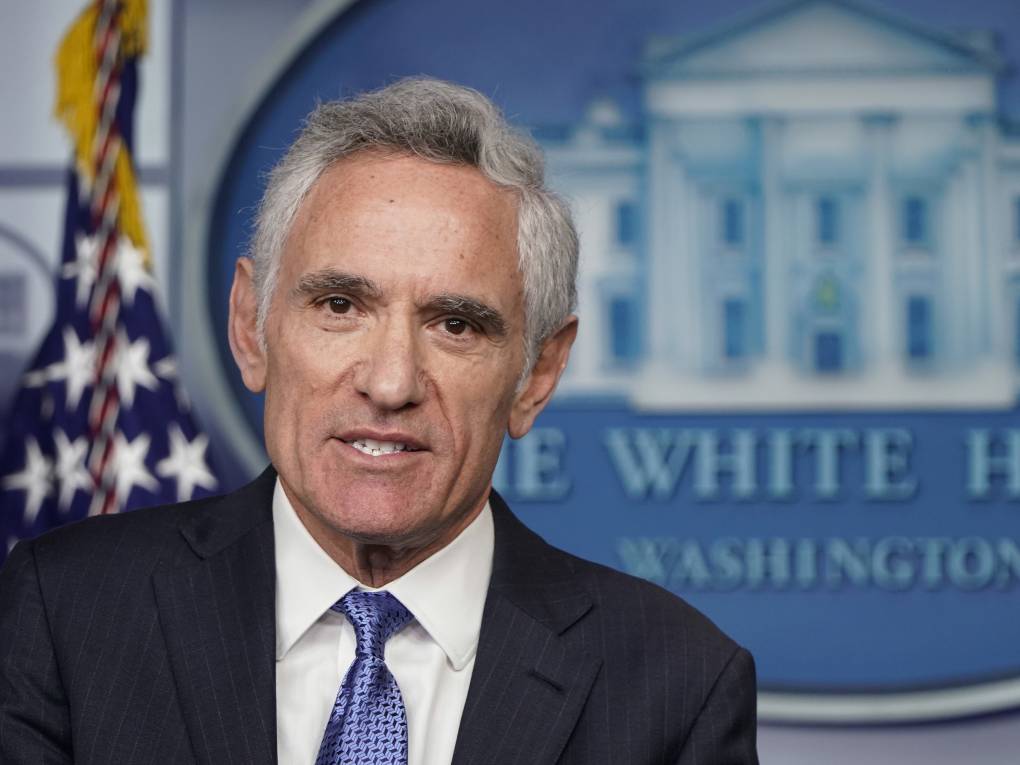
"caption": "Dr. Scott Atlas, member of the White House's coronavirus task force, speaks at a news conference in the briefing room of the White House in September.",
"description": "Dr. Scott Atlas, member of the White House's coronavirus task force, speaks at a news conference in the briefing room of the White House in September.",
"title": "Dr. Scott Atlas, member of the White House's coronavirus task force, speaks at a news conference in the briefing room of the White House in September.",
"credit": "Joshua Roberts/Getty Images",
"status": "inherit",
"isLoading": false,
"fetchFailed": false
},
"news_11824253": {
"type": "attachments",
"id": "news_11824253",
"meta": {
"index": "attachments_1716263798",
"site": "news",
"id": "11824253",
"found": true
},
"parent": 11824190,
"imgSizes": {
"apple_news_ca_landscape_5_5": {
"file": "https://ww2.kqed.org/app/uploads/sites/10/2020/06/MARQUEE_732_LOGO-1044x720.jpg",
"width": 1044,
"mimeType": "image/jpeg",
"height": 720
},
"apple_news_ca_square_4_0": {
"file": "https://ww2.kqed.org/app/uploads/sites/10/2020/06/MARQUEE_732_LOGO-470x470.jpg",
"width": 470,
"mimeType": "image/jpeg",
"height": 470
},
"twentyfourteen-full-width": {
"file": "https://ww2.kqed.org/app/uploads/sites/10/2020/06/MARQUEE_732_LOGO-1038x576.jpg",
"width": 1038,
"mimeType": "image/jpeg",
"height": 576
},
"thumbnail": {
"file": "https://ww2.kqed.org/app/uploads/sites/10/2020/06/MARQUEE_732_LOGO-160x90.jpg",
"width": 160,
"mimeType": "image/jpeg",
"height": 90
},
"post-thumbnail": {
"file": "https://ww2.kqed.org/app/uploads/sites/10/2020/06/MARQUEE_732_LOGO-672x372.jpg",
"width": 672,
"mimeType": "image/jpeg",
"height": 372
},
"kqedFullSize": {
"file": "https://ww2.kqed.org/app/uploads/sites/10/2020/06/MARQUEE_732_LOGO.jpg",
"width": 1280,
"height": 720
},
"apple_news_ca_landscape_4_7": {
"file": "https://ww2.kqed.org/app/uploads/sites/10/2020/06/MARQUEE_732_LOGO-632x474.jpg",
"width": 632,
"mimeType": "image/jpeg",
"height": 474
},
"large": {
"file": "https://ww2.kqed.org/app/uploads/sites/10/2020/06/MARQUEE_732_LOGO-1020x574.jpg",
"width": 1020,
"mimeType": "image/jpeg",
"height": 574
},
"apple_news_ca_landscape_4_0": {
"file": "https://ww2.kqed.org/app/uploads/sites/10/2020/06/MARQUEE_732_LOGO-536x402.jpg",
"width": 536,
"mimeType": "image/jpeg",
"height": 402
},
"apple_news_ca_portrait_12_9": {
"file": "https://ww2.kqed.org/app/uploads/sites/10/2020/06/MARQUEE_732_LOGO-1122x720.jpg",
"width": 1122,
"mimeType": "image/jpeg",
"height": 720
},
"medium": {
"file": "https://ww2.kqed.org/app/uploads/sites/10/2020/06/MARQUEE_732_LOGO-800x450.jpg",
"width": 800,
"mimeType": "image/jpeg",
"height": 450
},
"apple_news_ca_portrait_4_0": {
"file": "https://ww2.kqed.org/app/uploads/sites/10/2020/06/MARQUEE_732_LOGO-354x472.jpg",
"width": 354,
"mimeType": "image/jpeg",
"height": 472
},
"apple_news_ca_portrait_9_7": {
"file": "https://ww2.kqed.org/app/uploads/sites/10/2020/06/MARQUEE_732_LOGO-840x720.jpg",
"width": 840,
"mimeType": "image/jpeg",
"height": 720
},
"apple_news_ca_square_9_7": {
"file": "https://ww2.kqed.org/app/uploads/sites/10/2020/06/MARQUEE_732_LOGO-1104x720.jpg",
"width": 1104,
"mimeType": "image/jpeg",
"height": 720
},
"apple_news_ca_portrait_4_7": {
"file": "https://ww2.kqed.org/app/uploads/sites/10/2020/06/MARQUEE_732_LOGO-414x552.jpg",
"width": 414,
"mimeType": "image/jpeg",
"height": 552
},
"apple_news_ca_portrait_5_5": {
"file": "https://ww2.kqed.org/app/uploads/sites/10/2020/06/MARQUEE_732_LOGO-687x720.jpg",
"width": 687,
"mimeType": "image/jpeg",
"height": 720
},
"apple_news_ca_square_4_7": {
"file": "https://ww2.kqed.org/app/uploads/sites/10/2020/06/MARQUEE_732_LOGO-550x550.jpg",
"width": 550,
"mimeType": "image/jpeg",
"height": 550
},
"apple_news_ca_square_5_5": {
"file": "https://ww2.kqed.org/app/uploads/sites/10/2020/06/MARQUEE_732_LOGO-912x720.jpg",
"width": 912,
"mimeType": "image/jpeg",
"height": 720
}
},
"publishDate": 1591999802,
"modified": 1591999802,
"caption": null,
"description": null,
"title": "MARQUEE_732_LOGO",
"credit": null,
"status": "inherit",
"isLoading": false,
"fetchFailed": false
},
"news_11775991": {
"type": "attachments",
"id": "news_11775991",
"meta": {
"index": "attachments_1716263798",
"site": "news",
"id": "11775991",
"found": true
},
"parent": 11775990,
"imgSizes": {
"apple_news_ca_landscape_5_5": {
"file": "https://ww2.kqed.org/app/uploads/sites/10/2019/09/chanelmiller_007-a4bfa7693da0f3f02e3311d91f5bf12326116d7f-1044x783.jpg",
"width": 1044,
"mimeType": "image/jpeg",
"height": 783
},
"apple_news_ca_square_4_0": {
"file": "https://ww2.kqed.org/app/uploads/sites/10/2019/09/chanelmiller_007-a4bfa7693da0f3f02e3311d91f5bf12326116d7f-470x470.jpg",
"width": 470,
"mimeType": "image/jpeg",
"height": 470
},
"twentyfourteen-full-width": {
"file": "https://ww2.kqed.org/app/uploads/sites/10/2019/09/chanelmiller_007-a4bfa7693da0f3f02e3311d91f5bf12326116d7f-1038x576.jpg",
"width": 1038,
"mimeType": "image/jpeg",
"height": 576
},
"thumbnail": {
"file": "https://ww2.kqed.org/app/uploads/sites/10/2019/09/chanelmiller_007-a4bfa7693da0f3f02e3311d91f5bf12326116d7f-160x120.jpg",
"width": 160,
"mimeType": "image/jpeg",
"height": 120
},
"post-thumbnail": {
"file": "https://ww2.kqed.org/app/uploads/sites/10/2019/09/chanelmiller_007-a4bfa7693da0f3f02e3311d91f5bf12326116d7f-672x372.jpg",
"width": 672,
"mimeType": "image/jpeg",
"height": 372
},
"kqedFullSize": {
"file": "https://ww2.kqed.org/app/uploads/sites/10/2019/09/chanelmiller_007-a4bfa7693da0f3f02e3311d91f5bf12326116d7f-e1569266070709.jpg",
"width": 1920,
"height": 1440
},
"apple_news_ca_landscape_4_7": {
"file": "https://ww2.kqed.org/app/uploads/sites/10/2019/09/chanelmiller_007-a4bfa7693da0f3f02e3311d91f5bf12326116d7f-632x474.jpg",
"width": 632,
"mimeType": "image/jpeg",
"height": 474
},
"large": {
"file": "https://ww2.kqed.org/app/uploads/sites/10/2019/09/chanelmiller_007-a4bfa7693da0f3f02e3311d91f5bf12326116d7f-1020x765.jpg",
"width": 1020,
"mimeType": "image/jpeg",
"height": 765
},
"complete_open_graph": {
"file": "https://ww2.kqed.org/app/uploads/sites/10/2019/09/chanelmiller_007-a4bfa7693da0f3f02e3311d91f5bf12326116d7f-1200x900.jpg",
"width": 1200,
"mimeType": "image/jpeg",
"height": 900
},
"apple_news_ca_landscape_4_0": {
"file": "https://ww2.kqed.org/app/uploads/sites/10/2019/09/chanelmiller_007-a4bfa7693da0f3f02e3311d91f5bf12326116d7f-536x402.jpg",
"width": 536,
"mimeType": "image/jpeg",
"height": 402
},
"apple_news_ca_portrait_12_9": {
"file": "https://ww2.kqed.org/app/uploads/sites/10/2019/09/chanelmiller_007-a4bfa7693da0f3f02e3311d91f5bf12326116d7f-1122x1496.jpg",
"width": 1122,
"mimeType": "image/jpeg",
"height": 1496
},
"medium": {
"file": "https://ww2.kqed.org/app/uploads/sites/10/2019/09/chanelmiller_007-a4bfa7693da0f3f02e3311d91f5bf12326116d7f-800x600.jpg",
"width": 800,
"mimeType": "image/jpeg",
"height": 600
},
"apple_news_ca_portrait_4_0": {
"file": "https://ww2.kqed.org/app/uploads/sites/10/2019/09/chanelmiller_007-a4bfa7693da0f3f02e3311d91f5bf12326116d7f-354x472.jpg",
"width": 354,
"mimeType": "image/jpeg",
"height": 472
},
"apple_news_ca_portrait_9_7": {
"file": "https://ww2.kqed.org/app/uploads/sites/10/2019/09/chanelmiller_007-a4bfa7693da0f3f02e3311d91f5bf12326116d7f-840x1120.jpg",
"width": 840,
"mimeType": "image/jpeg",
"height": 1120
},
"apple_news_ca_landscape_12_9": {
"file": "https://ww2.kqed.org/app/uploads/sites/10/2019/09/chanelmiller_007-a4bfa7693da0f3f02e3311d91f5bf12326116d7f-1832x1374.jpg",
"width": 1832,
"mimeType": "image/jpeg",
"height": 1374
},
"apple_news_ca_square_9_7": {
"file": "https://ww2.kqed.org/app/uploads/sites/10/2019/09/chanelmiller_007-a4bfa7693da0f3f02e3311d91f5bf12326116d7f-1104x1104.jpg",
"width": 1104,
"mimeType": "image/jpeg",
"height": 1104
},
"apple_news_ca_portrait_4_7": {
"file": "https://ww2.kqed.org/app/uploads/sites/10/2019/09/chanelmiller_007-a4bfa7693da0f3f02e3311d91f5bf12326116d7f-414x552.jpg",
"width": 414,
"mimeType": "image/jpeg",
"height": 552
},
"apple_news_ca_square_12_9": {
"file": "https://ww2.kqed.org/app/uploads/sites/10/2019/09/chanelmiller_007-a4bfa7693da0f3f02e3311d91f5bf12326116d7f-1472x1472.jpg",
"width": 1472,
"mimeType": "image/jpeg",
"height": 1472
},
"apple_news_ca_portrait_5_5": {
"file": "https://ww2.kqed.org/app/uploads/sites/10/2019/09/chanelmiller_007-a4bfa7693da0f3f02e3311d91f5bf12326116d7f-687x916.jpg",
"width": 687,
"mimeType": "image/jpeg",
"height": 916
},
"full-width": {
"file": "https://ww2.kqed.org/app/uploads/sites/10/2019/09/chanelmiller_007-a4bfa7693da0f3f02e3311d91f5bf12326116d7f-1920x1440.jpg",
"width": 1920,
"mimeType": "image/jpeg",
"height": 1440
},
"apple_news_ca_square_4_7": {
"file": "https://ww2.kqed.org/app/uploads/sites/10/2019/09/chanelmiller_007-a4bfa7693da0f3f02e3311d91f5bf12326116d7f-550x550.jpg",
"width": 550,
"mimeType": "image/jpeg",
"height": 550
},
"apple_news_ca_landscape_9_7": {
"file": "https://ww2.kqed.org/app/uploads/sites/10/2019/09/chanelmiller_007-a4bfa7693da0f3f02e3311d91f5bf12326116d7f-1376x1032.jpg",
"width": 1376,
"mimeType": "image/jpeg",
"height": 1032
},
"apple_news_ca_square_5_5": {
"file": "https://ww2.kqed.org/app/uploads/sites/10/2019/09/chanelmiller_007-a4bfa7693da0f3f02e3311d91f5bf12326116d7f-912x912.jpg",
"width": 912,
"mimeType": "image/jpeg",
"height": 912
}
},
"publishDate": 1569265282,
"modified": 1569275871,
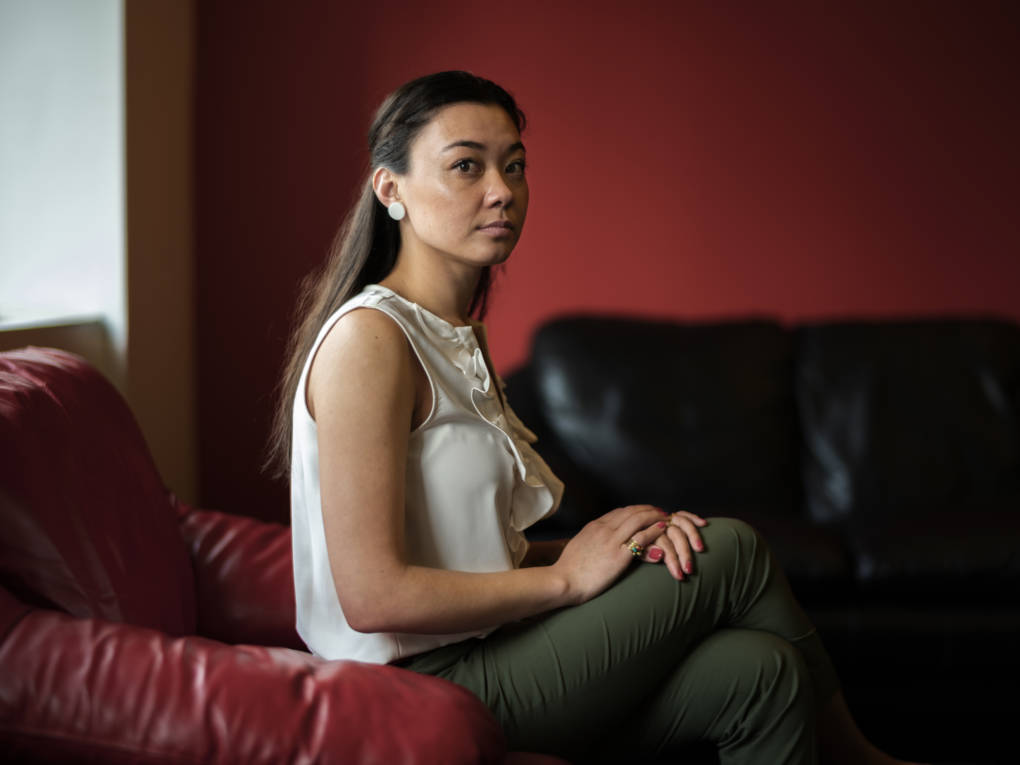
"caption": "Chanel Miller poses for a portrait before her interview on Sept. 23, 2019, at NPR's bureau in New York City. Miller was sexually assaulted by Brock Turner in 2015. The lenient sentence Turner received elicited widespread controversy and helped inspire new legislation in California.",
"description": null,
"title": "Chanel Miller poses for a portrait before her interview Sept. 23 at NPR's bureau in New York City. Miller was sexually assaulted by Brock Turner in 2015. The lenient sentence Turner received elicited widespread controversy and helped inspire new legislation in California.",
"credit": "Elias Williams/NPR",
"status": "inherit",
"isLoading": false,
"fetchFailed": false
},
"news_11763641": {
"type": "attachments",
"id": "news_11763641",
"meta": {
"index": "attachments_1716263798",
"site": "news",
"id": "11763641",
"found": true
},
"parent": 11763617,
"imgSizes": {
"apple_news_ca_landscape_5_5": {
"file": "https://ww2.kqed.org/app/uploads/sites/10/2019/07/RS38200_GettyImages-106683003-qut-1044x783.jpg",
"width": 1044,
"mimeType": "image/jpeg",
"height": 783
},
"apple_news_ca_square_4_0": {
"file": "https://ww2.kqed.org/app/uploads/sites/10/2019/07/RS38200_GettyImages-106683003-qut-470x470.jpg",
"width": 470,
"mimeType": "image/jpeg",
"height": 470
},
"twentyfourteen-full-width": {
"file": "https://ww2.kqed.org/app/uploads/sites/10/2019/07/RS38200_GettyImages-106683003-qut-1038x576.jpg",
"width": 1038,
"mimeType": "image/jpeg",
"height": 576
},
"thumbnail": {
"file": "https://ww2.kqed.org/app/uploads/sites/10/2019/07/RS38200_GettyImages-106683003-qut-160x107.jpg",
"width": 160,
"mimeType": "image/jpeg",
"height": 107
},
"post-thumbnail": {
"file": "https://ww2.kqed.org/app/uploads/sites/10/2019/07/RS38200_GettyImages-106683003-qut-672x372.jpg",
"width": 672,
"mimeType": "image/jpeg",
"height": 372
},
"kqedFullSize": {
"file": "https://ww2.kqed.org/app/uploads/sites/10/2019/07/RS38200_GettyImages-106683003-qut.jpg",
"width": 1920,
"height": 1278
},
"apple_news_ca_landscape_4_7": {
"file": "https://ww2.kqed.org/app/uploads/sites/10/2019/07/RS38200_GettyImages-106683003-qut-632x474.jpg",
"width": 632,
"mimeType": "image/jpeg",
"height": 474
},
"large": {
"file": "https://ww2.kqed.org/app/uploads/sites/10/2019/07/RS38200_GettyImages-106683003-qut-1020x679.jpg",
"width": 1020,
"mimeType": "image/jpeg",
"height": 679
},
"complete_open_graph": {
"file": "https://ww2.kqed.org/app/uploads/sites/10/2019/07/RS38200_GettyImages-106683003-qut-1200x799.jpg",
"width": 1200,
"mimeType": "image/jpeg",
"height": 799
},
"apple_news_ca_landscape_4_0": {
"file": "https://ww2.kqed.org/app/uploads/sites/10/2019/07/RS38200_GettyImages-106683003-qut-536x402.jpg",
"width": 536,
"mimeType": "image/jpeg",
"height": 402
},
"apple_news_ca_portrait_12_9": {
"file": "https://ww2.kqed.org/app/uploads/sites/10/2019/07/RS38200_GettyImages-106683003-qut-1122x1278.jpg",
"width": 1122,
"mimeType": "image/jpeg",
"height": 1278
},
"medium": {
"file": "https://ww2.kqed.org/app/uploads/sites/10/2019/07/RS38200_GettyImages-106683003-qut-800x533.jpg",
"width": 800,
"mimeType": "image/jpeg",
"height": 533
},
"apple_news_ca_portrait_4_0": {
"file": "https://ww2.kqed.org/app/uploads/sites/10/2019/07/RS38200_GettyImages-106683003-qut-354x472.jpg",
"width": 354,
"mimeType": "image/jpeg",
"height": 472
},
"apple_news_ca_portrait_9_7": {
"file": "https://ww2.kqed.org/app/uploads/sites/10/2019/07/RS38200_GettyImages-106683003-qut-840x1120.jpg",
"width": 840,
"mimeType": "image/jpeg",
"height": 1120
},
"apple_news_ca_landscape_12_9": {
"file": "https://ww2.kqed.org/app/uploads/sites/10/2019/07/RS38200_GettyImages-106683003-qut-1832x1278.jpg",
"width": 1832,
"mimeType": "image/jpeg",
"height": 1278
},
"apple_news_ca_square_9_7": {
"file": "https://ww2.kqed.org/app/uploads/sites/10/2019/07/RS38200_GettyImages-106683003-qut-1104x1104.jpg",
"width": 1104,
"mimeType": "image/jpeg",
"height": 1104
},
"apple_news_ca_portrait_4_7": {
"file": "https://ww2.kqed.org/app/uploads/sites/10/2019/07/RS38200_GettyImages-106683003-qut-414x552.jpg",
"width": 414,
"mimeType": "image/jpeg",
"height": 552
},
"apple_news_ca_square_12_9": {
"file": "https://ww2.kqed.org/app/uploads/sites/10/2019/07/RS38200_GettyImages-106683003-qut-1472x1278.jpg",
"width": 1472,
"mimeType": "image/jpeg",
"height": 1278
},
"apple_news_ca_portrait_5_5": {
"file": "https://ww2.kqed.org/app/uploads/sites/10/2019/07/RS38200_GettyImages-106683003-qut-687x916.jpg",
"width": 687,
"mimeType": "image/jpeg",
"height": 916
},
"full-width": {
"file": "https://ww2.kqed.org/app/uploads/sites/10/2019/07/RS38200_GettyImages-106683003-qut-1920x1278.jpg",
"width": 1920,
"mimeType": "image/jpeg",
"height": 1278
},
"apple_news_ca_square_4_7": {
"file": "https://ww2.kqed.org/app/uploads/sites/10/2019/07/RS38200_GettyImages-106683003-qut-550x550.jpg",
"width": 550,
"mimeType": "image/jpeg",
"height": 550
},
"apple_news_ca_landscape_9_7": {
"file": "https://ww2.kqed.org/app/uploads/sites/10/2019/07/RS38200_GettyImages-106683003-qut-1376x1032.jpg",
"width": 1376,
"mimeType": "image/jpeg",
"height": 1032
},
"apple_news_ca_square_5_5": {
"file": "https://ww2.kqed.org/app/uploads/sites/10/2019/07/RS38200_GettyImages-106683003-qut-912x912.jpg",
"width": 912,
"mimeType": "image/jpeg",
"height": 912
}
},
"publishDate": 1564169290,
"modified": 1564185466,
"caption": "Former Peruvian President Alejandro Toledo speaks during a press conference in Lima on Nov. 10, 2010. Toledo was arrested July 16 in Menlo Park and faces extradition to Peru to answer to corruption charges.",
"description": "Former Peruvian President Alejandro Toledo speaks during a press conference in Lima on Nov. 10, 2010. Toledo was arrested Aug. 16 in Menlo Park and faces extradition to Peru to answer for corruption charges.",
"title": "Peruvian former President (2001-2006) Al",
"credit": "Ernesto Benavides/AFP/Getty Images",
"status": "inherit",
"isLoading": false,
"fetchFailed": false
},
"news_11757026": {
"type": "attachments",
"id": "news_11757026",
"meta": {
"index": "attachments_1716263798",
"site": "news",
"id": "11757026",
"found": true
},
"parent": 11757024,
"imgSizes": {
"apple_news_ca_landscape_5_5": {
"file": "https://ww2.kqed.org/app/uploads/sites/10/2019/06/RS36464_IMG_8792-qut-1044x783.jpg",
"width": 1044,
"mimeType": "image/jpeg",
"height": 783
},
"apple_news_ca_square_4_0": {
"file": "https://ww2.kqed.org/app/uploads/sites/10/2019/06/RS36464_IMG_8792-qut-470x470.jpg",
"width": 470,
"mimeType": "image/jpeg",
"height": 470
},
"twentyfourteen-full-width": {
"file": "https://ww2.kqed.org/app/uploads/sites/10/2019/06/RS36464_IMG_8792-qut-1038x576.jpg",
"width": 1038,
"mimeType": "image/jpeg",
"height": 576
},
"thumbnail": {
"file": "https://ww2.kqed.org/app/uploads/sites/10/2019/06/RS36464_IMG_8792-qut-160x120.jpg",
"width": 160,
"mimeType": "image/jpeg",
"height": 120
},
"post-thumbnail": {
"file": "https://ww2.kqed.org/app/uploads/sites/10/2019/06/RS36464_IMG_8792-qut-672x372.jpg",
"width": 672,
"mimeType": "image/jpeg",
"height": 372
},
"kqedFullSize": {
"file": "https://ww2.kqed.org/app/uploads/sites/10/2019/06/RS36464_IMG_8792-qut.jpg",
"width": 1920,
"height": 1439
},
"apple_news_ca_landscape_4_7": {
"file": "https://ww2.kqed.org/app/uploads/sites/10/2019/06/RS36464_IMG_8792-qut-632x474.jpg",
"width": 632,
"mimeType": "image/jpeg",
"height": 474
},
"large": {
"file": "https://ww2.kqed.org/app/uploads/sites/10/2019/06/RS36464_IMG_8792-qut-1020x764.jpg",
"width": 1020,
"mimeType": "image/jpeg",
"height": 764
},
"complete_open_graph": {
"file": "https://ww2.kqed.org/app/uploads/sites/10/2019/06/RS36464_IMG_8792-qut-1200x899.jpg",
"width": 1200,
"mimeType": "image/jpeg",
"height": 899
},
"apple_news_ca_landscape_4_0": {
"file": "https://ww2.kqed.org/app/uploads/sites/10/2019/06/RS36464_IMG_8792-qut-536x402.jpg",
"width": 536,
"mimeType": "image/jpeg",
"height": 402
},
"apple_news_ca_portrait_12_9": {
"file": "https://ww2.kqed.org/app/uploads/sites/10/2019/06/RS36464_IMG_8792-qut-1122x1439.jpg",
"width": 1122,
"mimeType": "image/jpeg",
"height": 1439
},
"medium": {
"file": "https://ww2.kqed.org/app/uploads/sites/10/2019/06/RS36464_IMG_8792-qut-800x600.jpg",
"width": 800,
"mimeType": "image/jpeg",
"height": 600
},
"apple_news_ca_portrait_4_0": {
"file": "https://ww2.kqed.org/app/uploads/sites/10/2019/06/RS36464_IMG_8792-qut-354x472.jpg",
"width": 354,
"mimeType": "image/jpeg",
"height": 472
},
"apple_news_ca_portrait_9_7": {
"file": "https://ww2.kqed.org/app/uploads/sites/10/2019/06/RS36464_IMG_8792-qut-840x1120.jpg",
"width": 840,
"mimeType": "image/jpeg",
"height": 1120
},
"apple_news_ca_landscape_12_9": {
"file": "https://ww2.kqed.org/app/uploads/sites/10/2019/06/RS36464_IMG_8792-qut-1832x1374.jpg",
"width": 1832,
"mimeType": "image/jpeg",
"height": 1374
},
"apple_news_ca_square_9_7": {
"file": "https://ww2.kqed.org/app/uploads/sites/10/2019/06/RS36464_IMG_8792-qut-1104x1104.jpg",
"width": 1104,
"mimeType": "image/jpeg",
"height": 1104
},
"apple_news_ca_portrait_4_7": {
"file": "https://ww2.kqed.org/app/uploads/sites/10/2019/06/RS36464_IMG_8792-qut-414x552.jpg",
"width": 414,
"mimeType": "image/jpeg",
"height": 552
},
"apple_news_ca_square_12_9": {
"file": "https://ww2.kqed.org/app/uploads/sites/10/2019/06/RS36464_IMG_8792-qut-1472x1439.jpg",
"width": 1472,
"mimeType": "image/jpeg",
"height": 1439
},
"apple_news_ca_portrait_5_5": {
"file": "https://ww2.kqed.org/app/uploads/sites/10/2019/06/RS36464_IMG_8792-qut-687x916.jpg",
"width": 687,
"mimeType": "image/jpeg",
"height": 916
},
"full-width": {
"file": "https://ww2.kqed.org/app/uploads/sites/10/2019/06/RS36464_IMG_8792-qut-1920x1439.jpg",
"width": 1920,
"mimeType": "image/jpeg",
"height": 1439
},
"apple_news_ca_square_4_7": {
"file": "https://ww2.kqed.org/app/uploads/sites/10/2019/06/RS36464_IMG_8792-qut-550x550.jpg",
"width": 550,
"mimeType": "image/jpeg",
"height": 550
},
"apple_news_ca_landscape_9_7": {
"file": "https://ww2.kqed.org/app/uploads/sites/10/2019/06/RS36464_IMG_8792-qut-1376x1032.jpg",
"width": 1376,
"mimeType": "image/jpeg",
"height": 1032
},
"apple_news_ca_square_5_5": {
"file": "https://ww2.kqed.org/app/uploads/sites/10/2019/06/RS36464_IMG_8792-qut-912x912.jpg",
"width": 912,
"mimeType": "image/jpeg",
"height": 912
}
},
"publishDate": 1561430801,
"modified": 1561430881,
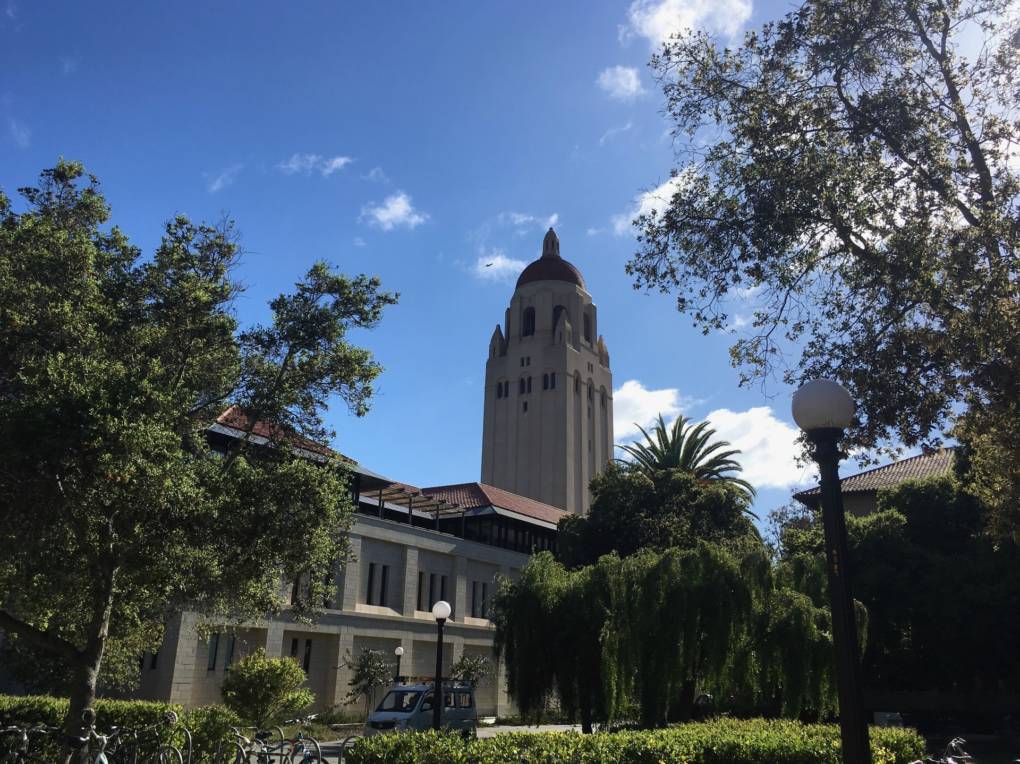
"caption": "Stanford University has proposed investing $3.4 billion in housing, part of its negotiations with local cities and counties over how to mitigate the impact of its growth in San Mateo and Santa Clara Counties.",
"description": "Stanford University has proposed investing $3.4 billion in housing, part of its negotiations with local cities and counties over how to mitigate the impact of its growth in San Mateo and Santa Clara Counties.",
"title": "RS36464_IMG_8792-qut",
"credit": "Rachael Myrow/KQED",
"status": "inherit",
"isLoading": false,
"fetchFailed": false
},
"news_11754151": {
"type": "attachments",
"id": "news_11754151",
"meta": {
"index": "attachments_1716263798",
"site": "news",
"id": "11754151",
"found": true
},
"parent": 11754150,
"imgSizes": {
"apple_news_ca_landscape_5_5": {
"file": "https://ww2.kqed.org/app/uploads/sites/10/2019/06/gettyimages-1130091294_wide-d154ac107fb4b531de28a43f701f3400cdcc8a01-1044x783.jpg",
"width": 1044,
"mimeType": "image/jpeg",
"height": 783
},
"apple_news_ca_square_4_0": {
"file": "https://ww2.kqed.org/app/uploads/sites/10/2019/06/gettyimages-1130091294_wide-d154ac107fb4b531de28a43f701f3400cdcc8a01-470x470.jpg",
"width": 470,
"mimeType": "image/jpeg",
"height": 470
},
"twentyfourteen-full-width": {
"file": "https://ww2.kqed.org/app/uploads/sites/10/2019/06/gettyimages-1130091294_wide-d154ac107fb4b531de28a43f701f3400cdcc8a01-1038x576.jpg",
"width": 1038,
"mimeType": "image/jpeg",
"height": 576
},
"thumbnail": {
"file": "https://ww2.kqed.org/app/uploads/sites/10/2019/06/gettyimages-1130091294_wide-d154ac107fb4b531de28a43f701f3400cdcc8a01-160x90.jpg",
"width": 160,
"mimeType": "image/jpeg",
"height": 90
},
"post-thumbnail": {
"file": "https://ww2.kqed.org/app/uploads/sites/10/2019/06/gettyimages-1130091294_wide-d154ac107fb4b531de28a43f701f3400cdcc8a01-672x372.jpg",
"width": 672,
"mimeType": "image/jpeg",
"height": 372
},
"kqedFullSize": {
"file": "https://ww2.kqed.org/app/uploads/sites/10/2019/06/gettyimages-1130091294_wide-d154ac107fb4b531de28a43f701f3400cdcc8a01-e1560361491151.jpg",
"width": 1920,
"height": 1080
},
"apple_news_ca_landscape_4_7": {
"file": "https://ww2.kqed.org/app/uploads/sites/10/2019/06/gettyimages-1130091294_wide-d154ac107fb4b531de28a43f701f3400cdcc8a01-632x474.jpg",
"width": 632,
"mimeType": "image/jpeg",
"height": 474
},
"large": {
"file": "https://ww2.kqed.org/app/uploads/sites/10/2019/06/gettyimages-1130091294_wide-d154ac107fb4b531de28a43f701f3400cdcc8a01-1020x574.jpg",
"width": 1020,
"mimeType": "image/jpeg",
"height": 574
},
"complete_open_graph": {
"file": "https://ww2.kqed.org/app/uploads/sites/10/2019/06/gettyimages-1130091294_wide-d154ac107fb4b531de28a43f701f3400cdcc8a01-1200x675.jpg",
"width": 1200,
"mimeType": "image/jpeg",
"height": 675
},
"apple_news_ca_landscape_4_0": {
"file": "https://ww2.kqed.org/app/uploads/sites/10/2019/06/gettyimages-1130091294_wide-d154ac107fb4b531de28a43f701f3400cdcc8a01-536x402.jpg",
"width": 536,
"mimeType": "image/jpeg",
"height": 402
},
"apple_news_ca_portrait_12_9": {
"file": "https://ww2.kqed.org/app/uploads/sites/10/2019/06/gettyimages-1130091294_wide-d154ac107fb4b531de28a43f701f3400cdcc8a01-1122x1496.jpg",
"width": 1122,
"mimeType": "image/jpeg",
"height": 1496
},
"medium": {
"file": "https://ww2.kqed.org/app/uploads/sites/10/2019/06/gettyimages-1130091294_wide-d154ac107fb4b531de28a43f701f3400cdcc8a01-800x450.jpg",
"width": 800,
"mimeType": "image/jpeg",
"height": 450
},
"apple_news_ca_portrait_4_0": {
"file": "https://ww2.kqed.org/app/uploads/sites/10/2019/06/gettyimages-1130091294_wide-d154ac107fb4b531de28a43f701f3400cdcc8a01-354x472.jpg",
"width": 354,
"mimeType": "image/jpeg",
"height": 472
},
"apple_news_ca_portrait_9_7": {
"file": "https://ww2.kqed.org/app/uploads/sites/10/2019/06/gettyimages-1130091294_wide-d154ac107fb4b531de28a43f701f3400cdcc8a01-840x1120.jpg",
"width": 840,
"mimeType": "image/jpeg",
"height": 1120
},
"apple_news_ca_landscape_12_9": {
"file": "https://ww2.kqed.org/app/uploads/sites/10/2019/06/gettyimages-1130091294_wide-d154ac107fb4b531de28a43f701f3400cdcc8a01-1832x1374.jpg",
"width": 1832,
"mimeType": "image/jpeg",
"height": 1374
},
"apple_news_ca_square_9_7": {
"file": "https://ww2.kqed.org/app/uploads/sites/10/2019/06/gettyimages-1130091294_wide-d154ac107fb4b531de28a43f701f3400cdcc8a01-1104x1104.jpg",
"width": 1104,
"mimeType": "image/jpeg",
"height": 1104
},
"apple_news_ca_portrait_4_7": {
"file": "https://ww2.kqed.org/app/uploads/sites/10/2019/06/gettyimages-1130091294_wide-d154ac107fb4b531de28a43f701f3400cdcc8a01-414x552.jpg",
"width": 414,
"mimeType": "image/jpeg",
"height": 552
},
"apple_news_ca_square_12_9": {
"file": "https://ww2.kqed.org/app/uploads/sites/10/2019/06/gettyimages-1130091294_wide-d154ac107fb4b531de28a43f701f3400cdcc8a01-1472x1472.jpg",
"width": 1472,
"mimeType": "image/jpeg",
"height": 1472
},
"apple_news_ca_portrait_5_5": {
"file": "https://ww2.kqed.org/app/uploads/sites/10/2019/06/gettyimages-1130091294_wide-d154ac107fb4b531de28a43f701f3400cdcc8a01-687x916.jpg",
"width": 687,
"mimeType": "image/jpeg",
"height": 916
},
"full-width": {
"file": "https://ww2.kqed.org/app/uploads/sites/10/2019/06/gettyimages-1130091294_wide-d154ac107fb4b531de28a43f701f3400cdcc8a01-1920x1080.jpg",
"width": 1920,
"mimeType": "image/jpeg",
"height": 1080
},
"apple_news_ca_square_4_7": {
"file": "https://ww2.kqed.org/app/uploads/sites/10/2019/06/gettyimages-1130091294_wide-d154ac107fb4b531de28a43f701f3400cdcc8a01-550x550.jpg",
"width": 550,
"mimeType": "image/jpeg",
"height": 550
},
"apple_news_ca_landscape_9_7": {
"file": "https://ww2.kqed.org/app/uploads/sites/10/2019/06/gettyimages-1130091294_wide-d154ac107fb4b531de28a43f701f3400cdcc8a01-1376x1032.jpg",
"width": 1376,
"mimeType": "image/jpeg",
"height": 1032
},
"apple_news_ca_square_5_5": {
"file": "https://ww2.kqed.org/app/uploads/sites/10/2019/06/gettyimages-1130091294_wide-d154ac107fb4b531de28a43f701f3400cdcc8a01-912x912.jpg",
"width": 912,
"mimeType": "image/jpeg",
"height": 912
}
},
"publishDate": 1560361415,
"modified": 1560375773,
"caption": "Former Stanford University sailing coach John Vandemoer outside Boston federal court in March.",
"description": "Former Stanford University sailing coach John Vandemoer outside Boston federal court in March.",
"title": "Former Stanford University sailing coach John Vandemoer outside Boston federal court in March.",
"credit": "Scott Eisen/Getty Images ",
"status": "inherit",
"isLoading": false,
"fetchFailed": false
},
"news_11732969": {
"type": "attachments",
"id": "news_11732969",
"meta": {
"index": "attachments_1716263798",
"site": "news",
"id": "11732969",
"found": true
},
"parent": 11732952,
"imgSizes": {
"twentyfourteen-full-width": {
"file": "https://ww2.kqed.org/app/uploads/sites/10/2019/03/03142019_stanford-qut-1038x576.jpg",
"width": 1038,
"mimeType": "image/jpeg",
"height": 576
},
"thumbnail": {
"file": "https://ww2.kqed.org/app/uploads/sites/10/2019/03/03142019_stanford-qut-160x103.jpg",
"width": 160,
"mimeType": "image/jpeg",
"height": 103
},
"post-thumbnail": {
"file": "https://ww2.kqed.org/app/uploads/sites/10/2019/03/03142019_stanford-qut-672x372.jpg",
"width": 672,
"mimeType": "image/jpeg",
"height": 372
},
"kqedFullSize": {
"file": "https://ww2.kqed.org/app/uploads/sites/10/2019/03/03142019_stanford-qut.jpg",
"width": 1920,
"height": 1237
},
"large": {
"file": "https://ww2.kqed.org/app/uploads/sites/10/2019/03/03142019_stanford-qut-1020x657.jpg",
"width": 1020,
"mimeType": "image/jpeg",
"height": 657
},
"complete_open_graph": {
"file": "https://ww2.kqed.org/app/uploads/sites/10/2019/03/03142019_stanford-qut-1200x773.jpg",
"width": 1200,
"mimeType": "image/jpeg",
"height": 773
},
"guest-author-50": {
"file": "https://ww2.kqed.org/app/uploads/sites/10/2019/03/03142019_stanford-qut-50x50.jpg",
"width": 50,
"mimeType": "image/jpeg",
"height": 50
},
"guest-author-96": {
"file": "https://ww2.kqed.org/app/uploads/sites/10/2019/03/03142019_stanford-qut-96x96.jpg",
"width": 96,
"mimeType": "image/jpeg",
"height": 96
},
"medium": {
"file": "https://ww2.kqed.org/app/uploads/sites/10/2019/03/03142019_stanford-qut-800x515.jpg",
"width": 800,
"mimeType": "image/jpeg",
"height": 515
},
"guest-author-64": {
"file": "https://ww2.kqed.org/app/uploads/sites/10/2019/03/03142019_stanford-qut-64x64.jpg",
"width": 64,
"mimeType": "image/jpeg",
"height": 64
},
"guest-author-32": {
"file": "https://ww2.kqed.org/app/uploads/sites/10/2019/03/03142019_stanford-qut-32x32.jpg",
"width": 32,
"mimeType": "image/jpeg",
"height": 32
},
"full-width": {
"file": "https://ww2.kqed.org/app/uploads/sites/10/2019/03/03142019_stanford-qut-1920x1237.jpg",
"width": 1920,
"mimeType": "image/jpeg",
"height": 1237
},
"guest-author-128": {
"file": "https://ww2.kqed.org/app/uploads/sites/10/2019/03/03142019_stanford-qut-128x128.jpg",
"width": 128,
"mimeType": "image/jpeg",
"height": 128
}
},
"publishDate": 1552596008,
"modified": 1552609828,
"caption": "Shirts with the Stanford University logo are displayed at the Stanford Athletics Shop on March 12, 2019, in Stanford, California. More than 40 people, including actresses Lori Loughlin and Felicity Huffman, have been charged in a widespread elite college admission bribery scheme. Parents, ACT and SAT administrators, and coaches at universities including Stanford, Georgetown, Yale and the University of Southern California have been charged.",
"description": "Shirts with the Stanford University logo are displayed at the Stanford Athletics Shop on March 12, 2019 in Stanford, California. More than 40 people, including actresses Lori Loughlin and Felicity Huffman, have been charged in a widespread elite college admission bribery scheme. Parents, ACT and SAT administrators and coaches at universities including Stanford, Georgetown, Yale, and the University of Southern California have been charged.",
"title": "More Than 30 People Charged In Elite College Entry Bribery Scheme",
"credit": "Justin Sullivan/Getty Images",
"status": "inherit",
"isLoading": false,
"fetchFailed": false
},
"news_11735741": {
"type": "attachments",
"id": "news_11735741",
"meta": {
"index": "attachments_1716263798",
"site": "news",
"id": "11735741",
"found": true
},
"parent": 11735298,
"imgSizes": {
"apple_news_ca_square_4_0": {
"file": "https://ww2.kqed.org/app/uploads/sites/10/2019/03/RS36248_University-Avenue-1930s-qut-470x407.jpg",
"width": 470,
"mimeType": "image/jpeg",
"height": 407
},
"thumbnail": {
"file": "https://ww2.kqed.org/app/uploads/sites/10/2019/03/RS36248_University-Avenue-1930s-qut-160x115.jpg",
"width": 160,
"mimeType": "image/jpeg",
"height": 115
},
"post-thumbnail": {
"file": "https://ww2.kqed.org/app/uploads/sites/10/2019/03/RS36248_University-Avenue-1930s-qut-564x372.jpg",
"width": 564,
"mimeType": "image/jpeg",
"height": 372
},
"kqedFullSize": {
"file": "https://ww2.kqed.org/app/uploads/sites/10/2019/03/RS36248_University-Avenue-1930s-qut.jpg",
"width": 564,
"height": 407
},
"guest-author-50": {
"file": "https://ww2.kqed.org/app/uploads/sites/10/2019/03/RS36248_University-Avenue-1930s-qut-50x50.jpg",
"width": 50,
"mimeType": "image/jpeg",
"height": 50
},
"guest-author-96": {
"file": "https://ww2.kqed.org/app/uploads/sites/10/2019/03/RS36248_University-Avenue-1930s-qut-96x96.jpg",
"width": 96,
"mimeType": "image/jpeg",
"height": 96
},
"apple_news_ca_landscape_4_0": {
"file": "https://ww2.kqed.org/app/uploads/sites/10/2019/03/RS36248_University-Avenue-1930s-qut-536x402.jpg",
"width": 536,
"mimeType": "image/jpeg",
"height": 402
},
"guest-author-64": {
"file": "https://ww2.kqed.org/app/uploads/sites/10/2019/03/RS36248_University-Avenue-1930s-qut-64x64.jpg",
"width": 64,
"mimeType": "image/jpeg",
"height": 64
},
"guest-author-32": {
"file": "https://ww2.kqed.org/app/uploads/sites/10/2019/03/RS36248_University-Avenue-1930s-qut-32x32.jpg",
"width": 32,
"mimeType": "image/jpeg",
"height": 32
},
"apple_news_ca_portrait_4_0": {
"file": "https://ww2.kqed.org/app/uploads/sites/10/2019/03/RS36248_University-Avenue-1930s-qut-354x407.jpg",
"width": 354,
"mimeType": "image/jpeg",
"height": 407
},
"apple_news_ca_portrait_4_7": {
"file": "https://ww2.kqed.org/app/uploads/sites/10/2019/03/RS36248_University-Avenue-1930s-qut-414x407.jpg",
"width": 414,
"mimeType": "image/jpeg",
"height": 407
},
"apple_news_ca_square_4_7": {
"file": "https://ww2.kqed.org/app/uploads/sites/10/2019/03/RS36248_University-Avenue-1930s-qut-550x407.jpg",
"width": 550,
"mimeType": "image/jpeg",
"height": 407
},
"guest-author-128": {
"file": "https://ww2.kqed.org/app/uploads/sites/10/2019/03/RS36248_University-Avenue-1930s-qut-128x128.jpg",
"width": 128,
"mimeType": "image/jpeg",
"height": 128
}
},
"publishDate": 1553664876,
"modified": 1553665101,
"caption": "Downtown Palo Alto along University Avenue in the early 1930s. Even before Prohibition, there would be no liquor you could buy along this main drag.",
"description": "Downtown Palo Alto along University Avenue in the early 1930s. Even before Prohibition, there would be no liquor you could buy along this main drag.",
"title": "RS36248_University Avenue 1930s-qut",
"credit": "Courtesy of Palo Alto Historical Association",
"status": "inherit",
"isLoading": false,
"fetchFailed": false
},
"news_11733904": {
"type": "attachments",
"id": "news_11733904",
"meta": {
"index": "attachments_1716263798",
"site": "news",
"id": "11733904",
"found": true
},
"parent": 11733790,
"imgSizes": {
"post-thumbnail": {
"file": "https://ww2.kqed.org/app/uploads/sites/10/2019/03/RS35917__M6A0102-qut-3-672x372.jpg",
"width": 672,
"mimeType": "image/jpeg",
"height": 372
},
"kqedFullSize": {
"file": "https://ww2.kqed.org/app/uploads/sites/10/2019/03/RS35917__M6A0102-qut-3.jpg",
"width": 1920,
"height": 987
},
"guest-author-50": {
"file": "https://ww2.kqed.org/app/uploads/sites/10/2019/03/RS35917__M6A0102-qut-3-50x50.jpg",
"width": 50,
"mimeType": "image/jpeg",
"height": 50
},
"guest-author-96": {
"file": "https://ww2.kqed.org/app/uploads/sites/10/2019/03/RS35917__M6A0102-qut-3-96x96.jpg",
"width": 96,
"mimeType": "image/jpeg",
"height": 96
},
"apple_news_ca_portrait_12_9": {
"file": "https://ww2.kqed.org/app/uploads/sites/10/2019/03/RS35917__M6A0102-qut-3-1122x987.jpg",
"width": 1122,
"mimeType": "image/jpeg",
"height": 987
},
"medium": {
"file": "https://ww2.kqed.org/app/uploads/sites/10/2019/03/RS35917__M6A0102-qut-3-800x411.jpg",
"width": 800,
"mimeType": "image/jpeg",
"height": 411
},
"guest-author-32": {
"file": "https://ww2.kqed.org/app/uploads/sites/10/2019/03/RS35917__M6A0102-qut-3-32x32.jpg",
"width": 32,
"mimeType": "image/jpeg",
"height": 32
},
"apple_news_ca_portrait_9_7": {
"file": "https://ww2.kqed.org/app/uploads/sites/10/2019/03/RS35917__M6A0102-qut-3-840x987.jpg",
"width": 840,
"mimeType": "image/jpeg",
"height": 987
},
"apple_news_ca_square_9_7": {
"file": "https://ww2.kqed.org/app/uploads/sites/10/2019/03/RS35917__M6A0102-qut-3-1104x987.jpg",
"width": 1104,
"mimeType": "image/jpeg",
"height": 987
},
"apple_news_ca_portrait_4_7": {
"file": "https://ww2.kqed.org/app/uploads/sites/10/2019/03/RS35917__M6A0102-qut-3-414x552.jpg",
"width": 414,
"mimeType": "image/jpeg",
"height": 552
},
"apple_news_ca_square_12_9": {
"file": "https://ww2.kqed.org/app/uploads/sites/10/2019/03/RS35917__M6A0102-qut-3-1472x987.jpg",
"width": 1472,
"mimeType": "image/jpeg",
"height": 987
},
"apple_news_ca_portrait_5_5": {
"file": "https://ww2.kqed.org/app/uploads/sites/10/2019/03/RS35917__M6A0102-qut-3-687x916.jpg",
"width": 687,
"mimeType": "image/jpeg",
"height": 916
},
"apple_news_ca_square_4_7": {
"file": "https://ww2.kqed.org/app/uploads/sites/10/2019/03/RS35917__M6A0102-qut-3-550x550.jpg",
"width": 550,
"mimeType": "image/jpeg",
"height": 550
},
"apple_news_ca_square_5_5": {
"file": "https://ww2.kqed.org/app/uploads/sites/10/2019/03/RS35917__M6A0102-qut-3-912x912.jpg",
"width": 912,
"mimeType": "image/jpeg",
"height": 912
},
"apple_news_ca_landscape_5_5": {
"file": "https://ww2.kqed.org/app/uploads/sites/10/2019/03/RS35917__M6A0102-qut-3-1044x783.jpg",
"width": 1044,
"mimeType": "image/jpeg",
"height": 783
},
"apple_news_ca_square_4_0": {
"file": "https://ww2.kqed.org/app/uploads/sites/10/2019/03/RS35917__M6A0102-qut-3-470x470.jpg",
"width": 470,
"mimeType": "image/jpeg",
"height": 470
},
"twentyfourteen-full-width": {
"file": "https://ww2.kqed.org/app/uploads/sites/10/2019/03/RS35917__M6A0102-qut-3-1038x576.jpg",
"width": 1038,
"mimeType": "image/jpeg",
"height": 576
},
"thumbnail": {
"file": "https://ww2.kqed.org/app/uploads/sites/10/2019/03/RS35917__M6A0102-qut-3-160x82.jpg",
"width": 160,
"mimeType": "image/jpeg",
"height": 82
},
"apple_news_ca_landscape_4_7": {
"file": "https://ww2.kqed.org/app/uploads/sites/10/2019/03/RS35917__M6A0102-qut-3-632x474.jpg",
"width": 632,
"mimeType": "image/jpeg",
"height": 474
},
"large": {
"file": "https://ww2.kqed.org/app/uploads/sites/10/2019/03/RS35917__M6A0102-qut-3-1020x524.jpg",
"width": 1020,
"mimeType": "image/jpeg",
"height": 524
},
"complete_open_graph": {
"file": "https://ww2.kqed.org/app/uploads/sites/10/2019/03/RS35917__M6A0102-qut-3-1200x617.jpg",
"width": 1200,
"mimeType": "image/jpeg",
"height": 617
},
"apple_news_ca_landscape_4_0": {
"file": "https://ww2.kqed.org/app/uploads/sites/10/2019/03/RS35917__M6A0102-qut-3-536x402.jpg",
"width": 536,
"mimeType": "image/jpeg",
"height": 402
},
"guest-author-64": {
"file": "https://ww2.kqed.org/app/uploads/sites/10/2019/03/RS35917__M6A0102-qut-3-64x64.jpg",
"width": 64,
"mimeType": "image/jpeg",
"height": 64
},
"apple_news_ca_portrait_4_0": {
"file": "https://ww2.kqed.org/app/uploads/sites/10/2019/03/RS35917__M6A0102-qut-3-354x472.jpg",
"width": 354,
"mimeType": "image/jpeg",
"height": 472
},
"apple_news_ca_landscape_12_9": {
"file": "https://ww2.kqed.org/app/uploads/sites/10/2019/03/RS35917__M6A0102-qut-3-1832x987.jpg",
"width": 1832,
"mimeType": "image/jpeg",
"height": 987
},
"full-width": {
"file": "https://ww2.kqed.org/app/uploads/sites/10/2019/03/RS35917__M6A0102-qut-3-1920x987.jpg",
"width": 1920,
"mimeType": "image/jpeg",
"height": 987
},
"guest-author-128": {
"file": "https://ww2.kqed.org/app/uploads/sites/10/2019/03/RS35917__M6A0102-qut-3-128x128.jpg",
"width": 128,
"mimeType": "image/jpeg",
"height": 128
},
"apple_news_ca_landscape_9_7": {
"file": "https://ww2.kqed.org/app/uploads/sites/10/2019/03/RS35917__M6A0102-qut-3-1376x987.jpg",
"width": 1376,
"mimeType": "image/jpeg",
"height": 987
}
},
"publishDate": 1553021269,
"modified": 1553063254,
"caption": "Omar Soh graduated from Stanford last year. He grew up in Senegal and learned about the elite university in his last year of high school.",
"description": "Omar Soh graduated from Stanford last year. He grew up in Senegal and learned about the elite university in his last year of high school.",
"title": "RS35917__M6A0102-qut-3",
"credit": "Sruti Mamidanna/KQED",
"status": "inherit",
"isLoading": false,
"fetchFailed": false
}
},
"audioPlayerReducer": {
"postId": "stream_live",
"isPaused": true,
"isPlaying": false,
"pfsActive": false,
"pledgeModalIsOpen": true,
"playerDrawerIsOpen": false,
"liveAudioPlayStartedAt": 0,
"liveAudioPlayContext": ""
},
"authorsReducer": {
"byline_news_11847774": {
"type": "authors",
"id": "byline_news_11847774",
"meta": {
"override": true
},
"slug": "byline_news_11847774",
"name": "Brakkton Booker",
"isLoading": false
},
"byline_news_11775990": {
"type": "authors",
"id": "byline_news_11775990",
"meta": {
"override": true
},
"slug": "byline_news_11775990",
"name": "Rachel Martin\u003cbr>NPR",
"isLoading": false
},
"byline_news_11754150": {
"type": "authors",
"id": "byline_news_11754150",
"meta": {
"override": true
},
"slug": "byline_news_11754150",
"name": "Tovia Smith",
"isLoading": false
},
"byline_news_11738643": {
"type": "authors",
"id": "byline_news_11738643",
"meta": {
"override": true
},
"slug": "byline_news_11738643",
"name": "\u003cstrong>The Associated Press\u003c/strong>",
"isLoading": false
},
"byline_news_11732952": {
"type": "authors",
"id": "byline_news_11732952",
"meta": {
"override": true
},
"slug": "byline_news_11732952",
"name": "\u003cstrong>Associated Press\u003c/strong>",
"isLoading": false
},
"kqed": {
"type": "authors",
"id": "236",
"meta": {
"index": "authors_1716337520",
"id": "236",
"found": true
},
"name": "KQED News Staff",
"firstName": "KQED News Staff",
"lastName": null,
"slug": "kqed",
"email": "faq@kqed.org",
"display_author_email": false,
"staff_mastheads": [],
"title": null,
"bio": null,
"avatar": "https://secure.gravatar.com/avatar/ef0e801a68c4c54afa9180db14084167?s=600&d=blank&r=g",
"twitter": null,
"facebook": null,
"instagram": null,
"linkedin": null,
"sites": [
{
"site": "arts",
"roles": [
"contributor"
]
},
{
"site": "news",
"roles": [
"editor"
]
},
{
"site": "futureofyou",
"roles": [
"author"
]
}
],
"headData": {
"title": "KQED News Staff | KQED",
"description": null,
"ogImgSrc": "https://secure.gravatar.com/avatar/ef0e801a68c4c54afa9180db14084167?s=600&d=blank&r=g",
"twImgSrc": "https://secure.gravatar.com/avatar/ef0e801a68c4c54afa9180db14084167?s=600&d=blank&r=g"
},
"isLoading": false,
"link": "/author/kqed"
},
"rachael-myrow": {
"type": "authors",
"id": "251",
"meta": {
"index": "authors_1716337520",
"id": "251",
"found": true
},
"name": "Rachael Myrow",
"firstName": "Rachael",
"lastName": "Myrow",
"slug": "rachael-myrow",
"email": "rmyrow@kqed.org",
"display_author_email": true,
"staff_mastheads": [
"news"
],
"title": "Senior Editor of KQED's Silicon Valley News Desk",
"bio": "• I write and edit stories about how Silicon Valley power and policies shape everyday life in California. I’m also passionate about making Bay Area history and culture more accessible to a broad public. • I’ve been a journalist for most of my life, starting in high school with The Franklin Press in Los Angeles, where I grew up. While earning my first degree in English at UC Berkeley, I got my start in public radio at KALX-FM. After completing a second degree in journalism at Cal, I landed my first professional job at Marketplace, then moved on to KPCC (now LAist), and then KQED, where I hosted The California Report for more than seven years. • My reporting has appeared on NPR, The World, WBUR’s \u003ci>Here & Now\u003c/i>, and the BBC. I also guest host for KQED’s \u003ci>Forum\u003c/i>, as well as the Commonwealth Club in San Francisco. • I speak periodically on media, democracy and technology issues, and do voiceover work for documentaries and educational video projects. • Outside of the studio, you'll find me hiking Bay Area trails and whipping up Insta-ready meals in my kitchen. • I do not accept gifts, money, or favors from anyone connected to my reporting, I don't pay people for information, and I do not support or donate to political causes. • I strive to treat the people I report on with fairness, honesty, and respect. I also recognize there are often multiple sides to a story and work to verify information through multiple sources and documentation. If I get something wrong, I correct it.",
"avatar": "https://secure.gravatar.com/avatar/87bf8cb5874e045cdff430523a6d48b1?s=600&d=blank&r=g",
"twitter": "rachaelmyrow",
"facebook": null,
"instagram": null,
"linkedin": "https://www.linkedin.com/in/rachaelmyrow/",
"sites": [
{
"site": "arts",
"roles": [
"administrator"
]
},
{
"site": "news",
"roles": [
"edit_others_posts",
"editor"
]
},
{
"site": "futureofyou",
"roles": [
"editor"
]
},
{
"site": "bayareabites",
"roles": [
"editor"
]
},
{
"site": "stateofhealth",
"roles": [
"editor"
]
},
{
"site": "science",
"roles": [
"editor"
]
},
{
"site": "food",
"roles": [
"editor"
]
},
{
"site": "forum",
"roles": [
"editor"
]
},
{
"site": "liveblog",
"roles": [
"author"
]
}
],
"headData": {
"title": "Rachael Myrow | KQED",
"description": "Senior Editor of KQED's Silicon Valley News Desk",
"ogImgSrc": "https://secure.gravatar.com/avatar/87bf8cb5874e045cdff430523a6d48b1?s=600&d=blank&r=g",
"twImgSrc": "https://secure.gravatar.com/avatar/87bf8cb5874e045cdff430523a6d48b1?s=600&d=blank&r=g"
},
"isLoading": false,
"link": "/author/rachael-myrow"
},
"markfiore": {
"type": "authors",
"id": "3236",
"meta": {
"index": "authors_1716337520",
"id": "3236",
"found": true
},
"name": "Mark Fiore",
"firstName": "Mark",
"lastName": "Fiore",
"slug": "markfiore",
"email": "mark@markfiore.com",
"display_author_email": false,
"staff_mastheads": [
"news"
],
"title": "KQED News Cartoonist",
"bio": "\u003ca href=\"http://www.MarkFiore.com\">MarkFiore.com\u003c/a> | \u003ca href=\"https://twitter.com/markfiore\">Follow on Twitter\u003c/a> | \u003ca href=\"https://www.facebook.com/pages/Mark-Fiore-Animated-Political-Cartoons/94451707396?ref=bookmarks\">Facebook\u003c/a> | \u003ca href=\"mailto:mark@markfiore.com\">email\u003c/a>\r\n\r\nPulitzer Prize-winner, Mark Fiore, who the Wall Street Journal has called “the undisputed guru of the form,” creates animated political cartoons in San Francisco, where his work has been featured regularly on the San Francisco Chronicle’s web site, SFGate.com. His work has appeared on Newsweek.com, Slate.com, CBSNews.com, MotherJones.com, DailyKos.com and NPR’s web site. Fiore’s political animation has appeared on CNN, Frontline, Bill Moyers Journal, Salon.com and cable and broadcast outlets across the globe.\r\n\r\nBeginning his professional life by drawing traditional political cartoons for newspapers, Fiore’s work appeared in publications ranging from the Washington Post to the Los Angeles Times. In the late 1990s, he began to experiment with animating political cartoons and, after a short stint at the San Jose Mercury News as their staff cartoonist, Fiore devoted all his energies to animation.\r\nGrowing up in California, Fiore also spent a good portion of his life in the backwoods of Idaho. It was this combination that shaped him politically. Mark majored in political science at Colorado College, where, in a perfect send-off for a cartoonist, he received his diploma in 1991 as commencement speaker Dick Cheney smiled approvingly.\r\nMark Fiore was awarded the Pulitzer Prize for political cartooning in 2010, a Robert F. Kennedy Journalism Award in 2004 and has twice received an Online Journalism Award for commentary from the Online News Association (2002, 2008). Fiore has received two awards for his work in new media from the National Cartoonists Society (2001, 2002), and in 2006 received The James Madison Freedom of Information Award from The Society of Professional Journalists.",
"avatar": "https://secure.gravatar.com/avatar/fc4e2a612b15b67bad0c6f0e1db4ca9b?s=600&d=blank&r=g",
"twitter": "MarkFiore",
"facebook": null,
"instagram": "https://www.instagram.com/markfiore/?hl=en",
"linkedin": null,
"sites": [
{
"site": "arts",
"roles": [
"contributor"
]
},
{
"site": "news",
"roles": [
"editor"
]
},
{
"site": "futureofyou",
"roles": [
"editor"
]
},
{
"site": "science",
"roles": [
"editor"
]
}
],
"headData": {
"title": "Mark Fiore | KQED",
"description": "KQED News Cartoonist",
"ogImgSrc": "https://secure.gravatar.com/avatar/fc4e2a612b15b67bad0c6f0e1db4ca9b?s=600&d=blank&r=g",
"twImgSrc": "https://secure.gravatar.com/avatar/fc4e2a612b15b67bad0c6f0e1db4ca9b?s=600&d=blank&r=g"
},
"isLoading": false,
"link": "/author/markfiore"
},
"rlevi": {
"type": "authors",
"id": "11260",
"meta": {
"index": "authors_1716337520",
"id": "11260",
"found": true
},
"name": "Ryan Levi",
"firstName": "Ryan",
"lastName": "Levi",
"slug": "rlevi",
"email": "rlevi@KQED.org",
"display_author_email": false,
"staff_mastheads": [],
"title": "KQED Contributor",
"bio": "Ryan Levi was a reporter and podcast producer at KQED News from 2016-2019. He worked on \u003ca href=\"https://www.kqed.org/news/series/baycurious\">Bay Curious\u003c/a>, \u003ca href=\"https://www.kqed.org/news/tag/the-bay/\">The Bay, \u003c/a>and \u003ca href=\"https://podcasts.apple.com/us/podcast/the-california-report-magazine/id1314750545\">The California Report Magazine\u003c/a>, as well as hosting and producing the weekly \u003ca href=\"https://www.kqed.org/news/program/qedup/\">Q'ed Up podcast. \u003c/a>He also helped inaugurate KQED's weekend news coverage in 2017 as one of two original digital producers. Ryan holds degrees in multimedia journalism and Spanish from the University of Missouri.",
"avatar": "https://secure.gravatar.com/avatar/4cb2ddd028ac8807d1adf09609c5555d?s=600&d=blank&r=g",
"twitter": "ryan_levi",
"facebook": null,
"instagram": null,
"linkedin": null,
"sites": [
{
"site": "arts",
"roles": [
"editor"
]
},
{
"site": "news",
"roles": [
"subscriber"
]
},
{
"site": "stateofhealth",
"roles": [
"editor"
]
},
{
"site": "science",
"roles": [
"editor"
]
},
{
"site": "forum",
"roles": [
"administrator"
]
},
{
"site": "perspectives",
"roles": [
"administrator"
]
}
],
"headData": {
"title": "Ryan Levi | KQED",
"description": "KQED Contributor",
"ogImgSrc": "https://secure.gravatar.com/avatar/4cb2ddd028ac8807d1adf09609c5555d?s=600&d=blank&r=g",
"twImgSrc": "https://secure.gravatar.com/avatar/4cb2ddd028ac8807d1adf09609c5555d?s=600&d=blank&r=g"
},
"isLoading": false,
"link": "/author/rlevi"
},
"smamidanna": {
"type": "authors",
"id": "11581",
"meta": {
"index": "authors_1716337520",
"id": "11581",
"found": true
},
"name": "Sruti Mamidanna",
"firstName": "Sruti",
"lastName": "Mamidanna",
"slug": "smamidanna",
"email": "smamidanna@kqed.org",
"display_author_email": false,
"staff_mastheads": [],
"title": null,
"bio": null,
"avatar": "https://secure.gravatar.com/avatar/b6365bcdef7e2060671a7124aa076048?s=600&d=blank&r=g",
"twitter": null,
"facebook": null,
"instagram": null,
"linkedin": null,
"sites": [
{
"site": "news",
"roles": [
"author"
]
}
],
"headData": {
"title": "Sruti Mamidanna | KQED",
"description": null,
"ogImgSrc": "https://secure.gravatar.com/avatar/b6365bcdef7e2060671a7124aa076048?s=600&d=blank&r=g",
"twImgSrc": "https://secure.gravatar.com/avatar/b6365bcdef7e2060671a7124aa076048?s=600&d=blank&r=g"
},
"isLoading": false,
"link": "/author/smamidanna"
},
"lmichelena": {
"type": "authors",
"id": "11605",
"meta": {
"index": "authors_1716337520",
"id": "11605",
"found": true
},
"name": "Liliana Michelena",
"firstName": "Liliana",
"lastName": "Michelena",
"slug": "lmichelena",
"email": "lmichelena@kqed.org",
"display_author_email": false,
"staff_mastheads": [],
"title": "KQED Contributor",
"bio": null,
"avatar": "https://secure.gravatar.com/avatar/71c36efdf4f703ea9f10fdf7cb06c7c5?s=600&d=blank&r=g",
"twitter": null,
"facebook": null,
"instagram": null,
"linkedin": null,
"sites": [
{
"site": "news",
"roles": [
"subscriber"
]
}
],
"headData": {
"title": "Liliana Michelena | KQED",
"description": "KQED Contributor",
"ogImgSrc": "https://secure.gravatar.com/avatar/71c36efdf4f703ea9f10fdf7cb06c7c5?s=600&d=blank&r=g",
"twImgSrc": "https://secure.gravatar.com/avatar/71c36efdf4f703ea9f10fdf7cb06c7c5?s=600&d=blank&r=g"
},
"isLoading": false,
"link": "/author/lmichelena"
}
},
"pagesReducer": {
"news_tag_stanford-university": {
"type": "terms",
"id": "news_1928",
"meta": {
"index": "terms_1716263798",
"site": "news",
"id": "1928",
"score": 8.790994
},
"featImg": null,
"name": "Stanford University",
"description": null,
"taxonomy": "tag",
"headData": {
"twImgId": null,
"twTitle": null,
"ogTitle": null,
"ogImgId": null,
"twDescription": null,
"description": null,
"title": "Stanford University Archives | KQED News",
"ogDescription": null
},
"ttid": 1943,
"slug": "stanford-university",
"isLoading": false,
"title": "Stanford University",
"pageMeta": {
"site": "news",
"WpPageTemplate": "page-topic-editorial",
"currentPage": 5
},
"blocks": [
{
"blockName": "kqed/post-list",
"attrs": {
"layout": "cardArticle2",
"query": "posts/news?tag=stanford-university",
"seeMore": false,
"paginated": true,
"page": 5
}
},
{
"blockName": "kqed/ad"
}
]
}
},
"pfsSessionReducer": {},
"postsReducer": {
"stream_live": {
"type": "live",
"id": "stream_live",
"audioUrl": "https://streams.kqed.org/kqedradio",
"title": "Live Stream",
"excerpt": "Live Stream information currently unavailable.",
"link": "/radio",
"featImg": "",
"label": {
"name": "KQED Live",
"link": "/"
}
},
"stream_kqedNewscast": {
"type": "posts",
"id": "stream_kqedNewscast",
"audioUrl": "https://www.kqed.org/.stream/anon/radio/RDnews/newscast.mp3?_=1",
"title": "KQED Newscast",
"featImg": "",
"label": {
"name": "88.5 FM",
"link": "/"
}
},
"news_11854484": {
"type": "posts",
"id": "news_11854484",
"meta": {
"index": "posts_1716263798",
"site": "news",
"id": "11854484",
"score": null,
"sort": [
1610157121000
]
},
"guestAuthors": [],
"slug": "la-da-george-gascon-covid-19-vaccine-distribution-week-in-politics",
"title": "LA DA George Gascón, COVID-19 Vaccine Distribution, Week in Politics",
"publishDate": 1610157121,
"format": "video",
"headTitle": "LA DA George Gascón, COVID-19 Vaccine Distribution, Week in Politics | KQED",
"labelTerm": {
"term": 7052,
"site": "news"
},
"content": "\u003cp>\u003cb>Los Angeles District Attorney George Gascón\u003cbr>\n\u003c/b>\u003cspan style=\"font-weight: 400\">Did skin color make a difference in the police response to the insurrection in Washington, D.C.? G\u003c/span>\u003cspan style=\"font-weight: 400\">eorge Gascón, the newly elected district attorney of Los Angeles County, says absolutely yes. \u003c/span>\u003cspan style=\"font-weight: 400\">He shares with us his strategy for a more equitable criminal justice system.\u003c/span>\u003c/p>\n\u003cp>\u003cb>California COVID-19 Vaccine Update\u003cbr>\n\u003c/b>\u003cspan style=\"font-weight: 400\">Hundreds of thousands of the new COVID-19 vaccine have been stuck in warehouses or in transit, and Gov. Gavin Newsom has acknowledged that the state needs to do better. We get the latest on vaccine distribution from Stanford University infectious disease expert Dr. Yvonne Maldonado. \u003c/span>\u003c/p>\n\u003cp>\u003cb>Week in Politics: US Capitol Riots and Recall Efforts\u003cbr>\n\u003c/b>\u003cspan style=\"font-weight: 400\">From the armed insurgency at the U.S. Capitol to efforts to recall Gov. Gavin Newsom — we round up the week’s big political stories with KQED’s Scott Shafer and Marisa Lagos.\u003c/span>\u003c/p>\n\u003cp>\u003cb>Something Musical: ‘Georgia on My Mind’\u003cbr>\n\u003c/b>\u003cspan style=\"font-weight: 400\">East Los Angeles-based band Las Cafeteras dedicated a song to promote voter turnout in Georgia’s closely watched U.S. Senate race. It’s their version of Ray Charles’ classic rendition, “Georgia on My Mind,” sung in Spanish and English. Las Cafeteras are known for remixing iconic songs to tell modern-day stories about immigrants and BIPOC communities.\u003c/span>\u003c/p>\n\u003cp>[ad fullwidth]\u003c/p>\u003cp>\u003c/p>\n",
"blocks": [],
"excerpt": null,
"status": "publish",
"parent": 0,
"modified": 1726006788,
"stats": {
"hasAudio": false,
"hasVideo": false,
"hasChartOrMap": false,
"iframeSrcs": [],
"hasGoogleForm": false,
"hasGallery": false,
"hasHearkenModule": false,
"hasPolis": false,
"paragraphCount": 6,
"wordCount": 225
},
"headData": {
"title": "LA DA George Gascón, COVID-19 Vaccine Distribution, Week in Politics | KQED",
"description": "Los Angeles District Attorney George Gascón Did skin color make a difference in the police response to the insurrection in Washington, D.C.? George Gascón, the newly elected district attorney of Los Angeles County, says absolutely yes. He shares with us his strategy for a more equitable criminal justice system. California COVID-19 Vaccine Update Hundreds of thousands of the new COVID-19 vaccine have been stuck in warehouses or in transit, and Gov. Gavin Newsom has acknowledged that the state needs to do better. We get the latest on vaccine distribution from Stanford University infectious disease expert Dr. Yvonne Maldonado. Week in",
"ogTitle": "",
"ogDescription": "",
"ogImgId": "",
"twTitle": "",
"twDescription": "",
"twImgId": "",
"schema": {
"@context": "https://schema.org",
"@type": "NewsArticle",
"headline": "LA DA George Gascón, COVID-19 Vaccine Distribution, Week in Politics",
"datePublished": "2021-01-08T17:52:01-08:00",
"dateModified": "2024-09-10T15:19:48-07:00",
"image": "https://cdn.kqed.org/wp-content/uploads/2020/02/KQED-OG-Image@1x.png",
"isAccessibleForFree": "True",
"publisher": {
"@type": "NewsMediaOrganization",
"@id": "https://www.kqed.org/#organization",
"name": "KQED",
"logo": "https://cdn.kqed.org/wp-content/uploads/2020/02/KQED-OG-Image@1x.png",
"url": "https://www.kqed.org",
"sameAs": [
"https://www.facebook.com/KQED",
"https://twitter.com/KQED",
"https://www.instagram.com/kqed/",
"https://www.tiktok.com/@kqedofficial",
"https://www.linkedin.com/company/kqed",
"https://www.youtube.com/channel/UCeC0IOo7i1P_61zVUWbJ4nw"
]
}
}
},
"videoEmbed": "https://youtu.be/zh3cLEu3Keg ",
"sticky": false,
"path": "/news/11854484/la-da-george-gascon-covid-19-vaccine-distribution-week-in-politics",
"audioTrackLength": null,
"parsedContent": [
{
"type": "contentString",
"content": "\u003cdiv class=\"post-body\">\u003cp>\u003cp>\u003cb>Los Angeles District Attorney George Gascón\u003cbr>\n\u003c/b>\u003cspan style=\"font-weight: 400\">Did skin color make a difference in the police response to the insurrection in Washington, D.C.? G\u003c/span>\u003cspan style=\"font-weight: 400\">eorge Gascón, the newly elected district attorney of Los Angeles County, says absolutely yes. \u003c/span>\u003cspan style=\"font-weight: 400\">He shares with us his strategy for a more equitable criminal justice system.\u003c/span>\u003c/p>\n\u003cp>\u003cb>California COVID-19 Vaccine Update\u003cbr>\n\u003c/b>\u003cspan style=\"font-weight: 400\">Hundreds of thousands of the new COVID-19 vaccine have been stuck in warehouses or in transit, and Gov. Gavin Newsom has acknowledged that the state needs to do better. We get the latest on vaccine distribution from Stanford University infectious disease expert Dr. Yvonne Maldonado. \u003c/span>\u003c/p>\n\u003cp>\u003cb>Week in Politics: US Capitol Riots and Recall Efforts\u003cbr>\n\u003c/b>\u003cspan style=\"font-weight: 400\">From the armed insurgency at the U.S. Capitol to efforts to recall Gov. Gavin Newsom — we round up the week’s big political stories with KQED’s Scott Shafer and Marisa Lagos.\u003c/span>\u003c/p>\n\u003cp>\u003cb>Something Musical: ‘Georgia on My Mind’\u003cbr>\n\u003c/b>\u003cspan style=\"font-weight: 400\">East Los Angeles-based band Las Cafeteras dedicated a song to promote voter turnout in Georgia’s closely watched U.S. Senate race. It’s their version of Ray Charles’ classic rendition, “Georgia on My Mind,” sung in Spanish and English. Las Cafeteras are known for remixing iconic songs to tell modern-day stories about immigrants and BIPOC communities.\u003c/span>\u003c/p>\n\u003cp>\u003c/p>\u003c/div>",
"attributes": {
"named": {},
"numeric": []
}
},
{
"type": "component",
"content": "",
"name": "ad",
"attributes": {
"named": {
"label": "fullwidth"
},
"numeric": [
"fullwidth"
]
}
},
{
"type": "contentString",
"content": "\u003cdiv class=\"post-body\">\u003cp>\u003c/p>\u003cp>\u003c/p>\n\u003c/div>\u003c/p>",
"attributes": {
"named": {},
"numeric": []
}
}
],
"link": "/news/11854484/la-da-george-gascon-covid-19-vaccine-distribution-week-in-politics",
"authors": [
"236"
],
"programs": [
"news_7052"
],
"categories": [
"news_223",
"news_457",
"news_6188",
"news_28250",
"news_8",
"news_13",
"news_356"
],
"tags": [
"news_18538",
"news_28801",
"news_1323",
"news_16",
"news_546",
"news_18543",
"news_20297",
"news_19177",
"news_4",
"news_20562",
"news_163",
"news_1928",
"news_28983"
],
"featImg": "news_11854598",
"label": "news_7052"
},
"news_11847774": {
"type": "posts",
"id": "news_11847774",
"meta": {
"index": "posts_1716263798",
"site": "news",
"id": "11847774",
"score": null,
"sort": [
1605644959000
]
},
"parent": 0,
"labelTerm": {},
"blocks": [],
"publishDate": 1605644959,
"format": "standard",
"disqusTitle": "Stanford Appears to Distance Itself From Scott Atlas After 'Rise Up' Tweet",
"title": "Stanford Appears to Distance Itself From Scott Atlas After 'Rise Up' Tweet",
"headTitle": "KQED News",
"content": "\u003cp>Stanford University appeared to distance itself from Dr. Scott Atlas, a prominent member of the Trump administration's coronavirus task force, following his remarks that residents of Michigan should \"rise up\" against the state's new coronavirus restrictions.\u003c/p>\n\u003cp>University officials said in a statement that Atlas' position was his alone, and his comments were \"inconsistent with the university's approach in response to the pandemic.\" \u003c/p>\n\u003cp>\"Stanford's position on managing the pandemic in our community is clear. We support using masks, social distancing, and conducting surveillance and diagnostic testing,\" Stanford said \u003ca href=\"https://news.stanford.edu/2020/11/16/statement-regarding-scott-atlas/\">in a statement Monday\u003c/a>. \u003c/p>\n\u003cp>\"We also believe in the importance of strictly following the guidance of local and state health authorities,\" the statement said.\u003c/p>\n\u003cp>Atlas is a senior fellow at the Hoover Institution, a conservative-leaning think tank based at the university. He's currently on leave and is serving as an adviser to President Trump. \u003c/p>\n\u003cp>Atlas was a professor and chief of neuroradiology at Stanford University Medical Center from 1998 to 2012, according to a \u003ca href=\"https://profiles.stanford.edu/scott-atlas\">university biography\u003c/a>.\u003c/p>\n\u003cp>He does not specialize in the treatment of infectious disease. \u003c/p>\n\u003cp>[ad fullwidth]\u003c/p>\n\u003cp>Atlas has come under fire for a \u003ca href=\"https://twitter.com/ScottWAtlas/status/1328120887128842240\">tweet Sunday\u003c/a> referencing Michigan's new restrictions, where he said: \"The only way this stops is if people rise up. You get what you accept.\" He also added the hashtags \"FreedomMatters\" and \"StepUp.\" \u003c/p>\n\u003cp>Atlas \u003ca href=\"https://twitter.com/ScottWAtlas/status/1328171502211043328\">later tweeted\u003c/a>: \"NEVER would I endorse or incite violence. NEVER!!\" \u003c/p>\n\u003cp>https://twitter.com/ScottWAtlas/status/1328171502211043328?s=20\u003c/p>\n\u003cp>Michigan Gov. Gretchen Whitmer, a first-term Democrat, said Atlas' response towards the state's upcoming \"\u003ca href=\"https://twitter.com/GovWhitmer/status/1328129545665470464\">three week pause\u003c/a>\" that seeks to limit some indoor activities in the state \"took my breath away.\"\u003c/p>\n\u003cp>Those restrictions, set to \u003ca href=\"https://www.npr.org/sections/coronavirus-live-updates/2020/11/16/935348332/not-going-to-be-bullied-michigan-issues-new-covid-19-restrictions\">take effect on Wednesday\u003c/a>, include a temporary halt of in-person classes at colleges and high schools in the state. They also will close indoor service at bars and restaurants. \u003c/p>\n\u003cp>The episode seems to have \u003ca href=\"https://www.npr.org/2020/10/18/925103289/michigan-gov-whitmer-says-trump-incites-domestic-terrorism\">renewed tensions\u003c/a> between the Trump administration and Whitmer, who the FBI said was \u003ca href=\"https://www.npr.org/2020/10/08/921655143/militia-members-plotted-to-abduct-michigan-gov-whitmer-fbi-says\">the target of a kidnapping plot\u003c/a> by men linked to a far-right militia group earlier this year. \u003c/p>\n\u003cp>This is not the first time comments from Atlas have run counter to those at Stanford. \u003c/p>\n\u003cp>A group of about 100 infectious disease physicians, immunologists and health policy experts \u003ca href=\"https://drive.google.com/file/d/130OXUjdnwHmfmbiEZWK9d354QHaRi0-r/view\">signed a letter in September\u003c/a> calling \"attention to the falsehoods and misrepresentations of science recently fostered by Dr. Scott Atlas.\"\u003c/p>\n\u003cp>The letter said many of his comments and statements \"run counter to established science and, by doing so, undermine public health policy.\" In response, Atlas \u003ca href=\"https://news.stanford.edu/2020/10/30/academic-freedom-questions-arise-campus-covid-19-strategy-conflicts/\">reportedly threated\u003c/a> to sue his colleagues. \u003c/p>\n\u003cdiv class=\"fullattribution\">Copyright 2020 NPR. To see more, visit \u003ca href=\"https://www.npr.org\">NPR.org\u003c/a>.\u003cimg src=\"https://www.google-analytics.com/__utm.gif?utmac=UA-5828686-4&utmdt=Stanford+University+Appears+To+Distance+Itself+From+Scott+Atlas+After+%27Rise+Up%27+Tweet&utme=8(APIKey)9(MDAxOTAwOTE4MDEyMTkxMDAzNjczZDljZA004)\">\u003c/div>\n\u003cp>\u003c/p>\n",
"disqusIdentifier": "11847774 https://ww2.kqed.org/news/?p=11847774",
"disqusUrl": "https://ww2.kqed.org/news/2020/11/17/stanford-appears-to-distance-itself-from-scott-atlas-after-rise-up-tweet/",
"stats": {
"hasVideo": false,
"hasChartOrMap": false,
"hasAudio": false,
"hasPolis": false,
"wordCount": 432,
"hasGoogleForm": false,
"hasGallery": false,
"hasHearkenModule": false,
"iframeSrcs": [],
"paragraphCount": 17
},
"modified": 1605646741,
"excerpt": "Atlas, a senior fellow at the Hoover Institution, tweeted that Michigan residents should 'rise up' against new COVID-19 restrictions. He's currently an adviser to President Trump.",
"headData": {
"twImgId": "",
"twTitle": "",
"ogTitle": "",
"ogImgId": "",
"twDescription": "",
"description": "Atlas, a senior fellow at the Hoover Institution, tweeted that Michigan residents should 'rise up' against new COVID-19 restrictions. He's currently an adviser to President Trump.",
"title": "Stanford Appears to Distance Itself From Scott Atlas After 'Rise Up' Tweet | KQED",
"ogDescription": "",
"schema": {
"@context": "https://schema.org",
"@type": "NewsArticle",
"headline": "Stanford Appears to Distance Itself From Scott Atlas After 'Rise Up' Tweet",
"datePublished": "2020-11-17T12:29:19-08:00",
"dateModified": "2020-11-17T12:59:01-08:00",
"image": "https://cdn.kqed.org/wp-content/uploads/2020/02/KQED-OG-Image@1x.png",
"isAccessibleForFree": "True",
"publisher": {
"@type": "NewsMediaOrganization",
"@id": "https://www.kqed.org/#organization",
"name": "KQED",
"logo": "https://cdn.kqed.org/wp-content/uploads/2020/02/KQED-OG-Image@1x.png",
"url": "https://www.kqed.org",
"sameAs": [
"https://www.facebook.com/KQED",
"https://twitter.com/KQED",
"https://www.instagram.com/kqed/",
"https://www.tiktok.com/@kqedofficial",
"https://www.linkedin.com/company/kqed",
"https://www.youtube.com/channel/UCeC0IOo7i1P_61zVUWbJ4nw"
]
}
}
},
"guestAuthors": [],
"slug": "stanford-appears-to-distance-itself-from-scott-atlas-after-rise-up-tweet",
"status": "publish",
"sourceUrl": "https://www.npr.org/",
"nprApiLink": "http://api.npr.org/query?id=935797949&apiKey=MDAxOTAwOTE4MDEyMTkxMDAzNjczZDljZA004",
"nprByline": "Brakkton Booker",
"nprStoryDate": "Tue, 17 Nov 2020 14:30:01 -0500",
"nprLastModifiedDate": "Tue, 17 Nov 2020 14:30:23 -0500",
"nprHtmlLink": "https://www.npr.org/sections/coronavirus-live-updates/2020/11/17/935797949/stanford-university-appears-to-distance-itself-from-scott-atlas-after-rise-up-tw?ft=nprml&f=935797949",
"nprImageAgency": "Getty Images",
"nprImageCredit": "Joshua Roberts",
"source": "NPR",
"nprStoryId": "935797949",
"nprRetrievedStory": "1",
"nprPubDate": "Tue, 17 Nov 2020 14:30:00 -0500",
"path": "/news/11847774/stanford-appears-to-distance-itself-from-scott-atlas-after-rise-up-tweet",
"audioTrackLength": null,
"parsedContent": [
{
"type": "contentString",
"content": "\u003cdiv class=\"post-body\">\u003cp>\u003cp>Stanford University appeared to distance itself from Dr. Scott Atlas, a prominent member of the Trump administration's coronavirus task force, following his remarks that residents of Michigan should \"rise up\" against the state's new coronavirus restrictions.\u003c/p>\n\u003cp>University officials said in a statement that Atlas' position was his alone, and his comments were \"inconsistent with the university's approach in response to the pandemic.\" \u003c/p>\n\u003cp>\"Stanford's position on managing the pandemic in our community is clear. We support using masks, social distancing, and conducting surveillance and diagnostic testing,\" Stanford said \u003ca href=\"https://news.stanford.edu/2020/11/16/statement-regarding-scott-atlas/\">in a statement Monday\u003c/a>. \u003c/p>\n\u003cp>\"We also believe in the importance of strictly following the guidance of local and state health authorities,\" the statement said.\u003c/p>\n\u003cp>Atlas is a senior fellow at the Hoover Institution, a conservative-leaning think tank based at the university. He's currently on leave and is serving as an adviser to President Trump. \u003c/p>\n\u003cp>Atlas was a professor and chief of neuroradiology at Stanford University Medical Center from 1998 to 2012, according to a \u003ca href=\"https://profiles.stanford.edu/scott-atlas\">university biography\u003c/a>.\u003c/p>\n\u003cp>He does not specialize in the treatment of infectious disease. \u003c/p>\n\u003cp>\u003c/p>\u003c/div>",
"attributes": {
"named": {},
"numeric": []
}
},
{
"type": "component",
"content": "",
"name": "ad",
"attributes": {
"named": {
"label": "fullwidth"
},
"numeric": [
"fullwidth"
]
}
},
{
"type": "contentString",
"content": "\u003cdiv class=\"post-body\">\u003cp>\u003c/p>\n\u003cp>Atlas has come under fire for a \u003ca href=\"https://twitter.com/ScottWAtlas/status/1328120887128842240\">tweet Sunday\u003c/a> referencing Michigan's new restrictions, where he said: \"The only way this stops is if people rise up. You get what you accept.\" He also added the hashtags \"FreedomMatters\" and \"StepUp.\" \u003c/p>\n\u003cp>Atlas \u003ca href=\"https://twitter.com/ScottWAtlas/status/1328171502211043328\">later tweeted\u003c/a>: \"NEVER would I endorse or incite violence. NEVER!!\" \u003c/p>\u003c/p>\u003c/div>",
"attributes": {
"named": {},
"numeric": []
}
},
{
"type": "component",
"content": "",
"name": "singleTwitterStatus",
"attributes": {
"named": {
"id": "1328171502211043328"
},
"numeric": []
}
},
{
"type": "contentString",
"content": "\u003cdiv class=\"post-body\">\u003cp>\n\u003cp>Michigan Gov. Gretchen Whitmer, a first-term Democrat, said Atlas' response towards the state's upcoming \"\u003ca href=\"https://twitter.com/GovWhitmer/status/1328129545665470464\">three week pause\u003c/a>\" that seeks to limit some indoor activities in the state \"took my breath away.\"\u003c/p>\n\u003cp>Those restrictions, set to \u003ca href=\"https://www.npr.org/sections/coronavirus-live-updates/2020/11/16/935348332/not-going-to-be-bullied-michigan-issues-new-covid-19-restrictions\">take effect on Wednesday\u003c/a>, include a temporary halt of in-person classes at colleges and high schools in the state. They also will close indoor service at bars and restaurants. \u003c/p>\n\u003cp>The episode seems to have \u003ca href=\"https://www.npr.org/2020/10/18/925103289/michigan-gov-whitmer-says-trump-incites-domestic-terrorism\">renewed tensions\u003c/a> between the Trump administration and Whitmer, who the FBI said was \u003ca href=\"https://www.npr.org/2020/10/08/921655143/militia-members-plotted-to-abduct-michigan-gov-whitmer-fbi-says\">the target of a kidnapping plot\u003c/a> by men linked to a far-right militia group earlier this year. \u003c/p>\n\u003cp>This is not the first time comments from Atlas have run counter to those at Stanford. \u003c/p>\n\u003cp>A group of about 100 infectious disease physicians, immunologists and health policy experts \u003ca href=\"https://drive.google.com/file/d/130OXUjdnwHmfmbiEZWK9d354QHaRi0-r/view\">signed a letter in September\u003c/a> calling \"attention to the falsehoods and misrepresentations of science recently fostered by Dr. Scott Atlas.\"\u003c/p>\n\u003cp>The letter said many of his comments and statements \"run counter to established science and, by doing so, undermine public health policy.\" In response, Atlas \u003ca href=\"https://news.stanford.edu/2020/10/30/academic-freedom-questions-arise-campus-covid-19-strategy-conflicts/\">reportedly threated\u003c/a> to sue his colleagues. \u003c/p>\n\u003cdiv class=\"fullattribution\">Copyright 2020 NPR. To see more, visit \u003ca href=\"https://www.npr.org\">NPR.org\u003c/a>.\u003cimg src=\"https://www.google-analytics.com/__utm.gif?utmac=UA-5828686-4&utmdt=Stanford+University+Appears+To+Distance+Itself+From+Scott+Atlas+After+%27Rise+Up%27+Tweet&utme=8(APIKey)9(MDAxOTAwOTE4MDEyMTkxMDAzNjczZDljZA004)\">\u003c/div>\n\u003cp>\u003c/p>\n\u003c/div>\u003c/p>",
"attributes": {
"named": {},
"numeric": []
}
}
],
"link": "/news/11847774/stanford-appears-to-distance-itself-from-scott-atlas-after-rise-up-tweet",
"authors": [
"byline_news_11847774"
],
"categories": [
"news_457",
"news_8",
"news_13"
],
"tags": [
"news_27350",
"news_27504",
"news_1323",
"news_28815",
"news_28814",
"news_1928"
],
"featImg": "news_11847775",
"label": "source_news_11847774"
},
"news_11824190": {
"type": "posts",
"id": "news_11824190",
"meta": {
"index": "posts_1716263798",
"site": "news",
"id": "11824190",
"score": null,
"sort": [
1592000266000
]
},
"guestAuthors": [],
"slug": "racism-in-america-economic-recovery-schools-reopening",
"title": "Racism in America, Economic Recovery, Schools Reopening",
"publishDate": 1592000266,
"format": "video",
"headTitle": "Racism in America, Economic Recovery, Schools Reopening | KQED",
"labelTerm": {
"term": 7052,
"site": "news"
},
"content": "\u003cp>\u003cb>From Factions to the Media, Why Racism Persists in U.S.\u003cbr>\n\u003c/b>\u003cspan style=\"font-weight: 400\">In a new paper published this week, Stanford University psychology professor Steven O. Roberts describes seven factors that contribute to racism in the U.S. They include the concept of hierarchy “which emboldens people to think, feel and behave in racist ways” and passivism, whereby individuals or institutions deny the existence of racism which, in turn, encourages others to do the same. Roberts and his co-author also explore “anti-racism” as a tool to combat racism proactively — instead of reactively — and the role psychology can play in promoting anti-racism to reduce racial inequality in our society. \u003c/span>\u003c/p>\n\u003cp>\u003cb>Guest:\u003c/b>\u003c/p>\n\u003cul>\n\u003cli style=\"font-weight: 400\">\u003cspan style=\"font-weight: 400\">Steven O. Roberts, assistant professor of psychology, Stanford University\u003c/span>\u003c/li>\n\u003c/ul>\n\u003cp>\u003cb>A Long Road to Economic Recovery As Restrictions Ease on Businesses\u003cbr>\n\u003c/b>\u003cspan style=\"font-weight: 400\">This week, San Francisco Mayor London Breed announced that restaurants in the city could reopen starting Friday for outdoor dining so long as health and safety protocols are followed — such as limiting the number of people seated at a table unless they’re from the same household. On Monday, San Francisco retailers will be allowed to reopen for indoor shopping for the first time in three months. The city is also providing free, temporary permits to allow businesses to use public spaces, like sidewalks and parking spaces, for outdoor dining and shopping. Meanwhile, the tech sector in the Bay Area has remained relatively strong during the pandemic, with some companies such as San Francisco-based Instacart posting record growth for its on-demand grocery shopping service. Another fallout from the pandemic may be the acceleration of income inequality between low-wage service workers and tech workers, many of whom can work remotely. \u003c/span>\u003c/p>\n\u003cp>\u003cb>Guests:\u003c/b>\u003c/p>\n\u003cul>\n\u003cli style=\"font-weight: 400\">\u003cspan style=\"font-weight: 400\"> Jay Cheng, public policy director, San Francisco Chamber of Commerce\u003c/span>\u003c/li>\n\u003cli style=\"font-weight: 400\">\u003cspan style=\"font-weight: 400\"> Jeremy C. Owens, San Francisco bureau chief and technology editor, MarketWatch\u003c/span>\u003c/li>\n\u003c/ul>\n\u003cp>\u003cb>Challenges and Risks Abound for School Reopenings\u003cbr>\n\u003c/b>\u003cspan style=\"font-weight: 400\">This week, the California Department of Education unveiled a detailed set of guidelines on how school districts should prepare for students returning to classes in the fall. Among the recommendations are requiring teachers to wear face coverings at all times, hand-washing stations and staggering on-site academic instruction to allow for social distancing and reduce class size. Each school district will likely develop their own set of protocols based on their needs and resources. But big challenges remain, from the difficulties of distance learning for some students to the possibility of a second wave of coronavirus outbreaks in the fall just as students are settling in to reshaped classrooms and assignments. \u003c/span>\u003c/p>\n\u003cp>[ad fullwidth]\u003c/p>\n\u003cp>\u003c/p>\n\u003cp>\u003cspan style=\"font-weight: 400\"> \u003c/span>\u003cb>Guests:\u003c/b>\u003c/p>\n\u003cul>\n\u003cli style=\"font-weight: 400\">\u003cspan style=\"font-weight: 400\">Julia McEvoy, senior editor of education and equity, KQED\u003c/span>\u003c/li>\n\u003cli style=\"font-weight: 400\">\u003cspan style=\"font-weight: 400\">Dr. Dan Cooper, professor of pediatrics, UC Irvine\u003c/span>\u003c/li>\n\u003c/ul>\n\n",
"blocks": [],
"excerpt": null,
"status": "publish",
"parent": 0,
"modified": 1721155751,
"stats": {
"hasAudio": false,
"hasVideo": false,
"hasChartOrMap": false,
"iframeSrcs": [],
"hasGoogleForm": false,
"hasGallery": false,
"hasHearkenModule": false,
"hasPolis": false,
"paragraphCount": 7,
"wordCount": 461
},
"headData": {
"title": "Racism in America, Economic Recovery, Schools Reopening | KQED",
"description": "From Factions to the Media, Why Racism Persists in U.S. In a new paper published this week, Stanford University psychology professor Steven O. Roberts describes seven factors that contribute to racism in the U.S. They include the concept of hierarchy “which emboldens people to think, feel and behave in racist ways” and passivism, whereby individuals",
"ogTitle": "",
"ogDescription": "",
"ogImgId": "",
"twTitle": "",
"twDescription": "",
"twImgId": "",
"schema": {
"@context": "https://schema.org",
"@type": "NewsArticle",
"headline": "Racism in America, Economic Recovery, Schools Reopening",
"datePublished": "2020-06-12T15:17:46-07:00",
"dateModified": "2024-07-16T11:49:11-07:00",
"image": "https://cdn.kqed.org/wp-content/uploads/2020/02/KQED-OG-Image@1x.png",
"isAccessibleForFree": "True",
"publisher": {
"@type": "NewsMediaOrganization",
"@id": "https://www.kqed.org/#organization",
"name": "KQED",
"logo": "https://cdn.kqed.org/wp-content/uploads/2020/02/KQED-OG-Image@1x.png",
"url": "https://www.kqed.org",
"sameAs": [
"https://www.facebook.com/KQED",
"https://twitter.com/KQED",
"https://www.instagram.com/kqed/",
"https://www.tiktok.com/@kqedofficial",
"https://www.linkedin.com/company/kqed",
"https://www.youtube.com/channel/UCeC0IOo7i1P_61zVUWbJ4nw"
]
}
}
},
"videoEmbed": "https://youtu.be/8ossaZg8x1Y",
"sticky": false,
"path": "/news/11824190/racism-in-america-economic-recovery-schools-reopening",
"audioTrackLength": null,
"parsedContent": [
{
"type": "contentString",
"content": "\u003cdiv class=\"post-body\">\u003cp>\u003cp>\u003cb>From Factions to the Media, Why Racism Persists in U.S.\u003cbr>\n\u003c/b>\u003cspan style=\"font-weight: 400\">In a new paper published this week, Stanford University psychology professor Steven O. Roberts describes seven factors that contribute to racism in the U.S. They include the concept of hierarchy “which emboldens people to think, feel and behave in racist ways” and passivism, whereby individuals or institutions deny the existence of racism which, in turn, encourages others to do the same. Roberts and his co-author also explore “anti-racism” as a tool to combat racism proactively — instead of reactively — and the role psychology can play in promoting anti-racism to reduce racial inequality in our society. \u003c/span>\u003c/p>\n\u003cp>\u003cb>Guest:\u003c/b>\u003c/p>\n\u003cul>\n\u003cli style=\"font-weight: 400\">\u003cspan style=\"font-weight: 400\">Steven O. Roberts, assistant professor of psychology, Stanford University\u003c/span>\u003c/li>\n\u003c/ul>\n\u003cp>\u003cb>A Long Road to Economic Recovery As Restrictions Ease on Businesses\u003cbr>\n\u003c/b>\u003cspan style=\"font-weight: 400\">This week, San Francisco Mayor London Breed announced that restaurants in the city could reopen starting Friday for outdoor dining so long as health and safety protocols are followed — such as limiting the number of people seated at a table unless they’re from the same household. On Monday, San Francisco retailers will be allowed to reopen for indoor shopping for the first time in three months. The city is also providing free, temporary permits to allow businesses to use public spaces, like sidewalks and parking spaces, for outdoor dining and shopping. Meanwhile, the tech sector in the Bay Area has remained relatively strong during the pandemic, with some companies such as San Francisco-based Instacart posting record growth for its on-demand grocery shopping service. Another fallout from the pandemic may be the acceleration of income inequality between low-wage service workers and tech workers, many of whom can work remotely. \u003c/span>\u003c/p>\n\u003cp>\u003cb>Guests:\u003c/b>\u003c/p>\n\u003cul>\n\u003cli style=\"font-weight: 400\">\u003cspan style=\"font-weight: 400\"> Jay Cheng, public policy director, San Francisco Chamber of Commerce\u003c/span>\u003c/li>\n\u003cli style=\"font-weight: 400\">\u003cspan style=\"font-weight: 400\"> Jeremy C. Owens, San Francisco bureau chief and technology editor, MarketWatch\u003c/span>\u003c/li>\n\u003c/ul>\n\u003cp>\u003cb>Challenges and Risks Abound for School Reopenings\u003cbr>\n\u003c/b>\u003cspan style=\"font-weight: 400\">This week, the California Department of Education unveiled a detailed set of guidelines on how school districts should prepare for students returning to classes in the fall. Among the recommendations are requiring teachers to wear face coverings at all times, hand-washing stations and staggering on-site academic instruction to allow for social distancing and reduce class size. Each school district will likely develop their own set of protocols based on their needs and resources. But big challenges remain, from the difficulties of distance learning for some students to the possibility of a second wave of coronavirus outbreaks in the fall just as students are settling in to reshaped classrooms and assignments. \u003c/span>\u003c/p>\n\u003cp>\u003c/p>\u003c/div>",
"attributes": {
"named": {},
"numeric": []
}
},
{
"type": "component",
"content": "",
"name": "ad",
"attributes": {
"named": {
"label": "fullwidth"
},
"numeric": [
"fullwidth"
]
}
},
{
"type": "contentString",
"content": "\u003cdiv class=\"post-body\">\u003cp>\u003c/p>\n\u003cp>\u003c/p>\n\u003cp>\u003cspan style=\"font-weight: 400\"> \u003c/span>\u003cb>Guests:\u003c/b>\u003c/p>\n\u003cul>\n\u003cli style=\"font-weight: 400\">\u003cspan style=\"font-weight: 400\">Julia McEvoy, senior editor of education and equity, KQED\u003c/span>\u003c/li>\n\u003cli style=\"font-weight: 400\">\u003cspan style=\"font-weight: 400\">Dr. Dan Cooper, professor of pediatrics, UC Irvine\u003c/span>\u003c/li>\n\u003c/ul>\n\n\u003c/div>\u003c/p>",
"attributes": {
"named": {},
"numeric": []
}
}
],
"link": "/news/11824190/racism-in-america-economic-recovery-schools-reopening",
"authors": [
"236"
],
"programs": [
"news_7052"
],
"categories": [
"news_223",
"news_1758",
"news_18540",
"news_457",
"news_6188",
"news_8",
"news_13"
],
"tags": [
"news_28095",
"news_1386",
"news_18545",
"news_20013",
"news_22831",
"news_24539",
"news_20297",
"news_19177",
"news_19216",
"news_22714",
"news_2998",
"news_1928"
],
"featImg": "news_11824253",
"label": "news_7052"
},
"news_11789651": {
"type": "posts",
"id": "news_11789651",
"meta": {
"index": "posts_1716263798",
"site": "news",
"id": "11789651",
"score": null,
"sort": [
1575507288000
]
},
"parent": 0,
"labelTerm": {
"site": "news",
"term": 18515
},
"blocks": [],
"publishDate": 1575507288,
"format": "standard",
"disqusTitle": "A Local Professor's Day in the Hot Seat",
"title": "A Local Professor's Day in the Hot Seat",
"headTitle": "Mark Fiore: Drawn to the Bay | KQED News",
"content": "\u003cp>One of four legal scholars testifying at \u003ca href=\"http://bit.ly/2PjzhhM\" target=\"_blank\" rel=\"noopener noreferrer\">Wednesday's impeachment hearing\u003c/a> was Stanford professor Pamela Karlan, who said President Trump's actions \"constituted an abuse of power.\"\u003c/p>\n\u003cp>The House Judiciary Committee hearing became much more than an academic look into removing a president who committed \"high crimes and misdemeanors.\"\u003c/p>\n\u003cp>Karlan listed Trump's impeachable offenses during the hearing, and sparred with Republican committee members on several occasions.\u003c/p>\n\u003cp>Following the hearing, it seems that the conservative Twitterverse is more focused on the Stanford professor's wordplay involving the president's son, Barron, than on a president who sought foreign election interference (again).\u003c/p>\n\u003cp>It should be noted that there was plenty of other \"Bay Area in the House\" during the hearing, ranging from South Bay Democratic Rep. Zoe Lofgren to Republican Rep. Tom McClintock, who represents a good chunk of the Sierra foothills.\u003c/p>\n\u003cp>[ad fullwidth]\u003c/p>\n\u003cp>\u003c/p>\n",
"disqusIdentifier": "11789651 https://ww2.kqed.org/news/?p=11789651",
"disqusUrl": "https://ww2.kqed.org/news/2019/12/04/a-local-professors-day-in-the-hot-seat/",
"stats": {
"hasVideo": false,
"hasChartOrMap": false,
"hasAudio": false,
"hasPolis": false,
"wordCount": 143,
"hasGoogleForm": false,
"hasGallery": false,
"hasHearkenModule": false,
"iframeSrcs": [],
"paragraphCount": 7
},
"modified": 1575509865,
"excerpt": "One of the witnesses at Wednesday's impeachment hearing was Stanford professor Pamela Karlan, who said President Trump's actions 'constituted an abuse of power.'",
"headData": {
"twImgId": "",
"twTitle": "",
"ogTitle": "",
"ogImgId": "",
"twDescription": "",
"description": "One of the witnesses at Wednesday's impeachment hearing was Stanford professor Pamela Karlan, who said President Trump's actions 'constituted an abuse of power.'",
"title": "A Local Professor's Day in the Hot Seat | KQED",
"ogDescription": "",
"schema": {
"@context": "https://schema.org",
"@type": "NewsArticle",
"headline": "A Local Professor's Day in the Hot Seat",
"datePublished": "2019-12-04T16:54:48-08:00",
"dateModified": "2019-12-04T17:37:45-08:00",
"image": "https://cdn.kqed.org/wp-content/uploads/2020/02/KQED-OG-Image@1x.png",
"isAccessibleForFree": "True",
"publisher": {
"@type": "NewsMediaOrganization",
"@id": "https://www.kqed.org/#organization",
"name": "KQED",
"logo": "https://cdn.kqed.org/wp-content/uploads/2020/02/KQED-OG-Image@1x.png",
"url": "https://www.kqed.org",
"sameAs": [
"https://www.facebook.com/KQED",
"https://twitter.com/KQED",
"https://www.instagram.com/kqed/",
"https://www.tiktok.com/@kqedofficial",
"https://www.linkedin.com/company/kqed",
"https://www.youtube.com/channel/UCeC0IOo7i1P_61zVUWbJ4nw"
]
}
}
},
"guestAuthors": [],
"slug": "a-local-professors-day-in-the-hot-seat",
"status": "publish",
"path": "/news/11789651/a-local-professors-day-in-the-hot-seat",
"audioTrackLength": null,
"parsedContent": [
{
"type": "contentString",
"content": "\u003cdiv class=\"post-body\">\u003cp>\u003cp>One of four legal scholars testifying at \u003ca href=\"http://bit.ly/2PjzhhM\" target=\"_blank\" rel=\"noopener noreferrer\">Wednesday's impeachment hearing\u003c/a> was Stanford professor Pamela Karlan, who said President Trump's actions \"constituted an abuse of power.\"\u003c/p>\n\u003cp>The House Judiciary Committee hearing became much more than an academic look into removing a president who committed \"high crimes and misdemeanors.\"\u003c/p>\n\u003cp>Karlan listed Trump's impeachable offenses during the hearing, and sparred with Republican committee members on several occasions.\u003c/p>\n\u003cp>Following the hearing, it seems that the conservative Twitterverse is more focused on the Stanford professor's wordplay involving the president's son, Barron, than on a president who sought foreign election interference (again).\u003c/p>\n\u003cp>It should be noted that there was plenty of other \"Bay Area in the House\" during the hearing, ranging from South Bay Democratic Rep. Zoe Lofgren to Republican Rep. Tom McClintock, who represents a good chunk of the Sierra foothills.\u003c/p>\n\u003cp>\u003c/p>\u003c/div>",
"attributes": {
"named": {},
"numeric": []
}
},
{
"type": "component",
"content": "",
"name": "ad",
"attributes": {
"named": {
"label": "fullwidth"
},
"numeric": [
"fullwidth"
]
}
},
{
"type": "contentString",
"content": "\u003cdiv class=\"post-body\">\u003cp>\u003c/p>\n\u003cp>\u003c/p>\n\u003c/div>\u003c/p>",
"attributes": {
"named": {},
"numeric": []
}
}
],
"link": "/news/11789651/a-local-professors-day-in-the-hot-seat",
"authors": [
"3236"
],
"series": [
"news_18515"
],
"categories": [
"news_18540",
"news_6188",
"news_8",
"news_13"
],
"tags": [
"news_1323",
"news_21116",
"news_27014",
"news_20949",
"news_178",
"news_1928"
],
"featImg": "news_11789661",
"label": "news_18515"
},
"news_11775990": {
"type": "posts",
"id": "news_11775990",
"meta": {
"index": "posts_1716263798",
"site": "news",
"id": "11775990",
"score": null,
"sort": [
1569267088000
]
},
"guestAuthors": [],
"slug": "chanel-miller-sexual-assault-survivor-on-the-immense-relief-of-going-public",
"title": "Chanel Miller, Sexual Assault Survivor, on the 'Immense Relief' of Going Public",
"publishDate": 1569267088,
"format": "standard",
"headTitle": "Chanel Miller, Sexual Assault Survivor, on the ‘Immense Relief’ of Going Public | KQED",
"labelTerm": {},
"content": "\u003cp>After four years in the shadow of \u003ca href=\"https://www.npr.org/tags/491999554/brock-turner\">Brock Turner\u003c/a>, the man who sexually assaulted her, the woman once known in the media as “Emily Doe” has taken her name back.\u003c/p>\n\u003cp>In \u003ca href=\"https://www.npr.org/2019/09/23/762028606/chanel-miller-says-know-my-name-as-she-reflects-on-her-assault-by-brock-turner\">her new memoir\u003c/a>, \u003cem>Know My Name\u003c/em>, \u003ca href=\"https://www.npr.org/tags/762734849/chanel-miller\">Chanel Miller\u003c/a> has introduced herself to a world that knew her only as a victim at the heart of a nationwide criminal justice controversy — or, in some cases, labeled her much worse.\u003c/p>\n\u003cp>[aside label=\"Related coverage\" tag=\"brock-turner\"]And she says that moment, when at last she revealed her identity \u003ca href=\"https://www.npr.org/2019/09/04/757626939/victim-of-brock-turner-sexual-assault-reveals-her-identity\">earlier this month\u003c/a>, came as “an immense relief.”\u003c/p>\n\u003cp>“It almost felt like a bittersweet birthday,” Miller tells NPR’s \u003cem>Morning Edition\u003c/em>, “in that I was able to finally exist in the world without having to hide anything.”\u003c/p>\n\u003cp>Since the incident that made her story — but not her name — famous, Miller had spent much time in silence. Only \u003ca href=\"https://www.sccgov.org/sites/da/newsroom/newsreleases/Documents/B-Turner%20VIS.pdf\">her 12-page victim’s statement\u003c/a>, which she read in court before Turner was sentenced, spoke to her experience on that January 2015 night when Turner was discovered on top of her unconscious body behind a dumpster at Stanford University.\u003c/p>\n\u003cp>“To sit under oath and inform all of us, that yes I wanted it, yes I permitted it and that you are the true victim attacked by guys for reasons unknown to you is sick, is demented, is selfish, is stupid,” Miller told Turner in court in 2016. “It shows that you were willing to go to any length to discredit me, invalidate me, and explain why it was OK to hurt me. You tried unyieldingly to save yourself, your reputation, at my expense.”\u003c/p>\n\u003cp>Shortly after she read that statement in court, describing in vivid, disturbing detail the violence and trauma she’d experienced, the judge overseeing the trial sentenced her attacker to six months in jail — much less than the six years in prison that prosecutors wanted for Turner, who had been convicted of three counts of felony sexual assault. Aaron Persky, then a California Superior Court judge, justified his light sentence at the time by saying “a prison sentence would have a severe impact on [Turner].”\u003c/p>\n\u003cp>Turner would ultimately serve \u003ca href=\"https://www.npr.org/sections/thetwo-way/2016/09/02/492390163/brock-turner-freed-from-jail-after-serving-half-of-6-month-sentence\">just three months\u003c/a> of that sentence.\u003c/p>\n\u003cp>“I spoke with conviction. I felt that it was working. I felt that it was everything I could have done. So I felt relief and pride and now thought the hardest parts were behind me, but they weren’t,” Miller recalls of that hearing. “When the sentence was announced, the immediate reaction I had was humiliation.”\u003c/p>\n\u003cp>She says she had struggled to include her family and friends in the legal process up to that point. Since the moment she began learning what had happened to her that night — “every detail I found out on the news,” she says — Miller remembers keeping many of her family and friends out of courtroom proceedings, hoping to “protect the people that I loved.”\u003c/p>\n\u003cp>It had even taken her some time to tell her parents about what happened.\u003c/p>\n\u003cp>“It was almost like I cracked in half,” she says of that conversation. “I just sort of bent over and was unable to speak. And at that point, my mom stood up and she just held me and we both cried. Because I don’t think you can assign words to that initial experience. I think you need to feel it.”\u003c/p>\n\u003cp>To most in her life, though, she didn’t talk about what was going on in court, or even say where it was she was going when there was a hearing.\u003c/p>\n\u003cp>“It was extremely difficult to conceal that this was going on in my life,” she explains. “At the same time, I felt like it was necessary to protect myself, and I was also terrified of the investigators. I felt like I couldn’t disclose or be open about what happened.”\u003c/p>\n\u003cp>By the time Turner’s sentencing rolled around, Miller had relented and let some family and friends join her in the courtroom — but “as soon as the sentence was read,” she says, “I remember thinking, ‘Why did you allow them in?’ Now people are just going to get hurt again. You humiliated yourself in front of everyone you love. And this is why you should do things alone.”\u003c/p>\n\u003cp>She was not just humiliated; she was also confused how a conviction backed by witnesses and material evidence could have ended like this.\u003c/p>\n\u003cp>“Had I not released my statement, I would have gone home believing that my words were worth nothing. I would never have thought, ‘Wow, that was such a courageous thing that I did,’ or ‘Wow, I’m an eloquent writer.’ I truly believed that I had failed,” she tells NPR.\u003c/p>\n\u003cp>Referring to Persky, she adds: “I don’t understand how, if he is in such a high state of authority, he can overlook everything that I presented.”\u003c/p>\n\u003cp>[pullquote size='medium' align='right' citation=\"Chanel Miller\"]‘It almost felt like a bittersweet birthday in that I was able to finally exist in the world without having to hide anything.’[/pullquote]Persky would ultimately feel the consequences of his lenient sentence. Last year voters in Santa Clara County \u003ca href=\"https://www.npr.org/sections/thetwo-way/2018/06/05/617071359/voters-are-deciding-whether-to-recall-aaron-persky-judge-who-sentenced-brock-tur\">recalled him\u003c/a> from the bench — the first judicial recall in the state \u003ca href=\"https://www.mercurynews.com/2018/02/06/5045019/\">since 1932\u003c/a>. Earlier this month the former judge was \u003ca href=\"https://www.cnn.com/2019/09/12/us/brock-turner-case-judge-fired-coaching-job/index.html\">fired from\u003c/a> his briefly held job as a girls’ tennis coach at a Bay Area high school, after his involvement in the Turner case became known to the school district.\u003c/p>\n\u003cp>Just months after the controversial sentence, around the same time Turner was released from jail, California lawmakers \u003ca href=\"https://www.npr.org/sections/thetwo-way/2016/08/30/491989477/california-lawmakers-approve-mandatory-sentencing-for-rape\">passed legislation\u003c/a> mandating tougher sentences for defendants convicted of sexually assaulting unconscious victims.\u003c/p>\n\u003cp>As for Miller, whose memoir publishes this week, she says she’s ready to leave “Emily Doe” behind — even if she plans on keeping the lessons she learned on her long road back to trusting herself.\u003c/p>\n\u003cp>“In court, it’s almost like you become deaf to support. Even if my family was continuing to say loving things in court, I felt like I was a criminal, like I was to blame, that I was being punished. Otherwise why would they — if I was good, why would they be treating me like this?” she says. “It took me a long time to figure out that no, I deserve much better — and to teach myself self-compassion, and to listen to the voices that were supporting me.”\u003c/p>\n\u003cdiv class=\"fullattribution\">Copyright 2019 NPR. To see more, visit \u003ca href=\"https://www.npr.org\" target=\"_blank\" rel=\"noopener\">NPR.org\u003c/a>.\u003cimg decoding=\"async\" src=\"https://www.google-analytics.com/__utm.gif?utmac=UA-5828686-4&utmdt=Chanel+Miller%2C+Sexual+Assault+Survivor%2C+On+The+%27Immense+Relief%27+Of+Going+Public&utme=8(APIKey)9(MDAxOTAwOTE4MDEyMTkxMDAzNjczZDljZA004)\">\u003c/div>\n\u003cp>[ad fullwidth]\u003c/p>\n\u003cp>[ad floatright]\u003c/p>\n",
"blocks": [],
"excerpt": "She was long known only as the victim of Brock Turner. Now, Miller tells NPR she can \"finally exist in the world without having to hide anything.\"",
"status": "publish",
"parent": 0,
"modified": 1721155193,
"stats": {
"hasAudio": false,
"hasVideo": false,
"hasChartOrMap": false,
"iframeSrcs": [],
"hasGoogleForm": false,
"hasGallery": false,
"hasHearkenModule": false,
"hasPolis": false,
"paragraphCount": 24,
"wordCount": 1151
},
"headData": {
"title": "Chanel Miller, Sexual Assault Survivor, on the 'Immense Relief' of Going Public | KQED",
"description": "She was long known only as the victim of Brock Turner. Now, Miller tells NPR she can "finally exist in the world without having to hide anything."",
"ogTitle": "",
"ogDescription": "",
"ogImgId": "",
"twTitle": "",
"twDescription": "",
"twImgId": "",
"schema": {
"@context": "https://schema.org",
"@type": "NewsArticle",
"headline": "Chanel Miller, Sexual Assault Survivor, on the 'Immense Relief' of Going Public",
"datePublished": "2019-09-23T12:31:28-07:00",
"dateModified": "2024-07-16T11:39:53-07:00",
"image": "https://cdn.kqed.org/wp-content/uploads/2020/02/KQED-OG-Image@1x.png",
"isAccessibleForFree": "True",
"publisher": {
"@type": "NewsMediaOrganization",
"@id": "https://www.kqed.org/#organization",
"name": "KQED",
"logo": "https://cdn.kqed.org/wp-content/uploads/2020/02/KQED-OG-Image@1x.png",
"url": "https://www.kqed.org",
"sameAs": [
"https://www.facebook.com/KQED",
"https://twitter.com/KQED",
"https://www.instagram.com/kqed/",
"https://www.tiktok.com/@kqedofficial",
"https://www.linkedin.com/company/kqed",
"https://www.youtube.com/channel/UCeC0IOo7i1P_61zVUWbJ4nw"
]
}
}
},
"source": "NPR",
"sourceUrl": "https://www.npr.org/",
"sticky": false,
"nprByline": "Rachel Martin\u003cbr>NPR",
"nprImageAgency": "Elias Williams for NPR",
"nprStoryId": "763376211",
"nprApiLink": "http://api.npr.org/query?id=763376211&apiKey=MDAxOTAwOTE4MDEyMTkxMDAzNjczZDljZA004",
"nprHtmlLink": "https://www.npr.org/2019/09/23/763376211/chanel-miller-sexual-assault-survivor-on-the-immense-relief-of-going-public?ft=nprml&f=763376211",
"nprRetrievedStory": "1",
"nprPubDate": "Mon, 23 Sep 2019 15:00:00 -0400",
"nprStoryDate": "Mon, 23 Sep 2019 13:50:00 -0400",
"nprLastModifiedDate": "Mon, 23 Sep 2019 15:00:20 -0400",
"path": "/news/11775990/chanel-miller-sexual-assault-survivor-on-the-immense-relief-of-going-public",
"audioTrackLength": null,
"parsedContent": [
{
"type": "contentString",
"content": "\u003cdiv class=\"post-body\">\u003cp>\u003cp>After four years in the shadow of \u003ca href=\"https://www.npr.org/tags/491999554/brock-turner\">Brock Turner\u003c/a>, the man who sexually assaulted her, the woman once known in the media as “Emily Doe” has taken her name back.\u003c/p>\n\u003cp>In \u003ca href=\"https://www.npr.org/2019/09/23/762028606/chanel-miller-says-know-my-name-as-she-reflects-on-her-assault-by-brock-turner\">her new memoir\u003c/a>, \u003cem>Know My Name\u003c/em>, \u003ca href=\"https://www.npr.org/tags/762734849/chanel-miller\">Chanel Miller\u003c/a> has introduced herself to a world that knew her only as a victim at the heart of a nationwide criminal justice controversy — or, in some cases, labeled her much worse.\u003c/p>\n\u003cp>\u003c/p>\u003c/div>",
"attributes": {
"named": {},
"numeric": []
}
},
{
"type": "component",
"content": "",
"name": "aside",
"attributes": {
"named": {
"label": "Related coverage ",
"tag": "brock-turner"
},
"numeric": []
}
},
{
"type": "contentString",
"content": "\u003cdiv class=\"post-body\">\u003cp>And she says that moment, when at last she revealed her identity \u003ca href=\"https://www.npr.org/2019/09/04/757626939/victim-of-brock-turner-sexual-assault-reveals-her-identity\">earlier this month\u003c/a>, came as “an immense relief.”\u003c/p>\n\u003cp>“It almost felt like a bittersweet birthday,” Miller tells NPR’s \u003cem>Morning Edition\u003c/em>, “in that I was able to finally exist in the world without having to hide anything.”\u003c/p>\n\u003cp>Since the incident that made her story — but not her name — famous, Miller had spent much time in silence. Only \u003ca href=\"https://www.sccgov.org/sites/da/newsroom/newsreleases/Documents/B-Turner%20VIS.pdf\">her 12-page victim’s statement\u003c/a>, which she read in court before Turner was sentenced, spoke to her experience on that January 2015 night when Turner was discovered on top of her unconscious body behind a dumpster at Stanford University.\u003c/p>\n\u003cp>“To sit under oath and inform all of us, that yes I wanted it, yes I permitted it and that you are the true victim attacked by guys for reasons unknown to you is sick, is demented, is selfish, is stupid,” Miller told Turner in court in 2016. “It shows that you were willing to go to any length to discredit me, invalidate me, and explain why it was OK to hurt me. You tried unyieldingly to save yourself, your reputation, at my expense.”\u003c/p>\n\u003cp>Shortly after she read that statement in court, describing in vivid, disturbing detail the violence and trauma she’d experienced, the judge overseeing the trial sentenced her attacker to six months in jail — much less than the six years in prison that prosecutors wanted for Turner, who had been convicted of three counts of felony sexual assault. Aaron Persky, then a California Superior Court judge, justified his light sentence at the time by saying “a prison sentence would have a severe impact on [Turner].”\u003c/p>\n\u003cp>Turner would ultimately serve \u003ca href=\"https://www.npr.org/sections/thetwo-way/2016/09/02/492390163/brock-turner-freed-from-jail-after-serving-half-of-6-month-sentence\">just three months\u003c/a> of that sentence.\u003c/p>\n\u003cp>“I spoke with conviction. I felt that it was working. I felt that it was everything I could have done. So I felt relief and pride and now thought the hardest parts were behind me, but they weren’t,” Miller recalls of that hearing. “When the sentence was announced, the immediate reaction I had was humiliation.”\u003c/p>\n\u003cp>She says she had struggled to include her family and friends in the legal process up to that point. Since the moment she began learning what had happened to her that night — “every detail I found out on the news,” she says — Miller remembers keeping many of her family and friends out of courtroom proceedings, hoping to “protect the people that I loved.”\u003c/p>\n\u003cp>It had even taken her some time to tell her parents about what happened.\u003c/p>\n\u003cp>“It was almost like I cracked in half,” she says of that conversation. “I just sort of bent over and was unable to speak. And at that point, my mom stood up and she just held me and we both cried. Because I don’t think you can assign words to that initial experience. I think you need to feel it.”\u003c/p>\n\u003cp>To most in her life, though, she didn’t talk about what was going on in court, or even say where it was she was going when there was a hearing.\u003c/p>\n\u003cp>“It was extremely difficult to conceal that this was going on in my life,” she explains. “At the same time, I felt like it was necessary to protect myself, and I was also terrified of the investigators. I felt like I couldn’t disclose or be open about what happened.”\u003c/p>\n\u003cp>By the time Turner’s sentencing rolled around, Miller had relented and let some family and friends join her in the courtroom — but “as soon as the sentence was read,” she says, “I remember thinking, ‘Why did you allow them in?’ Now people are just going to get hurt again. You humiliated yourself in front of everyone you love. And this is why you should do things alone.”\u003c/p>\n\u003cp>She was not just humiliated; she was also confused how a conviction backed by witnesses and material evidence could have ended like this.\u003c/p>\n\u003cp>“Had I not released my statement, I would have gone home believing that my words were worth nothing. I would never have thought, ‘Wow, that was such a courageous thing that I did,’ or ‘Wow, I’m an eloquent writer.’ I truly believed that I had failed,” she tells NPR.\u003c/p>\n\u003cp>Referring to Persky, she adds: “I don’t understand how, if he is in such a high state of authority, he can overlook everything that I presented.”\u003c/p>\n\u003cp>\u003c/p>\u003c/div>",
"attributes": {
"named": {},
"numeric": []
}
},
{
"type": "component",
"content": "‘It almost felt like a bittersweet birthday in that I was able to finally exist in the world without having to hide anything.’",
"name": "pullquote",
"attributes": {
"named": {
"size": "medium",
"align": "right",
"citation": "Chanel Miller",
"label": ""
},
"numeric": []
}
},
{
"type": "contentString",
"content": "\u003cdiv class=\"post-body\">\u003cp>Persky would ultimately feel the consequences of his lenient sentence. Last year voters in Santa Clara County \u003ca href=\"https://www.npr.org/sections/thetwo-way/2018/06/05/617071359/voters-are-deciding-whether-to-recall-aaron-persky-judge-who-sentenced-brock-tur\">recalled him\u003c/a> from the bench — the first judicial recall in the state \u003ca href=\"https://www.mercurynews.com/2018/02/06/5045019/\">since 1932\u003c/a>. Earlier this month the former judge was \u003ca href=\"https://www.cnn.com/2019/09/12/us/brock-turner-case-judge-fired-coaching-job/index.html\">fired from\u003c/a> his briefly held job as a girls’ tennis coach at a Bay Area high school, after his involvement in the Turner case became known to the school district.\u003c/p>\n\u003cp>Just months after the controversial sentence, around the same time Turner was released from jail, California lawmakers \u003ca href=\"https://www.npr.org/sections/thetwo-way/2016/08/30/491989477/california-lawmakers-approve-mandatory-sentencing-for-rape\">passed legislation\u003c/a> mandating tougher sentences for defendants convicted of sexually assaulting unconscious victims.\u003c/p>\n\u003cp>As for Miller, whose memoir publishes this week, she says she’s ready to leave “Emily Doe” behind — even if she plans on keeping the lessons she learned on her long road back to trusting herself.\u003c/p>\n\u003cp>“In court, it’s almost like you become deaf to support. Even if my family was continuing to say loving things in court, I felt like I was a criminal, like I was to blame, that I was being punished. Otherwise why would they — if I was good, why would they be treating me like this?” she says. “It took me a long time to figure out that no, I deserve much better — and to teach myself self-compassion, and to listen to the voices that were supporting me.”\u003c/p>\n\u003cdiv class=\"fullattribution\">Copyright 2019 NPR. To see more, visit \u003ca href=\"https://www.npr.org\" target=\"_blank\" rel=\"noopener\">NPR.org\u003c/a>.\u003cimg decoding=\"async\" src=\"https://www.google-analytics.com/__utm.gif?utmac=UA-5828686-4&utmdt=Chanel+Miller%2C+Sexual+Assault+Survivor%2C+On+The+%27Immense+Relief%27+Of+Going+Public&utme=8(APIKey)9(MDAxOTAwOTE4MDEyMTkxMDAzNjczZDljZA004)\">\u003c/div>\n\u003cp>\u003c/p>\u003c/div>",
"attributes": {
"named": {},
"numeric": []
}
},
{
"type": "component",
"content": "",
"name": "ad",
"attributes": {
"named": {
"label": "fullwidth"
},
"numeric": [
"fullwidth"
]
}
},
{
"type": "contentString",
"content": "\u003cdiv class=\"post-body\">\u003cp>\u003c/p>\n\u003cp>\u003c/p>\u003c/div>",
"attributes": {
"named": {},
"numeric": []
}
},
{
"type": "component",
"content": "",
"name": "ad",
"attributes": {
"named": {
"label": "floatright"
},
"numeric": [
"floatright"
]
}
},
{
"type": "contentString",
"content": "\u003cdiv class=\"post-body\">\u003cp>\u003c/p>\n\u003c/div>\u003c/p>",
"attributes": {
"named": {},
"numeric": []
}
}
],
"link": "/news/11775990/chanel-miller-sexual-assault-survivor-on-the-immense-relief-of-going-public",
"authors": [
"byline_news_11775990"
],
"programs": [
"news_72"
],
"categories": [
"news_18540",
"news_6188",
"news_8"
],
"tags": [
"news_19543",
"news_26716",
"news_1527",
"news_1928"
],
"affiliates": [
"news_253"
],
"featImg": "news_11775991",
"label": "source_news_11775990"
},
"news_11763617": {
"type": "posts",
"id": "news_11763617",
"meta": {
"index": "posts_1716263798",
"site": "news",
"id": "11763617",
"score": null,
"sort": [
1564186106000
]
},
"guestAuthors": [],
"slug": "peru-has-been-arresting-its-former-presidents-ones-been-hiding-in-the-bay-area-for-years",
"title": "Peru Has Been Arresting Its Former Presidents. One’s Been Hiding in the Bay Area for Years",
"publishDate": 1564186106,
"format": "standard",
"headTitle": "Peru Has Been Arresting Its Former Presidents. One’s Been Hiding in the Bay Area for Years | KQED",
"labelTerm": {
"site": "news"
},
"content": "\u003cp>A former Peruvian president is facing extradition from San Francisco to answer to corruption charges in his home country. Former President Alejandro Toledo has a long history in the Bay Area, where he has been hiding from criminal charges in Peru since early 2017.\u003c/p>\n\u003cp>He is currently detained in federal custody in San Francisco as he faces an extradition process that could go on for months. The case is front-page news in Peru but barely a blip in the Bay Area.\u003c/p>\n\u003cfigure id=\"attachment_11763809\" class=\"wp-caption aligncenter\" style=\"max-width: 339px\">\u003cimg loading=\"lazy\" decoding=\"async\" class=\"size-full wp-image-11763809\" src=\"https://ww2.kqed.org/news/wp-content/uploads/sites/10/2019/07/7E7BD249-2272-4AD6-805C-05CE5D0EF7E6.jpeg\" alt=\"Alejandro Toledo's photo in the University of San Francisco's 1970 yearbook. Toledo graduated USF with a bachelor's degree in economics and business administration.\" width=\"339\" height=\"480\" srcset=\"https://cdn.kqed.org/wp-content/uploads/sites/10/2019/07/7E7BD249-2272-4AD6-805C-05CE5D0EF7E6.jpeg 339w, https://cdn.kqed.org/wp-content/uploads/sites/10/2019/07/7E7BD249-2272-4AD6-805C-05CE5D0EF7E6-160x227.jpeg 160w\" sizes=\"(max-width: 339px) 100vw, 339px\">\u003cfigcaption class=\"wp-caption-text\">Alejandro Toledo’s photo in the University of San Francisco’s 1970 yearbook. Toledo graduated USF with a bachelor’s degree in economics and business administration. \u003ccite>(The Don/USF)\u003c/cite>\u003c/figcaption>\u003c/figure>\n\u003cp>Peruvian officials issued an arrest warrant for Toledo in February 2017, when he was accused of taking kickbacks from Odebrecht, a Brazilian construction company that admitted to paying multimillion-dollar bribes to secure contracts throughout Latin America. The scandal has already landed two former presidents of Peru in jail, including one who resigned as a result of the charges. Another ex-president committed suicide earlier this year as the police were coming to arrest him. Other high-level politicians are also facing criminal charges or are expected to be charged.\u003c/p>\n\u003cp>Meanwhile, Toledo had been hiding from Peruvian prosecutors in Menlo Park. The 73-year-old former president, who resettled in the Bay Area after losing a 2016 re-election bid, simply opted to not return to Peru and even tried to flee to Israel, where his wife is a citizen, without success.\u003c/p>\n\u003cp>His links to Northern California go back half a century. Born in extreme poverty in the Peruvian highlands of indigenous ancestry, Toledo sold newspapers and worked shining shoes until two Peace Corps volunteers ran into him. Captivated by his smarts, they helped him get a partial scholarship to attend the University of San Francisco in 1966, according to records from the school and news reports from Peru.\u003c/p>\n\u003cp>At USF, Toledo — who went by Alex — played on the Dons’ varsity soccer team and worked the graveyard shift at a gas station on Fulton Street to pay for the rest of his studies. He obtained his bachelor’s degree in economics and business administration in 1970, and moved on to complete two master’s degrees at Stanford, on in economics and one in education.\u003cbr>\n[ad fullwidth]\u003cbr>\nIt was at Stanford that Toledo established his biggest bonds to the Bay Area. He met his future wife, a Belgian anthropologist who would go on to become the Peruvian first lady. He established connections with professors who would be by his side when he married and during his presidential inauguration.\u003c/p>\n\u003cp>Toledo rose to work at the United Nations and the World Bank in the late 1970s and ’80s. He obtained a Ph.D. in education from Stanford in 1993 before entering Peruvian politics. In 2000, he led the final push against Alberto Fujimori’s dictatorship and became the country’s first indigenous president a year later.\u003c/p>\n\u003cp>Toledo would spearhead Peru’s economic recovery for the next five years. Often disrespected for his indigenous origins and brash behavior — he was known as a rampant drinker and philanderer — his presidency is now seen as fairly decent by Peruvian standards. In subsequent presidential elections, he came to be known as the “lesser evil” of the candidate pool.\u003c/p>\n\u003cfigure id=\"attachment_11763643\" class=\"wp-caption alignnone\" style=\"max-width: 800px\">\u003cimg loading=\"lazy\" decoding=\"async\" class=\"wp-image-11763643 size-medium\" src=\"https://ww2.kqed.org/news/wp-content/uploads/sites/10/2019/07/toledo-2003-800x598.jpg\" alt=\"Alejandro Toledo was the commencement speaker at Stanford University on 2003, when he was the sitting Peruvian president. Toledo received a standing ovation after his 45-minute speech.\" width=\"800\" height=\"598\" srcset=\"https://cdn.kqed.org/wp-content/uploads/sites/10/2019/07/toledo-2003-800x598.jpg 800w, https://cdn.kqed.org/wp-content/uploads/sites/10/2019/07/toledo-2003-160x120.jpg 160w, https://cdn.kqed.org/wp-content/uploads/sites/10/2019/07/toledo-2003-1020x762.jpg 1020w, https://cdn.kqed.org/wp-content/uploads/sites/10/2019/07/toledo-2003-1200x897.jpg 1200w, https://cdn.kqed.org/wp-content/uploads/sites/10/2019/07/toledo-2003-1920x1435.jpg 1920w, https://cdn.kqed.org/wp-content/uploads/sites/10/2019/07/toledo-2003-536x402.jpg 536w, https://cdn.kqed.org/wp-content/uploads/sites/10/2019/07/toledo-2003.jpg 2048w\" sizes=\"(max-width: 800px) 100vw, 800px\">\u003cfigcaption class=\"wp-caption-text\">Alejandro Toledo was the commencement speaker at Stanford University on 2003, when he was the sitting Peruvian president. \u003ccite>(Stanford University)\u003c/cite>\u003c/figcaption>\u003c/figure>\n\u003cp>Things began to unravel for him in 2015, when investigative journalists and prosecutors in Peru started digging, and noticed that his finances did not quite add up.\u003c/p>\n\u003cp>One of his main initiatives as a president between 2001 and 2006 was the construction of a Transoceanic Highway, Peru-to-Brazil. The contract was given to Brazilian construction company Odebrecht, one of the main players in the ongoing continental corruption scandal known as “Lava Jato” (“Car Wash”). In late 2016, prosecutors accused Toledo of receiving a $20 million kickback for that contract, and committing money laundering to make it land in his family’s bank accounts.\u003c/p>\n\u003cp>By then, Toledo was back at Stanford as a visiting fellow in the School of Education. The manhunt to bring him to justice became an extradition request that was addressed only this month. In the meantime, the former president and his wife — also accused for her role in the corruption scheme — were regulars at campus events related to democracy and development.\u003c/p>\n\u003cp>In March of this year, Toledo spent a night in the San Mateo County Jail for public intoxication.\u003c/p>\n\u003cp>When he was arrested in his Menlo Park house on July 16, Toledo had a suitcase with $40,000, Assistant U.S. Attorney Elise LaPunzina said at a July 19 extradition hearing in federal court in San Francisco.\u003c/p>\n\u003cp>Judge Thomas S. Hixson denied him release on bail, finding Toledo might try to flee.\u003c/p>\n\u003cp>The extradition process is scheduled to resume at a hearing Aug. 7.\u003c/p>\n\u003cfigure id=\"attachment_11763651\" class=\"wp-caption alignnone\" style=\"max-width: 800px\">\u003cimg loading=\"lazy\" decoding=\"async\" class=\"size-medium wp-image-11763651\" src=\"https://ww2.kqed.org/news/wp-content/uploads/sites/10/2019/07/toledo-book-800x600.jpeg\" alt=\"Toledo's 2015 book, "The Shared Society," still on display at the Stanford Library on July 18, days after the ex-president's arrest. \" width=\"800\" height=\"600\" srcset=\"https://cdn.kqed.org/wp-content/uploads/sites/10/2019/07/toledo-book-800x600.jpeg 800w, https://cdn.kqed.org/wp-content/uploads/sites/10/2019/07/toledo-book-160x120.jpeg 160w, https://cdn.kqed.org/wp-content/uploads/sites/10/2019/07/toledo-book-1020x765.jpeg 1020w, https://cdn.kqed.org/wp-content/uploads/sites/10/2019/07/toledo-book-1200x900.jpeg 1200w, https://cdn.kqed.org/wp-content/uploads/sites/10/2019/07/toledo-book-1920x1440.jpeg 1920w, https://cdn.kqed.org/wp-content/uploads/sites/10/2019/07/toledo-book-1832x1374.jpeg 1832w, https://cdn.kqed.org/wp-content/uploads/sites/10/2019/07/toledo-book-1376x1032.jpeg 1376w, https://cdn.kqed.org/wp-content/uploads/sites/10/2019/07/toledo-book-1044x783.jpeg 1044w, https://cdn.kqed.org/wp-content/uploads/sites/10/2019/07/toledo-book-632x474.jpeg 632w, https://cdn.kqed.org/wp-content/uploads/sites/10/2019/07/toledo-book-536x402.jpeg 536w, https://cdn.kqed.org/wp-content/uploads/sites/10/2019/07/toledo-book.jpeg 2048w\" sizes=\"(max-width: 800px) 100vw, 800px\">\u003cfigcaption class=\"wp-caption-text\">Alejandro Toledo’s 2015 book, published by Stanford University Press, is still on display at the Stanford Library on July 18, days after the ex-president’s arrest. \u003ccite>(Liliana Michelena)\u003c/cite>\u003c/figcaption>\u003c/figure>\n\u003cp>\u003c/p>\n",
"blocks": [],
"excerpt": "Former Peruvian president Alejandro Toledo is currently being detained in San Francisco and is facing extradition for corruption charges.",
"status": "publish",
"parent": 0,
"modified": 1721119528,
"stats": {
"hasAudio": false,
"hasVideo": false,
"hasChartOrMap": false,
"iframeSrcs": [],
"hasGoogleForm": false,
"hasGallery": false,
"hasHearkenModule": false,
"hasPolis": false,
"paragraphCount": 16,
"wordCount": 875
},
"headData": {
"title": "Peru Has Been Arresting Its Former Presidents. One’s Been Hiding in the Bay Area for Years | KQED",
"description": "Former Peruvian president Alejandro Toledo is currently being detained in San Francisco and is facing extradition for corruption charges.",
"ogTitle": "",
"ogDescription": "",
"ogImgId": "",
"twTitle": "",
"twDescription": "",
"twImgId": "",
"schema": {
"@context": "https://schema.org",
"@type": "NewsArticle",
"headline": "Peru Has Been Arresting Its Former Presidents. One’s Been Hiding in the Bay Area for Years",
"datePublished": "2019-07-26T17:08:26-07:00",
"dateModified": "2024-07-16T01:45:28-07:00",
"image": "https://cdn.kqed.org/wp-content/uploads/2020/02/KQED-OG-Image@1x.png",
"isAccessibleForFree": "True",
"publisher": {
"@type": "NewsMediaOrganization",
"@id": "https://www.kqed.org/#organization",
"name": "KQED",
"logo": "https://cdn.kqed.org/wp-content/uploads/2020/02/KQED-OG-Image@1x.png",
"url": "https://www.kqed.org",
"sameAs": [
"https://www.facebook.com/KQED",
"https://twitter.com/KQED",
"https://www.instagram.com/kqed/",
"https://www.tiktok.com/@kqedofficial",
"https://www.linkedin.com/company/kqed",
"https://www.youtube.com/channel/UCeC0IOo7i1P_61zVUWbJ4nw"
]
}
}
},
"sticky": false,
"path": "/news/11763617/peru-has-been-arresting-its-former-presidents-ones-been-hiding-in-the-bay-area-for-years",
"audioTrackLength": null,
"parsedContent": [
{
"type": "contentString",
"content": "\u003cdiv class=\"post-body\">\u003cp>\u003cp>A former Peruvian president is facing extradition from San Francisco to answer to corruption charges in his home country. Former President Alejandro Toledo has a long history in the Bay Area, where he has been hiding from criminal charges in Peru since early 2017.\u003c/p>\n\u003cp>He is currently detained in federal custody in San Francisco as he faces an extradition process that could go on for months. The case is front-page news in Peru but barely a blip in the Bay Area.\u003c/p>\n\u003cfigure id=\"attachment_11763809\" class=\"wp-caption aligncenter\" style=\"max-width: 339px\">\u003cimg loading=\"lazy\" decoding=\"async\" class=\"size-full wp-image-11763809\" src=\"https://ww2.kqed.org/news/wp-content/uploads/sites/10/2019/07/7E7BD249-2272-4AD6-805C-05CE5D0EF7E6.jpeg\" alt=\"Alejandro Toledo's photo in the University of San Francisco's 1970 yearbook. Toledo graduated USF with a bachelor's degree in economics and business administration.\" width=\"339\" height=\"480\" srcset=\"https://cdn.kqed.org/wp-content/uploads/sites/10/2019/07/7E7BD249-2272-4AD6-805C-05CE5D0EF7E6.jpeg 339w, https://cdn.kqed.org/wp-content/uploads/sites/10/2019/07/7E7BD249-2272-4AD6-805C-05CE5D0EF7E6-160x227.jpeg 160w\" sizes=\"(max-width: 339px) 100vw, 339px\">\u003cfigcaption class=\"wp-caption-text\">Alejandro Toledo’s photo in the University of San Francisco’s 1970 yearbook. Toledo graduated USF with a bachelor’s degree in economics and business administration. \u003ccite>(The Don/USF)\u003c/cite>\u003c/figcaption>\u003c/figure>\n\u003cp>Peruvian officials issued an arrest warrant for Toledo in February 2017, when he was accused of taking kickbacks from Odebrecht, a Brazilian construction company that admitted to paying multimillion-dollar bribes to secure contracts throughout Latin America. The scandal has already landed two former presidents of Peru in jail, including one who resigned as a result of the charges. Another ex-president committed suicide earlier this year as the police were coming to arrest him. Other high-level politicians are also facing criminal charges or are expected to be charged.\u003c/p>\n\u003cp>Meanwhile, Toledo had been hiding from Peruvian prosecutors in Menlo Park. The 73-year-old former president, who resettled in the Bay Area after losing a 2016 re-election bid, simply opted to not return to Peru and even tried to flee to Israel, where his wife is a citizen, without success.\u003c/p>\n\u003cp>His links to Northern California go back half a century. Born in extreme poverty in the Peruvian highlands of indigenous ancestry, Toledo sold newspapers and worked shining shoes until two Peace Corps volunteers ran into him. Captivated by his smarts, they helped him get a partial scholarship to attend the University of San Francisco in 1966, according to records from the school and news reports from Peru.\u003c/p>\n\u003cp>At USF, Toledo — who went by Alex — played on the Dons’ varsity soccer team and worked the graveyard shift at a gas station on Fulton Street to pay for the rest of his studies. He obtained his bachelor’s degree in economics and business administration in 1970, and moved on to complete two master’s degrees at Stanford, on in economics and one in education.\u003cbr>\n\u003c/p>\u003c/div>",
"attributes": {
"named": {},
"numeric": []
}
},
{
"type": "component",
"content": "",
"name": "ad",
"attributes": {
"named": {
"label": "fullwidth"
},
"numeric": [
"fullwidth"
]
}
},
{
"type": "contentString",
"content": "\u003cdiv class=\"post-body\">\u003cp>\u003cbr>\nIt was at Stanford that Toledo established his biggest bonds to the Bay Area. He met his future wife, a Belgian anthropologist who would go on to become the Peruvian first lady. He established connections with professors who would be by his side when he married and during his presidential inauguration.\u003c/p>\n\u003cp>Toledo rose to work at the United Nations and the World Bank in the late 1970s and ’80s. He obtained a Ph.D. in education from Stanford in 1993 before entering Peruvian politics. In 2000, he led the final push against Alberto Fujimori’s dictatorship and became the country’s first indigenous president a year later.\u003c/p>\n\u003cp>Toledo would spearhead Peru’s economic recovery for the next five years. Often disrespected for his indigenous origins and brash behavior — he was known as a rampant drinker and philanderer — his presidency is now seen as fairly decent by Peruvian standards. In subsequent presidential elections, he came to be known as the “lesser evil” of the candidate pool.\u003c/p>\n\u003cfigure id=\"attachment_11763643\" class=\"wp-caption alignnone\" style=\"max-width: 800px\">\u003cimg loading=\"lazy\" decoding=\"async\" class=\"wp-image-11763643 size-medium\" src=\"https://ww2.kqed.org/news/wp-content/uploads/sites/10/2019/07/toledo-2003-800x598.jpg\" alt=\"Alejandro Toledo was the commencement speaker at Stanford University on 2003, when he was the sitting Peruvian president. Toledo received a standing ovation after his 45-minute speech.\" width=\"800\" height=\"598\" srcset=\"https://cdn.kqed.org/wp-content/uploads/sites/10/2019/07/toledo-2003-800x598.jpg 800w, https://cdn.kqed.org/wp-content/uploads/sites/10/2019/07/toledo-2003-160x120.jpg 160w, https://cdn.kqed.org/wp-content/uploads/sites/10/2019/07/toledo-2003-1020x762.jpg 1020w, https://cdn.kqed.org/wp-content/uploads/sites/10/2019/07/toledo-2003-1200x897.jpg 1200w, https://cdn.kqed.org/wp-content/uploads/sites/10/2019/07/toledo-2003-1920x1435.jpg 1920w, https://cdn.kqed.org/wp-content/uploads/sites/10/2019/07/toledo-2003-536x402.jpg 536w, https://cdn.kqed.org/wp-content/uploads/sites/10/2019/07/toledo-2003.jpg 2048w\" sizes=\"(max-width: 800px) 100vw, 800px\">\u003cfigcaption class=\"wp-caption-text\">Alejandro Toledo was the commencement speaker at Stanford University on 2003, when he was the sitting Peruvian president. \u003ccite>(Stanford University)\u003c/cite>\u003c/figcaption>\u003c/figure>\n\u003cp>Things began to unravel for him in 2015, when investigative journalists and prosecutors in Peru started digging, and noticed that his finances did not quite add up.\u003c/p>\n\u003cp>One of his main initiatives as a president between 2001 and 2006 was the construction of a Transoceanic Highway, Peru-to-Brazil. The contract was given to Brazilian construction company Odebrecht, one of the main players in the ongoing continental corruption scandal known as “Lava Jato” (“Car Wash”). In late 2016, prosecutors accused Toledo of receiving a $20 million kickback for that contract, and committing money laundering to make it land in his family’s bank accounts.\u003c/p>\n\u003cp>By then, Toledo was back at Stanford as a visiting fellow in the School of Education. The manhunt to bring him to justice became an extradition request that was addressed only this month. In the meantime, the former president and his wife — also accused for her role in the corruption scheme — were regulars at campus events related to democracy and development.\u003c/p>\n\u003cp>In March of this year, Toledo spent a night in the San Mateo County Jail for public intoxication.\u003c/p>\n\u003cp>When he was arrested in his Menlo Park house on July 16, Toledo had a suitcase with $40,000, Assistant U.S. Attorney Elise LaPunzina said at a July 19 extradition hearing in federal court in San Francisco.\u003c/p>\n\u003cp>Judge Thomas S. Hixson denied him release on bail, finding Toledo might try to flee.\u003c/p>\n\u003cp>The extradition process is scheduled to resume at a hearing Aug. 7.\u003c/p>\n\u003cfigure id=\"attachment_11763651\" class=\"wp-caption alignnone\" style=\"max-width: 800px\">\u003cimg loading=\"lazy\" decoding=\"async\" class=\"size-medium wp-image-11763651\" src=\"https://ww2.kqed.org/news/wp-content/uploads/sites/10/2019/07/toledo-book-800x600.jpeg\" alt=\"Toledo's 2015 book, "The Shared Society," still on display at the Stanford Library on July 18, days after the ex-president's arrest. \" width=\"800\" height=\"600\" srcset=\"https://cdn.kqed.org/wp-content/uploads/sites/10/2019/07/toledo-book-800x600.jpeg 800w, https://cdn.kqed.org/wp-content/uploads/sites/10/2019/07/toledo-book-160x120.jpeg 160w, https://cdn.kqed.org/wp-content/uploads/sites/10/2019/07/toledo-book-1020x765.jpeg 1020w, https://cdn.kqed.org/wp-content/uploads/sites/10/2019/07/toledo-book-1200x900.jpeg 1200w, https://cdn.kqed.org/wp-content/uploads/sites/10/2019/07/toledo-book-1920x1440.jpeg 1920w, https://cdn.kqed.org/wp-content/uploads/sites/10/2019/07/toledo-book-1832x1374.jpeg 1832w, https://cdn.kqed.org/wp-content/uploads/sites/10/2019/07/toledo-book-1376x1032.jpeg 1376w, https://cdn.kqed.org/wp-content/uploads/sites/10/2019/07/toledo-book-1044x783.jpeg 1044w, https://cdn.kqed.org/wp-content/uploads/sites/10/2019/07/toledo-book-632x474.jpeg 632w, https://cdn.kqed.org/wp-content/uploads/sites/10/2019/07/toledo-book-536x402.jpeg 536w, https://cdn.kqed.org/wp-content/uploads/sites/10/2019/07/toledo-book.jpeg 2048w\" sizes=\"(max-width: 800px) 100vw, 800px\">\u003cfigcaption class=\"wp-caption-text\">Alejandro Toledo’s 2015 book, published by Stanford University Press, is still on display at the Stanford Library on July 18, days after the ex-president’s arrest. \u003ccite>(Liliana Michelena)\u003c/cite>\u003c/figcaption>\u003c/figure>\n\u003cp>\u003c/p>\n\u003c/div>\u003c/p>",
"attributes": {
"named": {},
"numeric": []
}
}
],
"link": "/news/11763617/peru-has-been-arresting-its-former-presidents-ones-been-hiding-in-the-bay-area-for-years",
"authors": [
"11605"
],
"categories": [
"news_6188",
"news_8"
],
"tags": [
"news_19522",
"news_17725",
"news_1928",
"news_676"
],
"featImg": "news_11763641",
"label": "news"
},
"news_11757024": {
"type": "posts",
"id": "news_11757024",
"meta": {
"index": "posts_1716263798",
"site": "news",
"id": "11757024",
"score": null,
"sort": [
1561485033000
]
},
"guestAuthors": [],
"slug": "stanford-wants-to-expand-and-hopes-4-7-billion-in-mitigations-will-help",
"title": "Stanford Wants to Expand, and Hopes $4.7 Billion Community Package Will Convince Officials",
"publishDate": 1561485033,
"format": "audio",
"headTitle": "Stanford Wants to Expand, and Hopes $4.7 Billion Community Package Will Convince Officials | KQED",
"labelTerm": {
"site": "news"
},
"content": "\u003cp>In a bid to get Santa Clara County to green light the largest \u003ca href=\"https://gup.stanford.edu\" target=\"_blank\" rel=\"noopener\">development application\u003c/a> in county history, Stanford University on Monday unveiled a rejiggered package of community housing, transportation and education benefits worth $4.7 billion.\u003c/p>\n\u003cp>Stanford is offering $3.4 billion to build at least 1,115 new housing units — including 575 below-market rate — and $1.17 billion to finance transportation improvements and $138 million to boost Palo Alto Unified School District’s coffers.\u003c/p>\n\u003cp>That would constitute most of what the county has asked for, but not all.\u003c/p>\n\u003cp>Among other things, Stanford is proposing to deliver over the next two decades:\u003c/p>\n\u003cul>\n\u003cli>Three quarters of the 2,172 housing units the county demanded, including 575 below-market rate, in the first few years of the expansion, some portion thereof on university land.\u003c/li>\n\u003cli>$15.25 million in pedestrian, bicycle and transit improvements in San Mateo County and $15.05 million in Palo Alto.\u003c/li>\n\u003cli>$1.13 billion for the expansion of sustainable commute programs and transit infrastructure projects.\u003c/li>\n\u003cli>$1.13 billion in fees in lieu of a cap on commute trips affecting campus residents.\u003c/li>\n\u003cli>$138.5 million to the Palo Alto Unified School District.\u003c/li>\n\u003c/ul>\n\u003cp>“It’s a different moment — not only for us — which is reflected in this proposal that we’ve brought forward, but for all of the communities around us,” said Jean McCown, Stanford’s associate vice president for government and community relations, noting Stanford has 8,180 acres of property in San Mateo and Santa Clara counties combined.\u003c/p>\n\u003cp>“We have always had long-term, land use plans for our academic teaching and research facilities, and for housing our faculty and students,” McCown said.\u003c/p>\n\u003cfigure id=\"attachment_11757029\" class=\"wp-caption aligncenter\" style=\"max-width: 1920px\">\u003cimg loading=\"lazy\" decoding=\"async\" class=\"size-full wp-image-11757029\" src=\"https://ww2.kqed.org/news/wp-content/uploads/sites/10/2019/06/RS36468_IMG_8798-qut.jpg\" alt=\"Santa Clara County officials are concerned Stanford's plans for expansion could worsen traffic in the region, among other concerns.\" width=\"1920\" height=\"1440\" srcset=\"https://cdn.kqed.org/wp-content/uploads/sites/10/2019/06/RS36468_IMG_8798-qut.jpg 1920w, https://cdn.kqed.org/wp-content/uploads/sites/10/2019/06/RS36468_IMG_8798-qut-160x120.jpg 160w, https://cdn.kqed.org/wp-content/uploads/sites/10/2019/06/RS36468_IMG_8798-qut-800x600.jpg 800w, https://cdn.kqed.org/wp-content/uploads/sites/10/2019/06/RS36468_IMG_8798-qut-1020x765.jpg 1020w, https://cdn.kqed.org/wp-content/uploads/sites/10/2019/06/RS36468_IMG_8798-qut-1200x900.jpg 1200w, https://cdn.kqed.org/wp-content/uploads/sites/10/2019/06/RS36468_IMG_8798-qut-1832x1374.jpg 1832w, https://cdn.kqed.org/wp-content/uploads/sites/10/2019/06/RS36468_IMG_8798-qut-1376x1032.jpg 1376w, https://cdn.kqed.org/wp-content/uploads/sites/10/2019/06/RS36468_IMG_8798-qut-1044x783.jpg 1044w, https://cdn.kqed.org/wp-content/uploads/sites/10/2019/06/RS36468_IMG_8798-qut-632x474.jpg 632w, https://cdn.kqed.org/wp-content/uploads/sites/10/2019/06/RS36468_IMG_8798-qut-536x402.jpg 536w\" sizes=\"(max-width: 1920px) 100vw, 1920px\">\u003cfigcaption class=\"wp-caption-text\">Santa Clara County officials are concerned Stanford’s plans for expansion could worsen traffic in the region, among other concerns. \u003ccite>(Rachael Myrow/KQED)\u003c/cite>\u003c/figcaption>\u003c/figure>\n\u003cp>But that’s not to say the negotiation process every quarter century or so goes smoothly, and that’s proving especially true in the midst of an unprecedented housing crisis.\u003c/p>\n\u003cp>Even if Stanford is only planning to grow at the rate of roughly 1% a year, it’s a big entity — in a region already strained by the impacts of explosive economic development paired with inadequate housing and transit development.\u003c/p>\n\u003caside class=\"pullquote alignright\">‘One of the differences today is the extent to which we all clearly understand the significances of our current housing and transportation challenges, not only for our campus and communities, but for the region.’\u003ccite>Jean McCown, Stanford University’s associate vice president for government and community relations\u003c/cite>\u003c/aside>\n\u003cp>“One of the differences today is the extent to which we all clearly understand the significances of our current housing and transportation challenges, not only for our campus and communities, but for the region,” McCown said.\u003c/p>\n\u003cp>At the core of the friction between Stanford and neighboring counties is the extent to which they want the university to respond to the region’s housing crisis. While offering to build the larger portion of the housing Santa Clara County planning officials asked for, Stanford wants to repeal two ordinances that require it to pay affordable housing fees and designate 16% of new housing units as affordable.\u003c/p>\n\u003cp>Stanford also wants credit for half of 1,300 units of graduate student housing that’s already in the pipeline and a 215-unit faculty and staff housing project in Menlo Park. Both were planned independent of the campus expansion.\u003c/p>\n\u003cp>Santa Clara County Supervisor \u003ca href=\"https://www.sccgov.org/sites/d5/Pages/home.aspx\" target=\"_blank\" rel=\"noopener\">Joe Simitian\u003c/a> represents the district home to all of the proposed growth and he helped negotiate the last general use plan in 2000.\u003c/p>\n\u003cfigure id=\"attachment_11757058\" class=\"wp-caption aligncenter\" style=\"max-width: 1920px\">\u003cimg loading=\"lazy\" decoding=\"async\" class=\"size-full wp-image-11757058\" src=\"https://ww2.kqed.org/news/wp-content/uploads/sites/10/2019/06/RS36461_IMG_8786-qut.jpg\" alt=\"Once the Santa Clara County Planning Commission decides on a recommendation, yes or no, the Board of Supervisors will vote on whether to approve Stanford's general use plan.\" width=\"1920\" height=\"1440\" srcset=\"https://cdn.kqed.org/wp-content/uploads/sites/10/2019/06/RS36461_IMG_8786-qut.jpg 1920w, https://cdn.kqed.org/wp-content/uploads/sites/10/2019/06/RS36461_IMG_8786-qut-160x120.jpg 160w, https://cdn.kqed.org/wp-content/uploads/sites/10/2019/06/RS36461_IMG_8786-qut-800x600.jpg 800w, https://cdn.kqed.org/wp-content/uploads/sites/10/2019/06/RS36461_IMG_8786-qut-1020x765.jpg 1020w, https://cdn.kqed.org/wp-content/uploads/sites/10/2019/06/RS36461_IMG_8786-qut-1200x900.jpg 1200w, https://cdn.kqed.org/wp-content/uploads/sites/10/2019/06/RS36461_IMG_8786-qut-1832x1374.jpg 1832w, https://cdn.kqed.org/wp-content/uploads/sites/10/2019/06/RS36461_IMG_8786-qut-1376x1032.jpg 1376w, https://cdn.kqed.org/wp-content/uploads/sites/10/2019/06/RS36461_IMG_8786-qut-1044x783.jpg 1044w, https://cdn.kqed.org/wp-content/uploads/sites/10/2019/06/RS36461_IMG_8786-qut-632x474.jpg 632w, https://cdn.kqed.org/wp-content/uploads/sites/10/2019/06/RS36461_IMG_8786-qut-536x402.jpg 536w\" sizes=\"(max-width: 1920px) 100vw, 1920px\">\u003cfigcaption class=\"wp-caption-text\">Once the Santa Clara County Planning Commission decides on a recommendation, yes or no, the Board of Supervisors will vote on whether to approve Stanford’s general use plan. \u003ccite>(Rachael Myrow/KQED)\u003c/cite>\u003c/figcaption>\u003c/figure>\n\u003cp>Simitian, who hasn’t had the chance to review all 52 pages of Stanford’s latest proposal yet, said “even a cursory reading suggests it’s pretty much more of the same. I can understand why the university would want a bilateral agreement negotiated behind closed doors.”\u003c/p>\n\u003cp>“The university is taking about bringing 9,610 new folks to the campus: students, staff, faculty, day workers. And yet has proposed 2,600 beds and 550 housing units. Well, that means there are more than 7,000 people — after you get rid of the student beds — more than 7,000 people fighting for 550 housing units. Pretty clear that’s not going to work,” Simitian said.\u003c/p>\n\u003caside class=\"pullquote alignleft\">‘It’s important to make sure that it is a thoroughly reviewed project, and that any of the impacts of the projects are fully mitigated. It’s the largest development proposal in the history of Santa Clara County.’\u003ccite>Joe Simitian, Santa Clara County supervisor\u003c/cite>\u003c/aside>\n\u003cp>Simitian is not alone in his concerns. A group of Palo Alto and Santa Clara County officials wrote a \u003ca href=\"https://www.cityofpaloalto.org/civicax/filebank/documents/70025\" target=\"_blank\" rel=\"noopener\">letter\u003c/a> detailing their objections, particularly around transit concerns, in February to the county’s director of planning and development. San Mateo County has \u003ca href=\"https://cmo.smcgov.org/blog/2019-05-06/county-san-mateo-cities-urge-santa-clara-county-help-hold-stanford-accountable\" target=\"_blank\" rel=\"noopener\">also sent a letter \u003c/a>to Santa Clara County Supervisors, urging them “to help hold Stanford University accountable for the anticipated impacts to housing, traffic, the environment and residents if it is allowed to expand its campus by more than 20 percent.”\u003c/p>\n\u003cp>“It’s important to make sure that it is a thoroughly reviewed project, and that any of the impacts of the projects are fully mitigated,” he said. “It’s the largest development proposal in the history of Santa Clara County.”\u003c/p>\n\u003cp>Ultimately though, Simitian says he expects to “get to ‘yes’,” despite what he sees as “pushback” from the largest landowner in the county as the parties enter what most consider the final stage of the approval process.\u003c/p>\n\u003cp>“If you’re going to develop three and a million square feet, then you’ve got to mitigate the impacts,” said Simitian. “It’s that simple.”\u003c/p>\n\u003cp>There are those who feel Stanford is promising enough.\u003c/p>\n\u003caside class=\"pullquote alignright\">‘It’s always baffling to me when the neighbors vilify Stanford.’\u003ccite>Russell Hancock, CEO of Joint Venture Silicon Valley\u003c/cite>\u003c/aside>\n\u003cp>Russell Hancock, a Stanford \u003ca href=\"https://publicpolicy.stanford.edu/people/russell-hancock\" target=\"_blank\" rel=\"noopener\">lecturer\u003c/a> and also president and CEO of \u003ca href=\"https://jointventure.org/russell-hancock\" target=\"_blank\" rel=\"noopener\">Joint Venture Silicon Valley\u003c/a>, said, “It’s always baffling to me when the neighbors vilify Stanford. This is a world class institution. There would be no Silicon Valley without Stanford.”\u003c/p>\n\u003cp>He added that many Stanford neighbors enjoy free use of amenities like hiking trails, gardens and museums.\u003c/p>\n\u003cp>“We get to cheer for Stanford in the Rose Bowl, this is just an amazing community asset,” Hancock said.\u003c/p>\n\u003cp>Why does he think there’s resistance to Stanford’s plan?\u003c/p>\n\u003cp>“I think it’s growth related,” said Hancock. “There might be other things at play as well. There might be egos and personalities involved that go back generations. But these communities, Palo Alto and Menlo Park [in particular], are deeply concerned about growth, and their citizens are electing representatives who want to curtail all of the growth, and Stanford is a growing institution.”\u003c/p>\n\u003cp>The County of Santa Clara Planning and Development Department has been holding a \u003ca href=\"https://www.sccgov.org/sites/opa/newsroom/Pages/stanforduniversitylandusepermithearings.aspx\" target=\"_blank\" rel=\"noopener\">series of planning commission hearings\u003c/a> to review Stanford University’s General Use Permit application. The last such meeting will be held Thursday, June 27 at 1:30 p.m. in San Jose.\u003c/p>\n\u003cp>[ad fullwidth]\u003c/p>\n\u003cp>[ad floatright]\u003c/p>\n",
"blocks": [],
"excerpt": "In a bid to get Santa Clara County to OK the largest development application in county history, Stanford University unveiled a rejiggered package of housing, transportation and education benefits.",
"status": "publish",
"parent": 0,
"modified": 1729028832,
"stats": {
"hasAudio": false,
"hasVideo": false,
"hasChartOrMap": false,
"iframeSrcs": [],
"hasGoogleForm": false,
"hasGallery": false,
"hasHearkenModule": false,
"hasPolis": false,
"paragraphCount": 27,
"wordCount": 1276
},
"headData": {
"title": "Stanford Wants to Expand, and Hopes $4.7 Billion Community Package Will Convince Officials | KQED",
"description": "In a bid to get Santa Clara County to OK the largest development application in county history, Stanford University unveiled a rejiggered package of housing, transportation and education benefits.",
"ogTitle": "",
"ogDescription": "",
"ogImgId": "",
"twTitle": "",
"twDescription": "",
"twImgId": "",
"schema": {
"@context": "https://schema.org",
"@type": "NewsArticle",
"headline": "Stanford Wants to Expand, and Hopes $4.7 Billion Community Package Will Convince Officials",
"datePublished": "2019-06-25T10:50:33-07:00",
"dateModified": "2024-10-15T14:47:12-07:00",
"image": "https://cdn.kqed.org/wp-content/uploads/2020/02/KQED-OG-Image@1x.png",
"isAccessibleForFree": "True",
"publisher": {
"@type": "NewsMediaOrganization",
"@id": "https://www.kqed.org/#organization",
"name": "KQED",
"logo": "https://cdn.kqed.org/wp-content/uploads/2020/02/KQED-OG-Image@1x.png",
"url": "https://www.kqed.org",
"sameAs": [
"https://www.facebook.com/KQED",
"https://twitter.com/KQED",
"https://www.instagram.com/kqed/",
"https://www.tiktok.com/@kqedofficial",
"https://www.linkedin.com/company/kqed",
"https://www.youtube.com/channel/UCeC0IOo7i1P_61zVUWbJ4nw"
]
}
}
},
"audioUrl": "https://www.kqed.org/.stream/anon/radio/RDnews/2019/06/MyrowStanford.mp3",
"sticky": false,
"audioTrackLength": 72,
"path": "/news/11757024/stanford-wants-to-expand-and-hopes-4-7-billion-in-mitigations-will-help",
"parsedContent": [
{
"type": "contentString",
"content": "\u003cdiv class=\"post-body\">\u003cp>\u003cp>In a bid to get Santa Clara County to green light the largest \u003ca href=\"https://gup.stanford.edu\" target=\"_blank\" rel=\"noopener\">development application\u003c/a> in county history, Stanford University on Monday unveiled a rejiggered package of community housing, transportation and education benefits worth $4.7 billion.\u003c/p>\n\u003cp>Stanford is offering $3.4 billion to build at least 1,115 new housing units — including 575 below-market rate — and $1.17 billion to finance transportation improvements and $138 million to boost Palo Alto Unified School District’s coffers.\u003c/p>\n\u003cp>That would constitute most of what the county has asked for, but not all.\u003c/p>\n\u003cp>Among other things, Stanford is proposing to deliver over the next two decades:\u003c/p>\n\u003cul>\n\u003cli>Three quarters of the 2,172 housing units the county demanded, including 575 below-market rate, in the first few years of the expansion, some portion thereof on university land.\u003c/li>\n\u003cli>$15.25 million in pedestrian, bicycle and transit improvements in San Mateo County and $15.05 million in Palo Alto.\u003c/li>\n\u003cli>$1.13 billion for the expansion of sustainable commute programs and transit infrastructure projects.\u003c/li>\n\u003cli>$1.13 billion in fees in lieu of a cap on commute trips affecting campus residents.\u003c/li>\n\u003cli>$138.5 million to the Palo Alto Unified School District.\u003c/li>\n\u003c/ul>\n\u003cp>“It’s a different moment — not only for us — which is reflected in this proposal that we’ve brought forward, but for all of the communities around us,” said Jean McCown, Stanford’s associate vice president for government and community relations, noting Stanford has 8,180 acres of property in San Mateo and Santa Clara counties combined.\u003c/p>\n\u003cp>“We have always had long-term, land use plans for our academic teaching and research facilities, and for housing our faculty and students,” McCown said.\u003c/p>\n\u003cfigure id=\"attachment_11757029\" class=\"wp-caption aligncenter\" style=\"max-width: 1920px\">\u003cimg loading=\"lazy\" decoding=\"async\" class=\"size-full wp-image-11757029\" src=\"https://ww2.kqed.org/news/wp-content/uploads/sites/10/2019/06/RS36468_IMG_8798-qut.jpg\" alt=\"Santa Clara County officials are concerned Stanford's plans for expansion could worsen traffic in the region, among other concerns.\" width=\"1920\" height=\"1440\" srcset=\"https://cdn.kqed.org/wp-content/uploads/sites/10/2019/06/RS36468_IMG_8798-qut.jpg 1920w, https://cdn.kqed.org/wp-content/uploads/sites/10/2019/06/RS36468_IMG_8798-qut-160x120.jpg 160w, https://cdn.kqed.org/wp-content/uploads/sites/10/2019/06/RS36468_IMG_8798-qut-800x600.jpg 800w, https://cdn.kqed.org/wp-content/uploads/sites/10/2019/06/RS36468_IMG_8798-qut-1020x765.jpg 1020w, https://cdn.kqed.org/wp-content/uploads/sites/10/2019/06/RS36468_IMG_8798-qut-1200x900.jpg 1200w, https://cdn.kqed.org/wp-content/uploads/sites/10/2019/06/RS36468_IMG_8798-qut-1832x1374.jpg 1832w, https://cdn.kqed.org/wp-content/uploads/sites/10/2019/06/RS36468_IMG_8798-qut-1376x1032.jpg 1376w, https://cdn.kqed.org/wp-content/uploads/sites/10/2019/06/RS36468_IMG_8798-qut-1044x783.jpg 1044w, https://cdn.kqed.org/wp-content/uploads/sites/10/2019/06/RS36468_IMG_8798-qut-632x474.jpg 632w, https://cdn.kqed.org/wp-content/uploads/sites/10/2019/06/RS36468_IMG_8798-qut-536x402.jpg 536w\" sizes=\"(max-width: 1920px) 100vw, 1920px\">\u003cfigcaption class=\"wp-caption-text\">Santa Clara County officials are concerned Stanford’s plans for expansion could worsen traffic in the region, among other concerns. \u003ccite>(Rachael Myrow/KQED)\u003c/cite>\u003c/figcaption>\u003c/figure>\n\u003cp>But that’s not to say the negotiation process every quarter century or so goes smoothly, and that’s proving especially true in the midst of an unprecedented housing crisis.\u003c/p>\n\u003cp>Even if Stanford is only planning to grow at the rate of roughly 1% a year, it’s a big entity — in a region already strained by the impacts of explosive economic development paired with inadequate housing and transit development.\u003c/p>\n\u003caside class=\"pullquote alignright\">‘One of the differences today is the extent to which we all clearly understand the significances of our current housing and transportation challenges, not only for our campus and communities, but for the region.’\u003ccite>Jean McCown, Stanford University’s associate vice president for government and community relations\u003c/cite>\u003c/aside>\n\u003cp>“One of the differences today is the extent to which we all clearly understand the significances of our current housing and transportation challenges, not only for our campus and communities, but for the region,” McCown said.\u003c/p>\n\u003cp>At the core of the friction between Stanford and neighboring counties is the extent to which they want the university to respond to the region’s housing crisis. While offering to build the larger portion of the housing Santa Clara County planning officials asked for, Stanford wants to repeal two ordinances that require it to pay affordable housing fees and designate 16% of new housing units as affordable.\u003c/p>\n\u003cp>Stanford also wants credit for half of 1,300 units of graduate student housing that’s already in the pipeline and a 215-unit faculty and staff housing project in Menlo Park. Both were planned independent of the campus expansion.\u003c/p>\n\u003cp>Santa Clara County Supervisor \u003ca href=\"https://www.sccgov.org/sites/d5/Pages/home.aspx\" target=\"_blank\" rel=\"noopener\">Joe Simitian\u003c/a> represents the district home to all of the proposed growth and he helped negotiate the last general use plan in 2000.\u003c/p>\n\u003cfigure id=\"attachment_11757058\" class=\"wp-caption aligncenter\" style=\"max-width: 1920px\">\u003cimg loading=\"lazy\" decoding=\"async\" class=\"size-full wp-image-11757058\" src=\"https://ww2.kqed.org/news/wp-content/uploads/sites/10/2019/06/RS36461_IMG_8786-qut.jpg\" alt=\"Once the Santa Clara County Planning Commission decides on a recommendation, yes or no, the Board of Supervisors will vote on whether to approve Stanford's general use plan.\" width=\"1920\" height=\"1440\" srcset=\"https://cdn.kqed.org/wp-content/uploads/sites/10/2019/06/RS36461_IMG_8786-qut.jpg 1920w, https://cdn.kqed.org/wp-content/uploads/sites/10/2019/06/RS36461_IMG_8786-qut-160x120.jpg 160w, https://cdn.kqed.org/wp-content/uploads/sites/10/2019/06/RS36461_IMG_8786-qut-800x600.jpg 800w, https://cdn.kqed.org/wp-content/uploads/sites/10/2019/06/RS36461_IMG_8786-qut-1020x765.jpg 1020w, https://cdn.kqed.org/wp-content/uploads/sites/10/2019/06/RS36461_IMG_8786-qut-1200x900.jpg 1200w, https://cdn.kqed.org/wp-content/uploads/sites/10/2019/06/RS36461_IMG_8786-qut-1832x1374.jpg 1832w, https://cdn.kqed.org/wp-content/uploads/sites/10/2019/06/RS36461_IMG_8786-qut-1376x1032.jpg 1376w, https://cdn.kqed.org/wp-content/uploads/sites/10/2019/06/RS36461_IMG_8786-qut-1044x783.jpg 1044w, https://cdn.kqed.org/wp-content/uploads/sites/10/2019/06/RS36461_IMG_8786-qut-632x474.jpg 632w, https://cdn.kqed.org/wp-content/uploads/sites/10/2019/06/RS36461_IMG_8786-qut-536x402.jpg 536w\" sizes=\"(max-width: 1920px) 100vw, 1920px\">\u003cfigcaption class=\"wp-caption-text\">Once the Santa Clara County Planning Commission decides on a recommendation, yes or no, the Board of Supervisors will vote on whether to approve Stanford’s general use plan. \u003ccite>(Rachael Myrow/KQED)\u003c/cite>\u003c/figcaption>\u003c/figure>\n\u003cp>Simitian, who hasn’t had the chance to review all 52 pages of Stanford’s latest proposal yet, said “even a cursory reading suggests it’s pretty much more of the same. I can understand why the university would want a bilateral agreement negotiated behind closed doors.”\u003c/p>\n\u003cp>“The university is taking about bringing 9,610 new folks to the campus: students, staff, faculty, day workers. And yet has proposed 2,600 beds and 550 housing units. Well, that means there are more than 7,000 people — after you get rid of the student beds — more than 7,000 people fighting for 550 housing units. Pretty clear that’s not going to work,” Simitian said.\u003c/p>\n\u003caside class=\"pullquote alignleft\">‘It’s important to make sure that it is a thoroughly reviewed project, and that any of the impacts of the projects are fully mitigated. It’s the largest development proposal in the history of Santa Clara County.’\u003ccite>Joe Simitian, Santa Clara County supervisor\u003c/cite>\u003c/aside>\n\u003cp>Simitian is not alone in his concerns. A group of Palo Alto and Santa Clara County officials wrote a \u003ca href=\"https://www.cityofpaloalto.org/civicax/filebank/documents/70025\" target=\"_blank\" rel=\"noopener\">letter\u003c/a> detailing their objections, particularly around transit concerns, in February to the county’s director of planning and development. San Mateo County has \u003ca href=\"https://cmo.smcgov.org/blog/2019-05-06/county-san-mateo-cities-urge-santa-clara-county-help-hold-stanford-accountable\" target=\"_blank\" rel=\"noopener\">also sent a letter \u003c/a>to Santa Clara County Supervisors, urging them “to help hold Stanford University accountable for the anticipated impacts to housing, traffic, the environment and residents if it is allowed to expand its campus by more than 20 percent.”\u003c/p>\n\u003cp>“It’s important to make sure that it is a thoroughly reviewed project, and that any of the impacts of the projects are fully mitigated,” he said. “It’s the largest development proposal in the history of Santa Clara County.”\u003c/p>\n\u003cp>Ultimately though, Simitian says he expects to “get to ‘yes’,” despite what he sees as “pushback” from the largest landowner in the county as the parties enter what most consider the final stage of the approval process.\u003c/p>\n\u003cp>“If you’re going to develop three and a million square feet, then you’ve got to mitigate the impacts,” said Simitian. “It’s that simple.”\u003c/p>\n\u003cp>There are those who feel Stanford is promising enough.\u003c/p>\n\u003caside class=\"pullquote alignright\">‘It’s always baffling to me when the neighbors vilify Stanford.’\u003ccite>Russell Hancock, CEO of Joint Venture Silicon Valley\u003c/cite>\u003c/aside>\n\u003cp>Russell Hancock, a Stanford \u003ca href=\"https://publicpolicy.stanford.edu/people/russell-hancock\" target=\"_blank\" rel=\"noopener\">lecturer\u003c/a> and also president and CEO of \u003ca href=\"https://jointventure.org/russell-hancock\" target=\"_blank\" rel=\"noopener\">Joint Venture Silicon Valley\u003c/a>, said, “It’s always baffling to me when the neighbors vilify Stanford. This is a world class institution. There would be no Silicon Valley without Stanford.”\u003c/p>\n\u003cp>He added that many Stanford neighbors enjoy free use of amenities like hiking trails, gardens and museums.\u003c/p>\n\u003cp>“We get to cheer for Stanford in the Rose Bowl, this is just an amazing community asset,” Hancock said.\u003c/p>\n\u003cp>Why does he think there’s resistance to Stanford’s plan?\u003c/p>\n\u003cp>“I think it’s growth related,” said Hancock. “There might be other things at play as well. There might be egos and personalities involved that go back generations. But these communities, Palo Alto and Menlo Park [in particular], are deeply concerned about growth, and their citizens are electing representatives who want to curtail all of the growth, and Stanford is a growing institution.”\u003c/p>\n\u003cp>The County of Santa Clara Planning and Development Department has been holding a \u003ca href=\"https://www.sccgov.org/sites/opa/newsroom/Pages/stanforduniversitylandusepermithearings.aspx\" target=\"_blank\" rel=\"noopener\">series of planning commission hearings\u003c/a> to review Stanford University’s General Use Permit application. The last such meeting will be held Thursday, June 27 at 1:30 p.m. in San Jose.\u003c/p>\n\u003cp>\u003c/p>\u003c/div>",
"attributes": {
"named": {},
"numeric": []
}
},
{
"type": "component",
"content": "",
"name": "ad",
"attributes": {
"named": {
"label": "fullwidth"
},
"numeric": [
"fullwidth"
]
}
},
{
"type": "contentString",
"content": "\u003cdiv class=\"post-body\">\u003cp>\u003c/p>\n\u003cp>\u003c/p>\u003c/div>",
"attributes": {
"named": {},
"numeric": []
}
},
{
"type": "component",
"content": "",
"name": "ad",
"attributes": {
"named": {
"label": "floatright"
},
"numeric": [
"floatright"
]
}
},
{
"type": "contentString",
"content": "\u003cdiv class=\"post-body\">\u003cp>\u003c/p>\n\u003c/div>\u003c/p>",
"attributes": {
"named": {},
"numeric": []
}
}
],
"link": "/news/11757024/stanford-wants-to-expand-and-hopes-4-7-billion-in-mitigations-will-help",
"authors": [
"251"
],
"categories": [
"news_1758",
"news_18540",
"news_6266",
"news_8",
"news_248"
],
"tags": [
"news_24805",
"news_21358",
"news_480",
"news_803",
"news_26051",
"news_2011",
"news_1928",
"news_1631"
],
"featImg": "news_11757026",
"label": "news"
},
"news_11754150": {
"type": "posts",
"id": "news_11754150",
"meta": {
"index": "posts_1716263798",
"site": "news",
"id": "11754150",
"score": null,
"sort": [
1560372300000
]
},
"parent": 0,
"labelTerm": {},
"blocks": [],
"publishDate": 1560372300,
"format": "standard",
"disqusTitle": "Former Stanford Coach Will Not Serve Prison Time for Admissions Scandal",
"title": "Former Stanford Coach Will Not Serve Prison Time for Admissions Scandal",
"headTitle": "The California Report | KQED News",
"content": "\u003cp>\u003cstrong>Updated at 1:46 p.m.\u003c/strong>\u003c/p>\n\u003cp>Former Stanford University sailing coach John Vandemoer will not face prison time after pleading guilty to accepting bribes as part of a sweeping college admissions scandal that grabbed national headlines and shocked the U.S. higher education system.\u003c/p>\n\u003cp>At a federal court in Boston on Wednesday, U.S. District Judge Rya Zobel sentenced him to one day in prison, which is deemed served. He was also sentenced to two years of supervised release, with the first six months in home confinement, and was ordered to pay a $10,000 fine.\u003c/p>\n\u003cp>[aside postID='news_11733790' label=''Just the Tip of the Iceberg': Stanford Students React in Wake of Admissions Scandal' hero=\"https://ww2.kqed.org/news/wp-content/uploads/sites/10/2019/03/RS35917__M6A0102-qut-3.jpg\" heroLink=\"https://www.kqed.org/news/11733790/just-the-tip-of-the-iceberg-stanford-students-react-in-wake-of-admissions-scandal\" target=\"_blank\"]\u003c/p>\n\u003cp>In March, Vandemoer pleaded guilty to a single count of racketeering conspiracy.\u003c/p>\n\u003cp>This is the first sentence handed down in connection with the scam. Prosecutors had asked for a \"meaningful\" sentence of 13 months in prison and one year of supervised release to rebuild faith in what they call a \"rigged\" system.\u003c/p>\n\u003cp>Vandemoer's lawyers argued that he should be sentenced to probation. \"There is simply no way incarceration is necessary to deter Mr. Vandemoer from ever doing this, or anything like this, again,\" they wrote in a sentencing memorandum.\u003c/p>\n\u003cp>In Vandemoer's case, he has admitted to accepting payments to the sailing program of $110,000 and $500,000 for agreeing to help try to secure admission for two students. In one of those cases, prosecutors say, he was not able to actually designate the student as a recruit due to a timing snafu. Separately, the scheme's mastermind also mailed him a check for $160,000 that they agreed would count toward a \"future student.\"\u003c/p>\n\u003cp>Coaches like Vandemoer were the key to the so-called side door that many students around the nation illicitly slipped through to get into elite colleges. Coaches on the take would use their special slots meant for star recruits and instead sell them. Often that meant admitting students purporting to be champion athletes in sports they never even actually played; in some cases, photos were staged or doctored to make them look like competitors.\u003c/p>\n\u003cp>[pullquote size='medium' align='right' citation='Patrick Cotter, a former federal prosecutor']'You will never be able to truly calculate the harm done when people learn that it's a rigged game.'[/pullquote]\u003c/p>\n\u003cp>Vandemoer \"not only deceived and defrauded\" Stanford, prosecutors wrote in their sentencing memorandum, \"but also validated a national cynicism over college admissions by helping wealthy and unscrupulous applicants enjoy an unjust advantage over those who lack deep pockets or are simply unwilling to cheat to get ahead.\"\u003c/p>\n\u003cp>\"You will never be able to truly calculate the harm done when people learn that it's a rigged game,\" said attorney Patrick Cotter, a former federal prosecutor who is not involved in the case. \"That's a terrible crime on society. We'll never know how many kids gave up trying to get into good schools saying to themselves 'I'm not going to make the effort because some rich kid is just going to buy his way in ahead of me. So why bother?'\u003c/p>\n\u003cp>\"\"You know, if it was put up to a vote the public would probably send all these people to jail for 20 years,\" Cotter added.\u003c/p>\n\u003cp>[ad fullwidth]\u003c/p>\n\u003cp>Vandemoer's lawyers, however, are seeking leniency for the 41-year-old father of a 1-year-old and a 3-year-old. In their sentencing memorandum, defense attorneys describe Vandemoer as \"fundamentally a decent family man\" who \"dearly regrets\" his \"terrible mistake\" and has \"worked hard to make amends.\" They also argue he's \"perhaps the least culpable\" of all 50 defendants engulfed in this scandal since he never pocketed any money for himself — it all went to the sailing team to pay for uniforms, equipment and an assistant coach.\u003c/p>\n\u003cp>\"Vandemoer's intent, while misguided, was to help the sailing program he loved,\" his lawyers wrote. And besides, they added, no student ever actually got into Stanford because of Vandemoer. Two students opted to go elsewhere and the third student, who was too late to be recruited, applied and got in through the normal process, but was kicked out this year, after Stanford learned that her resume contained false information.\u003c/p>\n\u003cp>Vandemoer's lawyers have also sent the judge some 30 letters from family, friends and supporters, including former students and colleagues, extolling Vandemoer's character.\u003c/p>\n\u003cp>[aside tag='college-admissions-scandal' label='The College Admissions Scandal']\u003c/p>\n\u003cp>\"Honesty and integrity were more important [to Vandemoer] than victory,\" wrote one parent.\u003c/p>\n\u003cp>\"He's known as a straight shooter; one who adheres to the rules closely,\" said an attorney who has worked with Vandemoer in community sailing.\u003c/p>\n\u003cp>But many across the nation have been outraged as prosecutors \u003ca href=\"https://www.npr.org/2019/03/12/702539140/u-s-accuses-actresses-others-of-fraud-in-wide-college-admissions-scandal\">revealed the brazen scam\u003c/a> that also involved cheating on students' SAT and ACT entrance exams. The government has amassed a mountain of damning evidence, including emails, wiretapped phone conversations and financial records, implicating coaches, parents, middlemen, test proctors and test takers.\u003c/p>\n\u003cp>The mastermind, Rick Singer, has pleaded guilty to racketeering conspiracy, money laundering conspiracy, conspiracy to defraud the United States, and obstruction of justice. That could mean 65 years in prison. But Singer is hoping his sentence will be much lighter because he has been cooperating with the government to build cases against others.\u003c/p>\n\u003cp>More than a dozen parents have already pleaded guilty, including actress Felicity Huffman, who expressed \"deep regret and shame.\"\u003c/p>\n\u003cp>Another, New York attorney Gordon Caplan, choked up publicly when he said he was \"really sorry to my daughter who I love more than anything in the world, who knew nothing about this\" and also to \"all the other kids who are in the college admissions process and to all the parents who are helping them and supporting them.\"\u003c/p>\n\u003cp>But nearly 20 parents, including actress Lori Loughlin, are fighting the charges. Attorney Martin Weinberg represents two defendants who have pleaded not guilty and say they're looking forward to a trial to prove they did nothing wrong.\u003c/p>\n\u003cp>\"Donations that are made on an everyday basis by parents of students to universities, we contend were not bribes, but were instead donations,\" Weinberg said.\u003c/p>\n\u003cp>Meanwhile, Stanford said it wants nothing to do with the money Vandemoer brought in because of the scheme, no matter what anyone calls it. The school said it considers the money tainted and is planning to redirect it \"for the public good.\" The school did not weigh in on how much time Vandemoer deserved for a sentence.\u003c/p>\n\u003cdiv class=\"fullattribution\">Copyright 2019 NPR. To see more, visit \u003ca href=\"https://www.npr.org\" target=\"_blank\" rel=\"noopener\">NPR.org\u003c/a>.\u003cimg src=\"https://www.google-analytics.com/__utm.gif?utmac=UA-5828686-4&utmdt=Former+Stanford+Coach+Will+Not+Serve+Prison+Time+For+Admissions+Scandal&utme=8(APIKey)9(MDAxOTAwOTE4MDEyMTkxMDAzNjczZDljZA004)\">\u003c/div>\n\u003cp>[ad floatright]\u003c/p>\n",
"disqusIdentifier": "11754150 https://ww2.kqed.org/news/?p=11754150",
"disqusUrl": "https://ww2.kqed.org/news/2019/06/12/former-stanford-sailing-coach-to-be-sentenced-in-college-admissions-scandal/",
"stats": {
"hasVideo": false,
"hasChartOrMap": false,
"hasAudio": false,
"hasPolis": false,
"wordCount": 1136,
"hasGoogleForm": false,
"hasGallery": false,
"hasHearkenModule": false,
"iframeSrcs": [],
"paragraphCount": 28
},
"modified": 1560376123,
"excerpt": "John Vandemoer, who pleaded guilty to racketeering conspiracy, is the first to be sentenced in the scandal. Prosecutors had called for a 'meaningful' sentence to rebuild faith in the system.",
"headData": {
"twImgId": "",
"twTitle": "",
"ogTitle": "",
"ogImgId": "",
"twDescription": "",
"description": "John Vandemoer, who pleaded guilty to racketeering conspiracy, is the first to be sentenced in the scandal. Prosecutors had called for a 'meaningful' sentence to rebuild faith in the system.",
"title": "Former Stanford Coach Will Not Serve Prison Time for Admissions Scandal | KQED",
"ogDescription": "",
"schema": {
"@context": "https://schema.org",
"@type": "NewsArticle",
"headline": "Former Stanford Coach Will Not Serve Prison Time for Admissions Scandal",
"datePublished": "2019-06-12T13:45:00-07:00",
"dateModified": "2019-06-12T14:48:43-07:00",
"image": "https://cdn.kqed.org/wp-content/uploads/2020/02/KQED-OG-Image@1x.png",
"isAccessibleForFree": "True",
"publisher": {
"@type": "NewsMediaOrganization",
"@id": "https://www.kqed.org/#organization",
"name": "KQED",
"logo": "https://cdn.kqed.org/wp-content/uploads/2020/02/KQED-OG-Image@1x.png",
"url": "https://www.kqed.org",
"sameAs": [
"https://www.facebook.com/KQED",
"https://twitter.com/KQED",
"https://www.instagram.com/kqed/",
"https://www.tiktok.com/@kqedofficial",
"https://www.linkedin.com/company/kqed",
"https://www.youtube.com/channel/UCeC0IOo7i1P_61zVUWbJ4nw"
]
}
}
},
"guestAuthors": [],
"slug": "former-stanford-sailing-coach-to-be-sentenced-in-college-admissions-scandal",
"status": "publish",
"nprApiLink": "http://api.npr.org/query?id=731927867&apiKey=MDAxOTAwOTE4MDEyMTkxMDAzNjczZDljZA004",
"nprStoryDate": "Wed, 12 Jun 2019 05:02:00 -0400",
"nprLastModifiedDate": "Wed, 12 Jun 2019 16:47:45 -0400",
"nprHtmlLink": "https://www.npr.org/2019/06/12/731927867/sailing-coach-will-be-first-person-sentenced-in-college-admissions-scandal?ft=nprml&f=731927867",
"nprAudio": "https://ondemand.npr.org/anon.npr-mp3/npr/me/2019/06/20190612_me_sailing_coach_will_be_first_person_sentenced_in_college_admissions_scandal.mp3?orgId=1&topicId=1003&d=220&p=3&story=731927867&ft=nprml&f=731927867",
"nprImageAgency": "Getty Images",
"source": "NPR",
"nprAudioM3u": "http://api.npr.org/m3u/1731927868-24da6b.m3u?orgId=1&topicId=1003&d=220&p=3&story=731927867&ft=nprml&f=731927867",
"nprStoryId": "731927867",
"sourceUrl": "https://www.npr.org/",
"nprByline": "Tovia Smith",
"audioTrackLength": 220,
"nprImageCredit": "Scott Eisen",
"nprRetrievedStory": "1",
"nprPubDate": "Wed, 12 Jun 2019 16:47:00 -0400",
"path": "/news/11754150/former-stanford-sailing-coach-to-be-sentenced-in-college-admissions-scandal",
"audioUrl": "https://ondemand.npr.org/anon.npr-mp3/npr/me/2019/06/20190612_me_sailing_coach_will_be_first_person_sentenced_in_college_admissions_scandal.mp3?orgId=1&topicId=1003&d=220&p=3&story=731927867&ft=nprml&f=731927867",
"parsedContent": [
{
"type": "contentString",
"content": "\u003cdiv class=\"post-body\">\u003cp>\u003cp>\u003cstrong>Updated at 1:46 p.m.\u003c/strong>\u003c/p>\n\u003cp>Former Stanford University sailing coach John Vandemoer will not face prison time after pleading guilty to accepting bribes as part of a sweeping college admissions scandal that grabbed national headlines and shocked the U.S. higher education system.\u003c/p>\n\u003cp>At a federal court in Boston on Wednesday, U.S. District Judge Rya Zobel sentenced him to one day in prison, which is deemed served. He was also sentenced to two years of supervised release, with the first six months in home confinement, and was ordered to pay a $10,000 fine.\u003c/p>\n\u003cp>\u003c/p>\u003c/div>",
"attributes": {
"named": {},
"numeric": []
}
},
{
"type": "component",
"content": "",
"name": "aside",
"attributes": {
"named": {
"postid": "news_11733790",
"hero": "https://ww2.kqed.org/news/wp-content/uploads/sites/10/2019/03/RS35917__M6A0102-qut-3.jpg",
"herolink": "https://www.kqed.org/news/11733790/just-the-tip-of-the-iceberg-stanford-students-react-in-wake-of-admissions-scandal",
"target": "_blank",
"label": "label=''Just the Tip of the Iceberg': Stanford Students React in Wake of Admissions Scandal'"
},
"numeric": [
"label=''Just",
"the",
"Tip",
"of",
"the",
"Iceberg':",
"Stanford",
"Students",
"React",
"in",
"Wake",
"of",
"Admissions",
"Scandal'"
]
}
},
{
"type": "contentString",
"content": "\u003cdiv class=\"post-body\">\u003cp>\u003c/p>\n\u003cp>In March, Vandemoer pleaded guilty to a single count of racketeering conspiracy.\u003c/p>\n\u003cp>This is the first sentence handed down in connection with the scam. Prosecutors had asked for a \"meaningful\" sentence of 13 months in prison and one year of supervised release to rebuild faith in what they call a \"rigged\" system.\u003c/p>\n\u003cp>Vandemoer's lawyers argued that he should be sentenced to probation. \"There is simply no way incarceration is necessary to deter Mr. Vandemoer from ever doing this, or anything like this, again,\" they wrote in a sentencing memorandum.\u003c/p>\n\u003cp>In Vandemoer's case, he has admitted to accepting payments to the sailing program of $110,000 and $500,000 for agreeing to help try to secure admission for two students. In one of those cases, prosecutors say, he was not able to actually designate the student as a recruit due to a timing snafu. Separately, the scheme's mastermind also mailed him a check for $160,000 that they agreed would count toward a \"future student.\"\u003c/p>\n\u003cp>Coaches like Vandemoer were the key to the so-called side door that many students around the nation illicitly slipped through to get into elite colleges. Coaches on the take would use their special slots meant for star recruits and instead sell them. Often that meant admitting students purporting to be champion athletes in sports they never even actually played; in some cases, photos were staged or doctored to make them look like competitors.\u003c/p>\n\u003cp>\u003c/p>\u003c/div>",
"attributes": {
"named": {},
"numeric": []
}
},
{
"type": "component",
"content": "'You will never be able to truly calculate the harm done when people learn that it's a rigged game.'",
"name": "pullquote",
"attributes": {
"named": {
"size": "medium",
"align": "right",
"citation": "Patrick Cotter, a former federal prosecutor",
"label": ""
},
"numeric": []
}
},
{
"type": "contentString",
"content": "\u003cdiv class=\"post-body\">\u003cp>\u003c/p>\n\u003cp>Vandemoer \"not only deceived and defrauded\" Stanford, prosecutors wrote in their sentencing memorandum, \"but also validated a national cynicism over college admissions by helping wealthy and unscrupulous applicants enjoy an unjust advantage over those who lack deep pockets or are simply unwilling to cheat to get ahead.\"\u003c/p>\n\u003cp>\"You will never be able to truly calculate the harm done when people learn that it's a rigged game,\" said attorney Patrick Cotter, a former federal prosecutor who is not involved in the case. \"That's a terrible crime on society. We'll never know how many kids gave up trying to get into good schools saying to themselves 'I'm not going to make the effort because some rich kid is just going to buy his way in ahead of me. So why bother?'\u003c/p>\n\u003cp>\"\"You know, if it was put up to a vote the public would probably send all these people to jail for 20 years,\" Cotter added.\u003c/p>\n\u003cp>\u003c/p>\u003c/div>",
"attributes": {
"named": {},
"numeric": []
}
},
{
"type": "component",
"content": "",
"name": "ad",
"attributes": {
"named": {
"label": "fullwidth"
},
"numeric": [
"fullwidth"
]
}
},
{
"type": "contentString",
"content": "\u003cdiv class=\"post-body\">\u003cp>\u003c/p>\n\u003cp>Vandemoer's lawyers, however, are seeking leniency for the 41-year-old father of a 1-year-old and a 3-year-old. In their sentencing memorandum, defense attorneys describe Vandemoer as \"fundamentally a decent family man\" who \"dearly regrets\" his \"terrible mistake\" and has \"worked hard to make amends.\" They also argue he's \"perhaps the least culpable\" of all 50 defendants engulfed in this scandal since he never pocketed any money for himself — it all went to the sailing team to pay for uniforms, equipment and an assistant coach.\u003c/p>\n\u003cp>\"Vandemoer's intent, while misguided, was to help the sailing program he loved,\" his lawyers wrote. And besides, they added, no student ever actually got into Stanford because of Vandemoer. Two students opted to go elsewhere and the third student, who was too late to be recruited, applied and got in through the normal process, but was kicked out this year, after Stanford learned that her resume contained false information.\u003c/p>\n\u003cp>Vandemoer's lawyers have also sent the judge some 30 letters from family, friends and supporters, including former students and colleagues, extolling Vandemoer's character.\u003c/p>\n\u003cp>\u003c/p>\u003c/div>",
"attributes": {
"named": {},
"numeric": []
}
},
{
"type": "component",
"content": "",
"name": "aside",
"attributes": {
"named": {
"tag": "college-admissions-scandal",
"label": "The College Admissions Scandal "
},
"numeric": []
}
},
{
"type": "contentString",
"content": "\u003cdiv class=\"post-body\">\u003cp>\u003c/p>\n\u003cp>\"Honesty and integrity were more important [to Vandemoer] than victory,\" wrote one parent.\u003c/p>\n\u003cp>\"He's known as a straight shooter; one who adheres to the rules closely,\" said an attorney who has worked with Vandemoer in community sailing.\u003c/p>\n\u003cp>But many across the nation have been outraged as prosecutors \u003ca href=\"https://www.npr.org/2019/03/12/702539140/u-s-accuses-actresses-others-of-fraud-in-wide-college-admissions-scandal\">revealed the brazen scam\u003c/a> that also involved cheating on students' SAT and ACT entrance exams. The government has amassed a mountain of damning evidence, including emails, wiretapped phone conversations and financial records, implicating coaches, parents, middlemen, test proctors and test takers.\u003c/p>\n\u003cp>The mastermind, Rick Singer, has pleaded guilty to racketeering conspiracy, money laundering conspiracy, conspiracy to defraud the United States, and obstruction of justice. That could mean 65 years in prison. But Singer is hoping his sentence will be much lighter because he has been cooperating with the government to build cases against others.\u003c/p>\n\u003cp>More than a dozen parents have already pleaded guilty, including actress Felicity Huffman, who expressed \"deep regret and shame.\"\u003c/p>\n\u003cp>Another, New York attorney Gordon Caplan, choked up publicly when he said he was \"really sorry to my daughter who I love more than anything in the world, who knew nothing about this\" and also to \"all the other kids who are in the college admissions process and to all the parents who are helping them and supporting them.\"\u003c/p>\n\u003cp>But nearly 20 parents, including actress Lori Loughlin, are fighting the charges. Attorney Martin Weinberg represents two defendants who have pleaded not guilty and say they're looking forward to a trial to prove they did nothing wrong.\u003c/p>\n\u003cp>\"Donations that are made on an everyday basis by parents of students to universities, we contend were not bribes, but were instead donations,\" Weinberg said.\u003c/p>\n\u003cp>Meanwhile, Stanford said it wants nothing to do with the money Vandemoer brought in because of the scheme, no matter what anyone calls it. The school said it considers the money tainted and is planning to redirect it \"for the public good.\" The school did not weigh in on how much time Vandemoer deserved for a sentence.\u003c/p>\n\u003cdiv class=\"fullattribution\">Copyright 2019 NPR. To see more, visit \u003ca href=\"https://www.npr.org\" target=\"_blank\" rel=\"noopener\">NPR.org\u003c/a>.\u003cimg src=\"https://www.google-analytics.com/__utm.gif?utmac=UA-5828686-4&utmdt=Former+Stanford+Coach+Will+Not+Serve+Prison+Time+For+Admissions+Scandal&utme=8(APIKey)9(MDAxOTAwOTE4MDEyMTkxMDAzNjczZDljZA004)\">\u003c/div>\n\u003cp>\u003c/p>\u003c/div>",
"attributes": {
"named": {},
"numeric": []
}
},
{
"type": "component",
"content": "",
"name": "ad",
"attributes": {
"named": {
"label": "floatright"
},
"numeric": [
"floatright"
]
}
},
{
"type": "contentString",
"content": "\u003cdiv class=\"post-body\">\u003cp>\u003c/p>\n\u003c/div>\u003c/p>",
"attributes": {
"named": {},
"numeric": []
}
}
],
"link": "/news/11754150/former-stanford-sailing-coach-to-be-sentenced-in-college-admissions-scandal",
"authors": [
"byline_news_11754150"
],
"programs": [
"news_72"
],
"categories": [
"news_18540",
"news_6188",
"news_8",
"news_10"
],
"tags": [
"news_25197",
"news_178",
"news_1928"
],
"featImg": "news_11754151",
"label": "source_news_11754150"
},
"news_11738643": {
"type": "posts",
"id": "news_11738643",
"meta": {
"index": "posts_1716263798",
"site": "news",
"id": "11738643",
"score": null,
"sort": [
1554761235000
]
},
"guestAuthors": [],
"slug": "stanford-expels-student-linked-to-college-bribery-case",
"title": "Stanford Expels Student Linked to College Bribery Case",
"publishDate": 1554761235,
"format": "standard",
"headTitle": "Stanford Expels Student Linked to College Bribery Case | KQED",
"labelTerm": {
"term": 72,
"site": "news"
},
"content": "\u003cp>Stanford University said it has expelled a student who lied in her application to the elite school in a development linked to the college-admission bribery scandal.\u003c/p>\n\u003cp>The university announced it had rescinded the student’s admission in a short statement posted on its website April 2 after determining “some of the material in the student’s application is false.”\u003c/p>\n\u003cp>“The student is no longer on Stanford’s campus,” the statement added.\u003c/p>\n\u003cp>University officials have not identified the student but say the person is among three students being reviewed as part of the scandal.\u003c/p>\n\u003cp>The university previously said the student was admitted without the recommendation of former Stanford sailing coach John Vandemoer, who pleaded guilty to taking bribes in exchange for helping students get into the elite university.\u003c/p>\n\u003cp>[ad fullwidth]\u003c/p>\n\u003cp>A $500,000 contribution to the sailing program by a foundation run by college admissions consultant William Singer, who authorities say was the ringleader of the scam, was made several months after the student was admitted, they said.\u003c/p>\n\u003cp>Federal prosecutors say parents paid Singer millions of dollars to bribe their children’s way into college.\u003c/p>\n\u003cp>[aside tag='college-admissions-bribery-scandal' label='More on the college admissions bribery scandal']\u003c/p>\n\u003cp>Some of the payouts went to coaches and administrators to falsely make their children look like star athletes, and Singer also hired ringers to take college entrance exams for students and paid off insiders at testing centers to correct students’ answers, authorities said.\u003cbr>\nSinger, founder of the Edge College & Career Network of Newport Beach pleaded guilty in the case.\u003c/p>\n\u003cp>Vandemoer pleaded guilty March 12 to accepting $270,000 in contributions to the program for agreeing to recommend two prospective students for admission.\u003c/p>\n\u003cp>Those students did not ultimately attend Stanford and the university was not aware of other cases, officials said.\u003c/p>\n\u003cp>Vandemoer has not yet faced any charges related to the expelled student nor the associated $500,000 payment from Singer’s charity, according to the Stanford Daily, which first reported on Sunday that the student had been expelled.\u003c/p>\n\u003cp>Stanford spokesman E.J. Miranda did not immediately respond to an email from The Associated Press seeking further comment.\u003c/p>\n\u003cp>\u003c/p>\n\u003cp>Yale University announced March 26 that it had rescinded the admission of a student who got in with the fraudulent endorsement of a former women’s soccer coach.\u003c/p>\n\n",
"blocks": [],
"excerpt": "A $500,000 contribution to the sailing program by a foundation run by college admissions consultant William Singer, who authorities say was the ringleader of the scam, was made several months after the student was admitted.",
"status": "publish",
"parent": 0,
"modified": 1721120100,
"stats": {
"hasAudio": false,
"hasVideo": false,
"hasChartOrMap": false,
"iframeSrcs": [],
"hasGoogleForm": false,
"hasGallery": false,
"hasHearkenModule": false,
"hasPolis": false,
"paragraphCount": 16,
"wordCount": 396
},
"headData": {
"title": "Stanford Expels Student Linked to College Bribery Case | KQED",
"description": "A $500,000 contribution to the sailing program by a foundation run by college admissions consultant William Singer, who authorities say was the ringleader of the scam, was made several months after the student was admitted.",
"ogTitle": "",
"ogDescription": "",
"ogImgId": "",
"twTitle": "",
"twDescription": "",
"twImgId": "",
"schema": {
"@context": "https://schema.org",
"@type": "NewsArticle",
"headline": "Stanford Expels Student Linked to College Bribery Case",
"datePublished": "2019-04-08T15:07:15-07:00",
"dateModified": "2024-07-16T01:55:00-07:00",
"image": "https://cdn.kqed.org/wp-content/uploads/2020/02/KQED-OG-Image@1x.png",
"isAccessibleForFree": "True",
"publisher": {
"@type": "NewsMediaOrganization",
"@id": "https://www.kqed.org/#organization",
"name": "KQED",
"logo": "https://cdn.kqed.org/wp-content/uploads/2020/02/KQED-OG-Image@1x.png",
"url": "https://www.kqed.org",
"sameAs": [
"https://www.facebook.com/KQED",
"https://twitter.com/KQED",
"https://www.instagram.com/kqed/",
"https://www.tiktok.com/@kqedofficial",
"https://www.linkedin.com/company/kqed",
"https://www.youtube.com/channel/UCeC0IOo7i1P_61zVUWbJ4nw"
]
}
}
},
"sticky": false,
"nprByline": "\u003cstrong>The Associated Press\u003c/strong>",
"path": "/news/11738643/stanford-expels-student-linked-to-college-bribery-case",
"audioTrackLength": null,
"parsedContent": [
{
"type": "contentString",
"content": "\u003cdiv class=\"post-body\">\u003cp>\u003cp>Stanford University said it has expelled a student who lied in her application to the elite school in a development linked to the college-admission bribery scandal.\u003c/p>\n\u003cp>The university announced it had rescinded the student’s admission in a short statement posted on its website April 2 after determining “some of the material in the student’s application is false.”\u003c/p>\n\u003cp>“The student is no longer on Stanford’s campus,” the statement added.\u003c/p>\n\u003cp>University officials have not identified the student but say the person is among three students being reviewed as part of the scandal.\u003c/p>\n\u003cp>The university previously said the student was admitted without the recommendation of former Stanford sailing coach John Vandemoer, who pleaded guilty to taking bribes in exchange for helping students get into the elite university.\u003c/p>\n\u003cp>\u003c/p>\u003c/div>",
"attributes": {
"named": {},
"numeric": []
}
},
{
"type": "component",
"content": "",
"name": "ad",
"attributes": {
"named": {
"label": "fullwidth"
},
"numeric": [
"fullwidth"
]
}
},
{
"type": "contentString",
"content": "\u003cdiv class=\"post-body\">\u003cp>\u003c/p>\n\u003cp>A $500,000 contribution to the sailing program by a foundation run by college admissions consultant William Singer, who authorities say was the ringleader of the scam, was made several months after the student was admitted, they said.\u003c/p>\n\u003cp>Federal prosecutors say parents paid Singer millions of dollars to bribe their children’s way into college.\u003c/p>\n\u003cp>\u003c/p>\u003c/div>",
"attributes": {
"named": {},
"numeric": []
}
},
{
"type": "component",
"content": "",
"name": "aside",
"attributes": {
"named": {
"tag": "college-admissions-bribery-scandal",
"label": "More on the college admissions bribery scandal "
},
"numeric": []
}
},
{
"type": "contentString",
"content": "\u003cdiv class=\"post-body\">\u003cp>\u003c/p>\n\u003cp>Some of the payouts went to coaches and administrators to falsely make their children look like star athletes, and Singer also hired ringers to take college entrance exams for students and paid off insiders at testing centers to correct students’ answers, authorities said.\u003cbr>\nSinger, founder of the Edge College & Career Network of Newport Beach pleaded guilty in the case.\u003c/p>\n\u003cp>Vandemoer pleaded guilty March 12 to accepting $270,000 in contributions to the program for agreeing to recommend two prospective students for admission.\u003c/p>\n\u003cp>Those students did not ultimately attend Stanford and the university was not aware of other cases, officials said.\u003c/p>\n\u003cp>Vandemoer has not yet faced any charges related to the expelled student nor the associated $500,000 payment from Singer’s charity, according to the Stanford Daily, which first reported on Sunday that the student had been expelled.\u003c/p>\n\u003cp>Stanford spokesman E.J. Miranda did not immediately respond to an email from The Associated Press seeking further comment.\u003c/p>\n\u003cp>\u003c/p>\n\u003cp>Yale University announced March 26 that it had rescinded the admission of a student who got in with the fraudulent endorsement of a former women’s soccer coach.\u003c/p>\n\n\u003c/div>\u003c/p>",
"attributes": {
"named": {},
"numeric": []
}
}
],
"link": "/news/11738643/stanford-expels-student-linked-to-college-bribery-case",
"authors": [
"byline_news_11738643"
],
"programs": [
"news_72"
],
"categories": [
"news_18540",
"news_6188",
"news_8"
],
"tags": [
"news_25222",
"news_17725",
"news_1928"
],
"featImg": "news_11732969",
"label": "news_72"
},
"news_11735298": {
"type": "posts",
"id": "news_11735298",
"meta": {
"index": "posts_1716263798",
"site": "news",
"id": "11735298",
"score": null,
"sort": [
1553767233000
]
},
"guestAuthors": [],
"slug": "how-stanfords-desire-for-a-booze-free-town-gave-birth-to-palo-alto",
"title": "How Stanford's Desire for a Booze-Free Town Gave Birth to Palo Alto",
"publishDate": 1553767233,
"format": "standard",
"headTitle": "How Stanford’s Desire for a Booze-Free Town Gave Birth to Palo Alto | KQED",
"labelTerm": {},
"content": "\u003cp>When you think about a college town, chances are good the abundance of alcohol springs to mind. But Palo Alto owes its entire existence to the want of a college town \u003cem>without\u003c/em> booze.\u003c/p>\n\u003cp>It’s also why Palo Alto has two downtown-like districts: the “official” downtown along University Avenue that leads into Stanford University, and California Avenue a few miles to the south.\u003c/p>\n\u003cp>“Palo Alto has two separate downtowns because it was originally two separate towns,” said Steve Staiger, the historian for the Palo Alto Historical Association.\u003c/p>\n\u003cp>[ad fullwidth]\u003c/p>\n\u003ch3>Mayfield, California\u003c/h3>\n\u003cp>Before there was Palo Alto, there was Mayfield.\u003c/p>\n\u003cp>Founded in the 1850s, it was one of several small communities interspersed among the rural farmland of the 19th century Peninsula.\u003c/p>\n\u003cfigure id=\"attachment_11735747\" class=\"wp-caption alignright\" style=\"max-width: 597px\">\u003cimg loading=\"lazy\" decoding=\"async\" class=\"wp-image-11735747 size-full\" src=\"https://ww2.kqed.org/news/wp-content/uploads/sites/10/2019/03/RS36243_Mayfield-Bank-and-Post-Office-qut.jpg\" alt=\"The corner of Main and Lincoln in Mayfield (present-day El Camino Real and California Avenue) in 1908. This is the intersection where Leland Stanford met the leaders of Mayfield in 1886 to see if they would close their saloons.\" width=\"597\" height=\"329\" srcset=\"https://cdn.kqed.org/wp-content/uploads/sites/10/2019/03/RS36243_Mayfield-Bank-and-Post-Office-qut.jpg 597w, https://cdn.kqed.org/wp-content/uploads/sites/10/2019/03/RS36243_Mayfield-Bank-and-Post-Office-qut-160x88.jpg 160w\" sizes=\"(max-width: 597px) 100vw, 597px\">\u003cfigcaption class=\"wp-caption-text\">The corner of Main and Lincoln in Mayfield (present-day El Camino Real and California Avenue) in 1908. This is the intersection where Leland Stanford met the leaders of Mayfield in 1886 to see if they would close their saloons. \u003ccite>(Courtesy of Palo Alto Historical Association)\u003c/cite>\u003c/figcaption>\u003c/figure>\n\u003cp>“There was a small downtown of general stores, blacksmiths, saloons and lumberyards that served the farming community that surrounded it,” said Laura Jones, Stanford archaeologist and president of the Stanford Historical Society.\u003c/p>\n\u003cp>That small downtown was present-day California Avenue, or Lincoln Street as it was then known. And in 1886, when Leland and Jane Stanford were looking for a college town to support the new university they were building nearby, they turned to Mayfield.\u003c/p>\n\u003cp>There was just one condition: Mayfield would have to go dry, ending the sale of liquor within the community.\u003c/p>\n\u003cfigure id=\"attachment_11735897\" class=\"wp-caption alignright\" style=\"max-width: 596px\">\u003cimg loading=\"lazy\" decoding=\"async\" src=\"https://ww2.kqed.org/news/wp-content/uploads/sites/10/2019/03/getimage-6.jpeg\" alt=\"Mayfield's Main Street in 1902.\" width=\"596\" height=\"363\" class=\"size-full wp-image-11735897\" srcset=\"https://cdn.kqed.org/wp-content/uploads/sites/10/2019/03/getimage-6.jpeg 596w, https://cdn.kqed.org/wp-content/uploads/sites/10/2019/03/getimage-6-160x97.jpeg 160w\" sizes=\"(max-width: 596px) 100vw, 596px\">\u003cfigcaption class=\"wp-caption-text\">Mayfield’s Main Street in 1902. \u003ccite>(Courtesy of Palo Alto Historical Association)\u003c/cite>\u003c/figcaption>\u003c/figure>\n\u003cp>This was during the heart of the Temperance Movement, and the Stanfords knew that associating their school with an alcohol-free town would be enticing to many of the parents of prospective students. (The Stanfords themselves had no issues with alcohol production. They owned the\u003ca href=\"https://www.newclairvauxvineyard.com/about-us\" target=\"_blank\" rel=\"noopener\"> world’s largest winery\u003c/a> just north of Chico, and they even operated a winery on Stanford’s campus for a time.)\u003c/p>\n\u003cp>Going dry was going to be a hard sell in Mayfield, though, because much of the community’s economy was built on the back of its 13 saloons and two breweries.\u003c/p>\n\u003cp>“This is a place where the population of predominantly single men would come off the farms or the ranches or the sawmills on Friday, come to town and spend their week’s wages drinking,” Staiger said.\u003c/p>\n\u003cp>In the end, Mayfield’s leaders decided that booze was more profitable than books and rejected the Stanfords’ offer.\u003c/p>\n\u003cp>But the couple quickly turned to Plan B. If Mayfield wouldn’t become their dry college town, they would create their own.\u003c/p>\n\u003ch3>The Birth of Palo Alto\u003c/h3>\n\u003cfigure id=\"attachment_11735751\" class=\"wp-caption aligncenter\" style=\"max-width: 800px\">\u003cimg loading=\"lazy\" decoding=\"async\" class=\"size-medium wp-image-11735751\" src=\"https://ww2.kqed.org/news/wp-content/uploads/sites/10/2019/03/Early-Palo-Alto-1896-800x390.jpeg\" alt=\"Palo Alto in 1896.\" width=\"800\" height=\"390\" srcset=\"https://cdn.kqed.org/wp-content/uploads/sites/10/2019/03/Early-Palo-Alto-1896.jpeg 800w, https://cdn.kqed.org/wp-content/uploads/sites/10/2019/03/Early-Palo-Alto-1896-160x78.jpeg 160w\" sizes=\"(max-width: 800px) 100vw, 800px\">\u003cfigcaption class=\"wp-caption-text\">Palo Alto in 1896. \u003ccite>(Courtesy of Palo Alto Historical Association)\u003c/cite>\u003c/figcaption>\u003c/figure>\n\u003cp>The Stanfords asked Timothy Hopkins, one of Leland Stanford’s friends and colleagues in the railroad industry, to buy 700 acres of farmland a few miles north of Mayfield and start selling lots.\u003c/p>\n\u003cp>“If you bought one of the lots from Timothy Hopkins, you were not allowed to sell liquor on it,” Jones said. “And if you did the property reverted to Timothy Hopkins. And so they established a dry town, which is now what we think of as Palo Alto.”\u003c/p>\n\u003cp>(Due to a combination of local bans, nationwide Prohibition and a state law restricting the sale of liquor near college campuses, you couldn’t legally buy a drink on University Avenue — Palo Alto’s original downtown — \u003ca href=\"http://www.paloaltohistory.org/liquor-in-palo-alto.php\" target=\"_blank\" rel=\"noopener\">until 1971\u003c/a>.)\u003c/p>\n\u003cp>The two towns coexisted for a few decades. Stanford University opened in 1891 with Palo Alto as its dry college town, attracting mostly transplants from the East Coast and Midwest. Mayfield, on the other hand, remained a blue-collar town that offered cheaper housing to Stanford students and, of course, a steady supply of alcohol.\u003c/p>\n\u003cfigure id=\"attachment_11735761\" class=\"wp-caption alignright\" style=\"max-width: 800px\">\u003cimg loading=\"lazy\" decoding=\"async\" class=\"size-medium wp-image-11735761\" src=\"https://ww2.kqed.org/news/wp-content/uploads/sites/10/2019/03/RS36251_The_San_Francisco_Examiner_Mon__Jan_2__1905_-1-qut-800x1079.jpg\" alt=\"A Jan. 2, 1905, San Francisco Examiner item commiserating with the drinkers of Stanford that nearby Mayfield could no longer provide their libations.\" width=\"800\" height=\"1079\" srcset=\"https://cdn.kqed.org/wp-content/uploads/sites/10/2019/03/RS36251_The_San_Francisco_Examiner_Mon__Jan_2__1905_-1-qut-800x1079.jpg 800w, https://cdn.kqed.org/wp-content/uploads/sites/10/2019/03/RS36251_The_San_Francisco_Examiner_Mon__Jan_2__1905_-1-qut-160x216.jpg 160w, https://cdn.kqed.org/wp-content/uploads/sites/10/2019/03/RS36251_The_San_Francisco_Examiner_Mon__Jan_2__1905_-1-qut-1020x1376.jpg 1020w, https://cdn.kqed.org/wp-content/uploads/sites/10/2019/03/RS36251_The_San_Francisco_Examiner_Mon__Jan_2__1905_-1-qut-890x1200.jpg 890w, https://cdn.kqed.org/wp-content/uploads/sites/10/2019/03/RS36251_The_San_Francisco_Examiner_Mon__Jan_2__1905_-1-qut-1920x2590.jpg 1920w, https://cdn.kqed.org/wp-content/uploads/sites/10/2019/03/RS36251_The_San_Francisco_Examiner_Mon__Jan_2__1905_-1-qut.jpg 1518w\" sizes=\"(max-width: 800px) 100vw, 800px\">\u003cfigcaption class=\"wp-caption-text\">A Jan. 2, 1905, San Francisco Examiner item commiserating with the drinkers of Stanford that nearby Mayfield could no longer provide their libations. \u003ccite>(Newspapers.com)\u003c/cite>\u003c/figcaption>\u003c/figure>\n\u003cp>Mayfield was such a popular destination for Stanford students and faculty that the president of the university reportedly closed the gate on the road leading to Mayfield in hopes of preventing students from making the libatious pilgrimage.\u003c/p>\n\u003cp>But the steady stream of customers from Stanford wasn’t enough to keep Mayfield afloat. The farmhands and lumber workers who had kept the saloons filled were increasingly being replaced by young families who were less interested in a community built around alcohol.\u003c/p>\n\u003cp>When Mayfield officially incorporated itself as a town at the beginning of the 20th century, one of the first things the new town’s elected leaders did was follow Palo Alto’s lead and close down its saloons.\u003c/p>\n\u003cp>“They realized their old economic model was no longer viable,” Staiger said.\u003c/p>\n\u003cp>But a dry Mayfield turned out to be just a poorer, less impressive version of Palo Alto, which was continuing to grow in size and success.\u003c/p>\n\u003cp>In 1925, the residents of Mayfield voted to merge with Palo Alto, and on July 6 Mayfield officially ceased to exist. Palo Alto already had a Lincoln Street, so they rechristened Mayfield’s downtown as California Avenue.\u003c/p>\n\u003cfigure id=\"attachment_11736071\" class=\"wp-caption aligncenter\" style=\"max-width: 800px\">\u003cimg loading=\"lazy\" decoding=\"async\" src=\"https://ww2.kqed.org/news/wp-content/uploads/sites/10/2019/03/University-Avenue-800x499.jpeg\" alt=\"University Avenue in Palo Alto after 1906.\" width=\"800\" height=\"499\" class=\"size-medium wp-image-11736071\" srcset=\"https://cdn.kqed.org/wp-content/uploads/sites/10/2019/03/University-Avenue.jpeg 800w, https://cdn.kqed.org/wp-content/uploads/sites/10/2019/03/University-Avenue-160x100.jpeg 160w\" sizes=\"(max-width: 800px) 100vw, 800px\">\u003cfigcaption class=\"wp-caption-text\">University Avenue in Palo Alto after 1906. \u003ccite>(Courtesy of Palo Alto Historical Association)\u003c/cite>\u003c/figcaption>\u003c/figure>\n\u003cfigure id=\"attachment_11736072\" class=\"wp-caption aligncenter\" style=\"max-width: 800px\">\u003cimg loading=\"lazy\" decoding=\"async\" src=\"https://ww2.kqed.org/news/wp-content/uploads/sites/10/2019/03/Main-Street-Mayfield-800x553.jpeg\" alt=\"Main Street (present-day El Camino Real) in Mayfield in about 1909.\" width=\"800\" height=\"553\" class=\"size-medium wp-image-11736072\" srcset=\"https://cdn.kqed.org/wp-content/uploads/sites/10/2019/03/Main-Street-Mayfield.jpeg 800w, https://cdn.kqed.org/wp-content/uploads/sites/10/2019/03/Main-Street-Mayfield-160x111.jpeg 160w\" sizes=\"(max-width: 800px) 100vw, 800px\">\u003cfigcaption class=\"wp-caption-text\">Main Street (present-day El Camino Real) in Mayfield in about 1909. \u003ccite>(Courtesy of Palo Alto Historical Association)\u003c/cite>\u003c/figcaption>\u003c/figure>\n\u003cp>The Palo Alto government did its best to scrub its new addition of the name Mayfield, renaming everything South Palo Alto. But Staiger said that the people who lived in Mayfield never lost their sense of where they were truly from.\u003c/p>\n\u003cp>“There was a woman on our board who grew up in Mayfield for the first five years of her life, and she had lived in the neighborhood ever since,” Staiger said. “She was not a Palo Altan in her mind. She was a Mayfieldian.”\u003c/p>\n\u003cfigure id=\"attachment_11736067\" class=\"wp-caption aligncenter\" style=\"max-width: 800px\">\u003cimg loading=\"lazy\" decoding=\"async\" src=\"https://ww2.kqed.org/news/wp-content/uploads/sites/10/2019/03/RS36264_IMG_2985-6-qut-800x533.jpg\" alt=\"University Avenue in Palo Alto on March 27, 2019. You could not legally buy a drink on this street until 1971.\" width=\"800\" height=\"533\" class=\"size-medium wp-image-11736067\" srcset=\"https://cdn.kqed.org/wp-content/uploads/sites/10/2019/03/RS36264_IMG_2985-6-qut-800x533.jpg 800w, https://cdn.kqed.org/wp-content/uploads/sites/10/2019/03/RS36264_IMG_2985-6-qut-160x107.jpg 160w, https://cdn.kqed.org/wp-content/uploads/sites/10/2019/03/RS36264_IMG_2985-6-qut-1020x680.jpg 1020w, https://cdn.kqed.org/wp-content/uploads/sites/10/2019/03/RS36264_IMG_2985-6-qut-1200x800.jpg 1200w, https://cdn.kqed.org/wp-content/uploads/sites/10/2019/03/RS36264_IMG_2985-6-qut.jpg 1920w\" sizes=\"(max-width: 800px) 100vw, 800px\">\u003cfigcaption class=\"wp-caption-text\">University Avenue in Palo Alto on March 27, 2019. You could not legally buy a drink on this street until 1971. \u003ccite>(Sruti Mamidanna/KQED)\u003c/cite>\u003c/figcaption>\u003c/figure>\n\u003cfigure id=\"attachment_11736068\" class=\"wp-caption aligncenter\" style=\"max-width: 800px\">\u003cimg loading=\"lazy\" decoding=\"async\" src=\"https://ww2.kqed.org/news/wp-content/uploads/sites/10/2019/03/RS36260_IMG_2906-2-qut-800x533.jpg\" alt=\"California Avenue in Palo Alto on March 27, 2019, at the intersection with El Camino Real, where Leland Stanford met with Mayfield leaders in 1886.\" width=\"800\" height=\"533\" class=\"size-medium wp-image-11736068\" srcset=\"https://cdn.kqed.org/wp-content/uploads/sites/10/2019/03/RS36260_IMG_2906-2-qut-800x533.jpg 800w, https://cdn.kqed.org/wp-content/uploads/sites/10/2019/03/RS36260_IMG_2906-2-qut-160x107.jpg 160w, https://cdn.kqed.org/wp-content/uploads/sites/10/2019/03/RS36260_IMG_2906-2-qut-1020x680.jpg 1020w, https://cdn.kqed.org/wp-content/uploads/sites/10/2019/03/RS36260_IMG_2906-2-qut-1200x800.jpg 1200w, https://cdn.kqed.org/wp-content/uploads/sites/10/2019/03/RS36260_IMG_2906-2-qut.jpg 1920w\" sizes=\"(max-width: 800px) 100vw, 800px\">\u003cfigcaption class=\"wp-caption-text\">California Avenue in Palo Alto on March 27, 2019, at the intersection with El Camino Real, where Leland Stanford met with Mayfield leaders in 1886. \u003ccite>(Sruti Mamidanna/KQED)\u003c/cite>\u003c/figcaption>\u003c/figure>\n\u003cp>[baycuriousquestion]\u003c/p>\n\u003cp>\u003c/p>\n",
"blocks": [],
"excerpt": "Palo Alto wasn't the first choice to be Stanford University's college town.",
"status": "publish",
"parent": 0,
"modified": 1721154540,
"stats": {
"hasAudio": false,
"hasVideo": false,
"hasChartOrMap": false,
"iframeSrcs": [],
"hasGoogleForm": false,
"hasGallery": false,
"hasHearkenModule": true,
"hasPolis": false,
"paragraphCount": 28,
"wordCount": 1059
},
"headData": {
"title": "How Stanford's Desire for a Booze-Free Town Gave Birth to Palo Alto | KQED",
"description": "Palo Alto wasn't the first choice to be Stanford University's college town.",
"ogTitle": "",
"ogDescription": "",
"ogImgId": "",
"twTitle": "",
"twDescription": "",
"twImgId": "",
"schema": {
"@context": "https://schema.org",
"@type": "NewsArticle",
"headline": "How Stanford's Desire for a Booze-Free Town Gave Birth to Palo Alto",
"datePublished": "2019-03-28T03:00:33-07:00",
"dateModified": "2024-07-16T11:29:00-07:00",
"image": "https://cdn.kqed.org/wp-content/uploads/2020/02/KQED-OG-Image@1x.png",
"isAccessibleForFree": "True",
"publisher": {
"@type": "NewsMediaOrganization",
"@id": "https://www.kqed.org/#organization",
"name": "KQED",
"logo": "https://cdn.kqed.org/wp-content/uploads/2020/02/KQED-OG-Image@1x.png",
"url": "https://www.kqed.org",
"sameAs": [
"https://www.facebook.com/KQED",
"https://twitter.com/KQED",
"https://www.instagram.com/kqed/",
"https://www.tiktok.com/@kqedofficial",
"https://www.linkedin.com/company/kqed",
"https://www.youtube.com/channel/UCeC0IOo7i1P_61zVUWbJ4nw"
]
}
}
},
"source": "Bay Curious",
"sourceUrl": "https://www.kqed.org/news/series/baycurious",
"sticky": false,
"audioTrackLength": 895,
"path": "/news/11735298/how-stanfords-desire-for-a-booze-free-town-gave-birth-to-palo-alto",
"parsedContent": [
{
"type": "contentString",
"content": "\u003cdiv class=\"post-body\">\u003cp>\u003cp>When you think about a college town, chances are good the abundance of alcohol springs to mind. But Palo Alto owes its entire existence to the want of a college town \u003cem>without\u003c/em> booze.\u003c/p>\n\u003cp>It’s also why Palo Alto has two downtown-like districts: the “official” downtown along University Avenue that leads into Stanford University, and California Avenue a few miles to the south.\u003c/p>\n\u003cp>“Palo Alto has two separate downtowns because it was originally two separate towns,” said Steve Staiger, the historian for the Palo Alto Historical Association.\u003c/p>\n\u003cp>\u003c/p>\u003c/div>",
"attributes": {
"named": {},
"numeric": []
}
},
{
"type": "component",
"content": "",
"name": "ad",
"attributes": {
"named": {
"label": "fullwidth"
},
"numeric": [
"fullwidth"
]
}
},
{
"type": "contentString",
"content": "\u003cdiv class=\"post-body\">\u003cp>\u003c/p>\n\u003ch3>Mayfield, California\u003c/h3>\n\u003cp>Before there was Palo Alto, there was Mayfield.\u003c/p>\n\u003cp>Founded in the 1850s, it was one of several small communities interspersed among the rural farmland of the 19th century Peninsula.\u003c/p>\n\u003cfigure id=\"attachment_11735747\" class=\"wp-caption alignright\" style=\"max-width: 597px\">\u003cimg loading=\"lazy\" decoding=\"async\" class=\"wp-image-11735747 size-full\" src=\"https://ww2.kqed.org/news/wp-content/uploads/sites/10/2019/03/RS36243_Mayfield-Bank-and-Post-Office-qut.jpg\" alt=\"The corner of Main and Lincoln in Mayfield (present-day El Camino Real and California Avenue) in 1908. This is the intersection where Leland Stanford met the leaders of Mayfield in 1886 to see if they would close their saloons.\" width=\"597\" height=\"329\" srcset=\"https://cdn.kqed.org/wp-content/uploads/sites/10/2019/03/RS36243_Mayfield-Bank-and-Post-Office-qut.jpg 597w, https://cdn.kqed.org/wp-content/uploads/sites/10/2019/03/RS36243_Mayfield-Bank-and-Post-Office-qut-160x88.jpg 160w\" sizes=\"(max-width: 597px) 100vw, 597px\">\u003cfigcaption class=\"wp-caption-text\">The corner of Main and Lincoln in Mayfield (present-day El Camino Real and California Avenue) in 1908. This is the intersection where Leland Stanford met the leaders of Mayfield in 1886 to see if they would close their saloons. \u003ccite>(Courtesy of Palo Alto Historical Association)\u003c/cite>\u003c/figcaption>\u003c/figure>\n\u003cp>“There was a small downtown of general stores, blacksmiths, saloons and lumberyards that served the farming community that surrounded it,” said Laura Jones, Stanford archaeologist and president of the Stanford Historical Society.\u003c/p>\n\u003cp>That small downtown was present-day California Avenue, or Lincoln Street as it was then known. And in 1886, when Leland and Jane Stanford were looking for a college town to support the new university they were building nearby, they turned to Mayfield.\u003c/p>\n\u003cp>There was just one condition: Mayfield would have to go dry, ending the sale of liquor within the community.\u003c/p>\n\u003cfigure id=\"attachment_11735897\" class=\"wp-caption alignright\" style=\"max-width: 596px\">\u003cimg loading=\"lazy\" decoding=\"async\" src=\"https://ww2.kqed.org/news/wp-content/uploads/sites/10/2019/03/getimage-6.jpeg\" alt=\"Mayfield's Main Street in 1902.\" width=\"596\" height=\"363\" class=\"size-full wp-image-11735897\" srcset=\"https://cdn.kqed.org/wp-content/uploads/sites/10/2019/03/getimage-6.jpeg 596w, https://cdn.kqed.org/wp-content/uploads/sites/10/2019/03/getimage-6-160x97.jpeg 160w\" sizes=\"(max-width: 596px) 100vw, 596px\">\u003cfigcaption class=\"wp-caption-text\">Mayfield’s Main Street in 1902. \u003ccite>(Courtesy of Palo Alto Historical Association)\u003c/cite>\u003c/figcaption>\u003c/figure>\n\u003cp>This was during the heart of the Temperance Movement, and the Stanfords knew that associating their school with an alcohol-free town would be enticing to many of the parents of prospective students. (The Stanfords themselves had no issues with alcohol production. They owned the\u003ca href=\"https://www.newclairvauxvineyard.com/about-us\" target=\"_blank\" rel=\"noopener\"> world’s largest winery\u003c/a> just north of Chico, and they even operated a winery on Stanford’s campus for a time.)\u003c/p>\n\u003cp>Going dry was going to be a hard sell in Mayfield, though, because much of the community’s economy was built on the back of its 13 saloons and two breweries.\u003c/p>\n\u003cp>“This is a place where the population of predominantly single men would come off the farms or the ranches or the sawmills on Friday, come to town and spend their week’s wages drinking,” Staiger said.\u003c/p>\n\u003cp>In the end, Mayfield’s leaders decided that booze was more profitable than books and rejected the Stanfords’ offer.\u003c/p>\n\u003cp>But the couple quickly turned to Plan B. If Mayfield wouldn’t become their dry college town, they would create their own.\u003c/p>\n\u003ch3>The Birth of Palo Alto\u003c/h3>\n\u003cfigure id=\"attachment_11735751\" class=\"wp-caption aligncenter\" style=\"max-width: 800px\">\u003cimg loading=\"lazy\" decoding=\"async\" class=\"size-medium wp-image-11735751\" src=\"https://ww2.kqed.org/news/wp-content/uploads/sites/10/2019/03/Early-Palo-Alto-1896-800x390.jpeg\" alt=\"Palo Alto in 1896.\" width=\"800\" height=\"390\" srcset=\"https://cdn.kqed.org/wp-content/uploads/sites/10/2019/03/Early-Palo-Alto-1896.jpeg 800w, https://cdn.kqed.org/wp-content/uploads/sites/10/2019/03/Early-Palo-Alto-1896-160x78.jpeg 160w\" sizes=\"(max-width: 800px) 100vw, 800px\">\u003cfigcaption class=\"wp-caption-text\">Palo Alto in 1896. \u003ccite>(Courtesy of Palo Alto Historical Association)\u003c/cite>\u003c/figcaption>\u003c/figure>\n\u003cp>The Stanfords asked Timothy Hopkins, one of Leland Stanford’s friends and colleagues in the railroad industry, to buy 700 acres of farmland a few miles north of Mayfield and start selling lots.\u003c/p>\n\u003cp>“If you bought one of the lots from Timothy Hopkins, you were not allowed to sell liquor on it,” Jones said. “And if you did the property reverted to Timothy Hopkins. And so they established a dry town, which is now what we think of as Palo Alto.”\u003c/p>\n\u003cp>(Due to a combination of local bans, nationwide Prohibition and a state law restricting the sale of liquor near college campuses, you couldn’t legally buy a drink on University Avenue — Palo Alto’s original downtown — \u003ca href=\"http://www.paloaltohistory.org/liquor-in-palo-alto.php\" target=\"_blank\" rel=\"noopener\">until 1971\u003c/a>.)\u003c/p>\n\u003cp>The two towns coexisted for a few decades. Stanford University opened in 1891 with Palo Alto as its dry college town, attracting mostly transplants from the East Coast and Midwest. Mayfield, on the other hand, remained a blue-collar town that offered cheaper housing to Stanford students and, of course, a steady supply of alcohol.\u003c/p>\n\u003cfigure id=\"attachment_11735761\" class=\"wp-caption alignright\" style=\"max-width: 800px\">\u003cimg loading=\"lazy\" decoding=\"async\" class=\"size-medium wp-image-11735761\" src=\"https://ww2.kqed.org/news/wp-content/uploads/sites/10/2019/03/RS36251_The_San_Francisco_Examiner_Mon__Jan_2__1905_-1-qut-800x1079.jpg\" alt=\"A Jan. 2, 1905, San Francisco Examiner item commiserating with the drinkers of Stanford that nearby Mayfield could no longer provide their libations.\" width=\"800\" height=\"1079\" srcset=\"https://cdn.kqed.org/wp-content/uploads/sites/10/2019/03/RS36251_The_San_Francisco_Examiner_Mon__Jan_2__1905_-1-qut-800x1079.jpg 800w, https://cdn.kqed.org/wp-content/uploads/sites/10/2019/03/RS36251_The_San_Francisco_Examiner_Mon__Jan_2__1905_-1-qut-160x216.jpg 160w, https://cdn.kqed.org/wp-content/uploads/sites/10/2019/03/RS36251_The_San_Francisco_Examiner_Mon__Jan_2__1905_-1-qut-1020x1376.jpg 1020w, https://cdn.kqed.org/wp-content/uploads/sites/10/2019/03/RS36251_The_San_Francisco_Examiner_Mon__Jan_2__1905_-1-qut-890x1200.jpg 890w, https://cdn.kqed.org/wp-content/uploads/sites/10/2019/03/RS36251_The_San_Francisco_Examiner_Mon__Jan_2__1905_-1-qut-1920x2590.jpg 1920w, https://cdn.kqed.org/wp-content/uploads/sites/10/2019/03/RS36251_The_San_Francisco_Examiner_Mon__Jan_2__1905_-1-qut.jpg 1518w\" sizes=\"(max-width: 800px) 100vw, 800px\">\u003cfigcaption class=\"wp-caption-text\">A Jan. 2, 1905, San Francisco Examiner item commiserating with the drinkers of Stanford that nearby Mayfield could no longer provide their libations. \u003ccite>(Newspapers.com)\u003c/cite>\u003c/figcaption>\u003c/figure>\n\u003cp>Mayfield was such a popular destination for Stanford students and faculty that the president of the university reportedly closed the gate on the road leading to Mayfield in hopes of preventing students from making the libatious pilgrimage.\u003c/p>\n\u003cp>But the steady stream of customers from Stanford wasn’t enough to keep Mayfield afloat. The farmhands and lumber workers who had kept the saloons filled were increasingly being replaced by young families who were less interested in a community built around alcohol.\u003c/p>\n\u003cp>When Mayfield officially incorporated itself as a town at the beginning of the 20th century, one of the first things the new town’s elected leaders did was follow Palo Alto’s lead and close down its saloons.\u003c/p>\n\u003cp>“They realized their old economic model was no longer viable,” Staiger said.\u003c/p>\n\u003cp>But a dry Mayfield turned out to be just a poorer, less impressive version of Palo Alto, which was continuing to grow in size and success.\u003c/p>\n\u003cp>In 1925, the residents of Mayfield voted to merge with Palo Alto, and on July 6 Mayfield officially ceased to exist. Palo Alto already had a Lincoln Street, so they rechristened Mayfield’s downtown as California Avenue.\u003c/p>\n\u003cfigure id=\"attachment_11736071\" class=\"wp-caption aligncenter\" style=\"max-width: 800px\">\u003cimg loading=\"lazy\" decoding=\"async\" src=\"https://ww2.kqed.org/news/wp-content/uploads/sites/10/2019/03/University-Avenue-800x499.jpeg\" alt=\"University Avenue in Palo Alto after 1906.\" width=\"800\" height=\"499\" class=\"size-medium wp-image-11736071\" srcset=\"https://cdn.kqed.org/wp-content/uploads/sites/10/2019/03/University-Avenue.jpeg 800w, https://cdn.kqed.org/wp-content/uploads/sites/10/2019/03/University-Avenue-160x100.jpeg 160w\" sizes=\"(max-width: 800px) 100vw, 800px\">\u003cfigcaption class=\"wp-caption-text\">University Avenue in Palo Alto after 1906. \u003ccite>(Courtesy of Palo Alto Historical Association)\u003c/cite>\u003c/figcaption>\u003c/figure>\n\u003cfigure id=\"attachment_11736072\" class=\"wp-caption aligncenter\" style=\"max-width: 800px\">\u003cimg loading=\"lazy\" decoding=\"async\" src=\"https://ww2.kqed.org/news/wp-content/uploads/sites/10/2019/03/Main-Street-Mayfield-800x553.jpeg\" alt=\"Main Street (present-day El Camino Real) in Mayfield in about 1909.\" width=\"800\" height=\"553\" class=\"size-medium wp-image-11736072\" srcset=\"https://cdn.kqed.org/wp-content/uploads/sites/10/2019/03/Main-Street-Mayfield.jpeg 800w, https://cdn.kqed.org/wp-content/uploads/sites/10/2019/03/Main-Street-Mayfield-160x111.jpeg 160w\" sizes=\"(max-width: 800px) 100vw, 800px\">\u003cfigcaption class=\"wp-caption-text\">Main Street (present-day El Camino Real) in Mayfield in about 1909. \u003ccite>(Courtesy of Palo Alto Historical Association)\u003c/cite>\u003c/figcaption>\u003c/figure>\n\u003cp>The Palo Alto government did its best to scrub its new addition of the name Mayfield, renaming everything South Palo Alto. But Staiger said that the people who lived in Mayfield never lost their sense of where they were truly from.\u003c/p>\n\u003cp>“There was a woman on our board who grew up in Mayfield for the first five years of her life, and she had lived in the neighborhood ever since,” Staiger said. “She was not a Palo Altan in her mind. She was a Mayfieldian.”\u003c/p>\n\u003cfigure id=\"attachment_11736067\" class=\"wp-caption aligncenter\" style=\"max-width: 800px\">\u003cimg loading=\"lazy\" decoding=\"async\" src=\"https://ww2.kqed.org/news/wp-content/uploads/sites/10/2019/03/RS36264_IMG_2985-6-qut-800x533.jpg\" alt=\"University Avenue in Palo Alto on March 27, 2019. You could not legally buy a drink on this street until 1971.\" width=\"800\" height=\"533\" class=\"size-medium wp-image-11736067\" srcset=\"https://cdn.kqed.org/wp-content/uploads/sites/10/2019/03/RS36264_IMG_2985-6-qut-800x533.jpg 800w, https://cdn.kqed.org/wp-content/uploads/sites/10/2019/03/RS36264_IMG_2985-6-qut-160x107.jpg 160w, https://cdn.kqed.org/wp-content/uploads/sites/10/2019/03/RS36264_IMG_2985-6-qut-1020x680.jpg 1020w, https://cdn.kqed.org/wp-content/uploads/sites/10/2019/03/RS36264_IMG_2985-6-qut-1200x800.jpg 1200w, https://cdn.kqed.org/wp-content/uploads/sites/10/2019/03/RS36264_IMG_2985-6-qut.jpg 1920w\" sizes=\"(max-width: 800px) 100vw, 800px\">\u003cfigcaption class=\"wp-caption-text\">University Avenue in Palo Alto on March 27, 2019. You could not legally buy a drink on this street until 1971. \u003ccite>(Sruti Mamidanna/KQED)\u003c/cite>\u003c/figcaption>\u003c/figure>\n\u003cfigure id=\"attachment_11736068\" class=\"wp-caption aligncenter\" style=\"max-width: 800px\">\u003cimg loading=\"lazy\" decoding=\"async\" src=\"https://ww2.kqed.org/news/wp-content/uploads/sites/10/2019/03/RS36260_IMG_2906-2-qut-800x533.jpg\" alt=\"California Avenue in Palo Alto on March 27, 2019, at the intersection with El Camino Real, where Leland Stanford met with Mayfield leaders in 1886.\" width=\"800\" height=\"533\" class=\"size-medium wp-image-11736068\" srcset=\"https://cdn.kqed.org/wp-content/uploads/sites/10/2019/03/RS36260_IMG_2906-2-qut-800x533.jpg 800w, https://cdn.kqed.org/wp-content/uploads/sites/10/2019/03/RS36260_IMG_2906-2-qut-160x107.jpg 160w, https://cdn.kqed.org/wp-content/uploads/sites/10/2019/03/RS36260_IMG_2906-2-qut-1020x680.jpg 1020w, https://cdn.kqed.org/wp-content/uploads/sites/10/2019/03/RS36260_IMG_2906-2-qut-1200x800.jpg 1200w, https://cdn.kqed.org/wp-content/uploads/sites/10/2019/03/RS36260_IMG_2906-2-qut.jpg 1920w\" sizes=\"(max-width: 800px) 100vw, 800px\">\u003cfigcaption class=\"wp-caption-text\">California Avenue in Palo Alto on March 27, 2019, at the intersection with El Camino Real, where Leland Stanford met with Mayfield leaders in 1886. \u003ccite>(Sruti Mamidanna/KQED)\u003c/cite>\u003c/figcaption>\u003c/figure>\n\u003cp>\u003c/p>\u003c/div>",
"attributes": {
"named": {},
"numeric": []
}
},
{
"type": "component",
"content": "",
"name": "baycuriousquestion",
"attributes": {
"named": {
"label": ""
},
"numeric": []
}
},
{
"type": "contentString",
"content": "\u003cdiv class=\"post-body\">\u003cp>\u003c/p>\n\u003cp>\u003c/p>\n\u003c/div>\u003c/p>",
"attributes": {
"named": {},
"numeric": []
}
}
],
"link": "/news/11735298/how-stanfords-desire-for-a-booze-free-town-gave-birth-to-palo-alto",
"authors": [
"11260"
],
"programs": [
"news_33523"
],
"series": [
"news_17986"
],
"categories": [
"news_8",
"news_33520"
],
"tags": [
"news_20353",
"news_20397",
"news_803",
"news_178",
"news_1928"
],
"featImg": "news_11735741",
"label": "source_news_11735298"
},
"news_11733790": {
"type": "posts",
"id": "news_11733790",
"meta": {
"index": "posts_1716263798",
"site": "news",
"id": "11733790",
"score": null,
"sort": [
1553042289000
]
},
"parent": 0,
"labelTerm": {
"site": "news"
},
"blocks": [],
"publishDate": 1553042289,
"format": "image",
"disqusTitle": "'Just the Tip of the Iceberg': Stanford Students React in Wake of Admissions Scandal",
"title": "'Just the Tip of the Iceberg': Stanford Students React in Wake of Admissions Scandal",
"headTitle": "KQED News",
"content": "\u003cp>Stanford's now-fired sailing coach John Vandemoer was among the 50 people charged in a nationwide college admissions bribery scheme last week. His name is among the \u003ca href=\"https://www.kqed.org/arts/13852765/u-s-accuses-actresses-others-of-fraud-in-massive-college-admissions-scandal\" rel=\"noopener\" target=\"_blank\">14 Bay Area residents on that list\u003c/a> who were accused and indicted.\u003c/p>\n\u003cp>Lindsey Rosston, a junior at Stanford, said she found out about the university's role in the scandal when she received an email from the school's independent student publication, The Fountain Hopper, while in the middle of her economics class.\u003c/p>\n\u003cfigure id=\"attachment_11733886\" class=\"wp-caption aligncenter\" style=\"max-width: 800px\">\u003cimg src=\"https://ww2.kqed.org/news/wp-content/uploads/sites/10/2019/03/RS35991__M6A0086-qut-800x512.jpg\" alt=\"Stanford junior Lindsay Rosston is working on a major in economics and a minor in education. She said she learned of the cheating scandal through the school's student newspaper.\" width=\"800\" height=\"512\" class=\"size-medium wp-image-11733886\" srcset=\"https://ww2.kqed.org/app/uploads/sites/10/2019/03/RS35991__M6A0086-qut-800x512.jpg 800w, https://ww2.kqed.org/app/uploads/sites/10/2019/03/RS35991__M6A0086-qut-160x102.jpg 160w, https://ww2.kqed.org/app/uploads/sites/10/2019/03/RS35991__M6A0086-qut-1020x653.jpg 1020w, https://ww2.kqed.org/app/uploads/sites/10/2019/03/RS35991__M6A0086-qut-1200x768.jpg 1200w, https://ww2.kqed.org/app/uploads/sites/10/2019/03/RS35991__M6A0086-qut.jpg 1920w\" sizes=\"(max-width: 800px) 100vw, 800px\">\u003cfigcaption class=\"wp-caption-text\">Stanford junior Lindsay Rosston is working on a major in economics and a minor in education. She said she learned of the cheating scandal through the school's student newspaper. \u003ccite>(Sruti Mamidanna/KQED)\u003c/cite>\u003c/figcaption>\u003c/figure>\n\u003cp>\"Immediately everyone was looking up what happened. There was a girl actually on the sailing team so it was very dramatic,\" she said, \"and eventually I looked it up and found the names of the people who were involved. I had gone to middle school and elementary school with one of them. So that was interesting.\"\u003c/p>\n\u003cp>[aside label=\"The College Admissions Scandal\" tag=\"college-admissions-scandal\"]\u003c/p>\n\u003cp>“I think it’s pretty disturbing in a few ways that this is happening at such amazing schools, and that it was covered up for so long,\" she said.\u003c/p>\n\u003cp>For 2018 graduate Omar Soh, the news came as no surprise. He explained that it \"doesn’t seem particularly unique in the scheme of how people use money to have access to these schools.\"\u003c/p>\n\u003cp>\"On a larger scale, I think it’s fundamentally no different from the way people with the resources can afford various prep services and other things that essentially give people a leg up in admissions anyway,\" he said.\u003c/p>\n\u003cp>Soh grew up in Senegal and found the journey to receiving his computer science degree at Stanford a challenge. He learned about the university in his senior year in high school.\u003c/p>\n\u003cp>\"There weren’t many resources available in terms of test prep or the admissions process, so it was altogether a fairly stressful thing as I’m sure it is for a lot of people that apply. But there was no outline of steps to take. I was figuring it out on my own or with a small group of people who were also figuring it out and didn’t know what was happening,\" he said.\u003c/p>\n\u003cfigure id=\"attachment_11733911\" class=\"wp-caption aligncenter\" style=\"max-width: 800px\">\u003cimg src=\"https://ww2.kqed.org/news/wp-content/uploads/sites/10/2019/03/RS35918__M6A0103-qut-1-800x472.jpg\" alt=\"Omar Soh said he didn't have much guidance when he applied to Stanford. "I was figuring it out on my own or with a small group of people who were also figuring it out and didn’t know what was happening," he said.\" width=\"800\" height=\"472\" class=\"size-medium wp-image-11733911\" srcset=\"https://ww2.kqed.org/app/uploads/sites/10/2019/03/RS35918__M6A0103-qut-1-800x472.jpg 800w, https://ww2.kqed.org/app/uploads/sites/10/2019/03/RS35918__M6A0103-qut-1-160x94.jpg 160w, https://ww2.kqed.org/app/uploads/sites/10/2019/03/RS35918__M6A0103-qut-1-1020x601.jpg 1020w, https://ww2.kqed.org/app/uploads/sites/10/2019/03/RS35918__M6A0103-qut-1-1200x708.jpg 1200w, https://ww2.kqed.org/app/uploads/sites/10/2019/03/RS35918__M6A0103-qut-1.jpg 1920w\" sizes=\"(max-width: 800px) 100vw, 800px\">\u003cfigcaption class=\"wp-caption-text\">Omar Soh said he didn't have much guidance when he applied to Stanford. \"I was figuring it out on my own or with a small group of people who were also figuring it out and didn’t know what was happening,\" he said. \u003ccite>(Sruti Mamidanna/KQED)\u003c/cite>\u003c/figcaption>\u003c/figure>\n\u003cp>Like Soh, another student recalled challenges of getting into Stanford. The PhD graduate, who wished to remain anonymous, is a first generation Syrian-American, and said it was hard navigating through the college system having gone to a \"barebones\" high school without many resources and guidance.\u003c/p>\n\u003cp>“The bigger issue for me growing up was actually going to CAL [UC Berkeley], because it was like no one had really gone to a university in my family. So by the time I got into CAL, it was a matter of how do I survive? How do I navigate that where I didn’t have people who had done it before,” he said.\u003c/p>\n\u003cfigure id=\"attachment_11733940\" class=\"wp-caption aligncenter\" style=\"max-width: 800px\">\u003cimg src=\"https://ww2.kqed.org/news/wp-content/uploads/sites/10/2019/03/RS35922__M6A0094-qut-1-800x589.jpg\" alt='A PhD graduate who wished to remain anonymous came to Stanford after attending one of the University of California school system institutions. \"I think just starting a conversation is a good thing, because this has been pretty much a known fact,\" he said.' width=\"800\" height=\"589\" class=\"size-medium wp-image-11733940\" srcset=\"https://ww2.kqed.org/app/uploads/sites/10/2019/03/RS35922__M6A0094-qut-1-800x589.jpg 800w, https://ww2.kqed.org/app/uploads/sites/10/2019/03/RS35922__M6A0094-qut-1-160x118.jpg 160w, https://ww2.kqed.org/app/uploads/sites/10/2019/03/RS35922__M6A0094-qut-1-1020x751.jpg 1020w, https://ww2.kqed.org/app/uploads/sites/10/2019/03/RS35922__M6A0094-qut-1-1200x884.jpg 1200w, https://ww2.kqed.org/app/uploads/sites/10/2019/03/RS35922__M6A0094-qut-1.jpg 1738w\" sizes=\"(max-width: 800px) 100vw, 800px\">\u003cfigcaption class=\"wp-caption-text\">A PhD graduate who wished to remain anonymous came to Stanford after attending one of the University of California school system institutions. \"I think just starting a conversation is a good thing, because this has been pretty much a known fact,\" he said. \u003ccite>(Sruti Mamidanna/KQED)\u003c/cite>\u003c/figcaption>\u003c/figure>\n\u003cp>The bribery scheme and the lawsuit following it are just hitting the surface of something bigger, he said.\u003c/p>\n\u003cp>\"Coming from a public school, specifically the UCs, and just seeing the difference between the level of affluence at Stanford versus the public schools, none of this is shocking to me. But I think it’s probably endemic of something bigger which is just massive amounts of inequality,\" he said.\u003c/p>\n\u003cp>\"This is just the tip of the iceberg.\"\u003c/p>\n\u003cp>[ad fullwidth]\u003c/p>\n\u003cp>A sophomore student, who also wanted to stay anonymous, made similar speculations. \u003c/p>\n\u003cp>\"You know, I kind of do question whether or not my peers got in for the right reasons. It’s made me a little bit more aware of the people that are at Stanford, but I don’t think it shaped my view of Stanford’s administration,\" she said.\u003c/p>\n\u003cp>\"I come from a middle-class background and I don’t receive as many resources as a person who’s coming from a low-income background. However, these high-income students are buying their way in. So I guess what I’m seeking is a more productive conversation about inequalities. But long term, I’m quite cynical. I don’t see anything changing.\"\u003c/p>\n\u003cfigure id=\"attachment_11733957\" class=\"wp-caption aligncenter\" style=\"max-width: 800px\">\u003cimg src=\"https://ww2.kqed.org/news/wp-content/uploads/sites/10/2019/03/RS35916__M6A0119-qut-2-800x533.jpg\" alt=\"This Stanford student, who wished to be anonymous, will be graduating in 2021. She found out about the bribing scheme and the student lawsuit from a letter Stanford president Marc Tessier-Lavigne sent out to the school body.\" width=\"800\" height=\"533\" class=\"size-medium wp-image-11733957\" srcset=\"https://ww2.kqed.org/app/uploads/sites/10/2019/03/RS35916__M6A0119-qut-2-800x533.jpg 800w, https://ww2.kqed.org/app/uploads/sites/10/2019/03/RS35916__M6A0119-qut-2-160x107.jpg 160w, https://ww2.kqed.org/app/uploads/sites/10/2019/03/RS35916__M6A0119-qut-2-1020x680.jpg 1020w, https://ww2.kqed.org/app/uploads/sites/10/2019/03/RS35916__M6A0119-qut-2-1200x800.jpg 1200w, https://ww2.kqed.org/app/uploads/sites/10/2019/03/RS35916__M6A0119-qut-2.jpg 1920w\" sizes=\"(max-width: 800px) 100vw, 800px\">\u003cfigcaption class=\"wp-caption-text\">This Stanford student, who wished to be anonymous, will be graduating in 2021. She found out about the bribing scheme and the student lawsuit from a letter Stanford president Marc Tessier-Lavigne sent out to the school body. \u003ccite>(Sruti Mamidanna/KQED)\u003c/cite>\u003c/figcaption>\u003c/figure>\n\u003cp>Rosston said her younger brother is anxiously awaiting to hear back from college admissions and thinks the pressure to get into top universities and need for a critical discussion about admissions has only mounted. \u003c/p>\n\u003cp>“This is so sad right now,\" she said.\u003c/p>\n\u003cp>\"Many of these students now feel like they aren’t up to par with where their parents think they should be going, and they actually have to falsify something to get into the right college. There’s like this huge pressure.”\u003c/p>\n\u003cp>Despite the varying experiences Stanford students have had in getting into competitive universities like Stanford, one persisting hope for the ongoing class action lawsuit filed by Stanford and other college students is the chance for conversation. \u003c/p>\n\u003cp>\"I hope this leads to a broader discussion about why such universities act as massive hedge funds and cash cows,\" the PhD graduate said. \u003c/p>\n\u003cp>\"This [case] is one tiny little thing that just came out, but pretty much the whole system is like that...It’s aristocracy perpetuating itself,\" he said.\u003c/p>\n\u003cp>\u003c/p>\n",
"disqusIdentifier": "11733790 https://ww2.kqed.org/news/?p=11733790",
"disqusUrl": "https://ww2.kqed.org/news/2019/03/19/just-the-tip-of-the-iceberg-stanford-students-react-in-wake-of-admissions-scandal/",
"stats": {
"hasVideo": false,
"hasChartOrMap": false,
"hasAudio": false,
"hasPolis": false,
"wordCount": 1028,
"hasGoogleForm": false,
"hasGallery": false,
"hasHearkenModule": false,
"iframeSrcs": [],
"paragraphCount": 25
},
"modified": 1553108647,
"excerpt": "The nationwide college admissions bribery scheme — which resulted in the firing of Stanford's sailing coach — has sparked questions from students about the admissions process of their peers, and themselves.",
"headData": {
"twImgId": "",
"twTitle": "",
"ogTitle": "",
"ogImgId": "",
"twDescription": "",
"description": "The nationwide college admissions bribery scheme — which resulted in the firing of Stanford's sailing coach — has sparked questions from students about the admissions process of their peers, and themselves.",
"title": "'Just the Tip of the Iceberg': Stanford Students React in Wake of Admissions Scandal | KQED",
"ogDescription": "",
"schema": {
"@context": "https://schema.org",
"@type": "NewsArticle",
"headline": "'Just the Tip of the Iceberg': Stanford Students React in Wake of Admissions Scandal",
"datePublished": "2019-03-19T17:38:09-07:00",
"dateModified": "2019-03-20T12:04:07-07:00",
"image": "https://cdn.kqed.org/wp-content/uploads/2020/02/KQED-OG-Image@1x.png",
"isAccessibleForFree": "True",
"publisher": {
"@type": "NewsMediaOrganization",
"@id": "https://www.kqed.org/#organization",
"name": "KQED",
"logo": "https://cdn.kqed.org/wp-content/uploads/2020/02/KQED-OG-Image@1x.png",
"url": "https://www.kqed.org",
"sameAs": [
"https://www.facebook.com/KQED",
"https://twitter.com/KQED",
"https://www.instagram.com/kqed/",
"https://www.tiktok.com/@kqedofficial",
"https://www.linkedin.com/company/kqed",
"https://www.youtube.com/channel/UCeC0IOo7i1P_61zVUWbJ4nw"
]
}
}
},
"guestAuthors": [],
"slug": "just-the-tip-of-the-iceberg-stanford-students-react-in-wake-of-admissions-scandal",
"status": "publish",
"path": "/news/11733790/just-the-tip-of-the-iceberg-stanford-students-react-in-wake-of-admissions-scandal",
"audioTrackLength": null,
"parsedContent": [
{
"type": "contentString",
"content": "\u003cdiv class=\"post-body\">\u003cp>\u003cp>Stanford's now-fired sailing coach John Vandemoer was among the 50 people charged in a nationwide college admissions bribery scheme last week. His name is among the \u003ca href=\"https://www.kqed.org/arts/13852765/u-s-accuses-actresses-others-of-fraud-in-massive-college-admissions-scandal\" rel=\"noopener\" target=\"_blank\">14 Bay Area residents on that list\u003c/a> who were accused and indicted.\u003c/p>\n\u003cp>Lindsey Rosston, a junior at Stanford, said she found out about the university's role in the scandal when she received an email from the school's independent student publication, The Fountain Hopper, while in the middle of her economics class.\u003c/p>\n\u003cfigure id=\"attachment_11733886\" class=\"wp-caption aligncenter\" style=\"max-width: 800px\">\u003cimg src=\"https://ww2.kqed.org/news/wp-content/uploads/sites/10/2019/03/RS35991__M6A0086-qut-800x512.jpg\" alt=\"Stanford junior Lindsay Rosston is working on a major in economics and a minor in education. She said she learned of the cheating scandal through the school's student newspaper.\" width=\"800\" height=\"512\" class=\"size-medium wp-image-11733886\" srcset=\"https://ww2.kqed.org/app/uploads/sites/10/2019/03/RS35991__M6A0086-qut-800x512.jpg 800w, https://ww2.kqed.org/app/uploads/sites/10/2019/03/RS35991__M6A0086-qut-160x102.jpg 160w, https://ww2.kqed.org/app/uploads/sites/10/2019/03/RS35991__M6A0086-qut-1020x653.jpg 1020w, https://ww2.kqed.org/app/uploads/sites/10/2019/03/RS35991__M6A0086-qut-1200x768.jpg 1200w, https://ww2.kqed.org/app/uploads/sites/10/2019/03/RS35991__M6A0086-qut.jpg 1920w\" sizes=\"(max-width: 800px) 100vw, 800px\">\u003cfigcaption class=\"wp-caption-text\">Stanford junior Lindsay Rosston is working on a major in economics and a minor in education. She said she learned of the cheating scandal through the school's student newspaper. \u003ccite>(Sruti Mamidanna/KQED)\u003c/cite>\u003c/figcaption>\u003c/figure>\n\u003cp>\"Immediately everyone was looking up what happened. There was a girl actually on the sailing team so it was very dramatic,\" she said, \"and eventually I looked it up and found the names of the people who were involved. I had gone to middle school and elementary school with one of them. So that was interesting.\"\u003c/p>\n\u003cp>\u003c/p>\u003c/div>",
"attributes": {
"named": {},
"numeric": []
}
},
{
"type": "component",
"content": "",
"name": "aside",
"attributes": {
"named": {
"label": "The College Admissions Scandal ",
"tag": "college-admissions-scandal"
},
"numeric": []
}
},
{
"type": "contentString",
"content": "\u003cdiv class=\"post-body\">\u003cp>\u003c/p>\n\u003cp>“I think it’s pretty disturbing in a few ways that this is happening at such amazing schools, and that it was covered up for so long,\" she said.\u003c/p>\n\u003cp>For 2018 graduate Omar Soh, the news came as no surprise. He explained that it \"doesn’t seem particularly unique in the scheme of how people use money to have access to these schools.\"\u003c/p>\n\u003cp>\"On a larger scale, I think it’s fundamentally no different from the way people with the resources can afford various prep services and other things that essentially give people a leg up in admissions anyway,\" he said.\u003c/p>\n\u003cp>Soh grew up in Senegal and found the journey to receiving his computer science degree at Stanford a challenge. He learned about the university in his senior year in high school.\u003c/p>\n\u003cp>\"There weren’t many resources available in terms of test prep or the admissions process, so it was altogether a fairly stressful thing as I’m sure it is for a lot of people that apply. But there was no outline of steps to take. I was figuring it out on my own or with a small group of people who were also figuring it out and didn’t know what was happening,\" he said.\u003c/p>\n\u003cfigure id=\"attachment_11733911\" class=\"wp-caption aligncenter\" style=\"max-width: 800px\">\u003cimg src=\"https://ww2.kqed.org/news/wp-content/uploads/sites/10/2019/03/RS35918__M6A0103-qut-1-800x472.jpg\" alt=\"Omar Soh said he didn't have much guidance when he applied to Stanford. "I was figuring it out on my own or with a small group of people who were also figuring it out and didn’t know what was happening," he said.\" width=\"800\" height=\"472\" class=\"size-medium wp-image-11733911\" srcset=\"https://ww2.kqed.org/app/uploads/sites/10/2019/03/RS35918__M6A0103-qut-1-800x472.jpg 800w, https://ww2.kqed.org/app/uploads/sites/10/2019/03/RS35918__M6A0103-qut-1-160x94.jpg 160w, https://ww2.kqed.org/app/uploads/sites/10/2019/03/RS35918__M6A0103-qut-1-1020x601.jpg 1020w, https://ww2.kqed.org/app/uploads/sites/10/2019/03/RS35918__M6A0103-qut-1-1200x708.jpg 1200w, https://ww2.kqed.org/app/uploads/sites/10/2019/03/RS35918__M6A0103-qut-1.jpg 1920w\" sizes=\"(max-width: 800px) 100vw, 800px\">\u003cfigcaption class=\"wp-caption-text\">Omar Soh said he didn't have much guidance when he applied to Stanford. \"I was figuring it out on my own or with a small group of people who were also figuring it out and didn’t know what was happening,\" he said. \u003ccite>(Sruti Mamidanna/KQED)\u003c/cite>\u003c/figcaption>\u003c/figure>\n\u003cp>Like Soh, another student recalled challenges of getting into Stanford. The PhD graduate, who wished to remain anonymous, is a first generation Syrian-American, and said it was hard navigating through the college system having gone to a \"barebones\" high school without many resources and guidance.\u003c/p>\n\u003cp>“The bigger issue for me growing up was actually going to CAL [UC Berkeley], because it was like no one had really gone to a university in my family. So by the time I got into CAL, it was a matter of how do I survive? How do I navigate that where I didn’t have people who had done it before,” he said.\u003c/p>\n\u003cfigure id=\"attachment_11733940\" class=\"wp-caption aligncenter\" style=\"max-width: 800px\">\u003cimg src=\"https://ww2.kqed.org/news/wp-content/uploads/sites/10/2019/03/RS35922__M6A0094-qut-1-800x589.jpg\" alt='A PhD graduate who wished to remain anonymous came to Stanford after attending one of the University of California school system institutions. \"I think just starting a conversation is a good thing, because this has been pretty much a known fact,\" he said.' width=\"800\" height=\"589\" class=\"size-medium wp-image-11733940\" srcset=\"https://ww2.kqed.org/app/uploads/sites/10/2019/03/RS35922__M6A0094-qut-1-800x589.jpg 800w, https://ww2.kqed.org/app/uploads/sites/10/2019/03/RS35922__M6A0094-qut-1-160x118.jpg 160w, https://ww2.kqed.org/app/uploads/sites/10/2019/03/RS35922__M6A0094-qut-1-1020x751.jpg 1020w, https://ww2.kqed.org/app/uploads/sites/10/2019/03/RS35922__M6A0094-qut-1-1200x884.jpg 1200w, https://ww2.kqed.org/app/uploads/sites/10/2019/03/RS35922__M6A0094-qut-1.jpg 1738w\" sizes=\"(max-width: 800px) 100vw, 800px\">\u003cfigcaption class=\"wp-caption-text\">A PhD graduate who wished to remain anonymous came to Stanford after attending one of the University of California school system institutions. \"I think just starting a conversation is a good thing, because this has been pretty much a known fact,\" he said. \u003ccite>(Sruti Mamidanna/KQED)\u003c/cite>\u003c/figcaption>\u003c/figure>\n\u003cp>The bribery scheme and the lawsuit following it are just hitting the surface of something bigger, he said.\u003c/p>\n\u003cp>\"Coming from a public school, specifically the UCs, and just seeing the difference between the level of affluence at Stanford versus the public schools, none of this is shocking to me. But I think it’s probably endemic of something bigger which is just massive amounts of inequality,\" he said.\u003c/p>\n\u003cp>\"This is just the tip of the iceberg.\"\u003c/p>\n\u003cp>\u003c/p>\u003c/div>",
"attributes": {
"named": {},
"numeric": []
}
},
{
"type": "component",
"content": "",
"name": "ad",
"attributes": {
"named": {
"label": "fullwidth"
},
"numeric": [
"fullwidth"
]
}
},
{
"type": "contentString",
"content": "\u003cdiv class=\"post-body\">\u003cp>\u003c/p>\n\u003cp>A sophomore student, who also wanted to stay anonymous, made similar speculations. \u003c/p>\n\u003cp>\"You know, I kind of do question whether or not my peers got in for the right reasons. It’s made me a little bit more aware of the people that are at Stanford, but I don’t think it shaped my view of Stanford’s administration,\" she said.\u003c/p>\n\u003cp>\"I come from a middle-class background and I don’t receive as many resources as a person who’s coming from a low-income background. However, these high-income students are buying their way in. So I guess what I’m seeking is a more productive conversation about inequalities. But long term, I’m quite cynical. I don’t see anything changing.\"\u003c/p>\n\u003cfigure id=\"attachment_11733957\" class=\"wp-caption aligncenter\" style=\"max-width: 800px\">\u003cimg src=\"https://ww2.kqed.org/news/wp-content/uploads/sites/10/2019/03/RS35916__M6A0119-qut-2-800x533.jpg\" alt=\"This Stanford student, who wished to be anonymous, will be graduating in 2021. She found out about the bribing scheme and the student lawsuit from a letter Stanford president Marc Tessier-Lavigne sent out to the school body.\" width=\"800\" height=\"533\" class=\"size-medium wp-image-11733957\" srcset=\"https://ww2.kqed.org/app/uploads/sites/10/2019/03/RS35916__M6A0119-qut-2-800x533.jpg 800w, https://ww2.kqed.org/app/uploads/sites/10/2019/03/RS35916__M6A0119-qut-2-160x107.jpg 160w, https://ww2.kqed.org/app/uploads/sites/10/2019/03/RS35916__M6A0119-qut-2-1020x680.jpg 1020w, https://ww2.kqed.org/app/uploads/sites/10/2019/03/RS35916__M6A0119-qut-2-1200x800.jpg 1200w, https://ww2.kqed.org/app/uploads/sites/10/2019/03/RS35916__M6A0119-qut-2.jpg 1920w\" sizes=\"(max-width: 800px) 100vw, 800px\">\u003cfigcaption class=\"wp-caption-text\">This Stanford student, who wished to be anonymous, will be graduating in 2021. She found out about the bribing scheme and the student lawsuit from a letter Stanford president Marc Tessier-Lavigne sent out to the school body. \u003ccite>(Sruti Mamidanna/KQED)\u003c/cite>\u003c/figcaption>\u003c/figure>\n\u003cp>Rosston said her younger brother is anxiously awaiting to hear back from college admissions and thinks the pressure to get into top universities and need for a critical discussion about admissions has only mounted. \u003c/p>\n\u003cp>“This is so sad right now,\" she said.\u003c/p>\n\u003cp>\"Many of these students now feel like they aren’t up to par with where their parents think they should be going, and they actually have to falsify something to get into the right college. There’s like this huge pressure.”\u003c/p>\n\u003cp>Despite the varying experiences Stanford students have had in getting into competitive universities like Stanford, one persisting hope for the ongoing class action lawsuit filed by Stanford and other college students is the chance for conversation. \u003c/p>\n\u003cp>\"I hope this leads to a broader discussion about why such universities act as massive hedge funds and cash cows,\" the PhD graduate said. \u003c/p>\n\u003cp>\"This [case] is one tiny little thing that just came out, but pretty much the whole system is like that...It’s aristocracy perpetuating itself,\" he said.\u003c/p>\n\u003cp>\u003c/p>\n\u003c/div>\u003c/p>",
"attributes": {
"named": {},
"numeric": []
}
}
],
"link": "/news/11733790/just-the-tip-of-the-iceberg-stanford-students-react-in-wake-of-admissions-scandal",
"authors": [
"11581"
],
"categories": [
"news_18540",
"news_6188",
"news_8"
],
"tags": [
"news_22809",
"news_25222",
"news_25197",
"news_1928",
"news_17041"
],
"featImg": "news_11733904",
"label": "news"
},
"news_11732952": {
"type": "posts",
"id": "news_11732952",
"meta": {
"index": "posts_1716263798",
"site": "news",
"id": "11732952",
"score": null,
"sort": [
1552626009000
]
},
"guestAuthors": [],
"slug": "california-students-and-others-sue-colleges-over-admissions-bribery-scandal",
"title": "California Students and Others Sue Colleges Over Admissions Bribery Scandal",
"publishDate": 1552626009,
"format": "audio",
"headTitle": "California Students and Others Sue Colleges Over Admissions Bribery Scandal | KQED",
"labelTerm": {
"term": 72,
"site": "news"
},
"content": "\u003cp>In the first lawsuit to come out of the college bribery scandal, several students on Wednesday sued Yale, Georgetown, Stanford and other schools entangled in the case, saying they and others were denied a fair shot at admission.\u003c/p>\n\u003cp>[aside postID='arts_13852765,mindshift_53266' label='The college admissions bribery scandal']\u003c/p>\n\u003cp>The students, including two from California, brought the \u003ca href=\"https://documentcloud.adobe.com/link/track?uri=urn%3Aaaid%3Ascds%3AUS%3A240a8bca-c1c7-4ea3-9a35-7960fc6876f3\" target=\"_blank\" rel=\"noopener\">class-action complaint\u003c/a> in federal court in San Francisco on behalf of themselves and other applicants. They argued that applicants who played by the rules were victimized when rich and famous parents paid bribes that enabled unqualified students to get into highly selective universities.\u003c/p>\n\u003cp>“The students who filed the complaint didn’t receive what they paid for — to participate in an application process free of fraud. … these schools represented that their admission process would be based on the applicants’ merits, considering their character and performance,” said Lindsey Carr of the Minneapolis-based Zimmerman Reed LLP. “Instead, the students allege that what they got was a process tainted by bribes and school officials who failed to assure an honest application process.”\u003c/p>\n\u003cp>“It’s a straightforward claim and a simple remedy,” added Carr, who said they wouldn’t be doing interviews. “The students want their money back. They request that anyone who paid an application fee to any of the eight named universities but was denied admission gets their application fee returned.”\u003c/p>\n\u003cp>[ad fullwidth]\u003c/p>\n\u003cp>Charges were announced earlier this week against 50 people, including coaches and dozens of parents, among them TV actresses Felicity Huffman and Lori Loughlin and \u003ca href=\"https://www.bloomberg.com/news/articles/2019-03-13/vancouver-football-player-turned-dealer-ensnared-in-college-scam\" rel=\"noopener\" target=\"_blank\">a Vancouver tycoon\u003c/a> whose children landed spots at UC Berkeley and Chapman University in Southern California. Prosecutors said parents paid to rig standardized exams and bribed coaches to get their children designated as recruited athletes in sports they didn’t play, thereby boosting their chances of getting in.\u003c/p>\n\u003cp>The complaint was brought initially by Erica Olsen and Kalea Woods, now students at Stanford. It was revised Thursday to remove Olsen and add three new plaintiffs, students at Tulane, Rutgers and an unnamed community college in Orange County.\u003c/p>\n\u003cp>The colleges have cast themselves as victims and have moved to distance themselves from the coaches, firing or suspending them.\u003c/p>\n\u003cp>One of the institutions named in the lawsuit, the University of Texas at Austin, issued a statement saying that it is “outraged” over the scheme and that any wrongdoing at the school does not reflect its admissions practices and was carried out by “one UT employee.”\u003c/p>\n\u003cp>[pullquote size=\"small\" align=”right” citation=\"Class-action complaint filed by students\"]‘Each of the universities took the students’ admission application fees while failing to take adequate steps to ensure that their admissions process was fair and free of fraud, bribery, cheating and dishonesty.’[/pullquote]\u003c/p>\n\u003cp>University of Southern California officials said earlier this week that prosecutors believe that the alleged perpetrators “went to great lengths to conceal their actions from the university.” Yale, likewise, said it was “the victim of a crime.”\u003c/p>\n\u003cp>Other schools named in the lawsuit were the University of California at Los Angeles, Wake Forest University and the University of San Diego.\u003c/p>\n\u003cp>The students in the lawsuit could have a difficult time tying the schools to the fraud in the absence of further evidence, said Joy Blanchard, a professor at Louisiana State University who focuses on higher education law.\u003c/p>\n\u003cp>“They won’t be able to prove that the universities were behind some grand scheme,” she said.\u003c/p>\n\u003cp>Adam Zimmerman, a law professor at Loyola Law School, said he’s skeptical the case will go far in court: “It’s going to be hard for them to substantiate their claims that they wouldn’t have applied at all and thus should be entitled to their admission fees back.”\u003c/p>\n\u003cp>Legal experts said the plaintiffs at highly selective Stanford would have an especially hard time showing they suffered any harm, since they still got into an elite institution. Messages seeking comment from Olsen and Woods were not immediately returned.\u003c/p>\n\u003cp>Among other claims, the lawsuit said the universities should have discovered the bribes and that their failure to do so through audits or other practices reflects “an unfair business practice.”\u003c/p>\n\u003cp>\u003c/p>\n\u003cp>\u003cem>KQED News’ Kate Wolffe and Miranda Leitsinger contributed to this story.\u003c/em>\u003c/p>\n\n",
"blocks": [],
"excerpt": "'Each of the universities took the students' admission application fees while failing to take adequate steps to ensure that their admissions process was fair and free of fraud, bribery, cheating and dishonesty,' the lawsuit said.",
"status": "publish",
"parent": 0,
"modified": 1721154501,
"stats": {
"hasAudio": false,
"hasVideo": false,
"hasChartOrMap": false,
"iframeSrcs": [],
"hasGoogleForm": false,
"hasGallery": false,
"hasHearkenModule": false,
"hasPolis": false,
"paragraphCount": 20,
"wordCount": 734
},
"headData": {
"title": "California Students and Others Sue Colleges Over Admissions Bribery Scandal | KQED",
"description": "'Each of the universities took the students' admission application fees while failing to take adequate steps to ensure that their admissions process was fair and free of fraud, bribery, cheating and dishonesty,' the lawsuit said.",
"ogTitle": "",
"ogDescription": "",
"ogImgId": "",
"twTitle": "",
"twDescription": "",
"twImgId": "",
"schema": {
"@context": "https://schema.org",
"@type": "NewsArticle",
"headline": "California Students and Others Sue Colleges Over Admissions Bribery Scandal",
"datePublished": "2019-03-14T22:00:09-07:00",
"dateModified": "2024-07-16T11:28:21-07:00",
"image": "https://cdn.kqed.org/wp-content/uploads/2020/02/KQED-OG-Image@1x.png",
"isAccessibleForFree": "True",
"publisher": {
"@type": "NewsMediaOrganization",
"@id": "https://www.kqed.org/#organization",
"name": "KQED",
"logo": "https://cdn.kqed.org/wp-content/uploads/2020/02/KQED-OG-Image@1x.png",
"url": "https://www.kqed.org",
"sameAs": [
"https://www.facebook.com/KQED",
"https://twitter.com/KQED",
"https://www.instagram.com/kqed/",
"https://www.tiktok.com/@kqedofficial",
"https://www.linkedin.com/company/kqed",
"https://www.youtube.com/channel/UCeC0IOo7i1P_61zVUWbJ4nw"
]
}
}
},
"audioUrl": "https://www.kqed.org/.stream/anon/radio/RDnews/2019/03/WolffeStanford.mp3",
"sticky": false,
"nprByline": "\u003cstrong>Associated Press\u003c/strong>",
"audioTrackLength": 64,
"path": "/news/11732952/california-students-and-others-sue-colleges-over-admissions-bribery-scandal",
"parsedContent": [
{
"type": "contentString",
"content": "\u003cdiv class=\"post-body\">\u003cp>\u003cp>In the first lawsuit to come out of the college bribery scandal, several students on Wednesday sued Yale, Georgetown, Stanford and other schools entangled in the case, saying they and others were denied a fair shot at admission.\u003c/p>\n\u003cp>\u003c/p>\u003c/div>",
"attributes": {
"named": {},
"numeric": []
}
},
{
"type": "component",
"content": "",
"name": "aside",
"attributes": {
"named": {
"postid": "arts_13852765,mindshift_53266",
"label": "The college admissions bribery scandal "
},
"numeric": []
}
},
{
"type": "contentString",
"content": "\u003cdiv class=\"post-body\">\u003cp>\u003c/p>\n\u003cp>The students, including two from California, brought the \u003ca href=\"https://documentcloud.adobe.com/link/track?uri=urn%3Aaaid%3Ascds%3AUS%3A240a8bca-c1c7-4ea3-9a35-7960fc6876f3\" target=\"_blank\" rel=\"noopener\">class-action complaint\u003c/a> in federal court in San Francisco on behalf of themselves and other applicants. They argued that applicants who played by the rules were victimized when rich and famous parents paid bribes that enabled unqualified students to get into highly selective universities.\u003c/p>\n\u003cp>“The students who filed the complaint didn’t receive what they paid for — to participate in an application process free of fraud. … these schools represented that their admission process would be based on the applicants’ merits, considering their character and performance,” said Lindsey Carr of the Minneapolis-based Zimmerman Reed LLP. “Instead, the students allege that what they got was a process tainted by bribes and school officials who failed to assure an honest application process.”\u003c/p>\n\u003cp>“It’s a straightforward claim and a simple remedy,” added Carr, who said they wouldn’t be doing interviews. “The students want their money back. They request that anyone who paid an application fee to any of the eight named universities but was denied admission gets their application fee returned.”\u003c/p>\n\u003cp>\u003c/p>\u003c/div>",
"attributes": {
"named": {},
"numeric": []
}
},
{
"type": "component",
"content": "",
"name": "ad",
"attributes": {
"named": {
"label": "fullwidth"
},
"numeric": [
"fullwidth"
]
}
},
{
"type": "contentString",
"content": "\u003cdiv class=\"post-body\">\u003cp>\u003c/p>\n\u003cp>Charges were announced earlier this week against 50 people, including coaches and dozens of parents, among them TV actresses Felicity Huffman and Lori Loughlin and \u003ca href=\"https://www.bloomberg.com/news/articles/2019-03-13/vancouver-football-player-turned-dealer-ensnared-in-college-scam\" rel=\"noopener\" target=\"_blank\">a Vancouver tycoon\u003c/a> whose children landed spots at UC Berkeley and Chapman University in Southern California. Prosecutors said parents paid to rig standardized exams and bribed coaches to get their children designated as recruited athletes in sports they didn’t play, thereby boosting their chances of getting in.\u003c/p>\n\u003cp>The complaint was brought initially by Erica Olsen and Kalea Woods, now students at Stanford. It was revised Thursday to remove Olsen and add three new plaintiffs, students at Tulane, Rutgers and an unnamed community college in Orange County.\u003c/p>\n\u003cp>The colleges have cast themselves as victims and have moved to distance themselves from the coaches, firing or suspending them.\u003c/p>\n\u003cp>One of the institutions named in the lawsuit, the University of Texas at Austin, issued a statement saying that it is “outraged” over the scheme and that any wrongdoing at the school does not reflect its admissions practices and was carried out by “one UT employee.”\u003c/p>\n\u003cp>\u003c/p>\u003c/div>",
"attributes": {
"named": {},
"numeric": []
}
},
{
"type": "component",
"content": "‘Each of the universities took the students’ admission application fees while failing to take adequate steps to ensure that their admissions process was fair and free of fraud, bribery, cheating and dishonesty.’",
"name": "pullquote",
"attributes": {
"named": {
"size": "small",
"align": "”right”",
"citation": "Class-action complaint filed by students",
"label": ""
},
"numeric": []
}
},
{
"type": "contentString",
"content": "\u003cdiv class=\"post-body\">\u003cp>\u003c/p>\n\u003cp>University of Southern California officials said earlier this week that prosecutors believe that the alleged perpetrators “went to great lengths to conceal their actions from the university.” Yale, likewise, said it was “the victim of a crime.”\u003c/p>\n\u003cp>Other schools named in the lawsuit were the University of California at Los Angeles, Wake Forest University and the University of San Diego.\u003c/p>\n\u003cp>The students in the lawsuit could have a difficult time tying the schools to the fraud in the absence of further evidence, said Joy Blanchard, a professor at Louisiana State University who focuses on higher education law.\u003c/p>\n\u003cp>“They won’t be able to prove that the universities were behind some grand scheme,” she said.\u003c/p>\n\u003cp>Adam Zimmerman, a law professor at Loyola Law School, said he’s skeptical the case will go far in court: “It’s going to be hard for them to substantiate their claims that they wouldn’t have applied at all and thus should be entitled to their admission fees back.”\u003c/p>\n\u003cp>Legal experts said the plaintiffs at highly selective Stanford would have an especially hard time showing they suffered any harm, since they still got into an elite institution. Messages seeking comment from Olsen and Woods were not immediately returned.\u003c/p>\n\u003cp>Among other claims, the lawsuit said the universities should have discovered the bribes and that their failure to do so through audits or other practices reflects “an unfair business practice.”\u003c/p>\n\u003cp>\u003c/p>\n\u003cp>\u003cem>KQED News’ Kate Wolffe and Miranda Leitsinger contributed to this story.\u003c/em>\u003c/p>\n\n\u003c/div>\u003c/p>",
"attributes": {
"named": {},
"numeric": []
}
}
],
"link": "/news/11732952/california-students-and-others-sue-colleges-over-admissions-bribery-scandal",
"authors": [
"byline_news_11732952"
],
"programs": [
"news_72"
],
"categories": [
"news_18540",
"news_6188",
"news_8"
],
"tags": [
"news_25197",
"news_17725",
"news_1928",
"news_17041"
],
"featImg": "news_11732969",
"label": "news_72"
}
},
"podcastsReducer": {
"isFetching": false,
"fetchFailed": false,
"hasFetched": false,
"podcasts": {}
},
"radioProgramsReducer": {
"isFetching": false,
"fetchFailed": false,
"hasFetched": false,
"radioPrograms": {}
},
"programsReducer": {
"all-things-considered": {
"id": "all-things-considered",
"title": "All Things Considered",
"info": "Every weekday, \u003cem>All Things Considered\u003c/em> hosts Robert Siegel, Audie Cornish, Ari Shapiro, and Kelly McEvers present the program's trademark mix of news, interviews, commentaries, reviews, and offbeat features. Michel Martin hosts on the weekends.",
"airtime": "MON-FRI 1pm-2pm, 4:30pm-6:30pm\u003cbr />SAT-SUN 5pm-6pm",
"imageSrc": "https://cdn.kqed.org/wp-content/uploads/2024/04/All-Things-Considered-Podcast-Tile-360x360-1.jpg",
"officialWebsiteLink": "https://www.npr.org/programs/all-things-considered/",
"meta": {
"site": "news",
"source": "npr"
},
"link": "/radio/program/all-things-considered"
},
"american-suburb-podcast": {
"id": "american-suburb-podcast",
"title": "American Suburb: The Podcast",
"tagline": "The flip side of gentrification, told through one town",
"info": "Gentrification is changing cities across America, forcing people from neighborhoods they have long called home. Call them the displaced. Now those priced out of the Bay Area are looking for a better life in an unlikely place. American Suburb follows this migration to one California town along the Delta, 45 miles from San Francisco. But is this once sleepy suburb ready for them?",
"imageSrc": "https://cdn.kqed.org/wp-content/uploads/2024/04/American-Suburb-Podcast-Tile-703x703-1.jpg",
"officialWebsiteLink": "/news/series/american-suburb-podcast",
"meta": {
"site": "news",
"source": "kqed",
"order": 19
},
"link": "/news/series/american-suburb-podcast/",
"subscribe": {
"npr": "https://rpb3r.app.goo.gl/RBrW",
"apple": "https://itunes.apple.com/WebObjects/MZStore.woa/wa/viewPodcast?mt=2&id=1287748328",
"tuneIn": "https://tunein.com/radio/American-Suburb-p1086805/",
"rss": "https://ww2.kqed.org/news/series/american-suburb-podcast/feed/podcast",
"google": "https://podcasts.google.com/feed/aHR0cHM6Ly9mZWVkcy5tZWdhcGhvbmUuZm0vS1FJTkMzMDExODgxNjA5"
}
},
"baycurious": {
"id": "baycurious",
"title": "Bay Curious",
"tagline": "Exploring the Bay Area, one question at a time",
"info": "KQED’s new podcast, Bay Curious, gets to the bottom of the mysteries — both profound and peculiar — that give the Bay Area its unique identity. And we’ll do it with your help! You ask the questions. You decide what Bay Curious investigates. And you join us on the journey to find the answers.",
"imageSrc": "https://cdn.kqed.org/wp-content/uploads/2024/04/Bay-Curious-Podcast-Tile-703x703-1.jpg",
"imageAlt": "KQED Bay Curious",
"officialWebsiteLink": "/news/series/baycurious",
"meta": {
"site": "news",
"source": "kqed",
"order": 3
},
"link": "/podcasts/baycurious",
"subscribe": {
"apple": "https://podcasts.apple.com/us/podcast/bay-curious/id1172473406",
"npr": "https://www.npr.org/podcasts/500557090/bay-curious",
"rss": "https://ww2.kqed.org/news/category/bay-curious-podcast/feed/podcast",
"amazon": "https://music.amazon.com/podcasts/9a90d476-aa04-455d-9a4c-0871ed6216d4/bay-curious",
"stitcher": "https://www.stitcher.com/podcast/kqed/bay-curious",
"spotify": "https://open.spotify.com/show/6O76IdmhixfijmhTZLIJ8k"
}
},
"bbc-world-service": {
"id": "bbc-world-service",
"title": "BBC World Service",
"info": "The day's top stories from BBC News compiled twice daily in the week, once at weekends.",
"airtime": "MON-FRI 9pm-10pm, TUE-FRI 1am-2am",
"imageSrc": "https://cdn.kqed.org/wp-content/uploads/2024/04/BBC-World-Service-Podcast-Tile-360x360-1.jpg",
"officialWebsiteLink": "https://www.bbc.co.uk/sounds/play/live:bbc_world_service",
"meta": {
"site": "news",
"source": "BBC World Service"
},
"link": "/radio/program/bbc-world-service",
"subscribe": {
"apple": "https://itunes.apple.com/us/podcast/global-news-podcast/id135067274?mt=2",
"tuneIn": "https://tunein.com/radio/BBC-World-Service-p455581/",
"rss": "https://podcasts.files.bbci.co.uk/p02nq0gn.rss"
}
},
"californiareport": {
"id": "californiareport",
"title": "The California Report",
"tagline": "California, day by day",
"info": "KQED’s statewide radio news program providing daily coverage of issues, trends and public policy decisions.",
"imageSrc": "https://cdn.kqed.org/wp-content/uploads/2024/04/The-California-Report-Podcast-Tile-703x703-1.jpg",
"imageAlt": "KQED The California Report",
"officialWebsiteLink": "/californiareport",
"meta": {
"site": "news",
"source": "kqed",
"order": 8
},
"link": "/californiareport",
"subscribe": {
"apple": "https://podcasts.apple.com/us/podcast/kqeds-the-california-report/id79681292",
"amazon": "https://music.amazon.com/podcasts/26099305-72af-4542-9dde-ac1807fe36d5/kqed-s-the-california-report",
"npr": "https://www.npr.org/podcasts/432285393/the-california-report",
"stitcher": "https://www.stitcher.com/podcast/kqedfm-kqeds-the-california-report-podcast-8838",
"rss": "https://ww2.kqed.org/news/tag/tcram/feed/podcast"
}
},
"californiareportmagazine": {
"id": "californiareportmagazine",
"title": "The California Report Magazine",
"tagline": "Your state, your stories",
"info": "Every week, The California Report Magazine takes you on a road trip for the ears: to visit the places and meet the people who make California unique. The in-depth storytelling podcast from the California Report.",
"airtime": "FRI 4:30pm-5pm, 6:30pm-7pm, 11pm-11:30pm",
"imageSrc": "https://cdn.kqed.org/wp-content/uploads/2024/04/The-California-Report-Magazine-Podcast-Tile-703x703-1.jpg",
"imageAlt": "KQED The California Report Magazine",
"officialWebsiteLink": "/californiareportmagazine",
"meta": {
"site": "news",
"source": "kqed",
"order": 10
},
"link": "/californiareportmagazine",
"subscribe": {
"apple": "https://podcasts.apple.com/us/podcast/the-california-report-magazine/id1314750545",
"google": "https://podcasts.google.com/feed/aHR0cHM6Ly9mZWVkcy5tZWdhcGhvbmUuZm0vS1FJTkM3NjkwNjk1OTAz",
"npr": "https://www.npr.org/podcasts/564733126/the-california-report-magazine",
"stitcher": "https://www.stitcher.com/podcast/kqed/the-california-report-magazine",
"rss": "https://ww2.kqed.org/news/tag/tcrmag/feed/podcast"
}
},
"city-arts": {
"id": "city-arts",
"title": "City Arts & Lectures",
"info": "A one-hour radio program to hear celebrated writers, artists and thinkers address contemporary ideas and values, often discussing the creative process. Please note: tapes or transcripts are not available",
"imageSrc": "https://ww2.kqed.org/radio/wp-content/uploads/sites/50/2018/05/cityartsandlecture-300x300.jpg",
"officialWebsiteLink": "https://www.cityarts.net/",
"airtime": "SUN 1pm-2pm, TUE 10pm, WED 1am",
"meta": {
"site": "news",
"source": "City Arts & Lectures"
},
"link": "https://www.cityarts.net",
"subscribe": {
"tuneIn": "https://tunein.com/radio/City-Arts-and-Lectures-p692/",
"rss": "https://www.cityarts.net/feed/"
}
},
"closealltabs": {
"id": "closealltabs",
"title": "Close All Tabs",
"tagline": "Your irreverent guide to the trends redefining our world",
"info": "Close All Tabs breaks down how digital culture shapes our world through thoughtful insights and irreverent humor.",
"imageSrc": "https://cdn.kqed.org/wp-content/uploads/2025/02/CAT_2_Tile-scaled.jpg",
"imageAlt": "KQED Close All Tabs",
"officialWebsiteLink": "/podcasts/closealltabs",
"meta": {
"site": "news",
"source": "kqed",
"order": 1
},
"link": "/podcasts/closealltabs",
"subscribe": {
"apple": "https://podcasts.apple.com/us/podcast/close-all-tabs/id214663465",
"rss": "https://feeds.megaphone.fm/KQINC6993880386",
"amazon": "https://music.amazon.com/podcasts/92d9d4ac-67a3-4eed-b10a-fb45d45b1ef2/close-all-tabs",
"spotify": "https://open.spotify.com/show/6LAJFHnGK1pYXYzv6SIol6?si=deb0cae19813417c"
}
},
"code-switch-life-kit": {
"id": "code-switch-life-kit",
"title": "Code Switch / Life Kit",
"info": "\u003cem>Code Switch\u003c/em>, which listeners will hear in the first part of the hour, has fearless and much-needed conversations about race. Hosted by journalists of color, the show tackles the subject of race head-on, exploring how it impacts every part of society — from politics and pop culture to history, sports and more.\u003cbr />\u003cbr />\u003cem>Life Kit\u003c/em>, which will be in the second part of the hour, guides you through spaces and feelings no one prepares you for — from finances to mental health, from workplace microaggressions to imposter syndrome, from relationships to parenting. The show features experts with real world experience and shares their knowledge. Because everyone needs a little help being human.\u003cbr />\u003cbr />\u003ca href=\"https://www.npr.org/podcasts/510312/codeswitch\">\u003cem>Code Switch\u003c/em> offical site and podcast\u003c/a>\u003cbr />\u003ca href=\"https://www.npr.org/lifekit\">\u003cem>Life Kit\u003c/em> offical site and podcast\u003c/a>\u003cbr />",
"airtime": "SUN 9pm-10pm",
"imageSrc": "https://cdn.kqed.org/wp-content/uploads/2024/04/Code-Switch-Life-Kit-Podcast-Tile-360x360-1.jpg",
"meta": {
"site": "radio",
"source": "npr"
},
"link": "/radio/program/code-switch-life-kit",
"subscribe": {
"apple": "https://podcasts.apple.com/podcast/1112190608?mt=2&at=11l79Y&ct=nprdirectory",
"google": "https://podcasts.google.com/feed/aHR0cHM6Ly93d3cubnByLm9yZy9yc3MvcG9kY2FzdC5waHA_aWQ9NTEwMzEy",
"spotify": "https://open.spotify.com/show/3bExJ9JQpkwNhoHvaIIuyV",
"rss": "https://feeds.npr.org/510312/podcast.xml"
}
},
"commonwealth-club": {
"id": "commonwealth-club",
"title": "Commonwealth Club of California Podcast",
"info": "The Commonwealth Club of California is the nation's oldest and largest public affairs forum. As a non-partisan forum, The Club brings to the public airwaves diverse viewpoints on important topics. The Club's weekly radio broadcast - the oldest in the U.S., dating back to 1924 - is carried across the nation on public radio stations and is now podcasting. Our website archive features audio of our recent programs, as well as selected speeches from our long and distinguished history. This podcast feed is usually updated twice a week and is always un-edited.",
"airtime": "THU 10pm, FRI 1am",
"imageSrc": "https://cdn.kqed.org/wp-content/uploads/2024/04/Commonwealth-Club-Podcast-Tile-360x360-1.jpg",
"officialWebsiteLink": "https://www.commonwealthclub.org/podcasts",
"meta": {
"site": "news",
"source": "Commonwealth Club of California"
},
"link": "/radio/program/commonwealth-club",
"subscribe": {
"apple": "https://itunes.apple.com/us/podcast/commonwealth-club-of-california-podcast/id976334034?mt=2",
"google": "https://podcasts.google.com/feed/aHR0cDovL3d3dy5jb21tb253ZWFsdGhjbHViLm9yZy9hdWRpby9wb2RjYXN0L3dlZWtseS54bWw",
"tuneIn": "https://tunein.com/radio/Commonwealth-Club-of-California-p1060/"
}
},
"forum": {
"id": "forum",
"title": "Forum",
"tagline": "The conversation starts here",
"info": "KQED’s live call-in program discussing local, state, national and international issues, as well as in-depth interviews.",
"airtime": "MON-FRI 9am-11am, 10pm-11pm",
"imageSrc": "https://cdn.kqed.org/wp-content/uploads/2024/04/Forum-Podcast-Tile-703x703-1.jpg",
"imageAlt": "KQED Forum with Mina Kim and Alexis Madrigal",
"officialWebsiteLink": "/forum",
"meta": {
"site": "news",
"source": "kqed",
"order": 9
},
"link": "/forum",
"subscribe": {
"apple": "https://podcasts.apple.com/us/podcast/kqeds-forum/id73329719",
"google": "https://podcasts.google.com/feed/aHR0cHM6Ly9mZWVkcy5tZWdhcGhvbmUuZm0vS1FJTkM5NTU3MzgxNjMz",
"npr": "https://www.npr.org/podcasts/432307980/forum",
"stitcher": "https://www.stitcher.com/podcast/kqedfm-kqeds-forum-podcast",
"rss": "https://feeds.megaphone.fm/KQINC9557381633"
}
},
"freakonomics-radio": {
"id": "freakonomics-radio",
"title": "Freakonomics Radio",
"info": "Freakonomics Radio is a one-hour award-winning podcast and public-radio project hosted by Stephen Dubner, with co-author Steve Levitt as a regular guest. It is produced in partnership with WNYC.",
"imageSrc": "https://ww2.kqed.org/news/wp-content/uploads/sites/10/2018/05/freakonomicsRadio.png",
"officialWebsiteLink": "http://freakonomics.com/",
"airtime": "SUN 1am-2am, SAT 3pm-4pm",
"meta": {
"site": "radio",
"source": "WNYC"
},
"link": "/radio/program/freakonomics-radio",
"subscribe": {
"npr": "https://rpb3r.app.goo.gl/4s8b",
"apple": "https://itunes.apple.com/us/podcast/freakonomics-radio/id354668519",
"tuneIn": "https://tunein.com/podcasts/WNYC-Podcasts/Freakonomics-Radio-p272293/",
"rss": "https://feeds.feedburner.com/freakonomicsradio"
}
},
"fresh-air": {
"id": "fresh-air",
"title": "Fresh Air",
"info": "Hosted by Terry Gross, \u003cem>Fresh Air from WHYY\u003c/em> is the Peabody Award-winning weekday magazine of contemporary arts and issues. One of public radio's most popular programs, Fresh Air features intimate conversations with today's biggest luminaries.",
"airtime": "MON-FRI 7pm-8pm",
"imageSrc": "https://cdn.kqed.org/wp-content/uploads/2024/04/Fresh-Air-Podcast-Tile-360x360-1.jpg",
"officialWebsiteLink": "https://www.npr.org/programs/fresh-air/",
"meta": {
"site": "radio",
"source": "npr"
},
"link": "/radio/program/fresh-air",
"subscribe": {
"npr": "https://rpb3r.app.goo.gl/4s8b",
"apple": "https://itunes.apple.com/WebObjects/MZStore.woa/wa/viewPodcast?s=143441&mt=2&id=214089682&at=11l79Y&ct=nprdirectory",
"tuneIn": "https://tunein.com/radio/Fresh-Air-p17/",
"rss": "https://feeds.npr.org/381444908/podcast.xml"
}
},
"here-and-now": {
"id": "here-and-now",
"title": "Here & Now",
"info": "A live production of NPR and WBUR Boston, in collaboration with stations across the country, Here & Now reflects the fluid world of news as it's happening in the middle of the day, with timely, in-depth news, interviews and conversation. Hosted by Robin Young, Jeremy Hobson and Tonya Mosley.",
"airtime": "MON-THU 11am-12pm",
"imageSrc": "https://cdn.kqed.org/wp-content/uploads/2024/04/Here-And-Now-Podcast-Tile-360x360-1.jpg",
"officialWebsiteLink": "http://www.wbur.org/hereandnow",
"meta": {
"site": "news",
"source": "npr"
},
"link": "/radio/program/here-and-now",
"subsdcribe": {
"apple": "https://itunes.apple.com/WebObjects/MZStore.woa/wa/viewPodcast?mt=2&id=426698661",
"tuneIn": "https://tunein.com/radio/Here--Now-p211/",
"rss": "https://feeds.npr.org/510051/podcast.xml"
}
},
"hidden-brain": {
"id": "hidden-brain",
"title": "Hidden Brain",
"info": "Shankar Vedantam uses science and storytelling to reveal the unconscious patterns that drive human behavior, shape our choices and direct our relationships.",
"imageSrc": "https://ww2.kqed.org/radio/wp-content/uploads/sites/50/2018/05/hiddenbrain.jpg",
"officialWebsiteLink": "https://www.npr.org/series/423302056/hidden-brain",
"airtime": "SUN 7pm-8pm",
"meta": {
"site": "news",
"source": "NPR"
},
"link": "/radio/program/hidden-brain",
"subscribe": {
"apple": "https://itunes.apple.com/us/podcast/hidden-brain/id1028908750?mt=2",
"tuneIn": "https://tunein.com/podcasts/Science-Podcasts/Hidden-Brain-p787503/",
"rss": "https://feeds.npr.org/510308/podcast.xml"
}
},
"how-i-built-this": {
"id": "how-i-built-this",
"title": "How I Built This with Guy Raz",
"info": "Guy Raz dives into the stories behind some of the world's best known companies. How I Built This weaves a narrative journey about innovators, entrepreneurs and idealists—and the movements they built.",
"imageSrc": "https://ww2.kqed.org/news/wp-content/uploads/sites/10/2018/05/howIBuiltThis.png",
"officialWebsiteLink": "https://www.npr.org/podcasts/510313/how-i-built-this",
"airtime": "SUN 7:30pm-8pm",
"meta": {
"site": "news",
"source": "npr"
},
"link": "/radio/program/how-i-built-this",
"subscribe": {
"npr": "https://rpb3r.app.goo.gl/3zxy",
"apple": "https://itunes.apple.com/us/podcast/how-i-built-this-with-guy-raz/id1150510297?mt=2",
"tuneIn": "https://tunein.com/podcasts/Arts--Culture-Podcasts/How-I-Built-This-p910896/",
"rss": "https://feeds.npr.org/510313/podcast.xml"
}
},
"hyphenacion": {
"id": "hyphenacion",
"title": "Hyphenación",
"tagline": "Where conversation and cultura meet",
"info": "What kind of no sabo word is Hyphenación? For us, it’s about living within a hyphenation. Like being a third-gen Mexican-American from the Texas border now living that Bay Area Chicano life. Like Xorje! Each week we bring together a couple of hyphenated Latinos to talk all about personal life choices: family, careers, relationships, belonging … everything is on the table. ",
"imageSrc": "https://cdn.kqed.org/wp-content/uploads/2025/03/Hyphenacion_FinalAssets_PodcastTile.png",
"imageAlt": "KQED Hyphenación",
"officialWebsiteLink": "/podcasts/hyphenacion",
"meta": {
"site": "news",
"source": "kqed",
"order": 15
},
"link": "/podcasts/hyphenacion",
"subscribe": {
"apple": "https://podcasts.apple.com/us/podcast/hyphenaci%C3%B3n/id1191591838",
"spotify": "https://open.spotify.com/show/2p3Fifq96nw9BPcmFdIq0o?si=39209f7b25774f38",
"youtube": "https://www.youtube.com/c/kqedarts",
"amazon": "https://music.amazon.com/podcasts/6c3dd23c-93fb-4aab-97ba-1725fa6315f1/hyphenaci%C3%B3n",
"rss": "https://feeds.megaphone.fm/KQINC2275451163"
}
},
"jerrybrown": {
"id": "jerrybrown",
"title": "The Political Mind of Jerry Brown",
"tagline": "Lessons from a lifetime in politics",
"info": "The Political Mind of Jerry Brown brings listeners the wisdom of the former Governor, Mayor, and presidential candidate. Scott Shafer interviewed Brown for more than 40 hours, covering the former governor's life and half-century in the political game – and Brown has some lessons he'd like to share. ",
"imageSrc": "https://cdn.kqed.org/wp-content/uploads/2024/04/The-Political-Mind-of-Jerry-Brown-Podcast-Tile-703x703-1.jpg",
"imageAlt": "KQED The Political Mind of Jerry Brown",
"officialWebsiteLink": "/podcasts/jerrybrown",
"meta": {
"site": "news",
"source": "kqed",
"order": 18
},
"link": "/podcasts/jerrybrown",
"subscribe": {
"npr": "https://www.npr.org/podcasts/790253322/the-political-mind-of-jerry-brown",
"apple": "https://itunes.apple.com/us/podcast/id1492194549",
"rss": "https://ww2.kqed.org/news/series/jerrybrown/feed/podcast/",
"tuneIn": "http://tun.in/pjGcK",
"stitcher": "https://www.stitcher.com/podcast/kqed/the-political-mind-of-jerry-brown",
"spotify": "https://open.spotify.com/show/54C1dmuyFyKMFttY6X2j6r?si=K8SgRCoISNK6ZbjpXrX5-w",
"amazon": "https://music.amazon.com/podcasts/44420f75-3b0e-4301-ab3b-16da6b09e543/the-political-mind-of-jerry-brown"
}
},
"latino-usa": {
"id": "latino-usa",
"title": "Latino USA",
"airtime": "MON 1am-2am, SUN 6pm-7pm",
"info": "Latino USA, the radio journal of news and culture, is the only national, English-language radio program produced from a Latino perspective.",
"imageSrc": "https://ww2.kqed.org/radio/wp-content/uploads/sites/50/2018/04/latinoUsa.jpg",
"officialWebsiteLink": "http://latinousa.org/",
"meta": {
"site": "news",
"source": "npr"
},
"link": "/radio/program/latino-usa",
"subscribe": {
"npr": "https://rpb3r.app.goo.gl/xtTd",
"apple": "https://itunes.apple.com/WebObjects/MZStore.woa/wa/viewPodcast?s=143441&mt=2&id=79681317&at=11l79Y&ct=nprdirectory",
"tuneIn": "https://tunein.com/radio/Latino-USA-p621/",
"rss": "https://feeds.npr.org/510016/podcast.xml"
}
},
"marketplace": {
"id": "marketplace",
"title": "Marketplace",
"info": "Our flagship program, helmed by Kai Ryssdal, examines what the day in money delivered, through stories, conversations, newsworthy numbers and more. Updated Monday through Friday at about 3:30 p.m. PT.",
"airtime": "MON-FRI 4pm-4:30pm, MON-WED 6:30pm-7pm",
"imageSrc": "https://cdn.kqed.org/wp-content/uploads/2024/04/Marketplace-Podcast-Tile-360x360-1.jpg",
"officialWebsiteLink": "https://www.marketplace.org/",
"meta": {
"site": "news",
"source": "American Public Media"
},
"link": "/radio/program/marketplace",
"subscribe": {
"apple": "https://itunes.apple.com/WebObjects/MZStore.woa/wa/viewPodcast?s=143441&mt=2&id=201853034&at=11l79Y&ct=nprdirectory",
"tuneIn": "https://tunein.com/radio/APM-Marketplace-p88/",
"rss": "https://feeds.publicradio.org/public_feeds/marketplace-pm/rss/rss"
}
},
"masters-of-scale": {
"id": "masters-of-scale",
"title": "Masters of Scale",
"info": "Masters of Scale is an original podcast in which LinkedIn co-founder and Greylock Partner Reid Hoffman sets out to describe and prove theories that explain how great entrepreneurs take their companies from zero to a gazillion in ingenious fashion.",
"airtime": "Every other Wednesday June 12 through October 16 at 8pm (repeats Thursdays at 2am)",
"imageSrc": "https://cdn.kqed.org/wp-content/uploads/2024/04/Masters-of-Scale-Podcast-Tile-360x360-1.jpg",
"officialWebsiteLink": "https://mastersofscale.com/",
"meta": {
"site": "radio",
"source": "WaitWhat"
},
"link": "/radio/program/masters-of-scale",
"subscribe": {
"apple": "http://mastersofscale.app.link/",
"rss": "https://rss.art19.com/masters-of-scale"
}
},
"mindshift": {
"id": "mindshift",
"title": "MindShift",
"tagline": "A podcast about the future of learning and how we raise our kids",
"info": "The MindShift podcast explores the innovations in education that are shaping how kids learn. Hosts Ki Sung and Katrina Schwartz introduce listeners to educators, researchers, parents and students who are developing effective ways to improve how kids learn. We cover topics like how fed-up administrators are developing surprising tactics to deal with classroom disruptions; how listening to podcasts are helping kids develop reading skills; the consequences of overparenting; and why interdisciplinary learning can engage students on all ends of the traditional achievement spectrum. This podcast is part of the MindShift education site, a division of KQED News. KQED is an NPR/PBS member station based in San Francisco. You can also visit the MindShift website for episodes and supplemental blog posts or tweet us \u003ca href=\"https://twitter.com/MindShiftKQED\">@MindShiftKQED\u003c/a> or visit us at \u003ca href=\"/mindshift\">MindShift.KQED.org\u003c/a>",
"imageSrc": "https://cdn.kqed.org/wp-content/uploads/2024/04/Mindshift-Podcast-Tile-703x703-1.jpg",
"imageAlt": "KQED MindShift: How We Will Learn",
"officialWebsiteLink": "/mindshift/",
"meta": {
"site": "news",
"source": "kqed",
"order": 12
},
"link": "/podcasts/mindshift",
"subscribe": {
"apple": "https://podcasts.apple.com/us/podcast/mindshift-podcast/id1078765985",
"google": "https://podcasts.google.com/feed/aHR0cHM6Ly9mZWVkcy5tZWdhcGhvbmUuZm0vS1FJTkM1NzY0NjAwNDI5",
"npr": "https://www.npr.org/podcasts/464615685/mind-shift-podcast",
"stitcher": "https://www.stitcher.com/podcast/kqed/stories-teachers-share",
"spotify": "https://open.spotify.com/show/0MxSpNYZKNprFLCl7eEtyx"
}
},
"morning-edition": {
"id": "morning-edition",
"title": "Morning Edition",
"info": "\u003cem>Morning Edition\u003c/em> takes listeners around the country and the world with multi-faceted stories and commentaries every weekday. Hosts Steve Inskeep, David Greene and Rachel Martin bring you the latest breaking news and features to prepare you for the day.",
"airtime": "MON-FRI 3am-9am",
"imageSrc": "https://cdn.kqed.org/wp-content/uploads/2024/04/Morning-Edition-Podcast-Tile-360x360-1.jpg",
"officialWebsiteLink": "https://www.npr.org/programs/morning-edition/",
"meta": {
"site": "news",
"source": "npr"
},
"link": "/radio/program/morning-edition"
},
"onourwatch": {
"id": "onourwatch",
"title": "On Our Watch",
"tagline": "Deeply-reported investigative journalism",
"info": "For decades, the process for how police police themselves has been inconsistent – if not opaque. In some states, like California, these proceedings were completely hidden. After a new police transparency law unsealed scores of internal affairs files, our reporters set out to examine these cases and the shadow world of police discipline. On Our Watch brings listeners into the rooms where officers are questioned and witnesses are interrogated to find out who this system is really protecting. Is it the officers, or the public they've sworn to serve?",
"imageSrc": "https://cdn.kqed.org/wp-content/uploads/2024/04/On-Our-Watch-Podcast-Tile-703x703-1.jpg",
"imageAlt": "On Our Watch from NPR and KQED",
"officialWebsiteLink": "/podcasts/onourwatch",
"meta": {
"site": "news",
"source": "kqed",
"order": 11
},
"link": "/podcasts/onourwatch",
"subscribe": {
"apple": "https://podcasts.apple.com/podcast/id1567098962",
"google": "https://podcasts.google.com/feed/aHR0cHM6Ly9mZWVkcy5ucHIub3JnLzUxMDM2MC9wb2RjYXN0LnhtbD9zYz1nb29nbGVwb2RjYXN0cw",
"npr": "https://rpb3r.app.goo.gl/onourwatch",
"spotify": "https://open.spotify.com/show/0OLWoyizopu6tY1XiuX70x",
"tuneIn": "https://tunein.com/radio/On-Our-Watch-p1436229/",
"stitcher": "https://www.stitcher.com/show/on-our-watch",
"rss": "https://feeds.npr.org/510360/podcast.xml"
}
},
"on-the-media": {
"id": "on-the-media",
"title": "On The Media",
"info": "Our weekly podcast explores how the media 'sausage' is made, casts an incisive eye on fluctuations in the marketplace of ideas, and examines threats to the freedom of information and expression in America and abroad. For one hour a week, the show tries to lift the veil from the process of \"making media,\" especially news media, because it's through that lens that we see the world and the world sees us",
"airtime": "SUN 2pm-3pm, MON 12am-1am",
"imageSrc": "https://ww2.kqed.org/radio/wp-content/uploads/sites/50/2018/04/onTheMedia.png",
"officialWebsiteLink": "https://www.wnycstudios.org/shows/otm",
"meta": {
"site": "news",
"source": "wnyc"
},
"link": "/radio/program/on-the-media",
"subscribe": {
"apple": "https://itunes.apple.com/us/podcast/on-the-media/id73330715?mt=2",
"tuneIn": "https://tunein.com/radio/On-the-Media-p69/",
"rss": "http://feeds.wnyc.org/onthemedia"
}
},
"pbs-newshour": {
"id": "pbs-newshour",
"title": "PBS NewsHour",
"info": "Analysis, background reports and updates from the PBS NewsHour putting today's news in context.",
"airtime": "MON-FRI 3pm-4pm",
"imageSrc": "https://cdn.kqed.org/wp-content/uploads/2024/04/PBS-News-Hour-Podcast-Tile-360x360-1.jpg",
"officialWebsiteLink": "https://www.pbs.org/newshour/",
"meta": {
"site": "news",
"source": "pbs"
},
"link": "/radio/program/pbs-newshour",
"subscribe": {
"apple": "https://itunes.apple.com/us/podcast/pbs-newshour-full-show/id394432287?mt=2",
"tuneIn": "https://tunein.com/radio/PBS-NewsHour---Full-Show-p425698/",
"rss": "https://www.pbs.org/newshour/feeds/rss/podcasts/show"
}
},
"perspectives": {
"id": "perspectives",
"title": "Perspectives",
"tagline": "KQED's series of daily listener commentaries since 1991",
"info": "KQED's series of daily listener commentaries since 1991.",
"imageSrc": "https://cdn.kqed.org/wp-content/uploads/2025/01/Perspectives_Tile_Final.jpg",
"imageAlt": "KQED Perspectives",
"officialWebsiteLink": "/perspectives/",
"meta": {
"site": "radio",
"source": "kqed",
"order": 14
},
"link": "/perspectives",
"subscribe": {
"apple": "https://podcasts.apple.com/us/podcast/id73801135",
"npr": "https://www.npr.org/podcasts/432309616/perspectives",
"rss": "https://ww2.kqed.org/perspectives/category/perspectives/feed/",
"google": "https://podcasts.google.com/feed/aHR0cHM6Ly93dzIua3FlZC5vcmcvcGVyc3BlY3RpdmVzL2NhdGVnb3J5L3BlcnNwZWN0aXZlcy9mZWVkLw"
}
},
"planet-money": {
"id": "planet-money",
"title": "Planet Money",
"info": "The economy explained. Imagine you could call up a friend and say, Meet me at the bar and tell me what's going on with the economy. Now imagine that's actually a fun evening.",
"airtime": "SUN 3pm-4pm",
"imageSrc": "https://ww2.kqed.org/radio/wp-content/uploads/sites/50/2018/04/planetmoney.jpg",
"officialWebsiteLink": "https://www.npr.org/sections/money/",
"meta": {
"site": "news",
"source": "npr"
},
"link": "/radio/program/planet-money",
"subscribe": {
"npr": "https://rpb3r.app.goo.gl/M4f5",
"apple": "https://itunes.apple.com/us/podcast/planet-money/id290783428?mt=2",
"tuneIn": "https://tunein.com/podcasts/Business--Economics-Podcasts/Planet-Money-p164680/",
"rss": "https://feeds.npr.org/510289/podcast.xml"
}
},
"politicalbreakdown": {
"id": "politicalbreakdown",
"title": "Political Breakdown",
"tagline": "Politics from a personal perspective",
"info": "Political Breakdown is a new series that explores the political intersection of California and the nation. Each week hosts Scott Shafer and Marisa Lagos are joined with a new special guest to unpack politics -- with personality — and offer an insider’s glimpse at how politics happens.",
"airtime": "THU 6:30pm-7pm",
"imageSrc": "https://cdn.kqed.org/wp-content/uploads/2024/04/Political-Breakdown-2024-Podcast-Tile-703x703-1.jpg",
"imageAlt": "KQED Political Breakdown",
"officialWebsiteLink": "/podcasts/politicalbreakdown",
"meta": {
"site": "radio",
"source": "kqed",
"order": 5
},
"link": "/podcasts/politicalbreakdown",
"subscribe": {
"apple": "https://podcasts.apple.com/us/podcast/political-breakdown/id1327641087",
"amazon": "https://music.amazon.com/podcasts/e0c2d153-ad36-4c8d-901d-f1da6a724824/political-breakdown",
"npr": "https://www.npr.org/podcasts/572155894/political-breakdown",
"stitcher": "https://www.stitcher.com/podcast/kqed/political-breakdown",
"spotify": "https://open.spotify.com/show/07RVyIjIdk2WDuVehvBMoN",
"rss": "https://ww2.kqed.org/news/tag/political-breakdown/feed/podcast"
}
},
"possible": {
"id": "possible",
"title": "Possible",
"info": "Possible is hosted by entrepreneur Reid Hoffman and writer Aria Finger. Together in Possible, Hoffman and Finger lead enlightening discussions about building a brighter collective future. The show features interviews with visionary guests like Trevor Noah, Sam Altman and Janette Sadik-Khan. Possible paints an optimistic portrait of the world we can create through science, policy, business, art and our shared humanity. It asks: What if everything goes right for once? How can we get there? Each episode also includes a short fiction story generated by advanced AI GPT-4, serving as a thought-provoking springboard to speculate how humanity could leverage technology for good.",
"airtime": "SUN 2pm",
"imageSrc": "https://cdn.kqed.org/wp-content/uploads/2024/04/Possible-Podcast-Tile-360x360-1.jpg",
"officialWebsiteLink": "https://www.possible.fm/",
"meta": {
"site": "news",
"source": "Possible"
},
"link": "/radio/program/possible",
"subscribe": {
"apple": "https://podcasts.apple.com/us/podcast/possible/id1677184070",
"spotify": "https://open.spotify.com/show/730YpdUSNlMyPQwNnyjp4k"
}
},
"pri-the-world": {
"id": "pri-the-world",
"title": "PRI's The World: Latest Edition",
"info": "Each weekday, host Marco Werman and his team of producers bring you the world's most interesting stories in an hour of radio that reminds us just how small our planet really is.",
"airtime": "MON-FRI 2pm-3pm",
"imageSrc": "https://cdn.kqed.org/wp-content/uploads/2024/04/The-World-Podcast-Tile-360x360-1.jpg",
"officialWebsiteLink": "https://www.pri.org/programs/the-world",
"meta": {
"site": "news",
"source": "PRI"
},
"link": "/radio/program/pri-the-world",
"subscribe": {
"apple": "https://itunes.apple.com/us/podcast/pris-the-world-latest-edition/id278196007?mt=2",
"tuneIn": "https://tunein.com/podcasts/News--Politics-Podcasts/PRIs-The-World-p24/",
"rss": "http://feeds.feedburner.com/pri/theworld"
}
},
"radiolab": {
"id": "radiolab",
"title": "Radiolab",
"info": "A two-time Peabody Award-winner, Radiolab is an investigation told through sounds and stories, and centered around one big idea. In the Radiolab world, information sounds like music and science and culture collide. Hosted by Jad Abumrad and Robert Krulwich, the show is designed for listeners who demand skepticism, but appreciate wonder. WNYC Studios is the producer of other leading podcasts including Freakonomics Radio, Death, Sex & Money, On the Media and many more.",
"airtime": "SUN 12am-1am, SAT 2pm-3pm",
"imageSrc": "https://ww2.kqed.org/radio/wp-content/uploads/sites/50/2018/04/radiolab1400.png",
"officialWebsiteLink": "https://www.wnycstudios.org/shows/radiolab/",
"meta": {
"site": "science",
"source": "WNYC"
},
"link": "/radio/program/radiolab",
"subscribe": {
"apple": "https://itunes.apple.com/us/podcast/radiolab/id152249110?mt=2",
"tuneIn": "https://tunein.com/radio/RadioLab-p68032/",
"rss": "https://feeds.wnyc.org/radiolab"
}
},
"reveal": {
"id": "reveal",
"title": "Reveal",
"info": "Created by The Center for Investigative Reporting and PRX, Reveal is public radios first one-hour weekly radio show and podcast dedicated to investigative reporting. Credible, fact based and without a partisan agenda, Reveal combines the power and artistry of driveway moment storytelling with data-rich reporting on critically important issues. The result is stories that inform and inspire, arming our listeners with information to right injustices, hold the powerful accountable and improve lives.Reveal is hosted by Al Letson and showcases the award-winning work of CIR and newsrooms large and small across the nation. In a radio and podcast market crowded with choices, Reveal focuses on important and often surprising stories that illuminate the world for our listeners.",
"airtime": "SAT 4pm-5pm",
"imageSrc": "https://ww2.kqed.org/radio/wp-content/uploads/sites/50/2018/04/reveal300px.png",
"officialWebsiteLink": "https://www.revealnews.org/episodes/",
"meta": {
"site": "news",
"source": "npr"
},
"link": "/radio/program/reveal",
"subscribe": {
"apple": "https://itunes.apple.com/us/podcast/reveal/id886009669",
"tuneIn": "https://tunein.com/radio/Reveal-p679597/",
"rss": "http://feeds.revealradio.org/revealpodcast"
}
},
"rightnowish": {
"id": "rightnowish",
"title": "Rightnowish",
"tagline": "Art is where you find it",
"info": "Rightnowish digs into life in the Bay Area right now… ish. Journalist Pendarvis Harshaw takes us to galleries painted on the sides of liquor stores in West Oakland. We'll dance in warehouses in the Bayview, make smoothies with kids in South Berkeley, and listen to classical music in a 1984 Cutlass Supreme in Richmond. Every week, Pen talks to movers and shakers about how the Bay Area shapes what they create, and how they shape the place we call home.",
"imageSrc": "https://cdn.kqed.org/wp-content/uploads/2024/04/Rightnowish-Podcast-Tile-500x500-1.jpg",
"imageAlt": "KQED Rightnowish with Pendarvis Harshaw",
"officialWebsiteLink": "/podcasts/rightnowish",
"meta": {
"site": "arts",
"source": "kqed",
"order": 16
},
"link": "/podcasts/rightnowish",
"subscribe": {
"npr": "https://www.npr.org/podcasts/721590300/rightnowish",
"rss": "https://ww2.kqed.org/arts/programs/rightnowish/feed/podcast",
"apple": "https://podcasts.apple.com/us/podcast/rightnowish/id1482187648",
"stitcher": "https://www.stitcher.com/podcast/kqed/rightnowish",
"google": "https://podcasts.google.com/feed/aHR0cHM6Ly9mZWVkcy5tZWdhcGhvbmUuZm0vS1FJTkMxMjU5MTY3NDc4",
"spotify": "https://open.spotify.com/show/7kEJuafTzTVan7B78ttz1I"
}
},
"science-friday": {
"id": "science-friday",
"title": "Science Friday",
"info": "Science Friday is a weekly science talk show, broadcast live over public radio stations nationwide. Each week, the show focuses on science topics that are in the news and tries to bring an educated, balanced discussion to bear on the scientific issues at hand. Panels of expert guests join host Ira Flatow, a veteran science journalist, to discuss science and to take questions from listeners during the call-in portion of the program.",
"airtime": "FRI 11am-1pm",
"imageSrc": "https://cdn.kqed.org/wp-content/uploads/2024/04/Science-Friday-Podcast-Tile-360x360-1.jpg",
"officialWebsiteLink": "https://www.wnycstudios.org/shows/science-friday",
"meta": {
"site": "news",
"source": "npr"
},
"link": "/radio/program/science-friday",
"subscribe": {
"apple": "https://itunes.apple.com/WebObjects/MZStore.woa/wa/viewPodcast?s=143441&mt=2&id=73329284&at=11l79Y&ct=nprdirectory",
"tuneIn": "https://tunein.com/radio/Science-Friday-p394/",
"rss": "http://feeds.wnyc.org/science-friday"
}
},
"snap-judgment": {
"id": "snap-judgment",
"title": "Snap Judgment",
"tagline": "Real stories with killer beats",
"info": "The Snap Judgment radio show and podcast mixes real stories with killer beats to produce cinematic, dramatic radio. Snap's musical brand of storytelling dares listeners to see the world through the eyes of another. This is storytelling... with a BEAT!! Snap first aired on public radio stations nationwide in July 2010. Today, Snap Judgment airs on over 450 public radio stations and is brought to the airwaves by KQED & PRX.",
"airtime": "SAT 1pm-2pm, 9pm-10pm",
"imageSrc": "https://cdn.kqed.org/wp-content/uploads/2024/05/Snap-Judgment-Podcast-Tile-703x703-1.jpg",
"imageAlt": "KQED Snap Judgment",
"officialWebsiteLink": "https://snapjudgment.org",
"meta": {
"site": "arts",
"source": "kqed",
"order": 4
},
"link": "https://snapjudgment.org",
"subscribe": {
"apple": "https://podcasts.apple.com/us/podcast/snap-judgment/id283657561",
"npr": "https://www.npr.org/podcasts/449018144/snap-judgment",
"stitcher": "https://www.pandora.com/podcast/snap-judgment/PC:241?source=stitcher-sunset",
"spotify": "https://open.spotify.com/show/3Cct7ZWmxHNAtLgBTqjC5v",
"rss": "https://snap.feed.snapjudgment.org/"
}
},
"soldout": {
"id": "soldout",
"title": "SOLD OUT: Rethinking Housing in America",
"tagline": "A new future for housing",
"info": "Sold Out: Rethinking Housing in America",
"imageSrc": "https://cdn.kqed.org/wp-content/uploads/2024/04/Sold-Out-Podcast-Tile-703x703-1.jpg",
"imageAlt": "KQED Sold Out: Rethinking Housing in America",
"officialWebsiteLink": "/podcasts/soldout",
"meta": {
"site": "news",
"source": "kqed",
"order": 13
},
"link": "/podcasts/soldout",
"subscribe": {
"npr": "https://www.npr.org/podcasts/911586047/s-o-l-d-o-u-t-a-new-future-for-housing",
"apple": "https://podcasts.apple.com/us/podcast/introducing-sold-out-rethinking-housing-in-america/id1531354937",
"rss": "https://feeds.megaphone.fm/soldout",
"spotify": "https://open.spotify.com/show/38dTBSk2ISFoPiyYNoKn1X",
"stitcher": "https://www.stitcher.com/podcast/kqed/sold-out-rethinking-housing-in-america",
"tunein": "https://tunein.com/radio/SOLD-OUT-Rethinking-Housing-in-America-p1365871/"
}
},
"spooked": {
"id": "spooked",
"title": "Spooked",
"tagline": "True-life supernatural stories",
"info": "",
"imageSrc": "https://cdn.kqed.org/wp-content/uploads/2024/10/Spooked-Podcast-Tile-703x703-1.jpg",
"imageAlt": "KQED Spooked",
"officialWebsiteLink": "https://spookedpodcast.org/",
"meta": {
"site": "news",
"source": "kqed",
"order": 7
},
"link": "https://spookedpodcast.org/",
"subscribe": {
"apple": "https://podcasts.apple.com/us/podcast/spooked/id1279361017",
"npr": "https://www.npr.org/podcasts/549547848/snap-judgment-presents-spooked",
"spotify": "https://open.spotify.com/show/76571Rfl3m7PLJQZKQIGCT",
"rss": "https://feeds.simplecast.com/TBotaapn"
}
},
"tech-nation": {
"id": "tech-nation",
"title": "Tech Nation Radio Podcast",
"info": "Tech Nation is a weekly public radio program, hosted by Dr. Moira Gunn. Founded in 1993, it has grown from a simple interview show to a multi-faceted production, featuring conversations with noted technology and science leaders, and a weekly science and technology-related commentary.",
"airtime": "FRI 10pm",
"imageSrc": "https://cdn.kqed.org/wp-content/uploads/2024/04/Tech-Nation-Radio-Podcast-Tile-360x360-1.jpg",
"officialWebsiteLink": "http://technation.podomatic.com/",
"meta": {
"site": "science",
"source": "Tech Nation Media"
},
"link": "/radio/program/tech-nation",
"subscribe": {
"rss": "https://technation.podomatic.com/rss2.xml"
}
},
"ted-radio-hour": {
"id": "ted-radio-hour",
"title": "TED Radio Hour",
"info": "The TED Radio Hour is a journey through fascinating ideas, astonishing inventions, fresh approaches to old problems, and new ways to think and create.",
"airtime": "SUN 3pm-4pm, SAT 10pm-11pm",
"imageSrc": "https://ww2.kqed.org/radio/wp-content/uploads/sites/50/2018/04/tedRadioHour.jpg",
"officialWebsiteLink": "https://www.npr.org/programs/ted-radio-hour/?showDate=2018-06-22",
"meta": {
"site": "news",
"source": "npr"
},
"link": "/radio/program/ted-radio-hour",
"subscribe": {
"npr": "https://rpb3r.app.goo.gl/8vsS",
"apple": "https://itunes.apple.com/WebObjects/MZStore.woa/wa/viewPodcast?s=143441&mt=2&id=523121474&at=11l79Y&ct=nprdirectory",
"tuneIn": "https://tunein.com/radio/TED-Radio-Hour-p418021/",
"rss": "https://feeds.npr.org/510298/podcast.xml"
}
},
"thebay": {
"id": "thebay",
"title": "The Bay",
"tagline": "Local news to keep you rooted",
"info": "Host Devin Katayama walks you through the biggest story of the day with reporters and newsmakers.",
"imageSrc": "https://cdn.kqed.org/wp-content/uploads/2024/04/The-Bay-Podcast-Tile-703x703-1.jpg",
"imageAlt": "KQED The Bay",
"officialWebsiteLink": "/podcasts/thebay",
"meta": {
"site": "radio",
"source": "kqed",
"order": 2
},
"link": "/podcasts/thebay",
"subscribe": {
"apple": "https://podcasts.apple.com/us/podcast/the-bay/id1350043452",
"amazon": "https://music.amazon.com/podcasts/d800ea4c-7a2c-42f2-b861-edaf78a5db0b/the-bay",
"npr": "https://www.npr.org/podcasts/586725995/the-bay",
"stitcher": "https://www.stitcher.com/podcast/kqed/the-bay",
"spotify": "https://open.spotify.com/show/4BIKBKIujizLHlIlBNaAqQ",
"rss": "https://feeds.megaphone.fm/KQINC8259786327"
}
},
"thelatest": {
"id": "thelatest",
"title": "The Latest",
"tagline": "Trusted local news in real time",
"info": "",
"imageSrc": "https://cdn.kqed.org/wp-content/uploads/2025/05/The-Latest-2025-Podcast-Tile-703x703-1.jpg",
"imageAlt": "KQED The Latest",
"officialWebsiteLink": "/thelatest",
"meta": {
"site": "news",
"source": "kqed",
"order": 6
},
"link": "/thelatest",
"subscribe": {
"apple": "https://podcasts.apple.com/us/podcast/the-latest-from-kqed/id1197721799",
"npr": "https://www.npr.org/podcasts/1257949365/the-latest-from-k-q-e-d",
"spotify": "https://open.spotify.com/show/5KIIXMgM9GTi5AepwOYvIZ?si=bd3053fec7244dba",
"rss": "https://feeds.megaphone.fm/KQINC9137121918"
}
},
"theleap": {
"id": "theleap",
"title": "The Leap",
"tagline": "What if you closed your eyes, and jumped?",
"info": "Stories about people making dramatic, risky changes, told by award-winning public radio reporter Judy Campbell.",
"imageSrc": "https://cdn.kqed.org/wp-content/uploads/2024/04/The-Leap-Podcast-Tile-703x703-1.jpg",
"imageAlt": "KQED The Leap",
"officialWebsiteLink": "/podcasts/theleap",
"meta": {
"site": "news",
"source": "kqed",
"order": 17
},
"link": "/podcasts/theleap",
"subscribe": {
"apple": "https://podcasts.apple.com/us/podcast/the-leap/id1046668171",
"npr": "https://www.npr.org/podcasts/447248267/the-leap",
"stitcher": "https://www.stitcher.com/podcast/kqed/the-leap",
"spotify": "https://open.spotify.com/show/3sSlVHHzU0ytLwuGs1SD1U",
"rss": "https://ww2.kqed.org/news/programs/the-leap/feed/podcast"
}
},
"the-moth-radio-hour": {
"id": "the-moth-radio-hour",
"title": "The Moth Radio Hour",
"info": "Since its launch in 1997, The Moth has presented thousands of true stories, told live and without notes, to standing-room-only crowds worldwide. Moth storytellers stand alone, under a spotlight, with only a microphone and a roomful of strangers. The storyteller and the audience embark on a high-wire act of shared experience which is both terrifying and exhilarating. Since 2008, The Moth podcast has featured many of our favorite stories told live on Moth stages around the country. For information on all of our programs and live events, visit themoth.org.",
"airtime": "SAT 8pm-9pm and SUN 11am-12pm",
"imageSrc": "https://ww2.kqed.org/radio/wp-content/uploads/sites/50/2018/04/theMoth.jpg",
"officialWebsiteLink": "https://themoth.org/",
"meta": {
"site": "arts",
"source": "prx"
},
"link": "/radio/program/the-moth-radio-hour",
"subscribe": {
"apple": "https://itunes.apple.com/us/podcast/the-moth-podcast/id275699983?mt=2",
"tuneIn": "https://tunein.com/radio/The-Moth-p273888/",
"rss": "http://feeds.themoth.org/themothpodcast"
}
},
"the-new-yorker-radio-hour": {
"id": "the-new-yorker-radio-hour",
"title": "The New Yorker Radio Hour",
"info": "The New Yorker Radio Hour is a weekly program presented by the magazine's editor, David Remnick, and produced by WNYC Studios and The New Yorker. Each episode features a diverse mix of interviews, profiles, storytelling, and an occasional burst of humor inspired by the magazine, and shaped by its writers, artists, and editors. This isn't a radio version of a magazine, but something all its own, reflecting the rich possibilities of audio storytelling and conversation. Theme music for the show was composed and performed by Merrill Garbus of tUnE-YArDs.",
"airtime": "SAT 10am-11am",
"imageSrc": "https://cdn.kqed.org/wp-content/uploads/2024/04/The-New-Yorker-Podcast-Tile-360x360-1.jpg",
"officialWebsiteLink": "https://www.wnycstudios.org/shows/tnyradiohour",
"meta": {
"site": "arts",
"source": "WNYC"
},
"link": "/radio/program/the-new-yorker-radio-hour",
"subscribe": {
"apple": "https://itunes.apple.com/us/podcast/id1050430296",
"tuneIn": "https://tunein.com/podcasts/WNYC-Podcasts/New-Yorker-Radio-Hour-p803804/",
"rss": "https://feeds.feedburner.com/newyorkerradiohour"
}
},
"the-sam-sanders-show": {
"id": "the-sam-sanders-show",
"title": "The Sam Sanders Show",
"info": "One of public radio's most dynamic voices, Sam Sanders helped launch The NPR Politics Podcast and hosted NPR's hit show It's Been A Minute. Now, the award-winning host returns with something brand new, The Sam Sanders Show. Every week, Sam Sanders and friends dig into the culture that shapes our lives: what's driving the biggest trends, how artists really think, and even the memes you can't stop scrolling past. Sam is beloved for his way of unpacking the world and bringing you up close to fresh currents and engaging conversations. The Sam Sanders Show is smart, funny and always a good time.",
"airtime": "FRI 12-1pm AND SAT 11am-12pm",
"imageSrc": "https://cdn.kqed.org/wp-content/uploads/2025/11/The-Sam-Sanders-Show-Podcast-Tile-400x400-1.jpg",
"officialWebsiteLink": "https://www.kcrw.com/shows/the-sam-sanders-show/latest",
"meta": {
"site": "arts",
"source": "KCRW"
},
"link": "https://www.kcrw.com/shows/the-sam-sanders-show/latest",
"subscribe": {
"rss": "https://feed.cdnstream1.com/zjb/feed/download/ac/28/59/ac28594c-e1d0-4231-8728-61865cdc80e8.xml"
}
},
"the-splendid-table": {
"id": "the-splendid-table",
"title": "The Splendid Table",
"info": "\u003cem>The Splendid Table\u003c/em> hosts our nation's conversations about cooking, sustainability and food culture.",
"imageSrc": "https://cdn.kqed.org/wp-content/uploads/2024/04/The-Splendid-Table-Podcast-Tile-360x360-1.jpg",
"officialWebsiteLink": "https://www.splendidtable.org/",
"airtime": "SUN 10-11 pm",
"meta": {
"site": "radio",
"source": "npr"
},
"link": "/radio/program/the-splendid-table"
},
"this-american-life": {
"id": "this-american-life",
"title": "This American Life",
"info": "This American Life is a weekly public radio show, heard by 2.2 million people on more than 500 stations. Another 2.5 million people download the weekly podcast. It is hosted by Ira Glass, produced in collaboration with Chicago Public Media, delivered to stations by PRX The Public Radio Exchange, and has won all of the major broadcasting awards.",
"airtime": "SAT 12pm-1pm, 7pm-8pm",
"imageSrc": "https://ww2.kqed.org/radio/wp-content/uploads/sites/50/2018/04/thisAmericanLife.png",
"officialWebsiteLink": "https://www.thisamericanlife.org/",
"meta": {
"site": "news",
"source": "wbez"
},
"link": "/radio/program/this-american-life",
"subscribe": {
"apple": "https://itunes.apple.com/WebObjects/MZStore.woa/wa/viewPodcast?s=143441&mt=2&id=201671138&at=11l79Y&ct=nprdirectory",
"rss": "https://www.thisamericanlife.org/podcast/rss.xml"
}
},
"tinydeskradio": {
"id": "tinydeskradio",
"title": "Tiny Desk Radio",
"info": "We're bringing the best of Tiny Desk to the airwaves, only on public radio.",
"airtime": "SUN 8pm and SAT 9pm",
"imageSrc": "https://cdn.kqed.org/wp-content/uploads/2025/04/300x300-For-Member-Station-Logo-Tiny-Desk-Radio-@2x.png",
"officialWebsiteLink": "https://www.npr.org/series/g-s1-52030/tiny-desk-radio",
"meta": {
"site": "news",
"source": "npr"
},
"link": "/radio/program/tinydeskradio",
"subscribe": {
"rss": "https://feeds.npr.org/g-s1-52030/rss.xml"
}
},
"wait-wait-dont-tell-me": {
"id": "wait-wait-dont-tell-me",
"title": "Wait Wait... Don't Tell Me!",
"info": "Peter Sagal and Bill Kurtis host the weekly NPR News quiz show alongside some of the best and brightest news and entertainment personalities.",
"airtime": "SUN 10am-11am, SAT 11am-12pm, SAT 6pm-7pm",
"imageSrc": "https://cdn.kqed.org/wp-content/uploads/2024/04/Wait-Wait-Podcast-Tile-300x300-1.jpg",
"officialWebsiteLink": "https://www.npr.org/programs/wait-wait-dont-tell-me/",
"meta": {
"site": "news",
"source": "npr"
},
"link": "/radio/program/wait-wait-dont-tell-me",
"subscribe": {
"npr": "https://rpb3r.app.goo.gl/Xogv",
"apple": "https://itunes.apple.com/WebObjects/MZStore.woa/wa/viewPodcast?s=143441&mt=2&id=121493804&at=11l79Y&ct=nprdirectory",
"tuneIn": "https://tunein.com/radio/Wait-Wait-Dont-Tell-Me-p46/",
"rss": "https://feeds.npr.org/344098539/podcast.xml"
}
},
"weekend-edition-saturday": {
"id": "weekend-edition-saturday",
"title": "Weekend Edition Saturday",
"info": "Weekend Edition Saturday wraps up the week's news and offers a mix of analysis and features on a wide range of topics, including arts, sports, entertainment, and human interest stories. The two-hour program is hosted by NPR's Peabody Award-winning Scott Simon.",
"airtime": "SAT 5am-10am",
"imageSrc": "https://cdn.kqed.org/wp-content/uploads/2024/04/Weekend-Edition-Podcast-Tile-360x360-1.jpg",
"officialWebsiteLink": "https://www.npr.org/programs/weekend-edition-saturday/",
"meta": {
"site": "news",
"source": "npr"
},
"link": "/radio/program/weekend-edition-saturday"
},
"weekend-edition-sunday": {
"id": "weekend-edition-sunday",
"title": "Weekend Edition Sunday",
"info": "Weekend Edition Sunday features interviews with newsmakers, artists, scientists, politicians, musicians, writers, theologians and historians. The program has covered news events from Nelson Mandela's 1990 release from a South African prison to the capture of Saddam Hussein.",
"airtime": "SUN 5am-10am",
"imageSrc": "https://cdn.kqed.org/wp-content/uploads/2024/04/Weekend-Edition-Podcast-Tile-360x360-1.jpg",
"officialWebsiteLink": "https://www.npr.org/programs/weekend-edition-sunday/",
"meta": {
"site": "news",
"source": "npr"
},
"link": "/radio/program/weekend-edition-sunday"
}
},
"racesReducer": {},
"racesGenElectionReducer": {},
"racesGenElection2026Reducer": {},
"radioSchedulesReducer": {},
"listsReducer": {
"posts/news?tag=stanford-university": {
"isFetching": false,
"latestQuery": {
"from": 48,
"size": 12
},
"vitalsOnly": false,
"totalRequested": 12,
"isLoading": false,
"isLoadingMore": true,
"total": {
"value": 79,
"relation": "eq"
},
"items": [
"news_11854484",
"news_11847774",
"news_11824190",
"news_11789651",
"news_11775990",
"news_11763617",
"news_11757024",
"news_11754150",
"news_11738643",
"news_11735298",
"news_11733790",
"news_11732952"
],
"complete": true
}
},
"recallGuideReducer": {
"intros": {},
"policy": {},
"candidates": {}
},
"savedArticleReducer": {
"articles": [],
"status": {}
},
"newslettersReducer": {
"isFetching": false,
"fetchFailed": false,
"hasFetched": false,
"newsletters": {},
"isSubscribing": false,
"isUnsubscribing": false,
"subscribedNewsletters": {}
},
"termsReducer": {
"about": {
"name": "About",
"type": "terms",
"id": "about",
"slug": "about",
"link": "/about",
"taxonomy": "site"
},
"arts": {
"name": "Arts & Culture",
"grouping": [
"arts",
"pop",
"trulyca"
],
"description": "KQED Arts provides daily in-depth coverage of the Bay Area's music, art, film, performing arts, literature and arts news, as well as cultural commentary and criticism.",
"type": "terms",
"id": "arts",
"slug": "arts",
"link": "/arts",
"taxonomy": "site"
},
"artschool": {
"name": "Art School",
"parent": "arts",
"type": "terms",
"id": "artschool",
"slug": "artschool",
"link": "/artschool",
"taxonomy": "site"
},
"bayareabites": {
"name": "KQED food",
"grouping": [
"food",
"bayareabites",
"checkplease"
],
"parent": "food",
"type": "terms",
"id": "bayareabites",
"slug": "bayareabites",
"link": "/food",
"taxonomy": "site"
},
"bayareahiphop": {
"name": "Bay Area Hiphop",
"type": "terms",
"id": "bayareahiphop",
"slug": "bayareahiphop",
"link": "/bayareahiphop",
"taxonomy": "site"
},
"campaign21": {
"name": "Campaign 21",
"type": "terms",
"id": "campaign21",
"slug": "campaign21",
"link": "/campaign21",
"taxonomy": "site"
},
"careers": {
"name": "Careers",
"type": "terms",
"id": "careers",
"slug": "careers",
"link": "/careers",
"taxonomy": "site"
},
"checkplease": {
"name": "KQED food",
"grouping": [
"food",
"bayareabites",
"checkplease"
],
"parent": "food",
"type": "terms",
"id": "checkplease",
"slug": "checkplease",
"link": "/food",
"taxonomy": "site"
},
"education": {
"name": "Education",
"grouping": [
"education"
],
"type": "terms",
"id": "education",
"slug": "education",
"link": "/education",
"taxonomy": "site"
},
"elections": {
"name": "Elections",
"type": "terms",
"id": "elections",
"slug": "elections",
"link": "/elections",
"taxonomy": "site"
},
"events": {
"name": "Events",
"type": "terms",
"id": "events",
"slug": "events",
"link": "/events",
"taxonomy": "site"
},
"event": {
"name": "Event",
"alias": "events",
"type": "terms",
"id": "event",
"slug": "event",
"link": "/event",
"taxonomy": "site"
},
"filmschoolshorts": {
"name": "Film School Shorts",
"type": "terms",
"id": "filmschoolshorts",
"slug": "filmschoolshorts",
"link": "/filmschoolshorts",
"taxonomy": "site"
},
"food": {
"name": "KQED food",
"grouping": [
"food",
"bayareabites",
"checkplease"
],
"type": "terms",
"id": "food",
"slug": "food",
"link": "/food",
"taxonomy": "site"
},
"forum": {
"name": "Forum",
"relatedContentQuery": "posts/forum?",
"parent": "news",
"type": "terms",
"id": "forum",
"slug": "forum",
"link": "/forum",
"taxonomy": "site"
},
"futureofyou": {
"name": "Future of You",
"grouping": [
"science",
"futureofyou"
],
"parent": "science",
"type": "terms",
"id": "futureofyou",
"slug": "futureofyou",
"link": "/futureofyou",
"taxonomy": "site"
},
"jpepinheart": {
"name": "KQED food",
"relatedContentQuery": "posts/food,bayareabites,checkplease",
"parent": "food",
"type": "terms",
"id": "jpepinheart",
"slug": "jpepinheart",
"link": "/food",
"taxonomy": "site"
},
"liveblog": {
"name": "Live Blog",
"type": "terms",
"id": "liveblog",
"slug": "liveblog",
"link": "/liveblog",
"taxonomy": "site"
},
"livetv": {
"name": "Live TV",
"parent": "tv",
"type": "terms",
"id": "livetv",
"slug": "livetv",
"link": "/livetv",
"taxonomy": "site"
},
"lowdown": {
"name": "The Lowdown",
"relatedContentQuery": "posts/lowdown?",
"parent": "news",
"type": "terms",
"id": "lowdown",
"slug": "lowdown",
"link": "/lowdown",
"taxonomy": "site"
},
"mindshift": {
"name": "Mindshift",
"parent": "news",
"description": "MindShift explores the future of education by highlighting the innovative – and sometimes counterintuitive – ways educators and parents are helping all children succeed.",
"type": "terms",
"id": "mindshift",
"slug": "mindshift",
"link": "/mindshift",
"taxonomy": "site"
},
"news": {
"name": "News",
"grouping": [
"news",
"forum"
],
"type": "terms",
"id": "news",
"slug": "news",
"link": "/news",
"taxonomy": "site"
},
"newsletters": {
"name": "newsletters",
"type": "terms",
"id": "newsletters",
"slug": "newsletters",
"link": "/newsletters",
"taxonomy": "site"
},
"perspectives": {
"name": "Perspectives",
"parent": "radio",
"type": "terms",
"id": "perspectives",
"slug": "perspectives",
"link": "/perspectives",
"taxonomy": "site"
},
"podcasts": {
"name": "Podcasts",
"type": "terms",
"id": "podcasts",
"slug": "podcasts",
"link": "/podcasts",
"taxonomy": "site"
},
"pop": {
"name": "Pop",
"parent": "arts",
"type": "terms",
"id": "pop",
"slug": "pop",
"link": "/pop",
"taxonomy": "site"
},
"pressroom": {
"name": "Pressroom",
"type": "terms",
"id": "pressroom",
"slug": "pressroom",
"link": "/pressroom",
"taxonomy": "site"
},
"quest": {
"name": "Quest",
"parent": "science",
"type": "terms",
"id": "quest",
"slug": "quest",
"link": "/quest",
"taxonomy": "site"
},
"radio": {
"name": "Radio",
"grouping": [
"forum",
"perspectives"
],
"description": "Listen to KQED Public Radio – home of Forum and The California Report – on 88.5 FM in San Francisco, 89.3 FM in Sacramento, 88.3 FM in Santa Rosa and 88.1 FM in Martinez.",
"type": "terms",
"id": "radio",
"slug": "radio",
"link": "/radio",
"taxonomy": "site"
},
"root": {
"name": "KQED",
"image": "https://ww2.kqed.org/app/uploads/2020/02/KQED-OG-Image@1x.png",
"imageWidth": 1200,
"imageHeight": 630,
"headData": {
"title": "KQED | News, Radio, Podcasts, TV | Public Media for Northern California",
"description": "KQED provides public radio, television, and independent reporting on issues that matter to the Bay Area. We’re the NPR and PBS member station for Northern California."
},
"type": "terms",
"id": "root",
"slug": "root",
"link": "/root",
"taxonomy": "site"
},
"science": {
"name": "Science",
"grouping": [
"science",
"futureofyou"
],
"description": "KQED Science brings you award-winning science and environment coverage from the Bay Area and beyond.",
"type": "terms",
"id": "science",
"slug": "science",
"link": "/science",
"taxonomy": "site"
},
"stateofhealth": {
"name": "State of Health",
"parent": "science",
"type": "terms",
"id": "stateofhealth",
"slug": "stateofhealth",
"link": "/stateofhealth",
"taxonomy": "site"
},
"support": {
"name": "Support",
"type": "terms",
"id": "support",
"slug": "support",
"link": "/support",
"taxonomy": "site"
},
"thedolist": {
"name": "The Do List",
"parent": "arts",
"type": "terms",
"id": "thedolist",
"slug": "thedolist",
"link": "/thedolist",
"taxonomy": "site"
},
"trulyca": {
"name": "Truly CA",
"grouping": [
"arts",
"pop",
"trulyca"
],
"parent": "arts",
"type": "terms",
"id": "trulyca",
"slug": "trulyca",
"link": "/trulyca",
"taxonomy": "site"
},
"tv": {
"name": "TV",
"type": "terms",
"id": "tv",
"slug": "tv",
"link": "/tv",
"taxonomy": "site"
},
"voterguide": {
"name": "Voter Guide",
"parent": "elections",
"alias": "elections",
"type": "terms",
"id": "voterguide",
"slug": "voterguide",
"link": "/voterguide",
"taxonomy": "site"
},
"guiaelectoral": {
"name": "Guia Electoral",
"parent": "elections",
"alias": "elections",
"type": "terms",
"id": "guiaelectoral",
"slug": "guiaelectoral",
"link": "/guiaelectoral",
"taxonomy": "site"
},
"news_tag_stanford-university": {
"isLoading": true
},
"news_1928": {
"type": "terms",
"id": "news_1928",
"meta": {
"index": "terms_1716263798",
"site": "news",
"id": "1928",
"found": true
},
"relationships": {},
"featImg": null,
"name": "Stanford University",
"description": null,
"taxonomy": "tag",
"headData": {
"twImgId": null,
"twTitle": null,
"ogTitle": null,
"ogImgId": null,
"twDescription": null,
"description": null,
"title": "Stanford University Archives | KQED News",
"ogDescription": null
},
"ttid": 1943,
"slug": "stanford-university",
"isLoading": false,
"link": "/news/tag/stanford-university"
},
"source_news_11847774": {
"type": "terms",
"id": "source_news_11847774",
"meta": {
"override": true
},
"name": "NPR",
"link": "https://www.npr.org/",
"isLoading": false
},
"source_news_11775990": {
"type": "terms",
"id": "source_news_11775990",
"meta": {
"override": true
},
"name": "NPR",
"link": "https://www.npr.org/",
"isLoading": false
},
"source_news_11754150": {
"type": "terms",
"id": "source_news_11754150",
"meta": {
"override": true
},
"name": "NPR",
"link": "https://www.npr.org/",
"isLoading": false
},
"source_news_11735298": {
"type": "terms",
"id": "source_news_11735298",
"meta": {
"override": true
},
"name": "Bay Curious",
"link": "https://www.kqed.org/news/series/baycurious",
"isLoading": false
},
"news_7052": {
"type": "terms",
"id": "news_7052",
"meta": {
"index": "terms_1716263798",
"site": "news",
"id": "7052",
"found": true
},
"relationships": {
"ogImgId": {
"data": {
"type": "attachments",
"id": "news_117396"
}
}
},
"featImg": "https://ww2.kqed.org/app/uploads/sites/10/2014/10/KQED-Newsroom-Logo-Web-Banners-051.png",
"name": "KQED Newsroom",
"description": null,
"taxonomy": "program",
"headData": {
"twImgId": null,
"twTitle": null,
"ogTitle": "KQED Newsroom",
"ogImgId": "news_117396",
"twDescription": null,
"description": "KQED Newsroom airs every Friday on KQED-9",
"title": "KQED Newsroom | KQED Arts",
"ogDescription": "KQED Newsroom is our weekly show highlighting the issues that matter most to the people of Northern California."
},
"ttid": 7078,
"slug": "kqed-newsroom",
"isLoading": false,
"link": "/news/program/kqed-newsroom"
},
"news_223": {
"type": "terms",
"id": "news_223",
"meta": {
"index": "terms_1716263798",
"site": "news",
"id": "223",
"found": true
},
"relationships": {},
"featImg": null,
"name": "Arts and Culture",
"description": null,
"taxonomy": "category",
"headData": {
"twImgId": null,
"twTitle": null,
"ogTitle": null,
"ogImgId": null,
"twDescription": null,
"description": null,
"title": "Arts and Culture Archives | KQED News",
"ogDescription": null
},
"ttid": 231,
"slug": "arts-and-culture",
"isLoading": false,
"link": "/news/category/arts-and-culture"
},
"news_457": {
"type": "terms",
"id": "news_457",
"meta": {
"index": "terms_1716263798",
"site": "news",
"id": "457",
"found": true
},
"relationships": {},
"featImg": null,
"name": "Health",
"description": null,
"taxonomy": "category",
"headData": {
"twImgId": null,
"twTitle": null,
"ogTitle": null,
"ogImgId": null,
"twDescription": null,
"description": null,
"title": "Health Archives | KQED News",
"ogDescription": null
},
"ttid": 16998,
"slug": "health",
"isLoading": false,
"link": "/news/category/health"
},
"news_6188": {
"type": "terms",
"id": "news_6188",
"meta": {
"index": "terms_1716263798",
"site": "news",
"id": "6188",
"found": true
},
"relationships": {},
"featImg": null,
"name": "Law and Justice",
"description": null,
"taxonomy": "category",
"headData": {
"twImgId": null,
"twTitle": null,
"ogTitle": null,
"ogImgId": null,
"twDescription": null,
"description": null,
"title": "Law and Justice Archives | KQED News",
"ogDescription": null
},
"ttid": 6212,
"slug": "law-and-justice",
"isLoading": false,
"link": "/news/category/law-and-justice"
},
"news_28250": {
"type": "terms",
"id": "news_28250",
"meta": {
"index": "terms_1716263798",
"site": "news",
"id": "28250",
"found": true
},
"relationships": {},
"featImg": null,
"name": "Local",
"description": null,
"taxonomy": "category",
"headData": {
"twImgId": null,
"twTitle": null,
"ogTitle": null,
"ogImgId": null,
"twDescription": null,
"description": null,
"title": "Local Archives | KQED News",
"ogDescription": null
},
"ttid": 28267,
"slug": "local",
"isLoading": false,
"link": "/news/category/local"
},
"news_8": {
"type": "terms",
"id": "news_8",
"meta": {
"index": "terms_1716263798",
"site": "news",
"id": "8",
"found": true
},
"relationships": {},
"featImg": null,
"name": "News",
"description": null,
"taxonomy": "category",
"headData": {
"twImgId": null,
"twTitle": null,
"ogTitle": null,
"ogImgId": null,
"twDescription": null,
"description": null,
"title": "News Archives | KQED News",
"ogDescription": null
},
"ttid": 8,
"slug": "news",
"isLoading": false,
"link": "/news/category/news"
},
"news_13": {
"type": "terms",
"id": "news_13",
"meta": {
"index": "terms_1716263798",
"site": "news",
"id": "13",
"found": true
},
"relationships": {},
"name": "Politics",
"slug": "politics",
"taxonomy": "category",
"description": null,
"featImg": null,
"headData": {
"title": "Politics | KQED News",
"description": null,
"ogTitle": null,
"ogDescription": null,
"ogImgId": null,
"twTitle": null,
"twDescription": null,
"twImgId": null
},
"ttid": 13,
"isLoading": false,
"link": "/news/category/politics"
},
"news_356": {
"type": "terms",
"id": "news_356",
"meta": {
"index": "terms_1716263798",
"site": "news",
"id": "356",
"found": true
},
"relationships": {},
"featImg": null,
"name": "Science",
"description": null,
"taxonomy": "category",
"headData": {
"twImgId": null,
"twTitle": null,
"ogTitle": null,
"ogImgId": null,
"twDescription": null,
"description": null,
"title": "Science Archives | KQED News",
"ogDescription": null
},
"ttid": 364,
"slug": "science",
"isLoading": false,
"link": "/news/category/science"
},
"news_18538": {
"type": "terms",
"id": "news_18538",
"meta": {
"index": "terms_1716263798",
"site": "news",
"id": "18538",
"found": true
},
"relationships": {},
"featImg": null,
"name": "California",
"description": null,
"taxonomy": "tag",
"headData": {
"twImgId": null,
"twTitle": null,
"ogTitle": null,
"ogImgId": null,
"twDescription": null,
"description": null,
"title": "California Archives | KQED News",
"ogDescription": null
},
"ttid": 31,
"slug": "california",
"isLoading": false,
"link": "/news/tag/california"
},
"news_28801": {
"type": "terms",
"id": "news_28801",
"meta": {
"index": "terms_1716263798",
"site": "news",
"id": "28801",
"found": true
},
"relationships": {},
"name": "COVID vaccines",
"slug": "covid-vaccines",
"taxonomy": "tag",
"description": null,
"featImg": null,
"headData": {
"title": "COVID vaccines | KQED News",
"description": null,
"ogTitle": null,
"ogDescription": null,
"ogImgId": null,
"twTitle": null,
"twDescription": null,
"twImgId": null
},
"ttid": 28818,
"isLoading": false,
"link": "/news/tag/covid-vaccines"
},
"news_1323": {
"type": "terms",
"id": "news_1323",
"meta": {
"index": "terms_1716263798",
"site": "news",
"id": "1323",
"found": true
},
"relationships": {},
"featImg": null,
"name": "Donald Trump",
"description": null,
"taxonomy": "tag",
"headData": {
"twImgId": null,
"twTitle": null,
"ogTitle": null,
"ogImgId": null,
"twDescription": null,
"description": null,
"title": "Donald Trump Archives | KQED News",
"ogDescription": null
},
"ttid": 1335,
"slug": "donald-trump",
"isLoading": false,
"link": "/news/tag/donald-trump"
},
"news_16": {
"type": "terms",
"id": "news_16",
"meta": {
"index": "terms_1716263798",
"site": "news",
"id": "16",
"found": true
},
"relationships": {},
"featImg": null,
"name": "Gavin Newsom",
"description": null,
"taxonomy": "tag",
"headData": {
"twImgId": null,
"twTitle": null,
"ogTitle": null,
"ogImgId": null,
"twDescription": null,
"description": null,
"title": "Gavin Newsom Archives | KQED News",
"ogDescription": null
},
"ttid": 16,
"slug": "gavin-newsom",
"isLoading": false,
"link": "/news/tag/gavin-newsom"
},
"news_546": {
"type": "terms",
"id": "news_546",
"meta": {
"index": "terms_1716263798",
"site": "news",
"id": "546",
"found": true
},
"relationships": {},
"featImg": null,
"name": "George Gascon",
"description": null,
"taxonomy": "tag",
"headData": {
"twImgId": null,
"twTitle": null,
"ogTitle": null,
"ogImgId": null,
"twDescription": null,
"description": null,
"title": "George Gascon Archives | KQED News",
"ogDescription": null
},
"ttid": 555,
"slug": "george-gascon",
"isLoading": false,
"link": "/news/tag/george-gascon"
},
"news_18543": {
"type": "terms",
"id": "news_18543",
"meta": {
"index": "terms_1716263798",
"site": "news",
"id": "18543",
"found": true
},
"relationships": {},
"featImg": null,
"name": "Health",
"description": null,
"taxonomy": "tag",
"headData": {
"twImgId": null,
"twTitle": null,
"ogTitle": null,
"ogImgId": null,
"twDescription": null,
"description": null,
"title": "Health Archives | KQED News",
"ogDescription": null
},
"ttid": 466,
"slug": "health",
"isLoading": false,
"link": "/news/tag/health"
},
"news_20297": {
"type": "terms",
"id": "news_20297",
"meta": {
"index": "terms_1716263798",
"site": "news",
"id": "20297",
"found": true
},
"relationships": {},
"featImg": "https://ww2.kqed.org/app/uploads/sites/10/2014/10/KQED-Newsroom-Logo-Web-Banners-051.png",
"name": "KQED Newsroom Full Episodes",
"description": null,
"taxonomy": "tag",
"headData": {
"twImgId": null,
"twTitle": null,
"ogTitle": null,
"ogImgId": null,
"twDescription": null,
"description": null,
"title": "KQED Newsroom Full Episodes Archives | KQED News",
"ogDescription": null
},
"ttid": 20314,
"slug": "kqed-newsroom-episode",
"isLoading": false,
"link": "/news/tag/kqed-newsroom-episode"
},
"news_19177": {
"type": "terms",
"id": "news_19177",
"meta": {
"index": "terms_1716263798",
"site": "news",
"id": "19177",
"found": true
},
"relationships": {},
"featImg": null,
"name": "kqed-newsroom-featured",
"description": null,
"taxonomy": "tag",
"headData": {
"twImgId": null,
"twTitle": null,
"ogTitle": null,
"ogImgId": null,
"twDescription": null,
"description": null,
"title": "kqed-newsroom-featured Archives | KQED News",
"ogDescription": null
},
"ttid": 19194,
"slug": "kqed-newsroom-featured",
"isLoading": false,
"link": "/news/tag/kqed-newsroom-featured"
},
"news_4": {
"type": "terms",
"id": "news_4",
"meta": {
"index": "terms_1716263798",
"site": "news",
"id": "4",
"found": true
},
"relationships": {},
"featImg": null,
"name": "los angeles",
"description": null,
"taxonomy": "tag",
"headData": {
"twImgId": null,
"twTitle": null,
"ogTitle": null,
"ogImgId": null,
"twDescription": null,
"description": null,
"title": "los angeles Archives | KQED News",
"ogDescription": null
},
"ttid": 4,
"slug": "los-angeles",
"isLoading": false,
"link": "/news/tag/los-angeles"
},
"news_20562": {
"type": "terms",
"id": "news_20562",
"meta": {
"index": "terms_1716263798",
"site": "news",
"id": "20562",
"found": true
},
"relationships": {},
"featImg": null,
"name": "Marisa Lagos",
"description": null,
"taxonomy": "tag",
"headData": {
"twImgId": null,
"twTitle": null,
"ogTitle": null,
"ogImgId": null,
"twDescription": null,
"description": null,
"title": "Marisa Lagos Archives | KQED News",
"ogDescription": null
},
"ttid": 20579,
"slug": "marisa-lagos",
"isLoading": false,
"link": "/news/tag/marisa-lagos"
},
"news_163": {
"type": "terms",
"id": "news_163",
"meta": {
"index": "terms_1716263798",
"site": "news",
"id": "163",
"found": true
},
"relationships": {},
"featImg": null,
"name": "Scott Shafer",
"description": null,
"taxonomy": "tag",
"headData": {
"twImgId": null,
"twTitle": null,
"ogTitle": null,
"ogImgId": null,
"twDescription": null,
"description": null,
"title": "Scott Shafer Archives | KQED News",
"ogDescription": null
},
"ttid": 170,
"slug": "scott-shafer",
"isLoading": false,
"link": "/news/tag/scott-shafer"
},
"news_28983": {
"type": "terms",
"id": "news_28983",
"meta": {
"index": "terms_1716263798",
"site": "news",
"id": "28983",
"found": true
},
"relationships": {},
"featImg": null,
"name": "U.S. Capitol",
"description": null,
"taxonomy": "tag",
"headData": {
"twImgId": null,
"twTitle": null,
"ogTitle": null,
"ogImgId": null,
"twDescription": null,
"description": null,
"title": "U.S. Capitol Archives | KQED News",
"ogDescription": null
},
"ttid": 29000,
"slug": "u-s-capitol",
"isLoading": false,
"link": "/news/tag/u-s-capitol"
},
"news_27350": {
"type": "terms",
"id": "news_27350",
"meta": {
"index": "terms_1716263798",
"site": "news",
"id": "27350",
"found": true
},
"relationships": {},
"featImg": null,
"name": "coronavirus",
"description": null,
"taxonomy": "tag",
"headData": {
"twImgId": null,
"twTitle": null,
"ogTitle": null,
"ogImgId": null,
"twDescription": null,
"description": null,
"title": "coronavirus Archives | KQED News",
"ogDescription": null
},
"ttid": 27367,
"slug": "coronavirus",
"isLoading": false,
"link": "/news/tag/coronavirus"
},
"news_27504": {
"type": "terms",
"id": "news_27504",
"meta": {
"index": "terms_1716263798",
"site": "news",
"id": "27504",
"found": true
},
"relationships": {},
"featImg": null,
"name": "covid-19",
"description": null,
"taxonomy": "tag",
"headData": {
"twImgId": null,
"twTitle": null,
"ogTitle": null,
"ogImgId": null,
"twDescription": null,
"description": null,
"title": "covid-19 Archives | KQED News",
"ogDescription": null
},
"ttid": 27521,
"slug": "covid-19",
"isLoading": false,
"link": "/news/tag/covid-19"
},
"news_1758": {
"type": "terms",
"id": "news_1758",
"meta": {
"index": "terms_1716263798",
"site": "news",
"id": "1758",
"found": true
},
"relationships": {},
"featImg": null,
"name": "Economy",
"description": null,
"taxonomy": "category",
"headData": {
"twImgId": null,
"twTitle": null,
"ogTitle": null,
"ogImgId": null,
"twDescription": null,
"description": "Full coverage of the economy",
"title": "Economy Archives | KQED News",
"ogDescription": null
},
"ttid": 2648,
"slug": "economy",
"isLoading": false,
"link": "/news/category/economy"
},
"news_18540": {
"type": "terms",
"id": "news_18540",
"meta": {
"index": "terms_1716263798",
"site": "news",
"id": "18540",
"found": true
},
"relationships": {},
"featImg": null,
"name": "Education",
"description": null,
"taxonomy": "category",
"headData": {
"twImgId": null,
"twTitle": null,
"ogTitle": null,
"ogImgId": null,
"twDescription": null,
"description": null,
"title": "Education Archives | KQED News",
"ogDescription": null
},
"ttid": 2595,
"slug": "education",
"isLoading": false,
"link": "/news/category/education"
},
"news_28095": {
"type": "terms",
"id": "news_28095",
"meta": {
"index": "terms_1716263798",
"site": "news",
"id": "28095",
"found": true
},
"relationships": {},
"featImg": null,
"name": "anti-racism",
"description": null,
"taxonomy": "tag",
"headData": {
"twImgId": null,
"twTitle": null,
"ogTitle": null,
"ogImgId": null,
"twDescription": null,
"description": null,
"title": "anti-racism Archives | KQED News",
"ogDescription": null
},
"ttid": 28112,
"slug": "anti-racism",
"isLoading": false,
"link": "/news/tag/anti-racism"
},
"news_1386": {
"type": "terms",
"id": "news_1386",
"meta": {
"index": "terms_1716263798",
"site": "news",
"id": "1386",
"found": true
},
"relationships": {},
"featImg": null,
"name": "Bay Area",
"description": null,
"taxonomy": "tag",
"headData": {
"twImgId": null,
"twTitle": null,
"ogTitle": null,
"ogImgId": null,
"twDescription": null,
"description": null,
"title": "Bay Area Archives | KQED News",
"ogDescription": null
},
"ttid": 1398,
"slug": "bay-area",
"isLoading": false,
"link": "/news/tag/bay-area"
},
"news_18545": {
"type": "terms",
"id": "news_18545",
"meta": {
"index": "terms_1716263798",
"site": "news",
"id": "18545",
"found": true
},
"relationships": {},
"featImg": null,
"name": "Economy",
"description": null,
"taxonomy": "tag",
"headData": {
"twImgId": null,
"twTitle": null,
"ogTitle": null,
"ogImgId": null,
"twDescription": null,
"description": null,
"title": "Economy Archives | KQED News",
"ogDescription": null
},
"ttid": 1771,
"slug": "economy",
"isLoading": false,
"link": "/news/tag/economy"
},
"news_20013": {
"type": "terms",
"id": "news_20013",
"meta": {
"index": "terms_1716263798",
"site": "news",
"id": "20013",
"found": true
},
"relationships": {},
"featImg": null,
"name": "education",
"description": null,
"taxonomy": "tag",
"headData": {
"twImgId": null,
"twTitle": null,
"ogTitle": null,
"ogImgId": null,
"twDescription": null,
"description": null,
"title": "education Archives | KQED News",
"ogDescription": null
},
"ttid": 20030,
"slug": "education",
"isLoading": false,
"link": "/news/tag/education"
},
"news_22831": {
"type": "terms",
"id": "news_22831",
"meta": {
"index": "terms_1716263798",
"site": "news",
"id": "22831",
"found": true
},
"relationships": {},
"featImg": null,
"name": "jeremy owens",
"description": null,
"taxonomy": "tag",
"headData": {
"twImgId": null,
"twTitle": null,
"ogTitle": null,
"ogImgId": null,
"twDescription": null,
"description": null,
"title": "jeremy owens Archives | KQED News",
"ogDescription": null
},
"ttid": 22848,
"slug": "jeremy-owens",
"isLoading": false,
"link": "/news/tag/jeremy-owens"
},
"news_24539": {
"type": "terms",
"id": "news_24539",
"meta": {
"index": "terms_1716263798",
"site": "news",
"id": "24539",
"found": true
},
"relationships": {},
"featImg": null,
"name": "Julia McEvoy",
"description": null,
"taxonomy": "tag",
"headData": {
"twImgId": null,
"twTitle": null,
"ogTitle": null,
"ogImgId": null,
"twDescription": null,
"description": null,
"title": "Julia McEvoy Archives | KQED News",
"ogDescription": null
},
"ttid": 24556,
"slug": "julia-mcevoy",
"isLoading": false,
"link": "/news/tag/julia-mcevoy"
},
"news_19216": {
"type": "terms",
"id": "news_19216",
"meta": {
"index": "terms_1716263798",
"site": "news",
"id": "19216",
"found": true
},
"relationships": {},
"featImg": null,
"name": "racism",
"description": null,
"taxonomy": "tag",
"headData": {
"twImgId": null,
"twTitle": null,
"ogTitle": null,
"ogImgId": null,
"twDescription": null,
"description": null,
"title": "racism Archives | KQED News",
"ogDescription": null
},
"ttid": 19233,
"slug": "racism",
"isLoading": false,
"link": "/news/tag/racism"
},
"news_22714": {
"type": "terms",
"id": "news_22714",
"meta": {
"index": "terms_1716263798",
"site": "news",
"id": "22714",
"found": true
},
"relationships": {},
"featImg": null,
"name": "restaurants",
"description": null,
"taxonomy": "tag",
"headData": {
"twImgId": null,
"twTitle": null,
"ogTitle": null,
"ogImgId": null,
"twDescription": null,
"description": null,
"title": "restaurants Archives | KQED News",
"ogDescription": null
},
"ttid": 22731,
"slug": "restaurants",
"isLoading": false,
"link": "/news/tag/restaurants"
},
"news_2998": {
"type": "terms",
"id": "news_2998",
"meta": {
"index": "terms_1716263798",
"site": "news",
"id": "2998",
"found": true
},
"relationships": {},
"featImg": null,
"name": "schools",
"description": null,
"taxonomy": "tag",
"headData": {
"twImgId": null,
"twTitle": null,
"ogTitle": null,
"ogImgId": null,
"twDescription": null,
"description": null,
"title": "schools Archives | KQED News",
"ogDescription": null
},
"ttid": 3016,
"slug": "schools",
"isLoading": false,
"link": "/news/tag/schools"
},
"news_18515": {
"type": "terms",
"id": "news_18515",
"meta": {
"index": "terms_1716263798",
"site": "news",
"id": "18515",
"found": true
},
"relationships": {},
"featImg": "https://ww2.kqed.org/app/uploads/sites/10/2015/09/DrawnBayHeader.jpg",
"name": "Mark Fiore: Drawn to the Bay",
"description": "\"Mark Fiore: Drawn to the Bay\" is a look at the Bay Area through the eyes of a longtime local cartoonist. Sometimes current, sometimes quirky, always interesting and engaging, you can find Drawn to the Bay here and on KQED’s Facebook, Twitter and Instagram feeds Monday through Friday. Mark Fiore is a Pulitzer Prize-winning political animator and cartoonist who hatched in California before the Intertubes were even invented.\r\n",
"taxonomy": "series",
"headData": {
"twImgId": null,
"twTitle": null,
"ogTitle": null,
"ogImgId": null,
"twDescription": null,
"description": "\"Mark Fiore: Drawn to the Bay\" is a look at the Bay Area through the eyes of a longtime local cartoonist. Sometimes current, sometimes quirky, always interesting and engaging, you can find Drawn to the Bay here and on KQED’s Facebook, Twitter and Instagram feeds Monday through Friday. Mark Fiore is a Pulitzer Prize-winning political animator and cartoonist who hatched in California before the Intertubes were even invented.",
"title": "Mark Fiore: Drawn to the Bay Archives | KQED News",
"ogDescription": null
},
"ttid": 18549,
"slug": "mark-fiore-drawn-to-the-bay",
"isLoading": false,
"link": "/news/series/mark-fiore-drawn-to-the-bay"
},
"news_21116": {
"type": "terms",
"id": "news_21116",
"meta": {
"index": "terms_1716263798",
"site": "news",
"id": "21116",
"found": true
},
"relationships": {},
"featImg": null,
"name": "impeachment",
"description": null,
"taxonomy": "tag",
"headData": {
"twImgId": null,
"twTitle": null,
"ogTitle": null,
"ogImgId": null,
"twDescription": null,
"description": null,
"title": "impeachment Archives | KQED News",
"ogDescription": null
},
"ttid": 21133,
"slug": "impeachment",
"isLoading": false,
"link": "/news/tag/impeachment"
},
"news_27014": {
"type": "terms",
"id": "news_27014",
"meta": {
"index": "terms_1716263798",
"site": "news",
"id": "27014",
"found": true
},
"relationships": {},
"featImg": null,
"name": "impeachment hearings",
"description": null,
"taxonomy": "tag",
"headData": {
"twImgId": null,
"twTitle": null,
"ogTitle": null,
"ogImgId": null,
"twDescription": null,
"description": null,
"title": "impeachment hearings Archives | KQED News",
"ogDescription": null
},
"ttid": 27031,
"slug": "impeachment-hearings",
"isLoading": false,
"link": "/news/tag/impeachment-hearings"
},
"news_20949": {
"type": "terms",
"id": "news_20949",
"meta": {
"index": "terms_1716263798",
"site": "news",
"id": "20949",
"found": true
},
"relationships": {},
"featImg": null,
"name": "mark-fiore-drawn-to-the-bay-featured",
"description": null,
"taxonomy": "tag",
"headData": {
"twImgId": null,
"twTitle": null,
"ogTitle": null,
"ogImgId": null,
"twDescription": null,
"description": null,
"title": "mark-fiore-drawn-to-the-bay-featured Archives | KQED News",
"ogDescription": null
},
"ttid": 20966,
"slug": "mark-fiore-drawn-to-the-bay-featured",
"isLoading": false,
"link": "/news/tag/mark-fiore-drawn-to-the-bay-featured"
},
"news_178": {
"type": "terms",
"id": "news_178",
"meta": {
"index": "terms_1716263798",
"site": "news",
"id": "178",
"found": true
},
"relationships": {},
"featImg": null,
"name": "Stanford",
"description": null,
"taxonomy": "tag",
"headData": {
"twImgId": null,
"twTitle": null,
"ogTitle": null,
"ogImgId": null,
"twDescription": null,
"description": null,
"title": "Stanford Archives | KQED News",
"ogDescription": null
},
"ttid": 185,
"slug": "stanford",
"isLoading": false,
"link": "/news/tag/stanford"
},
"news_72": {
"type": "terms",
"id": "news_72",
"meta": {
"index": "terms_1716263798",
"site": "news",
"id": "72",
"found": true
},
"relationships": {},
"featImg": "https://ww2.kqed.org/app/uploads/sites/10/2014/10/TCR-2-Logo-Web-Banners-03.png",
"name": "The California Report",
"description": null,
"taxonomy": "program",
"headData": {
"twImgId": null,
"twTitle": null,
"ogTitle": null,
"ogImgId": null,
"twDescription": null,
"description": null,
"title": "The California Report Archives | KQED News",
"ogDescription": null
},
"ttid": 6969,
"slug": "the-california-report",
"isLoading": false,
"link": "/news/program/the-california-report"
},
"news_19543": {
"type": "terms",
"id": "news_19543",
"meta": {
"index": "terms_1716263798",
"site": "news",
"id": "19543",
"found": true
},
"relationships": {},
"featImg": null,
"name": "Brock Turner",
"description": null,
"taxonomy": "tag",
"headData": {
"twImgId": null,
"twTitle": null,
"ogTitle": null,
"ogImgId": null,
"twDescription": null,
"description": null,
"title": "Brock Turner Archives | KQED News",
"ogDescription": null
},
"ttid": 19560,
"slug": "brock-turner",
"isLoading": false,
"link": "/news/tag/brock-turner"
},
"news_26716": {
"type": "terms",
"id": "news_26716",
"meta": {
"index": "terms_1716263798",
"site": "news",
"id": "26716",
"found": true
},
"relationships": {},
"name": "chanel miller",
"slug": "chanel-miller",
"taxonomy": "tag",
"description": null,
"featImg": null,
"headData": {
"title": "chanel miller | KQED News",
"description": null,
"ogTitle": null,
"ogDescription": null,
"ogImgId": null,
"twTitle": null,
"twDescription": null,
"twImgId": null,
"metaRobotsNoIndex": "noindex"
},
"ttid": 26733,
"isLoading": false,
"link": "/news/tag/chanel-miller"
},
"news_1527": {
"type": "terms",
"id": "news_1527",
"meta": {
"index": "terms_1716263798",
"site": "news",
"id": "1527",
"found": true
},
"relationships": {},
"featImg": null,
"name": "sexual assault",
"description": null,
"taxonomy": "tag",
"headData": {
"twImgId": null,
"twTitle": null,
"ogTitle": null,
"ogImgId": null,
"twDescription": null,
"description": null,
"title": "sexual assault Archives | KQED News",
"ogDescription": null
},
"ttid": 1539,
"slug": "sexual-assault",
"isLoading": false,
"link": "/news/tag/sexual-assault"
},
"news_253": {
"type": "terms",
"id": "news_253",
"meta": {
"index": "terms_1716263798",
"site": "news",
"id": "253",
"found": true
},
"relationships": {},
"featImg": null,
"name": "NPR",
"description": null,
"taxonomy": "affiliate",
"headData": {
"twImgId": null,
"twTitle": null,
"ogTitle": null,
"ogImgId": null,
"twDescription": null,
"description": "KQED is the NPR station for the Bay Area, providing award-winning news, programming, and community engagement.",
"title": "NPR Archives - Get the Latest News and Reports from California | KQED",
"ogDescription": null
},
"ttid": 7083,
"slug": "npr",
"isLoading": false,
"link": "/news/affiliate/npr"
},
"news_19522": {
"type": "terms",
"id": "news_19522",
"meta": {
"index": "terms_1716263798",
"site": "news",
"id": "19522",
"found": true
},
"relationships": {},
"featImg": null,
"name": "corruption",
"description": null,
"taxonomy": "tag",
"headData": {
"twImgId": null,
"twTitle": null,
"ogTitle": null,
"ogImgId": null,
"twDescription": null,
"description": null,
"title": "corruption Archives | KQED News",
"ogDescription": null
},
"ttid": 19539,
"slug": "corruption",
"isLoading": false,
"link": "/news/tag/corruption"
},
"news_17725": {
"type": "terms",
"id": "news_17725",
"meta": {
"index": "terms_1716263798",
"site": "news",
"id": "17725",
"found": true
},
"relationships": {},
"featImg": null,
"name": "criminal justice",
"description": null,
"taxonomy": "tag",
"headData": {
"twImgId": null,
"twTitle": null,
"ogTitle": null,
"ogImgId": null,
"twDescription": null,
"description": null,
"title": "criminal justice Archives | KQED News",
"ogDescription": null
},
"ttid": 17759,
"slug": "criminal-justice",
"isLoading": false,
"link": "/news/tag/criminal-justice"
},
"news_676": {
"type": "terms",
"id": "news_676",
"meta": {
"index": "terms_1716263798",
"site": "news",
"id": "676",
"found": true
},
"relationships": {},
"featImg": null,
"name": "University of San Francisco",
"description": null,
"taxonomy": "tag",
"headData": {
"twImgId": null,
"twTitle": null,
"ogTitle": null,
"ogImgId": null,
"twDescription": null,
"description": null,
"title": "University of San Francisco Archives | KQED News",
"ogDescription": null
},
"ttid": 685,
"slug": "university-of-san-francisco",
"isLoading": false,
"link": "/news/tag/university-of-san-francisco"
},
"news_6266": {
"type": "terms",
"id": "news_6266",
"meta": {
"index": "terms_1716263798",
"site": "news",
"id": "6266",
"found": true
},
"relationships": {},
"featImg": null,
"name": "Housing",
"description": null,
"taxonomy": "category",
"headData": {
"twImgId": null,
"twTitle": null,
"ogTitle": null,
"ogImgId": null,
"twDescription": null,
"description": null,
"title": "Housing Archives | KQED News",
"ogDescription": null
},
"ttid": 6290,
"slug": "housing",
"isLoading": false,
"link": "/news/category/housing"
},
"news_248": {
"type": "terms",
"id": "news_248",
"meta": {
"index": "terms_1716263798",
"site": "news",
"id": "248",
"found": true
},
"relationships": {},
"featImg": null,
"name": "Technology",
"description": null,
"taxonomy": "category",
"headData": {
"twImgId": null,
"twTitle": null,
"ogTitle": null,
"ogImgId": null,
"twDescription": null,
"description": null,
"title": "Technology Archives | KQED News",
"ogDescription": null
},
"ttid": 256,
"slug": "technology",
"isLoading": false,
"link": "/news/category/technology"
},
"news_24805": {
"type": "terms",
"id": "news_24805",
"meta": {
"index": "terms_1716263798",
"site": "news",
"id": "24805",
"found": true
},
"relationships": {},
"featImg": null,
"name": "affordable housing crisis",
"description": null,
"taxonomy": "tag",
"headData": {
"twImgId": null,
"twTitle": null,
"ogTitle": null,
"ogImgId": null,
"twDescription": null,
"description": null,
"title": "affordable housing crisis Archives | KQED News",
"ogDescription": null
},
"ttid": 24822,
"slug": "affordable-housing-crisis",
"isLoading": false,
"link": "/news/tag/affordable-housing-crisis"
},
"news_21358": {
"type": "terms",
"id": "news_21358",
"meta": {
"index": "terms_1716263798",
"site": "news",
"id": "21358",
"found": true
},
"relationships": {},
"featImg": null,
"name": "housing crisis",
"description": null,
"taxonomy": "tag",
"headData": {
"twImgId": null,
"twTitle": null,
"ogTitle": null,
"ogImgId": null,
"twDescription": null,
"description": null,
"title": "housing crisis Archives | KQED News",
"ogDescription": null
},
"ttid": 21375,
"slug": "housing-crisis",
"isLoading": false,
"link": "/news/tag/housing-crisis"
},
"news_480": {
"type": "terms",
"id": "news_480",
"meta": {
"index": "terms_1716263798",
"site": "news",
"id": "480",
"found": true
},
"relationships": {},
"featImg": null,
"name": "Menlo Park",
"description": null,
"taxonomy": "tag",
"headData": {
"twImgId": null,
"twTitle": null,
"ogTitle": null,
"ogImgId": null,
"twDescription": null,
"description": null,
"title": "Menlo Park Archives | KQED News",
"ogDescription": null
},
"ttid": 489,
"slug": "menlo-park",
"isLoading": false,
"link": "/news/tag/menlo-park"
},
"news_803": {
"type": "terms",
"id": "news_803",
"meta": {
"index": "terms_1716263798",
"site": "news",
"id": "803",
"found": true
},
"relationships": {},
"featImg": null,
"name": "Palo Alto",
"description": null,
"taxonomy": "tag",
"headData": {
"twImgId": null,
"twTitle": null,
"ogTitle": null,
"ogImgId": null,
"twDescription": null,
"description": null,
"title": "Palo Alto Archives | KQED News",
"ogDescription": null
},
"ttid": 813,
"slug": "palo-alto",
"isLoading": false,
"link": "/news/tag/palo-alto"
},
"news_26051": {
"type": "terms",
"id": "news_26051",
"meta": {
"index": "terms_1716263798",
"site": "news",
"id": "26051",
"found": true
},
"relationships": {},
"name": "Portola Valley",
"slug": "portola-valley",
"taxonomy": "tag",
"description": null,
"featImg": null,
"headData": {
"title": "Portola Valley | KQED News",
"description": null,
"ogTitle": null,
"ogDescription": null,
"ogImgId": null,
"twTitle": null,
"twDescription": null,
"twImgId": null,
"metaRobotsNoIndex": "noindex"
},
"ttid": 26068,
"isLoading": false,
"link": "/news/tag/portola-valley"
},
"news_2011": {
"type": "terms",
"id": "news_2011",
"meta": {
"index": "terms_1716263798",
"site": "news",
"id": "2011",
"found": true
},
"relationships": {},
"featImg": null,
"name": "Rachael Myrow",
"description": null,
"taxonomy": "tag",
"headData": {
"twImgId": null,
"twTitle": null,
"ogTitle": null,
"ogImgId": null,
"twDescription": null,
"description": null,
"title": "Rachael Myrow Archives | KQED News",
"ogDescription": null
},
"ttid": 2026,
"slug": "rachael-myrow-2",
"isLoading": false,
"link": "/news/tag/rachael-myrow-2"
},
"news_1631": {
"type": "terms",
"id": "news_1631",
"meta": {
"index": "terms_1716263798",
"site": "news",
"id": "1631",
"found": true
},
"relationships": {},
"name": "Technology",
"slug": "technology",
"taxonomy": "tag",
"description": null,
"featImg": null,
"headData": {
"title": "Technology | KQED News",
"description": null,
"ogTitle": null,
"ogDescription": null,
"ogImgId": null,
"twTitle": null,
"twDescription": null,
"twImgId": null
},
"ttid": 1643,
"isLoading": false,
"link": "/news/tag/technology"
},
"news_10": {
"type": "terms",
"id": "news_10",
"meta": {
"index": "terms_1716263798",
"site": "news",
"id": "10",
"found": true
},
"relationships": {},
"featImg": null,
"name": "Sports",
"description": null,
"taxonomy": "category",
"headData": {
"twImgId": null,
"twTitle": null,
"ogTitle": null,
"ogImgId": null,
"twDescription": null,
"description": null,
"title": "Sports Archives | KQED News",
"ogDescription": null
},
"ttid": 10,
"slug": "sports",
"isLoading": false,
"link": "/news/category/sports"
},
"news_25197": {
"type": "terms",
"id": "news_25197",
"meta": {
"index": "terms_1716263798",
"site": "news",
"id": "25197",
"found": true
},
"relationships": {},
"featImg": null,
"name": "college admissions scandal",
"description": null,
"taxonomy": "tag",
"headData": {
"twImgId": null,
"twTitle": null,
"ogTitle": null,
"ogImgId": null,
"twDescription": null,
"description": null,
"title": "college admissions scandal Archives | KQED News",
"ogDescription": null
},
"ttid": 25214,
"slug": "college-admissions-scandal",
"isLoading": false,
"link": "/news/tag/college-admissions-scandal"
},
"news_25222": {
"type": "terms",
"id": "news_25222",
"meta": {
"index": "terms_1716263798",
"site": "news",
"id": "25222",
"found": true
},
"relationships": {},
"featImg": null,
"name": "college admissions bribery scandal",
"description": null,
"taxonomy": "tag",
"headData": {
"twImgId": null,
"twTitle": null,
"ogTitle": null,
"ogImgId": null,
"twDescription": null,
"description": null,
"title": "college admissions bribery scandal Archives | KQED News",
"ogDescription": null
},
"ttid": 25239,
"slug": "college-admissions-bribery-scandal",
"isLoading": false,
"link": "/news/tag/college-admissions-bribery-scandal"
},
"news_33523": {
"type": "terms",
"id": "news_33523",
"meta": {
"index": "terms_1716263798",
"site": "news",
"id": "33523",
"found": true
},
"relationships": {},
"featImg": null,
"name": "Bay Curious",
"description": null,
"taxonomy": "program",
"headData": {
"twImgId": null,
"twTitle": null,
"ogTitle": null,
"ogImgId": null,
"twDescription": null,
"description": null,
"title": "Bay Curious Archives | KQED News",
"ogDescription": null
},
"ttid": 33540,
"slug": "bay-curious",
"isLoading": false,
"link": "/news/program/bay-curious"
},
"news_17986": {
"type": "terms",
"id": "news_17986",
"meta": {
"index": "terms_1716263798",
"site": "news",
"id": "17986",
"found": true
},
"relationships": {},
"featImg": "https://ww2.kqed.org/app/uploads/sites/10/2016/11/BayCuriousLogoFinal01-e1493662037229.png",
"name": "Bay Curious",
"description": "\u003ch2>A podcast exploring the Bay Area one question at a time\u003c/h2>\r\n\r\n\u003caside>\r\n\u003cdiv style=\"width: 100%; padding-right: 20px;\">\r\n\r\nKQED’s \u003cstrong>Bay Curious\u003c/strong> gets to the bottom of the mysteries — both profound and peculiar — that give the Bay Area its unique identity. And we’ll do it with your help! You ask the questions. You decide what Bay Curious investigates. And you join us on the journey to find the answers.\r\n\u003cbr />\r\n\u003cspan class=\"alignleft\">\u003ca href=\"https://itunes.apple.com/us/podcast/id1172473406\">\u003cimg width=\"75px\" src=\"https://ww2.kqed.org/news/wp-content/uploads/sites/10/2016/11/DownloadOniTunes_100x100.png\">\u003c/a> \u003ca href=\"https://goo.gl/app/playmusic?ibi=com.google.PlayMusic&isi=691797987&ius=googleplaymusic&link=https://play.google.com/music/m/Ipi2mc5aqfen4nr2daayiziiyuy?t%3DBay_Curious\">\u003cimg width=\"75px\" src=\"https://ww2.kqed.org/news/wp-content/uploads/sites/10/2016/11/Google_Play_100x100.png\">\u003c/a>\u003c/span>\u003c/div>\r\n\u003c/aside> \r\n\u003ch2>What's your question?\u003c/h2>\r\n\u003cdiv id=\"huxq6\" class=\"curiosity-module\" data-pym-src=\"//modules.wearehearken.com/kqed/curiosity_modules/133\">\u003c/div>\r\n\u003cscript src=\"//assets.wearehearken.com/production/thirdparty/p.m.js\">\u003c/script>\r\n\u003ch2>Bay Curious monthly newsletter\u003c/h2>\r\nWe're launching it soon! \u003ca href=\"https://docs.google.com/forms/d/e/1FAIpQLSdEtzbyNbSQkRHCCAkKhoGiAl3Bd0zWxhk0ZseJ1KH_o_ZDjQ/viewform\" target=\"_blank\">Sign up\u003c/a> so you don't miss it when it drops.\r\n",
"taxonomy": "series",
"headData": {
"twImgId": null,
"twTitle": null,
"ogTitle": null,
"ogImgId": null,
"twDescription": null,
"description": "A podcast exploring the Bay Area one question at a time KQED’s Bay Curious gets to the bottom of the mysteries — both profound and peculiar — that give the Bay Area its unique identity. And we’ll do it with your help! You ask the questions. You decide what Bay Curious investigates. And you join us on the journey to find the answers. What's your question? Bay Curious monthly newsletter We're launching it soon! Sign up so you don't miss it when it drops.",
"title": "Bay Curious Archives | KQED News",
"ogDescription": null
},
"ttid": 18020,
"slug": "baycurious",
"isLoading": false,
"link": "/news/series/baycurious"
},
"news_33520": {
"type": "terms",
"id": "news_33520",
"meta": {
"index": "terms_1716263798",
"site": "news",
"id": "33520",
"found": true
},
"relationships": {},
"featImg": null,
"name": "Podcast",
"description": null,
"taxonomy": "category",
"headData": {
"twImgId": null,
"twTitle": null,
"ogTitle": null,
"ogImgId": null,
"twDescription": null,
"description": null,
"title": "Podcast Archives | KQED News",
"ogDescription": null
},
"ttid": 33537,
"slug": "podcast",
"isLoading": false,
"link": "/news/category/podcast"
},
"news_20353": {
"type": "terms",
"id": "news_20353",
"meta": {
"index": "terms_1716263798",
"site": "news",
"id": "20353",
"found": true
},
"relationships": {},
"name": "alcohol",
"slug": "alcohol",
"taxonomy": "tag",
"description": null,
"featImg": null,
"headData": {
"title": "alcohol | KQED News",
"description": null,
"ogTitle": null,
"ogDescription": null,
"ogImgId": null,
"twTitle": null,
"twDescription": null,
"twImgId": null,
"metaRobotsNoIndex": "noindex"
},
"ttid": 20370,
"isLoading": false,
"link": "/news/tag/alcohol"
},
"news_20397": {
"type": "terms",
"id": "news_20397",
"meta": {
"index": "terms_1716263798",
"site": "news",
"id": "20397",
"found": true
},
"relationships": {},
"featImg": null,
"name": "California history",
"description": null,
"taxonomy": "tag",
"headData": {
"twImgId": null,
"twTitle": null,
"ogTitle": null,
"ogImgId": null,
"twDescription": null,
"description": null,
"title": "California history Archives | KQED News",
"ogDescription": null
},
"ttid": 20414,
"slug": "california-history",
"isLoading": false,
"link": "/news/tag/california-history"
},
"news_22809": {
"type": "terms",
"id": "news_22809",
"meta": {
"index": "terms_1716263798",
"site": "news",
"id": "22809",
"found": true
},
"relationships": {},
"featImg": null,
"name": "college admissions",
"description": null,
"taxonomy": "tag",
"headData": {
"twImgId": null,
"twTitle": null,
"ogTitle": null,
"ogImgId": null,
"twDescription": null,
"description": null,
"title": "college admissions Archives | KQED News",
"ogDescription": null
},
"ttid": 22826,
"slug": "college-admissions",
"isLoading": false,
"link": "/news/tag/college-admissions"
},
"news_17041": {
"type": "terms",
"id": "news_17041",
"meta": {
"index": "terms_1716263798",
"site": "news",
"id": "17041",
"found": true
},
"relationships": {},
"featImg": null,
"name": "the-california-report-featured",
"description": null,
"taxonomy": "tag",
"headData": {
"twImgId": null,
"twTitle": null,
"ogTitle": null,
"ogImgId": null,
"twDescription": null,
"description": null,
"title": "the-california-report-featured Archives | KQED News",
"ogDescription": null
},
"ttid": 17067,
"slug": "the-california-report-featured",
"isLoading": false,
"link": "/news/tag/the-california-report-featured"
}
},
"userPermissionsReducer": {
"wpLoggedIn": false
},
"eventsReducer": {},
"fssReducer": {},
"tvDailyScheduleReducer": {},
"tvWeeklyScheduleReducer": {},
"tvPrimetimeScheduleReducer": {},
"tvMonthlyScheduleReducer": {},
"userAccountReducer": {
"user": {
"email": null,
"emailStatus": "EMAIL_UNVALIDATED",
"loggedStatus": "LOGGED_OUT",
"loggingChecked": false,
"articles": [],
"firstName": null,
"lastName": null,
"phoneNumber": null,
"fetchingMembership": false,
"membershipError": false,
"memberships": [
{
"id": null,
"startDate": null,
"firstName": null,
"lastName": null,
"familyNumber": null,
"memberNumber": null,
"memberSince": null,
"expirationDate": null,
"pfsEligible": false,
"isSustaining": false,
"membershipLevel": "Prospect",
"membershipStatus": "Non Member",
"lastGiftDate": null,
"renewalDate": null,
"lastDonationAmount": null
}
]
},
"authModal": {
"isOpen": false,
"view": "LANDING_VIEW"
},
"error": null
},
"youthMediaReducer": {},
"checkPleaseReducer": {
"filterData": {
"region": {
"key": "Restaurant Region",
"filters": [
"Any Region"
]
},
"cuisine": {
"key": "Restaurant Cuisine",
"filters": [
"Any Cuisine"
]
}
},
"restaurantDataById": {},
"restaurantIdsSorted": [],
"error": null
},
"userAgentReducer": {
"userAgent": "Mozilla/5.0 AppleWebKit/537.36 (KHTML, like Gecko; compatible; ClaudeBot/1.0; +claudebot@anthropic.com)",
"isBot": true
}
}