window.__IS_SSR__=true
window.__INITIAL_STATE__={
"attachmentsReducer": {
"audio_0": {
"type": "attachments",
"id": "audio_0",
"imgSizes": {
"kqedFullSize": {
"file": "https://ww2.kqed.org/news/wp-content/themes/KQED-unified/img/audio_bgs/background0.jpg"
}
}
},
"audio_1": {
"type": "attachments",
"id": "audio_1",
"imgSizes": {
"kqedFullSize": {
"file": "https://ww2.kqed.org/news/wp-content/themes/KQED-unified/img/audio_bgs/background1.jpg"
}
}
},
"audio_2": {
"type": "attachments",
"id": "audio_2",
"imgSizes": {
"kqedFullSize": {
"file": "https://ww2.kqed.org/news/wp-content/themes/KQED-unified/img/audio_bgs/background2.jpg"
}
}
},
"audio_3": {
"type": "attachments",
"id": "audio_3",
"imgSizes": {
"kqedFullSize": {
"file": "https://ww2.kqed.org/news/wp-content/themes/KQED-unified/img/audio_bgs/background3.jpg"
}
}
},
"audio_4": {
"type": "attachments",
"id": "audio_4",
"imgSizes": {
"kqedFullSize": {
"file": "https://ww2.kqed.org/news/wp-content/themes/KQED-unified/img/audio_bgs/background4.jpg"
}
}
},
"placeholder": {
"type": "attachments",
"id": "placeholder",
"imgSizes": {
"thumbnail": {
"file": "https://cdn.kqed.org/wp-content/uploads/2024/12/KQED-Default-Image-816638274-2000x1333-1-160x107.jpg",
"width": 160,
"height": 107,
"mimeType": "image/jpeg"
},
"medium": {
"file": "https://cdn.kqed.org/wp-content/uploads/2024/12/KQED-Default-Image-816638274-2000x1333-1-800x533.jpg",
"width": 800,
"height": 533,
"mimeType": "image/jpeg"
},
"medium_large": {
"file": "https://cdn.kqed.org/wp-content/uploads/2024/12/KQED-Default-Image-816638274-2000x1333-1-768x512.jpg",
"width": 768,
"height": 512,
"mimeType": "image/jpeg"
},
"large": {
"file": "https://cdn.kqed.org/wp-content/uploads/2024/12/KQED-Default-Image-816638274-2000x1333-1-1020x680.jpg",
"width": 1020,
"height": 680,
"mimeType": "image/jpeg"
},
"1536x1536": {
"file": "https://cdn.kqed.org/wp-content/uploads/2024/12/KQED-Default-Image-816638274-2000x1333-1-1536x1024.jpg",
"width": 1536,
"height": 1024,
"mimeType": "image/jpeg"
},
"fd-lrg": {
"file": "https://cdn.kqed.org/wp-content/uploads/2024/12/KQED-Default-Image-816638274-2000x1333-1-1536x1024.jpg",
"width": 1536,
"height": 1024,
"mimeType": "image/jpeg"
},
"fd-med": {
"file": "https://cdn.kqed.org/wp-content/uploads/2024/12/KQED-Default-Image-816638274-2000x1333-1-1020x680.jpg",
"width": 1020,
"height": 680,
"mimeType": "image/jpeg"
},
"fd-sm": {
"file": "https://cdn.kqed.org/wp-content/uploads/2024/12/KQED-Default-Image-816638274-2000x1333-1-800x533.jpg",
"width": 800,
"height": 533,
"mimeType": "image/jpeg"
},
"post-thumbnail": {
"file": "https://cdn.kqed.org/wp-content/uploads/2024/12/KQED-Default-Image-816638274-2000x1333-1-672x372.jpg",
"width": 672,
"height": 372,
"mimeType": "image/jpeg"
},
"twentyfourteen-full-width": {
"file": "https://cdn.kqed.org/wp-content/uploads/2024/12/KQED-Default-Image-816638274-2000x1333-1-1038x576.jpg",
"width": 1038,
"height": 576,
"mimeType": "image/jpeg"
},
"xxsmall": {
"file": "https://cdn.kqed.org/wp-content/uploads/2024/12/KQED-Default-Image-816638274-2000x1333-1-160x107.jpg",
"width": 160,
"height": 107,
"mimeType": "image/jpeg"
},
"xsmall": {
"file": "https://cdn.kqed.org/wp-content/uploads/2024/12/KQED-Default-Image-816638274-2000x1333-1-672x372.jpg",
"width": 672,
"height": 372,
"mimeType": "image/jpeg"
},
"small": {
"file": "https://cdn.kqed.org/wp-content/uploads/2024/12/KQED-Default-Image-816638274-2000x1333-1-672x372.jpg",
"width": 672,
"height": 372,
"mimeType": "image/jpeg"
},
"xlarge": {
"file": "https://cdn.kqed.org/wp-content/uploads/2024/12/KQED-Default-Image-816638274-2000x1333-1-1020x680.jpg",
"width": 1020,
"height": 680,
"mimeType": "image/jpeg"
},
"full-width": {
"file": "https://cdn.kqed.org/wp-content/uploads/2024/12/KQED-Default-Image-816638274-2000x1333-1-1920x1280.jpg",
"width": 1920,
"height": 1280,
"mimeType": "image/jpeg"
},
"guest-author-32": {
"file": "https://cdn.kqed.org/wp-content/uploads/2025/01/KQED-Default-Image-816638274-1333x1333-1-160x160.jpg",
"width": 32,
"height": 32,
"mimeType": "image/jpeg"
},
"guest-author-50": {
"file": "https://cdn.kqed.org/wp-content/uploads/2025/01/KQED-Default-Image-816638274-1333x1333-1-160x160.jpg",
"width": 50,
"height": 50,
"mimeType": "image/jpeg"
},
"guest-author-64": {
"file": "https://cdn.kqed.org/wp-content/uploads/2025/01/KQED-Default-Image-816638274-1333x1333-1-160x160.jpg",
"width": 64,
"height": 64,
"mimeType": "image/jpeg"
},
"guest-author-96": {
"file": "https://cdn.kqed.org/wp-content/uploads/2025/01/KQED-Default-Image-816638274-1333x1333-1-160x160.jpg",
"width": 96,
"height": 96,
"mimeType": "image/jpeg"
},
"guest-author-128": {
"file": "https://cdn.kqed.org/wp-content/uploads/2025/01/KQED-Default-Image-816638274-1333x1333-1-160x160.jpg",
"width": 128,
"height": 128,
"mimeType": "image/jpeg"
},
"detail": {
"file": "https://cdn.kqed.org/wp-content/uploads/2025/01/KQED-Default-Image-816638274-1333x1333-1-160x160.jpg",
"width": 160,
"height": 160,
"mimeType": "image/jpeg"
},
"kqedFullSize": {
"file": "https://cdn.kqed.org/wp-content/uploads/2024/12/KQED-Default-Image-816638274-2000x1333-1.jpg",
"width": 2000,
"height": 1333
}
}
},
"news_11822129": {
"type": "attachments",
"id": "news_11822129",
"meta": {
"index": "attachments_1716263798",
"site": "news",
"id": "11822129",
"found": true
},
"parent": 11822114,
"imgSizes": {
"apple_news_ca_landscape_5_5": {
"file": "https://ww2.kqed.org/app/uploads/sites/10/2020/06/RS43492_029_KQED_Oakland_GeorgeFloydCaravan_05312020-qut-1044x783.jpg",
"width": 1044,
"mimeType": "image/jpeg",
"height": 783
},
"apple_news_ca_square_4_0": {
"file": "https://ww2.kqed.org/app/uploads/sites/10/2020/06/RS43492_029_KQED_Oakland_GeorgeFloydCaravan_05312020-qut-470x470.jpg",
"width": 470,
"mimeType": "image/jpeg",
"height": 470
},
"twentyfourteen-full-width": {
"file": "https://ww2.kqed.org/app/uploads/sites/10/2020/06/RS43492_029_KQED_Oakland_GeorgeFloydCaravan_05312020-qut-1038x576.jpg",
"width": 1038,
"mimeType": "image/jpeg",
"height": 576
},
"thumbnail": {
"file": "https://ww2.kqed.org/app/uploads/sites/10/2020/06/RS43492_029_KQED_Oakland_GeorgeFloydCaravan_05312020-qut-160x107.jpg",
"width": 160,
"mimeType": "image/jpeg",
"height": 107
},
"post-thumbnail": {
"file": "https://ww2.kqed.org/app/uploads/sites/10/2020/06/RS43492_029_KQED_Oakland_GeorgeFloydCaravan_05312020-qut-672x372.jpg",
"width": 672,
"mimeType": "image/jpeg",
"height": 372
},
"kqedFullSize": {
"file": "https://ww2.kqed.org/app/uploads/sites/10/2020/06/RS43492_029_KQED_Oakland_GeorgeFloydCaravan_05312020-qut.jpg",
"width": 1920,
"height": 1280
},
"apple_news_ca_landscape_4_7": {
"file": "https://ww2.kqed.org/app/uploads/sites/10/2020/06/RS43492_029_KQED_Oakland_GeorgeFloydCaravan_05312020-qut-632x474.jpg",
"width": 632,
"mimeType": "image/jpeg",
"height": 474
},
"large": {
"file": "https://ww2.kqed.org/app/uploads/sites/10/2020/06/RS43492_029_KQED_Oakland_GeorgeFloydCaravan_05312020-qut-1020x680.jpg",
"width": 1020,
"mimeType": "image/jpeg",
"height": 680
},
"apple_news_ca_landscape_4_0": {
"file": "https://ww2.kqed.org/app/uploads/sites/10/2020/06/RS43492_029_KQED_Oakland_GeorgeFloydCaravan_05312020-qut-536x402.jpg",
"width": 536,
"mimeType": "image/jpeg",
"height": 402
},
"apple_news_ca_portrait_12_9": {
"file": "https://ww2.kqed.org/app/uploads/sites/10/2020/06/RS43492_029_KQED_Oakland_GeorgeFloydCaravan_05312020-qut-1122x1280.jpg",
"width": 1122,
"mimeType": "image/jpeg",
"height": 1280
},
"medium": {
"file": "https://ww2.kqed.org/app/uploads/sites/10/2020/06/RS43492_029_KQED_Oakland_GeorgeFloydCaravan_05312020-qut-800x533.jpg",
"width": 800,
"mimeType": "image/jpeg",
"height": 533
},
"apple_news_ca_portrait_4_0": {
"file": "https://ww2.kqed.org/app/uploads/sites/10/2020/06/RS43492_029_KQED_Oakland_GeorgeFloydCaravan_05312020-qut-354x472.jpg",
"width": 354,
"mimeType": "image/jpeg",
"height": 472
},
"apple_news_ca_portrait_9_7": {
"file": "https://ww2.kqed.org/app/uploads/sites/10/2020/06/RS43492_029_KQED_Oakland_GeorgeFloydCaravan_05312020-qut-840x1120.jpg",
"width": 840,
"mimeType": "image/jpeg",
"height": 1120
},
"apple_news_ca_landscape_12_9": {
"file": "https://ww2.kqed.org/app/uploads/sites/10/2020/06/RS43492_029_KQED_Oakland_GeorgeFloydCaravan_05312020-qut-1832x1280.jpg",
"width": 1832,
"mimeType": "image/jpeg",
"height": 1280
},
"apple_news_ca_square_9_7": {
"file": "https://ww2.kqed.org/app/uploads/sites/10/2020/06/RS43492_029_KQED_Oakland_GeorgeFloydCaravan_05312020-qut-1104x1104.jpg",
"width": 1104,
"mimeType": "image/jpeg",
"height": 1104
},
"apple_news_ca_portrait_4_7": {
"file": "https://ww2.kqed.org/app/uploads/sites/10/2020/06/RS43492_029_KQED_Oakland_GeorgeFloydCaravan_05312020-qut-414x552.jpg",
"width": 414,
"mimeType": "image/jpeg",
"height": 552
},
"apple_news_ca_square_12_9": {
"file": "https://ww2.kqed.org/app/uploads/sites/10/2020/06/RS43492_029_KQED_Oakland_GeorgeFloydCaravan_05312020-qut-1472x1280.jpg",
"width": 1472,
"mimeType": "image/jpeg",
"height": 1280
},
"apple_news_ca_portrait_5_5": {
"file": "https://ww2.kqed.org/app/uploads/sites/10/2020/06/RS43492_029_KQED_Oakland_GeorgeFloydCaravan_05312020-qut-687x916.jpg",
"width": 687,
"mimeType": "image/jpeg",
"height": 916
},
"full-width": {
"file": "https://ww2.kqed.org/app/uploads/sites/10/2020/06/RS43492_029_KQED_Oakland_GeorgeFloydCaravan_05312020-qut-1920x1280.jpg",
"width": 1920,
"mimeType": "image/jpeg",
"height": 1280
},
"apple_news_ca_square_4_7": {
"file": "https://ww2.kqed.org/app/uploads/sites/10/2020/06/RS43492_029_KQED_Oakland_GeorgeFloydCaravan_05312020-qut-550x550.jpg",
"width": 550,
"mimeType": "image/jpeg",
"height": 550
},
"apple_news_ca_landscape_9_7": {
"file": "https://ww2.kqed.org/app/uploads/sites/10/2020/06/RS43492_029_KQED_Oakland_GeorgeFloydCaravan_05312020-qut-1376x1032.jpg",
"width": 1376,
"mimeType": "image/jpeg",
"height": 1032
},
"apple_news_ca_square_5_5": {
"file": "https://ww2.kqed.org/app/uploads/sites/10/2020/06/RS43492_029_KQED_Oakland_GeorgeFloydCaravan_05312020-qut-912x912.jpg",
"width": 912,
"mimeType": "image/jpeg",
"height": 912
}
},
"publishDate": 1591002585,
"modified": 1591035087,
"caption": "Thousands of vehicles lined up at the Port of Oakland before departing to Lake Merritt on Sunday May 31, 2020 to take part in a caravan protesting the killing of George Floyd and other Black people at the hands of the police.",
"description": "Thousands of vehicles lined up at the Port of Oakland before departing to Lake Merritt on Sunday May 31, 2020 to take part in a caravan protesting the killing of George Floyd and other Black people at the hands of the police.",
"title": "KQED_Oakland_GeorgeFloydCaravan_05312020",
"credit": "Beth LaBerge/KQED",
"status": "inherit",
"isLoading": false,
"fetchFailed": false
},
"news_11822008": {
"type": "attachments",
"id": "news_11822008",
"meta": {
"index": "attachments_1716263798",
"site": "news",
"id": "11822008",
"found": true
},
"parent": 11821989,
"imgSizes": {
"apple_news_ca_landscape_5_5": {
"file": "https://ww2.kqed.org/app/uploads/sites/10/2020/05/SF-Protester-Cops-1044x783.jpg",
"width": 1044,
"mimeType": "image/jpeg",
"height": 783
},
"apple_news_ca_square_4_0": {
"file": "https://ww2.kqed.org/app/uploads/sites/10/2020/05/SF-Protester-Cops-470x470.jpg",
"width": 470,
"mimeType": "image/jpeg",
"height": 470
},
"twentyfourteen-full-width": {
"file": "https://ww2.kqed.org/app/uploads/sites/10/2020/05/SF-Protester-Cops-1038x576.jpg",
"width": 1038,
"mimeType": "image/jpeg",
"height": 576
},
"thumbnail": {
"file": "https://ww2.kqed.org/app/uploads/sites/10/2020/05/SF-Protester-Cops-160x116.jpg",
"width": 160,
"mimeType": "image/jpeg",
"height": 116
},
"post-thumbnail": {
"file": "https://ww2.kqed.org/app/uploads/sites/10/2020/05/SF-Protester-Cops-672x372.jpg",
"width": 672,
"mimeType": "image/jpeg",
"height": 372
},
"kqedFullSize": {
"file": "https://ww2.kqed.org/app/uploads/sites/10/2020/05/SF-Protester-Cops.jpg",
"width": 1920,
"height": 1396
},
"apple_news_ca_landscape_4_7": {
"file": "https://ww2.kqed.org/app/uploads/sites/10/2020/05/SF-Protester-Cops-632x474.jpg",
"width": 632,
"mimeType": "image/jpeg",
"height": 474
},
"large": {
"file": "https://ww2.kqed.org/app/uploads/sites/10/2020/05/SF-Protester-Cops-1020x742.jpg",
"width": 1020,
"mimeType": "image/jpeg",
"height": 742
},
"apple_news_ca_landscape_4_0": {
"file": "https://ww2.kqed.org/app/uploads/sites/10/2020/05/SF-Protester-Cops-536x402.jpg",
"width": 536,
"mimeType": "image/jpeg",
"height": 402
},
"apple_news_ca_portrait_12_9": {
"file": "https://ww2.kqed.org/app/uploads/sites/10/2020/05/SF-Protester-Cops-1122x1396.jpg",
"width": 1122,
"mimeType": "image/jpeg",
"height": 1396
},
"medium": {
"file": "https://ww2.kqed.org/app/uploads/sites/10/2020/05/SF-Protester-Cops-800x582.jpg",
"width": 800,
"mimeType": "image/jpeg",
"height": 582
},
"apple_news_ca_portrait_4_0": {
"file": "https://ww2.kqed.org/app/uploads/sites/10/2020/05/SF-Protester-Cops-354x472.jpg",
"width": 354,
"mimeType": "image/jpeg",
"height": 472
},
"apple_news_ca_portrait_9_7": {
"file": "https://ww2.kqed.org/app/uploads/sites/10/2020/05/SF-Protester-Cops-840x1120.jpg",
"width": 840,
"mimeType": "image/jpeg",
"height": 1120
},
"apple_news_ca_landscape_12_9": {
"file": "https://ww2.kqed.org/app/uploads/sites/10/2020/05/SF-Protester-Cops-1832x1374.jpg",
"width": 1832,
"mimeType": "image/jpeg",
"height": 1374
},
"apple_news_ca_square_9_7": {
"file": "https://ww2.kqed.org/app/uploads/sites/10/2020/05/SF-Protester-Cops-1104x1104.jpg",
"width": 1104,
"mimeType": "image/jpeg",
"height": 1104
},
"apple_news_ca_portrait_4_7": {
"file": "https://ww2.kqed.org/app/uploads/sites/10/2020/05/SF-Protester-Cops-414x552.jpg",
"width": 414,
"mimeType": "image/jpeg",
"height": 552
},
"apple_news_ca_square_12_9": {
"file": "https://ww2.kqed.org/app/uploads/sites/10/2020/05/SF-Protester-Cops-1472x1396.jpg",
"width": 1472,
"mimeType": "image/jpeg",
"height": 1396
},
"apple_news_ca_portrait_5_5": {
"file": "https://ww2.kqed.org/app/uploads/sites/10/2020/05/SF-Protester-Cops-687x916.jpg",
"width": 687,
"mimeType": "image/jpeg",
"height": 916
},
"full-width": {
"file": "https://ww2.kqed.org/app/uploads/sites/10/2020/05/SF-Protester-Cops-1920x1396.jpg",
"width": 1920,
"mimeType": "image/jpeg",
"height": 1396
},
"apple_news_ca_square_4_7": {
"file": "https://ww2.kqed.org/app/uploads/sites/10/2020/05/SF-Protester-Cops-550x550.jpg",
"width": 550,
"mimeType": "image/jpeg",
"height": 550
},
"apple_news_ca_landscape_9_7": {
"file": "https://ww2.kqed.org/app/uploads/sites/10/2020/05/SF-Protester-Cops-1376x1032.jpg",
"width": 1376,
"mimeType": "image/jpeg",
"height": 1032
},
"apple_news_ca_square_5_5": {
"file": "https://ww2.kqed.org/app/uploads/sites/10/2020/05/SF-Protester-Cops-912x912.jpg",
"width": 912,
"mimeType": "image/jpeg",
"height": 912
}
},
"publishDate": 1590907581,
"modified": 1602101768,
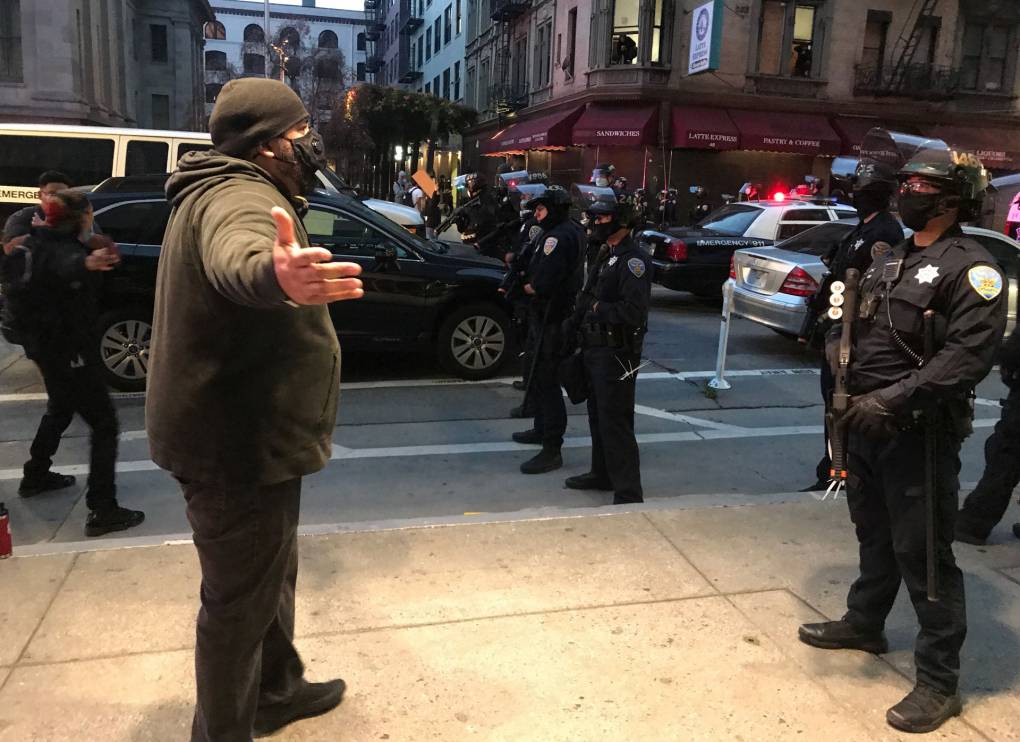
"caption": "A protester gestures towards a police line in San Francisco during a second night of protests over the killing of George Floyd by police in Minneapolis.",
"description": "A protester gestures towards a police line in San Francisco on May 30, 2020, during a second night of protests over the killing of George Floyd by police in Minneapolis.",
"title": "SF-Protester-Cops",
"credit": "Julie Chang/KQED",
"status": "inherit",
"isLoading": false,
"fetchFailed": false
},
"news_11821993": {
"type": "attachments",
"id": "news_11821993",
"meta": {
"index": "attachments_1716263798",
"site": "news",
"id": "11821993",
"found": true
},
"parent": 11821961,
"imgSizes": {
"apple_news_ca_landscape_5_5": {
"file": "https://ww2.kqed.org/app/uploads/sites/10/2020/05/EZURyg_VcAAei8p-1044x783.jpeg",
"width": 1044,
"mimeType": "image/jpeg",
"height": 783
},
"apple_news_ca_square_4_0": {
"file": "https://ww2.kqed.org/app/uploads/sites/10/2020/05/EZURyg_VcAAei8p-470x470.jpeg",
"width": 470,
"mimeType": "image/jpeg",
"height": 470
},
"twentyfourteen-full-width": {
"file": "https://ww2.kqed.org/app/uploads/sites/10/2020/05/EZURyg_VcAAei8p-1038x576.jpeg",
"width": 1038,
"mimeType": "image/jpeg",
"height": 576
},
"thumbnail": {
"file": "https://ww2.kqed.org/app/uploads/sites/10/2020/05/EZURyg_VcAAei8p-160x120.jpeg",
"width": 160,
"mimeType": "image/jpeg",
"height": 120
},
"post-thumbnail": {
"file": "https://ww2.kqed.org/app/uploads/sites/10/2020/05/EZURyg_VcAAei8p-672x372.jpeg",
"width": 672,
"mimeType": "image/jpeg",
"height": 372
},
"kqedFullSize": {
"file": "https://ww2.kqed.org/app/uploads/sites/10/2020/05/EZURyg_VcAAei8p-e1590902599299.jpeg",
"width": 1920,
"height": 1440
},
"apple_news_ca_landscape_4_7": {
"file": "https://ww2.kqed.org/app/uploads/sites/10/2020/05/EZURyg_VcAAei8p-632x474.jpeg",
"width": 632,
"mimeType": "image/jpeg",
"height": 474
},
"large": {
"file": "https://ww2.kqed.org/app/uploads/sites/10/2020/05/EZURyg_VcAAei8p-1020x765.jpeg",
"width": 1020,
"mimeType": "image/jpeg",
"height": 765
},
"apple_news_ca_landscape_4_0": {
"file": "https://ww2.kqed.org/app/uploads/sites/10/2020/05/EZURyg_VcAAei8p-536x402.jpeg",
"width": 536,
"mimeType": "image/jpeg",
"height": 402
},
"apple_news_ca_portrait_12_9": {
"file": "https://ww2.kqed.org/app/uploads/sites/10/2020/05/EZURyg_VcAAei8p-1122x1496.jpeg",
"width": 1122,
"mimeType": "image/jpeg",
"height": 1496
},
"medium": {
"file": "https://ww2.kqed.org/app/uploads/sites/10/2020/05/EZURyg_VcAAei8p-800x600.jpeg",
"width": 800,
"mimeType": "image/jpeg",
"height": 600
},
"apple_news_ca_portrait_4_0": {
"file": "https://ww2.kqed.org/app/uploads/sites/10/2020/05/EZURyg_VcAAei8p-354x472.jpeg",
"width": 354,
"mimeType": "image/jpeg",
"height": 472
},
"apple_news_ca_portrait_9_7": {
"file": "https://ww2.kqed.org/app/uploads/sites/10/2020/05/EZURyg_VcAAei8p-840x1120.jpeg",
"width": 840,
"mimeType": "image/jpeg",
"height": 1120
},
"apple_news_ca_landscape_12_9": {
"file": "https://ww2.kqed.org/app/uploads/sites/10/2020/05/EZURyg_VcAAei8p-1832x1374.jpeg",
"width": 1832,
"mimeType": "image/jpeg",
"height": 1374
},
"apple_news_ca_square_9_7": {
"file": "https://ww2.kqed.org/app/uploads/sites/10/2020/05/EZURyg_VcAAei8p-1104x1104.jpeg",
"width": 1104,
"mimeType": "image/jpeg",
"height": 1104
},
"apple_news_ca_portrait_4_7": {
"file": "https://ww2.kqed.org/app/uploads/sites/10/2020/05/EZURyg_VcAAei8p-414x552.jpeg",
"width": 414,
"mimeType": "image/jpeg",
"height": 552
},
"apple_news_ca_square_12_9": {
"file": "https://ww2.kqed.org/app/uploads/sites/10/2020/05/EZURyg_VcAAei8p-1472x1472.jpeg",
"width": 1472,
"mimeType": "image/jpeg",
"height": 1472
},
"apple_news_ca_portrait_5_5": {
"file": "https://ww2.kqed.org/app/uploads/sites/10/2020/05/EZURyg_VcAAei8p-687x916.jpeg",
"width": 687,
"mimeType": "image/jpeg",
"height": 916
},
"full-width": {
"file": "https://ww2.kqed.org/app/uploads/sites/10/2020/05/EZURyg_VcAAei8p-1920x1440.jpeg",
"width": 1920,
"mimeType": "image/jpeg",
"height": 1440
},
"apple_news_ca_square_4_7": {
"file": "https://ww2.kqed.org/app/uploads/sites/10/2020/05/EZURyg_VcAAei8p-550x550.jpeg",
"width": 550,
"mimeType": "image/jpeg",
"height": 550
},
"apple_news_ca_landscape_9_7": {
"file": "https://ww2.kqed.org/app/uploads/sites/10/2020/05/EZURyg_VcAAei8p-1376x1032.jpeg",
"width": 1376,
"mimeType": "image/jpeg",
"height": 1032
},
"apple_news_ca_square_5_5": {
"file": "https://ww2.kqed.org/app/uploads/sites/10/2020/05/EZURyg_VcAAei8p-912x912.jpeg",
"width": 912,
"mimeType": "image/jpeg",
"height": 912
}
},
"publishDate": 1590902574,
"modified": 1590902718,
"caption": "A protester in San Francisco yelling \"don’t shoot\" to two police officers. Protests in the city started out calm, but have become more destructive as the night went on. ",
"description": "A protester in San Francisco yelling \"don’t shoot\" to two police officers. Protests in the city started out calm, but have become more destructive as the night went on. ",
"title": "EZURyg_VcAAei8p",
"credit": "Julie Chang/KQED",
"status": "inherit",
"isLoading": false,
"fetchFailed": false
},
"news_11821465": {
"type": "attachments",
"id": "news_11821465",
"meta": {
"index": "attachments_1716263798",
"site": "news",
"id": "11821465",
"found": true
},
"parent": 11821339,
"imgSizes": {
"apple_news_ca_landscape_5_5": {
"file": "https://ww2.kqed.org/app/uploads/sites/10/2020/05/GettyImages-1214738416_1920x-1044x783.jpg",
"width": 1044,
"mimeType": "image/jpeg",
"height": 783
},
"apple_news_ca_square_4_0": {
"file": "https://ww2.kqed.org/app/uploads/sites/10/2020/05/GettyImages-1214738416_1920x-470x470.jpg",
"width": 470,
"mimeType": "image/jpeg",
"height": 470
},
"twentyfourteen-full-width": {
"file": "https://ww2.kqed.org/app/uploads/sites/10/2020/05/GettyImages-1214738416_1920x-1038x576.jpg",
"width": 1038,
"mimeType": "image/jpeg",
"height": 576
},
"thumbnail": {
"file": "https://ww2.kqed.org/app/uploads/sites/10/2020/05/GettyImages-1214738416_1920x-160x107.jpg",
"width": 160,
"mimeType": "image/jpeg",
"height": 107
},
"post-thumbnail": {
"file": "https://ww2.kqed.org/app/uploads/sites/10/2020/05/GettyImages-1214738416_1920x-672x372.jpg",
"width": 672,
"mimeType": "image/jpeg",
"height": 372
},
"kqedFullSize": {
"file": "https://ww2.kqed.org/app/uploads/sites/10/2020/05/GettyImages-1214738416_1920x.jpg",
"width": 1920,
"height": 1285
},
"apple_news_ca_landscape_4_7": {
"file": "https://ww2.kqed.org/app/uploads/sites/10/2020/05/GettyImages-1214738416_1920x-632x474.jpg",
"width": 632,
"mimeType": "image/jpeg",
"height": 474
},
"large": {
"file": "https://ww2.kqed.org/app/uploads/sites/10/2020/05/GettyImages-1214738416_1920x-1020x683.jpg",
"width": 1020,
"mimeType": "image/jpeg",
"height": 683
},
"apple_news_ca_landscape_4_0": {
"file": "https://ww2.kqed.org/app/uploads/sites/10/2020/05/GettyImages-1214738416_1920x-536x402.jpg",
"width": 536,
"mimeType": "image/jpeg",
"height": 402
},
"apple_news_ca_portrait_12_9": {
"file": "https://ww2.kqed.org/app/uploads/sites/10/2020/05/GettyImages-1214738416_1920x-1122x1285.jpg",
"width": 1122,
"mimeType": "image/jpeg",
"height": 1285
},
"medium": {
"file": "https://ww2.kqed.org/app/uploads/sites/10/2020/05/GettyImages-1214738416_1920x-800x535.jpg",
"width": 800,
"mimeType": "image/jpeg",
"height": 535
},
"apple_news_ca_portrait_4_0": {
"file": "https://ww2.kqed.org/app/uploads/sites/10/2020/05/GettyImages-1214738416_1920x-354x472.jpg",
"width": 354,
"mimeType": "image/jpeg",
"height": 472
},
"apple_news_ca_portrait_9_7": {
"file": "https://ww2.kqed.org/app/uploads/sites/10/2020/05/GettyImages-1214738416_1920x-840x1120.jpg",
"width": 840,
"mimeType": "image/jpeg",
"height": 1120
},
"apple_news_ca_landscape_12_9": {
"file": "https://ww2.kqed.org/app/uploads/sites/10/2020/05/GettyImages-1214738416_1920x-1832x1285.jpg",
"width": 1832,
"mimeType": "image/jpeg",
"height": 1285
},
"apple_news_ca_square_9_7": {
"file": "https://ww2.kqed.org/app/uploads/sites/10/2020/05/GettyImages-1214738416_1920x-1104x1104.jpg",
"width": 1104,
"mimeType": "image/jpeg",
"height": 1104
},
"apple_news_ca_portrait_4_7": {
"file": "https://ww2.kqed.org/app/uploads/sites/10/2020/05/GettyImages-1214738416_1920x-414x552.jpg",
"width": 414,
"mimeType": "image/jpeg",
"height": 552
},
"apple_news_ca_square_12_9": {
"file": "https://ww2.kqed.org/app/uploads/sites/10/2020/05/GettyImages-1214738416_1920x-1472x1285.jpg",
"width": 1472,
"mimeType": "image/jpeg",
"height": 1285
},
"apple_news_ca_portrait_5_5": {
"file": "https://ww2.kqed.org/app/uploads/sites/10/2020/05/GettyImages-1214738416_1920x-687x916.jpg",
"width": 687,
"mimeType": "image/jpeg",
"height": 916
},
"full-width": {
"file": "https://ww2.kqed.org/app/uploads/sites/10/2020/05/GettyImages-1214738416_1920x-1920x1285.jpg",
"width": 1920,
"mimeType": "image/jpeg",
"height": 1285
},
"apple_news_ca_square_4_7": {
"file": "https://ww2.kqed.org/app/uploads/sites/10/2020/05/GettyImages-1214738416_1920x-550x550.jpg",
"width": 550,
"mimeType": "image/jpeg",
"height": 550
},
"apple_news_ca_landscape_9_7": {
"file": "https://ww2.kqed.org/app/uploads/sites/10/2020/05/GettyImages-1214738416_1920x-1376x1032.jpg",
"width": 1376,
"mimeType": "image/jpeg",
"height": 1032
},
"apple_news_ca_square_5_5": {
"file": "https://ww2.kqed.org/app/uploads/sites/10/2020/05/GettyImages-1214738416_1920x-912x912.jpg",
"width": 912,
"mimeType": "image/jpeg",
"height": 912
}
},
"publishDate": 1590699902,
"modified": 1590704634,
"caption": "People gather inside painted circles on the grass meant to encourage social distancing at Dolores Park in San Francisco on May 22, 2020.",
"description": "People gather inside painted circles on the grass meant to encourage social distancing at Dolores Park on May 22.",
"title": "US-HEALTH-VIRUS",
"credit": "Josh Edelson/AFP via Getty Images",
"status": "inherit",
"isLoading": false,
"fetchFailed": false
},
"news_11821301": {
"type": "attachments",
"id": "news_11821301",
"meta": {
"index": "attachments_1716263798",
"site": "news",
"id": "11821301",
"found": true
},
"parent": 11821282,
"imgSizes": {
"apple_news_ca_landscape_5_5": {
"file": "https://ww2.kqed.org/app/uploads/sites/10/2020/05/010_KQED_SanFrancisco_Mission_04232020-1044x783.jpg",
"width": 1044,
"mimeType": "image/jpeg",
"height": 783
},
"apple_news_ca_square_4_0": {
"file": "https://ww2.kqed.org/app/uploads/sites/10/2020/05/010_KQED_SanFrancisco_Mission_04232020-470x470.jpg",
"width": 470,
"mimeType": "image/jpeg",
"height": 470
},
"twentyfourteen-full-width": {
"file": "https://ww2.kqed.org/app/uploads/sites/10/2020/05/010_KQED_SanFrancisco_Mission_04232020-1038x576.jpg",
"width": 1038,
"mimeType": "image/jpeg",
"height": 576
},
"thumbnail": {
"file": "https://ww2.kqed.org/app/uploads/sites/10/2020/05/010_KQED_SanFrancisco_Mission_04232020-160x107.jpg",
"width": 160,
"mimeType": "image/jpeg",
"height": 107
},
"post-thumbnail": {
"file": "https://ww2.kqed.org/app/uploads/sites/10/2020/05/010_KQED_SanFrancisco_Mission_04232020-672x372.jpg",
"width": 672,
"mimeType": "image/jpeg",
"height": 372
},
"kqedFullSize": {
"file": "https://ww2.kqed.org/app/uploads/sites/10/2020/05/010_KQED_SanFrancisco_Mission_04232020.jpg",
"width": 1920,
"height": 1280
},
"apple_news_ca_landscape_4_7": {
"file": "https://ww2.kqed.org/app/uploads/sites/10/2020/05/010_KQED_SanFrancisco_Mission_04232020-632x474.jpg",
"width": 632,
"mimeType": "image/jpeg",
"height": 474
},
"large": {
"file": "https://ww2.kqed.org/app/uploads/sites/10/2020/05/010_KQED_SanFrancisco_Mission_04232020-1020x680.jpg",
"width": 1020,
"mimeType": "image/jpeg",
"height": 680
},
"apple_news_ca_landscape_4_0": {
"file": "https://ww2.kqed.org/app/uploads/sites/10/2020/05/010_KQED_SanFrancisco_Mission_04232020-536x402.jpg",
"width": 536,
"mimeType": "image/jpeg",
"height": 402
},
"apple_news_ca_portrait_12_9": {
"file": "https://ww2.kqed.org/app/uploads/sites/10/2020/05/010_KQED_SanFrancisco_Mission_04232020-1122x1280.jpg",
"width": 1122,
"mimeType": "image/jpeg",
"height": 1280
},
"medium": {
"file": "https://ww2.kqed.org/app/uploads/sites/10/2020/05/010_KQED_SanFrancisco_Mission_04232020-800x533.jpg",
"width": 800,
"mimeType": "image/jpeg",
"height": 533
},
"apple_news_ca_portrait_4_0": {
"file": "https://ww2.kqed.org/app/uploads/sites/10/2020/05/010_KQED_SanFrancisco_Mission_04232020-354x472.jpg",
"width": 354,
"mimeType": "image/jpeg",
"height": 472
},
"apple_news_ca_portrait_9_7": {
"file": "https://ww2.kqed.org/app/uploads/sites/10/2020/05/010_KQED_SanFrancisco_Mission_04232020-840x1120.jpg",
"width": 840,
"mimeType": "image/jpeg",
"height": 1120
},
"apple_news_ca_landscape_12_9": {
"file": "https://ww2.kqed.org/app/uploads/sites/10/2020/05/010_KQED_SanFrancisco_Mission_04232020-1832x1280.jpg",
"width": 1832,
"mimeType": "image/jpeg",
"height": 1280
},
"apple_news_ca_square_9_7": {
"file": "https://ww2.kqed.org/app/uploads/sites/10/2020/05/010_KQED_SanFrancisco_Mission_04232020-1104x1104.jpg",
"width": 1104,
"mimeType": "image/jpeg",
"height": 1104
},
"apple_news_ca_portrait_4_7": {
"file": "https://ww2.kqed.org/app/uploads/sites/10/2020/05/010_KQED_SanFrancisco_Mission_04232020-414x552.jpg",
"width": 414,
"mimeType": "image/jpeg",
"height": 552
},
"apple_news_ca_square_12_9": {
"file": "https://ww2.kqed.org/app/uploads/sites/10/2020/05/010_KQED_SanFrancisco_Mission_04232020-1472x1280.jpg",
"width": 1472,
"mimeType": "image/jpeg",
"height": 1280
},
"apple_news_ca_portrait_5_5": {
"file": "https://ww2.kqed.org/app/uploads/sites/10/2020/05/010_KQED_SanFrancisco_Mission_04232020-687x916.jpg",
"width": 687,
"mimeType": "image/jpeg",
"height": 916
},
"full-width": {
"file": "https://ww2.kqed.org/app/uploads/sites/10/2020/05/010_KQED_SanFrancisco_Mission_04232020-1920x1280.jpg",
"width": 1920,
"mimeType": "image/jpeg",
"height": 1280
},
"apple_news_ca_square_4_7": {
"file": "https://ww2.kqed.org/app/uploads/sites/10/2020/05/010_KQED_SanFrancisco_Mission_04232020-550x550.jpg",
"width": 550,
"mimeType": "image/jpeg",
"height": 550
},
"apple_news_ca_landscape_9_7": {
"file": "https://ww2.kqed.org/app/uploads/sites/10/2020/05/010_KQED_SanFrancisco_Mission_04232020-1376x1032.jpg",
"width": 1376,
"mimeType": "image/jpeg",
"height": 1032
},
"apple_news_ca_square_5_5": {
"file": "https://ww2.kqed.org/app/uploads/sites/10/2020/05/010_KQED_SanFrancisco_Mission_04232020-912x912.jpg",
"width": 912,
"mimeType": "image/jpeg",
"height": 912
}
},
"publishDate": 1590639363,
"modified": 1590639460,
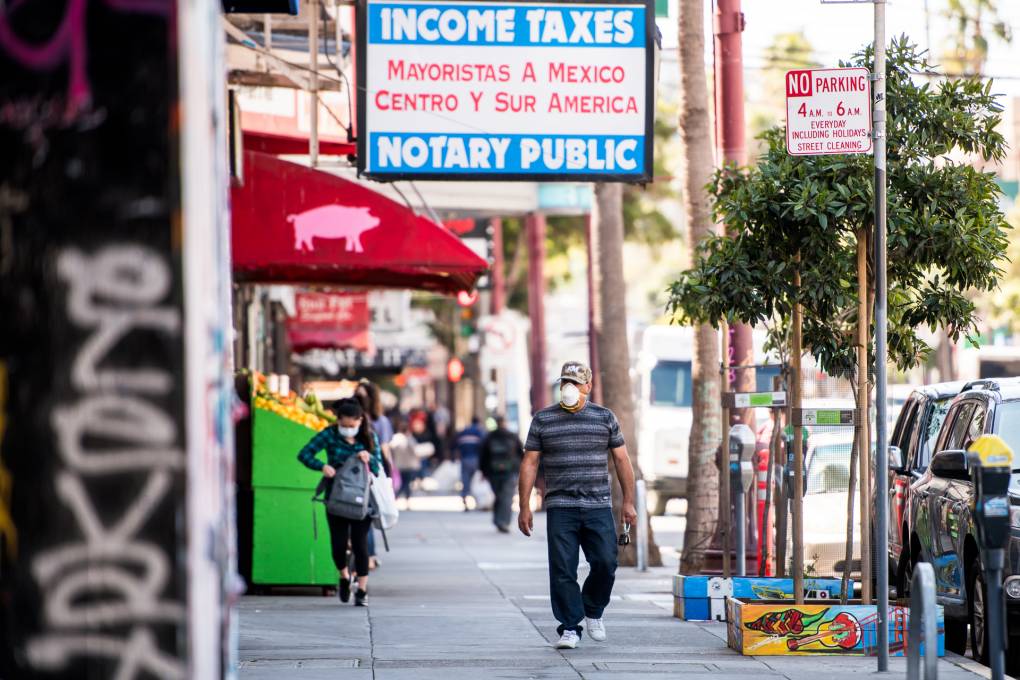
"caption": "Pedestrians walk in San Francisco's Mission District on April 23, 2020.",
"description": "Pedestrians walk in San Francisco's Mission District on April 23, 2020.",
"title": "Pedestrians walk in San Francisco's Mission District on April 23, 2020.",
"credit": "Beth LaBerge/KQED",
"status": "inherit",
"isLoading": false,
"fetchFailed": false
},
"news_11801558": {
"type": "attachments",
"id": "news_11801558",
"meta": {
"index": "attachments_1716263798",
"site": "news",
"id": "11801558",
"found": true
},
"title": "Mohammed-Nuru",
"publishDate": 1581633801,
"status": "inherit",
"parent": 12042526,
"modified": 1748987974,
"caption": "Former Public Works Director Mohammed Nuru, who was arrested by the FBI in January on public corruption charges.",
"credit": "Beth LaBerge/KQED",
"altTag": null,
"description": "Former Public Works Director Mohammed Nuru, who was arrested by the FBI in January on public corruption charges.",
"imgSizes": {
"thumbnail": {
"file": "https://cdn.kqed.org/wp-content/uploads/sites/10/2020/02/Mohammed-Nuru-160x104.jpg",
"width": 160,
"height": 104,
"mimeType": "image/jpeg"
},
"medium": {
"file": "https://cdn.kqed.org/wp-content/uploads/sites/10/2020/02/Mohammed-Nuru-800x520.jpg",
"width": 800,
"height": 520,
"mimeType": "image/jpeg"
},
"large": {
"file": "https://cdn.kqed.org/wp-content/uploads/sites/10/2020/02/Mohammed-Nuru-1020x664.jpg",
"width": 1020,
"height": 664,
"mimeType": "image/jpeg"
},
"post-thumbnail": {
"file": "https://cdn.kqed.org/wp-content/uploads/sites/10/2020/02/Mohammed-Nuru-672x372.jpg",
"width": 672,
"height": 372,
"mimeType": "image/jpeg"
},
"twentyfourteen-full-width": {
"file": "https://cdn.kqed.org/wp-content/uploads/sites/10/2020/02/Mohammed-Nuru-1038x576.jpg",
"width": 1038,
"height": 576,
"mimeType": "image/jpeg"
},
"full-width": {
"file": "https://cdn.kqed.org/wp-content/uploads/sites/10/2020/02/Mohammed-Nuru-1920x1249.jpg",
"width": 1920,
"height": 1249,
"mimeType": "image/jpeg"
},
"apple_news_ca_landscape_12_9": {
"file": "https://cdn.kqed.org/wp-content/uploads/sites/10/2020/02/Mohammed-Nuru-1832x1249.jpg",
"width": 1832,
"height": 1249,
"mimeType": "image/jpeg"
},
"apple_news_ca_landscape_9_7": {
"file": "https://cdn.kqed.org/wp-content/uploads/sites/10/2020/02/Mohammed-Nuru-1376x1032.jpg",
"width": 1376,
"height": 1032,
"mimeType": "image/jpeg"
},
"apple_news_ca_landscape_5_5": {
"file": "https://cdn.kqed.org/wp-content/uploads/sites/10/2020/02/Mohammed-Nuru-1044x783.jpg",
"width": 1044,
"height": 783,
"mimeType": "image/jpeg"
},
"apple_news_ca_landscape_4_7": {
"file": "https://cdn.kqed.org/wp-content/uploads/sites/10/2020/02/Mohammed-Nuru-632x474.jpg",
"width": 632,
"height": 474,
"mimeType": "image/jpeg"
},
"apple_news_ca_landscape_4_0": {
"file": "https://cdn.kqed.org/wp-content/uploads/sites/10/2020/02/Mohammed-Nuru-536x402.jpg",
"width": 536,
"height": 402,
"mimeType": "image/jpeg"
},
"apple_news_ca_portrait_12_9": {
"file": "https://cdn.kqed.org/wp-content/uploads/sites/10/2020/02/Mohammed-Nuru-1122x1249.jpg",
"width": 1122,
"height": 1249,
"mimeType": "image/jpeg"
},
"apple_news_ca_portrait_9_7": {
"file": "https://cdn.kqed.org/wp-content/uploads/sites/10/2020/02/Mohammed-Nuru-840x1120.jpg",
"width": 840,
"height": 1120,
"mimeType": "image/jpeg"
},
"apple_news_ca_portrait_5_5": {
"file": "https://cdn.kqed.org/wp-content/uploads/sites/10/2020/02/Mohammed-Nuru-687x916.jpg",
"width": 687,
"height": 916,
"mimeType": "image/jpeg"
},
"apple_news_ca_portrait_4_7": {
"file": "https://cdn.kqed.org/wp-content/uploads/sites/10/2020/02/Mohammed-Nuru-414x552.jpg",
"width": 414,
"height": 552,
"mimeType": "image/jpeg"
},
"apple_news_ca_portrait_4_0": {
"file": "https://cdn.kqed.org/wp-content/uploads/sites/10/2020/02/Mohammed-Nuru-354x472.jpg",
"width": 354,
"height": 472,
"mimeType": "image/jpeg"
},
"apple_news_ca_square_12_9": {
"file": "https://cdn.kqed.org/wp-content/uploads/sites/10/2020/02/Mohammed-Nuru-1472x1249.jpg",
"width": 1472,
"height": 1249,
"mimeType": "image/jpeg"
},
"apple_news_ca_square_9_7": {
"file": "https://cdn.kqed.org/wp-content/uploads/sites/10/2020/02/Mohammed-Nuru-1104x1104.jpg",
"width": 1104,
"height": 1104,
"mimeType": "image/jpeg"
},
"apple_news_ca_square_5_5": {
"file": "https://cdn.kqed.org/wp-content/uploads/sites/10/2020/02/Mohammed-Nuru-912x912.jpg",
"width": 912,
"height": 912,
"mimeType": "image/jpeg"
},
"apple_news_ca_square_4_7": {
"file": "https://cdn.kqed.org/wp-content/uploads/sites/10/2020/02/Mohammed-Nuru-550x550.jpg",
"width": 550,
"height": 550,
"mimeType": "image/jpeg"
},
"apple_news_ca_square_4_0": {
"file": "https://cdn.kqed.org/wp-content/uploads/sites/10/2020/02/Mohammed-Nuru-470x470.jpg",
"width": 470,
"height": 470,
"mimeType": "image/jpeg"
},
"kqedFullSize": {
"file": "https://cdn.kqed.org/wp-content/uploads/sites/10/2020/02/Mohammed-Nuru.jpg",
"width": 1920,
"height": 1249
}
},
"isLoading": false,
"fetchFailed": false
},
"news_11821000": {
"type": "attachments",
"id": "news_11821000",
"meta": {
"index": "attachments_1716263798",
"site": "news",
"id": "11821000",
"found": true
},
"parent": 11820967,
"imgSizes": {
"apple_news_ca_landscape_5_5": {
"file": "https://ww2.kqed.org/app/uploads/sites/10/2020/05/RS43047_019_KQED_SanFrancisco_TentEncampments_05052020-qut-1044x783.jpg",
"width": 1044,
"mimeType": "image/jpeg",
"height": 783
},
"apple_news_ca_square_4_0": {
"file": "https://ww2.kqed.org/app/uploads/sites/10/2020/05/RS43047_019_KQED_SanFrancisco_TentEncampments_05052020-qut-470x470.jpg",
"width": 470,
"mimeType": "image/jpeg",
"height": 470
},
"twentyfourteen-full-width": {
"file": "https://ww2.kqed.org/app/uploads/sites/10/2020/05/RS43047_019_KQED_SanFrancisco_TentEncampments_05052020-qut-1038x576.jpg",
"width": 1038,
"mimeType": "image/jpeg",
"height": 576
},
"thumbnail": {
"file": "https://ww2.kqed.org/app/uploads/sites/10/2020/05/RS43047_019_KQED_SanFrancisco_TentEncampments_05052020-qut-160x107.jpg",
"width": 160,
"mimeType": "image/jpeg",
"height": 107
},
"post-thumbnail": {
"file": "https://ww2.kqed.org/app/uploads/sites/10/2020/05/RS43047_019_KQED_SanFrancisco_TentEncampments_05052020-qut-672x372.jpg",
"width": 672,
"mimeType": "image/jpeg",
"height": 372
},
"kqedFullSize": {
"file": "https://ww2.kqed.org/app/uploads/sites/10/2020/05/RS43047_019_KQED_SanFrancisco_TentEncampments_05052020-qut.jpg",
"width": 1920,
"height": 1280
},
"apple_news_ca_landscape_4_7": {
"file": "https://ww2.kqed.org/app/uploads/sites/10/2020/05/RS43047_019_KQED_SanFrancisco_TentEncampments_05052020-qut-632x474.jpg",
"width": 632,
"mimeType": "image/jpeg",
"height": 474
},
"large": {
"file": "https://ww2.kqed.org/app/uploads/sites/10/2020/05/RS43047_019_KQED_SanFrancisco_TentEncampments_05052020-qut-1020x680.jpg",
"width": 1020,
"mimeType": "image/jpeg",
"height": 680
},
"apple_news_ca_landscape_4_0": {
"file": "https://ww2.kqed.org/app/uploads/sites/10/2020/05/RS43047_019_KQED_SanFrancisco_TentEncampments_05052020-qut-536x402.jpg",
"width": 536,
"mimeType": "image/jpeg",
"height": 402
},
"apple_news_ca_portrait_12_9": {
"file": "https://ww2.kqed.org/app/uploads/sites/10/2020/05/RS43047_019_KQED_SanFrancisco_TentEncampments_05052020-qut-1122x1280.jpg",
"width": 1122,
"mimeType": "image/jpeg",
"height": 1280
},
"medium": {
"file": "https://ww2.kqed.org/app/uploads/sites/10/2020/05/RS43047_019_KQED_SanFrancisco_TentEncampments_05052020-qut-800x533.jpg",
"width": 800,
"mimeType": "image/jpeg",
"height": 533
},
"apple_news_ca_portrait_4_0": {
"file": "https://ww2.kqed.org/app/uploads/sites/10/2020/05/RS43047_019_KQED_SanFrancisco_TentEncampments_05052020-qut-354x472.jpg",
"width": 354,
"mimeType": "image/jpeg",
"height": 472
},
"apple_news_ca_portrait_9_7": {
"file": "https://ww2.kqed.org/app/uploads/sites/10/2020/05/RS43047_019_KQED_SanFrancisco_TentEncampments_05052020-qut-840x1120.jpg",
"width": 840,
"mimeType": "image/jpeg",
"height": 1120
},
"apple_news_ca_landscape_12_9": {
"file": "https://ww2.kqed.org/app/uploads/sites/10/2020/05/RS43047_019_KQED_SanFrancisco_TentEncampments_05052020-qut-1832x1280.jpg",
"width": 1832,
"mimeType": "image/jpeg",
"height": 1280
},
"apple_news_ca_square_9_7": {
"file": "https://ww2.kqed.org/app/uploads/sites/10/2020/05/RS43047_019_KQED_SanFrancisco_TentEncampments_05052020-qut-1104x1104.jpg",
"width": 1104,
"mimeType": "image/jpeg",
"height": 1104
},
"apple_news_ca_portrait_4_7": {
"file": "https://ww2.kqed.org/app/uploads/sites/10/2020/05/RS43047_019_KQED_SanFrancisco_TentEncampments_05052020-qut-414x552.jpg",
"width": 414,
"mimeType": "image/jpeg",
"height": 552
},
"apple_news_ca_square_12_9": {
"file": "https://ww2.kqed.org/app/uploads/sites/10/2020/05/RS43047_019_KQED_SanFrancisco_TentEncampments_05052020-qut-1472x1280.jpg",
"width": 1472,
"mimeType": "image/jpeg",
"height": 1280
},
"apple_news_ca_portrait_5_5": {
"file": "https://ww2.kqed.org/app/uploads/sites/10/2020/05/RS43047_019_KQED_SanFrancisco_TentEncampments_05052020-qut-687x916.jpg",
"width": 687,
"mimeType": "image/jpeg",
"height": 916
},
"full-width": {
"file": "https://ww2.kqed.org/app/uploads/sites/10/2020/05/RS43047_019_KQED_SanFrancisco_TentEncampments_05052020-qut-1920x1280.jpg",
"width": 1920,
"mimeType": "image/jpeg",
"height": 1280
},
"apple_news_ca_square_4_7": {
"file": "https://ww2.kqed.org/app/uploads/sites/10/2020/05/RS43047_019_KQED_SanFrancisco_TentEncampments_05052020-qut-550x550.jpg",
"width": 550,
"mimeType": "image/jpeg",
"height": 550
},
"apple_news_ca_landscape_9_7": {
"file": "https://ww2.kqed.org/app/uploads/sites/10/2020/05/RS43047_019_KQED_SanFrancisco_TentEncampments_05052020-qut-1376x1032.jpg",
"width": 1376,
"mimeType": "image/jpeg",
"height": 1032
},
"apple_news_ca_square_5_5": {
"file": "https://ww2.kqed.org/app/uploads/sites/10/2020/05/RS43047_019_KQED_SanFrancisco_TentEncampments_05052020-qut-912x912.jpg",
"width": 912,
"mimeType": "image/jpeg",
"height": 912
}
},
"publishDate": 1590599796,
"modified": 1612404163,
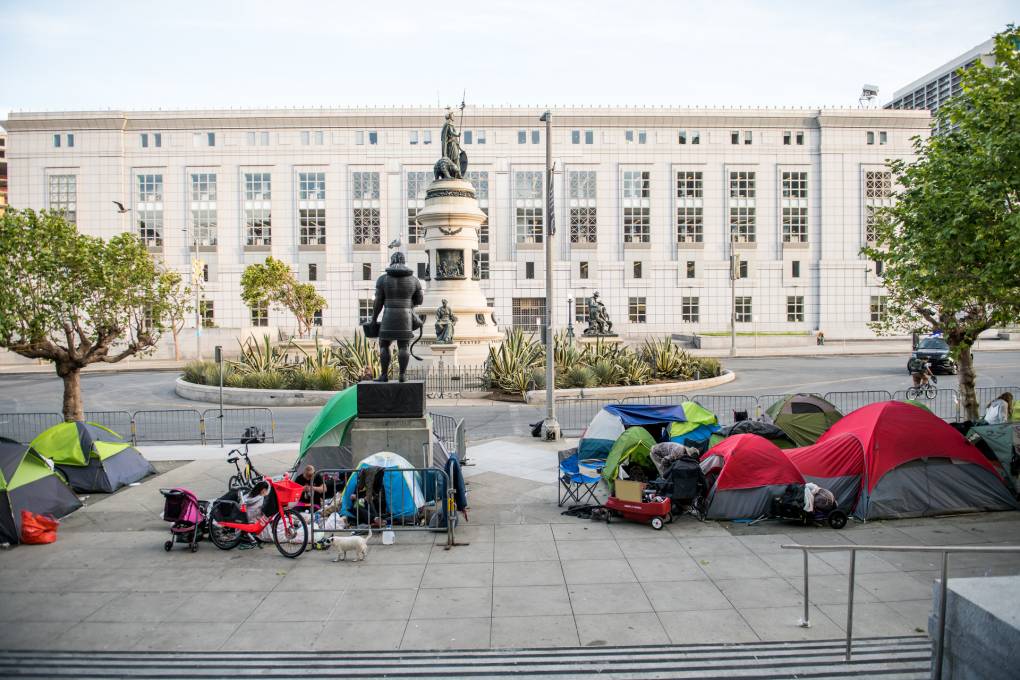
"caption": "Tents line Fulton Street near City Hall on May 5, 2020.",
"description": "Tents line Fulton Street near City Hall on May 5, 2020.",
"title": "Tents line Fulton Street near City Hall on May 5, 2020.",
"credit": "Beth LaBerge/KQED",
"status": "inherit",
"altTag": null,
"isLoading": false,
"fetchFailed": false
},
"news_11820945": {
"type": "attachments",
"id": "news_11820945",
"meta": {
"index": "attachments_1716263798",
"site": "news",
"id": "11820945",
"found": true
},
"parent": 11820796,
"imgSizes": {
"apple_news_ca_landscape_5_5": {
"file": "https://ww2.kqed.org/app/uploads/sites/10/2020/05/Image-from-iOS-1-1-1044x783.jpg",
"width": 1044,
"mimeType": "image/jpeg",
"height": 783
},
"apple_news_ca_square_4_0": {
"file": "https://ww2.kqed.org/app/uploads/sites/10/2020/05/Image-from-iOS-1-1-470x470.jpg",
"width": 470,
"mimeType": "image/jpeg",
"height": 470
},
"twentyfourteen-full-width": {
"file": "https://ww2.kqed.org/app/uploads/sites/10/2020/05/Image-from-iOS-1-1-1038x576.jpg",
"width": 1038,
"mimeType": "image/jpeg",
"height": 576
},
"thumbnail": {
"file": "https://ww2.kqed.org/app/uploads/sites/10/2020/05/Image-from-iOS-1-1-160x107.jpg",
"width": 160,
"mimeType": "image/jpeg",
"height": 107
},
"post-thumbnail": {
"file": "https://ww2.kqed.org/app/uploads/sites/10/2020/05/Image-from-iOS-1-1-672x372.jpg",
"width": 672,
"mimeType": "image/jpeg",
"height": 372
},
"kqedFullSize": {
"file": "https://ww2.kqed.org/app/uploads/sites/10/2020/05/Image-from-iOS-1-1.jpg",
"width": 1620,
"height": 1080
},
"apple_news_ca_landscape_4_7": {
"file": "https://ww2.kqed.org/app/uploads/sites/10/2020/05/Image-from-iOS-1-1-632x474.jpg",
"width": 632,
"mimeType": "image/jpeg",
"height": 474
},
"large": {
"file": "https://ww2.kqed.org/app/uploads/sites/10/2020/05/Image-from-iOS-1-1-1020x680.jpg",
"width": 1020,
"mimeType": "image/jpeg",
"height": 680
},
"apple_news_ca_landscape_4_0": {
"file": "https://ww2.kqed.org/app/uploads/sites/10/2020/05/Image-from-iOS-1-1-536x402.jpg",
"width": 536,
"mimeType": "image/jpeg",
"height": 402
},
"apple_news_ca_portrait_12_9": {
"file": "https://ww2.kqed.org/app/uploads/sites/10/2020/05/Image-from-iOS-1-1-1122x1080.jpg",
"width": 1122,
"mimeType": "image/jpeg",
"height": 1080
},
"medium": {
"file": "https://ww2.kqed.org/app/uploads/sites/10/2020/05/Image-from-iOS-1-1-800x533.jpg",
"width": 800,
"mimeType": "image/jpeg",
"height": 533
},
"apple_news_ca_portrait_4_0": {
"file": "https://ww2.kqed.org/app/uploads/sites/10/2020/05/Image-from-iOS-1-1-354x472.jpg",
"width": 354,
"mimeType": "image/jpeg",
"height": 472
},
"apple_news_ca_portrait_9_7": {
"file": "https://ww2.kqed.org/app/uploads/sites/10/2020/05/Image-from-iOS-1-1-840x1080.jpg",
"width": 840,
"mimeType": "image/jpeg",
"height": 1080
},
"apple_news_ca_square_9_7": {
"file": "https://ww2.kqed.org/app/uploads/sites/10/2020/05/Image-from-iOS-1-1-1104x1080.jpg",
"width": 1104,
"mimeType": "image/jpeg",
"height": 1080
},
"apple_news_ca_portrait_4_7": {
"file": "https://ww2.kqed.org/app/uploads/sites/10/2020/05/Image-from-iOS-1-1-414x552.jpg",
"width": 414,
"mimeType": "image/jpeg",
"height": 552
},
"apple_news_ca_square_12_9": {
"file": "https://ww2.kqed.org/app/uploads/sites/10/2020/05/Image-from-iOS-1-1-1472x1080.jpg",
"width": 1472,
"mimeType": "image/jpeg",
"height": 1080
},
"apple_news_ca_portrait_5_5": {
"file": "https://ww2.kqed.org/app/uploads/sites/10/2020/05/Image-from-iOS-1-1-687x916.jpg",
"width": 687,
"mimeType": "image/jpeg",
"height": 916
},
"apple_news_ca_square_4_7": {
"file": "https://ww2.kqed.org/app/uploads/sites/10/2020/05/Image-from-iOS-1-1-550x550.jpg",
"width": 550,
"mimeType": "image/jpeg",
"height": 550
},
"apple_news_ca_landscape_9_7": {
"file": "https://ww2.kqed.org/app/uploads/sites/10/2020/05/Image-from-iOS-1-1-1376x1032.jpg",
"width": 1376,
"mimeType": "image/jpeg",
"height": 1032
},
"apple_news_ca_square_5_5": {
"file": "https://ww2.kqed.org/app/uploads/sites/10/2020/05/Image-from-iOS-1-1-912x912.jpg",
"width": 912,
"mimeType": "image/jpeg",
"height": 912
}
},
"publishDate": 1590540727,
"modified": 1590541972,
"caption": "The SS Jeremiah O’Brien docked at the still smoldering Pier 45 in Fisherman’s Wharf on May 26, 2020.",
"description": "The SS Jeremiah O’Brien docked at the still smoldering Pier 45 in Fisherman’s Wharf on May 26, 2020.",
"title": "Image from iOS (1)",
"credit": "Beth LaBerge/KQED",
"status": "inherit",
"isLoading": false,
"fetchFailed": false
},
"news_11820658": {
"type": "attachments",
"id": "news_11820658",
"meta": {
"index": "attachments_1716263798",
"site": "news",
"id": "11820658",
"found": true
},
"parent": 11820656,
"imgSizes": {
"apple_news_ca_landscape_5_5": {
"file": "https://ww2.kqed.org/app/uploads/sites/10/2020/05/crabber1-1044x783.jpg",
"width": 1044,
"mimeType": "image/jpeg",
"height": 783
},
"apple_news_ca_square_4_0": {
"file": "https://ww2.kqed.org/app/uploads/sites/10/2020/05/crabber1-470x470.jpg",
"width": 470,
"mimeType": "image/jpeg",
"height": 470
},
"twentyfourteen-full-width": {
"file": "https://ww2.kqed.org/app/uploads/sites/10/2020/05/crabber1-1038x576.jpg",
"width": 1038,
"mimeType": "image/jpeg",
"height": 576
},
"thumbnail": {
"file": "https://ww2.kqed.org/app/uploads/sites/10/2020/05/crabber1-160x107.jpg",
"width": 160,
"mimeType": "image/jpeg",
"height": 107
},
"post-thumbnail": {
"file": "https://ww2.kqed.org/app/uploads/sites/10/2020/05/crabber1-672x372.jpg",
"width": 672,
"mimeType": "image/jpeg",
"height": 372
},
"kqedFullSize": {
"file": "https://ww2.kqed.org/app/uploads/sites/10/2020/05/crabber1.jpg",
"width": 1900,
"height": 1267
},
"apple_news_ca_landscape_4_7": {
"file": "https://ww2.kqed.org/app/uploads/sites/10/2020/05/crabber1-632x474.jpg",
"width": 632,
"mimeType": "image/jpeg",
"height": 474
},
"large": {
"file": "https://ww2.kqed.org/app/uploads/sites/10/2020/05/crabber1-1020x680.jpg",
"width": 1020,
"mimeType": "image/jpeg",
"height": 680
},
"apple_news_ca_landscape_4_0": {
"file": "https://ww2.kqed.org/app/uploads/sites/10/2020/05/crabber1-536x402.jpg",
"width": 536,
"mimeType": "image/jpeg",
"height": 402
},
"apple_news_ca_portrait_12_9": {
"file": "https://ww2.kqed.org/app/uploads/sites/10/2020/05/crabber1-1122x1267.jpg",
"width": 1122,
"mimeType": "image/jpeg",
"height": 1267
},
"medium": {
"file": "https://ww2.kqed.org/app/uploads/sites/10/2020/05/crabber1-800x533.jpg",
"width": 800,
"mimeType": "image/jpeg",
"height": 533
},
"apple_news_ca_portrait_4_0": {
"file": "https://ww2.kqed.org/app/uploads/sites/10/2020/05/crabber1-354x472.jpg",
"width": 354,
"mimeType": "image/jpeg",
"height": 472
},
"apple_news_ca_portrait_9_7": {
"file": "https://ww2.kqed.org/app/uploads/sites/10/2020/05/crabber1-840x1120.jpg",
"width": 840,
"mimeType": "image/jpeg",
"height": 1120
},
"apple_news_ca_landscape_12_9": {
"file": "https://ww2.kqed.org/app/uploads/sites/10/2020/05/crabber1-1832x1267.jpg",
"width": 1832,
"mimeType": "image/jpeg",
"height": 1267
},
"apple_news_ca_square_9_7": {
"file": "https://ww2.kqed.org/app/uploads/sites/10/2020/05/crabber1-1104x1104.jpg",
"width": 1104,
"mimeType": "image/jpeg",
"height": 1104
},
"apple_news_ca_portrait_4_7": {
"file": "https://ww2.kqed.org/app/uploads/sites/10/2020/05/crabber1-414x552.jpg",
"width": 414,
"mimeType": "image/jpeg",
"height": 552
},
"apple_news_ca_square_12_9": {
"file": "https://ww2.kqed.org/app/uploads/sites/10/2020/05/crabber1-1472x1267.jpg",
"width": 1472,
"mimeType": "image/jpeg",
"height": 1267
},
"apple_news_ca_portrait_5_5": {
"file": "https://ww2.kqed.org/app/uploads/sites/10/2020/05/crabber1-687x916.jpg",
"width": 687,
"mimeType": "image/jpeg",
"height": 916
},
"apple_news_ca_square_4_7": {
"file": "https://ww2.kqed.org/app/uploads/sites/10/2020/05/crabber1-550x550.jpg",
"width": 550,
"mimeType": "image/jpeg",
"height": 550
},
"apple_news_ca_landscape_9_7": {
"file": "https://ww2.kqed.org/app/uploads/sites/10/2020/05/crabber1-1376x1032.jpg",
"width": 1376,
"mimeType": "image/jpeg",
"height": 1032
},
"apple_news_ca_square_5_5": {
"file": "https://ww2.kqed.org/app/uploads/sites/10/2020/05/crabber1-912x912.jpg",
"width": 912,
"mimeType": "image/jpeg",
"height": 912
}
},
"publishDate": 1590451514,
"modified": 1590454342,
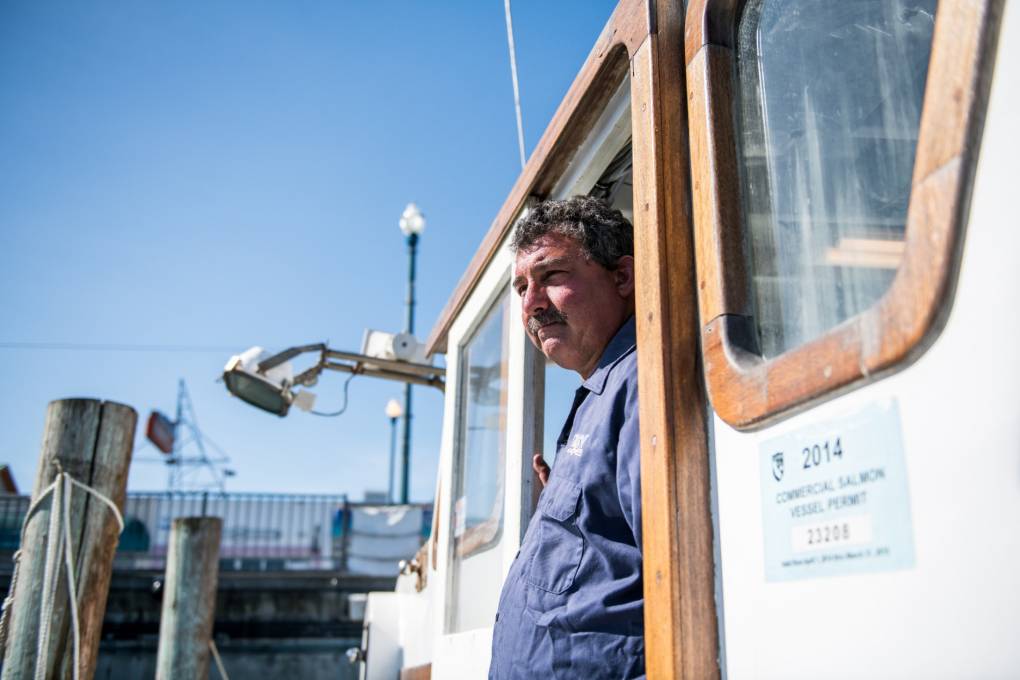
"caption": "San Francisco Crab Boat Owners Association President John Barnett, himself a crabber and fisherman, lost more than $300,000 in fishing equipment in Saturday's fire. ",
"description": "San Francisco Crab Boat Owners Association President John Barnett, himself a crabber and fisherman, lost more than $300,000 in fishing equipment in a blaze on Saturday, May 23, that destroyed part of Pier 45. ",
"title": "crabber1",
"credit": "Beth LaBerge/KQED",
"status": "inherit",
"isLoading": false,
"fetchFailed": false
},
"news_11820470": {
"type": "attachments",
"id": "news_11820470",
"meta": {
"index": "attachments_1716263798",
"site": "news",
"id": "11820470",
"found": true
},
"parent": 11820467,
"imgSizes": {
"apple_news_ca_square_4_0": {
"file": "https://ww2.kqed.org/app/uploads/sites/10/2020/05/1920_fire-470x470.jpg",
"width": 470,
"mimeType": "image/jpeg",
"height": 470
},
"thumbnail": {
"file": "https://ww2.kqed.org/app/uploads/sites/10/2020/05/1920_fire-160x90.jpg",
"width": 160,
"mimeType": "image/jpeg",
"height": 90
},
"post-thumbnail": {
"file": "https://ww2.kqed.org/app/uploads/sites/10/2020/05/1920_fire-672x372.jpg",
"width": 672,
"mimeType": "image/jpeg",
"height": 372
},
"kqedFullSize": {
"file": "https://ww2.kqed.org/app/uploads/sites/10/2020/05/1920_fire.jpg",
"width": 1010,
"height": 568
},
"apple_news_ca_landscape_4_7": {
"file": "https://ww2.kqed.org/app/uploads/sites/10/2020/05/1920_fire-632x474.jpg",
"width": 632,
"mimeType": "image/jpeg",
"height": 474
},
"apple_news_ca_landscape_4_0": {
"file": "https://ww2.kqed.org/app/uploads/sites/10/2020/05/1920_fire-536x402.jpg",
"width": 536,
"mimeType": "image/jpeg",
"height": 402
},
"medium": {
"file": "https://ww2.kqed.org/app/uploads/sites/10/2020/05/1920_fire-800x450.jpg",
"width": 800,
"mimeType": "image/jpeg",
"height": 450
},
"apple_news_ca_portrait_4_0": {
"file": "https://ww2.kqed.org/app/uploads/sites/10/2020/05/1920_fire-354x472.jpg",
"width": 354,
"mimeType": "image/jpeg",
"height": 472
},
"apple_news_ca_portrait_9_7": {
"file": "https://ww2.kqed.org/app/uploads/sites/10/2020/05/1920_fire-840x568.jpg",
"width": 840,
"mimeType": "image/jpeg",
"height": 568
},
"apple_news_ca_portrait_4_7": {
"file": "https://ww2.kqed.org/app/uploads/sites/10/2020/05/1920_fire-414x552.jpg",
"width": 414,
"mimeType": "image/jpeg",
"height": 552
},
"apple_news_ca_portrait_5_5": {
"file": "https://ww2.kqed.org/app/uploads/sites/10/2020/05/1920_fire-687x568.jpg",
"width": 687,
"mimeType": "image/jpeg",
"height": 568
},
"apple_news_ca_square_4_7": {
"file": "https://ww2.kqed.org/app/uploads/sites/10/2020/05/1920_fire-550x550.jpg",
"width": 550,
"mimeType": "image/jpeg",
"height": 550
},
"apple_news_ca_square_5_5": {
"file": "https://ww2.kqed.org/app/uploads/sites/10/2020/05/1920_fire-912x568.jpg",
"width": 912,
"mimeType": "image/jpeg",
"height": 568
}
},
"publishDate": 1590251794,
"modified": 1590251911,
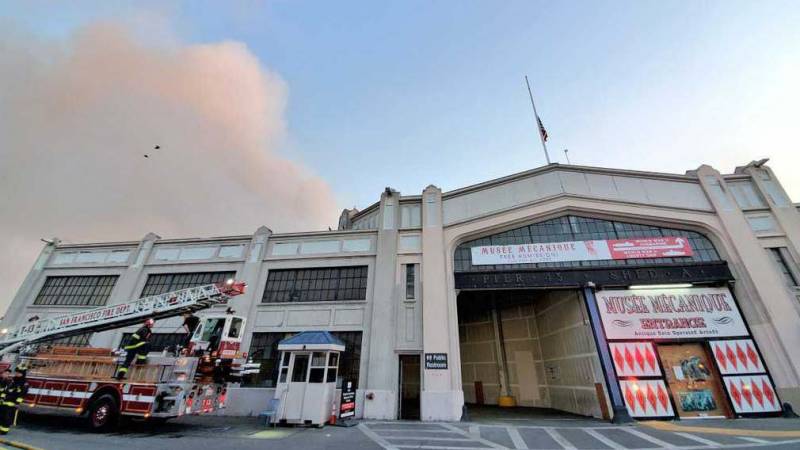
"caption": "Plumes rising above Museé Mechanique, a beloved arcade and museum, as a 4-alarm fire burns behind it.",
"description": null,
"title": "1920_fire",
"credit": "Joe Fitzgerald Rodriguez/KQED",
"status": "inherit",
"isLoading": false,
"fetchFailed": false
},
"news_11820438": {
"type": "attachments",
"id": "news_11820438",
"meta": {
"index": "attachments_1716263798",
"site": "news",
"id": "11820438",
"found": true
},
"parent": 11820340,
"imgSizes": {
"apple_news_ca_landscape_5_5": {
"file": "https://ww2.kqed.org/app/uploads/sites/10/2020/05/RS43270_GettyImages-1214738217-qut-1044x783.jpg",
"width": 1044,
"mimeType": "image/jpeg",
"height": 783
},
"apple_news_ca_square_4_0": {
"file": "https://ww2.kqed.org/app/uploads/sites/10/2020/05/RS43270_GettyImages-1214738217-qut-470x470.jpg",
"width": 470,
"mimeType": "image/jpeg",
"height": 470
},
"twentyfourteen-full-width": {
"file": "https://ww2.kqed.org/app/uploads/sites/10/2020/05/RS43270_GettyImages-1214738217-qut-1038x576.jpg",
"width": 1038,
"mimeType": "image/jpeg",
"height": 576
},
"thumbnail": {
"file": "https://ww2.kqed.org/app/uploads/sites/10/2020/05/RS43270_GettyImages-1214738217-qut-160x93.jpg",
"width": 160,
"mimeType": "image/jpeg",
"height": 93
},
"post-thumbnail": {
"file": "https://ww2.kqed.org/app/uploads/sites/10/2020/05/RS43270_GettyImages-1214738217-qut-672x372.jpg",
"width": 672,
"mimeType": "image/jpeg",
"height": 372
},
"kqedFullSize": {
"file": "https://ww2.kqed.org/app/uploads/sites/10/2020/05/RS43270_GettyImages-1214738217-qut.jpg",
"width": 1920,
"height": 1115
},
"apple_news_ca_landscape_4_7": {
"file": "https://ww2.kqed.org/app/uploads/sites/10/2020/05/RS43270_GettyImages-1214738217-qut-632x474.jpg",
"width": 632,
"mimeType": "image/jpeg",
"height": 474
},
"large": {
"file": "https://ww2.kqed.org/app/uploads/sites/10/2020/05/RS43270_GettyImages-1214738217-qut-1020x592.jpg",
"width": 1020,
"mimeType": "image/jpeg",
"height": 592
},
"apple_news_ca_landscape_4_0": {
"file": "https://ww2.kqed.org/app/uploads/sites/10/2020/05/RS43270_GettyImages-1214738217-qut-536x402.jpg",
"width": 536,
"mimeType": "image/jpeg",
"height": 402
},
"apple_news_ca_portrait_12_9": {
"file": "https://ww2.kqed.org/app/uploads/sites/10/2020/05/RS43270_GettyImages-1214738217-qut-1122x1115.jpg",
"width": 1122,
"mimeType": "image/jpeg",
"height": 1115
},
"medium": {
"file": "https://ww2.kqed.org/app/uploads/sites/10/2020/05/RS43270_GettyImages-1214738217-qut-800x465.jpg",
"width": 800,
"mimeType": "image/jpeg",
"height": 465
},
"apple_news_ca_portrait_4_0": {
"file": "https://ww2.kqed.org/app/uploads/sites/10/2020/05/RS43270_GettyImages-1214738217-qut-354x472.jpg",
"width": 354,
"mimeType": "image/jpeg",
"height": 472
},
"apple_news_ca_portrait_9_7": {
"file": "https://ww2.kqed.org/app/uploads/sites/10/2020/05/RS43270_GettyImages-1214738217-qut-840x1115.jpg",
"width": 840,
"mimeType": "image/jpeg",
"height": 1115
},
"apple_news_ca_landscape_12_9": {
"file": "https://ww2.kqed.org/app/uploads/sites/10/2020/05/RS43270_GettyImages-1214738217-qut-1832x1115.jpg",
"width": 1832,
"mimeType": "image/jpeg",
"height": 1115
},
"apple_news_ca_square_9_7": {
"file": "https://ww2.kqed.org/app/uploads/sites/10/2020/05/RS43270_GettyImages-1214738217-qut-1104x1104.jpg",
"width": 1104,
"mimeType": "image/jpeg",
"height": 1104
},
"apple_news_ca_portrait_4_7": {
"file": "https://ww2.kqed.org/app/uploads/sites/10/2020/05/RS43270_GettyImages-1214738217-qut-414x552.jpg",
"width": 414,
"mimeType": "image/jpeg",
"height": 552
},
"apple_news_ca_square_12_9": {
"file": "https://ww2.kqed.org/app/uploads/sites/10/2020/05/RS43270_GettyImages-1214738217-qut-1472x1115.jpg",
"width": 1472,
"mimeType": "image/jpeg",
"height": 1115
},
"apple_news_ca_portrait_5_5": {
"file": "https://ww2.kqed.org/app/uploads/sites/10/2020/05/RS43270_GettyImages-1214738217-qut-687x916.jpg",
"width": 687,
"mimeType": "image/jpeg",
"height": 916
},
"full-width": {
"file": "https://ww2.kqed.org/app/uploads/sites/10/2020/05/RS43270_GettyImages-1214738217-qut-1920x1115.jpg",
"width": 1920,
"mimeType": "image/jpeg",
"height": 1115
},
"apple_news_ca_square_4_7": {
"file": "https://ww2.kqed.org/app/uploads/sites/10/2020/05/RS43270_GettyImages-1214738217-qut-550x550.jpg",
"width": 550,
"mimeType": "image/jpeg",
"height": 550
},
"apple_news_ca_landscape_9_7": {
"file": "https://ww2.kqed.org/app/uploads/sites/10/2020/05/RS43270_GettyImages-1214738217-qut-1376x1032.jpg",
"width": 1376,
"mimeType": "image/jpeg",
"height": 1032
},
"apple_news_ca_square_5_5": {
"file": "https://ww2.kqed.org/app/uploads/sites/10/2020/05/RS43270_GettyImages-1214738217-qut-912x912.jpg",
"width": 912,
"mimeType": "image/jpeg",
"height": 912
}
},
"publishDate": 1590205888,
"modified": 1590205952,
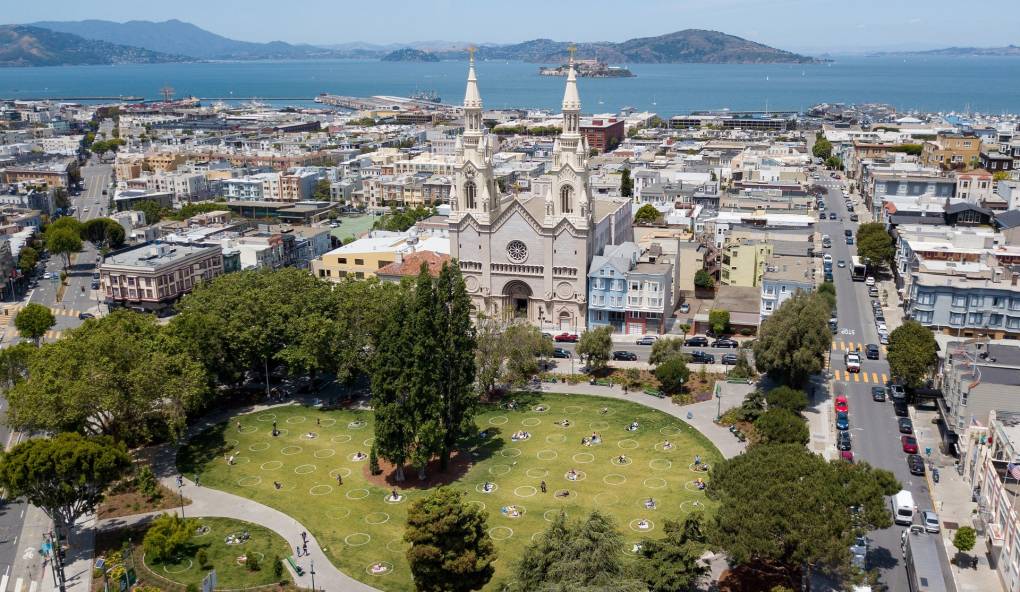
"caption": "An aerial view shows painted circles in the grass to encourage people to social distance at Washington Square Park in San Francisco, California, on May 22, 2020, amid the novel coronavirus pandemic.",
"description": null,
"title": "US-HEALTH-VIRUS",
"credit": "Josh Edelson/AFP via Getty Images",
"status": "inherit",
"isLoading": false,
"fetchFailed": false
},
"news_11820079": {
"type": "attachments",
"id": "news_11820079",
"meta": {
"index": "attachments_1716263798",
"site": "news",
"id": "11820079",
"found": true
},
"parent": 11819898,
"imgSizes": {
"apple_news_ca_landscape_5_5": {
"file": "https://ww2.kqed.org/app/uploads/sites/10/2020/05/RS29852_COURTHOUSE_004-qut-1044x783.jpg",
"width": 1044,
"mimeType": "image/jpeg",
"height": 783
},
"apple_news_ca_square_4_0": {
"file": "https://ww2.kqed.org/app/uploads/sites/10/2020/05/RS29852_COURTHOUSE_004-qut-470x470.jpg",
"width": 470,
"mimeType": "image/jpeg",
"height": 470
},
"twentyfourteen-full-width": {
"file": "https://ww2.kqed.org/app/uploads/sites/10/2020/05/RS29852_COURTHOUSE_004-qut-1038x576.jpg",
"width": 1038,
"mimeType": "image/jpeg",
"height": 576
},
"thumbnail": {
"file": "https://ww2.kqed.org/app/uploads/sites/10/2020/05/RS29852_COURTHOUSE_004-qut-160x107.jpg",
"width": 160,
"mimeType": "image/jpeg",
"height": 107
},
"post-thumbnail": {
"file": "https://ww2.kqed.org/app/uploads/sites/10/2020/05/RS29852_COURTHOUSE_004-qut-672x372.jpg",
"width": 672,
"mimeType": "image/jpeg",
"height": 372
},
"kqedFullSize": {
"file": "https://ww2.kqed.org/app/uploads/sites/10/2020/05/RS29852_COURTHOUSE_004-qut.jpg",
"width": 1920,
"height": 1282
},
"apple_news_ca_landscape_4_7": {
"file": "https://ww2.kqed.org/app/uploads/sites/10/2020/05/RS29852_COURTHOUSE_004-qut-632x474.jpg",
"width": 632,
"mimeType": "image/jpeg",
"height": 474
},
"large": {
"file": "https://ww2.kqed.org/app/uploads/sites/10/2020/05/RS29852_COURTHOUSE_004-qut-1020x681.jpg",
"width": 1020,
"mimeType": "image/jpeg",
"height": 681
},
"apple_news_ca_landscape_4_0": {
"file": "https://ww2.kqed.org/app/uploads/sites/10/2020/05/RS29852_COURTHOUSE_004-qut-536x402.jpg",
"width": 536,
"mimeType": "image/jpeg",
"height": 402
},
"apple_news_ca_portrait_12_9": {
"file": "https://ww2.kqed.org/app/uploads/sites/10/2020/05/RS29852_COURTHOUSE_004-qut-1122x1282.jpg",
"width": 1122,
"mimeType": "image/jpeg",
"height": 1282
},
"medium": {
"file": "https://ww2.kqed.org/app/uploads/sites/10/2020/05/RS29852_COURTHOUSE_004-qut-800x534.jpg",
"width": 800,
"mimeType": "image/jpeg",
"height": 534
},
"apple_news_ca_portrait_4_0": {
"file": "https://ww2.kqed.org/app/uploads/sites/10/2020/05/RS29852_COURTHOUSE_004-qut-354x472.jpg",
"width": 354,
"mimeType": "image/jpeg",
"height": 472
},
"apple_news_ca_portrait_9_7": {
"file": "https://ww2.kqed.org/app/uploads/sites/10/2020/05/RS29852_COURTHOUSE_004-qut-840x1120.jpg",
"width": 840,
"mimeType": "image/jpeg",
"height": 1120
},
"apple_news_ca_landscape_12_9": {
"file": "https://ww2.kqed.org/app/uploads/sites/10/2020/05/RS29852_COURTHOUSE_004-qut-1832x1282.jpg",
"width": 1832,
"mimeType": "image/jpeg",
"height": 1282
},
"apple_news_ca_square_9_7": {
"file": "https://ww2.kqed.org/app/uploads/sites/10/2020/05/RS29852_COURTHOUSE_004-qut-1104x1104.jpg",
"width": 1104,
"mimeType": "image/jpeg",
"height": 1104
},
"apple_news_ca_portrait_4_7": {
"file": "https://ww2.kqed.org/app/uploads/sites/10/2020/05/RS29852_COURTHOUSE_004-qut-414x552.jpg",
"width": 414,
"mimeType": "image/jpeg",
"height": 552
},
"apple_news_ca_square_12_9": {
"file": "https://ww2.kqed.org/app/uploads/sites/10/2020/05/RS29852_COURTHOUSE_004-qut-1472x1282.jpg",
"width": 1472,
"mimeType": "image/jpeg",
"height": 1282
},
"apple_news_ca_portrait_5_5": {
"file": "https://ww2.kqed.org/app/uploads/sites/10/2020/05/RS29852_COURTHOUSE_004-qut-687x916.jpg",
"width": 687,
"mimeType": "image/jpeg",
"height": 916
},
"full-width": {
"file": "https://ww2.kqed.org/app/uploads/sites/10/2020/05/RS29852_COURTHOUSE_004-qut-1920x1282.jpg",
"width": 1920,
"mimeType": "image/jpeg",
"height": 1282
},
"apple_news_ca_square_4_7": {
"file": "https://ww2.kqed.org/app/uploads/sites/10/2020/05/RS29852_COURTHOUSE_004-qut-550x550.jpg",
"width": 550,
"mimeType": "image/jpeg",
"height": 550
},
"apple_news_ca_landscape_9_7": {
"file": "https://ww2.kqed.org/app/uploads/sites/10/2020/05/RS29852_COURTHOUSE_004-qut-1376x1032.jpg",
"width": 1376,
"mimeType": "image/jpeg",
"height": 1032
},
"apple_news_ca_square_5_5": {
"file": "https://ww2.kqed.org/app/uploads/sites/10/2020/05/RS29852_COURTHOUSE_004-qut-912x912.jpg",
"width": 912,
"mimeType": "image/jpeg",
"height": 912
}
},
"publishDate": 1590104741,
"modified": 1590105424,
"caption": "Appearing in an online hearing, San Francisco restaurant owner Nick Bovis pleaded guilty to two counts of wire fraud. ",
"description": "Appearing in an online hearing, San Francisco restaurant owner Nick Bovis pleaded guilty to two counts of wire fraud. ",
"title": "COURTHOUSE",
"credit": "Lauren Hanussak/KQED",
"status": "inherit",
"isLoading": false,
"fetchFailed": false
}
},
"audioPlayerReducer": {
"postId": "stream_live",
"isPaused": true,
"isPlaying": false,
"pfsActive": false,
"pledgeModalIsOpen": true,
"playerDrawerIsOpen": false,
"liveAudioPlayStartedAt": 0,
"liveAudioPlayContext": ""
},
"authorsReducer": {
"dmarks": {
"type": "authors",
"id": "182",
"meta": {
"index": "authors_1716337520",
"id": "182",
"found": true
},
"name": "David Marks",
"firstName": "David",
"lastName": "Marks",
"slug": "dmarks",
"email": "dmarks@kqed.org",
"display_author_email": false,
"staff_mastheads": [],
"title": "KQED Editor",
"bio": "David Marks is a senior digital editor for KQED News. \u003c/a>Reach him at dmarks@kqed.org.",
"avatar": "https://secure.gravatar.com/avatar/b88bd6227ce6cb96ae33fefaf42b2a29?s=600&d=mm&r=g",
"twitter": "divadskram",
"facebook": null,
"instagram": null,
"linkedin": null,
"sites": [
{
"site": "news",
"roles": []
},
{
"site": "science",
"roles": []
},
{
"site": "perspectives",
"roles": []
},
{
"site": "liveblog",
"roles": []
}
],
"headData": {
"title": "David Marks | KQED",
"description": "KQED Editor",
"ogImgSrc": "https://secure.gravatar.com/avatar/b88bd6227ce6cb96ae33fefaf42b2a29?s=600&d=mm&r=g",
"twImgSrc": "https://secure.gravatar.com/avatar/b88bd6227ce6cb96ae33fefaf42b2a29?s=600&d=mm&r=g"
},
"isLoading": false,
"link": "/author/dmarks"
},
"matthewgreen": {
"type": "authors",
"id": "1263",
"meta": {
"index": "authors_1716337520",
"id": "1263",
"found": true
},
"name": "Matthew Green",
"firstName": "Matthew",
"lastName": "Green",
"slug": "matthewgreen",
"email": "mgreen@kqed.org",
"display_author_email": false,
"staff_mastheads": [],
"title": "KQED Editor/Reporter",
"bio": "Matthew Green is a digital media producer for KQED News. He previously produced \u003ca href=\"http://www.kqed.org/lowdown\">The Lowdown\u003c/a>, KQED’s multimedia news education blog. Matthew's written for numerous Bay Area publications, including the Oakland Tribune and San Francisco Chronicle. He also taught journalism classes at Fremont High School in East Oakland.\r\n\r\nEmail: mgreen@kqed.org; Twitter: @MGreenKQED",
"avatar": "https://secure.gravatar.com/avatar/3bf498d1267ca02c8494f33d8cfc575e?s=600&d=blank&r=g",
"twitter": "MGreenKQED",
"facebook": null,
"instagram": null,
"linkedin": null,
"sites": [
{
"site": "news",
"roles": []
},
{
"site": "lowdown",
"roles": []
},
{
"site": "science",
"roles": []
},
{
"site": "education",
"roles": []
},
{
"site": "quest",
"roles": []
},
{
"site": "liveblog",
"roles": []
}
],
"headData": {
"title": "Matthew Green | KQED",
"description": "KQED Editor/Reporter",
"ogImgSrc": "https://secure.gravatar.com/avatar/3bf498d1267ca02c8494f33d8cfc575e?s=600&d=blank&r=g",
"twImgSrc": "https://secure.gravatar.com/avatar/3bf498d1267ca02c8494f33d8cfc575e?s=600&d=blank&r=g"
},
"isLoading": false,
"link": "/author/matthewgreen"
},
"jsmall": {
"type": "authors",
"id": "6625",
"meta": {
"index": "authors_1716337520",
"id": "6625",
"found": true
},
"name": "Julie Small",
"firstName": "Julie",
"lastName": "Small",
"slug": "jsmall",
"email": "jsmall@kqed.org",
"display_author_email": true,
"staff_mastheads": [
"news"
],
"title": "KQED Contributor",
"bio": "Julie Small reports on criminal justice and immigration.\r\n\r\nShe was part of a team at KQED awarded a regional 2019 Edward R. Murrow award for continuing coverage of the Trump Administration's family separation policy.\r\n\r\nThe Society for Professional Journalists recognized Julie's 2018 \u003ca href=\"https://www.kqed.org/news/11636262/the-officer-tased-him-31-times-the-sheriff-called-his-death-an-accident\">reporting\u003c/a> on the San Joaquin County Sheriff's \u003ca href=\"https://www.kqed.org/news/11634689/autopsy-doctors-sheriff-overrode-death-findings-to-protect-law-enforcement\">interference\u003c/a> in death investigations with an Excellence in Journalism Award for Ongoing Coverage.\r\n\r\nJulie's\u003ca href=\"https://www.kqed.org/news/11039666/two-mentally-ill-inmates-died-one-month-in-santa-clara\"> reporting\u003c/a> with Lisa Pickoff-White on the treatment of mentally ill offenders in California jails earned a 2017 regional Edward R. Murrow Award for news reporting and an investigative reporting award from the SPJ of Northern California.\r\n\r\nBefore joining KQED, Julie covered government and politics in Sacramento for Southern California Public Radio (SCPR). Her 2010 \u003ca href=\"https://www.scpr.org/specials/prisonmedical/\">series\u003c/a> on lapses in California’s prison medical care also won a regional Edward R. Murrow Award for investigative reporting and a Golden Mic Award from the RTNDA of Southern California.\r\n\r\nJulie began her career in journalism in 2000 as the deputy foreign editor for public radio's \u003cem>Marketplace, \u003c/em>while earning her master's degree in journalism from USC’s Annenberg School of Communication.",
"avatar": "https://secure.gravatar.com/avatar/4baedf201468df97be97c2a9dd7585d0?s=600&d=blank&r=g",
"twitter": "@SmallRadio2",
"facebook": null,
"instagram": null,
"linkedin": null,
"sites": [
{
"site": "news",
"roles": [
"editor"
]
},
{
"site": "stateofhealth",
"roles": [
"author"
]
},
{
"site": "science",
"roles": [
"author"
]
}
],
"headData": {
"title": "Julie Small | KQED",
"description": "KQED Contributor",
"ogImgSrc": "https://secure.gravatar.com/avatar/4baedf201468df97be97c2a9dd7585d0?s=600&d=blank&r=g",
"twImgSrc": "https://secure.gravatar.com/avatar/4baedf201468df97be97c2a9dd7585d0?s=600&d=blank&r=g"
},
"isLoading": false,
"link": "/author/jsmall"
},
"fjhabvala": {
"type": "authors",
"id": "8659",
"meta": {
"index": "authors_1716337520",
"id": "8659",
"found": true
},
"name": "Farida Jhabvala Romero",
"firstName": "Farida",
"lastName": "Jhabvala Romero",
"slug": "fjhabvala",
"email": "fjhabvala@kqed.org",
"display_author_email": true,
"staff_mastheads": [
"news"
],
"title": "KQED Contributor",
"bio": "Farida Jhabvala Romero is a Labor Correspondent for KQED. She previously covered immigration. Farida was \u003ca href=\"https://www.ccnma.org/2022-most-influential-latina-journalists\">named\u003c/a> one of the 10 Most Influential Latina Journalists in California in 2022 by the California Chicano News Media Association. Her work has won awards from the Society of Professional Journalists (Northern California), as well as a national and regional Edward M. Murrow Award for the collaborative reporting projects “Dangerous Air” and “Graying California.” Before joining KQED, Farida worked as a producer at Radio Bilingüe, a national public radio network. Farida earned her master’s degree in journalism from Stanford University.",
"avatar": "https://secure.gravatar.com/avatar/f9f022d4e2609741874222a1e9d41f48fea74011aa7c615eef91d9a50c944ebe?s=600&d=blank&r=g",
"twitter": "FaridaJhabvala",
"bluesky": null,
"facebook": null,
"instagram": null,
"linkedin": "https://www.linkedin.com/in/faridajhabvala/",
"sites": [
{
"site": "news",
"roles": [
"editor"
]
},
{
"site": "stateofhealth",
"roles": [
"author"
]
},
{
"site": "liveblog",
"roles": [
"author"
]
}
],
"headData": {
"title": "Farida Jhabvala Romero | KQED",
"description": "KQED Contributor",
"ogImgSrc": "https://secure.gravatar.com/avatar/f9f022d4e2609741874222a1e9d41f48fea74011aa7c615eef91d9a50c944ebe?s=600&d=blank&r=g",
"twImgSrc": "https://secure.gravatar.com/avatar/f9f022d4e2609741874222a1e9d41f48fea74011aa7c615eef91d9a50c944ebe?s=600&d=blank&r=g"
},
"isLoading": false,
"link": "/author/fjhabvala"
},
"ahall": {
"type": "authors",
"id": "11490",
"meta": {
"index": "authors_1716337520",
"id": "11490",
"found": true
},
"name": "Alex Hall",
"firstName": "Alex",
"lastName": "Hall",
"slug": "ahall",
"email": "ahall@kqed.org",
"display_author_email": false,
"staff_mastheads": [
"news"
],
"title": "KQED Enterprise & Accountability Reporter",
"bio": "Alex Hall is KQED's Enterprise and Accountability Reporter. She previously covered the Central Valley for five years from KQED's bureau in Fresno. Before joining KQED, Alex was an investigative reporting fellow at Wisconsin Public Radio and the Wisconsin Center for Investigative Journalism. She has also worked as a bilingual producer for NPR's investigative unit and freelance video producer for Reuters TV on the Latin America desk. She got her start in journalism in South America, where she worked as a radio producer and Spanish-English translator for CNN Chile. Her documentary and investigation into the series of deadly COVID-19 outbreaks at Foster Farms won a national Edward R. Murrow award and was named an Investigative Reporters & Editors award finalist. Alex's reporting for Reveal on the Wisconsin dairy industry's reliance on undocumented immigrant labor was made into a film, Los Lecheros, which won a regional Edward R. Murrow award for best news documentary.",
"avatar": "https://secure.gravatar.com/avatar/defcbeb88b0bf591ff9af41f22644051?s=600&d=blank&r=g",
"twitter": "@chalexhall",
"facebook": null,
"instagram": null,
"linkedin": null,
"sites": [
{
"site": "news",
"roles": [
"editor"
]
},
{
"site": "liveblog",
"roles": [
"author"
]
}
],
"headData": {
"title": "Alex Hall | KQED",
"description": "KQED Enterprise & Accountability Reporter",
"ogImgSrc": "https://secure.gravatar.com/avatar/defcbeb88b0bf591ff9af41f22644051?s=600&d=blank&r=g",
"twImgSrc": "https://secure.gravatar.com/avatar/defcbeb88b0bf591ff9af41f22644051?s=600&d=blank&r=g"
},
"isLoading": false,
"link": "/author/ahall"
},
"katewolffe": {
"type": "authors",
"id": "11523",
"meta": {
"index": "authors_1716337520",
"id": "11523",
"found": true
},
"name": "Kate Wolffe",
"firstName": "Kate",
"lastName": "Wolffe",
"slug": "katewolffe",
"email": "kwolffe@kqed.org",
"display_author_email": true,
"staff_mastheads": [
"news"
],
"title": "KQED Reporter + Weekend Host",
"bio": "Kate Wolffe reports on local Bay Area happenings for KQED, and hosts the news on weekend afternoons. She joined KQED in 2018 as an intern on the Forum team, before moving to cover topics ranging from politics to criminal justice to homelessness. A Bay Area native and UC Berkeley graduate, Kate loves to discover new corners of the region.",
"avatar": "https://secure.gravatar.com/avatar/22455f14db824a03ee252f73052fe939?s=600&d=blank&r=g",
"twitter": "katewolffe",
"facebook": null,
"instagram": null,
"linkedin": null,
"sites": [
{
"site": "arts",
"roles": [
"editor"
]
},
{
"site": "news",
"roles": [
"author",
"edit_others_posts"
]
},
{
"site": "forum",
"roles": [
"editor"
]
}
],
"headData": {
"title": "Kate Wolffe | KQED",
"description": "KQED Reporter + Weekend Host",
"ogImgSrc": "https://secure.gravatar.com/avatar/22455f14db824a03ee252f73052fe939?s=600&d=blank&r=g",
"twImgSrc": "https://secure.gravatar.com/avatar/22455f14db824a03ee252f73052fe939?s=600&d=blank&r=g"
},
"isLoading": false,
"link": "/author/katewolffe"
},
"mwiley": {
"type": "authors",
"id": "11526",
"meta": {
"index": "authors_1716337520",
"id": "11526",
"found": true
},
"name": "Michelle Wiley",
"firstName": "Michelle",
"lastName": "Wiley",
"slug": "mwiley",
"email": "mwiley@KQED.org",
"display_author_email": true,
"staff_mastheads": [],
"title": null,
"bio": "Michelle Wiley was the senior editor of weekends.",
"avatar": "https://secure.gravatar.com/avatar/3b897d82a09e8587e8e73fa69fbcc635?s=600&d=blank&r=g",
"twitter": "michelleewiley",
"facebook": null,
"instagram": null,
"linkedin": null,
"sites": [
{
"site": "",
"roles": [
"editor"
]
},
{
"site": "arts",
"roles": [
"editor"
]
},
{
"site": "news",
"roles": [
"subscriber"
]
},
{
"site": "lowdown",
"roles": [
"editor"
]
},
{
"site": "science",
"roles": [
"editor"
]
},
{
"site": "podcasts",
"roles": [
"editor"
]
}
],
"headData": {
"title": "Michelle Wiley | KQED",
"description": null,
"ogImgSrc": "https://secure.gravatar.com/avatar/3b897d82a09e8587e8e73fa69fbcc635?s=600&d=blank&r=g",
"twImgSrc": "https://secure.gravatar.com/avatar/3b897d82a09e8587e8e73fa69fbcc635?s=600&d=blank&r=g"
},
"isLoading": false,
"link": "/author/mwiley"
},
"lsarah": {
"type": "authors",
"id": "11626",
"meta": {
"index": "authors_1716337520",
"id": "11626",
"found": true
},
"name": "Lakshmi Sarah",
"firstName": "Lakshmi",
"lastName": "Sarah",
"slug": "lsarah",
"email": "lsarah@kqed.org",
"display_author_email": false,
"staff_mastheads": [],
"title": "Digital Producer",
"bio": "Lakshmi Sarah is an educator, author and journalist with a focus on innovative storytelling. She has worked with newspapers, radio and magazines from Ahmedabad, India to Los Angeles, California. She has written and produced for Die Zeit, Global Voices, AJ+, KQED, Fusion Media Group and the New York Times.",
"avatar": "https://secure.gravatar.com/avatar/652dcaecd8b28826fc17a8b2d6bb4e93?s=600&d=blank&r=g",
"twitter": "lakitalki",
"facebook": null,
"instagram": "https://www.instagram.com/laki.talki/",
"linkedin": "https://www.linkedin.com/in/lakisarah/",
"sites": [
{
"site": "arts",
"roles": []
},
{
"site": "news",
"roles": []
},
{
"site": "bayareabites",
"roles": []
},
{
"site": "science",
"roles": []
}
],
"headData": {
"title": "Lakshmi Sarah | KQED",
"description": "Digital Producer",
"ogImgSrc": "https://secure.gravatar.com/avatar/652dcaecd8b28826fc17a8b2d6bb4e93?s=600&d=blank&r=g",
"twImgSrc": "https://secure.gravatar.com/avatar/652dcaecd8b28826fc17a8b2d6bb4e93?s=600&d=blank&r=g"
},
"isLoading": false,
"link": "/author/lsarah"
},
"jchang": {
"type": "authors",
"id": "11642",
"meta": {
"index": "authors_1716337520",
"id": "11642",
"found": true
},
"name": "Julie Chang",
"firstName": "Julie",
"lastName": "Chang",
"slug": "jchang",
"email": "jchang@kqed.org",
"display_author_email": false,
"staff_mastheads": [
"news"
],
"title": "KQED Contributor",
"bio": "Julie Chang is a reporter and producer (and occasional anchor) with the radio and digital teams at KQED. Before KQED, she worked at WAMU 88.5 in Washington D.C. and 89.3 KPCC in Los Angeles County. Her work has been featured on NPR’s Morning Edition and All Things Considered, Here & Now, the New York Times, and more. Julie graduated from UC Berkeley’s Graduate School of Journalism. She previously taught English at Pasadena City College, Fullerton College and Cal Poly Pomona. Julie earned her M.A. in English from Cal Poly Pomona and her B.A. in English from UCI with a minor in criminology.",
"avatar": "https://secure.gravatar.com/avatar/a7afce94ef127082c5475116b4a3b77d?s=600&d=blank&r=g",
"twitter": "BayAreaJulie",
"facebook": null,
"instagram": null,
"linkedin": "https://www.linkedin.com/in/julieyc/",
"sites": [
{
"site": "",
"roles": [
"editor"
]
},
{
"site": "news",
"roles": [
"author"
]
},
{
"site": "science",
"roles": [
"editor"
]
}
],
"headData": {
"title": "Julie Chang | KQED",
"description": "KQED Contributor",
"ogImgSrc": "https://secure.gravatar.com/avatar/a7afce94ef127082c5475116b4a3b77d?s=600&d=blank&r=g",
"twImgSrc": "https://secure.gravatar.com/avatar/a7afce94ef127082c5475116b4a3b77d?s=600&d=blank&r=g"
},
"isLoading": false,
"link": "/author/jchang"
},
"msolomon": {
"type": "authors",
"id": "11651",
"meta": {
"index": "authors_1716337520",
"id": "11651",
"found": true
},
"name": "Molly Solomon",
"firstName": "Molly",
"lastName": "Solomon",
"slug": "msolomon",
"email": "msolomon@KQED.org",
"display_author_email": false,
"staff_mastheads": [
"news"
],
"title": "Senior Editor",
"bio": "Molly Solomon is the senior editor of KQED's California Politics and Government Desk. Previously, she was the station's editor-at-large, with a focus on editing early childhood education, politics, and criminal justice. Before that, she managed and edited statewide election coverage for The California Newsroom, a collaboration of local public radio stations, CalMatters and NPR. Molly joined KQED in 2019 to launch the station’s housing affordability desk, where she reported on homelessness, evictions and is the co-host of KQED’s housing podcast, SOLD OUT: Rethinking Housing in America. Before that, she was the Southwest Washington Bureau Chief for Oregon Public Broadcasting and a reporter at Hawaii Public Radio. Her stories have aired on NPR’s \u003cem>Morning Edition\u003c/em>, \u003cem>All Things Considered\u003c/em>, \u003cem>Here & Now\u003c/em>, \u003cem>Science Friday\u003c/em> and \u003cem>Marketplace\u003c/em>. Molly's award-winning reporting has been honored by the Best of the West, Edward R. Murrow awards, Society of Professional Journalists, National Headliner Awards, and the Asian American Journalists Association. Born and raised in Berkeley, Molly is a big fan of burritos and her scruffy terrier, Ollie.",
"avatar": "https://secure.gravatar.com/avatar/9ad9794616923d81c9a79897161545bd?s=600&d=blank&r=g",
"twitter": "solomonout",
"facebook": null,
"instagram": null,
"linkedin": null,
"sites": [
{
"site": "news",
"roles": [
"editor"
]
},
{
"site": "science",
"roles": [
"editor"
]
}
],
"headData": {
"title": "Molly Solomon | KQED",
"description": "Senior Editor",
"ogImgSrc": "https://secure.gravatar.com/avatar/9ad9794616923d81c9a79897161545bd?s=600&d=blank&r=g",
"twImgSrc": "https://secure.gravatar.com/avatar/9ad9794616923d81c9a79897161545bd?s=600&d=blank&r=g"
},
"isLoading": false,
"link": "/author/msolomon"
},
"blaberge": {
"type": "authors",
"id": "11667",
"meta": {
"index": "authors_1716337520",
"id": "11667",
"found": true
},
"name": "Beth LaBerge",
"firstName": "Beth",
"lastName": "LaBerge",
"slug": "blaberge",
"email": "blaberge@KQED.org",
"display_author_email": true,
"staff_mastheads": [
"news"
],
"title": "Photographer, News",
"bio": "Beth LaBerge is a visual journalist for \u003ca href=\"https://www.kqed.org/news\">KQED News\u003c/a>.",
"avatar": "https://secure.gravatar.com/avatar/ce49ecd7a1306685637b45a1f6f5dedfc4ae9481966eb596fea5160466dd6319?s=600&d=blank&r=g",
"twitter": null,
"bluesky": null,
"facebook": null,
"instagram": "https://www.instagram.com/bethlaberge/",
"linkedin": null,
"sites": [
{
"site": "arts",
"roles": [
"editor",
"manage_categories"
]
},
{
"site": "news",
"roles": [
"editor",
"edit_plugins",
"manage_categories"
]
},
{
"site": "science",
"roles": [
"editor",
"contributor",
"author",
"manage_categories"
]
},
{
"site": "perspectives",
"roles": [
"editor"
]
},
{
"site": "liveblog",
"roles": [
"editor"
]
}
],
"headData": {
"title": "Beth LaBerge | KQED",
"description": "Photographer, News",
"ogImgSrc": "https://secure.gravatar.com/avatar/ce49ecd7a1306685637b45a1f6f5dedfc4ae9481966eb596fea5160466dd6319?s=600&d=blank&r=g",
"twImgSrc": "https://secure.gravatar.com/avatar/ce49ecd7a1306685637b45a1f6f5dedfc4ae9481966eb596fea5160466dd6319?s=600&d=blank&r=g"
},
"isLoading": false,
"link": "/author/blaberge"
},
"jrodriguez": {
"type": "authors",
"id": "11690",
"meta": {
"index": "authors_1716337520",
"id": "11690",
"found": true
},
"name": "Joe Fitzgerald Rodriguez",
"firstName": "Joe",
"lastName": "Fitzgerald Rodriguez",
"slug": "jrodriguez",
"email": "jrodriguez@kqed.org",
"display_author_email": true,
"staff_mastheads": [
"news"
],
"title": "Reporter and Producer",
"bio": "Joe Fitzgerald Rodriguez is a reporter and digital producer for KQED covering politics. Joe most recently wrote for the \u003cem>San Francisco Examiner\u003c/em> as a political columnist covering The City. He was raised in San Francisco and has spent his reporting career in his beloved, foggy, city by the bay. Joe was 12-years-old when he conducted his first interview in journalism, grilling former San Francisco Mayor Willie Brown for the Marina Middle School newspaper, \u003cem>The Penguin Press, \u003c/em>and he continues to report on the San Francisco Bay Area to this day.",
"avatar": "https://secure.gravatar.com/avatar/2247beb0564c1e9c62228d5649d2edac?s=600&d=blank&r=g",
"twitter": "FitztheReporter",
"facebook": null,
"instagram": "https://www.instagram.com/fitzthereporter/",
"linkedin": null,
"sites": [
{
"site": "",
"roles": [
"editor"
]
},
{
"site": "arts",
"roles": [
"editor"
]
},
{
"site": "news",
"roles": [
"editor"
]
},
{
"site": "science",
"roles": [
"editor"
]
},
{
"site": "elections",
"roles": [
"editor"
]
},
{
"site": "liveblog",
"roles": [
"editor"
]
}
],
"headData": {
"title": "Joe Fitzgerald Rodriguez | KQED",
"description": "Reporter and Producer",
"ogImgSrc": "https://secure.gravatar.com/avatar/2247beb0564c1e9c62228d5649d2edac?s=600&d=blank&r=g",
"twImgSrc": "https://secure.gravatar.com/avatar/2247beb0564c1e9c62228d5649d2edac?s=600&d=blank&r=g"
},
"isLoading": false,
"link": "/author/jrodriguez"
}
},
"pagesReducer": {
"news_tag_san-francisco": {
"type": "terms",
"id": "news_38",
"meta": {
"index": "terms_1716263798",
"site": "news",
"id": "38",
"score": 6.723227
},
"featImg": null,
"name": "San Francisco",
"description": null,
"taxonomy": "tag",
"headData": {
"twImgId": null,
"twTitle": null,
"ogTitle": null,
"ogImgId": null,
"twDescription": null,
"description": null,
"title": "San Francisco Archives | KQED News",
"ogDescription": null
},
"ttid": 58,
"slug": "san-francisco",
"isLoading": false,
"title": "San Francisco",
"pageMeta": {
"site": "news",
"WpPageTemplate": "page-topic-editorial",
"currentPage": 138
},
"blocks": [
{
"blockName": "kqed/post-list",
"attrs": {
"layout": "cardArticle2",
"query": "posts/news?tag=san-francisco",
"seeMore": false,
"paginated": true,
"page": 138
}
},
{
"blockName": "kqed/ad"
}
]
}
},
"pfsSessionReducer": {},
"postsReducer": {
"stream_live": {
"type": "live",
"id": "stream_live",
"audioUrl": "https://streams.kqed.org/kqedradio",
"title": "Live Stream",
"excerpt": "Live Stream information currently unavailable.",
"link": "/radio",
"featImg": "",
"label": {
"name": "KQED Live",
"link": "/"
}
},
"stream_kqedNewscast": {
"type": "posts",
"id": "stream_kqedNewscast",
"audioUrl": "https://www.kqed.org/.stream/anon/radio/RDnews/newscast.mp3?_=1",
"title": "KQED Newscast",
"featImg": "",
"label": {
"name": "88.5 FM",
"link": "/"
}
},
"news_11822114": {
"type": "posts",
"id": "news_11822114",
"meta": {
"index": "posts_1716263798",
"site": "news",
"id": "11822114",
"score": null,
"sort": [
1591002800000
]
},
"guestAuthors": [],
"slug": "photos-oakland-and-san-francisco-bike-drive-and-walk-in-protest",
"title": "Photos: Oakland and San Francisco Bike, Drive and Walk in Protest",
"publishDate": 1591002800,
"format": "image",
"headTitle": "Photos: Oakland and San Francisco Bike, Drive and Walk in Protest | KQED",
"labelTerm": {},
"content": "\u003cp>In response to the death of George Floyd in Minneapolis at the hands of police, and amid a renewed focus on the underlying systematic inequalities impacting the lives of America’s black and brown people, protests have erupted across the nation.\u003c/p>\n\u003cp>While many headlines have focused on demonstrations that became increasingly destructive later at night on Friday, Saturday and Sunday, daytime protests drawing thousands of people across the Bay Area have been largely peaceful.\u003c/p>\n\u003cp>In San Francisco on Sunday, hundreds marched and rode bicycles to the Embarcadero, through Union Square and to the Hall of Justice, eventually converging and returning to City Hall where they took a knee in solidarity and protest over the police killing of Floyd.\u003c/p>\n\u003cp>In Oakland, more than 5,000 vehicles lined up for miles, from the Port of Oakland to Lake Merritt. The cars rolled all the way into the horizon, in what was described by organizers Anti Police-Terror Project as a caravan for justice.\u003c/p>\n\u003cp>\u003cem>For written coverage of Sunday’s events, \u003ca href=\"https://www.kqed.org/news/11822056/hundreds-of-cars-caravan-across-oakland-for-george-floyd-protest\">click here\u003c/a>. \u003c/em>\u003c/p>\n\u003cfigure id=\"attachment_11822127\" class=\"wp-caption alignnone\" style=\"max-width: 800px\">\u003cimg loading=\"lazy\" decoding=\"async\" class=\"size-medium wp-image-11822127\" src=\"https://ww2.kqed.org/app/uploads/sites/10/2020/06/RS43523_030_KQED_SanFrancisco_GeorgeFloydProtest_05312020-qut-800x533.jpg\" alt=\"\" width=\"800\" height=\"533\" srcset=\"https://cdn.kqed.org/wp-content/uploads/sites/10/2020/06/RS43523_030_KQED_SanFrancisco_GeorgeFloydProtest_05312020-qut-800x533.jpg 800w, https://cdn.kqed.org/wp-content/uploads/sites/10/2020/06/RS43523_030_KQED_SanFrancisco_GeorgeFloydProtest_05312020-qut-160x107.jpg 160w, https://cdn.kqed.org/wp-content/uploads/sites/10/2020/06/RS43523_030_KQED_SanFrancisco_GeorgeFloydProtest_05312020-qut-1020x679.jpg 1020w, https://cdn.kqed.org/wp-content/uploads/sites/10/2020/06/RS43523_030_KQED_SanFrancisco_GeorgeFloydProtest_05312020-qut.jpg 1920w\" sizes=\"(max-width: 800px) 100vw, 800px\">\u003cfigcaption class=\"wp-caption-text\">Demonstrators gather at San Francisco City Hall on Sunday, May 31, 2020, to protest the police killing of George Floyd in Minneapolis. Several groups marched to the Embarcadero, through Union Square and to the Hall of Justice, eventually converging and returning to City Hall. \u003ccite>(Beth LaBerge/KQED)\u003c/cite>\u003c/figcaption>\u003c/figure>\n\u003cfigure id=\"attachment_11822126\" class=\"wp-caption alignnone\" style=\"max-width: 800px\">\u003cimg loading=\"lazy\" decoding=\"async\" class=\"size-medium wp-image-11822126\" src=\"https://ww2.kqed.org/app/uploads/sites/10/2020/06/RS43518_024_KQED_SanFrancisco_GeorgeFloydProtest_05312020-qut-800x533.jpg\" alt=\"\" width=\"800\" height=\"533\" srcset=\"https://cdn.kqed.org/wp-content/uploads/sites/10/2020/06/RS43518_024_KQED_SanFrancisco_GeorgeFloydProtest_05312020-qut-800x533.jpg 800w, https://cdn.kqed.org/wp-content/uploads/sites/10/2020/06/RS43518_024_KQED_SanFrancisco_GeorgeFloydProtest_05312020-qut-160x107.jpg 160w, https://cdn.kqed.org/wp-content/uploads/sites/10/2020/06/RS43518_024_KQED_SanFrancisco_GeorgeFloydProtest_05312020-qut-1020x680.jpg 1020w, https://cdn.kqed.org/wp-content/uploads/sites/10/2020/06/RS43518_024_KQED_SanFrancisco_GeorgeFloydProtest_05312020-qut.jpg 1920w\" sizes=\"(max-width: 800px) 100vw, 800px\">\u003cfigcaption class=\"wp-caption-text\">Demonstrators kneel at San Francisco City Hall on Sunday, May 31, 2020, to protest the police killing of George Floyd in Minneapolis. Several groups marched to the Embarcadero, through Union Square and to the Hall of Justice, eventually converging and returning to City Hall. \u003ccite>(Beth LaBerge/KQED)\u003c/cite>\u003c/figcaption>\u003c/figure>\n\u003cfigure id=\"attachment_11822125\" class=\"wp-caption alignnone\" style=\"max-width: 800px\">\u003cimg loading=\"lazy\" decoding=\"async\" class=\"size-medium wp-image-11822125\" src=\"https://ww2.kqed.org/app/uploads/sites/10/2020/06/RS43513_020_KQED_SanFrancisco_GeorgeFloydProtest_05312020-qut-800x533.jpg\" alt=\"\" width=\"800\" height=\"533\" srcset=\"https://cdn.kqed.org/wp-content/uploads/sites/10/2020/06/RS43513_020_KQED_SanFrancisco_GeorgeFloydProtest_05312020-qut-800x533.jpg 800w, https://cdn.kqed.org/wp-content/uploads/sites/10/2020/06/RS43513_020_KQED_SanFrancisco_GeorgeFloydProtest_05312020-qut-160x107.jpg 160w, https://cdn.kqed.org/wp-content/uploads/sites/10/2020/06/RS43513_020_KQED_SanFrancisco_GeorgeFloydProtest_05312020-qut-1020x680.jpg 1020w, https://cdn.kqed.org/wp-content/uploads/sites/10/2020/06/RS43513_020_KQED_SanFrancisco_GeorgeFloydProtest_05312020-qut.jpg 1920w\" sizes=\"(max-width: 800px) 100vw, 800px\">\u003cfigcaption class=\"wp-caption-text\">Demonstrators march toward San Francisco City Hall on Sunday, May 31, 2020, to protest the police killing of George Floyd in Minneapolis. Several groups marched to the Embarcadero, through Union Square and to the Hall of Justice, eventually converging and returning to City Hall. \u003ccite>(Beth LaBerge/KQED)\u003c/cite>\u003c/figcaption>\u003c/figure>\n\u003cfigure id=\"attachment_11822124\" class=\"wp-caption alignnone\" style=\"max-width: 800px\">\u003cimg loading=\"lazy\" decoding=\"async\" class=\"size-medium wp-image-11822124\" src=\"https://ww2.kqed.org/app/uploads/sites/10/2020/06/RS43512_019_KQED_SanFrancisco_GeorgeFloydProtest_05312020-qut-800x533.jpg\" alt=\"\" width=\"800\" height=\"533\" srcset=\"https://cdn.kqed.org/wp-content/uploads/sites/10/2020/06/RS43512_019_KQED_SanFrancisco_GeorgeFloydProtest_05312020-qut-800x533.jpg 800w, https://cdn.kqed.org/wp-content/uploads/sites/10/2020/06/RS43512_019_KQED_SanFrancisco_GeorgeFloydProtest_05312020-qut-160x107.jpg 160w, https://cdn.kqed.org/wp-content/uploads/sites/10/2020/06/RS43512_019_KQED_SanFrancisco_GeorgeFloydProtest_05312020-qut-1020x680.jpg 1020w, https://cdn.kqed.org/wp-content/uploads/sites/10/2020/06/RS43512_019_KQED_SanFrancisco_GeorgeFloydProtest_05312020-qut.jpg 1920w\" sizes=\"(max-width: 800px) 100vw, 800px\">\u003cfigcaption class=\"wp-caption-text\">Demonstrators march toward San Francisco City Hall on Sunday, May 31, 2020, to protest the police killing of George Floyd in Minneapolis. Several groups marched to the Embarcadero, through Union Square and to the Hall of Justice, eventually converging and returning to City Hall. \u003ccite>(Beth LaBerge/KQED)\u003c/cite>\u003c/figcaption>\u003c/figure>\n\u003cfigure id=\"attachment_11822123\" class=\"wp-caption alignnone\" style=\"max-width: 800px\">\u003cimg loading=\"lazy\" decoding=\"async\" class=\"size-medium wp-image-11822123\" src=\"https://ww2.kqed.org/app/uploads/sites/10/2020/06/RS43499_002_KQED_SanFrancisco_GeorgeFloydProtest_05312020-qut-800x533.jpg\" alt=\"\" width=\"800\" height=\"533\" srcset=\"https://cdn.kqed.org/wp-content/uploads/sites/10/2020/06/RS43499_002_KQED_SanFrancisco_GeorgeFloydProtest_05312020-qut-800x533.jpg 800w, https://cdn.kqed.org/wp-content/uploads/sites/10/2020/06/RS43499_002_KQED_SanFrancisco_GeorgeFloydProtest_05312020-qut-160x107.jpg 160w, https://cdn.kqed.org/wp-content/uploads/sites/10/2020/06/RS43499_002_KQED_SanFrancisco_GeorgeFloydProtest_05312020-qut-1020x680.jpg 1020w, https://cdn.kqed.org/wp-content/uploads/sites/10/2020/06/RS43499_002_KQED_SanFrancisco_GeorgeFloydProtest_05312020-qut.jpg 1920w\" sizes=\"(max-width: 800px) 100vw, 800px\">\u003cfigcaption class=\"wp-caption-text\">Demonstrators gather at the Embarcadero after a march from San Francisco City Hall on Sunday, May 31, 2020, to protest the police killing of George Floyd in Minneapolis. Several groups marched to the Embarcadero, through Union Square and to the Hall of Justice, eventually converging and returning to City Hall. \u003ccite>(Beth LaBerge/KQED)\u003c/cite>\u003c/figcaption>\u003c/figure>\n\u003cfigure id=\"attachment_11822122\" class=\"wp-caption alignnone\" style=\"max-width: 800px\">\u003cimg loading=\"lazy\" decoding=\"async\" class=\"size-medium wp-image-11822122\" src=\"https://ww2.kqed.org/app/uploads/sites/10/2020/06/RS43495_035_KQED_Oakland_GeorgeFloydCaravan_05312020-qut-800x533.jpg\" alt=\"\" width=\"800\" height=\"533\" srcset=\"https://cdn.kqed.org/wp-content/uploads/sites/10/2020/06/RS43495_035_KQED_Oakland_GeorgeFloydCaravan_05312020-qut-800x533.jpg 800w, https://cdn.kqed.org/wp-content/uploads/sites/10/2020/06/RS43495_035_KQED_Oakland_GeorgeFloydCaravan_05312020-qut-160x107.jpg 160w, https://cdn.kqed.org/wp-content/uploads/sites/10/2020/06/RS43495_035_KQED_Oakland_GeorgeFloydCaravan_05312020-qut-1020x679.jpg 1020w, https://cdn.kqed.org/wp-content/uploads/sites/10/2020/06/RS43495_035_KQED_Oakland_GeorgeFloydCaravan_05312020-qut.jpg 1920w\" sizes=\"(max-width: 800px) 100vw, 800px\">\u003cfigcaption class=\"wp-caption-text\">Thousands of vehicles lined up at the Port of Oakland before departing to Oakland and Lake Merritt on Sunday afternoon, May 31, 2020, to take part in a caravan protesting the killing of George Floyd and other black people at the hands of the police. \u003ccite>(Beth LaBerge/KQED)\u003c/cite>\u003c/figcaption>\u003c/figure>\n\u003cfigure id=\"attachment_11822121\" class=\"wp-caption alignnone\" style=\"max-width: 800px\">\u003cimg loading=\"lazy\" decoding=\"async\" class=\"size-medium wp-image-11822121\" src=\"https://ww2.kqed.org/app/uploads/sites/10/2020/06/RS43488_025_KQED_Oakland_GeorgeFloydCaravan_05312020-qut-800x533.jpg\" alt=\"\" width=\"800\" height=\"533\" srcset=\"https://cdn.kqed.org/wp-content/uploads/sites/10/2020/06/RS43488_025_KQED_Oakland_GeorgeFloydCaravan_05312020-qut-800x533.jpg 800w, https://cdn.kqed.org/wp-content/uploads/sites/10/2020/06/RS43488_025_KQED_Oakland_GeorgeFloydCaravan_05312020-qut-160x107.jpg 160w, https://cdn.kqed.org/wp-content/uploads/sites/10/2020/06/RS43488_025_KQED_Oakland_GeorgeFloydCaravan_05312020-qut-1020x679.jpg 1020w, https://cdn.kqed.org/wp-content/uploads/sites/10/2020/06/RS43488_025_KQED_Oakland_GeorgeFloydCaravan_05312020-qut.jpg 1920w\" sizes=\"(max-width: 800px) 100vw, 800px\">\u003cfigcaption class=\"wp-caption-text\">Thousands of vehicles lined up at the Port of Oakland before departing to Oakland and Lake Merritt on Sunday afternoon, May 31, 2020, to take part in a caravan protesting the killing of George Floyd and other black people at the hands of the police. \u003ccite>(Beth LaBerge/KQED)\u003c/cite>\u003c/figcaption>\u003c/figure>\n\u003cfigure id=\"attachment_11822120\" class=\"wp-caption alignnone\" style=\"max-width: 800px\">\u003cimg loading=\"lazy\" decoding=\"async\" class=\"size-medium wp-image-11822120\" src=\"https://ww2.kqed.org/app/uploads/sites/10/2020/06/RS43478_010_KQED_Oakland_GeorgeFloydCaravan_05312020-qut-800x533.jpg\" alt=\"\" width=\"800\" height=\"533\" srcset=\"https://cdn.kqed.org/wp-content/uploads/sites/10/2020/06/RS43478_010_KQED_Oakland_GeorgeFloydCaravan_05312020-qut-800x533.jpg 800w, https://cdn.kqed.org/wp-content/uploads/sites/10/2020/06/RS43478_010_KQED_Oakland_GeorgeFloydCaravan_05312020-qut-160x107.jpg 160w, https://cdn.kqed.org/wp-content/uploads/sites/10/2020/06/RS43478_010_KQED_Oakland_GeorgeFloydCaravan_05312020-qut-1020x679.jpg 1020w, https://cdn.kqed.org/wp-content/uploads/sites/10/2020/06/RS43478_010_KQED_Oakland_GeorgeFloydCaravan_05312020-qut.jpg 1920w\" sizes=\"(max-width: 800px) 100vw, 800px\">\u003cfigcaption class=\"wp-caption-text\">Thousands of vehicles, including bicycles, joined the caravan that lined up at the Port of Oakland before driving to Oakland and circling Lake Merritt on Sunday, May 31, 2020, to protest the killing of George Floyd and other black people at the hands of the police. \u003ccite>(Beth LaBerge/KQED)\u003c/cite>\u003c/figcaption>\u003c/figure>\n\u003cfigure id=\"attachment_11822163\" class=\"wp-caption aligncenter\" style=\"max-width: 1920px\">\u003cimg loading=\"lazy\" decoding=\"async\" class=\"size-full wp-image-11822163\" src=\"https://ww2.kqed.org/app/uploads/sites/10/2020/06/RS43474_001_KQED_Oakland_GeorgeFloydCaravan_05312020-qut.jpg\" alt=\"Members of the Palestinian Youth Movement joined the thousands of vehicles that lined up for miles from the Port of Oakland to Lake Merritt on Sunday afternoon.\" width=\"1920\" height=\"1280\" srcset=\"https://cdn.kqed.org/wp-content/uploads/sites/10/2020/06/RS43474_001_KQED_Oakland_GeorgeFloydCaravan_05312020-qut.jpg 1920w, https://cdn.kqed.org/wp-content/uploads/sites/10/2020/06/RS43474_001_KQED_Oakland_GeorgeFloydCaravan_05312020-qut-160x107.jpg 160w, https://cdn.kqed.org/wp-content/uploads/sites/10/2020/06/RS43474_001_KQED_Oakland_GeorgeFloydCaravan_05312020-qut-800x533.jpg 800w, https://cdn.kqed.org/wp-content/uploads/sites/10/2020/06/RS43474_001_KQED_Oakland_GeorgeFloydCaravan_05312020-qut-1020x680.jpg 1020w\" sizes=\"(max-width: 1920px) 100vw, 1920px\">\u003cfigcaption class=\"wp-caption-text\">Members of the Palestinian Youth Movement joined the thousands of vehicles that lined up for miles from the Port of Oakland to Lake Merritt on Sunday afternoon. \u003ccite>(Beth LaBerge/KQED)\u003c/cite>\u003c/figcaption>\u003c/figure>\n\u003cfigure id=\"attachment_11822168\" class=\"wp-caption aligncenter\" style=\"max-width: 1920px\">\u003cimg loading=\"lazy\" decoding=\"async\" class=\"size-full wp-image-11822168\" src=\"https://ww2.kqed.org/app/uploads/sites/10/2020/06/RS43489_024_KQED_Oakland_GeorgeFloydCaravan_05312020-qut.jpg\" alt=\"Demonstrators on foot joined thousands of vehicles lined up at the Port of Oakland before departing for Lake Merritt on Sunday.\" width=\"1920\" height=\"1280\" srcset=\"https://cdn.kqed.org/wp-content/uploads/sites/10/2020/06/RS43489_024_KQED_Oakland_GeorgeFloydCaravan_05312020-qut.jpg 1920w, https://cdn.kqed.org/wp-content/uploads/sites/10/2020/06/RS43489_024_KQED_Oakland_GeorgeFloydCaravan_05312020-qut-160x107.jpg 160w, https://cdn.kqed.org/wp-content/uploads/sites/10/2020/06/RS43489_024_KQED_Oakland_GeorgeFloydCaravan_05312020-qut-800x533.jpg 800w, https://cdn.kqed.org/wp-content/uploads/sites/10/2020/06/RS43489_024_KQED_Oakland_GeorgeFloydCaravan_05312020-qut-1020x680.jpg 1020w\" sizes=\"(max-width: 1920px) 100vw, 1920px\">\u003cfigcaption class=\"wp-caption-text\">Demonstrators on foot joined thousands of vehicles lined up at the Port of Oakland before departing for Lake Merritt on Sunday. \u003ccite>(Beth LaBerge/KQED)\u003c/cite>\u003c/figcaption>\u003c/figure>\n\u003cfigure id=\"attachment_11822171\" class=\"wp-caption aligncenter\" style=\"max-width: 1920px\">\u003cimg loading=\"lazy\" decoding=\"async\" class=\"size-full wp-image-11822171\" src=\"https://ww2.kqed.org/app/uploads/sites/10/2020/06/RS43476_004_KQED_Oakland_GeorgeFloydCaravan_05312020-qut.jpg\" alt=\"Amil Al-bakari joined the caravan of vehicles that lined up at the Port of Oakland before driving to Oakland and circling Lake Merritt on Sunday to protest the killing of George Floyd and other black people at the hands of police.\" width=\"1920\" height=\"1278\" srcset=\"https://cdn.kqed.org/wp-content/uploads/sites/10/2020/06/RS43476_004_KQED_Oakland_GeorgeFloydCaravan_05312020-qut.jpg 1920w, https://cdn.kqed.org/wp-content/uploads/sites/10/2020/06/RS43476_004_KQED_Oakland_GeorgeFloydCaravan_05312020-qut-160x107.jpg 160w, https://cdn.kqed.org/wp-content/uploads/sites/10/2020/06/RS43476_004_KQED_Oakland_GeorgeFloydCaravan_05312020-qut-800x533.jpg 800w, https://cdn.kqed.org/wp-content/uploads/sites/10/2020/06/RS43476_004_KQED_Oakland_GeorgeFloydCaravan_05312020-qut-1020x679.jpg 1020w\" sizes=\"(max-width: 1920px) 100vw, 1920px\">\u003cfigcaption class=\"wp-caption-text\">Amil Al-bakari joined the caravan of vehicles that lined up at the Port of Oakland before driving to Oakland and circling Lake Merritt on Sunday to protest the killing of George Floyd and other black people at the hands of police. \u003ccite>(Beth LaBerge/KQED)\u003c/cite>\u003c/figcaption>\u003c/figure>\n\u003cp>[ad fullwidth]\u003c/p>\u003cp>\u003c/p>\n",
"blocks": [],
"excerpt": "Scenes from Sunday — the Bay Area's third day of action. ",
"status": "publish",
"parent": 0,
"modified": 1718400100,
"stats": {
"hasAudio": false,
"hasVideo": false,
"hasChartOrMap": false,
"iframeSrcs": [],
"hasGoogleForm": false,
"hasGallery": false,
"hasHearkenModule": false,
"hasPolis": false,
"paragraphCount": 7,
"wordCount": 660
},
"headData": {
"title": "Photos: Oakland and San Francisco Bike, Drive and Walk in Protest | KQED",
"description": "Scenes from Sunday — the Bay Area's third day of action. ",
"ogTitle": "",
"ogDescription": "",
"ogImgId": "",
"twTitle": "",
"twDescription": "",
"twImgId": "",
"schema": {
"@context": "https://schema.org",
"@type": "NewsArticle",
"headline": "Photos: Oakland and San Francisco Bike, Drive and Walk in Protest",
"datePublished": "2020-06-01T02:13:20-07:00",
"dateModified": "2024-06-14T14:21:40-07:00",
"image": "https://cdn.kqed.org/wp-content/uploads/2020/02/KQED-OG-Image@1x.png",
"isAccessibleForFree": "True",
"publisher": {
"@type": "NewsMediaOrganization",
"@id": "https://www.kqed.org/#organization",
"name": "KQED",
"logo": "https://cdn.kqed.org/wp-content/uploads/2020/02/KQED-OG-Image@1x.png",
"url": "https://www.kqed.org",
"sameAs": [
"https://www.facebook.com/KQED",
"https://twitter.com/KQED",
"https://www.instagram.com/kqed/",
"https://www.tiktok.com/@kqedofficial",
"https://www.linkedin.com/company/kqed",
"https://www.youtube.com/channel/UCeC0IOo7i1P_61zVUWbJ4nw"
]
}
}
},
"source": "News",
"sourceUrl": "http://kqed.org/news",
"sticky": false,
"excludeFromSiteSearch": "Include",
"articleAge": "0",
"path": "/news/11822114/photos-oakland-and-san-francisco-bike-drive-and-walk-in-protest",
"audioTrackLength": null,
"parsedContent": [
{
"type": "contentString",
"content": "\u003cdiv class=\"post-body\">\u003cp>\u003cp>In response to the death of George Floyd in Minneapolis at the hands of police, and amid a renewed focus on the underlying systematic inequalities impacting the lives of America’s black and brown people, protests have erupted across the nation.\u003c/p>\n\u003cp>While many headlines have focused on demonstrations that became increasingly destructive later at night on Friday, Saturday and Sunday, daytime protests drawing thousands of people across the Bay Area have been largely peaceful.\u003c/p>\n\u003cp>In San Francisco on Sunday, hundreds marched and rode bicycles to the Embarcadero, through Union Square and to the Hall of Justice, eventually converging and returning to City Hall where they took a knee in solidarity and protest over the police killing of Floyd.\u003c/p>\n\u003cp>In Oakland, more than 5,000 vehicles lined up for miles, from the Port of Oakland to Lake Merritt. The cars rolled all the way into the horizon, in what was described by organizers Anti Police-Terror Project as a caravan for justice.\u003c/p>\n\u003cp>\u003cem>For written coverage of Sunday’s events, \u003ca href=\"https://www.kqed.org/news/11822056/hundreds-of-cars-caravan-across-oakland-for-george-floyd-protest\">click here\u003c/a>. \u003c/em>\u003c/p>\n\u003cfigure id=\"attachment_11822127\" class=\"wp-caption alignnone\" style=\"max-width: 800px\">\u003cimg loading=\"lazy\" decoding=\"async\" class=\"size-medium wp-image-11822127\" src=\"https://ww2.kqed.org/app/uploads/sites/10/2020/06/RS43523_030_KQED_SanFrancisco_GeorgeFloydProtest_05312020-qut-800x533.jpg\" alt=\"\" width=\"800\" height=\"533\" srcset=\"https://cdn.kqed.org/wp-content/uploads/sites/10/2020/06/RS43523_030_KQED_SanFrancisco_GeorgeFloydProtest_05312020-qut-800x533.jpg 800w, https://cdn.kqed.org/wp-content/uploads/sites/10/2020/06/RS43523_030_KQED_SanFrancisco_GeorgeFloydProtest_05312020-qut-160x107.jpg 160w, https://cdn.kqed.org/wp-content/uploads/sites/10/2020/06/RS43523_030_KQED_SanFrancisco_GeorgeFloydProtest_05312020-qut-1020x679.jpg 1020w, https://cdn.kqed.org/wp-content/uploads/sites/10/2020/06/RS43523_030_KQED_SanFrancisco_GeorgeFloydProtest_05312020-qut.jpg 1920w\" sizes=\"(max-width: 800px) 100vw, 800px\">\u003cfigcaption class=\"wp-caption-text\">Demonstrators gather at San Francisco City Hall on Sunday, May 31, 2020, to protest the police killing of George Floyd in Minneapolis. Several groups marched to the Embarcadero, through Union Square and to the Hall of Justice, eventually converging and returning to City Hall. \u003ccite>(Beth LaBerge/KQED)\u003c/cite>\u003c/figcaption>\u003c/figure>\n\u003cfigure id=\"attachment_11822126\" class=\"wp-caption alignnone\" style=\"max-width: 800px\">\u003cimg loading=\"lazy\" decoding=\"async\" class=\"size-medium wp-image-11822126\" src=\"https://ww2.kqed.org/app/uploads/sites/10/2020/06/RS43518_024_KQED_SanFrancisco_GeorgeFloydProtest_05312020-qut-800x533.jpg\" alt=\"\" width=\"800\" height=\"533\" srcset=\"https://cdn.kqed.org/wp-content/uploads/sites/10/2020/06/RS43518_024_KQED_SanFrancisco_GeorgeFloydProtest_05312020-qut-800x533.jpg 800w, https://cdn.kqed.org/wp-content/uploads/sites/10/2020/06/RS43518_024_KQED_SanFrancisco_GeorgeFloydProtest_05312020-qut-160x107.jpg 160w, https://cdn.kqed.org/wp-content/uploads/sites/10/2020/06/RS43518_024_KQED_SanFrancisco_GeorgeFloydProtest_05312020-qut-1020x680.jpg 1020w, https://cdn.kqed.org/wp-content/uploads/sites/10/2020/06/RS43518_024_KQED_SanFrancisco_GeorgeFloydProtest_05312020-qut.jpg 1920w\" sizes=\"(max-width: 800px) 100vw, 800px\">\u003cfigcaption class=\"wp-caption-text\">Demonstrators kneel at San Francisco City Hall on Sunday, May 31, 2020, to protest the police killing of George Floyd in Minneapolis. Several groups marched to the Embarcadero, through Union Square and to the Hall of Justice, eventually converging and returning to City Hall. \u003ccite>(Beth LaBerge/KQED)\u003c/cite>\u003c/figcaption>\u003c/figure>\n\u003cfigure id=\"attachment_11822125\" class=\"wp-caption alignnone\" style=\"max-width: 800px\">\u003cimg loading=\"lazy\" decoding=\"async\" class=\"size-medium wp-image-11822125\" src=\"https://ww2.kqed.org/app/uploads/sites/10/2020/06/RS43513_020_KQED_SanFrancisco_GeorgeFloydProtest_05312020-qut-800x533.jpg\" alt=\"\" width=\"800\" height=\"533\" srcset=\"https://cdn.kqed.org/wp-content/uploads/sites/10/2020/06/RS43513_020_KQED_SanFrancisco_GeorgeFloydProtest_05312020-qut-800x533.jpg 800w, https://cdn.kqed.org/wp-content/uploads/sites/10/2020/06/RS43513_020_KQED_SanFrancisco_GeorgeFloydProtest_05312020-qut-160x107.jpg 160w, https://cdn.kqed.org/wp-content/uploads/sites/10/2020/06/RS43513_020_KQED_SanFrancisco_GeorgeFloydProtest_05312020-qut-1020x680.jpg 1020w, https://cdn.kqed.org/wp-content/uploads/sites/10/2020/06/RS43513_020_KQED_SanFrancisco_GeorgeFloydProtest_05312020-qut.jpg 1920w\" sizes=\"(max-width: 800px) 100vw, 800px\">\u003cfigcaption class=\"wp-caption-text\">Demonstrators march toward San Francisco City Hall on Sunday, May 31, 2020, to protest the police killing of George Floyd in Minneapolis. Several groups marched to the Embarcadero, through Union Square and to the Hall of Justice, eventually converging and returning to City Hall. \u003ccite>(Beth LaBerge/KQED)\u003c/cite>\u003c/figcaption>\u003c/figure>\n\u003cfigure id=\"attachment_11822124\" class=\"wp-caption alignnone\" style=\"max-width: 800px\">\u003cimg loading=\"lazy\" decoding=\"async\" class=\"size-medium wp-image-11822124\" src=\"https://ww2.kqed.org/app/uploads/sites/10/2020/06/RS43512_019_KQED_SanFrancisco_GeorgeFloydProtest_05312020-qut-800x533.jpg\" alt=\"\" width=\"800\" height=\"533\" srcset=\"https://cdn.kqed.org/wp-content/uploads/sites/10/2020/06/RS43512_019_KQED_SanFrancisco_GeorgeFloydProtest_05312020-qut-800x533.jpg 800w, https://cdn.kqed.org/wp-content/uploads/sites/10/2020/06/RS43512_019_KQED_SanFrancisco_GeorgeFloydProtest_05312020-qut-160x107.jpg 160w, https://cdn.kqed.org/wp-content/uploads/sites/10/2020/06/RS43512_019_KQED_SanFrancisco_GeorgeFloydProtest_05312020-qut-1020x680.jpg 1020w, https://cdn.kqed.org/wp-content/uploads/sites/10/2020/06/RS43512_019_KQED_SanFrancisco_GeorgeFloydProtest_05312020-qut.jpg 1920w\" sizes=\"(max-width: 800px) 100vw, 800px\">\u003cfigcaption class=\"wp-caption-text\">Demonstrators march toward San Francisco City Hall on Sunday, May 31, 2020, to protest the police killing of George Floyd in Minneapolis. Several groups marched to the Embarcadero, through Union Square and to the Hall of Justice, eventually converging and returning to City Hall. \u003ccite>(Beth LaBerge/KQED)\u003c/cite>\u003c/figcaption>\u003c/figure>\n\u003cfigure id=\"attachment_11822123\" class=\"wp-caption alignnone\" style=\"max-width: 800px\">\u003cimg loading=\"lazy\" decoding=\"async\" class=\"size-medium wp-image-11822123\" src=\"https://ww2.kqed.org/app/uploads/sites/10/2020/06/RS43499_002_KQED_SanFrancisco_GeorgeFloydProtest_05312020-qut-800x533.jpg\" alt=\"\" width=\"800\" height=\"533\" srcset=\"https://cdn.kqed.org/wp-content/uploads/sites/10/2020/06/RS43499_002_KQED_SanFrancisco_GeorgeFloydProtest_05312020-qut-800x533.jpg 800w, https://cdn.kqed.org/wp-content/uploads/sites/10/2020/06/RS43499_002_KQED_SanFrancisco_GeorgeFloydProtest_05312020-qut-160x107.jpg 160w, https://cdn.kqed.org/wp-content/uploads/sites/10/2020/06/RS43499_002_KQED_SanFrancisco_GeorgeFloydProtest_05312020-qut-1020x680.jpg 1020w, https://cdn.kqed.org/wp-content/uploads/sites/10/2020/06/RS43499_002_KQED_SanFrancisco_GeorgeFloydProtest_05312020-qut.jpg 1920w\" sizes=\"(max-width: 800px) 100vw, 800px\">\u003cfigcaption class=\"wp-caption-text\">Demonstrators gather at the Embarcadero after a march from San Francisco City Hall on Sunday, May 31, 2020, to protest the police killing of George Floyd in Minneapolis. Several groups marched to the Embarcadero, through Union Square and to the Hall of Justice, eventually converging and returning to City Hall. \u003ccite>(Beth LaBerge/KQED)\u003c/cite>\u003c/figcaption>\u003c/figure>\n\u003cfigure id=\"attachment_11822122\" class=\"wp-caption alignnone\" style=\"max-width: 800px\">\u003cimg loading=\"lazy\" decoding=\"async\" class=\"size-medium wp-image-11822122\" src=\"https://ww2.kqed.org/app/uploads/sites/10/2020/06/RS43495_035_KQED_Oakland_GeorgeFloydCaravan_05312020-qut-800x533.jpg\" alt=\"\" width=\"800\" height=\"533\" srcset=\"https://cdn.kqed.org/wp-content/uploads/sites/10/2020/06/RS43495_035_KQED_Oakland_GeorgeFloydCaravan_05312020-qut-800x533.jpg 800w, https://cdn.kqed.org/wp-content/uploads/sites/10/2020/06/RS43495_035_KQED_Oakland_GeorgeFloydCaravan_05312020-qut-160x107.jpg 160w, https://cdn.kqed.org/wp-content/uploads/sites/10/2020/06/RS43495_035_KQED_Oakland_GeorgeFloydCaravan_05312020-qut-1020x679.jpg 1020w, https://cdn.kqed.org/wp-content/uploads/sites/10/2020/06/RS43495_035_KQED_Oakland_GeorgeFloydCaravan_05312020-qut.jpg 1920w\" sizes=\"(max-width: 800px) 100vw, 800px\">\u003cfigcaption class=\"wp-caption-text\">Thousands of vehicles lined up at the Port of Oakland before departing to Oakland and Lake Merritt on Sunday afternoon, May 31, 2020, to take part in a caravan protesting the killing of George Floyd and other black people at the hands of the police. \u003ccite>(Beth LaBerge/KQED)\u003c/cite>\u003c/figcaption>\u003c/figure>\n\u003cfigure id=\"attachment_11822121\" class=\"wp-caption alignnone\" style=\"max-width: 800px\">\u003cimg loading=\"lazy\" decoding=\"async\" class=\"size-medium wp-image-11822121\" src=\"https://ww2.kqed.org/app/uploads/sites/10/2020/06/RS43488_025_KQED_Oakland_GeorgeFloydCaravan_05312020-qut-800x533.jpg\" alt=\"\" width=\"800\" height=\"533\" srcset=\"https://cdn.kqed.org/wp-content/uploads/sites/10/2020/06/RS43488_025_KQED_Oakland_GeorgeFloydCaravan_05312020-qut-800x533.jpg 800w, https://cdn.kqed.org/wp-content/uploads/sites/10/2020/06/RS43488_025_KQED_Oakland_GeorgeFloydCaravan_05312020-qut-160x107.jpg 160w, https://cdn.kqed.org/wp-content/uploads/sites/10/2020/06/RS43488_025_KQED_Oakland_GeorgeFloydCaravan_05312020-qut-1020x679.jpg 1020w, https://cdn.kqed.org/wp-content/uploads/sites/10/2020/06/RS43488_025_KQED_Oakland_GeorgeFloydCaravan_05312020-qut.jpg 1920w\" sizes=\"(max-width: 800px) 100vw, 800px\">\u003cfigcaption class=\"wp-caption-text\">Thousands of vehicles lined up at the Port of Oakland before departing to Oakland and Lake Merritt on Sunday afternoon, May 31, 2020, to take part in a caravan protesting the killing of George Floyd and other black people at the hands of the police. \u003ccite>(Beth LaBerge/KQED)\u003c/cite>\u003c/figcaption>\u003c/figure>\n\u003cfigure id=\"attachment_11822120\" class=\"wp-caption alignnone\" style=\"max-width: 800px\">\u003cimg loading=\"lazy\" decoding=\"async\" class=\"size-medium wp-image-11822120\" src=\"https://ww2.kqed.org/app/uploads/sites/10/2020/06/RS43478_010_KQED_Oakland_GeorgeFloydCaravan_05312020-qut-800x533.jpg\" alt=\"\" width=\"800\" height=\"533\" srcset=\"https://cdn.kqed.org/wp-content/uploads/sites/10/2020/06/RS43478_010_KQED_Oakland_GeorgeFloydCaravan_05312020-qut-800x533.jpg 800w, https://cdn.kqed.org/wp-content/uploads/sites/10/2020/06/RS43478_010_KQED_Oakland_GeorgeFloydCaravan_05312020-qut-160x107.jpg 160w, https://cdn.kqed.org/wp-content/uploads/sites/10/2020/06/RS43478_010_KQED_Oakland_GeorgeFloydCaravan_05312020-qut-1020x679.jpg 1020w, https://cdn.kqed.org/wp-content/uploads/sites/10/2020/06/RS43478_010_KQED_Oakland_GeorgeFloydCaravan_05312020-qut.jpg 1920w\" sizes=\"(max-width: 800px) 100vw, 800px\">\u003cfigcaption class=\"wp-caption-text\">Thousands of vehicles, including bicycles, joined the caravan that lined up at the Port of Oakland before driving to Oakland and circling Lake Merritt on Sunday, May 31, 2020, to protest the killing of George Floyd and other black people at the hands of the police. \u003ccite>(Beth LaBerge/KQED)\u003c/cite>\u003c/figcaption>\u003c/figure>\n\u003cfigure id=\"attachment_11822163\" class=\"wp-caption aligncenter\" style=\"max-width: 1920px\">\u003cimg loading=\"lazy\" decoding=\"async\" class=\"size-full wp-image-11822163\" src=\"https://ww2.kqed.org/app/uploads/sites/10/2020/06/RS43474_001_KQED_Oakland_GeorgeFloydCaravan_05312020-qut.jpg\" alt=\"Members of the Palestinian Youth Movement joined the thousands of vehicles that lined up for miles from the Port of Oakland to Lake Merritt on Sunday afternoon.\" width=\"1920\" height=\"1280\" srcset=\"https://cdn.kqed.org/wp-content/uploads/sites/10/2020/06/RS43474_001_KQED_Oakland_GeorgeFloydCaravan_05312020-qut.jpg 1920w, https://cdn.kqed.org/wp-content/uploads/sites/10/2020/06/RS43474_001_KQED_Oakland_GeorgeFloydCaravan_05312020-qut-160x107.jpg 160w, https://cdn.kqed.org/wp-content/uploads/sites/10/2020/06/RS43474_001_KQED_Oakland_GeorgeFloydCaravan_05312020-qut-800x533.jpg 800w, https://cdn.kqed.org/wp-content/uploads/sites/10/2020/06/RS43474_001_KQED_Oakland_GeorgeFloydCaravan_05312020-qut-1020x680.jpg 1020w\" sizes=\"(max-width: 1920px) 100vw, 1920px\">\u003cfigcaption class=\"wp-caption-text\">Members of the Palestinian Youth Movement joined the thousands of vehicles that lined up for miles from the Port of Oakland to Lake Merritt on Sunday afternoon. \u003ccite>(Beth LaBerge/KQED)\u003c/cite>\u003c/figcaption>\u003c/figure>\n\u003cfigure id=\"attachment_11822168\" class=\"wp-caption aligncenter\" style=\"max-width: 1920px\">\u003cimg loading=\"lazy\" decoding=\"async\" class=\"size-full wp-image-11822168\" src=\"https://ww2.kqed.org/app/uploads/sites/10/2020/06/RS43489_024_KQED_Oakland_GeorgeFloydCaravan_05312020-qut.jpg\" alt=\"Demonstrators on foot joined thousands of vehicles lined up at the Port of Oakland before departing for Lake Merritt on Sunday.\" width=\"1920\" height=\"1280\" srcset=\"https://cdn.kqed.org/wp-content/uploads/sites/10/2020/06/RS43489_024_KQED_Oakland_GeorgeFloydCaravan_05312020-qut.jpg 1920w, https://cdn.kqed.org/wp-content/uploads/sites/10/2020/06/RS43489_024_KQED_Oakland_GeorgeFloydCaravan_05312020-qut-160x107.jpg 160w, https://cdn.kqed.org/wp-content/uploads/sites/10/2020/06/RS43489_024_KQED_Oakland_GeorgeFloydCaravan_05312020-qut-800x533.jpg 800w, https://cdn.kqed.org/wp-content/uploads/sites/10/2020/06/RS43489_024_KQED_Oakland_GeorgeFloydCaravan_05312020-qut-1020x680.jpg 1020w\" sizes=\"(max-width: 1920px) 100vw, 1920px\">\u003cfigcaption class=\"wp-caption-text\">Demonstrators on foot joined thousands of vehicles lined up at the Port of Oakland before departing for Lake Merritt on Sunday. \u003ccite>(Beth LaBerge/KQED)\u003c/cite>\u003c/figcaption>\u003c/figure>\n\u003cfigure id=\"attachment_11822171\" class=\"wp-caption aligncenter\" style=\"max-width: 1920px\">\u003cimg loading=\"lazy\" decoding=\"async\" class=\"size-full wp-image-11822171\" src=\"https://ww2.kqed.org/app/uploads/sites/10/2020/06/RS43476_004_KQED_Oakland_GeorgeFloydCaravan_05312020-qut.jpg\" alt=\"Amil Al-bakari joined the caravan of vehicles that lined up at the Port of Oakland before driving to Oakland and circling Lake Merritt on Sunday to protest the killing of George Floyd and other black people at the hands of police.\" width=\"1920\" height=\"1278\" srcset=\"https://cdn.kqed.org/wp-content/uploads/sites/10/2020/06/RS43476_004_KQED_Oakland_GeorgeFloydCaravan_05312020-qut.jpg 1920w, https://cdn.kqed.org/wp-content/uploads/sites/10/2020/06/RS43476_004_KQED_Oakland_GeorgeFloydCaravan_05312020-qut-160x107.jpg 160w, https://cdn.kqed.org/wp-content/uploads/sites/10/2020/06/RS43476_004_KQED_Oakland_GeorgeFloydCaravan_05312020-qut-800x533.jpg 800w, https://cdn.kqed.org/wp-content/uploads/sites/10/2020/06/RS43476_004_KQED_Oakland_GeorgeFloydCaravan_05312020-qut-1020x679.jpg 1020w\" sizes=\"(max-width: 1920px) 100vw, 1920px\">\u003cfigcaption class=\"wp-caption-text\">Amil Al-bakari joined the caravan of vehicles that lined up at the Port of Oakland before driving to Oakland and circling Lake Merritt on Sunday to protest the killing of George Floyd and other black people at the hands of police. \u003ccite>(Beth LaBerge/KQED)\u003c/cite>\u003c/figcaption>\u003c/figure>\n\u003cp>\u003c/p>\u003c/div>",
"attributes": {
"named": {},
"numeric": []
}
},
{
"type": "component",
"content": "",
"name": "ad",
"attributes": {
"named": {
"label": "fullwidth"
},
"numeric": [
"fullwidth"
]
}
},
{
"type": "contentString",
"content": "\u003cdiv class=\"post-body\">\u003cp>\u003c/p>\u003cp>\u003c/p>\n\u003c/div>\u003c/p>",
"attributes": {
"named": {},
"numeric": []
}
}
],
"link": "/news/11822114/photos-oakland-and-san-francisco-bike-drive-and-walk-in-protest",
"authors": [
"11667",
"11626"
],
"categories": [
"news_223",
"news_8"
],
"tags": [
"news_28045",
"news_20013",
"news_28031",
"news_2672",
"news_1100",
"news_38"
],
"featImg": "news_11822129",
"label": "source_news_11822114"
},
"news_11821989": {
"type": "posts",
"id": "news_11821989",
"meta": {
"index": "posts_1716263798",
"site": "news",
"id": "11821989",
"score": null,
"sort": [
1590909659000
]
},
"parent": 0,
"labelTerm": {},
"blocks": [],
"publishDate": 1590909659,
"format": "standard",
"disqusTitle": "Night Two of Bay Area Protests Sees Some Destruction, New Curfew in SF",
"title": "Night Two of Bay Area Protests Sees Some Destruction, New Curfew in SF",
"headTitle": "KQED News",
"content": "\u003cp>A second night of protests was underway in the Bay Area Saturday over the killing of George Floyd, a man who died at the hands of police in Minneapolis. \u003ca href=\"https://www.kqed.org/news/11821834/bay-area-protests-over-death-of-george-floyd\">Demonstrations the night before\u003c/a> ended with widespread property damage in downtown Oakland.\u003c/p>\n\u003cp>In a briefing at about 10:45 p.m., San Francisco Mayor London Breed \u003ca href=\"https://www.kqed.org/news/11821961/san-francisco-joins-renewed-bay-area-protests-against-george-floyd-killing\">declared a curfew effective until 5 a.m.\u003c/a> and resuming at 8 p.m. Sunday. Breed also said she's in contact with Gov. Gavin Newsom about putting California's National Guard on standby.\u003c/p>\n\u003cp>Breed said she understands \"the hurt and the pain\" that residents are feeling about the death of George Floyd. But she said what's happening in the city is something that \"will not be tolerated.\"\u003c/p>\n\u003cp>Daytime demonstrations had stayed relatively calm in the city until around 8 p.m., when protesters began breaking glass doors at the Westfield mall on Market Street. After that came reports of vandalism and break-ins at a CVS location, a Walgreens, a Starbucks and a Swarovski jewelry store.\u003c/p>\n\u003cp>\u003cstrong>East Bay\u003c/strong>\u003cbr>\nIn Oakland, protesters again gathered downtown, though in fewer numbers than on Friday night and amid a heavier police presence.\u003c/p>\n\u003cp>The Oakland Police Deptartment \u003ca href=\"https://twitter.com/oaklandpoliceca/status/1266912889270484996?s=20\">had warned of \"a higher police presence\"\u003c/a> earlier Saturday afternoon, which appeared to be borne out as lines of police with riot shields moved a sparse group of protesters out of Oscar Grant/Frank Ogawa Plaza.\u003c/p>\n\u003cp>https://twitter.com/SarahBelleLin/status/1266969443629858823?s=20\u003c/p>\n\u003cp>At 11 p.m., the department \u003ca href=\"https://twitter.com/oaklandpoliceca/status/1266973513643995136?s=20\">declared\u003c/a> a demonstration near 14th Street and Broadway unlawful and said it was \"requesting the crowd to disperse.\" Police launched tear gas into the crowd, and protesters began scattering both away from and further down Broadway.\u003c/p>\n\u003cp>For a second night, protesters vandalized a car dealership, this time at the Volkswagen on Broadway and 27th Street. Some also vandalized a 7-Eleven at Harrison and 27th Street, reported The Chronicle's Matthias Gafni.\u003c/p>\n\u003cp>https://twitter.com/mgafni/status/1266977038805561344?s=20\u003cbr>\nhttps://twitter.com/mgafni/status/1266980278293065728?s=20\u003c/p>\n\u003cp>In Emeryville, a Best Buy store was broken into and vandalized shortly after 8 p.m. An \u003ca href=\"https://www.eastbaytimes.com/2020/05/30/george-floyd-protests-san-francisco-demonstrations-kick-off-saturday/\">East Bay Times video\u003c/a> shows people carrying and dragging large boxes of merchandise from the store and loading them into — or on top of — their cars. The crowd then moved on to nearby chain stores in the Powell Street Center, breaking into Ross, Men’s Wearhouse, Chase Bank, Metro PCS, BevMo and Starbucks, among other stores in the area, the East Bay Times reported.\u003c/p>\n\u003cp>Helicopter video from ABC7 also showed people breaking into and taking merchandise from a Uniqlo store in Emeryville’s Bay Street shopping center.\u003c/p>\n\u003cp>Police arrived after 10 p.m., by which time most participants had already fled.\u003cbr>\nhttps://twitter.com/abc7newsbayarea/status/1266934256774918144?s=20\u003c/p>\n\u003cp>https://twitter.com/DionLimTV/status/1266940699024388096?s=20\u003c/p>\n\u003cp>Emeryville Mayor Christian Patz said people were making off with electronics and other items. Stores in the city had closed early Saturday following the destructive actions in Oakland the night before.\u003c/p>\n\u003cp>“It’s an explosion of the frustration of the people in the community,” Patz said. “If we’re going to ask people to stay within the bounds of the law, we’re going to have to show that the law applies to everyone.\"\u003c/p>\n\u003cp>Around 9 p.m, Target announced it was \u003ca href=\"https://corporate.target.com/press/releases/2020/05/an-update-on-temporary-target-store-closures-due-t\">closing numerous stores across California\u003c/a> until further notice, including multiple locations in San Francisco and the East Bay.\u003c/p>\n\u003cp>The Minneapolis-based company said it was “heartbroken by the death of George Floyd and the pain it is causing communities across the country.” It also said that any employees impacted by store closures will be paid for up to 14 days of scheduled hours, including COVID-19 premium pay, and will also be able to work at other Target locations.\u003c/p>\n\u003cp>At 9:15 p.m., BART announced the closure of the Powell Street and Civic Center stations in San Francisco and the 12th Street station in Oakland due to \"civil disturbances,\" and said trains are rolling through the stations without stopping \"until further notice.\"\u003c/p>\n\u003cp>\u003cstrong>San Jose\u003c/strong>\u003cbr>\nSimilar to San Francisco, protests in San Jose began on what seemed to be a calmer note after Friday night’s \u003ca href=\"https://sanjosespotlight.com/san-jose-hundreds-protest-killing-of-george-floyd-stop-traffic/\">confrontation\u003c/a> with police.\u003c/p>\n\u003cp>But things grew increasingly tense as the night went on. There were initial reports of a heavy police presence in the area, and of some property damage, according to a \u003ca href=\"https://twitter.com/fiona_kelliher/status/1266972003430313985?s=20\">Mercury News reporter\u003c/a>. Just before 11 p.m., the protest was declared an “\u003ca href=\"https://twitter.com/fiona_kelliher/status/1266969826737577985?s=20\">unlawful assembly\u003c/a>.”\u003c/p>\n\u003cp>Protesters around City Hall began to scatter at about the same time.\u003c/p>\n\u003cp>https://twitter.com/oddity_adhiti/status/1266958568307081217?s=20\u003c/p>\n\u003cp>[ad fullwidth]\u003c/p>\n\u003cp>\u003cstrong>Santa Rosa\u003c/strong>\u003c/p>\n\u003cp>In Santa Rosa, hundreds of demonstrators gathered in the early afternoon at Old Courthouse Square before marching several miles to the Sonoma County Sheriff’s Office.\u003c/p>\n\u003cp>https://twitter.com/gmeline/status/1266972673478803456\u003c/p>\n\u003cp>Also earlier in the day, a red truck plowed through a crowd in Courthouse Square, but did not appear to hit anyone, KQED's Gabe Meline reported.\u003c/p>\n\u003cp>https://twitter.com/gmeline/status/1266974806290784256\u003c/p>\n\u003cp>Protesters took over sections of Highway 101 for a brief period in the afternoon, stopping northbound traffic, and again in the evening. Although the protest was generally peaceful, police used tear gas at least twice: to disperse crowds on the freeway and in front of the Santa Rosa Mall.\u003c/p>\n\u003cp>https://twitter.com/gmeline/status/1266949481158725632\u003c/p>\n\u003cp>Property damage appeared to be relatively minimal, with some isolated incidents of vandalism reported later in the evening as the demonstration thinned out. Protesters spray-painted the front doors of the Santa Rosa central police station and a nearby Wells Fargo bank, among a handful of other buildings.\u003c/p>\n\u003cp>\u003cem>This post includes reporting from KQED's Kate Wolffe, Julie Chang and Gabe Meline, with additional reporting from Bay City News and The Associated Press.\u003c/em>\u003c/p>\n\u003cp>\u003c/p>\n",
"disqusIdentifier": "11821989 https://ww2.kqed.org/news/?p=11821989",
"disqusUrl": "https://ww2.kqed.org/news/2020/05/31/night-two-of-bay-area-protests-sees-some-destruction-new-curfew-in-sf/",
"stats": {
"hasVideo": false,
"hasChartOrMap": false,
"hasAudio": false,
"hasPolis": false,
"wordCount": 981,
"hasGoogleForm": false,
"hasGallery": false,
"hasHearkenModule": false,
"iframeSrcs": [],
"paragraphCount": 27
},
"modified": 1591058272,
"excerpt": "Mayor London Breed declared a curfew effective until 5 a.m. as sporadic acts of vandalism and destruction took place in San Francisco and the East Bay.",
"headData": {
"twImgId": "",
"twTitle": "",
"ogTitle": "",
"ogImgId": "",
"twDescription": "",
"description": "Mayor London Breed declared a curfew effective until 5 a.m. as sporadic acts of vandalism and destruction took place in San Francisco and the East Bay.",
"title": "Night Two of Bay Area Protests Sees Some Destruction, New Curfew in SF | KQED",
"ogDescription": "",
"schema": {
"@context": "https://schema.org",
"@type": "NewsArticle",
"headline": "Night Two of Bay Area Protests Sees Some Destruction, New Curfew in SF",
"datePublished": "2020-05-31T00:20:59-07:00",
"dateModified": "2020-06-01T17:37:52-07:00",
"image": "https://cdn.kqed.org/wp-content/uploads/2020/02/KQED-OG-Image@1x.png",
"isAccessibleForFree": "True",
"publisher": {
"@type": "NewsMediaOrganization",
"@id": "https://www.kqed.org/#organization",
"name": "KQED",
"logo": "https://cdn.kqed.org/wp-content/uploads/2020/02/KQED-OG-Image@1x.png",
"url": "https://www.kqed.org",
"sameAs": [
"https://www.facebook.com/KQED",
"https://twitter.com/KQED",
"https://www.instagram.com/kqed/",
"https://www.tiktok.com/@kqedofficial",
"https://www.linkedin.com/company/kqed",
"https://www.youtube.com/channel/UCeC0IOo7i1P_61zVUWbJ4nw"
]
}
}
},
"guestAuthors": [],
"slug": "night-two-of-bay-area-protests-sees-some-destruction-new-curfew-in-sf",
"status": "publish",
"sourceUrl": "http://kqed.org/news",
"source": "News",
"path": "/news/11821989/night-two-of-bay-area-protests-sees-some-destruction-new-curfew-in-sf",
"audioTrackLength": null,
"parsedContent": [
{
"type": "contentString",
"content": "\u003cdiv class=\"post-body\">\u003cp>\u003cp>A second night of protests was underway in the Bay Area Saturday over the killing of George Floyd, a man who died at the hands of police in Minneapolis. \u003ca href=\"https://www.kqed.org/news/11821834/bay-area-protests-over-death-of-george-floyd\">Demonstrations the night before\u003c/a> ended with widespread property damage in downtown Oakland.\u003c/p>\n\u003cp>In a briefing at about 10:45 p.m., San Francisco Mayor London Breed \u003ca href=\"https://www.kqed.org/news/11821961/san-francisco-joins-renewed-bay-area-protests-against-george-floyd-killing\">declared a curfew effective until 5 a.m.\u003c/a> and resuming at 8 p.m. Sunday. Breed also said she's in contact with Gov. Gavin Newsom about putting California's National Guard on standby.\u003c/p>\n\u003cp>Breed said she understands \"the hurt and the pain\" that residents are feeling about the death of George Floyd. But she said what's happening in the city is something that \"will not be tolerated.\"\u003c/p>\n\u003cp>Daytime demonstrations had stayed relatively calm in the city until around 8 p.m., when protesters began breaking glass doors at the Westfield mall on Market Street. After that came reports of vandalism and break-ins at a CVS location, a Walgreens, a Starbucks and a Swarovski jewelry store.\u003c/p>\n\u003cp>\u003cstrong>East Bay\u003c/strong>\u003cbr>\nIn Oakland, protesters again gathered downtown, though in fewer numbers than on Friday night and amid a heavier police presence.\u003c/p>\n\u003cp>The Oakland Police Deptartment \u003ca href=\"https://twitter.com/oaklandpoliceca/status/1266912889270484996?s=20\">had warned of \"a higher police presence\"\u003c/a> earlier Saturday afternoon, which appeared to be borne out as lines of police with riot shields moved a sparse group of protesters out of Oscar Grant/Frank Ogawa Plaza.\u003c/p>\u003c/p>\u003c/div>",
"attributes": {
"named": {},
"numeric": []
}
},
{
"type": "component",
"content": "",
"name": "singleTwitterStatus",
"attributes": {
"named": {
"id": "1266969443629858823"
},
"numeric": []
}
},
{
"type": "contentString",
"content": "\u003cdiv class=\"post-body\">\u003cp>\n\u003cp>At 11 p.m., the department \u003ca href=\"https://twitter.com/oaklandpoliceca/status/1266973513643995136?s=20\">declared\u003c/a> a demonstration near 14th Street and Broadway unlawful and said it was \"requesting the crowd to disperse.\" Police launched tear gas into the crowd, and protesters began scattering both away from and further down Broadway.\u003c/p>\n\u003cp>For a second night, protesters vandalized a car dealership, this time at the Volkswagen on Broadway and 27th Street. Some also vandalized a 7-Eleven at Harrison and 27th Street, reported The Chronicle's Matthias Gafni.\u003c/p>\u003c/p>\u003c/div>",
"attributes": {
"named": {},
"numeric": []
}
},
{
"type": "component",
"content": "",
"name": "singleTwitterStatus",
"attributes": {
"named": {
"id": "1266977038805561344"
},
"numeric": []
}
},
{
"type": "contentString",
"content": "\u003cdiv class=\"post-body\">\u003cp>\u003cbr>\u003c/p>\u003c/div>",
"attributes": {
"named": {},
"numeric": []
}
},
{
"type": "component",
"content": "",
"name": "singleTwitterStatus",
"attributes": {
"named": {
"id": "1266980278293065728"
},
"numeric": []
}
},
{
"type": "contentString",
"content": "\u003cdiv class=\"post-body\">\u003cp>\n\u003cp>In Emeryville, a Best Buy store was broken into and vandalized shortly after 8 p.m. An \u003ca href=\"https://www.eastbaytimes.com/2020/05/30/george-floyd-protests-san-francisco-demonstrations-kick-off-saturday/\">East Bay Times video\u003c/a> shows people carrying and dragging large boxes of merchandise from the store and loading them into — or on top of — their cars. The crowd then moved on to nearby chain stores in the Powell Street Center, breaking into Ross, Men’s Wearhouse, Chase Bank, Metro PCS, BevMo and Starbucks, among other stores in the area, the East Bay Times reported.\u003c/p>\n\u003cp>Helicopter video from ABC7 also showed people breaking into and taking merchandise from a Uniqlo store in Emeryville’s Bay Street shopping center.\u003c/p>\n\u003cp>Police arrived after 10 p.m., by which time most participants had already fled.\u003cbr>\u003c/p>\u003c/div>",
"attributes": {
"named": {},
"numeric": []
}
},
{
"type": "component",
"content": "",
"name": "singleTwitterStatus",
"attributes": {
"named": {
"id": "1266934256774918144"
},
"numeric": []
}
},
{
"type": "contentString",
"content": "\u003cdiv class=\"post-body\">\u003cp>\u003c/p>\u003c/div>",
"attributes": {
"named": {},
"numeric": []
}
},
{
"type": "component",
"content": "",
"name": "singleTwitterStatus",
"attributes": {
"named": {
"id": "1266940699024388096"
},
"numeric": []
}
},
{
"type": "contentString",
"content": "\u003cdiv class=\"post-body\">\u003cp>\n\u003cp>Emeryville Mayor Christian Patz said people were making off with electronics and other items. Stores in the city had closed early Saturday following the destructive actions in Oakland the night before.\u003c/p>\n\u003cp>“It’s an explosion of the frustration of the people in the community,” Patz said. “If we’re going to ask people to stay within the bounds of the law, we’re going to have to show that the law applies to everyone.\"\u003c/p>\n\u003cp>Around 9 p.m, Target announced it was \u003ca href=\"https://corporate.target.com/press/releases/2020/05/an-update-on-temporary-target-store-closures-due-t\">closing numerous stores across California\u003c/a> until further notice, including multiple locations in San Francisco and the East Bay.\u003c/p>\n\u003cp>The Minneapolis-based company said it was “heartbroken by the death of George Floyd and the pain it is causing communities across the country.” It also said that any employees impacted by store closures will be paid for up to 14 days of scheduled hours, including COVID-19 premium pay, and will also be able to work at other Target locations.\u003c/p>\n\u003cp>At 9:15 p.m., BART announced the closure of the Powell Street and Civic Center stations in San Francisco and the 12th Street station in Oakland due to \"civil disturbances,\" and said trains are rolling through the stations without stopping \"until further notice.\"\u003c/p>\n\u003cp>\u003cstrong>San Jose\u003c/strong>\u003cbr>\nSimilar to San Francisco, protests in San Jose began on what seemed to be a calmer note after Friday night’s \u003ca href=\"https://sanjosespotlight.com/san-jose-hundreds-protest-killing-of-george-floyd-stop-traffic/\">confrontation\u003c/a> with police.\u003c/p>\n\u003cp>But things grew increasingly tense as the night went on. There were initial reports of a heavy police presence in the area, and of some property damage, according to a \u003ca href=\"https://twitter.com/fiona_kelliher/status/1266972003430313985?s=20\">Mercury News reporter\u003c/a>. Just before 11 p.m., the protest was declared an “\u003ca href=\"https://twitter.com/fiona_kelliher/status/1266969826737577985?s=20\">unlawful assembly\u003c/a>.”\u003c/p>\n\u003cp>Protesters around City Hall began to scatter at about the same time.\u003c/p>\u003c/p>\u003c/div>",
"attributes": {
"named": {},
"numeric": []
}
},
{
"type": "component",
"content": "",
"name": "singleTwitterStatus",
"attributes": {
"named": {
"id": "1266958568307081217"
},
"numeric": []
}
},
{
"type": "contentString",
"content": "\u003cdiv class=\"post-body\">\u003cp>\n\u003cp>\u003c/p>\u003c/div>",
"attributes": {
"named": {},
"numeric": []
}
},
{
"type": "component",
"content": "",
"name": "ad",
"attributes": {
"named": {
"label": "fullwidth"
},
"numeric": [
"fullwidth"
]
}
},
{
"type": "contentString",
"content": "\u003cdiv class=\"post-body\">\u003cp>\u003c/p>\n\u003cp>\u003cstrong>Santa Rosa\u003c/strong>\u003c/p>\n\u003cp>In Santa Rosa, hundreds of demonstrators gathered in the early afternoon at Old Courthouse Square before marching several miles to the Sonoma County Sheriff’s Office.\u003c/p>\u003c/p>\u003c/div>",
"attributes": {
"named": {},
"numeric": []
}
},
{
"type": "component",
"content": "",
"name": "singleTwitterStatus",
"attributes": {
"named": {
"id": "1266972673478803456"
},
"numeric": []
}
},
{
"type": "contentString",
"content": "\u003cdiv class=\"post-body\">\u003cp>\n\u003cp>Also earlier in the day, a red truck plowed through a crowd in Courthouse Square, but did not appear to hit anyone, KQED's Gabe Meline reported.\u003c/p>\u003c/p>\u003c/div>",
"attributes": {
"named": {},
"numeric": []
}
},
{
"type": "component",
"content": "",
"name": "singleTwitterStatus",
"attributes": {
"named": {
"id": "1266974806290784256"
},
"numeric": []
}
},
{
"type": "contentString",
"content": "\u003cdiv class=\"post-body\">\u003cp>\n\u003cp>Protesters took over sections of Highway 101 for a brief period in the afternoon, stopping northbound traffic, and again in the evening. Although the protest was generally peaceful, police used tear gas at least twice: to disperse crowds on the freeway and in front of the Santa Rosa Mall.\u003c/p>\u003c/p>\u003c/div>",
"attributes": {
"named": {},
"numeric": []
}
},
{
"type": "component",
"content": "",
"name": "singleTwitterStatus",
"attributes": {
"named": {
"id": "1266949481158725632"
},
"numeric": []
}
},
{
"type": "contentString",
"content": "\u003cdiv class=\"post-body\">\u003cp>\n\u003cp>Property damage appeared to be relatively minimal, with some isolated incidents of vandalism reported later in the evening as the demonstration thinned out. Protesters spray-painted the front doors of the Santa Rosa central police station and a nearby Wells Fargo bank, among a handful of other buildings.\u003c/p>\n\u003cp>\u003cem>This post includes reporting from KQED's Kate Wolffe, Julie Chang and Gabe Meline, with additional reporting from Bay City News and The Associated Press.\u003c/em>\u003c/p>\n\u003cp>\u003c/p>\n\u003c/div>\u003c/p>",
"attributes": {
"named": {},
"numeric": []
}
}
],
"link": "/news/11821989/night-two-of-bay-area-protests-sees-some-destruction-new-curfew-in-sf",
"authors": [
"182",
"1263",
"11526"
],
"categories": [
"news_8"
],
"tags": [
"news_27626",
"news_28031",
"news_6931",
"news_18",
"news_18046",
"news_38"
],
"featImg": "news_11822008",
"label": "source_news_11821989"
},
"news_11821961": {
"type": "posts",
"id": "news_11821961",
"meta": {
"index": "posts_1716263798",
"site": "news",
"id": "11821961",
"score": null,
"sort": [
1590890417000
]
},
"guestAuthors": [],
"slug": "san-francisco-joins-renewed-bay-area-protests-against-george-floyd-killing",
"title": "Protests Begin Peacefully But Take Destructive Turn in San Francisco on Saturday",
"publishDate": 1590890417,
"format": "standard",
"headTitle": "Protests Begin Peacefully But Take Destructive Turn in San Francisco on Saturday | KQED",
"labelTerm": {
"site": "news"
},
"content": "\u003cp>\u003cem>Updated 11:45 p.m. Saturday \u003c/em>\u003c/p>\n\u003cp>San Francisco Mayor London Breed on Saturday night declared a citywide curfew in response to increasingly destructive demonstrations.\u003c/p>\n\u003cp>The 8 p.m. to 5 a.m. curfew will be effective immediately, she said in a \u003ca href=\"https://www.pscp.tv/SF_emergency/1OdKrqDZpYvxX\">late-night briefing\u003c/a>, adding that she has also been in touch with Gov. Gavin Newsom about having the National Guard on standby.\u003c/p>\n\u003cp>Breed said that while she understood “the hurt and the pain” that residents are feeling about the death of George Floyd — a black man killed by police in Minneapolis last week — vandalism and destruction in the city would “not be tolerated.”\u003c/p>\n\u003cp>“To be clear, this is the last thing that I wanna do as mayor. I want peace, I want protest, but I don’t want the kind of violence and crime that we see playing itself across the streets of our city to continue,” Breed said. “And we have a responsibility to deal with it and that’s exactly what we’re going to do.”\u003c/p>\n\u003cp>[ad fullwidth]\u003c/p>\n\u003cp>The curfew will resume Sunday at 8 p.m., Breed said in a tweet.\u003c/p>\n\u003cp>https://twitter.com/LondonBreed/status/1266973388884471808\u003c/p>\n\u003cp>During the briefing, San Francisco Fire Chief Jeanine Nicholson said “multiple, intentional” fires have been set around the city.\u003c/p>\n\u003cp>“Stop the madness. Go home, be safe, and just know we will always be there for you,” she said.\u003c/p>\n\u003cp>Later in the evening, protesters \u003ca class=\"c-link\" href=\"https://twitter.com/lizziejohnsonnn/status/1266972347820466176?s=20\" target=\"_blank\" rel=\"noopener noreferrer\" data-sk=\"tooltip_parent\" aria-describedby=\"sk-tooltip-70971f5b-fd2d-46f9-9351-e087bb71486b\">gathered outside Breed’s apartment\u003c/a>, lighting fireworks and tearing down ‘Slow Streets’ signs, the San Francisco Chronicle reported.\u003c/p>\n\u003cp>https://twitter.com/BayAreaJulie/status/1266947258374696962?s=20\u003c/p>\n\u003cp>The city’s daytime demonstration was a calmer affair, but around 8 p.m., protesters broke the glass doors at Westfield Mall on Market Street. Since then, there were several subsequent reports of \u003ca href=\"https://twitter.com/BayAreaJulie/status/1266947258374696962?s=20\">broken windows and break-ins\u003c/a> — including at a nearby CVS, Walgreens, Starbucks and a \u003ca href=\"https://twitter.com/LeoMCastaneda/status/1266954899129921537?s=20\">Swarovski jewelry store\u003c/a>.\u003c/p>\n\u003cp>Around 9:45 p.m., demonstrators began \u003ca href=\"https://twitter.com/katewolffe/status/1266968586687410177?s=20\">physically blocking\u003c/a> the 101 South freeway entrance on Octavia Blvd and Market Street. The on-ramp was blocked for about an hour before police pushed protesters back, and traffic resumed. The remaining crowd then dispersed.\u003c/p>\n\u003cp>Earlier in the evening, the demonstration led to the closure of another freeway on-ramp. While marchers tried to access Interstate-80 East on South Van Ness Avenue around 7:30 p.m., San Francisco police officers blocked the freeway entrance. Crowds also blocked 17th and Valencia streets.\u003c/p>\n\u003cp>https://twitter.com/katewolffe/status/1266920988186251267\u003c/p>\n\u003cp>Friday night, \u003ca href=\"https://www.kqed.org/news/11821834/bay-area-protests-over-death-of-george-floyd\">thousands marched in San Jose and Oakland in demonstrations in the name of police reform\u003c/a>. Local businesses also saw their windows smashed and fires dotted Oakland’s downtown in a scene \u003ca href=\"https://www.pscp.tv/w/1vOxwoXOWooxB\">that spurred outrage from Mayor Libby Schaaf.\u003c/a>\u003c/p>\n\u003cp>“People came out in Oakland to express their understandable anger about the death of George Floyd,” she said in a Saturday press conference. “But that rage crossed an unacceptable line. We are sickened to wake up this morning to the destruction and violence to our beloved Oakland.”\u003c/p>\n\u003cp>https://twitter.com/KQEDnews/status/1266841505936769024\u003c/p>\n\u003cp>Organized by an individual, Raiah Sinn, hundreds first met at U.N Plaza and marched to San Francisco City Hall, then gained more marchers as they wound through San Francisco, ultimately stopping before Mission Police Station and dispersing by about 7 p.m.\u003c/p>\n\u003cp>“They hear our chants, they hear our pleas for mercy,” Sinn told the demonstrators, at U.N. Plaza. “Hear us when we’re screaming for somebody to get off of our neck. They hear us when we’re pleading for a deceased mother during our last breaths, and they still won’t make the changes that we need to see.”\u003c/p>\n\u003cp>While demonstrators at first gathered in a socially distant manner, social media showed crowds bunching up as they marched. The densely packed protesters in Oakland sparked warnings from Schaaf that they were endangering their lives amid the COVID-19 pandemic.\u003c/p>\n\u003cp>Saturday, Schaaf warned, “stay home, there are other ways to express your anger and your activism right now.”\u003c/p>\n\u003cp>Speaking to KQED, one San Francisco demonstrator, Kai Galt, says marching during the pandemic for human rights is “just as essential as going to the grocery store.”\u003c/p>\n\u003cp>https://twitter.com/e_baldi/status/1266613653286957056\u003c/p>\n\u003cp>San Francisco has seen its share of police killings of unarmed people, including the shooting death of \u003ca href=\"https://www.kqed.org/arts/11518065/alex-nieto-police-shooting-spurs-young-actors-to-reclaim-their-neighborhood-identity\">Alejandro Nieto, who was armed only with a Taser, on Bernal Heights Hill in 2014\u003c/a>.\u003c/p>\n\u003cp>SFPD’s Mission Station, where San Francisco protesters marched to Saturday, \u003ca href=\"https://www.kqed.org/arts/11562249/artist-led-hunger-strike-in-sf-comes-to-an-end-but-spirit-of-protest-continues\">was also the site of the Frisco Five hunger strike\u003c/a> in 2016 that pressured the city to fire former SFPD Police Chief Greg Suhr, who eventually resigned, following high-profile SFPD officer-involved shootings some decried as unjust.\u003c/p>\n\u003cp>\u003c/p>\n\u003cp>\u003cem>This is a breaking story and will be continuously updated throughout Saturday. \u003c/em>\u003c/p>\n\n",
"blocks": [],
"excerpt": "San Francisco demonstrators took to the streets Saturday in the latest of many protests in the Bay Area against the killing of George Floyd, a Minneapolis man, at the hands of local police.",
"status": "publish",
"parent": 0,
"modified": 1723498612,
"stats": {
"hasAudio": false,
"hasVideo": false,
"hasChartOrMap": false,
"iframeSrcs": [],
"hasGoogleForm": false,
"hasGallery": false,
"hasHearkenModule": false,
"hasPolis": false,
"paragraphCount": 24,
"wordCount": 833
},
"headData": {
"title": "Protests Begin Peacefully But Take Destructive Turn in San Francisco on Saturday | KQED",
"description": "San Francisco demonstrators took to the streets Saturday in the latest of many protests in the Bay Area against the killing of George Floyd, a Minneapolis man, at the hands of local police.",
"ogTitle": "",
"ogDescription": "",
"ogImgId": "",
"twTitle": "",
"twDescription": "",
"twImgId": "",
"schema": {
"@context": "https://schema.org",
"@type": "NewsArticle",
"headline": "Protests Begin Peacefully But Take Destructive Turn in San Francisco on Saturday",
"datePublished": "2020-05-30T19:00:17-07:00",
"dateModified": "2024-08-12T14:36:52-07:00",
"image": "https://cdn.kqed.org/wp-content/uploads/2020/02/KQED-OG-Image@1x.png",
"isAccessibleForFree": "True",
"publisher": {
"@type": "NewsMediaOrganization",
"@id": "https://www.kqed.org/#organization",
"name": "KQED",
"logo": "https://cdn.kqed.org/wp-content/uploads/2020/02/KQED-OG-Image@1x.png",
"url": "https://www.kqed.org",
"sameAs": [
"https://www.facebook.com/KQED",
"https://twitter.com/KQED",
"https://www.instagram.com/kqed/",
"https://www.tiktok.com/@kqedofficial",
"https://www.linkedin.com/company/kqed",
"https://www.youtube.com/channel/UCeC0IOo7i1P_61zVUWbJ4nw"
]
}
}
},
"sticky": false,
"path": "/news/11821961/san-francisco-joins-renewed-bay-area-protests-against-george-floyd-killing",
"audioTrackLength": null,
"parsedContent": [
{
"type": "contentString",
"content": "\u003cdiv class=\"post-body\">\u003cp>\u003cp>\u003cem>Updated 11:45 p.m. Saturday \u003c/em>\u003c/p>\n\u003cp>San Francisco Mayor London Breed on Saturday night declared a citywide curfew in response to increasingly destructive demonstrations.\u003c/p>\n\u003cp>The 8 p.m. to 5 a.m. curfew will be effective immediately, she said in a \u003ca href=\"https://www.pscp.tv/SF_emergency/1OdKrqDZpYvxX\">late-night briefing\u003c/a>, adding that she has also been in touch with Gov. Gavin Newsom about having the National Guard on standby.\u003c/p>\n\u003cp>Breed said that while she understood “the hurt and the pain” that residents are feeling about the death of George Floyd — a black man killed by police in Minneapolis last week — vandalism and destruction in the city would “not be tolerated.”\u003c/p>\n\u003cp>“To be clear, this is the last thing that I wanna do as mayor. I want peace, I want protest, but I don’t want the kind of violence and crime that we see playing itself across the streets of our city to continue,” Breed said. “And we have a responsibility to deal with it and that’s exactly what we’re going to do.”\u003c/p>\n\u003cp>\u003c/p>\u003c/div>",
"attributes": {
"named": {},
"numeric": []
}
},
{
"type": "component",
"content": "",
"name": "ad",
"attributes": {
"named": {
"label": "fullwidth"
},
"numeric": [
"fullwidth"
]
}
},
{
"type": "contentString",
"content": "\u003cdiv class=\"post-body\">\u003cp>\u003c/p>\n\u003cp>The curfew will resume Sunday at 8 p.m., Breed said in a tweet.\u003c/p>\u003c/p>\u003c/div>",
"attributes": {
"named": {},
"numeric": []
}
},
{
"type": "component",
"content": "",
"name": "singleTwitterStatus",
"attributes": {
"named": {
"id": "1266973388884471808"
},
"numeric": []
}
},
{
"type": "contentString",
"content": "\u003cdiv class=\"post-body\">\u003cp>\n\u003cp>During the briefing, San Francisco Fire Chief Jeanine Nicholson said “multiple, intentional” fires have been set around the city.\u003c/p>\n\u003cp>“Stop the madness. Go home, be safe, and just know we will always be there for you,” she said.\u003c/p>\n\u003cp>Later in the evening, protesters \u003ca class=\"c-link\" href=\"https://twitter.com/lizziejohnsonnn/status/1266972347820466176?s=20\" target=\"_blank\" rel=\"noopener noreferrer\" data-sk=\"tooltip_parent\" aria-describedby=\"sk-tooltip-70971f5b-fd2d-46f9-9351-e087bb71486b\">gathered outside Breed’s apartment\u003c/a>, lighting fireworks and tearing down ‘Slow Streets’ signs, the San Francisco Chronicle reported.\u003c/p>\u003c/p>\u003c/div>",
"attributes": {
"named": {},
"numeric": []
}
},
{
"type": "component",
"content": "",
"name": "singleTwitterStatus",
"attributes": {
"named": {
"id": "1266947258374696962"
},
"numeric": []
}
},
{
"type": "contentString",
"content": "\u003cdiv class=\"post-body\">\u003cp>\n\u003cp>The city’s daytime demonstration was a calmer affair, but around 8 p.m., protesters broke the glass doors at Westfield Mall on Market Street. Since then, there were several subsequent reports of \u003ca href=\"https://twitter.com/BayAreaJulie/status/1266947258374696962?s=20\">broken windows and break-ins\u003c/a> — including at a nearby CVS, Walgreens, Starbucks and a \u003ca href=\"https://twitter.com/LeoMCastaneda/status/1266954899129921537?s=20\">Swarovski jewelry store\u003c/a>.\u003c/p>\n\u003cp>Around 9:45 p.m., demonstrators began \u003ca href=\"https://twitter.com/katewolffe/status/1266968586687410177?s=20\">physically blocking\u003c/a> the 101 South freeway entrance on Octavia Blvd and Market Street. The on-ramp was blocked for about an hour before police pushed protesters back, and traffic resumed. The remaining crowd then dispersed.\u003c/p>\n\u003cp>Earlier in the evening, the demonstration led to the closure of another freeway on-ramp. While marchers tried to access Interstate-80 East on South Van Ness Avenue around 7:30 p.m., San Francisco police officers blocked the freeway entrance. Crowds also blocked 17th and Valencia streets.\u003c/p>\u003c/p>\u003c/div>",
"attributes": {
"named": {},
"numeric": []
}
},
{
"type": "component",
"content": "",
"name": "singleTwitterStatus",
"attributes": {
"named": {
"id": "1266920988186251267"
},
"numeric": []
}
},
{
"type": "contentString",
"content": "\u003cdiv class=\"post-body\">\u003cp>\n\u003cp>Friday night, \u003ca href=\"https://www.kqed.org/news/11821834/bay-area-protests-over-death-of-george-floyd\">thousands marched in San Jose and Oakland in demonstrations in the name of police reform\u003c/a>. Local businesses also saw their windows smashed and fires dotted Oakland’s downtown in a scene \u003ca href=\"https://www.pscp.tv/w/1vOxwoXOWooxB\">that spurred outrage from Mayor Libby Schaaf.\u003c/a>\u003c/p>\n\u003cp>“People came out in Oakland to express their understandable anger about the death of George Floyd,” she said in a Saturday press conference. “But that rage crossed an unacceptable line. We are sickened to wake up this morning to the destruction and violence to our beloved Oakland.”\u003c/p>\u003c/p>\u003c/div>",
"attributes": {
"named": {},
"numeric": []
}
},
{
"type": "component",
"content": "",
"name": "singleTwitterStatus",
"attributes": {
"named": {
"id": "1266841505936769024"
},
"numeric": []
}
},
{
"type": "contentString",
"content": "\u003cdiv class=\"post-body\">\u003cp>\n\u003cp>Organized by an individual, Raiah Sinn, hundreds first met at U.N Plaza and marched to San Francisco City Hall, then gained more marchers as they wound through San Francisco, ultimately stopping before Mission Police Station and dispersing by about 7 p.m.\u003c/p>\n\u003cp>“They hear our chants, they hear our pleas for mercy,” Sinn told the demonstrators, at U.N. Plaza. “Hear us when we’re screaming for somebody to get off of our neck. They hear us when we’re pleading for a deceased mother during our last breaths, and they still won’t make the changes that we need to see.”\u003c/p>\n\u003cp>While demonstrators at first gathered in a socially distant manner, social media showed crowds bunching up as they marched. The densely packed protesters in Oakland sparked warnings from Schaaf that they were endangering their lives amid the COVID-19 pandemic.\u003c/p>\n\u003cp>Saturday, Schaaf warned, “stay home, there are other ways to express your anger and your activism right now.”\u003c/p>\n\u003cp>Speaking to KQED, one San Francisco demonstrator, Kai Galt, says marching during the pandemic for human rights is “just as essential as going to the grocery store.”\u003c/p>\u003c/p>\u003c/div>",
"attributes": {
"named": {},
"numeric": []
}
},
{
"type": "component",
"content": "",
"name": "singleTwitterStatus",
"attributes": {
"named": {
"id": "1266613653286957056"
},
"numeric": []
}
},
{
"type": "contentString",
"content": "\u003cdiv class=\"post-body\">\u003cp>\n\u003cp>San Francisco has seen its share of police killings of unarmed people, including the shooting death of \u003ca href=\"https://www.kqed.org/arts/11518065/alex-nieto-police-shooting-spurs-young-actors-to-reclaim-their-neighborhood-identity\">Alejandro Nieto, who was armed only with a Taser, on Bernal Heights Hill in 2014\u003c/a>.\u003c/p>\n\u003cp>SFPD’s Mission Station, where San Francisco protesters marched to Saturday, \u003ca href=\"https://www.kqed.org/arts/11562249/artist-led-hunger-strike-in-sf-comes-to-an-end-but-spirit-of-protest-continues\">was also the site of the Frisco Five hunger strike\u003c/a> in 2016 that pressured the city to fire former SFPD Police Chief Greg Suhr, who eventually resigned, following high-profile SFPD officer-involved shootings some decried as unjust.\u003c/p>\n\u003cp>\u003c/p>\n\u003cp>\u003cem>This is a breaking story and will be continuously updated throughout Saturday. \u003c/em>\u003c/p>\n\n\u003c/div>\u003c/p>",
"attributes": {
"named": {},
"numeric": []
}
}
],
"link": "/news/11821961/san-francisco-joins-renewed-bay-area-protests-against-george-floyd-killing",
"authors": [
"11642",
"11523",
"11690",
"11526"
],
"categories": [
"news_6188",
"news_8"
],
"tags": [
"news_28043",
"news_20013",
"news_28031",
"news_6905",
"news_116",
"news_1100",
"news_38"
],
"featImg": "news_11821993",
"label": "news"
},
"news_11821339": {
"type": "posts",
"id": "news_11821339",
"meta": {
"index": "posts_1716263798",
"site": "news",
"id": "11821339",
"score": null,
"sort": [
1590701905000
]
},
"parent": 0,
"labelTerm": {},
"blocks": [],
"publishDate": 1590701905,
"format": "image",
"disqusTitle": "San Francisco Reopening: Officials Announce Gradual Plan",
"title": "San Francisco Reopening: Officials Announce Gradual Plan",
"headTitle": "KQED News",
"content": "\u003cp>San Francisco residents can expect to resume eating outdoors at restaurants, shopping indoors at most retail stores and attending religious services, among other activities, beginning on June 15.\u003c/p>\n\u003cp>San Francisco Mayor London Breed announced on Thursday the first steps in a timeline to slowly reopen the city in stages over the coming months, as long as the city continues to make progress in slowing the spread of COVID-19.\u003c/p>\n\u003cp>At an afternoon press conference Breed said the opening of businesses and services will hinge on if the area is still making progress in the \u003ca href=\"https://www.sccgov.org/sites/covid19/Pages/bay-area-health-officer-indicator.aspx\">five indicators\u003c/a> for reopening, including flattening hospitalizations and providing a significant level of daily testing.\u003c/p>\n\u003cp>City Assessor-Recorder Carmen Chu said the roadmap provides \"an idea of what's coming next so we can plan and prepare.\" Chu also said the city's plan will consider the limitations and directions provided by the state, and could change depending on state guidance and continued learning about COVID-19.\u003c/p>\n\u003cp>The reopening plan divides the state's Stage 2 guidelines into three subsections, allowing for a gradual reopening timeline.\u003c/p>\n\u003cul>\n\u003cli>\u003cstrong>Phase 2A, opening June 1\u003c/strong>: Child care, botanical gardens, outdoor museums and historical sites, and outdoor curbside retail for services with minimal contact\u003c/li>\n\u003cli>\u003cstrong>Phase 2B, opening June 15\u003c/strong>: Most indoor retail, outdoor dining, summer camps, private household indoor services, religious services and ceremonies, outdoor exercise classes, non-emergency medical appointments\u003c/li>\n\u003cli>\u003cstrong>Phase 2C, opening July 13\u003c/strong>: Indoor dining with modifications, hair salons and barbershops, real estate open houses — by appointment only\u003c/li>\n\u003c/ul>\n\u003cp>https://twitter.com/CAgovernor/status/1255221341894123522?s=20\u003c/p>\n\u003cp>The third phase — which includes the reopening of schools, indoor fitness centers, bars and tattoo shops — is scheduled for mid-August, though the exact rollout is still being determined. The opening of other events that involve high social contact, like concerts and festivals, will be assessed at a date to be determined.\u003c/p>\n\u003cp>[ad fullwidth]\u003c/p>\n\u003cp>The new timeline also comes with a strengthening of the city's mask ordinance. Starting May 29, the city will require that residents wear face coverings on \"most occasions when they leave their home and are near other people,\" according to a press release.\u003c/p>\n\u003cp>https://twitter.com/LondonBreed/status/1266101045261819904?s=20\u003c/p>\n\u003cp>\"It's not necessarily just about protecting yourself, it's about protecting other people,\" Breed said. \u003c/p>\n\u003cp>The mayor also confirmed that businesses in the city will be allowed to refuse service to customers who are not wearing a mask.\u003c/p>\n\u003cp>[aside postID=science_1963889 hero='https://ww2.kqed.org/app/uploads/sites/35/2022/05/Bay-Area-coronavirus-stores-1020x702.jpg']While Breed called the new regulations a \"great step forward,\" she also cautioned that the city could roll back these provisions if cases start to increase.\u003c/p>\n\u003cp>\"The last thing we want to do is begin the process of reopening, see a surge of cases, and then have to go back to closing the city completely,\" Breed said. \"We're in a good place ... because you continue to follow the guidelines.\"\u003c/p>\n\u003cp>Breed said the city and county will continue to work with other Bay Area counties, but need to do \"what's in the best interest of San Franciscans.\"\u003c/p>\n\u003cp>The city’s current stay-at-home health order has been extended indefinitely, Breed said, and will be amended over the coming weeks to allow for the gradual reopening of certain spaces.\u003c/p>\n\u003cp>\u003c/p>\n",
"disqusIdentifier": "11821339 https://ww2.kqed.org/news/?p=11821339",
"disqusUrl": "https://ww2.kqed.org/news/2020/05/28/san-francisco-reopening-officials-announce-gradual-plan/",
"stats": {
"hasVideo": false,
"hasChartOrMap": false,
"hasAudio": false,
"hasPolis": false,
"wordCount": 559,
"hasGoogleForm": false,
"hasGallery": false,
"hasHearkenModule": false,
"iframeSrcs": [],
"paragraphCount": 15
},
"modified": 1590705116,
"excerpt": "San Francisco residents can expect to eat outdoors at restaurants and shop indoors at most retail stores, among other activities, beginning June 15.",
"headData": {
"twImgId": "",
"twTitle": "",
"ogTitle": "",
"ogImgId": "",
"twDescription": "",
"description": "San Francisco residents can expect to eat outdoors at restaurants and shop indoors at retail stores (with restrictions) beginning June 15.",
"title": "San Francisco Reopening: Officials Announce Gradual Plan | KQED",
"ogDescription": "",
"schema": {
"@context": "https://schema.org",
"@type": "NewsArticle",
"headline": "San Francisco Reopening: Officials Announce Gradual Plan",
"datePublished": "2020-05-28T14:38:25-07:00",
"dateModified": "2020-05-28T15:31:56-07:00",
"image": "https://cdn.kqed.org/wp-content/uploads/2020/02/KQED-OG-Image@1x.png",
"isAccessibleForFree": "True",
"publisher": {
"@type": "NewsMediaOrganization",
"@id": "https://www.kqed.org/#organization",
"name": "KQED",
"logo": "https://cdn.kqed.org/wp-content/uploads/2020/02/KQED-OG-Image@1x.png",
"url": "https://www.kqed.org",
"sameAs": [
"https://www.facebook.com/KQED",
"https://twitter.com/KQED",
"https://www.instagram.com/kqed/",
"https://www.tiktok.com/@kqedofficial",
"https://www.linkedin.com/company/kqed",
"https://www.youtube.com/channel/UCeC0IOo7i1P_61zVUWbJ4nw"
]
}
}
},
"guestAuthors": [],
"slug": "san-francisco-reopening-officials-announce-gradual-plan",
"status": "publish",
"sourceUrl": "http://www.kqed.org/coronavirus",
"source": "coronavirus",
"path": "/news/11821339/san-francisco-reopening-officials-announce-gradual-plan",
"audioTrackLength": null,
"parsedContent": [
{
"type": "contentString",
"content": "\u003cdiv class=\"post-body\">\u003cp>\u003cp>San Francisco residents can expect to resume eating outdoors at restaurants, shopping indoors at most retail stores and attending religious services, among other activities, beginning on June 15.\u003c/p>\n\u003cp>San Francisco Mayor London Breed announced on Thursday the first steps in a timeline to slowly reopen the city in stages over the coming months, as long as the city continues to make progress in slowing the spread of COVID-19.\u003c/p>\n\u003cp>At an afternoon press conference Breed said the opening of businesses and services will hinge on if the area is still making progress in the \u003ca href=\"https://www.sccgov.org/sites/covid19/Pages/bay-area-health-officer-indicator.aspx\">five indicators\u003c/a> for reopening, including flattening hospitalizations and providing a significant level of daily testing.\u003c/p>\n\u003cp>City Assessor-Recorder Carmen Chu said the roadmap provides \"an idea of what's coming next so we can plan and prepare.\" Chu also said the city's plan will consider the limitations and directions provided by the state, and could change depending on state guidance and continued learning about COVID-19.\u003c/p>\n\u003cp>The reopening plan divides the state's Stage 2 guidelines into three subsections, allowing for a gradual reopening timeline.\u003c/p>\n\u003cul>\n\u003cli>\u003cstrong>Phase 2A, opening June 1\u003c/strong>: Child care, botanical gardens, outdoor museums and historical sites, and outdoor curbside retail for services with minimal contact\u003c/li>\n\u003cli>\u003cstrong>Phase 2B, opening June 15\u003c/strong>: Most indoor retail, outdoor dining, summer camps, private household indoor services, religious services and ceremonies, outdoor exercise classes, non-emergency medical appointments\u003c/li>\n\u003cli>\u003cstrong>Phase 2C, opening July 13\u003c/strong>: Indoor dining with modifications, hair salons and barbershops, real estate open houses — by appointment only\u003c/li>\n\u003c/ul>\u003c/p>\u003c/div>",
"attributes": {
"named": {},
"numeric": []
}
},
{
"type": "component",
"content": "",
"name": "singleTwitterStatus",
"attributes": {
"named": {
"id": "1255221341894123522"
},
"numeric": []
}
},
{
"type": "contentString",
"content": "\u003cdiv class=\"post-body\">\u003cp>\n\u003cp>The third phase — which includes the reopening of schools, indoor fitness centers, bars and tattoo shops — is scheduled for mid-August, though the exact rollout is still being determined. The opening of other events that involve high social contact, like concerts and festivals, will be assessed at a date to be determined.\u003c/p>\n\u003cp>\u003c/p>\u003c/div>",
"attributes": {
"named": {},
"numeric": []
}
},
{
"type": "component",
"content": "",
"name": "ad",
"attributes": {
"named": {
"label": "fullwidth"
},
"numeric": [
"fullwidth"
]
}
},
{
"type": "contentString",
"content": "\u003cdiv class=\"post-body\">\u003cp>\u003c/p>\n\u003cp>The new timeline also comes with a strengthening of the city's mask ordinance. Starting May 29, the city will require that residents wear face coverings on \"most occasions when they leave their home and are near other people,\" according to a press release.\u003c/p>\u003c/p>\u003c/div>",
"attributes": {
"named": {},
"numeric": []
}
},
{
"type": "component",
"content": "",
"name": "singleTwitterStatus",
"attributes": {
"named": {
"id": "1266101045261819904"
},
"numeric": []
}
},
{
"type": "contentString",
"content": "\u003cdiv class=\"post-body\">\u003cp>\n\u003cp>\"It's not necessarily just about protecting yourself, it's about protecting other people,\" Breed said. \u003c/p>\n\u003cp>The mayor also confirmed that businesses in the city will be allowed to refuse service to customers who are not wearing a mask.\u003c/p>\n\u003cp>\u003c/p>\u003c/div>",
"attributes": {
"named": {},
"numeric": []
}
},
{
"type": "component",
"content": "",
"name": "aside",
"attributes": {
"named": {
"postid": "science_1963889",
"hero": "https://ww2.kqed.org/app/uploads/sites/35/2022/05/Bay-Area-coronavirus-stores-1020x702.jpg",
"label": ""
},
"numeric": []
}
},
{
"type": "contentString",
"content": "\u003cdiv class=\"post-body\">\u003cp>While Breed called the new regulations a \"great step forward,\" she also cautioned that the city could roll back these provisions if cases start to increase.\u003c/p>\n\u003cp>\"The last thing we want to do is begin the process of reopening, see a surge of cases, and then have to go back to closing the city completely,\" Breed said. \"We're in a good place ... because you continue to follow the guidelines.\"\u003c/p>\n\u003cp>Breed said the city and county will continue to work with other Bay Area counties, but need to do \"what's in the best interest of San Franciscans.\"\u003c/p>\n\u003cp>The city’s current stay-at-home health order has been extended indefinitely, Breed said, and will be amended over the coming weeks to allow for the gradual reopening of certain spaces.\u003c/p>\n\u003cp>\u003c/p>\n\u003c/div>\u003c/p>",
"attributes": {
"named": {},
"numeric": []
}
}
],
"link": "/news/11821339/san-francisco-reopening-officials-announce-gradual-plan",
"authors": [
"11526",
"11490"
],
"categories": [
"news_1758",
"news_457",
"news_8",
"news_13"
],
"tags": [
"news_27350",
"news_27504",
"news_27626",
"news_6931",
"news_38"
],
"featImg": "news_11821465",
"label": "source_news_11821339"
},
"news_11821282": {
"type": "posts",
"id": "news_11821282",
"meta": {
"index": "posts_1716263798",
"site": "news",
"id": "11821282",
"score": null,
"sort": [
1590674709000
]
},
"guestAuthors": [],
"slug": "san-francisco-to-replace-wages-for-low-income-undocumented-workers-with-covid-19",
"title": "San Francisco to Replace Wages for Low-Income, Undocumented Workers Who Have COVID-19",
"publishDate": 1590674709,
"format": "audio",
"headTitle": "San Francisco to Replace Wages for Low-Income, Undocumented Workers Who Have COVID-19 | KQED",
"labelTerm": {},
"content": "\u003cp>As San Francisco’s Latino population suffers a \u003ca href=\"https://www.kqed.org/coronavirusliveupdates/science/1963542/low-income-latino-men-in-san-francisco-at-high-risk-for-coronavirus\" target=\"_blank\" rel=\"noopener noreferrer\">growing toll\u003c/a> from COVID-19, the city plans to begin offering more than $1,200 in aid to residents unable to afford to self-isolate after testing positive, according to the mayor’s office.\u003c/p>\n\u003cp>The “Right to Recover” program would channel private donations to supply two weeks of minimum wage to San Franciscans who, due to immigration status or other reasons, lack access to benefits such as unemployment insurance or paid sick leave while they are asked to recover at home.\u003c/p>\n\u003cp>“When someone tests positive for COVID-19, we want them to be able to focus on getting the care they need and taking the necessary steps to slow the spread of the virus, not worrying about how they’ll pay their bills,” said Mayor London Breed in a statement.\u003c/p>\n\u003cp>City officials expect the program to be up and running in a few weeks. They aim to help more than 1,300 working San Franciscans with a $2 million initial contribution from the \u003ca href=\"https://sf.gov/give-city-respond-covid-19\" target=\"_blank\" rel=\"noopener noreferrer\">Give2SF\u003c/a> COVID-19 Response and Recovery Fund.\u003c/p>\n\u003cp>San Francisco was among the first U.S. cities to implement aggressive measures to curb the spread of the novel coronavirus, but the rate of infections in the city disproportionately affects low-income and minority communities, say public health experts.\u003c/p>\n\u003cp>[ad fullwidth]\u003c/p>\n\u003cp>Latinos represent only 15% of the city’s population, but infections among Latinos have grown to nearly half of all confirmed COVID-19 cases, according to the \u003ca href=\"https://data.sfgov.org/stories/s/w6za-6st8\" target=\"_blank\" rel=\"noopener noreferrer\">San Francisco Department of Public Health\u003c/a>. By comparison, non-Hispanic whites, about 40% of San Francisco’s population, represent only 15% of coronavirus cases.\u003c/p>\n\u003cp>A recent UCSF COVID-19 \u003ca href=\"https://www.ucsf.edu/news/2020/05/417356/initial-results-mission-district-covid-19-testing-announced\" target=\"_blank\" rel=\"noopener noreferrer\">study\u003c/a> pointed to a key reason low-income Latinos are at higher risk of contracting the virus: Many can’t work from home.\u003c/p>\n\u003cp>The study, which tested nearly 3,000 residents and workers in a heavily Latino area of the city’s Mission District, found most of those with an active infection earned less than $50,000 a year and had to venture outside their homes to earn income, sometimes providing essential services.\u003c/p>\n\u003cp>In addition, undocumented workers are not eligible for unemployment insurance or federal coronavirus stimulus checks, even if they contribute an estimated \u003ca href=\"https://itep.org/undocumented-immigrants-tax-contributions-in-california-county-by-county-analysis/\" target=\"_blank\" rel=\"noopener noreferrer\">$3 billion\u003c/a> per year in local and state taxes in California.\u003c/p>\n\u003cp>A significant number of those who tested positive in the UCSF study also reported they are not eligible for state and federal benefits, said Jon Jacobo, with the Latino Task Force for COVID-19, which worked with UCSF researchers to conduct the study. [pullquote size=\"medium\" align=\"right\" citation=\"—Hillary Ronen, San Francisco supervisor\"]‘It is in our collective best interest to make sure that financial vulnerabilities do not stand in the way of any worker who is sick from being able to rest and recover.’[/pullquote]\u003c/p>\n\u003cp>“Some of the things that we heard were, ‘Well, you know, I’m asymptomatic. I feel fine. And if I test positive, that means I can’t go to work for two weeks. And how am I going to pay the bills?’ Jacobo said.\u003c/p>\n\u003cp>Supervisor Hillary Ronen, whose district includes the Mission, initially proposed the Right to Recover wage replacement in early May as a response to the UCSF study findings.\u003c/p>\n\u003cp>“Low-wage workers deserve the opportunity to shelter in place and to quarantine if they are ill without the fear of losing income,” Ronen said in a statement. “It is in our collective best interest to make sure that financial vulnerabilities do not stand in the way of any worker who is sick from being able to rest and recover.”\u003c/p>\n\u003cp>In San Francisco, public health officials \u003ca href=\"https://www.sfcdcp.org/wp-content/uploads/2020/05/COVID19-Home-IQ-Guidelines-and-Directives-Packet-FINAL-5.14.2020.pdf\" target=\"_blank\" rel=\"noopener noreferrer\">recommend\u003c/a> those who test positive for COVID-19 self-isolate for at least 10 days after the first symptoms.\u003c/p>\n\u003cp>All workers in California, regardless of immigration status, have access to \u003ca href=\"https://www.edd.ca.gov/disability/\" target=\"_blank\" rel=\"noopener noreferrer\">State Disability Insurance\u003c/a> if they get sick. But the state may take weeks to process an application, which doesn’t immediately benefit people who are diagnosed with the coronavirus and are asked to self-isolate.\u003c/p>\n\u003cp>By law, employers in California are required to provide up to three days of \u003ca href=\"https://www.dir.ca.gov/dlse/paid_sick_leave.htm\">paid sick leave\u003c/a>, and in San Francisco, paid sick leave must cover up to \u003ca href=\"https://sfgov.org/olse/paid-sick-leave-ordinance-pslo\" target=\"_blank\" rel=\"noopener noreferrer\">nine days\u003c/a>. At the federal level, the \u003ca href=\"https://www.dol.gov/agencies/whd/pandemic/ffcra-employee-paid-leave\" target=\"_blank\" rel=\"noopener noreferrer\">Families First Coronavirus Response Act\u003c/a>, approved by Congress in March, requires certain employers to provide up to two weeks of paid sick leave to employees who are unable to work because they must quarantine.\u003c/p>\n\u003cp>But vulnerable workers, especially those who are undocumented, may be afraid of getting fired if they advocate for their rights, particularly as millions lose jobs during the current economic crisis, said Kim Ouillette, an attorney with the nonprofit Legal Aid at Work.\u003c/p>\n\u003cp>“If employees start making a big deal about their rights, they can get terminated. This is a difficult employment environment,” Ouillette said, adding that government agencies charged with enforcing worker protections, such as the state California Labor Commissioner’s Office, can take one or two years to resolve an employee complaint. [aside tag=\"undocumented, latino\" label=\"More Related Stories\"]\u003c/p>\n\u003cp>“Any local and state efforts to provide individuals with income support in a timely manner when they’re sick is essential to California’s recovery,” Ouillette said.\u003c/p>\n\u003cp>In San Francisco, after a person is diagnosed with COVID-19, the Department of Public Health interviews them. Once Right to Recover is launched, the department will connect eligible individuals to the program and other resources, such as free hotel rooms where they can safely isolate, according to city officials.\u003c/p>\n\u003cp>Another goal of the program is to increase testing for COVID-19 among essential workers.\u003c/p>\n\u003cp>\u003c/p>\n\u003cp>“Many low-wage workers who depend on their wages to survive are reluctant to be tested for COVID-19 because of fear of losing wages,” said Cristina Padilla, a spokesperson with the San Francisco Department of Public Health. “Essential workers need to know that if they volunteer to be tested, and test positive, that they will be able to safely quarantine for their own protection and the protection of the public at large.”\u003c/p>\n\n",
"blocks": [],
"excerpt": "As San Francisco’s Latino population suffers a growing toll from COVID-19, the city plans to begin offering more than $1,200 in aid to residents unable to afford to self-isolate after testing positive, according to the mayor’s office.",
"status": "publish",
"parent": 0,
"modified": 1739493802,
"stats": {
"hasAudio": false,
"hasVideo": false,
"hasChartOrMap": false,
"iframeSrcs": [],
"hasGoogleForm": false,
"hasGallery": false,
"hasHearkenModule": false,
"hasPolis": false,
"paragraphCount": 24,
"wordCount": 1040
},
"headData": {
"title": "San Francisco to Replace Wages for Low-Income, Undocumented Workers Who Have COVID-19 | KQED",
"description": "As San Francisco’s Latino population suffers a growing toll from COVID-19, the city plans to begin offering more than $1,200 in aid to residents unable to afford to self-isolate after testing positive, according to the mayor’s office.",
"ogTitle": "",
"ogDescription": "",
"ogImgId": "",
"twTitle": "",
"twDescription": "",
"twImgId": "",
"schema": {
"@context": "https://schema.org",
"@type": "NewsArticle",
"headline": "San Francisco to Replace Wages for Low-Income, Undocumented Workers Who Have COVID-19",
"datePublished": "2020-05-28T07:05:09-07:00",
"dateModified": "2025-02-13T16:43:22-08:00",
"image": "https://cdn.kqed.org/wp-content/uploads/2020/02/KQED-OG-Image@1x.png",
"isAccessibleForFree": "True",
"publisher": {
"@type": "NewsMediaOrganization",
"@id": "https://www.kqed.org/#organization",
"name": "KQED",
"logo": "https://cdn.kqed.org/wp-content/uploads/2020/02/KQED-OG-Image@1x.png",
"url": "https://www.kqed.org",
"sameAs": [
"https://www.facebook.com/KQED",
"https://twitter.com/KQED",
"https://www.instagram.com/kqed/",
"https://www.tiktok.com/@kqedofficial",
"https://www.linkedin.com/company/kqed",
"https://www.youtube.com/channel/UCeC0IOo7i1P_61zVUWbJ4nw"
]
}
}
},
"source": "Coronavirus",
"sourceUrl": "https://www.kqed.org/coronavirus",
"audioUrl": "https://www.kqed.org/.stream/anon/radio/RDnews/2020/05/RomeroSFReplacingWages.mp3",
"sticky": false,
"templateType": "standard",
"featuredImageType": "standard",
"path": "/news/11821282/san-francisco-to-replace-wages-for-low-income-undocumented-workers-with-covid-19",
"audioDuration": 62000,
"audioTrackLength": null,
"parsedContent": [
{
"type": "contentString",
"content": "\u003cdiv class=\"post-body\">\u003cp>\u003cp>As San Francisco’s Latino population suffers a \u003ca href=\"https://www.kqed.org/coronavirusliveupdates/science/1963542/low-income-latino-men-in-san-francisco-at-high-risk-for-coronavirus\" target=\"_blank\" rel=\"noopener noreferrer\">growing toll\u003c/a> from COVID-19, the city plans to begin offering more than $1,200 in aid to residents unable to afford to self-isolate after testing positive, according to the mayor’s office.\u003c/p>\n\u003cp>The “Right to Recover” program would channel private donations to supply two weeks of minimum wage to San Franciscans who, due to immigration status or other reasons, lack access to benefits such as unemployment insurance or paid sick leave while they are asked to recover at home.\u003c/p>\n\u003cp>“When someone tests positive for COVID-19, we want them to be able to focus on getting the care they need and taking the necessary steps to slow the spread of the virus, not worrying about how they’ll pay their bills,” said Mayor London Breed in a statement.\u003c/p>\n\u003cp>City officials expect the program to be up and running in a few weeks. They aim to help more than 1,300 working San Franciscans with a $2 million initial contribution from the \u003ca href=\"https://sf.gov/give-city-respond-covid-19\" target=\"_blank\" rel=\"noopener noreferrer\">Give2SF\u003c/a> COVID-19 Response and Recovery Fund.\u003c/p>\n\u003cp>San Francisco was among the first U.S. cities to implement aggressive measures to curb the spread of the novel coronavirus, but the rate of infections in the city disproportionately affects low-income and minority communities, say public health experts.\u003c/p>\n\u003cp>\u003c/p>\u003c/div>",
"attributes": {
"named": {},
"numeric": []
}
},
{
"type": "component",
"content": "",
"name": "ad",
"attributes": {
"named": {
"label": "fullwidth"
},
"numeric": [
"fullwidth"
]
}
},
{
"type": "contentString",
"content": "\u003cdiv class=\"post-body\">\u003cp>\u003c/p>\n\u003cp>Latinos represent only 15% of the city’s population, but infections among Latinos have grown to nearly half of all confirmed COVID-19 cases, according to the \u003ca href=\"https://data.sfgov.org/stories/s/w6za-6st8\" target=\"_blank\" rel=\"noopener noreferrer\">San Francisco Department of Public Health\u003c/a>. By comparison, non-Hispanic whites, about 40% of San Francisco’s population, represent only 15% of coronavirus cases.\u003c/p>\n\u003cp>A recent UCSF COVID-19 \u003ca href=\"https://www.ucsf.edu/news/2020/05/417356/initial-results-mission-district-covid-19-testing-announced\" target=\"_blank\" rel=\"noopener noreferrer\">study\u003c/a> pointed to a key reason low-income Latinos are at higher risk of contracting the virus: Many can’t work from home.\u003c/p>\n\u003cp>The study, which tested nearly 3,000 residents and workers in a heavily Latino area of the city’s Mission District, found most of those with an active infection earned less than $50,000 a year and had to venture outside their homes to earn income, sometimes providing essential services.\u003c/p>\n\u003cp>In addition, undocumented workers are not eligible for unemployment insurance or federal coronavirus stimulus checks, even if they contribute an estimated \u003ca href=\"https://itep.org/undocumented-immigrants-tax-contributions-in-california-county-by-county-analysis/\" target=\"_blank\" rel=\"noopener noreferrer\">$3 billion\u003c/a> per year in local and state taxes in California.\u003c/p>\n\u003cp>A significant number of those who tested positive in the UCSF study also reported they are not eligible for state and federal benefits, said Jon Jacobo, with the Latino Task Force for COVID-19, which worked with UCSF researchers to conduct the study. \u003c/p>\u003c/div>",
"attributes": {
"named": {},
"numeric": []
}
},
{
"type": "component",
"content": "‘It is in our collective best interest to make sure that financial vulnerabilities do not stand in the way of any worker who is sick from being able to rest and recover.’",
"name": "pullquote",
"attributes": {
"named": {
"size": "medium",
"align": "right",
"citation": "—Hillary Ronen, San Francisco supervisor",
"label": ""
},
"numeric": []
}
},
{
"type": "contentString",
"content": "\u003cdiv class=\"post-body\">\u003cp>\u003c/p>\n\u003cp>“Some of the things that we heard were, ‘Well, you know, I’m asymptomatic. I feel fine. And if I test positive, that means I can’t go to work for two weeks. And how am I going to pay the bills?’ Jacobo said.\u003c/p>\n\u003cp>Supervisor Hillary Ronen, whose district includes the Mission, initially proposed the Right to Recover wage replacement in early May as a response to the UCSF study findings.\u003c/p>\n\u003cp>“Low-wage workers deserve the opportunity to shelter in place and to quarantine if they are ill without the fear of losing income,” Ronen said in a statement. “It is in our collective best interest to make sure that financial vulnerabilities do not stand in the way of any worker who is sick from being able to rest and recover.”\u003c/p>\n\u003cp>In San Francisco, public health officials \u003ca href=\"https://www.sfcdcp.org/wp-content/uploads/2020/05/COVID19-Home-IQ-Guidelines-and-Directives-Packet-FINAL-5.14.2020.pdf\" target=\"_blank\" rel=\"noopener noreferrer\">recommend\u003c/a> those who test positive for COVID-19 self-isolate for at least 10 days after the first symptoms.\u003c/p>\n\u003cp>All workers in California, regardless of immigration status, have access to \u003ca href=\"https://www.edd.ca.gov/disability/\" target=\"_blank\" rel=\"noopener noreferrer\">State Disability Insurance\u003c/a> if they get sick. But the state may take weeks to process an application, which doesn’t immediately benefit people who are diagnosed with the coronavirus and are asked to self-isolate.\u003c/p>\n\u003cp>By law, employers in California are required to provide up to three days of \u003ca href=\"https://www.dir.ca.gov/dlse/paid_sick_leave.htm\">paid sick leave\u003c/a>, and in San Francisco, paid sick leave must cover up to \u003ca href=\"https://sfgov.org/olse/paid-sick-leave-ordinance-pslo\" target=\"_blank\" rel=\"noopener noreferrer\">nine days\u003c/a>. At the federal level, the \u003ca href=\"https://www.dol.gov/agencies/whd/pandemic/ffcra-employee-paid-leave\" target=\"_blank\" rel=\"noopener noreferrer\">Families First Coronavirus Response Act\u003c/a>, approved by Congress in March, requires certain employers to provide up to two weeks of paid sick leave to employees who are unable to work because they must quarantine.\u003c/p>\n\u003cp>But vulnerable workers, especially those who are undocumented, may be afraid of getting fired if they advocate for their rights, particularly as millions lose jobs during the current economic crisis, said Kim Ouillette, an attorney with the nonprofit Legal Aid at Work.\u003c/p>\n\u003cp>“If employees start making a big deal about their rights, they can get terminated. This is a difficult employment environment,” Ouillette said, adding that government agencies charged with enforcing worker protections, such as the state California Labor Commissioner’s Office, can take one or two years to resolve an employee complaint. \u003c/p>\u003c/div>",
"attributes": {
"named": {},
"numeric": []
}
},
{
"type": "component",
"content": "",
"name": "aside",
"attributes": {
"named": {
"tag": "undocumented, latino",
"label": "More Related Stories "
},
"numeric": []
}
},
{
"type": "contentString",
"content": "\u003cdiv class=\"post-body\">\u003cp>\u003c/p>\n\u003cp>“Any local and state efforts to provide individuals with income support in a timely manner when they’re sick is essential to California’s recovery,” Ouillette said.\u003c/p>\n\u003cp>In San Francisco, after a person is diagnosed with COVID-19, the Department of Public Health interviews them. Once Right to Recover is launched, the department will connect eligible individuals to the program and other resources, such as free hotel rooms where they can safely isolate, according to city officials.\u003c/p>\n\u003cp>Another goal of the program is to increase testing for COVID-19 among essential workers.\u003c/p>\n\u003cp>\u003c/p>\n\u003cp>“Many low-wage workers who depend on their wages to survive are reluctant to be tested for COVID-19 because of fear of losing wages,” said Cristina Padilla, a spokesperson with the San Francisco Department of Public Health. “Essential workers need to know that if they volunteer to be tested, and test positive, that they will be able to safely quarantine for their own protection and the protection of the public at large.”\u003c/p>\n\n\u003c/div>\u003c/p>",
"attributes": {
"named": {},
"numeric": []
}
}
],
"link": "/news/11821282/san-francisco-to-replace-wages-for-low-income-undocumented-workers-with-covid-19",
"authors": [
"8659"
],
"programs": [
"news_72"
],
"categories": [
"news_1758",
"news_1169",
"news_8",
"news_33520"
],
"tags": [
"news_27698",
"news_27626",
"news_21308",
"news_6703",
"news_38",
"news_244"
],
"featImg": "news_11821301",
"label": "source_news_11821282"
},
"news_11821145": {
"type": "posts",
"id": "news_11821145",
"meta": {
"index": "posts_1716263798",
"site": "news",
"id": "11821145",
"score": null,
"sort": [
1590627458000
]
},
"guestAuthors": [],
"slug": "months-after-sf-public-works-boss-nurus-arrest-staff-push-for-corruption-cleanup",
"title": "Months After SF Public Works Boss Nuru's Arrest, Staff Push for 'Corruption' Cleanup",
"publishDate": 1590627458,
"format": "standard",
"headTitle": "Months After SF Public Works Boss Nuru’s Arrest, Staff Push for ‘Corruption’ Cleanup | KQED",
"labelTerm": {
"site": "news"
},
"content": "\u003cp>Mohammed Nuru, the disgraced former San Francisco Public Works director, was so proud of his charge to powerwash city sidewalks he called himself “Mr. Clean.”\u003c/p>\n\u003cp>When he was \u003ca href=\"https://www.kqed.org/news/11798447/sf-public-works-director-mohammed-nuru-arrested-by-fbi\">arrested by the FBI in late January\u003c/a> on public corruption charges, however, “Mr. Clean” was suddenly seen as an almost stereotypically dirty bureaucrat. His fall from grace cast a pall over his department.\u003c/p>\n\u003cp>They felt dirty, too.\u003c/p>\n\u003cp>Now, those Public Works employees, from street cleaners and sewer workers to arborists and pavement layers, want to scrub their reputations free from “Mr. Clean’s” influence, and they’re looking to San Francisco Supervisors Matt Haney and Gordon Mar to help them.\u003c/p>\n\u003cp>Laborers’ International Union of North America (LiUNA) Local 261, representing a majority of San Francisco Public Works maintenance and trades workers, voted unanimously Wednesday to support Haney and Mar’s forthcoming November 2020 ballot measures to reform Public Works and increase city oversight.\u003c/p>\n\u003cp>“The corruption had a huge impact on membership,” said Theresa Foglio-Ramirez, a city representative and business agent of LiUNA Local 261, which represents Public Works’ front-line workers, who do hands-on work outdoors cleaning streets, urban forestry, pothole repair and performing sewer work.\u003c/p>\n\u003cp>“The morale is now terrible,” she said.\u003c/p>\n\u003cp>https://twitter.com/MrCleanSF/status/1150827337572741120\u003c/p>\n\u003cp>The department’s professional workers, including architects and engineers, are represented by the International Federation of Technical Engineers Local 21, which have yet to vote on supporting the ballot measures.\u003c/p>\n\u003cp>But sources familiar with the matter say department employees represented by Local 21 have long-held concerns about department management and its contracts, which were a focus of the federal investigation.\u003c/p>\n\u003cp>Haney’s measure, announced in February, would create an oversight committee for Public Works, whereas Mar’s would create an Office of the Public Advocate as an independent city watchdog, replete with subpoena powers, to root out future would-be Nurus. [pullquote size=\"medium\" align=\"right\" citation=\"Theresa Foglio-Ramirez\"]“The morale is now terrible.”[/pullquote]\u003c/p>\n\u003cp>Already, the measures have detractors. The mayor’s office noted San Francisco is facing a budget deficit, a difficult time to create new oversight bodies that would balloon government costs.\u003c/p>\n\u003cp>“Considering we have a $1.5 billion deficit, we shouldn’t be adding more spending and bureaucracy through ballot measures,” Jeff Cretan, spokesperson for Mayor London Breed, told KQED. “We have real challenges ahead to support our existing workforce and provide basic city services.”\u003c/p>\n\u003cp>But according to a statement from LiUNA Local 261, neither measure can come soon enough to battle “casual bureaucratic corruption.”\u003c/p>\n\u003ch3>\u003cstrong>Working for ‘Mr. Clean’\u003c/strong>\u003c/h3>\n\u003cp>Foglio-Ramirez said Public Works staff had — for two decades — lived under the spectre of corruption, which was only revealed when Nuru was arrested.\u003c/p>\n\u003cp>“He had no problem in ruling with an iron first,” Foglio-Ramirez said. [aside tag=\"corruption,mohammed nuru\" label=\"More corruption coverage\"]\u003c/p>\n\u003cp>Foglio-Ramirez has worked at Public Works long enough to remember a time before Nuru. She started in 1997 shortly before Nuru was hired to the department. As his leadership style settled in, the cultural change was a total 180-degree turn, she said.\u003c/p>\n\u003cp>Workers did try to resist, but to little success.\u003c/p>\n\u003cp>When they spotted public corruption — like Nuru awarding contracts to suspected friends, or people with deep-pocketed connections as detailed in the U.S. Attorney’s Office complaint — they met resistance.\u003c/p>\n\u003cp>“If you whistle blew, you were forced out,” Foglio-Ramirez said. She could recall at least a dozen employees pushed out of Public Works after trying to sound the alarm to its now publicly known corruption.\u003c/p>\n\u003cp>Over the years, Nuru cut standards across the board, Foglio-Ramirez said, including winnowing some safety training for her union members, she said.\u003c/p>\n\u003cp>“[Public Works] was a respected department. We had top-notch equipment, the best safety training, you were proud. When you said you worked for DPW, people said, ‘Oh, that’s a nice place to work!’ ” Foglio-Ramirez said.\u003c/p>\n\u003cp>But under Nuru, she said, “Our work was so devalued they would call us the ‘poop patrol.’ That’s how it would affect your everyday life … because of years of what I call abuse.” [ad fullwidth]\u003c/p>\n\u003ch3>\u003cstrong>FBI Investigation Continues\u003c/strong>\u003c/h3>\n\u003cp>The U.S. Attorney’s Office \u003ca href=\"https://www.justice.gov/usao-ndca/pr/san-francisco-director-public-works-and-restauranteur-charged-public-corruption\">published a complaint\u003c/a> in late January detailing examples of Nuru allegedly abusing his position as Public Works director to help city contractors who were reportedly complicit in his bribery schemes. He also stands accused of planning to bribe an airport commissioner, though that bribe was not consummated.\u003c/p>\n\u003cp>And just this month, Nick Bovis, a San Francisco restaurant owner who was charged alongside Nuru, \u003ca href=\"https://www.kqed.org/news/11819898/owner-of-lefty-odouls-pleads-guilty-to-wire-fraud-charges-agrees-to-cooperate-in-case\">agreed to plead guilty\u003c/a> to two counts and cooperate with the ongoing investigation, according to federal prosecutors.\u003c/p>\n\u003cp>“We need to learn from the FBI investigation,” Foglio-Ramirez said. “[Public Works’] budget is huge. You need to make sure that money is spent where it’s supposed to be spent.”\u003c/p>\n\u003cp>“You need to have oversight,” she said.\u003c/p>\n\u003cp>That’s what Haney’s proposed ballot measure is intended to provide: It would also split off Public Works’ street cleaning functions into an independent agency, leaving other functions of the behemoth department — like the construction of city properties — under the jurisdiction of the existing Public Works department. [pullquote size=\"medium\" align=\"right\" citation=\"Supervisor Matt Haney\"]“We’re a laughing stock, an international embarrassment, for how dirty our sidewalks are.”[/pullquote]\u003c/p>\n\u003cp>Both the new and old departments would net oversight commissions responsible for approving public contracts.\u003c/p>\n\u003cp>Public Works said it was still evaluating the measure to reform the department.\u003c/p>\n\u003cp>The two amendments to San Francisco’s charter have yet to be approved for the November 2020 ballot and are still winding through Board of Supervisors committee approvals.\u003c/p>\n\u003cp>Haney noted, however, that his measure is polling well above 70% approval, a strong sign it can succeed. While it is intended to stem public corruption, Haney also said a new department concentrating mainly on cleaning city streets would quell a common San Franciscan concern.\u003c/p>\n\u003cp>“We’re a laughing stock, an international embarrassment, for how dirty our sidewalks are,” he said. “This will add some accountability, focus and oversight to get this done.”\u003c/p>\n\u003cp>\u003c/p>\n",
"blocks": [],
"excerpt": "Some SF Public Works employees say they want to scrub their reputations free from former-Director Mohammed Nuru's influence. ",
"status": "publish",
"parent": 0,
"modified": 1721122210,
"stats": {
"hasAudio": false,
"hasVideo": false,
"hasChartOrMap": false,
"iframeSrcs": [],
"hasGoogleForm": false,
"hasGallery": false,
"hasHearkenModule": false,
"hasPolis": false,
"paragraphCount": 33,
"wordCount": 1090
},
"headData": {
"title": "Months After SF Public Works Boss Nuru's Arrest, Staff Push for 'Corruption' Cleanup | KQED",
"description": "Some SF Public Works employees say they want to scrub their reputations free from former-Director Mohammed Nuru's influence. ",
"ogTitle": "",
"ogDescription": "",
"ogImgId": "",
"twTitle": "",
"twDescription": "",
"twImgId": "",
"schema": {
"@context": "https://schema.org",
"@type": "NewsArticle",
"headline": "Months After SF Public Works Boss Nuru's Arrest, Staff Push for 'Corruption' Cleanup",
"datePublished": "2020-05-27T17:57:38-07:00",
"dateModified": "2024-07-16T02:30:10-07:00",
"image": "https://cdn.kqed.org/wp-content/uploads/2020/02/KQED-OG-Image@1x.png",
"isAccessibleForFree": "True",
"publisher": {
"@type": "NewsMediaOrganization",
"@id": "https://www.kqed.org/#organization",
"name": "KQED",
"logo": "https://cdn.kqed.org/wp-content/uploads/2020/02/KQED-OG-Image@1x.png",
"url": "https://www.kqed.org",
"sameAs": [
"https://www.facebook.com/KQED",
"https://twitter.com/KQED",
"https://www.instagram.com/kqed/",
"https://www.tiktok.com/@kqedofficial",
"https://www.linkedin.com/company/kqed",
"https://www.youtube.com/channel/UCeC0IOo7i1P_61zVUWbJ4nw"
]
}
}
},
"sticky": false,
"path": "/news/11821145/months-after-sf-public-works-boss-nurus-arrest-staff-push-for-corruption-cleanup",
"audioTrackLength": null,
"parsedContent": [
{
"type": "contentString",
"content": "\u003cdiv class=\"post-body\">\u003cp>\u003cp>Mohammed Nuru, the disgraced former San Francisco Public Works director, was so proud of his charge to powerwash city sidewalks he called himself “Mr. Clean.”\u003c/p>\n\u003cp>When he was \u003ca href=\"https://www.kqed.org/news/11798447/sf-public-works-director-mohammed-nuru-arrested-by-fbi\">arrested by the FBI in late January\u003c/a> on public corruption charges, however, “Mr. Clean” was suddenly seen as an almost stereotypically dirty bureaucrat. His fall from grace cast a pall over his department.\u003c/p>\n\u003cp>They felt dirty, too.\u003c/p>\n\u003cp>Now, those Public Works employees, from street cleaners and sewer workers to arborists and pavement layers, want to scrub their reputations free from “Mr. Clean’s” influence, and they’re looking to San Francisco Supervisors Matt Haney and Gordon Mar to help them.\u003c/p>\n\u003cp>Laborers’ International Union of North America (LiUNA) Local 261, representing a majority of San Francisco Public Works maintenance and trades workers, voted unanimously Wednesday to support Haney and Mar’s forthcoming November 2020 ballot measures to reform Public Works and increase city oversight.\u003c/p>\n\u003cp>“The corruption had a huge impact on membership,” said Theresa Foglio-Ramirez, a city representative and business agent of LiUNA Local 261, which represents Public Works’ front-line workers, who do hands-on work outdoors cleaning streets, urban forestry, pothole repair and performing sewer work.\u003c/p>\n\u003cp>“The morale is now terrible,” she said.\u003c/p>\u003c/p>\u003c/div>",
"attributes": {
"named": {},
"numeric": []
}
},
{
"type": "component",
"content": "",
"name": "singleTwitterStatus",
"attributes": {
"named": {
"id": "1150827337572741120"
},
"numeric": []
}
},
{
"type": "contentString",
"content": "\u003cdiv class=\"post-body\">\u003cp>\n\u003cp>The department’s professional workers, including architects and engineers, are represented by the International Federation of Technical Engineers Local 21, which have yet to vote on supporting the ballot measures.\u003c/p>\n\u003cp>But sources familiar with the matter say department employees represented by Local 21 have long-held concerns about department management and its contracts, which were a focus of the federal investigation.\u003c/p>\n\u003cp>Haney’s measure, announced in February, would create an oversight committee for Public Works, whereas Mar’s would create an Office of the Public Advocate as an independent city watchdog, replete with subpoena powers, to root out future would-be Nurus. \u003c/p>\u003c/div>",
"attributes": {
"named": {},
"numeric": []
}
},
{
"type": "component",
"content": "“The morale is now terrible.”",
"name": "pullquote",
"attributes": {
"named": {
"size": "medium",
"align": "right",
"citation": "Theresa Foglio-Ramirez",
"label": ""
},
"numeric": []
}
},
{
"type": "contentString",
"content": "\u003cdiv class=\"post-body\">\u003cp>\u003c/p>\n\u003cp>Already, the measures have detractors. The mayor’s office noted San Francisco is facing a budget deficit, a difficult time to create new oversight bodies that would balloon government costs.\u003c/p>\n\u003cp>“Considering we have a $1.5 billion deficit, we shouldn’t be adding more spending and bureaucracy through ballot measures,” Jeff Cretan, spokesperson for Mayor London Breed, told KQED. “We have real challenges ahead to support our existing workforce and provide basic city services.”\u003c/p>\n\u003cp>But according to a statement from LiUNA Local 261, neither measure can come soon enough to battle “casual bureaucratic corruption.”\u003c/p>\n\u003ch3>\u003cstrong>Working for ‘Mr. Clean’\u003c/strong>\u003c/h3>\n\u003cp>Foglio-Ramirez said Public Works staff had — for two decades — lived under the spectre of corruption, which was only revealed when Nuru was arrested.\u003c/p>\n\u003cp>“He had no problem in ruling with an iron first,” Foglio-Ramirez said. \u003c/p>\u003c/div>",
"attributes": {
"named": {},
"numeric": []
}
},
{
"type": "component",
"content": "",
"name": "aside",
"attributes": {
"named": {
"tag": "corruption,mohammed nuru",
"label": "More corruption coverage "
},
"numeric": []
}
},
{
"type": "contentString",
"content": "\u003cdiv class=\"post-body\">\u003cp>\u003c/p>\n\u003cp>Foglio-Ramirez has worked at Public Works long enough to remember a time before Nuru. She started in 1997 shortly before Nuru was hired to the department. As his leadership style settled in, the cultural change was a total 180-degree turn, she said.\u003c/p>\n\u003cp>Workers did try to resist, but to little success.\u003c/p>\n\u003cp>When they spotted public corruption — like Nuru awarding contracts to suspected friends, or people with deep-pocketed connections as detailed in the U.S. Attorney’s Office complaint — they met resistance.\u003c/p>\n\u003cp>“If you whistle blew, you were forced out,” Foglio-Ramirez said. She could recall at least a dozen employees pushed out of Public Works after trying to sound the alarm to its now publicly known corruption.\u003c/p>\n\u003cp>Over the years, Nuru cut standards across the board, Foglio-Ramirez said, including winnowing some safety training for her union members, she said.\u003c/p>\n\u003cp>“[Public Works] was a respected department. We had top-notch equipment, the best safety training, you were proud. When you said you worked for DPW, people said, ‘Oh, that’s a nice place to work!’ ” Foglio-Ramirez said.\u003c/p>\n\u003cp>But under Nuru, she said, “Our work was so devalued they would call us the ‘poop patrol.’ That’s how it would affect your everyday life … because of years of what I call abuse.” \u003c/p>\u003c/div>",
"attributes": {
"named": {},
"numeric": []
}
},
{
"type": "component",
"content": "",
"name": "ad",
"attributes": {
"named": {
"label": "fullwidth"
},
"numeric": [
"fullwidth"
]
}
},
{
"type": "contentString",
"content": "\u003cdiv class=\"post-body\">\u003cp>\u003c/p>\n\u003ch3>\u003cstrong>FBI Investigation Continues\u003c/strong>\u003c/h3>\n\u003cp>The U.S. Attorney’s Office \u003ca href=\"https://www.justice.gov/usao-ndca/pr/san-francisco-director-public-works-and-restauranteur-charged-public-corruption\">published a complaint\u003c/a> in late January detailing examples of Nuru allegedly abusing his position as Public Works director to help city contractors who were reportedly complicit in his bribery schemes. He also stands accused of planning to bribe an airport commissioner, though that bribe was not consummated.\u003c/p>\n\u003cp>And just this month, Nick Bovis, a San Francisco restaurant owner who was charged alongside Nuru, \u003ca href=\"https://www.kqed.org/news/11819898/owner-of-lefty-odouls-pleads-guilty-to-wire-fraud-charges-agrees-to-cooperate-in-case\">agreed to plead guilty\u003c/a> to two counts and cooperate with the ongoing investigation, according to federal prosecutors.\u003c/p>\n\u003cp>“We need to learn from the FBI investigation,” Foglio-Ramirez said. “[Public Works’] budget is huge. You need to make sure that money is spent where it’s supposed to be spent.”\u003c/p>\n\u003cp>“You need to have oversight,” she said.\u003c/p>\n\u003cp>That’s what Haney’s proposed ballot measure is intended to provide: It would also split off Public Works’ street cleaning functions into an independent agency, leaving other functions of the behemoth department — like the construction of city properties — under the jurisdiction of the existing Public Works department. \u003c/p>\u003c/div>",
"attributes": {
"named": {},
"numeric": []
}
},
{
"type": "component",
"content": "“We’re a laughing stock, an international embarrassment, for how dirty our sidewalks are.”",
"name": "pullquote",
"attributes": {
"named": {
"size": "medium",
"align": "right",
"citation": "Supervisor Matt Haney",
"label": ""
},
"numeric": []
}
},
{
"type": "contentString",
"content": "\u003cdiv class=\"post-body\">\u003cp>\u003c/p>\n\u003cp>Both the new and old departments would net oversight commissions responsible for approving public contracts.\u003c/p>\n\u003cp>Public Works said it was still evaluating the measure to reform the department.\u003c/p>\n\u003cp>The two amendments to San Francisco’s charter have yet to be approved for the November 2020 ballot and are still winding through Board of Supervisors committee approvals.\u003c/p>\n\u003cp>Haney noted, however, that his measure is polling well above 70% approval, a strong sign it can succeed. While it is intended to stem public corruption, Haney also said a new department concentrating mainly on cleaning city streets would quell a common San Franciscan concern.\u003c/p>\n\u003cp>“We’re a laughing stock, an international embarrassment, for how dirty our sidewalks are,” he said. “This will add some accountability, focus and oversight to get this done.”\u003c/p>\n\u003cp>\u003c/p>\n\u003c/div>\u003c/p>",
"attributes": {
"named": {},
"numeric": []
}
}
],
"link": "/news/11821145/months-after-sf-public-works-boss-nurus-arrest-staff-push-for-corruption-cleanup",
"authors": [
"11690"
],
"categories": [
"news_8",
"news_13"
],
"tags": [
"news_19522",
"news_27404",
"news_38",
"news_196",
"news_26379"
],
"featImg": "news_11801558",
"label": "news"
},
"news_11820967": {
"type": "posts",
"id": "news_11820967",
"meta": {
"index": "posts_1716263798",
"site": "news",
"id": "11820967",
"score": null,
"sort": [
1590601911000
]
},
"guestAuthors": [],
"slug": "deaths-of-homeless-people-spike-in-san-francisco",
"title": "Deaths of Homeless People Spike in San Francisco",
"publishDate": 1590601911,
"format": "audio",
"headTitle": "Deaths of Homeless People Spike in San Francisco | KQED",
"labelTerm": {
"site": "news"
},
"content": "\u003cp>San Francisco public health officials are reporting an alarming increase in the number of homeless people who died this spring but said the increase is not directly caused by COVID-19.\u003c/p>\n\u003cp>Instead, they said the deaths are more likely due to overdoses from fentanyl and indirect impacts from the coronavirus pandemic.\u003c/p>\n\u003cp>The San Francisco Department of Public Health reported Tuesday that 48 people experiencing homelessness died between March 30 and May 24. That’s up from 14 during the same time period in 2019.\u003c/p>\n\u003cp>In a May 26 statement, officials noted that while at least two people tested positive for COVID-19 near the time of their death, the virus was not the likely reason, and it will take several months to confirm the actual cause.\u003c/p>\n\u003cp>Dr. Barry Zevin, medical director of street medicine and shelter health for the Department of Public Health, told KQED that it’s more likely the deaths reflect a trend of increasing fatal drug overdoses.\u003c/p>\n\u003cp>[ad fullwidth]\u003c/p>\n\u003cp>“We’ve had fentanyl in San Francisco for the last year or two and month by month increasing numbers of overdose related to fentanyl in the drug supply,” Zevin said. “It’s not surprising. Every city in the United States that has seen increases in fentanyl has seen increases in deaths.”\u003c/p>\n\u003cp>Zevin speculated that the aggressive actions San Francisco took to fight the spread of the coronavirus among homeless people may have indirectly contributed to the increase in deaths by disrupting people’s routines and services they receive.\u003c/p>\n\u003cfigure id=\"attachment_11801547\" class=\"wp-caption aligncenter\" style=\"max-width: 1920px\">\u003cimg loading=\"lazy\" decoding=\"async\" class=\"size-full wp-image-11801547\" src=\"https://ww2.kqed.org/app/uploads/sites/10/2020/02/RS41022_036_KQED_EmbarcaderoNavigationCenter_01302020_7967-qut.jpg\" alt=\"\" width=\"1920\" height=\"1278\" srcset=\"https://cdn.kqed.org/wp-content/uploads/sites/10/2020/02/RS41022_036_KQED_EmbarcaderoNavigationCenter_01302020_7967-qut.jpg 1920w, https://cdn.kqed.org/wp-content/uploads/sites/10/2020/02/RS41022_036_KQED_EmbarcaderoNavigationCenter_01302020_7967-qut-160x107.jpg 160w, https://cdn.kqed.org/wp-content/uploads/sites/10/2020/02/RS41022_036_KQED_EmbarcaderoNavigationCenter_01302020_7967-qut-800x533.jpg 800w, https://cdn.kqed.org/wp-content/uploads/sites/10/2020/02/RS41022_036_KQED_EmbarcaderoNavigationCenter_01302020_7967-qut-1020x679.jpg 1020w\" sizes=\"auto, (max-width: 1920px) 100vw, 1920px\">\u003cfigcaption class=\"wp-caption-text\">The covered entrance to the Embarcadero navigation center. All guests have to be brought in by the Homeless Outreach Team — walk-ins aren’t allowed. \u003ccite>(Beth LaBerge/KQED)\u003c/cite>\u003c/figcaption>\u003c/figure>\n\u003cp>To meet social distancing measures, San Francisco shelters and service providers were forced to drastically reduce capacity. Many shelters have also stopped accepting new clients. The city’s largest shelter, MSC-South, was evacuated last month after more than 100 residents and staff tested positive for COVID-19.\u003c/p>\n\u003cp>“We’re all operating at a very diminished capacity,” said Kyriell Noon, chief impact officer at the Glide Foundation, a homeless and low-income service provider in the Tenderloin neighborhood.\u003c/p>\n\u003cp>Noon said the pandemic has only highlighted the risks of living on the streets. And with shelters and organizations paring down services, he said, “The data is sobering, but not surprising.”\u003c/p>\n\u003cp>San Francisco health officials think the disruption may have resulted in fewer people seeking medical care and more dying out of sight of others, who might have called for help.\u003c/p>\n\u003cp>“It just confirms our worst fears,” said Jennifer Friedenbach, executive director of the Coalition on Homelessness.\u003c/p>\n\u003cp>[aside label=\"More coronavirus coverage\" tag=\"coronavirus\"]\u003c/p>\n\u003cp>With coffee shops, gyms and libraries closed due to the city’s shelter-in-place measures, Friedenbach said homeless people have been cut off from resources they depend on for survival. Just having a place to charge your phone safely could be a lifesaver during a medical emergency.\u003c/p>\n\u003cp>Friedenbach believes the numbers of homeless deaths are still an undercount. She wants the city to provide more COVID-19 testing to unsheltered people and act faster to house them in available hotel rooms.\u003c/p>\n\u003cp>“The fact that we have thousands of hotel rooms empty and people are dying on the streets is a travesty,” Friedenbach said.\u003c/p>\n\u003cp>So far, San Francisco has moved more than 1,200 homeless people into hotel rooms during the pandemic, but only people who have tested positive, are older or have underlying health conditions.\u003c/p>\n\u003cp>Meanwhile, more tent encampments have sprung up, especially in the city’s Tenderloin neighborhood, which saw a 285% increase during the pandemic. Earlier this month, a group of residents and businesses, including UC Hastings College of the Law, filed a federal lawsuit demanding the city address worsening conditions in the neighborhood. Soon after, the city unveiled a plan that included moving people to sanctioned camping sites.\u003c/p>\n\u003cp>Public health data showed most of the deaths this spring were of unsheltered people living on the streets. Five occurred in shelter-in-place hotels, and at least three of those were likely from drug overdoses. A higher concentration of deaths were centered in the Tenderloin.\u003c/p>\n\u003cp>“It’s tragic,” said San Francisco Supervisor Matt Haney, whose district includes the Tenderloin. “I believe many of these deaths were preventable. This pandemic creates dangerous, even deadly, conditions for people who cannot shelter in place.”\u003c/p>\n\u003cp>Because of the outbreak at MSC-South, two of the people who died recently were tested for COVID-19 and were found to be positive. But officials say the two seem to have died from other causes.\u003c/p>\n\u003cp>\u003c/p>\n\u003cp>“It’s certainly not what I was expecting,” Zevin said. “I was expecting a tidal wave. I had every reason to think that we would be mourning many, many people experiencing homelessness who died of COVID-19, but we’ve had very few get sick and vanishingly few, if any, who died.”\u003c/p>\n\n",
"blocks": [],
"excerpt": "Deaths of homeless people in San Francisco this spring jumped to 48 from 14 deaths last year during the same period.\r\n",
"status": "publish",
"parent": 0,
"modified": 1740521066,
"stats": {
"hasAudio": false,
"hasVideo": false,
"hasChartOrMap": false,
"iframeSrcs": [],
"hasGoogleForm": false,
"hasGallery": false,
"hasHearkenModule": false,
"hasPolis": false,
"paragraphCount": 24,
"wordCount": 847
},
"headData": {
"title": "Deaths of Homeless People Spike in San Francisco | KQED",
"description": "Deaths of homeless people in San Francisco this spring jumped to 48 from 14 deaths last year during the same period.\r\n",
"ogTitle": "",
"ogDescription": "",
"ogImgId": "",
"twTitle": "",
"twDescription": "",
"twImgId": "",
"schema": {
"@context": "https://schema.org",
"@type": "NewsArticle",
"headline": "Deaths of Homeless People Spike in San Francisco",
"datePublished": "2020-05-27T10:51:51-07:00",
"dateModified": "2025-02-25T14:04:26-08:00",
"image": "https://cdn.kqed.org/wp-content/uploads/2020/02/KQED-OG-Image@1x.png",
"isAccessibleForFree": "True",
"publisher": {
"@type": "NewsMediaOrganization",
"@id": "https://www.kqed.org/#organization",
"name": "KQED",
"logo": "https://cdn.kqed.org/wp-content/uploads/2020/02/KQED-OG-Image@1x.png",
"url": "https://www.kqed.org",
"sameAs": [
"https://www.facebook.com/KQED",
"https://twitter.com/KQED",
"https://www.instagram.com/kqed/",
"https://www.tiktok.com/@kqedofficial",
"https://www.linkedin.com/company/kqed",
"https://www.youtube.com/channel/UCeC0IOo7i1P_61zVUWbJ4nw"
]
}
}
},
"audioUrl": "https://www.kqed.org/.stream/anon/radio/RDnews/2020/05/SmallHomelessDeaths2.mp3",
"sticky": false,
"path": "/news/11820967/deaths-of-homeless-people-spike-in-san-francisco",
"audioTrackLength": null,
"parsedContent": [
{
"type": "contentString",
"content": "\u003cdiv class=\"post-body\">\u003cp>\u003cp>San Francisco public health officials are reporting an alarming increase in the number of homeless people who died this spring but said the increase is not directly caused by COVID-19.\u003c/p>\n\u003cp>Instead, they said the deaths are more likely due to overdoses from fentanyl and indirect impacts from the coronavirus pandemic.\u003c/p>\n\u003cp>The San Francisco Department of Public Health reported Tuesday that 48 people experiencing homelessness died between March 30 and May 24. That’s up from 14 during the same time period in 2019.\u003c/p>\n\u003cp>In a May 26 statement, officials noted that while at least two people tested positive for COVID-19 near the time of their death, the virus was not the likely reason, and it will take several months to confirm the actual cause.\u003c/p>\n\u003cp>Dr. Barry Zevin, medical director of street medicine and shelter health for the Department of Public Health, told KQED that it’s more likely the deaths reflect a trend of increasing fatal drug overdoses.\u003c/p>\n\u003cp>\u003c/p>\u003c/div>",
"attributes": {
"named": {},
"numeric": []
}
},
{
"type": "component",
"content": "",
"name": "ad",
"attributes": {
"named": {
"label": "fullwidth"
},
"numeric": [
"fullwidth"
]
}
},
{
"type": "contentString",
"content": "\u003cdiv class=\"post-body\">\u003cp>\u003c/p>\n\u003cp>“We’ve had fentanyl in San Francisco for the last year or two and month by month increasing numbers of overdose related to fentanyl in the drug supply,” Zevin said. “It’s not surprising. Every city in the United States that has seen increases in fentanyl has seen increases in deaths.”\u003c/p>\n\u003cp>Zevin speculated that the aggressive actions San Francisco took to fight the spread of the coronavirus among homeless people may have indirectly contributed to the increase in deaths by disrupting people’s routines and services they receive.\u003c/p>\n\u003cfigure id=\"attachment_11801547\" class=\"wp-caption aligncenter\" style=\"max-width: 1920px\">\u003cimg loading=\"lazy\" decoding=\"async\" class=\"size-full wp-image-11801547\" src=\"https://ww2.kqed.org/app/uploads/sites/10/2020/02/RS41022_036_KQED_EmbarcaderoNavigationCenter_01302020_7967-qut.jpg\" alt=\"\" width=\"1920\" height=\"1278\" srcset=\"https://cdn.kqed.org/wp-content/uploads/sites/10/2020/02/RS41022_036_KQED_EmbarcaderoNavigationCenter_01302020_7967-qut.jpg 1920w, https://cdn.kqed.org/wp-content/uploads/sites/10/2020/02/RS41022_036_KQED_EmbarcaderoNavigationCenter_01302020_7967-qut-160x107.jpg 160w, https://cdn.kqed.org/wp-content/uploads/sites/10/2020/02/RS41022_036_KQED_EmbarcaderoNavigationCenter_01302020_7967-qut-800x533.jpg 800w, https://cdn.kqed.org/wp-content/uploads/sites/10/2020/02/RS41022_036_KQED_EmbarcaderoNavigationCenter_01302020_7967-qut-1020x679.jpg 1020w\" sizes=\"auto, (max-width: 1920px) 100vw, 1920px\">\u003cfigcaption class=\"wp-caption-text\">The covered entrance to the Embarcadero navigation center. All guests have to be brought in by the Homeless Outreach Team — walk-ins aren’t allowed. \u003ccite>(Beth LaBerge/KQED)\u003c/cite>\u003c/figcaption>\u003c/figure>\n\u003cp>To meet social distancing measures, San Francisco shelters and service providers were forced to drastically reduce capacity. Many shelters have also stopped accepting new clients. The city’s largest shelter, MSC-South, was evacuated last month after more than 100 residents and staff tested positive for COVID-19.\u003c/p>\n\u003cp>“We’re all operating at a very diminished capacity,” said Kyriell Noon, chief impact officer at the Glide Foundation, a homeless and low-income service provider in the Tenderloin neighborhood.\u003c/p>\n\u003cp>Noon said the pandemic has only highlighted the risks of living on the streets. And with shelters and organizations paring down services, he said, “The data is sobering, but not surprising.”\u003c/p>\n\u003cp>San Francisco health officials think the disruption may have resulted in fewer people seeking medical care and more dying out of sight of others, who might have called for help.\u003c/p>\n\u003cp>“It just confirms our worst fears,” said Jennifer Friedenbach, executive director of the Coalition on Homelessness.\u003c/p>\n\u003cp>\u003c/p>\u003c/div>",
"attributes": {
"named": {},
"numeric": []
}
},
{
"type": "component",
"content": "",
"name": "aside",
"attributes": {
"named": {
"label": "More coronavirus coverage ",
"tag": "coronavirus"
},
"numeric": []
}
},
{
"type": "contentString",
"content": "\u003cdiv class=\"post-body\">\u003cp>\u003c/p>\n\u003cp>With coffee shops, gyms and libraries closed due to the city’s shelter-in-place measures, Friedenbach said homeless people have been cut off from resources they depend on for survival. Just having a place to charge your phone safely could be a lifesaver during a medical emergency.\u003c/p>\n\u003cp>Friedenbach believes the numbers of homeless deaths are still an undercount. She wants the city to provide more COVID-19 testing to unsheltered people and act faster to house them in available hotel rooms.\u003c/p>\n\u003cp>“The fact that we have thousands of hotel rooms empty and people are dying on the streets is a travesty,” Friedenbach said.\u003c/p>\n\u003cp>So far, San Francisco has moved more than 1,200 homeless people into hotel rooms during the pandemic, but only people who have tested positive, are older or have underlying health conditions.\u003c/p>\n\u003cp>Meanwhile, more tent encampments have sprung up, especially in the city’s Tenderloin neighborhood, which saw a 285% increase during the pandemic. Earlier this month, a group of residents and businesses, including UC Hastings College of the Law, filed a federal lawsuit demanding the city address worsening conditions in the neighborhood. Soon after, the city unveiled a plan that included moving people to sanctioned camping sites.\u003c/p>\n\u003cp>Public health data showed most of the deaths this spring were of unsheltered people living on the streets. Five occurred in shelter-in-place hotels, and at least three of those were likely from drug overdoses. A higher concentration of deaths were centered in the Tenderloin.\u003c/p>\n\u003cp>“It’s tragic,” said San Francisco Supervisor Matt Haney, whose district includes the Tenderloin. “I believe many of these deaths were preventable. This pandemic creates dangerous, even deadly, conditions for people who cannot shelter in place.”\u003c/p>\n\u003cp>Because of the outbreak at MSC-South, two of the people who died recently were tested for COVID-19 and were found to be positive. But officials say the two seem to have died from other causes.\u003c/p>\n\u003cp>\u003c/p>\n\u003cp>“It’s certainly not what I was expecting,” Zevin said. “I was expecting a tidal wave. I had every reason to think that we would be mourning many, many people experiencing homelessness who died of COVID-19, but we’ve had very few get sick and vanishingly few, if any, who died.”\u003c/p>\n\n\u003c/div>\u003c/p>",
"attributes": {
"named": {},
"numeric": []
}
}
],
"link": "/news/11820967/deaths-of-homeless-people-spike-in-san-francisco",
"authors": [
"6625",
"11651"
],
"categories": [
"news_457",
"news_6266",
"news_8",
"news_356"
],
"tags": [
"news_27350",
"news_27646",
"news_27504",
"news_28005",
"news_27626",
"news_4020",
"news_27660",
"news_38"
],
"featImg": "news_11821000",
"label": "news"
},
"news_11820796": {
"type": "posts",
"id": "news_11820796",
"meta": {
"index": "posts_1716263798",
"site": "news",
"id": "11820796",
"score": null,
"sort": [
1590541811000
]
},
"guestAuthors": [],
"slug": "iconic-warship-ss-jeremiah-obrien-sails-for-new-home-after-pier-45-inferno",
"title": "Iconic Warship SS Jeremiah O'Brien Sails for New Home After Pier 45 Inferno",
"publishDate": 1590541811,
"format": "standard",
"headTitle": "Iconic Warship SS Jeremiah O’Brien Sails for New Home After Pier 45 Inferno | KQED",
"labelTerm": {
"site": "news"
},
"content": "\u003cp>The four-alarm Fisherman’s Wharf fire early Saturday morning spared the historic SS Jeremiah O’Brien warship, but the pier that it has called home for 20 years was not so lucky.\u003c/p>\n\u003cp>With Pier 45 still smoldering, and one of its warehouses a pile of rubble and ash, the vessel set sail Tuesday afternoon, bound for its new temporary home at Pier 35, San Francisco’s cruise ship terminal. That places the historic floating attraction right next to another San Francisco landmark: Pier 39.\u003c/p>\n\u003cp>Matt Lasher, director of the National Liberty Ship Memorial, the nonprofit group that manages the SS Jeremiah O’Brien, said he hopes the ship will one day return to Pier 45 after the structure has been repaired.\u003c/p>\n\u003cp>Fire investigators are still conducting interviews, and city officials said Tuesday that the pier is not yet clear enough of debris to allow investigators to inspect the scene.\u003c/p>\n\u003cfigure id=\"attachment_11820944\" class=\"wp-caption alignnone\" style=\"max-width: 1620px\">\u003cimg loading=\"lazy\" decoding=\"async\" class=\"size-full wp-image-11820944\" src=\"https://ww2.kqed.org/app/uploads/sites/10/2020/05/Image-from-iOS-2.jpg\" alt=\"\" width=\"1620\" height=\"1080\" srcset=\"https://cdn.kqed.org/wp-content/uploads/sites/10/2020/05/Image-from-iOS-2.jpg 1620w, https://cdn.kqed.org/wp-content/uploads/sites/10/2020/05/Image-from-iOS-2-160x107.jpg 160w, https://cdn.kqed.org/wp-content/uploads/sites/10/2020/05/Image-from-iOS-2-800x533.jpg 800w, https://cdn.kqed.org/wp-content/uploads/sites/10/2020/05/Image-from-iOS-2-1020x680.jpg 1020w\" sizes=\"(max-width: 1620px) 100vw, 1620px\">\u003cfigcaption class=\"wp-caption-text\">The SS Jeremiah O’Brien docked at the still smoldering Pier 45 in Fisherman’s Wharf on May 26, 2020. \u003ccite>(Beth LaBerge/KQED)\u003c/cite>\u003c/figcaption>\u003c/figure>\n\u003cp>The ship, which came to San Francisco in the 1970s, offers tours and programs to locals and tourists alike. And while Lasher said it’s a shame the ship lost its home, he’s both grateful and amazed it escaped the blaze in one piece.\u003c/p>\n\u003cp>[aside label=\"related coverage\" tag=\"fishermans-wharf\"]“I think it was unbelievable the ship survived,” he said, recounting that the fire “looked like a volcano.”\u003c/p>\n\u003cp>Lasher was quick to praise the San Francisco Fire Department’s St. Francis fireboat crew, which quelled the flames in the early-morning Memorial Day weekend rescue.\u003c/p>\n\u003cp>“The fire was so hot it was melting steel” on the pier, Lasher said, adding that if the flames had gotten any closer to the ship, “you would’ve seen the hull, the paint, the structures on the ship start to melt. It could’ve been an explosion or a larger fire.”\u003c/p>\n\u003cp>The ship only had a few crew members aboard to keep watch, not even the skeleton crew needed to launch it to safety. If the firefighters hadn’t responded with speed, even “moderate” hull scorches would have damaged it beyond reasonably affordable repair and “spelled the death of the ship,” Lasher said.\u003c/p>\n\u003cp>But for the SS Jeremiah O’Brien, this is just the latest in a long succession of perilous encounters.\u003c/p>\n\u003cfigure id=\"attachment_11820946\" class=\"wp-caption alignnone\" style=\"max-width: 1620px\">\u003cimg loading=\"lazy\" decoding=\"async\" class=\"size-full wp-image-11820946\" src=\"https://ww2.kqed.org/app/uploads/sites/10/2020/05/Image-from-iOS-3.jpg\" alt=\"\" width=\"1620\" height=\"1080\" srcset=\"https://cdn.kqed.org/wp-content/uploads/sites/10/2020/05/Image-from-iOS-3.jpg 1620w, https://cdn.kqed.org/wp-content/uploads/sites/10/2020/05/Image-from-iOS-3-160x107.jpg 160w, https://cdn.kqed.org/wp-content/uploads/sites/10/2020/05/Image-from-iOS-3-800x533.jpg 800w, https://cdn.kqed.org/wp-content/uploads/sites/10/2020/05/Image-from-iOS-3-1020x680.jpg 1020w\" sizes=\"(max-width: 1620px) 100vw, 1620px\">\u003cfigcaption class=\"wp-caption-text\">A reflection of Pier 35 from a porthole on the SS Jeremiah O’Brien, as the ship prepares to dock at its new temporary home. \u003ccite>(Beth LaBerge/KQED)\u003c/cite>\u003c/figcaption>\u003c/figure>\n\u003cp>The vessel is one of the last remaining, fully functional Liberty ships among the 2,710 that were built and launched during World War II, delivering tanks, airplanes, ammunition, food and medical supplies, Lasher said. She made seven wartime voyages, with destinations as far-flung as Northern Ireland, South America, India and Australia, and it sailed 11 supply runs across the English Channel to Normandy during the 1944 D-Day invasion.\u003c/p>\n\u003cp>Along the way, the ship cheated death so many times, her crew dubbed her “Lucky O’Brien,” Lasher said.\u003c/p>\n\u003cp>On Saturday, “Lucky O’Brien” beat the odds again.\u003c/p>\n\u003cp>\u003cem>KQED reporter Marco Siler-Gonzales contributed to this report. \u003c/em>\u003cbr>\n[ad fullwidth]\u003c/p>\n\u003cp>\u003c/p>\n",
"blocks": [],
"excerpt": "The historic warship narrowly escaped Saturday's massive fire at Pier 45, and is now temporarily relocating to San Francisco's cruise ship terminal at Pier 35.",
"status": "publish",
"parent": 0,
"modified": 1721155666,
"stats": {
"hasAudio": false,
"hasVideo": false,
"hasChartOrMap": false,
"iframeSrcs": [],
"hasGoogleForm": false,
"hasGallery": false,
"hasHearkenModule": false,
"hasPolis": false,
"paragraphCount": 15,
"wordCount": 564
},
"headData": {
"title": "Iconic Warship SS Jeremiah O'Brien Sails for New Home After Pier 45 Inferno | KQED",
"description": "The historic warship narrowly escaped Saturday's massive fire at Pier 45, and is now temporarily relocating to San Francisco's cruise ship terminal at Pier 35.",
"ogTitle": "",
"ogDescription": "",
"ogImgId": "",
"twTitle": "",
"twDescription": "",
"twImgId": "",
"schema": {
"@context": "https://schema.org",
"@type": "NewsArticle",
"headline": "Iconic Warship SS Jeremiah O'Brien Sails for New Home After Pier 45 Inferno",
"datePublished": "2020-05-26T18:10:11-07:00",
"dateModified": "2024-07-16T11:47:46-07:00",
"image": "https://cdn.kqed.org/wp-content/uploads/2020/02/KQED-OG-Image@1x.png",
"isAccessibleForFree": "True",
"publisher": {
"@type": "NewsMediaOrganization",
"@id": "https://www.kqed.org/#organization",
"name": "KQED",
"logo": "https://cdn.kqed.org/wp-content/uploads/2020/02/KQED-OG-Image@1x.png",
"url": "https://www.kqed.org",
"sameAs": [
"https://www.facebook.com/KQED",
"https://twitter.com/KQED",
"https://www.instagram.com/kqed/",
"https://www.tiktok.com/@kqedofficial",
"https://www.linkedin.com/company/kqed",
"https://www.youtube.com/channel/UCeC0IOo7i1P_61zVUWbJ4nw"
]
}
}
},
"sticky": false,
"path": "/news/11820796/iconic-warship-ss-jeremiah-obrien-sails-for-new-home-after-pier-45-inferno",
"audioTrackLength": null,
"parsedContent": [
{
"type": "contentString",
"content": "\u003cdiv class=\"post-body\">\u003cp>\u003cp>The four-alarm Fisherman’s Wharf fire early Saturday morning spared the historic SS Jeremiah O’Brien warship, but the pier that it has called home for 20 years was not so lucky.\u003c/p>\n\u003cp>With Pier 45 still smoldering, and one of its warehouses a pile of rubble and ash, the vessel set sail Tuesday afternoon, bound for its new temporary home at Pier 35, San Francisco’s cruise ship terminal. That places the historic floating attraction right next to another San Francisco landmark: Pier 39.\u003c/p>\n\u003cp>Matt Lasher, director of the National Liberty Ship Memorial, the nonprofit group that manages the SS Jeremiah O’Brien, said he hopes the ship will one day return to Pier 45 after the structure has been repaired.\u003c/p>\n\u003cp>Fire investigators are still conducting interviews, and city officials said Tuesday that the pier is not yet clear enough of debris to allow investigators to inspect the scene.\u003c/p>\n\u003cfigure id=\"attachment_11820944\" class=\"wp-caption alignnone\" style=\"max-width: 1620px\">\u003cimg loading=\"lazy\" decoding=\"async\" class=\"size-full wp-image-11820944\" src=\"https://ww2.kqed.org/app/uploads/sites/10/2020/05/Image-from-iOS-2.jpg\" alt=\"\" width=\"1620\" height=\"1080\" srcset=\"https://cdn.kqed.org/wp-content/uploads/sites/10/2020/05/Image-from-iOS-2.jpg 1620w, https://cdn.kqed.org/wp-content/uploads/sites/10/2020/05/Image-from-iOS-2-160x107.jpg 160w, https://cdn.kqed.org/wp-content/uploads/sites/10/2020/05/Image-from-iOS-2-800x533.jpg 800w, https://cdn.kqed.org/wp-content/uploads/sites/10/2020/05/Image-from-iOS-2-1020x680.jpg 1020w\" sizes=\"(max-width: 1620px) 100vw, 1620px\">\u003cfigcaption class=\"wp-caption-text\">The SS Jeremiah O’Brien docked at the still smoldering Pier 45 in Fisherman’s Wharf on May 26, 2020. \u003ccite>(Beth LaBerge/KQED)\u003c/cite>\u003c/figcaption>\u003c/figure>\n\u003cp>The ship, which came to San Francisco in the 1970s, offers tours and programs to locals and tourists alike. And while Lasher said it’s a shame the ship lost its home, he’s both grateful and amazed it escaped the blaze in one piece.\u003c/p>\n\u003cp>\u003c/p>\u003c/div>",
"attributes": {
"named": {},
"numeric": []
}
},
{
"type": "component",
"content": "",
"name": "aside",
"attributes": {
"named": {
"label": "related coverage ",
"tag": "fishermans-wharf"
},
"numeric": []
}
},
{
"type": "contentString",
"content": "\u003cdiv class=\"post-body\">\u003cp>“I think it was unbelievable the ship survived,” he said, recounting that the fire “looked like a volcano.”\u003c/p>\n\u003cp>Lasher was quick to praise the San Francisco Fire Department’s St. Francis fireboat crew, which quelled the flames in the early-morning Memorial Day weekend rescue.\u003c/p>\n\u003cp>“The fire was so hot it was melting steel” on the pier, Lasher said, adding that if the flames had gotten any closer to the ship, “you would’ve seen the hull, the paint, the structures on the ship start to melt. It could’ve been an explosion or a larger fire.”\u003c/p>\n\u003cp>The ship only had a few crew members aboard to keep watch, not even the skeleton crew needed to launch it to safety. If the firefighters hadn’t responded with speed, even “moderate” hull scorches would have damaged it beyond reasonably affordable repair and “spelled the death of the ship,” Lasher said.\u003c/p>\n\u003cp>But for the SS Jeremiah O’Brien, this is just the latest in a long succession of perilous encounters.\u003c/p>\n\u003cfigure id=\"attachment_11820946\" class=\"wp-caption alignnone\" style=\"max-width: 1620px\">\u003cimg loading=\"lazy\" decoding=\"async\" class=\"size-full wp-image-11820946\" src=\"https://ww2.kqed.org/app/uploads/sites/10/2020/05/Image-from-iOS-3.jpg\" alt=\"\" width=\"1620\" height=\"1080\" srcset=\"https://cdn.kqed.org/wp-content/uploads/sites/10/2020/05/Image-from-iOS-3.jpg 1620w, https://cdn.kqed.org/wp-content/uploads/sites/10/2020/05/Image-from-iOS-3-160x107.jpg 160w, https://cdn.kqed.org/wp-content/uploads/sites/10/2020/05/Image-from-iOS-3-800x533.jpg 800w, https://cdn.kqed.org/wp-content/uploads/sites/10/2020/05/Image-from-iOS-3-1020x680.jpg 1020w\" sizes=\"(max-width: 1620px) 100vw, 1620px\">\u003cfigcaption class=\"wp-caption-text\">A reflection of Pier 35 from a porthole on the SS Jeremiah O’Brien, as the ship prepares to dock at its new temporary home. \u003ccite>(Beth LaBerge/KQED)\u003c/cite>\u003c/figcaption>\u003c/figure>\n\u003cp>The vessel is one of the last remaining, fully functional Liberty ships among the 2,710 that were built and launched during World War II, delivering tanks, airplanes, ammunition, food and medical supplies, Lasher said. She made seven wartime voyages, with destinations as far-flung as Northern Ireland, South America, India and Australia, and it sailed 11 supply runs across the English Channel to Normandy during the 1944 D-Day invasion.\u003c/p>\n\u003cp>Along the way, the ship cheated death so many times, her crew dubbed her “Lucky O’Brien,” Lasher said.\u003c/p>\n\u003cp>On Saturday, “Lucky O’Brien” beat the odds again.\u003c/p>\n\u003cp>\u003cem>KQED reporter Marco Siler-Gonzales contributed to this report. \u003c/em>\u003cbr>\n\u003c/p>\u003c/div>",
"attributes": {
"named": {},
"numeric": []
}
},
{
"type": "component",
"content": "",
"name": "ad",
"attributes": {
"named": {
"label": "fullwidth"
},
"numeric": [
"fullwidth"
]
}
},
{
"type": "contentString",
"content": "\u003cdiv class=\"post-body\">\u003cp>\u003c/p>\n\u003cp>\u003c/p>\n\u003c/div>\u003c/p>",
"attributes": {
"named": {},
"numeric": []
}
}
],
"link": "/news/11820796/iconic-warship-ss-jeremiah-obrien-sails-for-new-home-after-pier-45-inferno",
"authors": [
"11690"
],
"categories": [
"news_8"
],
"tags": [
"news_18538",
"news_27626",
"news_743",
"news_38"
],
"featImg": "news_11820945",
"label": "news"
},
"news_11820656": {
"type": "posts",
"id": "news_11820656",
"meta": {
"index": "posts_1716263798",
"site": "news",
"id": "11820656",
"score": null,
"sort": [
1590454507000
]
},
"parent": 0,
"labelTerm": {
"site": "news"
},
"blocks": [],
"publishDate": 1590454507,
"format": "audio",
"disqusTitle": "'Total loss': Pier 45 Blaze Devastates SF’s Iconic Crabbing, Fishing Industry",
"title": "'Total loss': Pier 45 Blaze Devastates SF’s Iconic Crabbing, Fishing Industry",
"headTitle": "KQED News",
"content": "\u003cp>From his vantage point high on a hill overlooking San Francisco’s Fisherman’s Wharf, Nick Krieger watched through binoculars as flames licked the sky above Pier 45 early Saturday morning.\u003c/p>\n\u003cp>The towering smoke plumes. The swirling siren lights. The fireboats showering arching waterfalls of bay water onto the burning warehouse. None of it would be enough.\u003c/p>\n\u003cp>Krieger, a longtime crabber and fisherman, watched his dreams burn.\u003c/p>\n\u003cp>More than $100,000 of his equipment — expensive crab pots and fishing gear purchased over the last 12 years — melted in the inferno.\u003c/p>\n\u003cp>The four-alarm Pier 45 blaze, \u003ca href=\"https://www.kqed.org/news/11820467/4-alarm-warehouse-blaze-contained-at-pier-45-on-fishermans-wharf\">which began just after 4 a.m. Saturday and was contained by the early afternoon\u003c/a>, is still under investigation by the San Francisco Fire Department.\u003c/p>\n\u003cp>[ad fullwidth]\u003c/p>\n\u003cp>But its impacts extend beyond Krieger: Roughly 30 crabbers and fishermen on average lost at least $300,000 worth of equipment in Saturday's blaze, according to the San Francisco Crab Boat Owners Association, with an estimated total loss of $9 million. As the wreckage is inspected in the coming days, that number may grow.\u003c/p>\n\u003cp>The economic hit comes as fishermen are already reeling from plummeting sales due to the COVID-19 pandemic.\u003c/p>\n\u003cp>“I think we all kind of just felt like it couldn't get worse,” Krieger said. “But it got way worse.”\u003c/p>\n\u003cp>While the Port of San Francisco, which owns Pier 45, requires tenants to have insurance, as of Sunday the San Francisco Crab Boat Owners Association said it was unsure how much of the equipment loss insurance would cover — if any at all.\u003c/p>\n\u003cp>Crabbers speaking to KQED estimate half of Fisherman’s Wharf fishermen, the workers who give the place its name, saw their equipment go up in flames in the Pier 45 fire.\u003c/p>\n\u003cp>“The business of crabbing is an inextricable part of what San Francisco is. It’s part of our reputation and our economy,” said San Francisco Supervisor Aaron Peskin, who represents Fisherman’s Wharf.\u003c/p>\n\u003cp>Peskin added, “We’ve got a little bit of time between now and November to figure this thing out, but if it’s a philanthropic campaign or assistance, we need to get the crabbers back on their feet.”\u003c/p>\n\u003cp>While that effort may yet bear fruit, it’s likely that for the coming crab season, which starts in November, the crustaceans on Bay Area diners’ plates will be ones caught by fishermen from elsewhere in California who sail to San Francisco’s waters every season.\u003c/p>\n\u003cp>San Franciscan-caught crab may be off the menu, or at least scarce.\u003c/p>\n\u003cp>\u003ca href=\"https://www.gofundme.com/f/pier-45-rebuilding-fund\">San Francisco fishermen have started a GoFundMe campaign\u003c/a> with hopes of raising money to replace their lost gear. They’re also waiting to see if San Francisco steps up with economic assistance.\u003c/p>\n\u003cp>https://twitter.com/FitzTheReporter/status/1264183863422537728\u003c/p>\n\u003cp>But with resources stretched thin during the pandemic, these crabbers and fishermen told KQED some may be forced to retire for good.\u003c/p>\n\u003ch3>\u003cstrong>Hit Hard, Again\u003c/strong>\u003c/h3>\n\u003cp>Fishing isn’t just a calling for Krieger, a Marin resident, it’s how he supports his wife and teenage daughter. He loves setting out to sea aboard his boat, the Take Time — setting his watch to the tides, the winds and the bevy of technological widgets that inform him of their movements.\u003c/p>\n\u003cp>But, he admits, money was already hard to come by.[pullquote size=\"medium\" align=\"right\" citation=\"Nick Krieger, fisherman\"]\"I think we all kind of just felt like it couldn't get worse. But it got way worse.\"[/pullquote]\u003c/p>\n\u003cp>One wholesaler Krieger long sold his catches to still owes him $50,000 from January, as they folded amid the pandemic, a familiar refrain among most of the fishermen affected by the fire, he said. Now things have gone from bad to worse.\u003c/p>\n\u003cp>John Barnett, president of the San Francisco Crab Boat Owners Association, mostly agreed with that assessment. He personally lost about $300,000 of equipment in the blaze.\u003c/p>\n\u003cp>Barnett said that even if — by some miracle — deep-pocketed donors replaced all of the equipment lost, rigging and restoring it may take so long that the crabbers will almost certainly miss the coming season. That’s a large chunk of their annual income, he said.\u003c/p>\n\u003cfigure id=\"attachment_11820663\" class=\"wp-caption alignnone\" style=\"max-width: 800px\">\u003cimg class=\"size-medium wp-image-11820663\" src=\"https://ww2.kqed.org/app/uploads/sites/10/2020/05/crabber3-800x533.jpg\" alt=\"\" width=\"800\" height=\"533\" srcset=\"https://ww2.kqed.org/app/uploads/sites/10/2020/05/crabber3-800x533.jpg 800w, https://ww2.kqed.org/app/uploads/sites/10/2020/05/crabber3-160x107.jpg 160w, https://ww2.kqed.org/app/uploads/sites/10/2020/05/crabber3-1020x680.jpg 1020w, https://ww2.kqed.org/app/uploads/sites/10/2020/05/crabber3.jpg 1900w\" sizes=\"(max-width: 800px) 100vw, 800px\">\u003cfigcaption class=\"wp-caption-text\">Firefighters parked outside The Franciscan Crab Restaurant near Pier 45 continued to contain 'smolders' Sunday. \u003ccite>(Beth LaBerge/KQED)\u003c/cite>\u003c/figcaption>\u003c/figure>\n\u003cp>“I think that there's a fair amount of fishermen that either won't be able to make it past this, [or] be able to get economically sound again in their own finances,” Barnett said. “I think there's a few fishermen that might just take this as their time to retire.”\u003c/p>\n\u003cp>And beyond the crabbers whose equipment is now little more than ash, there’s another concern — the structural integrity of Pier 45.\u003c/p>\n\u003cp>More than 80 years ago, Pier 45 was the last loading dock for World War II vessels bound to fight in the Pacific. Today, it is home to the main hoists of Fisherman’s Wharf responsible for unloading fish-filled nets from hundreds of fishermen.\u003c/p>\n\u003cp>\u003ca href=\"https://www.water2table.com/\">Joe Conte runs Water 2 Table\u003c/a>, which directly sells freshly caught fish. Conte estimates he lost $15,000 in property in the fire. But the pier’s integrity is his main concern. If it’s declared structurally unsound, the hoists may need to be moved, potentially impacting the incomes of hundreds of more fishermen.[pullquote size=\"medium\" align=\"right\" citation=\"Supervisor Aaron Peskin\"]\"The business of crabbing is an inextricable part of what San Francisco is. It’s part of our reputation and our economy.\"[/pullquote]\u003c/p>\n\u003cp>“That pier is pretty much the heart of the local fishing industry,” Conte said. “If they have this pier taped off for weeks or months, that's devastating.”\u003c/p>\n\u003ch3>\u003cstrong>Uncertain Waters\u003c/strong>\u003c/h3>\n\u003cp>Of Pier 45’s fate, the Port of San Francisco said it’s just too early to tell.\u003c/p>\n\u003cp>Debris from the fire is still too plentiful to actually get boots on the ground to inspect the hoists, said Randy Quezada, a spokesperson for the Port. The same goes for the structural integrity of Pier 45. The Port expects to announce its findings Tuesday afternoon.\u003c/p>\n\u003cfigure id=\"attachment_11820664\" class=\"wp-caption alignnone\" style=\"max-width: 800px\">\u003cimg class=\"wp-image-11820664 size-medium\" src=\"https://ww2.kqed.org/app/uploads/sites/10/2020/05/crabber2-800x533.jpg\" alt=\"\" width=\"800\" height=\"533\" srcset=\"https://ww2.kqed.org/app/uploads/sites/10/2020/05/crabber2-800x533.jpg 800w, https://ww2.kqed.org/app/uploads/sites/10/2020/05/crabber2-160x107.jpg 160w, https://ww2.kqed.org/app/uploads/sites/10/2020/05/crabber2-1020x680.jpg 1020w, https://ww2.kqed.org/app/uploads/sites/10/2020/05/crabber2.jpg 1900w\" sizes=\"(max-width: 800px) 100vw, 800px\">\u003cfigcaption class=\"wp-caption-text\">Crabber Nick Krieger sits aboard the 'Amigo,' a fishing boat, a day after a fire destroyed most of his gear. \u003ccite>(Beth LaBerge/KQED)\u003c/cite>\u003c/figcaption>\u003c/figure>\n\u003cp>That may also prompt the nonprofit that administers the historic World War II-era vessel, the SS Jeremiah O’Brien, to move the ship from Pier 45, its home for roughly 20 years, said Matt Lasher, the group’s executive director. The ship escaped the blaze thanks to the swift action of a fireboat called the St. Francis.\u003c/p>\n\u003cp>But in some winds of fortune for the fishermen, the fire was contained to only one warehouse on Pier 45. The other three sheds that process fish straight from the boats remain largely intact, Quezada said.\u003c/p>\n\u003cp>“We will work with them to find a replacement space,” Port of San Francisco Executive Director Elaine Forbes told KQED at the scene of the fire Saturday as crews were still working to contain it.\u003c/p>\n\u003cp>But, she added, “It’s probably a total loss.”\u003c/p>\n\u003cp>[ad floatright]\u003c/p>\n\u003cp>\u003cem>KQED reporter Marco Siler-Gonzales contributed to this report.\u003c/em>\u003c/p>\n\n",
"disqusIdentifier": "11820656 https://ww2.kqed.org/news/?p=11820656",
"disqusUrl": "https://ww2.kqed.org/news/2020/05/25/total-loss-pier-45-blaze-devastates-sfs-iconic-crabbing-fishing-industry/",
"stats": {
"hasVideo": false,
"hasChartOrMap": false,
"hasAudio": false,
"hasPolis": false,
"wordCount": 1231,
"hasGoogleForm": false,
"hasGallery": false,
"hasHearkenModule": false,
"iframeSrcs": [],
"paragraphCount": 35
},
"modified": 1590517480,
"excerpt": "Roughly 30 crabbers and fishermen on average each lost at least $300,000 worth of equipment in Saturday's blaze, according to the San Francisco Crab Boat Owners Association, with the total loss estimated at close to $9 million.",
"headData": {
"twImgId": "",
"twTitle": "",
"ogTitle": "",
"ogImgId": "",
"twDescription": "",
"description": "Roughly 30 crabbers and fishermen on average each lost at least $300,000 worth of equipment in Saturday's blaze, according to the San Francisco Crab Boat Owners Association, with the total loss estimated at close to $9 million.",
"title": "'Total loss': Pier 45 Blaze Devastates SF’s Iconic Crabbing, Fishing Industry | KQED",
"ogDescription": "",
"schema": {
"@context": "https://schema.org",
"@type": "NewsArticle",
"headline": "'Total loss': Pier 45 Blaze Devastates SF’s Iconic Crabbing, Fishing Industry",
"datePublished": "2020-05-25T17:55:07-07:00",
"dateModified": "2020-05-26T11:24:40-07:00",
"image": "https://cdn.kqed.org/wp-content/uploads/2020/02/KQED-OG-Image@1x.png",
"isAccessibleForFree": "True",
"publisher": {
"@type": "NewsMediaOrganization",
"@id": "https://www.kqed.org/#organization",
"name": "KQED",
"logo": "https://cdn.kqed.org/wp-content/uploads/2020/02/KQED-OG-Image@1x.png",
"url": "https://www.kqed.org",
"sameAs": [
"https://www.facebook.com/KQED",
"https://twitter.com/KQED",
"https://www.instagram.com/kqed/",
"https://www.tiktok.com/@kqedofficial",
"https://www.linkedin.com/company/kqed",
"https://www.youtube.com/channel/UCeC0IOo7i1P_61zVUWbJ4nw"
]
}
}
},
"guestAuthors": [],
"slug": "total-loss-pier-45-blaze-devastates-sfs-iconic-crabbing-fishing-industry",
"status": "publish",
"audioUrl": "https://traffic.omny.fm/d/clips/0af137ef-751e-4b19-a055-aaef00d2d578/ffca7e9f-6831-41c5-bcaf-aaef00f5a073/bb63f56e-1276-4bf0-a94a-abc70126db23/audio.mp3",
"path": "/news/11820656/total-loss-pier-45-blaze-devastates-sfs-iconic-crabbing-fishing-industry",
"audioDuration": 125000,
"audioTrackLength": null,
"parsedContent": [
{
"type": "contentString",
"content": "\u003cdiv class=\"post-body\">\u003cp>\u003cp>From his vantage point high on a hill overlooking San Francisco’s Fisherman’s Wharf, Nick Krieger watched through binoculars as flames licked the sky above Pier 45 early Saturday morning.\u003c/p>\n\u003cp>The towering smoke plumes. The swirling siren lights. The fireboats showering arching waterfalls of bay water onto the burning warehouse. None of it would be enough.\u003c/p>\n\u003cp>Krieger, a longtime crabber and fisherman, watched his dreams burn.\u003c/p>\n\u003cp>More than $100,000 of his equipment — expensive crab pots and fishing gear purchased over the last 12 years — melted in the inferno.\u003c/p>\n\u003cp>The four-alarm Pier 45 blaze, \u003ca href=\"https://www.kqed.org/news/11820467/4-alarm-warehouse-blaze-contained-at-pier-45-on-fishermans-wharf\">which began just after 4 a.m. Saturday and was contained by the early afternoon\u003c/a>, is still under investigation by the San Francisco Fire Department.\u003c/p>\n\u003cp>\u003c/p>\u003c/div>",
"attributes": {
"named": {},
"numeric": []
}
},
{
"type": "component",
"content": "",
"name": "ad",
"attributes": {
"named": {
"label": "fullwidth"
},
"numeric": [
"fullwidth"
]
}
},
{
"type": "contentString",
"content": "\u003cdiv class=\"post-body\">\u003cp>\u003c/p>\n\u003cp>But its impacts extend beyond Krieger: Roughly 30 crabbers and fishermen on average lost at least $300,000 worth of equipment in Saturday's blaze, according to the San Francisco Crab Boat Owners Association, with an estimated total loss of $9 million. As the wreckage is inspected in the coming days, that number may grow.\u003c/p>\n\u003cp>The economic hit comes as fishermen are already reeling from plummeting sales due to the COVID-19 pandemic.\u003c/p>\n\u003cp>“I think we all kind of just felt like it couldn't get worse,” Krieger said. “But it got way worse.”\u003c/p>\n\u003cp>While the Port of San Francisco, which owns Pier 45, requires tenants to have insurance, as of Sunday the San Francisco Crab Boat Owners Association said it was unsure how much of the equipment loss insurance would cover — if any at all.\u003c/p>\n\u003cp>Crabbers speaking to KQED estimate half of Fisherman’s Wharf fishermen, the workers who give the place its name, saw their equipment go up in flames in the Pier 45 fire.\u003c/p>\n\u003cp>“The business of crabbing is an inextricable part of what San Francisco is. It’s part of our reputation and our economy,” said San Francisco Supervisor Aaron Peskin, who represents Fisherman’s Wharf.\u003c/p>\n\u003cp>Peskin added, “We’ve got a little bit of time between now and November to figure this thing out, but if it’s a philanthropic campaign or assistance, we need to get the crabbers back on their feet.”\u003c/p>\n\u003cp>While that effort may yet bear fruit, it’s likely that for the coming crab season, which starts in November, the crustaceans on Bay Area diners’ plates will be ones caught by fishermen from elsewhere in California who sail to San Francisco’s waters every season.\u003c/p>\n\u003cp>San Franciscan-caught crab may be off the menu, or at least scarce.\u003c/p>\n\u003cp>\u003ca href=\"https://www.gofundme.com/f/pier-45-rebuilding-fund\">San Francisco fishermen have started a GoFundMe campaign\u003c/a> with hopes of raising money to replace their lost gear. They’re also waiting to see if San Francisco steps up with economic assistance.\u003c/p>\u003c/p>\u003c/div>",
"attributes": {
"named": {},
"numeric": []
}
},
{
"type": "component",
"content": "",
"name": "singleTwitterStatus",
"attributes": {
"named": {
"id": "1264183863422537728"
},
"numeric": []
}
},
{
"type": "contentString",
"content": "\u003cdiv class=\"post-body\">\u003cp>\n\u003cp>But with resources stretched thin during the pandemic, these crabbers and fishermen told KQED some may be forced to retire for good.\u003c/p>\n\u003ch3>\u003cstrong>Hit Hard, Again\u003c/strong>\u003c/h3>\n\u003cp>Fishing isn’t just a calling for Krieger, a Marin resident, it’s how he supports his wife and teenage daughter. He loves setting out to sea aboard his boat, the Take Time — setting his watch to the tides, the winds and the bevy of technological widgets that inform him of their movements.\u003c/p>\n\u003cp>But, he admits, money was already hard to come by.\u003c/p>\u003c/div>",
"attributes": {
"named": {},
"numeric": []
}
},
{
"type": "component",
"content": "\"I think we all kind of just felt like it couldn't get worse. But it got way worse.\"",
"name": "pullquote",
"attributes": {
"named": {
"size": "medium",
"align": "right",
"citation": "Nick Krieger, fisherman",
"label": ""
},
"numeric": []
}
},
{
"type": "contentString",
"content": "\u003cdiv class=\"post-body\">\u003cp>\u003c/p>\n\u003cp>One wholesaler Krieger long sold his catches to still owes him $50,000 from January, as they folded amid the pandemic, a familiar refrain among most of the fishermen affected by the fire, he said. Now things have gone from bad to worse.\u003c/p>\n\u003cp>John Barnett, president of the San Francisco Crab Boat Owners Association, mostly agreed with that assessment. He personally lost about $300,000 of equipment in the blaze.\u003c/p>\n\u003cp>Barnett said that even if — by some miracle — deep-pocketed donors replaced all of the equipment lost, rigging and restoring it may take so long that the crabbers will almost certainly miss the coming season. That’s a large chunk of their annual income, he said.\u003c/p>\n\u003cfigure id=\"attachment_11820663\" class=\"wp-caption alignnone\" style=\"max-width: 800px\">\u003cimg class=\"size-medium wp-image-11820663\" src=\"https://ww2.kqed.org/app/uploads/sites/10/2020/05/crabber3-800x533.jpg\" alt=\"\" width=\"800\" height=\"533\" srcset=\"https://ww2.kqed.org/app/uploads/sites/10/2020/05/crabber3-800x533.jpg 800w, https://ww2.kqed.org/app/uploads/sites/10/2020/05/crabber3-160x107.jpg 160w, https://ww2.kqed.org/app/uploads/sites/10/2020/05/crabber3-1020x680.jpg 1020w, https://ww2.kqed.org/app/uploads/sites/10/2020/05/crabber3.jpg 1900w\" sizes=\"(max-width: 800px) 100vw, 800px\">\u003cfigcaption class=\"wp-caption-text\">Firefighters parked outside The Franciscan Crab Restaurant near Pier 45 continued to contain 'smolders' Sunday. \u003ccite>(Beth LaBerge/KQED)\u003c/cite>\u003c/figcaption>\u003c/figure>\n\u003cp>“I think that there's a fair amount of fishermen that either won't be able to make it past this, [or] be able to get economically sound again in their own finances,” Barnett said. “I think there's a few fishermen that might just take this as their time to retire.”\u003c/p>\n\u003cp>And beyond the crabbers whose equipment is now little more than ash, there’s another concern — the structural integrity of Pier 45.\u003c/p>\n\u003cp>More than 80 years ago, Pier 45 was the last loading dock for World War II vessels bound to fight in the Pacific. Today, it is home to the main hoists of Fisherman’s Wharf responsible for unloading fish-filled nets from hundreds of fishermen.\u003c/p>\n\u003cp>\u003ca href=\"https://www.water2table.com/\">Joe Conte runs Water 2 Table\u003c/a>, which directly sells freshly caught fish. Conte estimates he lost $15,000 in property in the fire. But the pier’s integrity is his main concern. If it’s declared structurally unsound, the hoists may need to be moved, potentially impacting the incomes of hundreds of more fishermen.\u003c/p>\u003c/div>",
"attributes": {
"named": {},
"numeric": []
}
},
{
"type": "component",
"content": "\"The business of crabbing is an inextricable part of what San Francisco is. It’s part of our reputation and our economy.\"",
"name": "pullquote",
"attributes": {
"named": {
"size": "medium",
"align": "right",
"citation": "Supervisor Aaron Peskin",
"label": ""
},
"numeric": []
}
},
{
"type": "contentString",
"content": "\u003cdiv class=\"post-body\">\u003cp>\u003c/p>\n\u003cp>“That pier is pretty much the heart of the local fishing industry,” Conte said. “If they have this pier taped off for weeks or months, that's devastating.”\u003c/p>\n\u003ch3>\u003cstrong>Uncertain Waters\u003c/strong>\u003c/h3>\n\u003cp>Of Pier 45’s fate, the Port of San Francisco said it’s just too early to tell.\u003c/p>\n\u003cp>Debris from the fire is still too plentiful to actually get boots on the ground to inspect the hoists, said Randy Quezada, a spokesperson for the Port. The same goes for the structural integrity of Pier 45. The Port expects to announce its findings Tuesday afternoon.\u003c/p>\n\u003cfigure id=\"attachment_11820664\" class=\"wp-caption alignnone\" style=\"max-width: 800px\">\u003cimg class=\"wp-image-11820664 size-medium\" src=\"https://ww2.kqed.org/app/uploads/sites/10/2020/05/crabber2-800x533.jpg\" alt=\"\" width=\"800\" height=\"533\" srcset=\"https://ww2.kqed.org/app/uploads/sites/10/2020/05/crabber2-800x533.jpg 800w, https://ww2.kqed.org/app/uploads/sites/10/2020/05/crabber2-160x107.jpg 160w, https://ww2.kqed.org/app/uploads/sites/10/2020/05/crabber2-1020x680.jpg 1020w, https://ww2.kqed.org/app/uploads/sites/10/2020/05/crabber2.jpg 1900w\" sizes=\"(max-width: 800px) 100vw, 800px\">\u003cfigcaption class=\"wp-caption-text\">Crabber Nick Krieger sits aboard the 'Amigo,' a fishing boat, a day after a fire destroyed most of his gear. \u003ccite>(Beth LaBerge/KQED)\u003c/cite>\u003c/figcaption>\u003c/figure>\n\u003cp>That may also prompt the nonprofit that administers the historic World War II-era vessel, the SS Jeremiah O’Brien, to move the ship from Pier 45, its home for roughly 20 years, said Matt Lasher, the group’s executive director. The ship escaped the blaze thanks to the swift action of a fireboat called the St. Francis.\u003c/p>\n\u003cp>But in some winds of fortune for the fishermen, the fire was contained to only one warehouse on Pier 45. The other three sheds that process fish straight from the boats remain largely intact, Quezada said.\u003c/p>\n\u003cp>“We will work with them to find a replacement space,” Port of San Francisco Executive Director Elaine Forbes told KQED at the scene of the fire Saturday as crews were still working to contain it.\u003c/p>\n\u003cp>But, she added, “It’s probably a total loss.”\u003c/p>\n\u003cp>\u003c/p>\u003c/div>",
"attributes": {
"named": {},
"numeric": []
}
},
{
"type": "component",
"content": "",
"name": "ad",
"attributes": {
"named": {
"label": "floatright"
},
"numeric": [
"floatright"
]
}
},
{
"type": "contentString",
"content": "\u003cdiv class=\"post-body\">\u003cp>\u003c/p>\n\u003cp>\u003cem>KQED reporter Marco Siler-Gonzales contributed to this report.\u003c/em>\u003c/p>\n\n\u003c/div>\u003c/p>",
"attributes": {
"named": {},
"numeric": []
}
}
],
"link": "/news/11820656/total-loss-pier-45-blaze-devastates-sfs-iconic-crabbing-fishing-industry",
"authors": [
"11690"
],
"categories": [
"news_24114",
"news_8"
],
"tags": [
"news_27350",
"news_27504",
"news_19172",
"news_27626",
"news_787",
"news_743",
"news_38"
],
"featImg": "news_11820658",
"label": "news"
},
"news_11820467": {
"type": "posts",
"id": "news_11820467",
"meta": {
"index": "posts_1716263798",
"site": "news",
"id": "11820467",
"score": null,
"sort": [
1590252576000
]
},
"parent": 0,
"labelTerm": {},
"blocks": [],
"publishDate": 1590252576,
"format": "standard",
"disqusTitle": "4-Alarm Warehouse Fire Blazes at Pier 45 on Fisherman's Wharf",
"title": "4-Alarm Warehouse Fire Blazes at Pier 45 on Fisherman's Wharf",
"headTitle": "KQED News",
"content": "\u003cp>\u003cem>Note: An earlier version of the headline for this article stated the fire had been contained. 9 a.m. it has not been contained. \u003c/em>\u003c/p>\n\u003cp>Fire crews battling a four-alarm warehouse blaze Saturday morning at Pier 45 saved the SS Jeremiah O'Brien floating museum from the flames, fire officials said.\u003c/p>\n\u003cp>No injuries were reported in the fire — first reported about 4:15 a.m. The blaze has been contained to one area of the pier, but multiple walls of the warehouse collapsed, San Francisco Fire Department Lt. Jonathan Baxter said.\u003c/p>\n\u003cp>Officials said at least 130 firefighters were at the scene working to contain the blaze.\u003c/p>\n\u003cp>https://twitter.com/FitzTheReporter/status/1264227273818824704?s=19\u003c/p>\n\u003cp>[ad fullwidth]\u003c/p>\n\u003cp>The Museé Mechanique, a museum and arcade located in the front warehouse, appeared undamaged so far, fire officials said.\u003c/p>\n\u003cp>The warehouse contained equipment and vehicles beloning to local fishermen, Red and White Ferry, and the SS Jeremiah O'Brien staff.\u003c/p>\n\u003cp>The cause of the blaze has not yet been determined.\u003c/p>\n\u003cp>\u003c/p>\n\u003cp>\u003cem>Bay City News Contributed to this report\u003c/em>\u003c/p>\n\n",
"disqusIdentifier": "11820467 https://ww2.kqed.org/news/?p=11820467",
"disqusUrl": "https://ww2.kqed.org/news/2020/05/23/4-alarm-warehouse-blaze-contained-at-pier-45-on-fishermans-wharf/",
"stats": {
"hasVideo": false,
"hasChartOrMap": false,
"hasAudio": false,
"hasPolis": false,
"wordCount": 176,
"hasGoogleForm": false,
"hasGallery": false,
"hasHearkenModule": false,
"iframeSrcs": [],
"paragraphCount": 10
},
"modified": 1590259239,
"excerpt": "First reported at 4:15 a.m. the blaze has been contained to one area of the pier. The cause has not yet been determined.",
"headData": {
"twImgId": "",
"twTitle": "",
"ogTitle": "",
"ogImgId": "",
"twDescription": "",
"description": "First reported at 4:15 a.m. the blaze has been contained to one area of the pier. The cause has not yet been determined.",
"title": "4-Alarm Warehouse Fire Blazes at Pier 45 on Fisherman's Wharf | KQED",
"ogDescription": "",
"schema": {
"@context": "https://schema.org",
"@type": "NewsArticle",
"headline": "4-Alarm Warehouse Fire Blazes at Pier 45 on Fisherman's Wharf",
"datePublished": "2020-05-23T09:49:36-07:00",
"dateModified": "2020-05-23T11:40:39-07:00",
"image": "https://cdn.kqed.org/wp-content/uploads/2020/02/KQED-OG-Image@1x.png",
"isAccessibleForFree": "True",
"publisher": {
"@type": "NewsMediaOrganization",
"@id": "https://www.kqed.org/#organization",
"name": "KQED",
"logo": "https://cdn.kqed.org/wp-content/uploads/2020/02/KQED-OG-Image@1x.png",
"url": "https://www.kqed.org",
"sameAs": [
"https://www.facebook.com/KQED",
"https://twitter.com/KQED",
"https://www.instagram.com/kqed/",
"https://www.tiktok.com/@kqedofficial",
"https://www.linkedin.com/company/kqed",
"https://www.youtube.com/channel/UCeC0IOo7i1P_61zVUWbJ4nw"
]
}
}
},
"guestAuthors": [],
"slug": "4-alarm-warehouse-blaze-contained-at-pier-45-on-fishermans-wharf",
"status": "publish",
"sourceUrl": "http://kqed.org/news",
"source": "News",
"path": "/news/11820467/4-alarm-warehouse-blaze-contained-at-pier-45-on-fishermans-wharf",
"audioTrackLength": null,
"parsedContent": [
{
"type": "contentString",
"content": "\u003cdiv class=\"post-body\">\u003cp>\u003cp>\u003cem>Note: An earlier version of the headline for this article stated the fire had been contained. 9 a.m. it has not been contained. \u003c/em>\u003c/p>\n\u003cp>Fire crews battling a four-alarm warehouse blaze Saturday morning at Pier 45 saved the SS Jeremiah O'Brien floating museum from the flames, fire officials said.\u003c/p>\n\u003cp>No injuries were reported in the fire — first reported about 4:15 a.m. The blaze has been contained to one area of the pier, but multiple walls of the warehouse collapsed, San Francisco Fire Department Lt. Jonathan Baxter said.\u003c/p>\n\u003cp>Officials said at least 130 firefighters were at the scene working to contain the blaze.\u003c/p>\u003c/p>\u003c/div>",
"attributes": {
"named": {},
"numeric": []
}
},
{
"type": "component",
"content": "",
"name": "singleTwitterStatus",
"attributes": {
"named": {
"id": "1264227273818824704"
},
"numeric": []
}
},
{
"type": "contentString",
"content": "\u003cdiv class=\"post-body\">\u003cp>\n\u003cp>\u003c/p>\u003c/div>",
"attributes": {
"named": {},
"numeric": []
}
},
{
"type": "component",
"content": "",
"name": "ad",
"attributes": {
"named": {
"label": "fullwidth"
},
"numeric": [
"fullwidth"
]
}
},
{
"type": "contentString",
"content": "\u003cdiv class=\"post-body\">\u003cp>\u003c/p>\n\u003cp>The Museé Mechanique, a museum and arcade located in the front warehouse, appeared undamaged so far, fire officials said.\u003c/p>\n\u003cp>The warehouse contained equipment and vehicles beloning to local fishermen, Red and White Ferry, and the SS Jeremiah O'Brien staff.\u003c/p>\n\u003cp>The cause of the blaze has not yet been determined.\u003c/p>\n\u003cp>\u003c/p>\n\u003cp>\u003cem>Bay City News Contributed to this report\u003c/em>\u003c/p>\n\n\u003c/div>\u003c/p>",
"attributes": {
"named": {},
"numeric": []
}
}
],
"link": "/news/11820467/4-alarm-warehouse-blaze-contained-at-pier-45-on-fishermans-wharf",
"authors": [
"11690"
],
"categories": [
"news_8"
],
"tags": [
"news_787",
"news_743",
"news_38"
],
"featImg": "news_11820470",
"label": "source_news_11820467"
},
"news_11820340": {
"type": "posts",
"id": "news_11820340",
"meta": {
"index": "posts_1716263798",
"site": "news",
"id": "11820340",
"score": null,
"sort": [
1590238863000
]
},
"guestAuthors": [],
"slug": "is-sfs-covid-19-death-count-the-complete-picture",
"title": "Is SF's COVID-19 Death Count the Complete Picture?",
"publishDate": 1590238863,
"format": "audio",
"headTitle": "Is SF’s COVID-19 Death Count the Complete Picture? | KQED",
"labelTerm": {},
"content": "\u003cp>So far, San Francisco has had a relatively small number of deaths from COVID-19, compared to most other large Bay Area counties. But hundreds of deaths in San Francisco are still being investigated by the medical examiner’s office, raising questions about whether the true death count is as low as it seems.\u003c/p>\n\u003cp>As of Friday, 40 people had died from COVID-19 in San Francisco, according to the city’s public health department. But the cause of 243 other deaths, reported to the county morgue from December through April, remain unresolved. And the medical examiner’s office had exceeded a 90-day deadline for closing more than a quarter of those cases.\u003c/p>\n\u003cp>San Francisco Supervisor Aaron Peskin suspects those pending results could push the COVID-19 death rate closer to other Bay Area counties, including Alameda, Santa Clara and San Mateo.\u003c/p>\n\u003cp>“I’ve been asking the same questions that many people are wondering: how many un-processed cases at the medical examiner’s office that are pending investigation could be due to COVID-19?” said Peskin, who sits on the committee that oversees the medical examiner. “We have seen cities and countries around the world that have actually raised their official COVID-19 death counts as they’ve slowly gone back through unknown deaths.”\u003c/p>\n\u003cp>Backlogs at the medical examiner’s office have been a problem in the past.\u003c/p>\n\u003cp>[ad fullwidth]\u003c/p>\n\u003cp>In 2014 then-Chief Medical Examiner Amy Hart stepped down from the top position after families complained of having to wait six months for the final results of autopsies on their loved ones. Dr. Hart is now the acting chief, since her boss took a job in another county.\u003c/p>\n\u003cp>Bill Barnes with the San Francisco City Administrator’s Office, said the cases pending now should not be considered a backlog.\u003c/p>\n\u003cp>“To the extent that in the past, the medical examiner had a fairly extensive backlog in services, I don’t think this shows that,” Barnes said. “What it shows is that there are lots of cases that are actively being investigated.” Barnes said most of the pending cases are waiting on lab tests, which can take weeks to complete.\u003c/p>\n\u003cp>“You have a situation where the toxicologist has to review it, sign off on it, and then the forensic pathologist, a medical doctor has to review it,” Barnes explained. “People rely on the final cause of death to settle their family’s affairs and so it’s important that the final report be correct.”\u003c/p>\n\u003cp>Supervisor Peskin thinks that shouldn’t preclude the medical examiner from providing details about the pending cases. He said sharing information about the kinds of people who died, and the kinds of places they lived, could help San Francisco officials better respond to the pandemic.\u003c/p>\n\u003cp>“Were they people from congregate settings — be they nursing homes or S.R.O’s (Single-Room Occupancy Hotels) — from the streets of San Francisco or other places?” Peskin asked. “The public has a right to know.”\u003c/p>\n\u003cp>At the start of the pandemic, the medical examiner’s office had to send tissue samples to the overwhelmed Centers for Disease Control and Prevention in order to find out if a person who died had COVID-19. But in March, officials began testing post mortem samples at the county’s own lab, which allowed for quicker results.\u003c/p>\n\u003cp>The San Francisco Department of Public Health is compiling the complete list of COVID-19 deaths, including those reported by hospitals and funeral homes, as well as those cases that are handled by the medical examiner, whose job is to investigate violent, sudden and unexplained deaths.\u003c/p>\n\u003cp>The first San Francisco resident confirmed to have died from the virus — on March 27 — was identified by the medical examiner. But most coronavirus deaths have been reported by doctors.\u003c/p>\n\u003cp>As of Thursday, the medical examiner had submitted 40 specimens for COVID-19 testing and four had come back positive, according to a spokeswoman for the city’s Department of Public Health.\u003c/p>\n\u003cp>One of those four cases is not being counted as a COVID-19 death because the person died of another cause, according to Barnes. [aside tag=\"coronavirus, san francisco\" label=\"More Coronavirus Coverage\"]\u003c/p>\n\u003cp>For now the confirmed COVID-19 fatalities in San Francisco remain far below some other Bay Area counties. In Santa Clara County 138 people had succumbed to the virus as of Friday, while San Mateo County reported 76 fatalities, and Alameda County reported 86.\u003c/p>\n\u003cp>“I suspect that San Francisco’s COVID-19 death rate is higher than we know,” said Peskin, who pointed out that, in other countries, additional cases of coronavirus have been identified months later. “I suspect that there were a number of deaths as early as February and into March that were attributable to coronavirus that we have yet to discover.”\u003c/p>\n\u003cp>Public health officials say that if a person suspects their relative died from COVID-19, they should ask the attending physician to conduct a post mortem test for the virus and then report the result to their county’s public health department.\u003c/p>\n\u003cp>\u003cem>Lisa Pickoff-White contributed to this report. \u003c/em>\u003c/p>\n\u003cp>\u003c/p>\n\u003cp>Matt Kiefer, a John S. Knight Journalism Fellow at Stanford, contributed to this report as part of COVID Public Info, a non-profit news collaboration.\u003c/p>\n\n",
"blocks": [],
"excerpt": "There have been more than 200 deaths in SF since the pandemic began, and they are still being investigated by the medical examiner.",
"status": "publish",
"parent": 0,
"modified": 1721124996,
"stats": {
"hasAudio": false,
"hasVideo": false,
"hasChartOrMap": false,
"iframeSrcs": [],
"hasGoogleForm": false,
"hasGallery": false,
"hasHearkenModule": false,
"hasPolis": false,
"paragraphCount": 23,
"wordCount": 916
},
"headData": {
"title": "Is SF's COVID-19 Death Count the Complete Picture? | KQED",
"description": "There have been more than 200 deaths in SF since the pandemic began, and they are still being investigated by the medical examiner.",
"ogTitle": "",
"ogDescription": "",
"ogImgId": "",
"twTitle": "",
"twDescription": "",
"twImgId": "",
"schema": {
"@context": "https://schema.org",
"@type": "NewsArticle",
"headline": "Is SF's COVID-19 Death Count the Complete Picture?",
"datePublished": "2020-05-23T06:01:03-07:00",
"dateModified": "2024-07-16T03:16:36-07:00",
"image": "https://cdn.kqed.org/wp-content/uploads/2020/02/KQED-OG-Image@1x.png",
"isAccessibleForFree": "True",
"publisher": {
"@type": "NewsMediaOrganization",
"@id": "https://www.kqed.org/#organization",
"name": "KQED",
"logo": "https://cdn.kqed.org/wp-content/uploads/2020/02/KQED-OG-Image@1x.png",
"url": "https://www.kqed.org",
"sameAs": [
"https://www.facebook.com/KQED",
"https://twitter.com/KQED",
"https://www.instagram.com/kqed/",
"https://www.tiktok.com/@kqedofficial",
"https://www.linkedin.com/company/kqed",
"https://www.youtube.com/channel/UCeC0IOo7i1P_61zVUWbJ4nw"
]
}
}
},
"source": "Coronavirus",
"sourceUrl": "https://www.kqed.org/coronavirus",
"audioUrl": "https://www.kqed.org/.stream/anon/radio/RDnews/2020/05/SmallSFMedicalExaminer.mp3",
"sticky": false,
"path": "/news/11820340/is-sfs-covid-19-death-count-the-complete-picture",
"audioTrackLength": null,
"parsedContent": [
{
"type": "contentString",
"content": "\u003cdiv class=\"post-body\">\u003cp>\u003cp>So far, San Francisco has had a relatively small number of deaths from COVID-19, compared to most other large Bay Area counties. But hundreds of deaths in San Francisco are still being investigated by the medical examiner’s office, raising questions about whether the true death count is as low as it seems.\u003c/p>\n\u003cp>As of Friday, 40 people had died from COVID-19 in San Francisco, according to the city’s public health department. But the cause of 243 other deaths, reported to the county morgue from December through April, remain unresolved. And the medical examiner’s office had exceeded a 90-day deadline for closing more than a quarter of those cases.\u003c/p>\n\u003cp>San Francisco Supervisor Aaron Peskin suspects those pending results could push the COVID-19 death rate closer to other Bay Area counties, including Alameda, Santa Clara and San Mateo.\u003c/p>\n\u003cp>“I’ve been asking the same questions that many people are wondering: how many un-processed cases at the medical examiner’s office that are pending investigation could be due to COVID-19?” said Peskin, who sits on the committee that oversees the medical examiner. “We have seen cities and countries around the world that have actually raised their official COVID-19 death counts as they’ve slowly gone back through unknown deaths.”\u003c/p>\n\u003cp>Backlogs at the medical examiner’s office have been a problem in the past.\u003c/p>\n\u003cp>\u003c/p>\u003c/div>",
"attributes": {
"named": {},
"numeric": []
}
},
{
"type": "component",
"content": "",
"name": "ad",
"attributes": {
"named": {
"label": "fullwidth"
},
"numeric": [
"fullwidth"
]
}
},
{
"type": "contentString",
"content": "\u003cdiv class=\"post-body\">\u003cp>\u003c/p>\n\u003cp>In 2014 then-Chief Medical Examiner Amy Hart stepped down from the top position after families complained of having to wait six months for the final results of autopsies on their loved ones. Dr. Hart is now the acting chief, since her boss took a job in another county.\u003c/p>\n\u003cp>Bill Barnes with the San Francisco City Administrator’s Office, said the cases pending now should not be considered a backlog.\u003c/p>\n\u003cp>“To the extent that in the past, the medical examiner had a fairly extensive backlog in services, I don’t think this shows that,” Barnes said. “What it shows is that there are lots of cases that are actively being investigated.” Barnes said most of the pending cases are waiting on lab tests, which can take weeks to complete.\u003c/p>\n\u003cp>“You have a situation where the toxicologist has to review it, sign off on it, and then the forensic pathologist, a medical doctor has to review it,” Barnes explained. “People rely on the final cause of death to settle their family’s affairs and so it’s important that the final report be correct.”\u003c/p>\n\u003cp>Supervisor Peskin thinks that shouldn’t preclude the medical examiner from providing details about the pending cases. He said sharing information about the kinds of people who died, and the kinds of places they lived, could help San Francisco officials better respond to the pandemic.\u003c/p>\n\u003cp>“Were they people from congregate settings — be they nursing homes or S.R.O’s (Single-Room Occupancy Hotels) — from the streets of San Francisco or other places?” Peskin asked. “The public has a right to know.”\u003c/p>\n\u003cp>At the start of the pandemic, the medical examiner’s office had to send tissue samples to the overwhelmed Centers for Disease Control and Prevention in order to find out if a person who died had COVID-19. But in March, officials began testing post mortem samples at the county’s own lab, which allowed for quicker results.\u003c/p>\n\u003cp>The San Francisco Department of Public Health is compiling the complete list of COVID-19 deaths, including those reported by hospitals and funeral homes, as well as those cases that are handled by the medical examiner, whose job is to investigate violent, sudden and unexplained deaths.\u003c/p>\n\u003cp>The first San Francisco resident confirmed to have died from the virus — on March 27 — was identified by the medical examiner. But most coronavirus deaths have been reported by doctors.\u003c/p>\n\u003cp>As of Thursday, the medical examiner had submitted 40 specimens for COVID-19 testing and four had come back positive, according to a spokeswoman for the city’s Department of Public Health.\u003c/p>\n\u003cp>One of those four cases is not being counted as a COVID-19 death because the person died of another cause, according to Barnes. \u003c/p>\u003c/div>",
"attributes": {
"named": {},
"numeric": []
}
},
{
"type": "component",
"content": "",
"name": "aside",
"attributes": {
"named": {
"tag": "coronavirus, san francisco",
"label": "More Coronavirus Coverage "
},
"numeric": []
}
},
{
"type": "contentString",
"content": "\u003cdiv class=\"post-body\">\u003cp>\u003c/p>\n\u003cp>For now the confirmed COVID-19 fatalities in San Francisco remain far below some other Bay Area counties. In Santa Clara County 138 people had succumbed to the virus as of Friday, while San Mateo County reported 76 fatalities, and Alameda County reported 86.\u003c/p>\n\u003cp>“I suspect that San Francisco’s COVID-19 death rate is higher than we know,” said Peskin, who pointed out that, in other countries, additional cases of coronavirus have been identified months later. “I suspect that there were a number of deaths as early as February and into March that were attributable to coronavirus that we have yet to discover.”\u003c/p>\n\u003cp>Public health officials say that if a person suspects their relative died from COVID-19, they should ask the attending physician to conduct a post mortem test for the virus and then report the result to their county’s public health department.\u003c/p>\n\u003cp>\u003cem>Lisa Pickoff-White contributed to this report. \u003c/em>\u003c/p>\n\u003cp>\u003c/p>\n\u003cp>Matt Kiefer, a John S. Knight Journalism Fellow at Stanford, contributed to this report as part of COVID Public Info, a non-profit news collaboration.\u003c/p>\n\n\u003c/div>\u003c/p>",
"attributes": {
"named": {},
"numeric": []
}
}
],
"link": "/news/11820340/is-sfs-covid-19-death-count-the-complete-picture",
"authors": [
"6625"
],
"categories": [
"news_457",
"news_6188",
"news_8",
"news_13"
],
"tags": [
"news_27350",
"news_27504",
"news_28005",
"news_23360",
"news_38"
],
"featImg": "news_11820438",
"label": "source_news_11820340"
},
"news_11819898": {
"type": "posts",
"id": "news_11819898",
"meta": {
"index": "posts_1716263798",
"site": "news",
"id": "11819898",
"score": null,
"sort": [
1590105967000
]
},
"parent": 0,
"labelTerm": {
"site": "news"
},
"blocks": [],
"publishDate": 1590105967,
"format": "standard",
"disqusTitle": "Owner of Lefty O'Doul's Pleads Guilty to Wire Fraud Charges, Agrees to Cooperate in Case",
"title": "Owner of Lefty O'Doul's Pleads Guilty to Wire Fraud Charges, Agrees to Cooperate in Case",
"headTitle": "KQED News",
"content": "\u003cp>In a short hearing lasting less than 20 minutes, San Francisco restaurant owner Nick Bovis, who has agreed to cooperate in an ongoing criminal case against the city's former Public Works director, pleaded guilty to two counts in federal court.\u003c/p>\n\u003cp>Nick Bovis, who owns Lefty O'Doul's restaurant, was \u003ca href=\"https://www.kqed.org/news/11798447/sf-public-works-director-mohammed-nuru-arrested-by-fbi\">initially charged with corruption in January\u003c/a>, along with then-Public Works Director Mohammed Nuru, in an alleged scheme to bribe a San Francisco International Airport commissioner in 2018.\u003c/p>\n\u003cp>The scheme to obtain the commissioner's aid in obtaining a restaurant concession was never completed, according to the Jan. 15 criminal complaint.\u003c/p>\n\u003cp>Nuru was also additionally charged with making false statements to the FBI, after allegedly agreeing to cooperate in the investigation. He resigned from office in February and the charge against him remains pending while he is free on a $2 million bond.\u003c/p>\n\u003cp>Last week, \u003ca href=\"https://www.justice.gov/usao-ndca/pr/san-francisco-based-restauranteur-agrees-cooperate-government-investigation-and-agrees\">the Department of Justice announced\u003c/a> that Bovis, 56, had promised in a plea agreement to cooperate with prosecutors and to plead guilty to revised charges of one count of honest services wire fraud plus one count of wire fraud. Appearing in a Zoom call on Thursday, Bovis followed through on that agreement and pleaded guilty to the revised charges.\u003c/p>\n\u003cp>[ad fullwidth]\u003c/p>\n\u003cp>While factual finding behind the plea agreement were not revealed during the hearing, Bovis agreed in court that the evidence materials filed under seal in \"Exhibit A\" are true and accurate.\u003c/p>\n\u003cp>[aside tag=\"mohammed-nuru\" label=\"related coverage\"]\u003c/p>\n\u003cp>According to Assistant U.S. Attorney Scott Joiner, Bovis has agreed to cooperate with the U.S. Attorney's Office before and after the sentencing, including meeting with government officials when requested, answering all questions truthfully, be they from a grand jury or any other trial proceedings, surrendering any and all assets that he acquired or obtained directly or indirectly as a result of the illegal acts. Joiner also said that Bovis and his legal team has agreed to request continuances of his sentencing date until his cooperation with the government is complete.\u003c/p>\n\u003cp>According to the January criminal complaint, the honest services wire fraud charge lodged against both Nuru and Bovis is defined as using wire communications, including phone calls, text messages and emails, to arrange meetings and discuss the supposed scheme to deprive the public of the honest services of the unnamed airport commissioner.\u003c/p>\n\u003cp>The two counts to which Bovis pleaded guilty each carry a maximum possible sentence of 20 years in prison, and a maximum fine of $250,000. However, U.S. District Judge William Orrick, who is presiding over the case, is expected to consider federal sentencing guidelines as well as any potential prosecution request for a lesser sentence.\u003c/p>\n\u003cp>A sentencing date has been set for Dec. 3.\u003c/p>\n\u003cp>\u003c/p>\n\u003cp>\u003cem>Bay City News contributed to this report\u003c/em>.\u003c/p>\n\n",
"disqusIdentifier": "11819898 https://ww2.kqed.org/news/?p=11819898",
"disqusUrl": "https://ww2.kqed.org/news/2020/05/21/owner-of-lefty-odouls-pleads-guilty-to-wire-fraud-charges-agrees-to-cooperate-in-case/",
"stats": {
"hasVideo": false,
"hasChartOrMap": false,
"hasAudio": false,
"hasPolis": false,
"wordCount": 467,
"hasGoogleForm": false,
"hasGallery": false,
"hasHearkenModule": false,
"iframeSrcs": [],
"paragraphCount": 14
},
"modified": 1590167840,
"excerpt": "Nick Bovis was originally charged in January as part of a corruption investigation involving former San Francisco public works director Mohammed Nuru. ",
"headData": {
"twImgId": "",
"twTitle": "",
"ogTitle": "",
"ogImgId": "",
"twDescription": "",
"description": "Nick Bovis was originally charged in January as part of a corruption investigation involving former San Francisco public works director Mohammed Nuru. ",
"title": "Owner of Lefty O'Doul's Pleads Guilty to Wire Fraud Charges, Agrees to Cooperate in Case | KQED",
"ogDescription": "",
"schema": {
"@context": "https://schema.org",
"@type": "NewsArticle",
"headline": "Owner of Lefty O'Doul's Pleads Guilty to Wire Fraud Charges, Agrees to Cooperate in Case",
"datePublished": "2020-05-21T17:06:07-07:00",
"dateModified": "2020-05-22T10:17:20-07:00",
"image": "https://cdn.kqed.org/wp-content/uploads/2020/02/KQED-OG-Image@1x.png",
"isAccessibleForFree": "True",
"publisher": {
"@type": "NewsMediaOrganization",
"@id": "https://www.kqed.org/#organization",
"name": "KQED",
"logo": "https://cdn.kqed.org/wp-content/uploads/2020/02/KQED-OG-Image@1x.png",
"url": "https://www.kqed.org",
"sameAs": [
"https://www.facebook.com/KQED",
"https://twitter.com/KQED",
"https://www.instagram.com/kqed/",
"https://www.tiktok.com/@kqedofficial",
"https://www.linkedin.com/company/kqed",
"https://www.youtube.com/channel/UCeC0IOo7i1P_61zVUWbJ4nw"
]
}
}
},
"guestAuthors": [],
"slug": "owner-of-lefty-odouls-pleads-guilty-to-wire-fraud-charges-agrees-to-cooperate-in-case",
"status": "publish",
"path": "/news/11819898/owner-of-lefty-odouls-pleads-guilty-to-wire-fraud-charges-agrees-to-cooperate-in-case",
"audioTrackLength": null,
"parsedContent": [
{
"type": "contentString",
"content": "\u003cdiv class=\"post-body\">\u003cp>\u003cp>In a short hearing lasting less than 20 minutes, San Francisco restaurant owner Nick Bovis, who has agreed to cooperate in an ongoing criminal case against the city's former Public Works director, pleaded guilty to two counts in federal court.\u003c/p>\n\u003cp>Nick Bovis, who owns Lefty O'Doul's restaurant, was \u003ca href=\"https://www.kqed.org/news/11798447/sf-public-works-director-mohammed-nuru-arrested-by-fbi\">initially charged with corruption in January\u003c/a>, along with then-Public Works Director Mohammed Nuru, in an alleged scheme to bribe a San Francisco International Airport commissioner in 2018.\u003c/p>\n\u003cp>The scheme to obtain the commissioner's aid in obtaining a restaurant concession was never completed, according to the Jan. 15 criminal complaint.\u003c/p>\n\u003cp>Nuru was also additionally charged with making false statements to the FBI, after allegedly agreeing to cooperate in the investigation. He resigned from office in February and the charge against him remains pending while he is free on a $2 million bond.\u003c/p>\n\u003cp>Last week, \u003ca href=\"https://www.justice.gov/usao-ndca/pr/san-francisco-based-restauranteur-agrees-cooperate-government-investigation-and-agrees\">the Department of Justice announced\u003c/a> that Bovis, 56, had promised in a plea agreement to cooperate with prosecutors and to plead guilty to revised charges of one count of honest services wire fraud plus one count of wire fraud. Appearing in a Zoom call on Thursday, Bovis followed through on that agreement and pleaded guilty to the revised charges.\u003c/p>\n\u003cp>\u003c/p>\u003c/div>",
"attributes": {
"named": {},
"numeric": []
}
},
{
"type": "component",
"content": "",
"name": "ad",
"attributes": {
"named": {
"label": "fullwidth"
},
"numeric": [
"fullwidth"
]
}
},
{
"type": "contentString",
"content": "\u003cdiv class=\"post-body\">\u003cp>\u003c/p>\n\u003cp>While factual finding behind the plea agreement were not revealed during the hearing, Bovis agreed in court that the evidence materials filed under seal in \"Exhibit A\" are true and accurate.\u003c/p>\n\u003cp>\u003c/p>\u003c/div>",
"attributes": {
"named": {},
"numeric": []
}
},
{
"type": "component",
"content": "",
"name": "aside",
"attributes": {
"named": {
"tag": "mohammed-nuru",
"label": "related coverage "
},
"numeric": []
}
},
{
"type": "contentString",
"content": "\u003cdiv class=\"post-body\">\u003cp>\u003c/p>\n\u003cp>According to Assistant U.S. Attorney Scott Joiner, Bovis has agreed to cooperate with the U.S. Attorney's Office before and after the sentencing, including meeting with government officials when requested, answering all questions truthfully, be they from a grand jury or any other trial proceedings, surrendering any and all assets that he acquired or obtained directly or indirectly as a result of the illegal acts. Joiner also said that Bovis and his legal team has agreed to request continuances of his sentencing date until his cooperation with the government is complete.\u003c/p>\n\u003cp>According to the January criminal complaint, the honest services wire fraud charge lodged against both Nuru and Bovis is defined as using wire communications, including phone calls, text messages and emails, to arrange meetings and discuss the supposed scheme to deprive the public of the honest services of the unnamed airport commissioner.\u003c/p>\n\u003cp>The two counts to which Bovis pleaded guilty each carry a maximum possible sentence of 20 years in prison, and a maximum fine of $250,000. However, U.S. District Judge William Orrick, who is presiding over the case, is expected to consider federal sentencing guidelines as well as any potential prosecution request for a lesser sentence.\u003c/p>\n\u003cp>A sentencing date has been set for Dec. 3.\u003c/p>\n\u003cp>\u003c/p>\n\u003cp>\u003cem>Bay City News contributed to this report\u003c/em>.\u003c/p>\n\n\u003c/div>\u003c/p>",
"attributes": {
"named": {},
"numeric": []
}
}
],
"link": "/news/11819898/owner-of-lefty-odouls-pleads-guilty-to-wire-fraud-charges-agrees-to-cooperate-in-case",
"authors": [
"11526"
],
"categories": [
"news_6188",
"news_8"
],
"tags": [
"news_19522",
"news_27404",
"news_27410",
"news_38"
],
"featImg": "news_11820079",
"label": "news"
}
},
"podcastsReducer": {
"isFetching": false,
"fetchFailed": false,
"hasFetched": false,
"podcasts": {}
},
"radioProgramsReducer": {
"isFetching": false,
"fetchFailed": false,
"hasFetched": false,
"radioPrograms": {}
},
"radioSearchSegmentsReducer": {},
"programsReducer": {
"all-things-considered": {
"id": "all-things-considered",
"title": "All Things Considered",
"info": "Every weekday, \u003cem>All Things Considered\u003c/em> hosts Robert Siegel, Audie Cornish, Ari Shapiro, and Kelly McEvers present the program's trademark mix of news, interviews, commentaries, reviews, and offbeat features. Michel Martin hosts on the weekends.",
"airtime": "MON-FRI 1pm-2pm, 4:30pm-6:30pm\u003cbr />SAT-SUN 5pm-6pm",
"imageSrc": "https://cdn.kqed.org/wp-content/uploads/2024/04/All-Things-Considered-Podcast-Tile-360x360-1.jpg",
"officialWebsiteLink": "https://www.npr.org/programs/all-things-considered/",
"meta": {
"site": "news",
"source": "npr"
},
"link": "/radio/program/all-things-considered"
},
"american-suburb-podcast": {
"id": "american-suburb-podcast",
"title": "American Suburb: The Podcast",
"tagline": "The flip side of gentrification, told through one town",
"info": "Gentrification is changing cities across America, forcing people from neighborhoods they have long called home. Call them the displaced. Now those priced out of the Bay Area are looking for a better life in an unlikely place. American Suburb follows this migration to one California town along the Delta, 45 miles from San Francisco. But is this once sleepy suburb ready for them?",
"imageSrc": "https://cdn.kqed.org/wp-content/uploads/2024/04/American-Suburb-Podcast-Tile-703x703-1.jpg",
"officialWebsiteLink": "/news/series/american-suburb-podcast",
"meta": {
"site": "news",
"source": "kqed",
"order": 19
},
"link": "/news/series/american-suburb-podcast/",
"subscribe": {
"npr": "https://rpb3r.app.goo.gl/RBrW",
"apple": "https://itunes.apple.com/WebObjects/MZStore.woa/wa/viewPodcast?mt=2&id=1287748328",
"tuneIn": "https://tunein.com/radio/American-Suburb-p1086805/",
"rss": "https://ww2.kqed.org/news/series/american-suburb-podcast/feed/podcast",
"google": "https://podcasts.google.com/feed/aHR0cHM6Ly9mZWVkcy5tZWdhcGhvbmUuZm0vS1FJTkMzMDExODgxNjA5"
}
},
"baycurious": {
"id": "baycurious",
"title": "Bay Curious",
"tagline": "Exploring the Bay Area, one question at a time",
"info": "KQED’s new podcast, Bay Curious, gets to the bottom of the mysteries — both profound and peculiar — that give the Bay Area its unique identity. And we’ll do it with your help! You ask the questions. You decide what Bay Curious investigates. And you join us on the journey to find the answers.",
"imageSrc": "https://cdn.kqed.org/wp-content/uploads/2024/04/Bay-Curious-Podcast-Tile-703x703-1.jpg",
"imageAlt": "KQED Bay Curious",
"officialWebsiteLink": "/news/series/baycurious",
"meta": {
"site": "news",
"source": "kqed",
"order": 3
},
"link": "/podcasts/baycurious",
"subscribe": {
"apple": "https://podcasts.apple.com/us/podcast/bay-curious/id1172473406",
"npr": "https://www.npr.org/podcasts/500557090/bay-curious",
"rss": "https://ww2.kqed.org/news/category/bay-curious-podcast/feed/podcast",
"amazon": "https://music.amazon.com/podcasts/9a90d476-aa04-455d-9a4c-0871ed6216d4/bay-curious",
"stitcher": "https://www.stitcher.com/podcast/kqed/bay-curious",
"spotify": "https://open.spotify.com/show/6O76IdmhixfijmhTZLIJ8k"
}
},
"bbc-world-service": {
"id": "bbc-world-service",
"title": "BBC World Service",
"info": "The day's top stories from BBC News compiled twice daily in the week, once at weekends.",
"airtime": "MON-FRI 9pm-10pm, TUE-FRI 1am-2am",
"imageSrc": "https://cdn.kqed.org/wp-content/uploads/2024/04/BBC-World-Service-Podcast-Tile-360x360-1.jpg",
"officialWebsiteLink": "https://www.bbc.co.uk/sounds/play/live:bbc_world_service",
"meta": {
"site": "news",
"source": "BBC World Service"
},
"link": "/radio/program/bbc-world-service",
"subscribe": {
"apple": "https://itunes.apple.com/us/podcast/global-news-podcast/id135067274?mt=2",
"tuneIn": "https://tunein.com/radio/BBC-World-Service-p455581/",
"rss": "https://podcasts.files.bbci.co.uk/p02nq0gn.rss"
}
},
"californiareport": {
"id": "californiareport",
"title": "The California Report",
"tagline": "California, day by day",
"info": "KQED’s statewide radio news program providing daily coverage of issues, trends and public policy decisions.",
"imageSrc": "https://cdn.kqed.org/wp-content/uploads/2024/04/The-California-Report-Podcast-Tile-703x703-1.jpg",
"imageAlt": "KQED The California Report",
"officialWebsiteLink": "/californiareport",
"meta": {
"site": "news",
"source": "kqed",
"order": 8
},
"link": "/californiareport",
"subscribe": {
"apple": "https://podcasts.apple.com/us/podcast/kqeds-the-california-report/id79681292",
"amazon": "https://music.amazon.com/podcasts/26099305-72af-4542-9dde-ac1807fe36d5/kqed-s-the-california-report",
"npr": "https://www.npr.org/podcasts/432285393/the-california-report",
"stitcher": "https://www.stitcher.com/podcast/kqedfm-kqeds-the-california-report-podcast-8838",
"rss": "https://ww2.kqed.org/news/tag/tcram/feed/podcast"
}
},
"californiareportmagazine": {
"id": "californiareportmagazine",
"title": "The California Report Magazine",
"tagline": "Your state, your stories",
"info": "Every week, The California Report Magazine takes you on a road trip for the ears: to visit the places and meet the people who make California unique. The in-depth storytelling podcast from the California Report.",
"airtime": "FRI 4:30pm-5pm, 6:30pm-7pm, 11pm-11:30pm",
"imageSrc": "https://cdn.kqed.org/wp-content/uploads/2024/04/The-California-Report-Magazine-Podcast-Tile-703x703-1.jpg",
"imageAlt": "KQED The California Report Magazine",
"officialWebsiteLink": "/californiareportmagazine",
"meta": {
"site": "news",
"source": "kqed",
"order": 10
},
"link": "/californiareportmagazine",
"subscribe": {
"apple": "https://podcasts.apple.com/us/podcast/the-california-report-magazine/id1314750545",
"google": "https://podcasts.google.com/feed/aHR0cHM6Ly9mZWVkcy5tZWdhcGhvbmUuZm0vS1FJTkM3NjkwNjk1OTAz",
"npr": "https://www.npr.org/podcasts/564733126/the-california-report-magazine",
"stitcher": "https://www.stitcher.com/podcast/kqed/the-california-report-magazine",
"rss": "https://ww2.kqed.org/news/tag/tcrmag/feed/podcast"
}
},
"city-arts": {
"id": "city-arts",
"title": "City Arts & Lectures",
"info": "A one-hour radio program to hear celebrated writers, artists and thinkers address contemporary ideas and values, often discussing the creative process. Please note: tapes or transcripts are not available",
"imageSrc": "https://ww2.kqed.org/radio/wp-content/uploads/sites/50/2018/05/cityartsandlecture-300x300.jpg",
"officialWebsiteLink": "https://www.cityarts.net/",
"airtime": "SUN 1pm-2pm, TUE 10pm, WED 1am",
"meta": {
"site": "news",
"source": "City Arts & Lectures"
},
"link": "https://www.cityarts.net",
"subscribe": {
"tuneIn": "https://tunein.com/radio/City-Arts-and-Lectures-p692/",
"rss": "https://www.cityarts.net/feed/"
}
},
"closealltabs": {
"id": "closealltabs",
"title": "Close All Tabs",
"tagline": "Your irreverent guide to the trends redefining our world",
"info": "Close All Tabs breaks down how digital culture shapes our world through thoughtful insights and irreverent humor.",
"imageSrc": "https://cdn.kqed.org/wp-content/uploads/2025/02/CAT_2_Tile-scaled.jpg",
"imageAlt": "KQED Close All Tabs",
"officialWebsiteLink": "/podcasts/closealltabs",
"meta": {
"site": "news",
"source": "kqed",
"order": 1
},
"link": "/podcasts/closealltabs",
"subscribe": {
"apple": "https://podcasts.apple.com/us/podcast/close-all-tabs/id214663465",
"rss": "https://feeds.megaphone.fm/KQINC6993880386",
"amazon": "https://music.amazon.com/podcasts/92d9d4ac-67a3-4eed-b10a-fb45d45b1ef2/close-all-tabs",
"spotify": "https://open.spotify.com/show/6LAJFHnGK1pYXYzv6SIol6?si=deb0cae19813417c"
}
},
"code-switch-life-kit": {
"id": "code-switch-life-kit",
"title": "Code Switch / Life Kit",
"info": "\u003cem>Code Switch\u003c/em>, which listeners will hear in the first part of the hour, has fearless and much-needed conversations about race. Hosted by journalists of color, the show tackles the subject of race head-on, exploring how it impacts every part of society — from politics and pop culture to history, sports and more.\u003cbr />\u003cbr />\u003cem>Life Kit\u003c/em>, which will be in the second part of the hour, guides you through spaces and feelings no one prepares you for — from finances to mental health, from workplace microaggressions to imposter syndrome, from relationships to parenting. The show features experts with real world experience and shares their knowledge. Because everyone needs a little help being human.\u003cbr />\u003cbr />\u003ca href=\"https://www.npr.org/podcasts/510312/codeswitch\">\u003cem>Code Switch\u003c/em> offical site and podcast\u003c/a>\u003cbr />\u003ca href=\"https://www.npr.org/lifekit\">\u003cem>Life Kit\u003c/em> offical site and podcast\u003c/a>\u003cbr />",
"airtime": "SUN 9pm-10pm",
"imageSrc": "https://cdn.kqed.org/wp-content/uploads/2024/04/Code-Switch-Life-Kit-Podcast-Tile-360x360-1.jpg",
"meta": {
"site": "radio",
"source": "npr"
},
"link": "/radio/program/code-switch-life-kit",
"subscribe": {
"apple": "https://podcasts.apple.com/podcast/1112190608?mt=2&at=11l79Y&ct=nprdirectory",
"google": "https://podcasts.google.com/feed/aHR0cHM6Ly93d3cubnByLm9yZy9yc3MvcG9kY2FzdC5waHA_aWQ9NTEwMzEy",
"spotify": "https://open.spotify.com/show/3bExJ9JQpkwNhoHvaIIuyV",
"rss": "https://feeds.npr.org/510312/podcast.xml"
}
},
"commonwealth-club": {
"id": "commonwealth-club",
"title": "Commonwealth Club of California Podcast",
"info": "The Commonwealth Club of California is the nation's oldest and largest public affairs forum. As a non-partisan forum, The Club brings to the public airwaves diverse viewpoints on important topics. The Club's weekly radio broadcast - the oldest in the U.S., dating back to 1924 - is carried across the nation on public radio stations and is now podcasting. Our website archive features audio of our recent programs, as well as selected speeches from our long and distinguished history. This podcast feed is usually updated twice a week and is always un-edited.",
"airtime": "THU 10pm, FRI 1am",
"imageSrc": "https://cdn.kqed.org/wp-content/uploads/2024/04/Commonwealth-Club-Podcast-Tile-360x360-1.jpg",
"officialWebsiteLink": "https://www.commonwealthclub.org/podcasts",
"meta": {
"site": "news",
"source": "Commonwealth Club of California"
},
"link": "/radio/program/commonwealth-club",
"subscribe": {
"apple": "https://itunes.apple.com/us/podcast/commonwealth-club-of-california-podcast/id976334034?mt=2",
"google": "https://podcasts.google.com/feed/aHR0cDovL3d3dy5jb21tb253ZWFsdGhjbHViLm9yZy9hdWRpby9wb2RjYXN0L3dlZWtseS54bWw",
"tuneIn": "https://tunein.com/radio/Commonwealth-Club-of-California-p1060/"
}
},
"forum": {
"id": "forum",
"title": "Forum",
"tagline": "The conversation starts here",
"info": "KQED’s live call-in program discussing local, state, national and international issues, as well as in-depth interviews.",
"airtime": "MON-FRI 9am-11am, 10pm-11pm",
"imageSrc": "https://cdn.kqed.org/wp-content/uploads/2024/04/Forum-Podcast-Tile-703x703-1.jpg",
"imageAlt": "KQED Forum with Mina Kim and Alexis Madrigal",
"officialWebsiteLink": "/forum",
"meta": {
"site": "news",
"source": "kqed",
"order": 9
},
"link": "/forum",
"subscribe": {
"apple": "https://podcasts.apple.com/us/podcast/kqeds-forum/id73329719",
"google": "https://podcasts.google.com/feed/aHR0cHM6Ly9mZWVkcy5tZWdhcGhvbmUuZm0vS1FJTkM5NTU3MzgxNjMz",
"npr": "https://www.npr.org/podcasts/432307980/forum",
"stitcher": "https://www.stitcher.com/podcast/kqedfm-kqeds-forum-podcast",
"rss": "https://feeds.megaphone.fm/KQINC9557381633"
}
},
"freakonomics-radio": {
"id": "freakonomics-radio",
"title": "Freakonomics Radio",
"info": "Freakonomics Radio is a one-hour award-winning podcast and public-radio project hosted by Stephen Dubner, with co-author Steve Levitt as a regular guest. It is produced in partnership with WNYC.",
"imageSrc": "https://ww2.kqed.org/news/wp-content/uploads/sites/10/2018/05/freakonomicsRadio.png",
"officialWebsiteLink": "http://freakonomics.com/",
"airtime": "SUN 1am-2am, SAT 3pm-4pm",
"meta": {
"site": "radio",
"source": "WNYC"
},
"link": "/radio/program/freakonomics-radio",
"subscribe": {
"npr": "https://rpb3r.app.goo.gl/4s8b",
"apple": "https://itunes.apple.com/us/podcast/freakonomics-radio/id354668519",
"tuneIn": "https://tunein.com/podcasts/WNYC-Podcasts/Freakonomics-Radio-p272293/",
"rss": "https://feeds.feedburner.com/freakonomicsradio"
}
},
"fresh-air": {
"id": "fresh-air",
"title": "Fresh Air",
"info": "Hosted by Terry Gross, \u003cem>Fresh Air from WHYY\u003c/em> is the Peabody Award-winning weekday magazine of contemporary arts and issues. One of public radio's most popular programs, Fresh Air features intimate conversations with today's biggest luminaries.",
"airtime": "MON-FRI 7pm-8pm",
"imageSrc": "https://cdn.kqed.org/wp-content/uploads/2024/04/Fresh-Air-Podcast-Tile-360x360-1.jpg",
"officialWebsiteLink": "https://www.npr.org/programs/fresh-air/",
"meta": {
"site": "radio",
"source": "npr"
},
"link": "/radio/program/fresh-air",
"subscribe": {
"npr": "https://rpb3r.app.goo.gl/4s8b",
"apple": "https://itunes.apple.com/WebObjects/MZStore.woa/wa/viewPodcast?s=143441&mt=2&id=214089682&at=11l79Y&ct=nprdirectory",
"tuneIn": "https://tunein.com/radio/Fresh-Air-p17/",
"rss": "https://feeds.npr.org/381444908/podcast.xml"
}
},
"here-and-now": {
"id": "here-and-now",
"title": "Here & Now",
"info": "A live production of NPR and WBUR Boston, in collaboration with stations across the country, Here & Now reflects the fluid world of news as it's happening in the middle of the day, with timely, in-depth news, interviews and conversation. Hosted by Robin Young, Jeremy Hobson and Tonya Mosley.",
"airtime": "MON-THU 11am-12pm",
"imageSrc": "https://cdn.kqed.org/wp-content/uploads/2024/04/Here-And-Now-Podcast-Tile-360x360-1.jpg",
"officialWebsiteLink": "http://www.wbur.org/hereandnow",
"meta": {
"site": "news",
"source": "npr"
},
"link": "/radio/program/here-and-now",
"subsdcribe": {
"apple": "https://itunes.apple.com/WebObjects/MZStore.woa/wa/viewPodcast?mt=2&id=426698661",
"tuneIn": "https://tunein.com/radio/Here--Now-p211/",
"rss": "https://feeds.npr.org/510051/podcast.xml"
}
},
"hidden-brain": {
"id": "hidden-brain",
"title": "Hidden Brain",
"info": "Shankar Vedantam uses science and storytelling to reveal the unconscious patterns that drive human behavior, shape our choices and direct our relationships.",
"imageSrc": "https://ww2.kqed.org/radio/wp-content/uploads/sites/50/2018/05/hiddenbrain.jpg",
"officialWebsiteLink": "https://www.npr.org/series/423302056/hidden-brain",
"airtime": "SUN 7pm-8pm",
"meta": {
"site": "news",
"source": "NPR"
},
"link": "/radio/program/hidden-brain",
"subscribe": {
"apple": "https://itunes.apple.com/us/podcast/hidden-brain/id1028908750?mt=2",
"tuneIn": "https://tunein.com/podcasts/Science-Podcasts/Hidden-Brain-p787503/",
"rss": "https://feeds.npr.org/510308/podcast.xml"
}
},
"how-i-built-this": {
"id": "how-i-built-this",
"title": "How I Built This with Guy Raz",
"info": "Guy Raz dives into the stories behind some of the world's best known companies. How I Built This weaves a narrative journey about innovators, entrepreneurs and idealists—and the movements they built.",
"imageSrc": "https://ww2.kqed.org/news/wp-content/uploads/sites/10/2018/05/howIBuiltThis.png",
"officialWebsiteLink": "https://www.npr.org/podcasts/510313/how-i-built-this",
"airtime": "SUN 7:30pm-8pm",
"meta": {
"site": "news",
"source": "npr"
},
"link": "/radio/program/how-i-built-this",
"subscribe": {
"npr": "https://rpb3r.app.goo.gl/3zxy",
"apple": "https://itunes.apple.com/us/podcast/how-i-built-this-with-guy-raz/id1150510297?mt=2",
"tuneIn": "https://tunein.com/podcasts/Arts--Culture-Podcasts/How-I-Built-This-p910896/",
"rss": "https://feeds.npr.org/510313/podcast.xml"
}
},
"hyphenacion": {
"id": "hyphenacion",
"title": "Hyphenación",
"tagline": "Where conversation and cultura meet",
"info": "What kind of no sabo word is Hyphenación? For us, it’s about living within a hyphenation. Like being a third-gen Mexican-American from the Texas border now living that Bay Area Chicano life. Like Xorje! Each week we bring together a couple of hyphenated Latinos to talk all about personal life choices: family, careers, relationships, belonging … everything is on the table. ",
"imageSrc": "https://cdn.kqed.org/wp-content/uploads/2025/03/Hyphenacion_FinalAssets_PodcastTile.png",
"imageAlt": "KQED Hyphenación",
"officialWebsiteLink": "/podcasts/hyphenacion",
"meta": {
"site": "news",
"source": "kqed",
"order": 15
},
"link": "/podcasts/hyphenacion",
"subscribe": {
"apple": "https://podcasts.apple.com/us/podcast/hyphenaci%C3%B3n/id1191591838",
"spotify": "https://open.spotify.com/show/2p3Fifq96nw9BPcmFdIq0o?si=39209f7b25774f38",
"youtube": "https://www.youtube.com/c/kqedarts",
"amazon": "https://music.amazon.com/podcasts/6c3dd23c-93fb-4aab-97ba-1725fa6315f1/hyphenaci%C3%B3n",
"rss": "https://feeds.megaphone.fm/KQINC2275451163"
}
},
"jerrybrown": {
"id": "jerrybrown",
"title": "The Political Mind of Jerry Brown",
"tagline": "Lessons from a lifetime in politics",
"info": "The Political Mind of Jerry Brown brings listeners the wisdom of the former Governor, Mayor, and presidential candidate. Scott Shafer interviewed Brown for more than 40 hours, covering the former governor's life and half-century in the political game – and Brown has some lessons he'd like to share. ",
"imageSrc": "https://cdn.kqed.org/wp-content/uploads/2024/04/The-Political-Mind-of-Jerry-Brown-Podcast-Tile-703x703-1.jpg",
"imageAlt": "KQED The Political Mind of Jerry Brown",
"officialWebsiteLink": "/podcasts/jerrybrown",
"meta": {
"site": "news",
"source": "kqed",
"order": 18
},
"link": "/podcasts/jerrybrown",
"subscribe": {
"npr": "https://www.npr.org/podcasts/790253322/the-political-mind-of-jerry-brown",
"apple": "https://itunes.apple.com/us/podcast/id1492194549",
"rss": "https://ww2.kqed.org/news/series/jerrybrown/feed/podcast/",
"tuneIn": "http://tun.in/pjGcK",
"stitcher": "https://www.stitcher.com/podcast/kqed/the-political-mind-of-jerry-brown",
"spotify": "https://open.spotify.com/show/54C1dmuyFyKMFttY6X2j6r?si=K8SgRCoISNK6ZbjpXrX5-w",
"amazon": "https://music.amazon.com/podcasts/44420f75-3b0e-4301-ab3b-16da6b09e543/the-political-mind-of-jerry-brown"
}
},
"latino-usa": {
"id": "latino-usa",
"title": "Latino USA",
"airtime": "MON 1am-2am, SUN 6pm-7pm",
"info": "Latino USA, the radio journal of news and culture, is the only national, English-language radio program produced from a Latino perspective.",
"imageSrc": "https://ww2.kqed.org/radio/wp-content/uploads/sites/50/2018/04/latinoUsa.jpg",
"officialWebsiteLink": "http://latinousa.org/",
"meta": {
"site": "news",
"source": "npr"
},
"link": "/radio/program/latino-usa",
"subscribe": {
"npr": "https://rpb3r.app.goo.gl/xtTd",
"apple": "https://itunes.apple.com/WebObjects/MZStore.woa/wa/viewPodcast?s=143441&mt=2&id=79681317&at=11l79Y&ct=nprdirectory",
"tuneIn": "https://tunein.com/radio/Latino-USA-p621/",
"rss": "https://feeds.npr.org/510016/podcast.xml"
}
},
"marketplace": {
"id": "marketplace",
"title": "Marketplace",
"info": "Our flagship program, helmed by Kai Ryssdal, examines what the day in money delivered, through stories, conversations, newsworthy numbers and more. Updated Monday through Friday at about 3:30 p.m. PT.",
"airtime": "MON-FRI 4pm-4:30pm, MON-WED 6:30pm-7pm",
"imageSrc": "https://cdn.kqed.org/wp-content/uploads/2024/04/Marketplace-Podcast-Tile-360x360-1.jpg",
"officialWebsiteLink": "https://www.marketplace.org/",
"meta": {
"site": "news",
"source": "American Public Media"
},
"link": "/radio/program/marketplace",
"subscribe": {
"apple": "https://itunes.apple.com/WebObjects/MZStore.woa/wa/viewPodcast?s=143441&mt=2&id=201853034&at=11l79Y&ct=nprdirectory",
"tuneIn": "https://tunein.com/radio/APM-Marketplace-p88/",
"rss": "https://feeds.publicradio.org/public_feeds/marketplace-pm/rss/rss"
}
},
"masters-of-scale": {
"id": "masters-of-scale",
"title": "Masters of Scale",
"info": "Masters of Scale is an original podcast in which LinkedIn co-founder and Greylock Partner Reid Hoffman sets out to describe and prove theories that explain how great entrepreneurs take their companies from zero to a gazillion in ingenious fashion.",
"airtime": "Every other Wednesday June 12 through October 16 at 8pm (repeats Thursdays at 2am)",
"imageSrc": "https://cdn.kqed.org/wp-content/uploads/2024/04/Masters-of-Scale-Podcast-Tile-360x360-1.jpg",
"officialWebsiteLink": "https://mastersofscale.com/",
"meta": {
"site": "radio",
"source": "WaitWhat"
},
"link": "/radio/program/masters-of-scale",
"subscribe": {
"apple": "http://mastersofscale.app.link/",
"rss": "https://rss.art19.com/masters-of-scale"
}
},
"mindshift": {
"id": "mindshift",
"title": "MindShift",
"tagline": "A podcast about the future of learning and how we raise our kids",
"info": "The MindShift podcast explores the innovations in education that are shaping how kids learn. Hosts Ki Sung and Katrina Schwartz introduce listeners to educators, researchers, parents and students who are developing effective ways to improve how kids learn. We cover topics like how fed-up administrators are developing surprising tactics to deal with classroom disruptions; how listening to podcasts are helping kids develop reading skills; the consequences of overparenting; and why interdisciplinary learning can engage students on all ends of the traditional achievement spectrum. This podcast is part of the MindShift education site, a division of KQED News. KQED is an NPR/PBS member station based in San Francisco. You can also visit the MindShift website for episodes and supplemental blog posts or tweet us \u003ca href=\"https://twitter.com/MindShiftKQED\">@MindShiftKQED\u003c/a> or visit us at \u003ca href=\"/mindshift\">MindShift.KQED.org\u003c/a>",
"imageSrc": "https://cdn.kqed.org/wp-content/uploads/2024/04/Mindshift-Podcast-Tile-703x703-1.jpg",
"imageAlt": "KQED MindShift: How We Will Learn",
"officialWebsiteLink": "/mindshift/",
"meta": {
"site": "news",
"source": "kqed",
"order": 12
},
"link": "/podcasts/mindshift",
"subscribe": {
"apple": "https://podcasts.apple.com/us/podcast/mindshift-podcast/id1078765985",
"google": "https://podcasts.google.com/feed/aHR0cHM6Ly9mZWVkcy5tZWdhcGhvbmUuZm0vS1FJTkM1NzY0NjAwNDI5",
"npr": "https://www.npr.org/podcasts/464615685/mind-shift-podcast",
"stitcher": "https://www.stitcher.com/podcast/kqed/stories-teachers-share",
"spotify": "https://open.spotify.com/show/0MxSpNYZKNprFLCl7eEtyx"
}
},
"morning-edition": {
"id": "morning-edition",
"title": "Morning Edition",
"info": "\u003cem>Morning Edition\u003c/em> takes listeners around the country and the world with multi-faceted stories and commentaries every weekday. Hosts Steve Inskeep, David Greene and Rachel Martin bring you the latest breaking news and features to prepare you for the day.",
"airtime": "MON-FRI 3am-9am",
"imageSrc": "https://cdn.kqed.org/wp-content/uploads/2024/04/Morning-Edition-Podcast-Tile-360x360-1.jpg",
"officialWebsiteLink": "https://www.npr.org/programs/morning-edition/",
"meta": {
"site": "news",
"source": "npr"
},
"link": "/radio/program/morning-edition"
},
"onourwatch": {
"id": "onourwatch",
"title": "On Our Watch",
"tagline": "Deeply-reported investigative journalism",
"info": "For decades, the process for how police police themselves has been inconsistent – if not opaque. In some states, like California, these proceedings were completely hidden. After a new police transparency law unsealed scores of internal affairs files, our reporters set out to examine these cases and the shadow world of police discipline. On Our Watch brings listeners into the rooms where officers are questioned and witnesses are interrogated to find out who this system is really protecting. Is it the officers, or the public they've sworn to serve?",
"imageSrc": "https://cdn.kqed.org/wp-content/uploads/2024/04/On-Our-Watch-Podcast-Tile-703x703-1.jpg",
"imageAlt": "On Our Watch from NPR and KQED",
"officialWebsiteLink": "/podcasts/onourwatch",
"meta": {
"site": "news",
"source": "kqed",
"order": 11
},
"link": "/podcasts/onourwatch",
"subscribe": {
"apple": "https://podcasts.apple.com/podcast/id1567098962",
"google": "https://podcasts.google.com/feed/aHR0cHM6Ly9mZWVkcy5ucHIub3JnLzUxMDM2MC9wb2RjYXN0LnhtbD9zYz1nb29nbGVwb2RjYXN0cw",
"npr": "https://rpb3r.app.goo.gl/onourwatch",
"spotify": "https://open.spotify.com/show/0OLWoyizopu6tY1XiuX70x",
"tuneIn": "https://tunein.com/radio/On-Our-Watch-p1436229/",
"stitcher": "https://www.stitcher.com/show/on-our-watch",
"rss": "https://feeds.npr.org/510360/podcast.xml"
}
},
"on-the-media": {
"id": "on-the-media",
"title": "On The Media",
"info": "Our weekly podcast explores how the media 'sausage' is made, casts an incisive eye on fluctuations in the marketplace of ideas, and examines threats to the freedom of information and expression in America and abroad. For one hour a week, the show tries to lift the veil from the process of \"making media,\" especially news media, because it's through that lens that we see the world and the world sees us",
"airtime": "SUN 2pm-3pm, MON 12am-1am",
"imageSrc": "https://ww2.kqed.org/radio/wp-content/uploads/sites/50/2018/04/onTheMedia.png",
"officialWebsiteLink": "https://www.wnycstudios.org/shows/otm",
"meta": {
"site": "news",
"source": "wnyc"
},
"link": "/radio/program/on-the-media",
"subscribe": {
"apple": "https://itunes.apple.com/us/podcast/on-the-media/id73330715?mt=2",
"tuneIn": "https://tunein.com/radio/On-the-Media-p69/",
"rss": "http://feeds.wnyc.org/onthemedia"
}
},
"pbs-newshour": {
"id": "pbs-newshour",
"title": "PBS NewsHour",
"info": "Analysis, background reports and updates from the PBS NewsHour putting today's news in context.",
"airtime": "MON-FRI 3pm-4pm",
"imageSrc": "https://cdn.kqed.org/wp-content/uploads/2024/04/PBS-News-Hour-Podcast-Tile-360x360-1.jpg",
"officialWebsiteLink": "https://www.pbs.org/newshour/",
"meta": {
"site": "news",
"source": "pbs"
},
"link": "/radio/program/pbs-newshour",
"subscribe": {
"apple": "https://itunes.apple.com/us/podcast/pbs-newshour-full-show/id394432287?mt=2",
"tuneIn": "https://tunein.com/radio/PBS-NewsHour---Full-Show-p425698/",
"rss": "https://www.pbs.org/newshour/feeds/rss/podcasts/show"
}
},
"perspectives": {
"id": "perspectives",
"title": "Perspectives",
"tagline": "KQED's series of daily listener commentaries since 1991",
"info": "KQED's series of daily listener commentaries since 1991.",
"imageSrc": "https://cdn.kqed.org/wp-content/uploads/2025/01/Perspectives_Tile_Final.jpg",
"imageAlt": "KQED Perspectives",
"officialWebsiteLink": "/perspectives/",
"meta": {
"site": "radio",
"source": "kqed",
"order": 14
},
"link": "/perspectives",
"subscribe": {
"apple": "https://podcasts.apple.com/us/podcast/id73801135",
"npr": "https://www.npr.org/podcasts/432309616/perspectives",
"rss": "https://ww2.kqed.org/perspectives/category/perspectives/feed/",
"google": "https://podcasts.google.com/feed/aHR0cHM6Ly93dzIua3FlZC5vcmcvcGVyc3BlY3RpdmVzL2NhdGVnb3J5L3BlcnNwZWN0aXZlcy9mZWVkLw"
}
},
"planet-money": {
"id": "planet-money",
"title": "Planet Money",
"info": "The economy explained. Imagine you could call up a friend and say, Meet me at the bar and tell me what's going on with the economy. Now imagine that's actually a fun evening.",
"airtime": "SUN 3pm-4pm",
"imageSrc": "https://ww2.kqed.org/radio/wp-content/uploads/sites/50/2018/04/planetmoney.jpg",
"officialWebsiteLink": "https://www.npr.org/sections/money/",
"meta": {
"site": "news",
"source": "npr"
},
"link": "/radio/program/planet-money",
"subscribe": {
"npr": "https://rpb3r.app.goo.gl/M4f5",
"apple": "https://itunes.apple.com/us/podcast/planet-money/id290783428?mt=2",
"tuneIn": "https://tunein.com/podcasts/Business--Economics-Podcasts/Planet-Money-p164680/",
"rss": "https://feeds.npr.org/510289/podcast.xml"
}
},
"politicalbreakdown": {
"id": "politicalbreakdown",
"title": "Political Breakdown",
"tagline": "Politics from a personal perspective",
"info": "Political Breakdown is a new series that explores the political intersection of California and the nation. Each week hosts Scott Shafer and Marisa Lagos are joined with a new special guest to unpack politics -- with personality — and offer an insider’s glimpse at how politics happens.",
"airtime": "THU 6:30pm-7pm",
"imageSrc": "https://cdn.kqed.org/wp-content/uploads/2024/04/Political-Breakdown-2024-Podcast-Tile-703x703-1.jpg",
"imageAlt": "KQED Political Breakdown",
"officialWebsiteLink": "/podcasts/politicalbreakdown",
"meta": {
"site": "radio",
"source": "kqed",
"order": 5
},
"link": "/podcasts/politicalbreakdown",
"subscribe": {
"apple": "https://podcasts.apple.com/us/podcast/political-breakdown/id1327641087",
"amazon": "https://music.amazon.com/podcasts/e0c2d153-ad36-4c8d-901d-f1da6a724824/political-breakdown",
"npr": "https://www.npr.org/podcasts/572155894/political-breakdown",
"stitcher": "https://www.stitcher.com/podcast/kqed/political-breakdown",
"spotify": "https://open.spotify.com/show/07RVyIjIdk2WDuVehvBMoN",
"rss": "https://ww2.kqed.org/news/tag/political-breakdown/feed/podcast"
}
},
"possible": {
"id": "possible",
"title": "Possible",
"info": "Possible is hosted by entrepreneur Reid Hoffman and writer Aria Finger. Together in Possible, Hoffman and Finger lead enlightening discussions about building a brighter collective future. The show features interviews with visionary guests like Trevor Noah, Sam Altman and Janette Sadik-Khan. Possible paints an optimistic portrait of the world we can create through science, policy, business, art and our shared humanity. It asks: What if everything goes right for once? How can we get there? Each episode also includes a short fiction story generated by advanced AI GPT-4, serving as a thought-provoking springboard to speculate how humanity could leverage technology for good.",
"airtime": "SUN 2pm",
"imageSrc": "https://cdn.kqed.org/wp-content/uploads/2024/04/Possible-Podcast-Tile-360x360-1.jpg",
"officialWebsiteLink": "https://www.possible.fm/",
"meta": {
"site": "news",
"source": "Possible"
},
"link": "/radio/program/possible",
"subscribe": {
"apple": "https://podcasts.apple.com/us/podcast/possible/id1677184070",
"spotify": "https://open.spotify.com/show/730YpdUSNlMyPQwNnyjp4k"
}
},
"pri-the-world": {
"id": "pri-the-world",
"title": "PRI's The World: Latest Edition",
"info": "Each weekday, host Marco Werman and his team of producers bring you the world's most interesting stories in an hour of radio that reminds us just how small our planet really is.",
"airtime": "MON-FRI 2pm-3pm",
"imageSrc": "https://cdn.kqed.org/wp-content/uploads/2024/04/The-World-Podcast-Tile-360x360-1.jpg",
"officialWebsiteLink": "https://www.pri.org/programs/the-world",
"meta": {
"site": "news",
"source": "PRI"
},
"link": "/radio/program/pri-the-world",
"subscribe": {
"apple": "https://itunes.apple.com/us/podcast/pris-the-world-latest-edition/id278196007?mt=2",
"tuneIn": "https://tunein.com/podcasts/News--Politics-Podcasts/PRIs-The-World-p24/",
"rss": "http://feeds.feedburner.com/pri/theworld"
}
},
"radiolab": {
"id": "radiolab",
"title": "Radiolab",
"info": "A two-time Peabody Award-winner, Radiolab is an investigation told through sounds and stories, and centered around one big idea. In the Radiolab world, information sounds like music and science and culture collide. Hosted by Jad Abumrad and Robert Krulwich, the show is designed for listeners who demand skepticism, but appreciate wonder. WNYC Studios is the producer of other leading podcasts including Freakonomics Radio, Death, Sex & Money, On the Media and many more.",
"airtime": "SUN 12am-1am, SAT 2pm-3pm",
"imageSrc": "https://ww2.kqed.org/radio/wp-content/uploads/sites/50/2018/04/radiolab1400.png",
"officialWebsiteLink": "https://www.wnycstudios.org/shows/radiolab/",
"meta": {
"site": "science",
"source": "WNYC"
},
"link": "/radio/program/radiolab",
"subscribe": {
"apple": "https://itunes.apple.com/us/podcast/radiolab/id152249110?mt=2",
"tuneIn": "https://tunein.com/radio/RadioLab-p68032/",
"rss": "https://feeds.wnyc.org/radiolab"
}
},
"reveal": {
"id": "reveal",
"title": "Reveal",
"info": "Created by The Center for Investigative Reporting and PRX, Reveal is public radios first one-hour weekly radio show and podcast dedicated to investigative reporting. Credible, fact based and without a partisan agenda, Reveal combines the power and artistry of driveway moment storytelling with data-rich reporting on critically important issues. The result is stories that inform and inspire, arming our listeners with information to right injustices, hold the powerful accountable and improve lives.Reveal is hosted by Al Letson and showcases the award-winning work of CIR and newsrooms large and small across the nation. In a radio and podcast market crowded with choices, Reveal focuses on important and often surprising stories that illuminate the world for our listeners.",
"airtime": "SAT 4pm-5pm",
"imageSrc": "https://ww2.kqed.org/radio/wp-content/uploads/sites/50/2018/04/reveal300px.png",
"officialWebsiteLink": "https://www.revealnews.org/episodes/",
"meta": {
"site": "news",
"source": "npr"
},
"link": "/radio/program/reveal",
"subscribe": {
"apple": "https://itunes.apple.com/us/podcast/reveal/id886009669",
"tuneIn": "https://tunein.com/radio/Reveal-p679597/",
"rss": "http://feeds.revealradio.org/revealpodcast"
}
},
"rightnowish": {
"id": "rightnowish",
"title": "Rightnowish",
"tagline": "Art is where you find it",
"info": "Rightnowish digs into life in the Bay Area right now… ish. Journalist Pendarvis Harshaw takes us to galleries painted on the sides of liquor stores in West Oakland. We'll dance in warehouses in the Bayview, make smoothies with kids in South Berkeley, and listen to classical music in a 1984 Cutlass Supreme in Richmond. Every week, Pen talks to movers and shakers about how the Bay Area shapes what they create, and how they shape the place we call home.",
"imageSrc": "https://cdn.kqed.org/wp-content/uploads/2024/04/Rightnowish-Podcast-Tile-500x500-1.jpg",
"imageAlt": "KQED Rightnowish with Pendarvis Harshaw",
"officialWebsiteLink": "/podcasts/rightnowish",
"meta": {
"site": "arts",
"source": "kqed",
"order": 16
},
"link": "/podcasts/rightnowish",
"subscribe": {
"npr": "https://www.npr.org/podcasts/721590300/rightnowish",
"rss": "https://ww2.kqed.org/arts/programs/rightnowish/feed/podcast",
"apple": "https://podcasts.apple.com/us/podcast/rightnowish/id1482187648",
"stitcher": "https://www.stitcher.com/podcast/kqed/rightnowish",
"google": "https://podcasts.google.com/feed/aHR0cHM6Ly9mZWVkcy5tZWdhcGhvbmUuZm0vS1FJTkMxMjU5MTY3NDc4",
"spotify": "https://open.spotify.com/show/7kEJuafTzTVan7B78ttz1I"
}
},
"science-friday": {
"id": "science-friday",
"title": "Science Friday",
"info": "Science Friday is a weekly science talk show, broadcast live over public radio stations nationwide. Each week, the show focuses on science topics that are in the news and tries to bring an educated, balanced discussion to bear on the scientific issues at hand. Panels of expert guests join host Ira Flatow, a veteran science journalist, to discuss science and to take questions from listeners during the call-in portion of the program.",
"airtime": "FRI 11am-1pm",
"imageSrc": "https://cdn.kqed.org/wp-content/uploads/2024/04/Science-Friday-Podcast-Tile-360x360-1.jpg",
"officialWebsiteLink": "https://www.wnycstudios.org/shows/science-friday",
"meta": {
"site": "news",
"source": "npr"
},
"link": "/radio/program/science-friday",
"subscribe": {
"apple": "https://itunes.apple.com/WebObjects/MZStore.woa/wa/viewPodcast?s=143441&mt=2&id=73329284&at=11l79Y&ct=nprdirectory",
"tuneIn": "https://tunein.com/radio/Science-Friday-p394/",
"rss": "http://feeds.wnyc.org/science-friday"
}
},
"snap-judgment": {
"id": "snap-judgment",
"title": "Snap Judgment",
"tagline": "Real stories with killer beats",
"info": "The Snap Judgment radio show and podcast mixes real stories with killer beats to produce cinematic, dramatic radio. Snap's musical brand of storytelling dares listeners to see the world through the eyes of another. This is storytelling... with a BEAT!! Snap first aired on public radio stations nationwide in July 2010. Today, Snap Judgment airs on over 450 public radio stations and is brought to the airwaves by KQED & PRX.",
"airtime": "SAT 1pm-2pm, 9pm-10pm",
"imageSrc": "https://cdn.kqed.org/wp-content/uploads/2024/05/Snap-Judgment-Podcast-Tile-703x703-1.jpg",
"imageAlt": "KQED Snap Judgment",
"officialWebsiteLink": "https://snapjudgment.org",
"meta": {
"site": "arts",
"source": "kqed",
"order": 4
},
"link": "https://snapjudgment.org",
"subscribe": {
"apple": "https://podcasts.apple.com/us/podcast/snap-judgment/id283657561",
"npr": "https://www.npr.org/podcasts/449018144/snap-judgment",
"stitcher": "https://www.pandora.com/podcast/snap-judgment/PC:241?source=stitcher-sunset",
"spotify": "https://open.spotify.com/show/3Cct7ZWmxHNAtLgBTqjC5v",
"rss": "https://snap.feed.snapjudgment.org/"
}
},
"soldout": {
"id": "soldout",
"title": "SOLD OUT: Rethinking Housing in America",
"tagline": "A new future for housing",
"info": "Sold Out: Rethinking Housing in America",
"imageSrc": "https://cdn.kqed.org/wp-content/uploads/2024/04/Sold-Out-Podcast-Tile-703x703-1.jpg",
"imageAlt": "KQED Sold Out: Rethinking Housing in America",
"officialWebsiteLink": "/podcasts/soldout",
"meta": {
"site": "news",
"source": "kqed",
"order": 13
},
"link": "/podcasts/soldout",
"subscribe": {
"npr": "https://www.npr.org/podcasts/911586047/s-o-l-d-o-u-t-a-new-future-for-housing",
"apple": "https://podcasts.apple.com/us/podcast/introducing-sold-out-rethinking-housing-in-america/id1531354937",
"rss": "https://feeds.megaphone.fm/soldout",
"spotify": "https://open.spotify.com/show/38dTBSk2ISFoPiyYNoKn1X",
"stitcher": "https://www.stitcher.com/podcast/kqed/sold-out-rethinking-housing-in-america",
"tunein": "https://tunein.com/radio/SOLD-OUT-Rethinking-Housing-in-America-p1365871/"
}
},
"spooked": {
"id": "spooked",
"title": "Spooked",
"tagline": "True-life supernatural stories",
"info": "",
"imageSrc": "https://cdn.kqed.org/wp-content/uploads/2024/10/Spooked-Podcast-Tile-703x703-1.jpg",
"imageAlt": "KQED Spooked",
"officialWebsiteLink": "https://spookedpodcast.org/",
"meta": {
"site": "news",
"source": "kqed",
"order": 7
},
"link": "https://spookedpodcast.org/",
"subscribe": {
"apple": "https://podcasts.apple.com/us/podcast/spooked/id1279361017",
"npr": "https://www.npr.org/podcasts/549547848/snap-judgment-presents-spooked",
"spotify": "https://open.spotify.com/show/76571Rfl3m7PLJQZKQIGCT",
"rss": "https://feeds.simplecast.com/TBotaapn"
}
},
"tech-nation": {
"id": "tech-nation",
"title": "Tech Nation Radio Podcast",
"info": "Tech Nation is a weekly public radio program, hosted by Dr. Moira Gunn. Founded in 1993, it has grown from a simple interview show to a multi-faceted production, featuring conversations with noted technology and science leaders, and a weekly science and technology-related commentary.",
"airtime": "FRI 10pm",
"imageSrc": "https://cdn.kqed.org/wp-content/uploads/2024/04/Tech-Nation-Radio-Podcast-Tile-360x360-1.jpg",
"officialWebsiteLink": "http://technation.podomatic.com/",
"meta": {
"site": "science",
"source": "Tech Nation Media"
},
"link": "/radio/program/tech-nation",
"subscribe": {
"rss": "https://technation.podomatic.com/rss2.xml"
}
},
"ted-radio-hour": {
"id": "ted-radio-hour",
"title": "TED Radio Hour",
"info": "The TED Radio Hour is a journey through fascinating ideas, astonishing inventions, fresh approaches to old problems, and new ways to think and create.",
"airtime": "SUN 3pm-4pm, SAT 10pm-11pm",
"imageSrc": "https://ww2.kqed.org/radio/wp-content/uploads/sites/50/2018/04/tedRadioHour.jpg",
"officialWebsiteLink": "https://www.npr.org/programs/ted-radio-hour/?showDate=2018-06-22",
"meta": {
"site": "news",
"source": "npr"
},
"link": "/radio/program/ted-radio-hour",
"subscribe": {
"npr": "https://rpb3r.app.goo.gl/8vsS",
"apple": "https://itunes.apple.com/WebObjects/MZStore.woa/wa/viewPodcast?s=143441&mt=2&id=523121474&at=11l79Y&ct=nprdirectory",
"tuneIn": "https://tunein.com/radio/TED-Radio-Hour-p418021/",
"rss": "https://feeds.npr.org/510298/podcast.xml"
}
},
"thebay": {
"id": "thebay",
"title": "The Bay",
"tagline": "Local news to keep you rooted",
"info": "Host Devin Katayama walks you through the biggest story of the day with reporters and newsmakers.",
"imageSrc": "https://cdn.kqed.org/wp-content/uploads/2024/04/The-Bay-Podcast-Tile-703x703-1.jpg",
"imageAlt": "KQED The Bay",
"officialWebsiteLink": "/podcasts/thebay",
"meta": {
"site": "radio",
"source": "kqed",
"order": 2
},
"link": "/podcasts/thebay",
"subscribe": {
"apple": "https://podcasts.apple.com/us/podcast/the-bay/id1350043452",
"amazon": "https://music.amazon.com/podcasts/d800ea4c-7a2c-42f2-b861-edaf78a5db0b/the-bay",
"npr": "https://www.npr.org/podcasts/586725995/the-bay",
"stitcher": "https://www.stitcher.com/podcast/kqed/the-bay",
"spotify": "https://open.spotify.com/show/4BIKBKIujizLHlIlBNaAqQ",
"rss": "https://feeds.megaphone.fm/KQINC8259786327"
}
},
"thelatest": {
"id": "thelatest",
"title": "The Latest",
"tagline": "Trusted local news in real time",
"info": "",
"imageSrc": "https://cdn.kqed.org/wp-content/uploads/2025/05/The-Latest-2025-Podcast-Tile-703x703-1.jpg",
"imageAlt": "KQED The Latest",
"officialWebsiteLink": "/thelatest",
"meta": {
"site": "news",
"source": "kqed",
"order": 6
},
"link": "/thelatest",
"subscribe": {
"apple": "https://podcasts.apple.com/us/podcast/the-latest-from-kqed/id1197721799",
"npr": "https://www.npr.org/podcasts/1257949365/the-latest-from-k-q-e-d",
"spotify": "https://open.spotify.com/show/5KIIXMgM9GTi5AepwOYvIZ?si=bd3053fec7244dba",
"rss": "https://feeds.megaphone.fm/KQINC9137121918"
}
},
"theleap": {
"id": "theleap",
"title": "The Leap",
"tagline": "What if you closed your eyes, and jumped?",
"info": "Stories about people making dramatic, risky changes, told by award-winning public radio reporter Judy Campbell.",
"imageSrc": "https://cdn.kqed.org/wp-content/uploads/2024/04/The-Leap-Podcast-Tile-703x703-1.jpg",
"imageAlt": "KQED The Leap",
"officialWebsiteLink": "/podcasts/theleap",
"meta": {
"site": "news",
"source": "kqed",
"order": 17
},
"link": "/podcasts/theleap",
"subscribe": {
"apple": "https://podcasts.apple.com/us/podcast/the-leap/id1046668171",
"npr": "https://www.npr.org/podcasts/447248267/the-leap",
"stitcher": "https://www.stitcher.com/podcast/kqed/the-leap",
"spotify": "https://open.spotify.com/show/3sSlVHHzU0ytLwuGs1SD1U",
"rss": "https://ww2.kqed.org/news/programs/the-leap/feed/podcast"
}
},
"the-moth-radio-hour": {
"id": "the-moth-radio-hour",
"title": "The Moth Radio Hour",
"info": "Since its launch in 1997, The Moth has presented thousands of true stories, told live and without notes, to standing-room-only crowds worldwide. Moth storytellers stand alone, under a spotlight, with only a microphone and a roomful of strangers. The storyteller and the audience embark on a high-wire act of shared experience which is both terrifying and exhilarating. Since 2008, The Moth podcast has featured many of our favorite stories told live on Moth stages around the country. For information on all of our programs and live events, visit themoth.org.",
"airtime": "SAT 8pm-9pm and SUN 11am-12pm",
"imageSrc": "https://ww2.kqed.org/radio/wp-content/uploads/sites/50/2018/04/theMoth.jpg",
"officialWebsiteLink": "https://themoth.org/",
"meta": {
"site": "arts",
"source": "prx"
},
"link": "/radio/program/the-moth-radio-hour",
"subscribe": {
"apple": "https://itunes.apple.com/us/podcast/the-moth-podcast/id275699983?mt=2",
"tuneIn": "https://tunein.com/radio/The-Moth-p273888/",
"rss": "http://feeds.themoth.org/themothpodcast"
}
},
"the-new-yorker-radio-hour": {
"id": "the-new-yorker-radio-hour",
"title": "The New Yorker Radio Hour",
"info": "The New Yorker Radio Hour is a weekly program presented by the magazine's editor, David Remnick, and produced by WNYC Studios and The New Yorker. Each episode features a diverse mix of interviews, profiles, storytelling, and an occasional burst of humor inspired by the magazine, and shaped by its writers, artists, and editors. This isn't a radio version of a magazine, but something all its own, reflecting the rich possibilities of audio storytelling and conversation. Theme music for the show was composed and performed by Merrill Garbus of tUnE-YArDs.",
"airtime": "SAT 10am-11am",
"imageSrc": "https://cdn.kqed.org/wp-content/uploads/2024/04/The-New-Yorker-Podcast-Tile-360x360-1.jpg",
"officialWebsiteLink": "https://www.wnycstudios.org/shows/tnyradiohour",
"meta": {
"site": "arts",
"source": "WNYC"
},
"link": "/radio/program/the-new-yorker-radio-hour",
"subscribe": {
"apple": "https://itunes.apple.com/us/podcast/id1050430296",
"tuneIn": "https://tunein.com/podcasts/WNYC-Podcasts/New-Yorker-Radio-Hour-p803804/",
"rss": "https://feeds.feedburner.com/newyorkerradiohour"
}
},
"the-sam-sanders-show": {
"id": "the-sam-sanders-show",
"title": "The Sam Sanders Show",
"info": "One of public radio's most dynamic voices, Sam Sanders helped launch The NPR Politics Podcast and hosted NPR's hit show It's Been A Minute. Now, the award-winning host returns with something brand new, The Sam Sanders Show. Every week, Sam Sanders and friends dig into the culture that shapes our lives: what's driving the biggest trends, how artists really think, and even the memes you can't stop scrolling past. Sam is beloved for his way of unpacking the world and bringing you up close to fresh currents and engaging conversations. The Sam Sanders Show is smart, funny and always a good time.",
"airtime": "FRI 12-1pm AND SAT 11am-12pm",
"imageSrc": "https://cdn.kqed.org/wp-content/uploads/2025/11/The-Sam-Sanders-Show-Podcast-Tile-400x400-1.jpg",
"officialWebsiteLink": "https://www.kcrw.com/shows/the-sam-sanders-show/latest",
"meta": {
"site": "arts",
"source": "KCRW"
},
"link": "https://www.kcrw.com/shows/the-sam-sanders-show/latest",
"subscribe": {
"rss": "https://feed.cdnstream1.com/zjb/feed/download/ac/28/59/ac28594c-e1d0-4231-8728-61865cdc80e8.xml"
}
},
"the-splendid-table": {
"id": "the-splendid-table",
"title": "The Splendid Table",
"info": "\u003cem>The Splendid Table\u003c/em> hosts our nation's conversations about cooking, sustainability and food culture.",
"imageSrc": "https://cdn.kqed.org/wp-content/uploads/2024/04/The-Splendid-Table-Podcast-Tile-360x360-1.jpg",
"officialWebsiteLink": "https://www.splendidtable.org/",
"airtime": "SUN 10-11 pm",
"meta": {
"site": "radio",
"source": "npr"
},
"link": "/radio/program/the-splendid-table"
},
"this-american-life": {
"id": "this-american-life",
"title": "This American Life",
"info": "This American Life is a weekly public radio show, heard by 2.2 million people on more than 500 stations. Another 2.5 million people download the weekly podcast. It is hosted by Ira Glass, produced in collaboration with Chicago Public Media, delivered to stations by PRX The Public Radio Exchange, and has won all of the major broadcasting awards.",
"airtime": "SAT 12pm-1pm, 7pm-8pm",
"imageSrc": "https://ww2.kqed.org/radio/wp-content/uploads/sites/50/2018/04/thisAmericanLife.png",
"officialWebsiteLink": "https://www.thisamericanlife.org/",
"meta": {
"site": "news",
"source": "wbez"
},
"link": "/radio/program/this-american-life",
"subscribe": {
"apple": "https://itunes.apple.com/WebObjects/MZStore.woa/wa/viewPodcast?s=143441&mt=2&id=201671138&at=11l79Y&ct=nprdirectory",
"rss": "https://www.thisamericanlife.org/podcast/rss.xml"
}
},
"tinydeskradio": {
"id": "tinydeskradio",
"title": "Tiny Desk Radio",
"info": "We're bringing the best of Tiny Desk to the airwaves, only on public radio.",
"airtime": "SUN 8pm and SAT 9pm",
"imageSrc": "https://cdn.kqed.org/wp-content/uploads/2025/04/300x300-For-Member-Station-Logo-Tiny-Desk-Radio-@2x.png",
"officialWebsiteLink": "https://www.npr.org/series/g-s1-52030/tiny-desk-radio",
"meta": {
"site": "news",
"source": "npr"
},
"link": "/radio/program/tinydeskradio",
"subscribe": {
"rss": "https://feeds.npr.org/g-s1-52030/rss.xml"
}
},
"wait-wait-dont-tell-me": {
"id": "wait-wait-dont-tell-me",
"title": "Wait Wait... Don't Tell Me!",
"info": "Peter Sagal and Bill Kurtis host the weekly NPR News quiz show alongside some of the best and brightest news and entertainment personalities.",
"airtime": "SUN 10am-11am, SAT 11am-12pm, SAT 6pm-7pm",
"imageSrc": "https://cdn.kqed.org/wp-content/uploads/2024/04/Wait-Wait-Podcast-Tile-300x300-1.jpg",
"officialWebsiteLink": "https://www.npr.org/programs/wait-wait-dont-tell-me/",
"meta": {
"site": "news",
"source": "npr"
},
"link": "/radio/program/wait-wait-dont-tell-me",
"subscribe": {
"npr": "https://rpb3r.app.goo.gl/Xogv",
"apple": "https://itunes.apple.com/WebObjects/MZStore.woa/wa/viewPodcast?s=143441&mt=2&id=121493804&at=11l79Y&ct=nprdirectory",
"tuneIn": "https://tunein.com/radio/Wait-Wait-Dont-Tell-Me-p46/",
"rss": "https://feeds.npr.org/344098539/podcast.xml"
}
},
"weekend-edition-saturday": {
"id": "weekend-edition-saturday",
"title": "Weekend Edition Saturday",
"info": "Weekend Edition Saturday wraps up the week's news and offers a mix of analysis and features on a wide range of topics, including arts, sports, entertainment, and human interest stories. The two-hour program is hosted by NPR's Peabody Award-winning Scott Simon.",
"airtime": "SAT 5am-10am",
"imageSrc": "https://cdn.kqed.org/wp-content/uploads/2024/04/Weekend-Edition-Podcast-Tile-360x360-1.jpg",
"officialWebsiteLink": "https://www.npr.org/programs/weekend-edition-saturday/",
"meta": {
"site": "news",
"source": "npr"
},
"link": "/radio/program/weekend-edition-saturday"
},
"weekend-edition-sunday": {
"id": "weekend-edition-sunday",
"title": "Weekend Edition Sunday",
"info": "Weekend Edition Sunday features interviews with newsmakers, artists, scientists, politicians, musicians, writers, theologians and historians. The program has covered news events from Nelson Mandela's 1990 release from a South African prison to the capture of Saddam Hussein.",
"airtime": "SUN 5am-10am",
"imageSrc": "https://cdn.kqed.org/wp-content/uploads/2024/04/Weekend-Edition-Podcast-Tile-360x360-1.jpg",
"officialWebsiteLink": "https://www.npr.org/programs/weekend-edition-sunday/",
"meta": {
"site": "news",
"source": "npr"
},
"link": "/radio/program/weekend-edition-sunday"
}
},
"racesReducer": {},
"racesGenElectionReducer": {},
"racesGenElection2026Reducer": {},
"radioSchedulesReducer": {},
"listsReducer": {
"posts/news?tag=san-francisco": {
"isFetching": false,
"latestQuery": {
"from": 1644,
"size": 12
},
"vitalsOnly": false,
"totalRequested": 12,
"isLoading": false,
"isLoadingMore": true,
"total": {
"value": 3225,
"relation": "eq"
},
"items": [
"news_11822114",
"news_11821989",
"news_11821961",
"news_11821339",
"news_11821282",
"news_11821145",
"news_11820967",
"news_11820796",
"news_11820656",
"news_11820467",
"news_11820340",
"news_11819898"
],
"complete": true
}
},
"recallGuideReducer": {
"intros": {},
"policy": {},
"candidates": {}
},
"savedArticleReducer": {
"articles": [],
"status": {}
},
"newslettersReducer": {
"isFetching": false,
"fetchFailed": false,
"hasFetched": false,
"newsletters": {},
"isSubscribing": false,
"isUnsubscribing": false,
"subscribedNewsletters": {}
},
"termsReducer": {
"about": {
"name": "About",
"type": "terms",
"id": "about",
"slug": "about",
"link": "/about",
"taxonomy": "site"
},
"arts": {
"name": "Arts & Culture",
"grouping": [
"arts",
"pop",
"trulyca"
],
"description": "KQED Arts provides daily in-depth coverage of the Bay Area's music, art, film, performing arts, literature and arts news, as well as cultural commentary and criticism.",
"type": "terms",
"id": "arts",
"slug": "arts",
"link": "/arts",
"taxonomy": "site"
},
"artschool": {
"name": "Art School",
"parent": "arts",
"type": "terms",
"id": "artschool",
"slug": "artschool",
"link": "/artschool",
"taxonomy": "site"
},
"bayareabites": {
"name": "KQED food",
"grouping": [
"food",
"bayareabites",
"checkplease"
],
"parent": "food",
"type": "terms",
"id": "bayareabites",
"slug": "bayareabites",
"link": "/food",
"taxonomy": "site"
},
"bayareahiphop": {
"name": "Bay Area Hiphop",
"type": "terms",
"id": "bayareahiphop",
"slug": "bayareahiphop",
"link": "/bayareahiphop",
"taxonomy": "site"
},
"campaign21": {
"name": "Campaign 21",
"type": "terms",
"id": "campaign21",
"slug": "campaign21",
"link": "/campaign21",
"taxonomy": "site"
},
"careers": {
"name": "Careers",
"type": "terms",
"id": "careers",
"slug": "careers",
"link": "/careers",
"taxonomy": "site"
},
"checkplease": {
"name": "KQED food",
"grouping": [
"food",
"bayareabites",
"checkplease"
],
"parent": "food",
"type": "terms",
"id": "checkplease",
"slug": "checkplease",
"link": "/food",
"taxonomy": "site"
},
"education": {
"name": "Education",
"grouping": [
"education"
],
"type": "terms",
"id": "education",
"slug": "education",
"link": "/education",
"taxonomy": "site"
},
"elections": {
"name": "Elections",
"type": "terms",
"id": "elections",
"slug": "elections",
"link": "/elections",
"taxonomy": "site"
},
"events": {
"name": "Events",
"type": "terms",
"id": "events",
"slug": "events",
"link": "/events",
"taxonomy": "site"
},
"event": {
"name": "Event",
"alias": "events",
"type": "terms",
"id": "event",
"slug": "event",
"link": "/event",
"taxonomy": "site"
},
"filmschoolshorts": {
"name": "Film School Shorts",
"type": "terms",
"id": "filmschoolshorts",
"slug": "filmschoolshorts",
"link": "/filmschoolshorts",
"taxonomy": "site"
},
"food": {
"name": "KQED food",
"grouping": [
"food",
"bayareabites",
"checkplease"
],
"type": "terms",
"id": "food",
"slug": "food",
"link": "/food",
"taxonomy": "site"
},
"forum": {
"name": "Forum",
"relatedContentQuery": "posts/forum?",
"parent": "news",
"type": "terms",
"id": "forum",
"slug": "forum",
"link": "/forum",
"taxonomy": "site"
},
"futureofyou": {
"name": "Future of You",
"grouping": [
"science",
"futureofyou"
],
"parent": "science",
"type": "terms",
"id": "futureofyou",
"slug": "futureofyou",
"link": "/futureofyou",
"taxonomy": "site"
},
"jpepinheart": {
"name": "KQED food",
"relatedContentQuery": "posts/food,bayareabites,checkplease",
"parent": "food",
"type": "terms",
"id": "jpepinheart",
"slug": "jpepinheart",
"link": "/food",
"taxonomy": "site"
},
"liveblog": {
"name": "Live Blog",
"type": "terms",
"id": "liveblog",
"slug": "liveblog",
"link": "/liveblog",
"taxonomy": "site"
},
"livetv": {
"name": "Live TV",
"parent": "tv",
"type": "terms",
"id": "livetv",
"slug": "livetv",
"link": "/livetv",
"taxonomy": "site"
},
"lowdown": {
"name": "The Lowdown",
"relatedContentQuery": "posts/lowdown?",
"parent": "news",
"type": "terms",
"id": "lowdown",
"slug": "lowdown",
"link": "/lowdown",
"taxonomy": "site"
},
"mindshift": {
"name": "Mindshift",
"parent": "news",
"description": "MindShift explores the future of education by highlighting the innovative – and sometimes counterintuitive – ways educators and parents are helping all children succeed.",
"type": "terms",
"id": "mindshift",
"slug": "mindshift",
"link": "/mindshift",
"taxonomy": "site"
},
"news": {
"name": "News",
"grouping": [
"news",
"forum"
],
"type": "terms",
"id": "news",
"slug": "news",
"link": "/news",
"taxonomy": "site"
},
"newsletters": {
"name": "newsletters",
"type": "terms",
"id": "newsletters",
"slug": "newsletters",
"link": "/newsletters",
"taxonomy": "site"
},
"perspectives": {
"name": "Perspectives",
"parent": "radio",
"type": "terms",
"id": "perspectives",
"slug": "perspectives",
"link": "/perspectives",
"taxonomy": "site"
},
"podcasts": {
"name": "Podcasts",
"type": "terms",
"id": "podcasts",
"slug": "podcasts",
"link": "/podcasts",
"taxonomy": "site"
},
"pop": {
"name": "Pop",
"parent": "arts",
"type": "terms",
"id": "pop",
"slug": "pop",
"link": "/pop",
"taxonomy": "site"
},
"pressroom": {
"name": "Pressroom",
"type": "terms",
"id": "pressroom",
"slug": "pressroom",
"link": "/pressroom",
"taxonomy": "site"
},
"quest": {
"name": "Quest",
"parent": "science",
"type": "terms",
"id": "quest",
"slug": "quest",
"link": "/quest",
"taxonomy": "site"
},
"radio": {
"name": "Radio",
"grouping": [
"forum",
"perspectives"
],
"description": "Listen to KQED Public Radio – home of Forum and The California Report – on 88.5 FM in San Francisco, 89.3 FM in Sacramento, 88.3 FM in Santa Rosa and 88.1 FM in Martinez.",
"type": "terms",
"id": "radio",
"slug": "radio",
"link": "/radio",
"taxonomy": "site"
},
"root": {
"name": "KQED",
"image": "https://ww2.kqed.org/app/uploads/2020/02/KQED-OG-Image@1x.png",
"imageWidth": 1200,
"imageHeight": 630,
"headData": {
"title": "KQED | News, Radio, Podcasts, TV | Public Media for Northern California",
"description": "KQED provides public radio, television, and independent reporting on issues that matter to the Bay Area. We’re the NPR and PBS member station for Northern California."
},
"type": "terms",
"id": "root",
"slug": "root",
"link": "/root",
"taxonomy": "site"
},
"science": {
"name": "Science",
"grouping": [
"science",
"futureofyou"
],
"description": "KQED Science brings you award-winning science and environment coverage from the Bay Area and beyond.",
"type": "terms",
"id": "science",
"slug": "science",
"link": "/science",
"taxonomy": "site"
},
"stateofhealth": {
"name": "State of Health",
"parent": "science",
"type": "terms",
"id": "stateofhealth",
"slug": "stateofhealth",
"link": "/stateofhealth",
"taxonomy": "site"
},
"support": {
"name": "Support",
"type": "terms",
"id": "support",
"slug": "support",
"link": "/support",
"taxonomy": "site"
},
"thedolist": {
"name": "The Do List",
"parent": "arts",
"type": "terms",
"id": "thedolist",
"slug": "thedolist",
"link": "/thedolist",
"taxonomy": "site"
},
"trulyca": {
"name": "Truly CA",
"grouping": [
"arts",
"pop",
"trulyca"
],
"parent": "arts",
"type": "terms",
"id": "trulyca",
"slug": "trulyca",
"link": "/trulyca",
"taxonomy": "site"
},
"tv": {
"name": "TV",
"type": "terms",
"id": "tv",
"slug": "tv",
"link": "/tv",
"taxonomy": "site"
},
"voterguide": {
"name": "Voter Guide",
"parent": "elections",
"alias": "elections",
"type": "terms",
"id": "voterguide",
"slug": "voterguide",
"link": "/voterguide",
"taxonomy": "site"
},
"guiaelectoral": {
"name": "Guia Electoral",
"parent": "elections",
"alias": "elections",
"type": "terms",
"id": "guiaelectoral",
"slug": "guiaelectoral",
"link": "/guiaelectoral",
"taxonomy": "site"
},
"news_tag_san-francisco": {
"isLoading": true
},
"news_38": {
"type": "terms",
"id": "news_38",
"meta": {
"index": "terms_1716263798",
"site": "news",
"id": "38",
"found": true
},
"relationships": {},
"featImg": null,
"name": "San Francisco",
"description": null,
"taxonomy": "tag",
"headData": {
"twImgId": null,
"twTitle": null,
"ogTitle": null,
"ogImgId": null,
"twDescription": null,
"description": null,
"title": "San Francisco Archives | KQED News",
"ogDescription": null
},
"ttid": 58,
"slug": "san-francisco",
"isLoading": false,
"link": "/news/tag/san-francisco"
},
"source_news_11822114": {
"type": "terms",
"id": "source_news_11822114",
"meta": {
"override": true
},
"name": "News",
"link": "http://kqed.org/news",
"isLoading": false
},
"source_news_11821989": {
"type": "terms",
"id": "source_news_11821989",
"meta": {
"override": true
},
"name": "News",
"link": "http://kqed.org/news",
"isLoading": false
},
"source_news_11821339": {
"type": "terms",
"id": "source_news_11821339",
"meta": {
"override": true
},
"name": "coronavirus",
"link": "http://www.kqed.org/coronavirus",
"isLoading": false
},
"source_news_11821282": {
"type": "terms",
"id": "source_news_11821282",
"meta": {
"override": true
},
"name": "Coronavirus",
"link": "https://www.kqed.org/coronavirus",
"isLoading": false
},
"source_news_11820467": {
"type": "terms",
"id": "source_news_11820467",
"meta": {
"override": true
},
"name": "News",
"link": "http://kqed.org/news",
"isLoading": false
},
"source_news_11820340": {
"type": "terms",
"id": "source_news_11820340",
"meta": {
"override": true
},
"name": "Coronavirus",
"link": "https://www.kqed.org/coronavirus",
"isLoading": false
},
"news_223": {
"type": "terms",
"id": "news_223",
"meta": {
"index": "terms_1716263798",
"site": "news",
"id": "223",
"found": true
},
"relationships": {},
"featImg": null,
"name": "Arts and Culture",
"description": null,
"taxonomy": "category",
"headData": {
"twImgId": null,
"twTitle": null,
"ogTitle": null,
"ogImgId": null,
"twDescription": null,
"description": null,
"title": "Arts and Culture Archives | KQED News",
"ogDescription": null
},
"ttid": 231,
"slug": "arts-and-culture",
"isLoading": false,
"link": "/news/category/arts-and-culture"
},
"news_8": {
"type": "terms",
"id": "news_8",
"meta": {
"index": "terms_1716263798",
"site": "news",
"id": "8",
"found": true
},
"relationships": {},
"featImg": null,
"name": "News",
"description": null,
"taxonomy": "category",
"headData": {
"twImgId": null,
"twTitle": null,
"ogTitle": null,
"ogImgId": null,
"twDescription": null,
"description": null,
"title": "News Archives | KQED News",
"ogDescription": null
},
"ttid": 8,
"slug": "news",
"isLoading": false,
"link": "/news/category/news"
},
"news_28045": {
"type": "terms",
"id": "news_28045",
"meta": {
"index": "terms_1716263798",
"site": "news",
"id": "28045",
"found": true
},
"relationships": {},
"name": "2020protest",
"slug": "2020protest",
"taxonomy": "tag",
"description": null,
"featImg": null,
"headData": {
"title": "2020protest | KQED News",
"description": null,
"ogTitle": null,
"ogDescription": null,
"ogImgId": null,
"twTitle": null,
"twDescription": null,
"twImgId": null,
"metaRobotsNoIndex": "noindex"
},
"ttid": 28062,
"isLoading": false,
"link": "/news/tag/2020protest"
},
"news_20013": {
"type": "terms",
"id": "news_20013",
"meta": {
"index": "terms_1716263798",
"site": "news",
"id": "20013",
"found": true
},
"relationships": {},
"featImg": null,
"name": "education",
"description": null,
"taxonomy": "tag",
"headData": {
"twImgId": null,
"twTitle": null,
"ogTitle": null,
"ogImgId": null,
"twDescription": null,
"description": null,
"title": "education Archives | KQED News",
"ogDescription": null
},
"ttid": 20030,
"slug": "education",
"isLoading": false,
"link": "/news/tag/education"
},
"news_28031": {
"type": "terms",
"id": "news_28031",
"meta": {
"index": "terms_1716263798",
"site": "news",
"id": "28031",
"found": true
},
"relationships": {},
"featImg": null,
"name": "George Floyd",
"description": null,
"taxonomy": "tag",
"headData": {
"twImgId": null,
"twTitle": null,
"ogTitle": null,
"ogImgId": null,
"twDescription": null,
"description": null,
"title": "George Floyd Archives | KQED News",
"ogDescription": null
},
"ttid": 28048,
"slug": "george-floyd",
"isLoading": false,
"link": "/news/tag/george-floyd"
},
"news_2672": {
"type": "terms",
"id": "news_2672",
"meta": {
"index": "terms_1716263798",
"site": "news",
"id": "2672",
"found": true
},
"relationships": {},
"featImg": null,
"name": "Photography",
"description": "Witness the Bay Area through captivating images and compelling narratives. Explore the latest visually-driven storytelling by KQED and immerse yourself in the heart of our community.",
"taxonomy": "tag",
"headData": {
"twImgId": null,
"twTitle": null,
"ogTitle": null,
"ogImgId": null,
"twDescription": null,
"description": "Witness the Bay Area through captivating images and compelling narratives. Explore the latest visually-driven storytelling by KQED and immerse yourself in the heart of our community.",
"title": "Photography Archives | KQED News",
"ogDescription": null
},
"ttid": 2689,
"slug": "photography",
"isLoading": false,
"link": "/news/tag/photography"
},
"news_1100": {
"type": "terms",
"id": "news_1100",
"meta": {
"index": "terms_1716263798",
"site": "news",
"id": "1100",
"found": true
},
"relationships": {},
"featImg": null,
"name": "protest",
"description": null,
"taxonomy": "tag",
"headData": {
"twImgId": null,
"twTitle": null,
"ogTitle": null,
"ogImgId": null,
"twDescription": null,
"description": null,
"title": "protest Archives | KQED News",
"ogDescription": null
},
"ttid": 1111,
"slug": "protest",
"isLoading": false,
"link": "/news/tag/protest"
},
"news_27626": {
"type": "terms",
"id": "news_27626",
"meta": {
"index": "terms_1716263798",
"site": "news",
"id": "27626",
"found": true
},
"relationships": {},
"featImg": null,
"name": "featured-news",
"description": null,
"taxonomy": "tag",
"headData": {
"twImgId": null,
"twTitle": null,
"ogTitle": null,
"ogImgId": null,
"twDescription": null,
"description": null,
"title": "featured-news Archives | KQED News",
"ogDescription": null
},
"ttid": 27643,
"slug": "featured-news",
"isLoading": false,
"link": "/news/tag/featured-news"
},
"news_6931": {
"type": "terms",
"id": "news_6931",
"meta": {
"index": "terms_1716263798",
"site": "news",
"id": "6931",
"found": true
},
"relationships": {},
"featImg": null,
"name": "London Breed",
"description": null,
"taxonomy": "tag",
"headData": {
"twImgId": null,
"twTitle": null,
"ogTitle": null,
"ogImgId": null,
"twDescription": null,
"description": null,
"title": "London Breed Archives | KQED News",
"ogDescription": null
},
"ttid": 6955,
"slug": "london-breed",
"isLoading": false,
"link": "/news/tag/london-breed"
},
"news_18046": {
"type": "terms",
"id": "news_18046",
"meta": {
"index": "terms_1716263798",
"site": "news",
"id": "18046",
"found": true
},
"relationships": {},
"featImg": null,
"name": "police violence",
"description": null,
"taxonomy": "tag",
"headData": {
"twImgId": null,
"twTitle": null,
"ogTitle": null,
"ogImgId": null,
"twDescription": null,
"description": null,
"title": "police violence Archives | KQED News",
"ogDescription": null
},
"ttid": 18080,
"slug": "police-violence",
"isLoading": false,
"link": "/news/tag/police-violence"
},
"news_6188": {
"type": "terms",
"id": "news_6188",
"meta": {
"index": "terms_1716263798",
"site": "news",
"id": "6188",
"found": true
},
"relationships": {},
"featImg": null,
"name": "Law and Justice",
"description": null,
"taxonomy": "category",
"headData": {
"twImgId": null,
"twTitle": null,
"ogTitle": null,
"ogImgId": null,
"twDescription": null,
"description": null,
"title": "Law and Justice Archives | KQED News",
"ogDescription": null
},
"ttid": 6212,
"slug": "law-and-justice",
"isLoading": false,
"link": "/news/category/law-and-justice"
},
"news_28043": {
"type": "terms",
"id": "news_28043",
"meta": {
"index": "terms_1716263798",
"site": "news",
"id": "28043",
"found": true
},
"relationships": {},
"name": "demonstration",
"slug": "demonstration",
"taxonomy": "tag",
"description": null,
"featImg": null,
"headData": {
"title": "demonstration | KQED News",
"description": null,
"ogTitle": null,
"ogDescription": null,
"ogImgId": null,
"twTitle": null,
"twDescription": null,
"twImgId": null,
"metaRobotsNoIndex": "noindex"
},
"ttid": 28060,
"isLoading": false,
"link": "/news/tag/demonstration"
},
"news_6905": {
"type": "terms",
"id": "news_6905",
"meta": {
"index": "terms_1716263798",
"site": "news",
"id": "6905",
"found": true
},
"relationships": {},
"featImg": null,
"name": "Libby Schaaf",
"description": null,
"taxonomy": "tag",
"headData": {
"twImgId": null,
"twTitle": null,
"ogTitle": null,
"ogImgId": null,
"twDescription": null,
"description": null,
"title": "Libby Schaaf Archives | KQED News",
"ogDescription": null
},
"ttid": 6929,
"slug": "libby-schaaf",
"isLoading": false,
"link": "/news/tag/libby-schaaf"
},
"news_116": {
"type": "terms",
"id": "news_116",
"meta": {
"index": "terms_1716263798",
"site": "news",
"id": "116",
"found": true
},
"relationships": {},
"featImg": null,
"name": "police",
"description": null,
"taxonomy": "tag",
"headData": {
"twImgId": null,
"twTitle": null,
"ogTitle": null,
"ogImgId": null,
"twDescription": null,
"description": null,
"title": "police Archives | KQED News",
"ogDescription": null
},
"ttid": 120,
"slug": "police",
"isLoading": false,
"link": "/news/tag/police"
},
"news_1758": {
"type": "terms",
"id": "news_1758",
"meta": {
"index": "terms_1716263798",
"site": "news",
"id": "1758",
"found": true
},
"relationships": {},
"featImg": null,
"name": "Economy",
"description": null,
"taxonomy": "category",
"headData": {
"twImgId": null,
"twTitle": null,
"ogTitle": null,
"ogImgId": null,
"twDescription": null,
"description": "Full coverage of the economy",
"title": "Economy Archives | KQED News",
"ogDescription": null
},
"ttid": 2648,
"slug": "economy",
"isLoading": false,
"link": "/news/category/economy"
},
"news_457": {
"type": "terms",
"id": "news_457",
"meta": {
"index": "terms_1716263798",
"site": "news",
"id": "457",
"found": true
},
"relationships": {},
"featImg": null,
"name": "Health",
"description": null,
"taxonomy": "category",
"headData": {
"twImgId": null,
"twTitle": null,
"ogTitle": null,
"ogImgId": null,
"twDescription": null,
"description": null,
"title": "Health Archives | KQED News",
"ogDescription": null
},
"ttid": 16998,
"slug": "health",
"isLoading": false,
"link": "/news/category/health"
},
"news_13": {
"type": "terms",
"id": "news_13",
"meta": {
"index": "terms_1716263798",
"site": "news",
"id": "13",
"found": true
},
"relationships": {},
"name": "Politics",
"slug": "politics",
"taxonomy": "category",
"description": null,
"featImg": null,
"headData": {
"title": "Politics | KQED News",
"description": null,
"ogTitle": null,
"ogDescription": null,
"ogImgId": null,
"twTitle": null,
"twDescription": null,
"twImgId": null
},
"ttid": 13,
"isLoading": false,
"link": "/news/category/politics"
},
"news_27350": {
"type": "terms",
"id": "news_27350",
"meta": {
"index": "terms_1716263798",
"site": "news",
"id": "27350",
"found": true
},
"relationships": {},
"featImg": null,
"name": "coronavirus",
"description": null,
"taxonomy": "tag",
"headData": {
"twImgId": null,
"twTitle": null,
"ogTitle": null,
"ogImgId": null,
"twDescription": null,
"description": null,
"title": "coronavirus Archives | KQED News",
"ogDescription": null
},
"ttid": 27367,
"slug": "coronavirus",
"isLoading": false,
"link": "/news/tag/coronavirus"
},
"news_27504": {
"type": "terms",
"id": "news_27504",
"meta": {
"index": "terms_1716263798",
"site": "news",
"id": "27504",
"found": true
},
"relationships": {},
"featImg": null,
"name": "covid-19",
"description": null,
"taxonomy": "tag",
"headData": {
"twImgId": null,
"twTitle": null,
"ogTitle": null,
"ogImgId": null,
"twDescription": null,
"description": null,
"title": "covid-19 Archives | KQED News",
"ogDescription": null
},
"ttid": 27521,
"slug": "covid-19",
"isLoading": false,
"link": "/news/tag/covid-19"
},
"news_72": {
"type": "terms",
"id": "news_72",
"meta": {
"index": "terms_1716263798",
"site": "news",
"id": "72",
"found": true
},
"relationships": {},
"featImg": "https://ww2.kqed.org/app/uploads/sites/10/2014/10/TCR-2-Logo-Web-Banners-03.png",
"name": "The California Report",
"description": null,
"taxonomy": "program",
"headData": {
"twImgId": null,
"twTitle": null,
"ogTitle": null,
"ogImgId": null,
"twDescription": null,
"description": null,
"title": "The California Report Archives | KQED News",
"ogDescription": null
},
"ttid": 6969,
"slug": "the-california-report",
"isLoading": false,
"link": "/news/program/the-california-report"
},
"news_1169": {
"type": "terms",
"id": "news_1169",
"meta": {
"index": "terms_1716263798",
"site": "news",
"id": "1169",
"found": true
},
"relationships": {},
"featImg": null,
"name": "Immigration",
"description": null,
"taxonomy": "category",
"headData": {
"twImgId": null,
"twTitle": null,
"ogTitle": null,
"ogImgId": null,
"twDescription": null,
"description": null,
"title": "Immigration Archives | KQED News",
"ogDescription": null
},
"ttid": 1180,
"slug": "immigration",
"isLoading": false,
"link": "/news/category/immigration"
},
"news_33520": {
"type": "terms",
"id": "news_33520",
"meta": {
"index": "terms_1716263798",
"site": "news",
"id": "33520",
"found": true
},
"relationships": {},
"featImg": null,
"name": "Podcast",
"description": null,
"taxonomy": "category",
"headData": {
"twImgId": null,
"twTitle": null,
"ogTitle": null,
"ogImgId": null,
"twDescription": null,
"description": null,
"title": "Podcast Archives | KQED News",
"ogDescription": null
},
"ttid": 33537,
"slug": "podcast",
"isLoading": false,
"link": "/news/category/podcast"
},
"news_27698": {
"type": "terms",
"id": "news_27698",
"meta": {
"index": "terms_1716263798",
"site": "news",
"id": "27698",
"found": true
},
"relationships": {},
"featImg": null,
"name": "essential workers",
"description": null,
"taxonomy": "tag",
"headData": {
"twImgId": null,
"twTitle": null,
"ogTitle": null,
"ogImgId": null,
"twDescription": null,
"description": null,
"title": "essential workers Archives | KQED News",
"ogDescription": null
},
"ttid": 27715,
"slug": "essential-workers",
"isLoading": false,
"link": "/news/tag/essential-workers"
},
"news_21308": {
"type": "terms",
"id": "news_21308",
"meta": {
"index": "terms_1716263798",
"site": "news",
"id": "21308",
"found": true
},
"relationships": {},
"featImg": null,
"name": "low-income",
"description": null,
"taxonomy": "tag",
"headData": {
"twImgId": null,
"twTitle": null,
"ogTitle": null,
"ogImgId": null,
"twDescription": null,
"description": null,
"title": "low-income Archives | KQED News",
"ogDescription": null
},
"ttid": 21325,
"slug": "low-income",
"isLoading": false,
"link": "/news/tag/low-income"
},
"news_6703": {
"type": "terms",
"id": "news_6703",
"meta": {
"index": "terms_1716263798",
"site": "news",
"id": "6703",
"found": true
},
"relationships": {},
"featImg": null,
"name": "Paid Sick Leave",
"description": null,
"taxonomy": "tag",
"headData": {
"twImgId": null,
"twTitle": null,
"ogTitle": null,
"ogImgId": null,
"twDescription": null,
"description": null,
"title": "Paid Sick Leave Archives | KQED News",
"ogDescription": null
},
"ttid": 6727,
"slug": "paid-sick-leave",
"isLoading": false,
"link": "/news/tag/paid-sick-leave"
},
"news_244": {
"type": "terms",
"id": "news_244",
"meta": {
"index": "terms_1716263798",
"site": "news",
"id": "244",
"found": true
},
"relationships": {},
"featImg": null,
"name": "undocumented immigrants",
"description": null,
"taxonomy": "tag",
"headData": {
"twImgId": null,
"twTitle": null,
"ogTitle": null,
"ogImgId": null,
"twDescription": null,
"description": null,
"title": "undocumented immigrants Archives | KQED News",
"ogDescription": null
},
"ttid": 252,
"slug": "undocumented-immigrants",
"isLoading": false,
"link": "/news/tag/undocumented-immigrants"
},
"news_19522": {
"type": "terms",
"id": "news_19522",
"meta": {
"index": "terms_1716263798",
"site": "news",
"id": "19522",
"found": true
},
"relationships": {},
"featImg": null,
"name": "corruption",
"description": null,
"taxonomy": "tag",
"headData": {
"twImgId": null,
"twTitle": null,
"ogTitle": null,
"ogImgId": null,
"twDescription": null,
"description": null,
"title": "corruption Archives | KQED News",
"ogDescription": null
},
"ttid": 19539,
"slug": "corruption",
"isLoading": false,
"link": "/news/tag/corruption"
},
"news_27404": {
"type": "terms",
"id": "news_27404",
"meta": {
"index": "terms_1716263798",
"site": "news",
"id": "27404",
"found": true
},
"relationships": {},
"featImg": null,
"name": "mohammed nuru",
"description": null,
"taxonomy": "tag",
"headData": {
"twImgId": null,
"twTitle": null,
"ogTitle": null,
"ogImgId": null,
"twDescription": null,
"description": null,
"title": "mohammed nuru Archives | KQED News",
"ogDescription": null
},
"ttid": 27421,
"slug": "mohammed-nuru",
"isLoading": false,
"link": "/news/tag/mohammed-nuru"
},
"news_196": {
"type": "terms",
"id": "news_196",
"meta": {
"index": "terms_1716263798",
"site": "news",
"id": "196",
"found": true
},
"relationships": {},
"featImg": null,
"name": "San Francisco Board of Supervisors",
"description": null,
"taxonomy": "tag",
"headData": {
"twImgId": null,
"twTitle": null,
"ogTitle": null,
"ogImgId": null,
"twDescription": null,
"description": null,
"title": "San Francisco Board of Supervisors Archives | KQED News",
"ogDescription": null
},
"ttid": 204,
"slug": "san-francisco-board-of-supervisors",
"isLoading": false,
"link": "/news/tag/san-francisco-board-of-supervisors"
},
"news_26379": {
"type": "terms",
"id": "news_26379",
"meta": {
"index": "terms_1716263798",
"site": "news",
"id": "26379",
"found": true
},
"relationships": {},
"featImg": null,
"name": "San Francisco Public Works",
"description": null,
"taxonomy": "tag",
"headData": {
"twImgId": null,
"twTitle": null,
"ogTitle": null,
"ogImgId": null,
"twDescription": null,
"description": null,
"title": "San Francisco Public Works Archives | KQED News",
"ogDescription": null
},
"ttid": 26396,
"slug": "san-francisco-public-works",
"isLoading": false,
"link": "/news/tag/san-francisco-public-works"
},
"news_6266": {
"type": "terms",
"id": "news_6266",
"meta": {
"index": "terms_1716263798",
"site": "news",
"id": "6266",
"found": true
},
"relationships": {},
"featImg": null,
"name": "Housing",
"description": null,
"taxonomy": "category",
"headData": {
"twImgId": null,
"twTitle": null,
"ogTitle": null,
"ogImgId": null,
"twDescription": null,
"description": null,
"title": "Housing Archives | KQED News",
"ogDescription": null
},
"ttid": 6290,
"slug": "housing",
"isLoading": false,
"link": "/news/category/housing"
},
"news_356": {
"type": "terms",
"id": "news_356",
"meta": {
"index": "terms_1716263798",
"site": "news",
"id": "356",
"found": true
},
"relationships": {},
"featImg": null,
"name": "Science",
"description": null,
"taxonomy": "category",
"headData": {
"twImgId": null,
"twTitle": null,
"ogTitle": null,
"ogImgId": null,
"twDescription": null,
"description": null,
"title": "Science Archives | KQED News",
"ogDescription": null
},
"ttid": 364,
"slug": "science",
"isLoading": false,
"link": "/news/category/science"
},
"news_27646": {
"type": "terms",
"id": "news_27646",
"meta": {
"index": "terms_1716263798",
"site": "news",
"id": "27646",
"found": true
},
"relationships": {},
"featImg": null,
"name": "coronavirus testing",
"description": null,
"taxonomy": "tag",
"headData": {
"twImgId": null,
"twTitle": null,
"ogTitle": null,
"ogImgId": null,
"twDescription": null,
"description": null,
"title": "coronavirus testing Archives | KQED News",
"ogDescription": null
},
"ttid": 27663,
"slug": "coronavirus-testing",
"isLoading": false,
"link": "/news/tag/coronavirus-testing"
},
"news_28005": {
"type": "terms",
"id": "news_28005",
"meta": {
"index": "terms_1716263798",
"site": "news",
"id": "28005",
"found": true
},
"relationships": {},
"featImg": null,
"name": "covid-19 deaths",
"description": null,
"taxonomy": "tag",
"headData": {
"twImgId": null,
"twTitle": null,
"ogTitle": null,
"ogImgId": null,
"twDescription": null,
"description": null,
"title": "covid-19 deaths Archives | KQED News",
"ogDescription": null
},
"ttid": 28022,
"slug": "covid-19-deaths",
"isLoading": false,
"link": "/news/tag/covid-19-deaths"
},
"news_4020": {
"type": "terms",
"id": "news_4020",
"meta": {
"index": "terms_1716263798",
"site": "news",
"id": "4020",
"found": true
},
"relationships": {},
"name": "Homelessness",
"slug": "homelessness",
"taxonomy": "tag",
"description": null,
"featImg": null,
"headData": {
"title": "Homelessness | KQED News",
"description": null,
"ogTitle": null,
"ogDescription": null,
"ogImgId": null,
"twTitle": null,
"twDescription": null,
"twImgId": null,
"metaRobotsNoIndex": "index"
},
"ttid": 4039,
"isLoading": false,
"link": "/news/tag/homelessness"
},
"news_27660": {
"type": "terms",
"id": "news_27660",
"meta": {
"index": "terms_1716263798",
"site": "news",
"id": "27660",
"found": true
},
"relationships": {},
"featImg": null,
"name": "pandemic",
"description": null,
"taxonomy": "tag",
"headData": {
"twImgId": null,
"twTitle": null,
"ogTitle": null,
"ogImgId": null,
"twDescription": null,
"description": null,
"title": "pandemic Archives | KQED News",
"ogDescription": null
},
"ttid": 27677,
"slug": "pandemic",
"isLoading": false,
"link": "/news/tag/pandemic"
},
"news_18538": {
"type": "terms",
"id": "news_18538",
"meta": {
"index": "terms_1716263798",
"site": "news",
"id": "18538",
"found": true
},
"relationships": {},
"featImg": null,
"name": "California",
"description": null,
"taxonomy": "tag",
"headData": {
"twImgId": null,
"twTitle": null,
"ogTitle": null,
"ogImgId": null,
"twDescription": null,
"description": null,
"title": "California Archives | KQED News",
"ogDescription": null
},
"ttid": 31,
"slug": "california",
"isLoading": false,
"link": "/news/tag/california"
},
"news_743": {
"type": "terms",
"id": "news_743",
"meta": {
"index": "terms_1716263798",
"site": "news",
"id": "743",
"found": true
},
"relationships": {},
"featImg": null,
"name": "Fisherman's Wharf",
"description": null,
"taxonomy": "tag",
"headData": {
"twImgId": null,
"twTitle": null,
"ogTitle": null,
"ogImgId": null,
"twDescription": null,
"description": null,
"title": "Fisherman's Wharf Archives | KQED News",
"ogDescription": null
},
"ttid": 752,
"slug": "fishermans-wharf",
"isLoading": false,
"link": "/news/tag/fishermans-wharf"
},
"news_24114": {
"type": "terms",
"id": "news_24114",
"meta": {
"index": "terms_1716263798",
"site": "news",
"id": "24114",
"found": true
},
"relationships": {},
"featImg": null,
"name": "Food",
"description": null,
"taxonomy": "category",
"headData": {
"twImgId": null,
"twTitle": null,
"ogTitle": null,
"ogImgId": null,
"twDescription": null,
"description": null,
"title": "Food Archives | KQED News",
"ogDescription": null
},
"ttid": 24131,
"slug": "food",
"isLoading": false,
"link": "/news/category/food"
},
"news_19172": {
"type": "terms",
"id": "news_19172",
"meta": {
"index": "terms_1716263798",
"site": "news",
"id": "19172",
"found": true
},
"relationships": {},
"featImg": null,
"name": "Dungeness crab",
"description": null,
"taxonomy": "tag",
"headData": {
"twImgId": null,
"twTitle": null,
"ogTitle": null,
"ogImgId": null,
"twDescription": null,
"description": null,
"title": "Dungeness crab Archives | KQED News",
"ogDescription": null
},
"ttid": 19189,
"slug": "dungeness-crab",
"isLoading": false,
"link": "/news/tag/dungeness-crab"
},
"news_787": {
"type": "terms",
"id": "news_787",
"meta": {
"index": "terms_1716263798",
"site": "news",
"id": "787",
"found": true
},
"relationships": {},
"featImg": null,
"name": "fire",
"description": null,
"taxonomy": "tag",
"headData": {
"twImgId": null,
"twTitle": null,
"ogTitle": null,
"ogImgId": null,
"twDescription": null,
"description": null,
"title": "fire Archives | KQED News",
"ogDescription": null
},
"ttid": 797,
"slug": "fire-2",
"isLoading": false,
"link": "/news/tag/fire-2"
},
"news_23360": {
"type": "terms",
"id": "news_23360",
"meta": {
"index": "terms_1716263798",
"site": "news",
"id": "23360",
"found": true
},
"relationships": {},
"featImg": null,
"name": "medical examiner",
"description": null,
"taxonomy": "tag",
"headData": {
"twImgId": null,
"twTitle": null,
"ogTitle": null,
"ogImgId": null,
"twDescription": null,
"description": null,
"title": "medical examiner Archives | KQED News",
"ogDescription": null
},
"ttid": 23377,
"slug": "medical-examiner",
"isLoading": false,
"link": "/news/tag/medical-examiner"
},
"news_27410": {
"type": "terms",
"id": "news_27410",
"meta": {
"index": "terms_1716263798",
"site": "news",
"id": "27410",
"found": true
},
"relationships": {},
"featImg": null,
"name": "Nick Bovis",
"description": null,
"taxonomy": "tag",
"headData": {
"twImgId": null,
"twTitle": null,
"ogTitle": null,
"ogImgId": null,
"twDescription": null,
"description": null,
"title": "Nick Bovis Archives | KQED News",
"ogDescription": null
},
"ttid": 27427,
"slug": "nick-bovis",
"isLoading": false,
"link": "/news/tag/nick-bovis"
}
},
"userPermissionsReducer": {
"wpLoggedIn": false
},
"eventsReducer": {},
"fssReducer": {},
"tvDailyScheduleReducer": {},
"tvWeeklyScheduleReducer": {},
"tvPrimetimeScheduleReducer": {},
"tvMonthlyScheduleReducer": {},
"userAccountReducer": {
"user": {
"email": null,
"emailStatus": "EMAIL_UNVALIDATED",
"loggedStatus": "LOGGED_OUT",
"loggingChecked": false,
"articles": [],
"firstName": null,
"lastName": null,
"phoneNumber": null,
"fetchingMembership": false,
"membershipError": false,
"memberships": [
{
"id": null,
"startDate": null,
"firstName": null,
"lastName": null,
"familyNumber": null,
"memberNumber": null,
"memberSince": null,
"expirationDate": null,
"pfsEligible": false,
"isSustaining": false,
"membershipLevel": "Prospect",
"membershipStatus": "Non Member",
"lastGiftDate": null,
"renewalDate": null,
"lastDonationAmount": null
}
]
},
"authModal": {
"isOpen": false,
"view": "LANDING_VIEW"
},
"error": null
},
"youthMediaReducer": {},
"checkPleaseReducer": {
"filterData": {
"region": {
"key": "Restaurant Region",
"filters": [
"Any Region"
]
},
"cuisine": {
"key": "Restaurant Cuisine",
"filters": [
"Any Cuisine"
]
}
},
"restaurantDataById": {},
"restaurantIdsSorted": [],
"error": null
},
"userAgentReducer": {
"userAgent": "Mozilla/5.0 AppleWebKit/537.36 (KHTML, like Gecko; compatible; ClaudeBot/1.0; +claudebot@anthropic.com)",
"isBot": true
},
"requestOutcomesReducer": {
"notFound": []
}
}