window.__IS_SSR__=true
window.__INITIAL_STATE__={
"attachmentsReducer": {
"audio_0": {
"type": "attachments",
"id": "audio_0",
"imgSizes": {
"kqedFullSize": {
"file": "https://ww2.kqed.org/news/wp-content/themes/KQED-unified/img/audio_bgs/background0.jpg"
}
}
},
"audio_1": {
"type": "attachments",
"id": "audio_1",
"imgSizes": {
"kqedFullSize": {
"file": "https://ww2.kqed.org/news/wp-content/themes/KQED-unified/img/audio_bgs/background1.jpg"
}
}
},
"audio_2": {
"type": "attachments",
"id": "audio_2",
"imgSizes": {
"kqedFullSize": {
"file": "https://ww2.kqed.org/news/wp-content/themes/KQED-unified/img/audio_bgs/background2.jpg"
}
}
},
"audio_3": {
"type": "attachments",
"id": "audio_3",
"imgSizes": {
"kqedFullSize": {
"file": "https://ww2.kqed.org/news/wp-content/themes/KQED-unified/img/audio_bgs/background3.jpg"
}
}
},
"audio_4": {
"type": "attachments",
"id": "audio_4",
"imgSizes": {
"kqedFullSize": {
"file": "https://ww2.kqed.org/news/wp-content/themes/KQED-unified/img/audio_bgs/background4.jpg"
}
}
},
"placeholder": {
"type": "attachments",
"id": "placeholder",
"imgSizes": {
"thumbnail": {
"file": "https://cdn.kqed.org/wp-content/uploads/2024/12/KQED-Default-Image-816638274-2000x1333-1-160x107.jpg",
"width": 160,
"height": 107,
"mimeType": "image/jpeg"
},
"medium": {
"file": "https://cdn.kqed.org/wp-content/uploads/2024/12/KQED-Default-Image-816638274-2000x1333-1-800x533.jpg",
"width": 800,
"height": 533,
"mimeType": "image/jpeg"
},
"medium_large": {
"file": "https://cdn.kqed.org/wp-content/uploads/2024/12/KQED-Default-Image-816638274-2000x1333-1-768x512.jpg",
"width": 768,
"height": 512,
"mimeType": "image/jpeg"
},
"large": {
"file": "https://cdn.kqed.org/wp-content/uploads/2024/12/KQED-Default-Image-816638274-2000x1333-1-1020x680.jpg",
"width": 1020,
"height": 680,
"mimeType": "image/jpeg"
},
"1536x1536": {
"file": "https://cdn.kqed.org/wp-content/uploads/2024/12/KQED-Default-Image-816638274-2000x1333-1-1536x1024.jpg",
"width": 1536,
"height": 1024,
"mimeType": "image/jpeg"
},
"fd-lrg": {
"file": "https://cdn.kqed.org/wp-content/uploads/2024/12/KQED-Default-Image-816638274-2000x1333-1-1536x1024.jpg",
"width": 1536,
"height": 1024,
"mimeType": "image/jpeg"
},
"fd-med": {
"file": "https://cdn.kqed.org/wp-content/uploads/2024/12/KQED-Default-Image-816638274-2000x1333-1-1020x680.jpg",
"width": 1020,
"height": 680,
"mimeType": "image/jpeg"
},
"fd-sm": {
"file": "https://cdn.kqed.org/wp-content/uploads/2024/12/KQED-Default-Image-816638274-2000x1333-1-800x533.jpg",
"width": 800,
"height": 533,
"mimeType": "image/jpeg"
},
"post-thumbnail": {
"file": "https://cdn.kqed.org/wp-content/uploads/2024/12/KQED-Default-Image-816638274-2000x1333-1-672x372.jpg",
"width": 672,
"height": 372,
"mimeType": "image/jpeg"
},
"twentyfourteen-full-width": {
"file": "https://cdn.kqed.org/wp-content/uploads/2024/12/KQED-Default-Image-816638274-2000x1333-1-1038x576.jpg",
"width": 1038,
"height": 576,
"mimeType": "image/jpeg"
},
"xxsmall": {
"file": "https://cdn.kqed.org/wp-content/uploads/2024/12/KQED-Default-Image-816638274-2000x1333-1-160x107.jpg",
"width": 160,
"height": 107,
"mimeType": "image/jpeg"
},
"xsmall": {
"file": "https://cdn.kqed.org/wp-content/uploads/2024/12/KQED-Default-Image-816638274-2000x1333-1-672x372.jpg",
"width": 672,
"height": 372,
"mimeType": "image/jpeg"
},
"small": {
"file": "https://cdn.kqed.org/wp-content/uploads/2024/12/KQED-Default-Image-816638274-2000x1333-1-672x372.jpg",
"width": 672,
"height": 372,
"mimeType": "image/jpeg"
},
"xlarge": {
"file": "https://cdn.kqed.org/wp-content/uploads/2024/12/KQED-Default-Image-816638274-2000x1333-1-1020x680.jpg",
"width": 1020,
"height": 680,
"mimeType": "image/jpeg"
},
"full-width": {
"file": "https://cdn.kqed.org/wp-content/uploads/2024/12/KQED-Default-Image-816638274-2000x1333-1-1920x1280.jpg",
"width": 1920,
"height": 1280,
"mimeType": "image/jpeg"
},
"guest-author-32": {
"file": "https://cdn.kqed.org/wp-content/uploads/2025/01/KQED-Default-Image-816638274-1333x1333-1-160x160.jpg",
"width": 32,
"height": 32,
"mimeType": "image/jpeg"
},
"guest-author-50": {
"file": "https://cdn.kqed.org/wp-content/uploads/2025/01/KQED-Default-Image-816638274-1333x1333-1-160x160.jpg",
"width": 50,
"height": 50,
"mimeType": "image/jpeg"
},
"guest-author-64": {
"file": "https://cdn.kqed.org/wp-content/uploads/2025/01/KQED-Default-Image-816638274-1333x1333-1-160x160.jpg",
"width": 64,
"height": 64,
"mimeType": "image/jpeg"
},
"guest-author-96": {
"file": "https://cdn.kqed.org/wp-content/uploads/2025/01/KQED-Default-Image-816638274-1333x1333-1-160x160.jpg",
"width": 96,
"height": 96,
"mimeType": "image/jpeg"
},
"guest-author-128": {
"file": "https://cdn.kqed.org/wp-content/uploads/2025/01/KQED-Default-Image-816638274-1333x1333-1-160x160.jpg",
"width": 128,
"height": 128,
"mimeType": "image/jpeg"
},
"detail": {
"file": "https://cdn.kqed.org/wp-content/uploads/2025/01/KQED-Default-Image-816638274-1333x1333-1-160x160.jpg",
"width": 160,
"height": 160,
"mimeType": "image/jpeg"
},
"kqedFullSize": {
"file": "https://cdn.kqed.org/wp-content/uploads/2024/12/KQED-Default-Image-816638274-2000x1333-1.jpg",
"width": 2000,
"height": 1333
}
}
},
"news_11862423": {
"type": "attachments",
"id": "news_11862423",
"meta": {
"index": "attachments_1716263798",
"site": "news",
"id": "11862423",
"found": true
},
"parent": 11862295,
"imgSizes": {
"apple_news_ca_landscape_5_5": {
"file": "https://ww2.kqed.org/app/uploads/sites/10/2021/02/MARQUEE-818-1044x720.jpg",
"width": 1044,
"mimeType": "image/jpeg",
"height": 720
},
"apple_news_ca_square_4_0": {
"file": "https://ww2.kqed.org/app/uploads/sites/10/2021/02/MARQUEE-818-470x470.jpg",
"width": 470,
"mimeType": "image/jpeg",
"height": 470
},
"twentyfourteen-full-width": {
"file": "https://ww2.kqed.org/app/uploads/sites/10/2021/02/MARQUEE-818-1038x576.jpg",
"width": 1038,
"mimeType": "image/jpeg",
"height": 576
},
"thumbnail": {
"file": "https://ww2.kqed.org/app/uploads/sites/10/2021/02/MARQUEE-818-160x90.jpg",
"width": 160,
"mimeType": "image/jpeg",
"height": 90
},
"post-thumbnail": {
"file": "https://ww2.kqed.org/app/uploads/sites/10/2021/02/MARQUEE-818-672x372.jpg",
"width": 672,
"mimeType": "image/jpeg",
"height": 372
},
"kqedFullSize": {
"file": "https://ww2.kqed.org/app/uploads/sites/10/2021/02/MARQUEE-818.jpg",
"width": 1280,
"height": 720
},
"apple_news_ca_landscape_4_7": {
"file": "https://ww2.kqed.org/app/uploads/sites/10/2021/02/MARQUEE-818-632x474.jpg",
"width": 632,
"mimeType": "image/jpeg",
"height": 474
},
"large": {
"file": "https://ww2.kqed.org/app/uploads/sites/10/2021/02/MARQUEE-818-1020x574.jpg",
"width": 1020,
"mimeType": "image/jpeg",
"height": 574
},
"apple_news_ca_landscape_4_0": {
"file": "https://ww2.kqed.org/app/uploads/sites/10/2021/02/MARQUEE-818-536x402.jpg",
"width": 536,
"mimeType": "image/jpeg",
"height": 402
},
"apple_news_ca_portrait_12_9": {
"file": "https://ww2.kqed.org/app/uploads/sites/10/2021/02/MARQUEE-818-1122x720.jpg",
"width": 1122,
"mimeType": "image/jpeg",
"height": 720
},
"medium": {
"file": "https://ww2.kqed.org/app/uploads/sites/10/2021/02/MARQUEE-818-800x450.jpg",
"width": 800,
"mimeType": "image/jpeg",
"height": 450
},
"apple_news_ca_portrait_4_0": {
"file": "https://ww2.kqed.org/app/uploads/sites/10/2021/02/MARQUEE-818-354x472.jpg",
"width": 354,
"mimeType": "image/jpeg",
"height": 472
},
"apple_news_ca_portrait_9_7": {
"file": "https://ww2.kqed.org/app/uploads/sites/10/2021/02/MARQUEE-818-840x720.jpg",
"width": 840,
"mimeType": "image/jpeg",
"height": 720
},
"apple_news_ca_square_9_7": {
"file": "https://ww2.kqed.org/app/uploads/sites/10/2021/02/MARQUEE-818-1104x720.jpg",
"width": 1104,
"mimeType": "image/jpeg",
"height": 720
},
"apple_news_ca_portrait_4_7": {
"file": "https://ww2.kqed.org/app/uploads/sites/10/2021/02/MARQUEE-818-414x552.jpg",
"width": 414,
"mimeType": "image/jpeg",
"height": 552
},
"apple_news_ca_portrait_5_5": {
"file": "https://ww2.kqed.org/app/uploads/sites/10/2021/02/MARQUEE-818-687x720.jpg",
"width": 687,
"mimeType": "image/jpeg",
"height": 720
},
"apple_news_ca_square_4_7": {
"file": "https://ww2.kqed.org/app/uploads/sites/10/2021/02/MARQUEE-818-550x550.jpg",
"width": 550,
"mimeType": "image/jpeg",
"height": 550
},
"apple_news_ca_square_5_5": {
"file": "https://ww2.kqed.org/app/uploads/sites/10/2021/02/MARQUEE-818-912x720.jpg",
"width": 912,
"mimeType": "image/jpeg",
"height": 720
}
},
"publishDate": 1614389768,
"modified": 1614389768,
"caption": null,
"description": null,
"title": "MARQUEE 818",
"credit": null,
"status": "inherit",
"altTag": null,
"isLoading": false,
"fetchFailed": false
},
"news_11841667": {
"type": "attachments",
"id": "news_11841667",
"meta": {
"index": "attachments_1716263798",
"site": "news",
"id": "11841667",
"found": true
},
"parent": 11841666,
"imgSizes": {
"apple_news_ca_landscape_5_5": {
"file": "https://ww2.kqed.org/app/uploads/sites/10/2020/10/IMG_3215-1044x783.jpg",
"width": 1044,
"mimeType": "image/jpeg",
"height": 783
},
"apple_news_ca_square_4_0": {
"file": "https://ww2.kqed.org/app/uploads/sites/10/2020/10/IMG_3215-470x470.jpg",
"width": 470,
"mimeType": "image/jpeg",
"height": 470
},
"twentyfourteen-full-width": {
"file": "https://ww2.kqed.org/app/uploads/sites/10/2020/10/IMG_3215-1038x576.jpg",
"width": 1038,
"mimeType": "image/jpeg",
"height": 576
},
"thumbnail": {
"file": "https://ww2.kqed.org/app/uploads/sites/10/2020/10/IMG_3215-160x120.jpg",
"width": 160,
"mimeType": "image/jpeg",
"height": 120
},
"post-thumbnail": {
"file": "https://ww2.kqed.org/app/uploads/sites/10/2020/10/IMG_3215-672x372.jpg",
"width": 672,
"mimeType": "image/jpeg",
"height": 372
},
"kqedFullSize": {
"file": "https://ww2.kqed.org/app/uploads/sites/10/2020/10/IMG_3215.jpg",
"width": 2000,
"height": 1500
},
"apple_news_ca_landscape_4_7": {
"file": "https://ww2.kqed.org/app/uploads/sites/10/2020/10/IMG_3215-632x474.jpg",
"width": 632,
"mimeType": "image/jpeg",
"height": 474
},
"large": {
"file": "https://ww2.kqed.org/app/uploads/sites/10/2020/10/IMG_3215-1020x765.jpg",
"width": 1020,
"mimeType": "image/jpeg",
"height": 765
},
"apple_news_ca_landscape_4_0": {
"file": "https://ww2.kqed.org/app/uploads/sites/10/2020/10/IMG_3215-536x402.jpg",
"width": 536,
"mimeType": "image/jpeg",
"height": 402
},
"apple_news_ca_portrait_12_9": {
"file": "https://ww2.kqed.org/app/uploads/sites/10/2020/10/IMG_3215-1122x1496.jpg",
"width": 1122,
"mimeType": "image/jpeg",
"height": 1496
},
"medium": {
"file": "https://ww2.kqed.org/app/uploads/sites/10/2020/10/IMG_3215-800x600.jpg",
"width": 800,
"mimeType": "image/jpeg",
"height": 600
},
"apple_news_ca_portrait_4_0": {
"file": "https://ww2.kqed.org/app/uploads/sites/10/2020/10/IMG_3215-354x472.jpg",
"width": 354,
"mimeType": "image/jpeg",
"height": 472
},
"apple_news_ca_portrait_9_7": {
"file": "https://ww2.kqed.org/app/uploads/sites/10/2020/10/IMG_3215-840x1120.jpg",
"width": 840,
"mimeType": "image/jpeg",
"height": 1120
},
"apple_news_ca_landscape_12_9": {
"file": "https://ww2.kqed.org/app/uploads/sites/10/2020/10/IMG_3215-1832x1374.jpg",
"width": 1832,
"mimeType": "image/jpeg",
"height": 1374
},
"apple_news_ca_square_9_7": {
"file": "https://ww2.kqed.org/app/uploads/sites/10/2020/10/IMG_3215-1104x1104.jpg",
"width": 1104,
"mimeType": "image/jpeg",
"height": 1104
},
"1536x1536": {
"file": "https://ww2.kqed.org/app/uploads/sites/10/2020/10/IMG_3215-1536x1152.jpg",
"width": 1536,
"mimeType": "image/jpeg",
"height": 1152
},
"apple_news_ca_portrait_4_7": {
"file": "https://ww2.kqed.org/app/uploads/sites/10/2020/10/IMG_3215-414x552.jpg",
"width": 414,
"mimeType": "image/jpeg",
"height": 552
},
"apple_news_ca_square_12_9": {
"file": "https://ww2.kqed.org/app/uploads/sites/10/2020/10/IMG_3215-1472x1472.jpg",
"width": 1472,
"mimeType": "image/jpeg",
"height": 1472
},
"apple_news_ca_portrait_5_5": {
"file": "https://ww2.kqed.org/app/uploads/sites/10/2020/10/IMG_3215-687x916.jpg",
"width": 687,
"mimeType": "image/jpeg",
"height": 916
},
"full-width": {
"file": "https://ww2.kqed.org/app/uploads/sites/10/2020/10/IMG_3215-1920x1440.jpg",
"width": 1920,
"mimeType": "image/jpeg",
"height": 1440
},
"apple_news_ca_square_4_7": {
"file": "https://ww2.kqed.org/app/uploads/sites/10/2020/10/IMG_3215-550x550.jpg",
"width": 550,
"mimeType": "image/jpeg",
"height": 550
},
"apple_news_ca_landscape_9_7": {
"file": "https://ww2.kqed.org/app/uploads/sites/10/2020/10/IMG_3215-1376x1032.jpg",
"width": 1376,
"mimeType": "image/jpeg",
"height": 1032
},
"apple_news_ca_square_5_5": {
"file": "https://ww2.kqed.org/app/uploads/sites/10/2020/10/IMG_3215-912x912.jpg",
"width": 912,
"mimeType": "image/jpeg",
"height": 912
}
},
"publishDate": 1602266156,
"modified": 1602266501,
"caption": "Veronica Macario's 10-year-old son is a student at Manzanita Community School.",
"description": null,
"title": "IMG_3215",
"credit": "Photo Courtesy of Harvey Castro",
"status": "inherit",
"isLoading": false,
"fetchFailed": false
},
"news_11836100": {
"type": "attachments",
"id": "news_11836100",
"meta": {
"index": "attachments_1716263798",
"site": "news",
"id": "11836100",
"found": true
},
"parent": 11836098,
"imgSizes": {
"apple_news_ca_landscape_5_5": {
"file": "https://ww2.kqed.org/app/uploads/sites/10/2020/08/KQED_Oakland_OUSDTechGiveaway_08172020-qut-1-1044x783.jpg",
"width": 1044,
"mimeType": "image/jpeg",
"height": 783
},
"apple_news_ca_square_4_0": {
"file": "https://ww2.kqed.org/app/uploads/sites/10/2020/08/KQED_Oakland_OUSDTechGiveaway_08172020-qut-1-470x470.jpg",
"width": 470,
"mimeType": "image/jpeg",
"height": 470
},
"twentyfourteen-full-width": {
"file": "https://ww2.kqed.org/app/uploads/sites/10/2020/08/KQED_Oakland_OUSDTechGiveaway_08172020-qut-1-1038x576.jpg",
"width": 1038,
"mimeType": "image/jpeg",
"height": 576
},
"thumbnail": {
"file": "https://ww2.kqed.org/app/uploads/sites/10/2020/08/KQED_Oakland_OUSDTechGiveaway_08172020-qut-1-160x107.jpg",
"width": 160,
"mimeType": "image/jpeg",
"height": 107
},
"post-thumbnail": {
"file": "https://ww2.kqed.org/app/uploads/sites/10/2020/08/KQED_Oakland_OUSDTechGiveaway_08172020-qut-1-672x372.jpg",
"width": 672,
"mimeType": "image/jpeg",
"height": 372
},
"kqedFullSize": {
"file": "https://ww2.kqed.org/app/uploads/sites/10/2020/08/KQED_Oakland_OUSDTechGiveaway_08172020-qut-1.jpg",
"width": 1920,
"height": 1280
},
"apple_news_ca_landscape_4_7": {
"file": "https://ww2.kqed.org/app/uploads/sites/10/2020/08/KQED_Oakland_OUSDTechGiveaway_08172020-qut-1-632x474.jpg",
"width": 632,
"mimeType": "image/jpeg",
"height": 474
},
"large": {
"file": "https://ww2.kqed.org/app/uploads/sites/10/2020/08/KQED_Oakland_OUSDTechGiveaway_08172020-qut-1-1020x680.jpg",
"width": 1020,
"mimeType": "image/jpeg",
"height": 680
},
"apple_news_ca_landscape_4_0": {
"file": "https://ww2.kqed.org/app/uploads/sites/10/2020/08/KQED_Oakland_OUSDTechGiveaway_08172020-qut-1-536x402.jpg",
"width": 536,
"mimeType": "image/jpeg",
"height": 402
},
"apple_news_ca_portrait_12_9": {
"file": "https://ww2.kqed.org/app/uploads/sites/10/2020/08/KQED_Oakland_OUSDTechGiveaway_08172020-qut-1-1122x1280.jpg",
"width": 1122,
"mimeType": "image/jpeg",
"height": 1280
},
"medium": {
"file": "https://ww2.kqed.org/app/uploads/sites/10/2020/08/KQED_Oakland_OUSDTechGiveaway_08172020-qut-1-800x533.jpg",
"width": 800,
"mimeType": "image/jpeg",
"height": 533
},
"apple_news_ca_portrait_4_0": {
"file": "https://ww2.kqed.org/app/uploads/sites/10/2020/08/KQED_Oakland_OUSDTechGiveaway_08172020-qut-1-354x472.jpg",
"width": 354,
"mimeType": "image/jpeg",
"height": 472
},
"apple_news_ca_portrait_9_7": {
"file": "https://ww2.kqed.org/app/uploads/sites/10/2020/08/KQED_Oakland_OUSDTechGiveaway_08172020-qut-1-840x1120.jpg",
"width": 840,
"mimeType": "image/jpeg",
"height": 1120
},
"apple_news_ca_landscape_12_9": {
"file": "https://ww2.kqed.org/app/uploads/sites/10/2020/08/KQED_Oakland_OUSDTechGiveaway_08172020-qut-1-1832x1280.jpg",
"width": 1832,
"mimeType": "image/jpeg",
"height": 1280
},
"apple_news_ca_square_9_7": {
"file": "https://ww2.kqed.org/app/uploads/sites/10/2020/08/KQED_Oakland_OUSDTechGiveaway_08172020-qut-1-1104x1104.jpg",
"width": 1104,
"mimeType": "image/jpeg",
"height": 1104
},
"1536x1536": {
"file": "https://ww2.kqed.org/app/uploads/sites/10/2020/08/KQED_Oakland_OUSDTechGiveaway_08172020-qut-1-1536x1024.jpg",
"width": 1536,
"mimeType": "image/jpeg",
"height": 1024
},
"apple_news_ca_portrait_4_7": {
"file": "https://ww2.kqed.org/app/uploads/sites/10/2020/08/KQED_Oakland_OUSDTechGiveaway_08172020-qut-1-414x552.jpg",
"width": 414,
"mimeType": "image/jpeg",
"height": 552
},
"apple_news_ca_square_12_9": {
"file": "https://ww2.kqed.org/app/uploads/sites/10/2020/08/KQED_Oakland_OUSDTechGiveaway_08172020-qut-1-1472x1280.jpg",
"width": 1472,
"mimeType": "image/jpeg",
"height": 1280
},
"apple_news_ca_portrait_5_5": {
"file": "https://ww2.kqed.org/app/uploads/sites/10/2020/08/KQED_Oakland_OUSDTechGiveaway_08172020-qut-1-687x916.jpg",
"width": 687,
"mimeType": "image/jpeg",
"height": 916
},
"apple_news_ca_square_4_7": {
"file": "https://ww2.kqed.org/app/uploads/sites/10/2020/08/KQED_Oakland_OUSDTechGiveaway_08172020-qut-1-550x550.jpg",
"width": 550,
"mimeType": "image/jpeg",
"height": 550
},
"apple_news_ca_landscape_9_7": {
"file": "https://ww2.kqed.org/app/uploads/sites/10/2020/08/KQED_Oakland_OUSDTechGiveaway_08172020-qut-1-1376x1032.jpg",
"width": 1376,
"mimeType": "image/jpeg",
"height": 1032
},
"apple_news_ca_square_5_5": {
"file": "https://ww2.kqed.org/app/uploads/sites/10/2020/08/KQED_Oakland_OUSDTechGiveaway_08172020-qut-1-912x912.jpg",
"width": 912,
"mimeType": "image/jpeg",
"height": 912
}
},
"publishDate": 1598895708,
"modified": 1599000020,
"caption": "Micaela Ramirez, 13, a student at Coliseum College Prep Academy, receives a laptop at the school during a #OaklandUndivided Campaign on Aug. 17, 2020.",
"description": null,
"title": "KQED_Oakland_OUSDTechGiveaway_08172020-qut",
"credit": "Beth LaBerge/KQED",
"status": "inherit",
"isLoading": false,
"fetchFailed": false
},
"news_11832738": {
"type": "attachments",
"id": "news_11832738",
"meta": {
"index": "attachments_1716263798",
"site": "news",
"id": "11832738",
"found": true
},
"parent": 11832221,
"imgSizes": {
"apple_news_ca_landscape_5_5": {
"file": "https://ww2.kqed.org/app/uploads/sites/10/2020/08/1920_iStock-928403968-1044x783.jpg",
"width": 1044,
"mimeType": "image/jpeg",
"height": 783
},
"apple_news_ca_square_4_0": {
"file": "https://ww2.kqed.org/app/uploads/sites/10/2020/08/1920_iStock-928403968-470x470.jpg",
"width": 470,
"mimeType": "image/jpeg",
"height": 470
},
"twentyfourteen-full-width": {
"file": "https://ww2.kqed.org/app/uploads/sites/10/2020/08/1920_iStock-928403968-1038x576.jpg",
"width": 1038,
"mimeType": "image/jpeg",
"height": 576
},
"thumbnail": {
"file": "https://ww2.kqed.org/app/uploads/sites/10/2020/08/1920_iStock-928403968-160x90.jpg",
"width": 160,
"mimeType": "image/jpeg",
"height": 90
},
"post-thumbnail": {
"file": "https://ww2.kqed.org/app/uploads/sites/10/2020/08/1920_iStock-928403968-672x372.jpg",
"width": 672,
"mimeType": "image/jpeg",
"height": 372
},
"kqedFullSize": {
"file": "https://ww2.kqed.org/app/uploads/sites/10/2020/08/1920_iStock-928403968.jpg",
"width": 2117,
"height": 1190
},
"2048x2048": {
"file": "https://ww2.kqed.org/app/uploads/sites/10/2020/08/1920_iStock-928403968-2048x1151.jpg",
"width": 2048,
"mimeType": "image/jpeg",
"height": 1151
},
"apple_news_ca_landscape_4_7": {
"file": "https://ww2.kqed.org/app/uploads/sites/10/2020/08/1920_iStock-928403968-632x474.jpg",
"width": 632,
"mimeType": "image/jpeg",
"height": 474
},
"large": {
"file": "https://ww2.kqed.org/app/uploads/sites/10/2020/08/1920_iStock-928403968-1020x573.jpg",
"width": 1020,
"mimeType": "image/jpeg",
"height": 573
},
"apple_news_ca_landscape_4_0": {
"file": "https://ww2.kqed.org/app/uploads/sites/10/2020/08/1920_iStock-928403968-536x402.jpg",
"width": 536,
"mimeType": "image/jpeg",
"height": 402
},
"apple_news_ca_portrait_12_9": {
"file": "https://ww2.kqed.org/app/uploads/sites/10/2020/08/1920_iStock-928403968-1122x1190.jpg",
"width": 1122,
"mimeType": "image/jpeg",
"height": 1190
},
"medium": {
"file": "https://ww2.kqed.org/app/uploads/sites/10/2020/08/1920_iStock-928403968-800x450.jpg",
"width": 800,
"mimeType": "image/jpeg",
"height": 450
},
"apple_news_ca_portrait_4_0": {
"file": "https://ww2.kqed.org/app/uploads/sites/10/2020/08/1920_iStock-928403968-354x472.jpg",
"width": 354,
"mimeType": "image/jpeg",
"height": 472
},
"apple_news_ca_portrait_9_7": {
"file": "https://ww2.kqed.org/app/uploads/sites/10/2020/08/1920_iStock-928403968-840x1120.jpg",
"width": 840,
"mimeType": "image/jpeg",
"height": 1120
},
"apple_news_ca_landscape_12_9": {
"file": "https://ww2.kqed.org/app/uploads/sites/10/2020/08/1920_iStock-928403968-1832x1190.jpg",
"width": 1832,
"mimeType": "image/jpeg",
"height": 1190
},
"apple_news_ca_square_9_7": {
"file": "https://ww2.kqed.org/app/uploads/sites/10/2020/08/1920_iStock-928403968-1104x1104.jpg",
"width": 1104,
"mimeType": "image/jpeg",
"height": 1104
},
"1536x1536": {
"file": "https://ww2.kqed.org/app/uploads/sites/10/2020/08/1920_iStock-928403968-1536x863.jpg",
"width": 1536,
"mimeType": "image/jpeg",
"height": 863
},
"apple_news_ca_portrait_4_7": {
"file": "https://ww2.kqed.org/app/uploads/sites/10/2020/08/1920_iStock-928403968-414x552.jpg",
"width": 414,
"mimeType": "image/jpeg",
"height": 552
},
"apple_news_ca_square_12_9": {
"file": "https://ww2.kqed.org/app/uploads/sites/10/2020/08/1920_iStock-928403968-1472x1190.jpg",
"width": 1472,
"mimeType": "image/jpeg",
"height": 1190
},
"apple_news_ca_portrait_5_5": {
"file": "https://ww2.kqed.org/app/uploads/sites/10/2020/08/1920_iStock-928403968-687x916.jpg",
"width": 687,
"mimeType": "image/jpeg",
"height": 916
},
"full-width": {
"file": "https://ww2.kqed.org/app/uploads/sites/10/2020/08/1920_iStock-928403968-1920x1079.jpg",
"width": 1920,
"mimeType": "image/jpeg",
"height": 1079
},
"apple_news_ca_square_4_7": {
"file": "https://ww2.kqed.org/app/uploads/sites/10/2020/08/1920_iStock-928403968-550x550.jpg",
"width": 550,
"mimeType": "image/jpeg",
"height": 550
},
"apple_news_ca_landscape_9_7": {
"file": "https://ww2.kqed.org/app/uploads/sites/10/2020/08/1920_iStock-928403968-1376x1032.jpg",
"width": 1376,
"mimeType": "image/jpeg",
"height": 1032
},
"apple_news_ca_square_5_5": {
"file": "https://ww2.kqed.org/app/uploads/sites/10/2020/08/1920_iStock-928403968-912x912.jpg",
"width": 912,
"mimeType": "image/jpeg",
"height": 912
}
},
"publishDate": 1597008342,
"modified": 1597279061,
"caption": "During the 2018-2019 school year, about 1 in 3 Oakland Unified students was chronically absent — defined as missing 18 days of school or more. District officials believe, based on anecdotal evidence, that far fewer kids were present during last spring semester's distance learning.",
"description": "During the 2018-2019, school year, about 1 in 3 Oakland Unified students was chronically absent — defined as missing 18 days of school or more. District officials believe, based on anecdotal evidence, that far fewer kids were present during last spring semester's distance learning.",
"title": "chair wood in classroom high school",
"credit": "iStock/Bigpra",
"status": "inherit",
"isLoading": false,
"fetchFailed": false
},
"news_11829281": {
"type": "attachments",
"id": "news_11829281",
"meta": {
"index": "attachments_1716263798",
"site": "news",
"id": "11829281",
"found": true
},
"parent": 11829180,
"imgSizes": {
"apple_news_ca_landscape_5_5": {
"file": "https://ww2.kqed.org/app/uploads/sites/10/2020/07/RS43885_IMG_2893-qut-1044x783.jpg",
"width": 1044,
"mimeType": "image/jpeg",
"height": 783
},
"apple_news_ca_square_4_0": {
"file": "https://ww2.kqed.org/app/uploads/sites/10/2020/07/RS43885_IMG_2893-qut-470x470.jpg",
"width": 470,
"mimeType": "image/jpeg",
"height": 470
},
"twentyfourteen-full-width": {
"file": "https://ww2.kqed.org/app/uploads/sites/10/2020/07/RS43885_IMG_2893-qut-1038x576.jpg",
"width": 1038,
"mimeType": "image/jpeg",
"height": 576
},
"thumbnail": {
"file": "https://ww2.kqed.org/app/uploads/sites/10/2020/07/RS43885_IMG_2893-qut-160x120.jpg",
"width": 160,
"mimeType": "image/jpeg",
"height": 120
},
"post-thumbnail": {
"file": "https://ww2.kqed.org/app/uploads/sites/10/2020/07/RS43885_IMG_2893-qut-672x372.jpg",
"width": 672,
"mimeType": "image/jpeg",
"height": 372
},
"kqedFullSize": {
"file": "https://ww2.kqed.org/app/uploads/sites/10/2020/07/RS43885_IMG_2893-qut.jpg",
"width": 1920,
"height": 1440
},
"apple_news_ca_landscape_4_7": {
"file": "https://ww2.kqed.org/app/uploads/sites/10/2020/07/RS43885_IMG_2893-qut-632x474.jpg",
"width": 632,
"mimeType": "image/jpeg",
"height": 474
},
"large": {
"file": "https://ww2.kqed.org/app/uploads/sites/10/2020/07/RS43885_IMG_2893-qut-1020x765.jpg",
"width": 1020,
"mimeType": "image/jpeg",
"height": 765
},
"apple_news_ca_landscape_4_0": {
"file": "https://ww2.kqed.org/app/uploads/sites/10/2020/07/RS43885_IMG_2893-qut-536x402.jpg",
"width": 536,
"mimeType": "image/jpeg",
"height": 402
},
"apple_news_ca_portrait_12_9": {
"file": "https://ww2.kqed.org/app/uploads/sites/10/2020/07/RS43885_IMG_2893-qut-1122x1440.jpg",
"width": 1122,
"mimeType": "image/jpeg",
"height": 1440
},
"medium": {
"file": "https://ww2.kqed.org/app/uploads/sites/10/2020/07/RS43885_IMG_2893-qut-800x600.jpg",
"width": 800,
"mimeType": "image/jpeg",
"height": 600
},
"apple_news_ca_portrait_4_0": {
"file": "https://ww2.kqed.org/app/uploads/sites/10/2020/07/RS43885_IMG_2893-qut-354x472.jpg",
"width": 354,
"mimeType": "image/jpeg",
"height": 472
},
"apple_news_ca_portrait_9_7": {
"file": "https://ww2.kqed.org/app/uploads/sites/10/2020/07/RS43885_IMG_2893-qut-840x1120.jpg",
"width": 840,
"mimeType": "image/jpeg",
"height": 1120
},
"apple_news_ca_landscape_12_9": {
"file": "https://ww2.kqed.org/app/uploads/sites/10/2020/07/RS43885_IMG_2893-qut-1832x1374.jpg",
"width": 1832,
"mimeType": "image/jpeg",
"height": 1374
},
"apple_news_ca_square_9_7": {
"file": "https://ww2.kqed.org/app/uploads/sites/10/2020/07/RS43885_IMG_2893-qut-1104x1104.jpg",
"width": 1104,
"mimeType": "image/jpeg",
"height": 1104
},
"1536x1536": {
"file": "https://ww2.kqed.org/app/uploads/sites/10/2020/07/RS43885_IMG_2893-qut-1536x1152.jpg",
"width": 1536,
"mimeType": "image/jpeg",
"height": 1152
},
"apple_news_ca_portrait_4_7": {
"file": "https://ww2.kqed.org/app/uploads/sites/10/2020/07/RS43885_IMG_2893-qut-414x552.jpg",
"width": 414,
"mimeType": "image/jpeg",
"height": 552
},
"apple_news_ca_square_12_9": {
"file": "https://ww2.kqed.org/app/uploads/sites/10/2020/07/RS43885_IMG_2893-qut-1472x1440.jpg",
"width": 1472,
"mimeType": "image/jpeg",
"height": 1440
},
"apple_news_ca_portrait_5_5": {
"file": "https://ww2.kqed.org/app/uploads/sites/10/2020/07/RS43885_IMG_2893-qut-687x916.jpg",
"width": 687,
"mimeType": "image/jpeg",
"height": 916
},
"apple_news_ca_square_4_7": {
"file": "https://ww2.kqed.org/app/uploads/sites/10/2020/07/RS43885_IMG_2893-qut-550x550.jpg",
"width": 550,
"mimeType": "image/jpeg",
"height": 550
},
"apple_news_ca_landscape_9_7": {
"file": "https://ww2.kqed.org/app/uploads/sites/10/2020/07/RS43885_IMG_2893-qut-1376x1032.jpg",
"width": 1376,
"mimeType": "image/jpeg",
"height": 1032
},
"apple_news_ca_square_5_5": {
"file": "https://ww2.kqed.org/app/uploads/sites/10/2020/07/RS43885_IMG_2893-qut-912x912.jpg",
"width": 912,
"mimeType": "image/jpeg",
"height": 912
}
},
"publishDate": 1594939518,
"modified": 1624914222,
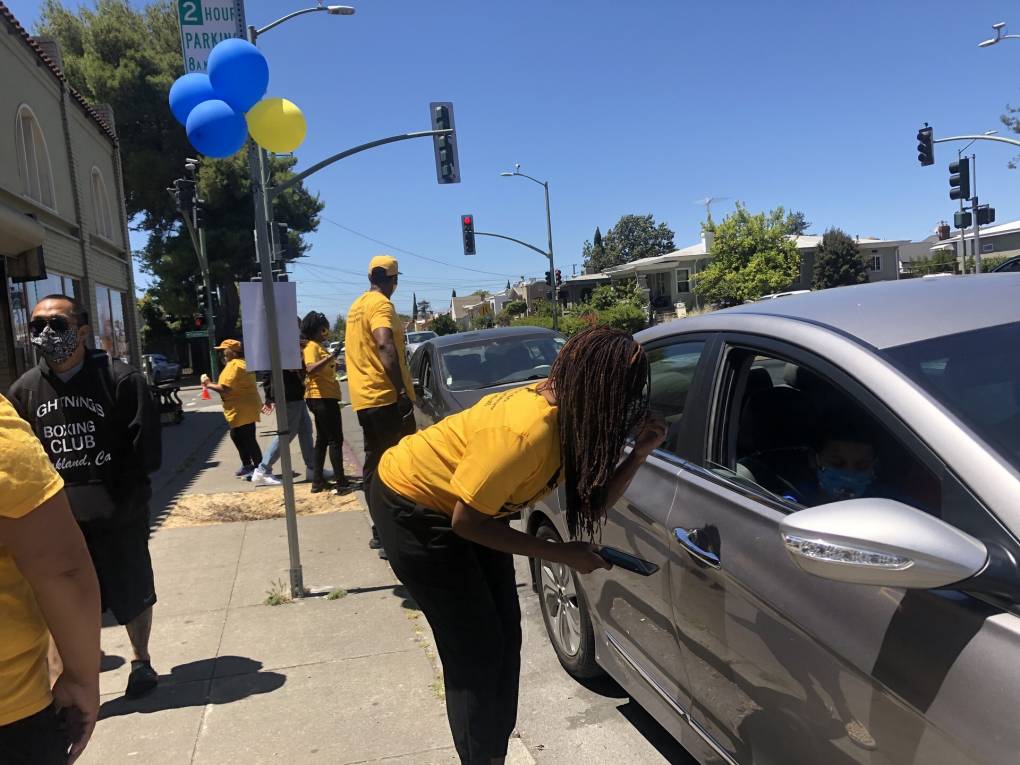
"caption": "The Oakland REACH organizers in East Oakland last summer handing out laptops and other school supplies to the families of Oakland students.",
"description": null,
"title": "RS43885_IMG_2893-qut",
"credit": "Vanessa Rancaño/KQED",
"status": "inherit",
"altTag": null,
"isLoading": false,
"fetchFailed": false
},
"news_11829275": {
"type": "attachments",
"id": "news_11829275",
"meta": {
"index": "attachments_1716263798",
"site": "news",
"id": "11829275",
"found": true
},
"parent": 11829180,
"imgSizes": {
"apple_news_ca_landscape_5_5": {
"file": "https://ww2.kqed.org/app/uploads/sites/10/2020/07/RS43909_001_KQED_Oakland_REACH_07092020-qut-1044x783.jpg",
"width": 1044,
"mimeType": "image/jpeg",
"height": 783
},
"apple_news_ca_square_4_0": {
"file": "https://ww2.kqed.org/app/uploads/sites/10/2020/07/RS43909_001_KQED_Oakland_REACH_07092020-qut-470x470.jpg",
"width": 470,
"mimeType": "image/jpeg",
"height": 470
},
"twentyfourteen-full-width": {
"file": "https://ww2.kqed.org/app/uploads/sites/10/2020/07/RS43909_001_KQED_Oakland_REACH_07092020-qut-1038x576.jpg",
"width": 1038,
"mimeType": "image/jpeg",
"height": 576
},
"thumbnail": {
"file": "https://ww2.kqed.org/app/uploads/sites/10/2020/07/RS43909_001_KQED_Oakland_REACH_07092020-qut-160x107.jpg",
"width": 160,
"mimeType": "image/jpeg",
"height": 107
},
"post-thumbnail": {
"file": "https://ww2.kqed.org/app/uploads/sites/10/2020/07/RS43909_001_KQED_Oakland_REACH_07092020-qut-672x372.jpg",
"width": 672,
"mimeType": "image/jpeg",
"height": 372
},
"kqedFullSize": {
"file": "https://ww2.kqed.org/app/uploads/sites/10/2020/07/RS43909_001_KQED_Oakland_REACH_07092020-qut.jpg",
"width": 1920,
"height": 1280
},
"apple_news_ca_landscape_4_7": {
"file": "https://ww2.kqed.org/app/uploads/sites/10/2020/07/RS43909_001_KQED_Oakland_REACH_07092020-qut-632x474.jpg",
"width": 632,
"mimeType": "image/jpeg",
"height": 474
},
"large": {
"file": "https://ww2.kqed.org/app/uploads/sites/10/2020/07/RS43909_001_KQED_Oakland_REACH_07092020-qut-1020x680.jpg",
"width": 1020,
"mimeType": "image/jpeg",
"height": 680
},
"apple_news_ca_landscape_4_0": {
"file": "https://ww2.kqed.org/app/uploads/sites/10/2020/07/RS43909_001_KQED_Oakland_REACH_07092020-qut-536x402.jpg",
"width": 536,
"mimeType": "image/jpeg",
"height": 402
},
"apple_news_ca_portrait_12_9": {
"file": "https://ww2.kqed.org/app/uploads/sites/10/2020/07/RS43909_001_KQED_Oakland_REACH_07092020-qut-1122x1280.jpg",
"width": 1122,
"mimeType": "image/jpeg",
"height": 1280
},
"medium": {
"file": "https://ww2.kqed.org/app/uploads/sites/10/2020/07/RS43909_001_KQED_Oakland_REACH_07092020-qut-800x533.jpg",
"width": 800,
"mimeType": "image/jpeg",
"height": 533
},
"apple_news_ca_portrait_4_0": {
"file": "https://ww2.kqed.org/app/uploads/sites/10/2020/07/RS43909_001_KQED_Oakland_REACH_07092020-qut-354x472.jpg",
"width": 354,
"mimeType": "image/jpeg",
"height": 472
},
"apple_news_ca_portrait_9_7": {
"file": "https://ww2.kqed.org/app/uploads/sites/10/2020/07/RS43909_001_KQED_Oakland_REACH_07092020-qut-840x1120.jpg",
"width": 840,
"mimeType": "image/jpeg",
"height": 1120
},
"apple_news_ca_landscape_12_9": {
"file": "https://ww2.kqed.org/app/uploads/sites/10/2020/07/RS43909_001_KQED_Oakland_REACH_07092020-qut-1832x1280.jpg",
"width": 1832,
"mimeType": "image/jpeg",
"height": 1280
},
"apple_news_ca_square_9_7": {
"file": "https://ww2.kqed.org/app/uploads/sites/10/2020/07/RS43909_001_KQED_Oakland_REACH_07092020-qut-1104x1104.jpg",
"width": 1104,
"mimeType": "image/jpeg",
"height": 1104
},
"1536x1536": {
"file": "https://ww2.kqed.org/app/uploads/sites/10/2020/07/RS43909_001_KQED_Oakland_REACH_07092020-qut-1536x1024.jpg",
"width": 1536,
"mimeType": "image/jpeg",
"height": 1024
},
"apple_news_ca_portrait_4_7": {
"file": "https://ww2.kqed.org/app/uploads/sites/10/2020/07/RS43909_001_KQED_Oakland_REACH_07092020-qut-414x552.jpg",
"width": 414,
"mimeType": "image/jpeg",
"height": 552
},
"apple_news_ca_square_12_9": {
"file": "https://ww2.kqed.org/app/uploads/sites/10/2020/07/RS43909_001_KQED_Oakland_REACH_07092020-qut-1472x1280.jpg",
"width": 1472,
"mimeType": "image/jpeg",
"height": 1280
},
"apple_news_ca_portrait_5_5": {
"file": "https://ww2.kqed.org/app/uploads/sites/10/2020/07/RS43909_001_KQED_Oakland_REACH_07092020-qut-687x916.jpg",
"width": 687,
"mimeType": "image/jpeg",
"height": 916
},
"apple_news_ca_square_4_7": {
"file": "https://ww2.kqed.org/app/uploads/sites/10/2020/07/RS43909_001_KQED_Oakland_REACH_07092020-qut-550x550.jpg",
"width": 550,
"mimeType": "image/jpeg",
"height": 550
},
"apple_news_ca_landscape_9_7": {
"file": "https://ww2.kqed.org/app/uploads/sites/10/2020/07/RS43909_001_KQED_Oakland_REACH_07092020-qut-1376x1032.jpg",
"width": 1376,
"mimeType": "image/jpeg",
"height": 1032
},
"apple_news_ca_square_5_5": {
"file": "https://ww2.kqed.org/app/uploads/sites/10/2020/07/RS43909_001_KQED_Oakland_REACH_07092020-qut-912x912.jpg",
"width": 912,
"mimeType": "image/jpeg",
"height": 912
}
},
"publishDate": 1594935590,
"modified": 1594935682,
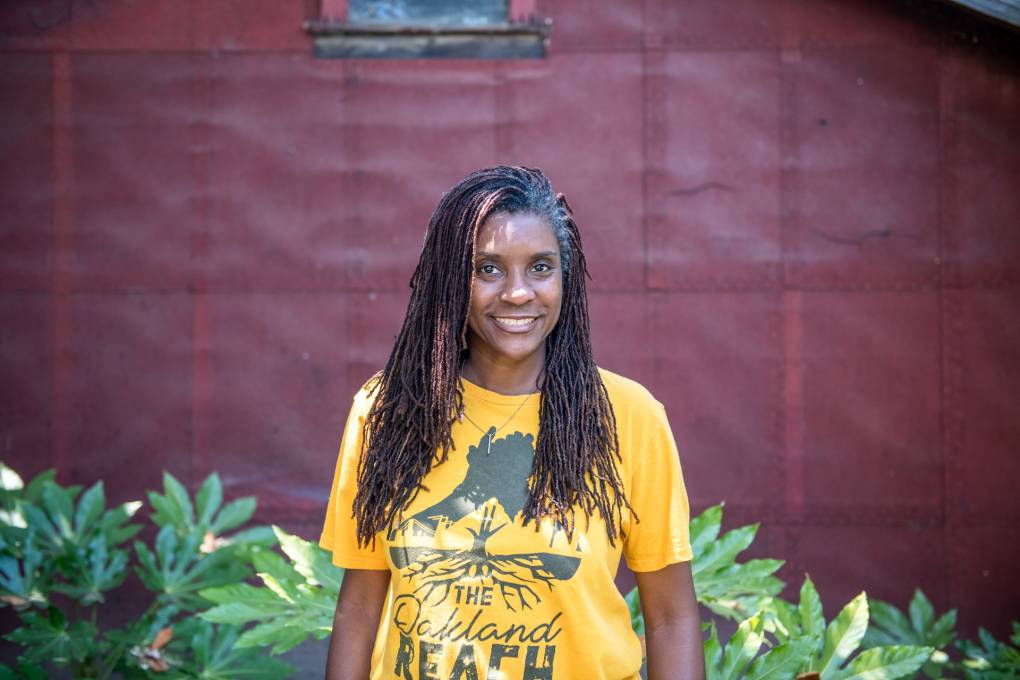
"caption": "Lakisha Young, co-founder and executive director Oakland REACH, on July 9, 2020.",
"description": null,
"title": "RS43909_001_KQED_Oakland_REACH_07092020-qut",
"credit": "Beth LaBerge/KQED",
"status": "inherit",
"isLoading": false,
"fetchFailed": false
},
"news_11826193": {
"type": "attachments",
"id": "news_11826193",
"meta": {
"index": "attachments_1716263798",
"site": "news",
"id": "11826193",
"found": true
},
"parent": 11826192,
"imgSizes": {
"apple_news_ca_landscape_5_5": {
"file": "https://ww2.kqed.org/app/uploads/sites/10/2020/06/RS43815_GettyImages-1217492733-qut-1044x783.jpg",
"width": 1044,
"mimeType": "image/jpeg",
"height": 783
},
"apple_news_ca_square_4_0": {
"file": "https://ww2.kqed.org/app/uploads/sites/10/2020/06/RS43815_GettyImages-1217492733-qut-470x470.jpg",
"width": 470,
"mimeType": "image/jpeg",
"height": 470
},
"twentyfourteen-full-width": {
"file": "https://ww2.kqed.org/app/uploads/sites/10/2020/06/RS43815_GettyImages-1217492733-qut-1038x576.jpg",
"width": 1038,
"mimeType": "image/jpeg",
"height": 576
},
"thumbnail": {
"file": "https://ww2.kqed.org/app/uploads/sites/10/2020/06/RS43815_GettyImages-1217492733-qut-160x107.jpg",
"width": 160,
"mimeType": "image/jpeg",
"height": 107
},
"post-thumbnail": {
"file": "https://ww2.kqed.org/app/uploads/sites/10/2020/06/RS43815_GettyImages-1217492733-qut-672x372.jpg",
"width": 672,
"mimeType": "image/jpeg",
"height": 372
},
"kqedFullSize": {
"file": "https://ww2.kqed.org/app/uploads/sites/10/2020/06/RS43815_GettyImages-1217492733-qut.jpg",
"width": 1920,
"height": 1280
},
"apple_news_ca_landscape_4_7": {
"file": "https://ww2.kqed.org/app/uploads/sites/10/2020/06/RS43815_GettyImages-1217492733-qut-632x474.jpg",
"width": 632,
"mimeType": "image/jpeg",
"height": 474
},
"large": {
"file": "https://ww2.kqed.org/app/uploads/sites/10/2020/06/RS43815_GettyImages-1217492733-qut-1020x680.jpg",
"width": 1020,
"mimeType": "image/jpeg",
"height": 680
},
"apple_news_ca_landscape_4_0": {
"file": "https://ww2.kqed.org/app/uploads/sites/10/2020/06/RS43815_GettyImages-1217492733-qut-536x402.jpg",
"width": 536,
"mimeType": "image/jpeg",
"height": 402
},
"apple_news_ca_portrait_12_9": {
"file": "https://ww2.kqed.org/app/uploads/sites/10/2020/06/RS43815_GettyImages-1217492733-qut-1122x1280.jpg",
"width": 1122,
"mimeType": "image/jpeg",
"height": 1280
},
"medium": {
"file": "https://ww2.kqed.org/app/uploads/sites/10/2020/06/RS43815_GettyImages-1217492733-qut-800x533.jpg",
"width": 800,
"mimeType": "image/jpeg",
"height": 533
},
"apple_news_ca_portrait_4_0": {
"file": "https://ww2.kqed.org/app/uploads/sites/10/2020/06/RS43815_GettyImages-1217492733-qut-354x472.jpg",
"width": 354,
"mimeType": "image/jpeg",
"height": 472
},
"apple_news_ca_portrait_9_7": {
"file": "https://ww2.kqed.org/app/uploads/sites/10/2020/06/RS43815_GettyImages-1217492733-qut-840x1120.jpg",
"width": 840,
"mimeType": "image/jpeg",
"height": 1120
},
"apple_news_ca_landscape_12_9": {
"file": "https://ww2.kqed.org/app/uploads/sites/10/2020/06/RS43815_GettyImages-1217492733-qut-1832x1280.jpg",
"width": 1832,
"mimeType": "image/jpeg",
"height": 1280
},
"apple_news_ca_square_9_7": {
"file": "https://ww2.kqed.org/app/uploads/sites/10/2020/06/RS43815_GettyImages-1217492733-qut-1104x1104.jpg",
"width": 1104,
"mimeType": "image/jpeg",
"height": 1104
},
"1536x1536": {
"file": "https://ww2.kqed.org/app/uploads/sites/10/2020/06/RS43815_GettyImages-1217492733-qut-1536x1024.jpg",
"width": 1536,
"mimeType": "image/jpeg",
"height": 1024
},
"apple_news_ca_portrait_4_7": {
"file": "https://ww2.kqed.org/app/uploads/sites/10/2020/06/RS43815_GettyImages-1217492733-qut-414x552.jpg",
"width": 414,
"mimeType": "image/jpeg",
"height": 552
},
"apple_news_ca_square_12_9": {
"file": "https://ww2.kqed.org/app/uploads/sites/10/2020/06/RS43815_GettyImages-1217492733-qut-1472x1280.jpg",
"width": 1472,
"mimeType": "image/jpeg",
"height": 1280
},
"apple_news_ca_portrait_5_5": {
"file": "https://ww2.kqed.org/app/uploads/sites/10/2020/06/RS43815_GettyImages-1217492733-qut-687x916.jpg",
"width": 687,
"mimeType": "image/jpeg",
"height": 916
},
"apple_news_ca_square_4_7": {
"file": "https://ww2.kqed.org/app/uploads/sites/10/2020/06/RS43815_GettyImages-1217492733-qut-550x550.jpg",
"width": 550,
"mimeType": "image/jpeg",
"height": 550
},
"apple_news_ca_landscape_9_7": {
"file": "https://ww2.kqed.org/app/uploads/sites/10/2020/06/RS43815_GettyImages-1217492733-qut-1376x1032.jpg",
"width": 1376,
"mimeType": "image/jpeg",
"height": 1032
},
"apple_news_ca_square_5_5": {
"file": "https://ww2.kqed.org/app/uploads/sites/10/2020/06/RS43815_GettyImages-1217492733-qut-912x912.jpg",
"width": 912,
"mimeType": "image/jpeg",
"height": 912
}
},
"publishDate": 1593124800,
"modified": 1593205048,
"caption": "A mural painted on the ground of Frank Ogawa Plaza in Oakland is pictured during a June 3 \"Sit Out the Curfew\" protest over the death of George Floyd, who died in Minneapolis on May 25 while in police custody. ",
"description": "A mural painted on the ground of Frank Ogawa Plaza in Oakland is pictured during a June 3 \"Sit Out the Curfew\" protest over the death of George Floyd, who died in Minneapolis on May 25 while in police custody. ",
"title": "US-POLITICS-RACE-UNREST",
"credit": "Philip Pacheco/AFP via Getty Images",
"status": "inherit",
"isLoading": false,
"fetchFailed": false
},
"news_11824006": {
"type": "attachments",
"id": "news_11824006",
"meta": {
"index": "attachments_1716263798",
"site": "news",
"id": "11824006",
"found": true
},
"parent": 11823933,
"imgSizes": {
"apple_news_ca_landscape_5_5": {
"file": "https://ww2.kqed.org/app/uploads/sites/10/2020/06/RS43611_020_KQED_HalfMoonBay_OxMountainLandfill_05292020-qut-1044x783.jpg",
"width": 1044,
"mimeType": "image/jpeg",
"height": 783
},
"apple_news_ca_square_4_0": {
"file": "https://ww2.kqed.org/app/uploads/sites/10/2020/06/RS43611_020_KQED_HalfMoonBay_OxMountainLandfill_05292020-qut-470x470.jpg",
"width": 470,
"mimeType": "image/jpeg",
"height": 470
},
"twentyfourteen-full-width": {
"file": "https://ww2.kqed.org/app/uploads/sites/10/2020/06/RS43611_020_KQED_HalfMoonBay_OxMountainLandfill_05292020-qut-1038x576.jpg",
"width": 1038,
"mimeType": "image/jpeg",
"height": 576
},
"thumbnail": {
"file": "https://ww2.kqed.org/app/uploads/sites/10/2020/06/RS43611_020_KQED_HalfMoonBay_OxMountainLandfill_05292020-qut-160x107.jpg",
"width": 160,
"mimeType": "image/jpeg",
"height": 107
},
"post-thumbnail": {
"file": "https://ww2.kqed.org/app/uploads/sites/10/2020/06/RS43611_020_KQED_HalfMoonBay_OxMountainLandfill_05292020-qut-672x372.jpg",
"width": 672,
"mimeType": "image/jpeg",
"height": 372
},
"kqedFullSize": {
"file": "https://ww2.kqed.org/app/uploads/sites/10/2020/06/RS43611_020_KQED_HalfMoonBay_OxMountainLandfill_05292020-qut.jpg",
"width": 1920,
"height": 1278
},
"apple_news_ca_landscape_4_7": {
"file": "https://ww2.kqed.org/app/uploads/sites/10/2020/06/RS43611_020_KQED_HalfMoonBay_OxMountainLandfill_05292020-qut-632x474.jpg",
"width": 632,
"mimeType": "image/jpeg",
"height": 474
},
"large": {
"file": "https://ww2.kqed.org/app/uploads/sites/10/2020/06/RS43611_020_KQED_HalfMoonBay_OxMountainLandfill_05292020-qut-1020x679.jpg",
"width": 1020,
"mimeType": "image/jpeg",
"height": 679
},
"apple_news_ca_landscape_4_0": {
"file": "https://ww2.kqed.org/app/uploads/sites/10/2020/06/RS43611_020_KQED_HalfMoonBay_OxMountainLandfill_05292020-qut-536x402.jpg",
"width": 536,
"mimeType": "image/jpeg",
"height": 402
},
"apple_news_ca_portrait_12_9": {
"file": "https://ww2.kqed.org/app/uploads/sites/10/2020/06/RS43611_020_KQED_HalfMoonBay_OxMountainLandfill_05292020-qut-1122x1278.jpg",
"width": 1122,
"mimeType": "image/jpeg",
"height": 1278
},
"medium": {
"file": "https://ww2.kqed.org/app/uploads/sites/10/2020/06/RS43611_020_KQED_HalfMoonBay_OxMountainLandfill_05292020-qut-800x533.jpg",
"width": 800,
"mimeType": "image/jpeg",
"height": 533
},
"apple_news_ca_portrait_4_0": {
"file": "https://ww2.kqed.org/app/uploads/sites/10/2020/06/RS43611_020_KQED_HalfMoonBay_OxMountainLandfill_05292020-qut-354x472.jpg",
"width": 354,
"mimeType": "image/jpeg",
"height": 472
},
"apple_news_ca_portrait_9_7": {
"file": "https://ww2.kqed.org/app/uploads/sites/10/2020/06/RS43611_020_KQED_HalfMoonBay_OxMountainLandfill_05292020-qut-840x1120.jpg",
"width": 840,
"mimeType": "image/jpeg",
"height": 1120
},
"apple_news_ca_landscape_12_9": {
"file": "https://ww2.kqed.org/app/uploads/sites/10/2020/06/RS43611_020_KQED_HalfMoonBay_OxMountainLandfill_05292020-qut-1832x1278.jpg",
"width": 1832,
"mimeType": "image/jpeg",
"height": 1278
},
"apple_news_ca_square_9_7": {
"file": "https://ww2.kqed.org/app/uploads/sites/10/2020/06/RS43611_020_KQED_HalfMoonBay_OxMountainLandfill_05292020-qut-1104x1104.jpg",
"width": 1104,
"mimeType": "image/jpeg",
"height": 1104
},
"apple_news_ca_portrait_4_7": {
"file": "https://ww2.kqed.org/app/uploads/sites/10/2020/06/RS43611_020_KQED_HalfMoonBay_OxMountainLandfill_05292020-qut-414x552.jpg",
"width": 414,
"mimeType": "image/jpeg",
"height": 552
},
"apple_news_ca_square_12_9": {
"file": "https://ww2.kqed.org/app/uploads/sites/10/2020/06/RS43611_020_KQED_HalfMoonBay_OxMountainLandfill_05292020-qut-1472x1278.jpg",
"width": 1472,
"mimeType": "image/jpeg",
"height": 1278
},
"apple_news_ca_portrait_5_5": {
"file": "https://ww2.kqed.org/app/uploads/sites/10/2020/06/RS43611_020_KQED_HalfMoonBay_OxMountainLandfill_05292020-qut-687x916.jpg",
"width": 687,
"mimeType": "image/jpeg",
"height": 916
},
"full-width": {
"file": "https://ww2.kqed.org/app/uploads/sites/10/2020/06/RS43611_020_KQED_HalfMoonBay_OxMountainLandfill_05292020-qut-1920x1278.jpg",
"width": 1920,
"mimeType": "image/jpeg",
"height": 1278
},
"apple_news_ca_square_4_7": {
"file": "https://ww2.kqed.org/app/uploads/sites/10/2020/06/RS43611_020_KQED_HalfMoonBay_OxMountainLandfill_05292020-qut-550x550.jpg",
"width": 550,
"mimeType": "image/jpeg",
"height": 550
},
"apple_news_ca_landscape_9_7": {
"file": "https://ww2.kqed.org/app/uploads/sites/10/2020/06/RS43611_020_KQED_HalfMoonBay_OxMountainLandfill_05292020-qut-1376x1032.jpg",
"width": 1376,
"mimeType": "image/jpeg",
"height": 1032
},
"apple_news_ca_square_5_5": {
"file": "https://ww2.kqed.org/app/uploads/sites/10/2020/06/RS43611_020_KQED_HalfMoonBay_OxMountainLandfill_05292020-qut-912x912.jpg",
"width": 912,
"mimeType": "image/jpeg",
"height": 912
}
},
"publishDate": 1591906951,
"modified": 1591923714,
"caption": "Members of the Oakland Black Youth Activists at a march, demanding answers for the CHP killing of Eric Salgado. The march began at OUSD's Elmhurst United Middle School, which Salgado once attended, in Oakland on June 8, 2020.",
"description": "Members of the Oakland Black Youth Activists at a march, demanding answers for the CHP killing of Eric Salgado. The march began at OUSD's Elmhurst United Middle School, which Salgado once attended, in Oakland on June 8, 2020.",
"title": "RS43611_020_KQED_HalfMoonBay_OxMountainLandfill_05292020-qut",
"credit": "Beth LaBerge/KQED",
"status": "inherit",
"isLoading": false,
"fetchFailed": false
},
"news_11808566": {
"type": "attachments",
"id": "news_11808566",
"meta": {
"index": "attachments_1716263798",
"site": "news",
"id": "11808566",
"found": true
},
"parent": 11808383,
"imgSizes": {
"apple_news_ca_landscape_5_5": {
"file": "https://ww2.kqed.org/app/uploads/sites/10/2020/03/RS42259_001_KQED_Pittsburg_MaliaJohnson_03242020-qut-1044x783.jpg",
"width": 1044,
"mimeType": "image/jpeg",
"height": 783
},
"apple_news_ca_square_4_0": {
"file": "https://ww2.kqed.org/app/uploads/sites/10/2020/03/RS42259_001_KQED_Pittsburg_MaliaJohnson_03242020-qut-470x470.jpg",
"width": 470,
"mimeType": "image/jpeg",
"height": 470
},
"twentyfourteen-full-width": {
"file": "https://ww2.kqed.org/app/uploads/sites/10/2020/03/RS42259_001_KQED_Pittsburg_MaliaJohnson_03242020-qut-1038x576.jpg",
"width": 1038,
"mimeType": "image/jpeg",
"height": 576
},
"thumbnail": {
"file": "https://ww2.kqed.org/app/uploads/sites/10/2020/03/RS42259_001_KQED_Pittsburg_MaliaJohnson_03242020-qut-160x107.jpg",
"width": 160,
"mimeType": "image/jpeg",
"height": 107
},
"post-thumbnail": {
"file": "https://ww2.kqed.org/app/uploads/sites/10/2020/03/RS42259_001_KQED_Pittsburg_MaliaJohnson_03242020-qut-672x372.jpg",
"width": 672,
"mimeType": "image/jpeg",
"height": 372
},
"kqedFullSize": {
"file": "https://ww2.kqed.org/app/uploads/sites/10/2020/03/RS42259_001_KQED_Pittsburg_MaliaJohnson_03242020-qut.jpg",
"width": 1920,
"height": 1280
},
"apple_news_ca_landscape_4_7": {
"file": "https://ww2.kqed.org/app/uploads/sites/10/2020/03/RS42259_001_KQED_Pittsburg_MaliaJohnson_03242020-qut-632x474.jpg",
"width": 632,
"mimeType": "image/jpeg",
"height": 474
},
"large": {
"file": "https://ww2.kqed.org/app/uploads/sites/10/2020/03/RS42259_001_KQED_Pittsburg_MaliaJohnson_03242020-qut-1020x680.jpg",
"width": 1020,
"mimeType": "image/jpeg",
"height": 680
},
"apple_news_ca_landscape_4_0": {
"file": "https://ww2.kqed.org/app/uploads/sites/10/2020/03/RS42259_001_KQED_Pittsburg_MaliaJohnson_03242020-qut-536x402.jpg",
"width": 536,
"mimeType": "image/jpeg",
"height": 402
},
"apple_news_ca_portrait_12_9": {
"file": "https://ww2.kqed.org/app/uploads/sites/10/2020/03/RS42259_001_KQED_Pittsburg_MaliaJohnson_03242020-qut-1122x1280.jpg",
"width": 1122,
"mimeType": "image/jpeg",
"height": 1280
},
"medium": {
"file": "https://ww2.kqed.org/app/uploads/sites/10/2020/03/RS42259_001_KQED_Pittsburg_MaliaJohnson_03242020-qut-800x533.jpg",
"width": 800,
"mimeType": "image/jpeg",
"height": 533
},
"apple_news_ca_portrait_4_0": {
"file": "https://ww2.kqed.org/app/uploads/sites/10/2020/03/RS42259_001_KQED_Pittsburg_MaliaJohnson_03242020-qut-354x472.jpg",
"width": 354,
"mimeType": "image/jpeg",
"height": 472
},
"apple_news_ca_portrait_9_7": {
"file": "https://ww2.kqed.org/app/uploads/sites/10/2020/03/RS42259_001_KQED_Pittsburg_MaliaJohnson_03242020-qut-840x1120.jpg",
"width": 840,
"mimeType": "image/jpeg",
"height": 1120
},
"apple_news_ca_landscape_12_9": {
"file": "https://ww2.kqed.org/app/uploads/sites/10/2020/03/RS42259_001_KQED_Pittsburg_MaliaJohnson_03242020-qut-1832x1280.jpg",
"width": 1832,
"mimeType": "image/jpeg",
"height": 1280
},
"apple_news_ca_square_9_7": {
"file": "https://ww2.kqed.org/app/uploads/sites/10/2020/03/RS42259_001_KQED_Pittsburg_MaliaJohnson_03242020-qut-1104x1104.jpg",
"width": 1104,
"mimeType": "image/jpeg",
"height": 1104
},
"apple_news_ca_portrait_4_7": {
"file": "https://ww2.kqed.org/app/uploads/sites/10/2020/03/RS42259_001_KQED_Pittsburg_MaliaJohnson_03242020-qut-414x552.jpg",
"width": 414,
"mimeType": "image/jpeg",
"height": 552
},
"apple_news_ca_square_12_9": {
"file": "https://ww2.kqed.org/app/uploads/sites/10/2020/03/RS42259_001_KQED_Pittsburg_MaliaJohnson_03242020-qut-1472x1280.jpg",
"width": 1472,
"mimeType": "image/jpeg",
"height": 1280
},
"apple_news_ca_portrait_5_5": {
"file": "https://ww2.kqed.org/app/uploads/sites/10/2020/03/RS42259_001_KQED_Pittsburg_MaliaJohnson_03242020-qut-687x916.jpg",
"width": 687,
"mimeType": "image/jpeg",
"height": 916
},
"full-width": {
"file": "https://ww2.kqed.org/app/uploads/sites/10/2020/03/RS42259_001_KQED_Pittsburg_MaliaJohnson_03242020-qut-1920x1280.jpg",
"width": 1920,
"mimeType": "image/jpeg",
"height": 1280
},
"apple_news_ca_square_4_7": {
"file": "https://ww2.kqed.org/app/uploads/sites/10/2020/03/RS42259_001_KQED_Pittsburg_MaliaJohnson_03242020-qut-550x550.jpg",
"width": 550,
"mimeType": "image/jpeg",
"height": 550
},
"apple_news_ca_landscape_9_7": {
"file": "https://ww2.kqed.org/app/uploads/sites/10/2020/03/RS42259_001_KQED_Pittsburg_MaliaJohnson_03242020-qut-1376x1032.jpg",
"width": 1376,
"mimeType": "image/jpeg",
"height": 1032
},
"apple_news_ca_square_5_5": {
"file": "https://ww2.kqed.org/app/uploads/sites/10/2020/03/RS42259_001_KQED_Pittsburg_MaliaJohnson_03242020-qut-912x912.jpg",
"width": 912,
"mimeType": "image/jpeg",
"height": 912
}
},
"publishDate": 1585100031,
"modified": 1585102021,
"caption": "Malia Johnson at her home in Pittsburg, California on March 24, 2020.",
"description": null,
"title": "Malia Johnson at her home in Pittsburg, California on Mar. 24, 2020.",
"credit": "Beth LaBerge/KQED",
"status": "inherit",
"isLoading": false,
"fetchFailed": false
},
"news_11782302": {
"type": "attachments",
"id": "news_11782302",
"meta": {
"index": "attachments_1716263798",
"site": "news",
"id": "11782302",
"found": true
},
"parent": 11781890,
"imgSizes": {
"apple_news_ca_landscape_5_5": {
"file": "https://ww2.kqed.org/app/uploads/sites/10/2019/10/ousd-meeting-police-1044x783.jpg",
"width": 1044,
"mimeType": "image/jpeg",
"height": 783
},
"apple_news_ca_square_4_0": {
"file": "https://ww2.kqed.org/app/uploads/sites/10/2019/10/ousd-meeting-police-470x470.jpg",
"width": 470,
"mimeType": "image/jpeg",
"height": 470
},
"twentyfourteen-full-width": {
"file": "https://ww2.kqed.org/app/uploads/sites/10/2019/10/ousd-meeting-police-1038x576.jpg",
"width": 1038,
"mimeType": "image/jpeg",
"height": 576
},
"thumbnail": {
"file": "https://ww2.kqed.org/app/uploads/sites/10/2019/10/ousd-meeting-police-160x90.jpg",
"width": 160,
"mimeType": "image/jpeg",
"height": 90
},
"post-thumbnail": {
"file": "https://ww2.kqed.org/app/uploads/sites/10/2019/10/ousd-meeting-police-672x372.jpg",
"width": 672,
"mimeType": "image/jpeg",
"height": 372
},
"kqedFullSize": {
"file": "https://ww2.kqed.org/app/uploads/sites/10/2019/10/ousd-meeting-police.jpg",
"width": 1920,
"height": 1080
},
"apple_news_ca_landscape_4_7": {
"file": "https://ww2.kqed.org/app/uploads/sites/10/2019/10/ousd-meeting-police-632x474.jpg",
"width": 632,
"mimeType": "image/jpeg",
"height": 474
},
"large": {
"file": "https://ww2.kqed.org/app/uploads/sites/10/2019/10/ousd-meeting-police-1020x574.jpg",
"width": 1020,
"mimeType": "image/jpeg",
"height": 574
},
"complete_open_graph": {
"file": "https://ww2.kqed.org/app/uploads/sites/10/2019/10/ousd-meeting-police-1200x675.jpg",
"width": 1200,
"mimeType": "image/jpeg",
"height": 675
},
"apple_news_ca_landscape_4_0": {
"file": "https://ww2.kqed.org/app/uploads/sites/10/2019/10/ousd-meeting-police-536x402.jpg",
"width": 536,
"mimeType": "image/jpeg",
"height": 402
},
"apple_news_ca_portrait_12_9": {
"file": "https://ww2.kqed.org/app/uploads/sites/10/2019/10/ousd-meeting-police-1122x1080.jpg",
"width": 1122,
"mimeType": "image/jpeg",
"height": 1080
},
"medium": {
"file": "https://ww2.kqed.org/app/uploads/sites/10/2019/10/ousd-meeting-police-800x450.jpg",
"width": 800,
"mimeType": "image/jpeg",
"height": 450
},
"apple_news_ca_portrait_4_0": {
"file": "https://ww2.kqed.org/app/uploads/sites/10/2019/10/ousd-meeting-police-354x472.jpg",
"width": 354,
"mimeType": "image/jpeg",
"height": 472
},
"apple_news_ca_portrait_9_7": {
"file": "https://ww2.kqed.org/app/uploads/sites/10/2019/10/ousd-meeting-police-840x1080.jpg",
"width": 840,
"mimeType": "image/jpeg",
"height": 1080
},
"apple_news_ca_landscape_12_9": {
"file": "https://ww2.kqed.org/app/uploads/sites/10/2019/10/ousd-meeting-police-1832x1080.jpg",
"width": 1832,
"mimeType": "image/jpeg",
"height": 1080
},
"apple_news_ca_square_9_7": {
"file": "https://ww2.kqed.org/app/uploads/sites/10/2019/10/ousd-meeting-police-1104x1080.jpg",
"width": 1104,
"mimeType": "image/jpeg",
"height": 1080
},
"apple_news_ca_portrait_4_7": {
"file": "https://ww2.kqed.org/app/uploads/sites/10/2019/10/ousd-meeting-police-414x552.jpg",
"width": 414,
"mimeType": "image/jpeg",
"height": 552
},
"apple_news_ca_square_12_9": {
"file": "https://ww2.kqed.org/app/uploads/sites/10/2019/10/ousd-meeting-police-1472x1080.jpg",
"width": 1472,
"mimeType": "image/jpeg",
"height": 1080
},
"apple_news_ca_portrait_5_5": {
"file": "https://ww2.kqed.org/app/uploads/sites/10/2019/10/ousd-meeting-police-687x916.jpg",
"width": 687,
"mimeType": "image/jpeg",
"height": 916
},
"full-width": {
"file": "https://ww2.kqed.org/app/uploads/sites/10/2019/10/ousd-meeting-police-1920x1080.jpg",
"width": 1920,
"mimeType": "image/jpeg",
"height": 1080
},
"apple_news_ca_square_4_7": {
"file": "https://ww2.kqed.org/app/uploads/sites/10/2019/10/ousd-meeting-police-550x550.jpg",
"width": 550,
"mimeType": "image/jpeg",
"height": 550
},
"apple_news_ca_landscape_9_7": {
"file": "https://ww2.kqed.org/app/uploads/sites/10/2019/10/ousd-meeting-police-1376x1032.jpg",
"width": 1376,
"mimeType": "image/jpeg",
"height": 1032
},
"apple_news_ca_square_5_5": {
"file": "https://ww2.kqed.org/app/uploads/sites/10/2019/10/ousd-meeting-police-912x912.jpg",
"width": 912,
"mimeType": "image/jpeg",
"height": 912
}
},
"publishDate": 1571929213,
"modified": 1571938611,
"caption": "A police officer strikes a man with a baton after protesters crossed a barricade at an Oakland Unified School District board meeting on Oct. 23, 2019, at La Escuelita Elementary in Oakland.",
"description": "A police officer strikes a man with a baton after protesters crossed a barricade at an Oakland Unified School District board meeting on Oct. 23, 2019, at La Escuelita Elementary in Oakland.",
"title": "ousd-meeting-police",
"credit": "Courtesey of Stracey Gordon",
"status": "inherit",
"isLoading": false,
"fetchFailed": false
},
"news_11770914": {
"type": "attachments",
"id": "news_11770914",
"meta": {
"index": "attachments_1716263798",
"site": "news",
"id": "11770914",
"found": true
},
"parent": 11770902,
"imgSizes": {
"apple_news_ca_landscape_5_5": {
"file": "https://ww2.kqed.org/app/uploads/sites/10/2019/08/RS38841_OUSD_005-qut-1044x783.jpg",
"width": 1044,
"mimeType": "image/jpeg",
"height": 783
},
"apple_news_ca_square_4_0": {
"file": "https://ww2.kqed.org/app/uploads/sites/10/2019/08/RS38841_OUSD_005-qut-470x470.jpg",
"width": 470,
"mimeType": "image/jpeg",
"height": 470
},
"twentyfourteen-full-width": {
"file": "https://ww2.kqed.org/app/uploads/sites/10/2019/08/RS38841_OUSD_005-qut-1038x576.jpg",
"width": 1038,
"mimeType": "image/jpeg",
"height": 576
},
"thumbnail": {
"file": "https://ww2.kqed.org/app/uploads/sites/10/2019/08/RS38841_OUSD_005-qut-160x107.jpg",
"width": 160,
"mimeType": "image/jpeg",
"height": 107
},
"post-thumbnail": {
"file": "https://ww2.kqed.org/app/uploads/sites/10/2019/08/RS38841_OUSD_005-qut-672x372.jpg",
"width": 672,
"mimeType": "image/jpeg",
"height": 372
},
"kqedFullSize": {
"file": "https://ww2.kqed.org/app/uploads/sites/10/2019/08/RS38841_OUSD_005-qut.jpg",
"width": 1920,
"height": 1280
},
"apple_news_ca_landscape_4_7": {
"file": "https://ww2.kqed.org/app/uploads/sites/10/2019/08/RS38841_OUSD_005-qut-632x474.jpg",
"width": 632,
"mimeType": "image/jpeg",
"height": 474
},
"large": {
"file": "https://ww2.kqed.org/app/uploads/sites/10/2019/08/RS38841_OUSD_005-qut-1020x680.jpg",
"width": 1020,
"mimeType": "image/jpeg",
"height": 680
},
"complete_open_graph": {
"file": "https://ww2.kqed.org/app/uploads/sites/10/2019/08/RS38841_OUSD_005-qut-1200x800.jpg",
"width": 1200,
"mimeType": "image/jpeg",
"height": 800
},
"apple_news_ca_landscape_4_0": {
"file": "https://ww2.kqed.org/app/uploads/sites/10/2019/08/RS38841_OUSD_005-qut-536x402.jpg",
"width": 536,
"mimeType": "image/jpeg",
"height": 402
},
"apple_news_ca_portrait_12_9": {
"file": "https://ww2.kqed.org/app/uploads/sites/10/2019/08/RS38841_OUSD_005-qut-1122x1280.jpg",
"width": 1122,
"mimeType": "image/jpeg",
"height": 1280
},
"medium": {
"file": "https://ww2.kqed.org/app/uploads/sites/10/2019/08/RS38841_OUSD_005-qut-800x533.jpg",
"width": 800,
"mimeType": "image/jpeg",
"height": 533
},
"apple_news_ca_portrait_4_0": {
"file": "https://ww2.kqed.org/app/uploads/sites/10/2019/08/RS38841_OUSD_005-qut-354x472.jpg",
"width": 354,
"mimeType": "image/jpeg",
"height": 472
},
"apple_news_ca_portrait_9_7": {
"file": "https://ww2.kqed.org/app/uploads/sites/10/2019/08/RS38841_OUSD_005-qut-840x1120.jpg",
"width": 840,
"mimeType": "image/jpeg",
"height": 1120
},
"apple_news_ca_landscape_12_9": {
"file": "https://ww2.kqed.org/app/uploads/sites/10/2019/08/RS38841_OUSD_005-qut-1832x1280.jpg",
"width": 1832,
"mimeType": "image/jpeg",
"height": 1280
},
"apple_news_ca_square_9_7": {
"file": "https://ww2.kqed.org/app/uploads/sites/10/2019/08/RS38841_OUSD_005-qut-1104x1104.jpg",
"width": 1104,
"mimeType": "image/jpeg",
"height": 1104
},
"apple_news_ca_portrait_4_7": {
"file": "https://ww2.kqed.org/app/uploads/sites/10/2019/08/RS38841_OUSD_005-qut-414x552.jpg",
"width": 414,
"mimeType": "image/jpeg",
"height": 552
},
"apple_news_ca_square_12_9": {
"file": "https://ww2.kqed.org/app/uploads/sites/10/2019/08/RS38841_OUSD_005-qut-1472x1280.jpg",
"width": 1472,
"mimeType": "image/jpeg",
"height": 1280
},
"apple_news_ca_portrait_5_5": {
"file": "https://ww2.kqed.org/app/uploads/sites/10/2019/08/RS38841_OUSD_005-qut-687x916.jpg",
"width": 687,
"mimeType": "image/jpeg",
"height": 916
},
"full-width": {
"file": "https://ww2.kqed.org/app/uploads/sites/10/2019/08/RS38841_OUSD_005-qut-1920x1280.jpg",
"width": 1920,
"mimeType": "image/jpeg",
"height": 1280
},
"apple_news_ca_square_4_7": {
"file": "https://ww2.kqed.org/app/uploads/sites/10/2019/08/RS38841_OUSD_005-qut-550x550.jpg",
"width": 550,
"mimeType": "image/jpeg",
"height": 550
},
"apple_news_ca_landscape_9_7": {
"file": "https://ww2.kqed.org/app/uploads/sites/10/2019/08/RS38841_OUSD_005-qut-1376x1032.jpg",
"width": 1376,
"mimeType": "image/jpeg",
"height": 1032
},
"apple_news_ca_square_5_5": {
"file": "https://ww2.kqed.org/app/uploads/sites/10/2019/08/RS38841_OUSD_005-qut-912x912.jpg",
"width": 912,
"mimeType": "image/jpeg",
"height": 912
}
},
"publishDate": 1567090122,
"modified": 1567189105,
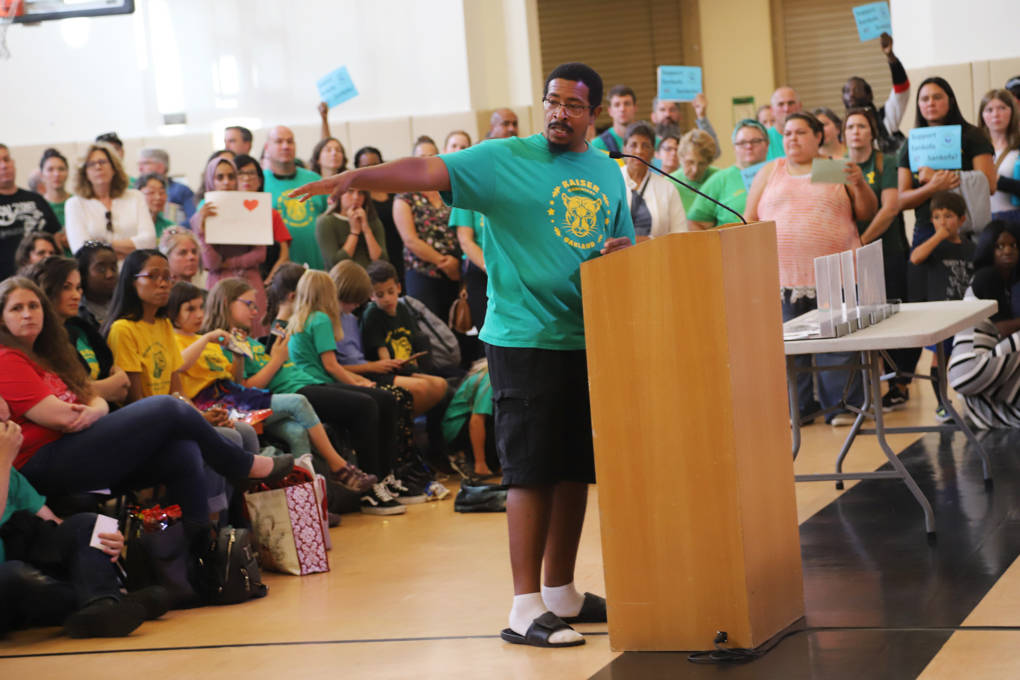
"caption": "Kaiser parent Daryl Guidry spoke in opposition to the Oakland Unified School District's closures plan at a meeting on Aug. 28, 2019.",
"description": "Kaiser parent Daryl Guidry spoke in opposition to the Oakland Unified School District's closures plan at a meeting on Aug. 28, 2019.",
"title": "RS38841_OUSD_005-qut",
"credit": "Lindsey Moore/KQED",
"status": "inherit",
"isLoading": false,
"fetchFailed": false
},
"news_11770511": {
"type": "attachments",
"id": "news_11770511",
"meta": {
"index": "attachments_1716263798",
"site": "news",
"id": "11770511",
"found": true
},
"parent": 11769087,
"imgSizes": {
"apple_news_ca_landscape_5_5": {
"file": "https://ww2.kqed.org/app/uploads/sites/10/2019/08/Sankofa-Academy-1044x783.jpg",
"width": 1044,
"mimeType": "image/jpeg",
"height": 783
},
"apple_news_ca_square_4_0": {
"file": "https://ww2.kqed.org/app/uploads/sites/10/2019/08/Sankofa-Academy-470x470.jpg",
"width": 470,
"mimeType": "image/jpeg",
"height": 470
},
"twentyfourteen-full-width": {
"file": "https://ww2.kqed.org/app/uploads/sites/10/2019/08/Sankofa-Academy-1038x576.jpg",
"width": 1038,
"mimeType": "image/jpeg",
"height": 576
},
"thumbnail": {
"file": "https://ww2.kqed.org/app/uploads/sites/10/2019/08/Sankofa-Academy-160x116.jpg",
"width": 160,
"mimeType": "image/jpeg",
"height": 116
},
"post-thumbnail": {
"file": "https://ww2.kqed.org/app/uploads/sites/10/2019/08/Sankofa-Academy-672x372.jpg",
"width": 672,
"mimeType": "image/jpeg",
"height": 372
},
"kqedFullSize": {
"file": "https://ww2.kqed.org/app/uploads/sites/10/2019/08/Sankofa-Academy.jpg",
"width": 1920,
"height": 1389
},
"apple_news_ca_landscape_4_7": {
"file": "https://ww2.kqed.org/app/uploads/sites/10/2019/08/Sankofa-Academy-632x474.jpg",
"width": 632,
"mimeType": "image/jpeg",
"height": 474
},
"large": {
"file": "https://ww2.kqed.org/app/uploads/sites/10/2019/08/Sankofa-Academy-1020x738.jpg",
"width": 1020,
"mimeType": "image/jpeg",
"height": 738
},
"complete_open_graph": {
"file": "https://ww2.kqed.org/app/uploads/sites/10/2019/08/Sankofa-Academy-1200x868.jpg",
"width": 1200,
"mimeType": "image/jpeg",
"height": 868
},
"apple_news_ca_landscape_4_0": {
"file": "https://ww2.kqed.org/app/uploads/sites/10/2019/08/Sankofa-Academy-536x402.jpg",
"width": 536,
"mimeType": "image/jpeg",
"height": 402
},
"apple_news_ca_portrait_12_9": {
"file": "https://ww2.kqed.org/app/uploads/sites/10/2019/08/Sankofa-Academy-1122x1389.jpg",
"width": 1122,
"mimeType": "image/jpeg",
"height": 1389
},
"medium": {
"file": "https://ww2.kqed.org/app/uploads/sites/10/2019/08/Sankofa-Academy-800x579.jpg",
"width": 800,
"mimeType": "image/jpeg",
"height": 579
},
"apple_news_ca_portrait_4_0": {
"file": "https://ww2.kqed.org/app/uploads/sites/10/2019/08/Sankofa-Academy-354x472.jpg",
"width": 354,
"mimeType": "image/jpeg",
"height": 472
},
"apple_news_ca_portrait_9_7": {
"file": "https://ww2.kqed.org/app/uploads/sites/10/2019/08/Sankofa-Academy-840x1120.jpg",
"width": 840,
"mimeType": "image/jpeg",
"height": 1120
},
"apple_news_ca_landscape_12_9": {
"file": "https://ww2.kqed.org/app/uploads/sites/10/2019/08/Sankofa-Academy-1832x1374.jpg",
"width": 1832,
"mimeType": "image/jpeg",
"height": 1374
},
"apple_news_ca_square_9_7": {
"file": "https://ww2.kqed.org/app/uploads/sites/10/2019/08/Sankofa-Academy-1104x1104.jpg",
"width": 1104,
"mimeType": "image/jpeg",
"height": 1104
},
"apple_news_ca_portrait_4_7": {
"file": "https://ww2.kqed.org/app/uploads/sites/10/2019/08/Sankofa-Academy-414x552.jpg",
"width": 414,
"mimeType": "image/jpeg",
"height": 552
},
"apple_news_ca_square_12_9": {
"file": "https://ww2.kqed.org/app/uploads/sites/10/2019/08/Sankofa-Academy-1472x1389.jpg",
"width": 1472,
"mimeType": "image/jpeg",
"height": 1389
},
"apple_news_ca_portrait_5_5": {
"file": "https://ww2.kqed.org/app/uploads/sites/10/2019/08/Sankofa-Academy-687x916.jpg",
"width": 687,
"mimeType": "image/jpeg",
"height": 916
},
"full-width": {
"file": "https://ww2.kqed.org/app/uploads/sites/10/2019/08/Sankofa-Academy-1920x1389.jpg",
"width": 1920,
"mimeType": "image/jpeg",
"height": 1389
},
"apple_news_ca_square_4_7": {
"file": "https://ww2.kqed.org/app/uploads/sites/10/2019/08/Sankofa-Academy-550x550.jpg",
"width": 550,
"mimeType": "image/jpeg",
"height": 550
},
"apple_news_ca_landscape_9_7": {
"file": "https://ww2.kqed.org/app/uploads/sites/10/2019/08/Sankofa-Academy-1376x1032.jpg",
"width": 1376,
"mimeType": "image/jpeg",
"height": 1032
},
"apple_news_ca_square_5_5": {
"file": "https://ww2.kqed.org/app/uploads/sites/10/2019/08/Sankofa-Academy-912x912.jpg",
"width": 912,
"mimeType": "image/jpeg",
"height": 912
}
},
"publishDate": 1566948520,
"modified": 1566948558,
"caption": "The entrance to Sankofa Academy in Oakland, pictured on Feb. 18, 2019.",
"description": "The entrance to Sankofa Academy in Oakland, pictured on Feb. 18, 2019.",
"title": "Sankofa-Academy",
"credit": "Lindsey Moore/KQED",
"status": "inherit",
"isLoading": false,
"fetchFailed": false
}
},
"audioPlayerReducer": {
"postId": "stream_live",
"isPaused": true,
"isPlaying": false,
"pfsActive": false,
"pledgeModalIsOpen": true,
"playerDrawerIsOpen": false,
"liveAudioPlayStartedAt": 0,
"liveAudioPlayContext": ""
},
"authorsReducer": {
"jmcevoy": {
"type": "authors",
"id": "231",
"meta": {
"index": "authors_1716337520",
"id": "231",
"found": true
},
"name": "Julia McEvoy",
"firstName": "Julia",
"lastName": "McEvoy",
"slug": "jmcevoy",
"email": "jmcevoy@KQED.org",
"display_author_email": true,
"staff_mastheads": [
"news"
],
"title": "KQED Senior Editor",
"bio": "Julia McEvoy is KQED's Senior Editor, Education Equity.\r\n\r\nJulia heads KQED’s education coverage examining inequities students face in Bay Area and California schools, and reports on what it will take to educate the next generation.\r\n\r\nJulia's editorial work has received a Peabody Award, a Casey Medal for Coverage of Children and Families, several Edward R. Murrow awards, as well as awards from the Public Radio News Directors Inc. and the Society for Professional Journalists.",
"avatar": "https://secure.gravatar.com/avatar/aec3ce21abe02b302fd33638abd56a22?s=600&d=blank&r=g",
"twitter": "juliamcevoy1",
"facebook": null,
"instagram": null,
"linkedin": null,
"sites": [
{
"site": "news",
"roles": []
},
{
"site": "stateofhealth",
"roles": [
"author"
]
}
],
"headData": {
"title": "Julia McEvoy | KQED",
"description": "KQED Senior Editor",
"ogImgSrc": "https://secure.gravatar.com/avatar/aec3ce21abe02b302fd33638abd56a22?s=600&d=blank&r=g",
"twImgSrc": "https://secure.gravatar.com/avatar/aec3ce21abe02b302fd33638abd56a22?s=600&d=blank&r=g"
},
"isLoading": false,
"link": "/author/jmcevoy"
},
"kqed": {
"type": "authors",
"id": "236",
"meta": {
"index": "authors_1716337520",
"id": "236",
"found": true
},
"name": "KQED News Staff",
"firstName": "KQED News Staff",
"lastName": null,
"slug": "kqed",
"email": "faq@kqed.org",
"display_author_email": false,
"staff_mastheads": [],
"title": null,
"bio": null,
"avatar": "https://secure.gravatar.com/avatar/ef0e801a68c4c54afa9180db14084167?s=600&d=blank&r=g",
"twitter": null,
"facebook": null,
"instagram": null,
"linkedin": null,
"sites": [
{
"site": "arts",
"roles": [
"contributor"
]
},
{
"site": "news",
"roles": [
"editor"
]
},
{
"site": "futureofyou",
"roles": [
"author"
]
}
],
"headData": {
"title": "KQED News Staff | KQED",
"description": null,
"ogImgSrc": "https://secure.gravatar.com/avatar/ef0e801a68c4c54afa9180db14084167?s=600&d=blank&r=g",
"twImgSrc": "https://secure.gravatar.com/avatar/ef0e801a68c4c54afa9180db14084167?s=600&d=blank&r=g"
},
"isLoading": false,
"link": "/author/kqed"
},
"dkatayama": {
"type": "authors",
"id": "7240",
"meta": {
"index": "authors_1716337520",
"id": "7240",
"found": true
},
"name": "Devin Katayama",
"firstName": "Devin",
"lastName": "Katayama",
"slug": "dkatayama",
"email": "dkatayama@kqed.org",
"display_author_email": true,
"staff_mastheads": [
"news"
],
"title": "Editor of Talent and Development",
"bio": "Devin Katayama is former Editor of Talent and Development for KQED. He supported our internship program and on-call staff by looking for equitable opportunities to improve the newsroom.\r\n\r\nHe previously hosted The Bay and American Suburb podcasts from KQED News. Prior to returning to the Bay Area in 2015, Devin was the education reporter for WFPL in Louisville and worked as a producer with radio stations in Chicago and Portland, OR. His work has appeared on NPR’s \u003cem>Morning Edition, All Things Considered, The Takeaway\u003c/em> and \u003cem>Here and Now.\u003c/em>\r\n\r\nDevin earned his MA in Journalism from Columbia College Chicago, where he was a Follett Fellow and the recipient of the 2011 Studs Terkel Community Media Workshop Scholarship for his story on Chicago's homeless youth. He won WBUR's 2014 Daniel Schorr award and a regional RTNDA Edward R. Murrow Award for his documentary \"At Risk\" that looked at issues facing some of Louisville's students. Devin has also received numerous local awards from the Associated Press and the Society of Professional Journalists.",
"avatar": "https://secure.gravatar.com/avatar/d0d2978a31002fb2de107921a8e18405?s=600&d=blank&r=g",
"twitter": "RadioDevin",
"facebook": null,
"instagram": null,
"linkedin": null,
"sites": [
{
"site": "arts",
"roles": []
},
{
"site": "news",
"roles": [
"author"
]
},
{
"site": "stateofhealth",
"roles": [
"author"
]
},
{
"site": "forum",
"roles": [
"editor"
]
},
{
"site": "perspectives",
"roles": [
"editor"
]
}
],
"headData": {
"title": "Devin Katayama | KQED",
"description": "Editor of Talent and Development",
"ogImgSrc": "https://secure.gravatar.com/avatar/d0d2978a31002fb2de107921a8e18405?s=600&d=blank&r=g",
"twImgSrc": "https://secure.gravatar.com/avatar/d0d2978a31002fb2de107921a8e18405?s=600&d=blank&r=g"
},
"isLoading": false,
"link": "/author/dkatayama"
},
"ecruzguevarra": {
"type": "authors",
"id": "8654",
"meta": {
"index": "authors_1716337520",
"id": "8654",
"found": true
},
"name": "Ericka Cruz Guevarra",
"firstName": "Ericka",
"lastName": "Cruz Guevarra",
"slug": "ecruzguevarra",
"email": "ecruzguevarra@kqed.org",
"display_author_email": true,
"staff_mastheads": [
"news"
],
"title": "Producer, The Bay Podcast",
"bio": "Ericka Cruz Guevarra is host of \u003ca href=\"https://www.kqed.org/podcasts/thebay\">\u003cem>The Bay\u003c/em>\u003c/a> podcast at KQED. Before host, she was the show’s producer. Her work in that capacity includes a three-part reported series on policing in Vallejo, which won a 2020 excellence in journalism award from the Society of Professional Journalists. Ericka has worked as a breaking news reporter at Oregon Public Broadcasting, helped produce the Code Switch podcast, and was KQED’s inaugural Raul Ramirez Diversity Fund intern. She’s also an alumna of NPR’s Next Generation Radio program. Send her an email if you have strong feelings about whether Fairfield and Suisun City are the Bay. Ericka is represented by SAG-AFTRA.",
"avatar": "https://secure.gravatar.com/avatar/accefc1de4bafc7e234b69bcb9b6f6536c130fd84709bc3069ef11a78787e1bb?s=600&d=blank&r=g",
"twitter": "NotoriousECG",
"bluesky": null,
"facebook": null,
"instagram": null,
"linkedin": null,
"sites": [
{
"site": "arts",
"roles": [
"subscriber"
]
},
{
"site": "news",
"roles": [
"editor",
"manage_categories"
]
},
{
"site": "futureofyou",
"roles": [
"subscriber"
]
},
{
"site": "stateofhealth",
"roles": [
"subscriber"
]
},
{
"site": "science",
"roles": [
"editor"
]
},
{
"site": "forum",
"roles": [
"subscriber"
]
}
],
"headData": {
"title": "Ericka Cruz Guevarra | KQED",
"description": "Producer, The Bay Podcast",
"ogImgSrc": "https://secure.gravatar.com/avatar/accefc1de4bafc7e234b69bcb9b6f6536c130fd84709bc3069ef11a78787e1bb?s=600&d=blank&r=g",
"twImgSrc": "https://secure.gravatar.com/avatar/accefc1de4bafc7e234b69bcb9b6f6536c130fd84709bc3069ef11a78787e1bb?s=600&d=blank&r=g"
},
"isLoading": false,
"link": "/author/ecruzguevarra"
},
"vrancano": {
"type": "authors",
"id": "11276",
"meta": {
"index": "authors_1716337520",
"id": "11276",
"found": true
},
"name": "Vanessa Rancaño",
"firstName": "Vanessa",
"lastName": "Rancaño",
"slug": "vrancano",
"email": "vrancano@kqed.org",
"display_author_email": false,
"staff_mastheads": [
"news"
],
"title": "Reporter",
"bio": "Vanessa Rancaño is a features reporter for KQED. She’s also covered homelessness and education for the station and reported from the Central Valley. Her work has aired across public radio, from flagship national news shows to longform narrative podcasts. Before taking up a mic, she worked as a freelance print journalist. She’s been recognized with a number of national and regional awards. Vanessa grew up in California's Central Valley. She's a former NPR Kroc Fellow, and a graduate of the UC Berkeley Graduate School of Journalism.",
"avatar": "https://secure.gravatar.com/avatar/b3a383dfb0e7ee1c17568f2cf067904ab654d6e3de9743fc661f3c788ade1bed?s=600&d=blank&r=g",
"twitter": "vanessarancano",
"bluesky": null,
"facebook": null,
"instagram": null,
"linkedin": null,
"sites": [
{
"site": "arts",
"roles": [
"editor"
]
},
{
"site": "news",
"roles": [
"editor"
]
},
{
"site": "liveblog",
"roles": [
"contributor"
]
}
],
"headData": {
"title": "Vanessa Rancaño | KQED",
"description": "Reporter",
"ogImgSrc": "https://secure.gravatar.com/avatar/b3a383dfb0e7ee1c17568f2cf067904ab654d6e3de9743fc661f3c788ade1bed?s=600&d=blank&r=g",
"twImgSrc": "https://secure.gravatar.com/avatar/b3a383dfb0e7ee1c17568f2cf067904ab654d6e3de9743fc661f3c788ade1bed?s=600&d=blank&r=g"
},
"isLoading": false,
"link": "/author/vrancano"
},
"amontecillo": {
"type": "authors",
"id": "11649",
"meta": {
"index": "authors_1716337520",
"id": "11649",
"found": true
},
"name": "Alan Montecillo",
"firstName": "Alan",
"lastName": "Montecillo",
"slug": "amontecillo",
"email": "amontecillo@kqed.org",
"display_author_email": false,
"staff_mastheads": [
"news"
],
"title": "KQED Contributor",
"bio": "Alan Montecillo is the senior editor of \u003cem>\u003ca href=\"http://kqed.org/thebay\">The Bay\u003c/a>, \u003c/em> KQED's local news podcast. Before moving to the Bay Area, he worked as a senior talk show producer for WILL in Champaign-Urbana, Illinois and at Oregon Public Broadcasting in Portland, Oregon. He has won journalism awards from the Society of Professional Journalists Northern California, the Public Media Journalists Association, The Signal Awards, and has also received a regional Edward R. Murrow award. Alan is a Filipino American from Hong Kong and a graduate of Reed College.",
"avatar": "https://secure.gravatar.com/avatar/268f53a2066899ea9efdd8a5900218b17c822d9862cbc9326cccec53ef41d349?s=600&d=blank&r=g",
"twitter": "alanmontecillo",
"bluesky": null,
"facebook": null,
"instagram": null,
"linkedin": null,
"sites": [
{
"site": "",
"roles": [
"editor"
]
},
{
"site": "news",
"roles": [
"editor",
"manage_categories"
]
}
],
"headData": {
"title": "Alan Montecillo | KQED",
"description": "KQED Contributor",
"ogImgSrc": "https://secure.gravatar.com/avatar/268f53a2066899ea9efdd8a5900218b17c822d9862cbc9326cccec53ef41d349?s=600&d=blank&r=g",
"twImgSrc": "https://secure.gravatar.com/avatar/268f53a2066899ea9efdd8a5900218b17c822d9862cbc9326cccec53ef41d349?s=600&d=blank&r=g"
},
"isLoading": false,
"link": "/author/amontecillo"
}
},
"pagesReducer": {
"news_tag_oakland-unified-school-district": {
"type": "terms",
"id": "news_1826",
"meta": {
"index": "terms_1716263798",
"site": "news",
"id": "1826",
"score": 10.403227
},
"featImg": null,
"name": "Oakland Unified School District",
"description": null,
"taxonomy": "tag",
"headData": {
"twImgId": null,
"twTitle": null,
"ogTitle": null,
"ogImgId": null,
"twDescription": null,
"description": null,
"title": "Oakland Unified School District Archives | KQED News",
"ogDescription": null
},
"ttid": 1841,
"slug": "oakland-unified-school-district",
"isLoading": false,
"title": "Oakland Unified School District",
"pageMeta": {
"site": "news",
"WpPageTemplate": "page-topic-editorial",
"currentPage": 7
},
"blocks": [
{
"blockName": "kqed/post-list",
"attrs": {
"layout": "cardArticle2",
"query": "posts/news?tag=oakland-unified-school-district",
"seeMore": false,
"paginated": true,
"page": 7
}
},
{
"blockName": "kqed/ad"
}
]
}
},
"pfsSessionReducer": {},
"postsReducer": {
"stream_live": {
"type": "live",
"id": "stream_live",
"audioUrl": "https://streams.kqed.org/kqedradio",
"title": "Live Stream",
"excerpt": "Live Stream information currently unavailable.",
"link": "/radio",
"featImg": "",
"label": {
"name": "KQED Live",
"link": "/"
}
},
"stream_kqedNewscast": {
"type": "posts",
"id": "stream_kqedNewscast",
"audioUrl": "https://www.kqed.org/.stream/anon/radio/RDnews/newscast.mp3?_=1",
"title": "KQED Newscast",
"featImg": "",
"label": {
"name": "88.5 FM",
"link": "/"
}
},
"news_11862295": {
"type": "posts",
"id": "news_11862295",
"meta": {
"index": "posts_1716263798",
"site": "news",
"id": "11862295",
"score": null,
"sort": [
1614389995000
]
},
"guestAuthors": [],
"slug": "sf-da-chesa-boudin-california-schools-struggle-to-reopen",
"title": "SF DA Chesa Boudin, California Schools Struggle to Reopen",
"publishDate": 1614389995,
"format": "video",
"headTitle": "SF DA Chesa Boudin, California Schools Struggle to Reopen | KQED",
"labelTerm": {
"term": 7052,
"site": "news"
},
"content": "\u003cp>\u003cb>California Schools Struggle to Reopen\u003cbr>\n\u003c/b>\u003cspan style=\"font-weight: 400\">The pressure to reopen schools that have been shuttered for almost a year by the pandemic is reaching a boiling point. State lawmakers, the governor and powerful teachers unions have been wrangling over how to safely get kids back in classrooms, while some school boards are facing lawsuits and even recall campaigns over not moving quickly enough. This week, Gov. Gavin Newsom announced plans to further prioritize getting vaccines to teachers.\u003c/span>\u003c/p>\n\u003cp>\u003cb>Guests:\u003c/b>\u003c/p>\n\u003cul>\n\u003cli style=\"font-weight: 400\">\u003cspan style=\"font-weight: 400\">Julia McEvoy, KQED senior editor of education and equity \u003c/span>\u003c/li>\n\u003cli style=\"font-weight: 400\">\u003cspan style=\"font-weight: 400\">Ashley McBride, The Oaklandside education and equity reporter\u003c/span>\u003c/li>\n\u003c/ul>\n\u003cp>\u003cb>San Francisco District Attorney Chesa Boudin\u003cbr>\n\u003c/b>\u003cspan style=\"font-weight: 400\">Another elected official with a recall effort building against him is San Francisco District Attorney Chesa Boudin. Boudin was a deputy public defender before getting voted into this job in a narrow Election Day win. Over the past year, Boudin has made history as the first district attorney in modern history to charge a police officer with homicide. He was also the first in the nation to eliminate cash bail in criminal cases.\u003c/span>\u003c/p>\n\u003cp>\u003cb>Guest:\u003c/b>\u003c/p>\n\u003cul>\n\u003cli style=\"font-weight: 400\">\u003cspan style=\"font-weight: 400\">Chesa Boudin, San Francisco district attorney\u003c/span>\u003c/li>\n\u003c/ul>\n\u003cp>\u003cb>Something Beautiful: SF Mission District Murals\u003cbr>\n\u003c/b>\u003cspan style=\"font-weight: 400\">Murals have become part of our urban landscape, adding culture and history to streets and sidewalks. The murals of Clarion and Balmy alleys in San Francisco are in the spotlight in this week’s look at Something Beautiful.\u003c/span>\u003c/p>\n\u003cp>[ad fullwidth]\u003c/p>\u003cp>\u003c/p>\n",
"blocks": [],
"excerpt": null,
"status": "publish",
"parent": 0,
"modified": 1721128717,
"stats": {
"hasAudio": false,
"hasVideo": false,
"hasChartOrMap": false,
"iframeSrcs": [],
"hasGoogleForm": false,
"hasGallery": false,
"hasHearkenModule": false,
"hasPolis": false,
"paragraphCount": 7,
"wordCount": 228
},
"headData": {
"title": "SF DA Chesa Boudin, California Schools Struggle to Reopen | KQED",
"description": "California Schools Struggle to Reopen The pressure to reopen schools that have been shuttered for almost a year by the pandemic is reaching a boiling point. State lawmakers, the governor and powerful teachers unions have been wrangling over how to safely get kids back in classrooms, while some school boards are facing lawsuits and even",
"ogTitle": "",
"ogDescription": "",
"ogImgId": "",
"twTitle": "",
"twDescription": "",
"twImgId": "",
"schema": {
"@context": "https://schema.org",
"@type": "NewsArticle",
"headline": "SF DA Chesa Boudin, California Schools Struggle to Reopen",
"datePublished": "2021-02-26T17:39:55-08:00",
"dateModified": "2024-07-16T04:18:37-07:00",
"image": "https://cdn.kqed.org/wp-content/uploads/2020/02/KQED-OG-Image@1x.png",
"isAccessibleForFree": "True",
"publisher": {
"@type": "NewsMediaOrganization",
"@id": "https://www.kqed.org/#organization",
"name": "KQED",
"logo": "https://cdn.kqed.org/wp-content/uploads/2020/02/KQED-OG-Image@1x.png",
"url": "https://www.kqed.org",
"sameAs": [
"https://www.facebook.com/KQED",
"https://twitter.com/KQED",
"https://www.instagram.com/kqed/",
"https://www.tiktok.com/@kqedofficial",
"https://www.linkedin.com/company/kqed",
"https://www.youtube.com/channel/UCeC0IOo7i1P_61zVUWbJ4nw"
]
}
}
},
"videoEmbed": "https://youtu.be/pxemhAj6bm0 ",
"sticky": false,
"path": "/news/11862295/sf-da-chesa-boudin-california-schools-struggle-to-reopen",
"audioTrackLength": null,
"parsedContent": [
{
"type": "contentString",
"content": "\u003cdiv class=\"post-body\">\u003cp>\u003cp>\u003cb>California Schools Struggle to Reopen\u003cbr>\n\u003c/b>\u003cspan style=\"font-weight: 400\">The pressure to reopen schools that have been shuttered for almost a year by the pandemic is reaching a boiling point. State lawmakers, the governor and powerful teachers unions have been wrangling over how to safely get kids back in classrooms, while some school boards are facing lawsuits and even recall campaigns over not moving quickly enough. This week, Gov. Gavin Newsom announced plans to further prioritize getting vaccines to teachers.\u003c/span>\u003c/p>\n\u003cp>\u003cb>Guests:\u003c/b>\u003c/p>\n\u003cul>\n\u003cli style=\"font-weight: 400\">\u003cspan style=\"font-weight: 400\">Julia McEvoy, KQED senior editor of education and equity \u003c/span>\u003c/li>\n\u003cli style=\"font-weight: 400\">\u003cspan style=\"font-weight: 400\">Ashley McBride, The Oaklandside education and equity reporter\u003c/span>\u003c/li>\n\u003c/ul>\n\u003cp>\u003cb>San Francisco District Attorney Chesa Boudin\u003cbr>\n\u003c/b>\u003cspan style=\"font-weight: 400\">Another elected official with a recall effort building against him is San Francisco District Attorney Chesa Boudin. Boudin was a deputy public defender before getting voted into this job in a narrow Election Day win. Over the past year, Boudin has made history as the first district attorney in modern history to charge a police officer with homicide. He was also the first in the nation to eliminate cash bail in criminal cases.\u003c/span>\u003c/p>\n\u003cp>\u003cb>Guest:\u003c/b>\u003c/p>\n\u003cul>\n\u003cli style=\"font-weight: 400\">\u003cspan style=\"font-weight: 400\">Chesa Boudin, San Francisco district attorney\u003c/span>\u003c/li>\n\u003c/ul>\n\u003cp>\u003cb>Something Beautiful: SF Mission District Murals\u003cbr>\n\u003c/b>\u003cspan style=\"font-weight: 400\">Murals have become part of our urban landscape, adding culture and history to streets and sidewalks. The murals of Clarion and Balmy alleys in San Francisco are in the spotlight in this week’s look at Something Beautiful.\u003c/span>\u003c/p>\n\u003cp>\u003c/p>\u003c/div>",
"attributes": {
"named": {},
"numeric": []
}
},
{
"type": "component",
"content": "",
"name": "ad",
"attributes": {
"named": {
"label": "fullwidth"
},
"numeric": [
"fullwidth"
]
}
},
{
"type": "contentString",
"content": "\u003cdiv class=\"post-body\">\u003cp>\u003c/p>\u003cp>\u003c/p>\n\u003c/div>\u003c/p>",
"attributes": {
"named": {},
"numeric": []
}
}
],
"link": "/news/11862295/sf-da-chesa-boudin-california-schools-struggle-to-reopen",
"authors": [
"236"
],
"programs": [
"news_7052"
],
"categories": [
"news_223",
"news_18540",
"news_6188",
"news_28250",
"news_8",
"news_13"
],
"tags": [
"news_19133",
"news_24162",
"news_29204",
"news_24539",
"news_20297",
"news_19177",
"news_5270",
"news_1826",
"news_3946",
"news_28267"
],
"featImg": "news_11862423",
"label": "news_7052"
},
"news_11841666": {
"type": "posts",
"id": "news_11841666",
"meta": {
"index": "posts_1716263798",
"site": "news",
"id": "11841666",
"score": null,
"sort": [
1602496830000
]
},
"parent": 0,
"labelTerm": {},
"blocks": [],
"publishDate": 1602496830,
"format": "audio",
"title": "The Digital Divide for Latino Immigrant Families in Oakland",
"headTitle": "The Digital Divide for Latino Immigrant Families in Oakland | KQED",
"content": "\u003cp>Distance learning is hard enough. And once you get past acquiring the technology needed to make it happen, there’s an additional step for many immigrant families and Indigenous-language speakers: figuring out how to log on and communicate with your teachers. In Oakland Unified School District, where about half of students speak a language other than English at home, supporting all students has been a struggle.\u003c/p>\n\u003cp>\u003cstrong>Guests:\u003c/strong> \u003ca href=\"https://twitter.com/madbair\" target=\"_blank\" rel=\"noopener noreferrer\">Madeleine Bair\u003c/a>, founding director of \u003ca href=\"https://www.eltimpano.org/\" target=\"_blank\" rel=\"noopener noreferrer\">El Tímpano\u003c/a> and \u003ca href=\"https://twitter.com/ashleynmcb\" target=\"_blank\" rel=\"noopener noreferrer\">Ashley McBride\u003c/a>, Education Equity reporter for The Oaklandside\u003c/p>\n\u003cp>You can find the full story at \u003ca href=\"https://oaklandside.org/2020/10/09/with-online-schooling-latino-immigrant-parents-fear-their-kids-are-being-left-behind/\" target=\"_blank\" rel=\"noopener noreferrer\">The Oaklandside\u003c/a>.\u003c/p>\n\u003cp>[ad fullwidth]\u003c/p>\u003cp>\u003c/p>\n",
"stats": {
"hasVideo": false,
"hasChartOrMap": false,
"hasAudio": false,
"hasPolis": false,
"wordCount": 98,
"hasGoogleForm": false,
"hasGallery": false,
"hasHearkenModule": false,
"iframeSrcs": [],
"paragraphCount": 5
},
"modified": 1700693851,
"excerpt": null,
"headData": {
"twImgId": "",
"twTitle": "",
"ogTitle": "",
"ogImgId": "",
"twDescription": "",
"description": "Distance learning is hard enough. And once you get past acquiring the technology needed to make it happen, there’s an additional step for many immigrant families and Indigenous-language speakers: figuring out how to log on and communicate with your teachers. In Oakland Unified School District, where about half of students speak a language other than",
"title": "The Digital Divide for Latino Immigrant Families in Oakland | KQED",
"ogDescription": "",
"schema": {
"@context": "https://schema.org",
"@type": "NewsArticle",
"headline": "The Digital Divide for Latino Immigrant Families in Oakland",
"datePublished": "2020-10-12T03:00:30-07:00",
"dateModified": "2023-11-22T14:57:31-08:00",
"image": "https://cdn.kqed.org/wp-content/uploads/2020/02/KQED-OG-Image@1x.png",
"isAccessibleForFree": "True",
"publisher": {
"@type": "NewsMediaOrganization",
"@id": "https://www.kqed.org/#organization",
"name": "KQED",
"logo": "https://cdn.kqed.org/wp-content/uploads/2020/02/KQED-OG-Image@1x.png",
"url": "https://www.kqed.org",
"sameAs": [
"https://www.facebook.com/KQED",
"https://twitter.com/KQED",
"https://www.instagram.com/kqed/",
"https://www.tiktok.com/@kqedofficial",
"https://www.linkedin.com/company/kqed",
"https://www.youtube.com/channel/UCeC0IOo7i1P_61zVUWbJ4nw"
]
}
}
},
"guestAuthors": [],
"slug": "digital-divide-latino-immigrant-oakland-unified",
"status": "publish",
"sourceUrl": "https://www.kqed.org/podcasts/thebay",
"audioUrl": "https://www.podtrac.com/pts/redirect.mp3/traffic.megaphone.fm/KQINC7527693079.mp3",
"source": "The Bay",
"path": "/news/11841666/digital-divide-latino-immigrant-oakland-unified",
"audioTrackLength": null,
"parsedContent": [
{
"type": "contentString",
"content": "\u003cdiv class=\"post-body\">\u003cp>\u003cp>Distance learning is hard enough. And once you get past acquiring the technology needed to make it happen, there’s an additional step for many immigrant families and Indigenous-language speakers: figuring out how to log on and communicate with your teachers. In Oakland Unified School District, where about half of students speak a language other than English at home, supporting all students has been a struggle.\u003c/p>\n\u003cp>\u003cstrong>Guests:\u003c/strong> \u003ca href=\"https://twitter.com/madbair\" target=\"_blank\" rel=\"noopener noreferrer\">Madeleine Bair\u003c/a>, founding director of \u003ca href=\"https://www.eltimpano.org/\" target=\"_blank\" rel=\"noopener noreferrer\">El Tímpano\u003c/a> and \u003ca href=\"https://twitter.com/ashleynmcb\" target=\"_blank\" rel=\"noopener noreferrer\">Ashley McBride\u003c/a>, Education Equity reporter for The Oaklandside\u003c/p>\n\u003cp>You can find the full story at \u003ca href=\"https://oaklandside.org/2020/10/09/with-online-schooling-latino-immigrant-parents-fear-their-kids-are-being-left-behind/\" target=\"_blank\" rel=\"noopener noreferrer\">The Oaklandside\u003c/a>.\u003c/p>\n\u003cp>\u003c/p>\u003c/div>",
"attributes": {
"named": {},
"numeric": []
}
},
{
"type": "component",
"content": "",
"name": "ad",
"attributes": {
"named": {
"label": "fullwidth"
},
"numeric": [
"fullwidth"
]
}
},
{
"type": "contentString",
"content": "\u003cdiv class=\"post-body\">\u003cp>\u003c/p>\u003cp>\u003c/p>\n\u003c/div>\u003c/p>",
"attributes": {
"named": {},
"numeric": []
}
}
],
"link": "/news/11841666/digital-divide-latino-immigrant-oakland-unified",
"authors": [
"7240",
"11649",
"8654"
],
"programs": [
"news_28779"
],
"categories": [
"news_8",
"news_33520"
],
"tags": [
"news_27666",
"news_1826",
"news_22598"
],
"featImg": "news_11841667",
"label": "source_news_11841666"
},
"news_11836098": {
"type": "posts",
"id": "news_11836098",
"meta": {
"index": "posts_1716263798",
"site": "news",
"id": "11836098",
"score": null,
"sort": [
1598961651000
]
},
"guestAuthors": [],
"slug": "from-teaching-to-tech-support-helping-oakland-students-through-it-woes",
"title": "From Teaching to Tech Support: Helping Oakland Students Through IT Woes",
"publishDate": 1598961651,
"format": "standard",
"headTitle": "From Teaching to Tech Support: Helping Oakland Students Through IT Woes | KQED",
"labelTerm": {},
"content": "\u003cp>Avi Zellman was supposed to be teaching an advanced math class at Bret Harte Middle School this year; it would have been his 12th year teaching in the Oakland Unified School District. Instead, he has a new job: tech support guy. He’d been doing some IT work on top of his teaching duties for years, but now it’s all tech support, all the time.\u003c/p>\n\u003cp>He spends his days on the phone and on video chats helping staff, students and their families navigate the transition to distance learning.\u003c/p>\n\u003cp>“You have the computer in front of you?” he asked a 12-year-old student on the phone as they launch into a troubleshooting session. “All right, what we’re gonna do is we’re going to totally reset the computer.”\u003c/p>\n\u003cp>As online school rolls out in Oakland and across much of the country, kids are being forced to contend with the bane of every office worker’s existence: tech issues. And in Oakland, in some cases, it’s teachers like Zellman who’ve been tasked with doing IT.\u003c/p>\n\u003cfigure id=\"attachment_11836103\" class=\"wp-caption aligncenter\" style=\"max-width: 800px\">\u003cimg loading=\"lazy\" decoding=\"async\" class=\"wp-image-11836103 size-medium\" src=\"https://ww2.kqed.org/app/uploads/sites/10/2020/08/RS44460_024_KQED_Oakland_OUSDTechGiveaway_08172020-qut-800x533.jpg\" alt=\"\" width=\"800\" height=\"533\" srcset=\"https://cdn.kqed.org/wp-content/uploads/sites/10/2020/08/RS44460_024_KQED_Oakland_OUSDTechGiveaway_08172020-qut-800x533.jpg 800w, https://cdn.kqed.org/wp-content/uploads/sites/10/2020/08/RS44460_024_KQED_Oakland_OUSDTechGiveaway_08172020-qut-1020x680.jpg 1020w, https://cdn.kqed.org/wp-content/uploads/sites/10/2020/08/RS44460_024_KQED_Oakland_OUSDTechGiveaway_08172020-qut-160x107.jpg 160w, https://cdn.kqed.org/wp-content/uploads/sites/10/2020/08/RS44460_024_KQED_Oakland_OUSDTechGiveaway_08172020-qut-1536x1024.jpg 1536w, https://cdn.kqed.org/wp-content/uploads/sites/10/2020/08/RS44460_024_KQED_Oakland_OUSDTechGiveaway_08172020-qut.jpg 1920w\" sizes=\"(max-width: 800px) 100vw, 800px\">\u003cfigcaption class=\"wp-caption-text\">Students Xavia Butler and Tamari Smith speak with Oakland Mayor Libby Schaaf during a technology giveaway for eligible students in Oakland on Aug. 17, 2020. \u003ccite>(Beth LaBerge/KQED)\u003c/cite>\u003c/figcaption>\u003c/figure>\n\u003cp>Each of the district’s schools has a new role this year, distance learning lead, which oversees technology distribution and support. Some teachers, like Zellman, have been reassigned to these jobs full time, while other staff, including teachers, administrators, librarians and community schools managers, are being paid to take on the duties on top of other responsibilities, said OUSD Chief Systems and Services Officer Preston Thomas.\u003c/p>\n\u003cp>[ad fullwidth]\u003c/p>\n\u003cp>At the district level, OUSD plans to expand its technology team by four full-time equivalent positions, Thomas said.\u003c/p>\n\u003cp>Since mid-March, the district has fielded an additional 3,041 requests for tech support compared to the same period last year. At this point, district spokesman John Sasaki said, most of the issues families are raising involve the quality of internet connectivity. [pullquote size=\"medium\" align=\"right\" citation=\"Avi Zellman, Tech Support at Bret Harte Middle School in Oakland\"]‘Families get frustrated very easily … A lot of the conversations that I have, I’m playing the role of both support, but also doing a little bit of therapy.’[/pullquote]\u003c/p>\n\u003cp>For Zellman and other newly minted distance learning leads, the first challenge has been getting technology into students’ hands. Across Oakland Unified, of nearly 25,000 students surveyed, over 19,000 don’t have access to a computer without district help, Thomas said.\u003c/p>\n\u003cp>Since learning went online in the spring, \u003ca href=\"https://t.e2ma.net/message/5ir8cd/xsl0zg\" target=\"_blank\" rel=\"noopener noreferrer\">OUSD has loaned out\u003c/a> 23,000 Chromebooks and 5,000 Wi-Fi hotspots.\u003c/p>\n\u003cp>At Bret Harte, survey results show that half of the roughly 550 students don’t have the computer or internet access they need for distance learning without school resources. Some borrowed devices in the spring, and Zellman got loner devices out to most of the rest during the first week of school.\u003c/p>\n\u003cp>But as soon as students got the tech, another set of issues cropped up.\u003c/p>\n\u003cp>“Even when families get home with that Chromebook in hand or that hotspot in hand, they don’t always know how to use it,” Zellman said.\u003c/p>\n\u003cp>And then, of course, things can go wrong. Seventh-grader Darriah Andrews has been borrowing a Chromebook from her school since the spring. On the phone with Zellman, she explained that it was working fine, then suddenly stopped recognizing her home Wi-Fi network.\u003c/p>\n\u003cp>“This internet thing, which is not our internet, keeps popping up and I was trying to delete off the screen, but it wouldn’t come off,” she said.\u003c/p>\n\u003cp>“Well, I’m happy to help you,” Zellman said. “This is actually a problem that a lot of the school computers have been having. I actually have a way of fixing it, OK? We’re going to put the computer into what’s called developer mode.”\u003c/p>\n\u003cp>Darriah got connected to Zellman in the second week of school because her teachers noticed she hadn’t been able to connect to Zoom. She’d been trying to use her phone, but, “I lost my phone for a minute,” she said. “I’m not gonna lie.”\u003c/p>\n\u003cp>After she and Zellman got the Wi-Fi dilemma fixed, they moved on to enrolling the computer in the district’s network through \u003ca href=\"https://support.google.com/chrome/a/answer/1360534?hl=en\" target=\"_blank\" rel=\"noopener noreferrer\">Chrome Enterprise\u003c/a>. This enables the district’s content filtering settings, which block kids from gaming sites and other web material deemed inappropriate, and automatically installs certain browser extensions and apps students need for school.\u003c/p>\n\u003cfigure id=\"attachment_11836104\" class=\"wp-caption aligncenter\" style=\"max-width: 800px\">\u003cimg loading=\"lazy\" decoding=\"async\" class=\"size-medium wp-image-11836104\" src=\"https://ww2.kqed.org/app/uploads/sites/10/2020/08/RS44438_002_KQED_Oakland_OUSDTechGiveaway_08172020-qut-800x533.jpg\" alt=\"\" width=\"800\" height=\"533\" srcset=\"https://cdn.kqed.org/wp-content/uploads/sites/10/2020/08/RS44438_002_KQED_Oakland_OUSDTechGiveaway_08172020-qut-800x533.jpg 800w, https://cdn.kqed.org/wp-content/uploads/sites/10/2020/08/RS44438_002_KQED_Oakland_OUSDTechGiveaway_08172020-qut-1020x680.jpg 1020w, https://cdn.kqed.org/wp-content/uploads/sites/10/2020/08/RS44438_002_KQED_Oakland_OUSDTechGiveaway_08172020-qut-160x107.jpg 160w, https://cdn.kqed.org/wp-content/uploads/sites/10/2020/08/RS44438_002_KQED_Oakland_OUSDTechGiveaway_08172020-qut-1536x1024.jpg 1536w, https://cdn.kqed.org/wp-content/uploads/sites/10/2020/08/RS44438_002_KQED_Oakland_OUSDTechGiveaway_08172020-qut.jpg 1920w\" sizes=\"(max-width: 800px) 100vw, 800px\">\u003cfigcaption class=\"wp-caption-text\">School staff help to handout laptops at three co-located schools, Futures Elementary, Community United Elementary and Coliseum College Prep Academy during the #OaklandUndivided Campaign on Aug. 17, 2020. \u003ccite>(Beth LaBerge/KQED)\u003c/cite>\u003c/figcaption>\u003c/figure>\n\u003cp>“I want you to hit control shift and the letter E, like elephant,” Zellman said.\u003c/p>\n\u003cp>Darriah was on it.\u003c/p>\n\u003cp>“All right, now, does it say enterprise enrollment?” he asked.\u003c/p>\n\u003cp>It did.\u003c/p>\n\u003cp>“So you’re gonna type in a special email address,” Zellman continued.\u003c/p>\n\u003cp>Finally, Zellman walked Darriah through logging into her school email account, where her teachers have been sending emails she hasn’t been able to access. Here they hit a familiar snag.\u003c/p>\n\u003cp>“It’s saying the email and password you entered don’t match,” Darriah said.\u003c/p>\n\u003cp>“This is going to sound silly, but I want you to make sure that you spelled your name correctly,” Zellman said.\u003c/p>\n\u003cp>He knew there had to be some mistake, he told her, because he tested the login on his end and it worked. “I’m going to spell it out for you. Ready?” he said. “So, S for student, and then underscore — that’s where you have to hit shift and then the key that’s next to the zero.”\u003c/p>\n\u003cp>Eventually they got things sorted out.\u003c/p>\n\u003cp>“It works!” she said. “Hurray!” Zellman responded, with the enthusiasm of a person who too often sees things work out less well.\u003c/p>\n\u003cp>Before hanging up with Darriah, he reminded her to email her teachers to let them know she’s set for class the following day.\u003c/p>\n\u003cp>The whole process took less than 15 minutes, but sometimes the problems aren’t so simple. If a phone call doesn’t cut it, Zellman uses Zoom or FaceTime, and in the most complicated cases, meets people in person.\u003c/p>\n\u003cp>“Families get frustrated very easily,” he said. “A lot of the conversations that I have, I’m playing the role of both support, but also doing a little bit of therapy, of ‘It’s OK. This is hard for everybody.’ ”\u003c/p>\n\u003cp>Since school started, Zellman estimated he’s helped 40 to 50 students and families. “This feels like all I do,” he said, although his duties also include supporting all Bret Harte’s teachers with their own tech woes. [aside tag=\"education\" label=\"More Related Coverage\"]\u003c/p>\n\u003cp>In Darriah’s case, a couple days later, the Wi-Fi network issue came back. Darriah’s mother ended up having to switch it out for another borrowed school computer, which so far has been working. Three weeks into the semester, Darriah was finally ready to start school.\u003c/p>\n\u003cp>Darriah and about 225 other Bret Harte students are expected to get a brand new Chromebook — for keeps — through OUSD and the city of Oakland’s “\u003ca href=\"https://www.oaklandedfund.org/oaklandundivided/\" target=\"_blank\" rel=\"noopener noreferrer\">Oakland Undivided\u003c/a>” campaign, which raised $13 million to buy 25,000 computers and 15,000 hotspots for district and charter school students. To date, the district has handed out about 6,500 of those computers and 2,800 of the hotspots.\u003c/p>\n\u003cp>[ad floatright]\u003c/p>\n\u003cp>While Zellman expects the new devices will be free of some of the problems he sees with the current school loaners, many of which are more than 6 years old, he anticipates a new set of troubles will present themselves. Because these computers won’t be district property, they won’t be enrolled in the district network with its many automatic settings and updates. That’s going to mean more work for parents, and, Zellman suspects, a lot more questions for him.\u003c/p>\n\n",
"blocks": [],
"excerpt": "Once they've got the tools for online school, kids face another challenge: tech troubles.",
"status": "publish",
"parent": 0,
"modified": 1721124476,
"stats": {
"hasAudio": false,
"hasVideo": false,
"hasChartOrMap": false,
"iframeSrcs": [],
"hasGoogleForm": false,
"hasGallery": false,
"hasHearkenModule": false,
"hasPolis": false,
"paragraphCount": 37,
"wordCount": 1427
},
"headData": {
"title": "From Teaching to Tech Support: Helping Oakland Students Through IT Woes | KQED",
"description": "Once they've got the tools for online school, kids face another challenge: tech troubles.",
"ogTitle": "",
"ogDescription": "",
"ogImgId": "",
"twTitle": "",
"twDescription": "",
"twImgId": "",
"schema": {
"@context": "https://schema.org",
"@type": "NewsArticle",
"headline": "From Teaching to Tech Support: Helping Oakland Students Through IT Woes",
"datePublished": "2020-09-01T05:00:51-07:00",
"dateModified": "2024-07-16T03:07:56-07:00",
"image": "https://cdn.kqed.org/wp-content/uploads/2020/02/KQED-OG-Image@1x.png",
"isAccessibleForFree": "True",
"publisher": {
"@type": "NewsMediaOrganization",
"@id": "https://www.kqed.org/#organization",
"name": "KQED",
"logo": "https://cdn.kqed.org/wp-content/uploads/2020/02/KQED-OG-Image@1x.png",
"url": "https://www.kqed.org",
"sameAs": [
"https://www.facebook.com/KQED",
"https://twitter.com/KQED",
"https://www.instagram.com/kqed/",
"https://www.tiktok.com/@kqedofficial",
"https://www.linkedin.com/company/kqed",
"https://www.youtube.com/channel/UCeC0IOo7i1P_61zVUWbJ4nw"
]
}
}
},
"source": "News",
"sourceUrl": "http://kqed.org/",
"sticky": false,
"path": "/news/11836098/from-teaching-to-tech-support-helping-oakland-students-through-it-woes",
"audioTrackLength": null,
"parsedContent": [
{
"type": "contentString",
"content": "\u003cdiv class=\"post-body\">\u003cp>\u003cp>Avi Zellman was supposed to be teaching an advanced math class at Bret Harte Middle School this year; it would have been his 12th year teaching in the Oakland Unified School District. Instead, he has a new job: tech support guy. He’d been doing some IT work on top of his teaching duties for years, but now it’s all tech support, all the time.\u003c/p>\n\u003cp>He spends his days on the phone and on video chats helping staff, students and their families navigate the transition to distance learning.\u003c/p>\n\u003cp>“You have the computer in front of you?” he asked a 12-year-old student on the phone as they launch into a troubleshooting session. “All right, what we’re gonna do is we’re going to totally reset the computer.”\u003c/p>\n\u003cp>As online school rolls out in Oakland and across much of the country, kids are being forced to contend with the bane of every office worker’s existence: tech issues. And in Oakland, in some cases, it’s teachers like Zellman who’ve been tasked with doing IT.\u003c/p>\n\u003cfigure id=\"attachment_11836103\" class=\"wp-caption aligncenter\" style=\"max-width: 800px\">\u003cimg loading=\"lazy\" decoding=\"async\" class=\"wp-image-11836103 size-medium\" src=\"https://ww2.kqed.org/app/uploads/sites/10/2020/08/RS44460_024_KQED_Oakland_OUSDTechGiveaway_08172020-qut-800x533.jpg\" alt=\"\" width=\"800\" height=\"533\" srcset=\"https://cdn.kqed.org/wp-content/uploads/sites/10/2020/08/RS44460_024_KQED_Oakland_OUSDTechGiveaway_08172020-qut-800x533.jpg 800w, https://cdn.kqed.org/wp-content/uploads/sites/10/2020/08/RS44460_024_KQED_Oakland_OUSDTechGiveaway_08172020-qut-1020x680.jpg 1020w, https://cdn.kqed.org/wp-content/uploads/sites/10/2020/08/RS44460_024_KQED_Oakland_OUSDTechGiveaway_08172020-qut-160x107.jpg 160w, https://cdn.kqed.org/wp-content/uploads/sites/10/2020/08/RS44460_024_KQED_Oakland_OUSDTechGiveaway_08172020-qut-1536x1024.jpg 1536w, https://cdn.kqed.org/wp-content/uploads/sites/10/2020/08/RS44460_024_KQED_Oakland_OUSDTechGiveaway_08172020-qut.jpg 1920w\" sizes=\"(max-width: 800px) 100vw, 800px\">\u003cfigcaption class=\"wp-caption-text\">Students Xavia Butler and Tamari Smith speak with Oakland Mayor Libby Schaaf during a technology giveaway for eligible students in Oakland on Aug. 17, 2020. \u003ccite>(Beth LaBerge/KQED)\u003c/cite>\u003c/figcaption>\u003c/figure>\n\u003cp>Each of the district’s schools has a new role this year, distance learning lead, which oversees technology distribution and support. Some teachers, like Zellman, have been reassigned to these jobs full time, while other staff, including teachers, administrators, librarians and community schools managers, are being paid to take on the duties on top of other responsibilities, said OUSD Chief Systems and Services Officer Preston Thomas.\u003c/p>\n\u003cp>\u003c/p>\u003c/div>",
"attributes": {
"named": {},
"numeric": []
}
},
{
"type": "component",
"content": "",
"name": "ad",
"attributes": {
"named": {
"label": "fullwidth"
},
"numeric": [
"fullwidth"
]
}
},
{
"type": "contentString",
"content": "\u003cdiv class=\"post-body\">\u003cp>\u003c/p>\n\u003cp>At the district level, OUSD plans to expand its technology team by four full-time equivalent positions, Thomas said.\u003c/p>\n\u003cp>Since mid-March, the district has fielded an additional 3,041 requests for tech support compared to the same period last year. At this point, district spokesman John Sasaki said, most of the issues families are raising involve the quality of internet connectivity. \u003c/p>\u003c/div>",
"attributes": {
"named": {},
"numeric": []
}
},
{
"type": "component",
"content": "‘Families get frustrated very easily … A lot of the conversations that I have, I’m playing the role of both support, but also doing a little bit of therapy.’",
"name": "pullquote",
"attributes": {
"named": {
"size": "medium",
"align": "right",
"citation": "Avi Zellman, Tech Support at Bret Harte Middle School in Oakland",
"label": ""
},
"numeric": []
}
},
{
"type": "contentString",
"content": "\u003cdiv class=\"post-body\">\u003cp>\u003c/p>\n\u003cp>For Zellman and other newly minted distance learning leads, the first challenge has been getting technology into students’ hands. Across Oakland Unified, of nearly 25,000 students surveyed, over 19,000 don’t have access to a computer without district help, Thomas said.\u003c/p>\n\u003cp>Since learning went online in the spring, \u003ca href=\"https://t.e2ma.net/message/5ir8cd/xsl0zg\" target=\"_blank\" rel=\"noopener noreferrer\">OUSD has loaned out\u003c/a> 23,000 Chromebooks and 5,000 Wi-Fi hotspots.\u003c/p>\n\u003cp>At Bret Harte, survey results show that half of the roughly 550 students don’t have the computer or internet access they need for distance learning without school resources. Some borrowed devices in the spring, and Zellman got loner devices out to most of the rest during the first week of school.\u003c/p>\n\u003cp>But as soon as students got the tech, another set of issues cropped up.\u003c/p>\n\u003cp>“Even when families get home with that Chromebook in hand or that hotspot in hand, they don’t always know how to use it,” Zellman said.\u003c/p>\n\u003cp>And then, of course, things can go wrong. Seventh-grader Darriah Andrews has been borrowing a Chromebook from her school since the spring. On the phone with Zellman, she explained that it was working fine, then suddenly stopped recognizing her home Wi-Fi network.\u003c/p>\n\u003cp>“This internet thing, which is not our internet, keeps popping up and I was trying to delete off the screen, but it wouldn’t come off,” she said.\u003c/p>\n\u003cp>“Well, I’m happy to help you,” Zellman said. “This is actually a problem that a lot of the school computers have been having. I actually have a way of fixing it, OK? We’re going to put the computer into what’s called developer mode.”\u003c/p>\n\u003cp>Darriah got connected to Zellman in the second week of school because her teachers noticed she hadn’t been able to connect to Zoom. She’d been trying to use her phone, but, “I lost my phone for a minute,” she said. “I’m not gonna lie.”\u003c/p>\n\u003cp>After she and Zellman got the Wi-Fi dilemma fixed, they moved on to enrolling the computer in the district’s network through \u003ca href=\"https://support.google.com/chrome/a/answer/1360534?hl=en\" target=\"_blank\" rel=\"noopener noreferrer\">Chrome Enterprise\u003c/a>. This enables the district’s content filtering settings, which block kids from gaming sites and other web material deemed inappropriate, and automatically installs certain browser extensions and apps students need for school.\u003c/p>\n\u003cfigure id=\"attachment_11836104\" class=\"wp-caption aligncenter\" style=\"max-width: 800px\">\u003cimg loading=\"lazy\" decoding=\"async\" class=\"size-medium wp-image-11836104\" src=\"https://ww2.kqed.org/app/uploads/sites/10/2020/08/RS44438_002_KQED_Oakland_OUSDTechGiveaway_08172020-qut-800x533.jpg\" alt=\"\" width=\"800\" height=\"533\" srcset=\"https://cdn.kqed.org/wp-content/uploads/sites/10/2020/08/RS44438_002_KQED_Oakland_OUSDTechGiveaway_08172020-qut-800x533.jpg 800w, https://cdn.kqed.org/wp-content/uploads/sites/10/2020/08/RS44438_002_KQED_Oakland_OUSDTechGiveaway_08172020-qut-1020x680.jpg 1020w, https://cdn.kqed.org/wp-content/uploads/sites/10/2020/08/RS44438_002_KQED_Oakland_OUSDTechGiveaway_08172020-qut-160x107.jpg 160w, https://cdn.kqed.org/wp-content/uploads/sites/10/2020/08/RS44438_002_KQED_Oakland_OUSDTechGiveaway_08172020-qut-1536x1024.jpg 1536w, https://cdn.kqed.org/wp-content/uploads/sites/10/2020/08/RS44438_002_KQED_Oakland_OUSDTechGiveaway_08172020-qut.jpg 1920w\" sizes=\"(max-width: 800px) 100vw, 800px\">\u003cfigcaption class=\"wp-caption-text\">School staff help to handout laptops at three co-located schools, Futures Elementary, Community United Elementary and Coliseum College Prep Academy during the #OaklandUndivided Campaign on Aug. 17, 2020. \u003ccite>(Beth LaBerge/KQED)\u003c/cite>\u003c/figcaption>\u003c/figure>\n\u003cp>“I want you to hit control shift and the letter E, like elephant,” Zellman said.\u003c/p>\n\u003cp>Darriah was on it.\u003c/p>\n\u003cp>“All right, now, does it say enterprise enrollment?” he asked.\u003c/p>\n\u003cp>It did.\u003c/p>\n\u003cp>“So you’re gonna type in a special email address,” Zellman continued.\u003c/p>\n\u003cp>Finally, Zellman walked Darriah through logging into her school email account, where her teachers have been sending emails she hasn’t been able to access. Here they hit a familiar snag.\u003c/p>\n\u003cp>“It’s saying the email and password you entered don’t match,” Darriah said.\u003c/p>\n\u003cp>“This is going to sound silly, but I want you to make sure that you spelled your name correctly,” Zellman said.\u003c/p>\n\u003cp>He knew there had to be some mistake, he told her, because he tested the login on his end and it worked. “I’m going to spell it out for you. Ready?” he said. “So, S for student, and then underscore — that’s where you have to hit shift and then the key that’s next to the zero.”\u003c/p>\n\u003cp>Eventually they got things sorted out.\u003c/p>\n\u003cp>“It works!” she said. “Hurray!” Zellman responded, with the enthusiasm of a person who too often sees things work out less well.\u003c/p>\n\u003cp>Before hanging up with Darriah, he reminded her to email her teachers to let them know she’s set for class the following day.\u003c/p>\n\u003cp>The whole process took less than 15 minutes, but sometimes the problems aren’t so simple. If a phone call doesn’t cut it, Zellman uses Zoom or FaceTime, and in the most complicated cases, meets people in person.\u003c/p>\n\u003cp>“Families get frustrated very easily,” he said. “A lot of the conversations that I have, I’m playing the role of both support, but also doing a little bit of therapy, of ‘It’s OK. This is hard for everybody.’ ”\u003c/p>\n\u003cp>Since school started, Zellman estimated he’s helped 40 to 50 students and families. “This feels like all I do,” he said, although his duties also include supporting all Bret Harte’s teachers with their own tech woes. \u003c/p>\u003c/div>",
"attributes": {
"named": {},
"numeric": []
}
},
{
"type": "component",
"content": "",
"name": "aside",
"attributes": {
"named": {
"tag": "education",
"label": "More Related Coverage "
},
"numeric": []
}
},
{
"type": "contentString",
"content": "\u003cdiv class=\"post-body\">\u003cp>\u003c/p>\n\u003cp>In Darriah’s case, a couple days later, the Wi-Fi network issue came back. Darriah’s mother ended up having to switch it out for another borrowed school computer, which so far has been working. Three weeks into the semester, Darriah was finally ready to start school.\u003c/p>\n\u003cp>Darriah and about 225 other Bret Harte students are expected to get a brand new Chromebook — for keeps — through OUSD and the city of Oakland’s “\u003ca href=\"https://www.oaklandedfund.org/oaklandundivided/\" target=\"_blank\" rel=\"noopener noreferrer\">Oakland Undivided\u003c/a>” campaign, which raised $13 million to buy 25,000 computers and 15,000 hotspots for district and charter school students. To date, the district has handed out about 6,500 of those computers and 2,800 of the hotspots.\u003c/p>\n\u003cp>\u003c/p>\u003c/div>",
"attributes": {
"named": {},
"numeric": []
}
},
{
"type": "component",
"content": "",
"name": "ad",
"attributes": {
"named": {
"label": "floatright"
},
"numeric": [
"floatright"
]
}
},
{
"type": "contentString",
"content": "\u003cdiv class=\"post-body\">\u003cp>\u003c/p>\n\u003cp>While Zellman expects the new devices will be free of some of the problems he sees with the current school loaners, many of which are more than 6 years old, he anticipates a new set of troubles will present themselves. Because these computers won’t be district property, they won’t be enrolled in the district network with its many automatic settings and updates. That’s going to mean more work for parents, and, Zellman suspects, a lot more questions for him.\u003c/p>\n\n\u003c/div>\u003c/p>",
"attributes": {
"named": {},
"numeric": []
}
}
],
"link": "/news/11836098/from-teaching-to-tech-support-helping-oakland-students-through-it-woes",
"authors": [
"11276"
],
"categories": [
"news_18540",
"news_28250",
"news_8"
],
"tags": [
"news_27666",
"news_20013",
"news_27626",
"news_1826",
"news_20661",
"news_1631"
],
"featImg": "news_11836100",
"label": "source_news_11836098"
},
"news_11832221": {
"type": "posts",
"id": "news_11832221",
"meta": {
"index": "posts_1716263798",
"site": "news",
"id": "11832221",
"score": null,
"sort": [
1597275830000
]
},
"parent": 0,
"labelTerm": {},
"blocks": [],
"publishDate": 1597275830,
"format": "audio",
"disqusTitle": "Online School Has Started in Oakland, But Will Students Show Up?",
"title": "Online School Has Started in Oakland, But Will Students Show Up?",
"headTitle": "KQED News",
"content": "\u003cp>Oakland students are back in virtual classrooms this week, where school officials will be tracking their attendance for the first time since the coronavirus pandemic forced learning online this spring. But there are still questions about how to ensure kids show up — and what happens if they don't.\u003c/p>\n\u003cp>It’s not clear how many Oakland students were unaccounted for during spring distance learning, because districts weren’t required to report attendance under the circumstances. Before the pandemic, in 2018-2019, about \u003ca href=\"https://dashboards.ousd.org/views/ChronicAbsence_0/Comparison?%3Aembed=y&%3Adisplay_count=no&%3Arender=false\" target=\"_blank\" rel=\"noopener noreferrer\">1 in 3\u003c/a> Oakland Unified School District students was chronically absent — defined as missing 18 days of school or more — and district officials say anecdotally they know far fewer kids were present during distance learning.\u003c/p>\n\u003cp>For teachers like Madison Park Academy’s Marisa Villegas, the stakes weighed heavily. Getting students to show up regularly is critical, and poor attendance increases the chances a child will struggle academically and be held back. It’s a \u003ca href=\"https://www.attendanceworks.org/chronic-absence/the-problem/10-facts-about-school-attendance/\" target=\"_blank\" rel=\"noopener noreferrer\">leading indicator\u003c/a> a student will go on to drop out of high school.\u003c/p>\n\u003cp>Still, Villegas said getting her high school students to attend last spring was the biggest challenge in a semester rife with them. She had 156 students across seven sections and said only a quarter of each class showed up regularly.\u003c/p>\n\u003cp>Usually, she said, students weren’t showing up because they couldn’t. Some didn’t have internet or laptops, or multiple kids in a home were sharing one computer. Often her students were taking care of younger siblings, or they had to pick up jobs to help support their families.\u003c/p>\n\u003cp>[ad fullwidth]\u003c/p>\n\u003cp>[aside tag=\"distance-learning\" label=\"Related Stories\"]\u003c/p>\n\u003cp>“I would make phone calls, I would email, I would text. I would do my best to get a hold of parents, aunts, grandparents, you name it,” Villegas said.\u003c/p>\n\u003cp>When she couldn’t reach anyone, she turned to Community School Manager Francisco Alvarado for help. Though Alvarado and other school outreach workers were providing a vital source of support for families — answering questions, providing food, securing social services — those connections did not translate into success getting kids to participate in distance learning.\u003c/p>\n\u003cp>“Our attendance team, we would meet and say, ‘What do we do here? Half of our school is not in class,’ ” Alvarado said.\u003c/p>\n\u003cp>They reminded parents that school was still mandatory, handed out Chromebooks, offered to help get families online, and printed out paper packets of school work.\u003c/p>\n\u003cp>“All these things we're trying and it just wasn't landing,” said Alvarado.\u003c/p>\n\u003cp>In addition to keeping tabs on who’s participating every day, districts \u003ca href=\"https://leginfo.legislature.ca.gov/faces/billTextClient.xhtml?bill_id=201920200SB98\" target=\"_blank\" rel=\"noopener noreferrer\">will now be required\u003c/a> to come up with a plan to support students who are absent more than three days in a week.\u003c/p>\n\u003cp>“Is it going to be perfect when we return? Absolutely not,” said Misha Karigaca, who’s in charge of attendance for OUSD. “Will it be better? Yes.”\u003c/p>\n\u003cp>Beyond bending the student information computer system to the newly mandated measures of attendance, Karigaca said, the district’s role is to provide clear guidelines on meeting new legal requirements while allowing individual schools some freedom in developing plans.\u003c/p>\n\u003cp>[pullquote size=\"medium\" align=\"right\" citation=\"Hedy Chang, executive director of Attendance Works\"]'We already have some information from last year about who needs extra support and we should start the year off with a deeper plan so those students get extra engagement, extra support.'[/pullquote]\u003c/p>\n\u003cp>School attendance teams, like Alvarado’s, will be tasked with monitoring weekly attendance data and pairing students with needed interventions and support. One option, Karigaca said, is to assign mentors.\u003c/p>\n\u003cp>“Somebody who's going be that extra special liaison, that's going to be a conduit between the school and the family,” he said.\u003c/p>\n\u003cp>“The good news is we don't have to reinvent everything, even in a global pandemic,” said Hedy Chang, executive director of \u003ca href=\"https://www.attendanceworks.org/\" target=\"_blank\" rel=\"noopener noreferrer\">Attendance Works\u003c/a>, a nonprofit focused on reducing chronic absences.\u003c/p>\n\u003cp>One key thing schools can do is use past data on chronic absenteeism proactively.\u003c/p>\n\u003cp>“The idea is that we should be thinking about prevention,” Chang said. “We already have some information from last year about who needs extra support and we should start the year off with a deeper plan so those students get extra engagement, extra support.”\u003c/p>\n\u003cp>Attendance Works is also suggesting \u003ca href=\"https://www.attendanceworks.org/chronic-absence/addressing-chronic-absence/monitoring-attendance-in-distance-learning/\" target=\"_blank\" rel=\"noopener noreferrer\">additional metrics\u003c/a> that districts can track to help inform efforts to improve attendance during distance learning, including internet access.\u003c/p>\n\u003cp>But what happens if these efforts to monitor and intervene don’t work? What if outreach workers run into the same issues Alvarado faced in the spring? Under normal circumstances, truancy laws eventually kick in, initiating a formal process meant to hold parents accountable. But distance learning has upended that system.\u003c/p>\n\u003cp>“The law doesn't seem to apply in the same way as when children aren’t physically in a classroom,” said Teresa Drenick, who runs the \u003ca href=\"https://atschool.alcoda.org/\" target=\"_blank\" rel=\"noopener noreferrer\">truancy and attendance program\u003c/a> for the Alameda County District Attorney’s Office, noting there are some legal gray areas she hopes to see clarified in the coming months.\u003c/p>\n\u003cp>The key issue, she said, is that under the new law governing distance learning, there doesn’t appear to be a way to differentiate between excused and unexcused absences, and truancy law is only triggered by unexcused absences.\u003c/p>\n\u003cp>While it’s rare for families to end up in her office — she works with about 100 each year — other parts of the truancy process touch many more. One of the earliest steps in the process is often a hearing with a School Attendance Review Team where families and administrators try to work out a plan to address root causes of truancy. When that's not enough, cases get referred to a district's \u003ca href=\"https://www.ousd.org/Page/539\" target=\"_blank\" rel=\"noopener noreferrer\">School Attendance Review Board\u003c/a> for more intensive intervention. In Oakland, Karigaca said, around 200 cases go to the board each year. Usually that’s enough to improve attendance, but not always.\u003c/p>\n\u003cp>\"My experience has been that there are certain families and certain students that for one reason or another — and oftentimes it’s due to extreme hardships — they aren't able to turn it around,\" Drenick said. That's when cases end up on her desk.\u003c/p>\n\u003cp>Though truancy can lead to fines, Drenick and experts like Chang say a punitive approach to discipline isn’t necessarily effective. What works best is addressing the underlying family issues that keep kids out of school. That’s what Alameda County’s truancy system is geared toward — offering support with things like transportation, health care and counseling.\u003c/p>\n\u003cp>Drenick said she hopes that without the court's intervention, school districts can bring the needed services to bear. And she hopes to continue to play a role. “I hope that we, as DAs, can reimagine how we can support our local school districts to make sure that kids are getting what they need,” she said.\u003c/p>\n\u003cp>In the absence of a formal truancy process during distance learning, Karigaca said Oakland Unified will still try to follow its general framework, even if it doesn’t have the force of law. Whether the district can successfully do that — by convening families, administrators and social service providers for hearings remotely — remains to be seen.\u003c/p>\n\u003cp>Chang sees silver linings in all of this. For her, the fact that the new law requires schools to intervene when students are missing school for any reason, whether the absences are excused or unexcused, is good news. “That's actually an improvement,” she said. “It’s really critical.”\u003c/p>\n\u003cp>A few days before school started, Madison Park Academy's Alvarado was busy trying to lay the groundwork to prevent absenteeism. He was preparing to host a Facebook Live to answer parents’ questions and making video tutorials to help students create study areas at home.\u003c/p>\n\u003cp>Ultimately, he and Villegas said, when it comes to attendance, the biggest challenge of all may be proving to students that it’s worth showing up and that teachers will be delivering a compelling educational experience online.\u003c/p>\n\u003cp>[ad floatright]\u003c/p>\n\u003cp>“I'm excited and I am nervous and terrified all at once,” Villegas said of the new school year. “But I have to have faith that it's going to go well, and that we're going to be with our students and we're going to teach and they're going to learn.”\u003c/p>\n\n",
"disqusIdentifier": "11832221 https://ww2.kqed.org/news/?p=11832221",
"disqusUrl": "https://ww2.kqed.org/news/2020/08/12/online-school-has-started-in-oakland-but-will-students-show-up/",
"stats": {
"hasVideo": false,
"hasChartOrMap": false,
"hasAudio": false,
"hasPolis": false,
"wordCount": 1444,
"hasGoogleForm": false,
"hasGallery": false,
"hasHearkenModule": false,
"iframeSrcs": [],
"paragraphCount": 35
},
"modified": 1597333283,
"excerpt": "School districts must keep tabs on who’s participating every day and create a plan to support students who are absent more than three days in a week.",
"headData": {
"twImgId": "",
"twTitle": "",
"ogTitle": "",
"ogImgId": "",
"twDescription": "",
"description": "School districts must keep tabs on who’s participating every day and create a plan to support students who are absent more than three days in a week.",
"title": "Online School Has Started in Oakland, But Will Students Show Up? | KQED",
"ogDescription": "",
"schema": {
"@context": "https://schema.org",
"@type": "NewsArticle",
"headline": "Online School Has Started in Oakland, But Will Students Show Up?",
"datePublished": "2020-08-12T16:43:50-07:00",
"dateModified": "2020-08-13T08:41:23-07:00",
"image": "https://cdn.kqed.org/wp-content/uploads/2020/02/KQED-OG-Image@1x.png",
"isAccessibleForFree": "True",
"publisher": {
"@type": "NewsMediaOrganization",
"@id": "https://www.kqed.org/#organization",
"name": "KQED",
"logo": "https://cdn.kqed.org/wp-content/uploads/2020/02/KQED-OG-Image@1x.png",
"url": "https://www.kqed.org",
"sameAs": [
"https://www.facebook.com/KQED",
"https://twitter.com/KQED",
"https://www.instagram.com/kqed/",
"https://www.tiktok.com/@kqedofficial",
"https://www.linkedin.com/company/kqed",
"https://www.youtube.com/channel/UCeC0IOo7i1P_61zVUWbJ4nw"
]
}
}
},
"guestAuthors": [],
"slug": "online-school-has-started-in-oakland-but-will-students-show-up",
"status": "publish",
"sourceUrl": "https://www.kqed.org/coronavirus",
"audioUrl": "https://traffic.omny.fm/d/clips/0af137ef-751e-4b19-a055-aaef00d2d578/ffca7e9f-6831-41c5-bcaf-aaef00f5a073/c28c6951-6cfd-4cfc-b36b-ac0f01298fc2/audio.mp3",
"source": "Coronavirus",
"path": "/news/11832221/online-school-has-started-in-oakland-but-will-students-show-up",
"audioTrackLength": null,
"parsedContent": [
{
"type": "contentString",
"content": "\u003cdiv class=\"post-body\">\u003cp>\u003cp>Oakland students are back in virtual classrooms this week, where school officials will be tracking their attendance for the first time since the coronavirus pandemic forced learning online this spring. But there are still questions about how to ensure kids show up — and what happens if they don't.\u003c/p>\n\u003cp>It’s not clear how many Oakland students were unaccounted for during spring distance learning, because districts weren’t required to report attendance under the circumstances. Before the pandemic, in 2018-2019, about \u003ca href=\"https://dashboards.ousd.org/views/ChronicAbsence_0/Comparison?%3Aembed=y&%3Adisplay_count=no&%3Arender=false\" target=\"_blank\" rel=\"noopener noreferrer\">1 in 3\u003c/a> Oakland Unified School District students was chronically absent — defined as missing 18 days of school or more — and district officials say anecdotally they know far fewer kids were present during distance learning.\u003c/p>\n\u003cp>For teachers like Madison Park Academy’s Marisa Villegas, the stakes weighed heavily. Getting students to show up regularly is critical, and poor attendance increases the chances a child will struggle academically and be held back. It’s a \u003ca href=\"https://www.attendanceworks.org/chronic-absence/the-problem/10-facts-about-school-attendance/\" target=\"_blank\" rel=\"noopener noreferrer\">leading indicator\u003c/a> a student will go on to drop out of high school.\u003c/p>\n\u003cp>Still, Villegas said getting her high school students to attend last spring was the biggest challenge in a semester rife with them. She had 156 students across seven sections and said only a quarter of each class showed up regularly.\u003c/p>\n\u003cp>Usually, she said, students weren’t showing up because they couldn’t. Some didn’t have internet or laptops, or multiple kids in a home were sharing one computer. Often her students were taking care of younger siblings, or they had to pick up jobs to help support their families.\u003c/p>\n\u003cp>\u003c/p>\u003c/div>",
"attributes": {
"named": {},
"numeric": []
}
},
{
"type": "component",
"content": "",
"name": "ad",
"attributes": {
"named": {
"label": "fullwidth"
},
"numeric": [
"fullwidth"
]
}
},
{
"type": "contentString",
"content": "\u003cdiv class=\"post-body\">\u003cp>\u003c/p>\n\u003cp>\u003c/p>\u003c/div>",
"attributes": {
"named": {},
"numeric": []
}
},
{
"type": "component",
"content": "",
"name": "aside",
"attributes": {
"named": {
"tag": "distance-learning",
"label": "Related Stories "
},
"numeric": []
}
},
{
"type": "contentString",
"content": "\u003cdiv class=\"post-body\">\u003cp>\u003c/p>\n\u003cp>“I would make phone calls, I would email, I would text. I would do my best to get a hold of parents, aunts, grandparents, you name it,” Villegas said.\u003c/p>\n\u003cp>When she couldn’t reach anyone, she turned to Community School Manager Francisco Alvarado for help. Though Alvarado and other school outreach workers were providing a vital source of support for families — answering questions, providing food, securing social services — those connections did not translate into success getting kids to participate in distance learning.\u003c/p>\n\u003cp>“Our attendance team, we would meet and say, ‘What do we do here? Half of our school is not in class,’ ” Alvarado said.\u003c/p>\n\u003cp>They reminded parents that school was still mandatory, handed out Chromebooks, offered to help get families online, and printed out paper packets of school work.\u003c/p>\n\u003cp>“All these things we're trying and it just wasn't landing,” said Alvarado.\u003c/p>\n\u003cp>In addition to keeping tabs on who’s participating every day, districts \u003ca href=\"https://leginfo.legislature.ca.gov/faces/billTextClient.xhtml?bill_id=201920200SB98\" target=\"_blank\" rel=\"noopener noreferrer\">will now be required\u003c/a> to come up with a plan to support students who are absent more than three days in a week.\u003c/p>\n\u003cp>“Is it going to be perfect when we return? Absolutely not,” said Misha Karigaca, who’s in charge of attendance for OUSD. “Will it be better? Yes.”\u003c/p>\n\u003cp>Beyond bending the student information computer system to the newly mandated measures of attendance, Karigaca said, the district’s role is to provide clear guidelines on meeting new legal requirements while allowing individual schools some freedom in developing plans.\u003c/p>\n\u003cp>\u003c/p>\u003c/div>",
"attributes": {
"named": {},
"numeric": []
}
},
{
"type": "component",
"content": "'We already have some information from last year about who needs extra support and we should start the year off with a deeper plan so those students get extra engagement, extra support.'",
"name": "pullquote",
"attributes": {
"named": {
"size": "medium",
"align": "right",
"citation": "Hedy Chang, executive director of Attendance Works",
"label": ""
},
"numeric": []
}
},
{
"type": "contentString",
"content": "\u003cdiv class=\"post-body\">\u003cp>\u003c/p>\n\u003cp>School attendance teams, like Alvarado’s, will be tasked with monitoring weekly attendance data and pairing students with needed interventions and support. One option, Karigaca said, is to assign mentors.\u003c/p>\n\u003cp>“Somebody who's going be that extra special liaison, that's going to be a conduit between the school and the family,” he said.\u003c/p>\n\u003cp>“The good news is we don't have to reinvent everything, even in a global pandemic,” said Hedy Chang, executive director of \u003ca href=\"https://www.attendanceworks.org/\" target=\"_blank\" rel=\"noopener noreferrer\">Attendance Works\u003c/a>, a nonprofit focused on reducing chronic absences.\u003c/p>\n\u003cp>One key thing schools can do is use past data on chronic absenteeism proactively.\u003c/p>\n\u003cp>“The idea is that we should be thinking about prevention,” Chang said. “We already have some information from last year about who needs extra support and we should start the year off with a deeper plan so those students get extra engagement, extra support.”\u003c/p>\n\u003cp>Attendance Works is also suggesting \u003ca href=\"https://www.attendanceworks.org/chronic-absence/addressing-chronic-absence/monitoring-attendance-in-distance-learning/\" target=\"_blank\" rel=\"noopener noreferrer\">additional metrics\u003c/a> that districts can track to help inform efforts to improve attendance during distance learning, including internet access.\u003c/p>\n\u003cp>But what happens if these efforts to monitor and intervene don’t work? What if outreach workers run into the same issues Alvarado faced in the spring? Under normal circumstances, truancy laws eventually kick in, initiating a formal process meant to hold parents accountable. But distance learning has upended that system.\u003c/p>\n\u003cp>“The law doesn't seem to apply in the same way as when children aren’t physically in a classroom,” said Teresa Drenick, who runs the \u003ca href=\"https://atschool.alcoda.org/\" target=\"_blank\" rel=\"noopener noreferrer\">truancy and attendance program\u003c/a> for the Alameda County District Attorney’s Office, noting there are some legal gray areas she hopes to see clarified in the coming months.\u003c/p>\n\u003cp>The key issue, she said, is that under the new law governing distance learning, there doesn’t appear to be a way to differentiate between excused and unexcused absences, and truancy law is only triggered by unexcused absences.\u003c/p>\n\u003cp>While it’s rare for families to end up in her office — she works with about 100 each year — other parts of the truancy process touch many more. One of the earliest steps in the process is often a hearing with a School Attendance Review Team where families and administrators try to work out a plan to address root causes of truancy. When that's not enough, cases get referred to a district's \u003ca href=\"https://www.ousd.org/Page/539\" target=\"_blank\" rel=\"noopener noreferrer\">School Attendance Review Board\u003c/a> for more intensive intervention. In Oakland, Karigaca said, around 200 cases go to the board each year. Usually that’s enough to improve attendance, but not always.\u003c/p>\n\u003cp>\"My experience has been that there are certain families and certain students that for one reason or another — and oftentimes it’s due to extreme hardships — they aren't able to turn it around,\" Drenick said. That's when cases end up on her desk.\u003c/p>\n\u003cp>Though truancy can lead to fines, Drenick and experts like Chang say a punitive approach to discipline isn’t necessarily effective. What works best is addressing the underlying family issues that keep kids out of school. That’s what Alameda County’s truancy system is geared toward — offering support with things like transportation, health care and counseling.\u003c/p>\n\u003cp>Drenick said she hopes that without the court's intervention, school districts can bring the needed services to bear. And she hopes to continue to play a role. “I hope that we, as DAs, can reimagine how we can support our local school districts to make sure that kids are getting what they need,” she said.\u003c/p>\n\u003cp>In the absence of a formal truancy process during distance learning, Karigaca said Oakland Unified will still try to follow its general framework, even if it doesn’t have the force of law. Whether the district can successfully do that — by convening families, administrators and social service providers for hearings remotely — remains to be seen.\u003c/p>\n\u003cp>Chang sees silver linings in all of this. For her, the fact that the new law requires schools to intervene when students are missing school for any reason, whether the absences are excused or unexcused, is good news. “That's actually an improvement,” she said. “It’s really critical.”\u003c/p>\n\u003cp>A few days before school started, Madison Park Academy's Alvarado was busy trying to lay the groundwork to prevent absenteeism. He was preparing to host a Facebook Live to answer parents’ questions and making video tutorials to help students create study areas at home.\u003c/p>\n\u003cp>Ultimately, he and Villegas said, when it comes to attendance, the biggest challenge of all may be proving to students that it’s worth showing up and that teachers will be delivering a compelling educational experience online.\u003c/p>\n\u003cp>\u003c/p>\u003c/div>",
"attributes": {
"named": {},
"numeric": []
}
},
{
"type": "component",
"content": "",
"name": "ad",
"attributes": {
"named": {
"label": "floatright"
},
"numeric": [
"floatright"
]
}
},
{
"type": "contentString",
"content": "\u003cdiv class=\"post-body\">\u003cp>\u003c/p>\n\u003cp>“I'm excited and I am nervous and terrified all at once,” Villegas said of the new school year. “But I have to have faith that it's going to go well, and that we're going to be with our students and we're going to teach and they're going to learn.”\u003c/p>\n\n\u003c/div>\u003c/p>",
"attributes": {
"named": {},
"numeric": []
}
}
],
"link": "/news/11832221/online-school-has-started-in-oakland-but-will-students-show-up",
"authors": [
"11276"
],
"categories": [
"news_18540",
"news_8"
],
"tags": [
"news_28367",
"news_27350",
"news_27504",
"news_27666",
"news_20013",
"news_27626",
"news_1826",
"news_20661",
"news_3366",
"news_27881",
"news_22602"
],
"featImg": "news_11832738",
"label": "source_news_11832221"
},
"news_11830223": {
"type": "posts",
"id": "news_11830223",
"meta": {
"index": "posts_1716263798",
"site": "news",
"id": "11830223",
"score": null,
"sort": [
1595539817000
]
},
"parent": 0,
"labelTerm": {
"site": "news"
},
"blocks": [],
"publishDate": 1595539817,
"format": "standard",
"disqusTitle": "With Millions in Hand From Jack Dorsey, OUSD Scrambles to Get Students Tech Devices Before School Starts",
"title": "With Millions in Hand From Jack Dorsey, OUSD Scrambles to Get Students Tech Devices Before School Starts",
"headTitle": "KQED News",
"content": "\u003cp>Thousands of students across California who still don’t have access to computing devices and reliable high-speed internet remain at serious risk of being left at the starting gate, as most schools prepare to begin the academic year online in less than a month.\u003c/p>\n\u003cp>The stubbornly persistent digital divide — separating those with access to the internet and computers from those without — has been overtly highlighted by the COVID-19 pandemic as a serious education equity issue. And it remains a formidable hurdle to the successful relaunch of distance learning in many urban and rural school districts.\u003c/p>\n\u003cp>Oakland Unified officials pledged to overcome that divide after last spring's inconsistent and often problematic efforts. Some 3,400 students were found to have little or no digital connection, with many others left trying to do assignments on their smartphones or sometimes forced to break shelter-in place rules in order to find internet access elsewhere.\u003c/p>\n\u003cp>[pullquote align=\"right\" size=\"medium\" citation=\"Jamila Brooks, teacher at Montclair Elementary School\"]'We have to make sure that the devices are in hand, they're working, there are hotspots, people are adequately trained, before we can hit the ground running.'[/pullquote]\u003c/p>\n\u003cp>In May, when Oakland city leaders \u003ca href=\"https://www.sfchronicle.com/bayarea/article/Twitter-CEO-Jack-Dorsey-gives-10-million-to-15272913.php\">launched a campaign\u003c/a> to raise $12.5 million to ensure that every student who needed it would have laptops and internet hotspots, Twitter CEO Jack Dorsey responded with a whopping $10 million donation, inspiring other donors.\u003c/p>\n\u003cp>In total, the city and school district raised $13 million, and is now working on a short timeline to secure computers and internet connections for every child in the district who needs them, all before school starts on Aug. 10.\u003c/p>\n\u003cp>“As you can imagine, supply chains are challenging right now,” said David Silver, director of education for Oakland Mayor Libby Schaaf, who helped seal the deal with Dorsey. “So we do not have the computers yet, but they are on the way. And our goal is to make sure that we get those to kids and families as soon as possible.”\u003c/p>\n\u003cp>Silver said Dorsey’s gift will ensure every child has an internet connection, a computer and the tech support they need. “It's not just about a child getting a device, but it's also how do you make sure if you have a problem, how do you actually troubleshoot that?” he said.\u003c/p>\n\u003cp>So far, the district has spent $5.5 million of the funding on ordering 25,000 Chromebooks. Another $3.8 million is being spent on wireless hotspots, one for each student in a family, to ensure high-speed connectivity for streaming video instruction, according to OUSD Chief of Staff Curtiss Sarikey.\u003c/p>\n\u003cp>[ad fullwidth]\u003c/p>\n\u003cp>“If there are three children, each would have a hotspot just to ensure that there won't be any issues with multiple lines slowing it down to the point kids can't track video,” said Sarikey, adding that the district tested various products and consulted with teachers on the purchase.\u003c/p>\n\u003cp>“We heard a lot from teachers that they spent a lot of time doing tech support during shelter in place, helping kids troubleshoot things that were coming up,” Sarikey said.\u003c/p>\n\u003cp>He added that the district will also provide high-speed broadband to some families at a subsidized rate.\u003c/p>\n\u003cp>At a recent board meeting, OUSD Superintendent Kyla Johnson-Trammell said thousands of students still don't have the digital connections they need.\u003c/p>\n\u003cp>Seth Hubbert, executive director of Tech Exchange, an Oakland-based nonprofit working with the district, doesn’t expect those computers and other devices to be delivered until early August. That's when his team will be tasked with entering all the equipment through a data system developed for the district by Salesforce, and then deliver them to school sites where students can pick them up.\u003c/p>\n\u003cp>“We anticipate about 110 pallets worth of computers, in batches of 1,000, so it's going to be just an awesome visual,” Hubbert said. In preparation, Tech Exchange has leased extra warehouse space and hired temporary staff to help process the computers quickly, while adhering to COVID-19 social distancing protocols.\u003c/p>\n\u003cp>To fill the gap, OUSD distributed some 18,000 district-owned computers to students throughout the spring, and Hubbert said thousands more are still available for students who need a device now.\u003c/p>\n\u003cp>But those loaner computers are district property and can’t be gifted to students, said Hubbert. The plan is to swap them out with the new Chromebooks that students can keep.\u003c/p>\n\u003cp>Still, some Oakland teachers remain skeptical about the district’s ability to deliver on its promise of equipping students by the first day of school.\u003c/p>\n\u003cp>[aside label=\"more education coverage\" tag=\"distance-learning\"]\u003c/p>\n\u003cp>The Oakland Education Association, the local teachers union, is currently in negotiations with the district over distance learning working conditions. The contract specifies that teachers have to agree to any change in working conditions, including a switch to distance learning. Some union representatives have said teachers would not agree to start the school year without proof that all students are connected with devices and reliable high-speed internet access.\u003c/p>\n\u003cp>“There's this push for us to start school on Aug. 10,” said Jamila Brooks, a teacher at Montclair Elementary School who is part of negotiations with the district. “But not every family in our district knows how to use a device, how to access Zoom, and so that's been one of our new challenges.”\u003c/p>\n\u003cp>Brooks said many teachers are highly skeptical of the district's ability to deliver on its promises. She noted the district's recently announced plan to ask families of all OUSD students to fill out an online form outlining their digital needs, scoffing at the flawed logic of asking people without online access to fill out an online form.\u003c/p>\n\u003cp>“We have to make sure that the devices are in hand, they're working, there are hotspots, people are adequately trained, before we can hit the ground running,” Brooks insisted.\u003c/p>\n\u003cp>\u003ca href=\"https://www.oaklandedfund.org/digitaldivide/\">#OaklandUndivided\u003c/a>, the coalition behind the city’s fundraising campaign, is working with roughly 20 community organizations to help families without internet access register for the digital tools they need. Over the summer, parent advocacy group The Oakland Reach, one of the groups involved, \u003ca href=\"https://www.kqed.org/news/11829180/how-an-oakland-parent-advocate-group-is-making-distance-learning-possible-this-summer\">took matters into their own hands\u003c/a>, raising money for devices and distributing them to local families to support summer learning.\u003c/p>\n\u003cp>Tech Exchange's Hubbert is hoping #OaklandUndivided is a step forward toward the concept of universal basic internet, and is encouraged that some Oakland leaders are considering the concept of the internet as a public utility.\u003c/p>\n\u003cp>“There's now a greater number of people working on these problems at (the) local level, state level, federal level. That's certainly a hope of mine, that this (pandemic) kind of wakes people up,” he said. “Digital divide gaps are still huge. It's time we rethink how we're supporting our most underserved communities with access.”\u003c/p>\n\u003cp>[ad floatright]\u003c/p>\n",
"disqusIdentifier": "11830223 https://ww2.kqed.org/news/?p=11830223",
"disqusUrl": "https://ww2.kqed.org/news/2020/07/23/with-millions-in-hand-from-jack-dorsey-ousd-scrambles-to-get-students-tech-devices-before-school-starts/",
"stats": {
"hasVideo": false,
"hasChartOrMap": false,
"hasAudio": false,
"hasPolis": false,
"wordCount": 1185,
"hasGoogleForm": false,
"hasGallery": false,
"hasHearkenModule": false,
"iframeSrcs": [],
"paragraphCount": 28
},
"modified": 1595544455,
"excerpt": "To overcome its digital divide, Oakland officials raised about $13 million — including $10 million from Twitter CEO Jack Dorsey — to provide all Oakland Unified School District students in need with devices and internet connectivity before the start of the school year on Aug. 10.",
"headData": {
"twImgId": "",
"twTitle": "",
"ogTitle": "",
"ogImgId": "",
"twDescription": "",
"description": "To overcome its digital divide, Oakland officials raised about $13 million — including $10 million from Twitter CEO Jack Dorsey — to provide all Oakland Unified School District students in need with devices and internet connectivity before the start of the school year on Aug. 10.",
"title": "With Millions in Hand From Jack Dorsey, OUSD Scrambles to Get Students Tech Devices Before School Starts | KQED",
"ogDescription": "",
"schema": {
"@context": "https://schema.org",
"@type": "NewsArticle",
"headline": "With Millions in Hand From Jack Dorsey, OUSD Scrambles to Get Students Tech Devices Before School Starts",
"datePublished": "2020-07-23T14:30:17-07:00",
"dateModified": "2020-07-23T15:47:35-07:00",
"image": "https://cdn.kqed.org/wp-content/uploads/2020/02/KQED-OG-Image@1x.png",
"isAccessibleForFree": "True",
"publisher": {
"@type": "NewsMediaOrganization",
"@id": "https://www.kqed.org/#organization",
"name": "KQED",
"logo": "https://cdn.kqed.org/wp-content/uploads/2020/02/KQED-OG-Image@1x.png",
"url": "https://www.kqed.org",
"sameAs": [
"https://www.facebook.com/KQED",
"https://twitter.com/KQED",
"https://www.instagram.com/kqed/",
"https://www.tiktok.com/@kqedofficial",
"https://www.linkedin.com/company/kqed",
"https://www.youtube.com/channel/UCeC0IOo7i1P_61zVUWbJ4nw"
]
}
}
},
"guestAuthors": [],
"slug": "with-millions-in-hand-from-jack-dorsey-ousd-scrambles-to-get-students-tech-devices-before-school-starts",
"status": "publish",
"path": "/news/11830223/with-millions-in-hand-from-jack-dorsey-ousd-scrambles-to-get-students-tech-devices-before-school-starts",
"audioTrackLength": null,
"parsedContent": [
{
"type": "contentString",
"content": "\u003cdiv class=\"post-body\">\u003cp>\u003cp>Thousands of students across California who still don’t have access to computing devices and reliable high-speed internet remain at serious risk of being left at the starting gate, as most schools prepare to begin the academic year online in less than a month.\u003c/p>\n\u003cp>The stubbornly persistent digital divide — separating those with access to the internet and computers from those without — has been overtly highlighted by the COVID-19 pandemic as a serious education equity issue. And it remains a formidable hurdle to the successful relaunch of distance learning in many urban and rural school districts.\u003c/p>\n\u003cp>Oakland Unified officials pledged to overcome that divide after last spring's inconsistent and often problematic efforts. Some 3,400 students were found to have little or no digital connection, with many others left trying to do assignments on their smartphones or sometimes forced to break shelter-in place rules in order to find internet access elsewhere.\u003c/p>\n\u003cp>\u003c/p>\u003c/div>",
"attributes": {
"named": {},
"numeric": []
}
},
{
"type": "component",
"content": "'We have to make sure that the devices are in hand, they're working, there are hotspots, people are adequately trained, before we can hit the ground running.'",
"name": "pullquote",
"attributes": {
"named": {
"align": "right",
"size": "medium",
"citation": "Jamila Brooks, teacher at Montclair Elementary School",
"label": ""
},
"numeric": []
}
},
{
"type": "contentString",
"content": "\u003cdiv class=\"post-body\">\u003cp>\u003c/p>\n\u003cp>In May, when Oakland city leaders \u003ca href=\"https://www.sfchronicle.com/bayarea/article/Twitter-CEO-Jack-Dorsey-gives-10-million-to-15272913.php\">launched a campaign\u003c/a> to raise $12.5 million to ensure that every student who needed it would have laptops and internet hotspots, Twitter CEO Jack Dorsey responded with a whopping $10 million donation, inspiring other donors.\u003c/p>\n\u003cp>In total, the city and school district raised $13 million, and is now working on a short timeline to secure computers and internet connections for every child in the district who needs them, all before school starts on Aug. 10.\u003c/p>\n\u003cp>“As you can imagine, supply chains are challenging right now,” said David Silver, director of education for Oakland Mayor Libby Schaaf, who helped seal the deal with Dorsey. “So we do not have the computers yet, but they are on the way. And our goal is to make sure that we get those to kids and families as soon as possible.”\u003c/p>\n\u003cp>Silver said Dorsey’s gift will ensure every child has an internet connection, a computer and the tech support they need. “It's not just about a child getting a device, but it's also how do you make sure if you have a problem, how do you actually troubleshoot that?” he said.\u003c/p>\n\u003cp>So far, the district has spent $5.5 million of the funding on ordering 25,000 Chromebooks. Another $3.8 million is being spent on wireless hotspots, one for each student in a family, to ensure high-speed connectivity for streaming video instruction, according to OUSD Chief of Staff Curtiss Sarikey.\u003c/p>\n\u003cp>\u003c/p>\u003c/div>",
"attributes": {
"named": {},
"numeric": []
}
},
{
"type": "component",
"content": "",
"name": "ad",
"attributes": {
"named": {
"label": "fullwidth"
},
"numeric": [
"fullwidth"
]
}
},
{
"type": "contentString",
"content": "\u003cdiv class=\"post-body\">\u003cp>\u003c/p>\n\u003cp>“If there are three children, each would have a hotspot just to ensure that there won't be any issues with multiple lines slowing it down to the point kids can't track video,” said Sarikey, adding that the district tested various products and consulted with teachers on the purchase.\u003c/p>\n\u003cp>“We heard a lot from teachers that they spent a lot of time doing tech support during shelter in place, helping kids troubleshoot things that were coming up,” Sarikey said.\u003c/p>\n\u003cp>He added that the district will also provide high-speed broadband to some families at a subsidized rate.\u003c/p>\n\u003cp>At a recent board meeting, OUSD Superintendent Kyla Johnson-Trammell said thousands of students still don't have the digital connections they need.\u003c/p>\n\u003cp>Seth Hubbert, executive director of Tech Exchange, an Oakland-based nonprofit working with the district, doesn’t expect those computers and other devices to be delivered until early August. That's when his team will be tasked with entering all the equipment through a data system developed for the district by Salesforce, and then deliver them to school sites where students can pick them up.\u003c/p>\n\u003cp>“We anticipate about 110 pallets worth of computers, in batches of 1,000, so it's going to be just an awesome visual,” Hubbert said. In preparation, Tech Exchange has leased extra warehouse space and hired temporary staff to help process the computers quickly, while adhering to COVID-19 social distancing protocols.\u003c/p>\n\u003cp>To fill the gap, OUSD distributed some 18,000 district-owned computers to students throughout the spring, and Hubbert said thousands more are still available for students who need a device now.\u003c/p>\n\u003cp>But those loaner computers are district property and can’t be gifted to students, said Hubbert. The plan is to swap them out with the new Chromebooks that students can keep.\u003c/p>\n\u003cp>Still, some Oakland teachers remain skeptical about the district’s ability to deliver on its promise of equipping students by the first day of school.\u003c/p>\n\u003cp>\u003c/p>\u003c/div>",
"attributes": {
"named": {},
"numeric": []
}
},
{
"type": "component",
"content": "",
"name": "aside",
"attributes": {
"named": {
"label": "more education coverage ",
"tag": "distance-learning"
},
"numeric": []
}
},
{
"type": "contentString",
"content": "\u003cdiv class=\"post-body\">\u003cp>\u003c/p>\n\u003cp>The Oakland Education Association, the local teachers union, is currently in negotiations with the district over distance learning working conditions. The contract specifies that teachers have to agree to any change in working conditions, including a switch to distance learning. Some union representatives have said teachers would not agree to start the school year without proof that all students are connected with devices and reliable high-speed internet access.\u003c/p>\n\u003cp>“There's this push for us to start school on Aug. 10,” said Jamila Brooks, a teacher at Montclair Elementary School who is part of negotiations with the district. “But not every family in our district knows how to use a device, how to access Zoom, and so that's been one of our new challenges.”\u003c/p>\n\u003cp>Brooks said many teachers are highly skeptical of the district's ability to deliver on its promises. She noted the district's recently announced plan to ask families of all OUSD students to fill out an online form outlining their digital needs, scoffing at the flawed logic of asking people without online access to fill out an online form.\u003c/p>\n\u003cp>“We have to make sure that the devices are in hand, they're working, there are hotspots, people are adequately trained, before we can hit the ground running,” Brooks insisted.\u003c/p>\n\u003cp>\u003ca href=\"https://www.oaklandedfund.org/digitaldivide/\">#OaklandUndivided\u003c/a>, the coalition behind the city’s fundraising campaign, is working with roughly 20 community organizations to help families without internet access register for the digital tools they need. Over the summer, parent advocacy group The Oakland Reach, one of the groups involved, \u003ca href=\"https://www.kqed.org/news/11829180/how-an-oakland-parent-advocate-group-is-making-distance-learning-possible-this-summer\">took matters into their own hands\u003c/a>, raising money for devices and distributing them to local families to support summer learning.\u003c/p>\n\u003cp>Tech Exchange's Hubbert is hoping #OaklandUndivided is a step forward toward the concept of universal basic internet, and is encouraged that some Oakland leaders are considering the concept of the internet as a public utility.\u003c/p>\n\u003cp>“There's now a greater number of people working on these problems at (the) local level, state level, federal level. That's certainly a hope of mine, that this (pandemic) kind of wakes people up,” he said. “Digital divide gaps are still huge. It's time we rethink how we're supporting our most underserved communities with access.”\u003c/p>\n\u003cp>\u003c/p>\u003c/div>",
"attributes": {
"named": {},
"numeric": []
}
},
{
"type": "component",
"content": "",
"name": "ad",
"attributes": {
"named": {
"label": "floatright"
},
"numeric": [
"floatright"
]
}
},
{
"type": "contentString",
"content": "\u003cdiv class=\"post-body\">\u003cp>\u003c/p>\n\u003c/div>\u003c/p>",
"attributes": {
"named": {},
"numeric": []
}
}
],
"link": "/news/11830223/with-millions-in-hand-from-jack-dorsey-ousd-scrambles-to-get-students-tech-devices-before-school-starts",
"authors": [
"231"
],
"categories": [
"news_18540",
"news_8",
"news_248"
],
"tags": [
"news_22447",
"news_27666",
"news_27626",
"news_3137",
"news_18",
"news_1826",
"news_3366"
],
"featImg": "news_11829281",
"label": "news"
},
"news_11829180": {
"type": "posts",
"id": "news_11829180",
"meta": {
"index": "posts_1716263798",
"site": "news",
"id": "11829180",
"score": null,
"sort": [
1594942649000
]
},
"guestAuthors": [],
"slug": "how-an-oakland-parent-advocate-group-is-making-distance-learning-possible-this-summer",
"title": "How an Oakland Parent Advocate Group Is Making Distance Learning Possible This Summer",
"publishDate": 1594942649,
"format": "standard",
"headTitle": "How an Oakland Parent Advocate Group Is Making Distance Learning Possible This Summer | KQED",
"labelTerm": {
"site": "news"
},
"content": "\u003cp>When the COVID-19 pandemic forced schools to close this spring, and about half of Oakland Unified students didn’t have the tools they needed for online learning, computer shop owner Yakpasua Zazaboi’s phone started ringing off the hook.\u003c/p>\n\u003cp>[pullquote align=\"right\" size=\"medium\" citation=\"Lakisha Young, Oakland REACH\"]‘We didn’t set out to start a summer school, but a summer school is what’s needed.’[/pullquote]\u003c/p>\n\u003cp>“Our voicemail is still full of people trying to get a hold of computers,” says Zazaboi, the owner of \u003ca href=\"https://www.facebook.com/SydewayzCafe/\">Sydewayz Cafe \u003c/a>in East Oakland, an internet cafe and tech repair shop that has been closed since shelter-in-place orders in March. “They’re waiting for somebody to say we have the solution. But as we’ve seen, it’s been months. That hasn’t happened.”\u003c/p>\n\u003cp>Despite an \u003ca href=\"https://www.eastbaytimes.com/2020/05/14/ousd-oakland-announce-12-5-million-campaign-to-make-computers-internet-available-to-all-students/\">OUSD campaign\u003c/a> this spring that had raised $13 million for devices and WiFi hotspots, about 5,000 students still lacked the basic technology they needed for distance learning as the end of the school year approached.\u003c/p>\n\u003cp>That prompted Zazaboi and a group of Oakland parents to take matters into their own hands. They have since launched a summer school program in an effort to help provide those students with the necessary technology and make up for lost learning since schools closed.\u003c/p>\n\u003cfigure id=\"attachment_11829276\" class=\"wp-caption alignnone\" style=\"max-width: 1920px\">\u003cimg loading=\"lazy\" decoding=\"async\" class=\"size-full wp-image-11829276\" src=\"https://ww2.kqed.org/app/uploads/sites/10/2020/07/RS43911_004_KQED_Oakland_REACH_07092020-qut.jpg\" alt=\"\" width=\"1920\" height=\"1280\" srcset=\"https://cdn.kqed.org/wp-content/uploads/sites/10/2020/07/RS43911_004_KQED_Oakland_REACH_07092020-qut.jpg 1920w, https://cdn.kqed.org/wp-content/uploads/sites/10/2020/07/RS43911_004_KQED_Oakland_REACH_07092020-qut-800x533.jpg 800w, https://cdn.kqed.org/wp-content/uploads/sites/10/2020/07/RS43911_004_KQED_Oakland_REACH_07092020-qut-1020x680.jpg 1020w, https://cdn.kqed.org/wp-content/uploads/sites/10/2020/07/RS43911_004_KQED_Oakland_REACH_07092020-qut-160x107.jpg 160w, https://cdn.kqed.org/wp-content/uploads/sites/10/2020/07/RS43911_004_KQED_Oakland_REACH_07092020-qut-1536x1024.jpg 1536w\" sizes=\"(max-width: 1920px) 100vw, 1920px\">\u003cfigcaption class=\"wp-caption-text\">Yakpasua Zazaboi, owner of Sydewayz Cafe, a computer repair shop and internet cafe, answers tech support calls on July 9, 2020. The shop has been closed since shelter-in-place orders went into effect in March, but Zazaboi now works with Oakland REACH to help make remote learning more accessible for students and their families. \u003ccite>(Beth LaBerge/KQED)\u003c/cite>\u003c/figcaption>\u003c/figure>\n\u003cp>“We didn’t set out to start a summer school, but a summer school is what’s needed,” says Lakisha Young, who runs The Oakland REACH, the parent advocacy group leading the effort.\u003c/p>\n\u003cp>In the wake of the pandemic, Young says, the organization raised more than $300,000 from foundations and individual donations, and distributed small grants of up to $550 to students’ families for basic needs like food and rent\u003cb>. \u003c/b>\u003c/p>\n\u003cp>In the process, Young heard how worried parents were about their kids falling behind in school.\u003c/p>\n\u003cp>“Immediately, when COVID hit, you heard so many people saying like, ‘Oh my God, it’s just going to get worse for Black and brown kids,’” she says. “Well, then what are you going to do about it?”\u003c/p>\n\u003cp>Young recruited 14 Oakland teachers from district and charter schools to run summer school classes for K-8 students, beginning in June, using curriculum and mentorship resources available through the National Summer School Initiative to help guide the project. Supplies were distributed from Zazaboi’s storefront and he will be on hand throughout the summer to provide tech support to families as they learn to navigate distance learning.\u003c/p>\n\u003cp>To help run the summer school program, Young hired Omar Wandera, who until recently worked as director of African American Student Achievement at the West Contra Costa Unified School District.\u003c/p>\n\u003cfigure id=\"attachment_11829281\" class=\"wp-caption alignnone\" style=\"max-width: 1920px\">\u003cimg loading=\"lazy\" decoding=\"async\" class=\"wp-image-11829281 size-full\" src=\"https://ww2.kqed.org/app/uploads/sites/10/2020/07/RS43885_IMG_2893-qut.jpg\" alt=\"\" width=\"1920\" height=\"1440\" srcset=\"https://cdn.kqed.org/wp-content/uploads/sites/10/2020/07/RS43885_IMG_2893-qut.jpg 1920w, https://cdn.kqed.org/wp-content/uploads/sites/10/2020/07/RS43885_IMG_2893-qut-800x600.jpg 800w, https://cdn.kqed.org/wp-content/uploads/sites/10/2020/07/RS43885_IMG_2893-qut-1020x765.jpg 1020w, https://cdn.kqed.org/wp-content/uploads/sites/10/2020/07/RS43885_IMG_2893-qut-160x120.jpg 160w, https://cdn.kqed.org/wp-content/uploads/sites/10/2020/07/RS43885_IMG_2893-qut-1536x1152.jpg 1536w, https://cdn.kqed.org/wp-content/uploads/sites/10/2020/07/RS43885_IMG_2893-qut-1832x1374.jpg 1832w, https://cdn.kqed.org/wp-content/uploads/sites/10/2020/07/RS43885_IMG_2893-qut-1376x1032.jpg 1376w, https://cdn.kqed.org/wp-content/uploads/sites/10/2020/07/RS43885_IMG_2893-qut-1044x783.jpg 1044w, https://cdn.kqed.org/wp-content/uploads/sites/10/2020/07/RS43885_IMG_2893-qut-632x474.jpg 632w, https://cdn.kqed.org/wp-content/uploads/sites/10/2020/07/RS43885_IMG_2893-qut-536x402.jpg 536w\" sizes=\"(max-width: 1920px) 100vw, 1920px\">\u003cfigcaption class=\"wp-caption-text\">Oakland REACH founder Lakisha Young outside Sydewayz Cafe in East Oakland, greeting parents arriving to pick up computers and other summer school supplies. \u003ccite>(Vanessa Rancaño/KQED)\u003c/cite>\u003c/figcaption>\u003c/figure>\n\u003cp>For Wandera, the effort was an opportunity to experiment with an educational model that puts parents center stage. “A lot of schools across the country have tried to figure out ways to bring parents in,” he says. “This is a unique opportunity for parents to really take control of their own students’ lives and their own students’ education.”\u003c/p>\n\u003cp>As Wandera describes it, his job this summer is to work with teachers to ensure kids get high quality English and math instruction — “Something that they haven’t gotten in many, many months,” he says — to help make up for any losses that occurred during distance learning at the end of the school year.\u003c/p>\n\u003cp>[aside label=\"more education coverage\" tag=\"education\"]“This is one of those things that could be a positive reaction to a very negative situation,” he says. “It could be a huge opportunity. We might learn a lot about how to do distance learning really well.”\u003c/p>\n\u003cp>Deprece Bonilla’s second- and fourth-grade children are among the 200 OUSD students signed up for Oakland REACH’s summer school program. “The challenge with my family was that we did not have internet at all,” she says, noting that was an intentional choice because she wanted her kids playing outside, not glued to screens.\u003c/p>\n\u003cp>“I wanted to do something for them for summer,” Bonilla adds. But both she and her husband were out of work, and money for a summer program was tight. “So when I heard about this, I was like, ‘Perfect.’”\u003c/p>\n\u003cp>Before the pandemic, Bonilla’s kids were on track in school and she doesn’t want them to fall behind. She says having to adjust to unfamiliar digital devices, and navigate platforms like Zoom and Google Classroom, has made the transition to distance learning rough.\u003c/p>\n\u003cp>Bonilla’s family received two laptops through the program, which they will get to keep, so her kids won’t have to continue taking turns using the single tablet borrowed from the school district.\u003c/p>\n\u003cfigure id=\"attachment_11829280\" class=\"wp-caption alignnone\" style=\"max-width: 1920px\">\u003cimg loading=\"lazy\" decoding=\"async\" class=\"wp-image-11829280 size-full\" src=\"https://ww2.kqed.org/app/uploads/sites/10/2020/07/RS43884_IMG_2889-qut.jpg\" alt=\"\" width=\"1920\" height=\"1440\" srcset=\"https://cdn.kqed.org/wp-content/uploads/sites/10/2020/07/RS43884_IMG_2889-qut.jpg 1920w, https://cdn.kqed.org/wp-content/uploads/sites/10/2020/07/RS43884_IMG_2889-qut-800x600.jpg 800w, https://cdn.kqed.org/wp-content/uploads/sites/10/2020/07/RS43884_IMG_2889-qut-1020x765.jpg 1020w, https://cdn.kqed.org/wp-content/uploads/sites/10/2020/07/RS43884_IMG_2889-qut-160x120.jpg 160w, https://cdn.kqed.org/wp-content/uploads/sites/10/2020/07/RS43884_IMG_2889-qut-1536x1152.jpg 1536w, https://cdn.kqed.org/wp-content/uploads/sites/10/2020/07/RS43884_IMG_2889-qut-1832x1374.jpg 1832w, https://cdn.kqed.org/wp-content/uploads/sites/10/2020/07/RS43884_IMG_2889-qut-1376x1032.jpg 1376w, https://cdn.kqed.org/wp-content/uploads/sites/10/2020/07/RS43884_IMG_2889-qut-1044x783.jpg 1044w, https://cdn.kqed.org/wp-content/uploads/sites/10/2020/07/RS43884_IMG_2889-qut-632x474.jpg 632w, https://cdn.kqed.org/wp-content/uploads/sites/10/2020/07/RS43884_IMG_2889-qut-536x402.jpg 536w\" sizes=\"(max-width: 1920px) 100vw, 1920px\">\u003cfigcaption class=\"wp-caption-text\">Oakland REACH organizers in East Oakland last month handing out laptops and other summer school supplies to the families of Oakland students. \u003ccite>(Vanessa Rancaño/KQED)\u003c/cite>\u003c/figcaption>\u003c/figure>\n\u003cp>The summer school program is part of Oakland REACH’s broader \u003ca href=\"https://oaklandreach.org/the-oakland-reach-city-wide-virtual-hub/\">City-Wide Virtual Hub initiative,\u003c/a> which pairs families with liaisons to help them navigate the educational supports and “create a culture of distance learning” at home, Young says.\u003c/p>\n\u003cp>The liaisons are also trained to help connect parents to housing and employment services. “Our families are sometimes stressed with two critical pieces of life — disrupting intergenerational poverty and the school-to-prison pipeline for their children and trying to just survive,” Young says. “This solution has to integrate both.”\u003c/p>\n\u003cp>[ad fullwidth]\u003c/p>\n\u003cp>Parents will also receive $250 to $500 stipends for participating.\u003c/p>\n\u003cp>Young says she hopes to expand the hub initiative in the fall to continue supporting families as kids return to distance learning through their schools.\u003c/p>\n\u003cp>“These issues are not new issues,” Young says, “but we have a new opportunity to do something.”\u003c/p>\n\u003cp>\u003cem>This story has been updated to reflect that Omar Wandera left his role with WCCUSD since the piece was reported. \u003c/em>\u003c/p>\n\u003cp>[ad floatright]\u003c/p>\n",
"blocks": [],
"excerpt": "An Oakland parent advocacy group is leading an effort to equip about 200 students and their families with the technology and support they need for distance learning. ",
"status": "publish",
"parent": 0,
"modified": 1721125682,
"stats": {
"hasAudio": false,
"hasVideo": false,
"hasChartOrMap": false,
"iframeSrcs": [],
"hasGoogleForm": false,
"hasGallery": false,
"hasHearkenModule": false,
"hasPolis": false,
"paragraphCount": 26,
"wordCount": 1120
},
"headData": {
"title": "How an Oakland Parent Advocate Group Is Making Distance Learning Possible This Summer | KQED",
"description": "An Oakland parent advocacy group is leading an effort to equip about 200 students and their families with the technology and support they need for distance learning. ",
"ogTitle": "",
"ogDescription": "",
"ogImgId": "",
"twTitle": "",
"twDescription": "",
"twImgId": "",
"schema": {
"@context": "https://schema.org",
"@type": "NewsArticle",
"headline": "How an Oakland Parent Advocate Group Is Making Distance Learning Possible This Summer",
"datePublished": "2020-07-16T16:37:29-07:00",
"dateModified": "2024-07-16T03:28:02-07:00",
"image": "https://cdn.kqed.org/wp-content/uploads/2020/02/KQED-OG-Image@1x.png",
"isAccessibleForFree": "True",
"publisher": {
"@type": "NewsMediaOrganization",
"@id": "https://www.kqed.org/#organization",
"name": "KQED",
"logo": "https://cdn.kqed.org/wp-content/uploads/2020/02/KQED-OG-Image@1x.png",
"url": "https://www.kqed.org",
"sameAs": [
"https://www.facebook.com/KQED",
"https://twitter.com/KQED",
"https://www.instagram.com/kqed/",
"https://www.tiktok.com/@kqedofficial",
"https://www.linkedin.com/company/kqed",
"https://www.youtube.com/channel/UCeC0IOo7i1P_61zVUWbJ4nw"
]
}
}
},
"audioUrl": "https://traffic.omny.fm/d/clips/0af137ef-751e-4b19-a055-aaef00d2d578/ffca7e9f-6831-41c5-bcaf-aaef00f5a073/1b2d3242-3de5-4b04-b7c0-abf80121c0ed/audio.mp3",
"sticky": false,
"WpOldSlug": "homespun-tech-how-an-oakland-parent-advocate-group-is-making-distance-learning-possible-this-summer",
"path": "/news/11829180/how-an-oakland-parent-advocate-group-is-making-distance-learning-possible-this-summer",
"audioTrackLength": null,
"parsedContent": [
{
"type": "contentString",
"content": "\u003cdiv class=\"post-body\">\u003cp>\u003cp>When the COVID-19 pandemic forced schools to close this spring, and about half of Oakland Unified students didn’t have the tools they needed for online learning, computer shop owner Yakpasua Zazaboi’s phone started ringing off the hook.\u003c/p>\n\u003cp>\u003c/p>\u003c/div>",
"attributes": {
"named": {},
"numeric": []
}
},
{
"type": "component",
"content": "‘We didn’t set out to start a summer school, but a summer school is what’s needed.’",
"name": "pullquote",
"attributes": {
"named": {
"align": "right",
"size": "medium",
"citation": "Lakisha Young, Oakland REACH",
"label": ""
},
"numeric": []
}
},
{
"type": "contentString",
"content": "\u003cdiv class=\"post-body\">\u003cp>\u003c/p>\n\u003cp>“Our voicemail is still full of people trying to get a hold of computers,” says Zazaboi, the owner of \u003ca href=\"https://www.facebook.com/SydewayzCafe/\">Sydewayz Cafe \u003c/a>in East Oakland, an internet cafe and tech repair shop that has been closed since shelter-in-place orders in March. “They’re waiting for somebody to say we have the solution. But as we’ve seen, it’s been months. That hasn’t happened.”\u003c/p>\n\u003cp>Despite an \u003ca href=\"https://www.eastbaytimes.com/2020/05/14/ousd-oakland-announce-12-5-million-campaign-to-make-computers-internet-available-to-all-students/\">OUSD campaign\u003c/a> this spring that had raised $13 million for devices and WiFi hotspots, about 5,000 students still lacked the basic technology they needed for distance learning as the end of the school year approached.\u003c/p>\n\u003cp>That prompted Zazaboi and a group of Oakland parents to take matters into their own hands. They have since launched a summer school program in an effort to help provide those students with the necessary technology and make up for lost learning since schools closed.\u003c/p>\n\u003cfigure id=\"attachment_11829276\" class=\"wp-caption alignnone\" style=\"max-width: 1920px\">\u003cimg loading=\"lazy\" decoding=\"async\" class=\"size-full wp-image-11829276\" src=\"https://ww2.kqed.org/app/uploads/sites/10/2020/07/RS43911_004_KQED_Oakland_REACH_07092020-qut.jpg\" alt=\"\" width=\"1920\" height=\"1280\" srcset=\"https://cdn.kqed.org/wp-content/uploads/sites/10/2020/07/RS43911_004_KQED_Oakland_REACH_07092020-qut.jpg 1920w, https://cdn.kqed.org/wp-content/uploads/sites/10/2020/07/RS43911_004_KQED_Oakland_REACH_07092020-qut-800x533.jpg 800w, https://cdn.kqed.org/wp-content/uploads/sites/10/2020/07/RS43911_004_KQED_Oakland_REACH_07092020-qut-1020x680.jpg 1020w, https://cdn.kqed.org/wp-content/uploads/sites/10/2020/07/RS43911_004_KQED_Oakland_REACH_07092020-qut-160x107.jpg 160w, https://cdn.kqed.org/wp-content/uploads/sites/10/2020/07/RS43911_004_KQED_Oakland_REACH_07092020-qut-1536x1024.jpg 1536w\" sizes=\"(max-width: 1920px) 100vw, 1920px\">\u003cfigcaption class=\"wp-caption-text\">Yakpasua Zazaboi, owner of Sydewayz Cafe, a computer repair shop and internet cafe, answers tech support calls on July 9, 2020. The shop has been closed since shelter-in-place orders went into effect in March, but Zazaboi now works with Oakland REACH to help make remote learning more accessible for students and their families. \u003ccite>(Beth LaBerge/KQED)\u003c/cite>\u003c/figcaption>\u003c/figure>\n\u003cp>“We didn’t set out to start a summer school, but a summer school is what’s needed,” says Lakisha Young, who runs The Oakland REACH, the parent advocacy group leading the effort.\u003c/p>\n\u003cp>In the wake of the pandemic, Young says, the organization raised more than $300,000 from foundations and individual donations, and distributed small grants of up to $550 to students’ families for basic needs like food and rent\u003cb>. \u003c/b>\u003c/p>\n\u003cp>In the process, Young heard how worried parents were about their kids falling behind in school.\u003c/p>\n\u003cp>“Immediately, when COVID hit, you heard so many people saying like, ‘Oh my God, it’s just going to get worse for Black and brown kids,’” she says. “Well, then what are you going to do about it?”\u003c/p>\n\u003cp>Young recruited 14 Oakland teachers from district and charter schools to run summer school classes for K-8 students, beginning in June, using curriculum and mentorship resources available through the National Summer School Initiative to help guide the project. Supplies were distributed from Zazaboi’s storefront and he will be on hand throughout the summer to provide tech support to families as they learn to navigate distance learning.\u003c/p>\n\u003cp>To help run the summer school program, Young hired Omar Wandera, who until recently worked as director of African American Student Achievement at the West Contra Costa Unified School District.\u003c/p>\n\u003cfigure id=\"attachment_11829281\" class=\"wp-caption alignnone\" style=\"max-width: 1920px\">\u003cimg loading=\"lazy\" decoding=\"async\" class=\"wp-image-11829281 size-full\" src=\"https://ww2.kqed.org/app/uploads/sites/10/2020/07/RS43885_IMG_2893-qut.jpg\" alt=\"\" width=\"1920\" height=\"1440\" srcset=\"https://cdn.kqed.org/wp-content/uploads/sites/10/2020/07/RS43885_IMG_2893-qut.jpg 1920w, https://cdn.kqed.org/wp-content/uploads/sites/10/2020/07/RS43885_IMG_2893-qut-800x600.jpg 800w, https://cdn.kqed.org/wp-content/uploads/sites/10/2020/07/RS43885_IMG_2893-qut-1020x765.jpg 1020w, https://cdn.kqed.org/wp-content/uploads/sites/10/2020/07/RS43885_IMG_2893-qut-160x120.jpg 160w, https://cdn.kqed.org/wp-content/uploads/sites/10/2020/07/RS43885_IMG_2893-qut-1536x1152.jpg 1536w, https://cdn.kqed.org/wp-content/uploads/sites/10/2020/07/RS43885_IMG_2893-qut-1832x1374.jpg 1832w, https://cdn.kqed.org/wp-content/uploads/sites/10/2020/07/RS43885_IMG_2893-qut-1376x1032.jpg 1376w, https://cdn.kqed.org/wp-content/uploads/sites/10/2020/07/RS43885_IMG_2893-qut-1044x783.jpg 1044w, https://cdn.kqed.org/wp-content/uploads/sites/10/2020/07/RS43885_IMG_2893-qut-632x474.jpg 632w, https://cdn.kqed.org/wp-content/uploads/sites/10/2020/07/RS43885_IMG_2893-qut-536x402.jpg 536w\" sizes=\"(max-width: 1920px) 100vw, 1920px\">\u003cfigcaption class=\"wp-caption-text\">Oakland REACH founder Lakisha Young outside Sydewayz Cafe in East Oakland, greeting parents arriving to pick up computers and other summer school supplies. \u003ccite>(Vanessa Rancaño/KQED)\u003c/cite>\u003c/figcaption>\u003c/figure>\n\u003cp>For Wandera, the effort was an opportunity to experiment with an educational model that puts parents center stage. “A lot of schools across the country have tried to figure out ways to bring parents in,” he says. “This is a unique opportunity for parents to really take control of their own students’ lives and their own students’ education.”\u003c/p>\n\u003cp>As Wandera describes it, his job this summer is to work with teachers to ensure kids get high quality English and math instruction — “Something that they haven’t gotten in many, many months,” he says — to help make up for any losses that occurred during distance learning at the end of the school year.\u003c/p>\n\u003cp>\u003c/p>\u003c/div>",
"attributes": {
"named": {},
"numeric": []
}
},
{
"type": "component",
"content": "",
"name": "aside",
"attributes": {
"named": {
"label": "more education coverage ",
"tag": "education"
},
"numeric": []
}
},
{
"type": "contentString",
"content": "\u003cdiv class=\"post-body\">\u003cp>“This is one of those things that could be a positive reaction to a very negative situation,” he says. “It could be a huge opportunity. We might learn a lot about how to do distance learning really well.”\u003c/p>\n\u003cp>Deprece Bonilla’s second- and fourth-grade children are among the 200 OUSD students signed up for Oakland REACH’s summer school program. “The challenge with my family was that we did not have internet at all,” she says, noting that was an intentional choice because she wanted her kids playing outside, not glued to screens.\u003c/p>\n\u003cp>“I wanted to do something for them for summer,” Bonilla adds. But both she and her husband were out of work, and money for a summer program was tight. “So when I heard about this, I was like, ‘Perfect.’”\u003c/p>\n\u003cp>Before the pandemic, Bonilla’s kids were on track in school and she doesn’t want them to fall behind. She says having to adjust to unfamiliar digital devices, and navigate platforms like Zoom and Google Classroom, has made the transition to distance learning rough.\u003c/p>\n\u003cp>Bonilla’s family received two laptops through the program, which they will get to keep, so her kids won’t have to continue taking turns using the single tablet borrowed from the school district.\u003c/p>\n\u003cfigure id=\"attachment_11829280\" class=\"wp-caption alignnone\" style=\"max-width: 1920px\">\u003cimg loading=\"lazy\" decoding=\"async\" class=\"wp-image-11829280 size-full\" src=\"https://ww2.kqed.org/app/uploads/sites/10/2020/07/RS43884_IMG_2889-qut.jpg\" alt=\"\" width=\"1920\" height=\"1440\" srcset=\"https://cdn.kqed.org/wp-content/uploads/sites/10/2020/07/RS43884_IMG_2889-qut.jpg 1920w, https://cdn.kqed.org/wp-content/uploads/sites/10/2020/07/RS43884_IMG_2889-qut-800x600.jpg 800w, https://cdn.kqed.org/wp-content/uploads/sites/10/2020/07/RS43884_IMG_2889-qut-1020x765.jpg 1020w, https://cdn.kqed.org/wp-content/uploads/sites/10/2020/07/RS43884_IMG_2889-qut-160x120.jpg 160w, https://cdn.kqed.org/wp-content/uploads/sites/10/2020/07/RS43884_IMG_2889-qut-1536x1152.jpg 1536w, https://cdn.kqed.org/wp-content/uploads/sites/10/2020/07/RS43884_IMG_2889-qut-1832x1374.jpg 1832w, https://cdn.kqed.org/wp-content/uploads/sites/10/2020/07/RS43884_IMG_2889-qut-1376x1032.jpg 1376w, https://cdn.kqed.org/wp-content/uploads/sites/10/2020/07/RS43884_IMG_2889-qut-1044x783.jpg 1044w, https://cdn.kqed.org/wp-content/uploads/sites/10/2020/07/RS43884_IMG_2889-qut-632x474.jpg 632w, https://cdn.kqed.org/wp-content/uploads/sites/10/2020/07/RS43884_IMG_2889-qut-536x402.jpg 536w\" sizes=\"(max-width: 1920px) 100vw, 1920px\">\u003cfigcaption class=\"wp-caption-text\">Oakland REACH organizers in East Oakland last month handing out laptops and other summer school supplies to the families of Oakland students. \u003ccite>(Vanessa Rancaño/KQED)\u003c/cite>\u003c/figcaption>\u003c/figure>\n\u003cp>The summer school program is part of Oakland REACH’s broader \u003ca href=\"https://oaklandreach.org/the-oakland-reach-city-wide-virtual-hub/\">City-Wide Virtual Hub initiative,\u003c/a> which pairs families with liaisons to help them navigate the educational supports and “create a culture of distance learning” at home, Young says.\u003c/p>\n\u003cp>The liaisons are also trained to help connect parents to housing and employment services. “Our families are sometimes stressed with two critical pieces of life — disrupting intergenerational poverty and the school-to-prison pipeline for their children and trying to just survive,” Young says. “This solution has to integrate both.”\u003c/p>\n\u003cp>\u003c/p>\u003c/div>",
"attributes": {
"named": {},
"numeric": []
}
},
{
"type": "component",
"content": "",
"name": "ad",
"attributes": {
"named": {
"label": "fullwidth"
},
"numeric": [
"fullwidth"
]
}
},
{
"type": "contentString",
"content": "\u003cdiv class=\"post-body\">\u003cp>\u003c/p>\n\u003cp>Parents will also receive $250 to $500 stipends for participating.\u003c/p>\n\u003cp>Young says she hopes to expand the hub initiative in the fall to continue supporting families as kids return to distance learning through their schools.\u003c/p>\n\u003cp>“These issues are not new issues,” Young says, “but we have a new opportunity to do something.”\u003c/p>\n\u003cp>\u003cem>This story has been updated to reflect that Omar Wandera left his role with WCCUSD since the piece was reported. \u003c/em>\u003c/p>\n\u003cp>\u003c/p>\u003c/div>",
"attributes": {
"named": {},
"numeric": []
}
},
{
"type": "component",
"content": "",
"name": "ad",
"attributes": {
"named": {
"label": "floatright"
},
"numeric": [
"floatright"
]
}
},
{
"type": "contentString",
"content": "\u003cdiv class=\"post-body\">\u003cp>\u003c/p>\n\u003c/div>\u003c/p>",
"attributes": {
"named": {},
"numeric": []
}
}
],
"link": "/news/11829180/how-an-oakland-parent-advocate-group-is-making-distance-learning-possible-this-summer",
"authors": [
"11276"
],
"categories": [
"news_18540",
"news_8"
],
"tags": [
"news_27989",
"news_27504",
"news_20013",
"news_24471",
"news_1826",
"news_3366"
],
"featImg": "news_11829275",
"label": "news"
},
"news_11826192": {
"type": "posts",
"id": "news_11826192",
"meta": {
"index": "posts_1716263798",
"site": "news",
"id": "11826192",
"score": null,
"sort": [
1593213928000
]
},
"guestAuthors": [],
"slug": "after-abolishing-school-police-oakland-wants-to-reimagine-safety-in-education",
"title": "After Abolishing School Police, Oakland Wants to Reimagine Safety in Education",
"publishDate": 1593213928,
"format": "standard",
"headTitle": "After Abolishing School Police, Oakland Wants to Reimagine Safety in Education | KQED",
"labelTerm": {},
"content": "\u003cp>A day after a unanimous vote to eliminate the Oakland school district’s internal police department and develop an alternative safety plan by the end of the year, advocates turned from celebrating back to business.\u003c/p>\n\u003cp>At a press conference Thursday, leaders with Black Organizing Project (BOP), which led the nearly \u003ca href=\"http://blackorganizingproject.org/our-work/\" target=\"_blank\" rel=\"noopener noreferrer\">decade-long fight\u003c/a> to get cops out of the city’s schools, looked to steer the momentum of the moment toward a wholesale reshaping of school culture. They called for supporters to ready for more pushback as the work of redesigning school safety gets underway.\u003c/p>\n\u003cp>“While we’re very excited to win the removal of the police department from OUSD, we also are embracing this next level of struggle,” said Jessica Black, an organizing director for BOP, who added that it will “require people to change their minds.”\u003c/p>\n\u003cp>Specifically, she said, it’ll require the school district to hand over some decision making power to community stakeholders.\u003c/p>\n\u003cp>“We now have to change our hearts and minds around who the experts are,” she said.\u003c/p>\n\u003cp>[ad fullwidth]\u003c/p>\n\u003cp>The newly approved \u003ca href=\"https://ousd.legistar.com/LegislationDetail.aspx?ID=4564122&GUID=C591BB69-6054-4DCC-8548-69AA1623E643&Options=&Search=\" target=\"_blank\" rel=\"noopener noreferrer\">George Floyd Resolution to Eliminate the Oakland Schools Police Department\u003c/a> directs Superintendent Kyla Johnson-Trammell to launch “an inclusive, community-driven process” for developing a new district safety plan by Aug. 21.\u003c/p>\n\u003cp>The resolution explicitly calls for parents, students, teachers, administrators, the Black Organizing Project and others to be included in the process. Advocates say holding district leaders to that will require steady demands for transparency — something the district’s often been criticized for lacking.\u003c/p>\n\u003cp>For guidance on how an alternative approach to school safety might work, BOP has looked to the work of organizers in Canada, who successfully \u003ca href=\"https://www.cbc.ca/news/canada/toronto/school-resource-officers-toronto-board-police-1.4415064\" target=\"_blank\" rel=\"noopener noreferrer\">ousted armed police from Toronto schools\u003c/a> in 2017.\u003c/p>\n\u003cp>Speaking at Thursday’s press conference, organizer Andrea Vasquez Jimenez of Latinx, Afro-Latin-America, Abya Yala Education Network, who helped lead the Toronto effort, warned against recreating a similar policing system through different means, such as contracts with law enforcement, technological surveillance or security personnel with police-like roles.\u003c/p>\n\u003cp>Vasquez Jimenez described the Toronto process as a community-guided redistribution of school resources that led to more support staff and programs for students, in addition to policy changes — like limiting the kinds of offenses deemed suspendable, and the hiring of community advocates into leadership positions within the district.\u003c/p>\n\u003cp>“Community wants to be there,” she said. “What we need are educational spaces to open their arms and say, ‘We need you community.'”\u003c/p>\n\u003cp>She cited \u003ca href=\"https://www.tdsb.on.ca/Portals/0/docs/Caring%20and%20Safe%20Schools%20Report%202018-19%2C%20TDSB%2C%2012Feb2020%20Final.pdf\" target=\"_blank\" rel=\"noopener noreferrer\">data from the Toronto District School Board\u003c/a> that show suspensions in the 2018 school year dropped 24% compared to the 2016 school year, the last year student resource officers were on campus. Expulsions dropped 53% over that same period.\u003c/p>\n\u003cp>The data show a modest decrease in the percentage of all suspensions and expulsions of Black students, from 36.2% to 33.0%. Black students make up about 11 % of district students.\u003c/p>\n\u003cp>In voting to lay off all 67 employees of the Oakland School Police Department, including its 10 sworn officers, the board agreed it could funnel those savings towards student support services like counselors and academic mentors. The board’s decision also directs the district to put in place annual implicit bias and anti-racism training for all staff — and in a last-minute addition, for school board members themselves.\u003c/p>\n\u003cp>Wednesday’s resolution draws in part on a \u003ca href=\"http://blackorganizingproject.org/wp-content/uploads/2019/11/The-Peoples-Plan-2019-Online-Reduced-Size.pdf\" target=\"_blank\" rel=\"noopener noreferrer\">2019 Black Organizing Project plan\u003c/a> for police-free schools, which calls for moving the safety program to the equity or behavioral health departments and investing more money in mental health and special education staff, plus restorative justice programs. The plan would replace school security officers with “peacekeepers” or “school climate specialists” trained in de-escalation and trauma-informed approaches.\u003c/p>\n\u003cp>The schools police department chief Jeff Godown has expressed support for the board’s vote, and his input may help guide the alternative safety plan development. Earlier this year, Superintendent Johnson-Trammell tasked Godown with coming up with guidelines for how the district could function without officers in schools. Last month, the school board also hired Georgetown Law’s Innovative Policing Project to develop recommendations. That report, due in the fall, will likely also shape the safety plan.\u003c/p>\n\u003cp>[aside tag=\"ousd\" label=\"related coverage\"]\u003c/p>\n\u003cp>Activists with BOP want to seize on the momentum to think beyond safety in the traditional sense.\u003c/p>\n\u003cp>“We’re proposing to have students learn social skills, to have students learn how to build relationships, to have teachers learn how to build relationships,” said BOP organizer Black. “We’re proposing to change the entire school culture and climate.”\u003c/p>\n\u003cp>School leaders have echoed that sentiment.\u003c/p>\n\u003cp>“Police in schools are ultimately a symptom of a much larger issue,” Johnson-Trammell said before the vote. “If we are really going to make progress, we have to transform the underlying conditions within the school system that have brought us to this place.”\u003c/p>\n\u003cp class=\"p1\">Advocates say they’re ready for the work. “It’s gonna take a while to turn this thing around,” said BOP director Jackie Byers. “We’re in for the long haul.”\u003c/p>\n\u003cp>\u003c/p>\n\u003cp>\u003cem>This article has been updated to clarify the number of armed personnel included in the Oakland School Police Department’s total staff. \u003c/em>\u003c/p>\n\n",
"blocks": [],
"excerpt": "After a hard-won fight to get police officers out of Oakland's schools, organizers ready for the work of creating a new safety plan for the district.",
"status": "publish",
"parent": 0,
"modified": 1721155717,
"stats": {
"hasAudio": false,
"hasVideo": false,
"hasChartOrMap": false,
"iframeSrcs": [],
"hasGoogleForm": false,
"hasGallery": false,
"hasHearkenModule": false,
"hasPolis": false,
"paragraphCount": 24,
"wordCount": 909
},
"headData": {
"title": "After Abolishing School Police, Oakland Wants to Reimagine Safety in Education | KQED",
"description": "After a hard-won fight to get police officers out of Oakland's schools, organizers ready for the work of creating a new safety plan for the district.",
"ogTitle": "",
"ogDescription": "",
"ogImgId": "",
"twTitle": "",
"twDescription": "",
"twImgId": "",
"schema": {
"@context": "https://schema.org",
"@type": "NewsArticle",
"headline": "After Abolishing School Police, Oakland Wants to Reimagine Safety in Education",
"datePublished": "2020-06-26T16:25:28-07:00",
"dateModified": "2024-07-16T11:48:37-07:00",
"image": "https://cdn.kqed.org/wp-content/uploads/2020/02/KQED-OG-Image@1x.png",
"isAccessibleForFree": "True",
"publisher": {
"@type": "NewsMediaOrganization",
"@id": "https://www.kqed.org/#organization",
"name": "KQED",
"logo": "https://cdn.kqed.org/wp-content/uploads/2020/02/KQED-OG-Image@1x.png",
"url": "https://www.kqed.org",
"sameAs": [
"https://www.facebook.com/KQED",
"https://twitter.com/KQED",
"https://www.instagram.com/kqed/",
"https://www.tiktok.com/@kqedofficial",
"https://www.linkedin.com/company/kqed",
"https://www.youtube.com/channel/UCeC0IOo7i1P_61zVUWbJ4nw"
]
}
}
},
"source": "News",
"sourceUrl": "https://www.kqed.org/",
"sticky": false,
"path": "/news/11826192/after-abolishing-school-police-oakland-wants-to-reimagine-safety-in-education",
"audioTrackLength": null,
"parsedContent": [
{
"type": "contentString",
"content": "\u003cdiv class=\"post-body\">\u003cp>\u003cp>A day after a unanimous vote to eliminate the Oakland school district’s internal police department and develop an alternative safety plan by the end of the year, advocates turned from celebrating back to business.\u003c/p>\n\u003cp>At a press conference Thursday, leaders with Black Organizing Project (BOP), which led the nearly \u003ca href=\"http://blackorganizingproject.org/our-work/\" target=\"_blank\" rel=\"noopener noreferrer\">decade-long fight\u003c/a> to get cops out of the city’s schools, looked to steer the momentum of the moment toward a wholesale reshaping of school culture. They called for supporters to ready for more pushback as the work of redesigning school safety gets underway.\u003c/p>\n\u003cp>“While we’re very excited to win the removal of the police department from OUSD, we also are embracing this next level of struggle,” said Jessica Black, an organizing director for BOP, who added that it will “require people to change their minds.”\u003c/p>\n\u003cp>Specifically, she said, it’ll require the school district to hand over some decision making power to community stakeholders.\u003c/p>\n\u003cp>“We now have to change our hearts and minds around who the experts are,” she said.\u003c/p>\n\u003cp>\u003c/p>\u003c/div>",
"attributes": {
"named": {},
"numeric": []
}
},
{
"type": "component",
"content": "",
"name": "ad",
"attributes": {
"named": {
"label": "fullwidth"
},
"numeric": [
"fullwidth"
]
}
},
{
"type": "contentString",
"content": "\u003cdiv class=\"post-body\">\u003cp>\u003c/p>\n\u003cp>The newly approved \u003ca href=\"https://ousd.legistar.com/LegislationDetail.aspx?ID=4564122&GUID=C591BB69-6054-4DCC-8548-69AA1623E643&Options=&Search=\" target=\"_blank\" rel=\"noopener noreferrer\">George Floyd Resolution to Eliminate the Oakland Schools Police Department\u003c/a> directs Superintendent Kyla Johnson-Trammell to launch “an inclusive, community-driven process” for developing a new district safety plan by Aug. 21.\u003c/p>\n\u003cp>The resolution explicitly calls for parents, students, teachers, administrators, the Black Organizing Project and others to be included in the process. Advocates say holding district leaders to that will require steady demands for transparency — something the district’s often been criticized for lacking.\u003c/p>\n\u003cp>For guidance on how an alternative approach to school safety might work, BOP has looked to the work of organizers in Canada, who successfully \u003ca href=\"https://www.cbc.ca/news/canada/toronto/school-resource-officers-toronto-board-police-1.4415064\" target=\"_blank\" rel=\"noopener noreferrer\">ousted armed police from Toronto schools\u003c/a> in 2017.\u003c/p>\n\u003cp>Speaking at Thursday’s press conference, organizer Andrea Vasquez Jimenez of Latinx, Afro-Latin-America, Abya Yala Education Network, who helped lead the Toronto effort, warned against recreating a similar policing system through different means, such as contracts with law enforcement, technological surveillance or security personnel with police-like roles.\u003c/p>\n\u003cp>Vasquez Jimenez described the Toronto process as a community-guided redistribution of school resources that led to more support staff and programs for students, in addition to policy changes — like limiting the kinds of offenses deemed suspendable, and the hiring of community advocates into leadership positions within the district.\u003c/p>\n\u003cp>“Community wants to be there,” she said. “What we need are educational spaces to open their arms and say, ‘We need you community.'”\u003c/p>\n\u003cp>She cited \u003ca href=\"https://www.tdsb.on.ca/Portals/0/docs/Caring%20and%20Safe%20Schools%20Report%202018-19%2C%20TDSB%2C%2012Feb2020%20Final.pdf\" target=\"_blank\" rel=\"noopener noreferrer\">data from the Toronto District School Board\u003c/a> that show suspensions in the 2018 school year dropped 24% compared to the 2016 school year, the last year student resource officers were on campus. Expulsions dropped 53% over that same period.\u003c/p>\n\u003cp>The data show a modest decrease in the percentage of all suspensions and expulsions of Black students, from 36.2% to 33.0%. Black students make up about 11 % of district students.\u003c/p>\n\u003cp>In voting to lay off all 67 employees of the Oakland School Police Department, including its 10 sworn officers, the board agreed it could funnel those savings towards student support services like counselors and academic mentors. The board’s decision also directs the district to put in place annual implicit bias and anti-racism training for all staff — and in a last-minute addition, for school board members themselves.\u003c/p>\n\u003cp>Wednesday’s resolution draws in part on a \u003ca href=\"http://blackorganizingproject.org/wp-content/uploads/2019/11/The-Peoples-Plan-2019-Online-Reduced-Size.pdf\" target=\"_blank\" rel=\"noopener noreferrer\">2019 Black Organizing Project plan\u003c/a> for police-free schools, which calls for moving the safety program to the equity or behavioral health departments and investing more money in mental health and special education staff, plus restorative justice programs. The plan would replace school security officers with “peacekeepers” or “school climate specialists” trained in de-escalation and trauma-informed approaches.\u003c/p>\n\u003cp>The schools police department chief Jeff Godown has expressed support for the board’s vote, and his input may help guide the alternative safety plan development. Earlier this year, Superintendent Johnson-Trammell tasked Godown with coming up with guidelines for how the district could function without officers in schools. Last month, the school board also hired Georgetown Law’s Innovative Policing Project to develop recommendations. That report, due in the fall, will likely also shape the safety plan.\u003c/p>\n\u003cp>\u003c/p>\u003c/div>",
"attributes": {
"named": {},
"numeric": []
}
},
{
"type": "component",
"content": "",
"name": "aside",
"attributes": {
"named": {
"tag": "ousd",
"label": "related coverage "
},
"numeric": []
}
},
{
"type": "contentString",
"content": "\u003cdiv class=\"post-body\">\u003cp>\u003c/p>\n\u003cp>Activists with BOP want to seize on the momentum to think beyond safety in the traditional sense.\u003c/p>\n\u003cp>“We’re proposing to have students learn social skills, to have students learn how to build relationships, to have teachers learn how to build relationships,” said BOP organizer Black. “We’re proposing to change the entire school culture and climate.”\u003c/p>\n\u003cp>School leaders have echoed that sentiment.\u003c/p>\n\u003cp>“Police in schools are ultimately a symptom of a much larger issue,” Johnson-Trammell said before the vote. “If we are really going to make progress, we have to transform the underlying conditions within the school system that have brought us to this place.”\u003c/p>\n\u003cp class=\"p1\">Advocates say they’re ready for the work. “It’s gonna take a while to turn this thing around,” said BOP director Jackie Byers. “We’re in for the long haul.”\u003c/p>\n\u003cp>\u003c/p>\n\u003cp>\u003cem>This article has been updated to clarify the number of armed personnel included in the Oakland School Police Department’s total staff. \u003c/em>\u003c/p>\n\n\u003c/div>\u003c/p>",
"attributes": {
"named": {},
"numeric": []
}
}
],
"link": "/news/11826192/after-abolishing-school-police-oakland-wants-to-reimagine-safety-in-education",
"authors": [
"11276"
],
"categories": [
"news_18540",
"news_6188",
"news_8"
],
"tags": [
"news_28066",
"news_28031",
"news_1826",
"news_3366"
],
"featImg": "news_11826193",
"label": "source_news_11826192"
},
"news_11823933": {
"type": "posts",
"id": "news_11823933",
"meta": {
"index": "posts_1716263798",
"site": "news",
"id": "11823933",
"score": null,
"sort": [
1591910441000
]
},
"guestAuthors": [],
"slug": "plans-to-scrap-school-police-backed-by-oakland-education-leaders",
"title": "Plans to Scrap School Police Backed by Oakland Education Leaders",
"publishDate": 1591910441,
"format": "audio",
"headTitle": "Plans to Scrap School Police Backed by Oakland Education Leaders | KQED",
"labelTerm": {
"site": "news"
},
"content": "\u003cp>Oakland’s top school official, Superintendent Kyla Johnson-Trammell, announced her support Wednesday night for a plan to dismantle the school district’s internal police department.\u003c/p>\n\u003cp>“I am recommending that we move forward to create a districtwide safety plan to ensure safe, healthy and positive school environments for students and adults without a school district police department,” said Johnson-Trammell. “Together, we can reimagine how to keep our schools safe, healthy and welcoming.”\u003c/p>\n\u003cp>Two Oakland Unified school board members have put forward a proposal that aims to do just that, while others who rejected similar moves in the past signaled they’re warming up to the idea.\u003c/p>\n\u003cp>Plans to dissolve the department have been floated before, but the momentum of the moment is undeniable. Around the state and country, \u003ca href=\"https://www.pewtrusts.org/en/research-and-analysis/blogs/stateline/2020/06/10/after-george-floyd-some-school-districts-cut-ties-with-police\" target=\"_blank\" rel=\"noopener noreferrer\">pressure is mounting\u003c/a> for schools to cut ties with police. In Minneapolis, they already have, while Portland and Denver districts are on track to make similar calls.\u003c/p>\n\u003cp>In Oakland, the school board is expected to vote on the \u003ca href=\"https://ousd.legistar.com/LegislationDetail.aspx?ID=4564122&GUID=C591BB69-6054-4DCC-8548-69AA1623E643&Options=&Search=\" target=\"_blank\" rel=\"noopener noreferrer\">George Floyd Resolution to Eliminate the Oakland Schools Police Department\u003c/a> later this month.\u003c/p>\n\u003cp>[ad fullwidth]\u003c/p>\n\u003cp>Activists, led by the group Black Organizing Project, have been pushing to get police out of Oakland schools \u003ca href=\"http://blackorganizingproject.org/our-work/\" target=\"_blank\" rel=\"noopener noreferrer\">for nearly a decade\u003c/a>, since a black student named Raheim Brown was shot and killed by a school district police sergeant.\u003c/p>\n\u003cp>The Project’s director, Jackie Byers, said she sees an opportunity in this moment “to redefine community safety in our schools, to reinvest in our schools, to reinvest in our students and to be a model for this entire country of what is possible.”\u003c/p>\n\u003cp>During Wednesday night’s virtual school board meeting, and at a press conference held by activists beforehand, dozens of educators and community members voiced their support for the resolution, arguing that having police in schools does more harm than good.\u003c/p>\n\u003cp>“We’re overdue to transform the idea that in order to keep our schools safe we need to police our young people,” said Sagnicthe Salazar, director of restorative discipline at Elmhurst United Middle School. He added that schools should stop partnering with “a force that historically, and on the daily, inflicts fear and terror on our young people and their families.”\u003c/p>\n\u003cp>Many at the meeting echoed the sentiment that police presence creates a climate of fear in schools and leads to trauma; others referenced the school to prison pipeline and disproportionate arrests of students of color — 73% of district students arrested are black according to a \u003ca href=\"http://blackorganizingproject.org/wp-content/uploads/2019/11/The-Peoples-Plan-2019-Online-Reduced-Size.pdf\">2019 platform document by the Black Organizing Project\u003c/a>, while only roughly a quarter of the district’s students are black.\u003c/p>\n\u003cp>Mirroring national calls to defund police, supporters argued that OUSD should invest its money in supportive services like school social workers, psychologists and restorative justice practitioners — services that could better get at some of the root causes of behavioral issues while keeping students out of the criminal justice system. Many pointed to \u003ca href=\"https://edsource.org/2020/oakland-school-board-votes-18-8-million-in-cuts-up-to-100-layoffs-hears-pleas-to-cut-police-force/624679\" target=\"_blank\" rel=\"noopener noreferrer\">painful budget cuts\u003c/a> the district faces to lend urgency to the case.\u003c/p>\n\u003cp>“We as adults who are managing the budget — we’ve got to get behind these students, we’ve got to fund education, not police,” said OUSD school board member Roseann Torres, who introduced the resolution named in honor of George Floyd with board vice president Shanthi Gonzales.\u003c/p>\n\u003cp>Their proposal would eliminate the district’s internal police force and its 10 sworn police officers. Those armed officers cost OUSD about $2 million dollars a year, and the proposal calls for the savings to be reinvested in student support services.\u003c/p>\n\u003cp>The Oakland teachers’ union is backing the resolution and over 50 school administrators signed on to a letter supporting it. “Some will say that the OUSD Police Department is necessary because it is used,” it reads. “When school leaders are given only a hammer, they will treat every problem like a nail. Greater investments in school-based support staff will both reduce the need, and the desire, to utilize police as a response to disruption or disorder.”\u003c/p>\n\u003cp>[aside tag=\"ousd\" label=\"related coverage\"]\u003c/p>\n\u003cp>Wednesday night’s meeting marked a turnaround. Only two months earlier, in March, the school board voted down a resolution to eliminate the police department and declined to reduce the number of sworn officers serving in schools.\u003c/p>\n\u003cp>At the time, school leaders did express interest in pursuing a plan for how the district could operate without a police force and recently signed a $60,744 contract with Georgetown Law’s Innovative Policing Project to develop recommendations.\u003c/p>\n\u003cp>School board member Gary Yee, who voted against moves to cut the force in March, said last night he’d gotten “hundreds of thousands” of emails and phone calls, and protesters had gathered in front of his house. He credited the outcry for shifting his thinking.\u003c/p>\n\u003cp>“I’ve come to realize how shortsighted I was,” he said, “the blinders I had about focusing only on physical safety blocked out the importance of social-emotional and trauma-informed safety.”\u003c/p>\n\u003cp>Only a couple members of the public raised concerns about doing away with school police Wednesday night, and their apprehensions echoed those voiced previously. Lee Thomas, president of \u003ca href=\"https://www.uaosoakland.org/about\" target=\"_blank\" rel=\"noopener noreferrer\">United Administrators of Oakland Schools\u003c/a>, said a survey showed disagreement among union ranks and concerns over ensuring safety.\u003c/p>\n\u003cp>“We just want to make sure we have an environment that, yes, is not going to create a school to prison pipeline, but at the same time makes sure that our teachers are going to be safe and our students are going to be safe and we are going to put our staff in the best situation possible when an emergency arises,” Thomas said.\u003c/p>\n\u003cp>He also raised concerns about placing additional burdens on administrators as they contend with drastic changes to education wrought by the pandemic.\u003c/p>\n\u003cp>Another speaker who didn’t give her name questioned whether the city’s police department would have the bandwidth to respond to the 1,000 or so calls the school’s police force responds to each semester. The proposed resolution allows for schools to call on the Oakland Police Department in emergencies.\u003c/p>\n\u003cp>What security in Oakland schools would look like if the police force is dissolved isn’t certain. Today, there are around 60 unarmed school security officers managed by the district’s police department and it’s not clear if they’d be fired or retrained if the plan is adopted in its current form. Board member Torres has talked about reimagining the role of security personnel as that of mentors and peacekeepers, in line with Black Organizing Project’s \u003ca href=\"http://blackorganizingproject.org/wp-content/uploads/2019/11/The-Peoples-Plan-2019-Online-Reduced-Size.pdf\" target=\"_blank\" rel=\"noopener noreferrer\">plan\u003c/a>.\u003c/p>\n\u003cp>[ad floatright]\u003c/p>\n\u003cp>The proposal calls for the district to work with community stakeholders to come up with new strategies for ensuring student safety and well-being, and lay out a blueprint by Dec. 31 for how the district would move forward without a police force. Johnson-Trammell said, pending negotiations with labor unions, she intends to have a plan in hand by then.\u003c/p>\n\n",
"blocks": [],
"excerpt": "Oakland activists have been trying to get police out of schools for a decade. Now it may actually happen.",
"status": "publish",
"parent": 0,
"modified": 1721155722,
"stats": {
"hasAudio": false,
"hasVideo": false,
"hasChartOrMap": false,
"iframeSrcs": [],
"hasGoogleForm": false,
"hasGallery": false,
"hasHearkenModule": false,
"hasPolis": false,
"paragraphCount": 27,
"wordCount": 1199
},
"headData": {
"title": "Plans to Scrap School Police Backed by Oakland Education Leaders | KQED",
"description": "Oakland activists have been trying to get police out of schools for a decade. Now it may actually happen.",
"ogTitle": "",
"ogDescription": "",
"ogImgId": "",
"twTitle": "",
"twDescription": "",
"twImgId": "",
"schema": {
"@context": "https://schema.org",
"@type": "NewsArticle",
"headline": "Plans to Scrap School Police Backed by Oakland Education Leaders",
"datePublished": "2020-06-11T14:20:41-07:00",
"dateModified": "2024-07-16T11:48:42-07:00",
"image": "https://cdn.kqed.org/wp-content/uploads/2020/02/KQED-OG-Image@1x.png",
"isAccessibleForFree": "True",
"publisher": {
"@type": "NewsMediaOrganization",
"@id": "https://www.kqed.org/#organization",
"name": "KQED",
"logo": "https://cdn.kqed.org/wp-content/uploads/2020/02/KQED-OG-Image@1x.png",
"url": "https://www.kqed.org",
"sameAs": [
"https://www.facebook.com/KQED",
"https://twitter.com/KQED",
"https://www.instagram.com/kqed/",
"https://www.tiktok.com/@kqedofficial",
"https://www.linkedin.com/company/kqed",
"https://www.youtube.com/channel/UCeC0IOo7i1P_61zVUWbJ4nw"
]
}
}
},
"audioUrl": "https://traffic.omny.fm/d/clips/0af137ef-751e-4b19-a055-aaef00d2d578/ffca7e9f-6831-41c5-bcaf-aaef00f5a073/b08eb9b6-2f25-4ec6-af24-abd70129d634/audio.mp3",
"sticky": false,
"path": "/news/11823933/plans-to-scrap-school-police-backed-by-oakland-education-leaders",
"audioTrackLength": null,
"parsedContent": [
{
"type": "contentString",
"content": "\u003cdiv class=\"post-body\">\u003cp>\u003cp>Oakland’s top school official, Superintendent Kyla Johnson-Trammell, announced her support Wednesday night for a plan to dismantle the school district’s internal police department.\u003c/p>\n\u003cp>“I am recommending that we move forward to create a districtwide safety plan to ensure safe, healthy and positive school environments for students and adults without a school district police department,” said Johnson-Trammell. “Together, we can reimagine how to keep our schools safe, healthy and welcoming.”\u003c/p>\n\u003cp>Two Oakland Unified school board members have put forward a proposal that aims to do just that, while others who rejected similar moves in the past signaled they’re warming up to the idea.\u003c/p>\n\u003cp>Plans to dissolve the department have been floated before, but the momentum of the moment is undeniable. Around the state and country, \u003ca href=\"https://www.pewtrusts.org/en/research-and-analysis/blogs/stateline/2020/06/10/after-george-floyd-some-school-districts-cut-ties-with-police\" target=\"_blank\" rel=\"noopener noreferrer\">pressure is mounting\u003c/a> for schools to cut ties with police. In Minneapolis, they already have, while Portland and Denver districts are on track to make similar calls.\u003c/p>\n\u003cp>In Oakland, the school board is expected to vote on the \u003ca href=\"https://ousd.legistar.com/LegislationDetail.aspx?ID=4564122&GUID=C591BB69-6054-4DCC-8548-69AA1623E643&Options=&Search=\" target=\"_blank\" rel=\"noopener noreferrer\">George Floyd Resolution to Eliminate the Oakland Schools Police Department\u003c/a> later this month.\u003c/p>\n\u003cp>\u003c/p>\u003c/div>",
"attributes": {
"named": {},
"numeric": []
}
},
{
"type": "component",
"content": "",
"name": "ad",
"attributes": {
"named": {
"label": "fullwidth"
},
"numeric": [
"fullwidth"
]
}
},
{
"type": "contentString",
"content": "\u003cdiv class=\"post-body\">\u003cp>\u003c/p>\n\u003cp>Activists, led by the group Black Organizing Project, have been pushing to get police out of Oakland schools \u003ca href=\"http://blackorganizingproject.org/our-work/\" target=\"_blank\" rel=\"noopener noreferrer\">for nearly a decade\u003c/a>, since a black student named Raheim Brown was shot and killed by a school district police sergeant.\u003c/p>\n\u003cp>The Project’s director, Jackie Byers, said she sees an opportunity in this moment “to redefine community safety in our schools, to reinvest in our schools, to reinvest in our students and to be a model for this entire country of what is possible.”\u003c/p>\n\u003cp>During Wednesday night’s virtual school board meeting, and at a press conference held by activists beforehand, dozens of educators and community members voiced their support for the resolution, arguing that having police in schools does more harm than good.\u003c/p>\n\u003cp>“We’re overdue to transform the idea that in order to keep our schools safe we need to police our young people,” said Sagnicthe Salazar, director of restorative discipline at Elmhurst United Middle School. He added that schools should stop partnering with “a force that historically, and on the daily, inflicts fear and terror on our young people and their families.”\u003c/p>\n\u003cp>Many at the meeting echoed the sentiment that police presence creates a climate of fear in schools and leads to trauma; others referenced the school to prison pipeline and disproportionate arrests of students of color — 73% of district students arrested are black according to a \u003ca href=\"http://blackorganizingproject.org/wp-content/uploads/2019/11/The-Peoples-Plan-2019-Online-Reduced-Size.pdf\">2019 platform document by the Black Organizing Project\u003c/a>, while only roughly a quarter of the district’s students are black.\u003c/p>\n\u003cp>Mirroring national calls to defund police, supporters argued that OUSD should invest its money in supportive services like school social workers, psychologists and restorative justice practitioners — services that could better get at some of the root causes of behavioral issues while keeping students out of the criminal justice system. Many pointed to \u003ca href=\"https://edsource.org/2020/oakland-school-board-votes-18-8-million-in-cuts-up-to-100-layoffs-hears-pleas-to-cut-police-force/624679\" target=\"_blank\" rel=\"noopener noreferrer\">painful budget cuts\u003c/a> the district faces to lend urgency to the case.\u003c/p>\n\u003cp>“We as adults who are managing the budget — we’ve got to get behind these students, we’ve got to fund education, not police,” said OUSD school board member Roseann Torres, who introduced the resolution named in honor of George Floyd with board vice president Shanthi Gonzales.\u003c/p>\n\u003cp>Their proposal would eliminate the district’s internal police force and its 10 sworn police officers. Those armed officers cost OUSD about $2 million dollars a year, and the proposal calls for the savings to be reinvested in student support services.\u003c/p>\n\u003cp>The Oakland teachers’ union is backing the resolution and over 50 school administrators signed on to a letter supporting it. “Some will say that the OUSD Police Department is necessary because it is used,” it reads. “When school leaders are given only a hammer, they will treat every problem like a nail. Greater investments in school-based support staff will both reduce the need, and the desire, to utilize police as a response to disruption or disorder.”\u003c/p>\n\u003cp>\u003c/p>\u003c/div>",
"attributes": {
"named": {},
"numeric": []
}
},
{
"type": "component",
"content": "",
"name": "aside",
"attributes": {
"named": {
"tag": "ousd",
"label": "related coverage "
},
"numeric": []
}
},
{
"type": "contentString",
"content": "\u003cdiv class=\"post-body\">\u003cp>\u003c/p>\n\u003cp>Wednesday night’s meeting marked a turnaround. Only two months earlier, in March, the school board voted down a resolution to eliminate the police department and declined to reduce the number of sworn officers serving in schools.\u003c/p>\n\u003cp>At the time, school leaders did express interest in pursuing a plan for how the district could operate without a police force and recently signed a $60,744 contract with Georgetown Law’s Innovative Policing Project to develop recommendations.\u003c/p>\n\u003cp>School board member Gary Yee, who voted against moves to cut the force in March, said last night he’d gotten “hundreds of thousands” of emails and phone calls, and protesters had gathered in front of his house. He credited the outcry for shifting his thinking.\u003c/p>\n\u003cp>“I’ve come to realize how shortsighted I was,” he said, “the blinders I had about focusing only on physical safety blocked out the importance of social-emotional and trauma-informed safety.”\u003c/p>\n\u003cp>Only a couple members of the public raised concerns about doing away with school police Wednesday night, and their apprehensions echoed those voiced previously. Lee Thomas, president of \u003ca href=\"https://www.uaosoakland.org/about\" target=\"_blank\" rel=\"noopener noreferrer\">United Administrators of Oakland Schools\u003c/a>, said a survey showed disagreement among union ranks and concerns over ensuring safety.\u003c/p>\n\u003cp>“We just want to make sure we have an environment that, yes, is not going to create a school to prison pipeline, but at the same time makes sure that our teachers are going to be safe and our students are going to be safe and we are going to put our staff in the best situation possible when an emergency arises,” Thomas said.\u003c/p>\n\u003cp>He also raised concerns about placing additional burdens on administrators as they contend with drastic changes to education wrought by the pandemic.\u003c/p>\n\u003cp>Another speaker who didn’t give her name questioned whether the city’s police department would have the bandwidth to respond to the 1,000 or so calls the school’s police force responds to each semester. The proposed resolution allows for schools to call on the Oakland Police Department in emergencies.\u003c/p>\n\u003cp>What security in Oakland schools would look like if the police force is dissolved isn’t certain. Today, there are around 60 unarmed school security officers managed by the district’s police department and it’s not clear if they’d be fired or retrained if the plan is adopted in its current form. Board member Torres has talked about reimagining the role of security personnel as that of mentors and peacekeepers, in line with Black Organizing Project’s \u003ca href=\"http://blackorganizingproject.org/wp-content/uploads/2019/11/The-Peoples-Plan-2019-Online-Reduced-Size.pdf\" target=\"_blank\" rel=\"noopener noreferrer\">plan\u003c/a>.\u003c/p>\n\u003cp>\u003c/p>\u003c/div>",
"attributes": {
"named": {},
"numeric": []
}
},
{
"type": "component",
"content": "",
"name": "ad",
"attributes": {
"named": {
"label": "floatright"
},
"numeric": [
"floatright"
]
}
},
{
"type": "contentString",
"content": "\u003cdiv class=\"post-body\">\u003cp>\u003c/p>\n\u003cp>The proposal calls for the district to work with community stakeholders to come up with new strategies for ensuring student safety and well-being, and lay out a blueprint by Dec. 31 for how the district would move forward without a police force. Johnson-Trammell said, pending negotiations with labor unions, she intends to have a plan in hand by then.\u003c/p>\n\n\u003c/div>\u003c/p>",
"attributes": {
"named": {},
"numeric": []
}
}
],
"link": "/news/11823933/plans-to-scrap-school-police-backed-by-oakland-education-leaders",
"authors": [
"11276"
],
"categories": [
"news_18540",
"news_6188",
"news_8"
],
"tags": [
"news_28031",
"news_1826",
"news_3366",
"news_116"
],
"featImg": "news_11824006",
"label": "news"
},
"news_11808383": {
"type": "posts",
"id": "news_11808383",
"meta": {
"index": "posts_1716263798",
"site": "news",
"id": "11808383",
"score": null,
"sort": [
1585139452000
]
},
"parent": 0,
"labelTerm": {
"site": "news"
},
"blocks": [],
"publishDate": 1585139452,
"format": "audio",
"disqusTitle": "Right Now, Being a High School Senior in the Bay Area Is a Waiting Game",
"title": "Right Now, Being a High School Senior in the Bay Area Is a Waiting Game",
"headTitle": "KQED News",
"content": "\u003cp>Malia Johnson’s senior year at Fremont High School in East Oakland was going according to plan. She got accepted to Cal Poly San Luis Obispo, applied for scholarships and lined up a paid internship to help pay for college costs this fall. Then, the novel coronavirus outbreak hit and her school began experimenting with online distance learning.\u003c/p>\n\u003cp>At Fremont High School, the graduation rate hovers at just above 60% — well below the state average. Johnson is trying to buck that statistic.\u003c/p>\n\u003cp>“Me and my classmates have worked really hard to make sure that we can graduate on time. And now it's like out of our hands whether or not we do,\" Johnson said.\u003cbr>\n[aside postID=\"forum_2010101876599\" label=\"Forum: High Schoolers Shelter in Place\"]\u003c/p>\n\u003cp>Johnson is one of many high school seniors across the state wondering if they will secure the final credits needed for graduation — or whether they will even graduate at all this summer. At UC and CSU schools, a final high school transcript and date of graduation are needed not only for admission, but also for financial aid and housing assistance.\u003c/p>\n\u003cp>The state’s chief deputy superintendent of public instruction, Stephanie Gregson, said the state is working with its higher education institutions to ensure a smooth transition for seniors whose graduation and final transcripts may be delayed because of the coronavirus.\u003c/p>\n\u003cfigure id=\"attachment_11808562\" class=\"wp-caption alignnone\" style=\"max-width: 1920px\">\u003cimg class=\"size-full wp-image-11808562\" src=\"https://ww2.kqed.org/app/uploads/sites/10/2020/03/RS42262_004_KQED_Pittsburg_MaliaJohnson_03242020-qut.jpg\" alt=\"\" width=\"1920\" height=\"1280\" srcset=\"https://ww2.kqed.org/app/uploads/sites/10/2020/03/RS42262_004_KQED_Pittsburg_MaliaJohnson_03242020-qut.jpg 1920w, https://ww2.kqed.org/app/uploads/sites/10/2020/03/RS42262_004_KQED_Pittsburg_MaliaJohnson_03242020-qut-160x107.jpg 160w, https://ww2.kqed.org/app/uploads/sites/10/2020/03/RS42262_004_KQED_Pittsburg_MaliaJohnson_03242020-qut-800x533.jpg 800w, https://ww2.kqed.org/app/uploads/sites/10/2020/03/RS42262_004_KQED_Pittsburg_MaliaJohnson_03242020-qut-1020x680.jpg 1020w\" sizes=\"(max-width: 1920px) 100vw, 1920px\">\u003cfigcaption class=\"wp-caption-text\">Fremont High School in Oakland on March 24, 2020. \u003ccite>(Beth LaBerge/KQED)\u003c/cite>\u003c/figcaption>\u003c/figure>\n\u003cp>Many colleges require admitted students to submit final high school transcripts for enrollment. At Cal Poly, where Johnson was admitted and hopes to study architecture and engineering, transcripts are due by July 15 along with proof that seniors have maintained a 3.0 GPA. For the UCs, the deadline is July 1.\u003c/p>\n\u003cp>The University of California said in a statement it understands students and high schools are worried about potential impacts of COVID-19 on admissions and financial aid. UC is discussing accommodations for incoming and prospective students “should this current high school term and A-G requirement fulfillment be impacted by responses to the pandemic.”\u003c/p>\n\u003cp>“We are working with our UCs, our CSUs, our community colleges to ensure there is no harm done for students who are involved in distance learning in terms of college admission,” Gregson said. But there are many details to work out, and for now, students like Johnson and their families remain in the dark.\u003c/p>\n\u003cp>“I don't even know how that's going to affect colleges and things like that. So it's kind of frustrating,” said Johnson. “I’m a planner and when things come at me out of nowhere, I tend to panic.\"\u003c/p>\n\u003cp>Fremont High School teacher Maya Brodkey has known Johnson since ninth grade. “She’s very focused on her goals and she’s overcome a lot of challenges in her life that other students haven’t had,” said Brodney. “The emotional impact of this situation on her is harder, I would think, because she has such a clear vision for her future, and it’s so unclear what this situation will mean right now.”\u003cbr>\n[pullquote size=\"medium\" align=\"right\" citation=\"Fremont High School teacher Maya Brodkey\"]'My students are already under-resourced and underprivileged. This is just going to be such a further setback for them.\"[/pullquote]\u003c/p>\n\u003cp>Johnson's family moved to Pittsburg last year, and although they live across the street from Pittsburg High School, she insisted on commuting back to Oakland to keep attending Fremont High School. “It’s not bad. I grab a seat on BART and use the time to do my homework,\" she said.\u003c/p>\n\u003cp>It might even help that she can skip the commute for now. Johnson said she thinks she can handle digital distance learning since she has a computer at home, but it will be hard for many of her classmates.\u003c/p>\n\u003cp>“My friend has no internet, she can only do work on her phone,” said Johnson. “I have a psychology class I need for graduation at Laney College that is dual enrollment. They expect us to continue online now. That will be hard for my friend.”\u003c/p>\n\u003cp>Johnson predicts the Oakland Unified School District will try to make up for lost learning time over the summer, which is something the district has yet to address. But that could pose a problem for students trying to save for college.\u003c/p>\n\u003cp>“I had plans to do an internship with a company I interned with last year,\" said Johnson, who worked for LCA Architects. \"If I have to go to summer school that probably can't happen. That was my source of money for college because I do get paid for that.”\u003c/p>\n\u003cp>[aside tag=\"coronavirus\" label=\"related coverage\"]\u003c/p>\n\u003cp>At Fremont High, teacher Brodkey says her biggest worry right now is that the financial impact on her students’ families could roll over and stymie college plans. When Brodkey checked in with her students this week, she learned many of her families have already lost jobs.\u003c/p>\n\u003cp>”We have a lot of kids who are intending to be first-generation college students and that depends on the financial stability of their family,\" said Brodkey. \"Their older siblings didn’t go to college, they worked to support the family. Now their younger siblings who are trying to be the first to go to college are going to be trying to find work to support the family instead.”\u003c/p>\n\u003cp>Over half of Fremont High’s students are English learners.\u003c/p>\n\u003cp>“My students are already under-resourced and underprivileged,” said Brodkey. “This is just going to be such a further setback for them.”\u003c/p>\n\u003cp>Johnson says she's staying focused on school and remaining in touch with teachers, in hopes of staying on track to graduate. She's thankful for one particular classmate who shares the same schedule of courses. \"I’m just trying to talk to my friend — she’s the calm one and she tells me not to stress.”\u003cbr>\n[ad fullwidth]\u003c/p>\n\u003cp>\u003c/p>\n",
"disqusIdentifier": "11808383 https://ww2.kqed.org/news/?p=11808383",
"disqusUrl": "https://ww2.kqed.org/news/2020/03/25/right-now-being-a-high-school-senior-in-the-bay-area-is-a-waiting-game/",
"stats": {
"hasVideo": false,
"hasChartOrMap": false,
"hasAudio": false,
"hasPolis": false,
"wordCount": 1025,
"hasGoogleForm": false,
"hasGallery": false,
"hasHearkenModule": false,
"iframeSrcs": [],
"paragraphCount": 22
},
"modified": 1588171714,
"excerpt": "High school seniors across the state are wondering if they'll receive final grades and graduate on time, which could also impact their ability to enroll for college.",
"headData": {
"twImgId": "",
"twTitle": "",
"ogTitle": "",
"ogImgId": "",
"twDescription": "",
"description": "High school seniors across the state are wondering if they'll receive final grades and graduate on time, which could also impact their ability to enroll for college.",
"title": "Right Now, Being a High School Senior in the Bay Area Is a Waiting Game | KQED",
"ogDescription": "",
"schema": {
"@context": "https://schema.org",
"@type": "NewsArticle",
"headline": "Right Now, Being a High School Senior in the Bay Area Is a Waiting Game",
"datePublished": "2020-03-25T05:30:52-07:00",
"dateModified": "2020-04-29T07:48:34-07:00",
"image": "https://cdn.kqed.org/wp-content/uploads/2020/02/KQED-OG-Image@1x.png",
"isAccessibleForFree": "True",
"publisher": {
"@type": "NewsMediaOrganization",
"@id": "https://www.kqed.org/#organization",
"name": "KQED",
"logo": "https://cdn.kqed.org/wp-content/uploads/2020/02/KQED-OG-Image@1x.png",
"url": "https://www.kqed.org",
"sameAs": [
"https://www.facebook.com/KQED",
"https://twitter.com/KQED",
"https://www.instagram.com/kqed/",
"https://www.tiktok.com/@kqedofficial",
"https://www.linkedin.com/company/kqed",
"https://www.youtube.com/channel/UCeC0IOo7i1P_61zVUWbJ4nw"
]
}
}
},
"guestAuthors": [],
"slug": "right-now-being-a-high-school-senior-in-the-bay-area-is-a-waiting-game",
"status": "publish",
"audioUrl": "https://traffic.omny.fm/d/clips/0af137ef-751e-4b19-a055-aaef00d2d578/ffca7e9f-6831-41c5-bcaf-aaef00f5a073/74c0dd2e-e6c6-4d6d-8c28-ab880106c389/audio.mp3",
"path": "/news/11808383/right-now-being-a-high-school-senior-in-the-bay-area-is-a-waiting-game",
"audioDuration": 91000,
"audioTrackLength": null,
"parsedContent": [
{
"type": "contentString",
"content": "\u003cdiv class=\"post-body\">\u003cp>\u003cp>Malia Johnson’s senior year at Fremont High School in East Oakland was going according to plan. She got accepted to Cal Poly San Luis Obispo, applied for scholarships and lined up a paid internship to help pay for college costs this fall. Then, the novel coronavirus outbreak hit and her school began experimenting with online distance learning.\u003c/p>\n\u003cp>At Fremont High School, the graduation rate hovers at just above 60% — well below the state average. Johnson is trying to buck that statistic.\u003c/p>\n\u003cp>“Me and my classmates have worked really hard to make sure that we can graduate on time. And now it's like out of our hands whether or not we do,\" Johnson said.\u003cbr>\n\u003c/p>\u003c/div>",
"attributes": {
"named": {},
"numeric": []
}
},
{
"type": "component",
"content": "",
"name": "aside",
"attributes": {
"named": {
"postid": "forum_2010101876599",
"label": "Forum: High Schoolers Shelter in Place "
},
"numeric": []
}
},
{
"type": "contentString",
"content": "\u003cdiv class=\"post-body\">\u003cp>\u003c/p>\n\u003cp>Johnson is one of many high school seniors across the state wondering if they will secure the final credits needed for graduation — or whether they will even graduate at all this summer. At UC and CSU schools, a final high school transcript and date of graduation are needed not only for admission, but also for financial aid and housing assistance.\u003c/p>\n\u003cp>The state’s chief deputy superintendent of public instruction, Stephanie Gregson, said the state is working with its higher education institutions to ensure a smooth transition for seniors whose graduation and final transcripts may be delayed because of the coronavirus.\u003c/p>\n\u003cfigure id=\"attachment_11808562\" class=\"wp-caption alignnone\" style=\"max-width: 1920px\">\u003cimg class=\"size-full wp-image-11808562\" src=\"https://ww2.kqed.org/app/uploads/sites/10/2020/03/RS42262_004_KQED_Pittsburg_MaliaJohnson_03242020-qut.jpg\" alt=\"\" width=\"1920\" height=\"1280\" srcset=\"https://ww2.kqed.org/app/uploads/sites/10/2020/03/RS42262_004_KQED_Pittsburg_MaliaJohnson_03242020-qut.jpg 1920w, https://ww2.kqed.org/app/uploads/sites/10/2020/03/RS42262_004_KQED_Pittsburg_MaliaJohnson_03242020-qut-160x107.jpg 160w, https://ww2.kqed.org/app/uploads/sites/10/2020/03/RS42262_004_KQED_Pittsburg_MaliaJohnson_03242020-qut-800x533.jpg 800w, https://ww2.kqed.org/app/uploads/sites/10/2020/03/RS42262_004_KQED_Pittsburg_MaliaJohnson_03242020-qut-1020x680.jpg 1020w\" sizes=\"(max-width: 1920px) 100vw, 1920px\">\u003cfigcaption class=\"wp-caption-text\">Fremont High School in Oakland on March 24, 2020. \u003ccite>(Beth LaBerge/KQED)\u003c/cite>\u003c/figcaption>\u003c/figure>\n\u003cp>Many colleges require admitted students to submit final high school transcripts for enrollment. At Cal Poly, where Johnson was admitted and hopes to study architecture and engineering, transcripts are due by July 15 along with proof that seniors have maintained a 3.0 GPA. For the UCs, the deadline is July 1.\u003c/p>\n\u003cp>The University of California said in a statement it understands students and high schools are worried about potential impacts of COVID-19 on admissions and financial aid. UC is discussing accommodations for incoming and prospective students “should this current high school term and A-G requirement fulfillment be impacted by responses to the pandemic.”\u003c/p>\n\u003cp>“We are working with our UCs, our CSUs, our community colleges to ensure there is no harm done for students who are involved in distance learning in terms of college admission,” Gregson said. But there are many details to work out, and for now, students like Johnson and their families remain in the dark.\u003c/p>\n\u003cp>“I don't even know how that's going to affect colleges and things like that. So it's kind of frustrating,” said Johnson. “I’m a planner and when things come at me out of nowhere, I tend to panic.\"\u003c/p>\n\u003cp>Fremont High School teacher Maya Brodkey has known Johnson since ninth grade. “She’s very focused on her goals and she’s overcome a lot of challenges in her life that other students haven’t had,” said Brodney. “The emotional impact of this situation on her is harder, I would think, because she has such a clear vision for her future, and it’s so unclear what this situation will mean right now.”\u003cbr>\n\u003c/p>\u003c/div>",
"attributes": {
"named": {},
"numeric": []
}
},
{
"type": "component",
"content": "'My students are already under-resourced and underprivileged. This is just going to be such a further setback for them.\"",
"name": "pullquote",
"attributes": {
"named": {
"size": "medium",
"align": "right",
"citation": "Fremont High School teacher Maya Brodkey",
"label": ""
},
"numeric": []
}
},
{
"type": "contentString",
"content": "\u003cdiv class=\"post-body\">\u003cp>\u003c/p>\n\u003cp>Johnson's family moved to Pittsburg last year, and although they live across the street from Pittsburg High School, she insisted on commuting back to Oakland to keep attending Fremont High School. “It’s not bad. I grab a seat on BART and use the time to do my homework,\" she said.\u003c/p>\n\u003cp>It might even help that she can skip the commute for now. Johnson said she thinks she can handle digital distance learning since she has a computer at home, but it will be hard for many of her classmates.\u003c/p>\n\u003cp>“My friend has no internet, she can only do work on her phone,” said Johnson. “I have a psychology class I need for graduation at Laney College that is dual enrollment. They expect us to continue online now. That will be hard for my friend.”\u003c/p>\n\u003cp>Johnson predicts the Oakland Unified School District will try to make up for lost learning time over the summer, which is something the district has yet to address. But that could pose a problem for students trying to save for college.\u003c/p>\n\u003cp>“I had plans to do an internship with a company I interned with last year,\" said Johnson, who worked for LCA Architects. \"If I have to go to summer school that probably can't happen. That was my source of money for college because I do get paid for that.”\u003c/p>\n\u003cp>\u003c/p>\u003c/div>",
"attributes": {
"named": {},
"numeric": []
}
},
{
"type": "component",
"content": "",
"name": "aside",
"attributes": {
"named": {
"tag": "coronavirus",
"label": "related coverage "
},
"numeric": []
}
},
{
"type": "contentString",
"content": "\u003cdiv class=\"post-body\">\u003cp>\u003c/p>\n\u003cp>At Fremont High, teacher Brodkey says her biggest worry right now is that the financial impact on her students’ families could roll over and stymie college plans. When Brodkey checked in with her students this week, she learned many of her families have already lost jobs.\u003c/p>\n\u003cp>”We have a lot of kids who are intending to be first-generation college students and that depends on the financial stability of their family,\" said Brodkey. \"Their older siblings didn’t go to college, they worked to support the family. Now their younger siblings who are trying to be the first to go to college are going to be trying to find work to support the family instead.”\u003c/p>\n\u003cp>Over half of Fremont High’s students are English learners.\u003c/p>\n\u003cp>“My students are already under-resourced and underprivileged,” said Brodkey. “This is just going to be such a further setback for them.”\u003c/p>\n\u003cp>Johnson says she's staying focused on school and remaining in touch with teachers, in hopes of staying on track to graduate. She's thankful for one particular classmate who shares the same schedule of courses. \"I’m just trying to talk to my friend — she’s the calm one and she tells me not to stress.”\u003cbr>\n\u003c/p>\u003c/div>",
"attributes": {
"named": {},
"numeric": []
}
},
{
"type": "component",
"content": "",
"name": "ad",
"attributes": {
"named": {
"label": "fullwidth"
},
"numeric": [
"fullwidth"
]
}
},
{
"type": "contentString",
"content": "\u003cdiv class=\"post-body\">\u003cp>\u003c/p>\n\u003cp>\u003c/p>\n\u003c/div>\u003c/p>",
"attributes": {
"named": {},
"numeric": []
}
}
],
"link": "/news/11808383/right-now-being-a-high-school-senior-in-the-bay-area-is-a-waiting-game",
"authors": [
"231"
],
"categories": [
"news_18540",
"news_8"
],
"tags": [
"news_27350",
"news_27666",
"news_20013",
"news_23143",
"news_1826"
],
"featImg": "news_11808566",
"label": "news"
},
"news_11781890": {
"type": "posts",
"id": "news_11781890",
"meta": {
"index": "posts_1716263798",
"site": "news",
"id": "11781890",
"score": null,
"sort": [
1571934422000
]
},
"parent": 0,
"labelTerm": {
"site": "news"
},
"blocks": [],
"publishDate": 1571934422,
"format": "standard",
"disqusTitle": "Parent Protests Against School Closures Turn Violent at Oakland School Board Meeting",
"title": "Parent Protests Against School Closures Turn Violent at Oakland School Board Meeting",
"headTitle": "KQED News",
"content": "\u003cp>Oakland Unified School District police drew batons and used force as they arrested six people after several protesters charged a barrier at Wednesday night's school board meeting at La Escuelita Elementary School.\u003c/p>\n\u003cp>All six were charged with disturbing the peace and taken to school district police offices in West Oakland. One of those arrested was also injured and taken to a hospital.\u003c/p>\n\u003cp>Early in the evening, about 30 combined OUSD security and police officers, overseen by OPD Police Chief Jeff Godown, arrived to secure the perimeter of the school where the meeting was held. Parents, children and teachers entering had to turn over food or drink and any musical instruments to enter the auditorium. Inside, officers flanked a newly erected barrier around the main stage where board members sit and conduct business.\u003c/p>\n\u003cp>https://twitter.com/juliamcevoy1/status/1187222751985070081\u003c/p>\n\u003cp>Chief Godown said the police presence was necessary because parents and teachers had successfully disrupted several earlier board meetings, shutting one down. But the police presence created tension from the start during public comment.\u003c/p>\n\u003cp>\"In this sanctuary city, in the home of the Panthers, I am strictly opposed to police officers here to police the community at our meeting,\" Mike Hutchinson said.\u003c/p>\n\u003cfigure id=\"attachment_11782301\" class=\"wp-caption alignnone\" style=\"max-width: 800px\">\u003cimg class=\"size-medium wp-image-11782301\" src=\"https://ww2.kqed.org/news/wp-content/uploads/sites/10/2019/10/ousd-meeting-gordon-800x534.jpg\" alt=\"Stracey Gordon, parent of a Kaiser Elementary student, watches other parents, teachers and community members speak at an Oct. 23, 2019 Oakland Unified School district board meeting where police arrested and injured protesters.\" width=\"800\" height=\"534\" srcset=\"https://ww2.kqed.org/app/uploads/sites/10/2019/10/ousd-meeting-gordon-800x534.jpg 800w, https://ww2.kqed.org/app/uploads/sites/10/2019/10/ousd-meeting-gordon-160x107.jpg 160w, https://ww2.kqed.org/app/uploads/sites/10/2019/10/ousd-meeting-gordon-1020x681.jpg 1020w, https://ww2.kqed.org/app/uploads/sites/10/2019/10/ousd-meeting-gordon-1200x801.jpg 1200w, https://ww2.kqed.org/app/uploads/sites/10/2019/10/ousd-meeting-gordon.jpg 1920w\" sizes=\"(max-width: 800px) 100vw, 800px\">\u003cfigcaption class=\"wp-caption-text\">Stracey Gordon, parent of a Kaiser Elementary student, watches other parents, teachers and community members speak at an Oct. 23, 2019, Oakland Unified School District board meeting, where police arrested and injured protesters. \u003ccite>(Stephanie Lister/KQED)\u003c/cite>\u003c/figcaption>\u003c/figure>\n\u003cp>Assata Olugbala likened the situation to racist policies she experienced in the South.\u003c/p>\n\u003cp>\"I'm having anxiety right now,\" Olugbala said. \"I grew up under Jim Crow, I grew up on the bus. I had to sit behind a barrier. I could not move beyond that barrier. This is what this feels like.\"\u003c/p>\n\u003cp>Parent Stracey Gordon from Henry J. Kaiser Jr. Elementary, which is being closed and merged with another school, warned the board she is in this fight for the long haul.\u003c/p>\n\u003cp>\"We will continue to disrupt these meetings and there will be no more business as usual!\" Gordon said.\u003c/p>\n\u003cp>Angry parents and staff from various schools across the district, calling themselves Oakland Not For Sale, are demanding that the school district halt all school closures and consolidations until 2022 to allow time for more community input on those decisions and district finances.\u003c/p>\n\u003cfigure id=\"attachment_11782305\" class=\"wp-caption alignnone\" style=\"max-width: 800px\">\u003cimg class=\"size-medium wp-image-11782305\" src=\"https://ww2.kqed.org/news/wp-content/uploads/sites/10/2019/10/ousd-meeting-police1-800x534.jpg\" alt=\"A police officer strikes a man with a baton after protesters crossed a barricade at an Oakland Unified School District board meeting on Oct. 23, 2019, at La Escuelita Elementary in Oakland.\" width=\"800\" height=\"534\" srcset=\"https://ww2.kqed.org/app/uploads/sites/10/2019/10/ousd-meeting-police1-800x534.jpg 800w, https://ww2.kqed.org/app/uploads/sites/10/2019/10/ousd-meeting-police1-160x107.jpg 160w, https://ww2.kqed.org/app/uploads/sites/10/2019/10/ousd-meeting-police1-1020x681.jpg 1020w, https://ww2.kqed.org/app/uploads/sites/10/2019/10/ousd-meeting-police1-1200x801.jpg 1200w, https://ww2.kqed.org/app/uploads/sites/10/2019/10/ousd-meeting-police1.jpg 1920w\" sizes=\"(max-width: 800px) 100vw, 800px\">\u003cfigcaption class=\"wp-caption-text\">Police guard an empty stage at an Oct. 23, 2019, Oakland Unified School District board meeting after board members moved upstairs and broadcast the rest of the meeting to angry parents, teachers and community members below. \u003ccite>(Stephanie Lister/KQED)\u003c/cite>\u003c/figcaption>\u003c/figure>\n\u003cp>The school board was able to finish the rest of its meeting Wednesday night in an upstairs room separate from the public. They eventually took comments from the remaining crowd through a microphone at a podium in the auditorium below.\u003c/p>\n\u003cp>The evening's civil disobedience was carefully planned: The goal was to paralyze the board from conducting business. The clash with police was livestreamed by some, while others filmed and shared it via social media.\u003c/p>\n\u003cp>Earlier this week the newly formed coalition also shut down a City Council education committee meeting. The group has the support of the teachers union, the Oakland Education Association, which is sending members to help with the attempted shutdowns.\u003c/p>\n\u003cp>It's the latest tactic in a drawn-out battle over the OUSD's controversial plan to shutter or merge up to 24 schools.\u003c/p>\n\u003cp>Last year, parents and students from Roots International Academy, which was on the chopping block, also took over a school board meeting. Oakland teachers took up Roots' cause, making opposition to school closures part of their rallying cry during a weeklong strike. In support of the striking teachers, the Oakland City Council also voted to oppose school closures.\u003c/p>\n\u003cp>None of that stopped the district from shuttering Roots at the end of the school year.\u003c/p>\n\u003cp>Now, parents from Henry J. Kaiser Jr. Elementary, which is slated for closure at the end of this school year, are leading the charge against the district's closure plans, spearheading Oakland Not For Sale.\u003c/p>\n\u003cp>Kaiser parent Gordon said even if the district does close Kaiser, she wants to warn other parents.\u003c/p>\n\u003cp>\"We need to stop it now. It's been traumatic, and its been hard for my kids. I don't want anyone else's kids to go through this. I'm so torn apart by what's happened that I'm inspired to keep fighting,\" Gordon said.\u003c/p>\n\u003ch2>Targeting Charter Schools\u003c/h2>\n\u003cp>On Monday evening, Kaiser Elementary parent Alicia Johnson donned a blond wig, cat-eye glasses and a black-and-white herringbone jacket in preparation for attending the Oakland City Council Education Partnership Committee meeting. The meeting had nothing to do with school closures, but she and other Kaiser parents didn't care: They planned to shut the meeting down.\u003c/p>\n\u003cfigure id=\"attachment_11781923\" class=\"wp-caption alignnone\" style=\"max-width: 800px\">\u003cimg class=\"size-medium wp-image-11781923\" src=\"https://ww2.kqed.org/news/wp-content/uploads/sites/10/2019/10/Alicia-Johnson-e1571791526315-800x1067.jpg\" alt=\"Kaiser Elementary parent Alicia Johnson dressed up as U.S. Secretary of Education Betsy DeVos for an anti-charter school skit\" width=\"800\" height=\"1067\" srcset=\"https://ww2.kqed.org/app/uploads/sites/10/2019/10/Alicia-Johnson-e1571791526315-800x1067.jpg 800w, https://ww2.kqed.org/app/uploads/sites/10/2019/10/Alicia-Johnson-e1571791526315-160x213.jpg 160w, https://ww2.kqed.org/app/uploads/sites/10/2019/10/Alicia-Johnson-e1571791526315-1020x1360.jpg 1020w, https://ww2.kqed.org/app/uploads/sites/10/2019/10/Alicia-Johnson-e1571791526315-900x1200.jpg 900w, https://ww2.kqed.org/app/uploads/sites/10/2019/10/Alicia-Johnson-e1571791526315-1122x1496.jpg 1122w, https://ww2.kqed.org/app/uploads/sites/10/2019/10/Alicia-Johnson-e1571791526315-840x1120.jpg 840w, https://ww2.kqed.org/app/uploads/sites/10/2019/10/Alicia-Johnson-e1571791526315-687x916.jpg 687w, https://ww2.kqed.org/app/uploads/sites/10/2019/10/Alicia-Johnson-e1571791526315-414x552.jpg 414w, https://ww2.kqed.org/app/uploads/sites/10/2019/10/Alicia-Johnson-e1571791526315-354x472.jpg 354w, https://ww2.kqed.org/app/uploads/sites/10/2019/10/Alicia-Johnson-e1571791526315.jpg 1224w\" sizes=\"(max-width: 800px) 100vw, 800px\">\u003cfigcaption class=\"wp-caption-text\">Kaiser Elementary parent Alicia Johnson dressed up as U.S. Secretary of Education Betsy DeVos for an anti-charter school skit \u003ccite>(Julia McEvoy/KQED)\u003c/cite>\u003c/figcaption>\u003c/figure>\n\u003cp>Johnson said she had dressed as Betsy DeVos, the U.S. secretary of education who has been accused of championing the privatization of public schools.\u003c/p>\n\u003cp>Johnson and other parents say that closing district-run schools will only push more students toward charter schools, which in turn will drain district schools of badly needed funds.\u003c/p>\n\u003cp>OUSD \u003ca href=\"https://assets.documentcloud.org/documents/5988170/OUSD-Charter-Task-Force-Presentation.pdf\">reported in April\u003c/a> that 27% of district students attend charter schools, the highest proportion of any large district in California.\u003c/p>\n\u003cp>As Monday night's meeting got underway, the theatrics began. Children hung banners reading \"Oakland Not For Sale\" above City Councilman Dan Kalb’s seat, whose district includes Kaiser Elementary. Kaiser parents bellowed lines from an anti-charter school skit.\u003c/p>\n\u003cp>“You might wonder why I’m here,” Johnson shouted. “I see councilman Dan Kalb. He supports closing schools in Oakland!”\u003c/p>\n\u003cfigure id=\"attachment_11781924\" class=\"wp-caption alignnone\" style=\"max-width: 800px\">\u003cimg class=\"size-medium wp-image-11781924\" src=\"https://ww2.kqed.org/news/wp-content/uploads/sites/10/2019/10/Dan-kalb-e1571791731579-800x1067.jpg\" alt=\"Oakland City Councilman Dan Kalb was targeted by protesters. Kalb said he does not support school closures.\" width=\"800\" height=\"1067\" srcset=\"https://ww2.kqed.org/app/uploads/sites/10/2019/10/Dan-kalb-e1571791731579-800x1067.jpg 800w, https://ww2.kqed.org/app/uploads/sites/10/2019/10/Dan-kalb-e1571791731579-160x213.jpg 160w, https://ww2.kqed.org/app/uploads/sites/10/2019/10/Dan-kalb-e1571791731579-1020x1360.jpg 1020w, https://ww2.kqed.org/app/uploads/sites/10/2019/10/Dan-kalb-e1571791731579-900x1200.jpg 900w, https://ww2.kqed.org/app/uploads/sites/10/2019/10/Dan-kalb-e1571791731579-1920x2560.jpg 1920w, https://ww2.kqed.org/app/uploads/sites/10/2019/10/Dan-kalb-e1571791731579-1122x1496.jpg 1122w, https://ww2.kqed.org/app/uploads/sites/10/2019/10/Dan-kalb-e1571791731579-840x1120.jpg 840w, https://ww2.kqed.org/app/uploads/sites/10/2019/10/Dan-kalb-e1571791731579-687x916.jpg 687w, https://ww2.kqed.org/app/uploads/sites/10/2019/10/Dan-kalb-e1571791731579-414x552.jpg 414w, https://ww2.kqed.org/app/uploads/sites/10/2019/10/Dan-kalb-e1571791731579-354x472.jpg 354w\" sizes=\"(max-width: 800px) 100vw, 800px\">\u003cfigcaption class=\"wp-caption-text\">Oakland City Councilman Dan Kalb was targeted by protesters. Kalb said he does not support school closures. \u003ccite>(Julia McEvoy/KQED)\u003c/cite>\u003c/figcaption>\u003c/figure>\n\u003cp>As the city clerk tried to regain control, boos drowned her out and the play continued until the meeting was adjourned. Hecklers dogged Kalb as he exited the room.\u003c/p>\n\u003cp>“You’re perpetuating lies about me!” Kalb shouted as he left.\u003c/p>\n\u003cp>Kalb said he also has concerns about the pace at which the district is consolidating schools.\u003c/p>\n\u003cp>“It’s one thing over a period of several years to close a few schools, that happens all over the state on occasion, when the population dips down,\" Kalb said. \"It’s another thing if you’re closing a lot of schools over a short period. That has a tremendous impact on parents, on kids, on our community. I think it is not appropriate and I don’t support that.”\u003c/p>\n\u003cp>[ad fullwidth]\u003c/p>\n\u003ch2>Criticism of Protests\u003c/h2>\n\u003cp>School board member Jody London criticized the protesters' Monday actions, writing in a statement that it is \"unfortunate that a small group continues to put their self-interest above the broader interests of the children in our city, and is trying to stop the democratically elected School Board and City Council from conducting business, which we are required to do in public. \"\u003c/p>\n\u003cp>Lakisha Young, who heads the parent group The Oakland REACH, also had little patience for the tactic of shutting down board meetings.\u003c/p>\n\u003cp>Young said The Oakland Reach had attended an earlier school board meeting hoping to discuss opportunities for low-income students to access higher-quality schools, but the meeting was shut down before Reach parents got a chance to speak.\u003c/p>\n\u003cp>\"You know what I wanted to say that night? A school closure is not the worst thing that can happen to your kids. The worst thing that can happen to your kids is a \u003cem>bad\u003c/em> school.\"\u003c/p>\n\u003cp>The goal of the district's restructuring plan, called the \u003ca href=\"https://www.ousd.org/Page/18248\">Blueprint for Quality Schools, \u003c/a>is to provide more quality schools for all students. It argues that reducing the total number of schools by as many as 24 will allow it to reinvest savings in schools that are struggling.\u003c/p>\n\u003cp>The district points to Elmhurst United, a newly merged middle school, as an example of how its plan can work. Teachers at the new school told KQED they were pleasantly surprised by smaller class sizes, while the principal said his students now have access to new classes like Spanish and music.\u003c/p>\n\u003cp>Inside City Hall Monday night, Oakland parent Gerald Sanders defended the protest actions.\u003c/p>\n\u003cp>“The City Council voted to support the teachers strike and in that, said they were against closures,\" Sanders said. \"We want the City Council persons, if they passed that resolution and said they were against closures, be true to yourself, respect yourself. That’s all.”\u003c/p>\n\u003cp>\u003cem>Oct. 24: This story was corrected to reflect that protesters who were arrested were taken to school district police offices, not Santa Rita jail. And that the police presence included OUSD security officers as well as OUSD police.\u003c/em>\u003c/p>\n\u003cp>[ad floatright]\u003c/p>\n",
"disqusIdentifier": "11781890 https://ww2.kqed.org/news/?p=11781890",
"disqusUrl": "https://ww2.kqed.org/news/2019/10/24/parent-protests-against-school-closures-turn-violent-at-oakland-school-board-meeting/",
"stats": {
"hasVideo": false,
"hasChartOrMap": false,
"hasAudio": false,
"hasPolis": false,
"wordCount": 1500,
"hasGoogleForm": false,
"hasGallery": false,
"hasHearkenModule": false,
"iframeSrcs": [],
"paragraphCount": 40
},
"modified": 1572036116,
"excerpt": "Six were arrested, and one of those was injured, after protesters crossed a police barricade during Wednesday night's meeting.",
"headData": {
"twImgId": "",
"twTitle": "",
"ogTitle": "",
"ogImgId": "",
"twDescription": "",
"description": "Six were arrested, and one of those was injured, after protesters crossed a police barricade during Wednesday night's meeting.",
"title": "Parent Protests Against School Closures Turn Violent at Oakland School Board Meeting | KQED",
"ogDescription": "",
"schema": {
"@context": "https://schema.org",
"@type": "NewsArticle",
"headline": "Parent Protests Against School Closures Turn Violent at Oakland School Board Meeting",
"datePublished": "2019-10-24T09:27:02-07:00",
"dateModified": "2019-10-25T13:41:56-07:00",
"image": "https://cdn.kqed.org/wp-content/uploads/2020/02/KQED-OG-Image@1x.png",
"isAccessibleForFree": "True",
"publisher": {
"@type": "NewsMediaOrganization",
"@id": "https://www.kqed.org/#organization",
"name": "KQED",
"logo": "https://cdn.kqed.org/wp-content/uploads/2020/02/KQED-OG-Image@1x.png",
"url": "https://www.kqed.org",
"sameAs": [
"https://www.facebook.com/KQED",
"https://twitter.com/KQED",
"https://www.instagram.com/kqed/",
"https://www.tiktok.com/@kqedofficial",
"https://www.linkedin.com/company/kqed",
"https://www.youtube.com/channel/UCeC0IOo7i1P_61zVUWbJ4nw"
]
}
}
},
"guestAuthors": [],
"slug": "parent-protests-against-school-closures-turn-violent-at-oakland-school-board-meeting",
"status": "publish",
"path": "/news/11781890/parent-protests-against-school-closures-turn-violent-at-oakland-school-board-meeting",
"audioTrackLength": null,
"parsedContent": [
{
"type": "contentString",
"content": "\u003cdiv class=\"post-body\">\u003cp>\u003cp>Oakland Unified School District police drew batons and used force as they arrested six people after several protesters charged a barrier at Wednesday night's school board meeting at La Escuelita Elementary School.\u003c/p>\n\u003cp>All six were charged with disturbing the peace and taken to school district police offices in West Oakland. One of those arrested was also injured and taken to a hospital.\u003c/p>\n\u003cp>Early in the evening, about 30 combined OUSD security and police officers, overseen by OPD Police Chief Jeff Godown, arrived to secure the perimeter of the school where the meeting was held. Parents, children and teachers entering had to turn over food or drink and any musical instruments to enter the auditorium. Inside, officers flanked a newly erected barrier around the main stage where board members sit and conduct business.\u003c/p>\u003c/p>\u003c/div>",
"attributes": {
"named": {},
"numeric": []
}
},
{
"type": "component",
"content": "",
"name": "singleTwitterStatus",
"attributes": {
"named": {
"id": "1187222751985070081"
},
"numeric": []
}
},
{
"type": "contentString",
"content": "\u003cdiv class=\"post-body\">\u003cp>\n\u003cp>Chief Godown said the police presence was necessary because parents and teachers had successfully disrupted several earlier board meetings, shutting one down. But the police presence created tension from the start during public comment.\u003c/p>\n\u003cp>\"In this sanctuary city, in the home of the Panthers, I am strictly opposed to police officers here to police the community at our meeting,\" Mike Hutchinson said.\u003c/p>\n\u003cfigure id=\"attachment_11782301\" class=\"wp-caption alignnone\" style=\"max-width: 800px\">\u003cimg class=\"size-medium wp-image-11782301\" src=\"https://ww2.kqed.org/news/wp-content/uploads/sites/10/2019/10/ousd-meeting-gordon-800x534.jpg\" alt=\"Stracey Gordon, parent of a Kaiser Elementary student, watches other parents, teachers and community members speak at an Oct. 23, 2019 Oakland Unified School district board meeting where police arrested and injured protesters.\" width=\"800\" height=\"534\" srcset=\"https://ww2.kqed.org/app/uploads/sites/10/2019/10/ousd-meeting-gordon-800x534.jpg 800w, https://ww2.kqed.org/app/uploads/sites/10/2019/10/ousd-meeting-gordon-160x107.jpg 160w, https://ww2.kqed.org/app/uploads/sites/10/2019/10/ousd-meeting-gordon-1020x681.jpg 1020w, https://ww2.kqed.org/app/uploads/sites/10/2019/10/ousd-meeting-gordon-1200x801.jpg 1200w, https://ww2.kqed.org/app/uploads/sites/10/2019/10/ousd-meeting-gordon.jpg 1920w\" sizes=\"(max-width: 800px) 100vw, 800px\">\u003cfigcaption class=\"wp-caption-text\">Stracey Gordon, parent of a Kaiser Elementary student, watches other parents, teachers and community members speak at an Oct. 23, 2019, Oakland Unified School District board meeting, where police arrested and injured protesters. \u003ccite>(Stephanie Lister/KQED)\u003c/cite>\u003c/figcaption>\u003c/figure>\n\u003cp>Assata Olugbala likened the situation to racist policies she experienced in the South.\u003c/p>\n\u003cp>\"I'm having anxiety right now,\" Olugbala said. \"I grew up under Jim Crow, I grew up on the bus. I had to sit behind a barrier. I could not move beyond that barrier. This is what this feels like.\"\u003c/p>\n\u003cp>Parent Stracey Gordon from Henry J. Kaiser Jr. Elementary, which is being closed and merged with another school, warned the board she is in this fight for the long haul.\u003c/p>\n\u003cp>\"We will continue to disrupt these meetings and there will be no more business as usual!\" Gordon said.\u003c/p>\n\u003cp>Angry parents and staff from various schools across the district, calling themselves Oakland Not For Sale, are demanding that the school district halt all school closures and consolidations until 2022 to allow time for more community input on those decisions and district finances.\u003c/p>\n\u003cfigure id=\"attachment_11782305\" class=\"wp-caption alignnone\" style=\"max-width: 800px\">\u003cimg class=\"size-medium wp-image-11782305\" src=\"https://ww2.kqed.org/news/wp-content/uploads/sites/10/2019/10/ousd-meeting-police1-800x534.jpg\" alt=\"A police officer strikes a man with a baton after protesters crossed a barricade at an Oakland Unified School District board meeting on Oct. 23, 2019, at La Escuelita Elementary in Oakland.\" width=\"800\" height=\"534\" srcset=\"https://ww2.kqed.org/app/uploads/sites/10/2019/10/ousd-meeting-police1-800x534.jpg 800w, https://ww2.kqed.org/app/uploads/sites/10/2019/10/ousd-meeting-police1-160x107.jpg 160w, https://ww2.kqed.org/app/uploads/sites/10/2019/10/ousd-meeting-police1-1020x681.jpg 1020w, https://ww2.kqed.org/app/uploads/sites/10/2019/10/ousd-meeting-police1-1200x801.jpg 1200w, https://ww2.kqed.org/app/uploads/sites/10/2019/10/ousd-meeting-police1.jpg 1920w\" sizes=\"(max-width: 800px) 100vw, 800px\">\u003cfigcaption class=\"wp-caption-text\">Police guard an empty stage at an Oct. 23, 2019, Oakland Unified School District board meeting after board members moved upstairs and broadcast the rest of the meeting to angry parents, teachers and community members below. \u003ccite>(Stephanie Lister/KQED)\u003c/cite>\u003c/figcaption>\u003c/figure>\n\u003cp>The school board was able to finish the rest of its meeting Wednesday night in an upstairs room separate from the public. They eventually took comments from the remaining crowd through a microphone at a podium in the auditorium below.\u003c/p>\n\u003cp>The evening's civil disobedience was carefully planned: The goal was to paralyze the board from conducting business. The clash with police was livestreamed by some, while others filmed and shared it via social media.\u003c/p>\n\u003cp>Earlier this week the newly formed coalition also shut down a City Council education committee meeting. The group has the support of the teachers union, the Oakland Education Association, which is sending members to help with the attempted shutdowns.\u003c/p>\n\u003cp>It's the latest tactic in a drawn-out battle over the OUSD's controversial plan to shutter or merge up to 24 schools.\u003c/p>\n\u003cp>Last year, parents and students from Roots International Academy, which was on the chopping block, also took over a school board meeting. Oakland teachers took up Roots' cause, making opposition to school closures part of their rallying cry during a weeklong strike. In support of the striking teachers, the Oakland City Council also voted to oppose school closures.\u003c/p>\n\u003cp>None of that stopped the district from shuttering Roots at the end of the school year.\u003c/p>\n\u003cp>Now, parents from Henry J. Kaiser Jr. Elementary, which is slated for closure at the end of this school year, are leading the charge against the district's closure plans, spearheading Oakland Not For Sale.\u003c/p>\n\u003cp>Kaiser parent Gordon said even if the district does close Kaiser, she wants to warn other parents.\u003c/p>\n\u003cp>\"We need to stop it now. It's been traumatic, and its been hard for my kids. I don't want anyone else's kids to go through this. I'm so torn apart by what's happened that I'm inspired to keep fighting,\" Gordon said.\u003c/p>\n\u003ch2>Targeting Charter Schools\u003c/h2>\n\u003cp>On Monday evening, Kaiser Elementary parent Alicia Johnson donned a blond wig, cat-eye glasses and a black-and-white herringbone jacket in preparation for attending the Oakland City Council Education Partnership Committee meeting. The meeting had nothing to do with school closures, but she and other Kaiser parents didn't care: They planned to shut the meeting down.\u003c/p>\n\u003cfigure id=\"attachment_11781923\" class=\"wp-caption alignnone\" style=\"max-width: 800px\">\u003cimg class=\"size-medium wp-image-11781923\" src=\"https://ww2.kqed.org/news/wp-content/uploads/sites/10/2019/10/Alicia-Johnson-e1571791526315-800x1067.jpg\" alt=\"Kaiser Elementary parent Alicia Johnson dressed up as U.S. Secretary of Education Betsy DeVos for an anti-charter school skit\" width=\"800\" height=\"1067\" srcset=\"https://ww2.kqed.org/app/uploads/sites/10/2019/10/Alicia-Johnson-e1571791526315-800x1067.jpg 800w, https://ww2.kqed.org/app/uploads/sites/10/2019/10/Alicia-Johnson-e1571791526315-160x213.jpg 160w, https://ww2.kqed.org/app/uploads/sites/10/2019/10/Alicia-Johnson-e1571791526315-1020x1360.jpg 1020w, https://ww2.kqed.org/app/uploads/sites/10/2019/10/Alicia-Johnson-e1571791526315-900x1200.jpg 900w, https://ww2.kqed.org/app/uploads/sites/10/2019/10/Alicia-Johnson-e1571791526315-1122x1496.jpg 1122w, https://ww2.kqed.org/app/uploads/sites/10/2019/10/Alicia-Johnson-e1571791526315-840x1120.jpg 840w, https://ww2.kqed.org/app/uploads/sites/10/2019/10/Alicia-Johnson-e1571791526315-687x916.jpg 687w, https://ww2.kqed.org/app/uploads/sites/10/2019/10/Alicia-Johnson-e1571791526315-414x552.jpg 414w, https://ww2.kqed.org/app/uploads/sites/10/2019/10/Alicia-Johnson-e1571791526315-354x472.jpg 354w, https://ww2.kqed.org/app/uploads/sites/10/2019/10/Alicia-Johnson-e1571791526315.jpg 1224w\" sizes=\"(max-width: 800px) 100vw, 800px\">\u003cfigcaption class=\"wp-caption-text\">Kaiser Elementary parent Alicia Johnson dressed up as U.S. Secretary of Education Betsy DeVos for an anti-charter school skit \u003ccite>(Julia McEvoy/KQED)\u003c/cite>\u003c/figcaption>\u003c/figure>\n\u003cp>Johnson said she had dressed as Betsy DeVos, the U.S. secretary of education who has been accused of championing the privatization of public schools.\u003c/p>\n\u003cp>Johnson and other parents say that closing district-run schools will only push more students toward charter schools, which in turn will drain district schools of badly needed funds.\u003c/p>\n\u003cp>OUSD \u003ca href=\"https://assets.documentcloud.org/documents/5988170/OUSD-Charter-Task-Force-Presentation.pdf\">reported in April\u003c/a> that 27% of district students attend charter schools, the highest proportion of any large district in California.\u003c/p>\n\u003cp>As Monday night's meeting got underway, the theatrics began. Children hung banners reading \"Oakland Not For Sale\" above City Councilman Dan Kalb’s seat, whose district includes Kaiser Elementary. Kaiser parents bellowed lines from an anti-charter school skit.\u003c/p>\n\u003cp>“You might wonder why I’m here,” Johnson shouted. “I see councilman Dan Kalb. He supports closing schools in Oakland!”\u003c/p>\n\u003cfigure id=\"attachment_11781924\" class=\"wp-caption alignnone\" style=\"max-width: 800px\">\u003cimg class=\"size-medium wp-image-11781924\" src=\"https://ww2.kqed.org/news/wp-content/uploads/sites/10/2019/10/Dan-kalb-e1571791731579-800x1067.jpg\" alt=\"Oakland City Councilman Dan Kalb was targeted by protesters. Kalb said he does not support school closures.\" width=\"800\" height=\"1067\" srcset=\"https://ww2.kqed.org/app/uploads/sites/10/2019/10/Dan-kalb-e1571791731579-800x1067.jpg 800w, https://ww2.kqed.org/app/uploads/sites/10/2019/10/Dan-kalb-e1571791731579-160x213.jpg 160w, https://ww2.kqed.org/app/uploads/sites/10/2019/10/Dan-kalb-e1571791731579-1020x1360.jpg 1020w, https://ww2.kqed.org/app/uploads/sites/10/2019/10/Dan-kalb-e1571791731579-900x1200.jpg 900w, https://ww2.kqed.org/app/uploads/sites/10/2019/10/Dan-kalb-e1571791731579-1920x2560.jpg 1920w, https://ww2.kqed.org/app/uploads/sites/10/2019/10/Dan-kalb-e1571791731579-1122x1496.jpg 1122w, https://ww2.kqed.org/app/uploads/sites/10/2019/10/Dan-kalb-e1571791731579-840x1120.jpg 840w, https://ww2.kqed.org/app/uploads/sites/10/2019/10/Dan-kalb-e1571791731579-687x916.jpg 687w, https://ww2.kqed.org/app/uploads/sites/10/2019/10/Dan-kalb-e1571791731579-414x552.jpg 414w, https://ww2.kqed.org/app/uploads/sites/10/2019/10/Dan-kalb-e1571791731579-354x472.jpg 354w\" sizes=\"(max-width: 800px) 100vw, 800px\">\u003cfigcaption class=\"wp-caption-text\">Oakland City Councilman Dan Kalb was targeted by protesters. Kalb said he does not support school closures. \u003ccite>(Julia McEvoy/KQED)\u003c/cite>\u003c/figcaption>\u003c/figure>\n\u003cp>As the city clerk tried to regain control, boos drowned her out and the play continued until the meeting was adjourned. Hecklers dogged Kalb as he exited the room.\u003c/p>\n\u003cp>“You’re perpetuating lies about me!” Kalb shouted as he left.\u003c/p>\n\u003cp>Kalb said he also has concerns about the pace at which the district is consolidating schools.\u003c/p>\n\u003cp>“It’s one thing over a period of several years to close a few schools, that happens all over the state on occasion, when the population dips down,\" Kalb said. \"It’s another thing if you’re closing a lot of schools over a short period. That has a tremendous impact on parents, on kids, on our community. I think it is not appropriate and I don’t support that.”\u003c/p>\n\u003cp>\u003c/p>\u003c/div>",
"attributes": {
"named": {},
"numeric": []
}
},
{
"type": "component",
"content": "",
"name": "ad",
"attributes": {
"named": {
"label": "fullwidth"
},
"numeric": [
"fullwidth"
]
}
},
{
"type": "contentString",
"content": "\u003cdiv class=\"post-body\">\u003cp>\u003c/p>\n\u003ch2>Criticism of Protests\u003c/h2>\n\u003cp>School board member Jody London criticized the protesters' Monday actions, writing in a statement that it is \"unfortunate that a small group continues to put their self-interest above the broader interests of the children in our city, and is trying to stop the democratically elected School Board and City Council from conducting business, which we are required to do in public. \"\u003c/p>\n\u003cp>Lakisha Young, who heads the parent group The Oakland REACH, also had little patience for the tactic of shutting down board meetings.\u003c/p>\n\u003cp>Young said The Oakland Reach had attended an earlier school board meeting hoping to discuss opportunities for low-income students to access higher-quality schools, but the meeting was shut down before Reach parents got a chance to speak.\u003c/p>\n\u003cp>\"You know what I wanted to say that night? A school closure is not the worst thing that can happen to your kids. The worst thing that can happen to your kids is a \u003cem>bad\u003c/em> school.\"\u003c/p>\n\u003cp>The goal of the district's restructuring plan, called the \u003ca href=\"https://www.ousd.org/Page/18248\">Blueprint for Quality Schools, \u003c/a>is to provide more quality schools for all students. It argues that reducing the total number of schools by as many as 24 will allow it to reinvest savings in schools that are struggling.\u003c/p>\n\u003cp>The district points to Elmhurst United, a newly merged middle school, as an example of how its plan can work. Teachers at the new school told KQED they were pleasantly surprised by smaller class sizes, while the principal said his students now have access to new classes like Spanish and music.\u003c/p>\n\u003cp>Inside City Hall Monday night, Oakland parent Gerald Sanders defended the protest actions.\u003c/p>\n\u003cp>“The City Council voted to support the teachers strike and in that, said they were against closures,\" Sanders said. \"We want the City Council persons, if they passed that resolution and said they were against closures, be true to yourself, respect yourself. That’s all.”\u003c/p>\n\u003cp>\u003cem>Oct. 24: This story was corrected to reflect that protesters who were arrested were taken to school district police offices, not Santa Rita jail. And that the police presence included OUSD security officers as well as OUSD police.\u003c/em>\u003c/p>\n\u003cp>\u003c/p>\u003c/div>",
"attributes": {
"named": {},
"numeric": []
}
},
{
"type": "component",
"content": "",
"name": "ad",
"attributes": {
"named": {
"label": "floatright"
},
"numeric": [
"floatright"
]
}
},
{
"type": "contentString",
"content": "\u003cdiv class=\"post-body\">\u003cp>\u003c/p>\n\u003c/div>\u003c/p>",
"attributes": {
"named": {},
"numeric": []
}
}
],
"link": "/news/11781890/parent-protests-against-school-closures-turn-violent-at-oakland-school-board-meeting",
"authors": [
"231"
],
"categories": [
"news_18540",
"news_8"
],
"tags": [
"news_20013",
"news_18",
"news_3202",
"news_1826",
"news_3366"
],
"featImg": "news_11782302",
"label": "news"
},
"news_11770902": {
"type": "posts",
"id": "news_11770902",
"meta": {
"index": "posts_1716263798",
"site": "news",
"id": "11770902",
"score": null,
"sort": [
1567108798000
]
},
"guestAuthors": [],
"slug": "oakland-parents-plead-with-district-for-more-time-to-plan-school-mergers",
"title": "Oakland Parents Plead With District for More Time to Plan School Mergers",
"publishDate": 1567108798,
"format": "audio",
"headTitle": "Oakland Parents Plead With District for More Time to Plan School Mergers | KQED",
"labelTerm": {
"site": "news"
},
"content": "\u003cp>\u003cem>Updated 11:15 a.m. Friday\u003c/em>\u003c/p>\n\u003cp>At an emotional Oakland school board meeting Wednesday night, parents, students and staff from four schools slated for closure and consolidation made their case for more time to help shape the plans that will radically alter their schools.\u003c/p>\n\u003cp>\u003ca href=\"http://fcmat.org/wp-content/uploads/sites/4/2017/08/Oakland-USD-final-report.pdf\">Under pressure from a state oversight body\u003c/a> to balance its budget, the Oakland Unified School District is crafting plans to reduce its total number of schools by up to 24 and to invest any cost savings in strengthening existing schools. Four schools — Henry J. Kaiser Jr. Elementary, Sankofa Academy, Oakland SOL (School of Language) and Frick Impact Academy — are \u003ca href=\"https://www.kqed.org/news/11769908/second-phase-of-ousd-school-closure-plans-will-affect-1324-students\">targeted to be merged\u003c/a> in the coming year.\u003c/p>\n\u003cp>But overwhelmingly the board was scorned by parents who showed up from across the district to express their profound mistrust of the institution that serves their children. Parent after parent asked for evidence that the closures would save the district money and, more importantly, help improve educational outcomes for students. Many cited the district’s own \u003ca href=\"http://grandjury.acgov.org/grandjury-assets/docs/2018-2019/OUSD%20Broken%20Culture.FR-2.pdf\">history of fiscal mismanagement.\u003c/a>\u003c/p>\n\u003cfigure id=\"attachment_11770916\" class=\"wp-caption alignnone\" style=\"max-width: 800px\">\u003cimg loading=\"lazy\" decoding=\"async\" class=\"size-medium wp-image-11770916\" src=\"https://ww2.kqed.org/news/wp-content/uploads/sites/10/2019/08/RS38847_OUSD_011-qut-800x566.jpg\" alt=\"Attendees line up to speak at an Oakland school board meeting on Aug. 28, 2019.\" width=\"800\" height=\"566\" srcset=\"https://cdn.kqed.org/wp-content/uploads/sites/10/2019/08/RS38847_OUSD_011-qut-800x566.jpg 800w, https://cdn.kqed.org/wp-content/uploads/sites/10/2019/08/RS38847_OUSD_011-qut-160x113.jpg 160w, https://cdn.kqed.org/wp-content/uploads/sites/10/2019/08/RS38847_OUSD_011-qut-1020x721.jpg 1020w, https://cdn.kqed.org/wp-content/uploads/sites/10/2019/08/RS38847_OUSD_011-qut-1200x849.jpg 1200w, https://cdn.kqed.org/wp-content/uploads/sites/10/2019/08/RS38847_OUSD_011-qut.jpg 1920w\" sizes=\"(max-width: 800px) 100vw, 800px\">\u003cfigcaption class=\"wp-caption-text\">Attendees line up to speak at an Oakland school board meeting on Aug. 28, 2019. \u003ccite>(Lindsey Moore/KQED)\u003c/cite>\u003c/figcaption>\u003c/figure>\n\u003cp>[aside tag=\"oakland-schools\" label=\"Related coverage\"]\u003c/p>\n\u003cp>“We have been starving for resources for years now. My son attended Sankofa back in the second grade. He is currently in 10th grade at McClymonds,” said Valerie Manchester, who has a fourth-grader at Sankofa. “You guys have lied to us and deceived us since then. It does not make any sense, I don’t see how you guys can sit on this board and sit here with straight faces and not consider these children.”\u003c/p>\n\u003cp>One of the largest groups in attendance Wednesday night was representing Kaiser Elementary, sporting green T-shirts and carrying signs saying “Do No Harm” to express opposition to the proposed merger of their school with Sankofa.\u003c/p>\n\u003cp>Kaiser parents who addressed the board argued that they chose their school because it is small and their children do better in that environment. They also pointed to data showing that their school closes the achievement gap for its black students.\u003c/p>\n\u003cp>Daryl Guidry, a parent at Kaiser, said that families of color are being underserved in Oakland but not at Kaiser. “When you are closing schools that are taking care of families of color and most importantly children of color, that’s just lack of resources,” Guidry said.\u003c/p>\n\u003cp>But school board member James Harris challenged the Kaiser parents — a school that is about one-third white, largely affluent and located in the Claremont Hills — to reconsider their opposition to merging with Sankofa Academy in North Oakland’s Bushrod neighborhood, where the majority of youth qualify for free or reduced-price lunches and are students of color.\u003c/p>\n\u003cp>[ad fullwidth]\u003c/p>\n\u003cp>“You’re coming from a special place. I would ask you to think about what would it mean to share that experience with people that have not had that special experience,” Harris said. “What would it mean for the community at Kaiser to say: You know what? Oakland needs us to do something differently now. Oakland needs us to show up in a different way.”\u003c/p>\n\u003cp>His statement was met with scornful jeers from some in the audience, but Harris rebutted, “I’m presenting this to you to think about as a community. You can take it or leave it. I’m not here to argue with you.”\u003c/p>\n\u003cfigure id=\"attachment_11770915\" class=\"wp-caption alignnone\" style=\"max-width: 1920px\">\u003cimg loading=\"lazy\" decoding=\"async\" class=\"wp-image-11770915 size-full\" src=\"https://ww2.kqed.org/news/wp-content/uploads/sites/10/2019/08/RS38860_OUSD_024-qut.jpg\" alt=\"An attendee at an Aug. 28, 2019 OUSD board meeting holds a sign reading "Do Not Harm" in opposition to the district's plan to merge Henry J. Kaiser Jr. Elementary with another school.\" width=\"1920\" height=\"1321\" srcset=\"https://cdn.kqed.org/wp-content/uploads/sites/10/2019/08/RS38860_OUSD_024-qut.jpg 1920w, https://cdn.kqed.org/wp-content/uploads/sites/10/2019/08/RS38860_OUSD_024-qut-160x110.jpg 160w, https://cdn.kqed.org/wp-content/uploads/sites/10/2019/08/RS38860_OUSD_024-qut-800x550.jpg 800w, https://cdn.kqed.org/wp-content/uploads/sites/10/2019/08/RS38860_OUSD_024-qut-1020x702.jpg 1020w, https://cdn.kqed.org/wp-content/uploads/sites/10/2019/08/RS38860_OUSD_024-qut-1200x826.jpg 1200w\" sizes=\"(max-width: 1920px) 100vw, 1920px\">\u003cfigcaption class=\"wp-caption-text\">An attendee at an Aug. 28, 2019, OUSD board meeting holds a sign reading “Do Not Harm” in opposition to the district’s plan to merge Henry J. Kaiser Jr. Elementary with another school.\u003c/figcaption>\u003c/figure>\n\u003cp>The board seemed united on one thing: forcing change on Kaiser. One option they’re considering is relocating Kaiser to the larger Santa Fe Elementary campus where there is space to expand the model. Reopening Santa Fe is a move strongly supported by parents in that neighborhood, who also turned up in force at the meeting.\u003c/p>\n\u003cp>\u003cspan style=\"font-weight: 400\">In response to the resistance that many Kaiser parents were showing towards any changes, board member Shanthi Gonzales went so far as to suggest the school be eventually phased out, by halting kindergarten enrollment after this year. \u003c/span>\u003c/p>\n\u003cp>Several board members also questioned why district staff had abandoned an earlier idea of merging a different elementary —Peralta — with Sankofa. A Peralta parent gave the board \u003ca href=\"https://docs.google.com/document/d/1EDYw9DJ8ff0fF0NojT8PsayEM2KGDfZD5hqBWPUSiFU/edit?ts=5d4d167c\">a letter\u003c/a> signed by 50 parents who support merging their school with Sankofa.\u003c/p>\n\u003cfigure id=\"attachment_11770918\" class=\"wp-caption alignright\" style=\"max-width: 1920px\">\u003ca href=\"https://ww2.kqed.org/news/wp-content/uploads/sites/10/2019/08/RS38855_OUSD_019-qut.jpg\">\u003cimg loading=\"lazy\" decoding=\"async\" class=\"wp-image-11770918 size-full\" src=\"https://ww2.kqed.org/news/wp-content/uploads/sites/10/2019/08/RS38855_OUSD_019-qut.jpg\" alt=\"Oakland Unified School District Vice President Jody London, President Aimee Eng, and Superintendent Kyla Johnson-Trammell (left to right) listen to speakers at a school board meeting on Aug. 28, 2019.\" width=\"1920\" height=\"1421\" srcset=\"https://cdn.kqed.org/wp-content/uploads/sites/10/2019/08/RS38855_OUSD_019-qut.jpg 1920w, https://cdn.kqed.org/wp-content/uploads/sites/10/2019/08/RS38855_OUSD_019-qut-160x118.jpg 160w, https://cdn.kqed.org/wp-content/uploads/sites/10/2019/08/RS38855_OUSD_019-qut-800x592.jpg 800w, https://cdn.kqed.org/wp-content/uploads/sites/10/2019/08/RS38855_OUSD_019-qut-1020x755.jpg 1020w, https://cdn.kqed.org/wp-content/uploads/sites/10/2019/08/RS38855_OUSD_019-qut-1200x888.jpg 1200w\" sizes=\"(max-width: 1920px) 100vw, 1920px\">\u003c/a>\u003cfigcaption class=\"wp-caption-text\">Oakland Unified School District Vice President Jody London, President Aimee Eng and Superintendent Kyla Johnson-Trammell (left to right) listen to speakers at a school board meeting on Aug. 28, 2019. \u003ccite>(Lindsey Moore/KQED )\u003c/cite>\u003c/figcaption>\u003c/figure>\n\u003cp> \u003c/p>\n\u003cp>“I think there are Peralta folks who are interested in a merger with Sankofa, and I think that’s going to lead us to be much more successful,” Gonzales said. “I’m interested in them being at a bigger campus where we can draw more students into OUSD and into a quality program.”\u003c/p>\n\u003cp>The fate of two other schools slated for a merger were also discussed at Wednesday’s meeting. Oakland SOL and Frick Impact Academy, both in East Oakland neighborhoods that Gonzales represents, are slated to consolidate onto the Frick campus.\u003c/p>\n\u003cp>Gonzales seemed to agree with the cries of parents from both schools who say they’re in favor of merging, but insist more time is needed to plan for the changes.\u003c/p>\n\u003cp>“You heard SOL and Frick ask for more time tonight. Is that possible?” Gonzales asked, directing her comments to OUSD Deputy Innovation Officer Yvette Renteria. “You have two brand-new principals at Frick and SOL. What do you anticipate them needing and how are they going to get it?”\u003c/p>\n\u003cp>Gonzales pointed to the fact that the schools are 1.4 miles apart and that Oakland SOL has a dual-language immersion program while Frick does not.\u003c/p>\n\u003cfigure id=\"attachment_11770917\" class=\"wp-caption alignnone\" style=\"max-width: 1920px\">\u003ca style=\"font-weight: bold;background-color: transparent\" href=\"https://ww2.kqed.org/news/wp-content/uploads/sites/10/2019/08/RS38854_OUSD_018-qut.jpg\">\u003cimg loading=\"lazy\" decoding=\"async\" class=\"wp-image-11770917 size-full\" src=\"https://ww2.kqed.org/news/wp-content/uploads/sites/10/2019/08/RS38854_OUSD_018-qut.jpg\" alt=\"Parents in attendance at the OUSD board meeting on Aug. 28, 2019.\" width=\"1920\" height=\"1388\" srcset=\"https://cdn.kqed.org/wp-content/uploads/sites/10/2019/08/RS38854_OUSD_018-qut.jpg 1920w, https://cdn.kqed.org/wp-content/uploads/sites/10/2019/08/RS38854_OUSD_018-qut-160x116.jpg 160w, https://cdn.kqed.org/wp-content/uploads/sites/10/2019/08/RS38854_OUSD_018-qut-800x578.jpg 800w, https://cdn.kqed.org/wp-content/uploads/sites/10/2019/08/RS38854_OUSD_018-qut-1020x737.jpg 1020w, https://cdn.kqed.org/wp-content/uploads/sites/10/2019/08/RS38854_OUSD_018-qut-1200x868.jpg 1200w\" sizes=\"(max-width: 1920px) 100vw, 1920px\">\u003c/a>\u003cfigcaption class=\"wp-caption-text\">Parents in attendance at the OUSD board meeting on Aug. 28, 2019. \u003ccite>(Lindsey Moore/KQED)\u003c/cite>\u003c/figcaption>\u003c/figure>\n\u003cp>At stake for some parents is the changing racial makeup of their neighborhoods and schools. Frick Academy’s students are about 41% African American and 53% Latinx, while Oakland SOL has a 71% Latinx student body. Some parents have expressed concern about how merging the two schools will tip the balance toward a much heavier Latinx student ratio.\u003c/p>\n\u003cp>One Sankofa parent concerned about gentrification in a historically black neighborhood said, “I know what I felt like when I went outside and my whole neighborhood changed. I been in that neighborhood for years and years, 40-plus. It’s important that you think of the people before you make moves.”\u003c/p>\n\u003cp>At Wednesday’s meeting, Renteria and some board members acknowledged earlier mistakes made during the first phase of mergers and closures last year. In merging Alliance Academy and Elmhurst Community Prep\u003cstrong>, \u003c/strong>district officials admitted that they did not provide enough support for the budgeting or planning process.\u003c/p>\n\u003cp>The district also failed to relocate all 266 seventh graders displaced by the closure of Roots International Academy into better schools, which had been the intention. In fact, 46 Roots students are now at Oakland SOL and Frick, potentially facing upheaval once again in the coming year.\u003c/p>\n\u003cp>Renteria said that to support the current phase of closures, a philanthropic foundation donated $200,000 over the coming two years to help fund the work of reconfiguring smaller schools into larger ones.\u003c/p>\n\u003cp>During the first phase of closures, Oakland-based nonprofit \u003ca href=\"https://www.educate78.org/who-we-are/\">Educate78\u003c/a> paid for a consultant to help Alliance and Elmhurst middle schools combine into Elmhurst United this past school year.\u003c/p>\n\u003cp>The push to dismantle the district’s smaller schools is an ironic twist in the history of school reform efforts in Oakland. In 2000 the Gates Foundation spent millions to help launch the small schools movement across the country, with an initial focus on the Bay Area. The first 10 of those smaller schools opened in Oakland, beginning with a difficult process of breaking apart older, larger schools and their communities.\u003c/p>\n\u003cp>The district is scheduled to make a decision Sept. 11 on the current round of closures and mergers, which is part of \u003ca href=\"https://www.ousd.org/blueprintforquality\">OUSD’s Citywide Blueprint for Quality Schools.\u003c/a>\u003c/p>\n\u003cp>[ad floatright]\u003c/p>\n",
"blocks": [],
"excerpt": "Hundreds lobbied the Oakland school board for more time and input into controversial plans to merge schools with strikingly different programs and student bodies.",
"status": "publish",
"parent": 0,
"modified": 1721119496,
"stats": {
"hasAudio": false,
"hasVideo": false,
"hasChartOrMap": false,
"iframeSrcs": [],
"hasGoogleForm": false,
"hasGallery": false,
"hasHearkenModule": false,
"hasPolis": false,
"paragraphCount": 30,
"wordCount": 1417
},
"headData": {
"title": "Oakland Parents Plead With District for More Time to Plan School Mergers | KQED",
"description": "Hundreds lobbied the Oakland school board for more time and input into controversial plans to merge schools with strikingly different programs and student bodies.",
"ogTitle": "",
"ogDescription": "",
"ogImgId": "",
"twTitle": "",
"twDescription": "",
"twImgId": "",
"schema": {
"@context": "https://schema.org",
"@type": "NewsArticle",
"headline": "Oakland Parents Plead With District for More Time to Plan School Mergers",
"datePublished": "2019-08-29T12:59:58-07:00",
"dateModified": "2024-07-16T01:44:56-07:00",
"image": "https://cdn.kqed.org/wp-content/uploads/2020/02/KQED-OG-Image@1x.png",
"isAccessibleForFree": "True",
"publisher": {
"@type": "NewsMediaOrganization",
"@id": "https://www.kqed.org/#organization",
"name": "KQED",
"logo": "https://cdn.kqed.org/wp-content/uploads/2020/02/KQED-OG-Image@1x.png",
"url": "https://www.kqed.org",
"sameAs": [
"https://www.facebook.com/KQED",
"https://twitter.com/KQED",
"https://www.instagram.com/kqed/",
"https://www.tiktok.com/@kqedofficial",
"https://www.linkedin.com/company/kqed",
"https://www.youtube.com/channel/UCeC0IOo7i1P_61zVUWbJ4nw"
]
}
}
},
"audioUrl": "https://www.kqed.org/.stream/anon/radio/RDnews/2019/08/McEvoy2wayOUSDMeeting.mp3",
"sticky": false,
"audioTrackLength": 249,
"path": "/news/11770902/oakland-parents-plead-with-district-for-more-time-to-plan-school-mergers",
"parsedContent": [
{
"type": "contentString",
"content": "\u003cdiv class=\"post-body\">\u003cp>\u003cp>\u003cem>Updated 11:15 a.m. Friday\u003c/em>\u003c/p>\n\u003cp>At an emotional Oakland school board meeting Wednesday night, parents, students and staff from four schools slated for closure and consolidation made their case for more time to help shape the plans that will radically alter their schools.\u003c/p>\n\u003cp>\u003ca href=\"http://fcmat.org/wp-content/uploads/sites/4/2017/08/Oakland-USD-final-report.pdf\">Under pressure from a state oversight body\u003c/a> to balance its budget, the Oakland Unified School District is crafting plans to reduce its total number of schools by up to 24 and to invest any cost savings in strengthening existing schools. Four schools — Henry J. Kaiser Jr. Elementary, Sankofa Academy, Oakland SOL (School of Language) and Frick Impact Academy — are \u003ca href=\"https://www.kqed.org/news/11769908/second-phase-of-ousd-school-closure-plans-will-affect-1324-students\">targeted to be merged\u003c/a> in the coming year.\u003c/p>\n\u003cp>But overwhelmingly the board was scorned by parents who showed up from across the district to express their profound mistrust of the institution that serves their children. Parent after parent asked for evidence that the closures would save the district money and, more importantly, help improve educational outcomes for students. Many cited the district’s own \u003ca href=\"http://grandjury.acgov.org/grandjury-assets/docs/2018-2019/OUSD%20Broken%20Culture.FR-2.pdf\">history of fiscal mismanagement.\u003c/a>\u003c/p>\n\u003cfigure id=\"attachment_11770916\" class=\"wp-caption alignnone\" style=\"max-width: 800px\">\u003cimg loading=\"lazy\" decoding=\"async\" class=\"size-medium wp-image-11770916\" src=\"https://ww2.kqed.org/news/wp-content/uploads/sites/10/2019/08/RS38847_OUSD_011-qut-800x566.jpg\" alt=\"Attendees line up to speak at an Oakland school board meeting on Aug. 28, 2019.\" width=\"800\" height=\"566\" srcset=\"https://cdn.kqed.org/wp-content/uploads/sites/10/2019/08/RS38847_OUSD_011-qut-800x566.jpg 800w, https://cdn.kqed.org/wp-content/uploads/sites/10/2019/08/RS38847_OUSD_011-qut-160x113.jpg 160w, https://cdn.kqed.org/wp-content/uploads/sites/10/2019/08/RS38847_OUSD_011-qut-1020x721.jpg 1020w, https://cdn.kqed.org/wp-content/uploads/sites/10/2019/08/RS38847_OUSD_011-qut-1200x849.jpg 1200w, https://cdn.kqed.org/wp-content/uploads/sites/10/2019/08/RS38847_OUSD_011-qut.jpg 1920w\" sizes=\"(max-width: 800px) 100vw, 800px\">\u003cfigcaption class=\"wp-caption-text\">Attendees line up to speak at an Oakland school board meeting on Aug. 28, 2019. \u003ccite>(Lindsey Moore/KQED)\u003c/cite>\u003c/figcaption>\u003c/figure>\n\u003cp>\u003c/p>\u003c/div>",
"attributes": {
"named": {},
"numeric": []
}
},
{
"type": "component",
"content": "",
"name": "aside",
"attributes": {
"named": {
"tag": "oakland-schools",
"label": "Related coverage "
},
"numeric": []
}
},
{
"type": "contentString",
"content": "\u003cdiv class=\"post-body\">\u003cp>\u003c/p>\n\u003cp>“We have been starving for resources for years now. My son attended Sankofa back in the second grade. He is currently in 10th grade at McClymonds,” said Valerie Manchester, who has a fourth-grader at Sankofa. “You guys have lied to us and deceived us since then. It does not make any sense, I don’t see how you guys can sit on this board and sit here with straight faces and not consider these children.”\u003c/p>\n\u003cp>One of the largest groups in attendance Wednesday night was representing Kaiser Elementary, sporting green T-shirts and carrying signs saying “Do No Harm” to express opposition to the proposed merger of their school with Sankofa.\u003c/p>\n\u003cp>Kaiser parents who addressed the board argued that they chose their school because it is small and their children do better in that environment. They also pointed to data showing that their school closes the achievement gap for its black students.\u003c/p>\n\u003cp>Daryl Guidry, a parent at Kaiser, said that families of color are being underserved in Oakland but not at Kaiser. “When you are closing schools that are taking care of families of color and most importantly children of color, that’s just lack of resources,” Guidry said.\u003c/p>\n\u003cp>But school board member James Harris challenged the Kaiser parents — a school that is about one-third white, largely affluent and located in the Claremont Hills — to reconsider their opposition to merging with Sankofa Academy in North Oakland’s Bushrod neighborhood, where the majority of youth qualify for free or reduced-price lunches and are students of color.\u003c/p>\n\u003cp>\u003c/p>\u003c/div>",
"attributes": {
"named": {},
"numeric": []
}
},
{
"type": "component",
"content": "",
"name": "ad",
"attributes": {
"named": {
"label": "fullwidth"
},
"numeric": [
"fullwidth"
]
}
},
{
"type": "contentString",
"content": "\u003cdiv class=\"post-body\">\u003cp>\u003c/p>\n\u003cp>“You’re coming from a special place. I would ask you to think about what would it mean to share that experience with people that have not had that special experience,” Harris said. “What would it mean for the community at Kaiser to say: You know what? Oakland needs us to do something differently now. Oakland needs us to show up in a different way.”\u003c/p>\n\u003cp>His statement was met with scornful jeers from some in the audience, but Harris rebutted, “I’m presenting this to you to think about as a community. You can take it or leave it. I’m not here to argue with you.”\u003c/p>\n\u003cfigure id=\"attachment_11770915\" class=\"wp-caption alignnone\" style=\"max-width: 1920px\">\u003cimg loading=\"lazy\" decoding=\"async\" class=\"wp-image-11770915 size-full\" src=\"https://ww2.kqed.org/news/wp-content/uploads/sites/10/2019/08/RS38860_OUSD_024-qut.jpg\" alt=\"An attendee at an Aug. 28, 2019 OUSD board meeting holds a sign reading "Do Not Harm" in opposition to the district's plan to merge Henry J. Kaiser Jr. Elementary with another school.\" width=\"1920\" height=\"1321\" srcset=\"https://cdn.kqed.org/wp-content/uploads/sites/10/2019/08/RS38860_OUSD_024-qut.jpg 1920w, https://cdn.kqed.org/wp-content/uploads/sites/10/2019/08/RS38860_OUSD_024-qut-160x110.jpg 160w, https://cdn.kqed.org/wp-content/uploads/sites/10/2019/08/RS38860_OUSD_024-qut-800x550.jpg 800w, https://cdn.kqed.org/wp-content/uploads/sites/10/2019/08/RS38860_OUSD_024-qut-1020x702.jpg 1020w, https://cdn.kqed.org/wp-content/uploads/sites/10/2019/08/RS38860_OUSD_024-qut-1200x826.jpg 1200w\" sizes=\"(max-width: 1920px) 100vw, 1920px\">\u003cfigcaption class=\"wp-caption-text\">An attendee at an Aug. 28, 2019, OUSD board meeting holds a sign reading “Do Not Harm” in opposition to the district’s plan to merge Henry J. Kaiser Jr. Elementary with another school.\u003c/figcaption>\u003c/figure>\n\u003cp>The board seemed united on one thing: forcing change on Kaiser. One option they’re considering is relocating Kaiser to the larger Santa Fe Elementary campus where there is space to expand the model. Reopening Santa Fe is a move strongly supported by parents in that neighborhood, who also turned up in force at the meeting.\u003c/p>\n\u003cp>\u003cspan style=\"font-weight: 400\">In response to the resistance that many Kaiser parents were showing towards any changes, board member Shanthi Gonzales went so far as to suggest the school be eventually phased out, by halting kindergarten enrollment after this year. \u003c/span>\u003c/p>\n\u003cp>Several board members also questioned why district staff had abandoned an earlier idea of merging a different elementary —Peralta — with Sankofa. A Peralta parent gave the board \u003ca href=\"https://docs.google.com/document/d/1EDYw9DJ8ff0fF0NojT8PsayEM2KGDfZD5hqBWPUSiFU/edit?ts=5d4d167c\">a letter\u003c/a> signed by 50 parents who support merging their school with Sankofa.\u003c/p>\n\u003cfigure id=\"attachment_11770918\" class=\"wp-caption alignright\" style=\"max-width: 1920px\">\u003ca href=\"https://ww2.kqed.org/news/wp-content/uploads/sites/10/2019/08/RS38855_OUSD_019-qut.jpg\">\u003cimg loading=\"lazy\" decoding=\"async\" class=\"wp-image-11770918 size-full\" src=\"https://ww2.kqed.org/news/wp-content/uploads/sites/10/2019/08/RS38855_OUSD_019-qut.jpg\" alt=\"Oakland Unified School District Vice President Jody London, President Aimee Eng, and Superintendent Kyla Johnson-Trammell (left to right) listen to speakers at a school board meeting on Aug. 28, 2019.\" width=\"1920\" height=\"1421\" srcset=\"https://cdn.kqed.org/wp-content/uploads/sites/10/2019/08/RS38855_OUSD_019-qut.jpg 1920w, https://cdn.kqed.org/wp-content/uploads/sites/10/2019/08/RS38855_OUSD_019-qut-160x118.jpg 160w, https://cdn.kqed.org/wp-content/uploads/sites/10/2019/08/RS38855_OUSD_019-qut-800x592.jpg 800w, https://cdn.kqed.org/wp-content/uploads/sites/10/2019/08/RS38855_OUSD_019-qut-1020x755.jpg 1020w, https://cdn.kqed.org/wp-content/uploads/sites/10/2019/08/RS38855_OUSD_019-qut-1200x888.jpg 1200w\" sizes=\"(max-width: 1920px) 100vw, 1920px\">\u003c/a>\u003cfigcaption class=\"wp-caption-text\">Oakland Unified School District Vice President Jody London, President Aimee Eng and Superintendent Kyla Johnson-Trammell (left to right) listen to speakers at a school board meeting on Aug. 28, 2019. \u003ccite>(Lindsey Moore/KQED )\u003c/cite>\u003c/figcaption>\u003c/figure>\n\u003cp> \u003c/p>\n\u003cp>“I think there are Peralta folks who are interested in a merger with Sankofa, and I think that’s going to lead us to be much more successful,” Gonzales said. “I’m interested in them being at a bigger campus where we can draw more students into OUSD and into a quality program.”\u003c/p>\n\u003cp>The fate of two other schools slated for a merger were also discussed at Wednesday’s meeting. Oakland SOL and Frick Impact Academy, both in East Oakland neighborhoods that Gonzales represents, are slated to consolidate onto the Frick campus.\u003c/p>\n\u003cp>Gonzales seemed to agree with the cries of parents from both schools who say they’re in favor of merging, but insist more time is needed to plan for the changes.\u003c/p>\n\u003cp>“You heard SOL and Frick ask for more time tonight. Is that possible?” Gonzales asked, directing her comments to OUSD Deputy Innovation Officer Yvette Renteria. “You have two brand-new principals at Frick and SOL. What do you anticipate them needing and how are they going to get it?”\u003c/p>\n\u003cp>Gonzales pointed to the fact that the schools are 1.4 miles apart and that Oakland SOL has a dual-language immersion program while Frick does not.\u003c/p>\n\u003cfigure id=\"attachment_11770917\" class=\"wp-caption alignnone\" style=\"max-width: 1920px\">\u003ca style=\"font-weight: bold;background-color: transparent\" href=\"https://ww2.kqed.org/news/wp-content/uploads/sites/10/2019/08/RS38854_OUSD_018-qut.jpg\">\u003cimg loading=\"lazy\" decoding=\"async\" class=\"wp-image-11770917 size-full\" src=\"https://ww2.kqed.org/news/wp-content/uploads/sites/10/2019/08/RS38854_OUSD_018-qut.jpg\" alt=\"Parents in attendance at the OUSD board meeting on Aug. 28, 2019.\" width=\"1920\" height=\"1388\" srcset=\"https://cdn.kqed.org/wp-content/uploads/sites/10/2019/08/RS38854_OUSD_018-qut.jpg 1920w, https://cdn.kqed.org/wp-content/uploads/sites/10/2019/08/RS38854_OUSD_018-qut-160x116.jpg 160w, https://cdn.kqed.org/wp-content/uploads/sites/10/2019/08/RS38854_OUSD_018-qut-800x578.jpg 800w, https://cdn.kqed.org/wp-content/uploads/sites/10/2019/08/RS38854_OUSD_018-qut-1020x737.jpg 1020w, https://cdn.kqed.org/wp-content/uploads/sites/10/2019/08/RS38854_OUSD_018-qut-1200x868.jpg 1200w\" sizes=\"(max-width: 1920px) 100vw, 1920px\">\u003c/a>\u003cfigcaption class=\"wp-caption-text\">Parents in attendance at the OUSD board meeting on Aug. 28, 2019. \u003ccite>(Lindsey Moore/KQED)\u003c/cite>\u003c/figcaption>\u003c/figure>\n\u003cp>At stake for some parents is the changing racial makeup of their neighborhoods and schools. Frick Academy’s students are about 41% African American and 53% Latinx, while Oakland SOL has a 71% Latinx student body. Some parents have expressed concern about how merging the two schools will tip the balance toward a much heavier Latinx student ratio.\u003c/p>\n\u003cp>One Sankofa parent concerned about gentrification in a historically black neighborhood said, “I know what I felt like when I went outside and my whole neighborhood changed. I been in that neighborhood for years and years, 40-plus. It’s important that you think of the people before you make moves.”\u003c/p>\n\u003cp>At Wednesday’s meeting, Renteria and some board members acknowledged earlier mistakes made during the first phase of mergers and closures last year. In merging Alliance Academy and Elmhurst Community Prep\u003cstrong>, \u003c/strong>district officials admitted that they did not provide enough support for the budgeting or planning process.\u003c/p>\n\u003cp>The district also failed to relocate all 266 seventh graders displaced by the closure of Roots International Academy into better schools, which had been the intention. In fact, 46 Roots students are now at Oakland SOL and Frick, potentially facing upheaval once again in the coming year.\u003c/p>\n\u003cp>Renteria said that to support the current phase of closures, a philanthropic foundation donated $200,000 over the coming two years to help fund the work of reconfiguring smaller schools into larger ones.\u003c/p>\n\u003cp>During the first phase of closures, Oakland-based nonprofit \u003ca href=\"https://www.educate78.org/who-we-are/\">Educate78\u003c/a> paid for a consultant to help Alliance and Elmhurst middle schools combine into Elmhurst United this past school year.\u003c/p>\n\u003cp>The push to dismantle the district’s smaller schools is an ironic twist in the history of school reform efforts in Oakland. In 2000 the Gates Foundation spent millions to help launch the small schools movement across the country, with an initial focus on the Bay Area. The first 10 of those smaller schools opened in Oakland, beginning with a difficult process of breaking apart older, larger schools and their communities.\u003c/p>\n\u003cp>The district is scheduled to make a decision Sept. 11 on the current round of closures and mergers, which is part of \u003ca href=\"https://www.ousd.org/blueprintforquality\">OUSD’s Citywide Blueprint for Quality Schools.\u003c/a>\u003c/p>\n\u003cp>\u003c/p>\u003c/div>",
"attributes": {
"named": {},
"numeric": []
}
},
{
"type": "component",
"content": "",
"name": "ad",
"attributes": {
"named": {
"label": "floatright"
},
"numeric": [
"floatright"
]
}
},
{
"type": "contentString",
"content": "\u003cdiv class=\"post-body\">\u003cp>\u003c/p>\n\u003c/div>\u003c/p>",
"attributes": {
"named": {},
"numeric": []
}
}
],
"link": "/news/11770902/oakland-parents-plead-with-district-for-more-time-to-plan-school-mergers",
"authors": [
"231"
],
"categories": [
"news_18540",
"news_8",
"news_13"
],
"tags": [
"news_20013",
"news_19542",
"news_4281",
"news_3202",
"news_1826",
"news_3366",
"news_24880"
],
"featImg": "news_11770914",
"label": "news"
},
"news_11769087": {
"type": "posts",
"id": "news_11769087",
"meta": {
"index": "posts_1716263798",
"site": "news",
"id": "11769087",
"score": null,
"sort": [
1566949265000
]
},
"parent": 0,
"labelTerm": {
"site": "news"
},
"blocks": [],
"publishDate": 1566949265,
"format": "audio",
"disqusTitle": "Who Should Get Priority Enrollment in Oakland Schools? OUSD Weighs Details of Policy Shift",
"title": "Who Should Get Priority Enrollment in Oakland Schools? OUSD Weighs Details of Policy Shift",
"headTitle": "KQED News",
"content": "\u003cp>The Oakland Unified School District's radical plan to downsize by closing and merging schools includes a key component to making sure displaced students end up in better schools. It's a policy change that could result in diversifying some of the city's most in-demand schools. But details of the so-called opportunity ticket have yet to be hammered out.\u003c/p>\n\u003cp>The opportunity ticket is the brainchild of \u003ca href=\"https://oaklandreach.org/\" target=\"_blank\" rel=\"noopener\">The Oakland REACH\u003c/a>, a parent group committed to getting underserved communities into high-quality schools, and was approved by the OUSD Board of Education last March.\u003c/p>\n\u003cp>[pullquote size='medium' align='right' citation=\"Lakisha Young, co-founder and executive director of The Oakland REACH\"]'The intent behind the policy has always been clear. It’s to provide a new chance for folks who have been disadvantaged in the system.'[/pullquote]\u003c/p>\n\u003cp>District enrollment currently gives priority to siblings entering a school and then to children of families that live in the school's neighborhood. The opportunity ticket would change that, allowing displaced students from schools that are geographically relocated to get priority enrollment.\u003c/p>\n\u003cp>An advisory group, including parents, met with OUSD Superintendent Kyla Johnson-Trammell last week to recommend a fair way to implement the policy.\u003c/p>\n\u003cp>\"The data’s very clear. Kids do better after a closure only if they go to a better school,\" said Katherine Lee, parent of a first-grader at Henry J. Kaiser Jr. Elementary School and a parent in the advisory group.\u003c/p>\n\u003cp>\"We’ve heard the district say a lot, ‘We need to start doing things differently.’ Well closures and mergers aren’t different, but this opportunity ticket is different. It’s the one different thing that they are doing when it comes to how they are implementing these.\"\u003c/p>\n\u003cp>[ad fullwidth]\u003c/p>\n\u003cp>Historically, school closures have hit schools harder that have a majority of black and brown students. That's why The Oakland REACH came up with the opportunity ticket idea, along with Dirk Tillotson of the \u003ca href=\"https://greatschoolvoices.org/author/dirk/\">State of Black Education Oakland\u003c/a>, said group co-founder and executive director Lakisha Young.\u003c/p>\n\u003cp>\"The intent behind the policy has always been clear,\" Young said. \"It’s to provide a new chance for folks who have been disadvantaged in the system.\"\u003c/p>\n\u003cp>The new enrollment policy has the potential to integrate some of the city's top schools by race and class. Currently, white students make up just 11.4% of the district-run public schools \u003ca href=\"https://greatschoolvoices.org/2019/02/buying-way-oakland-public-school-ally-equity-addresses-privilege-opportunity-race-need-opportunity-ticket/\">but are concentrated in a handful of top-performing schools\u003c/a>.\u003c/p>\n\u003cp>After reviewing the policy over the summer, the advisory group told Johnson-Trammell they are sticking with the original recommendations of no more than 10% of any grade level, nor more than 51% of open seats in any given school during an enrollment period, going to students with opportunity tickets.\u003c/p>\n\u003cp>Lee said she was told the district convened the working group to take another look at how many opportunity ticket students would get priority over neighborhood students.\u003c/p>\n\u003cp>[aside postID=\"news_11769908,news_11735304,news_11766985,news_11721015,news_11716967,news_11711497\" label=\"Restructuring at the Oakland Unified School District\"]\u003c/p>\n\u003cp>\"They wanted specifically for us to revisit those percentages because some of them had gotten some calls from parents at high-demand schools specifically,\" Lee said.\u003c/p>\n\u003cp>Here's how it might play out: If there are 100 open seats in a school, and 20 siblings enroll, then of the 80 remaining seats, at most 41 of them would go to children from outside that attendance area, using the opportunity ticket. As some critics see it, that's 41 neighborhood kids who would be displaced. Elmhurst United Middle School Principal Kilian Betlach, who was on the district's advisory committee, disagrees.\u003c/p>\n\u003cp>\"Neighborhood preference is not a guarantee. It’s preference,\" Betlach said. \"I wouldn't choose the word displacement. That’s the way it’s being framed.\"\u003c/p>\n\u003cp>If the district moves ahead with \u003ca href=\"https://www.kqed.org/news/11769908/second-phase-of-ousd-school-closure-plans-will-affect-1324-students\">its plans\u003c/a> to merge Kaiser Elementary School with Sankofa Academy at the Sankofa site, and Oakland SOL with Frick Impact Academy at the Frick site, just the 280 students from Kaiser and 136 from SOL would get opportunity tickets to move to any of the city's top schools. Students from Sankofa and Frick would not have that option.\u003c/p>\n\u003cp>The idea that Kaiser parents at a school that is 31% white and already high-achieving would see their students get an opportunity ticket to another high-performing school is an irony not lost on Young.\u003c/p>\n\u003cp>\"If a bunch of privileged families take a loophole in the policy to take this ticket to get a further leg up for their families, then I think folks need to take a long look in the mirror and revisit the signs in the window,\" Young said, of Kaiser parents who are resisting the merge with Sankofa.\u003c/p>\n\u003cp>The advisory group considered limiting the ticket to affected students who fall into \"disadvantaged student\" categories defined by the Local Control Funding Formula, but backed off, said Lee. Betlach agreed with that move.\u003c/p>\n\u003cp>\"It's hard to be policy leader in place like OUSD, where it’s incredibly segregated and a huge part of your community is not well served, and at same time the kids going to school in the hills and those young people ... we are also accountable to them,\" Betlach said. \"We can’t be hostile to them or to their privilege. They are part of community. It's a line to walk.\"\u003c/p>\n\u003cp>Several on the advisory board spoke of the opportunity ticket as a mechanism to soften the blow of the hardship of changing schools.\u003c/p>\n\u003cp>\"School closure kids go through negative experiences, and these structural changes are understood to be for the greater good. It makes sense to offer something for the sacrifice,\" Betlach said.\u003c/p>\n\u003cp>Kaiser Elementary parent Katherine Lee said it was still unclear how her fellow parents were thinking about the choice between moving to Sankofa and creating a newly merged school or taking an opportunity ticket.\u003c/p>\n\u003cp>\"You know, it's [Kaiser] an academically well-performing school. And so there might be a desire to go to another school that is as well performing or better,\" Lee said. \"And unfortunately, in Oakland, that tends to mean whiter schools. Ultimately, I don't know what each family's going to do.\"\u003c/p>\n\u003cp>Some Kaiser Elementary parents are already threatening to sue or leave the district altogether, should their school be merged, opportunity ticket or not.\u003c/p>\n\u003cp>The district is expected to weigh the recommendations before a final vote in October.\u003c/p>\n\u003cp>[ad floatright]\u003c/p>\n",
"disqusIdentifier": "11769087 https://ww2.kqed.org/news/?p=11769087",
"disqusUrl": "https://ww2.kqed.org/news/2019/08/27/who-should-get-priority-enrollment-in-oakland-schools-ousd-weighs-details-of-policy-shift/",
"stats": {
"hasVideo": false,
"hasChartOrMap": false,
"hasAudio": false,
"hasPolis": false,
"wordCount": 1092,
"hasGoogleForm": false,
"hasGallery": false,
"hasHearkenModule": false,
"iframeSrcs": [],
"paragraphCount": 29
},
"modified": 1566953562,
"excerpt": "Oakland Unified’s new 'opportunity ticket' enrollment policy has the potential to integrate some of the city's top schools by race and class.",
"headData": {
"twImgId": "",
"twTitle": "",
"ogTitle": "",
"ogImgId": "",
"twDescription": "",
"description": "Oakland Unified’s new 'opportunity ticket' enrollment policy has the potential to integrate some of the city's top schools by race and class.",
"title": "Who Should Get Priority Enrollment in Oakland Schools? OUSD Weighs Details of Policy Shift | KQED",
"ogDescription": "",
"schema": {
"@context": "https://schema.org",
"@type": "NewsArticle",
"headline": "Who Should Get Priority Enrollment in Oakland Schools? OUSD Weighs Details of Policy Shift",
"datePublished": "2019-08-27T16:41:05-07:00",
"dateModified": "2019-08-27T17:52:42-07:00",
"image": "https://cdn.kqed.org/wp-content/uploads/2020/02/KQED-OG-Image@1x.png",
"isAccessibleForFree": "True",
"publisher": {
"@type": "NewsMediaOrganization",
"@id": "https://www.kqed.org/#organization",
"name": "KQED",
"logo": "https://cdn.kqed.org/wp-content/uploads/2020/02/KQED-OG-Image@1x.png",
"url": "https://www.kqed.org",
"sameAs": [
"https://www.facebook.com/KQED",
"https://twitter.com/KQED",
"https://www.instagram.com/kqed/",
"https://www.tiktok.com/@kqedofficial",
"https://www.linkedin.com/company/kqed",
"https://www.youtube.com/channel/UCeC0IOo7i1P_61zVUWbJ4nw"
]
}
}
},
"guestAuthors": [],
"slug": "who-should-get-priority-enrollment-in-oakland-schools-ousd-weighs-details-of-policy-shift",
"status": "publish",
"audioUrl": "https://www.kqed.org/.stream/anon/radio/RDnews/2019/08/McEvoyOPPTicketUpdate.mp3",
"audioTrackLength": 109,
"path": "/news/11769087/who-should-get-priority-enrollment-in-oakland-schools-ousd-weighs-details-of-policy-shift",
"audioDuration": 109000,
"parsedContent": [
{
"type": "contentString",
"content": "\u003cdiv class=\"post-body\">\u003cp>\u003cp>The Oakland Unified School District's radical plan to downsize by closing and merging schools includes a key component to making sure displaced students end up in better schools. It's a policy change that could result in diversifying some of the city's most in-demand schools. But details of the so-called opportunity ticket have yet to be hammered out.\u003c/p>\n\u003cp>The opportunity ticket is the brainchild of \u003ca href=\"https://oaklandreach.org/\" target=\"_blank\" rel=\"noopener\">The Oakland REACH\u003c/a>, a parent group committed to getting underserved communities into high-quality schools, and was approved by the OUSD Board of Education last March.\u003c/p>\n\u003cp>\u003c/p>\u003c/div>",
"attributes": {
"named": {},
"numeric": []
}
},
{
"type": "component",
"content": "'The intent behind the policy has always been clear. It’s to provide a new chance for folks who have been disadvantaged in the system.'",
"name": "pullquote",
"attributes": {
"named": {
"size": "medium",
"align": "right",
"citation": "Lakisha Young, co-founder and executive director of The Oakland REACH",
"label": ""
},
"numeric": []
}
},
{
"type": "contentString",
"content": "\u003cdiv class=\"post-body\">\u003cp>\u003c/p>\n\u003cp>District enrollment currently gives priority to siblings entering a school and then to children of families that live in the school's neighborhood. The opportunity ticket would change that, allowing displaced students from schools that are geographically relocated to get priority enrollment.\u003c/p>\n\u003cp>An advisory group, including parents, met with OUSD Superintendent Kyla Johnson-Trammell last week to recommend a fair way to implement the policy.\u003c/p>\n\u003cp>\"The data’s very clear. Kids do better after a closure only if they go to a better school,\" said Katherine Lee, parent of a first-grader at Henry J. Kaiser Jr. Elementary School and a parent in the advisory group.\u003c/p>\n\u003cp>\"We’ve heard the district say a lot, ‘We need to start doing things differently.’ Well closures and mergers aren’t different, but this opportunity ticket is different. It’s the one different thing that they are doing when it comes to how they are implementing these.\"\u003c/p>\n\u003cp>\u003c/p>\u003c/div>",
"attributes": {
"named": {},
"numeric": []
}
},
{
"type": "component",
"content": "",
"name": "ad",
"attributes": {
"named": {
"label": "fullwidth"
},
"numeric": [
"fullwidth"
]
}
},
{
"type": "contentString",
"content": "\u003cdiv class=\"post-body\">\u003cp>\u003c/p>\n\u003cp>Historically, school closures have hit schools harder that have a majority of black and brown students. That's why The Oakland REACH came up with the opportunity ticket idea, along with Dirk Tillotson of the \u003ca href=\"https://greatschoolvoices.org/author/dirk/\">State of Black Education Oakland\u003c/a>, said group co-founder and executive director Lakisha Young.\u003c/p>\n\u003cp>\"The intent behind the policy has always been clear,\" Young said. \"It’s to provide a new chance for folks who have been disadvantaged in the system.\"\u003c/p>\n\u003cp>The new enrollment policy has the potential to integrate some of the city's top schools by race and class. Currently, white students make up just 11.4% of the district-run public schools \u003ca href=\"https://greatschoolvoices.org/2019/02/buying-way-oakland-public-school-ally-equity-addresses-privilege-opportunity-race-need-opportunity-ticket/\">but are concentrated in a handful of top-performing schools\u003c/a>.\u003c/p>\n\u003cp>After reviewing the policy over the summer, the advisory group told Johnson-Trammell they are sticking with the original recommendations of no more than 10% of any grade level, nor more than 51% of open seats in any given school during an enrollment period, going to students with opportunity tickets.\u003c/p>\n\u003cp>Lee said she was told the district convened the working group to take another look at how many opportunity ticket students would get priority over neighborhood students.\u003c/p>\n\u003cp>\u003c/p>\u003c/div>",
"attributes": {
"named": {},
"numeric": []
}
},
{
"type": "component",
"content": "",
"name": "aside",
"attributes": {
"named": {
"postid": "news_11769908,news_11735304,news_11766985,news_11721015,news_11716967,news_11711497",
"label": "Restructuring at the Oakland Unified School District "
},
"numeric": []
}
},
{
"type": "contentString",
"content": "\u003cdiv class=\"post-body\">\u003cp>\u003c/p>\n\u003cp>\"They wanted specifically for us to revisit those percentages because some of them had gotten some calls from parents at high-demand schools specifically,\" Lee said.\u003c/p>\n\u003cp>Here's how it might play out: If there are 100 open seats in a school, and 20 siblings enroll, then of the 80 remaining seats, at most 41 of them would go to children from outside that attendance area, using the opportunity ticket. As some critics see it, that's 41 neighborhood kids who would be displaced. Elmhurst United Middle School Principal Kilian Betlach, who was on the district's advisory committee, disagrees.\u003c/p>\n\u003cp>\"Neighborhood preference is not a guarantee. It’s preference,\" Betlach said. \"I wouldn't choose the word displacement. That’s the way it’s being framed.\"\u003c/p>\n\u003cp>If the district moves ahead with \u003ca href=\"https://www.kqed.org/news/11769908/second-phase-of-ousd-school-closure-plans-will-affect-1324-students\">its plans\u003c/a> to merge Kaiser Elementary School with Sankofa Academy at the Sankofa site, and Oakland SOL with Frick Impact Academy at the Frick site, just the 280 students from Kaiser and 136 from SOL would get opportunity tickets to move to any of the city's top schools. Students from Sankofa and Frick would not have that option.\u003c/p>\n\u003cp>The idea that Kaiser parents at a school that is 31% white and already high-achieving would see their students get an opportunity ticket to another high-performing school is an irony not lost on Young.\u003c/p>\n\u003cp>\"If a bunch of privileged families take a loophole in the policy to take this ticket to get a further leg up for their families, then I think folks need to take a long look in the mirror and revisit the signs in the window,\" Young said, of Kaiser parents who are resisting the merge with Sankofa.\u003c/p>\n\u003cp>The advisory group considered limiting the ticket to affected students who fall into \"disadvantaged student\" categories defined by the Local Control Funding Formula, but backed off, said Lee. Betlach agreed with that move.\u003c/p>\n\u003cp>\"It's hard to be policy leader in place like OUSD, where it’s incredibly segregated and a huge part of your community is not well served, and at same time the kids going to school in the hills and those young people ... we are also accountable to them,\" Betlach said. \"We can’t be hostile to them or to their privilege. They are part of community. It's a line to walk.\"\u003c/p>\n\u003cp>Several on the advisory board spoke of the opportunity ticket as a mechanism to soften the blow of the hardship of changing schools.\u003c/p>\n\u003cp>\"School closure kids go through negative experiences, and these structural changes are understood to be for the greater good. It makes sense to offer something for the sacrifice,\" Betlach said.\u003c/p>\n\u003cp>Kaiser Elementary parent Katherine Lee said it was still unclear how her fellow parents were thinking about the choice between moving to Sankofa and creating a newly merged school or taking an opportunity ticket.\u003c/p>\n\u003cp>\"You know, it's [Kaiser] an academically well-performing school. And so there might be a desire to go to another school that is as well performing or better,\" Lee said. \"And unfortunately, in Oakland, that tends to mean whiter schools. Ultimately, I don't know what each family's going to do.\"\u003c/p>\n\u003cp>Some Kaiser Elementary parents are already threatening to sue or leave the district altogether, should their school be merged, opportunity ticket or not.\u003c/p>\n\u003cp>The district is expected to weigh the recommendations before a final vote in October.\u003c/p>\n\u003cp>\u003c/p>\u003c/div>",
"attributes": {
"named": {},
"numeric": []
}
},
{
"type": "component",
"content": "",
"name": "ad",
"attributes": {
"named": {
"label": "floatright"
},
"numeric": [
"floatright"
]
}
},
{
"type": "contentString",
"content": "\u003cdiv class=\"post-body\">\u003cp>\u003c/p>\n\u003c/div>\u003c/p>",
"attributes": {
"named": {},
"numeric": []
}
}
],
"link": "/news/11769087/who-should-get-priority-enrollment-in-oakland-schools-ousd-weighs-details-of-policy-shift",
"authors": [
"231"
],
"categories": [
"news_18540",
"news_8"
],
"tags": [
"news_19542",
"news_1826",
"news_3366",
"news_24880"
],
"featImg": "news_11770511",
"label": "news"
}
},
"podcastsReducer": {
"isFetching": false,
"fetchFailed": false,
"hasFetched": false,
"podcasts": {}
},
"radioProgramsReducer": {
"isFetching": false,
"fetchFailed": false,
"hasFetched": false,
"radioPrograms": {}
},
"radioSearchSegmentsReducer": {},
"programsReducer": {
"all-things-considered": {
"id": "all-things-considered",
"title": "All Things Considered",
"info": "Every weekday, \u003cem>All Things Considered\u003c/em> hosts Robert Siegel, Audie Cornish, Ari Shapiro, and Kelly McEvers present the program's trademark mix of news, interviews, commentaries, reviews, and offbeat features. Michel Martin hosts on the weekends.",
"airtime": "MON-FRI 1pm-2pm, 4:30pm-6:30pm\u003cbr />SAT-SUN 5pm-6pm",
"imageSrc": "https://cdn.kqed.org/wp-content/uploads/2024/04/All-Things-Considered-Podcast-Tile-360x360-1.jpg",
"officialWebsiteLink": "https://www.npr.org/programs/all-things-considered/",
"meta": {
"site": "news",
"source": "npr"
},
"link": "/radio/program/all-things-considered"
},
"american-suburb-podcast": {
"id": "american-suburb-podcast",
"title": "American Suburb: The Podcast",
"tagline": "The flip side of gentrification, told through one town",
"info": "Gentrification is changing cities across America, forcing people from neighborhoods they have long called home. Call them the displaced. Now those priced out of the Bay Area are looking for a better life in an unlikely place. American Suburb follows this migration to one California town along the Delta, 45 miles from San Francisco. But is this once sleepy suburb ready for them?",
"imageSrc": "https://cdn.kqed.org/wp-content/uploads/2024/04/American-Suburb-Podcast-Tile-703x703-1.jpg",
"officialWebsiteLink": "/news/series/american-suburb-podcast",
"meta": {
"site": "news",
"source": "kqed",
"order": 19
},
"link": "/news/series/american-suburb-podcast/",
"subscribe": {
"npr": "https://rpb3r.app.goo.gl/RBrW",
"apple": "https://itunes.apple.com/WebObjects/MZStore.woa/wa/viewPodcast?mt=2&id=1287748328",
"tuneIn": "https://tunein.com/radio/American-Suburb-p1086805/",
"rss": "https://ww2.kqed.org/news/series/american-suburb-podcast/feed/podcast",
"google": "https://podcasts.google.com/feed/aHR0cHM6Ly9mZWVkcy5tZWdhcGhvbmUuZm0vS1FJTkMzMDExODgxNjA5"
}
},
"baycurious": {
"id": "baycurious",
"title": "Bay Curious",
"tagline": "Exploring the Bay Area, one question at a time",
"info": "KQED’s new podcast, Bay Curious, gets to the bottom of the mysteries — both profound and peculiar — that give the Bay Area its unique identity. And we’ll do it with your help! You ask the questions. You decide what Bay Curious investigates. And you join us on the journey to find the answers.",
"imageSrc": "https://cdn.kqed.org/wp-content/uploads/2024/04/Bay-Curious-Podcast-Tile-703x703-1.jpg",
"imageAlt": "KQED Bay Curious",
"officialWebsiteLink": "/news/series/baycurious",
"meta": {
"site": "news",
"source": "kqed",
"order": 3
},
"link": "/podcasts/baycurious",
"subscribe": {
"apple": "https://podcasts.apple.com/us/podcast/bay-curious/id1172473406",
"npr": "https://www.npr.org/podcasts/500557090/bay-curious",
"rss": "https://ww2.kqed.org/news/category/bay-curious-podcast/feed/podcast",
"amazon": "https://music.amazon.com/podcasts/9a90d476-aa04-455d-9a4c-0871ed6216d4/bay-curious",
"stitcher": "https://www.stitcher.com/podcast/kqed/bay-curious",
"spotify": "https://open.spotify.com/show/6O76IdmhixfijmhTZLIJ8k"
}
},
"bbc-world-service": {
"id": "bbc-world-service",
"title": "BBC World Service",
"info": "The day's top stories from BBC News compiled twice daily in the week, once at weekends.",
"airtime": "MON-FRI 9pm-10pm, TUE-FRI 1am-2am",
"imageSrc": "https://cdn.kqed.org/wp-content/uploads/2024/04/BBC-World-Service-Podcast-Tile-360x360-1.jpg",
"officialWebsiteLink": "https://www.bbc.co.uk/sounds/play/live:bbc_world_service",
"meta": {
"site": "news",
"source": "BBC World Service"
},
"link": "/radio/program/bbc-world-service",
"subscribe": {
"apple": "https://itunes.apple.com/us/podcast/global-news-podcast/id135067274?mt=2",
"tuneIn": "https://tunein.com/radio/BBC-World-Service-p455581/",
"rss": "https://podcasts.files.bbci.co.uk/p02nq0gn.rss"
}
},
"californiareport": {
"id": "californiareport",
"title": "The California Report",
"tagline": "California, day by day",
"info": "KQED’s statewide radio news program providing daily coverage of issues, trends and public policy decisions.",
"imageSrc": "https://cdn.kqed.org/wp-content/uploads/2024/04/The-California-Report-Podcast-Tile-703x703-1.jpg",
"imageAlt": "KQED The California Report",
"officialWebsiteLink": "/californiareport",
"meta": {
"site": "news",
"source": "kqed",
"order": 8
},
"link": "/californiareport",
"subscribe": {
"apple": "https://podcasts.apple.com/us/podcast/kqeds-the-california-report/id79681292",
"amazon": "https://music.amazon.com/podcasts/26099305-72af-4542-9dde-ac1807fe36d5/kqed-s-the-california-report",
"npr": "https://www.npr.org/podcasts/432285393/the-california-report",
"stitcher": "https://www.stitcher.com/podcast/kqedfm-kqeds-the-california-report-podcast-8838",
"rss": "https://ww2.kqed.org/news/tag/tcram/feed/podcast"
}
},
"californiareportmagazine": {
"id": "californiareportmagazine",
"title": "The California Report Magazine",
"tagline": "Your state, your stories",
"info": "Every week, The California Report Magazine takes you on a road trip for the ears: to visit the places and meet the people who make California unique. The in-depth storytelling podcast from the California Report.",
"airtime": "FRI 4:30pm-5pm, 6:30pm-7pm, 11pm-11:30pm",
"imageSrc": "https://cdn.kqed.org/wp-content/uploads/2024/04/The-California-Report-Magazine-Podcast-Tile-703x703-1.jpg",
"imageAlt": "KQED The California Report Magazine",
"officialWebsiteLink": "/californiareportmagazine",
"meta": {
"site": "news",
"source": "kqed",
"order": 10
},
"link": "/californiareportmagazine",
"subscribe": {
"apple": "https://podcasts.apple.com/us/podcast/the-california-report-magazine/id1314750545",
"google": "https://podcasts.google.com/feed/aHR0cHM6Ly9mZWVkcy5tZWdhcGhvbmUuZm0vS1FJTkM3NjkwNjk1OTAz",
"npr": "https://www.npr.org/podcasts/564733126/the-california-report-magazine",
"stitcher": "https://www.stitcher.com/podcast/kqed/the-california-report-magazine",
"rss": "https://ww2.kqed.org/news/tag/tcrmag/feed/podcast"
}
},
"city-arts": {
"id": "city-arts",
"title": "City Arts & Lectures",
"info": "A one-hour radio program to hear celebrated writers, artists and thinkers address contemporary ideas and values, often discussing the creative process. Please note: tapes or transcripts are not available",
"imageSrc": "https://ww2.kqed.org/radio/wp-content/uploads/sites/50/2018/05/cityartsandlecture-300x300.jpg",
"officialWebsiteLink": "https://www.cityarts.net/",
"airtime": "SUN 1pm-2pm, TUE 10pm, WED 1am",
"meta": {
"site": "news",
"source": "City Arts & Lectures"
},
"link": "https://www.cityarts.net",
"subscribe": {
"tuneIn": "https://tunein.com/radio/City-Arts-and-Lectures-p692/",
"rss": "https://www.cityarts.net/feed/"
}
},
"closealltabs": {
"id": "closealltabs",
"title": "Close All Tabs",
"tagline": "Your irreverent guide to the trends redefining our world",
"info": "Close All Tabs breaks down how digital culture shapes our world through thoughtful insights and irreverent humor.",
"imageSrc": "https://cdn.kqed.org/wp-content/uploads/2025/02/CAT_2_Tile-scaled.jpg",
"imageAlt": "KQED Close All Tabs",
"officialWebsiteLink": "/podcasts/closealltabs",
"meta": {
"site": "news",
"source": "kqed",
"order": 1
},
"link": "/podcasts/closealltabs",
"subscribe": {
"apple": "https://podcasts.apple.com/us/podcast/close-all-tabs/id214663465",
"rss": "https://feeds.megaphone.fm/KQINC6993880386",
"amazon": "https://music.amazon.com/podcasts/92d9d4ac-67a3-4eed-b10a-fb45d45b1ef2/close-all-tabs",
"spotify": "https://open.spotify.com/show/6LAJFHnGK1pYXYzv6SIol6?si=deb0cae19813417c"
}
},
"code-switch-life-kit": {
"id": "code-switch-life-kit",
"title": "Code Switch / Life Kit",
"info": "\u003cem>Code Switch\u003c/em>, which listeners will hear in the first part of the hour, has fearless and much-needed conversations about race. Hosted by journalists of color, the show tackles the subject of race head-on, exploring how it impacts every part of society — from politics and pop culture to history, sports and more.\u003cbr />\u003cbr />\u003cem>Life Kit\u003c/em>, which will be in the second part of the hour, guides you through spaces and feelings no one prepares you for — from finances to mental health, from workplace microaggressions to imposter syndrome, from relationships to parenting. The show features experts with real world experience and shares their knowledge. Because everyone needs a little help being human.\u003cbr />\u003cbr />\u003ca href=\"https://www.npr.org/podcasts/510312/codeswitch\">\u003cem>Code Switch\u003c/em> offical site and podcast\u003c/a>\u003cbr />\u003ca href=\"https://www.npr.org/lifekit\">\u003cem>Life Kit\u003c/em> offical site and podcast\u003c/a>\u003cbr />",
"airtime": "SUN 9pm-10pm",
"imageSrc": "https://cdn.kqed.org/wp-content/uploads/2024/04/Code-Switch-Life-Kit-Podcast-Tile-360x360-1.jpg",
"meta": {
"site": "radio",
"source": "npr"
},
"link": "/radio/program/code-switch-life-kit",
"subscribe": {
"apple": "https://podcasts.apple.com/podcast/1112190608?mt=2&at=11l79Y&ct=nprdirectory",
"google": "https://podcasts.google.com/feed/aHR0cHM6Ly93d3cubnByLm9yZy9yc3MvcG9kY2FzdC5waHA_aWQ9NTEwMzEy",
"spotify": "https://open.spotify.com/show/3bExJ9JQpkwNhoHvaIIuyV",
"rss": "https://feeds.npr.org/510312/podcast.xml"
}
},
"commonwealth-club": {
"id": "commonwealth-club",
"title": "Commonwealth Club of California Podcast",
"info": "The Commonwealth Club of California is the nation's oldest and largest public affairs forum. As a non-partisan forum, The Club brings to the public airwaves diverse viewpoints on important topics. The Club's weekly radio broadcast - the oldest in the U.S., dating back to 1924 - is carried across the nation on public radio stations and is now podcasting. Our website archive features audio of our recent programs, as well as selected speeches from our long and distinguished history. This podcast feed is usually updated twice a week and is always un-edited.",
"airtime": "THU 10pm, FRI 1am",
"imageSrc": "https://cdn.kqed.org/wp-content/uploads/2024/04/Commonwealth-Club-Podcast-Tile-360x360-1.jpg",
"officialWebsiteLink": "https://www.commonwealthclub.org/podcasts",
"meta": {
"site": "news",
"source": "Commonwealth Club of California"
},
"link": "/radio/program/commonwealth-club",
"subscribe": {
"apple": "https://itunes.apple.com/us/podcast/commonwealth-club-of-california-podcast/id976334034?mt=2",
"google": "https://podcasts.google.com/feed/aHR0cDovL3d3dy5jb21tb253ZWFsdGhjbHViLm9yZy9hdWRpby9wb2RjYXN0L3dlZWtseS54bWw",
"tuneIn": "https://tunein.com/radio/Commonwealth-Club-of-California-p1060/"
}
},
"forum": {
"id": "forum",
"title": "Forum",
"tagline": "The conversation starts here",
"info": "KQED’s live call-in program discussing local, state, national and international issues, as well as in-depth interviews.",
"airtime": "MON-FRI 9am-11am, 10pm-11pm",
"imageSrc": "https://cdn.kqed.org/wp-content/uploads/2024/04/Forum-Podcast-Tile-703x703-1.jpg",
"imageAlt": "KQED Forum with Mina Kim and Alexis Madrigal",
"officialWebsiteLink": "/forum",
"meta": {
"site": "news",
"source": "kqed",
"order": 9
},
"link": "/forum",
"subscribe": {
"apple": "https://podcasts.apple.com/us/podcast/kqeds-forum/id73329719",
"google": "https://podcasts.google.com/feed/aHR0cHM6Ly9mZWVkcy5tZWdhcGhvbmUuZm0vS1FJTkM5NTU3MzgxNjMz",
"npr": "https://www.npr.org/podcasts/432307980/forum",
"stitcher": "https://www.stitcher.com/podcast/kqedfm-kqeds-forum-podcast",
"rss": "https://feeds.megaphone.fm/KQINC9557381633"
}
},
"freakonomics-radio": {
"id": "freakonomics-radio",
"title": "Freakonomics Radio",
"info": "Freakonomics Radio is a one-hour award-winning podcast and public-radio project hosted by Stephen Dubner, with co-author Steve Levitt as a regular guest. It is produced in partnership with WNYC.",
"imageSrc": "https://ww2.kqed.org/news/wp-content/uploads/sites/10/2018/05/freakonomicsRadio.png",
"officialWebsiteLink": "http://freakonomics.com/",
"airtime": "SUN 1am-2am, SAT 3pm-4pm",
"meta": {
"site": "radio",
"source": "WNYC"
},
"link": "/radio/program/freakonomics-radio",
"subscribe": {
"npr": "https://rpb3r.app.goo.gl/4s8b",
"apple": "https://itunes.apple.com/us/podcast/freakonomics-radio/id354668519",
"tuneIn": "https://tunein.com/podcasts/WNYC-Podcasts/Freakonomics-Radio-p272293/",
"rss": "https://feeds.feedburner.com/freakonomicsradio"
}
},
"fresh-air": {
"id": "fresh-air",
"title": "Fresh Air",
"info": "Hosted by Terry Gross, \u003cem>Fresh Air from WHYY\u003c/em> is the Peabody Award-winning weekday magazine of contemporary arts and issues. One of public radio's most popular programs, Fresh Air features intimate conversations with today's biggest luminaries.",
"airtime": "MON-FRI 7pm-8pm",
"imageSrc": "https://cdn.kqed.org/wp-content/uploads/2024/04/Fresh-Air-Podcast-Tile-360x360-1.jpg",
"officialWebsiteLink": "https://www.npr.org/programs/fresh-air/",
"meta": {
"site": "radio",
"source": "npr"
},
"link": "/radio/program/fresh-air",
"subscribe": {
"npr": "https://rpb3r.app.goo.gl/4s8b",
"apple": "https://itunes.apple.com/WebObjects/MZStore.woa/wa/viewPodcast?s=143441&mt=2&id=214089682&at=11l79Y&ct=nprdirectory",
"tuneIn": "https://tunein.com/radio/Fresh-Air-p17/",
"rss": "https://feeds.npr.org/381444908/podcast.xml"
}
},
"here-and-now": {
"id": "here-and-now",
"title": "Here & Now",
"info": "A live production of NPR and WBUR Boston, in collaboration with stations across the country, Here & Now reflects the fluid world of news as it's happening in the middle of the day, with timely, in-depth news, interviews and conversation. Hosted by Robin Young, Jeremy Hobson and Tonya Mosley.",
"airtime": "MON-THU 11am-12pm",
"imageSrc": "https://cdn.kqed.org/wp-content/uploads/2024/04/Here-And-Now-Podcast-Tile-360x360-1.jpg",
"officialWebsiteLink": "http://www.wbur.org/hereandnow",
"meta": {
"site": "news",
"source": "npr"
},
"link": "/radio/program/here-and-now",
"subsdcribe": {
"apple": "https://itunes.apple.com/WebObjects/MZStore.woa/wa/viewPodcast?mt=2&id=426698661",
"tuneIn": "https://tunein.com/radio/Here--Now-p211/",
"rss": "https://feeds.npr.org/510051/podcast.xml"
}
},
"hidden-brain": {
"id": "hidden-brain",
"title": "Hidden Brain",
"info": "Shankar Vedantam uses science and storytelling to reveal the unconscious patterns that drive human behavior, shape our choices and direct our relationships.",
"imageSrc": "https://ww2.kqed.org/radio/wp-content/uploads/sites/50/2018/05/hiddenbrain.jpg",
"officialWebsiteLink": "https://www.npr.org/series/423302056/hidden-brain",
"airtime": "SUN 7pm-8pm",
"meta": {
"site": "news",
"source": "NPR"
},
"link": "/radio/program/hidden-brain",
"subscribe": {
"apple": "https://itunes.apple.com/us/podcast/hidden-brain/id1028908750?mt=2",
"tuneIn": "https://tunein.com/podcasts/Science-Podcasts/Hidden-Brain-p787503/",
"rss": "https://feeds.npr.org/510308/podcast.xml"
}
},
"how-i-built-this": {
"id": "how-i-built-this",
"title": "How I Built This with Guy Raz",
"info": "Guy Raz dives into the stories behind some of the world's best known companies. How I Built This weaves a narrative journey about innovators, entrepreneurs and idealists—and the movements they built.",
"imageSrc": "https://ww2.kqed.org/news/wp-content/uploads/sites/10/2018/05/howIBuiltThis.png",
"officialWebsiteLink": "https://www.npr.org/podcasts/510313/how-i-built-this",
"airtime": "SUN 7:30pm-8pm",
"meta": {
"site": "news",
"source": "npr"
},
"link": "/radio/program/how-i-built-this",
"subscribe": {
"npr": "https://rpb3r.app.goo.gl/3zxy",
"apple": "https://itunes.apple.com/us/podcast/how-i-built-this-with-guy-raz/id1150510297?mt=2",
"tuneIn": "https://tunein.com/podcasts/Arts--Culture-Podcasts/How-I-Built-This-p910896/",
"rss": "https://feeds.npr.org/510313/podcast.xml"
}
},
"hyphenacion": {
"id": "hyphenacion",
"title": "Hyphenación",
"tagline": "Where conversation and cultura meet",
"info": "What kind of no sabo word is Hyphenación? For us, it’s about living within a hyphenation. Like being a third-gen Mexican-American from the Texas border now living that Bay Area Chicano life. Like Xorje! Each week we bring together a couple of hyphenated Latinos to talk all about personal life choices: family, careers, relationships, belonging … everything is on the table. ",
"imageSrc": "https://cdn.kqed.org/wp-content/uploads/2025/03/Hyphenacion_FinalAssets_PodcastTile.png",
"imageAlt": "KQED Hyphenación",
"officialWebsiteLink": "/podcasts/hyphenacion",
"meta": {
"site": "news",
"source": "kqed",
"order": 15
},
"link": "/podcasts/hyphenacion",
"subscribe": {
"apple": "https://podcasts.apple.com/us/podcast/hyphenaci%C3%B3n/id1191591838",
"spotify": "https://open.spotify.com/show/2p3Fifq96nw9BPcmFdIq0o?si=39209f7b25774f38",
"youtube": "https://www.youtube.com/c/kqedarts",
"amazon": "https://music.amazon.com/podcasts/6c3dd23c-93fb-4aab-97ba-1725fa6315f1/hyphenaci%C3%B3n",
"rss": "https://feeds.megaphone.fm/KQINC2275451163"
}
},
"jerrybrown": {
"id": "jerrybrown",
"title": "The Political Mind of Jerry Brown",
"tagline": "Lessons from a lifetime in politics",
"info": "The Political Mind of Jerry Brown brings listeners the wisdom of the former Governor, Mayor, and presidential candidate. Scott Shafer interviewed Brown for more than 40 hours, covering the former governor's life and half-century in the political game – and Brown has some lessons he'd like to share. ",
"imageSrc": "https://cdn.kqed.org/wp-content/uploads/2024/04/The-Political-Mind-of-Jerry-Brown-Podcast-Tile-703x703-1.jpg",
"imageAlt": "KQED The Political Mind of Jerry Brown",
"officialWebsiteLink": "/podcasts/jerrybrown",
"meta": {
"site": "news",
"source": "kqed",
"order": 18
},
"link": "/podcasts/jerrybrown",
"subscribe": {
"npr": "https://www.npr.org/podcasts/790253322/the-political-mind-of-jerry-brown",
"apple": "https://itunes.apple.com/us/podcast/id1492194549",
"rss": "https://ww2.kqed.org/news/series/jerrybrown/feed/podcast/",
"tuneIn": "http://tun.in/pjGcK",
"stitcher": "https://www.stitcher.com/podcast/kqed/the-political-mind-of-jerry-brown",
"spotify": "https://open.spotify.com/show/54C1dmuyFyKMFttY6X2j6r?si=K8SgRCoISNK6ZbjpXrX5-w",
"amazon": "https://music.amazon.com/podcasts/44420f75-3b0e-4301-ab3b-16da6b09e543/the-political-mind-of-jerry-brown"
}
},
"latino-usa": {
"id": "latino-usa",
"title": "Latino USA",
"airtime": "MON 1am-2am, SUN 6pm-7pm",
"info": "Latino USA, the radio journal of news and culture, is the only national, English-language radio program produced from a Latino perspective.",
"imageSrc": "https://ww2.kqed.org/radio/wp-content/uploads/sites/50/2018/04/latinoUsa.jpg",
"officialWebsiteLink": "http://latinousa.org/",
"meta": {
"site": "news",
"source": "npr"
},
"link": "/radio/program/latino-usa",
"subscribe": {
"npr": "https://rpb3r.app.goo.gl/xtTd",
"apple": "https://itunes.apple.com/WebObjects/MZStore.woa/wa/viewPodcast?s=143441&mt=2&id=79681317&at=11l79Y&ct=nprdirectory",
"tuneIn": "https://tunein.com/radio/Latino-USA-p621/",
"rss": "https://feeds.npr.org/510016/podcast.xml"
}
},
"marketplace": {
"id": "marketplace",
"title": "Marketplace",
"info": "Our flagship program, helmed by Kai Ryssdal, examines what the day in money delivered, through stories, conversations, newsworthy numbers and more. Updated Monday through Friday at about 3:30 p.m. PT.",
"airtime": "MON-FRI 4pm-4:30pm, MON-WED 6:30pm-7pm",
"imageSrc": "https://cdn.kqed.org/wp-content/uploads/2024/04/Marketplace-Podcast-Tile-360x360-1.jpg",
"officialWebsiteLink": "https://www.marketplace.org/",
"meta": {
"site": "news",
"source": "American Public Media"
},
"link": "/radio/program/marketplace",
"subscribe": {
"apple": "https://itunes.apple.com/WebObjects/MZStore.woa/wa/viewPodcast?s=143441&mt=2&id=201853034&at=11l79Y&ct=nprdirectory",
"tuneIn": "https://tunein.com/radio/APM-Marketplace-p88/",
"rss": "https://feeds.publicradio.org/public_feeds/marketplace-pm/rss/rss"
}
},
"masters-of-scale": {
"id": "masters-of-scale",
"title": "Masters of Scale",
"info": "Masters of Scale is an original podcast in which LinkedIn co-founder and Greylock Partner Reid Hoffman sets out to describe and prove theories that explain how great entrepreneurs take their companies from zero to a gazillion in ingenious fashion.",
"airtime": "Every other Wednesday June 12 through October 16 at 8pm (repeats Thursdays at 2am)",
"imageSrc": "https://cdn.kqed.org/wp-content/uploads/2024/04/Masters-of-Scale-Podcast-Tile-360x360-1.jpg",
"officialWebsiteLink": "https://mastersofscale.com/",
"meta": {
"site": "radio",
"source": "WaitWhat"
},
"link": "/radio/program/masters-of-scale",
"subscribe": {
"apple": "http://mastersofscale.app.link/",
"rss": "https://rss.art19.com/masters-of-scale"
}
},
"mindshift": {
"id": "mindshift",
"title": "MindShift",
"tagline": "A podcast about the future of learning and how we raise our kids",
"info": "The MindShift podcast explores the innovations in education that are shaping how kids learn. Hosts Ki Sung and Katrina Schwartz introduce listeners to educators, researchers, parents and students who are developing effective ways to improve how kids learn. We cover topics like how fed-up administrators are developing surprising tactics to deal with classroom disruptions; how listening to podcasts are helping kids develop reading skills; the consequences of overparenting; and why interdisciplinary learning can engage students on all ends of the traditional achievement spectrum. This podcast is part of the MindShift education site, a division of KQED News. KQED is an NPR/PBS member station based in San Francisco. You can also visit the MindShift website for episodes and supplemental blog posts or tweet us \u003ca href=\"https://twitter.com/MindShiftKQED\">@MindShiftKQED\u003c/a> or visit us at \u003ca href=\"/mindshift\">MindShift.KQED.org\u003c/a>",
"imageSrc": "https://cdn.kqed.org/wp-content/uploads/2024/04/Mindshift-Podcast-Tile-703x703-1.jpg",
"imageAlt": "KQED MindShift: How We Will Learn",
"officialWebsiteLink": "/mindshift/",
"meta": {
"site": "news",
"source": "kqed",
"order": 12
},
"link": "/podcasts/mindshift",
"subscribe": {
"apple": "https://podcasts.apple.com/us/podcast/mindshift-podcast/id1078765985",
"google": "https://podcasts.google.com/feed/aHR0cHM6Ly9mZWVkcy5tZWdhcGhvbmUuZm0vS1FJTkM1NzY0NjAwNDI5",
"npr": "https://www.npr.org/podcasts/464615685/mind-shift-podcast",
"stitcher": "https://www.stitcher.com/podcast/kqed/stories-teachers-share",
"spotify": "https://open.spotify.com/show/0MxSpNYZKNprFLCl7eEtyx"
}
},
"morning-edition": {
"id": "morning-edition",
"title": "Morning Edition",
"info": "\u003cem>Morning Edition\u003c/em> takes listeners around the country and the world with multi-faceted stories and commentaries every weekday. Hosts Steve Inskeep, David Greene and Rachel Martin bring you the latest breaking news and features to prepare you for the day.",
"airtime": "MON-FRI 3am-9am",
"imageSrc": "https://cdn.kqed.org/wp-content/uploads/2024/04/Morning-Edition-Podcast-Tile-360x360-1.jpg",
"officialWebsiteLink": "https://www.npr.org/programs/morning-edition/",
"meta": {
"site": "news",
"source": "npr"
},
"link": "/radio/program/morning-edition"
},
"onourwatch": {
"id": "onourwatch",
"title": "On Our Watch",
"tagline": "Deeply-reported investigative journalism",
"info": "For decades, the process for how police police themselves has been inconsistent – if not opaque. In some states, like California, these proceedings were completely hidden. After a new police transparency law unsealed scores of internal affairs files, our reporters set out to examine these cases and the shadow world of police discipline. On Our Watch brings listeners into the rooms where officers are questioned and witnesses are interrogated to find out who this system is really protecting. Is it the officers, or the public they've sworn to serve?",
"imageSrc": "https://cdn.kqed.org/wp-content/uploads/2024/04/On-Our-Watch-Podcast-Tile-703x703-1.jpg",
"imageAlt": "On Our Watch from NPR and KQED",
"officialWebsiteLink": "/podcasts/onourwatch",
"meta": {
"site": "news",
"source": "kqed",
"order": 11
},
"link": "/podcasts/onourwatch",
"subscribe": {
"apple": "https://podcasts.apple.com/podcast/id1567098962",
"google": "https://podcasts.google.com/feed/aHR0cHM6Ly9mZWVkcy5ucHIub3JnLzUxMDM2MC9wb2RjYXN0LnhtbD9zYz1nb29nbGVwb2RjYXN0cw",
"npr": "https://rpb3r.app.goo.gl/onourwatch",
"spotify": "https://open.spotify.com/show/0OLWoyizopu6tY1XiuX70x",
"tuneIn": "https://tunein.com/radio/On-Our-Watch-p1436229/",
"stitcher": "https://www.stitcher.com/show/on-our-watch",
"rss": "https://feeds.npr.org/510360/podcast.xml"
}
},
"on-the-media": {
"id": "on-the-media",
"title": "On The Media",
"info": "Our weekly podcast explores how the media 'sausage' is made, casts an incisive eye on fluctuations in the marketplace of ideas, and examines threats to the freedom of information and expression in America and abroad. For one hour a week, the show tries to lift the veil from the process of \"making media,\" especially news media, because it's through that lens that we see the world and the world sees us",
"airtime": "SUN 2pm-3pm, MON 12am-1am",
"imageSrc": "https://ww2.kqed.org/radio/wp-content/uploads/sites/50/2018/04/onTheMedia.png",
"officialWebsiteLink": "https://www.wnycstudios.org/shows/otm",
"meta": {
"site": "news",
"source": "wnyc"
},
"link": "/radio/program/on-the-media",
"subscribe": {
"apple": "https://itunes.apple.com/us/podcast/on-the-media/id73330715?mt=2",
"tuneIn": "https://tunein.com/radio/On-the-Media-p69/",
"rss": "http://feeds.wnyc.org/onthemedia"
}
},
"pbs-newshour": {
"id": "pbs-newshour",
"title": "PBS NewsHour",
"info": "Analysis, background reports and updates from the PBS NewsHour putting today's news in context.",
"airtime": "MON-FRI 3pm-4pm",
"imageSrc": "https://cdn.kqed.org/wp-content/uploads/2024/04/PBS-News-Hour-Podcast-Tile-360x360-1.jpg",
"officialWebsiteLink": "https://www.pbs.org/newshour/",
"meta": {
"site": "news",
"source": "pbs"
},
"link": "/radio/program/pbs-newshour",
"subscribe": {
"apple": "https://itunes.apple.com/us/podcast/pbs-newshour-full-show/id394432287?mt=2",
"tuneIn": "https://tunein.com/radio/PBS-NewsHour---Full-Show-p425698/",
"rss": "https://www.pbs.org/newshour/feeds/rss/podcasts/show"
}
},
"perspectives": {
"id": "perspectives",
"title": "Perspectives",
"tagline": "KQED's series of daily listener commentaries since 1991",
"info": "KQED's series of daily listener commentaries since 1991.",
"imageSrc": "https://cdn.kqed.org/wp-content/uploads/2025/01/Perspectives_Tile_Final.jpg",
"imageAlt": "KQED Perspectives",
"officialWebsiteLink": "/perspectives/",
"meta": {
"site": "radio",
"source": "kqed",
"order": 14
},
"link": "/perspectives",
"subscribe": {
"apple": "https://podcasts.apple.com/us/podcast/id73801135",
"npr": "https://www.npr.org/podcasts/432309616/perspectives",
"rss": "https://ww2.kqed.org/perspectives/category/perspectives/feed/",
"google": "https://podcasts.google.com/feed/aHR0cHM6Ly93dzIua3FlZC5vcmcvcGVyc3BlY3RpdmVzL2NhdGVnb3J5L3BlcnNwZWN0aXZlcy9mZWVkLw"
}
},
"planet-money": {
"id": "planet-money",
"title": "Planet Money",
"info": "The economy explained. Imagine you could call up a friend and say, Meet me at the bar and tell me what's going on with the economy. Now imagine that's actually a fun evening.",
"airtime": "SUN 3pm-4pm",
"imageSrc": "https://ww2.kqed.org/radio/wp-content/uploads/sites/50/2018/04/planetmoney.jpg",
"officialWebsiteLink": "https://www.npr.org/sections/money/",
"meta": {
"site": "news",
"source": "npr"
},
"link": "/radio/program/planet-money",
"subscribe": {
"npr": "https://rpb3r.app.goo.gl/M4f5",
"apple": "https://itunes.apple.com/us/podcast/planet-money/id290783428?mt=2",
"tuneIn": "https://tunein.com/podcasts/Business--Economics-Podcasts/Planet-Money-p164680/",
"rss": "https://feeds.npr.org/510289/podcast.xml"
}
},
"politicalbreakdown": {
"id": "politicalbreakdown",
"title": "Political Breakdown",
"tagline": "Politics from a personal perspective",
"info": "Political Breakdown is a new series that explores the political intersection of California and the nation. Each week hosts Scott Shafer and Marisa Lagos are joined with a new special guest to unpack politics -- with personality — and offer an insider’s glimpse at how politics happens.",
"airtime": "THU 6:30pm-7pm",
"imageSrc": "https://cdn.kqed.org/wp-content/uploads/2024/04/Political-Breakdown-2024-Podcast-Tile-703x703-1.jpg",
"imageAlt": "KQED Political Breakdown",
"officialWebsiteLink": "/podcasts/politicalbreakdown",
"meta": {
"site": "radio",
"source": "kqed",
"order": 5
},
"link": "/podcasts/politicalbreakdown",
"subscribe": {
"apple": "https://podcasts.apple.com/us/podcast/political-breakdown/id1327641087",
"amazon": "https://music.amazon.com/podcasts/e0c2d153-ad36-4c8d-901d-f1da6a724824/political-breakdown",
"npr": "https://www.npr.org/podcasts/572155894/political-breakdown",
"stitcher": "https://www.stitcher.com/podcast/kqed/political-breakdown",
"spotify": "https://open.spotify.com/show/07RVyIjIdk2WDuVehvBMoN",
"rss": "https://ww2.kqed.org/news/tag/political-breakdown/feed/podcast"
}
},
"possible": {
"id": "possible",
"title": "Possible",
"info": "Possible is hosted by entrepreneur Reid Hoffman and writer Aria Finger. Together in Possible, Hoffman and Finger lead enlightening discussions about building a brighter collective future. The show features interviews with visionary guests like Trevor Noah, Sam Altman and Janette Sadik-Khan. Possible paints an optimistic portrait of the world we can create through science, policy, business, art and our shared humanity. It asks: What if everything goes right for once? How can we get there? Each episode also includes a short fiction story generated by advanced AI GPT-4, serving as a thought-provoking springboard to speculate how humanity could leverage technology for good.",
"airtime": "SUN 2pm",
"imageSrc": "https://cdn.kqed.org/wp-content/uploads/2024/04/Possible-Podcast-Tile-360x360-1.jpg",
"officialWebsiteLink": "https://www.possible.fm/",
"meta": {
"site": "news",
"source": "Possible"
},
"link": "/radio/program/possible",
"subscribe": {
"apple": "https://podcasts.apple.com/us/podcast/possible/id1677184070",
"spotify": "https://open.spotify.com/show/730YpdUSNlMyPQwNnyjp4k"
}
},
"pri-the-world": {
"id": "pri-the-world",
"title": "PRI's The World: Latest Edition",
"info": "Each weekday, host Marco Werman and his team of producers bring you the world's most interesting stories in an hour of radio that reminds us just how small our planet really is.",
"airtime": "MON-FRI 2pm-3pm",
"imageSrc": "https://cdn.kqed.org/wp-content/uploads/2024/04/The-World-Podcast-Tile-360x360-1.jpg",
"officialWebsiteLink": "https://www.pri.org/programs/the-world",
"meta": {
"site": "news",
"source": "PRI"
},
"link": "/radio/program/pri-the-world",
"subscribe": {
"apple": "https://itunes.apple.com/us/podcast/pris-the-world-latest-edition/id278196007?mt=2",
"tuneIn": "https://tunein.com/podcasts/News--Politics-Podcasts/PRIs-The-World-p24/",
"rss": "http://feeds.feedburner.com/pri/theworld"
}
},
"radiolab": {
"id": "radiolab",
"title": "Radiolab",
"info": "A two-time Peabody Award-winner, Radiolab is an investigation told through sounds and stories, and centered around one big idea. In the Radiolab world, information sounds like music and science and culture collide. Hosted by Jad Abumrad and Robert Krulwich, the show is designed for listeners who demand skepticism, but appreciate wonder. WNYC Studios is the producer of other leading podcasts including Freakonomics Radio, Death, Sex & Money, On the Media and many more.",
"airtime": "SUN 12am-1am, SAT 2pm-3pm",
"imageSrc": "https://ww2.kqed.org/radio/wp-content/uploads/sites/50/2018/04/radiolab1400.png",
"officialWebsiteLink": "https://www.wnycstudios.org/shows/radiolab/",
"meta": {
"site": "science",
"source": "WNYC"
},
"link": "/radio/program/radiolab",
"subscribe": {
"apple": "https://itunes.apple.com/us/podcast/radiolab/id152249110?mt=2",
"tuneIn": "https://tunein.com/radio/RadioLab-p68032/",
"rss": "https://feeds.wnyc.org/radiolab"
}
},
"reveal": {
"id": "reveal",
"title": "Reveal",
"info": "Created by The Center for Investigative Reporting and PRX, Reveal is public radios first one-hour weekly radio show and podcast dedicated to investigative reporting. Credible, fact based and without a partisan agenda, Reveal combines the power and artistry of driveway moment storytelling with data-rich reporting on critically important issues. The result is stories that inform and inspire, arming our listeners with information to right injustices, hold the powerful accountable and improve lives.Reveal is hosted by Al Letson and showcases the award-winning work of CIR and newsrooms large and small across the nation. In a radio and podcast market crowded with choices, Reveal focuses on important and often surprising stories that illuminate the world for our listeners.",
"airtime": "SAT 4pm-5pm",
"imageSrc": "https://ww2.kqed.org/radio/wp-content/uploads/sites/50/2018/04/reveal300px.png",
"officialWebsiteLink": "https://www.revealnews.org/episodes/",
"meta": {
"site": "news",
"source": "npr"
},
"link": "/radio/program/reveal",
"subscribe": {
"apple": "https://itunes.apple.com/us/podcast/reveal/id886009669",
"tuneIn": "https://tunein.com/radio/Reveal-p679597/",
"rss": "http://feeds.revealradio.org/revealpodcast"
}
},
"rightnowish": {
"id": "rightnowish",
"title": "Rightnowish",
"tagline": "Art is where you find it",
"info": "Rightnowish digs into life in the Bay Area right now… ish. Journalist Pendarvis Harshaw takes us to galleries painted on the sides of liquor stores in West Oakland. We'll dance in warehouses in the Bayview, make smoothies with kids in South Berkeley, and listen to classical music in a 1984 Cutlass Supreme in Richmond. Every week, Pen talks to movers and shakers about how the Bay Area shapes what they create, and how they shape the place we call home.",
"imageSrc": "https://cdn.kqed.org/wp-content/uploads/2024/04/Rightnowish-Podcast-Tile-500x500-1.jpg",
"imageAlt": "KQED Rightnowish with Pendarvis Harshaw",
"officialWebsiteLink": "/podcasts/rightnowish",
"meta": {
"site": "arts",
"source": "kqed",
"order": 16
},
"link": "/podcasts/rightnowish",
"subscribe": {
"npr": "https://www.npr.org/podcasts/721590300/rightnowish",
"rss": "https://ww2.kqed.org/arts/programs/rightnowish/feed/podcast",
"apple": "https://podcasts.apple.com/us/podcast/rightnowish/id1482187648",
"stitcher": "https://www.stitcher.com/podcast/kqed/rightnowish",
"google": "https://podcasts.google.com/feed/aHR0cHM6Ly9mZWVkcy5tZWdhcGhvbmUuZm0vS1FJTkMxMjU5MTY3NDc4",
"spotify": "https://open.spotify.com/show/7kEJuafTzTVan7B78ttz1I"
}
},
"science-friday": {
"id": "science-friday",
"title": "Science Friday",
"info": "Science Friday is a weekly science talk show, broadcast live over public radio stations nationwide. Each week, the show focuses on science topics that are in the news and tries to bring an educated, balanced discussion to bear on the scientific issues at hand. Panels of expert guests join host Ira Flatow, a veteran science journalist, to discuss science and to take questions from listeners during the call-in portion of the program.",
"airtime": "FRI 11am-1pm",
"imageSrc": "https://cdn.kqed.org/wp-content/uploads/2024/04/Science-Friday-Podcast-Tile-360x360-1.jpg",
"officialWebsiteLink": "https://www.wnycstudios.org/shows/science-friday",
"meta": {
"site": "news",
"source": "npr"
},
"link": "/radio/program/science-friday",
"subscribe": {
"apple": "https://itunes.apple.com/WebObjects/MZStore.woa/wa/viewPodcast?s=143441&mt=2&id=73329284&at=11l79Y&ct=nprdirectory",
"tuneIn": "https://tunein.com/radio/Science-Friday-p394/",
"rss": "http://feeds.wnyc.org/science-friday"
}
},
"snap-judgment": {
"id": "snap-judgment",
"title": "Snap Judgment",
"tagline": "Real stories with killer beats",
"info": "The Snap Judgment radio show and podcast mixes real stories with killer beats to produce cinematic, dramatic radio. Snap's musical brand of storytelling dares listeners to see the world through the eyes of another. This is storytelling... with a BEAT!! Snap first aired on public radio stations nationwide in July 2010. Today, Snap Judgment airs on over 450 public radio stations and is brought to the airwaves by KQED & PRX.",
"airtime": "SAT 1pm-2pm, 9pm-10pm",
"imageSrc": "https://cdn.kqed.org/wp-content/uploads/2024/05/Snap-Judgment-Podcast-Tile-703x703-1.jpg",
"imageAlt": "KQED Snap Judgment",
"officialWebsiteLink": "https://snapjudgment.org",
"meta": {
"site": "arts",
"source": "kqed",
"order": 4
},
"link": "https://snapjudgment.org",
"subscribe": {
"apple": "https://podcasts.apple.com/us/podcast/snap-judgment/id283657561",
"npr": "https://www.npr.org/podcasts/449018144/snap-judgment",
"stitcher": "https://www.pandora.com/podcast/snap-judgment/PC:241?source=stitcher-sunset",
"spotify": "https://open.spotify.com/show/3Cct7ZWmxHNAtLgBTqjC5v",
"rss": "https://snap.feed.snapjudgment.org/"
}
},
"soldout": {
"id": "soldout",
"title": "SOLD OUT: Rethinking Housing in America",
"tagline": "A new future for housing",
"info": "Sold Out: Rethinking Housing in America",
"imageSrc": "https://cdn.kqed.org/wp-content/uploads/2024/04/Sold-Out-Podcast-Tile-703x703-1.jpg",
"imageAlt": "KQED Sold Out: Rethinking Housing in America",
"officialWebsiteLink": "/podcasts/soldout",
"meta": {
"site": "news",
"source": "kqed",
"order": 13
},
"link": "/podcasts/soldout",
"subscribe": {
"npr": "https://www.npr.org/podcasts/911586047/s-o-l-d-o-u-t-a-new-future-for-housing",
"apple": "https://podcasts.apple.com/us/podcast/introducing-sold-out-rethinking-housing-in-america/id1531354937",
"rss": "https://feeds.megaphone.fm/soldout",
"spotify": "https://open.spotify.com/show/38dTBSk2ISFoPiyYNoKn1X",
"stitcher": "https://www.stitcher.com/podcast/kqed/sold-out-rethinking-housing-in-america",
"tunein": "https://tunein.com/radio/SOLD-OUT-Rethinking-Housing-in-America-p1365871/"
}
},
"spooked": {
"id": "spooked",
"title": "Spooked",
"tagline": "True-life supernatural stories",
"info": "",
"imageSrc": "https://cdn.kqed.org/wp-content/uploads/2024/10/Spooked-Podcast-Tile-703x703-1.jpg",
"imageAlt": "KQED Spooked",
"officialWebsiteLink": "https://spookedpodcast.org/",
"meta": {
"site": "news",
"source": "kqed",
"order": 7
},
"link": "https://spookedpodcast.org/",
"subscribe": {
"apple": "https://podcasts.apple.com/us/podcast/spooked/id1279361017",
"npr": "https://www.npr.org/podcasts/549547848/snap-judgment-presents-spooked",
"spotify": "https://open.spotify.com/show/76571Rfl3m7PLJQZKQIGCT",
"rss": "https://feeds.simplecast.com/TBotaapn"
}
},
"tech-nation": {
"id": "tech-nation",
"title": "Tech Nation Radio Podcast",
"info": "Tech Nation is a weekly public radio program, hosted by Dr. Moira Gunn. Founded in 1993, it has grown from a simple interview show to a multi-faceted production, featuring conversations with noted technology and science leaders, and a weekly science and technology-related commentary.",
"airtime": "FRI 10pm",
"imageSrc": "https://cdn.kqed.org/wp-content/uploads/2024/04/Tech-Nation-Radio-Podcast-Tile-360x360-1.jpg",
"officialWebsiteLink": "http://technation.podomatic.com/",
"meta": {
"site": "science",
"source": "Tech Nation Media"
},
"link": "/radio/program/tech-nation",
"subscribe": {
"rss": "https://technation.podomatic.com/rss2.xml"
}
},
"ted-radio-hour": {
"id": "ted-radio-hour",
"title": "TED Radio Hour",
"info": "The TED Radio Hour is a journey through fascinating ideas, astonishing inventions, fresh approaches to old problems, and new ways to think and create.",
"airtime": "SUN 3pm-4pm, SAT 10pm-11pm",
"imageSrc": "https://ww2.kqed.org/radio/wp-content/uploads/sites/50/2018/04/tedRadioHour.jpg",
"officialWebsiteLink": "https://www.npr.org/programs/ted-radio-hour/?showDate=2018-06-22",
"meta": {
"site": "news",
"source": "npr"
},
"link": "/radio/program/ted-radio-hour",
"subscribe": {
"npr": "https://rpb3r.app.goo.gl/8vsS",
"apple": "https://itunes.apple.com/WebObjects/MZStore.woa/wa/viewPodcast?s=143441&mt=2&id=523121474&at=11l79Y&ct=nprdirectory",
"tuneIn": "https://tunein.com/radio/TED-Radio-Hour-p418021/",
"rss": "https://feeds.npr.org/510298/podcast.xml"
}
},
"thebay": {
"id": "thebay",
"title": "The Bay",
"tagline": "Local news to keep you rooted",
"info": "Host Devin Katayama walks you through the biggest story of the day with reporters and newsmakers.",
"imageSrc": "https://cdn.kqed.org/wp-content/uploads/2024/04/The-Bay-Podcast-Tile-703x703-1.jpg",
"imageAlt": "KQED The Bay",
"officialWebsiteLink": "/podcasts/thebay",
"meta": {
"site": "radio",
"source": "kqed",
"order": 2
},
"link": "/podcasts/thebay",
"subscribe": {
"apple": "https://podcasts.apple.com/us/podcast/the-bay/id1350043452",
"amazon": "https://music.amazon.com/podcasts/d800ea4c-7a2c-42f2-b861-edaf78a5db0b/the-bay",
"npr": "https://www.npr.org/podcasts/586725995/the-bay",
"stitcher": "https://www.stitcher.com/podcast/kqed/the-bay",
"spotify": "https://open.spotify.com/show/4BIKBKIujizLHlIlBNaAqQ",
"rss": "https://feeds.megaphone.fm/KQINC8259786327"
}
},
"thelatest": {
"id": "thelatest",
"title": "The Latest",
"tagline": "Trusted local news in real time",
"info": "",
"imageSrc": "https://cdn.kqed.org/wp-content/uploads/2025/05/The-Latest-2025-Podcast-Tile-703x703-1.jpg",
"imageAlt": "KQED The Latest",
"officialWebsiteLink": "/thelatest",
"meta": {
"site": "news",
"source": "kqed",
"order": 6
},
"link": "/thelatest",
"subscribe": {
"apple": "https://podcasts.apple.com/us/podcast/the-latest-from-kqed/id1197721799",
"npr": "https://www.npr.org/podcasts/1257949365/the-latest-from-k-q-e-d",
"spotify": "https://open.spotify.com/show/5KIIXMgM9GTi5AepwOYvIZ?si=bd3053fec7244dba",
"rss": "https://feeds.megaphone.fm/KQINC9137121918"
}
},
"theleap": {
"id": "theleap",
"title": "The Leap",
"tagline": "What if you closed your eyes, and jumped?",
"info": "Stories about people making dramatic, risky changes, told by award-winning public radio reporter Judy Campbell.",
"imageSrc": "https://cdn.kqed.org/wp-content/uploads/2024/04/The-Leap-Podcast-Tile-703x703-1.jpg",
"imageAlt": "KQED The Leap",
"officialWebsiteLink": "/podcasts/theleap",
"meta": {
"site": "news",
"source": "kqed",
"order": 17
},
"link": "/podcasts/theleap",
"subscribe": {
"apple": "https://podcasts.apple.com/us/podcast/the-leap/id1046668171",
"npr": "https://www.npr.org/podcasts/447248267/the-leap",
"stitcher": "https://www.stitcher.com/podcast/kqed/the-leap",
"spotify": "https://open.spotify.com/show/3sSlVHHzU0ytLwuGs1SD1U",
"rss": "https://ww2.kqed.org/news/programs/the-leap/feed/podcast"
}
},
"the-moth-radio-hour": {
"id": "the-moth-radio-hour",
"title": "The Moth Radio Hour",
"info": "Since its launch in 1997, The Moth has presented thousands of true stories, told live and without notes, to standing-room-only crowds worldwide. Moth storytellers stand alone, under a spotlight, with only a microphone and a roomful of strangers. The storyteller and the audience embark on a high-wire act of shared experience which is both terrifying and exhilarating. Since 2008, The Moth podcast has featured many of our favorite stories told live on Moth stages around the country. For information on all of our programs and live events, visit themoth.org.",
"airtime": "SAT 8pm-9pm and SUN 11am-12pm",
"imageSrc": "https://ww2.kqed.org/radio/wp-content/uploads/sites/50/2018/04/theMoth.jpg",
"officialWebsiteLink": "https://themoth.org/",
"meta": {
"site": "arts",
"source": "prx"
},
"link": "/radio/program/the-moth-radio-hour",
"subscribe": {
"apple": "https://itunes.apple.com/us/podcast/the-moth-podcast/id275699983?mt=2",
"tuneIn": "https://tunein.com/radio/The-Moth-p273888/",
"rss": "http://feeds.themoth.org/themothpodcast"
}
},
"the-new-yorker-radio-hour": {
"id": "the-new-yorker-radio-hour",
"title": "The New Yorker Radio Hour",
"info": "The New Yorker Radio Hour is a weekly program presented by the magazine's editor, David Remnick, and produced by WNYC Studios and The New Yorker. Each episode features a diverse mix of interviews, profiles, storytelling, and an occasional burst of humor inspired by the magazine, and shaped by its writers, artists, and editors. This isn't a radio version of a magazine, but something all its own, reflecting the rich possibilities of audio storytelling and conversation. Theme music for the show was composed and performed by Merrill Garbus of tUnE-YArDs.",
"airtime": "SAT 10am-11am",
"imageSrc": "https://cdn.kqed.org/wp-content/uploads/2024/04/The-New-Yorker-Podcast-Tile-360x360-1.jpg",
"officialWebsiteLink": "https://www.wnycstudios.org/shows/tnyradiohour",
"meta": {
"site": "arts",
"source": "WNYC"
},
"link": "/radio/program/the-new-yorker-radio-hour",
"subscribe": {
"apple": "https://itunes.apple.com/us/podcast/id1050430296",
"tuneIn": "https://tunein.com/podcasts/WNYC-Podcasts/New-Yorker-Radio-Hour-p803804/",
"rss": "https://feeds.feedburner.com/newyorkerradiohour"
}
},
"the-sam-sanders-show": {
"id": "the-sam-sanders-show",
"title": "The Sam Sanders Show",
"info": "One of public radio's most dynamic voices, Sam Sanders helped launch The NPR Politics Podcast and hosted NPR's hit show It's Been A Minute. Now, the award-winning host returns with something brand new, The Sam Sanders Show. Every week, Sam Sanders and friends dig into the culture that shapes our lives: what's driving the biggest trends, how artists really think, and even the memes you can't stop scrolling past. Sam is beloved for his way of unpacking the world and bringing you up close to fresh currents and engaging conversations. The Sam Sanders Show is smart, funny and always a good time.",
"airtime": "FRI 12-1pm AND SAT 11am-12pm",
"imageSrc": "https://cdn.kqed.org/wp-content/uploads/2025/11/The-Sam-Sanders-Show-Podcast-Tile-400x400-1.jpg",
"officialWebsiteLink": "https://www.kcrw.com/shows/the-sam-sanders-show/latest",
"meta": {
"site": "arts",
"source": "KCRW"
},
"link": "https://www.kcrw.com/shows/the-sam-sanders-show/latest",
"subscribe": {
"rss": "https://feed.cdnstream1.com/zjb/feed/download/ac/28/59/ac28594c-e1d0-4231-8728-61865cdc80e8.xml"
}
},
"the-splendid-table": {
"id": "the-splendid-table",
"title": "The Splendid Table",
"info": "\u003cem>The Splendid Table\u003c/em> hosts our nation's conversations about cooking, sustainability and food culture.",
"imageSrc": "https://cdn.kqed.org/wp-content/uploads/2024/04/The-Splendid-Table-Podcast-Tile-360x360-1.jpg",
"officialWebsiteLink": "https://www.splendidtable.org/",
"airtime": "SUN 10-11 pm",
"meta": {
"site": "radio",
"source": "npr"
},
"link": "/radio/program/the-splendid-table"
},
"this-american-life": {
"id": "this-american-life",
"title": "This American Life",
"info": "This American Life is a weekly public radio show, heard by 2.2 million people on more than 500 stations. Another 2.5 million people download the weekly podcast. It is hosted by Ira Glass, produced in collaboration with Chicago Public Media, delivered to stations by PRX The Public Radio Exchange, and has won all of the major broadcasting awards.",
"airtime": "SAT 12pm-1pm, 7pm-8pm",
"imageSrc": "https://ww2.kqed.org/radio/wp-content/uploads/sites/50/2018/04/thisAmericanLife.png",
"officialWebsiteLink": "https://www.thisamericanlife.org/",
"meta": {
"site": "news",
"source": "wbez"
},
"link": "/radio/program/this-american-life",
"subscribe": {
"apple": "https://itunes.apple.com/WebObjects/MZStore.woa/wa/viewPodcast?s=143441&mt=2&id=201671138&at=11l79Y&ct=nprdirectory",
"rss": "https://www.thisamericanlife.org/podcast/rss.xml"
}
},
"tinydeskradio": {
"id": "tinydeskradio",
"title": "Tiny Desk Radio",
"info": "We're bringing the best of Tiny Desk to the airwaves, only on public radio.",
"airtime": "SUN 8pm and SAT 9pm",
"imageSrc": "https://cdn.kqed.org/wp-content/uploads/2025/04/300x300-For-Member-Station-Logo-Tiny-Desk-Radio-@2x.png",
"officialWebsiteLink": "https://www.npr.org/series/g-s1-52030/tiny-desk-radio",
"meta": {
"site": "news",
"source": "npr"
},
"link": "/radio/program/tinydeskradio",
"subscribe": {
"rss": "https://feeds.npr.org/g-s1-52030/rss.xml"
}
},
"wait-wait-dont-tell-me": {
"id": "wait-wait-dont-tell-me",
"title": "Wait Wait... Don't Tell Me!",
"info": "Peter Sagal and Bill Kurtis host the weekly NPR News quiz show alongside some of the best and brightest news and entertainment personalities.",
"airtime": "SUN 10am-11am, SAT 11am-12pm, SAT 6pm-7pm",
"imageSrc": "https://cdn.kqed.org/wp-content/uploads/2024/04/Wait-Wait-Podcast-Tile-300x300-1.jpg",
"officialWebsiteLink": "https://www.npr.org/programs/wait-wait-dont-tell-me/",
"meta": {
"site": "news",
"source": "npr"
},
"link": "/radio/program/wait-wait-dont-tell-me",
"subscribe": {
"npr": "https://rpb3r.app.goo.gl/Xogv",
"apple": "https://itunes.apple.com/WebObjects/MZStore.woa/wa/viewPodcast?s=143441&mt=2&id=121493804&at=11l79Y&ct=nprdirectory",
"tuneIn": "https://tunein.com/radio/Wait-Wait-Dont-Tell-Me-p46/",
"rss": "https://feeds.npr.org/344098539/podcast.xml"
}
},
"weekend-edition-saturday": {
"id": "weekend-edition-saturday",
"title": "Weekend Edition Saturday",
"info": "Weekend Edition Saturday wraps up the week's news and offers a mix of analysis and features on a wide range of topics, including arts, sports, entertainment, and human interest stories. The two-hour program is hosted by NPR's Peabody Award-winning Scott Simon.",
"airtime": "SAT 5am-10am",
"imageSrc": "https://cdn.kqed.org/wp-content/uploads/2024/04/Weekend-Edition-Podcast-Tile-360x360-1.jpg",
"officialWebsiteLink": "https://www.npr.org/programs/weekend-edition-saturday/",
"meta": {
"site": "news",
"source": "npr"
},
"link": "/radio/program/weekend-edition-saturday"
},
"weekend-edition-sunday": {
"id": "weekend-edition-sunday",
"title": "Weekend Edition Sunday",
"info": "Weekend Edition Sunday features interviews with newsmakers, artists, scientists, politicians, musicians, writers, theologians and historians. The program has covered news events from Nelson Mandela's 1990 release from a South African prison to the capture of Saddam Hussein.",
"airtime": "SUN 5am-10am",
"imageSrc": "https://cdn.kqed.org/wp-content/uploads/2024/04/Weekend-Edition-Podcast-Tile-360x360-1.jpg",
"officialWebsiteLink": "https://www.npr.org/programs/weekend-edition-sunday/",
"meta": {
"site": "news",
"source": "npr"
},
"link": "/radio/program/weekend-edition-sunday"
}
},
"racesReducer": {},
"racesGenElectionReducer": {},
"racesGenElection2026Reducer": {},
"radioSchedulesReducer": {},
"listsReducer": {
"posts/news?tag=oakland-unified-school-district": {
"isFetching": false,
"latestQuery": {
"from": 72,
"size": 12
},
"vitalsOnly": false,
"totalRequested": 12,
"isLoading": false,
"isLoadingMore": true,
"total": {
"value": 145,
"relation": "eq"
},
"items": [
"news_11862295",
"news_11841666",
"news_11836098",
"news_11832221",
"news_11830223",
"news_11829180",
"news_11826192",
"news_11823933",
"news_11808383",
"news_11781890",
"news_11770902",
"news_11769087"
],
"complete": true
}
},
"recallGuideReducer": {
"intros": {},
"policy": {},
"candidates": {}
},
"savedArticleReducer": {
"articles": [],
"status": {}
},
"newslettersReducer": {
"isFetching": false,
"fetchFailed": false,
"hasFetched": false,
"newsletters": {},
"isSubscribing": false,
"isUnsubscribing": false,
"subscribedNewsletters": {}
},
"termsReducer": {
"about": {
"name": "About",
"type": "terms",
"id": "about",
"slug": "about",
"link": "/about",
"taxonomy": "site"
},
"arts": {
"name": "Arts & Culture",
"grouping": [
"arts",
"pop",
"trulyca"
],
"description": "KQED Arts provides daily in-depth coverage of the Bay Area's music, art, film, performing arts, literature and arts news, as well as cultural commentary and criticism.",
"type": "terms",
"id": "arts",
"slug": "arts",
"link": "/arts",
"taxonomy": "site"
},
"artschool": {
"name": "Art School",
"parent": "arts",
"type": "terms",
"id": "artschool",
"slug": "artschool",
"link": "/artschool",
"taxonomy": "site"
},
"bayareabites": {
"name": "KQED food",
"grouping": [
"food",
"bayareabites",
"checkplease"
],
"parent": "food",
"type": "terms",
"id": "bayareabites",
"slug": "bayareabites",
"link": "/food",
"taxonomy": "site"
},
"bayareahiphop": {
"name": "Bay Area Hiphop",
"type": "terms",
"id": "bayareahiphop",
"slug": "bayareahiphop",
"link": "/bayareahiphop",
"taxonomy": "site"
},
"campaign21": {
"name": "Campaign 21",
"type": "terms",
"id": "campaign21",
"slug": "campaign21",
"link": "/campaign21",
"taxonomy": "site"
},
"careers": {
"name": "Careers",
"type": "terms",
"id": "careers",
"slug": "careers",
"link": "/careers",
"taxonomy": "site"
},
"checkplease": {
"name": "KQED food",
"grouping": [
"food",
"bayareabites",
"checkplease"
],
"parent": "food",
"type": "terms",
"id": "checkplease",
"slug": "checkplease",
"link": "/food",
"taxonomy": "site"
},
"education": {
"name": "Education",
"grouping": [
"education"
],
"type": "terms",
"id": "education",
"slug": "education",
"link": "/education",
"taxonomy": "site"
},
"elections": {
"name": "Elections",
"type": "terms",
"id": "elections",
"slug": "elections",
"link": "/elections",
"taxonomy": "site"
},
"events": {
"name": "Events",
"type": "terms",
"id": "events",
"slug": "events",
"link": "/events",
"taxonomy": "site"
},
"event": {
"name": "Event",
"alias": "events",
"type": "terms",
"id": "event",
"slug": "event",
"link": "/event",
"taxonomy": "site"
},
"filmschoolshorts": {
"name": "Film School Shorts",
"type": "terms",
"id": "filmschoolshorts",
"slug": "filmschoolshorts",
"link": "/filmschoolshorts",
"taxonomy": "site"
},
"food": {
"name": "KQED food",
"grouping": [
"food",
"bayareabites",
"checkplease"
],
"type": "terms",
"id": "food",
"slug": "food",
"link": "/food",
"taxonomy": "site"
},
"forum": {
"name": "Forum",
"relatedContentQuery": "posts/forum?",
"parent": "news",
"type": "terms",
"id": "forum",
"slug": "forum",
"link": "/forum",
"taxonomy": "site"
},
"futureofyou": {
"name": "Future of You",
"grouping": [
"science",
"futureofyou"
],
"parent": "science",
"type": "terms",
"id": "futureofyou",
"slug": "futureofyou",
"link": "/futureofyou",
"taxonomy": "site"
},
"jpepinheart": {
"name": "KQED food",
"relatedContentQuery": "posts/food,bayareabites,checkplease",
"parent": "food",
"type": "terms",
"id": "jpepinheart",
"slug": "jpepinheart",
"link": "/food",
"taxonomy": "site"
},
"liveblog": {
"name": "Live Blog",
"type": "terms",
"id": "liveblog",
"slug": "liveblog",
"link": "/liveblog",
"taxonomy": "site"
},
"livetv": {
"name": "Live TV",
"parent": "tv",
"type": "terms",
"id": "livetv",
"slug": "livetv",
"link": "/livetv",
"taxonomy": "site"
},
"lowdown": {
"name": "The Lowdown",
"relatedContentQuery": "posts/lowdown?",
"parent": "news",
"type": "terms",
"id": "lowdown",
"slug": "lowdown",
"link": "/lowdown",
"taxonomy": "site"
},
"mindshift": {
"name": "Mindshift",
"parent": "news",
"description": "MindShift explores the future of education by highlighting the innovative – and sometimes counterintuitive – ways educators and parents are helping all children succeed.",
"type": "terms",
"id": "mindshift",
"slug": "mindshift",
"link": "/mindshift",
"taxonomy": "site"
},
"news": {
"name": "News",
"grouping": [
"news",
"forum"
],
"type": "terms",
"id": "news",
"slug": "news",
"link": "/news",
"taxonomy": "site"
},
"newsletters": {
"name": "newsletters",
"type": "terms",
"id": "newsletters",
"slug": "newsletters",
"link": "/newsletters",
"taxonomy": "site"
},
"perspectives": {
"name": "Perspectives",
"parent": "radio",
"type": "terms",
"id": "perspectives",
"slug": "perspectives",
"link": "/perspectives",
"taxonomy": "site"
},
"podcasts": {
"name": "Podcasts",
"type": "terms",
"id": "podcasts",
"slug": "podcasts",
"link": "/podcasts",
"taxonomy": "site"
},
"pop": {
"name": "Pop",
"parent": "arts",
"type": "terms",
"id": "pop",
"slug": "pop",
"link": "/pop",
"taxonomy": "site"
},
"pressroom": {
"name": "Pressroom",
"type": "terms",
"id": "pressroom",
"slug": "pressroom",
"link": "/pressroom",
"taxonomy": "site"
},
"quest": {
"name": "Quest",
"parent": "science",
"type": "terms",
"id": "quest",
"slug": "quest",
"link": "/quest",
"taxonomy": "site"
},
"radio": {
"name": "Radio",
"grouping": [
"forum",
"perspectives"
],
"description": "Listen to KQED Public Radio – home of Forum and The California Report – on 88.5 FM in San Francisco, 89.3 FM in Sacramento, 88.3 FM in Santa Rosa and 88.1 FM in Martinez.",
"type": "terms",
"id": "radio",
"slug": "radio",
"link": "/radio",
"taxonomy": "site"
},
"root": {
"name": "KQED",
"image": "https://ww2.kqed.org/app/uploads/2020/02/KQED-OG-Image@1x.png",
"imageWidth": 1200,
"imageHeight": 630,
"headData": {
"title": "KQED | News, Radio, Podcasts, TV | Public Media for Northern California",
"description": "KQED provides public radio, television, and independent reporting on issues that matter to the Bay Area. We’re the NPR and PBS member station for Northern California."
},
"type": "terms",
"id": "root",
"slug": "root",
"link": "/root",
"taxonomy": "site"
},
"science": {
"name": "Science",
"grouping": [
"science",
"futureofyou"
],
"description": "KQED Science brings you award-winning science and environment coverage from the Bay Area and beyond.",
"type": "terms",
"id": "science",
"slug": "science",
"link": "/science",
"taxonomy": "site"
},
"stateofhealth": {
"name": "State of Health",
"parent": "science",
"type": "terms",
"id": "stateofhealth",
"slug": "stateofhealth",
"link": "/stateofhealth",
"taxonomy": "site"
},
"support": {
"name": "Support",
"type": "terms",
"id": "support",
"slug": "support",
"link": "/support",
"taxonomy": "site"
},
"thedolist": {
"name": "The Do List",
"parent": "arts",
"type": "terms",
"id": "thedolist",
"slug": "thedolist",
"link": "/thedolist",
"taxonomy": "site"
},
"trulyca": {
"name": "Truly CA",
"grouping": [
"arts",
"pop",
"trulyca"
],
"parent": "arts",
"type": "terms",
"id": "trulyca",
"slug": "trulyca",
"link": "/trulyca",
"taxonomy": "site"
},
"tv": {
"name": "TV",
"type": "terms",
"id": "tv",
"slug": "tv",
"link": "/tv",
"taxonomy": "site"
},
"voterguide": {
"name": "Voter Guide",
"parent": "elections",
"alias": "elections",
"type": "terms",
"id": "voterguide",
"slug": "voterguide",
"link": "/voterguide",
"taxonomy": "site"
},
"guiaelectoral": {
"name": "Guia Electoral",
"parent": "elections",
"alias": "elections",
"type": "terms",
"id": "guiaelectoral",
"slug": "guiaelectoral",
"link": "/guiaelectoral",
"taxonomy": "site"
},
"news_tag_oakland-unified-school-district": {
"isLoading": true
},
"news_1826": {
"type": "terms",
"id": "news_1826",
"meta": {
"index": "terms_1716263798",
"site": "news",
"id": "1826",
"found": true
},
"relationships": {},
"featImg": null,
"name": "Oakland Unified School District",
"description": null,
"taxonomy": "tag",
"headData": {
"twImgId": null,
"twTitle": null,
"ogTitle": null,
"ogImgId": null,
"twDescription": null,
"description": null,
"title": "Oakland Unified School District Archives | KQED News",
"ogDescription": null
},
"ttid": 1841,
"slug": "oakland-unified-school-district",
"isLoading": false,
"link": "/news/tag/oakland-unified-school-district"
},
"source_news_11841666": {
"type": "terms",
"id": "source_news_11841666",
"meta": {
"override": true
},
"name": "The Bay",
"link": "https://www.kqed.org/podcasts/thebay",
"isLoading": false
},
"source_news_11836098": {
"type": "terms",
"id": "source_news_11836098",
"meta": {
"override": true
},
"name": "News",
"link": "http://kqed.org/",
"isLoading": false
},
"source_news_11832221": {
"type": "terms",
"id": "source_news_11832221",
"meta": {
"override": true
},
"name": "Coronavirus",
"link": "https://www.kqed.org/coronavirus",
"isLoading": false
},
"source_news_11826192": {
"type": "terms",
"id": "source_news_11826192",
"meta": {
"override": true
},
"name": "News",
"link": "https://www.kqed.org/",
"isLoading": false
},
"news_7052": {
"type": "terms",
"id": "news_7052",
"meta": {
"index": "terms_1716263798",
"site": "news",
"id": "7052",
"found": true
},
"relationships": {
"ogImgId": {
"data": {
"type": "attachments",
"id": "news_117396"
}
}
},
"featImg": "https://ww2.kqed.org/app/uploads/sites/10/2014/10/KQED-Newsroom-Logo-Web-Banners-051.png",
"name": "KQED Newsroom",
"description": null,
"taxonomy": "program",
"headData": {
"twImgId": null,
"twTitle": null,
"ogTitle": "KQED Newsroom",
"ogImgId": "news_117396",
"twDescription": null,
"description": "KQED Newsroom airs every Friday on KQED-9",
"title": "KQED Newsroom | KQED Arts",
"ogDescription": "KQED Newsroom is our weekly show highlighting the issues that matter most to the people of Northern California."
},
"ttid": 7078,
"slug": "kqed-newsroom",
"isLoading": false,
"link": "/news/program/kqed-newsroom"
},
"news_223": {
"type": "terms",
"id": "news_223",
"meta": {
"index": "terms_1716263798",
"site": "news",
"id": "223",
"found": true
},
"relationships": {},
"featImg": null,
"name": "Arts and Culture",
"description": null,
"taxonomy": "category",
"headData": {
"twImgId": null,
"twTitle": null,
"ogTitle": null,
"ogImgId": null,
"twDescription": null,
"description": null,
"title": "Arts and Culture Archives | KQED News",
"ogDescription": null
},
"ttid": 231,
"slug": "arts-and-culture",
"isLoading": false,
"link": "/news/category/arts-and-culture"
},
"news_18540": {
"type": "terms",
"id": "news_18540",
"meta": {
"index": "terms_1716263798",
"site": "news",
"id": "18540",
"found": true
},
"relationships": {},
"featImg": null,
"name": "Education",
"description": null,
"taxonomy": "category",
"headData": {
"twImgId": null,
"twTitle": null,
"ogTitle": null,
"ogImgId": null,
"twDescription": null,
"description": null,
"title": "Education Archives | KQED News",
"ogDescription": null
},
"ttid": 2595,
"slug": "education",
"isLoading": false,
"link": "/news/category/education"
},
"news_6188": {
"type": "terms",
"id": "news_6188",
"meta": {
"index": "terms_1716263798",
"site": "news",
"id": "6188",
"found": true
},
"relationships": {},
"featImg": null,
"name": "Law and Justice",
"description": null,
"taxonomy": "category",
"headData": {
"twImgId": null,
"twTitle": null,
"ogTitle": null,
"ogImgId": null,
"twDescription": null,
"description": null,
"title": "Law and Justice Archives | KQED News",
"ogDescription": null
},
"ttid": 6212,
"slug": "law-and-justice",
"isLoading": false,
"link": "/news/category/law-and-justice"
},
"news_28250": {
"type": "terms",
"id": "news_28250",
"meta": {
"index": "terms_1716263798",
"site": "news",
"id": "28250",
"found": true
},
"relationships": {},
"featImg": null,
"name": "Local",
"description": null,
"taxonomy": "category",
"headData": {
"twImgId": null,
"twTitle": null,
"ogTitle": null,
"ogImgId": null,
"twDescription": null,
"description": null,
"title": "Local Archives | KQED News",
"ogDescription": null
},
"ttid": 28267,
"slug": "local",
"isLoading": false,
"link": "/news/category/local"
},
"news_8": {
"type": "terms",
"id": "news_8",
"meta": {
"index": "terms_1716263798",
"site": "news",
"id": "8",
"found": true
},
"relationships": {},
"featImg": null,
"name": "News",
"description": null,
"taxonomy": "category",
"headData": {
"twImgId": null,
"twTitle": null,
"ogTitle": null,
"ogImgId": null,
"twDescription": null,
"description": null,
"title": "News Archives | KQED News",
"ogDescription": null
},
"ttid": 8,
"slug": "news",
"isLoading": false,
"link": "/news/category/news"
},
"news_13": {
"type": "terms",
"id": "news_13",
"meta": {
"index": "terms_1716263798",
"site": "news",
"id": "13",
"found": true
},
"relationships": {},
"name": "Politics",
"slug": "politics",
"taxonomy": "category",
"description": null,
"featImg": null,
"headData": {
"title": "Politics | KQED News",
"description": null,
"ogTitle": null,
"ogDescription": null,
"ogImgId": null,
"twTitle": null,
"twDescription": null,
"twImgId": null
},
"ttid": 13,
"isLoading": false,
"link": "/news/category/politics"
},
"news_19133": {
"type": "terms",
"id": "news_19133",
"meta": {
"index": "terms_1716263798",
"site": "news",
"id": "19133",
"found": true
},
"relationships": {},
"featImg": null,
"name": "Arts",
"description": null,
"taxonomy": "tag",
"headData": {
"twImgId": null,
"twTitle": null,
"ogTitle": null,
"ogImgId": null,
"twDescription": null,
"description": null,
"title": "Arts Archives | KQED News",
"ogDescription": null
},
"ttid": 19150,
"slug": "arts",
"isLoading": false,
"link": "/news/tag/arts"
},
"news_24162": {
"type": "terms",
"id": "news_24162",
"meta": {
"index": "terms_1716263798",
"site": "news",
"id": "24162",
"found": true
},
"relationships": {},
"featImg": null,
"name": "Chesa Boudin",
"description": null,
"taxonomy": "tag",
"headData": {
"twImgId": null,
"twTitle": null,
"ogTitle": null,
"ogImgId": null,
"twDescription": null,
"description": null,
"title": "Chesa Boudin Archives | KQED News",
"ogDescription": null
},
"ttid": 24179,
"slug": "chesa-boudin",
"isLoading": false,
"link": "/news/tag/chesa-boudin"
},
"news_29204": {
"type": "terms",
"id": "news_29204",
"meta": {
"index": "terms_1716263798",
"site": "news",
"id": "29204",
"found": true
},
"relationships": {},
"name": "Clarion Alley",
"slug": "clarion-alley",
"taxonomy": "tag",
"description": null,
"featImg": null,
"headData": {
"title": "Clarion Alley | KQED News",
"description": null,
"ogTitle": null,
"ogDescription": null,
"ogImgId": null,
"twTitle": null,
"twDescription": null,
"twImgId": null,
"metaRobotsNoIndex": "noindex"
},
"ttid": 29221,
"isLoading": false,
"link": "/news/tag/clarion-alley"
},
"news_24539": {
"type": "terms",
"id": "news_24539",
"meta": {
"index": "terms_1716263798",
"site": "news",
"id": "24539",
"found": true
},
"relationships": {},
"featImg": null,
"name": "Julia McEvoy",
"description": null,
"taxonomy": "tag",
"headData": {
"twImgId": null,
"twTitle": null,
"ogTitle": null,
"ogImgId": null,
"twDescription": null,
"description": null,
"title": "Julia McEvoy Archives | KQED News",
"ogDescription": null
},
"ttid": 24556,
"slug": "julia-mcevoy",
"isLoading": false,
"link": "/news/tag/julia-mcevoy"
},
"news_20297": {
"type": "terms",
"id": "news_20297",
"meta": {
"index": "terms_1716263798",
"site": "news",
"id": "20297",
"found": true
},
"relationships": {},
"featImg": "https://ww2.kqed.org/app/uploads/sites/10/2014/10/KQED-Newsroom-Logo-Web-Banners-051.png",
"name": "KQED Newsroom Full Episodes",
"description": null,
"taxonomy": "tag",
"headData": {
"twImgId": null,
"twTitle": null,
"ogTitle": null,
"ogImgId": null,
"twDescription": null,
"description": null,
"title": "KQED Newsroom Full Episodes Archives | KQED News",
"ogDescription": null
},
"ttid": 20314,
"slug": "kqed-newsroom-episode",
"isLoading": false,
"link": "/news/tag/kqed-newsroom-episode"
},
"news_19177": {
"type": "terms",
"id": "news_19177",
"meta": {
"index": "terms_1716263798",
"site": "news",
"id": "19177",
"found": true
},
"relationships": {},
"featImg": null,
"name": "kqed-newsroom-featured",
"description": null,
"taxonomy": "tag",
"headData": {
"twImgId": null,
"twTitle": null,
"ogTitle": null,
"ogImgId": null,
"twDescription": null,
"description": null,
"title": "kqed-newsroom-featured Archives | KQED News",
"ogDescription": null
},
"ttid": 19194,
"slug": "kqed-newsroom-featured",
"isLoading": false,
"link": "/news/tag/kqed-newsroom-featured"
},
"news_5270": {
"type": "terms",
"id": "news_5270",
"meta": {
"index": "terms_1716263798",
"site": "news",
"id": "5270",
"found": true
},
"relationships": {},
"featImg": null,
"name": "Mission District",
"description": null,
"taxonomy": "tag",
"headData": {
"twImgId": null,
"twTitle": null,
"ogTitle": null,
"ogImgId": null,
"twDescription": null,
"description": null,
"title": "Mission District Archives | KQED News",
"ogDescription": null
},
"ttid": 5292,
"slug": "mission-district",
"isLoading": false,
"link": "/news/tag/mission-district"
},
"news_3946": {
"type": "terms",
"id": "news_3946",
"meta": {
"index": "terms_1716263798",
"site": "news",
"id": "3946",
"found": true
},
"relationships": {},
"featImg": null,
"name": "San Francisco Unified School District",
"description": null,
"taxonomy": "tag",
"headData": {
"twImgId": null,
"twTitle": null,
"ogTitle": null,
"ogImgId": null,
"twDescription": null,
"description": null,
"title": "San Francisco Unified School District Archives | KQED News",
"ogDescription": null
},
"ttid": 3965,
"slug": "san-francisco-unified-school-district",
"isLoading": false,
"link": "/news/tag/san-francisco-unified-school-district"
},
"news_28267": {
"type": "terms",
"id": "news_28267",
"meta": {
"index": "terms_1716263798",
"site": "news",
"id": "28267",
"found": true
},
"relationships": {},
"featImg": null,
"name": "school reopening",
"description": null,
"taxonomy": "tag",
"headData": {
"twImgId": null,
"twTitle": null,
"ogTitle": null,
"ogImgId": null,
"twDescription": null,
"description": null,
"title": "school reopening Archives | KQED News",
"ogDescription": null
},
"ttid": 28284,
"slug": "school-reopening",
"isLoading": false,
"link": "/news/tag/school-reopening"
},
"news_28779": {
"type": "terms",
"id": "news_28779",
"meta": {
"index": "terms_1716263798",
"site": "news",
"id": "28779",
"found": true
},
"relationships": {},
"featImg": null,
"name": "The Bay",
"description": null,
"taxonomy": "program",
"headData": {
"twImgId": null,
"twTitle": null,
"ogTitle": null,
"ogImgId": null,
"twDescription": null,
"description": "The Bay is a daily news and culture program from KQED that covers the latest headlines, trends, and stories that matter to the Bay Area.",
"title": "The Bay Area Archives | KQED",
"ogDescription": null
},
"ttid": 28796,
"slug": "the-bay",
"isLoading": false,
"link": "/news/program/the-bay"
},
"news_33520": {
"type": "terms",
"id": "news_33520",
"meta": {
"index": "terms_1716263798",
"site": "news",
"id": "33520",
"found": true
},
"relationships": {},
"featImg": null,
"name": "Podcast",
"description": null,
"taxonomy": "category",
"headData": {
"twImgId": null,
"twTitle": null,
"ogTitle": null,
"ogImgId": null,
"twDescription": null,
"description": null,
"title": "Podcast Archives | KQED News",
"ogDescription": null
},
"ttid": 33537,
"slug": "podcast",
"isLoading": false,
"link": "/news/category/podcast"
},
"news_27666": {
"type": "terms",
"id": "news_27666",
"meta": {
"index": "terms_1716263798",
"site": "news",
"id": "27666",
"found": true
},
"relationships": {},
"featImg": null,
"name": "distance learning",
"description": null,
"taxonomy": "tag",
"headData": {
"twImgId": null,
"twTitle": null,
"ogTitle": null,
"ogImgId": null,
"twDescription": null,
"description": null,
"title": "distance learning Archives | KQED News",
"ogDescription": null
},
"ttid": 27683,
"slug": "distance-learning",
"isLoading": false,
"link": "/news/tag/distance-learning"
},
"news_22598": {
"type": "terms",
"id": "news_22598",
"meta": {
"index": "terms_1716263798",
"site": "news",
"id": "22598",
"found": true
},
"relationships": {},
"featImg": null,
"name": "The Bay",
"description": "\u003cimg class=\"alignnone size-medium wp-image-11638190\" src=\"https://ww2.kqed.org/news/wp-content/uploads/sites/10/2018/02/TheBay_1200x6301.png\" alt=\"\" />\r\n\u003cbr/>\r\n\r\nEvery good story starts local. So that’s where we start. \u003ci>The Bay\u003c/i> is storytelling for daily news. KQED host Devin Katayama talks with reporters to help us make sense of what’s happening in the Bay Area. One story. One conversation. One idea.\r\n\r\n\u003cstrong>Subscribe to The Bay:\u003c/strong>\r\n\r\n\u003ca href=\"https://itunes.apple.com/us/podcast/the-bay/id1350043452?mt=2\">\u003cimg src=\"https://ww2.kqed.org/news/wp-content/uploads/sites/10/2018/01/Listen_on_Apple_Podcasts_sRGB_US-e1515635079510.png\" />\u003c/a>",
"taxonomy": "tag",
"headData": {
"twImgId": null,
"twTitle": null,
"ogTitle": null,
"ogImgId": null,
"twDescription": null,
"description": "Every good story starts local. So that’s where we start. The Bay is storytelling for daily news. KQED host Devin Katayama talks with reporters to help us make sense of what’s happening in the Bay Area. One story. One conversation. One idea. Subscribe to The Bay:",
"title": "The Bay Archives | KQED News",
"ogDescription": null
},
"ttid": 22615,
"slug": "the-bay",
"isLoading": false,
"link": "/news/tag/the-bay"
},
"news_20013": {
"type": "terms",
"id": "news_20013",
"meta": {
"index": "terms_1716263798",
"site": "news",
"id": "20013",
"found": true
},
"relationships": {},
"featImg": null,
"name": "education",
"description": null,
"taxonomy": "tag",
"headData": {
"twImgId": null,
"twTitle": null,
"ogTitle": null,
"ogImgId": null,
"twDescription": null,
"description": null,
"title": "education Archives | KQED News",
"ogDescription": null
},
"ttid": 20030,
"slug": "education",
"isLoading": false,
"link": "/news/tag/education"
},
"news_27626": {
"type": "terms",
"id": "news_27626",
"meta": {
"index": "terms_1716263798",
"site": "news",
"id": "27626",
"found": true
},
"relationships": {},
"featImg": null,
"name": "featured-news",
"description": null,
"taxonomy": "tag",
"headData": {
"twImgId": null,
"twTitle": null,
"ogTitle": null,
"ogImgId": null,
"twDescription": null,
"description": null,
"title": "featured-news Archives | KQED News",
"ogDescription": null
},
"ttid": 27643,
"slug": "featured-news",
"isLoading": false,
"link": "/news/tag/featured-news"
},
"news_20661": {
"type": "terms",
"id": "news_20661",
"meta": {
"index": "terms_1716263798",
"site": "news",
"id": "20661",
"found": true
},
"relationships": {},
"featImg": null,
"name": "online learning",
"description": null,
"taxonomy": "tag",
"headData": {
"twImgId": null,
"twTitle": null,
"ogTitle": null,
"ogImgId": null,
"twDescription": null,
"description": null,
"title": "online learning Archives | KQED News",
"ogDescription": null
},
"ttid": 20678,
"slug": "online-learning",
"isLoading": false,
"link": "/news/tag/online-learning"
},
"news_1631": {
"type": "terms",
"id": "news_1631",
"meta": {
"index": "terms_1716263798",
"site": "news",
"id": "1631",
"found": true
},
"relationships": {},
"name": "Technology",
"slug": "technology",
"taxonomy": "tag",
"description": null,
"featImg": null,
"headData": {
"title": "Technology | KQED News",
"description": null,
"ogTitle": null,
"ogDescription": null,
"ogImgId": null,
"twTitle": null,
"twDescription": null,
"twImgId": null
},
"ttid": 1643,
"isLoading": false,
"link": "/news/tag/technology"
},
"news_28367": {
"type": "terms",
"id": "news_28367",
"meta": {
"index": "terms_1716263798",
"site": "news",
"id": "28367",
"found": true
},
"relationships": {},
"name": "attendance",
"slug": "attendance",
"taxonomy": "tag",
"description": null,
"featImg": null,
"headData": {
"title": "attendance | KQED News",
"description": null,
"ogTitle": null,
"ogDescription": null,
"ogImgId": null,
"twTitle": null,
"twDescription": null,
"twImgId": null,
"metaRobotsNoIndex": "noindex"
},
"ttid": 28384,
"isLoading": false,
"link": "/news/tag/attendance"
},
"news_27350": {
"type": "terms",
"id": "news_27350",
"meta": {
"index": "terms_1716263798",
"site": "news",
"id": "27350",
"found": true
},
"relationships": {},
"featImg": null,
"name": "coronavirus",
"description": null,
"taxonomy": "tag",
"headData": {
"twImgId": null,
"twTitle": null,
"ogTitle": null,
"ogImgId": null,
"twDescription": null,
"description": null,
"title": "coronavirus Archives | KQED News",
"ogDescription": null
},
"ttid": 27367,
"slug": "coronavirus",
"isLoading": false,
"link": "/news/tag/coronavirus"
},
"news_27504": {
"type": "terms",
"id": "news_27504",
"meta": {
"index": "terms_1716263798",
"site": "news",
"id": "27504",
"found": true
},
"relationships": {},
"featImg": null,
"name": "covid-19",
"description": null,
"taxonomy": "tag",
"headData": {
"twImgId": null,
"twTitle": null,
"ogTitle": null,
"ogImgId": null,
"twDescription": null,
"description": null,
"title": "covid-19 Archives | KQED News",
"ogDescription": null
},
"ttid": 27521,
"slug": "covid-19",
"isLoading": false,
"link": "/news/tag/covid-19"
},
"news_3366": {
"type": "terms",
"id": "news_3366",
"meta": {
"index": "terms_1716263798",
"site": "news",
"id": "3366",
"found": true
},
"relationships": {},
"featImg": null,
"name": "OUSD",
"description": null,
"taxonomy": "tag",
"headData": {
"twImgId": null,
"twTitle": null,
"ogTitle": null,
"ogImgId": null,
"twDescription": null,
"description": null,
"title": "OUSD Archives | KQED News",
"ogDescription": null
},
"ttid": 3384,
"slug": "ousd",
"isLoading": false,
"link": "/news/tag/ousd"
},
"news_27881": {
"type": "terms",
"id": "news_27881",
"meta": {
"index": "terms_1716263798",
"site": "news",
"id": "27881",
"found": true
},
"relationships": {},
"featImg": null,
"name": "reopening",
"description": null,
"taxonomy": "tag",
"headData": {
"twImgId": null,
"twTitle": null,
"ogTitle": null,
"ogImgId": null,
"twDescription": null,
"description": null,
"title": "reopening Archives | KQED News",
"ogDescription": null
},
"ttid": 27898,
"slug": "reopening",
"isLoading": false,
"link": "/news/tag/reopening"
},
"news_22602": {
"type": "terms",
"id": "news_22602",
"meta": {
"index": "terms_1716263798",
"site": "news",
"id": "22602",
"found": true
},
"relationships": {},
"featImg": null,
"name": "school",
"description": null,
"taxonomy": "tag",
"headData": {
"twImgId": null,
"twTitle": null,
"ogTitle": null,
"ogImgId": null,
"twDescription": null,
"description": null,
"title": "school Archives | KQED News",
"ogDescription": null
},
"ttid": 22619,
"slug": "school",
"isLoading": false,
"link": "/news/tag/school"
},
"news_248": {
"type": "terms",
"id": "news_248",
"meta": {
"index": "terms_1716263798",
"site": "news",
"id": "248",
"found": true
},
"relationships": {},
"featImg": null,
"name": "Technology",
"description": null,
"taxonomy": "category",
"headData": {
"twImgId": null,
"twTitle": null,
"ogTitle": null,
"ogImgId": null,
"twDescription": null,
"description": null,
"title": "Technology Archives | KQED News",
"ogDescription": null
},
"ttid": 256,
"slug": "technology",
"isLoading": false,
"link": "/news/category/technology"
},
"news_22447": {
"type": "terms",
"id": "news_22447",
"meta": {
"index": "terms_1716263798",
"site": "news",
"id": "22447",
"found": true
},
"relationships": {},
"featImg": null,
"name": "digital divide",
"description": null,
"taxonomy": "tag",
"headData": {
"twImgId": null,
"twTitle": null,
"ogTitle": null,
"ogImgId": null,
"twDescription": null,
"description": null,
"title": "digital divide Archives | KQED News",
"ogDescription": null
},
"ttid": 22464,
"slug": "digital-divide",
"isLoading": false,
"link": "/news/tag/digital-divide"
},
"news_3137": {
"type": "terms",
"id": "news_3137",
"meta": {
"index": "terms_1716263798",
"site": "news",
"id": "3137",
"found": true
},
"relationships": {},
"featImg": null,
"name": "internet",
"description": null,
"taxonomy": "tag",
"headData": {
"twImgId": null,
"twTitle": null,
"ogTitle": null,
"ogImgId": null,
"twDescription": null,
"description": null,
"title": "internet Archives | KQED News",
"ogDescription": null
},
"ttid": 3155,
"slug": "internet",
"isLoading": false,
"link": "/news/tag/internet"
},
"news_27989": {
"type": "terms",
"id": "news_27989",
"meta": {
"index": "terms_1716263798",
"site": "news",
"id": "27989",
"found": true
},
"relationships": {},
"featImg": null,
"name": "covid",
"description": null,
"taxonomy": "tag",
"headData": {
"twImgId": null,
"twTitle": null,
"ogTitle": null,
"ogImgId": null,
"twDescription": null,
"description": null,
"title": "covid Archives | KQED News",
"ogDescription": null
},
"ttid": 28006,
"slug": "covid",
"isLoading": false,
"link": "/news/tag/covid"
},
"news_24471": {
"type": "terms",
"id": "news_24471",
"meta": {
"index": "terms_1716263798",
"site": "news",
"id": "24471",
"found": true
},
"relationships": {},
"featImg": null,
"name": "Oakland Reach",
"description": null,
"taxonomy": "tag",
"headData": {
"twImgId": null,
"twTitle": null,
"ogTitle": null,
"ogImgId": null,
"twDescription": null,
"description": null,
"title": "Oakland Reach Archives | KQED News",
"ogDescription": null
},
"ttid": 24488,
"slug": "oakland-reach",
"isLoading": false,
"link": "/news/tag/oakland-reach"
},
"news_28066": {
"type": "terms",
"id": "news_28066",
"meta": {
"index": "terms_1716263798",
"site": "news",
"id": "28066",
"found": true
},
"relationships": {},
"featImg": null,
"name": "defund police",
"description": null,
"taxonomy": "tag",
"headData": {
"twImgId": null,
"twTitle": null,
"ogTitle": null,
"ogImgId": null,
"twDescription": null,
"description": null,
"title": "defund police Archives | KQED News",
"ogDescription": null
},
"ttid": 28083,
"slug": "defund-police",
"isLoading": false,
"link": "/news/tag/defund-police"
},
"news_28031": {
"type": "terms",
"id": "news_28031",
"meta": {
"index": "terms_1716263798",
"site": "news",
"id": "28031",
"found": true
},
"relationships": {},
"featImg": null,
"name": "George Floyd",
"description": null,
"taxonomy": "tag",
"headData": {
"twImgId": null,
"twTitle": null,
"ogTitle": null,
"ogImgId": null,
"twDescription": null,
"description": null,
"title": "George Floyd Archives | KQED News",
"ogDescription": null
},
"ttid": 28048,
"slug": "george-floyd",
"isLoading": false,
"link": "/news/tag/george-floyd"
},
"news_116": {
"type": "terms",
"id": "news_116",
"meta": {
"index": "terms_1716263798",
"site": "news",
"id": "116",
"found": true
},
"relationships": {},
"featImg": null,
"name": "police",
"description": null,
"taxonomy": "tag",
"headData": {
"twImgId": null,
"twTitle": null,
"ogTitle": null,
"ogImgId": null,
"twDescription": null,
"description": null,
"title": "police Archives | KQED News",
"ogDescription": null
},
"ttid": 120,
"slug": "police",
"isLoading": false,
"link": "/news/tag/police"
},
"news_23143": {
"type": "terms",
"id": "news_23143",
"meta": {
"index": "terms_1716263798",
"site": "news",
"id": "23143",
"found": true
},
"relationships": {},
"name": "Fremont High School",
"slug": "fremont-high-school",
"taxonomy": "tag",
"description": null,
"featImg": null,
"headData": {
"title": "Fremont High School | KQED News",
"description": null,
"ogTitle": null,
"ogDescription": null,
"ogImgId": null,
"twTitle": null,
"twDescription": null,
"twImgId": null,
"metaRobotsNoIndex": "noindex"
},
"ttid": 23160,
"isLoading": false,
"link": "/news/tag/fremont-high-school"
},
"news_3202": {
"type": "terms",
"id": "news_3202",
"meta": {
"index": "terms_1716263798",
"site": "news",
"id": "3202",
"found": true
},
"relationships": {},
"featImg": null,
"name": "Oakland schools",
"description": null,
"taxonomy": "tag",
"headData": {
"twImgId": null,
"twTitle": null,
"ogTitle": null,
"ogImgId": null,
"twDescription": null,
"description": null,
"title": "Oakland schools Archives | KQED News",
"ogDescription": null
},
"ttid": 3220,
"slug": "oakland-schools",
"isLoading": false,
"link": "/news/tag/oakland-schools"
},
"news_19542": {
"type": "terms",
"id": "news_19542",
"meta": {
"index": "terms_1716263798",
"site": "news",
"id": "19542",
"found": true
},
"relationships": {},
"featImg": null,
"name": "featured",
"description": null,
"taxonomy": "tag",
"headData": {
"twImgId": null,
"twTitle": null,
"ogTitle": null,
"ogImgId": null,
"twDescription": null,
"description": null,
"title": "featured Archives | KQED News",
"ogDescription": null
},
"ttid": 19559,
"slug": "featured",
"isLoading": false,
"link": "/news/tag/featured"
},
"news_4281": {
"type": "terms",
"id": "news_4281",
"meta": {
"index": "terms_1716263798",
"site": "news",
"id": "4281",
"found": true
},
"relationships": {},
"featImg": null,
"name": "Oakland School Board",
"description": null,
"taxonomy": "tag",
"headData": {
"twImgId": null,
"twTitle": null,
"ogTitle": null,
"ogImgId": null,
"twDescription": null,
"description": null,
"title": "Oakland School Board Archives | KQED News",
"ogDescription": null
},
"ttid": 4300,
"slug": "oakland-school-board",
"isLoading": false,
"link": "/news/tag/oakland-school-board"
},
"news_24880": {
"type": "terms",
"id": "news_24880",
"meta": {
"index": "terms_1716263798",
"site": "news",
"id": "24880",
"found": true
},
"relationships": {},
"featImg": null,
"name": "ousd-news",
"description": null,
"taxonomy": "tag",
"headData": {
"twImgId": null,
"twTitle": null,
"ogTitle": null,
"ogImgId": null,
"twDescription": null,
"description": null,
"title": "ousd-news Archives | KQED News",
"ogDescription": null
},
"ttid": 24897,
"slug": "ousd-news",
"isLoading": false,
"link": "/news/tag/ousd-news"
}
},
"userPermissionsReducer": {
"wpLoggedIn": false
},
"eventsReducer": {},
"fssReducer": {},
"tvDailyScheduleReducer": {},
"tvWeeklyScheduleReducer": {},
"tvPrimetimeScheduleReducer": {},
"tvMonthlyScheduleReducer": {},
"userAccountReducer": {
"user": {
"email": null,
"emailStatus": "EMAIL_UNVALIDATED",
"loggedStatus": "LOGGED_OUT",
"loggingChecked": false,
"articles": [],
"firstName": null,
"lastName": null,
"phoneNumber": null,
"fetchingMembership": false,
"membershipError": false,
"memberships": [
{
"id": null,
"startDate": null,
"firstName": null,
"lastName": null,
"familyNumber": null,
"memberNumber": null,
"memberSince": null,
"expirationDate": null,
"pfsEligible": false,
"isSustaining": false,
"membershipLevel": "Prospect",
"membershipStatus": "Non Member",
"lastGiftDate": null,
"renewalDate": null,
"lastDonationAmount": null
}
]
},
"authModal": {
"isOpen": false,
"view": "LANDING_VIEW"
},
"error": null
},
"youthMediaReducer": {},
"checkPleaseReducer": {
"filterData": {
"region": {
"key": "Restaurant Region",
"filters": [
"Any Region"
]
},
"cuisine": {
"key": "Restaurant Cuisine",
"filters": [
"Any Cuisine"
]
}
},
"restaurantDataById": {},
"restaurantIdsSorted": [],
"error": null
},
"userAgentReducer": {
"userAgent": "Mozilla/5.0 AppleWebKit/537.36 (KHTML, like Gecko; compatible; ClaudeBot/1.0; +claudebot@anthropic.com)",
"isBot": true
},
"requestOutcomesReducer": {
"notFound": []
}
}