window.__IS_SSR__=true
window.__INITIAL_STATE__={
"attachmentsReducer": {
"audio_0": {
"type": "attachments",
"id": "audio_0",
"imgSizes": {
"kqedFullSize": {
"file": "https://ww2.kqed.org/news/wp-content/themes/KQED-unified/img/audio_bgs/background0.jpg"
}
}
},
"audio_1": {
"type": "attachments",
"id": "audio_1",
"imgSizes": {
"kqedFullSize": {
"file": "https://ww2.kqed.org/news/wp-content/themes/KQED-unified/img/audio_bgs/background1.jpg"
}
}
},
"audio_2": {
"type": "attachments",
"id": "audio_2",
"imgSizes": {
"kqedFullSize": {
"file": "https://ww2.kqed.org/news/wp-content/themes/KQED-unified/img/audio_bgs/background2.jpg"
}
}
},
"audio_3": {
"type": "attachments",
"id": "audio_3",
"imgSizes": {
"kqedFullSize": {
"file": "https://ww2.kqed.org/news/wp-content/themes/KQED-unified/img/audio_bgs/background3.jpg"
}
}
},
"audio_4": {
"type": "attachments",
"id": "audio_4",
"imgSizes": {
"kqedFullSize": {
"file": "https://ww2.kqed.org/news/wp-content/themes/KQED-unified/img/audio_bgs/background4.jpg"
}
}
},
"placeholder": {
"type": "attachments",
"id": "placeholder",
"imgSizes": {
"thumbnail": {
"file": "https://cdn.kqed.org/wp-content/uploads/2024/12/KQED-Default-Image-816638274-2000x1333-1-160x107.jpg",
"width": 160,
"height": 107,
"mimeType": "image/jpeg"
},
"medium": {
"file": "https://cdn.kqed.org/wp-content/uploads/2024/12/KQED-Default-Image-816638274-2000x1333-1-800x533.jpg",
"width": 800,
"height": 533,
"mimeType": "image/jpeg"
},
"medium_large": {
"file": "https://cdn.kqed.org/wp-content/uploads/2024/12/KQED-Default-Image-816638274-2000x1333-1-768x512.jpg",
"width": 768,
"height": 512,
"mimeType": "image/jpeg"
},
"large": {
"file": "https://cdn.kqed.org/wp-content/uploads/2024/12/KQED-Default-Image-816638274-2000x1333-1-1020x680.jpg",
"width": 1020,
"height": 680,
"mimeType": "image/jpeg"
},
"1536x1536": {
"file": "https://cdn.kqed.org/wp-content/uploads/2024/12/KQED-Default-Image-816638274-2000x1333-1-1536x1024.jpg",
"width": 1536,
"height": 1024,
"mimeType": "image/jpeg"
},
"fd-lrg": {
"file": "https://cdn.kqed.org/wp-content/uploads/2024/12/KQED-Default-Image-816638274-2000x1333-1-1536x1024.jpg",
"width": 1536,
"height": 1024,
"mimeType": "image/jpeg"
},
"fd-med": {
"file": "https://cdn.kqed.org/wp-content/uploads/2024/12/KQED-Default-Image-816638274-2000x1333-1-1020x680.jpg",
"width": 1020,
"height": 680,
"mimeType": "image/jpeg"
},
"fd-sm": {
"file": "https://cdn.kqed.org/wp-content/uploads/2024/12/KQED-Default-Image-816638274-2000x1333-1-800x533.jpg",
"width": 800,
"height": 533,
"mimeType": "image/jpeg"
},
"post-thumbnail": {
"file": "https://cdn.kqed.org/wp-content/uploads/2024/12/KQED-Default-Image-816638274-2000x1333-1-672x372.jpg",
"width": 672,
"height": 372,
"mimeType": "image/jpeg"
},
"twentyfourteen-full-width": {
"file": "https://cdn.kqed.org/wp-content/uploads/2024/12/KQED-Default-Image-816638274-2000x1333-1-1038x576.jpg",
"width": 1038,
"height": 576,
"mimeType": "image/jpeg"
},
"xxsmall": {
"file": "https://cdn.kqed.org/wp-content/uploads/2024/12/KQED-Default-Image-816638274-2000x1333-1-160x107.jpg",
"width": 160,
"height": 107,
"mimeType": "image/jpeg"
},
"xsmall": {
"file": "https://cdn.kqed.org/wp-content/uploads/2024/12/KQED-Default-Image-816638274-2000x1333-1-672x372.jpg",
"width": 672,
"height": 372,
"mimeType": "image/jpeg"
},
"small": {
"file": "https://cdn.kqed.org/wp-content/uploads/2024/12/KQED-Default-Image-816638274-2000x1333-1-672x372.jpg",
"width": 672,
"height": 372,
"mimeType": "image/jpeg"
},
"xlarge": {
"file": "https://cdn.kqed.org/wp-content/uploads/2024/12/KQED-Default-Image-816638274-2000x1333-1-1020x680.jpg",
"width": 1020,
"height": 680,
"mimeType": "image/jpeg"
},
"full-width": {
"file": "https://cdn.kqed.org/wp-content/uploads/2024/12/KQED-Default-Image-816638274-2000x1333-1-1920x1280.jpg",
"width": 1920,
"height": 1280,
"mimeType": "image/jpeg"
},
"guest-author-32": {
"file": "https://cdn.kqed.org/wp-content/uploads/2025/01/KQED-Default-Image-816638274-1333x1333-1-160x160.jpg",
"width": 32,
"height": 32,
"mimeType": "image/jpeg"
},
"guest-author-50": {
"file": "https://cdn.kqed.org/wp-content/uploads/2025/01/KQED-Default-Image-816638274-1333x1333-1-160x160.jpg",
"width": 50,
"height": 50,
"mimeType": "image/jpeg"
},
"guest-author-64": {
"file": "https://cdn.kqed.org/wp-content/uploads/2025/01/KQED-Default-Image-816638274-1333x1333-1-160x160.jpg",
"width": 64,
"height": 64,
"mimeType": "image/jpeg"
},
"guest-author-96": {
"file": "https://cdn.kqed.org/wp-content/uploads/2025/01/KQED-Default-Image-816638274-1333x1333-1-160x160.jpg",
"width": 96,
"height": 96,
"mimeType": "image/jpeg"
},
"guest-author-128": {
"file": "https://cdn.kqed.org/wp-content/uploads/2025/01/KQED-Default-Image-816638274-1333x1333-1-160x160.jpg",
"width": 128,
"height": 128,
"mimeType": "image/jpeg"
},
"detail": {
"file": "https://cdn.kqed.org/wp-content/uploads/2025/01/KQED-Default-Image-816638274-1333x1333-1-160x160.jpg",
"width": 160,
"height": 160,
"mimeType": "image/jpeg"
},
"kqedFullSize": {
"file": "https://cdn.kqed.org/wp-content/uploads/2024/12/KQED-Default-Image-816638274-2000x1333-1.jpg",
"width": 2000,
"height": 1333
}
}
},
"news_11855151": {
"type": "attachments",
"id": "news_11855151",
"meta": {
"index": "attachments_1716263798",
"site": "news",
"id": "11855151",
"found": true
},
"parent": 11854782,
"imgSizes": {
"apple_news_ca_landscape_5_5": {
"file": "https://ww2.kqed.org/app/uploads/sites/10/2021/01/RS46570_013_SanJose_DestinationHome_01112021-qut-1044x783.jpg",
"width": 1044,
"mimeType": "image/jpeg",
"height": 783
},
"apple_news_ca_square_4_0": {
"file": "https://ww2.kqed.org/app/uploads/sites/10/2021/01/RS46570_013_SanJose_DestinationHome_01112021-qut-470x470.jpg",
"width": 470,
"mimeType": "image/jpeg",
"height": 470
},
"twentyfourteen-full-width": {
"file": "https://ww2.kqed.org/app/uploads/sites/10/2021/01/RS46570_013_SanJose_DestinationHome_01112021-qut-1038x576.jpg",
"width": 1038,
"mimeType": "image/jpeg",
"height": 576
},
"thumbnail": {
"file": "https://ww2.kqed.org/app/uploads/sites/10/2021/01/RS46570_013_SanJose_DestinationHome_01112021-qut-160x107.jpg",
"width": 160,
"mimeType": "image/jpeg",
"height": 107
},
"post-thumbnail": {
"file": "https://ww2.kqed.org/app/uploads/sites/10/2021/01/RS46570_013_SanJose_DestinationHome_01112021-qut-672x372.jpg",
"width": 672,
"mimeType": "image/jpeg",
"height": 372
},
"kqedFullSize": {
"file": "https://ww2.kqed.org/app/uploads/sites/10/2021/01/RS46570_013_SanJose_DestinationHome_01112021-qut.jpg",
"width": 1920,
"height": 1280
},
"apple_news_ca_landscape_4_7": {
"file": "https://ww2.kqed.org/app/uploads/sites/10/2021/01/RS46570_013_SanJose_DestinationHome_01112021-qut-632x474.jpg",
"width": 632,
"mimeType": "image/jpeg",
"height": 474
},
"large": {
"file": "https://ww2.kqed.org/app/uploads/sites/10/2021/01/RS46570_013_SanJose_DestinationHome_01112021-qut-1020x680.jpg",
"width": 1020,
"mimeType": "image/jpeg",
"height": 680
},
"apple_news_ca_landscape_4_0": {
"file": "https://ww2.kqed.org/app/uploads/sites/10/2021/01/RS46570_013_SanJose_DestinationHome_01112021-qut-536x402.jpg",
"width": 536,
"mimeType": "image/jpeg",
"height": 402
},
"apple_news_ca_portrait_12_9": {
"file": "https://ww2.kqed.org/app/uploads/sites/10/2021/01/RS46570_013_SanJose_DestinationHome_01112021-qut-1122x1280.jpg",
"width": 1122,
"mimeType": "image/jpeg",
"height": 1280
},
"medium": {
"file": "https://ww2.kqed.org/app/uploads/sites/10/2021/01/RS46570_013_SanJose_DestinationHome_01112021-qut-800x533.jpg",
"width": 800,
"mimeType": "image/jpeg",
"height": 533
},
"apple_news_ca_portrait_4_0": {
"file": "https://ww2.kqed.org/app/uploads/sites/10/2021/01/RS46570_013_SanJose_DestinationHome_01112021-qut-354x472.jpg",
"width": 354,
"mimeType": "image/jpeg",
"height": 472
},
"apple_news_ca_portrait_9_7": {
"file": "https://ww2.kqed.org/app/uploads/sites/10/2021/01/RS46570_013_SanJose_DestinationHome_01112021-qut-840x1120.jpg",
"width": 840,
"mimeType": "image/jpeg",
"height": 1120
},
"apple_news_ca_landscape_12_9": {
"file": "https://ww2.kqed.org/app/uploads/sites/10/2021/01/RS46570_013_SanJose_DestinationHome_01112021-qut-1832x1280.jpg",
"width": 1832,
"mimeType": "image/jpeg",
"height": 1280
},
"apple_news_ca_square_9_7": {
"file": "https://ww2.kqed.org/app/uploads/sites/10/2021/01/RS46570_013_SanJose_DestinationHome_01112021-qut-1104x1104.jpg",
"width": 1104,
"mimeType": "image/jpeg",
"height": 1104
},
"1536x1536": {
"file": "https://ww2.kqed.org/app/uploads/sites/10/2021/01/RS46570_013_SanJose_DestinationHome_01112021-qut-1536x1024.jpg",
"width": 1536,
"mimeType": "image/jpeg",
"height": 1024
},
"apple_news_ca_portrait_4_7": {
"file": "https://ww2.kqed.org/app/uploads/sites/10/2021/01/RS46570_013_SanJose_DestinationHome_01112021-qut-414x552.jpg",
"width": 414,
"mimeType": "image/jpeg",
"height": 552
},
"apple_news_ca_square_12_9": {
"file": "https://ww2.kqed.org/app/uploads/sites/10/2021/01/RS46570_013_SanJose_DestinationHome_01112021-qut-1472x1280.jpg",
"width": 1472,
"mimeType": "image/jpeg",
"height": 1280
},
"apple_news_ca_portrait_5_5": {
"file": "https://ww2.kqed.org/app/uploads/sites/10/2021/01/RS46570_013_SanJose_DestinationHome_01112021-qut-687x916.jpg",
"width": 687,
"mimeType": "image/jpeg",
"height": 916
},
"apple_news_ca_square_4_7": {
"file": "https://ww2.kqed.org/app/uploads/sites/10/2021/01/RS46570_013_SanJose_DestinationHome_01112021-qut-550x550.jpg",
"width": 550,
"mimeType": "image/jpeg",
"height": 550
},
"apple_news_ca_landscape_9_7": {
"file": "https://ww2.kqed.org/app/uploads/sites/10/2021/01/RS46570_013_SanJose_DestinationHome_01112021-qut-1376x1032.jpg",
"width": 1376,
"mimeType": "image/jpeg",
"height": 1032
},
"apple_news_ca_square_5_5": {
"file": "https://ww2.kqed.org/app/uploads/sites/10/2021/01/RS46570_013_SanJose_DestinationHome_01112021-qut-912x912.jpg",
"width": 912,
"mimeType": "image/jpeg",
"height": 912
}
},
"publishDate": 1610570374,
"modified": 1610578942,
"caption": "Destination: Home Community Engagement Specialist Ingrid Granados (left) and CEO Jennifer Loving at work at the organization's San Jose office on Jan. 11, 2021. The group manages a fund for Santa Clara County tenants struggling to make ends meet during the pandemic.",
"description": null,
"title": "RS46570_013_SanJose_DestinationHome_01112021-qut",
"credit": "Beth LaBerge/KQED",
"status": "inherit",
"altTag": null,
"isLoading": false,
"fetchFailed": false
},
"news_11850681": {
"type": "attachments",
"id": "news_11850681",
"meta": {
"index": "attachments_1716263798",
"site": "news",
"id": "11850681",
"found": true
},
"parent": 11850646,
"imgSizes": {
"apple_news_ca_landscape_5_5": {
"file": "https://ww2.kqed.org/app/uploads/sites/10/2020/12/RS46311_031_KQED_SanFrancisco_COVIDShutdown_12062020-qut-1044x783.jpg",
"width": 1044,
"mimeType": "image/jpeg",
"height": 783
},
"apple_news_ca_square_4_0": {
"file": "https://ww2.kqed.org/app/uploads/sites/10/2020/12/RS46311_031_KQED_SanFrancisco_COVIDShutdown_12062020-qut-470x470.jpg",
"width": 470,
"mimeType": "image/jpeg",
"height": 470
},
"twentyfourteen-full-width": {
"file": "https://ww2.kqed.org/app/uploads/sites/10/2020/12/RS46311_031_KQED_SanFrancisco_COVIDShutdown_12062020-qut-1038x576.jpg",
"width": 1038,
"mimeType": "image/jpeg",
"height": 576
},
"thumbnail": {
"file": "https://ww2.kqed.org/app/uploads/sites/10/2020/12/RS46311_031_KQED_SanFrancisco_COVIDShutdown_12062020-qut-160x107.jpg",
"width": 160,
"mimeType": "image/jpeg",
"height": 107
},
"post-thumbnail": {
"file": "https://ww2.kqed.org/app/uploads/sites/10/2020/12/RS46311_031_KQED_SanFrancisco_COVIDShutdown_12062020-qut-672x372.jpg",
"width": 672,
"mimeType": "image/jpeg",
"height": 372
},
"kqedFullSize": {
"file": "https://ww2.kqed.org/app/uploads/sites/10/2020/12/RS46311_031_KQED_SanFrancisco_COVIDShutdown_12062020-qut.jpg",
"width": 1920,
"height": 1280
},
"apple_news_ca_landscape_4_7": {
"file": "https://ww2.kqed.org/app/uploads/sites/10/2020/12/RS46311_031_KQED_SanFrancisco_COVIDShutdown_12062020-qut-632x474.jpg",
"width": 632,
"mimeType": "image/jpeg",
"height": 474
},
"large": {
"file": "https://ww2.kqed.org/app/uploads/sites/10/2020/12/RS46311_031_KQED_SanFrancisco_COVIDShutdown_12062020-qut-1020x680.jpg",
"width": 1020,
"mimeType": "image/jpeg",
"height": 680
},
"apple_news_ca_landscape_4_0": {
"file": "https://ww2.kqed.org/app/uploads/sites/10/2020/12/RS46311_031_KQED_SanFrancisco_COVIDShutdown_12062020-qut-536x402.jpg",
"width": 536,
"mimeType": "image/jpeg",
"height": 402
},
"apple_news_ca_portrait_12_9": {
"file": "https://ww2.kqed.org/app/uploads/sites/10/2020/12/RS46311_031_KQED_SanFrancisco_COVIDShutdown_12062020-qut-1122x1280.jpg",
"width": 1122,
"mimeType": "image/jpeg",
"height": 1280
},
"medium": {
"file": "https://ww2.kqed.org/app/uploads/sites/10/2020/12/RS46311_031_KQED_SanFrancisco_COVIDShutdown_12062020-qut-800x533.jpg",
"width": 800,
"mimeType": "image/jpeg",
"height": 533
},
"apple_news_ca_portrait_4_0": {
"file": "https://ww2.kqed.org/app/uploads/sites/10/2020/12/RS46311_031_KQED_SanFrancisco_COVIDShutdown_12062020-qut-354x472.jpg",
"width": 354,
"mimeType": "image/jpeg",
"height": 472
},
"apple_news_ca_portrait_9_7": {
"file": "https://ww2.kqed.org/app/uploads/sites/10/2020/12/RS46311_031_KQED_SanFrancisco_COVIDShutdown_12062020-qut-840x1120.jpg",
"width": 840,
"mimeType": "image/jpeg",
"height": 1120
},
"apple_news_ca_landscape_12_9": {
"file": "https://ww2.kqed.org/app/uploads/sites/10/2020/12/RS46311_031_KQED_SanFrancisco_COVIDShutdown_12062020-qut-1832x1280.jpg",
"width": 1832,
"mimeType": "image/jpeg",
"height": 1280
},
"apple_news_ca_square_9_7": {
"file": "https://ww2.kqed.org/app/uploads/sites/10/2020/12/RS46311_031_KQED_SanFrancisco_COVIDShutdown_12062020-qut-1104x1104.jpg",
"width": 1104,
"mimeType": "image/jpeg",
"height": 1104
},
"1536x1536": {
"file": "https://ww2.kqed.org/app/uploads/sites/10/2020/12/RS46311_031_KQED_SanFrancisco_COVIDShutdown_12062020-qut-1536x1024.jpg",
"width": 1536,
"mimeType": "image/jpeg",
"height": 1024
},
"apple_news_ca_portrait_4_7": {
"file": "https://ww2.kqed.org/app/uploads/sites/10/2020/12/RS46311_031_KQED_SanFrancisco_COVIDShutdown_12062020-qut-414x552.jpg",
"width": 414,
"mimeType": "image/jpeg",
"height": 552
},
"apple_news_ca_square_12_9": {
"file": "https://ww2.kqed.org/app/uploads/sites/10/2020/12/RS46311_031_KQED_SanFrancisco_COVIDShutdown_12062020-qut-1472x1280.jpg",
"width": 1472,
"mimeType": "image/jpeg",
"height": 1280
},
"apple_news_ca_portrait_5_5": {
"file": "https://ww2.kqed.org/app/uploads/sites/10/2020/12/RS46311_031_KQED_SanFrancisco_COVIDShutdown_12062020-qut-687x916.jpg",
"width": 687,
"mimeType": "image/jpeg",
"height": 916
},
"apple_news_ca_square_4_7": {
"file": "https://ww2.kqed.org/app/uploads/sites/10/2020/12/RS46311_031_KQED_SanFrancisco_COVIDShutdown_12062020-qut-550x550.jpg",
"width": 550,
"mimeType": "image/jpeg",
"height": 550
},
"apple_news_ca_landscape_9_7": {
"file": "https://ww2.kqed.org/app/uploads/sites/10/2020/12/RS46311_031_KQED_SanFrancisco_COVIDShutdown_12062020-qut-1376x1032.jpg",
"width": 1376,
"mimeType": "image/jpeg",
"height": 1032
},
"apple_news_ca_square_5_5": {
"file": "https://ww2.kqed.org/app/uploads/sites/10/2020/12/RS46311_031_KQED_SanFrancisco_COVIDShutdown_12062020-qut-912x912.jpg",
"width": 912,
"mimeType": "image/jpeg",
"height": 912
}
},
"publishDate": 1607644424,
"modified": 1607994322,
"caption": "A 'Now Renting' sign on an apartment building on Market Street in San Francisco on Dec. 6, 2020.",
"description": null,
"title": "RS46311_031_KQED_SanFrancisco_COVIDShutdown_12062020-qut",
"credit": "Beth LaBerge/KQED",
"status": "inherit",
"altTag": null,
"isLoading": false,
"fetchFailed": false
},
"news_11848644": {
"type": "attachments",
"id": "news_11848644",
"meta": {
"index": "attachments_1716263798",
"site": "news",
"id": "11848644",
"found": true
},
"parent": 11848619,
"imgSizes": {
"apple_news_ca_landscape_5_5": {
"file": "https://ww2.kqed.org/app/uploads/sites/10/2020/11/RS41392_014_KQED_RVs_MountainView_02192020_3290-qut-1044x783.jpg",
"width": 1044,
"mimeType": "image/jpeg",
"height": 783
},
"apple_news_ca_square_4_0": {
"file": "https://ww2.kqed.org/app/uploads/sites/10/2020/11/RS41392_014_KQED_RVs_MountainView_02192020_3290-qut-470x470.jpg",
"width": 470,
"mimeType": "image/jpeg",
"height": 470
},
"twentyfourteen-full-width": {
"file": "https://ww2.kqed.org/app/uploads/sites/10/2020/11/RS41392_014_KQED_RVs_MountainView_02192020_3290-qut-1038x576.jpg",
"width": 1038,
"mimeType": "image/jpeg",
"height": 576
},
"thumbnail": {
"file": "https://ww2.kqed.org/app/uploads/sites/10/2020/11/RS41392_014_KQED_RVs_MountainView_02192020_3290-qut-160x107.jpg",
"width": 160,
"mimeType": "image/jpeg",
"height": 107
},
"post-thumbnail": {
"file": "https://ww2.kqed.org/app/uploads/sites/10/2020/11/RS41392_014_KQED_RVs_MountainView_02192020_3290-qut-672x372.jpg",
"width": 672,
"mimeType": "image/jpeg",
"height": 372
},
"kqedFullSize": {
"file": "https://ww2.kqed.org/app/uploads/sites/10/2020/11/RS41392_014_KQED_RVs_MountainView_02192020_3290-qut.jpg",
"width": 1920,
"height": 1280
},
"apple_news_ca_landscape_4_7": {
"file": "https://ww2.kqed.org/app/uploads/sites/10/2020/11/RS41392_014_KQED_RVs_MountainView_02192020_3290-qut-632x474.jpg",
"width": 632,
"mimeType": "image/jpeg",
"height": 474
},
"large": {
"file": "https://ww2.kqed.org/app/uploads/sites/10/2020/11/RS41392_014_KQED_RVs_MountainView_02192020_3290-qut-1020x680.jpg",
"width": 1020,
"mimeType": "image/jpeg",
"height": 680
},
"apple_news_ca_landscape_4_0": {
"file": "https://ww2.kqed.org/app/uploads/sites/10/2020/11/RS41392_014_KQED_RVs_MountainView_02192020_3290-qut-536x402.jpg",
"width": 536,
"mimeType": "image/jpeg",
"height": 402
},
"apple_news_ca_portrait_12_9": {
"file": "https://ww2.kqed.org/app/uploads/sites/10/2020/11/RS41392_014_KQED_RVs_MountainView_02192020_3290-qut-1122x1280.jpg",
"width": 1122,
"mimeType": "image/jpeg",
"height": 1280
},
"medium": {
"file": "https://ww2.kqed.org/app/uploads/sites/10/2020/11/RS41392_014_KQED_RVs_MountainView_02192020_3290-qut-800x533.jpg",
"width": 800,
"mimeType": "image/jpeg",
"height": 533
},
"apple_news_ca_portrait_4_0": {
"file": "https://ww2.kqed.org/app/uploads/sites/10/2020/11/RS41392_014_KQED_RVs_MountainView_02192020_3290-qut-354x472.jpg",
"width": 354,
"mimeType": "image/jpeg",
"height": 472
},
"apple_news_ca_portrait_9_7": {
"file": "https://ww2.kqed.org/app/uploads/sites/10/2020/11/RS41392_014_KQED_RVs_MountainView_02192020_3290-qut-840x1120.jpg",
"width": 840,
"mimeType": "image/jpeg",
"height": 1120
},
"apple_news_ca_landscape_12_9": {
"file": "https://ww2.kqed.org/app/uploads/sites/10/2020/11/RS41392_014_KQED_RVs_MountainView_02192020_3290-qut-1832x1280.jpg",
"width": 1832,
"mimeType": "image/jpeg",
"height": 1280
},
"apple_news_ca_square_9_7": {
"file": "https://ww2.kqed.org/app/uploads/sites/10/2020/11/RS41392_014_KQED_RVs_MountainView_02192020_3290-qut-1104x1104.jpg",
"width": 1104,
"mimeType": "image/jpeg",
"height": 1104
},
"1536x1536": {
"file": "https://ww2.kqed.org/app/uploads/sites/10/2020/11/RS41392_014_KQED_RVs_MountainView_02192020_3290-qut-1536x1024.jpg",
"width": 1536,
"mimeType": "image/jpeg",
"height": 1024
},
"apple_news_ca_portrait_4_7": {
"file": "https://ww2.kqed.org/app/uploads/sites/10/2020/11/RS41392_014_KQED_RVs_MountainView_02192020_3290-qut-414x552.jpg",
"width": 414,
"mimeType": "image/jpeg",
"height": 552
},
"apple_news_ca_square_12_9": {
"file": "https://ww2.kqed.org/app/uploads/sites/10/2020/11/RS41392_014_KQED_RVs_MountainView_02192020_3290-qut-1472x1280.jpg",
"width": 1472,
"mimeType": "image/jpeg",
"height": 1280
},
"apple_news_ca_portrait_5_5": {
"file": "https://ww2.kqed.org/app/uploads/sites/10/2020/11/RS41392_014_KQED_RVs_MountainView_02192020_3290-qut-687x916.jpg",
"width": 687,
"mimeType": "image/jpeg",
"height": 916
},
"apple_news_ca_square_4_7": {
"file": "https://ww2.kqed.org/app/uploads/sites/10/2020/11/RS41392_014_KQED_RVs_MountainView_02192020_3290-qut-550x550.jpg",
"width": 550,
"mimeType": "image/jpeg",
"height": 550
},
"apple_news_ca_landscape_9_7": {
"file": "https://ww2.kqed.org/app/uploads/sites/10/2020/11/RS41392_014_KQED_RVs_MountainView_02192020_3290-qut-1376x1032.jpg",
"width": 1376,
"mimeType": "image/jpeg",
"height": 1032
},
"apple_news_ca_square_5_5": {
"file": "https://ww2.kqed.org/app/uploads/sites/10/2020/11/RS41392_014_KQED_RVs_MountainView_02192020_3290-qut-912x912.jpg",
"width": 912,
"mimeType": "image/jpeg",
"height": 912
}
},
"publishDate": 1606252536,
"modified": 1606252649,
"caption": "Many RVs park along Crisanto Avenue in Mountain View. Voters have just passed a measure that would prohibit RVs and oversized vehicles from parking on streets 40 feet or narrower.",
"description": "Many RVs park along Crisanto Avenue in Mountain View. Voters have just passed a measure that would prohibit RVs and oversized vehicles from parking on streets 40 feet or narrower.",
"title": "RS41392_014_KQED_RVs_MountainView_02192020_3290-qut",
"credit": "Beth LaBerge/KQED News",
"status": "inherit",
"isLoading": false,
"fetchFailed": false
},
"news_11841421": {
"type": "attachments",
"id": "news_11841421",
"meta": {
"index": "attachments_1716263798",
"site": "news",
"id": "11841421",
"found": true
},
"parent": 11841414,
"imgSizes": {
"apple_news_ca_landscape_5_5": {
"file": "https://ww2.kqed.org/app/uploads/sites/10/2020/10/RS16247_GettyImages-150582090-qut-1044x783.jpg",
"width": 1044,
"mimeType": "image/jpeg",
"height": 783
},
"apple_news_ca_square_4_0": {
"file": "https://ww2.kqed.org/app/uploads/sites/10/2020/10/RS16247_GettyImages-150582090-qut-470x470.jpg",
"width": 470,
"mimeType": "image/jpeg",
"height": 470
},
"twentyfourteen-full-width": {
"file": "https://ww2.kqed.org/app/uploads/sites/10/2020/10/RS16247_GettyImages-150582090-qut-1038x576.jpg",
"width": 1038,
"mimeType": "image/jpeg",
"height": 576
},
"thumbnail": {
"file": "https://ww2.kqed.org/app/uploads/sites/10/2020/10/RS16247_GettyImages-150582090-qut-160x106.jpg",
"width": 160,
"mimeType": "image/jpeg",
"height": 106
},
"post-thumbnail": {
"file": "https://ww2.kqed.org/app/uploads/sites/10/2020/10/RS16247_GettyImages-150582090-qut-672x372.jpg",
"width": 672,
"mimeType": "image/jpeg",
"height": 372
},
"kqedFullSize": {
"file": "https://ww2.kqed.org/app/uploads/sites/10/2020/10/RS16247_GettyImages-150582090-qut.jpg",
"width": 1920,
"height": 1272
},
"apple_news_ca_landscape_4_7": {
"file": "https://ww2.kqed.org/app/uploads/sites/10/2020/10/RS16247_GettyImages-150582090-qut-632x474.jpg",
"width": 632,
"mimeType": "image/jpeg",
"height": 474
},
"large": {
"file": "https://ww2.kqed.org/app/uploads/sites/10/2020/10/RS16247_GettyImages-150582090-qut-1020x676.jpg",
"width": 1020,
"mimeType": "image/jpeg",
"height": 676
},
"apple_news_ca_landscape_4_0": {
"file": "https://ww2.kqed.org/app/uploads/sites/10/2020/10/RS16247_GettyImages-150582090-qut-536x402.jpg",
"width": 536,
"mimeType": "image/jpeg",
"height": 402
},
"apple_news_ca_portrait_12_9": {
"file": "https://ww2.kqed.org/app/uploads/sites/10/2020/10/RS16247_GettyImages-150582090-qut-1122x1272.jpg",
"width": 1122,
"mimeType": "image/jpeg",
"height": 1272
},
"medium": {
"file": "https://ww2.kqed.org/app/uploads/sites/10/2020/10/RS16247_GettyImages-150582090-qut-800x530.jpg",
"width": 800,
"mimeType": "image/jpeg",
"height": 530
},
"apple_news_ca_portrait_4_0": {
"file": "https://ww2.kqed.org/app/uploads/sites/10/2020/10/RS16247_GettyImages-150582090-qut-354x472.jpg",
"width": 354,
"mimeType": "image/jpeg",
"height": 472
},
"apple_news_ca_portrait_9_7": {
"file": "https://ww2.kqed.org/app/uploads/sites/10/2020/10/RS16247_GettyImages-150582090-qut-840x1120.jpg",
"width": 840,
"mimeType": "image/jpeg",
"height": 1120
},
"apple_news_ca_landscape_12_9": {
"file": "https://ww2.kqed.org/app/uploads/sites/10/2020/10/RS16247_GettyImages-150582090-qut-1832x1272.jpg",
"width": 1832,
"mimeType": "image/jpeg",
"height": 1272
},
"apple_news_ca_square_9_7": {
"file": "https://ww2.kqed.org/app/uploads/sites/10/2020/10/RS16247_GettyImages-150582090-qut-1104x1104.jpg",
"width": 1104,
"mimeType": "image/jpeg",
"height": 1104
},
"1536x1536": {
"file": "https://ww2.kqed.org/app/uploads/sites/10/2020/10/RS16247_GettyImages-150582090-qut-1536x1018.jpg",
"width": 1536,
"mimeType": "image/jpeg",
"height": 1018
},
"apple_news_ca_portrait_4_7": {
"file": "https://ww2.kqed.org/app/uploads/sites/10/2020/10/RS16247_GettyImages-150582090-qut-414x552.jpg",
"width": 414,
"mimeType": "image/jpeg",
"height": 552
},
"apple_news_ca_square_12_9": {
"file": "https://ww2.kqed.org/app/uploads/sites/10/2020/10/RS16247_GettyImages-150582090-qut-1472x1272.jpg",
"width": 1472,
"mimeType": "image/jpeg",
"height": 1272
},
"apple_news_ca_portrait_5_5": {
"file": "https://ww2.kqed.org/app/uploads/sites/10/2020/10/RS16247_GettyImages-150582090-qut-687x916.jpg",
"width": 687,
"mimeType": "image/jpeg",
"height": 916
},
"apple_news_ca_square_4_7": {
"file": "https://ww2.kqed.org/app/uploads/sites/10/2020/10/RS16247_GettyImages-150582090-qut-550x550.jpg",
"width": 550,
"mimeType": "image/jpeg",
"height": 550
},
"apple_news_ca_landscape_9_7": {
"file": "https://ww2.kqed.org/app/uploads/sites/10/2020/10/RS16247_GettyImages-150582090-qut-1376x1032.jpg",
"width": 1376,
"mimeType": "image/jpeg",
"height": 1032
},
"apple_news_ca_square_5_5": {
"file": "https://ww2.kqed.org/app/uploads/sites/10/2020/10/RS16247_GettyImages-150582090-qut-912x912.jpg",
"width": 912,
"mimeType": "image/jpeg",
"height": 912
}
},
"publishDate": 1602101174,
"modified": 1606281333,
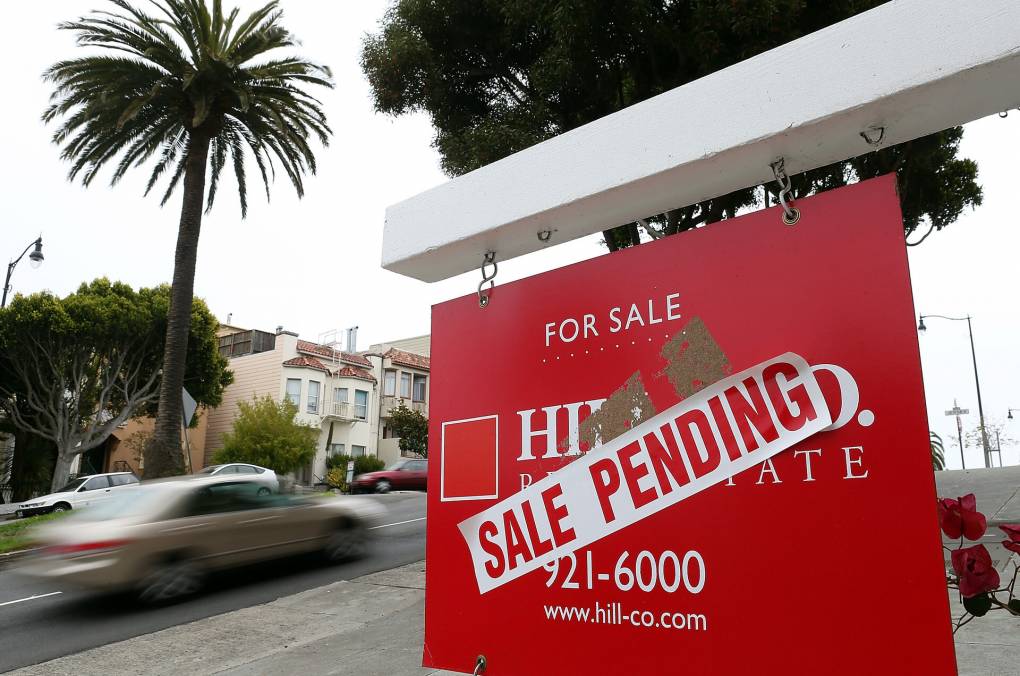
"caption": "A red for sale sign outside a home with a \"sold pending\" sticker posted across the front. ",
"description": "A red for sale sign outside a home with a \"sold pending\" sticker posted across the front. ",
"title": "RS16247_GettyImages-150582090-qut",
"credit": "Justin Sullivan/KQED",
"status": "inherit",
"isLoading": false,
"fetchFailed": false
},
"news_11847799": {
"type": "attachments",
"id": "news_11847799",
"meta": {
"index": "attachments_1716263798",
"site": "news",
"id": "11847799",
"found": true
},
"parent": 11847782,
"imgSizes": {
"apple_news_ca_landscape_5_5": {
"file": "https://ww2.kqed.org/app/uploads/sites/10/2020/11/RS45972_007_KQED_SanFrancisco_HotelsNotHospitalsProtest_11162020-qut-1044x783.jpg",
"width": 1044,
"mimeType": "image/jpeg",
"height": 783
},
"apple_news_ca_square_4_0": {
"file": "https://ww2.kqed.org/app/uploads/sites/10/2020/11/RS45972_007_KQED_SanFrancisco_HotelsNotHospitalsProtest_11162020-qut-470x470.jpg",
"width": 470,
"mimeType": "image/jpeg",
"height": 470
},
"twentyfourteen-full-width": {
"file": "https://ww2.kqed.org/app/uploads/sites/10/2020/11/RS45972_007_KQED_SanFrancisco_HotelsNotHospitalsProtest_11162020-qut-1038x576.jpg",
"width": 1038,
"mimeType": "image/jpeg",
"height": 576
},
"thumbnail": {
"file": "https://ww2.kqed.org/app/uploads/sites/10/2020/11/RS45972_007_KQED_SanFrancisco_HotelsNotHospitalsProtest_11162020-qut-160x107.jpg",
"width": 160,
"mimeType": "image/jpeg",
"height": 107
},
"post-thumbnail": {
"file": "https://ww2.kqed.org/app/uploads/sites/10/2020/11/RS45972_007_KQED_SanFrancisco_HotelsNotHospitalsProtest_11162020-qut-672x372.jpg",
"width": 672,
"mimeType": "image/jpeg",
"height": 372
},
"kqedFullSize": {
"file": "https://ww2.kqed.org/app/uploads/sites/10/2020/11/RS45972_007_KQED_SanFrancisco_HotelsNotHospitalsProtest_11162020-qut.jpg",
"width": 1920,
"height": 1280
},
"apple_news_ca_landscape_4_7": {
"file": "https://ww2.kqed.org/app/uploads/sites/10/2020/11/RS45972_007_KQED_SanFrancisco_HotelsNotHospitalsProtest_11162020-qut-632x474.jpg",
"width": 632,
"mimeType": "image/jpeg",
"height": 474
},
"large": {
"file": "https://ww2.kqed.org/app/uploads/sites/10/2020/11/RS45972_007_KQED_SanFrancisco_HotelsNotHospitalsProtest_11162020-qut-1020x680.jpg",
"width": 1020,
"mimeType": "image/jpeg",
"height": 680
},
"apple_news_ca_landscape_4_0": {
"file": "https://ww2.kqed.org/app/uploads/sites/10/2020/11/RS45972_007_KQED_SanFrancisco_HotelsNotHospitalsProtest_11162020-qut-536x402.jpg",
"width": 536,
"mimeType": "image/jpeg",
"height": 402
},
"apple_news_ca_portrait_12_9": {
"file": "https://ww2.kqed.org/app/uploads/sites/10/2020/11/RS45972_007_KQED_SanFrancisco_HotelsNotHospitalsProtest_11162020-qut-1122x1280.jpg",
"width": 1122,
"mimeType": "image/jpeg",
"height": 1280
},
"medium": {
"file": "https://ww2.kqed.org/app/uploads/sites/10/2020/11/RS45972_007_KQED_SanFrancisco_HotelsNotHospitalsProtest_11162020-qut-800x533.jpg",
"width": 800,
"mimeType": "image/jpeg",
"height": 533
},
"apple_news_ca_portrait_4_0": {
"file": "https://ww2.kqed.org/app/uploads/sites/10/2020/11/RS45972_007_KQED_SanFrancisco_HotelsNotHospitalsProtest_11162020-qut-354x472.jpg",
"width": 354,
"mimeType": "image/jpeg",
"height": 472
},
"apple_news_ca_portrait_9_7": {
"file": "https://ww2.kqed.org/app/uploads/sites/10/2020/11/RS45972_007_KQED_SanFrancisco_HotelsNotHospitalsProtest_11162020-qut-840x1120.jpg",
"width": 840,
"mimeType": "image/jpeg",
"height": 1120
},
"apple_news_ca_landscape_12_9": {
"file": "https://ww2.kqed.org/app/uploads/sites/10/2020/11/RS45972_007_KQED_SanFrancisco_HotelsNotHospitalsProtest_11162020-qut-1832x1280.jpg",
"width": 1832,
"mimeType": "image/jpeg",
"height": 1280
},
"apple_news_ca_square_9_7": {
"file": "https://ww2.kqed.org/app/uploads/sites/10/2020/11/RS45972_007_KQED_SanFrancisco_HotelsNotHospitalsProtest_11162020-qut-1104x1104.jpg",
"width": 1104,
"mimeType": "image/jpeg",
"height": 1104
},
"1536x1536": {
"file": "https://ww2.kqed.org/app/uploads/sites/10/2020/11/RS45972_007_KQED_SanFrancisco_HotelsNotHospitalsProtest_11162020-qut-1536x1024.jpg",
"width": 1536,
"mimeType": "image/jpeg",
"height": 1024
},
"apple_news_ca_portrait_4_7": {
"file": "https://ww2.kqed.org/app/uploads/sites/10/2020/11/RS45972_007_KQED_SanFrancisco_HotelsNotHospitalsProtest_11162020-qut-414x552.jpg",
"width": 414,
"mimeType": "image/jpeg",
"height": 552
},
"apple_news_ca_square_12_9": {
"file": "https://ww2.kqed.org/app/uploads/sites/10/2020/11/RS45972_007_KQED_SanFrancisco_HotelsNotHospitalsProtest_11162020-qut-1472x1280.jpg",
"width": 1472,
"mimeType": "image/jpeg",
"height": 1280
},
"apple_news_ca_portrait_5_5": {
"file": "https://ww2.kqed.org/app/uploads/sites/10/2020/11/RS45972_007_KQED_SanFrancisco_HotelsNotHospitalsProtest_11162020-qut-687x916.jpg",
"width": 687,
"mimeType": "image/jpeg",
"height": 916
},
"apple_news_ca_square_4_7": {
"file": "https://ww2.kqed.org/app/uploads/sites/10/2020/11/RS45972_007_KQED_SanFrancisco_HotelsNotHospitalsProtest_11162020-qut-550x550.jpg",
"width": 550,
"mimeType": "image/jpeg",
"height": 550
},
"apple_news_ca_landscape_9_7": {
"file": "https://ww2.kqed.org/app/uploads/sites/10/2020/11/RS45972_007_KQED_SanFrancisco_HotelsNotHospitalsProtest_11162020-qut-1376x1032.jpg",
"width": 1376,
"mimeType": "image/jpeg",
"height": 1032
},
"apple_news_ca_square_5_5": {
"file": "https://ww2.kqed.org/app/uploads/sites/10/2020/11/RS45972_007_KQED_SanFrancisco_HotelsNotHospitalsProtest_11162020-qut-912x912.jpg",
"width": 912,
"mimeType": "image/jpeg",
"height": 912
}
},
"publishDate": 1605645180,
"modified": 1605919926,
"caption": "Celestina Pearl, from St. James Infirmary, speaks at a protest in San Francisco's Mission District on Nov. 16 calling for shelter-in-place hotel rooms to remain available for at-risk unhoused residents.",
"description": "Celestina Pearl, from St James Infirmary, speaks at a protest in San Francisco's Mission District on Nov, 16, calling for shelter-in-place hotel rooms to remain available for at-risk unhoused residents.",
"title": "RS45972_007_KQED_SanFrancisco_HotelsNotHospitalsProtest_11162020-qut",
"credit": "Beth LaBerge/KQED",
"status": "inherit",
"isLoading": false,
"fetchFailed": false
},
"news_11844627": {
"type": "attachments",
"id": "news_11844627",
"meta": {
"index": "attachments_1716263798",
"site": "news",
"id": "11844627",
"found": true
},
"parent": 11844620,
"imgSizes": {
"apple_news_ca_landscape_5_5": {
"file": "https://ww2.kqed.org/app/uploads/sites/10/2020/10/RS41398_005_KQED_Housing_MountainView_02192020_3321-qut-1044x783.jpg",
"width": 1044,
"mimeType": "image/jpeg",
"height": 783
},
"apple_news_ca_square_4_0": {
"file": "https://ww2.kqed.org/app/uploads/sites/10/2020/10/RS41398_005_KQED_Housing_MountainView_02192020_3321-qut-470x470.jpg",
"width": 470,
"mimeType": "image/jpeg",
"height": 470
},
"twentyfourteen-full-width": {
"file": "https://ww2.kqed.org/app/uploads/sites/10/2020/10/RS41398_005_KQED_Housing_MountainView_02192020_3321-qut-1038x576.jpg",
"width": 1038,
"mimeType": "image/jpeg",
"height": 576
},
"thumbnail": {
"file": "https://ww2.kqed.org/app/uploads/sites/10/2020/10/RS41398_005_KQED_Housing_MountainView_02192020_3321-qut-160x107.jpg",
"width": 160,
"mimeType": "image/jpeg",
"height": 107
},
"post-thumbnail": {
"file": "https://ww2.kqed.org/app/uploads/sites/10/2020/10/RS41398_005_KQED_Housing_MountainView_02192020_3321-qut-672x372.jpg",
"width": 672,
"mimeType": "image/jpeg",
"height": 372
},
"kqedFullSize": {
"file": "https://ww2.kqed.org/app/uploads/sites/10/2020/10/RS41398_005_KQED_Housing_MountainView_02192020_3321-qut.jpg",
"width": 1920,
"height": 1280
},
"apple_news_ca_landscape_4_7": {
"file": "https://ww2.kqed.org/app/uploads/sites/10/2020/10/RS41398_005_KQED_Housing_MountainView_02192020_3321-qut-632x474.jpg",
"width": 632,
"mimeType": "image/jpeg",
"height": 474
},
"large": {
"file": "https://ww2.kqed.org/app/uploads/sites/10/2020/10/RS41398_005_KQED_Housing_MountainView_02192020_3321-qut-1020x680.jpg",
"width": 1020,
"mimeType": "image/jpeg",
"height": 680
},
"apple_news_ca_landscape_4_0": {
"file": "https://ww2.kqed.org/app/uploads/sites/10/2020/10/RS41398_005_KQED_Housing_MountainView_02192020_3321-qut-536x402.jpg",
"width": 536,
"mimeType": "image/jpeg",
"height": 402
},
"apple_news_ca_portrait_12_9": {
"file": "https://ww2.kqed.org/app/uploads/sites/10/2020/10/RS41398_005_KQED_Housing_MountainView_02192020_3321-qut-1122x1280.jpg",
"width": 1122,
"mimeType": "image/jpeg",
"height": 1280
},
"medium": {
"file": "https://ww2.kqed.org/app/uploads/sites/10/2020/10/RS41398_005_KQED_Housing_MountainView_02192020_3321-qut-800x533.jpg",
"width": 800,
"mimeType": "image/jpeg",
"height": 533
},
"apple_news_ca_portrait_4_0": {
"file": "https://ww2.kqed.org/app/uploads/sites/10/2020/10/RS41398_005_KQED_Housing_MountainView_02192020_3321-qut-354x472.jpg",
"width": 354,
"mimeType": "image/jpeg",
"height": 472
},
"apple_news_ca_portrait_9_7": {
"file": "https://ww2.kqed.org/app/uploads/sites/10/2020/10/RS41398_005_KQED_Housing_MountainView_02192020_3321-qut-840x1120.jpg",
"width": 840,
"mimeType": "image/jpeg",
"height": 1120
},
"apple_news_ca_landscape_12_9": {
"file": "https://ww2.kqed.org/app/uploads/sites/10/2020/10/RS41398_005_KQED_Housing_MountainView_02192020_3321-qut-1832x1280.jpg",
"width": 1832,
"mimeType": "image/jpeg",
"height": 1280
},
"apple_news_ca_square_9_7": {
"file": "https://ww2.kqed.org/app/uploads/sites/10/2020/10/RS41398_005_KQED_Housing_MountainView_02192020_3321-qut-1104x1104.jpg",
"width": 1104,
"mimeType": "image/jpeg",
"height": 1104
},
"1536x1536": {
"file": "https://ww2.kqed.org/app/uploads/sites/10/2020/10/RS41398_005_KQED_Housing_MountainView_02192020_3321-qut-1536x1024.jpg",
"width": 1536,
"mimeType": "image/jpeg",
"height": 1024
},
"apple_news_ca_portrait_4_7": {
"file": "https://ww2.kqed.org/app/uploads/sites/10/2020/10/RS41398_005_KQED_Housing_MountainView_02192020_3321-qut-414x552.jpg",
"width": 414,
"mimeType": "image/jpeg",
"height": 552
},
"apple_news_ca_square_12_9": {
"file": "https://ww2.kqed.org/app/uploads/sites/10/2020/10/RS41398_005_KQED_Housing_MountainView_02192020_3321-qut-1472x1280.jpg",
"width": 1472,
"mimeType": "image/jpeg",
"height": 1280
},
"apple_news_ca_portrait_5_5": {
"file": "https://ww2.kqed.org/app/uploads/sites/10/2020/10/RS41398_005_KQED_Housing_MountainView_02192020_3321-qut-687x916.jpg",
"width": 687,
"mimeType": "image/jpeg",
"height": 916
},
"apple_news_ca_square_4_7": {
"file": "https://ww2.kqed.org/app/uploads/sites/10/2020/10/RS41398_005_KQED_Housing_MountainView_02192020_3321-qut-550x550.jpg",
"width": 550,
"mimeType": "image/jpeg",
"height": 550
},
"apple_news_ca_landscape_9_7": {
"file": "https://ww2.kqed.org/app/uploads/sites/10/2020/10/RS41398_005_KQED_Housing_MountainView_02192020_3321-qut-1376x1032.jpg",
"width": 1376,
"mimeType": "image/jpeg",
"height": 1032
},
"apple_news_ca_square_5_5": {
"file": "https://ww2.kqed.org/app/uploads/sites/10/2020/10/RS41398_005_KQED_Housing_MountainView_02192020_3321-qut-912x912.jpg",
"width": 912,
"mimeType": "image/jpeg",
"height": 912
}
},
"publishDate": 1604088205,
"modified": 1605219469,
"caption": "Proposition 19 will give property tax breaks to older homeowners buying new properties.",
"description": null,
"title": "RS41398_005_KQED_Housing_MountainView_02192020_3321-qut",
"credit": "KQED/Beth LaBerge",
"status": "inherit",
"isLoading": false,
"fetchFailed": false
},
"news_11691438": {
"type": "attachments",
"id": "news_11691438",
"meta": {
"index": "attachments_1716263798",
"site": "news",
"id": "11691438",
"found": true
},
"parent": 11691407,
"imgSizes": {
"small": {
"file": "https://ww2.kqed.org/app/uploads/sites/10/2018/09/RS31770_sfmayor0712.0003-qut-520x347.jpg",
"width": 520,
"mimeType": "image/jpeg",
"height": 347
},
"twentyfourteen-full-width": {
"file": "https://ww2.kqed.org/app/uploads/sites/10/2018/09/RS31770_sfmayor0712.0003-qut-1038x576.jpg",
"width": 1038,
"mimeType": "image/jpeg",
"height": 576
},
"thumbnail": {
"file": "https://ww2.kqed.org/app/uploads/sites/10/2018/09/RS31770_sfmayor0712.0003-qut-160x107.jpg",
"width": 160,
"mimeType": "image/jpeg",
"height": 107
},
"fd-sm": {
"file": "https://ww2.kqed.org/app/uploads/sites/10/2018/09/RS31770_sfmayor0712.0003-qut-960x641.jpg",
"width": 960,
"mimeType": "image/jpeg",
"height": 641
},
"post-thumbnail": {
"file": "https://ww2.kqed.org/app/uploads/sites/10/2018/09/RS31770_sfmayor0712.0003-qut-672x372.jpg",
"width": 672,
"mimeType": "image/jpeg",
"height": 372
},
"xsmall": {
"file": "https://ww2.kqed.org/app/uploads/sites/10/2018/09/RS31770_sfmayor0712.0003-qut-375x250.jpg",
"width": 375,
"mimeType": "image/jpeg",
"height": 250
},
"kqedFullSize": {
"file": "https://ww2.kqed.org/app/uploads/sites/10/2018/09/RS31770_sfmayor0712.0003-qut.jpg",
"width": 1920,
"height": 1281
},
"large": {
"file": "https://ww2.kqed.org/app/uploads/sites/10/2018/09/RS31770_sfmayor0712.0003-qut-1020x681.jpg",
"width": 1020,
"mimeType": "image/jpeg",
"height": 681
},
"xlarge": {
"file": "https://ww2.kqed.org/app/uploads/sites/10/2018/09/RS31770_sfmayor0712.0003-qut-1180x787.jpg",
"width": 1180,
"mimeType": "image/jpeg",
"height": 787
},
"complete_open_graph": {
"file": "https://ww2.kqed.org/app/uploads/sites/10/2018/09/RS31770_sfmayor0712.0003-qut-1200x801.jpg",
"width": 1200,
"mimeType": "image/jpeg",
"height": 801
},
"guest-author-50": {
"file": "https://ww2.kqed.org/app/uploads/sites/10/2018/09/RS31770_sfmayor0712.0003-qut-50x50.jpg",
"width": 50,
"mimeType": "image/jpeg",
"height": 50
},
"guest-author-96": {
"file": "https://ww2.kqed.org/app/uploads/sites/10/2018/09/RS31770_sfmayor0712.0003-qut-96x96.jpg",
"width": 96,
"mimeType": "image/jpeg",
"height": 96
},
"medium": {
"file": "https://ww2.kqed.org/app/uploads/sites/10/2018/09/RS31770_sfmayor0712.0003-qut-800x534.jpg",
"width": 800,
"mimeType": "image/jpeg",
"height": 534
},
"guest-author-64": {
"file": "https://ww2.kqed.org/app/uploads/sites/10/2018/09/RS31770_sfmayor0712.0003-qut-64x64.jpg",
"width": 64,
"mimeType": "image/jpeg",
"height": 64
},
"guest-author-32": {
"file": "https://ww2.kqed.org/app/uploads/sites/10/2018/09/RS31770_sfmayor0712.0003-qut-32x32.jpg",
"width": 32,
"mimeType": "image/jpeg",
"height": 32
},
"fd-lrg": {
"file": "https://ww2.kqed.org/app/uploads/sites/10/2018/09/RS31770_sfmayor0712.0003-qut-1920x1281.jpg",
"width": 1920,
"mimeType": "image/jpeg",
"height": 1281
},
"fd-med": {
"file": "https://ww2.kqed.org/app/uploads/sites/10/2018/09/RS31770_sfmayor0712.0003-qut-1180x787.jpg",
"width": 1180,
"mimeType": "image/jpeg",
"height": 787
},
"full-width": {
"file": "https://ww2.kqed.org/app/uploads/sites/10/2018/09/RS31770_sfmayor0712.0003-qut-1920x1281.jpg",
"width": 1920,
"mimeType": "image/jpeg",
"height": 1281
},
"detail": {
"file": "https://ww2.kqed.org/app/uploads/sites/10/2018/09/RS31770_sfmayor0712.0003-qut-150x150.jpg",
"width": 150,
"mimeType": "image/jpeg",
"height": 150
},
"guest-author-128": {
"file": "https://ww2.kqed.org/app/uploads/sites/10/2018/09/RS31770_sfmayor0712.0003-qut-128x128.jpg",
"width": 128,
"mimeType": "image/jpeg",
"height": 128
},
"xxsmall": {
"file": "https://ww2.kqed.org/app/uploads/sites/10/2018/09/RS31770_sfmayor0712.0003-qut-240x160.jpg",
"width": 240,
"mimeType": "image/jpeg",
"height": 160
}
},
"publishDate": 1536537508,
"modified": 1604609335,
"caption": "San Francisco Mayor London Breed waits to walk out of City Hall for her inauguration on July 11, 2018.",
"description": "San Francisco Mayor London Breed waits to walk out of City Hall for her inauguration on Wednesday, July 11, 2018.",
"title": "SFMayor0712",
"credit": "Scott Strazzante",
"status": "inherit",
"isLoading": false,
"fetchFailed": false
},
"news_11844439": {
"type": "attachments",
"id": "news_11844439",
"meta": {
"index": "attachments_1716263798",
"site": "news",
"id": "11844439",
"found": true
},
"parent": 11844438,
"imgSizes": {
"apple_news_ca_landscape_5_5": {
"file": "https://ww2.kqed.org/app/uploads/sites/10/2020/10/RS33559_AW_ForRent_03-qut-1044x783.jpg",
"width": 1044,
"mimeType": "image/jpeg",
"height": 783
},
"apple_news_ca_square_4_0": {
"file": "https://ww2.kqed.org/app/uploads/sites/10/2020/10/RS33559_AW_ForRent_03-qut-470x470.jpg",
"width": 470,
"mimeType": "image/jpeg",
"height": 470
},
"twentyfourteen-full-width": {
"file": "https://ww2.kqed.org/app/uploads/sites/10/2020/10/RS33559_AW_ForRent_03-qut-1038x576.jpg",
"width": 1038,
"mimeType": "image/jpeg",
"height": 576
},
"thumbnail": {
"file": "https://ww2.kqed.org/app/uploads/sites/10/2020/10/RS33559_AW_ForRent_03-qut-160x103.jpg",
"width": 160,
"mimeType": "image/jpeg",
"height": 103
},
"post-thumbnail": {
"file": "https://ww2.kqed.org/app/uploads/sites/10/2020/10/RS33559_AW_ForRent_03-qut-672x372.jpg",
"width": 672,
"mimeType": "image/jpeg",
"height": 372
},
"kqedFullSize": {
"file": "https://ww2.kqed.org/app/uploads/sites/10/2020/10/RS33559_AW_ForRent_03-qut.jpg",
"width": 1920,
"height": 1233
},
"apple_news_ca_landscape_4_7": {
"file": "https://ww2.kqed.org/app/uploads/sites/10/2020/10/RS33559_AW_ForRent_03-qut-632x474.jpg",
"width": 632,
"mimeType": "image/jpeg",
"height": 474
},
"large": {
"file": "https://ww2.kqed.org/app/uploads/sites/10/2020/10/RS33559_AW_ForRent_03-qut-1020x655.jpg",
"width": 1020,
"mimeType": "image/jpeg",
"height": 655
},
"apple_news_ca_landscape_4_0": {
"file": "https://ww2.kqed.org/app/uploads/sites/10/2020/10/RS33559_AW_ForRent_03-qut-536x402.jpg",
"width": 536,
"mimeType": "image/jpeg",
"height": 402
},
"apple_news_ca_portrait_12_9": {
"file": "https://ww2.kqed.org/app/uploads/sites/10/2020/10/RS33559_AW_ForRent_03-qut-1122x1233.jpg",
"width": 1122,
"mimeType": "image/jpeg",
"height": 1233
},
"medium": {
"file": "https://ww2.kqed.org/app/uploads/sites/10/2020/10/RS33559_AW_ForRent_03-qut-800x514.jpg",
"width": 800,
"mimeType": "image/jpeg",
"height": 514
},
"apple_news_ca_portrait_4_0": {
"file": "https://ww2.kqed.org/app/uploads/sites/10/2020/10/RS33559_AW_ForRent_03-qut-354x472.jpg",
"width": 354,
"mimeType": "image/jpeg",
"height": 472
},
"apple_news_ca_portrait_9_7": {
"file": "https://ww2.kqed.org/app/uploads/sites/10/2020/10/RS33559_AW_ForRent_03-qut-840x1120.jpg",
"width": 840,
"mimeType": "image/jpeg",
"height": 1120
},
"apple_news_ca_landscape_12_9": {
"file": "https://ww2.kqed.org/app/uploads/sites/10/2020/10/RS33559_AW_ForRent_03-qut-1832x1233.jpg",
"width": 1832,
"mimeType": "image/jpeg",
"height": 1233
},
"apple_news_ca_square_9_7": {
"file": "https://ww2.kqed.org/app/uploads/sites/10/2020/10/RS33559_AW_ForRent_03-qut-1104x1104.jpg",
"width": 1104,
"mimeType": "image/jpeg",
"height": 1104
},
"1536x1536": {
"file": "https://ww2.kqed.org/app/uploads/sites/10/2020/10/RS33559_AW_ForRent_03-qut-1536x986.jpg",
"width": 1536,
"mimeType": "image/jpeg",
"height": 986
},
"apple_news_ca_portrait_4_7": {
"file": "https://ww2.kqed.org/app/uploads/sites/10/2020/10/RS33559_AW_ForRent_03-qut-414x552.jpg",
"width": 414,
"mimeType": "image/jpeg",
"height": 552
},
"apple_news_ca_square_12_9": {
"file": "https://ww2.kqed.org/app/uploads/sites/10/2020/10/RS33559_AW_ForRent_03-qut-1472x1233.jpg",
"width": 1472,
"mimeType": "image/jpeg",
"height": 1233
},
"apple_news_ca_portrait_5_5": {
"file": "https://ww2.kqed.org/app/uploads/sites/10/2020/10/RS33559_AW_ForRent_03-qut-687x916.jpg",
"width": 687,
"mimeType": "image/jpeg",
"height": 916
},
"apple_news_ca_square_4_7": {
"file": "https://ww2.kqed.org/app/uploads/sites/10/2020/10/RS33559_AW_ForRent_03-qut-550x550.jpg",
"width": 550,
"mimeType": "image/jpeg",
"height": 550
},
"apple_news_ca_landscape_9_7": {
"file": "https://ww2.kqed.org/app/uploads/sites/10/2020/10/RS33559_AW_ForRent_03-qut-1376x1032.jpg",
"width": 1376,
"mimeType": "image/jpeg",
"height": 1032
},
"apple_news_ca_square_5_5": {
"file": "https://ww2.kqed.org/app/uploads/sites/10/2020/10/RS33559_AW_ForRent_03-qut-912x912.jpg",
"width": 912,
"mimeType": "image/jpeg",
"height": 912
}
},
"publishDate": 1604016457,
"modified": 1604368132,
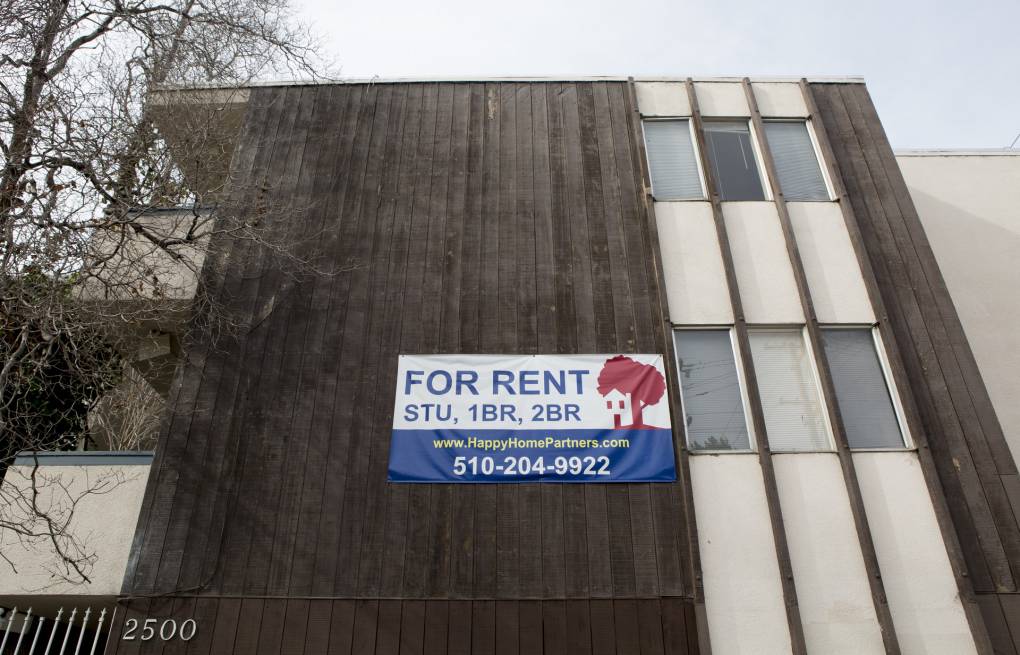
"caption": "A 'For Rent' sign hangs above on the side of a building in Berkeley on October 29, 2018. Proposition 21 would allow cities to adopt stricter forms of rent control than are currently allowed. ",
"description": "A 'For Rent' sign hangs above on the side of a building in Berkeley on October 29, 2018. Proposition 21 would allow cities to adopt stricter forms of rent control than are currently allowed. ",
"title": "RS33559_AW_ForRent_03-qut",
"credit": "Anne Wernikoff/KQED",
"status": "inherit",
"isLoading": false,
"fetchFailed": false
},
"news_11843033": {
"type": "attachments",
"id": "news_11843033",
"meta": {
"index": "attachments_1716263798",
"site": "news",
"id": "11843033",
"found": true
},
"parent": 11842966,
"imgSizes": {
"apple_news_ca_landscape_5_5": {
"file": "https://ww2.kqed.org/app/uploads/sites/10/2020/10/mountain-view--1044x783.jpg",
"width": 1044,
"mimeType": "image/jpeg",
"height": 783
},
"apple_news_ca_square_4_0": {
"file": "https://ww2.kqed.org/app/uploads/sites/10/2020/10/mountain-view--470x470.jpg",
"width": 470,
"mimeType": "image/jpeg",
"height": 470
},
"twentyfourteen-full-width": {
"file": "https://ww2.kqed.org/app/uploads/sites/10/2020/10/mountain-view--1038x576.jpg",
"width": 1038,
"mimeType": "image/jpeg",
"height": 576
},
"thumbnail": {
"file": "https://ww2.kqed.org/app/uploads/sites/10/2020/10/mountain-view--160x120.jpg",
"width": 160,
"mimeType": "image/jpeg",
"height": 120
},
"post-thumbnail": {
"file": "https://ww2.kqed.org/app/uploads/sites/10/2020/10/mountain-view--672x372.jpg",
"width": 672,
"mimeType": "image/jpeg",
"height": 372
},
"kqedFullSize": {
"file": "https://ww2.kqed.org/app/uploads/sites/10/2020/10/mountain-view--scaled.jpg",
"width": 2560,
"height": 1920
},
"2048x2048": {
"file": "https://ww2.kqed.org/app/uploads/sites/10/2020/10/mountain-view--2048x1536.jpg",
"width": 2048,
"mimeType": "image/jpeg",
"height": 1536
},
"apple_news_ca_landscape_4_7": {
"file": "https://ww2.kqed.org/app/uploads/sites/10/2020/10/mountain-view--632x474.jpg",
"width": 632,
"mimeType": "image/jpeg",
"height": 474
},
"large": {
"file": "https://ww2.kqed.org/app/uploads/sites/10/2020/10/mountain-view--1020x765.jpg",
"width": 1020,
"mimeType": "image/jpeg",
"height": 765
},
"apple_news_ca_landscape_4_0": {
"file": "https://ww2.kqed.org/app/uploads/sites/10/2020/10/mountain-view--536x402.jpg",
"width": 536,
"mimeType": "image/jpeg",
"height": 402
},
"apple_news_ca_portrait_12_9": {
"file": "https://ww2.kqed.org/app/uploads/sites/10/2020/10/mountain-view--1122x1496.jpg",
"width": 1122,
"mimeType": "image/jpeg",
"height": 1496
},
"medium": {
"file": "https://ww2.kqed.org/app/uploads/sites/10/2020/10/mountain-view--800x600.jpg",
"width": 800,
"mimeType": "image/jpeg",
"height": 600
},
"apple_news_ca_portrait_4_0": {
"file": "https://ww2.kqed.org/app/uploads/sites/10/2020/10/mountain-view--354x472.jpg",
"width": 354,
"mimeType": "image/jpeg",
"height": 472
},
"apple_news_ca_portrait_9_7": {
"file": "https://ww2.kqed.org/app/uploads/sites/10/2020/10/mountain-view--840x1120.jpg",
"width": 840,
"mimeType": "image/jpeg",
"height": 1120
},
"apple_news_ca_landscape_12_9": {
"file": "https://ww2.kqed.org/app/uploads/sites/10/2020/10/mountain-view--1832x1374.jpg",
"width": 1832,
"mimeType": "image/jpeg",
"height": 1374
},
"apple_news_ca_square_9_7": {
"file": "https://ww2.kqed.org/app/uploads/sites/10/2020/10/mountain-view--1104x1104.jpg",
"width": 1104,
"mimeType": "image/jpeg",
"height": 1104
},
"1536x1536": {
"file": "https://ww2.kqed.org/app/uploads/sites/10/2020/10/mountain-view--1536x1152.jpg",
"width": 1536,
"mimeType": "image/jpeg",
"height": 1152
},
"apple_news_ca_portrait_4_7": {
"file": "https://ww2.kqed.org/app/uploads/sites/10/2020/10/mountain-view--414x552.jpg",
"width": 414,
"mimeType": "image/jpeg",
"height": 552
},
"apple_news_ca_square_12_9": {
"file": "https://ww2.kqed.org/app/uploads/sites/10/2020/10/mountain-view--1472x1472.jpg",
"width": 1472,
"mimeType": "image/jpeg",
"height": 1472
},
"apple_news_ca_portrait_5_5": {
"file": "https://ww2.kqed.org/app/uploads/sites/10/2020/10/mountain-view--687x916.jpg",
"width": 687,
"mimeType": "image/jpeg",
"height": 916
},
"full-width": {
"file": "https://ww2.kqed.org/app/uploads/sites/10/2020/10/mountain-view--1920x1440.jpg",
"width": 1920,
"mimeType": "image/jpeg",
"height": 1440
},
"apple_news_ca_square_4_7": {
"file": "https://ww2.kqed.org/app/uploads/sites/10/2020/10/mountain-view--550x550.jpg",
"width": 550,
"mimeType": "image/jpeg",
"height": 550
},
"apple_news_ca_landscape_9_7": {
"file": "https://ww2.kqed.org/app/uploads/sites/10/2020/10/mountain-view--1376x1032.jpg",
"width": 1376,
"mimeType": "image/jpeg",
"height": 1032
},
"apple_news_ca_square_5_5": {
"file": "https://ww2.kqed.org/app/uploads/sites/10/2020/10/mountain-view--912x912.jpg",
"width": 912,
"mimeType": "image/jpeg",
"height": 912
}
},
"publishDate": 1603234230,
"modified": 1603412926,
"caption": "RVs and oversized vehicles line Terra Bella Avenue in Mountain View. Measure C on the city's November ballot would restrict these vehicles from parking on streets 40 feet or narrower in width.",
"description": "RVs and oversized vehicles line Terra Bella Avenue in Mountain View. Measure C on the city's November ballot would restrict these vehicles from parking on streets 40 feet or narrower in width.",
"title": "RVs and oversized vehicles line the streets along Terra Bella Avenue in Mountain View. Measure C on the city's November ballot would restrict oversized vehicles from parking on narrow streets, 40 feet or less in width.",
"credit": "Adhiti Bandlamudi/KQED",
"status": "inherit",
"isLoading": false,
"fetchFailed": false
},
"news_11843463": {
"type": "attachments",
"id": "news_11843463",
"meta": {
"index": "attachments_1716263798",
"site": "news",
"id": "11843463",
"found": true
},
"parent": 11843337,
"imgSizes": {
"apple_news_ca_landscape_5_5": {
"file": "https://ww2.kqed.org/app/uploads/sites/10/2020/10/SFHousingConstruction-1044x783.jpg",
"width": 1044,
"mimeType": "image/jpeg",
"height": 783
},
"apple_news_ca_square_4_0": {
"file": "https://ww2.kqed.org/app/uploads/sites/10/2020/10/SFHousingConstruction-470x470.jpg",
"width": 470,
"mimeType": "image/jpeg",
"height": 470
},
"twentyfourteen-full-width": {
"file": "https://ww2.kqed.org/app/uploads/sites/10/2020/10/SFHousingConstruction-1038x576.jpg",
"width": 1038,
"mimeType": "image/jpeg",
"height": 576
},
"thumbnail": {
"file": "https://ww2.kqed.org/app/uploads/sites/10/2020/10/SFHousingConstruction-160x107.jpg",
"width": 160,
"mimeType": "image/jpeg",
"height": 107
},
"post-thumbnail": {
"file": "https://ww2.kqed.org/app/uploads/sites/10/2020/10/SFHousingConstruction-672x372.jpg",
"width": 672,
"mimeType": "image/jpeg",
"height": 372
},
"kqedFullSize": {
"file": "https://ww2.kqed.org/app/uploads/sites/10/2020/10/SFHousingConstruction.jpg",
"width": 1920,
"height": 1280
},
"apple_news_ca_landscape_4_7": {
"file": "https://ww2.kqed.org/app/uploads/sites/10/2020/10/SFHousingConstruction-632x474.jpg",
"width": 632,
"mimeType": "image/jpeg",
"height": 474
},
"large": {
"file": "https://ww2.kqed.org/app/uploads/sites/10/2020/10/SFHousingConstruction-1020x680.jpg",
"width": 1020,
"mimeType": "image/jpeg",
"height": 680
},
"apple_news_ca_landscape_4_0": {
"file": "https://ww2.kqed.org/app/uploads/sites/10/2020/10/SFHousingConstruction-536x402.jpg",
"width": 536,
"mimeType": "image/jpeg",
"height": 402
},
"apple_news_ca_portrait_12_9": {
"file": "https://ww2.kqed.org/app/uploads/sites/10/2020/10/SFHousingConstruction-1122x1280.jpg",
"width": 1122,
"mimeType": "image/jpeg",
"height": 1280
},
"medium": {
"file": "https://ww2.kqed.org/app/uploads/sites/10/2020/10/SFHousingConstruction-800x533.jpg",
"width": 800,
"mimeType": "image/jpeg",
"height": 533
},
"apple_news_ca_portrait_4_0": {
"file": "https://ww2.kqed.org/app/uploads/sites/10/2020/10/SFHousingConstruction-354x472.jpg",
"width": 354,
"mimeType": "image/jpeg",
"height": 472
},
"apple_news_ca_portrait_9_7": {
"file": "https://ww2.kqed.org/app/uploads/sites/10/2020/10/SFHousingConstruction-840x1120.jpg",
"width": 840,
"mimeType": "image/jpeg",
"height": 1120
},
"apple_news_ca_landscape_12_9": {
"file": "https://ww2.kqed.org/app/uploads/sites/10/2020/10/SFHousingConstruction-1832x1280.jpg",
"width": 1832,
"mimeType": "image/jpeg",
"height": 1280
},
"apple_news_ca_square_9_7": {
"file": "https://ww2.kqed.org/app/uploads/sites/10/2020/10/SFHousingConstruction-1104x1104.jpg",
"width": 1104,
"mimeType": "image/jpeg",
"height": 1104
},
"1536x1536": {
"file": "https://ww2.kqed.org/app/uploads/sites/10/2020/10/SFHousingConstruction-1536x1024.jpg",
"width": 1536,
"mimeType": "image/jpeg",
"height": 1024
},
"apple_news_ca_portrait_4_7": {
"file": "https://ww2.kqed.org/app/uploads/sites/10/2020/10/SFHousingConstruction-414x552.jpg",
"width": 414,
"mimeType": "image/jpeg",
"height": 552
},
"apple_news_ca_square_12_9": {
"file": "https://ww2.kqed.org/app/uploads/sites/10/2020/10/SFHousingConstruction-1472x1280.jpg",
"width": 1472,
"mimeType": "image/jpeg",
"height": 1280
},
"apple_news_ca_portrait_5_5": {
"file": "https://ww2.kqed.org/app/uploads/sites/10/2020/10/SFHousingConstruction-687x916.jpg",
"width": 687,
"mimeType": "image/jpeg",
"height": 916
},
"apple_news_ca_square_4_7": {
"file": "https://ww2.kqed.org/app/uploads/sites/10/2020/10/SFHousingConstruction-550x550.jpg",
"width": 550,
"mimeType": "image/jpeg",
"height": 550
},
"apple_news_ca_landscape_9_7": {
"file": "https://ww2.kqed.org/app/uploads/sites/10/2020/10/SFHousingConstruction-1376x1032.jpg",
"width": 1376,
"mimeType": "image/jpeg",
"height": 1032
},
"apple_news_ca_square_5_5": {
"file": "https://ww2.kqed.org/app/uploads/sites/10/2020/10/SFHousingConstruction-912x912.jpg",
"width": 912,
"mimeType": "image/jpeg",
"height": 912
}
},
"publishDate": 1603468584,
"modified": 1603468638,
"caption": "Proposition K would authorize 10,000 units of affordable housing in San Francisco, and Prop I would impose a new tax to pay for it all. ",
"description": "Proposition K would authorize 10,000 units of affordable housing in San Francisco, and Prop I would impose a new tax to pay for it all. ",
"title": "SFHousingConstruction",
"credit": "Justin Sullivan/Getty Images",
"status": "inherit",
"isLoading": false,
"fetchFailed": false
},
"news_11801369": {
"type": "attachments",
"id": "news_11801369",
"meta": {
"index": "attachments_1716263798",
"site": "news",
"id": "11801369",
"found": true
},
"parent": 11801176,
"imgSizes": {
"apple_news_ca_landscape_5_5": {
"file": "https://ww2.kqed.org/app/uploads/sites/10/2020/02/M4H-protest-1044x783.jpg",
"width": 1044,
"mimeType": "image/jpeg",
"height": 783
},
"apple_news_ca_square_4_0": {
"file": "https://ww2.kqed.org/app/uploads/sites/10/2020/02/M4H-protest-470x470.jpg",
"width": 470,
"mimeType": "image/jpeg",
"height": 470
},
"twentyfourteen-full-width": {
"file": "https://ww2.kqed.org/app/uploads/sites/10/2020/02/M4H-protest-1038x576.jpg",
"width": 1038,
"mimeType": "image/jpeg",
"height": 576
},
"thumbnail": {
"file": "https://ww2.kqed.org/app/uploads/sites/10/2020/02/M4H-protest-160x120.jpg",
"width": 160,
"mimeType": "image/jpeg",
"height": 120
},
"post-thumbnail": {
"file": "https://ww2.kqed.org/app/uploads/sites/10/2020/02/M4H-protest-672x372.jpg",
"width": 672,
"mimeType": "image/jpeg",
"height": 372
},
"kqedFullSize": {
"file": "https://ww2.kqed.org/app/uploads/sites/10/2020/02/M4H-protest-e1581548044810.jpg",
"width": 1920,
"height": 1440
},
"apple_news_ca_landscape_4_7": {
"file": "https://ww2.kqed.org/app/uploads/sites/10/2020/02/M4H-protest-632x474.jpg",
"width": 632,
"mimeType": "image/jpeg",
"height": 474
},
"large": {
"file": "https://ww2.kqed.org/app/uploads/sites/10/2020/02/M4H-protest-1020x765.jpg",
"width": 1020,
"mimeType": "image/jpeg",
"height": 765
},
"apple_news_ca_landscape_4_0": {
"file": "https://ww2.kqed.org/app/uploads/sites/10/2020/02/M4H-protest-536x402.jpg",
"width": 536,
"mimeType": "image/jpeg",
"height": 402
},
"apple_news_ca_portrait_12_9": {
"file": "https://ww2.kqed.org/app/uploads/sites/10/2020/02/M4H-protest-1122x1496.jpg",
"width": 1122,
"mimeType": "image/jpeg",
"height": 1496
},
"medium": {
"file": "https://ww2.kqed.org/app/uploads/sites/10/2020/02/M4H-protest-800x600.jpg",
"width": 800,
"mimeType": "image/jpeg",
"height": 600
},
"apple_news_ca_portrait_4_0": {
"file": "https://ww2.kqed.org/app/uploads/sites/10/2020/02/M4H-protest-354x472.jpg",
"width": 354,
"mimeType": "image/jpeg",
"height": 472
},
"apple_news_ca_portrait_9_7": {
"file": "https://ww2.kqed.org/app/uploads/sites/10/2020/02/M4H-protest-840x1120.jpg",
"width": 840,
"mimeType": "image/jpeg",
"height": 1120
},
"apple_news_ca_landscape_12_9": {
"file": "https://ww2.kqed.org/app/uploads/sites/10/2020/02/M4H-protest-1832x1374.jpg",
"width": 1832,
"mimeType": "image/jpeg",
"height": 1374
},
"apple_news_ca_square_9_7": {
"file": "https://ww2.kqed.org/app/uploads/sites/10/2020/02/M4H-protest-1104x1104.jpg",
"width": 1104,
"mimeType": "image/jpeg",
"height": 1104
},
"apple_news_ca_portrait_4_7": {
"file": "https://ww2.kqed.org/app/uploads/sites/10/2020/02/M4H-protest-414x552.jpg",
"width": 414,
"mimeType": "image/jpeg",
"height": 552
},
"apple_news_ca_square_12_9": {
"file": "https://ww2.kqed.org/app/uploads/sites/10/2020/02/M4H-protest-1472x1472.jpg",
"width": 1472,
"mimeType": "image/jpeg",
"height": 1472
},
"apple_news_ca_portrait_5_5": {
"file": "https://ww2.kqed.org/app/uploads/sites/10/2020/02/M4H-protest-687x916.jpg",
"width": 687,
"mimeType": "image/jpeg",
"height": 916
},
"full-width": {
"file": "https://ww2.kqed.org/app/uploads/sites/10/2020/02/M4H-protest-1920x1440.jpg",
"width": 1920,
"mimeType": "image/jpeg",
"height": 1440
},
"apple_news_ca_square_4_7": {
"file": "https://ww2.kqed.org/app/uploads/sites/10/2020/02/M4H-protest-550x550.jpg",
"width": 550,
"mimeType": "image/jpeg",
"height": 550
},
"apple_news_ca_landscape_9_7": {
"file": "https://ww2.kqed.org/app/uploads/sites/10/2020/02/M4H-protest-1376x1032.jpg",
"width": 1376,
"mimeType": "image/jpeg",
"height": 1032
},
"apple_news_ca_square_5_5": {
"file": "https://ww2.kqed.org/app/uploads/sites/10/2020/02/M4H-protest-912x912.jpg",
"width": 912,
"mimeType": "image/jpeg",
"height": 912
}
},
"publishDate": 1581548002,
"modified": 1581633779,
"caption": "Supporters of Moms 4 Housing rally in front of the West Oakland house the group occupied for several months before being forcefully evicted in January. A community land trust has since agreed to purchase the house and allow the women move back in.",
"description": "Supporters of Moms 4 Housing rally in front of the West Oakland house the group occupied for several months before being forcefully evicted in January. A community land trust has since agreed to purchase the house and allow the women move back in.",
"title": "M4H protest",
"credit": "Molly Solomon/KQED",
"status": "inherit",
"isLoading": false,
"fetchFailed": false
},
"news_11843054": {
"type": "attachments",
"id": "news_11843054",
"meta": {
"index": "attachments_1716263798",
"site": "news",
"id": "11843054",
"found": true
},
"parent": 11843004,
"imgSizes": {
"apple_news_ca_landscape_5_5": {
"file": "https://ww2.kqed.org/app/uploads/sites/10/2020/10/RS43040_011_KQED_SanFrancisco_TentEncampments_05052020-qut-1044x783.jpg",
"width": 1044,
"mimeType": "image/jpeg",
"height": 783
},
"apple_news_ca_square_4_0": {
"file": "https://ww2.kqed.org/app/uploads/sites/10/2020/10/RS43040_011_KQED_SanFrancisco_TentEncampments_05052020-qut-470x470.jpg",
"width": 470,
"mimeType": "image/jpeg",
"height": 470
},
"twentyfourteen-full-width": {
"file": "https://ww2.kqed.org/app/uploads/sites/10/2020/10/RS43040_011_KQED_SanFrancisco_TentEncampments_05052020-qut-1038x576.jpg",
"width": 1038,
"mimeType": "image/jpeg",
"height": 576
},
"thumbnail": {
"file": "https://ww2.kqed.org/app/uploads/sites/10/2020/10/RS43040_011_KQED_SanFrancisco_TentEncampments_05052020-qut-160x107.jpg",
"width": 160,
"mimeType": "image/jpeg",
"height": 107
},
"post-thumbnail": {
"file": "https://ww2.kqed.org/app/uploads/sites/10/2020/10/RS43040_011_KQED_SanFrancisco_TentEncampments_05052020-qut-672x372.jpg",
"width": 672,
"mimeType": "image/jpeg",
"height": 372
},
"kqedFullSize": {
"file": "https://ww2.kqed.org/app/uploads/sites/10/2020/10/RS43040_011_KQED_SanFrancisco_TentEncampments_05052020-qut.jpg",
"width": 1920,
"height": 1280
},
"apple_news_ca_landscape_4_7": {
"file": "https://ww2.kqed.org/app/uploads/sites/10/2020/10/RS43040_011_KQED_SanFrancisco_TentEncampments_05052020-qut-632x474.jpg",
"width": 632,
"mimeType": "image/jpeg",
"height": 474
},
"large": {
"file": "https://ww2.kqed.org/app/uploads/sites/10/2020/10/RS43040_011_KQED_SanFrancisco_TentEncampments_05052020-qut-1020x680.jpg",
"width": 1020,
"mimeType": "image/jpeg",
"height": 680
},
"apple_news_ca_landscape_4_0": {
"file": "https://ww2.kqed.org/app/uploads/sites/10/2020/10/RS43040_011_KQED_SanFrancisco_TentEncampments_05052020-qut-536x402.jpg",
"width": 536,
"mimeType": "image/jpeg",
"height": 402
},
"apple_news_ca_portrait_12_9": {
"file": "https://ww2.kqed.org/app/uploads/sites/10/2020/10/RS43040_011_KQED_SanFrancisco_TentEncampments_05052020-qut-1122x1280.jpg",
"width": 1122,
"mimeType": "image/jpeg",
"height": 1280
},
"medium": {
"file": "https://ww2.kqed.org/app/uploads/sites/10/2020/10/RS43040_011_KQED_SanFrancisco_TentEncampments_05052020-qut-800x533.jpg",
"width": 800,
"mimeType": "image/jpeg",
"height": 533
},
"apple_news_ca_portrait_4_0": {
"file": "https://ww2.kqed.org/app/uploads/sites/10/2020/10/RS43040_011_KQED_SanFrancisco_TentEncampments_05052020-qut-354x472.jpg",
"width": 354,
"mimeType": "image/jpeg",
"height": 472
},
"apple_news_ca_portrait_9_7": {
"file": "https://ww2.kqed.org/app/uploads/sites/10/2020/10/RS43040_011_KQED_SanFrancisco_TentEncampments_05052020-qut-840x1120.jpg",
"width": 840,
"mimeType": "image/jpeg",
"height": 1120
},
"apple_news_ca_landscape_12_9": {
"file": "https://ww2.kqed.org/app/uploads/sites/10/2020/10/RS43040_011_KQED_SanFrancisco_TentEncampments_05052020-qut-1832x1280.jpg",
"width": 1832,
"mimeType": "image/jpeg",
"height": 1280
},
"apple_news_ca_square_9_7": {
"file": "https://ww2.kqed.org/app/uploads/sites/10/2020/10/RS43040_011_KQED_SanFrancisco_TentEncampments_05052020-qut-1104x1104.jpg",
"width": 1104,
"mimeType": "image/jpeg",
"height": 1104
},
"1536x1536": {
"file": "https://ww2.kqed.org/app/uploads/sites/10/2020/10/RS43040_011_KQED_SanFrancisco_TentEncampments_05052020-qut-1536x1024.jpg",
"width": 1536,
"mimeType": "image/jpeg",
"height": 1024
},
"apple_news_ca_portrait_4_7": {
"file": "https://ww2.kqed.org/app/uploads/sites/10/2020/10/RS43040_011_KQED_SanFrancisco_TentEncampments_05052020-qut-414x552.jpg",
"width": 414,
"mimeType": "image/jpeg",
"height": 552
},
"apple_news_ca_square_12_9": {
"file": "https://ww2.kqed.org/app/uploads/sites/10/2020/10/RS43040_011_KQED_SanFrancisco_TentEncampments_05052020-qut-1472x1280.jpg",
"width": 1472,
"mimeType": "image/jpeg",
"height": 1280
},
"apple_news_ca_portrait_5_5": {
"file": "https://ww2.kqed.org/app/uploads/sites/10/2020/10/RS43040_011_KQED_SanFrancisco_TentEncampments_05052020-qut-687x916.jpg",
"width": 687,
"mimeType": "image/jpeg",
"height": 916
},
"apple_news_ca_square_4_7": {
"file": "https://ww2.kqed.org/app/uploads/sites/10/2020/10/RS43040_011_KQED_SanFrancisco_TentEncampments_05052020-qut-550x550.jpg",
"width": 550,
"mimeType": "image/jpeg",
"height": 550
},
"apple_news_ca_landscape_9_7": {
"file": "https://ww2.kqed.org/app/uploads/sites/10/2020/10/RS43040_011_KQED_SanFrancisco_TentEncampments_05052020-qut-1376x1032.jpg",
"width": 1376,
"mimeType": "image/jpeg",
"height": 1032
},
"apple_news_ca_square_5_5": {
"file": "https://ww2.kqed.org/app/uploads/sites/10/2020/10/RS43040_011_KQED_SanFrancisco_TentEncampments_05052020-qut-912x912.jpg",
"width": 912,
"mimeType": "image/jpeg",
"height": 912
}
},
"publishDate": 1603237048,
"modified": 1603237180,
"caption": "Tents line a gravel sidewalk off Fulton Street near City Hall on May 5, 2020. On Wednesday, city staffers started drawing out socially distant spaces with chalk on the street for the tents to stay. ",
"description": null,
"title": "Tents line Fulton Street near City Hall on April 5, 2020.",
"credit": "Beth LaBerge/KQED",
"status": "inherit",
"isLoading": false,
"fetchFailed": false
}
},
"audioPlayerReducer": {
"postId": "stream_live",
"isPaused": true,
"isPlaying": false,
"pfsActive": false,
"pledgeModalIsOpen": true,
"playerDrawerIsOpen": false,
"liveAudioPlayStartedAt": 0,
"liveAudioPlayContext": ""
},
"authorsReducer": {
"dkatayama": {
"type": "authors",
"id": "7240",
"meta": {
"index": "authors_1716337520",
"id": "7240",
"found": true
},
"name": "Devin Katayama",
"firstName": "Devin",
"lastName": "Katayama",
"slug": "dkatayama",
"email": "dkatayama@kqed.org",
"display_author_email": true,
"staff_mastheads": [
"news"
],
"title": "Editor of Talent and Development",
"bio": "Devin Katayama is former Editor of Talent and Development for KQED. He supported our internship program and on-call staff by looking for equitable opportunities to improve the newsroom.\r\n\r\nHe previously hosted The Bay and American Suburb podcasts from KQED News. Prior to returning to the Bay Area in 2015, Devin was the education reporter for WFPL in Louisville and worked as a producer with radio stations in Chicago and Portland, OR. His work has appeared on NPR’s \u003cem>Morning Edition, All Things Considered, The Takeaway\u003c/em> and \u003cem>Here and Now.\u003c/em>\r\n\r\nDevin earned his MA in Journalism from Columbia College Chicago, where he was a Follett Fellow and the recipient of the 2011 Studs Terkel Community Media Workshop Scholarship for his story on Chicago's homeless youth. He won WBUR's 2014 Daniel Schorr award and a regional RTNDA Edward R. Murrow Award for his documentary \"At Risk\" that looked at issues facing some of Louisville's students. Devin has also received numerous local awards from the Associated Press and the Society of Professional Journalists.",
"avatar": "https://secure.gravatar.com/avatar/d0d2978a31002fb2de107921a8e18405?s=600&d=blank&r=g",
"twitter": "RadioDevin",
"facebook": null,
"instagram": null,
"linkedin": null,
"sites": [
{
"site": "arts",
"roles": []
},
{
"site": "news",
"roles": [
"author"
]
},
{
"site": "stateofhealth",
"roles": [
"author"
]
},
{
"site": "forum",
"roles": [
"editor"
]
},
{
"site": "perspectives",
"roles": [
"editor"
]
}
],
"headData": {
"title": "Devin Katayama | KQED",
"description": "Editor of Talent and Development",
"ogImgSrc": "https://secure.gravatar.com/avatar/d0d2978a31002fb2de107921a8e18405?s=600&d=blank&r=g",
"twImgSrc": "https://secure.gravatar.com/avatar/d0d2978a31002fb2de107921a8e18405?s=600&d=blank&r=g"
},
"isLoading": false,
"link": "/author/dkatayama"
},
"rdillon": {
"type": "authors",
"id": "11495",
"meta": {
"index": "authors_1716337520",
"id": "11495",
"found": true
},
"name": "Raquel Maria Dillon",
"firstName": "Raquel Maria",
"lastName": "Dillon",
"slug": "rdillon",
"email": "rdillon@kqed.org",
"display_author_email": false,
"staff_mastheads": [],
"title": null,
"bio": "Raquel Maria Dillon was a reporter and host for KQED News. Previously, she produced the daily statewide California Report, edited newscasts, and covered health and education stories. Before returning to the Bay Area in 2016, she worked in Los Angeles as a wire reporter and one-woman-band video journalist for the Associated Press, where she shot, edited and reported breaking news and features across the West. Her work has appeared online and in print around the globe, and also on NPR’s Morning Edition, All Things Considered, Here and Now, Marketplace, On The Media, and Studio 360. She previously edited and mentored up-and-coming reporters at KALW, produced social videos for Timeline.com, and was a local TV news videographer for KTVU and digital producer for KNTV. She got her start as a Radio News Trainee at KQED, produced a weekly public affairs roundtable show for OPB, and covered health and politics at New Hampshire Public Radio. She has a BA in political science from Barnard College and a MA in video journalism from UC Berkeley, where she was awarded the Faith Fancher Scholarship and a Student Emmy. She has received numerous local awards from the Associated Press and the Society of Professional Journalists.",
"avatar": "https://secure.gravatar.com/avatar/b8e02ae982913d0950df605910267c1b?s=600&d=blank&r=g",
"twitter": "RaquelMDillon",
"facebook": null,
"instagram": null,
"linkedin": null,
"sites": [
{
"site": "news",
"roles": [
"subscriber"
]
},
{
"site": "stateofhealth",
"roles": [
"editor"
]
},
{
"site": "science",
"roles": [
"editor"
]
},
{
"site": "forum",
"roles": [
"editor"
]
}
],
"headData": {
"title": "Raquel Maria Dillon | KQED",
"description": null,
"ogImgSrc": "https://secure.gravatar.com/avatar/b8e02ae982913d0950df605910267c1b?s=600&d=blank&r=g",
"twImgSrc": "https://secure.gravatar.com/avatar/b8e02ae982913d0950df605910267c1b?s=600&d=blank&r=g"
},
"isLoading": false,
"link": "/author/rdillon"
},
"msolomon": {
"type": "authors",
"id": "11651",
"meta": {
"index": "authors_1716337520",
"id": "11651",
"found": true
},
"name": "Molly Solomon",
"firstName": "Molly",
"lastName": "Solomon",
"slug": "msolomon",
"email": "msolomon@KQED.org",
"display_author_email": false,
"staff_mastheads": [
"news"
],
"title": "Senior Editor",
"bio": "Molly Solomon is the senior editor of KQED's California Politics and Government Desk. Previously, she was the station's editor-at-large, with a focus on editing early childhood education, politics, and criminal justice. Before that, she managed and edited statewide election coverage for The California Newsroom, a collaboration of local public radio stations, CalMatters and NPR. Molly joined KQED in 2019 to launch the station’s housing affordability desk, where she reported on homelessness, evictions and is the co-host of KQED’s housing podcast, SOLD OUT: Rethinking Housing in America. Before that, she was the Southwest Washington Bureau Chief for Oregon Public Broadcasting and a reporter at Hawaii Public Radio. Her stories have aired on NPR’s \u003cem>Morning Edition\u003c/em>, \u003cem>All Things Considered\u003c/em>, \u003cem>Here & Now\u003c/em>, \u003cem>Science Friday\u003c/em> and \u003cem>Marketplace\u003c/em>. Molly's award-winning reporting has been honored by the Best of the West, Edward R. Murrow awards, Society of Professional Journalists, National Headliner Awards, and the Asian American Journalists Association. Born and raised in Berkeley, Molly is a big fan of burritos and her scruffy terrier, Ollie.",
"avatar": "https://secure.gravatar.com/avatar/9ad9794616923d81c9a79897161545bd?s=600&d=blank&r=g",
"twitter": "solomonout",
"facebook": null,
"instagram": null,
"linkedin": null,
"sites": [
{
"site": "news",
"roles": [
"editor"
]
},
{
"site": "science",
"roles": [
"editor"
]
}
],
"headData": {
"title": "Molly Solomon | KQED",
"description": "Senior Editor",
"ogImgSrc": "https://secure.gravatar.com/avatar/9ad9794616923d81c9a79897161545bd?s=600&d=blank&r=g",
"twImgSrc": "https://secure.gravatar.com/avatar/9ad9794616923d81c9a79897161545bd?s=600&d=blank&r=g"
},
"isLoading": false,
"link": "/author/msolomon"
},
"ebaldassari": {
"type": "authors",
"id": "11652",
"meta": {
"index": "authors_1716337520",
"id": "11652",
"found": true
},
"name": "Erin Baldassari",
"firstName": "Erin",
"lastName": "Baldassari",
"slug": "ebaldassari",
"email": "ebaldassari@KQED.org",
"display_author_email": true,
"staff_mastheads": [
"news"
],
"title": "Staff Writer",
"bio": "Erin Baldassari covers housing for KQED. She's a former print journalist and most recently worked as the transportation reporter for the \u003cem>Mercury News\u003c/em> and \u003cem>East Bay Times. \u003c/em>There, she focused on how the Bay Area’s housing shortage has changed the way people move around the region. She also served on the \u003cem>East Bay Times\u003c/em>’ 2017 Pulitzer Prize-winning team for coverage of the Ghost Ship Fire in Oakland. Prior to that, Erin worked as a breaking news and general assignment reporter for a variety of outlets in the Bay Area and the greater Boston area. A Tufts University alumna, Erin grew up in the foothills of the Sierra Nevada mountains and in Sonoma County. She is a life-long KQED listener.",
"avatar": "https://secure.gravatar.com/avatar/5e95cad64a8ca08288082212e199d2b0cbeb4fd8e8ef5339395f361032bbe005?s=600&d=blank&r=g",
"twitter": "e_baldi",
"bluesky": null,
"facebook": null,
"instagram": null,
"linkedin": null,
"sites": [
{
"site": "news",
"roles": [
"edit_others_posts",
"editor"
]
},
{
"site": "science",
"roles": [
"editor"
]
},
{
"site": "liveblog",
"roles": [
"editor"
]
}
],
"headData": {
"title": "Erin Baldassari | KQED",
"description": "Staff Writer",
"ogImgSrc": "https://secure.gravatar.com/avatar/5e95cad64a8ca08288082212e199d2b0cbeb4fd8e8ef5339395f361032bbe005?s=600&d=blank&r=g",
"twImgSrc": "https://secure.gravatar.com/avatar/5e95cad64a8ca08288082212e199d2b0cbeb4fd8e8ef5339395f361032bbe005?s=600&d=blank&r=g"
},
"isLoading": false,
"link": "/author/ebaldassari"
},
"abandlamudi": {
"type": "authors",
"id": "11672",
"meta": {
"index": "authors_1716337520",
"id": "11672",
"found": true
},
"name": "Adhiti Bandlamudi",
"firstName": "Adhiti",
"lastName": "Bandlamudi",
"slug": "abandlamudi",
"email": "abandlamudi@kqed.org",
"display_author_email": false,
"staff_mastheads": [
"news"
],
"title": "KQED Housing Reporter",
"bio": "Adhiti Bandlamudi reports for KQED's Housing desk. She focuses on how housing gets built across the Bay Area. Before joining KQED in 2020, she reported for WUNC in Durham, North Carolina, WABE in Atlanta, Georgia and Capital Public Radio in Sacramento. In 2017, she was awarded a Kroc Fellowship at NPR where she reported on everything from sprinkles to the Golden State Killer's arrest. When she's not reporting, she's baking new recipes in her kitchen or watching movies with friends and family. She's originally from Georgia and has strong opinions about Great British Bake Off.",
"avatar": "https://secure.gravatar.com/avatar/868129c8b257bb99a3500e2c86a65400?s=600&d=mm&r=g",
"twitter": "oddity_adhiti",
"facebook": null,
"instagram": null,
"linkedin": null,
"sites": [
{
"site": "arts",
"roles": [
"author"
]
},
{
"site": "news",
"roles": [
"editor"
]
},
{
"site": "liveblog",
"roles": [
"author"
]
}
],
"headData": {
"title": "Adhiti Bandlamudi | KQED",
"description": "KQED Housing Reporter",
"ogImgSrc": "https://secure.gravatar.com/avatar/868129c8b257bb99a3500e2c86a65400?s=600&d=mm&r=g",
"twImgSrc": "https://secure.gravatar.com/avatar/868129c8b257bb99a3500e2c86a65400?s=600&d=mm&r=g"
},
"isLoading": false,
"link": "/author/abandlamudi"
},
"jrodriguez": {
"type": "authors",
"id": "11690",
"meta": {
"index": "authors_1716337520",
"id": "11690",
"found": true
},
"name": "Joe Fitzgerald Rodriguez",
"firstName": "Joe",
"lastName": "Fitzgerald Rodriguez",
"slug": "jrodriguez",
"email": "jrodriguez@kqed.org",
"display_author_email": true,
"staff_mastheads": [
"news"
],
"title": "Reporter and Producer",
"bio": "Joe Fitzgerald Rodriguez is a reporter and digital producer for KQED covering politics. Joe most recently wrote for the \u003cem>San Francisco Examiner\u003c/em> as a political columnist covering The City. He was raised in San Francisco and has spent his reporting career in his beloved, foggy, city by the bay. Joe was 12-years-old when he conducted his first interview in journalism, grilling former San Francisco Mayor Willie Brown for the Marina Middle School newspaper, \u003cem>The Penguin Press, \u003c/em>and he continues to report on the San Francisco Bay Area to this day.",
"avatar": "https://secure.gravatar.com/avatar/2247beb0564c1e9c62228d5649d2edac?s=600&d=blank&r=g",
"twitter": "FitztheReporter",
"facebook": null,
"instagram": "https://www.instagram.com/fitzthereporter/",
"linkedin": null,
"sites": [
{
"site": "",
"roles": [
"editor"
]
},
{
"site": "arts",
"roles": [
"editor"
]
},
{
"site": "news",
"roles": [
"editor"
]
},
{
"site": "science",
"roles": [
"editor"
]
},
{
"site": "elections",
"roles": [
"editor"
]
},
{
"site": "liveblog",
"roles": [
"editor"
]
}
],
"headData": {
"title": "Joe Fitzgerald Rodriguez | KQED",
"description": "Reporter and Producer",
"ogImgSrc": "https://secure.gravatar.com/avatar/2247beb0564c1e9c62228d5649d2edac?s=600&d=blank&r=g",
"twImgSrc": "https://secure.gravatar.com/avatar/2247beb0564c1e9c62228d5649d2edac?s=600&d=blank&r=g"
},
"isLoading": false,
"link": "/author/jrodriguez"
}
},
"pagesReducer": {
"news_tag_housing": {
"type": "terms",
"id": "news_1775",
"meta": {
"index": "terms_1716263798",
"site": "news",
"id": "1775",
"score": 7.0362196
},
"featImg": null,
"name": "housing",
"description": null,
"taxonomy": "tag",
"headData": {
"twImgId": null,
"twTitle": null,
"ogTitle": null,
"ogImgId": null,
"twDescription": null,
"description": null,
"title": "housing Archives | KQED News",
"ogDescription": null
},
"ttid": 1790,
"slug": "housing",
"isLoading": false,
"title": "housing",
"pageMeta": {
"site": "news",
"WpPageTemplate": "page-topic-editorial",
"currentPage": 60
},
"blocks": [
{
"blockName": "kqed/post-list",
"attrs": {
"layout": "cardArticle2",
"query": "posts/news?tag=housing",
"seeMore": false,
"paginated": true,
"page": 60
}
},
{
"blockName": "kqed/ad"
}
]
}
},
"pfsSessionReducer": {},
"postsReducer": {
"stream_live": {
"type": "live",
"id": "stream_live",
"audioUrl": "https://streams.kqed.org/kqedradio",
"title": "Live Stream",
"excerpt": "Live Stream information currently unavailable.",
"link": "/radio",
"featImg": "",
"label": {
"name": "KQED Live",
"link": "/"
}
},
"stream_kqedNewscast": {
"type": "posts",
"id": "stream_kqedNewscast",
"audioUrl": "https://www.kqed.org/.stream/anon/radio/RDnews/newscast.mp3?_=1",
"title": "KQED Newscast",
"featImg": "",
"label": {
"name": "88.5 FM",
"link": "/"
}
},
"news_11854782": {
"type": "posts",
"id": "news_11854782",
"meta": {
"index": "posts_1716263798",
"site": "news",
"id": "11854782",
"score": null,
"sort": [
1610715657000
]
},
"guestAuthors": [],
"slug": "help-them-stay-afloat-santa-clara-county-fund-throws-lifeline-to-thousands-of-struggling-renters",
"title": "‘Help Them Stay Afloat’: Santa Clara County Fund Throws Lifeline to Thousands of Struggling Renters",
"publishDate": 1610715657,
"format": "audio",
"headTitle": "‘Help Them Stay Afloat’: Santa Clara County Fund Throws Lifeline to Thousands of Struggling Renters | KQED",
"labelTerm": {
"site": "news"
},
"content": "\u003cp>\u003cem>Local resources available to some Bay Area tenants who need help paying rent:\u003c/em>\u003c/p>\n\u003cul>\n\u003cli>\u003cem>Santa Clara County: Contact Sacred Heart Community Services at (408) 926-8885 or \u003ca href=\"mailto:housinginfo@sacredheartcs.org\">housinginfo@sacredheartcs.org\u003c/a>\u003c/em>\u003c/li>\n\u003cli>\u003cem>San Francisco: Contact the \u003ca href=\"https://sf.gov/information/update-covid-19-housing-stabilization-program\">Give2SF housing program \u003c/a>and the \u003ca href=\"https://sf.gov/information/update-covid-19-housing-stabilization-program\">Eviction Defense Collaborative\u003c/a>\u003c/em>\u003c/li>\n\u003cli>\u003cem>East Bay: Contact Catholic Charities at 510-768-3100; additional resources online \u003ca href=\"http://ebho.org/resources/covid19-get-support/\">here\u003c/a>.\u003c/em>\u003c/li>\n\u003c/ul>\n\u003cp>Efren Zavala and his wife, Maria Huerta, were high school sweethearts. When they were teens, the two lived in neighboring apartments in San Jose, and would catch glimpses of each other.\u003c/p>\n\u003cp>After finally meeting and falling in love, Zavala, now 26, moved into the three-bedroom apartment that Huerta, 24, had shared with her mom. The couple is now raising two young children there.\u003c/p>\n\u003cp>[pullquote align=\"right\" size=\"medium\" citation=\"Jennifer Loving, CEO of Destination: Home\"]‘We had 32,000 families come to us for help in the first (few months) that we had this relief effort open. It was an avalanche like we have never seen before.’[/pullquote]\u003c/p>\n\u003cp>At the beginning of 2020, they were on the cusp of the American dream: finally saving up enough money to buy a home.\u003c/p>\n\u003cp>But that was before the pandemic. In March, Zavala’s employer, a catering company, told its workers to stay home. The company continued to pay him, but it was unclear how long that would last.\u003c/p>\n\u003cp>The couple was forced to consider using their savings — which they had reserved as the down payment for their first home — to keep up with rent.\u003c/p>\n\u003cp>One night, in the early weeks of the pandemic, Zavala and Huerta sat alone in their living room and put on “World War Z,” an apropos Brad Pitt action flick about a lethal virus. Zavala paused the movie. They held hands.\u003c/p>\n\u003cp>Huerta was nervous about using their savings, but Zavala said he had done the math and thought it was their best choice to stay housed through the end of the year if he was unable to find new work. Otherwise, they would likely have to leave California and move in with his family in Tijuana.\u003c/p>\n\u003cp>“We put the movie back on, and there was a silent moment there. We didn’t know it was going to get more rough, you know, than we expected,” Zavala said.\u003c/p>\n\u003cp>But it did.\u003c/p>\n\u003cp>Zavala’s employer laid him off in June, and their additional savings — the nest egg — ran out by October.\u003c/p>\n\u003cp>That’s when the Silicon Valley Strong Fund came in to help.\u003c/p>\n\u003cp>The fund, a public-private partnership run by the nonprofit groups Destination: Home and Sacred Heart Community Service, has covered rent and other survival funding for some 15,000 other tenants in Santa Clara County since the beginning of the pandemic.\u003c/p>\n\u003cp>The fund paid 100% of every recipients’ back rent owed from March to August, and 60% from September to January. Zavala and Huerta, whose rent is $2,600 a month, received that crucial crutch when they needed it most — from November to January — as well as an additional $2,500 in direct financial assistance to cover food and other bills — enough to keep them housed in their apartment.\u003c/p>\n\u003cfigure id=\"attachment_11855155\" class=\"wp-caption alignnone\" style=\"max-width: 800px\">\u003cimg loading=\"lazy\" decoding=\"async\" class=\"wp-image-11855155 size-medium\" src=\"https://ww2.kqed.org/app/uploads/sites/10/2021/01/RS46561_003_SanJose_DestinationHome_01112021-qut-800x533.jpg\" alt=\"\" width=\"800\" height=\"533\" srcset=\"https://cdn.kqed.org/wp-content/uploads/sites/10/2021/01/RS46561_003_SanJose_DestinationHome_01112021-qut-800x533.jpg 800w, https://cdn.kqed.org/wp-content/uploads/sites/10/2021/01/RS46561_003_SanJose_DestinationHome_01112021-qut-1020x680.jpg 1020w, https://cdn.kqed.org/wp-content/uploads/sites/10/2021/01/RS46561_003_SanJose_DestinationHome_01112021-qut-160x107.jpg 160w, https://cdn.kqed.org/wp-content/uploads/sites/10/2021/01/RS46561_003_SanJose_DestinationHome_01112021-qut-1536x1024.jpg 1536w, https://cdn.kqed.org/wp-content/uploads/sites/10/2021/01/RS46561_003_SanJose_DestinationHome_01112021-qut.jpg 1920w\" sizes=\"(max-width: 800px) 100vw, 800px\">\u003cfigcaption class=\"wp-caption-text\">CEO Jennifer Loving, Chief Program Officer Chad Bojorquez and Community Engagement Specialist Ingrid Granados, of Destination: Home, at work in their San Jose office on Jan. 11, 2021.\u003c/figcaption>\u003c/figure>\n\u003cp>The fund has raised a staggering $43 million since March. About half of that is from the city of San Jose, Santa Clara County and the federal government’s first relief package. The other half comes from a small army of prominent Silicon Valley firms like Cisco, Google, Facebook and Qatalyst Partners.\u003c/p>\n\u003cp>To date, the fund has given out about $31 million in small grants, according to Destination: Home. But that just scratches the surface of the need in the county.\u003c/p>\n\u003cp>“We had 32,000 families come to us for help in the first (few months) that we had this relief effort open. It was an avalanche like we have never seen before,” said Jennifer Loving, Destination: Home’s CEO.\u003c/p>\n\u003cp>And those are just the people who knew about the program.\u003c/p>\n\u003cp>Statewide, more than 750,000 people in California are “not current” on their rent or mortgage and face eviction or foreclosure “in the next two months,” \u003ca href=\"https://www.census.gov/data-tools/demo/hhp/#/?measures=EVR&s_state=00006&mapAreaSelector=st&barChartAreaSelector=st&s_metro=\">according to the latest U.S. Census Bureau data.\u003c/a>\u003c/p>\n\u003cp>To help bridge that gap, a growing number of like-minded Bay Area funds have emerged during the pandemic, and most have been similarly inundated with requests. They include San Francisco’s Give2SF, which secured $30 million for small-business support, tenant rental assistance and food security — but has \u003ca href=\"https://sf.gov/information/update-covid-19-housing-stabilization-program\">already received more applications\u003c/a> than it has funding for. Other nonprofit groups, like the Eviction Defense Collaborative and Compass Family Services — both in San Francisco — have created their own smaller funds that have also been quickly depleted.\u003c/p>\n\u003ch3>‘We May Never Be Able to Raise Enough’\u003c/h3>\n\u003cp>Loving said many of the families getting help may not qualify for unemployment or government stimulus aid. These are the Black or brown families working under-the-table jobs, often for cash, or those who are undocumented and wary of government aid for fear of being identified, she said.[aside label=\"related coverage\" tag=\"evictions\"]One \u003ca href=\"https://www.kqed.org/news/11829952/eviction-time-bomb-over-40000-santa-clara-county-renters-could-soon-face-eviction-new-report-warns#:~:text='Eviction%20Time%20Bomb'%3A%20Over,Face%20Eviction%2C%20New%20Report%20Warns&text=More%20than%2040%2C000%20tenants%20in,expire%2C%20a%20new%20report%20warns.\">Santa Clara County \u003c/a>\u003ca href=\"https://www.kqed.org/news/11829952/eviction-time-bomb-over-40000-santa-clara-county-renters-could-soon-face-eviction-new-report-warns#:~:text='Eviction%20Time%20Bomb'%3A%20Over,Face%20Eviction%2C%20New%20Report%20Warns&text=More%20than%2040%2C000%20tenants%20in,expire%2C%20a%20new%20report%20warns.\">report\u003c/a> from July warns that roughly 40,000 county residents could face eviction when protections expire, greatly increasing the homeless population in what it describes as a potential “eviction time bomb.”\u003c/p>\n\u003cp>“We already knew why people were becoming homeless: not being able to pay the rent,” Loving said.\u003c/p>\n\u003cp>As the funding became available, San Jose \u003ca href=\"https://sanjosespotlight.com/san-jose-city-council-eviction-moratorium-extension/\">on March 17\u003c/a> passed city rental protections to keep tenants from being evicted. Mayor Sam Liccardo said the protections and funding work hand in hand.\u003c/p>\n\u003cp>“Jen came to me really before we saw much of this pandemic in the news, and we both agreed something very bad was going to be happening soon and we needed to do something to get in front of it,” Liccardo told KQED.\u003c/p>\n\u003cp>“What we know is we may never be able to raise enough money to address the need, but at least for, you know, a few hundred or thousand families, we could do something to help them stay afloat,” he said, noting that the city has contributed to the fund.\u003c/p>\n\u003cp>The fund has gone into two pots: about two-thirds to direct cash assistance for people on the poverty line who have been hardest hit in the pandemic, and the other third to direct rental relief, paid to landlords of struggling tenants.\u003c/p>\n\u003cp>That direct rent relief started as a response to Assembly Bill 3088, authored by Assemblyman David Chiu, D-San Francisco, which now requires tenants to pay 25% of back rent through the end of January to be protected from eviction. To ensure that rent got paid, the fund compensated landlords directly and kept the receipts as proof.\u003c/p>\n\u003cp>The cash aid component of the fund, by contrast, was more open-ended.\u003c/p>\n\u003cp>“We can’t say we know that the money that we’re raising is actually going to pay back rent. It could be paying for any of lots of necessities,” Liccardo said, pointing to things like food or medicine.\u003c/p>\n\u003ch3>Mobilizing a Nonprofit Army\u003c/h3>\n\u003cp>In order to reach the people who needed help most, and get money to them as quickly as possible, Destination: Home recruited an army of about 70 nonprofits with ties to the community.\u003c/p>\n\u003cp>But not all of them had experience with housing, and that presented another challenge. Some, like Latinas Contra Cancer, which is geared toward medical care access, had to quickly get its small staff of five part timers up to speed on things they knew little about, like housing legalese and the strict regulations for disbursing rental assistance.\u003c/p>\n\u003cp>“It was a steep learning curve,” said Darcie Green, the group’s CEO. “But when you see this need, it’s not even an option. Like, you’re just like, this is where we have to go. This is what our clients need.”\u003c/p>\n\u003cfigure id=\"attachment_11855149\" class=\"wp-caption alignnone\" style=\"max-width: 800px\">\u003cimg loading=\"lazy\" decoding=\"async\" class=\"size-medium wp-image-11855149\" src=\"https://ww2.kqed.org/app/uploads/sites/10/2021/01/RS46576_002_SanJose_LatinasContraCancer_01112021-qut-800x533.jpg\" alt=\"\" width=\"800\" height=\"533\" srcset=\"https://cdn.kqed.org/wp-content/uploads/sites/10/2021/01/RS46576_002_SanJose_LatinasContraCancer_01112021-qut-800x533.jpg 800w, https://cdn.kqed.org/wp-content/uploads/sites/10/2021/01/RS46576_002_SanJose_LatinasContraCancer_01112021-qut-1020x680.jpg 1020w, https://cdn.kqed.org/wp-content/uploads/sites/10/2021/01/RS46576_002_SanJose_LatinasContraCancer_01112021-qut-160x107.jpg 160w, https://cdn.kqed.org/wp-content/uploads/sites/10/2021/01/RS46576_002_SanJose_LatinasContraCancer_01112021-qut-1536x1024.jpg 1536w, https://cdn.kqed.org/wp-content/uploads/sites/10/2021/01/RS46576_002_SanJose_LatinasContraCancer_01112021-qut.jpg 1920w\" sizes=\"(max-width: 800px) 100vw, 800px\">\u003cfigcaption class=\"wp-caption-text\">Darcie Green, CEO of Latinas Contra Cancer, in San Jose on Jan. 11, 2021.\u003c/figcaption>\u003c/figure>\n\u003cp>But the learning curve was worth it, Loving said. Those groups know the people who are losing their jobs, they know what they need, and they have their trust.\u003c/p>\n\u003cp>Latinas Contra Cancer, which normally runs bilingual Spanish-English awareness campaigns for the Latino community and works to increase access to cancer treatment, usually serves about 1,500 people across Santa Clara County, often in its most impoverished areas. The group served far fewer clients in 2020, Green said, but devoted more hours of work per person. That’s partly because many people have needed more help for longer stretches of time due to difficulties brought on by the pandemic.\u003c/p>\n\u003cp>That’s how they met Irma Rodriguez Garcia, a restaurant worker taking care of her children along with her brother, who has throat cancer.\u003c/p>\n\u003cp>Rodriguez Garcia, who was laid off from her job during the pandemic, is raising three of her four children on her own in Mountain View. She now commutes to San Jose for a new job with fewer hours.\u003c/p>\n\u003cp>The group helped arrange to pay Rodriguez Garcia’s October and November rent, allowing her to save up for January’s rent, she said.\u003c/p>\n\u003cp>“When the pandemic hit, I didn’t know how I was going to pay for rent and how was I going to keep my family together and secure in one place,” she said in Spanish, through a translator. “And with this program, I’m so grateful that at least I’m able to pay my rent, because whatever I was earning without this help was basically just for food.”\u003c/p>\n\u003cp>While eviction protections alone would have kept her family housed, she would still owe back rent when those protections expired, putting her family in a precarious financial situation.\u003cbr>\n[ad fullwidth]\u003cbr>\nKQED first interviewed Rodriguez Garcia just before Christmas. In January, she tested positive for COVID-19.\u003c/p>\n\u003cp>On top of that, her brother with cancer no longer has health insurance. And she’s also concerned that her 24-year-old son, who suffers from schizophrenia, will lose access to his medication.\u003c/p>\n\u003cp>“I am very sad and worried that I was positive for COVID-19,” she said. “I ask God to give me a lot of strength that all this happened and soon that we are well.”\u003c/p>\n\u003cp>Garcia Rodriguez said she is able to quarantine at home thanks to the rental assistance from the fund, as well as local and state rental protections.\u003c/p>\n\u003cp>Those protections, though, are set to expire in February.\u003c/p>\n\u003ch3>\u003cstrong>Lessons for a Statewide Moratorium\u003c/strong>\u003c/h3>\n\u003cp>Assemblyman Chiu recently introduced two bills to renew those statewide protections for millions of tenants like Garcia Rodriguez who have lost full-time work.\u003c/p>\n\u003cp>https://twitter.com/sliccardo/status/1336776264363864064\u003c/p>\n\u003cp>Both Liccardo and Loving think the state should also consider pairing eviction protections with funding for renters and landlords, a proposition touched on by Gov. Gavin Newsom, whose recent \u003ca href=\"https://www.kqed.org/news/11854455/newsom-adds-billions-for-covid-19-relief-k-12-schools-in-new-budget\">budget proposal\u003c/a> would allow for one-time $600 payments to low-income Californians.\u003c/p>\n\u003cp>“David Chiu’s bill is very important,” Liccardo said, “and needs to be extended beyond the point this pandemic will take us.”\u003c/p>\n\u003cp>But the need may surpass the state’s ability to help, he added.\u003c/p>\n\u003cp>“It’s going to take a much larger solution, likely at the federal level,” Liccardo said. “And until we get that, we’re going to do everything we can just to help folks hang on.”\u003c/p>\n\u003cp>\u003cem>This story has been updated to clarify a statement by Destination: Home CEO Jennifer Loving — that 32,000 recipients reached out in a matter of months, not days. \u003c/em>\u003c/p>\n\u003cp>[ad floatright]\u003c/p>\n",
"blocks": [],
"excerpt": "The Silicon Valley Strong Fund has raised $43 million to help some 15,000 tenants in Santa Clara County pay rent and other essential needs, providing a crucial safety net, particularly with state eviction protections set to expire next month. ",
"status": "publish",
"parent": 0,
"modified": 1721128348,
"stats": {
"hasAudio": false,
"hasVideo": false,
"hasChartOrMap": false,
"iframeSrcs": [],
"hasGoogleForm": false,
"hasGallery": false,
"hasHearkenModule": false,
"hasPolis": false,
"paragraphCount": 51,
"wordCount": 2013
},
"headData": {
"title": "‘Help Them Stay Afloat’: Santa Clara County Fund Throws Lifeline to Thousands of Struggling Renters | KQED",
"description": "The Silicon Valley Strong Fund has raised $43 million to help some 15,000 tenants in Santa Clara County pay rent and other essential needs, providing a crucial safety net, particularly with state eviction protections set to expire next month. ",
"ogTitle": "",
"ogDescription": "",
"ogImgId": "",
"twTitle": "",
"twDescription": "",
"twImgId": "",
"schema": {
"@context": "https://schema.org",
"@type": "NewsArticle",
"headline": "‘Help Them Stay Afloat’: Santa Clara County Fund Throws Lifeline to Thousands of Struggling Renters",
"datePublished": "2021-01-15T05:00:57-08:00",
"dateModified": "2024-07-16T04:12:28-07:00",
"image": "https://cdn.kqed.org/wp-content/uploads/2020/02/KQED-OG-Image@1x.png",
"isAccessibleForFree": "True",
"publisher": {
"@type": "NewsMediaOrganization",
"@id": "https://www.kqed.org/#organization",
"name": "KQED",
"logo": "https://cdn.kqed.org/wp-content/uploads/2020/02/KQED-OG-Image@1x.png",
"url": "https://www.kqed.org",
"sameAs": [
"https://www.facebook.com/KQED",
"https://twitter.com/KQED",
"https://www.instagram.com/kqed/",
"https://www.tiktok.com/@kqedofficial",
"https://www.linkedin.com/company/kqed",
"https://www.youtube.com/channel/UCeC0IOo7i1P_61zVUWbJ4nw"
]
}
}
},
"audioUrl": "https://traffic.omny.fm/d/clips/0af137ef-751e-4b19-a055-aaef00d2d578/ffca7e9f-6831-41c5-bcaf-aaef00f5a073/b67056be-caa6-401a-a58e-acb10139e712/audio.mp3",
"sticky": false,
"path": "/news/11854782/help-them-stay-afloat-santa-clara-county-fund-throws-lifeline-to-thousands-of-struggling-renters",
"audioDuration": 261000,
"audioTrackLength": null,
"parsedContent": [
{
"type": "contentString",
"content": "\u003cdiv class=\"post-body\">\u003cp>\u003cp>\u003cem>Local resources available to some Bay Area tenants who need help paying rent:\u003c/em>\u003c/p>\n\u003cul>\n\u003cli>\u003cem>Santa Clara County: Contact Sacred Heart Community Services at (408) 926-8885 or \u003ca href=\"mailto:housinginfo@sacredheartcs.org\">housinginfo@sacredheartcs.org\u003c/a>\u003c/em>\u003c/li>\n\u003cli>\u003cem>San Francisco: Contact the \u003ca href=\"https://sf.gov/information/update-covid-19-housing-stabilization-program\">Give2SF housing program \u003c/a>and the \u003ca href=\"https://sf.gov/information/update-covid-19-housing-stabilization-program\">Eviction Defense Collaborative\u003c/a>\u003c/em>\u003c/li>\n\u003cli>\u003cem>East Bay: Contact Catholic Charities at 510-768-3100; additional resources online \u003ca href=\"http://ebho.org/resources/covid19-get-support/\">here\u003c/a>.\u003c/em>\u003c/li>\n\u003c/ul>\n\u003cp>Efren Zavala and his wife, Maria Huerta, were high school sweethearts. When they were teens, the two lived in neighboring apartments in San Jose, and would catch glimpses of each other.\u003c/p>\n\u003cp>After finally meeting and falling in love, Zavala, now 26, moved into the three-bedroom apartment that Huerta, 24, had shared with her mom. The couple is now raising two young children there.\u003c/p>\n\u003cp>\u003c/p>\u003c/div>",
"attributes": {
"named": {},
"numeric": []
}
},
{
"type": "component",
"content": "‘We had 32,000 families come to us for help in the first (few months) that we had this relief effort open. It was an avalanche like we have never seen before.’",
"name": "pullquote",
"attributes": {
"named": {
"align": "right",
"size": "medium",
"citation": "Jennifer Loving, CEO of Destination: Home",
"label": ""
},
"numeric": []
}
},
{
"type": "contentString",
"content": "\u003cdiv class=\"post-body\">\u003cp>\u003c/p>\n\u003cp>At the beginning of 2020, they were on the cusp of the American dream: finally saving up enough money to buy a home.\u003c/p>\n\u003cp>But that was before the pandemic. In March, Zavala’s employer, a catering company, told its workers to stay home. The company continued to pay him, but it was unclear how long that would last.\u003c/p>\n\u003cp>The couple was forced to consider using their savings — which they had reserved as the down payment for their first home — to keep up with rent.\u003c/p>\n\u003cp>One night, in the early weeks of the pandemic, Zavala and Huerta sat alone in their living room and put on “World War Z,” an apropos Brad Pitt action flick about a lethal virus. Zavala paused the movie. They held hands.\u003c/p>\n\u003cp>Huerta was nervous about using their savings, but Zavala said he had done the math and thought it was their best choice to stay housed through the end of the year if he was unable to find new work. Otherwise, they would likely have to leave California and move in with his family in Tijuana.\u003c/p>\n\u003cp>“We put the movie back on, and there was a silent moment there. We didn’t know it was going to get more rough, you know, than we expected,” Zavala said.\u003c/p>\n\u003cp>But it did.\u003c/p>\n\u003cp>Zavala’s employer laid him off in June, and their additional savings — the nest egg — ran out by October.\u003c/p>\n\u003cp>That’s when the Silicon Valley Strong Fund came in to help.\u003c/p>\n\u003cp>The fund, a public-private partnership run by the nonprofit groups Destination: Home and Sacred Heart Community Service, has covered rent and other survival funding for some 15,000 other tenants in Santa Clara County since the beginning of the pandemic.\u003c/p>\n\u003cp>The fund paid 100% of every recipients’ back rent owed from March to August, and 60% from September to January. Zavala and Huerta, whose rent is $2,600 a month, received that crucial crutch when they needed it most — from November to January — as well as an additional $2,500 in direct financial assistance to cover food and other bills — enough to keep them housed in their apartment.\u003c/p>\n\u003cfigure id=\"attachment_11855155\" class=\"wp-caption alignnone\" style=\"max-width: 800px\">\u003cimg loading=\"lazy\" decoding=\"async\" class=\"wp-image-11855155 size-medium\" src=\"https://ww2.kqed.org/app/uploads/sites/10/2021/01/RS46561_003_SanJose_DestinationHome_01112021-qut-800x533.jpg\" alt=\"\" width=\"800\" height=\"533\" srcset=\"https://cdn.kqed.org/wp-content/uploads/sites/10/2021/01/RS46561_003_SanJose_DestinationHome_01112021-qut-800x533.jpg 800w, https://cdn.kqed.org/wp-content/uploads/sites/10/2021/01/RS46561_003_SanJose_DestinationHome_01112021-qut-1020x680.jpg 1020w, https://cdn.kqed.org/wp-content/uploads/sites/10/2021/01/RS46561_003_SanJose_DestinationHome_01112021-qut-160x107.jpg 160w, https://cdn.kqed.org/wp-content/uploads/sites/10/2021/01/RS46561_003_SanJose_DestinationHome_01112021-qut-1536x1024.jpg 1536w, https://cdn.kqed.org/wp-content/uploads/sites/10/2021/01/RS46561_003_SanJose_DestinationHome_01112021-qut.jpg 1920w\" sizes=\"(max-width: 800px) 100vw, 800px\">\u003cfigcaption class=\"wp-caption-text\">CEO Jennifer Loving, Chief Program Officer Chad Bojorquez and Community Engagement Specialist Ingrid Granados, of Destination: Home, at work in their San Jose office on Jan. 11, 2021.\u003c/figcaption>\u003c/figure>\n\u003cp>The fund has raised a staggering $43 million since March. About half of that is from the city of San Jose, Santa Clara County and the federal government’s first relief package. The other half comes from a small army of prominent Silicon Valley firms like Cisco, Google, Facebook and Qatalyst Partners.\u003c/p>\n\u003cp>To date, the fund has given out about $31 million in small grants, according to Destination: Home. But that just scratches the surface of the need in the county.\u003c/p>\n\u003cp>“We had 32,000 families come to us for help in the first (few months) that we had this relief effort open. It was an avalanche like we have never seen before,” said Jennifer Loving, Destination: Home’s CEO.\u003c/p>\n\u003cp>And those are just the people who knew about the program.\u003c/p>\n\u003cp>Statewide, more than 750,000 people in California are “not current” on their rent or mortgage and face eviction or foreclosure “in the next two months,” \u003ca href=\"https://www.census.gov/data-tools/demo/hhp/#/?measures=EVR&s_state=00006&mapAreaSelector=st&barChartAreaSelector=st&s_metro=\">according to the latest U.S. Census Bureau data.\u003c/a>\u003c/p>\n\u003cp>To help bridge that gap, a growing number of like-minded Bay Area funds have emerged during the pandemic, and most have been similarly inundated with requests. They include San Francisco’s Give2SF, which secured $30 million for small-business support, tenant rental assistance and food security — but has \u003ca href=\"https://sf.gov/information/update-covid-19-housing-stabilization-program\">already received more applications\u003c/a> than it has funding for. Other nonprofit groups, like the Eviction Defense Collaborative and Compass Family Services — both in San Francisco — have created their own smaller funds that have also been quickly depleted.\u003c/p>\n\u003ch3>‘We May Never Be Able to Raise Enough’\u003c/h3>\n\u003cp>Loving said many of the families getting help may not qualify for unemployment or government stimulus aid. These are the Black or brown families working under-the-table jobs, often for cash, or those who are undocumented and wary of government aid for fear of being identified, she said.\u003c/p>\u003c/div>",
"attributes": {
"named": {},
"numeric": []
}
},
{
"type": "component",
"content": "",
"name": "aside",
"attributes": {
"named": {
"label": "related coverage ",
"tag": "evictions"
},
"numeric": []
}
},
{
"type": "contentString",
"content": "\u003cdiv class=\"post-body\">\u003cp>One \u003ca href=\"https://www.kqed.org/news/11829952/eviction-time-bomb-over-40000-santa-clara-county-renters-could-soon-face-eviction-new-report-warns#:~:text='Eviction%20Time%20Bomb'%3A%20Over,Face%20Eviction%2C%20New%20Report%20Warns&text=More%20than%2040%2C000%20tenants%20in,expire%2C%20a%20new%20report%20warns.\">Santa Clara County \u003c/a>\u003ca href=\"https://www.kqed.org/news/11829952/eviction-time-bomb-over-40000-santa-clara-county-renters-could-soon-face-eviction-new-report-warns#:~:text='Eviction%20Time%20Bomb'%3A%20Over,Face%20Eviction%2C%20New%20Report%20Warns&text=More%20than%2040%2C000%20tenants%20in,expire%2C%20a%20new%20report%20warns.\">report\u003c/a> from July warns that roughly 40,000 county residents could face eviction when protections expire, greatly increasing the homeless population in what it describes as a potential “eviction time bomb.”\u003c/p>\n\u003cp>“We already knew why people were becoming homeless: not being able to pay the rent,” Loving said.\u003c/p>\n\u003cp>As the funding became available, San Jose \u003ca href=\"https://sanjosespotlight.com/san-jose-city-council-eviction-moratorium-extension/\">on March 17\u003c/a> passed city rental protections to keep tenants from being evicted. Mayor Sam Liccardo said the protections and funding work hand in hand.\u003c/p>\n\u003cp>“Jen came to me really before we saw much of this pandemic in the news, and we both agreed something very bad was going to be happening soon and we needed to do something to get in front of it,” Liccardo told KQED.\u003c/p>\n\u003cp>“What we know is we may never be able to raise enough money to address the need, but at least for, you know, a few hundred or thousand families, we could do something to help them stay afloat,” he said, noting that the city has contributed to the fund.\u003c/p>\n\u003cp>The fund has gone into two pots: about two-thirds to direct cash assistance for people on the poverty line who have been hardest hit in the pandemic, and the other third to direct rental relief, paid to landlords of struggling tenants.\u003c/p>\n\u003cp>That direct rent relief started as a response to Assembly Bill 3088, authored by Assemblyman David Chiu, D-San Francisco, which now requires tenants to pay 25% of back rent through the end of January to be protected from eviction. To ensure that rent got paid, the fund compensated landlords directly and kept the receipts as proof.\u003c/p>\n\u003cp>The cash aid component of the fund, by contrast, was more open-ended.\u003c/p>\n\u003cp>“We can’t say we know that the money that we’re raising is actually going to pay back rent. It could be paying for any of lots of necessities,” Liccardo said, pointing to things like food or medicine.\u003c/p>\n\u003ch3>Mobilizing a Nonprofit Army\u003c/h3>\n\u003cp>In order to reach the people who needed help most, and get money to them as quickly as possible, Destination: Home recruited an army of about 70 nonprofits with ties to the community.\u003c/p>\n\u003cp>But not all of them had experience with housing, and that presented another challenge. Some, like Latinas Contra Cancer, which is geared toward medical care access, had to quickly get its small staff of five part timers up to speed on things they knew little about, like housing legalese and the strict regulations for disbursing rental assistance.\u003c/p>\n\u003cp>“It was a steep learning curve,” said Darcie Green, the group’s CEO. “But when you see this need, it’s not even an option. Like, you’re just like, this is where we have to go. This is what our clients need.”\u003c/p>\n\u003cfigure id=\"attachment_11855149\" class=\"wp-caption alignnone\" style=\"max-width: 800px\">\u003cimg loading=\"lazy\" decoding=\"async\" class=\"size-medium wp-image-11855149\" src=\"https://ww2.kqed.org/app/uploads/sites/10/2021/01/RS46576_002_SanJose_LatinasContraCancer_01112021-qut-800x533.jpg\" alt=\"\" width=\"800\" height=\"533\" srcset=\"https://cdn.kqed.org/wp-content/uploads/sites/10/2021/01/RS46576_002_SanJose_LatinasContraCancer_01112021-qut-800x533.jpg 800w, https://cdn.kqed.org/wp-content/uploads/sites/10/2021/01/RS46576_002_SanJose_LatinasContraCancer_01112021-qut-1020x680.jpg 1020w, https://cdn.kqed.org/wp-content/uploads/sites/10/2021/01/RS46576_002_SanJose_LatinasContraCancer_01112021-qut-160x107.jpg 160w, https://cdn.kqed.org/wp-content/uploads/sites/10/2021/01/RS46576_002_SanJose_LatinasContraCancer_01112021-qut-1536x1024.jpg 1536w, https://cdn.kqed.org/wp-content/uploads/sites/10/2021/01/RS46576_002_SanJose_LatinasContraCancer_01112021-qut.jpg 1920w\" sizes=\"(max-width: 800px) 100vw, 800px\">\u003cfigcaption class=\"wp-caption-text\">Darcie Green, CEO of Latinas Contra Cancer, in San Jose on Jan. 11, 2021.\u003c/figcaption>\u003c/figure>\n\u003cp>But the learning curve was worth it, Loving said. Those groups know the people who are losing their jobs, they know what they need, and they have their trust.\u003c/p>\n\u003cp>Latinas Contra Cancer, which normally runs bilingual Spanish-English awareness campaigns for the Latino community and works to increase access to cancer treatment, usually serves about 1,500 people across Santa Clara County, often in its most impoverished areas. The group served far fewer clients in 2020, Green said, but devoted more hours of work per person. That’s partly because many people have needed more help for longer stretches of time due to difficulties brought on by the pandemic.\u003c/p>\n\u003cp>That’s how they met Irma Rodriguez Garcia, a restaurant worker taking care of her children along with her brother, who has throat cancer.\u003c/p>\n\u003cp>Rodriguez Garcia, who was laid off from her job during the pandemic, is raising three of her four children on her own in Mountain View. She now commutes to San Jose for a new job with fewer hours.\u003c/p>\n\u003cp>The group helped arrange to pay Rodriguez Garcia’s October and November rent, allowing her to save up for January’s rent, she said.\u003c/p>\n\u003cp>“When the pandemic hit, I didn’t know how I was going to pay for rent and how was I going to keep my family together and secure in one place,” she said in Spanish, through a translator. “And with this program, I’m so grateful that at least I’m able to pay my rent, because whatever I was earning without this help was basically just for food.”\u003c/p>\n\u003cp>While eviction protections alone would have kept her family housed, she would still owe back rent when those protections expired, putting her family in a precarious financial situation.\u003cbr>\n\u003c/p>\u003c/div>",
"attributes": {
"named": {},
"numeric": []
}
},
{
"type": "component",
"content": "",
"name": "ad",
"attributes": {
"named": {
"label": "fullwidth"
},
"numeric": [
"fullwidth"
]
}
},
{
"type": "contentString",
"content": "\u003cdiv class=\"post-body\">\u003cp>\u003cbr>\nKQED first interviewed Rodriguez Garcia just before Christmas. In January, she tested positive for COVID-19.\u003c/p>\n\u003cp>On top of that, her brother with cancer no longer has health insurance. And she’s also concerned that her 24-year-old son, who suffers from schizophrenia, will lose access to his medication.\u003c/p>\n\u003cp>“I am very sad and worried that I was positive for COVID-19,” she said. “I ask God to give me a lot of strength that all this happened and soon that we are well.”\u003c/p>\n\u003cp>Garcia Rodriguez said she is able to quarantine at home thanks to the rental assistance from the fund, as well as local and state rental protections.\u003c/p>\n\u003cp>Those protections, though, are set to expire in February.\u003c/p>\n\u003ch3>\u003cstrong>Lessons for a Statewide Moratorium\u003c/strong>\u003c/h3>\n\u003cp>Assemblyman Chiu recently introduced two bills to renew those statewide protections for millions of tenants like Garcia Rodriguez who have lost full-time work.\u003c/p>\u003c/p>\u003c/div>",
"attributes": {
"named": {},
"numeric": []
}
},
{
"type": "component",
"content": "",
"name": "singleTwitterStatus",
"attributes": {
"named": {
"id": "1336776264363864064"
},
"numeric": []
}
},
{
"type": "contentString",
"content": "\u003cdiv class=\"post-body\">\u003cp>\n\u003cp>Both Liccardo and Loving think the state should also consider pairing eviction protections with funding for renters and landlords, a proposition touched on by Gov. Gavin Newsom, whose recent \u003ca href=\"https://www.kqed.org/news/11854455/newsom-adds-billions-for-covid-19-relief-k-12-schools-in-new-budget\">budget proposal\u003c/a> would allow for one-time $600 payments to low-income Californians.\u003c/p>\n\u003cp>“David Chiu’s bill is very important,” Liccardo said, “and needs to be extended beyond the point this pandemic will take us.”\u003c/p>\n\u003cp>But the need may surpass the state’s ability to help, he added.\u003c/p>\n\u003cp>“It’s going to take a much larger solution, likely at the federal level,” Liccardo said. “And until we get that, we’re going to do everything we can just to help folks hang on.”\u003c/p>\n\u003cp>\u003cem>This story has been updated to clarify a statement by Destination: Home CEO Jennifer Loving — that 32,000 recipients reached out in a matter of months, not days. \u003c/em>\u003c/p>\n\u003cp>\u003c/p>\u003c/div>",
"attributes": {
"named": {},
"numeric": []
}
},
{
"type": "component",
"content": "",
"name": "ad",
"attributes": {
"named": {
"label": "floatright"
},
"numeric": [
"floatright"
]
}
},
{
"type": "contentString",
"content": "\u003cdiv class=\"post-body\">\u003cp>\u003c/p>\n\u003c/div>\u003c/p>",
"attributes": {
"named": {},
"numeric": []
}
}
],
"link": "/news/11854782/help-them-stay-afloat-santa-clara-county-fund-throws-lifeline-to-thousands-of-struggling-renters",
"authors": [
"11690"
],
"categories": [
"news_6266",
"news_8"
],
"tags": [
"news_27504",
"news_27626",
"news_1775",
"news_27660"
],
"featImg": "news_11855151",
"label": "news"
},
"news_11850646": {
"type": "posts",
"id": "news_11850646",
"meta": {
"index": "posts_1716263798",
"site": "news",
"id": "11850646",
"score": null,
"sort": [
1607991492000
]
},
"guestAuthors": [],
"slug": "how-to-negotiate-a-rent-reduction-during-the-pandemic",
"title": "How to Negotiate a Rent Reduction During the Pandemic",
"publishDate": 1607991492,
"format": "audio",
"headTitle": "How to Negotiate a Rent Reduction During the Pandemic | KQED",
"labelTerm": {
"site": "news"
},
"content": "\u003cp>\u003cem>Updated Jan. 26, 2021\u003c/em>\u003c/p>\n\u003cp>\u003ca href=\"https://www.kqed.org/news/11851195/como-negociar-una-disminucion-de-renta-con-su-arrendatario-durante-la-pandemia\">\u003cem>Leer en español\u003c/em>\u003c/a>\u003c/p>\n\u003cp>\u003cem>Don’t have time to read the whole guide? Here’s a quick breakdown. Click on the links below to skip to a specific section:\u003c/em>\u003c/p>\n\u003cul>\n\u003cli>\u003ca href=\"#research\">Research the rent in your neighborhood to compare prices\u003c/a>\u003c/li>\n\u003cli>\u003ca href=\"#negotiate\">Make sure to negotiate in writing (i.e., no “handshake” deals)\u003c/a>\u003c/li>\n\u003cli>\u003ca href=\"#consider\">Consider recruiting your fellow tenants to join you in asking for a rent decrease\u003c/a>\u003c/li>\n\u003cli>\u003ca href=\"#offer\">Offer to pay a lump sum — or leave — if your landlord will forgive a portion of your back rent\u003c/a>\u003c/li>\n\u003cli>\u003ca href=\"#petition\">If your landlord is breaking the lease, petition your local rent board or take it to court\u003c/a>\u003c/li>\n\u003c/ul>\n\u003cp>Rent was already \u003cem>too damn high\u003c/em>, and then the pandemic hit.\u003c/p>\n\u003cp>Between layoffs, furloughs and a shrinking economy, scores of tenants in California have come to dread the first day of every month.\u003c/p>\n\u003cp>[pullquote align=\"right\" size=\"medium\" citation=\"Fred Sherburn-Zimmer, tenants' rights advocate\"]‘I think it would be foolish for any tenant not to ask for their rent to be lowered right now.’[/pullquote]\u003c/p>\n\u003cp>About 8% of adults in California are considered “housing insecure” right now, according to an ongoing \u003ca href=\"https://www.census.gov/data-tools/demo/hhp/#/?measures=HIR&mapAreaSelector=msa&barChartAreaSelector=msa&s_state=00006&s_metro=41860\">U.S. Census survey\u003c/a>. That’s more than 1.1 million people who are “not current” on rent or mortgage payments. And roughly 126,000 of them live in San Francisco, Oakland and Berkeley.\u003c/p>\n\u003cp>While state and federal rules are temporarily protecting some tenants from being evicted – on Jan. 25, Gov. Gavin Newsom \u003ca href=\"https://www.kqed.org/coronavirusliveupdates/news/11856932/california-plans-to-extend-eviction-protections-through-june\">announced an agreement\u003c/a> to extend California’s current eviction protections through the end of June, 2021 – many still face the question of how to pay rent now or in the coming months.\u003c/p>\n\u003cp>With them in mind, KQED talked to seasoned\u003ca href=\"https://www.tobenerlaw.com/\"> tenants’ rights attorney Joseph Tobener\u003c/a>, longtime Los Angeles landlord Mike Werner and \u003ca href=\"http://hrcsf.org/\">Housing Rights Committee of San Francisco\u003c/a> Executive Director Fred Sherburn-Zimmer for their advice on how best to negotiate down rent.\u003c/p>\n\u003cp>“I think it would be foolish for any tenant not to ask for their rent to be lowered right now,” Sherburn-Zimmer said.\u003cbr>\n\u003ca id=\"research\">\u003c/a>\u003c/p>\n\u003ch3>Research Rent in Your Neighborhood\u003c/h3>\n\u003cp>When it comes to negotiating your rent, it’s important to do your homework about comparative rents in your area.\u003c/p>\n\u003cp>While there has been a lot of \u003ca href=\"https://www.bloomberg.com/news/articles/2020-12-08/san-francisco-apartment-rents-drop-35-as-tech-embraces-remote-work-during-covid\">noise in the news about tech workers fleeing the Bay Area and causing rents to fall\u003c/a> — sometimes by as much as 35% — that data only tells half the story, Tobener said.\u003c/p>\n\u003cp>“Here’s the biggest misconception people have right now: that housing is scarce and rent is dropping,” he said. “That’s not universally true.”\u003c/p>\n\u003cp>Instead, he said, vacancies are often concentrated in “those sky-rise apartments” in places like downtown San Francisco. Plummeting rents in a city’s pricey urban cores can make it look like rent is dropping more than it is in, say, San Francisco’s more moderately priced Sunset District.\u003c/p>\n\u003cp>So Tobener recommends carefully surveying the local rental market when preparing to negotiate with your landlord.\u003c/p>\n\u003cp>You can look up local rents by ZIP codes \u003ca href=\"https://www.zillow.com/san-francisco-ca-94118/rentals/1-1_beds/1.0-_baths/?searchQueryState=%7B%22pagination%22%3A%7B%7D%2C%22mapBounds%22%3A%7B%22west%22%3A-122.48343922206726%2C%22east%22%3A-122.43794895717468%2C%22south%22%3A37.765702637187104%2C%22north%22%3A37.79575453329095%7D%2C%22regionSelection%22%3A%5B%7B%22regionId%22%3A97572%2C%22regionType%22%3A7%7D%5D%2C%22isMapVisible%22%3Atrue%2C%22filterState%22%3A%7B%22fsba%22%3A%7B%22value%22%3Afalse%7D%2C%22fsbo%22%3A%7B%22value%22%3Afalse%7D%2C%22nc%22%3A%7B%22value%22%3Afalse%7D%2C%22fore%22%3A%7B%22value%22%3Afalse%7D%2C%22cmsn%22%3A%7B%22value%22%3Afalse%7D%2C%22auc%22%3A%7B%22value%22%3Afalse%7D%2C%22pmf%22%3A%7B%22value%22%3Afalse%7D%2C%22pf%22%3A%7B%22value%22%3Afalse%7D%2C%22fr%22%3A%7B%22value%22%3Atrue%7D%2C%22ah%22%3A%7B%22value%22%3Atrue%7D%2C%22beds%22%3A%7B%22min%22%3A1%2C%22max%22%3A1%7D%2C%22baths%22%3A%7B%22min%22%3A1%7D%7D%2C%22isListVisible%22%3Atrue%2C%22mapZoom%22%3A14%7D\">on Zillow,\u003c/a> among other online services.\u003c/p>\n\u003cp>Werner, the Los Angeles landlord, said to make sure when looking up comparison prices to consider various factors. One of his tenants, for instance, lived in a luxury one-bedroom unit overlooking a beach, but “they compared it to an apartment blocks away that looked down onto an alley. Not all one-bedrooms, even on the same block, are created equal,” he said.\u003c/p>\n\u003cp>Most tenants make the mistake of only mentioning their personal hardships, Tobener said. And that is rarely persuasive, at least at first.\u003c/p>\n\u003cp>“The tenant needs to be ready to talk from a landlord’s perspective,” Tobener said, which starts by knowing the cold, hard numbers.\u003cbr>\n\u003ca id=\"negotiate\">\u003c/a>\u003c/p>\n\u003ch3>Negotiate in Writing\u003c/h3>\n\u003cp>One of the most common mistakes Sherburn-Zimmer sees is for a tenant to accept a landlord’s rent-break offer verbally, only to have the landlord subsequently waffle on the specifics of the deal.\u003c/p>\n\u003cp>“Get everything in writing,” Sherburn-Zimmer said.\u003c/p>\n\u003cp>If you do make a deal verbally, it can help to send a follow-up email saying something like, ” ‘We talked on the phone yesterday. Thanks for agreeing to A, B and C!’ If you don’t do that afterward, it doesn’t matter what you agree to,” Sherburn-Zimmer said.\u003c/p>\n\u003cp>There are other frequent mistakes, too, like signing agreements that are too complicated to understand without a lawyer, feeling pressure to agree to something right away or simply packing up and leaving without exhausting all rental protection options.\u003c/p>\n\u003cp>It’s also good to start the negotiation process early, as it can take months.\u003c/p>\n\u003cp>Additionally, Werner, the landlord, recommends keeping the negotiations cordial if possible, remembering that many landlords are facing mounting losses themselves.\u003c/p>\n\u003cp>[aside label=\"related coverage\" tag=\"housing\"]Werner, for instance, said as more people are staying at home during the day, his trash and water bills are rising. He’s also down roughly $100,000 in rent because of tenants who haven’t been able to pay since the pandemic started.\u003c/p>\n\u003cp>“If a tenant really has a need and can say ‘I have a need, because …’ that’s really helpful versus ‘You have to do this for me,’ ” Werner said. “It opens it up to a partnership and trying to approach things, instead of this brinkmanship.”\u003c/p>\n\u003cp>And though the potential legal challenges of negotiating a rent decrease may seem daunting, you may want to do the initial negotiating yourself before calling in a lawyer, said Tobener (who, yes, \u003cem>is a lawyer\u003c/em>). In fact, bringing in the legal big guns may sour talks with your landlord, he said.\u003c/p>\n\u003cp>“It’s about the relationship. Getting an attorney right away erodes that relationship,” Tobener said.\u003c/p>\n\u003cp>But once you have your deal all set, that’s when an attorney or tenants’ rights group may come in handy. “Any of the tenants’ groups can look over that final letter you make in your negotiations and make sure all the legal things have T’s crossed and I’s dotted,” Sherburn-Zimmer said.\u003c/p>\n\u003cp>You can find a long list of tenants’ rights organizations \u003ca href=\"https://www.tenantstogether.org/member-organizations-0\">here at Tenants Together\u003c/a>. Another group, \u003ca href=\"https://baylegal.org/what-we-do/stability/\">Bay Area Legal Aid\u003c/a>, has offices across the region.\u003cbr>\n\u003ca id=\"consider\">\u003c/a>\u003c/p>\n\u003ch3>Don’t Go It Alone — Organize\u003c/h3>\n\u003cp>If you live in a multi-unit building, organizing with your neighbors can be an effective path to successfully negotiating a rent decrease.\u003c/p>\n\u003cp>“Even the wealthiest people in your building who moved in and pay $4,000 a month in rent may have lost work, too. It’s worth putting a note under everyone’s door,” Sherburn-Zimmer said.\u003c/p>\n\u003cp>“I think collective proposals work very well, everyone in the building asking for a 10% or a 20% reduction,” Sherburn-Zimmer said. That can mean organizing a building-wide rent payment postponement, or even a rent strike.\u003cbr>\n[ad fullwidth]\u003cbr>\n“It’s like going into your boss’ office and asking for a raise versus forming a union and asking for a raise collectively,” Sherburn-Zimmer said. “You have so much more leverage and somewhat more protection.”\u003c/p>\n\u003cp>Shimmy Li shares a San Francisco apartment with two friends in the South of Market neighborhood. After the pandemic hit, both of his roommates were struggling to pay rent — one was unemployed, the other got hit with a significant pay cut and ended up moving out before the lease was up.\u003c/p>\n\u003cp>After talking with other tenants in the building, Li learned his household wasn’t alone. Three neighbors in another unit had all been laid off because of the pandemic. “It was just a pretty dire situation,” he said.\u003c/p>\n\u003cp>In June, Li and his fellow tenants decided to collectively approach their landlord and ask for a rent reduction. They sent an email and explained their financial situation, and the landlord agreed to a 15% reduction for one year. That brought the monthly rent of Li’s three-bedroom apartment down to $3,400 a month.\u003c/p>\n\u003cp>“We all felt really energized. All of us learned a lot about being able to ask collectively,” Li said.\u003c/p>\n\u003cp>But Werner cautioned that tenants should only consider attempting this a last resort, as it may make a landlord feel under attack and lawyer-up.\u003c/p>\n\u003cp>“It would escalate the crap out of it,” Werner said.\u003c/p>\n\u003cp>But, as Li experienced firsthand, sometimes it works.\u003cbr>\n\u003ca id=\"offer\">\u003c/a>\u003c/p>\n\u003ch3>Promise to Pay, Promise to Leave\u003c/h3>\n\u003cp>You may not need to go as far as a rent strike, however, if you negotiate the right numbers.\u003c/p>\n\u003cp>One tactic Sherburn-Zimmer has seen tenants successfully employ is paying lump sums in exchange for forgiving some rent debt. If you can save some money and pay thousands of dollars of owed rent in one fell swoop, Sherburn-Zimmer said, you may be able to convince the landlord to forgive part of your debt.\u003c/p>\n\u003cp>But how do you save that money? “Sometimes those tenants do some rent withholding, due to COVID, until they settle some of the back debt,” Sherburn-Zimmer suggested.\u003c/p>\n\u003cp>Werner, who owns four properties in West Hollywood, agreed. But he cautioned that proportionality matters.\u003c/p>\n\u003cp>If a tenant asks to pay $1,000 on $10,000 in back rent and have the rest forgiven, “the answer is ‘no,’ ” Werner said. But if a tenant offers to pay $7,500 on $10,000 owed rent and have the rest forgiven, then, “we’ll move forward. How could you not do that?”\u003c/p>\n\u003cp>And it’s at that point that describing some of your pandemic-related financial hardships can help — that is, if you describe a legitimate and concrete inability to pay.\u003c/p>\n\u003cp>“The reality is, if I’m not going to be able to pay the rent, you’re not going to be able to collect it,” Tobener said.\u003c/p>\n\u003cp>Another last-ditch tactic for negotiations: Promise to leave in exchange for a rent break.\u003c/p>\n\u003cp>“If you agree to X rent for the next six months, the landlord gets possession” at an agreed-upon date, Tobener said.\u003c/p>\n\u003cp>That agreement can be especially attractive to a landlord. Eviction protections have some landlords spooked that they’ll \u003cem>never\u003c/em> be able to collect back rent, even though the law says they’re entitled to do so.[pullquote align=\"right\" size=\"medium\" citation=\"Joseph Tobener, tenants' rights lawyer\"]‘The tenant needs to be ready to talk from a landlord’s perspective.’[/pullquote]I’d think what’s more important, or equally important, to a landlord is getting paid. It’s security,” Werner said.\u003cbr>\n\u003ca id=\"petition\">\u003c/a>\u003c/p>\n\u003ch3>Play Hardball\u003c/h3>\n\u003cp>Now, should none of the above work, there are a handful of other tactics in the more confrontational realm that tenants can try. But, Tobener warns, doing so can lead to a rapid deterioration of the landlord-tenant relationship.\u003c/p>\n\u003cp>One of those methods is threatening to demand a jury trial, should a landlord try to evict. Because the capacity of local courts has been significantly limited due to the pandemic, there is likely to be a “huge” backlog of cases, which can play in a tenant’s favor, Tobener said.\u003c/p>\n\u003cp>“If a tenant keeps demanding a jury trial, the landlord is still not going to see their day in court,” he said. “You can drag it out, drag it out.”\u003c/p>\n\u003cp>Since KQED interviewed Tobener, a recent state budget proposal \u003ca href=\"https://www.latimes.com/homeless-housing/story/2021-01-20/california-eviction-cases-slated-to-double-covid-19\">included additional funds\u003c/a> to help courts handle a potential wave of eviction cases.\u003c/p>\n\u003cp>Landlords are well aware tenants can drag out eviction proceedings and other legal issues, Werner said. He once experienced that himself when trying to evict a tenant with a violent dog, ultimately offering her a buyout after she refused to leave, he said.\u003c/p>\n\u003cp>Tenants can also try looking for ways in which landlords are either breaking their lease agreements, such as limiting housing services (like heat) or \u003ca href=\"https://www.tenantlawgroupsf.com/blog/2018/may/understanding-the-implied-covenant-of-quiet-enjo/\">breaching the “covenant of quiet enjoyment” \u003c/a>by failing to address certain noisy nuisances.\u003c/p>\n\u003cp>Werner warned, though, that you can’t just break your own window and say the landlord failed to tend to the upkeep of your apartment.\u003c/p>\n\u003cp>When considering if a landlord has breached your lease or failed to repair something they should have, “you throw it all at them” and itemize it, Tobener said. “No heat might be worth $100 a month,” he said, while losing yard access due to construction or lack of maintenance might be worth more.\u003c/p>\n\u003cp>Sherburn-Zimmer agreed. “Send a letter to the landlord to remind them this is a big issue. Say under COVID, the access to the yard is a big hardship. The rent board will eventually give you a court date, and an administrative judge will rule on it.”\u003c/p>\n\u003cp>Even if they don’t give you a rent break, Sherburn-Zimmer said, “it will freak your landlord out so much it’ll make them take care of the yard in the next week.”\u003c/p>\n\u003cp>\u003cem>KQED housing reporter Molly Solomon contributed to this report. \u003c/em>\u003c/p>\n\u003cp>[ad floatright]\u003c/p>\n",
"blocks": [],
"excerpt": "Suggestions from a landlord, a tenants' advocate and a housing lawyer on how to negotiate a break on your California rent during these difficult times. ",
"status": "publish",
"parent": 0,
"modified": 1738786049,
"stats": {
"hasAudio": false,
"hasVideo": false,
"hasChartOrMap": false,
"iframeSrcs": [],
"hasGoogleForm": false,
"hasGallery": false,
"hasHearkenModule": false,
"hasPolis": false,
"paragraphCount": 63,
"wordCount": 2259
},
"headData": {
"title": "How to Negotiate a Rent Reduction During the Pandemic | KQED",
"description": "Suggestions from a landlord, a tenants' advocate and a housing lawyer on how to negotiate a break on your California rent during these difficult times. ",
"ogTitle": "",
"ogDescription": "",
"ogImgId": "",
"twTitle": "",
"twDescription": "",
"twImgId": "",
"schema": {
"@context": "https://schema.org",
"@type": "NewsArticle",
"headline": "How to Negotiate a Rent Reduction During the Pandemic",
"datePublished": "2020-12-14T16:18:12-08:00",
"dateModified": "2025-02-05T12:07:29-08:00",
"image": "https://cdn.kqed.org/wp-content/uploads/2020/02/KQED-OG-Image@1x.png",
"isAccessibleForFree": "True",
"publisher": {
"@type": "NewsMediaOrganization",
"@id": "https://www.kqed.org/#organization",
"name": "KQED",
"logo": "https://cdn.kqed.org/wp-content/uploads/2020/02/KQED-OG-Image@1x.png",
"url": "https://www.kqed.org",
"sameAs": [
"https://www.facebook.com/KQED",
"https://twitter.com/KQED",
"https://www.instagram.com/kqed/",
"https://www.tiktok.com/@kqedofficial",
"https://www.linkedin.com/company/kqed",
"https://www.youtube.com/channel/UCeC0IOo7i1P_61zVUWbJ4nw"
]
}
}
},
"audioUrl": "https://traffic.omny.fm/d/clips/0af137ef-751e-4b19-a055-aaef00d2d578/ffca7e9f-6831-4[…]f-aaef00f5a073/4a8504e6-2d18-4f69-a0ab-ac95012a656e/audio.mp3",
"sticky": false,
"path": "/news/11850646/how-to-negotiate-a-rent-reduction-during-the-pandemic",
"audioTrackLength": null,
"parsedContent": [
{
"type": "contentString",
"content": "\u003cdiv class=\"post-body\">\u003cp>\u003cp>\u003cem>Updated Jan. 26, 2021\u003c/em>\u003c/p>\n\u003cp>\u003ca href=\"https://www.kqed.org/news/11851195/como-negociar-una-disminucion-de-renta-con-su-arrendatario-durante-la-pandemia\">\u003cem>Leer en español\u003c/em>\u003c/a>\u003c/p>\n\u003cp>\u003cem>Don’t have time to read the whole guide? Here’s a quick breakdown. Click on the links below to skip to a specific section:\u003c/em>\u003c/p>\n\u003cul>\n\u003cli>\u003ca href=\"#research\">Research the rent in your neighborhood to compare prices\u003c/a>\u003c/li>\n\u003cli>\u003ca href=\"#negotiate\">Make sure to negotiate in writing (i.e., no “handshake” deals)\u003c/a>\u003c/li>\n\u003cli>\u003ca href=\"#consider\">Consider recruiting your fellow tenants to join you in asking for a rent decrease\u003c/a>\u003c/li>\n\u003cli>\u003ca href=\"#offer\">Offer to pay a lump sum — or leave — if your landlord will forgive a portion of your back rent\u003c/a>\u003c/li>\n\u003cli>\u003ca href=\"#petition\">If your landlord is breaking the lease, petition your local rent board or take it to court\u003c/a>\u003c/li>\n\u003c/ul>\n\u003cp>Rent was already \u003cem>too damn high\u003c/em>, and then the pandemic hit.\u003c/p>\n\u003cp>Between layoffs, furloughs and a shrinking economy, scores of tenants in California have come to dread the first day of every month.\u003c/p>\n\u003cp>\u003c/p>\u003c/div>",
"attributes": {
"named": {},
"numeric": []
}
},
{
"type": "component",
"content": "‘I think it would be foolish for any tenant not to ask for their rent to be lowered right now.’",
"name": "pullquote",
"attributes": {
"named": {
"align": "right",
"size": "medium",
"citation": "Fred Sherburn-Zimmer, tenants' rights advocate",
"label": ""
},
"numeric": []
}
},
{
"type": "contentString",
"content": "\u003cdiv class=\"post-body\">\u003cp>\u003c/p>\n\u003cp>About 8% of adults in California are considered “housing insecure” right now, according to an ongoing \u003ca href=\"https://www.census.gov/data-tools/demo/hhp/#/?measures=HIR&mapAreaSelector=msa&barChartAreaSelector=msa&s_state=00006&s_metro=41860\">U.S. Census survey\u003c/a>. That’s more than 1.1 million people who are “not current” on rent or mortgage payments. And roughly 126,000 of them live in San Francisco, Oakland and Berkeley.\u003c/p>\n\u003cp>While state and federal rules are temporarily protecting some tenants from being evicted – on Jan. 25, Gov. Gavin Newsom \u003ca href=\"https://www.kqed.org/coronavirusliveupdates/news/11856932/california-plans-to-extend-eviction-protections-through-june\">announced an agreement\u003c/a> to extend California’s current eviction protections through the end of June, 2021 – many still face the question of how to pay rent now or in the coming months.\u003c/p>\n\u003cp>With them in mind, KQED talked to seasoned\u003ca href=\"https://www.tobenerlaw.com/\"> tenants’ rights attorney Joseph Tobener\u003c/a>, longtime Los Angeles landlord Mike Werner and \u003ca href=\"http://hrcsf.org/\">Housing Rights Committee of San Francisco\u003c/a> Executive Director Fred Sherburn-Zimmer for their advice on how best to negotiate down rent.\u003c/p>\n\u003cp>“I think it would be foolish for any tenant not to ask for their rent to be lowered right now,” Sherburn-Zimmer said.\u003cbr>\n\u003ca id=\"research\">\u003c/a>\u003c/p>\n\u003ch3>Research Rent in Your Neighborhood\u003c/h3>\n\u003cp>When it comes to negotiating your rent, it’s important to do your homework about comparative rents in your area.\u003c/p>\n\u003cp>While there has been a lot of \u003ca href=\"https://www.bloomberg.com/news/articles/2020-12-08/san-francisco-apartment-rents-drop-35-as-tech-embraces-remote-work-during-covid\">noise in the news about tech workers fleeing the Bay Area and causing rents to fall\u003c/a> — sometimes by as much as 35% — that data only tells half the story, Tobener said.\u003c/p>\n\u003cp>“Here’s the biggest misconception people have right now: that housing is scarce and rent is dropping,” he said. “That’s not universally true.”\u003c/p>\n\u003cp>Instead, he said, vacancies are often concentrated in “those sky-rise apartments” in places like downtown San Francisco. Plummeting rents in a city’s pricey urban cores can make it look like rent is dropping more than it is in, say, San Francisco’s more moderately priced Sunset District.\u003c/p>\n\u003cp>So Tobener recommends carefully surveying the local rental market when preparing to negotiate with your landlord.\u003c/p>\n\u003cp>You can look up local rents by ZIP codes \u003ca href=\"https://www.zillow.com/san-francisco-ca-94118/rentals/1-1_beds/1.0-_baths/?searchQueryState=%7B%22pagination%22%3A%7B%7D%2C%22mapBounds%22%3A%7B%22west%22%3A-122.48343922206726%2C%22east%22%3A-122.43794895717468%2C%22south%22%3A37.765702637187104%2C%22north%22%3A37.79575453329095%7D%2C%22regionSelection%22%3A%5B%7B%22regionId%22%3A97572%2C%22regionType%22%3A7%7D%5D%2C%22isMapVisible%22%3Atrue%2C%22filterState%22%3A%7B%22fsba%22%3A%7B%22value%22%3Afalse%7D%2C%22fsbo%22%3A%7B%22value%22%3Afalse%7D%2C%22nc%22%3A%7B%22value%22%3Afalse%7D%2C%22fore%22%3A%7B%22value%22%3Afalse%7D%2C%22cmsn%22%3A%7B%22value%22%3Afalse%7D%2C%22auc%22%3A%7B%22value%22%3Afalse%7D%2C%22pmf%22%3A%7B%22value%22%3Afalse%7D%2C%22pf%22%3A%7B%22value%22%3Afalse%7D%2C%22fr%22%3A%7B%22value%22%3Atrue%7D%2C%22ah%22%3A%7B%22value%22%3Atrue%7D%2C%22beds%22%3A%7B%22min%22%3A1%2C%22max%22%3A1%7D%2C%22baths%22%3A%7B%22min%22%3A1%7D%7D%2C%22isListVisible%22%3Atrue%2C%22mapZoom%22%3A14%7D\">on Zillow,\u003c/a> among other online services.\u003c/p>\n\u003cp>Werner, the Los Angeles landlord, said to make sure when looking up comparison prices to consider various factors. One of his tenants, for instance, lived in a luxury one-bedroom unit overlooking a beach, but “they compared it to an apartment blocks away that looked down onto an alley. Not all one-bedrooms, even on the same block, are created equal,” he said.\u003c/p>\n\u003cp>Most tenants make the mistake of only mentioning their personal hardships, Tobener said. And that is rarely persuasive, at least at first.\u003c/p>\n\u003cp>“The tenant needs to be ready to talk from a landlord’s perspective,” Tobener said, which starts by knowing the cold, hard numbers.\u003cbr>\n\u003ca id=\"negotiate\">\u003c/a>\u003c/p>\n\u003ch3>Negotiate in Writing\u003c/h3>\n\u003cp>One of the most common mistakes Sherburn-Zimmer sees is for a tenant to accept a landlord’s rent-break offer verbally, only to have the landlord subsequently waffle on the specifics of the deal.\u003c/p>\n\u003cp>“Get everything in writing,” Sherburn-Zimmer said.\u003c/p>\n\u003cp>If you do make a deal verbally, it can help to send a follow-up email saying something like, ” ‘We talked on the phone yesterday. Thanks for agreeing to A, B and C!’ If you don’t do that afterward, it doesn’t matter what you agree to,” Sherburn-Zimmer said.\u003c/p>\n\u003cp>There are other frequent mistakes, too, like signing agreements that are too complicated to understand without a lawyer, feeling pressure to agree to something right away or simply packing up and leaving without exhausting all rental protection options.\u003c/p>\n\u003cp>It’s also good to start the negotiation process early, as it can take months.\u003c/p>\n\u003cp>Additionally, Werner, the landlord, recommends keeping the negotiations cordial if possible, remembering that many landlords are facing mounting losses themselves.\u003c/p>\n\u003cp>\u003c/p>\u003c/div>",
"attributes": {
"named": {},
"numeric": []
}
},
{
"type": "component",
"content": "",
"name": "aside",
"attributes": {
"named": {
"label": "related coverage ",
"tag": "housing"
},
"numeric": []
}
},
{
"type": "contentString",
"content": "\u003cdiv class=\"post-body\">\u003cp>Werner, for instance, said as more people are staying at home during the day, his trash and water bills are rising. He’s also down roughly $100,000 in rent because of tenants who haven’t been able to pay since the pandemic started.\u003c/p>\n\u003cp>“If a tenant really has a need and can say ‘I have a need, because …’ that’s really helpful versus ‘You have to do this for me,’ ” Werner said. “It opens it up to a partnership and trying to approach things, instead of this brinkmanship.”\u003c/p>\n\u003cp>And though the potential legal challenges of negotiating a rent decrease may seem daunting, you may want to do the initial negotiating yourself before calling in a lawyer, said Tobener (who, yes, \u003cem>is a lawyer\u003c/em>). In fact, bringing in the legal big guns may sour talks with your landlord, he said.\u003c/p>\n\u003cp>“It’s about the relationship. Getting an attorney right away erodes that relationship,” Tobener said.\u003c/p>\n\u003cp>But once you have your deal all set, that’s when an attorney or tenants’ rights group may come in handy. “Any of the tenants’ groups can look over that final letter you make in your negotiations and make sure all the legal things have T’s crossed and I’s dotted,” Sherburn-Zimmer said.\u003c/p>\n\u003cp>You can find a long list of tenants’ rights organizations \u003ca href=\"https://www.tenantstogether.org/member-organizations-0\">here at Tenants Together\u003c/a>. Another group, \u003ca href=\"https://baylegal.org/what-we-do/stability/\">Bay Area Legal Aid\u003c/a>, has offices across the region.\u003cbr>\n\u003ca id=\"consider\">\u003c/a>\u003c/p>\n\u003ch3>Don’t Go It Alone — Organize\u003c/h3>\n\u003cp>If you live in a multi-unit building, organizing with your neighbors can be an effective path to successfully negotiating a rent decrease.\u003c/p>\n\u003cp>“Even the wealthiest people in your building who moved in and pay $4,000 a month in rent may have lost work, too. It’s worth putting a note under everyone’s door,” Sherburn-Zimmer said.\u003c/p>\n\u003cp>“I think collective proposals work very well, everyone in the building asking for a 10% or a 20% reduction,” Sherburn-Zimmer said. That can mean organizing a building-wide rent payment postponement, or even a rent strike.\u003cbr>\n\u003c/p>\u003c/div>",
"attributes": {
"named": {},
"numeric": []
}
},
{
"type": "component",
"content": "",
"name": "ad",
"attributes": {
"named": {
"label": "fullwidth"
},
"numeric": [
"fullwidth"
]
}
},
{
"type": "contentString",
"content": "\u003cdiv class=\"post-body\">\u003cp>\u003cbr>\n“It’s like going into your boss’ office and asking for a raise versus forming a union and asking for a raise collectively,” Sherburn-Zimmer said. “You have so much more leverage and somewhat more protection.”\u003c/p>\n\u003cp>Shimmy Li shares a San Francisco apartment with two friends in the South of Market neighborhood. After the pandemic hit, both of his roommates were struggling to pay rent — one was unemployed, the other got hit with a significant pay cut and ended up moving out before the lease was up.\u003c/p>\n\u003cp>After talking with other tenants in the building, Li learned his household wasn’t alone. Three neighbors in another unit had all been laid off because of the pandemic. “It was just a pretty dire situation,” he said.\u003c/p>\n\u003cp>In June, Li and his fellow tenants decided to collectively approach their landlord and ask for a rent reduction. They sent an email and explained their financial situation, and the landlord agreed to a 15% reduction for one year. That brought the monthly rent of Li’s three-bedroom apartment down to $3,400 a month.\u003c/p>\n\u003cp>“We all felt really energized. All of us learned a lot about being able to ask collectively,” Li said.\u003c/p>\n\u003cp>But Werner cautioned that tenants should only consider attempting this a last resort, as it may make a landlord feel under attack and lawyer-up.\u003c/p>\n\u003cp>“It would escalate the crap out of it,” Werner said.\u003c/p>\n\u003cp>But, as Li experienced firsthand, sometimes it works.\u003cbr>\n\u003ca id=\"offer\">\u003c/a>\u003c/p>\n\u003ch3>Promise to Pay, Promise to Leave\u003c/h3>\n\u003cp>You may not need to go as far as a rent strike, however, if you negotiate the right numbers.\u003c/p>\n\u003cp>One tactic Sherburn-Zimmer has seen tenants successfully employ is paying lump sums in exchange for forgiving some rent debt. If you can save some money and pay thousands of dollars of owed rent in one fell swoop, Sherburn-Zimmer said, you may be able to convince the landlord to forgive part of your debt.\u003c/p>\n\u003cp>But how do you save that money? “Sometimes those tenants do some rent withholding, due to COVID, until they settle some of the back debt,” Sherburn-Zimmer suggested.\u003c/p>\n\u003cp>Werner, who owns four properties in West Hollywood, agreed. But he cautioned that proportionality matters.\u003c/p>\n\u003cp>If a tenant asks to pay $1,000 on $10,000 in back rent and have the rest forgiven, “the answer is ‘no,’ ” Werner said. But if a tenant offers to pay $7,500 on $10,000 owed rent and have the rest forgiven, then, “we’ll move forward. How could you not do that?”\u003c/p>\n\u003cp>And it’s at that point that describing some of your pandemic-related financial hardships can help — that is, if you describe a legitimate and concrete inability to pay.\u003c/p>\n\u003cp>“The reality is, if I’m not going to be able to pay the rent, you’re not going to be able to collect it,” Tobener said.\u003c/p>\n\u003cp>Another last-ditch tactic for negotiations: Promise to leave in exchange for a rent break.\u003c/p>\n\u003cp>“If you agree to X rent for the next six months, the landlord gets possession” at an agreed-upon date, Tobener said.\u003c/p>\n\u003cp>That agreement can be especially attractive to a landlord. Eviction protections have some landlords spooked that they’ll \u003cem>never\u003c/em> be able to collect back rent, even though the law says they’re entitled to do so.\u003c/p>\u003c/div>",
"attributes": {
"named": {},
"numeric": []
}
},
{
"type": "component",
"content": "‘The tenant needs to be ready to talk from a landlord’s perspective.’",
"name": "pullquote",
"attributes": {
"named": {
"align": "right",
"size": "medium",
"citation": "Joseph Tobener, tenants' rights lawyer",
"label": ""
},
"numeric": []
}
},
{
"type": "contentString",
"content": "\u003cdiv class=\"post-body\">\u003cp>I’d think what’s more important, or equally important, to a landlord is getting paid. It’s security,” Werner said.\u003cbr>\n\u003ca id=\"petition\">\u003c/a>\u003c/p>\n\u003ch3>Play Hardball\u003c/h3>\n\u003cp>Now, should none of the above work, there are a handful of other tactics in the more confrontational realm that tenants can try. But, Tobener warns, doing so can lead to a rapid deterioration of the landlord-tenant relationship.\u003c/p>\n\u003cp>One of those methods is threatening to demand a jury trial, should a landlord try to evict. Because the capacity of local courts has been significantly limited due to the pandemic, there is likely to be a “huge” backlog of cases, which can play in a tenant’s favor, Tobener said.\u003c/p>\n\u003cp>“If a tenant keeps demanding a jury trial, the landlord is still not going to see their day in court,” he said. “You can drag it out, drag it out.”\u003c/p>\n\u003cp>Since KQED interviewed Tobener, a recent state budget proposal \u003ca href=\"https://www.latimes.com/homeless-housing/story/2021-01-20/california-eviction-cases-slated-to-double-covid-19\">included additional funds\u003c/a> to help courts handle a potential wave of eviction cases.\u003c/p>\n\u003cp>Landlords are well aware tenants can drag out eviction proceedings and other legal issues, Werner said. He once experienced that himself when trying to evict a tenant with a violent dog, ultimately offering her a buyout after she refused to leave, he said.\u003c/p>\n\u003cp>Tenants can also try looking for ways in which landlords are either breaking their lease agreements, such as limiting housing services (like heat) or \u003ca href=\"https://www.tenantlawgroupsf.com/blog/2018/may/understanding-the-implied-covenant-of-quiet-enjo/\">breaching the “covenant of quiet enjoyment” \u003c/a>by failing to address certain noisy nuisances.\u003c/p>\n\u003cp>Werner warned, though, that you can’t just break your own window and say the landlord failed to tend to the upkeep of your apartment.\u003c/p>\n\u003cp>When considering if a landlord has breached your lease or failed to repair something they should have, “you throw it all at them” and itemize it, Tobener said. “No heat might be worth $100 a month,” he said, while losing yard access due to construction or lack of maintenance might be worth more.\u003c/p>\n\u003cp>Sherburn-Zimmer agreed. “Send a letter to the landlord to remind them this is a big issue. Say under COVID, the access to the yard is a big hardship. The rent board will eventually give you a court date, and an administrative judge will rule on it.”\u003c/p>\n\u003cp>Even if they don’t give you a rent break, Sherburn-Zimmer said, “it will freak your landlord out so much it’ll make them take care of the yard in the next week.”\u003c/p>\n\u003cp>\u003cem>KQED housing reporter Molly Solomon contributed to this report. \u003c/em>\u003c/p>\n\u003cp>\u003c/p>\u003c/div>",
"attributes": {
"named": {},
"numeric": []
}
},
{
"type": "component",
"content": "",
"name": "ad",
"attributes": {
"named": {
"label": "floatright"
},
"numeric": [
"floatright"
]
}
},
{
"type": "contentString",
"content": "\u003cdiv class=\"post-body\">\u003cp>\u003c/p>\n\u003c/div>\u003c/p>",
"attributes": {
"named": {},
"numeric": []
}
}
],
"link": "/news/11850646/how-to-negotiate-a-rent-reduction-during-the-pandemic",
"authors": [
"11690"
],
"categories": [
"news_6266",
"news_8"
],
"tags": [
"news_29029",
"news_29028",
"news_27701",
"news_18372",
"news_27626",
"news_1775",
"news_20967",
"news_27707"
],
"featImg": "news_11850681",
"label": "news"
},
"news_11848619": {
"type": "posts",
"id": "news_11848619",
"meta": {
"index": "posts_1716263798",
"site": "news",
"id": "11848619",
"score": null,
"sort": [
1606340128000
]
},
"guestAuthors": [],
"slug": "mountain-view-voters-passed-measure-c-now-what-happens-to-rv-dwellers",
"title": "Mountain View Voters Passed Measure C. Now What Happens to RV Dwellers?",
"publishDate": 1606340128,
"format": "audio",
"headTitle": "Mountain View Voters Passed Measure C. Now What Happens to RV Dwellers? | KQED",
"labelTerm": {
"site": "news"
},
"content": "\u003cp>Jan Stevens was born and raised in Mountain View. She raised her son in the city, too. She’s disabled, unemployed and has relied on child support to help pay the bills. But once her son turned 18, the child support stopped and she began to run out of options.\u003c/p>\n\u003cp>“I wasn’t able to afford rent [in Mountain View] anymore, so the only choice I had was to get an RV and find someplace else to live,” Stevens said.\u003c/p>\n\u003cp>Stevens suffers from chronic fatigue syndrome. Shortly after buying her RV and dropping her son off at college, she was diagnosed with breast cancer as well. Now she sees many doctors, all of whom are in Mountain View.\u003c/p>\n\u003cp>[aside tag='homelessness' label='More on Homelessness']\u003c/p>\n\u003cp>“You know, I would have gladly gone somewhere else, but at this point, I can’t,” she said. “I have longtime friends that support me in many ways. If I ask for a ride to the hospital or to get me groceries, I have a tremendous amount of support here that, if I were to go somewhere else, I would be without.”\u003c/p>\n\u003cp>For the past two years, she has parked her RV on a cul-de-sac called Continental Circle, along with about 70 other RV dwellers.\u003c/p>\n\u003cp>\u003ca href=\"https://www.mountainview.gov/civicax/filebank/blobdload.aspx?BlobID=32778\">Measure C\u003c/a>, which passed with just 56% of the vote in Mountain View, bans oversized vehicles — defined as any “which exceeds 22 feet in length or 7 feet in width of 7 feet in height” — from parking on streets that are 40 feet or narrower, unless the vehicle is parked for short duration activities like loading and unloading.\u003c/p>\n\u003cp>\u003ca href=\"https://www.mountainview.gov/civicax/filebank/blobdload.aspx?BlobID=33419\">Mountain View officials spent six weeks measuring\u003c/a> the 140 miles of city streets to determine what streets would be subject to the rules of the new ordinance. They found that 110 miles, or 78.6% of streets, could potentially qualify as narrow streets.\u003c/p>\n\u003cp>“I will just drive around and park somewhere every night and then move, I guess,” Stevens said. “I really don’t know.”\u003c/p>\n\u003cp>Measure C was originally an ordinance adopted by the City Council in October 2019. But after several organizations — including the American Civil Liberties Union and the Law Foundation of Silicon Valley — sent a letter demanding the ordinance to be suspended and a petition was filed against the ordinance. It was suspended, and RV dwellers were still allowed to park their RVs on city streets.\u003c/p>\n\u003cp>Michael Trujillo, a staff attorney with the Law Foundation of Silicon Valley, signed the original letter opposing the ordinance.\u003c/p>\n\u003cp>“This ban on oversized vehicle parking in Mountain View is cruel and unusual punishment under the Eighth Amendment, and that comes from a decision called \u003ca href=\"http://cdn.ca9.uscourts.gov/datastore/opinions/2019/04/01/15-35845.pdf\">\u003cem>Martin v. Boise\u003c/em>\u003c/a>, which was decided in 2018,” Trujillo said.\u003c/p>\n\u003cp>In that case, the U.S. Supreme Court ruled that because the city of Boise, Idaho, hadn’t provided people with an adequate alternative to sleeping outside, they couldn’t be punished for being homeless. Trujillo feels this same argument can be applied to the RV dwellers in Mountain View.\u003c/p>\n\u003cp>[ad fullwidth]\u003c/p>\n\u003cp>But a majority of voters in Mountain View don’t agree with that argument. Arnold Leon, \u003ca href=\"https://results.enr.clarityelections.com/CA/Santa_Clara/106043/web.264614/#/detail/103\">one of the 18,000 voters\u003c/a> who voted in favor of Measure C, has been a homeowner in the city for 50 years.\u003c/p>\n\u003cp>“If you truly can afford rent in Mountain View or elsewhere and that is an option, then I think people should consider that option,” Leon said. “Not all of those RV dwellers are really needy, truly needy people.”\u003c/p>\n\u003cp>[pullquote size=\"medium\" align=\"right\" citation=\"Jan Stevens, Mountain View RV dweller \"]‘I will just drive around and park somewhere every night and then move, I guess. I really don’t know.’[/pullquote]\u003c/p>\n\u003cp>Leon points to the city’s \u003ca href=\"https://www.mountainview.gov/depts/comdev/preservation/safe_parking_program.asp\">Safe Parking Program\u003c/a>, the largest program of its kind in the South Bay and the second largest in the Bay Area. The program offers 70 spaces across Mountain View for people to safely park their vehicles and receive social services and support to find permanent housing. The city plans to expand the program to about 100 spots eventually, but it recently counted more than 300 vehicles currently used as dwellings across Mountain View.\u003c/p>\n\u003cp>The city has to do more, says former Mountain View Mayor Lenny Siegel, who ran for a City Council seat opposing Measure C and lost.\u003c/p>\n\u003cp>“I don’t expect [the City Council] to try to undo the will of the voters, but I’m expecting them to find places in Mountain View for people who are living in motor homes, who are from Mountain View, to continue to park,” Siegel said.\u003c/p>\n\u003cp>The county of Santa Clara will certify the election results on Dec. 3 and the Mountain View City Council will discuss implementation plans during a meeting on Dec. 8. In the meantime, some RV dwellers, including Jan Stevens, say they are planning to sue the city over the measure and their resulting displacement out of the city.\u003c/p>\n\u003cp>\u003c/p>\n",
"blocks": [],
"excerpt": "RV dwellers in Mountain View who can't get into the city's safe parking program fear what's next for them after the passage of Measure C.",
"status": "publish",
"parent": 0,
"modified": 1740520259,
"stats": {
"hasAudio": false,
"hasVideo": false,
"hasChartOrMap": false,
"iframeSrcs": [],
"hasGoogleForm": false,
"hasGallery": false,
"hasHearkenModule": false,
"hasPolis": false,
"paragraphCount": 22,
"wordCount": 861
},
"headData": {
"title": "Mountain View Voters Passed Measure C. Now What Happens to RV Dwellers? | KQED",
"description": "RV dwellers in Mountain View who can't get into the city's safe parking program fear what's next for them after the passage of Measure C.",
"ogTitle": "",
"ogDescription": "",
"ogImgId": "",
"twTitle": "",
"twDescription": "",
"twImgId": "",
"schema": {
"@context": "https://schema.org",
"@type": "NewsArticle",
"headline": "Mountain View Voters Passed Measure C. Now What Happens to RV Dwellers?",
"datePublished": "2020-11-25T13:35:28-08:00",
"dateModified": "2025-02-25T13:50:59-08:00",
"image": "https://cdn.kqed.org/wp-content/uploads/2020/02/KQED-OG-Image@1x.png",
"isAccessibleForFree": "True",
"publisher": {
"@type": "NewsMediaOrganization",
"@id": "https://www.kqed.org/#organization",
"name": "KQED",
"logo": "https://cdn.kqed.org/wp-content/uploads/2020/02/KQED-OG-Image@1x.png",
"url": "https://www.kqed.org",
"sameAs": [
"https://www.facebook.com/KQED",
"https://twitter.com/KQED",
"https://www.instagram.com/kqed/",
"https://www.tiktok.com/@kqedofficial",
"https://www.linkedin.com/company/kqed",
"https://www.youtube.com/channel/UCeC0IOo7i1P_61zVUWbJ4nw"
]
}
}
},
"audioUrl": "https://traffic.omny.fm/d/clips/0af137ef-751e-4b19-a055-aaef00d2d578/ffca7e9f-6831-41c5-bcaf-aaef00f5a073/7338e098-86ed-4c23-8212-ac7701360cf9/audio.mp3",
"sticky": false,
"path": "/news/11848619/mountain-view-voters-passed-measure-c-now-what-happens-to-rv-dwellers",
"audioTrackLength": null,
"parsedContent": [
{
"type": "contentString",
"content": "\u003cdiv class=\"post-body\">\u003cp>\u003cp>Jan Stevens was born and raised in Mountain View. She raised her son in the city, too. She’s disabled, unemployed and has relied on child support to help pay the bills. But once her son turned 18, the child support stopped and she began to run out of options.\u003c/p>\n\u003cp>“I wasn’t able to afford rent [in Mountain View] anymore, so the only choice I had was to get an RV and find someplace else to live,” Stevens said.\u003c/p>\n\u003cp>Stevens suffers from chronic fatigue syndrome. Shortly after buying her RV and dropping her son off at college, she was diagnosed with breast cancer as well. Now she sees many doctors, all of whom are in Mountain View.\u003c/p>\n\u003cp>\u003c/p>\u003c/div>",
"attributes": {
"named": {},
"numeric": []
}
},
{
"type": "component",
"content": "",
"name": "aside",
"attributes": {
"named": {
"tag": "homelessness",
"label": "More on Homelessness "
},
"numeric": []
}
},
{
"type": "contentString",
"content": "\u003cdiv class=\"post-body\">\u003cp>\u003c/p>\n\u003cp>“You know, I would have gladly gone somewhere else, but at this point, I can’t,” she said. “I have longtime friends that support me in many ways. If I ask for a ride to the hospital or to get me groceries, I have a tremendous amount of support here that, if I were to go somewhere else, I would be without.”\u003c/p>\n\u003cp>For the past two years, she has parked her RV on a cul-de-sac called Continental Circle, along with about 70 other RV dwellers.\u003c/p>\n\u003cp>\u003ca href=\"https://www.mountainview.gov/civicax/filebank/blobdload.aspx?BlobID=32778\">Measure C\u003c/a>, which passed with just 56% of the vote in Mountain View, bans oversized vehicles — defined as any “which exceeds 22 feet in length or 7 feet in width of 7 feet in height” — from parking on streets that are 40 feet or narrower, unless the vehicle is parked for short duration activities like loading and unloading.\u003c/p>\n\u003cp>\u003ca href=\"https://www.mountainview.gov/civicax/filebank/blobdload.aspx?BlobID=33419\">Mountain View officials spent six weeks measuring\u003c/a> the 140 miles of city streets to determine what streets would be subject to the rules of the new ordinance. They found that 110 miles, or 78.6% of streets, could potentially qualify as narrow streets.\u003c/p>\n\u003cp>“I will just drive around and park somewhere every night and then move, I guess,” Stevens said. “I really don’t know.”\u003c/p>\n\u003cp>Measure C was originally an ordinance adopted by the City Council in October 2019. But after several organizations — including the American Civil Liberties Union and the Law Foundation of Silicon Valley — sent a letter demanding the ordinance to be suspended and a petition was filed against the ordinance. It was suspended, and RV dwellers were still allowed to park their RVs on city streets.\u003c/p>\n\u003cp>Michael Trujillo, a staff attorney with the Law Foundation of Silicon Valley, signed the original letter opposing the ordinance.\u003c/p>\n\u003cp>“This ban on oversized vehicle parking in Mountain View is cruel and unusual punishment under the Eighth Amendment, and that comes from a decision called \u003ca href=\"http://cdn.ca9.uscourts.gov/datastore/opinions/2019/04/01/15-35845.pdf\">\u003cem>Martin v. Boise\u003c/em>\u003c/a>, which was decided in 2018,” Trujillo said.\u003c/p>\n\u003cp>In that case, the U.S. Supreme Court ruled that because the city of Boise, Idaho, hadn’t provided people with an adequate alternative to sleeping outside, they couldn’t be punished for being homeless. Trujillo feels this same argument can be applied to the RV dwellers in Mountain View.\u003c/p>\n\u003cp>\u003c/p>\u003c/div>",
"attributes": {
"named": {},
"numeric": []
}
},
{
"type": "component",
"content": "",
"name": "ad",
"attributes": {
"named": {
"label": "fullwidth"
},
"numeric": [
"fullwidth"
]
}
},
{
"type": "contentString",
"content": "\u003cdiv class=\"post-body\">\u003cp>\u003c/p>\n\u003cp>But a majority of voters in Mountain View don’t agree with that argument. Arnold Leon, \u003ca href=\"https://results.enr.clarityelections.com/CA/Santa_Clara/106043/web.264614/#/detail/103\">one of the 18,000 voters\u003c/a> who voted in favor of Measure C, has been a homeowner in the city for 50 years.\u003c/p>\n\u003cp>“If you truly can afford rent in Mountain View or elsewhere and that is an option, then I think people should consider that option,” Leon said. “Not all of those RV dwellers are really needy, truly needy people.”\u003c/p>\n\u003cp>\u003c/p>\u003c/div>",
"attributes": {
"named": {},
"numeric": []
}
},
{
"type": "component",
"content": "‘I will just drive around and park somewhere every night and then move, I guess. I really don’t know.’",
"name": "pullquote",
"attributes": {
"named": {
"size": "medium",
"align": "right",
"citation": "Jan Stevens, Mountain View RV dweller ",
"label": ""
},
"numeric": []
}
},
{
"type": "contentString",
"content": "\u003cdiv class=\"post-body\">\u003cp>\u003c/p>\n\u003cp>Leon points to the city’s \u003ca href=\"https://www.mountainview.gov/depts/comdev/preservation/safe_parking_program.asp\">Safe Parking Program\u003c/a>, the largest program of its kind in the South Bay and the second largest in the Bay Area. The program offers 70 spaces across Mountain View for people to safely park their vehicles and receive social services and support to find permanent housing. The city plans to expand the program to about 100 spots eventually, but it recently counted more than 300 vehicles currently used as dwellings across Mountain View.\u003c/p>\n\u003cp>The city has to do more, says former Mountain View Mayor Lenny Siegel, who ran for a City Council seat opposing Measure C and lost.\u003c/p>\n\u003cp>“I don’t expect [the City Council] to try to undo the will of the voters, but I’m expecting them to find places in Mountain View for people who are living in motor homes, who are from Mountain View, to continue to park,” Siegel said.\u003c/p>\n\u003cp>The county of Santa Clara will certify the election results on Dec. 3 and the Mountain View City Council will discuss implementation plans during a meeting on Dec. 8. In the meantime, some RV dwellers, including Jan Stevens, say they are planning to sue the city over the measure and their resulting displacement out of the city.\u003c/p>\n\u003cp>\u003c/p>\n\u003c/div>\u003c/p>",
"attributes": {
"named": {},
"numeric": []
}
}
],
"link": "/news/11848619/mountain-view-voters-passed-measure-c-now-what-happens-to-rv-dwellers",
"authors": [
"11672"
],
"categories": [
"news_6266",
"news_28250",
"news_8",
"news_13",
"news_248"
],
"tags": [
"news_27510",
"news_4020",
"news_1775",
"news_638",
"news_18188",
"news_1631"
],
"featImg": "news_11848644",
"label": "news"
},
"news_11848754": {
"type": "posts",
"id": "news_11848754",
"meta": {
"index": "posts_1716263798",
"site": "news",
"id": "11848754",
"score": null,
"sort": [
1606335413000
]
},
"guestAuthors": [],
"slug": "black-and-latino-homebuyers-in-california-receive-disproportionately-fewer-bank-loans-new-report-finds",
"title": "Black and Latino Homebuyers in California Receive Disproportionately Fewer Bank Loans, New Report Finds",
"publishDate": 1606335413,
"format": "standard",
"headTitle": "Black and Latino Homebuyers in California Receive Disproportionately Fewer Bank Loans, New Report Finds | KQED",
"labelTerm": {
"site": "news"
},
"content": "\u003cp>Black and Latino homebuyers across California have far less access to loans from banks than do other groups, \u003ca href=\"https://greenlining.org/publications/2020/home-lending-to-communities-of-color-in-california/\">according to a new report released Tuesday\u003c/a> by the Greenlining Institute.\u003c/p>\n\u003cp>Those disparities persist even when taking into account population and income, the Oakland-based group found.\u003c/p>\n\u003cp>And in the absence of bank loans, many Black and Latino homebuyers turn to non-bank lending options. Known as “fintech,” these loans are often — though not always — \u003ca href=\"https://papers.ssrn.com/sol3/papers.cfm?abstract_id=3677283\">replete with high-interest rates that pile on debt\u003c/a>.\u003c/p>\n\u003cp>[pullquote align=\"right\" size=\"medium\" citation=\"Rawan Elhalaby, Greenling Institute\"]‘Nobody is telling them you have to lend to people of color, and until it makes more financial sense for them, they will not do it.’[/pullquote]\u003c/p>\n\u003cp>Rawan Elhalaby, the report’s author, says stronger federal regulations are needed to compel traditional banks to serve Black and Latino communities.\u003c/p>\n\u003cp>“Nobody is telling them you have to lend to people of color, and until it makes more financial sense for them, they will not do it,” said Elhalaby, a program manager at the Greenlining Institute, a racial and economic justice policy group.\u003c/p>\n\u003cp>The group used mortgage data collected under the Home Mortgage Disclosure Act, passed by Congress in 1975, to analyze lending patterns in six major metropolitan areas across California.\u003c/p>\n\u003cp>For instance, in the Oakland-Berkeley-Livermore metropolitan area, encompassing 2.8 million people, the Black population makes up 9.4% of the population, but were awarded only 4% of all home purchase loans in 2019, it found.\u003c/p>\n\u003cp>That disparity is even more extreme among Latinos in the same region, who represent 23.7% of the population, but were awarded only 10.8% of home-buying loans last year.\u003c/p>\n\u003cp>Across the bay, in the San Francisco-San Mateo-Redwood City metropolitan area of roughly 1.6 million people, Black people make up 3.6% of the population, but they netted just 78 home-purchasing loans in 2019, or 0.73% of all loans awarded.\u003c/p>\n\u003cp>Meanwhile, white people, who make up over 39% of that region, were awarded about 4,200 home-buying loans in 2019, a rate roughly proportionate to their population.\u003c/p>\n\u003cp>The report recommends the following series of steps to improve equity in awarding home loans:\u003c/p>\n\u003cul>\n\u003cli>For banks to create more loan products and extend access and outreach in lower-income and immigrant communities;\u003c/li>\n\u003cli>For banks to increase their branch presence in rural communities and communities of color;\u003c/li>\n\u003cli>For communities to better fund nonprofits led by people of color to support homeownership counseling;\u003c/li>\n\u003cli>And for federal reform to strengthen the Home Mortgage Disclosure Act and other regulations to make more loans available to households in low- and moderate-income communities.\u003c/li>\n\u003c/ul>\n\u003cp>Elhalaby’s said her parents, who emigrated from Palestine to San Diego in 1989, benefited from working with culturally competent banks. There is a prevalence of Arabic-speaking bank tellers among Wells Fargo branches in that city, which Elhalaby said was key to her parents securing a home loan when she was a teenager.\u003c/p>\n\u003cp>“That was kind of a game changer,” she said. “There was someone that [could] really explain the whole system, like anything that they signed. They felt confident that they knew what they were getting into.”\u003c/p>\n\u003cp>There is a similar dynamic playing out across the most recent loan data, Elhalaby said. Asian communities in California — and the Chinese community in particular — receive home loans at rates similar to those of white people, a factor due largely to bank access, Elhalaby said.\u003c/p>\n\u003cp>[ad fullwidth]\u003c/p>\n\u003cp>There are many culturally competent banks serving Asian communities in the Bay Area. East West Bank, for instance, has tellers who speak Cantonese and Mandarin, and are located in key Chinese neighborhoods like Oakland’s Chinatown or San Francisco’s Irving Street. Their website lists the languages spoken at each branch.\u003c/p>\n\u003cp>That points a way forward to increase banking access in Latino communities, with more Spanish-speaking tellers who can offer loan services targeted to their specific needs. Doing so may mean structuring loans in a way that allows multiple family members to contribute financially to buying a home, for instance, which is more common in immigrant communities, Elhalaby said.\u003c/p>\n\u003cp>Women of color face some of the greatest disparities in getting home loans in California: They make up 30% of the state’s population but net just 7% of all home-buying loans, the report found.\u003c/p>\n\u003cp>Women of color are often the sole supporters of their extended families and are likely to be entrepreneurs, Elhalaby said. So “creative underwriting” that acknowledges the many payment obligations they have, may make home loans more accessible.\u003c/p>\n\u003cp>While language access isn’t necessarily an issue in California’s Black communities, bank access often is, the report found. It suggests they would be better served if banks opened more branches in those communities and offered more home-buying counseling.\u003c/p>\n\u003cp>[aside label=\"related coverage\" tag=\"home-loans\"] That’s old news to Nikki Beasley, executive director of Richmond Neighborhood Housing Services, which largely serves Black communities in Oakland and Richmond. The organization \u003ca href=\"http://www.richmondnhs.org/programs#164\">hosts homebuyer workshops\u003c/a> and tries to clear up common misconceptions among many first-time homebuyers.\u003c/p>\n\u003cp>“People tend to be comfortable in the community they live,” she said. But as a former banker herself, Beasley says there is sometimes “bias” in the lending process. “I will admit, as bankers, you tend to assess based on what people look like, how they dress,” she said, noting that those judgements can be made inadvertently.\u003c/p>\n\u003cp>Placing more bank branches in traditionally underserved communities with employees from those communities can reduce that bias, Beasley said.\u003c/p>\n\u003cp>With scarce access to loans from traditional banks, Beasley worries Black homebuyers with less income may face dauntingly steep interest rates — sometimes as high as 30% — from fintech loans.\u003c/p>\n\u003cp>People still say yes to that raw deal because it’s their only option, she said.\u003c/p>\n\u003cp>“Typically, that, in my mind, is a predatory practice because they are targeting people that may not be able to get this particular loan or offer because of poor credit, overutilization of debt, or low income,” Beasley said.\u003c/p>\n\u003cp>To counter that, Beasley said her organization helped over 100 first-time homebuyers in her community in 2020 alone, putting her organization on track to secure about the same number of loans they closed in 2019.\u003c/p>\n\u003cp>“We bring information to individuals, keep them encouraged and motivated,” Beasley said. “Because — there is a way.”\u003c/p>\n\u003cp>[ad floatright]\u003c/p>\n",
"blocks": [],
"excerpt": "Black and Latino homebuyers across California are awarded fewer loans from banks than other groups, even when taking into account population and income, according to a new report.\r\n",
"status": "publish",
"parent": 0,
"modified": 1721121281,
"stats": {
"hasAudio": false,
"hasVideo": false,
"hasChartOrMap": false,
"iframeSrcs": [],
"hasGoogleForm": false,
"hasGallery": false,
"hasHearkenModule": false,
"hasPolis": false,
"paragraphCount": 30,
"wordCount": 1101
},
"headData": {
"title": "Black and Latino Homebuyers in California Receive Disproportionately Fewer Bank Loans, New Report Finds | KQED",
"description": "Black and Latino homebuyers across California are awarded fewer loans from banks than other groups, even when taking into account population and income, according to a new report.\r\n",
"ogTitle": "",
"ogDescription": "",
"ogImgId": "",
"twTitle": "",
"twDescription": "",
"twImgId": "",
"schema": {
"@context": "https://schema.org",
"@type": "NewsArticle",
"headline": "Black and Latino Homebuyers in California Receive Disproportionately Fewer Bank Loans, New Report Finds",
"datePublished": "2020-11-25T12:16:53-08:00",
"dateModified": "2024-07-16T02:14:41-07:00",
"image": "https://cdn.kqed.org/wp-content/uploads/2020/02/KQED-OG-Image@1x.png",
"isAccessibleForFree": "True",
"publisher": {
"@type": "NewsMediaOrganization",
"@id": "https://www.kqed.org/#organization",
"name": "KQED",
"logo": "https://cdn.kqed.org/wp-content/uploads/2020/02/KQED-OG-Image@1x.png",
"url": "https://www.kqed.org",
"sameAs": [
"https://www.facebook.com/KQED",
"https://twitter.com/KQED",
"https://www.instagram.com/kqed/",
"https://www.tiktok.com/@kqedofficial",
"https://www.linkedin.com/company/kqed",
"https://www.youtube.com/channel/UCeC0IOo7i1P_61zVUWbJ4nw"
]
}
}
},
"sticky": false,
"path": "/news/11848754/black-and-latino-homebuyers-in-california-receive-disproportionately-fewer-bank-loans-new-report-finds",
"audioTrackLength": null,
"parsedContent": [
{
"type": "contentString",
"content": "\u003cdiv class=\"post-body\">\u003cp>\u003cp>Black and Latino homebuyers across California have far less access to loans from banks than do other groups, \u003ca href=\"https://greenlining.org/publications/2020/home-lending-to-communities-of-color-in-california/\">according to a new report released Tuesday\u003c/a> by the Greenlining Institute.\u003c/p>\n\u003cp>Those disparities persist even when taking into account population and income, the Oakland-based group found.\u003c/p>\n\u003cp>And in the absence of bank loans, many Black and Latino homebuyers turn to non-bank lending options. Known as “fintech,” these loans are often — though not always — \u003ca href=\"https://papers.ssrn.com/sol3/papers.cfm?abstract_id=3677283\">replete with high-interest rates that pile on debt\u003c/a>.\u003c/p>\n\u003cp>\u003c/p>\u003c/div>",
"attributes": {
"named": {},
"numeric": []
}
},
{
"type": "component",
"content": "‘Nobody is telling them you have to lend to people of color, and until it makes more financial sense for them, they will not do it.’",
"name": "pullquote",
"attributes": {
"named": {
"align": "right",
"size": "medium",
"citation": "Rawan Elhalaby, Greenling Institute",
"label": ""
},
"numeric": []
}
},
{
"type": "contentString",
"content": "\u003cdiv class=\"post-body\">\u003cp>\u003c/p>\n\u003cp>Rawan Elhalaby, the report’s author, says stronger federal regulations are needed to compel traditional banks to serve Black and Latino communities.\u003c/p>\n\u003cp>“Nobody is telling them you have to lend to people of color, and until it makes more financial sense for them, they will not do it,” said Elhalaby, a program manager at the Greenlining Institute, a racial and economic justice policy group.\u003c/p>\n\u003cp>The group used mortgage data collected under the Home Mortgage Disclosure Act, passed by Congress in 1975, to analyze lending patterns in six major metropolitan areas across California.\u003c/p>\n\u003cp>For instance, in the Oakland-Berkeley-Livermore metropolitan area, encompassing 2.8 million people, the Black population makes up 9.4% of the population, but were awarded only 4% of all home purchase loans in 2019, it found.\u003c/p>\n\u003cp>That disparity is even more extreme among Latinos in the same region, who represent 23.7% of the population, but were awarded only 10.8% of home-buying loans last year.\u003c/p>\n\u003cp>Across the bay, in the San Francisco-San Mateo-Redwood City metropolitan area of roughly 1.6 million people, Black people make up 3.6% of the population, but they netted just 78 home-purchasing loans in 2019, or 0.73% of all loans awarded.\u003c/p>\n\u003cp>Meanwhile, white people, who make up over 39% of that region, were awarded about 4,200 home-buying loans in 2019, a rate roughly proportionate to their population.\u003c/p>\n\u003cp>The report recommends the following series of steps to improve equity in awarding home loans:\u003c/p>\n\u003cul>\n\u003cli>For banks to create more loan products and extend access and outreach in lower-income and immigrant communities;\u003c/li>\n\u003cli>For banks to increase their branch presence in rural communities and communities of color;\u003c/li>\n\u003cli>For communities to better fund nonprofits led by people of color to support homeownership counseling;\u003c/li>\n\u003cli>And for federal reform to strengthen the Home Mortgage Disclosure Act and other regulations to make more loans available to households in low- and moderate-income communities.\u003c/li>\n\u003c/ul>\n\u003cp>Elhalaby’s said her parents, who emigrated from Palestine to San Diego in 1989, benefited from working with culturally competent banks. There is a prevalence of Arabic-speaking bank tellers among Wells Fargo branches in that city, which Elhalaby said was key to her parents securing a home loan when she was a teenager.\u003c/p>\n\u003cp>“That was kind of a game changer,” she said. “There was someone that [could] really explain the whole system, like anything that they signed. They felt confident that they knew what they were getting into.”\u003c/p>\n\u003cp>There is a similar dynamic playing out across the most recent loan data, Elhalaby said. Asian communities in California — and the Chinese community in particular — receive home loans at rates similar to those of white people, a factor due largely to bank access, Elhalaby said.\u003c/p>\n\u003cp>\u003c/p>\u003c/div>",
"attributes": {
"named": {},
"numeric": []
}
},
{
"type": "component",
"content": "",
"name": "ad",
"attributes": {
"named": {
"label": "fullwidth"
},
"numeric": [
"fullwidth"
]
}
},
{
"type": "contentString",
"content": "\u003cdiv class=\"post-body\">\u003cp>\u003c/p>\n\u003cp>There are many culturally competent banks serving Asian communities in the Bay Area. East West Bank, for instance, has tellers who speak Cantonese and Mandarin, and are located in key Chinese neighborhoods like Oakland’s Chinatown or San Francisco’s Irving Street. Their website lists the languages spoken at each branch.\u003c/p>\n\u003cp>That points a way forward to increase banking access in Latino communities, with more Spanish-speaking tellers who can offer loan services targeted to their specific needs. Doing so may mean structuring loans in a way that allows multiple family members to contribute financially to buying a home, for instance, which is more common in immigrant communities, Elhalaby said.\u003c/p>\n\u003cp>Women of color face some of the greatest disparities in getting home loans in California: They make up 30% of the state’s population but net just 7% of all home-buying loans, the report found.\u003c/p>\n\u003cp>Women of color are often the sole supporters of their extended families and are likely to be entrepreneurs, Elhalaby said. So “creative underwriting” that acknowledges the many payment obligations they have, may make home loans more accessible.\u003c/p>\n\u003cp>While language access isn’t necessarily an issue in California’s Black communities, bank access often is, the report found. It suggests they would be better served if banks opened more branches in those communities and offered more home-buying counseling.\u003c/p>\n\u003cp>\u003c/p>\u003c/div>",
"attributes": {
"named": {},
"numeric": []
}
},
{
"type": "component",
"content": "",
"name": "aside",
"attributes": {
"named": {
"label": "related coverage ",
"tag": "home-loans"
},
"numeric": []
}
},
{
"type": "contentString",
"content": "\u003cdiv class=\"post-body\">\u003cp> That’s old news to Nikki Beasley, executive director of Richmond Neighborhood Housing Services, which largely serves Black communities in Oakland and Richmond. The organization \u003ca href=\"http://www.richmondnhs.org/programs#164\">hosts homebuyer workshops\u003c/a> and tries to clear up common misconceptions among many first-time homebuyers.\u003c/p>\n\u003cp>“People tend to be comfortable in the community they live,” she said. But as a former banker herself, Beasley says there is sometimes “bias” in the lending process. “I will admit, as bankers, you tend to assess based on what people look like, how they dress,” she said, noting that those judgements can be made inadvertently.\u003c/p>\n\u003cp>Placing more bank branches in traditionally underserved communities with employees from those communities can reduce that bias, Beasley said.\u003c/p>\n\u003cp>With scarce access to loans from traditional banks, Beasley worries Black homebuyers with less income may face dauntingly steep interest rates — sometimes as high as 30% — from fintech loans.\u003c/p>\n\u003cp>People still say yes to that raw deal because it’s their only option, she said.\u003c/p>\n\u003cp>“Typically, that, in my mind, is a predatory practice because they are targeting people that may not be able to get this particular loan or offer because of poor credit, overutilization of debt, or low income,” Beasley said.\u003c/p>\n\u003cp>To counter that, Beasley said her organization helped over 100 first-time homebuyers in her community in 2020 alone, putting her organization on track to secure about the same number of loans they closed in 2019.\u003c/p>\n\u003cp>“We bring information to individuals, keep them encouraged and motivated,” Beasley said. “Because — there is a way.”\u003c/p>\n\u003cp>\u003c/p>\u003c/div>",
"attributes": {
"named": {},
"numeric": []
}
},
{
"type": "component",
"content": "",
"name": "ad",
"attributes": {
"named": {
"label": "floatright"
},
"numeric": [
"floatright"
]
}
},
{
"type": "contentString",
"content": "\u003cdiv class=\"post-body\">\u003cp>\u003c/p>\n\u003c/div>\u003c/p>",
"attributes": {
"named": {},
"numeric": []
}
}
],
"link": "/news/11848754/black-and-latino-homebuyers-in-california-receive-disproportionately-fewer-bank-loans-new-report-finds",
"authors": [
"11690"
],
"categories": [
"news_6266",
"news_8"
],
"tags": [
"news_1775",
"news_20704",
"news_21028"
],
"featImg": "news_11841421",
"label": "news"
},
"news_11847782": {
"type": "posts",
"id": "news_11847782",
"meta": {
"index": "posts_1716263798",
"site": "news",
"id": "11847782",
"score": null,
"sort": [
1605896428000
]
},
"guestAuthors": [],
"slug": "thousands-of-homeless-people-were-placed-in-hotels-due-to-covid-19-now-many-are-homeless-again",
"title": "Thousands of Homeless People Were Placed in Hotels Due to COVID-19. Now, Many Are Homeless Again",
"publishDate": 1605896428,
"format": "standard",
"headTitle": "Thousands of Homeless People Were Placed in Hotels Due to COVID-19. Now, Many Are Homeless Again | KQED",
"labelTerm": {
"term": 33522,
"site": "news"
},
"content": "\u003cp>After three years of bouncing between shelters, relatives’ couches, a tent and other places, Gillette Christa and her 16-month-old dog, Shepherd, had finally gotten into stable housing.\u003c/p>\n\u003cp>“It was like taking a load off,” she said. “We were able to finally rest.”\u003c/p>\n\u003cp>But now her future is uncertain as she waits to hear where she will go next.\u003c/p>\n\u003cp>Like some 22,300 people across California, Christa was placed in a hotel in San Francisco as part of a program called \u003ca href=\"https://www.kqed.org/news/11838323/heres-how-california-is-turning-hotels-into-housing-for-formerly-homeless-people\" target=\"_blank\" rel=\"noopener noreferrer\">Project Roomkey\u003c/a> – an effort to temporarily house seniors, and people who were medically vulnerable, to prevent the spread of COVID-19 during the pandemic.\u003c/p>\n\u003cp>When Gov. Gavin Newsom \u003ca href=\"https://www.gov.ca.gov/2020/04/03/at-newly-converted-motel-governor-newsom-launches-project-roomkey-a-first-in-the-nation-initiative-to-secure-hotel-motel-rooms-to-protect-homeless-individuals-from-covid-19/\" target=\"_blank\" rel=\"noopener noreferrer\">announced the program in April\u003c/a>, the focus was on providing places for people experiencing homelessness to \u003ca href=\"https://www.kqed.org/news/11825653/california-found-hotels-for-10000-homeless-residents-what-next\" target=\"_blank\" rel=\"noopener noreferrer\">safely shelter in place\u003c/a> during the pandemic. But, he also said it would be a jumping-off point for permanent housing.\u003c/p>\n\u003cp>“We’re not just thinking short-term,” he said during an \u003ca href=\"https://www.facebook.com/282059655808032/videos/198302828289931\" target=\"_blank\" rel=\"noopener noreferrer\">April 3 press conference\u003c/a> outside a motel in Sacramento. “We’re also beginning to process an orientation of focus and energy around long-term supports, so that we can get people off the streets in a permanent way.”\u003c/p>\n\u003cp>[ad fullwidth]\u003c/p>\n\u003cp>But data from seven Bay Area counties, which was analyzed by KQED, show that nearly 16% of the people who have already been discharged from the hotels have made it into permanent housing, or 345 people out of 2,196.\u003c/p>\n\u003cp>The remaining 84% have gone on to emergency shelters, transitional housing, friends or family, other hotels paid for with private funds, drug rehab facilities, jail, or to tents, cars and encampments. At least 15 people have died.\u003c/p>\n\u003cp>The data includes only people experiencing homelessness who stayed in hotels as part of a preventative measure to stop the spread of the coronavirus. It does not include hotel rooms set aside to isolate and quarantine people who had been exposed to the virus and whose stays were limited to 14 days.\u003c/p>\n\u003cp>\u003c!-- iframe plugin v.4.3 wordpress.org/plugins/iframe/ -->\u003cbr>\n\u003ciframe loading=\"lazy\" title=\"People Who Moved Into Permanent Housing in the Bay Area\" aria-label=\"Grouped Bars\" id=\"datawrapper-chart-i3X2l\" src=\"https://datawrapper.dwcdn.net/i3X2l/9/\" scrolling=\"no\" frameborder=\"0\" style=\"width: 0; min-width: 100% !important; border: none;\" height=\"714\" width=\"100%\" class=\"iframe-class\">\u003c/iframe>\u003cbr>\n[datawrapper]\u003c/p>\n\u003cp>This data does not include Solano County or San Francisco, which has placed more than 3,300 people in hotel rooms or trailers since the start of the pandemic. Officials in San Francisco said they couldn’t provide data on where people went after they left the hotels.\u003c/p>\n\u003cp>But in a Nov. 2 letter to county supervisors, Abigail Stewart-Kahn, the interim director of the Department of Homelessness and Supportive Housing, said 49 households had been placed in permanent housing from the city’s shelter-in-place hotels, which she believes is an undercount.\u003c/p>\n\u003cp>Counties across the state are beginning to close down some of those hotels. And advocates say the timing couldn’t be worse as temperatures drop, coronavirus infection rates surge and many congregate shelters remain closed or at reduced capacity.\u003c/p>\n\u003cp>On Monday, Newsom announced another $62 million in grants for counties to help them transition more people into permanent housing, including $35 million to pay for rental subsidies, case management, help finding housing, and landlord incentives, among other things.\u003c/p>\n\u003cp>\u003c!-- iframe plugin v.4.3 wordpress.org/plugins/iframe/ -->\u003cbr>\n\u003ciframe loading=\"lazy\" frameborder=\"0\" height=\"200\" scrolling=\"no\" src=\"https://playlist.megaphone.fm?e=KQINC3528388264\" width=\"100%\" class=\"iframe-class\">\u003c/iframe>\u003c/p>\n\u003cp>The state has also doled out more than $800 million in grants for some of the hotels to be converted into permanent housing through a separate program, called Project Homekey. Newsom launched the program in June as a way to transition more people out of the temporary hotels.\u003c/p>\n\u003cp>So far, the state has awarded $305.3 million to the Bay Area’s nine counties for 21 projects. The projects will add more than 1,600 units of housing for formerly homeless people, according to an analysis of the awards by KQED.\u003c/p>\n\u003cp>But it’s still a small fraction of the need. More than 8,500 people have gotten temporary housing in Project Roomkey hotels in the Bay Area to date. Heather Freinkel, a managing attorney for the Homeless Action Center, said there’s just not enough housing to go around.\u003c/p>\n\u003cp>“No matter how you look at it, the big picture is the big picture,” Freinkel said, adding that the Bay Area was facing a shortage of affordable housing before the pandemic. “There is not enough permanent housing.”\u003c/p>\n\u003cp>\u003c!-- iframe plugin v.4.3 wordpress.org/plugins/iframe/ -->\u003cbr>\n\u003ciframe loading=\"lazy\" title=\"Santa Clara County: Where People Went After Project Roomkey\" aria-label=\"Bar Chart\" id=\"datawrapper-chart-zzOPJ\" src=\"https://datawrapper.dwcdn.net/zzOPJ/5/\" scrolling=\"no\" frameborder=\"0\" style=\"width: 0; min-width: 100% !important; border: none;\" height=\"306\" width=\"100%\" class=\"iframe-class\">\u003c/iframe>\u003cbr>\n[datawrapper]\u003c/p>\n\u003cp>Despite the low percentage of people who’ve made it into housing so far, Freinkel still thinks Project Roomkey has been a success. Placing any number of people who have been homeless into permanent housing should be lauded, she said.\u003c/p>\n\u003cp>“The point [of Project Roomkey] is an emergency intervention to prevent the most vulnerable people from being exposed to COVID-19,” she said. “Considering all the barriers and the lack of available housing, it’s a great accomplishment that even some people were able to obtain permanent housing.”\u003c/p>\n\u003ch3>Hotels Closing\u003c/h3>\n\u003cp>San Francisco had planned to close seven its Project Roomkey hotels by Dec. 21, though a city spokesperson said the new state funding would provide more flexibility to keep them open longer if needed. Officials have not given a timeline for how long those hotels might stay open, and have said they plan to move forward with moving people out of the hotels. Those hotels currently have about 500 people staying in them.\u003c/p>\n\u003cp>The city plans to phase out its remaining 22 hotels by June.\u003c/p>\n\u003cp>San Francisco supervisors on Thursday urged officials to keep all the hotels open for as long as possible and said they planned to introduce legislation to mandate that everyone in the hotels gets placed into permanent housing. The press conference followed a small demonstration earlier this week, when dozens of homeless advocates took to the streets to protest the hotel closures.\u003c/p>\n\u003cfigure id=\"attachment_11847951\" class=\"wp-caption aligncenter\" style=\"max-width: 1920px\">\u003cimg loading=\"lazy\" decoding=\"async\" class=\"size-full wp-image-11847951\" src=\"https://ww2.kqed.org/app/uploads/sites/10/2021/11/Sylvia-Hotels-Not-Hospitals.jpg\" alt=\"\" width=\"1920\" height=\"1280\" srcset=\"https://cdn.kqed.org/wp-content/uploads/sites/10/2021/11/Sylvia-Hotels-Not-Hospitals.jpg 1920w, https://cdn.kqed.org/wp-content/uploads/sites/10/2021/11/Sylvia-Hotels-Not-Hospitals-800x533.jpg 800w, https://cdn.kqed.org/wp-content/uploads/sites/10/2021/11/Sylvia-Hotels-Not-Hospitals-1020x680.jpg 1020w, https://cdn.kqed.org/wp-content/uploads/sites/10/2021/11/Sylvia-Hotels-Not-Hospitals-160x107.jpg 160w, https://cdn.kqed.org/wp-content/uploads/sites/10/2021/11/Sylvia-Hotels-Not-Hospitals-1536x1024.jpg 1536w\" sizes=\"auto, (max-width: 1920px) 100vw, 1920px\">\u003cfigcaption class=\"wp-caption-text\">Sylvia Viviana, an organizer with Hotels not Hospitals, speaks at a protest in the Mission District in San Francisco on Nov, 16, calling for shelter-in-place hotel rooms to remain available for unhoused residents. \u003ccite>(Beth LaBerge/KQED)\u003c/cite>\u003c/figcaption>\u003c/figure>\n\u003cp>\u003cspan data-pm-slice='1 1 [\"paragraph-wrapper\",null,\"paragraph\",null]'>“The weather is getting colder, COVID cases are surging, and we need to get this right,” Supervisor Matt Haney said Thursday. “The hotels are a critical tool to keep people off the streets.”\u003c/span>\u003c/p>\n\u003cp>But Stewart-Kahn told KQED the hotel program is not sustainable. Rooms cost roughly $260 per night, she said, compared to between $70 to $90 for other types of housing. The hotel rooms come with three meals a day, laundry service, wellness checks, security guards and case management.\u003c/p>\n\u003cp>“These are extremely expensive compared to other solutions,” Stewart-Kahn said in an interview. “They were always intended to be temporary.”\u003c/p>\n\u003cp>Stewart-Kahn said the city is committed to making sure everyone in the hotels would be transferred to “short, medium or long-term” placements when they leave and that she believes there is adequate capacity available.\u003c/p>\n\u003cp>“We can try to wait until there is perfection, but we are never going to get there,” she said. “This is an opportunity to end homelessness for more people in San Francisco than anyone in our field has ever gotten the opportunity to do.”\u003c/p>\n\u003cfigure id=\"attachment_11847798\" class=\"wp-caption aligncenter\" style=\"max-width: 1920px\">\u003cimg loading=\"lazy\" decoding=\"async\" class=\"size-full wp-image-11847798\" src=\"https://ww2.kqed.org/app/uploads/sites/10/2020/11/RS45976_012_KQED_SanFrancisco_HotelsNotHospitalsProtest_11162020-qut.jpg\" alt=\"\" width=\"1920\" height=\"1280\" srcset=\"https://cdn.kqed.org/wp-content/uploads/sites/10/2020/11/RS45976_012_KQED_SanFrancisco_HotelsNotHospitalsProtest_11162020-qut.jpg 1920w, https://cdn.kqed.org/wp-content/uploads/sites/10/2020/11/RS45976_012_KQED_SanFrancisco_HotelsNotHospitalsProtest_11162020-qut-800x533.jpg 800w, https://cdn.kqed.org/wp-content/uploads/sites/10/2020/11/RS45976_012_KQED_SanFrancisco_HotelsNotHospitalsProtest_11162020-qut-1020x680.jpg 1020w, https://cdn.kqed.org/wp-content/uploads/sites/10/2020/11/RS45976_012_KQED_SanFrancisco_HotelsNotHospitalsProtest_11162020-qut-160x107.jpg 160w, https://cdn.kqed.org/wp-content/uploads/sites/10/2020/11/RS45976_012_KQED_SanFrancisco_HotelsNotHospitalsProtest_11162020-qut-1536x1024.jpg 1536w\" sizes=\"auto, (max-width: 1920px) 100vw, 1920px\">\u003cfigcaption class=\"wp-caption-text\">A demonstrator holds a sign in the Mission in San Francisco on Nov, 16, 2020, calling for shelter-in-place hotel rooms to remain available for unhoused residents. \u003ccite>(Beth LaBerge/KQED)\u003c/cite>\u003c/figcaption>\u003c/figure>\n\u003cp>Following the governor’s announcement of more funding this week, Deborah Bouck, a spokesperson for San Francisco’s Department of Homelessness and Supportive Housing, said it wasn’t clear yet how much additional funding the city would get, or when.\u003c/p>\n\u003cp>“We look forward to incorporating these resources along with early learnings from the (rehousing) process to inform San Francisco’s rehousing plan,” she said.\u003c/p>\n\u003cp>Christa said she expects to find out in the next week whether she will get a permanent home or temporary housing. She fractured her ankle in three places in August, she said, and it’s still healing.\u003c/p>\n\u003cp>“There’s the fear that there may not be a match,” Christa said. “And my ankle won’t be close to well.”\u003c/p>\n\u003cp>But, she said, she’s already met with a housing coordinator who is working to get her a permanent home.\u003c/p>\n\u003cp>“I’m hopeful, but I’m not counting chickens,” Christa said. “I’m waiting for them to hatch.”\u003c/p>\n\u003ch3>Different Counties, Different Approaches\u003c/h3>\n\u003cp>While some counties are winding down their programs, others are keeping their hotels open. Officials in San Francisco, Alameda and Marin counties have all said they’re closing some hotels because they’re concerned the Federal Emergency Management Agency (FEMA) would stop reimbursing them.\u003c/p>\n\u003cp>FEMA pays for 75% of the cost of running the hotels as part of the emergency response to the coronavirus. California counties have been relying on additional federal funding from the CARES Act, which is set to expire at the end of the year, as well as other state grants or local funding to make up the remaining 25%.\u003c/p>\n\u003cp>Robert Barker, a spokesman for FEMA, said the federal agency would continue providing reimbursement on a month-to-month basis for the emergency shelters as long as there is need.\u003c/p>\n\u003cp>\u003c!-- iframe plugin v.4.3 wordpress.org/plugins/iframe/ -->\u003cbr>\n\u003ciframe loading=\"lazy\" title=\"Sonoma County: Where People Went After Project Roomkey\" aria-label=\"Bar Chart\" id=\"datawrapper-chart-88Exl\" src=\"https://datawrapper.dwcdn.net/88Exl/5/\" scrolling=\"no\" frameborder=\"0\" style=\"width: 0; min-width: 100% !important; border: none;\" height=\"354\" width=\"100%\" class=\"iframe-class\">\u003c/iframe>\u003cbr>\n[datawrapper]\u003c/p>\n\u003cp>Sonoma and Contra Costa counties, which collectively have nine Project Roomkey sites, have both said they will keep those sites open indefinitely.\u003c/p>\n\u003cp>“As long as we have the resources and capability, we want to keep the hotels,” said Michael Gause, Sonoma County’s Ending Homelessness program manager.\u003c/p>\n\u003cp>In Alameda County, 1,121 people are currently sheltering at nine hotels. But county officials say they plan to wind down six of them between December and February.\u003c/p>\n\u003cp>“We’re really looking to try to take advantage to make sure everyone can exit the hotels into housing,” said Kerry Abbott, director of Alameda County’s Office of Homeless Care and Coordination. “But that’s obviously a pretty huge feat.”\u003c/p>\n\u003cp>The county plans to keep one hotel open through June for people who test positive for COVID-19 and need a place to safely quarantine. Unlike the other Project Roomkey hotels, which allow guests to stay as long as they need until they get placed into permanent housing, the quarantine facilities only allow guests to stay until they are no longer at risk of spreading the virus.\u003c/p>\n\u003cp>It also plans to convert two hotels into permanent housing, using the state’s Project Homekey funding. And, it’s working to recruit landlords to place people out of the hotels into private-market units paid for with rent subsidies, Abbott said. So far, they’ve signed up about three dozen.\u003c/p>\n\u003cp>“Getting those landlords to give us a call and identifying vacant units in the community is absolutely a priority right now,” Abbott said.\u003c/p>\n\u003cp>\u003c!-- iframe plugin v.4.3 wordpress.org/plugins/iframe/ -->\u003cbr>\n\u003ciframe loading=\"lazy\" title=\"Marin County: Where People Went After Project Roomkey\" aria-label=\"Bar Chart\" id=\"datawrapper-chart-PS5yV\" src=\"https://datawrapper.dwcdn.net/PS5yV/4/\" scrolling=\"no\" frameborder=\"0\" style=\"border: none;\" width=\"600\" height=\"323\" class=\"iframe-class\">\u003c/iframe>\u003cbr>\n[datawrapper]\u003c/p>\n\u003cp>In Marin County, all but seven people have transitioned out of its four Project Roomkey hotels. County officials said that 35 people have moved into permanent housing.\u003c/p>\n\u003cp>The county \u003ca href=\"https://www.marinij.com/2020/10/01/san-rafael-board-approves-temporary-homeless-shelter/\" target=\"_blank\" rel=\"noopener noreferrer\">opened a new shelter\u003c/a> in San Rafael for people transitioning out of one of the hotels, said Ellen Hammerle, the vice president of client services for Catholic Charities, a nonprofit that managed two of the hotels in Marin County.\u003c/p>\n\u003cp>[aside label='Related Coverage' tag='homelessness']Homeward Bound will manage the Kerner Boulevard location as a temporary shelter for 45 people through April, 2022, which will allow social service providers more time to find permanent housing for them, Hammerle said.\u003c/p>\n\u003cp>She credited the successful placements on a high level of coordination between the community organizations involved, county officials and the organizations managing the hotels.\u003c/p>\n\u003cp>“All of us know the clients individually by name and really care about making sure they get housed and stay safe and get the care, or employment or whatever it is they’re working on,” Hammerle said.\u003c/p>\n\u003cp>But she said it’s also been difficult to find placements for people who need mental health services or who have other special needs. That’s a barrier that officials in Sonoma and Solano counties said they faced, as well.\u003c/p>\n\u003cp>“We don’t have mental health clinicians on site [at the hotels],” said Dawn La Bar, chairwoman of Community Action Partnership for the Solano Joint Powers Authority. “I don’t think we realized the extent of that need.”\u003c/p>\n\u003ch3>A Place to Grow\u003c/h3>\n\u003cp>For those who have moved from Project Roomkey to more permanent housing, the program has been a lifeline.\u003c/p>\n\u003cp>Jessica Ellis and her 8-year-old son, King, lost their apartment in June. They were living in Albuquerque, New Mexico, and the landlord raised their rent, she said. The apartment had bug infestations, the air conditioning stopped working for seven days during a heat spell, and the heat had stopped working during the previous winter.\u003c/p>\n\u003cfigure id=\"attachment_11847790\" class=\"wp-caption aligncenter\" style=\"max-width: 1920px\">\u003ca href=\"https://ww2.kqed.org/app/uploads/sites/10/2020/11/RS45955_022_KQED_SanFrancisco_ProjectRoomkey_EllisFamily_11152020-qut.jpg\">\u003cimg loading=\"lazy\" decoding=\"async\" class=\"size-full wp-image-11847790\" src=\"https://ww2.kqed.org/app/uploads/sites/10/2020/11/RS45955_022_KQED_SanFrancisco_ProjectRoomkey_EllisFamily_11152020-qut.jpg\" alt=\"\" width=\"1920\" height=\"1280\" srcset=\"https://cdn.kqed.org/wp-content/uploads/sites/10/2020/11/RS45955_022_KQED_SanFrancisco_ProjectRoomkey_EllisFamily_11152020-qut.jpg 1920w, https://cdn.kqed.org/wp-content/uploads/sites/10/2020/11/RS45955_022_KQED_SanFrancisco_ProjectRoomkey_EllisFamily_11152020-qut-800x533.jpg 800w, https://cdn.kqed.org/wp-content/uploads/sites/10/2020/11/RS45955_022_KQED_SanFrancisco_ProjectRoomkey_EllisFamily_11152020-qut-1020x680.jpg 1020w, https://cdn.kqed.org/wp-content/uploads/sites/10/2020/11/RS45955_022_KQED_SanFrancisco_ProjectRoomkey_EllisFamily_11152020-qut-160x107.jpg 160w, https://cdn.kqed.org/wp-content/uploads/sites/10/2020/11/RS45955_022_KQED_SanFrancisco_ProjectRoomkey_EllisFamily_11152020-qut-1536x1024.jpg 1536w\" sizes=\"auto, (max-width: 1920px) 100vw, 1920px\">\u003c/a>\u003cfigcaption class=\"wp-caption-text\">Jessica Ellis and her son King pose for a portrait on the back stairs of their apartment building on Nov. 15, 2020. (Photo by Beth LaBerge/KQED) \u003ccite>(Beth LaBerge/KQED)\u003c/cite>\u003c/figcaption>\u003c/figure>\n\u003cp>Rather than fight the landlord over the rent increase, Ellis decided to leave. She wanted a fresh start.\u003c/p>\n\u003cp>“I just didn’t feel like trying to get water out of a rock,” she said. “That’s why we had to go.”\u003c/p>\n\u003cp>Her son is autistic, and she heard about programs in the Bay Area that might help him. So, they put all their belongings in storage and packed up their car and hit the road.\u003c/p>\n\u003cp>“When I saw the ‘Welcome to California’ sign,” Ellis said, “I started crying. It was such a relief.”\u003c/p>\n\u003cp>King was enrolled at a summer camp in San Francisco for the first week after they arrived. But soon, the money they budgeted for a hotel ran out. Ellis relied on friends to pitch in money for an Airbnb for a couple nights, but they also found themselves sleeping in their car, too.\u003c/p>\n\u003cp>After 10 days without knowing where she would be able to find a place to live, Ellis got in touch with an intake worker at Catholic Charities who placed her and King at one of the Project Roomkey hotels.\u003c/p>\n\u003cp>“It was like, ‘Praise God,’” Ellis said. “For a single mom to know there were three meals a day I could come get, that was wonderful.”\u003c/p>\n\u003cfigure id=\"attachment_11847945\" class=\"wp-caption aligncenter\" style=\"max-width: 1920px\">\u003cimg loading=\"lazy\" decoding=\"async\" class=\"size-full wp-image-11847945\" src=\"https://ww2.kqed.org/app/uploads/sites/10/2021/11/King-Jessica-Ellis-Temp-Check.jpg\" alt=\"King takes his mom's temperature\" width=\"1920\" height=\"1280\" srcset=\"https://cdn.kqed.org/wp-content/uploads/sites/10/2021/11/King-Jessica-Ellis-Temp-Check.jpg 1920w, https://cdn.kqed.org/wp-content/uploads/sites/10/2021/11/King-Jessica-Ellis-Temp-Check-800x533.jpg 800w, https://cdn.kqed.org/wp-content/uploads/sites/10/2021/11/King-Jessica-Ellis-Temp-Check-1020x680.jpg 1020w, https://cdn.kqed.org/wp-content/uploads/sites/10/2021/11/King-Jessica-Ellis-Temp-Check-160x107.jpg 160w, https://cdn.kqed.org/wp-content/uploads/sites/10/2021/11/King-Jessica-Ellis-Temp-Check-1536x1024.jpg 1536w\" sizes=\"auto, (max-width: 1920px) 100vw, 1920px\">\u003cfigcaption class=\"wp-caption-text\">Jessica Ellis has her temperature checked by her son King at their home in San Francisco. They regularly take their temperatures to monitor for COVID-19. \u003ccite>(Beth LaBerge/KQED)\u003c/cite>\u003c/figcaption>\u003c/figure>\n\u003cp>Ellis and her son got keys to their new apartment in San Francisco’s North Beach neighborhood in September, which she pays for with a Section 8 subsidy.\u003c/p>\n\u003cp>“We are in a little diamond in the rough,” she said. “It doesn’t have much of the things on my list … no garden, no bathtub, no parking spot … But, it’s secure.”\u003c/p>\n\u003cp>After moving every year for the past seven years, Ellis said they finally have a place where they know they can stay for good.\u003c/p>\n\u003cp>“It’s a place where hopefully, King can be longer than a year,” she said, “and grow into this wonderful little boy he’s growing into.”\u003c/p>\n\u003cp>\u003cem>UPDATE: This story includes updated statistics from Alameda County. \u003c/em>\u003c/p>\n\u003cp>\u003cem>Staff writer Joe Fitzgerald Rodriguez contributed to this story. \u003c/em>\u003c/p>\n\u003cp>[ad floatright]\u003c/p>\n",
"blocks": [],
"excerpt": "Some counties are closing hotels meant to house homeless people during the pandemic, even as coronavirus infection rates rise and only 16% of the people who've exited hotels in the Bay Area have gotten into permanent housing, a KQED analysis shows. ",
"status": "publish",
"parent": 0,
"modified": 1740517209,
"stats": {
"hasAudio": true,
"hasVideo": false,
"hasChartOrMap": true,
"iframeSrcs": [
"https://datawrapper.dwcdn.net/i3X2l/9/",
"https://datawrapper.dwcdn.net/zzOPJ/5/",
"https://datawrapper.dwcdn.net/88Exl/5/",
"https://datawrapper.dwcdn.net/PS5yV/4/"
],
"hasGoogleForm": false,
"hasGallery": false,
"hasHearkenModule": false,
"hasPolis": false,
"paragraphCount": 72,
"wordCount": 2575
},
"headData": {
"title": "Thousands of Homeless People Were Placed in Hotels Due to COVID-19. Now, Many Are Homeless Again | KQED",
"description": "Some counties are closing hotels meant to house homeless people during the pandemic, even as coronavirus infection rates rise and only 16% of the people who've exited hotels in the Bay Area have gotten into permanent housing, a KQED analysis shows. ",
"ogTitle": "",
"ogDescription": "",
"ogImgId": "",
"twTitle": "",
"twDescription": "",
"twImgId": "",
"schema": {
"@context": "https://schema.org",
"@type": "NewsArticle",
"headline": "Thousands of Homeless People Were Placed in Hotels Due to COVID-19. Now, Many Are Homeless Again",
"datePublished": "2020-11-20T10:20:28-08:00",
"dateModified": "2025-02-25T13:00:09-08:00",
"image": "https://cdn.kqed.org/wp-content/uploads/2020/02/KQED-OG-Image@1x.png",
"isAccessibleForFree": "True",
"publisher": {
"@type": "NewsMediaOrganization",
"@id": "https://www.kqed.org/#organization",
"name": "KQED",
"logo": "https://cdn.kqed.org/wp-content/uploads/2020/02/KQED-OG-Image@1x.png",
"url": "https://www.kqed.org",
"sameAs": [
"https://www.facebook.com/KQED",
"https://twitter.com/KQED",
"https://www.instagram.com/kqed/",
"https://www.tiktok.com/@kqedofficial",
"https://www.linkedin.com/company/kqed",
"https://www.youtube.com/channel/UCeC0IOo7i1P_61zVUWbJ4nw"
]
}
}
},
"audioUrl": "https://www.podtrac.com/pts/redirect.mp3/traffic.megaphone.fm/KQINC3528388264.mp3",
"sticky": false,
"subhead": "Only 16% of the people who have already left the hotels have gone on to permanent housing. ",
"path": "/news/11847782/thousands-of-homeless-people-were-placed-in-hotels-due-to-covid-19-now-many-are-homeless-again",
"audioTrackLength": null,
"parsedContent": [
{
"type": "contentString",
"content": "\u003cdiv class=\"post-body\">\u003cp>\u003cp>After three years of bouncing between shelters, relatives’ couches, a tent and other places, Gillette Christa and her 16-month-old dog, Shepherd, had finally gotten into stable housing.\u003c/p>\n\u003cp>“It was like taking a load off,” she said. “We were able to finally rest.”\u003c/p>\n\u003cp>But now her future is uncertain as she waits to hear where she will go next.\u003c/p>\n\u003cp>Like some 22,300 people across California, Christa was placed in a hotel in San Francisco as part of a program called \u003ca href=\"https://www.kqed.org/news/11838323/heres-how-california-is-turning-hotels-into-housing-for-formerly-homeless-people\" target=\"_blank\" rel=\"noopener noreferrer\">Project Roomkey\u003c/a> – an effort to temporarily house seniors, and people who were medically vulnerable, to prevent the spread of COVID-19 during the pandemic.\u003c/p>\n\u003cp>When Gov. Gavin Newsom \u003ca href=\"https://www.gov.ca.gov/2020/04/03/at-newly-converted-motel-governor-newsom-launches-project-roomkey-a-first-in-the-nation-initiative-to-secure-hotel-motel-rooms-to-protect-homeless-individuals-from-covid-19/\" target=\"_blank\" rel=\"noopener noreferrer\">announced the program in April\u003c/a>, the focus was on providing places for people experiencing homelessness to \u003ca href=\"https://www.kqed.org/news/11825653/california-found-hotels-for-10000-homeless-residents-what-next\" target=\"_blank\" rel=\"noopener noreferrer\">safely shelter in place\u003c/a> during the pandemic. But, he also said it would be a jumping-off point for permanent housing.\u003c/p>\n\u003cp>“We’re not just thinking short-term,” he said during an \u003ca href=\"https://www.facebook.com/282059655808032/videos/198302828289931\" target=\"_blank\" rel=\"noopener noreferrer\">April 3 press conference\u003c/a> outside a motel in Sacramento. “We’re also beginning to process an orientation of focus and energy around long-term supports, so that we can get people off the streets in a permanent way.”\u003c/p>\n\u003cp>\u003c/p>\u003c/div>",
"attributes": {
"named": {},
"numeric": []
}
},
{
"type": "component",
"content": "",
"name": "ad",
"attributes": {
"named": {
"label": "fullwidth"
},
"numeric": [
"fullwidth"
]
}
},
{
"type": "contentString",
"content": "\u003cdiv class=\"post-body\">\u003cp>\u003c/p>\n\u003cp>But data from seven Bay Area counties, which was analyzed by KQED, show that nearly 16% of the people who have already been discharged from the hotels have made it into permanent housing, or 345 people out of 2,196.\u003c/p>\n\u003cp>The remaining 84% have gone on to emergency shelters, transitional housing, friends or family, other hotels paid for with private funds, drug rehab facilities, jail, or to tents, cars and encampments. At least 15 people have died.\u003c/p>\n\u003cp>The data includes only people experiencing homelessness who stayed in hotels as part of a preventative measure to stop the spread of the coronavirus. It does not include hotel rooms set aside to isolate and quarantine people who had been exposed to the virus and whose stays were limited to 14 days.\u003c/p>\n\u003cp>\u003c!-- iframe plugin v.4.3 wordpress.org/plugins/iframe/ -->\u003cbr>\n\u003ciframe loading=\"lazy\" title=\"People Who Moved Into Permanent Housing in the Bay Area\" aria-label=\"Grouped Bars\" id=\"datawrapper-chart-i3X2l\" src=\"https://datawrapper.dwcdn.net/i3X2l/9/\" scrolling=\"no\" frameborder=\"0\" style=\"width: 0; min-width: 100% !important; border: none;\" height=\"714\" width=\"100%\" class=\"iframe-class\">\u003c/iframe>\u003cbr>\n\u003c/p>\u003c/div>",
"attributes": {
"named": {},
"numeric": []
}
},
{
"type": "component",
"content": "",
"name": "datawrapper",
"attributes": {
"named": {
"label": ""
},
"numeric": []
}
},
{
"type": "contentString",
"content": "\u003cdiv class=\"post-body\">\u003cp>\u003c/p>\n\u003cp>This data does not include Solano County or San Francisco, which has placed more than 3,300 people in hotel rooms or trailers since the start of the pandemic. Officials in San Francisco said they couldn’t provide data on where people went after they left the hotels.\u003c/p>\n\u003cp>But in a Nov. 2 letter to county supervisors, Abigail Stewart-Kahn, the interim director of the Department of Homelessness and Supportive Housing, said 49 households had been placed in permanent housing from the city’s shelter-in-place hotels, which she believes is an undercount.\u003c/p>\n\u003cp>Counties across the state are beginning to close down some of those hotels. And advocates say the timing couldn’t be worse as temperatures drop, coronavirus infection rates surge and many congregate shelters remain closed or at reduced capacity.\u003c/p>\n\u003cp>On Monday, Newsom announced another $62 million in grants for counties to help them transition more people into permanent housing, including $35 million to pay for rental subsidies, case management, help finding housing, and landlord incentives, among other things.\u003c/p>\n\u003cp>\u003c!-- iframe plugin v.4.3 wordpress.org/plugins/iframe/ -->\u003cbr>\n\u003ciframe loading=\"lazy\" frameborder=\"0\" height=\"200\" scrolling=\"no\" src=\"https://playlist.megaphone.fm?e=KQINC3528388264\" width=\"100%\" class=\"iframe-class\">\u003c/iframe>\u003c/p>\n\u003cp>The state has also doled out more than $800 million in grants for some of the hotels to be converted into permanent housing through a separate program, called Project Homekey. Newsom launched the program in June as a way to transition more people out of the temporary hotels.\u003c/p>\n\u003cp>So far, the state has awarded $305.3 million to the Bay Area’s nine counties for 21 projects. The projects will add more than 1,600 units of housing for formerly homeless people, according to an analysis of the awards by KQED.\u003c/p>\n\u003cp>But it’s still a small fraction of the need. More than 8,500 people have gotten temporary housing in Project Roomkey hotels in the Bay Area to date. Heather Freinkel, a managing attorney for the Homeless Action Center, said there’s just not enough housing to go around.\u003c/p>\n\u003cp>“No matter how you look at it, the big picture is the big picture,” Freinkel said, adding that the Bay Area was facing a shortage of affordable housing before the pandemic. “There is not enough permanent housing.”\u003c/p>\n\u003cp>\u003c!-- iframe plugin v.4.3 wordpress.org/plugins/iframe/ -->\u003cbr>\n\u003ciframe loading=\"lazy\" title=\"Santa Clara County: Where People Went After Project Roomkey\" aria-label=\"Bar Chart\" id=\"datawrapper-chart-zzOPJ\" src=\"https://datawrapper.dwcdn.net/zzOPJ/5/\" scrolling=\"no\" frameborder=\"0\" style=\"width: 0; min-width: 100% !important; border: none;\" height=\"306\" width=\"100%\" class=\"iframe-class\">\u003c/iframe>\u003cbr>\n\u003c/p>\u003c/div>",
"attributes": {
"named": {},
"numeric": []
}
},
{
"type": "component",
"content": "",
"name": "datawrapper",
"attributes": {
"named": {
"label": ""
},
"numeric": []
}
},
{
"type": "contentString",
"content": "\u003cdiv class=\"post-body\">\u003cp>\u003c/p>\n\u003cp>Despite the low percentage of people who’ve made it into housing so far, Freinkel still thinks Project Roomkey has been a success. Placing any number of people who have been homeless into permanent housing should be lauded, she said.\u003c/p>\n\u003cp>“The point [of Project Roomkey] is an emergency intervention to prevent the most vulnerable people from being exposed to COVID-19,” she said. “Considering all the barriers and the lack of available housing, it’s a great accomplishment that even some people were able to obtain permanent housing.”\u003c/p>\n\u003ch3>Hotels Closing\u003c/h3>\n\u003cp>San Francisco had planned to close seven its Project Roomkey hotels by Dec. 21, though a city spokesperson said the new state funding would provide more flexibility to keep them open longer if needed. Officials have not given a timeline for how long those hotels might stay open, and have said they plan to move forward with moving people out of the hotels. Those hotels currently have about 500 people staying in them.\u003c/p>\n\u003cp>The city plans to phase out its remaining 22 hotels by June.\u003c/p>\n\u003cp>San Francisco supervisors on Thursday urged officials to keep all the hotels open for as long as possible and said they planned to introduce legislation to mandate that everyone in the hotels gets placed into permanent housing. The press conference followed a small demonstration earlier this week, when dozens of homeless advocates took to the streets to protest the hotel closures.\u003c/p>\n\u003cfigure id=\"attachment_11847951\" class=\"wp-caption aligncenter\" style=\"max-width: 1920px\">\u003cimg loading=\"lazy\" decoding=\"async\" class=\"size-full wp-image-11847951\" src=\"https://ww2.kqed.org/app/uploads/sites/10/2021/11/Sylvia-Hotels-Not-Hospitals.jpg\" alt=\"\" width=\"1920\" height=\"1280\" srcset=\"https://cdn.kqed.org/wp-content/uploads/sites/10/2021/11/Sylvia-Hotels-Not-Hospitals.jpg 1920w, https://cdn.kqed.org/wp-content/uploads/sites/10/2021/11/Sylvia-Hotels-Not-Hospitals-800x533.jpg 800w, https://cdn.kqed.org/wp-content/uploads/sites/10/2021/11/Sylvia-Hotels-Not-Hospitals-1020x680.jpg 1020w, https://cdn.kqed.org/wp-content/uploads/sites/10/2021/11/Sylvia-Hotels-Not-Hospitals-160x107.jpg 160w, https://cdn.kqed.org/wp-content/uploads/sites/10/2021/11/Sylvia-Hotels-Not-Hospitals-1536x1024.jpg 1536w\" sizes=\"auto, (max-width: 1920px) 100vw, 1920px\">\u003cfigcaption class=\"wp-caption-text\">Sylvia Viviana, an organizer with Hotels not Hospitals, speaks at a protest in the Mission District in San Francisco on Nov, 16, calling for shelter-in-place hotel rooms to remain available for unhoused residents. \u003ccite>(Beth LaBerge/KQED)\u003c/cite>\u003c/figcaption>\u003c/figure>\n\u003cp>\u003cspan data-pm-slice='1 1 [\"paragraph-wrapper\",null,\"paragraph\",null]'>“The weather is getting colder, COVID cases are surging, and we need to get this right,” Supervisor Matt Haney said Thursday. “The hotels are a critical tool to keep people off the streets.”\u003c/span>\u003c/p>\n\u003cp>But Stewart-Kahn told KQED the hotel program is not sustainable. Rooms cost roughly $260 per night, she said, compared to between $70 to $90 for other types of housing. The hotel rooms come with three meals a day, laundry service, wellness checks, security guards and case management.\u003c/p>\n\u003cp>“These are extremely expensive compared to other solutions,” Stewart-Kahn said in an interview. “They were always intended to be temporary.”\u003c/p>\n\u003cp>Stewart-Kahn said the city is committed to making sure everyone in the hotels would be transferred to “short, medium or long-term” placements when they leave and that she believes there is adequate capacity available.\u003c/p>\n\u003cp>“We can try to wait until there is perfection, but we are never going to get there,” she said. “This is an opportunity to end homelessness for more people in San Francisco than anyone in our field has ever gotten the opportunity to do.”\u003c/p>\n\u003cfigure id=\"attachment_11847798\" class=\"wp-caption aligncenter\" style=\"max-width: 1920px\">\u003cimg loading=\"lazy\" decoding=\"async\" class=\"size-full wp-image-11847798\" src=\"https://ww2.kqed.org/app/uploads/sites/10/2020/11/RS45976_012_KQED_SanFrancisco_HotelsNotHospitalsProtest_11162020-qut.jpg\" alt=\"\" width=\"1920\" height=\"1280\" srcset=\"https://cdn.kqed.org/wp-content/uploads/sites/10/2020/11/RS45976_012_KQED_SanFrancisco_HotelsNotHospitalsProtest_11162020-qut.jpg 1920w, https://cdn.kqed.org/wp-content/uploads/sites/10/2020/11/RS45976_012_KQED_SanFrancisco_HotelsNotHospitalsProtest_11162020-qut-800x533.jpg 800w, https://cdn.kqed.org/wp-content/uploads/sites/10/2020/11/RS45976_012_KQED_SanFrancisco_HotelsNotHospitalsProtest_11162020-qut-1020x680.jpg 1020w, https://cdn.kqed.org/wp-content/uploads/sites/10/2020/11/RS45976_012_KQED_SanFrancisco_HotelsNotHospitalsProtest_11162020-qut-160x107.jpg 160w, https://cdn.kqed.org/wp-content/uploads/sites/10/2020/11/RS45976_012_KQED_SanFrancisco_HotelsNotHospitalsProtest_11162020-qut-1536x1024.jpg 1536w\" sizes=\"auto, (max-width: 1920px) 100vw, 1920px\">\u003cfigcaption class=\"wp-caption-text\">A demonstrator holds a sign in the Mission in San Francisco on Nov, 16, 2020, calling for shelter-in-place hotel rooms to remain available for unhoused residents. \u003ccite>(Beth LaBerge/KQED)\u003c/cite>\u003c/figcaption>\u003c/figure>\n\u003cp>Following the governor’s announcement of more funding this week, Deborah Bouck, a spokesperson for San Francisco’s Department of Homelessness and Supportive Housing, said it wasn’t clear yet how much additional funding the city would get, or when.\u003c/p>\n\u003cp>“We look forward to incorporating these resources along with early learnings from the (rehousing) process to inform San Francisco’s rehousing plan,” she said.\u003c/p>\n\u003cp>Christa said she expects to find out in the next week whether she will get a permanent home or temporary housing. She fractured her ankle in three places in August, she said, and it’s still healing.\u003c/p>\n\u003cp>“There’s the fear that there may not be a match,” Christa said. “And my ankle won’t be close to well.”\u003c/p>\n\u003cp>But, she said, she’s already met with a housing coordinator who is working to get her a permanent home.\u003c/p>\n\u003cp>“I’m hopeful, but I’m not counting chickens,” Christa said. “I’m waiting for them to hatch.”\u003c/p>\n\u003ch3>Different Counties, Different Approaches\u003c/h3>\n\u003cp>While some counties are winding down their programs, others are keeping their hotels open. Officials in San Francisco, Alameda and Marin counties have all said they’re closing some hotels because they’re concerned the Federal Emergency Management Agency (FEMA) would stop reimbursing them.\u003c/p>\n\u003cp>FEMA pays for 75% of the cost of running the hotels as part of the emergency response to the coronavirus. California counties have been relying on additional federal funding from the CARES Act, which is set to expire at the end of the year, as well as other state grants or local funding to make up the remaining 25%.\u003c/p>\n\u003cp>Robert Barker, a spokesman for FEMA, said the federal agency would continue providing reimbursement on a month-to-month basis for the emergency shelters as long as there is need.\u003c/p>\n\u003cp>\u003c!-- iframe plugin v.4.3 wordpress.org/plugins/iframe/ -->\u003cbr>\n\u003ciframe loading=\"lazy\" title=\"Sonoma County: Where People Went After Project Roomkey\" aria-label=\"Bar Chart\" id=\"datawrapper-chart-88Exl\" src=\"https://datawrapper.dwcdn.net/88Exl/5/\" scrolling=\"no\" frameborder=\"0\" style=\"width: 0; min-width: 100% !important; border: none;\" height=\"354\" width=\"100%\" class=\"iframe-class\">\u003c/iframe>\u003cbr>\n\u003c/p>\u003c/div>",
"attributes": {
"named": {},
"numeric": []
}
},
{
"type": "component",
"content": "",
"name": "datawrapper",
"attributes": {
"named": {
"label": ""
},
"numeric": []
}
},
{
"type": "contentString",
"content": "\u003cdiv class=\"post-body\">\u003cp>\u003c/p>\n\u003cp>Sonoma and Contra Costa counties, which collectively have nine Project Roomkey sites, have both said they will keep those sites open indefinitely.\u003c/p>\n\u003cp>“As long as we have the resources and capability, we want to keep the hotels,” said Michael Gause, Sonoma County’s Ending Homelessness program manager.\u003c/p>\n\u003cp>In Alameda County, 1,121 people are currently sheltering at nine hotels. But county officials say they plan to wind down six of them between December and February.\u003c/p>\n\u003cp>“We’re really looking to try to take advantage to make sure everyone can exit the hotels into housing,” said Kerry Abbott, director of Alameda County’s Office of Homeless Care and Coordination. “But that’s obviously a pretty huge feat.”\u003c/p>\n\u003cp>The county plans to keep one hotel open through June for people who test positive for COVID-19 and need a place to safely quarantine. Unlike the other Project Roomkey hotels, which allow guests to stay as long as they need until they get placed into permanent housing, the quarantine facilities only allow guests to stay until they are no longer at risk of spreading the virus.\u003c/p>\n\u003cp>It also plans to convert two hotels into permanent housing, using the state’s Project Homekey funding. And, it’s working to recruit landlords to place people out of the hotels into private-market units paid for with rent subsidies, Abbott said. So far, they’ve signed up about three dozen.\u003c/p>\n\u003cp>“Getting those landlords to give us a call and identifying vacant units in the community is absolutely a priority right now,” Abbott said.\u003c/p>\n\u003cp>\u003c!-- iframe plugin v.4.3 wordpress.org/plugins/iframe/ -->\u003cbr>\n\u003ciframe loading=\"lazy\" title=\"Marin County: Where People Went After Project Roomkey\" aria-label=\"Bar Chart\" id=\"datawrapper-chart-PS5yV\" src=\"https://datawrapper.dwcdn.net/PS5yV/4/\" scrolling=\"no\" frameborder=\"0\" style=\"border: none;\" width=\"600\" height=\"323\" class=\"iframe-class\">\u003c/iframe>\u003cbr>\n\u003c/p>\u003c/div>",
"attributes": {
"named": {},
"numeric": []
}
},
{
"type": "component",
"content": "",
"name": "datawrapper",
"attributes": {
"named": {
"label": ""
},
"numeric": []
}
},
{
"type": "contentString",
"content": "\u003cdiv class=\"post-body\">\u003cp>\u003c/p>\n\u003cp>In Marin County, all but seven people have transitioned out of its four Project Roomkey hotels. County officials said that 35 people have moved into permanent housing.\u003c/p>\n\u003cp>The county \u003ca href=\"https://www.marinij.com/2020/10/01/san-rafael-board-approves-temporary-homeless-shelter/\" target=\"_blank\" rel=\"noopener noreferrer\">opened a new shelter\u003c/a> in San Rafael for people transitioning out of one of the hotels, said Ellen Hammerle, the vice president of client services for Catholic Charities, a nonprofit that managed two of the hotels in Marin County.\u003c/p>\n\u003cp>\u003c/p>\u003c/div>",
"attributes": {
"named": {},
"numeric": []
}
},
{
"type": "component",
"content": "",
"name": "aside",
"attributes": {
"named": {
"label": "Related Coverage ",
"tag": "homelessness"
},
"numeric": []
}
},
{
"type": "contentString",
"content": "\u003cdiv class=\"post-body\">\u003cp>Homeward Bound will manage the Kerner Boulevard location as a temporary shelter for 45 people through April, 2022, which will allow social service providers more time to find permanent housing for them, Hammerle said.\u003c/p>\n\u003cp>She credited the successful placements on a high level of coordination between the community organizations involved, county officials and the organizations managing the hotels.\u003c/p>\n\u003cp>“All of us know the clients individually by name and really care about making sure they get housed and stay safe and get the care, or employment or whatever it is they’re working on,” Hammerle said.\u003c/p>\n\u003cp>But she said it’s also been difficult to find placements for people who need mental health services or who have other special needs. That’s a barrier that officials in Sonoma and Solano counties said they faced, as well.\u003c/p>\n\u003cp>“We don’t have mental health clinicians on site [at the hotels],” said Dawn La Bar, chairwoman of Community Action Partnership for the Solano Joint Powers Authority. “I don’t think we realized the extent of that need.”\u003c/p>\n\u003ch3>A Place to Grow\u003c/h3>\n\u003cp>For those who have moved from Project Roomkey to more permanent housing, the program has been a lifeline.\u003c/p>\n\u003cp>Jessica Ellis and her 8-year-old son, King, lost their apartment in June. They were living in Albuquerque, New Mexico, and the landlord raised their rent, she said. The apartment had bug infestations, the air conditioning stopped working for seven days during a heat spell, and the heat had stopped working during the previous winter.\u003c/p>\n\u003cfigure id=\"attachment_11847790\" class=\"wp-caption aligncenter\" style=\"max-width: 1920px\">\u003ca href=\"https://ww2.kqed.org/app/uploads/sites/10/2020/11/RS45955_022_KQED_SanFrancisco_ProjectRoomkey_EllisFamily_11152020-qut.jpg\">\u003cimg loading=\"lazy\" decoding=\"async\" class=\"size-full wp-image-11847790\" src=\"https://ww2.kqed.org/app/uploads/sites/10/2020/11/RS45955_022_KQED_SanFrancisco_ProjectRoomkey_EllisFamily_11152020-qut.jpg\" alt=\"\" width=\"1920\" height=\"1280\" srcset=\"https://cdn.kqed.org/wp-content/uploads/sites/10/2020/11/RS45955_022_KQED_SanFrancisco_ProjectRoomkey_EllisFamily_11152020-qut.jpg 1920w, https://cdn.kqed.org/wp-content/uploads/sites/10/2020/11/RS45955_022_KQED_SanFrancisco_ProjectRoomkey_EllisFamily_11152020-qut-800x533.jpg 800w, https://cdn.kqed.org/wp-content/uploads/sites/10/2020/11/RS45955_022_KQED_SanFrancisco_ProjectRoomkey_EllisFamily_11152020-qut-1020x680.jpg 1020w, https://cdn.kqed.org/wp-content/uploads/sites/10/2020/11/RS45955_022_KQED_SanFrancisco_ProjectRoomkey_EllisFamily_11152020-qut-160x107.jpg 160w, https://cdn.kqed.org/wp-content/uploads/sites/10/2020/11/RS45955_022_KQED_SanFrancisco_ProjectRoomkey_EllisFamily_11152020-qut-1536x1024.jpg 1536w\" sizes=\"auto, (max-width: 1920px) 100vw, 1920px\">\u003c/a>\u003cfigcaption class=\"wp-caption-text\">Jessica Ellis and her son King pose for a portrait on the back stairs of their apartment building on Nov. 15, 2020. (Photo by Beth LaBerge/KQED) \u003ccite>(Beth LaBerge/KQED)\u003c/cite>\u003c/figcaption>\u003c/figure>\n\u003cp>Rather than fight the landlord over the rent increase, Ellis decided to leave. She wanted a fresh start.\u003c/p>\n\u003cp>“I just didn’t feel like trying to get water out of a rock,” she said. “That’s why we had to go.”\u003c/p>\n\u003cp>Her son is autistic, and she heard about programs in the Bay Area that might help him. So, they put all their belongings in storage and packed up their car and hit the road.\u003c/p>\n\u003cp>“When I saw the ‘Welcome to California’ sign,” Ellis said, “I started crying. It was such a relief.”\u003c/p>\n\u003cp>King was enrolled at a summer camp in San Francisco for the first week after they arrived. But soon, the money they budgeted for a hotel ran out. Ellis relied on friends to pitch in money for an Airbnb for a couple nights, but they also found themselves sleeping in their car, too.\u003c/p>\n\u003cp>After 10 days without knowing where she would be able to find a place to live, Ellis got in touch with an intake worker at Catholic Charities who placed her and King at one of the Project Roomkey hotels.\u003c/p>\n\u003cp>“It was like, ‘Praise God,’” Ellis said. “For a single mom to know there were three meals a day I could come get, that was wonderful.”\u003c/p>\n\u003cfigure id=\"attachment_11847945\" class=\"wp-caption aligncenter\" style=\"max-width: 1920px\">\u003cimg loading=\"lazy\" decoding=\"async\" class=\"size-full wp-image-11847945\" src=\"https://ww2.kqed.org/app/uploads/sites/10/2021/11/King-Jessica-Ellis-Temp-Check.jpg\" alt=\"King takes his mom's temperature\" width=\"1920\" height=\"1280\" srcset=\"https://cdn.kqed.org/wp-content/uploads/sites/10/2021/11/King-Jessica-Ellis-Temp-Check.jpg 1920w, https://cdn.kqed.org/wp-content/uploads/sites/10/2021/11/King-Jessica-Ellis-Temp-Check-800x533.jpg 800w, https://cdn.kqed.org/wp-content/uploads/sites/10/2021/11/King-Jessica-Ellis-Temp-Check-1020x680.jpg 1020w, https://cdn.kqed.org/wp-content/uploads/sites/10/2021/11/King-Jessica-Ellis-Temp-Check-160x107.jpg 160w, https://cdn.kqed.org/wp-content/uploads/sites/10/2021/11/King-Jessica-Ellis-Temp-Check-1536x1024.jpg 1536w\" sizes=\"auto, (max-width: 1920px) 100vw, 1920px\">\u003cfigcaption class=\"wp-caption-text\">Jessica Ellis has her temperature checked by her son King at their home in San Francisco. They regularly take their temperatures to monitor for COVID-19. \u003ccite>(Beth LaBerge/KQED)\u003c/cite>\u003c/figcaption>\u003c/figure>\n\u003cp>Ellis and her son got keys to their new apartment in San Francisco’s North Beach neighborhood in September, which she pays for with a Section 8 subsidy.\u003c/p>\n\u003cp>“We are in a little diamond in the rough,” she said. “It doesn’t have much of the things on my list … no garden, no bathtub, no parking spot … But, it’s secure.”\u003c/p>\n\u003cp>After moving every year for the past seven years, Ellis said they finally have a place where they know they can stay for good.\u003c/p>\n\u003cp>“It’s a place where hopefully, King can be longer than a year,” she said, “and grow into this wonderful little boy he’s growing into.”\u003c/p>\n\u003cp>\u003cem>UPDATE: This story includes updated statistics from Alameda County. \u003c/em>\u003c/p>\n\u003cp>\u003cem>Staff writer Joe Fitzgerald Rodriguez contributed to this story. \u003c/em>\u003c/p>\n\u003cp>\u003c/p>\u003c/div>",
"attributes": {
"named": {},
"numeric": []
}
},
{
"type": "component",
"content": "",
"name": "ad",
"attributes": {
"named": {
"label": "floatright"
},
"numeric": [
"floatright"
]
}
},
{
"type": "contentString",
"content": "\u003cdiv class=\"post-body\">\u003cp>\u003c/p>\n\u003c/div>\u003c/p>",
"attributes": {
"named": {},
"numeric": []
}
}
],
"link": "/news/11847782/thousands-of-homeless-people-were-placed-in-hotels-due-to-covid-19-now-many-are-homeless-again",
"authors": [
"11652",
"11651"
],
"programs": [
"news_33522"
],
"categories": [
"news_6266",
"news_8",
"news_33520"
],
"tags": [
"news_3921",
"news_18538",
"news_27626",
"news_16",
"news_4020",
"news_1775",
"news_28146",
"news_28541"
],
"featImg": "news_11847799",
"label": "news_33522"
},
"news_11844620": {
"type": "posts",
"id": "news_11844620",
"meta": {
"index": "posts_1716263798",
"site": "news",
"id": "11844620",
"score": null,
"sort": [
1605205429000
]
},
"guestAuthors": [],
"slug": "california-voters-pass-proposition-19-giving-property-tax-breaks-a-makeover",
"title": "California Voters Pass Proposition 19, Expanding Property Tax Breaks for Seniors",
"publishDate": 1605205429,
"format": "standard",
"headTitle": "California Voters Pass Proposition 19, Expanding Property Tax Breaks for Seniors | KQED",
"labelTerm": {
"site": "news"
},
"content": "\u003cp>Voters approved Proposition 19, expanding property tax savings for older Californians who are looking to downsize to a new home — and bring their lower property tax rates with them. The measure’s passage also ends an inheritance tax loophole, potentially increasing state tax revenue by tens of millions of dollars, a large chunk of which is expected to go to a dedicated wildfire fund.\u003c/p>\n\u003cp>“Firefighters across California are thankful to voters supporting Proposition 19,” said Brian Rice, California Professional Firefighters president, in a statement. “The wildfires California has experienced in the past few months make it abundantly clear that additional resources are needed. The funds from Prop. 19 will make a difference in fire protection and emergency response to safeguard millions of California homes and lives.”\u003c/p>\n\u003cp>The Associated Press \u003ca href=\"https://apnews.com/article/wildfires-laws-california-fires-property-taxes-eaabcbd7506c8cfbc1809216ca6b8ef6\">called the contest\u003c/a> Wednesday, after the measure received 51% of the more than 15.3 million votes cast. Its passage gives a big victory to the California Association of Realtors, which made major changes to a similar initiative in 2018 that voters rejected by 20 percentage points.\u003c/p>\n\u003cp>“Voters passed Proposition 19 because it is a win-win for California, providing needed housing and tax relief for seniors, wildfire victims, and generating much needed revenue for schools, fire districts, cities, and counties as they face budget shortfalls due to harmful economic impact of COVID-19,” said Jeanne Radsick, president of the California Association of Realtors in a news release.\u003c/p>\n\u003cp>The revamped proposal, which includes tax hikes for property heirs, passed the state Legislature with bipartisan support and got the endorsement of Gov. Gavin Newsom and the California Democratic Party.\u003c/p>\n\u003cp>Proposition 19 packs a lot of ideas into one measure: It would give new property tax breaks to older homeowners who move, increase property taxes for people who inherit property from their parents, and generate additional revenue for fighting wildfires.\u003c/p>\n\u003cp>Residents 55 and older will now be able to carry their low property tax assessments with them when they move. The exemption is expected to fuel home sales by encouraging empty nesters and other homeowners to downsize to smaller homes without incurring a huge tax increase.\u003c/p>\n\u003cp>[aside label=\"More on Proposition 19\" link1='https://www.kqed.org/voterguide/proposition-19-property-tax-break,Proposition 19: Should California seniors be allowed to transfer their low property taxes to new homes?' link2='https://www.kqed.org/elections/results#californiapropositions,Proposition 19: Live Election Results' hero=https://ww2.kqed.org/app/uploads/sites/10/2020/11/KQED-Election-Updates.png]Proposition 19 would also expand those property tax benefits to homeowners who have lost property from natural disasters like wildfires or for those who have a severe disability. But those affected homeowners make up a tiny share, less than 1%, of the total number of households expected to benefit from Proposition 19, according to analysis from the \u003ca href=\"https://calbudgetcenter.org/resources/california-proposition-19-property-tax-scheme/\">California Budget & Policy Center\u003c/a>.\u003c/p>\n\u003cp>Normally when people in California buy a new home, their property taxes go through the roof. That’s because California assesses property taxes based on the value of your home when you bought it — not its current market value — and those taxes can only go up a certain amount each year. So the longer Californians have owned their homes, the less they pay in property taxes. This is the legacy of Proposition 13, which voters approved in 1978. That landmark measure froze property taxes at 1.1% of the sales price and capped increases at 2% a year for inflation until a property is sold, a system that can create huge savings for people whose homes greatly appreciate.\u003c/p>\n\u003cp>The second piece of Proposition 19 would remove a tax break for people who inherit property, and opt to rent it out or keep it as a second home, instead of living in it. The nonpartisan \u003ca href=\"https://voterguide.sos.ca.gov/propositions/19/analysis.htm\">Legislative Analyst’s Office\u003c/a> estimates it would bring in tens of millions of dollars a year to state and local governments. A big chunk of that revenue would go to wildfire protection and local schools.\u003c/p>\n\u003cp>[ad fullwidth]\u003c/p>\n\u003cp>Josh Pulliam, consultant for the Yes on 19 campaign, said the 2020 version had “much broader appeal” than the defeated 2018 measure, and resulted from backers of that measure taking into account changes that other groups wanted to the 1978 tax-setting rules, which are enshrined in the state constitution.\u003c/p>\n\u003cp>“It was about finding common ground, so you ultimately have a better result,” he said.\u003c/p>\n\u003cp>Supporters raised $63.8 million, including $58.6 million from the California Association of Realtors and $4.9 million from the National Association of Realtors. Opponents raised less than $50,000.\u003c/p>\n\u003cp>Advertising for the measure saturated airwaves leading up to the Election Day, with a message on how the money would aid in fighting wildfires.\u003c/p>\n\u003cp>Supporters also said removing these restrictions would encourage more home sales and free up inventory in a state with a severe housing shortage.\u003c/p>\n\u003cp>Opponents, though, argued that Proposition 19 would serve the interests of the real estate industry, which would benefit from the increase in home sales expected from this measure.\u003c/p>\n\u003cp>Opponents of the measure, like the Howard Jarvis Taxpayers Association, also said it unfairly taxes heirs who receive property from their parents or grandparents. A handful of newspaper editorials, including the San Jose Mercury News and the Los Angeles Times, argued it also pokes more holes into an inequitable tax code that already benefits homeowners who tend to be whiter and wealthier than renters.\u003c/p>\n\u003cp>\u003cem>This post contains additional reporting from the Associated Press.\u003c/em>\u003c/p>\n\u003cp>\u003c/p>\n",
"blocks": [],
"excerpt": "The measure, approved by 51% of voters, allows California senior homeowners to transfer their low property taxes to newly purchased homes.",
"status": "publish",
"parent": 0,
"modified": 1725922757,
"stats": {
"hasAudio": false,
"hasVideo": false,
"hasChartOrMap": false,
"iframeSrcs": [],
"hasGoogleForm": false,
"hasGallery": false,
"hasHearkenModule": false,
"hasPolis": false,
"paragraphCount": 20,
"wordCount": 927
},
"headData": {
"title": "California Voters Pass Proposition 19, Expanding Property Tax Breaks for Seniors | KQED",
"description": "The measure, approved by 51% of voters, allows California senior homeowners to transfer their low property taxes to newly purchased homes.",
"ogTitle": "",
"ogDescription": "",
"ogImgId": "",
"twTitle": "",
"twDescription": "",
"twImgId": "",
"schema": {
"@context": "https://schema.org",
"@type": "NewsArticle",
"headline": "California Voters Pass Proposition 19, Expanding Property Tax Breaks for Seniors",
"datePublished": "2020-11-12T10:23:49-08:00",
"dateModified": "2024-09-09T15:59:17-07:00",
"image": "https://cdn.kqed.org/wp-content/uploads/2020/02/KQED-OG-Image@1x.png",
"isAccessibleForFree": "True",
"publisher": {
"@type": "NewsMediaOrganization",
"@id": "https://www.kqed.org/#organization",
"name": "KQED",
"logo": "https://cdn.kqed.org/wp-content/uploads/2020/02/KQED-OG-Image@1x.png",
"url": "https://www.kqed.org",
"sameAs": [
"https://www.facebook.com/KQED",
"https://twitter.com/KQED",
"https://www.instagram.com/kqed/",
"https://www.tiktok.com/@kqedofficial",
"https://www.linkedin.com/company/kqed",
"https://www.youtube.com/channel/UCeC0IOo7i1P_61zVUWbJ4nw"
]
}
}
},
"sticky": false,
"path": "/news/11844620/california-voters-pass-proposition-19-giving-property-tax-breaks-a-makeover",
"audioTrackLength": null,
"parsedContent": [
{
"type": "contentString",
"content": "\u003cdiv class=\"post-body\">\u003cp>\u003cp>Voters approved Proposition 19, expanding property tax savings for older Californians who are looking to downsize to a new home — and bring their lower property tax rates with them. The measure’s passage also ends an inheritance tax loophole, potentially increasing state tax revenue by tens of millions of dollars, a large chunk of which is expected to go to a dedicated wildfire fund.\u003c/p>\n\u003cp>“Firefighters across California are thankful to voters supporting Proposition 19,” said Brian Rice, California Professional Firefighters president, in a statement. “The wildfires California has experienced in the past few months make it abundantly clear that additional resources are needed. The funds from Prop. 19 will make a difference in fire protection and emergency response to safeguard millions of California homes and lives.”\u003c/p>\n\u003cp>The Associated Press \u003ca href=\"https://apnews.com/article/wildfires-laws-california-fires-property-taxes-eaabcbd7506c8cfbc1809216ca6b8ef6\">called the contest\u003c/a> Wednesday, after the measure received 51% of the more than 15.3 million votes cast. Its passage gives a big victory to the California Association of Realtors, which made major changes to a similar initiative in 2018 that voters rejected by 20 percentage points.\u003c/p>\n\u003cp>“Voters passed Proposition 19 because it is a win-win for California, providing needed housing and tax relief for seniors, wildfire victims, and generating much needed revenue for schools, fire districts, cities, and counties as they face budget shortfalls due to harmful economic impact of COVID-19,” said Jeanne Radsick, president of the California Association of Realtors in a news release.\u003c/p>\n\u003cp>The revamped proposal, which includes tax hikes for property heirs, passed the state Legislature with bipartisan support and got the endorsement of Gov. Gavin Newsom and the California Democratic Party.\u003c/p>\n\u003cp>Proposition 19 packs a lot of ideas into one measure: It would give new property tax breaks to older homeowners who move, increase property taxes for people who inherit property from their parents, and generate additional revenue for fighting wildfires.\u003c/p>\n\u003cp>Residents 55 and older will now be able to carry their low property tax assessments with them when they move. The exemption is expected to fuel home sales by encouraging empty nesters and other homeowners to downsize to smaller homes without incurring a huge tax increase.\u003c/p>\n\u003cp>\u003c/p>\u003c/div>",
"attributes": {
"named": {},
"numeric": []
}
},
{
"type": "component",
"content": "",
"name": "aside",
"attributes": {
"named": {
"label": "More on Proposition 19 ",
"link1": "https://www.kqed.org/voterguide/proposition-19-property-tax-break,Proposition 19: Should California seniors be allowed to transfer their low property taxes to new homes?",
"link2": "https://www.kqed.org/elections/results#californiapropositions,Proposition 19: Live Election Results",
"hero": "https://ww2.kqed.org/app/uploads/sites/10/2020/11/KQED-Election-Updates.png"
},
"numeric": []
}
},
{
"type": "contentString",
"content": "\u003cdiv class=\"post-body\">\u003cp>Proposition 19 would also expand those property tax benefits to homeowners who have lost property from natural disasters like wildfires or for those who have a severe disability. But those affected homeowners make up a tiny share, less than 1%, of the total number of households expected to benefit from Proposition 19, according to analysis from the \u003ca href=\"https://calbudgetcenter.org/resources/california-proposition-19-property-tax-scheme/\">California Budget & Policy Center\u003c/a>.\u003c/p>\n\u003cp>Normally when people in California buy a new home, their property taxes go through the roof. That’s because California assesses property taxes based on the value of your home when you bought it — not its current market value — and those taxes can only go up a certain amount each year. So the longer Californians have owned their homes, the less they pay in property taxes. This is the legacy of Proposition 13, which voters approved in 1978. That landmark measure froze property taxes at 1.1% of the sales price and capped increases at 2% a year for inflation until a property is sold, a system that can create huge savings for people whose homes greatly appreciate.\u003c/p>\n\u003cp>The second piece of Proposition 19 would remove a tax break for people who inherit property, and opt to rent it out or keep it as a second home, instead of living in it. The nonpartisan \u003ca href=\"https://voterguide.sos.ca.gov/propositions/19/analysis.htm\">Legislative Analyst’s Office\u003c/a> estimates it would bring in tens of millions of dollars a year to state and local governments. A big chunk of that revenue would go to wildfire protection and local schools.\u003c/p>\n\u003cp>\u003c/p>\u003c/div>",
"attributes": {
"named": {},
"numeric": []
}
},
{
"type": "component",
"content": "",
"name": "ad",
"attributes": {
"named": {
"label": "fullwidth"
},
"numeric": [
"fullwidth"
]
}
},
{
"type": "contentString",
"content": "\u003cdiv class=\"post-body\">\u003cp>\u003c/p>\n\u003cp>Josh Pulliam, consultant for the Yes on 19 campaign, said the 2020 version had “much broader appeal” than the defeated 2018 measure, and resulted from backers of that measure taking into account changes that other groups wanted to the 1978 tax-setting rules, which are enshrined in the state constitution.\u003c/p>\n\u003cp>“It was about finding common ground, so you ultimately have a better result,” he said.\u003c/p>\n\u003cp>Supporters raised $63.8 million, including $58.6 million from the California Association of Realtors and $4.9 million from the National Association of Realtors. Opponents raised less than $50,000.\u003c/p>\n\u003cp>Advertising for the measure saturated airwaves leading up to the Election Day, with a message on how the money would aid in fighting wildfires.\u003c/p>\n\u003cp>Supporters also said removing these restrictions would encourage more home sales and free up inventory in a state with a severe housing shortage.\u003c/p>\n\u003cp>Opponents, though, argued that Proposition 19 would serve the interests of the real estate industry, which would benefit from the increase in home sales expected from this measure.\u003c/p>\n\u003cp>Opponents of the measure, like the Howard Jarvis Taxpayers Association, also said it unfairly taxes heirs who receive property from their parents or grandparents. A handful of newspaper editorials, including the San Jose Mercury News and the Los Angeles Times, argued it also pokes more holes into an inequitable tax code that already benefits homeowners who tend to be whiter and wealthier than renters.\u003c/p>\n\u003cp>\u003cem>This post contains additional reporting from the Associated Press.\u003c/em>\u003c/p>\n\u003cp>\u003c/p>\n\u003c/div>\u003c/p>",
"attributes": {
"named": {},
"numeric": []
}
}
],
"link": "/news/11844620/california-voters-pass-proposition-19-giving-property-tax-breaks-a-makeover",
"authors": [
"11651"
],
"categories": [
"news_6266",
"news_8"
],
"tags": [
"news_28756",
"news_1775",
"news_101",
"news_423"
],
"featImg": "news_11844627",
"label": "news"
},
"news_11845745": {
"type": "posts",
"id": "news_11845745",
"meta": {
"index": "posts_1716263798",
"site": "news",
"id": "11845745",
"score": null,
"sort": [
1604596740000
]
},
"guestAuthors": [],
"slug": "sf-election-may-tilt-board-of-supervisors-in-mayor-breeds-favor",
"title": "SF Election May Tilt Board of Supervisors in Mayor Breed's Favor",
"publishDate": 1604596740,
"format": "standard",
"headTitle": "SF Election May Tilt Board of Supervisors in Mayor Breed’s Favor | KQED",
"labelTerm": {
"site": "news"
},
"content": "\u003cp>Mayor London Breed and San Francisco’s Board of Supervisors largely agree on the city’s most pernicious problems — the pandemic, the rental crisis, homelessness, the survival of small businesses — but find themselves disagreeing on how to solve them.\u003c/p>\n\u003cp>These ideological logjams, however, may clear after this November’s election.\u003c/p>\n\u003cp>Breed is considered a political moderate, generally in ideological opposition to the (for now) progressive-majority Board of Supervisors, and they’re particularly split on how to solve the rental housing crisis.\u003c/p>\n\u003cp>Moderates tend to favor market-rate housing production at any rental price, in a bid to bring down rents through abundant supply, whereas progressives tend to favor city- or developer-subsidized affordable housing with rents targeted at residents with specific income levels.\u003c/p>\n\u003cp>When disagreements over housing solutions or other proposed legislation arise, the 11-member board has an ace in the hole: Any vote backed by a supermajority can’t be vetoed by the mayor, an advantage a solid bloc of eight progressive allies have enjoyed over the last year. Marshaling those eight members on a particular issue gives progressives an open road to author their preferred laws.\u003c/p>\n\u003cp>[ad fullwidth]\u003c/p>\n\u003cp>That supermajority can be tenuous, however, said David Campos, chair of the San Francisco Democratic Party and a former supervisor.\u003c/p>\n\u003cp>“If the other side can split you off and siphon you off, your leverage is diminished,” he said.\u003c/p>\n\u003cp>And while votes are still being counted, this November’s election may shift the balance of power. While no one is calling out “checkmate,” a few vital rooks may be knocked off the board.\u003c/p>\n\u003cp>At least one new ally to the mayor is on a firm path to the board after voting concluded Tuesday, while another of Breed’s allies is only dozens of votes away from winning, with some San Franciscans clicking the “refresh” button on the Department of Elections’ website repeatedly — and nervously — as officials continue to count mail-in ballots.\u003c/p>\n\u003cp>Myrna Melgar, a former Planning Commission president who is a progressive Democrat, declared herself winner after the latest ballot count showed her leading her closest opponent, Joel Engardio, by seven points. The latest count looks poised to clinch Melgar’s win, as of Wednesday afternoon.\u003c/p>\n\u003cp>Melgar will represent District 7 on the southwestern side of San Francisco, which includes Parkmerced. While she is ideologically progressive, she was appointed to the Planning Commission by Breed and is considered a close ally.\u003c/p>\n\u003cp>Melgar and Breed have known each other for years and enjoy a positive working relationship. That’s particularly key for Breed, whose history with the board has shown that she often values the ability to work with someone over how closely they align with her views.\u003c/p>\n\u003cp>https://twitter.com/SFyimby/status/1324184754900463618\u003c/p>\n\u003cp>In the city’s Richmond District, Breed’s former senior adviser, Marjan Philhour, a moderate Democrat, is locked in a tight race with progressive Democrat Connie Chan. In each day’s new count, the two jockey for the lead by mere dozens of votes, amounting to a toss-up that’s still too close to call.\u003c/p>\n\u003cp>There are 90,000 mail-in ballots left to count, according to the San Francisco Department of Elections.\u003c/p>\n\u003cp>Philhour is considered a close ally of Breed’s and if elected, would take the seat of outgoing Supervisor Sandra Lee Fewer, who, while friendly with the mayor, is considered particularly powerful among the progressive camp.\u003c/p>\n\u003cp>Philhour did not return a request for comment.\u003c/p>\n\u003ch3>\u003cstrong>Meeting in the Middle\u003c/strong>\u003c/h3>\n\u003cp>Progressives and moderates play nice on some issues, but add a dash of housing discussion and you’ll often find a combustible mix.\u003c/p>\n\u003cp>Melgar can perhaps douse the powder keg by serving as a conduit between Breed and the progressive camp. As a candidate, Melgar uniquely obtained the backing of SF YIMBY Action, a pro-housing development group, and also of progressives and their allies who are normally opposed to YIMBY ideologies.\u003c/p>\n\u003cp>“Affordable housing built on the West Side is my top priority,” Melgar told KQED, where she’s thinking of pushing for subsidized co-ops in partnership with progressive supervisor Gordon Mar, perhaps in a unique arrangement between government and labor groups.\u003c/p>\n\u003cp>The concept would rely on a funding mechanism favored by progressives and would see the construction of housing in a part of town that moderates have long complained hasn’t borne its fair share of housing development.\u003c/p>\n\u003cp>And beyond housing proposals alone, boasting allies on both sides of the aisle may make it possible for Melgar to serve as a crucial swing vote on the Board of Supervisors more generally, a position once enjoyed by former supervisor David Chiu, who is now serving as a state Assembly member.\u003c/p>\n\u003cp>[pullquote size=\"medium\" align=\"right\" citation=\"Todd David, director of the SF Housing Action Coalition\"]‘I’d like to see the Board of Supervisors put their money where their mouth is, take their mandate, and change zoning in the city to allow for some geographic affordable housing equity.’[/pullquote]The calculation is simple: If you’re ideologically in two camps, both will negotiate with you for your vote. Melgar could use that power to unite Breed and the supervisors on thorny issues where they may not otherwise see eye to eye.\u003c/p>\n\u003cp>“I think it’s possible, she certainly could do that,” Campos said. “But for this kind of unity to really work, there has to be a commitment on the part of everyone involved.”\u003c/p>\n\u003cp>When asked if she thought that dynamic could emerge on the board, Melgar simply answered, “I do.”\u003c/p>\n\u003cp>“I think if the board reaches out to the mayor there will be a good outcome in this city,” Campos said.\u003c/p>\n\u003cp>San Franciscans “elected London Breed mayor and a progressive Board of Supervisors as a balance to one another. I think the hope is that they’ll work together and find a common ground that is needed,” he added.\u003c/p>\n\u003ch3>\u003cstrong>Even More Leverage\u003c/strong>\u003c/h3>\n\u003cp>While Melgar’s win may give Breed a trusted ombudsman with the progressive-led board, an additional Philhour win would give Breed a far higher stack of chips at the poker table.\u003c/p>\n\u003cp>It would give Breed enough allies among the supervisors to break up the progressives’ veto-proof supermajority. It would also give the mayor a chance to stymie higher taxation in future ballot propositions from the board, for instance, or to argue for more affordable housing for middle-income San Franciscans versus low-income residents, two positions she has espoused in previous years.\u003c/p>\n\u003cp>https://twitter.com/MarjanPhilhour/status/1313282016633266177\u003c/p>\n\u003cp>Philhour may carry another trump card: Her time in City Hall has shown she’s not afraid to get in scraps over ideas she backs. In the past, vocal critics of the board’s progressive wing have been successful at drawing public attention to policies they disagree with, and Philhour could fit that mold.\u003c/p>\n\u003cp>Philhour is viewed skeptically by some progressives as perhaps too close to Breed, having served directly in her office. They’re particularly worried that super PAC-like campaign accounts, called independent expenditure committees, spent money to support Philhour’s election in the Richmond District.\u003c/p>\n\u003cp>Some of that funding came from William Oberndorf, a wealthy investor who gave more than $1 million to help Senate Majority Leader Mitch McConnell, R-Kentucky, in his senate race, \u003ca href=\"https://48hills.org/2020/10/the-big-gop-and-real-estate-money-moves-into-district-one/\">according to 48 Hills\u003c/a>.\u003c/p>\n\u003cp>Favorable donations from Republican allies prompted some progressives to question local candidates’ proposals, but Philhour tweeted in October, “I am the only candidate in this race to denounce all Independent Expenditures and Super PACs. I’ve done so from the beginning.”\u003c/p>\n\u003cp>Shanti Singh, a tenants organizer, hopes that Philhour, if elected, will show her independence and favor progressive affordable housing policies.\u003c/p>\n\u003cp>“If Marjan [Philhour] wins, it’s incumbent on her to think about that vision and not what the PAC, big business-backers want to do about housing,” Singh said.\u003c/p>\n\u003cp>[aside link1=\"https://www.kqed.org/elections/results,Full Election Results\" hero=\"https://ww2.kqed.org/app/uploads/sites/10/2020/03/KQED-Election-Results-Hero-1020x574.jpg\"]That’s particularly important with the likely passages of San Francisco’s Propositions I and K, the former of which is a property transfer tax that would raise about $196 million annually for the city’s general fund, and the latter of which is a mandate for the city to build up to 10,000 affordable rental units, a proposal which still needs identified funding.\u003c/p>\n\u003cp>“The city is buying what the progressives are putting on the ballot right now,” Singh said.\u003c/p>\n\u003cp>Todd David, director of the SF Housing Action Coalition, said progressives should strike while the iron is hot, as this week’s likely multiple ballot proposition wins would give progressives more tools to begin tackling the housing affordability crisis in a way he claims they have not yet done.\u003c/p>\n\u003cp>Many political moderates like David, who side with market-rate ideologies, agree that the progressives should aggressively pursue their housing proposals because building more affordable housing on the West Side, for example, would at least see the neighborhood become more housing-dense.\u003c/p>\n\u003cp>“I’d like to see the Board of Supervisors put their money where their mouth is,” David said. “Take their mandate, and change zoning in the city to allow for some geographic affordable housing equity.”\u003c/p>\n\u003cp>David critiqued the progressive supervisors for failing to use their majority to add more housing on San Francisco’s West Side.\u003c/p>\n\u003cp>They have “all said they can do this,” but “last time I checked they haven’t added any new zoning locally,” he said.\u003c/p>\n\u003cp>[ad floatright]\u003c/p>\n\u003cp>Any possible new cooperation between Breed’s camp and the progressives, if pursued, could transform the city, he said.\u003c/p>\n\n",
"blocks": [],
"excerpt": "Potential new allies would give the mayor more leverage in negotiating with the board, especially on thorny issues surrounding housing policy.",
"status": "publish",
"parent": 0,
"modified": 1728430556,
"stats": {
"hasAudio": false,
"hasVideo": false,
"hasChartOrMap": false,
"iframeSrcs": [],
"hasGoogleForm": false,
"hasGallery": false,
"hasHearkenModule": false,
"hasPolis": false,
"paragraphCount": 44,
"wordCount": 1683
},
"headData": {
"title": "SF Election May Tilt Board of Supervisors in Mayor Breed's Favor | KQED",
"description": "Potential new allies would give the mayor more leverage in negotiating with the board, especially on thorny issues surrounding housing policy.",
"ogTitle": "",
"ogDescription": "",
"ogImgId": "",
"twTitle": "",
"twDescription": "",
"twImgId": "",
"schema": {
"@context": "https://schema.org",
"@type": "NewsArticle",
"headline": "SF Election May Tilt Board of Supervisors in Mayor Breed's Favor",
"datePublished": "2020-11-05T09:19:00-08:00",
"dateModified": "2024-10-08T16:35:56-07:00",
"image": "https://cdn.kqed.org/wp-content/uploads/2020/02/KQED-OG-Image@1x.png",
"isAccessibleForFree": "True",
"publisher": {
"@type": "NewsMediaOrganization",
"@id": "https://www.kqed.org/#organization",
"name": "KQED",
"logo": "https://cdn.kqed.org/wp-content/uploads/2020/02/KQED-OG-Image@1x.png",
"url": "https://www.kqed.org",
"sameAs": [
"https://www.facebook.com/KQED",
"https://twitter.com/KQED",
"https://www.instagram.com/kqed/",
"https://www.tiktok.com/@kqedofficial",
"https://www.linkedin.com/company/kqed",
"https://www.youtube.com/channel/UCeC0IOo7i1P_61zVUWbJ4nw"
]
}
}
},
"sticky": false,
"path": "/news/11845745/sf-election-may-tilt-board-of-supervisors-in-mayor-breeds-favor",
"audioTrackLength": null,
"parsedContent": [
{
"type": "contentString",
"content": "\u003cdiv class=\"post-body\">\u003cp>\u003cp>Mayor London Breed and San Francisco’s Board of Supervisors largely agree on the city’s most pernicious problems — the pandemic, the rental crisis, homelessness, the survival of small businesses — but find themselves disagreeing on how to solve them.\u003c/p>\n\u003cp>These ideological logjams, however, may clear after this November’s election.\u003c/p>\n\u003cp>Breed is considered a political moderate, generally in ideological opposition to the (for now) progressive-majority Board of Supervisors, and they’re particularly split on how to solve the rental housing crisis.\u003c/p>\n\u003cp>Moderates tend to favor market-rate housing production at any rental price, in a bid to bring down rents through abundant supply, whereas progressives tend to favor city- or developer-subsidized affordable housing with rents targeted at residents with specific income levels.\u003c/p>\n\u003cp>When disagreements over housing solutions or other proposed legislation arise, the 11-member board has an ace in the hole: Any vote backed by a supermajority can’t be vetoed by the mayor, an advantage a solid bloc of eight progressive allies have enjoyed over the last year. Marshaling those eight members on a particular issue gives progressives an open road to author their preferred laws.\u003c/p>\n\u003cp>\u003c/p>\u003c/div>",
"attributes": {
"named": {},
"numeric": []
}
},
{
"type": "component",
"content": "",
"name": "ad",
"attributes": {
"named": {
"label": "fullwidth"
},
"numeric": [
"fullwidth"
]
}
},
{
"type": "contentString",
"content": "\u003cdiv class=\"post-body\">\u003cp>\u003c/p>\n\u003cp>That supermajority can be tenuous, however, said David Campos, chair of the San Francisco Democratic Party and a former supervisor.\u003c/p>\n\u003cp>“If the other side can split you off and siphon you off, your leverage is diminished,” he said.\u003c/p>\n\u003cp>And while votes are still being counted, this November’s election may shift the balance of power. While no one is calling out “checkmate,” a few vital rooks may be knocked off the board.\u003c/p>\n\u003cp>At least one new ally to the mayor is on a firm path to the board after voting concluded Tuesday, while another of Breed’s allies is only dozens of votes away from winning, with some San Franciscans clicking the “refresh” button on the Department of Elections’ website repeatedly — and nervously — as officials continue to count mail-in ballots.\u003c/p>\n\u003cp>Myrna Melgar, a former Planning Commission president who is a progressive Democrat, declared herself winner after the latest ballot count showed her leading her closest opponent, Joel Engardio, by seven points. The latest count looks poised to clinch Melgar’s win, as of Wednesday afternoon.\u003c/p>\n\u003cp>Melgar will represent District 7 on the southwestern side of San Francisco, which includes Parkmerced. While she is ideologically progressive, she was appointed to the Planning Commission by Breed and is considered a close ally.\u003c/p>\n\u003cp>Melgar and Breed have known each other for years and enjoy a positive working relationship. That’s particularly key for Breed, whose history with the board has shown that she often values the ability to work with someone over how closely they align with her views.\u003c/p>\u003c/p>\u003c/div>",
"attributes": {
"named": {},
"numeric": []
}
},
{
"type": "component",
"content": "",
"name": "singleTwitterStatus",
"attributes": {
"named": {
"id": "1324184754900463618"
},
"numeric": []
}
},
{
"type": "contentString",
"content": "\u003cdiv class=\"post-body\">\u003cp>\n\u003cp>In the city’s Richmond District, Breed’s former senior adviser, Marjan Philhour, a moderate Democrat, is locked in a tight race with progressive Democrat Connie Chan. In each day’s new count, the two jockey for the lead by mere dozens of votes, amounting to a toss-up that’s still too close to call.\u003c/p>\n\u003cp>There are 90,000 mail-in ballots left to count, according to the San Francisco Department of Elections.\u003c/p>\n\u003cp>Philhour is considered a close ally of Breed’s and if elected, would take the seat of outgoing Supervisor Sandra Lee Fewer, who, while friendly with the mayor, is considered particularly powerful among the progressive camp.\u003c/p>\n\u003cp>Philhour did not return a request for comment.\u003c/p>\n\u003ch3>\u003cstrong>Meeting in the Middle\u003c/strong>\u003c/h3>\n\u003cp>Progressives and moderates play nice on some issues, but add a dash of housing discussion and you’ll often find a combustible mix.\u003c/p>\n\u003cp>Melgar can perhaps douse the powder keg by serving as a conduit between Breed and the progressive camp. As a candidate, Melgar uniquely obtained the backing of SF YIMBY Action, a pro-housing development group, and also of progressives and their allies who are normally opposed to YIMBY ideologies.\u003c/p>\n\u003cp>“Affordable housing built on the West Side is my top priority,” Melgar told KQED, where she’s thinking of pushing for subsidized co-ops in partnership with progressive supervisor Gordon Mar, perhaps in a unique arrangement between government and labor groups.\u003c/p>\n\u003cp>The concept would rely on a funding mechanism favored by progressives and would see the construction of housing in a part of town that moderates have long complained hasn’t borne its fair share of housing development.\u003c/p>\n\u003cp>And beyond housing proposals alone, boasting allies on both sides of the aisle may make it possible for Melgar to serve as a crucial swing vote on the Board of Supervisors more generally, a position once enjoyed by former supervisor David Chiu, who is now serving as a state Assembly member.\u003c/p>\n\u003cp>\u003c/p>\u003c/div>",
"attributes": {
"named": {},
"numeric": []
}
},
{
"type": "component",
"content": "‘I’d like to see the Board of Supervisors put their money where their mouth is, take their mandate, and change zoning in the city to allow for some geographic affordable housing equity.’",
"name": "pullquote",
"attributes": {
"named": {
"size": "medium",
"align": "right",
"citation": "Todd David, director of the SF Housing Action Coalition",
"label": ""
},
"numeric": []
}
},
{
"type": "contentString",
"content": "\u003cdiv class=\"post-body\">\u003cp>The calculation is simple: If you’re ideologically in two camps, both will negotiate with you for your vote. Melgar could use that power to unite Breed and the supervisors on thorny issues where they may not otherwise see eye to eye.\u003c/p>\n\u003cp>“I think it’s possible, she certainly could do that,” Campos said. “But for this kind of unity to really work, there has to be a commitment on the part of everyone involved.”\u003c/p>\n\u003cp>When asked if she thought that dynamic could emerge on the board, Melgar simply answered, “I do.”\u003c/p>\n\u003cp>“I think if the board reaches out to the mayor there will be a good outcome in this city,” Campos said.\u003c/p>\n\u003cp>San Franciscans “elected London Breed mayor and a progressive Board of Supervisors as a balance to one another. I think the hope is that they’ll work together and find a common ground that is needed,” he added.\u003c/p>\n\u003ch3>\u003cstrong>Even More Leverage\u003c/strong>\u003c/h3>\n\u003cp>While Melgar’s win may give Breed a trusted ombudsman with the progressive-led board, an additional Philhour win would give Breed a far higher stack of chips at the poker table.\u003c/p>\n\u003cp>It would give Breed enough allies among the supervisors to break up the progressives’ veto-proof supermajority. It would also give the mayor a chance to stymie higher taxation in future ballot propositions from the board, for instance, or to argue for more affordable housing for middle-income San Franciscans versus low-income residents, two positions she has espoused in previous years.\u003c/p>\u003c/p>\u003c/div>",
"attributes": {
"named": {},
"numeric": []
}
},
{
"type": "component",
"content": "",
"name": "singleTwitterStatus",
"attributes": {
"named": {
"id": "1313282016633266177"
},
"numeric": []
}
},
{
"type": "contentString",
"content": "\u003cdiv class=\"post-body\">\u003cp>\n\u003cp>Philhour may carry another trump card: Her time in City Hall has shown she’s not afraid to get in scraps over ideas she backs. In the past, vocal critics of the board’s progressive wing have been successful at drawing public attention to policies they disagree with, and Philhour could fit that mold.\u003c/p>\n\u003cp>Philhour is viewed skeptically by some progressives as perhaps too close to Breed, having served directly in her office. They’re particularly worried that super PAC-like campaign accounts, called independent expenditure committees, spent money to support Philhour’s election in the Richmond District.\u003c/p>\n\u003cp>Some of that funding came from William Oberndorf, a wealthy investor who gave more than $1 million to help Senate Majority Leader Mitch McConnell, R-Kentucky, in his senate race, \u003ca href=\"https://48hills.org/2020/10/the-big-gop-and-real-estate-money-moves-into-district-one/\">according to 48 Hills\u003c/a>.\u003c/p>\n\u003cp>Favorable donations from Republican allies prompted some progressives to question local candidates’ proposals, but Philhour tweeted in October, “I am the only candidate in this race to denounce all Independent Expenditures and Super PACs. I’ve done so from the beginning.”\u003c/p>\n\u003cp>Shanti Singh, a tenants organizer, hopes that Philhour, if elected, will show her independence and favor progressive affordable housing policies.\u003c/p>\n\u003cp>“If Marjan [Philhour] wins, it’s incumbent on her to think about that vision and not what the PAC, big business-backers want to do about housing,” Singh said.\u003c/p>\n\u003cp>\u003c/p>\u003c/div>",
"attributes": {
"named": {},
"numeric": []
}
},
{
"type": "component",
"content": "",
"name": "aside",
"attributes": {
"named": {
"link1": "https://www.kqed.org/elections/results,Full Election Results",
"hero": "https://ww2.kqed.org/app/uploads/sites/10/2020/03/KQED-Election-Results-Hero-1020x574.jpg",
"label": ""
},
"numeric": []
}
},
{
"type": "contentString",
"content": "\u003cdiv class=\"post-body\">\u003cp>That’s particularly important with the likely passages of San Francisco’s Propositions I and K, the former of which is a property transfer tax that would raise about $196 million annually for the city’s general fund, and the latter of which is a mandate for the city to build up to 10,000 affordable rental units, a proposal which still needs identified funding.\u003c/p>\n\u003cp>“The city is buying what the progressives are putting on the ballot right now,” Singh said.\u003c/p>\n\u003cp>Todd David, director of the SF Housing Action Coalition, said progressives should strike while the iron is hot, as this week’s likely multiple ballot proposition wins would give progressives more tools to begin tackling the housing affordability crisis in a way he claims they have not yet done.\u003c/p>\n\u003cp>Many political moderates like David, who side with market-rate ideologies, agree that the progressives should aggressively pursue their housing proposals because building more affordable housing on the West Side, for example, would at least see the neighborhood become more housing-dense.\u003c/p>\n\u003cp>“I’d like to see the Board of Supervisors put their money where their mouth is,” David said. “Take their mandate, and change zoning in the city to allow for some geographic affordable housing equity.”\u003c/p>\n\u003cp>David critiqued the progressive supervisors for failing to use their majority to add more housing on San Francisco’s West Side.\u003c/p>\n\u003cp>They have “all said they can do this,” but “last time I checked they haven’t added any new zoning locally,” he said.\u003c/p>\n\u003cp>\u003c/p>\u003c/div>",
"attributes": {
"named": {},
"numeric": []
}
},
{
"type": "component",
"content": "",
"name": "ad",
"attributes": {
"named": {
"label": "floatright"
},
"numeric": [
"floatright"
]
}
},
{
"type": "contentString",
"content": "\u003cdiv class=\"post-body\">\u003cp>\u003c/p>\n\u003cp>Any possible new cooperation between Breed’s camp and the progressives, if pursued, could transform the city, he said.\u003c/p>\n\n\u003c/div>\u003c/p>",
"attributes": {
"named": {},
"numeric": []
}
}
],
"link": "/news/11845745/sf-election-may-tilt-board-of-supervisors-in-mayor-breeds-favor",
"authors": [
"11690"
],
"categories": [
"news_6266",
"news_8",
"news_13"
],
"tags": [
"news_3921",
"news_28756",
"news_27626",
"news_1775",
"news_21358",
"news_6931",
"news_17968",
"news_38",
"news_196"
],
"featImg": "news_11691438",
"label": "news"
},
"news_11844438": {
"type": "posts",
"id": "news_11844438",
"meta": {
"index": "posts_1716263798",
"site": "news",
"id": "11844438",
"score": null,
"sort": [
1604473214000
]
},
"guestAuthors": [],
"slug": "californians-reject-rent-control-again-in-defeat-of-proposition-21",
"title": "Californians Reject Rent Control — Again — in Defeat of Prop. 21",
"publishDate": 1604473214,
"format": "standard",
"headTitle": "Californians Reject Rent Control — Again — in Defeat of Prop. 21 | KQED",
"labelTerm": {
"site": "news"
},
"content": "\u003cp>California voters on Tuesday rejected Proposition 21, which would have allowed cities to enact more restrictive forms of rent control.\u003c/p>\n\u003cp>It was the second time in two years that voters weighed in on the issue. In returns Tuesday night, at around 11 p.m., Prop. 21 was called after trailing by a nearly \u003ca href=\"https://electionresults.sos.ca.gov/returns/ballot-measures\" target=\"_blank\" rel=\"noopener noreferrer\">20-point margin\u003c/a>, with 59.4% votes opposed compared to 40.6% in support.\u003c/p>\n\u003cp>Proposition 10, which would have repealed the \u003ca href=\"https://leginfo.legislature.ca.gov/faces/codes_displayText.xhtml?lawCode=CIV&division=3.&title=5.&part=4.&chapter=2.7.&article\" target=\"_blank\" rel=\"noopener noreferrer\">Costa-Hawkins Rental Housing Act\u003c/a>, was also soundly defeated in 2018 by a \u003ca href=\"https://ballotpedia.org/California_Proposition_10,_Local_Rent_Control_Initiative_(2018)\" target=\"_blank\" rel=\"noopener noreferrer\">similar margin\u003c/a>.\u003c/p>\n\u003cp>“This is a really sad day for the state of California,” said Ged \u003cspan style=\"font-weight: 400;\">Kenslea, the communications director for the Yes on 21 campaign, as well as for the AIDS Healthcare Foundation, the proposition’s sponsor and main funder. “We’ll continue on with the fight.”\u003c/span>\u003c/p>\n\u003cp>Prop. 21 would have allowed cities to impose rent control on buildings 15 years or older, including some single-family homes and condos owned by people who have more than two houses or condos. And it would have brought back vacancy control, which limits how much a landlord can raise the rent when a tenant leaves their unit.\u003cbr>\n[aside label=\"More on Proposition 21\" link1='https://www.kqed.org/voterguide/proposition-21-rent-control,Proposition 21: Should California cities be allowed to enact new rent control restrictions on almost all rental housing?' link2='https://www.kqed.org/elections/results#californiapropositions,Proposition 21: Live Election Results' hero=https://ww2.kqed.org/app/uploads/2020/10/KQED-Election-2020-Aside-Prop-21.png]\u003c/p>\n\u003cp>“This just would have made it impossible to grow the housing stock in California,” said Sid Lakireddy, the president of the California Rental Housing Association, which opposed the measure. “\u003cspan style=\"font-weight: 400;\">It feels (like) a huge weight off the shoulders.” \u003c/span>\u003c/p>\n\u003cp>Opponents vastly \u003ca href=\"https://www.sos.ca.gov/campaign-lobbying/cal-access-resources/measure-contributions/2020-ballot-measure-contribution-totals/proposition-21-expands-local-governments-authority-enact-rent-control-residential-property-initiative-statute\" target=\"_blank\" rel=\"noopener noreferrer\">outraised supporters \u003c/a>of the measure. As of Oct. 14, \u003ca href=\"http://www.fppc.ca.gov/transparency/top-contributors/nov-20-gen.html\" target=\"_blank\" rel=\"noopener noreferrer\">five political action committees\u003c/a> had raised $59.4 million to defeat Prop. 21. They were backed by the California Apartment Association, the California Association of Realtors, the California Rental Housing Association, Essex Property Trust, Mosser Companies and other real estate developers or trusts.\u003c/p>\n\u003cp>The AIDS Healthcare Foundation, a Los Angeles-based nonprofit dedicated to providing medical care for people living with AIDS, contributed $35.3 million of the Yes on 21 campaign’s \u003ca href=\"http://www.fppc.ca.gov/transparency/top-contributors/nov-20-gen.html\" target=\"_blank\" rel=\"noopener noreferrer\">$40.2 million war chest\u003c/a>.\u003c/p>\n\u003cp>Opponents of Prop. 21 argued that rent control does not make cities more affordable on the whole. They pointed to a \u003ca href=\"https://web.stanford.edu/~diamondr/DMQ.pdf\" target=\"_blank\" rel=\"noopener noreferrer\">2019 Stanford study\u003c/a> of rent control in San Francisco, which found the policy decreased the available rental stock in the city by 15% and increased rents in non rent-controlled units.\u003c/p>\n\u003cp>Supporters said expanding rent control could have helped keep rents predictable and stable, so that fewer people would face unexpected dramatic rent increases. They pointed to the same Stanford study that found people who lived in rent-controlled apartments in San Francisco were 20% less likely to leave the city as a result of rising rents.\u003c/p>\n\u003cp>A recent state law has already put some limits on rent increases. \u003ca href=\"https://sfrb.org/article/summary-ab-1482-california-tenant-protection-act-2019#:~:text=Summary%20of%20AB%201482%20(the%20California%20Tenant%20Protection%20Act%20of%202019),-Monday%2C%20December%2023&text=General%20info%3A%20What%20does%20AB,order%20to%20terminate%20a%20tenancy.\" target=\"_blank\" rel=\"noopener noreferrer\">Assembly Bill 1482 by Assemblymember David Chiu, D-San Francisco\u003c/a>, went into effect in 2019 and prevents rents on any building 15 years or older from increasing more than 5% each year, plus the rate of inflation. The law includes rentals of single-family homes that are owned by corporations, and it provides renters in those buildings with protections against certain types of evictions.\u003c/p>\n\u003cp>[ad fullwidth]\u003c/p>\n\u003cp>The earliest rent control policies in California were adopted in the late 1970s and early 1980s. They typically capped rent increases at or close to the rate of inflation, with allowances for landlords who needed to make repairs. The policies also typically included protections against certain types of evictions.\u003c/p>\n\u003cp>Only five cities — Berkeley, Santa Monica, Cotati, East Palo Alto and West Hollywood — have adopted vacancy control.\u003c/p>\n\u003cp>In 1995, lawmakers passed the Costa-Hawkins Rental Housing Act, which outlawed vacancy control. That gave landlords the freedom to reset rent to market rate when a tenant moves out. It also froze the existing rent control ordinances in place so that no new buildings could be added. That means if a city adopted rent control in 1980, buildings built after 1980 could not be included. And any new city that adopted rent control — such as Richmond, which went into effect in 2017 — couldn’t impose rent control on any buildings in the city built after 1995.\u003c/p>\n\u003cp>\u003c/p>\n",
"blocks": [],
"excerpt": "Passage of Proposition 21 would have allowed cities to approve more restrictive forms of rent control.",
"status": "publish",
"parent": 0,
"modified": 1721127416,
"stats": {
"hasAudio": false,
"hasVideo": false,
"hasChartOrMap": false,
"iframeSrcs": [],
"hasGoogleForm": false,
"hasGallery": false,
"hasHearkenModule": false,
"hasPolis": false,
"paragraphCount": 16,
"wordCount": 749
},
"headData": {
"title": "Californians Reject Rent Control — Again — in Defeat of Prop. 21 | KQED",
"description": "Passage of Proposition 21 would have allowed cities to approve more restrictive forms of rent control.",
"ogTitle": "",
"ogDescription": "",
"ogImgId": "",
"twTitle": "",
"twDescription": "",
"twImgId": "",
"schema": {
"@context": "https://schema.org",
"@type": "NewsArticle",
"headline": "Californians Reject Rent Control — Again — in Defeat of Prop. 21",
"datePublished": "2020-11-03T23:00:14-08:00",
"dateModified": "2024-07-16T03:56:56-07:00",
"image": "https://cdn.kqed.org/wp-content/uploads/2020/02/KQED-OG-Image@1x.png",
"isAccessibleForFree": "True",
"publisher": {
"@type": "NewsMediaOrganization",
"@id": "https://www.kqed.org/#organization",
"name": "KQED",
"logo": "https://cdn.kqed.org/wp-content/uploads/2020/02/KQED-OG-Image@1x.png",
"url": "https://www.kqed.org",
"sameAs": [
"https://www.facebook.com/KQED",
"https://twitter.com/KQED",
"https://www.instagram.com/kqed/",
"https://www.tiktok.com/@kqedofficial",
"https://www.linkedin.com/company/kqed",
"https://www.youtube.com/channel/UCeC0IOo7i1P_61zVUWbJ4nw"
]
}
}
},
"sticky": false,
"templateType": "standard",
"featuredImageType": "standard",
"subhead": "In a repeat of 2018, voters again rejected a proposal to expand rent control",
"path": "/news/11844438/californians-reject-rent-control-again-in-defeat-of-proposition-21",
"audioTrackLength": null,
"parsedContent": [
{
"type": "contentString",
"content": "\u003cdiv class=\"post-body\">\u003cp>\u003cp>California voters on Tuesday rejected Proposition 21, which would have allowed cities to enact more restrictive forms of rent control.\u003c/p>\n\u003cp>It was the second time in two years that voters weighed in on the issue. In returns Tuesday night, at around 11 p.m., Prop. 21 was called after trailing by a nearly \u003ca href=\"https://electionresults.sos.ca.gov/returns/ballot-measures\" target=\"_blank\" rel=\"noopener noreferrer\">20-point margin\u003c/a>, with 59.4% votes opposed compared to 40.6% in support.\u003c/p>\n\u003cp>Proposition 10, which would have repealed the \u003ca href=\"https://leginfo.legislature.ca.gov/faces/codes_displayText.xhtml?lawCode=CIV&division=3.&title=5.&part=4.&chapter=2.7.&article\" target=\"_blank\" rel=\"noopener noreferrer\">Costa-Hawkins Rental Housing Act\u003c/a>, was also soundly defeated in 2018 by a \u003ca href=\"https://ballotpedia.org/California_Proposition_10,_Local_Rent_Control_Initiative_(2018)\" target=\"_blank\" rel=\"noopener noreferrer\">similar margin\u003c/a>.\u003c/p>\n\u003cp>“This is a really sad day for the state of California,” said Ged \u003cspan style=\"font-weight: 400;\">Kenslea, the communications director for the Yes on 21 campaign, as well as for the AIDS Healthcare Foundation, the proposition’s sponsor and main funder. “We’ll continue on with the fight.”\u003c/span>\u003c/p>\n\u003cp>Prop. 21 would have allowed cities to impose rent control on buildings 15 years or older, including some single-family homes and condos owned by people who have more than two houses or condos. And it would have brought back vacancy control, which limits how much a landlord can raise the rent when a tenant leaves their unit.\u003cbr>\n\u003c/p>\u003c/div>",
"attributes": {
"named": {},
"numeric": []
}
},
{
"type": "component",
"content": "",
"name": "aside",
"attributes": {
"named": {
"label": "More on Proposition 21 ",
"link1": "https://www.kqed.org/voterguide/proposition-21-rent-control,Proposition 21: Should California cities be allowed to enact new rent control restrictions on almost all rental housing?",
"link2": "https://www.kqed.org/elections/results#californiapropositions,Proposition 21: Live Election Results",
"hero": "https://ww2.kqed.org/app/uploads/2020/10/KQED-Election-2020-Aside-Prop-21.png"
},
"numeric": []
}
},
{
"type": "contentString",
"content": "\u003cdiv class=\"post-body\">\u003cp>\u003c/p>\n\u003cp>“This just would have made it impossible to grow the housing stock in California,” said Sid Lakireddy, the president of the California Rental Housing Association, which opposed the measure. “\u003cspan style=\"font-weight: 400;\">It feels (like) a huge weight off the shoulders.” \u003c/span>\u003c/p>\n\u003cp>Opponents vastly \u003ca href=\"https://www.sos.ca.gov/campaign-lobbying/cal-access-resources/measure-contributions/2020-ballot-measure-contribution-totals/proposition-21-expands-local-governments-authority-enact-rent-control-residential-property-initiative-statute\" target=\"_blank\" rel=\"noopener noreferrer\">outraised supporters \u003c/a>of the measure. As of Oct. 14, \u003ca href=\"http://www.fppc.ca.gov/transparency/top-contributors/nov-20-gen.html\" target=\"_blank\" rel=\"noopener noreferrer\">five political action committees\u003c/a> had raised $59.4 million to defeat Prop. 21. They were backed by the California Apartment Association, the California Association of Realtors, the California Rental Housing Association, Essex Property Trust, Mosser Companies and other real estate developers or trusts.\u003c/p>\n\u003cp>The AIDS Healthcare Foundation, a Los Angeles-based nonprofit dedicated to providing medical care for people living with AIDS, contributed $35.3 million of the Yes on 21 campaign’s \u003ca href=\"http://www.fppc.ca.gov/transparency/top-contributors/nov-20-gen.html\" target=\"_blank\" rel=\"noopener noreferrer\">$40.2 million war chest\u003c/a>.\u003c/p>\n\u003cp>Opponents of Prop. 21 argued that rent control does not make cities more affordable on the whole. They pointed to a \u003ca href=\"https://web.stanford.edu/~diamondr/DMQ.pdf\" target=\"_blank\" rel=\"noopener noreferrer\">2019 Stanford study\u003c/a> of rent control in San Francisco, which found the policy decreased the available rental stock in the city by 15% and increased rents in non rent-controlled units.\u003c/p>\n\u003cp>Supporters said expanding rent control could have helped keep rents predictable and stable, so that fewer people would face unexpected dramatic rent increases. They pointed to the same Stanford study that found people who lived in rent-controlled apartments in San Francisco were 20% less likely to leave the city as a result of rising rents.\u003c/p>\n\u003cp>A recent state law has already put some limits on rent increases. \u003ca href=\"https://sfrb.org/article/summary-ab-1482-california-tenant-protection-act-2019#:~:text=Summary%20of%20AB%201482%20(the%20California%20Tenant%20Protection%20Act%20of%202019),-Monday%2C%20December%2023&text=General%20info%3A%20What%20does%20AB,order%20to%20terminate%20a%20tenancy.\" target=\"_blank\" rel=\"noopener noreferrer\">Assembly Bill 1482 by Assemblymember David Chiu, D-San Francisco\u003c/a>, went into effect in 2019 and prevents rents on any building 15 years or older from increasing more than 5% each year, plus the rate of inflation. The law includes rentals of single-family homes that are owned by corporations, and it provides renters in those buildings with protections against certain types of evictions.\u003c/p>\n\u003cp>\u003c/p>\u003c/div>",
"attributes": {
"named": {},
"numeric": []
}
},
{
"type": "component",
"content": "",
"name": "ad",
"attributes": {
"named": {
"label": "fullwidth"
},
"numeric": [
"fullwidth"
]
}
},
{
"type": "contentString",
"content": "\u003cdiv class=\"post-body\">\u003cp>\u003c/p>\n\u003cp>The earliest rent control policies in California were adopted in the late 1970s and early 1980s. They typically capped rent increases at or close to the rate of inflation, with allowances for landlords who needed to make repairs. The policies also typically included protections against certain types of evictions.\u003c/p>\n\u003cp>Only five cities — Berkeley, Santa Monica, Cotati, East Palo Alto and West Hollywood — have adopted vacancy control.\u003c/p>\n\u003cp>In 1995, lawmakers passed the Costa-Hawkins Rental Housing Act, which outlawed vacancy control. That gave landlords the freedom to reset rent to market rate when a tenant moves out. It also froze the existing rent control ordinances in place so that no new buildings could be added. That means if a city adopted rent control in 1980, buildings built after 1980 could not be included. And any new city that adopted rent control — such as Richmond, which went into effect in 2017 — couldn’t impose rent control on any buildings in the city built after 1995.\u003c/p>\n\u003cp>\u003c/p>\n\u003c/div>\u003c/p>",
"attributes": {
"named": {},
"numeric": []
}
}
],
"link": "/news/11844438/californians-reject-rent-control-again-in-defeat-of-proposition-21",
"authors": [
"11652"
],
"categories": [
"news_6266",
"news_8",
"news_13"
],
"tags": [
"news_23547",
"news_28756",
"news_1775",
"news_17968",
"news_3924"
],
"featImg": "news_11844439",
"label": "news"
},
"news_11842966": {
"type": "posts",
"id": "news_11842966",
"meta": {
"index": "posts_1716263798",
"site": "news",
"id": "11842966",
"score": null,
"sort": [
1603461651000
]
},
"guestAuthors": [],
"slug": "mountain-view-measure-c-would-push-rv-dwellers-off-city-streets",
"title": "Mountain View Measure C Would Push RV Dwellers Off City Streets",
"publishDate": 1603461651,
"format": "standard",
"headTitle": "Mountain View Measure C Would Push RV Dwellers Off City Streets | KQED",
"labelTerm": {
"site": "news"
},
"content": "\u003cp>Misty Masvalo has been living in a retrofitted van for the past few years. She’s added solar panels, a propane stovetop and a sink operated by a foot pump. She’s working on installing a compostable toilet, too.\u003c/p>\n\u003cp>“I feel like [the van] is a little beach shack on wheels,” Masvalo said. “I have to make it a little comfortable.”\u003c/p>\n\u003cp>Masvalo wants to find permanent housing, but can’t see how that’s going to happen, unless the price of housing drops substantially — or her wages rise substantially.\u003c/p>\n\u003cp>Her wages as a part-time yoga instructor and preschool teacher have never been enough to make it easy to keep a roof over her head.\u003c/p>\n\u003cp>“Teachers in general don’t make great money, but early childhood educators are especially affected by low wages,” Masvalo said.\u003c/p>\n\u003cp>[ad fullwidth]\u003c/p>\n\u003cp>After moving several times between different apartments in the region, Masvalo decided to cash out her savings and buy the van.\u003c/p>\n\u003cp>Now, she’s watching a local measure on Mountain View’s November ballot. Measure C would ban oversized vehicles, or any vehicle “\u003ca href=\"https://www.mountainview.gov/civicax/filebank/blobdload.aspx?BlobID=32778\">which exceeds 22 feet in length or 7 feet in width or 7 feet in height,\u003c/a>” from parking on streets that are 40 feet or narrower, unless the vehicle is parked for short duration activities like loading and unloading.\u003c/p>\n\u003cp>As more and more people like Masvalo park along major thoroughfares and back roads, the Mountain View City Council has come under pressure from homeowners who complain that oversized vehicles block bike lanes and line of sight for drivers.\u003c/p>\n\u003cp>After years of talking about a “safe parking” program, the city finally \u003ca href=\"https://www.kqed.org/news/11782096/after-mountain-view-approves-rv-ban-housing-advocates-vow-to-fight-it-at-ballot-box\" target=\"_blank\" rel=\"noopener noreferrer\">created one in 2019\u003c/a>. People can park their RVs or oversized vans in sections of dedicated parking lots, as long as they agree to sign up for social services and support to find permanent housing.\u003c/p>\n\u003cp>Mountain View resident Prody Hazarika supports Measure C, because he thinks people should use the safe parking program instead of parking on the street.\u003c/p>\n\u003cp>“We have to encourage the right path,” he said on \u003ca href=\"https://www.kqed.org/forum/2010101880303/election-2020-mountain-view-moves-to-keep-a-ban-on-rvs\">KQED Forum\u003c/a>. “That can only be accomplished where you have parking lots where you can get better in life.”\u003c/p>\n\u003cp>Hazarika believes that Measure C gives homeowners a voice.\u003c/p>\n\u003cp>“[Homeowners] have a right to demand safe streets and good community living,” he said.\u003c/p>\n\u003cp>His sentiments are echoed by Mountain View Mayor Margaret Abe-Koga. She also doesn’t believe RVs are a permanent solution to housing and said Measure C would encourage people to find more stable housing or to use the city-funded safe parking program.\u003c/p>\n\u003cp>“What I’m really proud of is the safe lots that we’ve opened,” she said. “They are successful and I’m open to adding more spaces if we can.”\u003c/p>\n\u003cp>\u003ca href=\"https://www.mountainview.gov/depts/comdev/preservation/safe_parking_program.asp\">Mountain View’s Safe Parking program\u003c/a> is the largest of its kind in Santa Clara County, with 75 spots located across the city. But according to a Safe Parking report from September, the city’s homeless population has grown over the years, from 276 in 2015 to about 606 in 2019. \u003ca href=\"https://movemv.org/\">Move Mountain View\u003c/a>, a nonprofit which helps run the safe parking program, says safe parking lots are often filled, leaving many on the waitlist.\u003c/p>\n\u003cp>[aside tag=\"election-2020\" label=\"Election 2020 Coverage\"]\u003c/p>\n\u003cp>Despite evidence that most homeless individuals are local, many of Measure C’s supporters hold a widely held belief that those living in vehicles come from elsewhere.\u003c/p>\n\u003cp>“Mountain View has become known for the services that we provide, so other cities are telling folks to come here,” said former mayor Lisa Matichak during a recent forum on housing hosted by the \u003ca href=\"https://mvmha.com/\">Mountain View Mobile Home Alliance\u003c/a>. Matichak is one of four former Mountain View mayors currently running for a city council seat this November.\u003c/p>\n\u003cp>Move Mountain View said participants of the program are asked whether they live in Mountain View before they can qualify for a parking spot.\u003c/p>\n\u003cp>“We need reciprocity,” said former mayor Lenny Siegel, who is also running for a city council seat. A long-time affordable housing advocate, he opposes Measure C because he feels it pushes people out before providing an alternative housing option.\u003c/p>\n\u003cp>“We can’t throw people out until there’s a place to go,” he said.\u003c/p>\n\u003cp>Masvalo’s van is eight feet tall, which means she’d be affected by Measure C if it passes. She feels her job is important to the Mountain View community and wants be able to live in the city where she works.\u003c/p>\n\u003cp>\u003c/p>\n\u003cp>“Who is going to take care of your children so that you can work your eight plus hours a day and make your wonderful annual salary?” she asked. “We’re just doing our best to make ends meet.”\u003c/p>\n\n",
"blocks": [],
"excerpt": "Mountain View’s steep housing prices have pushed many to live in oversized vehicles. If passed, Measure C would prohibit these vehicles from parking on streets 40 feet or narrower in width. ",
"status": "publish",
"parent": 0,
"modified": 1740517212,
"stats": {
"hasAudio": false,
"hasVideo": false,
"hasChartOrMap": false,
"iframeSrcs": [],
"hasGoogleForm": false,
"hasGallery": false,
"hasHearkenModule": false,
"hasPolis": false,
"paragraphCount": 26,
"wordCount": 833
},
"headData": {
"title": "Mountain View Measure C Would Push RV Dwellers Off City Streets | KQED",
"description": "Mountain View’s steep housing prices have pushed many to live in oversized vehicles. If passed, Measure C would prohibit these vehicles from parking on streets 40 feet or narrower in width. ",
"ogTitle": "",
"ogDescription": "",
"ogImgId": "",
"twTitle": "",
"twDescription": "",
"twImgId": "",
"schema": {
"@context": "https://schema.org",
"@type": "NewsArticle",
"headline": "Mountain View Measure C Would Push RV Dwellers Off City Streets",
"datePublished": "2020-10-23T07:00:51-07:00",
"dateModified": "2025-02-25T13:00:12-08:00",
"image": "https://cdn.kqed.org/wp-content/uploads/2020/02/KQED-OG-Image@1x.png",
"isAccessibleForFree": "True",
"publisher": {
"@type": "NewsMediaOrganization",
"@id": "https://www.kqed.org/#organization",
"name": "KQED",
"logo": "https://cdn.kqed.org/wp-content/uploads/2020/02/KQED-OG-Image@1x.png",
"url": "https://www.kqed.org",
"sameAs": [
"https://www.facebook.com/KQED",
"https://twitter.com/KQED",
"https://www.instagram.com/kqed/",
"https://www.tiktok.com/@kqedofficial",
"https://www.linkedin.com/company/kqed",
"https://www.youtube.com/channel/UCeC0IOo7i1P_61zVUWbJ4nw"
]
}
}
},
"audioUrl": "https://traffic.omny.fm/d/clips/0af137ef-751e-4b19-a055-aaef00d2d578/ffca7e9f-6831-41c5-bcaf-aaef00f5a073/e035111b-a231-4a6f-a82f-ac4c01304902/audio.mp3",
"sticky": false,
"path": "/news/11842966/mountain-view-measure-c-would-push-rv-dwellers-off-city-streets",
"audioTrackLength": null,
"parsedContent": [
{
"type": "contentString",
"content": "\u003cdiv class=\"post-body\">\u003cp>\u003cp>Misty Masvalo has been living in a retrofitted van for the past few years. She’s added solar panels, a propane stovetop and a sink operated by a foot pump. She’s working on installing a compostable toilet, too.\u003c/p>\n\u003cp>“I feel like [the van] is a little beach shack on wheels,” Masvalo said. “I have to make it a little comfortable.”\u003c/p>\n\u003cp>Masvalo wants to find permanent housing, but can’t see how that’s going to happen, unless the price of housing drops substantially — or her wages rise substantially.\u003c/p>\n\u003cp>Her wages as a part-time yoga instructor and preschool teacher have never been enough to make it easy to keep a roof over her head.\u003c/p>\n\u003cp>“Teachers in general don’t make great money, but early childhood educators are especially affected by low wages,” Masvalo said.\u003c/p>\n\u003cp>\u003c/p>\u003c/div>",
"attributes": {
"named": {},
"numeric": []
}
},
{
"type": "component",
"content": "",
"name": "ad",
"attributes": {
"named": {
"label": "fullwidth"
},
"numeric": [
"fullwidth"
]
}
},
{
"type": "contentString",
"content": "\u003cdiv class=\"post-body\">\u003cp>\u003c/p>\n\u003cp>After moving several times between different apartments in the region, Masvalo decided to cash out her savings and buy the van.\u003c/p>\n\u003cp>Now, she’s watching a local measure on Mountain View’s November ballot. Measure C would ban oversized vehicles, or any vehicle “\u003ca href=\"https://www.mountainview.gov/civicax/filebank/blobdload.aspx?BlobID=32778\">which exceeds 22 feet in length or 7 feet in width or 7 feet in height,\u003c/a>” from parking on streets that are 40 feet or narrower, unless the vehicle is parked for short duration activities like loading and unloading.\u003c/p>\n\u003cp>As more and more people like Masvalo park along major thoroughfares and back roads, the Mountain View City Council has come under pressure from homeowners who complain that oversized vehicles block bike lanes and line of sight for drivers.\u003c/p>\n\u003cp>After years of talking about a “safe parking” program, the city finally \u003ca href=\"https://www.kqed.org/news/11782096/after-mountain-view-approves-rv-ban-housing-advocates-vow-to-fight-it-at-ballot-box\" target=\"_blank\" rel=\"noopener noreferrer\">created one in 2019\u003c/a>. People can park their RVs or oversized vans in sections of dedicated parking lots, as long as they agree to sign up for social services and support to find permanent housing.\u003c/p>\n\u003cp>Mountain View resident Prody Hazarika supports Measure C, because he thinks people should use the safe parking program instead of parking on the street.\u003c/p>\n\u003cp>“We have to encourage the right path,” he said on \u003ca href=\"https://www.kqed.org/forum/2010101880303/election-2020-mountain-view-moves-to-keep-a-ban-on-rvs\">KQED Forum\u003c/a>. “That can only be accomplished where you have parking lots where you can get better in life.”\u003c/p>\n\u003cp>Hazarika believes that Measure C gives homeowners a voice.\u003c/p>\n\u003cp>“[Homeowners] have a right to demand safe streets and good community living,” he said.\u003c/p>\n\u003cp>His sentiments are echoed by Mountain View Mayor Margaret Abe-Koga. She also doesn’t believe RVs are a permanent solution to housing and said Measure C would encourage people to find more stable housing or to use the city-funded safe parking program.\u003c/p>\n\u003cp>“What I’m really proud of is the safe lots that we’ve opened,” she said. “They are successful and I’m open to adding more spaces if we can.”\u003c/p>\n\u003cp>\u003ca href=\"https://www.mountainview.gov/depts/comdev/preservation/safe_parking_program.asp\">Mountain View’s Safe Parking program\u003c/a> is the largest of its kind in Santa Clara County, with 75 spots located across the city. But according to a Safe Parking report from September, the city’s homeless population has grown over the years, from 276 in 2015 to about 606 in 2019. \u003ca href=\"https://movemv.org/\">Move Mountain View\u003c/a>, a nonprofit which helps run the safe parking program, says safe parking lots are often filled, leaving many on the waitlist.\u003c/p>\n\u003cp>\u003c/p>\u003c/div>",
"attributes": {
"named": {},
"numeric": []
}
},
{
"type": "component",
"content": "",
"name": "aside",
"attributes": {
"named": {
"tag": "election-2020",
"label": "Election 2020 Coverage "
},
"numeric": []
}
},
{
"type": "contentString",
"content": "\u003cdiv class=\"post-body\">\u003cp>\u003c/p>\n\u003cp>Despite evidence that most homeless individuals are local, many of Measure C’s supporters hold a widely held belief that those living in vehicles come from elsewhere.\u003c/p>\n\u003cp>“Mountain View has become known for the services that we provide, so other cities are telling folks to come here,” said former mayor Lisa Matichak during a recent forum on housing hosted by the \u003ca href=\"https://mvmha.com/\">Mountain View Mobile Home Alliance\u003c/a>. Matichak is one of four former Mountain View mayors currently running for a city council seat this November.\u003c/p>\n\u003cp>Move Mountain View said participants of the program are asked whether they live in Mountain View before they can qualify for a parking spot.\u003c/p>\n\u003cp>“We need reciprocity,” said former mayor Lenny Siegel, who is also running for a city council seat. A long-time affordable housing advocate, he opposes Measure C because he feels it pushes people out before providing an alternative housing option.\u003c/p>\n\u003cp>“We can’t throw people out until there’s a place to go,” he said.\u003c/p>\n\u003cp>Masvalo’s van is eight feet tall, which means she’d be affected by Measure C if it passes. She feels her job is important to the Mountain View community and wants be able to live in the city where she works.\u003c/p>\n\u003cp>\u003c/p>\n\u003cp>“Who is going to take care of your children so that you can work your eight plus hours a day and make your wonderful annual salary?” she asked. “We’re just doing our best to make ends meet.”\u003c/p>\n\n\u003c/div>\u003c/p>",
"attributes": {
"named": {},
"numeric": []
}
}
],
"link": "/news/11842966/mountain-view-measure-c-would-push-rv-dwellers-off-city-streets",
"authors": [
"11672"
],
"categories": [
"news_1758",
"news_6266",
"news_8",
"news_13",
"news_248"
],
"tags": [
"news_27510",
"news_28756",
"news_4020",
"news_1775",
"news_638",
"news_24635",
"news_1631"
],
"featImg": "news_11843033",
"label": "news"
},
"news_11843337": {
"type": "posts",
"id": "news_11843337",
"meta": {
"index": "posts_1716263798",
"site": "news",
"id": "11843337",
"score": null,
"sort": [
1603454480000
]
},
"guestAuthors": [],
"slug": "san-francisco-voters-to-decide-on-new-public-housing-taxes",
"title": "San Francisco Voters to Decide on New Public Housing – and Taxes to Pay for It",
"publishDate": 1603454480,
"format": "standard",
"headTitle": "San Francisco Voters to Decide on New Public Housing – and Taxes to Pay for It | KQED",
"labelTerm": {
"site": "news"
},
"content": "\u003cp>San Francisco voters will decide on two ballot measures next month that would authorize new public housing, as well as a tax to help pay for it all.\u003c/p>\n\u003cp>Supervisor Dean Preston introduced the measures and says the vision is to create stability for renters who are priced out of the city.\u003c/p>\n\u003cp>“The vision is that you can be a working class person who lives in San Francisco and pays a reasonable percentage of your income to rent,” he said, “and that you will never be forced out of that unit by an eviction, that you will never have sharp rent increases … and that you have security.” [pullquote size=\"medium\" align=\"right\" citation=\"Supervisor Dean Preston\"]‘The vision is that you can be a working class person who lives in San Francisco and pays a reasonable percentage of your income to rent, and that you will never be forced out of that unit by an eviction, that you will never have sharp rent increases … and that you have security.’[/pullquote]\u003c/p>\n\u003cp>Preston’s call for new government-owned housing comes amid a \u003ca href=\"https://homesguarantee.com/\" target=\"_blank\" rel=\"noopener noreferrer\">resurgence\u003c/a> of \u003ca href=\"https://www.youtube.com/watch?v=NZ_WulgST3U\" target=\"_blank\" rel=\"noopener noreferrer\">national\u003c/a> \u003ca href=\"https://ocasio-cortez.house.gov/gnd/public-housing\" target=\"_blank\" rel=\"noopener noreferrer\">interest\u003c/a> in \u003ca href=\"https://omar.house.gov/media/press-releases/rep-ilhan-omar-introduces-homes-all-act-new-21st-century-public-housing-vision\" target=\"_blank\" rel=\"noopener noreferrer\">public housing,\u003c/a> as well as calls to build permanently affordable housing that’s financed by the government but managed by nonprofits, called “\u003ca href=\"https://www.peoplespolicyproject.org/wp-content/uploads/2018/04/SocialHousing.pdf\" target=\"_blank\" rel=\"noopener noreferrer\">social housing\u003c/a>.”\u003c/p>\n\u003cp>\u003ca href=\"https://sfelections.sfgov.org/sites/default/files/Documents/candidates/2020Nov/20200624_AuthorizingDevelopmentUnderCaliforniaConstitution_Legisla.pdf\" target=\"_blank\" rel=\"noopener noreferrer\">Prop K\u003c/a> would authorize up to 10,000 units of new affordable housing that could be owned or operated by the city. The California Constitution \u003ca href=\"https://leginfo.legislature.ca.gov/faces/codes_displayText.xhtml?lawCode=CONS&division=&title=&part=&chapter=&article=XXXIV\" target=\"_blank\" rel=\"noopener noreferrer\">requires voters to approve\u003c/a> any new low-income housing that receives public funds.\u003c/p>\n\u003cp>To pay for this new housing, \u003ca href=\"https://sfelections.sfgov.org/sites/default/files/Documents/candidates/2020Nov/20200717_RealPropertyTransferTaxRateIncrease.pdf\" target=\"_blank\" rel=\"noopener noreferrer\">Prop I\u003c/a> would double the transfer tax on buildings that sell for $10 million or more. The San Francisco Controller’s Office \u003ca href=\"https://sfelections.sfgov.org/sites/default/files/Documents/candidates/2020Nov/Prop%20I%20-%20Transfer%20Tax.pdf\" target=\"_blank\" rel=\"noopener noreferrer\">estimates\u003c/a> that if the tax had been in place between 2008 and 2019, it would have generated an average of $196 million per year.\u003c/p>\n\u003cp>But the actual amount would vary widely. According to the report, some years would have generated as little as $13 million or as much as $346 million, making it the “most volatile revenue source” in the city.\u003c/p>\n\u003cp>[ad fullwidth]\u003c/p>\n\u003cp>Randy Shaw, the executive director of the Tenderloin Housing Clinic, questioned whether new city-owned housing is necessary.\u003c/p>\n\u003cp>In 2012, voters \u003ca href=\"https://ballotpedia.org/San_Francisco_Creation_of_a_Housing_Trust_Fund,_Proposition_C_(November_2012)\" target=\"_blank\" rel=\"noopener noreferrer\">approved 30,000 new units\u003c/a> of affordable housing managed by nonprofits and community land trusts. Preston said a new vote is needed to allow the city itself to build and manage that housing.\u003c/p>\n\u003cp>“We have a structure in San Francisco of nonprofits and community land trust being the agent and the engine for affordable housing production,” Shaw said. “Why is that not adequate?”\u003c/p>\n\u003cp>Shaw said that if the city owns more housing, it would have to hire the staff to develop and manage it. That would cost money, he said, which instead could go to nonprofits and community land trusts — that already have staff in place — to actually build housing instead.\u003c/p>\n\u003cp>“What is the reason for a new model?” Shaw said. “I have yet to hear an explanation.”\u003c/p>\n\u003cp>With the housing crisis \u003ca href=\"https://www.kqed.org/news/11818184/bay-area-housing-post-pandemic-whats-in-store\" target=\"_blank\" rel=\"noopener noreferrer\">expected to get worse\u003c/a> as a result of the pandemic, particularly for low-income people, Preston said the city should have every option on the table.\u003c/p>\n\u003cp>“We need all the tools at our disposal,” he said. “And that includes municipal housing as an option.”\u003c/p>\n\u003cp>Public housing in the United States was \u003ca href=\"https://fas.org/sgp/crs/misc/R41654.pdf\" target=\"_blank\" rel=\"noopener noreferrer\">first created\u003c/a> as a response to the Great Depression, intended to serve only the poorest families who couldn’t afford rents on the private market. But it faced chronic underfunding from the start. Today, the National Low Income Housing Coalition \u003ca href=\"https://nlihc.org/resource/public-housing-where-do-we-stand#:~:text=Because%20Congress%20has%20failed%20to,public%20housing%20maintenance%20and%20repairs)\">estimates\u003c/a> the country’s existing public housing — a little more than 1 million units — is facing a $70 billion backlog in needed maintenance and repairs.\u003c/p>\n\u003cp>San Francisco was no exception. And beginning in 2014, it took advantage of a new federal program to rehab its public housing stock, \u003ca href=\"https://www.politico.com/magazine/story/2017/07/20/how-san-francisco-turned-its-tenements-into-treasures-215391\" target=\"_blank\" rel=\"noopener noreferrer\">turning over all of its federally-subsidized public housing to nonprofits\u003c/a>.\u003c/p>\n\u003cp>“We had an existing structure where the government owned (public housing),” Shaw said. “And we had to then work out so that nonprofits could take over. And it’s been a big success.”\u003c/p>\n\u003cp>Preston said that, ultimately, a new steering committee would decide who would own and operate any new housing authorized by Prop K. [aside tag=\"housing\" label=\"More Housing Coverage\"]\u003c/p>\n\u003cp>But others are wondering if the city can afford a new and expensive housing program, particularly at a time when the economy is still struggling.\u003c/p>\n\u003cp>Gwen Kaplan, the CEO of Ace Mailing in San Francisco’s Mission neighborhood, says that ultimately, the new Prop I tax would get passed down to small businesses in the form of higher lease payments. She says those are small businesses that are already hurting as a result of the pandemic.\u003c/p>\n\u003cp>“All you need to do is drive down Castro, 24th Street, Fillmore, Union Street and see the effects of the pandemic,” she said. “And we were in difficult enough conditions before the pandemic.”\u003c/p>\n\u003cp>If Prop K passes but Prop I doesn’t, Preston says the city will have to find another pot of money for the new housing.\u003c/p>\n\u003cp>\u003c/p>\n",
"blocks": [],
"excerpt": "Proposition K would authorize 10,000 units of new affordable housing, which could be owned and operated by the city. And Prop. I would double the transfer tax on properties valued over $10 million.",
"status": "publish",
"parent": 0,
"modified": 1728430632,
"stats": {
"hasAudio": false,
"hasVideo": false,
"hasChartOrMap": false,
"iframeSrcs": [],
"hasGoogleForm": false,
"hasGallery": false,
"hasHearkenModule": false,
"hasPolis": false,
"paragraphCount": 24,
"wordCount": 881
},
"headData": {
"title": "San Francisco Voters to Decide on New Public Housing – and Taxes to Pay for It | KQED",
"description": "Proposition K would authorize 10,000 units of new affordable housing, which could be owned and operated by the city. And Prop. I would double the transfer tax on properties valued over $10 million.",
"ogTitle": "",
"ogDescription": "",
"ogImgId": "",
"twTitle": "",
"twDescription": "",
"twImgId": "",
"schema": {
"@context": "https://schema.org",
"@type": "NewsArticle",
"headline": "San Francisco Voters to Decide on New Public Housing – and Taxes to Pay for It",
"datePublished": "2020-10-23T05:01:20-07:00",
"dateModified": "2024-10-08T16:37:12-07:00",
"image": "https://cdn.kqed.org/wp-content/uploads/2020/02/KQED-OG-Image@1x.png",
"isAccessibleForFree": "True",
"publisher": {
"@type": "NewsMediaOrganization",
"@id": "https://www.kqed.org/#organization",
"name": "KQED",
"logo": "https://cdn.kqed.org/wp-content/uploads/2020/02/KQED-OG-Image@1x.png",
"url": "https://www.kqed.org",
"sameAs": [
"https://www.facebook.com/KQED",
"https://twitter.com/KQED",
"https://www.instagram.com/kqed/",
"https://www.tiktok.com/@kqedofficial",
"https://www.linkedin.com/company/kqed",
"https://www.youtube.com/channel/UCeC0IOo7i1P_61zVUWbJ4nw"
]
}
}
},
"audioUrl": "https://traffic.omny.fm/d/clips/0af137ef-751e-4b19-a055-aaef00d2d578/ffca7e9f-6831-41c5-bcaf-aaef00f5a073/3679145d-6610-40b8-a8fa-ac5c012d9828/audio.mp3",
"sticky": false,
"path": "/news/11843337/san-francisco-voters-to-decide-on-new-public-housing-taxes",
"audioTrackLength": null,
"parsedContent": [
{
"type": "contentString",
"content": "\u003cdiv class=\"post-body\">\u003cp>\u003cp>San Francisco voters will decide on two ballot measures next month that would authorize new public housing, as well as a tax to help pay for it all.\u003c/p>\n\u003cp>Supervisor Dean Preston introduced the measures and says the vision is to create stability for renters who are priced out of the city.\u003c/p>\n\u003cp>“The vision is that you can be a working class person who lives in San Francisco and pays a reasonable percentage of your income to rent,” he said, “and that you will never be forced out of that unit by an eviction, that you will never have sharp rent increases … and that you have security.” \u003c/p>\u003c/div>",
"attributes": {
"named": {},
"numeric": []
}
},
{
"type": "component",
"content": "‘The vision is that you can be a working class person who lives in San Francisco and pays a reasonable percentage of your income to rent, and that you will never be forced out of that unit by an eviction, that you will never have sharp rent increases … and that you have security.’",
"name": "pullquote",
"attributes": {
"named": {
"size": "medium",
"align": "right",
"citation": "Supervisor Dean Preston",
"label": ""
},
"numeric": []
}
},
{
"type": "contentString",
"content": "\u003cdiv class=\"post-body\">\u003cp>\u003c/p>\n\u003cp>Preston’s call for new government-owned housing comes amid a \u003ca href=\"https://homesguarantee.com/\" target=\"_blank\" rel=\"noopener noreferrer\">resurgence\u003c/a> of \u003ca href=\"https://www.youtube.com/watch?v=NZ_WulgST3U\" target=\"_blank\" rel=\"noopener noreferrer\">national\u003c/a> \u003ca href=\"https://ocasio-cortez.house.gov/gnd/public-housing\" target=\"_blank\" rel=\"noopener noreferrer\">interest\u003c/a> in \u003ca href=\"https://omar.house.gov/media/press-releases/rep-ilhan-omar-introduces-homes-all-act-new-21st-century-public-housing-vision\" target=\"_blank\" rel=\"noopener noreferrer\">public housing,\u003c/a> as well as calls to build permanently affordable housing that’s financed by the government but managed by nonprofits, called “\u003ca href=\"https://www.peoplespolicyproject.org/wp-content/uploads/2018/04/SocialHousing.pdf\" target=\"_blank\" rel=\"noopener noreferrer\">social housing\u003c/a>.”\u003c/p>\n\u003cp>\u003ca href=\"https://sfelections.sfgov.org/sites/default/files/Documents/candidates/2020Nov/20200624_AuthorizingDevelopmentUnderCaliforniaConstitution_Legisla.pdf\" target=\"_blank\" rel=\"noopener noreferrer\">Prop K\u003c/a> would authorize up to 10,000 units of new affordable housing that could be owned or operated by the city. The California Constitution \u003ca href=\"https://leginfo.legislature.ca.gov/faces/codes_displayText.xhtml?lawCode=CONS&division=&title=&part=&chapter=&article=XXXIV\" target=\"_blank\" rel=\"noopener noreferrer\">requires voters to approve\u003c/a> any new low-income housing that receives public funds.\u003c/p>\n\u003cp>To pay for this new housing, \u003ca href=\"https://sfelections.sfgov.org/sites/default/files/Documents/candidates/2020Nov/20200717_RealPropertyTransferTaxRateIncrease.pdf\" target=\"_blank\" rel=\"noopener noreferrer\">Prop I\u003c/a> would double the transfer tax on buildings that sell for $10 million or more. The San Francisco Controller’s Office \u003ca href=\"https://sfelections.sfgov.org/sites/default/files/Documents/candidates/2020Nov/Prop%20I%20-%20Transfer%20Tax.pdf\" target=\"_blank\" rel=\"noopener noreferrer\">estimates\u003c/a> that if the tax had been in place between 2008 and 2019, it would have generated an average of $196 million per year.\u003c/p>\n\u003cp>But the actual amount would vary widely. According to the report, some years would have generated as little as $13 million or as much as $346 million, making it the “most volatile revenue source” in the city.\u003c/p>\n\u003cp>\u003c/p>\u003c/div>",
"attributes": {
"named": {},
"numeric": []
}
},
{
"type": "component",
"content": "",
"name": "ad",
"attributes": {
"named": {
"label": "fullwidth"
},
"numeric": [
"fullwidth"
]
}
},
{
"type": "contentString",
"content": "\u003cdiv class=\"post-body\">\u003cp>\u003c/p>\n\u003cp>Randy Shaw, the executive director of the Tenderloin Housing Clinic, questioned whether new city-owned housing is necessary.\u003c/p>\n\u003cp>In 2012, voters \u003ca href=\"https://ballotpedia.org/San_Francisco_Creation_of_a_Housing_Trust_Fund,_Proposition_C_(November_2012)\" target=\"_blank\" rel=\"noopener noreferrer\">approved 30,000 new units\u003c/a> of affordable housing managed by nonprofits and community land trusts. Preston said a new vote is needed to allow the city itself to build and manage that housing.\u003c/p>\n\u003cp>“We have a structure in San Francisco of nonprofits and community land trust being the agent and the engine for affordable housing production,” Shaw said. “Why is that not adequate?”\u003c/p>\n\u003cp>Shaw said that if the city owns more housing, it would have to hire the staff to develop and manage it. That would cost money, he said, which instead could go to nonprofits and community land trusts — that already have staff in place — to actually build housing instead.\u003c/p>\n\u003cp>“What is the reason for a new model?” Shaw said. “I have yet to hear an explanation.”\u003c/p>\n\u003cp>With the housing crisis \u003ca href=\"https://www.kqed.org/news/11818184/bay-area-housing-post-pandemic-whats-in-store\" target=\"_blank\" rel=\"noopener noreferrer\">expected to get worse\u003c/a> as a result of the pandemic, particularly for low-income people, Preston said the city should have every option on the table.\u003c/p>\n\u003cp>“We need all the tools at our disposal,” he said. “And that includes municipal housing as an option.”\u003c/p>\n\u003cp>Public housing in the United States was \u003ca href=\"https://fas.org/sgp/crs/misc/R41654.pdf\" target=\"_blank\" rel=\"noopener noreferrer\">first created\u003c/a> as a response to the Great Depression, intended to serve only the poorest families who couldn’t afford rents on the private market. But it faced chronic underfunding from the start. Today, the National Low Income Housing Coalition \u003ca href=\"https://nlihc.org/resource/public-housing-where-do-we-stand#:~:text=Because%20Congress%20has%20failed%20to,public%20housing%20maintenance%20and%20repairs)\">estimates\u003c/a> the country’s existing public housing — a little more than 1 million units — is facing a $70 billion backlog in needed maintenance and repairs.\u003c/p>\n\u003cp>San Francisco was no exception. And beginning in 2014, it took advantage of a new federal program to rehab its public housing stock, \u003ca href=\"https://www.politico.com/magazine/story/2017/07/20/how-san-francisco-turned-its-tenements-into-treasures-215391\" target=\"_blank\" rel=\"noopener noreferrer\">turning over all of its federally-subsidized public housing to nonprofits\u003c/a>.\u003c/p>\n\u003cp>“We had an existing structure where the government owned (public housing),” Shaw said. “And we had to then work out so that nonprofits could take over. And it’s been a big success.”\u003c/p>\n\u003cp>Preston said that, ultimately, a new steering committee would decide who would own and operate any new housing authorized by Prop K. \u003c/p>\u003c/div>",
"attributes": {
"named": {},
"numeric": []
}
},
{
"type": "component",
"content": "",
"name": "aside",
"attributes": {
"named": {
"tag": "housing",
"label": "More Housing Coverage "
},
"numeric": []
}
},
{
"type": "contentString",
"content": "\u003cdiv class=\"post-body\">\u003cp>\u003c/p>\n\u003cp>But others are wondering if the city can afford a new and expensive housing program, particularly at a time when the economy is still struggling.\u003c/p>\n\u003cp>Gwen Kaplan, the CEO of Ace Mailing in San Francisco’s Mission neighborhood, says that ultimately, the new Prop I tax would get passed down to small businesses in the form of higher lease payments. She says those are small businesses that are already hurting as a result of the pandemic.\u003c/p>\n\u003cp>“All you need to do is drive down Castro, 24th Street, Fillmore, Union Street and see the effects of the pandemic,” she said. “And we were in difficult enough conditions before the pandemic.”\u003c/p>\n\u003cp>If Prop K passes but Prop I doesn’t, Preston says the city will have to find another pot of money for the new housing.\u003c/p>\n\u003cp>\u003c/p>\n\u003c/div>\u003c/p>",
"attributes": {
"named": {},
"numeric": []
}
}
],
"link": "/news/11843337/san-francisco-voters-to-decide-on-new-public-housing-taxes",
"authors": [
"11652"
],
"categories": [
"news_6266",
"news_8"
],
"tags": [
"news_3921",
"news_27045",
"news_28756",
"news_27626",
"news_1775",
"news_21358",
"news_5813",
"news_38"
],
"featImg": "news_11843463",
"label": "news"
},
"news_11842973": {
"type": "posts",
"id": "news_11842973",
"meta": {
"index": "posts_1716263798",
"site": "news",
"id": "11842973",
"score": null,
"sort": [
1603274402000
]
},
"guestAuthors": [],
"slug": "what-would-it-mean-to-make-housing-a-human-right",
"title": "What Would it Mean to Make Housing a Human Right?",
"publishDate": 1603274402,
"format": "audio",
"headTitle": "What Would it Mean to Make Housing a Human Right? | KQED",
"labelTerm": {},
"content": "\u003cp>Housing is not a human right in the United States. But more people are saying it should be.\u003c/p>\n\u003cp>That growing movement has roots here in the Bay Area, where it’s been nearly a year since the mothers behind Moms 4 Housing first occupied a house on Magnolia Street in West Oakland.\u003ca href=\"https://www.kqed.org/news/11842392/how-moms-4-housing-changed-laws-and-inspired-a-movement\"> Earlier this month, the moms announced that the home would soon be used for transitional housing.\u003c/a>\u003c/p>\n\u003cp>In the latest episode of the KQED podcast \u003ca href=\"https://www.kqed.org/podcasts/soldout\">\u003cem>Sold Out: Rethinking Housing in America\u003c/em>\u003c/a>, hosts Molly Solomon and Erin Baldassari dive deep into what it would actually mean to make housing a right.\u003c/p>\n\u003cp>[ad fullwidth]\u003c/p>\u003cp>\u003c/p>\n",
"blocks": [],
"excerpt": null,
"status": "publish",
"parent": 0,
"modified": 1727134310,
"stats": {
"hasAudio": false,
"hasVideo": false,
"hasChartOrMap": false,
"iframeSrcs": [],
"hasGoogleForm": false,
"hasGallery": false,
"hasHearkenModule": false,
"hasPolis": false,
"paragraphCount": 5,
"wordCount": 104
},
"headData": {
"title": "What Would it Mean to Make Housing a Human Right? | KQED",
"description": "Housing is not a human right in the United States. But more people are saying it should be. That growing movement has roots here in the Bay Area, where it's been nearly a year since the mothers behind Moms 4 Housing first occupied a house on Magnolia Street in West Oakland. Earlier this month, the moms announced that the home would soon be used for transitional housing. In the latest episode of the KQED podcast Sold Out: Rethinking Housing in America, hosts Molly Solomon and Erin Baldassari dive deep into what it would actually mean to make housing a right.",
"ogTitle": "",
"ogDescription": "",
"ogImgId": "",
"twTitle": "",
"twDescription": "",
"twImgId": "",
"schema": {
"@context": "https://schema.org",
"@type": "NewsArticle",
"headline": "What Would it Mean to Make Housing a Human Right?",
"datePublished": "2020-10-21T03:00:02-07:00",
"dateModified": "2024-09-23T16:31:50-07:00",
"image": "https://cdn.kqed.org/wp-content/uploads/2020/02/KQED-OG-Image@1x.png",
"isAccessibleForFree": "True",
"publisher": {
"@type": "NewsMediaOrganization",
"@id": "https://www.kqed.org/#organization",
"name": "KQED",
"logo": "https://cdn.kqed.org/wp-content/uploads/2020/02/KQED-OG-Image@1x.png",
"url": "https://www.kqed.org",
"sameAs": [
"https://www.facebook.com/KQED",
"https://twitter.com/KQED",
"https://www.instagram.com/kqed/",
"https://www.tiktok.com/@kqedofficial",
"https://www.linkedin.com/company/kqed",
"https://www.youtube.com/channel/UCeC0IOo7i1P_61zVUWbJ4nw"
]
}
}
},
"source": "The Bay",
"sourceUrl": "https://www.kqed.org/podcasts/thebay",
"audioUrl": "https://www.podtrac.com/pts/redirect.mp3/traffic.megaphone.fm/KQINC7539301500.mp3?updated=1603229792",
"sticky": false,
"path": "/news/11842973/what-would-it-mean-to-make-housing-a-human-right",
"audioTrackLength": null,
"parsedContent": [
{
"type": "contentString",
"content": "\u003cdiv class=\"post-body\">\u003cp>\u003cp>Housing is not a human right in the United States. But more people are saying it should be.\u003c/p>\n\u003cp>That growing movement has roots here in the Bay Area, where it’s been nearly a year since the mothers behind Moms 4 Housing first occupied a house on Magnolia Street in West Oakland.\u003ca href=\"https://www.kqed.org/news/11842392/how-moms-4-housing-changed-laws-and-inspired-a-movement\"> Earlier this month, the moms announced that the home would soon be used for transitional housing.\u003c/a>\u003c/p>\n\u003cp>In the latest episode of the KQED podcast \u003ca href=\"https://www.kqed.org/podcasts/soldout\">\u003cem>Sold Out: Rethinking Housing in America\u003c/em>\u003c/a>, hosts Molly Solomon and Erin Baldassari dive deep into what it would actually mean to make housing a right.\u003c/p>\n\u003cp>\u003c/p>\u003c/div>",
"attributes": {
"named": {},
"numeric": []
}
},
{
"type": "component",
"content": "",
"name": "ad",
"attributes": {
"named": {
"label": "fullwidth"
},
"numeric": [
"fullwidth"
]
}
},
{
"type": "contentString",
"content": "\u003cdiv class=\"post-body\">\u003cp>\u003c/p>\u003cp>\u003c/p>\n\u003c/div>\u003c/p>",
"attributes": {
"named": {},
"numeric": []
}
}
],
"link": "/news/11842973/what-would-it-mean-to-make-housing-a-human-right",
"authors": [
"7240",
"11651",
"11652"
],
"programs": [
"news_28779",
"news_33522"
],
"categories": [
"news_6266",
"news_8",
"news_33520"
],
"tags": [
"news_1775",
"news_28426",
"news_28541",
"news_22598"
],
"featImg": "news_11801369",
"label": "source_news_11842973"
},
"news_11843004": {
"type": "posts",
"id": "news_11843004",
"meta": {
"index": "posts_1716263798",
"site": "news",
"id": "11843004",
"score": null,
"sort": [
1603241676000
]
},
"guestAuthors": [],
"slug": "supervisors-propose-expanding-san-franciscos-safe-sleeping-villages",
"title": "Supervisors Propose Expanding San Francisco's Safe Sleeping Villages",
"publishDate": 1603241676,
"format": "standard",
"headTitle": "Supervisors Propose Expanding San Francisco’s Safe Sleeping Villages | KQED",
"labelTerm": {
"site": "news"
},
"content": "\u003cp>Two San Francisco supervisors have introduced legislation that would require the city to expand its system of safe sleeping sites for homeless people. The \u003ca href=\"https://www.kqed.org/news/11816648/sf-used-to-trash-homeless-tents-now-the-city-will-sanction-these-safe-sleeping-sites\" target=\"_blank\" rel=\"noopener noreferrer\">city first opened the sanctioned tent villages in May\u003c/a>, as the pandemic forced shelters to limit the number of people they could take, and more people began sleeping on sidewalks in crowded encampments.\u003c/p>\n\u003cp>If Supervisors approve the proposal, it would mandate enough new safe sleeping sites to accommodate 500 people within nine months. Within 18 months, the city would need to have enough sites for anyone without access to a permanent supportive housing unit, shelter bed or hotel room. While the current number of unhoused people in San Francisco is unknown, the city’s 2019 point-in-time count found about 8,000 homeless people.\u003c/p>\n\u003cp>Supervisor Rafael Mandelman introduced the proposal along with Supervisor Sandra Lee Fewer.\u003c/p>\n\u003cp>Mandelman says the sleeping sites the city has already set up have been successful alternatives to shelters and sidewalks for unhoused people during the coronavirus pandemic.\u003c/p>\n\u003cp>“They are places where folks can set up tents. They’re managed. They have port-a-potties and sometimes showers and services, regular cleaning, 24 hour 24/7 staff.”\u003c/p>\n\u003cp>[ad fullwidth]\u003c/p>\n\u003cp>There are currently five sanctioned safe sleeping sites throughout the city, with a total capacity of 213 people. It’s unclear how many people are currently staying at those sites.\u003c/p>\n\u003cp>The San Francisco Coalition on Homelessness recently \u003ca href=\"https://drive.google.com/file/d/1thWoIG4PXe36QoInR-QiOwEKi4RIccer/view\" target=\"_blank\" rel=\"noopener noreferrer\">surveyed\u003c/a> 584 unhoused people in the city and found that 58% of the people surveyed would prefer a legal, free campsite over sleeping in one of the city’s existing shelters.\u003c/p>\n\u003cp>Keegan Medrano, policy and social media director for the Coalition, says the group doesn’t have an official position on the legislation yet, but supports expanding safe sleeping sites.\u003c/p>\n\u003cp>“If you gave me a choice of someone living in a vehicle, or on streets, someplace where they won’t be policed, where they won’t be harassed, I would be supportive of that,” said Medrano. [aside tag=\"housing\" label=\"More Related Stories\"]\u003c/p>\n\u003cp>At the same time, they recognize that the sites are a harm reduction approach, and are less optimal than hotel rooms or RVs.\u003c/p>\n\u003cp>“I want permanently supportive housing. I want people to have a roof over their heads, but right now we don’t, as a city, have the will to do that completely,” said Medrano.\u003c/p>\n\u003cp>Mandelman said he would prefer if the city could find ways to afford more permanent housing for everyone.\u003c/p>\n\u003cp>“At the very, very least, we should be identifying safe places where people can at least spend the night rather than leaving it to them to figure out which sidewalk it’s okay to be on. And rather than expecting neighbors to sort of accept having an encampment pop up outside their window,” Mandelman said.\u003c/p>\n\u003cp>If the Supervisors adopt the proposal, the Department of Housing and Supportive Services would have 60 days to come up with a budget and plan for implementing it.\u003c/p>\n\u003cp>\u003c/p>\n\u003cp> \u003c/p>\n\n",
"blocks": [],
"excerpt": "City-sanctioned encampments have been alternatives to shelters, which have scaled back capacity due to the pandemic.",
"status": "publish",
"parent": 0,
"modified": 1721127248,
"stats": {
"hasAudio": false,
"hasVideo": false,
"hasChartOrMap": false,
"iframeSrcs": [],
"hasGoogleForm": false,
"hasGallery": false,
"hasHearkenModule": false,
"hasPolis": false,
"paragraphCount": 16,
"wordCount": 513
},
"headData": {
"title": "Supervisors Propose Expanding San Francisco's Safe Sleeping Villages | KQED",
"description": "City-sanctioned encampments have been alternatives to shelters, which have scaled back capacity due to the pandemic.",
"ogTitle": "",
"ogDescription": "",
"ogImgId": "",
"twTitle": "",
"twDescription": "",
"twImgId": "",
"schema": {
"@context": "https://schema.org",
"@type": "NewsArticle",
"headline": "Supervisors Propose Expanding San Francisco's Safe Sleeping Villages",
"datePublished": "2020-10-20T17:54:36-07:00",
"dateModified": "2024-07-16T03:54:08-07:00",
"image": "https://cdn.kqed.org/wp-content/uploads/2020/02/KQED-OG-Image@1x.png",
"isAccessibleForFree": "True",
"publisher": {
"@type": "NewsMediaOrganization",
"@id": "https://www.kqed.org/#organization",
"name": "KQED",
"logo": "https://cdn.kqed.org/wp-content/uploads/2020/02/KQED-OG-Image@1x.png",
"url": "https://www.kqed.org",
"sameAs": [
"https://www.facebook.com/KQED",
"https://twitter.com/KQED",
"https://www.instagram.com/kqed/",
"https://www.tiktok.com/@kqedofficial",
"https://www.linkedin.com/company/kqed",
"https://www.youtube.com/channel/UCeC0IOo7i1P_61zVUWbJ4nw"
]
}
}
},
"sticky": false,
"path": "/news/11843004/supervisors-propose-expanding-san-franciscos-safe-sleeping-villages",
"audioTrackLength": null,
"parsedContent": [
{
"type": "contentString",
"content": "\u003cdiv class=\"post-body\">\u003cp>\u003cp>Two San Francisco supervisors have introduced legislation that would require the city to expand its system of safe sleeping sites for homeless people. The \u003ca href=\"https://www.kqed.org/news/11816648/sf-used-to-trash-homeless-tents-now-the-city-will-sanction-these-safe-sleeping-sites\" target=\"_blank\" rel=\"noopener noreferrer\">city first opened the sanctioned tent villages in May\u003c/a>, as the pandemic forced shelters to limit the number of people they could take, and more people began sleeping on sidewalks in crowded encampments.\u003c/p>\n\u003cp>If Supervisors approve the proposal, it would mandate enough new safe sleeping sites to accommodate 500 people within nine months. Within 18 months, the city would need to have enough sites for anyone without access to a permanent supportive housing unit, shelter bed or hotel room. While the current number of unhoused people in San Francisco is unknown, the city’s 2019 point-in-time count found about 8,000 homeless people.\u003c/p>\n\u003cp>Supervisor Rafael Mandelman introduced the proposal along with Supervisor Sandra Lee Fewer.\u003c/p>\n\u003cp>Mandelman says the sleeping sites the city has already set up have been successful alternatives to shelters and sidewalks for unhoused people during the coronavirus pandemic.\u003c/p>\n\u003cp>“They are places where folks can set up tents. They’re managed. They have port-a-potties and sometimes showers and services, regular cleaning, 24 hour 24/7 staff.”\u003c/p>\n\u003cp>\u003c/p>\u003c/div>",
"attributes": {
"named": {},
"numeric": []
}
},
{
"type": "component",
"content": "",
"name": "ad",
"attributes": {
"named": {
"label": "fullwidth"
},
"numeric": [
"fullwidth"
]
}
},
{
"type": "contentString",
"content": "\u003cdiv class=\"post-body\">\u003cp>\u003c/p>\n\u003cp>There are currently five sanctioned safe sleeping sites throughout the city, with a total capacity of 213 people. It’s unclear how many people are currently staying at those sites.\u003c/p>\n\u003cp>The San Francisco Coalition on Homelessness recently \u003ca href=\"https://drive.google.com/file/d/1thWoIG4PXe36QoInR-QiOwEKi4RIccer/view\" target=\"_blank\" rel=\"noopener noreferrer\">surveyed\u003c/a> 584 unhoused people in the city and found that 58% of the people surveyed would prefer a legal, free campsite over sleeping in one of the city’s existing shelters.\u003c/p>\n\u003cp>Keegan Medrano, policy and social media director for the Coalition, says the group doesn’t have an official position on the legislation yet, but supports expanding safe sleeping sites.\u003c/p>\n\u003cp>“If you gave me a choice of someone living in a vehicle, or on streets, someplace where they won’t be policed, where they won’t be harassed, I would be supportive of that,” said Medrano. \u003c/p>\u003c/div>",
"attributes": {
"named": {},
"numeric": []
}
},
{
"type": "component",
"content": "",
"name": "aside",
"attributes": {
"named": {
"tag": "housing",
"label": "More Related Stories "
},
"numeric": []
}
},
{
"type": "contentString",
"content": "\u003cdiv class=\"post-body\">\u003cp>\u003c/p>\n\u003cp>At the same time, they recognize that the sites are a harm reduction approach, and are less optimal than hotel rooms or RVs.\u003c/p>\n\u003cp>“I want permanently supportive housing. I want people to have a roof over their heads, but right now we don’t, as a city, have the will to do that completely,” said Medrano.\u003c/p>\n\u003cp>Mandelman said he would prefer if the city could find ways to afford more permanent housing for everyone.\u003c/p>\n\u003cp>“At the very, very least, we should be identifying safe places where people can at least spend the night rather than leaving it to them to figure out which sidewalk it’s okay to be on. And rather than expecting neighbors to sort of accept having an encampment pop up outside their window,” Mandelman said.\u003c/p>\n\u003cp>If the Supervisors adopt the proposal, the Department of Housing and Supportive Services would have 60 days to come up with a budget and plan for implementing it.\u003c/p>\n\u003cp>\u003c/p>\n\u003cp> \u003c/p>\n\n\u003c/div>\u003c/p>",
"attributes": {
"named": {},
"numeric": []
}
}
],
"link": "/news/11843004/supervisors-propose-expanding-san-franciscos-safe-sleeping-villages",
"authors": [
"11495"
],
"categories": [
"news_6266",
"news_8"
],
"tags": [
"news_3921",
"news_1775",
"news_25113",
"news_38",
"news_196"
],
"featImg": "news_11843054",
"label": "news"
}
},
"podcastsReducer": {
"isFetching": false,
"fetchFailed": false,
"hasFetched": false,
"podcasts": {}
},
"radioProgramsReducer": {
"isFetching": false,
"fetchFailed": false,
"hasFetched": false,
"radioPrograms": {}
},
"radioSearchSegmentsReducer": {},
"programsReducer": {
"all-things-considered": {
"id": "all-things-considered",
"title": "All Things Considered",
"info": "Every weekday, \u003cem>All Things Considered\u003c/em> hosts Robert Siegel, Audie Cornish, Ari Shapiro, and Kelly McEvers present the program's trademark mix of news, interviews, commentaries, reviews, and offbeat features. Michel Martin hosts on the weekends.",
"airtime": "MON-FRI 1pm-2pm, 4:30pm-6:30pm\u003cbr />SAT-SUN 5pm-6pm",
"imageSrc": "https://cdn.kqed.org/wp-content/uploads/2024/04/All-Things-Considered-Podcast-Tile-360x360-1.jpg",
"officialWebsiteLink": "https://www.npr.org/programs/all-things-considered/",
"meta": {
"site": "news",
"source": "npr"
},
"link": "/radio/program/all-things-considered"
},
"american-suburb-podcast": {
"id": "american-suburb-podcast",
"title": "American Suburb: The Podcast",
"tagline": "The flip side of gentrification, told through one town",
"info": "Gentrification is changing cities across America, forcing people from neighborhoods they have long called home. Call them the displaced. Now those priced out of the Bay Area are looking for a better life in an unlikely place. American Suburb follows this migration to one California town along the Delta, 45 miles from San Francisco. But is this once sleepy suburb ready for them?",
"imageSrc": "https://cdn.kqed.org/wp-content/uploads/2024/04/American-Suburb-Podcast-Tile-703x703-1.jpg",
"officialWebsiteLink": "/news/series/american-suburb-podcast",
"meta": {
"site": "news",
"source": "kqed",
"order": 19
},
"link": "/news/series/american-suburb-podcast/",
"subscribe": {
"npr": "https://rpb3r.app.goo.gl/RBrW",
"apple": "https://itunes.apple.com/WebObjects/MZStore.woa/wa/viewPodcast?mt=2&id=1287748328",
"tuneIn": "https://tunein.com/radio/American-Suburb-p1086805/",
"rss": "https://ww2.kqed.org/news/series/american-suburb-podcast/feed/podcast",
"google": "https://podcasts.google.com/feed/aHR0cHM6Ly9mZWVkcy5tZWdhcGhvbmUuZm0vS1FJTkMzMDExODgxNjA5"
}
},
"baycurious": {
"id": "baycurious",
"title": "Bay Curious",
"tagline": "Exploring the Bay Area, one question at a time",
"info": "KQED’s new podcast, Bay Curious, gets to the bottom of the mysteries — both profound and peculiar — that give the Bay Area its unique identity. And we’ll do it with your help! You ask the questions. You decide what Bay Curious investigates. And you join us on the journey to find the answers.",
"imageSrc": "https://cdn.kqed.org/wp-content/uploads/2024/04/Bay-Curious-Podcast-Tile-703x703-1.jpg",
"imageAlt": "KQED Bay Curious",
"officialWebsiteLink": "/news/series/baycurious",
"meta": {
"site": "news",
"source": "kqed",
"order": 3
},
"link": "/podcasts/baycurious",
"subscribe": {
"apple": "https://podcasts.apple.com/us/podcast/bay-curious/id1172473406",
"npr": "https://www.npr.org/podcasts/500557090/bay-curious",
"rss": "https://ww2.kqed.org/news/category/bay-curious-podcast/feed/podcast",
"amazon": "https://music.amazon.com/podcasts/9a90d476-aa04-455d-9a4c-0871ed6216d4/bay-curious",
"stitcher": "https://www.stitcher.com/podcast/kqed/bay-curious",
"spotify": "https://open.spotify.com/show/6O76IdmhixfijmhTZLIJ8k"
}
},
"bbc-world-service": {
"id": "bbc-world-service",
"title": "BBC World Service",
"info": "The day's top stories from BBC News compiled twice daily in the week, once at weekends.",
"airtime": "MON-FRI 9pm-10pm, TUE-FRI 1am-2am",
"imageSrc": "https://cdn.kqed.org/wp-content/uploads/2024/04/BBC-World-Service-Podcast-Tile-360x360-1.jpg",
"officialWebsiteLink": "https://www.bbc.co.uk/sounds/play/live:bbc_world_service",
"meta": {
"site": "news",
"source": "BBC World Service"
},
"link": "/radio/program/bbc-world-service",
"subscribe": {
"apple": "https://itunes.apple.com/us/podcast/global-news-podcast/id135067274?mt=2",
"tuneIn": "https://tunein.com/radio/BBC-World-Service-p455581/",
"rss": "https://podcasts.files.bbci.co.uk/p02nq0gn.rss"
}
},
"californiareport": {
"id": "californiareport",
"title": "The California Report",
"tagline": "California, day by day",
"info": "KQED’s statewide radio news program providing daily coverage of issues, trends and public policy decisions.",
"imageSrc": "https://cdn.kqed.org/wp-content/uploads/2024/04/The-California-Report-Podcast-Tile-703x703-1.jpg",
"imageAlt": "KQED The California Report",
"officialWebsiteLink": "/californiareport",
"meta": {
"site": "news",
"source": "kqed",
"order": 8
},
"link": "/californiareport",
"subscribe": {
"apple": "https://podcasts.apple.com/us/podcast/kqeds-the-california-report/id79681292",
"amazon": "https://music.amazon.com/podcasts/26099305-72af-4542-9dde-ac1807fe36d5/kqed-s-the-california-report",
"npr": "https://www.npr.org/podcasts/432285393/the-california-report",
"stitcher": "https://www.stitcher.com/podcast/kqedfm-kqeds-the-california-report-podcast-8838",
"rss": "https://ww2.kqed.org/news/tag/tcram/feed/podcast"
}
},
"californiareportmagazine": {
"id": "californiareportmagazine",
"title": "The California Report Magazine",
"tagline": "Your state, your stories",
"info": "Every week, The California Report Magazine takes you on a road trip for the ears: to visit the places and meet the people who make California unique. The in-depth storytelling podcast from the California Report.",
"airtime": "FRI 4:30pm-5pm, 6:30pm-7pm, 11pm-11:30pm",
"imageSrc": "https://cdn.kqed.org/wp-content/uploads/2024/04/The-California-Report-Magazine-Podcast-Tile-703x703-1.jpg",
"imageAlt": "KQED The California Report Magazine",
"officialWebsiteLink": "/californiareportmagazine",
"meta": {
"site": "news",
"source": "kqed",
"order": 10
},
"link": "/californiareportmagazine",
"subscribe": {
"apple": "https://podcasts.apple.com/us/podcast/the-california-report-magazine/id1314750545",
"google": "https://podcasts.google.com/feed/aHR0cHM6Ly9mZWVkcy5tZWdhcGhvbmUuZm0vS1FJTkM3NjkwNjk1OTAz",
"npr": "https://www.npr.org/podcasts/564733126/the-california-report-magazine",
"stitcher": "https://www.stitcher.com/podcast/kqed/the-california-report-magazine",
"rss": "https://ww2.kqed.org/news/tag/tcrmag/feed/podcast"
}
},
"city-arts": {
"id": "city-arts",
"title": "City Arts & Lectures",
"info": "A one-hour radio program to hear celebrated writers, artists and thinkers address contemporary ideas and values, often discussing the creative process. Please note: tapes or transcripts are not available",
"imageSrc": "https://ww2.kqed.org/radio/wp-content/uploads/sites/50/2018/05/cityartsandlecture-300x300.jpg",
"officialWebsiteLink": "https://www.cityarts.net/",
"airtime": "SUN 1pm-2pm, TUE 10pm, WED 1am",
"meta": {
"site": "news",
"source": "City Arts & Lectures"
},
"link": "https://www.cityarts.net",
"subscribe": {
"tuneIn": "https://tunein.com/radio/City-Arts-and-Lectures-p692/",
"rss": "https://www.cityarts.net/feed/"
}
},
"closealltabs": {
"id": "closealltabs",
"title": "Close All Tabs",
"tagline": "Your irreverent guide to the trends redefining our world",
"info": "Close All Tabs breaks down how digital culture shapes our world through thoughtful insights and irreverent humor.",
"imageSrc": "https://cdn.kqed.org/wp-content/uploads/2025/02/CAT_2_Tile-scaled.jpg",
"imageAlt": "KQED Close All Tabs",
"officialWebsiteLink": "/podcasts/closealltabs",
"meta": {
"site": "news",
"source": "kqed",
"order": 1
},
"link": "/podcasts/closealltabs",
"subscribe": {
"apple": "https://podcasts.apple.com/us/podcast/close-all-tabs/id214663465",
"rss": "https://feeds.megaphone.fm/KQINC6993880386",
"amazon": "https://music.amazon.com/podcasts/92d9d4ac-67a3-4eed-b10a-fb45d45b1ef2/close-all-tabs",
"spotify": "https://open.spotify.com/show/6LAJFHnGK1pYXYzv6SIol6?si=deb0cae19813417c"
}
},
"code-switch-life-kit": {
"id": "code-switch-life-kit",
"title": "Code Switch / Life Kit",
"info": "\u003cem>Code Switch\u003c/em>, which listeners will hear in the first part of the hour, has fearless and much-needed conversations about race. Hosted by journalists of color, the show tackles the subject of race head-on, exploring how it impacts every part of society — from politics and pop culture to history, sports and more.\u003cbr />\u003cbr />\u003cem>Life Kit\u003c/em>, which will be in the second part of the hour, guides you through spaces and feelings no one prepares you for — from finances to mental health, from workplace microaggressions to imposter syndrome, from relationships to parenting. The show features experts with real world experience and shares their knowledge. Because everyone needs a little help being human.\u003cbr />\u003cbr />\u003ca href=\"https://www.npr.org/podcasts/510312/codeswitch\">\u003cem>Code Switch\u003c/em> offical site and podcast\u003c/a>\u003cbr />\u003ca href=\"https://www.npr.org/lifekit\">\u003cem>Life Kit\u003c/em> offical site and podcast\u003c/a>\u003cbr />",
"airtime": "SUN 9pm-10pm",
"imageSrc": "https://cdn.kqed.org/wp-content/uploads/2024/04/Code-Switch-Life-Kit-Podcast-Tile-360x360-1.jpg",
"meta": {
"site": "radio",
"source": "npr"
},
"link": "/radio/program/code-switch-life-kit",
"subscribe": {
"apple": "https://podcasts.apple.com/podcast/1112190608?mt=2&at=11l79Y&ct=nprdirectory",
"google": "https://podcasts.google.com/feed/aHR0cHM6Ly93d3cubnByLm9yZy9yc3MvcG9kY2FzdC5waHA_aWQ9NTEwMzEy",
"spotify": "https://open.spotify.com/show/3bExJ9JQpkwNhoHvaIIuyV",
"rss": "https://feeds.npr.org/510312/podcast.xml"
}
},
"commonwealth-club": {
"id": "commonwealth-club",
"title": "Commonwealth Club of California Podcast",
"info": "The Commonwealth Club of California is the nation's oldest and largest public affairs forum. As a non-partisan forum, The Club brings to the public airwaves diverse viewpoints on important topics. The Club's weekly radio broadcast - the oldest in the U.S., dating back to 1924 - is carried across the nation on public radio stations and is now podcasting. Our website archive features audio of our recent programs, as well as selected speeches from our long and distinguished history. This podcast feed is usually updated twice a week and is always un-edited.",
"airtime": "THU 10pm, FRI 1am",
"imageSrc": "https://cdn.kqed.org/wp-content/uploads/2024/04/Commonwealth-Club-Podcast-Tile-360x360-1.jpg",
"officialWebsiteLink": "https://www.commonwealthclub.org/podcasts",
"meta": {
"site": "news",
"source": "Commonwealth Club of California"
},
"link": "/radio/program/commonwealth-club",
"subscribe": {
"apple": "https://itunes.apple.com/us/podcast/commonwealth-club-of-california-podcast/id976334034?mt=2",
"google": "https://podcasts.google.com/feed/aHR0cDovL3d3dy5jb21tb253ZWFsdGhjbHViLm9yZy9hdWRpby9wb2RjYXN0L3dlZWtseS54bWw",
"tuneIn": "https://tunein.com/radio/Commonwealth-Club-of-California-p1060/"
}
},
"forum": {
"id": "forum",
"title": "Forum",
"tagline": "The conversation starts here",
"info": "KQED’s live call-in program discussing local, state, national and international issues, as well as in-depth interviews.",
"airtime": "MON-FRI 9am-11am, 10pm-11pm",
"imageSrc": "https://cdn.kqed.org/wp-content/uploads/2024/04/Forum-Podcast-Tile-703x703-1.jpg",
"imageAlt": "KQED Forum with Mina Kim and Alexis Madrigal",
"officialWebsiteLink": "/forum",
"meta": {
"site": "news",
"source": "kqed",
"order": 9
},
"link": "/forum",
"subscribe": {
"apple": "https://podcasts.apple.com/us/podcast/kqeds-forum/id73329719",
"google": "https://podcasts.google.com/feed/aHR0cHM6Ly9mZWVkcy5tZWdhcGhvbmUuZm0vS1FJTkM5NTU3MzgxNjMz",
"npr": "https://www.npr.org/podcasts/432307980/forum",
"stitcher": "https://www.stitcher.com/podcast/kqedfm-kqeds-forum-podcast",
"rss": "https://feeds.megaphone.fm/KQINC9557381633"
}
},
"freakonomics-radio": {
"id": "freakonomics-radio",
"title": "Freakonomics Radio",
"info": "Freakonomics Radio is a one-hour award-winning podcast and public-radio project hosted by Stephen Dubner, with co-author Steve Levitt as a regular guest. It is produced in partnership with WNYC.",
"imageSrc": "https://ww2.kqed.org/news/wp-content/uploads/sites/10/2018/05/freakonomicsRadio.png",
"officialWebsiteLink": "http://freakonomics.com/",
"airtime": "SUN 1am-2am, SAT 3pm-4pm",
"meta": {
"site": "radio",
"source": "WNYC"
},
"link": "/radio/program/freakonomics-radio",
"subscribe": {
"npr": "https://rpb3r.app.goo.gl/4s8b",
"apple": "https://itunes.apple.com/us/podcast/freakonomics-radio/id354668519",
"tuneIn": "https://tunein.com/podcasts/WNYC-Podcasts/Freakonomics-Radio-p272293/",
"rss": "https://feeds.feedburner.com/freakonomicsradio"
}
},
"fresh-air": {
"id": "fresh-air",
"title": "Fresh Air",
"info": "Hosted by Terry Gross, \u003cem>Fresh Air from WHYY\u003c/em> is the Peabody Award-winning weekday magazine of contemporary arts and issues. One of public radio's most popular programs, Fresh Air features intimate conversations with today's biggest luminaries.",
"airtime": "MON-FRI 7pm-8pm",
"imageSrc": "https://cdn.kqed.org/wp-content/uploads/2024/04/Fresh-Air-Podcast-Tile-360x360-1.jpg",
"officialWebsiteLink": "https://www.npr.org/programs/fresh-air/",
"meta": {
"site": "radio",
"source": "npr"
},
"link": "/radio/program/fresh-air",
"subscribe": {
"npr": "https://rpb3r.app.goo.gl/4s8b",
"apple": "https://itunes.apple.com/WebObjects/MZStore.woa/wa/viewPodcast?s=143441&mt=2&id=214089682&at=11l79Y&ct=nprdirectory",
"tuneIn": "https://tunein.com/radio/Fresh-Air-p17/",
"rss": "https://feeds.npr.org/381444908/podcast.xml"
}
},
"here-and-now": {
"id": "here-and-now",
"title": "Here & Now",
"info": "A live production of NPR and WBUR Boston, in collaboration with stations across the country, Here & Now reflects the fluid world of news as it's happening in the middle of the day, with timely, in-depth news, interviews and conversation. Hosted by Robin Young, Jeremy Hobson and Tonya Mosley.",
"airtime": "MON-THU 11am-12pm",
"imageSrc": "https://cdn.kqed.org/wp-content/uploads/2024/04/Here-And-Now-Podcast-Tile-360x360-1.jpg",
"officialWebsiteLink": "http://www.wbur.org/hereandnow",
"meta": {
"site": "news",
"source": "npr"
},
"link": "/radio/program/here-and-now",
"subsdcribe": {
"apple": "https://itunes.apple.com/WebObjects/MZStore.woa/wa/viewPodcast?mt=2&id=426698661",
"tuneIn": "https://tunein.com/radio/Here--Now-p211/",
"rss": "https://feeds.npr.org/510051/podcast.xml"
}
},
"hidden-brain": {
"id": "hidden-brain",
"title": "Hidden Brain",
"info": "Shankar Vedantam uses science and storytelling to reveal the unconscious patterns that drive human behavior, shape our choices and direct our relationships.",
"imageSrc": "https://ww2.kqed.org/radio/wp-content/uploads/sites/50/2018/05/hiddenbrain.jpg",
"officialWebsiteLink": "https://www.npr.org/series/423302056/hidden-brain",
"airtime": "SUN 7pm-8pm",
"meta": {
"site": "news",
"source": "NPR"
},
"link": "/radio/program/hidden-brain",
"subscribe": {
"apple": "https://itunes.apple.com/us/podcast/hidden-brain/id1028908750?mt=2",
"tuneIn": "https://tunein.com/podcasts/Science-Podcasts/Hidden-Brain-p787503/",
"rss": "https://feeds.npr.org/510308/podcast.xml"
}
},
"how-i-built-this": {
"id": "how-i-built-this",
"title": "How I Built This with Guy Raz",
"info": "Guy Raz dives into the stories behind some of the world's best known companies. How I Built This weaves a narrative journey about innovators, entrepreneurs and idealists—and the movements they built.",
"imageSrc": "https://ww2.kqed.org/news/wp-content/uploads/sites/10/2018/05/howIBuiltThis.png",
"officialWebsiteLink": "https://www.npr.org/podcasts/510313/how-i-built-this",
"airtime": "SUN 7:30pm-8pm",
"meta": {
"site": "news",
"source": "npr"
},
"link": "/radio/program/how-i-built-this",
"subscribe": {
"npr": "https://rpb3r.app.goo.gl/3zxy",
"apple": "https://itunes.apple.com/us/podcast/how-i-built-this-with-guy-raz/id1150510297?mt=2",
"tuneIn": "https://tunein.com/podcasts/Arts--Culture-Podcasts/How-I-Built-This-p910896/",
"rss": "https://feeds.npr.org/510313/podcast.xml"
}
},
"hyphenacion": {
"id": "hyphenacion",
"title": "Hyphenación",
"tagline": "Where conversation and cultura meet",
"info": "What kind of no sabo word is Hyphenación? For us, it’s about living within a hyphenation. Like being a third-gen Mexican-American from the Texas border now living that Bay Area Chicano life. Like Xorje! Each week we bring together a couple of hyphenated Latinos to talk all about personal life choices: family, careers, relationships, belonging … everything is on the table. ",
"imageSrc": "https://cdn.kqed.org/wp-content/uploads/2025/03/Hyphenacion_FinalAssets_PodcastTile.png",
"imageAlt": "KQED Hyphenación",
"officialWebsiteLink": "/podcasts/hyphenacion",
"meta": {
"site": "news",
"source": "kqed",
"order": 15
},
"link": "/podcasts/hyphenacion",
"subscribe": {
"apple": "https://podcasts.apple.com/us/podcast/hyphenaci%C3%B3n/id1191591838",
"spotify": "https://open.spotify.com/show/2p3Fifq96nw9BPcmFdIq0o?si=39209f7b25774f38",
"youtube": "https://www.youtube.com/c/kqedarts",
"amazon": "https://music.amazon.com/podcasts/6c3dd23c-93fb-4aab-97ba-1725fa6315f1/hyphenaci%C3%B3n",
"rss": "https://feeds.megaphone.fm/KQINC2275451163"
}
},
"jerrybrown": {
"id": "jerrybrown",
"title": "The Political Mind of Jerry Brown",
"tagline": "Lessons from a lifetime in politics",
"info": "The Political Mind of Jerry Brown brings listeners the wisdom of the former Governor, Mayor, and presidential candidate. Scott Shafer interviewed Brown for more than 40 hours, covering the former governor's life and half-century in the political game – and Brown has some lessons he'd like to share. ",
"imageSrc": "https://cdn.kqed.org/wp-content/uploads/2024/04/The-Political-Mind-of-Jerry-Brown-Podcast-Tile-703x703-1.jpg",
"imageAlt": "KQED The Political Mind of Jerry Brown",
"officialWebsiteLink": "/podcasts/jerrybrown",
"meta": {
"site": "news",
"source": "kqed",
"order": 18
},
"link": "/podcasts/jerrybrown",
"subscribe": {
"npr": "https://www.npr.org/podcasts/790253322/the-political-mind-of-jerry-brown",
"apple": "https://itunes.apple.com/us/podcast/id1492194549",
"rss": "https://ww2.kqed.org/news/series/jerrybrown/feed/podcast/",
"tuneIn": "http://tun.in/pjGcK",
"stitcher": "https://www.stitcher.com/podcast/kqed/the-political-mind-of-jerry-brown",
"spotify": "https://open.spotify.com/show/54C1dmuyFyKMFttY6X2j6r?si=K8SgRCoISNK6ZbjpXrX5-w",
"amazon": "https://music.amazon.com/podcasts/44420f75-3b0e-4301-ab3b-16da6b09e543/the-political-mind-of-jerry-brown"
}
},
"latino-usa": {
"id": "latino-usa",
"title": "Latino USA",
"airtime": "MON 1am-2am, SUN 6pm-7pm",
"info": "Latino USA, the radio journal of news and culture, is the only national, English-language radio program produced from a Latino perspective.",
"imageSrc": "https://ww2.kqed.org/radio/wp-content/uploads/sites/50/2018/04/latinoUsa.jpg",
"officialWebsiteLink": "http://latinousa.org/",
"meta": {
"site": "news",
"source": "npr"
},
"link": "/radio/program/latino-usa",
"subscribe": {
"npr": "https://rpb3r.app.goo.gl/xtTd",
"apple": "https://itunes.apple.com/WebObjects/MZStore.woa/wa/viewPodcast?s=143441&mt=2&id=79681317&at=11l79Y&ct=nprdirectory",
"tuneIn": "https://tunein.com/radio/Latino-USA-p621/",
"rss": "https://feeds.npr.org/510016/podcast.xml"
}
},
"marketplace": {
"id": "marketplace",
"title": "Marketplace",
"info": "Our flagship program, helmed by Kai Ryssdal, examines what the day in money delivered, through stories, conversations, newsworthy numbers and more. Updated Monday through Friday at about 3:30 p.m. PT.",
"airtime": "MON-FRI 4pm-4:30pm, MON-WED 6:30pm-7pm",
"imageSrc": "https://cdn.kqed.org/wp-content/uploads/2024/04/Marketplace-Podcast-Tile-360x360-1.jpg",
"officialWebsiteLink": "https://www.marketplace.org/",
"meta": {
"site": "news",
"source": "American Public Media"
},
"link": "/radio/program/marketplace",
"subscribe": {
"apple": "https://itunes.apple.com/WebObjects/MZStore.woa/wa/viewPodcast?s=143441&mt=2&id=201853034&at=11l79Y&ct=nprdirectory",
"tuneIn": "https://tunein.com/radio/APM-Marketplace-p88/",
"rss": "https://feeds.publicradio.org/public_feeds/marketplace-pm/rss/rss"
}
},
"masters-of-scale": {
"id": "masters-of-scale",
"title": "Masters of Scale",
"info": "Masters of Scale is an original podcast in which LinkedIn co-founder and Greylock Partner Reid Hoffman sets out to describe and prove theories that explain how great entrepreneurs take their companies from zero to a gazillion in ingenious fashion.",
"airtime": "Every other Wednesday June 12 through October 16 at 8pm (repeats Thursdays at 2am)",
"imageSrc": "https://cdn.kqed.org/wp-content/uploads/2024/04/Masters-of-Scale-Podcast-Tile-360x360-1.jpg",
"officialWebsiteLink": "https://mastersofscale.com/",
"meta": {
"site": "radio",
"source": "WaitWhat"
},
"link": "/radio/program/masters-of-scale",
"subscribe": {
"apple": "http://mastersofscale.app.link/",
"rss": "https://rss.art19.com/masters-of-scale"
}
},
"mindshift": {
"id": "mindshift",
"title": "MindShift",
"tagline": "A podcast about the future of learning and how we raise our kids",
"info": "The MindShift podcast explores the innovations in education that are shaping how kids learn. Hosts Ki Sung and Katrina Schwartz introduce listeners to educators, researchers, parents and students who are developing effective ways to improve how kids learn. We cover topics like how fed-up administrators are developing surprising tactics to deal with classroom disruptions; how listening to podcasts are helping kids develop reading skills; the consequences of overparenting; and why interdisciplinary learning can engage students on all ends of the traditional achievement spectrum. This podcast is part of the MindShift education site, a division of KQED News. KQED is an NPR/PBS member station based in San Francisco. You can also visit the MindShift website for episodes and supplemental blog posts or tweet us \u003ca href=\"https://twitter.com/MindShiftKQED\">@MindShiftKQED\u003c/a> or visit us at \u003ca href=\"/mindshift\">MindShift.KQED.org\u003c/a>",
"imageSrc": "https://cdn.kqed.org/wp-content/uploads/2024/04/Mindshift-Podcast-Tile-703x703-1.jpg",
"imageAlt": "KQED MindShift: How We Will Learn",
"officialWebsiteLink": "/mindshift/",
"meta": {
"site": "news",
"source": "kqed",
"order": 12
},
"link": "/podcasts/mindshift",
"subscribe": {
"apple": "https://podcasts.apple.com/us/podcast/mindshift-podcast/id1078765985",
"google": "https://podcasts.google.com/feed/aHR0cHM6Ly9mZWVkcy5tZWdhcGhvbmUuZm0vS1FJTkM1NzY0NjAwNDI5",
"npr": "https://www.npr.org/podcasts/464615685/mind-shift-podcast",
"stitcher": "https://www.stitcher.com/podcast/kqed/stories-teachers-share",
"spotify": "https://open.spotify.com/show/0MxSpNYZKNprFLCl7eEtyx"
}
},
"morning-edition": {
"id": "morning-edition",
"title": "Morning Edition",
"info": "\u003cem>Morning Edition\u003c/em> takes listeners around the country and the world with multi-faceted stories and commentaries every weekday. Hosts Steve Inskeep, David Greene and Rachel Martin bring you the latest breaking news and features to prepare you for the day.",
"airtime": "MON-FRI 3am-9am",
"imageSrc": "https://cdn.kqed.org/wp-content/uploads/2024/04/Morning-Edition-Podcast-Tile-360x360-1.jpg",
"officialWebsiteLink": "https://www.npr.org/programs/morning-edition/",
"meta": {
"site": "news",
"source": "npr"
},
"link": "/radio/program/morning-edition"
},
"onourwatch": {
"id": "onourwatch",
"title": "On Our Watch",
"tagline": "Deeply-reported investigative journalism",
"info": "For decades, the process for how police police themselves has been inconsistent – if not opaque. In some states, like California, these proceedings were completely hidden. After a new police transparency law unsealed scores of internal affairs files, our reporters set out to examine these cases and the shadow world of police discipline. On Our Watch brings listeners into the rooms where officers are questioned and witnesses are interrogated to find out who this system is really protecting. Is it the officers, or the public they've sworn to serve?",
"imageSrc": "https://cdn.kqed.org/wp-content/uploads/2024/04/On-Our-Watch-Podcast-Tile-703x703-1.jpg",
"imageAlt": "On Our Watch from NPR and KQED",
"officialWebsiteLink": "/podcasts/onourwatch",
"meta": {
"site": "news",
"source": "kqed",
"order": 11
},
"link": "/podcasts/onourwatch",
"subscribe": {
"apple": "https://podcasts.apple.com/podcast/id1567098962",
"google": "https://podcasts.google.com/feed/aHR0cHM6Ly9mZWVkcy5ucHIub3JnLzUxMDM2MC9wb2RjYXN0LnhtbD9zYz1nb29nbGVwb2RjYXN0cw",
"npr": "https://rpb3r.app.goo.gl/onourwatch",
"spotify": "https://open.spotify.com/show/0OLWoyizopu6tY1XiuX70x",
"tuneIn": "https://tunein.com/radio/On-Our-Watch-p1436229/",
"stitcher": "https://www.stitcher.com/show/on-our-watch",
"rss": "https://feeds.npr.org/510360/podcast.xml"
}
},
"on-the-media": {
"id": "on-the-media",
"title": "On The Media",
"info": "Our weekly podcast explores how the media 'sausage' is made, casts an incisive eye on fluctuations in the marketplace of ideas, and examines threats to the freedom of information and expression in America and abroad. For one hour a week, the show tries to lift the veil from the process of \"making media,\" especially news media, because it's through that lens that we see the world and the world sees us",
"airtime": "SUN 2pm-3pm, MON 12am-1am",
"imageSrc": "https://ww2.kqed.org/radio/wp-content/uploads/sites/50/2018/04/onTheMedia.png",
"officialWebsiteLink": "https://www.wnycstudios.org/shows/otm",
"meta": {
"site": "news",
"source": "wnyc"
},
"link": "/radio/program/on-the-media",
"subscribe": {
"apple": "https://itunes.apple.com/us/podcast/on-the-media/id73330715?mt=2",
"tuneIn": "https://tunein.com/radio/On-the-Media-p69/",
"rss": "http://feeds.wnyc.org/onthemedia"
}
},
"pbs-newshour": {
"id": "pbs-newshour",
"title": "PBS NewsHour",
"info": "Analysis, background reports and updates from the PBS NewsHour putting today's news in context.",
"airtime": "MON-FRI 3pm-4pm",
"imageSrc": "https://cdn.kqed.org/wp-content/uploads/2024/04/PBS-News-Hour-Podcast-Tile-360x360-1.jpg",
"officialWebsiteLink": "https://www.pbs.org/newshour/",
"meta": {
"site": "news",
"source": "pbs"
},
"link": "/radio/program/pbs-newshour",
"subscribe": {
"apple": "https://itunes.apple.com/us/podcast/pbs-newshour-full-show/id394432287?mt=2",
"tuneIn": "https://tunein.com/radio/PBS-NewsHour---Full-Show-p425698/",
"rss": "https://www.pbs.org/newshour/feeds/rss/podcasts/show"
}
},
"perspectives": {
"id": "perspectives",
"title": "Perspectives",
"tagline": "KQED's series of daily listener commentaries since 1991",
"info": "KQED's series of daily listener commentaries since 1991.",
"imageSrc": "https://cdn.kqed.org/wp-content/uploads/2025/01/Perspectives_Tile_Final.jpg",
"imageAlt": "KQED Perspectives",
"officialWebsiteLink": "/perspectives/",
"meta": {
"site": "radio",
"source": "kqed",
"order": 14
},
"link": "/perspectives",
"subscribe": {
"apple": "https://podcasts.apple.com/us/podcast/id73801135",
"npr": "https://www.npr.org/podcasts/432309616/perspectives",
"rss": "https://ww2.kqed.org/perspectives/category/perspectives/feed/",
"google": "https://podcasts.google.com/feed/aHR0cHM6Ly93dzIua3FlZC5vcmcvcGVyc3BlY3RpdmVzL2NhdGVnb3J5L3BlcnNwZWN0aXZlcy9mZWVkLw"
}
},
"planet-money": {
"id": "planet-money",
"title": "Planet Money",
"info": "The economy explained. Imagine you could call up a friend and say, Meet me at the bar and tell me what's going on with the economy. Now imagine that's actually a fun evening.",
"airtime": "SUN 3pm-4pm",
"imageSrc": "https://ww2.kqed.org/radio/wp-content/uploads/sites/50/2018/04/planetmoney.jpg",
"officialWebsiteLink": "https://www.npr.org/sections/money/",
"meta": {
"site": "news",
"source": "npr"
},
"link": "/radio/program/planet-money",
"subscribe": {
"npr": "https://rpb3r.app.goo.gl/M4f5",
"apple": "https://itunes.apple.com/us/podcast/planet-money/id290783428?mt=2",
"tuneIn": "https://tunein.com/podcasts/Business--Economics-Podcasts/Planet-Money-p164680/",
"rss": "https://feeds.npr.org/510289/podcast.xml"
}
},
"politicalbreakdown": {
"id": "politicalbreakdown",
"title": "Political Breakdown",
"tagline": "Politics from a personal perspective",
"info": "Political Breakdown is a new series that explores the political intersection of California and the nation. Each week hosts Scott Shafer and Marisa Lagos are joined with a new special guest to unpack politics -- with personality — and offer an insider’s glimpse at how politics happens.",
"airtime": "THU 6:30pm-7pm",
"imageSrc": "https://cdn.kqed.org/wp-content/uploads/2024/04/Political-Breakdown-2024-Podcast-Tile-703x703-1.jpg",
"imageAlt": "KQED Political Breakdown",
"officialWebsiteLink": "/podcasts/politicalbreakdown",
"meta": {
"site": "radio",
"source": "kqed",
"order": 5
},
"link": "/podcasts/politicalbreakdown",
"subscribe": {
"apple": "https://podcasts.apple.com/us/podcast/political-breakdown/id1327641087",
"amazon": "https://music.amazon.com/podcasts/e0c2d153-ad36-4c8d-901d-f1da6a724824/political-breakdown",
"npr": "https://www.npr.org/podcasts/572155894/political-breakdown",
"stitcher": "https://www.stitcher.com/podcast/kqed/political-breakdown",
"spotify": "https://open.spotify.com/show/07RVyIjIdk2WDuVehvBMoN",
"rss": "https://ww2.kqed.org/news/tag/political-breakdown/feed/podcast"
}
},
"possible": {
"id": "possible",
"title": "Possible",
"info": "Possible is hosted by entrepreneur Reid Hoffman and writer Aria Finger. Together in Possible, Hoffman and Finger lead enlightening discussions about building a brighter collective future. The show features interviews with visionary guests like Trevor Noah, Sam Altman and Janette Sadik-Khan. Possible paints an optimistic portrait of the world we can create through science, policy, business, art and our shared humanity. It asks: What if everything goes right for once? How can we get there? Each episode also includes a short fiction story generated by advanced AI GPT-4, serving as a thought-provoking springboard to speculate how humanity could leverage technology for good.",
"airtime": "SUN 2pm",
"imageSrc": "https://cdn.kqed.org/wp-content/uploads/2024/04/Possible-Podcast-Tile-360x360-1.jpg",
"officialWebsiteLink": "https://www.possible.fm/",
"meta": {
"site": "news",
"source": "Possible"
},
"link": "/radio/program/possible",
"subscribe": {
"apple": "https://podcasts.apple.com/us/podcast/possible/id1677184070",
"spotify": "https://open.spotify.com/show/730YpdUSNlMyPQwNnyjp4k"
}
},
"pri-the-world": {
"id": "pri-the-world",
"title": "PRI's The World: Latest Edition",
"info": "Each weekday, host Marco Werman and his team of producers bring you the world's most interesting stories in an hour of radio that reminds us just how small our planet really is.",
"airtime": "MON-FRI 2pm-3pm",
"imageSrc": "https://cdn.kqed.org/wp-content/uploads/2024/04/The-World-Podcast-Tile-360x360-1.jpg",
"officialWebsiteLink": "https://www.pri.org/programs/the-world",
"meta": {
"site": "news",
"source": "PRI"
},
"link": "/radio/program/pri-the-world",
"subscribe": {
"apple": "https://itunes.apple.com/us/podcast/pris-the-world-latest-edition/id278196007?mt=2",
"tuneIn": "https://tunein.com/podcasts/News--Politics-Podcasts/PRIs-The-World-p24/",
"rss": "http://feeds.feedburner.com/pri/theworld"
}
},
"radiolab": {
"id": "radiolab",
"title": "Radiolab",
"info": "A two-time Peabody Award-winner, Radiolab is an investigation told through sounds and stories, and centered around one big idea. In the Radiolab world, information sounds like music and science and culture collide. Hosted by Jad Abumrad and Robert Krulwich, the show is designed for listeners who demand skepticism, but appreciate wonder. WNYC Studios is the producer of other leading podcasts including Freakonomics Radio, Death, Sex & Money, On the Media and many more.",
"airtime": "SUN 12am-1am, SAT 2pm-3pm",
"imageSrc": "https://ww2.kqed.org/radio/wp-content/uploads/sites/50/2018/04/radiolab1400.png",
"officialWebsiteLink": "https://www.wnycstudios.org/shows/radiolab/",
"meta": {
"site": "science",
"source": "WNYC"
},
"link": "/radio/program/radiolab",
"subscribe": {
"apple": "https://itunes.apple.com/us/podcast/radiolab/id152249110?mt=2",
"tuneIn": "https://tunein.com/radio/RadioLab-p68032/",
"rss": "https://feeds.wnyc.org/radiolab"
}
},
"reveal": {
"id": "reveal",
"title": "Reveal",
"info": "Created by The Center for Investigative Reporting and PRX, Reveal is public radios first one-hour weekly radio show and podcast dedicated to investigative reporting. Credible, fact based and without a partisan agenda, Reveal combines the power and artistry of driveway moment storytelling with data-rich reporting on critically important issues. The result is stories that inform and inspire, arming our listeners with information to right injustices, hold the powerful accountable and improve lives.Reveal is hosted by Al Letson and showcases the award-winning work of CIR and newsrooms large and small across the nation. In a radio and podcast market crowded with choices, Reveal focuses on important and often surprising stories that illuminate the world for our listeners.",
"airtime": "SAT 4pm-5pm",
"imageSrc": "https://ww2.kqed.org/radio/wp-content/uploads/sites/50/2018/04/reveal300px.png",
"officialWebsiteLink": "https://www.revealnews.org/episodes/",
"meta": {
"site": "news",
"source": "npr"
},
"link": "/radio/program/reveal",
"subscribe": {
"apple": "https://itunes.apple.com/us/podcast/reveal/id886009669",
"tuneIn": "https://tunein.com/radio/Reveal-p679597/",
"rss": "http://feeds.revealradio.org/revealpodcast"
}
},
"rightnowish": {
"id": "rightnowish",
"title": "Rightnowish",
"tagline": "Art is where you find it",
"info": "Rightnowish digs into life in the Bay Area right now… ish. Journalist Pendarvis Harshaw takes us to galleries painted on the sides of liquor stores in West Oakland. We'll dance in warehouses in the Bayview, make smoothies with kids in South Berkeley, and listen to classical music in a 1984 Cutlass Supreme in Richmond. Every week, Pen talks to movers and shakers about how the Bay Area shapes what they create, and how they shape the place we call home.",
"imageSrc": "https://cdn.kqed.org/wp-content/uploads/2024/04/Rightnowish-Podcast-Tile-500x500-1.jpg",
"imageAlt": "KQED Rightnowish with Pendarvis Harshaw",
"officialWebsiteLink": "/podcasts/rightnowish",
"meta": {
"site": "arts",
"source": "kqed",
"order": 16
},
"link": "/podcasts/rightnowish",
"subscribe": {
"npr": "https://www.npr.org/podcasts/721590300/rightnowish",
"rss": "https://ww2.kqed.org/arts/programs/rightnowish/feed/podcast",
"apple": "https://podcasts.apple.com/us/podcast/rightnowish/id1482187648",
"stitcher": "https://www.stitcher.com/podcast/kqed/rightnowish",
"google": "https://podcasts.google.com/feed/aHR0cHM6Ly9mZWVkcy5tZWdhcGhvbmUuZm0vS1FJTkMxMjU5MTY3NDc4",
"spotify": "https://open.spotify.com/show/7kEJuafTzTVan7B78ttz1I"
}
},
"science-friday": {
"id": "science-friday",
"title": "Science Friday",
"info": "Science Friday is a weekly science talk show, broadcast live over public radio stations nationwide. Each week, the show focuses on science topics that are in the news and tries to bring an educated, balanced discussion to bear on the scientific issues at hand. Panels of expert guests join host Ira Flatow, a veteran science journalist, to discuss science and to take questions from listeners during the call-in portion of the program.",
"airtime": "FRI 11am-1pm",
"imageSrc": "https://cdn.kqed.org/wp-content/uploads/2024/04/Science-Friday-Podcast-Tile-360x360-1.jpg",
"officialWebsiteLink": "https://www.wnycstudios.org/shows/science-friday",
"meta": {
"site": "news",
"source": "npr"
},
"link": "/radio/program/science-friday",
"subscribe": {
"apple": "https://itunes.apple.com/WebObjects/MZStore.woa/wa/viewPodcast?s=143441&mt=2&id=73329284&at=11l79Y&ct=nprdirectory",
"tuneIn": "https://tunein.com/radio/Science-Friday-p394/",
"rss": "http://feeds.wnyc.org/science-friday"
}
},
"snap-judgment": {
"id": "snap-judgment",
"title": "Snap Judgment",
"tagline": "Real stories with killer beats",
"info": "The Snap Judgment radio show and podcast mixes real stories with killer beats to produce cinematic, dramatic radio. Snap's musical brand of storytelling dares listeners to see the world through the eyes of another. This is storytelling... with a BEAT!! Snap first aired on public radio stations nationwide in July 2010. Today, Snap Judgment airs on over 450 public radio stations and is brought to the airwaves by KQED & PRX.",
"airtime": "SAT 1pm-2pm, 9pm-10pm",
"imageSrc": "https://cdn.kqed.org/wp-content/uploads/2024/05/Snap-Judgment-Podcast-Tile-703x703-1.jpg",
"imageAlt": "KQED Snap Judgment",
"officialWebsiteLink": "https://snapjudgment.org",
"meta": {
"site": "arts",
"source": "kqed",
"order": 4
},
"link": "https://snapjudgment.org",
"subscribe": {
"apple": "https://podcasts.apple.com/us/podcast/snap-judgment/id283657561",
"npr": "https://www.npr.org/podcasts/449018144/snap-judgment",
"stitcher": "https://www.pandora.com/podcast/snap-judgment/PC:241?source=stitcher-sunset",
"spotify": "https://open.spotify.com/show/3Cct7ZWmxHNAtLgBTqjC5v",
"rss": "https://snap.feed.snapjudgment.org/"
}
},
"soldout": {
"id": "soldout",
"title": "SOLD OUT: Rethinking Housing in America",
"tagline": "A new future for housing",
"info": "Sold Out: Rethinking Housing in America",
"imageSrc": "https://cdn.kqed.org/wp-content/uploads/2024/04/Sold-Out-Podcast-Tile-703x703-1.jpg",
"imageAlt": "KQED Sold Out: Rethinking Housing in America",
"officialWebsiteLink": "/podcasts/soldout",
"meta": {
"site": "news",
"source": "kqed",
"order": 13
},
"link": "/podcasts/soldout",
"subscribe": {
"npr": "https://www.npr.org/podcasts/911586047/s-o-l-d-o-u-t-a-new-future-for-housing",
"apple": "https://podcasts.apple.com/us/podcast/introducing-sold-out-rethinking-housing-in-america/id1531354937",
"rss": "https://feeds.megaphone.fm/soldout",
"spotify": "https://open.spotify.com/show/38dTBSk2ISFoPiyYNoKn1X",
"stitcher": "https://www.stitcher.com/podcast/kqed/sold-out-rethinking-housing-in-america",
"tunein": "https://tunein.com/radio/SOLD-OUT-Rethinking-Housing-in-America-p1365871/"
}
},
"spooked": {
"id": "spooked",
"title": "Spooked",
"tagline": "True-life supernatural stories",
"info": "",
"imageSrc": "https://cdn.kqed.org/wp-content/uploads/2024/10/Spooked-Podcast-Tile-703x703-1.jpg",
"imageAlt": "KQED Spooked",
"officialWebsiteLink": "https://spookedpodcast.org/",
"meta": {
"site": "news",
"source": "kqed",
"order": 7
},
"link": "https://spookedpodcast.org/",
"subscribe": {
"apple": "https://podcasts.apple.com/us/podcast/spooked/id1279361017",
"npr": "https://www.npr.org/podcasts/549547848/snap-judgment-presents-spooked",
"spotify": "https://open.spotify.com/show/76571Rfl3m7PLJQZKQIGCT",
"rss": "https://feeds.simplecast.com/TBotaapn"
}
},
"tech-nation": {
"id": "tech-nation",
"title": "Tech Nation Radio Podcast",
"info": "Tech Nation is a weekly public radio program, hosted by Dr. Moira Gunn. Founded in 1993, it has grown from a simple interview show to a multi-faceted production, featuring conversations with noted technology and science leaders, and a weekly science and technology-related commentary.",
"airtime": "FRI 10pm",
"imageSrc": "https://cdn.kqed.org/wp-content/uploads/2024/04/Tech-Nation-Radio-Podcast-Tile-360x360-1.jpg",
"officialWebsiteLink": "http://technation.podomatic.com/",
"meta": {
"site": "science",
"source": "Tech Nation Media"
},
"link": "/radio/program/tech-nation",
"subscribe": {
"rss": "https://technation.podomatic.com/rss2.xml"
}
},
"ted-radio-hour": {
"id": "ted-radio-hour",
"title": "TED Radio Hour",
"info": "The TED Radio Hour is a journey through fascinating ideas, astonishing inventions, fresh approaches to old problems, and new ways to think and create.",
"airtime": "SUN 3pm-4pm, SAT 10pm-11pm",
"imageSrc": "https://ww2.kqed.org/radio/wp-content/uploads/sites/50/2018/04/tedRadioHour.jpg",
"officialWebsiteLink": "https://www.npr.org/programs/ted-radio-hour/?showDate=2018-06-22",
"meta": {
"site": "news",
"source": "npr"
},
"link": "/radio/program/ted-radio-hour",
"subscribe": {
"npr": "https://rpb3r.app.goo.gl/8vsS",
"apple": "https://itunes.apple.com/WebObjects/MZStore.woa/wa/viewPodcast?s=143441&mt=2&id=523121474&at=11l79Y&ct=nprdirectory",
"tuneIn": "https://tunein.com/radio/TED-Radio-Hour-p418021/",
"rss": "https://feeds.npr.org/510298/podcast.xml"
}
},
"thebay": {
"id": "thebay",
"title": "The Bay",
"tagline": "Local news to keep you rooted",
"info": "Host Devin Katayama walks you through the biggest story of the day with reporters and newsmakers.",
"imageSrc": "https://cdn.kqed.org/wp-content/uploads/2024/04/The-Bay-Podcast-Tile-703x703-1.jpg",
"imageAlt": "KQED The Bay",
"officialWebsiteLink": "/podcasts/thebay",
"meta": {
"site": "radio",
"source": "kqed",
"order": 2
},
"link": "/podcasts/thebay",
"subscribe": {
"apple": "https://podcasts.apple.com/us/podcast/the-bay/id1350043452",
"amazon": "https://music.amazon.com/podcasts/d800ea4c-7a2c-42f2-b861-edaf78a5db0b/the-bay",
"npr": "https://www.npr.org/podcasts/586725995/the-bay",
"stitcher": "https://www.stitcher.com/podcast/kqed/the-bay",
"spotify": "https://open.spotify.com/show/4BIKBKIujizLHlIlBNaAqQ",
"rss": "https://feeds.megaphone.fm/KQINC8259786327"
}
},
"thelatest": {
"id": "thelatest",
"title": "The Latest",
"tagline": "Trusted local news in real time",
"info": "",
"imageSrc": "https://cdn.kqed.org/wp-content/uploads/2025/05/The-Latest-2025-Podcast-Tile-703x703-1.jpg",
"imageAlt": "KQED The Latest",
"officialWebsiteLink": "/thelatest",
"meta": {
"site": "news",
"source": "kqed",
"order": 6
},
"link": "/thelatest",
"subscribe": {
"apple": "https://podcasts.apple.com/us/podcast/the-latest-from-kqed/id1197721799",
"npr": "https://www.npr.org/podcasts/1257949365/the-latest-from-k-q-e-d",
"spotify": "https://open.spotify.com/show/5KIIXMgM9GTi5AepwOYvIZ?si=bd3053fec7244dba",
"rss": "https://feeds.megaphone.fm/KQINC9137121918"
}
},
"theleap": {
"id": "theleap",
"title": "The Leap",
"tagline": "What if you closed your eyes, and jumped?",
"info": "Stories about people making dramatic, risky changes, told by award-winning public radio reporter Judy Campbell.",
"imageSrc": "https://cdn.kqed.org/wp-content/uploads/2024/04/The-Leap-Podcast-Tile-703x703-1.jpg",
"imageAlt": "KQED The Leap",
"officialWebsiteLink": "/podcasts/theleap",
"meta": {
"site": "news",
"source": "kqed",
"order": 17
},
"link": "/podcasts/theleap",
"subscribe": {
"apple": "https://podcasts.apple.com/us/podcast/the-leap/id1046668171",
"npr": "https://www.npr.org/podcasts/447248267/the-leap",
"stitcher": "https://www.stitcher.com/podcast/kqed/the-leap",
"spotify": "https://open.spotify.com/show/3sSlVHHzU0ytLwuGs1SD1U",
"rss": "https://ww2.kqed.org/news/programs/the-leap/feed/podcast"
}
},
"the-moth-radio-hour": {
"id": "the-moth-radio-hour",
"title": "The Moth Radio Hour",
"info": "Since its launch in 1997, The Moth has presented thousands of true stories, told live and without notes, to standing-room-only crowds worldwide. Moth storytellers stand alone, under a spotlight, with only a microphone and a roomful of strangers. The storyteller and the audience embark on a high-wire act of shared experience which is both terrifying and exhilarating. Since 2008, The Moth podcast has featured many of our favorite stories told live on Moth stages around the country. For information on all of our programs and live events, visit themoth.org.",
"airtime": "SAT 8pm-9pm and SUN 11am-12pm",
"imageSrc": "https://ww2.kqed.org/radio/wp-content/uploads/sites/50/2018/04/theMoth.jpg",
"officialWebsiteLink": "https://themoth.org/",
"meta": {
"site": "arts",
"source": "prx"
},
"link": "/radio/program/the-moth-radio-hour",
"subscribe": {
"apple": "https://itunes.apple.com/us/podcast/the-moth-podcast/id275699983?mt=2",
"tuneIn": "https://tunein.com/radio/The-Moth-p273888/",
"rss": "http://feeds.themoth.org/themothpodcast"
}
},
"the-new-yorker-radio-hour": {
"id": "the-new-yorker-radio-hour",
"title": "The New Yorker Radio Hour",
"info": "The New Yorker Radio Hour is a weekly program presented by the magazine's editor, David Remnick, and produced by WNYC Studios and The New Yorker. Each episode features a diverse mix of interviews, profiles, storytelling, and an occasional burst of humor inspired by the magazine, and shaped by its writers, artists, and editors. This isn't a radio version of a magazine, but something all its own, reflecting the rich possibilities of audio storytelling and conversation. Theme music for the show was composed and performed by Merrill Garbus of tUnE-YArDs.",
"airtime": "SAT 10am-11am",
"imageSrc": "https://cdn.kqed.org/wp-content/uploads/2024/04/The-New-Yorker-Podcast-Tile-360x360-1.jpg",
"officialWebsiteLink": "https://www.wnycstudios.org/shows/tnyradiohour",
"meta": {
"site": "arts",
"source": "WNYC"
},
"link": "/radio/program/the-new-yorker-radio-hour",
"subscribe": {
"apple": "https://itunes.apple.com/us/podcast/id1050430296",
"tuneIn": "https://tunein.com/podcasts/WNYC-Podcasts/New-Yorker-Radio-Hour-p803804/",
"rss": "https://feeds.feedburner.com/newyorkerradiohour"
}
},
"the-sam-sanders-show": {
"id": "the-sam-sanders-show",
"title": "The Sam Sanders Show",
"info": "One of public radio's most dynamic voices, Sam Sanders helped launch The NPR Politics Podcast and hosted NPR's hit show It's Been A Minute. Now, the award-winning host returns with something brand new, The Sam Sanders Show. Every week, Sam Sanders and friends dig into the culture that shapes our lives: what's driving the biggest trends, how artists really think, and even the memes you can't stop scrolling past. Sam is beloved for his way of unpacking the world and bringing you up close to fresh currents and engaging conversations. The Sam Sanders Show is smart, funny and always a good time.",
"airtime": "FRI 12-1pm AND SAT 11am-12pm",
"imageSrc": "https://cdn.kqed.org/wp-content/uploads/2025/11/The-Sam-Sanders-Show-Podcast-Tile-400x400-1.jpg",
"officialWebsiteLink": "https://www.kcrw.com/shows/the-sam-sanders-show/latest",
"meta": {
"site": "arts",
"source": "KCRW"
},
"link": "https://www.kcrw.com/shows/the-sam-sanders-show/latest",
"subscribe": {
"rss": "https://feed.cdnstream1.com/zjb/feed/download/ac/28/59/ac28594c-e1d0-4231-8728-61865cdc80e8.xml"
}
},
"the-splendid-table": {
"id": "the-splendid-table",
"title": "The Splendid Table",
"info": "\u003cem>The Splendid Table\u003c/em> hosts our nation's conversations about cooking, sustainability and food culture.",
"imageSrc": "https://cdn.kqed.org/wp-content/uploads/2024/04/The-Splendid-Table-Podcast-Tile-360x360-1.jpg",
"officialWebsiteLink": "https://www.splendidtable.org/",
"airtime": "SUN 10-11 pm",
"meta": {
"site": "radio",
"source": "npr"
},
"link": "/radio/program/the-splendid-table"
},
"this-american-life": {
"id": "this-american-life",
"title": "This American Life",
"info": "This American Life is a weekly public radio show, heard by 2.2 million people on more than 500 stations. Another 2.5 million people download the weekly podcast. It is hosted by Ira Glass, produced in collaboration with Chicago Public Media, delivered to stations by PRX The Public Radio Exchange, and has won all of the major broadcasting awards.",
"airtime": "SAT 12pm-1pm, 7pm-8pm",
"imageSrc": "https://ww2.kqed.org/radio/wp-content/uploads/sites/50/2018/04/thisAmericanLife.png",
"officialWebsiteLink": "https://www.thisamericanlife.org/",
"meta": {
"site": "news",
"source": "wbez"
},
"link": "/radio/program/this-american-life",
"subscribe": {
"apple": "https://itunes.apple.com/WebObjects/MZStore.woa/wa/viewPodcast?s=143441&mt=2&id=201671138&at=11l79Y&ct=nprdirectory",
"rss": "https://www.thisamericanlife.org/podcast/rss.xml"
}
},
"tinydeskradio": {
"id": "tinydeskradio",
"title": "Tiny Desk Radio",
"info": "We're bringing the best of Tiny Desk to the airwaves, only on public radio.",
"airtime": "SUN 8pm and SAT 9pm",
"imageSrc": "https://cdn.kqed.org/wp-content/uploads/2025/04/300x300-For-Member-Station-Logo-Tiny-Desk-Radio-@2x.png",
"officialWebsiteLink": "https://www.npr.org/series/g-s1-52030/tiny-desk-radio",
"meta": {
"site": "news",
"source": "npr"
},
"link": "/radio/program/tinydeskradio",
"subscribe": {
"rss": "https://feeds.npr.org/g-s1-52030/rss.xml"
}
},
"wait-wait-dont-tell-me": {
"id": "wait-wait-dont-tell-me",
"title": "Wait Wait... Don't Tell Me!",
"info": "Peter Sagal and Bill Kurtis host the weekly NPR News quiz show alongside some of the best and brightest news and entertainment personalities.",
"airtime": "SUN 10am-11am, SAT 11am-12pm, SAT 6pm-7pm",
"imageSrc": "https://cdn.kqed.org/wp-content/uploads/2024/04/Wait-Wait-Podcast-Tile-300x300-1.jpg",
"officialWebsiteLink": "https://www.npr.org/programs/wait-wait-dont-tell-me/",
"meta": {
"site": "news",
"source": "npr"
},
"link": "/radio/program/wait-wait-dont-tell-me",
"subscribe": {
"npr": "https://rpb3r.app.goo.gl/Xogv",
"apple": "https://itunes.apple.com/WebObjects/MZStore.woa/wa/viewPodcast?s=143441&mt=2&id=121493804&at=11l79Y&ct=nprdirectory",
"tuneIn": "https://tunein.com/radio/Wait-Wait-Dont-Tell-Me-p46/",
"rss": "https://feeds.npr.org/344098539/podcast.xml"
}
},
"weekend-edition-saturday": {
"id": "weekend-edition-saturday",
"title": "Weekend Edition Saturday",
"info": "Weekend Edition Saturday wraps up the week's news and offers a mix of analysis and features on a wide range of topics, including arts, sports, entertainment, and human interest stories. The two-hour program is hosted by NPR's Peabody Award-winning Scott Simon.",
"airtime": "SAT 5am-10am",
"imageSrc": "https://cdn.kqed.org/wp-content/uploads/2024/04/Weekend-Edition-Podcast-Tile-360x360-1.jpg",
"officialWebsiteLink": "https://www.npr.org/programs/weekend-edition-saturday/",
"meta": {
"site": "news",
"source": "npr"
},
"link": "/radio/program/weekend-edition-saturday"
},
"weekend-edition-sunday": {
"id": "weekend-edition-sunday",
"title": "Weekend Edition Sunday",
"info": "Weekend Edition Sunday features interviews with newsmakers, artists, scientists, politicians, musicians, writers, theologians and historians. The program has covered news events from Nelson Mandela's 1990 release from a South African prison to the capture of Saddam Hussein.",
"airtime": "SUN 5am-10am",
"imageSrc": "https://cdn.kqed.org/wp-content/uploads/2024/04/Weekend-Edition-Podcast-Tile-360x360-1.jpg",
"officialWebsiteLink": "https://www.npr.org/programs/weekend-edition-sunday/",
"meta": {
"site": "news",
"source": "npr"
},
"link": "/radio/program/weekend-edition-sunday"
}
},
"racesReducer": {},
"racesGenElectionReducer": {},
"racesGenElection2026Reducer": {},
"radioSchedulesReducer": {},
"listsReducer": {
"posts/news?tag=housing": {
"isFetching": false,
"latestQuery": {
"from": 708,
"size": 12
},
"vitalsOnly": false,
"totalRequested": 12,
"isLoading": false,
"isLoadingMore": true,
"total": {
"value": 907,
"relation": "eq"
},
"items": [
"news_11854782",
"news_11850646",
"news_11848619",
"news_11848754",
"news_11847782",
"news_11844620",
"news_11845745",
"news_11844438",
"news_11842966",
"news_11843337",
"news_11842973",
"news_11843004"
],
"complete": true
}
},
"recallGuideReducer": {
"intros": {},
"policy": {},
"candidates": {}
},
"savedArticleReducer": {
"articles": [],
"status": {}
},
"newslettersReducer": {
"isFetching": false,
"fetchFailed": false,
"hasFetched": false,
"newsletters": {},
"isSubscribing": false,
"isUnsubscribing": false,
"subscribedNewsletters": {}
},
"termsReducer": {
"about": {
"name": "About",
"type": "terms",
"id": "about",
"slug": "about",
"link": "/about",
"taxonomy": "site"
},
"arts": {
"name": "Arts & Culture",
"grouping": [
"arts",
"pop",
"trulyca"
],
"description": "KQED Arts provides daily in-depth coverage of the Bay Area's music, art, film, performing arts, literature and arts news, as well as cultural commentary and criticism.",
"type": "terms",
"id": "arts",
"slug": "arts",
"link": "/arts",
"taxonomy": "site"
},
"artschool": {
"name": "Art School",
"parent": "arts",
"type": "terms",
"id": "artschool",
"slug": "artschool",
"link": "/artschool",
"taxonomy": "site"
},
"bayareabites": {
"name": "KQED food",
"grouping": [
"food",
"bayareabites",
"checkplease"
],
"parent": "food",
"type": "terms",
"id": "bayareabites",
"slug": "bayareabites",
"link": "/food",
"taxonomy": "site"
},
"bayareahiphop": {
"name": "Bay Area Hiphop",
"type": "terms",
"id": "bayareahiphop",
"slug": "bayareahiphop",
"link": "/bayareahiphop",
"taxonomy": "site"
},
"campaign21": {
"name": "Campaign 21",
"type": "terms",
"id": "campaign21",
"slug": "campaign21",
"link": "/campaign21",
"taxonomy": "site"
},
"careers": {
"name": "Careers",
"type": "terms",
"id": "careers",
"slug": "careers",
"link": "/careers",
"taxonomy": "site"
},
"checkplease": {
"name": "KQED food",
"grouping": [
"food",
"bayareabites",
"checkplease"
],
"parent": "food",
"type": "terms",
"id": "checkplease",
"slug": "checkplease",
"link": "/food",
"taxonomy": "site"
},
"education": {
"name": "Education",
"grouping": [
"education"
],
"type": "terms",
"id": "education",
"slug": "education",
"link": "/education",
"taxonomy": "site"
},
"elections": {
"name": "Elections",
"type": "terms",
"id": "elections",
"slug": "elections",
"link": "/elections",
"taxonomy": "site"
},
"events": {
"name": "Events",
"type": "terms",
"id": "events",
"slug": "events",
"link": "/events",
"taxonomy": "site"
},
"event": {
"name": "Event",
"alias": "events",
"type": "terms",
"id": "event",
"slug": "event",
"link": "/event",
"taxonomy": "site"
},
"filmschoolshorts": {
"name": "Film School Shorts",
"type": "terms",
"id": "filmschoolshorts",
"slug": "filmschoolshorts",
"link": "/filmschoolshorts",
"taxonomy": "site"
},
"food": {
"name": "KQED food",
"grouping": [
"food",
"bayareabites",
"checkplease"
],
"type": "terms",
"id": "food",
"slug": "food",
"link": "/food",
"taxonomy": "site"
},
"forum": {
"name": "Forum",
"relatedContentQuery": "posts/forum?",
"parent": "news",
"type": "terms",
"id": "forum",
"slug": "forum",
"link": "/forum",
"taxonomy": "site"
},
"futureofyou": {
"name": "Future of You",
"grouping": [
"science",
"futureofyou"
],
"parent": "science",
"type": "terms",
"id": "futureofyou",
"slug": "futureofyou",
"link": "/futureofyou",
"taxonomy": "site"
},
"jpepinheart": {
"name": "KQED food",
"relatedContentQuery": "posts/food,bayareabites,checkplease",
"parent": "food",
"type": "terms",
"id": "jpepinheart",
"slug": "jpepinheart",
"link": "/food",
"taxonomy": "site"
},
"liveblog": {
"name": "Live Blog",
"type": "terms",
"id": "liveblog",
"slug": "liveblog",
"link": "/liveblog",
"taxonomy": "site"
},
"livetv": {
"name": "Live TV",
"parent": "tv",
"type": "terms",
"id": "livetv",
"slug": "livetv",
"link": "/livetv",
"taxonomy": "site"
},
"lowdown": {
"name": "The Lowdown",
"relatedContentQuery": "posts/lowdown?",
"parent": "news",
"type": "terms",
"id": "lowdown",
"slug": "lowdown",
"link": "/lowdown",
"taxonomy": "site"
},
"mindshift": {
"name": "Mindshift",
"parent": "news",
"description": "MindShift explores the future of education by highlighting the innovative – and sometimes counterintuitive – ways educators and parents are helping all children succeed.",
"type": "terms",
"id": "mindshift",
"slug": "mindshift",
"link": "/mindshift",
"taxonomy": "site"
},
"news": {
"name": "News",
"grouping": [
"news",
"forum"
],
"type": "terms",
"id": "news",
"slug": "news",
"link": "/news",
"taxonomy": "site"
},
"newsletters": {
"name": "newsletters",
"type": "terms",
"id": "newsletters",
"slug": "newsletters",
"link": "/newsletters",
"taxonomy": "site"
},
"perspectives": {
"name": "Perspectives",
"parent": "radio",
"type": "terms",
"id": "perspectives",
"slug": "perspectives",
"link": "/perspectives",
"taxonomy": "site"
},
"podcasts": {
"name": "Podcasts",
"type": "terms",
"id": "podcasts",
"slug": "podcasts",
"link": "/podcasts",
"taxonomy": "site"
},
"pop": {
"name": "Pop",
"parent": "arts",
"type": "terms",
"id": "pop",
"slug": "pop",
"link": "/pop",
"taxonomy": "site"
},
"pressroom": {
"name": "Pressroom",
"type": "terms",
"id": "pressroom",
"slug": "pressroom",
"link": "/pressroom",
"taxonomy": "site"
},
"quest": {
"name": "Quest",
"parent": "science",
"type": "terms",
"id": "quest",
"slug": "quest",
"link": "/quest",
"taxonomy": "site"
},
"radio": {
"name": "Radio",
"grouping": [
"forum",
"perspectives"
],
"description": "Listen to KQED Public Radio – home of Forum and The California Report – on 88.5 FM in San Francisco, 89.3 FM in Sacramento, 88.3 FM in Santa Rosa and 88.1 FM in Martinez.",
"type": "terms",
"id": "radio",
"slug": "radio",
"link": "/radio",
"taxonomy": "site"
},
"root": {
"name": "KQED",
"image": "https://ww2.kqed.org/app/uploads/2020/02/KQED-OG-Image@1x.png",
"imageWidth": 1200,
"imageHeight": 630,
"headData": {
"title": "KQED | News, Radio, Podcasts, TV | Public Media for Northern California",
"description": "KQED provides public radio, television, and independent reporting on issues that matter to the Bay Area. We’re the NPR and PBS member station for Northern California."
},
"type": "terms",
"id": "root",
"slug": "root",
"link": "/root",
"taxonomy": "site"
},
"science": {
"name": "Science",
"grouping": [
"science",
"futureofyou"
],
"description": "KQED Science brings you award-winning science and environment coverage from the Bay Area and beyond.",
"type": "terms",
"id": "science",
"slug": "science",
"link": "/science",
"taxonomy": "site"
},
"stateofhealth": {
"name": "State of Health",
"parent": "science",
"type": "terms",
"id": "stateofhealth",
"slug": "stateofhealth",
"link": "/stateofhealth",
"taxonomy": "site"
},
"support": {
"name": "Support",
"type": "terms",
"id": "support",
"slug": "support",
"link": "/support",
"taxonomy": "site"
},
"thedolist": {
"name": "The Do List",
"parent": "arts",
"type": "terms",
"id": "thedolist",
"slug": "thedolist",
"link": "/thedolist",
"taxonomy": "site"
},
"trulyca": {
"name": "Truly CA",
"grouping": [
"arts",
"pop",
"trulyca"
],
"parent": "arts",
"type": "terms",
"id": "trulyca",
"slug": "trulyca",
"link": "/trulyca",
"taxonomy": "site"
},
"tv": {
"name": "TV",
"type": "terms",
"id": "tv",
"slug": "tv",
"link": "/tv",
"taxonomy": "site"
},
"voterguide": {
"name": "Voter Guide",
"parent": "elections",
"alias": "elections",
"type": "terms",
"id": "voterguide",
"slug": "voterguide",
"link": "/voterguide",
"taxonomy": "site"
},
"guiaelectoral": {
"name": "Guia Electoral",
"parent": "elections",
"alias": "elections",
"type": "terms",
"id": "guiaelectoral",
"slug": "guiaelectoral",
"link": "/guiaelectoral",
"taxonomy": "site"
},
"news_tag_housing": {
"isLoading": true
},
"news_1775": {
"type": "terms",
"id": "news_1775",
"meta": {
"index": "terms_1716263798",
"site": "news",
"id": "1775",
"found": true
},
"relationships": {},
"featImg": null,
"name": "housing",
"description": null,
"taxonomy": "tag",
"headData": {
"twImgId": null,
"twTitle": null,
"ogTitle": null,
"ogImgId": null,
"twDescription": null,
"description": null,
"title": "housing Archives | KQED News",
"ogDescription": null
},
"ttid": 1790,
"slug": "housing",
"isLoading": false,
"link": "/news/tag/housing"
},
"source_news_11842973": {
"type": "terms",
"id": "source_news_11842973",
"meta": {
"override": true
},
"name": "The Bay",
"link": "https://www.kqed.org/podcasts/thebay",
"isLoading": false
},
"news_6266": {
"type": "terms",
"id": "news_6266",
"meta": {
"index": "terms_1716263798",
"site": "news",
"id": "6266",
"found": true
},
"relationships": {},
"featImg": null,
"name": "Housing",
"description": null,
"taxonomy": "category",
"headData": {
"twImgId": null,
"twTitle": null,
"ogTitle": null,
"ogImgId": null,
"twDescription": null,
"description": null,
"title": "Housing Archives | KQED News",
"ogDescription": null
},
"ttid": 6290,
"slug": "housing",
"isLoading": false,
"link": "/news/category/housing"
},
"news_8": {
"type": "terms",
"id": "news_8",
"meta": {
"index": "terms_1716263798",
"site": "news",
"id": "8",
"found": true
},
"relationships": {},
"featImg": null,
"name": "News",
"description": null,
"taxonomy": "category",
"headData": {
"twImgId": null,
"twTitle": null,
"ogTitle": null,
"ogImgId": null,
"twDescription": null,
"description": null,
"title": "News Archives | KQED News",
"ogDescription": null
},
"ttid": 8,
"slug": "news",
"isLoading": false,
"link": "/news/category/news"
},
"news_27504": {
"type": "terms",
"id": "news_27504",
"meta": {
"index": "terms_1716263798",
"site": "news",
"id": "27504",
"found": true
},
"relationships": {},
"featImg": null,
"name": "covid-19",
"description": null,
"taxonomy": "tag",
"headData": {
"twImgId": null,
"twTitle": null,
"ogTitle": null,
"ogImgId": null,
"twDescription": null,
"description": null,
"title": "covid-19 Archives | KQED News",
"ogDescription": null
},
"ttid": 27521,
"slug": "covid-19",
"isLoading": false,
"link": "/news/tag/covid-19"
},
"news_27626": {
"type": "terms",
"id": "news_27626",
"meta": {
"index": "terms_1716263798",
"site": "news",
"id": "27626",
"found": true
},
"relationships": {},
"featImg": null,
"name": "featured-news",
"description": null,
"taxonomy": "tag",
"headData": {
"twImgId": null,
"twTitle": null,
"ogTitle": null,
"ogImgId": null,
"twDescription": null,
"description": null,
"title": "featured-news Archives | KQED News",
"ogDescription": null
},
"ttid": 27643,
"slug": "featured-news",
"isLoading": false,
"link": "/news/tag/featured-news"
},
"news_27660": {
"type": "terms",
"id": "news_27660",
"meta": {
"index": "terms_1716263798",
"site": "news",
"id": "27660",
"found": true
},
"relationships": {},
"featImg": null,
"name": "pandemic",
"description": null,
"taxonomy": "tag",
"headData": {
"twImgId": null,
"twTitle": null,
"ogTitle": null,
"ogImgId": null,
"twDescription": null,
"description": null,
"title": "pandemic Archives | KQED News",
"ogDescription": null
},
"ttid": 27677,
"slug": "pandemic",
"isLoading": false,
"link": "/news/tag/pandemic"
},
"news_29029": {
"type": "terms",
"id": "news_29029",
"meta": {
"index": "terms_1716263798",
"site": "news",
"id": "29029",
"found": true
},
"relationships": {},
"featImg": null,
"name": "Coronavirus Resources and Explainers",
"description": null,
"taxonomy": "tag",
"headData": {
"twImgId": null,
"twTitle": null,
"ogTitle": null,
"ogImgId": null,
"twDescription": null,
"description": null,
"title": "Coronavirus Resources and Explainers Archives | KQED News",
"ogDescription": null
},
"ttid": 29046,
"slug": "coronavirus-resources-and-explainers",
"isLoading": false,
"link": "/news/tag/coronavirus-resources-and-explainers"
},
"news_29028": {
"type": "terms",
"id": "news_29028",
"meta": {
"index": "terms_1716263798",
"site": "news",
"id": "29028",
"found": true
},
"relationships": {},
"featImg": null,
"name": "Coronavirus-Explainers-and-Resources",
"description": null,
"taxonomy": "tag",
"headData": {
"twImgId": null,
"twTitle": null,
"ogTitle": null,
"ogImgId": null,
"twDescription": null,
"description": null,
"title": "Coronavirus-Explainers-and-Resources Archives | KQED News",
"ogDescription": null
},
"ttid": 29045,
"slug": "coronavirus-explainers-and-resources",
"isLoading": false,
"link": "/news/tag/coronavirus-explainers-and-resources"
},
"news_27701": {
"type": "terms",
"id": "news_27701",
"meta": {
"index": "terms_1716263798",
"site": "news",
"id": "27701",
"found": true
},
"relationships": {},
"featImg": null,
"name": "eviction moratorium",
"description": null,
"taxonomy": "tag",
"headData": {
"twImgId": null,
"twTitle": null,
"ogTitle": null,
"ogImgId": null,
"twDescription": null,
"description": null,
"title": "eviction moratorium Archives | KQED News",
"ogDescription": null
},
"ttid": 27718,
"slug": "eviction-moratorium",
"isLoading": false,
"link": "/news/tag/eviction-moratorium"
},
"news_18372": {
"type": "terms",
"id": "news_18372",
"meta": {
"index": "terms_1716263798",
"site": "news",
"id": "18372",
"found": true
},
"relationships": {},
"featImg": null,
"name": "evictions",
"description": null,
"taxonomy": "tag",
"headData": {
"twImgId": null,
"twTitle": null,
"ogTitle": null,
"ogImgId": null,
"twDescription": null,
"description": null,
"title": "evictions Archives | KQED News",
"ogDescription": null
},
"ttid": 18406,
"slug": "evictions",
"isLoading": false,
"link": "/news/tag/evictions"
},
"news_20967": {
"type": "terms",
"id": "news_20967",
"meta": {
"index": "terms_1716263798",
"site": "news",
"id": "20967",
"found": true
},
"relationships": {},
"featImg": null,
"name": "Rent",
"description": null,
"taxonomy": "tag",
"headData": {
"twImgId": null,
"twTitle": null,
"ogTitle": null,
"ogImgId": null,
"twDescription": null,
"description": null,
"title": "Rent Archives | KQED News",
"ogDescription": null
},
"ttid": 20984,
"slug": "rent",
"isLoading": false,
"link": "/news/tag/rent"
},
"news_27707": {
"type": "terms",
"id": "news_27707",
"meta": {
"index": "terms_1716263798",
"site": "news",
"id": "27707",
"found": true
},
"relationships": {},
"featImg": null,
"name": "tenants",
"description": null,
"taxonomy": "tag",
"headData": {
"twImgId": null,
"twTitle": null,
"ogTitle": null,
"ogImgId": null,
"twDescription": null,
"description": null,
"title": "tenants Archives | KQED News",
"ogDescription": null
},
"ttid": 27724,
"slug": "tenants",
"isLoading": false,
"link": "/news/tag/tenants"
},
"news_28250": {
"type": "terms",
"id": "news_28250",
"meta": {
"index": "terms_1716263798",
"site": "news",
"id": "28250",
"found": true
},
"relationships": {},
"featImg": null,
"name": "Local",
"description": null,
"taxonomy": "category",
"headData": {
"twImgId": null,
"twTitle": null,
"ogTitle": null,
"ogImgId": null,
"twDescription": null,
"description": null,
"title": "Local Archives | KQED News",
"ogDescription": null
},
"ttid": 28267,
"slug": "local",
"isLoading": false,
"link": "/news/category/local"
},
"news_13": {
"type": "terms",
"id": "news_13",
"meta": {
"index": "terms_1716263798",
"site": "news",
"id": "13",
"found": true
},
"relationships": {},
"name": "Politics",
"slug": "politics",
"taxonomy": "category",
"description": null,
"featImg": null,
"headData": {
"title": "Politics | KQED News",
"description": null,
"ogTitle": null,
"ogDescription": null,
"ogImgId": null,
"twTitle": null,
"twDescription": null,
"twImgId": null
},
"ttid": 13,
"isLoading": false,
"link": "/news/category/politics"
},
"news_248": {
"type": "terms",
"id": "news_248",
"meta": {
"index": "terms_1716263798",
"site": "news",
"id": "248",
"found": true
},
"relationships": {},
"featImg": null,
"name": "Technology",
"description": null,
"taxonomy": "category",
"headData": {
"twImgId": null,
"twTitle": null,
"ogTitle": null,
"ogImgId": null,
"twDescription": null,
"description": null,
"title": "Technology Archives | KQED News",
"ogDescription": null
},
"ttid": 256,
"slug": "technology",
"isLoading": false,
"link": "/news/category/technology"
},
"news_27510": {
"type": "terms",
"id": "news_27510",
"meta": {
"index": "terms_1716263798",
"site": "news",
"id": "27510",
"found": true
},
"relationships": {},
"featImg": null,
"name": "Adhiti Bandlamudi",
"description": null,
"taxonomy": "tag",
"headData": {
"twImgId": null,
"twTitle": null,
"ogTitle": null,
"ogImgId": null,
"twDescription": null,
"description": null,
"title": "Adhiti Bandlamudi Archives | KQED News",
"ogDescription": null
},
"ttid": 27527,
"slug": "adhiti-bandlamudi",
"isLoading": false,
"link": "/news/tag/adhiti-bandlamudi"
},
"news_4020": {
"type": "terms",
"id": "news_4020",
"meta": {
"index": "terms_1716263798",
"site": "news",
"id": "4020",
"found": true
},
"relationships": {},
"name": "Homelessness",
"slug": "homelessness",
"taxonomy": "tag",
"description": null,
"featImg": null,
"headData": {
"title": "Homelessness | KQED News",
"description": null,
"ogTitle": null,
"ogDescription": null,
"ogImgId": null,
"twTitle": null,
"twDescription": null,
"twImgId": null,
"metaRobotsNoIndex": "index"
},
"ttid": 4039,
"isLoading": false,
"link": "/news/tag/homelessness"
},
"news_638": {
"type": "terms",
"id": "news_638",
"meta": {
"index": "terms_1716263798",
"site": "news",
"id": "638",
"found": true
},
"relationships": {},
"featImg": null,
"name": "Mountain View",
"description": null,
"taxonomy": "tag",
"headData": {
"twImgId": null,
"twTitle": null,
"ogTitle": null,
"ogImgId": null,
"twDescription": null,
"description": null,
"title": "Mountain View Archives | KQED News",
"ogDescription": null
},
"ttid": 647,
"slug": "mountain-view",
"isLoading": false,
"link": "/news/tag/mountain-view"
},
"news_18188": {
"type": "terms",
"id": "news_18188",
"meta": {
"index": "terms_1716263798",
"site": "news",
"id": "18188",
"found": true
},
"relationships": {},
"featImg": null,
"name": "Santa Clara County",
"description": null,
"taxonomy": "tag",
"headData": {
"twImgId": null,
"twTitle": null,
"ogTitle": null,
"ogImgId": null,
"twDescription": null,
"description": null,
"title": "Santa Clara County Archives | KQED News",
"ogDescription": null
},
"ttid": 18222,
"slug": "santa-clara-county",
"isLoading": false,
"link": "/news/tag/santa-clara-county"
},
"news_1631": {
"type": "terms",
"id": "news_1631",
"meta": {
"index": "terms_1716263798",
"site": "news",
"id": "1631",
"found": true
},
"relationships": {},
"name": "Technology",
"slug": "technology",
"taxonomy": "tag",
"description": null,
"featImg": null,
"headData": {
"title": "Technology | KQED News",
"description": null,
"ogTitle": null,
"ogDescription": null,
"ogImgId": null,
"twTitle": null,
"twDescription": null,
"twImgId": null
},
"ttid": 1643,
"isLoading": false,
"link": "/news/tag/technology"
},
"news_20704": {
"type": "terms",
"id": "news_20704",
"meta": {
"index": "terms_1716263798",
"site": "news",
"id": "20704",
"found": true
},
"relationships": {},
"featImg": null,
"name": "predatory lending",
"description": null,
"taxonomy": "tag",
"headData": {
"twImgId": null,
"twTitle": null,
"ogTitle": null,
"ogImgId": null,
"twDescription": null,
"description": null,
"title": "predatory lending Archives | KQED News",
"ogDescription": null
},
"ttid": 20721,
"slug": "predatory-lending",
"isLoading": false,
"link": "/news/tag/predatory-lending"
},
"news_21028": {
"type": "terms",
"id": "news_21028",
"meta": {
"index": "terms_1716263798",
"site": "news",
"id": "21028",
"found": true
},
"relationships": {},
"featImg": null,
"name": "redlining",
"description": null,
"taxonomy": "tag",
"headData": {
"twImgId": null,
"twTitle": null,
"ogTitle": null,
"ogImgId": null,
"twDescription": null,
"description": null,
"title": "redlining Archives | KQED News",
"ogDescription": null
},
"ttid": 21045,
"slug": "redlining",
"isLoading": false,
"link": "/news/tag/redlining"
},
"news_33522": {
"type": "terms",
"id": "news_33522",
"meta": {
"index": "terms_1716263798",
"site": "news",
"id": "33522",
"found": true
},
"relationships": {},
"featImg": null,
"name": "SOLD OUT",
"description": null,
"taxonomy": "program",
"headData": {
"twImgId": null,
"twTitle": null,
"ogTitle": null,
"ogImgId": null,
"twDescription": null,
"description": null,
"title": "SOLD OUT Archives | KQED News",
"ogDescription": null
},
"ttid": 33539,
"slug": "sold-out",
"isLoading": false,
"link": "/news/program/sold-out"
},
"news_33520": {
"type": "terms",
"id": "news_33520",
"meta": {
"index": "terms_1716263798",
"site": "news",
"id": "33520",
"found": true
},
"relationships": {},
"featImg": null,
"name": "Podcast",
"description": null,
"taxonomy": "category",
"headData": {
"twImgId": null,
"twTitle": null,
"ogTitle": null,
"ogImgId": null,
"twDescription": null,
"description": null,
"title": "Podcast Archives | KQED News",
"ogDescription": null
},
"ttid": 33537,
"slug": "podcast",
"isLoading": false,
"link": "/news/category/podcast"
},
"news_3921": {
"type": "terms",
"id": "news_3921",
"meta": {
"index": "terms_1716263798",
"site": "news",
"id": "3921",
"found": true
},
"relationships": {},
"featImg": null,
"name": "affordable housing",
"description": null,
"taxonomy": "tag",
"headData": {
"twImgId": null,
"twTitle": null,
"ogTitle": null,
"ogImgId": null,
"twDescription": null,
"description": null,
"title": "affordable housing Archives | KQED News",
"ogDescription": null
},
"ttid": 3940,
"slug": "affordable-housing",
"isLoading": false,
"link": "/news/tag/affordable-housing"
},
"news_18538": {
"type": "terms",
"id": "news_18538",
"meta": {
"index": "terms_1716263798",
"site": "news",
"id": "18538",
"found": true
},
"relationships": {},
"featImg": null,
"name": "California",
"description": null,
"taxonomy": "tag",
"headData": {
"twImgId": null,
"twTitle": null,
"ogTitle": null,
"ogImgId": null,
"twDescription": null,
"description": null,
"title": "California Archives | KQED News",
"ogDescription": null
},
"ttid": 31,
"slug": "california",
"isLoading": false,
"link": "/news/tag/california"
},
"news_16": {
"type": "terms",
"id": "news_16",
"meta": {
"index": "terms_1716263798",
"site": "news",
"id": "16",
"found": true
},
"relationships": {},
"featImg": null,
"name": "Gavin Newsom",
"description": null,
"taxonomy": "tag",
"headData": {
"twImgId": null,
"twTitle": null,
"ogTitle": null,
"ogImgId": null,
"twDescription": null,
"description": null,
"title": "Gavin Newsom Archives | KQED News",
"ogDescription": null
},
"ttid": 16,
"slug": "gavin-newsom",
"isLoading": false,
"link": "/news/tag/gavin-newsom"
},
"news_28146": {
"type": "terms",
"id": "news_28146",
"meta": {
"index": "terms_1716263798",
"site": "news",
"id": "28146",
"found": true
},
"relationships": {},
"featImg": null,
"name": "project roomkey",
"description": null,
"taxonomy": "tag",
"headData": {
"twImgId": null,
"twTitle": null,
"ogTitle": null,
"ogImgId": null,
"twDescription": null,
"description": null,
"title": "project roomkey Archives | KQED News",
"ogDescription": null
},
"ttid": 28163,
"slug": "project-roomkey",
"isLoading": false,
"link": "/news/tag/project-roomkey"
},
"news_28541": {
"type": "terms",
"id": "news_28541",
"meta": {
"index": "terms_1716263798",
"site": "news",
"id": "28541",
"found": true
},
"relationships": {},
"featImg": null,
"name": "sold out",
"description": null,
"taxonomy": "tag",
"headData": {
"twImgId": null,
"twTitle": null,
"ogTitle": null,
"ogImgId": null,
"twDescription": null,
"description": null,
"title": "sold out Archives | KQED News",
"ogDescription": null
},
"ttid": 28558,
"slug": "sold-out",
"isLoading": false,
"link": "/news/tag/sold-out"
},
"news_28756": {
"type": "terms",
"id": "news_28756",
"meta": {
"index": "terms_1716263798",
"site": "news",
"id": "28756",
"found": true
},
"relationships": {},
"name": "Election 2020",
"slug": "election-2020",
"taxonomy": "tag",
"description": null,
"featImg": null,
"headData": {
"title": "Election 2020 | KQED News",
"description": null,
"ogTitle": null,
"ogDescription": null,
"ogImgId": null,
"twTitle": null,
"twDescription": null,
"twImgId": null
},
"ttid": 28773,
"isLoading": false,
"link": "/news/tag/election-2020"
},
"news_101": {
"type": "terms",
"id": "news_101",
"meta": {
"index": "terms_1716263798",
"site": "news",
"id": "101",
"found": true
},
"relationships": {},
"featImg": null,
"name": "Proposition 19",
"description": null,
"taxonomy": "tag",
"headData": {
"twImgId": null,
"twTitle": null,
"ogTitle": null,
"ogImgId": null,
"twDescription": null,
"description": null,
"title": "Proposition 19 Archives | KQED News",
"ogDescription": null
},
"ttid": 105,
"slug": "proposition-19",
"isLoading": false,
"link": "/news/tag/proposition-19"
},
"news_423": {
"type": "terms",
"id": "news_423",
"meta": {
"index": "terms_1716263798",
"site": "news",
"id": "423",
"found": true
},
"relationships": {},
"featImg": null,
"name": "taxes",
"description": null,
"taxonomy": "tag",
"headData": {
"twImgId": null,
"twTitle": null,
"ogTitle": null,
"ogImgId": null,
"twDescription": null,
"description": null,
"title": "taxes Archives | KQED News",
"ogDescription": null
},
"ttid": 432,
"slug": "taxes",
"isLoading": false,
"link": "/news/tag/taxes"
},
"news_21358": {
"type": "terms",
"id": "news_21358",
"meta": {
"index": "terms_1716263798",
"site": "news",
"id": "21358",
"found": true
},
"relationships": {},
"featImg": null,
"name": "housing crisis",
"description": null,
"taxonomy": "tag",
"headData": {
"twImgId": null,
"twTitle": null,
"ogTitle": null,
"ogImgId": null,
"twDescription": null,
"description": null,
"title": "housing crisis Archives | KQED News",
"ogDescription": null
},
"ttid": 21375,
"slug": "housing-crisis",
"isLoading": false,
"link": "/news/tag/housing-crisis"
},
"news_6931": {
"type": "terms",
"id": "news_6931",
"meta": {
"index": "terms_1716263798",
"site": "news",
"id": "6931",
"found": true
},
"relationships": {},
"featImg": null,
"name": "London Breed",
"description": null,
"taxonomy": "tag",
"headData": {
"twImgId": null,
"twTitle": null,
"ogTitle": null,
"ogImgId": null,
"twDescription": null,
"description": null,
"title": "London Breed Archives | KQED News",
"ogDescription": null
},
"ttid": 6955,
"slug": "london-breed",
"isLoading": false,
"link": "/news/tag/london-breed"
},
"news_17968": {
"type": "terms",
"id": "news_17968",
"meta": {
"index": "terms_1716263798",
"site": "news",
"id": "17968",
"found": true
},
"relationships": {},
"name": "Politics",
"slug": "politics",
"taxonomy": "tag",
"description": null,
"featImg": null,
"headData": {
"title": "Politics | KQED News",
"description": null,
"ogTitle": null,
"ogDescription": null,
"ogImgId": null,
"twTitle": null,
"twDescription": null,
"twImgId": null
},
"ttid": 18002,
"isLoading": false,
"link": "/news/tag/politics"
},
"news_38": {
"type": "terms",
"id": "news_38",
"meta": {
"index": "terms_1716263798",
"site": "news",
"id": "38",
"found": true
},
"relationships": {},
"featImg": null,
"name": "San Francisco",
"description": null,
"taxonomy": "tag",
"headData": {
"twImgId": null,
"twTitle": null,
"ogTitle": null,
"ogImgId": null,
"twDescription": null,
"description": null,
"title": "San Francisco Archives | KQED News",
"ogDescription": null
},
"ttid": 58,
"slug": "san-francisco",
"isLoading": false,
"link": "/news/tag/san-francisco"
},
"news_196": {
"type": "terms",
"id": "news_196",
"meta": {
"index": "terms_1716263798",
"site": "news",
"id": "196",
"found": true
},
"relationships": {},
"featImg": null,
"name": "San Francisco Board of Supervisors",
"description": null,
"taxonomy": "tag",
"headData": {
"twImgId": null,
"twTitle": null,
"ogTitle": null,
"ogImgId": null,
"twDescription": null,
"description": null,
"title": "San Francisco Board of Supervisors Archives | KQED News",
"ogDescription": null
},
"ttid": 204,
"slug": "san-francisco-board-of-supervisors",
"isLoading": false,
"link": "/news/tag/san-francisco-board-of-supervisors"
},
"news_23547": {
"type": "terms",
"id": "news_23547",
"meta": {
"index": "terms_1716263798",
"site": "news",
"id": "23547",
"found": true
},
"relationships": {},
"featImg": null,
"name": "Costa-Hawkins Rental Housing Act",
"description": null,
"taxonomy": "tag",
"headData": {
"twImgId": null,
"twTitle": null,
"ogTitle": null,
"ogImgId": null,
"twDescription": null,
"description": null,
"title": "Costa-Hawkins Rental Housing Act Archives | KQED News",
"ogDescription": null
},
"ttid": 23564,
"slug": "costa-hawkins-rental-housing-act",
"isLoading": false,
"link": "/news/tag/costa-hawkins-rental-housing-act"
},
"news_3924": {
"type": "terms",
"id": "news_3924",
"meta": {
"index": "terms_1716263798",
"site": "news",
"id": "3924",
"found": true
},
"relationships": {},
"name": "Rent Control",
"slug": "rent-control",
"taxonomy": "tag",
"description": null,
"featImg": null,
"headData": {
"title": "Rent Control | KQED News",
"description": null,
"ogTitle": null,
"ogDescription": null,
"ogImgId": null,
"twTitle": null,
"twDescription": null,
"twImgId": null
},
"ttid": 3943,
"isLoading": false,
"link": "/news/tag/rent-control"
},
"news_1758": {
"type": "terms",
"id": "news_1758",
"meta": {
"index": "terms_1716263798",
"site": "news",
"id": "1758",
"found": true
},
"relationships": {},
"featImg": null,
"name": "Economy",
"description": null,
"taxonomy": "category",
"headData": {
"twImgId": null,
"twTitle": null,
"ogTitle": null,
"ogImgId": null,
"twDescription": null,
"description": "Full coverage of the economy",
"title": "Economy Archives | KQED News",
"ogDescription": null
},
"ttid": 2648,
"slug": "economy",
"isLoading": false,
"link": "/news/category/economy"
},
"news_24635": {
"type": "terms",
"id": "news_24635",
"meta": {
"index": "terms_1716263798",
"site": "news",
"id": "24635",
"found": true
},
"relationships": {},
"featImg": null,
"name": "RVs",
"description": null,
"taxonomy": "tag",
"headData": {
"twImgId": null,
"twTitle": null,
"ogTitle": null,
"ogImgId": null,
"twDescription": null,
"description": null,
"title": "RVs Archives | KQED News",
"ogDescription": null
},
"ttid": 24652,
"slug": "rvs",
"isLoading": false,
"link": "/news/tag/rvs"
},
"news_27045": {
"type": "terms",
"id": "news_27045",
"meta": {
"index": "terms_1716263798",
"site": "news",
"id": "27045",
"found": true
},
"relationships": {},
"featImg": null,
"name": "Dean Preston",
"description": null,
"taxonomy": "tag",
"headData": {
"twImgId": null,
"twTitle": null,
"ogTitle": null,
"ogImgId": null,
"twDescription": null,
"description": null,
"title": "Dean Preston Archives | KQED News",
"ogDescription": null
},
"ttid": 27062,
"slug": "dean-preston",
"isLoading": false,
"link": "/news/tag/dean-preston"
},
"news_5813": {
"type": "terms",
"id": "news_5813",
"meta": {
"index": "terms_1716263798",
"site": "news",
"id": "5813",
"found": true
},
"relationships": {},
"featImg": null,
"name": "Public Housing",
"description": null,
"taxonomy": "tag",
"headData": {
"twImgId": null,
"twTitle": null,
"ogTitle": null,
"ogImgId": null,
"twDescription": null,
"description": null,
"title": "Public Housing Archives | KQED News",
"ogDescription": null
},
"ttid": 5837,
"slug": "public-housing",
"isLoading": false,
"link": "/news/tag/public-housing"
},
"news_28779": {
"type": "terms",
"id": "news_28779",
"meta": {
"index": "terms_1716263798",
"site": "news",
"id": "28779",
"found": true
},
"relationships": {},
"featImg": null,
"name": "The Bay",
"description": null,
"taxonomy": "program",
"headData": {
"twImgId": null,
"twTitle": null,
"ogTitle": null,
"ogImgId": null,
"twDescription": null,
"description": "The Bay is a daily news and culture program from KQED that covers the latest headlines, trends, and stories that matter to the Bay Area.",
"title": "The Bay Area Archives | KQED",
"ogDescription": null
},
"ttid": 28796,
"slug": "the-bay",
"isLoading": false,
"link": "/news/program/the-bay"
},
"news_28426": {
"type": "terms",
"id": "news_28426",
"meta": {
"index": "terms_1716263798",
"site": "news",
"id": "28426",
"found": true
},
"relationships": {},
"featImg": null,
"name": "podcast",
"description": null,
"taxonomy": "tag",
"headData": {
"twImgId": null,
"twTitle": null,
"ogTitle": null,
"ogImgId": null,
"twDescription": null,
"description": null,
"title": "podcast Archives | KQED News",
"ogDescription": null
},
"ttid": 28443,
"slug": "podcast",
"isLoading": false,
"link": "/news/tag/podcast"
},
"news_22598": {
"type": "terms",
"id": "news_22598",
"meta": {
"index": "terms_1716263798",
"site": "news",
"id": "22598",
"found": true
},
"relationships": {},
"featImg": null,
"name": "The Bay",
"description": "\u003cimg class=\"alignnone size-medium wp-image-11638190\" src=\"https://ww2.kqed.org/news/wp-content/uploads/sites/10/2018/02/TheBay_1200x6301.png\" alt=\"\" />\r\n\u003cbr/>\r\n\r\nEvery good story starts local. So that’s where we start. \u003ci>The Bay\u003c/i> is storytelling for daily news. KQED host Devin Katayama talks with reporters to help us make sense of what’s happening in the Bay Area. One story. One conversation. One idea.\r\n\r\n\u003cstrong>Subscribe to The Bay:\u003c/strong>\r\n\r\n\u003ca href=\"https://itunes.apple.com/us/podcast/the-bay/id1350043452?mt=2\">\u003cimg src=\"https://ww2.kqed.org/news/wp-content/uploads/sites/10/2018/01/Listen_on_Apple_Podcasts_sRGB_US-e1515635079510.png\" />\u003c/a>",
"taxonomy": "tag",
"headData": {
"twImgId": null,
"twTitle": null,
"ogTitle": null,
"ogImgId": null,
"twDescription": null,
"description": "Every good story starts local. So that’s where we start. The Bay is storytelling for daily news. KQED host Devin Katayama talks with reporters to help us make sense of what’s happening in the Bay Area. One story. One conversation. One idea. Subscribe to The Bay:",
"title": "The Bay Archives | KQED News",
"ogDescription": null
},
"ttid": 22615,
"slug": "the-bay",
"isLoading": false,
"link": "/news/tag/the-bay"
},
"news_25113": {
"type": "terms",
"id": "news_25113",
"meta": {
"index": "terms_1716263798",
"site": "news",
"id": "25113",
"found": true
},
"relationships": {},
"featImg": null,
"name": "Rafael Mandelman",
"description": null,
"taxonomy": "tag",
"headData": {
"twImgId": null,
"twTitle": null,
"ogTitle": null,
"ogImgId": null,
"twDescription": null,
"description": null,
"title": "Rafael Mandelman Archives | KQED News",
"ogDescription": null
},
"ttid": 25130,
"slug": "rafael-mandelman",
"isLoading": false,
"link": "/news/tag/rafael-mandelman"
}
},
"userPermissionsReducer": {
"wpLoggedIn": false
},
"eventsReducer": {},
"fssReducer": {},
"tvDailyScheduleReducer": {},
"tvWeeklyScheduleReducer": {},
"tvPrimetimeScheduleReducer": {},
"tvMonthlyScheduleReducer": {},
"userAccountReducer": {
"user": {
"email": null,
"emailStatus": "EMAIL_UNVALIDATED",
"loggedStatus": "LOGGED_OUT",
"loggingChecked": false,
"articles": [],
"firstName": null,
"lastName": null,
"phoneNumber": null,
"fetchingMembership": false,
"membershipError": false,
"memberships": [
{
"id": null,
"startDate": null,
"firstName": null,
"lastName": null,
"familyNumber": null,
"memberNumber": null,
"memberSince": null,
"expirationDate": null,
"pfsEligible": false,
"isSustaining": false,
"membershipLevel": "Prospect",
"membershipStatus": "Non Member",
"lastGiftDate": null,
"renewalDate": null,
"lastDonationAmount": null
}
]
},
"authModal": {
"isOpen": false,
"view": "LANDING_VIEW"
},
"error": null
},
"youthMediaReducer": {},
"checkPleaseReducer": {
"filterData": {
"region": {
"key": "Restaurant Region",
"filters": [
"Any Region"
]
},
"cuisine": {
"key": "Restaurant Cuisine",
"filters": [
"Any Cuisine"
]
}
},
"restaurantDataById": {},
"restaurantIdsSorted": [],
"error": null
},
"userAgentReducer": {
"userAgent": "Mozilla/5.0 AppleWebKit/537.36 (KHTML, like Gecko; compatible; ClaudeBot/1.0; +claudebot@anthropic.com)",
"isBot": true
},
"requestOutcomesReducer": {
"notFound": []
}
}