window.__IS_SSR__=true
window.__INITIAL_STATE__={
"attachmentsReducer": {
"audio_0": {
"type": "attachments",
"id": "audio_0",
"imgSizes": {
"kqedFullSize": {
"file": "https://ww2.kqed.org/news/wp-content/themes/KQED-unified/img/audio_bgs/background0.jpg"
}
}
},
"audio_1": {
"type": "attachments",
"id": "audio_1",
"imgSizes": {
"kqedFullSize": {
"file": "https://ww2.kqed.org/news/wp-content/themes/KQED-unified/img/audio_bgs/background1.jpg"
}
}
},
"audio_2": {
"type": "attachments",
"id": "audio_2",
"imgSizes": {
"kqedFullSize": {
"file": "https://ww2.kqed.org/news/wp-content/themes/KQED-unified/img/audio_bgs/background2.jpg"
}
}
},
"audio_3": {
"type": "attachments",
"id": "audio_3",
"imgSizes": {
"kqedFullSize": {
"file": "https://ww2.kqed.org/news/wp-content/themes/KQED-unified/img/audio_bgs/background3.jpg"
}
}
},
"audio_4": {
"type": "attachments",
"id": "audio_4",
"imgSizes": {
"kqedFullSize": {
"file": "https://ww2.kqed.org/news/wp-content/themes/KQED-unified/img/audio_bgs/background4.jpg"
}
}
},
"placeholder": {
"type": "attachments",
"id": "placeholder",
"imgSizes": {
"thumbnail": {
"file": "https://cdn.kqed.org/wp-content/uploads/2024/12/KQED-Default-Image-816638274-2000x1333-1-160x107.jpg",
"width": 160,
"height": 107,
"mimeType": "image/jpeg"
},
"medium": {
"file": "https://cdn.kqed.org/wp-content/uploads/2024/12/KQED-Default-Image-816638274-2000x1333-1-800x533.jpg",
"width": 800,
"height": 533,
"mimeType": "image/jpeg"
},
"medium_large": {
"file": "https://cdn.kqed.org/wp-content/uploads/2024/12/KQED-Default-Image-816638274-2000x1333-1-768x512.jpg",
"width": 768,
"height": 512,
"mimeType": "image/jpeg"
},
"large": {
"file": "https://cdn.kqed.org/wp-content/uploads/2024/12/KQED-Default-Image-816638274-2000x1333-1-1020x680.jpg",
"width": 1020,
"height": 680,
"mimeType": "image/jpeg"
},
"1536x1536": {
"file": "https://cdn.kqed.org/wp-content/uploads/2024/12/KQED-Default-Image-816638274-2000x1333-1-1536x1024.jpg",
"width": 1536,
"height": 1024,
"mimeType": "image/jpeg"
},
"fd-lrg": {
"file": "https://cdn.kqed.org/wp-content/uploads/2024/12/KQED-Default-Image-816638274-2000x1333-1-1536x1024.jpg",
"width": 1536,
"height": 1024,
"mimeType": "image/jpeg"
},
"fd-med": {
"file": "https://cdn.kqed.org/wp-content/uploads/2024/12/KQED-Default-Image-816638274-2000x1333-1-1020x680.jpg",
"width": 1020,
"height": 680,
"mimeType": "image/jpeg"
},
"fd-sm": {
"file": "https://cdn.kqed.org/wp-content/uploads/2024/12/KQED-Default-Image-816638274-2000x1333-1-800x533.jpg",
"width": 800,
"height": 533,
"mimeType": "image/jpeg"
},
"post-thumbnail": {
"file": "https://cdn.kqed.org/wp-content/uploads/2024/12/KQED-Default-Image-816638274-2000x1333-1-672x372.jpg",
"width": 672,
"height": 372,
"mimeType": "image/jpeg"
},
"twentyfourteen-full-width": {
"file": "https://cdn.kqed.org/wp-content/uploads/2024/12/KQED-Default-Image-816638274-2000x1333-1-1038x576.jpg",
"width": 1038,
"height": 576,
"mimeType": "image/jpeg"
},
"xxsmall": {
"file": "https://cdn.kqed.org/wp-content/uploads/2024/12/KQED-Default-Image-816638274-2000x1333-1-160x107.jpg",
"width": 160,
"height": 107,
"mimeType": "image/jpeg"
},
"xsmall": {
"file": "https://cdn.kqed.org/wp-content/uploads/2024/12/KQED-Default-Image-816638274-2000x1333-1-672x372.jpg",
"width": 672,
"height": 372,
"mimeType": "image/jpeg"
},
"small": {
"file": "https://cdn.kqed.org/wp-content/uploads/2024/12/KQED-Default-Image-816638274-2000x1333-1-672x372.jpg",
"width": 672,
"height": 372,
"mimeType": "image/jpeg"
},
"xlarge": {
"file": "https://cdn.kqed.org/wp-content/uploads/2024/12/KQED-Default-Image-816638274-2000x1333-1-1020x680.jpg",
"width": 1020,
"height": 680,
"mimeType": "image/jpeg"
},
"full-width": {
"file": "https://cdn.kqed.org/wp-content/uploads/2024/12/KQED-Default-Image-816638274-2000x1333-1-1920x1280.jpg",
"width": 1920,
"height": 1280,
"mimeType": "image/jpeg"
},
"guest-author-32": {
"file": "https://cdn.kqed.org/wp-content/uploads/2025/01/KQED-Default-Image-816638274-1333x1333-1-160x160.jpg",
"width": 32,
"height": 32,
"mimeType": "image/jpeg"
},
"guest-author-50": {
"file": "https://cdn.kqed.org/wp-content/uploads/2025/01/KQED-Default-Image-816638274-1333x1333-1-160x160.jpg",
"width": 50,
"height": 50,
"mimeType": "image/jpeg"
},
"guest-author-64": {
"file": "https://cdn.kqed.org/wp-content/uploads/2025/01/KQED-Default-Image-816638274-1333x1333-1-160x160.jpg",
"width": 64,
"height": 64,
"mimeType": "image/jpeg"
},
"guest-author-96": {
"file": "https://cdn.kqed.org/wp-content/uploads/2025/01/KQED-Default-Image-816638274-1333x1333-1-160x160.jpg",
"width": 96,
"height": 96,
"mimeType": "image/jpeg"
},
"guest-author-128": {
"file": "https://cdn.kqed.org/wp-content/uploads/2025/01/KQED-Default-Image-816638274-1333x1333-1-160x160.jpg",
"width": 128,
"height": 128,
"mimeType": "image/jpeg"
},
"detail": {
"file": "https://cdn.kqed.org/wp-content/uploads/2025/01/KQED-Default-Image-816638274-1333x1333-1-160x160.jpg",
"width": 160,
"height": 160,
"mimeType": "image/jpeg"
},
"kqedFullSize": {
"file": "https://cdn.kqed.org/wp-content/uploads/2024/12/KQED-Default-Image-816638274-2000x1333-1.jpg",
"width": 2000,
"height": 1333
}
}
},
"news_11868343": {
"type": "attachments",
"id": "news_11868343",
"meta": {
"index": "attachments_1716263798",
"site": "news",
"id": "11868343",
"found": true
},
"parent": 11868310,
"imgSizes": {
"twentyfourteen-full-width": {
"file": "https://ww2.kqed.org/app/uploads/sites/10/2021/04/Google-Campus-1038x576.jpg",
"width": 1038,
"mimeType": "image/jpeg",
"height": 576
},
"thumbnail": {
"file": "https://ww2.kqed.org/app/uploads/sites/10/2021/04/Google-Campus-160x64.jpg",
"width": 160,
"mimeType": "image/jpeg",
"height": 64
},
"post-thumbnail": {
"file": "https://ww2.kqed.org/app/uploads/sites/10/2021/04/Google-Campus-672x372.jpg",
"width": 672,
"mimeType": "image/jpeg",
"height": 372
},
"kqedFullSize": {
"file": "https://ww2.kqed.org/app/uploads/sites/10/2021/04/Google-Campus-scaled-e1617754125595.jpg",
"width": 1920,
"height": 768
},
"2048x2048": {
"file": "https://ww2.kqed.org/app/uploads/sites/10/2021/04/Google-Campus-2048x819.jpg",
"width": 2048,
"mimeType": "image/jpeg",
"height": 819
},
"large": {
"file": "https://ww2.kqed.org/app/uploads/sites/10/2021/04/Google-Campus-1020x408.jpg",
"width": 1020,
"mimeType": "image/jpeg",
"height": 408
},
"1536x1536": {
"file": "https://ww2.kqed.org/app/uploads/sites/10/2021/04/Google-Campus-1536x614.jpg",
"width": 1536,
"mimeType": "image/jpeg",
"height": 614
},
"full-width": {
"file": "https://ww2.kqed.org/app/uploads/sites/10/2021/04/Google-Campus-1920x768.jpg",
"width": 1920,
"mimeType": "image/jpeg",
"height": 768
},
"medium": {
"file": "https://ww2.kqed.org/app/uploads/sites/10/2021/04/Google-Campus-800x320.jpg",
"width": 800,
"mimeType": "image/jpeg",
"height": 320
}
},
"publishDate": 1617754108,
"modified": 1617754160,
"caption": "Google's plans for a new campus in San Jose.",
"description": null,
"title": "Google Campus",
"credit": "Google",
"status": "inherit",
"altTag": null,
"isLoading": false,
"fetchFailed": false
},
"news_11868042": {
"type": "attachments",
"id": "news_11868042",
"meta": {
"index": "attachments_1716263798",
"site": "news",
"id": "11868042",
"found": true
},
"parent": 11868037,
"imgSizes": {
"twentyfourteen-full-width": {
"file": "https://ww2.kqed.org/app/uploads/sites/10/2021/04/RS48053_018_Pinole_JocelynForeman_03192021-qut-1038x576.jpg",
"width": 1038,
"mimeType": "image/jpeg",
"height": 576
},
"thumbnail": {
"file": "https://ww2.kqed.org/app/uploads/sites/10/2021/04/RS48053_018_Pinole_JocelynForeman_03192021-qut-160x107.jpg",
"width": 160,
"mimeType": "image/jpeg",
"height": 107
},
"post-thumbnail": {
"file": "https://ww2.kqed.org/app/uploads/sites/10/2021/04/RS48053_018_Pinole_JocelynForeman_03192021-qut-672x372.jpg",
"width": 672,
"mimeType": "image/jpeg",
"height": 372
},
"kqedFullSize": {
"file": "https://ww2.kqed.org/app/uploads/sites/10/2021/04/RS48053_018_Pinole_JocelynForeman_03192021-qut.jpg",
"width": 1920,
"height": 1280
},
"large": {
"file": "https://ww2.kqed.org/app/uploads/sites/10/2021/04/RS48053_018_Pinole_JocelynForeman_03192021-qut-1020x680.jpg",
"width": 1020,
"mimeType": "image/jpeg",
"height": 680
},
"1536x1536": {
"file": "https://ww2.kqed.org/app/uploads/sites/10/2021/04/RS48053_018_Pinole_JocelynForeman_03192021-qut-1536x1024.jpg",
"width": 1536,
"mimeType": "image/jpeg",
"height": 1024
},
"medium": {
"file": "https://ww2.kqed.org/app/uploads/sites/10/2021/04/RS48053_018_Pinole_JocelynForeman_03192021-qut-800x533.jpg",
"width": 800,
"mimeType": "image/jpeg",
"height": 533
}
},
"publishDate": 1617641564,
"modified": 1617641591,
"caption": "Jocelyn Foreman stands in her kitchen at her home in Pinole on March 19, 2021.",
"description": null,
"title": "Jocelyn Foreman stands in her kitchen at her home in Pinole on March 19, 2021.",
"credit": "Beth LaBerge/KQED",
"status": "inherit",
"altTag": null,
"isLoading": false,
"fetchFailed": false
},
"news_11867689": {
"type": "attachments",
"id": "news_11867689",
"meta": {
"index": "attachments_1716263798",
"site": "news",
"id": "11867689",
"found": true
},
"parent": 11867110,
"imgSizes": {
"twentyfourteen-full-width": {
"file": "https://ww2.kqed.org/app/uploads/sites/10/2021/04/RS47804_018_SanFrancisco_IntentionalCommunity_03122021-qut-1038x576.jpg",
"width": 1038,
"mimeType": "image/jpeg",
"height": 576
},
"thumbnail": {
"file": "https://ww2.kqed.org/app/uploads/sites/10/2021/04/RS47804_018_SanFrancisco_IntentionalCommunity_03122021-qut-160x107.jpg",
"width": 160,
"mimeType": "image/jpeg",
"height": 107
},
"post-thumbnail": {
"file": "https://ww2.kqed.org/app/uploads/sites/10/2021/04/RS47804_018_SanFrancisco_IntentionalCommunity_03122021-qut-672x372.jpg",
"width": 672,
"mimeType": "image/jpeg",
"height": 372
},
"kqedFullSize": {
"file": "https://ww2.kqed.org/app/uploads/sites/10/2021/04/RS47804_018_SanFrancisco_IntentionalCommunity_03122021-qut.jpg",
"width": 1920,
"height": 1280
},
"large": {
"file": "https://ww2.kqed.org/app/uploads/sites/10/2021/04/RS47804_018_SanFrancisco_IntentionalCommunity_03122021-qut-1020x680.jpg",
"width": 1020,
"mimeType": "image/jpeg",
"height": 680
},
"1536x1536": {
"file": "https://ww2.kqed.org/app/uploads/sites/10/2021/04/RS47804_018_SanFrancisco_IntentionalCommunity_03122021-qut-1536x1024.jpg",
"width": 1536,
"mimeType": "image/jpeg",
"height": 1024
},
"medium": {
"file": "https://ww2.kqed.org/app/uploads/sites/10/2021/04/RS47804_018_SanFrancisco_IntentionalCommunity_03122021-qut-800x533.jpg",
"width": 800,
"mimeType": "image/jpeg",
"height": 533
}
},
"publishDate": 1617316842,
"modified": 1617390450,
"caption": "Joseph Krauter sits on the front porch at Template House on March 12, 2021.",
"description": "Joseph Krauter sits on the front porch at Sigil on March 12, 2021.",
"title": "Joseph Krauter sits on the front porch at Sigil on March 12, 2021.",
"credit": "Beth LaBerge/KQED",
"status": "inherit",
"altTag": null,
"isLoading": false,
"fetchFailed": false
},
"news_11860315": {
"type": "attachments",
"id": "news_11860315",
"meta": {
"index": "attachments_1716263798",
"site": "news",
"id": "11860315",
"found": true
},
"parent": 11860308,
"imgSizes": {
"apple_news_ca_landscape_5_5": {
"file": "https://ww2.kqed.org/app/uploads/sites/10/2021/02/RS41304_001_KQED_HousingSanFrancisco_02102020-qut-1044x783.jpg",
"width": 1044,
"mimeType": "image/jpeg",
"height": 783
},
"apple_news_ca_square_4_0": {
"file": "https://ww2.kqed.org/app/uploads/sites/10/2021/02/RS41304_001_KQED_HousingSanFrancisco_02102020-qut-470x470.jpg",
"width": 470,
"mimeType": "image/jpeg",
"height": 470
},
"twentyfourteen-full-width": {
"file": "https://ww2.kqed.org/app/uploads/sites/10/2021/02/RS41304_001_KQED_HousingSanFrancisco_02102020-qut-1038x576.jpg",
"width": 1038,
"mimeType": "image/jpeg",
"height": 576
},
"thumbnail": {
"file": "https://ww2.kqed.org/app/uploads/sites/10/2021/02/RS41304_001_KQED_HousingSanFrancisco_02102020-qut-160x107.jpg",
"width": 160,
"mimeType": "image/jpeg",
"height": 107
},
"post-thumbnail": {
"file": "https://ww2.kqed.org/app/uploads/sites/10/2021/02/RS41304_001_KQED_HousingSanFrancisco_02102020-qut-672x372.jpg",
"width": 672,
"mimeType": "image/jpeg",
"height": 372
},
"kqedFullSize": {
"file": "https://ww2.kqed.org/app/uploads/sites/10/2021/02/RS41304_001_KQED_HousingSanFrancisco_02102020-qut.jpg",
"width": 1920,
"height": 1280
},
"apple_news_ca_landscape_4_7": {
"file": "https://ww2.kqed.org/app/uploads/sites/10/2021/02/RS41304_001_KQED_HousingSanFrancisco_02102020-qut-632x474.jpg",
"width": 632,
"mimeType": "image/jpeg",
"height": 474
},
"large": {
"file": "https://ww2.kqed.org/app/uploads/sites/10/2021/02/RS41304_001_KQED_HousingSanFrancisco_02102020-qut-1020x680.jpg",
"width": 1020,
"mimeType": "image/jpeg",
"height": 680
},
"apple_news_ca_landscape_4_0": {
"file": "https://ww2.kqed.org/app/uploads/sites/10/2021/02/RS41304_001_KQED_HousingSanFrancisco_02102020-qut-536x402.jpg",
"width": 536,
"mimeType": "image/jpeg",
"height": 402
},
"apple_news_ca_portrait_12_9": {
"file": "https://ww2.kqed.org/app/uploads/sites/10/2021/02/RS41304_001_KQED_HousingSanFrancisco_02102020-qut-1122x1280.jpg",
"width": 1122,
"mimeType": "image/jpeg",
"height": 1280
},
"medium": {
"file": "https://ww2.kqed.org/app/uploads/sites/10/2021/02/RS41304_001_KQED_HousingSanFrancisco_02102020-qut-800x533.jpg",
"width": 800,
"mimeType": "image/jpeg",
"height": 533
},
"apple_news_ca_portrait_4_0": {
"file": "https://ww2.kqed.org/app/uploads/sites/10/2021/02/RS41304_001_KQED_HousingSanFrancisco_02102020-qut-354x472.jpg",
"width": 354,
"mimeType": "image/jpeg",
"height": 472
},
"apple_news_ca_portrait_9_7": {
"file": "https://ww2.kqed.org/app/uploads/sites/10/2021/02/RS41304_001_KQED_HousingSanFrancisco_02102020-qut-840x1120.jpg",
"width": 840,
"mimeType": "image/jpeg",
"height": 1120
},
"apple_news_ca_landscape_12_9": {
"file": "https://ww2.kqed.org/app/uploads/sites/10/2021/02/RS41304_001_KQED_HousingSanFrancisco_02102020-qut-1832x1280.jpg",
"width": 1832,
"mimeType": "image/jpeg",
"height": 1280
},
"apple_news_ca_square_9_7": {
"file": "https://ww2.kqed.org/app/uploads/sites/10/2021/02/RS41304_001_KQED_HousingSanFrancisco_02102020-qut-1104x1104.jpg",
"width": 1104,
"mimeType": "image/jpeg",
"height": 1104
},
"1536x1536": {
"file": "https://ww2.kqed.org/app/uploads/sites/10/2021/02/RS41304_001_KQED_HousingSanFrancisco_02102020-qut-1536x1024.jpg",
"width": 1536,
"mimeType": "image/jpeg",
"height": 1024
},
"apple_news_ca_portrait_4_7": {
"file": "https://ww2.kqed.org/app/uploads/sites/10/2021/02/RS41304_001_KQED_HousingSanFrancisco_02102020-qut-414x552.jpg",
"width": 414,
"mimeType": "image/jpeg",
"height": 552
},
"apple_news_ca_square_12_9": {
"file": "https://ww2.kqed.org/app/uploads/sites/10/2021/02/RS41304_001_KQED_HousingSanFrancisco_02102020-qut-1472x1280.jpg",
"width": 1472,
"mimeType": "image/jpeg",
"height": 1280
},
"apple_news_ca_portrait_5_5": {
"file": "https://ww2.kqed.org/app/uploads/sites/10/2021/02/RS41304_001_KQED_HousingSanFrancisco_02102020-qut-687x916.jpg",
"width": 687,
"mimeType": "image/jpeg",
"height": 916
},
"apple_news_ca_square_4_7": {
"file": "https://ww2.kqed.org/app/uploads/sites/10/2021/02/RS41304_001_KQED_HousingSanFrancisco_02102020-qut-550x550.jpg",
"width": 550,
"mimeType": "image/jpeg",
"height": 550
},
"apple_news_ca_landscape_9_7": {
"file": "https://ww2.kqed.org/app/uploads/sites/10/2021/02/RS41304_001_KQED_HousingSanFrancisco_02102020-qut-1376x1032.jpg",
"width": 1376,
"mimeType": "image/jpeg",
"height": 1032
},
"apple_news_ca_square_5_5": {
"file": "https://ww2.kqed.org/app/uploads/sites/10/2021/02/RS41304_001_KQED_HousingSanFrancisco_02102020-qut-912x912.jpg",
"width": 912,
"mimeType": "image/jpeg",
"height": 912
}
},
"publishDate": 1613174043,
"modified": 1613174549,
"caption": "Housing in San Francisco on Feb. 10, 2020. In San Francisco, nearly three-quarters of all residential land is devoted to single-family homes and duplexes. ",
"description": null,
"title": "RS41304_001_KQED_HousingSanFrancisco_02102020-qut",
"credit": "Beth LaBerge/KQED",
"status": "inherit",
"altTag": null,
"isLoading": false,
"fetchFailed": false
},
"news_11874922": {
"type": "attachments",
"id": "news_11874922",
"meta": {
"index": "attachments_1716263798",
"site": "news",
"id": "11874922",
"found": true
},
"parent": 11861500,
"imgSizes": {
"thumbnail": {
"file": "https://ww2.kqed.org/app/uploads/sites/10/2021/02/soldout-tunein-656x336-2021-160x82.jpg",
"width": 160,
"mimeType": "image/jpeg",
"height": 82
},
"kqedFullSize": {
"file": "https://ww2.kqed.org/app/uploads/sites/10/2021/02/soldout-tunein-656x336-2021.jpg",
"width": 656,
"height": 336
}
},
"publishDate": 1621728496,
"modified": 1621728502,
"caption": null,
"description": null,
"title": "soldout-tunein-656x336-2021",
"credit": null,
"status": "inherit",
"altTag": "Sold Out: Rethinking Housing in America Logo with illustration of houses and tent encampment",
"isLoading": false,
"fetchFailed": false
},
"news_11858545": {
"type": "attachments",
"id": "news_11858545",
"meta": {
"index": "attachments_1716263798",
"site": "news",
"id": "11858545",
"found": true
},
"parent": 11858491,
"imgSizes": {
"apple_news_ca_landscape_5_5": {
"file": "https://ww2.kqed.org/app/uploads/sites/10/2021/02/RS44432_036_KQED_Vallejo_FactoryOS_08062020-qut-1044x783.jpg",
"width": 1044,
"mimeType": "image/jpeg",
"height": 783
},
"apple_news_ca_square_4_0": {
"file": "https://ww2.kqed.org/app/uploads/sites/10/2021/02/RS44432_036_KQED_Vallejo_FactoryOS_08062020-qut-470x470.jpg",
"width": 470,
"mimeType": "image/jpeg",
"height": 470
},
"twentyfourteen-full-width": {
"file": "https://ww2.kqed.org/app/uploads/sites/10/2021/02/RS44432_036_KQED_Vallejo_FactoryOS_08062020-qut-1038x576.jpg",
"width": 1038,
"mimeType": "image/jpeg",
"height": 576
},
"thumbnail": {
"file": "https://ww2.kqed.org/app/uploads/sites/10/2021/02/RS44432_036_KQED_Vallejo_FactoryOS_08062020-qut-160x107.jpg",
"width": 160,
"mimeType": "image/jpeg",
"height": 107
},
"post-thumbnail": {
"file": "https://ww2.kqed.org/app/uploads/sites/10/2021/02/RS44432_036_KQED_Vallejo_FactoryOS_08062020-qut-672x372.jpg",
"width": 672,
"mimeType": "image/jpeg",
"height": 372
},
"kqedFullSize": {
"file": "https://ww2.kqed.org/app/uploads/sites/10/2021/02/RS44432_036_KQED_Vallejo_FactoryOS_08062020-qut.jpg",
"width": 1920,
"height": 1280
},
"apple_news_ca_landscape_4_7": {
"file": "https://ww2.kqed.org/app/uploads/sites/10/2021/02/RS44432_036_KQED_Vallejo_FactoryOS_08062020-qut-632x474.jpg",
"width": 632,
"mimeType": "image/jpeg",
"height": 474
},
"large": {
"file": "https://ww2.kqed.org/app/uploads/sites/10/2021/02/RS44432_036_KQED_Vallejo_FactoryOS_08062020-qut-1020x680.jpg",
"width": 1020,
"mimeType": "image/jpeg",
"height": 680
},
"apple_news_ca_landscape_4_0": {
"file": "https://ww2.kqed.org/app/uploads/sites/10/2021/02/RS44432_036_KQED_Vallejo_FactoryOS_08062020-qut-536x402.jpg",
"width": 536,
"mimeType": "image/jpeg",
"height": 402
},
"apple_news_ca_portrait_12_9": {
"file": "https://ww2.kqed.org/app/uploads/sites/10/2021/02/RS44432_036_KQED_Vallejo_FactoryOS_08062020-qut-1122x1280.jpg",
"width": 1122,
"mimeType": "image/jpeg",
"height": 1280
},
"medium": {
"file": "https://ww2.kqed.org/app/uploads/sites/10/2021/02/RS44432_036_KQED_Vallejo_FactoryOS_08062020-qut-800x533.jpg",
"width": 800,
"mimeType": "image/jpeg",
"height": 533
},
"apple_news_ca_portrait_4_0": {
"file": "https://ww2.kqed.org/app/uploads/sites/10/2021/02/RS44432_036_KQED_Vallejo_FactoryOS_08062020-qut-354x472.jpg",
"width": 354,
"mimeType": "image/jpeg",
"height": 472
},
"apple_news_ca_portrait_9_7": {
"file": "https://ww2.kqed.org/app/uploads/sites/10/2021/02/RS44432_036_KQED_Vallejo_FactoryOS_08062020-qut-840x1120.jpg",
"width": 840,
"mimeType": "image/jpeg",
"height": 1120
},
"apple_news_ca_landscape_12_9": {
"file": "https://ww2.kqed.org/app/uploads/sites/10/2021/02/RS44432_036_KQED_Vallejo_FactoryOS_08062020-qut-1832x1280.jpg",
"width": 1832,
"mimeType": "image/jpeg",
"height": 1280
},
"apple_news_ca_square_9_7": {
"file": "https://ww2.kqed.org/app/uploads/sites/10/2021/02/RS44432_036_KQED_Vallejo_FactoryOS_08062020-qut-1104x1104.jpg",
"width": 1104,
"mimeType": "image/jpeg",
"height": 1104
},
"1536x1536": {
"file": "https://ww2.kqed.org/app/uploads/sites/10/2021/02/RS44432_036_KQED_Vallejo_FactoryOS_08062020-qut-1536x1024.jpg",
"width": 1536,
"mimeType": "image/jpeg",
"height": 1024
},
"apple_news_ca_portrait_4_7": {
"file": "https://ww2.kqed.org/app/uploads/sites/10/2021/02/RS44432_036_KQED_Vallejo_FactoryOS_08062020-qut-414x552.jpg",
"width": 414,
"mimeType": "image/jpeg",
"height": 552
},
"apple_news_ca_square_12_9": {
"file": "https://ww2.kqed.org/app/uploads/sites/10/2021/02/RS44432_036_KQED_Vallejo_FactoryOS_08062020-qut-1472x1280.jpg",
"width": 1472,
"mimeType": "image/jpeg",
"height": 1280
},
"apple_news_ca_portrait_5_5": {
"file": "https://ww2.kqed.org/app/uploads/sites/10/2021/02/RS44432_036_KQED_Vallejo_FactoryOS_08062020-qut-687x916.jpg",
"width": 687,
"mimeType": "image/jpeg",
"height": 916
},
"apple_news_ca_square_4_7": {
"file": "https://ww2.kqed.org/app/uploads/sites/10/2021/02/RS44432_036_KQED_Vallejo_FactoryOS_08062020-qut-550x550.jpg",
"width": 550,
"mimeType": "image/jpeg",
"height": 550
},
"apple_news_ca_landscape_9_7": {
"file": "https://ww2.kqed.org/app/uploads/sites/10/2021/02/RS44432_036_KQED_Vallejo_FactoryOS_08062020-qut-1376x1032.jpg",
"width": 1376,
"mimeType": "image/jpeg",
"height": 1032
},
"apple_news_ca_square_5_5": {
"file": "https://ww2.kqed.org/app/uploads/sites/10/2021/02/RS44432_036_KQED_Vallejo_FactoryOS_08062020-qut-912x912.jpg",
"width": 912,
"mimeType": "image/jpeg",
"height": 912
}
},
"publishDate": 1612396823,
"modified": 1612396869,
"caption": "A photo of a completed modular home being lifted by a crane onto a building, at Factory OS in Vallejo on August 6, 2020.",
"description": null,
"title": "RS44432_036_KQED_Vallejo_FactoryOS_08062020-qut",
"credit": "Beth LaBerge/KQED",
"status": "inherit",
"altTag": "A photo of a completed modular home being lifted by a crane onto a building, at Factory OS in Vallejo on August 6, 2020.",
"isLoading": false,
"fetchFailed": false
},
"news_11858518": {
"type": "attachments",
"id": "news_11858518",
"meta": {
"index": "attachments_1716263798",
"site": "news",
"id": "11858518",
"found": true
},
"parent": 11858254,
"imgSizes": {
"apple_news_ca_landscape_5_5": {
"file": "https://ww2.kqed.org/app/uploads/sites/10/2021/02/KQED_SF_NavCenter_02032021-16-1044x783.jpg",
"width": 1044,
"mimeType": "image/jpeg",
"height": 783
},
"apple_news_ca_square_4_0": {
"file": "https://ww2.kqed.org/app/uploads/sites/10/2021/02/KQED_SF_NavCenter_02032021-16-470x470.jpg",
"width": 470,
"mimeType": "image/jpeg",
"height": 470
},
"twentyfourteen-full-width": {
"file": "https://ww2.kqed.org/app/uploads/sites/10/2021/02/KQED_SF_NavCenter_02032021-16-1038x576.jpg",
"width": 1038,
"mimeType": "image/jpeg",
"height": 576
},
"thumbnail": {
"file": "https://ww2.kqed.org/app/uploads/sites/10/2021/02/KQED_SF_NavCenter_02032021-16-160x107.jpg",
"width": 160,
"mimeType": "image/jpeg",
"height": 107
},
"post-thumbnail": {
"file": "https://ww2.kqed.org/app/uploads/sites/10/2021/02/KQED_SF_NavCenter_02032021-16-672x372.jpg",
"width": 672,
"mimeType": "image/jpeg",
"height": 372
},
"kqedFullSize": {
"file": "https://ww2.kqed.org/app/uploads/sites/10/2021/02/KQED_SF_NavCenter_02032021-16-scaled.jpg",
"width": 2560,
"height": 1710
},
"2048x2048": {
"file": "https://ww2.kqed.org/app/uploads/sites/10/2021/02/KQED_SF_NavCenter_02032021-16-2048x1368.jpg",
"width": 2048,
"mimeType": "image/jpeg",
"height": 1368
},
"apple_news_ca_landscape_4_7": {
"file": "https://ww2.kqed.org/app/uploads/sites/10/2021/02/KQED_SF_NavCenter_02032021-16-632x474.jpg",
"width": 632,
"mimeType": "image/jpeg",
"height": 474
},
"large": {
"file": "https://ww2.kqed.org/app/uploads/sites/10/2021/02/KQED_SF_NavCenter_02032021-16-1020x681.jpg",
"width": 1020,
"mimeType": "image/jpeg",
"height": 681
},
"apple_news_ca_landscape_4_0": {
"file": "https://ww2.kqed.org/app/uploads/sites/10/2021/02/KQED_SF_NavCenter_02032021-16-536x402.jpg",
"width": 536,
"mimeType": "image/jpeg",
"height": 402
},
"apple_news_ca_portrait_12_9": {
"file": "https://ww2.kqed.org/app/uploads/sites/10/2021/02/KQED_SF_NavCenter_02032021-16-1122x1496.jpg",
"width": 1122,
"mimeType": "image/jpeg",
"height": 1496
},
"medium": {
"file": "https://ww2.kqed.org/app/uploads/sites/10/2021/02/KQED_SF_NavCenter_02032021-16-800x534.jpg",
"width": 800,
"mimeType": "image/jpeg",
"height": 534
},
"apple_news_ca_portrait_4_0": {
"file": "https://ww2.kqed.org/app/uploads/sites/10/2021/02/KQED_SF_NavCenter_02032021-16-354x472.jpg",
"width": 354,
"mimeType": "image/jpeg",
"height": 472
},
"apple_news_ca_portrait_9_7": {
"file": "https://ww2.kqed.org/app/uploads/sites/10/2021/02/KQED_SF_NavCenter_02032021-16-840x1120.jpg",
"width": 840,
"mimeType": "image/jpeg",
"height": 1120
},
"apple_news_ca_landscape_12_9": {
"file": "https://ww2.kqed.org/app/uploads/sites/10/2021/02/KQED_SF_NavCenter_02032021-16-1832x1374.jpg",
"width": 1832,
"mimeType": "image/jpeg",
"height": 1374
},
"apple_news_ca_square_9_7": {
"file": "https://ww2.kqed.org/app/uploads/sites/10/2021/02/KQED_SF_NavCenter_02032021-16-1104x1104.jpg",
"width": 1104,
"mimeType": "image/jpeg",
"height": 1104
},
"1536x1536": {
"file": "https://ww2.kqed.org/app/uploads/sites/10/2021/02/KQED_SF_NavCenter_02032021-16-1536x1026.jpg",
"width": 1536,
"mimeType": "image/jpeg",
"height": 1026
},
"apple_news_ca_portrait_4_7": {
"file": "https://ww2.kqed.org/app/uploads/sites/10/2021/02/KQED_SF_NavCenter_02032021-16-414x552.jpg",
"width": 414,
"mimeType": "image/jpeg",
"height": 552
},
"apple_news_ca_square_12_9": {
"file": "https://ww2.kqed.org/app/uploads/sites/10/2021/02/KQED_SF_NavCenter_02032021-16-1472x1472.jpg",
"width": 1472,
"mimeType": "image/jpeg",
"height": 1472
},
"apple_news_ca_portrait_5_5": {
"file": "https://ww2.kqed.org/app/uploads/sites/10/2021/02/KQED_SF_NavCenter_02032021-16-687x916.jpg",
"width": 687,
"mimeType": "image/jpeg",
"height": 916
},
"full-width": {
"file": "https://ww2.kqed.org/app/uploads/sites/10/2021/02/KQED_SF_NavCenter_02032021-16-1920x1282.jpg",
"width": 1920,
"mimeType": "image/jpeg",
"height": 1282
},
"apple_news_ca_square_4_7": {
"file": "https://ww2.kqed.org/app/uploads/sites/10/2021/02/KQED_SF_NavCenter_02032021-16-550x550.jpg",
"width": 550,
"mimeType": "image/jpeg",
"height": 550
},
"apple_news_ca_landscape_9_7": {
"file": "https://ww2.kqed.org/app/uploads/sites/10/2021/02/KQED_SF_NavCenter_02032021-16-1376x1032.jpg",
"width": 1376,
"mimeType": "image/jpeg",
"height": 1032
},
"apple_news_ca_square_5_5": {
"file": "https://ww2.kqed.org/app/uploads/sites/10/2021/02/KQED_SF_NavCenter_02032021-16-912x912.jpg",
"width": 912,
"mimeType": "image/jpeg",
"height": 912
}
},
"publishDate": 1612390658,
"modified": 1612391969,
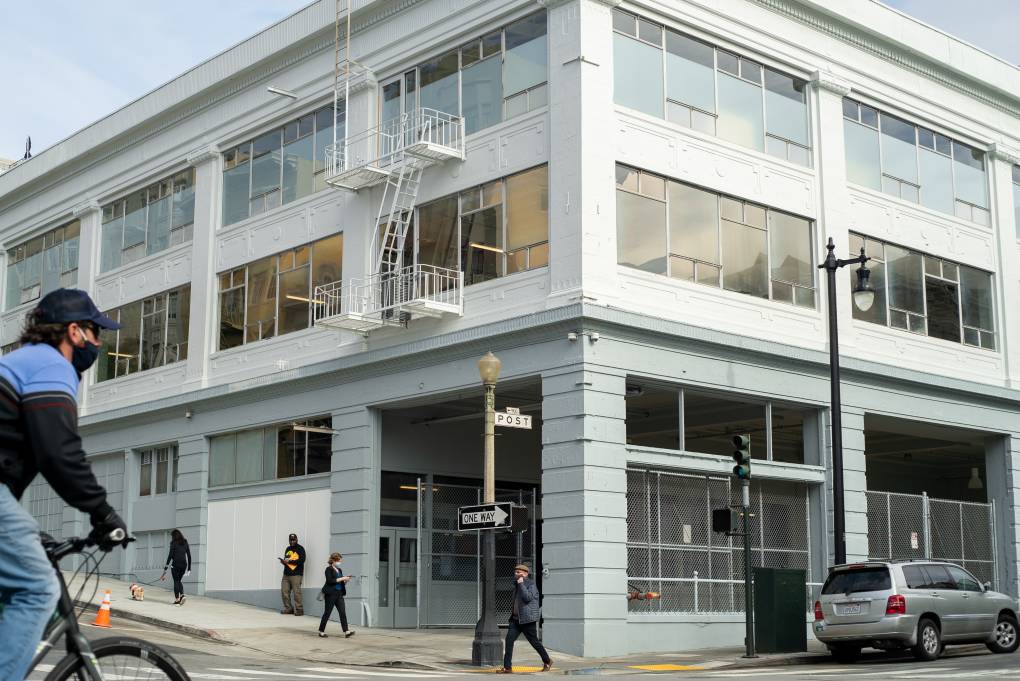
"caption": "San Francisco officials on Feb. 3 unveiled the Lower Polk TAY Navigation Center at 700 Hyde Street, the city's first multiservice shelter for young adults, aged 18-24.",
"description": "San Francisco officials on Feb. 3 unveiled the Lower Polk TAY Navigation Center at 700 Hyde Street, the city's first multiservice shelter for young adults, aged 18-24.",
"title": "KQED_SF_NavCenter_02032021-16",
"credit": "Anna Vignet/KQED",
"status": "inherit",
"altTag": null,
"isLoading": false,
"fetchFailed": false
},
"news_11857764": {
"type": "attachments",
"id": "news_11857764",
"meta": {
"index": "attachments_1716263798",
"site": "news",
"id": "11857764",
"found": true
},
"parent": 11857567,
"imgSizes": {
"apple_news_ca_landscape_5_5": {
"file": "https://ww2.kqed.org/app/uploads/sites/10/2021/01/RS46955_007_SanJose_AdhitiBandlamudi_01292021-qut-1044x783.jpg",
"width": 1044,
"mimeType": "image/jpeg",
"height": 783
},
"apple_news_ca_square_4_0": {
"file": "https://ww2.kqed.org/app/uploads/sites/10/2021/01/RS46955_007_SanJose_AdhitiBandlamudi_01292021-qut-470x470.jpg",
"width": 470,
"mimeType": "image/jpeg",
"height": 470
},
"twentyfourteen-full-width": {
"file": "https://ww2.kqed.org/app/uploads/sites/10/2021/01/RS46955_007_SanJose_AdhitiBandlamudi_01292021-qut-1038x576.jpg",
"width": 1038,
"mimeType": "image/jpeg",
"height": 576
},
"thumbnail": {
"file": "https://ww2.kqed.org/app/uploads/sites/10/2021/01/RS46955_007_SanJose_AdhitiBandlamudi_01292021-qut-160x107.jpg",
"width": 160,
"mimeType": "image/jpeg",
"height": 107
},
"post-thumbnail": {
"file": "https://ww2.kqed.org/app/uploads/sites/10/2021/01/RS46955_007_SanJose_AdhitiBandlamudi_01292021-qut-672x372.jpg",
"width": 672,
"mimeType": "image/jpeg",
"height": 372
},
"kqedFullSize": {
"file": "https://ww2.kqed.org/app/uploads/sites/10/2021/01/RS46955_007_SanJose_AdhitiBandlamudi_01292021-qut.jpg",
"width": 1920,
"height": 1280
},
"apple_news_ca_landscape_4_7": {
"file": "https://ww2.kqed.org/app/uploads/sites/10/2021/01/RS46955_007_SanJose_AdhitiBandlamudi_01292021-qut-632x474.jpg",
"width": 632,
"mimeType": "image/jpeg",
"height": 474
},
"large": {
"file": "https://ww2.kqed.org/app/uploads/sites/10/2021/01/RS46955_007_SanJose_AdhitiBandlamudi_01292021-qut-1020x680.jpg",
"width": 1020,
"mimeType": "image/jpeg",
"height": 680
},
"apple_news_ca_landscape_4_0": {
"file": "https://ww2.kqed.org/app/uploads/sites/10/2021/01/RS46955_007_SanJose_AdhitiBandlamudi_01292021-qut-536x402.jpg",
"width": 536,
"mimeType": "image/jpeg",
"height": 402
},
"apple_news_ca_portrait_12_9": {
"file": "https://ww2.kqed.org/app/uploads/sites/10/2021/01/RS46955_007_SanJose_AdhitiBandlamudi_01292021-qut-1122x1280.jpg",
"width": 1122,
"mimeType": "image/jpeg",
"height": 1280
},
"medium": {
"file": "https://ww2.kqed.org/app/uploads/sites/10/2021/01/RS46955_007_SanJose_AdhitiBandlamudi_01292021-qut-800x533.jpg",
"width": 800,
"mimeType": "image/jpeg",
"height": 533
},
"apple_news_ca_portrait_4_0": {
"file": "https://ww2.kqed.org/app/uploads/sites/10/2021/01/RS46955_007_SanJose_AdhitiBandlamudi_01292021-qut-354x472.jpg",
"width": 354,
"mimeType": "image/jpeg",
"height": 472
},
"apple_news_ca_portrait_9_7": {
"file": "https://ww2.kqed.org/app/uploads/sites/10/2021/01/RS46955_007_SanJose_AdhitiBandlamudi_01292021-qut-840x1120.jpg",
"width": 840,
"mimeType": "image/jpeg",
"height": 1120
},
"apple_news_ca_landscape_12_9": {
"file": "https://ww2.kqed.org/app/uploads/sites/10/2021/01/RS46955_007_SanJose_AdhitiBandlamudi_01292021-qut-1832x1280.jpg",
"width": 1832,
"mimeType": "image/jpeg",
"height": 1280
},
"apple_news_ca_square_9_7": {
"file": "https://ww2.kqed.org/app/uploads/sites/10/2021/01/RS46955_007_SanJose_AdhitiBandlamudi_01292021-qut-1104x1104.jpg",
"width": 1104,
"mimeType": "image/jpeg",
"height": 1104
},
"1536x1536": {
"file": "https://ww2.kqed.org/app/uploads/sites/10/2021/01/RS46955_007_SanJose_AdhitiBandlamudi_01292021-qut-1536x1024.jpg",
"width": 1536,
"mimeType": "image/jpeg",
"height": 1024
},
"apple_news_ca_portrait_4_7": {
"file": "https://ww2.kqed.org/app/uploads/sites/10/2021/01/RS46955_007_SanJose_AdhitiBandlamudi_01292021-qut-414x552.jpg",
"width": 414,
"mimeType": "image/jpeg",
"height": 552
},
"apple_news_ca_square_12_9": {
"file": "https://ww2.kqed.org/app/uploads/sites/10/2021/01/RS46955_007_SanJose_AdhitiBandlamudi_01292021-qut-1472x1280.jpg",
"width": 1472,
"mimeType": "image/jpeg",
"height": 1280
},
"apple_news_ca_portrait_5_5": {
"file": "https://ww2.kqed.org/app/uploads/sites/10/2021/01/RS46955_007_SanJose_AdhitiBandlamudi_01292021-qut-687x916.jpg",
"width": 687,
"mimeType": "image/jpeg",
"height": 916
},
"apple_news_ca_square_4_7": {
"file": "https://ww2.kqed.org/app/uploads/sites/10/2021/01/RS46955_007_SanJose_AdhitiBandlamudi_01292021-qut-550x550.jpg",
"width": 550,
"mimeType": "image/jpeg",
"height": 550
},
"apple_news_ca_landscape_9_7": {
"file": "https://ww2.kqed.org/app/uploads/sites/10/2021/01/RS46955_007_SanJose_AdhitiBandlamudi_01292021-qut-1376x1032.jpg",
"width": 1376,
"mimeType": "image/jpeg",
"height": 1032
},
"apple_news_ca_square_5_5": {
"file": "https://ww2.kqed.org/app/uploads/sites/10/2021/01/RS46955_007_SanJose_AdhitiBandlamudi_01292021-qut-912x912.jpg",
"width": 912,
"mimeType": "image/jpeg",
"height": 912
}
},
"publishDate": 1611960152,
"modified": 1612319603,
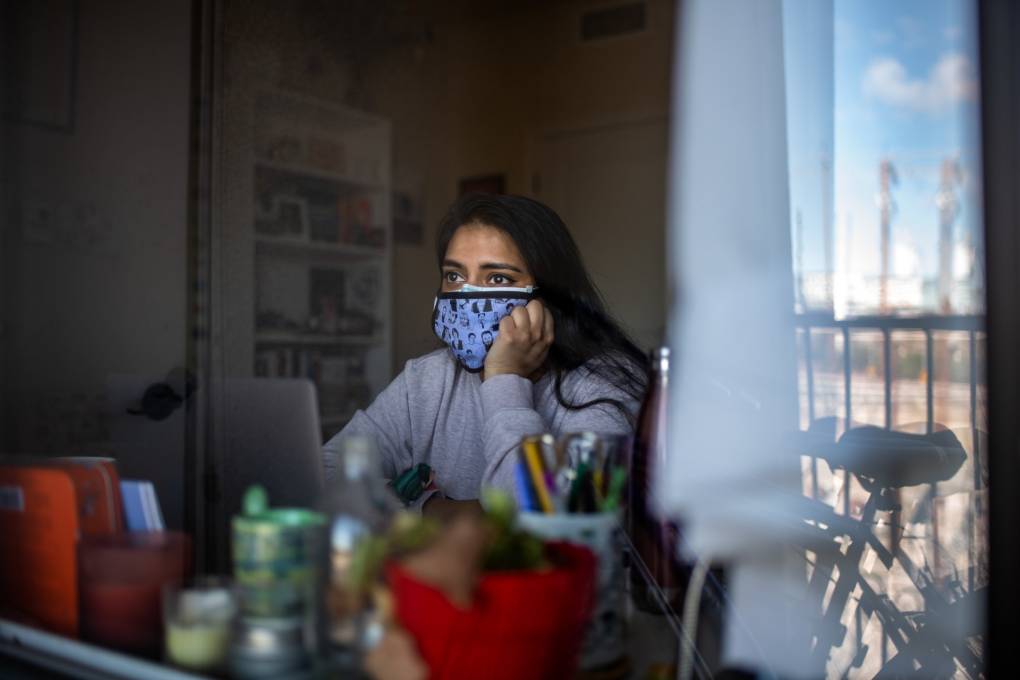
"caption": "Adhiti Bandlamudi looks out of the window from her room on Jan. 29, 2021, in an apartment that she shares with roommates in San Jose.",
"description": "Adhiti Bandlamudi looks out of the window from her room on Jan. 29, 2021, in an apartment that she shares with roommates in San Jose.",
"title": "RS46955_007_SanJose_AdhitiBandlamudi_01292021-qut",
"credit": "Beth LaBerge/KQED",
"status": "inherit",
"altTag": null,
"isLoading": false,
"fetchFailed": false
},
"news_11857801": {
"type": "attachments",
"id": "news_11857801",
"meta": {
"index": "attachments_1716263798",
"site": "news",
"id": "11857801",
"found": true
},
"parent": 11857736,
"imgSizes": {
"apple_news_ca_landscape_5_5": {
"file": "https://ww2.kqed.org/app/uploads/sites/10/2021/02/RS46921_030_SanJose_AntiEvictionProtest_01272021-qut-1044x783.jpg",
"width": 1044,
"mimeType": "image/jpeg",
"height": 783
},
"apple_news_ca_square_4_0": {
"file": "https://ww2.kqed.org/app/uploads/sites/10/2021/02/RS46921_030_SanJose_AntiEvictionProtest_01272021-qut-470x470.jpg",
"width": 470,
"mimeType": "image/jpeg",
"height": 470
},
"twentyfourteen-full-width": {
"file": "https://ww2.kqed.org/app/uploads/sites/10/2021/02/RS46921_030_SanJose_AntiEvictionProtest_01272021-qut-1038x576.jpg",
"width": 1038,
"mimeType": "image/jpeg",
"height": 576
},
"thumbnail": {
"file": "https://ww2.kqed.org/app/uploads/sites/10/2021/02/RS46921_030_SanJose_AntiEvictionProtest_01272021-qut-160x107.jpg",
"width": 160,
"mimeType": "image/jpeg",
"height": 107
},
"post-thumbnail": {
"file": "https://ww2.kqed.org/app/uploads/sites/10/2021/02/RS46921_030_SanJose_AntiEvictionProtest_01272021-qut-672x372.jpg",
"width": 672,
"mimeType": "image/jpeg",
"height": 372
},
"kqedFullSize": {
"file": "https://ww2.kqed.org/app/uploads/sites/10/2021/02/RS46921_030_SanJose_AntiEvictionProtest_01272021-qut.jpg",
"width": 1920,
"height": 1280
},
"apple_news_ca_landscape_4_7": {
"file": "https://ww2.kqed.org/app/uploads/sites/10/2021/02/RS46921_030_SanJose_AntiEvictionProtest_01272021-qut-632x474.jpg",
"width": 632,
"mimeType": "image/jpeg",
"height": 474
},
"large": {
"file": "https://ww2.kqed.org/app/uploads/sites/10/2021/02/RS46921_030_SanJose_AntiEvictionProtest_01272021-qut-1020x680.jpg",
"width": 1020,
"mimeType": "image/jpeg",
"height": 680
},
"apple_news_ca_landscape_4_0": {
"file": "https://ww2.kqed.org/app/uploads/sites/10/2021/02/RS46921_030_SanJose_AntiEvictionProtest_01272021-qut-536x402.jpg",
"width": 536,
"mimeType": "image/jpeg",
"height": 402
},
"apple_news_ca_portrait_12_9": {
"file": "https://ww2.kqed.org/app/uploads/sites/10/2021/02/RS46921_030_SanJose_AntiEvictionProtest_01272021-qut-1122x1280.jpg",
"width": 1122,
"mimeType": "image/jpeg",
"height": 1280
},
"medium": {
"file": "https://ww2.kqed.org/app/uploads/sites/10/2021/02/RS46921_030_SanJose_AntiEvictionProtest_01272021-qut-800x533.jpg",
"width": 800,
"mimeType": "image/jpeg",
"height": 533
},
"apple_news_ca_portrait_4_0": {
"file": "https://ww2.kqed.org/app/uploads/sites/10/2021/02/RS46921_030_SanJose_AntiEvictionProtest_01272021-qut-354x472.jpg",
"width": 354,
"mimeType": "image/jpeg",
"height": 472
},
"apple_news_ca_portrait_9_7": {
"file": "https://ww2.kqed.org/app/uploads/sites/10/2021/02/RS46921_030_SanJose_AntiEvictionProtest_01272021-qut-840x1120.jpg",
"width": 840,
"mimeType": "image/jpeg",
"height": 1120
},
"apple_news_ca_landscape_12_9": {
"file": "https://ww2.kqed.org/app/uploads/sites/10/2021/02/RS46921_030_SanJose_AntiEvictionProtest_01272021-qut-1832x1280.jpg",
"width": 1832,
"mimeType": "image/jpeg",
"height": 1280
},
"apple_news_ca_square_9_7": {
"file": "https://ww2.kqed.org/app/uploads/sites/10/2021/02/RS46921_030_SanJose_AntiEvictionProtest_01272021-qut-1104x1104.jpg",
"width": 1104,
"mimeType": "image/jpeg",
"height": 1104
},
"1536x1536": {
"file": "https://ww2.kqed.org/app/uploads/sites/10/2021/02/RS46921_030_SanJose_AntiEvictionProtest_01272021-qut-1536x1024.jpg",
"width": 1536,
"mimeType": "image/jpeg",
"height": 1024
},
"apple_news_ca_portrait_4_7": {
"file": "https://ww2.kqed.org/app/uploads/sites/10/2021/02/RS46921_030_SanJose_AntiEvictionProtest_01272021-qut-414x552.jpg",
"width": 414,
"mimeType": "image/jpeg",
"height": 552
},
"apple_news_ca_square_12_9": {
"file": "https://ww2.kqed.org/app/uploads/sites/10/2021/02/RS46921_030_SanJose_AntiEvictionProtest_01272021-qut-1472x1280.jpg",
"width": 1472,
"mimeType": "image/jpeg",
"height": 1280
},
"apple_news_ca_portrait_5_5": {
"file": "https://ww2.kqed.org/app/uploads/sites/10/2021/02/RS46921_030_SanJose_AntiEvictionProtest_01272021-qut-687x916.jpg",
"width": 687,
"mimeType": "image/jpeg",
"height": 916
},
"apple_news_ca_square_4_7": {
"file": "https://ww2.kqed.org/app/uploads/sites/10/2021/02/RS46921_030_SanJose_AntiEvictionProtest_01272021-qut-550x550.jpg",
"width": 550,
"mimeType": "image/jpeg",
"height": 550
},
"apple_news_ca_landscape_9_7": {
"file": "https://ww2.kqed.org/app/uploads/sites/10/2021/02/RS46921_030_SanJose_AntiEvictionProtest_01272021-qut-1376x1032.jpg",
"width": 1376,
"mimeType": "image/jpeg",
"height": 1032
},
"apple_news_ca_square_5_5": {
"file": "https://ww2.kqed.org/app/uploads/sites/10/2021/02/RS46921_030_SanJose_AntiEvictionProtest_01272021-qut-912x912.jpg",
"width": 912,
"mimeType": "image/jpeg",
"height": 912
}
},
"publishDate": 1611966179,
"modified": 1611966277,
"caption": "Derrick Sanderlin holds a sign during an anti-eviction protest while sheriff's deputies line-up in front of the Santa Clara Superior Court in San Jose on Jan. 27, 2021.",
"description": null,
"title": "RS46921_030_SanJose_AntiEvictionProtest_01272021-qut",
"credit": "Beth LaBerge",
"status": "inherit",
"altTag": null,
"isLoading": false,
"fetchFailed": false
},
"news_11857364": {
"type": "attachments",
"id": "news_11857364",
"meta": {
"index": "attachments_1716263798",
"site": "news",
"id": "11857364",
"found": true
},
"parent": 0,
"imgSizes": {
"apple_news_ca_landscape_5_5": {
"file": "https://ww2.kqed.org/app/uploads/sites/10/2021/01/Image-from-iOS-1044x783.jpg",
"width": 1044,
"mimeType": "image/jpeg",
"height": 783
},
"apple_news_ca_square_4_0": {
"file": "https://ww2.kqed.org/app/uploads/sites/10/2021/01/Image-from-iOS-470x470.jpg",
"width": 470,
"mimeType": "image/jpeg",
"height": 470
},
"twentyfourteen-full-width": {
"file": "https://ww2.kqed.org/app/uploads/sites/10/2021/01/Image-from-iOS-1038x576.jpg",
"width": 1038,
"mimeType": "image/jpeg",
"height": 576
},
"thumbnail": {
"file": "https://ww2.kqed.org/app/uploads/sites/10/2021/01/Image-from-iOS-160x107.jpg",
"width": 160,
"mimeType": "image/jpeg",
"height": 107
},
"post-thumbnail": {
"file": "https://ww2.kqed.org/app/uploads/sites/10/2021/01/Image-from-iOS-672x372.jpg",
"width": 672,
"mimeType": "image/jpeg",
"height": 372
},
"kqedFullSize": {
"file": "https://ww2.kqed.org/app/uploads/sites/10/2021/01/Image-from-iOS.jpg",
"width": 1484,
"height": 989
},
"apple_news_ca_landscape_4_7": {
"file": "https://ww2.kqed.org/app/uploads/sites/10/2021/01/Image-from-iOS-632x474.jpg",
"width": 632,
"mimeType": "image/jpeg",
"height": 474
},
"large": {
"file": "https://ww2.kqed.org/app/uploads/sites/10/2021/01/Image-from-iOS-1020x680.jpg",
"width": 1020,
"mimeType": "image/jpeg",
"height": 680
},
"apple_news_ca_landscape_4_0": {
"file": "https://ww2.kqed.org/app/uploads/sites/10/2021/01/Image-from-iOS-536x402.jpg",
"width": 536,
"mimeType": "image/jpeg",
"height": 402
},
"apple_news_ca_portrait_12_9": {
"file": "https://ww2.kqed.org/app/uploads/sites/10/2021/01/Image-from-iOS-1122x989.jpg",
"width": 1122,
"mimeType": "image/jpeg",
"height": 989
},
"medium": {
"file": "https://ww2.kqed.org/app/uploads/sites/10/2021/01/Image-from-iOS-800x533.jpg",
"width": 800,
"mimeType": "image/jpeg",
"height": 533
},
"apple_news_ca_portrait_4_0": {
"file": "https://ww2.kqed.org/app/uploads/sites/10/2021/01/Image-from-iOS-354x472.jpg",
"width": 354,
"mimeType": "image/jpeg",
"height": 472
},
"apple_news_ca_portrait_9_7": {
"file": "https://ww2.kqed.org/app/uploads/sites/10/2021/01/Image-from-iOS-840x989.jpg",
"width": 840,
"mimeType": "image/jpeg",
"height": 989
},
"apple_news_ca_square_9_7": {
"file": "https://ww2.kqed.org/app/uploads/sites/10/2021/01/Image-from-iOS-1104x989.jpg",
"width": 1104,
"mimeType": "image/jpeg",
"height": 989
},
"apple_news_ca_portrait_4_7": {
"file": "https://ww2.kqed.org/app/uploads/sites/10/2021/01/Image-from-iOS-414x552.jpg",
"width": 414,
"mimeType": "image/jpeg",
"height": 552
},
"apple_news_ca_square_12_9": {
"file": "https://ww2.kqed.org/app/uploads/sites/10/2021/01/Image-from-iOS-1472x989.jpg",
"width": 1472,
"mimeType": "image/jpeg",
"height": 989
},
"apple_news_ca_portrait_5_5": {
"file": "https://ww2.kqed.org/app/uploads/sites/10/2021/01/Image-from-iOS-687x916.jpg",
"width": 687,
"mimeType": "image/jpeg",
"height": 916
},
"apple_news_ca_square_4_7": {
"file": "https://ww2.kqed.org/app/uploads/sites/10/2021/01/Image-from-iOS-550x550.jpg",
"width": 550,
"mimeType": "image/jpeg",
"height": 550
},
"apple_news_ca_landscape_9_7": {
"file": "https://ww2.kqed.org/app/uploads/sites/10/2021/01/Image-from-iOS-1376x989.jpg",
"width": 1376,
"mimeType": "image/jpeg",
"height": 989
},
"apple_news_ca_square_5_5": {
"file": "https://ww2.kqed.org/app/uploads/sites/10/2021/01/Image-from-iOS-912x912.jpg",
"width": 912,
"mimeType": "image/jpeg",
"height": 912
}
},
"publishDate": 1611781162,
"modified": 1611793172,
"caption": "Protesters rally in front of Santa Clara County Superior Court in San Jose on Jan. 27, 2021, demanding stronger state eviction protections.",
"description": null,
"title": "Image from iOS",
"credit": "Beth LaBerge/KQED",
"status": "inherit",
"altTag": null,
"isLoading": false,
"fetchFailed": false
},
"news_11856818": {
"type": "attachments",
"id": "news_11856818",
"meta": {
"index": "attachments_1716263798",
"site": "news",
"id": "11856818",
"found": true
},
"parent": 11856817,
"imgSizes": {
"apple_news_ca_landscape_5_5": {
"file": "https://ww2.kqed.org/app/uploads/sites/10/2021/01/RS46476_004_KQED_Richmond_Eviction_12222020-qut-1044x783.jpg",
"width": 1044,
"mimeType": "image/jpeg",
"height": 783
},
"apple_news_ca_square_4_0": {
"file": "https://ww2.kqed.org/app/uploads/sites/10/2021/01/RS46476_004_KQED_Richmond_Eviction_12222020-qut-470x470.jpg",
"width": 470,
"mimeType": "image/jpeg",
"height": 470
},
"twentyfourteen-full-width": {
"file": "https://ww2.kqed.org/app/uploads/sites/10/2021/01/RS46476_004_KQED_Richmond_Eviction_12222020-qut-1038x576.jpg",
"width": 1038,
"mimeType": "image/jpeg",
"height": 576
},
"thumbnail": {
"file": "https://ww2.kqed.org/app/uploads/sites/10/2021/01/RS46476_004_KQED_Richmond_Eviction_12222020-qut-160x107.jpg",
"width": 160,
"mimeType": "image/jpeg",
"height": 107
},
"post-thumbnail": {
"file": "https://ww2.kqed.org/app/uploads/sites/10/2021/01/RS46476_004_KQED_Richmond_Eviction_12222020-qut-672x372.jpg",
"width": 672,
"mimeType": "image/jpeg",
"height": 372
},
"kqedFullSize": {
"file": "https://ww2.kqed.org/app/uploads/sites/10/2021/01/RS46476_004_KQED_Richmond_Eviction_12222020-qut.jpg",
"width": 1920,
"height": 1280
},
"apple_news_ca_landscape_4_7": {
"file": "https://ww2.kqed.org/app/uploads/sites/10/2021/01/RS46476_004_KQED_Richmond_Eviction_12222020-qut-632x474.jpg",
"width": 632,
"mimeType": "image/jpeg",
"height": 474
},
"large": {
"file": "https://ww2.kqed.org/app/uploads/sites/10/2021/01/RS46476_004_KQED_Richmond_Eviction_12222020-qut-1020x680.jpg",
"width": 1020,
"mimeType": "image/jpeg",
"height": 680
},
"apple_news_ca_landscape_4_0": {
"file": "https://ww2.kqed.org/app/uploads/sites/10/2021/01/RS46476_004_KQED_Richmond_Eviction_12222020-qut-536x402.jpg",
"width": 536,
"mimeType": "image/jpeg",
"height": 402
},
"apple_news_ca_portrait_12_9": {
"file": "https://ww2.kqed.org/app/uploads/sites/10/2021/01/RS46476_004_KQED_Richmond_Eviction_12222020-qut-1122x1280.jpg",
"width": 1122,
"mimeType": "image/jpeg",
"height": 1280
},
"medium": {
"file": "https://ww2.kqed.org/app/uploads/sites/10/2021/01/RS46476_004_KQED_Richmond_Eviction_12222020-qut-800x533.jpg",
"width": 800,
"mimeType": "image/jpeg",
"height": 533
},
"apple_news_ca_portrait_4_0": {
"file": "https://ww2.kqed.org/app/uploads/sites/10/2021/01/RS46476_004_KQED_Richmond_Eviction_12222020-qut-354x472.jpg",
"width": 354,
"mimeType": "image/jpeg",
"height": 472
},
"apple_news_ca_portrait_9_7": {
"file": "https://ww2.kqed.org/app/uploads/sites/10/2021/01/RS46476_004_KQED_Richmond_Eviction_12222020-qut-840x1120.jpg",
"width": 840,
"mimeType": "image/jpeg",
"height": 1120
},
"apple_news_ca_landscape_12_9": {
"file": "https://ww2.kqed.org/app/uploads/sites/10/2021/01/RS46476_004_KQED_Richmond_Eviction_12222020-qut-1832x1280.jpg",
"width": 1832,
"mimeType": "image/jpeg",
"height": 1280
},
"apple_news_ca_square_9_7": {
"file": "https://ww2.kqed.org/app/uploads/sites/10/2021/01/RS46476_004_KQED_Richmond_Eviction_12222020-qut-1104x1104.jpg",
"width": 1104,
"mimeType": "image/jpeg",
"height": 1104
},
"1536x1536": {
"file": "https://ww2.kqed.org/app/uploads/sites/10/2021/01/RS46476_004_KQED_Richmond_Eviction_12222020-qut-1536x1024.jpg",
"width": 1536,
"mimeType": "image/jpeg",
"height": 1024
},
"apple_news_ca_portrait_4_7": {
"file": "https://ww2.kqed.org/app/uploads/sites/10/2021/01/RS46476_004_KQED_Richmond_Eviction_12222020-qut-414x552.jpg",
"width": 414,
"mimeType": "image/jpeg",
"height": 552
},
"apple_news_ca_square_12_9": {
"file": "https://ww2.kqed.org/app/uploads/sites/10/2021/01/RS46476_004_KQED_Richmond_Eviction_12222020-qut-1472x1280.jpg",
"width": 1472,
"mimeType": "image/jpeg",
"height": 1280
},
"apple_news_ca_portrait_5_5": {
"file": "https://ww2.kqed.org/app/uploads/sites/10/2021/01/RS46476_004_KQED_Richmond_Eviction_12222020-qut-687x916.jpg",
"width": 687,
"mimeType": "image/jpeg",
"height": 916
},
"apple_news_ca_square_4_7": {
"file": "https://ww2.kqed.org/app/uploads/sites/10/2021/01/RS46476_004_KQED_Richmond_Eviction_12222020-qut-550x550.jpg",
"width": 550,
"mimeType": "image/jpeg",
"height": 550
},
"apple_news_ca_landscape_9_7": {
"file": "https://ww2.kqed.org/app/uploads/sites/10/2021/01/RS46476_004_KQED_Richmond_Eviction_12222020-qut-1376x1032.jpg",
"width": 1376,
"mimeType": "image/jpeg",
"height": 1032
},
"apple_news_ca_square_5_5": {
"file": "https://ww2.kqed.org/app/uploads/sites/10/2021/01/RS46476_004_KQED_Richmond_Eviction_12222020-qut-912x912.jpg",
"width": 912,
"mimeType": "image/jpeg",
"height": 912
}
},
"publishDate": 1611370296,
"modified": 1611723139,
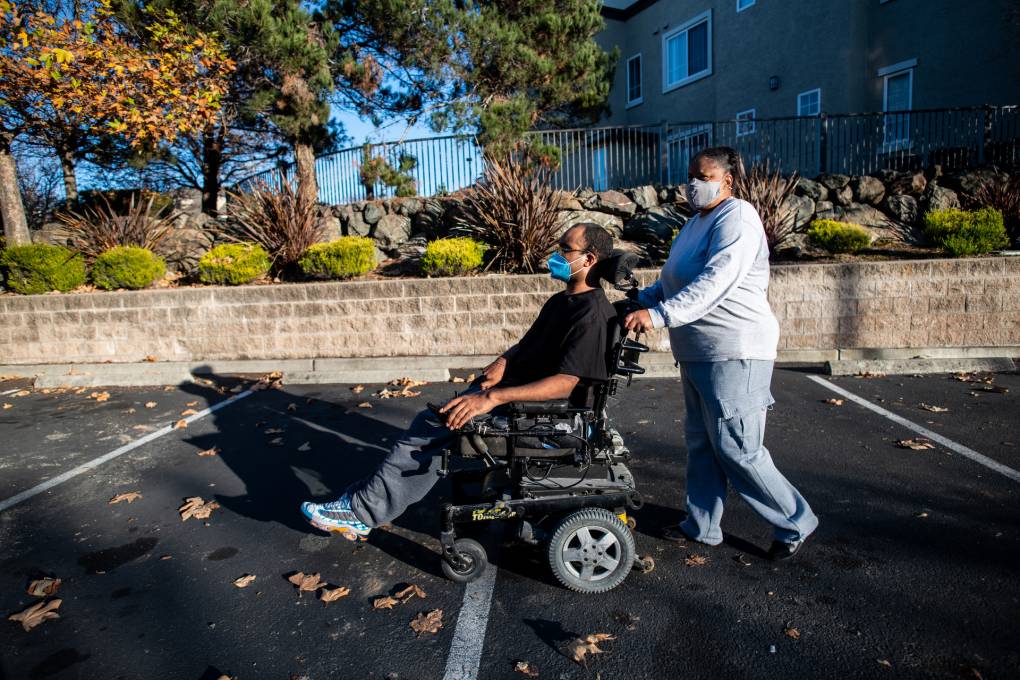
"caption": "Jean Kendrick, 70, and her son Stanley, 42, at an Extended Stay America in Richmond on Dec. 22, 2020. They moved into the motel after being evicted from their duplex earlier in the month.",
"description": null,
"title": "RS46476_004_KQED_Richmond_Eviction_12222020-qut",
"credit": "Beth LaBerge/KQED",
"status": "inherit",
"altTag": null,
"isLoading": false,
"fetchFailed": false
},
"news_11855382": {
"type": "attachments",
"id": "news_11855382",
"meta": {
"index": "attachments_1716263798",
"site": "news",
"id": "11855382",
"found": true
},
"parent": 11855376,
"imgSizes": {
"apple_news_ca_landscape_5_5": {
"file": "https://ww2.kqed.org/app/uploads/sites/10/2021/01/RS46553_018_Oakland_KeepOaklandHoused_01102021-qut-1044x783.jpg",
"width": 1044,
"mimeType": "image/jpeg",
"height": 783
},
"apple_news_ca_square_4_0": {
"file": "https://ww2.kqed.org/app/uploads/sites/10/2021/01/RS46553_018_Oakland_KeepOaklandHoused_01102021-qut-470x470.jpg",
"width": 470,
"mimeType": "image/jpeg",
"height": 470
},
"twentyfourteen-full-width": {
"file": "https://ww2.kqed.org/app/uploads/sites/10/2021/01/RS46553_018_Oakland_KeepOaklandHoused_01102021-qut-1038x576.jpg",
"width": 1038,
"mimeType": "image/jpeg",
"height": 576
},
"thumbnail": {
"file": "https://ww2.kqed.org/app/uploads/sites/10/2021/01/RS46553_018_Oakland_KeepOaklandHoused_01102021-qut-160x107.jpg",
"width": 160,
"mimeType": "image/jpeg",
"height": 107
},
"post-thumbnail": {
"file": "https://ww2.kqed.org/app/uploads/sites/10/2021/01/RS46553_018_Oakland_KeepOaklandHoused_01102021-qut-672x372.jpg",
"width": 672,
"mimeType": "image/jpeg",
"height": 372
},
"kqedFullSize": {
"file": "https://ww2.kqed.org/app/uploads/sites/10/2021/01/RS46553_018_Oakland_KeepOaklandHoused_01102021-qut.jpg",
"width": 1920,
"height": 1280
},
"apple_news_ca_landscape_4_7": {
"file": "https://ww2.kqed.org/app/uploads/sites/10/2021/01/RS46553_018_Oakland_KeepOaklandHoused_01102021-qut-632x474.jpg",
"width": 632,
"mimeType": "image/jpeg",
"height": 474
},
"large": {
"file": "https://ww2.kqed.org/app/uploads/sites/10/2021/01/RS46553_018_Oakland_KeepOaklandHoused_01102021-qut-1020x680.jpg",
"width": 1020,
"mimeType": "image/jpeg",
"height": 680
},
"apple_news_ca_landscape_4_0": {
"file": "https://ww2.kqed.org/app/uploads/sites/10/2021/01/RS46553_018_Oakland_KeepOaklandHoused_01102021-qut-536x402.jpg",
"width": 536,
"mimeType": "image/jpeg",
"height": 402
},
"apple_news_ca_portrait_12_9": {
"file": "https://ww2.kqed.org/app/uploads/sites/10/2021/01/RS46553_018_Oakland_KeepOaklandHoused_01102021-qut-1122x1280.jpg",
"width": 1122,
"mimeType": "image/jpeg",
"height": 1280
},
"medium": {
"file": "https://ww2.kqed.org/app/uploads/sites/10/2021/01/RS46553_018_Oakland_KeepOaklandHoused_01102021-qut-800x533.jpg",
"width": 800,
"mimeType": "image/jpeg",
"height": 533
},
"apple_news_ca_portrait_4_0": {
"file": "https://ww2.kqed.org/app/uploads/sites/10/2021/01/RS46553_018_Oakland_KeepOaklandHoused_01102021-qut-354x472.jpg",
"width": 354,
"mimeType": "image/jpeg",
"height": 472
},
"apple_news_ca_portrait_9_7": {
"file": "https://ww2.kqed.org/app/uploads/sites/10/2021/01/RS46553_018_Oakland_KeepOaklandHoused_01102021-qut-840x1120.jpg",
"width": 840,
"mimeType": "image/jpeg",
"height": 1120
},
"apple_news_ca_landscape_12_9": {
"file": "https://ww2.kqed.org/app/uploads/sites/10/2021/01/RS46553_018_Oakland_KeepOaklandHoused_01102021-qut-1832x1280.jpg",
"width": 1832,
"mimeType": "image/jpeg",
"height": 1280
},
"apple_news_ca_square_9_7": {
"file": "https://ww2.kqed.org/app/uploads/sites/10/2021/01/RS46553_018_Oakland_KeepOaklandHoused_01102021-qut-1104x1104.jpg",
"width": 1104,
"mimeType": "image/jpeg",
"height": 1104
},
"1536x1536": {
"file": "https://ww2.kqed.org/app/uploads/sites/10/2021/01/RS46553_018_Oakland_KeepOaklandHoused_01102021-qut-1536x1024.jpg",
"width": 1536,
"mimeType": "image/jpeg",
"height": 1024
},
"apple_news_ca_portrait_4_7": {
"file": "https://ww2.kqed.org/app/uploads/sites/10/2021/01/RS46553_018_Oakland_KeepOaklandHoused_01102021-qut-414x552.jpg",
"width": 414,
"mimeType": "image/jpeg",
"height": 552
},
"apple_news_ca_square_12_9": {
"file": "https://ww2.kqed.org/app/uploads/sites/10/2021/01/RS46553_018_Oakland_KeepOaklandHoused_01102021-qut-1472x1280.jpg",
"width": 1472,
"mimeType": "image/jpeg",
"height": 1280
},
"apple_news_ca_portrait_5_5": {
"file": "https://ww2.kqed.org/app/uploads/sites/10/2021/01/RS46553_018_Oakland_KeepOaklandHoused_01102021-qut-687x916.jpg",
"width": 687,
"mimeType": "image/jpeg",
"height": 916
},
"apple_news_ca_square_4_7": {
"file": "https://ww2.kqed.org/app/uploads/sites/10/2021/01/RS46553_018_Oakland_KeepOaklandHoused_01102021-qut-550x550.jpg",
"width": 550,
"mimeType": "image/jpeg",
"height": 550
},
"apple_news_ca_landscape_9_7": {
"file": "https://ww2.kqed.org/app/uploads/sites/10/2021/01/RS46553_018_Oakland_KeepOaklandHoused_01102021-qut-1376x1032.jpg",
"width": 1376,
"mimeType": "image/jpeg",
"height": 1032
},
"apple_news_ca_square_5_5": {
"file": "https://ww2.kqed.org/app/uploads/sites/10/2021/01/RS46553_018_Oakland_KeepOaklandHoused_01102021-qut-912x912.jpg",
"width": 912,
"mimeType": "image/jpeg",
"height": 912
}
},
"publishDate": 1610654686,
"modified": 1610754369,
"caption": "Marquisse Moore stands outside his home in Oakland on Jan. 10, 2021. He was one of more than 3,000 people who have received direct rental assistance as part of a program called Keep Oakland Housed, which got its start in 2018 to prevent people from experiencing homelessness. ",
"description": "Marquisse Moore stands outside his home in Oakland on Jan. 10, 2021. He was one of more than 4,000 people who have received direct rent payments as part of a program called Keep Oakland Housed, which got its start in 2018 to prevent people from experiencing homelessness.",
"title": "RS46553_018_Oakland_KeepOaklandHoused_01102021-qut",
"credit": "Beth LaBerge/KQED",
"status": "inherit",
"altTag": "Marquisse Moore outside his home",
"isLoading": false,
"fetchFailed": false
}
},
"audioPlayerReducer": {
"postId": "stream_live",
"isPaused": true,
"isPlaying": false,
"pfsActive": false,
"pledgeModalIsOpen": true,
"playerDrawerIsOpen": false,
"liveAudioPlayStartedAt": 0,
"liveAudioPlayContext": ""
},
"authorsReducer": {
"katrinaschwartz": {
"type": "authors",
"id": "234",
"meta": {
"index": "authors_1716337520",
"id": "234",
"found": true
},
"name": "Katrina Schwartz",
"firstName": "Katrina",
"lastName": "Schwartz",
"slug": "katrinaschwartz",
"email": "kschwartz@kqed.org",
"display_author_email": false,
"staff_mastheads": [
"news"
],
"title": "Producer",
"bio": "Katrina Schwartz is a journalist based in San Francisco. She's worked at KPCC public radio in LA and has reported on air and online for KQED since 2010. She covered how teaching and learning is changing for MindShift between 2012 and 2020. She is the co-host of the MindShift podcast and now produces KQED's Bay Curious podcast.",
"avatar": "https://secure.gravatar.com/avatar/edb4ee79070447a018538c9aae6eeecf28786515b8a0c30e43b6b7dce5aa44c8?s=600&d=blank&r=g",
"twitter": "kschwart",
"bluesky": null,
"facebook": null,
"instagram": null,
"linkedin": null,
"sites": [
{
"site": "",
"roles": [
"editor"
]
},
{
"site": "news",
"roles": [
"editor"
]
},
{
"site": "mindshift",
"roles": [
"administrator"
]
},
{
"site": "stateofhealth",
"roles": [
"author"
]
},
{
"site": "science",
"roles": [
"editor"
]
}
],
"headData": {
"title": "Katrina Schwartz | KQED",
"description": "Producer",
"ogImgSrc": "https://secure.gravatar.com/avatar/edb4ee79070447a018538c9aae6eeecf28786515b8a0c30e43b6b7dce5aa44c8?s=600&d=blank&r=g",
"twImgSrc": "https://secure.gravatar.com/avatar/edb4ee79070447a018538c9aae6eeecf28786515b8a0c30e43b6b7dce5aa44c8?s=600&d=blank&r=g"
},
"isLoading": false,
"link": "/author/katrinaschwartz"
},
"dkatayama": {
"type": "authors",
"id": "7240",
"meta": {
"index": "authors_1716337520",
"id": "7240",
"found": true
},
"name": "Devin Katayama",
"firstName": "Devin",
"lastName": "Katayama",
"slug": "dkatayama",
"email": "dkatayama@kqed.org",
"display_author_email": true,
"staff_mastheads": [
"news"
],
"title": "Editor of Talent and Development",
"bio": "Devin Katayama is former Editor of Talent and Development for KQED. He supported our internship program and on-call staff by looking for equitable opportunities to improve the newsroom.\r\n\r\nHe previously hosted The Bay and American Suburb podcasts from KQED News. Prior to returning to the Bay Area in 2015, Devin was the education reporter for WFPL in Louisville and worked as a producer with radio stations in Chicago and Portland, OR. His work has appeared on NPR’s \u003cem>Morning Edition, All Things Considered, The Takeaway\u003c/em> and \u003cem>Here and Now.\u003c/em>\r\n\r\nDevin earned his MA in Journalism from Columbia College Chicago, where he was a Follett Fellow and the recipient of the 2011 Studs Terkel Community Media Workshop Scholarship for his story on Chicago's homeless youth. He won WBUR's 2014 Daniel Schorr award and a regional RTNDA Edward R. Murrow Award for his documentary \"At Risk\" that looked at issues facing some of Louisville's students. Devin has also received numerous local awards from the Associated Press and the Society of Professional Journalists.",
"avatar": "https://secure.gravatar.com/avatar/d0d2978a31002fb2de107921a8e18405?s=600&d=blank&r=g",
"twitter": "RadioDevin",
"facebook": null,
"instagram": null,
"linkedin": null,
"sites": [
{
"site": "arts",
"roles": []
},
{
"site": "news",
"roles": [
"author"
]
},
{
"site": "stateofhealth",
"roles": [
"author"
]
},
{
"site": "forum",
"roles": [
"editor"
]
},
{
"site": "perspectives",
"roles": [
"editor"
]
}
],
"headData": {
"title": "Devin Katayama | KQED",
"description": "Editor of Talent and Development",
"ogImgSrc": "https://secure.gravatar.com/avatar/d0d2978a31002fb2de107921a8e18405?s=600&d=blank&r=g",
"twImgSrc": "https://secure.gravatar.com/avatar/d0d2978a31002fb2de107921a8e18405?s=600&d=blank&r=g"
},
"isLoading": false,
"link": "/author/dkatayama"
},
"ecruzguevarra": {
"type": "authors",
"id": "8654",
"meta": {
"index": "authors_1716337520",
"id": "8654",
"found": true
},
"name": "Ericka Cruz Guevarra",
"firstName": "Ericka",
"lastName": "Cruz Guevarra",
"slug": "ecruzguevarra",
"email": "ecruzguevarra@kqed.org",
"display_author_email": true,
"staff_mastheads": [
"news"
],
"title": "Producer, The Bay Podcast",
"bio": "Ericka Cruz Guevarra is host of \u003ca href=\"https://www.kqed.org/podcasts/thebay\">\u003cem>The Bay\u003c/em>\u003c/a> podcast at KQED. Before host, she was the show’s producer. Her work in that capacity includes a three-part reported series on policing in Vallejo, which won a 2020 excellence in journalism award from the Society of Professional Journalists. Ericka has worked as a breaking news reporter at Oregon Public Broadcasting, helped produce the Code Switch podcast, and was KQED’s inaugural Raul Ramirez Diversity Fund intern. She’s also an alumna of NPR’s Next Generation Radio program. Send her an email if you have strong feelings about whether Fairfield and Suisun City are the Bay. Ericka is represented by SAG-AFTRA.",
"avatar": "https://secure.gravatar.com/avatar/accefc1de4bafc7e234b69bcb9b6f6536c130fd84709bc3069ef11a78787e1bb?s=600&d=blank&r=g",
"twitter": "NotoriousECG",
"bluesky": null,
"facebook": null,
"instagram": null,
"linkedin": null,
"sites": [
{
"site": "arts",
"roles": [
"subscriber"
]
},
{
"site": "news",
"roles": [
"editor",
"manage_categories"
]
},
{
"site": "futureofyou",
"roles": [
"subscriber"
]
},
{
"site": "stateofhealth",
"roles": [
"subscriber"
]
},
{
"site": "science",
"roles": [
"editor"
]
},
{
"site": "forum",
"roles": [
"subscriber"
]
}
],
"headData": {
"title": "Ericka Cruz Guevarra | KQED",
"description": "Producer, The Bay Podcast",
"ogImgSrc": "https://secure.gravatar.com/avatar/accefc1de4bafc7e234b69bcb9b6f6536c130fd84709bc3069ef11a78787e1bb?s=600&d=blank&r=g",
"twImgSrc": "https://secure.gravatar.com/avatar/accefc1de4bafc7e234b69bcb9b6f6536c130fd84709bc3069ef11a78787e1bb?s=600&d=blank&r=g"
},
"isLoading": false,
"link": "/author/ecruzguevarra"
},
"katewolffe": {
"type": "authors",
"id": "11523",
"meta": {
"index": "authors_1716337520",
"id": "11523",
"found": true
},
"name": "Kate Wolffe",
"firstName": "Kate",
"lastName": "Wolffe",
"slug": "katewolffe",
"email": "kwolffe@kqed.org",
"display_author_email": true,
"staff_mastheads": [
"news"
],
"title": "KQED Reporter + Weekend Host",
"bio": "Kate Wolffe reports on local Bay Area happenings for KQED, and hosts the news on weekend afternoons. She joined KQED in 2018 as an intern on the Forum team, before moving to cover topics ranging from politics to criminal justice to homelessness. A Bay Area native and UC Berkeley graduate, Kate loves to discover new corners of the region.",
"avatar": "https://secure.gravatar.com/avatar/22455f14db824a03ee252f73052fe939?s=600&d=blank&r=g",
"twitter": "katewolffe",
"facebook": null,
"instagram": null,
"linkedin": null,
"sites": [
{
"site": "arts",
"roles": [
"editor"
]
},
{
"site": "news",
"roles": [
"author",
"edit_others_posts"
]
},
{
"site": "forum",
"roles": [
"editor"
]
}
],
"headData": {
"title": "Kate Wolffe | KQED",
"description": "KQED Reporter + Weekend Host",
"ogImgSrc": "https://secure.gravatar.com/avatar/22455f14db824a03ee252f73052fe939?s=600&d=blank&r=g",
"twImgSrc": "https://secure.gravatar.com/avatar/22455f14db824a03ee252f73052fe939?s=600&d=blank&r=g"
},
"isLoading": false,
"link": "/author/katewolffe"
},
"aehsanipour": {
"type": "authors",
"id": "11580",
"meta": {
"index": "authors_1716337520",
"id": "11580",
"found": true
},
"name": "Asal Ehsanipour",
"firstName": "Asal",
"lastName": "Ehsanipour",
"slug": "aehsanipour",
"email": "aehsanipour@kqed.org",
"display_author_email": false,
"staff_mastheads": [],
"title": "Reporter and Producer",
"bio": "Asal Ehsanipour is a producer and reporter for Rightnowish, Bay Curious and The California Report Magazine. She is also a producer for \u003ca href=\"https://www.thedoubleshift.com/\">The Double Shift\u003c/a>, a podcast about a new generation of working mothers. In 2018, Asal was named an Emerging Journalist Fellow by the Journalism and Women’s Symposium. Her work has appeared on KQED, KALW, PRI’s The World, and in several food and travel publications.",
"avatar": "https://secure.gravatar.com/avatar/c0e210438f5dca1b76921ff9f0eada52?s=600&d=blank&r=g",
"twitter": null,
"facebook": null,
"instagram": null,
"linkedin": null,
"sites": [
{
"site": "arts",
"roles": []
},
{
"site": "news",
"roles": [
"author",
"edit_others_posts"
]
}
],
"headData": {
"title": "Asal Ehsanipour | KQED",
"description": "Reporter and Producer",
"ogImgSrc": "https://secure.gravatar.com/avatar/c0e210438f5dca1b76921ff9f0eada52?s=600&d=blank&r=g",
"twImgSrc": "https://secure.gravatar.com/avatar/c0e210438f5dca1b76921ff9f0eada52?s=600&d=blank&r=g"
},
"isLoading": false,
"link": "/author/aehsanipour"
},
"kmoghadam": {
"type": "authors",
"id": "11637",
"meta": {
"index": "authors_1716337520",
"id": "11637",
"found": true
},
"name": "Kyana Moghadam",
"firstName": "Kyana",
"lastName": "Moghadam",
"slug": "kmoghadam",
"email": "kmoghadam@kqed.org",
"display_author_email": false,
"staff_mastheads": [
"news"
],
"title": "Senior Producer ",
"bio": "Kyana Moghadam is a senior producer at KQED. Prior to joining KQED, she was an audio producer and editor with Al Jazeera, Jetty Studios, VOX Media, Democracy Now!, and Global Press.",
"avatar": "https://secure.gravatar.com/avatar/cdbd6cb0b9e99deaa9eb618abdba56f265d374a2c614710aebeb4e58decbc5f0?s=600&d=blank&r=g",
"twitter": null,
"bluesky": null,
"facebook": null,
"instagram": null,
"linkedin": "https://www.linkedin.com/in/kyanamoghadam/",
"sites": [
{
"site": "",
"roles": [
"editor"
]
},
{
"site": "arts",
"roles": [
"editor"
]
},
{
"site": "news",
"roles": [
"administrator"
]
},
{
"site": "pop",
"roles": [
"editor"
]
},
{
"site": "about",
"roles": [
"editor"
]
},
{
"site": "forum",
"roles": [
"editor"
]
},
{
"site": "perspectives",
"roles": [
"editor"
]
},
{
"site": "podcasts",
"roles": [
"administrator"
]
}
],
"headData": {
"title": "Kyana Moghadam | KQED",
"description": "Senior Producer ",
"ogImgSrc": "https://secure.gravatar.com/avatar/cdbd6cb0b9e99deaa9eb618abdba56f265d374a2c614710aebeb4e58decbc5f0?s=600&d=blank&r=g",
"twImgSrc": "https://secure.gravatar.com/avatar/cdbd6cb0b9e99deaa9eb618abdba56f265d374a2c614710aebeb4e58decbc5f0?s=600&d=blank&r=g"
},
"isLoading": false,
"link": "/author/kmoghadam"
},
"amontecillo": {
"type": "authors",
"id": "11649",
"meta": {
"index": "authors_1716337520",
"id": "11649",
"found": true
},
"name": "Alan Montecillo",
"firstName": "Alan",
"lastName": "Montecillo",
"slug": "amontecillo",
"email": "amontecillo@kqed.org",
"display_author_email": false,
"staff_mastheads": [
"news"
],
"title": "KQED Contributor",
"bio": "Alan Montecillo is the senior editor of \u003cem>\u003ca href=\"http://kqed.org/thebay\">The Bay\u003c/a>, \u003c/em> KQED's local news podcast. Before moving to the Bay Area, he worked as a senior talk show producer for WILL in Champaign-Urbana, Illinois and at Oregon Public Broadcasting in Portland, Oregon. He has won journalism awards from the Society of Professional Journalists Northern California, the Public Media Journalists Association, The Signal Awards, and has also received a regional Edward R. Murrow award. Alan is a Filipino American from Hong Kong and a graduate of Reed College.",
"avatar": "https://secure.gravatar.com/avatar/268f53a2066899ea9efdd8a5900218b17c822d9862cbc9326cccec53ef41d349?s=600&d=blank&r=g",
"twitter": "alanmontecillo",
"bluesky": null,
"facebook": null,
"instagram": null,
"linkedin": null,
"sites": [
{
"site": "",
"roles": [
"editor"
]
},
{
"site": "news",
"roles": [
"editor",
"manage_categories"
]
}
],
"headData": {
"title": "Alan Montecillo | KQED",
"description": "KQED Contributor",
"ogImgSrc": "https://secure.gravatar.com/avatar/268f53a2066899ea9efdd8a5900218b17c822d9862cbc9326cccec53ef41d349?s=600&d=blank&r=g",
"twImgSrc": "https://secure.gravatar.com/avatar/268f53a2066899ea9efdd8a5900218b17c822d9862cbc9326cccec53ef41d349?s=600&d=blank&r=g"
},
"isLoading": false,
"link": "/author/amontecillo"
},
"msolomon": {
"type": "authors",
"id": "11651",
"meta": {
"index": "authors_1716337520",
"id": "11651",
"found": true
},
"name": "Molly Solomon",
"firstName": "Molly",
"lastName": "Solomon",
"slug": "msolomon",
"email": "msolomon@KQED.org",
"display_author_email": false,
"staff_mastheads": [
"news"
],
"title": "Senior Editor",
"bio": "Molly Solomon is the senior editor of KQED's California Politics and Government Desk. Previously, she was the station's editor-at-large, with a focus on editing early childhood education, politics, and criminal justice. Before that, she managed and edited statewide election coverage for The California Newsroom, a collaboration of local public radio stations, CalMatters and NPR. Molly joined KQED in 2019 to launch the station’s housing affordability desk, where she reported on homelessness, evictions and is the co-host of KQED’s housing podcast, SOLD OUT: Rethinking Housing in America. Before that, she was the Southwest Washington Bureau Chief for Oregon Public Broadcasting and a reporter at Hawaii Public Radio. Her stories have aired on NPR’s \u003cem>Morning Edition\u003c/em>, \u003cem>All Things Considered\u003c/em>, \u003cem>Here & Now\u003c/em>, \u003cem>Science Friday\u003c/em> and \u003cem>Marketplace\u003c/em>. Molly's award-winning reporting has been honored by the Best of the West, Edward R. Murrow awards, Society of Professional Journalists, National Headliner Awards, and the Asian American Journalists Association. Born and raised in Berkeley, Molly is a big fan of burritos and her scruffy terrier, Ollie.",
"avatar": "https://secure.gravatar.com/avatar/9ad9794616923d81c9a79897161545bd?s=600&d=blank&r=g",
"twitter": "solomonout",
"facebook": null,
"instagram": null,
"linkedin": null,
"sites": [
{
"site": "news",
"roles": [
"editor"
]
},
{
"site": "science",
"roles": [
"editor"
]
}
],
"headData": {
"title": "Molly Solomon | KQED",
"description": "Senior Editor",
"ogImgSrc": "https://secure.gravatar.com/avatar/9ad9794616923d81c9a79897161545bd?s=600&d=blank&r=g",
"twImgSrc": "https://secure.gravatar.com/avatar/9ad9794616923d81c9a79897161545bd?s=600&d=blank&r=g"
},
"isLoading": false,
"link": "/author/msolomon"
},
"ebaldassari": {
"type": "authors",
"id": "11652",
"meta": {
"index": "authors_1716337520",
"id": "11652",
"found": true
},
"name": "Erin Baldassari",
"firstName": "Erin",
"lastName": "Baldassari",
"slug": "ebaldassari",
"email": "ebaldassari@KQED.org",
"display_author_email": true,
"staff_mastheads": [
"news"
],
"title": "Staff Writer",
"bio": "Erin Baldassari covers housing for KQED. She's a former print journalist and most recently worked as the transportation reporter for the \u003cem>Mercury News\u003c/em> and \u003cem>East Bay Times. \u003c/em>There, she focused on how the Bay Area’s housing shortage has changed the way people move around the region. She also served on the \u003cem>East Bay Times\u003c/em>’ 2017 Pulitzer Prize-winning team for coverage of the Ghost Ship Fire in Oakland. Prior to that, Erin worked as a breaking news and general assignment reporter for a variety of outlets in the Bay Area and the greater Boston area. A Tufts University alumna, Erin grew up in the foothills of the Sierra Nevada mountains and in Sonoma County. She is a life-long KQED listener.",
"avatar": "https://secure.gravatar.com/avatar/5e95cad64a8ca08288082212e199d2b0cbeb4fd8e8ef5339395f361032bbe005?s=600&d=blank&r=g",
"twitter": "e_baldi",
"bluesky": null,
"facebook": null,
"instagram": null,
"linkedin": null,
"sites": [
{
"site": "news",
"roles": [
"edit_others_posts",
"editor"
]
},
{
"site": "science",
"roles": [
"editor"
]
},
{
"site": "liveblog",
"roles": [
"editor"
]
}
],
"headData": {
"title": "Erin Baldassari | KQED",
"description": "Staff Writer",
"ogImgSrc": "https://secure.gravatar.com/avatar/5e95cad64a8ca08288082212e199d2b0cbeb4fd8e8ef5339395f361032bbe005?s=600&d=blank&r=g",
"twImgSrc": "https://secure.gravatar.com/avatar/5e95cad64a8ca08288082212e199d2b0cbeb4fd8e8ef5339395f361032bbe005?s=600&d=blank&r=g"
},
"isLoading": false,
"link": "/author/ebaldassari"
},
"abandlamudi": {
"type": "authors",
"id": "11672",
"meta": {
"index": "authors_1716337520",
"id": "11672",
"found": true
},
"name": "Adhiti Bandlamudi",
"firstName": "Adhiti",
"lastName": "Bandlamudi",
"slug": "abandlamudi",
"email": "abandlamudi@kqed.org",
"display_author_email": false,
"staff_mastheads": [
"news"
],
"title": "KQED Housing Reporter",
"bio": "Adhiti Bandlamudi reports for KQED's Housing desk. She focuses on how housing gets built across the Bay Area. Before joining KQED in 2020, she reported for WUNC in Durham, North Carolina, WABE in Atlanta, Georgia and Capital Public Radio in Sacramento. In 2017, she was awarded a Kroc Fellowship at NPR where she reported on everything from sprinkles to the Golden State Killer's arrest. When she's not reporting, she's baking new recipes in her kitchen or watching movies with friends and family. She's originally from Georgia and has strong opinions about Great British Bake Off.",
"avatar": "https://secure.gravatar.com/avatar/868129c8b257bb99a3500e2c86a65400?s=600&d=mm&r=g",
"twitter": "oddity_adhiti",
"facebook": null,
"instagram": null,
"linkedin": null,
"sites": [
{
"site": "arts",
"roles": [
"author"
]
},
{
"site": "news",
"roles": [
"editor"
]
},
{
"site": "liveblog",
"roles": [
"author"
]
}
],
"headData": {
"title": "Adhiti Bandlamudi | KQED",
"description": "KQED Housing Reporter",
"ogImgSrc": "https://secure.gravatar.com/avatar/868129c8b257bb99a3500e2c86a65400?s=600&d=mm&r=g",
"twImgSrc": "https://secure.gravatar.com/avatar/868129c8b257bb99a3500e2c86a65400?s=600&d=mm&r=g"
},
"isLoading": false,
"link": "/author/abandlamudi"
}
},
"pagesReducer": {
"news_tag_housing": {
"type": "terms",
"id": "news_1775",
"meta": {
"index": "terms_1716263798",
"site": "news",
"id": "1775",
"score": 7.0362396
},
"featImg": null,
"name": "housing",
"description": null,
"taxonomy": "tag",
"headData": {
"twImgId": null,
"twTitle": null,
"ogTitle": null,
"ogImgId": null,
"twDescription": null,
"description": null,
"title": "housing Archives | KQED News",
"ogDescription": null
},
"ttid": 1790,
"slug": "housing",
"isLoading": false,
"title": "housing",
"pageMeta": {
"site": "news",
"WpPageTemplate": "page-topic-editorial",
"currentPage": 59
},
"blocks": [
{
"blockName": "kqed/post-list",
"attrs": {
"layout": "cardArticle2",
"query": "posts/news?tag=housing",
"seeMore": false,
"paginated": true,
"page": 59
}
},
{
"blockName": "kqed/ad"
}
]
}
},
"pfsSessionReducer": {},
"postsReducer": {
"stream_live": {
"type": "live",
"id": "stream_live",
"audioUrl": "https://streams.kqed.org/kqedradio",
"title": "Live Stream",
"excerpt": "Live Stream information currently unavailable.",
"link": "/radio",
"featImg": "",
"label": {
"name": "KQED Live",
"link": "/"
}
},
"stream_kqedNewscast": {
"type": "posts",
"id": "stream_kqedNewscast",
"audioUrl": "https://www.kqed.org/.stream/anon/radio/RDnews/newscast.mp3?_=1",
"title": "KQED Newscast",
"featImg": "",
"label": {
"name": "88.5 FM",
"link": "/"
}
},
"news_11868310": {
"type": "posts",
"id": "news_11868310",
"meta": {
"index": "posts_1716263798",
"site": "news",
"id": "11868310",
"score": null,
"sort": [
1617754560000
]
},
"guestAuthors": [],
"slug": "google-san-jose-development-deal-includes-200-million-in-housing-funds",
"title": "Google, San Jose Development Deal Includes $200 Million in Housing Funds",
"publishDate": 1617754560,
"format": "standard",
"headTitle": "Google, San Jose Development Deal Includes $200 Million in Housing Funds | KQED",
"labelTerm": {
"site": "news"
},
"content": "\u003cp>\u003cspan style=\"font-weight: 400\">After four years of negotiations between Google and San Jose, the tech giant and the Silicon Valley city have announced a development plan for Google’s new transit-oriented campus near downtown. The plan includes \u003ca href=\"https://www.sanjoseca.gov/Home/ShowDocument?id=71001\">$200 million\u003c/a> in funding for affordable housing and preventing displacement. The Google community benefits package includes $150 million for various social programs aimed at preserving affordable housing, fighting homelessness and other housing-related goals.\u003c/span>\u003c/p>\n\u003cp>\u003cspan style=\"font-weight: 400\">The proposed campus, called Downtown West, will include 15 acres of open space, 4,000 new homes and 600 units allocated for affordable housing. \u003c/span> \u003c/p>\n\u003cp>\u003cspan style=\"font-weight: 400\">Google’s benefits package also includes “opportunity grants,” which would provide college scholarships, career exploration for middle and high school students and support for small business and entrepreneurship in the city. \u003c/span>\u003c/p>\n\u003cp>\u003cspan style=\"font-weight: 400\">“Google gets it, they’ve heard the community,” Mayor Sam Liccardo said Tuesday. “They’re eager to respond to the needs of the community and we look forward to this partnership.” \u003c/span>\u003c/p>\n\u003cp>\u003cspan style=\"font-weight: 400\">Since \u003ca href=\"https://www.kqed.org/news/11709962/despite-fierce-opposition-san-jose-city-council-unanimously-approves-major-public-land-sale-to-google\">2018\u003c/a>, when city officials approved the $110 million sale of public land for Google’s expanded campus, local housing \u003ca href=\"https://www.kqed.org/news/11754319/without-affordability-safeguards-googles-san-jose-campus-could-trigger-235-million-in-yearly-rent-hikes-report-finds\">advocates\u003c/a> have been vocal about their concern over the development’s likely impact on the city’s \u003ca href=\"https://www.statista.com/chart/23843/least-affordable-housing-markets/\" target=\"_blank\" rel=\"noopener noreferrer\">already low\u003c/a> housing affordability.\u003c/span>\u003c/p>\n\u003cp>[ad fullwidth]\u003c/p>\n\u003cp>\u003cspan style=\"font-weight: 400\">Maria Noel Fernandez, campaign director for the advocacy group \u003ca href=\"https://act.siliconvalleyrising.org/google-community-fund\">Silicon Valley Rising\u003c/a>, has been outspoken about her fears of what impact Google will have on San Jose’s low-income communities. \u003c/span>\u003c/p>\n\u003cp>\u003cspan style=\"font-weight: 400\">“Google and the city listened to our four years of organizing, coming together with the community to develop a different kind of project,” Fernandez said. “By putting $150 million and real decision-making power in the hands of grassroots leaders in neighborhoods at risk of displacement, this project sets a new model for how tech development can keep families housed, and lift the quality of blue collar jobs.” \u003c/span>\u003c/p>\n\u003cp>\u003cspan style=\"font-weight: 400\">The City Council votes on the project in late May, after which city officials are planning to create a commission made up of local organizations to decide how and where to spend the money. \u003c/span>\u003c/p>\n\u003cp>\u003c/p>\n\u003cp>\u003cspan style=\"font-weight: 400\">“What we want in our downtown is not a corporate campus that’s going to simply displace people,” Liccardo said. “And what we see in response is not simply 7 million square feet of office, but in fact thousands of homes, many affordable, as well as retail and restaurants and a whole host of amenities that will be a really great attraction for residents who live right here in downtown … as well as the entire region.”\u003c/span>\u003c/p>\n\n",
"blocks": [],
"excerpt": "Housing advocates have feared Google moving into San Jose and increasing the already high housing costs in the Silicon Valley capital. Google is offering a solution: funding for programs fighting homelessness and anti-displacement efforts.",
"status": "publish",
"parent": 0,
"modified": 1740178549,
"stats": {
"hasAudio": false,
"hasVideo": false,
"hasChartOrMap": false,
"iframeSrcs": [],
"hasGoogleForm": false,
"hasGallery": false,
"hasHearkenModule": false,
"hasPolis": false,
"paragraphCount": 11,
"wordCount": 439
},
"headData": {
"title": "Google, San Jose Development Deal Includes $200 Million in Housing Funds | KQED",
"description": "Housing advocates have feared Google moving into San Jose and increasing the already high housing costs in the Silicon Valley capital. Google is offering a solution: funding for programs fighting homelessness and anti-displacement efforts.",
"ogTitle": "",
"ogDescription": "",
"ogImgId": "",
"twTitle": "",
"twDescription": "",
"twImgId": "",
"schema": {
"@context": "https://schema.org",
"@type": "NewsArticle",
"headline": "Google, San Jose Development Deal Includes $200 Million in Housing Funds",
"datePublished": "2021-04-06T17:16:00-07:00",
"dateModified": "2025-02-21T14:55:49-08:00",
"image": "https://cdn.kqed.org/wp-content/uploads/2020/02/KQED-OG-Image@1x.png",
"isAccessibleForFree": "True",
"publisher": {
"@type": "NewsMediaOrganization",
"@id": "https://www.kqed.org/#organization",
"name": "KQED",
"logo": "https://cdn.kqed.org/wp-content/uploads/2020/02/KQED-OG-Image@1x.png",
"url": "https://www.kqed.org",
"sameAs": [
"https://www.facebook.com/KQED",
"https://twitter.com/KQED",
"https://www.instagram.com/kqed/",
"https://www.tiktok.com/@kqedofficial",
"https://www.linkedin.com/company/kqed",
"https://www.youtube.com/channel/UCeC0IOo7i1P_61zVUWbJ4nw"
]
}
}
},
"sticky": false,
"templateType": "standard",
"featuredImageType": "standard",
"path": "/news/11868310/google-san-jose-development-deal-includes-200-million-in-housing-funds",
"audioTrackLength": null,
"parsedContent": [
{
"type": "contentString",
"content": "\u003cdiv class=\"post-body\">\u003cp>\u003cp>\u003cspan style=\"font-weight: 400\">After four years of negotiations between Google and San Jose, the tech giant and the Silicon Valley city have announced a development plan for Google’s new transit-oriented campus near downtown. The plan includes \u003ca href=\"https://www.sanjoseca.gov/Home/ShowDocument?id=71001\">$200 million\u003c/a> in funding for affordable housing and preventing displacement. The Google community benefits package includes $150 million for various social programs aimed at preserving affordable housing, fighting homelessness and other housing-related goals.\u003c/span>\u003c/p>\n\u003cp>\u003cspan style=\"font-weight: 400\">The proposed campus, called Downtown West, will include 15 acres of open space, 4,000 new homes and 600 units allocated for affordable housing. \u003c/span> \u003c/p>\n\u003cp>\u003cspan style=\"font-weight: 400\">Google’s benefits package also includes “opportunity grants,” which would provide college scholarships, career exploration for middle and high school students and support for small business and entrepreneurship in the city. \u003c/span>\u003c/p>\n\u003cp>\u003cspan style=\"font-weight: 400\">“Google gets it, they’ve heard the community,” Mayor Sam Liccardo said Tuesday. “They’re eager to respond to the needs of the community and we look forward to this partnership.” \u003c/span>\u003c/p>\n\u003cp>\u003cspan style=\"font-weight: 400\">Since \u003ca href=\"https://www.kqed.org/news/11709962/despite-fierce-opposition-san-jose-city-council-unanimously-approves-major-public-land-sale-to-google\">2018\u003c/a>, when city officials approved the $110 million sale of public land for Google’s expanded campus, local housing \u003ca href=\"https://www.kqed.org/news/11754319/without-affordability-safeguards-googles-san-jose-campus-could-trigger-235-million-in-yearly-rent-hikes-report-finds\">advocates\u003c/a> have been vocal about their concern over the development’s likely impact on the city’s \u003ca href=\"https://www.statista.com/chart/23843/least-affordable-housing-markets/\" target=\"_blank\" rel=\"noopener noreferrer\">already low\u003c/a> housing affordability.\u003c/span>\u003c/p>\n\u003cp>\u003c/p>\u003c/div>",
"attributes": {
"named": {},
"numeric": []
}
},
{
"type": "component",
"content": "",
"name": "ad",
"attributes": {
"named": {
"label": "fullwidth"
},
"numeric": [
"fullwidth"
]
}
},
{
"type": "contentString",
"content": "\u003cdiv class=\"post-body\">\u003cp>\u003c/p>\n\u003cp>\u003cspan style=\"font-weight: 400\">Maria Noel Fernandez, campaign director for the advocacy group \u003ca href=\"https://act.siliconvalleyrising.org/google-community-fund\">Silicon Valley Rising\u003c/a>, has been outspoken about her fears of what impact Google will have on San Jose’s low-income communities. \u003c/span>\u003c/p>\n\u003cp>\u003cspan style=\"font-weight: 400\">“Google and the city listened to our four years of organizing, coming together with the community to develop a different kind of project,” Fernandez said. “By putting $150 million and real decision-making power in the hands of grassroots leaders in neighborhoods at risk of displacement, this project sets a new model for how tech development can keep families housed, and lift the quality of blue collar jobs.” \u003c/span>\u003c/p>\n\u003cp>\u003cspan style=\"font-weight: 400\">The City Council votes on the project in late May, after which city officials are planning to create a commission made up of local organizations to decide how and where to spend the money. \u003c/span>\u003c/p>\n\u003cp>\u003c/p>\n\u003cp>\u003cspan style=\"font-weight: 400\">“What we want in our downtown is not a corporate campus that’s going to simply displace people,” Liccardo said. “And what we see in response is not simply 7 million square feet of office, but in fact thousands of homes, many affordable, as well as retail and restaurants and a whole host of amenities that will be a really great attraction for residents who live right here in downtown … as well as the entire region.”\u003c/span>\u003c/p>\n\n\u003c/div>\u003c/p>",
"attributes": {
"named": {},
"numeric": []
}
}
],
"link": "/news/11868310/google-san-jose-development-deal-includes-200-million-in-housing-funds",
"authors": [
"11672"
],
"categories": [
"news_6266",
"news_8",
"news_248"
],
"tags": [
"news_27510",
"news_3921",
"news_93",
"news_1775",
"news_27208",
"news_18541",
"news_1631"
],
"featImg": "news_11868343",
"label": "news"
},
"news_11868037": {
"type": "posts",
"id": "news_11868037",
"meta": {
"index": "posts_1716263798",
"site": "news",
"id": "11868037",
"score": null,
"sort": [
1617710401000
]
},
"guestAuthors": [],
"slug": "grandma-challenges-real-estate-giant-in-early-test-of-new-california-law",
"title": "Grandma Challenges Real Estate Giant in Early Test of New California Law",
"publishDate": 1617710401,
"format": "standard",
"headTitle": "Grandma Challenges Real Estate Giant in Early Test of New California Law | KQED",
"labelTerm": {
"term": 72,
"site": "news"
},
"content": "\u003cp>Jocelyn Foreman was full of nervous energy and dread.\u003c/p>\n\u003cp>It was a crisp morning in early March. She arrived at the Pleasant Hill Community Center to find a handful of men and women in a semicircle outside the sandstone-colored building, clutching folders and holding cellphones.\u003c/p>\n\u003cp>They were there for a foreclosure auction, poised to bid on the house that Foreman rents: a single-story, 1,500-square-foot tract home in Pinole. It’s a simple home — set back from the street — with a steep sloping backyard, worn carpets and a roof that leaks when it rains.\u003c/p>\n\u003cp>[pullquote align=\"right\" size=\"medium\" citation=\"Jocelyn Foreman\"]‘I thought I was breaking the cycle. And then I felt like my dreams and my memories were being auctioned away.’[/pullquote]A man with a clipboard started the bidding at $175,000. A woman in a maroon sweatshirt and another man offered competing bids. First $176,000. Then $177,000. Then $180,000. \u003c/p>\n\u003cp>“They just kept going higher and higher and higher,” Foreman said.\u003c/p>\n\u003cp>The bidding finally stopped at $600,000. Foreman’s stomach dropped. “And I just thought, ‘Oh my God.’ ”\u003c/p>\n\u003cp>Foreman had hoped she would be able to buy the house and continue living there thanks to a new state law, \u003ca href=\"https://www.kqed.org/news/11840140/california-law-prioritizes-people-over-corporate-home-buyers\">signed by Gov. Gavin Newsom last fall\u003c/a>, that is designed to prevent pandemic profiteering — and give tenants like her a path to homeownership.\u003c/p>\n\u003cp>But the law, which allows tenants and nonprofits a 45-day window to match any bid made at a foreclosure auction, provides no money to fund the purchases. So that means Foreman will have to find a way to raise the money herself.\u003c/p>\n\u003cp>To Foreman, 50, a Black mother of five and grandmother of three, the house in Pinole is much more than a place to rent. She’d been homeless for the better part of the past 20 years, and it was only after she began renting the home in 2018 that she had been able to pay her bills on time and find stability.\u003c/p>\n\u003cp>“I thought I was breaking the cycle,” she said. “And then I felt like my dreams and my memories were being auctioned away.”\u003c/p>\n\u003cp>Foreman chased after the woman with the winning bid, to find out who her new landlord would be.\u003c/p>\n\u003cp>The woman said, “Wedgewood.”\u003c/p>\n\u003cp>Foreman knew the name. The Redondo Beach real estate firm drew national scrutiny last year after a group of Black homeless mothers \u003ca href=\"https://www.kqed.org/news/11787750/two-homeless-moms-occupy-vacant-house-to-protest-oakland-housing-crisis\">occupied a vacant house the company owned in West Oakland\u003c/a>. The occupiers, who called themselves Moms 4 Housing, sought to spotlight increasing corporate ownership of housing, which they said had led to rising rents and growing homelessness.\u003c/p>\n\u003cp>But despite that controversy, and a global pandemic that’s caused mass unemployment, Wedgewood has continued to buy houses.\u003c/p>\n\u003cp>In fact, a review of public documents by KQED reveals the company went on a spending spree during the pandemic — funneling at least $152.6 million through a network of shell companies to purchase no fewer than 276 properties throughout California. All but 15 of those properties are single-family homes, like Foreman’s three-bedroom house in Pinole.\u003c/p>\n\u003cp>\u003ca href=\"https://ww2.kqed.org/app/uploads/sites/10/2021/04/4ItCA-as-the-pandemic-wore-on-wedgewood-kept-buying-1.png\">\u003cimg loading=\"lazy\" decoding=\"async\" class=\"aligncenter size-full wp-image-11868185\" src=\"https://ww2.kqed.org/app/uploads/sites/10/2021/04/4ItCA-as-the-pandemic-wore-on-wedgewood-kept-buying-1.png\" alt=\"\" width=\"1640\" height=\"840\" srcset=\"https://cdn.kqed.org/wp-content/uploads/sites/10/2021/04/4ItCA-as-the-pandemic-wore-on-wedgewood-kept-buying-1.png 1640w, https://cdn.kqed.org/wp-content/uploads/sites/10/2021/04/4ItCA-as-the-pandemic-wore-on-wedgewood-kept-buying-1-800x410.png 800w, https://cdn.kqed.org/wp-content/uploads/sites/10/2021/04/4ItCA-as-the-pandemic-wore-on-wedgewood-kept-buying-1-1020x522.png 1020w, https://cdn.kqed.org/wp-content/uploads/sites/10/2021/04/4ItCA-as-the-pandemic-wore-on-wedgewood-kept-buying-1-160x82.png 160w, https://cdn.kqed.org/wp-content/uploads/sites/10/2021/04/4ItCA-as-the-pandemic-wore-on-wedgewood-kept-buying-1-1536x787.png 1536w\" sizes=\"(max-width: 1640px) 100vw, 1640px\">\u003c/a>Some houses have been quickly flipped for a profit. For example, Wedgewood bought a single-story, shell-pink bungalow in North Berkeley last September for $1.15 million and then sold it for $1.71 million in March, after installing new appliances and slapping on a fresh coat of slate-gray paint.\u003c/p>\n\u003cp>“This is the system we’re up against,” said Steve King, the executive director of the nonprofit Oakland Community Land Trust. “Trying to carve out ways that we can retain some of these properties in the community’s hands, that’s the real challenge.”\u003c/p>\n\u003cp>Wedgewood declined multiple requests for a phone interview.\u003c/p>\n\u003cp>“All we know is we bought a house and it is occupied,” company founder and CEO Greg Geiser wrote in an email. Geiser added that he knew someone wanted to match the firm’s offer, but that neither he, nor the company, knew who that was.\u003c/p>\n\u003cp>Wedgewood’s buying binge continued after the law went into effect in January, KQED found, with the company acquiring at least 102 homes. The properties were purchased across 22 California counties and, in almost every case, the company paid in cash.\u003c/p>\n\u003cfigure id=\"attachment_11868047\" class=\"wp-caption aligncenter\" style=\"max-width: 1920px\">\u003ca href=\"https://ww2.kqed.org/app/uploads/sites/10/2021/04/RS48333_Wedgewood-Properties_04-qut.jpg\">\u003cimg loading=\"lazy\" decoding=\"async\" class=\"size-full wp-image-11868047\" src=\"https://ww2.kqed.org/app/uploads/sites/10/2021/04/RS48333_Wedgewood-Properties_04-qut.jpg\" alt=\"\" width=\"1920\" height=\"1280\" srcset=\"https://cdn.kqed.org/wp-content/uploads/sites/10/2021/04/RS48333_Wedgewood-Properties_04-qut.jpg 1920w, https://cdn.kqed.org/wp-content/uploads/sites/10/2021/04/RS48333_Wedgewood-Properties_04-qut-800x533.jpg 800w, https://cdn.kqed.org/wp-content/uploads/sites/10/2021/04/RS48333_Wedgewood-Properties_04-qut-1020x680.jpg 1020w, https://cdn.kqed.org/wp-content/uploads/sites/10/2021/04/RS48333_Wedgewood-Properties_04-qut-160x107.jpg 160w, https://cdn.kqed.org/wp-content/uploads/sites/10/2021/04/RS48333_Wedgewood-Properties_04-qut-1536x1024.jpg 1536w\" sizes=\"(max-width: 1920px) 100vw, 1920px\">\u003c/a>\u003cfigcaption class=\"wp-caption-text\">The Southern California based real estate investment corporation, Wedgewood, purchased this home in Berkeley in Sept. 2020. It was photographed on March 31, 2021. It’s one of more than 200 properties the company purchased throughout the state during the coronavirus pandemic, even as prices for single-family homes soared. \u003ccite>(Erin Baldassari/KQED)\u003c/cite>\u003c/figcaption>\u003c/figure>\n\u003cp>That has left Foreman in a race against time. She has until April 18 to match Wedgewood’s bid on the house in Pinole. But the odds are not in her favor. With bad credit and no savings, she doesn’t qualify for a mortgage. Nor would the $2,100 she pays in rent cover the mortgage payments for a $600,000 home.\u003c/p>\n\u003cp>So, she’s going to need cash — and a lot of it — or she’s afraid she’ll be forced to leave. Foreman reached out to a nonprofit legal aid organization who helped launch \u003ca href=\"https://secure.givelively.org/donate/berkeley-public-schools-fund/planting-seeds-with-jocelyn-foreman\">an online fundraising effort\u003c/a> on her behalf.\u003c/p>\n\u003ch3>The House That Moms Built\u003c/h3>\n\u003cp>When they occupied the house in West Oakland, the women behind Moms 4 Housing argued Wedgewood’s rise was part of a fundamental shift in the housing market marked by a seismic transfer of wealth from individuals to corporations. That shift, they said, began in the wake of the Great Recession, when \u003ca href=\"https://www.stlouisfed.org/on-the-economy/2016/december/end-sight-us-foreclosure-crisis#endnote1\">nearly 10 million people lost their homes\u003c/a> through foreclosure.\u003c/p>\n\u003cp>[aside label=\"related coverage\" tag=\"affordable-housing\"]Cash-rich investors and Wall Street private-equity giants, like Blackstone, seized on the crisis as an opportunity to buy cheap, foreclosed homes. On the other side were homeowners, who lost an estimated \u003ca href=\"https://furmancenter.org/files/publications/HousingandtheGreatRecession.pdf\">$7 trillion in home equity\u003c/a> between 2006 and 2012.\u003c/p>\n\u003cp>Kevin Stein, deputy director of the advocacy group California Reinvestment Coalition, said speculators “were the ones that had a lot of cash on hand at the time and who were realizing there was a great opportunity to make a lot of money even as people were suffering.”\u003c/p>\n\u003cp>After armed sheriffs’ deputies came to evict the moms, Wedgewood \u003ca href=\"https://www.kqed.org/news/11797001/moms-4-housing-group-reaches-agreement-to-buy-vacant-house\">agreed to sell the home\u003c/a> to the Oakland Community Land Trust, a nonprofit created in the wake of the Great Recession to buy foreclosed homes and keep them permanently affordable. The home will soon become a transitional shelter for homeless mothers.\u003c/p>\n\u003cp>The controversy also inspired state Sen. Nancy Skinner, a Democrat who represents Oakland, to introduce legislation reforming the foreclosure process so tenants like Foreman would have the opportunity to compete.\u003c/p>\n\u003cp>“When I introduced and passed SB 1079, my purpose was to give individual homeowners the ability to compete against corporate [purchasers],” Skinner said.\u003c/p>\n\u003cfigure id=\"attachment_11868055\" class=\"wp-caption aligncenter\" style=\"max-width: 1920px\">\u003ca href=\"https://ww2.kqed.org/app/uploads/sites/10/2021/04/RS48044_009_Pinole_JocelynForeman_03192021-qut.jpg\">\u003cimg loading=\"lazy\" decoding=\"async\" class=\"size-full wp-image-11868055\" src=\"https://ww2.kqed.org/app/uploads/sites/10/2021/04/RS48044_009_Pinole_JocelynForeman_03192021-qut.jpg\" alt=\"\" width=\"1920\" height=\"1280\" srcset=\"https://cdn.kqed.org/wp-content/uploads/sites/10/2021/04/RS48044_009_Pinole_JocelynForeman_03192021-qut.jpg 1920w, https://cdn.kqed.org/wp-content/uploads/sites/10/2021/04/RS48044_009_Pinole_JocelynForeman_03192021-qut-800x533.jpg 800w, https://cdn.kqed.org/wp-content/uploads/sites/10/2021/04/RS48044_009_Pinole_JocelynForeman_03192021-qut-1020x680.jpg 1020w, https://cdn.kqed.org/wp-content/uploads/sites/10/2021/04/RS48044_009_Pinole_JocelynForeman_03192021-qut-160x107.jpg 160w, https://cdn.kqed.org/wp-content/uploads/sites/10/2021/04/RS48044_009_Pinole_JocelynForeman_03192021-qut-1536x1024.jpg 1536w\" sizes=\"(max-width: 1920px) 100vw, 1920px\">\u003c/a>\u003cfigcaption class=\"wp-caption-text\">Jocelyn Foreman pulls weeds from her front yard in Pinole on March 19, 2021. Foreman would like to landscape the yard if she is able to purchase the property. \u003ccite>(Beth LaBerge/KQED)\u003c/cite>\u003c/figcaption>\u003c/figure>\n\u003cp>But while the moms won their fight, there’s no guarantee the new law will help Foreman.\u003c/p>\n\u003cp>Without any funding attached to the law, tenants of foreclosed properties must raise the entire amount themselves, or secure a traditional mortgage — something that can be difficult for someone with bad credit, little savings or who does not have the ability to borrow from friends and family.\u003c/p>\n\u003cp>\u003c!-- iframe plugin v.4.3 wordpress.org/plugins/iframe/ -->\u003cbr>\n\u003ciframe loading=\"lazy\" title=\"California Properties Purchased by Wedgewood During the Pandemic\" aria-label=\"Map\" id=\"datawrapper-chart-Xdu2z\" src=\"https://datawrapper.dwcdn.net/Xdu2z/9/\" scrolling=\"no\" frameborder=\"0\" style=\"border: none;\" width=\"800\" height=\"780\" class=\"iframe-class\">\u003c/iframe>\u003c/p>\n\u003cp>Would-be homeowners could also partner with a nonprofit or land trust to buy the home, as the Oakland moms group did with the Oakland Community Land Trust. But Ian Winters, the executive director of the Northern California Community Land Trust, said that even for groups like his, raising the amount needed on short notice is difficult.\u003c/p>\n\u003cp>“There are very, very, very few housing organizations and very few nonprofit organizations that are sitting on a giant pile of cash that can afford to regularly shell out $600,000 or $700,000 to purchase a property at auction,” he said.\u003cbr>\n[ad fullwidth]\u003cbr>\nMoney aside, Winters said, his organization still wants to help. So the land trust is working to secure financing to buy Foreman’s property and turn it into permanent, affordable housing.\u003c/p>\n\u003cp>Under this arrangement, Foreman would eventually secure a traditional mortgage to buy the home at an affordable price, but the trust would maintain ownership of the land. This way, if it’s ever sold, it would still be affordable for the next resident.\u003c/p>\n\u003cp>As of April 5, however, the \u003ca href=\"https://secure.givelively.org/donate/berkeley-public-schools-fund/planting-seeds-with-jocelyn-foreman\">$14,916 Foreman had raised online\u003c/a> was still a far cry from the $250,000 the land trust estimates it needs to keep the $600,000 home affordable for Foreman.\u003c/p>\n\u003ch3>Legacy Lost\u003c/h3>\n\u003cp>Before Foreman moved in, the house in Pinole had been in the same family for more than 30 years. Reginald Mayfield, a longshoreman for 51 years, bought the house in 1984 and spent his retirement years there.\u003c/p>\n\u003cp>In the few years before his death in 2018, at age 82, he had planned a major rehab of the 1970s home, and took out a loan on the house. It was a project he planned to complete with his daughter, Rochelle Mayfield.\u003c/p>\n\u003cp>“I spent a lot of time going to stores, just doing a lot of window shopping, with him,” she said. “I would grumble, but it was fun.”\u003c/p>\n\u003cfigure id=\"attachment_11868044\" class=\"wp-caption alignleft\" style=\"max-width: 800px\">\u003ca href=\"https://ww2.kqed.org/app/uploads/sites/10/2021/04/RS48340_Reginald-Mayfield-The-Notables-qut-scaled.jpg\">\u003cimg loading=\"lazy\" decoding=\"async\" class=\"size-medium wp-image-11868044\" src=\"https://ww2.kqed.org/app/uploads/sites/10/2021/04/RS48340_Reginald-Mayfield-The-Notables-qut-800x1333.jpg\" alt=\"\" width=\"800\" height=\"1333\" srcset=\"https://cdn.kqed.org/wp-content/uploads/sites/10/2021/04/RS48340_Reginald-Mayfield-The-Notables-qut-800x1333.jpg 800w, https://cdn.kqed.org/wp-content/uploads/sites/10/2021/04/RS48340_Reginald-Mayfield-The-Notables-qut-1020x1700.jpg 1020w, https://cdn.kqed.org/wp-content/uploads/sites/10/2021/04/RS48340_Reginald-Mayfield-The-Notables-qut-160x267.jpg 160w, https://cdn.kqed.org/wp-content/uploads/sites/10/2021/04/RS48340_Reginald-Mayfield-The-Notables-qut-922x1536.jpg 922w, https://cdn.kqed.org/wp-content/uploads/sites/10/2021/04/RS48340_Reginald-Mayfield-The-Notables-qut-1229x2048.jpg 1229w, https://cdn.kqed.org/wp-content/uploads/sites/10/2021/04/RS48340_Reginald-Mayfield-The-Notables-qut-scaled.jpg 1536w\" sizes=\"(max-width: 800px) 100vw, 800px\">\u003c/a>\u003cfigcaption class=\"wp-caption-text\">This photo of Reginald Mayfield, far left, was taken in 1960. He was part of a men’s club called The Notables. \u003ccite>(Photo courtesy Rochelle Mayfield.)\u003c/cite>\u003c/figcaption>\u003c/figure>\n\u003cp>Although she didn’t grow up at the house, Rochelle said it represented one piece of the legacy her grandparents left for her. They moved to the Bay Area from Texas and Louisiana, as part of the Great Migration, when millions of Southern Black families migrated to the North and West in search of better lives.\u003c/p>\n\u003cp>Mayfield’s grandparents settled in Oakland and Berkeley, picking up war-time jobs and starting their own businesses.\u003c/p>\n\u003cp>“One thing that both sets of grandparents had in common was that they bought property,” Mayfield said. “And for Black folks at that time to be able to do that, it’s extraordinary.”\u003c/p>\n\u003cp>In 2018, Foreman and her teenage children were couch surfing — something they had done on and off since 2002 — when she first heard about the Pinole house. A coworker told her that his uncle, Reginald Mayfield, had just passed away.\u003c/p>\n\u003cp>Foreman at the time had two jobs. The first was at the Berkeley Unified School District, connecting families in need with food, employment or housing resources. She was also moonlighting as an in-home caregiver.\u003c/p>\n\u003cp>But she still couldn’t find a place to live that would accommodate her teenage children and didn’t require a brutal commute to her job and to her kids’ school in Berkeley.\u003c/p>\n\u003cp>When she heard about the vacant home, she contacted Rochelle Mayfield, who was sympathetic to Foreman’s plight and agreed to rent to her.\u003c/p>\n\u003cp>“I took a chance on her,” Mayfield said, “when she needed someone to take a chance on her.”\u003c/p>\n\u003cp>Foreman met Mayfield in Oct. 2018 in the parking lot of a Whole Foods to hand over the deposit. Foreman’s car payment was due the same day, so she had to choose: give up her car or put the deposit down?\u003c/p>\n\u003cp>She handed over the check, and then, after Mayfield left, opened the trunk of her car. There, in neat stacks, were all of her belongings. She took a picture.\u003c/p>\n\u003cp>“Because in my mind,” Foreman said, “this was going to be the last time I was doing this.”\u003c/p>\n\u003cp>And Foreman said she hasn’t looked back: “I’ve been on my feet ever since.”\u003c/p>\n\u003cfigure id=\"attachment_11868056\" class=\"wp-caption aligncenter\" style=\"max-width: 1920px\">\u003ca href=\"https://ww2.kqed.org/app/uploads/sites/10/2021/04/RS48344_jocelyn-foreman-car-qut.jpg\">\u003cimg loading=\"lazy\" decoding=\"async\" class=\"size-full wp-image-11868056\" src=\"https://ww2.kqed.org/app/uploads/sites/10/2021/04/RS48344_jocelyn-foreman-car-qut.jpg\" alt=\"\" width=\"1920\" height=\"1440\" srcset=\"https://cdn.kqed.org/wp-content/uploads/sites/10/2021/04/RS48344_jocelyn-foreman-car-qut.jpg 1920w, https://cdn.kqed.org/wp-content/uploads/sites/10/2021/04/RS48344_jocelyn-foreman-car-qut-800x600.jpg 800w, https://cdn.kqed.org/wp-content/uploads/sites/10/2021/04/RS48344_jocelyn-foreman-car-qut-1020x765.jpg 1020w, https://cdn.kqed.org/wp-content/uploads/sites/10/2021/04/RS48344_jocelyn-foreman-car-qut-160x120.jpg 160w, https://cdn.kqed.org/wp-content/uploads/sites/10/2021/04/RS48344_jocelyn-foreman-car-qut-1536x1152.jpg 1536w\" sizes=\"(max-width: 1920px) 100vw, 1920px\">\u003c/a>\u003cfigcaption class=\"wp-caption-text\">After handing over the deposit in 2018 for the house she was preparing to rent, Jocelyn Foreman took a picture of the trunk of her car. There, in bags, were all of her belongings. \u003ccite>(Photo courtesy Jocelyn Foreman)\u003c/cite>\u003c/figcaption>\u003c/figure>\n\u003cp>That is, until she got a notice, in February 2020, posted on the front door of her home, saying the house would be sold at a foreclosure auction the following month. Mayfield had been having a hard time making the mortgage payments on both the Pinole home and a house in Richmond she inherited from her mother, where she also lives.\u003c/p>\n\u003cp>Because of the pandemic, the house in Pinole didn’t actually sell until March, 2021, when Wedgewood made the winning bid.\u003c/p>\n\u003cp>The company declined to answer questions about whether it intends to resell Foreman’s house or rent it out. California law prevents evictions for nonpayment of rent during the pandemic, but it won’t protect Foreman if Wedgewood decides to sell the property.\u003c/p>\n\u003cp>A spokesperson for the company said that, in general, Wedgewood sells the homes it buys.\u003c/p>\n\u003cp>“We’re a real estate company that buys distressed housing and then heavily invests in renovating and restoring the homes as needed,” Wedgewood said in an emailed statement. “We then sell, in partnership with agents throughout the state, to new homeowners, the majority of which are owner-occupants, who have a vested interest in their home and community.”\u003c/p>\n\u003ch3>Driving Up Prices\u003c/h3>\n\u003cp>On its website, Wedgewood describes itself as a “leading acquirer of distressed residential real estate.” The company was founded in 1985 by Geiser with a fix-and-flip business model of buying up cheap foreclosed homes and selling them for a profit.\u003c/p>\n\u003cp>\u003ca href=\"https://www.youtube.com/watch?v=qEDisy8SWak&ab_channel=WedgewoodLLC\">At a Florida real estate conference in 2015\u003c/a>, Geiser called house flipping “hot and sexy” and claimed his company had bought and sold 3,000 homes in the past year, averaging about 250 foreclosure home purchases a month.\u003c/p>\n\u003cp>“Every day we cover every foreclosure sale from Denver to Seattle up through Idaho down to San Diego,” he told the crowd.\u003c/p>\n\u003cp>Even so, Geiser bristles at the suggestion that his firm is driving up housing prices by flipping property: “That view is just plain inaccurate,” he said in an email.\u003c/p>\n\u003cfigure id=\"attachment_11868046\" class=\"wp-caption aligncenter\" style=\"max-width: 1920px\">\u003ca href=\"https://ww2.kqed.org/app/uploads/sites/10/2021/04/RS48334_Wedgewood-Properties_05-qut.jpg\">\u003cimg loading=\"lazy\" decoding=\"async\" class=\"size-full wp-image-11868046\" src=\"https://ww2.kqed.org/app/uploads/sites/10/2021/04/RS48334_Wedgewood-Properties_05-qut.jpg\" alt=\"\" width=\"1920\" height=\"1280\" srcset=\"https://cdn.kqed.org/wp-content/uploads/sites/10/2021/04/RS48334_Wedgewood-Properties_05-qut.jpg 1920w, https://cdn.kqed.org/wp-content/uploads/sites/10/2021/04/RS48334_Wedgewood-Properties_05-qut-800x533.jpg 800w, https://cdn.kqed.org/wp-content/uploads/sites/10/2021/04/RS48334_Wedgewood-Properties_05-qut-1020x680.jpg 1020w, https://cdn.kqed.org/wp-content/uploads/sites/10/2021/04/RS48334_Wedgewood-Properties_05-qut-160x107.jpg 160w, https://cdn.kqed.org/wp-content/uploads/sites/10/2021/04/RS48334_Wedgewood-Properties_05-qut-1536x1024.jpg 1536w\" sizes=\"(max-width: 1920px) 100vw, 1920px\">\u003c/a>\u003cfigcaption class=\"wp-caption-text\">The Southern California-based real estate investment corporation, Wedgewood, purchased this home in Oakland in July 2020. It’s one of more than 200 properties the company purchased throughout the state during the coronavirus pandemic, even as prices for single-family homes soared. \u003ccite>(Erin Baldassari/KQED)\u003c/cite>\u003c/figcaption>\u003c/figure>\n\u003cp>Among the houses the company has bought in the last year is a 1912 Victorian on a quiet residential street in North Oakland. Like the house in Pinole, the previous owners’ heirs lost it to the bank after the homeowner passed away.\u003c/p>\n\u003cp>Wedgewood repainted the tan and brown house in sage green with a golden yellow trim and installed new appliances. But when the new homeowners moved in, they discovered a host of other problems.\u003c/p>\n\u003cp>One of the homeowners, who declined to give her name, said new lighting fixtures had been installed incorrectly and had to be reinstalled. The electrical wiring had to be updated so the house was safe to inhabit. The chimney was caving in and had to be removed. And the foundation also needed work.\u003c/p>\n\u003cp>As of April 2, public records linked Wedgewood to at least 143 properties it has purchased in the Bay Area and 719 across the state, the majority of which are single-family homes. The homes are, on average, about 60 years old, and often located in more affordable cities or more affordable neighborhoods, including many communities of color, where residents have seen rents and home prices grow astronomically in recent years.\u003c/p>\n\u003cp>The company operates using an extensive network of shell companies, including Catamount Properties 2018, LLC, which flipped the North Oakland property. It’s one of at least 40 active entities in California controlled by Wedgewood, according to the California Secretary of State’s Office.\u003c/p>\n\u003cfigure id=\"attachment_11868051\" class=\"wp-caption aligncenter\" style=\"max-width: 1920px\">\u003ca href=\"https://ww2.kqed.org/app/uploads/sites/10/2021/04/RS48343_Oakland-foreclosure-auction-qut.jpg\">\u003cimg loading=\"lazy\" decoding=\"async\" class=\"size-full wp-image-11868051\" src=\"https://ww2.kqed.org/app/uploads/sites/10/2021/04/RS48343_Oakland-foreclosure-auction-qut.jpg\" alt=\"\" width=\"1920\" height=\"1440\" srcset=\"https://cdn.kqed.org/wp-content/uploads/sites/10/2021/04/RS48343_Oakland-foreclosure-auction-qut.jpg 1920w, https://cdn.kqed.org/wp-content/uploads/sites/10/2021/04/RS48343_Oakland-foreclosure-auction-qut-800x600.jpg 800w, https://cdn.kqed.org/wp-content/uploads/sites/10/2021/04/RS48343_Oakland-foreclosure-auction-qut-1020x765.jpg 1020w, https://cdn.kqed.org/wp-content/uploads/sites/10/2021/04/RS48343_Oakland-foreclosure-auction-qut-160x120.jpg 160w, https://cdn.kqed.org/wp-content/uploads/sites/10/2021/04/RS48343_Oakland-foreclosure-auction-qut-1536x1152.jpg 1536w\" sizes=\"(max-width: 1920px) 100vw, 1920px\">\u003c/a>\u003cfigcaption class=\"wp-caption-text\">Bidders place offers on a house in Castro Valley at a foreclosure auction at the Alameda County Superior Courthouse in Oakland on Thursday, March 25, 2021. A representative for Wedgewood bid aggressively on the home, but it ultimately sold to another bidder. \u003ccite>(Erin Baldassari/KQED)\u003c/cite>\u003c/figcaption>\u003c/figure>\n\u003cp>At a recent foreclosure auction in Oakland, a woman in sneakers and a gray sweatshirt represented the company. She bid aggressively on a single-family home in Castro Valley. It ultimately sold to another bidder for $661,100.\u003c/p>\n\u003cp>While some bidders shook their heads at the eye-popping price, others, like Robert Kramer, a veteran at foreclosure sales, said it doesn’t matter.\u003c/p>\n\u003cp>“The market (for single-family homes) is going up,” Kramer said. “By the time you get them fixed up and back on the market, there’s typically a pretty healthy profit there — 20% or more.”\u003c/p>\n\u003cp>The foreclosure rate in California is significantly down from its peak in 2010, and has even declined during the pandemic, largely because of a federal moratorium on foreclosures for federally-backed mortgages.\u003c/p>\n\u003cp>And Kramer said that means bidders are pushing the prices for foreclosed homes even higher, which makes it difficult for would-be homeowners like Foreman, as well as nonprofit affordable housing providers and community land trusts, to match the winning bid.\u003c/p>\n\u003cp>“The way foreclosure auctions are structured in California, it’s like the Wild Wild West,” said King, of the Oakland Community Land Trust. “The system is plainly not set up for those properties to be transitioned to some community use.”\u003c/p>\n\u003ch3>A Plea for Funding\u003c/h3>\n\u003cp>Winters, of the Northern California Community Land Trust, says that in order for Skinner’s SB 1079 to be effective, there needs to be funding. Most properties that go to foreclosure have deferred maintenance issues that need to be resolved to ensure the house continues to be livable, not to mention the accumulated cost of unpaid taxes and other fees.\u003c/p>\n\u003cp>And there needs to be a subsidy, he says, to ensure that those homes are affordable to would-be homeowners, like Foreman.\u003c/p>\n\u003cp>“There does need to be a revolving pool of money that helps the nonprofit housing sector acquire the property, stabilize it, get it back into use,” he said.\u003c/p>\n\u003cp>California’s network of community land trusts is lobbying the Legislature for dedicated funding to implement SB 1079 over the next five years. And Sen. Skinner is hoping to create a fund to enable those purchases through this year’s budget process.\u003c/p>\n\u003cfigure id=\"attachment_11868041\" class=\"wp-caption aligncenter\" style=\"max-width: 1920px\">\u003ca href=\"https://ww2.kqed.org/app/uploads/sites/10/2021/04/RS48038_003_Pinole_JocelynForeman_03192021-qut.jpg\">\u003cimg loading=\"lazy\" decoding=\"async\" class=\"size-full wp-image-11868041\" src=\"https://ww2.kqed.org/app/uploads/sites/10/2021/04/RS48038_003_Pinole_JocelynForeman_03192021-qut.jpg\" alt=\"\" width=\"1920\" height=\"1280\" srcset=\"https://cdn.kqed.org/wp-content/uploads/sites/10/2021/04/RS48038_003_Pinole_JocelynForeman_03192021-qut.jpg 1920w, https://cdn.kqed.org/wp-content/uploads/sites/10/2021/04/RS48038_003_Pinole_JocelynForeman_03192021-qut-800x533.jpg 800w, https://cdn.kqed.org/wp-content/uploads/sites/10/2021/04/RS48038_003_Pinole_JocelynForeman_03192021-qut-1020x680.jpg 1020w, https://cdn.kqed.org/wp-content/uploads/sites/10/2021/04/RS48038_003_Pinole_JocelynForeman_03192021-qut-160x107.jpg 160w, https://cdn.kqed.org/wp-content/uploads/sites/10/2021/04/RS48038_003_Pinole_JocelynForeman_03192021-qut-1536x1024.jpg 1536w\" sizes=\"(max-width: 1920px) 100vw, 1920px\">\u003c/a>\u003cfigcaption class=\"wp-caption-text\">Jocelyn Foreman stands on the front porch of her house in Pinole, arms open wide in appreciation, on March 19, 2021. \u003ccite>(Beth LaBerge/KQED)\u003c/cite>\u003c/figcaption>\u003c/figure>\n\u003cp>Without a subsidy from the state, Winters is relying on the community to come together to fundraise for a subsidy for Foreman’s house, which will ensure it can remain affordable. And even though the land trust has agreed to help Foreman, it hasn’t secured the loan yet.\u003c/p>\n\u003cp>While those details are being worked out, Foreman is guardedly optimistic. She doesn’t like thinking about where she and her family will go if they can’t raise the money.\u003c/p>\n\u003cp>“I’ve said repeatedly to myself, ‘I’m not going anywhere,’” she said. “My grandson is not sleeping on somebody’s floor. That’s not going to happen.”\u003c/p>\n\u003cp>[ad floatright]\u003c/p>\n",
"blocks": [],
"excerpt": "KQED found Wedgewood, the company at the center of last year's Moms 4 Housing occupation in Oakland, has funneled at least $152.6 million through a network of shell companies to purchase no fewer than 276 properties throughout California.",
"status": "publish",
"parent": 0,
"modified": 1721124017,
"stats": {
"hasAudio": false,
"hasVideo": false,
"hasChartOrMap": true,
"iframeSrcs": [
"https://datawrapper.dwcdn.net/Xdu2z/9/"
],
"hasGoogleForm": false,
"hasGallery": false,
"hasHearkenModule": false,
"hasPolis": false,
"paragraphCount": 78,
"wordCount": 3280
},
"headData": {
"title": "Grandma Challenges Real Estate Giant in Early Test of New California Law | KQED",
"description": "KQED found Wedgewood, the company at the center of last year's Moms 4 Housing occupation in Oakland, has funneled at least $152.6 million through a network of shell companies to purchase no fewer than 276 properties throughout California.",
"ogTitle": "",
"ogDescription": "",
"ogImgId": "",
"twTitle": "",
"twDescription": "",
"twImgId": "",
"schema": {
"@context": "https://schema.org",
"@type": "NewsArticle",
"headline": "Grandma Challenges Real Estate Giant in Early Test of New California Law",
"datePublished": "2021-04-06T05:00:01-07:00",
"dateModified": "2024-07-16T03:00:17-07:00",
"image": "https://cdn.kqed.org/wp-content/uploads/2020/02/KQED-OG-Image@1x.png",
"isAccessibleForFree": "True",
"publisher": {
"@type": "NewsMediaOrganization",
"@id": "https://www.kqed.org/#organization",
"name": "KQED",
"logo": "https://cdn.kqed.org/wp-content/uploads/2020/02/KQED-OG-Image@1x.png",
"url": "https://www.kqed.org",
"sameAs": [
"https://www.facebook.com/KQED",
"https://twitter.com/KQED",
"https://www.instagram.com/kqed/",
"https://www.tiktok.com/@kqedofficial",
"https://www.linkedin.com/company/kqed",
"https://www.youtube.com/channel/UCeC0IOo7i1P_61zVUWbJ4nw"
]
}
}
},
"audioUrl": "https://traffic.omny.fm/d/clips/0af137ef-751e-4b19-a055-aaef00d2d578/ffca7e9f-6831-41c5-bcaf-aaef00f5a073/6ab8bfe6-e4d3-43d0-a49b-ad03010d1257/audio.mp3",
"sticky": false,
"templateType": "standard",
"featuredImageType": "standard",
"path": "/news/11868037/grandma-challenges-real-estate-giant-in-early-test-of-new-california-law",
"audioDuration": 259000,
"audioTrackLength": null,
"parsedContent": [
{
"type": "contentString",
"content": "\u003cdiv class=\"post-body\">\u003cp>\u003cp>Jocelyn Foreman was full of nervous energy and dread.\u003c/p>\n\u003cp>It was a crisp morning in early March. She arrived at the Pleasant Hill Community Center to find a handful of men and women in a semicircle outside the sandstone-colored building, clutching folders and holding cellphones.\u003c/p>\n\u003cp>They were there for a foreclosure auction, poised to bid on the house that Foreman rents: a single-story, 1,500-square-foot tract home in Pinole. It’s a simple home — set back from the street — with a steep sloping backyard, worn carpets and a roof that leaks when it rains.\u003c/p>\n\u003cp>\u003c/p>\u003c/div>",
"attributes": {
"named": {},
"numeric": []
}
},
{
"type": "component",
"content": "‘I thought I was breaking the cycle. And then I felt like my dreams and my memories were being auctioned away.’",
"name": "pullquote",
"attributes": {
"named": {
"align": "right",
"size": "medium",
"citation": "Jocelyn Foreman",
"label": ""
},
"numeric": []
}
},
{
"type": "contentString",
"content": "\u003cdiv class=\"post-body\">\u003cp>A man with a clipboard started the bidding at $175,000. A woman in a maroon sweatshirt and another man offered competing bids. First $176,000. Then $177,000. Then $180,000. \u003c/p>\n\u003cp>“They just kept going higher and higher and higher,” Foreman said.\u003c/p>\n\u003cp>The bidding finally stopped at $600,000. Foreman’s stomach dropped. “And I just thought, ‘Oh my God.’ ”\u003c/p>\n\u003cp>Foreman had hoped she would be able to buy the house and continue living there thanks to a new state law, \u003ca href=\"https://www.kqed.org/news/11840140/california-law-prioritizes-people-over-corporate-home-buyers\">signed by Gov. Gavin Newsom last fall\u003c/a>, that is designed to prevent pandemic profiteering — and give tenants like her a path to homeownership.\u003c/p>\n\u003cp>But the law, which allows tenants and nonprofits a 45-day window to match any bid made at a foreclosure auction, provides no money to fund the purchases. So that means Foreman will have to find a way to raise the money herself.\u003c/p>\n\u003cp>To Foreman, 50, a Black mother of five and grandmother of three, the house in Pinole is much more than a place to rent. She’d been homeless for the better part of the past 20 years, and it was only after she began renting the home in 2018 that she had been able to pay her bills on time and find stability.\u003c/p>\n\u003cp>“I thought I was breaking the cycle,” she said. “And then I felt like my dreams and my memories were being auctioned away.”\u003c/p>\n\u003cp>Foreman chased after the woman with the winning bid, to find out who her new landlord would be.\u003c/p>\n\u003cp>The woman said, “Wedgewood.”\u003c/p>\n\u003cp>Foreman knew the name. The Redondo Beach real estate firm drew national scrutiny last year after a group of Black homeless mothers \u003ca href=\"https://www.kqed.org/news/11787750/two-homeless-moms-occupy-vacant-house-to-protest-oakland-housing-crisis\">occupied a vacant house the company owned in West Oakland\u003c/a>. The occupiers, who called themselves Moms 4 Housing, sought to spotlight increasing corporate ownership of housing, which they said had led to rising rents and growing homelessness.\u003c/p>\n\u003cp>But despite that controversy, and a global pandemic that’s caused mass unemployment, Wedgewood has continued to buy houses.\u003c/p>\n\u003cp>In fact, a review of public documents by KQED reveals the company went on a spending spree during the pandemic — funneling at least $152.6 million through a network of shell companies to purchase no fewer than 276 properties throughout California. All but 15 of those properties are single-family homes, like Foreman’s three-bedroom house in Pinole.\u003c/p>\n\u003cp>\u003ca href=\"https://ww2.kqed.org/app/uploads/sites/10/2021/04/4ItCA-as-the-pandemic-wore-on-wedgewood-kept-buying-1.png\">\u003cimg loading=\"lazy\" decoding=\"async\" class=\"aligncenter size-full wp-image-11868185\" src=\"https://ww2.kqed.org/app/uploads/sites/10/2021/04/4ItCA-as-the-pandemic-wore-on-wedgewood-kept-buying-1.png\" alt=\"\" width=\"1640\" height=\"840\" srcset=\"https://cdn.kqed.org/wp-content/uploads/sites/10/2021/04/4ItCA-as-the-pandemic-wore-on-wedgewood-kept-buying-1.png 1640w, https://cdn.kqed.org/wp-content/uploads/sites/10/2021/04/4ItCA-as-the-pandemic-wore-on-wedgewood-kept-buying-1-800x410.png 800w, https://cdn.kqed.org/wp-content/uploads/sites/10/2021/04/4ItCA-as-the-pandemic-wore-on-wedgewood-kept-buying-1-1020x522.png 1020w, https://cdn.kqed.org/wp-content/uploads/sites/10/2021/04/4ItCA-as-the-pandemic-wore-on-wedgewood-kept-buying-1-160x82.png 160w, https://cdn.kqed.org/wp-content/uploads/sites/10/2021/04/4ItCA-as-the-pandemic-wore-on-wedgewood-kept-buying-1-1536x787.png 1536w\" sizes=\"(max-width: 1640px) 100vw, 1640px\">\u003c/a>Some houses have been quickly flipped for a profit. For example, Wedgewood bought a single-story, shell-pink bungalow in North Berkeley last September for $1.15 million and then sold it for $1.71 million in March, after installing new appliances and slapping on a fresh coat of slate-gray paint.\u003c/p>\n\u003cp>“This is the system we’re up against,” said Steve King, the executive director of the nonprofit Oakland Community Land Trust. “Trying to carve out ways that we can retain some of these properties in the community’s hands, that’s the real challenge.”\u003c/p>\n\u003cp>Wedgewood declined multiple requests for a phone interview.\u003c/p>\n\u003cp>“All we know is we bought a house and it is occupied,” company founder and CEO Greg Geiser wrote in an email. Geiser added that he knew someone wanted to match the firm’s offer, but that neither he, nor the company, knew who that was.\u003c/p>\n\u003cp>Wedgewood’s buying binge continued after the law went into effect in January, KQED found, with the company acquiring at least 102 homes. The properties were purchased across 22 California counties and, in almost every case, the company paid in cash.\u003c/p>\n\u003cfigure id=\"attachment_11868047\" class=\"wp-caption aligncenter\" style=\"max-width: 1920px\">\u003ca href=\"https://ww2.kqed.org/app/uploads/sites/10/2021/04/RS48333_Wedgewood-Properties_04-qut.jpg\">\u003cimg loading=\"lazy\" decoding=\"async\" class=\"size-full wp-image-11868047\" src=\"https://ww2.kqed.org/app/uploads/sites/10/2021/04/RS48333_Wedgewood-Properties_04-qut.jpg\" alt=\"\" width=\"1920\" height=\"1280\" srcset=\"https://cdn.kqed.org/wp-content/uploads/sites/10/2021/04/RS48333_Wedgewood-Properties_04-qut.jpg 1920w, https://cdn.kqed.org/wp-content/uploads/sites/10/2021/04/RS48333_Wedgewood-Properties_04-qut-800x533.jpg 800w, https://cdn.kqed.org/wp-content/uploads/sites/10/2021/04/RS48333_Wedgewood-Properties_04-qut-1020x680.jpg 1020w, https://cdn.kqed.org/wp-content/uploads/sites/10/2021/04/RS48333_Wedgewood-Properties_04-qut-160x107.jpg 160w, https://cdn.kqed.org/wp-content/uploads/sites/10/2021/04/RS48333_Wedgewood-Properties_04-qut-1536x1024.jpg 1536w\" sizes=\"(max-width: 1920px) 100vw, 1920px\">\u003c/a>\u003cfigcaption class=\"wp-caption-text\">The Southern California based real estate investment corporation, Wedgewood, purchased this home in Berkeley in Sept. 2020. It was photographed on March 31, 2021. It’s one of more than 200 properties the company purchased throughout the state during the coronavirus pandemic, even as prices for single-family homes soared. \u003ccite>(Erin Baldassari/KQED)\u003c/cite>\u003c/figcaption>\u003c/figure>\n\u003cp>That has left Foreman in a race against time. She has until April 18 to match Wedgewood’s bid on the house in Pinole. But the odds are not in her favor. With bad credit and no savings, she doesn’t qualify for a mortgage. Nor would the $2,100 she pays in rent cover the mortgage payments for a $600,000 home.\u003c/p>\n\u003cp>So, she’s going to need cash — and a lot of it — or she’s afraid she’ll be forced to leave. Foreman reached out to a nonprofit legal aid organization who helped launch \u003ca href=\"https://secure.givelively.org/donate/berkeley-public-schools-fund/planting-seeds-with-jocelyn-foreman\">an online fundraising effort\u003c/a> on her behalf.\u003c/p>\n\u003ch3>The House That Moms Built\u003c/h3>\n\u003cp>When they occupied the house in West Oakland, the women behind Moms 4 Housing argued Wedgewood’s rise was part of a fundamental shift in the housing market marked by a seismic transfer of wealth from individuals to corporations. That shift, they said, began in the wake of the Great Recession, when \u003ca href=\"https://www.stlouisfed.org/on-the-economy/2016/december/end-sight-us-foreclosure-crisis#endnote1\">nearly 10 million people lost their homes\u003c/a> through foreclosure.\u003c/p>\n\u003cp>\u003c/p>\u003c/div>",
"attributes": {
"named": {},
"numeric": []
}
},
{
"type": "component",
"content": "",
"name": "aside",
"attributes": {
"named": {
"label": "related coverage ",
"tag": "affordable-housing"
},
"numeric": []
}
},
{
"type": "contentString",
"content": "\u003cdiv class=\"post-body\">\u003cp>Cash-rich investors and Wall Street private-equity giants, like Blackstone, seized on the crisis as an opportunity to buy cheap, foreclosed homes. On the other side were homeowners, who lost an estimated \u003ca href=\"https://furmancenter.org/files/publications/HousingandtheGreatRecession.pdf\">$7 trillion in home equity\u003c/a> between 2006 and 2012.\u003c/p>\n\u003cp>Kevin Stein, deputy director of the advocacy group California Reinvestment Coalition, said speculators “were the ones that had a lot of cash on hand at the time and who were realizing there was a great opportunity to make a lot of money even as people were suffering.”\u003c/p>\n\u003cp>After armed sheriffs’ deputies came to evict the moms, Wedgewood \u003ca href=\"https://www.kqed.org/news/11797001/moms-4-housing-group-reaches-agreement-to-buy-vacant-house\">agreed to sell the home\u003c/a> to the Oakland Community Land Trust, a nonprofit created in the wake of the Great Recession to buy foreclosed homes and keep them permanently affordable. The home will soon become a transitional shelter for homeless mothers.\u003c/p>\n\u003cp>The controversy also inspired state Sen. Nancy Skinner, a Democrat who represents Oakland, to introduce legislation reforming the foreclosure process so tenants like Foreman would have the opportunity to compete.\u003c/p>\n\u003cp>“When I introduced and passed SB 1079, my purpose was to give individual homeowners the ability to compete against corporate [purchasers],” Skinner said.\u003c/p>\n\u003cfigure id=\"attachment_11868055\" class=\"wp-caption aligncenter\" style=\"max-width: 1920px\">\u003ca href=\"https://ww2.kqed.org/app/uploads/sites/10/2021/04/RS48044_009_Pinole_JocelynForeman_03192021-qut.jpg\">\u003cimg loading=\"lazy\" decoding=\"async\" class=\"size-full wp-image-11868055\" src=\"https://ww2.kqed.org/app/uploads/sites/10/2021/04/RS48044_009_Pinole_JocelynForeman_03192021-qut.jpg\" alt=\"\" width=\"1920\" height=\"1280\" srcset=\"https://cdn.kqed.org/wp-content/uploads/sites/10/2021/04/RS48044_009_Pinole_JocelynForeman_03192021-qut.jpg 1920w, https://cdn.kqed.org/wp-content/uploads/sites/10/2021/04/RS48044_009_Pinole_JocelynForeman_03192021-qut-800x533.jpg 800w, https://cdn.kqed.org/wp-content/uploads/sites/10/2021/04/RS48044_009_Pinole_JocelynForeman_03192021-qut-1020x680.jpg 1020w, https://cdn.kqed.org/wp-content/uploads/sites/10/2021/04/RS48044_009_Pinole_JocelynForeman_03192021-qut-160x107.jpg 160w, https://cdn.kqed.org/wp-content/uploads/sites/10/2021/04/RS48044_009_Pinole_JocelynForeman_03192021-qut-1536x1024.jpg 1536w\" sizes=\"(max-width: 1920px) 100vw, 1920px\">\u003c/a>\u003cfigcaption class=\"wp-caption-text\">Jocelyn Foreman pulls weeds from her front yard in Pinole on March 19, 2021. Foreman would like to landscape the yard if she is able to purchase the property. \u003ccite>(Beth LaBerge/KQED)\u003c/cite>\u003c/figcaption>\u003c/figure>\n\u003cp>But while the moms won their fight, there’s no guarantee the new law will help Foreman.\u003c/p>\n\u003cp>Without any funding attached to the law, tenants of foreclosed properties must raise the entire amount themselves, or secure a traditional mortgage — something that can be difficult for someone with bad credit, little savings or who does not have the ability to borrow from friends and family.\u003c/p>\n\u003cp>\u003c!-- iframe plugin v.4.3 wordpress.org/plugins/iframe/ -->\u003cbr>\n\u003ciframe loading=\"lazy\" title=\"California Properties Purchased by Wedgewood During the Pandemic\" aria-label=\"Map\" id=\"datawrapper-chart-Xdu2z\" src=\"https://datawrapper.dwcdn.net/Xdu2z/9/\" scrolling=\"no\" frameborder=\"0\" style=\"border: none;\" width=\"800\" height=\"780\" class=\"iframe-class\">\u003c/iframe>\u003c/p>\n\u003cp>Would-be homeowners could also partner with a nonprofit or land trust to buy the home, as the Oakland moms group did with the Oakland Community Land Trust. But Ian Winters, the executive director of the Northern California Community Land Trust, said that even for groups like his, raising the amount needed on short notice is difficult.\u003c/p>\n\u003cp>“There are very, very, very few housing organizations and very few nonprofit organizations that are sitting on a giant pile of cash that can afford to regularly shell out $600,000 or $700,000 to purchase a property at auction,” he said.\u003cbr>\n\u003c/p>\u003c/div>",
"attributes": {
"named": {},
"numeric": []
}
},
{
"type": "component",
"content": "",
"name": "ad",
"attributes": {
"named": {
"label": "fullwidth"
},
"numeric": [
"fullwidth"
]
}
},
{
"type": "contentString",
"content": "\u003cdiv class=\"post-body\">\u003cp>\u003cbr>\nMoney aside, Winters said, his organization still wants to help. So the land trust is working to secure financing to buy Foreman’s property and turn it into permanent, affordable housing.\u003c/p>\n\u003cp>Under this arrangement, Foreman would eventually secure a traditional mortgage to buy the home at an affordable price, but the trust would maintain ownership of the land. This way, if it’s ever sold, it would still be affordable for the next resident.\u003c/p>\n\u003cp>As of April 5, however, the \u003ca href=\"https://secure.givelively.org/donate/berkeley-public-schools-fund/planting-seeds-with-jocelyn-foreman\">$14,916 Foreman had raised online\u003c/a> was still a far cry from the $250,000 the land trust estimates it needs to keep the $600,000 home affordable for Foreman.\u003c/p>\n\u003ch3>Legacy Lost\u003c/h3>\n\u003cp>Before Foreman moved in, the house in Pinole had been in the same family for more than 30 years. Reginald Mayfield, a longshoreman for 51 years, bought the house in 1984 and spent his retirement years there.\u003c/p>\n\u003cp>In the few years before his death in 2018, at age 82, he had planned a major rehab of the 1970s home, and took out a loan on the house. It was a project he planned to complete with his daughter, Rochelle Mayfield.\u003c/p>\n\u003cp>“I spent a lot of time going to stores, just doing a lot of window shopping, with him,” she said. “I would grumble, but it was fun.”\u003c/p>\n\u003cfigure id=\"attachment_11868044\" class=\"wp-caption alignleft\" style=\"max-width: 800px\">\u003ca href=\"https://ww2.kqed.org/app/uploads/sites/10/2021/04/RS48340_Reginald-Mayfield-The-Notables-qut-scaled.jpg\">\u003cimg loading=\"lazy\" decoding=\"async\" class=\"size-medium wp-image-11868044\" src=\"https://ww2.kqed.org/app/uploads/sites/10/2021/04/RS48340_Reginald-Mayfield-The-Notables-qut-800x1333.jpg\" alt=\"\" width=\"800\" height=\"1333\" srcset=\"https://cdn.kqed.org/wp-content/uploads/sites/10/2021/04/RS48340_Reginald-Mayfield-The-Notables-qut-800x1333.jpg 800w, https://cdn.kqed.org/wp-content/uploads/sites/10/2021/04/RS48340_Reginald-Mayfield-The-Notables-qut-1020x1700.jpg 1020w, https://cdn.kqed.org/wp-content/uploads/sites/10/2021/04/RS48340_Reginald-Mayfield-The-Notables-qut-160x267.jpg 160w, https://cdn.kqed.org/wp-content/uploads/sites/10/2021/04/RS48340_Reginald-Mayfield-The-Notables-qut-922x1536.jpg 922w, https://cdn.kqed.org/wp-content/uploads/sites/10/2021/04/RS48340_Reginald-Mayfield-The-Notables-qut-1229x2048.jpg 1229w, https://cdn.kqed.org/wp-content/uploads/sites/10/2021/04/RS48340_Reginald-Mayfield-The-Notables-qut-scaled.jpg 1536w\" sizes=\"(max-width: 800px) 100vw, 800px\">\u003c/a>\u003cfigcaption class=\"wp-caption-text\">This photo of Reginald Mayfield, far left, was taken in 1960. He was part of a men’s club called The Notables. \u003ccite>(Photo courtesy Rochelle Mayfield.)\u003c/cite>\u003c/figcaption>\u003c/figure>\n\u003cp>Although she didn’t grow up at the house, Rochelle said it represented one piece of the legacy her grandparents left for her. They moved to the Bay Area from Texas and Louisiana, as part of the Great Migration, when millions of Southern Black families migrated to the North and West in search of better lives.\u003c/p>\n\u003cp>Mayfield’s grandparents settled in Oakland and Berkeley, picking up war-time jobs and starting their own businesses.\u003c/p>\n\u003cp>“One thing that both sets of grandparents had in common was that they bought property,” Mayfield said. “And for Black folks at that time to be able to do that, it’s extraordinary.”\u003c/p>\n\u003cp>In 2018, Foreman and her teenage children were couch surfing — something they had done on and off since 2002 — when she first heard about the Pinole house. A coworker told her that his uncle, Reginald Mayfield, had just passed away.\u003c/p>\n\u003cp>Foreman at the time had two jobs. The first was at the Berkeley Unified School District, connecting families in need with food, employment or housing resources. She was also moonlighting as an in-home caregiver.\u003c/p>\n\u003cp>But she still couldn’t find a place to live that would accommodate her teenage children and didn’t require a brutal commute to her job and to her kids’ school in Berkeley.\u003c/p>\n\u003cp>When she heard about the vacant home, she contacted Rochelle Mayfield, who was sympathetic to Foreman’s plight and agreed to rent to her.\u003c/p>\n\u003cp>“I took a chance on her,” Mayfield said, “when she needed someone to take a chance on her.”\u003c/p>\n\u003cp>Foreman met Mayfield in Oct. 2018 in the parking lot of a Whole Foods to hand over the deposit. Foreman’s car payment was due the same day, so she had to choose: give up her car or put the deposit down?\u003c/p>\n\u003cp>She handed over the check, and then, after Mayfield left, opened the trunk of her car. There, in neat stacks, were all of her belongings. She took a picture.\u003c/p>\n\u003cp>“Because in my mind,” Foreman said, “this was going to be the last time I was doing this.”\u003c/p>\n\u003cp>And Foreman said she hasn’t looked back: “I’ve been on my feet ever since.”\u003c/p>\n\u003cfigure id=\"attachment_11868056\" class=\"wp-caption aligncenter\" style=\"max-width: 1920px\">\u003ca href=\"https://ww2.kqed.org/app/uploads/sites/10/2021/04/RS48344_jocelyn-foreman-car-qut.jpg\">\u003cimg loading=\"lazy\" decoding=\"async\" class=\"size-full wp-image-11868056\" src=\"https://ww2.kqed.org/app/uploads/sites/10/2021/04/RS48344_jocelyn-foreman-car-qut.jpg\" alt=\"\" width=\"1920\" height=\"1440\" srcset=\"https://cdn.kqed.org/wp-content/uploads/sites/10/2021/04/RS48344_jocelyn-foreman-car-qut.jpg 1920w, https://cdn.kqed.org/wp-content/uploads/sites/10/2021/04/RS48344_jocelyn-foreman-car-qut-800x600.jpg 800w, https://cdn.kqed.org/wp-content/uploads/sites/10/2021/04/RS48344_jocelyn-foreman-car-qut-1020x765.jpg 1020w, https://cdn.kqed.org/wp-content/uploads/sites/10/2021/04/RS48344_jocelyn-foreman-car-qut-160x120.jpg 160w, https://cdn.kqed.org/wp-content/uploads/sites/10/2021/04/RS48344_jocelyn-foreman-car-qut-1536x1152.jpg 1536w\" sizes=\"(max-width: 1920px) 100vw, 1920px\">\u003c/a>\u003cfigcaption class=\"wp-caption-text\">After handing over the deposit in 2018 for the house she was preparing to rent, Jocelyn Foreman took a picture of the trunk of her car. There, in bags, were all of her belongings. \u003ccite>(Photo courtesy Jocelyn Foreman)\u003c/cite>\u003c/figcaption>\u003c/figure>\n\u003cp>That is, until she got a notice, in February 2020, posted on the front door of her home, saying the house would be sold at a foreclosure auction the following month. Mayfield had been having a hard time making the mortgage payments on both the Pinole home and a house in Richmond she inherited from her mother, where she also lives.\u003c/p>\n\u003cp>Because of the pandemic, the house in Pinole didn’t actually sell until March, 2021, when Wedgewood made the winning bid.\u003c/p>\n\u003cp>The company declined to answer questions about whether it intends to resell Foreman’s house or rent it out. California law prevents evictions for nonpayment of rent during the pandemic, but it won’t protect Foreman if Wedgewood decides to sell the property.\u003c/p>\n\u003cp>A spokesperson for the company said that, in general, Wedgewood sells the homes it buys.\u003c/p>\n\u003cp>“We’re a real estate company that buys distressed housing and then heavily invests in renovating and restoring the homes as needed,” Wedgewood said in an emailed statement. “We then sell, in partnership with agents throughout the state, to new homeowners, the majority of which are owner-occupants, who have a vested interest in their home and community.”\u003c/p>\n\u003ch3>Driving Up Prices\u003c/h3>\n\u003cp>On its website, Wedgewood describes itself as a “leading acquirer of distressed residential real estate.” The company was founded in 1985 by Geiser with a fix-and-flip business model of buying up cheap foreclosed homes and selling them for a profit.\u003c/p>\n\u003cp>\u003ca href=\"https://www.youtube.com/watch?v=qEDisy8SWak&ab_channel=WedgewoodLLC\">At a Florida real estate conference in 2015\u003c/a>, Geiser called house flipping “hot and sexy” and claimed his company had bought and sold 3,000 homes in the past year, averaging about 250 foreclosure home purchases a month.\u003c/p>\n\u003cp>“Every day we cover every foreclosure sale from Denver to Seattle up through Idaho down to San Diego,” he told the crowd.\u003c/p>\n\u003cp>Even so, Geiser bristles at the suggestion that his firm is driving up housing prices by flipping property: “That view is just plain inaccurate,” he said in an email.\u003c/p>\n\u003cfigure id=\"attachment_11868046\" class=\"wp-caption aligncenter\" style=\"max-width: 1920px\">\u003ca href=\"https://ww2.kqed.org/app/uploads/sites/10/2021/04/RS48334_Wedgewood-Properties_05-qut.jpg\">\u003cimg loading=\"lazy\" decoding=\"async\" class=\"size-full wp-image-11868046\" src=\"https://ww2.kqed.org/app/uploads/sites/10/2021/04/RS48334_Wedgewood-Properties_05-qut.jpg\" alt=\"\" width=\"1920\" height=\"1280\" srcset=\"https://cdn.kqed.org/wp-content/uploads/sites/10/2021/04/RS48334_Wedgewood-Properties_05-qut.jpg 1920w, https://cdn.kqed.org/wp-content/uploads/sites/10/2021/04/RS48334_Wedgewood-Properties_05-qut-800x533.jpg 800w, https://cdn.kqed.org/wp-content/uploads/sites/10/2021/04/RS48334_Wedgewood-Properties_05-qut-1020x680.jpg 1020w, https://cdn.kqed.org/wp-content/uploads/sites/10/2021/04/RS48334_Wedgewood-Properties_05-qut-160x107.jpg 160w, https://cdn.kqed.org/wp-content/uploads/sites/10/2021/04/RS48334_Wedgewood-Properties_05-qut-1536x1024.jpg 1536w\" sizes=\"(max-width: 1920px) 100vw, 1920px\">\u003c/a>\u003cfigcaption class=\"wp-caption-text\">The Southern California-based real estate investment corporation, Wedgewood, purchased this home in Oakland in July 2020. It’s one of more than 200 properties the company purchased throughout the state during the coronavirus pandemic, even as prices for single-family homes soared. \u003ccite>(Erin Baldassari/KQED)\u003c/cite>\u003c/figcaption>\u003c/figure>\n\u003cp>Among the houses the company has bought in the last year is a 1912 Victorian on a quiet residential street in North Oakland. Like the house in Pinole, the previous owners’ heirs lost it to the bank after the homeowner passed away.\u003c/p>\n\u003cp>Wedgewood repainted the tan and brown house in sage green with a golden yellow trim and installed new appliances. But when the new homeowners moved in, they discovered a host of other problems.\u003c/p>\n\u003cp>One of the homeowners, who declined to give her name, said new lighting fixtures had been installed incorrectly and had to be reinstalled. The electrical wiring had to be updated so the house was safe to inhabit. The chimney was caving in and had to be removed. And the foundation also needed work.\u003c/p>\n\u003cp>As of April 2, public records linked Wedgewood to at least 143 properties it has purchased in the Bay Area and 719 across the state, the majority of which are single-family homes. The homes are, on average, about 60 years old, and often located in more affordable cities or more affordable neighborhoods, including many communities of color, where residents have seen rents and home prices grow astronomically in recent years.\u003c/p>\n\u003cp>The company operates using an extensive network of shell companies, including Catamount Properties 2018, LLC, which flipped the North Oakland property. It’s one of at least 40 active entities in California controlled by Wedgewood, according to the California Secretary of State’s Office.\u003c/p>\n\u003cfigure id=\"attachment_11868051\" class=\"wp-caption aligncenter\" style=\"max-width: 1920px\">\u003ca href=\"https://ww2.kqed.org/app/uploads/sites/10/2021/04/RS48343_Oakland-foreclosure-auction-qut.jpg\">\u003cimg loading=\"lazy\" decoding=\"async\" class=\"size-full wp-image-11868051\" src=\"https://ww2.kqed.org/app/uploads/sites/10/2021/04/RS48343_Oakland-foreclosure-auction-qut.jpg\" alt=\"\" width=\"1920\" height=\"1440\" srcset=\"https://cdn.kqed.org/wp-content/uploads/sites/10/2021/04/RS48343_Oakland-foreclosure-auction-qut.jpg 1920w, https://cdn.kqed.org/wp-content/uploads/sites/10/2021/04/RS48343_Oakland-foreclosure-auction-qut-800x600.jpg 800w, https://cdn.kqed.org/wp-content/uploads/sites/10/2021/04/RS48343_Oakland-foreclosure-auction-qut-1020x765.jpg 1020w, https://cdn.kqed.org/wp-content/uploads/sites/10/2021/04/RS48343_Oakland-foreclosure-auction-qut-160x120.jpg 160w, https://cdn.kqed.org/wp-content/uploads/sites/10/2021/04/RS48343_Oakland-foreclosure-auction-qut-1536x1152.jpg 1536w\" sizes=\"(max-width: 1920px) 100vw, 1920px\">\u003c/a>\u003cfigcaption class=\"wp-caption-text\">Bidders place offers on a house in Castro Valley at a foreclosure auction at the Alameda County Superior Courthouse in Oakland on Thursday, March 25, 2021. A representative for Wedgewood bid aggressively on the home, but it ultimately sold to another bidder. \u003ccite>(Erin Baldassari/KQED)\u003c/cite>\u003c/figcaption>\u003c/figure>\n\u003cp>At a recent foreclosure auction in Oakland, a woman in sneakers and a gray sweatshirt represented the company. She bid aggressively on a single-family home in Castro Valley. It ultimately sold to another bidder for $661,100.\u003c/p>\n\u003cp>While some bidders shook their heads at the eye-popping price, others, like Robert Kramer, a veteran at foreclosure sales, said it doesn’t matter.\u003c/p>\n\u003cp>“The market (for single-family homes) is going up,” Kramer said. “By the time you get them fixed up and back on the market, there’s typically a pretty healthy profit there — 20% or more.”\u003c/p>\n\u003cp>The foreclosure rate in California is significantly down from its peak in 2010, and has even declined during the pandemic, largely because of a federal moratorium on foreclosures for federally-backed mortgages.\u003c/p>\n\u003cp>And Kramer said that means bidders are pushing the prices for foreclosed homes even higher, which makes it difficult for would-be homeowners like Foreman, as well as nonprofit affordable housing providers and community land trusts, to match the winning bid.\u003c/p>\n\u003cp>“The way foreclosure auctions are structured in California, it’s like the Wild Wild West,” said King, of the Oakland Community Land Trust. “The system is plainly not set up for those properties to be transitioned to some community use.”\u003c/p>\n\u003ch3>A Plea for Funding\u003c/h3>\n\u003cp>Winters, of the Northern California Community Land Trust, says that in order for Skinner’s SB 1079 to be effective, there needs to be funding. Most properties that go to foreclosure have deferred maintenance issues that need to be resolved to ensure the house continues to be livable, not to mention the accumulated cost of unpaid taxes and other fees.\u003c/p>\n\u003cp>And there needs to be a subsidy, he says, to ensure that those homes are affordable to would-be homeowners, like Foreman.\u003c/p>\n\u003cp>“There does need to be a revolving pool of money that helps the nonprofit housing sector acquire the property, stabilize it, get it back into use,” he said.\u003c/p>\n\u003cp>California’s network of community land trusts is lobbying the Legislature for dedicated funding to implement SB 1079 over the next five years. And Sen. Skinner is hoping to create a fund to enable those purchases through this year’s budget process.\u003c/p>\n\u003cfigure id=\"attachment_11868041\" class=\"wp-caption aligncenter\" style=\"max-width: 1920px\">\u003ca href=\"https://ww2.kqed.org/app/uploads/sites/10/2021/04/RS48038_003_Pinole_JocelynForeman_03192021-qut.jpg\">\u003cimg loading=\"lazy\" decoding=\"async\" class=\"size-full wp-image-11868041\" src=\"https://ww2.kqed.org/app/uploads/sites/10/2021/04/RS48038_003_Pinole_JocelynForeman_03192021-qut.jpg\" alt=\"\" width=\"1920\" height=\"1280\" srcset=\"https://cdn.kqed.org/wp-content/uploads/sites/10/2021/04/RS48038_003_Pinole_JocelynForeman_03192021-qut.jpg 1920w, https://cdn.kqed.org/wp-content/uploads/sites/10/2021/04/RS48038_003_Pinole_JocelynForeman_03192021-qut-800x533.jpg 800w, https://cdn.kqed.org/wp-content/uploads/sites/10/2021/04/RS48038_003_Pinole_JocelynForeman_03192021-qut-1020x680.jpg 1020w, https://cdn.kqed.org/wp-content/uploads/sites/10/2021/04/RS48038_003_Pinole_JocelynForeman_03192021-qut-160x107.jpg 160w, https://cdn.kqed.org/wp-content/uploads/sites/10/2021/04/RS48038_003_Pinole_JocelynForeman_03192021-qut-1536x1024.jpg 1536w\" sizes=\"(max-width: 1920px) 100vw, 1920px\">\u003c/a>\u003cfigcaption class=\"wp-caption-text\">Jocelyn Foreman stands on the front porch of her house in Pinole, arms open wide in appreciation, on March 19, 2021. \u003ccite>(Beth LaBerge/KQED)\u003c/cite>\u003c/figcaption>\u003c/figure>\n\u003cp>Without a subsidy from the state, Winters is relying on the community to come together to fundraise for a subsidy for Foreman’s house, which will ensure it can remain affordable. And even though the land trust has agreed to help Foreman, it hasn’t secured the loan yet.\u003c/p>\n\u003cp>While those details are being worked out, Foreman is guardedly optimistic. She doesn’t like thinking about where she and her family will go if they can’t raise the money.\u003c/p>\n\u003cp>“I’ve said repeatedly to myself, ‘I’m not going anywhere,’” she said. “My grandson is not sleeping on somebody’s floor. That’s not going to happen.”\u003c/p>\n\u003cp>\u003c/p>\u003c/div>",
"attributes": {
"named": {},
"numeric": []
}
},
{
"type": "component",
"content": "",
"name": "ad",
"attributes": {
"named": {
"label": "floatright"
},
"numeric": [
"floatright"
]
}
},
{
"type": "contentString",
"content": "\u003cdiv class=\"post-body\">\u003cp>\u003c/p>\n\u003c/div>\u003c/p>",
"attributes": {
"named": {},
"numeric": []
}
}
],
"link": "/news/11868037/grandma-challenges-real-estate-giant-in-early-test-of-new-california-law",
"authors": [
"11652",
"11651"
],
"programs": [
"news_72"
],
"categories": [
"news_6266",
"news_8"
],
"tags": [
"news_3921",
"news_27626",
"news_1775",
"news_21358",
"news_27233",
"news_27065"
],
"featImg": "news_11868042",
"label": "news_72"
},
"news_11867110": {
"type": "posts",
"id": "news_11867110",
"meta": {
"index": "posts_1716263798",
"site": "news",
"id": "11867110",
"score": null,
"sort": [
1617372150000
]
},
"guestAuthors": [],
"slug": "for-some-parolees-facing-homelessness-communal-houses-fill-the-gap",
"title": "For Some Parolees Facing Homelessness, Communal Houses Fill the Gap",
"publishDate": 1617372150,
"format": "audio",
"headTitle": "For Some Parolees Facing Homelessness, Communal Houses Fill the Gap | KQED",
"labelTerm": {
"site": "news"
},
"content": "\u003cp>When he was preparing to be released from San Quentin State Prison, Joseph Krauter thought it would be a good idea to get paroled to San Francisco.\u003c/p>\n\u003cp>“It was kind of a lightweight fantasy. Like, I’m going to get out, I’m going to do this program, I’m going to get an apartment, I’m going to have a sweet job, and then everything is going to be great,” he said. “It was not.”\u003c/p>\n\u003cp>Krauter had served 15 years for second-degree murder. The day he got out, he got $450. That included the money he’d made working in the prison library, plus the $200 that the state \u003ca href=\"https://www.themarshallproject.org/2019/09/10/what-gate-money-can-and-cannot-buy\">has given to parolees\u003c/a> since 1973.\u003c/p>\n\u003cp>Krauter had told the parole board that he wanted to go to San Francisco so he could access more services for his autism, and escape some of the demons he’d left back in Bakersfield.\u003c/p>\n\u003cp>He was set up at a halfway house, the Taylor Street Center run by the GEO Group in San Francisco’s Tenderloin neighborhood. However, after six months there and in the midst of the COVID-19 pandemic, “the director told me, ‘we need your bed space, you have to leave.’ ”\u003c/p>\n\u003cp>Krauter had made some money working a contract job, but he knew he didn’t have enough for an apartment. In classes at the transitional center, they’d told him he’d need to make at least $30 an hour to live comfortably in San Francisco, and he knew he wasn’t even close.\u003c/p>\n\u003cp>“I told the job counselor, ‘I’m not ready to leave yet. I’m going to need the extension, at least for a few more months so I can save more money,’ ” he said.\u003c/p>\n\u003cp>Krauter was scared he’d end up in a temporary group shelter, or have to live far away from the few programs and job prospects he’d found in the city. He didn’t know what to do.\u003c/p>\n\u003cfigure id=\"attachment_11867693\" class=\"wp-caption aligncenter\" style=\"max-width: 1920px\">\u003cimg loading=\"lazy\" decoding=\"async\" class=\"size-full wp-image-11867693\" src=\"https://ww2.kqed.org/app/uploads/sites/10/2021/04/RS47795_010_SanFrancisco_IntentionalCommunity_03122021-qut.jpg\" alt=\"\" width=\"1920\" height=\"1280\" srcset=\"https://cdn.kqed.org/wp-content/uploads/sites/10/2021/04/RS47795_010_SanFrancisco_IntentionalCommunity_03122021-qut.jpg 1920w, https://cdn.kqed.org/wp-content/uploads/sites/10/2021/04/RS47795_010_SanFrancisco_IntentionalCommunity_03122021-qut-800x533.jpg 800w, https://cdn.kqed.org/wp-content/uploads/sites/10/2021/04/RS47795_010_SanFrancisco_IntentionalCommunity_03122021-qut-1020x680.jpg 1020w, https://cdn.kqed.org/wp-content/uploads/sites/10/2021/04/RS47795_010_SanFrancisco_IntentionalCommunity_03122021-qut-160x107.jpg 160w, https://cdn.kqed.org/wp-content/uploads/sites/10/2021/04/RS47795_010_SanFrancisco_IntentionalCommunity_03122021-qut-1536x1024.jpg 1536w\" sizes=\"auto, (max-width: 1920px) 100vw, 1920px\">\u003cfigcaption class=\"wp-caption-text\">Zarinah Agnew and Joseph Krauter talk in the backyard at Template House in the Lower Haight of San Francisco on March 12, 2021. \u003ccite>(Beth LaBerge/KQED)\u003c/cite>\u003c/figcaption>\u003c/figure>\n\u003ch3>A Double Whammy\u003c/h3>\n\u003cp>In California, many people getting out of prison have a hard time finding an affordable place to live.\u003c/p>\n\u003cp>“Best-case scenario, somebody has social and material support and so they can go live with parents or significant other or other family members,” said Dallas Augustine, a research associate with AMEND at UCSF, a group that works to improve health in prisons. “But for those who don’t have that type of material support, then they need to find housing.”\u003c/p>\n\u003cp>And the double whammy of a lack of state support and decreasing housing supply has created a housing crisis for formerly incarcerated people.\u003c/p>\n\u003cp>In 2017, the state \u003ca href=\"https://www.cdcr.ca.gov/research/wp-content/uploads/sites/174/2020/01/201812_DataPoints.pdf\">released\u003c/a> about 37,000 people. In 2018, it released about 38,400. The state was \u003ca href=\"https://www.sfchronicle.com/health/article/U-S-ruling-State-must-cut-prison-population-3221869.php\">ordered in 2009 to reduce overcrowding\u003c/a> — an issue it’s still dealing with \u003ca href=\"https://www.cdcr.ca.gov/research/wp-content/uploads/sites/174/2021/03/Tpop1d210324.pdf\">today\u003c/a>, so the number of releases is expected to stay high.\u003c/p>\n\u003cp>On the housing side, it is well known that California \u003ca href=\"https://www.kqed.org/news/11666284/5-reasons-californias-housing-costs-are-so-high\">does not have\u003c/a> enough affordable housing to meet the need, and landlords are often reluctant to rent to people with a criminal record. In addition, parolees often don’t have the option to leave the state to find more affordable housing. For the duration of their parole, most people aren’t allowed to leave the state where they served time. [aside tag=\"prison,incarceration\" label=\"more coverage\"]\u003c/p>\n\u003cp>Many cities and counties are not making it any easier. In the Bay Area, some cities regulate where parolees can live. For example, in 2018, after considering banning parolees entirely, the East Bay city of Clayton banned two or more people on parole living together everywhere \u003ca href=\"https://www.eastbaytimes.com/2018/08/25/clayton-bans-homes-for-released-inmates-everywhere-except-for-two-areas/\">except for two areas in the city\u003c/a>.\u003c/p>\n\u003cp>Because of all these factors, former inmates are almost \u003ca href=\"https://www.prisonpolicy.org/reports/housing.html\">10 times more likely\u003c/a> to be homeless than the general public, according to the Prison Policy Initiative.\u003c/p>\n\u003cp>According to the California Department of Corrections and Rehabilitation, in most cases, parole agents aren’t required to make sure people are housed. However, they may voluntarily refer some people to long-term housing programs.\u003c/p>\n\u003cp>Last August, recognizing the stress that the COVID-19 pandemic was putting on the prison system, the state \u003ca href=\"https://chanzuckerberg.com/newsroom/partnership-launched-support-returning-citizens-california-urgently-reduces-prison-populations-covid-19/\">teamed up\u003c/a> with the Chan Zuckerberg Initiative and other philanthropies to provide $30 million to reentry nonprofits. A spokesperson for CDCR said some of that money went toward providing temporary housing.\u003c/p>\n\u003cp>State lawmakers are looking for a way to address the problem. In January, Bay Area Democratic Assemblymembers David Chiu, Buffy Wicks and Ash Kalra \u003ca href=\"https://a17.asmdc.org/press-releases/20210127-assemblymember-chiu-introduces-bill-shift-state-prison-savings-reentry\">introduced a bill\u003c/a> to fund more reentry housing. They hope that as the state continues to reduce its prison population, those savings could be redirected to expand existing housing programs. The bill is expected to get a hearing this spring.\u003c/p>\n\u003cp>Augustine said in the meantime she’s seen more and more community groups stepping up to get people in stable housing. One is the \u003ca href=\"https://www.theatlantic.com/politics/archive/2019/12/how-homecoming-project-houses-former-prisoners/603373/\">Homecoming Project\u003c/a>, which has been compared to an Airbnb for formerly incarcerated people.\u003c/p>\n\u003cp>More commonly, volunteer reentry groups find housing solutions for community members independently. [ad fullwidth]\u003c/p>\n\u003ch3>A ‘Life and Sanity Saver’\u003c/h3>\n\u003cp>One of those groups is called Second Life, which is based in San Francisco. That’s where Joseph Krauter’s clinician sent him when he told her he was anxious about leaving his transitional center.\u003c/p>\n\u003cp>\u003ca href=\"https://www.secondlifeproject.net/spaces\">The Second Life Project\u003c/a> was started by neuroscientist Zarinah Agnew. A few years ago, Agnew met some people who had recently been released from prison.\u003c/p>\n\u003cfigure id=\"attachment_11867694\" class=\"wp-caption aligncenter\" style=\"max-width: 1920px\">\u003cimg loading=\"lazy\" decoding=\"async\" class=\"size-full wp-image-11867694\" src=\"https://ww2.kqed.org/app/uploads/sites/10/2021/04/RS47811_026_SanFrancisco_IntentionalCommunity_03122021-qut.jpg\" alt=\"\" width=\"1920\" height=\"1280\" srcset=\"https://cdn.kqed.org/wp-content/uploads/sites/10/2021/04/RS47811_026_SanFrancisco_IntentionalCommunity_03122021-qut.jpg 1920w, https://cdn.kqed.org/wp-content/uploads/sites/10/2021/04/RS47811_026_SanFrancisco_IntentionalCommunity_03122021-qut-800x533.jpg 800w, https://cdn.kqed.org/wp-content/uploads/sites/10/2021/04/RS47811_026_SanFrancisco_IntentionalCommunity_03122021-qut-1020x680.jpg 1020w, https://cdn.kqed.org/wp-content/uploads/sites/10/2021/04/RS47811_026_SanFrancisco_IntentionalCommunity_03122021-qut-160x107.jpg 160w, https://cdn.kqed.org/wp-content/uploads/sites/10/2021/04/RS47811_026_SanFrancisco_IntentionalCommunity_03122021-qut-1536x1024.jpg 1536w\" sizes=\"auto, (max-width: 1920px) 100vw, 1920px\">\u003cfigcaption class=\"wp-caption-text\">Zarinah Agnew reads in a room at Template House in the Lower Haight of San Francisco on March 12, 2021. \u003ccite>(Beth LaBerge/KQED)\u003c/cite>\u003c/figcaption>\u003c/figure>\n\u003cp>“I asked them what they needed, and they were like, we just don’t have anywhere to hang out. We don’t have anywhere to be and we want to play [Dungeons and Dragons],” they said. “And so we started to play DnD and we started to have a potluck dinner together and friendships blossomed.”\u003c/p>\n\u003cp>Agnew saw that more than just a place to be, their friends needed a place to live.\u003c/p>\n\u003cp>Agnew had already been working to set up communal living spaces as an executive director of the nonprofit District Commons, and was in a good place to help the group rent and buy two houses in San Francisco. The houses are communal, fit in with conditions for people’s probation and parole, and rent is often cheaper than market rate.\u003c/p>\n\u003cp>Now, Krauter lives in one of the homes, called Sigil, with five other people, some of whom have been to prison and some who haven’t. He cooks lasagna and empanadas for the house, and calls the opportunity a “life and sanity saver.”\u003c/p>\n\u003cfigure id=\"attachment_11867696\" class=\"wp-caption aligncenter\" style=\"max-width: 1920px\">\u003cimg loading=\"lazy\" decoding=\"async\" class=\"size-full wp-image-11867696\" src=\"https://ww2.kqed.org/app/uploads/sites/10/2021/04/RS47786_001_SanFrancisco_IntentionalCommunity_03122021-qut.jpg\" alt=\"\" width=\"1920\" height=\"1280\" srcset=\"https://cdn.kqed.org/wp-content/uploads/sites/10/2021/04/RS47786_001_SanFrancisco_IntentionalCommunity_03122021-qut.jpg 1920w, https://cdn.kqed.org/wp-content/uploads/sites/10/2021/04/RS47786_001_SanFrancisco_IntentionalCommunity_03122021-qut-800x533.jpg 800w, https://cdn.kqed.org/wp-content/uploads/sites/10/2021/04/RS47786_001_SanFrancisco_IntentionalCommunity_03122021-qut-1020x680.jpg 1020w, https://cdn.kqed.org/wp-content/uploads/sites/10/2021/04/RS47786_001_SanFrancisco_IntentionalCommunity_03122021-qut-160x107.jpg 160w, https://cdn.kqed.org/wp-content/uploads/sites/10/2021/04/RS47786_001_SanFrancisco_IntentionalCommunity_03122021-qut-1536x1024.jpg 1536w\" sizes=\"auto, (max-width: 1920px) 100vw, 1920px\">\u003cfigcaption class=\"wp-caption-text\">Zarinah Agnew turns a sign that indicates whether the cat that they share is home at Template House in San Francisco on March 12, 2021. \u003ccite>(Beth LaBerge/KQED)\u003c/cite>\u003c/figcaption>\u003c/figure>\n\u003cp>“I may not get along with the entire community,” he said, “but the people I do get along with, I care about a whole bunch. They are fantastic, intelligent, fun-to-be-around people.”\u003c/p>\n\u003cp>Agnew lives at the other home, called Template House. It’s a colorful Victorian walk-up on Haight Street. Agnew said when people hear they live with formerly incarcerated people, they get uncomfortable.\u003c/p>\n\u003cp>“But when you come here, it’s so cozy and beautiful,” they said. “Dinners are wonderful. Everyone takes care of each other. The wisdoms of this group of people are so extraordinary. I would trust this group of people to raise my child.”\u003c/p>\n\u003cp>Template House is a bit of a fixer-upper, but the residents are up for the project. One of the main helpers is resident Eldridge Cruse. Cruse was one of Template’s first residents. He was exonerated under changes to the felony murder rule in 2019, after almost three decades inside.\u003c/p>\n\u003cfigure id=\"attachment_11867695\" class=\"wp-caption aligncenter\" style=\"max-width: 1920px\">\u003cimg loading=\"lazy\" decoding=\"async\" class=\"size-full wp-image-11867695\" src=\"https://ww2.kqed.org/app/uploads/sites/10/2021/04/RS47792_007_SanFrancisco_IntentionalCommunity_03122021-qut.jpg\" alt=\"\" width=\"1920\" height=\"1280\" srcset=\"https://cdn.kqed.org/wp-content/uploads/sites/10/2021/04/RS47792_007_SanFrancisco_IntentionalCommunity_03122021-qut.jpg 1920w, https://cdn.kqed.org/wp-content/uploads/sites/10/2021/04/RS47792_007_SanFrancisco_IntentionalCommunity_03122021-qut-800x533.jpg 800w, https://cdn.kqed.org/wp-content/uploads/sites/10/2021/04/RS47792_007_SanFrancisco_IntentionalCommunity_03122021-qut-1020x680.jpg 1020w, https://cdn.kqed.org/wp-content/uploads/sites/10/2021/04/RS47792_007_SanFrancisco_IntentionalCommunity_03122021-qut-160x107.jpg 160w, https://cdn.kqed.org/wp-content/uploads/sites/10/2021/04/RS47792_007_SanFrancisco_IntentionalCommunity_03122021-qut-1536x1024.jpg 1536w\" sizes=\"auto, (max-width: 1920px) 100vw, 1920px\">\u003cfigcaption class=\"wp-caption-text\">Bert Perla (L) and Eldridge Cruse (R) talk in the backyard at Template House in San Francisco on March 12, 2021. \u003ccite>(Beth LaBerge/KQED)\u003c/cite>\u003c/figcaption>\u003c/figure>\n\u003cp>Every evening, he tries to do some work in the garden. He envisions that in the next year the backyard will have a jacuzzi, a vegetable patch and a study area. It’ll be somewhere for the house cat, BARK, whose name stands for Bad Ass Revolutionary Kitty, to play.\u003c/p>\n\u003cp>“This is something that I’ve been looking for my whole life,” Cruse said. “We all look for someplace to belong, someplace where we’re wanted, someplace where we’re needed. And this right here, being in this community, this is what I found,”\u003c/p>\n\u003cp>Second Life only has places for a dozen people, but efforts are underway across the Bay Area to create similar communities. Reentry experts say the need is only going to get greater, and there should be a better system in place on a state and county level.\u003c/p>\n\u003cp>“If the state is going to incarcerate our community members, they also should continue to support them following release and to uphold the mission of rehabilitation, rather than pass that piece off and hope that it gets picked up,” Augustine said.\u003c/p>\n\u003cp>\u003cem>This story has been updated.\u003c/em>\u003c/p>\n\u003cp>[ad floatright]\u003c/p>\n",
"blocks": [],
"excerpt": "The double whammy of a lack of state support and decreasing housing supply has created a housing crisis for formerly incarcerated people.",
"status": "publish",
"parent": 0,
"modified": 1738778245,
"stats": {
"hasAudio": false,
"hasVideo": false,
"hasChartOrMap": false,
"iframeSrcs": [],
"hasGoogleForm": false,
"hasGallery": false,
"hasHearkenModule": false,
"hasPolis": false,
"paragraphCount": 36,
"wordCount": 1600
},
"headData": {
"title": "For Some Parolees Facing Homelessness, Communal Houses Fill the Gap | KQED",
"description": "The double whammy of a lack of state support and decreasing housing supply has created a housing crisis for formerly incarcerated people.",
"ogTitle": "",
"ogDescription": "",
"ogImgId": "",
"twTitle": "",
"twDescription": "",
"twImgId": "",
"schema": {
"@context": "https://schema.org",
"@type": "NewsArticle",
"headline": "For Some Parolees Facing Homelessness, Communal Houses Fill the Gap",
"datePublished": "2021-04-02T07:02:30-07:00",
"dateModified": "2025-02-05T09:57:25-08:00",
"image": "https://cdn.kqed.org/wp-content/uploads/2020/02/KQED-OG-Image@1x.png",
"isAccessibleForFree": "True",
"publisher": {
"@type": "NewsMediaOrganization",
"@id": "https://www.kqed.org/#organization",
"name": "KQED",
"logo": "https://cdn.kqed.org/wp-content/uploads/2020/02/KQED-OG-Image@1x.png",
"url": "https://www.kqed.org",
"sameAs": [
"https://www.facebook.com/KQED",
"https://twitter.com/KQED",
"https://www.instagram.com/kqed/",
"https://www.tiktok.com/@kqedofficial",
"https://www.linkedin.com/company/kqed",
"https://www.youtube.com/channel/UCeC0IOo7i1P_61zVUWbJ4nw"
]
}
}
},
"audioUrl": "https://traffic.omny.fm/d/clips/0af137ef-751e-4b19-a055-aaef00d2d578/ffca7e9f-6831-41c5-bcaf-aaef00f5a073/dbdf5a05-fe70-4eb7-bb16-acfe011b08be/audio.mp3",
"sticky": false,
"path": "/news/11867110/for-some-parolees-facing-homelessness-communal-houses-fill-the-gap",
"audioDuration": 287000,
"audioTrackLength": null,
"parsedContent": [
{
"type": "contentString",
"content": "\u003cdiv class=\"post-body\">\u003cp>\u003cp>When he was preparing to be released from San Quentin State Prison, Joseph Krauter thought it would be a good idea to get paroled to San Francisco.\u003c/p>\n\u003cp>“It was kind of a lightweight fantasy. Like, I’m going to get out, I’m going to do this program, I’m going to get an apartment, I’m going to have a sweet job, and then everything is going to be great,” he said. “It was not.”\u003c/p>\n\u003cp>Krauter had served 15 years for second-degree murder. The day he got out, he got $450. That included the money he’d made working in the prison library, plus the $200 that the state \u003ca href=\"https://www.themarshallproject.org/2019/09/10/what-gate-money-can-and-cannot-buy\">has given to parolees\u003c/a> since 1973.\u003c/p>\n\u003cp>Krauter had told the parole board that he wanted to go to San Francisco so he could access more services for his autism, and escape some of the demons he’d left back in Bakersfield.\u003c/p>\n\u003cp>He was set up at a halfway house, the Taylor Street Center run by the GEO Group in San Francisco’s Tenderloin neighborhood. However, after six months there and in the midst of the COVID-19 pandemic, “the director told me, ‘we need your bed space, you have to leave.’ ”\u003c/p>\n\u003cp>Krauter had made some money working a contract job, but he knew he didn’t have enough for an apartment. In classes at the transitional center, they’d told him he’d need to make at least $30 an hour to live comfortably in San Francisco, and he knew he wasn’t even close.\u003c/p>\n\u003cp>“I told the job counselor, ‘I’m not ready to leave yet. I’m going to need the extension, at least for a few more months so I can save more money,’ ” he said.\u003c/p>\n\u003cp>Krauter was scared he’d end up in a temporary group shelter, or have to live far away from the few programs and job prospects he’d found in the city. He didn’t know what to do.\u003c/p>\n\u003cfigure id=\"attachment_11867693\" class=\"wp-caption aligncenter\" style=\"max-width: 1920px\">\u003cimg loading=\"lazy\" decoding=\"async\" class=\"size-full wp-image-11867693\" src=\"https://ww2.kqed.org/app/uploads/sites/10/2021/04/RS47795_010_SanFrancisco_IntentionalCommunity_03122021-qut.jpg\" alt=\"\" width=\"1920\" height=\"1280\" srcset=\"https://cdn.kqed.org/wp-content/uploads/sites/10/2021/04/RS47795_010_SanFrancisco_IntentionalCommunity_03122021-qut.jpg 1920w, https://cdn.kqed.org/wp-content/uploads/sites/10/2021/04/RS47795_010_SanFrancisco_IntentionalCommunity_03122021-qut-800x533.jpg 800w, https://cdn.kqed.org/wp-content/uploads/sites/10/2021/04/RS47795_010_SanFrancisco_IntentionalCommunity_03122021-qut-1020x680.jpg 1020w, https://cdn.kqed.org/wp-content/uploads/sites/10/2021/04/RS47795_010_SanFrancisco_IntentionalCommunity_03122021-qut-160x107.jpg 160w, https://cdn.kqed.org/wp-content/uploads/sites/10/2021/04/RS47795_010_SanFrancisco_IntentionalCommunity_03122021-qut-1536x1024.jpg 1536w\" sizes=\"auto, (max-width: 1920px) 100vw, 1920px\">\u003cfigcaption class=\"wp-caption-text\">Zarinah Agnew and Joseph Krauter talk in the backyard at Template House in the Lower Haight of San Francisco on March 12, 2021. \u003ccite>(Beth LaBerge/KQED)\u003c/cite>\u003c/figcaption>\u003c/figure>\n\u003ch3>A Double Whammy\u003c/h3>\n\u003cp>In California, many people getting out of prison have a hard time finding an affordable place to live.\u003c/p>\n\u003cp>“Best-case scenario, somebody has social and material support and so they can go live with parents or significant other or other family members,” said Dallas Augustine, a research associate with AMEND at UCSF, a group that works to improve health in prisons. “But for those who don’t have that type of material support, then they need to find housing.”\u003c/p>\n\u003cp>And the double whammy of a lack of state support and decreasing housing supply has created a housing crisis for formerly incarcerated people.\u003c/p>\n\u003cp>In 2017, the state \u003ca href=\"https://www.cdcr.ca.gov/research/wp-content/uploads/sites/174/2020/01/201812_DataPoints.pdf\">released\u003c/a> about 37,000 people. In 2018, it released about 38,400. The state was \u003ca href=\"https://www.sfchronicle.com/health/article/U-S-ruling-State-must-cut-prison-population-3221869.php\">ordered in 2009 to reduce overcrowding\u003c/a> — an issue it’s still dealing with \u003ca href=\"https://www.cdcr.ca.gov/research/wp-content/uploads/sites/174/2021/03/Tpop1d210324.pdf\">today\u003c/a>, so the number of releases is expected to stay high.\u003c/p>\n\u003cp>On the housing side, it is well known that California \u003ca href=\"https://www.kqed.org/news/11666284/5-reasons-californias-housing-costs-are-so-high\">does not have\u003c/a> enough affordable housing to meet the need, and landlords are often reluctant to rent to people with a criminal record. In addition, parolees often don’t have the option to leave the state to find more affordable housing. For the duration of their parole, most people aren’t allowed to leave the state where they served time. \u003c/p>\u003c/div>",
"attributes": {
"named": {},
"numeric": []
}
},
{
"type": "component",
"content": "",
"name": "aside",
"attributes": {
"named": {
"tag": "prison,incarceration",
"label": "more coverage "
},
"numeric": []
}
},
{
"type": "contentString",
"content": "\u003cdiv class=\"post-body\">\u003cp>\u003c/p>\n\u003cp>Many cities and counties are not making it any easier. In the Bay Area, some cities regulate where parolees can live. For example, in 2018, after considering banning parolees entirely, the East Bay city of Clayton banned two or more people on parole living together everywhere \u003ca href=\"https://www.eastbaytimes.com/2018/08/25/clayton-bans-homes-for-released-inmates-everywhere-except-for-two-areas/\">except for two areas in the city\u003c/a>.\u003c/p>\n\u003cp>Because of all these factors, former inmates are almost \u003ca href=\"https://www.prisonpolicy.org/reports/housing.html\">10 times more likely\u003c/a> to be homeless than the general public, according to the Prison Policy Initiative.\u003c/p>\n\u003cp>According to the California Department of Corrections and Rehabilitation, in most cases, parole agents aren’t required to make sure people are housed. However, they may voluntarily refer some people to long-term housing programs.\u003c/p>\n\u003cp>Last August, recognizing the stress that the COVID-19 pandemic was putting on the prison system, the state \u003ca href=\"https://chanzuckerberg.com/newsroom/partnership-launched-support-returning-citizens-california-urgently-reduces-prison-populations-covid-19/\">teamed up\u003c/a> with the Chan Zuckerberg Initiative and other philanthropies to provide $30 million to reentry nonprofits. A spokesperson for CDCR said some of that money went toward providing temporary housing.\u003c/p>\n\u003cp>State lawmakers are looking for a way to address the problem. In January, Bay Area Democratic Assemblymembers David Chiu, Buffy Wicks and Ash Kalra \u003ca href=\"https://a17.asmdc.org/press-releases/20210127-assemblymember-chiu-introduces-bill-shift-state-prison-savings-reentry\">introduced a bill\u003c/a> to fund more reentry housing. They hope that as the state continues to reduce its prison population, those savings could be redirected to expand existing housing programs. The bill is expected to get a hearing this spring.\u003c/p>\n\u003cp>Augustine said in the meantime she’s seen more and more community groups stepping up to get people in stable housing. One is the \u003ca href=\"https://www.theatlantic.com/politics/archive/2019/12/how-homecoming-project-houses-former-prisoners/603373/\">Homecoming Project\u003c/a>, which has been compared to an Airbnb for formerly incarcerated people.\u003c/p>\n\u003cp>More commonly, volunteer reentry groups find housing solutions for community members independently. \u003c/p>\u003c/div>",
"attributes": {
"named": {},
"numeric": []
}
},
{
"type": "component",
"content": "",
"name": "ad",
"attributes": {
"named": {
"label": "fullwidth"
},
"numeric": [
"fullwidth"
]
}
},
{
"type": "contentString",
"content": "\u003cdiv class=\"post-body\">\u003cp>\u003c/p>\n\u003ch3>A ‘Life and Sanity Saver’\u003c/h3>\n\u003cp>One of those groups is called Second Life, which is based in San Francisco. That’s where Joseph Krauter’s clinician sent him when he told her he was anxious about leaving his transitional center.\u003c/p>\n\u003cp>\u003ca href=\"https://www.secondlifeproject.net/spaces\">The Second Life Project\u003c/a> was started by neuroscientist Zarinah Agnew. A few years ago, Agnew met some people who had recently been released from prison.\u003c/p>\n\u003cfigure id=\"attachment_11867694\" class=\"wp-caption aligncenter\" style=\"max-width: 1920px\">\u003cimg loading=\"lazy\" decoding=\"async\" class=\"size-full wp-image-11867694\" src=\"https://ww2.kqed.org/app/uploads/sites/10/2021/04/RS47811_026_SanFrancisco_IntentionalCommunity_03122021-qut.jpg\" alt=\"\" width=\"1920\" height=\"1280\" srcset=\"https://cdn.kqed.org/wp-content/uploads/sites/10/2021/04/RS47811_026_SanFrancisco_IntentionalCommunity_03122021-qut.jpg 1920w, https://cdn.kqed.org/wp-content/uploads/sites/10/2021/04/RS47811_026_SanFrancisco_IntentionalCommunity_03122021-qut-800x533.jpg 800w, https://cdn.kqed.org/wp-content/uploads/sites/10/2021/04/RS47811_026_SanFrancisco_IntentionalCommunity_03122021-qut-1020x680.jpg 1020w, https://cdn.kqed.org/wp-content/uploads/sites/10/2021/04/RS47811_026_SanFrancisco_IntentionalCommunity_03122021-qut-160x107.jpg 160w, https://cdn.kqed.org/wp-content/uploads/sites/10/2021/04/RS47811_026_SanFrancisco_IntentionalCommunity_03122021-qut-1536x1024.jpg 1536w\" sizes=\"auto, (max-width: 1920px) 100vw, 1920px\">\u003cfigcaption class=\"wp-caption-text\">Zarinah Agnew reads in a room at Template House in the Lower Haight of San Francisco on March 12, 2021. \u003ccite>(Beth LaBerge/KQED)\u003c/cite>\u003c/figcaption>\u003c/figure>\n\u003cp>“I asked them what they needed, and they were like, we just don’t have anywhere to hang out. We don’t have anywhere to be and we want to play [Dungeons and Dragons],” they said. “And so we started to play DnD and we started to have a potluck dinner together and friendships blossomed.”\u003c/p>\n\u003cp>Agnew saw that more than just a place to be, their friends needed a place to live.\u003c/p>\n\u003cp>Agnew had already been working to set up communal living spaces as an executive director of the nonprofit District Commons, and was in a good place to help the group rent and buy two houses in San Francisco. The houses are communal, fit in with conditions for people’s probation and parole, and rent is often cheaper than market rate.\u003c/p>\n\u003cp>Now, Krauter lives in one of the homes, called Sigil, with five other people, some of whom have been to prison and some who haven’t. He cooks lasagna and empanadas for the house, and calls the opportunity a “life and sanity saver.”\u003c/p>\n\u003cfigure id=\"attachment_11867696\" class=\"wp-caption aligncenter\" style=\"max-width: 1920px\">\u003cimg loading=\"lazy\" decoding=\"async\" class=\"size-full wp-image-11867696\" src=\"https://ww2.kqed.org/app/uploads/sites/10/2021/04/RS47786_001_SanFrancisco_IntentionalCommunity_03122021-qut.jpg\" alt=\"\" width=\"1920\" height=\"1280\" srcset=\"https://cdn.kqed.org/wp-content/uploads/sites/10/2021/04/RS47786_001_SanFrancisco_IntentionalCommunity_03122021-qut.jpg 1920w, https://cdn.kqed.org/wp-content/uploads/sites/10/2021/04/RS47786_001_SanFrancisco_IntentionalCommunity_03122021-qut-800x533.jpg 800w, https://cdn.kqed.org/wp-content/uploads/sites/10/2021/04/RS47786_001_SanFrancisco_IntentionalCommunity_03122021-qut-1020x680.jpg 1020w, https://cdn.kqed.org/wp-content/uploads/sites/10/2021/04/RS47786_001_SanFrancisco_IntentionalCommunity_03122021-qut-160x107.jpg 160w, https://cdn.kqed.org/wp-content/uploads/sites/10/2021/04/RS47786_001_SanFrancisco_IntentionalCommunity_03122021-qut-1536x1024.jpg 1536w\" sizes=\"auto, (max-width: 1920px) 100vw, 1920px\">\u003cfigcaption class=\"wp-caption-text\">Zarinah Agnew turns a sign that indicates whether the cat that they share is home at Template House in San Francisco on March 12, 2021. \u003ccite>(Beth LaBerge/KQED)\u003c/cite>\u003c/figcaption>\u003c/figure>\n\u003cp>“I may not get along with the entire community,” he said, “but the people I do get along with, I care about a whole bunch. They are fantastic, intelligent, fun-to-be-around people.”\u003c/p>\n\u003cp>Agnew lives at the other home, called Template House. It’s a colorful Victorian walk-up on Haight Street. Agnew said when people hear they live with formerly incarcerated people, they get uncomfortable.\u003c/p>\n\u003cp>“But when you come here, it’s so cozy and beautiful,” they said. “Dinners are wonderful. Everyone takes care of each other. The wisdoms of this group of people are so extraordinary. I would trust this group of people to raise my child.”\u003c/p>\n\u003cp>Template House is a bit of a fixer-upper, but the residents are up for the project. One of the main helpers is resident Eldridge Cruse. Cruse was one of Template’s first residents. He was exonerated under changes to the felony murder rule in 2019, after almost three decades inside.\u003c/p>\n\u003cfigure id=\"attachment_11867695\" class=\"wp-caption aligncenter\" style=\"max-width: 1920px\">\u003cimg loading=\"lazy\" decoding=\"async\" class=\"size-full wp-image-11867695\" src=\"https://ww2.kqed.org/app/uploads/sites/10/2021/04/RS47792_007_SanFrancisco_IntentionalCommunity_03122021-qut.jpg\" alt=\"\" width=\"1920\" height=\"1280\" srcset=\"https://cdn.kqed.org/wp-content/uploads/sites/10/2021/04/RS47792_007_SanFrancisco_IntentionalCommunity_03122021-qut.jpg 1920w, https://cdn.kqed.org/wp-content/uploads/sites/10/2021/04/RS47792_007_SanFrancisco_IntentionalCommunity_03122021-qut-800x533.jpg 800w, https://cdn.kqed.org/wp-content/uploads/sites/10/2021/04/RS47792_007_SanFrancisco_IntentionalCommunity_03122021-qut-1020x680.jpg 1020w, https://cdn.kqed.org/wp-content/uploads/sites/10/2021/04/RS47792_007_SanFrancisco_IntentionalCommunity_03122021-qut-160x107.jpg 160w, https://cdn.kqed.org/wp-content/uploads/sites/10/2021/04/RS47792_007_SanFrancisco_IntentionalCommunity_03122021-qut-1536x1024.jpg 1536w\" sizes=\"auto, (max-width: 1920px) 100vw, 1920px\">\u003cfigcaption class=\"wp-caption-text\">Bert Perla (L) and Eldridge Cruse (R) talk in the backyard at Template House in San Francisco on March 12, 2021. \u003ccite>(Beth LaBerge/KQED)\u003c/cite>\u003c/figcaption>\u003c/figure>\n\u003cp>Every evening, he tries to do some work in the garden. He envisions that in the next year the backyard will have a jacuzzi, a vegetable patch and a study area. It’ll be somewhere for the house cat, BARK, whose name stands for Bad Ass Revolutionary Kitty, to play.\u003c/p>\n\u003cp>“This is something that I’ve been looking for my whole life,” Cruse said. “We all look for someplace to belong, someplace where we’re wanted, someplace where we’re needed. And this right here, being in this community, this is what I found,”\u003c/p>\n\u003cp>Second Life only has places for a dozen people, but efforts are underway across the Bay Area to create similar communities. Reentry experts say the need is only going to get greater, and there should be a better system in place on a state and county level.\u003c/p>\n\u003cp>“If the state is going to incarcerate our community members, they also should continue to support them following release and to uphold the mission of rehabilitation, rather than pass that piece off and hope that it gets picked up,” Augustine said.\u003c/p>\n\u003cp>\u003cem>This story has been updated.\u003c/em>\u003c/p>\n\u003cp>\u003c/p>\u003c/div>",
"attributes": {
"named": {},
"numeric": []
}
},
{
"type": "component",
"content": "",
"name": "ad",
"attributes": {
"named": {
"label": "floatright"
},
"numeric": [
"floatright"
]
}
},
{
"type": "contentString",
"content": "\u003cdiv class=\"post-body\">\u003cp>\u003c/p>\n\u003c/div>\u003c/p>",
"attributes": {
"named": {},
"numeric": []
}
}
],
"link": "/news/11867110/for-some-parolees-facing-homelessness-communal-houses-fill-the-gap",
"authors": [
"11523"
],
"categories": [
"news_6266",
"news_6188",
"news_8"
],
"tags": [
"news_1775",
"news_2842",
"news_1471",
"news_38"
],
"featImg": "news_11867689",
"label": "news"
},
"news_11864507": {
"type": "posts",
"id": "news_11864507",
"meta": {
"index": "posts_1716263798",
"site": "news",
"id": "11864507",
"score": null,
"sort": [
1615802423000
]
},
"guestAuthors": [],
"slug": "a-big-first-step-bay-area-cities-are-rethinking-single-family-zoning",
"title": "‘A Big First Step’: Bay Area Cities Are Rethinking Single-Family Zoning",
"publishDate": 1615802423,
"format": "audio",
"headTitle": "‘A Big First Step’: Bay Area Cities Are Rethinking Single-Family Zoning | KQED",
"labelTerm": {},
"content": "\u003cp>The single-family neighborhood has been foundational to American housing policy for decades. It’s also been a tool to keep Black and brown people out of homeownership, and is one reason why there isn’t nearly enough housing overall.\u003c/p>\n\u003cp>This policy has deep roots in the Bay Area. But now, a handful of cities are rethinking it, and allowing developers to build “fourplexes” in these areas.\u003c/p>\n\u003cp>A change like this won’t solve the housing crisis overnight, and it won’t bring down rents unless it’s paired with other protections. But it is a big first step.\u003c/p>\n\u003cp>\u003cb>Guest: \u003c/b>\u003ca href=\"https://twitter.com/e_baldi\">Erin Baldassari\u003c/a>, KQED housing affordability reporter and co-host of \u003ca href=\"https://www.kqed.org/podcasts/soldout\">SOLD OUT: Rethinking Housing in America\u003c/a>\u003c/p>\n\u003cp>\u003cem>Episode transcript \u003ca href=\"http://bit.ly/3tB5mnN\">here\u003c/a>\u003c/em>\u003c/p>\n\u003cp>[ad fullwidth]\u003c/p>\n\u003cp>\u003c/p>\n\u003cp>\u003ci>Subscribe to \u003c/i>\u003ca href=\"https://www.kqed.org/news/tag/the-bay\">\u003ci>The Bay\u003c/i>\u003c/a>\u003ci> to hear more local Bay Area stories like this one. New episodes are released Monday, Wednesday and Friday at 3 a.m. Find The Bay on \u003c/i>\u003ca href=\"https://podcasts.apple.com/us/podcast/the-bay/id1350043452?mt=2\">\u003ci>Apple Podcasts\u003c/i>\u003c/a>\u003ci>, \u003c/i>\u003ca href=\"https://open.spotify.com/show/4BIKBKIujizLHlIlBNaAqQ\">\u003ci>Spotify\u003c/i>\u003c/a>\u003ci>, \u003c/i>\u003ca href=\"https://www.stitcher.com/podcast/kqed/the-bay\">\u003ci>Stitcher\u003c/i>\u003c/a>\u003ci>, NPR One or via \u003c/i>\u003ca href=\"https://www.amazon.com/KQED-The-Bay-Flash-Briefing/dp/B07H6YYV23\">\u003ci>Alexa\u003c/i>\u003c/a>.\u003c/p>\n\n",
"blocks": [],
"excerpt": null,
"status": "publish",
"parent": 0,
"modified": 1725922740,
"stats": {
"hasAudio": false,
"hasVideo": false,
"hasChartOrMap": false,
"iframeSrcs": [],
"hasGoogleForm": false,
"hasGallery": false,
"hasHearkenModule": false,
"hasPolis": false,
"paragraphCount": 8,
"wordCount": 168
},
"headData": {
"title": "‘A Big First Step’: Bay Area Cities Are Rethinking Single-Family Zoning | KQED",
"description": "The single-family neighborhood has been foundational to American housing policy for decades. It’s also been a tool to keep Black and brown people out of homeownership, and is one reason why there isn’t nearly enough housing overall. This policy has deep roots in the Bay Area. But now, a handful of cities are rethinking it, and allowing developers to build "fourplexes" in these areas. A change like this won’t solve the housing crisis overnight, and it won’t bring down rents unless it’s paired with other protections. But it is a big first step. Guest: Erin Baldassari, KQED housing affordability reporter and",
"ogTitle": "",
"ogDescription": "",
"ogImgId": "",
"twTitle": "",
"twDescription": "",
"twImgId": "",
"schema": {
"@context": "https://schema.org",
"@type": "NewsArticle",
"headline": "‘A Big First Step’: Bay Area Cities Are Rethinking Single-Family Zoning",
"datePublished": "2021-03-15T03:00:23-07:00",
"dateModified": "2024-09-09T15:59:00-07:00",
"image": "https://cdn.kqed.org/wp-content/uploads/2020/02/KQED-OG-Image@1x.png",
"isAccessibleForFree": "True",
"publisher": {
"@type": "NewsMediaOrganization",
"@id": "https://www.kqed.org/#organization",
"name": "KQED",
"logo": "https://cdn.kqed.org/wp-content/uploads/2020/02/KQED-OG-Image@1x.png",
"url": "https://www.kqed.org",
"sameAs": [
"https://www.facebook.com/KQED",
"https://twitter.com/KQED",
"https://www.instagram.com/kqed/",
"https://www.tiktok.com/@kqedofficial",
"https://www.linkedin.com/company/kqed",
"https://www.youtube.com/channel/UCeC0IOo7i1P_61zVUWbJ4nw"
]
}
}
},
"source": "The Bay",
"sourceUrl": "https://www.kqed.org/podcasts/thebay",
"audioUrl": "https://www.podtrac.com/pts/redirect.mp3/traffic.megaphone.fm/KQINC9675004884.mp3?updated=1615605223",
"sticky": false,
"path": "/news/11864507/a-big-first-step-bay-area-cities-are-rethinking-single-family-zoning",
"audioTrackLength": null,
"parsedContent": [
{
"type": "contentString",
"content": "\u003cdiv class=\"post-body\">\u003cp>\u003cp>The single-family neighborhood has been foundational to American housing policy for decades. It’s also been a tool to keep Black and brown people out of homeownership, and is one reason why there isn’t nearly enough housing overall.\u003c/p>\n\u003cp>This policy has deep roots in the Bay Area. But now, a handful of cities are rethinking it, and allowing developers to build “fourplexes” in these areas.\u003c/p>\n\u003cp>A change like this won’t solve the housing crisis overnight, and it won’t bring down rents unless it’s paired with other protections. But it is a big first step.\u003c/p>\n\u003cp>\u003cb>Guest: \u003c/b>\u003ca href=\"https://twitter.com/e_baldi\">Erin Baldassari\u003c/a>, KQED housing affordability reporter and co-host of \u003ca href=\"https://www.kqed.org/podcasts/soldout\">SOLD OUT: Rethinking Housing in America\u003c/a>\u003c/p>\n\u003cp>\u003cem>Episode transcript \u003ca href=\"http://bit.ly/3tB5mnN\">here\u003c/a>\u003c/em>\u003c/p>\n\u003cp>\u003c/p>\u003c/div>",
"attributes": {
"named": {},
"numeric": []
}
},
{
"type": "component",
"content": "",
"name": "ad",
"attributes": {
"named": {
"label": "fullwidth"
},
"numeric": [
"fullwidth"
]
}
},
{
"type": "contentString",
"content": "\u003cdiv class=\"post-body\">\u003cp>\u003c/p>\n\u003cp>\u003c/p>\n\u003cp>\u003ci>Subscribe to \u003c/i>\u003ca href=\"https://www.kqed.org/news/tag/the-bay\">\u003ci>The Bay\u003c/i>\u003c/a>\u003ci> to hear more local Bay Area stories like this one. New episodes are released Monday, Wednesday and Friday at 3 a.m. Find The Bay on \u003c/i>\u003ca href=\"https://podcasts.apple.com/us/podcast/the-bay/id1350043452?mt=2\">\u003ci>Apple Podcasts\u003c/i>\u003c/a>\u003ci>, \u003c/i>\u003ca href=\"https://open.spotify.com/show/4BIKBKIujizLHlIlBNaAqQ\">\u003ci>Spotify\u003c/i>\u003c/a>\u003ci>, \u003c/i>\u003ca href=\"https://www.stitcher.com/podcast/kqed/the-bay\">\u003ci>Stitcher\u003c/i>\u003c/a>\u003ci>, NPR One or via \u003c/i>\u003ca href=\"https://www.amazon.com/KQED-The-Bay-Flash-Briefing/dp/B07H6YYV23\">\u003ci>Alexa\u003c/i>\u003c/a>.\u003c/p>\n\n\u003c/div>\u003c/p>",
"attributes": {
"named": {},
"numeric": []
}
}
],
"link": "/news/11864507/a-big-first-step-bay-area-cities-are-rethinking-single-family-zoning",
"authors": [
"11649",
"11652",
"11580",
"8654"
],
"programs": [
"news_28779"
],
"categories": [
"news_6266",
"news_8",
"news_33520"
],
"tags": [
"news_1775",
"news_22598",
"news_25372"
],
"featImg": "news_11860315",
"label": "source_news_11864507"
},
"news_11861500": {
"type": "posts",
"id": "news_11861500",
"meta": {
"index": "posts_1716263798",
"site": "news",
"id": "11861500",
"score": null,
"sort": [
1614175218000
]
},
"guestAuthors": [],
"slug": "sold-out-the-big-updates-you-need-to-know-about-californias-housing-crisis",
"title": "'SOLD OUT: Rethinking Housing in America' The Big Updates You Need to Know About California's Housing Crisis",
"publishDate": 1614175218,
"format": "standard",
"headTitle": "‘SOLD OUT: Rethinking Housing in America’ The Big Updates You Need to Know About California’s Housing Crisis | KQED",
"labelTerm": {
"term": 33522,
"site": "news"
},
"content": "\u003cp>A LOT has happened since we brought you SOLD OUT: Rethinking Housing in America.\u003c/p>\n\u003cp>The \u003ca href=\"https://www.kqed.org/podcasts/soldout\">five-part series\u003c/a>, which aired in September and October last year, dove into solutions to the country’s growing housing affordability crisis.\u003c/p>\n\u003cp>[aside label=\"related coverage\" tag=\"housing\"]We received tons of comments and questions from listeners, so we decided to sit down and answer some of them, and bring you an update episode.\u003c/p>\n\u003cp>We’re planning a second full season of SOLD OUT for this fall. But in the meantime, we want to keep answering your questions.\u003c/p>\n\u003cp>So get in touch on Twitter at \u003ca href=\"https://twitter.com/e_baldi?lang=en\">@e_baldi\u003c/a> or \u003ca href=\"https://twitter.com/solomonout\">@solomonout\u003c/a>.\u003c/p>\n\u003cp>You can also email us at \u003ca href=\"mailto:msolomon@kqed.org\">msolomon@kqed.org\u003c/a> or \u003ca href=\"mailto:ebaldassari@kqed.org\">ebaldassari@kqed.org\u003c/a>.\u003c/p>\n\u003cp>Here’s the latest on some of the big stories we talked about last season:\u003c/p>\n\u003ch3>\u003cstrong>Homeless Housing During COVID\u003c/strong>\u003c/h3>\n\u003cp>Our first episode, “\u003ca href=\"https://www.kqed.org/news/11838323/heres-how-california-is-turning-hotels-into-housing-for-formerly-homeless-people\" target=\"_blank\" rel=\"noopener noreferrer\">Hotel Corona\u003c/a>,” looked at Project Roomkey, a state-led effort that ultimately housed 23,000 people experiencing homelessness during the pandemic, temporarily placing them in some 16,000 hotel rooms.\u003c/p>\n\u003cp>\u003c!-- iframe plugin v.4.3 wordpress.org/plugins/iframe/ -->\u003cbr>\n\u003ciframe loading=\"lazy\" frameborder=\"0\" height=\"200\" scrolling=\"no\" src=\"https://playlist.megaphone.fm?e=KQINC9791597532&light=true\" width=\"100%\" class=\"iframe-class\">\u003c/iframe>\u003c/p>\n\u003cp>Project Roomkey was always intended to be a temporary program, designed to protect people particularly vulnerable to the virus. But when Gov. Gavin Newsom announced the program in April, he also said it would be a jumping-off point for more \u003ca href=\"https://www.facebook.com/282059655808032/videos/198302828289931\" target=\"_blank\" rel=\"noopener noreferrer\">permanent housing\u003c/a>.\u003c/p>\n\u003cp>So, how many people who left the hotels actually got into permanent housing? We found that just \u003ca href=\"https://www.kqed.org/news/11847782/thousands-of-homeless-people-were-placed-in-hotels-due-to-covid-19-now-many-are-homeless-again\" target=\"_blank\" rel=\"noopener noreferrer\">16% of the people in the Bay Area\u003c/a> who left the hotels moved into permanent housing. The remainder went on to live in temporary housing, moved in with family and friends or returned to homelessness.\u003c/p>\n\u003cfigure id=\"attachment_11838473\" class=\"wp-caption aligncenter\" style=\"max-width: 1920px\">\u003ca href=\"https://ww2.kqed.org/app/uploads/sites/10/2020/09/RS44965_IMG_6145-qut-e1600382038634.jpg\">\u003cimg loading=\"lazy\" decoding=\"async\" class=\"size-full wp-image-11838473\" src=\"https://ww2.kqed.org/app/uploads/sites/10/2020/09/RS44965_IMG_6145-qut-e1600382038634.jpg\" alt=\"Sonja Summerville Trotter looks out the window in her new studio apartment in downtown Oakland on Wednesday, July 29, 2020. Summerville Trotter was able to secure one of more than 11,600 hotel rooms through California's Project Roomkey, which some homeless residents to safely shelter in place during the pandemic. Alameda County officials were later able to move her into permanent housing. (Photo by Molly Solomon/KQED)\" width=\"1920\" height=\"1440\" srcset=\"https://cdn.kqed.org/wp-content/uploads/sites/10/2020/09/RS44965_IMG_6145-qut-e1600382038634.jpg 1920w, https://cdn.kqed.org/wp-content/uploads/sites/10/2020/09/RS44965_IMG_6145-qut-e1600382038634-800x600.jpg 800w, https://cdn.kqed.org/wp-content/uploads/sites/10/2020/09/RS44965_IMG_6145-qut-e1600382038634-1020x765.jpg 1020w, https://cdn.kqed.org/wp-content/uploads/sites/10/2020/09/RS44965_IMG_6145-qut-e1600382038634-160x120.jpg 160w, https://cdn.kqed.org/wp-content/uploads/sites/10/2020/09/RS44965_IMG_6145-qut-e1600382038634-1536x1152.jpg 1536w, https://cdn.kqed.org/wp-content/uploads/sites/10/2020/09/RS44965_IMG_6145-qut-e1600382038634-1832x1374.jpg 1832w, https://cdn.kqed.org/wp-content/uploads/sites/10/2020/09/RS44965_IMG_6145-qut-e1600382038634-1376x1032.jpg 1376w, https://cdn.kqed.org/wp-content/uploads/sites/10/2020/09/RS44965_IMG_6145-qut-e1600382038634-1044x783.jpg 1044w, https://cdn.kqed.org/wp-content/uploads/sites/10/2020/09/RS44965_IMG_6145-qut-e1600382038634-632x474.jpg 632w, https://cdn.kqed.org/wp-content/uploads/sites/10/2020/09/RS44965_IMG_6145-qut-e1600382038634-536x402.jpg 536w\" sizes=\"auto, (max-width: 1920px) 100vw, 1920px\">\u003c/a>\u003cfigcaption class=\"wp-caption-text\">Sonja Summerville Trotter looks out the window in her new studio apartment in downtown Oakland on July 29, 2020. Summerville Trotter was able to secure one of more than 16,000 hotel rooms through California’s Project Roomkey, a program to help some homeless residents safely shelter in place during the pandemic. Alameda County officials were later able to move her into permanent housing. \u003ccite>(Molly Solomon/KQED)\u003c/cite>\u003c/figcaption>\u003c/figure>\n\u003cp>Jason Elliott, the governor’s senior housing policy director, acknowledged the real challenge of getting people into permanently affordable housing.\u003c/p>\n\u003cp>“We don’t succeed 100% of the time,” Elliott told us. “This is a population with some potentially serious behavioral health challenges, and in many cases a long history of chronic homelessness. And that’s not an easy transition to make for a lot of people.”\u003c/p>\n\u003cp>Many of the counties operating the hotels being used for this program had been planning on soon shutting them down, due to uncertainty over the continuation of Federal Emergency Management Agency funding. But that changed in a big way after President Biden stepped into office in January.\u003c/p>\n\u003cp>Biden announced FEMA would \u003ca href=\"https://missionlocal.org/2021/01/president-biden-orders-100-percent-reimbursement-for-citys-covid-hotels/\" target=\"_blank\" rel=\"noopener noreferrer\">reimburse 100% of the cost\u003c/a> of that program until the end of September 2021, and would also pay retroactively back to January 2020. As a result, many counties are now planning to keep their hotels open through at least the summer.\u003c/p>\n\u003ch3>\u003cstrong>Single-Family Neighborhoods\u003c/strong>\u003c/h3>\n\u003cp>“\u003ca href=\"https://www.kqed.org/news/11840548/the-racist-history-of-single-family-home-zoning\" target=\"_blank\" rel=\"noopener noreferrer\">Zoning Out\u003c/a>” took a look at the racist history of single-family zoning in the country, which began in none other than true-blue, progressive Berkeley. The city’s rules prohibit affordable, multifamily housing in certain parts of the city by limiting development to one home per lot.\u003c/p>\n\u003cp>\u003c!-- iframe plugin v.4.3 wordpress.org/plugins/iframe/ -->\u003cbr>\n\u003ciframe loading=\"lazy\" frameborder=\"0\" height=\"200\" scrolling=\"no\" src=\"https://playlist.megaphone.fm?e=KQINC7736024153&light=true\" width=\"100%\" class=\"iframe-class\">\u003c/iframe>\u003c/p>\n\u003cp>Since then, officials in \u003ca href=\"https://www.kqed.org/news/11860308/why-just-allowing-fourplexes-wont-solve-californias-housing-affordability-crisis\" target=\"_blank\" rel=\"noopener noreferrer\">several California cities\u003c/a>, including Berkeley, have introduced legislation to allow fourplexes. Berkeley Councilmember and Vice Mayor Lori Droste called single-family zoning the “embodiment of racism in our zoning code.”\u003c/p>\n\u003cp>“We’re Berkeley,” she told us. “We care about socioeconomic and racial diversity and equity. So we need to act on that.”\u003c/p>\n\u003cfigure id=\"attachment_11841205\" class=\"wp-caption aligncenter\" style=\"max-width: 580px\">\u003ca href=\"https://ww2.kqed.org/app/uploads/sites/10/2020/10/Before-After-Claremont.gif\">\u003cimg loading=\"lazy\" decoding=\"async\" class=\"size-full wp-image-11841205\" src=\"https://ww2.kqed.org/app/uploads/sites/10/2020/10/Before-After-Claremont.gif\" alt=\"\" width=\"580\" height=\"359\">\u003c/a>\u003cfigcaption class=\"wp-caption-text\">The entrance to the Claremont neighborhood, then and now. The entrance gates were built to mark a dividing line — between the city’s white residents and everyone else. \u003ccite>(Carly Severn/KQED)\u003c/cite>\u003c/figcaption>\u003c/figure>\n\u003cp>The Sacramento City Council went one step further, \u003ca href=\"https://ktla.com/news/california/sacramento-moves-toward-becoming-one-of-1st-u-s-cities-to-eliminate-single-family-zoning/\" target=\"_blank\" rel=\"noopener noreferrer\"> voting unanimously in January to approve a draft plan\u003c/a> to allow fourplexes throughout the city — the first in the state to do so.\u003c/p>\n\u003cp>And last year, California Senate Pro Tem Toni Atkins, D-San Diego, introduced statewide legislation to allow up to two duplexes on lots where only one home had previously been permitted. The bill \u003ca href=\"https://www.latimes.com/homeless-housing/story/2020-09-01/california-assembly-sb-1120-duplexes#:~:text=SB%201120%20came%20out%20of,they%20were%20single%2Dfamily%20neighborhoods.\" target=\"_blank\" rel=\"noopener noreferrer\">died in the literal 11th hour of last year’s legislative session\u003c/a>, but it’s back again this year as \u003ca href=\"https://leginfo.legislature.ca.gov/faces/billNavClient.xhtml?bill_id=202120220SB9\" target=\"_blank\" rel=\"noopener noreferrer\">Senate Bill 9\u003c/a>.\u003c/p>\n\u003ch3>\u003cstrong>Biden: ‘Housing Is a Right in America’\u003c/strong>\u003c/h3>\n\u003cp>For the first time since President Franklin D. Roosevelt did so nearly 80 years ago, an American president has declared housing a human right. That was a topic we dove into for our final episode of SOLD OUT, \u003ca href=\"https://www.kqed.org/news/11842392/how-moms-4-housing-changed-laws-and-inspired-a-movement\" target=\"_blank\" rel=\"noopener noreferrer\">A Right to Housing\u003c/a>.\u003c/p>\n\u003cp>\u003c!-- iframe plugin v.4.3 wordpress.org/plugins/iframe/ -->\u003cbr>\n\u003ciframe loading=\"lazy\" frameborder=\"0\" height=\"200\" scrolling=\"no\" src=\"https://playlist.megaphone.fm?e=KQINC2804177590&light=true\" width=\"100%\" class=\"iframe-class\">\u003c/iframe>\u003c/p>\n\u003cp>“Housing is a right in America and home ownership is an essential tool to wealth creation and to be passed down to generations,” Biden said in January, as he directed the U.S. Department of Housing and Urban Development to redress historical racism in federal housing policies.\u003c/p>\n\u003cfigure id=\"attachment_11847031\" class=\"wp-caption aligncenter\" style=\"max-width: 1920px\">\u003ca href=\"https://ww2.kqed.org/app/uploads/sites/10/2020/11/RS40615_IMG_2315-qut.jpg\">\u003cimg loading=\"lazy\" decoding=\"async\" class=\"wp-image-11847031 size-full\" src=\"https://ww2.kqed.org/app/uploads/sites/10/2020/11/RS40615_IMG_2315-qut.jpg\" alt=\"\" width=\"1920\" height=\"1440\" srcset=\"https://cdn.kqed.org/wp-content/uploads/sites/10/2020/11/RS40615_IMG_2315-qut.jpg 1920w, https://cdn.kqed.org/wp-content/uploads/sites/10/2020/11/RS40615_IMG_2315-qut-800x600.jpg 800w, https://cdn.kqed.org/wp-content/uploads/sites/10/2020/11/RS40615_IMG_2315-qut-1020x765.jpg 1020w, https://cdn.kqed.org/wp-content/uploads/sites/10/2020/11/RS40615_IMG_2315-qut-160x120.jpg 160w, https://cdn.kqed.org/wp-content/uploads/sites/10/2020/11/RS40615_IMG_2315-qut-1536x1152.jpg 1536w, https://cdn.kqed.org/wp-content/uploads/sites/10/2020/11/RS40615_IMG_2315-qut-1832x1374.jpg 1832w, https://cdn.kqed.org/wp-content/uploads/sites/10/2020/11/RS40615_IMG_2315-qut-1376x1032.jpg 1376w, https://cdn.kqed.org/wp-content/uploads/sites/10/2020/11/RS40615_IMG_2315-qut-1044x783.jpg 1044w, https://cdn.kqed.org/wp-content/uploads/sites/10/2020/11/RS40615_IMG_2315-qut-632x474.jpg 632w, https://cdn.kqed.org/wp-content/uploads/sites/10/2020/11/RS40615_IMG_2315-qut-536x402.jpg 536w\" sizes=\"auto, (max-width: 1920px) 100vw, 1920px\">\u003c/a>\u003cfigcaption class=\"wp-caption-text\">Sharena Thomas, left, Carroll Fife, center, Dominique Walker, back right, and Tolani King, right, outside a vacant home in West Oakland in December 2019. The women are part of a group called Moms 4 Housing, which fought against an eviction effort after occupying the vacant house on Magnolia Street to protest the rise of corporate ownership of housing at the expense of owner-occupants. Their slogan, ‘Housing is a human right,’ has filtered up to the federal government, with the inauguration of President Biden. \u003ccite>(Kate Wolffe/KQED)\u003c/cite>\u003c/figcaption>\u003c/figure>\n\u003cp>On day one of his presidency, Biden \u003ca href=\"https://www.whitehouse.gov/briefing-room/statements-releases/2021/01/20/fact-sheet-president-elect-bidens-day-one-executive-actions-deliver-relief-for-families-across-america-amid-converging-crises/\" target=\"_blank\" rel=\"noopener noreferrer\">extended the federal eviction moratorium\u003c/a> through March 2021, and introduced a new \u003ca href=\"https://www.whitehouse.gov/briefing-room/legislation/2021/01/20/president-biden-announces-american-rescue-plan/\" target=\"_blank\" rel=\"noopener noreferrer\">stimulus package\u003c/a> that would extend it even further, through September. The package also calls for $25 billion in rental assistance.\u003c/p>\n\u003cp>[ad fullwidth]\u003cbr>\nBiden has also \u003ca href=\"https://joebiden.com/housing/\" target=\"_blank\" rel=\"noopener noreferrer\">campaigned on promises\u003c/a> to expand the Housing Choice Voucher Program, more commonly known as Section 8, to more Americans. Currently, only \u003ca href=\"https://www.urban.org/urban-wire/its-time-reinforce-housing-safety-net-adopting-universal-vouchers-low-income-renters#:~:text=Households%20with%20an%20income%20of,are%20eligible%20for%20the%20program.\" target=\"_blank\" rel=\"noopener noreferrer\">one in five people\u003c/a> eligible for a Section 8 voucher receive one, and \u003ca href=\"https://local12.com/newsletter-daily/receiving-a-section-8-voucher-for-housing-is-compared-to-winning-the-lottery-cincinnati\" target=\"_blank\" rel=\"noopener noreferrer\">waitlists can stretch on for years\u003c/a>.\u003c/p>\n\u003cp>Biden’s plan calls for making rental assistance vouchers an entitlement program, meaning they would be available to anyone who qualifies.\u003c/p>\n\u003cp>Read the episode transcript \u003ca href=\"https://drive.google.com/file/d/1iUyW38fOMvoDE5Rb0tkcsAPA7__-X-N5/view?usp=sharing\" target=\"_blank\" rel=\"noopener noreferrer\">here\u003c/a>.\u003c/p>\n\u003cp>\u003c/p>\n",
"blocks": [],
"excerpt": "A lot has happened since hosts Molly Solomon and Erin Baldassari brought you SOLD OUT: Rethinking Housing in America. The five-part podcast dove into possible solutions to the housing affordability crisis in California and nationwide. We'll catch you up here.",
"status": "publish",
"parent": 0,
"modified": 1740517188,
"stats": {
"hasAudio": true,
"hasVideo": false,
"hasChartOrMap": false,
"iframeSrcs": [],
"hasGoogleForm": false,
"hasGallery": false,
"hasHearkenModule": false,
"hasPolis": false,
"paragraphCount": 29,
"wordCount": 1042
},
"headData": {
"title": "'SOLD OUT: Rethinking Housing in America' The Big Updates You Need to Know About California's Housing Crisis | KQED",
"description": "KQED’s podcast "SOLD OUT: Rethinking Housing in America" examines housing affordability by zeroing in on the epicenter of the crisis — California.",
"ogTitle": "",
"ogDescription": "",
"ogImgId": "",
"twTitle": "",
"twDescription": "",
"twImgId": "",
"socialDescription": "KQED’s podcast "SOLD OUT: Rethinking Housing in America" examines housing affordability by zeroing in on the epicenter of the crisis — California.",
"schema": {
"@context": "https://schema.org",
"@type": "NewsArticle",
"headline": "'SOLD OUT: Rethinking Housing in America' The Big Updates You Need to Know About California's Housing Crisis",
"datePublished": "2021-02-24T06:00:18-08:00",
"dateModified": "2025-02-25T12:59:48-08:00",
"image": "https://cdn.kqed.org/wp-content/uploads/2020/02/KQED-OG-Image@1x.png",
"isAccessibleForFree": "True",
"publisher": {
"@type": "NewsMediaOrganization",
"@id": "https://www.kqed.org/#organization",
"name": "KQED",
"logo": "https://cdn.kqed.org/wp-content/uploads/2020/02/KQED-OG-Image@1x.png",
"url": "https://www.kqed.org",
"sameAs": [
"https://www.facebook.com/KQED",
"https://twitter.com/KQED",
"https://www.instagram.com/kqed/",
"https://www.tiktok.com/@kqedofficial",
"https://www.linkedin.com/company/kqed",
"https://www.youtube.com/channel/UCeC0IOo7i1P_61zVUWbJ4nw"
]
}
}
},
"audioUrl": "https://www.podtrac.com/pts/redirect.mp3/traffic.megaphone.fm/KQINC9516912168.mp3?updated=1619223655",
"sticky": false,
"path": "/news/11861500/sold-out-the-big-updates-you-need-to-know-about-californias-housing-crisis",
"audioTrackLength": null,
"parsedContent": [
{
"type": "contentString",
"content": "\u003cdiv class=\"post-body\">\u003cp>\u003cp>A LOT has happened since we brought you SOLD OUT: Rethinking Housing in America.\u003c/p>\n\u003cp>The \u003ca href=\"https://www.kqed.org/podcasts/soldout\">five-part series\u003c/a>, which aired in September and October last year, dove into solutions to the country’s growing housing affordability crisis.\u003c/p>\n\u003cp>\u003c/p>\u003c/div>",
"attributes": {
"named": {},
"numeric": []
}
},
{
"type": "component",
"content": "",
"name": "aside",
"attributes": {
"named": {
"label": "related coverage ",
"tag": "housing"
},
"numeric": []
}
},
{
"type": "contentString",
"content": "\u003cdiv class=\"post-body\">\u003cp>We received tons of comments and questions from listeners, so we decided to sit down and answer some of them, and bring you an update episode.\u003c/p>\n\u003cp>We’re planning a second full season of SOLD OUT for this fall. But in the meantime, we want to keep answering your questions.\u003c/p>\n\u003cp>So get in touch on Twitter at \u003ca href=\"https://twitter.com/e_baldi?lang=en\">@e_baldi\u003c/a> or \u003ca href=\"https://twitter.com/solomonout\">@solomonout\u003c/a>.\u003c/p>\n\u003cp>You can also email us at \u003ca href=\"mailto:msolomon@kqed.org\">msolomon@kqed.org\u003c/a> or \u003ca href=\"mailto:ebaldassari@kqed.org\">ebaldassari@kqed.org\u003c/a>.\u003c/p>\n\u003cp>Here’s the latest on some of the big stories we talked about last season:\u003c/p>\n\u003ch3>\u003cstrong>Homeless Housing During COVID\u003c/strong>\u003c/h3>\n\u003cp>Our first episode, “\u003ca href=\"https://www.kqed.org/news/11838323/heres-how-california-is-turning-hotels-into-housing-for-formerly-homeless-people\" target=\"_blank\" rel=\"noopener noreferrer\">Hotel Corona\u003c/a>,” looked at Project Roomkey, a state-led effort that ultimately housed 23,000 people experiencing homelessness during the pandemic, temporarily placing them in some 16,000 hotel rooms.\u003c/p>\n\u003cp>\u003c!-- iframe plugin v.4.3 wordpress.org/plugins/iframe/ -->\u003cbr>\n\u003ciframe loading=\"lazy\" frameborder=\"0\" height=\"200\" scrolling=\"no\" src=\"https://playlist.megaphone.fm?e=KQINC9791597532&light=true\" width=\"100%\" class=\"iframe-class\">\u003c/iframe>\u003c/p>\n\u003cp>Project Roomkey was always intended to be a temporary program, designed to protect people particularly vulnerable to the virus. But when Gov. Gavin Newsom announced the program in April, he also said it would be a jumping-off point for more \u003ca href=\"https://www.facebook.com/282059655808032/videos/198302828289931\" target=\"_blank\" rel=\"noopener noreferrer\">permanent housing\u003c/a>.\u003c/p>\n\u003cp>So, how many people who left the hotels actually got into permanent housing? We found that just \u003ca href=\"https://www.kqed.org/news/11847782/thousands-of-homeless-people-were-placed-in-hotels-due-to-covid-19-now-many-are-homeless-again\" target=\"_blank\" rel=\"noopener noreferrer\">16% of the people in the Bay Area\u003c/a> who left the hotels moved into permanent housing. The remainder went on to live in temporary housing, moved in with family and friends or returned to homelessness.\u003c/p>\n\u003cfigure id=\"attachment_11838473\" class=\"wp-caption aligncenter\" style=\"max-width: 1920px\">\u003ca href=\"https://ww2.kqed.org/app/uploads/sites/10/2020/09/RS44965_IMG_6145-qut-e1600382038634.jpg\">\u003cimg loading=\"lazy\" decoding=\"async\" class=\"size-full wp-image-11838473\" src=\"https://ww2.kqed.org/app/uploads/sites/10/2020/09/RS44965_IMG_6145-qut-e1600382038634.jpg\" alt=\"Sonja Summerville Trotter looks out the window in her new studio apartment in downtown Oakland on Wednesday, July 29, 2020. Summerville Trotter was able to secure one of more than 11,600 hotel rooms through California's Project Roomkey, which some homeless residents to safely shelter in place during the pandemic. Alameda County officials were later able to move her into permanent housing. (Photo by Molly Solomon/KQED)\" width=\"1920\" height=\"1440\" srcset=\"https://cdn.kqed.org/wp-content/uploads/sites/10/2020/09/RS44965_IMG_6145-qut-e1600382038634.jpg 1920w, https://cdn.kqed.org/wp-content/uploads/sites/10/2020/09/RS44965_IMG_6145-qut-e1600382038634-800x600.jpg 800w, https://cdn.kqed.org/wp-content/uploads/sites/10/2020/09/RS44965_IMG_6145-qut-e1600382038634-1020x765.jpg 1020w, https://cdn.kqed.org/wp-content/uploads/sites/10/2020/09/RS44965_IMG_6145-qut-e1600382038634-160x120.jpg 160w, https://cdn.kqed.org/wp-content/uploads/sites/10/2020/09/RS44965_IMG_6145-qut-e1600382038634-1536x1152.jpg 1536w, https://cdn.kqed.org/wp-content/uploads/sites/10/2020/09/RS44965_IMG_6145-qut-e1600382038634-1832x1374.jpg 1832w, https://cdn.kqed.org/wp-content/uploads/sites/10/2020/09/RS44965_IMG_6145-qut-e1600382038634-1376x1032.jpg 1376w, https://cdn.kqed.org/wp-content/uploads/sites/10/2020/09/RS44965_IMG_6145-qut-e1600382038634-1044x783.jpg 1044w, https://cdn.kqed.org/wp-content/uploads/sites/10/2020/09/RS44965_IMG_6145-qut-e1600382038634-632x474.jpg 632w, https://cdn.kqed.org/wp-content/uploads/sites/10/2020/09/RS44965_IMG_6145-qut-e1600382038634-536x402.jpg 536w\" sizes=\"auto, (max-width: 1920px) 100vw, 1920px\">\u003c/a>\u003cfigcaption class=\"wp-caption-text\">Sonja Summerville Trotter looks out the window in her new studio apartment in downtown Oakland on July 29, 2020. Summerville Trotter was able to secure one of more than 16,000 hotel rooms through California’s Project Roomkey, a program to help some homeless residents safely shelter in place during the pandemic. Alameda County officials were later able to move her into permanent housing. \u003ccite>(Molly Solomon/KQED)\u003c/cite>\u003c/figcaption>\u003c/figure>\n\u003cp>Jason Elliott, the governor’s senior housing policy director, acknowledged the real challenge of getting people into permanently affordable housing.\u003c/p>\n\u003cp>“We don’t succeed 100% of the time,” Elliott told us. “This is a population with some potentially serious behavioral health challenges, and in many cases a long history of chronic homelessness. And that’s not an easy transition to make for a lot of people.”\u003c/p>\n\u003cp>Many of the counties operating the hotels being used for this program had been planning on soon shutting them down, due to uncertainty over the continuation of Federal Emergency Management Agency funding. But that changed in a big way after President Biden stepped into office in January.\u003c/p>\n\u003cp>Biden announced FEMA would \u003ca href=\"https://missionlocal.org/2021/01/president-biden-orders-100-percent-reimbursement-for-citys-covid-hotels/\" target=\"_blank\" rel=\"noopener noreferrer\">reimburse 100% of the cost\u003c/a> of that program until the end of September 2021, and would also pay retroactively back to January 2020. As a result, many counties are now planning to keep their hotels open through at least the summer.\u003c/p>\n\u003ch3>\u003cstrong>Single-Family Neighborhoods\u003c/strong>\u003c/h3>\n\u003cp>“\u003ca href=\"https://www.kqed.org/news/11840548/the-racist-history-of-single-family-home-zoning\" target=\"_blank\" rel=\"noopener noreferrer\">Zoning Out\u003c/a>” took a look at the racist history of single-family zoning in the country, which began in none other than true-blue, progressive Berkeley. The city’s rules prohibit affordable, multifamily housing in certain parts of the city by limiting development to one home per lot.\u003c/p>\n\u003cp>\u003c!-- iframe plugin v.4.3 wordpress.org/plugins/iframe/ -->\u003cbr>\n\u003ciframe loading=\"lazy\" frameborder=\"0\" height=\"200\" scrolling=\"no\" src=\"https://playlist.megaphone.fm?e=KQINC7736024153&light=true\" width=\"100%\" class=\"iframe-class\">\u003c/iframe>\u003c/p>\n\u003cp>Since then, officials in \u003ca href=\"https://www.kqed.org/news/11860308/why-just-allowing-fourplexes-wont-solve-californias-housing-affordability-crisis\" target=\"_blank\" rel=\"noopener noreferrer\">several California cities\u003c/a>, including Berkeley, have introduced legislation to allow fourplexes. Berkeley Councilmember and Vice Mayor Lori Droste called single-family zoning the “embodiment of racism in our zoning code.”\u003c/p>\n\u003cp>“We’re Berkeley,” she told us. “We care about socioeconomic and racial diversity and equity. So we need to act on that.”\u003c/p>\n\u003cfigure id=\"attachment_11841205\" class=\"wp-caption aligncenter\" style=\"max-width: 580px\">\u003ca href=\"https://ww2.kqed.org/app/uploads/sites/10/2020/10/Before-After-Claremont.gif\">\u003cimg loading=\"lazy\" decoding=\"async\" class=\"size-full wp-image-11841205\" src=\"https://ww2.kqed.org/app/uploads/sites/10/2020/10/Before-After-Claremont.gif\" alt=\"\" width=\"580\" height=\"359\">\u003c/a>\u003cfigcaption class=\"wp-caption-text\">The entrance to the Claremont neighborhood, then and now. The entrance gates were built to mark a dividing line — between the city’s white residents and everyone else. \u003ccite>(Carly Severn/KQED)\u003c/cite>\u003c/figcaption>\u003c/figure>\n\u003cp>The Sacramento City Council went one step further, \u003ca href=\"https://ktla.com/news/california/sacramento-moves-toward-becoming-one-of-1st-u-s-cities-to-eliminate-single-family-zoning/\" target=\"_blank\" rel=\"noopener noreferrer\"> voting unanimously in January to approve a draft plan\u003c/a> to allow fourplexes throughout the city — the first in the state to do so.\u003c/p>\n\u003cp>And last year, California Senate Pro Tem Toni Atkins, D-San Diego, introduced statewide legislation to allow up to two duplexes on lots where only one home had previously been permitted. The bill \u003ca href=\"https://www.latimes.com/homeless-housing/story/2020-09-01/california-assembly-sb-1120-duplexes#:~:text=SB%201120%20came%20out%20of,they%20were%20single%2Dfamily%20neighborhoods.\" target=\"_blank\" rel=\"noopener noreferrer\">died in the literal 11th hour of last year’s legislative session\u003c/a>, but it’s back again this year as \u003ca href=\"https://leginfo.legislature.ca.gov/faces/billNavClient.xhtml?bill_id=202120220SB9\" target=\"_blank\" rel=\"noopener noreferrer\">Senate Bill 9\u003c/a>.\u003c/p>\n\u003ch3>\u003cstrong>Biden: ‘Housing Is a Right in America’\u003c/strong>\u003c/h3>\n\u003cp>For the first time since President Franklin D. Roosevelt did so nearly 80 years ago, an American president has declared housing a human right. That was a topic we dove into for our final episode of SOLD OUT, \u003ca href=\"https://www.kqed.org/news/11842392/how-moms-4-housing-changed-laws-and-inspired-a-movement\" target=\"_blank\" rel=\"noopener noreferrer\">A Right to Housing\u003c/a>.\u003c/p>\n\u003cp>\u003c!-- iframe plugin v.4.3 wordpress.org/plugins/iframe/ -->\u003cbr>\n\u003ciframe loading=\"lazy\" frameborder=\"0\" height=\"200\" scrolling=\"no\" src=\"https://playlist.megaphone.fm?e=KQINC2804177590&light=true\" width=\"100%\" class=\"iframe-class\">\u003c/iframe>\u003c/p>\n\u003cp>“Housing is a right in America and home ownership is an essential tool to wealth creation and to be passed down to generations,” Biden said in January, as he directed the U.S. Department of Housing and Urban Development to redress historical racism in federal housing policies.\u003c/p>\n\u003cfigure id=\"attachment_11847031\" class=\"wp-caption aligncenter\" style=\"max-width: 1920px\">\u003ca href=\"https://ww2.kqed.org/app/uploads/sites/10/2020/11/RS40615_IMG_2315-qut.jpg\">\u003cimg loading=\"lazy\" decoding=\"async\" class=\"wp-image-11847031 size-full\" src=\"https://ww2.kqed.org/app/uploads/sites/10/2020/11/RS40615_IMG_2315-qut.jpg\" alt=\"\" width=\"1920\" height=\"1440\" srcset=\"https://cdn.kqed.org/wp-content/uploads/sites/10/2020/11/RS40615_IMG_2315-qut.jpg 1920w, https://cdn.kqed.org/wp-content/uploads/sites/10/2020/11/RS40615_IMG_2315-qut-800x600.jpg 800w, https://cdn.kqed.org/wp-content/uploads/sites/10/2020/11/RS40615_IMG_2315-qut-1020x765.jpg 1020w, https://cdn.kqed.org/wp-content/uploads/sites/10/2020/11/RS40615_IMG_2315-qut-160x120.jpg 160w, https://cdn.kqed.org/wp-content/uploads/sites/10/2020/11/RS40615_IMG_2315-qut-1536x1152.jpg 1536w, https://cdn.kqed.org/wp-content/uploads/sites/10/2020/11/RS40615_IMG_2315-qut-1832x1374.jpg 1832w, https://cdn.kqed.org/wp-content/uploads/sites/10/2020/11/RS40615_IMG_2315-qut-1376x1032.jpg 1376w, https://cdn.kqed.org/wp-content/uploads/sites/10/2020/11/RS40615_IMG_2315-qut-1044x783.jpg 1044w, https://cdn.kqed.org/wp-content/uploads/sites/10/2020/11/RS40615_IMG_2315-qut-632x474.jpg 632w, https://cdn.kqed.org/wp-content/uploads/sites/10/2020/11/RS40615_IMG_2315-qut-536x402.jpg 536w\" sizes=\"auto, (max-width: 1920px) 100vw, 1920px\">\u003c/a>\u003cfigcaption class=\"wp-caption-text\">Sharena Thomas, left, Carroll Fife, center, Dominique Walker, back right, and Tolani King, right, outside a vacant home in West Oakland in December 2019. The women are part of a group called Moms 4 Housing, which fought against an eviction effort after occupying the vacant house on Magnolia Street to protest the rise of corporate ownership of housing at the expense of owner-occupants. Their slogan, ‘Housing is a human right,’ has filtered up to the federal government, with the inauguration of President Biden. \u003ccite>(Kate Wolffe/KQED)\u003c/cite>\u003c/figcaption>\u003c/figure>\n\u003cp>On day one of his presidency, Biden \u003ca href=\"https://www.whitehouse.gov/briefing-room/statements-releases/2021/01/20/fact-sheet-president-elect-bidens-day-one-executive-actions-deliver-relief-for-families-across-america-amid-converging-crises/\" target=\"_blank\" rel=\"noopener noreferrer\">extended the federal eviction moratorium\u003c/a> through March 2021, and introduced a new \u003ca href=\"https://www.whitehouse.gov/briefing-room/legislation/2021/01/20/president-biden-announces-american-rescue-plan/\" target=\"_blank\" rel=\"noopener noreferrer\">stimulus package\u003c/a> that would extend it even further, through September. The package also calls for $25 billion in rental assistance.\u003c/p>\n\u003cp>\u003c/p>\u003c/div>",
"attributes": {
"named": {},
"numeric": []
}
},
{
"type": "component",
"content": "",
"name": "ad",
"attributes": {
"named": {
"label": "fullwidth"
},
"numeric": [
"fullwidth"
]
}
},
{
"type": "contentString",
"content": "\u003cdiv class=\"post-body\">\u003cp>\u003cbr>\nBiden has also \u003ca href=\"https://joebiden.com/housing/\" target=\"_blank\" rel=\"noopener noreferrer\">campaigned on promises\u003c/a> to expand the Housing Choice Voucher Program, more commonly known as Section 8, to more Americans. Currently, only \u003ca href=\"https://www.urban.org/urban-wire/its-time-reinforce-housing-safety-net-adopting-universal-vouchers-low-income-renters#:~:text=Households%20with%20an%20income%20of,are%20eligible%20for%20the%20program.\" target=\"_blank\" rel=\"noopener noreferrer\">one in five people\u003c/a> eligible for a Section 8 voucher receive one, and \u003ca href=\"https://local12.com/newsletter-daily/receiving-a-section-8-voucher-for-housing-is-compared-to-winning-the-lottery-cincinnati\" target=\"_blank\" rel=\"noopener noreferrer\">waitlists can stretch on for years\u003c/a>.\u003c/p>\n\u003cp>Biden’s plan calls for making rental assistance vouchers an entitlement program, meaning they would be available to anyone who qualifies.\u003c/p>\n\u003cp>Read the episode transcript \u003ca href=\"https://drive.google.com/file/d/1iUyW38fOMvoDE5Rb0tkcsAPA7__-X-N5/view?usp=sharing\" target=\"_blank\" rel=\"noopener noreferrer\">here\u003c/a>.\u003c/p>\n\u003cp>\u003c/p>\n\u003c/div>\u003c/p>",
"attributes": {
"named": {},
"numeric": []
}
}
],
"link": "/news/11861500/sold-out-the-big-updates-you-need-to-know-about-californias-housing-crisis",
"authors": [
"11652",
"11651"
],
"programs": [
"news_33522"
],
"categories": [
"news_6266",
"news_8",
"news_33520"
],
"tags": [
"news_3921",
"news_29052",
"news_18538",
"news_16",
"news_4020",
"news_1775",
"news_21358",
"news_717",
"news_28541"
],
"featImg": "news_11874922",
"label": "news_33522"
},
"news_11858491": {
"type": "posts",
"id": "news_11858491",
"meta": {
"index": "posts_1716263798",
"site": "news",
"id": "11858491",
"score": null,
"sort": [
1612436486000
]
},
"parent": 0,
"labelTerm": {},
"blocks": [],
"publishDate": 1612436486,
"format": "standard",
"title": "The Bay Area Has a Housing Crisis (Obviously.) Could Prefab Be the Answer?",
"headTitle": "The Bay Area Has a Housing Crisis (Obviously.) Could Prefab Be the Answer? | KQED",
"content": "\u003cp>We get a lot of questions about why there are so many homeless people in the Bay Area, and what cities and the state can do to make it more affordable to live here. Like so many issues, at least part of the answer comes back to the high cost of housing here.\u003c/p>\n\u003cp>Despite the current downturn in the rental market because of the coronavirus pandemic, the Bay Area still doesn’t have enough affordable housing. The average cost to build just one unit of affordable housing statewide is $480,000. It’s often more in the Bay Area, where the \u003ca href=\"https://www.kqed.org/news/11839409/5-reasons-its-so-expensive-to-build-housing-in-california\">cost of land, labor and materials are high, and space is limited\u003c/a>.\u003c/p>\n\u003cp>[baycuriouspodcastinfo]\u003c/p>\n\u003cp>Modular or prefabricated housing is an idea that’s been \u003ca href=\"https://arch.be.uw.edu/operation-breakthrough-promise-and-failure-in-us-factory-built-housing/\">tried a few times throughout history\u003c/a>. It’s never really taken off, in part because the homes had problems. But, some design experts and housing experts are excited about a comeback. They say the technology has gotten a lot better, so the homes being prefabricated are higher quality. And, key for the Bay Area, building with modular is a lot cheaper.\u003c/p>\n\u003cp>Even some of the region’s biggest companies, like Google, are excited about the idea. The company has invested in a local modular housing startup called \u003ca href=\"https://factoryos.com/our-story-modular-home-manufacturers/\">Factory_OS\u003c/a>. With some big names — and money — behind it, folks like \u003ca href=\"https://sdc.wsu.edu/about-us/faculty-staff/profiles/?nid=r.e.smith\">Ryan Smith\u003c/a>, director of the Washington State University School of Design and Construction, say modular construction could make a big impact on our ability to build affordable housing quickly and cheaply.\u003c/p>\n\u003cp>[ad fullwidth]\u003c/p>\n\u003cp>Nationwide modular housing accounts for only 3% of new building. And, the movement faces some challenges. Construction companies have been slow to embrace the idea, and unions worry the trend will drive wages down. That’s one reason Factory_OS unionized its workforce from the beginning.\u003c/p>\n\u003cp>KQED housing reporters Molly Solomon and Erin Baldassari \u003ca href=\"https://www.kqed.org/news/11839409/5-reasons-its-so-expensive-to-build-housing-in-california\">explain why it’s so expensive to build the traditional way.\u003c/a>\u003c/p>\n\u003cp>Check out their podcast \u003ca href=\"https://www.kqed.org/podcasts/soldout\">SOLDOUT \u003c/a>for more insights into California’s housing crisis and to hear some ideas for how we might start fixing it.\u003c/p>\n\u003cp>\u003c/p>\n\u003cp>[baycuriousquestion]\u003c/p>\n\n",
"stats": {
"hasVideo": false,
"hasChartOrMap": false,
"hasAudio": false,
"hasPolis": false,
"wordCount": 355,
"hasGoogleForm": false,
"hasGallery": false,
"hasHearkenModule": true,
"iframeSrcs": [],
"paragraphCount": 11
},
"modified": 1700589080,
"excerpt": "The Bay Area need more affordable housing. But high labor and land costs, complex financing, and complicated restrictions make it hard to build. Some experts think modular housing could help.",
"headData": {
"twImgId": "",
"twTitle": "",
"ogTitle": "",
"ogImgId": "",
"twDescription": "",
"description": "The Bay Area need more affordable housing. But high labor and land costs, complex financing, and complicated restrictions make it hard to build. Some experts think modular housing could help.",
"title": "The Bay Area Has a Housing Crisis (Obviously.) Could Prefab Be the Answer? | KQED",
"ogDescription": "",
"schema": {
"@context": "https://schema.org",
"@type": "NewsArticle",
"headline": "The Bay Area Has a Housing Crisis (Obviously.) Could Prefab Be the Answer?",
"datePublished": "2021-02-04T03:01:26-08:00",
"dateModified": "2023-11-21T09:51:20-08:00",
"image": "https://cdn.kqed.org/wp-content/uploads/2020/02/KQED-OG-Image@1x.png",
"isAccessibleForFree": "True",
"publisher": {
"@type": "NewsMediaOrganization",
"@id": "https://www.kqed.org/#organization",
"name": "KQED",
"logo": "https://cdn.kqed.org/wp-content/uploads/2020/02/KQED-OG-Image@1x.png",
"url": "https://www.kqed.org",
"sameAs": [
"https://www.facebook.com/KQED",
"https://twitter.com/KQED",
"https://www.instagram.com/kqed/",
"https://www.tiktok.com/@kqedofficial",
"https://www.linkedin.com/company/kqed",
"https://www.youtube.com/channel/UCeC0IOo7i1P_61zVUWbJ4nw"
]
}
}
},
"guestAuthors": [],
"slug": "the-bay-area-has-a-housing-crisis-obviously-could-prefab-be-the-answer",
"status": "publish",
"sourceUrl": "https://www.kqed.org/podcasts/baycurious",
"audioUrl": "https://dcs.megaphone.fm/KQINC5466569245.mp3?key=46e954ec29faab4806fb009cb5abde9f",
"source": "Bay Curious",
"path": "/news/11858491/the-bay-area-has-a-housing-crisis-obviously-could-prefab-be-the-answer",
"audioTrackLength": null,
"parsedContent": [
{
"type": "contentString",
"content": "\u003cdiv class=\"post-body\">\u003cp>\u003cp>We get a lot of questions about why there are so many homeless people in the Bay Area, and what cities and the state can do to make it more affordable to live here. Like so many issues, at least part of the answer comes back to the high cost of housing here.\u003c/p>\n\u003cp>Despite the current downturn in the rental market because of the coronavirus pandemic, the Bay Area still doesn’t have enough affordable housing. The average cost to build just one unit of affordable housing statewide is $480,000. It’s often more in the Bay Area, where the \u003ca href=\"https://www.kqed.org/news/11839409/5-reasons-its-so-expensive-to-build-housing-in-california\">cost of land, labor and materials are high, and space is limited\u003c/a>.\u003c/p>\n\u003cp>\u003c/p>\u003cp>\u003caside class=\"alignleft utils-parseShortcode-shortcodes-__bayCuriousPodcastShortcode__bayCurious\">\u003cimg src=https://cdn.kqed.org/wp-content/uploads/2023/02/bayCuriousLogo.png alt=\"Bay Curious Podcast\" loading=\"lazy\" />\n \u003ca href=\"/news/series/baycurious\">Bay Curious\u003c/a> is a podcast that answers your questions about the Bay Area.\n Subscribe on \u003ca href=\"https://itunes.apple.com/us/podcast/bay-curious/id1172473406\" target=\"_blank\" rel=\"noopener noreferrer\">Apple Podcasts\u003c/a>,\n \u003ca href=\"http://www.npr.org/podcasts/500557090/bay-curious\" target=\"_blank\" rel=\"noopener noreferrer\">NPR One\u003c/a> or your favorite podcast platform.\u003c/aside>\u003c/p>\u003cp>\u003c/p>\n\u003cp>Modular or prefabricated housing is an idea that’s been \u003ca href=\"https://arch.be.uw.edu/operation-breakthrough-promise-and-failure-in-us-factory-built-housing/\">tried a few times throughout history\u003c/a>. It’s never really taken off, in part because the homes had problems. But, some design experts and housing experts are excited about a comeback. They say the technology has gotten a lot better, so the homes being prefabricated are higher quality. And, key for the Bay Area, building with modular is a lot cheaper.\u003c/p>\n\u003cp>Even some of the region’s biggest companies, like Google, are excited about the idea. The company has invested in a local modular housing startup called \u003ca href=\"https://factoryos.com/our-story-modular-home-manufacturers/\">Factory_OS\u003c/a>. With some big names — and money — behind it, folks like \u003ca href=\"https://sdc.wsu.edu/about-us/faculty-staff/profiles/?nid=r.e.smith\">Ryan Smith\u003c/a>, director of the Washington State University School of Design and Construction, say modular construction could make a big impact on our ability to build affordable housing quickly and cheaply.\u003c/p>\n\u003cp>\u003c/p>\u003c/div>",
"attributes": {
"named": {},
"numeric": []
}
},
{
"type": "component",
"content": "",
"name": "ad",
"attributes": {
"named": {
"label": "fullwidth"
},
"numeric": [
"fullwidth"
]
}
},
{
"type": "contentString",
"content": "\u003cdiv class=\"post-body\">\u003cp>\u003c/p>\n\u003cp>Nationwide modular housing accounts for only 3% of new building. And, the movement faces some challenges. Construction companies have been slow to embrace the idea, and unions worry the trend will drive wages down. That’s one reason Factory_OS unionized its workforce from the beginning.\u003c/p>\n\u003cp>KQED housing reporters Molly Solomon and Erin Baldassari \u003ca href=\"https://www.kqed.org/news/11839409/5-reasons-its-so-expensive-to-build-housing-in-california\">explain why it’s so expensive to build the traditional way.\u003c/a>\u003c/p>\n\u003cp>Check out their podcast \u003ca href=\"https://www.kqed.org/podcasts/soldout\">SOLDOUT \u003c/a>for more insights into California’s housing crisis and to hear some ideas for how we might start fixing it.\u003c/p>\n\u003cp>\u003c/p>\n\u003cp>\u003c/p>\u003c/div>",
"attributes": {
"named": {},
"numeric": []
}
},
{
"type": "component",
"content": "",
"name": "baycuriousquestion",
"attributes": {
"named": {
"label": ""
},
"numeric": []
}
},
{
"type": "contentString",
"content": "\u003cdiv class=\"post-body\">\u003cp>\u003c/p>\n\n\u003c/div>\u003c/p>",
"attributes": {
"named": {},
"numeric": []
}
}
],
"link": "/news/11858491/the-bay-area-has-a-housing-crisis-obviously-could-prefab-be-the-answer",
"authors": [
"234"
],
"programs": [
"news_33523"
],
"series": [
"news_17986"
],
"categories": [
"news_6266",
"news_8",
"news_33520"
],
"tags": [
"news_3921",
"news_27626",
"news_1775",
"news_21358"
],
"featImg": "news_11858545",
"label": "source_news_11858491"
},
"news_11858254": {
"type": "posts",
"id": "news_11858254",
"meta": {
"index": "posts_1716263798",
"site": "news",
"id": "11858254",
"score": null,
"sort": [
1612379434000
]
},
"guestAuthors": [],
"slug": "san-francisco-opens-first-navigation-center-for-homeless-young-adults",
"title": "San Francisco Opens First Navigation Center for Homeless Young Adults",
"publishDate": 1612379434,
"format": "audio",
"headTitle": "San Francisco Opens First Navigation Center for Homeless Young Adults | KQED",
"labelTerm": {
"site": "news"
},
"content": "\u003cp>San Francisco officials on Wednesday unveiled the city’s first multiservice homeless shelter for young adults.\u003c/p>\n\u003cp>The Lower Polk TAY Navigation Center, located at 700 Hyde Street, will eventually offer 75 beds to young people ages 18-24, known as “Transitional Age Youth.” Due to COVID-19-related restrictions, however, it will initially only fill 43 beds, with the first guests set to arrive next week, officials said.\u003c/p>\n\u003cp>\u003ca href=\"https://hsh.sfgov.org/services/shelter/navigation-centers/\" target=\"_blank\" rel=\"noopener noreferrer\">Navigation centers\u003c/a> have a lower barrier to entry than other kinds of homeless shelters, allowing guests to bring in pets and cohabitate with partners. There’s no curfew or set meal times, and the site is staffed 24 hours a day.\u003c/p>\n\u003cp>Mayor London Breed said the new center is part of the city’s strategy to end youth homelessness. Breed launched a campaign in 2018, called \u003ca href=\"https://risingupsf.org/\" target=\"_blank\" rel=\"noopener noreferrer\">Rising Up\u003c/a>, to raise $35 million that will provide rental assistance and other support to youth after they leave the shelter.\u003c/p>\n\u003cfigure id=\"attachment_11858492\" class=\"wp-caption aligncenter\" style=\"max-width: 1920px\">\u003ca href=\"https://ww2.kqed.org/app/uploads/sites/10/2021/02/KQED_SF_NavCenter_02032021-2.jpg\">\u003cimg loading=\"lazy\" decoding=\"async\" class=\"wp-image-11858492 size-full\" src=\"https://ww2.kqed.org/app/uploads/sites/10/2021/02/KQED_SF_NavCenter_02032021-2.jpg\" alt=\"\" width=\"1920\" height=\"1282\" srcset=\"https://cdn.kqed.org/wp-content/uploads/sites/10/2021/02/KQED_SF_NavCenter_02032021-2.jpg 1920w, https://cdn.kqed.org/wp-content/uploads/sites/10/2021/02/KQED_SF_NavCenter_02032021-2-800x534.jpg 800w, https://cdn.kqed.org/wp-content/uploads/sites/10/2021/02/KQED_SF_NavCenter_02032021-2-1020x681.jpg 1020w, https://cdn.kqed.org/wp-content/uploads/sites/10/2021/02/KQED_SF_NavCenter_02032021-2-160x107.jpg 160w, https://cdn.kqed.org/wp-content/uploads/sites/10/2021/02/KQED_SF_NavCenter_02032021-2-1536x1026.jpg 1536w\" sizes=\"auto, (max-width: 1920px) 100vw, 1920px\">\u003c/a>\u003cfigcaption class=\"wp-caption-text\">San Francisco Mayor London Breed at Wednesday’s unveiling ceremony for the Lower Polk TAY Navigation Center, the first in the city to serve homeless young adults. \u003ccite>(Anna Vignet/KQED)\u003c/cite>\u003c/figcaption>\u003c/figure>\n\u003cp>“This is hope for a better future for young folks here in SF,” Breed said. “If you want an opportunity, you should be able to have one.”\u003c/p>\n\u003cp>[aside label=\"related coverage\" tag=\"homeless-youth\"]According to the city’s \u003ca href=\"https://hsh.sfgov.org/wp-content/uploads/2020/01/2019HIRDReport_SanFrancisco_FinalDraft-1.pdf\" target=\"_blank\" rel=\"noopener noreferrer\">biennial survey of homeless residents\u003c/a>, there were 1,091 18-to-24-year-olds experiencing homelessness in San Francisco on any given night in 2019. That’s nearly 14% of the city’s total homeless population.\u003c/p>\n\u003cp>Of those young people who were homeless, about 83% spent their nights outdoors, in tents, cars or RVs, the survey found.\u003c/p>\n\u003cp>While 15% of San Francisco’s general population is Latinx, 27% of its homeless youth identify as such, according to the survey. Similarly, it found that 24% of all homeless youth are Black, even though Black residents make up less than 6% of the city’s total population.\u003c/p>\n\u003cp>The survey also found that nearly half of all homeless youth identified as LGBTQ.\u003c/p>\n\u003cp>The new navigation center “prioritizes improving outcomes for the city’s most vulnerable youth,” Abigail Stewart-Kahn, the interim director of San Francisco’s Department of Homeless and Supportive Housing, said in a statement.\u003c/p>\n\u003cfigure id=\"attachment_11858521\" class=\"wp-caption alignnone\" style=\"max-width: 800px\">\u003cimg loading=\"lazy\" decoding=\"async\" class=\"wp-image-11858521 size-medium\" src=\"https://ww2.kqed.org/app/uploads/sites/10/2021/02/KQED_SF_NavCenter_02032021-2-1-800x534.jpg\" alt=\"\" width=\"800\" height=\"534\" srcset=\"https://cdn.kqed.org/wp-content/uploads/sites/10/2021/02/KQED_SF_NavCenter_02032021-2-1-800x534.jpg 800w, https://cdn.kqed.org/wp-content/uploads/sites/10/2021/02/KQED_SF_NavCenter_02032021-2-1-1020x681.jpg 1020w, https://cdn.kqed.org/wp-content/uploads/sites/10/2021/02/KQED_SF_NavCenter_02032021-2-1-160x107.jpg 160w, https://cdn.kqed.org/wp-content/uploads/sites/10/2021/02/KQED_SF_NavCenter_02032021-2-1-1536x1026.jpg 1536w, https://cdn.kqed.org/wp-content/uploads/sites/10/2021/02/KQED_SF_NavCenter_02032021-2-1-2048x1368.jpg 2048w, https://cdn.kqed.org/wp-content/uploads/sites/10/2021/02/KQED_SF_NavCenter_02032021-2-1-1920x1282.jpg 1920w\" sizes=\"auto, (max-width: 800px) 100vw, 800px\">\u003cfigcaption class=\"wp-caption-text\">The new navigation center will open its doors to as many as 43 young adults starting next week.\u003c/figcaption>\u003c/figure>\n\u003cp>The 3rd Street Youth Center & Clinic will manage the new navigation center, providing health services and help with accessing public benefits, mentoring, paid career training and housing assistance. The nonprofit Success Centers will also help guests complete or continue their education and find and retain employment.\u003c/p>\n\u003cp>Both are Black-led organizations.\u003c/p>\n\u003cp>“It’s just different,” said Joi Jackson-Morgan, the executive director of 3rd Street Youth. “There’s a cultural aspect that we’re hoping to bring to these services that will help folks of color, and black people in particular, get on track.”\u003c/p>\n\u003cp>[ad fullwidth]In addition to dormitories, the three-story building will include community and dining spaces, meeting rooms, clinic space, a laundry area and an outdoor lounge.\u003c/p>\n\u003cp>Jackson-Morgan said young adults experiencing homelessness informed the design of the space, and as a result, the idea was to make the shelter feel a bit like a college dorm.\u003c/p>\n\u003cp>“It’s kind of like that work study vibe,” she said. “We’re just trying to give them a piece of adulthood and what it would be like to be on a college campus.”\u003c/p>\n\u003cp>\u003c/p>\n",
"blocks": [],
"excerpt": "The Lower Polk TAY Navigation Center on Hyde Street will offer shelter and support services to up to 75 young homeless adults, ages 18-24.",
"status": "publish",
"parent": 0,
"modified": 1740530044,
"stats": {
"hasAudio": false,
"hasVideo": false,
"hasChartOrMap": false,
"iframeSrcs": [],
"hasGoogleForm": false,
"hasGallery": false,
"hasHearkenModule": false,
"hasPolis": false,
"paragraphCount": 17,
"wordCount": 614
},
"headData": {
"title": "San Francisco Opens First Navigation Center for Homeless Young Adults | KQED",
"description": "The Lower Polk TAY Navigation Center on Hyde Street will offer shelter and support services to up to 75 young homeless adults, ages 18-24.",
"ogTitle": "",
"ogDescription": "",
"ogImgId": "",
"twTitle": "",
"twDescription": "",
"twImgId": "",
"schema": {
"@context": "https://schema.org",
"@type": "NewsArticle",
"headline": "San Francisco Opens First Navigation Center for Homeless Young Adults",
"datePublished": "2021-02-03T11:10:34-08:00",
"dateModified": "2025-02-25T16:34:04-08:00",
"image": "https://cdn.kqed.org/wp-content/uploads/2020/02/KQED-OG-Image@1x.png",
"isAccessibleForFree": "True",
"publisher": {
"@type": "NewsMediaOrganization",
"@id": "https://www.kqed.org/#organization",
"name": "KQED",
"logo": "https://cdn.kqed.org/wp-content/uploads/2020/02/KQED-OG-Image@1x.png",
"url": "https://www.kqed.org",
"sameAs": [
"https://www.facebook.com/KQED",
"https://twitter.com/KQED",
"https://www.instagram.com/kqed/",
"https://www.tiktok.com/@kqedofficial",
"https://www.linkedin.com/company/kqed",
"https://www.youtube.com/channel/UCeC0IOo7i1P_61zVUWbJ4nw"
]
}
}
},
"audioUrl": "https://traffic.omny.fm/d/clips/0af137ef-751e-4b19-a055-aaef00d2d578/ffca7e9f-6831-41c5-bcaf-aaef00f5a073/eb5cb9e8-5800-4d76-8896-acc50131adbb/audio.mp3",
"sticky": false,
"path": "/news/11858254/san-francisco-opens-first-navigation-center-for-homeless-young-adults",
"audioTrackLength": null,
"parsedContent": [
{
"type": "contentString",
"content": "\u003cdiv class=\"post-body\">\u003cp>\u003cp>San Francisco officials on Wednesday unveiled the city’s first multiservice homeless shelter for young adults.\u003c/p>\n\u003cp>The Lower Polk TAY Navigation Center, located at 700 Hyde Street, will eventually offer 75 beds to young people ages 18-24, known as “Transitional Age Youth.” Due to COVID-19-related restrictions, however, it will initially only fill 43 beds, with the first guests set to arrive next week, officials said.\u003c/p>\n\u003cp>\u003ca href=\"https://hsh.sfgov.org/services/shelter/navigation-centers/\" target=\"_blank\" rel=\"noopener noreferrer\">Navigation centers\u003c/a> have a lower barrier to entry than other kinds of homeless shelters, allowing guests to bring in pets and cohabitate with partners. There’s no curfew or set meal times, and the site is staffed 24 hours a day.\u003c/p>\n\u003cp>Mayor London Breed said the new center is part of the city’s strategy to end youth homelessness. Breed launched a campaign in 2018, called \u003ca href=\"https://risingupsf.org/\" target=\"_blank\" rel=\"noopener noreferrer\">Rising Up\u003c/a>, to raise $35 million that will provide rental assistance and other support to youth after they leave the shelter.\u003c/p>\n\u003cfigure id=\"attachment_11858492\" class=\"wp-caption aligncenter\" style=\"max-width: 1920px\">\u003ca href=\"https://ww2.kqed.org/app/uploads/sites/10/2021/02/KQED_SF_NavCenter_02032021-2.jpg\">\u003cimg loading=\"lazy\" decoding=\"async\" class=\"wp-image-11858492 size-full\" src=\"https://ww2.kqed.org/app/uploads/sites/10/2021/02/KQED_SF_NavCenter_02032021-2.jpg\" alt=\"\" width=\"1920\" height=\"1282\" srcset=\"https://cdn.kqed.org/wp-content/uploads/sites/10/2021/02/KQED_SF_NavCenter_02032021-2.jpg 1920w, https://cdn.kqed.org/wp-content/uploads/sites/10/2021/02/KQED_SF_NavCenter_02032021-2-800x534.jpg 800w, https://cdn.kqed.org/wp-content/uploads/sites/10/2021/02/KQED_SF_NavCenter_02032021-2-1020x681.jpg 1020w, https://cdn.kqed.org/wp-content/uploads/sites/10/2021/02/KQED_SF_NavCenter_02032021-2-160x107.jpg 160w, https://cdn.kqed.org/wp-content/uploads/sites/10/2021/02/KQED_SF_NavCenter_02032021-2-1536x1026.jpg 1536w\" sizes=\"auto, (max-width: 1920px) 100vw, 1920px\">\u003c/a>\u003cfigcaption class=\"wp-caption-text\">San Francisco Mayor London Breed at Wednesday’s unveiling ceremony for the Lower Polk TAY Navigation Center, the first in the city to serve homeless young adults. \u003ccite>(Anna Vignet/KQED)\u003c/cite>\u003c/figcaption>\u003c/figure>\n\u003cp>“This is hope for a better future for young folks here in SF,” Breed said. “If you want an opportunity, you should be able to have one.”\u003c/p>\n\u003cp>\u003c/p>\u003c/div>",
"attributes": {
"named": {},
"numeric": []
}
},
{
"type": "component",
"content": "",
"name": "aside",
"attributes": {
"named": {
"label": "related coverage ",
"tag": "homeless-youth"
},
"numeric": []
}
},
{
"type": "contentString",
"content": "\u003cdiv class=\"post-body\">\u003cp>According to the city’s \u003ca href=\"https://hsh.sfgov.org/wp-content/uploads/2020/01/2019HIRDReport_SanFrancisco_FinalDraft-1.pdf\" target=\"_blank\" rel=\"noopener noreferrer\">biennial survey of homeless residents\u003c/a>, there were 1,091 18-to-24-year-olds experiencing homelessness in San Francisco on any given night in 2019. That’s nearly 14% of the city’s total homeless population.\u003c/p>\n\u003cp>Of those young people who were homeless, about 83% spent their nights outdoors, in tents, cars or RVs, the survey found.\u003c/p>\n\u003cp>While 15% of San Francisco’s general population is Latinx, 27% of its homeless youth identify as such, according to the survey. Similarly, it found that 24% of all homeless youth are Black, even though Black residents make up less than 6% of the city’s total population.\u003c/p>\n\u003cp>The survey also found that nearly half of all homeless youth identified as LGBTQ.\u003c/p>\n\u003cp>The new navigation center “prioritizes improving outcomes for the city’s most vulnerable youth,” Abigail Stewart-Kahn, the interim director of San Francisco’s Department of Homeless and Supportive Housing, said in a statement.\u003c/p>\n\u003cfigure id=\"attachment_11858521\" class=\"wp-caption alignnone\" style=\"max-width: 800px\">\u003cimg loading=\"lazy\" decoding=\"async\" class=\"wp-image-11858521 size-medium\" src=\"https://ww2.kqed.org/app/uploads/sites/10/2021/02/KQED_SF_NavCenter_02032021-2-1-800x534.jpg\" alt=\"\" width=\"800\" height=\"534\" srcset=\"https://cdn.kqed.org/wp-content/uploads/sites/10/2021/02/KQED_SF_NavCenter_02032021-2-1-800x534.jpg 800w, https://cdn.kqed.org/wp-content/uploads/sites/10/2021/02/KQED_SF_NavCenter_02032021-2-1-1020x681.jpg 1020w, https://cdn.kqed.org/wp-content/uploads/sites/10/2021/02/KQED_SF_NavCenter_02032021-2-1-160x107.jpg 160w, https://cdn.kqed.org/wp-content/uploads/sites/10/2021/02/KQED_SF_NavCenter_02032021-2-1-1536x1026.jpg 1536w, https://cdn.kqed.org/wp-content/uploads/sites/10/2021/02/KQED_SF_NavCenter_02032021-2-1-2048x1368.jpg 2048w, https://cdn.kqed.org/wp-content/uploads/sites/10/2021/02/KQED_SF_NavCenter_02032021-2-1-1920x1282.jpg 1920w\" sizes=\"auto, (max-width: 800px) 100vw, 800px\">\u003cfigcaption class=\"wp-caption-text\">The new navigation center will open its doors to as many as 43 young adults starting next week.\u003c/figcaption>\u003c/figure>\n\u003cp>The 3rd Street Youth Center & Clinic will manage the new navigation center, providing health services and help with accessing public benefits, mentoring, paid career training and housing assistance. The nonprofit Success Centers will also help guests complete or continue their education and find and retain employment.\u003c/p>\n\u003cp>Both are Black-led organizations.\u003c/p>\n\u003cp>“It’s just different,” said Joi Jackson-Morgan, the executive director of 3rd Street Youth. “There’s a cultural aspect that we’re hoping to bring to these services that will help folks of color, and black people in particular, get on track.”\u003c/p>\n\u003cp>\u003c/p>\u003c/div>",
"attributes": {
"named": {},
"numeric": []
}
},
{
"type": "component",
"content": "",
"name": "ad",
"attributes": {
"named": {
"label": "fullwidth"
},
"numeric": [
"fullwidth"
]
}
},
{
"type": "contentString",
"content": "\u003cdiv class=\"post-body\">\u003cp>In addition to dormitories, the three-story building will include community and dining spaces, meeting rooms, clinic space, a laundry area and an outdoor lounge.\u003c/p>\n\u003cp>Jackson-Morgan said young adults experiencing homelessness informed the design of the space, and as a result, the idea was to make the shelter feel a bit like a college dorm.\u003c/p>\n\u003cp>“It’s kind of like that work study vibe,” she said. “We’re just trying to give them a piece of adulthood and what it would be like to be on a college campus.”\u003c/p>\n\u003cp>\u003c/p>\n\u003c/div>\u003c/p>",
"attributes": {
"named": {},
"numeric": []
}
}
],
"link": "/news/11858254/san-francisco-opens-first-navigation-center-for-homeless-young-adults",
"authors": [
"11652"
],
"categories": [
"news_6266",
"news_8"
],
"tags": [
"news_3921",
"news_27626",
"news_4020",
"news_1775",
"news_18229",
"news_38"
],
"featImg": "news_11858518",
"label": "news"
},
"news_11857567": {
"type": "posts",
"id": "news_11857567",
"meta": {
"index": "posts_1716263798",
"site": "news",
"id": "11857567",
"score": null,
"sort": [
1612308433000
]
},
"guestAuthors": [],
"slug": "how-to-talk-to-your-roommates-about-covid-19-when-theyre-still-hosting-parties",
"title": "How to Talk to Your Roommates About COVID-19 — When They're Still Hosting Parties",
"publishDate": 1612308433,
"format": "standard",
"headTitle": "How to Talk to Your Roommates About COVID-19 — When They’re Still Hosting Parties | KQED",
"labelTerm": {
"term": 26731,
"site": "news"
},
"content": "\u003cul>\n\u003cli>\u003cstrong>\u003ca href=\"#tips\">Skip to: Tips for hard conversations with roommates\u003c/a>\u003c/strong>\u003c/li>\n\u003c/ul>\n\u003cp>Living with roommates isn’t always ideal. Especially since you’re usually choosing your roommates out of necessity and not desire.\u003c/p>\n\u003cp>But even if you didn’t get along with roommates, at least before COVID-19 you’d have a place to \u003cem>go\u003c/em> to get away from them, like work or a coffee shop.\u003c/p>\n\u003cp>During the pandemic, those escape routes don’t exist anymore. You’re stuck with people you would have never expected — or even wanted — to get stuck with.\u003c/p>\n\u003cp>This describes my living situation perfectly.\u003c/p>\n\u003cp>My two roommates and I usually get along fine. When shelter-in-place started back in March 2020, one roommate’s boyfriend moved in indefinitely (and he’s still here) but we made it work. We created a more comprehensive cleaning schedule. And while we would occasionally share a meal, we generally kept to ourselves.\u003c/p>\n\u003cp>But when the holiday season hit, one roommate wanted to socialize.\u003c/p>\n\u003ch3>When the Party Doesn’t Stop During COVID-19\u003c/h3>\n\u003cp>Spanning about four days at the end of December, there were a series of parties in our small apartment of seven to eight unmasked guests each night playing board games and drinking cocktails late into the night. My other roommate and I would stay in our respective rooms until the guests left and it felt safe to come out, but I was starting to get nervous.\u003c/p>\n\u003cp>I confronted my roommate about the partying and asked her to stop hosting guests. Begrudgingly, she agreed to stop throwing parties.\u003c/p>\n\u003cp>But the partying \u003cem>didn’t\u003c/em> stop. The very next night, I heard unfamiliar voices in our apartment. It was another party with about five people, throwing darts and drinking cocktails — all unmasked.\u003c/p>\n\u003cp>I confronted my roommate again, but by then it was too late. A few days later, I tested positive for COVID-19. Then my roommate’s boyfriend tested positive. And then my roommate herself.\u003c/p>\n\u003ch3>\u003ca id=\"tips\">\u003c/a>How to Talk to Roommates About COVID-19\u003c/h3>\n\u003cp>Karen Lipney, a mediator at the San Francisco-based conflict resolution center\u003ca href=\"https://communityboards.org/\"> Community Boards\u003c/a>, has been hearing stories like this from tenants and landlords since the pandemic began.\u003c/p>\n\u003cp>“Some of [the disagreements] are about security deposits and things, but most of them are about situations just like you’re describing,” Lipney said.\u003cspan style=\"font-weight: 400\">[aside postID=\"news_11825738\"]\u003c/span>\u003c/p>\n\u003cp>So if you find yourself in a similar situation to me, what can you do? Here’s Lipney’s advice.\u003c/p>\n\u003cp>\u003cb>Get Communicating — and Sharing Your Goals\u003c/b>\u003c/p>\n\u003cp>Even with the COVID-19 vaccine here, it seems likely that many of us will still be inside for several more months in 2021. And in that time, Lipney believes roommates should be sitting down with each other and making ground rules.\u003c/p>\n\u003cp>“What kind of ground rules would we like to establish for bringing people into the house?” Lipney suggested considering. “What is everyone’s goal?”\u003c/p>\n\u003cp>Sure, everyone’s goal could be to “stay safe,” but maybe the goals could be even more specific. For example, \u003cem>my\u003c/em> goal would be to keep my almost-90-year-old grandfather safe during the pandemic.\u003c/p>\n\u003cp>He lives in the Bay Area and I want to be available to take care of him. If I make that goal clear to my roommates, we can all work towards solutions that benefit that goal.\u003c/p>\n\u003cp>[ad fullwidth]\u003c/p>\n\u003cp>\u003cstrong>Set Some Ground Rules With a House Meeting\u003c/strong>\u003c/p>\n\u003cp>Lipney says a house meeting is the most constructive thing roommates can do.\u003c/p>\n\u003cp>“We’re going to be civil; we’re not going to interrupt each other,” Lipney said. “If we get escalated, we’ll take a breath and we’ll stop.”\u003cspan style=\"font-weight: 400\">[aside postID=\"news_11826988\"]\u003c/span>\u003c/p>\n\u003cp>“If we come to agreements, we’ll write them down and we’ll make sure we agree with them,” she said. “And if we need third-party assistance, we all agree that we’re going to find some third-party help.”\u003c/p>\n\u003cp>\u003cstrong>…and Remember How You Express Yourself Matters\u003c/strong>\u003c/p>\n\u003cp>When discussing ground rules, Lipney says a few things are important to keep in mind when phrasing concerns:\u003c/p>\n\u003cul>\n\u003cli>Use “I” statements, focusing on your emotions and concerns without asserting responsibility or blame to one individual. \u003cem>Example: “I feel really uncomfortable when there are unmasked guests in the apartment, because I fear I will not be able to take care of my aging grandfather if I am exposed to COVID-19.”\u003c/em>\u003c/li>\n\u003cli>Introduce a safe word that people can use if things get too heated and they need to step away from the discussion. \u003cem>Example: if I say the word “peanut,” I’m getting tense and heated and I need to step away from the conversation to gather myself.\u003c/em>\u003c/li>\n\u003cli>Before having a discussion with roommates, make sure everyone is in a place to talk about their concerns. \u003cem>Example: “You’re giving the person permission to say ‘I hear what this is a problem, I’m not in a place to talk about it right now. Can we talk about it at another time?'” Lipney said. Then you should follow up with suggestions for when a good time might be to have that discussion.\u003c/em>\u003c/li>\n\u003cli>Ask open-ended questions that elicit a narrative. \u003cem>Example: Instead of saying “You look like you’re getting angry” say “How are you feeling?” or “What’s going on for you right now?” That way the person can talk about their emotions, and you can possibly build empathy.\u003c/em>\u003c/li>\n\u003c/ul>\n\u003cp>\u003cstrong>If the Worst Happens, \u003c/strong>\u003cstrong>Avoid the Blame Game \u003c/strong>\u003c/p>\n\u003cp>Why is it important to avoid blame? Because it doesn’t really \u003cem>solve\u003c/em> anything, Lipney says.\u003c/p>\n\u003cp>In my case, yes: I could blame my roommate for partying and exposing me to COVID-19. But the truth is that I’ll never truly know how I got the coronavirus. And while I’m fairly certain it was from her parties, I don’t have any proof.\u003c/p>\n\u003cp>It also doesn’t help me fix the problem, other than to provide me with a sense of control in a situation where I have none.\u003c/p>\n\u003cp>As for me and my situation? A few weeks after my roommates and I recovered from COVID-19, my partying roommate decided to throw a birthday party for herself in our apartment — with the same unmasked guests from the holidays. I confronted my roommate with the concerns beforehand, but the party still happened.\u003c/p>\n\u003cp>I can only control \u003cem>my\u003c/em> actions. So I booked a vacation rental for that weekend, and was able to stay safe and isolated.\u003c/p>\n\u003cp>And for what it’s worth… my roommate offered to pay for the rental.\u003c/p>\n\u003cp>[ad floatright]\u003c/p>\n",
"blocks": [],
"excerpt": "What happens when you and the people you live with have different ideas of what it means to be safe during the pandemic? We have tips.",
"status": "publish",
"parent": 0,
"modified": 1726873008,
"stats": {
"hasAudio": false,
"hasVideo": false,
"hasChartOrMap": false,
"iframeSrcs": [],
"hasGoogleForm": false,
"hasGallery": false,
"hasHearkenModule": false,
"hasPolis": false,
"paragraphCount": 33,
"wordCount": 1158
},
"headData": {
"title": "How to Talk to Your Roommates About COVID-19 — When They're Still Hosting Parties | KQED",
"description": "What happens when you and the people you live with have different ideas of what it means to be safe during the pandemic? We have tips.",
"ogTitle": "",
"ogDescription": "",
"ogImgId": "",
"twTitle": "",
"twDescription": "",
"twImgId": "",
"schema": {
"@context": "https://schema.org",
"@type": "NewsArticle",
"headline": "How to Talk to Your Roommates About COVID-19 — When They're Still Hosting Parties",
"datePublished": "2021-02-02T15:27:13-08:00",
"dateModified": "2024-09-20T15:56:48-07:00",
"image": "https://cdn.kqed.org/wp-content/uploads/2020/02/KQED-OG-Image@1x.png",
"isAccessibleForFree": "True",
"publisher": {
"@type": "NewsMediaOrganization",
"@id": "https://www.kqed.org/#organization",
"name": "KQED",
"logo": "https://cdn.kqed.org/wp-content/uploads/2020/02/KQED-OG-Image@1x.png",
"url": "https://www.kqed.org",
"sameAs": [
"https://www.facebook.com/KQED",
"https://twitter.com/KQED",
"https://www.instagram.com/kqed/",
"https://www.tiktok.com/@kqedofficial",
"https://www.linkedin.com/company/kqed",
"https://www.youtube.com/channel/UCeC0IOo7i1P_61zVUWbJ4nw"
]
}
}
},
"audioUrl": "https://traffic.omny.fm/d/clips/0af137ef-751e-4b19-a055-aaef00d2d578/ffca7e9f-6831-41c5-bcaf-aaef00f5a073/f5b4e07f-2c90-45a5-8cee-acc000211a4f/audio.mp3",
"sticky": false,
"path": "/news/11857567/how-to-talk-to-your-roommates-about-covid-19-when-theyre-still-hosting-parties",
"audioTrackLength": null,
"parsedContent": [
{
"type": "contentString",
"content": "\u003cdiv class=\"post-body\">\u003cp>\u003cul>\n\u003cli>\u003cstrong>\u003ca href=\"#tips\">Skip to: Tips for hard conversations with roommates\u003c/a>\u003c/strong>\u003c/li>\n\u003c/ul>\n\u003cp>Living with roommates isn’t always ideal. Especially since you’re usually choosing your roommates out of necessity and not desire.\u003c/p>\n\u003cp>But even if you didn’t get along with roommates, at least before COVID-19 you’d have a place to \u003cem>go\u003c/em> to get away from them, like work or a coffee shop.\u003c/p>\n\u003cp>During the pandemic, those escape routes don’t exist anymore. You’re stuck with people you would have never expected — or even wanted — to get stuck with.\u003c/p>\n\u003cp>This describes my living situation perfectly.\u003c/p>\n\u003cp>My two roommates and I usually get along fine. When shelter-in-place started back in March 2020, one roommate’s boyfriend moved in indefinitely (and he’s still here) but we made it work. We created a more comprehensive cleaning schedule. And while we would occasionally share a meal, we generally kept to ourselves.\u003c/p>\n\u003cp>But when the holiday season hit, one roommate wanted to socialize.\u003c/p>\n\u003ch3>When the Party Doesn’t Stop During COVID-19\u003c/h3>\n\u003cp>Spanning about four days at the end of December, there were a series of parties in our small apartment of seven to eight unmasked guests each night playing board games and drinking cocktails late into the night. My other roommate and I would stay in our respective rooms until the guests left and it felt safe to come out, but I was starting to get nervous.\u003c/p>\n\u003cp>I confronted my roommate about the partying and asked her to stop hosting guests. Begrudgingly, she agreed to stop throwing parties.\u003c/p>\n\u003cp>But the partying \u003cem>didn’t\u003c/em> stop. The very next night, I heard unfamiliar voices in our apartment. It was another party with about five people, throwing darts and drinking cocktails — all unmasked.\u003c/p>\n\u003cp>I confronted my roommate again, but by then it was too late. A few days later, I tested positive for COVID-19. Then my roommate’s boyfriend tested positive. And then my roommate herself.\u003c/p>\n\u003ch3>\u003ca id=\"tips\">\u003c/a>How to Talk to Roommates About COVID-19\u003c/h3>\n\u003cp>Karen Lipney, a mediator at the San Francisco-based conflict resolution center\u003ca href=\"https://communityboards.org/\"> Community Boards\u003c/a>, has been hearing stories like this from tenants and landlords since the pandemic began.\u003c/p>\n\u003cp>“Some of [the disagreements] are about security deposits and things, but most of them are about situations just like you’re describing,” Lipney said.\u003cspan style=\"font-weight: 400\">\u003c/p>\u003c/div>",
"attributes": {
"named": {},
"numeric": []
}
},
{
"type": "component",
"content": "",
"name": "aside",
"attributes": {
"named": {
"postid": "news_11825738",
"label": ""
},
"numeric": []
}
},
{
"type": "contentString",
"content": "\u003cdiv class=\"post-body\">\u003cp>\u003c/span>\u003c/p>\n\u003cp>So if you find yourself in a similar situation to me, what can you do? Here’s Lipney’s advice.\u003c/p>\n\u003cp>\u003cb>Get Communicating — and Sharing Your Goals\u003c/b>\u003c/p>\n\u003cp>Even with the COVID-19 vaccine here, it seems likely that many of us will still be inside for several more months in 2021. And in that time, Lipney believes roommates should be sitting down with each other and making ground rules.\u003c/p>\n\u003cp>“What kind of ground rules would we like to establish for bringing people into the house?” Lipney suggested considering. “What is everyone’s goal?”\u003c/p>\n\u003cp>Sure, everyone’s goal could be to “stay safe,” but maybe the goals could be even more specific. For example, \u003cem>my\u003c/em> goal would be to keep my almost-90-year-old grandfather safe during the pandemic.\u003c/p>\n\u003cp>He lives in the Bay Area and I want to be available to take care of him. If I make that goal clear to my roommates, we can all work towards solutions that benefit that goal.\u003c/p>\n\u003cp>\u003c/p>\u003c/div>",
"attributes": {
"named": {},
"numeric": []
}
},
{
"type": "component",
"content": "",
"name": "ad",
"attributes": {
"named": {
"label": "fullwidth"
},
"numeric": [
"fullwidth"
]
}
},
{
"type": "contentString",
"content": "\u003cdiv class=\"post-body\">\u003cp>\u003c/p>\n\u003cp>\u003cstrong>Set Some Ground Rules With a House Meeting\u003c/strong>\u003c/p>\n\u003cp>Lipney says a house meeting is the most constructive thing roommates can do.\u003c/p>\n\u003cp>“We’re going to be civil; we’re not going to interrupt each other,” Lipney said. “If we get escalated, we’ll take a breath and we’ll stop.”\u003cspan style=\"font-weight: 400\">\u003c/p>\u003c/div>",
"attributes": {
"named": {},
"numeric": []
}
},
{
"type": "component",
"content": "",
"name": "aside",
"attributes": {
"named": {
"postid": "news_11826988",
"label": ""
},
"numeric": []
}
},
{
"type": "contentString",
"content": "\u003cdiv class=\"post-body\">\u003cp>\u003c/span>\u003c/p>\n\u003cp>“If we come to agreements, we’ll write them down and we’ll make sure we agree with them,” she said. “And if we need third-party assistance, we all agree that we’re going to find some third-party help.”\u003c/p>\n\u003cp>\u003cstrong>…and Remember How You Express Yourself Matters\u003c/strong>\u003c/p>\n\u003cp>When discussing ground rules, Lipney says a few things are important to keep in mind when phrasing concerns:\u003c/p>\n\u003cul>\n\u003cli>Use “I” statements, focusing on your emotions and concerns without asserting responsibility or blame to one individual. \u003cem>Example: “I feel really uncomfortable when there are unmasked guests in the apartment, because I fear I will not be able to take care of my aging grandfather if I am exposed to COVID-19.”\u003c/em>\u003c/li>\n\u003cli>Introduce a safe word that people can use if things get too heated and they need to step away from the discussion. \u003cem>Example: if I say the word “peanut,” I’m getting tense and heated and I need to step away from the conversation to gather myself.\u003c/em>\u003c/li>\n\u003cli>Before having a discussion with roommates, make sure everyone is in a place to talk about their concerns. \u003cem>Example: “You’re giving the person permission to say ‘I hear what this is a problem, I’m not in a place to talk about it right now. Can we talk about it at another time?'” Lipney said. Then you should follow up with suggestions for when a good time might be to have that discussion.\u003c/em>\u003c/li>\n\u003cli>Ask open-ended questions that elicit a narrative. \u003cem>Example: Instead of saying “You look like you’re getting angry” say “How are you feeling?” or “What’s going on for you right now?” That way the person can talk about their emotions, and you can possibly build empathy.\u003c/em>\u003c/li>\n\u003c/ul>\n\u003cp>\u003cstrong>If the Worst Happens, \u003c/strong>\u003cstrong>Avoid the Blame Game \u003c/strong>\u003c/p>\n\u003cp>Why is it important to avoid blame? Because it doesn’t really \u003cem>solve\u003c/em> anything, Lipney says.\u003c/p>\n\u003cp>In my case, yes: I could blame my roommate for partying and exposing me to COVID-19. But the truth is that I’ll never truly know how I got the coronavirus. And while I’m fairly certain it was from her parties, I don’t have any proof.\u003c/p>\n\u003cp>It also doesn’t help me fix the problem, other than to provide me with a sense of control in a situation where I have none.\u003c/p>\n\u003cp>As for me and my situation? A few weeks after my roommates and I recovered from COVID-19, my partying roommate decided to throw a birthday party for herself in our apartment — with the same unmasked guests from the holidays. I confronted my roommate with the concerns beforehand, but the party still happened.\u003c/p>\n\u003cp>I can only control \u003cem>my\u003c/em> actions. So I booked a vacation rental for that weekend, and was able to stay safe and isolated.\u003c/p>\n\u003cp>And for what it’s worth… my roommate offered to pay for the rental.\u003c/p>\n\u003cp>\u003c/p>\u003c/div>",
"attributes": {
"named": {},
"numeric": []
}
},
{
"type": "component",
"content": "",
"name": "ad",
"attributes": {
"named": {
"label": "floatright"
},
"numeric": [
"floatright"
]
}
},
{
"type": "contentString",
"content": "\u003cdiv class=\"post-body\">\u003cp>\u003c/p>\n\u003c/div>\u003c/p>",
"attributes": {
"named": {},
"numeric": []
}
}
],
"link": "/news/11857567/how-to-talk-to-your-roommates-about-covid-19-when-theyre-still-hosting-parties",
"authors": [
"11672"
],
"programs": [
"news_26731"
],
"categories": [
"news_457",
"news_6266",
"news_8",
"news_34166"
],
"tags": [
"news_27510",
"news_29029",
"news_27989",
"news_27504",
"news_27626",
"news_1775",
"news_20967",
"news_38",
"news_1631"
],
"featImg": "news_11857764",
"label": "news_26731"
},
"news_11857736": {
"type": "posts",
"id": "news_11857736",
"meta": {
"index": "posts_1716263798",
"site": "news",
"id": "11857736",
"score": null,
"sort": [
1612177232000
]
},
"guestAuthors": [],
"slug": "are-you-really-protected-from-evictions-depends-on-your-local-government",
"title": "Are You Really Protected From Evictions? Depends on Your Local Government",
"publishDate": 1612177232,
"format": "audio",
"headTitle": "Are You Really Protected From Evictions? Depends on Your Local Government | KQED",
"labelTerm": {
"term": 28779,
"site": "news"
},
"content": "\u003cp>It’s easy to think that California’s eviction moratorium means people can expect to remain in their homes during the economic crisis and global pandemic.\u003c/p>\n\u003cp>But a \u003ca href=\"https://www.kqed.org/news/11856817/more-than-500-bay-area-residents-have-been-evicted-during-the-pandemic-despite-protections#share\">KQED investigation found\u003c/a> that hundreds of evictions are still taking place across the Bay Area, to mostly Black and brown renters. So why hasn’t the state’s eviction moratorium stopped evictions from happening? And why is it worse in some counties than others? What your local governments are doing is a large part of the answer.\u003c/p>\n\u003cp>Guest: \u003ca href=\"https://twitter.com/solomonout\">Molly Solomon\u003c/a>, KQED housing reporter\u003c/p>\n\u003cp>Episode transcript \u003ca href=\"http://bit.ly/3r9MdrC\">here\u003c/a>.\u003c/p>\n\u003cp>\u003c!-- iframe plugin v.4.3 wordpress.org/plugins/iframe/ -->\u003cbr>\n\u003ciframe loading=\"lazy\" frameborder=\"0\" height=\"200\" scrolling=\"no\" src=\"https://playlist.megaphone.fm?e=KQINC1535042740&light=true\" width=\"100%\" class=\"iframe-class\">\u003c/iframe>\u003c/p>\n\u003cp>[ad fullwidth]\u003c/p>\n\u003cp>\u003c/p>\n\u003cp>\u003cem>Are you facing issues with housing during the pandemic? \u003ca href=\"https://www.kqed.org/news/11856817/more-than-500-bay-area-residents-have-been-evicted-during-the-pandemic-despite-protections#share\">Share your story with us here.\u003c/a>\u003c/em>\u003c/p>\n\n",
"blocks": [],
"excerpt": null,
"status": "publish",
"parent": 0,
"modified": 1725922752,
"stats": {
"hasAudio": true,
"hasVideo": false,
"hasChartOrMap": false,
"iframeSrcs": [],
"hasGoogleForm": false,
"hasGallery": false,
"hasHearkenModule": false,
"hasPolis": false,
"paragraphCount": 8,
"wordCount": 115
},
"headData": {
"title": "Are You Really Protected From Evictions? Depends on Your Local Government | KQED",
"description": "It’s easy to think that California’s eviction moratorium means people can expect to remain in their homes during the economic crisis and global pandemic. But a KQED investigation found that hundreds of evictions are still taking place across the Bay Area, to mostly Black and brown renters. So why hasn’t the state’s eviction moratorium stopped evictions from happening? And why is it worse in some counties than others? What your local governments are doing is a large part of the answer. Guest: Molly Solomon, KQED housing reporter Episode transcript here. Are you facing issues with housing during the pandemic? Share",
"ogTitle": "",
"ogDescription": "",
"ogImgId": "",
"twTitle": "",
"twDescription": "",
"twImgId": "",
"schema": {
"@context": "https://schema.org",
"@type": "NewsArticle",
"headline": "Are You Really Protected From Evictions? Depends on Your Local Government",
"datePublished": "2021-02-01T03:00:32-08:00",
"dateModified": "2024-09-09T15:59:12-07:00",
"image": "https://cdn.kqed.org/wp-content/uploads/2020/02/KQED-OG-Image@1x.png",
"isAccessibleForFree": "True",
"publisher": {
"@type": "NewsMediaOrganization",
"@id": "https://www.kqed.org/#organization",
"name": "KQED",
"logo": "https://cdn.kqed.org/wp-content/uploads/2020/02/KQED-OG-Image@1x.png",
"url": "https://www.kqed.org",
"sameAs": [
"https://www.facebook.com/KQED",
"https://twitter.com/KQED",
"https://www.instagram.com/kqed/",
"https://www.tiktok.com/@kqedofficial",
"https://www.linkedin.com/company/kqed",
"https://www.youtube.com/channel/UCeC0IOo7i1P_61zVUWbJ4nw"
]
}
}
},
"audioUrl": "https://www.podtrac.com/pts/redirect.mp3/traffic.megaphone.fm/KQINC1535042740.mp3",
"sticky": false,
"path": "/news/11857736/are-you-really-protected-from-evictions-depends-on-your-local-government",
"audioTrackLength": null,
"parsedContent": [
{
"type": "contentString",
"content": "\u003cdiv class=\"post-body\">\u003cp>\u003cp>It’s easy to think that California’s eviction moratorium means people can expect to remain in their homes during the economic crisis and global pandemic.\u003c/p>\n\u003cp>But a \u003ca href=\"https://www.kqed.org/news/11856817/more-than-500-bay-area-residents-have-been-evicted-during-the-pandemic-despite-protections#share\">KQED investigation found\u003c/a> that hundreds of evictions are still taking place across the Bay Area, to mostly Black and brown renters. So why hasn’t the state’s eviction moratorium stopped evictions from happening? And why is it worse in some counties than others? What your local governments are doing is a large part of the answer.\u003c/p>\n\u003cp>Guest: \u003ca href=\"https://twitter.com/solomonout\">Molly Solomon\u003c/a>, KQED housing reporter\u003c/p>\n\u003cp>Episode transcript \u003ca href=\"http://bit.ly/3r9MdrC\">here\u003c/a>.\u003c/p>\n\u003cp>\u003c!-- iframe plugin v.4.3 wordpress.org/plugins/iframe/ -->\u003cbr>\n\u003ciframe loading=\"lazy\" frameborder=\"0\" height=\"200\" scrolling=\"no\" src=\"https://playlist.megaphone.fm?e=KQINC1535042740&light=true\" width=\"100%\" class=\"iframe-class\">\u003c/iframe>\u003c/p>\n\u003cp>\u003c/p>\u003c/div>",
"attributes": {
"named": {},
"numeric": []
}
},
{
"type": "component",
"content": "",
"name": "ad",
"attributes": {
"named": {
"label": "fullwidth"
},
"numeric": [
"fullwidth"
]
}
},
{
"type": "contentString",
"content": "\u003cdiv class=\"post-body\">\u003cp>\u003c/p>\n\u003cp>\u003c/p>\n\u003cp>\u003cem>Are you facing issues with housing during the pandemic? \u003ca href=\"https://www.kqed.org/news/11856817/more-than-500-bay-area-residents-have-been-evicted-during-the-pandemic-despite-protections#share\">Share your story with us here.\u003c/a>\u003c/em>\u003c/p>\n\n\u003c/div>\u003c/p>",
"attributes": {
"named": {},
"numeric": []
}
}
],
"link": "/news/11857736/are-you-really-protected-from-evictions-depends-on-your-local-government",
"authors": [
"7240",
"11651",
"8654",
"11637",
"11649"
],
"programs": [
"news_28779"
],
"categories": [
"news_6266",
"news_8",
"news_33520"
],
"tags": [
"news_27701",
"news_27626",
"news_1775",
"news_22598"
],
"featImg": "news_11857801",
"label": "news_28779"
},
"news_11857277": {
"type": "posts",
"id": "news_11857277",
"meta": {
"index": "posts_1716263798",
"site": "news",
"id": "11857277",
"score": null,
"sort": [
1611792332000
]
},
"guestAuthors": [],
"slug": "protesters-block-san-jose-courthouse-in-demand-for-stronger-state-eviction-protections",
"title": "Protesters Block San Jose Courthouse in Demand for Stronger State Eviction Protections",
"publishDate": 1611792332,
"format": "standard",
"headTitle": "Protesters Block San Jose Courthouse in Demand for Stronger State Eviction Protections | KQED",
"labelTerm": {
"site": "news"
},
"content": "\u003cul>\n\u003cli>\u003cstrong>\u003ca href=\"#share\">Share your pandemic housing story with KQED\u003c/a>\u003c/strong>\u003c/li>\n\u003c/ul>\n\u003cp>Between 50 and 100 protesters gathered in front of the Santa Clara County Courthouse in San Jose on Wednesday morning, demanding stronger state and local eviction protections.\u003c/p>\n\u003cp>[pullquote align=\"right\" size=\"medium\" citation=\"Betty Gabaldon, tenant organizer\"]‘Evictions are deadly. They’re telling us to stay home to fight COVID, but how are we going to do it if they are kicking us out?’[/pullquote]\u003c/p>\n\u003cp>Six demonstrators sat in front of the courthouse doors, their arms linked, to prevent people from entering.\u003c/p>\n\u003cp>Eduardo Torres was among those blocking the doors.\u003c/p>\n\u003cp>“I’m tired of seeing families being evicted,” he said, “especially during a pandemic. It’s really just heartbreaking.”\u003c/p>\n\u003cp>Torres, 42, is a tenants’ rights organizer. He says he’s frustrated with loopholes in state and local law that allow evictions to continue during the coronavirus pandemic, despite moratoriums designed to prevent them.\u003c/p>\n\u003cp>The courthouse remained closed through most of the morning as the protest continued. After several hours, Santa Clara County sheriff’s deputies removed the demonstrators who were blocking the doors, escorting them into the building in zip-tie handcuffs. Deputies then moved the remaining protestors out of the courtyard in front of the courthouse, which resulted in some scrimmages between law enforcement and protestors. Three other people were arrested, the sheriff’s office said.\u003c/p>\n\u003cp>“The vast majority of protestors appeared to be there for legitimate concerns, however there was a small group of individuals who were clearly there to incite violence and violate the Court Order,” Sgt. Michael Low, a spokesman for the Santa Clara County Sheriff’s Office, said in an email.\u003c/p>\n\u003cfigure id=\"attachment_11857382\" class=\"wp-caption aligncenter\" style=\"max-width: 1555px\">\u003ca href=\"https://ww2.kqed.org/app/uploads/sites/10/2021/01/Image-from-iOS-6.jpg\">\u003cimg loading=\"lazy\" decoding=\"async\" class=\"wp-image-11857382 size-full\" src=\"https://ww2.kqed.org/app/uploads/sites/10/2021/01/Image-from-iOS-6.jpg\" alt=\"\" width=\"1555\" height=\"1036\" srcset=\"https://cdn.kqed.org/wp-content/uploads/sites/10/2021/01/Image-from-iOS-6.jpg 1555w, https://cdn.kqed.org/wp-content/uploads/sites/10/2021/01/Image-from-iOS-6-800x533.jpg 800w, https://cdn.kqed.org/wp-content/uploads/sites/10/2021/01/Image-from-iOS-6-1020x680.jpg 1020w, https://cdn.kqed.org/wp-content/uploads/sites/10/2021/01/Image-from-iOS-6-160x107.jpg 160w, https://cdn.kqed.org/wp-content/uploads/sites/10/2021/01/Image-from-iOS-6-1536x1023.jpg 1536w\" sizes=\"auto, (max-width: 1555px) 100vw, 1555px\">\u003c/a>\u003cfigcaption class=\"wp-caption-text\">Demonstrators rally in front of Santa Clara County Superior Court in San Jose on the morning of Jan. 27, 2021, demanding stronger eviction protections in California. \u003ccite>(Beth LaBerge/KQED)\u003c/cite>\u003c/figcaption>\u003c/figure>\n\u003cp>There were at least 527 evictions in the Bay Area from the start of the statewide coronavirus lockdown on March 19 through the end of December, according to \u003ca href=\"https://www.kqed.org/news/11856817/more-than-500-bay-area-residents-have-been-evicted-during-the-pandemic-despite-protections\">data collected by KQED and CalMatters\u003c/a> from sheriffs’ offices in the Bay Area’s nine counties.\u003c/p>\n\u003cul>\n\u003cli>\u003cstrong>\u003ca href=\"#share\">Have you experienced eviction — or had landlord problems — during the pandemic? We want to hear your story.\u003c/a>\u003c/strong>\u003c/li>\n\u003c/ul>\n\u003cp>At least 145 of those evictions — the most of any county in the region — took place in Santa Clara County. Tenants’ attorneys say that figure is an undercount, since most tenants leave or get locked out before law enforcement ever gets involved.\u003c/p>\n\u003cfigure id=\"attachment_11857361\" class=\"wp-caption aligncenter\" style=\"max-width: 1620px\">\u003ca href=\"https://ww2.kqed.org/app/uploads/sites/10/2021/01/Image-from-iOS-4.jpg\">\u003cimg loading=\"lazy\" decoding=\"async\" class=\"wp-image-11857361 size-full\" src=\"https://ww2.kqed.org/app/uploads/sites/10/2021/01/Image-from-iOS-4.jpg\" alt=\"\" width=\"1620\" height=\"1080\" srcset=\"https://cdn.kqed.org/wp-content/uploads/sites/10/2021/01/Image-from-iOS-4.jpg 1620w, https://cdn.kqed.org/wp-content/uploads/sites/10/2021/01/Image-from-iOS-4-800x533.jpg 800w, https://cdn.kqed.org/wp-content/uploads/sites/10/2021/01/Image-from-iOS-4-1020x680.jpg 1020w, https://cdn.kqed.org/wp-content/uploads/sites/10/2021/01/Image-from-iOS-4-160x107.jpg 160w, https://cdn.kqed.org/wp-content/uploads/sites/10/2021/01/Image-from-iOS-4-1536x1024.jpg 1536w\" sizes=\"auto, (max-width: 1620px) 100vw, 1620px\">\u003c/a>\u003cfigcaption class=\"wp-caption-text\">Sheriff’s deputies clear anti-eviction demonstrators blocking the front doors of Santa Clara County Superior Court in San Jose on Jan. 27, 2021. \u003ccite>(Beth LaBerge/KQED)\u003c/cite>\u003c/figcaption>\u003c/figure>\n\u003cp>“We are here to demand from the sheriff no evictions during the pandemic,” said Betty Gabaldon, a tenant organizer. She called on Superior Court Judge Deborah Ryan to “halt all eviction proceedings during the pandemic, and for Gov. Gavin Newsom to pass a stronger eviction moratorium.”\u003c/p>\n\u003cp>In September, lawmakers approved \u003ca href=\"https://www.kqed.org/news/11835565/newsom-announces-new-statewide-eviction-moratorium-but-major-concessions-may-threaten-tenants\">Assembly Bill 3088\u003c/a>, which prevents tenants impacted by the pandemic from being immediately evicted for non-payment of rent — a protection that expires on Jan. 31. On Monday, Newsom and key legislators \u003ca href=\"https://calmatters.org/california-divide/2021/01/lawmakers-propose-extending-eviction-moratorium-until-june-30/\">introduced Senate Bill 91\u003c/a>, which extends those protections through the end of June.\u003c/p>\n\u003cp>The new bill, like the previous one, requires tenants to continue paying at least 25% of their rent. It also permits evictions for various other reasons, including minor breaches of the lease, nuisance allegations, health and safety violations, and when properties are removed from the rental market.\u003c/p>\n\u003cfigure id=\"attachment_11857359\" class=\"wp-caption aligncenter\" style=\"max-width: 1477px\">\u003ca href=\"https://ww2.kqed.org/app/uploads/sites/10/2021/01/Image-from-iOS-2.jpg\">\u003cimg loading=\"lazy\" decoding=\"async\" class=\"size-full wp-image-11857359\" src=\"https://ww2.kqed.org/app/uploads/sites/10/2021/01/Image-from-iOS-2.jpg\" alt=\"\" width=\"1477\" height=\"985\" srcset=\"https://cdn.kqed.org/wp-content/uploads/sites/10/2021/01/Image-from-iOS-2.jpg 1477w, https://cdn.kqed.org/wp-content/uploads/sites/10/2021/01/Image-from-iOS-2-800x534.jpg 800w, https://cdn.kqed.org/wp-content/uploads/sites/10/2021/01/Image-from-iOS-2-1020x680.jpg 1020w, https://cdn.kqed.org/wp-content/uploads/sites/10/2021/01/Image-from-iOS-2-160x107.jpg 160w\" sizes=\"auto, (max-width: 1477px) 100vw, 1477px\">\u003c/a>\u003cfigcaption class=\"wp-caption-text\">An anti-eviction protester stands in front of Santa Clara County Superior Court on Jan. 27, 2021, during a demonstration calling for stronger statewide eviction protections. \u003ccite>(Beth LaBerge/KQED)\u003c/cite>\u003c/figcaption>\u003c/figure>\n\u003cp>[aside label=\"related coverage\" tag=\"evictions\"]Kevin Matthew O’Malley, 58, happened to be at the courthouse on Wednesday to fight his own eviction. He said he had gotten into an argument with his friend, who was letting him stay in an outbuilding on his property, and who now wants him gone. But O’Malley says he has nowhere to go.\u003c/p>\n\u003cp>“I’m homeless,” he said. “You’re kicking someone out during coronavirus. That should be a crime.”\u003c/p>\n\u003cp>\u003ca href=\"https://papers.ssrn.com/sol3/papers.cfm?abstract_id=3739576\">A November study\u003c/a>, still awaiting peer review, by UCLA’s Fielding School of Public Health, linked the lifting of eviction moratoriums in 27 states to 433,000 new COVID-19 cases and 11,000 deaths. The researchers attributed those cases to an increased spread of the virus, the result of people searching for new housing, doubling up with friends or family, or becoming homeless.\u003c/p>\n\u003cp>“Evictions are deadly,” Gabaldon, the tenant organizer, said. “They’re telling us to stay home to fight COVID, but how are we going to do it if they are kicking us out?”\u003c/p>\n\u003cfigure id=\"attachment_11857389\" class=\"wp-caption aligncenter\" style=\"max-width: 1539px\">\u003ca href=\"https://ww2.kqed.org/app/uploads/sites/10/2021/01/Image-from-iOS-7.jpg\">\u003cimg loading=\"lazy\" decoding=\"async\" class=\"size-full wp-image-11857389\" src=\"https://ww2.kqed.org/app/uploads/sites/10/2021/01/Image-from-iOS-7.jpg\" alt=\"\" width=\"1539\" height=\"1026\" srcset=\"https://cdn.kqed.org/wp-content/uploads/sites/10/2021/01/Image-from-iOS-7.jpg 1539w, https://cdn.kqed.org/wp-content/uploads/sites/10/2021/01/Image-from-iOS-7-800x533.jpg 800w, https://cdn.kqed.org/wp-content/uploads/sites/10/2021/01/Image-from-iOS-7-1020x680.jpg 1020w, https://cdn.kqed.org/wp-content/uploads/sites/10/2021/01/Image-from-iOS-7-160x107.jpg 160w, https://cdn.kqed.org/wp-content/uploads/sites/10/2021/01/Image-from-iOS-7-1536x1024.jpg 1536w\" sizes=\"auto, (max-width: 1539px) 100vw, 1539px\">\u003c/a>\u003cfigcaption class=\"wp-caption-text\">Anti-eviction demonstrators stand with hands raised in front of Santa Clara County Superior Court in San Jose on Jan. 27, 2021, demanding stronger protections for renters. \u003ccite>(Beth LaBerge/KQED)\u003c/cite>\u003c/figcaption>\u003c/figure>\n\u003cp>SB 91 outlines a complex scheme for distributing $2.6 billion in federal stimulus funding for rental assistance. Under the proposal, landlords can receive 80% of unpaid back rent for low-income renters — but only if they agree to permanently forgive the remaining 20% and not pursue eviction.\u003c/p>\n\u003cp>If the landlord doesn’t agree, however, the tenant is on the hook for coming up with 75% of the back rent owed.\u003c/p>\n\u003cp>Assemblyman David Chiu, D-San Francisco, said he’s concerned about the ability of landlords to opt out of rent relief for their tenants.\u003c/p>\n\u003cp>“The power imbalance between tenants and landlords is real and it’s troubling,” he said.\u003c/p>\n\u003cfigure id=\"attachment_11857362\" class=\"wp-caption aligncenter\" style=\"max-width: 2560px\">\u003ca href=\"https://ww2.kqed.org/app/uploads/sites/10/2021/01/Image-from-iOS-5-scaled.jpg\">\u003cimg loading=\"lazy\" decoding=\"async\" class=\"size-full wp-image-11857362\" src=\"https://ww2.kqed.org/app/uploads/sites/10/2021/01/Image-from-iOS-5-scaled.jpg\" alt=\"\" width=\"2560\" height=\"1704\" srcset=\"https://cdn.kqed.org/wp-content/uploads/sites/10/2021/01/Image-from-iOS-5-scaled.jpg 2560w, https://cdn.kqed.org/wp-content/uploads/sites/10/2021/01/Image-from-iOS-5-800x533.jpg 800w, https://cdn.kqed.org/wp-content/uploads/sites/10/2021/01/Image-from-iOS-5-1020x679.jpg 1020w, https://cdn.kqed.org/wp-content/uploads/sites/10/2021/01/Image-from-iOS-5-160x107.jpg 160w, https://cdn.kqed.org/wp-content/uploads/sites/10/2021/01/Image-from-iOS-5-1536x1023.jpg 1536w, https://cdn.kqed.org/wp-content/uploads/sites/10/2021/01/Image-from-iOS-5-2048x1363.jpg 2048w, https://cdn.kqed.org/wp-content/uploads/sites/10/2021/01/Image-from-iOS-5-1920x1278.jpg 1920w\" sizes=\"auto, (max-width: 2560px) 100vw, 2560px\">\u003c/a>\u003cfigcaption class=\"wp-caption-text\">A tenants’ rights demonstrator is detained and led away by sheriff’s deputies during an anti-eviction protest in San Jose on Jan. 27, 2021. \u003ccite>(Beth LaBerge/KQED)\u003c/cite>\u003c/figcaption>\u003c/figure>\n\u003cp>[ad fullwidth]\u003c/p>\n\u003cp>Paul Barulich, a tax attorney who was watching the demonstration from the sidelines, said his hearing had been canceled.\u003c/p>\n\u003cp>“It throws all the people in the courtroom off,” Barulich said. “I get the passion. I just don’t know how effective that is.”\u003c/p>\n\u003cp>The demonstrators, however, declared the protest a victory.\u003c/p>\n\u003cp>https://twitter.com/Urban_Habitat/status/1354584387162054664?s=20\u003c/p>\n\u003cp>\u003cem>KQED staff writer Molly Solomon contributed to this report. \u003c/em>\u003c/p>\n\u003ch3>\u003ca id=\"share\">\u003c/a>Share Your Story\u003c/h3>\n\u003cp>https://docs.google.com/forms/d/e/1FAIpQLSdEYwbLJZFt6TlGwoOQYPaHZfQhqM_BBj0XlVQuJoa4Po87mg/viewform?embedded=true\u003c/p>\n\u003cp> \u003c/p>\n\u003cp>\u003c/p>\n",
"blocks": [],
"excerpt": "Tenants' rights activists rallied in front of the Santa Clara County Superior Court demanding stronger statewide protections against evictions, just days before an eviction moratorium is set to expire. ",
"status": "publish",
"parent": 0,
"modified": 1740517197,
"stats": {
"hasAudio": false,
"hasVideo": false,
"hasChartOrMap": false,
"iframeSrcs": [],
"hasGoogleForm": true,
"hasGallery": false,
"hasHearkenModule": false,
"hasPolis": false,
"paragraphCount": 27,
"wordCount": 1088
},
"headData": {
"title": "Protesters Block San Jose Courthouse in Demand for Stronger State Eviction Protections | KQED",
"description": "Tenants' rights activists rallied in front of the Santa Clara County Superior Court demanding stronger statewide protections against evictions, just days before an eviction moratorium is set to expire. ",
"ogTitle": "",
"ogDescription": "",
"ogImgId": "",
"twTitle": "",
"twDescription": "",
"twImgId": "",
"schema": {
"@context": "https://schema.org",
"@type": "NewsArticle",
"headline": "Protesters Block San Jose Courthouse in Demand for Stronger State Eviction Protections",
"datePublished": "2021-01-27T16:05:32-08:00",
"dateModified": "2025-02-25T12:59:57-08:00",
"image": "https://cdn.kqed.org/wp-content/uploads/2020/02/KQED-OG-Image@1x.png",
"isAccessibleForFree": "True",
"publisher": {
"@type": "NewsMediaOrganization",
"@id": "https://www.kqed.org/#organization",
"name": "KQED",
"logo": "https://cdn.kqed.org/wp-content/uploads/2020/02/KQED-OG-Image@1x.png",
"url": "https://www.kqed.org",
"sameAs": [
"https://www.facebook.com/KQED",
"https://twitter.com/KQED",
"https://www.instagram.com/kqed/",
"https://www.tiktok.com/@kqedofficial",
"https://www.linkedin.com/company/kqed",
"https://www.youtube.com/channel/UCeC0IOo7i1P_61zVUWbJ4nw"
]
}
}
},
"sticky": false,
"path": "/news/11857277/protesters-block-san-jose-courthouse-in-demand-for-stronger-state-eviction-protections",
"audioTrackLength": null,
"parsedContent": [
{
"type": "contentString",
"content": "\u003cdiv class=\"post-body\">\u003cp>\u003cul>\n\u003cli>\u003cstrong>\u003ca href=\"#share\">Share your pandemic housing story with KQED\u003c/a>\u003c/strong>\u003c/li>\n\u003c/ul>\n\u003cp>Between 50 and 100 protesters gathered in front of the Santa Clara County Courthouse in San Jose on Wednesday morning, demanding stronger state and local eviction protections.\u003c/p>\n\u003cp>\u003c/p>\u003c/div>",
"attributes": {
"named": {},
"numeric": []
}
},
{
"type": "component",
"content": "‘Evictions are deadly. They’re telling us to stay home to fight COVID, but how are we going to do it if they are kicking us out?’",
"name": "pullquote",
"attributes": {
"named": {
"align": "right",
"size": "medium",
"citation": "Betty Gabaldon, tenant organizer",
"label": ""
},
"numeric": []
}
},
{
"type": "contentString",
"content": "\u003cdiv class=\"post-body\">\u003cp>\u003c/p>\n\u003cp>Six demonstrators sat in front of the courthouse doors, their arms linked, to prevent people from entering.\u003c/p>\n\u003cp>Eduardo Torres was among those blocking the doors.\u003c/p>\n\u003cp>“I’m tired of seeing families being evicted,” he said, “especially during a pandemic. It’s really just heartbreaking.”\u003c/p>\n\u003cp>Torres, 42, is a tenants’ rights organizer. He says he’s frustrated with loopholes in state and local law that allow evictions to continue during the coronavirus pandemic, despite moratoriums designed to prevent them.\u003c/p>\n\u003cp>The courthouse remained closed through most of the morning as the protest continued. After several hours, Santa Clara County sheriff’s deputies removed the demonstrators who were blocking the doors, escorting them into the building in zip-tie handcuffs. Deputies then moved the remaining protestors out of the courtyard in front of the courthouse, which resulted in some scrimmages between law enforcement and protestors. Three other people were arrested, the sheriff’s office said.\u003c/p>\n\u003cp>“The vast majority of protestors appeared to be there for legitimate concerns, however there was a small group of individuals who were clearly there to incite violence and violate the Court Order,” Sgt. Michael Low, a spokesman for the Santa Clara County Sheriff’s Office, said in an email.\u003c/p>\n\u003cfigure id=\"attachment_11857382\" class=\"wp-caption aligncenter\" style=\"max-width: 1555px\">\u003ca href=\"https://ww2.kqed.org/app/uploads/sites/10/2021/01/Image-from-iOS-6.jpg\">\u003cimg loading=\"lazy\" decoding=\"async\" class=\"wp-image-11857382 size-full\" src=\"https://ww2.kqed.org/app/uploads/sites/10/2021/01/Image-from-iOS-6.jpg\" alt=\"\" width=\"1555\" height=\"1036\" srcset=\"https://cdn.kqed.org/wp-content/uploads/sites/10/2021/01/Image-from-iOS-6.jpg 1555w, https://cdn.kqed.org/wp-content/uploads/sites/10/2021/01/Image-from-iOS-6-800x533.jpg 800w, https://cdn.kqed.org/wp-content/uploads/sites/10/2021/01/Image-from-iOS-6-1020x680.jpg 1020w, https://cdn.kqed.org/wp-content/uploads/sites/10/2021/01/Image-from-iOS-6-160x107.jpg 160w, https://cdn.kqed.org/wp-content/uploads/sites/10/2021/01/Image-from-iOS-6-1536x1023.jpg 1536w\" sizes=\"auto, (max-width: 1555px) 100vw, 1555px\">\u003c/a>\u003cfigcaption class=\"wp-caption-text\">Demonstrators rally in front of Santa Clara County Superior Court in San Jose on the morning of Jan. 27, 2021, demanding stronger eviction protections in California. \u003ccite>(Beth LaBerge/KQED)\u003c/cite>\u003c/figcaption>\u003c/figure>\n\u003cp>There were at least 527 evictions in the Bay Area from the start of the statewide coronavirus lockdown on March 19 through the end of December, according to \u003ca href=\"https://www.kqed.org/news/11856817/more-than-500-bay-area-residents-have-been-evicted-during-the-pandemic-despite-protections\">data collected by KQED and CalMatters\u003c/a> from sheriffs’ offices in the Bay Area’s nine counties.\u003c/p>\n\u003cul>\n\u003cli>\u003cstrong>\u003ca href=\"#share\">Have you experienced eviction — or had landlord problems — during the pandemic? We want to hear your story.\u003c/a>\u003c/strong>\u003c/li>\n\u003c/ul>\n\u003cp>At least 145 of those evictions — the most of any county in the region — took place in Santa Clara County. Tenants’ attorneys say that figure is an undercount, since most tenants leave or get locked out before law enforcement ever gets involved.\u003c/p>\n\u003cfigure id=\"attachment_11857361\" class=\"wp-caption aligncenter\" style=\"max-width: 1620px\">\u003ca href=\"https://ww2.kqed.org/app/uploads/sites/10/2021/01/Image-from-iOS-4.jpg\">\u003cimg loading=\"lazy\" decoding=\"async\" class=\"wp-image-11857361 size-full\" src=\"https://ww2.kqed.org/app/uploads/sites/10/2021/01/Image-from-iOS-4.jpg\" alt=\"\" width=\"1620\" height=\"1080\" srcset=\"https://cdn.kqed.org/wp-content/uploads/sites/10/2021/01/Image-from-iOS-4.jpg 1620w, https://cdn.kqed.org/wp-content/uploads/sites/10/2021/01/Image-from-iOS-4-800x533.jpg 800w, https://cdn.kqed.org/wp-content/uploads/sites/10/2021/01/Image-from-iOS-4-1020x680.jpg 1020w, https://cdn.kqed.org/wp-content/uploads/sites/10/2021/01/Image-from-iOS-4-160x107.jpg 160w, https://cdn.kqed.org/wp-content/uploads/sites/10/2021/01/Image-from-iOS-4-1536x1024.jpg 1536w\" sizes=\"auto, (max-width: 1620px) 100vw, 1620px\">\u003c/a>\u003cfigcaption class=\"wp-caption-text\">Sheriff’s deputies clear anti-eviction demonstrators blocking the front doors of Santa Clara County Superior Court in San Jose on Jan. 27, 2021. \u003ccite>(Beth LaBerge/KQED)\u003c/cite>\u003c/figcaption>\u003c/figure>\n\u003cp>“We are here to demand from the sheriff no evictions during the pandemic,” said Betty Gabaldon, a tenant organizer. She called on Superior Court Judge Deborah Ryan to “halt all eviction proceedings during the pandemic, and for Gov. Gavin Newsom to pass a stronger eviction moratorium.”\u003c/p>\n\u003cp>In September, lawmakers approved \u003ca href=\"https://www.kqed.org/news/11835565/newsom-announces-new-statewide-eviction-moratorium-but-major-concessions-may-threaten-tenants\">Assembly Bill 3088\u003c/a>, which prevents tenants impacted by the pandemic from being immediately evicted for non-payment of rent — a protection that expires on Jan. 31. On Monday, Newsom and key legislators \u003ca href=\"https://calmatters.org/california-divide/2021/01/lawmakers-propose-extending-eviction-moratorium-until-june-30/\">introduced Senate Bill 91\u003c/a>, which extends those protections through the end of June.\u003c/p>\n\u003cp>The new bill, like the previous one, requires tenants to continue paying at least 25% of their rent. It also permits evictions for various other reasons, including minor breaches of the lease, nuisance allegations, health and safety violations, and when properties are removed from the rental market.\u003c/p>\n\u003cfigure id=\"attachment_11857359\" class=\"wp-caption aligncenter\" style=\"max-width: 1477px\">\u003ca href=\"https://ww2.kqed.org/app/uploads/sites/10/2021/01/Image-from-iOS-2.jpg\">\u003cimg loading=\"lazy\" decoding=\"async\" class=\"size-full wp-image-11857359\" src=\"https://ww2.kqed.org/app/uploads/sites/10/2021/01/Image-from-iOS-2.jpg\" alt=\"\" width=\"1477\" height=\"985\" srcset=\"https://cdn.kqed.org/wp-content/uploads/sites/10/2021/01/Image-from-iOS-2.jpg 1477w, https://cdn.kqed.org/wp-content/uploads/sites/10/2021/01/Image-from-iOS-2-800x534.jpg 800w, https://cdn.kqed.org/wp-content/uploads/sites/10/2021/01/Image-from-iOS-2-1020x680.jpg 1020w, https://cdn.kqed.org/wp-content/uploads/sites/10/2021/01/Image-from-iOS-2-160x107.jpg 160w\" sizes=\"auto, (max-width: 1477px) 100vw, 1477px\">\u003c/a>\u003cfigcaption class=\"wp-caption-text\">An anti-eviction protester stands in front of Santa Clara County Superior Court on Jan. 27, 2021, during a demonstration calling for stronger statewide eviction protections. \u003ccite>(Beth LaBerge/KQED)\u003c/cite>\u003c/figcaption>\u003c/figure>\n\u003cp>\u003c/p>\u003c/div>",
"attributes": {
"named": {},
"numeric": []
}
},
{
"type": "component",
"content": "",
"name": "aside",
"attributes": {
"named": {
"label": "related coverage ",
"tag": "evictions"
},
"numeric": []
}
},
{
"type": "contentString",
"content": "\u003cdiv class=\"post-body\">\u003cp>Kevin Matthew O’Malley, 58, happened to be at the courthouse on Wednesday to fight his own eviction. He said he had gotten into an argument with his friend, who was letting him stay in an outbuilding on his property, and who now wants him gone. But O’Malley says he has nowhere to go.\u003c/p>\n\u003cp>“I’m homeless,” he said. “You’re kicking someone out during coronavirus. That should be a crime.”\u003c/p>\n\u003cp>\u003ca href=\"https://papers.ssrn.com/sol3/papers.cfm?abstract_id=3739576\">A November study\u003c/a>, still awaiting peer review, by UCLA’s Fielding School of Public Health, linked the lifting of eviction moratoriums in 27 states to 433,000 new COVID-19 cases and 11,000 deaths. The researchers attributed those cases to an increased spread of the virus, the result of people searching for new housing, doubling up with friends or family, or becoming homeless.\u003c/p>\n\u003cp>“Evictions are deadly,” Gabaldon, the tenant organizer, said. “They’re telling us to stay home to fight COVID, but how are we going to do it if they are kicking us out?”\u003c/p>\n\u003cfigure id=\"attachment_11857389\" class=\"wp-caption aligncenter\" style=\"max-width: 1539px\">\u003ca href=\"https://ww2.kqed.org/app/uploads/sites/10/2021/01/Image-from-iOS-7.jpg\">\u003cimg loading=\"lazy\" decoding=\"async\" class=\"size-full wp-image-11857389\" src=\"https://ww2.kqed.org/app/uploads/sites/10/2021/01/Image-from-iOS-7.jpg\" alt=\"\" width=\"1539\" height=\"1026\" srcset=\"https://cdn.kqed.org/wp-content/uploads/sites/10/2021/01/Image-from-iOS-7.jpg 1539w, https://cdn.kqed.org/wp-content/uploads/sites/10/2021/01/Image-from-iOS-7-800x533.jpg 800w, https://cdn.kqed.org/wp-content/uploads/sites/10/2021/01/Image-from-iOS-7-1020x680.jpg 1020w, https://cdn.kqed.org/wp-content/uploads/sites/10/2021/01/Image-from-iOS-7-160x107.jpg 160w, https://cdn.kqed.org/wp-content/uploads/sites/10/2021/01/Image-from-iOS-7-1536x1024.jpg 1536w\" sizes=\"auto, (max-width: 1539px) 100vw, 1539px\">\u003c/a>\u003cfigcaption class=\"wp-caption-text\">Anti-eviction demonstrators stand with hands raised in front of Santa Clara County Superior Court in San Jose on Jan. 27, 2021, demanding stronger protections for renters. \u003ccite>(Beth LaBerge/KQED)\u003c/cite>\u003c/figcaption>\u003c/figure>\n\u003cp>SB 91 outlines a complex scheme for distributing $2.6 billion in federal stimulus funding for rental assistance. Under the proposal, landlords can receive 80% of unpaid back rent for low-income renters — but only if they agree to permanently forgive the remaining 20% and not pursue eviction.\u003c/p>\n\u003cp>If the landlord doesn’t agree, however, the tenant is on the hook for coming up with 75% of the back rent owed.\u003c/p>\n\u003cp>Assemblyman David Chiu, D-San Francisco, said he’s concerned about the ability of landlords to opt out of rent relief for their tenants.\u003c/p>\n\u003cp>“The power imbalance between tenants and landlords is real and it’s troubling,” he said.\u003c/p>\n\u003cfigure id=\"attachment_11857362\" class=\"wp-caption aligncenter\" style=\"max-width: 2560px\">\u003ca href=\"https://ww2.kqed.org/app/uploads/sites/10/2021/01/Image-from-iOS-5-scaled.jpg\">\u003cimg loading=\"lazy\" decoding=\"async\" class=\"size-full wp-image-11857362\" src=\"https://ww2.kqed.org/app/uploads/sites/10/2021/01/Image-from-iOS-5-scaled.jpg\" alt=\"\" width=\"2560\" height=\"1704\" srcset=\"https://cdn.kqed.org/wp-content/uploads/sites/10/2021/01/Image-from-iOS-5-scaled.jpg 2560w, https://cdn.kqed.org/wp-content/uploads/sites/10/2021/01/Image-from-iOS-5-800x533.jpg 800w, https://cdn.kqed.org/wp-content/uploads/sites/10/2021/01/Image-from-iOS-5-1020x679.jpg 1020w, https://cdn.kqed.org/wp-content/uploads/sites/10/2021/01/Image-from-iOS-5-160x107.jpg 160w, https://cdn.kqed.org/wp-content/uploads/sites/10/2021/01/Image-from-iOS-5-1536x1023.jpg 1536w, https://cdn.kqed.org/wp-content/uploads/sites/10/2021/01/Image-from-iOS-5-2048x1363.jpg 2048w, https://cdn.kqed.org/wp-content/uploads/sites/10/2021/01/Image-from-iOS-5-1920x1278.jpg 1920w\" sizes=\"auto, (max-width: 2560px) 100vw, 2560px\">\u003c/a>\u003cfigcaption class=\"wp-caption-text\">A tenants’ rights demonstrator is detained and led away by sheriff’s deputies during an anti-eviction protest in San Jose on Jan. 27, 2021. \u003ccite>(Beth LaBerge/KQED)\u003c/cite>\u003c/figcaption>\u003c/figure>\n\u003cp>\u003c/p>\u003c/div>",
"attributes": {
"named": {},
"numeric": []
}
},
{
"type": "component",
"content": "",
"name": "ad",
"attributes": {
"named": {
"label": "fullwidth"
},
"numeric": [
"fullwidth"
]
}
},
{
"type": "contentString",
"content": "\u003cdiv class=\"post-body\">\u003cp>\u003c/p>\n\u003cp>Paul Barulich, a tax attorney who was watching the demonstration from the sidelines, said his hearing had been canceled.\u003c/p>\n\u003cp>“It throws all the people in the courtroom off,” Barulich said. “I get the passion. I just don’t know how effective that is.”\u003c/p>\n\u003cp>The demonstrators, however, declared the protest a victory.\u003c/p>\u003c/p>\u003c/div>",
"attributes": {
"named": {},
"numeric": []
}
},
{
"type": "component",
"content": "",
"name": "singleTwitterStatus",
"attributes": {
"named": {
"id": "1354584387162054664"
},
"numeric": []
}
},
{
"type": "contentString",
"content": "\u003cdiv class=\"post-body\">\u003cp>\n\u003cp>\u003cem>KQED staff writer Molly Solomon contributed to this report. \u003c/em>\u003c/p>\n\u003ch3>\u003ca id=\"share\">\u003c/a>Share Your Story\u003c/h3>\u003c/p>\u003cp>\u003cdiv class='utils-parseShortcode-shortcodes-__shortcodes__shortcodeWrapper'>\n \u003ciframe\n src='https://docs.google.com/forms/d/e/1FAIpQLSdEYwbLJZFt6TlGwoOQYPaHZfQhqM_BBj0XlVQuJoa4Po87mg/viewform?embedded=true?embedded=true'\n title='https://docs.google.com/forms/d/e/1FAIpQLSdEYwbLJZFt6TlGwoOQYPaHZfQhqM_BBj0XlVQuJoa4Po87mg/viewform?embedded=true'\n width='760' height='500'\n frameborder='0'\n marginheight='0' marginwidth='0'>\u003c/iframe>\u003c/div>\u003c/p>\u003cp>\u003cp> \u003c/p>\n\u003cp>\u003c/p>\n\u003c/div>\u003c/p>",
"attributes": {
"named": {},
"numeric": []
}
}
],
"link": "/news/11857277/protesters-block-san-jose-courthouse-in-demand-for-stronger-state-eviction-protections",
"authors": [
"11652"
],
"categories": [
"news_6266",
"news_8"
],
"tags": [
"news_2704",
"news_27504",
"news_18372",
"news_4020",
"news_1775",
"news_27707"
],
"featImg": "news_11857364",
"label": "news"
},
"news_11856817": {
"type": "posts",
"id": "news_11856817",
"meta": {
"index": "posts_1716263798",
"site": "news",
"id": "11856817",
"score": null,
"sort": [
1611756023000
]
},
"guestAuthors": [],
"slug": "more-than-500-bay-area-residents-have-been-evicted-during-the-pandemic-despite-protections",
"title": "More Than 500 Bay Area Residents Have Been Evicted During the Pandemic, Despite Protections",
"publishDate": 1611756023,
"format": "standard",
"headTitle": "More Than 500 Bay Area Residents Have Been Evicted During the Pandemic, Despite Protections | KQED",
"labelTerm": {
"site": "news"
},
"content": "\u003cul>\n\u003cli>\u003cstrong>\u003ca href=\"#share\">Share your pandemic housing story with KQED\u003c/a>\u003c/strong>\u003c/li>\n\u003c/ul>\n\u003cp>Jean Kendrick stood in the rain outside the duplex she had shared with her disabled son as movers wheeled boxes filled with their belongings onto a truck headed for storage.\u003c/p>\n\u003cp>“It was like a nightmare,” Kendrick said. “I wouldn’t wish this feeling on anyone.”\u003c/p>\n\u003cp>It was the second week of December. Kendrick, 70, and her 42-year-old son, Stanley Jackson III, were being evicted from their home in Richmond, even as a deadly surge in coronavirus cases was sweeping through the Bay Area and the country.\u003c/p>\n\u003cp>[pullquote align=\"right\" size=\"medium\" citation=\"Jean Kendrick\"]‘It was like a nightmare. I wouldn’t wish this feeling on anyone.’[/pullquote]\u003c/p>\n\u003cp>“In the middle of a pandemic, on a rainy Sunday morning, we wind up having to move,” Kendrick said.\u003c/p>\n\u003cp>They are now spending nearly $900 a week for a room at a nearby Extended Stay America hotel, and Kendrick says she has already depleted most of her savings: “And we don’t know where we’re going to go when we run out of money.”\u003c/p>\n\u003cp>Kendrick and her son are among at least 527 individuals and families in the Bay Area who were evicted between the start of the statewide coronavirus lockdown, on March 19, and the end of December. That’s according to data from sheriffs’ offices in the Bay Area’s nine counties, collected by KQED and CalMatters through public records requests.\u003c/p>\n\u003cp>Those 527 evictions, however, represent only a fraction of the total number of people who were forced from their homes during that period. Tenants’ attorneys say many tenants leave or get locked out before sheriffs get involved. But the data does provide insight into who is most vulnerable to evictions and where those evictions are happening.\u003c/p>\n\u003cfigure id=\"attachment_11857274\" class=\"wp-caption aligncenter\" style=\"max-width: 1640px\">\u003ca href=\"https://ww2.kqed.org/app/uploads/sites/10/2021/01/6XLdI-total-reported-evictions-march-19-dec-31-2020-br-br-1.png\">\u003cimg loading=\"lazy\" decoding=\"async\" class=\"size-full wp-image-11857274\" src=\"https://ww2.kqed.org/app/uploads/sites/10/2021/01/6XLdI-total-reported-evictions-march-19-dec-31-2020-br-br-1.png\" alt=\"\" width=\"1640\" height=\"720\" srcset=\"https://cdn.kqed.org/wp-content/uploads/sites/10/2021/01/6XLdI-total-reported-evictions-march-19-dec-31-2020-br-br-1.png 1640w, https://cdn.kqed.org/wp-content/uploads/sites/10/2021/01/6XLdI-total-reported-evictions-march-19-dec-31-2020-br-br-1-800x351.png 800w, https://cdn.kqed.org/wp-content/uploads/sites/10/2021/01/6XLdI-total-reported-evictions-march-19-dec-31-2020-br-br-1-1020x448.png 1020w, https://cdn.kqed.org/wp-content/uploads/sites/10/2021/01/6XLdI-total-reported-evictions-march-19-dec-31-2020-br-br-1-160x70.png 160w, https://cdn.kqed.org/wp-content/uploads/sites/10/2021/01/6XLdI-total-reported-evictions-march-19-dec-31-2020-br-br-1-1536x674.png 1536w\" sizes=\"auto, (max-width: 1640px) 100vw, 1640px\">\u003c/a>\u003cfigcaption class=\"wp-caption-text\">Data from county sheriffs’ departments. \u003ccite>(Matthew Green/KQED)\u003c/cite>\u003c/figcaption>\u003c/figure>\n\u003cp>The most evictions in the Bay Area during that time period — roughly half the total — were in Santa Clara County, with 145, and Contra Costa County, with 135. The largest clusters were in San Jose and Antioch.\u003c/p>\n\u003cp>Contra Costa County, where Kendrick lives, also had one of the highest rates of evictions — 100 per 100,000 renter households — according to an analysis of the data by the Urban Displacement Project at UC Berkeley, in partnership with KQED.\u003c/p>\n\u003cp>That’s a stark contrast to some nearby counties: In San Francisco, sheriff’s deputies carried out only 17 evictions during those nine and a half months. And in Alameda County, only eight were carried out, the lowest in the region. Tenants’ advocates attribute the low numbers to the tenant protections those counties put in place during the pandemic, which are among the strongest in the state.\u003c/p>\n\u003cul>\n\u003cli>\u003cstrong>\u003ca href=\"#share\">Have you experienced eviction — or had landlord problems — during the pandemic? We want to hear your story.\u003c/a>\u003c/strong>\u003c/li>\n\u003c/ul>\n\u003cp>”The low level of evictions in San Francisco and Oakland, for example, is encouraging that these interventions actually work,” said Tim Thomas, research director for the Urban Displacement Project.\u003c/p>\n\u003cp>The data also points to ongoing racial disparities in evictions. Thomas and his colleagues estimate that Black renters, like Kendrick, were more than twice as likely to be evicted, as compared to white renters.\u003c/p>\n\u003cp>To predict the race of the person evicted, Thomas used an \u003ca href=\"https://evictions.study/washington/data-and-methods.html\">algorithm that combines last names with neighborhood demographics\u003c/a>, and applied it to the 335 eviction records that included names.\u003c/p>\n\u003cp>He said the findings were in keeping with earlier research in \u003ca href=\"https://evictions.study/washington/index.html\">Seattle\u003c/a> and\u003ca href=\"https://evictions.study/maryland/report/baltimore.html\"> Baltimore\u003c/a> that showed higher rates of eviction for Black households.\u003c/p>\n\u003cp>“Evictions really are a civil rights issue,” he said. “It seems to fall on the backs of Black households more than any other group.”\u003c/p>\n\u003cp>\u003cem>The following map was produced by Alex Ramiller and Tim Thomas of UC Berkeley’s Urban Displacement Project, based on their analysis of eviction data collected by KQED and CalMatters.\u003c/em>\u003c/p>\n\u003cp>\u003c!-- iframe plugin v.4.3 wordpress.org/plugins/iframe/ -->\u003cbr>\n\u003ciframe loading=\"lazy\" src=\"https://urban-displacement.github.io/eviction_maps/bay_area/pandemic_evictions.html\" width=\"1200\" height=\"750\" scrolling=\"yes\" class=\"iframe-class\" frameborder=\"0\">\u003c/iframe>\u003c/p>\n\u003cp>The analysis also shows that evictions have been happening in neighborhoods that are home to some of California’s most vulnerable renters. Those neighborhoods have higher poverty rates and higher levels of rent burden — meaning renters pay more than a third of their income toward rent — compared to neighborhoods where there were no evictions.\u003c/p>\n\u003cp>Renters, many of whom were already struggling to afford the Bay Area’s high housing costs, have also been particularly \u003ca href=\"https://ternercenter.berkeley.edu/research-and-policy/covid-19-and-californias-vulnerable-renters/\">hard hit by job losses from the pandemic\u003c/a>, because they tend to work in industries that have been shut down.\u003c/p>\n\u003ch3>Loopholes in the Law\u003c/h3>\n\u003cp>Even as evictions have continued, tenants’ attorneys across the Bay Area say rates have been well below what they normally see.\u003c/p>\n\u003cp>That’s because the state has had some form of eviction protection in place since April, and some cities and counties have added stronger rules.\u003c/p>\n\u003cp>The Judicial Council, which oversees California courts, put a stop to most eviction cases between April and August. The state Legislature then passed Assembly Bill 3088, which prevents people from being evicted for non-payment of rent, at least until the end of January. Lawmakers on Monday introduced new legislation, \u003ca href=\"https://leginfo.legislature.ca.gov/faces/billTextClient.xhtml?bill_id=202120220SB91\">Senate Bill 91\u003c/a>, to extend the moratorium through the end of June.\u003c/p>\n\u003cp>Under both pieces of legislation, tenants have to demonstrate that they’ve lost income due to the pandemic and must continue to pay at least 25% of their rent.\u003c/p>\n\u003cp>Pre-pandemic eviction numbers are not widely available, but in Contra Costa County, for example,\u003ca href=\"http://64.166.146.245/docs/2020/BOS/20200414_1601/41623_Sheriff%27s%20Department%20Eviction%20Report.pdf\"> the Sheriff’s Office reported\u003c/a> enforcing roughly 30 evictions per week in the 18 months prior to the pandemic, as compared to an average of three per week, between March 19 and the end of December.\u003c/p>\n\u003cp>But many landlords argue that even in a pandemic, they still need the option to evict.\u003c/p>\n\u003cfigure id=\"attachment_11857369\" class=\"wp-caption aligncenter\" style=\"max-width: 1640px\">\u003ca href=\"https://ww2.kqed.org/app/uploads/sites/10/2021/01/ED2Ud-evictions-per-100-000-renter-households-march-19-dec-31-2020-br-br-.png\">\u003cimg loading=\"lazy\" decoding=\"async\" class=\"wp-image-11857369 size-full\" src=\"https://ww2.kqed.org/app/uploads/sites/10/2021/01/ED2Ud-evictions-per-100-000-renter-households-march-19-dec-31-2020-br-br-.png\" alt=\"\" width=\"1640\" height=\"653\" srcset=\"https://cdn.kqed.org/wp-content/uploads/sites/10/2021/01/ED2Ud-evictions-per-100-000-renter-households-march-19-dec-31-2020-br-br-.png 1640w, https://cdn.kqed.org/wp-content/uploads/sites/10/2021/01/ED2Ud-evictions-per-100-000-renter-households-march-19-dec-31-2020-br-br--800x319.png 800w, https://cdn.kqed.org/wp-content/uploads/sites/10/2021/01/ED2Ud-evictions-per-100-000-renter-households-march-19-dec-31-2020-br-br--1020x406.png 1020w, https://cdn.kqed.org/wp-content/uploads/sites/10/2021/01/ED2Ud-evictions-per-100-000-renter-households-march-19-dec-31-2020-br-br--160x64.png 160w, https://cdn.kqed.org/wp-content/uploads/sites/10/2021/01/ED2Ud-evictions-per-100-000-renter-households-march-19-dec-31-2020-br-br--1536x612.png 1536w\" sizes=\"auto, (max-width: 1640px) 100vw, 1640px\">\u003c/a>\u003cfigcaption class=\"wp-caption-text\">Data from county sheriffs’ departments and the U.S. Census Bureau. \u003ccite>(Matthew Green/KQED)\u003c/cite>\u003c/figcaption>\u003c/figure>\n\u003cp>Jenny Zhao owns three properties in San Jose and says she doesn’t want to evict any of her tenants. But her husband recently lost his job, and she doesn’t know how long she can keep paying the mortgage on one of her properties, where her tenants are already three months behind on rent.\u003c/p>\n\u003cp>“If I don’t pay, I will lose my house,” Zhao said. “Whether I sell or foreclose, that means the tenant will eventually lose their home anyway, and then where do they go?”\u003c/p>\n\u003cp>Tenants’ advocates, however, argue that nobody should be evicted while the state continues to restrict various business operations and activities, because displacement can threaten not only the health of individuals being evicted, but the entire community.\u003c/p>\n\u003cp>Research has long shown that evictions lead to higher rates of physical and mental\u003ca href=\"https://scholar.harvard.edu/files/mdesmond/files/desmondkimbro.evictions.fallout.sf2015_2.pdf\"> health problems\u003c/a>.\u003c/p>\n\u003cp>[aside label=\"related coverage\" tag=\"evictions\"]But during a global pandemic, they can also be deadly.\u003ca href=\"https://papers.ssrn.com/sol3/papers.cfm?abstract_id=3739576\"> A November study\u003c/a> by UCLA’s Fielding School of Public Health, that’s still awaiting peer review, linked the lifting of eviction moratoriums in 27 states to 433,000 new COVID-19 cases and 11,000 deaths. The researchers attributed those cases to an increased spread of the virus, as a result of people searching for new housing, doubling up with friends or family, or becoming homeless.\u003c/p>\n\u003cp>“Housing is one of the most fundamental things to stay healthy and stay alive,” said Kathryn Leifheit, a postdoctoral fellow at UCLA and lead researcher on the report.\u003c/p>\n\u003cp>And that’s why advocates in many counties are arguing for even stronger eviction protections.\u003c/p>\n\u003cp>“The moratoriums were good, but they haven’t gone far enough,” said Nadia Aziz, a housing attorney for the Law Foundation of Silicon Valley, a legal services nonprofit. “There are loopholes.”\u003c/p>\n\u003cp>Landlords in many counties can still evict tenants for a number of reasons, including things like owing back rent from before the pandemic started, submitting late paperwork declaring income loss or for minor breaches of the lease.\u003c/p>\n\u003cp>The data from sheriffs’ offices showing 527 lockouts in the Bay Area didn’t include reasons for the evictions and may include cases involving a health and safety threat.\u003c/p>\n\u003cp>Aziz said nuisance claims made up a small portion of all evictions prior to the pandemic, but have become more common, in part because it’s one of the few ways property managers can now remove tenants.\u003c/p>\n\u003cp>“It’s things that are on the margins or could be something that the tenant has always done, but the landlord never really enforced it,” she said.\u003c/p>\n\u003cp>With the exception of San Francisco and Alameda counties, eviction moratoriums also don’t cover renters who were issued eviction notices prior to the pandemic and were waiting on a court date or for sheriff’s deputies to lock them out. That includes families like Jean Kendrick and her son.\u003c/p>\n\u003cfigure id=\"attachment_11856819\" class=\"wp-caption aligncenter\" style=\"max-width: 1920px\">\u003ca href=\"https://ww2.kqed.org/app/uploads/sites/10/2021/01/RS46473_001_KQED_Richmond_Eviction_12222020-qut.jpg\">\u003cimg loading=\"lazy\" decoding=\"async\" class=\"size-full wp-image-11856819\" src=\"https://ww2.kqed.org/app/uploads/sites/10/2021/01/RS46473_001_KQED_Richmond_Eviction_12222020-qut.jpg\" alt=\"\" width=\"1920\" height=\"1280\" srcset=\"https://cdn.kqed.org/wp-content/uploads/sites/10/2021/01/RS46473_001_KQED_Richmond_Eviction_12222020-qut.jpg 1920w, https://cdn.kqed.org/wp-content/uploads/sites/10/2021/01/RS46473_001_KQED_Richmond_Eviction_12222020-qut-800x533.jpg 800w, https://cdn.kqed.org/wp-content/uploads/sites/10/2021/01/RS46473_001_KQED_Richmond_Eviction_12222020-qut-1020x680.jpg 1020w, https://cdn.kqed.org/wp-content/uploads/sites/10/2021/01/RS46473_001_KQED_Richmond_Eviction_12222020-qut-160x107.jpg 160w, https://cdn.kqed.org/wp-content/uploads/sites/10/2021/01/RS46473_001_KQED_Richmond_Eviction_12222020-qut-1536x1024.jpg 1536w\" sizes=\"auto, (max-width: 1920px) 100vw, 1920px\">\u003c/a>\u003cfigcaption class=\"wp-caption-text\">Jean Kendrick and her son Stanley at Extended Stay America in Richmond, where they are renting a room following their eviction in December. \u003ccite>(Beth LaBerge/KQED)\u003c/cite>\u003c/figcaption>\u003c/figure>\n\u003cp>She received her first eviction notice in November 2019, after her son got into an argument with the property manager. Their case was delayed during the start of the lockdown, but resumed when courts started reopening. She got her final eviction notice last month.\u003c/p>\n\u003cp>The two are surviving off of Social Security and disability checks, but fear they could soon end up living on the streets.\u003c/p>\n\u003cp>“I’m worried about that all the time,” said Kendrick, who has diabetes and hypertension — two underlying health conditions that put her at higher risk if she were to contract COVID-19.\u003c/p>\n\u003cp>She also needs a CPAP machine to help her breathe because of sleep apnea. And her son requires daily access to reliable electricity to charge his wheelchair.\u003cbr>\n“If we live on the street,” she said, “we’re dead.”\u003c/p>\n\u003ch3>Gaps in Protection\u003c/h3>\n\u003cp>The varying strengths of local eviction moratoriums are one of the main reasons for the wide disparities in evictions across counties.\u003c/p>\n\u003cp>“It really is what your county stepped up and did,” said Anne Tamiko Omura, executive director of the Eviction Defense Center, which offers legal services to tenants in Alameda and parts of Contra Costa counties.[pullquote align=\"right\" size=\"medium\" citation=\"Nadia Aziz, housing attorney\"]‘The moratoriums were good, but they haven’t gone far enough. There are loopholes.’[/pullquote]As compared to the strict moratoriums in Alameda County and San Francisco, rules in counties like Contra Costa are more narrowly focused on protecting renters who have fallen behind on paying rent during the pandemic and can prove a financial loss because of it.\u003c/p>\n\u003cp>Alameda and San Francisco also have well-established tenants’ rights organizations that provide free legal support, including a right to counsel in San Francisco.\u003c/p>\n\u003cp>In November, Contra Costa County supervisors voted to approve spending federal funding on emergency rental assistance, including $600,000 for tenant counseling and legal aid.\u003c/p>\n\u003cp>“We still need to do better,” said Diane Burgis, a Contra Costa County supervisor whose district includes Brentwood, Oakley and parts of Antioch, where evictions rates are comparatively high.\u003c/p>\n\u003cp>Burgis said it can be difficult to reach people who are vulnerable to eviction, because the East Contra Costa area has fewer nonprofit outreach services than other parts of the Bay Area. Households who are low-income or are non-English speakers can be particularly vulnerable, she added.\u003c/p>\n\u003cp>“There’s probably some landlords that are taking advantage of certain ways to evict people who don’t have the resources or the understanding, or feel confident that they can get the help or know where to look,” Burgis said.\u003c/p>\n\u003ch3>Looming Debt\u003c/h3>\n\u003cp>Even as moratoriums have protected many from eviction, there is mounting concern about the debt that has been building up, and the impact on both renters and landlords.\u003c/p>\n\u003cp>\u003ca href=\"https://www.philadelphiafed.org/community-development/housing-and-neighborhoods/household-rental-debt-during-covid-19\">Multiple\u003c/a> \u003ca href=\"https://www.urban.org/sites/default/files/publication/103532/averting-an-eviction-crisis.pdf\">studies\u003c/a> estimate that renters in California could owe anywhere from \u003ca href=\"https://lao.ca.gov/Publications/Report/4312\">$400 million\u003c/a> to \u003ca href=\"https://bayareaequityatlas.org/research/analyses/COVID-19-evictions-california\">$3.6 billion\u003c/a> in back rent.\u003c/p>\n\u003cp>SB 91 — the bill to extend California’s eviction moratorium until the end of June — also calls for the distribution of $2.6 billion in federal relief funding for rental assistance. Landlords could receive 80% of the back rent owed by low-income renters, but only if they agree to permanently forgive the remaining amount, and not pursue eviction.\u003c/p>\n\u003cp>[ad fullwidth]\u003c/p>\n\u003cp>That has some tenants’ advocates worried that many people will be left out.\u003c/p>\n\u003cp>“The fact that landlords get to choose, and then if they decide not to do it, tenants are basically on the hook,” said Leah Simon-Weisberg, a tenants’ attorney and member of the Berkeley Rent Board.\u003c/p>\n\u003cp>The rent relief would be a big help for small landlords like Jenny Zhao and her tenants, who have lost work and owe her thousands of dollars in back rent.\u003c/p>\n\u003cp>She hopes that the process to apply for rent forgiveness is simple enough for landlords and tenants to navigate.\u003c/p>\n\u003cp>“It needs to be easy,” Zhao said. “Some of my tenants don’t speak good English and probably won’t have the ability to complete it.”\u003c/p>\n\u003cp>If lawmakers approve the plan, the governor’s office hopes to begin distributing the aid by March.\u003c/p>\n\u003cp>But the debt relief won’t help renters like Jean Kendrick, who have already been evicted. While staying in the hotel with her son, she has been searching for another, more affordable housing option.\u003c/p>\n\u003cp>So far, she hasn’t had any luck.\u003c/p>\n\u003cp>\u003cem>KQED’s Joe Fitzgerald Rodriguez contributed to this report\u003c/em>\u003c/p>\n\u003ch3>\u003ca id=\"share\">\u003c/a>Share Your Story\u003c/h3>\n\u003cp>https://docs.google.com/forms/d/e/1FAIpQLSdEYwbLJZFt6TlGwoOQYPaHZfQhqM_BBj0XlVQuJoa4Po87mg/viewform?embedded=true\u003c/p>\n\u003cp>[ad floatright]\u003c/p>\n",
"blocks": [],
"excerpt": "Black residents were more likely to face eviction than other groups. And more evictions happened in neighborhoods with higher poverty rates and where tenants pay a higher portion of their income on rent.\r\n",
"status": "publish",
"parent": 0,
"modified": 1738783893,
"stats": {
"hasAudio": false,
"hasVideo": false,
"hasChartOrMap": true,
"iframeSrcs": [
"https://urban-displacement.github.io/eviction_maps/bay_area/pandemic_evictions.html"
],
"hasGoogleForm": true,
"hasGallery": false,
"hasHearkenModule": false,
"hasPolis": false,
"paragraphCount": 64,
"wordCount": 2314
},
"headData": {
"title": "More Than 500 Bay Area Residents Have Been Evicted During the Pandemic, Despite Protections | KQED",
"description": "Black residents were more likely to face eviction than other groups. And more evictions happened in neighborhoods with higher poverty rates and where tenants pay a higher portion of their income on rent.\r\n",
"ogTitle": "",
"ogDescription": "",
"ogImgId": "",
"twTitle": "",
"twDescription": "",
"twImgId": "",
"schema": {
"@context": "https://schema.org",
"@type": "NewsArticle",
"headline": "More Than 500 Bay Area Residents Have Been Evicted During the Pandemic, Despite Protections",
"datePublished": "2021-01-27T06:00:23-08:00",
"dateModified": "2025-02-05T11:31:33-08:00",
"image": "https://cdn.kqed.org/wp-content/uploads/2020/02/KQED-OG-Image@1x.png",
"isAccessibleForFree": "True",
"publisher": {
"@type": "NewsMediaOrganization",
"@id": "https://www.kqed.org/#organization",
"name": "KQED",
"logo": "https://cdn.kqed.org/wp-content/uploads/2020/02/KQED-OG-Image@1x.png",
"url": "https://www.kqed.org",
"sameAs": [
"https://www.facebook.com/KQED",
"https://twitter.com/KQED",
"https://www.instagram.com/kqed/",
"https://www.tiktok.com/@kqedofficial",
"https://www.linkedin.com/company/kqed",
"https://www.youtube.com/channel/UCeC0IOo7i1P_61zVUWbJ4nw"
]
}
}
},
"audioUrl": "https://traffic.omny.fm/d/clips/0af137ef-751e-4b19-a055-aaef00d2d578/ffca7e9f-6831-4[…]f-aaef00f5a073/5fdc76eb-c287-4524-8fad-acbe0135c6d4/audio.mp3",
"sticky": false,
"path": "/news/11856817/more-than-500-bay-area-residents-have-been-evicted-during-the-pandemic-despite-protections",
"audioTrackLength": null,
"parsedContent": [
{
"type": "contentString",
"content": "\u003cdiv class=\"post-body\">\u003cp>\u003cul>\n\u003cli>\u003cstrong>\u003ca href=\"#share\">Share your pandemic housing story with KQED\u003c/a>\u003c/strong>\u003c/li>\n\u003c/ul>\n\u003cp>Jean Kendrick stood in the rain outside the duplex she had shared with her disabled son as movers wheeled boxes filled with their belongings onto a truck headed for storage.\u003c/p>\n\u003cp>“It was like a nightmare,” Kendrick said. “I wouldn’t wish this feeling on anyone.”\u003c/p>\n\u003cp>It was the second week of December. Kendrick, 70, and her 42-year-old son, Stanley Jackson III, were being evicted from their home in Richmond, even as a deadly surge in coronavirus cases was sweeping through the Bay Area and the country.\u003c/p>\n\u003cp>\u003c/p>\u003c/div>",
"attributes": {
"named": {},
"numeric": []
}
},
{
"type": "component",
"content": "‘It was like a nightmare. I wouldn’t wish this feeling on anyone.’",
"name": "pullquote",
"attributes": {
"named": {
"align": "right",
"size": "medium",
"citation": "Jean Kendrick",
"label": ""
},
"numeric": []
}
},
{
"type": "contentString",
"content": "\u003cdiv class=\"post-body\">\u003cp>\u003c/p>\n\u003cp>“In the middle of a pandemic, on a rainy Sunday morning, we wind up having to move,” Kendrick said.\u003c/p>\n\u003cp>They are now spending nearly $900 a week for a room at a nearby Extended Stay America hotel, and Kendrick says she has already depleted most of her savings: “And we don’t know where we’re going to go when we run out of money.”\u003c/p>\n\u003cp>Kendrick and her son are among at least 527 individuals and families in the Bay Area who were evicted between the start of the statewide coronavirus lockdown, on March 19, and the end of December. That’s according to data from sheriffs’ offices in the Bay Area’s nine counties, collected by KQED and CalMatters through public records requests.\u003c/p>\n\u003cp>Those 527 evictions, however, represent only a fraction of the total number of people who were forced from their homes during that period. Tenants’ attorneys say many tenants leave or get locked out before sheriffs get involved. But the data does provide insight into who is most vulnerable to evictions and where those evictions are happening.\u003c/p>\n\u003cfigure id=\"attachment_11857274\" class=\"wp-caption aligncenter\" style=\"max-width: 1640px\">\u003ca href=\"https://ww2.kqed.org/app/uploads/sites/10/2021/01/6XLdI-total-reported-evictions-march-19-dec-31-2020-br-br-1.png\">\u003cimg loading=\"lazy\" decoding=\"async\" class=\"size-full wp-image-11857274\" src=\"https://ww2.kqed.org/app/uploads/sites/10/2021/01/6XLdI-total-reported-evictions-march-19-dec-31-2020-br-br-1.png\" alt=\"\" width=\"1640\" height=\"720\" srcset=\"https://cdn.kqed.org/wp-content/uploads/sites/10/2021/01/6XLdI-total-reported-evictions-march-19-dec-31-2020-br-br-1.png 1640w, https://cdn.kqed.org/wp-content/uploads/sites/10/2021/01/6XLdI-total-reported-evictions-march-19-dec-31-2020-br-br-1-800x351.png 800w, https://cdn.kqed.org/wp-content/uploads/sites/10/2021/01/6XLdI-total-reported-evictions-march-19-dec-31-2020-br-br-1-1020x448.png 1020w, https://cdn.kqed.org/wp-content/uploads/sites/10/2021/01/6XLdI-total-reported-evictions-march-19-dec-31-2020-br-br-1-160x70.png 160w, https://cdn.kqed.org/wp-content/uploads/sites/10/2021/01/6XLdI-total-reported-evictions-march-19-dec-31-2020-br-br-1-1536x674.png 1536w\" sizes=\"auto, (max-width: 1640px) 100vw, 1640px\">\u003c/a>\u003cfigcaption class=\"wp-caption-text\">Data from county sheriffs’ departments. \u003ccite>(Matthew Green/KQED)\u003c/cite>\u003c/figcaption>\u003c/figure>\n\u003cp>The most evictions in the Bay Area during that time period — roughly half the total — were in Santa Clara County, with 145, and Contra Costa County, with 135. The largest clusters were in San Jose and Antioch.\u003c/p>\n\u003cp>Contra Costa County, where Kendrick lives, also had one of the highest rates of evictions — 100 per 100,000 renter households — according to an analysis of the data by the Urban Displacement Project at UC Berkeley, in partnership with KQED.\u003c/p>\n\u003cp>That’s a stark contrast to some nearby counties: In San Francisco, sheriff’s deputies carried out only 17 evictions during those nine and a half months. And in Alameda County, only eight were carried out, the lowest in the region. Tenants’ advocates attribute the low numbers to the tenant protections those counties put in place during the pandemic, which are among the strongest in the state.\u003c/p>\n\u003cul>\n\u003cli>\u003cstrong>\u003ca href=\"#share\">Have you experienced eviction — or had landlord problems — during the pandemic? We want to hear your story.\u003c/a>\u003c/strong>\u003c/li>\n\u003c/ul>\n\u003cp>”The low level of evictions in San Francisco and Oakland, for example, is encouraging that these interventions actually work,” said Tim Thomas, research director for the Urban Displacement Project.\u003c/p>\n\u003cp>The data also points to ongoing racial disparities in evictions. Thomas and his colleagues estimate that Black renters, like Kendrick, were more than twice as likely to be evicted, as compared to white renters.\u003c/p>\n\u003cp>To predict the race of the person evicted, Thomas used an \u003ca href=\"https://evictions.study/washington/data-and-methods.html\">algorithm that combines last names with neighborhood demographics\u003c/a>, and applied it to the 335 eviction records that included names.\u003c/p>\n\u003cp>He said the findings were in keeping with earlier research in \u003ca href=\"https://evictions.study/washington/index.html\">Seattle\u003c/a> and\u003ca href=\"https://evictions.study/maryland/report/baltimore.html\"> Baltimore\u003c/a> that showed higher rates of eviction for Black households.\u003c/p>\n\u003cp>“Evictions really are a civil rights issue,” he said. “It seems to fall on the backs of Black households more than any other group.”\u003c/p>\n\u003cp>\u003cem>The following map was produced by Alex Ramiller and Tim Thomas of UC Berkeley’s Urban Displacement Project, based on their analysis of eviction data collected by KQED and CalMatters.\u003c/em>\u003c/p>\n\u003cp>\u003c!-- iframe plugin v.4.3 wordpress.org/plugins/iframe/ -->\u003cbr>\n\u003ciframe loading=\"lazy\" src=\"https://urban-displacement.github.io/eviction_maps/bay_area/pandemic_evictions.html\" width=\"1200\" height=\"750\" scrolling=\"yes\" class=\"iframe-class\" frameborder=\"0\">\u003c/iframe>\u003c/p>\n\u003cp>The analysis also shows that evictions have been happening in neighborhoods that are home to some of California’s most vulnerable renters. Those neighborhoods have higher poverty rates and higher levels of rent burden — meaning renters pay more than a third of their income toward rent — compared to neighborhoods where there were no evictions.\u003c/p>\n\u003cp>Renters, many of whom were already struggling to afford the Bay Area’s high housing costs, have also been particularly \u003ca href=\"https://ternercenter.berkeley.edu/research-and-policy/covid-19-and-californias-vulnerable-renters/\">hard hit by job losses from the pandemic\u003c/a>, because they tend to work in industries that have been shut down.\u003c/p>\n\u003ch3>Loopholes in the Law\u003c/h3>\n\u003cp>Even as evictions have continued, tenants’ attorneys across the Bay Area say rates have been well below what they normally see.\u003c/p>\n\u003cp>That’s because the state has had some form of eviction protection in place since April, and some cities and counties have added stronger rules.\u003c/p>\n\u003cp>The Judicial Council, which oversees California courts, put a stop to most eviction cases between April and August. The state Legislature then passed Assembly Bill 3088, which prevents people from being evicted for non-payment of rent, at least until the end of January. Lawmakers on Monday introduced new legislation, \u003ca href=\"https://leginfo.legislature.ca.gov/faces/billTextClient.xhtml?bill_id=202120220SB91\">Senate Bill 91\u003c/a>, to extend the moratorium through the end of June.\u003c/p>\n\u003cp>Under both pieces of legislation, tenants have to demonstrate that they’ve lost income due to the pandemic and must continue to pay at least 25% of their rent.\u003c/p>\n\u003cp>Pre-pandemic eviction numbers are not widely available, but in Contra Costa County, for example,\u003ca href=\"http://64.166.146.245/docs/2020/BOS/20200414_1601/41623_Sheriff%27s%20Department%20Eviction%20Report.pdf\"> the Sheriff’s Office reported\u003c/a> enforcing roughly 30 evictions per week in the 18 months prior to the pandemic, as compared to an average of three per week, between March 19 and the end of December.\u003c/p>\n\u003cp>But many landlords argue that even in a pandemic, they still need the option to evict.\u003c/p>\n\u003cfigure id=\"attachment_11857369\" class=\"wp-caption aligncenter\" style=\"max-width: 1640px\">\u003ca href=\"https://ww2.kqed.org/app/uploads/sites/10/2021/01/ED2Ud-evictions-per-100-000-renter-households-march-19-dec-31-2020-br-br-.png\">\u003cimg loading=\"lazy\" decoding=\"async\" class=\"wp-image-11857369 size-full\" src=\"https://ww2.kqed.org/app/uploads/sites/10/2021/01/ED2Ud-evictions-per-100-000-renter-households-march-19-dec-31-2020-br-br-.png\" alt=\"\" width=\"1640\" height=\"653\" srcset=\"https://cdn.kqed.org/wp-content/uploads/sites/10/2021/01/ED2Ud-evictions-per-100-000-renter-households-march-19-dec-31-2020-br-br-.png 1640w, https://cdn.kqed.org/wp-content/uploads/sites/10/2021/01/ED2Ud-evictions-per-100-000-renter-households-march-19-dec-31-2020-br-br--800x319.png 800w, https://cdn.kqed.org/wp-content/uploads/sites/10/2021/01/ED2Ud-evictions-per-100-000-renter-households-march-19-dec-31-2020-br-br--1020x406.png 1020w, https://cdn.kqed.org/wp-content/uploads/sites/10/2021/01/ED2Ud-evictions-per-100-000-renter-households-march-19-dec-31-2020-br-br--160x64.png 160w, https://cdn.kqed.org/wp-content/uploads/sites/10/2021/01/ED2Ud-evictions-per-100-000-renter-households-march-19-dec-31-2020-br-br--1536x612.png 1536w\" sizes=\"auto, (max-width: 1640px) 100vw, 1640px\">\u003c/a>\u003cfigcaption class=\"wp-caption-text\">Data from county sheriffs’ departments and the U.S. Census Bureau. \u003ccite>(Matthew Green/KQED)\u003c/cite>\u003c/figcaption>\u003c/figure>\n\u003cp>Jenny Zhao owns three properties in San Jose and says she doesn’t want to evict any of her tenants. But her husband recently lost his job, and she doesn’t know how long she can keep paying the mortgage on one of her properties, where her tenants are already three months behind on rent.\u003c/p>\n\u003cp>“If I don’t pay, I will lose my house,” Zhao said. “Whether I sell or foreclose, that means the tenant will eventually lose their home anyway, and then where do they go?”\u003c/p>\n\u003cp>Tenants’ advocates, however, argue that nobody should be evicted while the state continues to restrict various business operations and activities, because displacement can threaten not only the health of individuals being evicted, but the entire community.\u003c/p>\n\u003cp>Research has long shown that evictions lead to higher rates of physical and mental\u003ca href=\"https://scholar.harvard.edu/files/mdesmond/files/desmondkimbro.evictions.fallout.sf2015_2.pdf\"> health problems\u003c/a>.\u003c/p>\n\u003cp>\u003c/p>\u003c/div>",
"attributes": {
"named": {},
"numeric": []
}
},
{
"type": "component",
"content": "",
"name": "aside",
"attributes": {
"named": {
"label": "related coverage ",
"tag": "evictions"
},
"numeric": []
}
},
{
"type": "contentString",
"content": "\u003cdiv class=\"post-body\">\u003cp>But during a global pandemic, they can also be deadly.\u003ca href=\"https://papers.ssrn.com/sol3/papers.cfm?abstract_id=3739576\"> A November study\u003c/a> by UCLA’s Fielding School of Public Health, that’s still awaiting peer review, linked the lifting of eviction moratoriums in 27 states to 433,000 new COVID-19 cases and 11,000 deaths. The researchers attributed those cases to an increased spread of the virus, as a result of people searching for new housing, doubling up with friends or family, or becoming homeless.\u003c/p>\n\u003cp>“Housing is one of the most fundamental things to stay healthy and stay alive,” said Kathryn Leifheit, a postdoctoral fellow at UCLA and lead researcher on the report.\u003c/p>\n\u003cp>And that’s why advocates in many counties are arguing for even stronger eviction protections.\u003c/p>\n\u003cp>“The moratoriums were good, but they haven’t gone far enough,” said Nadia Aziz, a housing attorney for the Law Foundation of Silicon Valley, a legal services nonprofit. “There are loopholes.”\u003c/p>\n\u003cp>Landlords in many counties can still evict tenants for a number of reasons, including things like owing back rent from before the pandemic started, submitting late paperwork declaring income loss or for minor breaches of the lease.\u003c/p>\n\u003cp>The data from sheriffs’ offices showing 527 lockouts in the Bay Area didn’t include reasons for the evictions and may include cases involving a health and safety threat.\u003c/p>\n\u003cp>Aziz said nuisance claims made up a small portion of all evictions prior to the pandemic, but have become more common, in part because it’s one of the few ways property managers can now remove tenants.\u003c/p>\n\u003cp>“It’s things that are on the margins or could be something that the tenant has always done, but the landlord never really enforced it,” she said.\u003c/p>\n\u003cp>With the exception of San Francisco and Alameda counties, eviction moratoriums also don’t cover renters who were issued eviction notices prior to the pandemic and were waiting on a court date or for sheriff’s deputies to lock them out. That includes families like Jean Kendrick and her son.\u003c/p>\n\u003cfigure id=\"attachment_11856819\" class=\"wp-caption aligncenter\" style=\"max-width: 1920px\">\u003ca href=\"https://ww2.kqed.org/app/uploads/sites/10/2021/01/RS46473_001_KQED_Richmond_Eviction_12222020-qut.jpg\">\u003cimg loading=\"lazy\" decoding=\"async\" class=\"size-full wp-image-11856819\" src=\"https://ww2.kqed.org/app/uploads/sites/10/2021/01/RS46473_001_KQED_Richmond_Eviction_12222020-qut.jpg\" alt=\"\" width=\"1920\" height=\"1280\" srcset=\"https://cdn.kqed.org/wp-content/uploads/sites/10/2021/01/RS46473_001_KQED_Richmond_Eviction_12222020-qut.jpg 1920w, https://cdn.kqed.org/wp-content/uploads/sites/10/2021/01/RS46473_001_KQED_Richmond_Eviction_12222020-qut-800x533.jpg 800w, https://cdn.kqed.org/wp-content/uploads/sites/10/2021/01/RS46473_001_KQED_Richmond_Eviction_12222020-qut-1020x680.jpg 1020w, https://cdn.kqed.org/wp-content/uploads/sites/10/2021/01/RS46473_001_KQED_Richmond_Eviction_12222020-qut-160x107.jpg 160w, https://cdn.kqed.org/wp-content/uploads/sites/10/2021/01/RS46473_001_KQED_Richmond_Eviction_12222020-qut-1536x1024.jpg 1536w\" sizes=\"auto, (max-width: 1920px) 100vw, 1920px\">\u003c/a>\u003cfigcaption class=\"wp-caption-text\">Jean Kendrick and her son Stanley at Extended Stay America in Richmond, where they are renting a room following their eviction in December. \u003ccite>(Beth LaBerge/KQED)\u003c/cite>\u003c/figcaption>\u003c/figure>\n\u003cp>She received her first eviction notice in November 2019, after her son got into an argument with the property manager. Their case was delayed during the start of the lockdown, but resumed when courts started reopening. She got her final eviction notice last month.\u003c/p>\n\u003cp>The two are surviving off of Social Security and disability checks, but fear they could soon end up living on the streets.\u003c/p>\n\u003cp>“I’m worried about that all the time,” said Kendrick, who has diabetes and hypertension — two underlying health conditions that put her at higher risk if she were to contract COVID-19.\u003c/p>\n\u003cp>She also needs a CPAP machine to help her breathe because of sleep apnea. And her son requires daily access to reliable electricity to charge his wheelchair.\u003cbr>\n“If we live on the street,” she said, “we’re dead.”\u003c/p>\n\u003ch3>Gaps in Protection\u003c/h3>\n\u003cp>The varying strengths of local eviction moratoriums are one of the main reasons for the wide disparities in evictions across counties.\u003c/p>\n\u003cp>“It really is what your county stepped up and did,” said Anne Tamiko Omura, executive director of the Eviction Defense Center, which offers legal services to tenants in Alameda and parts of Contra Costa counties.\u003c/p>\u003c/div>",
"attributes": {
"named": {},
"numeric": []
}
},
{
"type": "component",
"content": "‘The moratoriums were good, but they haven’t gone far enough. There are loopholes.’",
"name": "pullquote",
"attributes": {
"named": {
"align": "right",
"size": "medium",
"citation": "Nadia Aziz, housing attorney",
"label": ""
},
"numeric": []
}
},
{
"type": "contentString",
"content": "\u003cdiv class=\"post-body\">\u003cp>As compared to the strict moratoriums in Alameda County and San Francisco, rules in counties like Contra Costa are more narrowly focused on protecting renters who have fallen behind on paying rent during the pandemic and can prove a financial loss because of it.\u003c/p>\n\u003cp>Alameda and San Francisco also have well-established tenants’ rights organizations that provide free legal support, including a right to counsel in San Francisco.\u003c/p>\n\u003cp>In November, Contra Costa County supervisors voted to approve spending federal funding on emergency rental assistance, including $600,000 for tenant counseling and legal aid.\u003c/p>\n\u003cp>“We still need to do better,” said Diane Burgis, a Contra Costa County supervisor whose district includes Brentwood, Oakley and parts of Antioch, where evictions rates are comparatively high.\u003c/p>\n\u003cp>Burgis said it can be difficult to reach people who are vulnerable to eviction, because the East Contra Costa area has fewer nonprofit outreach services than other parts of the Bay Area. Households who are low-income or are non-English speakers can be particularly vulnerable, she added.\u003c/p>\n\u003cp>“There’s probably some landlords that are taking advantage of certain ways to evict people who don’t have the resources or the understanding, or feel confident that they can get the help or know where to look,” Burgis said.\u003c/p>\n\u003ch3>Looming Debt\u003c/h3>\n\u003cp>Even as moratoriums have protected many from eviction, there is mounting concern about the debt that has been building up, and the impact on both renters and landlords.\u003c/p>\n\u003cp>\u003ca href=\"https://www.philadelphiafed.org/community-development/housing-and-neighborhoods/household-rental-debt-during-covid-19\">Multiple\u003c/a> \u003ca href=\"https://www.urban.org/sites/default/files/publication/103532/averting-an-eviction-crisis.pdf\">studies\u003c/a> estimate that renters in California could owe anywhere from \u003ca href=\"https://lao.ca.gov/Publications/Report/4312\">$400 million\u003c/a> to \u003ca href=\"https://bayareaequityatlas.org/research/analyses/COVID-19-evictions-california\">$3.6 billion\u003c/a> in back rent.\u003c/p>\n\u003cp>SB 91 — the bill to extend California’s eviction moratorium until the end of June — also calls for the distribution of $2.6 billion in federal relief funding for rental assistance. Landlords could receive 80% of the back rent owed by low-income renters, but only if they agree to permanently forgive the remaining amount, and not pursue eviction.\u003c/p>\n\u003cp>\u003c/p>\u003c/div>",
"attributes": {
"named": {},
"numeric": []
}
},
{
"type": "component",
"content": "",
"name": "ad",
"attributes": {
"named": {
"label": "fullwidth"
},
"numeric": [
"fullwidth"
]
}
},
{
"type": "contentString",
"content": "\u003cdiv class=\"post-body\">\u003cp>\u003c/p>\n\u003cp>That has some tenants’ advocates worried that many people will be left out.\u003c/p>\n\u003cp>“The fact that landlords get to choose, and then if they decide not to do it, tenants are basically on the hook,” said Leah Simon-Weisberg, a tenants’ attorney and member of the Berkeley Rent Board.\u003c/p>\n\u003cp>The rent relief would be a big help for small landlords like Jenny Zhao and her tenants, who have lost work and owe her thousands of dollars in back rent.\u003c/p>\n\u003cp>She hopes that the process to apply for rent forgiveness is simple enough for landlords and tenants to navigate.\u003c/p>\n\u003cp>“It needs to be easy,” Zhao said. “Some of my tenants don’t speak good English and probably won’t have the ability to complete it.”\u003c/p>\n\u003cp>If lawmakers approve the plan, the governor’s office hopes to begin distributing the aid by March.\u003c/p>\n\u003cp>But the debt relief won’t help renters like Jean Kendrick, who have already been evicted. While staying in the hotel with her son, she has been searching for another, more affordable housing option.\u003c/p>\n\u003cp>So far, she hasn’t had any luck.\u003c/p>\n\u003cp>\u003cem>KQED’s Joe Fitzgerald Rodriguez contributed to this report\u003c/em>\u003c/p>\n\u003ch3>\u003ca id=\"share\">\u003c/a>Share Your Story\u003c/h3>\u003c/p>\u003cp>\u003cdiv class='utils-parseShortcode-shortcodes-__shortcodes__shortcodeWrapper'>\n \u003ciframe\n src='https://docs.google.com/forms/d/e/1FAIpQLSdEYwbLJZFt6TlGwoOQYPaHZfQhqM_BBj0XlVQuJoa4Po87mg/viewform?embedded=true?embedded=true'\n title='https://docs.google.com/forms/d/e/1FAIpQLSdEYwbLJZFt6TlGwoOQYPaHZfQhqM_BBj0XlVQuJoa4Po87mg/viewform?embedded=true'\n width='760' height='500'\n frameborder='0'\n marginheight='0' marginwidth='0'>\u003c/iframe>\u003c/div>\u003c/p>\u003cp>\u003cp>\u003c/p>\u003c/div>",
"attributes": {
"named": {},
"numeric": []
}
},
{
"type": "component",
"content": "",
"name": "ad",
"attributes": {
"named": {
"label": "floatright"
},
"numeric": [
"floatright"
]
}
},
{
"type": "contentString",
"content": "\u003cdiv class=\"post-body\">\u003cp>\u003c/p>\n\u003c/div>\u003c/p>",
"attributes": {
"named": {},
"numeric": []
}
}
],
"link": "/news/11856817/more-than-500-bay-area-residents-have-been-evicted-during-the-pandemic-despite-protections",
"authors": [
"11651",
"11652"
],
"categories": [
"news_6266",
"news_8"
],
"tags": [
"news_20472",
"news_18372",
"news_27626",
"news_1775",
"news_27208",
"news_21358",
"news_20265",
"news_27707"
],
"featImg": "news_11856818",
"label": "news"
},
"news_11855376": {
"type": "posts",
"id": "news_11855376",
"meta": {
"index": "posts_1716263798",
"site": "news",
"id": "11855376",
"score": null,
"sort": [
1610719255000
]
},
"guestAuthors": [],
"slug": "how-one-california-city-is-working-to-stop-homelessness-before-it-happens",
"title": "How One California City Is Working to Stop Homelessness – Before It Happens",
"publishDate": 1610719255,
"format": "audio",
"headTitle": "How One California City Is Working to Stop Homelessness – Before It Happens | KQED",
"labelTerm": {
"site": "news"
},
"content": "\u003cp>When the pandemic hit, Marquisse Moore lost his job, and it didn’t take long before he lost his home, too.\u003c/p>\n\u003cp>He had been working as a forklift driver at a tortilla factory before being laid off in early April. New jobs were hard to find.\u003c/p>\n\u003cp>When he realized he wouldn’t be able to continue paying rent on his Mountain View apartment, he told his landlord he would be moving out. For the next six months, he and his 6-year-old daughter bounced between family and friends’ couches. Sometimes he slept in his car.\u003c/p>\n\u003cp>“I made sure my daughter always had a roof over her head, even if I didn’t,” he said. “It was a very big struggle.”\u003c/p>\n\u003cp>On a leap of faith, he applied to a two-bedroom apartment in Oakland’s Fruitvale District in December. And to his surprise, the landlord was interested in renting to him even though he wasn’t working yet.\u003c/p>\n\u003cp>Moore had just been offered a job at Alameda Health Systems, working in its COVID-19 ward. But there was still another problem: He couldn’t afford the security deposit and first month’s rent.\u003c/p>\n\u003cp>That’s when the landlord connected him to a program called \u003ca href=\"https://www.keepoaklandhoused.org/\" target=\"_blank\" rel=\"noopener noreferrer\">Keep Oakland Housed\u003c/a>. Since 2018, it has provided more than $11.5 million in direct financial assistance and legal counsel to nearly 5,000 households. Most of the money — 85% — comes from philanthropic donations.\u003c/p>\n\u003cp>“It actually had me in tears,” Moore said, after finding out the program would foot the bill to help him move in. “It meant everything to me.”\u003c/p>\n\u003cfigure id=\"attachment_11855386\" class=\"wp-caption aligncenter\" style=\"max-width: 1920px\">\u003cimg loading=\"lazy\" decoding=\"async\" class=\"size-full wp-image-11855386\" src=\"https://ww2.kqed.org/app/uploads/sites/10/2021/01/RS46547_008_Oakland_KeepOaklandHoused_01102021-qut.jpg\" alt=\"\" width=\"1920\" height=\"1280\" srcset=\"https://cdn.kqed.org/wp-content/uploads/sites/10/2021/01/RS46547_008_Oakland_KeepOaklandHoused_01102021-qut.jpg 1920w, https://cdn.kqed.org/wp-content/uploads/sites/10/2021/01/RS46547_008_Oakland_KeepOaklandHoused_01102021-qut-800x533.jpg 800w, https://cdn.kqed.org/wp-content/uploads/sites/10/2021/01/RS46547_008_Oakland_KeepOaklandHoused_01102021-qut-1020x680.jpg 1020w, https://cdn.kqed.org/wp-content/uploads/sites/10/2021/01/RS46547_008_Oakland_KeepOaklandHoused_01102021-qut-160x107.jpg 160w, https://cdn.kqed.org/wp-content/uploads/sites/10/2021/01/RS46547_008_Oakland_KeepOaklandHoused_01102021-qut-1536x1024.jpg 1536w\" sizes=\"auto, (max-width: 1920px) 100vw, 1920px\">\u003cfigcaption class=\"wp-caption-text\">Marquisse Moore looks out the window at his home in Oakland on Jan. 10, 2021. \u003ccite>(Beth LaBerge/KQED)\u003c/cite>\u003c/figcaption>\u003c/figure>\n\u003cp>The idea behind the program is simple, said Zoë Polk, executive director of the \u003ca href=\"https://ebclc.org/\" target=\"_blank\" rel=\"noopener noreferrer\">East Bay Community Law Center\u003c/a>: “Stop homelessness before it happens.”\u003c/p>\n\u003cp>The program began in 2018 as a three-year pilot program and is a partnership between the city of Oakland and local nonprofits.\u003c/p>\n\u003cp>[pullquote size=\"medium\" align=\"right\" citation=\"Zoë Polk, executive director of the East Bay Community Law Center\"]‘It may be hard to remember, but our homelessness crisis was huge even before COVID. And, in light of COVID, it became even more imperative that people are able to stay in a place where they have been able to keep their family together.’[/pullquote]\u003c/p>\n\u003cp>Some people need legal support to fight an eviction, Polk said. That’s where the law center comes in. Others, like Moore, need direct rental assistance or housing. And for that, \u003ca href=\"https://housing.bayareacs.org/\">Bay Area Community Services\u003c/a> intervenes.\u003c/p>\n\u003cp>And some people need other kinds of help, Polk said, such as connecting to employment or health services. \u003ca href=\"https://www.cceb.org/\">Catholic Charities East Bay\u003c/a> takes care of that piece of the puzzle.\u003c/p>\n\u003cp>“We want to be targeting people so they can stay where they currently are, stay in their homes,” Polk said.\u003c/p>\n\u003cp>Keep Oakland Housed launched in response to a dramatic rise in both rents and homelessness in the city.\u003c/p>\n\u003cp>The average rent for an apartment more than doubled between 2010 and 2019, from $1,396 to $2,905, \u003ca href=\"https://www.rentcafe.com/blog/rental-market/market-snapshots/renting-america-housing-changed-past-decade/\" target=\"_blank\" rel=\"noopener noreferrer\">according to an analysis\u003c/a> by the apartment listing service RENTCafe.\u003c/p>\n\u003cp>Meanwhile, the number of people experiencing homelessness on any given night increased 85% between 2015 and 2019, growing from 2,191 people to 4,071, according to the city’s \u003ca href=\"https://cao-94612.s3.amazonaws.com/documents/2019-Oakland-Point-In-Time-Count-2-page-infographic.pdf\" target=\"_blank\" rel=\"noopener noreferrer\">biennial survey\u003c/a>.\u003c/p>\n\u003cp>“It may be hard to remember, but our homelessness crisis was huge then even before COVID,” Polk said. “And, in light of COVID, it became even more imperative that people are able to stay in place, where they have a place that they’re comfortable in, a place where they have been able to keep their family together.”\u003c/p>\n\u003cp>[ad fullwidth]\u003c/p>\n\u003cp>Lower-wage workers and people of color who were already more at risk of eviction and homelessness have only seen those risks grow as a result of the pandemic, said Mary Cunningham, head of the \u003ca href=\"https://www.urban.org/policy-centers/metropolitan-housing-and-communities-policy-center\" target=\"_blank\" rel=\"noopener noreferrer\">Metropolitan Housing and Communities Policy Center\u003c/a> at the Urban Institute.\u003c/p>\n\u003cp>The center recently \u003ca href=\"https://www.urban.org/research/publication/looming-eviction-cliff\" target=\"_blank\" rel=\"noopener noreferrer\">published a study\u003c/a> showing that across the country, 9.5 million renters reported problems paying rent in September, including nearly 17% of Black and 23% of Latino renters, compared to 8% of white renters. Black and Latino renters were also four times more likely to have received an eviction notice from their landlords since the beginning of March last year.\u003c/p>\n\u003cp>[pullquote size=\"medium\" align=\"right\" citation=\"Mary Cunningham, vice president, Metropolitan Housing and Communities Policy Center at the Urban Institute\"]‘We know that Black and Latino households have been disproportionately affected by COVID-19 … So we need to make sure that rental assistance is addressing past housing inequities, but is also trying to provide assistance in a targeted way so we can address racial inequities.’[/pullquote]In Oakland, Black residents make up 24% of the population but account for \u003ca href=\"https://cao-94612.s3.amazonaws.com/documents/2019-Oakland-Point-In-Time-Count-2-page-infographic.pdf\" target=\"_blank\" rel=\"noopener noreferrer\">70% of people experiencing homelessness\u003c/a>.\u003c/p>\n\u003cp>“We went into the pandemic with a pretty big, longstanding affordable housing crisis,” Cunningham said. “And now the pandemic has added additional stress and added more people to the pool of those who need help and who are at risk of eviction and homelessness.”\u003c/p>\n\u003cp>There is a \u003ca href=\"https://papers.ssrn.com/sol3/papers.cfm?abstract_id=3739576\" target=\"_blank\" rel=\"noopener noreferrer\">real public health concern\u003c/a> that housing instability can lead to higher coronavirus infections and deaths as people who lose their housing double up with friends or family or become homeless, Cunningham said. But even without the pandemic, homelessness is just expensive for taxpayers.\u003c/p>\n\u003cp>The National Alliance to End Homelessness \u003ca href=\"http://naeh.wpengine.com/wp-content/uploads/2017/06/Cost-Savings-from-PSH.pdf\" target=\"_blank\" rel=\"noopener noreferrer\">estimates\u003c/a> that a person who has experienced homelessness longer than a year costs taxpayers an average of $35,578 per year. Those costs include emergency shelter, visits to the emergency room and interactions with police. Comparatively, a year of housing with supportive services on-site costs an average of $12,800.\u003c/p>\n\u003cp>Preventing someone from losing their housing is even more cost-effective.\u003c/p>\n\u003cp>Keep Oakland Housed provided each household it helped with an average of $2,149 in direct rental assistance in the latter half of 2019. That figure grew to an average of $3,309 between July and September of last year, according to The San Francisco Foundation, which administers the program on behalf of Oakland.\u003c/p>\n\u003cfigure id=\"attachment_11855383\" class=\"wp-caption aligncenter\" style=\"max-width: 1920px\">\u003cimg loading=\"lazy\" decoding=\"async\" class=\"size-full wp-image-11855383\" src=\"https://ww2.kqed.org/app/uploads/sites/10/2021/01/RS46557_012_Oakland_KeepOaklandHoused_01102021-qut.jpg\" alt=\"Marquisse Moore smiles inside his home\" width=\"1920\" height=\"1280\" srcset=\"https://cdn.kqed.org/wp-content/uploads/sites/10/2021/01/RS46557_012_Oakland_KeepOaklandHoused_01102021-qut.jpg 1920w, https://cdn.kqed.org/wp-content/uploads/sites/10/2021/01/RS46557_012_Oakland_KeepOaklandHoused_01102021-qut-800x533.jpg 800w, https://cdn.kqed.org/wp-content/uploads/sites/10/2021/01/RS46557_012_Oakland_KeepOaklandHoused_01102021-qut-1020x680.jpg 1020w, https://cdn.kqed.org/wp-content/uploads/sites/10/2021/01/RS46557_012_Oakland_KeepOaklandHoused_01102021-qut-160x107.jpg 160w, https://cdn.kqed.org/wp-content/uploads/sites/10/2021/01/RS46557_012_Oakland_KeepOaklandHoused_01102021-qut-1536x1024.jpg 1536w\" sizes=\"auto, (max-width: 1920px) 100vw, 1920px\">\u003cfigcaption class=\"wp-caption-text\">Marquisse Moore at his home in Oakland on Jan. 10, 2021. \u003ccite>(Beth LaBerge/KQED)\u003c/cite>\u003c/figcaption>\u003c/figure>\n\u003cp>Polk says the third year of the pilot program will be pivotal in preventing an onslaught of evictions as moratoriums expire and months of back rent come due. The program still has $8 million available to assist residents this year. And Polk said that money will be crucial since the unemployment rate in California is still high at around 8%, \u003ca href=\"https://www.bls.gov/eag/eag.ca.htm\" target=\"_blank\" rel=\"noopener noreferrer\">according to the U.S. Department of Labor\u003c/a> – and many people remain out of work.\u003c/p>\n\u003cp>“We are very far away from universally people getting a vaccine,” Polk said. “So from our standpoint, Keep Oakland Housed has a lot of work to do in this next year making sure that we are not putting the cart before the horse in terms of trying to evict people while it’s still not safe to do so.”\u003c/p>\n\u003cp>[aside label='Related Coverage' tag='homelessness']The latest stimulus bill included $25 billion in federal rent relief, $2.6 billion of which was allocated to California. Gov. Gavin Newsom has \u003ca href=\"https://www.gov.ca.gov/2021/01/06/governor-newsom-announces-golden-state-stimulus-a-budget-proposal-to-help-low-income-californians-through-600-rapid-cash-payments-and-calls-for-extension-of-eviction-moratorium/\" target=\"_blank\" rel=\"noopener noreferrer\">expressed urgency\u003c/a> in distributing that money quickly to low-income renters, affordable housing providers and small property owners.\u003c/p>\n\u003cp>Cunningham said it’s critical that local governments target that money to the lowest-income residents who have also been disproportionately impacted by the pandemic.\u003c/p>\n\u003cp>“We know that Black and Latino households, because they’re essential workers, have been disproportionately affected by COVID-19 both as a public health crisis and as an economic crisis,” she said. “So we need to make sure that rental assistance is addressing past housing inequities, but is also trying to provide assistance in a targeted way so we can address racial inequities moving forward.”\u003c/p>\n\u003cp>For Marquisse Moore, the opportunity to get into stable housing and get back on his feet has been humbling, he said. The past six months of moving between friends’ and family’s houses took a toll on his daughter.\u003c/p>\n\u003cp>“Now that she has her own place, she’s at peace,” Moore said. “She’s just enjoying being a kid and not having to worry about what’s going on around her.”\u003c/p>\n\u003ch3>How to Get Help Via Keep Oakland Housed\u003c/h3>\n\u003cp>Keep Oakland Housed \u003ca href=\"https://www.keepoaklandhoused.org/howtogethelp\">advises Oakland residents\u003c/a> who have a household income at or below 50% of the area median income and are experiencing a housing crisis to contact any of the three collaborative organizations:\u003c/p>\n\u003cul>\n\u003cli>\u003ca href=\"https://housing.bayareacs.org/\">Bay Area Community Services (BACS)\u003c/a>: For emergency financial assistance and supportive services: 510-899-9289\u003c/li>\n\u003cli>\u003ca href=\"https://ebclc.org/\">East Bay Community Law Center (EBCLC)\u003c/a>: For legal representation: 510-548-4040 (ask for housing intake)\u003c/li>\n\u003cli>\u003ca href=\"https://www.cceb.org/\">Catholic Charities East Bay (CCEB)\u003c/a>: For emergency financial assistance and supportive services: 510-768-3100\u003c/li>\n\u003c/ul>\n\u003cp>[ad floatright]\u003c/p>\n",
"blocks": [],
"excerpt": "Since 2018, Keep Oakland Housed has provided $6 million in direct financial assistance and legal counsel to more than 4,000 people to prevent evictions and stop people from experiencing homelessness.",
"status": "publish",
"parent": 0,
"modified": 1740517200,
"stats": {
"hasAudio": false,
"hasVideo": false,
"hasChartOrMap": false,
"iframeSrcs": [],
"hasGoogleForm": false,
"hasGallery": false,
"hasHearkenModule": false,
"hasPolis": false,
"paragraphCount": 36,
"wordCount": 1533
},
"headData": {
"title": "How One California City Is Working to Stop Homelessness – Before It Happens | KQED",
"description": "Since 2018, Keep Oakland Housed has provided $6 million in direct financial assistance and legal counsel to more than 4,000 people to prevent evictions and stop people from experiencing homelessness.",
"ogTitle": "",
"ogDescription": "",
"ogImgId": "",
"twTitle": "",
"twDescription": "",
"twImgId": "",
"schema": {
"@context": "https://schema.org",
"@type": "NewsArticle",
"headline": "How One California City Is Working to Stop Homelessness – Before It Happens",
"datePublished": "2021-01-15T06:00:55-08:00",
"dateModified": "2025-02-25T13:00:00-08:00",
"image": "https://cdn.kqed.org/wp-content/uploads/2020/02/KQED-OG-Image@1x.png",
"isAccessibleForFree": "True",
"publisher": {
"@type": "NewsMediaOrganization",
"@id": "https://www.kqed.org/#organization",
"name": "KQED",
"logo": "https://cdn.kqed.org/wp-content/uploads/2020/02/KQED-OG-Image@1x.png",
"url": "https://www.kqed.org",
"sameAs": [
"https://www.facebook.com/KQED",
"https://twitter.com/KQED",
"https://www.instagram.com/kqed/",
"https://www.tiktok.com/@kqedofficial",
"https://www.linkedin.com/company/kqed",
"https://www.youtube.com/channel/UCeC0IOo7i1P_61zVUWbJ4nw"
]
}
}
},
"audioUrl": "https://traffic.omny.fm/d/clips/0af137ef-751e-4b19-a055-aaef00d2d578/ffca7e9f-6831-41c5-bcaf-aaef00f5a073/29f92be7-7d3f-4c5f-a173-acb1013a3463/audio.mp3",
"sticky": false,
"path": "/news/11855376/how-one-california-city-is-working-to-stop-homelessness-before-it-happens",
"audioTrackLength": null,
"parsedContent": [
{
"type": "contentString",
"content": "\u003cdiv class=\"post-body\">\u003cp>\u003cp>When the pandemic hit, Marquisse Moore lost his job, and it didn’t take long before he lost his home, too.\u003c/p>\n\u003cp>He had been working as a forklift driver at a tortilla factory before being laid off in early April. New jobs were hard to find.\u003c/p>\n\u003cp>When he realized he wouldn’t be able to continue paying rent on his Mountain View apartment, he told his landlord he would be moving out. For the next six months, he and his 6-year-old daughter bounced between family and friends’ couches. Sometimes he slept in his car.\u003c/p>\n\u003cp>“I made sure my daughter always had a roof over her head, even if I didn’t,” he said. “It was a very big struggle.”\u003c/p>\n\u003cp>On a leap of faith, he applied to a two-bedroom apartment in Oakland’s Fruitvale District in December. And to his surprise, the landlord was interested in renting to him even though he wasn’t working yet.\u003c/p>\n\u003cp>Moore had just been offered a job at Alameda Health Systems, working in its COVID-19 ward. But there was still another problem: He couldn’t afford the security deposit and first month’s rent.\u003c/p>\n\u003cp>That’s when the landlord connected him to a program called \u003ca href=\"https://www.keepoaklandhoused.org/\" target=\"_blank\" rel=\"noopener noreferrer\">Keep Oakland Housed\u003c/a>. Since 2018, it has provided more than $11.5 million in direct financial assistance and legal counsel to nearly 5,000 households. Most of the money — 85% — comes from philanthropic donations.\u003c/p>\n\u003cp>“It actually had me in tears,” Moore said, after finding out the program would foot the bill to help him move in. “It meant everything to me.”\u003c/p>\n\u003cfigure id=\"attachment_11855386\" class=\"wp-caption aligncenter\" style=\"max-width: 1920px\">\u003cimg loading=\"lazy\" decoding=\"async\" class=\"size-full wp-image-11855386\" src=\"https://ww2.kqed.org/app/uploads/sites/10/2021/01/RS46547_008_Oakland_KeepOaklandHoused_01102021-qut.jpg\" alt=\"\" width=\"1920\" height=\"1280\" srcset=\"https://cdn.kqed.org/wp-content/uploads/sites/10/2021/01/RS46547_008_Oakland_KeepOaklandHoused_01102021-qut.jpg 1920w, https://cdn.kqed.org/wp-content/uploads/sites/10/2021/01/RS46547_008_Oakland_KeepOaklandHoused_01102021-qut-800x533.jpg 800w, https://cdn.kqed.org/wp-content/uploads/sites/10/2021/01/RS46547_008_Oakland_KeepOaklandHoused_01102021-qut-1020x680.jpg 1020w, https://cdn.kqed.org/wp-content/uploads/sites/10/2021/01/RS46547_008_Oakland_KeepOaklandHoused_01102021-qut-160x107.jpg 160w, https://cdn.kqed.org/wp-content/uploads/sites/10/2021/01/RS46547_008_Oakland_KeepOaklandHoused_01102021-qut-1536x1024.jpg 1536w\" sizes=\"auto, (max-width: 1920px) 100vw, 1920px\">\u003cfigcaption class=\"wp-caption-text\">Marquisse Moore looks out the window at his home in Oakland on Jan. 10, 2021. \u003ccite>(Beth LaBerge/KQED)\u003c/cite>\u003c/figcaption>\u003c/figure>\n\u003cp>The idea behind the program is simple, said Zoë Polk, executive director of the \u003ca href=\"https://ebclc.org/\" target=\"_blank\" rel=\"noopener noreferrer\">East Bay Community Law Center\u003c/a>: “Stop homelessness before it happens.”\u003c/p>\n\u003cp>The program began in 2018 as a three-year pilot program and is a partnership between the city of Oakland and local nonprofits.\u003c/p>\n\u003cp>\u003c/p>\u003c/div>",
"attributes": {
"named": {},
"numeric": []
}
},
{
"type": "component",
"content": "‘It may be hard to remember, but our homelessness crisis was huge even before COVID. And, in light of COVID, it became even more imperative that people are able to stay in a place where they have been able to keep their family together.’",
"name": "pullquote",
"attributes": {
"named": {
"size": "medium",
"align": "right",
"citation": "Zoë Polk, executive director of the East Bay Community Law Center",
"label": ""
},
"numeric": []
}
},
{
"type": "contentString",
"content": "\u003cdiv class=\"post-body\">\u003cp>\u003c/p>\n\u003cp>Some people need legal support to fight an eviction, Polk said. That’s where the law center comes in. Others, like Moore, need direct rental assistance or housing. And for that, \u003ca href=\"https://housing.bayareacs.org/\">Bay Area Community Services\u003c/a> intervenes.\u003c/p>\n\u003cp>And some people need other kinds of help, Polk said, such as connecting to employment or health services. \u003ca href=\"https://www.cceb.org/\">Catholic Charities East Bay\u003c/a> takes care of that piece of the puzzle.\u003c/p>\n\u003cp>“We want to be targeting people so they can stay where they currently are, stay in their homes,” Polk said.\u003c/p>\n\u003cp>Keep Oakland Housed launched in response to a dramatic rise in both rents and homelessness in the city.\u003c/p>\n\u003cp>The average rent for an apartment more than doubled between 2010 and 2019, from $1,396 to $2,905, \u003ca href=\"https://www.rentcafe.com/blog/rental-market/market-snapshots/renting-america-housing-changed-past-decade/\" target=\"_blank\" rel=\"noopener noreferrer\">according to an analysis\u003c/a> by the apartment listing service RENTCafe.\u003c/p>\n\u003cp>Meanwhile, the number of people experiencing homelessness on any given night increased 85% between 2015 and 2019, growing from 2,191 people to 4,071, according to the city’s \u003ca href=\"https://cao-94612.s3.amazonaws.com/documents/2019-Oakland-Point-In-Time-Count-2-page-infographic.pdf\" target=\"_blank\" rel=\"noopener noreferrer\">biennial survey\u003c/a>.\u003c/p>\n\u003cp>“It may be hard to remember, but our homelessness crisis was huge then even before COVID,” Polk said. “And, in light of COVID, it became even more imperative that people are able to stay in place, where they have a place that they’re comfortable in, a place where they have been able to keep their family together.”\u003c/p>\n\u003cp>\u003c/p>\u003c/div>",
"attributes": {
"named": {},
"numeric": []
}
},
{
"type": "component",
"content": "",
"name": "ad",
"attributes": {
"named": {
"label": "fullwidth"
},
"numeric": [
"fullwidth"
]
}
},
{
"type": "contentString",
"content": "\u003cdiv class=\"post-body\">\u003cp>\u003c/p>\n\u003cp>Lower-wage workers and people of color who were already more at risk of eviction and homelessness have only seen those risks grow as a result of the pandemic, said Mary Cunningham, head of the \u003ca href=\"https://www.urban.org/policy-centers/metropolitan-housing-and-communities-policy-center\" target=\"_blank\" rel=\"noopener noreferrer\">Metropolitan Housing and Communities Policy Center\u003c/a> at the Urban Institute.\u003c/p>\n\u003cp>The center recently \u003ca href=\"https://www.urban.org/research/publication/looming-eviction-cliff\" target=\"_blank\" rel=\"noopener noreferrer\">published a study\u003c/a> showing that across the country, 9.5 million renters reported problems paying rent in September, including nearly 17% of Black and 23% of Latino renters, compared to 8% of white renters. Black and Latino renters were also four times more likely to have received an eviction notice from their landlords since the beginning of March last year.\u003c/p>\n\u003cp>\u003c/p>\u003c/div>",
"attributes": {
"named": {},
"numeric": []
}
},
{
"type": "component",
"content": "‘We know that Black and Latino households have been disproportionately affected by COVID-19 … So we need to make sure that rental assistance is addressing past housing inequities, but is also trying to provide assistance in a targeted way so we can address racial inequities.’",
"name": "pullquote",
"attributes": {
"named": {
"size": "medium",
"align": "right",
"citation": "Mary Cunningham, vice president, Metropolitan Housing and Communities Policy Center at the Urban Institute",
"label": ""
},
"numeric": []
}
},
{
"type": "contentString",
"content": "\u003cdiv class=\"post-body\">\u003cp>In Oakland, Black residents make up 24% of the population but account for \u003ca href=\"https://cao-94612.s3.amazonaws.com/documents/2019-Oakland-Point-In-Time-Count-2-page-infographic.pdf\" target=\"_blank\" rel=\"noopener noreferrer\">70% of people experiencing homelessness\u003c/a>.\u003c/p>\n\u003cp>“We went into the pandemic with a pretty big, longstanding affordable housing crisis,” Cunningham said. “And now the pandemic has added additional stress and added more people to the pool of those who need help and who are at risk of eviction and homelessness.”\u003c/p>\n\u003cp>There is a \u003ca href=\"https://papers.ssrn.com/sol3/papers.cfm?abstract_id=3739576\" target=\"_blank\" rel=\"noopener noreferrer\">real public health concern\u003c/a> that housing instability can lead to higher coronavirus infections and deaths as people who lose their housing double up with friends or family or become homeless, Cunningham said. But even without the pandemic, homelessness is just expensive for taxpayers.\u003c/p>\n\u003cp>The National Alliance to End Homelessness \u003ca href=\"http://naeh.wpengine.com/wp-content/uploads/2017/06/Cost-Savings-from-PSH.pdf\" target=\"_blank\" rel=\"noopener noreferrer\">estimates\u003c/a> that a person who has experienced homelessness longer than a year costs taxpayers an average of $35,578 per year. Those costs include emergency shelter, visits to the emergency room and interactions with police. Comparatively, a year of housing with supportive services on-site costs an average of $12,800.\u003c/p>\n\u003cp>Preventing someone from losing their housing is even more cost-effective.\u003c/p>\n\u003cp>Keep Oakland Housed provided each household it helped with an average of $2,149 in direct rental assistance in the latter half of 2019. That figure grew to an average of $3,309 between July and September of last year, according to The San Francisco Foundation, which administers the program on behalf of Oakland.\u003c/p>\n\u003cfigure id=\"attachment_11855383\" class=\"wp-caption aligncenter\" style=\"max-width: 1920px\">\u003cimg loading=\"lazy\" decoding=\"async\" class=\"size-full wp-image-11855383\" src=\"https://ww2.kqed.org/app/uploads/sites/10/2021/01/RS46557_012_Oakland_KeepOaklandHoused_01102021-qut.jpg\" alt=\"Marquisse Moore smiles inside his home\" width=\"1920\" height=\"1280\" srcset=\"https://cdn.kqed.org/wp-content/uploads/sites/10/2021/01/RS46557_012_Oakland_KeepOaklandHoused_01102021-qut.jpg 1920w, https://cdn.kqed.org/wp-content/uploads/sites/10/2021/01/RS46557_012_Oakland_KeepOaklandHoused_01102021-qut-800x533.jpg 800w, https://cdn.kqed.org/wp-content/uploads/sites/10/2021/01/RS46557_012_Oakland_KeepOaklandHoused_01102021-qut-1020x680.jpg 1020w, https://cdn.kqed.org/wp-content/uploads/sites/10/2021/01/RS46557_012_Oakland_KeepOaklandHoused_01102021-qut-160x107.jpg 160w, https://cdn.kqed.org/wp-content/uploads/sites/10/2021/01/RS46557_012_Oakland_KeepOaklandHoused_01102021-qut-1536x1024.jpg 1536w\" sizes=\"auto, (max-width: 1920px) 100vw, 1920px\">\u003cfigcaption class=\"wp-caption-text\">Marquisse Moore at his home in Oakland on Jan. 10, 2021. \u003ccite>(Beth LaBerge/KQED)\u003c/cite>\u003c/figcaption>\u003c/figure>\n\u003cp>Polk says the third year of the pilot program will be pivotal in preventing an onslaught of evictions as moratoriums expire and months of back rent come due. The program still has $8 million available to assist residents this year. And Polk said that money will be crucial since the unemployment rate in California is still high at around 8%, \u003ca href=\"https://www.bls.gov/eag/eag.ca.htm\" target=\"_blank\" rel=\"noopener noreferrer\">according to the U.S. Department of Labor\u003c/a> – and many people remain out of work.\u003c/p>\n\u003cp>“We are very far away from universally people getting a vaccine,” Polk said. “So from our standpoint, Keep Oakland Housed has a lot of work to do in this next year making sure that we are not putting the cart before the horse in terms of trying to evict people while it’s still not safe to do so.”\u003c/p>\n\u003cp>\u003c/p>\u003c/div>",
"attributes": {
"named": {},
"numeric": []
}
},
{
"type": "component",
"content": "",
"name": "aside",
"attributes": {
"named": {
"label": "Related Coverage ",
"tag": "homelessness"
},
"numeric": []
}
},
{
"type": "contentString",
"content": "\u003cdiv class=\"post-body\">\u003cp>The latest stimulus bill included $25 billion in federal rent relief, $2.6 billion of which was allocated to California. Gov. Gavin Newsom has \u003ca href=\"https://www.gov.ca.gov/2021/01/06/governor-newsom-announces-golden-state-stimulus-a-budget-proposal-to-help-low-income-californians-through-600-rapid-cash-payments-and-calls-for-extension-of-eviction-moratorium/\" target=\"_blank\" rel=\"noopener noreferrer\">expressed urgency\u003c/a> in distributing that money quickly to low-income renters, affordable housing providers and small property owners.\u003c/p>\n\u003cp>Cunningham said it’s critical that local governments target that money to the lowest-income residents who have also been disproportionately impacted by the pandemic.\u003c/p>\n\u003cp>“We know that Black and Latino households, because they’re essential workers, have been disproportionately affected by COVID-19 both as a public health crisis and as an economic crisis,” she said. “So we need to make sure that rental assistance is addressing past housing inequities, but is also trying to provide assistance in a targeted way so we can address racial inequities moving forward.”\u003c/p>\n\u003cp>For Marquisse Moore, the opportunity to get into stable housing and get back on his feet has been humbling, he said. The past six months of moving between friends’ and family’s houses took a toll on his daughter.\u003c/p>\n\u003cp>“Now that she has her own place, she’s at peace,” Moore said. “She’s just enjoying being a kid and not having to worry about what’s going on around her.”\u003c/p>\n\u003ch3>How to Get Help Via Keep Oakland Housed\u003c/h3>\n\u003cp>Keep Oakland Housed \u003ca href=\"https://www.keepoaklandhoused.org/howtogethelp\">advises Oakland residents\u003c/a> who have a household income at or below 50% of the area median income and are experiencing a housing crisis to contact any of the three collaborative organizations:\u003c/p>\n\u003cul>\n\u003cli>\u003ca href=\"https://housing.bayareacs.org/\">Bay Area Community Services (BACS)\u003c/a>: For emergency financial assistance and supportive services: 510-899-9289\u003c/li>\n\u003cli>\u003ca href=\"https://ebclc.org/\">East Bay Community Law Center (EBCLC)\u003c/a>: For legal representation: 510-548-4040 (ask for housing intake)\u003c/li>\n\u003cli>\u003ca href=\"https://www.cceb.org/\">Catholic Charities East Bay (CCEB)\u003c/a>: For emergency financial assistance and supportive services: 510-768-3100\u003c/li>\n\u003c/ul>\n\u003cp>\u003c/p>\u003c/div>",
"attributes": {
"named": {},
"numeric": []
}
},
{
"type": "component",
"content": "",
"name": "ad",
"attributes": {
"named": {
"label": "floatright"
},
"numeric": [
"floatright"
]
}
},
{
"type": "contentString",
"content": "\u003cdiv class=\"post-body\">\u003cp>\u003c/p>\n\u003c/div>\u003c/p>",
"attributes": {
"named": {},
"numeric": []
}
}
],
"link": "/news/11855376/how-one-california-city-is-working-to-stop-homelessness-before-it-happens",
"authors": [
"11652"
],
"categories": [
"news_18540",
"news_6266",
"news_8"
],
"tags": [
"news_3921",
"news_27350",
"news_27504",
"news_20013",
"news_18372",
"news_4020",
"news_1775"
],
"featImg": "news_11855382",
"label": "news"
}
},
"podcastsReducer": {
"isFetching": false,
"fetchFailed": false,
"hasFetched": false,
"podcasts": {}
},
"radioProgramsReducer": {
"isFetching": false,
"fetchFailed": false,
"hasFetched": false,
"radioPrograms": {}
},
"radioSearchSegmentsReducer": {},
"programsReducer": {
"all-things-considered": {
"id": "all-things-considered",
"title": "All Things Considered",
"info": "Every weekday, \u003cem>All Things Considered\u003c/em> hosts Robert Siegel, Audie Cornish, Ari Shapiro, and Kelly McEvers present the program's trademark mix of news, interviews, commentaries, reviews, and offbeat features. Michel Martin hosts on the weekends.",
"airtime": "MON-FRI 1pm-2pm, 4:30pm-6:30pm\u003cbr />SAT-SUN 5pm-6pm",
"imageSrc": "https://cdn.kqed.org/wp-content/uploads/2024/04/All-Things-Considered-Podcast-Tile-360x360-1.jpg",
"officialWebsiteLink": "https://www.npr.org/programs/all-things-considered/",
"meta": {
"site": "news",
"source": "npr"
},
"link": "/radio/program/all-things-considered"
},
"american-suburb-podcast": {
"id": "american-suburb-podcast",
"title": "American Suburb: The Podcast",
"tagline": "The flip side of gentrification, told through one town",
"info": "Gentrification is changing cities across America, forcing people from neighborhoods they have long called home. Call them the displaced. Now those priced out of the Bay Area are looking for a better life in an unlikely place. American Suburb follows this migration to one California town along the Delta, 45 miles from San Francisco. But is this once sleepy suburb ready for them?",
"imageSrc": "https://cdn.kqed.org/wp-content/uploads/2024/04/American-Suburb-Podcast-Tile-703x703-1.jpg",
"officialWebsiteLink": "/news/series/american-suburb-podcast",
"meta": {
"site": "news",
"source": "kqed",
"order": 19
},
"link": "/news/series/american-suburb-podcast/",
"subscribe": {
"npr": "https://rpb3r.app.goo.gl/RBrW",
"apple": "https://itunes.apple.com/WebObjects/MZStore.woa/wa/viewPodcast?mt=2&id=1287748328",
"tuneIn": "https://tunein.com/radio/American-Suburb-p1086805/",
"rss": "https://ww2.kqed.org/news/series/american-suburb-podcast/feed/podcast",
"google": "https://podcasts.google.com/feed/aHR0cHM6Ly9mZWVkcy5tZWdhcGhvbmUuZm0vS1FJTkMzMDExODgxNjA5"
}
},
"baycurious": {
"id": "baycurious",
"title": "Bay Curious",
"tagline": "Exploring the Bay Area, one question at a time",
"info": "KQED’s new podcast, Bay Curious, gets to the bottom of the mysteries — both profound and peculiar — that give the Bay Area its unique identity. And we’ll do it with your help! You ask the questions. You decide what Bay Curious investigates. And you join us on the journey to find the answers.",
"imageSrc": "https://cdn.kqed.org/wp-content/uploads/2024/04/Bay-Curious-Podcast-Tile-703x703-1.jpg",
"imageAlt": "KQED Bay Curious",
"officialWebsiteLink": "/news/series/baycurious",
"meta": {
"site": "news",
"source": "kqed",
"order": 3
},
"link": "/podcasts/baycurious",
"subscribe": {
"apple": "https://podcasts.apple.com/us/podcast/bay-curious/id1172473406",
"npr": "https://www.npr.org/podcasts/500557090/bay-curious",
"rss": "https://ww2.kqed.org/news/category/bay-curious-podcast/feed/podcast",
"amazon": "https://music.amazon.com/podcasts/9a90d476-aa04-455d-9a4c-0871ed6216d4/bay-curious",
"stitcher": "https://www.stitcher.com/podcast/kqed/bay-curious",
"spotify": "https://open.spotify.com/show/6O76IdmhixfijmhTZLIJ8k"
}
},
"bbc-world-service": {
"id": "bbc-world-service",
"title": "BBC World Service",
"info": "The day's top stories from BBC News compiled twice daily in the week, once at weekends.",
"airtime": "MON-FRI 9pm-10pm, TUE-FRI 1am-2am",
"imageSrc": "https://cdn.kqed.org/wp-content/uploads/2024/04/BBC-World-Service-Podcast-Tile-360x360-1.jpg",
"officialWebsiteLink": "https://www.bbc.co.uk/sounds/play/live:bbc_world_service",
"meta": {
"site": "news",
"source": "BBC World Service"
},
"link": "/radio/program/bbc-world-service",
"subscribe": {
"apple": "https://itunes.apple.com/us/podcast/global-news-podcast/id135067274?mt=2",
"tuneIn": "https://tunein.com/radio/BBC-World-Service-p455581/",
"rss": "https://podcasts.files.bbci.co.uk/p02nq0gn.rss"
}
},
"californiareport": {
"id": "californiareport",
"title": "The California Report",
"tagline": "California, day by day",
"info": "KQED’s statewide radio news program providing daily coverage of issues, trends and public policy decisions.",
"imageSrc": "https://cdn.kqed.org/wp-content/uploads/2024/04/The-California-Report-Podcast-Tile-703x703-1.jpg",
"imageAlt": "KQED The California Report",
"officialWebsiteLink": "/californiareport",
"meta": {
"site": "news",
"source": "kqed",
"order": 8
},
"link": "/californiareport",
"subscribe": {
"apple": "https://podcasts.apple.com/us/podcast/kqeds-the-california-report/id79681292",
"amazon": "https://music.amazon.com/podcasts/26099305-72af-4542-9dde-ac1807fe36d5/kqed-s-the-california-report",
"npr": "https://www.npr.org/podcasts/432285393/the-california-report",
"stitcher": "https://www.stitcher.com/podcast/kqedfm-kqeds-the-california-report-podcast-8838",
"rss": "https://ww2.kqed.org/news/tag/tcram/feed/podcast"
}
},
"californiareportmagazine": {
"id": "californiareportmagazine",
"title": "The California Report Magazine",
"tagline": "Your state, your stories",
"info": "Every week, The California Report Magazine takes you on a road trip for the ears: to visit the places and meet the people who make California unique. The in-depth storytelling podcast from the California Report.",
"airtime": "FRI 4:30pm-5pm, 6:30pm-7pm, 11pm-11:30pm",
"imageSrc": "https://cdn.kqed.org/wp-content/uploads/2024/04/The-California-Report-Magazine-Podcast-Tile-703x703-1.jpg",
"imageAlt": "KQED The California Report Magazine",
"officialWebsiteLink": "/californiareportmagazine",
"meta": {
"site": "news",
"source": "kqed",
"order": 10
},
"link": "/californiareportmagazine",
"subscribe": {
"apple": "https://podcasts.apple.com/us/podcast/the-california-report-magazine/id1314750545",
"google": "https://podcasts.google.com/feed/aHR0cHM6Ly9mZWVkcy5tZWdhcGhvbmUuZm0vS1FJTkM3NjkwNjk1OTAz",
"npr": "https://www.npr.org/podcasts/564733126/the-california-report-magazine",
"stitcher": "https://www.stitcher.com/podcast/kqed/the-california-report-magazine",
"rss": "https://ww2.kqed.org/news/tag/tcrmag/feed/podcast"
}
},
"city-arts": {
"id": "city-arts",
"title": "City Arts & Lectures",
"info": "A one-hour radio program to hear celebrated writers, artists and thinkers address contemporary ideas and values, often discussing the creative process. Please note: tapes or transcripts are not available",
"imageSrc": "https://ww2.kqed.org/radio/wp-content/uploads/sites/50/2018/05/cityartsandlecture-300x300.jpg",
"officialWebsiteLink": "https://www.cityarts.net/",
"airtime": "SUN 1pm-2pm, TUE 10pm, WED 1am",
"meta": {
"site": "news",
"source": "City Arts & Lectures"
},
"link": "https://www.cityarts.net",
"subscribe": {
"tuneIn": "https://tunein.com/radio/City-Arts-and-Lectures-p692/",
"rss": "https://www.cityarts.net/feed/"
}
},
"closealltabs": {
"id": "closealltabs",
"title": "Close All Tabs",
"tagline": "Your irreverent guide to the trends redefining our world",
"info": "Close All Tabs breaks down how digital culture shapes our world through thoughtful insights and irreverent humor.",
"imageSrc": "https://cdn.kqed.org/wp-content/uploads/2025/02/CAT_2_Tile-scaled.jpg",
"imageAlt": "KQED Close All Tabs",
"officialWebsiteLink": "/podcasts/closealltabs",
"meta": {
"site": "news",
"source": "kqed",
"order": 1
},
"link": "/podcasts/closealltabs",
"subscribe": {
"apple": "https://podcasts.apple.com/us/podcast/close-all-tabs/id214663465",
"rss": "https://feeds.megaphone.fm/KQINC6993880386",
"amazon": "https://music.amazon.com/podcasts/92d9d4ac-67a3-4eed-b10a-fb45d45b1ef2/close-all-tabs",
"spotify": "https://open.spotify.com/show/6LAJFHnGK1pYXYzv6SIol6?si=deb0cae19813417c"
}
},
"code-switch-life-kit": {
"id": "code-switch-life-kit",
"title": "Code Switch / Life Kit",
"info": "\u003cem>Code Switch\u003c/em>, which listeners will hear in the first part of the hour, has fearless and much-needed conversations about race. Hosted by journalists of color, the show tackles the subject of race head-on, exploring how it impacts every part of society — from politics and pop culture to history, sports and more.\u003cbr />\u003cbr />\u003cem>Life Kit\u003c/em>, which will be in the second part of the hour, guides you through spaces and feelings no one prepares you for — from finances to mental health, from workplace microaggressions to imposter syndrome, from relationships to parenting. The show features experts with real world experience and shares their knowledge. Because everyone needs a little help being human.\u003cbr />\u003cbr />\u003ca href=\"https://www.npr.org/podcasts/510312/codeswitch\">\u003cem>Code Switch\u003c/em> offical site and podcast\u003c/a>\u003cbr />\u003ca href=\"https://www.npr.org/lifekit\">\u003cem>Life Kit\u003c/em> offical site and podcast\u003c/a>\u003cbr />",
"airtime": "SUN 9pm-10pm",
"imageSrc": "https://cdn.kqed.org/wp-content/uploads/2024/04/Code-Switch-Life-Kit-Podcast-Tile-360x360-1.jpg",
"meta": {
"site": "radio",
"source": "npr"
},
"link": "/radio/program/code-switch-life-kit",
"subscribe": {
"apple": "https://podcasts.apple.com/podcast/1112190608?mt=2&at=11l79Y&ct=nprdirectory",
"google": "https://podcasts.google.com/feed/aHR0cHM6Ly93d3cubnByLm9yZy9yc3MvcG9kY2FzdC5waHA_aWQ9NTEwMzEy",
"spotify": "https://open.spotify.com/show/3bExJ9JQpkwNhoHvaIIuyV",
"rss": "https://feeds.npr.org/510312/podcast.xml"
}
},
"commonwealth-club": {
"id": "commonwealth-club",
"title": "Commonwealth Club of California Podcast",
"info": "The Commonwealth Club of California is the nation's oldest and largest public affairs forum. As a non-partisan forum, The Club brings to the public airwaves diverse viewpoints on important topics. The Club's weekly radio broadcast - the oldest in the U.S., dating back to 1924 - is carried across the nation on public radio stations and is now podcasting. Our website archive features audio of our recent programs, as well as selected speeches from our long and distinguished history. This podcast feed is usually updated twice a week and is always un-edited.",
"airtime": "THU 10pm, FRI 1am",
"imageSrc": "https://cdn.kqed.org/wp-content/uploads/2024/04/Commonwealth-Club-Podcast-Tile-360x360-1.jpg",
"officialWebsiteLink": "https://www.commonwealthclub.org/podcasts",
"meta": {
"site": "news",
"source": "Commonwealth Club of California"
},
"link": "/radio/program/commonwealth-club",
"subscribe": {
"apple": "https://itunes.apple.com/us/podcast/commonwealth-club-of-california-podcast/id976334034?mt=2",
"google": "https://podcasts.google.com/feed/aHR0cDovL3d3dy5jb21tb253ZWFsdGhjbHViLm9yZy9hdWRpby9wb2RjYXN0L3dlZWtseS54bWw",
"tuneIn": "https://tunein.com/radio/Commonwealth-Club-of-California-p1060/"
}
},
"forum": {
"id": "forum",
"title": "Forum",
"tagline": "The conversation starts here",
"info": "KQED’s live call-in program discussing local, state, national and international issues, as well as in-depth interviews.",
"airtime": "MON-FRI 9am-11am, 10pm-11pm",
"imageSrc": "https://cdn.kqed.org/wp-content/uploads/2024/04/Forum-Podcast-Tile-703x703-1.jpg",
"imageAlt": "KQED Forum with Mina Kim and Alexis Madrigal",
"officialWebsiteLink": "/forum",
"meta": {
"site": "news",
"source": "kqed",
"order": 9
},
"link": "/forum",
"subscribe": {
"apple": "https://podcasts.apple.com/us/podcast/kqeds-forum/id73329719",
"google": "https://podcasts.google.com/feed/aHR0cHM6Ly9mZWVkcy5tZWdhcGhvbmUuZm0vS1FJTkM5NTU3MzgxNjMz",
"npr": "https://www.npr.org/podcasts/432307980/forum",
"stitcher": "https://www.stitcher.com/podcast/kqedfm-kqeds-forum-podcast",
"rss": "https://feeds.megaphone.fm/KQINC9557381633"
}
},
"freakonomics-radio": {
"id": "freakonomics-radio",
"title": "Freakonomics Radio",
"info": "Freakonomics Radio is a one-hour award-winning podcast and public-radio project hosted by Stephen Dubner, with co-author Steve Levitt as a regular guest. It is produced in partnership with WNYC.",
"imageSrc": "https://ww2.kqed.org/news/wp-content/uploads/sites/10/2018/05/freakonomicsRadio.png",
"officialWebsiteLink": "http://freakonomics.com/",
"airtime": "SUN 1am-2am, SAT 3pm-4pm",
"meta": {
"site": "radio",
"source": "WNYC"
},
"link": "/radio/program/freakonomics-radio",
"subscribe": {
"npr": "https://rpb3r.app.goo.gl/4s8b",
"apple": "https://itunes.apple.com/us/podcast/freakonomics-radio/id354668519",
"tuneIn": "https://tunein.com/podcasts/WNYC-Podcasts/Freakonomics-Radio-p272293/",
"rss": "https://feeds.feedburner.com/freakonomicsradio"
}
},
"fresh-air": {
"id": "fresh-air",
"title": "Fresh Air",
"info": "Hosted by Terry Gross, \u003cem>Fresh Air from WHYY\u003c/em> is the Peabody Award-winning weekday magazine of contemporary arts and issues. One of public radio's most popular programs, Fresh Air features intimate conversations with today's biggest luminaries.",
"airtime": "MON-FRI 7pm-8pm",
"imageSrc": "https://cdn.kqed.org/wp-content/uploads/2024/04/Fresh-Air-Podcast-Tile-360x360-1.jpg",
"officialWebsiteLink": "https://www.npr.org/programs/fresh-air/",
"meta": {
"site": "radio",
"source": "npr"
},
"link": "/radio/program/fresh-air",
"subscribe": {
"npr": "https://rpb3r.app.goo.gl/4s8b",
"apple": "https://itunes.apple.com/WebObjects/MZStore.woa/wa/viewPodcast?s=143441&mt=2&id=214089682&at=11l79Y&ct=nprdirectory",
"tuneIn": "https://tunein.com/radio/Fresh-Air-p17/",
"rss": "https://feeds.npr.org/381444908/podcast.xml"
}
},
"here-and-now": {
"id": "here-and-now",
"title": "Here & Now",
"info": "A live production of NPR and WBUR Boston, in collaboration with stations across the country, Here & Now reflects the fluid world of news as it's happening in the middle of the day, with timely, in-depth news, interviews and conversation. Hosted by Robin Young, Jeremy Hobson and Tonya Mosley.",
"airtime": "MON-THU 11am-12pm",
"imageSrc": "https://cdn.kqed.org/wp-content/uploads/2024/04/Here-And-Now-Podcast-Tile-360x360-1.jpg",
"officialWebsiteLink": "http://www.wbur.org/hereandnow",
"meta": {
"site": "news",
"source": "npr"
},
"link": "/radio/program/here-and-now",
"subsdcribe": {
"apple": "https://itunes.apple.com/WebObjects/MZStore.woa/wa/viewPodcast?mt=2&id=426698661",
"tuneIn": "https://tunein.com/radio/Here--Now-p211/",
"rss": "https://feeds.npr.org/510051/podcast.xml"
}
},
"hidden-brain": {
"id": "hidden-brain",
"title": "Hidden Brain",
"info": "Shankar Vedantam uses science and storytelling to reveal the unconscious patterns that drive human behavior, shape our choices and direct our relationships.",
"imageSrc": "https://ww2.kqed.org/radio/wp-content/uploads/sites/50/2018/05/hiddenbrain.jpg",
"officialWebsiteLink": "https://www.npr.org/series/423302056/hidden-brain",
"airtime": "SUN 7pm-8pm",
"meta": {
"site": "news",
"source": "NPR"
},
"link": "/radio/program/hidden-brain",
"subscribe": {
"apple": "https://itunes.apple.com/us/podcast/hidden-brain/id1028908750?mt=2",
"tuneIn": "https://tunein.com/podcasts/Science-Podcasts/Hidden-Brain-p787503/",
"rss": "https://feeds.npr.org/510308/podcast.xml"
}
},
"how-i-built-this": {
"id": "how-i-built-this",
"title": "How I Built This with Guy Raz",
"info": "Guy Raz dives into the stories behind some of the world's best known companies. How I Built This weaves a narrative journey about innovators, entrepreneurs and idealists—and the movements they built.",
"imageSrc": "https://ww2.kqed.org/news/wp-content/uploads/sites/10/2018/05/howIBuiltThis.png",
"officialWebsiteLink": "https://www.npr.org/podcasts/510313/how-i-built-this",
"airtime": "SUN 7:30pm-8pm",
"meta": {
"site": "news",
"source": "npr"
},
"link": "/radio/program/how-i-built-this",
"subscribe": {
"npr": "https://rpb3r.app.goo.gl/3zxy",
"apple": "https://itunes.apple.com/us/podcast/how-i-built-this-with-guy-raz/id1150510297?mt=2",
"tuneIn": "https://tunein.com/podcasts/Arts--Culture-Podcasts/How-I-Built-This-p910896/",
"rss": "https://feeds.npr.org/510313/podcast.xml"
}
},
"hyphenacion": {
"id": "hyphenacion",
"title": "Hyphenación",
"tagline": "Where conversation and cultura meet",
"info": "What kind of no sabo word is Hyphenación? For us, it’s about living within a hyphenation. Like being a third-gen Mexican-American from the Texas border now living that Bay Area Chicano life. Like Xorje! Each week we bring together a couple of hyphenated Latinos to talk all about personal life choices: family, careers, relationships, belonging … everything is on the table. ",
"imageSrc": "https://cdn.kqed.org/wp-content/uploads/2025/03/Hyphenacion_FinalAssets_PodcastTile.png",
"imageAlt": "KQED Hyphenación",
"officialWebsiteLink": "/podcasts/hyphenacion",
"meta": {
"site": "news",
"source": "kqed",
"order": 15
},
"link": "/podcasts/hyphenacion",
"subscribe": {
"apple": "https://podcasts.apple.com/us/podcast/hyphenaci%C3%B3n/id1191591838",
"spotify": "https://open.spotify.com/show/2p3Fifq96nw9BPcmFdIq0o?si=39209f7b25774f38",
"youtube": "https://www.youtube.com/c/kqedarts",
"amazon": "https://music.amazon.com/podcasts/6c3dd23c-93fb-4aab-97ba-1725fa6315f1/hyphenaci%C3%B3n",
"rss": "https://feeds.megaphone.fm/KQINC2275451163"
}
},
"jerrybrown": {
"id": "jerrybrown",
"title": "The Political Mind of Jerry Brown",
"tagline": "Lessons from a lifetime in politics",
"info": "The Political Mind of Jerry Brown brings listeners the wisdom of the former Governor, Mayor, and presidential candidate. Scott Shafer interviewed Brown for more than 40 hours, covering the former governor's life and half-century in the political game – and Brown has some lessons he'd like to share. ",
"imageSrc": "https://cdn.kqed.org/wp-content/uploads/2024/04/The-Political-Mind-of-Jerry-Brown-Podcast-Tile-703x703-1.jpg",
"imageAlt": "KQED The Political Mind of Jerry Brown",
"officialWebsiteLink": "/podcasts/jerrybrown",
"meta": {
"site": "news",
"source": "kqed",
"order": 18
},
"link": "/podcasts/jerrybrown",
"subscribe": {
"npr": "https://www.npr.org/podcasts/790253322/the-political-mind-of-jerry-brown",
"apple": "https://itunes.apple.com/us/podcast/id1492194549",
"rss": "https://ww2.kqed.org/news/series/jerrybrown/feed/podcast/",
"tuneIn": "http://tun.in/pjGcK",
"stitcher": "https://www.stitcher.com/podcast/kqed/the-political-mind-of-jerry-brown",
"spotify": "https://open.spotify.com/show/54C1dmuyFyKMFttY6X2j6r?si=K8SgRCoISNK6ZbjpXrX5-w",
"amazon": "https://music.amazon.com/podcasts/44420f75-3b0e-4301-ab3b-16da6b09e543/the-political-mind-of-jerry-brown"
}
},
"latino-usa": {
"id": "latino-usa",
"title": "Latino USA",
"airtime": "MON 1am-2am, SUN 6pm-7pm",
"info": "Latino USA, the radio journal of news and culture, is the only national, English-language radio program produced from a Latino perspective.",
"imageSrc": "https://ww2.kqed.org/radio/wp-content/uploads/sites/50/2018/04/latinoUsa.jpg",
"officialWebsiteLink": "http://latinousa.org/",
"meta": {
"site": "news",
"source": "npr"
},
"link": "/radio/program/latino-usa",
"subscribe": {
"npr": "https://rpb3r.app.goo.gl/xtTd",
"apple": "https://itunes.apple.com/WebObjects/MZStore.woa/wa/viewPodcast?s=143441&mt=2&id=79681317&at=11l79Y&ct=nprdirectory",
"tuneIn": "https://tunein.com/radio/Latino-USA-p621/",
"rss": "https://feeds.npr.org/510016/podcast.xml"
}
},
"marketplace": {
"id": "marketplace",
"title": "Marketplace",
"info": "Our flagship program, helmed by Kai Ryssdal, examines what the day in money delivered, through stories, conversations, newsworthy numbers and more. Updated Monday through Friday at about 3:30 p.m. PT.",
"airtime": "MON-FRI 4pm-4:30pm, MON-WED 6:30pm-7pm",
"imageSrc": "https://cdn.kqed.org/wp-content/uploads/2024/04/Marketplace-Podcast-Tile-360x360-1.jpg",
"officialWebsiteLink": "https://www.marketplace.org/",
"meta": {
"site": "news",
"source": "American Public Media"
},
"link": "/radio/program/marketplace",
"subscribe": {
"apple": "https://itunes.apple.com/WebObjects/MZStore.woa/wa/viewPodcast?s=143441&mt=2&id=201853034&at=11l79Y&ct=nprdirectory",
"tuneIn": "https://tunein.com/radio/APM-Marketplace-p88/",
"rss": "https://feeds.publicradio.org/public_feeds/marketplace-pm/rss/rss"
}
},
"masters-of-scale": {
"id": "masters-of-scale",
"title": "Masters of Scale",
"info": "Masters of Scale is an original podcast in which LinkedIn co-founder and Greylock Partner Reid Hoffman sets out to describe and prove theories that explain how great entrepreneurs take their companies from zero to a gazillion in ingenious fashion.",
"airtime": "Every other Wednesday June 12 through October 16 at 8pm (repeats Thursdays at 2am)",
"imageSrc": "https://cdn.kqed.org/wp-content/uploads/2024/04/Masters-of-Scale-Podcast-Tile-360x360-1.jpg",
"officialWebsiteLink": "https://mastersofscale.com/",
"meta": {
"site": "radio",
"source": "WaitWhat"
},
"link": "/radio/program/masters-of-scale",
"subscribe": {
"apple": "http://mastersofscale.app.link/",
"rss": "https://rss.art19.com/masters-of-scale"
}
},
"mindshift": {
"id": "mindshift",
"title": "MindShift",
"tagline": "A podcast about the future of learning and how we raise our kids",
"info": "The MindShift podcast explores the innovations in education that are shaping how kids learn. Hosts Ki Sung and Katrina Schwartz introduce listeners to educators, researchers, parents and students who are developing effective ways to improve how kids learn. We cover topics like how fed-up administrators are developing surprising tactics to deal with classroom disruptions; how listening to podcasts are helping kids develop reading skills; the consequences of overparenting; and why interdisciplinary learning can engage students on all ends of the traditional achievement spectrum. This podcast is part of the MindShift education site, a division of KQED News. KQED is an NPR/PBS member station based in San Francisco. You can also visit the MindShift website for episodes and supplemental blog posts or tweet us \u003ca href=\"https://twitter.com/MindShiftKQED\">@MindShiftKQED\u003c/a> or visit us at \u003ca href=\"/mindshift\">MindShift.KQED.org\u003c/a>",
"imageSrc": "https://cdn.kqed.org/wp-content/uploads/2024/04/Mindshift-Podcast-Tile-703x703-1.jpg",
"imageAlt": "KQED MindShift: How We Will Learn",
"officialWebsiteLink": "/mindshift/",
"meta": {
"site": "news",
"source": "kqed",
"order": 12
},
"link": "/podcasts/mindshift",
"subscribe": {
"apple": "https://podcasts.apple.com/us/podcast/mindshift-podcast/id1078765985",
"google": "https://podcasts.google.com/feed/aHR0cHM6Ly9mZWVkcy5tZWdhcGhvbmUuZm0vS1FJTkM1NzY0NjAwNDI5",
"npr": "https://www.npr.org/podcasts/464615685/mind-shift-podcast",
"stitcher": "https://www.stitcher.com/podcast/kqed/stories-teachers-share",
"spotify": "https://open.spotify.com/show/0MxSpNYZKNprFLCl7eEtyx"
}
},
"morning-edition": {
"id": "morning-edition",
"title": "Morning Edition",
"info": "\u003cem>Morning Edition\u003c/em> takes listeners around the country and the world with multi-faceted stories and commentaries every weekday. Hosts Steve Inskeep, David Greene and Rachel Martin bring you the latest breaking news and features to prepare you for the day.",
"airtime": "MON-FRI 3am-9am",
"imageSrc": "https://cdn.kqed.org/wp-content/uploads/2024/04/Morning-Edition-Podcast-Tile-360x360-1.jpg",
"officialWebsiteLink": "https://www.npr.org/programs/morning-edition/",
"meta": {
"site": "news",
"source": "npr"
},
"link": "/radio/program/morning-edition"
},
"onourwatch": {
"id": "onourwatch",
"title": "On Our Watch",
"tagline": "Deeply-reported investigative journalism",
"info": "For decades, the process for how police police themselves has been inconsistent – if not opaque. In some states, like California, these proceedings were completely hidden. After a new police transparency law unsealed scores of internal affairs files, our reporters set out to examine these cases and the shadow world of police discipline. On Our Watch brings listeners into the rooms where officers are questioned and witnesses are interrogated to find out who this system is really protecting. Is it the officers, or the public they've sworn to serve?",
"imageSrc": "https://cdn.kqed.org/wp-content/uploads/2024/04/On-Our-Watch-Podcast-Tile-703x703-1.jpg",
"imageAlt": "On Our Watch from NPR and KQED",
"officialWebsiteLink": "/podcasts/onourwatch",
"meta": {
"site": "news",
"source": "kqed",
"order": 11
},
"link": "/podcasts/onourwatch",
"subscribe": {
"apple": "https://podcasts.apple.com/podcast/id1567098962",
"google": "https://podcasts.google.com/feed/aHR0cHM6Ly9mZWVkcy5ucHIub3JnLzUxMDM2MC9wb2RjYXN0LnhtbD9zYz1nb29nbGVwb2RjYXN0cw",
"npr": "https://rpb3r.app.goo.gl/onourwatch",
"spotify": "https://open.spotify.com/show/0OLWoyizopu6tY1XiuX70x",
"tuneIn": "https://tunein.com/radio/On-Our-Watch-p1436229/",
"stitcher": "https://www.stitcher.com/show/on-our-watch",
"rss": "https://feeds.npr.org/510360/podcast.xml"
}
},
"on-the-media": {
"id": "on-the-media",
"title": "On The Media",
"info": "Our weekly podcast explores how the media 'sausage' is made, casts an incisive eye on fluctuations in the marketplace of ideas, and examines threats to the freedom of information and expression in America and abroad. For one hour a week, the show tries to lift the veil from the process of \"making media,\" especially news media, because it's through that lens that we see the world and the world sees us",
"airtime": "SUN 2pm-3pm, MON 12am-1am",
"imageSrc": "https://ww2.kqed.org/radio/wp-content/uploads/sites/50/2018/04/onTheMedia.png",
"officialWebsiteLink": "https://www.wnycstudios.org/shows/otm",
"meta": {
"site": "news",
"source": "wnyc"
},
"link": "/radio/program/on-the-media",
"subscribe": {
"apple": "https://itunes.apple.com/us/podcast/on-the-media/id73330715?mt=2",
"tuneIn": "https://tunein.com/radio/On-the-Media-p69/",
"rss": "http://feeds.wnyc.org/onthemedia"
}
},
"pbs-newshour": {
"id": "pbs-newshour",
"title": "PBS NewsHour",
"info": "Analysis, background reports and updates from the PBS NewsHour putting today's news in context.",
"airtime": "MON-FRI 3pm-4pm",
"imageSrc": "https://cdn.kqed.org/wp-content/uploads/2024/04/PBS-News-Hour-Podcast-Tile-360x360-1.jpg",
"officialWebsiteLink": "https://www.pbs.org/newshour/",
"meta": {
"site": "news",
"source": "pbs"
},
"link": "/radio/program/pbs-newshour",
"subscribe": {
"apple": "https://itunes.apple.com/us/podcast/pbs-newshour-full-show/id394432287?mt=2",
"tuneIn": "https://tunein.com/radio/PBS-NewsHour---Full-Show-p425698/",
"rss": "https://www.pbs.org/newshour/feeds/rss/podcasts/show"
}
},
"perspectives": {
"id": "perspectives",
"title": "Perspectives",
"tagline": "KQED's series of daily listener commentaries since 1991",
"info": "KQED's series of daily listener commentaries since 1991.",
"imageSrc": "https://cdn.kqed.org/wp-content/uploads/2025/01/Perspectives_Tile_Final.jpg",
"imageAlt": "KQED Perspectives",
"officialWebsiteLink": "/perspectives/",
"meta": {
"site": "radio",
"source": "kqed",
"order": 14
},
"link": "/perspectives",
"subscribe": {
"apple": "https://podcasts.apple.com/us/podcast/id73801135",
"npr": "https://www.npr.org/podcasts/432309616/perspectives",
"rss": "https://ww2.kqed.org/perspectives/category/perspectives/feed/",
"google": "https://podcasts.google.com/feed/aHR0cHM6Ly93dzIua3FlZC5vcmcvcGVyc3BlY3RpdmVzL2NhdGVnb3J5L3BlcnNwZWN0aXZlcy9mZWVkLw"
}
},
"planet-money": {
"id": "planet-money",
"title": "Planet Money",
"info": "The economy explained. Imagine you could call up a friend and say, Meet me at the bar and tell me what's going on with the economy. Now imagine that's actually a fun evening.",
"airtime": "SUN 3pm-4pm",
"imageSrc": "https://ww2.kqed.org/radio/wp-content/uploads/sites/50/2018/04/planetmoney.jpg",
"officialWebsiteLink": "https://www.npr.org/sections/money/",
"meta": {
"site": "news",
"source": "npr"
},
"link": "/radio/program/planet-money",
"subscribe": {
"npr": "https://rpb3r.app.goo.gl/M4f5",
"apple": "https://itunes.apple.com/us/podcast/planet-money/id290783428?mt=2",
"tuneIn": "https://tunein.com/podcasts/Business--Economics-Podcasts/Planet-Money-p164680/",
"rss": "https://feeds.npr.org/510289/podcast.xml"
}
},
"politicalbreakdown": {
"id": "politicalbreakdown",
"title": "Political Breakdown",
"tagline": "Politics from a personal perspective",
"info": "Political Breakdown is a new series that explores the political intersection of California and the nation. Each week hosts Scott Shafer and Marisa Lagos are joined with a new special guest to unpack politics -- with personality — and offer an insider’s glimpse at how politics happens.",
"airtime": "THU 6:30pm-7pm",
"imageSrc": "https://cdn.kqed.org/wp-content/uploads/2024/04/Political-Breakdown-2024-Podcast-Tile-703x703-1.jpg",
"imageAlt": "KQED Political Breakdown",
"officialWebsiteLink": "/podcasts/politicalbreakdown",
"meta": {
"site": "radio",
"source": "kqed",
"order": 5
},
"link": "/podcasts/politicalbreakdown",
"subscribe": {
"apple": "https://podcasts.apple.com/us/podcast/political-breakdown/id1327641087",
"amazon": "https://music.amazon.com/podcasts/e0c2d153-ad36-4c8d-901d-f1da6a724824/political-breakdown",
"npr": "https://www.npr.org/podcasts/572155894/political-breakdown",
"stitcher": "https://www.stitcher.com/podcast/kqed/political-breakdown",
"spotify": "https://open.spotify.com/show/07RVyIjIdk2WDuVehvBMoN",
"rss": "https://ww2.kqed.org/news/tag/political-breakdown/feed/podcast"
}
},
"possible": {
"id": "possible",
"title": "Possible",
"info": "Possible is hosted by entrepreneur Reid Hoffman and writer Aria Finger. Together in Possible, Hoffman and Finger lead enlightening discussions about building a brighter collective future. The show features interviews with visionary guests like Trevor Noah, Sam Altman and Janette Sadik-Khan. Possible paints an optimistic portrait of the world we can create through science, policy, business, art and our shared humanity. It asks: What if everything goes right for once? How can we get there? Each episode also includes a short fiction story generated by advanced AI GPT-4, serving as a thought-provoking springboard to speculate how humanity could leverage technology for good.",
"airtime": "SUN 2pm",
"imageSrc": "https://cdn.kqed.org/wp-content/uploads/2024/04/Possible-Podcast-Tile-360x360-1.jpg",
"officialWebsiteLink": "https://www.possible.fm/",
"meta": {
"site": "news",
"source": "Possible"
},
"link": "/radio/program/possible",
"subscribe": {
"apple": "https://podcasts.apple.com/us/podcast/possible/id1677184070",
"spotify": "https://open.spotify.com/show/730YpdUSNlMyPQwNnyjp4k"
}
},
"pri-the-world": {
"id": "pri-the-world",
"title": "PRI's The World: Latest Edition",
"info": "Each weekday, host Marco Werman and his team of producers bring you the world's most interesting stories in an hour of radio that reminds us just how small our planet really is.",
"airtime": "MON-FRI 2pm-3pm",
"imageSrc": "https://cdn.kqed.org/wp-content/uploads/2024/04/The-World-Podcast-Tile-360x360-1.jpg",
"officialWebsiteLink": "https://www.pri.org/programs/the-world",
"meta": {
"site": "news",
"source": "PRI"
},
"link": "/radio/program/pri-the-world",
"subscribe": {
"apple": "https://itunes.apple.com/us/podcast/pris-the-world-latest-edition/id278196007?mt=2",
"tuneIn": "https://tunein.com/podcasts/News--Politics-Podcasts/PRIs-The-World-p24/",
"rss": "http://feeds.feedburner.com/pri/theworld"
}
},
"radiolab": {
"id": "radiolab",
"title": "Radiolab",
"info": "A two-time Peabody Award-winner, Radiolab is an investigation told through sounds and stories, and centered around one big idea. In the Radiolab world, information sounds like music and science and culture collide. Hosted by Jad Abumrad and Robert Krulwich, the show is designed for listeners who demand skepticism, but appreciate wonder. WNYC Studios is the producer of other leading podcasts including Freakonomics Radio, Death, Sex & Money, On the Media and many more.",
"airtime": "SUN 12am-1am, SAT 2pm-3pm",
"imageSrc": "https://ww2.kqed.org/radio/wp-content/uploads/sites/50/2018/04/radiolab1400.png",
"officialWebsiteLink": "https://www.wnycstudios.org/shows/radiolab/",
"meta": {
"site": "science",
"source": "WNYC"
},
"link": "/radio/program/radiolab",
"subscribe": {
"apple": "https://itunes.apple.com/us/podcast/radiolab/id152249110?mt=2",
"tuneIn": "https://tunein.com/radio/RadioLab-p68032/",
"rss": "https://feeds.wnyc.org/radiolab"
}
},
"reveal": {
"id": "reveal",
"title": "Reveal",
"info": "Created by The Center for Investigative Reporting and PRX, Reveal is public radios first one-hour weekly radio show and podcast dedicated to investigative reporting. Credible, fact based and without a partisan agenda, Reveal combines the power and artistry of driveway moment storytelling with data-rich reporting on critically important issues. The result is stories that inform and inspire, arming our listeners with information to right injustices, hold the powerful accountable and improve lives.Reveal is hosted by Al Letson and showcases the award-winning work of CIR and newsrooms large and small across the nation. In a radio and podcast market crowded with choices, Reveal focuses on important and often surprising stories that illuminate the world for our listeners.",
"airtime": "SAT 4pm-5pm",
"imageSrc": "https://ww2.kqed.org/radio/wp-content/uploads/sites/50/2018/04/reveal300px.png",
"officialWebsiteLink": "https://www.revealnews.org/episodes/",
"meta": {
"site": "news",
"source": "npr"
},
"link": "/radio/program/reveal",
"subscribe": {
"apple": "https://itunes.apple.com/us/podcast/reveal/id886009669",
"tuneIn": "https://tunein.com/radio/Reveal-p679597/",
"rss": "http://feeds.revealradio.org/revealpodcast"
}
},
"rightnowish": {
"id": "rightnowish",
"title": "Rightnowish",
"tagline": "Art is where you find it",
"info": "Rightnowish digs into life in the Bay Area right now… ish. Journalist Pendarvis Harshaw takes us to galleries painted on the sides of liquor stores in West Oakland. We'll dance in warehouses in the Bayview, make smoothies with kids in South Berkeley, and listen to classical music in a 1984 Cutlass Supreme in Richmond. Every week, Pen talks to movers and shakers about how the Bay Area shapes what they create, and how they shape the place we call home.",
"imageSrc": "https://cdn.kqed.org/wp-content/uploads/2024/04/Rightnowish-Podcast-Tile-500x500-1.jpg",
"imageAlt": "KQED Rightnowish with Pendarvis Harshaw",
"officialWebsiteLink": "/podcasts/rightnowish",
"meta": {
"site": "arts",
"source": "kqed",
"order": 16
},
"link": "/podcasts/rightnowish",
"subscribe": {
"npr": "https://www.npr.org/podcasts/721590300/rightnowish",
"rss": "https://ww2.kqed.org/arts/programs/rightnowish/feed/podcast",
"apple": "https://podcasts.apple.com/us/podcast/rightnowish/id1482187648",
"stitcher": "https://www.stitcher.com/podcast/kqed/rightnowish",
"google": "https://podcasts.google.com/feed/aHR0cHM6Ly9mZWVkcy5tZWdhcGhvbmUuZm0vS1FJTkMxMjU5MTY3NDc4",
"spotify": "https://open.spotify.com/show/7kEJuafTzTVan7B78ttz1I"
}
},
"science-friday": {
"id": "science-friday",
"title": "Science Friday",
"info": "Science Friday is a weekly science talk show, broadcast live over public radio stations nationwide. Each week, the show focuses on science topics that are in the news and tries to bring an educated, balanced discussion to bear on the scientific issues at hand. Panels of expert guests join host Ira Flatow, a veteran science journalist, to discuss science and to take questions from listeners during the call-in portion of the program.",
"airtime": "FRI 11am-1pm",
"imageSrc": "https://cdn.kqed.org/wp-content/uploads/2024/04/Science-Friday-Podcast-Tile-360x360-1.jpg",
"officialWebsiteLink": "https://www.wnycstudios.org/shows/science-friday",
"meta": {
"site": "news",
"source": "npr"
},
"link": "/radio/program/science-friday",
"subscribe": {
"apple": "https://itunes.apple.com/WebObjects/MZStore.woa/wa/viewPodcast?s=143441&mt=2&id=73329284&at=11l79Y&ct=nprdirectory",
"tuneIn": "https://tunein.com/radio/Science-Friday-p394/",
"rss": "http://feeds.wnyc.org/science-friday"
}
},
"snap-judgment": {
"id": "snap-judgment",
"title": "Snap Judgment",
"tagline": "Real stories with killer beats",
"info": "The Snap Judgment radio show and podcast mixes real stories with killer beats to produce cinematic, dramatic radio. Snap's musical brand of storytelling dares listeners to see the world through the eyes of another. This is storytelling... with a BEAT!! Snap first aired on public radio stations nationwide in July 2010. Today, Snap Judgment airs on over 450 public radio stations and is brought to the airwaves by KQED & PRX.",
"airtime": "SAT 1pm-2pm, 9pm-10pm",
"imageSrc": "https://cdn.kqed.org/wp-content/uploads/2024/05/Snap-Judgment-Podcast-Tile-703x703-1.jpg",
"imageAlt": "KQED Snap Judgment",
"officialWebsiteLink": "https://snapjudgment.org",
"meta": {
"site": "arts",
"source": "kqed",
"order": 4
},
"link": "https://snapjudgment.org",
"subscribe": {
"apple": "https://podcasts.apple.com/us/podcast/snap-judgment/id283657561",
"npr": "https://www.npr.org/podcasts/449018144/snap-judgment",
"stitcher": "https://www.pandora.com/podcast/snap-judgment/PC:241?source=stitcher-sunset",
"spotify": "https://open.spotify.com/show/3Cct7ZWmxHNAtLgBTqjC5v",
"rss": "https://snap.feed.snapjudgment.org/"
}
},
"soldout": {
"id": "soldout",
"title": "SOLD OUT: Rethinking Housing in America",
"tagline": "A new future for housing",
"info": "Sold Out: Rethinking Housing in America",
"imageSrc": "https://cdn.kqed.org/wp-content/uploads/2024/04/Sold-Out-Podcast-Tile-703x703-1.jpg",
"imageAlt": "KQED Sold Out: Rethinking Housing in America",
"officialWebsiteLink": "/podcasts/soldout",
"meta": {
"site": "news",
"source": "kqed",
"order": 13
},
"link": "/podcasts/soldout",
"subscribe": {
"npr": "https://www.npr.org/podcasts/911586047/s-o-l-d-o-u-t-a-new-future-for-housing",
"apple": "https://podcasts.apple.com/us/podcast/introducing-sold-out-rethinking-housing-in-america/id1531354937",
"rss": "https://feeds.megaphone.fm/soldout",
"spotify": "https://open.spotify.com/show/38dTBSk2ISFoPiyYNoKn1X",
"stitcher": "https://www.stitcher.com/podcast/kqed/sold-out-rethinking-housing-in-america",
"tunein": "https://tunein.com/radio/SOLD-OUT-Rethinking-Housing-in-America-p1365871/"
}
},
"spooked": {
"id": "spooked",
"title": "Spooked",
"tagline": "True-life supernatural stories",
"info": "",
"imageSrc": "https://cdn.kqed.org/wp-content/uploads/2024/10/Spooked-Podcast-Tile-703x703-1.jpg",
"imageAlt": "KQED Spooked",
"officialWebsiteLink": "https://spookedpodcast.org/",
"meta": {
"site": "news",
"source": "kqed",
"order": 7
},
"link": "https://spookedpodcast.org/",
"subscribe": {
"apple": "https://podcasts.apple.com/us/podcast/spooked/id1279361017",
"npr": "https://www.npr.org/podcasts/549547848/snap-judgment-presents-spooked",
"spotify": "https://open.spotify.com/show/76571Rfl3m7PLJQZKQIGCT",
"rss": "https://feeds.simplecast.com/TBotaapn"
}
},
"tech-nation": {
"id": "tech-nation",
"title": "Tech Nation Radio Podcast",
"info": "Tech Nation is a weekly public radio program, hosted by Dr. Moira Gunn. Founded in 1993, it has grown from a simple interview show to a multi-faceted production, featuring conversations with noted technology and science leaders, and a weekly science and technology-related commentary.",
"airtime": "FRI 10pm",
"imageSrc": "https://cdn.kqed.org/wp-content/uploads/2024/04/Tech-Nation-Radio-Podcast-Tile-360x360-1.jpg",
"officialWebsiteLink": "http://technation.podomatic.com/",
"meta": {
"site": "science",
"source": "Tech Nation Media"
},
"link": "/radio/program/tech-nation",
"subscribe": {
"rss": "https://technation.podomatic.com/rss2.xml"
}
},
"ted-radio-hour": {
"id": "ted-radio-hour",
"title": "TED Radio Hour",
"info": "The TED Radio Hour is a journey through fascinating ideas, astonishing inventions, fresh approaches to old problems, and new ways to think and create.",
"airtime": "SUN 3pm-4pm, SAT 10pm-11pm",
"imageSrc": "https://ww2.kqed.org/radio/wp-content/uploads/sites/50/2018/04/tedRadioHour.jpg",
"officialWebsiteLink": "https://www.npr.org/programs/ted-radio-hour/?showDate=2018-06-22",
"meta": {
"site": "news",
"source": "npr"
},
"link": "/radio/program/ted-radio-hour",
"subscribe": {
"npr": "https://rpb3r.app.goo.gl/8vsS",
"apple": "https://itunes.apple.com/WebObjects/MZStore.woa/wa/viewPodcast?s=143441&mt=2&id=523121474&at=11l79Y&ct=nprdirectory",
"tuneIn": "https://tunein.com/radio/TED-Radio-Hour-p418021/",
"rss": "https://feeds.npr.org/510298/podcast.xml"
}
},
"thebay": {
"id": "thebay",
"title": "The Bay",
"tagline": "Local news to keep you rooted",
"info": "Host Devin Katayama walks you through the biggest story of the day with reporters and newsmakers.",
"imageSrc": "https://cdn.kqed.org/wp-content/uploads/2024/04/The-Bay-Podcast-Tile-703x703-1.jpg",
"imageAlt": "KQED The Bay",
"officialWebsiteLink": "/podcasts/thebay",
"meta": {
"site": "radio",
"source": "kqed",
"order": 2
},
"link": "/podcasts/thebay",
"subscribe": {
"apple": "https://podcasts.apple.com/us/podcast/the-bay/id1350043452",
"amazon": "https://music.amazon.com/podcasts/d800ea4c-7a2c-42f2-b861-edaf78a5db0b/the-bay",
"npr": "https://www.npr.org/podcasts/586725995/the-bay",
"stitcher": "https://www.stitcher.com/podcast/kqed/the-bay",
"spotify": "https://open.spotify.com/show/4BIKBKIujizLHlIlBNaAqQ",
"rss": "https://feeds.megaphone.fm/KQINC8259786327"
}
},
"thelatest": {
"id": "thelatest",
"title": "The Latest",
"tagline": "Trusted local news in real time",
"info": "",
"imageSrc": "https://cdn.kqed.org/wp-content/uploads/2025/05/The-Latest-2025-Podcast-Tile-703x703-1.jpg",
"imageAlt": "KQED The Latest",
"officialWebsiteLink": "/thelatest",
"meta": {
"site": "news",
"source": "kqed",
"order": 6
},
"link": "/thelatest",
"subscribe": {
"apple": "https://podcasts.apple.com/us/podcast/the-latest-from-kqed/id1197721799",
"npr": "https://www.npr.org/podcasts/1257949365/the-latest-from-k-q-e-d",
"spotify": "https://open.spotify.com/show/5KIIXMgM9GTi5AepwOYvIZ?si=bd3053fec7244dba",
"rss": "https://feeds.megaphone.fm/KQINC9137121918"
}
},
"theleap": {
"id": "theleap",
"title": "The Leap",
"tagline": "What if you closed your eyes, and jumped?",
"info": "Stories about people making dramatic, risky changes, told by award-winning public radio reporter Judy Campbell.",
"imageSrc": "https://cdn.kqed.org/wp-content/uploads/2024/04/The-Leap-Podcast-Tile-703x703-1.jpg",
"imageAlt": "KQED The Leap",
"officialWebsiteLink": "/podcasts/theleap",
"meta": {
"site": "news",
"source": "kqed",
"order": 17
},
"link": "/podcasts/theleap",
"subscribe": {
"apple": "https://podcasts.apple.com/us/podcast/the-leap/id1046668171",
"npr": "https://www.npr.org/podcasts/447248267/the-leap",
"stitcher": "https://www.stitcher.com/podcast/kqed/the-leap",
"spotify": "https://open.spotify.com/show/3sSlVHHzU0ytLwuGs1SD1U",
"rss": "https://ww2.kqed.org/news/programs/the-leap/feed/podcast"
}
},
"the-moth-radio-hour": {
"id": "the-moth-radio-hour",
"title": "The Moth Radio Hour",
"info": "Since its launch in 1997, The Moth has presented thousands of true stories, told live and without notes, to standing-room-only crowds worldwide. Moth storytellers stand alone, under a spotlight, with only a microphone and a roomful of strangers. The storyteller and the audience embark on a high-wire act of shared experience which is both terrifying and exhilarating. Since 2008, The Moth podcast has featured many of our favorite stories told live on Moth stages around the country. For information on all of our programs and live events, visit themoth.org.",
"airtime": "SAT 8pm-9pm and SUN 11am-12pm",
"imageSrc": "https://ww2.kqed.org/radio/wp-content/uploads/sites/50/2018/04/theMoth.jpg",
"officialWebsiteLink": "https://themoth.org/",
"meta": {
"site": "arts",
"source": "prx"
},
"link": "/radio/program/the-moth-radio-hour",
"subscribe": {
"apple": "https://itunes.apple.com/us/podcast/the-moth-podcast/id275699983?mt=2",
"tuneIn": "https://tunein.com/radio/The-Moth-p273888/",
"rss": "http://feeds.themoth.org/themothpodcast"
}
},
"the-new-yorker-radio-hour": {
"id": "the-new-yorker-radio-hour",
"title": "The New Yorker Radio Hour",
"info": "The New Yorker Radio Hour is a weekly program presented by the magazine's editor, David Remnick, and produced by WNYC Studios and The New Yorker. Each episode features a diverse mix of interviews, profiles, storytelling, and an occasional burst of humor inspired by the magazine, and shaped by its writers, artists, and editors. This isn't a radio version of a magazine, but something all its own, reflecting the rich possibilities of audio storytelling and conversation. Theme music for the show was composed and performed by Merrill Garbus of tUnE-YArDs.",
"airtime": "SAT 10am-11am",
"imageSrc": "https://cdn.kqed.org/wp-content/uploads/2024/04/The-New-Yorker-Podcast-Tile-360x360-1.jpg",
"officialWebsiteLink": "https://www.wnycstudios.org/shows/tnyradiohour",
"meta": {
"site": "arts",
"source": "WNYC"
},
"link": "/radio/program/the-new-yorker-radio-hour",
"subscribe": {
"apple": "https://itunes.apple.com/us/podcast/id1050430296",
"tuneIn": "https://tunein.com/podcasts/WNYC-Podcasts/New-Yorker-Radio-Hour-p803804/",
"rss": "https://feeds.feedburner.com/newyorkerradiohour"
}
},
"the-sam-sanders-show": {
"id": "the-sam-sanders-show",
"title": "The Sam Sanders Show",
"info": "One of public radio's most dynamic voices, Sam Sanders helped launch The NPR Politics Podcast and hosted NPR's hit show It's Been A Minute. Now, the award-winning host returns with something brand new, The Sam Sanders Show. Every week, Sam Sanders and friends dig into the culture that shapes our lives: what's driving the biggest trends, how artists really think, and even the memes you can't stop scrolling past. Sam is beloved for his way of unpacking the world and bringing you up close to fresh currents and engaging conversations. The Sam Sanders Show is smart, funny and always a good time.",
"airtime": "FRI 12-1pm AND SAT 11am-12pm",
"imageSrc": "https://cdn.kqed.org/wp-content/uploads/2025/11/The-Sam-Sanders-Show-Podcast-Tile-400x400-1.jpg",
"officialWebsiteLink": "https://www.kcrw.com/shows/the-sam-sanders-show/latest",
"meta": {
"site": "arts",
"source": "KCRW"
},
"link": "https://www.kcrw.com/shows/the-sam-sanders-show/latest",
"subscribe": {
"rss": "https://feed.cdnstream1.com/zjb/feed/download/ac/28/59/ac28594c-e1d0-4231-8728-61865cdc80e8.xml"
}
},
"the-splendid-table": {
"id": "the-splendid-table",
"title": "The Splendid Table",
"info": "\u003cem>The Splendid Table\u003c/em> hosts our nation's conversations about cooking, sustainability and food culture.",
"imageSrc": "https://cdn.kqed.org/wp-content/uploads/2024/04/The-Splendid-Table-Podcast-Tile-360x360-1.jpg",
"officialWebsiteLink": "https://www.splendidtable.org/",
"airtime": "SUN 10-11 pm",
"meta": {
"site": "radio",
"source": "npr"
},
"link": "/radio/program/the-splendid-table"
},
"this-american-life": {
"id": "this-american-life",
"title": "This American Life",
"info": "This American Life is a weekly public radio show, heard by 2.2 million people on more than 500 stations. Another 2.5 million people download the weekly podcast. It is hosted by Ira Glass, produced in collaboration with Chicago Public Media, delivered to stations by PRX The Public Radio Exchange, and has won all of the major broadcasting awards.",
"airtime": "SAT 12pm-1pm, 7pm-8pm",
"imageSrc": "https://ww2.kqed.org/radio/wp-content/uploads/sites/50/2018/04/thisAmericanLife.png",
"officialWebsiteLink": "https://www.thisamericanlife.org/",
"meta": {
"site": "news",
"source": "wbez"
},
"link": "/radio/program/this-american-life",
"subscribe": {
"apple": "https://itunes.apple.com/WebObjects/MZStore.woa/wa/viewPodcast?s=143441&mt=2&id=201671138&at=11l79Y&ct=nprdirectory",
"rss": "https://www.thisamericanlife.org/podcast/rss.xml"
}
},
"tinydeskradio": {
"id": "tinydeskradio",
"title": "Tiny Desk Radio",
"info": "We're bringing the best of Tiny Desk to the airwaves, only on public radio.",
"airtime": "SUN 8pm and SAT 9pm",
"imageSrc": "https://cdn.kqed.org/wp-content/uploads/2025/04/300x300-For-Member-Station-Logo-Tiny-Desk-Radio-@2x.png",
"officialWebsiteLink": "https://www.npr.org/series/g-s1-52030/tiny-desk-radio",
"meta": {
"site": "news",
"source": "npr"
},
"link": "/radio/program/tinydeskradio",
"subscribe": {
"rss": "https://feeds.npr.org/g-s1-52030/rss.xml"
}
},
"wait-wait-dont-tell-me": {
"id": "wait-wait-dont-tell-me",
"title": "Wait Wait... Don't Tell Me!",
"info": "Peter Sagal and Bill Kurtis host the weekly NPR News quiz show alongside some of the best and brightest news and entertainment personalities.",
"airtime": "SUN 10am-11am, SAT 11am-12pm, SAT 6pm-7pm",
"imageSrc": "https://cdn.kqed.org/wp-content/uploads/2024/04/Wait-Wait-Podcast-Tile-300x300-1.jpg",
"officialWebsiteLink": "https://www.npr.org/programs/wait-wait-dont-tell-me/",
"meta": {
"site": "news",
"source": "npr"
},
"link": "/radio/program/wait-wait-dont-tell-me",
"subscribe": {
"npr": "https://rpb3r.app.goo.gl/Xogv",
"apple": "https://itunes.apple.com/WebObjects/MZStore.woa/wa/viewPodcast?s=143441&mt=2&id=121493804&at=11l79Y&ct=nprdirectory",
"tuneIn": "https://tunein.com/radio/Wait-Wait-Dont-Tell-Me-p46/",
"rss": "https://feeds.npr.org/344098539/podcast.xml"
}
},
"weekend-edition-saturday": {
"id": "weekend-edition-saturday",
"title": "Weekend Edition Saturday",
"info": "Weekend Edition Saturday wraps up the week's news and offers a mix of analysis and features on a wide range of topics, including arts, sports, entertainment, and human interest stories. The two-hour program is hosted by NPR's Peabody Award-winning Scott Simon.",
"airtime": "SAT 5am-10am",
"imageSrc": "https://cdn.kqed.org/wp-content/uploads/2024/04/Weekend-Edition-Podcast-Tile-360x360-1.jpg",
"officialWebsiteLink": "https://www.npr.org/programs/weekend-edition-saturday/",
"meta": {
"site": "news",
"source": "npr"
},
"link": "/radio/program/weekend-edition-saturday"
},
"weekend-edition-sunday": {
"id": "weekend-edition-sunday",
"title": "Weekend Edition Sunday",
"info": "Weekend Edition Sunday features interviews with newsmakers, artists, scientists, politicians, musicians, writers, theologians and historians. The program has covered news events from Nelson Mandela's 1990 release from a South African prison to the capture of Saddam Hussein.",
"airtime": "SUN 5am-10am",
"imageSrc": "https://cdn.kqed.org/wp-content/uploads/2024/04/Weekend-Edition-Podcast-Tile-360x360-1.jpg",
"officialWebsiteLink": "https://www.npr.org/programs/weekend-edition-sunday/",
"meta": {
"site": "news",
"source": "npr"
},
"link": "/radio/program/weekend-edition-sunday"
}
},
"racesReducer": {},
"racesGenElectionReducer": {},
"racesGenElection2026Reducer": {},
"radioSchedulesReducer": {},
"listsReducer": {
"posts/news?tag=housing": {
"isFetching": false,
"latestQuery": {
"from": 696,
"size": 12
},
"vitalsOnly": false,
"totalRequested": 12,
"isLoading": false,
"isLoadingMore": true,
"total": {
"value": 907,
"relation": "eq"
},
"items": [
"news_11868310",
"news_11868037",
"news_11867110",
"news_11864507",
"news_11861500",
"news_11858491",
"news_11858254",
"news_11857567",
"news_11857736",
"news_11857277",
"news_11856817",
"news_11855376"
],
"complete": true
}
},
"recallGuideReducer": {
"intros": {},
"policy": {},
"candidates": {}
},
"savedArticleReducer": {
"articles": [],
"status": {}
},
"newslettersReducer": {
"isFetching": false,
"fetchFailed": false,
"hasFetched": false,
"newsletters": {},
"isSubscribing": false,
"isUnsubscribing": false,
"subscribedNewsletters": {}
},
"termsReducer": {
"about": {
"name": "About",
"type": "terms",
"id": "about",
"slug": "about",
"link": "/about",
"taxonomy": "site"
},
"arts": {
"name": "Arts & Culture",
"grouping": [
"arts",
"pop",
"trulyca"
],
"description": "KQED Arts provides daily in-depth coverage of the Bay Area's music, art, film, performing arts, literature and arts news, as well as cultural commentary and criticism.",
"type": "terms",
"id": "arts",
"slug": "arts",
"link": "/arts",
"taxonomy": "site"
},
"artschool": {
"name": "Art School",
"parent": "arts",
"type": "terms",
"id": "artschool",
"slug": "artschool",
"link": "/artschool",
"taxonomy": "site"
},
"bayareabites": {
"name": "KQED food",
"grouping": [
"food",
"bayareabites",
"checkplease"
],
"parent": "food",
"type": "terms",
"id": "bayareabites",
"slug": "bayareabites",
"link": "/food",
"taxonomy": "site"
},
"bayareahiphop": {
"name": "Bay Area Hiphop",
"type": "terms",
"id": "bayareahiphop",
"slug": "bayareahiphop",
"link": "/bayareahiphop",
"taxonomy": "site"
},
"campaign21": {
"name": "Campaign 21",
"type": "terms",
"id": "campaign21",
"slug": "campaign21",
"link": "/campaign21",
"taxonomy": "site"
},
"careers": {
"name": "Careers",
"type": "terms",
"id": "careers",
"slug": "careers",
"link": "/careers",
"taxonomy": "site"
},
"checkplease": {
"name": "KQED food",
"grouping": [
"food",
"bayareabites",
"checkplease"
],
"parent": "food",
"type": "terms",
"id": "checkplease",
"slug": "checkplease",
"link": "/food",
"taxonomy": "site"
},
"education": {
"name": "Education",
"grouping": [
"education"
],
"type": "terms",
"id": "education",
"slug": "education",
"link": "/education",
"taxonomy": "site"
},
"elections": {
"name": "Elections",
"type": "terms",
"id": "elections",
"slug": "elections",
"link": "/elections",
"taxonomy": "site"
},
"events": {
"name": "Events",
"type": "terms",
"id": "events",
"slug": "events",
"link": "/events",
"taxonomy": "site"
},
"event": {
"name": "Event",
"alias": "events",
"type": "terms",
"id": "event",
"slug": "event",
"link": "/event",
"taxonomy": "site"
},
"filmschoolshorts": {
"name": "Film School Shorts",
"type": "terms",
"id": "filmschoolshorts",
"slug": "filmschoolshorts",
"link": "/filmschoolshorts",
"taxonomy": "site"
},
"food": {
"name": "KQED food",
"grouping": [
"food",
"bayareabites",
"checkplease"
],
"type": "terms",
"id": "food",
"slug": "food",
"link": "/food",
"taxonomy": "site"
},
"forum": {
"name": "Forum",
"relatedContentQuery": "posts/forum?",
"parent": "news",
"type": "terms",
"id": "forum",
"slug": "forum",
"link": "/forum",
"taxonomy": "site"
},
"futureofyou": {
"name": "Future of You",
"grouping": [
"science",
"futureofyou"
],
"parent": "science",
"type": "terms",
"id": "futureofyou",
"slug": "futureofyou",
"link": "/futureofyou",
"taxonomy": "site"
},
"jpepinheart": {
"name": "KQED food",
"relatedContentQuery": "posts/food,bayareabites,checkplease",
"parent": "food",
"type": "terms",
"id": "jpepinheart",
"slug": "jpepinheart",
"link": "/food",
"taxonomy": "site"
},
"liveblog": {
"name": "Live Blog",
"type": "terms",
"id": "liveblog",
"slug": "liveblog",
"link": "/liveblog",
"taxonomy": "site"
},
"livetv": {
"name": "Live TV",
"parent": "tv",
"type": "terms",
"id": "livetv",
"slug": "livetv",
"link": "/livetv",
"taxonomy": "site"
},
"lowdown": {
"name": "The Lowdown",
"relatedContentQuery": "posts/lowdown?",
"parent": "news",
"type": "terms",
"id": "lowdown",
"slug": "lowdown",
"link": "/lowdown",
"taxonomy": "site"
},
"mindshift": {
"name": "Mindshift",
"parent": "news",
"description": "MindShift explores the future of education by highlighting the innovative – and sometimes counterintuitive – ways educators and parents are helping all children succeed.",
"type": "terms",
"id": "mindshift",
"slug": "mindshift",
"link": "/mindshift",
"taxonomy": "site"
},
"news": {
"name": "News",
"grouping": [
"news",
"forum"
],
"type": "terms",
"id": "news",
"slug": "news",
"link": "/news",
"taxonomy": "site"
},
"newsletters": {
"name": "newsletters",
"type": "terms",
"id": "newsletters",
"slug": "newsletters",
"link": "/newsletters",
"taxonomy": "site"
},
"perspectives": {
"name": "Perspectives",
"parent": "radio",
"type": "terms",
"id": "perspectives",
"slug": "perspectives",
"link": "/perspectives",
"taxonomy": "site"
},
"podcasts": {
"name": "Podcasts",
"type": "terms",
"id": "podcasts",
"slug": "podcasts",
"link": "/podcasts",
"taxonomy": "site"
},
"pop": {
"name": "Pop",
"parent": "arts",
"type": "terms",
"id": "pop",
"slug": "pop",
"link": "/pop",
"taxonomy": "site"
},
"pressroom": {
"name": "Pressroom",
"type": "terms",
"id": "pressroom",
"slug": "pressroom",
"link": "/pressroom",
"taxonomy": "site"
},
"quest": {
"name": "Quest",
"parent": "science",
"type": "terms",
"id": "quest",
"slug": "quest",
"link": "/quest",
"taxonomy": "site"
},
"radio": {
"name": "Radio",
"grouping": [
"forum",
"perspectives"
],
"description": "Listen to KQED Public Radio – home of Forum and The California Report – on 88.5 FM in San Francisco, 89.3 FM in Sacramento, 88.3 FM in Santa Rosa and 88.1 FM in Martinez.",
"type": "terms",
"id": "radio",
"slug": "radio",
"link": "/radio",
"taxonomy": "site"
},
"root": {
"name": "KQED",
"image": "https://ww2.kqed.org/app/uploads/2020/02/KQED-OG-Image@1x.png",
"imageWidth": 1200,
"imageHeight": 630,
"headData": {
"title": "KQED | News, Radio, Podcasts, TV | Public Media for Northern California",
"description": "KQED provides public radio, television, and independent reporting on issues that matter to the Bay Area. We’re the NPR and PBS member station for Northern California."
},
"type": "terms",
"id": "root",
"slug": "root",
"link": "/root",
"taxonomy": "site"
},
"science": {
"name": "Science",
"grouping": [
"science",
"futureofyou"
],
"description": "KQED Science brings you award-winning science and environment coverage from the Bay Area and beyond.",
"type": "terms",
"id": "science",
"slug": "science",
"link": "/science",
"taxonomy": "site"
},
"stateofhealth": {
"name": "State of Health",
"parent": "science",
"type": "terms",
"id": "stateofhealth",
"slug": "stateofhealth",
"link": "/stateofhealth",
"taxonomy": "site"
},
"support": {
"name": "Support",
"type": "terms",
"id": "support",
"slug": "support",
"link": "/support",
"taxonomy": "site"
},
"thedolist": {
"name": "The Do List",
"parent": "arts",
"type": "terms",
"id": "thedolist",
"slug": "thedolist",
"link": "/thedolist",
"taxonomy": "site"
},
"trulyca": {
"name": "Truly CA",
"grouping": [
"arts",
"pop",
"trulyca"
],
"parent": "arts",
"type": "terms",
"id": "trulyca",
"slug": "trulyca",
"link": "/trulyca",
"taxonomy": "site"
},
"tv": {
"name": "TV",
"type": "terms",
"id": "tv",
"slug": "tv",
"link": "/tv",
"taxonomy": "site"
},
"voterguide": {
"name": "Voter Guide",
"parent": "elections",
"alias": "elections",
"type": "terms",
"id": "voterguide",
"slug": "voterguide",
"link": "/voterguide",
"taxonomy": "site"
},
"guiaelectoral": {
"name": "Guia Electoral",
"parent": "elections",
"alias": "elections",
"type": "terms",
"id": "guiaelectoral",
"slug": "guiaelectoral",
"link": "/guiaelectoral",
"taxonomy": "site"
},
"news_tag_housing": {
"isLoading": true
},
"news_1775": {
"type": "terms",
"id": "news_1775",
"meta": {
"index": "terms_1716263798",
"site": "news",
"id": "1775",
"found": true
},
"relationships": {},
"featImg": null,
"name": "housing",
"description": null,
"taxonomy": "tag",
"headData": {
"twImgId": null,
"twTitle": null,
"ogTitle": null,
"ogImgId": null,
"twDescription": null,
"description": null,
"title": "housing Archives | KQED News",
"ogDescription": null
},
"ttid": 1790,
"slug": "housing",
"isLoading": false,
"link": "/news/tag/housing"
},
"source_news_11864507": {
"type": "terms",
"id": "source_news_11864507",
"meta": {
"override": true
},
"name": "The Bay",
"link": "https://www.kqed.org/podcasts/thebay",
"isLoading": false
},
"source_news_11858491": {
"type": "terms",
"id": "source_news_11858491",
"meta": {
"override": true
},
"name": "Bay Curious",
"link": "https://www.kqed.org/podcasts/baycurious",
"isLoading": false
},
"news_6266": {
"type": "terms",
"id": "news_6266",
"meta": {
"index": "terms_1716263798",
"site": "news",
"id": "6266",
"found": true
},
"relationships": {},
"featImg": null,
"name": "Housing",
"description": null,
"taxonomy": "category",
"headData": {
"twImgId": null,
"twTitle": null,
"ogTitle": null,
"ogImgId": null,
"twDescription": null,
"description": null,
"title": "Housing Archives | KQED News",
"ogDescription": null
},
"ttid": 6290,
"slug": "housing",
"isLoading": false,
"link": "/news/category/housing"
},
"news_8": {
"type": "terms",
"id": "news_8",
"meta": {
"index": "terms_1716263798",
"site": "news",
"id": "8",
"found": true
},
"relationships": {},
"featImg": null,
"name": "News",
"description": null,
"taxonomy": "category",
"headData": {
"twImgId": null,
"twTitle": null,
"ogTitle": null,
"ogImgId": null,
"twDescription": null,
"description": null,
"title": "News Archives | KQED News",
"ogDescription": null
},
"ttid": 8,
"slug": "news",
"isLoading": false,
"link": "/news/category/news"
},
"news_248": {
"type": "terms",
"id": "news_248",
"meta": {
"index": "terms_1716263798",
"site": "news",
"id": "248",
"found": true
},
"relationships": {},
"featImg": null,
"name": "Technology",
"description": null,
"taxonomy": "category",
"headData": {
"twImgId": null,
"twTitle": null,
"ogTitle": null,
"ogImgId": null,
"twDescription": null,
"description": null,
"title": "Technology Archives | KQED News",
"ogDescription": null
},
"ttid": 256,
"slug": "technology",
"isLoading": false,
"link": "/news/category/technology"
},
"news_27510": {
"type": "terms",
"id": "news_27510",
"meta": {
"index": "terms_1716263798",
"site": "news",
"id": "27510",
"found": true
},
"relationships": {},
"featImg": null,
"name": "Adhiti Bandlamudi",
"description": null,
"taxonomy": "tag",
"headData": {
"twImgId": null,
"twTitle": null,
"ogTitle": null,
"ogImgId": null,
"twDescription": null,
"description": null,
"title": "Adhiti Bandlamudi Archives | KQED News",
"ogDescription": null
},
"ttid": 27527,
"slug": "adhiti-bandlamudi",
"isLoading": false,
"link": "/news/tag/adhiti-bandlamudi"
},
"news_3921": {
"type": "terms",
"id": "news_3921",
"meta": {
"index": "terms_1716263798",
"site": "news",
"id": "3921",
"found": true
},
"relationships": {},
"featImg": null,
"name": "affordable housing",
"description": null,
"taxonomy": "tag",
"headData": {
"twImgId": null,
"twTitle": null,
"ogTitle": null,
"ogImgId": null,
"twDescription": null,
"description": null,
"title": "affordable housing Archives | KQED News",
"ogDescription": null
},
"ttid": 3940,
"slug": "affordable-housing",
"isLoading": false,
"link": "/news/tag/affordable-housing"
},
"news_93": {
"type": "terms",
"id": "news_93",
"meta": {
"index": "terms_1716263798",
"site": "news",
"id": "93",
"found": true
},
"relationships": {},
"featImg": null,
"name": "Google",
"description": null,
"taxonomy": "tag",
"headData": {
"twImgId": null,
"twTitle": null,
"ogTitle": null,
"ogImgId": null,
"twDescription": null,
"description": null,
"title": "Google Archives | KQED News",
"ogDescription": null
},
"ttid": 96,
"slug": "google",
"isLoading": false,
"link": "/news/tag/google"
},
"news_27208": {
"type": "terms",
"id": "news_27208",
"meta": {
"index": "terms_1716263798",
"site": "news",
"id": "27208",
"found": true
},
"relationships": {},
"featImg": null,
"name": "housing affordability",
"description": null,
"taxonomy": "tag",
"headData": {
"twImgId": null,
"twTitle": null,
"ogTitle": null,
"ogImgId": null,
"twDescription": null,
"description": null,
"title": "housing affordability Archives | KQED News",
"ogDescription": null
},
"ttid": 27225,
"slug": "housing-affordability",
"isLoading": false,
"link": "/news/tag/housing-affordability"
},
"news_18541": {
"type": "terms",
"id": "news_18541",
"meta": {
"index": "terms_1716263798",
"site": "news",
"id": "18541",
"found": true
},
"relationships": {},
"featImg": null,
"name": "San Jose",
"description": null,
"taxonomy": "tag",
"headData": {
"twImgId": null,
"twTitle": null,
"ogTitle": null,
"ogImgId": null,
"twDescription": null,
"description": null,
"title": "San Jose Archives | KQED News",
"ogDescription": null
},
"ttid": 91,
"slug": "san-jose",
"isLoading": false,
"link": "/news/tag/san-jose"
},
"news_1631": {
"type": "terms",
"id": "news_1631",
"meta": {
"index": "terms_1716263798",
"site": "news",
"id": "1631",
"found": true
},
"relationships": {},
"name": "Technology",
"slug": "technology",
"taxonomy": "tag",
"description": null,
"featImg": null,
"headData": {
"title": "Technology | KQED News",
"description": null,
"ogTitle": null,
"ogDescription": null,
"ogImgId": null,
"twTitle": null,
"twDescription": null,
"twImgId": null
},
"ttid": 1643,
"isLoading": false,
"link": "/news/tag/technology"
},
"news_72": {
"type": "terms",
"id": "news_72",
"meta": {
"index": "terms_1716263798",
"site": "news",
"id": "72",
"found": true
},
"relationships": {},
"featImg": "https://ww2.kqed.org/app/uploads/sites/10/2014/10/TCR-2-Logo-Web-Banners-03.png",
"name": "The California Report",
"description": null,
"taxonomy": "program",
"headData": {
"twImgId": null,
"twTitle": null,
"ogTitle": null,
"ogImgId": null,
"twDescription": null,
"description": null,
"title": "The California Report Archives | KQED News",
"ogDescription": null
},
"ttid": 6969,
"slug": "the-california-report",
"isLoading": false,
"link": "/news/program/the-california-report"
},
"news_27626": {
"type": "terms",
"id": "news_27626",
"meta": {
"index": "terms_1716263798",
"site": "news",
"id": "27626",
"found": true
},
"relationships": {},
"featImg": null,
"name": "featured-news",
"description": null,
"taxonomy": "tag",
"headData": {
"twImgId": null,
"twTitle": null,
"ogTitle": null,
"ogImgId": null,
"twDescription": null,
"description": null,
"title": "featured-news Archives | KQED News",
"ogDescription": null
},
"ttid": 27643,
"slug": "featured-news",
"isLoading": false,
"link": "/news/tag/featured-news"
},
"news_21358": {
"type": "terms",
"id": "news_21358",
"meta": {
"index": "terms_1716263798",
"site": "news",
"id": "21358",
"found": true
},
"relationships": {},
"featImg": null,
"name": "housing crisis",
"description": null,
"taxonomy": "tag",
"headData": {
"twImgId": null,
"twTitle": null,
"ogTitle": null,
"ogImgId": null,
"twDescription": null,
"description": null,
"title": "housing crisis Archives | KQED News",
"ogDescription": null
},
"ttid": 21375,
"slug": "housing-crisis",
"isLoading": false,
"link": "/news/tag/housing-crisis"
},
"news_27233": {
"type": "terms",
"id": "news_27233",
"meta": {
"index": "terms_1716263798",
"site": "news",
"id": "27233",
"found": true
},
"relationships": {},
"featImg": null,
"name": "moms 4 housing",
"description": null,
"taxonomy": "tag",
"headData": {
"twImgId": null,
"twTitle": null,
"ogTitle": null,
"ogImgId": null,
"twDescription": null,
"description": null,
"title": "moms 4 housing Archives | KQED News",
"ogDescription": null
},
"ttid": 27250,
"slug": "moms-4-housing",
"isLoading": false,
"link": "/news/tag/moms-4-housing"
},
"news_27065": {
"type": "terms",
"id": "news_27065",
"meta": {
"index": "terms_1716263798",
"site": "news",
"id": "27065",
"found": true
},
"relationships": {},
"name": "real estate speculation",
"slug": "real-estate-speculation",
"taxonomy": "tag",
"description": null,
"featImg": null,
"headData": {
"title": "real estate speculation | KQED News",
"description": null,
"ogTitle": null,
"ogDescription": null,
"ogImgId": null,
"twTitle": null,
"twDescription": null,
"twImgId": null,
"metaRobotsNoIndex": "noindex"
},
"ttid": 27082,
"isLoading": false,
"link": "/news/tag/real-estate-speculation"
},
"news_6188": {
"type": "terms",
"id": "news_6188",
"meta": {
"index": "terms_1716263798",
"site": "news",
"id": "6188",
"found": true
},
"relationships": {},
"featImg": null,
"name": "Law and Justice",
"description": null,
"taxonomy": "category",
"headData": {
"twImgId": null,
"twTitle": null,
"ogTitle": null,
"ogImgId": null,
"twDescription": null,
"description": null,
"title": "Law and Justice Archives | KQED News",
"ogDescription": null
},
"ttid": 6212,
"slug": "law-and-justice",
"isLoading": false,
"link": "/news/category/law-and-justice"
},
"news_2842": {
"type": "terms",
"id": "news_2842",
"meta": {
"index": "terms_1716263798",
"site": "news",
"id": "2842",
"found": true
},
"relationships": {},
"featImg": null,
"name": "incarceration",
"description": null,
"taxonomy": "tag",
"headData": {
"twImgId": null,
"twTitle": null,
"ogTitle": null,
"ogImgId": null,
"twDescription": null,
"description": null,
"title": "incarceration Archives | KQED News",
"ogDescription": null
},
"ttid": 2860,
"slug": "incarceration",
"isLoading": false,
"link": "/news/tag/incarceration"
},
"news_1471": {
"type": "terms",
"id": "news_1471",
"meta": {
"index": "terms_1716263798",
"site": "news",
"id": "1471",
"found": true
},
"relationships": {},
"featImg": null,
"name": "prisons",
"description": null,
"taxonomy": "tag",
"headData": {
"twImgId": null,
"twTitle": null,
"ogTitle": null,
"ogImgId": null,
"twDescription": null,
"description": null,
"title": "prisons Archives | KQED News",
"ogDescription": null
},
"ttid": 1483,
"slug": "prisons",
"isLoading": false,
"link": "/news/tag/prisons"
},
"news_38": {
"type": "terms",
"id": "news_38",
"meta": {
"index": "terms_1716263798",
"site": "news",
"id": "38",
"found": true
},
"relationships": {},
"featImg": null,
"name": "San Francisco",
"description": null,
"taxonomy": "tag",
"headData": {
"twImgId": null,
"twTitle": null,
"ogTitle": null,
"ogImgId": null,
"twDescription": null,
"description": null,
"title": "San Francisco Archives | KQED News",
"ogDescription": null
},
"ttid": 58,
"slug": "san-francisco",
"isLoading": false,
"link": "/news/tag/san-francisco"
},
"news_28779": {
"type": "terms",
"id": "news_28779",
"meta": {
"index": "terms_1716263798",
"site": "news",
"id": "28779",
"found": true
},
"relationships": {},
"featImg": null,
"name": "The Bay",
"description": null,
"taxonomy": "program",
"headData": {
"twImgId": null,
"twTitle": null,
"ogTitle": null,
"ogImgId": null,
"twDescription": null,
"description": "The Bay is a daily news and culture program from KQED that covers the latest headlines, trends, and stories that matter to the Bay Area.",
"title": "The Bay Area Archives | KQED",
"ogDescription": null
},
"ttid": 28796,
"slug": "the-bay",
"isLoading": false,
"link": "/news/program/the-bay"
},
"news_33520": {
"type": "terms",
"id": "news_33520",
"meta": {
"index": "terms_1716263798",
"site": "news",
"id": "33520",
"found": true
},
"relationships": {},
"featImg": null,
"name": "Podcast",
"description": null,
"taxonomy": "category",
"headData": {
"twImgId": null,
"twTitle": null,
"ogTitle": null,
"ogImgId": null,
"twDescription": null,
"description": null,
"title": "Podcast Archives | KQED News",
"ogDescription": null
},
"ttid": 33537,
"slug": "podcast",
"isLoading": false,
"link": "/news/category/podcast"
},
"news_22598": {
"type": "terms",
"id": "news_22598",
"meta": {
"index": "terms_1716263798",
"site": "news",
"id": "22598",
"found": true
},
"relationships": {},
"featImg": null,
"name": "The Bay",
"description": "\u003cimg class=\"alignnone size-medium wp-image-11638190\" src=\"https://ww2.kqed.org/news/wp-content/uploads/sites/10/2018/02/TheBay_1200x6301.png\" alt=\"\" />\r\n\u003cbr/>\r\n\r\nEvery good story starts local. So that’s where we start. \u003ci>The Bay\u003c/i> is storytelling for daily news. KQED host Devin Katayama talks with reporters to help us make sense of what’s happening in the Bay Area. One story. One conversation. One idea.\r\n\r\n\u003cstrong>Subscribe to The Bay:\u003c/strong>\r\n\r\n\u003ca href=\"https://itunes.apple.com/us/podcast/the-bay/id1350043452?mt=2\">\u003cimg src=\"https://ww2.kqed.org/news/wp-content/uploads/sites/10/2018/01/Listen_on_Apple_Podcasts_sRGB_US-e1515635079510.png\" />\u003c/a>",
"taxonomy": "tag",
"headData": {
"twImgId": null,
"twTitle": null,
"ogTitle": null,
"ogImgId": null,
"twDescription": null,
"description": "Every good story starts local. So that’s where we start. The Bay is storytelling for daily news. KQED host Devin Katayama talks with reporters to help us make sense of what’s happening in the Bay Area. One story. One conversation. One idea. Subscribe to The Bay:",
"title": "The Bay Archives | KQED News",
"ogDescription": null
},
"ttid": 22615,
"slug": "the-bay",
"isLoading": false,
"link": "/news/tag/the-bay"
},
"news_25372": {
"type": "terms",
"id": "news_25372",
"meta": {
"index": "terms_1716263798",
"site": "news",
"id": "25372",
"found": true
},
"relationships": {},
"featImg": null,
"name": "zoning",
"description": null,
"taxonomy": "tag",
"headData": {
"twImgId": null,
"twTitle": null,
"ogTitle": null,
"ogImgId": null,
"twDescription": null,
"description": null,
"title": "zoning Archives | KQED News",
"ogDescription": null
},
"ttid": 25389,
"slug": "zoning",
"isLoading": false,
"link": "/news/tag/zoning"
},
"news_33522": {
"type": "terms",
"id": "news_33522",
"meta": {
"index": "terms_1716263798",
"site": "news",
"id": "33522",
"found": true
},
"relationships": {},
"featImg": null,
"name": "SOLD OUT",
"description": null,
"taxonomy": "program",
"headData": {
"twImgId": null,
"twTitle": null,
"ogTitle": null,
"ogImgId": null,
"twDescription": null,
"description": null,
"title": "SOLD OUT Archives | KQED News",
"ogDescription": null
},
"ttid": 33539,
"slug": "sold-out",
"isLoading": false,
"link": "/news/program/sold-out"
},
"news_29052": {
"type": "terms",
"id": "news_29052",
"meta": {
"index": "terms_1716263798",
"site": "news",
"id": "29052",
"found": true
},
"relationships": {},
"featImg": null,
"name": "biden administration",
"description": null,
"taxonomy": "tag",
"headData": {
"twImgId": null,
"twTitle": null,
"ogTitle": null,
"ogImgId": null,
"twDescription": null,
"description": null,
"title": "biden administration Archives | KQED News",
"ogDescription": null
},
"ttid": 29069,
"slug": "biden-administration",
"isLoading": false,
"link": "/news/tag/biden-administration"
},
"news_18538": {
"type": "terms",
"id": "news_18538",
"meta": {
"index": "terms_1716263798",
"site": "news",
"id": "18538",
"found": true
},
"relationships": {},
"featImg": null,
"name": "California",
"description": null,
"taxonomy": "tag",
"headData": {
"twImgId": null,
"twTitle": null,
"ogTitle": null,
"ogImgId": null,
"twDescription": null,
"description": null,
"title": "California Archives | KQED News",
"ogDescription": null
},
"ttid": 31,
"slug": "california",
"isLoading": false,
"link": "/news/tag/california"
},
"news_16": {
"type": "terms",
"id": "news_16",
"meta": {
"index": "terms_1716263798",
"site": "news",
"id": "16",
"found": true
},
"relationships": {},
"featImg": null,
"name": "Gavin Newsom",
"description": null,
"taxonomy": "tag",
"headData": {
"twImgId": null,
"twTitle": null,
"ogTitle": null,
"ogImgId": null,
"twDescription": null,
"description": null,
"title": "Gavin Newsom Archives | KQED News",
"ogDescription": null
},
"ttid": 16,
"slug": "gavin-newsom",
"isLoading": false,
"link": "/news/tag/gavin-newsom"
},
"news_4020": {
"type": "terms",
"id": "news_4020",
"meta": {
"index": "terms_1716263798",
"site": "news",
"id": "4020",
"found": true
},
"relationships": {},
"name": "Homelessness",
"slug": "homelessness",
"taxonomy": "tag",
"description": null,
"featImg": null,
"headData": {
"title": "Homelessness | KQED News",
"description": null,
"ogTitle": null,
"ogDescription": null,
"ogImgId": null,
"twTitle": null,
"twDescription": null,
"twImgId": null,
"metaRobotsNoIndex": "index"
},
"ttid": 4039,
"isLoading": false,
"link": "/news/tag/homelessness"
},
"news_717": {
"type": "terms",
"id": "news_717",
"meta": {
"index": "terms_1716263798",
"site": "news",
"id": "717",
"found": true
},
"relationships": {},
"featImg": null,
"name": "Joe Biden",
"description": null,
"taxonomy": "tag",
"headData": {
"twImgId": null,
"twTitle": null,
"ogTitle": null,
"ogImgId": null,
"twDescription": null,
"description": null,
"title": "Joe Biden Archives | KQED News",
"ogDescription": null
},
"ttid": 726,
"slug": "joe-biden",
"isLoading": false,
"link": "/news/tag/joe-biden"
},
"news_28541": {
"type": "terms",
"id": "news_28541",
"meta": {
"index": "terms_1716263798",
"site": "news",
"id": "28541",
"found": true
},
"relationships": {},
"featImg": null,
"name": "sold out",
"description": null,
"taxonomy": "tag",
"headData": {
"twImgId": null,
"twTitle": null,
"ogTitle": null,
"ogImgId": null,
"twDescription": null,
"description": null,
"title": "sold out Archives | KQED News",
"ogDescription": null
},
"ttid": 28558,
"slug": "sold-out",
"isLoading": false,
"link": "/news/tag/sold-out"
},
"news_33523": {
"type": "terms",
"id": "news_33523",
"meta": {
"index": "terms_1716263798",
"site": "news",
"id": "33523",
"found": true
},
"relationships": {},
"featImg": null,
"name": "Bay Curious",
"description": null,
"taxonomy": "program",
"headData": {
"twImgId": null,
"twTitle": null,
"ogTitle": null,
"ogImgId": null,
"twDescription": null,
"description": null,
"title": "Bay Curious Archives | KQED News",
"ogDescription": null
},
"ttid": 33540,
"slug": "bay-curious",
"isLoading": false,
"link": "/news/program/bay-curious"
},
"news_17986": {
"type": "terms",
"id": "news_17986",
"meta": {
"index": "terms_1716263798",
"site": "news",
"id": "17986",
"found": true
},
"relationships": {},
"featImg": "https://ww2.kqed.org/app/uploads/sites/10/2016/11/BayCuriousLogoFinal01-e1493662037229.png",
"name": "Bay Curious",
"description": "\u003ch2>A podcast exploring the Bay Area one question at a time\u003c/h2>\r\n\r\n\u003caside>\r\n\u003cdiv style=\"width: 100%; padding-right: 20px;\">\r\n\r\nKQED’s \u003cstrong>Bay Curious\u003c/strong> gets to the bottom of the mysteries — both profound and peculiar — that give the Bay Area its unique identity. And we’ll do it with your help! You ask the questions. You decide what Bay Curious investigates. And you join us on the journey to find the answers.\r\n\u003cbr />\r\n\u003cspan class=\"alignleft\">\u003ca href=\"https://itunes.apple.com/us/podcast/id1172473406\">\u003cimg width=\"75px\" src=\"https://ww2.kqed.org/news/wp-content/uploads/sites/10/2016/11/DownloadOniTunes_100x100.png\">\u003c/a> \u003ca href=\"https://goo.gl/app/playmusic?ibi=com.google.PlayMusic&isi=691797987&ius=googleplaymusic&link=https://play.google.com/music/m/Ipi2mc5aqfen4nr2daayiziiyuy?t%3DBay_Curious\">\u003cimg width=\"75px\" src=\"https://ww2.kqed.org/news/wp-content/uploads/sites/10/2016/11/Google_Play_100x100.png\">\u003c/a>\u003c/span>\u003c/div>\r\n\u003c/aside> \r\n\u003ch2>What's your question?\u003c/h2>\r\n\u003cdiv id=\"huxq6\" class=\"curiosity-module\" data-pym-src=\"//modules.wearehearken.com/kqed/curiosity_modules/133\">\u003c/div>\r\n\u003cscript src=\"//assets.wearehearken.com/production/thirdparty/p.m.js\">\u003c/script>\r\n\u003ch2>Bay Curious monthly newsletter\u003c/h2>\r\nWe're launching it soon! \u003ca href=\"https://docs.google.com/forms/d/e/1FAIpQLSdEtzbyNbSQkRHCCAkKhoGiAl3Bd0zWxhk0ZseJ1KH_o_ZDjQ/viewform\" target=\"_blank\">Sign up\u003c/a> so you don't miss it when it drops.\r\n",
"taxonomy": "series",
"headData": {
"twImgId": null,
"twTitle": null,
"ogTitle": null,
"ogImgId": null,
"twDescription": null,
"description": "A podcast exploring the Bay Area one question at a time KQED’s Bay Curious gets to the bottom of the mysteries — both profound and peculiar — that give the Bay Area its unique identity. And we’ll do it with your help! You ask the questions. You decide what Bay Curious investigates. And you join us on the journey to find the answers. What's your question? Bay Curious monthly newsletter We're launching it soon! Sign up so you don't miss it when it drops.",
"title": "Bay Curious Archives | KQED News",
"ogDescription": null
},
"ttid": 18020,
"slug": "baycurious",
"isLoading": false,
"link": "/news/series/baycurious"
},
"news_18229": {
"type": "terms",
"id": "news_18229",
"meta": {
"index": "terms_1716263798",
"site": "news",
"id": "18229",
"found": true
},
"relationships": {},
"featImg": null,
"name": "Navigation Center",
"description": null,
"taxonomy": "tag",
"headData": {
"twImgId": null,
"twTitle": null,
"ogTitle": null,
"ogImgId": null,
"twDescription": null,
"description": null,
"title": "Navigation Center Archives | KQED News",
"ogDescription": null
},
"ttid": 18263,
"slug": "navigation-center",
"isLoading": false,
"link": "/news/tag/navigation-center"
},
"news_26731": {
"type": "terms",
"id": "news_26731",
"meta": {
"index": "terms_1716263798",
"site": "news",
"id": "26731",
"found": true
},
"relationships": {},
"featImg": null,
"name": "The California Report Magazine",
"description": null,
"taxonomy": "program",
"headData": {
"twImgId": null,
"twTitle": null,
"ogTitle": null,
"ogImgId": null,
"twDescription": null,
"description": null,
"title": "The California Report Magazine Archives | KQED News",
"ogDescription": null
},
"ttid": 26748,
"slug": "the-california-report-magazine",
"isLoading": false,
"link": "/news/program/the-california-report-magazine"
},
"news_457": {
"type": "terms",
"id": "news_457",
"meta": {
"index": "terms_1716263798",
"site": "news",
"id": "457",
"found": true
},
"relationships": {},
"featImg": null,
"name": "Health",
"description": null,
"taxonomy": "category",
"headData": {
"twImgId": null,
"twTitle": null,
"ogTitle": null,
"ogImgId": null,
"twDescription": null,
"description": null,
"title": "Health Archives | KQED News",
"ogDescription": null
},
"ttid": 16998,
"slug": "health",
"isLoading": false,
"link": "/news/category/health"
},
"news_29029": {
"type": "terms",
"id": "news_29029",
"meta": {
"index": "terms_1716263798",
"site": "news",
"id": "29029",
"found": true
},
"relationships": {},
"featImg": null,
"name": "Coronavirus Resources and Explainers",
"description": null,
"taxonomy": "tag",
"headData": {
"twImgId": null,
"twTitle": null,
"ogTitle": null,
"ogImgId": null,
"twDescription": null,
"description": null,
"title": "Coronavirus Resources and Explainers Archives | KQED News",
"ogDescription": null
},
"ttid": 29046,
"slug": "coronavirus-resources-and-explainers",
"isLoading": false,
"link": "/news/tag/coronavirus-resources-and-explainers"
},
"news_27989": {
"type": "terms",
"id": "news_27989",
"meta": {
"index": "terms_1716263798",
"site": "news",
"id": "27989",
"found": true
},
"relationships": {},
"featImg": null,
"name": "covid",
"description": null,
"taxonomy": "tag",
"headData": {
"twImgId": null,
"twTitle": null,
"ogTitle": null,
"ogImgId": null,
"twDescription": null,
"description": null,
"title": "covid Archives | KQED News",
"ogDescription": null
},
"ttid": 28006,
"slug": "covid",
"isLoading": false,
"link": "/news/tag/covid"
},
"news_27504": {
"type": "terms",
"id": "news_27504",
"meta": {
"index": "terms_1716263798",
"site": "news",
"id": "27504",
"found": true
},
"relationships": {},
"featImg": null,
"name": "covid-19",
"description": null,
"taxonomy": "tag",
"headData": {
"twImgId": null,
"twTitle": null,
"ogTitle": null,
"ogImgId": null,
"twDescription": null,
"description": null,
"title": "covid-19 Archives | KQED News",
"ogDescription": null
},
"ttid": 27521,
"slug": "covid-19",
"isLoading": false,
"link": "/news/tag/covid-19"
},
"news_20967": {
"type": "terms",
"id": "news_20967",
"meta": {
"index": "terms_1716263798",
"site": "news",
"id": "20967",
"found": true
},
"relationships": {},
"featImg": null,
"name": "Rent",
"description": null,
"taxonomy": "tag",
"headData": {
"twImgId": null,
"twTitle": null,
"ogTitle": null,
"ogImgId": null,
"twDescription": null,
"description": null,
"title": "Rent Archives | KQED News",
"ogDescription": null
},
"ttid": 20984,
"slug": "rent",
"isLoading": false,
"link": "/news/tag/rent"
},
"news_27701": {
"type": "terms",
"id": "news_27701",
"meta": {
"index": "terms_1716263798",
"site": "news",
"id": "27701",
"found": true
},
"relationships": {},
"featImg": null,
"name": "eviction moratorium",
"description": null,
"taxonomy": "tag",
"headData": {
"twImgId": null,
"twTitle": null,
"ogTitle": null,
"ogImgId": null,
"twDescription": null,
"description": null,
"title": "eviction moratorium Archives | KQED News",
"ogDescription": null
},
"ttid": 27718,
"slug": "eviction-moratorium",
"isLoading": false,
"link": "/news/tag/eviction-moratorium"
},
"news_2704": {
"type": "terms",
"id": "news_2704",
"meta": {
"index": "terms_1716263798",
"site": "news",
"id": "2704",
"found": true
},
"relationships": {},
"featImg": null,
"name": "California Legislature",
"description": null,
"taxonomy": "tag",
"headData": {
"twImgId": null,
"twTitle": null,
"ogTitle": null,
"ogImgId": null,
"twDescription": null,
"description": null,
"title": "California Legislature Archives | KQED News",
"ogDescription": null
},
"ttid": 2722,
"slug": "california-legislature",
"isLoading": false,
"link": "/news/tag/california-legislature"
},
"news_18372": {
"type": "terms",
"id": "news_18372",
"meta": {
"index": "terms_1716263798",
"site": "news",
"id": "18372",
"found": true
},
"relationships": {},
"featImg": null,
"name": "evictions",
"description": null,
"taxonomy": "tag",
"headData": {
"twImgId": null,
"twTitle": null,
"ogTitle": null,
"ogImgId": null,
"twDescription": null,
"description": null,
"title": "evictions Archives | KQED News",
"ogDescription": null
},
"ttid": 18406,
"slug": "evictions",
"isLoading": false,
"link": "/news/tag/evictions"
},
"news_27707": {
"type": "terms",
"id": "news_27707",
"meta": {
"index": "terms_1716263798",
"site": "news",
"id": "27707",
"found": true
},
"relationships": {},
"featImg": null,
"name": "tenants",
"description": null,
"taxonomy": "tag",
"headData": {
"twImgId": null,
"twTitle": null,
"ogTitle": null,
"ogImgId": null,
"twDescription": null,
"description": null,
"title": "tenants Archives | KQED News",
"ogDescription": null
},
"ttid": 27724,
"slug": "tenants",
"isLoading": false,
"link": "/news/tag/tenants"
},
"news_20472": {
"type": "terms",
"id": "news_20472",
"meta": {
"index": "terms_1716263798",
"site": "news",
"id": "20472",
"found": true
},
"relationships": {},
"featImg": null,
"name": "california housing",
"description": null,
"taxonomy": "tag",
"headData": {
"twImgId": null,
"twTitle": null,
"ogTitle": null,
"ogImgId": null,
"twDescription": null,
"description": null,
"title": "california housing Archives | KQED News",
"ogDescription": null
},
"ttid": 20489,
"slug": "california-housing",
"isLoading": false,
"link": "/news/tag/california-housing"
},
"news_20265": {
"type": "terms",
"id": "news_20265",
"meta": {
"index": "terms_1716263798",
"site": "news",
"id": "20265",
"found": true
},
"relationships": {},
"featImg": null,
"name": "housing insecurity",
"description": null,
"taxonomy": "tag",
"headData": {
"twImgId": null,
"twTitle": null,
"ogTitle": null,
"ogImgId": null,
"twDescription": null,
"description": null,
"title": "housing insecurity Archives | KQED News",
"ogDescription": null
},
"ttid": 20282,
"slug": "housing-insecurity",
"isLoading": false,
"link": "/news/tag/housing-insecurity"
},
"news_18540": {
"type": "terms",
"id": "news_18540",
"meta": {
"index": "terms_1716263798",
"site": "news",
"id": "18540",
"found": true
},
"relationships": {},
"featImg": null,
"name": "Education",
"description": null,
"taxonomy": "category",
"headData": {
"twImgId": null,
"twTitle": null,
"ogTitle": null,
"ogImgId": null,
"twDescription": null,
"description": null,
"title": "Education Archives | KQED News",
"ogDescription": null
},
"ttid": 2595,
"slug": "education",
"isLoading": false,
"link": "/news/category/education"
},
"news_27350": {
"type": "terms",
"id": "news_27350",
"meta": {
"index": "terms_1716263798",
"site": "news",
"id": "27350",
"found": true
},
"relationships": {},
"featImg": null,
"name": "coronavirus",
"description": null,
"taxonomy": "tag",
"headData": {
"twImgId": null,
"twTitle": null,
"ogTitle": null,
"ogImgId": null,
"twDescription": null,
"description": null,
"title": "coronavirus Archives | KQED News",
"ogDescription": null
},
"ttid": 27367,
"slug": "coronavirus",
"isLoading": false,
"link": "/news/tag/coronavirus"
},
"news_20013": {
"type": "terms",
"id": "news_20013",
"meta": {
"index": "terms_1716263798",
"site": "news",
"id": "20013",
"found": true
},
"relationships": {},
"featImg": null,
"name": "education",
"description": null,
"taxonomy": "tag",
"headData": {
"twImgId": null,
"twTitle": null,
"ogTitle": null,
"ogImgId": null,
"twDescription": null,
"description": null,
"title": "education Archives | KQED News",
"ogDescription": null
},
"ttid": 20030,
"slug": "education",
"isLoading": false,
"link": "/news/tag/education"
}
},
"userPermissionsReducer": {
"wpLoggedIn": false
},
"eventsReducer": {},
"fssReducer": {},
"tvDailyScheduleReducer": {},
"tvWeeklyScheduleReducer": {},
"tvPrimetimeScheduleReducer": {},
"tvMonthlyScheduleReducer": {},
"userAccountReducer": {
"user": {
"email": null,
"emailStatus": "EMAIL_UNVALIDATED",
"loggedStatus": "LOGGED_OUT",
"loggingChecked": false,
"articles": [],
"firstName": null,
"lastName": null,
"phoneNumber": null,
"fetchingMembership": false,
"membershipError": false,
"memberships": [
{
"id": null,
"startDate": null,
"firstName": null,
"lastName": null,
"familyNumber": null,
"memberNumber": null,
"memberSince": null,
"expirationDate": null,
"pfsEligible": false,
"isSustaining": false,
"membershipLevel": "Prospect",
"membershipStatus": "Non Member",
"lastGiftDate": null,
"renewalDate": null,
"lastDonationAmount": null
}
]
},
"authModal": {
"isOpen": false,
"view": "LANDING_VIEW"
},
"error": null
},
"youthMediaReducer": {},
"checkPleaseReducer": {
"filterData": {
"region": {
"key": "Restaurant Region",
"filters": [
"Any Region"
]
},
"cuisine": {
"key": "Restaurant Cuisine",
"filters": [
"Any Cuisine"
]
}
},
"restaurantDataById": {},
"restaurantIdsSorted": [],
"error": null
},
"userAgentReducer": {
"userAgent": "Mozilla/5.0 AppleWebKit/537.36 (KHTML, like Gecko; compatible; ClaudeBot/1.0; +claudebot@anthropic.com)",
"isBot": true
},
"requestOutcomesReducer": {
"notFound": []
}
}