window.__IS_SSR__=true
window.__INITIAL_STATE__={
"attachmentsReducer": {
"audio_0": {
"type": "attachments",
"id": "audio_0",
"imgSizes": {
"kqedFullSize": {
"file": "https://ww2.kqed.org/news/wp-content/themes/KQED-unified/img/audio_bgs/background0.jpg"
}
}
},
"audio_1": {
"type": "attachments",
"id": "audio_1",
"imgSizes": {
"kqedFullSize": {
"file": "https://ww2.kqed.org/news/wp-content/themes/KQED-unified/img/audio_bgs/background1.jpg"
}
}
},
"audio_2": {
"type": "attachments",
"id": "audio_2",
"imgSizes": {
"kqedFullSize": {
"file": "https://ww2.kqed.org/news/wp-content/themes/KQED-unified/img/audio_bgs/background2.jpg"
}
}
},
"audio_3": {
"type": "attachments",
"id": "audio_3",
"imgSizes": {
"kqedFullSize": {
"file": "https://ww2.kqed.org/news/wp-content/themes/KQED-unified/img/audio_bgs/background3.jpg"
}
}
},
"audio_4": {
"type": "attachments",
"id": "audio_4",
"imgSizes": {
"kqedFullSize": {
"file": "https://ww2.kqed.org/news/wp-content/themes/KQED-unified/img/audio_bgs/background4.jpg"
}
}
},
"placeholder": {
"type": "attachments",
"id": "placeholder",
"imgSizes": {
"thumbnail": {
"file": "https://cdn.kqed.org/wp-content/uploads/2024/12/KQED-Default-Image-816638274-2000x1333-1-160x107.jpg",
"width": 160,
"height": 107,
"mimeType": "image/jpeg"
},
"medium": {
"file": "https://cdn.kqed.org/wp-content/uploads/2024/12/KQED-Default-Image-816638274-2000x1333-1-800x533.jpg",
"width": 800,
"height": 533,
"mimeType": "image/jpeg"
},
"medium_large": {
"file": "https://cdn.kqed.org/wp-content/uploads/2024/12/KQED-Default-Image-816638274-2000x1333-1-768x512.jpg",
"width": 768,
"height": 512,
"mimeType": "image/jpeg"
},
"large": {
"file": "https://cdn.kqed.org/wp-content/uploads/2024/12/KQED-Default-Image-816638274-2000x1333-1-1020x680.jpg",
"width": 1020,
"height": 680,
"mimeType": "image/jpeg"
},
"1536x1536": {
"file": "https://cdn.kqed.org/wp-content/uploads/2024/12/KQED-Default-Image-816638274-2000x1333-1-1536x1024.jpg",
"width": 1536,
"height": 1024,
"mimeType": "image/jpeg"
},
"fd-lrg": {
"file": "https://cdn.kqed.org/wp-content/uploads/2024/12/KQED-Default-Image-816638274-2000x1333-1-1536x1024.jpg",
"width": 1536,
"height": 1024,
"mimeType": "image/jpeg"
},
"fd-med": {
"file": "https://cdn.kqed.org/wp-content/uploads/2024/12/KQED-Default-Image-816638274-2000x1333-1-1020x680.jpg",
"width": 1020,
"height": 680,
"mimeType": "image/jpeg"
},
"fd-sm": {
"file": "https://cdn.kqed.org/wp-content/uploads/2024/12/KQED-Default-Image-816638274-2000x1333-1-800x533.jpg",
"width": 800,
"height": 533,
"mimeType": "image/jpeg"
},
"post-thumbnail": {
"file": "https://cdn.kqed.org/wp-content/uploads/2024/12/KQED-Default-Image-816638274-2000x1333-1-672x372.jpg",
"width": 672,
"height": 372,
"mimeType": "image/jpeg"
},
"twentyfourteen-full-width": {
"file": "https://cdn.kqed.org/wp-content/uploads/2024/12/KQED-Default-Image-816638274-2000x1333-1-1038x576.jpg",
"width": 1038,
"height": 576,
"mimeType": "image/jpeg"
},
"xxsmall": {
"file": "https://cdn.kqed.org/wp-content/uploads/2024/12/KQED-Default-Image-816638274-2000x1333-1-160x107.jpg",
"width": 160,
"height": 107,
"mimeType": "image/jpeg"
},
"xsmall": {
"file": "https://cdn.kqed.org/wp-content/uploads/2024/12/KQED-Default-Image-816638274-2000x1333-1-672x372.jpg",
"width": 672,
"height": 372,
"mimeType": "image/jpeg"
},
"small": {
"file": "https://cdn.kqed.org/wp-content/uploads/2024/12/KQED-Default-Image-816638274-2000x1333-1-672x372.jpg",
"width": 672,
"height": 372,
"mimeType": "image/jpeg"
},
"xlarge": {
"file": "https://cdn.kqed.org/wp-content/uploads/2024/12/KQED-Default-Image-816638274-2000x1333-1-1020x680.jpg",
"width": 1020,
"height": 680,
"mimeType": "image/jpeg"
},
"full-width": {
"file": "https://cdn.kqed.org/wp-content/uploads/2024/12/KQED-Default-Image-816638274-2000x1333-1-1920x1280.jpg",
"width": 1920,
"height": 1280,
"mimeType": "image/jpeg"
},
"guest-author-32": {
"file": "https://cdn.kqed.org/wp-content/uploads/2025/01/KQED-Default-Image-816638274-1333x1333-1-160x160.jpg",
"width": 32,
"height": 32,
"mimeType": "image/jpeg"
},
"guest-author-50": {
"file": "https://cdn.kqed.org/wp-content/uploads/2025/01/KQED-Default-Image-816638274-1333x1333-1-160x160.jpg",
"width": 50,
"height": 50,
"mimeType": "image/jpeg"
},
"guest-author-64": {
"file": "https://cdn.kqed.org/wp-content/uploads/2025/01/KQED-Default-Image-816638274-1333x1333-1-160x160.jpg",
"width": 64,
"height": 64,
"mimeType": "image/jpeg"
},
"guest-author-96": {
"file": "https://cdn.kqed.org/wp-content/uploads/2025/01/KQED-Default-Image-816638274-1333x1333-1-160x160.jpg",
"width": 96,
"height": 96,
"mimeType": "image/jpeg"
},
"guest-author-128": {
"file": "https://cdn.kqed.org/wp-content/uploads/2025/01/KQED-Default-Image-816638274-1333x1333-1-160x160.jpg",
"width": 128,
"height": 128,
"mimeType": "image/jpeg"
},
"detail": {
"file": "https://cdn.kqed.org/wp-content/uploads/2025/01/KQED-Default-Image-816638274-1333x1333-1-160x160.jpg",
"width": 160,
"height": 160,
"mimeType": "image/jpeg"
},
"kqedFullSize": {
"file": "https://cdn.kqed.org/wp-content/uploads/2024/12/KQED-Default-Image-816638274-2000x1333-1.jpg",
"width": 2000,
"height": 1333
}
}
},
"news_11878483": {
"type": "attachments",
"id": "news_11878483",
"meta": {
"index": "attachments_1716263798",
"site": "news",
"id": "11878483",
"found": true
},
"parent": 11878355,
"imgSizes": {
"twentyfourteen-full-width": {
"file": "https://ww2.kqed.org/app/uploads/sites/10/2021/06/RS49960_GettyImages-1228073636-qut-1038x576.jpg",
"width": 1038,
"mimeType": "image/jpeg",
"height": 576
},
"thumbnail": {
"file": "https://ww2.kqed.org/app/uploads/sites/10/2021/06/RS49960_GettyImages-1228073636-qut-160x107.jpg",
"width": 160,
"mimeType": "image/jpeg",
"height": 107
},
"post-thumbnail": {
"file": "https://ww2.kqed.org/app/uploads/sites/10/2021/06/RS49960_GettyImages-1228073636-qut-672x372.jpg",
"width": 672,
"mimeType": "image/jpeg",
"height": 372
},
"kqedFullSize": {
"file": "https://ww2.kqed.org/app/uploads/sites/10/2021/06/RS49960_GettyImages-1228073636-qut.jpg",
"width": 1920,
"height": 1280
},
"large": {
"file": "https://ww2.kqed.org/app/uploads/sites/10/2021/06/RS49960_GettyImages-1228073636-qut-1020x680.jpg",
"width": 1020,
"mimeType": "image/jpeg",
"height": 680
},
"1536x1536": {
"file": "https://ww2.kqed.org/app/uploads/sites/10/2021/06/RS49960_GettyImages-1228073636-qut-1536x1024.jpg",
"width": 1536,
"mimeType": "image/jpeg",
"height": 1024
},
"medium": {
"file": "https://ww2.kqed.org/app/uploads/sites/10/2021/06/RS49960_GettyImages-1228073636-qut-800x533.jpg",
"width": 800,
"mimeType": "image/jpeg",
"height": 533
}
},
"publishDate": 1623965331,
"modified": 1623968884,
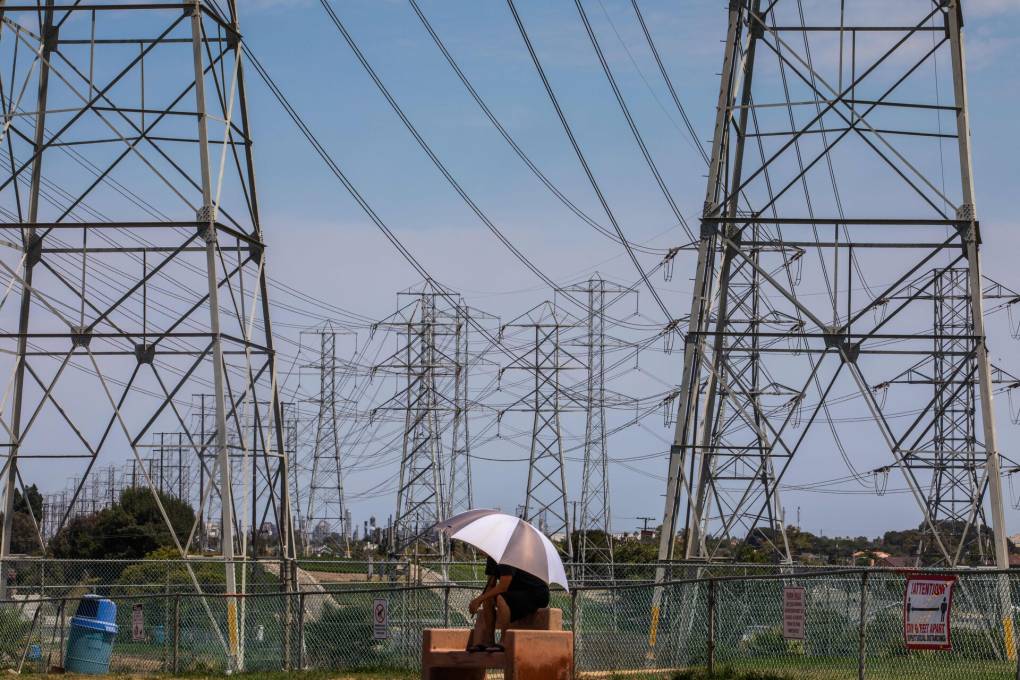
"caption": "A man sits in the shade of his umbrella at a dog park beneath power transmission lines in Redondo Beach during a heat wave on Aug. 16, 2020. ",
"description": null,
"title": "US-HEAT-POWER-OUTAGE",
"credit": "Apu Gomes/AFP via Getty Images",
"status": "inherit",
"altTag": null,
"isLoading": false,
"fetchFailed": false
},
"news_11878420": {
"type": "attachments",
"id": "news_11878420",
"meta": {
"index": "attachments_1716263798",
"site": "news",
"id": "11878420",
"found": true
},
"parent": 11878348,
"imgSizes": {
"twentyfourteen-full-width": {
"file": "https://ww2.kqed.org/app/uploads/sites/10/2021/06/GettyImages-1228332986-1024x576.jpg",
"width": 1024,
"mimeType": "image/jpeg",
"height": 576
},
"thumbnail": {
"file": "https://ww2.kqed.org/app/uploads/sites/10/2021/06/GettyImages-1228332986-160x107.jpg",
"width": 160,
"mimeType": "image/jpeg",
"height": 107
},
"post-thumbnail": {
"file": "https://ww2.kqed.org/app/uploads/sites/10/2021/06/GettyImages-1228332986-672x372.jpg",
"width": 672,
"mimeType": "image/jpeg",
"height": 372
},
"kqedFullSize": {
"file": "https://ww2.kqed.org/app/uploads/sites/10/2021/06/GettyImages-1228332986.jpg",
"width": 1024,
"height": 683
},
"large": {
"file": "https://ww2.kqed.org/app/uploads/sites/10/2021/06/GettyImages-1228332986-1020x680.jpg",
"width": 1020,
"mimeType": "image/jpeg",
"height": 680
},
"medium": {
"file": "https://ww2.kqed.org/app/uploads/sites/10/2021/06/GettyImages-1228332986-800x534.jpg",
"width": 800,
"mimeType": "image/jpeg",
"height": 534
}
},
"publishDate": 1623956571,
"modified": 1623969272,
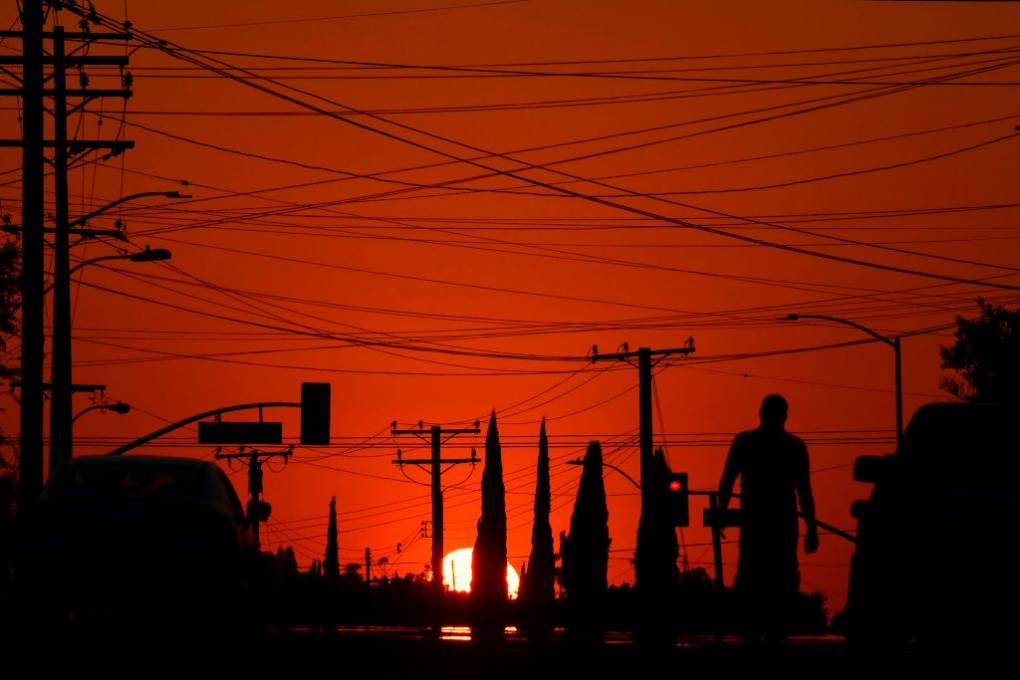
"caption": "The sun sets behind power lines in Los Angeles on Sept. 3, 2020, ahead of a heat wave that prompted a statewide Flex Alert.",
"description": null,
"title": "US-WEATHER-ENERGY-ELECTRICITY",
"credit": "Frederic J. Brown/AFP via Getty Images",
"status": "inherit",
"altTag": null,
"isLoading": false,
"fetchFailed": false
},
"news_11836885": {
"type": "attachments",
"id": "news_11836885",
"meta": {
"index": "attachments_1716263798",
"site": "news",
"id": "11836885",
"found": true
},
"parent": 11836883,
"imgSizes": {
"apple_news_ca_landscape_5_5": {
"file": "https://ww2.kqed.org/app/uploads/sites/10/2020/09/1920_CalFire_Fresno-1044x783.jpg",
"width": 1044,
"mimeType": "image/jpeg",
"height": 783
},
"apple_news_ca_square_4_0": {
"file": "https://ww2.kqed.org/app/uploads/sites/10/2020/09/1920_CalFire_Fresno-470x470.jpg",
"width": 470,
"mimeType": "image/jpeg",
"height": 470
},
"twentyfourteen-full-width": {
"file": "https://ww2.kqed.org/app/uploads/sites/10/2020/09/1920_CalFire_Fresno-1038x576.jpg",
"width": 1038,
"mimeType": "image/jpeg",
"height": 576
},
"thumbnail": {
"file": "https://ww2.kqed.org/app/uploads/sites/10/2020/09/1920_CalFire_Fresno-160x90.jpg",
"width": 160,
"mimeType": "image/jpeg",
"height": 90
},
"post-thumbnail": {
"file": "https://ww2.kqed.org/app/uploads/sites/10/2020/09/1920_CalFire_Fresno-672x372.jpg",
"width": 672,
"mimeType": "image/jpeg",
"height": 372
},
"kqedFullSize": {
"file": "https://ww2.kqed.org/app/uploads/sites/10/2020/09/1920_CalFire_Fresno.jpg",
"width": 1919,
"height": 1080
},
"apple_news_ca_landscape_4_7": {
"file": "https://ww2.kqed.org/app/uploads/sites/10/2020/09/1920_CalFire_Fresno-632x474.jpg",
"width": 632,
"mimeType": "image/jpeg",
"height": 474
},
"large": {
"file": "https://ww2.kqed.org/app/uploads/sites/10/2020/09/1920_CalFire_Fresno-1020x574.jpg",
"width": 1020,
"mimeType": "image/jpeg",
"height": 574
},
"apple_news_ca_landscape_4_0": {
"file": "https://ww2.kqed.org/app/uploads/sites/10/2020/09/1920_CalFire_Fresno-536x402.jpg",
"width": 536,
"mimeType": "image/jpeg",
"height": 402
},
"apple_news_ca_portrait_12_9": {
"file": "https://ww2.kqed.org/app/uploads/sites/10/2020/09/1920_CalFire_Fresno-1122x1080.jpg",
"width": 1122,
"mimeType": "image/jpeg",
"height": 1080
},
"medium": {
"file": "https://ww2.kqed.org/app/uploads/sites/10/2020/09/1920_CalFire_Fresno-800x450.jpg",
"width": 800,
"mimeType": "image/jpeg",
"height": 450
},
"apple_news_ca_portrait_4_0": {
"file": "https://ww2.kqed.org/app/uploads/sites/10/2020/09/1920_CalFire_Fresno-354x472.jpg",
"width": 354,
"mimeType": "image/jpeg",
"height": 472
},
"apple_news_ca_portrait_9_7": {
"file": "https://ww2.kqed.org/app/uploads/sites/10/2020/09/1920_CalFire_Fresno-840x1080.jpg",
"width": 840,
"mimeType": "image/jpeg",
"height": 1080
},
"apple_news_ca_landscape_12_9": {
"file": "https://ww2.kqed.org/app/uploads/sites/10/2020/09/1920_CalFire_Fresno-1832x1080.jpg",
"width": 1832,
"mimeType": "image/jpeg",
"height": 1080
},
"apple_news_ca_square_9_7": {
"file": "https://ww2.kqed.org/app/uploads/sites/10/2020/09/1920_CalFire_Fresno-1104x1080.jpg",
"width": 1104,
"mimeType": "image/jpeg",
"height": 1080
},
"1536x1536": {
"file": "https://ww2.kqed.org/app/uploads/sites/10/2020/09/1920_CalFire_Fresno-1536x864.jpg",
"width": 1536,
"mimeType": "image/jpeg",
"height": 864
},
"apple_news_ca_portrait_4_7": {
"file": "https://ww2.kqed.org/app/uploads/sites/10/2020/09/1920_CalFire_Fresno-414x552.jpg",
"width": 414,
"mimeType": "image/jpeg",
"height": 552
},
"apple_news_ca_square_12_9": {
"file": "https://ww2.kqed.org/app/uploads/sites/10/2020/09/1920_CalFire_Fresno-1472x1080.jpg",
"width": 1472,
"mimeType": "image/jpeg",
"height": 1080
},
"apple_news_ca_portrait_5_5": {
"file": "https://ww2.kqed.org/app/uploads/sites/10/2020/09/1920_CalFire_Fresno-687x916.jpg",
"width": 687,
"mimeType": "image/jpeg",
"height": 916
},
"apple_news_ca_square_4_7": {
"file": "https://ww2.kqed.org/app/uploads/sites/10/2020/09/1920_CalFire_Fresno-550x550.jpg",
"width": 550,
"mimeType": "image/jpeg",
"height": 550
},
"apple_news_ca_landscape_9_7": {
"file": "https://ww2.kqed.org/app/uploads/sites/10/2020/09/1920_CalFire_Fresno-1376x1032.jpg",
"width": 1376,
"mimeType": "image/jpeg",
"height": 1032
},
"apple_news_ca_square_5_5": {
"file": "https://ww2.kqed.org/app/uploads/sites/10/2020/09/1920_CalFire_Fresno-912x912.jpg",
"width": 912,
"mimeType": "image/jpeg",
"height": 912
}
},
"publishDate": 1599346926,
"modified": 1599567450,
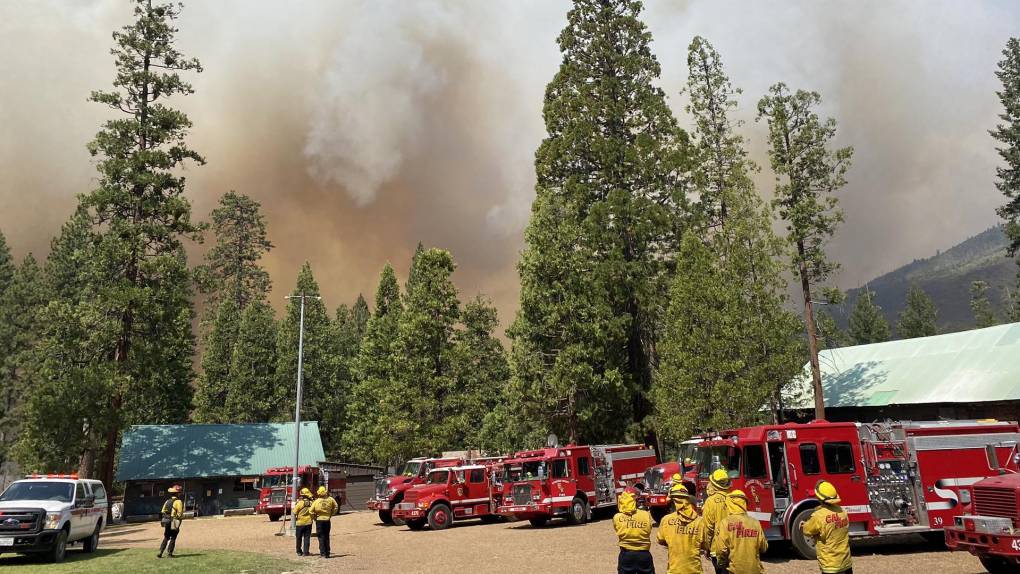
"caption": "Firefighters battling a wildfire on Camp Sierra Rd & Reddin Rd Northeast of Shaver Lake in Fresno County. ",
"description": null,
"title": "1920_CalFire_Fresno",
"credit": "Courtesy of CALFIRE/FresnoCoFire",
"status": "inherit",
"isLoading": false,
"fetchFailed": false
},
"news_11836903": {
"type": "attachments",
"id": "news_11836903",
"meta": {
"index": "attachments_1716263798",
"site": "news",
"id": "11836903",
"found": true
},
"parent": 11836899,
"imgSizes": {
"apple_news_ca_landscape_5_5": {
"file": "https://ww2.kqed.org/app/uploads/sites/10/2020/09/1920_2020_09_05-15.11.32.089-CDT-1044x783.jpg",
"width": 1044,
"mimeType": "image/jpeg",
"height": 783
},
"apple_news_ca_square_4_0": {
"file": "https://ww2.kqed.org/app/uploads/sites/10/2020/09/1920_2020_09_05-15.11.32.089-CDT-470x470.jpg",
"width": 470,
"mimeType": "image/jpeg",
"height": 470
},
"twentyfourteen-full-width": {
"file": "https://ww2.kqed.org/app/uploads/sites/10/2020/09/1920_2020_09_05-15.11.32.089-CDT-1038x576.jpg",
"width": 1038,
"mimeType": "image/jpeg",
"height": 576
},
"thumbnail": {
"file": "https://ww2.kqed.org/app/uploads/sites/10/2020/09/1920_2020_09_05-15.11.32.089-CDT-160x90.jpg",
"width": 160,
"mimeType": "image/jpeg",
"height": 90
},
"post-thumbnail": {
"file": "https://ww2.kqed.org/app/uploads/sites/10/2020/09/1920_2020_09_05-15.11.32.089-CDT-672x372.jpg",
"width": 672,
"mimeType": "image/jpeg",
"height": 372
},
"kqedFullSize": {
"file": "https://ww2.kqed.org/app/uploads/sites/10/2020/09/1920_2020_09_05-15.11.32.089-CDT.jpg",
"width": 1920,
"height": 1080
},
"apple_news_ca_landscape_4_7": {
"file": "https://ww2.kqed.org/app/uploads/sites/10/2020/09/1920_2020_09_05-15.11.32.089-CDT-632x474.jpg",
"width": 632,
"mimeType": "image/jpeg",
"height": 474
},
"large": {
"file": "https://ww2.kqed.org/app/uploads/sites/10/2020/09/1920_2020_09_05-15.11.32.089-CDT-1020x574.jpg",
"width": 1020,
"mimeType": "image/jpeg",
"height": 574
},
"apple_news_ca_landscape_4_0": {
"file": "https://ww2.kqed.org/app/uploads/sites/10/2020/09/1920_2020_09_05-15.11.32.089-CDT-536x402.jpg",
"width": 536,
"mimeType": "image/jpeg",
"height": 402
},
"apple_news_ca_portrait_12_9": {
"file": "https://ww2.kqed.org/app/uploads/sites/10/2020/09/1920_2020_09_05-15.11.32.089-CDT-1122x1080.jpg",
"width": 1122,
"mimeType": "image/jpeg",
"height": 1080
},
"medium": {
"file": "https://ww2.kqed.org/app/uploads/sites/10/2020/09/1920_2020_09_05-15.11.32.089-CDT-800x450.jpg",
"width": 800,
"mimeType": "image/jpeg",
"height": 450
},
"apple_news_ca_portrait_4_0": {
"file": "https://ww2.kqed.org/app/uploads/sites/10/2020/09/1920_2020_09_05-15.11.32.089-CDT-354x472.jpg",
"width": 354,
"mimeType": "image/jpeg",
"height": 472
},
"apple_news_ca_portrait_9_7": {
"file": "https://ww2.kqed.org/app/uploads/sites/10/2020/09/1920_2020_09_05-15.11.32.089-CDT-840x1080.jpg",
"width": 840,
"mimeType": "image/jpeg",
"height": 1080
},
"apple_news_ca_landscape_12_9": {
"file": "https://ww2.kqed.org/app/uploads/sites/10/2020/09/1920_2020_09_05-15.11.32.089-CDT-1832x1080.jpg",
"width": 1832,
"mimeType": "image/jpeg",
"height": 1080
},
"apple_news_ca_square_9_7": {
"file": "https://ww2.kqed.org/app/uploads/sites/10/2020/09/1920_2020_09_05-15.11.32.089-CDT-1104x1080.jpg",
"width": 1104,
"mimeType": "image/jpeg",
"height": 1080
},
"1536x1536": {
"file": "https://ww2.kqed.org/app/uploads/sites/10/2020/09/1920_2020_09_05-15.11.32.089-CDT-1536x864.jpg",
"width": 1536,
"mimeType": "image/jpeg",
"height": 864
},
"apple_news_ca_portrait_4_7": {
"file": "https://ww2.kqed.org/app/uploads/sites/10/2020/09/1920_2020_09_05-15.11.32.089-CDT-414x552.jpg",
"width": 414,
"mimeType": "image/jpeg",
"height": 552
},
"apple_news_ca_square_12_9": {
"file": "https://ww2.kqed.org/app/uploads/sites/10/2020/09/1920_2020_09_05-15.11.32.089-CDT-1472x1080.jpg",
"width": 1472,
"mimeType": "image/jpeg",
"height": 1080
},
"apple_news_ca_portrait_5_5": {
"file": "https://ww2.kqed.org/app/uploads/sites/10/2020/09/1920_2020_09_05-15.11.32.089-CDT-687x916.jpg",
"width": 687,
"mimeType": "image/jpeg",
"height": 916
},
"apple_news_ca_square_4_7": {
"file": "https://ww2.kqed.org/app/uploads/sites/10/2020/09/1920_2020_09_05-15.11.32.089-CDT-550x550.jpg",
"width": 550,
"mimeType": "image/jpeg",
"height": 550
},
"apple_news_ca_landscape_9_7": {
"file": "https://ww2.kqed.org/app/uploads/sites/10/2020/09/1920_2020_09_05-15.11.32.089-CDT-1376x1032.jpg",
"width": 1376,
"mimeType": "image/jpeg",
"height": 1032
},
"apple_news_ca_square_5_5": {
"file": "https://ww2.kqed.org/app/uploads/sites/10/2020/09/1920_2020_09_05-15.11.32.089-CDT-912x912.jpg",
"width": 912,
"mimeType": "image/jpeg",
"height": 912
}
},
"publishDate": 1599411841,
"modified": 1599411973,
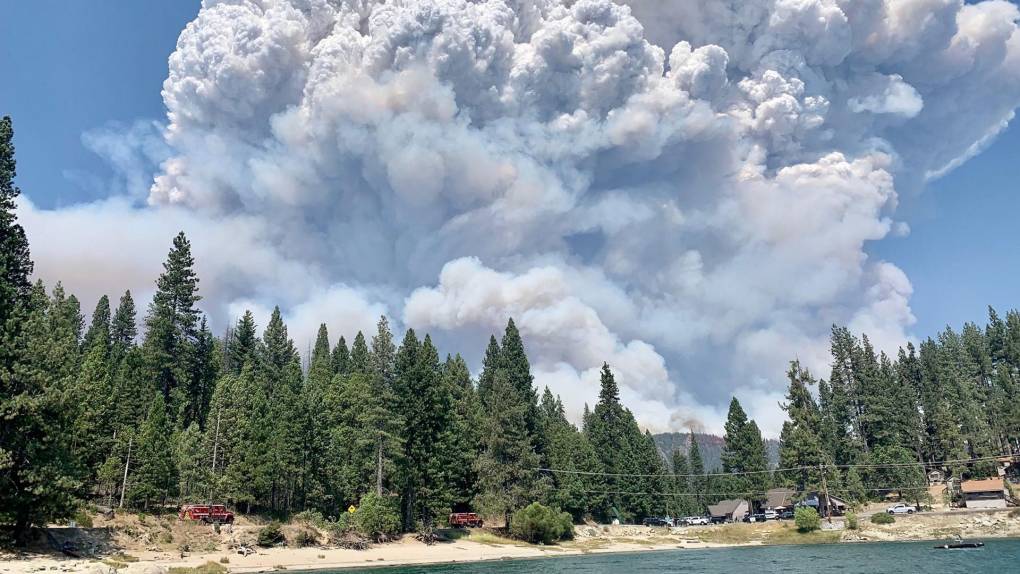
"caption": "On Friday September 4, 2020 the Creek Fire began. The fire is burning in the Big Creek area between Shaver Lake, Big Creek and Huntington Lake. The cause of the fire is under investigation.",
"description": null,
"title": "1920_2020_09_05-15.11.32.089-CDT",
"credit": "Courtesy of Sierra National Forest",
"status": "inherit",
"isLoading": false,
"fetchFailed": false
},
"news_11836827": {
"type": "attachments",
"id": "news_11836827",
"meta": {
"index": "attachments_1716263798",
"site": "news",
"id": "11836827",
"found": true
},
"parent": 11836824,
"imgSizes": {
"apple_news_ca_landscape_5_5": {
"file": "https://ww2.kqed.org/app/uploads/sites/10/2020/09/GettyImages-699683202-1044x783.jpg",
"width": 1044,
"mimeType": "image/jpeg",
"height": 783
},
"apple_news_ca_square_4_0": {
"file": "https://ww2.kqed.org/app/uploads/sites/10/2020/09/GettyImages-699683202-470x470.jpg",
"width": 470,
"mimeType": "image/jpeg",
"height": 470
},
"twentyfourteen-full-width": {
"file": "https://ww2.kqed.org/app/uploads/sites/10/2020/09/GettyImages-699683202-1038x576.jpg",
"width": 1038,
"mimeType": "image/jpeg",
"height": 576
},
"thumbnail": {
"file": "https://ww2.kqed.org/app/uploads/sites/10/2020/09/GettyImages-699683202-160x107.jpg",
"width": 160,
"mimeType": "image/jpeg",
"height": 107
},
"post-thumbnail": {
"file": "https://ww2.kqed.org/app/uploads/sites/10/2020/09/GettyImages-699683202-672x372.jpg",
"width": 672,
"mimeType": "image/jpeg",
"height": 372
},
"kqedFullSize": {
"file": "https://ww2.kqed.org/app/uploads/sites/10/2020/09/GettyImages-699683202-scaled.jpg",
"width": 2560,
"height": 1707
},
"2048x2048": {
"file": "https://ww2.kqed.org/app/uploads/sites/10/2020/09/GettyImages-699683202-2048x1365.jpg",
"width": 2048,
"mimeType": "image/jpeg",
"height": 1365
},
"apple_news_ca_landscape_4_7": {
"file": "https://ww2.kqed.org/app/uploads/sites/10/2020/09/GettyImages-699683202-632x474.jpg",
"width": 632,
"mimeType": "image/jpeg",
"height": 474
},
"large": {
"file": "https://ww2.kqed.org/app/uploads/sites/10/2020/09/GettyImages-699683202-1020x680.jpg",
"width": 1020,
"mimeType": "image/jpeg",
"height": 680
},
"apple_news_ca_landscape_4_0": {
"file": "https://ww2.kqed.org/app/uploads/sites/10/2020/09/GettyImages-699683202-536x402.jpg",
"width": 536,
"mimeType": "image/jpeg",
"height": 402
},
"apple_news_ca_portrait_12_9": {
"file": "https://ww2.kqed.org/app/uploads/sites/10/2020/09/GettyImages-699683202-1122x1496.jpg",
"width": 1122,
"mimeType": "image/jpeg",
"height": 1496
},
"medium": {
"file": "https://ww2.kqed.org/app/uploads/sites/10/2020/09/GettyImages-699683202-800x533.jpg",
"width": 800,
"mimeType": "image/jpeg",
"height": 533
},
"apple_news_ca_portrait_4_0": {
"file": "https://ww2.kqed.org/app/uploads/sites/10/2020/09/GettyImages-699683202-354x472.jpg",
"width": 354,
"mimeType": "image/jpeg",
"height": 472
},
"apple_news_ca_portrait_9_7": {
"file": "https://ww2.kqed.org/app/uploads/sites/10/2020/09/GettyImages-699683202-840x1120.jpg",
"width": 840,
"mimeType": "image/jpeg",
"height": 1120
},
"apple_news_ca_landscape_12_9": {
"file": "https://ww2.kqed.org/app/uploads/sites/10/2020/09/GettyImages-699683202-1832x1374.jpg",
"width": 1832,
"mimeType": "image/jpeg",
"height": 1374
},
"apple_news_ca_square_9_7": {
"file": "https://ww2.kqed.org/app/uploads/sites/10/2020/09/GettyImages-699683202-1104x1104.jpg",
"width": 1104,
"mimeType": "image/jpeg",
"height": 1104
},
"1536x1536": {
"file": "https://ww2.kqed.org/app/uploads/sites/10/2020/09/GettyImages-699683202-1536x1024.jpg",
"width": 1536,
"mimeType": "image/jpeg",
"height": 1024
},
"apple_news_ca_portrait_4_7": {
"file": "https://ww2.kqed.org/app/uploads/sites/10/2020/09/GettyImages-699683202-414x552.jpg",
"width": 414,
"mimeType": "image/jpeg",
"height": 552
},
"apple_news_ca_square_12_9": {
"file": "https://ww2.kqed.org/app/uploads/sites/10/2020/09/GettyImages-699683202-1472x1472.jpg",
"width": 1472,
"mimeType": "image/jpeg",
"height": 1472
},
"apple_news_ca_portrait_5_5": {
"file": "https://ww2.kqed.org/app/uploads/sites/10/2020/09/GettyImages-699683202-687x916.jpg",
"width": 687,
"mimeType": "image/jpeg",
"height": 916
},
"full-width": {
"file": "https://ww2.kqed.org/app/uploads/sites/10/2020/09/GettyImages-699683202-1920x1280.jpg",
"width": 1920,
"mimeType": "image/jpeg",
"height": 1280
},
"apple_news_ca_square_4_7": {
"file": "https://ww2.kqed.org/app/uploads/sites/10/2020/09/GettyImages-699683202-550x550.jpg",
"width": 550,
"mimeType": "image/jpeg",
"height": 550
},
"apple_news_ca_landscape_9_7": {
"file": "https://ww2.kqed.org/app/uploads/sites/10/2020/09/GettyImages-699683202-1376x1032.jpg",
"width": 1376,
"mimeType": "image/jpeg",
"height": 1032
},
"apple_news_ca_square_5_5": {
"file": "https://ww2.kqed.org/app/uploads/sites/10/2020/09/GettyImages-699683202-912x912.jpg",
"width": 912,
"mimeType": "image/jpeg",
"height": 912
}
},
"publishDate": 1599274191,
"modified": 1599275001,
"caption": "Older adults, children and those with underlying health conditions are more vulnerable to the heat, but public health experts say everyone should take precautions, including drinking lots of water.",
"description": null,
"title": "GettyImages-699683202",
"credit": "Miguel Medina/AFP via Getty Images",
"status": "inherit",
"isLoading": false,
"fetchFailed": false
},
"news_11833684": {
"type": "attachments",
"id": "news_11833684",
"meta": {
"index": "attachments_1716263798",
"site": "news",
"id": "11833684",
"found": true
},
"parent": 11833670,
"imgSizes": {
"apple_news_ca_landscape_5_5": {
"file": "https://ww2.kqed.org/app/uploads/sites/10/2020/08/RS44435_GettyImages-1228073346-qut-1044x783.jpg",
"width": 1044,
"mimeType": "image/jpeg",
"height": 783
},
"apple_news_ca_square_4_0": {
"file": "https://ww2.kqed.org/app/uploads/sites/10/2020/08/RS44435_GettyImages-1228073346-qut-470x470.jpg",
"width": 470,
"mimeType": "image/jpeg",
"height": 470
},
"twentyfourteen-full-width": {
"file": "https://ww2.kqed.org/app/uploads/sites/10/2020/08/RS44435_GettyImages-1228073346-qut-1038x576.jpg",
"width": 1038,
"mimeType": "image/jpeg",
"height": 576
},
"thumbnail": {
"file": "https://ww2.kqed.org/app/uploads/sites/10/2020/08/RS44435_GettyImages-1228073346-qut-160x107.jpg",
"width": 160,
"mimeType": "image/jpeg",
"height": 107
},
"post-thumbnail": {
"file": "https://ww2.kqed.org/app/uploads/sites/10/2020/08/RS44435_GettyImages-1228073346-qut-672x372.jpg",
"width": 672,
"mimeType": "image/jpeg",
"height": 372
},
"kqedFullSize": {
"file": "https://ww2.kqed.org/app/uploads/sites/10/2020/08/RS44435_GettyImages-1228073346-qut.jpg",
"width": 1920,
"height": 1280
},
"apple_news_ca_landscape_4_7": {
"file": "https://ww2.kqed.org/app/uploads/sites/10/2020/08/RS44435_GettyImages-1228073346-qut-632x474.jpg",
"width": 632,
"mimeType": "image/jpeg",
"height": 474
},
"large": {
"file": "https://ww2.kqed.org/app/uploads/sites/10/2020/08/RS44435_GettyImages-1228073346-qut-1020x680.jpg",
"width": 1020,
"mimeType": "image/jpeg",
"height": 680
},
"apple_news_ca_landscape_4_0": {
"file": "https://ww2.kqed.org/app/uploads/sites/10/2020/08/RS44435_GettyImages-1228073346-qut-536x402.jpg",
"width": 536,
"mimeType": "image/jpeg",
"height": 402
},
"apple_news_ca_portrait_12_9": {
"file": "https://ww2.kqed.org/app/uploads/sites/10/2020/08/RS44435_GettyImages-1228073346-qut-1122x1280.jpg",
"width": 1122,
"mimeType": "image/jpeg",
"height": 1280
},
"medium": {
"file": "https://ww2.kqed.org/app/uploads/sites/10/2020/08/RS44435_GettyImages-1228073346-qut-800x533.jpg",
"width": 800,
"mimeType": "image/jpeg",
"height": 533
},
"apple_news_ca_portrait_4_0": {
"file": "https://ww2.kqed.org/app/uploads/sites/10/2020/08/RS44435_GettyImages-1228073346-qut-354x472.jpg",
"width": 354,
"mimeType": "image/jpeg",
"height": 472
},
"apple_news_ca_portrait_9_7": {
"file": "https://ww2.kqed.org/app/uploads/sites/10/2020/08/RS44435_GettyImages-1228073346-qut-840x1120.jpg",
"width": 840,
"mimeType": "image/jpeg",
"height": 1120
},
"apple_news_ca_landscape_12_9": {
"file": "https://ww2.kqed.org/app/uploads/sites/10/2020/08/RS44435_GettyImages-1228073346-qut-1832x1280.jpg",
"width": 1832,
"mimeType": "image/jpeg",
"height": 1280
},
"apple_news_ca_square_9_7": {
"file": "https://ww2.kqed.org/app/uploads/sites/10/2020/08/RS44435_GettyImages-1228073346-qut-1104x1104.jpg",
"width": 1104,
"mimeType": "image/jpeg",
"height": 1104
},
"1536x1536": {
"file": "https://ww2.kqed.org/app/uploads/sites/10/2020/08/RS44435_GettyImages-1228073346-qut-1536x1024.jpg",
"width": 1536,
"mimeType": "image/jpeg",
"height": 1024
},
"apple_news_ca_portrait_4_7": {
"file": "https://ww2.kqed.org/app/uploads/sites/10/2020/08/RS44435_GettyImages-1228073346-qut-414x552.jpg",
"width": 414,
"mimeType": "image/jpeg",
"height": 552
},
"apple_news_ca_square_12_9": {
"file": "https://ww2.kqed.org/app/uploads/sites/10/2020/08/RS44435_GettyImages-1228073346-qut-1472x1280.jpg",
"width": 1472,
"mimeType": "image/jpeg",
"height": 1280
},
"apple_news_ca_portrait_5_5": {
"file": "https://ww2.kqed.org/app/uploads/sites/10/2020/08/RS44435_GettyImages-1228073346-qut-687x916.jpg",
"width": 687,
"mimeType": "image/jpeg",
"height": 916
},
"apple_news_ca_square_4_7": {
"file": "https://ww2.kqed.org/app/uploads/sites/10/2020/08/RS44435_GettyImages-1228073346-qut-550x550.jpg",
"width": 550,
"mimeType": "image/jpeg",
"height": 550
},
"apple_news_ca_landscape_9_7": {
"file": "https://ww2.kqed.org/app/uploads/sites/10/2020/08/RS44435_GettyImages-1228073346-qut-1376x1032.jpg",
"width": 1376,
"mimeType": "image/jpeg",
"height": 1032
},
"apple_news_ca_square_5_5": {
"file": "https://ww2.kqed.org/app/uploads/sites/10/2020/08/RS44435_GettyImages-1228073346-qut-912x912.jpg",
"width": 912,
"mimeType": "image/jpeg",
"height": 912
}
},
"publishDate": 1597690629,
"modified": 1597691104,
"caption": "A man sits under electrical transmission lines in Redondo Beach on Aug. 16, 2020. PG&E blacked out power to about 220,000 customers on Friday and Saturday evenings as the state grappled with a surge in power demand amid a widespread heat wave.",
"description": "A man sits under electrical transmission lines in Redondo Beach on Aug. 16, 2020. PG&E blacked out power to about 220,000 customers on Friday and Saturday evenings as the state grappled with a surge in power demand amid a widespread heat wave.",
"title": "US-HEAT-POWER-OUTAGE",
"credit": "APU GOMES/AFP via Getty Images",
"status": "inherit",
"isLoading": false,
"fetchFailed": false
},
"news_11833522": {
"type": "attachments",
"id": "news_11833522",
"meta": {
"index": "attachments_1716263798",
"site": "news",
"id": "11833522",
"found": true
},
"parent": 11833521,
"imgSizes": {
"apple_news_ca_square_4_0": {
"file": "https://ww2.kqed.org/app/uploads/sites/10/2020/08/1000-1-470x470.jpeg",
"width": 470,
"mimeType": "image/jpeg",
"height": 470
},
"twentyfourteen-full-width": {
"file": "https://ww2.kqed.org/app/uploads/sites/10/2020/08/1000-1-1000x576.jpeg",
"width": 1000,
"mimeType": "image/jpeg",
"height": 576
},
"thumbnail": {
"file": "https://ww2.kqed.org/app/uploads/sites/10/2020/08/1000-1-160x107.jpeg",
"width": 160,
"mimeType": "image/jpeg",
"height": 107
},
"post-thumbnail": {
"file": "https://ww2.kqed.org/app/uploads/sites/10/2020/08/1000-1-672x372.jpeg",
"width": 672,
"mimeType": "image/jpeg",
"height": 372
},
"kqedFullSize": {
"file": "https://ww2.kqed.org/app/uploads/sites/10/2020/08/1000-1.jpeg",
"width": 1000,
"height": 666
},
"apple_news_ca_landscape_4_7": {
"file": "https://ww2.kqed.org/app/uploads/sites/10/2020/08/1000-1-632x474.jpeg",
"width": 632,
"mimeType": "image/jpeg",
"height": 474
},
"apple_news_ca_landscape_4_0": {
"file": "https://ww2.kqed.org/app/uploads/sites/10/2020/08/1000-1-536x402.jpeg",
"width": 536,
"mimeType": "image/jpeg",
"height": 402
},
"medium": {
"file": "https://ww2.kqed.org/app/uploads/sites/10/2020/08/1000-1-800x533.jpeg",
"width": 800,
"mimeType": "image/jpeg",
"height": 533
},
"apple_news_ca_portrait_4_0": {
"file": "https://ww2.kqed.org/app/uploads/sites/10/2020/08/1000-1-354x472.jpeg",
"width": 354,
"mimeType": "image/jpeg",
"height": 472
},
"apple_news_ca_portrait_9_7": {
"file": "https://ww2.kqed.org/app/uploads/sites/10/2020/08/1000-1-840x666.jpeg",
"width": 840,
"mimeType": "image/jpeg",
"height": 666
},
"apple_news_ca_portrait_4_7": {
"file": "https://ww2.kqed.org/app/uploads/sites/10/2020/08/1000-1-414x552.jpeg",
"width": 414,
"mimeType": "image/jpeg",
"height": 552
},
"apple_news_ca_portrait_5_5": {
"file": "https://ww2.kqed.org/app/uploads/sites/10/2020/08/1000-1-687x666.jpeg",
"width": 687,
"mimeType": "image/jpeg",
"height": 666
},
"apple_news_ca_square_4_7": {
"file": "https://ww2.kqed.org/app/uploads/sites/10/2020/08/1000-1-550x550.jpeg",
"width": 550,
"mimeType": "image/jpeg",
"height": 550
},
"apple_news_ca_square_5_5": {
"file": "https://ww2.kqed.org/app/uploads/sites/10/2020/08/1000-1-912x666.jpeg",
"width": 912,
"mimeType": "image/jpeg",
"height": 666
}
},
"publishDate": 1597465412,
"modified": 1597465794,
"caption": "California's heat wave has strained the state's electrical system. Pacific Gas & Electric announced on Friday that it would turn off power in rotating outages for about an hour at a time until 11 p.m. The state's heat wave also brings the threat of wildfires and spreading coronavirus infections as people flock to beaches and recreation areas. ",
"description": null,
"title": null,
"credit": "Marcio Jose Sanchez/AP Photo",
"status": "inherit",
"isLoading": false,
"fetchFailed": false
},
"news_11774163": {
"type": "attachments",
"id": "news_11774163",
"meta": {
"index": "attachments_1716263798",
"site": "news",
"id": "11774163",
"found": true
},
"parent": 11774134,
"imgSizes": {
"apple_news_ca_landscape_5_5": {
"file": "https://ww2.kqed.org/app/uploads/sites/10/2019/09/RS25774_IMG_8498-qut-1044x783.jpg",
"width": 1044,
"mimeType": "image/jpeg",
"height": 783
},
"apple_news_ca_square_4_0": {
"file": "https://ww2.kqed.org/app/uploads/sites/10/2019/09/RS25774_IMG_8498-qut-470x470.jpg",
"width": 470,
"mimeType": "image/jpeg",
"height": 470
},
"twentyfourteen-full-width": {
"file": "https://ww2.kqed.org/app/uploads/sites/10/2019/09/RS25774_IMG_8498-qut-1038x576.jpg",
"width": 1038,
"mimeType": "image/jpeg",
"height": 576
},
"thumbnail": {
"file": "https://ww2.kqed.org/app/uploads/sites/10/2019/09/RS25774_IMG_8498-qut-160x107.jpg",
"width": 160,
"mimeType": "image/jpeg",
"height": 107
},
"post-thumbnail": {
"file": "https://ww2.kqed.org/app/uploads/sites/10/2019/09/RS25774_IMG_8498-qut-672x372.jpg",
"width": 672,
"mimeType": "image/jpeg",
"height": 372
},
"kqedFullSize": {
"file": "https://ww2.kqed.org/app/uploads/sites/10/2019/09/RS25774_IMG_8498-qut.jpg",
"width": 1920,
"height": 1280
},
"apple_news_ca_landscape_4_7": {
"file": "https://ww2.kqed.org/app/uploads/sites/10/2019/09/RS25774_IMG_8498-qut-632x474.jpg",
"width": 632,
"mimeType": "image/jpeg",
"height": 474
},
"large": {
"file": "https://ww2.kqed.org/app/uploads/sites/10/2019/09/RS25774_IMG_8498-qut-1020x680.jpg",
"width": 1020,
"mimeType": "image/jpeg",
"height": 680
},
"complete_open_graph": {
"file": "https://ww2.kqed.org/app/uploads/sites/10/2019/09/RS25774_IMG_8498-qut-1200x800.jpg",
"width": 1200,
"mimeType": "image/jpeg",
"height": 800
},
"apple_news_ca_landscape_4_0": {
"file": "https://ww2.kqed.org/app/uploads/sites/10/2019/09/RS25774_IMG_8498-qut-536x402.jpg",
"width": 536,
"mimeType": "image/jpeg",
"height": 402
},
"apple_news_ca_portrait_12_9": {
"file": "https://ww2.kqed.org/app/uploads/sites/10/2019/09/RS25774_IMG_8498-qut-1122x1280.jpg",
"width": 1122,
"mimeType": "image/jpeg",
"height": 1280
},
"medium": {
"file": "https://ww2.kqed.org/app/uploads/sites/10/2019/09/RS25774_IMG_8498-qut-800x533.jpg",
"width": 800,
"mimeType": "image/jpeg",
"height": 533
},
"apple_news_ca_portrait_4_0": {
"file": "https://ww2.kqed.org/app/uploads/sites/10/2019/09/RS25774_IMG_8498-qut-354x472.jpg",
"width": 354,
"mimeType": "image/jpeg",
"height": 472
},
"apple_news_ca_portrait_9_7": {
"file": "https://ww2.kqed.org/app/uploads/sites/10/2019/09/RS25774_IMG_8498-qut-840x1120.jpg",
"width": 840,
"mimeType": "image/jpeg",
"height": 1120
},
"apple_news_ca_landscape_12_9": {
"file": "https://ww2.kqed.org/app/uploads/sites/10/2019/09/RS25774_IMG_8498-qut-1832x1280.jpg",
"width": 1832,
"mimeType": "image/jpeg",
"height": 1280
},
"apple_news_ca_square_9_7": {
"file": "https://ww2.kqed.org/app/uploads/sites/10/2019/09/RS25774_IMG_8498-qut-1104x1104.jpg",
"width": 1104,
"mimeType": "image/jpeg",
"height": 1104
},
"apple_news_ca_portrait_4_7": {
"file": "https://ww2.kqed.org/app/uploads/sites/10/2019/09/RS25774_IMG_8498-qut-414x552.jpg",
"width": 414,
"mimeType": "image/jpeg",
"height": 552
},
"apple_news_ca_square_12_9": {
"file": "https://ww2.kqed.org/app/uploads/sites/10/2019/09/RS25774_IMG_8498-qut-1472x1280.jpg",
"width": 1472,
"mimeType": "image/jpeg",
"height": 1280
},
"apple_news_ca_portrait_5_5": {
"file": "https://ww2.kqed.org/app/uploads/sites/10/2019/09/RS25774_IMG_8498-qut-687x916.jpg",
"width": 687,
"mimeType": "image/jpeg",
"height": 916
},
"full-width": {
"file": "https://ww2.kqed.org/app/uploads/sites/10/2019/09/RS25774_IMG_8498-qut-1920x1280.jpg",
"width": 1920,
"mimeType": "image/jpeg",
"height": 1280
},
"apple_news_ca_square_4_7": {
"file": "https://ww2.kqed.org/app/uploads/sites/10/2019/09/RS25774_IMG_8498-qut-550x550.jpg",
"width": 550,
"mimeType": "image/jpeg",
"height": 550
},
"apple_news_ca_landscape_9_7": {
"file": "https://ww2.kqed.org/app/uploads/sites/10/2019/09/RS25774_IMG_8498-qut-1376x1032.jpg",
"width": 1376,
"mimeType": "image/jpeg",
"height": 1032
},
"apple_news_ca_square_5_5": {
"file": "https://ww2.kqed.org/app/uploads/sites/10/2019/09/RS25774_IMG_8498-qut-912x912.jpg",
"width": 912,
"mimeType": "image/jpeg",
"height": 912
}
},
"publishDate": 1568402445,
"modified": 1568415269,
"caption": "Two young girls run from the water as the tide quickly approaches during a San Francisco heat wave in June 2017.",
"description": null,
"title": "RS25774_IMG_8498-qut",
"credit": "Arash Malekzadeh/KQED",
"status": "inherit",
"isLoading": false,
"fetchFailed": false
},
"news_11751235": {
"type": "attachments",
"id": "news_11751235",
"meta": {
"index": "attachments_1716263798",
"site": "news",
"id": "11751235",
"found": true
},
"parent": 0,
"imgSizes": {
"apple_news_ca_landscape_5_5": {
"file": "https://ww2.kqed.org/app/uploads/sites/10/2019/05/3237_transform-1044x783.jpg",
"width": 1044,
"mimeType": "image/jpeg",
"height": 783
},
"apple_news_ca_square_4_0": {
"file": "https://ww2.kqed.org/app/uploads/sites/10/2019/05/3237_transform-470x470.jpg",
"width": 470,
"mimeType": "image/jpeg",
"height": 470
},
"twentyfourteen-full-width": {
"file": "https://ww2.kqed.org/app/uploads/sites/10/2019/05/3237_transform-1038x576.jpg",
"width": 1038,
"mimeType": "image/jpeg",
"height": 576
},
"thumbnail": {
"file": "https://ww2.kqed.org/app/uploads/sites/10/2019/05/3237_transform-160x109.jpg",
"width": 160,
"mimeType": "image/jpeg",
"height": 109
},
"post-thumbnail": {
"file": "https://ww2.kqed.org/app/uploads/sites/10/2019/05/3237_transform-672x372.jpg",
"width": 672,
"mimeType": "image/jpeg",
"height": 372
},
"kqedFullSize": {
"file": "https://ww2.kqed.org/app/uploads/sites/10/2019/05/3237_transform.jpg",
"width": 1920,
"height": 1309
},
"apple_news_ca_landscape_4_7": {
"file": "https://ww2.kqed.org/app/uploads/sites/10/2019/05/3237_transform-632x474.jpg",
"width": 632,
"mimeType": "image/jpeg",
"height": 474
},
"large": {
"file": "https://ww2.kqed.org/app/uploads/sites/10/2019/05/3237_transform-1020x695.jpg",
"width": 1020,
"mimeType": "image/jpeg",
"height": 695
},
"complete_open_graph": {
"file": "https://ww2.kqed.org/app/uploads/sites/10/2019/05/3237_transform-1200x818.jpg",
"width": 1200,
"mimeType": "image/jpeg",
"height": 818
},
"apple_news_ca_landscape_4_0": {
"file": "https://ww2.kqed.org/app/uploads/sites/10/2019/05/3237_transform-536x402.jpg",
"width": 536,
"mimeType": "image/jpeg",
"height": 402
},
"apple_news_ca_portrait_12_9": {
"file": "https://ww2.kqed.org/app/uploads/sites/10/2019/05/3237_transform-1122x1309.jpg",
"width": 1122,
"mimeType": "image/jpeg",
"height": 1309
},
"medium": {
"file": "https://ww2.kqed.org/app/uploads/sites/10/2019/05/3237_transform-800x545.jpg",
"width": 800,
"mimeType": "image/jpeg",
"height": 545
},
"apple_news_ca_portrait_4_0": {
"file": "https://ww2.kqed.org/app/uploads/sites/10/2019/05/3237_transform-354x472.jpg",
"width": 354,
"mimeType": "image/jpeg",
"height": 472
},
"apple_news_ca_portrait_9_7": {
"file": "https://ww2.kqed.org/app/uploads/sites/10/2019/05/3237_transform-840x1120.jpg",
"width": 840,
"mimeType": "image/jpeg",
"height": 1120
},
"apple_news_ca_landscape_12_9": {
"file": "https://ww2.kqed.org/app/uploads/sites/10/2019/05/3237_transform-1832x1309.jpg",
"width": 1832,
"mimeType": "image/jpeg",
"height": 1309
},
"apple_news_ca_square_9_7": {
"file": "https://ww2.kqed.org/app/uploads/sites/10/2019/05/3237_transform-1104x1104.jpg",
"width": 1104,
"mimeType": "image/jpeg",
"height": 1104
},
"apple_news_ca_portrait_4_7": {
"file": "https://ww2.kqed.org/app/uploads/sites/10/2019/05/3237_transform-414x552.jpg",
"width": 414,
"mimeType": "image/jpeg",
"height": 552
},
"apple_news_ca_square_12_9": {
"file": "https://ww2.kqed.org/app/uploads/sites/10/2019/05/3237_transform-1472x1309.jpg",
"width": 1472,
"mimeType": "image/jpeg",
"height": 1309
},
"apple_news_ca_portrait_5_5": {
"file": "https://ww2.kqed.org/app/uploads/sites/10/2019/05/3237_transform-687x916.jpg",
"width": 687,
"mimeType": "image/jpeg",
"height": 916
},
"full-width": {
"file": "https://ww2.kqed.org/app/uploads/sites/10/2019/05/3237_transform-1920x1309.jpg",
"width": 1920,
"mimeType": "image/jpeg",
"height": 1309
},
"apple_news_ca_square_4_7": {
"file": "https://ww2.kqed.org/app/uploads/sites/10/2019/05/3237_transform-550x550.jpg",
"width": 550,
"mimeType": "image/jpeg",
"height": 550
},
"apple_news_ca_landscape_9_7": {
"file": "https://ww2.kqed.org/app/uploads/sites/10/2019/05/3237_transform-1376x1032.jpg",
"width": 1376,
"mimeType": "image/jpeg",
"height": 1032
},
"apple_news_ca_square_5_5": {
"file": "https://ww2.kqed.org/app/uploads/sites/10/2019/05/3237_transform-912x912.jpg",
"width": 912,
"mimeType": "image/jpeg",
"height": 912
}
},
"publishDate": 1559256712,
"modified": 1560206324,
"caption": "The sun shines over towers carrying electical lines Aug. 30, 2007, in South San Francisco. ",
"description": null,
"title": "California Power Grid Strained By Heat Wave",
"credit": "Justin Sullivan/Getty Images",
"status": "inherit",
"isLoading": false,
"fetchFailed": false
},
"news_11753444": {
"type": "attachments",
"id": "news_11753444",
"meta": {
"index": "attachments_1716263798",
"site": "news",
"id": "11753444",
"found": true
},
"parent": 11753427,
"imgSizes": {
"apple_news_ca_landscape_5_5": {
"file": "https://ww2.kqed.org/app/uploads/sites/10/2019/06/RS25742_2017_06_20_Heat-wave-1-qut-1044x783.jpg",
"width": 1044,
"mimeType": "image/jpeg",
"height": 783
},
"apple_news_ca_square_4_0": {
"file": "https://ww2.kqed.org/app/uploads/sites/10/2019/06/RS25742_2017_06_20_Heat-wave-1-qut-470x470.jpg",
"width": 470,
"mimeType": "image/jpeg",
"height": 470
},
"twentyfourteen-full-width": {
"file": "https://ww2.kqed.org/app/uploads/sites/10/2019/06/RS25742_2017_06_20_Heat-wave-1-qut-1038x576.jpg",
"width": 1038,
"mimeType": "image/jpeg",
"height": 576
},
"thumbnail": {
"file": "https://ww2.kqed.org/app/uploads/sites/10/2019/06/RS25742_2017_06_20_Heat-wave-1-qut-160x107.jpg",
"width": 160,
"mimeType": "image/jpeg",
"height": 107
},
"post-thumbnail": {
"file": "https://ww2.kqed.org/app/uploads/sites/10/2019/06/RS25742_2017_06_20_Heat-wave-1-qut-672x372.jpg",
"width": 672,
"mimeType": "image/jpeg",
"height": 372
},
"kqedFullSize": {
"file": "https://ww2.kqed.org/app/uploads/sites/10/2019/06/RS25742_2017_06_20_Heat-wave-1-qut.jpg",
"width": 1920,
"height": 1280
},
"apple_news_ca_landscape_4_7": {
"file": "https://ww2.kqed.org/app/uploads/sites/10/2019/06/RS25742_2017_06_20_Heat-wave-1-qut-632x474.jpg",
"width": 632,
"mimeType": "image/jpeg",
"height": 474
},
"large": {
"file": "https://ww2.kqed.org/app/uploads/sites/10/2019/06/RS25742_2017_06_20_Heat-wave-1-qut-1020x680.jpg",
"width": 1020,
"mimeType": "image/jpeg",
"height": 680
},
"complete_open_graph": {
"file": "https://ww2.kqed.org/app/uploads/sites/10/2019/06/RS25742_2017_06_20_Heat-wave-1-qut-1200x800.jpg",
"width": 1200,
"mimeType": "image/jpeg",
"height": 800
},
"apple_news_ca_landscape_4_0": {
"file": "https://ww2.kqed.org/app/uploads/sites/10/2019/06/RS25742_2017_06_20_Heat-wave-1-qut-536x402.jpg",
"width": 536,
"mimeType": "image/jpeg",
"height": 402
},
"apple_news_ca_portrait_12_9": {
"file": "https://ww2.kqed.org/app/uploads/sites/10/2019/06/RS25742_2017_06_20_Heat-wave-1-qut-1122x1280.jpg",
"width": 1122,
"mimeType": "image/jpeg",
"height": 1280
},
"medium": {
"file": "https://ww2.kqed.org/app/uploads/sites/10/2019/06/RS25742_2017_06_20_Heat-wave-1-qut-800x533.jpg",
"width": 800,
"mimeType": "image/jpeg",
"height": 533
},
"apple_news_ca_portrait_4_0": {
"file": "https://ww2.kqed.org/app/uploads/sites/10/2019/06/RS25742_2017_06_20_Heat-wave-1-qut-354x472.jpg",
"width": 354,
"mimeType": "image/jpeg",
"height": 472
},
"apple_news_ca_portrait_9_7": {
"file": "https://ww2.kqed.org/app/uploads/sites/10/2019/06/RS25742_2017_06_20_Heat-wave-1-qut-840x1120.jpg",
"width": 840,
"mimeType": "image/jpeg",
"height": 1120
},
"apple_news_ca_landscape_12_9": {
"file": "https://ww2.kqed.org/app/uploads/sites/10/2019/06/RS25742_2017_06_20_Heat-wave-1-qut-1832x1280.jpg",
"width": 1832,
"mimeType": "image/jpeg",
"height": 1280
},
"apple_news_ca_square_9_7": {
"file": "https://ww2.kqed.org/app/uploads/sites/10/2019/06/RS25742_2017_06_20_Heat-wave-1-qut-1104x1104.jpg",
"width": 1104,
"mimeType": "image/jpeg",
"height": 1104
},
"apple_news_ca_portrait_4_7": {
"file": "https://ww2.kqed.org/app/uploads/sites/10/2019/06/RS25742_2017_06_20_Heat-wave-1-qut-414x552.jpg",
"width": 414,
"mimeType": "image/jpeg",
"height": 552
},
"apple_news_ca_square_12_9": {
"file": "https://ww2.kqed.org/app/uploads/sites/10/2019/06/RS25742_2017_06_20_Heat-wave-1-qut-1472x1280.jpg",
"width": 1472,
"mimeType": "image/jpeg",
"height": 1280
},
"apple_news_ca_portrait_5_5": {
"file": "https://ww2.kqed.org/app/uploads/sites/10/2019/06/RS25742_2017_06_20_Heat-wave-1-qut-687x916.jpg",
"width": 687,
"mimeType": "image/jpeg",
"height": 916
},
"full-width": {
"file": "https://ww2.kqed.org/app/uploads/sites/10/2019/06/RS25742_2017_06_20_Heat-wave-1-qut-1920x1280.jpg",
"width": 1920,
"mimeType": "image/jpeg",
"height": 1280
},
"apple_news_ca_square_4_7": {
"file": "https://ww2.kqed.org/app/uploads/sites/10/2019/06/RS25742_2017_06_20_Heat-wave-1-qut-550x550.jpg",
"width": 550,
"mimeType": "image/jpeg",
"height": 550
},
"apple_news_ca_landscape_9_7": {
"file": "https://ww2.kqed.org/app/uploads/sites/10/2019/06/RS25742_2017_06_20_Heat-wave-1-qut-1376x1032.jpg",
"width": 1376,
"mimeType": "image/jpeg",
"height": 1032
},
"apple_news_ca_square_5_5": {
"file": "https://ww2.kqed.org/app/uploads/sites/10/2019/06/RS25742_2017_06_20_Heat-wave-1-qut-912x912.jpg",
"width": 912,
"mimeType": "image/jpeg",
"height": 912
}
},
"publishDate": 1560030811,
"modified": 1560030886,
"caption": "Parts of the Bay Area are expected to break 100 degrees on Sunday and Monday.",
"description": "Parts of the Bay Area are expected to break 100 degrees on Sunday and Monday.",
"title": "RS25742_2017_06_20_Heat wave 1-qut",
"credit": "Serginho Roosblad/KQED",
"status": "inherit",
"isLoading": false,
"fetchFailed": false
},
"news_11564166": {
"type": "attachments",
"id": "news_11564166",
"meta": {
"index": "attachments_1716263798",
"site": "news",
"id": "11564166",
"found": true
},
"parent": 11564159,
"imgSizes": {
"small": {
"file": "https://ww2.kqed.org/app/uploads/sites/10/2017/07/LAStreetCovering-520x349.jpg",
"width": 520,
"mimeType": "image/jpeg",
"height": 349
},
"twentyfourteen-full-width": {
"file": "https://ww2.kqed.org/app/uploads/sites/10/2017/07/LAStreetCovering-1038x576.jpg",
"width": 1038,
"mimeType": "image/jpeg",
"height": 576
},
"thumbnail": {
"file": "https://ww2.kqed.org/app/uploads/sites/10/2017/07/LAStreetCovering-160x107.jpg",
"width": 160,
"mimeType": "image/jpeg",
"height": 107
},
"fd-sm": {
"file": "https://ww2.kqed.org/app/uploads/sites/10/2017/07/LAStreetCovering-960x644.jpg",
"width": 960,
"mimeType": "image/jpeg",
"height": 644
},
"post-thumbnail": {
"file": "https://ww2.kqed.org/app/uploads/sites/10/2017/07/LAStreetCovering-672x372.jpg",
"width": 672,
"mimeType": "image/jpeg",
"height": 372
},
"xsmall": {
"file": "https://ww2.kqed.org/app/uploads/sites/10/2017/07/LAStreetCovering-375x251.jpg",
"width": 375,
"mimeType": "image/jpeg",
"height": 251
},
"kqedFullSize": {
"file": "https://ww2.kqed.org/app/uploads/sites/10/2017/07/LAStreetCovering.jpg",
"width": 1920,
"height": 1287
},
"large": {
"file": "https://ww2.kqed.org/app/uploads/sites/10/2017/07/LAStreetCovering-1020x684.jpg",
"width": 1020,
"mimeType": "image/jpeg",
"height": 684
},
"xlarge": {
"file": "https://ww2.kqed.org/app/uploads/sites/10/2017/07/LAStreetCovering-1180x791.jpg",
"width": 1180,
"mimeType": "image/jpeg",
"height": 791
},
"guest-author-50": {
"file": "https://ww2.kqed.org/app/uploads/sites/10/2017/07/LAStreetCovering-50x50.jpg",
"width": 50,
"mimeType": "image/jpeg",
"height": 50
},
"guest-author-96": {
"file": "https://ww2.kqed.org/app/uploads/sites/10/2017/07/LAStreetCovering-96x96.jpg",
"width": 96,
"mimeType": "image/jpeg",
"height": 96
},
"medium": {
"file": "https://ww2.kqed.org/app/uploads/sites/10/2017/07/LAStreetCovering-800x536.jpg",
"width": 800,
"mimeType": "image/jpeg",
"height": 536
},
"guest-author-64": {
"file": "https://ww2.kqed.org/app/uploads/sites/10/2017/07/LAStreetCovering-64x64.jpg",
"width": 64,
"mimeType": "image/jpeg",
"height": 64
},
"guest-author-32": {
"file": "https://ww2.kqed.org/app/uploads/sites/10/2017/07/LAStreetCovering-32x32.jpg",
"width": 32,
"mimeType": "image/jpeg",
"height": 32
},
"fd-lrg": {
"file": "https://ww2.kqed.org/app/uploads/sites/10/2017/07/LAStreetCovering-1920x1287.jpg",
"width": 1920,
"mimeType": "image/jpeg",
"height": 1287
},
"fd-med": {
"file": "https://ww2.kqed.org/app/uploads/sites/10/2017/07/LAStreetCovering-1180x791.jpg",
"width": 1180,
"mimeType": "image/jpeg",
"height": 791
},
"full-width": {
"file": "https://ww2.kqed.org/app/uploads/sites/10/2017/07/LAStreetCovering-1920x1287.jpg",
"width": 1920,
"mimeType": "image/jpeg",
"height": 1287
},
"detail": {
"file": "https://ww2.kqed.org/app/uploads/sites/10/2017/07/LAStreetCovering-150x150.jpg",
"width": 150,
"mimeType": "image/jpeg",
"height": 150
},
"guest-author-128": {
"file": "https://ww2.kqed.org/app/uploads/sites/10/2017/07/LAStreetCovering-128x128.jpg",
"width": 128,
"mimeType": "image/jpeg",
"height": 128
},
"xxsmall": {
"file": "https://ww2.kqed.org/app/uploads/sites/10/2017/07/LAStreetCovering-240x161.jpg",
"width": 240,
"mimeType": "image/jpeg",
"height": 161
}
},
"publishDate": 1499896182,
"modified": 1499898554,
"caption": "City employees paint a section of Beachy Avenue in Pacoima a light gray on June 3, 2017, as part of a pilot project to test out 'cool pavement.'",
"description": "City employees paint a section of Beachy Ave in Pacoima a light gray on June 3, 2017 as part of a pilot project to test out 'cool pavement.'",
"title": "LAStreetCovering",
"credit": "L.A. Bureau of Street Services",
"status": "inherit",
"isLoading": false,
"fetchFailed": false
},
"news_11526673": {
"type": "attachments",
"id": "news_11526673",
"meta": {
"index": "attachments_1716263798",
"site": "news",
"id": "11526673",
"found": true
},
"parent": 0,
"imgSizes": {
"small": {
"file": "https://ww2.kqed.org/app/uploads/sites/10/2017/06/RS25744_2017_06_20_Heat-wave-3-qut-520x347.jpg",
"width": 520,
"mimeType": "image/jpeg",
"height": 347
},
"twentyfourteen-full-width": {
"file": "https://ww2.kqed.org/app/uploads/sites/10/2017/06/RS25744_2017_06_20_Heat-wave-3-qut-1038x576.jpg",
"width": 1038,
"mimeType": "image/jpeg",
"height": 576
},
"thumbnail": {
"file": "https://ww2.kqed.org/app/uploads/sites/10/2017/06/RS25744_2017_06_20_Heat-wave-3-qut-160x107.jpg",
"width": 160,
"mimeType": "image/jpeg",
"height": 107
},
"fd-sm": {
"file": "https://ww2.kqed.org/app/uploads/sites/10/2017/06/RS25744_2017_06_20_Heat-wave-3-qut-960x640.jpg",
"width": 960,
"mimeType": "image/jpeg",
"height": 640
},
"post-thumbnail": {
"file": "https://ww2.kqed.org/app/uploads/sites/10/2017/06/RS25744_2017_06_20_Heat-wave-3-qut-672x372.jpg",
"width": 672,
"mimeType": "image/jpeg",
"height": 372
},
"xsmall": {
"file": "https://ww2.kqed.org/app/uploads/sites/10/2017/06/RS25744_2017_06_20_Heat-wave-3-qut-375x250.jpg",
"width": 375,
"mimeType": "image/jpeg",
"height": 250
},
"kqedFullSize": {
"file": "https://ww2.kqed.org/app/uploads/sites/10/2017/06/RS25744_2017_06_20_Heat-wave-3-qut.jpg",
"width": 1920,
"height": 1280
},
"large": {
"file": "https://ww2.kqed.org/app/uploads/sites/10/2017/06/RS25744_2017_06_20_Heat-wave-3-qut-1020x680.jpg",
"width": 1020,
"mimeType": "image/jpeg",
"height": 680
},
"xlarge": {
"file": "https://ww2.kqed.org/app/uploads/sites/10/2017/06/RS25744_2017_06_20_Heat-wave-3-qut-1180x787.jpg",
"width": 1180,
"mimeType": "image/jpeg",
"height": 787
},
"guest-author-50": {
"file": "https://ww2.kqed.org/app/uploads/sites/10/2017/06/RS25744_2017_06_20_Heat-wave-3-qut-50x50.jpg",
"width": 50,
"mimeType": "image/jpeg",
"height": 50
},
"guest-author-96": {
"file": "https://ww2.kqed.org/app/uploads/sites/10/2017/06/RS25744_2017_06_20_Heat-wave-3-qut-96x96.jpg",
"width": 96,
"mimeType": "image/jpeg",
"height": 96
},
"medium": {
"file": "https://ww2.kqed.org/app/uploads/sites/10/2017/06/RS25744_2017_06_20_Heat-wave-3-qut-800x533.jpg",
"width": 800,
"mimeType": "image/jpeg",
"height": 533
},
"guest-author-64": {
"file": "https://ww2.kqed.org/app/uploads/sites/10/2017/06/RS25744_2017_06_20_Heat-wave-3-qut-64x64.jpg",
"width": 64,
"mimeType": "image/jpeg",
"height": 64
},
"guest-author-32": {
"file": "https://ww2.kqed.org/app/uploads/sites/10/2017/06/RS25744_2017_06_20_Heat-wave-3-qut-32x32.jpg",
"width": 32,
"mimeType": "image/jpeg",
"height": 32
},
"fd-lrg": {
"file": "https://ww2.kqed.org/app/uploads/sites/10/2017/06/RS25744_2017_06_20_Heat-wave-3-qut-1920x1280.jpg",
"width": 1920,
"mimeType": "image/jpeg",
"height": 1280
},
"fd-med": {
"file": "https://ww2.kqed.org/app/uploads/sites/10/2017/06/RS25744_2017_06_20_Heat-wave-3-qut-1180x787.jpg",
"width": 1180,
"mimeType": "image/jpeg",
"height": 787
},
"full-width": {
"file": "https://ww2.kqed.org/app/uploads/sites/10/2017/06/RS25744_2017_06_20_Heat-wave-3-qut-1920x1280.jpg",
"width": 1920,
"mimeType": "image/jpeg",
"height": 1280
},
"detail": {
"file": "https://ww2.kqed.org/app/uploads/sites/10/2017/06/RS25744_2017_06_20_Heat-wave-3-qut-150x150.jpg",
"width": 150,
"mimeType": "image/jpeg",
"height": 150
},
"guest-author-128": {
"file": "https://ww2.kqed.org/app/uploads/sites/10/2017/06/RS25744_2017_06_20_Heat-wave-3-qut-128x128.jpg",
"width": 128,
"mimeType": "image/jpeg",
"height": 128
},
"xxsmall": {
"file": "https://ww2.kqed.org/app/uploads/sites/10/2017/06/RS25744_2017_06_20_Heat-wave-3-qut-240x160.jpg",
"width": 240,
"mimeType": "image/jpeg",
"height": 160
}
},
"publishDate": 1498170489,
"modified": 1498170685,
"caption": "A couple overlooking the San Francisco Bay from Pier 7 on the Embarcadero in San Francisco.\n",
"description": null,
"title": "RS25744_2017_06_20_Heat wave 3-qut",
"credit": "Seginho Roosblad/KQED",
"status": "inherit",
"isLoading": false,
"fetchFailed": false
}
},
"audioPlayerReducer": {
"postId": "stream_live",
"isPaused": true,
"isPlaying": false,
"pfsActive": false,
"pledgeModalIsOpen": true,
"playerDrawerIsOpen": false,
"liveAudioPlayStartedAt": 0,
"liveAudioPlayContext": ""
},
"authorsReducer": {
"byline_news_11878348": {
"type": "authors",
"id": "byline_news_11878348",
"meta": {
"override": true
},
"slug": "byline_news_11878348",
"name": "Lily Jamali, Joanna Gardias and Dominic Moscatello",
"isLoading": false
},
"byline_news_11836914": {
"type": "authors",
"id": "byline_news_11836914",
"meta": {
"override": true
},
"slug": "byline_news_11836914",
"name": "Marcio Sanchez and Christopher Weber \u003cbr> Associated Press ",
"isLoading": false
},
"byline_news_11836899": {
"type": "authors",
"id": "byline_news_11836899",
"meta": {
"override": true
},
"slug": "byline_news_11836899",
"name": "Associated Press",
"isLoading": false
},
"byline_news_11564159": {
"type": "authors",
"id": "byline_news_11564159",
"meta": {
"override": true
},
"slug": "byline_news_11564159",
"name": "\u003cstrong>\u003ca href=\"http://www.scpr.org/about/people/staff/emily-guerin\">Emily Guerin\u003c/a>\u003c/strong>",
"isLoading": false
},
"byline_news_11526662": {
"type": "authors",
"id": "byline_news_11526662",
"meta": {
"override": true
},
"slug": "byline_news_11526662",
"name": "\u003cstrong>\u003ca href=\"https://twitter.com/malekzadeharash\" target=\"_blank\">Arash Malakzadeh\u003c/a>\u003c/strong> and \u003cstrong>\u003ca href=\"https://twitter.com/sroosblad\" target=\"_blank\">Serginho Roosblad\u003c/a>\u003c/strong>",
"isLoading": false
},
"danbrekke": {
"type": "authors",
"id": "222",
"meta": {
"index": "authors_1716337520",
"id": "222",
"found": true
},
"name": "Dan Brekke",
"firstName": "Dan",
"lastName": "Brekke",
"slug": "danbrekke",
"email": "dbrekke@kqed.org",
"display_author_email": true,
"staff_mastheads": [
"news",
"science"
],
"title": "KQED Editor and Reporter",
"bio": "Dan Brekke is a reporter and editor for KQED News, responsible for coverage of topics ranging from California water issues to the Bay Area's transportation challenges. In a newsroom career that began in Chicago in 1972, Dan has worked for \u003cem>The San Francisco Examiner,\u003c/em> Wired and TechTV and has been published in The New York Times, The New York Times Magazine, Business 2.0, Salon and elsewhere.\r\n\r\nSince joining KQED in 2007, Dan has reported, edited and produced both radio and online features and breaking news pieces. He has shared as both editor and reporter in four Society of Professional Journalists Norcal Excellence in Journalism awards and one Edward R. Murrow regional award. He was chosen for a spring 2017 residency at the Mesa Refuge to advance his research on California salmon.\r\n\r\nEmail Dan at: \u003ca href=\"mailto:dbrekke@kqed.org\">dbrekke@kqed.org\u003c/a>\r\n\r\n\u003cstrong>Twitter:\u003c/strong> \u003ca href=\"https://twitter.com/danbrekke\" rel=\"noopener noreferrer\">twitter.com/danbrekke\u003c/a>\r\n\u003cstrong>Facebook:\u003c/strong> \u003ca href=\"https://www.facebook.com/danbrekke\" rel=\"noopener noreferrer\">www.facebook.com/danbrekke\u003c/a>\r\n\u003cstrong>LinkedIn:\u003c/strong> \u003ca href=\"https://www.linkedin.com/in/danbrekke\" rel=\"noopener noreferrer\">www.linkedin.com/in/danbrekke\u003c/a>",
"avatar": "https://secure.gravatar.com/avatar/c8126230345efca3f7aa89b1a402be45?s=600&d=mm&r=g",
"twitter": "danbrekke",
"facebook": null,
"instagram": "https://www.instagram.com/dan.brekke/",
"linkedin": "https://www.linkedin.com/in/danbrekke/",
"sites": [
{
"site": "news",
"roles": [
"administrator",
"create_posts"
]
},
{
"site": "stateofhealth",
"roles": [
"editor"
]
},
{
"site": "science",
"roles": [
"editor"
]
},
{
"site": "quest",
"roles": [
"contributor"
]
},
{
"site": "food",
"roles": [
"contributor"
]
},
{
"site": "forum",
"roles": [
"contributor"
]
},
{
"site": "liveblog",
"roles": [
"editor"
]
}
],
"headData": {
"title": "Dan Brekke | KQED",
"description": "KQED Editor and Reporter",
"ogImgSrc": "https://secure.gravatar.com/avatar/c8126230345efca3f7aa89b1a402be45?s=600&d=mm&r=g",
"twImgSrc": "https://secure.gravatar.com/avatar/c8126230345efca3f7aa89b1a402be45?s=600&d=mm&r=g"
},
"isLoading": false,
"link": "/author/danbrekke"
},
"kqed": {
"type": "authors",
"id": "236",
"meta": {
"index": "authors_1716337520",
"id": "236",
"found": true
},
"name": "KQED News Staff",
"firstName": "KQED News Staff",
"lastName": null,
"slug": "kqed",
"email": "faq@kqed.org",
"display_author_email": false,
"staff_mastheads": [],
"title": null,
"bio": null,
"avatar": "https://secure.gravatar.com/avatar/ef0e801a68c4c54afa9180db14084167?s=600&d=blank&r=g",
"twitter": null,
"facebook": null,
"instagram": null,
"linkedin": null,
"sites": [
{
"site": "arts",
"roles": [
"contributor"
]
},
{
"site": "news",
"roles": [
"editor"
]
},
{
"site": "futureofyou",
"roles": [
"author"
]
}
],
"headData": {
"title": "KQED News Staff | KQED",
"description": null,
"ogImgSrc": "https://secure.gravatar.com/avatar/ef0e801a68c4c54afa9180db14084167?s=600&d=blank&r=g",
"twImgSrc": "https://secure.gravatar.com/avatar/ef0e801a68c4c54afa9180db14084167?s=600&d=blank&r=g"
},
"isLoading": false,
"link": "/author/kqed"
},
"kqednewsstaffandwires": {
"type": "authors",
"id": "237",
"meta": {
"index": "authors_1716337520",
"id": "237",
"found": true
},
"name": "KQED News Staff and Wires",
"firstName": "KQED News Staff and Wires",
"lastName": null,
"slug": "kqednewsstaffandwires",
"email": "onlinenewsstaff@kqed.org",
"display_author_email": false,
"staff_mastheads": [],
"title": null,
"bio": null,
"avatar": "https://secure.gravatar.com/avatar/72295af8ebbfbd19a4948f5271285664?s=600&d=blank&r=g",
"twitter": null,
"facebook": null,
"instagram": null,
"linkedin": null,
"sites": [
{
"site": "arts",
"roles": [
"contributor"
]
},
{
"site": "news",
"roles": [
"contributor"
]
},
{
"site": "lowdown",
"roles": [
"author"
]
},
{
"site": "stateofhealth",
"roles": [
"contributor"
]
},
{
"site": "food",
"roles": [
"author"
]
}
],
"headData": {
"title": "KQED News Staff and Wires | KQED",
"description": null,
"ogImgSrc": "https://secure.gravatar.com/avatar/72295af8ebbfbd19a4948f5271285664?s=600&d=blank&r=g",
"twImgSrc": "https://secure.gravatar.com/avatar/72295af8ebbfbd19a4948f5271285664?s=600&d=blank&r=g"
},
"isLoading": false,
"link": "/author/kqednewsstaffandwires"
},
"mpeterson": {
"type": "authors",
"id": "11223",
"meta": {
"index": "authors_1716337520",
"id": "11223",
"found": true
},
"name": "Molly Peterson",
"firstName": "Molly",
"lastName": "Peterson",
"slug": "mpeterson",
"email": "mpeterson@kqed.org",
"display_author_email": false,
"staff_mastheads": [],
"title": null,
"bio": "Molly Peterson reports for KQED science and news on climate change, catastrophe and risk. Previously she was environment correspondent at Southern California Public Radio. Her work has also appeared at The New York Times, The Guardian, on NPR, at High Country News, on Code Switch, and other national outlets. She has been honored with awards from Public Radio News Directors Incorporated, Investigative Reporters and Editors, the Society for Professional Journalists, the Los Angeles Press Club, and RTNDA Edward R. Murrow awards, among others.",
"avatar": "https://secure.gravatar.com/avatar/7908e2807131f776cc8165c649530b05?s=600&d=blank&r=g",
"twitter": "Mollydacious",
"facebook": null,
"instagram": "https://www.instagram.com/radiomolly/",
"linkedin": null,
"sites": [
{
"site": "news",
"roles": [
"subscriber"
]
},
{
"site": "futureofyou",
"roles": [
"editor"
]
},
{
"site": "science",
"roles": [
"editor"
]
}
],
"headData": {
"title": "Molly Peterson | KQED",
"description": null,
"ogImgSrc": "https://secure.gravatar.com/avatar/7908e2807131f776cc8165c649530b05?s=600&d=blank&r=g",
"twImgSrc": "https://secure.gravatar.com/avatar/7908e2807131f776cc8165c649530b05?s=600&d=blank&r=g"
},
"isLoading": false,
"link": "/author/mpeterson"
},
"rlevi": {
"type": "authors",
"id": "11260",
"meta": {
"index": "authors_1716337520",
"id": "11260",
"found": true
},
"name": "Ryan Levi",
"firstName": "Ryan",
"lastName": "Levi",
"slug": "rlevi",
"email": "rlevi@KQED.org",
"display_author_email": false,
"staff_mastheads": [],
"title": "KQED Contributor",
"bio": "Ryan Levi was a reporter and podcast producer at KQED News from 2016-2019. He worked on \u003ca href=\"https://www.kqed.org/news/series/baycurious\">Bay Curious\u003c/a>, \u003ca href=\"https://www.kqed.org/news/tag/the-bay/\">The Bay, \u003c/a>and \u003ca href=\"https://podcasts.apple.com/us/podcast/the-california-report-magazine/id1314750545\">The California Report Magazine\u003c/a>, as well as hosting and producing the weekly \u003ca href=\"https://www.kqed.org/news/program/qedup/\">Q'ed Up podcast. \u003c/a>He also helped inaugurate KQED's weekend news coverage in 2017 as one of two original digital producers. Ryan holds degrees in multimedia journalism and Spanish from the University of Missouri.",
"avatar": "https://secure.gravatar.com/avatar/4cb2ddd028ac8807d1adf09609c5555d?s=600&d=blank&r=g",
"twitter": "ryan_levi",
"facebook": null,
"instagram": null,
"linkedin": null,
"sites": [
{
"site": "arts",
"roles": [
"editor"
]
},
{
"site": "news",
"roles": [
"subscriber"
]
},
{
"site": "stateofhealth",
"roles": [
"editor"
]
},
{
"site": "science",
"roles": [
"editor"
]
},
{
"site": "forum",
"roles": [
"administrator"
]
},
{
"site": "perspectives",
"roles": [
"administrator"
]
}
],
"headData": {
"title": "Ryan Levi | KQED",
"description": "KQED Contributor",
"ogImgSrc": "https://secure.gravatar.com/avatar/4cb2ddd028ac8807d1adf09609c5555d?s=600&d=blank&r=g",
"twImgSrc": "https://secure.gravatar.com/avatar/4cb2ddd028ac8807d1adf09609c5555d?s=600&d=blank&r=g"
},
"isLoading": false,
"link": "/author/rlevi"
},
"agarces": {
"type": "authors",
"id": "11367",
"meta": {
"index": "authors_1716337520",
"id": "11367",
"found": true
},
"name": "Audrey Garces",
"firstName": "Audrey",
"lastName": "Garces",
"slug": "agarces",
"email": "agarces@kqed.org",
"display_author_email": false,
"staff_mastheads": [
"news"
],
"title": "Digital Producer",
"bio": "Audrey is a former digital producer at KQED News. Previously, she was a KQED Raul Ramirez Diversity Fund intern where she developed stories that focused on highlighting diverse voices in journalism. Prior to her work at KQED, she worked as a news intern at the San Francisco Examiner. Audrey graduated from San Francisco State University with a B.A. in journalism and a minor in political science.",
"avatar": "https://secure.gravatar.com/avatar/5211bc2e6a809b9956da169e35ce63d5?s=600&d=blank&r=g",
"twitter": "audgar",
"facebook": null,
"instagram": null,
"linkedin": null,
"sites": [
{
"site": "arts",
"roles": []
},
{
"site": "news",
"roles": [
"subscriber"
]
},
{
"site": "science",
"roles": [
"editor"
]
},
{
"site": "forum",
"roles": [
"editor"
]
},
{
"site": "perspectives",
"roles": [
"administrator"
]
}
],
"headData": {
"title": "Audrey Garces | KQED",
"description": "Digital Producer",
"ogImgSrc": "https://secure.gravatar.com/avatar/5211bc2e6a809b9956da169e35ce63d5?s=600&d=blank&r=g",
"twImgSrc": "https://secure.gravatar.com/avatar/5211bc2e6a809b9956da169e35ce63d5?s=600&d=blank&r=g"
},
"isLoading": false,
"link": "/author/agarces"
},
"rdillon": {
"type": "authors",
"id": "11495",
"meta": {
"index": "authors_1716337520",
"id": "11495",
"found": true
},
"name": "Raquel Maria Dillon",
"firstName": "Raquel Maria",
"lastName": "Dillon",
"slug": "rdillon",
"email": "rdillon@kqed.org",
"display_author_email": false,
"staff_mastheads": [],
"title": null,
"bio": "Raquel Maria Dillon was a reporter and host for KQED News. Previously, she produced the daily statewide California Report, edited newscasts, and covered health and education stories. Before returning to the Bay Area in 2016, she worked in Los Angeles as a wire reporter and one-woman-band video journalist for the Associated Press, where she shot, edited and reported breaking news and features across the West. Her work has appeared online and in print around the globe, and also on NPR’s Morning Edition, All Things Considered, Here and Now, Marketplace, On The Media, and Studio 360. She previously edited and mentored up-and-coming reporters at KALW, produced social videos for Timeline.com, and was a local TV news videographer for KTVU and digital producer for KNTV. She got her start as a Radio News Trainee at KQED, produced a weekly public affairs roundtable show for OPB, and covered health and politics at New Hampshire Public Radio. She has a BA in political science from Barnard College and a MA in video journalism from UC Berkeley, where she was awarded the Faith Fancher Scholarship and a Student Emmy. She has received numerous local awards from the Associated Press and the Society of Professional Journalists.",
"avatar": "https://secure.gravatar.com/avatar/b8e02ae982913d0950df605910267c1b?s=600&d=blank&r=g",
"twitter": "RaquelMDillon",
"facebook": null,
"instagram": null,
"linkedin": null,
"sites": [
{
"site": "news",
"roles": [
"subscriber"
]
},
{
"site": "stateofhealth",
"roles": [
"editor"
]
},
{
"site": "science",
"roles": [
"editor"
]
},
{
"site": "forum",
"roles": [
"editor"
]
}
],
"headData": {
"title": "Raquel Maria Dillon | KQED",
"description": null,
"ogImgSrc": "https://secure.gravatar.com/avatar/b8e02ae982913d0950df605910267c1b?s=600&d=blank&r=g",
"twImgSrc": "https://secure.gravatar.com/avatar/b8e02ae982913d0950df605910267c1b?s=600&d=blank&r=g"
},
"isLoading": false,
"link": "/author/rdillon"
},
"kevinstark": {
"type": "authors",
"id": "11608",
"meta": {
"index": "authors_1716337520",
"id": "11608",
"found": true
},
"name": "Kevin Stark",
"firstName": "Kevin",
"lastName": "Stark",
"slug": "kevinstark",
"email": "kstark@kqed.org",
"display_author_email": true,
"staff_mastheads": [
"science"
],
"title": "Senior Editor",
"bio": "Kevin is a senior editor for KQED Science, managing the station's health and climate desks. His journalism career began in the Pacific Northwest, and he later became a lead reporter for the San Francisco Public Press. His work has appeared in Pacific Standard magazine, the Energy News Network, the Center for Investigative Reporting's Reveal and WBEZ in Chicago. Kevin joined KQED in 2019, and has covered issues related to energy, wildfire, climate change and the environment.",
"avatar": "https://secure.gravatar.com/avatar/365aaa4b597d3a8374f67504ff0facd323d7906e8eb4be0a7efd2427408e802c?s=600&d=blank&r=g",
"twitter": "starkkev",
"bluesky": null,
"facebook": null,
"instagram": null,
"linkedin": null,
"sites": [
{
"site": "",
"roles": [
"editor"
]
},
{
"site": "news",
"roles": [
"editor"
]
},
{
"site": "science",
"roles": [
"administrator"
]
}
],
"headData": {
"title": "Kevin Stark | KQED",
"description": "Senior Editor",
"ogImgSrc": "https://secure.gravatar.com/avatar/365aaa4b597d3a8374f67504ff0facd323d7906e8eb4be0a7efd2427408e802c?s=600&d=blank&r=g",
"twImgSrc": "https://secure.gravatar.com/avatar/365aaa4b597d3a8374f67504ff0facd323d7906e8eb4be0a7efd2427408e802c?s=600&d=blank&r=g"
},
"isLoading": false,
"link": "/author/kevinstark"
}
},
"pagesReducer": {
"news_tag_heat-wave": {
"type": "terms",
"id": "news_18578",
"meta": {
"index": "terms_1716263798",
"site": "news",
"id": "18578",
"score": 9.555889
},
"featImg": null,
"name": "heat wave",
"description": null,
"taxonomy": "tag",
"headData": {
"twImgId": null,
"twTitle": null,
"ogTitle": null,
"ogImgId": null,
"twDescription": null,
"description": null,
"title": "heat wave Archives | KQED News",
"ogDescription": null
},
"ttid": 18595,
"slug": "heat-wave",
"isLoading": false,
"title": "heat wave",
"pageMeta": {
"site": "news",
"WpPageTemplate": "page-topic-editorial",
"currentPage": 5
},
"blocks": [
{
"blockName": "kqed/post-list",
"attrs": {
"layout": "cardArticle2",
"query": "posts/news?tag=heat-wave",
"seeMore": false,
"paginated": true,
"page": 5
}
},
{
"blockName": "kqed/ad"
}
]
}
},
"pfsSessionReducer": {},
"postsReducer": {
"stream_live": {
"type": "live",
"id": "stream_live",
"audioUrl": "https://streams.kqed.org/kqedradio",
"title": "Live Stream",
"excerpt": "Live Stream information currently unavailable.",
"link": "/radio",
"featImg": "",
"label": {
"name": "KQED Live",
"link": "/"
}
},
"stream_kqedNewscast": {
"type": "posts",
"id": "stream_kqedNewscast",
"audioUrl": "https://www.kqed.org/.stream/anon/radio/RDnews/newscast.mp3?_=1",
"title": "KQED Newscast",
"featImg": "",
"label": {
"name": "88.5 FM",
"link": "/"
}
},
"news_11878355": {
"type": "posts",
"id": "news_11878355",
"meta": {
"index": "posts_1716263798",
"site": "news",
"id": "11878355",
"score": null,
"sort": [
1623966306000
]
},
"parent": 0,
"labelTerm": {
"site": "news"
},
"blocks": [],
"publishDate": 1623966306,
"format": "standard",
"disqusTitle": "California Heat Wave: Conserve Power During Extreme Weather, State Urges Residents",
"title": "California Heat Wave: Conserve Power During Extreme Weather, State Urges Residents",
"headTitle": "KQED News",
"content": "\u003cp>\u003cem>Updated 6 p.m. Thursday, June 17\u003c/em>\u003c/p>\n\u003cp>As demand for air conditioning spikes amid a statewide siege of triple-digit heat, the agency that runs California’s electrical grid has extended an alert that asks consumers to conserve power. \u003c/p>\n\u003cp>The \u003ca href=\"http://www.caiso.com/Documents/Flex-Alert-Extended-a-Second-Day-Through-Friday.pdf\" rel=\"noopener noreferrer\" target=\"_blank\">Flex Alert\u003c/a> from the California Independent System Operator calls on residents to make a special effort to minimize electricity use between 5 p.m. and 10 p.m. Thursday and from 6 p.m. to 9 p.m. Friday.\u003c/p>\n\u003cp>In a media briefing Wednesday, the grid manager said it called the alert after forecasting a relatively small shortfall in power available to the grid as electricity demand peaks Thursday afternoon. With another hot day looming Friday, the agency decided to extend the alert into a second day.\u003c/p>\n\u003cp>The \u003ca href=\"https://flexalert.org/\" rel=\"noopener noreferrer\" target=\"_blank\">Flex Alert\u003c/a> is a statewide request for consumers to take a series of steps Thursday and Friday evenings: \u003c/p>\n\u003cul>\n\u003cli>Set thermostats to 78 degrees or higher, if health permits\u003c/li>\n\u003cli>Avoid using major appliances\u003c/li>\n\u003cli>Turn off all unnecessary lights\u003c/li>\n\u003cli>Use fans for cooling and unplug unused electrical items\u003c/li>\n\u003c/ul>\n\u003cp>California ISO also suggests that consumers can take several steps to prepare before the alert takes effect, including: \u003c/p>\n\u003cul>\n\u003cli>\"Precool\" homes and apartments by lowering air conditioner thermostat settings\u003c/li>\n\u003cli>Use major appliances, like your dishwasher, and clothes washer and dryer\u003c/li>\n\u003cli>Close window coverings to keep your home or apartment cool\u003c/li>\n\u003cli>Charge electric vehicles and electronic devices before the alert takes effect\u003c/li>\n\u003c/ul>\n\u003cp>“We certainly know from experience, including last August and September, that Californians can make a huge difference in helping maintain overall grid stability by taking these very straight-forward and pragmatic steps to help conserve,” California ISO President and CEO Elliot Mainzer said during the media briefing. \u003c/p>\n\u003cp>[ad fullwidth]\u003c/p>\n\u003cp>California ISO had forecasted Thursday's power demand will peak at about 43,000 megawatts between 6 p.m. and 7 p.m. — an estimate that declined during the day as cool conditions prevailed in coastal Southern California. Friday's forecast peak is a bit lower -- about 41,400 megawatts.\u003c/p>\n\u003cp>Those estimates 10% to 12% less than the highest level of demand last Aug. 14, when the grid's reserve capacity was exhausted and California ISO directed the state's biggest electrical utilities to initiate rotating power outages. \u003c/p>\n\u003cp>[aside postID=news_11878348 hero='https://ww2.kqed.org/app/uploads/sites/10/2021/06/GettyImages-1228332986-1020x680.jpg']The agency said several factors make it unlikely that the state will see a return of rolling blackouts Thursday. \u003c/p>\n\u003cp>Among them: More natural gas-fired generation capacity within California; an increased level of battery storage for power generated by renewable sources like solar and wind; greater availability of power from the Pacific Northwest, which is largely unaffected by the current heat wave and thus has more electricity to export to California; and relatively mild temperatures along the California coast, which is reducing statewide demand. \u003c/p>\n\u003cp>The heat wave that's stressing the power grid is forecast to bring triple-digit temperatures to much of the state through Saturday. \u003c/p>\n\u003cp>By early Thursday afternoon, the mercury had soared past the 110 mark in the state's southeastern desert region, with Palm Springs hitting 123 degrees by 4 p.m., shattering the record of 115 for June 17, set in 2017, and tying its all-time record. \u003c/p>\n\u003cp>\u003c/p>\n\u003cp>In the Bay Area, Travis Air Force Base, outside Fairfield in Solano County, reported a record-setting 110 degrees. The old record, 103, was set in 2012.\u003c/p>\n\n",
"disqusIdentifier": "11878355 https://ww2.kqed.org/news/?p=11878355",
"disqusUrl": "https://ww2.kqed.org/news/2021/06/17/california-heat-wave-conserve-power-during-extreme-weather-state-urges-residents/",
"stats": {
"hasVideo": false,
"hasChartOrMap": false,
"hasAudio": false,
"hasPolis": false,
"wordCount": 573,
"hasGoogleForm": false,
"hasGallery": false,
"hasHearkenModule": false,
"iframeSrcs": [],
"paragraphCount": 16
},
"modified": 1623979439,
"excerpt": "A Flex Alert from the California Independent System Operator urges consumers to conserve power between 5 p.m. and 10 p.m. on Thursday as temperatures soar past 100.",
"headData": {
"twImgId": "",
"twTitle": "",
"ogTitle": "",
"ogImgId": "",
"twDescription": "",
"description": "A Flex Alert from the California Independent System Operator urges consumers to conserve power between 5 p.m. and 10 p.m. on Thursday as temperatures soar past 100.",
"title": "California Heat Wave: Conserve Power During Extreme Weather, State Urges Residents | KQED",
"ogDescription": "",
"schema": {
"@context": "https://schema.org",
"@type": "NewsArticle",
"headline": "California Heat Wave: Conserve Power During Extreme Weather, State Urges Residents",
"datePublished": "2021-06-17T14:45:06-07:00",
"dateModified": "2021-06-17T18:23:59-07:00",
"image": "https://cdn.kqed.org/wp-content/uploads/2020/02/KQED-OG-Image@1x.png",
"isAccessibleForFree": "True",
"publisher": {
"@type": "NewsMediaOrganization",
"@id": "https://www.kqed.org/#organization",
"name": "KQED",
"logo": "https://cdn.kqed.org/wp-content/uploads/2020/02/KQED-OG-Image@1x.png",
"url": "https://www.kqed.org",
"sameAs": [
"https://www.facebook.com/KQED",
"https://twitter.com/KQED",
"https://www.instagram.com/kqed/",
"https://www.tiktok.com/@kqedofficial",
"https://www.linkedin.com/company/kqed",
"https://www.youtube.com/channel/UCeC0IOo7i1P_61zVUWbJ4nw"
]
}
}
},
"guestAuthors": [],
"slug": "california-heat-wave-conserve-power-during-extreme-weather-state-urges-residents",
"status": "publish",
"path": "/news/11878355/california-heat-wave-conserve-power-during-extreme-weather-state-urges-residents",
"audioTrackLength": null,
"parsedContent": [
{
"type": "contentString",
"content": "\u003cdiv class=\"post-body\">\u003cp>\u003cp>\u003cem>Updated 6 p.m. Thursday, June 17\u003c/em>\u003c/p>\n\u003cp>As demand for air conditioning spikes amid a statewide siege of triple-digit heat, the agency that runs California’s electrical grid has extended an alert that asks consumers to conserve power. \u003c/p>\n\u003cp>The \u003ca href=\"http://www.caiso.com/Documents/Flex-Alert-Extended-a-Second-Day-Through-Friday.pdf\" rel=\"noopener noreferrer\" target=\"_blank\">Flex Alert\u003c/a> from the California Independent System Operator calls on residents to make a special effort to minimize electricity use between 5 p.m. and 10 p.m. Thursday and from 6 p.m. to 9 p.m. Friday.\u003c/p>\n\u003cp>In a media briefing Wednesday, the grid manager said it called the alert after forecasting a relatively small shortfall in power available to the grid as electricity demand peaks Thursday afternoon. With another hot day looming Friday, the agency decided to extend the alert into a second day.\u003c/p>\n\u003cp>The \u003ca href=\"https://flexalert.org/\" rel=\"noopener noreferrer\" target=\"_blank\">Flex Alert\u003c/a> is a statewide request for consumers to take a series of steps Thursday and Friday evenings: \u003c/p>\n\u003cul>\n\u003cli>Set thermostats to 78 degrees or higher, if health permits\u003c/li>\n\u003cli>Avoid using major appliances\u003c/li>\n\u003cli>Turn off all unnecessary lights\u003c/li>\n\u003cli>Use fans for cooling and unplug unused electrical items\u003c/li>\n\u003c/ul>\n\u003cp>California ISO also suggests that consumers can take several steps to prepare before the alert takes effect, including: \u003c/p>\n\u003cul>\n\u003cli>\"Precool\" homes and apartments by lowering air conditioner thermostat settings\u003c/li>\n\u003cli>Use major appliances, like your dishwasher, and clothes washer and dryer\u003c/li>\n\u003cli>Close window coverings to keep your home or apartment cool\u003c/li>\n\u003cli>Charge electric vehicles and electronic devices before the alert takes effect\u003c/li>\n\u003c/ul>\n\u003cp>“We certainly know from experience, including last August and September, that Californians can make a huge difference in helping maintain overall grid stability by taking these very straight-forward and pragmatic steps to help conserve,” California ISO President and CEO Elliot Mainzer said during the media briefing. \u003c/p>\n\u003cp>\u003c/p>\u003c/div>",
"attributes": {
"named": {},
"numeric": []
}
},
{
"type": "component",
"content": "",
"name": "ad",
"attributes": {
"named": {
"label": "fullwidth"
},
"numeric": [
"fullwidth"
]
}
},
{
"type": "contentString",
"content": "\u003cdiv class=\"post-body\">\u003cp>\u003c/p>\n\u003cp>California ISO had forecasted Thursday's power demand will peak at about 43,000 megawatts between 6 p.m. and 7 p.m. — an estimate that declined during the day as cool conditions prevailed in coastal Southern California. Friday's forecast peak is a bit lower -- about 41,400 megawatts.\u003c/p>\n\u003cp>Those estimates 10% to 12% less than the highest level of demand last Aug. 14, when the grid's reserve capacity was exhausted and California ISO directed the state's biggest electrical utilities to initiate rotating power outages. \u003c/p>\n\u003cp>\u003c/p>\u003c/div>",
"attributes": {
"named": {},
"numeric": []
}
},
{
"type": "component",
"content": "",
"name": "aside",
"attributes": {
"named": {
"postid": "news_11878348",
"hero": "https://ww2.kqed.org/app/uploads/sites/10/2021/06/GettyImages-1228332986-1020x680.jpg",
"label": ""
},
"numeric": []
}
},
{
"type": "contentString",
"content": "\u003cdiv class=\"post-body\">\u003cp>The agency said several factors make it unlikely that the state will see a return of rolling blackouts Thursday. \u003c/p>\n\u003cp>Among them: More natural gas-fired generation capacity within California; an increased level of battery storage for power generated by renewable sources like solar and wind; greater availability of power from the Pacific Northwest, which is largely unaffected by the current heat wave and thus has more electricity to export to California; and relatively mild temperatures along the California coast, which is reducing statewide demand. \u003c/p>\n\u003cp>The heat wave that's stressing the power grid is forecast to bring triple-digit temperatures to much of the state through Saturday. \u003c/p>\n\u003cp>By early Thursday afternoon, the mercury had soared past the 110 mark in the state's southeastern desert region, with Palm Springs hitting 123 degrees by 4 p.m., shattering the record of 115 for June 17, set in 2017, and tying its all-time record. \u003c/p>\n\u003cp>\u003c/p>\n\u003cp>In the Bay Area, Travis Air Force Base, outside Fairfield in Solano County, reported a record-setting 110 degrees. The old record, 103, was set in 2012.\u003c/p>\n\n\u003c/div>\u003c/p>",
"attributes": {
"named": {},
"numeric": []
}
}
],
"link": "/news/11878355/california-heat-wave-conserve-power-during-extreme-weather-state-urges-residents",
"authors": [
"222"
],
"categories": [
"news_19906",
"news_8"
],
"tags": [
"news_28410",
"news_18538",
"news_29592",
"news_18578",
"news_20592",
"news_28700"
],
"featImg": "news_11878483",
"label": "news"
},
"news_11878348": {
"type": "posts",
"id": "news_11878348",
"meta": {
"index": "posts_1716263798",
"site": "news",
"id": "11878348",
"score": null,
"sort": [
1623962849000
]
},
"guestAuthors": [],
"slug": "during-rolling-blackouts-last-summer-california-kept-exporting-power-out-of-state-theres-still-no-permanent-fix",
"title": "During Rolling Blackouts Last Summer, California Kept Exporting Power Out of State. There's Still No Permanent Fix",
"publishDate": 1623962849,
"format": "audio",
"headTitle": "During Rolling Blackouts Last Summer, California Kept Exporting Power Out of State. There’s Still No Permanent Fix | KQED",
"labelTerm": {
"term": 72,
"site": "news"
},
"content": "\u003cp>When hundreds of thousands of Californians lost power during a heat wave over two evenings last August, California was also — unbeknownst to most ratepayers — exporting thousands of megawatts of power to neighboring states.\u003c/p>\n\u003cp>Those rolling blackouts, the first in two decades, have been \u003ca href=\"https://www.kqed.org/news/11842647/what-caused-augusts-rolling-blackouts-experts-say-its-still-not-totally-clear\">largely blamed\u003c/a> on factors like climate change-induced heat waves and the state’s large-scale transition to renewable energy generation. And while the California Independent System Operator — which manages 80% of the state’s grid — has acknowledged it also allowed power exports at the time, the state has yet to come up with a permanent fix to the problem.\u003c/p>\n\u003cp>The rotating outages didn’t last long, cutting the lights for only a small fraction of the state’s 40 million residents. Just under half a million homes and businesses went dark for as long as 2½ hours on Aug. 14, with another 321,000 utility customers losing power for up to 90 minutes the following evening. While relatively minor compared to last year’s \u003ca href=\"https://www.kqed.org/news/11836990/pge-shutoffs-are-here-again-what-to-know-about-power-outages-today\">massive electricity shutoffs\u003c/a> aimed at preventing power lines from sparking wildfires, the mishap exposed a host of statewide grid issues and poor planning, a cautionary tale as California heads into what promises to be another hot, dry summer.\u003c/p>\n\u003cp>California’s first readiness test has already come this week, with a \u003ca href=\"https://twitter.com/Weather_West/status/1404531752823975938?ref_src=twsrc%5Egoogle%7Ctwcamp%5Eserp%7Ctwgr%5Etweet\">major heat wave\u003c/a> that continues to hit much of the state. Those conditions have prompted California ISO to issue its first \u003ca href=\"https://www.kqed.org/news/11878332\">Flex Alert\u003c/a> of the year — urging people to conserve energy between 5 p.m. and 10 p.m. on Thursday to prevent a repeat of the 2020 blackouts.\u003c/p>\n\u003cp>Earlier this year, the California Public Utilities Commission directed the state’s utility companies to line up more power supplies, including from natural gas plants. Energy storage and conservation efforts have also gotten a boost.\u003c/p>\n\u003cp>[ad fullwidth]\u003c/p>\n\u003cp>These efforts came after California ISO, the CPUC and the California Energy Commission also laid partial blame for last summer’s blackouts on scheduling coordinators — the liaisons between power plants and California ISO — whom they said failed to secure enough power resources ahead of what ended up being two of the hottest days of the year, according to a “\u003ca href=\"http://www.caiso.com/Documents/Preliminary-Root-Cause-Analysis-Rotating-Outages-August-2020.pdf\">root-cause analysis\u003c/a>” demanded last year by Gov. Gavin Newsom.\u003c/p>\n\u003cp>[aside label=\"related coverage\" tag=\"power-grid\"]At the same time, a software problem signaled that California had excess power that it could comfortably export to other states. As it turned out, though, power demand in California exceeded what was actually available. The report cited “convergence bidding,” a financial tool that energy traders use to bet on what the state’s power needs will be for the following day. Although intended to help keep electricity prices stable, the mechanism instead “masked tight supply conditions” during the August heat wave, the analysis concluded. California ISO \u003ca href=\"https://energycentral.com/news/trying-avoid-repeat-last-summers-blackouts\">later said\u003c/a> it had fixed the software flaw.\u003c/p>\n\u003cp>Western states routinely exchange power. To keep up with its massive energy needs in real time, California \u003ca href=\"https://www.eia.gov/todayinenergy/detail.php?id=46156\">imports\u003c/a> more power from its neighbors — mainly Nevada and Arizona — than any other state. It also returns the favor, exporting excess power when neighbors need it.\u003c/p>\n\u003cp>But last summer’s rolling blackouts accelerated debate over California’s role in moving power across state lines when demand spikes.\u003c/p>\n\u003cp>“The fact that they prioritized exports at the expense of [California’s] load is mind-boggling,” said Rick Humphreys, a retired engineer and power reliability expert. “Where’s the dividing line between being nice to your neighbors and being overly nice to your neighbors at the expense of California customers?”\u003c/p>\n\u003cp>Even after months of meetings, stakeholder calls and workshops aimed at ensuring the state’s grid operators and regulators are prepared for this summer, the debate is expected to continue well into next year. For now, California ISO has proposed temporary changes to market rules that aim to prioritize California’s needs, including some restrictions on trades that use California’s grid as a pathway to transport power from one state to another — known as “wheel-through transactions.”\u003c/p>\n\u003cp>“It is critical the CAISO have reasonable measures in place to address this situation more effectively,” the grid operator wrote in a \u003ca href=\"http://www.caiso.com/Documents/Apr28-2021-Tariff-Amendment-Load-Exports-and-Wheeling-Tariff-Amendment-ER21-1790.pdf\">proposal \u003c/a>it has asked the Federal Energy Regulatory Commission to approve by the end of this month.\u003c/p>\n\u003cp>Going into this summer, California ISO and the CPUC’s Energy Division have at times clashed over the specifics of the updated rules. While the CPUC has been generally supportive of the proposed changes, it has also questioned whether they go far enough, specifically raising concerns that they will still prioritize wheel-through transactions over the state’s needs.\u003c/p>\n\u003cp>“If allowed to continue, [this] will seriously jeopardize reliability in the state and undermine the resource adequacy and transmission planning processes,” CPUC regulatory analyst Michele Kito wrote in \u003ca href=\"https://stakeholdercenter.caiso.com/Comments/AllComments/2baf326f-dddd-485d-b374-4a2695c1dce5\">recent comments\u003c/a> on California ISO’s market reform proposal.\u003c/p>\n\u003cp>Conditions in the run-up to last summer’s rolling blackouts — when California ISO allowed exports of more than 4,000 megawatts of electricity (enough to power approximately 3 million \u003ca href=\"http://www.caiso.com/about/Pages/OurBusiness/Understanding-electricity.aspx#:~:text=Megawatt,of%20day%20and%20other%20factors.\">homes\u003c/a>) — serve as an example of what happens when exports and wheel-through trades are given priority during tight conditions, Kito wrote. “A durable solution will need to be developed.”\u003c/p>\n\u003cp>California ISO has expressed confidence that its changes will help California through this summer, despite reduced hydropower capacity due to drought conditions.\u003c/p>\n\u003cp>“We are members of a vastly interwoven western electricity market, both importing and exporting energy. Our transmission system is built to accomplish that,” California ISO President and CEO Elliot Mainzer said on a media call Wednesday afternoon. But he also signaled that the status quo may be changing. “We are really moving into a mode where what we used to consider one-in-30-year events are becoming truly a new normal, which will force some level of rethinking of what that dependency could look like.”[pullquote align=\"right\" size=\"medium\" citation=\"Loretta Lynch, former California Public Utilities Commission president\"]‘My biggest concern here is if California doesn’t get this right, not only does this cost us money, it hurts real people.’[/pullquote]More adjustments are on the horizon, according to Ben Hobbs, chair of California ISO’s Market Surveillance Committee.\u003c/p>\n\u003cp>“We’ve never been as clear as we should have been about who has rights to use California’s grid,” Hobbs said, adding that California’s dependence on imports means it must play nice with other states. “If we just said to Arizona that they can’t use our grid for wheel-through power anymore, that would really upset how things have gone for decades. You can bet Arizona is going to be really ticked off.”\u003c/p>\n\u003cp>Hobbs said California consumers must be willing to pay higher prices to secure power when competition with other states tightens during a crunch. He likens the state-to-state competition for energy to a game of musical chairs.\u003c/p>\n\u003cp>“If prices here are $100 or $150 [per megawatt-hour], whereas Arizona is willing to pay $2,000 at a time that we’re curtailing load, we’re not going to get our fanny in the chair when the music stops. That’s a particular thing that needs to be fixed,” Hobbs said.\u003c/p>\n\u003cp>Others have blasted the idea of allowing higher prices, especially with so many lingering questions about last year’s rolling blackouts, including what they ultimately cost ratepayers — a price tag that California ISO says it has no plans to tally.\u003c/p>\n\u003cp>“Why would California want to expose itself to a game of musical chairs when it comes to safety and our economy?” said Loretta Lynch, who was president of the CPUC during California’s 2000-2001 energy crisis. “We should require the CPUC and California ISO to use their regulatory and enforcement authority to lock in clean electricity at reasonable prices.”\u003c/p>\n\u003cp>Lynch has called on California’s attorney general to investigate California ISO’s role in last year’s rolling blackouts.\u003c/p>\n\u003cp>“My biggest concern here is if California doesn’t get this right, not only does this cost us money, it hurts real people,” Lynch said.\u003c/p>\n\u003cp>[ad floatright]\u003c/p>\n\u003cp>\u003cem>Joanna Gardias and Dominic Moscatello are UC Berkeley undergraduate students. They contributed to this story after completing a course on energy regulation at the Goldman School of Public Policy taught by Steve Weissman.\u003c/em>\u003c/p>\n\n",
"blocks": [],
"excerpt": "Last year's rolling blackouts exposed a host of statewide grid issues and poor planning, a cautionary tale as California heads into what promises to be another hot, dry summer.",
"status": "publish",
"parent": 0,
"modified": 1721126081,
"stats": {
"hasAudio": false,
"hasVideo": false,
"hasChartOrMap": false,
"iframeSrcs": [],
"hasGoogleForm": false,
"hasGallery": false,
"hasHearkenModule": false,
"hasPolis": false,
"paragraphCount": 27,
"wordCount": 1460
},
"headData": {
"title": "During Rolling Blackouts Last Summer, California Kept Exporting Power Out of State. There's Still No Permanent Fix | KQED",
"description": "Last year's rolling blackouts exposed a host of statewide grid issues and poor planning, a cautionary tale as California heads into what promises to be another hot, dry summer.",
"ogTitle": "",
"ogDescription": "",
"ogImgId": "",
"twTitle": "",
"twDescription": "",
"twImgId": "",
"schema": {
"@context": "https://schema.org",
"@type": "NewsArticle",
"headline": "During Rolling Blackouts Last Summer, California Kept Exporting Power Out of State. There's Still No Permanent Fix",
"datePublished": "2021-06-17T13:47:29-07:00",
"dateModified": "2024-07-16T03:34:41-07:00",
"image": "https://cdn.kqed.org/wp-content/uploads/2020/02/KQED-OG-Image@1x.png",
"isAccessibleForFree": "True",
"publisher": {
"@type": "NewsMediaOrganization",
"@id": "https://www.kqed.org/#organization",
"name": "KQED",
"logo": "https://cdn.kqed.org/wp-content/uploads/2020/02/KQED-OG-Image@1x.png",
"url": "https://www.kqed.org",
"sameAs": [
"https://www.facebook.com/KQED",
"https://twitter.com/KQED",
"https://www.instagram.com/kqed/",
"https://www.tiktok.com/@kqedofficial",
"https://www.linkedin.com/company/kqed",
"https://www.youtube.com/channel/UCeC0IOo7i1P_61zVUWbJ4nw"
]
}
}
},
"audioUrl": "https://traffic.omny.fm/d/clips/0af137ef-751e-4b19-a055-aaef00d2d578/ffca7e9f-6831-41c5-bcaf-aaef00f5a073/e9b08ced-92c1-473f-a8d4-ad400104ba80/audio.mp3",
"sticky": false,
"nprByline": "Lily Jamali, Joanna Gardias and Dominic Moscatello",
"path": "/news/11878348/during-rolling-blackouts-last-summer-california-kept-exporting-power-out-of-state-theres-still-no-permanent-fix",
"audioTrackLength": null,
"parsedContent": [
{
"type": "contentString",
"content": "\u003cdiv class=\"post-body\">\u003cp>\u003cp>When hundreds of thousands of Californians lost power during a heat wave over two evenings last August, California was also — unbeknownst to most ratepayers — exporting thousands of megawatts of power to neighboring states.\u003c/p>\n\u003cp>Those rolling blackouts, the first in two decades, have been \u003ca href=\"https://www.kqed.org/news/11842647/what-caused-augusts-rolling-blackouts-experts-say-its-still-not-totally-clear\">largely blamed\u003c/a> on factors like climate change-induced heat waves and the state’s large-scale transition to renewable energy generation. And while the California Independent System Operator — which manages 80% of the state’s grid — has acknowledged it also allowed power exports at the time, the state has yet to come up with a permanent fix to the problem.\u003c/p>\n\u003cp>The rotating outages didn’t last long, cutting the lights for only a small fraction of the state’s 40 million residents. Just under half a million homes and businesses went dark for as long as 2½ hours on Aug. 14, with another 321,000 utility customers losing power for up to 90 minutes the following evening. While relatively minor compared to last year’s \u003ca href=\"https://www.kqed.org/news/11836990/pge-shutoffs-are-here-again-what-to-know-about-power-outages-today\">massive electricity shutoffs\u003c/a> aimed at preventing power lines from sparking wildfires, the mishap exposed a host of statewide grid issues and poor planning, a cautionary tale as California heads into what promises to be another hot, dry summer.\u003c/p>\n\u003cp>California’s first readiness test has already come this week, with a \u003ca href=\"https://twitter.com/Weather_West/status/1404531752823975938?ref_src=twsrc%5Egoogle%7Ctwcamp%5Eserp%7Ctwgr%5Etweet\">major heat wave\u003c/a> that continues to hit much of the state. Those conditions have prompted California ISO to issue its first \u003ca href=\"https://www.kqed.org/news/11878332\">Flex Alert\u003c/a> of the year — urging people to conserve energy between 5 p.m. and 10 p.m. on Thursday to prevent a repeat of the 2020 blackouts.\u003c/p>\n\u003cp>Earlier this year, the California Public Utilities Commission directed the state’s utility companies to line up more power supplies, including from natural gas plants. Energy storage and conservation efforts have also gotten a boost.\u003c/p>\n\u003cp>\u003c/p>\u003c/div>",
"attributes": {
"named": {},
"numeric": []
}
},
{
"type": "component",
"content": "",
"name": "ad",
"attributes": {
"named": {
"label": "fullwidth"
},
"numeric": [
"fullwidth"
]
}
},
{
"type": "contentString",
"content": "\u003cdiv class=\"post-body\">\u003cp>\u003c/p>\n\u003cp>These efforts came after California ISO, the CPUC and the California Energy Commission also laid partial blame for last summer’s blackouts on scheduling coordinators — the liaisons between power plants and California ISO — whom they said failed to secure enough power resources ahead of what ended up being two of the hottest days of the year, according to a “\u003ca href=\"http://www.caiso.com/Documents/Preliminary-Root-Cause-Analysis-Rotating-Outages-August-2020.pdf\">root-cause analysis\u003c/a>” demanded last year by Gov. Gavin Newsom.\u003c/p>\n\u003cp>\u003c/p>\u003c/div>",
"attributes": {
"named": {},
"numeric": []
}
},
{
"type": "component",
"content": "",
"name": "aside",
"attributes": {
"named": {
"label": "related coverage ",
"tag": "power-grid"
},
"numeric": []
}
},
{
"type": "contentString",
"content": "\u003cdiv class=\"post-body\">\u003cp>At the same time, a software problem signaled that California had excess power that it could comfortably export to other states. As it turned out, though, power demand in California exceeded what was actually available. The report cited “convergence bidding,” a financial tool that energy traders use to bet on what the state’s power needs will be for the following day. Although intended to help keep electricity prices stable, the mechanism instead “masked tight supply conditions” during the August heat wave, the analysis concluded. California ISO \u003ca href=\"https://energycentral.com/news/trying-avoid-repeat-last-summers-blackouts\">later said\u003c/a> it had fixed the software flaw.\u003c/p>\n\u003cp>Western states routinely exchange power. To keep up with its massive energy needs in real time, California \u003ca href=\"https://www.eia.gov/todayinenergy/detail.php?id=46156\">imports\u003c/a> more power from its neighbors — mainly Nevada and Arizona — than any other state. It also returns the favor, exporting excess power when neighbors need it.\u003c/p>\n\u003cp>But last summer’s rolling blackouts accelerated debate over California’s role in moving power across state lines when demand spikes.\u003c/p>\n\u003cp>“The fact that they prioritized exports at the expense of [California’s] load is mind-boggling,” said Rick Humphreys, a retired engineer and power reliability expert. “Where’s the dividing line between being nice to your neighbors and being overly nice to your neighbors at the expense of California customers?”\u003c/p>\n\u003cp>Even after months of meetings, stakeholder calls and workshops aimed at ensuring the state’s grid operators and regulators are prepared for this summer, the debate is expected to continue well into next year. For now, California ISO has proposed temporary changes to market rules that aim to prioritize California’s needs, including some restrictions on trades that use California’s grid as a pathway to transport power from one state to another — known as “wheel-through transactions.”\u003c/p>\n\u003cp>“It is critical the CAISO have reasonable measures in place to address this situation more effectively,” the grid operator wrote in a \u003ca href=\"http://www.caiso.com/Documents/Apr28-2021-Tariff-Amendment-Load-Exports-and-Wheeling-Tariff-Amendment-ER21-1790.pdf\">proposal \u003c/a>it has asked the Federal Energy Regulatory Commission to approve by the end of this month.\u003c/p>\n\u003cp>Going into this summer, California ISO and the CPUC’s Energy Division have at times clashed over the specifics of the updated rules. While the CPUC has been generally supportive of the proposed changes, it has also questioned whether they go far enough, specifically raising concerns that they will still prioritize wheel-through transactions over the state’s needs.\u003c/p>\n\u003cp>“If allowed to continue, [this] will seriously jeopardize reliability in the state and undermine the resource adequacy and transmission planning processes,” CPUC regulatory analyst Michele Kito wrote in \u003ca href=\"https://stakeholdercenter.caiso.com/Comments/AllComments/2baf326f-dddd-485d-b374-4a2695c1dce5\">recent comments\u003c/a> on California ISO’s market reform proposal.\u003c/p>\n\u003cp>Conditions in the run-up to last summer’s rolling blackouts — when California ISO allowed exports of more than 4,000 megawatts of electricity (enough to power approximately 3 million \u003ca href=\"http://www.caiso.com/about/Pages/OurBusiness/Understanding-electricity.aspx#:~:text=Megawatt,of%20day%20and%20other%20factors.\">homes\u003c/a>) — serve as an example of what happens when exports and wheel-through trades are given priority during tight conditions, Kito wrote. “A durable solution will need to be developed.”\u003c/p>\n\u003cp>California ISO has expressed confidence that its changes will help California through this summer, despite reduced hydropower capacity due to drought conditions.\u003c/p>\n\u003cp>“We are members of a vastly interwoven western electricity market, both importing and exporting energy. Our transmission system is built to accomplish that,” California ISO President and CEO Elliot Mainzer said on a media call Wednesday afternoon. But he also signaled that the status quo may be changing. “We are really moving into a mode where what we used to consider one-in-30-year events are becoming truly a new normal, which will force some level of rethinking of what that dependency could look like.”\u003c/p>\u003c/div>",
"attributes": {
"named": {},
"numeric": []
}
},
{
"type": "component",
"content": "‘My biggest concern here is if California doesn’t get this right, not only does this cost us money, it hurts real people.’",
"name": "pullquote",
"attributes": {
"named": {
"align": "right",
"size": "medium",
"citation": "Loretta Lynch, former California Public Utilities Commission president",
"label": ""
},
"numeric": []
}
},
{
"type": "contentString",
"content": "\u003cdiv class=\"post-body\">\u003cp>More adjustments are on the horizon, according to Ben Hobbs, chair of California ISO’s Market Surveillance Committee.\u003c/p>\n\u003cp>“We’ve never been as clear as we should have been about who has rights to use California’s grid,” Hobbs said, adding that California’s dependence on imports means it must play nice with other states. “If we just said to Arizona that they can’t use our grid for wheel-through power anymore, that would really upset how things have gone for decades. You can bet Arizona is going to be really ticked off.”\u003c/p>\n\u003cp>Hobbs said California consumers must be willing to pay higher prices to secure power when competition with other states tightens during a crunch. He likens the state-to-state competition for energy to a game of musical chairs.\u003c/p>\n\u003cp>“If prices here are $100 or $150 [per megawatt-hour], whereas Arizona is willing to pay $2,000 at a time that we’re curtailing load, we’re not going to get our fanny in the chair when the music stops. That’s a particular thing that needs to be fixed,” Hobbs said.\u003c/p>\n\u003cp>Others have blasted the idea of allowing higher prices, especially with so many lingering questions about last year’s rolling blackouts, including what they ultimately cost ratepayers — a price tag that California ISO says it has no plans to tally.\u003c/p>\n\u003cp>“Why would California want to expose itself to a game of musical chairs when it comes to safety and our economy?” said Loretta Lynch, who was president of the CPUC during California’s 2000-2001 energy crisis. “We should require the CPUC and California ISO to use their regulatory and enforcement authority to lock in clean electricity at reasonable prices.”\u003c/p>\n\u003cp>Lynch has called on California’s attorney general to investigate California ISO’s role in last year’s rolling blackouts.\u003c/p>\n\u003cp>“My biggest concern here is if California doesn’t get this right, not only does this cost us money, it hurts real people,” Lynch said.\u003c/p>\n\u003cp>\u003c/p>\u003c/div>",
"attributes": {
"named": {},
"numeric": []
}
},
{
"type": "component",
"content": "",
"name": "ad",
"attributes": {
"named": {
"label": "floatright"
},
"numeric": [
"floatright"
]
}
},
{
"type": "contentString",
"content": "\u003cdiv class=\"post-body\">\u003cp>\u003c/p>\n\u003cp>\u003cem>Joanna Gardias and Dominic Moscatello are UC Berkeley undergraduate students. They contributed to this story after completing a course on energy regulation at the Goldman School of Public Policy taught by Steve Weissman.\u003c/em>\u003c/p>\n\n\u003c/div>\u003c/p>",
"attributes": {
"named": {},
"numeric": []
}
}
],
"link": "/news/11878348/during-rolling-blackouts-last-summer-california-kept-exporting-power-out-of-state-theres-still-no-permanent-fix",
"authors": [
"byline_news_11878348"
],
"programs": [
"news_72"
],
"categories": [
"news_8"
],
"tags": [
"news_28410",
"news_19179",
"news_21973",
"news_18578",
"news_21164",
"news_28700"
],
"featImg": "news_11878420",
"label": "news_72"
},
"news_11836914": {
"type": "posts",
"id": "news_11836914",
"meta": {
"index": "posts_1716263798",
"site": "news",
"id": "11836914",
"score": null,
"sort": [
1599435328000
]
},
"guestAuthors": [],
"slug": "wildfires-excessive-heat-and-maybe-blackouts",
"title": "Wildfires, Excessive Heat and Maybe Blackouts",
"publishDate": 1599435328,
"format": "standard",
"headTitle": "Wildfires, Excessive Heat and Maybe Blackouts | KQED",
"labelTerm": {},
"content": "\u003cp>Rescuers in military helicopters airlifted 207 people to safety after an explosive wildfire trapped them in the Sierra National Forest, one of dozens of fires burning Sunday amid record-breaking temperatures that strained the state’s electrical grid and could lead to planned power outages.\u003c/p>\n\u003cp>The California Office of Emergency Services said Black Hawk and Chinook helicopters were used for the rescues that began late Saturday and continued overnight. At least two people were severely injured and 10 more suffered moderate injuries. Two campers refused rescue and stayed behind, the Madera County Sheriff’s Office said.\u003c/p>\n\u003cp>https://twitter.com/Weather_West/status/1302634100843372544\u003c/p>\n\u003cp>A photo tweeted by the California National Guard showed at least 20 evacuees crammed inside one helicopter, crouched on the floor clutching their belongings. In another photo taken on the ground from a helicopter cockpit, the densely wooded hills surrounding the aircraft were in flames.\u003c/p>\n\u003cp>By Sunday afternoon, smoke had blocked the sun and fire threatened a marina and cabins along Shaver Lake. Jack Machado helped friends remove propane tanks from the lodge Cottages at the Point. Sheriff’s deputies went through the tiny town to make sure residents complied with evacuation orders. [aside postID=news_11834901]\u003c/p>\n\u003cp>[ad fullwidth]\u003c/p>\n\u003cp>“The lake is totally engulfed with smoke. You can’t hardly see in front of you,” Machado said. “The sky’s turning red. It looks like Mars out there.”\u003c/p>\n\u003cp>While some campers were rescued by helicopters, others made a white-knuckle drive to safety. Juliana Park recorded video of flames on both sides of her car as she and others fled down a mountain road.\u003c/p>\n\u003cp>“A backpacking trip cut short by unforeseen thunder, ash rain, and having to drive through literal fire to evacuate #SierraNationalForest in time,” Park tweeted. “Grateful to the SNF ranger who led us down … wish we got her name.”\u003c/p>\n\u003cp>The wildfire, named the Creek Fire, started Friday and by Saturday afternoon exploded in size, jumped the San Joaquin River and cut off the only road into the Mammoth Pool Campground, national forest spokesman Dan Tune said. At least 2,000 structures were threatened in the area northeast of Fresno.\u003c/p>\n\u003cp>The fire had charred more than 71 square miles of timber with no containment and temperatures in the area topped 100 degrees.\u003c/p>\n\u003cp>The heat wave is expected to spread triple-digit temperatures over much of the state through Monday. Temperatures broke records in San Francisco as well as other parts of the state.\u003c/p>\n\u003cp>https://twitter.com/NWSBayArea/status/1302700500253511680\u003c/p>\n\u003cp>The exceptionally high temperatures were driving the highest power use of the year and transmission losses due to wildfires have cut into supplies. Eric Schmitt of the California Independent System Operator that manages the state’s power grid said up to 3 million customers could lose power for up to four hours Sunday evening.\u003c/p>\n\u003cp>He said where those outages occur are up to local utilities. The Creek Fire forced the closure of a 915-megawatt hydropower station in Madera County and a wildfire in Southern California cut transmission lines carrying hundreds of additional kilowatts.\u003c/p>\n\u003cp>Cal ISO was projecting a 4,000-megawatt shortfall and urged people to conserve electricity by not using appliances and keeping air conditioners at 78 degrees or above.\u003c/p>\n\u003cp>https://twitter.com/California_ISO/status/1302706909355470849\u003c/p>\n\u003cp>“I think it’s fair to say that without significant conservation and help from customers today we’ll have to have some rolling outages,” Cal ISO Vice President Eric Schmitt said.\u003c/p>\n\u003cp>Pacific Gas & Electric, the state’s largest utility, warned customers that it might cut power starting Tuesday because of expected high winds and heat that could create even greater fire danger. Some of the state’s largest and deadliest fires in recent years have been sparked by downed power lines and other utility equipment.\u003c/p>\n\u003cp>The Mammoth Pool Reservoir is about 35 miles northeast of Fresno. It’s surrounded by thick pine forests and is a popular destination for boating and fishing.\u003c/p>\n\u003cp>Bone-dry conditions and the hot weather fueled the flames once the fire started and it grew seven-fold to 55 square miles within a few hours Saturday afternoon.\u003c/p>\n\u003cp>“Once the fire gets going, it creates its own weather, adding wind to increase the spread,” Tune said.\u003c/p>\n\u003cp>Lindsey Abbott and her family were guided to safety by a stranger they followed down from their campsite near Whisky Falls.\u003c/p>\n\u003cp>“It was so hot, you could feel the flames going through the window,” she told ABC30 in Fresno.\u003c/p>\n\u003cp>[aside tag=\"wildfire\" label=\"More Related Stories\"]\u003c/p>\n\u003cp>Ashley Wagner was among those rescued, along with two relatives and a friend. They were trapped in Logan’s Meadow behind Wagner’s Store, a 63-year-old business run by her aunt that was destroyed. “My family’s history just went up in flames,” Wagner told the station.\u003c/p>\n\u003cp>Cal Fire said nearly 12,500 firefighters were battling more than 20 major fires in the state. Despite the heat, firefighters were able to contain two major fires in coastal Monterey County.\u003c/p>\n\u003cp>\u003c/p>\n\u003cp>California has seen 900 wildfires since Aug. 15, many of them started by an intense series of thousands of lightning strikes. The blazes have burned more than 1.5 million acres. There have been eight fire deaths and nearly 3,300 structures destroyed.\u003c/p>\n\n",
"blocks": [],
"excerpt": "Rescuers in military helicopters airlifted 207 people to safety after an explosive wildfire trapped them in the Sierra National Forest amid record-breaking temperatures that strained the state’s electrical grid and could lead to planned power outages.",
"status": "publish",
"parent": 0,
"modified": 1722638319,
"stats": {
"hasAudio": false,
"hasVideo": false,
"hasChartOrMap": false,
"iframeSrcs": [],
"hasGoogleForm": false,
"hasGallery": false,
"hasHearkenModule": false,
"hasPolis": false,
"paragraphCount": 26,
"wordCount": 901
},
"headData": {
"title": "Wildfires, Excessive Heat and Maybe Blackouts | KQED",
"description": "Rescuers in military helicopters airlifted 207 people to safety after an explosive wildfire trapped them in the Sierra National Forest amid record-breaking temperatures that strained the state’s electrical grid and could lead to planned power outages.",
"ogTitle": "",
"ogDescription": "",
"ogImgId": "",
"twTitle": "",
"twDescription": "",
"twImgId": "",
"schema": {
"@context": "https://schema.org",
"@type": "NewsArticle",
"headline": "Wildfires, Excessive Heat and Maybe Blackouts",
"datePublished": "2020-09-06T16:35:28-07:00",
"dateModified": "2024-08-02T15:38:39-07:00",
"image": "https://cdn.kqed.org/wp-content/uploads/2020/02/KQED-OG-Image@1x.png",
"isAccessibleForFree": "True",
"publisher": {
"@type": "NewsMediaOrganization",
"@id": "https://www.kqed.org/#organization",
"name": "KQED",
"logo": "https://cdn.kqed.org/wp-content/uploads/2020/02/KQED-OG-Image@1x.png",
"url": "https://www.kqed.org",
"sameAs": [
"https://www.facebook.com/KQED",
"https://twitter.com/KQED",
"https://www.instagram.com/kqed/",
"https://www.tiktok.com/@kqedofficial",
"https://www.linkedin.com/company/kqed",
"https://www.youtube.com/channel/UCeC0IOo7i1P_61zVUWbJ4nw"
]
}
}
},
"source": "News",
"sourceUrl": "https://www.kqed.org/",
"sticky": false,
"nprByline": "Marcio Sanchez and Christopher Weber \u003cbr> Associated Press ",
"path": "/news/11836914/wildfires-excessive-heat-and-maybe-blackouts",
"audioTrackLength": null,
"parsedContent": [
{
"type": "contentString",
"content": "\u003cdiv class=\"post-body\">\u003cp>\u003cp>Rescuers in military helicopters airlifted 207 people to safety after an explosive wildfire trapped them in the Sierra National Forest, one of dozens of fires burning Sunday amid record-breaking temperatures that strained the state’s electrical grid and could lead to planned power outages.\u003c/p>\n\u003cp>The California Office of Emergency Services said Black Hawk and Chinook helicopters were used for the rescues that began late Saturday and continued overnight. At least two people were severely injured and 10 more suffered moderate injuries. Two campers refused rescue and stayed behind, the Madera County Sheriff’s Office said.\u003c/p>\u003c/p>\u003c/div>",
"attributes": {
"named": {},
"numeric": []
}
},
{
"type": "component",
"content": "",
"name": "singleTwitterStatus",
"attributes": {
"named": {
"id": "1302634100843372544"
},
"numeric": []
}
},
{
"type": "contentString",
"content": "\u003cdiv class=\"post-body\">\u003cp>\n\u003cp>A photo tweeted by the California National Guard showed at least 20 evacuees crammed inside one helicopter, crouched on the floor clutching their belongings. In another photo taken on the ground from a helicopter cockpit, the densely wooded hills surrounding the aircraft were in flames.\u003c/p>\n\u003cp>By Sunday afternoon, smoke had blocked the sun and fire threatened a marina and cabins along Shaver Lake. Jack Machado helped friends remove propane tanks from the lodge Cottages at the Point. Sheriff’s deputies went through the tiny town to make sure residents complied with evacuation orders. \u003c/p>\u003c/div>",
"attributes": {
"named": {},
"numeric": []
}
},
{
"type": "component",
"content": "",
"name": "aside",
"attributes": {
"named": {
"postid": "news_11834901",
"label": ""
},
"numeric": []
}
},
{
"type": "contentString",
"content": "\u003cdiv class=\"post-body\">\u003cp>\u003c/p>\n\u003cp>\u003c/p>\u003c/div>",
"attributes": {
"named": {},
"numeric": []
}
},
{
"type": "component",
"content": "",
"name": "ad",
"attributes": {
"named": {
"label": "fullwidth"
},
"numeric": [
"fullwidth"
]
}
},
{
"type": "contentString",
"content": "\u003cdiv class=\"post-body\">\u003cp>\u003c/p>\n\u003cp>“The lake is totally engulfed with smoke. You can’t hardly see in front of you,” Machado said. “The sky’s turning red. It looks like Mars out there.”\u003c/p>\n\u003cp>While some campers were rescued by helicopters, others made a white-knuckle drive to safety. Juliana Park recorded video of flames on both sides of her car as she and others fled down a mountain road.\u003c/p>\n\u003cp>“A backpacking trip cut short by unforeseen thunder, ash rain, and having to drive through literal fire to evacuate #SierraNationalForest in time,” Park tweeted. “Grateful to the SNF ranger who led us down … wish we got her name.”\u003c/p>\n\u003cp>The wildfire, named the Creek Fire, started Friday and by Saturday afternoon exploded in size, jumped the San Joaquin River and cut off the only road into the Mammoth Pool Campground, national forest spokesman Dan Tune said. At least 2,000 structures were threatened in the area northeast of Fresno.\u003c/p>\n\u003cp>The fire had charred more than 71 square miles of timber with no containment and temperatures in the area topped 100 degrees.\u003c/p>\n\u003cp>The heat wave is expected to spread triple-digit temperatures over much of the state through Monday. Temperatures broke records in San Francisco as well as other parts of the state.\u003c/p>\u003c/p>\u003c/div>",
"attributes": {
"named": {},
"numeric": []
}
},
{
"type": "component",
"content": "",
"name": "singleTwitterStatus",
"attributes": {
"named": {
"id": "1302700500253511680"
},
"numeric": []
}
},
{
"type": "contentString",
"content": "\u003cdiv class=\"post-body\">\u003cp>\n\u003cp>The exceptionally high temperatures were driving the highest power use of the year and transmission losses due to wildfires have cut into supplies. Eric Schmitt of the California Independent System Operator that manages the state’s power grid said up to 3 million customers could lose power for up to four hours Sunday evening.\u003c/p>\n\u003cp>He said where those outages occur are up to local utilities. The Creek Fire forced the closure of a 915-megawatt hydropower station in Madera County and a wildfire in Southern California cut transmission lines carrying hundreds of additional kilowatts.\u003c/p>\n\u003cp>Cal ISO was projecting a 4,000-megawatt shortfall and urged people to conserve electricity by not using appliances and keeping air conditioners at 78 degrees or above.\u003c/p>\u003c/p>\u003c/div>",
"attributes": {
"named": {},
"numeric": []
}
},
{
"type": "component",
"content": "",
"name": "singleTwitterStatus",
"attributes": {
"named": {
"id": "1302706909355470849"
},
"numeric": []
}
},
{
"type": "contentString",
"content": "\u003cdiv class=\"post-body\">\u003cp>\n\u003cp>“I think it’s fair to say that without significant conservation and help from customers today we’ll have to have some rolling outages,” Cal ISO Vice President Eric Schmitt said.\u003c/p>\n\u003cp>Pacific Gas & Electric, the state’s largest utility, warned customers that it might cut power starting Tuesday because of expected high winds and heat that could create even greater fire danger. Some of the state’s largest and deadliest fires in recent years have been sparked by downed power lines and other utility equipment.\u003c/p>\n\u003cp>The Mammoth Pool Reservoir is about 35 miles northeast of Fresno. It’s surrounded by thick pine forests and is a popular destination for boating and fishing.\u003c/p>\n\u003cp>Bone-dry conditions and the hot weather fueled the flames once the fire started and it grew seven-fold to 55 square miles within a few hours Saturday afternoon.\u003c/p>\n\u003cp>“Once the fire gets going, it creates its own weather, adding wind to increase the spread,” Tune said.\u003c/p>\n\u003cp>Lindsey Abbott and her family were guided to safety by a stranger they followed down from their campsite near Whisky Falls.\u003c/p>\n\u003cp>“It was so hot, you could feel the flames going through the window,” she told ABC30 in Fresno.\u003c/p>\n\u003cp>\u003c/p>\u003c/div>",
"attributes": {
"named": {},
"numeric": []
}
},
{
"type": "component",
"content": "",
"name": "aside",
"attributes": {
"named": {
"tag": "wildfire",
"label": "More Related Stories "
},
"numeric": []
}
},
{
"type": "contentString",
"content": "\u003cdiv class=\"post-body\">\u003cp>\u003c/p>\n\u003cp>Ashley Wagner was among those rescued, along with two relatives and a friend. They were trapped in Logan’s Meadow behind Wagner’s Store, a 63-year-old business run by her aunt that was destroyed. “My family’s history just went up in flames,” Wagner told the station.\u003c/p>\n\u003cp>Cal Fire said nearly 12,500 firefighters were battling more than 20 major fires in the state. Despite the heat, firefighters were able to contain two major fires in coastal Monterey County.\u003c/p>\n\u003cp>\u003c/p>\n\u003cp>California has seen 900 wildfires since Aug. 15, many of them started by an intense series of thousands of lightning strikes. The blazes have burned more than 1.5 million acres. There have been eight fire deaths and nearly 3,300 structures destroyed.\u003c/p>\n\n\u003c/div>\u003c/p>",
"attributes": {
"named": {},
"numeric": []
}
}
],
"link": "/news/11836914/wildfires-excessive-heat-and-maybe-blackouts",
"authors": [
"byline_news_11836914"
],
"categories": [
"news_8"
],
"tags": [
"news_22133",
"news_1012",
"news_18578",
"news_140",
"news_20592",
"news_4463"
],
"featImg": "news_11836885",
"label": "source_news_11836914"
},
"news_11836899": {
"type": "posts",
"id": "news_11836899",
"meta": {
"index": "posts_1716263798",
"site": "news",
"id": "11836899",
"score": null,
"sort": [
1599412795000
]
},
"guestAuthors": [],
"slug": "creek-fire-traps-campers-in-the-sierra-national-forest",
"title": "Creek Fire Traps Campers in the Sierra National Forest",
"publishDate": 1599412795,
"format": "standard",
"headTitle": "Creek Fire Traps Campers in the Sierra National Forest | KQED",
"labelTerm": {},
"content": "\u003cp>The Creek Fire continues to burn in the area north of Shaver Lake, northeast of Fresno. The fire has spread to 36,000 acres and as of Sunday morning, it was 0% contained.\u003c/p>\n\u003cp>Fast-spreading wildfires sent people fleeing Saturday, with the \u003ca href=\"https://www.fire.ca.gov/incidents/2020/9/4/creek-fire/\" target=\"_blank\" rel=\"noopener noreferrer\">Creek Fire\u003c/a> trapping campers near Mammoth Pool Reservoir in the Sierra National Forest. The fires came as a brutal heat wave pushed temperatures into triple digits in many parts of state.\u003c/p>\n\u003cp>The wildfire exploded to 56 square miles, jumped a river and compromised the only road into the Mammoth Pool Campground, national forest spokesman Dan Tune said.\u003c/p>\n\u003cp>https://twitter.com/dennisreports/status/1302635611803664386\u003c/p>\n\u003cp>The Fresno Fire Department tweeted late Saturday night that 63 people were rescued from the campground by military helicopters and that two of them were severely injured, 10 were moderately injured and 51 others had minor or no injuries.\u003c/p>\n\u003cp>[ad fullwidth]\u003c/p>\n\u003cp>https://twitter.com/FresnoFire/status/1302477057176211457\u003c/p>\n\u003cp>The Madera County Sheriff’s Department said in a tweet earlier Saturday that about 150 people were at the campground’s boat launch, and 10 of them were injured. “All are safe at this time,” the department tweeted.\u003c/p>\n\u003cp>On Sunday morning they tweeted Over 200 evacuated, 20 of those to area hospitals.\u003c/p>\n\u003cp>https://twitter.com/MaderaSheriff/status/1302637487844593664\u003c/p>\n\u003cp>Officers were also evacuating Beasore Meadows. a large ranch in the Sierra National Forest, on Saturday night, the department tweeted.\u003c/p>\n\u003cp>Tune said the campers were told to shelter in place until fire crews, aided by water-dropping aircraft, could gain access to the site. Tune said he didn’t know how close the fire was burning to the campsite.\u003c/p>\n\u003cp>“All our resources are working to make that escape route nice and safe for them,” he said.\u003c/p>\n\u003cp>https://twitter.com/Weather_West/status/1302634100843372544\u003c/p>\n\u003cp>The lake is 35 miles northeast of Fresno and surrounded by thick pine forests. It’s a popular destination for boating and fishing. Bone-dry conditions and the hot weather fueled the flames.\u003c/p>\n\u003cp>“Once the fire gets going, it creates its own weather, adding wind to increase the spread,” Tune said.\u003c/p>\n\u003cp>The fire broke out Friday evening. Crews worked through the night, and by Saturday morning authorities issued evacuation orders for lakeside communities and urged people seeking relief from the Labor Day weekend heat to stay away from the popular lake.\u003c/p>\n\u003cp>“Adjust your Labor Day weekend plans. Access to Shaver Lake is completely closed to the public due to the #CreekFire,” the Fresno County sheriff’s office tweeted after announcing evacuation orders for campsites and communities by the lake.\u003c/p>\n\u003cp>The California Highway Patrol shut State Route 168 to only allow access for emergency responders and evacuees.\u003c/p>\n\u003cp>Across the state, Cal Fire said nearly 12,500 firefighters were battling 22 major fires. Despite the heat, firefighters were able to contain two major fires in Monterey County. [aside postID=\"news_11834901\"]\u003c/p>\n\u003cp>California has seen 900 wildfires since Aug. 15, many of them started by thousands of lightening strikes. The blazes have burned more than 1.5 million acres. There have been eight fire deaths and nearly 3,300 structures destroyed.\u003c/p>\n\u003cp>The heat wave was expected to spread triple-digit temperatures over much of California through Monday. Officials urged people to conserve electricity to ease the strain on the state’s power grid.\u003c/p>\n\u003cp>Pacific Gas & Electric, warned customers Saturday that it might cut power starting Tuesday because of expected high winds and heat that could create even greater fire danger. Some of the state’s largest and deadliest fires in recent years have been sparked by downed power lines and other utility equipment.\u003c/p>\n\u003cp>\u003c/p>\n\u003cp>For the latest news on the wildfire, see \u003ca href=\"https://www.fresnobee.com/news/california/fires/article245531885.html\" target=\"_blank\" rel=\"noopener noreferrer\">The Fresno Bee Live Updates.\u003c/a>\u003c/p>\n\n",
"blocks": [],
"excerpt": "The wildfire burning near Shaver Lake exploded to 56 square miles, jumped a river and compromised the only road into the Mammoth Pool Campground, national forest spokesman Dan Tune said.",
"status": "publish",
"parent": 0,
"modified": 1722641209,
"stats": {
"hasAudio": false,
"hasVideo": false,
"hasChartOrMap": false,
"iframeSrcs": [],
"hasGoogleForm": false,
"hasGallery": false,
"hasHearkenModule": false,
"hasPolis": false,
"paragraphCount": 21,
"wordCount": 619
},
"headData": {
"title": "Creek Fire Traps Campers in the Sierra National Forest | KQED",
"description": "The wildfire burning near Shaver Lake exploded to 56 square miles, jumped a river and compromised the only road into the Mammoth Pool Campground, national forest spokesman Dan Tune said.",
"ogTitle": "",
"ogDescription": "",
"ogImgId": "",
"twTitle": "",
"twDescription": "",
"twImgId": "",
"schema": {
"@context": "https://schema.org",
"@type": "NewsArticle",
"headline": "Creek Fire Traps Campers in the Sierra National Forest",
"datePublished": "2020-09-06T10:19:55-07:00",
"dateModified": "2024-08-02T16:26:49-07:00",
"image": "https://cdn.kqed.org/wp-content/uploads/2020/02/KQED-OG-Image@1x.png",
"isAccessibleForFree": "True",
"publisher": {
"@type": "NewsMediaOrganization",
"@id": "https://www.kqed.org/#organization",
"name": "KQED",
"logo": "https://cdn.kqed.org/wp-content/uploads/2020/02/KQED-OG-Image@1x.png",
"url": "https://www.kqed.org",
"sameAs": [
"https://www.facebook.com/KQED",
"https://twitter.com/KQED",
"https://www.instagram.com/kqed/",
"https://www.tiktok.com/@kqedofficial",
"https://www.linkedin.com/company/kqed",
"https://www.youtube.com/channel/UCeC0IOo7i1P_61zVUWbJ4nw"
]
}
}
},
"source": "News",
"sourceUrl": "https://www.kqed.org/",
"sticky": false,
"nprByline": "Associated Press",
"path": "/news/11836899/creek-fire-traps-campers-in-the-sierra-national-forest",
"audioTrackLength": null,
"parsedContent": [
{
"type": "contentString",
"content": "\u003cdiv class=\"post-body\">\u003cp>\u003cp>The Creek Fire continues to burn in the area north of Shaver Lake, northeast of Fresno. The fire has spread to 36,000 acres and as of Sunday morning, it was 0% contained.\u003c/p>\n\u003cp>Fast-spreading wildfires sent people fleeing Saturday, with the \u003ca href=\"https://www.fire.ca.gov/incidents/2020/9/4/creek-fire/\" target=\"_blank\" rel=\"noopener noreferrer\">Creek Fire\u003c/a> trapping campers near Mammoth Pool Reservoir in the Sierra National Forest. The fires came as a brutal heat wave pushed temperatures into triple digits in many parts of state.\u003c/p>\n\u003cp>The wildfire exploded to 56 square miles, jumped a river and compromised the only road into the Mammoth Pool Campground, national forest spokesman Dan Tune said.\u003c/p>\u003c/p>\u003c/div>",
"attributes": {
"named": {},
"numeric": []
}
},
{
"type": "component",
"content": "",
"name": "singleTwitterStatus",
"attributes": {
"named": {
"id": "1302635611803664386"
},
"numeric": []
}
},
{
"type": "contentString",
"content": "\u003cdiv class=\"post-body\">\u003cp>\n\u003cp>The Fresno Fire Department tweeted late Saturday night that 63 people were rescued from the campground by military helicopters and that two of them were severely injured, 10 were moderately injured and 51 others had minor or no injuries.\u003c/p>\n\u003cp>\u003c/p>\u003c/div>",
"attributes": {
"named": {},
"numeric": []
}
},
{
"type": "component",
"content": "",
"name": "ad",
"attributes": {
"named": {
"label": "fullwidth"
},
"numeric": [
"fullwidth"
]
}
},
{
"type": "contentString",
"content": "\u003cdiv class=\"post-body\">\u003cp>\u003c/p>\u003c/p>\u003c/div>",
"attributes": {
"named": {},
"numeric": []
}
},
{
"type": "component",
"content": "",
"name": "singleTwitterStatus",
"attributes": {
"named": {
"id": "1302477057176211457"
},
"numeric": []
}
},
{
"type": "contentString",
"content": "\u003cdiv class=\"post-body\">\u003cp>\n\u003cp>The Madera County Sheriff’s Department said in a tweet earlier Saturday that about 150 people were at the campground’s boat launch, and 10 of them were injured. “All are safe at this time,” the department tweeted.\u003c/p>\n\u003cp>On Sunday morning they tweeted Over 200 evacuated, 20 of those to area hospitals.\u003c/p>\u003c/p>\u003c/div>",
"attributes": {
"named": {},
"numeric": []
}
},
{
"type": "component",
"content": "",
"name": "singleTwitterStatus",
"attributes": {
"named": {
"id": "1302637487844593664"
},
"numeric": []
}
},
{
"type": "contentString",
"content": "\u003cdiv class=\"post-body\">\u003cp>\n\u003cp>Officers were also evacuating Beasore Meadows. a large ranch in the Sierra National Forest, on Saturday night, the department tweeted.\u003c/p>\n\u003cp>Tune said the campers were told to shelter in place until fire crews, aided by water-dropping aircraft, could gain access to the site. Tune said he didn’t know how close the fire was burning to the campsite.\u003c/p>\n\u003cp>“All our resources are working to make that escape route nice and safe for them,” he said.\u003c/p>\u003c/p>\u003c/div>",
"attributes": {
"named": {},
"numeric": []
}
},
{
"type": "component",
"content": "",
"name": "singleTwitterStatus",
"attributes": {
"named": {
"id": "1302634100843372544"
},
"numeric": []
}
},
{
"type": "contentString",
"content": "\u003cdiv class=\"post-body\">\u003cp>\n\u003cp>The lake is 35 miles northeast of Fresno and surrounded by thick pine forests. It’s a popular destination for boating and fishing. Bone-dry conditions and the hot weather fueled the flames.\u003c/p>\n\u003cp>“Once the fire gets going, it creates its own weather, adding wind to increase the spread,” Tune said.\u003c/p>\n\u003cp>The fire broke out Friday evening. Crews worked through the night, and by Saturday morning authorities issued evacuation orders for lakeside communities and urged people seeking relief from the Labor Day weekend heat to stay away from the popular lake.\u003c/p>\n\u003cp>“Adjust your Labor Day weekend plans. Access to Shaver Lake is completely closed to the public due to the #CreekFire,” the Fresno County sheriff’s office tweeted after announcing evacuation orders for campsites and communities by the lake.\u003c/p>\n\u003cp>The California Highway Patrol shut State Route 168 to only allow access for emergency responders and evacuees.\u003c/p>\n\u003cp>Across the state, Cal Fire said nearly 12,500 firefighters were battling 22 major fires. Despite the heat, firefighters were able to contain two major fires in Monterey County. \u003c/p>\u003c/div>",
"attributes": {
"named": {},
"numeric": []
}
},
{
"type": "component",
"content": "",
"name": "aside",
"attributes": {
"named": {
"postid": "news_11834901",
"label": ""
},
"numeric": []
}
},
{
"type": "contentString",
"content": "\u003cdiv class=\"post-body\">\u003cp>\u003c/p>\n\u003cp>California has seen 900 wildfires since Aug. 15, many of them started by thousands of lightening strikes. The blazes have burned more than 1.5 million acres. There have been eight fire deaths and nearly 3,300 structures destroyed.\u003c/p>\n\u003cp>The heat wave was expected to spread triple-digit temperatures over much of California through Monday. Officials urged people to conserve electricity to ease the strain on the state’s power grid.\u003c/p>\n\u003cp>Pacific Gas & Electric, warned customers Saturday that it might cut power starting Tuesday because of expected high winds and heat that could create even greater fire danger. Some of the state’s largest and deadliest fires in recent years have been sparked by downed power lines and other utility equipment.\u003c/p>\n\u003cp>\u003c/p>\n\u003cp>For the latest news on the wildfire, see \u003ca href=\"https://www.fresnobee.com/news/california/fires/article245531885.html\" target=\"_blank\" rel=\"noopener noreferrer\">The Fresno Bee Live Updates.\u003c/a>\u003c/p>\n\n\u003c/div>\u003c/p>",
"attributes": {
"named": {},
"numeric": []
}
}
],
"link": "/news/11836899/creek-fire-traps-campers-in-the-sierra-national-forest",
"authors": [
"byline_news_11836899"
],
"categories": [
"news_8"
],
"tags": [
"news_22133",
"news_20023",
"news_37",
"news_18578",
"news_4463"
],
"featImg": "news_11836903",
"label": "source_news_11836899"
},
"news_11836824": {
"type": "posts",
"id": "news_11836824",
"meta": {
"index": "posts_1716263798",
"site": "news",
"id": "11836824",
"score": null,
"sort": [
1599275223000
]
},
"parent": 0,
"labelTerm": {
"site": "news"
},
"blocks": [],
"publishDate": 1599275223,
"format": "standard",
"disqusTitle": "How to Survive the California Heat Wave",
"title": "How to Survive the California Heat Wave",
"headTitle": "KQED News",
"content": "\u003cp>\u003cem>Looking for 2021 heat wave information? \u003ca href=\"https://www.kqed.org/news/11878134/bay-area-heat-wave-how-to-stay-safe-during-dangerously-hot-weather\">We have a newer version of this story.\u003c/a>\u003c/em>\u003c/p>\n\u003cul>\n\u003cli>\u003ca href=\"#tips\">\u003cstrong>Take me right to the survival tips.\u003c/strong>\u003c/a>\u003c/li>\n\u003c/ul>\n\u003cp>Like we needed one more thing: The California heat wave is adding yet another health risk to the ones the Bay Area is already facing this year.\u003c/p>\n\u003cp>The Bay Area is facing scorching temperatures Sunday and Monday, reaching 100 degrees in some areas. The National Weather Service issued a heat advisory for Sunday and Monday.\u003c/p>\n\u003cp>To make matters worse, northerly winds are expected to carry smoke from the August Complex and North Complex blazes to the Bay Area. Sunday's Spare the Air alert is the 35th issued so far this year, cautioning people to stay indoors if possible.\u003c/p>\n\u003cp>Extreme heat compounds ongoing threats from wildfires and the coronavirus.\u003c/p>\n\u003cp>[ad fullwidth]\u003c/p>\n\u003cp>https://twitter.com/NWSBayArea/status/1309943722168082432\u003c/p>\n\u003cp>“We're at the center of an unfortunate Venn diagram with multiple overlapping emergencies,” says Dr. Rohan Radhakrishna, a deputy health officer in Contra Costa County. “We have \u003ca href=\"https://www.kqed.org/news/11836398/who-is-most-vulnerable-to-wildfire-smoke-poverty-and-racism-play-a-part\">racism, social inequity\u003c/a>, \u003ca href=\"https://www.kqed.org/science/1968913/how-climate-change-is-contributing-to-californias-bad-fire-seasons\">climate change\u003c/a>, \u003ca href=\"https://www.kqed.org/science/1969271/making-sense-of-purple-air-vs-airnow-and-a-new-map-to-rule-them-all\">poor air\u003c/a> and \u003ca href=\"https://www.kqed.org/science/1967987/cracking-the-potentially-deadly-connection-between-air-quality-and-coronavirus\">a virus\u003c/a>.”\u003c/p>\n\u003cp>Everyone should watch out for heat – and some of us really aren’t ready for it.\u003c/p>\n\u003cp>Some people are vulnerable physically, such as older adults, infants and children – all of whom don’t sweat as well as most people. Others are vulnerable because of underlying conditions: people with heart and lung conditions, asthma sufferers, people who are overweight, people with diabetes. (Yes, pets are vulnerable too.)\u003c/p>\n\u003ch3>Everyone Is at Risk From Extreme Weather, Climate Change and Other Conditions\u003c/h3>\n\u003cp>\u003cstrong>Your body isn’t prepared for sudden heat spikes. \u003c/strong>\u003cbr>\nIt’s possible to get used to heat – but not overnight. “It takes almost two weeks for your body to acclimate to the heat,” says Dr. Naveena Bobba, who directs Public Health Emergency Preparedness and Response for the San Francisco Department of Public Health.\u003c/p>\n\u003cp>\u003cstrong>You don’t need triple-digit temperatures for heat to be a threat in the Bay Area. \u003c/strong>\u003cbr>\nEven 85 degrees can be dangerous; in San Francisco, health officials say they start keeping an eye out when temperatures get that high. People who live in cooler climates can get heat-sick at lower temperatures, partly because they can't adjust quickly. And nighttime temperatures are rising, depriving people of the ability to cool down overnight – before temperatures heat up their bodies again the next day.\u003c/p>\n\u003cp>\u003cstrong>Where you live can make you more vulnerable to extreme heat. \u003c/strong>\u003cbr>\nThe last time the Bay Area had a major heat wave in 2017, 79 percent of people killed by heat began to get sick at home. In Contra Costa and in Santa Clara counties, homes that had their temperature and humidity measured over a period of time became hotter inside than out, and held onto heat longer. At night, houses might be 15-20 degrees warmer inside than it is outside.\u003c/p>\n\u003cp>That’s a problem for people who can’t afford or don’t have air conditioning, says the Public Health Institute’s Linda Rudolph: “When the nighttime temperatures don't go down, which is what's increasingly happening with climate change, it's harder for them to get that kind of physiological rest period.”\u003cbr>\n\u003ca id=\"tips\">\u003c/a>\u003c/p>\n\u003ch3>Here’s How You Can Cope\u003c/h3>\n\u003cp>\u003cstrong>DO: Drink lots of water. \u003c/strong>\u003cbr>\n\"People lose huge amounts of fluid from their body when it's hot. So the key message is drink, drink, drink – nonalcoholic, please,” says Dr. Gina Solomon, with the Public Health Institute (PHI).\u003c/p>\n\u003cp>\u003cstrong>DO: Check on your neighbors. \u003c/strong>\u003cbr>\n“During these unprecedented times, it's most important that we're neighborly and that we care for those who may be vulnerable to the impacts of smoke, heat and the virus,” Radhakrishna says.\u003c/p>\n\u003cp>\u003cstrong>DO: Take cool baths or showers. \u003c/strong>\u003cbr>\nAn allover drench is great, but there are other ways to cool down quick, like freezing a bandanna and putting it around your neck (efficient), or sticking your head inside the freezer (inefficient).\u003cspan style=\"font-weight: 400;\">[aside tag='heatwave' label='Related Coverage']\u003c/span>\u003c/p>\n\u003cp>Senior science editor Kat Snow recommends putting your feet in icy water, or, when you head off to bed, wrapping some ice cubes in a kitchen towel or two and putting them on the soles of your feet. \"In hostile environment training, they teach that cooling your body’s pulse-points, including behind your neck, inside your elbows, and behind your knees, can bring quick relief.\"\u003c/p>\n\u003cp>\u003cstrong>DO: Become familiar with the signs of heat illness.\u003c/strong>\u003cbr>\nHeat exhaustion happens when your body has lost too much water and salt. You may notice symptoms such as cramps, headache, nausea, tiredness, or dizziness. Heat stroke happens when your body can no longer control its temperature, and your core temperature begins to rise. You may have a throbbing headache, nausea, confusion, or hot, dry skin.\u003c/p>\n\u003cp>\u003ca href=\"https://www.cdph.ca.gov/Programs/EPO/pages/bi_natural-disasters_extreme-heat_tips-for-treating-heat-related-illness.aspx\">This website\u003c/a> from the state department of public health has the lowdown, with special sections for older people, infants and pets.\u003c/p>\n\u003cp>\u003cstrong>DON’T: Eat spicy food. \u003c/strong>\u003cbr>\n“Spicy food causes your blood vessels to dilate. That probably makes you sweat a little bit more,” Solomon says. “That's okay, but then just make sure you drink enough.”\u003c/p>\n\u003cp>“Eating heavy meals, large portions, fatty meals, sugary beverages, alcoholic beverages and spicy food can challenge the body when it's already undergoing stress from feeling hot,” Radhakrishna says. “Best to keep things blander, cooler, simpler, smaller portions during a heat event.”\u003c/p>\n\u003cp>\u003cstrong>AVOID: Alcohol and caffeine. \u003c/strong>\u003cbr>\nOr at the very least, know that you still need to drink water to offset them. That’s because they’re both potent diuretics: that is, they cause you to go to the bathroom. “That reduces your body water,” Solomon points out. “You might think that drinking alcohol or drinking a lot of coffee would be helpful, but it's less helpful than you think.”\u003c/p>\n\u003cp>\u003cstrong>AND: If you’re choosing between a stuffy house and smoke pollution...\u003c/strong>\u003cbr>\nFirst keep the windows closed. That’s advice from Mary Griffin, a nurse who leads the home care division for the non-profit Institute on Aging. Griffin says to use a filter setting, if you can, on the air conditioner, and use fans if you can’t.\u003c/p>\n\u003cp>\"A lot of people have these air conditioners that are in the window and they're really not very good when there's smoke out there, bringing air in from outside,\" Griffin says. \"So we're saying use fans instead in the house because the fans will help circulate air in the house and not bring in outside air.\"\u003c/p>\n\u003cp>That \u003ca href=\"https://www.scientificamerican.com/article/fans-may-be-okay-for-muggy-days-but-avoid-them-in-extreme-dry-heat/\">may not work as well\u003c/a> in extreme and dry heat events. The trouble with fans, says Contra Costa County’s Radhakrishna, is that when temperatures hit the mid-90s, they start to just move hot air around, helping it to become drier, which doesn’t help.\u003c/p>\n\u003cp>PHI’s Solomon points out that in a battle between two threats, heat-related illness can kill people quickly.\u003c/p>\n\u003cp>“Air pollution isn't good for people, but it's less likely to kill you right away,” she says. “If you end up in a furnace situation in a closed house with no air conditioning, that's immediately dangerous to your health,” Solomon says.\u003c/p>\n\u003cp>She points out that counties are still running cooling centers, socially distanced. Alameda County public officials \u003ca href=\"https://covid-19.acgov.org/covid19-assets/docs/health-safety/wildfire-smoke-faq-2020.08.28.pdf\">offer tips about protecting health against smoke\u003c/a> that include keeping cool in air-conditioned malls, which are open at 25% capacity. And there’s always the frozen food aisle...\u003c/p>\n\u003cp>\u003cstrong>BUT BE CAREFUL:\u003c/strong> Wear a mask, use hand sanitizer, and maintain social distance in public places. There’s still a pandemic, after all.\u003c/p>\n\u003cp>[ad floatright]\u003c/p>\n\u003cp>\u003cem>Bay City News contributed to this report. \u003c/em>\u003c/p>\n\n",
"disqusIdentifier": "11836824 https://ww2.kqed.org/news/?p=11836824",
"disqusUrl": "https://ww2.kqed.org/news/2020/09/04/how-to-cope-with-the-california-heat-wave/",
"stats": {
"hasVideo": false,
"hasChartOrMap": false,
"hasAudio": false,
"hasPolis": false,
"wordCount": 1313,
"hasGoogleForm": false,
"hasGallery": false,
"hasHearkenModule": false,
"iframeSrcs": [],
"paragraphCount": 31
},
"modified": 1623870993,
"excerpt": "As California continues to face heat waves and wildfire smoke during the coronavirus pandemic, here are some tips on how best to stay cool and safeguard your health. ",
"headData": {
"twImgId": "",
"twTitle": "",
"ogTitle": "",
"ogImgId": "",
"twDescription": "",
"description": "As California continues to face heat waves and wildfire smoke during the coronavirus pandemic, here are some tips on how best to stay cool and safeguard your health. ",
"title": "How to Survive the California Heat Wave | KQED",
"ogDescription": "",
"schema": {
"@context": "https://schema.org",
"@type": "NewsArticle",
"headline": "How to Survive the California Heat Wave",
"datePublished": "2020-09-04T20:07:03-07:00",
"dateModified": "2021-06-16T12:16:33-07:00",
"image": "https://cdn.kqed.org/wp-content/uploads/2020/02/KQED-OG-Image@1x.png",
"isAccessibleForFree": "True",
"publisher": {
"@type": "NewsMediaOrganization",
"@id": "https://www.kqed.org/#organization",
"name": "KQED",
"logo": "https://cdn.kqed.org/wp-content/uploads/2020/02/KQED-OG-Image@1x.png",
"url": "https://www.kqed.org",
"sameAs": [
"https://www.facebook.com/KQED",
"https://twitter.com/KQED",
"https://www.instagram.com/kqed/",
"https://www.tiktok.com/@kqedofficial",
"https://www.linkedin.com/company/kqed",
"https://www.youtube.com/channel/UCeC0IOo7i1P_61zVUWbJ4nw"
]
}
}
},
"guestAuthors": [],
"slug": "how-to-cope-with-the-california-heat-wave",
"status": "publish",
"WpOldSlug": "how-to-survive-the-california-heat-wave",
"path": "/news/11836824/how-to-cope-with-the-california-heat-wave",
"audioTrackLength": null,
"parsedContent": [
{
"type": "contentString",
"content": "\u003cdiv class=\"post-body\">\u003cp>\u003cp>\u003cem>Looking for 2021 heat wave information? \u003ca href=\"https://www.kqed.org/news/11878134/bay-area-heat-wave-how-to-stay-safe-during-dangerously-hot-weather\">We have a newer version of this story.\u003c/a>\u003c/em>\u003c/p>\n\u003cul>\n\u003cli>\u003ca href=\"#tips\">\u003cstrong>Take me right to the survival tips.\u003c/strong>\u003c/a>\u003c/li>\n\u003c/ul>\n\u003cp>Like we needed one more thing: The California heat wave is adding yet another health risk to the ones the Bay Area is already facing this year.\u003c/p>\n\u003cp>The Bay Area is facing scorching temperatures Sunday and Monday, reaching 100 degrees in some areas. The National Weather Service issued a heat advisory for Sunday and Monday.\u003c/p>\n\u003cp>To make matters worse, northerly winds are expected to carry smoke from the August Complex and North Complex blazes to the Bay Area. Sunday's Spare the Air alert is the 35th issued so far this year, cautioning people to stay indoors if possible.\u003c/p>\n\u003cp>Extreme heat compounds ongoing threats from wildfires and the coronavirus.\u003c/p>\n\u003cp>\u003c/p>\u003c/div>",
"attributes": {
"named": {},
"numeric": []
}
},
{
"type": "component",
"content": "",
"name": "ad",
"attributes": {
"named": {
"label": "fullwidth"
},
"numeric": [
"fullwidth"
]
}
},
{
"type": "contentString",
"content": "\u003cdiv class=\"post-body\">\u003cp>\u003c/p>\u003c/p>\u003c/div>",
"attributes": {
"named": {},
"numeric": []
}
},
{
"type": "component",
"content": "",
"name": "singleTwitterStatus",
"attributes": {
"named": {
"id": "1309943722168082432"
},
"numeric": []
}
},
{
"type": "contentString",
"content": "\u003cdiv class=\"post-body\">\u003cp>\n\u003cp>“We're at the center of an unfortunate Venn diagram with multiple overlapping emergencies,” says Dr. Rohan Radhakrishna, a deputy health officer in Contra Costa County. “We have \u003ca href=\"https://www.kqed.org/news/11836398/who-is-most-vulnerable-to-wildfire-smoke-poverty-and-racism-play-a-part\">racism, social inequity\u003c/a>, \u003ca href=\"https://www.kqed.org/science/1968913/how-climate-change-is-contributing-to-californias-bad-fire-seasons\">climate change\u003c/a>, \u003ca href=\"https://www.kqed.org/science/1969271/making-sense-of-purple-air-vs-airnow-and-a-new-map-to-rule-them-all\">poor air\u003c/a> and \u003ca href=\"https://www.kqed.org/science/1967987/cracking-the-potentially-deadly-connection-between-air-quality-and-coronavirus\">a virus\u003c/a>.”\u003c/p>\n\u003cp>Everyone should watch out for heat – and some of us really aren’t ready for it.\u003c/p>\n\u003cp>Some people are vulnerable physically, such as older adults, infants and children – all of whom don’t sweat as well as most people. Others are vulnerable because of underlying conditions: people with heart and lung conditions, asthma sufferers, people who are overweight, people with diabetes. (Yes, pets are vulnerable too.)\u003c/p>\n\u003ch3>Everyone Is at Risk From Extreme Weather, Climate Change and Other Conditions\u003c/h3>\n\u003cp>\u003cstrong>Your body isn’t prepared for sudden heat spikes. \u003c/strong>\u003cbr>\nIt’s possible to get used to heat – but not overnight. “It takes almost two weeks for your body to acclimate to the heat,” says Dr. Naveena Bobba, who directs Public Health Emergency Preparedness and Response for the San Francisco Department of Public Health.\u003c/p>\n\u003cp>\u003cstrong>You don’t need triple-digit temperatures for heat to be a threat in the Bay Area. \u003c/strong>\u003cbr>\nEven 85 degrees can be dangerous; in San Francisco, health officials say they start keeping an eye out when temperatures get that high. People who live in cooler climates can get heat-sick at lower temperatures, partly because they can't adjust quickly. And nighttime temperatures are rising, depriving people of the ability to cool down overnight – before temperatures heat up their bodies again the next day.\u003c/p>\n\u003cp>\u003cstrong>Where you live can make you more vulnerable to extreme heat. \u003c/strong>\u003cbr>\nThe last time the Bay Area had a major heat wave in 2017, 79 percent of people killed by heat began to get sick at home. In Contra Costa and in Santa Clara counties, homes that had their temperature and humidity measured over a period of time became hotter inside than out, and held onto heat longer. At night, houses might be 15-20 degrees warmer inside than it is outside.\u003c/p>\n\u003cp>That’s a problem for people who can’t afford or don’t have air conditioning, says the Public Health Institute’s Linda Rudolph: “When the nighttime temperatures don't go down, which is what's increasingly happening with climate change, it's harder for them to get that kind of physiological rest period.”\u003cbr>\n\u003ca id=\"tips\">\u003c/a>\u003c/p>\n\u003ch3>Here’s How You Can Cope\u003c/h3>\n\u003cp>\u003cstrong>DO: Drink lots of water. \u003c/strong>\u003cbr>\n\"People lose huge amounts of fluid from their body when it's hot. So the key message is drink, drink, drink – nonalcoholic, please,” says Dr. Gina Solomon, with the Public Health Institute (PHI).\u003c/p>\n\u003cp>\u003cstrong>DO: Check on your neighbors. \u003c/strong>\u003cbr>\n“During these unprecedented times, it's most important that we're neighborly and that we care for those who may be vulnerable to the impacts of smoke, heat and the virus,” Radhakrishna says.\u003c/p>\n\u003cp>\u003cstrong>DO: Take cool baths or showers. \u003c/strong>\u003cbr>\nAn allover drench is great, but there are other ways to cool down quick, like freezing a bandanna and putting it around your neck (efficient), or sticking your head inside the freezer (inefficient).\u003cspan style=\"font-weight: 400;\">\u003c/p>\u003c/div>",
"attributes": {
"named": {},
"numeric": []
}
},
{
"type": "component",
"content": "",
"name": "aside",
"attributes": {
"named": {
"tag": "heatwave",
"label": "Related Coverage "
},
"numeric": []
}
},
{
"type": "contentString",
"content": "\u003cdiv class=\"post-body\">\u003cp>\u003c/span>\u003c/p>\n\u003cp>Senior science editor Kat Snow recommends putting your feet in icy water, or, when you head off to bed, wrapping some ice cubes in a kitchen towel or two and putting them on the soles of your feet. \"In hostile environment training, they teach that cooling your body’s pulse-points, including behind your neck, inside your elbows, and behind your knees, can bring quick relief.\"\u003c/p>\n\u003cp>\u003cstrong>DO: Become familiar with the signs of heat illness.\u003c/strong>\u003cbr>\nHeat exhaustion happens when your body has lost too much water and salt. You may notice symptoms such as cramps, headache, nausea, tiredness, or dizziness. Heat stroke happens when your body can no longer control its temperature, and your core temperature begins to rise. You may have a throbbing headache, nausea, confusion, or hot, dry skin.\u003c/p>\n\u003cp>\u003ca href=\"https://www.cdph.ca.gov/Programs/EPO/pages/bi_natural-disasters_extreme-heat_tips-for-treating-heat-related-illness.aspx\">This website\u003c/a> from the state department of public health has the lowdown, with special sections for older people, infants and pets.\u003c/p>\n\u003cp>\u003cstrong>DON’T: Eat spicy food. \u003c/strong>\u003cbr>\n“Spicy food causes your blood vessels to dilate. That probably makes you sweat a little bit more,” Solomon says. “That's okay, but then just make sure you drink enough.”\u003c/p>\n\u003cp>“Eating heavy meals, large portions, fatty meals, sugary beverages, alcoholic beverages and spicy food can challenge the body when it's already undergoing stress from feeling hot,” Radhakrishna says. “Best to keep things blander, cooler, simpler, smaller portions during a heat event.”\u003c/p>\n\u003cp>\u003cstrong>AVOID: Alcohol and caffeine. \u003c/strong>\u003cbr>\nOr at the very least, know that you still need to drink water to offset them. That’s because they’re both potent diuretics: that is, they cause you to go to the bathroom. “That reduces your body water,” Solomon points out. “You might think that drinking alcohol or drinking a lot of coffee would be helpful, but it's less helpful than you think.”\u003c/p>\n\u003cp>\u003cstrong>AND: If you’re choosing between a stuffy house and smoke pollution...\u003c/strong>\u003cbr>\nFirst keep the windows closed. That’s advice from Mary Griffin, a nurse who leads the home care division for the non-profit Institute on Aging. Griffin says to use a filter setting, if you can, on the air conditioner, and use fans if you can’t.\u003c/p>\n\u003cp>\"A lot of people have these air conditioners that are in the window and they're really not very good when there's smoke out there, bringing air in from outside,\" Griffin says. \"So we're saying use fans instead in the house because the fans will help circulate air in the house and not bring in outside air.\"\u003c/p>\n\u003cp>That \u003ca href=\"https://www.scientificamerican.com/article/fans-may-be-okay-for-muggy-days-but-avoid-them-in-extreme-dry-heat/\">may not work as well\u003c/a> in extreme and dry heat events. The trouble with fans, says Contra Costa County’s Radhakrishna, is that when temperatures hit the mid-90s, they start to just move hot air around, helping it to become drier, which doesn’t help.\u003c/p>\n\u003cp>PHI’s Solomon points out that in a battle between two threats, heat-related illness can kill people quickly.\u003c/p>\n\u003cp>“Air pollution isn't good for people, but it's less likely to kill you right away,” she says. “If you end up in a furnace situation in a closed house with no air conditioning, that's immediately dangerous to your health,” Solomon says.\u003c/p>\n\u003cp>She points out that counties are still running cooling centers, socially distanced. Alameda County public officials \u003ca href=\"https://covid-19.acgov.org/covid19-assets/docs/health-safety/wildfire-smoke-faq-2020.08.28.pdf\">offer tips about protecting health against smoke\u003c/a> that include keeping cool in air-conditioned malls, which are open at 25% capacity. And there’s always the frozen food aisle...\u003c/p>\n\u003cp>\u003cstrong>BUT BE CAREFUL:\u003c/strong> Wear a mask, use hand sanitizer, and maintain social distance in public places. There’s still a pandemic, after all.\u003c/p>\n\u003cp>\u003c/p>\u003c/div>",
"attributes": {
"named": {},
"numeric": []
}
},
{
"type": "component",
"content": "",
"name": "ad",
"attributes": {
"named": {
"label": "floatright"
},
"numeric": [
"floatright"
]
}
},
{
"type": "contentString",
"content": "\u003cdiv class=\"post-body\">\u003cp>\u003c/p>\n\u003cp>\u003cem>Bay City News contributed to this report. \u003c/em>\u003c/p>\n\n\u003c/div>\u003c/p>",
"attributes": {
"named": {},
"numeric": []
}
}
],
"link": "/news/11836824/how-to-cope-with-the-california-heat-wave",
"authors": [
"11223"
],
"categories": [
"news_19906",
"news_457",
"news_8",
"news_356"
],
"tags": [
"news_18538",
"news_27350",
"news_18578",
"news_19960"
],
"featImg": "news_11836827",
"label": "news"
},
"news_11833670": {
"type": "posts",
"id": "news_11833670",
"meta": {
"index": "posts_1716263798",
"site": "news",
"id": "11833670",
"score": null,
"sort": [
1597728337000
]
},
"guestAuthors": [],
"slug": "newsom-orders-investigation-of-heat-wave-power-outages",
"title": "With New Blackouts Looming, Newsom Orders Investigation of Heat Wave Power Outages",
"publishDate": 1597728337,
"format": "standard",
"headTitle": "With New Blackouts Looming, Newsom Orders Investigation of Heat Wave Power Outages | KQED",
"labelTerm": {
"site": "news"
},
"content": "\u003cp>\u003cstrong>Update, 10:25 p.m. Monday: \u003c/strong> Despite an afternoon and evening of advisories from the state’s power grid manager that widespread rotating outages were imminent because of excessive electrical demand and a shortage of supply, no forced blackouts were conducted Monday. \u003c/p>\n\u003cp>The California Independent System Operator said no rolling outages were necessary because of cooler than expected temperatures in some parts of the state and because pleas for conservation appeared to be effective. \u003c/p>\n\u003cp>The agency had declared a Stage 2 power emergency, meaning reserve generating capacity was close to being exhausted, at 3:30 p.m. The emergency notice was canceled a little more than four hours later. \u003c/p>\n\u003cp>https://twitter.com/California_ISO/status/1295562107430281216\u003c/p>\n\u003cp>Monday’s power emergency came after rotating outages were ordered in parts of the state Friday and Saturday evenings because of a dangerously low level of reserve power. \u003c/p>\n\u003cp>The power agency, PG&E, Gov. Gavin Newsom and others are cautioning that with the statewide heat wave expected to continue through at least Wednesday night, further blackouts will be avoided only if Californians continue efforts to conserve power. \u003c/p>\n\u003cp>The California ISO is forecasting record demand Tuesday. \u003c/p>\n\u003cp>\u003cstrong>Original post, last updated 6:30 p.m. Monday \u003c/strong>\u003c/p>\n\u003cp>Gov. Gavin Newsom called Monday for an investigation into why the agency that manages the state’s power grid imposed two nights of rolling blackouts over the weekend.\u003c/p>\n\u003cp>Newsom’s directive was accompanied by \u003ca href=\"http://gov.ca.gov/wp-content/uploads/2020/08/8.16.20-Extreme-Heat-Event-proclamation.pdf\" target=\"_blank\" rel=\"noopener noreferrer\">an emergency proclamation\u003c/a> allowing some large energy users, including ships anchored in the state’s ports, to use generator power instead of drawing electricity from the state’s overstretched grid.\u003c/p>\n\u003cp>Even as the governor explained his directives during a noon media briefing, officials with the California Independent System Operator were saying in a separate public meeting that rotating power outages were likely in some parts of the state as early as 3 p.m. to 4 p.m. Monday.\u003c/p>\n\u003cp>The agency said in a media briefing early Monday afternoon that as many as 3.3 million utility customers statewide could be affected later in the day by rotating blackouts, with outages for individual customers lasting one to two hours.\u003c/p>\n\u003cp>https://twitter.com/danbrekke/status/1295525834124439552?s=20\u003c/p>\n\u003cp>That outages would be a replay on a much larger scale of rolling blackouts that CAISO ordered Friday and Saturday evening as the agency struggled to contend with a surge in power demand amid a siege of extremely high temperatures across most of the state.\u003c/p>\n\u003cp>PG&E blacked out about 220,000 customers on both evenings as part of the rotating outages. Newsom said Monday that the power interruptions reflect poorly on the state.\u003c/p>\n\u003cp>“These blackouts, which occurred without prior warning or enough time for preparation, are unacceptable and unbefitting of the nation’s largest and most innovative state,” Newsom wrote in a letter to Marybel Batjer, president of the California Public Utilities Commission, Stephen Berberich, president and CEO of the independent system operator, and David Hochschild, chair of the California Energy Commission.\u003c/p>\n\u003cp>“Residents, communities and other governmental organizations did not receive sufficient warning that these de-energizations could occur,” Newsom wrote. “Collectively, energy regulators failed to anticipate this event and to take necessary actions to ensure reliable power to Californians. This cannot stand. California residents and businesses deserve better from their government.”\u003c/p>\n\u003cp>[ad fullwidth]\u003c/p>\n\u003cp>Newsom, noting that he was not notified until “moments before” outages began on Friday and Saturday evenings, said “grid operators were caught flat footed, unable to avert disruptive blackouts and to adequately warn the public.”\u003c/p>\n\u003cp>Power demand will be at or above record levels Monday and Tuesday as the hot weather continues.\u003c/p>\n\u003cp>On Sunday, CAISO called for widespread electricity conservation through Wednesday night and cautioned businesses and residents about “the likelihood of power outages during the late afternoon and evening hours.”\u003c/p>\n\u003cp>\u003cem>This story will be updated.\u003c/em>\u003c/p>\n\u003cp>\u003c/p>\n",
"blocks": [],
"excerpt": "'These blackouts ... are unacceptable and unbefitting of the nation’s largest and most innovative state,' the governor said in directing utility regulators and power agencies to explain why outages occurred. ",
"status": "publish",
"parent": 0,
"modified": 1721126090,
"stats": {
"hasAudio": false,
"hasVideo": false,
"hasChartOrMap": false,
"iframeSrcs": [],
"hasGoogleForm": false,
"hasGallery": false,
"hasHearkenModule": false,
"hasPolis": false,
"paragraphCount": 21,
"wordCount": 652
},
"headData": {
"title": "With New Blackouts Looming, Newsom Orders Investigation of Heat Wave Power Outages | KQED",
"description": "'These blackouts ... are unacceptable and unbefitting of the nation’s largest and most innovative state,' the governor said in directing utility regulators and power agencies to explain why outages occurred. ",
"ogTitle": "",
"ogDescription": "",
"ogImgId": "",
"twTitle": "",
"twDescription": "",
"twImgId": "",
"schema": {
"@context": "https://schema.org",
"@type": "NewsArticle",
"headline": "With New Blackouts Looming, Newsom Orders Investigation of Heat Wave Power Outages",
"datePublished": "2020-08-17T22:25:37-07:00",
"dateModified": "2024-07-16T03:34:50-07:00",
"image": "https://cdn.kqed.org/wp-content/uploads/2020/02/KQED-OG-Image@1x.png",
"isAccessibleForFree": "True",
"publisher": {
"@type": "NewsMediaOrganization",
"@id": "https://www.kqed.org/#organization",
"name": "KQED",
"logo": "https://cdn.kqed.org/wp-content/uploads/2020/02/KQED-OG-Image@1x.png",
"url": "https://www.kqed.org",
"sameAs": [
"https://www.facebook.com/KQED",
"https://twitter.com/KQED",
"https://www.instagram.com/kqed/",
"https://www.tiktok.com/@kqedofficial",
"https://www.linkedin.com/company/kqed",
"https://www.youtube.com/channel/UCeC0IOo7i1P_61zVUWbJ4nw"
]
}
}
},
"sticky": false,
"path": "/news/11833670/newsom-orders-investigation-of-heat-wave-power-outages",
"audioTrackLength": null,
"parsedContent": [
{
"type": "contentString",
"content": "\u003cdiv class=\"post-body\">\u003cp>\u003cp>\u003cstrong>Update, 10:25 p.m. Monday: \u003c/strong> Despite an afternoon and evening of advisories from the state’s power grid manager that widespread rotating outages were imminent because of excessive electrical demand and a shortage of supply, no forced blackouts were conducted Monday. \u003c/p>\n\u003cp>The California Independent System Operator said no rolling outages were necessary because of cooler than expected temperatures in some parts of the state and because pleas for conservation appeared to be effective. \u003c/p>\n\u003cp>The agency had declared a Stage 2 power emergency, meaning reserve generating capacity was close to being exhausted, at 3:30 p.m. The emergency notice was canceled a little more than four hours later. \u003c/p>\u003c/p>\u003c/div>",
"attributes": {
"named": {},
"numeric": []
}
},
{
"type": "component",
"content": "",
"name": "singleTwitterStatus",
"attributes": {
"named": {
"id": "1295562107430281216"
},
"numeric": []
}
},
{
"type": "contentString",
"content": "\u003cdiv class=\"post-body\">\u003cp>\n\u003cp>Monday’s power emergency came after rotating outages were ordered in parts of the state Friday and Saturday evenings because of a dangerously low level of reserve power. \u003c/p>\n\u003cp>The power agency, PG&E, Gov. Gavin Newsom and others are cautioning that with the statewide heat wave expected to continue through at least Wednesday night, further blackouts will be avoided only if Californians continue efforts to conserve power. \u003c/p>\n\u003cp>The California ISO is forecasting record demand Tuesday. \u003c/p>\n\u003cp>\u003cstrong>Original post, last updated 6:30 p.m. Monday \u003c/strong>\u003c/p>\n\u003cp>Gov. Gavin Newsom called Monday for an investigation into why the agency that manages the state’s power grid imposed two nights of rolling blackouts over the weekend.\u003c/p>\n\u003cp>Newsom’s directive was accompanied by \u003ca href=\"http://gov.ca.gov/wp-content/uploads/2020/08/8.16.20-Extreme-Heat-Event-proclamation.pdf\" target=\"_blank\" rel=\"noopener noreferrer\">an emergency proclamation\u003c/a> allowing some large energy users, including ships anchored in the state’s ports, to use generator power instead of drawing electricity from the state’s overstretched grid.\u003c/p>\n\u003cp>Even as the governor explained his directives during a noon media briefing, officials with the California Independent System Operator were saying in a separate public meeting that rotating power outages were likely in some parts of the state as early as 3 p.m. to 4 p.m. Monday.\u003c/p>\n\u003cp>The agency said in a media briefing early Monday afternoon that as many as 3.3 million utility customers statewide could be affected later in the day by rotating blackouts, with outages for individual customers lasting one to two hours.\u003c/p>\u003c/p>\u003c/div>",
"attributes": {
"named": {},
"numeric": []
}
},
{
"type": "component",
"content": "",
"name": "singleTwitterStatus",
"attributes": {
"named": {
"id": "1295525834124439552"
},
"numeric": []
}
},
{
"type": "contentString",
"content": "\u003cdiv class=\"post-body\">\u003cp>\n\u003cp>That outages would be a replay on a much larger scale of rolling blackouts that CAISO ordered Friday and Saturday evening as the agency struggled to contend with a surge in power demand amid a siege of extremely high temperatures across most of the state.\u003c/p>\n\u003cp>PG&E blacked out about 220,000 customers on both evenings as part of the rotating outages. Newsom said Monday that the power interruptions reflect poorly on the state.\u003c/p>\n\u003cp>“These blackouts, which occurred without prior warning or enough time for preparation, are unacceptable and unbefitting of the nation’s largest and most innovative state,” Newsom wrote in a letter to Marybel Batjer, president of the California Public Utilities Commission, Stephen Berberich, president and CEO of the independent system operator, and David Hochschild, chair of the California Energy Commission.\u003c/p>\n\u003cp>“Residents, communities and other governmental organizations did not receive sufficient warning that these de-energizations could occur,” Newsom wrote. “Collectively, energy regulators failed to anticipate this event and to take necessary actions to ensure reliable power to Californians. This cannot stand. California residents and businesses deserve better from their government.”\u003c/p>\n\u003cp>\u003c/p>\u003c/div>",
"attributes": {
"named": {},
"numeric": []
}
},
{
"type": "component",
"content": "",
"name": "ad",
"attributes": {
"named": {
"label": "fullwidth"
},
"numeric": [
"fullwidth"
]
}
},
{
"type": "contentString",
"content": "\u003cdiv class=\"post-body\">\u003cp>\u003c/p>\n\u003cp>Newsom, noting that he was not notified until “moments before” outages began on Friday and Saturday evenings, said “grid operators were caught flat footed, unable to avert disruptive blackouts and to adequately warn the public.”\u003c/p>\n\u003cp>Power demand will be at or above record levels Monday and Tuesday as the hot weather continues.\u003c/p>\n\u003cp>On Sunday, CAISO called for widespread electricity conservation through Wednesday night and cautioned businesses and residents about “the likelihood of power outages during the late afternoon and evening hours.”\u003c/p>\n\u003cp>\u003cem>This story will be updated.\u003c/em>\u003c/p>\n\u003cp>\u003c/p>\n\u003c/div>\u003c/p>",
"attributes": {
"named": {},
"numeric": []
}
}
],
"link": "/news/11833670/newsom-orders-investigation-of-heat-wave-power-outages",
"authors": [
"222"
],
"categories": [
"news_8",
"news_356"
],
"tags": [
"news_18538",
"news_21973",
"news_27626",
"news_28199",
"news_16",
"news_18578",
"news_140",
"news_26815"
],
"featImg": "news_11833684",
"label": "news"
},
"news_11833521": {
"type": "posts",
"id": "news_11833521",
"meta": {
"index": "posts_1716263798",
"site": "news",
"id": "11833521",
"score": null,
"sort": [
1597471911000
]
},
"parent": 0,
"labelTerm": {},
"blocks": [],
"publishDate": 1597471911,
"format": "standard",
"disqusTitle": "California's Extreme Heat Wave Prompts Rolling Power Outages",
"title": "California's Extreme Heat Wave Prompts Rolling Power Outages",
"headTitle": "KQED News",
"content": "\u003cp>\u003cem>Updated 9:30 a.m. on August 15\u003c/em>\u003c/p>\n\u003cp>For the first time in nearly two decades, state power managers ordered rolling power outages across California. Hundreds of thousands lost power Friday night as a heat wave strained the state's electrical system.\u003c/p>\n\u003cp>The California Independent System Operator, which manages the power grid, declared a Stage 3 emergency around 6:30 p.m. and directed utilities around the state to shed their power loads. A Stage 3 Emergency indicates the demand for power outstrips the available supply.\u003c/p>\n\u003cp>Shortly before 9 p.m., the grid operator lifted the emergency declaration.\u003c/p>\n\u003cp>“Extreme heat is really the driver behind this,” said Anne Gonzales, spokeswoman for the power grid operator.\u003c/p>\n\u003cp>[ad fullwidth]\u003c/p>\n\u003cp>PG&E, the state’s largest utility, tweeted that it would turn off power to about 200,000 to 250,000 customers in rotating outages for about an hour at a time until around 11 p.m.\u003c/p>\n\u003cp>The decision to implement rolling outages came as temperatures around the state hit triple digits in many areas, and air-conditioning use soared.\u003c/p>\n\u003cp>The heat wave is expected to last through next week and the power grid operator will decide whether to continue the rolling outages on a day-to-day basis, Gonzales said.\u003c/p>\n\u003cp>“We’re dealing with weather, clouds, wildfires ... these are quickly evolving situations, quickly changing,” Gonzales said.\u003c/p>\n\u003cp>Stanford University energy researcher Michael Wara said energy regulators were faced with a choice: “Cross their fingers and hope for the best” or preemptively turn off power for customers. “If you don't make it over that peak, if you're not lucky when you cross your fingers, you can get a system-wide blackout that would have extended beyond California's borders and might have lasted for several days,” he said.\u003c/p>\n\u003cp>PG&E spokesperson Jeff Smith said \"we would just encourage all of our customers to conserve as much energy as possible over the course of the next few days as we're going to see continued multiple days of extreme heat.\"\u003c/p>\n\u003cp>https://twitter.com/PGE4Me/status/1294493895485661185\u003c/p>\n\u003cp>California ISO's Gonzales said temperatures were 10 to 20 degrees above normal in some areas, and that cloudy weather from the remnants of a recent tropical weather system reduced power generation from solar plants.\u003c/p>\n\u003cp>The state urged the utility to buy more power, but a high-pressure system building over Western states meant there was less available.\u003c/p>\n\u003cp>Temperatures and energy use dropped during the evening, and California ISO said the outages ended by 9 p.m.[pullquote size=\"medium\" align=\"right\" citation=\"Jeff Smith, PG&E\"]'We would just encourage all of our customers to conserve as much energy as possible over the course of the next few days as we're going to see continued multiple days of extreme heat.'[/pullquote]\u003c/p>\n\u003cp>The last time the state ordered rolling outages was during an energy crisis in 2001. Blackouts occurred several times from January to May, including one that affected more than 1.5 million customers in March. The cause was a combination of energy shortages and market manipulation by energy wholesalers, \u003ca href=\"https://www.kqed.org/news/11779330/newsom-pge-and-the-perils-of-power-politics\">including Enron Corp., which infamously drove up prices by withholding energy supplies\u003c/a>.\u003c/p>\n\u003cp>Counties up and down the state reported scattered outages, although the city of Los Angeles, which has its own power generating system, wasn’t affected.\u003c/p>\n\u003cp>Police departments warned people to watch out on roads where stoplights were out.\u003c/p>\n\u003cp>In Sonoma County, the Santa Rosa Police Department received a flood of calls and pleaded with residents: “Please do not call 911 unless you have an emergency.”\u003c/p>\n\u003ch3>Heat wave continues\u003c/h3>\n\u003cp>The heat surpassed historical records in several cities Friday. Downtown San Francisco hit 90 degrees, topping a high of 86 that was set on Aug. 14, 1995. Salinas hit 102, 18 degrees above the record set just last year. Palm Springs hit 120, breaking a 2015 record by several degrees.\u003c/p>\n\u003cp>Sweltering weather is expected to continue into Wednesday across greater Los Angeles, the Central Valley, Sierra Nevada foothills and parts of the San Francisco Bay Area.\u003c/p>\n\u003cp>\u003ca href=\"https://www.sccgov.org/sites/oes/residents/Pages/hot-weather-information.aspx\" target=\"_blank\" rel=\"noopener noreferrer\">Santa Clara\u003c/a>, \u003ca href=\"https://www.acgov.org/emergencysite/documents/Cooling-Centers_062020.pdf\" target=\"_blank\" rel=\"noopener noreferrer\">Alameda\u003c/a> and \u003ca href=\"https://www.contracosta.ca.gov/civicalerts.aspx?aid=2295\" target=\"_blank\" rel=\"noopener noreferrer\">Contra Costa\u003c/a> counties opened cooling centers that will welcome people this weekend from the afternoon to the early evening.\u003c/p>\n\u003cp>There are 12 cooling centers across Santa Clara County, including three in San Jose alone. Due to the coronavirus pandemic, cooling centers will require people to have their temperatures taken and answer some health screening questions before they enter.\u003c/p>\n\u003cp>Charlotte Graham from San Jose's Parks and Recreation Department says she's never seen the centers reach capacity but that could change this year: \"With places like malls and movie theaters being closed where people might go to get air-conditioning, those are not available right now, so we very well could see an uptick in visitation.\"\u003c/p>\n\u003cp>\u003ca href=\"https://www.sanjoseca.gov/Home/Components/News/News/1207/\" target=\"_blank\" rel=\"noopener noreferrer\">San Jose's cooling centers\u003c/a> will remain open until at least next Wednesday, Aug. 19.\u003c/p>\n\u003cp>Officials in San Francisco, on the other hand, are concerned about coronavirus transmissions during the heat wave. As a result, the city won't be operating cooling centers, according to Mary Ellen Carroll, executive director of the city's Department of Emergency Management.\u003c/p>\n\u003cp>https://twitter.com/SF_emergency/status/1294312515510263808\u003c/p>\n\u003cp>San Francisco officials said the city is recommending people stay home and that if the heat indoors gets intolerable to go outside to a shady place where they can stay cool and distant from other people.\u003c/p>\n\u003cp>[aside postID=\"science_1968473\" label=\"California Heat Wave\"]“Congregate indoor sites are not safe necessarily during COVID-19. It is better to follow other instructions during this heat wave,” Carroll said.\u003c/p>\n\u003cp>Carroll encouraged residents to check on family, friends and neighbors, especially older adults and those in frail health, and reminded people to always wear a face mask when in the vicinity of people who don’t share their household.\u003c/p>\n\u003cp>“We know it’s going to be beautiful out this weekend but we just want everyone to remember that we are in a very serious response to this COVID-19 virus,” Carroll said.\u003c/p>\n\u003cp>In addition to the possibility of heatstroke and other hot-weather illnesses, health officers were concerned that people will pack beaches, lakes and other recreation areas without following mask and social distancing orders — a major concern in the state that has seen more than 600,000 coronavirus cases.\u003c/p>\n\u003cp>https://twitter.com/LondonBreed/status/1294658041866903554\u003c/p>\n\u003cp>Israel saw a COVID-19 resurgence after a May heat wave inspired school officials to let children remove their masks, Dr. George Rutherford, an epidemiologist at UCSF, told the San Francisco Chronicle.\u003c/p>\n\u003cp>“People will want to take off their masks when it’s hot,” Rutherford said. “Don’t do it.”\u003c/p>\n\u003cp>\u003cem>KQED's Lily Jamali, Adhiti Bandlamudi, Raquel Maria Dillon and Julie Chang contributed to this report.\u003c/em>\u003c/p>\n\u003cp>[ad floatright]\u003c/p>\n\u003cp>\u003cem>This report contains additional reporting from the Associated Press. \u003c/em>\u003c/p>\n\n",
"disqusIdentifier": "11833521 https://ww2.kqed.org/news/?p=11833521",
"disqusUrl": "https://ww2.kqed.org/news/2020/08/14/californias-extreme-heat-wave-prompts-rolling-power-outages/",
"stats": {
"hasVideo": false,
"hasChartOrMap": false,
"hasAudio": false,
"hasPolis": false,
"wordCount": 1155,
"hasGoogleForm": false,
"hasGallery": false,
"hasHearkenModule": false,
"iframeSrcs": [],
"paragraphCount": 36
},
"modified": 1617230949,
"excerpt": "California declared a stage 3 power emergency and implemented rolling blackouts on Friday in response to increased electricity usage during the state's extreme heat wave, which is expected to last through next week.",
"headData": {
"twImgId": "",
"twTitle": "",
"ogTitle": "",
"ogImgId": "",
"twDescription": "",
"description": "California declared a stage 3 power emergency and implemented rolling blackouts on Friday in response to increased electricity usage during the state's extreme heat wave, which is expected to last through next week.",
"title": "California's Extreme Heat Wave Prompts Rolling Power Outages | KQED",
"ogDescription": "",
"schema": {
"@context": "https://schema.org",
"@type": "NewsArticle",
"headline": "California's Extreme Heat Wave Prompts Rolling Power Outages",
"datePublished": "2020-08-14T23:11:51-07:00",
"dateModified": "2021-03-31T15:49:09-07:00",
"image": "https://cdn.kqed.org/wp-content/uploads/2020/02/KQED-OG-Image@1x.png",
"isAccessibleForFree": "True",
"publisher": {
"@type": "NewsMediaOrganization",
"@id": "https://www.kqed.org/#organization",
"name": "KQED",
"logo": "https://cdn.kqed.org/wp-content/uploads/2020/02/KQED-OG-Image@1x.png",
"url": "https://www.kqed.org",
"sameAs": [
"https://www.facebook.com/KQED",
"https://twitter.com/KQED",
"https://www.instagram.com/kqed/",
"https://www.tiktok.com/@kqedofficial",
"https://www.linkedin.com/company/kqed",
"https://www.youtube.com/channel/UCeC0IOo7i1P_61zVUWbJ4nw"
]
}
}
},
"guestAuthors": [],
"slug": "californias-extreme-heat-wave-prompts-rolling-power-outages",
"status": "publish",
"sourceUrl": "http://kqed.org/",
"source": "News",
"path": "/news/11833521/californias-extreme-heat-wave-prompts-rolling-power-outages",
"audioTrackLength": null,
"parsedContent": [
{
"type": "contentString",
"content": "\u003cdiv class=\"post-body\">\u003cp>\u003cp>\u003cem>Updated 9:30 a.m. on August 15\u003c/em>\u003c/p>\n\u003cp>For the first time in nearly two decades, state power managers ordered rolling power outages across California. Hundreds of thousands lost power Friday night as a heat wave strained the state's electrical system.\u003c/p>\n\u003cp>The California Independent System Operator, which manages the power grid, declared a Stage 3 emergency around 6:30 p.m. and directed utilities around the state to shed their power loads. A Stage 3 Emergency indicates the demand for power outstrips the available supply.\u003c/p>\n\u003cp>Shortly before 9 p.m., the grid operator lifted the emergency declaration.\u003c/p>\n\u003cp>“Extreme heat is really the driver behind this,” said Anne Gonzales, spokeswoman for the power grid operator.\u003c/p>\n\u003cp>\u003c/p>\u003c/div>",
"attributes": {
"named": {},
"numeric": []
}
},
{
"type": "component",
"content": "",
"name": "ad",
"attributes": {
"named": {
"label": "fullwidth"
},
"numeric": [
"fullwidth"
]
}
},
{
"type": "contentString",
"content": "\u003cdiv class=\"post-body\">\u003cp>\u003c/p>\n\u003cp>PG&E, the state’s largest utility, tweeted that it would turn off power to about 200,000 to 250,000 customers in rotating outages for about an hour at a time until around 11 p.m.\u003c/p>\n\u003cp>The decision to implement rolling outages came as temperatures around the state hit triple digits in many areas, and air-conditioning use soared.\u003c/p>\n\u003cp>The heat wave is expected to last through next week and the power grid operator will decide whether to continue the rolling outages on a day-to-day basis, Gonzales said.\u003c/p>\n\u003cp>“We’re dealing with weather, clouds, wildfires ... these are quickly evolving situations, quickly changing,” Gonzales said.\u003c/p>\n\u003cp>Stanford University energy researcher Michael Wara said energy regulators were faced with a choice: “Cross their fingers and hope for the best” or preemptively turn off power for customers. “If you don't make it over that peak, if you're not lucky when you cross your fingers, you can get a system-wide blackout that would have extended beyond California's borders and might have lasted for several days,” he said.\u003c/p>\n\u003cp>PG&E spokesperson Jeff Smith said \"we would just encourage all of our customers to conserve as much energy as possible over the course of the next few days as we're going to see continued multiple days of extreme heat.\"\u003c/p>\u003c/p>\u003c/div>",
"attributes": {
"named": {},
"numeric": []
}
},
{
"type": "component",
"content": "",
"name": "singleTwitterStatus",
"attributes": {
"named": {
"id": "1294493895485661185"
},
"numeric": []
}
},
{
"type": "contentString",
"content": "\u003cdiv class=\"post-body\">\u003cp>\n\u003cp>California ISO's Gonzales said temperatures were 10 to 20 degrees above normal in some areas, and that cloudy weather from the remnants of a recent tropical weather system reduced power generation from solar plants.\u003c/p>\n\u003cp>The state urged the utility to buy more power, but a high-pressure system building over Western states meant there was less available.\u003c/p>\n\u003cp>Temperatures and energy use dropped during the evening, and California ISO said the outages ended by 9 p.m.\u003c/p>\u003c/div>",
"attributes": {
"named": {},
"numeric": []
}
},
{
"type": "component",
"content": "'We would just encourage all of our customers to conserve as much energy as possible over the course of the next few days as we're going to see continued multiple days of extreme heat.'",
"name": "pullquote",
"attributes": {
"named": {
"size": "medium",
"align": "right",
"citation": "Jeff Smith, PG&E",
"label": ""
},
"numeric": []
}
},
{
"type": "contentString",
"content": "\u003cdiv class=\"post-body\">\u003cp>\u003c/p>\n\u003cp>The last time the state ordered rolling outages was during an energy crisis in 2001. Blackouts occurred several times from January to May, including one that affected more than 1.5 million customers in March. The cause was a combination of energy shortages and market manipulation by energy wholesalers, \u003ca href=\"https://www.kqed.org/news/11779330/newsom-pge-and-the-perils-of-power-politics\">including Enron Corp., which infamously drove up prices by withholding energy supplies\u003c/a>.\u003c/p>\n\u003cp>Counties up and down the state reported scattered outages, although the city of Los Angeles, which has its own power generating system, wasn’t affected.\u003c/p>\n\u003cp>Police departments warned people to watch out on roads where stoplights were out.\u003c/p>\n\u003cp>In Sonoma County, the Santa Rosa Police Department received a flood of calls and pleaded with residents: “Please do not call 911 unless you have an emergency.”\u003c/p>\n\u003ch3>Heat wave continues\u003c/h3>\n\u003cp>The heat surpassed historical records in several cities Friday. Downtown San Francisco hit 90 degrees, topping a high of 86 that was set on Aug. 14, 1995. Salinas hit 102, 18 degrees above the record set just last year. Palm Springs hit 120, breaking a 2015 record by several degrees.\u003c/p>\n\u003cp>Sweltering weather is expected to continue into Wednesday across greater Los Angeles, the Central Valley, Sierra Nevada foothills and parts of the San Francisco Bay Area.\u003c/p>\n\u003cp>\u003ca href=\"https://www.sccgov.org/sites/oes/residents/Pages/hot-weather-information.aspx\" target=\"_blank\" rel=\"noopener noreferrer\">Santa Clara\u003c/a>, \u003ca href=\"https://www.acgov.org/emergencysite/documents/Cooling-Centers_062020.pdf\" target=\"_blank\" rel=\"noopener noreferrer\">Alameda\u003c/a> and \u003ca href=\"https://www.contracosta.ca.gov/civicalerts.aspx?aid=2295\" target=\"_blank\" rel=\"noopener noreferrer\">Contra Costa\u003c/a> counties opened cooling centers that will welcome people this weekend from the afternoon to the early evening.\u003c/p>\n\u003cp>There are 12 cooling centers across Santa Clara County, including three in San Jose alone. Due to the coronavirus pandemic, cooling centers will require people to have their temperatures taken and answer some health screening questions before they enter.\u003c/p>\n\u003cp>Charlotte Graham from San Jose's Parks and Recreation Department says she's never seen the centers reach capacity but that could change this year: \"With places like malls and movie theaters being closed where people might go to get air-conditioning, those are not available right now, so we very well could see an uptick in visitation.\"\u003c/p>\n\u003cp>\u003ca href=\"https://www.sanjoseca.gov/Home/Components/News/News/1207/\" target=\"_blank\" rel=\"noopener noreferrer\">San Jose's cooling centers\u003c/a> will remain open until at least next Wednesday, Aug. 19.\u003c/p>\n\u003cp>Officials in San Francisco, on the other hand, are concerned about coronavirus transmissions during the heat wave. As a result, the city won't be operating cooling centers, according to Mary Ellen Carroll, executive director of the city's Department of Emergency Management.\u003c/p>\u003c/p>\u003c/div>",
"attributes": {
"named": {},
"numeric": []
}
},
{
"type": "component",
"content": "",
"name": "singleTwitterStatus",
"attributes": {
"named": {
"id": "1294312515510263808"
},
"numeric": []
}
},
{
"type": "contentString",
"content": "\u003cdiv class=\"post-body\">\u003cp>\n\u003cp>San Francisco officials said the city is recommending people stay home and that if the heat indoors gets intolerable to go outside to a shady place where they can stay cool and distant from other people.\u003c/p>\n\u003cp>\u003c/p>\u003c/div>",
"attributes": {
"named": {},
"numeric": []
}
},
{
"type": "component",
"content": "",
"name": "aside",
"attributes": {
"named": {
"postid": "science_1968473",
"label": "California Heat Wave "
},
"numeric": []
}
},
{
"type": "contentString",
"content": "\u003cdiv class=\"post-body\">\u003cp>“Congregate indoor sites are not safe necessarily during COVID-19. It is better to follow other instructions during this heat wave,” Carroll said.\u003c/p>\n\u003cp>Carroll encouraged residents to check on family, friends and neighbors, especially older adults and those in frail health, and reminded people to always wear a face mask when in the vicinity of people who don’t share their household.\u003c/p>\n\u003cp>“We know it’s going to be beautiful out this weekend but we just want everyone to remember that we are in a very serious response to this COVID-19 virus,” Carroll said.\u003c/p>\n\u003cp>In addition to the possibility of heatstroke and other hot-weather illnesses, health officers were concerned that people will pack beaches, lakes and other recreation areas without following mask and social distancing orders — a major concern in the state that has seen more than 600,000 coronavirus cases.\u003c/p>\u003c/p>\u003c/div>",
"attributes": {
"named": {},
"numeric": []
}
},
{
"type": "component",
"content": "",
"name": "singleTwitterStatus",
"attributes": {
"named": {
"id": "1294658041866903554"
},
"numeric": []
}
},
{
"type": "contentString",
"content": "\u003cdiv class=\"post-body\">\u003cp>\n\u003cp>Israel saw a COVID-19 resurgence after a May heat wave inspired school officials to let children remove their masks, Dr. George Rutherford, an epidemiologist at UCSF, told the San Francisco Chronicle.\u003c/p>\n\u003cp>“People will want to take off their masks when it’s hot,” Rutherford said. “Don’t do it.”\u003c/p>\n\u003cp>\u003cem>KQED's Lily Jamali, Adhiti Bandlamudi, Raquel Maria Dillon and Julie Chang contributed to this report.\u003c/em>\u003c/p>\n\u003cp>\u003c/p>\u003c/div>",
"attributes": {
"named": {},
"numeric": []
}
},
{
"type": "component",
"content": "",
"name": "ad",
"attributes": {
"named": {
"label": "floatright"
},
"numeric": [
"floatright"
]
}
},
{
"type": "contentString",
"content": "\u003cdiv class=\"post-body\">\u003cp>\u003c/p>\n\u003cp>\u003cem>This report contains additional reporting from the Associated Press. \u003c/em>\u003c/p>\n\n\u003c/div>\u003c/p>",
"attributes": {
"named": {},
"numeric": []
}
}
],
"link": "/news/11833521/californias-extreme-heat-wave-prompts-rolling-power-outages",
"authors": [
"237"
],
"categories": [
"news_8"
],
"tags": [
"news_18538",
"news_27626",
"news_18578",
"news_140",
"news_1084",
"news_28700"
],
"featImg": "news_11833522",
"label": "source_news_11833521"
},
"news_11774134": {
"type": "posts",
"id": "news_11774134",
"meta": {
"index": "posts_1716263798",
"site": "news",
"id": "11774134",
"score": null,
"sort": [
1568403339000
]
},
"guestAuthors": [],
"slug": "beat-the-bay-area-heat-with-these-tips-and-cooling-centers",
"title": "Beat the Bay Area Heat With These Tips and Cooling Centers",
"publishDate": 1568403339,
"format": "standard",
"headTitle": "Beat the Bay Area Heat With These Tips and Cooling Centers | KQED",
"labelTerm": {
"term": 72,
"site": "news"
},
"content": "\u003cp>The National Weather Service is expecting the current Bay Area heat wave to peak on Friday.\u003c/p>\n\u003cp>The agency issued a heat advisory on Friday for 11 a.m. to 7 p.m. throughout the Bay Area. Residents can expect temperatures from the 80s to the low 90s at the coast and about 10 degrees hotter inland.\u003c/p>\n\u003cp>If you’re planning on hitting the beach or otherwise enjoying the sun, go soon. Things are supposed to start cooling down on Sunday and Monday.\u003c/p>\n\u003cp>https://twitter.com/NWSBayArea/status/1172128978569547776\u003c/p>\n\u003cp>Bay Area residents are handling the extreme heat in a number of ways.\u003c/p>\n\u003cp>[ad fullwidth]\u003c/p>\n\u003cp>\u003ca href=\"https://www.reddit.com/r/bayarea/comments/bz1meo/pro_tips_for_staying_cool_in_a_bay_area_heatwave/\" target=\"_blank\" rel=\"noopener\">KQED asked Reddit\u003c/a> for pro tips on dealing with the scorching temperatures in the region.\u003c/p>\n\u003cp>One Reddit user suggested buying a “bare-bones window AC unit” for extreme heat days, which may be of relief for those under a budget. Another user said taking a “mid-day cold bath/shower” works wonders.\u003c/p>\n\u003cp>The National Weather Service San Francisco Bay Area also shared heat advisories and heat safety advice on \u003ca href=\"https://twitter.com/NWSBayArea\" target=\"_blank\" rel=\"noopener\">Twitter\u003c/a>.\u003c/p>\n\u003cp>It encourages people to drink plenty of water, limit strenuous activity outdoors, seek out air conditioning and beware of rip currents at the coast.\u003c/p>\n\u003cp>Keep your furry friends safe by providing plenty of shade and water, limiting exercise, watching their paws on hot pavement and never leaving them in a parked car.\u003c/p>\n\u003cp>https://twitter.com/NWSBayArea/status/1172510016873455617\u003c/p>\n\u003cp>As high temperatures continue, air quality regulators warned that the weather could cause air pollution problems.\u003c/p>\n\u003cp>The Bay Area Air Quality Management District issued smog \u003ca href=\"https://protect-us.mimecast.com/s/-WQjCM890xsqNvXWCwUom7?domain=sparetheair.org\" target=\"_blank\" rel=\"noopener\">advisory\u003c/a> warnings for Friday and Saturday.\u003c/p>\n\u003cp>Ralph Borrmann, a spokesperson for the agency, said that the unusually high temperatures will exacerbate air pollution.\u003c/p>\n\u003cp>“We have tailpipe emissions in the air cooking and turning into smog,” he said.\u003c/p>\n\u003cp>He expects that the region will experience hazy skies and poor air quality Friday and into Saturday.The BAAQMD index for current and recent air quality readings is \u003ca href=\"https://protect-us.mimecast.com/s/mLkzCOYZQzipWEn4TklfK2?domain=baaqmd.gov\" target=\"_blank\" rel=\"noopener\">here\u003c/a>.\u003c/p>\n\u003cp>https://twitter.com/SpareTheAir/status/1172497677545811969?s=20\u003c/p>\n\u003cp>Also, the agency says that smoke from the Walker Fire in Plumas County and other wildfires burning in Northern California could drift into the Bay Area.\u003c/p>\n\u003cp>[aside postID=\"science_1926793\" label=\"Air quality protection\"]\u003c/p>\n\u003cp>The Environmental Protection Agency has an air quality \u003ca href=\"https://protect-us.mimecast.com/s/FM3VCPNYRAuKpJWMSj4twI?domain=airnow.gov\" target=\"_blank\" rel=\"noopener\">index\u003c/a> for many California cities, and the private company PurpleAir maintains an \u003ca href=\"https://protect-us.mimecast.com/s/POAMCQWOVBTk0JOrCrRCSu?domain=purpleair.com\" target=\"_blank\" rel=\"noopener\">interactive, crowdsourced air quality map\u003c/a>.\u003c/p>\n\u003cp>Officials across the Bay Area are urging people to check on neighbors, and are publishing lists of libraries and other shelters for those looking to cool down:\u003c/p>\n\u003ch2>San Francisco\u003c/h2>\n\u003cp>The San Francisco Recreation and Park Department is \u003ca href=\"https://sfrecpark.org/sf-rec-and-parks-offers-free-admission-at-city-pools-september-13/\" target=\"_blank\" rel=\"noopener\">waiving\u003c/a> admission fees to seven pools throughout the city today.\u003c/p>\n\u003cp>Midday lap swims and lessons will continue as scheduled and at least one lane will be designated to accommodate those who are at the pool for heat relief.\u003c/p>\n\u003cp>The information on the schedules of the seven pools included is:\u003c/p>\n\u003cp>Balboa Pool\u003cbr>\n51 Havelock St.\u003cbr>\n10 a.m. – 2:30 p.m.: one lane available for free heat relief\u003cbr>\n3 p.m. – 4 p.m.: free recreation swim\u003cbr>\n6:30 p.m. – 8 p.m.: small pool available for free heat relief\u003c/p>\n\u003cp>Coffman Pool\u003cbr>\n1700 Visitacion Ave.\u003cbr>\n10 a.m. – 1 p.m.: one lane available for free heat relief\u003cbr>\n2:45 p.m. – 3:45 p.m.: free recreation swim\u003cbr>\n7:30 p.m. – 8:30 p.m.: free family swim\u003c/p>\n\u003cp>Hamilton Pool\u003cbr>\n1900 Geary Blvd.\u003cbr>\n10 a.m. – 1 p.m.: small pool available for free heat relief\u003cbr>\n2 p.m. – 3 p.m. free recreation swim\u003c/p>\n\u003cp>MLK Pool\u003cbr>\n5701 3rd St.\u003cbr>\n10:30 a.m. – 12:30 p.m.: one lane available for free heat relief\u003cbr>\n3 p.m. – 4 p.m.: free recreation swim\u003cbr>\n6:30 p.m. – 7:30 p.m.: one lane available for free heat relief\u003c/p>\n\u003cp>Mission Pool\u003cbr>\n101 Linda St.\u003cbr>\n10:30 a.m. – 1:30 p.m.: one lane available for free heat relief\u003cbr>\n3 p.m. – 4:30 p.m.: free recreation swim\u003c/p>\n\u003cp>North Beach Pool\u003cbr>\n651 Lombard St\u003cbr>\n10 a.m. – 11:30 a.m.: one lane available for free heat relief\u003cbr>\n12:00 p.m. – 1:30 p.m.: one lane available for free heat relief\u003cbr>\n3:30 p.m. – 4:30 p.m.: free recreation swim\u003cbr>\n5:45 p.m. – 7 p.m.: free recreation swim\u003c/p>\n\u003cp>Sava Pool\u003cbr>\n2695 19th Ave.\u003cbr>\n9:30 a.m. -11 a.m.: one lane available for free heat relief\u003cbr>\n12:00 p.m. – 2 p.m.: one lane available for free heat relief\u003cbr>\n2 p.m. – 3:30 p.m.: free recreation swim\u003cbr>\n6:30 p.m. – 8:30 p.m.: free recreation swim\u003c/p>\n\u003ch2>San Jose\u003c/h2>\n\u003cp>Temperatures in the upper 90s are expected for the San Jose area on Friday. Five local community centers will extend their hours of operation until 9 p.m. to provide indoor buildings to beat the heat.\u003c/p>\n\u003cp>The centers listed by the Department of Parks, Recreation and Neighborhood Services are the following:\u003c/p>\n\u003cp>Mayfair Community Center\u003cbr>\n2039 Kammerer Ave.\u003c/p>\n\u003cp>Roosevelt Community Center\u003cbr>\n901 E. Santa Clara St.\u003c/p>\n\u003cp>Camden Community Center\u003cbr>\n3369 Union Ave.\u003c/p>\n\u003cp>Cypress\u003cbr>\nCommunity Center\u003cbr>\n403 Cypress Ave.\u003c/p>\n\u003cp>Seven Trees Community Center\u003cbr>\n3590 Cas Drive\u003c/p>\n\u003ch2>City of Santa Clara\u003c/h2>\n\u003cp>Central Park Library\u003cbr>\n2635 Homestead Rd.\u003c/p>\n\u003cp>City Hall Cafeteria\u003cbr>\n1500 Warburton Ave.\u003c/p>\n\u003cp>Community Recreation Center\u003cbr>\n969 Kiely Blvd.\u003c/p>\n\u003cp>Senior Center\u003cbr>\n1303 Fremont St.\u003c/p>\n\u003cp>Northside Branch Library\u003cbr>\n695 Moreland Way\u003c/p>\n\u003cp>Mission Branch Library\u003cbr>\n1098 Lexington St.\u003c/p>\n\u003ch2>East Bay\u003c/h2>\n\u003cp>Alameda County Healthcare for the Homeless maintains a list of cooling centers in Berkeley, Oakland, Alameda, Albany, Emeryville, and elsewhere in the East Bay, which you can find \u003ca href=\"https://www.achch.org/uploads/7/2/5/4/72547769/alameda_county_cooling_centers_list_7-16-19.pdf\" target=\"_blank\" rel=\"noopener\">here\u003c/a>.\u003c/p>\n\u003ch2>San Leandro\u003c/h2>\n\u003cp>(Open until 7 p.m. Friday)\u003cbr>\nMarina Community Center\u003cbr>\n15301 Wicks Blvd.\u003c/p>\n\u003cp>Main Library\u003cbr>\n300 Estudillo Ave.\u003c/p>\n\u003cp>\u003c/p>\n\u003cp> \u003c/p>\n\n",
"blocks": [],
"excerpt": "The National Weather Service has issued a heat advisory throughout the Bay Area, with temperatures from the 80s to the low 90s at the coast and even hotter inland.",
"status": "publish",
"parent": 0,
"modified": 1721122374,
"stats": {
"hasAudio": false,
"hasVideo": false,
"hasChartOrMap": false,
"iframeSrcs": [],
"hasGoogleForm": false,
"hasGallery": false,
"hasHearkenModule": false,
"hasPolis": false,
"paragraphCount": 46,
"wordCount": 971
},
"headData": {
"title": "Beat the Bay Area Heat With These Tips and Cooling Centers | KQED",
"description": "The National Weather Service has issued a heat advisory throughout the Bay Area, with temperatures from the 80s to the low 90s at the coast and even hotter inland.",
"ogTitle": "",
"ogDescription": "",
"ogImgId": "",
"twTitle": "",
"twDescription": "",
"twImgId": "",
"schema": {
"@context": "https://schema.org",
"@type": "NewsArticle",
"headline": "Beat the Bay Area Heat With These Tips and Cooling Centers",
"datePublished": "2019-09-13T12:35:39-07:00",
"dateModified": "2024-07-16T02:32:54-07:00",
"image": "https://cdn.kqed.org/wp-content/uploads/2020/02/KQED-OG-Image@1x.png",
"isAccessibleForFree": "True",
"publisher": {
"@type": "NewsMediaOrganization",
"@id": "https://www.kqed.org/#organization",
"name": "KQED",
"logo": "https://cdn.kqed.org/wp-content/uploads/2020/02/KQED-OG-Image@1x.png",
"url": "https://www.kqed.org",
"sameAs": [
"https://www.facebook.com/KQED",
"https://twitter.com/KQED",
"https://www.instagram.com/kqed/",
"https://www.tiktok.com/@kqedofficial",
"https://www.linkedin.com/company/kqed",
"https://www.youtube.com/channel/UCeC0IOo7i1P_61zVUWbJ4nw"
]
}
}
},
"sticky": false,
"path": "/news/11774134/beat-the-bay-area-heat-with-these-tips-and-cooling-centers",
"audioTrackLength": null,
"parsedContent": [
{
"type": "contentString",
"content": "\u003cdiv class=\"post-body\">\u003cp>\u003cp>The National Weather Service is expecting the current Bay Area heat wave to peak on Friday.\u003c/p>\n\u003cp>The agency issued a heat advisory on Friday for 11 a.m. to 7 p.m. throughout the Bay Area. Residents can expect temperatures from the 80s to the low 90s at the coast and about 10 degrees hotter inland.\u003c/p>\n\u003cp>If you’re planning on hitting the beach or otherwise enjoying the sun, go soon. Things are supposed to start cooling down on Sunday and Monday.\u003c/p>\u003c/p>\u003c/div>",
"attributes": {
"named": {},
"numeric": []
}
},
{
"type": "component",
"content": "",
"name": "singleTwitterStatus",
"attributes": {
"named": {
"id": "1172128978569547776"
},
"numeric": []
}
},
{
"type": "contentString",
"content": "\u003cdiv class=\"post-body\">\u003cp>\n\u003cp>Bay Area residents are handling the extreme heat in a number of ways.\u003c/p>\n\u003cp>\u003c/p>\u003c/div>",
"attributes": {
"named": {},
"numeric": []
}
},
{
"type": "component",
"content": "",
"name": "ad",
"attributes": {
"named": {
"label": "fullwidth"
},
"numeric": [
"fullwidth"
]
}
},
{
"type": "contentString",
"content": "\u003cdiv class=\"post-body\">\u003cp>\u003c/p>\n\u003cp>\u003ca href=\"https://www.reddit.com/r/bayarea/comments/bz1meo/pro_tips_for_staying_cool_in_a_bay_area_heatwave/\" target=\"_blank\" rel=\"noopener\">KQED asked Reddit\u003c/a> for pro tips on dealing with the scorching temperatures in the region.\u003c/p>\n\u003cp>One Reddit user suggested buying a “bare-bones window AC unit” for extreme heat days, which may be of relief for those under a budget. Another user said taking a “mid-day cold bath/shower” works wonders.\u003c/p>\n\u003cp>The National Weather Service San Francisco Bay Area also shared heat advisories and heat safety advice on \u003ca href=\"https://twitter.com/NWSBayArea\" target=\"_blank\" rel=\"noopener\">Twitter\u003c/a>.\u003c/p>\n\u003cp>It encourages people to drink plenty of water, limit strenuous activity outdoors, seek out air conditioning and beware of rip currents at the coast.\u003c/p>\n\u003cp>Keep your furry friends safe by providing plenty of shade and water, limiting exercise, watching their paws on hot pavement and never leaving them in a parked car.\u003c/p>\u003c/p>\u003c/div>",
"attributes": {
"named": {},
"numeric": []
}
},
{
"type": "component",
"content": "",
"name": "singleTwitterStatus",
"attributes": {
"named": {
"id": "1172510016873455617"
},
"numeric": []
}
},
{
"type": "contentString",
"content": "\u003cdiv class=\"post-body\">\u003cp>\n\u003cp>As high temperatures continue, air quality regulators warned that the weather could cause air pollution problems.\u003c/p>\n\u003cp>The Bay Area Air Quality Management District issued smog \u003ca href=\"https://protect-us.mimecast.com/s/-WQjCM890xsqNvXWCwUom7?domain=sparetheair.org\" target=\"_blank\" rel=\"noopener\">advisory\u003c/a> warnings for Friday and Saturday.\u003c/p>\n\u003cp>Ralph Borrmann, a spokesperson for the agency, said that the unusually high temperatures will exacerbate air pollution.\u003c/p>\n\u003cp>“We have tailpipe emissions in the air cooking and turning into smog,” he said.\u003c/p>\n\u003cp>He expects that the region will experience hazy skies and poor air quality Friday and into Saturday.The BAAQMD index for current and recent air quality readings is \u003ca href=\"https://protect-us.mimecast.com/s/mLkzCOYZQzipWEn4TklfK2?domain=baaqmd.gov\" target=\"_blank\" rel=\"noopener\">here\u003c/a>.\u003c/p>\u003c/p>\u003c/div>",
"attributes": {
"named": {},
"numeric": []
}
},
{
"type": "component",
"content": "",
"name": "singleTwitterStatus",
"attributes": {
"named": {
"id": "1172497677545811969"
},
"numeric": []
}
},
{
"type": "contentString",
"content": "\u003cdiv class=\"post-body\">\u003cp>\n\u003cp>Also, the agency says that smoke from the Walker Fire in Plumas County and other wildfires burning in Northern California could drift into the Bay Area.\u003c/p>\n\u003cp>\u003c/p>\u003c/div>",
"attributes": {
"named": {},
"numeric": []
}
},
{
"type": "component",
"content": "",
"name": "aside",
"attributes": {
"named": {
"postid": "science_1926793",
"label": "Air quality protection "
},
"numeric": []
}
},
{
"type": "contentString",
"content": "\u003cdiv class=\"post-body\">\u003cp>\u003c/p>\n\u003cp>The Environmental Protection Agency has an air quality \u003ca href=\"https://protect-us.mimecast.com/s/FM3VCPNYRAuKpJWMSj4twI?domain=airnow.gov\" target=\"_blank\" rel=\"noopener\">index\u003c/a> for many California cities, and the private company PurpleAir maintains an \u003ca href=\"https://protect-us.mimecast.com/s/POAMCQWOVBTk0JOrCrRCSu?domain=purpleair.com\" target=\"_blank\" rel=\"noopener\">interactive, crowdsourced air quality map\u003c/a>.\u003c/p>\n\u003cp>Officials across the Bay Area are urging people to check on neighbors, and are publishing lists of libraries and other shelters for those looking to cool down:\u003c/p>\n\u003ch2>San Francisco\u003c/h2>\n\u003cp>The San Francisco Recreation and Park Department is \u003ca href=\"https://sfrecpark.org/sf-rec-and-parks-offers-free-admission-at-city-pools-september-13/\" target=\"_blank\" rel=\"noopener\">waiving\u003c/a> admission fees to seven pools throughout the city today.\u003c/p>\n\u003cp>Midday lap swims and lessons will continue as scheduled and at least one lane will be designated to accommodate those who are at the pool for heat relief.\u003c/p>\n\u003cp>The information on the schedules of the seven pools included is:\u003c/p>\n\u003cp>Balboa Pool\u003cbr>\n51 Havelock St.\u003cbr>\n10 a.m. – 2:30 p.m.: one lane available for free heat relief\u003cbr>\n3 p.m. – 4 p.m.: free recreation swim\u003cbr>\n6:30 p.m. – 8 p.m.: small pool available for free heat relief\u003c/p>\n\u003cp>Coffman Pool\u003cbr>\n1700 Visitacion Ave.\u003cbr>\n10 a.m. – 1 p.m.: one lane available for free heat relief\u003cbr>\n2:45 p.m. – 3:45 p.m.: free recreation swim\u003cbr>\n7:30 p.m. – 8:30 p.m.: free family swim\u003c/p>\n\u003cp>Hamilton Pool\u003cbr>\n1900 Geary Blvd.\u003cbr>\n10 a.m. – 1 p.m.: small pool available for free heat relief\u003cbr>\n2 p.m. – 3 p.m. free recreation swim\u003c/p>\n\u003cp>MLK Pool\u003cbr>\n5701 3rd St.\u003cbr>\n10:30 a.m. – 12:30 p.m.: one lane available for free heat relief\u003cbr>\n3 p.m. – 4 p.m.: free recreation swim\u003cbr>\n6:30 p.m. – 7:30 p.m.: one lane available for free heat relief\u003c/p>\n\u003cp>Mission Pool\u003cbr>\n101 Linda St.\u003cbr>\n10:30 a.m. – 1:30 p.m.: one lane available for free heat relief\u003cbr>\n3 p.m. – 4:30 p.m.: free recreation swim\u003c/p>\n\u003cp>North Beach Pool\u003cbr>\n651 Lombard St\u003cbr>\n10 a.m. – 11:30 a.m.: one lane available for free heat relief\u003cbr>\n12:00 p.m. – 1:30 p.m.: one lane available for free heat relief\u003cbr>\n3:30 p.m. – 4:30 p.m.: free recreation swim\u003cbr>\n5:45 p.m. – 7 p.m.: free recreation swim\u003c/p>\n\u003cp>Sava Pool\u003cbr>\n2695 19th Ave.\u003cbr>\n9:30 a.m. -11 a.m.: one lane available for free heat relief\u003cbr>\n12:00 p.m. – 2 p.m.: one lane available for free heat relief\u003cbr>\n2 p.m. – 3:30 p.m.: free recreation swim\u003cbr>\n6:30 p.m. – 8:30 p.m.: free recreation swim\u003c/p>\n\u003ch2>San Jose\u003c/h2>\n\u003cp>Temperatures in the upper 90s are expected for the San Jose area on Friday. Five local community centers will extend their hours of operation until 9 p.m. to provide indoor buildings to beat the heat.\u003c/p>\n\u003cp>The centers listed by the Department of Parks, Recreation and Neighborhood Services are the following:\u003c/p>\n\u003cp>Mayfair Community Center\u003cbr>\n2039 Kammerer Ave.\u003c/p>\n\u003cp>Roosevelt Community Center\u003cbr>\n901 E. Santa Clara St.\u003c/p>\n\u003cp>Camden Community Center\u003cbr>\n3369 Union Ave.\u003c/p>\n\u003cp>Cypress\u003cbr>\nCommunity Center\u003cbr>\n403 Cypress Ave.\u003c/p>\n\u003cp>Seven Trees Community Center\u003cbr>\n3590 Cas Drive\u003c/p>\n\u003ch2>City of Santa Clara\u003c/h2>\n\u003cp>Central Park Library\u003cbr>\n2635 Homestead Rd.\u003c/p>\n\u003cp>City Hall Cafeteria\u003cbr>\n1500 Warburton Ave.\u003c/p>\n\u003cp>Community Recreation Center\u003cbr>\n969 Kiely Blvd.\u003c/p>\n\u003cp>Senior Center\u003cbr>\n1303 Fremont St.\u003c/p>\n\u003cp>Northside Branch Library\u003cbr>\n695 Moreland Way\u003c/p>\n\u003cp>Mission Branch Library\u003cbr>\n1098 Lexington St.\u003c/p>\n\u003ch2>East Bay\u003c/h2>\n\u003cp>Alameda County Healthcare for the Homeless maintains a list of cooling centers in Berkeley, Oakland, Alameda, Albany, Emeryville, and elsewhere in the East Bay, which you can find \u003ca href=\"https://www.achch.org/uploads/7/2/5/4/72547769/alameda_county_cooling_centers_list_7-16-19.pdf\" target=\"_blank\" rel=\"noopener\">here\u003c/a>.\u003c/p>\n\u003ch2>San Leandro\u003c/h2>\n\u003cp>(Open until 7 p.m. Friday)\u003cbr>\nMarina Community Center\u003cbr>\n15301 Wicks Blvd.\u003c/p>\n\u003cp>Main Library\u003cbr>\n300 Estudillo Ave.\u003c/p>\n\u003cp>\u003c/p>\n\u003cp> \u003c/p>\n\n\u003c/div>\u003c/p>",
"attributes": {
"named": {},
"numeric": []
}
}
],
"link": "/news/11774134/beat-the-bay-area-heat-with-these-tips-and-cooling-centers",
"authors": [
"11367",
"11608"
],
"programs": [
"news_72"
],
"categories": [
"news_8",
"news_356"
],
"tags": [
"news_2929",
"news_18578"
],
"featImg": "news_11774163",
"label": "news_72"
},
"news_11753650": {
"type": "posts",
"id": "news_11753650",
"meta": {
"index": "posts_1716263798",
"site": "news",
"id": "11753650",
"score": null,
"sort": [
1560196812000
]
},
"parent": 0,
"labelTerm": {
"site": "news",
"term": 72
},
"blocks": [],
"publishDate": 1560196812,
"format": "standard",
"disqusTitle": "Heat Wave Tips From Readers: Cold Showers, Splash Parks, Wet Towels",
"title": "Heat Wave Tips From Readers: Cold Showers, Splash Parks, Wet Towels",
"headTitle": "The California Report | KQED News",
"content": "\u003cp>Sweltering, record-breaking heat is reaching its peak throughout the Bay Area Monday.\u003c/p>\n\u003cp>The National Weather Service says temperatures throughout the region are around 95 to 105 degrees.\u003c/p>\n\u003cp>Bay Area residents are dealing with the extreme heat in a number of ways — some ideas are practical and other hacks are more creative.\u003c/p>\n\u003cp>Gretchen Grathwohl, who lives in Oakland, doesn't have air conditioning.\u003c/p>\n\u003cp>\"I don't think it's ever been this hot in my daughter's life,\" she says. Grathwohl's strategy for keeping her 2-year-old cool involves going to a splash park, which opened early, in neighboring Hayward.\u003c/p>\n\u003cp>\u003ca href=\"https://www.reddit.com/r/bayarea/comments/bz1meo/pro_tips_for_staying_cool_in_a_bay_area_heatwave/\">KQED asked Reddit\u003c/a> for pro tips on dealing with the scorching temperatures.\u003c/p>\n\u003cp>Reddit user Skyshadow42 suggests buying a \"bare-bones window AC unit\" for extreme heat days. Another user, Weedwacking, says taking a \"mid day cold bath/shower\" works wonders.\u003c/p>\n\u003cp>KQED also received more life hacks on Facebook. Lora Torgessen-Condon from Oakland says she lays out a wet hand towel in the freezer and spreads it over her torso at night while keeping the fan going.\u003c/p>\n\u003cp>Officials across the Bay Area are urging people to check on neighbors, and are publishing lists of libraries and other shelters for those looking to cool down:\u003c/p>\n\u003cp>\u003cstrong>\u003ca href=\"http://hsh.sfgov.org/services/inclement-weather/\">San Francisco\u003c/a>\u003c/strong>\u003c/p>\n\u003cp>Public Knowledge Branch at San Francisco Museum of Modern Art, 151 Third St.\u003cbr>\nThe following San Francisco Public Library branches: Main Library, Chinatown (program rooms only), Glen Park (program rooms only), Mission Bay (program rooms only) and North Beach (program rooms only)\u003c/p>\n\u003cp>\u003ca href=\"https://www.sf72.org/\">City and county pools\u003c/a> are free to the public Monday and City College of San Francisco has the following locations available:\u003c/p>\n\u003cp>City College of San Francisco Chinatown North Beach Campus, 808 Kearney St.\u003cbr>\nCity College Ocean Campus, Community Health & Wellness Center, 50 Frida Kahlo Way\u003c/p>\n\u003cp>The following homeless resource centers are also available:\u003c/p>\n\u003cp>MSC South Drop-in Center: 525 Fifth St., open daily, 24 hours\u003cbr>\nGlide Walk-In Center: 330 Ellis St., Monday–Friday, 8:30 a.m.–9 a.m.\u003cbr>\nMission Neighborhood Resource Center:165 Capp St., Monday – Friday, 7 a.m.-12 p.m. & 2 p.m.–7 p.m.; Saturday 7 a.m.-12 p.m.\u003cbr>\nUnited Council, 2111 Jennings St., daily, 5 p.m.-9 a.m.\u003c/p>\n\u003cp>\u003cstrong>\u003ca href=\"http://santaclaraca.gov/residents/cooling-centers\">City of Santa Clara\u003c/a>\u003c/strong>\u003c/p>\n\u003cp>Central Park Library, 2635 Homestead Road, Santa Clara\u003cbr>\nCity Hall Cafeteria, 1500 Warburton Ave., Santa Clara\u003cbr>\nCommunity Recreation Center, 969 Kiely Blvd., Santa Clara\u003cbr>\nSenior Center, 1303 Fremont St., Santa Clara\u003cbr>\nNorthside Branch Library, 695 Moreland Way, Santa Clara\u003cbr>\nMission Branch Library, 1098 Lexington St., Santa Clara\u003c/p>\n\u003cp>[aside label=\"More on heat\" tag=\"heat\"]\u003c/p>\n\u003cp>\u003cstrong>Contra Costa County\u003c/strong>\u003c/p>\n\u003cp>\u003cem>\u003cstrong>Update: The following three cooling centers serve only the homeless:\u003c/strong>\u003c/em>\u003cbr>\nGRIP, 165 22nd St., Richmond\u003cbr>\nMonument Crisis Center, 1990 Market St., Concord\u003cbr>\nTrinity Center, 1271 S. California Blvd, Walnut Creek\u003c/p>\n\u003cp>\u003cstrong>Hayward \u003c/strong>\u003c/p>\n\u003cp>Cannery Park, 125 B St., Hayward\u003cbr>\nCastro Valley Park Splash Pad, Quail Ave., Castro Valley\u003c/p>\n\u003cp>Monday's heat advisory will last through 9 p.m. Officials say it's important to limit strenuous outdoor activities and to drink plenty of fluids.\u003c/p>\n\u003cp>Extreme heat can be dangerous, especially to vulnerable populations. In 2017, 14 people died and hundreds were hospitalized in relation to heat waves. In 2018, \u003ca href=\"https://www.kqed.org/science/tag/heat\">KQED collected thousands of points of data\u003c/a> from residential homes and from businesses, and found that the region is ill-equipped to combat the effects of a climate-related temperature rise.\u003c/p>\n\u003cp>San Francisco's Department of Public Health says at least two people have been hospitalized for heat-related illnesses.\u003c/p>\n\u003cp>https://twitter.com/SantaClaraCity/status/1138084464146305026\u003c/p>\n\u003cp>\u003cem>This post has been updated.\u003c/em>\u003cbr>\n\u003cem>Sara Hossaini contributed to this report.\u003c/em>\u003c/p>\n\u003cp>[ad fullwidth]\u003c/p>\n\u003cp>\u003c/p>\n",
"disqusIdentifier": "11753650 https://ww2.kqed.org/news/?p=11753650",
"disqusUrl": "https://ww2.kqed.org/news/2019/06/10/bay-area-braces-for-extreme-heat-advisory-in-effect/",
"stats": {
"hasVideo": false,
"hasChartOrMap": false,
"hasAudio": false,
"hasPolis": false,
"wordCount": 605,
"hasGoogleForm": false,
"hasGallery": false,
"hasHearkenModule": false,
"iframeSrcs": [],
"paragraphCount": 28
},
"modified": 1560289334,
"excerpt": "Bay Area residents are dealing with the extreme heat in a number of ways — some ideas are practical and other hacks are more creative.\r\n",
"headData": {
"twImgId": "",
"twTitle": "",
"ogTitle": "",
"ogImgId": "",
"twDescription": "",
"description": "Bay Area residents are dealing with the extreme heat in a number of ways — some ideas are practical and other hacks are more creative.\r\n",
"title": "Heat Wave Tips From Readers: Cold Showers, Splash Parks, Wet Towels | KQED",
"ogDescription": "",
"schema": {
"@context": "https://schema.org",
"@type": "NewsArticle",
"headline": "Heat Wave Tips From Readers: Cold Showers, Splash Parks, Wet Towels",
"datePublished": "2019-06-10T13:00:12-07:00",
"dateModified": "2019-06-11T14:42:14-07:00",
"image": "https://cdn.kqed.org/wp-content/uploads/2020/02/KQED-OG-Image@1x.png",
"isAccessibleForFree": "True",
"publisher": {
"@type": "NewsMediaOrganization",
"@id": "https://www.kqed.org/#organization",
"name": "KQED",
"logo": "https://cdn.kqed.org/wp-content/uploads/2020/02/KQED-OG-Image@1x.png",
"url": "https://www.kqed.org",
"sameAs": [
"https://www.facebook.com/KQED",
"https://twitter.com/KQED",
"https://www.instagram.com/kqed/",
"https://www.tiktok.com/@kqedofficial",
"https://www.linkedin.com/company/kqed",
"https://www.youtube.com/channel/UCeC0IOo7i1P_61zVUWbJ4nw"
]
}
}
},
"guestAuthors": [],
"slug": "bay-area-braces-for-extreme-heat-advisory-in-effect",
"status": "publish",
"path": "/news/11753650/bay-area-braces-for-extreme-heat-advisory-in-effect",
"audioTrackLength": null,
"parsedContent": [
{
"type": "contentString",
"content": "\u003cdiv class=\"post-body\">\u003cp>\u003cp>Sweltering, record-breaking heat is reaching its peak throughout the Bay Area Monday.\u003c/p>\n\u003cp>The National Weather Service says temperatures throughout the region are around 95 to 105 degrees.\u003c/p>\n\u003cp>Bay Area residents are dealing with the extreme heat in a number of ways — some ideas are practical and other hacks are more creative.\u003c/p>\n\u003cp>Gretchen Grathwohl, who lives in Oakland, doesn't have air conditioning.\u003c/p>\n\u003cp>\"I don't think it's ever been this hot in my daughter's life,\" she says. Grathwohl's strategy for keeping her 2-year-old cool involves going to a splash park, which opened early, in neighboring Hayward.\u003c/p>\n\u003cp>\u003ca href=\"https://www.reddit.com/r/bayarea/comments/bz1meo/pro_tips_for_staying_cool_in_a_bay_area_heatwave/\">KQED asked Reddit\u003c/a> for pro tips on dealing with the scorching temperatures.\u003c/p>\n\u003cp>Reddit user Skyshadow42 suggests buying a \"bare-bones window AC unit\" for extreme heat days. Another user, Weedwacking, says taking a \"mid day cold bath/shower\" works wonders.\u003c/p>\n\u003cp>KQED also received more life hacks on Facebook. Lora Torgessen-Condon from Oakland says she lays out a wet hand towel in the freezer and spreads it over her torso at night while keeping the fan going.\u003c/p>\n\u003cp>Officials across the Bay Area are urging people to check on neighbors, and are publishing lists of libraries and other shelters for those looking to cool down:\u003c/p>\n\u003cp>\u003cstrong>\u003ca href=\"http://hsh.sfgov.org/services/inclement-weather/\">San Francisco\u003c/a>\u003c/strong>\u003c/p>\n\u003cp>Public Knowledge Branch at San Francisco Museum of Modern Art, 151 Third St.\u003cbr>\nThe following San Francisco Public Library branches: Main Library, Chinatown (program rooms only), Glen Park (program rooms only), Mission Bay (program rooms only) and North Beach (program rooms only)\u003c/p>\n\u003cp>\u003ca href=\"https://www.sf72.org/\">City and county pools\u003c/a> are free to the public Monday and City College of San Francisco has the following locations available:\u003c/p>\n\u003cp>City College of San Francisco Chinatown North Beach Campus, 808 Kearney St.\u003cbr>\nCity College Ocean Campus, Community Health & Wellness Center, 50 Frida Kahlo Way\u003c/p>\n\u003cp>The following homeless resource centers are also available:\u003c/p>\n\u003cp>MSC South Drop-in Center: 525 Fifth St., open daily, 24 hours\u003cbr>\nGlide Walk-In Center: 330 Ellis St., Monday–Friday, 8:30 a.m.–9 a.m.\u003cbr>\nMission Neighborhood Resource Center:165 Capp St., Monday – Friday, 7 a.m.-12 p.m. & 2 p.m.–7 p.m.; Saturday 7 a.m.-12 p.m.\u003cbr>\nUnited Council, 2111 Jennings St., daily, 5 p.m.-9 a.m.\u003c/p>\n\u003cp>\u003cstrong>\u003ca href=\"http://santaclaraca.gov/residents/cooling-centers\">City of Santa Clara\u003c/a>\u003c/strong>\u003c/p>\n\u003cp>Central Park Library, 2635 Homestead Road, Santa Clara\u003cbr>\nCity Hall Cafeteria, 1500 Warburton Ave., Santa Clara\u003cbr>\nCommunity Recreation Center, 969 Kiely Blvd., Santa Clara\u003cbr>\nSenior Center, 1303 Fremont St., Santa Clara\u003cbr>\nNorthside Branch Library, 695 Moreland Way, Santa Clara\u003cbr>\nMission Branch Library, 1098 Lexington St., Santa Clara\u003c/p>\n\u003cp>\u003c/p>\u003c/div>",
"attributes": {
"named": {},
"numeric": []
}
},
{
"type": "component",
"content": "",
"name": "aside",
"attributes": {
"named": {
"label": "More on heat ",
"tag": "heat"
},
"numeric": []
}
},
{
"type": "contentString",
"content": "\u003cdiv class=\"post-body\">\u003cp>\u003c/p>\n\u003cp>\u003cstrong>Contra Costa County\u003c/strong>\u003c/p>\n\u003cp>\u003cem>\u003cstrong>Update: The following three cooling centers serve only the homeless:\u003c/strong>\u003c/em>\u003cbr>\nGRIP, 165 22nd St., Richmond\u003cbr>\nMonument Crisis Center, 1990 Market St., Concord\u003cbr>\nTrinity Center, 1271 S. California Blvd, Walnut Creek\u003c/p>\n\u003cp>\u003cstrong>Hayward \u003c/strong>\u003c/p>\n\u003cp>Cannery Park, 125 B St., Hayward\u003cbr>\nCastro Valley Park Splash Pad, Quail Ave., Castro Valley\u003c/p>\n\u003cp>Monday's heat advisory will last through 9 p.m. Officials say it's important to limit strenuous outdoor activities and to drink plenty of fluids.\u003c/p>\n\u003cp>Extreme heat can be dangerous, especially to vulnerable populations. In 2017, 14 people died and hundreds were hospitalized in relation to heat waves. In 2018, \u003ca href=\"https://www.kqed.org/science/tag/heat\">KQED collected thousands of points of data\u003c/a> from residential homes and from businesses, and found that the region is ill-equipped to combat the effects of a climate-related temperature rise.\u003c/p>\n\u003cp>San Francisco's Department of Public Health says at least two people have been hospitalized for heat-related illnesses.\u003c/p>\u003c/p>\u003c/div>",
"attributes": {
"named": {},
"numeric": []
}
},
{
"type": "component",
"content": "",
"name": "singleTwitterStatus",
"attributes": {
"named": {
"id": "1138084464146305026"
},
"numeric": []
}
},
{
"type": "contentString",
"content": "\u003cdiv class=\"post-body\">\u003cp>\n\u003cp>\u003cem>This post has been updated.\u003c/em>\u003cbr>\n\u003cem>Sara Hossaini contributed to this report.\u003c/em>\u003c/p>\n\u003cp>\u003c/p>\u003c/div>",
"attributes": {
"named": {},
"numeric": []
}
},
{
"type": "component",
"content": "",
"name": "ad",
"attributes": {
"named": {
"label": "fullwidth"
},
"numeric": [
"fullwidth"
]
}
},
{
"type": "contentString",
"content": "\u003cdiv class=\"post-body\">\u003cp>\u003c/p>\n\u003cp>\u003c/p>\n\u003c/div>\u003c/p>",
"attributes": {
"named": {},
"numeric": []
}
}
],
"link": "/news/11753650/bay-area-braces-for-extreme-heat-advisory-in-effect",
"authors": [
"236"
],
"programs": [
"news_72"
],
"categories": [
"news_457",
"news_8"
],
"tags": [
"news_18578",
"news_461"
],
"featImg": "news_11751235",
"label": "news_72"
},
"news_11753427": {
"type": "posts",
"id": "news_11753427",
"meta": {
"index": "posts_1716263798",
"site": "news",
"id": "11753427",
"score": null,
"sort": [
1560178832000
]
},
"parent": 0,
"labelTerm": {
"site": "news"
},
"blocks": [],
"publishDate": 1560178832,
"format": "standard",
"disqusTitle": "Heat Advisory, Spare the Air Alert in Effect Throughout Bay Area",
"title": "Heat Advisory, Spare the Air Alert in Effect Throughout Bay Area",
"headTitle": "KQED News",
"content": "\u003cp>\u003cem>Updated Monday, 8 a.m.\u003c/em>\u003c/p>\n\u003cp>A heat advisory is in effect from 10 a.m. through 9 p.m. Monday. Weather forecasters say temperatures will reach record or near-record highs Monday afternoon — about 90 degrees for San Francisco.\u003c/p>\n\u003cp>Officials are warning of heat-related illnesses and they're encouraging people to drink plenty of fluids, to stay in air-conditioned rooms and to avoid the sun. Authorities have also issued a Spare the Air smog alert for Monday.\u003c/p>\n\u003cp>https://twitter.com/NWSBayArea/status/1138061499728060416\u003c/p>\n\u003cp>https://twitter.com/SpareTheAir/status/1138055585461497856\u003c/p>\n\u003cp>[ad fullwidth]\u003c/p>\n\u003cp>\u003cem>Updated Sunday, 6 p.m.\u003c/em>\u003c/p>\n\u003cp>Just two weeks after rain and \u003ca href=\"https://www.kqed.org/news/11749926/rainy-and-breezy-weather-expected-sunday-but-no-rain-for-memorial-day\" target=\"_blank\" rel=\"noopener\">cool temperatures\u003c/a> put a damper on many Bay Area Memorial Day weekend plans, the region is getting its first real heat wave of the year.\u003c/p>\n\u003cp>Record or near-record temperatures registered across the Bay Area on Sunday. Downtown San Francisco tied a 33-year-old record high at 91 degrees, the same temperature recorded at the Oakland Airport, a full 5 degrees higher than its previous record. Half Moon Bay obliterated its previous June 9 high of 72 degrees in 1941 with an 86-degree scorcher on Sunday.\u003cbr>\nhttps://twitter.com/NWSBayArea/status/1137881650526707713\u003c/p>\n\u003cp>Much of the North Bay and South Bay neared triple-digit temperatures on Sunday, and the heat is expected to be even worse on Monday, with several cities forecast to break 100 degrees. The National Weather Service issued \u003ca href=\"https://forecast.weather.gov/wwamap/wwatxtget.php?cwa=mtr&wwa=heat%20advisory\" target=\"_blank\" rel=\"noopener\">heat advisories\u003c/a> for much of the Bay Area on Sunday and Monday.\u003c/p>\n\u003cp>\"Sensitive populations like the elderly, children, even pets should pay special attention to staying cool because they're the most vulnerable in these types of situations,\" said National Weather Service meteorologist Spencer Tangen.\u003c/p>\n\u003cp>Residents in San Francisco looking to cool off are encouraged to go to:\u003c/p>\n\u003cul>\n\u003cli>Public Knowledge library at the San Francisco Museum of Modern Art, 151 Third St.\u003c/li>\n\u003cli>The program rooms at the following San Francisco Public Library branches: Main Library, Chinatown, Glen Park, Mission Bay and North Beach\u003c/li>\n\u003cli>MSC-South - St. Vincent de Paul Society of San Francisco, 525 Fifth St.\u003c/li>\n\u003cli>United Council of Human Services, 2111 Jennings St.\u003c/li>\n\u003c/ul>\n\u003cp>\u003ca href=\"http://www.acgov.org/sustain/what/resilience/heat.htm\" target=\"_blank\" rel=\"noopener\">Alameda\u003c/a>, \u003ca href=\"https://www.marinhhs.org/cooling-centers\" target=\"_blank\" rel=\"noopener\">Marin\u003c/a> and \u003ca href=\"https://www.sccgov.org/sites/oes/residents/Pages/hot-weather-information.aspx\" target=\"_blank\" rel=\"noopener\">Santa Clara\u003c/a> counties also have several cooling centers for their residents to avoid the heat.\u003c/p>\n\u003cp>The hot temperatures combined with high winds are prompting fire concerns. The weather service issued a red-flag warning for the North Bay mountains on Friday night that lasts through Sunday afternoon, meaning that any fires that start could spread quickly due to high winds, high temperatures and low humidity.[aside postID='science_1934110,science_1933708,science_1932903,science_1933237' label='Extreme Heat in California: A KQED Science Investigation']\u003c/p>\n\u003cp>PG&E on Saturday \u003ca href=\"https://www.kqed.org/news/11753186/pge-may-cut-power-to-some-norcal-customers-due-to-fire-risk\" target=\"_blank\" rel=\"noopener\">preemptively cut power\u003c/a> to around 1,600 customers in Napa, Solano and Yolo counties and another 20,500 in Butte and Yuba counties because of the fire danger.\u003c/p>\n\u003cp>Several vegetation fires sparked across the region over the weekend, including the Sand Fire in Yolo County, which sent smoke drifting into parts of the Bay Area. As of Sunday evening, the Sand Fire had burned 2,200 acres and was 20% contained, according to Cal Fire.\u003c/p>\n\u003cp>“Be very careful if you’re out in grassy areas,\" Tangen said. \"With the strong winds and the very dry conditions, any spark could very easily ignite a fire, especially if you’re in a grassy area where the fuel is very dry.”\u003c/p>\n\u003cp>Tangen said even though the region just finished its wettest May in more than 20 years, finer fuels like grass dry out very quickly.\u003c/p>\n\u003cp>The high temperatures and winds also prompted the Bay Area Air Quality Management District to issue the year's first Spare the Air smog alert on Sunday — days earlier than the first alert last year — and a second alert for Monday. Officials expect ozone pollution to reach unhealthy levels and are asking people to avoid driving to limit the vehicle exhaust in the air.\u003c/p>\n\u003cp>\u003c/p>\n\u003cp>\u003cem>KQED's Jeremy Siegel contributed to this report.\u003c/em>\u003c/p>\n\n",
"disqusIdentifier": "11753427 https://ww2.kqed.org/news/?p=11753427",
"disqusUrl": "https://ww2.kqed.org/news/2019/06/10/first-heat-wave-of-the-year-hits-bay-area/",
"stats": {
"hasVideo": false,
"hasChartOrMap": false,
"hasAudio": false,
"hasPolis": false,
"wordCount": 659,
"hasGoogleForm": false,
"hasGallery": false,
"hasHearkenModule": false,
"iframeSrcs": [],
"paragraphCount": 19
},
"modified": 1560208232,
"excerpt": "A heat advisory is in effect throughout the San Francisco Bay Area. ",
"headData": {
"twImgId": "",
"twTitle": "",
"ogTitle": "",
"ogImgId": "",
"twDescription": "",
"description": "A heat advisory is in effect throughout the San Francisco Bay Area. ",
"title": "Heat Advisory, Spare the Air Alert in Effect Throughout Bay Area | KQED",
"ogDescription": "",
"schema": {
"@context": "https://schema.org",
"@type": "NewsArticle",
"headline": "Heat Advisory, Spare the Air Alert in Effect Throughout Bay Area",
"datePublished": "2019-06-10T08:00:32-07:00",
"dateModified": "2019-06-10T16:10:32-07:00",
"image": "https://cdn.kqed.org/wp-content/uploads/2020/02/KQED-OG-Image@1x.png",
"isAccessibleForFree": "True",
"publisher": {
"@type": "NewsMediaOrganization",
"@id": "https://www.kqed.org/#organization",
"name": "KQED",
"logo": "https://cdn.kqed.org/wp-content/uploads/2020/02/KQED-OG-Image@1x.png",
"url": "https://www.kqed.org",
"sameAs": [
"https://www.facebook.com/KQED",
"https://twitter.com/KQED",
"https://www.instagram.com/kqed/",
"https://www.tiktok.com/@kqedofficial",
"https://www.linkedin.com/company/kqed",
"https://www.youtube.com/channel/UCeC0IOo7i1P_61zVUWbJ4nw"
]
}
}
},
"guestAuthors": [],
"slug": "first-heat-wave-of-the-year-hits-bay-area",
"status": "publish",
"path": "/news/11753427/first-heat-wave-of-the-year-hits-bay-area",
"audioTrackLength": null,
"parsedContent": [
{
"type": "contentString",
"content": "\u003cdiv class=\"post-body\">\u003cp>\u003cp>\u003cem>Updated Monday, 8 a.m.\u003c/em>\u003c/p>\n\u003cp>A heat advisory is in effect from 10 a.m. through 9 p.m. Monday. Weather forecasters say temperatures will reach record or near-record highs Monday afternoon — about 90 degrees for San Francisco.\u003c/p>\n\u003cp>Officials are warning of heat-related illnesses and they're encouraging people to drink plenty of fluids, to stay in air-conditioned rooms and to avoid the sun. Authorities have also issued a Spare the Air smog alert for Monday.\u003c/p>\u003c/p>\u003c/div>",
"attributes": {
"named": {},
"numeric": []
}
},
{
"type": "component",
"content": "",
"name": "singleTwitterStatus",
"attributes": {
"named": {
"id": "1138061499728060416"
},
"numeric": []
}
},
{
"type": "contentString",
"content": "\u003cdiv class=\"post-body\">\u003cp>\u003c/p>\u003c/div>",
"attributes": {
"named": {},
"numeric": []
}
},
{
"type": "component",
"content": "",
"name": "singleTwitterStatus",
"attributes": {
"named": {
"id": "1138055585461497856"
},
"numeric": []
}
},
{
"type": "contentString",
"content": "\u003cdiv class=\"post-body\">\u003cp>\n\u003cp>\u003c/p>\u003c/div>",
"attributes": {
"named": {},
"numeric": []
}
},
{
"type": "component",
"content": "",
"name": "ad",
"attributes": {
"named": {
"label": "fullwidth"
},
"numeric": [
"fullwidth"
]
}
},
{
"type": "contentString",
"content": "\u003cdiv class=\"post-body\">\u003cp>\u003c/p>\n\u003cp>\u003cem>Updated Sunday, 6 p.m.\u003c/em>\u003c/p>\n\u003cp>Just two weeks after rain and \u003ca href=\"https://www.kqed.org/news/11749926/rainy-and-breezy-weather-expected-sunday-but-no-rain-for-memorial-day\" target=\"_blank\" rel=\"noopener\">cool temperatures\u003c/a> put a damper on many Bay Area Memorial Day weekend plans, the region is getting its first real heat wave of the year.\u003c/p>\n\u003cp>Record or near-record temperatures registered across the Bay Area on Sunday. Downtown San Francisco tied a 33-year-old record high at 91 degrees, the same temperature recorded at the Oakland Airport, a full 5 degrees higher than its previous record. Half Moon Bay obliterated its previous June 9 high of 72 degrees in 1941 with an 86-degree scorcher on Sunday.\u003cbr>\u003c/p>\u003c/div>",
"attributes": {
"named": {},
"numeric": []
}
},
{
"type": "component",
"content": "",
"name": "singleTwitterStatus",
"attributes": {
"named": {
"id": "1137881650526707713"
},
"numeric": []
}
},
{
"type": "contentString",
"content": "\u003cdiv class=\"post-body\">\u003cp>\n\u003cp>Much of the North Bay and South Bay neared triple-digit temperatures on Sunday, and the heat is expected to be even worse on Monday, with several cities forecast to break 100 degrees. The National Weather Service issued \u003ca href=\"https://forecast.weather.gov/wwamap/wwatxtget.php?cwa=mtr&wwa=heat%20advisory\" target=\"_blank\" rel=\"noopener\">heat advisories\u003c/a> for much of the Bay Area on Sunday and Monday.\u003c/p>\n\u003cp>\"Sensitive populations like the elderly, children, even pets should pay special attention to staying cool because they're the most vulnerable in these types of situations,\" said National Weather Service meteorologist Spencer Tangen.\u003c/p>\n\u003cp>Residents in San Francisco looking to cool off are encouraged to go to:\u003c/p>\n\u003cul>\n\u003cli>Public Knowledge library at the San Francisco Museum of Modern Art, 151 Third St.\u003c/li>\n\u003cli>The program rooms at the following San Francisco Public Library branches: Main Library, Chinatown, Glen Park, Mission Bay and North Beach\u003c/li>\n\u003cli>MSC-South - St. Vincent de Paul Society of San Francisco, 525 Fifth St.\u003c/li>\n\u003cli>United Council of Human Services, 2111 Jennings St.\u003c/li>\n\u003c/ul>\n\u003cp>\u003ca href=\"http://www.acgov.org/sustain/what/resilience/heat.htm\" target=\"_blank\" rel=\"noopener\">Alameda\u003c/a>, \u003ca href=\"https://www.marinhhs.org/cooling-centers\" target=\"_blank\" rel=\"noopener\">Marin\u003c/a> and \u003ca href=\"https://www.sccgov.org/sites/oes/residents/Pages/hot-weather-information.aspx\" target=\"_blank\" rel=\"noopener\">Santa Clara\u003c/a> counties also have several cooling centers for their residents to avoid the heat.\u003c/p>\n\u003cp>The hot temperatures combined with high winds are prompting fire concerns. The weather service issued a red-flag warning for the North Bay mountains on Friday night that lasts through Sunday afternoon, meaning that any fires that start could spread quickly due to high winds, high temperatures and low humidity.\u003c/p>\u003c/div>",
"attributes": {
"named": {},
"numeric": []
}
},
{
"type": "component",
"content": "",
"name": "aside",
"attributes": {
"named": {
"postid": "science_1934110,science_1933708,science_1932903,science_1933237",
"label": "Extreme Heat in California: A KQED Science Investigation "
},
"numeric": []
}
},
{
"type": "contentString",
"content": "\u003cdiv class=\"post-body\">\u003cp>\u003c/p>\n\u003cp>PG&E on Saturday \u003ca href=\"https://www.kqed.org/news/11753186/pge-may-cut-power-to-some-norcal-customers-due-to-fire-risk\" target=\"_blank\" rel=\"noopener\">preemptively cut power\u003c/a> to around 1,600 customers in Napa, Solano and Yolo counties and another 20,500 in Butte and Yuba counties because of the fire danger.\u003c/p>\n\u003cp>Several vegetation fires sparked across the region over the weekend, including the Sand Fire in Yolo County, which sent smoke drifting into parts of the Bay Area. As of Sunday evening, the Sand Fire had burned 2,200 acres and was 20% contained, according to Cal Fire.\u003c/p>\n\u003cp>“Be very careful if you’re out in grassy areas,\" Tangen said. \"With the strong winds and the very dry conditions, any spark could very easily ignite a fire, especially if you’re in a grassy area where the fuel is very dry.”\u003c/p>\n\u003cp>Tangen said even though the region just finished its wettest May in more than 20 years, finer fuels like grass dry out very quickly.\u003c/p>\n\u003cp>The high temperatures and winds also prompted the Bay Area Air Quality Management District to issue the year's first Spare the Air smog alert on Sunday — days earlier than the first alert last year — and a second alert for Monday. Officials expect ozone pollution to reach unhealthy levels and are asking people to avoid driving to limit the vehicle exhaust in the air.\u003c/p>\n\u003cp>\u003c/p>\n\u003cp>\u003cem>KQED's Jeremy Siegel contributed to this report.\u003c/em>\u003c/p>\n\n\u003c/div>\u003c/p>",
"attributes": {
"named": {},
"numeric": []
}
}
],
"link": "/news/11753427/first-heat-wave-of-the-year-hits-bay-area",
"authors": [
"11260",
"11495"
],
"categories": [
"news_19906",
"news_8",
"news_356"
],
"tags": [
"news_18578"
],
"featImg": "news_11753444",
"label": "news"
},
"news_11564159": {
"type": "posts",
"id": "news_11564159",
"meta": {
"index": "posts_1716263798",
"site": "news",
"id": "11564159",
"score": null,
"sort": [
1499897533000
]
},
"parent": 0,
"labelTerm": {},
"blocks": [],
"publishDate": 1499897533,
"format": "standard",
"disqusTitle": "L.A. Tries to Cool Off by Focusing on Roofs, Streets and Trees",
"title": "L.A. Tries to Cool Off by Focusing on Roofs, Streets and Trees",
"headTitle": "The California Report | KQED News",
"content": "\u003cp>Downtown Los Angeles hit 98 degrees on Saturday, breaking a temperature record that stood for 131 years -- and the number of extremely hot days is expected to triple by mid-century. That’s why L.A. Mayor Eric Garcetti wants to lower the urban heat island effect 3 degrees by 2035.\u003c/p>\n\u003cp>Like most big cities, Los Angeles literally creates its own climate. Buildings and asphalt absorb and radiate heat, raising summer temperatures by as much as 19 degrees in some parts of the region. According to CalEPA, L.A. has the worst urban heat island effect of any region in California.\u003c/p>\n\u003cp>Excessive heat is deadly. Heat stroke, heat exhaustion, difficulty breathing, cramping and general discomfort killed more people between 1979 and 2003 than hurricanes, lightning, tornadoes, floods and earthquakes combined, according to the \u003ca href=\"https://www.epa.gov/heat-islands/heat-island-impacts#health\">Centers for Disease Control and Prevention. \u003c/a>\u003c/p>\n\u003cp>“Heat is the greatest weather-related public health threat,” said David Fink, director of policy at Climate Resolve, which works on urban heat issues in L.A.\u003c/p>\n\u003cp>L.A. is one of just two major cities worldwide with a \u003ca href=\"http://plan.lamayor.org/wp-content/uploads/2017/03/the-plan.pdf\">temperature reduction target\u003c/a> (the other is Melbourne). Outlined earlier this year by Mayor Garcetti, there are three main components of the plan: replace roofs with less heat-absorbent roofing materials, repave or repaint city streets to make them more reflective and plant more trees.\u003c/p>\n\u003cp>[ad fullwidth]\u003c/p>\n\u003cp>Beginning in 2014, L.A. has had a “cool roofs” \u003ca href=\"https://www.ladbs.org/docs/default-source/publications/ordinances/cool-roof-fact-sheet-and-faq.pdf?sfvrsn=10\">ordinance\u003c/a>, which requires anyone building a new roof or replacing more than half of an existing roof to do so with reflective shingles. Garcetti set a goal of having 10,000 cool roofs installed by the end of 2017. So far, the city estimates there are 8,000. L.A. Department of Water and Power offers rebates of up to 30 cents per square foot.\u003c/p>\n\u003cp>Because the city is not compelling people to rip out their roofs, and because homeowners do not regularly replace roofs, it's likely to take a quarter-century to shift all the roofs in the city to the new, reflective material, Fink said.\u003c/p>\n\u003cfigure id=\"attachment_11564231\" class=\"wp-caption aligncenter\" style=\"max-width: 800px\">\u003cimg class=\"size-medium wp-image-11564231\" src=\"https://ww2.kqed.org/news/wp-content/uploads/sites/10/2017/07/GrayStreet-800x546.jpg\" alt=\"City employees paint a section of Beachy Ave in Pacoima a light gray on June 3, 2017 as part of a pilot project to test out 'cool pavement.' \" width=\"800\" height=\"546\" srcset=\"https://ww2.kqed.org/app/uploads/sites/10/2017/07/GrayStreet-800x546.jpg 800w, https://ww2.kqed.org/app/uploads/sites/10/2017/07/GrayStreet-160x109.jpg 160w, https://ww2.kqed.org/app/uploads/sites/10/2017/07/GrayStreet-1020x696.jpg 1020w, https://ww2.kqed.org/app/uploads/sites/10/2017/07/GrayStreet.jpg 1920w, https://ww2.kqed.org/app/uploads/sites/10/2017/07/GrayStreet-1180x805.jpg 1180w, https://ww2.kqed.org/app/uploads/sites/10/2017/07/GrayStreet-960x655.jpg 960w, https://ww2.kqed.org/app/uploads/sites/10/2017/07/GrayStreet-240x164.jpg 240w, https://ww2.kqed.org/app/uploads/sites/10/2017/07/GrayStreet-375x256.jpg 375w, https://ww2.kqed.org/app/uploads/sites/10/2017/07/GrayStreet-520x355.jpg 520w\" sizes=\"(max-width: 800px) 100vw, 800px\">\u003cfigcaption class=\"wp-caption-text\">City employees paint a section of Beachy Avenue in Pacoima a light gray on June 3, 2017, as part of a pilot project to test out 'cool pavement.' \u003ccite>(L.A. Bureau of Street Services)\u003c/cite>\u003c/figcaption>\u003c/figure>\n\u003cp>In late May, the Bureau of Street Services painted one block of Jordan Avenue in Canoga Park with a cool, gray paint. The bureau had previously tested out the paint on the Balboa Sports Complex in the San Fernando Valley to make sure cars wouldn't skid and people wouldn’t slip, but the Jordan Avenue test was the first application on a street surface in the state.\u003c/p>\n\u003cp>Since then, the city has painted seven other blocks throughout West and South L.A. and elsewhere in the valley. The goal is to paint a block in all 15 council districts by the end of the summer.\u003c/p>\n\u003cp>L.A.'s cool pavement program is not as far along as cool roof deployment, because the technology is much less advanced.\u003c/p>\n\u003cp>“This is a very slow-moving industry,” said Greg Spotts, assistant director of the Bureau of Street Services. \"The materials used today to build and maintain streets are the same ones used in World War II.\"\u003c/p>\n\u003cp>[contextly_sidebar id=\"FcFS5F1vkSaafc0Db7lATUHDo4DOE1UW\"]\u003c/p>\n\u003cp>However, Spotts said cool pavement was likely going to play a major part in L.A. meeting its temperature goals because the city has control over street surfaces -- unlike rooftops.\u003c/p>\n\u003cp>For this reason, streets and trees are likely to be much easier areas in which to make progress, according to Fink.\u003c/p>\n\u003cp>Former Mayor Antonio Villaraigosa had a goal of planting 1 million trees (he got to 426,000 by March 2014). Mayor Garcetti, who doesn't share that numerical goal, has renamed the initiative “City Plants.” His administration has planted just over 58,000 trees so far.\u003c/p>\n\u003cp>Fink, whose organization worked with the city on the cool roofs ordinance, said the mayor’s office could set a target for tree planting and be more strategic about where trees go.\u003c/p>\n\u003cp>But tree-planting is clearly effective at reducing urban heat. According to \u003ca href=\"http://www.sscnet.ucla.edu/geog/latree/saatchi.html\">a UCLA study,\u003c/a> city blocks with more than 30 percent tree cover can be up to 5 degrees cooler than those with less tree cover.\u003c/p>\n\u003cp>\u003c/p>\n\u003cp>By lowering summertime temperatures, trees also help reduce energy used by running air conditioners, netting a savings of up to $119 million, \u003ca href=\"https://www.fs.fed.us/psw/publications/documents/psw_gtr207/psw_gtr207.pdf\">according to the U.S. Forest Service\u003c/a>.\u003c/p>\n\n",
"disqusIdentifier": "11564159 https://ww2.kqed.org/news/?p=11564159",
"disqusUrl": "https://ww2.kqed.org/news/2017/07/12/l-a-tries-to-cool-off-by-focusing-on-roofs-streets-and-trees/",
"stats": {
"hasVideo": false,
"hasChartOrMap": false,
"hasAudio": false,
"hasPolis": false,
"wordCount": 755,
"hasGoogleForm": false,
"hasGallery": false,
"hasHearkenModule": false,
"iframeSrcs": [],
"paragraphCount": 20
},
"modified": 1499899400,
"excerpt": "According to CalEPA, Los Angeles has the worst urban heat island effect of any region in California.",
"headData": {
"twImgId": "",
"twTitle": "",
"ogTitle": "",
"ogImgId": "",
"twDescription": "",
"description": "According to CalEPA, Los Angeles has the worst urban heat island effect of any region in California.",
"title": "L.A. Tries to Cool Off by Focusing on Roofs, Streets and Trees | KQED",
"ogDescription": "",
"schema": {
"@context": "https://schema.org",
"@type": "NewsArticle",
"headline": "L.A. Tries to Cool Off by Focusing on Roofs, Streets and Trees",
"datePublished": "2017-07-12T15:12:13-07:00",
"dateModified": "2017-07-12T15:43:20-07:00",
"image": "https://cdn.kqed.org/wp-content/uploads/2020/02/KQED-OG-Image@1x.png",
"isAccessibleForFree": "True",
"publisher": {
"@type": "NewsMediaOrganization",
"@id": "https://www.kqed.org/#organization",
"name": "KQED",
"logo": "https://cdn.kqed.org/wp-content/uploads/2020/02/KQED-OG-Image@1x.png",
"url": "https://www.kqed.org",
"sameAs": [
"https://www.facebook.com/KQED",
"https://twitter.com/KQED",
"https://www.instagram.com/kqed/",
"https://www.tiktok.com/@kqedofficial",
"https://www.linkedin.com/company/kqed",
"https://www.youtube.com/channel/UCeC0IOo7i1P_61zVUWbJ4nw"
]
}
}
},
"guestAuthors": [],
"slug": "l-a-tries-to-cool-off-by-focusing-on-roofs-streets-and-trees",
"status": "publish",
"sourceUrl": "http://www.scpr.org/",
"nprByline": "\u003cstrong>\u003ca href=\"http://www.scpr.org/about/people/staff/emily-guerin\">Emily Guerin\u003c/a>\u003c/strong>",
"source": "KPCC",
"path": "/news/11564159/l-a-tries-to-cool-off-by-focusing-on-roofs-streets-and-trees",
"audioTrackLength": null,
"parsedContent": [
{
"type": "contentString",
"content": "\u003cdiv class=\"post-body\">\u003cp>\u003cp>Downtown Los Angeles hit 98 degrees on Saturday, breaking a temperature record that stood for 131 years -- and the number of extremely hot days is expected to triple by mid-century. That’s why L.A. Mayor Eric Garcetti wants to lower the urban heat island effect 3 degrees by 2035.\u003c/p>\n\u003cp>Like most big cities, Los Angeles literally creates its own climate. Buildings and asphalt absorb and radiate heat, raising summer temperatures by as much as 19 degrees in some parts of the region. According to CalEPA, L.A. has the worst urban heat island effect of any region in California.\u003c/p>\n\u003cp>Excessive heat is deadly. Heat stroke, heat exhaustion, difficulty breathing, cramping and general discomfort killed more people between 1979 and 2003 than hurricanes, lightning, tornadoes, floods and earthquakes combined, according to the \u003ca href=\"https://www.epa.gov/heat-islands/heat-island-impacts#health\">Centers for Disease Control and Prevention. \u003c/a>\u003c/p>\n\u003cp>“Heat is the greatest weather-related public health threat,” said David Fink, director of policy at Climate Resolve, which works on urban heat issues in L.A.\u003c/p>\n\u003cp>L.A. is one of just two major cities worldwide with a \u003ca href=\"http://plan.lamayor.org/wp-content/uploads/2017/03/the-plan.pdf\">temperature reduction target\u003c/a> (the other is Melbourne). Outlined earlier this year by Mayor Garcetti, there are three main components of the plan: replace roofs with less heat-absorbent roofing materials, repave or repaint city streets to make them more reflective and plant more trees.\u003c/p>\n\u003cp>\u003c/p>\u003c/div>",
"attributes": {
"named": {},
"numeric": []
}
},
{
"type": "component",
"content": "",
"name": "ad",
"attributes": {
"named": {
"label": "fullwidth"
},
"numeric": [
"fullwidth"
]
}
},
{
"type": "contentString",
"content": "\u003cdiv class=\"post-body\">\u003cp>\u003c/p>\n\u003cp>Beginning in 2014, L.A. has had a “cool roofs” \u003ca href=\"https://www.ladbs.org/docs/default-source/publications/ordinances/cool-roof-fact-sheet-and-faq.pdf?sfvrsn=10\">ordinance\u003c/a>, which requires anyone building a new roof or replacing more than half of an existing roof to do so with reflective shingles. Garcetti set a goal of having 10,000 cool roofs installed by the end of 2017. So far, the city estimates there are 8,000. L.A. Department of Water and Power offers rebates of up to 30 cents per square foot.\u003c/p>\n\u003cp>Because the city is not compelling people to rip out their roofs, and because homeowners do not regularly replace roofs, it's likely to take a quarter-century to shift all the roofs in the city to the new, reflective material, Fink said.\u003c/p>\n\u003cfigure id=\"attachment_11564231\" class=\"wp-caption aligncenter\" style=\"max-width: 800px\">\u003cimg class=\"size-medium wp-image-11564231\" src=\"https://ww2.kqed.org/news/wp-content/uploads/sites/10/2017/07/GrayStreet-800x546.jpg\" alt=\"City employees paint a section of Beachy Ave in Pacoima a light gray on June 3, 2017 as part of a pilot project to test out 'cool pavement.' \" width=\"800\" height=\"546\" srcset=\"https://ww2.kqed.org/app/uploads/sites/10/2017/07/GrayStreet-800x546.jpg 800w, https://ww2.kqed.org/app/uploads/sites/10/2017/07/GrayStreet-160x109.jpg 160w, https://ww2.kqed.org/app/uploads/sites/10/2017/07/GrayStreet-1020x696.jpg 1020w, https://ww2.kqed.org/app/uploads/sites/10/2017/07/GrayStreet.jpg 1920w, https://ww2.kqed.org/app/uploads/sites/10/2017/07/GrayStreet-1180x805.jpg 1180w, https://ww2.kqed.org/app/uploads/sites/10/2017/07/GrayStreet-960x655.jpg 960w, https://ww2.kqed.org/app/uploads/sites/10/2017/07/GrayStreet-240x164.jpg 240w, https://ww2.kqed.org/app/uploads/sites/10/2017/07/GrayStreet-375x256.jpg 375w, https://ww2.kqed.org/app/uploads/sites/10/2017/07/GrayStreet-520x355.jpg 520w\" sizes=\"(max-width: 800px) 100vw, 800px\">\u003cfigcaption class=\"wp-caption-text\">City employees paint a section of Beachy Avenue in Pacoima a light gray on June 3, 2017, as part of a pilot project to test out 'cool pavement.' \u003ccite>(L.A. Bureau of Street Services)\u003c/cite>\u003c/figcaption>\u003c/figure>\n\u003cp>In late May, the Bureau of Street Services painted one block of Jordan Avenue in Canoga Park with a cool, gray paint. The bureau had previously tested out the paint on the Balboa Sports Complex in the San Fernando Valley to make sure cars wouldn't skid and people wouldn’t slip, but the Jordan Avenue test was the first application on a street surface in the state.\u003c/p>\n\u003cp>Since then, the city has painted seven other blocks throughout West and South L.A. and elsewhere in the valley. The goal is to paint a block in all 15 council districts by the end of the summer.\u003c/p>\n\u003cp>L.A.'s cool pavement program is not as far along as cool roof deployment, because the technology is much less advanced.\u003c/p>\n\u003cp>“This is a very slow-moving industry,” said Greg Spotts, assistant director of the Bureau of Street Services. \"The materials used today to build and maintain streets are the same ones used in World War II.\"\u003c/p>\n\u003cp>\u003c/p>\u003cp>\u003c/p>\u003cp>\u003c/p>\n\u003cp>However, Spotts said cool pavement was likely going to play a major part in L.A. meeting its temperature goals because the city has control over street surfaces -- unlike rooftops.\u003c/p>\n\u003cp>For this reason, streets and trees are likely to be much easier areas in which to make progress, according to Fink.\u003c/p>\n\u003cp>Former Mayor Antonio Villaraigosa had a goal of planting 1 million trees (he got to 426,000 by March 2014). Mayor Garcetti, who doesn't share that numerical goal, has renamed the initiative “City Plants.” His administration has planted just over 58,000 trees so far.\u003c/p>\n\u003cp>Fink, whose organization worked with the city on the cool roofs ordinance, said the mayor’s office could set a target for tree planting and be more strategic about where trees go.\u003c/p>\n\u003cp>But tree-planting is clearly effective at reducing urban heat. According to \u003ca href=\"http://www.sscnet.ucla.edu/geog/latree/saatchi.html\">a UCLA study,\u003c/a> city blocks with more than 30 percent tree cover can be up to 5 degrees cooler than those with less tree cover.\u003c/p>\n\u003cp>\u003c/p>\n\u003cp>By lowering summertime temperatures, trees also help reduce energy used by running air conditioners, netting a savings of up to $119 million, \u003ca href=\"https://www.fs.fed.us/psw/publications/documents/psw_gtr207/psw_gtr207.pdf\">according to the U.S. Forest Service\u003c/a>.\u003c/p>\n\n\u003c/div>\u003c/p>",
"attributes": {
"named": {},
"numeric": []
}
}
],
"link": "/news/11564159/l-a-tries-to-cool-off-by-focusing-on-roofs-streets-and-trees",
"authors": [
"byline_news_11564159"
],
"programs": [
"news_72"
],
"categories": [
"news_19906",
"news_8",
"news_356"
],
"tags": [
"news_255",
"news_18578",
"news_4",
"news_17286"
],
"affiliates": [
"news_7055"
],
"featImg": "news_11564166",
"label": "source_news_11564159"
},
"news_11526662": {
"type": "posts",
"id": "news_11526662",
"meta": {
"index": "posts_1716263798",
"site": "news",
"id": "11526662",
"score": null,
"sort": [
1498173786000
]
},
"parent": 0,
"labelTerm": {
"site": "news",
"term": 6944
},
"blocks": [],
"publishDate": 1498173786,
"format": "image",
"disqusTitle": "Photos: Bay Area Tries to Stay Cool as Temperatures Rise",
"title": "Photos: Bay Area Tries to Stay Cool as Temperatures Rise",
"headTitle": "News Fix | KQED News",
"content": "\u003cp>The Bay Area is cooking this week as we experience the first heat wave of the summer. With triple digit temperatures appearing in the eastern region and high-90s across the inland areas, the coast has become a haven for those escaping the scorching conditions. The National Weather Service anticipates \u003ca href=\"https://ww2.kqed.org/news/2017/06/20/what-to-know-about-californias-long-heat-wave/\" target=\"_blank\" rel=\"noopener noreferrer\">Thursday will be the hottest day of the week\u003c/a>, with cooling temperatures through the weekend.\u003c/p>\n\u003cp>Along San Francisco's waterfront, people are soaking up the vitamin D, as others seek shade under umbrellas or anywhere they can find it. At the coast, Ocean Beach is welcoming crowds of visitors as people look for lower temperatures and cool water.\u003c/p>\n\u003cfigure id=\"attachment_11526670\" class=\"wp-caption aligncenter\" style=\"max-width: 800px\">\u003cimg class=\"wp-image-11526670 size-medium\" src=\"https://ww2.kqed.org/news/wp-content/uploads/sites/10/2017/06/RS25740_0M6A2596-qut-1-800x533.jpg\" alt=\"\" width=\"800\" height=\"533\" srcset=\"https://ww2.kqed.org/app/uploads/sites/10/2017/06/RS25740_0M6A2596-qut-1-800x533.jpg 800w, https://ww2.kqed.org/app/uploads/sites/10/2017/06/RS25740_0M6A2596-qut-1-160x107.jpg 160w, https://ww2.kqed.org/app/uploads/sites/10/2017/06/RS25740_0M6A2596-qut-1-1020x680.jpg 1020w, https://ww2.kqed.org/app/uploads/sites/10/2017/06/RS25740_0M6A2596-qut-1.jpg 1920w, https://ww2.kqed.org/app/uploads/sites/10/2017/06/RS25740_0M6A2596-qut-1-1180x787.jpg 1180w, https://ww2.kqed.org/app/uploads/sites/10/2017/06/RS25740_0M6A2596-qut-1-960x640.jpg 960w, https://ww2.kqed.org/app/uploads/sites/10/2017/06/RS25740_0M6A2596-qut-1-240x160.jpg 240w, https://ww2.kqed.org/app/uploads/sites/10/2017/06/RS25740_0M6A2596-qut-1-375x250.jpg 375w, https://ww2.kqed.org/app/uploads/sites/10/2017/06/RS25740_0M6A2596-qut-1-520x347.jpg 520w\" sizes=\"(max-width: 800px) 100vw, 800px\">\u003cfigcaption class=\"wp-caption-text\">A fisherman waits under the shade of his umbrella in front of the Bay Bridge. \u003ccite>(Arash Malakzadeh/KQED)\u003c/cite>\u003c/figcaption>\u003c/figure>\n\u003cfigure id=\"attachment_11526674\" class=\"wp-caption aligncenter\" style=\"max-width: 800px\">\u003cimg class=\"wp-image-11526674 size-medium\" src=\"https://ww2.kqed.org/news/wp-content/uploads/sites/10/2017/06/RS25745_2017_06_20_Heat-wave-4-qut-800x533.jpg\" alt=\"\" width=\"800\" height=\"533\" srcset=\"https://ww2.kqed.org/app/uploads/sites/10/2017/06/RS25745_2017_06_20_Heat-wave-4-qut-800x533.jpg 800w, https://ww2.kqed.org/app/uploads/sites/10/2017/06/RS25745_2017_06_20_Heat-wave-4-qut-160x107.jpg 160w, https://ww2.kqed.org/app/uploads/sites/10/2017/06/RS25745_2017_06_20_Heat-wave-4-qut-1020x680.jpg 1020w, https://ww2.kqed.org/app/uploads/sites/10/2017/06/RS25745_2017_06_20_Heat-wave-4-qut.jpg 1920w, https://ww2.kqed.org/app/uploads/sites/10/2017/06/RS25745_2017_06_20_Heat-wave-4-qut-1180x787.jpg 1180w, https://ww2.kqed.org/app/uploads/sites/10/2017/06/RS25745_2017_06_20_Heat-wave-4-qut-960x640.jpg 960w, https://ww2.kqed.org/app/uploads/sites/10/2017/06/RS25745_2017_06_20_Heat-wave-4-qut-240x160.jpg 240w, https://ww2.kqed.org/app/uploads/sites/10/2017/06/RS25745_2017_06_20_Heat-wave-4-qut-375x250.jpg 375w, https://ww2.kqed.org/app/uploads/sites/10/2017/06/RS25745_2017_06_20_Heat-wave-4-qut-520x347.jpg 520w\" sizes=\"(max-width: 800px) 100vw, 800px\">\u003cfigcaption class=\"wp-caption-text\">A worker takes a break in a tiny strip of shade next to the Ferry Building in San Francisco. \u003ccite>(Serginho Roosblad/KQED)\u003c/cite>\u003c/figcaption>\u003c/figure>\n\u003cfigure id=\"attachment_11526691\" class=\"wp-caption aligncenter\" style=\"max-width: 1920px\">\u003ca href=\"https://ww2.kqed.org/news/wp-content/uploads/sites/10/2017/06/RS25774_IMG_8498-qut.jpg\">\u003cimg class=\"size-full wp-image-11526691\" src=\"https://ww2.kqed.org/news/wp-content/uploads/sites/10/2017/06/RS25774_IMG_8498-qut.jpg\" alt=\"\" width=\"1920\" height=\"1280\" srcset=\"https://ww2.kqed.org/app/uploads/sites/10/2017/06/RS25774_IMG_8498-qut.jpg 1920w, https://ww2.kqed.org/app/uploads/sites/10/2017/06/RS25774_IMG_8498-qut-160x107.jpg 160w, https://ww2.kqed.org/app/uploads/sites/10/2017/06/RS25774_IMG_8498-qut-800x533.jpg 800w, https://ww2.kqed.org/app/uploads/sites/10/2017/06/RS25774_IMG_8498-qut-1020x680.jpg 1020w, https://ww2.kqed.org/app/uploads/sites/10/2017/06/RS25774_IMG_8498-qut-1180x787.jpg 1180w, https://ww2.kqed.org/app/uploads/sites/10/2017/06/RS25774_IMG_8498-qut-960x640.jpg 960w, https://ww2.kqed.org/app/uploads/sites/10/2017/06/RS25774_IMG_8498-qut-240x160.jpg 240w, https://ww2.kqed.org/app/uploads/sites/10/2017/06/RS25774_IMG_8498-qut-375x250.jpg 375w, https://ww2.kqed.org/app/uploads/sites/10/2017/06/RS25774_IMG_8498-qut-520x347.jpg 520w\" sizes=\"(max-width: 1920px) 100vw, 1920px\">\u003c/a>\u003cfigcaption class=\"wp-caption-text\">Two young girls run from the water as the tide approaches from behind them. \u003ccite>(Arash Malakzadeh/KQED)\u003c/cite>\u003c/figcaption>\u003c/figure>\n\u003cfigure id=\"attachment_11526675\" class=\"wp-caption aligncenter\" style=\"max-width: 800px\">\u003cimg class=\"wp-image-11526675 size-medium\" src=\"https://ww2.kqed.org/news/wp-content/uploads/sites/10/2017/06/RS25746_2017_06_20_Heat-wave-5-qut-800x533.jpg\" alt=\"\" width=\"800\" height=\"533\" srcset=\"https://ww2.kqed.org/app/uploads/sites/10/2017/06/RS25746_2017_06_20_Heat-wave-5-qut-800x533.jpg 800w, https://ww2.kqed.org/app/uploads/sites/10/2017/06/RS25746_2017_06_20_Heat-wave-5-qut-160x107.jpg 160w, https://ww2.kqed.org/app/uploads/sites/10/2017/06/RS25746_2017_06_20_Heat-wave-5-qut-1020x680.jpg 1020w, https://ww2.kqed.org/app/uploads/sites/10/2017/06/RS25746_2017_06_20_Heat-wave-5-qut.jpg 1920w, https://ww2.kqed.org/app/uploads/sites/10/2017/06/RS25746_2017_06_20_Heat-wave-5-qut-1180x787.jpg 1180w, https://ww2.kqed.org/app/uploads/sites/10/2017/06/RS25746_2017_06_20_Heat-wave-5-qut-960x640.jpg 960w, https://ww2.kqed.org/app/uploads/sites/10/2017/06/RS25746_2017_06_20_Heat-wave-5-qut-240x160.jpg 240w, https://ww2.kqed.org/app/uploads/sites/10/2017/06/RS25746_2017_06_20_Heat-wave-5-qut-375x250.jpg 375w, https://ww2.kqed.org/app/uploads/sites/10/2017/06/RS25746_2017_06_20_Heat-wave-5-qut-520x347.jpg 520w\" sizes=\"(max-width: 800px) 100vw, 800px\">\u003cfigcaption class=\"wp-caption-text\">Umbrellas provide shelter from the sun for two Jehovah's Witnesses on Market Street in San Francisco. \u003ccite>(Serginho Roosblad/KQED)\u003c/cite>\u003c/figcaption>\u003c/figure>\n\u003cfigure id=\"attachment_11526689\" class=\"wp-caption aligncenter\" style=\"max-width: 800px\">\u003cimg class=\"wp-image-11526689 size-medium\" src=\"https://ww2.kqed.org/news/wp-content/uploads/sites/10/2017/06/RS25776_IMG_8796-qut-800x533.jpg\" alt=\"\" width=\"800\" height=\"533\" srcset=\"https://ww2.kqed.org/app/uploads/sites/10/2017/06/RS25776_IMG_8796-qut-800x533.jpg 800w, https://ww2.kqed.org/app/uploads/sites/10/2017/06/RS25776_IMG_8796-qut-160x107.jpg 160w, https://ww2.kqed.org/app/uploads/sites/10/2017/06/RS25776_IMG_8796-qut-1020x680.jpg 1020w, https://ww2.kqed.org/app/uploads/sites/10/2017/06/RS25776_IMG_8796-qut.jpg 1920w, https://ww2.kqed.org/app/uploads/sites/10/2017/06/RS25776_IMG_8796-qut-1180x787.jpg 1180w, https://ww2.kqed.org/app/uploads/sites/10/2017/06/RS25776_IMG_8796-qut-960x640.jpg 960w, https://ww2.kqed.org/app/uploads/sites/10/2017/06/RS25776_IMG_8796-qut-240x160.jpg 240w, https://ww2.kqed.org/app/uploads/sites/10/2017/06/RS25776_IMG_8796-qut-375x250.jpg 375w, https://ww2.kqed.org/app/uploads/sites/10/2017/06/RS25776_IMG_8796-qut-520x347.jpg 520w\" sizes=\"(max-width: 800px) 100vw, 800px\">\u003cfigcaption class=\"wp-caption-text\">Jack Antonsen exercises on the beach to take advantage of the warm Bay Area summer. \u003ccite>(Arash Malakzadeh/KQED)\u003c/cite>\u003c/figcaption>\u003c/figure>\n\u003cp>At least one person wasn't avoiding the heat, but taking advantage of it. San Francisco resident Jack Antonsen cancelled his gym membership for the summer, in part because of the recent high temperatures. \"I'm out here kind of making the world my gym right now because it's beautiful out,\" he said while taking a break from a workout on Ocean Beach.\u003c/p>\n\u003cfigure id=\"attachment_11526672\" class=\"wp-caption aligncenter\" style=\"max-width: 800px\">\u003cimg class=\"wp-image-11526672 size-medium\" src=\"https://ww2.kqed.org/news/wp-content/uploads/sites/10/2017/06/RS25742_2017_06_20_Heat-wave-1-qut-1-800x533.jpg\" alt=\"\" width=\"800\" height=\"533\" srcset=\"https://ww2.kqed.org/app/uploads/sites/10/2017/06/RS25742_2017_06_20_Heat-wave-1-qut-1-800x533.jpg 800w, https://ww2.kqed.org/app/uploads/sites/10/2017/06/RS25742_2017_06_20_Heat-wave-1-qut-1-160x107.jpg 160w, https://ww2.kqed.org/app/uploads/sites/10/2017/06/RS25742_2017_06_20_Heat-wave-1-qut-1-1020x680.jpg 1020w, https://ww2.kqed.org/app/uploads/sites/10/2017/06/RS25742_2017_06_20_Heat-wave-1-qut-1.jpg 1920w, https://ww2.kqed.org/app/uploads/sites/10/2017/06/RS25742_2017_06_20_Heat-wave-1-qut-1-1180x787.jpg 1180w, https://ww2.kqed.org/app/uploads/sites/10/2017/06/RS25742_2017_06_20_Heat-wave-1-qut-1-960x640.jpg 960w, https://ww2.kqed.org/app/uploads/sites/10/2017/06/RS25742_2017_06_20_Heat-wave-1-qut-1-240x160.jpg 240w, https://ww2.kqed.org/app/uploads/sites/10/2017/06/RS25742_2017_06_20_Heat-wave-1-qut-1-375x250.jpg 375w, https://ww2.kqed.org/app/uploads/sites/10/2017/06/RS25742_2017_06_20_Heat-wave-1-qut-1-520x347.jpg 520w\" sizes=\"(max-width: 800px) 100vw, 800px\">\u003cfigcaption class=\"wp-caption-text\">A man basking in the sun on the Justin Herman Plaza in San Francisco. \u003ccite>(Serginho Roosblad/KQED)\u003c/cite>\u003c/figcaption>\u003c/figure>\n\u003cfigure id=\"attachment_11526671\" class=\"wp-caption aligncenter\" style=\"max-width: 800px\">\u003cimg class=\"wp-image-11526671 size-medium\" src=\"https://ww2.kqed.org/news/wp-content/uploads/sites/10/2017/06/RS25741_0M6A2673-qut-800x533.jpg\" alt=\"\" width=\"800\" height=\"533\" srcset=\"https://ww2.kqed.org/app/uploads/sites/10/2017/06/RS25741_0M6A2673-qut-800x533.jpg 800w, https://ww2.kqed.org/app/uploads/sites/10/2017/06/RS25741_0M6A2673-qut-160x107.jpg 160w, https://ww2.kqed.org/app/uploads/sites/10/2017/06/RS25741_0M6A2673-qut-1020x680.jpg 1020w, https://ww2.kqed.org/app/uploads/sites/10/2017/06/RS25741_0M6A2673-qut.jpg 1920w, https://ww2.kqed.org/app/uploads/sites/10/2017/06/RS25741_0M6A2673-qut-1180x787.jpg 1180w, https://ww2.kqed.org/app/uploads/sites/10/2017/06/RS25741_0M6A2673-qut-960x640.jpg 960w, https://ww2.kqed.org/app/uploads/sites/10/2017/06/RS25741_0M6A2673-qut-240x160.jpg 240w, https://ww2.kqed.org/app/uploads/sites/10/2017/06/RS25741_0M6A2673-qut-375x250.jpg 375w, https://ww2.kqed.org/app/uploads/sites/10/2017/06/RS25741_0M6A2673-qut-520x347.jpg 520w\" sizes=\"(max-width: 800px) 100vw, 800px\">\u003cfigcaption class=\"wp-caption-text\">A woman sunbathes in the grass along the Embarcadero. \u003ccite>(Arash Malakzadeh/KQED)\u003c/cite>\u003c/figcaption>\u003c/figure>\n\u003cfigure id=\"attachment_11526668\" class=\"wp-caption aligncenter\" style=\"max-width: 800px\">\u003cimg class=\"wp-image-11526668 size-medium\" src=\"https://ww2.kqed.org/news/wp-content/uploads/sites/10/2017/06/RS25739_0M6A2750-qut-800x533.jpg\" alt=\"\" width=\"800\" height=\"533\" srcset=\"https://ww2.kqed.org/app/uploads/sites/10/2017/06/RS25739_0M6A2750-qut-800x533.jpg 800w, https://ww2.kqed.org/app/uploads/sites/10/2017/06/RS25739_0M6A2750-qut-160x107.jpg 160w, https://ww2.kqed.org/app/uploads/sites/10/2017/06/RS25739_0M6A2750-qut-1020x680.jpg 1020w, https://ww2.kqed.org/app/uploads/sites/10/2017/06/RS25739_0M6A2750-qut.jpg 1920w, https://ww2.kqed.org/app/uploads/sites/10/2017/06/RS25739_0M6A2750-qut-1180x787.jpg 1180w, https://ww2.kqed.org/app/uploads/sites/10/2017/06/RS25739_0M6A2750-qut-960x640.jpg 960w, https://ww2.kqed.org/app/uploads/sites/10/2017/06/RS25739_0M6A2750-qut-240x160.jpg 240w, https://ww2.kqed.org/app/uploads/sites/10/2017/06/RS25739_0M6A2750-qut-375x250.jpg 375w, https://ww2.kqed.org/app/uploads/sites/10/2017/06/RS25739_0M6A2750-qut-520x347.jpg 520w\" sizes=\"(max-width: 800px) 100vw, 800px\">\u003cfigcaption class=\"wp-caption-text\">A woman sips her drink as she enjoys the sun in a park near Embarcadero. \u003ccite>(Arash Malakzadeh/KQED)\u003c/cite>\u003c/figcaption>\u003c/figure>\n\u003cfigure id=\"attachment_11526690\" class=\"wp-caption aligncenter\" style=\"max-width: 800px\">\u003cimg class=\"wp-image-11526690 size-medium\" src=\"https://ww2.kqed.org/news/wp-content/uploads/sites/10/2017/06/RS25775_IMG_8671-qut-800x533.jpg\" alt=\"\" width=\"800\" height=\"533\" srcset=\"https://ww2.kqed.org/app/uploads/sites/10/2017/06/RS25775_IMG_8671-qut-800x533.jpg 800w, https://ww2.kqed.org/app/uploads/sites/10/2017/06/RS25775_IMG_8671-qut-160x107.jpg 160w, https://ww2.kqed.org/app/uploads/sites/10/2017/06/RS25775_IMG_8671-qut-1020x680.jpg 1020w, https://ww2.kqed.org/app/uploads/sites/10/2017/06/RS25775_IMG_8671-qut.jpg 1920w, https://ww2.kqed.org/app/uploads/sites/10/2017/06/RS25775_IMG_8671-qut-1180x787.jpg 1180w, https://ww2.kqed.org/app/uploads/sites/10/2017/06/RS25775_IMG_8671-qut-960x640.jpg 960w, https://ww2.kqed.org/app/uploads/sites/10/2017/06/RS25775_IMG_8671-qut-240x160.jpg 240w, https://ww2.kqed.org/app/uploads/sites/10/2017/06/RS25775_IMG_8671-qut-375x250.jpg 375w, https://ww2.kqed.org/app/uploads/sites/10/2017/06/RS25775_IMG_8671-qut-520x347.jpg 520w\" sizes=\"(max-width: 800px) 100vw, 800px\">\u003cfigcaption class=\"wp-caption-text\">A woman strolls along the shore at Ocean Beach to escape the heat. \u003ccite>(Arash Malakzadeh/KQED)\u003c/cite>\u003c/figcaption>\u003c/figure>\n\u003cp>[ad fullwidth]\u003c/p>\u003cp>\u003c/p>\n",
"disqusIdentifier": "11526662 https://ww2.kqed.org/news/?p=11526662",
"disqusUrl": "https://ww2.kqed.org/news/2017/06/22/photos-bay-area-tries-to-stay-cool-as-temperatures-rise/",
"stats": {
"hasVideo": false,
"hasChartOrMap": false,
"hasAudio": false,
"hasPolis": false,
"wordCount": 337,
"hasGoogleForm": false,
"hasGallery": false,
"hasHearkenModule": false,
"iframeSrcs": [],
"paragraphCount": 5
},
"modified": 1498178983,
"excerpt": "Triple digit heat hit areas of the Bay Area, but along the water in San Francisco, people found a (relatively) cool refuge.",
"headData": {
"twImgId": "",
"twTitle": "",
"ogTitle": "",
"ogImgId": "",
"twDescription": "",
"description": "Triple digit heat hit areas of the Bay Area, but along the water in San Francisco, people found a (relatively) cool refuge.",
"title": "Photos: Bay Area Tries to Stay Cool as Temperatures Rise | KQED",
"ogDescription": "",
"schema": {
"@context": "https://schema.org",
"@type": "NewsArticle",
"headline": "Photos: Bay Area Tries to Stay Cool as Temperatures Rise",
"datePublished": "2017-06-22T16:23:06-07:00",
"dateModified": "2017-06-22T17:49:43-07:00",
"image": "https://cdn.kqed.org/wp-content/uploads/2020/02/KQED-OG-Image@1x.png",
"isAccessibleForFree": "True",
"publisher": {
"@type": "NewsMediaOrganization",
"@id": "https://www.kqed.org/#organization",
"name": "KQED",
"logo": "https://cdn.kqed.org/wp-content/uploads/2020/02/KQED-OG-Image@1x.png",
"url": "https://www.kqed.org",
"sameAs": [
"https://www.facebook.com/KQED",
"https://twitter.com/KQED",
"https://www.instagram.com/kqed/",
"https://www.tiktok.com/@kqedofficial",
"https://www.linkedin.com/company/kqed",
"https://www.youtube.com/channel/UCeC0IOo7i1P_61zVUWbJ4nw"
]
}
}
},
"guestAuthors": [],
"slug": "photos-bay-area-tries-to-stay-cool-as-temperatures-rise",
"status": "publish",
"nprByline": "\u003cstrong>\u003ca href=\"https://twitter.com/malekzadeharash\" target=\"_blank\">Arash Malakzadeh\u003c/a>\u003c/strong> and \u003cstrong>\u003ca href=\"https://twitter.com/sroosblad\" target=\"_blank\">Serginho Roosblad\u003c/a>\u003c/strong>",
"path": "/news/11526662/photos-bay-area-tries-to-stay-cool-as-temperatures-rise",
"audioTrackLength": null,
"parsedContent": [
{
"type": "contentString",
"content": "\u003cdiv class=\"post-body\">\u003cp>\u003cp>The Bay Area is cooking this week as we experience the first heat wave of the summer. With triple digit temperatures appearing in the eastern region and high-90s across the inland areas, the coast has become a haven for those escaping the scorching conditions. The National Weather Service anticipates \u003ca href=\"https://ww2.kqed.org/news/2017/06/20/what-to-know-about-californias-long-heat-wave/\" target=\"_blank\" rel=\"noopener noreferrer\">Thursday will be the hottest day of the week\u003c/a>, with cooling temperatures through the weekend.\u003c/p>\n\u003cp>Along San Francisco's waterfront, people are soaking up the vitamin D, as others seek shade under umbrellas or anywhere they can find it. At the coast, Ocean Beach is welcoming crowds of visitors as people look for lower temperatures and cool water.\u003c/p>\n\u003cfigure id=\"attachment_11526670\" class=\"wp-caption aligncenter\" style=\"max-width: 800px\">\u003cimg class=\"wp-image-11526670 size-medium\" src=\"https://ww2.kqed.org/news/wp-content/uploads/sites/10/2017/06/RS25740_0M6A2596-qut-1-800x533.jpg\" alt=\"\" width=\"800\" height=\"533\" srcset=\"https://ww2.kqed.org/app/uploads/sites/10/2017/06/RS25740_0M6A2596-qut-1-800x533.jpg 800w, https://ww2.kqed.org/app/uploads/sites/10/2017/06/RS25740_0M6A2596-qut-1-160x107.jpg 160w, https://ww2.kqed.org/app/uploads/sites/10/2017/06/RS25740_0M6A2596-qut-1-1020x680.jpg 1020w, https://ww2.kqed.org/app/uploads/sites/10/2017/06/RS25740_0M6A2596-qut-1.jpg 1920w, https://ww2.kqed.org/app/uploads/sites/10/2017/06/RS25740_0M6A2596-qut-1-1180x787.jpg 1180w, https://ww2.kqed.org/app/uploads/sites/10/2017/06/RS25740_0M6A2596-qut-1-960x640.jpg 960w, https://ww2.kqed.org/app/uploads/sites/10/2017/06/RS25740_0M6A2596-qut-1-240x160.jpg 240w, https://ww2.kqed.org/app/uploads/sites/10/2017/06/RS25740_0M6A2596-qut-1-375x250.jpg 375w, https://ww2.kqed.org/app/uploads/sites/10/2017/06/RS25740_0M6A2596-qut-1-520x347.jpg 520w\" sizes=\"(max-width: 800px) 100vw, 800px\">\u003cfigcaption class=\"wp-caption-text\">A fisherman waits under the shade of his umbrella in front of the Bay Bridge. \u003ccite>(Arash Malakzadeh/KQED)\u003c/cite>\u003c/figcaption>\u003c/figure>\n\u003cfigure id=\"attachment_11526674\" class=\"wp-caption aligncenter\" style=\"max-width: 800px\">\u003cimg class=\"wp-image-11526674 size-medium\" src=\"https://ww2.kqed.org/news/wp-content/uploads/sites/10/2017/06/RS25745_2017_06_20_Heat-wave-4-qut-800x533.jpg\" alt=\"\" width=\"800\" height=\"533\" srcset=\"https://ww2.kqed.org/app/uploads/sites/10/2017/06/RS25745_2017_06_20_Heat-wave-4-qut-800x533.jpg 800w, https://ww2.kqed.org/app/uploads/sites/10/2017/06/RS25745_2017_06_20_Heat-wave-4-qut-160x107.jpg 160w, https://ww2.kqed.org/app/uploads/sites/10/2017/06/RS25745_2017_06_20_Heat-wave-4-qut-1020x680.jpg 1020w, https://ww2.kqed.org/app/uploads/sites/10/2017/06/RS25745_2017_06_20_Heat-wave-4-qut.jpg 1920w, https://ww2.kqed.org/app/uploads/sites/10/2017/06/RS25745_2017_06_20_Heat-wave-4-qut-1180x787.jpg 1180w, https://ww2.kqed.org/app/uploads/sites/10/2017/06/RS25745_2017_06_20_Heat-wave-4-qut-960x640.jpg 960w, https://ww2.kqed.org/app/uploads/sites/10/2017/06/RS25745_2017_06_20_Heat-wave-4-qut-240x160.jpg 240w, https://ww2.kqed.org/app/uploads/sites/10/2017/06/RS25745_2017_06_20_Heat-wave-4-qut-375x250.jpg 375w, https://ww2.kqed.org/app/uploads/sites/10/2017/06/RS25745_2017_06_20_Heat-wave-4-qut-520x347.jpg 520w\" sizes=\"(max-width: 800px) 100vw, 800px\">\u003cfigcaption class=\"wp-caption-text\">A worker takes a break in a tiny strip of shade next to the Ferry Building in San Francisco. \u003ccite>(Serginho Roosblad/KQED)\u003c/cite>\u003c/figcaption>\u003c/figure>\n\u003cfigure id=\"attachment_11526691\" class=\"wp-caption aligncenter\" style=\"max-width: 1920px\">\u003ca href=\"https://ww2.kqed.org/news/wp-content/uploads/sites/10/2017/06/RS25774_IMG_8498-qut.jpg\">\u003cimg class=\"size-full wp-image-11526691\" src=\"https://ww2.kqed.org/news/wp-content/uploads/sites/10/2017/06/RS25774_IMG_8498-qut.jpg\" alt=\"\" width=\"1920\" height=\"1280\" srcset=\"https://ww2.kqed.org/app/uploads/sites/10/2017/06/RS25774_IMG_8498-qut.jpg 1920w, https://ww2.kqed.org/app/uploads/sites/10/2017/06/RS25774_IMG_8498-qut-160x107.jpg 160w, https://ww2.kqed.org/app/uploads/sites/10/2017/06/RS25774_IMG_8498-qut-800x533.jpg 800w, https://ww2.kqed.org/app/uploads/sites/10/2017/06/RS25774_IMG_8498-qut-1020x680.jpg 1020w, https://ww2.kqed.org/app/uploads/sites/10/2017/06/RS25774_IMG_8498-qut-1180x787.jpg 1180w, https://ww2.kqed.org/app/uploads/sites/10/2017/06/RS25774_IMG_8498-qut-960x640.jpg 960w, https://ww2.kqed.org/app/uploads/sites/10/2017/06/RS25774_IMG_8498-qut-240x160.jpg 240w, https://ww2.kqed.org/app/uploads/sites/10/2017/06/RS25774_IMG_8498-qut-375x250.jpg 375w, https://ww2.kqed.org/app/uploads/sites/10/2017/06/RS25774_IMG_8498-qut-520x347.jpg 520w\" sizes=\"(max-width: 1920px) 100vw, 1920px\">\u003c/a>\u003cfigcaption class=\"wp-caption-text\">Two young girls run from the water as the tide approaches from behind them. \u003ccite>(Arash Malakzadeh/KQED)\u003c/cite>\u003c/figcaption>\u003c/figure>\n\u003cfigure id=\"attachment_11526675\" class=\"wp-caption aligncenter\" style=\"max-width: 800px\">\u003cimg class=\"wp-image-11526675 size-medium\" src=\"https://ww2.kqed.org/news/wp-content/uploads/sites/10/2017/06/RS25746_2017_06_20_Heat-wave-5-qut-800x533.jpg\" alt=\"\" width=\"800\" height=\"533\" srcset=\"https://ww2.kqed.org/app/uploads/sites/10/2017/06/RS25746_2017_06_20_Heat-wave-5-qut-800x533.jpg 800w, https://ww2.kqed.org/app/uploads/sites/10/2017/06/RS25746_2017_06_20_Heat-wave-5-qut-160x107.jpg 160w, https://ww2.kqed.org/app/uploads/sites/10/2017/06/RS25746_2017_06_20_Heat-wave-5-qut-1020x680.jpg 1020w, https://ww2.kqed.org/app/uploads/sites/10/2017/06/RS25746_2017_06_20_Heat-wave-5-qut.jpg 1920w, https://ww2.kqed.org/app/uploads/sites/10/2017/06/RS25746_2017_06_20_Heat-wave-5-qut-1180x787.jpg 1180w, https://ww2.kqed.org/app/uploads/sites/10/2017/06/RS25746_2017_06_20_Heat-wave-5-qut-960x640.jpg 960w, https://ww2.kqed.org/app/uploads/sites/10/2017/06/RS25746_2017_06_20_Heat-wave-5-qut-240x160.jpg 240w, https://ww2.kqed.org/app/uploads/sites/10/2017/06/RS25746_2017_06_20_Heat-wave-5-qut-375x250.jpg 375w, https://ww2.kqed.org/app/uploads/sites/10/2017/06/RS25746_2017_06_20_Heat-wave-5-qut-520x347.jpg 520w\" sizes=\"(max-width: 800px) 100vw, 800px\">\u003cfigcaption class=\"wp-caption-text\">Umbrellas provide shelter from the sun for two Jehovah's Witnesses on Market Street in San Francisco. \u003ccite>(Serginho Roosblad/KQED)\u003c/cite>\u003c/figcaption>\u003c/figure>\n\u003cfigure id=\"attachment_11526689\" class=\"wp-caption aligncenter\" style=\"max-width: 800px\">\u003cimg class=\"wp-image-11526689 size-medium\" src=\"https://ww2.kqed.org/news/wp-content/uploads/sites/10/2017/06/RS25776_IMG_8796-qut-800x533.jpg\" alt=\"\" width=\"800\" height=\"533\" srcset=\"https://ww2.kqed.org/app/uploads/sites/10/2017/06/RS25776_IMG_8796-qut-800x533.jpg 800w, https://ww2.kqed.org/app/uploads/sites/10/2017/06/RS25776_IMG_8796-qut-160x107.jpg 160w, https://ww2.kqed.org/app/uploads/sites/10/2017/06/RS25776_IMG_8796-qut-1020x680.jpg 1020w, https://ww2.kqed.org/app/uploads/sites/10/2017/06/RS25776_IMG_8796-qut.jpg 1920w, https://ww2.kqed.org/app/uploads/sites/10/2017/06/RS25776_IMG_8796-qut-1180x787.jpg 1180w, https://ww2.kqed.org/app/uploads/sites/10/2017/06/RS25776_IMG_8796-qut-960x640.jpg 960w, https://ww2.kqed.org/app/uploads/sites/10/2017/06/RS25776_IMG_8796-qut-240x160.jpg 240w, https://ww2.kqed.org/app/uploads/sites/10/2017/06/RS25776_IMG_8796-qut-375x250.jpg 375w, https://ww2.kqed.org/app/uploads/sites/10/2017/06/RS25776_IMG_8796-qut-520x347.jpg 520w\" sizes=\"(max-width: 800px) 100vw, 800px\">\u003cfigcaption class=\"wp-caption-text\">Jack Antonsen exercises on the beach to take advantage of the warm Bay Area summer. \u003ccite>(Arash Malakzadeh/KQED)\u003c/cite>\u003c/figcaption>\u003c/figure>\n\u003cp>At least one person wasn't avoiding the heat, but taking advantage of it. San Francisco resident Jack Antonsen cancelled his gym membership for the summer, in part because of the recent high temperatures. \"I'm out here kind of making the world my gym right now because it's beautiful out,\" he said while taking a break from a workout on Ocean Beach.\u003c/p>\n\u003cfigure id=\"attachment_11526672\" class=\"wp-caption aligncenter\" style=\"max-width: 800px\">\u003cimg class=\"wp-image-11526672 size-medium\" src=\"https://ww2.kqed.org/news/wp-content/uploads/sites/10/2017/06/RS25742_2017_06_20_Heat-wave-1-qut-1-800x533.jpg\" alt=\"\" width=\"800\" height=\"533\" srcset=\"https://ww2.kqed.org/app/uploads/sites/10/2017/06/RS25742_2017_06_20_Heat-wave-1-qut-1-800x533.jpg 800w, https://ww2.kqed.org/app/uploads/sites/10/2017/06/RS25742_2017_06_20_Heat-wave-1-qut-1-160x107.jpg 160w, https://ww2.kqed.org/app/uploads/sites/10/2017/06/RS25742_2017_06_20_Heat-wave-1-qut-1-1020x680.jpg 1020w, https://ww2.kqed.org/app/uploads/sites/10/2017/06/RS25742_2017_06_20_Heat-wave-1-qut-1.jpg 1920w, https://ww2.kqed.org/app/uploads/sites/10/2017/06/RS25742_2017_06_20_Heat-wave-1-qut-1-1180x787.jpg 1180w, https://ww2.kqed.org/app/uploads/sites/10/2017/06/RS25742_2017_06_20_Heat-wave-1-qut-1-960x640.jpg 960w, https://ww2.kqed.org/app/uploads/sites/10/2017/06/RS25742_2017_06_20_Heat-wave-1-qut-1-240x160.jpg 240w, https://ww2.kqed.org/app/uploads/sites/10/2017/06/RS25742_2017_06_20_Heat-wave-1-qut-1-375x250.jpg 375w, https://ww2.kqed.org/app/uploads/sites/10/2017/06/RS25742_2017_06_20_Heat-wave-1-qut-1-520x347.jpg 520w\" sizes=\"(max-width: 800px) 100vw, 800px\">\u003cfigcaption class=\"wp-caption-text\">A man basking in the sun on the Justin Herman Plaza in San Francisco. \u003ccite>(Serginho Roosblad/KQED)\u003c/cite>\u003c/figcaption>\u003c/figure>\n\u003cfigure id=\"attachment_11526671\" class=\"wp-caption aligncenter\" style=\"max-width: 800px\">\u003cimg class=\"wp-image-11526671 size-medium\" src=\"https://ww2.kqed.org/news/wp-content/uploads/sites/10/2017/06/RS25741_0M6A2673-qut-800x533.jpg\" alt=\"\" width=\"800\" height=\"533\" srcset=\"https://ww2.kqed.org/app/uploads/sites/10/2017/06/RS25741_0M6A2673-qut-800x533.jpg 800w, https://ww2.kqed.org/app/uploads/sites/10/2017/06/RS25741_0M6A2673-qut-160x107.jpg 160w, https://ww2.kqed.org/app/uploads/sites/10/2017/06/RS25741_0M6A2673-qut-1020x680.jpg 1020w, https://ww2.kqed.org/app/uploads/sites/10/2017/06/RS25741_0M6A2673-qut.jpg 1920w, https://ww2.kqed.org/app/uploads/sites/10/2017/06/RS25741_0M6A2673-qut-1180x787.jpg 1180w, https://ww2.kqed.org/app/uploads/sites/10/2017/06/RS25741_0M6A2673-qut-960x640.jpg 960w, https://ww2.kqed.org/app/uploads/sites/10/2017/06/RS25741_0M6A2673-qut-240x160.jpg 240w, https://ww2.kqed.org/app/uploads/sites/10/2017/06/RS25741_0M6A2673-qut-375x250.jpg 375w, https://ww2.kqed.org/app/uploads/sites/10/2017/06/RS25741_0M6A2673-qut-520x347.jpg 520w\" sizes=\"(max-width: 800px) 100vw, 800px\">\u003cfigcaption class=\"wp-caption-text\">A woman sunbathes in the grass along the Embarcadero. \u003ccite>(Arash Malakzadeh/KQED)\u003c/cite>\u003c/figcaption>\u003c/figure>\n\u003cfigure id=\"attachment_11526668\" class=\"wp-caption aligncenter\" style=\"max-width: 800px\">\u003cimg class=\"wp-image-11526668 size-medium\" src=\"https://ww2.kqed.org/news/wp-content/uploads/sites/10/2017/06/RS25739_0M6A2750-qut-800x533.jpg\" alt=\"\" width=\"800\" height=\"533\" srcset=\"https://ww2.kqed.org/app/uploads/sites/10/2017/06/RS25739_0M6A2750-qut-800x533.jpg 800w, https://ww2.kqed.org/app/uploads/sites/10/2017/06/RS25739_0M6A2750-qut-160x107.jpg 160w, https://ww2.kqed.org/app/uploads/sites/10/2017/06/RS25739_0M6A2750-qut-1020x680.jpg 1020w, https://ww2.kqed.org/app/uploads/sites/10/2017/06/RS25739_0M6A2750-qut.jpg 1920w, https://ww2.kqed.org/app/uploads/sites/10/2017/06/RS25739_0M6A2750-qut-1180x787.jpg 1180w, https://ww2.kqed.org/app/uploads/sites/10/2017/06/RS25739_0M6A2750-qut-960x640.jpg 960w, https://ww2.kqed.org/app/uploads/sites/10/2017/06/RS25739_0M6A2750-qut-240x160.jpg 240w, https://ww2.kqed.org/app/uploads/sites/10/2017/06/RS25739_0M6A2750-qut-375x250.jpg 375w, https://ww2.kqed.org/app/uploads/sites/10/2017/06/RS25739_0M6A2750-qut-520x347.jpg 520w\" sizes=\"(max-width: 800px) 100vw, 800px\">\u003cfigcaption class=\"wp-caption-text\">A woman sips her drink as she enjoys the sun in a park near Embarcadero. \u003ccite>(Arash Malakzadeh/KQED)\u003c/cite>\u003c/figcaption>\u003c/figure>\n\u003cfigure id=\"attachment_11526690\" class=\"wp-caption aligncenter\" style=\"max-width: 800px\">\u003cimg class=\"wp-image-11526690 size-medium\" src=\"https://ww2.kqed.org/news/wp-content/uploads/sites/10/2017/06/RS25775_IMG_8671-qut-800x533.jpg\" alt=\"\" width=\"800\" height=\"533\" srcset=\"https://ww2.kqed.org/app/uploads/sites/10/2017/06/RS25775_IMG_8671-qut-800x533.jpg 800w, https://ww2.kqed.org/app/uploads/sites/10/2017/06/RS25775_IMG_8671-qut-160x107.jpg 160w, https://ww2.kqed.org/app/uploads/sites/10/2017/06/RS25775_IMG_8671-qut-1020x680.jpg 1020w, https://ww2.kqed.org/app/uploads/sites/10/2017/06/RS25775_IMG_8671-qut.jpg 1920w, https://ww2.kqed.org/app/uploads/sites/10/2017/06/RS25775_IMG_8671-qut-1180x787.jpg 1180w, https://ww2.kqed.org/app/uploads/sites/10/2017/06/RS25775_IMG_8671-qut-960x640.jpg 960w, https://ww2.kqed.org/app/uploads/sites/10/2017/06/RS25775_IMG_8671-qut-240x160.jpg 240w, https://ww2.kqed.org/app/uploads/sites/10/2017/06/RS25775_IMG_8671-qut-375x250.jpg 375w, https://ww2.kqed.org/app/uploads/sites/10/2017/06/RS25775_IMG_8671-qut-520x347.jpg 520w\" sizes=\"(max-width: 800px) 100vw, 800px\">\u003cfigcaption class=\"wp-caption-text\">A woman strolls along the shore at Ocean Beach to escape the heat. \u003ccite>(Arash Malakzadeh/KQED)\u003c/cite>\u003c/figcaption>\u003c/figure>\n\u003cp>\u003c/p>\u003c/div>",
"attributes": {
"named": {},
"numeric": []
}
},
{
"type": "component",
"content": "",
"name": "ad",
"attributes": {
"named": {
"label": "fullwidth"
},
"numeric": [
"fullwidth"
]
}
},
{
"type": "contentString",
"content": "\u003cdiv class=\"post-body\">\u003cp>\u003c/p>\u003cp>\u003c/p>\n\u003c/div>\u003c/p>",
"attributes": {
"named": {},
"numeric": []
}
}
],
"link": "/news/11526662/photos-bay-area-tries-to-stay-cool-as-temperatures-rise",
"authors": [
"byline_news_11526662"
],
"programs": [
"news_6944"
],
"categories": [
"news_19906",
"news_8"
],
"tags": [
"news_2929",
"news_18578",
"news_130",
"news_3"
],
"featImg": "news_11526673",
"label": "news_6944"
}
},
"podcastsReducer": {
"isFetching": false,
"fetchFailed": false,
"hasFetched": false,
"podcasts": {}
},
"radioProgramsReducer": {
"isFetching": false,
"fetchFailed": false,
"hasFetched": false,
"radioPrograms": {}
},
"radioSearchSegmentsReducer": {},
"programsReducer": {
"all-things-considered": {
"id": "all-things-considered",
"title": "All Things Considered",
"info": "Every weekday, \u003cem>All Things Considered\u003c/em> hosts Robert Siegel, Audie Cornish, Ari Shapiro, and Kelly McEvers present the program's trademark mix of news, interviews, commentaries, reviews, and offbeat features. Michel Martin hosts on the weekends.",
"airtime": "MON-FRI 1pm-2pm, 4:30pm-6:30pm\u003cbr />SAT-SUN 5pm-6pm",
"imageSrc": "https://cdn.kqed.org/wp-content/uploads/2024/04/All-Things-Considered-Podcast-Tile-360x360-1.jpg",
"officialWebsiteLink": "https://www.npr.org/programs/all-things-considered/",
"meta": {
"site": "news",
"source": "npr"
},
"link": "/radio/program/all-things-considered"
},
"american-suburb-podcast": {
"id": "american-suburb-podcast",
"title": "American Suburb: The Podcast",
"tagline": "The flip side of gentrification, told through one town",
"info": "Gentrification is changing cities across America, forcing people from neighborhoods they have long called home. Call them the displaced. Now those priced out of the Bay Area are looking for a better life in an unlikely place. American Suburb follows this migration to one California town along the Delta, 45 miles from San Francisco. But is this once sleepy suburb ready for them?",
"imageSrc": "https://cdn.kqed.org/wp-content/uploads/2024/04/American-Suburb-Podcast-Tile-703x703-1.jpg",
"officialWebsiteLink": "/news/series/american-suburb-podcast",
"meta": {
"site": "news",
"source": "kqed",
"order": 19
},
"link": "/news/series/american-suburb-podcast/",
"subscribe": {
"npr": "https://rpb3r.app.goo.gl/RBrW",
"apple": "https://itunes.apple.com/WebObjects/MZStore.woa/wa/viewPodcast?mt=2&id=1287748328",
"tuneIn": "https://tunein.com/radio/American-Suburb-p1086805/",
"rss": "https://ww2.kqed.org/news/series/american-suburb-podcast/feed/podcast",
"google": "https://podcasts.google.com/feed/aHR0cHM6Ly9mZWVkcy5tZWdhcGhvbmUuZm0vS1FJTkMzMDExODgxNjA5"
}
},
"baycurious": {
"id": "baycurious",
"title": "Bay Curious",
"tagline": "Exploring the Bay Area, one question at a time",
"info": "KQED’s new podcast, Bay Curious, gets to the bottom of the mysteries — both profound and peculiar — that give the Bay Area its unique identity. And we’ll do it with your help! You ask the questions. You decide what Bay Curious investigates. And you join us on the journey to find the answers.",
"imageSrc": "https://cdn.kqed.org/wp-content/uploads/2024/04/Bay-Curious-Podcast-Tile-703x703-1.jpg",
"imageAlt": "KQED Bay Curious",
"officialWebsiteLink": "/news/series/baycurious",
"meta": {
"site": "news",
"source": "kqed",
"order": 3
},
"link": "/podcasts/baycurious",
"subscribe": {
"apple": "https://podcasts.apple.com/us/podcast/bay-curious/id1172473406",
"npr": "https://www.npr.org/podcasts/500557090/bay-curious",
"rss": "https://ww2.kqed.org/news/category/bay-curious-podcast/feed/podcast",
"amazon": "https://music.amazon.com/podcasts/9a90d476-aa04-455d-9a4c-0871ed6216d4/bay-curious",
"stitcher": "https://www.stitcher.com/podcast/kqed/bay-curious",
"spotify": "https://open.spotify.com/show/6O76IdmhixfijmhTZLIJ8k"
}
},
"bbc-world-service": {
"id": "bbc-world-service",
"title": "BBC World Service",
"info": "The day's top stories from BBC News compiled twice daily in the week, once at weekends.",
"airtime": "MON-FRI 9pm-10pm, TUE-FRI 1am-2am",
"imageSrc": "https://cdn.kqed.org/wp-content/uploads/2024/04/BBC-World-Service-Podcast-Tile-360x360-1.jpg",
"officialWebsiteLink": "https://www.bbc.co.uk/sounds/play/live:bbc_world_service",
"meta": {
"site": "news",
"source": "BBC World Service"
},
"link": "/radio/program/bbc-world-service",
"subscribe": {
"apple": "https://itunes.apple.com/us/podcast/global-news-podcast/id135067274?mt=2",
"tuneIn": "https://tunein.com/radio/BBC-World-Service-p455581/",
"rss": "https://podcasts.files.bbci.co.uk/p02nq0gn.rss"
}
},
"californiareport": {
"id": "californiareport",
"title": "The California Report",
"tagline": "California, day by day",
"info": "KQED’s statewide radio news program providing daily coverage of issues, trends and public policy decisions.",
"imageSrc": "https://cdn.kqed.org/wp-content/uploads/2024/04/The-California-Report-Podcast-Tile-703x703-1.jpg",
"imageAlt": "KQED The California Report",
"officialWebsiteLink": "/californiareport",
"meta": {
"site": "news",
"source": "kqed",
"order": 8
},
"link": "/californiareport",
"subscribe": {
"apple": "https://podcasts.apple.com/us/podcast/kqeds-the-california-report/id79681292",
"amazon": "https://music.amazon.com/podcasts/26099305-72af-4542-9dde-ac1807fe36d5/kqed-s-the-california-report",
"npr": "https://www.npr.org/podcasts/432285393/the-california-report",
"stitcher": "https://www.stitcher.com/podcast/kqedfm-kqeds-the-california-report-podcast-8838",
"rss": "https://ww2.kqed.org/news/tag/tcram/feed/podcast"
}
},
"californiareportmagazine": {
"id": "californiareportmagazine",
"title": "The California Report Magazine",
"tagline": "Your state, your stories",
"info": "Every week, The California Report Magazine takes you on a road trip for the ears: to visit the places and meet the people who make California unique. The in-depth storytelling podcast from the California Report.",
"airtime": "FRI 4:30pm-5pm, 6:30pm-7pm, 11pm-11:30pm",
"imageSrc": "https://cdn.kqed.org/wp-content/uploads/2024/04/The-California-Report-Magazine-Podcast-Tile-703x703-1.jpg",
"imageAlt": "KQED The California Report Magazine",
"officialWebsiteLink": "/californiareportmagazine",
"meta": {
"site": "news",
"source": "kqed",
"order": 10
},
"link": "/californiareportmagazine",
"subscribe": {
"apple": "https://podcasts.apple.com/us/podcast/the-california-report-magazine/id1314750545",
"google": "https://podcasts.google.com/feed/aHR0cHM6Ly9mZWVkcy5tZWdhcGhvbmUuZm0vS1FJTkM3NjkwNjk1OTAz",
"npr": "https://www.npr.org/podcasts/564733126/the-california-report-magazine",
"stitcher": "https://www.stitcher.com/podcast/kqed/the-california-report-magazine",
"rss": "https://ww2.kqed.org/news/tag/tcrmag/feed/podcast"
}
},
"city-arts": {
"id": "city-arts",
"title": "City Arts & Lectures",
"info": "A one-hour radio program to hear celebrated writers, artists and thinkers address contemporary ideas and values, often discussing the creative process. Please note: tapes or transcripts are not available",
"imageSrc": "https://ww2.kqed.org/radio/wp-content/uploads/sites/50/2018/05/cityartsandlecture-300x300.jpg",
"officialWebsiteLink": "https://www.cityarts.net/",
"airtime": "SUN 1pm-2pm, TUE 10pm, WED 1am",
"meta": {
"site": "news",
"source": "City Arts & Lectures"
},
"link": "https://www.cityarts.net",
"subscribe": {
"tuneIn": "https://tunein.com/radio/City-Arts-and-Lectures-p692/",
"rss": "https://www.cityarts.net/feed/"
}
},
"closealltabs": {
"id": "closealltabs",
"title": "Close All Tabs",
"tagline": "Your irreverent guide to the trends redefining our world",
"info": "Close All Tabs breaks down how digital culture shapes our world through thoughtful insights and irreverent humor.",
"imageSrc": "https://cdn.kqed.org/wp-content/uploads/2025/02/CAT_2_Tile-scaled.jpg",
"imageAlt": "KQED Close All Tabs",
"officialWebsiteLink": "/podcasts/closealltabs",
"meta": {
"site": "news",
"source": "kqed",
"order": 1
},
"link": "/podcasts/closealltabs",
"subscribe": {
"apple": "https://podcasts.apple.com/us/podcast/close-all-tabs/id214663465",
"rss": "https://feeds.megaphone.fm/KQINC6993880386",
"amazon": "https://music.amazon.com/podcasts/92d9d4ac-67a3-4eed-b10a-fb45d45b1ef2/close-all-tabs",
"spotify": "https://open.spotify.com/show/6LAJFHnGK1pYXYzv6SIol6?si=deb0cae19813417c"
}
},
"code-switch-life-kit": {
"id": "code-switch-life-kit",
"title": "Code Switch / Life Kit",
"info": "\u003cem>Code Switch\u003c/em>, which listeners will hear in the first part of the hour, has fearless and much-needed conversations about race. Hosted by journalists of color, the show tackles the subject of race head-on, exploring how it impacts every part of society — from politics and pop culture to history, sports and more.\u003cbr />\u003cbr />\u003cem>Life Kit\u003c/em>, which will be in the second part of the hour, guides you through spaces and feelings no one prepares you for — from finances to mental health, from workplace microaggressions to imposter syndrome, from relationships to parenting. The show features experts with real world experience and shares their knowledge. Because everyone needs a little help being human.\u003cbr />\u003cbr />\u003ca href=\"https://www.npr.org/podcasts/510312/codeswitch\">\u003cem>Code Switch\u003c/em> offical site and podcast\u003c/a>\u003cbr />\u003ca href=\"https://www.npr.org/lifekit\">\u003cem>Life Kit\u003c/em> offical site and podcast\u003c/a>\u003cbr />",
"airtime": "SUN 9pm-10pm",
"imageSrc": "https://cdn.kqed.org/wp-content/uploads/2024/04/Code-Switch-Life-Kit-Podcast-Tile-360x360-1.jpg",
"meta": {
"site": "radio",
"source": "npr"
},
"link": "/radio/program/code-switch-life-kit",
"subscribe": {
"apple": "https://podcasts.apple.com/podcast/1112190608?mt=2&at=11l79Y&ct=nprdirectory",
"google": "https://podcasts.google.com/feed/aHR0cHM6Ly93d3cubnByLm9yZy9yc3MvcG9kY2FzdC5waHA_aWQ9NTEwMzEy",
"spotify": "https://open.spotify.com/show/3bExJ9JQpkwNhoHvaIIuyV",
"rss": "https://feeds.npr.org/510312/podcast.xml"
}
},
"commonwealth-club": {
"id": "commonwealth-club",
"title": "Commonwealth Club of California Podcast",
"info": "The Commonwealth Club of California is the nation's oldest and largest public affairs forum. As a non-partisan forum, The Club brings to the public airwaves diverse viewpoints on important topics. The Club's weekly radio broadcast - the oldest in the U.S., dating back to 1924 - is carried across the nation on public radio stations and is now podcasting. Our website archive features audio of our recent programs, as well as selected speeches from our long and distinguished history. This podcast feed is usually updated twice a week and is always un-edited.",
"airtime": "THU 10pm, FRI 1am",
"imageSrc": "https://cdn.kqed.org/wp-content/uploads/2024/04/Commonwealth-Club-Podcast-Tile-360x360-1.jpg",
"officialWebsiteLink": "https://www.commonwealthclub.org/podcasts",
"meta": {
"site": "news",
"source": "Commonwealth Club of California"
},
"link": "/radio/program/commonwealth-club",
"subscribe": {
"apple": "https://itunes.apple.com/us/podcast/commonwealth-club-of-california-podcast/id976334034?mt=2",
"google": "https://podcasts.google.com/feed/aHR0cDovL3d3dy5jb21tb253ZWFsdGhjbHViLm9yZy9hdWRpby9wb2RjYXN0L3dlZWtseS54bWw",
"tuneIn": "https://tunein.com/radio/Commonwealth-Club-of-California-p1060/"
}
},
"forum": {
"id": "forum",
"title": "Forum",
"tagline": "The conversation starts here",
"info": "KQED’s live call-in program discussing local, state, national and international issues, as well as in-depth interviews.",
"airtime": "MON-FRI 9am-11am, 10pm-11pm",
"imageSrc": "https://cdn.kqed.org/wp-content/uploads/2024/04/Forum-Podcast-Tile-703x703-1.jpg",
"imageAlt": "KQED Forum with Mina Kim and Alexis Madrigal",
"officialWebsiteLink": "/forum",
"meta": {
"site": "news",
"source": "kqed",
"order": 9
},
"link": "/forum",
"subscribe": {
"apple": "https://podcasts.apple.com/us/podcast/kqeds-forum/id73329719",
"google": "https://podcasts.google.com/feed/aHR0cHM6Ly9mZWVkcy5tZWdhcGhvbmUuZm0vS1FJTkM5NTU3MzgxNjMz",
"npr": "https://www.npr.org/podcasts/432307980/forum",
"stitcher": "https://www.stitcher.com/podcast/kqedfm-kqeds-forum-podcast",
"rss": "https://feeds.megaphone.fm/KQINC9557381633"
}
},
"freakonomics-radio": {
"id": "freakonomics-radio",
"title": "Freakonomics Radio",
"info": "Freakonomics Radio is a one-hour award-winning podcast and public-radio project hosted by Stephen Dubner, with co-author Steve Levitt as a regular guest. It is produced in partnership with WNYC.",
"imageSrc": "https://ww2.kqed.org/news/wp-content/uploads/sites/10/2018/05/freakonomicsRadio.png",
"officialWebsiteLink": "http://freakonomics.com/",
"airtime": "SUN 1am-2am, SAT 3pm-4pm",
"meta": {
"site": "radio",
"source": "WNYC"
},
"link": "/radio/program/freakonomics-radio",
"subscribe": {
"npr": "https://rpb3r.app.goo.gl/4s8b",
"apple": "https://itunes.apple.com/us/podcast/freakonomics-radio/id354668519",
"tuneIn": "https://tunein.com/podcasts/WNYC-Podcasts/Freakonomics-Radio-p272293/",
"rss": "https://feeds.feedburner.com/freakonomicsradio"
}
},
"fresh-air": {
"id": "fresh-air",
"title": "Fresh Air",
"info": "Hosted by Terry Gross, \u003cem>Fresh Air from WHYY\u003c/em> is the Peabody Award-winning weekday magazine of contemporary arts and issues. One of public radio's most popular programs, Fresh Air features intimate conversations with today's biggest luminaries.",
"airtime": "MON-FRI 7pm-8pm",
"imageSrc": "https://cdn.kqed.org/wp-content/uploads/2024/04/Fresh-Air-Podcast-Tile-360x360-1.jpg",
"officialWebsiteLink": "https://www.npr.org/programs/fresh-air/",
"meta": {
"site": "radio",
"source": "npr"
},
"link": "/radio/program/fresh-air",
"subscribe": {
"npr": "https://rpb3r.app.goo.gl/4s8b",
"apple": "https://itunes.apple.com/WebObjects/MZStore.woa/wa/viewPodcast?s=143441&mt=2&id=214089682&at=11l79Y&ct=nprdirectory",
"tuneIn": "https://tunein.com/radio/Fresh-Air-p17/",
"rss": "https://feeds.npr.org/381444908/podcast.xml"
}
},
"here-and-now": {
"id": "here-and-now",
"title": "Here & Now",
"info": "A live production of NPR and WBUR Boston, in collaboration with stations across the country, Here & Now reflects the fluid world of news as it's happening in the middle of the day, with timely, in-depth news, interviews and conversation. Hosted by Robin Young, Jeremy Hobson and Tonya Mosley.",
"airtime": "MON-THU 11am-12pm",
"imageSrc": "https://cdn.kqed.org/wp-content/uploads/2024/04/Here-And-Now-Podcast-Tile-360x360-1.jpg",
"officialWebsiteLink": "http://www.wbur.org/hereandnow",
"meta": {
"site": "news",
"source": "npr"
},
"link": "/radio/program/here-and-now",
"subsdcribe": {
"apple": "https://itunes.apple.com/WebObjects/MZStore.woa/wa/viewPodcast?mt=2&id=426698661",
"tuneIn": "https://tunein.com/radio/Here--Now-p211/",
"rss": "https://feeds.npr.org/510051/podcast.xml"
}
},
"hidden-brain": {
"id": "hidden-brain",
"title": "Hidden Brain",
"info": "Shankar Vedantam uses science and storytelling to reveal the unconscious patterns that drive human behavior, shape our choices and direct our relationships.",
"imageSrc": "https://ww2.kqed.org/radio/wp-content/uploads/sites/50/2018/05/hiddenbrain.jpg",
"officialWebsiteLink": "https://www.npr.org/series/423302056/hidden-brain",
"airtime": "SUN 7pm-8pm",
"meta": {
"site": "news",
"source": "NPR"
},
"link": "/radio/program/hidden-brain",
"subscribe": {
"apple": "https://itunes.apple.com/us/podcast/hidden-brain/id1028908750?mt=2",
"tuneIn": "https://tunein.com/podcasts/Science-Podcasts/Hidden-Brain-p787503/",
"rss": "https://feeds.npr.org/510308/podcast.xml"
}
},
"how-i-built-this": {
"id": "how-i-built-this",
"title": "How I Built This with Guy Raz",
"info": "Guy Raz dives into the stories behind some of the world's best known companies. How I Built This weaves a narrative journey about innovators, entrepreneurs and idealists—and the movements they built.",
"imageSrc": "https://ww2.kqed.org/news/wp-content/uploads/sites/10/2018/05/howIBuiltThis.png",
"officialWebsiteLink": "https://www.npr.org/podcasts/510313/how-i-built-this",
"airtime": "SUN 7:30pm-8pm",
"meta": {
"site": "news",
"source": "npr"
},
"link": "/radio/program/how-i-built-this",
"subscribe": {
"npr": "https://rpb3r.app.goo.gl/3zxy",
"apple": "https://itunes.apple.com/us/podcast/how-i-built-this-with-guy-raz/id1150510297?mt=2",
"tuneIn": "https://tunein.com/podcasts/Arts--Culture-Podcasts/How-I-Built-This-p910896/",
"rss": "https://feeds.npr.org/510313/podcast.xml"
}
},
"hyphenacion": {
"id": "hyphenacion",
"title": "Hyphenación",
"tagline": "Where conversation and cultura meet",
"info": "What kind of no sabo word is Hyphenación? For us, it’s about living within a hyphenation. Like being a third-gen Mexican-American from the Texas border now living that Bay Area Chicano life. Like Xorje! Each week we bring together a couple of hyphenated Latinos to talk all about personal life choices: family, careers, relationships, belonging … everything is on the table. ",
"imageSrc": "https://cdn.kqed.org/wp-content/uploads/2025/03/Hyphenacion_FinalAssets_PodcastTile.png",
"imageAlt": "KQED Hyphenación",
"officialWebsiteLink": "/podcasts/hyphenacion",
"meta": {
"site": "news",
"source": "kqed",
"order": 15
},
"link": "/podcasts/hyphenacion",
"subscribe": {
"apple": "https://podcasts.apple.com/us/podcast/hyphenaci%C3%B3n/id1191591838",
"spotify": "https://open.spotify.com/show/2p3Fifq96nw9BPcmFdIq0o?si=39209f7b25774f38",
"youtube": "https://www.youtube.com/c/kqedarts",
"amazon": "https://music.amazon.com/podcasts/6c3dd23c-93fb-4aab-97ba-1725fa6315f1/hyphenaci%C3%B3n",
"rss": "https://feeds.megaphone.fm/KQINC2275451163"
}
},
"jerrybrown": {
"id": "jerrybrown",
"title": "The Political Mind of Jerry Brown",
"tagline": "Lessons from a lifetime in politics",
"info": "The Political Mind of Jerry Brown brings listeners the wisdom of the former Governor, Mayor, and presidential candidate. Scott Shafer interviewed Brown for more than 40 hours, covering the former governor's life and half-century in the political game – and Brown has some lessons he'd like to share. ",
"imageSrc": "https://cdn.kqed.org/wp-content/uploads/2024/04/The-Political-Mind-of-Jerry-Brown-Podcast-Tile-703x703-1.jpg",
"imageAlt": "KQED The Political Mind of Jerry Brown",
"officialWebsiteLink": "/podcasts/jerrybrown",
"meta": {
"site": "news",
"source": "kqed",
"order": 18
},
"link": "/podcasts/jerrybrown",
"subscribe": {
"npr": "https://www.npr.org/podcasts/790253322/the-political-mind-of-jerry-brown",
"apple": "https://itunes.apple.com/us/podcast/id1492194549",
"rss": "https://ww2.kqed.org/news/series/jerrybrown/feed/podcast/",
"tuneIn": "http://tun.in/pjGcK",
"stitcher": "https://www.stitcher.com/podcast/kqed/the-political-mind-of-jerry-brown",
"spotify": "https://open.spotify.com/show/54C1dmuyFyKMFttY6X2j6r?si=K8SgRCoISNK6ZbjpXrX5-w",
"amazon": "https://music.amazon.com/podcasts/44420f75-3b0e-4301-ab3b-16da6b09e543/the-political-mind-of-jerry-brown"
}
},
"latino-usa": {
"id": "latino-usa",
"title": "Latino USA",
"airtime": "MON 1am-2am, SUN 6pm-7pm",
"info": "Latino USA, the radio journal of news and culture, is the only national, English-language radio program produced from a Latino perspective.",
"imageSrc": "https://ww2.kqed.org/radio/wp-content/uploads/sites/50/2018/04/latinoUsa.jpg",
"officialWebsiteLink": "http://latinousa.org/",
"meta": {
"site": "news",
"source": "npr"
},
"link": "/radio/program/latino-usa",
"subscribe": {
"npr": "https://rpb3r.app.goo.gl/xtTd",
"apple": "https://itunes.apple.com/WebObjects/MZStore.woa/wa/viewPodcast?s=143441&mt=2&id=79681317&at=11l79Y&ct=nprdirectory",
"tuneIn": "https://tunein.com/radio/Latino-USA-p621/",
"rss": "https://feeds.npr.org/510016/podcast.xml"
}
},
"marketplace": {
"id": "marketplace",
"title": "Marketplace",
"info": "Our flagship program, helmed by Kai Ryssdal, examines what the day in money delivered, through stories, conversations, newsworthy numbers and more. Updated Monday through Friday at about 3:30 p.m. PT.",
"airtime": "MON-FRI 4pm-4:30pm, MON-WED 6:30pm-7pm",
"imageSrc": "https://cdn.kqed.org/wp-content/uploads/2024/04/Marketplace-Podcast-Tile-360x360-1.jpg",
"officialWebsiteLink": "https://www.marketplace.org/",
"meta": {
"site": "news",
"source": "American Public Media"
},
"link": "/radio/program/marketplace",
"subscribe": {
"apple": "https://itunes.apple.com/WebObjects/MZStore.woa/wa/viewPodcast?s=143441&mt=2&id=201853034&at=11l79Y&ct=nprdirectory",
"tuneIn": "https://tunein.com/radio/APM-Marketplace-p88/",
"rss": "https://feeds.publicradio.org/public_feeds/marketplace-pm/rss/rss"
}
},
"masters-of-scale": {
"id": "masters-of-scale",
"title": "Masters of Scale",
"info": "Masters of Scale is an original podcast in which LinkedIn co-founder and Greylock Partner Reid Hoffman sets out to describe and prove theories that explain how great entrepreneurs take their companies from zero to a gazillion in ingenious fashion.",
"airtime": "Every other Wednesday June 12 through October 16 at 8pm (repeats Thursdays at 2am)",
"imageSrc": "https://cdn.kqed.org/wp-content/uploads/2024/04/Masters-of-Scale-Podcast-Tile-360x360-1.jpg",
"officialWebsiteLink": "https://mastersofscale.com/",
"meta": {
"site": "radio",
"source": "WaitWhat"
},
"link": "/radio/program/masters-of-scale",
"subscribe": {
"apple": "http://mastersofscale.app.link/",
"rss": "https://rss.art19.com/masters-of-scale"
}
},
"mindshift": {
"id": "mindshift",
"title": "MindShift",
"tagline": "A podcast about the future of learning and how we raise our kids",
"info": "The MindShift podcast explores the innovations in education that are shaping how kids learn. Hosts Ki Sung and Katrina Schwartz introduce listeners to educators, researchers, parents and students who are developing effective ways to improve how kids learn. We cover topics like how fed-up administrators are developing surprising tactics to deal with classroom disruptions; how listening to podcasts are helping kids develop reading skills; the consequences of overparenting; and why interdisciplinary learning can engage students on all ends of the traditional achievement spectrum. This podcast is part of the MindShift education site, a division of KQED News. KQED is an NPR/PBS member station based in San Francisco. You can also visit the MindShift website for episodes and supplemental blog posts or tweet us \u003ca href=\"https://twitter.com/MindShiftKQED\">@MindShiftKQED\u003c/a> or visit us at \u003ca href=\"/mindshift\">MindShift.KQED.org\u003c/a>",
"imageSrc": "https://cdn.kqed.org/wp-content/uploads/2024/04/Mindshift-Podcast-Tile-703x703-1.jpg",
"imageAlt": "KQED MindShift: How We Will Learn",
"officialWebsiteLink": "/mindshift/",
"meta": {
"site": "news",
"source": "kqed",
"order": 12
},
"link": "/podcasts/mindshift",
"subscribe": {
"apple": "https://podcasts.apple.com/us/podcast/mindshift-podcast/id1078765985",
"google": "https://podcasts.google.com/feed/aHR0cHM6Ly9mZWVkcy5tZWdhcGhvbmUuZm0vS1FJTkM1NzY0NjAwNDI5",
"npr": "https://www.npr.org/podcasts/464615685/mind-shift-podcast",
"stitcher": "https://www.stitcher.com/podcast/kqed/stories-teachers-share",
"spotify": "https://open.spotify.com/show/0MxSpNYZKNprFLCl7eEtyx"
}
},
"morning-edition": {
"id": "morning-edition",
"title": "Morning Edition",
"info": "\u003cem>Morning Edition\u003c/em> takes listeners around the country and the world with multi-faceted stories and commentaries every weekday. Hosts Steve Inskeep, David Greene and Rachel Martin bring you the latest breaking news and features to prepare you for the day.",
"airtime": "MON-FRI 3am-9am",
"imageSrc": "https://cdn.kqed.org/wp-content/uploads/2024/04/Morning-Edition-Podcast-Tile-360x360-1.jpg",
"officialWebsiteLink": "https://www.npr.org/programs/morning-edition/",
"meta": {
"site": "news",
"source": "npr"
},
"link": "/radio/program/morning-edition"
},
"onourwatch": {
"id": "onourwatch",
"title": "On Our Watch",
"tagline": "Deeply-reported investigative journalism",
"info": "For decades, the process for how police police themselves has been inconsistent – if not opaque. In some states, like California, these proceedings were completely hidden. After a new police transparency law unsealed scores of internal affairs files, our reporters set out to examine these cases and the shadow world of police discipline. On Our Watch brings listeners into the rooms where officers are questioned and witnesses are interrogated to find out who this system is really protecting. Is it the officers, or the public they've sworn to serve?",
"imageSrc": "https://cdn.kqed.org/wp-content/uploads/2024/04/On-Our-Watch-Podcast-Tile-703x703-1.jpg",
"imageAlt": "On Our Watch from NPR and KQED",
"officialWebsiteLink": "/podcasts/onourwatch",
"meta": {
"site": "news",
"source": "kqed",
"order": 11
},
"link": "/podcasts/onourwatch",
"subscribe": {
"apple": "https://podcasts.apple.com/podcast/id1567098962",
"google": "https://podcasts.google.com/feed/aHR0cHM6Ly9mZWVkcy5ucHIub3JnLzUxMDM2MC9wb2RjYXN0LnhtbD9zYz1nb29nbGVwb2RjYXN0cw",
"npr": "https://rpb3r.app.goo.gl/onourwatch",
"spotify": "https://open.spotify.com/show/0OLWoyizopu6tY1XiuX70x",
"tuneIn": "https://tunein.com/radio/On-Our-Watch-p1436229/",
"stitcher": "https://www.stitcher.com/show/on-our-watch",
"rss": "https://feeds.npr.org/510360/podcast.xml"
}
},
"on-the-media": {
"id": "on-the-media",
"title": "On The Media",
"info": "Our weekly podcast explores how the media 'sausage' is made, casts an incisive eye on fluctuations in the marketplace of ideas, and examines threats to the freedom of information and expression in America and abroad. For one hour a week, the show tries to lift the veil from the process of \"making media,\" especially news media, because it's through that lens that we see the world and the world sees us",
"airtime": "SUN 2pm-3pm, MON 12am-1am",
"imageSrc": "https://ww2.kqed.org/radio/wp-content/uploads/sites/50/2018/04/onTheMedia.png",
"officialWebsiteLink": "https://www.wnycstudios.org/shows/otm",
"meta": {
"site": "news",
"source": "wnyc"
},
"link": "/radio/program/on-the-media",
"subscribe": {
"apple": "https://itunes.apple.com/us/podcast/on-the-media/id73330715?mt=2",
"tuneIn": "https://tunein.com/radio/On-the-Media-p69/",
"rss": "http://feeds.wnyc.org/onthemedia"
}
},
"pbs-newshour": {
"id": "pbs-newshour",
"title": "PBS NewsHour",
"info": "Analysis, background reports and updates from the PBS NewsHour putting today's news in context.",
"airtime": "MON-FRI 3pm-4pm",
"imageSrc": "https://cdn.kqed.org/wp-content/uploads/2024/04/PBS-News-Hour-Podcast-Tile-360x360-1.jpg",
"officialWebsiteLink": "https://www.pbs.org/newshour/",
"meta": {
"site": "news",
"source": "pbs"
},
"link": "/radio/program/pbs-newshour",
"subscribe": {
"apple": "https://itunes.apple.com/us/podcast/pbs-newshour-full-show/id394432287?mt=2",
"tuneIn": "https://tunein.com/radio/PBS-NewsHour---Full-Show-p425698/",
"rss": "https://www.pbs.org/newshour/feeds/rss/podcasts/show"
}
},
"perspectives": {
"id": "perspectives",
"title": "Perspectives",
"tagline": "KQED's series of daily listener commentaries since 1991",
"info": "KQED's series of daily listener commentaries since 1991.",
"imageSrc": "https://cdn.kqed.org/wp-content/uploads/2025/01/Perspectives_Tile_Final.jpg",
"imageAlt": "KQED Perspectives",
"officialWebsiteLink": "/perspectives/",
"meta": {
"site": "radio",
"source": "kqed",
"order": 14
},
"link": "/perspectives",
"subscribe": {
"apple": "https://podcasts.apple.com/us/podcast/id73801135",
"npr": "https://www.npr.org/podcasts/432309616/perspectives",
"rss": "https://ww2.kqed.org/perspectives/category/perspectives/feed/",
"google": "https://podcasts.google.com/feed/aHR0cHM6Ly93dzIua3FlZC5vcmcvcGVyc3BlY3RpdmVzL2NhdGVnb3J5L3BlcnNwZWN0aXZlcy9mZWVkLw"
}
},
"planet-money": {
"id": "planet-money",
"title": "Planet Money",
"info": "The economy explained. Imagine you could call up a friend and say, Meet me at the bar and tell me what's going on with the economy. Now imagine that's actually a fun evening.",
"airtime": "SUN 3pm-4pm",
"imageSrc": "https://ww2.kqed.org/radio/wp-content/uploads/sites/50/2018/04/planetmoney.jpg",
"officialWebsiteLink": "https://www.npr.org/sections/money/",
"meta": {
"site": "news",
"source": "npr"
},
"link": "/radio/program/planet-money",
"subscribe": {
"npr": "https://rpb3r.app.goo.gl/M4f5",
"apple": "https://itunes.apple.com/us/podcast/planet-money/id290783428?mt=2",
"tuneIn": "https://tunein.com/podcasts/Business--Economics-Podcasts/Planet-Money-p164680/",
"rss": "https://feeds.npr.org/510289/podcast.xml"
}
},
"politicalbreakdown": {
"id": "politicalbreakdown",
"title": "Political Breakdown",
"tagline": "Politics from a personal perspective",
"info": "Political Breakdown is a new series that explores the political intersection of California and the nation. Each week hosts Scott Shafer and Marisa Lagos are joined with a new special guest to unpack politics -- with personality — and offer an insider’s glimpse at how politics happens.",
"airtime": "THU 6:30pm-7pm",
"imageSrc": "https://cdn.kqed.org/wp-content/uploads/2024/04/Political-Breakdown-2024-Podcast-Tile-703x703-1.jpg",
"imageAlt": "KQED Political Breakdown",
"officialWebsiteLink": "/podcasts/politicalbreakdown",
"meta": {
"site": "radio",
"source": "kqed",
"order": 5
},
"link": "/podcasts/politicalbreakdown",
"subscribe": {
"apple": "https://podcasts.apple.com/us/podcast/political-breakdown/id1327641087",
"amazon": "https://music.amazon.com/podcasts/e0c2d153-ad36-4c8d-901d-f1da6a724824/political-breakdown",
"npr": "https://www.npr.org/podcasts/572155894/political-breakdown",
"stitcher": "https://www.stitcher.com/podcast/kqed/political-breakdown",
"spotify": "https://open.spotify.com/show/07RVyIjIdk2WDuVehvBMoN",
"rss": "https://ww2.kqed.org/news/tag/political-breakdown/feed/podcast"
}
},
"possible": {
"id": "possible",
"title": "Possible",
"info": "Possible is hosted by entrepreneur Reid Hoffman and writer Aria Finger. Together in Possible, Hoffman and Finger lead enlightening discussions about building a brighter collective future. The show features interviews with visionary guests like Trevor Noah, Sam Altman and Janette Sadik-Khan. Possible paints an optimistic portrait of the world we can create through science, policy, business, art and our shared humanity. It asks: What if everything goes right for once? How can we get there? Each episode also includes a short fiction story generated by advanced AI GPT-4, serving as a thought-provoking springboard to speculate how humanity could leverage technology for good.",
"airtime": "SUN 2pm",
"imageSrc": "https://cdn.kqed.org/wp-content/uploads/2024/04/Possible-Podcast-Tile-360x360-1.jpg",
"officialWebsiteLink": "https://www.possible.fm/",
"meta": {
"site": "news",
"source": "Possible"
},
"link": "/radio/program/possible",
"subscribe": {
"apple": "https://podcasts.apple.com/us/podcast/possible/id1677184070",
"spotify": "https://open.spotify.com/show/730YpdUSNlMyPQwNnyjp4k"
}
},
"pri-the-world": {
"id": "pri-the-world",
"title": "PRI's The World: Latest Edition",
"info": "Each weekday, host Marco Werman and his team of producers bring you the world's most interesting stories in an hour of radio that reminds us just how small our planet really is.",
"airtime": "MON-FRI 2pm-3pm",
"imageSrc": "https://cdn.kqed.org/wp-content/uploads/2024/04/The-World-Podcast-Tile-360x360-1.jpg",
"officialWebsiteLink": "https://www.pri.org/programs/the-world",
"meta": {
"site": "news",
"source": "PRI"
},
"link": "/radio/program/pri-the-world",
"subscribe": {
"apple": "https://itunes.apple.com/us/podcast/pris-the-world-latest-edition/id278196007?mt=2",
"tuneIn": "https://tunein.com/podcasts/News--Politics-Podcasts/PRIs-The-World-p24/",
"rss": "http://feeds.feedburner.com/pri/theworld"
}
},
"radiolab": {
"id": "radiolab",
"title": "Radiolab",
"info": "A two-time Peabody Award-winner, Radiolab is an investigation told through sounds and stories, and centered around one big idea. In the Radiolab world, information sounds like music and science and culture collide. Hosted by Jad Abumrad and Robert Krulwich, the show is designed for listeners who demand skepticism, but appreciate wonder. WNYC Studios is the producer of other leading podcasts including Freakonomics Radio, Death, Sex & Money, On the Media and many more.",
"airtime": "SUN 12am-1am, SAT 2pm-3pm",
"imageSrc": "https://ww2.kqed.org/radio/wp-content/uploads/sites/50/2018/04/radiolab1400.png",
"officialWebsiteLink": "https://www.wnycstudios.org/shows/radiolab/",
"meta": {
"site": "science",
"source": "WNYC"
},
"link": "/radio/program/radiolab",
"subscribe": {
"apple": "https://itunes.apple.com/us/podcast/radiolab/id152249110?mt=2",
"tuneIn": "https://tunein.com/radio/RadioLab-p68032/",
"rss": "https://feeds.wnyc.org/radiolab"
}
},
"reveal": {
"id": "reveal",
"title": "Reveal",
"info": "Created by The Center for Investigative Reporting and PRX, Reveal is public radios first one-hour weekly radio show and podcast dedicated to investigative reporting. Credible, fact based and without a partisan agenda, Reveal combines the power and artistry of driveway moment storytelling with data-rich reporting on critically important issues. The result is stories that inform and inspire, arming our listeners with information to right injustices, hold the powerful accountable and improve lives.Reveal is hosted by Al Letson and showcases the award-winning work of CIR and newsrooms large and small across the nation. In a radio and podcast market crowded with choices, Reveal focuses on important and often surprising stories that illuminate the world for our listeners.",
"airtime": "SAT 4pm-5pm",
"imageSrc": "https://ww2.kqed.org/radio/wp-content/uploads/sites/50/2018/04/reveal300px.png",
"officialWebsiteLink": "https://www.revealnews.org/episodes/",
"meta": {
"site": "news",
"source": "npr"
},
"link": "/radio/program/reveal",
"subscribe": {
"apple": "https://itunes.apple.com/us/podcast/reveal/id886009669",
"tuneIn": "https://tunein.com/radio/Reveal-p679597/",
"rss": "http://feeds.revealradio.org/revealpodcast"
}
},
"rightnowish": {
"id": "rightnowish",
"title": "Rightnowish",
"tagline": "Art is where you find it",
"info": "Rightnowish digs into life in the Bay Area right now… ish. Journalist Pendarvis Harshaw takes us to galleries painted on the sides of liquor stores in West Oakland. We'll dance in warehouses in the Bayview, make smoothies with kids in South Berkeley, and listen to classical music in a 1984 Cutlass Supreme in Richmond. Every week, Pen talks to movers and shakers about how the Bay Area shapes what they create, and how they shape the place we call home.",
"imageSrc": "https://cdn.kqed.org/wp-content/uploads/2024/04/Rightnowish-Podcast-Tile-500x500-1.jpg",
"imageAlt": "KQED Rightnowish with Pendarvis Harshaw",
"officialWebsiteLink": "/podcasts/rightnowish",
"meta": {
"site": "arts",
"source": "kqed",
"order": 16
},
"link": "/podcasts/rightnowish",
"subscribe": {
"npr": "https://www.npr.org/podcasts/721590300/rightnowish",
"rss": "https://ww2.kqed.org/arts/programs/rightnowish/feed/podcast",
"apple": "https://podcasts.apple.com/us/podcast/rightnowish/id1482187648",
"stitcher": "https://www.stitcher.com/podcast/kqed/rightnowish",
"google": "https://podcasts.google.com/feed/aHR0cHM6Ly9mZWVkcy5tZWdhcGhvbmUuZm0vS1FJTkMxMjU5MTY3NDc4",
"spotify": "https://open.spotify.com/show/7kEJuafTzTVan7B78ttz1I"
}
},
"science-friday": {
"id": "science-friday",
"title": "Science Friday",
"info": "Science Friday is a weekly science talk show, broadcast live over public radio stations nationwide. Each week, the show focuses on science topics that are in the news and tries to bring an educated, balanced discussion to bear on the scientific issues at hand. Panels of expert guests join host Ira Flatow, a veteran science journalist, to discuss science and to take questions from listeners during the call-in portion of the program.",
"airtime": "FRI 11am-1pm",
"imageSrc": "https://cdn.kqed.org/wp-content/uploads/2024/04/Science-Friday-Podcast-Tile-360x360-1.jpg",
"officialWebsiteLink": "https://www.wnycstudios.org/shows/science-friday",
"meta": {
"site": "news",
"source": "npr"
},
"link": "/radio/program/science-friday",
"subscribe": {
"apple": "https://itunes.apple.com/WebObjects/MZStore.woa/wa/viewPodcast?s=143441&mt=2&id=73329284&at=11l79Y&ct=nprdirectory",
"tuneIn": "https://tunein.com/radio/Science-Friday-p394/",
"rss": "http://feeds.wnyc.org/science-friday"
}
},
"snap-judgment": {
"id": "snap-judgment",
"title": "Snap Judgment",
"tagline": "Real stories with killer beats",
"info": "The Snap Judgment radio show and podcast mixes real stories with killer beats to produce cinematic, dramatic radio. Snap's musical brand of storytelling dares listeners to see the world through the eyes of another. This is storytelling... with a BEAT!! Snap first aired on public radio stations nationwide in July 2010. Today, Snap Judgment airs on over 450 public radio stations and is brought to the airwaves by KQED & PRX.",
"airtime": "SAT 1pm-2pm, 9pm-10pm",
"imageSrc": "https://cdn.kqed.org/wp-content/uploads/2024/05/Snap-Judgment-Podcast-Tile-703x703-1.jpg",
"imageAlt": "KQED Snap Judgment",
"officialWebsiteLink": "https://snapjudgment.org",
"meta": {
"site": "arts",
"source": "kqed",
"order": 4
},
"link": "https://snapjudgment.org",
"subscribe": {
"apple": "https://podcasts.apple.com/us/podcast/snap-judgment/id283657561",
"npr": "https://www.npr.org/podcasts/449018144/snap-judgment",
"stitcher": "https://www.pandora.com/podcast/snap-judgment/PC:241?source=stitcher-sunset",
"spotify": "https://open.spotify.com/show/3Cct7ZWmxHNAtLgBTqjC5v",
"rss": "https://snap.feed.snapjudgment.org/"
}
},
"soldout": {
"id": "soldout",
"title": "SOLD OUT: Rethinking Housing in America",
"tagline": "A new future for housing",
"info": "Sold Out: Rethinking Housing in America",
"imageSrc": "https://cdn.kqed.org/wp-content/uploads/2024/04/Sold-Out-Podcast-Tile-703x703-1.jpg",
"imageAlt": "KQED Sold Out: Rethinking Housing in America",
"officialWebsiteLink": "/podcasts/soldout",
"meta": {
"site": "news",
"source": "kqed",
"order": 13
},
"link": "/podcasts/soldout",
"subscribe": {
"npr": "https://www.npr.org/podcasts/911586047/s-o-l-d-o-u-t-a-new-future-for-housing",
"apple": "https://podcasts.apple.com/us/podcast/introducing-sold-out-rethinking-housing-in-america/id1531354937",
"rss": "https://feeds.megaphone.fm/soldout",
"spotify": "https://open.spotify.com/show/38dTBSk2ISFoPiyYNoKn1X",
"stitcher": "https://www.stitcher.com/podcast/kqed/sold-out-rethinking-housing-in-america",
"tunein": "https://tunein.com/radio/SOLD-OUT-Rethinking-Housing-in-America-p1365871/"
}
},
"spooked": {
"id": "spooked",
"title": "Spooked",
"tagline": "True-life supernatural stories",
"info": "",
"imageSrc": "https://cdn.kqed.org/wp-content/uploads/2024/10/Spooked-Podcast-Tile-703x703-1.jpg",
"imageAlt": "KQED Spooked",
"officialWebsiteLink": "https://spookedpodcast.org/",
"meta": {
"site": "news",
"source": "kqed",
"order": 7
},
"link": "https://spookedpodcast.org/",
"subscribe": {
"apple": "https://podcasts.apple.com/us/podcast/spooked/id1279361017",
"npr": "https://www.npr.org/podcasts/549547848/snap-judgment-presents-spooked",
"spotify": "https://open.spotify.com/show/76571Rfl3m7PLJQZKQIGCT",
"rss": "https://feeds.simplecast.com/TBotaapn"
}
},
"tech-nation": {
"id": "tech-nation",
"title": "Tech Nation Radio Podcast",
"info": "Tech Nation is a weekly public radio program, hosted by Dr. Moira Gunn. Founded in 1993, it has grown from a simple interview show to a multi-faceted production, featuring conversations with noted technology and science leaders, and a weekly science and technology-related commentary.",
"airtime": "FRI 10pm",
"imageSrc": "https://cdn.kqed.org/wp-content/uploads/2024/04/Tech-Nation-Radio-Podcast-Tile-360x360-1.jpg",
"officialWebsiteLink": "http://technation.podomatic.com/",
"meta": {
"site": "science",
"source": "Tech Nation Media"
},
"link": "/radio/program/tech-nation",
"subscribe": {
"rss": "https://technation.podomatic.com/rss2.xml"
}
},
"ted-radio-hour": {
"id": "ted-radio-hour",
"title": "TED Radio Hour",
"info": "The TED Radio Hour is a journey through fascinating ideas, astonishing inventions, fresh approaches to old problems, and new ways to think and create.",
"airtime": "SUN 3pm-4pm, SAT 10pm-11pm",
"imageSrc": "https://ww2.kqed.org/radio/wp-content/uploads/sites/50/2018/04/tedRadioHour.jpg",
"officialWebsiteLink": "https://www.npr.org/programs/ted-radio-hour/?showDate=2018-06-22",
"meta": {
"site": "news",
"source": "npr"
},
"link": "/radio/program/ted-radio-hour",
"subscribe": {
"npr": "https://rpb3r.app.goo.gl/8vsS",
"apple": "https://itunes.apple.com/WebObjects/MZStore.woa/wa/viewPodcast?s=143441&mt=2&id=523121474&at=11l79Y&ct=nprdirectory",
"tuneIn": "https://tunein.com/radio/TED-Radio-Hour-p418021/",
"rss": "https://feeds.npr.org/510298/podcast.xml"
}
},
"thebay": {
"id": "thebay",
"title": "The Bay",
"tagline": "Local news to keep you rooted",
"info": "Host Devin Katayama walks you through the biggest story of the day with reporters and newsmakers.",
"imageSrc": "https://cdn.kqed.org/wp-content/uploads/2024/04/The-Bay-Podcast-Tile-703x703-1.jpg",
"imageAlt": "KQED The Bay",
"officialWebsiteLink": "/podcasts/thebay",
"meta": {
"site": "radio",
"source": "kqed",
"order": 2
},
"link": "/podcasts/thebay",
"subscribe": {
"apple": "https://podcasts.apple.com/us/podcast/the-bay/id1350043452",
"amazon": "https://music.amazon.com/podcasts/d800ea4c-7a2c-42f2-b861-edaf78a5db0b/the-bay",
"npr": "https://www.npr.org/podcasts/586725995/the-bay",
"stitcher": "https://www.stitcher.com/podcast/kqed/the-bay",
"spotify": "https://open.spotify.com/show/4BIKBKIujizLHlIlBNaAqQ",
"rss": "https://feeds.megaphone.fm/KQINC8259786327"
}
},
"thelatest": {
"id": "thelatest",
"title": "The Latest",
"tagline": "Trusted local news in real time",
"info": "",
"imageSrc": "https://cdn.kqed.org/wp-content/uploads/2025/05/The-Latest-2025-Podcast-Tile-703x703-1.jpg",
"imageAlt": "KQED The Latest",
"officialWebsiteLink": "/thelatest",
"meta": {
"site": "news",
"source": "kqed",
"order": 6
},
"link": "/thelatest",
"subscribe": {
"apple": "https://podcasts.apple.com/us/podcast/the-latest-from-kqed/id1197721799",
"npr": "https://www.npr.org/podcasts/1257949365/the-latest-from-k-q-e-d",
"spotify": "https://open.spotify.com/show/5KIIXMgM9GTi5AepwOYvIZ?si=bd3053fec7244dba",
"rss": "https://feeds.megaphone.fm/KQINC9137121918"
}
},
"theleap": {
"id": "theleap",
"title": "The Leap",
"tagline": "What if you closed your eyes, and jumped?",
"info": "Stories about people making dramatic, risky changes, told by award-winning public radio reporter Judy Campbell.",
"imageSrc": "https://cdn.kqed.org/wp-content/uploads/2024/04/The-Leap-Podcast-Tile-703x703-1.jpg",
"imageAlt": "KQED The Leap",
"officialWebsiteLink": "/podcasts/theleap",
"meta": {
"site": "news",
"source": "kqed",
"order": 17
},
"link": "/podcasts/theleap",
"subscribe": {
"apple": "https://podcasts.apple.com/us/podcast/the-leap/id1046668171",
"npr": "https://www.npr.org/podcasts/447248267/the-leap",
"stitcher": "https://www.stitcher.com/podcast/kqed/the-leap",
"spotify": "https://open.spotify.com/show/3sSlVHHzU0ytLwuGs1SD1U",
"rss": "https://ww2.kqed.org/news/programs/the-leap/feed/podcast"
}
},
"the-moth-radio-hour": {
"id": "the-moth-radio-hour",
"title": "The Moth Radio Hour",
"info": "Since its launch in 1997, The Moth has presented thousands of true stories, told live and without notes, to standing-room-only crowds worldwide. Moth storytellers stand alone, under a spotlight, with only a microphone and a roomful of strangers. The storyteller and the audience embark on a high-wire act of shared experience which is both terrifying and exhilarating. Since 2008, The Moth podcast has featured many of our favorite stories told live on Moth stages around the country. For information on all of our programs and live events, visit themoth.org.",
"airtime": "SAT 8pm-9pm and SUN 11am-12pm",
"imageSrc": "https://ww2.kqed.org/radio/wp-content/uploads/sites/50/2018/04/theMoth.jpg",
"officialWebsiteLink": "https://themoth.org/",
"meta": {
"site": "arts",
"source": "prx"
},
"link": "/radio/program/the-moth-radio-hour",
"subscribe": {
"apple": "https://itunes.apple.com/us/podcast/the-moth-podcast/id275699983?mt=2",
"tuneIn": "https://tunein.com/radio/The-Moth-p273888/",
"rss": "http://feeds.themoth.org/themothpodcast"
}
},
"the-new-yorker-radio-hour": {
"id": "the-new-yorker-radio-hour",
"title": "The New Yorker Radio Hour",
"info": "The New Yorker Radio Hour is a weekly program presented by the magazine's editor, David Remnick, and produced by WNYC Studios and The New Yorker. Each episode features a diverse mix of interviews, profiles, storytelling, and an occasional burst of humor inspired by the magazine, and shaped by its writers, artists, and editors. This isn't a radio version of a magazine, but something all its own, reflecting the rich possibilities of audio storytelling and conversation. Theme music for the show was composed and performed by Merrill Garbus of tUnE-YArDs.",
"airtime": "SAT 10am-11am",
"imageSrc": "https://cdn.kqed.org/wp-content/uploads/2024/04/The-New-Yorker-Podcast-Tile-360x360-1.jpg",
"officialWebsiteLink": "https://www.wnycstudios.org/shows/tnyradiohour",
"meta": {
"site": "arts",
"source": "WNYC"
},
"link": "/radio/program/the-new-yorker-radio-hour",
"subscribe": {
"apple": "https://itunes.apple.com/us/podcast/id1050430296",
"tuneIn": "https://tunein.com/podcasts/WNYC-Podcasts/New-Yorker-Radio-Hour-p803804/",
"rss": "https://feeds.feedburner.com/newyorkerradiohour"
}
},
"the-sam-sanders-show": {
"id": "the-sam-sanders-show",
"title": "The Sam Sanders Show",
"info": "One of public radio's most dynamic voices, Sam Sanders helped launch The NPR Politics Podcast and hosted NPR's hit show It's Been A Minute. Now, the award-winning host returns with something brand new, The Sam Sanders Show. Every week, Sam Sanders and friends dig into the culture that shapes our lives: what's driving the biggest trends, how artists really think, and even the memes you can't stop scrolling past. Sam is beloved for his way of unpacking the world and bringing you up close to fresh currents and engaging conversations. The Sam Sanders Show is smart, funny and always a good time.",
"airtime": "FRI 12-1pm AND SAT 11am-12pm",
"imageSrc": "https://cdn.kqed.org/wp-content/uploads/2025/11/The-Sam-Sanders-Show-Podcast-Tile-400x400-1.jpg",
"officialWebsiteLink": "https://www.kcrw.com/shows/the-sam-sanders-show/latest",
"meta": {
"site": "arts",
"source": "KCRW"
},
"link": "https://www.kcrw.com/shows/the-sam-sanders-show/latest",
"subscribe": {
"rss": "https://feed.cdnstream1.com/zjb/feed/download/ac/28/59/ac28594c-e1d0-4231-8728-61865cdc80e8.xml"
}
},
"the-splendid-table": {
"id": "the-splendid-table",
"title": "The Splendid Table",
"info": "\u003cem>The Splendid Table\u003c/em> hosts our nation's conversations about cooking, sustainability and food culture.",
"imageSrc": "https://cdn.kqed.org/wp-content/uploads/2024/04/The-Splendid-Table-Podcast-Tile-360x360-1.jpg",
"officialWebsiteLink": "https://www.splendidtable.org/",
"airtime": "SUN 10-11 pm",
"meta": {
"site": "radio",
"source": "npr"
},
"link": "/radio/program/the-splendid-table"
},
"this-american-life": {
"id": "this-american-life",
"title": "This American Life",
"info": "This American Life is a weekly public radio show, heard by 2.2 million people on more than 500 stations. Another 2.5 million people download the weekly podcast. It is hosted by Ira Glass, produced in collaboration with Chicago Public Media, delivered to stations by PRX The Public Radio Exchange, and has won all of the major broadcasting awards.",
"airtime": "SAT 12pm-1pm, 7pm-8pm",
"imageSrc": "https://ww2.kqed.org/radio/wp-content/uploads/sites/50/2018/04/thisAmericanLife.png",
"officialWebsiteLink": "https://www.thisamericanlife.org/",
"meta": {
"site": "news",
"source": "wbez"
},
"link": "/radio/program/this-american-life",
"subscribe": {
"apple": "https://itunes.apple.com/WebObjects/MZStore.woa/wa/viewPodcast?s=143441&mt=2&id=201671138&at=11l79Y&ct=nprdirectory",
"rss": "https://www.thisamericanlife.org/podcast/rss.xml"
}
},
"tinydeskradio": {
"id": "tinydeskradio",
"title": "Tiny Desk Radio",
"info": "We're bringing the best of Tiny Desk to the airwaves, only on public radio.",
"airtime": "SUN 8pm and SAT 9pm",
"imageSrc": "https://cdn.kqed.org/wp-content/uploads/2025/04/300x300-For-Member-Station-Logo-Tiny-Desk-Radio-@2x.png",
"officialWebsiteLink": "https://www.npr.org/series/g-s1-52030/tiny-desk-radio",
"meta": {
"site": "news",
"source": "npr"
},
"link": "/radio/program/tinydeskradio",
"subscribe": {
"rss": "https://feeds.npr.org/g-s1-52030/rss.xml"
}
},
"wait-wait-dont-tell-me": {
"id": "wait-wait-dont-tell-me",
"title": "Wait Wait... Don't Tell Me!",
"info": "Peter Sagal and Bill Kurtis host the weekly NPR News quiz show alongside some of the best and brightest news and entertainment personalities.",
"airtime": "SUN 10am-11am, SAT 11am-12pm, SAT 6pm-7pm",
"imageSrc": "https://cdn.kqed.org/wp-content/uploads/2024/04/Wait-Wait-Podcast-Tile-300x300-1.jpg",
"officialWebsiteLink": "https://www.npr.org/programs/wait-wait-dont-tell-me/",
"meta": {
"site": "news",
"source": "npr"
},
"link": "/radio/program/wait-wait-dont-tell-me",
"subscribe": {
"npr": "https://rpb3r.app.goo.gl/Xogv",
"apple": "https://itunes.apple.com/WebObjects/MZStore.woa/wa/viewPodcast?s=143441&mt=2&id=121493804&at=11l79Y&ct=nprdirectory",
"tuneIn": "https://tunein.com/radio/Wait-Wait-Dont-Tell-Me-p46/",
"rss": "https://feeds.npr.org/344098539/podcast.xml"
}
},
"weekend-edition-saturday": {
"id": "weekend-edition-saturday",
"title": "Weekend Edition Saturday",
"info": "Weekend Edition Saturday wraps up the week's news and offers a mix of analysis and features on a wide range of topics, including arts, sports, entertainment, and human interest stories. The two-hour program is hosted by NPR's Peabody Award-winning Scott Simon.",
"airtime": "SAT 5am-10am",
"imageSrc": "https://cdn.kqed.org/wp-content/uploads/2024/04/Weekend-Edition-Podcast-Tile-360x360-1.jpg",
"officialWebsiteLink": "https://www.npr.org/programs/weekend-edition-saturday/",
"meta": {
"site": "news",
"source": "npr"
},
"link": "/radio/program/weekend-edition-saturday"
},
"weekend-edition-sunday": {
"id": "weekend-edition-sunday",
"title": "Weekend Edition Sunday",
"info": "Weekend Edition Sunday features interviews with newsmakers, artists, scientists, politicians, musicians, writers, theologians and historians. The program has covered news events from Nelson Mandela's 1990 release from a South African prison to the capture of Saddam Hussein.",
"airtime": "SUN 5am-10am",
"imageSrc": "https://cdn.kqed.org/wp-content/uploads/2024/04/Weekend-Edition-Podcast-Tile-360x360-1.jpg",
"officialWebsiteLink": "https://www.npr.org/programs/weekend-edition-sunday/",
"meta": {
"site": "news",
"source": "npr"
},
"link": "/radio/program/weekend-edition-sunday"
}
},
"racesReducer": {},
"racesGenElectionReducer": {},
"racesGenElection2026Reducer": {},
"radioSchedulesReducer": {},
"listsReducer": {
"posts/news?tag=heat-wave": {
"isFetching": false,
"latestQuery": {
"from": 48,
"size": 12
},
"vitalsOnly": false,
"totalRequested": 12,
"isLoading": false,
"isLoadingMore": true,
"total": {
"value": 65,
"relation": "eq"
},
"items": [
"news_11878355",
"news_11878348",
"news_11836914",
"news_11836899",
"news_11836824",
"news_11833670",
"news_11833521",
"news_11774134",
"news_11753650",
"news_11753427",
"news_11564159",
"news_11526662"
],
"complete": true
}
},
"recallGuideReducer": {
"intros": {},
"policy": {},
"candidates": {}
},
"savedArticleReducer": {
"articles": [],
"status": {}
},
"newslettersReducer": {
"isFetching": false,
"fetchFailed": false,
"hasFetched": false,
"newsletters": {},
"isSubscribing": false,
"isUnsubscribing": false,
"subscribedNewsletters": {}
},
"termsReducer": {
"about": {
"name": "About",
"type": "terms",
"id": "about",
"slug": "about",
"link": "/about",
"taxonomy": "site"
},
"arts": {
"name": "Arts & Culture",
"grouping": [
"arts",
"pop",
"trulyca"
],
"description": "KQED Arts provides daily in-depth coverage of the Bay Area's music, art, film, performing arts, literature and arts news, as well as cultural commentary and criticism.",
"type": "terms",
"id": "arts",
"slug": "arts",
"link": "/arts",
"taxonomy": "site"
},
"artschool": {
"name": "Art School",
"parent": "arts",
"type": "terms",
"id": "artschool",
"slug": "artschool",
"link": "/artschool",
"taxonomy": "site"
},
"bayareabites": {
"name": "KQED food",
"grouping": [
"food",
"bayareabites",
"checkplease"
],
"parent": "food",
"type": "terms",
"id": "bayareabites",
"slug": "bayareabites",
"link": "/food",
"taxonomy": "site"
},
"bayareahiphop": {
"name": "Bay Area Hiphop",
"type": "terms",
"id": "bayareahiphop",
"slug": "bayareahiphop",
"link": "/bayareahiphop",
"taxonomy": "site"
},
"campaign21": {
"name": "Campaign 21",
"type": "terms",
"id": "campaign21",
"slug": "campaign21",
"link": "/campaign21",
"taxonomy": "site"
},
"careers": {
"name": "Careers",
"type": "terms",
"id": "careers",
"slug": "careers",
"link": "/careers",
"taxonomy": "site"
},
"checkplease": {
"name": "KQED food",
"grouping": [
"food",
"bayareabites",
"checkplease"
],
"parent": "food",
"type": "terms",
"id": "checkplease",
"slug": "checkplease",
"link": "/food",
"taxonomy": "site"
},
"education": {
"name": "Education",
"grouping": [
"education"
],
"type": "terms",
"id": "education",
"slug": "education",
"link": "/education",
"taxonomy": "site"
},
"elections": {
"name": "Elections",
"type": "terms",
"id": "elections",
"slug": "elections",
"link": "/elections",
"taxonomy": "site"
},
"events": {
"name": "Events",
"type": "terms",
"id": "events",
"slug": "events",
"link": "/events",
"taxonomy": "site"
},
"event": {
"name": "Event",
"alias": "events",
"type": "terms",
"id": "event",
"slug": "event",
"link": "/event",
"taxonomy": "site"
},
"filmschoolshorts": {
"name": "Film School Shorts",
"type": "terms",
"id": "filmschoolshorts",
"slug": "filmschoolshorts",
"link": "/filmschoolshorts",
"taxonomy": "site"
},
"food": {
"name": "KQED food",
"grouping": [
"food",
"bayareabites",
"checkplease"
],
"type": "terms",
"id": "food",
"slug": "food",
"link": "/food",
"taxonomy": "site"
},
"forum": {
"name": "Forum",
"relatedContentQuery": "posts/forum?",
"parent": "news",
"type": "terms",
"id": "forum",
"slug": "forum",
"link": "/forum",
"taxonomy": "site"
},
"futureofyou": {
"name": "Future of You",
"grouping": [
"science",
"futureofyou"
],
"parent": "science",
"type": "terms",
"id": "futureofyou",
"slug": "futureofyou",
"link": "/futureofyou",
"taxonomy": "site"
},
"jpepinheart": {
"name": "KQED food",
"relatedContentQuery": "posts/food,bayareabites,checkplease",
"parent": "food",
"type": "terms",
"id": "jpepinheart",
"slug": "jpepinheart",
"link": "/food",
"taxonomy": "site"
},
"liveblog": {
"name": "Live Blog",
"type": "terms",
"id": "liveblog",
"slug": "liveblog",
"link": "/liveblog",
"taxonomy": "site"
},
"livetv": {
"name": "Live TV",
"parent": "tv",
"type": "terms",
"id": "livetv",
"slug": "livetv",
"link": "/livetv",
"taxonomy": "site"
},
"lowdown": {
"name": "The Lowdown",
"relatedContentQuery": "posts/lowdown?",
"parent": "news",
"type": "terms",
"id": "lowdown",
"slug": "lowdown",
"link": "/lowdown",
"taxonomy": "site"
},
"mindshift": {
"name": "Mindshift",
"parent": "news",
"description": "MindShift explores the future of education by highlighting the innovative – and sometimes counterintuitive – ways educators and parents are helping all children succeed.",
"type": "terms",
"id": "mindshift",
"slug": "mindshift",
"link": "/mindshift",
"taxonomy": "site"
},
"news": {
"name": "News",
"grouping": [
"news",
"forum"
],
"type": "terms",
"id": "news",
"slug": "news",
"link": "/news",
"taxonomy": "site"
},
"newsletters": {
"name": "newsletters",
"type": "terms",
"id": "newsletters",
"slug": "newsletters",
"link": "/newsletters",
"taxonomy": "site"
},
"perspectives": {
"name": "Perspectives",
"parent": "radio",
"type": "terms",
"id": "perspectives",
"slug": "perspectives",
"link": "/perspectives",
"taxonomy": "site"
},
"podcasts": {
"name": "Podcasts",
"type": "terms",
"id": "podcasts",
"slug": "podcasts",
"link": "/podcasts",
"taxonomy": "site"
},
"pop": {
"name": "Pop",
"parent": "arts",
"type": "terms",
"id": "pop",
"slug": "pop",
"link": "/pop",
"taxonomy": "site"
},
"pressroom": {
"name": "Pressroom",
"type": "terms",
"id": "pressroom",
"slug": "pressroom",
"link": "/pressroom",
"taxonomy": "site"
},
"quest": {
"name": "Quest",
"parent": "science",
"type": "terms",
"id": "quest",
"slug": "quest",
"link": "/quest",
"taxonomy": "site"
},
"radio": {
"name": "Radio",
"grouping": [
"forum",
"perspectives"
],
"description": "Listen to KQED Public Radio – home of Forum and The California Report – on 88.5 FM in San Francisco, 89.3 FM in Sacramento, 88.3 FM in Santa Rosa and 88.1 FM in Martinez.",
"type": "terms",
"id": "radio",
"slug": "radio",
"link": "/radio",
"taxonomy": "site"
},
"root": {
"name": "KQED",
"image": "https://ww2.kqed.org/app/uploads/2020/02/KQED-OG-Image@1x.png",
"imageWidth": 1200,
"imageHeight": 630,
"headData": {
"title": "KQED | News, Radio, Podcasts, TV | Public Media for Northern California",
"description": "KQED provides public radio, television, and independent reporting on issues that matter to the Bay Area. We’re the NPR and PBS member station for Northern California."
},
"type": "terms",
"id": "root",
"slug": "root",
"link": "/root",
"taxonomy": "site"
},
"science": {
"name": "Science",
"grouping": [
"science",
"futureofyou"
],
"description": "KQED Science brings you award-winning science and environment coverage from the Bay Area and beyond.",
"type": "terms",
"id": "science",
"slug": "science",
"link": "/science",
"taxonomy": "site"
},
"stateofhealth": {
"name": "State of Health",
"parent": "science",
"type": "terms",
"id": "stateofhealth",
"slug": "stateofhealth",
"link": "/stateofhealth",
"taxonomy": "site"
},
"support": {
"name": "Support",
"type": "terms",
"id": "support",
"slug": "support",
"link": "/support",
"taxonomy": "site"
},
"thedolist": {
"name": "The Do List",
"parent": "arts",
"type": "terms",
"id": "thedolist",
"slug": "thedolist",
"link": "/thedolist",
"taxonomy": "site"
},
"trulyca": {
"name": "Truly CA",
"grouping": [
"arts",
"pop",
"trulyca"
],
"parent": "arts",
"type": "terms",
"id": "trulyca",
"slug": "trulyca",
"link": "/trulyca",
"taxonomy": "site"
},
"tv": {
"name": "TV",
"type": "terms",
"id": "tv",
"slug": "tv",
"link": "/tv",
"taxonomy": "site"
},
"voterguide": {
"name": "Voter Guide",
"parent": "elections",
"alias": "elections",
"type": "terms",
"id": "voterguide",
"slug": "voterguide",
"link": "/voterguide",
"taxonomy": "site"
},
"guiaelectoral": {
"name": "Guia Electoral",
"parent": "elections",
"alias": "elections",
"type": "terms",
"id": "guiaelectoral",
"slug": "guiaelectoral",
"link": "/guiaelectoral",
"taxonomy": "site"
},
"news_tag_heat-wave": {
"isLoading": true
},
"news_18578": {
"type": "terms",
"id": "news_18578",
"meta": {
"index": "terms_1716263798",
"site": "news",
"id": "18578",
"found": true
},
"relationships": {},
"featImg": null,
"name": "heat wave",
"description": null,
"taxonomy": "tag",
"headData": {
"twImgId": null,
"twTitle": null,
"ogTitle": null,
"ogImgId": null,
"twDescription": null,
"description": null,
"title": "heat wave Archives | KQED News",
"ogDescription": null
},
"ttid": 18595,
"slug": "heat-wave",
"isLoading": false,
"link": "/news/tag/heat-wave"
},
"source_news_11836914": {
"type": "terms",
"id": "source_news_11836914",
"meta": {
"override": true
},
"name": "News",
"link": "https://www.kqed.org/",
"isLoading": false
},
"source_news_11836899": {
"type": "terms",
"id": "source_news_11836899",
"meta": {
"override": true
},
"name": "News",
"link": "https://www.kqed.org/",
"isLoading": false
},
"source_news_11833521": {
"type": "terms",
"id": "source_news_11833521",
"meta": {
"override": true
},
"name": "News",
"link": "http://kqed.org/",
"isLoading": false
},
"source_news_11564159": {
"type": "terms",
"id": "source_news_11564159",
"meta": {
"override": true
},
"name": "KPCC",
"link": "http://www.scpr.org/",
"isLoading": false
},
"news_19906": {
"type": "terms",
"id": "news_19906",
"meta": {
"index": "terms_1716263798",
"site": "news",
"id": "19906",
"found": true
},
"relationships": {},
"featImg": null,
"name": "Environment",
"description": null,
"taxonomy": "category",
"headData": {
"twImgId": null,
"twTitle": null,
"ogTitle": null,
"ogImgId": null,
"twDescription": null,
"description": null,
"title": "Environment Archives | KQED News",
"ogDescription": null
},
"ttid": 19923,
"slug": "environment",
"isLoading": false,
"link": "/news/category/environment"
},
"news_8": {
"type": "terms",
"id": "news_8",
"meta": {
"index": "terms_1716263798",
"site": "news",
"id": "8",
"found": true
},
"relationships": {},
"featImg": null,
"name": "News",
"description": null,
"taxonomy": "category",
"headData": {
"twImgId": null,
"twTitle": null,
"ogTitle": null,
"ogImgId": null,
"twDescription": null,
"description": null,
"title": "News Archives | KQED News",
"ogDescription": null
},
"ttid": 8,
"slug": "news",
"isLoading": false,
"link": "/news/category/news"
},
"news_28410": {
"type": "terms",
"id": "news_28410",
"meta": {
"index": "terms_1716263798",
"site": "news",
"id": "28410",
"found": true
},
"relationships": {},
"featImg": null,
"name": "CAISO",
"description": null,
"taxonomy": "tag",
"headData": {
"twImgId": null,
"twTitle": null,
"ogTitle": null,
"ogImgId": null,
"twDescription": null,
"description": null,
"title": "CAISO Archives | KQED News",
"ogDescription": null
},
"ttid": 28427,
"slug": "caiso",
"isLoading": false,
"link": "/news/tag/caiso"
},
"news_18538": {
"type": "terms",
"id": "news_18538",
"meta": {
"index": "terms_1716263798",
"site": "news",
"id": "18538",
"found": true
},
"relationships": {},
"featImg": null,
"name": "California",
"description": null,
"taxonomy": "tag",
"headData": {
"twImgId": null,
"twTitle": null,
"ogTitle": null,
"ogImgId": null,
"twDescription": null,
"description": null,
"title": "California Archives | KQED News",
"ogDescription": null
},
"ttid": 31,
"slug": "california",
"isLoading": false,
"link": "/news/tag/california"
},
"news_20592": {
"type": "terms",
"id": "news_20592",
"meta": {
"index": "terms_1716263798",
"site": "news",
"id": "20592",
"found": true
},
"relationships": {},
"featImg": null,
"name": "power",
"description": null,
"taxonomy": "tag",
"headData": {
"twImgId": null,
"twTitle": null,
"ogTitle": null,
"ogImgId": null,
"twDescription": null,
"description": null,
"title": "power Archives | KQED News",
"ogDescription": null
},
"ttid": 20609,
"slug": "power",
"isLoading": false,
"link": "/news/tag/power"
},
"news_28700": {
"type": "terms",
"id": "news_28700",
"meta": {
"index": "terms_1716263798",
"site": "news",
"id": "28700",
"found": true
},
"relationships": {},
"featImg": null,
"name": "rolling blackouts",
"description": null,
"taxonomy": "tag",
"headData": {
"twImgId": null,
"twTitle": null,
"ogTitle": null,
"ogImgId": null,
"twDescription": null,
"description": null,
"title": "rolling blackouts Archives | KQED News",
"ogDescription": null
},
"ttid": 28717,
"slug": "rolling-blackouts",
"isLoading": false,
"link": "/news/tag/rolling-blackouts"
},
"news_72": {
"type": "terms",
"id": "news_72",
"meta": {
"index": "terms_1716263798",
"site": "news",
"id": "72",
"found": true
},
"relationships": {},
"featImg": "https://ww2.kqed.org/app/uploads/sites/10/2014/10/TCR-2-Logo-Web-Banners-03.png",
"name": "The California Report",
"description": null,
"taxonomy": "program",
"headData": {
"twImgId": null,
"twTitle": null,
"ogTitle": null,
"ogImgId": null,
"twDescription": null,
"description": null,
"title": "The California Report Archives | KQED News",
"ogDescription": null
},
"ttid": 6969,
"slug": "the-california-report",
"isLoading": false,
"link": "/news/program/the-california-report"
},
"news_19179": {
"type": "terms",
"id": "news_19179",
"meta": {
"index": "terms_1716263798",
"site": "news",
"id": "19179",
"found": true
},
"relationships": {},
"featImg": null,
"name": "CPUC",
"description": null,
"taxonomy": "tag",
"headData": {
"twImgId": null,
"twTitle": null,
"ogTitle": null,
"ogImgId": null,
"twDescription": null,
"description": null,
"title": "CPUC Archives | KQED News",
"ogDescription": null
},
"ttid": 19196,
"slug": "cpuc",
"isLoading": false,
"link": "/news/tag/cpuc"
},
"news_21973": {
"type": "terms",
"id": "news_21973",
"meta": {
"index": "terms_1716263798",
"site": "news",
"id": "21973",
"found": true
},
"relationships": {},
"featImg": null,
"name": "energy",
"description": null,
"taxonomy": "tag",
"headData": {
"twImgId": null,
"twTitle": null,
"ogTitle": null,
"ogImgId": null,
"twDescription": null,
"description": null,
"title": "energy Archives | KQED News",
"ogDescription": null
},
"ttid": 21990,
"slug": "energy",
"isLoading": false,
"link": "/news/tag/energy"
},
"news_21164": {
"type": "terms",
"id": "news_21164",
"meta": {
"index": "terms_1716263798",
"site": "news",
"id": "21164",
"found": true
},
"relationships": {},
"featImg": null,
"name": "heatwave",
"description": null,
"taxonomy": "tag",
"headData": {
"twImgId": null,
"twTitle": null,
"ogTitle": null,
"ogImgId": null,
"twDescription": null,
"description": null,
"title": "heatwave Archives | KQED News",
"ogDescription": null
},
"ttid": 21181,
"slug": "heatwave",
"isLoading": false,
"link": "/news/tag/heatwave"
},
"news_22133": {
"type": "terms",
"id": "news_22133",
"meta": {
"index": "terms_1716263798",
"site": "news",
"id": "22133",
"found": true
},
"relationships": {},
"featImg": null,
"name": "Creek Fire",
"description": null,
"taxonomy": "tag",
"headData": {
"twImgId": null,
"twTitle": null,
"ogTitle": null,
"ogImgId": null,
"twDescription": null,
"description": null,
"title": "Creek Fire Archives | KQED News",
"ogDescription": null
},
"ttid": 22150,
"slug": "creek-fire",
"isLoading": false,
"link": "/news/tag/creek-fire"
},
"news_1012": {
"type": "terms",
"id": "news_1012",
"meta": {
"index": "terms_1716263798",
"site": "news",
"id": "1012",
"found": true
},
"relationships": {},
"featImg": null,
"name": "earthquake",
"description": null,
"taxonomy": "tag",
"headData": {
"twImgId": null,
"twTitle": null,
"ogTitle": null,
"ogImgId": null,
"twDescription": null,
"description": null,
"title": "earthquake Archives | KQED News",
"ogDescription": null
},
"ttid": 1022,
"slug": "earthquake",
"isLoading": false,
"link": "/news/tag/earthquake"
},
"news_140": {
"type": "terms",
"id": "news_140",
"meta": {
"index": "terms_1716263798",
"site": "news",
"id": "140",
"found": true
},
"relationships": {},
"featImg": null,
"name": "PG&E",
"description": null,
"taxonomy": "tag",
"headData": {
"twImgId": null,
"twTitle": null,
"ogTitle": null,
"ogImgId": null,
"twDescription": null,
"description": null,
"title": "PG&E Archives | KQED News",
"ogDescription": null
},
"ttid": 144,
"slug": "pge",
"isLoading": false,
"link": "/news/tag/pge"
},
"news_4463": {
"type": "terms",
"id": "news_4463",
"meta": {
"index": "terms_1716263798",
"site": "news",
"id": "4463",
"found": true
},
"relationships": {},
"featImg": null,
"name": "wildfires",
"description": null,
"taxonomy": "tag",
"headData": {
"twImgId": null,
"twTitle": null,
"ogTitle": null,
"ogImgId": null,
"twDescription": null,
"description": null,
"title": "wildfires Archives | KQED News",
"ogDescription": null
},
"ttid": 4482,
"slug": "wildfires",
"isLoading": false,
"link": "/news/tag/wildfires"
},
"news_20023": {
"type": "terms",
"id": "news_20023",
"meta": {
"index": "terms_1716263798",
"site": "news",
"id": "20023",
"found": true
},
"relationships": {},
"featImg": null,
"name": "environment",
"description": null,
"taxonomy": "tag",
"headData": {
"twImgId": null,
"twTitle": null,
"ogTitle": null,
"ogImgId": null,
"twDescription": null,
"description": null,
"title": "environment Archives | KQED News",
"ogDescription": null
},
"ttid": 20040,
"slug": "environment",
"isLoading": false,
"link": "/news/tag/environment"
},
"news_37": {
"type": "terms",
"id": "news_37",
"meta": {
"index": "terms_1716263798",
"site": "news",
"id": "37",
"found": true
},
"relationships": {},
"featImg": null,
"name": "Fresno",
"description": null,
"taxonomy": "tag",
"headData": {
"twImgId": null,
"twTitle": null,
"ogTitle": null,
"ogImgId": null,
"twDescription": null,
"description": null,
"title": "Fresno Archives | KQED News",
"ogDescription": null
},
"ttid": 37,
"slug": "fresno",
"isLoading": false,
"link": "/news/tag/fresno"
},
"news_457": {
"type": "terms",
"id": "news_457",
"meta": {
"index": "terms_1716263798",
"site": "news",
"id": "457",
"found": true
},
"relationships": {},
"featImg": null,
"name": "Health",
"description": null,
"taxonomy": "category",
"headData": {
"twImgId": null,
"twTitle": null,
"ogTitle": null,
"ogImgId": null,
"twDescription": null,
"description": null,
"title": "Health Archives | KQED News",
"ogDescription": null
},
"ttid": 16998,
"slug": "health",
"isLoading": false,
"link": "/news/category/health"
},
"news_356": {
"type": "terms",
"id": "news_356",
"meta": {
"index": "terms_1716263798",
"site": "news",
"id": "356",
"found": true
},
"relationships": {},
"featImg": null,
"name": "Science",
"description": null,
"taxonomy": "category",
"headData": {
"twImgId": null,
"twTitle": null,
"ogTitle": null,
"ogImgId": null,
"twDescription": null,
"description": null,
"title": "Science Archives | KQED News",
"ogDescription": null
},
"ttid": 364,
"slug": "science",
"isLoading": false,
"link": "/news/category/science"
},
"news_27350": {
"type": "terms",
"id": "news_27350",
"meta": {
"index": "terms_1716263798",
"site": "news",
"id": "27350",
"found": true
},
"relationships": {},
"featImg": null,
"name": "coronavirus",
"description": null,
"taxonomy": "tag",
"headData": {
"twImgId": null,
"twTitle": null,
"ogTitle": null,
"ogImgId": null,
"twDescription": null,
"description": null,
"title": "coronavirus Archives | KQED News",
"ogDescription": null
},
"ttid": 27367,
"slug": "coronavirus",
"isLoading": false,
"link": "/news/tag/coronavirus"
},
"news_19960": {
"type": "terms",
"id": "news_19960",
"meta": {
"index": "terms_1716263798",
"site": "news",
"id": "19960",
"found": true
},
"relationships": {},
"featImg": null,
"name": "public health",
"description": null,
"taxonomy": "tag",
"headData": {
"twImgId": null,
"twTitle": null,
"ogTitle": null,
"ogImgId": null,
"twDescription": null,
"description": null,
"title": "public health Archives | KQED News",
"ogDescription": null
},
"ttid": 19977,
"slug": "public-health",
"isLoading": false,
"link": "/news/tag/public-health"
},
"news_27626": {
"type": "terms",
"id": "news_27626",
"meta": {
"index": "terms_1716263798",
"site": "news",
"id": "27626",
"found": true
},
"relationships": {},
"featImg": null,
"name": "featured-news",
"description": null,
"taxonomy": "tag",
"headData": {
"twImgId": null,
"twTitle": null,
"ogTitle": null,
"ogImgId": null,
"twDescription": null,
"description": null,
"title": "featured-news Archives | KQED News",
"ogDescription": null
},
"ttid": 27643,
"slug": "featured-news",
"isLoading": false,
"link": "/news/tag/featured-news"
},
"news_28199": {
"type": "terms",
"id": "news_28199",
"meta": {
"index": "terms_1716263798",
"site": "news",
"id": "28199",
"found": true
},
"relationships": {},
"featImg": null,
"name": "featured-science",
"description": null,
"taxonomy": "tag",
"headData": {
"twImgId": null,
"twTitle": null,
"ogTitle": null,
"ogImgId": null,
"twDescription": null,
"description": null,
"title": "featured-science Archives | KQED News",
"ogDescription": null
},
"ttid": 28216,
"slug": "featured-science",
"isLoading": false,
"link": "/news/tag/featured-science"
},
"news_16": {
"type": "terms",
"id": "news_16",
"meta": {
"index": "terms_1716263798",
"site": "news",
"id": "16",
"found": true
},
"relationships": {},
"featImg": null,
"name": "Gavin Newsom",
"description": null,
"taxonomy": "tag",
"headData": {
"twImgId": null,
"twTitle": null,
"ogTitle": null,
"ogImgId": null,
"twDescription": null,
"description": null,
"title": "Gavin Newsom Archives | KQED News",
"ogDescription": null
},
"ttid": 16,
"slug": "gavin-newsom",
"isLoading": false,
"link": "/news/tag/gavin-newsom"
},
"news_26815": {
"type": "terms",
"id": "news_26815",
"meta": {
"index": "terms_1716263798",
"site": "news",
"id": "26815",
"found": true
},
"relationships": {},
"featImg": null,
"name": "pg&e blackouts",
"description": null,
"taxonomy": "tag",
"headData": {
"twImgId": null,
"twTitle": null,
"ogTitle": null,
"ogImgId": null,
"twDescription": null,
"description": null,
"title": "pg&e blackouts Archives | KQED News",
"ogDescription": null
},
"ttid": 26832,
"slug": "pge-blackouts",
"isLoading": false,
"link": "/news/tag/pge-blackouts"
},
"news_1084": {
"type": "terms",
"id": "news_1084",
"meta": {
"index": "terms_1716263798",
"site": "news",
"id": "1084",
"found": true
},
"relationships": {},
"featImg": null,
"name": "power outage",
"description": null,
"taxonomy": "tag",
"headData": {
"twImgId": null,
"twTitle": null,
"ogTitle": null,
"ogImgId": null,
"twDescription": null,
"description": null,
"title": "power outage Archives | KQED News",
"ogDescription": null
},
"ttid": 1095,
"slug": "power-outage",
"isLoading": false,
"link": "/news/tag/power-outage"
},
"news_2929": {
"type": "terms",
"id": "news_2929",
"meta": {
"index": "terms_1716263798",
"site": "news",
"id": "2929",
"found": true
},
"relationships": {},
"featImg": null,
"name": "heat",
"description": null,
"taxonomy": "tag",
"headData": {
"twImgId": null,
"twTitle": null,
"ogTitle": null,
"ogImgId": null,
"twDescription": null,
"description": null,
"title": "heat Archives | KQED News",
"ogDescription": null
},
"ttid": 2947,
"slug": "heat",
"isLoading": false,
"link": "/news/tag/heat"
},
"news_461": {
"type": "terms",
"id": "news_461",
"meta": {
"index": "terms_1716263798",
"site": "news",
"id": "461",
"found": true
},
"relationships": {},
"featImg": null,
"name": "National Weather Service",
"description": null,
"taxonomy": "tag",
"headData": {
"twImgId": null,
"twTitle": null,
"ogTitle": null,
"ogImgId": null,
"twDescription": null,
"description": null,
"title": "National Weather Service Archives | KQED News",
"ogDescription": null
},
"ttid": 470,
"slug": "national-weather-service",
"isLoading": false,
"link": "/news/tag/national-weather-service"
},
"news_255": {
"type": "terms",
"id": "news_255",
"meta": {
"index": "terms_1716263798",
"site": "news",
"id": "255",
"found": true
},
"relationships": {},
"featImg": null,
"name": "climate change",
"description": null,
"taxonomy": "tag",
"headData": {
"twImgId": null,
"twTitle": null,
"ogTitle": null,
"ogImgId": null,
"twDescription": null,
"description": null,
"title": "climate change Archives | KQED News",
"ogDescription": null
},
"ttid": 263,
"slug": "climate-change",
"isLoading": false,
"link": "/news/tag/climate-change"
},
"news_4": {
"type": "terms",
"id": "news_4",
"meta": {
"index": "terms_1716263798",
"site": "news",
"id": "4",
"found": true
},
"relationships": {},
"featImg": null,
"name": "los angeles",
"description": null,
"taxonomy": "tag",
"headData": {
"twImgId": null,
"twTitle": null,
"ogTitle": null,
"ogImgId": null,
"twDescription": null,
"description": null,
"title": "los angeles Archives | KQED News",
"ogDescription": null
},
"ttid": 4,
"slug": "los-angeles",
"isLoading": false,
"link": "/news/tag/los-angeles"
},
"news_17286": {
"type": "terms",
"id": "news_17286",
"meta": {
"index": "terms_1716263798",
"site": "news",
"id": "17286",
"found": true
},
"relationships": {},
"featImg": null,
"name": "tcr",
"description": null,
"taxonomy": "tag",
"headData": {
"twImgId": null,
"twTitle": null,
"ogTitle": null,
"ogImgId": null,
"twDescription": null,
"description": null,
"title": "tcr Archives | KQED News",
"ogDescription": null
},
"ttid": 17318,
"slug": "tcr",
"isLoading": false,
"link": "/news/tag/tcr"
},
"news_7055": {
"type": "terms",
"id": "news_7055",
"meta": {
"index": "terms_1716263798",
"site": "news",
"id": "7055",
"found": true
},
"relationships": {},
"featImg": null,
"name": "KPCC",
"description": null,
"taxonomy": "affiliate",
"headData": {
"twImgId": null,
"twTitle": null,
"ogTitle": null,
"ogImgId": null,
"twDescription": null,
"description": null,
"title": "KPCC Archives | KQED Arts",
"ogDescription": null
},
"ttid": 7082,
"slug": "kpcc",
"isLoading": false,
"link": "/news/affiliate/kpcc"
},
"news_6944": {
"type": "terms",
"id": "news_6944",
"meta": {
"index": "terms_1716263798",
"site": "news",
"id": "6944",
"found": true
},
"relationships": {},
"featImg": "https://ww2.kqed.org/app/uploads/sites/10/2014/10/News-Fix-Logo-Web-Banners-04.png",
"name": "News Fix",
"description": null,
"taxonomy": "program",
"headData": {
"twImgId": null,
"twTitle": null,
"ogTitle": null,
"ogImgId": null,
"twDescription": null,
"description": "The News Fix is a daily news podcast from KQED that breaks down the latest headlines and provides in-depth analysis of the stories that matter to the Bay Area.",
"title": "News Fix - Daily Dose of Bay Area News | KQED",
"ogDescription": null
},
"ttid": 6968,
"slug": "news-fix",
"isLoading": false,
"link": "/news/program/news-fix"
},
"news_3": {
"type": "terms",
"id": "news_3",
"meta": {
"index": "terms_1716263798",
"site": "news",
"id": "3",
"found": true
},
"relationships": {},
"featImg": null,
"name": "weather",
"description": null,
"taxonomy": "tag",
"headData": {
"twImgId": null,
"twTitle": null,
"ogTitle": null,
"ogImgId": null,
"twDescription": null,
"description": null,
"title": "weather Archives | KQED News",
"ogDescription": null
},
"ttid": 3,
"slug": "weather",
"isLoading": false,
"link": "/news/tag/weather"
}
},
"userPermissionsReducer": {
"wpLoggedIn": false
},
"eventsReducer": {},
"fssReducer": {},
"tvDailyScheduleReducer": {},
"tvWeeklyScheduleReducer": {},
"tvPrimetimeScheduleReducer": {},
"tvMonthlyScheduleReducer": {},
"userAccountReducer": {
"user": {
"email": null,
"emailStatus": "EMAIL_UNVALIDATED",
"loggedStatus": "LOGGED_OUT",
"loggingChecked": false,
"articles": [],
"firstName": null,
"lastName": null,
"phoneNumber": null,
"fetchingMembership": false,
"membershipError": false,
"memberships": [
{
"id": null,
"startDate": null,
"firstName": null,
"lastName": null,
"familyNumber": null,
"memberNumber": null,
"memberSince": null,
"expirationDate": null,
"pfsEligible": false,
"isSustaining": false,
"membershipLevel": "Prospect",
"membershipStatus": "Non Member",
"lastGiftDate": null,
"renewalDate": null,
"lastDonationAmount": null
}
]
},
"authModal": {
"isOpen": false,
"view": "LANDING_VIEW"
},
"error": null
},
"youthMediaReducer": {},
"checkPleaseReducer": {
"filterData": {
"region": {
"key": "Restaurant Region",
"filters": [
"Any Region"
]
},
"cuisine": {
"key": "Restaurant Cuisine",
"filters": [
"Any Cuisine"
]
}
},
"restaurantDataById": {},
"restaurantIdsSorted": [],
"error": null
},
"userAgentReducer": {
"userAgent": "Mozilla/5.0 AppleWebKit/537.36 (KHTML, like Gecko; compatible; ClaudeBot/1.0; +claudebot@anthropic.com)",
"isBot": true
},
"requestOutcomesReducer": {
"notFound": []
}
}