window.__IS_SSR__=true
window.__INITIAL_STATE__={
"attachmentsReducer": {
"audio_0": {
"type": "attachments",
"id": "audio_0",
"imgSizes": {
"kqedFullSize": {
"file": "https://ww2.kqed.org/news/wp-content/themes/KQED-unified/img/audio_bgs/background0.jpg"
}
}
},
"audio_1": {
"type": "attachments",
"id": "audio_1",
"imgSizes": {
"kqedFullSize": {
"file": "https://ww2.kqed.org/news/wp-content/themes/KQED-unified/img/audio_bgs/background1.jpg"
}
}
},
"audio_2": {
"type": "attachments",
"id": "audio_2",
"imgSizes": {
"kqedFullSize": {
"file": "https://ww2.kqed.org/news/wp-content/themes/KQED-unified/img/audio_bgs/background2.jpg"
}
}
},
"audio_3": {
"type": "attachments",
"id": "audio_3",
"imgSizes": {
"kqedFullSize": {
"file": "https://ww2.kqed.org/news/wp-content/themes/KQED-unified/img/audio_bgs/background3.jpg"
}
}
},
"audio_4": {
"type": "attachments",
"id": "audio_4",
"imgSizes": {
"kqedFullSize": {
"file": "https://ww2.kqed.org/news/wp-content/themes/KQED-unified/img/audio_bgs/background4.jpg"
}
}
},
"placeholder": {
"type": "attachments",
"id": "placeholder",
"imgSizes": {
"thumbnail": {
"file": "https://cdn.kqed.org/wp-content/uploads/2024/12/KQED-Default-Image-816638274-2000x1333-1-160x107.jpg",
"width": 160,
"height": 107,
"mimeType": "image/jpeg"
},
"medium": {
"file": "https://cdn.kqed.org/wp-content/uploads/2024/12/KQED-Default-Image-816638274-2000x1333-1-800x533.jpg",
"width": 800,
"height": 533,
"mimeType": "image/jpeg"
},
"medium_large": {
"file": "https://cdn.kqed.org/wp-content/uploads/2024/12/KQED-Default-Image-816638274-2000x1333-1-768x512.jpg",
"width": 768,
"height": 512,
"mimeType": "image/jpeg"
},
"large": {
"file": "https://cdn.kqed.org/wp-content/uploads/2024/12/KQED-Default-Image-816638274-2000x1333-1-1020x680.jpg",
"width": 1020,
"height": 680,
"mimeType": "image/jpeg"
},
"1536x1536": {
"file": "https://cdn.kqed.org/wp-content/uploads/2024/12/KQED-Default-Image-816638274-2000x1333-1-1536x1024.jpg",
"width": 1536,
"height": 1024,
"mimeType": "image/jpeg"
},
"fd-lrg": {
"file": "https://cdn.kqed.org/wp-content/uploads/2024/12/KQED-Default-Image-816638274-2000x1333-1-1536x1024.jpg",
"width": 1536,
"height": 1024,
"mimeType": "image/jpeg"
},
"fd-med": {
"file": "https://cdn.kqed.org/wp-content/uploads/2024/12/KQED-Default-Image-816638274-2000x1333-1-1020x680.jpg",
"width": 1020,
"height": 680,
"mimeType": "image/jpeg"
},
"fd-sm": {
"file": "https://cdn.kqed.org/wp-content/uploads/2024/12/KQED-Default-Image-816638274-2000x1333-1-800x533.jpg",
"width": 800,
"height": 533,
"mimeType": "image/jpeg"
},
"post-thumbnail": {
"file": "https://cdn.kqed.org/wp-content/uploads/2024/12/KQED-Default-Image-816638274-2000x1333-1-672x372.jpg",
"width": 672,
"height": 372,
"mimeType": "image/jpeg"
},
"twentyfourteen-full-width": {
"file": "https://cdn.kqed.org/wp-content/uploads/2024/12/KQED-Default-Image-816638274-2000x1333-1-1038x576.jpg",
"width": 1038,
"height": 576,
"mimeType": "image/jpeg"
},
"xxsmall": {
"file": "https://cdn.kqed.org/wp-content/uploads/2024/12/KQED-Default-Image-816638274-2000x1333-1-160x107.jpg",
"width": 160,
"height": 107,
"mimeType": "image/jpeg"
},
"xsmall": {
"file": "https://cdn.kqed.org/wp-content/uploads/2024/12/KQED-Default-Image-816638274-2000x1333-1-672x372.jpg",
"width": 672,
"height": 372,
"mimeType": "image/jpeg"
},
"small": {
"file": "https://cdn.kqed.org/wp-content/uploads/2024/12/KQED-Default-Image-816638274-2000x1333-1-672x372.jpg",
"width": 672,
"height": 372,
"mimeType": "image/jpeg"
},
"xlarge": {
"file": "https://cdn.kqed.org/wp-content/uploads/2024/12/KQED-Default-Image-816638274-2000x1333-1-1020x680.jpg",
"width": 1020,
"height": 680,
"mimeType": "image/jpeg"
},
"full-width": {
"file": "https://cdn.kqed.org/wp-content/uploads/2024/12/KQED-Default-Image-816638274-2000x1333-1-1920x1280.jpg",
"width": 1920,
"height": 1280,
"mimeType": "image/jpeg"
},
"guest-author-32": {
"file": "https://cdn.kqed.org/wp-content/uploads/2025/01/KQED-Default-Image-816638274-1333x1333-1-160x160.jpg",
"width": 32,
"height": 32,
"mimeType": "image/jpeg"
},
"guest-author-50": {
"file": "https://cdn.kqed.org/wp-content/uploads/2025/01/KQED-Default-Image-816638274-1333x1333-1-160x160.jpg",
"width": 50,
"height": 50,
"mimeType": "image/jpeg"
},
"guest-author-64": {
"file": "https://cdn.kqed.org/wp-content/uploads/2025/01/KQED-Default-Image-816638274-1333x1333-1-160x160.jpg",
"width": 64,
"height": 64,
"mimeType": "image/jpeg"
},
"guest-author-96": {
"file": "https://cdn.kqed.org/wp-content/uploads/2025/01/KQED-Default-Image-816638274-1333x1333-1-160x160.jpg",
"width": 96,
"height": 96,
"mimeType": "image/jpeg"
},
"guest-author-128": {
"file": "https://cdn.kqed.org/wp-content/uploads/2025/01/KQED-Default-Image-816638274-1333x1333-1-160x160.jpg",
"width": 128,
"height": 128,
"mimeType": "image/jpeg"
},
"detail": {
"file": "https://cdn.kqed.org/wp-content/uploads/2025/01/KQED-Default-Image-816638274-1333x1333-1-160x160.jpg",
"width": 160,
"height": 160,
"mimeType": "image/jpeg"
},
"kqedFullSize": {
"file": "https://cdn.kqed.org/wp-content/uploads/2024/12/KQED-Default-Image-816638274-2000x1333-1.jpg",
"width": 2000,
"height": 1333
}
}
},
"news_11886642": {
"type": "attachments",
"id": "news_11886642",
"meta": {
"index": "attachments_1716263798",
"site": "news",
"id": "11886642",
"found": true
},
"parent": 11886628,
"imgSizes": {
"twentyfourteen-full-width": {
"file": "https://ww2.kqed.org/app/uploads/sites/10/2021/08/RS50596_019_SanFrancisco_HeatWaveImpacts_08062021-qut-1038x576.jpg",
"width": 1038,
"mimeType": "image/jpeg",
"height": 576
},
"thumbnail": {
"file": "https://ww2.kqed.org/app/uploads/sites/10/2021/08/RS50596_019_SanFrancisco_HeatWaveImpacts_08062021-qut-160x107.jpg",
"width": 160,
"mimeType": "image/jpeg",
"height": 107
},
"post-thumbnail": {
"file": "https://ww2.kqed.org/app/uploads/sites/10/2021/08/RS50596_019_SanFrancisco_HeatWaveImpacts_08062021-qut-672x372.jpg",
"width": 672,
"mimeType": "image/jpeg",
"height": 372
},
"kqedFullSize": {
"file": "https://ww2.kqed.org/app/uploads/sites/10/2021/08/RS50596_019_SanFrancisco_HeatWaveImpacts_08062021-qut.jpg",
"width": 1920,
"height": 1280
},
"large": {
"file": "https://ww2.kqed.org/app/uploads/sites/10/2021/08/RS50596_019_SanFrancisco_HeatWaveImpacts_08062021-qut-1020x680.jpg",
"width": 1020,
"mimeType": "image/jpeg",
"height": 680
},
"1536x1536": {
"file": "https://ww2.kqed.org/app/uploads/sites/10/2021/08/RS50596_019_SanFrancisco_HeatWaveImpacts_08062021-qut-1536x1024.jpg",
"width": 1536,
"mimeType": "image/jpeg",
"height": 1024
},
"medium": {
"file": "https://ww2.kqed.org/app/uploads/sites/10/2021/08/RS50596_019_SanFrancisco_HeatWaveImpacts_08062021-qut-800x533.jpg",
"width": 800,
"mimeType": "image/jpeg",
"height": 533
}
},
"publishDate": 1630102713,
"modified": 1631130530,
"caption": "Felipe Reyes serves tacos de canasta on Mission Street in San Francisco on Aug. 6, 2021. Reyes works outside every day, and this summer has worked several days when temperatures have topped 90 degrees Fahrenheit.",
"description": "Felipe Reyes serves tacos de canasta on Mission Street in San Francisco on August 6, 2021.",
"title": "RS50596_019_SanFrancisco_HeatWaveImpacts_08062021-qut",
"credit": "Beth LaBerge/KQED",
"status": "inherit",
"altTag": "A food vendor stands behind his basket where he keeps his tacos wrapped, wearing gloves and standing in the shade on a sunny day.",
"isLoading": false,
"fetchFailed": false
},
"news_11924939": {
"type": "attachments",
"id": "news_11924939",
"meta": {
"index": "attachments_1716263798",
"site": "news",
"id": "11924939",
"found": true
},
"parent": 11924932,
"imgSizes": {
"twentyfourteen-full-width": {
"file": "https://ww2.kqed.org/app/uploads/sites/10/2022/09/RS44436_GettyImages-1228075137-qut-1038x576.jpg",
"width": 1038,
"mimeType": "image/jpeg",
"height": 576
},
"thumbnail": {
"file": "https://ww2.kqed.org/app/uploads/sites/10/2022/09/RS44436_GettyImages-1228075137-qut-160x107.jpg",
"width": 160,
"mimeType": "image/jpeg",
"height": 107
},
"post-thumbnail": {
"file": "https://ww2.kqed.org/app/uploads/sites/10/2022/09/RS44436_GettyImages-1228075137-qut-672x372.jpg",
"width": 672,
"mimeType": "image/jpeg",
"height": 372
},
"kqedFullSize": {
"file": "https://ww2.kqed.org/app/uploads/sites/10/2022/09/RS44436_GettyImages-1228075137-qut.jpg",
"width": 1920,
"height": 1280
},
"large": {
"file": "https://ww2.kqed.org/app/uploads/sites/10/2022/09/RS44436_GettyImages-1228075137-qut-1020x680.jpg",
"width": 1020,
"mimeType": "image/jpeg",
"height": 680
},
"1536x1536": {
"file": "https://ww2.kqed.org/app/uploads/sites/10/2022/09/RS44436_GettyImages-1228075137-qut-1536x1024.jpg",
"width": 1536,
"mimeType": "image/jpeg",
"height": 1024
},
"medium": {
"file": "https://ww2.kqed.org/app/uploads/sites/10/2022/09/RS44436_GettyImages-1228075137-qut-800x533.jpg",
"width": 800,
"mimeType": "image/jpeg",
"height": 533
}
},
"publishDate": 1662592058,
"modified": 1662593715,
"caption": "The downtown skyline is seen behind high tension towers in Los Angeles, on Aug. 16, 2020. On Aug. 14, California ordered rolling power outages for the first time since 2001 as a statewide heat wave strained its electrical system.",
"description": null,
"title": "US-HEAT-POWER-OUTAGE",
"credit": "Apu Gomes/AFP via Getty Images",
"status": "inherit",
"altTag": "Los Angeles skyline with sunset in the background and power lines in the foreground",
"isLoading": false,
"fetchFailed": false
},
"news_11924750": {
"type": "attachments",
"id": "news_11924750",
"meta": {
"index": "attachments_1716263798",
"site": "news",
"id": "11924750",
"found": true
},
"parent": 11924709,
"imgSizes": {
"twentyfourteen-full-width": {
"file": "https://ww2.kqed.org/app/uploads/sites/10/2022/09/RS3237_heatwavepower220120813-1038x576.jpg",
"width": 1038,
"mimeType": "image/jpeg",
"height": 576
},
"thumbnail": {
"file": "https://ww2.kqed.org/app/uploads/sites/10/2022/09/RS3237_heatwavepower220120813-160x109.jpg",
"width": 160,
"mimeType": "image/jpeg",
"height": 109
},
"post-thumbnail": {
"file": "https://ww2.kqed.org/app/uploads/sites/10/2022/09/RS3237_heatwavepower220120813-672x372.jpg",
"width": 672,
"mimeType": "image/jpeg",
"height": 372
},
"kqedFullSize": {
"file": "https://ww2.kqed.org/app/uploads/sites/10/2022/09/RS3237_heatwavepower220120813-scaled.jpg",
"width": 2560,
"height": 1746
},
"2048x2048": {
"file": "https://ww2.kqed.org/app/uploads/sites/10/2022/09/RS3237_heatwavepower220120813-2048x1397.jpg",
"width": 2048,
"mimeType": "image/jpeg",
"height": 1397
},
"large": {
"file": "https://ww2.kqed.org/app/uploads/sites/10/2022/09/RS3237_heatwavepower220120813-1020x696.jpg",
"width": 1020,
"mimeType": "image/jpeg",
"height": 696
},
"1536x1536": {
"file": "https://ww2.kqed.org/app/uploads/sites/10/2022/09/RS3237_heatwavepower220120813-1536x1048.jpg",
"width": 1536,
"mimeType": "image/jpeg",
"height": 1048
},
"full-width": {
"file": "https://ww2.kqed.org/app/uploads/sites/10/2022/09/RS3237_heatwavepower220120813-1920x1309.jpg",
"width": 1920,
"mimeType": "image/jpeg",
"height": 1309
},
"medium": {
"file": "https://ww2.kqed.org/app/uploads/sites/10/2022/09/RS3237_heatwavepower220120813-800x546.jpg",
"width": 800,
"mimeType": "image/jpeg",
"height": 546
}
},
"publishDate": 1662493339,
"modified": 1662496444,
"caption": "The sun shines over towers carrying electrical lines in South San Francisco. Authorities say California is facing its highest chance of blackouts this week as a brutal heat wave continues to blanket the state with triple-digit heat.",
"description": null,
"title": "California Power Grid Strained By Heat Wave",
"credit": "Justin Sullivan/Getty Images",
"status": "inherit",
"altTag": "a sun flare over an electric tower",
"isLoading": false,
"fetchFailed": false
},
"news_11924395": {
"type": "attachments",
"id": "news_11924395",
"meta": {
"index": "attachments_1716263798",
"site": "news",
"id": "11924395",
"found": true
},
"parent": 11924381,
"imgSizes": {
"twentyfourteen-full-width": {
"file": "https://ww2.kqed.org/app/uploads/sites/10/2022/09/Heatwave-Main-1038x576.jpg",
"width": 1038,
"mimeType": "image/jpeg",
"height": 576
},
"thumbnail": {
"file": "https://ww2.kqed.org/app/uploads/sites/10/2022/09/Heatwave-Main-160x107.jpg",
"width": 160,
"mimeType": "image/jpeg",
"height": 107
},
"post-thumbnail": {
"file": "https://ww2.kqed.org/app/uploads/sites/10/2022/09/Heatwave-Main-672x372.jpg",
"width": 672,
"mimeType": "image/jpeg",
"height": 372
},
"kqedFullSize": {
"file": "https://ww2.kqed.org/app/uploads/sites/10/2022/09/Heatwave-Main.jpg",
"width": 1980,
"height": 1320
},
"large": {
"file": "https://ww2.kqed.org/app/uploads/sites/10/2022/09/Heatwave-Main-1020x680.jpg",
"width": 1020,
"mimeType": "image/jpeg",
"height": 680
},
"1536x1536": {
"file": "https://ww2.kqed.org/app/uploads/sites/10/2022/09/Heatwave-Main-1536x1024.jpg",
"width": 1536,
"mimeType": "image/jpeg",
"height": 1024
},
"full-width": {
"file": "https://ww2.kqed.org/app/uploads/sites/10/2022/09/Heatwave-Main-1920x1280.jpg",
"width": 1920,
"mimeType": "image/jpeg",
"height": 1280
},
"medium": {
"file": "https://ww2.kqed.org/app/uploads/sites/10/2022/09/Heatwave-Main-800x533.jpg",
"width": 800,
"mimeType": "image/jpeg",
"height": 533
}
},
"publishDate": 1662064900,
"modified": 1662070975,
"caption": "Dot, of the House of Dots art gallery, relaxes in her pool with her dog as they cool off amid a heat wave on Aug. 31, 2022, in Slab City near Niland. The National Weather Service issued excessive heat warnings for Southern California as an intense heat wave is expected to bring temperatures of up to 115 degrees Fahrenheit to the area this week.",
"description": "Dot of House of Dots art gallery relaxes in her pool with her dog as they cool off amid a heatwave on August 31, 2022 in Slab City near Niland, California. The National Weather Service issued excessive heat warnings in Southern California as an intense heatwave is expected to bring temperatures of up to 115 degrees Fahrenheit to the area this week. ",
"title": "Heatwave Main",
"credit": "Ariana Drehsler/Getty Images",
"status": "inherit",
"altTag": null,
"isLoading": false,
"fetchFailed": false
},
"news_11924255": {
"type": "attachments",
"id": "news_11924255",
"meta": {
"index": "attachments_1716263798",
"site": "news",
"id": "11924255",
"found": true
},
"parent": 11924244,
"imgSizes": {
"twentyfourteen-full-width": {
"file": "https://ww2.kqed.org/app/uploads/sites/10/2022/08/RS3237_heatwavepower220120813-1038x576.jpg",
"width": 1038,
"mimeType": "image/jpeg",
"height": 576
},
"thumbnail": {
"file": "https://ww2.kqed.org/app/uploads/sites/10/2022/08/RS3237_heatwavepower220120813-160x109.jpg",
"width": 160,
"mimeType": "image/jpeg",
"height": 109
},
"post-thumbnail": {
"file": "https://ww2.kqed.org/app/uploads/sites/10/2022/08/RS3237_heatwavepower220120813-672x372.jpg",
"width": 672,
"mimeType": "image/jpeg",
"height": 372
},
"kqedFullSize": {
"file": "https://ww2.kqed.org/app/uploads/sites/10/2022/08/RS3237_heatwavepower220120813-scaled.jpg",
"width": 2560,
"height": 1746
},
"2048x2048": {
"file": "https://ww2.kqed.org/app/uploads/sites/10/2022/08/RS3237_heatwavepower220120813-2048x1397.jpg",
"width": 2048,
"mimeType": "image/jpeg",
"height": 1397
},
"large": {
"file": "https://ww2.kqed.org/app/uploads/sites/10/2022/08/RS3237_heatwavepower220120813-1020x696.jpg",
"width": 1020,
"mimeType": "image/jpeg",
"height": 696
},
"1536x1536": {
"file": "https://ww2.kqed.org/app/uploads/sites/10/2022/08/RS3237_heatwavepower220120813-1536x1048.jpg",
"width": 1536,
"mimeType": "image/jpeg",
"height": 1048
},
"full-width": {
"file": "https://ww2.kqed.org/app/uploads/sites/10/2022/08/RS3237_heatwavepower220120813-1920x1309.jpg",
"width": 1920,
"mimeType": "image/jpeg",
"height": 1309
},
"medium": {
"file": "https://ww2.kqed.org/app/uploads/sites/10/2022/08/RS3237_heatwavepower220120813-800x546.jpg",
"width": 800,
"mimeType": "image/jpeg",
"height": 546
}
},
"publishDate": 1661972199,
"modified": 1661981009,
"caption": "The sun shines over towers carrying electrical lines in South San Francisco. With temperatures over 100 degrees expected in many parts of the state, the California Independent System Operator, which manages most of the state's electricity grid, is expecting energy shortages and to call for voluntary conservation.",
"description": "The sun shines over towers carrying electrical lines in South San Francisco. With temperatures over 100 degrees expected in many parts of the state, the California Independent System Operator, which manages most of the California electricity grid, is expecting energy shortages and to call for voluntary conservation.",
"title": "heat electricity grid",
"credit": "Justin Sullivan/Getty Images",
"status": "inherit",
"altTag": "A rainbow around a bright sun shines through an electricity tower and heavy-duty power lines.",
"isLoading": false,
"fetchFailed": false
},
"news_11889338": {
"type": "attachments",
"id": "news_11889338",
"meta": {
"index": "attachments_1716263798",
"site": "news",
"id": "11889338",
"found": true
},
"parent": 11889336,
"imgSizes": {
"twentyfourteen-full-width": {
"file": "https://ww2.kqed.org/app/uploads/sites/10/2021/09/RS50579_002_SanFrancisco_HeatWaveImpacts_08062021-qut-1-1038x576.jpg",
"width": 1038,
"mimeType": "image/jpeg",
"height": 576
},
"thumbnail": {
"file": "https://ww2.kqed.org/app/uploads/sites/10/2021/09/RS50579_002_SanFrancisco_HeatWaveImpacts_08062021-qut-1-160x107.jpg",
"width": 160,
"mimeType": "image/jpeg",
"height": 107
},
"post-thumbnail": {
"file": "https://ww2.kqed.org/app/uploads/sites/10/2021/09/RS50579_002_SanFrancisco_HeatWaveImpacts_08062021-qut-1-672x372.jpg",
"width": 672,
"mimeType": "image/jpeg",
"height": 372
},
"kqedFullSize": {
"file": "https://ww2.kqed.org/app/uploads/sites/10/2021/09/RS50579_002_SanFrancisco_HeatWaveImpacts_08062021-qut-1.jpg",
"width": 1920,
"height": 1280
},
"large": {
"file": "https://ww2.kqed.org/app/uploads/sites/10/2021/09/RS50579_002_SanFrancisco_HeatWaveImpacts_08062021-qut-1-1020x680.jpg",
"width": 1020,
"mimeType": "image/jpeg",
"height": 680
},
"1536x1536": {
"file": "https://ww2.kqed.org/app/uploads/sites/10/2021/09/RS50579_002_SanFrancisco_HeatWaveImpacts_08062021-qut-1-1536x1024.jpg",
"width": 1536,
"mimeType": "image/jpeg",
"height": 1024
},
"medium": {
"file": "https://ww2.kqed.org/app/uploads/sites/10/2021/09/RS50579_002_SanFrancisco_HeatWaveImpacts_08062021-qut-1-800x533.jpg",
"width": 800,
"mimeType": "image/jpeg",
"height": 533
}
},
"publishDate": 1632270705,
"modified": 1632334684,
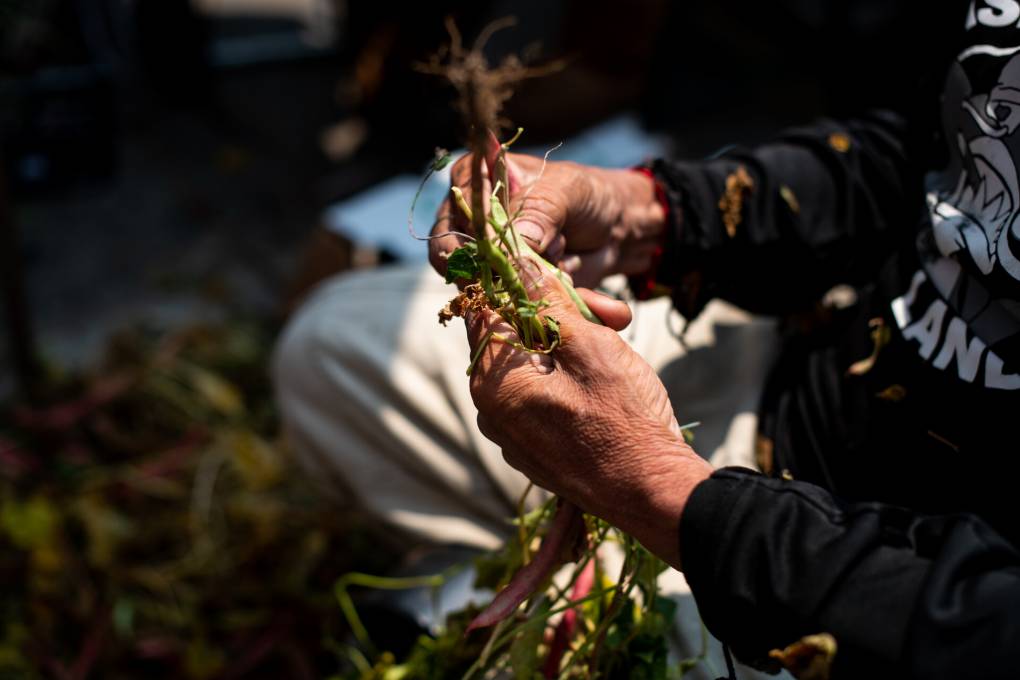
"caption": "A vendor removes beans from their pod while sitting under a tarp to protect them from the sun in San Francisco's Mission District on Aug. 6, 2021.",
"description": "A vendor removes beans from their pod while sitting under a tarp to protect from the sun in San Francisco's Mission District on August 6, 2021.",
"title": "RS50579_002_SanFrancisco_HeatWaveImpacts_08062021-qut (1)",
"credit": "Beth LaBerge/KQED",
"status": "inherit",
"altTag": "A close-up of a pair of hands shelling a bean.",
"isLoading": false,
"fetchFailed": false
},
"news_11886408": {
"type": "attachments",
"id": "news_11886408",
"meta": {
"index": "attachments_1716263798",
"site": "news",
"id": "11886408",
"found": true
},
"parent": 11886402,
"imgSizes": {
"twentyfourteen-full-width": {
"file": "https://ww2.kqed.org/app/uploads/sites/10/2021/08/DSCF1773-1038x576.jpg",
"width": 1038,
"mimeType": "image/jpeg",
"height": 576
},
"thumbnail": {
"file": "https://ww2.kqed.org/app/uploads/sites/10/2021/08/DSCF1773-160x107.jpg",
"width": 160,
"mimeType": "image/jpeg",
"height": 107
},
"post-thumbnail": {
"file": "https://ww2.kqed.org/app/uploads/sites/10/2021/08/DSCF1773-672x372.jpg",
"width": 672,
"mimeType": "image/jpeg",
"height": 372
},
"kqedFullSize": {
"file": "https://ww2.kqed.org/app/uploads/sites/10/2021/08/DSCF1773-scaled-e1630006833719.jpg",
"width": 1920,
"height": 1280
},
"2048x2048": {
"file": "https://ww2.kqed.org/app/uploads/sites/10/2021/08/DSCF1773-2048x1365.jpg",
"width": 2048,
"mimeType": "image/jpeg",
"height": 1365
},
"large": {
"file": "https://ww2.kqed.org/app/uploads/sites/10/2021/08/DSCF1773-1020x680.jpg",
"width": 1020,
"mimeType": "image/jpeg",
"height": 680
},
"1536x1536": {
"file": "https://ww2.kqed.org/app/uploads/sites/10/2021/08/DSCF1773-1536x1024.jpg",
"width": 1536,
"mimeType": "image/jpeg",
"height": 1024
},
"full-width": {
"file": "https://ww2.kqed.org/app/uploads/sites/10/2021/08/DSCF1773-1920x1280.jpg",
"width": 1920,
"mimeType": "image/jpeg",
"height": 1280
},
"medium": {
"file": "https://ww2.kqed.org/app/uploads/sites/10/2021/08/DSCF1773-800x533.jpg",
"width": 800,
"mimeType": "image/jpeg",
"height": 533
}
},
"publishDate": 1630006775,
"modified": 1631134104,
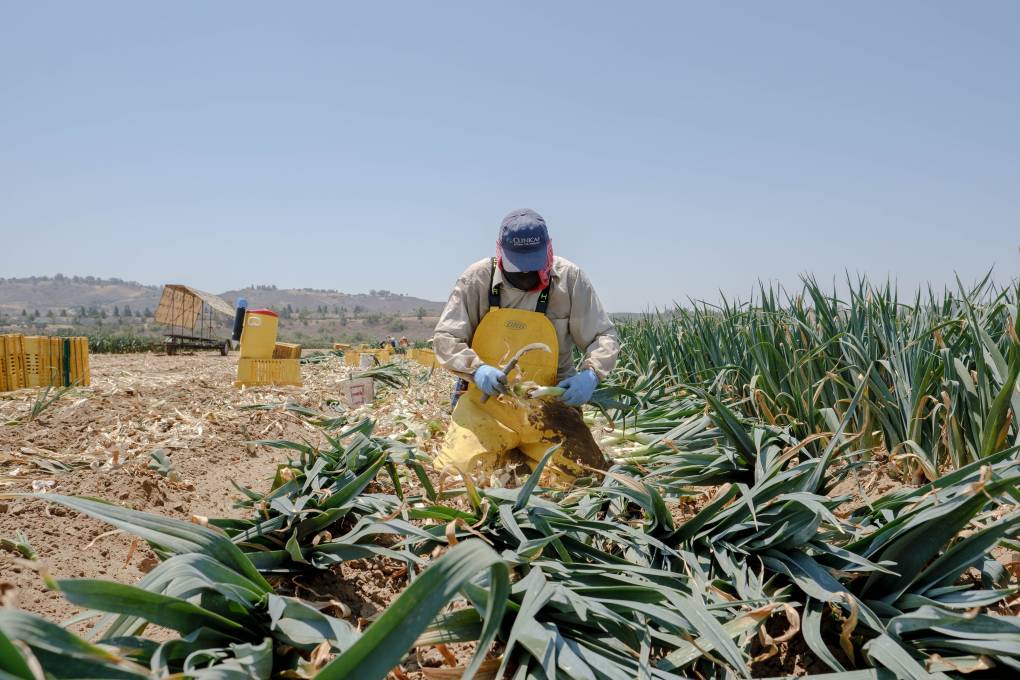
"caption": "Vicente Garcia cleans leeks in 90-degree heat at Muranaka Farms in Moorpark in Southern California's Ventura County on June 17, 2021.",
"description": null,
"title": "DSCF1773",
"credit": "Jason Margolis/LAist",
"status": "inherit",
"altTag": "A men wearing a bright yellow plastic apron kneels before a pile of leeks in a bright, rocky field.",
"isLoading": false,
"fetchFailed": false
},
"news_11881165": {
"type": "attachments",
"id": "news_11881165",
"meta": {
"index": "attachments_1716263798",
"site": "news",
"id": "11881165",
"found": true
},
"parent": 11881164,
"imgSizes": {
"twentyfourteen-full-width": {
"file": "https://ww2.kqed.org/app/uploads/sites/10/2021/07/gettyimages-1228332941-1-9b169e8c53649daad1661cc6e75856404695505e-1038x576.jpg",
"width": 1038,
"mimeType": "image/jpeg",
"height": 576
},
"thumbnail": {
"file": "https://ww2.kqed.org/app/uploads/sites/10/2021/07/gettyimages-1228332941-1-9b169e8c53649daad1661cc6e75856404695505e-160x120.jpg",
"width": 160,
"mimeType": "image/jpeg",
"height": 120
},
"post-thumbnail": {
"file": "https://ww2.kqed.org/app/uploads/sites/10/2021/07/gettyimages-1228332941-1-9b169e8c53649daad1661cc6e75856404695505e-672x372.jpg",
"width": 672,
"mimeType": "image/jpeg",
"height": 372
},
"kqedFullSize": {
"file": "https://ww2.kqed.org/app/uploads/sites/10/2021/07/gettyimages-1228332941-1-9b169e8c53649daad1661cc6e75856404695505e.jpg",
"width": 1911,
"height": 1433
},
"large": {
"file": "https://ww2.kqed.org/app/uploads/sites/10/2021/07/gettyimages-1228332941-1-9b169e8c53649daad1661cc6e75856404695505e-1020x765.jpg",
"width": 1020,
"mimeType": "image/jpeg",
"height": 765
},
"1536x1536": {
"file": "https://ww2.kqed.org/app/uploads/sites/10/2021/07/gettyimages-1228332941-1-9b169e8c53649daad1661cc6e75856404695505e-1536x1152.jpg",
"width": 1536,
"mimeType": "image/jpeg",
"height": 1152
},
"medium": {
"file": "https://ww2.kqed.org/app/uploads/sites/10/2021/07/gettyimages-1228332941-1-9b169e8c53649daad1661cc6e75856404695505e-800x600.jpg",
"width": 800,
"mimeType": "image/jpeg",
"height": 600
}
},
"publishDate": 1626289077,
"modified": 1626293533,
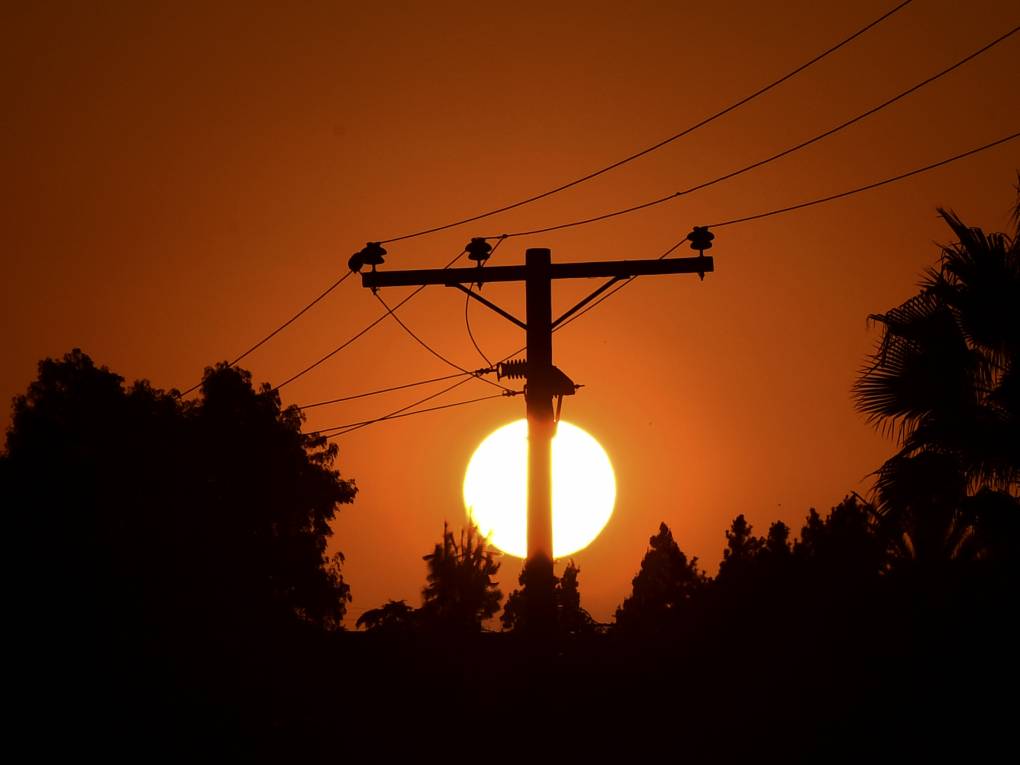
"caption": "The sun sets behind power lines in Los Angeles on Sept. 3, 2020, ahead of a heat wave that prompted a statewide flex alert.",
"description": "The sun sets behind power lines in Los Angeles, California on September 3, 2020, ahead of a heatwave to arrive September 4 through the Labour Day weekend prompting a statewide flex alert. (Photo by Frederic J. BROWN / AFP) (Photo by FREDERIC J. BROWN/AFP via Getty Images)",
"title": "The sun sets behind power lines in Los Angeles, California on September 3, 2020.",
"credit": "Frederic J. Brown/AFP via Getty Images",
"status": "inherit",
"altTag": null,
"isLoading": false,
"fetchFailed": false
},
"news_11880866": {
"type": "attachments",
"id": "news_11880866",
"meta": {
"index": "attachments_1716263798",
"site": "news",
"id": "11880866",
"found": true
},
"parent": 11880865,
"imgSizes": {
"twentyfourteen-full-width": {
"file": "https://ww2.kqed.org/app/uploads/sites/10/2021/07/GettyImages-1233761611-1038x576.jpg",
"width": 1038,
"mimeType": "image/jpeg",
"height": 576
},
"thumbnail": {
"file": "https://ww2.kqed.org/app/uploads/sites/10/2021/07/GettyImages-1233761611-160x90.jpg",
"width": 160,
"mimeType": "image/jpeg",
"height": 90
},
"post-thumbnail": {
"file": "https://ww2.kqed.org/app/uploads/sites/10/2021/07/GettyImages-1233761611-672x372.jpg",
"width": 672,
"mimeType": "image/jpeg",
"height": 372
},
"kqedFullSize": {
"file": "https://ww2.kqed.org/app/uploads/sites/10/2021/07/GettyImages-1233761611.jpg",
"width": 1920,
"height": 1080
},
"large": {
"file": "https://ww2.kqed.org/app/uploads/sites/10/2021/07/GettyImages-1233761611-1020x574.jpg",
"width": 1020,
"mimeType": "image/jpeg",
"height": 574
},
"1536x1536": {
"file": "https://ww2.kqed.org/app/uploads/sites/10/2021/07/GettyImages-1233761611-1536x864.jpg",
"width": 1536,
"mimeType": "image/jpeg",
"height": 864
},
"medium": {
"file": "https://ww2.kqed.org/app/uploads/sites/10/2021/07/GettyImages-1233761611-800x450.jpg",
"width": 800,
"mimeType": "image/jpeg",
"height": 450
}
},
"publishDate": 1626110868,
"modified": 1626120205,
"caption": "Firefighters monitor the scene as the Lava Fire continues to burn in Weed, California, on July 1, 2021. Firefighters are battling nearly a dozen wildfires in the region.",
"description": null,
"title": "GettyImages-1233761611",
"credit": "Josh Edelson AFP via Getty Images",
"status": "inherit",
"altTag": null,
"isLoading": false,
"fetchFailed": false
},
"news_11880719": {
"type": "attachments",
"id": "news_11880719",
"meta": {
"index": "attachments_1716263798",
"site": "news",
"id": "11880719",
"found": true
},
"parent": 11880716,
"imgSizes": {
"twentyfourteen-full-width": {
"file": "https://ww2.kqed.org/app/uploads/sites/10/2021/07/GettyImages-1314060367-1038x576.jpg",
"width": 1038,
"mimeType": "image/jpeg",
"height": 576
},
"thumbnail": {
"file": "https://ww2.kqed.org/app/uploads/sites/10/2021/07/GettyImages-1314060367-160x107.jpg",
"width": 160,
"mimeType": "image/jpeg",
"height": 107
},
"post-thumbnail": {
"file": "https://ww2.kqed.org/app/uploads/sites/10/2021/07/GettyImages-1314060367-672x372.jpg",
"width": 672,
"mimeType": "image/jpeg",
"height": 372
},
"kqedFullSize": {
"file": "https://ww2.kqed.org/app/uploads/sites/10/2021/07/GettyImages-1314060367.jpg",
"width": 1920,
"height": 1280
},
"large": {
"file": "https://ww2.kqed.org/app/uploads/sites/10/2021/07/GettyImages-1314060367-1020x680.jpg",
"width": 1020,
"mimeType": "image/jpeg",
"height": 680
},
"1536x1536": {
"file": "https://ww2.kqed.org/app/uploads/sites/10/2021/07/GettyImages-1314060367-1536x1024.jpg",
"width": 1536,
"mimeType": "image/jpeg",
"height": 1024
},
"medium": {
"file": "https://ww2.kqed.org/app/uploads/sites/10/2021/07/GettyImages-1314060367-800x533.jpg",
"width": 800,
"mimeType": "image/jpeg",
"height": 533
}
},
"publishDate": 1625849839,
"modified": 1643813540,
"caption": null,
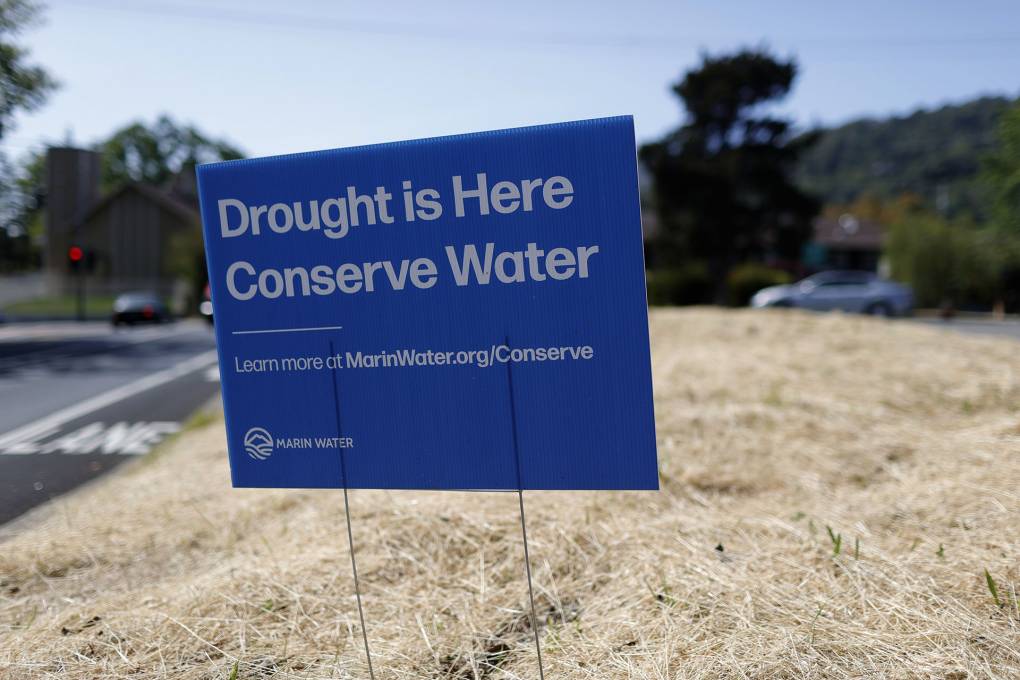
"description": "A sign advocating water conservation is posted in a field of dry grass on April 23, 2021 in San Anselmo, California. Gov. Gavin Newsom on Thursday asked people and businesses in the state to voluntarily cut water usage by 15%.",
"title": "Marin County First In California To Issue Water Use Restrictions To Combat Current Drought",
"credit": "Justin Sullivan/Getty Images",
"status": "inherit",
"altTag": null,
"isLoading": false,
"fetchFailed": false
},
"news_11880514": {
"type": "attachments",
"id": "news_11880514",
"meta": {
"index": "attachments_1716263798",
"site": "news",
"id": "11880514",
"found": true
},
"parent": 11880497,
"imgSizes": {
"twentyfourteen-full-width": {
"file": "https://ww2.kqed.org/app/uploads/sites/10/2021/07/GettyImages-1228332607-1038x576.jpg",
"width": 1038,
"mimeType": "image/jpeg",
"height": 576
},
"thumbnail": {
"file": "https://ww2.kqed.org/app/uploads/sites/10/2021/07/GettyImages-1228332607-160x107.jpg",
"width": 160,
"mimeType": "image/jpeg",
"height": 107
},
"post-thumbnail": {
"file": "https://ww2.kqed.org/app/uploads/sites/10/2021/07/GettyImages-1228332607-672x372.jpg",
"width": 672,
"mimeType": "image/jpeg",
"height": 372
},
"kqedFullSize": {
"file": "https://ww2.kqed.org/app/uploads/sites/10/2021/07/GettyImages-1228332607-scaled.jpg",
"width": 2560,
"height": 1707
},
"2048x2048": {
"file": "https://ww2.kqed.org/app/uploads/sites/10/2021/07/GettyImages-1228332607-2048x1365.jpg",
"width": 2048,
"mimeType": "image/jpeg",
"height": 1365
},
"large": {
"file": "https://ww2.kqed.org/app/uploads/sites/10/2021/07/GettyImages-1228332607-1020x680.jpg",
"width": 1020,
"mimeType": "image/jpeg",
"height": 680
},
"1536x1536": {
"file": "https://ww2.kqed.org/app/uploads/sites/10/2021/07/GettyImages-1228332607-1536x1024.jpg",
"width": 1536,
"mimeType": "image/jpeg",
"height": 1024
},
"full-width": {
"file": "https://ww2.kqed.org/app/uploads/sites/10/2021/07/GettyImages-1228332607-1920x1280.jpg",
"width": 1920,
"mimeType": "image/jpeg",
"height": 1280
},
"medium": {
"file": "https://ww2.kqed.org/app/uploads/sites/10/2021/07/GettyImages-1228332607-800x533.jpg",
"width": 800,
"mimeType": "image/jpeg",
"height": 533
}
},
"publishDate": 1625685637,
"modified": 1625695745,
"caption": "The sun sets behind power lines in Los Angeles on Sept. 3, 2020.",
"description": "The sun sets behind power lines in Los Angeles, California on September 3, 2020, ahead of a heatwave to arrive September 4 through the Labour Day weekend prompting a statewide flex alert.",
"title": "US-WEATHER-ENERGY-ELECTRICITY",
"credit": "Frederic J. Brown/AFP via Getty Images",
"status": "inherit",
"altTag": "The sun sets behind several trees and utility posts, creating a stark shadow. Two people can be seen walking away.",
"isLoading": false,
"fetchFailed": false
},
"news_11878905": {
"type": "attachments",
"id": "news_11878905",
"meta": {
"index": "attachments_1716263798",
"site": "news",
"id": "11878905",
"found": true
},
"parent": 11878897,
"imgSizes": {
"twentyfourteen-full-width": {
"file": "https://ww2.kqed.org/app/uploads/sites/10/2021/06/superlatives_062221_final-1038x576.png",
"width": 1038,
"mimeType": "image/png",
"height": 576
},
"thumbnail": {
"file": "https://ww2.kqed.org/app/uploads/sites/10/2021/06/superlatives_062221_final-160x113.png",
"width": 160,
"mimeType": "image/png",
"height": 113
},
"post-thumbnail": {
"file": "https://ww2.kqed.org/app/uploads/sites/10/2021/06/superlatives_062221_final-672x372.png",
"width": 672,
"mimeType": "image/png",
"height": 372
},
"kqedFullSize": {
"file": "https://ww2.kqed.org/app/uploads/sites/10/2021/06/superlatives_062221_final.png",
"width": 1920,
"height": 1351
},
"large": {
"file": "https://ww2.kqed.org/app/uploads/sites/10/2021/06/superlatives_062221_final-1020x718.png",
"width": 1020,
"mimeType": "image/png",
"height": 718
},
"1536x1536": {
"file": "https://ww2.kqed.org/app/uploads/sites/10/2021/06/superlatives_062221_final-1536x1081.png",
"width": 1536,
"mimeType": "image/png",
"height": 1081
},
"medium": {
"file": "https://ww2.kqed.org/app/uploads/sites/10/2021/06/superlatives_062221_final-800x563.png",
"width": 800,
"mimeType": "image/png",
"height": 563
}
},
"publishDate": 1624381721,
"modified": 1624381815,
"caption": null,
"description": null,
"title": "superlatives_062221_final",
"credit": null,
"status": "inherit",
"altTag": "A Mark Fiore cartoon on climate change increasing heat, showing two scientists looking at a thermometer sign that rangest from, warm, warmest, hot, hottest, sweatiest, heat waviest, bakingest, meltiest, as one scientist says,\" we're going to need more superlatives.\"",
"isLoading": false,
"fetchFailed": false
}
},
"audioPlayerReducer": {
"postId": "stream_live",
"isPaused": true,
"isPlaying": false,
"pfsActive": false,
"pledgeModalIsOpen": true,
"playerDrawerIsOpen": false,
"liveAudioPlayStartedAt": 0,
"liveAudioPlayContext": ""
},
"authorsReducer": {
"byline_news_11924932": {
"type": "authors",
"id": "byline_news_11924932",
"meta": {
"override": true
},
"slug": "byline_news_11924932",
"name": "Kathleen Ronayne\u003cbr>Associated Press",
"isLoading": false
},
"byline_news_11924381": {
"type": "authors",
"id": "byline_news_11924381",
"meta": {
"override": true
},
"slug": "byline_news_11924381",
"name": "John Antczak and Brian Melley, Associated Press",
"isLoading": false
},
"byline_news_11924244": {
"type": "authors",
"id": "byline_news_11924244",
"meta": {
"override": true
},
"slug": "byline_news_11924244",
"name": "John Antczak\u003cbr>The Associated Press",
"isLoading": false
},
"byline_news_11889336": {
"type": "authors",
"id": "byline_news_11889336",
"meta": {
"override": true
},
"slug": "byline_news_11889336",
"name": "Julia Shipley, Brian Edwards, David Nickerson",
"isLoading": false
},
"byline_news_11886402": {
"type": "authors",
"id": "byline_news_11886402",
"meta": {
"override": true
},
"slug": "byline_news_11886402",
"name": "Brian Edwards and Jacob Margolis",
"isLoading": false
},
"byline_news_11881164": {
"type": "authors",
"id": "byline_news_11881164",
"meta": {
"override": true
},
"slug": "byline_news_11881164",
"name": "Deepa Shivaram",
"isLoading": false
},
"byline_news_11880865": {
"type": "authors",
"id": "byline_news_11880865",
"meta": {
"override": true
},
"slug": "byline_news_11880865",
"name": "Christopher Weber \u003cbr> The Associated Press",
"isLoading": false
},
"byline_news_11880716": {
"type": "authors",
"id": "byline_news_11880716",
"meta": {
"override": true
},
"slug": "byline_news_11880716",
"name": "Adam Beam\u003cbr>Associated Press",
"isLoading": false
},
"byline_news_11880497": {
"type": "authors",
"id": "byline_news_11880497",
"meta": {
"override": true
},
"slug": "byline_news_11880497",
"name": "\u003ca href=\"https://theconversation.com/profiles/christian-jakob-5393\">Christian Jakob\u003c/a>, \u003ca href=\"https://theconversation.com/profiles/michael-reeder-318684\">Michael Reeder\u003c/a>",
"isLoading": false
},
"kqednewsstaffandwires": {
"type": "authors",
"id": "237",
"meta": {
"index": "authors_1716337520",
"id": "237",
"found": true
},
"name": "KQED News Staff and Wires",
"firstName": "KQED News Staff and Wires",
"lastName": null,
"slug": "kqednewsstaffandwires",
"email": "onlinenewsstaff@kqed.org",
"display_author_email": false,
"staff_mastheads": [],
"title": null,
"bio": null,
"avatar": "https://secure.gravatar.com/avatar/72295af8ebbfbd19a4948f5271285664?s=600&d=blank&r=g",
"twitter": null,
"facebook": null,
"instagram": null,
"linkedin": null,
"sites": [
{
"site": "arts",
"roles": [
"contributor"
]
},
{
"site": "news",
"roles": [
"contributor"
]
},
{
"site": "lowdown",
"roles": [
"author"
]
},
{
"site": "stateofhealth",
"roles": [
"contributor"
]
},
{
"site": "food",
"roles": [
"author"
]
}
],
"headData": {
"title": "KQED News Staff and Wires | KQED",
"description": null,
"ogImgSrc": "https://secure.gravatar.com/avatar/72295af8ebbfbd19a4948f5271285664?s=600&d=blank&r=g",
"twImgSrc": "https://secure.gravatar.com/avatar/72295af8ebbfbd19a4948f5271285664?s=600&d=blank&r=g"
},
"isLoading": false,
"link": "/author/kqednewsstaffandwires"
},
"markfiore": {
"type": "authors",
"id": "3236",
"meta": {
"index": "authors_1716337520",
"id": "3236",
"found": true
},
"name": "Mark Fiore",
"firstName": "Mark",
"lastName": "Fiore",
"slug": "markfiore",
"email": "mark@markfiore.com",
"display_author_email": false,
"staff_mastheads": [
"news"
],
"title": "KQED News Cartoonist",
"bio": "\u003ca href=\"http://www.MarkFiore.com\">MarkFiore.com\u003c/a> | \u003ca href=\"https://twitter.com/markfiore\">Follow on Twitter\u003c/a> | \u003ca href=\"https://www.facebook.com/pages/Mark-Fiore-Animated-Political-Cartoons/94451707396?ref=bookmarks\">Facebook\u003c/a> | \u003ca href=\"mailto:mark@markfiore.com\">email\u003c/a>\r\n\r\nPulitzer Prize-winner, Mark Fiore, who the Wall Street Journal has called “the undisputed guru of the form,” creates animated political cartoons in San Francisco, where his work has been featured regularly on the San Francisco Chronicle’s web site, SFGate.com. His work has appeared on Newsweek.com, Slate.com, CBSNews.com, MotherJones.com, DailyKos.com and NPR’s web site. Fiore’s political animation has appeared on CNN, Frontline, Bill Moyers Journal, Salon.com and cable and broadcast outlets across the globe.\r\n\r\nBeginning his professional life by drawing traditional political cartoons for newspapers, Fiore’s work appeared in publications ranging from the Washington Post to the Los Angeles Times. In the late 1990s, he began to experiment with animating political cartoons and, after a short stint at the San Jose Mercury News as their staff cartoonist, Fiore devoted all his energies to animation.\r\nGrowing up in California, Fiore also spent a good portion of his life in the backwoods of Idaho. It was this combination that shaped him politically. Mark majored in political science at Colorado College, where, in a perfect send-off for a cartoonist, he received his diploma in 1991 as commencement speaker Dick Cheney smiled approvingly.\r\nMark Fiore was awarded the Pulitzer Prize for political cartooning in 2010, a Robert F. Kennedy Journalism Award in 2004 and has twice received an Online Journalism Award for commentary from the Online News Association (2002, 2008). Fiore has received two awards for his work in new media from the National Cartoonists Society (2001, 2002), and in 2006 received The James Madison Freedom of Information Award from The Society of Professional Journalists.",
"avatar": "https://secure.gravatar.com/avatar/fc4e2a612b15b67bad0c6f0e1db4ca9b?s=600&d=blank&r=g",
"twitter": "MarkFiore",
"facebook": null,
"instagram": "https://www.instagram.com/markfiore/?hl=en",
"linkedin": null,
"sites": [
{
"site": "arts",
"roles": [
"contributor"
]
},
{
"site": "news",
"roles": [
"editor"
]
},
{
"site": "futureofyou",
"roles": [
"editor"
]
},
{
"site": "science",
"roles": [
"editor"
]
}
],
"headData": {
"title": "Mark Fiore | KQED",
"description": "KQED News Cartoonist",
"ogImgSrc": "https://secure.gravatar.com/avatar/fc4e2a612b15b67bad0c6f0e1db4ca9b?s=600&d=blank&r=g",
"twImgSrc": "https://secure.gravatar.com/avatar/fc4e2a612b15b67bad0c6f0e1db4ca9b?s=600&d=blank&r=g"
},
"isLoading": false,
"link": "/author/markfiore"
},
"ccabreralomeli": {
"type": "authors",
"id": "11708",
"meta": {
"index": "authors_1716337520",
"id": "11708",
"found": true
},
"name": "Carlos Cabrera-Lomelí",
"firstName": "Carlos",
"lastName": "Cabrera-Lomelí",
"slug": "ccabreralomeli",
"email": "ccabreralomeli@KQED.org",
"display_author_email": true,
"staff_mastheads": [
"news"
],
"title": "Community Reporter",
"bio": "Carlos Cabrera-Lomelí is a community reporter with KQED's digital engagement team. He also reports and co-produces for KQED's bilingual news hub KQED en Español. He grew up in San Francisco's Mission District and has previously worked with Univision, 48 Hills and REFORMA in Mexico City.",
"avatar": "https://secure.gravatar.com/avatar/c309be9665e484f887b818c89e273ecc673004f426f36b24d00a4d813a2e0518?s=600&d=blank&r=g",
"twitter": "@LomeliCabrera",
"bluesky": null,
"facebook": null,
"instagram": null,
"linkedin": null,
"sites": [
{
"site": "arts",
"roles": [
"editor"
]
},
{
"site": "news",
"roles": [
"editor"
]
},
{
"site": "about",
"roles": [
"editor"
]
},
{
"site": "science",
"roles": [
"editor"
]
},
{
"site": "perspectives",
"roles": [
"editor"
]
},
{
"site": "elections",
"roles": [
"editor"
]
},
{
"site": "liveblog",
"roles": [
"contributor"
]
}
],
"headData": {
"title": "Carlos Cabrera-Lomelí | KQED",
"description": "Community Reporter",
"ogImgSrc": "https://secure.gravatar.com/avatar/c309be9665e484f887b818c89e273ecc673004f426f36b24d00a4d813a2e0518?s=600&d=blank&r=g",
"twImgSrc": "https://secure.gravatar.com/avatar/c309be9665e484f887b818c89e273ecc673004f426f36b24d00a4d813a2e0518?s=600&d=blank&r=g"
},
"isLoading": false,
"link": "/author/ccabreralomeli"
}
},
"pagesReducer": {
"news_tag_heat-wave": {
"type": "terms",
"id": "news_18578",
"meta": {
"index": "terms_1716263798",
"site": "news",
"id": "18578",
"score": 9.555889
},
"featImg": null,
"name": "heat wave",
"description": null,
"taxonomy": "tag",
"headData": {
"twImgId": null,
"twTitle": null,
"ogTitle": null,
"ogImgId": null,
"twDescription": null,
"description": null,
"title": "heat wave Archives | KQED News",
"ogDescription": null
},
"ttid": 18595,
"slug": "heat-wave",
"isLoading": false,
"title": "heat wave",
"pageMeta": {
"site": "news",
"WpPageTemplate": "page-topic-editorial",
"currentPage": 4
},
"blocks": [
{
"blockName": "kqed/post-list",
"attrs": {
"layout": "cardArticle2",
"query": "posts/news?tag=heat-wave",
"seeMore": false,
"paginated": true,
"page": 4
}
},
{
"blockName": "kqed/ad"
}
]
}
},
"pfsSessionReducer": {},
"postsReducer": {
"stream_live": {
"type": "live",
"id": "stream_live",
"audioUrl": "https://streams.kqed.org/kqedradio",
"title": "Live Stream",
"excerpt": "Live Stream information currently unavailable.",
"link": "/radio",
"featImg": "",
"label": {
"name": "KQED Live",
"link": "/"
}
},
"stream_kqedNewscast": {
"type": "posts",
"id": "stream_kqedNewscast",
"audioUrl": "https://www.kqed.org/.stream/anon/radio/RDnews/newscast.mp3?_=1",
"title": "KQED Newscast",
"featImg": "",
"label": {
"name": "88.5 FM",
"link": "/"
}
},
"news_11886628": {
"type": "posts",
"id": "news_11886628",
"meta": {
"index": "posts_1716263798",
"site": "news",
"id": "11886628",
"score": null,
"sort": [
1662555622000
]
},
"guestAuthors": [],
"slug": "feeling-the-heat-how-workers-can-advocate-for-safer-working-conditions-under-the-sun",
"title": "Feeling the Heat: How Outdoor Workers Can Advocate for Safer Conditions on the Job",
"publishDate": 1662555622,
"format": "standard",
"headTitle": "Feeling the Heat: How Outdoor Workers Can Advocate for Safer Conditions on the Job | KQED",
"labelTerm": {
"site": "news"
},
"content": "\u003cp>\u003ca href=\"https://www.kqed.org/news/11955907/derechos-laborales-ola-de-calor\">Leer en español\u003c/a>\u003c/p>\n\u003cp>\u003cem>Don’t have time to read the whole guide? Click on the links below to skip to a specific section:\u003c/em>\u003c/p>\n\u003cul>\n\u003cli>\u003ca href=\"#protections\">\u003cstrong>If I work outside in California, what protections do I have during dangerously hot weather?\u003c/strong>\u003c/a>\u003c/li>\n\u003cli>\u003ca href=\"#talk\">\u003cstrong>How should I talk to my employer about these protections?\u003c/strong>\u003c/a>\u003c/li>\n\u003cli>\u003ca href=\"#still\">\u003cstrong>What can I do if my employer still doesn’t provide these protections?\u003c/strong>\u003c/a>\u003c/li>\n\u003cli>\u003ca href=\"#report\">\u003cstrong>What can I do if my employer retaliated against me for speaking up?\u003c/strong>\u003c/a>\u003c/li>\n\u003cli>\u003ca href=\"#options\">\u003cstrong>What are my other options here?\u003c/strong>\u003c/a>\u003c/li>\n\u003c/ul>\n\u003cp>The Bay Area is experiencing an intense heat wave this September with \u003ca href=\"https://twitter.com/NWSBayArea/status/1567316722000207872\">several cities registering all-time record temperatures\u003c/a>. On September 6, San José reached 109 degrees, while Santa Rosa topped 115 degrees.\u003c/p>\n\u003cp>Although some residents are able to work in air-conditioned offices or homes to avoid the worst of the heat, many essential workers — including construction workers, farm laborers and delivery people — have to remain outdoors, exposed to the most intense heat.\u003c/p>\n\u003cp>In California, employers are legally required to provide all outdoor workers with four things to prevent heat-related illness: access to fresh water, shade, breaks and an emergency response plan.\u003c/p>\n\u003cp>But KQED has spoken to various outdoor workers who say that bringing up their rights with their employer isn’t so easy. For some, \u003ca href=\"https://www.kqed.org/news/11918317/blacklisted-for-speaking-up-how-california-farmworkers-fighting-abuses-are-vulnerable-to-retaliation\">the risk of losing their job for speaking up against an unsafe workplace is always present\u003c/a> while others are unsure whether they are eligible for these protections due to their contract or immigration status.\u003c/p>\n\u003cp>That’s despite \u003ca href=\"https://www.99calor.org/english.html\">rules established by the California Occupational Safety and Health Standards Board\u003c/a> (Cal/OSHA) that are meant to protect all outdoor employees in California, regardless of their immigration or employment status. But still, that doesn’t make some workers feel any more comfortable talking to their bosses.\u003c/p>\n\u003cp>“That’s a real concern,” said David Hornung, Cal/OSHA’s heat and agriculture program coordinator: “workers not wanting to ask for their worker protections because of their concern of retaliation.”\u003c/p>\n\u003cp>If you’re working outside during a heat wave and your employer isn’t providing you with the required protections, there are a number of things you can do, even if you don’t feel comfortable bringing things up directly with your supervisor.\u003cbr>\n[ad fullwidth]\u003c/p>\n\u003ch2>\u003ca id=\"protections\">\u003c/a>What are the Cal/OSHA protections?\u003c/h2>\n\u003cp>In July 2006, a major \u003ca href=\"https://oehha.ca.gov/epic/impacts-biological-systems/heat-related-mortality-and-morbidity\">heat wave in California resulted in at least 140 deaths\u003c/a> over two weeks, the highest fatality rate on record from a single heat event, prompting state regulators to strengthen protections.\u003c/p>\n\u003cp>[aside label ='Related Coverage' tag='california-workers']“The employer must provide drinking water that is fresh, cool and free so that each worker has a sufficient amount to drink,” said Angela Yahaira Breining, a staff attorney with the Workers’ Rights program at Centro Legal de la Raza in Oakland.\u003c/p>\n\u003cp>California defines a “sufficient” drinking supply as at least one quart of water per hour. And even if workers bring their own water bottles, employers must still have enough water available on site.\u003c/p>\n\u003cp>When temperatures rise above 80 degrees, employers must also provide an area with enough shade to accommodate every worker on-site. But, Breining adds, workers also have the right to request breaks in the shade — regardless of temperature — whenever they feel the need to.\u003c/p>\n\u003cp>And when temperatures rise over 95 degrees, “employers or supervisors must observe these employees regularly,” Breining said.\u003c/p>\n\u003cp>Having a supervisor on-site, she explains, is key to setting up a communication system that can swing into action if a worker starts to feel sick. “If someone is getting a headache, having them sit down, making sure that there is a safe way of communicating with higher-ups, and having an emergency plan in place,” she said.\u003c/p>\n\u003cp>Setting up an emergency plan is the next requirement for employers, says Hornung from Cal/OSHA. That includes “training for all the employees so they recognize the signs and symptoms of heat illness in themselves or in their co-workers.”\u003c/p>\n\u003cfigure id=\"attachment_11886992\" class=\"wp-caption aligncenter\" style=\"max-width: 1920px\">\u003cimg loading=\"lazy\" decoding=\"async\" class=\"wp-image-11886992 size-full\" src=\"https://ww2.kqed.org/app/uploads/sites/10/2021/08/RS50584_007_SanFrancisco_HeatWaveImpacts_08062021-qut.jpg\" alt=\"A man, face concealed by a tarp, sit surrounded by bundles of dried red beans, shelling them into a bucket in his lap.\" width=\"1920\" height=\"1280\" srcset=\"https://cdn.kqed.org/wp-content/uploads/sites/10/2021/08/RS50584_007_SanFrancisco_HeatWaveImpacts_08062021-qut.jpg 1920w, https://cdn.kqed.org/wp-content/uploads/sites/10/2021/08/RS50584_007_SanFrancisco_HeatWaveImpacts_08062021-qut-800x533.jpg 800w, https://cdn.kqed.org/wp-content/uploads/sites/10/2021/08/RS50584_007_SanFrancisco_HeatWaveImpacts_08062021-qut-1020x680.jpg 1020w, https://cdn.kqed.org/wp-content/uploads/sites/10/2021/08/RS50584_007_SanFrancisco_HeatWaveImpacts_08062021-qut-160x107.jpg 160w, https://cdn.kqed.org/wp-content/uploads/sites/10/2021/08/RS50584_007_SanFrancisco_HeatWaveImpacts_08062021-qut-1536x1024.jpg 1536w\" sizes=\"auto, (max-width: 1920px) 100vw, 1920px\">\u003cfigcaption class=\"wp-caption-text\">A vendor sitting in the back of a tarp-covered truck in San Francisco’s Mission District shells beans on Aug. 6, 2021. \u003ccite>(Beth LaBerge/KQED)\u003c/cite>\u003c/figcaption>\u003c/figure>\n\u003ch2>Whom do these heat protections apply to?\u003c/h2>\n\u003cp>A misconception Hornung says he often hears is that Cal/OSHA rules only apply to certain industries.\u003c/p>\n\u003cp>“It applies to all outdoor workers, not just agriculture,” he said. “It applies to construction workers, gardeners, landscapers, maintenance people and anyone driving around in trucks that don’t have air-conditioning.”\u003c/p>\n\u003cp>Another common misconception, Hornung adds, is that the protections apply only to citizens or employees with valid immigration status.\u003c/p>\n\u003cp>[aside postID=\"news_11878134\" hero=\"https://ww2.kqed.org/app/uploads/sites/10/2021/06/RS49883_GettyImages-1270893851-qut-1020x680.jpg\"]“California law for workplace safety is great because it protects all workers regardless of immigration status,” he said. “So whether you are here with the right papers or not, you are still protected by our regulations.”\u003c/p>\n\u003cp>But for people who work informally, things are a bit trickier and often depend on the situation.\u003c/p>\n\u003cp>Hornung explains that Cal/OSHA first needs to verify that there is an “employee-employer relationship” — in other words, that the worker has provided labor in exchange for payment. This can include workers who lack a formal contract.\u003c/p>\n\u003cp>“If an employee is paid by an employer, then that establishes an employer-employee relationship,” said Hornung.\u003c/p>\n\u003cp>But the heat protections don’t apply to someone who is self-employed through an informal business, like fruit cart owners who sell their own produce.\u003c/p>\n\u003ch2>\u003ca id=\"talk\">\u003c/a>If my boss is not following Cal/OSHA regulations, how should I bring it up?\u003c/h2>\n\u003cp>Although it may be difficult for some workers to approach their supervisors, California labor laws prohibit employers from retaliating against workers who raise concerns about unsafe working conditions.\u003c/p>\n\u003cp>“It’s unlawful for an employer to retaliate against this — speaking about a workplace right they are entitled to,” said Breining, the workers’ rights attorney.\u003c/p>\n\u003cp>She recommends workers document in writing everything that’s going on, including keeping track of the dates and places that their bosses haven’t followed regulations. And she suggests workers also address their employers in writing, in the form of a text message, an email or a traditional letter.\u003c/p>\n\u003cp>“Specifically say what it is that you are requesting,” she said. “Are you requesting for the employer to provide training, to see what the heat illness prevention plan is or to request these cooldown breaks?”\u003c/p>\n\u003cp>Documenting every time an employer does not follow heat regulations can be useful later on if a worker decides to file a complaint with Cal/OSHA, Breining says.\u003c/p>\n\u003cp>Meanwhile, Hornung suggests that workers who fear immediate retaliation first discuss the issue with their peers to build additional support. “So rather than you as an individual asking your boss, try to get your co-workers to ask as a group,” he said.\u003c/p>\n\u003cp>However, the fact that retaliation is illegal doesn’t prevent an employer from retaliating against workers who speak up against an unsafe workplace, says Cynthia Rice, director of litigation, advocacy and training at California Rural Legal Assistance, a group that provides free legal aid to agricultural workers.\u003c/p>\n\u003cp>“We never say the employer can’t retaliate against you because of course the employer can retaliate against you,” she told KQED. If you believe your employer fired you or cut your hours or wages because you spoke up for a safe workplace, \u003ca href=\"#report\">\u003cstrong>you can report this behavior to labor officials, who can start an investigation\u003c/strong>\u003c/a>.\u003c/p>\n\u003cfigure id=\"attachment_11887210\" class=\"wp-caption aligncenter\" style=\"max-width: 1920px\">\u003cimg loading=\"lazy\" decoding=\"async\" class=\"wp-image-11887210 size-full\" src=\"https://ww2.kqed.org/app/uploads/sites/10/2021/09/RS50606_031_SanFrancisco_HeatWaveImpacts_08062021-qut.jpg\" alt=\"Clear plastic tubs of brightly colored fruit beneath an awning, with a city block in the background.\" width=\"1920\" height=\"1280\" srcset=\"https://cdn.kqed.org/wp-content/uploads/sites/10/2021/09/RS50606_031_SanFrancisco_HeatWaveImpacts_08062021-qut.jpg 1920w, https://cdn.kqed.org/wp-content/uploads/sites/10/2021/09/RS50606_031_SanFrancisco_HeatWaveImpacts_08062021-qut-800x533.jpg 800w, https://cdn.kqed.org/wp-content/uploads/sites/10/2021/09/RS50606_031_SanFrancisco_HeatWaveImpacts_08062021-qut-1020x680.jpg 1020w, https://cdn.kqed.org/wp-content/uploads/sites/10/2021/09/RS50606_031_SanFrancisco_HeatWaveImpacts_08062021-qut-160x107.jpg 160w, https://cdn.kqed.org/wp-content/uploads/sites/10/2021/09/RS50606_031_SanFrancisco_HeatWaveImpacts_08062021-qut-1536x1024.jpg 1536w\" sizes=\"auto, (max-width: 1920px) 100vw, 1920px\">\u003cfigcaption class=\"wp-caption-text\">A vendor sells cut fruit underneath an umbrella in San Francisco’s Mission District on Aug. 6, 2021. \u003ccite>(Beth LaBerge/KQED)\u003c/cite>\u003c/figcaption>\u003c/figure>\n\u003ch2>\u003ca id=\"still\">\u003c/a>My boss didn’t listen to me. What do I do now?\u003c/h2>\n\u003cp>If an employer is still unwilling to provide required heat protections, the next step may be to file a complaint with Cal/OSHA, a process that can be completed anonymously.\u003c/p>\n\u003cp>The agency has several Bay Area field offices workers can contact directly to file a report, based on where their work sites are located.\u003c/p>\n\u003cul>\n\u003cli>San Francisco workers can call (415) 557-0100.\u003c/li>\n\u003cli>San Mateo County workers can call the Foster City office at (650) 573-3812. This office also accommodates workers in some Santa Clara locations, including Palo Alto, Mountain View and Sunnyvale.\u003c/li>\n\u003cli>Most workers in Santa Clara County can call the Fremont office at (510) 794-2521.\u003c/li>\n\u003cli>Alameda County workers can call the Oakland office at (510) 622-2916.\u003c/li>\n\u003cli>North Bay workers — in Sonoma, Napa, Solano, Marin and Contra Costa counties — can call the American Canyon office at (707) 649-3700.\u003c/li>\n\u003c/ul>\n\u003cp>There’s also a statewide heat help line, which offers assistance in both English and Spanish (and can connect workers to assistance in other languages): (833) 579-0927.\u003c/p>\n\u003cp>When filing a complaint, you’ll be asked questions about your employer or company, including the name, location and number of workers on site, how many hours you work in a day and what the safety issue is. This is when having a written record of past incidents or requests is especially useful.\u003c/p>\n\u003cp>While providing your name is optional, Hornung from Cal/OSHA says that if you provide your contact information, you can be notified when the report was received and if Cal/OSHA will look into the situation.\u003c/p>\n\u003cp>If Cal/OSHA takes up your case, the agency will assign an inspector to your work site who will speak to both employers and employees. Hornung says the inspection can take up to six months, although it often takes less.\u003c/p>\n\u003cfigure id=\"attachment_11887034\" class=\"wp-caption aligncenter\" style=\"max-width: 1920px\">\u003ca href=\"https://ww2.kqed.org/app/uploads/sites/10/2021/08/RS50579_002_SanFrancisco_HeatWaveImpacts_08062021-qut.jpg\">\u003cimg loading=\"lazy\" decoding=\"async\" class=\"wp-image-11887034 size-full\" src=\"https://ww2.kqed.org/app/uploads/sites/10/2021/08/RS50579_002_SanFrancisco_HeatWaveImpacts_08062021-qut.jpg\" alt=\"A close-up of a worker's hands shelling long beans.\" width=\"1920\" height=\"1280\" srcset=\"https://cdn.kqed.org/wp-content/uploads/sites/10/2021/08/RS50579_002_SanFrancisco_HeatWaveImpacts_08062021-qut.jpg 1920w, https://cdn.kqed.org/wp-content/uploads/sites/10/2021/08/RS50579_002_SanFrancisco_HeatWaveImpacts_08062021-qut-800x533.jpg 800w, https://cdn.kqed.org/wp-content/uploads/sites/10/2021/08/RS50579_002_SanFrancisco_HeatWaveImpacts_08062021-qut-1020x680.jpg 1020w, https://cdn.kqed.org/wp-content/uploads/sites/10/2021/08/RS50579_002_SanFrancisco_HeatWaveImpacts_08062021-qut-160x107.jpg 160w, https://cdn.kqed.org/wp-content/uploads/sites/10/2021/08/RS50579_002_SanFrancisco_HeatWaveImpacts_08062021-qut-1536x1024.jpg 1536w\" sizes=\"auto, (max-width: 1920px) 100vw, 1920px\">\u003c/a>\u003cfigcaption class=\"wp-caption-text\">A vendor takes shelter from the sun while shelling beans in San Francisco on Aug. 6, 2021. David Hornung from Cal/OSHA says that state heat protections apply to every person who works outdoors — not just agricultural workers. \u003ccite>(Beth LaBerge/KQED)\u003c/cite>\u003c/figcaption>\u003c/figure>\n\u003cp>“If there were any violations of the California code of regulations,” he said, “then the employer would be cited for those violations and those citations would have a monetary penalty.” The employer would also have to resolve whatever issue is putting workers at risk.\u003c/p>\n\u003cp>\u003ca id=\"report\">\u003c/a>If your employer decides to retaliate against you during this time and either threatens you, cuts your hours or fires you, that’s grounds for a retaliation complaint with the state Labor Commissioner’s Office. You can \u003ca href=\"https://www.dir.ca.gov/dlse/rci_osha_complaint.htm\">file a retaliation complaint online\u003c/a>; by calling (714) 558-4913; or through \u003ca href=\"mailto:oshaRetaliation@dir.ca.gov\">email\u003c/a>.\u003c/p>\n\u003cp>“If [your employer] retaliates against you, you have a remedy,” said Breining. “They can reinstate you, there’s penalties for retaliation, there’s back wages you can get.”\u003c/p>\n\u003cp>If you are an agricultural worker, another option is filing an unfair labor practice charge against your employer with the state’s Agricultural Labor Relations Board (ALRB). The ALRB investigates potential unfair labor practices including retaliation by an employer against a worker who reports unsafe working conditions.\u003c/p>\n\u003cp>At least two workers must come together to file a charge with the ALRB. You can \u003ca href=\"https://www.alrb.ca.gov/wp-content/uploads/sites/196/2018/05/alrb_form38_en.pdf\">file a charge using this form\u003c/a> and then send it, either though the mail or fax, to the closest ALRB office. In the Bay Area, \u003ca href=\"https://www.alrb.ca.gov/contact-us/\">the regional ALRB office is in Santa Rosa\u003c/a>:\u003c/p>\n\u003cp>606 Healdsburg Avenue\u003cbr>\nSanta Rosa, CA 95401\u003cbr>\nPhone: (707) 527-3256\u003cbr>\nFax: (707) 576-2360\u003c/p>\n\u003ch2>\u003ca id=\"options\">\u003c/a>What are my other options?\u003c/h2>\n\u003cp>Last summer, \u003ca href=\"https://www.kqed.org/news/11875988/minimal-to-non-existent-safety-inspector-shortage-worsened-in-pandemic-leaving-california-workers-vulnerable\">workers at an Oakland fast food restaurant filed a workplace COVID-19 safety complaint\u003c/a> with Cal/OSHA against their employer, alleging unsafe working conditions Agency officials responded nine months later saying no violations had been found — even as the employees who filed the original report claim that inspectors never reached out to them.\u003c/p>\n\u003cp>[aside postID=\"news_11875988\" hero=\"https://ww2.kqed.org/app/uploads/sites/10/2021/06/RS49630_GettyImages-1231067411-qut-1020x600.jpg\"]\u003ca href=\"https://calmatters.org/california-divide/2020/10/cal-osha-response-covid-complaints/\">Understaffing has plagued Cal/OSHA\u003c/a> for years, and that has only been exacerbated during the pandemic, limiting the agency’s ability to investigate claims.\u003c/p>\n\u003cp>That said, \u003ca href=\"https://www.dir.ca.gov/dosh/COVID19citations.html\">the agency has already issued hundreds of citations this year\u003c/a> to employers who have not adhered to workplace regulations — so filing a claim can in some cases produce an outcome.\u003c/p>\n\u003cp>But there are additional steps you can take.\u003c/p>\n\u003cp>Breining, the workers’ rights attorney, points out that there are multiple legal aid offices around the Bay Area that can support employees throughout the complaint process and offer additional legal assistance, most of the time at no cost — including her office, Centro Legal de la Raza.\u003c/p>\n\u003cp>“We’re more than happy to help [workers] make the complaint or help make them make a demand letter if they don’t really want to go through this more formal process,” she said.\u003c/p>\n\u003cp>Breining adds that in many cases, workers reach out to her office after their employers have already retaliated against them or they have already suffered heat-related illness. While Centro Legal can still provide assistance, she encourages workers to seek aid before things go wrong.\u003c/p>\n\u003cp>“We prefer to help when it’s actually happening so that you don’t have to do some of the difficult legal processes after the fact,” she said.\u003c/p>\n\u003cp>Here are some organizations that offer free legal aid to workers in the Bay Area:\u003c/p>\n\u003cul>\n\u003cli>\u003ca href=\"https://legalaidatwork.org/\">Legal Aid at Work\u003c/a>: (415) 864-8208\u003c/li>\n\u003cli>\u003ca href=\"https://www.advancingjustice-alc.org/\">Asian Americans Advancing Justice/Asian Law Caucus\u003c/a>: (415) 896-1701\u003c/li>\n\u003cli>\u003ca href=\"https://www.centrolegal.org/\">Centro Legal de la Raza\u003c/a> (Oakland): (510) 437-1554\u003c/li>\n\u003cli>\u003ca href=\"https://lrcl.org/\">La Raza Centro Legal\u003c/a> (San Francisco): (415) 575-3500\u003c/li>\n\u003cli>\u003ca href=\"https://www.tuwu.org/\">Trabajadores Unidos Workers United\u003c/a>: (415) 621-4155\u003c/li>\n\u003cli>\u003ca href=\"http://streetlevelhealthproject.org/\">Street Level Health Project\u003c/a>: (510) 533-9906\u003c/li>\n\u003cli>\u003ca href=\"https://crla.org\">California Rural Legal Assistance\u003c/a>: (800) 337-0690\u003c/li>\n\u003c/ul>\n\u003cp>\u003cem>A version of this story was originally published on Sept. 8, 2021. This post includes reporting from KQED’s Farida Jhabvala Romero.\u003c/em>\u003c/p>\n\u003cp>[ad floatright]\u003c/p>\n",
"blocks": [],
"excerpt": "A step-by-step guide to asking your employer for protections against the heat. California law mandates protections for all outdoor workers — regardless of immigration status or work arrangement.",
"status": "publish",
"parent": 0,
"modified": 1740182269,
"stats": {
"hasAudio": false,
"hasVideo": false,
"hasChartOrMap": false,
"iframeSrcs": [],
"hasGoogleForm": false,
"hasGallery": false,
"hasHearkenModule": false,
"hasPolis": false,
"paragraphCount": 55,
"wordCount": 2327
},
"headData": {
"title": "Feeling the Heat: How Outdoor Workers Can Advocate for Safer Conditions on the Job | KQED",
"description": "A step-by-step guide to asking your employer for protections against the heat. California law mandates protections for all outdoor workers — regardless of immigration status or work arrangement.",
"ogTitle": "",
"ogDescription": "",
"ogImgId": "",
"twTitle": "",
"twDescription": "",
"twImgId": "",
"schema": {
"@context": "https://schema.org",
"@type": "NewsArticle",
"headline": "Feeling the Heat: How Outdoor Workers Can Advocate for Safer Conditions on the Job",
"datePublished": "2022-09-07T06:00:22-07:00",
"dateModified": "2025-02-21T15:57:49-08:00",
"image": "https://cdn.kqed.org/wp-content/uploads/2020/02/KQED-OG-Image@1x.png",
"isAccessibleForFree": "True",
"publisher": {
"@type": "NewsMediaOrganization",
"@id": "https://www.kqed.org/#organization",
"name": "KQED",
"logo": "https://cdn.kqed.org/wp-content/uploads/2020/02/KQED-OG-Image@1x.png",
"url": "https://www.kqed.org",
"sameAs": [
"https://www.facebook.com/KQED",
"https://twitter.com/KQED",
"https://www.instagram.com/kqed/",
"https://www.tiktok.com/@kqedofficial",
"https://www.linkedin.com/company/kqed",
"https://www.youtube.com/channel/UCeC0IOo7i1P_61zVUWbJ4nw"
]
}
}
},
"sticky": false,
"excludeFromSiteSearch": "Include",
"articleAge": "0",
"path": "/news/11886628/feeling-the-heat-how-workers-can-advocate-for-safer-working-conditions-under-the-sun",
"audioTrackLength": null,
"parsedContent": [
{
"type": "contentString",
"content": "\u003cdiv class=\"post-body\">\u003cp>\u003cp>\u003ca href=\"https://www.kqed.org/news/11955907/derechos-laborales-ola-de-calor\">Leer en español\u003c/a>\u003c/p>\n\u003cp>\u003cem>Don’t have time to read the whole guide? Click on the links below to skip to a specific section:\u003c/em>\u003c/p>\n\u003cul>\n\u003cli>\u003ca href=\"#protections\">\u003cstrong>If I work outside in California, what protections do I have during dangerously hot weather?\u003c/strong>\u003c/a>\u003c/li>\n\u003cli>\u003ca href=\"#talk\">\u003cstrong>How should I talk to my employer about these protections?\u003c/strong>\u003c/a>\u003c/li>\n\u003cli>\u003ca href=\"#still\">\u003cstrong>What can I do if my employer still doesn’t provide these protections?\u003c/strong>\u003c/a>\u003c/li>\n\u003cli>\u003ca href=\"#report\">\u003cstrong>What can I do if my employer retaliated against me for speaking up?\u003c/strong>\u003c/a>\u003c/li>\n\u003cli>\u003ca href=\"#options\">\u003cstrong>What are my other options here?\u003c/strong>\u003c/a>\u003c/li>\n\u003c/ul>\n\u003cp>The Bay Area is experiencing an intense heat wave this September with \u003ca href=\"https://twitter.com/NWSBayArea/status/1567316722000207872\">several cities registering all-time record temperatures\u003c/a>. On September 6, San José reached 109 degrees, while Santa Rosa topped 115 degrees.\u003c/p>\n\u003cp>Although some residents are able to work in air-conditioned offices or homes to avoid the worst of the heat, many essential workers — including construction workers, farm laborers and delivery people — have to remain outdoors, exposed to the most intense heat.\u003c/p>\n\u003cp>In California, employers are legally required to provide all outdoor workers with four things to prevent heat-related illness: access to fresh water, shade, breaks and an emergency response plan.\u003c/p>\n\u003cp>But KQED has spoken to various outdoor workers who say that bringing up their rights with their employer isn’t so easy. For some, \u003ca href=\"https://www.kqed.org/news/11918317/blacklisted-for-speaking-up-how-california-farmworkers-fighting-abuses-are-vulnerable-to-retaliation\">the risk of losing their job for speaking up against an unsafe workplace is always present\u003c/a> while others are unsure whether they are eligible for these protections due to their contract or immigration status.\u003c/p>\n\u003cp>That’s despite \u003ca href=\"https://www.99calor.org/english.html\">rules established by the California Occupational Safety and Health Standards Board\u003c/a> (Cal/OSHA) that are meant to protect all outdoor employees in California, regardless of their immigration or employment status. But still, that doesn’t make some workers feel any more comfortable talking to their bosses.\u003c/p>\n\u003cp>“That’s a real concern,” said David Hornung, Cal/OSHA’s heat and agriculture program coordinator: “workers not wanting to ask for their worker protections because of their concern of retaliation.”\u003c/p>\n\u003cp>If you’re working outside during a heat wave and your employer isn’t providing you with the required protections, there are a number of things you can do, even if you don’t feel comfortable bringing things up directly with your supervisor.\u003cbr>\n\u003c/p>\u003c/div>",
"attributes": {
"named": {},
"numeric": []
}
},
{
"type": "component",
"content": "",
"name": "ad",
"attributes": {
"named": {
"label": "fullwidth"
},
"numeric": [
"fullwidth"
]
}
},
{
"type": "contentString",
"content": "\u003cdiv class=\"post-body\">\u003cp>\u003c/p>\n\u003ch2>\u003ca id=\"protections\">\u003c/a>What are the Cal/OSHA protections?\u003c/h2>\n\u003cp>In July 2006, a major \u003ca href=\"https://oehha.ca.gov/epic/impacts-biological-systems/heat-related-mortality-and-morbidity\">heat wave in California resulted in at least 140 deaths\u003c/a> over two weeks, the highest fatality rate on record from a single heat event, prompting state regulators to strengthen protections.\u003c/p>\n\u003cp>\u003c/p>\u003c/div>",
"attributes": {
"named": {},
"numeric": []
}
},
{
"type": "component",
"content": "",
"name": "aside",
"attributes": {
"named": {
"label": "Related Coverage ",
"tag": "california-workers"
},
"numeric": []
}
},
{
"type": "contentString",
"content": "\u003cdiv class=\"post-body\">\u003cp>“The employer must provide drinking water that is fresh, cool and free so that each worker has a sufficient amount to drink,” said Angela Yahaira Breining, a staff attorney with the Workers’ Rights program at Centro Legal de la Raza in Oakland.\u003c/p>\n\u003cp>California defines a “sufficient” drinking supply as at least one quart of water per hour. And even if workers bring their own water bottles, employers must still have enough water available on site.\u003c/p>\n\u003cp>When temperatures rise above 80 degrees, employers must also provide an area with enough shade to accommodate every worker on-site. But, Breining adds, workers also have the right to request breaks in the shade — regardless of temperature — whenever they feel the need to.\u003c/p>\n\u003cp>And when temperatures rise over 95 degrees, “employers or supervisors must observe these employees regularly,” Breining said.\u003c/p>\n\u003cp>Having a supervisor on-site, she explains, is key to setting up a communication system that can swing into action if a worker starts to feel sick. “If someone is getting a headache, having them sit down, making sure that there is a safe way of communicating with higher-ups, and having an emergency plan in place,” she said.\u003c/p>\n\u003cp>Setting up an emergency plan is the next requirement for employers, says Hornung from Cal/OSHA. That includes “training for all the employees so they recognize the signs and symptoms of heat illness in themselves or in their co-workers.”\u003c/p>\n\u003cfigure id=\"attachment_11886992\" class=\"wp-caption aligncenter\" style=\"max-width: 1920px\">\u003cimg loading=\"lazy\" decoding=\"async\" class=\"wp-image-11886992 size-full\" src=\"https://ww2.kqed.org/app/uploads/sites/10/2021/08/RS50584_007_SanFrancisco_HeatWaveImpacts_08062021-qut.jpg\" alt=\"A man, face concealed by a tarp, sit surrounded by bundles of dried red beans, shelling them into a bucket in his lap.\" width=\"1920\" height=\"1280\" srcset=\"https://cdn.kqed.org/wp-content/uploads/sites/10/2021/08/RS50584_007_SanFrancisco_HeatWaveImpacts_08062021-qut.jpg 1920w, https://cdn.kqed.org/wp-content/uploads/sites/10/2021/08/RS50584_007_SanFrancisco_HeatWaveImpacts_08062021-qut-800x533.jpg 800w, https://cdn.kqed.org/wp-content/uploads/sites/10/2021/08/RS50584_007_SanFrancisco_HeatWaveImpacts_08062021-qut-1020x680.jpg 1020w, https://cdn.kqed.org/wp-content/uploads/sites/10/2021/08/RS50584_007_SanFrancisco_HeatWaveImpacts_08062021-qut-160x107.jpg 160w, https://cdn.kqed.org/wp-content/uploads/sites/10/2021/08/RS50584_007_SanFrancisco_HeatWaveImpacts_08062021-qut-1536x1024.jpg 1536w\" sizes=\"auto, (max-width: 1920px) 100vw, 1920px\">\u003cfigcaption class=\"wp-caption-text\">A vendor sitting in the back of a tarp-covered truck in San Francisco’s Mission District shells beans on Aug. 6, 2021. \u003ccite>(Beth LaBerge/KQED)\u003c/cite>\u003c/figcaption>\u003c/figure>\n\u003ch2>Whom do these heat protections apply to?\u003c/h2>\n\u003cp>A misconception Hornung says he often hears is that Cal/OSHA rules only apply to certain industries.\u003c/p>\n\u003cp>“It applies to all outdoor workers, not just agriculture,” he said. “It applies to construction workers, gardeners, landscapers, maintenance people and anyone driving around in trucks that don’t have air-conditioning.”\u003c/p>\n\u003cp>Another common misconception, Hornung adds, is that the protections apply only to citizens or employees with valid immigration status.\u003c/p>\n\u003cp>\u003c/p>\u003c/div>",
"attributes": {
"named": {},
"numeric": []
}
},
{
"type": "component",
"content": "",
"name": "aside",
"attributes": {
"named": {
"postid": "news_11878134",
"hero": "https://ww2.kqed.org/app/uploads/sites/10/2021/06/RS49883_GettyImages-1270893851-qut-1020x680.jpg",
"label": ""
},
"numeric": []
}
},
{
"type": "contentString",
"content": "\u003cdiv class=\"post-body\">\u003cp>“California law for workplace safety is great because it protects all workers regardless of immigration status,” he said. “So whether you are here with the right papers or not, you are still protected by our regulations.”\u003c/p>\n\u003cp>But for people who work informally, things are a bit trickier and often depend on the situation.\u003c/p>\n\u003cp>Hornung explains that Cal/OSHA first needs to verify that there is an “employee-employer relationship” — in other words, that the worker has provided labor in exchange for payment. This can include workers who lack a formal contract.\u003c/p>\n\u003cp>“If an employee is paid by an employer, then that establishes an employer-employee relationship,” said Hornung.\u003c/p>\n\u003cp>But the heat protections don’t apply to someone who is self-employed through an informal business, like fruit cart owners who sell their own produce.\u003c/p>\n\u003ch2>\u003ca id=\"talk\">\u003c/a>If my boss is not following Cal/OSHA regulations, how should I bring it up?\u003c/h2>\n\u003cp>Although it may be difficult for some workers to approach their supervisors, California labor laws prohibit employers from retaliating against workers who raise concerns about unsafe working conditions.\u003c/p>\n\u003cp>“It’s unlawful for an employer to retaliate against this — speaking about a workplace right they are entitled to,” said Breining, the workers’ rights attorney.\u003c/p>\n\u003cp>She recommends workers document in writing everything that’s going on, including keeping track of the dates and places that their bosses haven’t followed regulations. And she suggests workers also address their employers in writing, in the form of a text message, an email or a traditional letter.\u003c/p>\n\u003cp>“Specifically say what it is that you are requesting,” she said. “Are you requesting for the employer to provide training, to see what the heat illness prevention plan is or to request these cooldown breaks?”\u003c/p>\n\u003cp>Documenting every time an employer does not follow heat regulations can be useful later on if a worker decides to file a complaint with Cal/OSHA, Breining says.\u003c/p>\n\u003cp>Meanwhile, Hornung suggests that workers who fear immediate retaliation first discuss the issue with their peers to build additional support. “So rather than you as an individual asking your boss, try to get your co-workers to ask as a group,” he said.\u003c/p>\n\u003cp>However, the fact that retaliation is illegal doesn’t prevent an employer from retaliating against workers who speak up against an unsafe workplace, says Cynthia Rice, director of litigation, advocacy and training at California Rural Legal Assistance, a group that provides free legal aid to agricultural workers.\u003c/p>\n\u003cp>“We never say the employer can’t retaliate against you because of course the employer can retaliate against you,” she told KQED. If you believe your employer fired you or cut your hours or wages because you spoke up for a safe workplace, \u003ca href=\"#report\">\u003cstrong>you can report this behavior to labor officials, who can start an investigation\u003c/strong>\u003c/a>.\u003c/p>\n\u003cfigure id=\"attachment_11887210\" class=\"wp-caption aligncenter\" style=\"max-width: 1920px\">\u003cimg loading=\"lazy\" decoding=\"async\" class=\"wp-image-11887210 size-full\" src=\"https://ww2.kqed.org/app/uploads/sites/10/2021/09/RS50606_031_SanFrancisco_HeatWaveImpacts_08062021-qut.jpg\" alt=\"Clear plastic tubs of brightly colored fruit beneath an awning, with a city block in the background.\" width=\"1920\" height=\"1280\" srcset=\"https://cdn.kqed.org/wp-content/uploads/sites/10/2021/09/RS50606_031_SanFrancisco_HeatWaveImpacts_08062021-qut.jpg 1920w, https://cdn.kqed.org/wp-content/uploads/sites/10/2021/09/RS50606_031_SanFrancisco_HeatWaveImpacts_08062021-qut-800x533.jpg 800w, https://cdn.kqed.org/wp-content/uploads/sites/10/2021/09/RS50606_031_SanFrancisco_HeatWaveImpacts_08062021-qut-1020x680.jpg 1020w, https://cdn.kqed.org/wp-content/uploads/sites/10/2021/09/RS50606_031_SanFrancisco_HeatWaveImpacts_08062021-qut-160x107.jpg 160w, https://cdn.kqed.org/wp-content/uploads/sites/10/2021/09/RS50606_031_SanFrancisco_HeatWaveImpacts_08062021-qut-1536x1024.jpg 1536w\" sizes=\"auto, (max-width: 1920px) 100vw, 1920px\">\u003cfigcaption class=\"wp-caption-text\">A vendor sells cut fruit underneath an umbrella in San Francisco’s Mission District on Aug. 6, 2021. \u003ccite>(Beth LaBerge/KQED)\u003c/cite>\u003c/figcaption>\u003c/figure>\n\u003ch2>\u003ca id=\"still\">\u003c/a>My boss didn’t listen to me. What do I do now?\u003c/h2>\n\u003cp>If an employer is still unwilling to provide required heat protections, the next step may be to file a complaint with Cal/OSHA, a process that can be completed anonymously.\u003c/p>\n\u003cp>The agency has several Bay Area field offices workers can contact directly to file a report, based on where their work sites are located.\u003c/p>\n\u003cul>\n\u003cli>San Francisco workers can call (415) 557-0100.\u003c/li>\n\u003cli>San Mateo County workers can call the Foster City office at (650) 573-3812. This office also accommodates workers in some Santa Clara locations, including Palo Alto, Mountain View and Sunnyvale.\u003c/li>\n\u003cli>Most workers in Santa Clara County can call the Fremont office at (510) 794-2521.\u003c/li>\n\u003cli>Alameda County workers can call the Oakland office at (510) 622-2916.\u003c/li>\n\u003cli>North Bay workers — in Sonoma, Napa, Solano, Marin and Contra Costa counties — can call the American Canyon office at (707) 649-3700.\u003c/li>\n\u003c/ul>\n\u003cp>There’s also a statewide heat help line, which offers assistance in both English and Spanish (and can connect workers to assistance in other languages): (833) 579-0927.\u003c/p>\n\u003cp>When filing a complaint, you’ll be asked questions about your employer or company, including the name, location and number of workers on site, how many hours you work in a day and what the safety issue is. This is when having a written record of past incidents or requests is especially useful.\u003c/p>\n\u003cp>While providing your name is optional, Hornung from Cal/OSHA says that if you provide your contact information, you can be notified when the report was received and if Cal/OSHA will look into the situation.\u003c/p>\n\u003cp>If Cal/OSHA takes up your case, the agency will assign an inspector to your work site who will speak to both employers and employees. Hornung says the inspection can take up to six months, although it often takes less.\u003c/p>\n\u003cfigure id=\"attachment_11887034\" class=\"wp-caption aligncenter\" style=\"max-width: 1920px\">\u003ca href=\"https://ww2.kqed.org/app/uploads/sites/10/2021/08/RS50579_002_SanFrancisco_HeatWaveImpacts_08062021-qut.jpg\">\u003cimg loading=\"lazy\" decoding=\"async\" class=\"wp-image-11887034 size-full\" src=\"https://ww2.kqed.org/app/uploads/sites/10/2021/08/RS50579_002_SanFrancisco_HeatWaveImpacts_08062021-qut.jpg\" alt=\"A close-up of a worker's hands shelling long beans.\" width=\"1920\" height=\"1280\" srcset=\"https://cdn.kqed.org/wp-content/uploads/sites/10/2021/08/RS50579_002_SanFrancisco_HeatWaveImpacts_08062021-qut.jpg 1920w, https://cdn.kqed.org/wp-content/uploads/sites/10/2021/08/RS50579_002_SanFrancisco_HeatWaveImpacts_08062021-qut-800x533.jpg 800w, https://cdn.kqed.org/wp-content/uploads/sites/10/2021/08/RS50579_002_SanFrancisco_HeatWaveImpacts_08062021-qut-1020x680.jpg 1020w, https://cdn.kqed.org/wp-content/uploads/sites/10/2021/08/RS50579_002_SanFrancisco_HeatWaveImpacts_08062021-qut-160x107.jpg 160w, https://cdn.kqed.org/wp-content/uploads/sites/10/2021/08/RS50579_002_SanFrancisco_HeatWaveImpacts_08062021-qut-1536x1024.jpg 1536w\" sizes=\"auto, (max-width: 1920px) 100vw, 1920px\">\u003c/a>\u003cfigcaption class=\"wp-caption-text\">A vendor takes shelter from the sun while shelling beans in San Francisco on Aug. 6, 2021. David Hornung from Cal/OSHA says that state heat protections apply to every person who works outdoors — not just agricultural workers. \u003ccite>(Beth LaBerge/KQED)\u003c/cite>\u003c/figcaption>\u003c/figure>\n\u003cp>“If there were any violations of the California code of regulations,” he said, “then the employer would be cited for those violations and those citations would have a monetary penalty.” The employer would also have to resolve whatever issue is putting workers at risk.\u003c/p>\n\u003cp>\u003ca id=\"report\">\u003c/a>If your employer decides to retaliate against you during this time and either threatens you, cuts your hours or fires you, that’s grounds for a retaliation complaint with the state Labor Commissioner’s Office. You can \u003ca href=\"https://www.dir.ca.gov/dlse/rci_osha_complaint.htm\">file a retaliation complaint online\u003c/a>; by calling (714) 558-4913; or through \u003ca href=\"mailto:oshaRetaliation@dir.ca.gov\">email\u003c/a>.\u003c/p>\n\u003cp>“If [your employer] retaliates against you, you have a remedy,” said Breining. “They can reinstate you, there’s penalties for retaliation, there’s back wages you can get.”\u003c/p>\n\u003cp>If you are an agricultural worker, another option is filing an unfair labor practice charge against your employer with the state’s Agricultural Labor Relations Board (ALRB). The ALRB investigates potential unfair labor practices including retaliation by an employer against a worker who reports unsafe working conditions.\u003c/p>\n\u003cp>At least two workers must come together to file a charge with the ALRB. You can \u003ca href=\"https://www.alrb.ca.gov/wp-content/uploads/sites/196/2018/05/alrb_form38_en.pdf\">file a charge using this form\u003c/a> and then send it, either though the mail or fax, to the closest ALRB office. In the Bay Area, \u003ca href=\"https://www.alrb.ca.gov/contact-us/\">the regional ALRB office is in Santa Rosa\u003c/a>:\u003c/p>\n\u003cp>606 Healdsburg Avenue\u003cbr>\nSanta Rosa, CA 95401\u003cbr>\nPhone: (707) 527-3256\u003cbr>\nFax: (707) 576-2360\u003c/p>\n\u003ch2>\u003ca id=\"options\">\u003c/a>What are my other options?\u003c/h2>\n\u003cp>Last summer, \u003ca href=\"https://www.kqed.org/news/11875988/minimal-to-non-existent-safety-inspector-shortage-worsened-in-pandemic-leaving-california-workers-vulnerable\">workers at an Oakland fast food restaurant filed a workplace COVID-19 safety complaint\u003c/a> with Cal/OSHA against their employer, alleging unsafe working conditions Agency officials responded nine months later saying no violations had been found — even as the employees who filed the original report claim that inspectors never reached out to them.\u003c/p>\n\u003cp>\u003c/p>\u003c/div>",
"attributes": {
"named": {},
"numeric": []
}
},
{
"type": "component",
"content": "",
"name": "aside",
"attributes": {
"named": {
"postid": "news_11875988",
"hero": "https://ww2.kqed.org/app/uploads/sites/10/2021/06/RS49630_GettyImages-1231067411-qut-1020x600.jpg",
"label": ""
},
"numeric": []
}
},
{
"type": "contentString",
"content": "\u003cdiv class=\"post-body\">\u003cp>\u003ca href=\"https://calmatters.org/california-divide/2020/10/cal-osha-response-covid-complaints/\">Understaffing has plagued Cal/OSHA\u003c/a> for years, and that has only been exacerbated during the pandemic, limiting the agency’s ability to investigate claims.\u003c/p>\n\u003cp>That said, \u003ca href=\"https://www.dir.ca.gov/dosh/COVID19citations.html\">the agency has already issued hundreds of citations this year\u003c/a> to employers who have not adhered to workplace regulations — so filing a claim can in some cases produce an outcome.\u003c/p>\n\u003cp>But there are additional steps you can take.\u003c/p>\n\u003cp>Breining, the workers’ rights attorney, points out that there are multiple legal aid offices around the Bay Area that can support employees throughout the complaint process and offer additional legal assistance, most of the time at no cost — including her office, Centro Legal de la Raza.\u003c/p>\n\u003cp>“We’re more than happy to help [workers] make the complaint or help make them make a demand letter if they don’t really want to go through this more formal process,” she said.\u003c/p>\n\u003cp>Breining adds that in many cases, workers reach out to her office after their employers have already retaliated against them or they have already suffered heat-related illness. While Centro Legal can still provide assistance, she encourages workers to seek aid before things go wrong.\u003c/p>\n\u003cp>“We prefer to help when it’s actually happening so that you don’t have to do some of the difficult legal processes after the fact,” she said.\u003c/p>\n\u003cp>Here are some organizations that offer free legal aid to workers in the Bay Area:\u003c/p>\n\u003cul>\n\u003cli>\u003ca href=\"https://legalaidatwork.org/\">Legal Aid at Work\u003c/a>: (415) 864-8208\u003c/li>\n\u003cli>\u003ca href=\"https://www.advancingjustice-alc.org/\">Asian Americans Advancing Justice/Asian Law Caucus\u003c/a>: (415) 896-1701\u003c/li>\n\u003cli>\u003ca href=\"https://www.centrolegal.org/\">Centro Legal de la Raza\u003c/a> (Oakland): (510) 437-1554\u003c/li>\n\u003cli>\u003ca href=\"https://lrcl.org/\">La Raza Centro Legal\u003c/a> (San Francisco): (415) 575-3500\u003c/li>\n\u003cli>\u003ca href=\"https://www.tuwu.org/\">Trabajadores Unidos Workers United\u003c/a>: (415) 621-4155\u003c/li>\n\u003cli>\u003ca href=\"http://streetlevelhealthproject.org/\">Street Level Health Project\u003c/a>: (510) 533-9906\u003c/li>\n\u003cli>\u003ca href=\"https://crla.org\">California Rural Legal Assistance\u003c/a>: (800) 337-0690\u003c/li>\n\u003c/ul>\n\u003cp>\u003cem>A version of this story was originally published on Sept. 8, 2021. This post includes reporting from KQED’s Farida Jhabvala Romero.\u003c/em>\u003c/p>\n\u003cp>\u003c/p>\u003c/div>",
"attributes": {
"named": {},
"numeric": []
}
},
{
"type": "component",
"content": "",
"name": "ad",
"attributes": {
"named": {
"label": "floatright"
},
"numeric": [
"floatright"
]
}
},
{
"type": "contentString",
"content": "\u003cdiv class=\"post-body\">\u003cp>\u003c/p>\n\u003c/div>\u003c/p>",
"attributes": {
"named": {},
"numeric": []
}
}
],
"link": "/news/11886628/feeling-the-heat-how-workers-can-advocate-for-safer-working-conditions-under-the-sun",
"authors": [
"11708"
],
"categories": [
"news_1169",
"news_6188",
"news_8"
],
"tags": [
"news_29593",
"news_5043",
"news_26115",
"news_27698",
"news_29044",
"news_27626",
"news_2929",
"news_18578",
"news_20202",
"news_19904",
"news_29865",
"news_24100"
],
"featImg": "news_11886642",
"label": "news"
},
"news_11924932": {
"type": "posts",
"id": "news_11924932",
"meta": {
"index": "posts_1716263798",
"site": "news",
"id": "11924932",
"score": null,
"sort": [
1662550846000
]
},
"parent": 0,
"labelTerm": {
"site": "news"
},
"blocks": [],
"publishDate": 1662550846,
"format": "standard",
"disqusTitle": "Record Heat Wave Puts California in Fossil Fuel Conundrum",
"title": "Record Heat Wave Puts California in Fossil Fuel Conundrum",
"headTitle": "KQED News",
"content": "\u003cp>A record heat wave put California in a fossil fuel conundrum: The state has had to rely more heavily on natural gas to produce electricity and avoid power outages while Gov. Gavin Newsom’s administration moves toward ending the use of oil and gas.\u003c/p>\n\u003cp>The heat wave that started more than a week ago has been hotter and longer than any other in the state, and it put \u003ca href=\"https://apnews.com/article/science-california-gavin-newsom-heat-waves-ec7ce8cf0210573892cfb00fc2954d10\">unprecedented strain on power supplies\u003c/a>. That prompted Newsom to plead with people to use less power to avoid rolling blackouts — a practice that involves cutting some people’s power to save energy so the lights can stay on for everyone else. [pullquote size=\"medium\" align=\"right\" citation=\"Ari Eisenstadt, campaign manager, Regenerate California\"]'Folks have been talking about natural gas as a bridge for decades. And if it were truly a bridge, we would have crossed it by now.'[/pullquote]\u003c/p>\n\u003cp>The effort worked, but meeting the state’s heightened energy demand also required activating generators fueled by natural gas, which is still a major part of the state’s power picture. The Democratic governor’s calls for conservation also drew criticism about \u003ca href=\"https://apnews.com/article/technology-california-air-resources-board-climate-and-environment-dc75c11280f85a8ab134cf392497be68\">new state policies governing electric vehicles\u003c/a> and other measures that will only increase energy demand.\u003c/p>\n\u003cp>Newsom, speaking to reporters Wednesday, said the “pretty extreme” circumstances required the state to turn to more natural gas as a backup supply.\u003c/p>\n\u003cp>“We all want to accelerate the elimination of the gas, but it’s a sober reminder of reality,” he said.\u003c/p>\n\u003cp>[ad fullwidth]\u003c/p>\n\u003cp>Tuesday’s demand for 52,000 megawatts set a record, as triple-digit temperatures blanketed much of the state. Sacramento hit a record high of 116 degrees, and normally cooler places like San Francisco and San Diego also reached sizzling temperatures.\u003c/p>\n\u003cp>Demand will only climb in the years ahead. By 2045, when the state is mandated to get all of its electricity from non-carbon or renewable sources, demand is expected to be as high as 78,000 megawatts due to more electric home appliances and cars on the road, the California Energy Commission estimates.\u003c/p>\n\u003cp>To meet that demand, both the government and major utilities like Pacific Gas and Electric are working to scale up renewable sources such as solar and wind power, as well as large-scale batteries that can store that power for use at night. The California Public Utilities Commission last year ordered utilities to procure enough additional power for 2.5 million homes by 2026.\u003c/p>\n\u003cp>Newsom just signed legislation aimed at keeping the state’s last \u003ca href=\"https://apnews.com/article/california-legislature-gavin-newsom-climate-and-environment-4968ee9da7fd1d10ad67bfdf03950873\">nuclear plant open\u003c/a> for five years beyond its planned 2025 closure, and he suggested Wednesday that the plant could run even longer if needed.\u003c/p>\n\u003cp>The sun is typically the state’s biggest power source during the day. But as the hot weather arrived, natural gas surpassed renewables for more time over the past week, according to the California Independent System Operator, which is responsible for managing and maintaining reliability on the state’s power grid.\u003c/p>\n\u003cp>Gas was the primary energy source all day on Tuesday — the expected peak of the brutal temperatures.\u003c/p>\n\u003cp>Meanwhile, on Monday the state for the first time turned on four gas-powered generators to add more supply, enough to power 120,000 homes. It planned to rely on some diesel-powered generators as well.\u003c/p>\n\u003cp>But some of the state’s fossil-fuel plants have their own reliability problems. Several power plants, including aging gas-fired ones along California’s coast, partially broke down or produced less energy than planned, according to the ISO.\u003c/p>\n\u003cp>Four of the plants, which suck up ocean water to cool down their equipment, were slated to close in 2020, but the state has continually extended their lives to help stabilize the power supply. They now plan to stay open until at least 2023, but \u003ca href=\"https://apnews.com/article/california-gavin-newsom-solar-power-climate-and-environment-036f59845ab510729378e52a39b81ae1\">they could last even longer\u003c/a> under legislation Newsom signed in June.\u003c/p>\n\u003cp>If the state wants to keep the old coastal gas-powered plants online beyond 2023, it needs to give the companies that own them more certainty about the future so they can decide whether to spend money to maintain them, said Siva Gunda, vice chair of the California Energy Commission, the state’s energy planning agency.\u003c/p>\n\u003cp>“Everything has to be moved forward at full throttle” with the “ambitious aim” that cleaner energy sources make up most of the state’s power reserves, he said.[aside tag=\"heat, power\" label=\"More Related Stories\"]The intensity of the heat wave only emphasizes the need for California to move away from fossil fuels as quickly as possible, he said.\u003c/p>\n\u003cp>The grid challenges also provided plenty of fodder for Newsom’s political critics, who have argued that Democrats’ policies to move away from oil and gas don’t add up.\u003c/p>\n\u003cp>The state recently adopted new regulations aimed at ending the sale of most new gas-powered cars in the state by 2035. But during the heat wave, officials urged people not to charge cars or use other large appliances at night. The state has not banned car charging, but instead urged people to do so during the day.\u003c/p>\n\u003cp>“Gavin Newsom — You have to buy an electric car. Also Gavin Newsom — But you can’t charge it,” Republican state Sen. Melissa Melendez tweeted Tuesday evening after the state sent out an emergency wireless alert urging people to reduce power use.\u003c/p>\n\u003cp>Environmental groups say planning failures led California to rely on natural gas — and even ramp up its use — during the heat wave. The state needs to set clearer goals and benchmarks to meet its clean energy targets and ensure that fossil fuels aren’t used as a backup, said Ari Eisenstadt, campaign manager for Regenerate California, a campaign aimed at ending fossil fuel use in the state.\u003c/p>\n\u003cp>“Folks have been talking about natural gas as a bridge for decades,” he said. “And if it were truly a bridge, we would have crossed it by now.”\u003c/p>\n\u003cp>\u003c/p>\n\u003cp>\u003cem>Michael R. Blood of The Associated Press contributed reporting from Beverly Hills.\u003c/em>\u003c/p>\n\n",
"disqusIdentifier": "11924932 https://ww2.kqed.org/news/?p=11924932",
"disqusUrl": "https://ww2.kqed.org/news/2022/09/07/record-heat-wave-puts-california-in-fossil-fuel-conundrum/",
"stats": {
"hasVideo": false,
"hasChartOrMap": false,
"hasAudio": false,
"hasPolis": false,
"wordCount": 1034,
"hasGoogleForm": false,
"hasGallery": false,
"hasHearkenModule": false,
"iframeSrcs": [],
"paragraphCount": 24
},
"modified": 1662594056,
"excerpt": "A record heat wave put California in a fossil fuel conundrum: The state has had to rely more heavily on natural gas to produce electricity and avoid power outages while Gov. Gavin Newsom's administration moves toward ending the use of oil and gas.",
"headData": {
"twImgId": "",
"twTitle": "",
"ogTitle": "",
"ogImgId": "",
"twDescription": "",
"description": "A record heat wave put California in a fossil fuel conundrum: The state has had to rely more heavily on natural gas to produce electricity and avoid power outages while Gov. Gavin Newsom's administration moves toward ending the use of oil and gas.",
"title": "Record Heat Wave Puts California in Fossil Fuel Conundrum | KQED",
"ogDescription": "",
"schema": {
"@context": "https://schema.org",
"@type": "NewsArticle",
"headline": "Record Heat Wave Puts California in Fossil Fuel Conundrum",
"datePublished": "2022-09-07T04:40:46-07:00",
"dateModified": "2022-09-07T16:40:56-07:00",
"image": "https://cdn.kqed.org/wp-content/uploads/2020/02/KQED-OG-Image@1x.png",
"isAccessibleForFree": "True",
"publisher": {
"@type": "NewsMediaOrganization",
"@id": "https://www.kqed.org/#organization",
"name": "KQED",
"logo": "https://cdn.kqed.org/wp-content/uploads/2020/02/KQED-OG-Image@1x.png",
"url": "https://www.kqed.org",
"sameAs": [
"https://www.facebook.com/KQED",
"https://twitter.com/KQED",
"https://www.instagram.com/kqed/",
"https://www.tiktok.com/@kqedofficial",
"https://www.linkedin.com/company/kqed",
"https://www.youtube.com/channel/UCeC0IOo7i1P_61zVUWbJ4nw"
]
}
}
},
"guestAuthors": [],
"slug": "record-heat-wave-puts-california-in-fossil-fuel-conundrum",
"status": "publish",
"nprByline": "Kathleen Ronayne\u003cbr>Associated Press",
"excludeFromSiteSearch": "Include",
"showOnAuthorArchivePages": "No",
"path": "/news/11924932/record-heat-wave-puts-california-in-fossil-fuel-conundrum",
"audioTrackLength": null,
"parsedContent": [
{
"type": "contentString",
"content": "\u003cdiv class=\"post-body\">\u003cp>\u003cp>A record heat wave put California in a fossil fuel conundrum: The state has had to rely more heavily on natural gas to produce electricity and avoid power outages while Gov. Gavin Newsom’s administration moves toward ending the use of oil and gas.\u003c/p>\n\u003cp>The heat wave that started more than a week ago has been hotter and longer than any other in the state, and it put \u003ca href=\"https://apnews.com/article/science-california-gavin-newsom-heat-waves-ec7ce8cf0210573892cfb00fc2954d10\">unprecedented strain on power supplies\u003c/a>. That prompted Newsom to plead with people to use less power to avoid rolling blackouts — a practice that involves cutting some people’s power to save energy so the lights can stay on for everyone else. \u003c/p>\u003c/div>",
"attributes": {
"named": {},
"numeric": []
}
},
{
"type": "component",
"content": "'Folks have been talking about natural gas as a bridge for decades. And if it were truly a bridge, we would have crossed it by now.'",
"name": "pullquote",
"attributes": {
"named": {
"size": "medium",
"align": "right",
"citation": "Ari Eisenstadt, campaign manager, Regenerate California",
"label": ""
},
"numeric": []
}
},
{
"type": "contentString",
"content": "\u003cdiv class=\"post-body\">\u003cp>\u003c/p>\n\u003cp>The effort worked, but meeting the state’s heightened energy demand also required activating generators fueled by natural gas, which is still a major part of the state’s power picture. The Democratic governor’s calls for conservation also drew criticism about \u003ca href=\"https://apnews.com/article/technology-california-air-resources-board-climate-and-environment-dc75c11280f85a8ab134cf392497be68\">new state policies governing electric vehicles\u003c/a> and other measures that will only increase energy demand.\u003c/p>\n\u003cp>Newsom, speaking to reporters Wednesday, said the “pretty extreme” circumstances required the state to turn to more natural gas as a backup supply.\u003c/p>\n\u003cp>“We all want to accelerate the elimination of the gas, but it’s a sober reminder of reality,” he said.\u003c/p>\n\u003cp>\u003c/p>\u003c/div>",
"attributes": {
"named": {},
"numeric": []
}
},
{
"type": "component",
"content": "",
"name": "ad",
"attributes": {
"named": {
"label": "fullwidth"
},
"numeric": [
"fullwidth"
]
}
},
{
"type": "contentString",
"content": "\u003cdiv class=\"post-body\">\u003cp>\u003c/p>\n\u003cp>Tuesday’s demand for 52,000 megawatts set a record, as triple-digit temperatures blanketed much of the state. Sacramento hit a record high of 116 degrees, and normally cooler places like San Francisco and San Diego also reached sizzling temperatures.\u003c/p>\n\u003cp>Demand will only climb in the years ahead. By 2045, when the state is mandated to get all of its electricity from non-carbon or renewable sources, demand is expected to be as high as 78,000 megawatts due to more electric home appliances and cars on the road, the California Energy Commission estimates.\u003c/p>\n\u003cp>To meet that demand, both the government and major utilities like Pacific Gas and Electric are working to scale up renewable sources such as solar and wind power, as well as large-scale batteries that can store that power for use at night. The California Public Utilities Commission last year ordered utilities to procure enough additional power for 2.5 million homes by 2026.\u003c/p>\n\u003cp>Newsom just signed legislation aimed at keeping the state’s last \u003ca href=\"https://apnews.com/article/california-legislature-gavin-newsom-climate-and-environment-4968ee9da7fd1d10ad67bfdf03950873\">nuclear plant open\u003c/a> for five years beyond its planned 2025 closure, and he suggested Wednesday that the plant could run even longer if needed.\u003c/p>\n\u003cp>The sun is typically the state’s biggest power source during the day. But as the hot weather arrived, natural gas surpassed renewables for more time over the past week, according to the California Independent System Operator, which is responsible for managing and maintaining reliability on the state’s power grid.\u003c/p>\n\u003cp>Gas was the primary energy source all day on Tuesday — the expected peak of the brutal temperatures.\u003c/p>\n\u003cp>Meanwhile, on Monday the state for the first time turned on four gas-powered generators to add more supply, enough to power 120,000 homes. It planned to rely on some diesel-powered generators as well.\u003c/p>\n\u003cp>But some of the state’s fossil-fuel plants have their own reliability problems. Several power plants, including aging gas-fired ones along California’s coast, partially broke down or produced less energy than planned, according to the ISO.\u003c/p>\n\u003cp>Four of the plants, which suck up ocean water to cool down their equipment, were slated to close in 2020, but the state has continually extended their lives to help stabilize the power supply. They now plan to stay open until at least 2023, but \u003ca href=\"https://apnews.com/article/california-gavin-newsom-solar-power-climate-and-environment-036f59845ab510729378e52a39b81ae1\">they could last even longer\u003c/a> under legislation Newsom signed in June.\u003c/p>\n\u003cp>If the state wants to keep the old coastal gas-powered plants online beyond 2023, it needs to give the companies that own them more certainty about the future so they can decide whether to spend money to maintain them, said Siva Gunda, vice chair of the California Energy Commission, the state’s energy planning agency.\u003c/p>\n\u003cp>“Everything has to be moved forward at full throttle” with the “ambitious aim” that cleaner energy sources make up most of the state’s power reserves, he said.\u003c/p>\u003c/div>",
"attributes": {
"named": {},
"numeric": []
}
},
{
"type": "component",
"content": "",
"name": "aside",
"attributes": {
"named": {
"tag": "heat, power",
"label": "More Related Stories "
},
"numeric": []
}
},
{
"type": "contentString",
"content": "\u003cdiv class=\"post-body\">\u003cp>The intensity of the heat wave only emphasizes the need for California to move away from fossil fuels as quickly as possible, he said.\u003c/p>\n\u003cp>The grid challenges also provided plenty of fodder for Newsom’s political critics, who have argued that Democrats’ policies to move away from oil and gas don’t add up.\u003c/p>\n\u003cp>The state recently adopted new regulations aimed at ending the sale of most new gas-powered cars in the state by 2035. But during the heat wave, officials urged people not to charge cars or use other large appliances at night. The state has not banned car charging, but instead urged people to do so during the day.\u003c/p>\n\u003cp>“Gavin Newsom — You have to buy an electric car. Also Gavin Newsom — But you can’t charge it,” Republican state Sen. Melissa Melendez tweeted Tuesday evening after the state sent out an emergency wireless alert urging people to reduce power use.\u003c/p>\n\u003cp>Environmental groups say planning failures led California to rely on natural gas — and even ramp up its use — during the heat wave. The state needs to set clearer goals and benchmarks to meet its clean energy targets and ensure that fossil fuels aren’t used as a backup, said Ari Eisenstadt, campaign manager for Regenerate California, a campaign aimed at ending fossil fuel use in the state.\u003c/p>\n\u003cp>“Folks have been talking about natural gas as a bridge for decades,” he said. “And if it were truly a bridge, we would have crossed it by now.”\u003c/p>\n\u003cp>\u003c/p>\n\u003cp>\u003cem>Michael R. Blood of The Associated Press contributed reporting from Beverly Hills.\u003c/em>\u003c/p>\n\n\u003c/div>\u003c/p>",
"attributes": {
"named": {},
"numeric": []
}
}
],
"link": "/news/11924932/record-heat-wave-puts-california-in-fossil-fuel-conundrum",
"authors": [
"byline_news_11924932"
],
"categories": [
"news_19906",
"news_8",
"news_356"
],
"tags": [
"news_18538",
"news_31585",
"news_21973",
"news_30247",
"news_18578"
],
"featImg": "news_11924939",
"label": "news"
},
"news_11924709": {
"type": "posts",
"id": "news_11924709",
"meta": {
"index": "posts_1716263798",
"site": "news",
"id": "11924709",
"score": null,
"sort": [
1662494064000
]
},
"guestAuthors": [],
"slug": "sf-and-coast-included-in-heat-advisory-as-scorching-temperatures-increase-risk-of-blackouts-extreme-fire-danger",
"title": "Entire Bay Area Under Heat Advisory as Scorching Temperatures Increase Risk of Blackouts, Extreme Fire Danger",
"publishDate": 1662494064,
"format": "standard",
"headTitle": "Entire Bay Area Under Heat Advisory as Scorching Temperatures Increase Risk of Blackouts, Extreme Fire Danger | KQED",
"labelTerm": {
"site": "news"
},
"content": "\u003cp>\u003cem>This article was updated at 5 p.m. Tuesday.\u003c/em>\u003c/p>\n\u003cp>Looking for a cooling center near you? \u003ca href=\"#anchor\">Find one here.\u003c/a>\u003c/p>\n\u003cp>Even San Francisco and other typically cooler Bay Area regions sweltered Tuesday amid a brutal heat wave that continued to blanket much of California with record-breaking triple-digit temperatures, as state officials pleaded with residents and businesses to conserve energy to avoid blackouts.\u003c/p>\n\u003cp>The scorching temperatures have been particularly tough on firefighters as they battle 14 different large blazes around the state. In Northern California, two people were killed by the Mill Fire, which has burned more than 4,000 acres in and around the town of Weed. In Southern California, two people were killed and one was injured by the Fairview Fire, which has burned more than 2,000 acres near the city of Hemet, southeast of Riverside.\u003c/p>\n\u003ch2>Heat advisory expanded to SF and coast\u003c/h2>\n\u003cp>[aside label=\"Related Stories\" postID=\"news_11880497,news_11878134,news_11924244\"]Early Tuesday, the National Weather Service had expanded its heat advisory to include San Francisco, as well as the entire Pacific coastline stretching from Sonoma County to Big Sur. The advisory is in effect through 8 p.m. Tuesday.\u003c/p>\n\u003cp>San Francisco’s downtown and its neighborhoods along the bay could see highs reach into the low 90s Tuesday, before cooling slightly Wednesday but then climbing again Thursday.\u003c/p>\n\u003cp>Along the coast on the peninsula, temperatures are expected to be in the upper 70s, in the mid-90s in Santa Cruz and in the 80s down the coast in Monterey County. Among the hottest will be in Big Sur, which could reach 102 degrees Tuesday and maintain highs in the 90s through the end of the week.\u003c/p>\n\u003cp>The service considers these conditions a moderate risk for heat-related illness. This warning encompasses a wide geographic area, including the coastal mountains of Marin County, north Monterey Bay, the northern Salinas Valley, Hollister Valley and Carmel Valley. Highs in these additional areas will range from the upper 80s to the low 100s, with lows falling only into the 60s and 70s through Thursday.\u003c/p>\n\u003cp>On Tuesday afternoon, the Bay Area Air Quality Management District issued a Spare the Air alert for Wednesday, the fifth straight day the district has issued the alert for unhealthy levels of smog caused by the ongoing heat wave in the region.\u003c/p>\n\u003cp>“It is a genuinely dangerous event from a human health perspective,” said Daniel Swain, a climate scientist with the University of California, Los Angeles Institute of the Environment and Sustainability.\u003c/p>\n\u003cp>https://twitter.com/NWSBayArea/status/1567064106280316931\u003c/p>\n\u003cp>Meteorologist Jan Null with Golden Gate Weather Services said that while hot weather isn’t unusual at this time of year in the Bay Area, the length of the heat wave is rare. The high temperatures afflicting even normally cooler cities like San Francisco, he said, are in part due to a high-pressure system that has prevented greater circulation, or “cut off our natural air-conditioning, the sea breeze.”\u003c/p>\n\u003cp>https://twitter.com/RobMayeda/status/1567299918368481280\u003c/p>\n\u003cp>Inland areas, as usual, are seeing the hottest temperatures, which the service considers an extreme risk for heat-related illness. The areas affected by the most severe temperatures include the interior areas of the North Bay and East Bay, the Santa Clara Valley, the Santa Cruz Mountains, interior Monterey County, southern Salinas Valley and San Benito County.\u003c/p>\n\u003cp>Overnight lows will likely drop only into the mid- to upper 60s in interior valleys, with 70s and 80s in the hills.\u003c/p>\n\u003cfigure id=\"attachment_11924771\" class=\"wp-caption aligncenter\" style=\"max-width: 2560px\">\u003ca href=\"https://ww2.kqed.org/app/uploads/sites/10/2022/09/GettyImages-1421418793-scaled.jpg\">\u003cimg loading=\"lazy\" decoding=\"async\" class=\"size-full wp-image-11924771\" src=\"https://ww2.kqed.org/app/uploads/sites/10/2022/09/GettyImages-1421418793-scaled.jpg\" alt=\"a sign displaying a temperature of 109 degrees\" width=\"2560\" height=\"1663\" srcset=\"https://cdn.kqed.org/wp-content/uploads/sites/10/2022/09/GettyImages-1421418793-scaled.jpg 2560w, https://cdn.kqed.org/wp-content/uploads/sites/10/2022/09/GettyImages-1421418793-800x520.jpg 800w, https://cdn.kqed.org/wp-content/uploads/sites/10/2022/09/GettyImages-1421418793-1020x663.jpg 1020w, https://cdn.kqed.org/wp-content/uploads/sites/10/2022/09/GettyImages-1421418793-160x104.jpg 160w, https://cdn.kqed.org/wp-content/uploads/sites/10/2022/09/GettyImages-1421418793-1536x998.jpg 1536w, https://cdn.kqed.org/wp-content/uploads/sites/10/2022/09/GettyImages-1421418793-2048x1331.jpg 2048w, https://cdn.kqed.org/wp-content/uploads/sites/10/2022/09/GettyImages-1421418793-1920x1248.jpg 1920w\" sizes=\"(max-width: 2560px) 100vw, 2560px\">\u003c/a>\u003cfigcaption class=\"wp-caption-text\">A sign displays a temperature of 109 degrees on Sept. 6, 2022, in Petaluma. A major heat wave continues in the Bay Area, with some temperatures reaching over 115 degrees. \u003ccite>(Justin Sullivan/Getty Images)\u003c/cite>\u003c/figcaption>\u003c/figure>\n\u003ch2>Conservation ‘absolutely essential’ to avoid blackouts\u003c/h2>\n\u003cp>As people crank up their air conditioners, California officials forecasted record levels of energy use, predicting the electrical load Tuesday evening could top 52,000 megawatts, the highest demand the state has ever seen. Monday’s peak demand was 49,020 megawatts.\u003c/p>\n\u003cp>Elliot Mainzer, president of California Independent System Operators, which runs the state’s electrical grid, said the state has additional energy capacity at the moment “but blackouts, rolling, rotating outages, are a possibility.” Mainzer called additional conservation “absolutely essential.”\u003c/p>\n\u003cp>The CAISO site Tuesday morning showed that California could fall more than 5,000 megawatts short of its power supply at peak demand, forecasted for 5:30 p.m. Tuesday afternoon, CAISO said it expected to declare an Energy Emergency Alert 3 around 5:30 p.m., a procedural move that puts it one step away from ordering rotating power outages. If power reserves are exhausted, the power grid operator says it will order utilities like PG&E to begin rotating outages until the demand meets available supplies.\u003cbr>\nPG&E had more than 12,000 customers reporting outages around the Bay Area as of shortly before 4 p.m. Tuesday, including more than 8,200 in the East Bay, utility spokesperson Tamar Sarkissian said.\u003c/p>\n\u003cp>https://twitter.com/danbrekke/status/1567222501587173377\u003c/p>\n\u003cp>Gov. Gavin Newsom on Tuesday extended an earlier statewide emergency proclamation and an \u003ca href=\"https://www.gov.ca.gov/wp-content/uploads/2022/09/9.6.22-Labor-Day-Heat-Event-EO.pdf?emrc=631eef\">executive order\u003c/a> intended to reduce the strain on California’s grid and increase the state’s energy capacity. Both are in effect through Friday, September 9.\u003c/p>\n\u003cp>“Californians have stepped up in a big way during this record heat wave, but with the hottest temperatures here now, the risk of outages is real. We all have to double down on conserving energy to reduce the unprecedented strain on the grid,” said Newsom. “We need everyone — individuals, businesses, the state and energy producers — to do their part in the coming days and help California continue to meet this challenge.”\u003c/p>\n\u003cp>https://twitter.com/CAgovernor/status/1567198723746443266\u003c/p>\n\u003cp>California’s energy grid runs on a mix of mostly solar and natural gas during the day, along with some imports of power from other states. But solar power begins to fall off during the late afternoon and into the evening, which is the hottest time of day in some parts of the state. And some of the aging natural gas plants California relies on for backup power aren’t as reliable in hot weather.\u003c/p>\n\u003cp>At CAISO’s request on Monday, four temporary emergency power generators deployed by the Department of Water Resources in Roseville and Yuba City were activated for the first time since they were installed last year, providing up to 120 megawatts, enough electricity for 120,000 homes.\u003c/p>\n\u003cp>CAISO also has issued a Flex Alert call for voluntary conservation between 4 p.m. and 10 p.m. Tuesday, making seven alerts in as many days. Consumers were urged to keep air conditioners at 78 degrees or higher during the period and avoid using major appliances such as ovens and dishwashers.\u003c/p>\n\u003cfigure id=\"attachment_11924772\" class=\"wp-caption aligncenter\" style=\"max-width: 2560px\">\u003ca href=\"https://ww2.kqed.org/app/uploads/sites/10/2022/09/GettyImages-1242997343-scaled.jpg\">\u003cimg loading=\"lazy\" decoding=\"async\" class=\"size-full wp-image-11924772\" src=\"https://ww2.kqed.org/app/uploads/sites/10/2022/09/GettyImages-1242997343-scaled.jpg\" alt=\"sun shines through electric tower\" width=\"2560\" height=\"1707\" srcset=\"https://cdn.kqed.org/wp-content/uploads/sites/10/2022/09/GettyImages-1242997343-scaled.jpg 2560w, https://cdn.kqed.org/wp-content/uploads/sites/10/2022/09/GettyImages-1242997343-800x533.jpg 800w, https://cdn.kqed.org/wp-content/uploads/sites/10/2022/09/GettyImages-1242997343-1020x680.jpg 1020w, https://cdn.kqed.org/wp-content/uploads/sites/10/2022/09/GettyImages-1242997343-160x107.jpg 160w, https://cdn.kqed.org/wp-content/uploads/sites/10/2022/09/GettyImages-1242997343-1536x1024.jpg 1536w, https://cdn.kqed.org/wp-content/uploads/sites/10/2022/09/GettyImages-1242997343-2048x1365.jpg 2048w, https://cdn.kqed.org/wp-content/uploads/sites/10/2022/09/GettyImages-1242997343-1920x1280.jpg 1920w\" sizes=\"(max-width: 2560px) 100vw, 2560px\">\u003c/a>\u003cfigcaption class=\"wp-caption-text\">The sun shines behind electrical power lines during a heat wave in Hawthorne. Gov. Newsom extended an emergency order on Tuesday intended to reduce the strain of the heat wave on California’s energy grid. \u003ccite>(Patrick T. Fallon/AFP via Getty Image)\u003c/cite>\u003c/figcaption>\u003c/figure>\n\u003cp>The efforts have worked to keep the lights on “but we have now entered the most intense phase of this heat wave” that could last into the week, and two to three times the level of conservation will be needed from people and businesses, Mainzer said.\u003c/p>\n\u003cp>CAISO also issued a Stage 2 Energy Emergency Alert from 6:30 p.m. to 8 p.m. Monday. The second of three emergency alert stages means taking emergency energy-saving measures “such as tapping backup generators, buying more power from other states and using so-called demand response programs,” according to a CAISO website. Stage 3 would be rolling blackouts.\u003c/p>\n\u003cp>Several hundred thousand Californians lost power in rolling blackouts in August 2020 amid hot weather, but the state avoided a similar scenario last summer. Newsom signed legislation on Friday that could allow the state’s last remaining nuclear plant to stay open beyond its planned 2025 closure, to ensure more power.\u003c/p>\n\u003ch2>Wildfires turn deadly\u003c/h2>\n\u003cp>The danger of wildfires has grown extreme as scorching heat and low humidity turn brush to tinder. Four deaths were reported over the Labor Day weekend as some 4,400 firefighters battled 14 large fires around California, with 45 new blazes on Sunday alone, said Anale Burlew, a deputy chief with the California Department of Forestry and Fire Protection.\u003c/p>\n\u003cp>In Northern California, Siskiyou County’s Mill Fire was 55% contained Tuesday morning after killing two people, injuring others and \u003ca href=\"https://twitter.com/phila_lex/status/1566213344427577345\">destroying at least 88 homes and other buildings since it erupted last week\u003c/a>, Cal Fire said. The bodies of the two women, age 66 and 73, were found in the city of Weed on Friday, the Siskiyou County Sheriff’s Office announced Monday. Details weren’t immediately released.\u003c/p>\n\u003cp>A few miles away, the Mountain Fire grew to nearly 18 square miles and was only 20% contained, with winds threatening to renew its eastward spread in steep terrain, fire officials said.\u003c/p>\n\u003cfigure id=\"attachment_11924774\" class=\"wp-caption aligncenter\" style=\"max-width: 1024px\">\u003ca href=\"https://ww2.kqed.org/app/uploads/sites/10/2022/09/GettyImages-1420578800-1.jpg\">\u003cimg loading=\"lazy\" decoding=\"async\" class=\"size-full wp-image-11924774\" src=\"https://ww2.kqed.org/app/uploads/sites/10/2022/09/GettyImages-1420578800-1.jpg\" alt=\"fire consumes a forest\" width=\"1024\" height=\"683\" srcset=\"https://cdn.kqed.org/wp-content/uploads/sites/10/2022/09/GettyImages-1420578800-1.jpg 1024w, https://cdn.kqed.org/wp-content/uploads/sites/10/2022/09/GettyImages-1420578800-1-800x534.jpg 800w, https://cdn.kqed.org/wp-content/uploads/sites/10/2022/09/GettyImages-1420578800-1-1020x680.jpg 1020w, https://cdn.kqed.org/wp-content/uploads/sites/10/2022/09/GettyImages-1420578800-1-160x107.jpg 160w\" sizes=\"(max-width: 1024px) 100vw, 1024px\">\u003c/a>\u003cfigcaption class=\"wp-caption-text\">The Mountain Fire consumes a forest Friday evening, Sept. 2, 2022, along Gazelle Callahan Road, west of Weed, after another fire, the Mill Fire, tore through town earlier, destroying dozens of homes. \u003ccite>(Karl Mondon/MediaNews Group/The Mercury News via Getty Images)\u003c/cite>\u003c/figcaption>\u003c/figure>\n\u003cp>In Southern California, two people were killed and one injured by the Fairview Fire, which started Monday near the city of Hemet, the Riverside County Fire Department said. Roughly 50 miles southeast of Los Angeles, the fire quickly spread to at least 2,400 acres, prompting evacuations, and was only 5% contained. Multiple residential structures burned.\u003c/p>\n\u003cp>The dead people were not immediately identified. Authorities said both were found in the same area but it was not known whether they were from the same household. They were apparently trying to flee when they were overcome.\u003c/p>\n\u003cp>Ironically, unsettled weather also brought the chance of thunderstorms over Southern California and into the Sierra Nevada, with a few isolated areas of rain but nothing widespread. The storms also could produce lightning, forecasters said, which can spark wildfires.\u003c/p>\n\u003cp>Scientists say climate change has made the West warmer and drier over the last three decades and will continue to make weather more extreme and wildfires more frequent and destructive.\u003c/p>\n\u003cp> \u003c/p>\n\u003ch2>Cooling centers\u003c/h2>\n\u003cp>Officials in all nine Bay Area counties have opened cooling centers for those looking to beat the heat. In most counties, public libraries are also serving as cooling centers. Find more information at the links below.\u003c/p>\n\u003cul>\n\u003cli>\u003ca href=\"https://veoci.com/v/p/dashboard/ewxv8granu\">Alameda County\u003c/a>\u003c/li>\n\u003cli>\u003ca href=\"https://www.contracosta.ca.gov/CivicAlerts.aspx?AID=3065\">Contra Costa County\u003c/a>\u003c/li>\n\u003cli>\u003ca href=\"https://emergency.marincounty.org/pages/weather\">Marin County\u003c/a>\u003c/li>\n\u003cli>\u003ca href=\"https://readynapacounty.org/\">Napa County\u003c/a>\u003c/li>\n\u003cli>\u003ca href=\"https://sfpl.org/services/cooling-centers\">San Francisco County\u003c/a>\u003c/li>\n\u003cli>\u003ca href=\"https://www.smchealth.org/news/san-mateo-county-health-system-offers-guidance-heat-related-illnesses-during-labor-day-weekend\">San Mateo County\u003c/a>\u003c/li>\n\u003cli>\u003ca href=\"https://emergencymanagement.sccgov.org/residents/hot-weather-safety\">Santa Clara County\u003c/a>\u003c/li>\n\u003cli>\u003ca href=\"https://www.solanocounty.com/depts/oes/cooling_centers.asp\">Solano County\u003c/a>\u003c/li>\n\u003cli>\u003ca href=\"https://socoemergency.org/emergency/cooling-centers/\">Sonoma County\u003c/a>\u003c/li>\n\u003c/ul>\n\u003cp>\u003ca href=\"https://www.caloes.ca.gov/cooling-centers/\">California’s state-sponsored cooling center locator is online\u003c/a>, and the PG&E website also offers a \u003ca href=\"https://www.pge.com/en_US/residential/save-energy-money/savings-programs/cooler-locator/cooling-center-locations.page\">cooling center locator for Bay Area and Northern California residents\u003c/a>.\u003c/p>\n\u003cp>In San Francisco, \u003ca href=\"https://sfrecpark.org/482/Swimming-Pools\">S.F. Recreation and Parks announced the city’s swimming pools would be free for several hours in the afternoon on both September 6 and 7\u003c/a>.\u003c/p>\n\u003cp>\u003ci>This article includes reporting from The Associated Press and Bay City News.\u003c/i>\u003c/p>\n\u003cp>\u003cspan style=\"font-weight: 400\">[ad fullwidth]\u003c/span>\u003c/p>\n\u003cp>[ad floatright]\u003c/p>\n",
"blocks": [],
"excerpt": "As a brutal heat wave continues to blanket the state with triple-digit temperatures, California faces a high chance of blackouts, while firefighters battle 14 blazes statewide.",
"status": "publish",
"parent": 0,
"modified": 1726000748,
"stats": {
"hasAudio": false,
"hasVideo": false,
"hasChartOrMap": false,
"iframeSrcs": [],
"hasGoogleForm": false,
"hasGallery": false,
"hasHearkenModule": false,
"hasPolis": false,
"paragraphCount": 37,
"wordCount": 1855
},
"headData": {
"title": "Entire Bay Area Under Heat Advisory as Scorching Temperatures Increase Risk of Blackouts, Extreme Fire Danger | KQED",
"description": "As a brutal heat wave continues to blanket the state with triple-digit temperatures, California faces a high chance of blackouts, while firefighters battle 14 blazes statewide.",
"ogTitle": "",
"ogDescription": "",
"ogImgId": "",
"twTitle": "",
"twDescription": "",
"twImgId": "",
"schema": {
"@context": "https://schema.org",
"@type": "NewsArticle",
"headline": "Entire Bay Area Under Heat Advisory as Scorching Temperatures Increase Risk of Blackouts, Extreme Fire Danger",
"datePublished": "2022-09-06T12:54:24-07:00",
"dateModified": "2024-09-10T13:39:08-07:00",
"image": "https://cdn.kqed.org/wp-content/uploads/2020/02/KQED-OG-Image@1x.png",
"isAccessibleForFree": "True",
"publisher": {
"@type": "NewsMediaOrganization",
"@id": "https://www.kqed.org/#organization",
"name": "KQED",
"logo": "https://cdn.kqed.org/wp-content/uploads/2020/02/KQED-OG-Image@1x.png",
"url": "https://www.kqed.org",
"sameAs": [
"https://www.facebook.com/KQED",
"https://twitter.com/KQED",
"https://www.instagram.com/kqed/",
"https://www.tiktok.com/@kqedofficial",
"https://www.linkedin.com/company/kqed",
"https://www.youtube.com/channel/UCeC0IOo7i1P_61zVUWbJ4nw"
]
}
}
},
"sticky": false,
"excludeFromSiteSearch": "Include",
"showOnAuthorArchivePages": "No",
"path": "/news/11924709/sf-and-coast-included-in-heat-advisory-as-scorching-temperatures-increase-risk-of-blackouts-extreme-fire-danger",
"audioTrackLength": null,
"parsedContent": [
{
"type": "contentString",
"content": "\u003cdiv class=\"post-body\">\u003cp>\u003cp>\u003cem>This article was updated at 5 p.m. Tuesday.\u003c/em>\u003c/p>\n\u003cp>Looking for a cooling center near you? \u003ca href=\"#anchor\">Find one here.\u003c/a>\u003c/p>\n\u003cp>Even San Francisco and other typically cooler Bay Area regions sweltered Tuesday amid a brutal heat wave that continued to blanket much of California with record-breaking triple-digit temperatures, as state officials pleaded with residents and businesses to conserve energy to avoid blackouts.\u003c/p>\n\u003cp>The scorching temperatures have been particularly tough on firefighters as they battle 14 different large blazes around the state. In Northern California, two people were killed by the Mill Fire, which has burned more than 4,000 acres in and around the town of Weed. In Southern California, two people were killed and one was injured by the Fairview Fire, which has burned more than 2,000 acres near the city of Hemet, southeast of Riverside.\u003c/p>\n\u003ch2>Heat advisory expanded to SF and coast\u003c/h2>\n\u003cp>\u003c/p>\u003c/div>",
"attributes": {
"named": {},
"numeric": []
}
},
{
"type": "component",
"content": "",
"name": "aside",
"attributes": {
"named": {
"label": "Related Stories ",
"postid": "news_11880497,news_11878134,news_11924244"
},
"numeric": []
}
},
{
"type": "contentString",
"content": "\u003cdiv class=\"post-body\">\u003cp>Early Tuesday, the National Weather Service had expanded its heat advisory to include San Francisco, as well as the entire Pacific coastline stretching from Sonoma County to Big Sur. The advisory is in effect through 8 p.m. Tuesday.\u003c/p>\n\u003cp>San Francisco’s downtown and its neighborhoods along the bay could see highs reach into the low 90s Tuesday, before cooling slightly Wednesday but then climbing again Thursday.\u003c/p>\n\u003cp>Along the coast on the peninsula, temperatures are expected to be in the upper 70s, in the mid-90s in Santa Cruz and in the 80s down the coast in Monterey County. Among the hottest will be in Big Sur, which could reach 102 degrees Tuesday and maintain highs in the 90s through the end of the week.\u003c/p>\n\u003cp>The service considers these conditions a moderate risk for heat-related illness. This warning encompasses a wide geographic area, including the coastal mountains of Marin County, north Monterey Bay, the northern Salinas Valley, Hollister Valley and Carmel Valley. Highs in these additional areas will range from the upper 80s to the low 100s, with lows falling only into the 60s and 70s through Thursday.\u003c/p>\n\u003cp>On Tuesday afternoon, the Bay Area Air Quality Management District issued a Spare the Air alert for Wednesday, the fifth straight day the district has issued the alert for unhealthy levels of smog caused by the ongoing heat wave in the region.\u003c/p>\n\u003cp>“It is a genuinely dangerous event from a human health perspective,” said Daniel Swain, a climate scientist with the University of California, Los Angeles Institute of the Environment and Sustainability.\u003c/p>\u003c/p>\u003c/div>",
"attributes": {
"named": {},
"numeric": []
}
},
{
"type": "component",
"content": "",
"name": "singleTwitterStatus",
"attributes": {
"named": {
"id": "1567064106280316931"
},
"numeric": []
}
},
{
"type": "contentString",
"content": "\u003cdiv class=\"post-body\">\u003cp>\n\u003cp>Meteorologist Jan Null with Golden Gate Weather Services said that while hot weather isn’t unusual at this time of year in the Bay Area, the length of the heat wave is rare. The high temperatures afflicting even normally cooler cities like San Francisco, he said, are in part due to a high-pressure system that has prevented greater circulation, or “cut off our natural air-conditioning, the sea breeze.”\u003c/p>\u003c/p>\u003c/div>",
"attributes": {
"named": {},
"numeric": []
}
},
{
"type": "component",
"content": "",
"name": "singleTwitterStatus",
"attributes": {
"named": {
"id": "1567299918368481280"
},
"numeric": []
}
},
{
"type": "contentString",
"content": "\u003cdiv class=\"post-body\">\u003cp>\n\u003cp>Inland areas, as usual, are seeing the hottest temperatures, which the service considers an extreme risk for heat-related illness. The areas affected by the most severe temperatures include the interior areas of the North Bay and East Bay, the Santa Clara Valley, the Santa Cruz Mountains, interior Monterey County, southern Salinas Valley and San Benito County.\u003c/p>\n\u003cp>Overnight lows will likely drop only into the mid- to upper 60s in interior valleys, with 70s and 80s in the hills.\u003c/p>\n\u003cfigure id=\"attachment_11924771\" class=\"wp-caption aligncenter\" style=\"max-width: 2560px\">\u003ca href=\"https://ww2.kqed.org/app/uploads/sites/10/2022/09/GettyImages-1421418793-scaled.jpg\">\u003cimg loading=\"lazy\" decoding=\"async\" class=\"size-full wp-image-11924771\" src=\"https://ww2.kqed.org/app/uploads/sites/10/2022/09/GettyImages-1421418793-scaled.jpg\" alt=\"a sign displaying a temperature of 109 degrees\" width=\"2560\" height=\"1663\" srcset=\"https://cdn.kqed.org/wp-content/uploads/sites/10/2022/09/GettyImages-1421418793-scaled.jpg 2560w, https://cdn.kqed.org/wp-content/uploads/sites/10/2022/09/GettyImages-1421418793-800x520.jpg 800w, https://cdn.kqed.org/wp-content/uploads/sites/10/2022/09/GettyImages-1421418793-1020x663.jpg 1020w, https://cdn.kqed.org/wp-content/uploads/sites/10/2022/09/GettyImages-1421418793-160x104.jpg 160w, https://cdn.kqed.org/wp-content/uploads/sites/10/2022/09/GettyImages-1421418793-1536x998.jpg 1536w, https://cdn.kqed.org/wp-content/uploads/sites/10/2022/09/GettyImages-1421418793-2048x1331.jpg 2048w, https://cdn.kqed.org/wp-content/uploads/sites/10/2022/09/GettyImages-1421418793-1920x1248.jpg 1920w\" sizes=\"(max-width: 2560px) 100vw, 2560px\">\u003c/a>\u003cfigcaption class=\"wp-caption-text\">A sign displays a temperature of 109 degrees on Sept. 6, 2022, in Petaluma. A major heat wave continues in the Bay Area, with some temperatures reaching over 115 degrees. \u003ccite>(Justin Sullivan/Getty Images)\u003c/cite>\u003c/figcaption>\u003c/figure>\n\u003ch2>Conservation ‘absolutely essential’ to avoid blackouts\u003c/h2>\n\u003cp>As people crank up their air conditioners, California officials forecasted record levels of energy use, predicting the electrical load Tuesday evening could top 52,000 megawatts, the highest demand the state has ever seen. Monday’s peak demand was 49,020 megawatts.\u003c/p>\n\u003cp>Elliot Mainzer, president of California Independent System Operators, which runs the state’s electrical grid, said the state has additional energy capacity at the moment “but blackouts, rolling, rotating outages, are a possibility.” Mainzer called additional conservation “absolutely essential.”\u003c/p>\n\u003cp>The CAISO site Tuesday morning showed that California could fall more than 5,000 megawatts short of its power supply at peak demand, forecasted for 5:30 p.m. Tuesday afternoon, CAISO said it expected to declare an Energy Emergency Alert 3 around 5:30 p.m., a procedural move that puts it one step away from ordering rotating power outages. If power reserves are exhausted, the power grid operator says it will order utilities like PG&E to begin rotating outages until the demand meets available supplies.\u003cbr>\nPG&E had more than 12,000 customers reporting outages around the Bay Area as of shortly before 4 p.m. Tuesday, including more than 8,200 in the East Bay, utility spokesperson Tamar Sarkissian said.\u003c/p>\u003c/p>\u003c/div>",
"attributes": {
"named": {},
"numeric": []
}
},
{
"type": "component",
"content": "",
"name": "singleTwitterStatus",
"attributes": {
"named": {
"id": "1567222501587173377"
},
"numeric": []
}
},
{
"type": "contentString",
"content": "\u003cdiv class=\"post-body\">\u003cp>\n\u003cp>Gov. Gavin Newsom on Tuesday extended an earlier statewide emergency proclamation and an \u003ca href=\"https://www.gov.ca.gov/wp-content/uploads/2022/09/9.6.22-Labor-Day-Heat-Event-EO.pdf?emrc=631eef\">executive order\u003c/a> intended to reduce the strain on California’s grid and increase the state’s energy capacity. Both are in effect through Friday, September 9.\u003c/p>\n\u003cp>“Californians have stepped up in a big way during this record heat wave, but with the hottest temperatures here now, the risk of outages is real. We all have to double down on conserving energy to reduce the unprecedented strain on the grid,” said Newsom. “We need everyone — individuals, businesses, the state and energy producers — to do their part in the coming days and help California continue to meet this challenge.”\u003c/p>\u003c/p>\u003c/div>",
"attributes": {
"named": {},
"numeric": []
}
},
{
"type": "component",
"content": "",
"name": "singleTwitterStatus",
"attributes": {
"named": {
"id": "1567198723746443266"
},
"numeric": []
}
},
{
"type": "contentString",
"content": "\u003cdiv class=\"post-body\">\u003cp>\n\u003cp>California’s energy grid runs on a mix of mostly solar and natural gas during the day, along with some imports of power from other states. But solar power begins to fall off during the late afternoon and into the evening, which is the hottest time of day in some parts of the state. And some of the aging natural gas plants California relies on for backup power aren’t as reliable in hot weather.\u003c/p>\n\u003cp>At CAISO’s request on Monday, four temporary emergency power generators deployed by the Department of Water Resources in Roseville and Yuba City were activated for the first time since they were installed last year, providing up to 120 megawatts, enough electricity for 120,000 homes.\u003c/p>\n\u003cp>CAISO also has issued a Flex Alert call for voluntary conservation between 4 p.m. and 10 p.m. Tuesday, making seven alerts in as many days. Consumers were urged to keep air conditioners at 78 degrees or higher during the period and avoid using major appliances such as ovens and dishwashers.\u003c/p>\n\u003cfigure id=\"attachment_11924772\" class=\"wp-caption aligncenter\" style=\"max-width: 2560px\">\u003ca href=\"https://ww2.kqed.org/app/uploads/sites/10/2022/09/GettyImages-1242997343-scaled.jpg\">\u003cimg loading=\"lazy\" decoding=\"async\" class=\"size-full wp-image-11924772\" src=\"https://ww2.kqed.org/app/uploads/sites/10/2022/09/GettyImages-1242997343-scaled.jpg\" alt=\"sun shines through electric tower\" width=\"2560\" height=\"1707\" srcset=\"https://cdn.kqed.org/wp-content/uploads/sites/10/2022/09/GettyImages-1242997343-scaled.jpg 2560w, https://cdn.kqed.org/wp-content/uploads/sites/10/2022/09/GettyImages-1242997343-800x533.jpg 800w, https://cdn.kqed.org/wp-content/uploads/sites/10/2022/09/GettyImages-1242997343-1020x680.jpg 1020w, https://cdn.kqed.org/wp-content/uploads/sites/10/2022/09/GettyImages-1242997343-160x107.jpg 160w, https://cdn.kqed.org/wp-content/uploads/sites/10/2022/09/GettyImages-1242997343-1536x1024.jpg 1536w, https://cdn.kqed.org/wp-content/uploads/sites/10/2022/09/GettyImages-1242997343-2048x1365.jpg 2048w, https://cdn.kqed.org/wp-content/uploads/sites/10/2022/09/GettyImages-1242997343-1920x1280.jpg 1920w\" sizes=\"(max-width: 2560px) 100vw, 2560px\">\u003c/a>\u003cfigcaption class=\"wp-caption-text\">The sun shines behind electrical power lines during a heat wave in Hawthorne. Gov. Newsom extended an emergency order on Tuesday intended to reduce the strain of the heat wave on California’s energy grid. \u003ccite>(Patrick T. Fallon/AFP via Getty Image)\u003c/cite>\u003c/figcaption>\u003c/figure>\n\u003cp>The efforts have worked to keep the lights on “but we have now entered the most intense phase of this heat wave” that could last into the week, and two to three times the level of conservation will be needed from people and businesses, Mainzer said.\u003c/p>\n\u003cp>CAISO also issued a Stage 2 Energy Emergency Alert from 6:30 p.m. to 8 p.m. Monday. The second of three emergency alert stages means taking emergency energy-saving measures “such as tapping backup generators, buying more power from other states and using so-called demand response programs,” according to a CAISO website. Stage 3 would be rolling blackouts.\u003c/p>\n\u003cp>Several hundred thousand Californians lost power in rolling blackouts in August 2020 amid hot weather, but the state avoided a similar scenario last summer. Newsom signed legislation on Friday that could allow the state’s last remaining nuclear plant to stay open beyond its planned 2025 closure, to ensure more power.\u003c/p>\n\u003ch2>Wildfires turn deadly\u003c/h2>\n\u003cp>The danger of wildfires has grown extreme as scorching heat and low humidity turn brush to tinder. Four deaths were reported over the Labor Day weekend as some 4,400 firefighters battled 14 large fires around California, with 45 new blazes on Sunday alone, said Anale Burlew, a deputy chief with the California Department of Forestry and Fire Protection.\u003c/p>\n\u003cp>In Northern California, Siskiyou County’s Mill Fire was 55% contained Tuesday morning after killing two people, injuring others and \u003ca href=\"https://twitter.com/phila_lex/status/1566213344427577345\">destroying at least 88 homes and other buildings since it erupted last week\u003c/a>, Cal Fire said. The bodies of the two women, age 66 and 73, were found in the city of Weed on Friday, the Siskiyou County Sheriff’s Office announced Monday. Details weren’t immediately released.\u003c/p>\n\u003cp>A few miles away, the Mountain Fire grew to nearly 18 square miles and was only 20% contained, with winds threatening to renew its eastward spread in steep terrain, fire officials said.\u003c/p>\n\u003cfigure id=\"attachment_11924774\" class=\"wp-caption aligncenter\" style=\"max-width: 1024px\">\u003ca href=\"https://ww2.kqed.org/app/uploads/sites/10/2022/09/GettyImages-1420578800-1.jpg\">\u003cimg loading=\"lazy\" decoding=\"async\" class=\"size-full wp-image-11924774\" src=\"https://ww2.kqed.org/app/uploads/sites/10/2022/09/GettyImages-1420578800-1.jpg\" alt=\"fire consumes a forest\" width=\"1024\" height=\"683\" srcset=\"https://cdn.kqed.org/wp-content/uploads/sites/10/2022/09/GettyImages-1420578800-1.jpg 1024w, https://cdn.kqed.org/wp-content/uploads/sites/10/2022/09/GettyImages-1420578800-1-800x534.jpg 800w, https://cdn.kqed.org/wp-content/uploads/sites/10/2022/09/GettyImages-1420578800-1-1020x680.jpg 1020w, https://cdn.kqed.org/wp-content/uploads/sites/10/2022/09/GettyImages-1420578800-1-160x107.jpg 160w\" sizes=\"(max-width: 1024px) 100vw, 1024px\">\u003c/a>\u003cfigcaption class=\"wp-caption-text\">The Mountain Fire consumes a forest Friday evening, Sept. 2, 2022, along Gazelle Callahan Road, west of Weed, after another fire, the Mill Fire, tore through town earlier, destroying dozens of homes. \u003ccite>(Karl Mondon/MediaNews Group/The Mercury News via Getty Images)\u003c/cite>\u003c/figcaption>\u003c/figure>\n\u003cp>In Southern California, two people were killed and one injured by the Fairview Fire, which started Monday near the city of Hemet, the Riverside County Fire Department said. Roughly 50 miles southeast of Los Angeles, the fire quickly spread to at least 2,400 acres, prompting evacuations, and was only 5% contained. Multiple residential structures burned.\u003c/p>\n\u003cp>The dead people were not immediately identified. Authorities said both were found in the same area but it was not known whether they were from the same household. They were apparently trying to flee when they were overcome.\u003c/p>\n\u003cp>Ironically, unsettled weather also brought the chance of thunderstorms over Southern California and into the Sierra Nevada, with a few isolated areas of rain but nothing widespread. The storms also could produce lightning, forecasters said, which can spark wildfires.\u003c/p>\n\u003cp>Scientists say climate change has made the West warmer and drier over the last three decades and will continue to make weather more extreme and wildfires more frequent and destructive.\u003c/p>\n\u003cp> \u003c/p>\n\u003ch2>Cooling centers\u003c/h2>\n\u003cp>Officials in all nine Bay Area counties have opened cooling centers for those looking to beat the heat. In most counties, public libraries are also serving as cooling centers. Find more information at the links below.\u003c/p>\n\u003cul>\n\u003cli>\u003ca href=\"https://veoci.com/v/p/dashboard/ewxv8granu\">Alameda County\u003c/a>\u003c/li>\n\u003cli>\u003ca href=\"https://www.contracosta.ca.gov/CivicAlerts.aspx?AID=3065\">Contra Costa County\u003c/a>\u003c/li>\n\u003cli>\u003ca href=\"https://emergency.marincounty.org/pages/weather\">Marin County\u003c/a>\u003c/li>\n\u003cli>\u003ca href=\"https://readynapacounty.org/\">Napa County\u003c/a>\u003c/li>\n\u003cli>\u003ca href=\"https://sfpl.org/services/cooling-centers\">San Francisco County\u003c/a>\u003c/li>\n\u003cli>\u003ca href=\"https://www.smchealth.org/news/san-mateo-county-health-system-offers-guidance-heat-related-illnesses-during-labor-day-weekend\">San Mateo County\u003c/a>\u003c/li>\n\u003cli>\u003ca href=\"https://emergencymanagement.sccgov.org/residents/hot-weather-safety\">Santa Clara County\u003c/a>\u003c/li>\n\u003cli>\u003ca href=\"https://www.solanocounty.com/depts/oes/cooling_centers.asp\">Solano County\u003c/a>\u003c/li>\n\u003cli>\u003ca href=\"https://socoemergency.org/emergency/cooling-centers/\">Sonoma County\u003c/a>\u003c/li>\n\u003c/ul>\n\u003cp>\u003ca href=\"https://www.caloes.ca.gov/cooling-centers/\">California’s state-sponsored cooling center locator is online\u003c/a>, and the PG&E website also offers a \u003ca href=\"https://www.pge.com/en_US/residential/save-energy-money/savings-programs/cooler-locator/cooling-center-locations.page\">cooling center locator for Bay Area and Northern California residents\u003c/a>.\u003c/p>\n\u003cp>In San Francisco, \u003ca href=\"https://sfrecpark.org/482/Swimming-Pools\">S.F. Recreation and Parks announced the city’s swimming pools would be free for several hours in the afternoon on both September 6 and 7\u003c/a>.\u003c/p>\n\u003cp>\u003ci>This article includes reporting from The Associated Press and Bay City News.\u003c/i>\u003c/p>\n\u003cp>\u003cspan style=\"font-weight: 400\">\u003c/p>\u003c/div>",
"attributes": {
"named": {},
"numeric": []
}
},
{
"type": "component",
"content": "",
"name": "ad",
"attributes": {
"named": {
"label": "fullwidth"
},
"numeric": [
"fullwidth"
]
}
},
{
"type": "contentString",
"content": "\u003cdiv class=\"post-body\">\u003cp>\u003c/span>\u003c/p>\n\u003cp>\u003c/p>\u003c/div>",
"attributes": {
"named": {},
"numeric": []
}
},
{
"type": "component",
"content": "",
"name": "ad",
"attributes": {
"named": {
"label": "floatright"
},
"numeric": [
"floatright"
]
}
},
{
"type": "contentString",
"content": "\u003cdiv class=\"post-body\">\u003cp>\u003c/p>\n\u003c/div>\u003c/p>",
"attributes": {
"named": {},
"numeric": []
}
}
],
"link": "/news/11924709/sf-and-coast-included-in-heat-advisory-as-scorching-temperatures-increase-risk-of-blackouts-extreme-fire-danger",
"authors": [
"237"
],
"categories": [
"news_34165",
"news_19906",
"news_8"
],
"tags": [
"news_25135",
"news_255",
"news_21973",
"news_27626",
"news_4462",
"news_2929",
"news_18578"
],
"featImg": "news_11924750",
"label": "news"
},
"news_11924381": {
"type": "posts",
"id": "news_11924381",
"meta": {
"index": "posts_1716263798",
"site": "news",
"id": "11924381",
"score": null,
"sort": [
1662069247000
]
},
"guestAuthors": [],
"slug": "california-heat-wave-raises-risk-of-power-outages-fires",
"title": "California Heat Wave Raises Risk of Power Outages, Fires",
"publishDate": 1662069247,
"format": "standard",
"headTitle": "California Heat Wave Raises Risk of Power Outages, Fires | KQED",
"labelTerm": {
"site": "news"
},
"content": "\u003cp>California was in a state of emergency Thursday as a brutal heat wave brought the threat of power outages and wildfires.\u003c/p>\n\u003cp>Temperatures will continue to reach triple digits in many areas of the state through Labor Day, forecasters said, prompting concerns that people will turn up the air-conditioning and strain the state’s electrical grid.\u003c/p>\n\u003cp>Gov. Gavin Newsom on Wednesday \u003ca href=\"https://www.gov.ca.gov/2022/08/31/as-heat-wave-grips-western-u-s-governor-newsom-takes-action-to-increase-energy-supplies-and-reduce-demand/\">declared an emergency\u003c/a> to increase energy production and relaxed rules aimed at curbing air pollution and global warming gases. He emphasized the role climate change was playing in the heat wave.\u003c/p>\n\u003cp>“All of us have been trying to outrun Mother Nature, but it’s pretty clear Mother Nature has outrun us,” Newsom said. “The reality is we’re living in an era of extremes: extreme heat, extreme drought — and with the flooding we’re experiencing around the globe.”[aside label=\"Related Stories\" postID=news_11878134,science_1979812,forum_2010101884331]\u003c/p>\n\u003cp>David Lawrence, a meteorologist with the National Weather Service, told KQED’s Forum on Thursday that extreme heat events have become increasingly frequent and intense in the western United States over the past few decades.\u003c/p>\n\u003cp>Newsom’s declaration followed a Flex Alert call for energy conservation on Wednesday afternoon and again Thursday afternoon by the California Independent System Operator, which oversees the state’s electrical grid.\u003c/p>\n\u003cp>In August 2020, a record heat wave caused a surge in power use for air-conditioning that overtaxed the grid. That caused \u003ca href=\"https://www.kqed.org/news/11842647/what-caused-augusts-rolling-blackouts-experts-say-its-still-not-totally-clear\">two consecutive nights of rolling blackouts\u003c/a>, affecting hundreds of thousands of residential and business customers.\u003c/p>\n\u003cp>Rolling blackouts “are a possibility but not an inevitability” during the current heat wave, said Elliot Mainzer, president and CEO of California Independent System Operator.\u003c/p>\n\u003cp>Lawrence of the National Weather Service said the triple-digit temperatures could continue for five to seven days, and night temperatures are likely to remain high, increasing the risk of health complications from the heat.\u003c/p>\n\u003cp>Cooling centers were being opened across the state and officials encouraged people to seek comfort at public libraries and stores — even if just for a few hours to prevent overheating.[ad fullwidth]On Skid Row in downtown Los Angeles, where thousands of unhoused people live on the street without access to air-conditioning or refrigerators, many of the cooling centers they’ve relied on in past years remain closed due to COVID-19 restrictions.\u003c/p>\n\u003cp>The sight of a half dozen volunteers wheeling carts full of ice-cold water bottles was a welcome sight.\u003c/p>\n\u003cp>“It’s hotter than heck out here,” said Dan, an unhoused man huddled with others in the shade of a building. “All of us have to stay outside here, look for shade and count on people coming by with water. … These five days are going to be rough.”\u003c/p>\n\u003cp>Dr. Gina Solomon, a clinical professor of medicine at UC San Francisco, said that heat kills hundreds to thousands of Californians each year.\u003c/p>\n\u003cp>Headaches, fatigue and dizziness are signs of heat-related illness to look out for, Solomon said on KQED’s Forum.\u003c/p>\n\u003cp>Temperatures Wednesday soared as high as 112 degrees in Los Angeles’ San Fernando Valley neighborhoods. Anaheim, home to Disneyland, had an all-time August record of 106. Death Valley fried at 123.[pullquote size=\"medium\" align=\"right\" citation=\"Gov. Gavin Newsom\"]‘All of us have been trying to outrun Mother Nature, but it’s pretty clear Mother Nature has outrun us.’[/pullquote]Excessive-heat warnings were in effect for Southern California and up into the Central Valley. The heat was expected to spread into Northern California and could top 100 degrees in San Francisco Bay Area hills, although San Francisco probably would only have highs in the 70s and 80s, forecasters said.\u003c/p>\n\u003cp>The National Weather Service warned of \u003ca href=\"https://www.wpc.ncep.noaa.gov/discussions/hpcdiscussions.php?disc=pmdspd\">an increased risk of wildfires\u003c/a>. The California Department of Forestry and Fire Protection planned to stage fire crews in strategic locations, based on humidity and wind forecasts, said Mark Ghilarducci, director of the Office of Emergency Services.\u003c/p>\n\u003cp>On Wednesday afternoon, wildfires broke out in bone-dry brush in rural San Diego County and Castaic in the Santa Clarita Valley north of Los Angeles, where a mobile home park was evacuated.\u003c/p>\n\u003cp>The wildfires quickly burned several thousand acres and shut down highways. Eight firefighters battling the Castaic blaze were treated for heat-related problems and six were taken to the hospital, Los Angeles County Fire Department Deputy Chief Thomas Ewald said.\u003c/p>\n\u003cp>“Wearing heavy firefighting gear, carrying packs, dragging hose, swinging tools, the folks out there are just taking a beating,” he said.\u003c/p>\n\u003cp>The risk of fire could also increase over the Labor Day weekend when crowds are expected to descend on wilderness areas to camp, hike or fish and a spark or an ember from an untended fire could set brush ablaze, authorities said.\u003c/p>\n\u003cp>Meanwhile, California’s power concerns come in the midst of rising temperatures and a drought, both of which have affected much of the West.\u003c/p>\n\u003cp>Anticipated imports of hydropower from the Pacific Northwest and energy from the desert Southwest dried up because warmer weather in those regions drove up demand there, Mainzer said.\u003c/p>\n\u003cp>Despite more than 160 projects to increase power supply and storage by 4,000 megawatts after outages two years ago, the state’s power supply was partly flattened by the impact of the ongoing drought, which has sapped a significant share of the state’s hydropower production as reservoir levels drop.\u003c/p>\n\u003cp>Newsom’s order allows use of backup diesel generators to put less strain on the system and won’t require ships at port to plug into onshore electricity sources. The move is expected to increase air pollution, but Karen Douglas, the governor’s senior energy advisor, said the priority was to keep the lights on.\u003c/p>\n\u003cp>On Wednesday, the Legislature approved extending the life of the state’s \u003ca class=\"c-link\" href=\"https://www.kqed.org/news/11924367/california-lawmakers-extend-the-life-of-the-states-last-nuclear-power-plant\" target=\"_blank\" rel=\"noopener noreferrer\" data-stringify-link=\"https://www.kqed.org/news/11924367/california-lawmakers-extend-the-life-of-the-states-last-nuclear-power-plant\" data-sk=\"tooltip_parent\" data-remove-tab-index=\"true\">last operating nuclear power plant\u003c/a> by five years to maintain reliable power supplies in the climate change era. The bill, which Newsom is expected to sign, would keep Pacific Gas and Electric’s Diablo Canyon Power Plant running beyond a scheduled closing by 2025.\u003c/p>\n\u003cp>\u003cem>This story includes reporting from KQED’s Juan Carlos Lara and Mina Kim.\u003c/em>\u003c/p>\n\u003cp>\u003c/p>\n",
"blocks": [],
"excerpt": "A heat wave is raising temperatures throughout California into the triple digits, potentially increasing strain on the state's power grid and the threat of wildfires.",
"status": "publish",
"parent": 0,
"modified": 1726000756,
"stats": {
"hasAudio": false,
"hasVideo": false,
"hasChartOrMap": false,
"iframeSrcs": [],
"hasGoogleForm": false,
"hasGallery": false,
"hasHearkenModule": false,
"hasPolis": false,
"paragraphCount": 27,
"wordCount": 1051
},
"headData": {
"title": "California Heat Wave Raises Risk of Power Outages, Fires | KQED",
"description": "A heat wave is raising temperatures throughout California into the triple digits, potentially increasing strain on the state's power grid and the threat of wildfires.",
"ogTitle": "",
"ogDescription": "",
"ogImgId": "",
"twTitle": "",
"twDescription": "",
"twImgId": "",
"schema": {
"@context": "https://schema.org",
"@type": "NewsArticle",
"headline": "California Heat Wave Raises Risk of Power Outages, Fires",
"datePublished": "2022-09-01T14:54:07-07:00",
"dateModified": "2024-09-10T13:39:16-07:00",
"image": "https://cdn.kqed.org/wp-content/uploads/2020/02/KQED-OG-Image@1x.png",
"isAccessibleForFree": "True",
"publisher": {
"@type": "NewsMediaOrganization",
"@id": "https://www.kqed.org/#organization",
"name": "KQED",
"logo": "https://cdn.kqed.org/wp-content/uploads/2020/02/KQED-OG-Image@1x.png",
"url": "https://www.kqed.org",
"sameAs": [
"https://www.facebook.com/KQED",
"https://twitter.com/KQED",
"https://www.instagram.com/kqed/",
"https://www.tiktok.com/@kqedofficial",
"https://www.linkedin.com/company/kqed",
"https://www.youtube.com/channel/UCeC0IOo7i1P_61zVUWbJ4nw"
]
}
}
},
"sticky": false,
"nprByline": "John Antczak and Brian Melley, Associated Press",
"excludeFromSiteSearch": "Include",
"showOnAuthorArchivePages": "No",
"path": "/news/11924381/california-heat-wave-raises-risk-of-power-outages-fires",
"audioTrackLength": null,
"parsedContent": [
{
"type": "contentString",
"content": "\u003cdiv class=\"post-body\">\u003cp>\u003cp>California was in a state of emergency Thursday as a brutal heat wave brought the threat of power outages and wildfires.\u003c/p>\n\u003cp>Temperatures will continue to reach triple digits in many areas of the state through Labor Day, forecasters said, prompting concerns that people will turn up the air-conditioning and strain the state’s electrical grid.\u003c/p>\n\u003cp>Gov. Gavin Newsom on Wednesday \u003ca href=\"https://www.gov.ca.gov/2022/08/31/as-heat-wave-grips-western-u-s-governor-newsom-takes-action-to-increase-energy-supplies-and-reduce-demand/\">declared an emergency\u003c/a> to increase energy production and relaxed rules aimed at curbing air pollution and global warming gases. He emphasized the role climate change was playing in the heat wave.\u003c/p>\n\u003cp>“All of us have been trying to outrun Mother Nature, but it’s pretty clear Mother Nature has outrun us,” Newsom said. “The reality is we’re living in an era of extremes: extreme heat, extreme drought — and with the flooding we’re experiencing around the globe.”\u003c/p>\u003c/div>",
"attributes": {
"named": {},
"numeric": []
}
},
{
"type": "component",
"content": "",
"name": "aside",
"attributes": {
"named": {
"label": "Related Stories ",
"postid": "news_11878134,science_1979812,forum_2010101884331"
},
"numeric": []
}
},
{
"type": "contentString",
"content": "\u003cdiv class=\"post-body\">\u003cp>\u003c/p>\n\u003cp>David Lawrence, a meteorologist with the National Weather Service, told KQED’s Forum on Thursday that extreme heat events have become increasingly frequent and intense in the western United States over the past few decades.\u003c/p>\n\u003cp>Newsom’s declaration followed a Flex Alert call for energy conservation on Wednesday afternoon and again Thursday afternoon by the California Independent System Operator, which oversees the state’s electrical grid.\u003c/p>\n\u003cp>In August 2020, a record heat wave caused a surge in power use for air-conditioning that overtaxed the grid. That caused \u003ca href=\"https://www.kqed.org/news/11842647/what-caused-augusts-rolling-blackouts-experts-say-its-still-not-totally-clear\">two consecutive nights of rolling blackouts\u003c/a>, affecting hundreds of thousands of residential and business customers.\u003c/p>\n\u003cp>Rolling blackouts “are a possibility but not an inevitability” during the current heat wave, said Elliot Mainzer, president and CEO of California Independent System Operator.\u003c/p>\n\u003cp>Lawrence of the National Weather Service said the triple-digit temperatures could continue for five to seven days, and night temperatures are likely to remain high, increasing the risk of health complications from the heat.\u003c/p>\n\u003cp>Cooling centers were being opened across the state and officials encouraged people to seek comfort at public libraries and stores — even if just for a few hours to prevent overheating.\u003c/p>\u003c/div>",
"attributes": {
"named": {},
"numeric": []
}
},
{
"type": "component",
"content": "",
"name": "ad",
"attributes": {
"named": {
"label": "fullwidth"
},
"numeric": [
"fullwidth"
]
}
},
{
"type": "contentString",
"content": "\u003cdiv class=\"post-body\">\u003cp>On Skid Row in downtown Los Angeles, where thousands of unhoused people live on the street without access to air-conditioning or refrigerators, many of the cooling centers they’ve relied on in past years remain closed due to COVID-19 restrictions.\u003c/p>\n\u003cp>The sight of a half dozen volunteers wheeling carts full of ice-cold water bottles was a welcome sight.\u003c/p>\n\u003cp>“It’s hotter than heck out here,” said Dan, an unhoused man huddled with others in the shade of a building. “All of us have to stay outside here, look for shade and count on people coming by with water. … These five days are going to be rough.”\u003c/p>\n\u003cp>Dr. Gina Solomon, a clinical professor of medicine at UC San Francisco, said that heat kills hundreds to thousands of Californians each year.\u003c/p>\n\u003cp>Headaches, fatigue and dizziness are signs of heat-related illness to look out for, Solomon said on KQED’s Forum.\u003c/p>\n\u003cp>Temperatures Wednesday soared as high as 112 degrees in Los Angeles’ San Fernando Valley neighborhoods. Anaheim, home to Disneyland, had an all-time August record of 106. Death Valley fried at 123.\u003c/p>\u003c/div>",
"attributes": {
"named": {},
"numeric": []
}
},
{
"type": "component",
"content": "‘All of us have been trying to outrun Mother Nature, but it’s pretty clear Mother Nature has outrun us.’",
"name": "pullquote",
"attributes": {
"named": {
"size": "medium",
"align": "right",
"citation": "Gov. Gavin Newsom",
"label": ""
},
"numeric": []
}
},
{
"type": "contentString",
"content": "\u003cdiv class=\"post-body\">\u003cp>Excessive-heat warnings were in effect for Southern California and up into the Central Valley. The heat was expected to spread into Northern California and could top 100 degrees in San Francisco Bay Area hills, although San Francisco probably would only have highs in the 70s and 80s, forecasters said.\u003c/p>\n\u003cp>The National Weather Service warned of \u003ca href=\"https://www.wpc.ncep.noaa.gov/discussions/hpcdiscussions.php?disc=pmdspd\">an increased risk of wildfires\u003c/a>. The California Department of Forestry and Fire Protection planned to stage fire crews in strategic locations, based on humidity and wind forecasts, said Mark Ghilarducci, director of the Office of Emergency Services.\u003c/p>\n\u003cp>On Wednesday afternoon, wildfires broke out in bone-dry brush in rural San Diego County and Castaic in the Santa Clarita Valley north of Los Angeles, where a mobile home park was evacuated.\u003c/p>\n\u003cp>The wildfires quickly burned several thousand acres and shut down highways. Eight firefighters battling the Castaic blaze were treated for heat-related problems and six were taken to the hospital, Los Angeles County Fire Department Deputy Chief Thomas Ewald said.\u003c/p>\n\u003cp>“Wearing heavy firefighting gear, carrying packs, dragging hose, swinging tools, the folks out there are just taking a beating,” he said.\u003c/p>\n\u003cp>The risk of fire could also increase over the Labor Day weekend when crowds are expected to descend on wilderness areas to camp, hike or fish and a spark or an ember from an untended fire could set brush ablaze, authorities said.\u003c/p>\n\u003cp>Meanwhile, California’s power concerns come in the midst of rising temperatures and a drought, both of which have affected much of the West.\u003c/p>\n\u003cp>Anticipated imports of hydropower from the Pacific Northwest and energy from the desert Southwest dried up because warmer weather in those regions drove up demand there, Mainzer said.\u003c/p>\n\u003cp>Despite more than 160 projects to increase power supply and storage by 4,000 megawatts after outages two years ago, the state’s power supply was partly flattened by the impact of the ongoing drought, which has sapped a significant share of the state’s hydropower production as reservoir levels drop.\u003c/p>\n\u003cp>Newsom’s order allows use of backup diesel generators to put less strain on the system and won’t require ships at port to plug into onshore electricity sources. The move is expected to increase air pollution, but Karen Douglas, the governor’s senior energy advisor, said the priority was to keep the lights on.\u003c/p>\n\u003cp>On Wednesday, the Legislature approved extending the life of the state’s \u003ca class=\"c-link\" href=\"https://www.kqed.org/news/11924367/california-lawmakers-extend-the-life-of-the-states-last-nuclear-power-plant\" target=\"_blank\" rel=\"noopener noreferrer\" data-stringify-link=\"https://www.kqed.org/news/11924367/california-lawmakers-extend-the-life-of-the-states-last-nuclear-power-plant\" data-sk=\"tooltip_parent\" data-remove-tab-index=\"true\">last operating nuclear power plant\u003c/a> by five years to maintain reliable power supplies in the climate change era. The bill, which Newsom is expected to sign, would keep Pacific Gas and Electric’s Diablo Canyon Power Plant running beyond a scheduled closing by 2025.\u003c/p>\n\u003cp>\u003cem>This story includes reporting from KQED’s Juan Carlos Lara and Mina Kim.\u003c/em>\u003c/p>\n\u003cp>\u003c/p>\n\u003c/div>\u003c/p>",
"attributes": {
"named": {},
"numeric": []
}
}
],
"link": "/news/11924381/california-heat-wave-raises-risk-of-power-outages-fires",
"authors": [
"byline_news_11924381"
],
"categories": [
"news_34165",
"news_19906",
"news_457",
"news_8"
],
"tags": [
"news_255",
"news_27626",
"news_16",
"news_2929",
"news_18578",
"news_26823",
"news_28700",
"news_4463"
],
"featImg": "news_11924395",
"label": "news"
},
"news_11924244": {
"type": "posts",
"id": "news_11924244",
"meta": {
"index": "posts_1716263798",
"site": "news",
"id": "11924244",
"score": null,
"sort": [
1661976144000
]
},
"guestAuthors": [],
"slug": "excessive-heat-warning-means-dangerous-conditions-possible-electricity-shortages",
"title": "California Weather: 'Excessive Heat Warning' Means Dangerous Conditions, Possible Electricity Shortages",
"publishDate": 1661976144,
"format": "standard",
"headTitle": "California Weather: ‘Excessive Heat Warning’ Means Dangerous Conditions, Possible Electricity Shortages | KQED",
"labelTerm": {},
"content": "\u003cp>Operators of California’s power grid expect to issue calls for voluntary conservation of electricity during a prolonged heat wave building over the West and warned there could be energy shortages if conditions worsen.\u003c/p>\n\u003cp>The National Weather Service on Wednesday issued an excessive heat warning for the Bay Area beginning Saturday morning and lasting through Tuesday.\u003c/p>\n\u003cp>[pullquote size='medium' citation='National Weather Service']‘The big weather story this week will be a prolonged and possibly record heat wave building across much of the Western U.S.’[/pullquote]The excessive heat warning begins today for all of Southern California and northward into the Central Valley.\u003c/p>\n\u003cp>Temperatures could shoot past 100 degrees in the Bay Area and 110 degrees in the Central Valley on Sunday and Monday.\u003c/p>\n\u003cp>This level of heat can be particularly dangerous for people who work outdoors, or who don’t have adequate cooling in their homes. For people in the Bay Area, who aren’t adjusted to living with high heat, even temperatures in the high 80s can be dangerous to health.\u003c/p>\n\u003cp>[aside postID='news_11878134']The climate emergency has also made nights warmer than they used to be, meaning people don’t cool down as readily during sleep. So heat continues to build up in their bodies day after day as temperatures rise.\u003c/p>\n\u003cp>Elderly people are particularly vulnerable to heat illness; they tend not to notice thirst as quickly, and their bodies don’t sweat as readily as younger people’s bodies do, reducing their ability to cool off.\u003c/p>\n\u003cp>[aside postID='science_1932692']The California Independent System Operator said in a statement that it was taking measures to bring all available energy resources online, including issuing an order restricting maintenance from noon to 10 p.m. daily through September 6.\u003c/p>\n\u003cp>The peak load for electricity demand in California is projected to exceed 48,000 megawatts on Monday, the highest of the year, the grid operator said.\u003c/p>\n\u003cp>Calls for voluntary conservation, known as Flex Alerts, urge consumers to reduce use of electricity from 4 p.m. to 9 p.m., when there is most stress on the grid and solar energy production is declining.\u003c/p>\n\u003cp>“The power grid operator expects to call on Californians for voluntary energy conservation via Flex alerts over the long weekend,” the statement said.\u003c/p>\n\u003cp>The primary ways to reduce household energy use are to raise thermostat temperatures, avoid using major appliances and electric car chargers, and turning off lights.\u003c/p>\n\u003cp>“If weather or grid conditions worsen, the ISO may issue a series of emergency notifications to access additional resources and prepare market participants and the public for potential energy shortages and the need to conserve,” Cal ISO said.\u003c/p>\n\u003cp>[aside postID=science_1975640]The heat wave arrived amid concern about California’s power grid. In August 2020, a record heat wave caused a surge in power use for air-conditioning that overtaxed the grid. That caused two consecutive nights of rolling blackouts, affecting hundreds of thousands of residential and business customers.\u003c/p>\n\u003cp>Gov. Gavin Newsom has proposed extending the life of the state’s last operating nuclear power plant by five years to maintain reliable power supplies in the climate change era. The proposal would keep Pacific Gas and Electric’s Diablo Canyon Power Plant running beyond a scheduled closing by 2025.\u003c/p>\n\u003cp>Forecasters, meanwhile, warned of triple-digit temperatures with little overnight relief, as well as elevated risk of wildfires in much of the West.\u003c/p>\n\u003cp>“The big weather story this week will be a prolonged and possibly record heat wave building across much of the Western U.S. associated with a strong upper level ridge,” the National Weather Service wrote.\u003c/p>\n\u003cp>[ad fullwidth]\u003c/p>\n\u003cp>\u003c/p>\n",
"blocks": [],
"excerpt": "California officials say they expect to ask for voluntary electricity conservation during a prolonged heat wave that could produce record temperatures.",
"status": "publish",
"parent": 0,
"modified": 1727905277,
"stats": {
"hasAudio": false,
"hasVideo": false,
"hasChartOrMap": false,
"iframeSrcs": [],
"hasGoogleForm": false,
"hasGallery": false,
"hasHearkenModule": false,
"hasPolis": false,
"paragraphCount": 19,
"wordCount": 619
},
"headData": {
"title": "California Weather: 'Excessive Heat Warning' Means Dangerous Conditions, Possible Electricity Shortages | KQED",
"description": "California officials say they expect to ask for voluntary electricity conservation during a prolonged heat wave that could produce record temperatures.",
"ogTitle": "",
"ogDescription": "",
"ogImgId": "",
"twTitle": "",
"twDescription": "",
"twImgId": "",
"schema": {
"@context": "https://schema.org",
"@type": "NewsArticle",
"headline": "California Weather: 'Excessive Heat Warning' Means Dangerous Conditions, Possible Electricity Shortages",
"datePublished": "2022-08-31T13:02:24-07:00",
"dateModified": "2024-10-02T14:41:17-07:00",
"image": "https://cdn.kqed.org/wp-content/uploads/2020/02/KQED-OG-Image@1x.png",
"isAccessibleForFree": "True",
"publisher": {
"@type": "NewsMediaOrganization",
"@id": "https://www.kqed.org/#organization",
"name": "KQED",
"logo": "https://cdn.kqed.org/wp-content/uploads/2020/02/KQED-OG-Image@1x.png",
"url": "https://www.kqed.org",
"sameAs": [
"https://www.facebook.com/KQED",
"https://twitter.com/KQED",
"https://www.instagram.com/kqed/",
"https://www.tiktok.com/@kqedofficial",
"https://www.linkedin.com/company/kqed",
"https://www.youtube.com/channel/UCeC0IOo7i1P_61zVUWbJ4nw"
]
}
}
},
"source": "News",
"sticky": false,
"nprByline": "John Antczak\u003cbr>The Associated Press",
"excludeFromSiteSearch": "Include",
"showOnAuthorArchivePages": "No",
"path": "/news/11924244/excessive-heat-warning-means-dangerous-conditions-possible-electricity-shortages",
"audioTrackLength": null,
"parsedContent": [
{
"type": "contentString",
"content": "\u003cdiv class=\"post-body\">\u003cp>\u003cp>Operators of California’s power grid expect to issue calls for voluntary conservation of electricity during a prolonged heat wave building over the West and warned there could be energy shortages if conditions worsen.\u003c/p>\n\u003cp>The National Weather Service on Wednesday issued an excessive heat warning for the Bay Area beginning Saturday morning and lasting through Tuesday.\u003c/p>\n\u003cp>\u003c/p>\u003c/div>",
"attributes": {
"named": {},
"numeric": []
}
},
{
"type": "component",
"content": "‘The big weather story this week will be a prolonged and possibly record heat wave building across much of the Western U.S.’",
"name": "pullquote",
"attributes": {
"named": {
"size": "medium",
"citation": "National Weather Service",
"label": ""
},
"numeric": []
}
},
{
"type": "contentString",
"content": "\u003cdiv class=\"post-body\">\u003cp>The excessive heat warning begins today for all of Southern California and northward into the Central Valley.\u003c/p>\n\u003cp>Temperatures could shoot past 100 degrees in the Bay Area and 110 degrees in the Central Valley on Sunday and Monday.\u003c/p>\n\u003cp>This level of heat can be particularly dangerous for people who work outdoors, or who don’t have adequate cooling in their homes. For people in the Bay Area, who aren’t adjusted to living with high heat, even temperatures in the high 80s can be dangerous to health.\u003c/p>\n\u003cp>\u003c/p>\u003c/div>",
"attributes": {
"named": {},
"numeric": []
}
},
{
"type": "component",
"content": "",
"name": "aside",
"attributes": {
"named": {
"postid": "news_11878134",
"label": ""
},
"numeric": []
}
},
{
"type": "contentString",
"content": "\u003cdiv class=\"post-body\">\u003cp>The climate emergency has also made nights warmer than they used to be, meaning people don’t cool down as readily during sleep. So heat continues to build up in their bodies day after day as temperatures rise.\u003c/p>\n\u003cp>Elderly people are particularly vulnerable to heat illness; they tend not to notice thirst as quickly, and their bodies don’t sweat as readily as younger people’s bodies do, reducing their ability to cool off.\u003c/p>\n\u003cp>\u003c/p>\u003c/div>",
"attributes": {
"named": {},
"numeric": []
}
},
{
"type": "component",
"content": "",
"name": "aside",
"attributes": {
"named": {
"postid": "science_1932692",
"label": ""
},
"numeric": []
}
},
{
"type": "contentString",
"content": "\u003cdiv class=\"post-body\">\u003cp>The California Independent System Operator said in a statement that it was taking measures to bring all available energy resources online, including issuing an order restricting maintenance from noon to 10 p.m. daily through September 6.\u003c/p>\n\u003cp>The peak load for electricity demand in California is projected to exceed 48,000 megawatts on Monday, the highest of the year, the grid operator said.\u003c/p>\n\u003cp>Calls for voluntary conservation, known as Flex Alerts, urge consumers to reduce use of electricity from 4 p.m. to 9 p.m., when there is most stress on the grid and solar energy production is declining.\u003c/p>\n\u003cp>“The power grid operator expects to call on Californians for voluntary energy conservation via Flex alerts over the long weekend,” the statement said.\u003c/p>\n\u003cp>The primary ways to reduce household energy use are to raise thermostat temperatures, avoid using major appliances and electric car chargers, and turning off lights.\u003c/p>\n\u003cp>“If weather or grid conditions worsen, the ISO may issue a series of emergency notifications to access additional resources and prepare market participants and the public for potential energy shortages and the need to conserve,” Cal ISO said.\u003c/p>\n\u003cp>\u003c/p>\u003c/div>",
"attributes": {
"named": {},
"numeric": []
}
},
{
"type": "component",
"content": "",
"name": "aside",
"attributes": {
"named": {
"postid": "science_1975640",
"label": ""
},
"numeric": []
}
},
{
"type": "contentString",
"content": "\u003cdiv class=\"post-body\">\u003cp>The heat wave arrived amid concern about California’s power grid. In August 2020, a record heat wave caused a surge in power use for air-conditioning that overtaxed the grid. That caused two consecutive nights of rolling blackouts, affecting hundreds of thousands of residential and business customers.\u003c/p>\n\u003cp>Gov. Gavin Newsom has proposed extending the life of the state’s last operating nuclear power plant by five years to maintain reliable power supplies in the climate change era. The proposal would keep Pacific Gas and Electric’s Diablo Canyon Power Plant running beyond a scheduled closing by 2025.\u003c/p>\n\u003cp>Forecasters, meanwhile, warned of triple-digit temperatures with little overnight relief, as well as elevated risk of wildfires in much of the West.\u003c/p>\n\u003cp>“The big weather story this week will be a prolonged and possibly record heat wave building across much of the Western U.S. associated with a strong upper level ridge,” the National Weather Service wrote.\u003c/p>\n\u003cp>\u003c/p>\u003c/div>",
"attributes": {
"named": {},
"numeric": []
}
},
{
"type": "component",
"content": "",
"name": "ad",
"attributes": {
"named": {
"label": "fullwidth"
},
"numeric": [
"fullwidth"
]
}
},
{
"type": "contentString",
"content": "\u003cdiv class=\"post-body\">\u003cp>\u003c/p>\n\u003cp>\u003c/p>\n\u003c/div>\u003c/p>",
"attributes": {
"named": {},
"numeric": []
}
}
],
"link": "/news/11924244/excessive-heat-warning-means-dangerous-conditions-possible-electricity-shortages",
"authors": [
"byline_news_11924244"
],
"categories": [
"news_34165",
"news_457",
"news_8",
"news_356"
],
"tags": [
"news_19204",
"news_28199",
"news_2929",
"news_31551",
"news_18578"
],
"featImg": "news_11924255",
"label": "source_news_11924244"
},
"news_11889336": {
"type": "posts",
"id": "news_11889336",
"meta": {
"index": "posts_1716263798",
"site": "news",
"id": "11889336",
"score": null,
"sort": [
1632271498000
]
},
"guestAuthors": [],
"slug": "biden-administration-looks-to-add-heat-protections-at-the-federal-level",
"title": "Biden Administration Looks to Add Heat Protections at the Federal Level",
"publishDate": 1632271498,
"format": "standard",
"headTitle": "Biden Administration Looks to Add Heat Protections at the Federal Level | KQED",
"labelTerm": {},
"content": "\u003cp>The Biden administration is pushing for new worker protections after record-setting temperatures across the country left dozens of workers injured and dead this summer.\u003c/p>\n\u003cp>The \u003ca href=\"https://www.dol.gov/newsroom/releases/osha/osha20210920\">Department of Labor’s Occupational Safety and Health Administration announced Monday\u003c/a> that \u003ca href=\"https://www.osha.gov/laws-regs/standardinterpretations/2021-09-01#Attachment4\">it will prioritize inspections on hot days\u003c/a>, target high-risk industries nationally, and, as reported earlier this summer, begin developing a federal rule to protect workers from heat-related illnesses, a move long sought by worker advocates.\u003c/p>\n\u003cp>President \u003ca href=\"https://www.whitehouse.gov/briefing-room/statements-releases/2021/09/20/statement-by-president-joe-biden-on-mobilizing-the-administration-to-address-extreme-heat/\">Biden released a joint statement with OSHA\u003c/a>, calling the initiative an “all-of-government effort to protect workers, children, seniors, and at-risk communities from extreme heat.”\u003c/p>\n\u003cp>[ad fullwidth]\u003c/p>\n\u003cp>An investigation last month by NPR and Columbia Journalism Investigations found \u003ca href=\"https://www.npr.org/2021/08/17/1026154042/hundreds-of-workers-have-died-from-heat-in-the-last-decade-and-its-getting-worse\">a dramatic rise in preventable worker deaths from high temperatures\u003c/a>, and that 384 workers died from environmental heat exposure in the U.S. during the last decade.\u003c/p>\n\u003cp>[aside postID=\"news_11886402\" hero=\"https://ww2.kqed.org/app/uploads/sites/10/2021/08/DSCF1773-1020x680.jpg\"]The fatalities included workers performing essential services across the country: \u003ca href=\"https://www.kqed.org/news/11886402/why-california-workers-are-still-dying-from-heat-despite-protections\">farm laborers in California\u003c/a> and Nebraska, \u003ca href=\"https://www.houstonpublicmedia.org/articles/news/in-depth/2021/09/07/407895/texas-workers-are-dying-in-the-summer-heat-and-companies-arent-being-held-accountable/\">construction workers and trash collectors in Texas\u003c/a>, and tree trimmers in North Carolina and Virginia. An analysis of data from the Bureau of Labor Statistics by NPR and CJI showed the three-year average of worker heat deaths had doubled since the early 1990s.\u003c/p>\n\u003cp>Workers of color have borne the brunt: Since 2010, for example, Latino people have accounted for a third of all heat fatalities, yet they represent a fraction — 17% — of the U.S. workforce, NPR and CJI found. Health and safety experts attribute this unequal toll to Latinos’ overrepresentation in industries vulnerable to dangerous heat, such as construction and agriculture.\u003c/p>\n\u003cp>OSHA said in the news release that despite “widespread underreporting, 43 workers died from heat illness in 2019, and at least 2,410 others suffered serious injuries and illnesses.”\u003c/p>\n\u003cp>Congressional \u003ca href=\"https://www.congress.gov/bill/117th-congress/house-bill/2193?s=1&r=4\">Democrats who had previously introduced legislation to create a heat standard\u003c/a> applauded Monday’s announcement.\u003c/p>\n\u003cp>[aside postID=\"news_11886628\" hero=\"https://ww2.kqed.org/app/uploads/sites/10/2021/08/RS50596_019_SanFrancisco_HeatWaveImpacts_08062021-qut-1020x680.jpg\"]“Without urgent action, the human and financial costs of excessive heat will continue to climb,” said Rep. Robert Scott (D-Va.), who chairs the House Committee on Education and Labor.\u003c/p>\n\u003cp>David Michaels, who led OSHA during the Obama administration, called the new measures “a major step forward.” Michaels said presidents rarely weigh in on OSHA standards, suggesting that the White House is committed to fast-tracking a heat standard.\u003c/p>\n\u003cp>“It is unusual for this to happen, especially so early in the rulemaking process,” he said.\u003cbr>\n[ad fullwidth]\u003c/p>\n\u003cp>\u003c/p>\n",
"blocks": [],
"excerpt": "The Department of Labor will prioritize inspections on hot days, target high-risk industries and begin developing a federal rule to protect workers during heat waves.",
"status": "publish",
"parent": 0,
"modified": 1726006213,
"stats": {
"hasAudio": false,
"hasVideo": false,
"hasChartOrMap": false,
"iframeSrcs": [],
"hasGoogleForm": false,
"hasGallery": false,
"hasHearkenModule": false,
"hasPolis": false,
"paragraphCount": 13,
"wordCount": 444
},
"headData": {
"title": "Biden Administration Looks to Add Heat Protections at the Federal Level | KQED",
"description": "The Department of Labor will prioritize inspections on hot days, target high-risk industries and begin developing a federal rule to protect workers during heat waves.",
"ogTitle": "",
"ogDescription": "",
"ogImgId": "",
"twTitle": "",
"twDescription": "",
"twImgId": "",
"schema": {
"@context": "https://schema.org",
"@type": "NewsArticle",
"headline": "Biden Administration Looks to Add Heat Protections at the Federal Level",
"datePublished": "2021-09-21T17:44:58-07:00",
"dateModified": "2024-09-10T15:10:13-07:00",
"image": "https://cdn.kqed.org/wp-content/uploads/2020/02/KQED-OG-Image@1x.png",
"isAccessibleForFree": "True",
"publisher": {
"@type": "NewsMediaOrganization",
"@id": "https://www.kqed.org/#organization",
"name": "KQED",
"logo": "https://cdn.kqed.org/wp-content/uploads/2020/02/KQED-OG-Image@1x.png",
"url": "https://www.kqed.org",
"sameAs": [
"https://www.facebook.com/KQED",
"https://twitter.com/KQED",
"https://www.instagram.com/kqed/",
"https://www.tiktok.com/@kqedofficial",
"https://www.linkedin.com/company/kqed",
"https://www.youtube.com/channel/UCeC0IOo7i1P_61zVUWbJ4nw"
]
}
}
},
"source": "NPR",
"sourceUrl": "https://www.npr.org/",
"sticky": false,
"nprByline": "Julia Shipley, Brian Edwards, David Nickerson",
"path": "/news/11889336/biden-administration-looks-to-add-heat-protections-at-the-federal-level",
"audioTrackLength": null,
"parsedContent": [
{
"type": "contentString",
"content": "\u003cdiv class=\"post-body\">\u003cp>\u003cp>The Biden administration is pushing for new worker protections after record-setting temperatures across the country left dozens of workers injured and dead this summer.\u003c/p>\n\u003cp>The \u003ca href=\"https://www.dol.gov/newsroom/releases/osha/osha20210920\">Department of Labor’s Occupational Safety and Health Administration announced Monday\u003c/a> that \u003ca href=\"https://www.osha.gov/laws-regs/standardinterpretations/2021-09-01#Attachment4\">it will prioritize inspections on hot days\u003c/a>, target high-risk industries nationally, and, as reported earlier this summer, begin developing a federal rule to protect workers from heat-related illnesses, a move long sought by worker advocates.\u003c/p>\n\u003cp>President \u003ca href=\"https://www.whitehouse.gov/briefing-room/statements-releases/2021/09/20/statement-by-president-joe-biden-on-mobilizing-the-administration-to-address-extreme-heat/\">Biden released a joint statement with OSHA\u003c/a>, calling the initiative an “all-of-government effort to protect workers, children, seniors, and at-risk communities from extreme heat.”\u003c/p>\n\u003cp>\u003c/p>\u003c/div>",
"attributes": {
"named": {},
"numeric": []
}
},
{
"type": "component",
"content": "",
"name": "ad",
"attributes": {
"named": {
"label": "fullwidth"
},
"numeric": [
"fullwidth"
]
}
},
{
"type": "contentString",
"content": "\u003cdiv class=\"post-body\">\u003cp>\u003c/p>\n\u003cp>An investigation last month by NPR and Columbia Journalism Investigations found \u003ca href=\"https://www.npr.org/2021/08/17/1026154042/hundreds-of-workers-have-died-from-heat-in-the-last-decade-and-its-getting-worse\">a dramatic rise in preventable worker deaths from high temperatures\u003c/a>, and that 384 workers died from environmental heat exposure in the U.S. during the last decade.\u003c/p>\n\u003cp>\u003c/p>\u003c/div>",
"attributes": {
"named": {},
"numeric": []
}
},
{
"type": "component",
"content": "",
"name": "aside",
"attributes": {
"named": {
"postid": "news_11886402",
"hero": "https://ww2.kqed.org/app/uploads/sites/10/2021/08/DSCF1773-1020x680.jpg",
"label": ""
},
"numeric": []
}
},
{
"type": "contentString",
"content": "\u003cdiv class=\"post-body\">\u003cp>The fatalities included workers performing essential services across the country: \u003ca href=\"https://www.kqed.org/news/11886402/why-california-workers-are-still-dying-from-heat-despite-protections\">farm laborers in California\u003c/a> and Nebraska, \u003ca href=\"https://www.houstonpublicmedia.org/articles/news/in-depth/2021/09/07/407895/texas-workers-are-dying-in-the-summer-heat-and-companies-arent-being-held-accountable/\">construction workers and trash collectors in Texas\u003c/a>, and tree trimmers in North Carolina and Virginia. An analysis of data from the Bureau of Labor Statistics by NPR and CJI showed the three-year average of worker heat deaths had doubled since the early 1990s.\u003c/p>\n\u003cp>Workers of color have borne the brunt: Since 2010, for example, Latino people have accounted for a third of all heat fatalities, yet they represent a fraction — 17% — of the U.S. workforce, NPR and CJI found. Health and safety experts attribute this unequal toll to Latinos’ overrepresentation in industries vulnerable to dangerous heat, such as construction and agriculture.\u003c/p>\n\u003cp>OSHA said in the news release that despite “widespread underreporting, 43 workers died from heat illness in 2019, and at least 2,410 others suffered serious injuries and illnesses.”\u003c/p>\n\u003cp>Congressional \u003ca href=\"https://www.congress.gov/bill/117th-congress/house-bill/2193?s=1&r=4\">Democrats who had previously introduced legislation to create a heat standard\u003c/a> applauded Monday’s announcement.\u003c/p>\n\u003cp>\u003c/p>\u003c/div>",
"attributes": {
"named": {},
"numeric": []
}
},
{
"type": "component",
"content": "",
"name": "aside",
"attributes": {
"named": {
"postid": "news_11886628",
"hero": "https://ww2.kqed.org/app/uploads/sites/10/2021/08/RS50596_019_SanFrancisco_HeatWaveImpacts_08062021-qut-1020x680.jpg",
"label": ""
},
"numeric": []
}
},
{
"type": "contentString",
"content": "\u003cdiv class=\"post-body\">\u003cp>“Without urgent action, the human and financial costs of excessive heat will continue to climb,” said Rep. Robert Scott (D-Va.), who chairs the House Committee on Education and Labor.\u003c/p>\n\u003cp>David Michaels, who led OSHA during the Obama administration, called the new measures “a major step forward.” Michaels said presidents rarely weigh in on OSHA standards, suggesting that the White House is committed to fast-tracking a heat standard.\u003c/p>\n\u003cp>“It is unusual for this to happen, especially so early in the rulemaking process,” he said.\u003cbr>\n\u003c/p>\u003c/div>",
"attributes": {
"named": {},
"numeric": []
}
},
{
"type": "component",
"content": "",
"name": "ad",
"attributes": {
"named": {
"label": "fullwidth"
},
"numeric": [
"fullwidth"
]
}
},
{
"type": "contentString",
"content": "\u003cdiv class=\"post-body\">\u003cp>\u003c/p>\n\u003cp>\u003c/p>\n\u003c/div>\u003c/p>",
"attributes": {
"named": {},
"numeric": []
}
}
],
"link": "/news/11889336/biden-administration-looks-to-add-heat-protections-at-the-federal-level",
"authors": [
"byline_news_11889336"
],
"categories": [
"news_457",
"news_8"
],
"tags": [
"news_29052",
"news_6145",
"news_20546",
"news_18543",
"news_2929",
"news_18578",
"news_717",
"news_19904",
"news_3818"
],
"affiliates": [
"news_253"
],
"featImg": "news_11889338",
"label": "source_news_11889336"
},
"news_11886402": {
"type": "posts",
"id": "news_11886402",
"meta": {
"index": "posts_1716263798",
"site": "news",
"id": "11886402",
"score": null,
"sort": [
1631109601000
]
},
"guestAuthors": [],
"slug": "why-california-workers-are-still-dying-from-heat-despite-protections",
"title": "Why California Workers Are Still Dying From Heat — Despite Protections",
"publishDate": 1631109601,
"format": "standard",
"headTitle": "Why California Workers Are Still Dying From Heat — Despite Protections | KQED",
"labelTerm": {},
"content": "\u003cp>In the summer of 2005, a terrible three-week heat wave swept the West, driving temperatures to triple-digit levels.\u003c/p>\n\u003cp>Four farmworkers working the fields of central California died.\u003c/p>\n\u003cp>The state quickly put in place emergency orders, which evolved into the first workplace heat standards in the nation: Employers would have to give employees water, rest and shade as they toiled in high temperatures. Until then, there were no rules when it came to hot weather and the workplace.[pullquote align=\"right\" size=\"medium\" citation=\"Frank Polizzi, Cal/OSHA spokesperson\"]‘We believe that virtually all heat-related deaths and illnesses can be prevented. Periods of high heat are part of our new reality worldwide, and definitely in California.’[/pullquote]Since then, California has seen hotter average temperatures in 12 of the past 16 years. Even as the climate emergency has grown more acute, the state’s once-groundbreaking heat-safety rules have not kept pace.\u003c/p>\n\u003cp>Public health experts and federal workplace regulators say they consider heat-related illness and death to be 100% preventable. But California’s Division of Occupational Safety and Health — Cal/OSHA — the agency that enforces the heat standard, has been chronically underfunded and understaffed. The result, according to dozens of interviews, a review of government records and an analysis of worker heat-death cases: Farmworkers, firefighters, construction workers and others required to work in hot environments continue to die.\u003c/p>\n\u003cp>The state’s failure to adequately invest in Cal/OSHA has undercut the agency’s ability to crack down on companies that violate the heat standard. Its most recent budget request admitted as much, describing enforcement as “minimal to non-existent due to the lack of occupational health inspectors.” Rising temperatures caused by climate change have compounded the problem.\u003c/p>\n\u003cp>Some say the standard is already obsolete.\u003c/p>\n\u003cp>It’s a startling point of view considering that California’s heat standard is held up as a model. Its water, rest and shade measures are considered both stringent and eminently achievable by former and current officials at the U.S. Occupational Safety and Health Administration. Workers’ rights advocates and OSHA officials have decried the lack of a similar standard to protect workers nationwide.\u003c/p>\n\u003cp>Absent that safeguard, \u003ca href=\"https://www.npr.org/2021/08/17/1026154042/hundreds-of-workers-have-died-from-heat-in-the-last-decade-and-its-getting-worse\">workers of color across the country have borne the brunt of dangerous heat in the U.S.\u003c/a>, according to an investigation by Columbia Journalism Investigations, NPR, KPCC and The California Newsroom.\u003c/p>\n\u003cp>Cal/OSHA declined multiple requests for on-the-record interviews for this story. In response to 39 written questions from CJI and The California Newsroom, the agency stressed the need for businesses to do their part to help stem the problem.\u003c/p>\n\u003cp>“We believe that virtually all heat-related deaths and illnesses can be prevented,” Frank Polizzi, a Cal/OSHA spokesperson, wrote in a response on Aug. 13, 2021. “Periods of high heat are part of our new reality worldwide, and definitely in California.”\u003c/p>\n\u003ch3>Where things stand\u003c/h3>\n\u003cp>Over the past 10 years — during a period when state regulators lowered temperature limits that trigger workplace protections from 85 to 80 degrees — nearly four dozen California workers died from heatstroke and other heat-related illnesses. The deaths occurred across the state but were concentrated in the lower Central Valley, in and around Bakersfield, according to an analysis of federal data on worker heat deaths by CJI and NPR.\u003c/p>\n\u003cp>Experts say the official death count doesn’t begin to reflect heat’s toll on workers. California, unlike other states, doesn’t record the number of serious worker injuries involving overnight hospital stays due to heatstroke and other heat-related illnesses. That makes it difficult to understand heat’s full impact on the state’s workforce.\u003c/p>\n\u003cfigure id=\"attachment_11886406\" class=\"wp-caption aligncenter\" style=\"max-width: 1920px\">\u003ca href=\"https://ww2.kqed.org/app/uploads/sites/10/2021/08/DSCF1824-scaled-e1630006553116.jpg\">\u003cimg loading=\"lazy\" decoding=\"async\" class=\"wp-image-11886406 size-full\" src=\"https://ww2.kqed.org/app/uploads/sites/10/2021/08/DSCF1824-scaled-e1630006553116.jpg\" alt=\"A woman wearing a long-sleeved shirt, T-shirt, apron, neck wrap, visor, mask and surgical gloves pulls leeks beneath a cloudless sky.\" width=\"1920\" height=\"1635\">\u003c/a>\u003cfigcaption class=\"wp-caption-text\">Farmworker Sonia Bonce harvests leeks on a 90-degree day at Muranaka Farms in Moorpark. \u003ccite>(Jacob Margolis/LAist)\u003c/cite>\u003c/figcaption>\u003c/figure>\n\u003cp>Jisung Park, an economist at UCLA, studies the effects of rising temperatures on the labor force. Using a computer model of temperature increases over 20 years and workers’ compensation claims, he estimates that heat sickens, or contributes to injuries among, at least 15,000 California workers each year.\u003c/p>\n\u003cp>Park attributes the gap in part to misclassified injuries. Heat, for example, can cause a construction worker standing on a ladder to fall and get hurt, but the injury likely won’t be categorized as heat-related. Heat illnesses also occur at lower temperatures than expected; Park has found that workers experienced heat exhaustion and similar conditions on days when the temperature was as low as 75 degrees.\u003c/p>\n\u003cp>[aside label=\"related coverage\" tag=california workers\"]Cal/OSHA said in its written response that the data the agency collects is not comparable to Park’s analysis. Insiders within the agency acknowledge the limitations of official data, however, and endorse the analysis. The agency also defended its record and said inspectors investigate every heat complaint reported by workers and advocates. In 2019, for instance, Cal/OSHA conducted more than 4,000 heat-related inspections and cited employers in 47% of them. Heat inspections, citations and fines have increased almost every year since the standard has been in effect, except for 2020, when the coronavirus pandemic affected such activities across the board.\u003c/p>\n\u003cp>Still, Cal/OSHA insiders say that accelerating temperatures across the state — especially in the thousands of miles of valleys, where temperatures now exceed 100 degrees more than a dozen times a year — have \u003ca href=\"https://www.npr.org/2021/08/17/1028542777/workers-are-dying-of-heat-outdoors-without-standards-to-protect-them\">made the 16-year-old standard outdated\u003c/a>.\u003c/p>\n\u003cp>Extreme heat costs lives. CJI and NPR reporters analyzed 267 worker heat deaths recorded by the U.S. Department of Labor between 2010 and 2020 and compared the high temperature on the date of each incident to historic averages over 40 years. More than 66% of these deaths occurred when temperatures reached at least 90 degrees. In California — one of two states where at least 40 workers died — almost half of all deaths happened on days that were unusually hot.\u003c/p>\n\u003cp>“What we’ve seen over the last few years, certainly since I was chief of OSHA, is catastrophic warming of the earth,” said Ellen Widess, who led Cal/OSHA from 2011 to 2013. “The hundreds of thousands of farmworkers we depend on are extremely vulnerable, exploitable, dependent on these jobs, even in high heat.”\u003c/p>\n\u003ch3>The current standards\u003c/h3>\n\u003cp>While water always needs to be available, once the thermometer reads 80 degrees, California’s heat standard kicks in. Employers are required to provide shade to their workers. Companies must ease workers into a job to enable them to adapt to hot temperatures, a practice known as acclimatization.\u003c/p>\n\u003cfigure id=\"attachment_11886413\" class=\"wp-caption aligncenter\" style=\"max-width: 1920px\">\u003ca href=\"https://ww2.kqed.org/app/uploads/sites/10/2021/08/water-shade-1.png\">\u003cimg loading=\"lazy\" decoding=\"async\" class=\"wp-image-11886413\" src=\"https://ww2.kqed.org/app/uploads/sites/10/2021/08/water-shade-1.png\" alt=\"Two photos, one of a freestanding shade structure, one of a water cooler atop a plastic basket, both in the middle of a field.\" width=\"1920\" height=\"628\" srcset=\"https://cdn.kqed.org/wp-content/uploads/sites/10/2021/08/water-shade-1.png 3639w, https://cdn.kqed.org/wp-content/uploads/sites/10/2021/08/water-shade-1-800x262.png 800w, https://cdn.kqed.org/wp-content/uploads/sites/10/2021/08/water-shade-1-1020x334.png 1020w, https://cdn.kqed.org/wp-content/uploads/sites/10/2021/08/water-shade-1-160x52.png 160w, https://cdn.kqed.org/wp-content/uploads/sites/10/2021/08/water-shade-1-1536x503.png 1536w, https://cdn.kqed.org/wp-content/uploads/sites/10/2021/08/water-shade-1-2048x670.png 2048w, https://cdn.kqed.org/wp-content/uploads/sites/10/2021/08/water-shade-1-1920x628.png 1920w\" sizes=\"auto, (max-width: 1920px) 100vw, 1920px\">\u003c/a>\u003cfigcaption class=\"wp-caption-text\">California’s heat standard mandates that shade and water be available to workers throughout the day, as seen here at Muranaka Farms in Moorpark. \u003ccite>(Jason Margolis/LAist)\u003c/cite>\u003c/figcaption>\u003c/figure>\n\u003cp>At 95 degrees, employers must offer additional safeguards: a 10-minute break every two hours, a team meeting to remind workers of the signs of heat illness, and the designation of an employee to call emergency services in the event of a heat incident.\u003c/p>\n\u003cp>Is it enough?\u003c/p>\n\u003cp>Widess, who says she was forced out at Cal/OSHA during Jerry Brown’s third term as governor, said the state’s standard has “certainly improved” over the years but “remains inadequate.”\u003c/p>\n\u003cp>There’s also the issue of enforcement. The United Farm Workers has twice sued Cal/OSHA for what the labor group claimed was a systemic failure to enforce the rule. After a six-year legal battle, in 2015 the agency agreed to:\u003c/p>\n\u003cul>\n\u003cli>Commission enforcement audits.\u003c/li>\n\u003cli>Create a system to monitor heat-related worker complaints.\u003c/li>\n\u003cli>Set up a UFW-affiliated hotline so workers could report employers who flouted the standard.\u003c/li>\n\u003cli>Increase inspections and crack down on repeat offenders.\u003c/li>\n\u003c/ul>\n\u003cp>In the five years since Cal/OSHA tightened its standard, agency data shows it issued thousands of citations. Most citations involved employers that didn’t offer heat training or prepare written heat-stress plans.\u003c/p>\n\u003cp>The audit reports, obtained by CJI and The California Newsroom, show that Cal/OSHA often failed to interview eyewitnesses about heat complaints if an inspector couldn’t find an obvious violation. At times, job sites named in complaints were dismantled and moved before an OSHA inspector ever reached them.\u003c/p>\n\u003cp>The agency has fewer than 200 inspectors in total to police a state with 18 million workers. According to Cal/OSHA, it has only 35 employees working in enforcement who speak Spanish.\u003c/p>\n\u003cfigure id=\"attachment_11886418\" class=\"wp-caption aligncenter\" style=\"max-width: 2560px\">\u003ca href=\"https://ww2.kqed.org/app/uploads/sites/10/2021/08/DSCF1833-scaled.jpg\">\u003cimg loading=\"lazy\" decoding=\"async\" class=\"wp-image-11886418 size-full\" src=\"https://ww2.kqed.org/app/uploads/sites/10/2021/08/DSCF1833-scaled.jpg\" alt=\"Three men in wide-brimmed hats chat near a stack of leeks in the middle of a field.\" width=\"2560\" height=\"1707\" srcset=\"https://cdn.kqed.org/wp-content/uploads/sites/10/2021/08/DSCF1833-scaled.jpg 2560w, https://cdn.kqed.org/wp-content/uploads/sites/10/2021/08/DSCF1833-800x533.jpg 800w, https://cdn.kqed.org/wp-content/uploads/sites/10/2021/08/DSCF1833-1020x680.jpg 1020w, https://cdn.kqed.org/wp-content/uploads/sites/10/2021/08/DSCF1833-160x107.jpg 160w, https://cdn.kqed.org/wp-content/uploads/sites/10/2021/08/DSCF1833-1536x1024.jpg 1536w, https://cdn.kqed.org/wp-content/uploads/sites/10/2021/08/DSCF1833-2048x1365.jpg 2048w, https://cdn.kqed.org/wp-content/uploads/sites/10/2021/08/DSCF1833-1920x1280.jpg 1920w\" sizes=\"auto, (max-width: 2560px) 100vw, 2560px\">\u003c/a>\u003cfigcaption class=\"wp-caption-text\">Farmworker Juan Chavez speaks with colleagues while harvesting leeks on a 90-degree day at Muranaka Farms in Moorpark. \u003ccite>(Jason Margolis/LAist)\u003c/cite>\u003c/figcaption>\u003c/figure>\n\u003cp>Garrett Brown, a former Cal/OSHA inspector who also served as a special assistant to Widess, has tracked the agency’s staff vacancies for years. As of July 31, at least 25% of its about 250 inspector positions remained open. About 33% of posts in its legal division were unfilled as of June, according to an analysis published on Brown’s website, \u003ca href=\"https://insidecalosha.org/\">Inside Cal/OSHA\u003c/a>. With such high turnover, Brown said, the agency’s inspectors simply can’t keep up with complaints. Were Cal/OSHA inspectors to visit every farm in the state annually, they’d be outmatched by the sheer number: There are more than 350 farms for each inspector.\u003c/p>\n\u003cp>Cal/OSHA said it is hiring inspectors as “quickly as possible,” noting the 70 inspector positions it has filled since January 2020. Twenty-three of those posts involved internal promotions, resulting in additional vacancies. The agency denied it has experienced any hiring delays and said the candidate pool for workplace safety inspectors “is smaller than for other state classifications.”\u003c/p>\n\u003cp>Cal/OSHA lawyers often are outnumbered when companies appeal a citation by legal teams that flood the agency with paperwork to escape enforcement until the cases are resolved, Brown said.\u003cbr>\n[ad fullwidth]\u003c/p>\n\u003cp>An independent study commissioned by Cal/OSHA identified the need for as many as 258 additional positions. Earlier this year, Gov. Gavin Newsom released his budget that included $14.4 million for 70 new posts. Only a small fraction of those will be inspectors. In a statement to CJI and The California Newsroom, the governor’s office said it is considering a phased-in approach for hiring more Cal/OSHA employees in the future.\u003c/p>\n\u003cp>The most recent Cal/OSHA chief, Doug Parker, is awaiting confirmation to head federal OSHA, leaving the state agency without a permanent leader.[pullquote align=\"right\" size=\"medium\" citation=\"Garrett Brown, former Cal/OSHA inspector\"]‘You have an agency that’s barely able to do what it’s supposed to do and presents no threat to irresponsible employers.’[/pullquote]“You have an agency that’s barely able to do what it’s supposed to do,” Brown said, “and presents no threat to irresponsible employers.”\u003c/p>\n\u003cp>Cal/OSHA laid out additional ways it is attempting to improve its enforcement practices, such as streamlining the citation process and reviewing protocols for closing cases. The agency said even one work-related fatality or serious illness is “too many.”\u003c/p>\n\u003cp>“Cal/OSHA investigates all notifications of suspect work-related fatalities to determine the cause, identify violations and require employers to correct unsafe or unhealthy conditions,” the agency said.\u003c/p>\n\u003ch3>A repeat offender\u003c/h3>\n\u003cp>In 2017, a 16-year-old girl working in a watermelon field in Sutter grew ill.\u003c/p>\n\u003cp>When Cal/OSHA inspectors visited the field where the teenager had collapsed, they couldn’t examine the worksite because the harvest had finished and the workers had moved to a new location. Cal/OSHA interviewed the worker and her mother through a translator and cited the company that hired them, Ceja Reyes, for not making them aware of the dangers of heat. Cal/OSHA fined the company $31,365 and told it to make sure all employees received heat training.\u003c/p>\n\u003cp>Ceja Reyes, based in Sutter County, provides contract farm laborers. Cal/OSHA has cited the company for at least six heat violations in the last decade — many of them after the agency said Ceja Reyes failed to properly train workers.\u003c/p>\n\u003cp>Roberto Ceja, president and partner at Ceja Reyes, refuted Cal/OSHA’s findings. He said in an interview that the mother and daughter had been trained, but the company forgot to have them sign off on their training sheets.\u003c/p>\n\u003cp>Nearly two years after the teenager got sick on the job, Cal/OSHA found that Ceja Reyes failed to provide its heat plan to an inspector who made an on-site visit. Cal/OSHA fined the company another $635 for failing to make the plan readily available to workers. Cal/OSHA’s heat program coordinator suggested in the investigative file that Ceja Reyes be considered a repeat offender in the case, which would have meant higher possible fines for similar violations in the future. But the acting district manager at the time declined that designation.\u003c/p>\n\u003cp>Ceja blamed Cal/OSHA for the string of violations. He said inspectors interpret the law in various ways, making it impossible for farms and contractors to keep up.\u003c/p>\n\u003cp>“I don’t think their inspectors have plenty of training before they send [them] to the field,” Ceja said.\u003c/p>\n\u003cp>Ceja said he supports more stringent heat rules, such as halting all work at 95 degrees, which he said his company does in most cases.\u003c/p>\n\u003ch3>Why it matters\u003c/h3>\n\u003cp>Put into practice, heat standards can work.\u003c/p>\n\u003cp>In September of last year, Sonia Bonce was working at the Muranaka Farm in Moorpark. The temperature was rising steadily, and it was beyond 90 degrees by lunchtime.\u003c/p>\n\u003cfigure id=\"attachment_11886420\" class=\"wp-caption aligncenter\" style=\"max-width: 1920px\">\u003ca href=\"https://ww2.kqed.org/app/uploads/sites/10/2021/08/DSCF1854-scaled-e1631073034135.jpg\">\u003cimg loading=\"lazy\" decoding=\"async\" class=\"wp-image-11886420 size-full\" src=\"https://ww2.kqed.org/app/uploads/sites/10/2021/08/DSCF1854-scaled-e1631073034135.jpg\" alt=\"A line of five vehicles at the edge of a rocky field, with car doors and trunks propped open for workers to sit and lean.\" width=\"1920\" height=\"1280\">\u003c/a>\u003cfigcaption class=\"wp-caption-text\">Workers at Muranaka Farms take a break from harvesting leeks to eat lunch. \u003ccite>(Jason Margolis/LAist)\u003c/cite>\u003c/figcaption>\u003c/figure>\n\u003cp>When Bonce stood up to take a lunch break and began walking toward the shade, her vision became blurry, her legs weak. She passed out and hit her head. The farm’s foreman, recognizing the signs of heat-related illness, alerted a supervisor, who called an ambulance.\u003c/p>\n\u003cp>She felt exhausted and sore for a couple of days; otherwise, there were no lingering physical effects.\u003c/p>\n\u003cp>Bonce, who has worked the fields since leaving El Salvador more than a decade ago, was spared serious injury or death in part because of her employer’s buy-in. Muranaka’s supervisors noticed the warning signs of heat illness and responded.\u003c/p>\n\u003cp>Other employers have not been as attentive.\u003c/p>\n\u003cp>Maria Jimenez, 17, traveled 2,500 miles from her hometown of Oaxaca, Mexico, to rural Lodi to find work after her father died. Her uncle, Doroteo Jimenez, had worked in the area for two decades. Maria was employed by Merced Farm Labor Contractors and soon found herself tying grapes into bundles at a local vineyard.\u003c/p>\n\u003cp>On May 14, 2008, the temperature rose to 86 degrees, seven degrees hotter than the average high for that date over the previous 40 years. Maria was working in the vineyard without shade or water breaks, as required by the heat-safety rules. She became dehydrated and fainted. Another employee took her to a drugstore to try to revive her with rubbing alcohol before bringing her to a hospital.\u003c/p>\n\u003cp>By then, it was too late. Jimenez had a core body temperature of 108 degrees — hot enough for the brain, liver and kidneys to shut down. Her heart stopped six times while doctors tried to revive her. It was then they learned she was pregnant.\u003c/p>\n\u003cp>San Joaquin County filed criminal manslaughter charges against the owner, safety director and supervisor of Merced Farm, which eventually was shuttered by the state. Cal/OSHA imposed a fine of more than $250,000. In 2011, the company’s executives pleaded no contest to failing to provide shade and were sentenced to community service, $1,370 in fines and no jail time.\u003c/p>\n\u003cp>When a company supervisor first contacted him by phone when his niece collapsed, Doroteo Jimenez remembers the supervisor saying she was dizzy. He didn’t think it was that serious. He only realized the gravity of her injuries when he went to visit her.\u003c/p>\n\u003cp>“At that point, I couldn’t even talk to her anymore,” he said. She died the next day.\u003c/p>\n\u003cp>The ordeal prompted Doroteo and his wife, Juana, to join union leaders and other activists to push for farmworker protections.\u003c/p>\n\u003cp>\u003ca href=\"https://www.npr.org/templates/story/story.php?storyId=91240378\">Hundreds of workers walked with Doroteo and Juana some 50 miles to the state Capitol carrying two coffins\u003c/a> over several days to draw attention to Maria’s death.\u003c/p>\n\u003cp>Four years later, the state fortified its heat standard. This time, the state required employers to make water readily available, expand shade coverage and increase the number of breaks. In 2018, on the 10th anniversary of Jimenez’s death, the standard was renamed in her memory.\u003c/p>\n\u003cp>“There have been many deaths before,” Doroteo said in Spanish through a translator. “I said that I am going to do something that would not just be thrown away.”\u003c/p>\n\u003ch3>A broader problem\u003c/h3>\n\u003cp>California’s farmworkers aren’t the only workers dying from heat. In the last decade, there have been 10 deaths in construction and four deaths in landscaping.\u003c/p>\n\u003cp>For California’s workers, the difference between a heat standard that works and one that doesn’t often hinges on employers’ good faith.\u003c/p>\n\u003cp>Sonia Bonce, the farmworker at Muranaka, said in Spanish through a translator that she appreciates how her employer responded to her bout with heat exhaustion. The company agreed to cover her medical expenses, including the cost of the ambulance. She was allowed to take off the two work days she needed to recuperate, though she said she had to forgo her earnings those days.\u003c/p>\n\u003cfigure id=\"attachment_11886425\" class=\"wp-caption aligncenter\" style=\"max-width: 1920px\">\u003ca href=\"https://ww2.kqed.org/app/uploads/sites/10/2021/08/DSCF1766-scaled-e1630008683701.jpg\">\u003cimg loading=\"lazy\" decoding=\"async\" class=\"wp-image-11886425 size-full\" src=\"https://ww2.kqed.org/app/uploads/sites/10/2021/08/DSCF1766-scaled-e1630008683701.jpg\" alt=\"A tractor rolls thorough a field of leeks.\" width=\"1920\" height=\"1280\">\u003c/a>\u003cfigcaption class=\"wp-caption-text\">Farmworkers processing a field of leeks on a 90-degree day at Muranaka Farms. \u003ccite>(Jason Margolis/LAist)\u003c/cite>\u003c/figcaption>\u003c/figure>\n\u003cp>The UFW’s Roman Pinal, who organizes laborers in California’s fields, commended the farm’s management for allowing workers to speak up whenever they see problems — a rarity, he said.\u003c/p>\n\u003cp>“Valuing human lives and a little bit less the production,” Pinal said. “That’s when we’re heading in the right direction.”\u003c/p>\n\u003cp>But many employers aren’t as conscientious. Until Cal/OSHA hires more inspectors and becomes more proactive, former inspector Brown said, the agency won’t make significant headway against heat deaths.\u003c/p>\n\u003cp>Even with increased inspections, California’s existing heat standard may need another boost. In Moorpark, for instance, where Muranaka Farm is located, the average maximum temperature has risen one degree in the 16 years since the standard was implemented.\u003c/p>\n\u003cp>Some Cal/OSHA insiders said state lawmakers should consider mandating a split work day for outdoor laborers to address the ever-escalating temperatures. During the record-breaking heat wave that blanketed the Pacific Northwest in June, many farms switched to early morning and late-evening hours so workers could avoid the most punishing conditions. Public health officials already recommend that workers avoid midday heat whenever possible.\u003c/p>\n\u003cp>Others advocate for more drastic labor reforms, such as canceling work on days above 105 degrees. The human body, they say, is simply not equipped to endure such temperatures over long periods.\u003c/p>\n\u003cp>Enhanced protections can’t come soon enough. At Muranaka Farm in June, a crew of sweat-soaked farmworkers harvested leeks under the scorching sun. The temperature exceeded 90 degrees that day — the second day of an early heat wave. Nearly two dozen laborers, aligned in a row on their hands and knees, plucked the long-stemmed plants from the dirt. They sliced off extraneous leaves with their knives and tossed the vegetables into a pile.\u003c/p>\n\u003cp>Already this summer, Bonce has felt heat overtake her while she is in the fields. Her chest grows tight and her head spins. Recognizing the warning signs, she’s taken some time off.\u003c/p>\n\u003cp>“It is hot. It’s not easy work,” Bonce said. “We are struggling every single day to do this.”\u003c/p>\n\u003cp>\u003cem>Brian Edwards reported this story as a fellow for Columbia Journalism Investigations, an investigative reporting unit at the Columbia Journalism School in New York. Jacob Margolis is a reporter at KPCC and LAist, and a member of The California Newsroom. David Nickerson, a reporting fellow at CJI; Robert Benincasa, a senior data reporter at NPR; and Cascade Tuholske, a climate impact scientist at Columbia University’s Earth Institute, contributed to the data analysis. Public Health Watch, an independent investigative nonprofit, helped produce this story.\u003c/em>\u003c/p>\n\u003cp>\u003cem>This story was supported by the Fund for Investigative Journalism.\u003c/em>\u003c/p>\n\u003cp>[ad floatright]\u003c/p>\n",
"blocks": [],
"excerpt": "California is seen as a nationwide leader in hot-weather protections, but its workers are still getting sick and dying from heat. Experts and insiders say climate change and a dysfunctional workplace regulatory agency are to blame.",
"status": "publish",
"parent": 0,
"modified": 1740182298,
"stats": {
"hasAudio": false,
"hasVideo": false,
"hasChartOrMap": false,
"iframeSrcs": [],
"hasGoogleForm": false,
"hasGallery": false,
"hasHearkenModule": false,
"hasPolis": false,
"paragraphCount": 72,
"wordCount": 3452
},
"headData": {
"title": "Why California Workers Are Still Dying From Heat — Despite Protections | KQED",
"description": "California is seen as a nationwide leader in hot-weather protections, but its workers are still getting sick and dying from heat. Experts and insiders say climate change and a dysfunctional workplace regulatory agency are to blame.",
"ogTitle": "",
"ogDescription": "",
"ogImgId": "",
"twTitle": "",
"twDescription": "",
"twImgId": "",
"schema": {
"@context": "https://schema.org",
"@type": "NewsArticle",
"headline": "Why California Workers Are Still Dying From Heat — Despite Protections",
"datePublished": "2021-09-08T07:00:01-07:00",
"dateModified": "2025-02-21T15:58:18-08:00",
"image": "https://cdn.kqed.org/wp-content/uploads/2020/02/KQED-OG-Image@1x.png",
"isAccessibleForFree": "True",
"publisher": {
"@type": "NewsMediaOrganization",
"@id": "https://www.kqed.org/#organization",
"name": "KQED",
"logo": "https://cdn.kqed.org/wp-content/uploads/2020/02/KQED-OG-Image@1x.png",
"url": "https://www.kqed.org",
"sameAs": [
"https://www.facebook.com/KQED",
"https://twitter.com/KQED",
"https://www.instagram.com/kqed/",
"https://www.tiktok.com/@kqedofficial",
"https://www.linkedin.com/company/kqed",
"https://www.youtube.com/channel/UCeC0IOo7i1P_61zVUWbJ4nw"
]
}
}
},
"source": "The California Newsroom",
"sticky": false,
"nprByline": "Brian Edwards and Jacob Margolis",
"path": "/news/11886402/why-california-workers-are-still-dying-from-heat-despite-protections",
"audioTrackLength": null,
"parsedContent": [
{
"type": "contentString",
"content": "\u003cdiv class=\"post-body\">\u003cp>\u003cp>In the summer of 2005, a terrible three-week heat wave swept the West, driving temperatures to triple-digit levels.\u003c/p>\n\u003cp>Four farmworkers working the fields of central California died.\u003c/p>\n\u003cp>The state quickly put in place emergency orders, which evolved into the first workplace heat standards in the nation: Employers would have to give employees water, rest and shade as they toiled in high temperatures. Until then, there were no rules when it came to hot weather and the workplace.\u003c/p>\u003c/div>",
"attributes": {
"named": {},
"numeric": []
}
},
{
"type": "component",
"content": "‘We believe that virtually all heat-related deaths and illnesses can be prevented. Periods of high heat are part of our new reality worldwide, and definitely in California.’",
"name": "pullquote",
"attributes": {
"named": {
"align": "right",
"size": "medium",
"citation": "Frank Polizzi, Cal/OSHA spokesperson",
"label": ""
},
"numeric": []
}
},
{
"type": "contentString",
"content": "\u003cdiv class=\"post-body\">\u003cp>Since then, California has seen hotter average temperatures in 12 of the past 16 years. Even as the climate emergency has grown more acute, the state’s once-groundbreaking heat-safety rules have not kept pace.\u003c/p>\n\u003cp>Public health experts and federal workplace regulators say they consider heat-related illness and death to be 100% preventable. But California’s Division of Occupational Safety and Health — Cal/OSHA — the agency that enforces the heat standard, has been chronically underfunded and understaffed. The result, according to dozens of interviews, a review of government records and an analysis of worker heat-death cases: Farmworkers, firefighters, construction workers and others required to work in hot environments continue to die.\u003c/p>\n\u003cp>The state’s failure to adequately invest in Cal/OSHA has undercut the agency’s ability to crack down on companies that violate the heat standard. Its most recent budget request admitted as much, describing enforcement as “minimal to non-existent due to the lack of occupational health inspectors.” Rising temperatures caused by climate change have compounded the problem.\u003c/p>\n\u003cp>Some say the standard is already obsolete.\u003c/p>\n\u003cp>It’s a startling point of view considering that California’s heat standard is held up as a model. Its water, rest and shade measures are considered both stringent and eminently achievable by former and current officials at the U.S. Occupational Safety and Health Administration. Workers’ rights advocates and OSHA officials have decried the lack of a similar standard to protect workers nationwide.\u003c/p>\n\u003cp>Absent that safeguard, \u003ca href=\"https://www.npr.org/2021/08/17/1026154042/hundreds-of-workers-have-died-from-heat-in-the-last-decade-and-its-getting-worse\">workers of color across the country have borne the brunt of dangerous heat in the U.S.\u003c/a>, according to an investigation by Columbia Journalism Investigations, NPR, KPCC and The California Newsroom.\u003c/p>\n\u003cp>Cal/OSHA declined multiple requests for on-the-record interviews for this story. In response to 39 written questions from CJI and The California Newsroom, the agency stressed the need for businesses to do their part to help stem the problem.\u003c/p>\n\u003cp>“We believe that virtually all heat-related deaths and illnesses can be prevented,” Frank Polizzi, a Cal/OSHA spokesperson, wrote in a response on Aug. 13, 2021. “Periods of high heat are part of our new reality worldwide, and definitely in California.”\u003c/p>\n\u003ch3>Where things stand\u003c/h3>\n\u003cp>Over the past 10 years — during a period when state regulators lowered temperature limits that trigger workplace protections from 85 to 80 degrees — nearly four dozen California workers died from heatstroke and other heat-related illnesses. The deaths occurred across the state but were concentrated in the lower Central Valley, in and around Bakersfield, according to an analysis of federal data on worker heat deaths by CJI and NPR.\u003c/p>\n\u003cp>Experts say the official death count doesn’t begin to reflect heat’s toll on workers. California, unlike other states, doesn’t record the number of serious worker injuries involving overnight hospital stays due to heatstroke and other heat-related illnesses. That makes it difficult to understand heat’s full impact on the state’s workforce.\u003c/p>\n\u003cfigure id=\"attachment_11886406\" class=\"wp-caption aligncenter\" style=\"max-width: 1920px\">\u003ca href=\"https://ww2.kqed.org/app/uploads/sites/10/2021/08/DSCF1824-scaled-e1630006553116.jpg\">\u003cimg loading=\"lazy\" decoding=\"async\" class=\"wp-image-11886406 size-full\" src=\"https://ww2.kqed.org/app/uploads/sites/10/2021/08/DSCF1824-scaled-e1630006553116.jpg\" alt=\"A woman wearing a long-sleeved shirt, T-shirt, apron, neck wrap, visor, mask and surgical gloves pulls leeks beneath a cloudless sky.\" width=\"1920\" height=\"1635\">\u003c/a>\u003cfigcaption class=\"wp-caption-text\">Farmworker Sonia Bonce harvests leeks on a 90-degree day at Muranaka Farms in Moorpark. \u003ccite>(Jacob Margolis/LAist)\u003c/cite>\u003c/figcaption>\u003c/figure>\n\u003cp>Jisung Park, an economist at UCLA, studies the effects of rising temperatures on the labor force. Using a computer model of temperature increases over 20 years and workers’ compensation claims, he estimates that heat sickens, or contributes to injuries among, at least 15,000 California workers each year.\u003c/p>\n\u003cp>Park attributes the gap in part to misclassified injuries. Heat, for example, can cause a construction worker standing on a ladder to fall and get hurt, but the injury likely won’t be categorized as heat-related. Heat illnesses also occur at lower temperatures than expected; Park has found that workers experienced heat exhaustion and similar conditions on days when the temperature was as low as 75 degrees.\u003c/p>\n\u003cp>\u003c/p>\u003c/div>",
"attributes": {
"named": {},
"numeric": []
}
},
{
"type": "component",
"content": "",
"name": "aside",
"attributes": {
"named": {
"label": "related coverage workers\"",
"tag": "california"
},
"numeric": [
"workers\""
]
}
},
{
"type": "contentString",
"content": "\u003cdiv class=\"post-body\">\u003cp>Cal/OSHA said in its written response that the data the agency collects is not comparable to Park’s analysis. Insiders within the agency acknowledge the limitations of official data, however, and endorse the analysis. The agency also defended its record and said inspectors investigate every heat complaint reported by workers and advocates. In 2019, for instance, Cal/OSHA conducted more than 4,000 heat-related inspections and cited employers in 47% of them. Heat inspections, citations and fines have increased almost every year since the standard has been in effect, except for 2020, when the coronavirus pandemic affected such activities across the board.\u003c/p>\n\u003cp>Still, Cal/OSHA insiders say that accelerating temperatures across the state — especially in the thousands of miles of valleys, where temperatures now exceed 100 degrees more than a dozen times a year — have \u003ca href=\"https://www.npr.org/2021/08/17/1028542777/workers-are-dying-of-heat-outdoors-without-standards-to-protect-them\">made the 16-year-old standard outdated\u003c/a>.\u003c/p>\n\u003cp>Extreme heat costs lives. CJI and NPR reporters analyzed 267 worker heat deaths recorded by the U.S. Department of Labor between 2010 and 2020 and compared the high temperature on the date of each incident to historic averages over 40 years. More than 66% of these deaths occurred when temperatures reached at least 90 degrees. In California — one of two states where at least 40 workers died — almost half of all deaths happened on days that were unusually hot.\u003c/p>\n\u003cp>“What we’ve seen over the last few years, certainly since I was chief of OSHA, is catastrophic warming of the earth,” said Ellen Widess, who led Cal/OSHA from 2011 to 2013. “The hundreds of thousands of farmworkers we depend on are extremely vulnerable, exploitable, dependent on these jobs, even in high heat.”\u003c/p>\n\u003ch3>The current standards\u003c/h3>\n\u003cp>While water always needs to be available, once the thermometer reads 80 degrees, California’s heat standard kicks in. Employers are required to provide shade to their workers. Companies must ease workers into a job to enable them to adapt to hot temperatures, a practice known as acclimatization.\u003c/p>\n\u003cfigure id=\"attachment_11886413\" class=\"wp-caption aligncenter\" style=\"max-width: 1920px\">\u003ca href=\"https://ww2.kqed.org/app/uploads/sites/10/2021/08/water-shade-1.png\">\u003cimg loading=\"lazy\" decoding=\"async\" class=\"wp-image-11886413\" src=\"https://ww2.kqed.org/app/uploads/sites/10/2021/08/water-shade-1.png\" alt=\"Two photos, one of a freestanding shade structure, one of a water cooler atop a plastic basket, both in the middle of a field.\" width=\"1920\" height=\"628\" srcset=\"https://cdn.kqed.org/wp-content/uploads/sites/10/2021/08/water-shade-1.png 3639w, https://cdn.kqed.org/wp-content/uploads/sites/10/2021/08/water-shade-1-800x262.png 800w, https://cdn.kqed.org/wp-content/uploads/sites/10/2021/08/water-shade-1-1020x334.png 1020w, https://cdn.kqed.org/wp-content/uploads/sites/10/2021/08/water-shade-1-160x52.png 160w, https://cdn.kqed.org/wp-content/uploads/sites/10/2021/08/water-shade-1-1536x503.png 1536w, https://cdn.kqed.org/wp-content/uploads/sites/10/2021/08/water-shade-1-2048x670.png 2048w, https://cdn.kqed.org/wp-content/uploads/sites/10/2021/08/water-shade-1-1920x628.png 1920w\" sizes=\"auto, (max-width: 1920px) 100vw, 1920px\">\u003c/a>\u003cfigcaption class=\"wp-caption-text\">California’s heat standard mandates that shade and water be available to workers throughout the day, as seen here at Muranaka Farms in Moorpark. \u003ccite>(Jason Margolis/LAist)\u003c/cite>\u003c/figcaption>\u003c/figure>\n\u003cp>At 95 degrees, employers must offer additional safeguards: a 10-minute break every two hours, a team meeting to remind workers of the signs of heat illness, and the designation of an employee to call emergency services in the event of a heat incident.\u003c/p>\n\u003cp>Is it enough?\u003c/p>\n\u003cp>Widess, who says she was forced out at Cal/OSHA during Jerry Brown’s third term as governor, said the state’s standard has “certainly improved” over the years but “remains inadequate.”\u003c/p>\n\u003cp>There’s also the issue of enforcement. The United Farm Workers has twice sued Cal/OSHA for what the labor group claimed was a systemic failure to enforce the rule. After a six-year legal battle, in 2015 the agency agreed to:\u003c/p>\n\u003cul>\n\u003cli>Commission enforcement audits.\u003c/li>\n\u003cli>Create a system to monitor heat-related worker complaints.\u003c/li>\n\u003cli>Set up a UFW-affiliated hotline so workers could report employers who flouted the standard.\u003c/li>\n\u003cli>Increase inspections and crack down on repeat offenders.\u003c/li>\n\u003c/ul>\n\u003cp>In the five years since Cal/OSHA tightened its standard, agency data shows it issued thousands of citations. Most citations involved employers that didn’t offer heat training or prepare written heat-stress plans.\u003c/p>\n\u003cp>The audit reports, obtained by CJI and The California Newsroom, show that Cal/OSHA often failed to interview eyewitnesses about heat complaints if an inspector couldn’t find an obvious violation. At times, job sites named in complaints were dismantled and moved before an OSHA inspector ever reached them.\u003c/p>\n\u003cp>The agency has fewer than 200 inspectors in total to police a state with 18 million workers. According to Cal/OSHA, it has only 35 employees working in enforcement who speak Spanish.\u003c/p>\n\u003cfigure id=\"attachment_11886418\" class=\"wp-caption aligncenter\" style=\"max-width: 2560px\">\u003ca href=\"https://ww2.kqed.org/app/uploads/sites/10/2021/08/DSCF1833-scaled.jpg\">\u003cimg loading=\"lazy\" decoding=\"async\" class=\"wp-image-11886418 size-full\" src=\"https://ww2.kqed.org/app/uploads/sites/10/2021/08/DSCF1833-scaled.jpg\" alt=\"Three men in wide-brimmed hats chat near a stack of leeks in the middle of a field.\" width=\"2560\" height=\"1707\" srcset=\"https://cdn.kqed.org/wp-content/uploads/sites/10/2021/08/DSCF1833-scaled.jpg 2560w, https://cdn.kqed.org/wp-content/uploads/sites/10/2021/08/DSCF1833-800x533.jpg 800w, https://cdn.kqed.org/wp-content/uploads/sites/10/2021/08/DSCF1833-1020x680.jpg 1020w, https://cdn.kqed.org/wp-content/uploads/sites/10/2021/08/DSCF1833-160x107.jpg 160w, https://cdn.kqed.org/wp-content/uploads/sites/10/2021/08/DSCF1833-1536x1024.jpg 1536w, https://cdn.kqed.org/wp-content/uploads/sites/10/2021/08/DSCF1833-2048x1365.jpg 2048w, https://cdn.kqed.org/wp-content/uploads/sites/10/2021/08/DSCF1833-1920x1280.jpg 1920w\" sizes=\"auto, (max-width: 2560px) 100vw, 2560px\">\u003c/a>\u003cfigcaption class=\"wp-caption-text\">Farmworker Juan Chavez speaks with colleagues while harvesting leeks on a 90-degree day at Muranaka Farms in Moorpark. \u003ccite>(Jason Margolis/LAist)\u003c/cite>\u003c/figcaption>\u003c/figure>\n\u003cp>Garrett Brown, a former Cal/OSHA inspector who also served as a special assistant to Widess, has tracked the agency’s staff vacancies for years. As of July 31, at least 25% of its about 250 inspector positions remained open. About 33% of posts in its legal division were unfilled as of June, according to an analysis published on Brown’s website, \u003ca href=\"https://insidecalosha.org/\">Inside Cal/OSHA\u003c/a>. With such high turnover, Brown said, the agency’s inspectors simply can’t keep up with complaints. Were Cal/OSHA inspectors to visit every farm in the state annually, they’d be outmatched by the sheer number: There are more than 350 farms for each inspector.\u003c/p>\n\u003cp>Cal/OSHA said it is hiring inspectors as “quickly as possible,” noting the 70 inspector positions it has filled since January 2020. Twenty-three of those posts involved internal promotions, resulting in additional vacancies. The agency denied it has experienced any hiring delays and said the candidate pool for workplace safety inspectors “is smaller than for other state classifications.”\u003c/p>\n\u003cp>Cal/OSHA lawyers often are outnumbered when companies appeal a citation by legal teams that flood the agency with paperwork to escape enforcement until the cases are resolved, Brown said.\u003cbr>\n\u003c/p>\u003c/div>",
"attributes": {
"named": {},
"numeric": []
}
},
{
"type": "component",
"content": "",
"name": "ad",
"attributes": {
"named": {
"label": "fullwidth"
},
"numeric": [
"fullwidth"
]
}
},
{
"type": "contentString",
"content": "\u003cdiv class=\"post-body\">\u003cp>\u003c/p>\n\u003cp>An independent study commissioned by Cal/OSHA identified the need for as many as 258 additional positions. Earlier this year, Gov. Gavin Newsom released his budget that included $14.4 million for 70 new posts. Only a small fraction of those will be inspectors. In a statement to CJI and The California Newsroom, the governor’s office said it is considering a phased-in approach for hiring more Cal/OSHA employees in the future.\u003c/p>\n\u003cp>The most recent Cal/OSHA chief, Doug Parker, is awaiting confirmation to head federal OSHA, leaving the state agency without a permanent leader.\u003c/p>\u003c/div>",
"attributes": {
"named": {},
"numeric": []
}
},
{
"type": "component",
"content": "‘You have an agency that’s barely able to do what it’s supposed to do and presents no threat to irresponsible employers.’",
"name": "pullquote",
"attributes": {
"named": {
"align": "right",
"size": "medium",
"citation": "Garrett Brown, former Cal/OSHA inspector",
"label": ""
},
"numeric": []
}
},
{
"type": "contentString",
"content": "\u003cdiv class=\"post-body\">\u003cp>“You have an agency that’s barely able to do what it’s supposed to do,” Brown said, “and presents no threat to irresponsible employers.”\u003c/p>\n\u003cp>Cal/OSHA laid out additional ways it is attempting to improve its enforcement practices, such as streamlining the citation process and reviewing protocols for closing cases. The agency said even one work-related fatality or serious illness is “too many.”\u003c/p>\n\u003cp>“Cal/OSHA investigates all notifications of suspect work-related fatalities to determine the cause, identify violations and require employers to correct unsafe or unhealthy conditions,” the agency said.\u003c/p>\n\u003ch3>A repeat offender\u003c/h3>\n\u003cp>In 2017, a 16-year-old girl working in a watermelon field in Sutter grew ill.\u003c/p>\n\u003cp>When Cal/OSHA inspectors visited the field where the teenager had collapsed, they couldn’t examine the worksite because the harvest had finished and the workers had moved to a new location. Cal/OSHA interviewed the worker and her mother through a translator and cited the company that hired them, Ceja Reyes, for not making them aware of the dangers of heat. Cal/OSHA fined the company $31,365 and told it to make sure all employees received heat training.\u003c/p>\n\u003cp>Ceja Reyes, based in Sutter County, provides contract farm laborers. Cal/OSHA has cited the company for at least six heat violations in the last decade — many of them after the agency said Ceja Reyes failed to properly train workers.\u003c/p>\n\u003cp>Roberto Ceja, president and partner at Ceja Reyes, refuted Cal/OSHA’s findings. He said in an interview that the mother and daughter had been trained, but the company forgot to have them sign off on their training sheets.\u003c/p>\n\u003cp>Nearly two years after the teenager got sick on the job, Cal/OSHA found that Ceja Reyes failed to provide its heat plan to an inspector who made an on-site visit. Cal/OSHA fined the company another $635 for failing to make the plan readily available to workers. Cal/OSHA’s heat program coordinator suggested in the investigative file that Ceja Reyes be considered a repeat offender in the case, which would have meant higher possible fines for similar violations in the future. But the acting district manager at the time declined that designation.\u003c/p>\n\u003cp>Ceja blamed Cal/OSHA for the string of violations. He said inspectors interpret the law in various ways, making it impossible for farms and contractors to keep up.\u003c/p>\n\u003cp>“I don’t think their inspectors have plenty of training before they send [them] to the field,” Ceja said.\u003c/p>\n\u003cp>Ceja said he supports more stringent heat rules, such as halting all work at 95 degrees, which he said his company does in most cases.\u003c/p>\n\u003ch3>Why it matters\u003c/h3>\n\u003cp>Put into practice, heat standards can work.\u003c/p>\n\u003cp>In September of last year, Sonia Bonce was working at the Muranaka Farm in Moorpark. The temperature was rising steadily, and it was beyond 90 degrees by lunchtime.\u003c/p>\n\u003cfigure id=\"attachment_11886420\" class=\"wp-caption aligncenter\" style=\"max-width: 1920px\">\u003ca href=\"https://ww2.kqed.org/app/uploads/sites/10/2021/08/DSCF1854-scaled-e1631073034135.jpg\">\u003cimg loading=\"lazy\" decoding=\"async\" class=\"wp-image-11886420 size-full\" src=\"https://ww2.kqed.org/app/uploads/sites/10/2021/08/DSCF1854-scaled-e1631073034135.jpg\" alt=\"A line of five vehicles at the edge of a rocky field, with car doors and trunks propped open for workers to sit and lean.\" width=\"1920\" height=\"1280\">\u003c/a>\u003cfigcaption class=\"wp-caption-text\">Workers at Muranaka Farms take a break from harvesting leeks to eat lunch. \u003ccite>(Jason Margolis/LAist)\u003c/cite>\u003c/figcaption>\u003c/figure>\n\u003cp>When Bonce stood up to take a lunch break and began walking toward the shade, her vision became blurry, her legs weak. She passed out and hit her head. The farm’s foreman, recognizing the signs of heat-related illness, alerted a supervisor, who called an ambulance.\u003c/p>\n\u003cp>She felt exhausted and sore for a couple of days; otherwise, there were no lingering physical effects.\u003c/p>\n\u003cp>Bonce, who has worked the fields since leaving El Salvador more than a decade ago, was spared serious injury or death in part because of her employer’s buy-in. Muranaka’s supervisors noticed the warning signs of heat illness and responded.\u003c/p>\n\u003cp>Other employers have not been as attentive.\u003c/p>\n\u003cp>Maria Jimenez, 17, traveled 2,500 miles from her hometown of Oaxaca, Mexico, to rural Lodi to find work after her father died. Her uncle, Doroteo Jimenez, had worked in the area for two decades. Maria was employed by Merced Farm Labor Contractors and soon found herself tying grapes into bundles at a local vineyard.\u003c/p>\n\u003cp>On May 14, 2008, the temperature rose to 86 degrees, seven degrees hotter than the average high for that date over the previous 40 years. Maria was working in the vineyard without shade or water breaks, as required by the heat-safety rules. She became dehydrated and fainted. Another employee took her to a drugstore to try to revive her with rubbing alcohol before bringing her to a hospital.\u003c/p>\n\u003cp>By then, it was too late. Jimenez had a core body temperature of 108 degrees — hot enough for the brain, liver and kidneys to shut down. Her heart stopped six times while doctors tried to revive her. It was then they learned she was pregnant.\u003c/p>\n\u003cp>San Joaquin County filed criminal manslaughter charges against the owner, safety director and supervisor of Merced Farm, which eventually was shuttered by the state. Cal/OSHA imposed a fine of more than $250,000. In 2011, the company’s executives pleaded no contest to failing to provide shade and were sentenced to community service, $1,370 in fines and no jail time.\u003c/p>\n\u003cp>When a company supervisor first contacted him by phone when his niece collapsed, Doroteo Jimenez remembers the supervisor saying she was dizzy. He didn’t think it was that serious. He only realized the gravity of her injuries when he went to visit her.\u003c/p>\n\u003cp>“At that point, I couldn’t even talk to her anymore,” he said. She died the next day.\u003c/p>\n\u003cp>The ordeal prompted Doroteo and his wife, Juana, to join union leaders and other activists to push for farmworker protections.\u003c/p>\n\u003cp>\u003ca href=\"https://www.npr.org/templates/story/story.php?storyId=91240378\">Hundreds of workers walked with Doroteo and Juana some 50 miles to the state Capitol carrying two coffins\u003c/a> over several days to draw attention to Maria’s death.\u003c/p>\n\u003cp>Four years later, the state fortified its heat standard. This time, the state required employers to make water readily available, expand shade coverage and increase the number of breaks. In 2018, on the 10th anniversary of Jimenez’s death, the standard was renamed in her memory.\u003c/p>\n\u003cp>“There have been many deaths before,” Doroteo said in Spanish through a translator. “I said that I am going to do something that would not just be thrown away.”\u003c/p>\n\u003ch3>A broader problem\u003c/h3>\n\u003cp>California’s farmworkers aren’t the only workers dying from heat. In the last decade, there have been 10 deaths in construction and four deaths in landscaping.\u003c/p>\n\u003cp>For California’s workers, the difference between a heat standard that works and one that doesn’t often hinges on employers’ good faith.\u003c/p>\n\u003cp>Sonia Bonce, the farmworker at Muranaka, said in Spanish through a translator that she appreciates how her employer responded to her bout with heat exhaustion. The company agreed to cover her medical expenses, including the cost of the ambulance. She was allowed to take off the two work days she needed to recuperate, though she said she had to forgo her earnings those days.\u003c/p>\n\u003cfigure id=\"attachment_11886425\" class=\"wp-caption aligncenter\" style=\"max-width: 1920px\">\u003ca href=\"https://ww2.kqed.org/app/uploads/sites/10/2021/08/DSCF1766-scaled-e1630008683701.jpg\">\u003cimg loading=\"lazy\" decoding=\"async\" class=\"wp-image-11886425 size-full\" src=\"https://ww2.kqed.org/app/uploads/sites/10/2021/08/DSCF1766-scaled-e1630008683701.jpg\" alt=\"A tractor rolls thorough a field of leeks.\" width=\"1920\" height=\"1280\">\u003c/a>\u003cfigcaption class=\"wp-caption-text\">Farmworkers processing a field of leeks on a 90-degree day at Muranaka Farms. \u003ccite>(Jason Margolis/LAist)\u003c/cite>\u003c/figcaption>\u003c/figure>\n\u003cp>The UFW’s Roman Pinal, who organizes laborers in California’s fields, commended the farm’s management for allowing workers to speak up whenever they see problems — a rarity, he said.\u003c/p>\n\u003cp>“Valuing human lives and a little bit less the production,” Pinal said. “That’s when we’re heading in the right direction.”\u003c/p>\n\u003cp>But many employers aren’t as conscientious. Until Cal/OSHA hires more inspectors and becomes more proactive, former inspector Brown said, the agency won’t make significant headway against heat deaths.\u003c/p>\n\u003cp>Even with increased inspections, California’s existing heat standard may need another boost. In Moorpark, for instance, where Muranaka Farm is located, the average maximum temperature has risen one degree in the 16 years since the standard was implemented.\u003c/p>\n\u003cp>Some Cal/OSHA insiders said state lawmakers should consider mandating a split work day for outdoor laborers to address the ever-escalating temperatures. During the record-breaking heat wave that blanketed the Pacific Northwest in June, many farms switched to early morning and late-evening hours so workers could avoid the most punishing conditions. Public health officials already recommend that workers avoid midday heat whenever possible.\u003c/p>\n\u003cp>Others advocate for more drastic labor reforms, such as canceling work on days above 105 degrees. The human body, they say, is simply not equipped to endure such temperatures over long periods.\u003c/p>\n\u003cp>Enhanced protections can’t come soon enough. At Muranaka Farm in June, a crew of sweat-soaked farmworkers harvested leeks under the scorching sun. The temperature exceeded 90 degrees that day — the second day of an early heat wave. Nearly two dozen laborers, aligned in a row on their hands and knees, plucked the long-stemmed plants from the dirt. They sliced off extraneous leaves with their knives and tossed the vegetables into a pile.\u003c/p>\n\u003cp>Already this summer, Bonce has felt heat overtake her while she is in the fields. Her chest grows tight and her head spins. Recognizing the warning signs, she’s taken some time off.\u003c/p>\n\u003cp>“It is hot. It’s not easy work,” Bonce said. “We are struggling every single day to do this.”\u003c/p>\n\u003cp>\u003cem>Brian Edwards reported this story as a fellow for Columbia Journalism Investigations, an investigative reporting unit at the Columbia Journalism School in New York. Jacob Margolis is a reporter at KPCC and LAist, and a member of The California Newsroom. David Nickerson, a reporting fellow at CJI; Robert Benincasa, a senior data reporter at NPR; and Cascade Tuholske, a climate impact scientist at Columbia University’s Earth Institute, contributed to the data analysis. Public Health Watch, an independent investigative nonprofit, helped produce this story.\u003c/em>\u003c/p>\n\u003cp>\u003cem>This story was supported by the Fund for Investigative Journalism.\u003c/em>\u003c/p>\n\u003cp>\u003c/p>\u003c/div>",
"attributes": {
"named": {},
"numeric": []
}
},
{
"type": "component",
"content": "",
"name": "ad",
"attributes": {
"named": {
"label": "floatright"
},
"numeric": [
"floatright"
]
}
},
{
"type": "contentString",
"content": "\u003cdiv class=\"post-body\">\u003cp>\u003c/p>\n\u003c/div>\u003c/p>",
"attributes": {
"named": {},
"numeric": []
}
}
],
"link": "/news/11886402/why-california-workers-are-still-dying-from-heat-despite-protections",
"authors": [
"byline_news_11886402"
],
"categories": [
"news_457",
"news_34551",
"news_8"
],
"tags": [
"news_5043",
"news_18543",
"news_18578",
"news_19904"
],
"featImg": "news_11886408",
"label": "source_news_11886402"
},
"news_11881164": {
"type": "posts",
"id": "news_11881164",
"meta": {
"index": "posts_1716263798",
"site": "news",
"id": "11881164",
"score": null,
"sort": [
1626294296000
]
},
"guestAuthors": [],
"slug": "extreme-heat-is-getting-worse-for-low-income-non-white-americans-new-study-finds",
"title": "Extreme Heat Is Getting Worse for Low-Income, Non-White Americans, New Study Finds",
"publishDate": 1626294296,
"format": "standard",
"headTitle": "Extreme Heat Is Getting Worse for Low-Income, Non-White Americans, New Study Finds | KQED",
"labelTerm": {},
"content": "\u003cp>As record-high heat hammers much of the country, a new \u003ca href=\"https://agupubs.onlinelibrary.wiley.com/doi/10.1029/2021EF002016\">study\u003c/a> shows that in many American cities, residents of lower-income neighborhoods and communities of color often endure far higher temperatures than those who live in whiter, wealthier communities.\u003c/p>\n\u003cp>Urban areas are known to be hotter than more rural ones, but the research published Tuesday in the journal Earth’s Future provides one of the most detailed looks to date at how differences in heat extremes break down along racial and socioeconomic lines.\u003c/p>\n\u003cp>The authors used satellite imagery to measure land surface temperature in 1,056 counties across the country, home to about 300 million people. They found that in more than 70% of those counties, neighborhoods that are lower income and those that have larger percentages of people of color “experience significantly more extreme surface urban heat than their wealthier, whiter counterparts.”\u003c/p>\n\u003cp>Relying on U.S. census data, the researchers found that in areas with higher rates of poverty, temperatures can be as much as 7 degrees Fahrenheit warmer during the summer months than in nearby wealthier neighborhoods. The same held true for predominantly minority communities, as compared to nearby non-Hispanic, white neighborhoods.\u003c/p>\n\u003cp>The study is the latest to show how climate change driven by human activity disproportionately harms people of color and poor people. The warming climate is \u003ca href=\"https://nca2018.globalchange.gov/chapter/1/\">making\u003c/a> heat waves more frequent and intense. And even without heat waves, Americans can expect\u003ca href=\"https://www.nytimes.com/interactive/2018/08/30/climate/how-much-hotter-is-your-hometown.html\"> far more days over 90 degrees Fahrenheit\u003c/a> than there were just a few decades ago.\u003c/p>\n\u003cp>[ad fullwidth]\u003c/p>\n\u003cp>\u003ca href=\"https://www.epa.gov/climate-indicators/climate-change-indicators-heat-related-deaths\">Heat is the biggest weather-related killer of Americans, \u003c/a>according to the U.S. Environmental Protection Agency; an \u003ca href=\"https://www.kuow.org/stories/nearly-700-people-believed-to-have-died-in-northwest-heat-wave\">estimated 800 people\u003c/a> have already died in the heat wave that has gripped the Pacific Northwest this month.\u003c/p>\n\u003cp>The researchers — Susanne Benz and Jennifer Burney of UC San Diego — found that in 76% of the counties they studied, lower-income communities experienced higher temperatures than those with higher incomes. When looking at neighborhoods by race, in 71% of counties, people of color lived in neighborhoods with higher temperatures than residents in largely white communities.\u003c/p>\n\u003cp>The researchers point to several factors that are driving up temperatures in these neighborhoods, including more buildings, less vegetation, and to a lesser extent, higher population density.\u003c/p>\n\u003cp>Previous \u003ca href=\"https://journals.plos.org/plosone/article?id=10.1371/journal.pone.0249715\">studies\u003c/a> have shown that less vegetation can impact a city’s temperature, and that neighborhoods that are lower income and where there are more people of color tend to have less tree cover.\u003c/p>\n\u003cp>[aside label=\"Related Stories\" postID=\"news_11879641,science_1975631,science_1975668\"]The researchers also note that the temperature differences they found weren’t unique to larger, more developed cities; heat disparities were also evident in many smaller, more rural areas with newer developments.\u003c/p>\n\u003cp>“The existence of these gradients implies that the inequality we find in our cities does not only develop after large urbanization and growth, but manifests early in the existence of a city itself,” the report states.\u003c/p>\n\u003cp>Its authors also point to a long history of racist land-use policies that have driven such disparities, and urge local policymakers to make equitable development decisions that incorporate heat mitigation strategies, among other factors.\u003c/p>\n\u003cp>“These areas have less tree canopy, more streets, and higher building densities,” the authors contend, “meaning that in addition to their other racist outcomes, redlining policies directly codified into law existing disparity in urban land use and reinforced urban design choices that magnify urban heating into the present.”\u003c/p>\n\u003cdiv class=\"fullattribution\">Copyright 2021 NPR. To see more, visit https://www.npr.org.\u003cimg decoding=\"async\" src=\"https://www.google-analytics.com/__utm.gif?utmac=UA-5828686-4&utmdt=Extreme+Heat+Is+Getting+Worse+For+Low-Income%2C+Non-White+Americans%2C+A+New+Study+Shows&utme=8(APIKey)9(MDAxOTAwOTE4MDEyMTkxMDAzNjczZDljZA004)\">\u003c/div>\n\u003cp>\u003c/p>\n\u003cp>\u003cem>KQED’s Matthew Green contributed reporting to this story.\u003c/em>\u003c/p>\n\n",
"blocks": [],
"excerpt": "A new study shows that in more than 70% of all U.S. counties, temperatures are notably higher in neighborhoods that are predominantly low income and where more people of color live. ",
"status": "publish",
"parent": 0,
"modified": 1726006281,
"stats": {
"hasAudio": false,
"hasVideo": false,
"hasChartOrMap": false,
"iframeSrcs": [],
"hasGoogleForm": false,
"hasGallery": false,
"hasHearkenModule": false,
"hasPolis": false,
"paragraphCount": 16,
"wordCount": 600
},
"headData": {
"title": "Extreme Heat Is Getting Worse for Low-Income, Non-White Americans, New Study Finds | KQED",
"description": "A new study shows that in more than 70% of all U.S. counties, temperatures are notably higher in neighborhoods that are predominantly low income and where more people of color live. ",
"ogTitle": "",
"ogDescription": "",
"ogImgId": "",
"twTitle": "",
"twDescription": "",
"twImgId": "",
"schema": {
"@context": "https://schema.org",
"@type": "NewsArticle",
"headline": "Extreme Heat Is Getting Worse for Low-Income, Non-White Americans, New Study Finds",
"datePublished": "2021-07-14T13:24:56-07:00",
"dateModified": "2024-09-10T15:11:21-07:00",
"image": "https://cdn.kqed.org/wp-content/uploads/2020/02/KQED-OG-Image@1x.png",
"isAccessibleForFree": "True",
"publisher": {
"@type": "NewsMediaOrganization",
"@id": "https://www.kqed.org/#organization",
"name": "KQED",
"logo": "https://cdn.kqed.org/wp-content/uploads/2020/02/KQED-OG-Image@1x.png",
"url": "https://www.kqed.org",
"sameAs": [
"https://www.facebook.com/KQED",
"https://twitter.com/KQED",
"https://www.instagram.com/kqed/",
"https://www.tiktok.com/@kqedofficial",
"https://www.linkedin.com/company/kqed",
"https://www.youtube.com/channel/UCeC0IOo7i1P_61zVUWbJ4nw"
]
}
}
},
"source": "NPR",
"sourceUrl": "https://www.npr.org/",
"sticky": false,
"nprImageCredit": "Frederic J. Brown",
"nprByline": "Deepa Shivaram",
"nprImageAgency": "AFP via Getty Images",
"nprStoryId": "1015983700",
"nprApiLink": "http://api.npr.org/query?id=1015983700&apiKey=MDAxOTAwOTE4MDEyMTkxMDAzNjczZDljZA004",
"nprHtmlLink": "https://www.npr.org/2021/07/14/1015983700/extreme-heat-is-getting-worse-for-low-income-non-white-americans-a-new-study-sho?ft=nprml&f=1015983700",
"nprRetrievedStory": "1",
"nprPubDate": "Wed, 14 Jul 2021 14:44:00 -0400",
"nprStoryDate": "Wed, 14 Jul 2021 14:43:38 -0400",
"nprLastModifiedDate": "Wed, 14 Jul 2021 14:44:03 -0400",
"path": "/news/11881164/extreme-heat-is-getting-worse-for-low-income-non-white-americans-new-study-finds",
"audioTrackLength": null,
"parsedContent": [
{
"type": "contentString",
"content": "\u003cdiv class=\"post-body\">\u003cp>\u003cp>As record-high heat hammers much of the country, a new \u003ca href=\"https://agupubs.onlinelibrary.wiley.com/doi/10.1029/2021EF002016\">study\u003c/a> shows that in many American cities, residents of lower-income neighborhoods and communities of color often endure far higher temperatures than those who live in whiter, wealthier communities.\u003c/p>\n\u003cp>Urban areas are known to be hotter than more rural ones, but the research published Tuesday in the journal Earth’s Future provides one of the most detailed looks to date at how differences in heat extremes break down along racial and socioeconomic lines.\u003c/p>\n\u003cp>The authors used satellite imagery to measure land surface temperature in 1,056 counties across the country, home to about 300 million people. They found that in more than 70% of those counties, neighborhoods that are lower income and those that have larger percentages of people of color “experience significantly more extreme surface urban heat than their wealthier, whiter counterparts.”\u003c/p>\n\u003cp>Relying on U.S. census data, the researchers found that in areas with higher rates of poverty, temperatures can be as much as 7 degrees Fahrenheit warmer during the summer months than in nearby wealthier neighborhoods. The same held true for predominantly minority communities, as compared to nearby non-Hispanic, white neighborhoods.\u003c/p>\n\u003cp>The study is the latest to show how climate change driven by human activity disproportionately harms people of color and poor people. The warming climate is \u003ca href=\"https://nca2018.globalchange.gov/chapter/1/\">making\u003c/a> heat waves more frequent and intense. And even without heat waves, Americans can expect\u003ca href=\"https://www.nytimes.com/interactive/2018/08/30/climate/how-much-hotter-is-your-hometown.html\"> far more days over 90 degrees Fahrenheit\u003c/a> than there were just a few decades ago.\u003c/p>\n\u003cp>\u003c/p>\u003c/div>",
"attributes": {
"named": {},
"numeric": []
}
},
{
"type": "component",
"content": "",
"name": "ad",
"attributes": {
"named": {
"label": "fullwidth"
},
"numeric": [
"fullwidth"
]
}
},
{
"type": "contentString",
"content": "\u003cdiv class=\"post-body\">\u003cp>\u003c/p>\n\u003cp>\u003ca href=\"https://www.epa.gov/climate-indicators/climate-change-indicators-heat-related-deaths\">Heat is the biggest weather-related killer of Americans, \u003c/a>according to the U.S. Environmental Protection Agency; an \u003ca href=\"https://www.kuow.org/stories/nearly-700-people-believed-to-have-died-in-northwest-heat-wave\">estimated 800 people\u003c/a> have already died in the heat wave that has gripped the Pacific Northwest this month.\u003c/p>\n\u003cp>The researchers — Susanne Benz and Jennifer Burney of UC San Diego — found that in 76% of the counties they studied, lower-income communities experienced higher temperatures than those with higher incomes. When looking at neighborhoods by race, in 71% of counties, people of color lived in neighborhoods with higher temperatures than residents in largely white communities.\u003c/p>\n\u003cp>The researchers point to several factors that are driving up temperatures in these neighborhoods, including more buildings, less vegetation, and to a lesser extent, higher population density.\u003c/p>\n\u003cp>Previous \u003ca href=\"https://journals.plos.org/plosone/article?id=10.1371/journal.pone.0249715\">studies\u003c/a> have shown that less vegetation can impact a city’s temperature, and that neighborhoods that are lower income and where there are more people of color tend to have less tree cover.\u003c/p>\n\u003cp>\u003c/p>\u003c/div>",
"attributes": {
"named": {},
"numeric": []
}
},
{
"type": "component",
"content": "",
"name": "aside",
"attributes": {
"named": {
"label": "Related Stories ",
"postid": "news_11879641,science_1975631,science_1975668"
},
"numeric": []
}
},
{
"type": "contentString",
"content": "\u003cdiv class=\"post-body\">\u003cp>The researchers also note that the temperature differences they found weren’t unique to larger, more developed cities; heat disparities were also evident in many smaller, more rural areas with newer developments.\u003c/p>\n\u003cp>“The existence of these gradients implies that the inequality we find in our cities does not only develop after large urbanization and growth, but manifests early in the existence of a city itself,” the report states.\u003c/p>\n\u003cp>Its authors also point to a long history of racist land-use policies that have driven such disparities, and urge local policymakers to make equitable development decisions that incorporate heat mitigation strategies, among other factors.\u003c/p>\n\u003cp>“These areas have less tree canopy, more streets, and higher building densities,” the authors contend, “meaning that in addition to their other racist outcomes, redlining policies directly codified into law existing disparity in urban land use and reinforced urban design choices that magnify urban heating into the present.”\u003c/p>\n\u003cdiv class=\"fullattribution\">Copyright 2021 NPR. To see more, visit https://www.npr.org.\u003cimg decoding=\"async\" src=\"https://www.google-analytics.com/__utm.gif?utmac=UA-5828686-4&utmdt=Extreme+Heat+Is+Getting+Worse+For+Low-Income%2C+Non-White+Americans%2C+A+New+Study+Shows&utme=8(APIKey)9(MDAxOTAwOTE4MDEyMTkxMDAzNjczZDljZA004)\">\u003c/div>\n\u003cp>\u003c/p>\n\u003cp>\u003cem>KQED’s Matthew Green contributed reporting to this story.\u003c/em>\u003c/p>\n\n\u003c/div>\u003c/p>",
"attributes": {
"named": {},
"numeric": []
}
}
],
"link": "/news/11881164/extreme-heat-is-getting-worse-for-low-income-non-white-americans-new-study-finds",
"authors": [
"byline_news_11881164"
],
"categories": [
"news_457",
"news_8"
],
"tags": [
"news_18299",
"news_27626",
"news_18543",
"news_18578",
"news_20219"
],
"featImg": "news_11881165",
"label": "source_news_11881164"
},
"news_11880865": {
"type": "posts",
"id": "news_11880865",
"meta": {
"index": "posts_1716263798",
"site": "news",
"id": "11880865",
"score": null,
"sort": [
1626119493000
]
},
"guestAuthors": [],
"slug": "wildfires-rage-as-heat-wave-and-drought-continue",
"title": "Wildfires Rage as Heat Wave and Drought Continue",
"publishDate": 1626119493,
"format": "standard",
"headTitle": "Wildfires Rage as Heat Wave and Drought Continue | KQED",
"labelTerm": {
"site": "news"
},
"content": "\u003cp>\u003cem>Updated July 12, 4 p.m.\u003c/em>\u003c/p>\n\u003cp>Dozens of wildfires burned across the U.S. West on Monday, but fire agencies reported some progress in corralling the flames and forecasters predicted a gradual decrease in extreme temperatures.\u003c/p>\n\u003cp>Craig Clements, a professor of meteorology and director of the Wildfire Interdisciplinary Research Center at San Jose State University, said that what’s different this year is the fact that California has been in a drought.\u003c/p>\n\u003cp>“We are in a severe drought, exceptional drought across most of California, and that’s affected the fuel moisture content,” Clements said. “With dry fuels, fires get bigger, they burn hotter, and we have more extreme fire behavior.” \u003c/p>\n\u003cp>Clements also added that the fuel moisture levels now are equivalent to what would typically be see in September.\u003c/p>\n\u003cp>[ad fullwidth]\u003c/p>\n\u003cp>Having such high maximum temperatures is a sign that we’re warming the planet, he said. “We are supposed to expect more of these events, and that’s pretty scary given the fact that we’re in a drought and we’ve got warmer temperatures.”\u003c/p>\n\u003cp>Clements said that with many of these big fires, they’re more intense because of climate change, but it’s not just climate change that people need to be aware of — it’s also forest management.\u003c/p>\n\u003cp>The fires have forced evacuations in numerous areas with dispersed properties and tiny communities where some burned homes and other structures have been observed but total losses were still being tallied. Mandatory evacuation orders are in effect in \u003ca href=\"https://www.facebook.com/MaderaSheriff/\" target=\"_blank\" rel=\"noopener noreferrer\">Madera\u003c/a> and \u003ca href=\"https://www.facebook.com/mariposacountysheriff/\" target=\"_blank\" rel=\"noopener noreferrer\">Mariposa\u003c/a> counties, where the River Fire is at 8,000 acres burned and 10% contained.[aside postID=news_11880307]\u003c/p>\n\u003cp>The fires erupted as California and neighboring states were in the grip of the second bout of dangerously high temperatures in just a few weeks. The entire region is also suffering from intense drought. The National Weather Service said, however, that the heat wave appeared to have peaked in many areas and excessive-heat warnings were largely expected to expire by Monday night or Tuesday.\u003c/p>\n\u003cp>The two largest fires were burning forests in northeastern California and southern Oregon, sending smoke across other states.\u003c/p>\n\u003cp>\u003cstrong>Original Post\u003c/strong>\u003c/p>\n\u003cp>Firefighters were working in extreme temperatures across the West Coast and struggling to contain wildfires, the largest burning in California and Oregon, as another heat wave baked the region, \u003ca href=\"https://www.kqed.org/news/11880813/growing-oregon-wildfire-threatens-ca-electric-transmission-lines-state-issues-grid-warning\" target=\"_blank\" rel=\"noopener noreferrer\">straining power grids\u003c/a>.\u003c/p>\n\u003cp>The largest wildfire of the year in California — the \u003ca href=\"https://inciweb.nwcg.gov/incident/7601/\" target=\"_blank\" rel=\"noopener noreferrer\">Beckwourth Complex\u003c/a> — was raging along the Nevada state line and has burned 89,748 acres — about 140 square miles — as of Monday morning. The California Independent System Operator, which oversees the transmission of bulk electricity in the state, issued a statewide flex alert for Monday from 4 p.m. to 9 p.m.\u003c/p>\n\u003cp>https://twitter.com/California_ISO/status/1414377622470119425\u003c/p>\n\u003cp>In Oregon, the Bootleg Fire exploded to 240 square miles as it raced through heavy timber in the Fremont-Winema National Forest, near the Klamath County town of Sprague River. The fire disrupted service on three transmission lines providing up to 5,500 megawatts of electricity to neighboring California.\u003c/p>\n\u003cp>A wildfire in southeast Washington grew to almost 60 square miles, while in Idaho, Gov. Brad Little has mobilized the National Guard to help fight fires sparked after lightning storms swept across the drought-stricken region.\u003c/p>\n\u003cp>The blazes come as the West is in the midst of a second extreme heat wave within just a few weeks and as the entire region is suffering from \u003ca href=\"https://www.kqed.org/news/11880716/during-jaw-dropping-california-drought-governor-asks-state-to-limit-water-use\" target=\"_blank\" rel=\"noopener noreferrer\">one of the worst droughts in recent history\u003c/a>. Extreme heat warnings in California are finally expected to expire Monday night.\u003c/p>\n\u003cp>[aside label=\"More Wildfire News\" postID=news_11834901,news_11840047,forum_2010101879386]On Sunday, firefighters working in temperatures that topped 100 degrees were able to gain some ground on the Beckwourth Complex, increasing containment to 23%.\u003c/p>\n\u003cp>Late Saturday, flames jumped U.S. Route 395, which was closed near the small town of Doyle in California’s Lassen County. The lanes reopened Sunday, and officials urged motorists to use caution and keep moving along the key north-south route where flames were still active.\u003c/p>\n\u003cp>“Do not stop and take pictures,” said Jake Cagle, the fire’s operations section chief. “You are going to impede our operations if you stop and look at what’s going on.”\u003c/p>\n\u003cp>Cagle said structures had burned in Doyle, but he didn’t have an exact number. Bob Prary, who manages the Buck Inn Bar in the town of about 600 people, said he saw at least six houses destroyed after Saturday’s flare-up. The fire was smoldering Sunday in and around Doyle, but he feared some remote ranch properties were still in danger.\u003c/p>\n\u003cp>“It seems like the worst is over in town, but back on the mountainside the fire’s still going strong,” Prary said.\u003c/p>\n\u003cp>\u003ca href=\"https://www.fire.ca.gov/incidents/2021/7/11/river-fire/\" target=\"_blank\" rel=\"noopener noreferrer\">The River Fire\u003c/a> broke out Sunday afternoon south of Yosemite National Park. Thus far, it has burned 4,000 acres and triggered evacuations in two counties. Containment was just 5% but the highway leading to the southern entrance of the park remained open early Monday.\u003c/p>\n\u003cp>The July heat wave followed an unusual June siege of broiling temperatures in the West. A growing number of scientific studies are concluding that heat waves in some cases can be directly attributed to climate change.\u003c/p>\n\u003cp>\u003c/p>\n\u003cp>\u003cem>KQED’s Sara Hosseini contributed to this report. \u003c/em>\u003c/p>\n\n",
"blocks": [],
"excerpt": "California's largest wildfire of the year, so far, was raging along the Nevada border, and had burned nearly 90,000 acres as of Monday morning.",
"status": "publish",
"parent": 0,
"modified": 1722638265,
"stats": {
"hasAudio": false,
"hasVideo": false,
"hasChartOrMap": false,
"iframeSrcs": [],
"hasGoogleForm": false,
"hasGallery": false,
"hasHearkenModule": false,
"hasPolis": false,
"paragraphCount": 26,
"wordCount": 909
},
"headData": {
"title": "Wildfires Rage as Heat Wave and Drought Continue | KQED",
"description": "California's largest wildfire of the year, so far, was raging along the Nevada border, and had burned nearly 90,000 acres as of Monday morning.",
"ogTitle": "",
"ogDescription": "",
"ogImgId": "",
"twTitle": "",
"twDescription": "",
"twImgId": "",
"schema": {
"@context": "https://schema.org",
"@type": "NewsArticle",
"headline": "Wildfires Rage as Heat Wave and Drought Continue",
"datePublished": "2021-07-12T12:51:33-07:00",
"dateModified": "2024-08-02T15:37:45-07:00",
"image": "https://cdn.kqed.org/wp-content/uploads/2020/02/KQED-OG-Image@1x.png",
"isAccessibleForFree": "True",
"publisher": {
"@type": "NewsMediaOrganization",
"@id": "https://www.kqed.org/#organization",
"name": "KQED",
"logo": "https://cdn.kqed.org/wp-content/uploads/2020/02/KQED-OG-Image@1x.png",
"url": "https://www.kqed.org",
"sameAs": [
"https://www.facebook.com/KQED",
"https://twitter.com/KQED",
"https://www.instagram.com/kqed/",
"https://www.tiktok.com/@kqedofficial",
"https://www.linkedin.com/company/kqed",
"https://www.youtube.com/channel/UCeC0IOo7i1P_61zVUWbJ4nw"
]
}
}
},
"sticky": false,
"nprByline": "Christopher Weber \u003cbr> The Associated Press",
"path": "/news/11880865/wildfires-rage-as-heat-wave-and-drought-continue",
"audioTrackLength": null,
"parsedContent": [
{
"type": "contentString",
"content": "\u003cdiv class=\"post-body\">\u003cp>\u003cp>\u003cem>Updated July 12, 4 p.m.\u003c/em>\u003c/p>\n\u003cp>Dozens of wildfires burned across the U.S. West on Monday, but fire agencies reported some progress in corralling the flames and forecasters predicted a gradual decrease in extreme temperatures.\u003c/p>\n\u003cp>Craig Clements, a professor of meteorology and director of the Wildfire Interdisciplinary Research Center at San Jose State University, said that what’s different this year is the fact that California has been in a drought.\u003c/p>\n\u003cp>“We are in a severe drought, exceptional drought across most of California, and that’s affected the fuel moisture content,” Clements said. “With dry fuels, fires get bigger, they burn hotter, and we have more extreme fire behavior.” \u003c/p>\n\u003cp>Clements also added that the fuel moisture levels now are equivalent to what would typically be see in September.\u003c/p>\n\u003cp>\u003c/p>\u003c/div>",
"attributes": {
"named": {},
"numeric": []
}
},
{
"type": "component",
"content": "",
"name": "ad",
"attributes": {
"named": {
"label": "fullwidth"
},
"numeric": [
"fullwidth"
]
}
},
{
"type": "contentString",
"content": "\u003cdiv class=\"post-body\">\u003cp>\u003c/p>\n\u003cp>Having such high maximum temperatures is a sign that we’re warming the planet, he said. “We are supposed to expect more of these events, and that’s pretty scary given the fact that we’re in a drought and we’ve got warmer temperatures.”\u003c/p>\n\u003cp>Clements said that with many of these big fires, they’re more intense because of climate change, but it’s not just climate change that people need to be aware of — it’s also forest management.\u003c/p>\n\u003cp>The fires have forced evacuations in numerous areas with dispersed properties and tiny communities where some burned homes and other structures have been observed but total losses were still being tallied. Mandatory evacuation orders are in effect in \u003ca href=\"https://www.facebook.com/MaderaSheriff/\" target=\"_blank\" rel=\"noopener noreferrer\">Madera\u003c/a> and \u003ca href=\"https://www.facebook.com/mariposacountysheriff/\" target=\"_blank\" rel=\"noopener noreferrer\">Mariposa\u003c/a> counties, where the River Fire is at 8,000 acres burned and 10% contained.\u003c/p>\u003c/div>",
"attributes": {
"named": {},
"numeric": []
}
},
{
"type": "component",
"content": "",
"name": "aside",
"attributes": {
"named": {
"postid": "news_11880307",
"label": ""
},
"numeric": []
}
},
{
"type": "contentString",
"content": "\u003cdiv class=\"post-body\">\u003cp>\u003c/p>\n\u003cp>The fires erupted as California and neighboring states were in the grip of the second bout of dangerously high temperatures in just a few weeks. The entire region is also suffering from intense drought. The National Weather Service said, however, that the heat wave appeared to have peaked in many areas and excessive-heat warnings were largely expected to expire by Monday night or Tuesday.\u003c/p>\n\u003cp>The two largest fires were burning forests in northeastern California and southern Oregon, sending smoke across other states.\u003c/p>\n\u003cp>\u003cstrong>Original Post\u003c/strong>\u003c/p>\n\u003cp>Firefighters were working in extreme temperatures across the West Coast and struggling to contain wildfires, the largest burning in California and Oregon, as another heat wave baked the region, \u003ca href=\"https://www.kqed.org/news/11880813/growing-oregon-wildfire-threatens-ca-electric-transmission-lines-state-issues-grid-warning\" target=\"_blank\" rel=\"noopener noreferrer\">straining power grids\u003c/a>.\u003c/p>\n\u003cp>The largest wildfire of the year in California — the \u003ca href=\"https://inciweb.nwcg.gov/incident/7601/\" target=\"_blank\" rel=\"noopener noreferrer\">Beckwourth Complex\u003c/a> — was raging along the Nevada state line and has burned 89,748 acres — about 140 square miles — as of Monday morning. The California Independent System Operator, which oversees the transmission of bulk electricity in the state, issued a statewide flex alert for Monday from 4 p.m. to 9 p.m.\u003c/p>\u003c/p>\u003c/div>",
"attributes": {
"named": {},
"numeric": []
}
},
{
"type": "component",
"content": "",
"name": "singleTwitterStatus",
"attributes": {
"named": {
"id": "1414377622470119425"
},
"numeric": []
}
},
{
"type": "contentString",
"content": "\u003cdiv class=\"post-body\">\u003cp>\n\u003cp>In Oregon, the Bootleg Fire exploded to 240 square miles as it raced through heavy timber in the Fremont-Winema National Forest, near the Klamath County town of Sprague River. The fire disrupted service on three transmission lines providing up to 5,500 megawatts of electricity to neighboring California.\u003c/p>\n\u003cp>A wildfire in southeast Washington grew to almost 60 square miles, while in Idaho, Gov. Brad Little has mobilized the National Guard to help fight fires sparked after lightning storms swept across the drought-stricken region.\u003c/p>\n\u003cp>The blazes come as the West is in the midst of a second extreme heat wave within just a few weeks and as the entire region is suffering from \u003ca href=\"https://www.kqed.org/news/11880716/during-jaw-dropping-california-drought-governor-asks-state-to-limit-water-use\" target=\"_blank\" rel=\"noopener noreferrer\">one of the worst droughts in recent history\u003c/a>. Extreme heat warnings in California are finally expected to expire Monday night.\u003c/p>\n\u003cp>\u003c/p>\u003c/div>",
"attributes": {
"named": {},
"numeric": []
}
},
{
"type": "component",
"content": "",
"name": "aside",
"attributes": {
"named": {
"label": "More Wildfire News ",
"postid": "news_11834901,news_11840047,forum_2010101879386"
},
"numeric": []
}
},
{
"type": "contentString",
"content": "\u003cdiv class=\"post-body\">\u003cp>On Sunday, firefighters working in temperatures that topped 100 degrees were able to gain some ground on the Beckwourth Complex, increasing containment to 23%.\u003c/p>\n\u003cp>Late Saturday, flames jumped U.S. Route 395, which was closed near the small town of Doyle in California’s Lassen County. The lanes reopened Sunday, and officials urged motorists to use caution and keep moving along the key north-south route where flames were still active.\u003c/p>\n\u003cp>“Do not stop and take pictures,” said Jake Cagle, the fire’s operations section chief. “You are going to impede our operations if you stop and look at what’s going on.”\u003c/p>\n\u003cp>Cagle said structures had burned in Doyle, but he didn’t have an exact number. Bob Prary, who manages the Buck Inn Bar in the town of about 600 people, said he saw at least six houses destroyed after Saturday’s flare-up. The fire was smoldering Sunday in and around Doyle, but he feared some remote ranch properties were still in danger.\u003c/p>\n\u003cp>“It seems like the worst is over in town, but back on the mountainside the fire’s still going strong,” Prary said.\u003c/p>\n\u003cp>\u003ca href=\"https://www.fire.ca.gov/incidents/2021/7/11/river-fire/\" target=\"_blank\" rel=\"noopener noreferrer\">The River Fire\u003c/a> broke out Sunday afternoon south of Yosemite National Park. Thus far, it has burned 4,000 acres and triggered evacuations in two counties. Containment was just 5% but the highway leading to the southern entrance of the park remained open early Monday.\u003c/p>\n\u003cp>The July heat wave followed an unusual June siege of broiling temperatures in the West. A growing number of scientific studies are concluding that heat waves in some cases can be directly attributed to climate change.\u003c/p>\n\u003cp>\u003c/p>\n\u003cp>\u003cem>KQED’s Sara Hosseini contributed to this report. \u003c/em>\u003c/p>\n\n\u003c/div>\u003c/p>",
"attributes": {
"named": {},
"numeric": []
}
}
],
"link": "/news/11880865/wildfires-rage-as-heat-wave-and-drought-continue",
"authors": [
"byline_news_11880865"
],
"categories": [
"news_19906",
"news_8",
"news_356"
],
"tags": [
"news_31711",
"news_17601",
"news_212",
"news_2929",
"news_18578",
"news_4463"
],
"featImg": "news_11880866",
"label": "news"
},
"news_11880716": {
"type": "posts",
"id": "news_11880716",
"meta": {
"index": "posts_1716263798",
"site": "news",
"id": "11880716",
"score": null,
"sort": [
1625853200000
]
},
"guestAuthors": [],
"slug": "during-jaw-dropping-california-drought-governor-asks-state-to-limit-water-use",
"title": "During 'Jaw-Dropping' California Drought, Governor Asks State to Limit Water Use",
"publishDate": 1625853200,
"format": "standard",
"headTitle": "During ‘Jaw-Dropping’ California Drought, Governor Asks State to Limit Water Use | KQED",
"labelTerm": {
"site": "news"
},
"content": "\u003cp>Gov. Gavin Newsom on Thursday asked people and businesses in the state to voluntarily cut how much water they use by 15% as the Western United States weathers a drought that is rapidly emptying reservoirs relied on for agriculture, drinking water and fish habitat.\u003c/p>\n\u003cp>The \u003ca href=\"https://www.gov.ca.gov/2021/07/08/as-drought-conditions-intensify-governor-newsom-calls-on-californians-to-take-simple-actions-to-conserve-water/\" target=\"_blank\" rel=\"noopener noreferrer\">governor’s office said\u003c/a> if Californians reduce their water usage by 15%, it could save enough to supply 1.7 million households for a year.\u003c/p>\n\u003cp>Newsom, who is facing a \u003ca href=\"https://www.kqed.org/news/11880180/california-recall-election-set-for-sept-14\" target=\"_blank\" rel=\"noopener noreferrer\">recall election in September\u003c/a>, has so far refrained from ordering any mandatory water restrictions.\u003c/p>\n\u003cp>The governor’s plea for voluntary reduction in water use demonstrates the growing challenges of a drought that will only worsen throughout the \u003ca href=\"https://apnews.com/article/climate-change-science-cd3e6dcb4d2490ed8c2ddcd3c54f69ab\" target=\"_blank\" rel=\"noopener noreferrer\">summer\u003c/a> and fall and is tied to more intense wildfires and heat waves. Temperatures in parts of the region are spiking again this week as firefighters battle \u003ca href=\"https://apnews.com/article/ca-state-wire-california-fires-wildfires-4a22f9e6c31ebe2bef033586d8386f68\" target=\"_blank\" rel=\"noopener noreferrer\">several wildfires\u003c/a> in Northern California and \u003ca href=\"https://apnews.com/article/or-state-wire-oregon-wildfires-fires-22d608785b85d39b0fe8607d2af29177\" target=\"_blank\" rel=\"noopener noreferrer\">other states\u003c/a> but are less extreme than the \u003ca href=\"https://apnews.com/article/climate-climate-change-science-environment-and-nature-935be069af34aad472074d42097af85e\" target=\"_blank\" rel=\"noopener noreferrer\">record heat wave\u003c/a> that may have caused hundreds of deaths in the \u003ca href=\"https://apnews.com/article/business-science-health-government-and-politics-environment-and-nature-ecea3ed406610f352f5e3f64850b32f0\" target=\"_blank\" rel=\"noopener noreferrer\">Pacific Northwest\u003c/a> and British Columbia in late June.\u003c/p>\n\u003cp>[aside postID=science_1975707 hero='https://ww2.kqed.org/app/uploads/sites/35/2021/07/RS50215_GettyImages-1233516072-qut-1020x680.jpg']\u003ca href=\"https://apnews.com/article/california-droughts-government-and-politics-science-business-76709d5854394905e0f46880ed6dab9c\" target=\"_blank\" rel=\"noopener noreferrer\">California’s most important reservoirs\u003c/a> are already at dangerously low levels and will likely reach historic lows later this year. Lake Oroville in Northern California is at 30% capacity, and state officials worry water levels could get so low they might have to shut down a hydroelectric plant later this year. Along the Russian River, officials fear Lake Mendocino could empty later this year.\u003c/p>\n\u003cp>“This is jaw-dropping, what’s happening in the West Coast of the United States,” Newsom said Thursday during a news conference at Lopez Lake, a reservoir in San Luis Obispo County formed by a dam on the Arroyo Grande Creek that is at 34% capacity.\u003c/p>\n\u003cp>A historic drought tied to climate change is gripping the U.S. West and comes just a few years after California declared its last dry spell over in 2016. The earlier drought in California depleted groundwater supplies and changed how people use water, with many people and businesses ripping out landscaping and replacing it with more drought-tolerant plants.\u003c/p>\n\u003cp>Compared to before the previous drought, urban water usage in California is down an average of 16%. But scientists say this drought is already hotter and drier than the earlier one, accelerating the impact on people and the environment.\u003c/p>\n\u003cp>California’s Mediterranean climate means it doesn’t get significant rain or snow until the winter. The state relies on snowmelt in the mountains to fill its reservoirs in the spring, which then provide water for farms, homes and fish throughout the year.\u003c/p>\n\u003cp>Some big storms in January made officials optimistic about avoiding water shortages this year. But the soil was so dry that instead of melting into runoff to fill rivers and reservoirs, much of the snow in the mountains instead seeped into the ground.\u003c/p>\n\u003cp>[ad fullwidth]\u003c/p>\n\u003cp>“What we didn’t understand was we had this deepening and intensifying drought underground,” said Karla Nemeth, director of the California Department of Water Resources. “It really is the speed at which the compounding effects of climate change in soil moisture and ambient temperatures have made this drought a very different kind of drought. It’s no longer a slow-moving train wreck.”\u003c/p>\n\u003cp>Given how low California’s reservoirs already are, Nemeth said Newsom’s request for people to use less water is about planning for next year. The governor is asking for voluntary conservation efforts, such as taking shorter showers, running dishwashers only when they are full and reducing the frequency of watering lawns.\u003c/p>\n\u003cp>Barbara Barrigan-Parrilla, executive director of Restore the Delta, a grassroots organization seeking to protect the San Francisco Bay Delta and its surrounding communities, called Newsom’s response “too little, too late.” She said her group and others warned the state at the end of 2020 to prepare for the drought, and added that Newsom has been given “bad advice” by state officials.\u003c/p>\n\u003cp>“They let too much of the water out of the system for industrial agriculture users,” she said. “Our water resources and public trust resources like salmon fisheries have been squandered for almonds and other unsustainable crops.”\u003c/p>\n\u003cp>Farmers, meanwhile, have complained about their water allocations being severely cut this year. Nemeth said the state released water from Lake Oroville largely to satisfy water quality requirements in the Sacramento-San Joaquin Delta, formed by those two river systems that feed into the San Francisco Bay.\u003c/p>\n\u003cp>[aside tag=\"drought\" label=\"More drought coverage\"]“We released more than we had planned because much of that water never made it to the delta — it was diverted by other water users instead,” she said.\u003c/p>\n\u003cp>Some local governments already have imposed mandatory water restrictions. And in Oregon, Gov. Kate Brown \u003ca href=\"https://apnews.com/article/or-state-wire-droughts-dee2206521e42d939984b3ba7ab41aa1\" target=\"_blank\" rel=\"noopener noreferrer\">directed state agencies\u003c/a> this week to stop watering lawns, washing windows at their offices and running fountains that don’t recirculate water.\u003c/p>\n\u003cp>In Nevada, \u003ca href=\"https://apnews.com/article/nevada-droughts-government-and-politics-environment-and-nature-3bc619e46f902b2ebb77245fcf54e22a\" target=\"_blank\" rel=\"noopener noreferrer\">a new law\u003c/a> bans nearly a third of grass in the Las Vegas area, targeting ornamental turf at places like office parks and street medians. The ban does not apply to single-family homes, parks and golf courses.\u003c/p>\n\u003cp>In California, Newsom on Thursday also added nine more counties to an emergency drought proclamation, which now covers 50 of the state’s 58 counties and 42% of the state’s population. The newly added counties are Inyo, Marin, Mono, Monterey, San Luis Obispo, San Mateo, Santa Barbara, Santa Clara and Santa Cruz.\u003c/p>\n\u003cp>Counties included in the proclamation are eligible for various state actions, including suspension of some environmental regulations.\u003c/p>\n\u003cp>Large cities, including Los Angeles, San Diego and San Francisco, are not included in the proclamation. But Newsom is still asking people who live in heavily populated areas to reduce their water consumption because they rely on rivers and reservoirs in drought-stricken areas for much of their supply.\u003c/p>\n\u003cp>\u003cem>KQED’s Tara Siler contributed to this report.\u003c/em>\u003c/p>\n\u003cp>\u003c/p>\n",
"blocks": [],
"excerpt": "Gov. Gavin Newsom on Thursday asked people and businesses in the state to voluntarily cut water usage by 15% as the Western United States weathers a drought that is rapidly emptying reservoirs relied on for agriculture, drinking water and fish habitat.",
"status": "publish",
"parent": 0,
"modified": 1727905513,
"stats": {
"hasAudio": false,
"hasVideo": false,
"hasChartOrMap": false,
"iframeSrcs": [],
"hasGoogleForm": false,
"hasGallery": false,
"hasHearkenModule": false,
"hasPolis": false,
"paragraphCount": 24,
"wordCount": 1020
},
"headData": {
"title": "During 'Jaw-Dropping' California Drought, Governor Asks State to Limit Water Use | KQED",
"description": "Gov. Gavin Newsom on Thursday asked people and businesses in the state to voluntarily cut water usage by 15% as the Western United States weathers a drought that is rapidly emptying reservoirs relied on for agriculture, drinking water and fish habitat.",
"ogTitle": "",
"ogDescription": "",
"ogImgId": "",
"twTitle": "",
"twDescription": "",
"twImgId": "",
"schema": {
"@context": "https://schema.org",
"@type": "NewsArticle",
"headline": "During 'Jaw-Dropping' California Drought, Governor Asks State to Limit Water Use",
"datePublished": "2021-07-09T10:53:20-07:00",
"dateModified": "2024-10-02T14:45:13-07:00",
"image": "https://cdn.kqed.org/wp-content/uploads/2020/02/KQED-OG-Image@1x.png",
"isAccessibleForFree": "True",
"publisher": {
"@type": "NewsMediaOrganization",
"@id": "https://www.kqed.org/#organization",
"name": "KQED",
"logo": "https://cdn.kqed.org/wp-content/uploads/2020/02/KQED-OG-Image@1x.png",
"url": "https://www.kqed.org",
"sameAs": [
"https://www.facebook.com/KQED",
"https://twitter.com/KQED",
"https://www.instagram.com/kqed/",
"https://www.tiktok.com/@kqedofficial",
"https://www.linkedin.com/company/kqed",
"https://www.youtube.com/channel/UCeC0IOo7i1P_61zVUWbJ4nw"
]
}
}
},
"sticky": false,
"nprByline": "Adam Beam\u003cbr>Associated Press",
"path": "/news/11880716/during-jaw-dropping-california-drought-governor-asks-state-to-limit-water-use",
"audioTrackLength": null,
"parsedContent": [
{
"type": "contentString",
"content": "\u003cdiv class=\"post-body\">\u003cp>\u003cp>Gov. Gavin Newsom on Thursday asked people and businesses in the state to voluntarily cut how much water they use by 15% as the Western United States weathers a drought that is rapidly emptying reservoirs relied on for agriculture, drinking water and fish habitat.\u003c/p>\n\u003cp>The \u003ca href=\"https://www.gov.ca.gov/2021/07/08/as-drought-conditions-intensify-governor-newsom-calls-on-californians-to-take-simple-actions-to-conserve-water/\" target=\"_blank\" rel=\"noopener noreferrer\">governor’s office said\u003c/a> if Californians reduce their water usage by 15%, it could save enough to supply 1.7 million households for a year.\u003c/p>\n\u003cp>Newsom, who is facing a \u003ca href=\"https://www.kqed.org/news/11880180/california-recall-election-set-for-sept-14\" target=\"_blank\" rel=\"noopener noreferrer\">recall election in September\u003c/a>, has so far refrained from ordering any mandatory water restrictions.\u003c/p>\n\u003cp>The governor’s plea for voluntary reduction in water use demonstrates the growing challenges of a drought that will only worsen throughout the \u003ca href=\"https://apnews.com/article/climate-change-science-cd3e6dcb4d2490ed8c2ddcd3c54f69ab\" target=\"_blank\" rel=\"noopener noreferrer\">summer\u003c/a> and fall and is tied to more intense wildfires and heat waves. Temperatures in parts of the region are spiking again this week as firefighters battle \u003ca href=\"https://apnews.com/article/ca-state-wire-california-fires-wildfires-4a22f9e6c31ebe2bef033586d8386f68\" target=\"_blank\" rel=\"noopener noreferrer\">several wildfires\u003c/a> in Northern California and \u003ca href=\"https://apnews.com/article/or-state-wire-oregon-wildfires-fires-22d608785b85d39b0fe8607d2af29177\" target=\"_blank\" rel=\"noopener noreferrer\">other states\u003c/a> but are less extreme than the \u003ca href=\"https://apnews.com/article/climate-climate-change-science-environment-and-nature-935be069af34aad472074d42097af85e\" target=\"_blank\" rel=\"noopener noreferrer\">record heat wave\u003c/a> that may have caused hundreds of deaths in the \u003ca href=\"https://apnews.com/article/business-science-health-government-and-politics-environment-and-nature-ecea3ed406610f352f5e3f64850b32f0\" target=\"_blank\" rel=\"noopener noreferrer\">Pacific Northwest\u003c/a> and British Columbia in late June.\u003c/p>\n\u003cp>\u003c/p>\u003c/div>",
"attributes": {
"named": {},
"numeric": []
}
},
{
"type": "component",
"content": "",
"name": "aside",
"attributes": {
"named": {
"postid": "science_1975707",
"hero": "https://ww2.kqed.org/app/uploads/sites/35/2021/07/RS50215_GettyImages-1233516072-qut-1020x680.jpg",
"label": ""
},
"numeric": []
}
},
{
"type": "contentString",
"content": "\u003cdiv class=\"post-body\">\u003cp>\u003ca href=\"https://apnews.com/article/california-droughts-government-and-politics-science-business-76709d5854394905e0f46880ed6dab9c\" target=\"_blank\" rel=\"noopener noreferrer\">California’s most important reservoirs\u003c/a> are already at dangerously low levels and will likely reach historic lows later this year. Lake Oroville in Northern California is at 30% capacity, and state officials worry water levels could get so low they might have to shut down a hydroelectric plant later this year. Along the Russian River, officials fear Lake Mendocino could empty later this year.\u003c/p>\n\u003cp>“This is jaw-dropping, what’s happening in the West Coast of the United States,” Newsom said Thursday during a news conference at Lopez Lake, a reservoir in San Luis Obispo County formed by a dam on the Arroyo Grande Creek that is at 34% capacity.\u003c/p>\n\u003cp>A historic drought tied to climate change is gripping the U.S. West and comes just a few years after California declared its last dry spell over in 2016. The earlier drought in California depleted groundwater supplies and changed how people use water, with many people and businesses ripping out landscaping and replacing it with more drought-tolerant plants.\u003c/p>\n\u003cp>Compared to before the previous drought, urban water usage in California is down an average of 16%. But scientists say this drought is already hotter and drier than the earlier one, accelerating the impact on people and the environment.\u003c/p>\n\u003cp>California’s Mediterranean climate means it doesn’t get significant rain or snow until the winter. The state relies on snowmelt in the mountains to fill its reservoirs in the spring, which then provide water for farms, homes and fish throughout the year.\u003c/p>\n\u003cp>Some big storms in January made officials optimistic about avoiding water shortages this year. But the soil was so dry that instead of melting into runoff to fill rivers and reservoirs, much of the snow in the mountains instead seeped into the ground.\u003c/p>\n\u003cp>\u003c/p>\u003c/div>",
"attributes": {
"named": {},
"numeric": []
}
},
{
"type": "component",
"content": "",
"name": "ad",
"attributes": {
"named": {
"label": "fullwidth"
},
"numeric": [
"fullwidth"
]
}
},
{
"type": "contentString",
"content": "\u003cdiv class=\"post-body\">\u003cp>\u003c/p>\n\u003cp>“What we didn’t understand was we had this deepening and intensifying drought underground,” said Karla Nemeth, director of the California Department of Water Resources. “It really is the speed at which the compounding effects of climate change in soil moisture and ambient temperatures have made this drought a very different kind of drought. It’s no longer a slow-moving train wreck.”\u003c/p>\n\u003cp>Given how low California’s reservoirs already are, Nemeth said Newsom’s request for people to use less water is about planning for next year. The governor is asking for voluntary conservation efforts, such as taking shorter showers, running dishwashers only when they are full and reducing the frequency of watering lawns.\u003c/p>\n\u003cp>Barbara Barrigan-Parrilla, executive director of Restore the Delta, a grassroots organization seeking to protect the San Francisco Bay Delta and its surrounding communities, called Newsom’s response “too little, too late.” She said her group and others warned the state at the end of 2020 to prepare for the drought, and added that Newsom has been given “bad advice” by state officials.\u003c/p>\n\u003cp>“They let too much of the water out of the system for industrial agriculture users,” she said. “Our water resources and public trust resources like salmon fisheries have been squandered for almonds and other unsustainable crops.”\u003c/p>\n\u003cp>Farmers, meanwhile, have complained about their water allocations being severely cut this year. Nemeth said the state released water from Lake Oroville largely to satisfy water quality requirements in the Sacramento-San Joaquin Delta, formed by those two river systems that feed into the San Francisco Bay.\u003c/p>\n\u003cp>\u003c/p>\u003c/div>",
"attributes": {
"named": {},
"numeric": []
}
},
{
"type": "component",
"content": "",
"name": "aside",
"attributes": {
"named": {
"tag": "drought",
"label": "More drought coverage "
},
"numeric": []
}
},
{
"type": "contentString",
"content": "\u003cdiv class=\"post-body\">\u003cp>“We released more than we had planned because much of that water never made it to the delta — it was diverted by other water users instead,” she said.\u003c/p>\n\u003cp>Some local governments already have imposed mandatory water restrictions. And in Oregon, Gov. Kate Brown \u003ca href=\"https://apnews.com/article/or-state-wire-droughts-dee2206521e42d939984b3ba7ab41aa1\" target=\"_blank\" rel=\"noopener noreferrer\">directed state agencies\u003c/a> this week to stop watering lawns, washing windows at their offices and running fountains that don’t recirculate water.\u003c/p>\n\u003cp>In Nevada, \u003ca href=\"https://apnews.com/article/nevada-droughts-government-and-politics-environment-and-nature-3bc619e46f902b2ebb77245fcf54e22a\" target=\"_blank\" rel=\"noopener noreferrer\">a new law\u003c/a> bans nearly a third of grass in the Las Vegas area, targeting ornamental turf at places like office parks and street medians. The ban does not apply to single-family homes, parks and golf courses.\u003c/p>\n\u003cp>In California, Newsom on Thursday also added nine more counties to an emergency drought proclamation, which now covers 50 of the state’s 58 counties and 42% of the state’s population. The newly added counties are Inyo, Marin, Mono, Monterey, San Luis Obispo, San Mateo, Santa Barbara, Santa Clara and Santa Cruz.\u003c/p>\n\u003cp>Counties included in the proclamation are eligible for various state actions, including suspension of some environmental regulations.\u003c/p>\n\u003cp>Large cities, including Los Angeles, San Diego and San Francisco, are not included in the proclamation. But Newsom is still asking people who live in heavily populated areas to reduce their water consumption because they rely on rivers and reservoirs in drought-stricken areas for much of their supply.\u003c/p>\n\u003cp>\u003cem>KQED’s Tara Siler contributed to this report.\u003c/em>\u003c/p>\n\u003cp>\u003c/p>\n\u003c/div>\u003c/p>",
"attributes": {
"named": {},
"numeric": []
}
}
],
"link": "/news/11880716/during-jaw-dropping-california-drought-governor-asks-state-to-limit-water-use",
"authors": [
"byline_news_11880716"
],
"categories": [
"news_34165",
"news_19906",
"news_8",
"news_13"
],
"tags": [
"news_18538",
"news_18022",
"news_19204",
"news_17601",
"news_18578",
"news_6442"
],
"featImg": "news_11880719",
"label": "news"
},
"news_11880497": {
"type": "posts",
"id": "news_11880497",
"meta": {
"index": "posts_1716263798",
"site": "news",
"id": "11880497",
"score": null,
"sort": [
1625693572000
]
},
"guestAuthors": [],
"slug": "the-science-of-heatwaves-explained",
"title": "The Science of Heat Waves Explained",
"publishDate": 1625693572,
"format": "image",
"headTitle": "The Science of Heat Waves Explained | KQED",
"labelTerm": {},
"content": "\u003cp>Eight days ago, it rained over the western Pacific Ocean near Japan. There was nothing especially remarkable about this rain event, yet it made big waves twice.\u003c/p>\n\u003cp>First, it disturbed the atmosphere in just the right way to set off an undulation in the jet stream — a river of very strong winds in the upper atmosphere — that atmospheric scientists call a Rossby wave (or a planetary wave). Then the wave was guided eastward by the jet stream towards North America.\u003c/p>\n\u003cp>Along the way the wave amplified, until it broke just like an ocean wave does when it approaches the shore. When the wave broke it created a region of high pressure that remained stationary over the North American northwest for more than a week.\u003c/p>\n\u003cp>This is where our innocuous rain event made waves again: The locked region of high pressure air set off one of the most extraordinary heat waves we have ever seen, smashing temperature records in the Pacific Northwest of the United States and in Western Canada as far north as the Arctic. Lytton in British Columbia hit 49.6℃ this week before suffering \u003ca href=\"https://www.abc.net.au/news/2021-07-02/lytton-fire-record-temperatures-heat-dome-canada-heatwave/100261768\">a devastating wildfire\u003c/a>.\u003c/p>\n\u003cp>[ad fullwidth]\u003c/p>\n\u003ch3>What Makes a Heat Wave?\u003c/h3>\n\u003cp>[aside postID=\"science_1975665\" hero=\"https://ww2.kqed.org/app/uploads/sites/35/2021/07/Camping-Wildfire-1920x1280.jpg\"]While this heat wave has been extraordinary in many ways, its birth and evolution followed a well-known sequence of events that generate heat waves.\u003c/p>\n\u003cp>Heat waves occur when there is high air pressure at ground level. The high pressure is a result of air sinking through the atmosphere. As the air descends, the pressure increases, compressing the air and heating it up, just like in a bike pump.\u003c/p>\n\u003cp>Sinking air has a big warming effect: The temperature increases by 1 degree for every 100 meters the air is pushed downward.\u003c/p>\n\u003cp>High-pressure systems are an intrinsic part of an atmospheric Rossby wave, and they travel along with the wave. Heat waves occur when the high-pressure systems stop moving and affect a particular region for a considerable time.\u003c/p>\n\u003cp>When this happens, the warming of the air by sinking alone can be further intensified by the ground heating the air — which is especially powerful if the ground was already dry. In the Northwestern U.S. and Western Canada, heat waves are compounded by the warming produced by air sinking after it crosses the Rocky Mountains.\u003c/p>\n\u003ch3>How Rossby Waves Drive Weather\u003c/h3>\n\u003cp>[aside postID=\"science_1975549\" hero=\"https://ww2.kqed.org/app/uploads/sites/35/2021/06/RS49952_056_MendocinoCounty_LakeMendocinoDrought_06112021-qut-1038x576.jpg\"]This leaves two questions: What makes a high-pressure system, and why does it stop moving?\u003c/p>\n\u003cp>As we mentioned above, a high-pressure system is usually part of a specific type of wave in the atmosphere — a Rossby wave. These waves are very common, and they form when air is displaced north or south by mountains, other weather systems or large areas of rain.\u003c/p>\n\u003cp>Rossby waves are the main drivers of weather outside the tropics, including the changeable weather in the southern half of Australia. Occasionally, the waves grow so large that they overturn on themselves and break. The breaking of the waves is intimately involved in making them stationary.\u003c/p>\n\u003cp>Importantly, just as for the recent event, the seeds for the Rossby waves that trigger heat waves are located several thousands of kilometers to the west of their location. So for the Northwestern U.S., that’s the western Pacific. Australian heat waves are typically triggered by events in the Atlantic to the west of Africa.\u003c/p>\n\u003cp>Another important feature of heat waves is that they are often accompanied by high rainfall closer to the equator. When southeast Australia experiences heatwaves, northern Australia often experiences rain. These rain events are not just side effects, but they actively enhance and prolong heat waves.\u003c/p>\n\u003ch3>What Does Climate Change Mean for Heat Waves?\u003c/h3>\n\u003cp>[aside postID=\"science_1975443\" hero=\"https://ww2.kqed.org/app/uploads/sites/35/2021/06/RS50018_GettyImages-1229318331-qut-1020x680.jpg\"]Understanding the mechanics of what causes heat waves is very important if we want to know how they might change as the planet gets hotter.\u003c/p>\n\u003cp>We know increased carbon dioxide in the atmosphere is increasing Earth’s average surface temperature. However, while this average warming is the background for heat waves, the extremely high temperatures are produced by the movements of the atmosphere we talked about earlier.\u003c/p>\n\u003cp>So to know how heat waves will change as our planet warms, we need to know how the changing climate affects the weather events that produce them. This is a much more difficult question than knowing the change in global average temperature.\u003c/p>\n\u003cp>How will events that seed Rossby waves change? How will the jet streams change? Will more waves get big enough to break? Will high-pressure systems stay in one place for longer? Will the associated rainfall become more intense, and how might that affect the heat waves themselves?\u003c/p>\n\u003cp>Our answers to these questions are so far somewhat rudimentary. This is largely because some of the key processes involved are too detailed to be explicitly included in current large-scale climate models.\u003c/p>\n\u003cp>Climate models agree that global warming will change the position and strength of the jet streams. However, the models disagree about what will happen to Rossby waves.\u003c/p>\n\u003ch3>From Climate Change to Weather Change\u003c/h3>\n\u003cp>[aside label ='Related Coverage' tag='climate']There is one thing we do know for sure: We need to up our game in understanding how the \u003cem>weather\u003c/em> is changing as our planet warms, because weather is what has the biggest impact on humans and natural systems.\u003c/p>\n\u003cp>To do this, we will need to build computer models of the world’s climate that explicitly include some of the fine detail of weather (by fine detail, we mean anything about a kilometer in size).\u003c/p>\n\u003cp>This in turn will require investment in huge amounts of computing power for tools such as our national climate model, the \u003ca href=\"https://www.csiro.au/en/research/environmental-impacts/climate-change/access\">Australian Community Climate and Earth System Simulator\u003c/a> (ACCESS), and the computing and modelling infrastructure projects of the National Collaborative Research Infrastructure Strategy (NCRIS) that support it.\u003c/p>\n\u003cp>We will also need to break down the artificial boundaries between weather and climate which exist in our research, our education and our public conversation.\u003c/p>\n\u003chr>\n\u003cp>\u003cem>\u003ca href=\"https://theconversation.com/profiles/christian-jakob-5393\">Christian Jakob\u003c/a> is a professor of atmospheric science at Monash University, a public research university based in Melbourne, Australia. \u003ca href=\"https://theconversation.com/profiles/michael-reeder-318684\">Michael Reeder\u003c/a> is a professor of earth, atmosphere and environmental sciences, also at Monash University.\u003c/em>\u003c/p>\n\u003cp>\u003cem>This article is republished from \u003ca href=\"https://theconversation.com/\">The Conversation\u003c/a> under a Creative Commons license. Read the \u003ca href=\"https://theconversation.com/the-north-american-heatwave-shows-we-need-to-know-how-climate-change-will-change-our-weather-163802\">original article\u003c/a>.\u003c/em>\u003c/p>\n\u003cp>[ad fullwidth]\u003c/p>\n\u003cp>[ad floatright]\u003c/p>\n",
"blocks": [],
"excerpt": "Researchers are studying how heat waves are intensified as temperatures rise around the globe. ",
"status": "publish",
"parent": 0,
"modified": 1726001032,
"stats": {
"hasAudio": false,
"hasVideo": false,
"hasChartOrMap": false,
"iframeSrcs": [],
"hasGoogleForm": false,
"hasGallery": false,
"hasHearkenModule": false,
"hasPolis": false,
"paragraphCount": 29,
"wordCount": 1098
},
"headData": {
"title": "The Science of Heat Waves Explained | KQED",
"description": "Researchers are studying how heat waves are intensified as temperatures rise around the globe. ",
"ogTitle": "",
"ogDescription": "",
"ogImgId": "",
"twTitle": "",
"twDescription": "",
"twImgId": "",
"schema": {
"@context": "https://schema.org",
"@type": "NewsArticle",
"headline": "The Science of Heat Waves Explained",
"datePublished": "2021-07-07T14:32:52-07:00",
"dateModified": "2024-09-10T13:43:52-07:00",
"image": "https://cdn.kqed.org/wp-content/uploads/2020/02/KQED-OG-Image@1x.png",
"isAccessibleForFree": "True",
"publisher": {
"@type": "NewsMediaOrganization",
"@id": "https://www.kqed.org/#organization",
"name": "KQED",
"logo": "https://cdn.kqed.org/wp-content/uploads/2020/02/KQED-OG-Image@1x.png",
"url": "https://www.kqed.org",
"sameAs": [
"https://www.facebook.com/KQED",
"https://twitter.com/KQED",
"https://www.instagram.com/kqed/",
"https://www.tiktok.com/@kqedofficial",
"https://www.linkedin.com/company/kqed",
"https://www.youtube.com/channel/UCeC0IOo7i1P_61zVUWbJ4nw"
]
}
}
},
"source": "Climate",
"sourceUrl": "https://www.kqed.org/climate",
"sticky": false,
"nprByline": "\u003ca href=\"https://theconversation.com/profiles/christian-jakob-5393\">Christian Jakob\u003c/a>, \u003ca href=\"https://theconversation.com/profiles/michael-reeder-318684\">Michael Reeder\u003c/a>",
"path": "/news/11880497/the-science-of-heatwaves-explained",
"audioTrackLength": null,
"parsedContent": [
{
"type": "contentString",
"content": "\u003cdiv class=\"post-body\">\u003cp>\u003cp>Eight days ago, it rained over the western Pacific Ocean near Japan. There was nothing especially remarkable about this rain event, yet it made big waves twice.\u003c/p>\n\u003cp>First, it disturbed the atmosphere in just the right way to set off an undulation in the jet stream — a river of very strong winds in the upper atmosphere — that atmospheric scientists call a Rossby wave (or a planetary wave). Then the wave was guided eastward by the jet stream towards North America.\u003c/p>\n\u003cp>Along the way the wave amplified, until it broke just like an ocean wave does when it approaches the shore. When the wave broke it created a region of high pressure that remained stationary over the North American northwest for more than a week.\u003c/p>\n\u003cp>This is where our innocuous rain event made waves again: The locked region of high pressure air set off one of the most extraordinary heat waves we have ever seen, smashing temperature records in the Pacific Northwest of the United States and in Western Canada as far north as the Arctic. Lytton in British Columbia hit 49.6℃ this week before suffering \u003ca href=\"https://www.abc.net.au/news/2021-07-02/lytton-fire-record-temperatures-heat-dome-canada-heatwave/100261768\">a devastating wildfire\u003c/a>.\u003c/p>\n\u003cp>\u003c/p>\u003c/div>",
"attributes": {
"named": {},
"numeric": []
}
},
{
"type": "component",
"content": "",
"name": "ad",
"attributes": {
"named": {
"label": "fullwidth"
},
"numeric": [
"fullwidth"
]
}
},
{
"type": "contentString",
"content": "\u003cdiv class=\"post-body\">\u003cp>\u003c/p>\n\u003ch3>What Makes a Heat Wave?\u003c/h3>\n\u003cp>\u003c/p>\u003c/div>",
"attributes": {
"named": {},
"numeric": []
}
},
{
"type": "component",
"content": "",
"name": "aside",
"attributes": {
"named": {
"postid": "science_1975665",
"hero": "https://ww2.kqed.org/app/uploads/sites/35/2021/07/Camping-Wildfire-1920x1280.jpg",
"label": ""
},
"numeric": []
}
},
{
"type": "contentString",
"content": "\u003cdiv class=\"post-body\">\u003cp>While this heat wave has been extraordinary in many ways, its birth and evolution followed a well-known sequence of events that generate heat waves.\u003c/p>\n\u003cp>Heat waves occur when there is high air pressure at ground level. The high pressure is a result of air sinking through the atmosphere. As the air descends, the pressure increases, compressing the air and heating it up, just like in a bike pump.\u003c/p>\n\u003cp>Sinking air has a big warming effect: The temperature increases by 1 degree for every 100 meters the air is pushed downward.\u003c/p>\n\u003cp>High-pressure systems are an intrinsic part of an atmospheric Rossby wave, and they travel along with the wave. Heat waves occur when the high-pressure systems stop moving and affect a particular region for a considerable time.\u003c/p>\n\u003cp>When this happens, the warming of the air by sinking alone can be further intensified by the ground heating the air — which is especially powerful if the ground was already dry. In the Northwestern U.S. and Western Canada, heat waves are compounded by the warming produced by air sinking after it crosses the Rocky Mountains.\u003c/p>\n\u003ch3>How Rossby Waves Drive Weather\u003c/h3>\n\u003cp>\u003c/p>\u003c/div>",
"attributes": {
"named": {},
"numeric": []
}
},
{
"type": "component",
"content": "",
"name": "aside",
"attributes": {
"named": {
"postid": "science_1975549",
"hero": "https://ww2.kqed.org/app/uploads/sites/35/2021/06/RS49952_056_MendocinoCounty_LakeMendocinoDrought_06112021-qut-1038x576.jpg",
"label": ""
},
"numeric": []
}
},
{
"type": "contentString",
"content": "\u003cdiv class=\"post-body\">\u003cp>This leaves two questions: What makes a high-pressure system, and why does it stop moving?\u003c/p>\n\u003cp>As we mentioned above, a high-pressure system is usually part of a specific type of wave in the atmosphere — a Rossby wave. These waves are very common, and they form when air is displaced north or south by mountains, other weather systems or large areas of rain.\u003c/p>\n\u003cp>Rossby waves are the main drivers of weather outside the tropics, including the changeable weather in the southern half of Australia. Occasionally, the waves grow so large that they overturn on themselves and break. The breaking of the waves is intimately involved in making them stationary.\u003c/p>\n\u003cp>Importantly, just as for the recent event, the seeds for the Rossby waves that trigger heat waves are located several thousands of kilometers to the west of their location. So for the Northwestern U.S., that’s the western Pacific. Australian heat waves are typically triggered by events in the Atlantic to the west of Africa.\u003c/p>\n\u003cp>Another important feature of heat waves is that they are often accompanied by high rainfall closer to the equator. When southeast Australia experiences heatwaves, northern Australia often experiences rain. These rain events are not just side effects, but they actively enhance and prolong heat waves.\u003c/p>\n\u003ch3>What Does Climate Change Mean for Heat Waves?\u003c/h3>\n\u003cp>\u003c/p>\u003c/div>",
"attributes": {
"named": {},
"numeric": []
}
},
{
"type": "component",
"content": "",
"name": "aside",
"attributes": {
"named": {
"postid": "science_1975443",
"hero": "https://ww2.kqed.org/app/uploads/sites/35/2021/06/RS50018_GettyImages-1229318331-qut-1020x680.jpg",
"label": ""
},
"numeric": []
}
},
{
"type": "contentString",
"content": "\u003cdiv class=\"post-body\">\u003cp>Understanding the mechanics of what causes heat waves is very important if we want to know how they might change as the planet gets hotter.\u003c/p>\n\u003cp>We know increased carbon dioxide in the atmosphere is increasing Earth’s average surface temperature. However, while this average warming is the background for heat waves, the extremely high temperatures are produced by the movements of the atmosphere we talked about earlier.\u003c/p>\n\u003cp>So to know how heat waves will change as our planet warms, we need to know how the changing climate affects the weather events that produce them. This is a much more difficult question than knowing the change in global average temperature.\u003c/p>\n\u003cp>How will events that seed Rossby waves change? How will the jet streams change? Will more waves get big enough to break? Will high-pressure systems stay in one place for longer? Will the associated rainfall become more intense, and how might that affect the heat waves themselves?\u003c/p>\n\u003cp>Our answers to these questions are so far somewhat rudimentary. This is largely because some of the key processes involved are too detailed to be explicitly included in current large-scale climate models.\u003c/p>\n\u003cp>Climate models agree that global warming will change the position and strength of the jet streams. However, the models disagree about what will happen to Rossby waves.\u003c/p>\n\u003ch3>From Climate Change to Weather Change\u003c/h3>\n\u003cp>\u003c/p>\u003c/div>",
"attributes": {
"named": {},
"numeric": []
}
},
{
"type": "component",
"content": "",
"name": "aside",
"attributes": {
"named": {
"label": "Related Coverage ",
"tag": "climate"
},
"numeric": []
}
},
{
"type": "contentString",
"content": "\u003cdiv class=\"post-body\">\u003cp>There is one thing we do know for sure: We need to up our game in understanding how the \u003cem>weather\u003c/em> is changing as our planet warms, because weather is what has the biggest impact on humans and natural systems.\u003c/p>\n\u003cp>To do this, we will need to build computer models of the world’s climate that explicitly include some of the fine detail of weather (by fine detail, we mean anything about a kilometer in size).\u003c/p>\n\u003cp>This in turn will require investment in huge amounts of computing power for tools such as our national climate model, the \u003ca href=\"https://www.csiro.au/en/research/environmental-impacts/climate-change/access\">Australian Community Climate and Earth System Simulator\u003c/a> (ACCESS), and the computing and modelling infrastructure projects of the National Collaborative Research Infrastructure Strategy (NCRIS) that support it.\u003c/p>\n\u003cp>We will also need to break down the artificial boundaries between weather and climate which exist in our research, our education and our public conversation.\u003c/p>\n\u003chr>\n\u003cp>\u003cem>\u003ca href=\"https://theconversation.com/profiles/christian-jakob-5393\">Christian Jakob\u003c/a> is a professor of atmospheric science at Monash University, a public research university based in Melbourne, Australia. \u003ca href=\"https://theconversation.com/profiles/michael-reeder-318684\">Michael Reeder\u003c/a> is a professor of earth, atmosphere and environmental sciences, also at Monash University.\u003c/em>\u003c/p>\n\u003cp>\u003cem>This article is republished from \u003ca href=\"https://theconversation.com/\">The Conversation\u003c/a> under a Creative Commons license. Read the \u003ca href=\"https://theconversation.com/the-north-american-heatwave-shows-we-need-to-know-how-climate-change-will-change-our-weather-163802\">original article\u003c/a>.\u003c/em>\u003c/p>\n\u003cp>\u003c/p>\u003c/div>",
"attributes": {
"named": {},
"numeric": []
}
},
{
"type": "component",
"content": "",
"name": "ad",
"attributes": {
"named": {
"label": "fullwidth"
},
"numeric": [
"fullwidth"
]
}
},
{
"type": "contentString",
"content": "\u003cdiv class=\"post-body\">\u003cp>\u003c/p>\n\u003cp>\u003c/p>\u003c/div>",
"attributes": {
"named": {},
"numeric": []
}
},
{
"type": "component",
"content": "",
"name": "ad",
"attributes": {
"named": {
"label": "floatright"
},
"numeric": [
"floatright"
]
}
},
{
"type": "contentString",
"content": "\u003cdiv class=\"post-body\">\u003cp>\u003c/p>\n\u003c/div>\u003c/p>",
"attributes": {
"named": {},
"numeric": []
}
}
],
"link": "/news/11880497/the-science-of-heatwaves-explained",
"authors": [
"byline_news_11880497"
],
"categories": [
"news_34165",
"news_19906",
"news_8",
"news_356"
],
"tags": [
"news_19204",
"news_255",
"news_17601",
"news_18578",
"news_21164",
"news_3187",
"news_3"
],
"featImg": "news_11880514",
"label": "source_news_11880497"
},
"news_11878897": {
"type": "posts",
"id": "news_11878897",
"meta": {
"index": "posts_1716263798",
"site": "news",
"id": "11878897",
"score": null,
"sort": [
1624383357000
]
},
"guestAuthors": [],
"slug": "hot-hotter-hottest",
"title": "Hot, Hotter, Hottest",
"publishDate": 1624383357,
"format": "aside",
"headTitle": "Hot, Hotter, Hottest | KQED",
"labelTerm": {
"term": 18515,
"site": "news"
},
"content": "\u003cp>\u003ca href=\"https://ww2.kqed.org/app/uploads/sites/10/2021/06/superlatives_062221_final.png\">\u003cimg loading=\"lazy\" decoding=\"async\" class=\"alignnone size-full wp-image-11878905\" src=\"https://ww2.kqed.org/app/uploads/sites/10/2021/06/superlatives_062221_final.png\" alt=\"A Mark Fiore cartoon on climate change increasing heat, showing two scientists looking at a thermometer sign that rangest from, warm, warmest, hot, hottest, sweatiest, heat waviest, bakingest, meltiest, as one scientist says," we're going to need more superlatives."\" width=\"1920\" height=\"1351\" srcset=\"https://cdn.kqed.org/wp-content/uploads/sites/10/2021/06/superlatives_062221_final.png 1920w, https://cdn.kqed.org/wp-content/uploads/sites/10/2021/06/superlatives_062221_final-800x563.png 800w, https://cdn.kqed.org/wp-content/uploads/sites/10/2021/06/superlatives_062221_final-1020x718.png 1020w, https://cdn.kqed.org/wp-content/uploads/sites/10/2021/06/superlatives_062221_final-160x113.png 160w, https://cdn.kqed.org/wp-content/uploads/sites/10/2021/06/superlatives_062221_final-1536x1081.png 1536w\" sizes=\"(max-width: 1920px) 100vw, 1920px\">\u003c/a>\u003c/p>\n\u003cp>Add “heat domes” to your climate change vocabulary.\u003c/p>\n\u003cp>Last week’s heat wave and supercharged high-pressure zone points to \u003ca href=\"https://bit.ly/fioreheatclimate\">more extreme weather\u003c/a>, with more high temperatures forecast for \u003ca href=\"https://www.sfchronicle.com/local/article/Bay-Area-feels-relief-from-record-breaking-heat-16261004.php\">later this week\u003c/a>.\u003c/p>\n\u003cp>Heat domes make the drought in the West even worse and, according to climate scientist Daniel Swain, “there’s a crystal clear human fingerprint on extreme heat and extreme heat events … climate change is making these sorts of things worse.”\u003c/p>\n\u003cp>https://twitter.com/Weather_West/status/1407363905257496579\u003c/p>\n\u003cp>Sigh. Summertime seems to be getting less fun every year …\u003c/p>\n\u003cp>[ad fullwidth]\u003c/p>\n\u003cp>\u003c/p>\n",
"blocks": [],
"excerpt": "Add 'heat domes' to your climate change vocabulary. Last week's heat wave and supercharged high-pressure zone points to more extreme weather, with more high temperatures forecast for later this week.",
"status": "publish",
"parent": 0,
"modified": 1726001045,
"stats": {
"hasAudio": false,
"hasVideo": false,
"hasChartOrMap": false,
"iframeSrcs": [],
"hasGoogleForm": false,
"hasGallery": false,
"hasHearkenModule": false,
"hasPolis": false,
"paragraphCount": 7,
"wordCount": 98
},
"headData": {
"title": "Hot, Hotter, Hottest | KQED",
"description": "Add 'heat domes' to your climate change vocabulary. Last week's heat wave and supercharged high-pressure zone points to more extreme weather, with more high temperatures forecast for later this week.",
"ogTitle": "",
"ogDescription": "",
"ogImgId": "",
"twTitle": "",
"twDescription": "",
"twImgId": "",
"schema": {
"@context": "https://schema.org",
"@type": "NewsArticle",
"headline": "Hot, Hotter, Hottest",
"datePublished": "2021-06-22T10:35:57-07:00",
"dateModified": "2024-09-10T13:44:05-07:00",
"image": "https://cdn.kqed.org/wp-content/uploads/2020/02/KQED-OG-Image@1x.png",
"isAccessibleForFree": "True",
"publisher": {
"@type": "NewsMediaOrganization",
"@id": "https://www.kqed.org/#organization",
"name": "KQED",
"logo": "https://cdn.kqed.org/wp-content/uploads/2020/02/KQED-OG-Image@1x.png",
"url": "https://www.kqed.org",
"sameAs": [
"https://www.facebook.com/KQED",
"https://twitter.com/KQED",
"https://www.instagram.com/kqed/",
"https://www.tiktok.com/@kqedofficial",
"https://www.linkedin.com/company/kqed",
"https://www.youtube.com/channel/UCeC0IOo7i1P_61zVUWbJ4nw"
]
}
}
},
"sticky": false,
"path": "/news/11878897/hot-hotter-hottest",
"audioTrackLength": null,
"parsedContent": [
{
"type": "contentString",
"content": "\u003cdiv class=\"post-body\">\u003cp>\u003cp>\u003ca href=\"https://ww2.kqed.org/app/uploads/sites/10/2021/06/superlatives_062221_final.png\">\u003cimg loading=\"lazy\" decoding=\"async\" class=\"alignnone size-full wp-image-11878905\" src=\"https://ww2.kqed.org/app/uploads/sites/10/2021/06/superlatives_062221_final.png\" alt=\"A Mark Fiore cartoon on climate change increasing heat, showing two scientists looking at a thermometer sign that rangest from, warm, warmest, hot, hottest, sweatiest, heat waviest, bakingest, meltiest, as one scientist says," we're going to need more superlatives."\" width=\"1920\" height=\"1351\" srcset=\"https://cdn.kqed.org/wp-content/uploads/sites/10/2021/06/superlatives_062221_final.png 1920w, https://cdn.kqed.org/wp-content/uploads/sites/10/2021/06/superlatives_062221_final-800x563.png 800w, https://cdn.kqed.org/wp-content/uploads/sites/10/2021/06/superlatives_062221_final-1020x718.png 1020w, https://cdn.kqed.org/wp-content/uploads/sites/10/2021/06/superlatives_062221_final-160x113.png 160w, https://cdn.kqed.org/wp-content/uploads/sites/10/2021/06/superlatives_062221_final-1536x1081.png 1536w\" sizes=\"(max-width: 1920px) 100vw, 1920px\">\u003c/a>\u003c/p>\n\u003cp>Add “heat domes” to your climate change vocabulary.\u003c/p>\n\u003cp>Last week’s heat wave and supercharged high-pressure zone points to \u003ca href=\"https://bit.ly/fioreheatclimate\">more extreme weather\u003c/a>, with more high temperatures forecast for \u003ca href=\"https://www.sfchronicle.com/local/article/Bay-Area-feels-relief-from-record-breaking-heat-16261004.php\">later this week\u003c/a>.\u003c/p>\n\u003cp>Heat domes make the drought in the West even worse and, according to climate scientist Daniel Swain, “there’s a crystal clear human fingerprint on extreme heat and extreme heat events … climate change is making these sorts of things worse.”\u003c/p>\u003c/p>\u003c/div>",
"attributes": {
"named": {},
"numeric": []
}
},
{
"type": "component",
"content": "",
"name": "singleTwitterStatus",
"attributes": {
"named": {
"id": "1407363905257496579"
},
"numeric": []
}
},
{
"type": "contentString",
"content": "\u003cdiv class=\"post-body\">\u003cp>\n\u003cp>Sigh. Summertime seems to be getting less fun every year …\u003c/p>\n\u003cp>\u003c/p>\u003c/div>",
"attributes": {
"named": {},
"numeric": []
}
},
{
"type": "component",
"content": "",
"name": "ad",
"attributes": {
"named": {
"label": "fullwidth"
},
"numeric": [
"fullwidth"
]
}
},
{
"type": "contentString",
"content": "\u003cdiv class=\"post-body\">\u003cp>\u003c/p>\n\u003cp>\u003c/p>\n\u003c/div>\u003c/p>",
"attributes": {
"named": {},
"numeric": []
}
}
],
"link": "/news/11878897/hot-hotter-hottest",
"authors": [
"3236"
],
"series": [
"news_18515"
],
"categories": [
"news_34165",
"news_19906",
"news_457"
],
"tags": [
"news_18022",
"news_255",
"news_17601",
"news_18578",
"news_21164",
"news_20949",
"news_29387"
],
"featImg": "news_11878905",
"label": "news_18515"
}
},
"podcastsReducer": {
"isFetching": false,
"fetchFailed": false,
"hasFetched": false,
"podcasts": {}
},
"radioProgramsReducer": {
"isFetching": false,
"fetchFailed": false,
"hasFetched": false,
"radioPrograms": {}
},
"radioSearchSegmentsReducer": {},
"programsReducer": {
"all-things-considered": {
"id": "all-things-considered",
"title": "All Things Considered",
"info": "Every weekday, \u003cem>All Things Considered\u003c/em> hosts Robert Siegel, Audie Cornish, Ari Shapiro, and Kelly McEvers present the program's trademark mix of news, interviews, commentaries, reviews, and offbeat features. Michel Martin hosts on the weekends.",
"airtime": "MON-FRI 1pm-2pm, 4:30pm-6:30pm\u003cbr />SAT-SUN 5pm-6pm",
"imageSrc": "https://cdn.kqed.org/wp-content/uploads/2024/04/All-Things-Considered-Podcast-Tile-360x360-1.jpg",
"officialWebsiteLink": "https://www.npr.org/programs/all-things-considered/",
"meta": {
"site": "news",
"source": "npr"
},
"link": "/radio/program/all-things-considered"
},
"american-suburb-podcast": {
"id": "american-suburb-podcast",
"title": "American Suburb: The Podcast",
"tagline": "The flip side of gentrification, told through one town",
"info": "Gentrification is changing cities across America, forcing people from neighborhoods they have long called home. Call them the displaced. Now those priced out of the Bay Area are looking for a better life in an unlikely place. American Suburb follows this migration to one California town along the Delta, 45 miles from San Francisco. But is this once sleepy suburb ready for them?",
"imageSrc": "https://cdn.kqed.org/wp-content/uploads/2024/04/American-Suburb-Podcast-Tile-703x703-1.jpg",
"officialWebsiteLink": "/news/series/american-suburb-podcast",
"meta": {
"site": "news",
"source": "kqed",
"order": 19
},
"link": "/news/series/american-suburb-podcast/",
"subscribe": {
"npr": "https://rpb3r.app.goo.gl/RBrW",
"apple": "https://itunes.apple.com/WebObjects/MZStore.woa/wa/viewPodcast?mt=2&id=1287748328",
"tuneIn": "https://tunein.com/radio/American-Suburb-p1086805/",
"rss": "https://ww2.kqed.org/news/series/american-suburb-podcast/feed/podcast",
"google": "https://podcasts.google.com/feed/aHR0cHM6Ly9mZWVkcy5tZWdhcGhvbmUuZm0vS1FJTkMzMDExODgxNjA5"
}
},
"baycurious": {
"id": "baycurious",
"title": "Bay Curious",
"tagline": "Exploring the Bay Area, one question at a time",
"info": "KQED’s new podcast, Bay Curious, gets to the bottom of the mysteries — both profound and peculiar — that give the Bay Area its unique identity. And we’ll do it with your help! You ask the questions. You decide what Bay Curious investigates. And you join us on the journey to find the answers.",
"imageSrc": "https://cdn.kqed.org/wp-content/uploads/2024/04/Bay-Curious-Podcast-Tile-703x703-1.jpg",
"imageAlt": "KQED Bay Curious",
"officialWebsiteLink": "/news/series/baycurious",
"meta": {
"site": "news",
"source": "kqed",
"order": 3
},
"link": "/podcasts/baycurious",
"subscribe": {
"apple": "https://podcasts.apple.com/us/podcast/bay-curious/id1172473406",
"npr": "https://www.npr.org/podcasts/500557090/bay-curious",
"rss": "https://ww2.kqed.org/news/category/bay-curious-podcast/feed/podcast",
"amazon": "https://music.amazon.com/podcasts/9a90d476-aa04-455d-9a4c-0871ed6216d4/bay-curious",
"stitcher": "https://www.stitcher.com/podcast/kqed/bay-curious",
"spotify": "https://open.spotify.com/show/6O76IdmhixfijmhTZLIJ8k"
}
},
"bbc-world-service": {
"id": "bbc-world-service",
"title": "BBC World Service",
"info": "The day's top stories from BBC News compiled twice daily in the week, once at weekends.",
"airtime": "MON-FRI 9pm-10pm, TUE-FRI 1am-2am",
"imageSrc": "https://cdn.kqed.org/wp-content/uploads/2024/04/BBC-World-Service-Podcast-Tile-360x360-1.jpg",
"officialWebsiteLink": "https://www.bbc.co.uk/sounds/play/live:bbc_world_service",
"meta": {
"site": "news",
"source": "BBC World Service"
},
"link": "/radio/program/bbc-world-service",
"subscribe": {
"apple": "https://itunes.apple.com/us/podcast/global-news-podcast/id135067274?mt=2",
"tuneIn": "https://tunein.com/radio/BBC-World-Service-p455581/",
"rss": "https://podcasts.files.bbci.co.uk/p02nq0gn.rss"
}
},
"californiareport": {
"id": "californiareport",
"title": "The California Report",
"tagline": "California, day by day",
"info": "KQED’s statewide radio news program providing daily coverage of issues, trends and public policy decisions.",
"imageSrc": "https://cdn.kqed.org/wp-content/uploads/2024/04/The-California-Report-Podcast-Tile-703x703-1.jpg",
"imageAlt": "KQED The California Report",
"officialWebsiteLink": "/californiareport",
"meta": {
"site": "news",
"source": "kqed",
"order": 8
},
"link": "/californiareport",
"subscribe": {
"apple": "https://podcasts.apple.com/us/podcast/kqeds-the-california-report/id79681292",
"amazon": "https://music.amazon.com/podcasts/26099305-72af-4542-9dde-ac1807fe36d5/kqed-s-the-california-report",
"npr": "https://www.npr.org/podcasts/432285393/the-california-report",
"stitcher": "https://www.stitcher.com/podcast/kqedfm-kqeds-the-california-report-podcast-8838",
"rss": "https://ww2.kqed.org/news/tag/tcram/feed/podcast"
}
},
"californiareportmagazine": {
"id": "californiareportmagazine",
"title": "The California Report Magazine",
"tagline": "Your state, your stories",
"info": "Every week, The California Report Magazine takes you on a road trip for the ears: to visit the places and meet the people who make California unique. The in-depth storytelling podcast from the California Report.",
"airtime": "FRI 4:30pm-5pm, 6:30pm-7pm, 11pm-11:30pm",
"imageSrc": "https://cdn.kqed.org/wp-content/uploads/2024/04/The-California-Report-Magazine-Podcast-Tile-703x703-1.jpg",
"imageAlt": "KQED The California Report Magazine",
"officialWebsiteLink": "/californiareportmagazine",
"meta": {
"site": "news",
"source": "kqed",
"order": 10
},
"link": "/californiareportmagazine",
"subscribe": {
"apple": "https://podcasts.apple.com/us/podcast/the-california-report-magazine/id1314750545",
"google": "https://podcasts.google.com/feed/aHR0cHM6Ly9mZWVkcy5tZWdhcGhvbmUuZm0vS1FJTkM3NjkwNjk1OTAz",
"npr": "https://www.npr.org/podcasts/564733126/the-california-report-magazine",
"stitcher": "https://www.stitcher.com/podcast/kqed/the-california-report-magazine",
"rss": "https://ww2.kqed.org/news/tag/tcrmag/feed/podcast"
}
},
"city-arts": {
"id": "city-arts",
"title": "City Arts & Lectures",
"info": "A one-hour radio program to hear celebrated writers, artists and thinkers address contemporary ideas and values, often discussing the creative process. Please note: tapes or transcripts are not available",
"imageSrc": "https://ww2.kqed.org/radio/wp-content/uploads/sites/50/2018/05/cityartsandlecture-300x300.jpg",
"officialWebsiteLink": "https://www.cityarts.net/",
"airtime": "SUN 1pm-2pm, TUE 10pm, WED 1am",
"meta": {
"site": "news",
"source": "City Arts & Lectures"
},
"link": "https://www.cityarts.net",
"subscribe": {
"tuneIn": "https://tunein.com/radio/City-Arts-and-Lectures-p692/",
"rss": "https://www.cityarts.net/feed/"
}
},
"closealltabs": {
"id": "closealltabs",
"title": "Close All Tabs",
"tagline": "Your irreverent guide to the trends redefining our world",
"info": "Close All Tabs breaks down how digital culture shapes our world through thoughtful insights and irreverent humor.",
"imageSrc": "https://cdn.kqed.org/wp-content/uploads/2025/02/CAT_2_Tile-scaled.jpg",
"imageAlt": "KQED Close All Tabs",
"officialWebsiteLink": "/podcasts/closealltabs",
"meta": {
"site": "news",
"source": "kqed",
"order": 1
},
"link": "/podcasts/closealltabs",
"subscribe": {
"apple": "https://podcasts.apple.com/us/podcast/close-all-tabs/id214663465",
"rss": "https://feeds.megaphone.fm/KQINC6993880386",
"amazon": "https://music.amazon.com/podcasts/92d9d4ac-67a3-4eed-b10a-fb45d45b1ef2/close-all-tabs",
"spotify": "https://open.spotify.com/show/6LAJFHnGK1pYXYzv6SIol6?si=deb0cae19813417c"
}
},
"code-switch-life-kit": {
"id": "code-switch-life-kit",
"title": "Code Switch / Life Kit",
"info": "\u003cem>Code Switch\u003c/em>, which listeners will hear in the first part of the hour, has fearless and much-needed conversations about race. Hosted by journalists of color, the show tackles the subject of race head-on, exploring how it impacts every part of society — from politics and pop culture to history, sports and more.\u003cbr />\u003cbr />\u003cem>Life Kit\u003c/em>, which will be in the second part of the hour, guides you through spaces and feelings no one prepares you for — from finances to mental health, from workplace microaggressions to imposter syndrome, from relationships to parenting. The show features experts with real world experience and shares their knowledge. Because everyone needs a little help being human.\u003cbr />\u003cbr />\u003ca href=\"https://www.npr.org/podcasts/510312/codeswitch\">\u003cem>Code Switch\u003c/em> offical site and podcast\u003c/a>\u003cbr />\u003ca href=\"https://www.npr.org/lifekit\">\u003cem>Life Kit\u003c/em> offical site and podcast\u003c/a>\u003cbr />",
"airtime": "SUN 9pm-10pm",
"imageSrc": "https://cdn.kqed.org/wp-content/uploads/2024/04/Code-Switch-Life-Kit-Podcast-Tile-360x360-1.jpg",
"meta": {
"site": "radio",
"source": "npr"
},
"link": "/radio/program/code-switch-life-kit",
"subscribe": {
"apple": "https://podcasts.apple.com/podcast/1112190608?mt=2&at=11l79Y&ct=nprdirectory",
"google": "https://podcasts.google.com/feed/aHR0cHM6Ly93d3cubnByLm9yZy9yc3MvcG9kY2FzdC5waHA_aWQ9NTEwMzEy",
"spotify": "https://open.spotify.com/show/3bExJ9JQpkwNhoHvaIIuyV",
"rss": "https://feeds.npr.org/510312/podcast.xml"
}
},
"commonwealth-club": {
"id": "commonwealth-club",
"title": "Commonwealth Club of California Podcast",
"info": "The Commonwealth Club of California is the nation's oldest and largest public affairs forum. As a non-partisan forum, The Club brings to the public airwaves diverse viewpoints on important topics. The Club's weekly radio broadcast - the oldest in the U.S., dating back to 1924 - is carried across the nation on public radio stations and is now podcasting. Our website archive features audio of our recent programs, as well as selected speeches from our long and distinguished history. This podcast feed is usually updated twice a week and is always un-edited.",
"airtime": "THU 10pm, FRI 1am",
"imageSrc": "https://cdn.kqed.org/wp-content/uploads/2024/04/Commonwealth-Club-Podcast-Tile-360x360-1.jpg",
"officialWebsiteLink": "https://www.commonwealthclub.org/podcasts",
"meta": {
"site": "news",
"source": "Commonwealth Club of California"
},
"link": "/radio/program/commonwealth-club",
"subscribe": {
"apple": "https://itunes.apple.com/us/podcast/commonwealth-club-of-california-podcast/id976334034?mt=2",
"google": "https://podcasts.google.com/feed/aHR0cDovL3d3dy5jb21tb253ZWFsdGhjbHViLm9yZy9hdWRpby9wb2RjYXN0L3dlZWtseS54bWw",
"tuneIn": "https://tunein.com/radio/Commonwealth-Club-of-California-p1060/"
}
},
"forum": {
"id": "forum",
"title": "Forum",
"tagline": "The conversation starts here",
"info": "KQED’s live call-in program discussing local, state, national and international issues, as well as in-depth interviews.",
"airtime": "MON-FRI 9am-11am, 10pm-11pm",
"imageSrc": "https://cdn.kqed.org/wp-content/uploads/2024/04/Forum-Podcast-Tile-703x703-1.jpg",
"imageAlt": "KQED Forum with Mina Kim and Alexis Madrigal",
"officialWebsiteLink": "/forum",
"meta": {
"site": "news",
"source": "kqed",
"order": 9
},
"link": "/forum",
"subscribe": {
"apple": "https://podcasts.apple.com/us/podcast/kqeds-forum/id73329719",
"google": "https://podcasts.google.com/feed/aHR0cHM6Ly9mZWVkcy5tZWdhcGhvbmUuZm0vS1FJTkM5NTU3MzgxNjMz",
"npr": "https://www.npr.org/podcasts/432307980/forum",
"stitcher": "https://www.stitcher.com/podcast/kqedfm-kqeds-forum-podcast",
"rss": "https://feeds.megaphone.fm/KQINC9557381633"
}
},
"freakonomics-radio": {
"id": "freakonomics-radio",
"title": "Freakonomics Radio",
"info": "Freakonomics Radio is a one-hour award-winning podcast and public-radio project hosted by Stephen Dubner, with co-author Steve Levitt as a regular guest. It is produced in partnership with WNYC.",
"imageSrc": "https://ww2.kqed.org/news/wp-content/uploads/sites/10/2018/05/freakonomicsRadio.png",
"officialWebsiteLink": "http://freakonomics.com/",
"airtime": "SUN 1am-2am, SAT 3pm-4pm",
"meta": {
"site": "radio",
"source": "WNYC"
},
"link": "/radio/program/freakonomics-radio",
"subscribe": {
"npr": "https://rpb3r.app.goo.gl/4s8b",
"apple": "https://itunes.apple.com/us/podcast/freakonomics-radio/id354668519",
"tuneIn": "https://tunein.com/podcasts/WNYC-Podcasts/Freakonomics-Radio-p272293/",
"rss": "https://feeds.feedburner.com/freakonomicsradio"
}
},
"fresh-air": {
"id": "fresh-air",
"title": "Fresh Air",
"info": "Hosted by Terry Gross, \u003cem>Fresh Air from WHYY\u003c/em> is the Peabody Award-winning weekday magazine of contemporary arts and issues. One of public radio's most popular programs, Fresh Air features intimate conversations with today's biggest luminaries.",
"airtime": "MON-FRI 7pm-8pm",
"imageSrc": "https://cdn.kqed.org/wp-content/uploads/2024/04/Fresh-Air-Podcast-Tile-360x360-1.jpg",
"officialWebsiteLink": "https://www.npr.org/programs/fresh-air/",
"meta": {
"site": "radio",
"source": "npr"
},
"link": "/radio/program/fresh-air",
"subscribe": {
"npr": "https://rpb3r.app.goo.gl/4s8b",
"apple": "https://itunes.apple.com/WebObjects/MZStore.woa/wa/viewPodcast?s=143441&mt=2&id=214089682&at=11l79Y&ct=nprdirectory",
"tuneIn": "https://tunein.com/radio/Fresh-Air-p17/",
"rss": "https://feeds.npr.org/381444908/podcast.xml"
}
},
"here-and-now": {
"id": "here-and-now",
"title": "Here & Now",
"info": "A live production of NPR and WBUR Boston, in collaboration with stations across the country, Here & Now reflects the fluid world of news as it's happening in the middle of the day, with timely, in-depth news, interviews and conversation. Hosted by Robin Young, Jeremy Hobson and Tonya Mosley.",
"airtime": "MON-THU 11am-12pm",
"imageSrc": "https://cdn.kqed.org/wp-content/uploads/2024/04/Here-And-Now-Podcast-Tile-360x360-1.jpg",
"officialWebsiteLink": "http://www.wbur.org/hereandnow",
"meta": {
"site": "news",
"source": "npr"
},
"link": "/radio/program/here-and-now",
"subsdcribe": {
"apple": "https://itunes.apple.com/WebObjects/MZStore.woa/wa/viewPodcast?mt=2&id=426698661",
"tuneIn": "https://tunein.com/radio/Here--Now-p211/",
"rss": "https://feeds.npr.org/510051/podcast.xml"
}
},
"hidden-brain": {
"id": "hidden-brain",
"title": "Hidden Brain",
"info": "Shankar Vedantam uses science and storytelling to reveal the unconscious patterns that drive human behavior, shape our choices and direct our relationships.",
"imageSrc": "https://ww2.kqed.org/radio/wp-content/uploads/sites/50/2018/05/hiddenbrain.jpg",
"officialWebsiteLink": "https://www.npr.org/series/423302056/hidden-brain",
"airtime": "SUN 7pm-8pm",
"meta": {
"site": "news",
"source": "NPR"
},
"link": "/radio/program/hidden-brain",
"subscribe": {
"apple": "https://itunes.apple.com/us/podcast/hidden-brain/id1028908750?mt=2",
"tuneIn": "https://tunein.com/podcasts/Science-Podcasts/Hidden-Brain-p787503/",
"rss": "https://feeds.npr.org/510308/podcast.xml"
}
},
"how-i-built-this": {
"id": "how-i-built-this",
"title": "How I Built This with Guy Raz",
"info": "Guy Raz dives into the stories behind some of the world's best known companies. How I Built This weaves a narrative journey about innovators, entrepreneurs and idealists—and the movements they built.",
"imageSrc": "https://ww2.kqed.org/news/wp-content/uploads/sites/10/2018/05/howIBuiltThis.png",
"officialWebsiteLink": "https://www.npr.org/podcasts/510313/how-i-built-this",
"airtime": "SUN 7:30pm-8pm",
"meta": {
"site": "news",
"source": "npr"
},
"link": "/radio/program/how-i-built-this",
"subscribe": {
"npr": "https://rpb3r.app.goo.gl/3zxy",
"apple": "https://itunes.apple.com/us/podcast/how-i-built-this-with-guy-raz/id1150510297?mt=2",
"tuneIn": "https://tunein.com/podcasts/Arts--Culture-Podcasts/How-I-Built-This-p910896/",
"rss": "https://feeds.npr.org/510313/podcast.xml"
}
},
"hyphenacion": {
"id": "hyphenacion",
"title": "Hyphenación",
"tagline": "Where conversation and cultura meet",
"info": "What kind of no sabo word is Hyphenación? For us, it’s about living within a hyphenation. Like being a third-gen Mexican-American from the Texas border now living that Bay Area Chicano life. Like Xorje! Each week we bring together a couple of hyphenated Latinos to talk all about personal life choices: family, careers, relationships, belonging … everything is on the table. ",
"imageSrc": "https://cdn.kqed.org/wp-content/uploads/2025/03/Hyphenacion_FinalAssets_PodcastTile.png",
"imageAlt": "KQED Hyphenación",
"officialWebsiteLink": "/podcasts/hyphenacion",
"meta": {
"site": "news",
"source": "kqed",
"order": 15
},
"link": "/podcasts/hyphenacion",
"subscribe": {
"apple": "https://podcasts.apple.com/us/podcast/hyphenaci%C3%B3n/id1191591838",
"spotify": "https://open.spotify.com/show/2p3Fifq96nw9BPcmFdIq0o?si=39209f7b25774f38",
"youtube": "https://www.youtube.com/c/kqedarts",
"amazon": "https://music.amazon.com/podcasts/6c3dd23c-93fb-4aab-97ba-1725fa6315f1/hyphenaci%C3%B3n",
"rss": "https://feeds.megaphone.fm/KQINC2275451163"
}
},
"jerrybrown": {
"id": "jerrybrown",
"title": "The Political Mind of Jerry Brown",
"tagline": "Lessons from a lifetime in politics",
"info": "The Political Mind of Jerry Brown brings listeners the wisdom of the former Governor, Mayor, and presidential candidate. Scott Shafer interviewed Brown for more than 40 hours, covering the former governor's life and half-century in the political game – and Brown has some lessons he'd like to share. ",
"imageSrc": "https://cdn.kqed.org/wp-content/uploads/2024/04/The-Political-Mind-of-Jerry-Brown-Podcast-Tile-703x703-1.jpg",
"imageAlt": "KQED The Political Mind of Jerry Brown",
"officialWebsiteLink": "/podcasts/jerrybrown",
"meta": {
"site": "news",
"source": "kqed",
"order": 18
},
"link": "/podcasts/jerrybrown",
"subscribe": {
"npr": "https://www.npr.org/podcasts/790253322/the-political-mind-of-jerry-brown",
"apple": "https://itunes.apple.com/us/podcast/id1492194549",
"rss": "https://ww2.kqed.org/news/series/jerrybrown/feed/podcast/",
"tuneIn": "http://tun.in/pjGcK",
"stitcher": "https://www.stitcher.com/podcast/kqed/the-political-mind-of-jerry-brown",
"spotify": "https://open.spotify.com/show/54C1dmuyFyKMFttY6X2j6r?si=K8SgRCoISNK6ZbjpXrX5-w",
"amazon": "https://music.amazon.com/podcasts/44420f75-3b0e-4301-ab3b-16da6b09e543/the-political-mind-of-jerry-brown"
}
},
"latino-usa": {
"id": "latino-usa",
"title": "Latino USA",
"airtime": "MON 1am-2am, SUN 6pm-7pm",
"info": "Latino USA, the radio journal of news and culture, is the only national, English-language radio program produced from a Latino perspective.",
"imageSrc": "https://ww2.kqed.org/radio/wp-content/uploads/sites/50/2018/04/latinoUsa.jpg",
"officialWebsiteLink": "http://latinousa.org/",
"meta": {
"site": "news",
"source": "npr"
},
"link": "/radio/program/latino-usa",
"subscribe": {
"npr": "https://rpb3r.app.goo.gl/xtTd",
"apple": "https://itunes.apple.com/WebObjects/MZStore.woa/wa/viewPodcast?s=143441&mt=2&id=79681317&at=11l79Y&ct=nprdirectory",
"tuneIn": "https://tunein.com/radio/Latino-USA-p621/",
"rss": "https://feeds.npr.org/510016/podcast.xml"
}
},
"marketplace": {
"id": "marketplace",
"title": "Marketplace",
"info": "Our flagship program, helmed by Kai Ryssdal, examines what the day in money delivered, through stories, conversations, newsworthy numbers and more. Updated Monday through Friday at about 3:30 p.m. PT.",
"airtime": "MON-FRI 4pm-4:30pm, MON-WED 6:30pm-7pm",
"imageSrc": "https://cdn.kqed.org/wp-content/uploads/2024/04/Marketplace-Podcast-Tile-360x360-1.jpg",
"officialWebsiteLink": "https://www.marketplace.org/",
"meta": {
"site": "news",
"source": "American Public Media"
},
"link": "/radio/program/marketplace",
"subscribe": {
"apple": "https://itunes.apple.com/WebObjects/MZStore.woa/wa/viewPodcast?s=143441&mt=2&id=201853034&at=11l79Y&ct=nprdirectory",
"tuneIn": "https://tunein.com/radio/APM-Marketplace-p88/",
"rss": "https://feeds.publicradio.org/public_feeds/marketplace-pm/rss/rss"
}
},
"masters-of-scale": {
"id": "masters-of-scale",
"title": "Masters of Scale",
"info": "Masters of Scale is an original podcast in which LinkedIn co-founder and Greylock Partner Reid Hoffman sets out to describe and prove theories that explain how great entrepreneurs take their companies from zero to a gazillion in ingenious fashion.",
"airtime": "Every other Wednesday June 12 through October 16 at 8pm (repeats Thursdays at 2am)",
"imageSrc": "https://cdn.kqed.org/wp-content/uploads/2024/04/Masters-of-Scale-Podcast-Tile-360x360-1.jpg",
"officialWebsiteLink": "https://mastersofscale.com/",
"meta": {
"site": "radio",
"source": "WaitWhat"
},
"link": "/radio/program/masters-of-scale",
"subscribe": {
"apple": "http://mastersofscale.app.link/",
"rss": "https://rss.art19.com/masters-of-scale"
}
},
"mindshift": {
"id": "mindshift",
"title": "MindShift",
"tagline": "A podcast about the future of learning and how we raise our kids",
"info": "The MindShift podcast explores the innovations in education that are shaping how kids learn. Hosts Ki Sung and Katrina Schwartz introduce listeners to educators, researchers, parents and students who are developing effective ways to improve how kids learn. We cover topics like how fed-up administrators are developing surprising tactics to deal with classroom disruptions; how listening to podcasts are helping kids develop reading skills; the consequences of overparenting; and why interdisciplinary learning can engage students on all ends of the traditional achievement spectrum. This podcast is part of the MindShift education site, a division of KQED News. KQED is an NPR/PBS member station based in San Francisco. You can also visit the MindShift website for episodes and supplemental blog posts or tweet us \u003ca href=\"https://twitter.com/MindShiftKQED\">@MindShiftKQED\u003c/a> or visit us at \u003ca href=\"/mindshift\">MindShift.KQED.org\u003c/a>",
"imageSrc": "https://cdn.kqed.org/wp-content/uploads/2024/04/Mindshift-Podcast-Tile-703x703-1.jpg",
"imageAlt": "KQED MindShift: How We Will Learn",
"officialWebsiteLink": "/mindshift/",
"meta": {
"site": "news",
"source": "kqed",
"order": 12
},
"link": "/podcasts/mindshift",
"subscribe": {
"apple": "https://podcasts.apple.com/us/podcast/mindshift-podcast/id1078765985",
"google": "https://podcasts.google.com/feed/aHR0cHM6Ly9mZWVkcy5tZWdhcGhvbmUuZm0vS1FJTkM1NzY0NjAwNDI5",
"npr": "https://www.npr.org/podcasts/464615685/mind-shift-podcast",
"stitcher": "https://www.stitcher.com/podcast/kqed/stories-teachers-share",
"spotify": "https://open.spotify.com/show/0MxSpNYZKNprFLCl7eEtyx"
}
},
"morning-edition": {
"id": "morning-edition",
"title": "Morning Edition",
"info": "\u003cem>Morning Edition\u003c/em> takes listeners around the country and the world with multi-faceted stories and commentaries every weekday. Hosts Steve Inskeep, David Greene and Rachel Martin bring you the latest breaking news and features to prepare you for the day.",
"airtime": "MON-FRI 3am-9am",
"imageSrc": "https://cdn.kqed.org/wp-content/uploads/2024/04/Morning-Edition-Podcast-Tile-360x360-1.jpg",
"officialWebsiteLink": "https://www.npr.org/programs/morning-edition/",
"meta": {
"site": "news",
"source": "npr"
},
"link": "/radio/program/morning-edition"
},
"onourwatch": {
"id": "onourwatch",
"title": "On Our Watch",
"tagline": "Deeply-reported investigative journalism",
"info": "For decades, the process for how police police themselves has been inconsistent – if not opaque. In some states, like California, these proceedings were completely hidden. After a new police transparency law unsealed scores of internal affairs files, our reporters set out to examine these cases and the shadow world of police discipline. On Our Watch brings listeners into the rooms where officers are questioned and witnesses are interrogated to find out who this system is really protecting. Is it the officers, or the public they've sworn to serve?",
"imageSrc": "https://cdn.kqed.org/wp-content/uploads/2024/04/On-Our-Watch-Podcast-Tile-703x703-1.jpg",
"imageAlt": "On Our Watch from NPR and KQED",
"officialWebsiteLink": "/podcasts/onourwatch",
"meta": {
"site": "news",
"source": "kqed",
"order": 11
},
"link": "/podcasts/onourwatch",
"subscribe": {
"apple": "https://podcasts.apple.com/podcast/id1567098962",
"google": "https://podcasts.google.com/feed/aHR0cHM6Ly9mZWVkcy5ucHIub3JnLzUxMDM2MC9wb2RjYXN0LnhtbD9zYz1nb29nbGVwb2RjYXN0cw",
"npr": "https://rpb3r.app.goo.gl/onourwatch",
"spotify": "https://open.spotify.com/show/0OLWoyizopu6tY1XiuX70x",
"tuneIn": "https://tunein.com/radio/On-Our-Watch-p1436229/",
"stitcher": "https://www.stitcher.com/show/on-our-watch",
"rss": "https://feeds.npr.org/510360/podcast.xml"
}
},
"on-the-media": {
"id": "on-the-media",
"title": "On The Media",
"info": "Our weekly podcast explores how the media 'sausage' is made, casts an incisive eye on fluctuations in the marketplace of ideas, and examines threats to the freedom of information and expression in America and abroad. For one hour a week, the show tries to lift the veil from the process of \"making media,\" especially news media, because it's through that lens that we see the world and the world sees us",
"airtime": "SUN 2pm-3pm, MON 12am-1am",
"imageSrc": "https://ww2.kqed.org/radio/wp-content/uploads/sites/50/2018/04/onTheMedia.png",
"officialWebsiteLink": "https://www.wnycstudios.org/shows/otm",
"meta": {
"site": "news",
"source": "wnyc"
},
"link": "/radio/program/on-the-media",
"subscribe": {
"apple": "https://itunes.apple.com/us/podcast/on-the-media/id73330715?mt=2",
"tuneIn": "https://tunein.com/radio/On-the-Media-p69/",
"rss": "http://feeds.wnyc.org/onthemedia"
}
},
"pbs-newshour": {
"id": "pbs-newshour",
"title": "PBS NewsHour",
"info": "Analysis, background reports and updates from the PBS NewsHour putting today's news in context.",
"airtime": "MON-FRI 3pm-4pm",
"imageSrc": "https://cdn.kqed.org/wp-content/uploads/2024/04/PBS-News-Hour-Podcast-Tile-360x360-1.jpg",
"officialWebsiteLink": "https://www.pbs.org/newshour/",
"meta": {
"site": "news",
"source": "pbs"
},
"link": "/radio/program/pbs-newshour",
"subscribe": {
"apple": "https://itunes.apple.com/us/podcast/pbs-newshour-full-show/id394432287?mt=2",
"tuneIn": "https://tunein.com/radio/PBS-NewsHour---Full-Show-p425698/",
"rss": "https://www.pbs.org/newshour/feeds/rss/podcasts/show"
}
},
"perspectives": {
"id": "perspectives",
"title": "Perspectives",
"tagline": "KQED's series of daily listener commentaries since 1991",
"info": "KQED's series of daily listener commentaries since 1991.",
"imageSrc": "https://cdn.kqed.org/wp-content/uploads/2025/01/Perspectives_Tile_Final.jpg",
"imageAlt": "KQED Perspectives",
"officialWebsiteLink": "/perspectives/",
"meta": {
"site": "radio",
"source": "kqed",
"order": 14
},
"link": "/perspectives",
"subscribe": {
"apple": "https://podcasts.apple.com/us/podcast/id73801135",
"npr": "https://www.npr.org/podcasts/432309616/perspectives",
"rss": "https://ww2.kqed.org/perspectives/category/perspectives/feed/",
"google": "https://podcasts.google.com/feed/aHR0cHM6Ly93dzIua3FlZC5vcmcvcGVyc3BlY3RpdmVzL2NhdGVnb3J5L3BlcnNwZWN0aXZlcy9mZWVkLw"
}
},
"planet-money": {
"id": "planet-money",
"title": "Planet Money",
"info": "The economy explained. Imagine you could call up a friend and say, Meet me at the bar and tell me what's going on with the economy. Now imagine that's actually a fun evening.",
"airtime": "SUN 3pm-4pm",
"imageSrc": "https://ww2.kqed.org/radio/wp-content/uploads/sites/50/2018/04/planetmoney.jpg",
"officialWebsiteLink": "https://www.npr.org/sections/money/",
"meta": {
"site": "news",
"source": "npr"
},
"link": "/radio/program/planet-money",
"subscribe": {
"npr": "https://rpb3r.app.goo.gl/M4f5",
"apple": "https://itunes.apple.com/us/podcast/planet-money/id290783428?mt=2",
"tuneIn": "https://tunein.com/podcasts/Business--Economics-Podcasts/Planet-Money-p164680/",
"rss": "https://feeds.npr.org/510289/podcast.xml"
}
},
"politicalbreakdown": {
"id": "politicalbreakdown",
"title": "Political Breakdown",
"tagline": "Politics from a personal perspective",
"info": "Political Breakdown is a new series that explores the political intersection of California and the nation. Each week hosts Scott Shafer and Marisa Lagos are joined with a new special guest to unpack politics -- with personality — and offer an insider’s glimpse at how politics happens.",
"airtime": "THU 6:30pm-7pm",
"imageSrc": "https://cdn.kqed.org/wp-content/uploads/2024/04/Political-Breakdown-2024-Podcast-Tile-703x703-1.jpg",
"imageAlt": "KQED Political Breakdown",
"officialWebsiteLink": "/podcasts/politicalbreakdown",
"meta": {
"site": "radio",
"source": "kqed",
"order": 5
},
"link": "/podcasts/politicalbreakdown",
"subscribe": {
"apple": "https://podcasts.apple.com/us/podcast/political-breakdown/id1327641087",
"amazon": "https://music.amazon.com/podcasts/e0c2d153-ad36-4c8d-901d-f1da6a724824/political-breakdown",
"npr": "https://www.npr.org/podcasts/572155894/political-breakdown",
"stitcher": "https://www.stitcher.com/podcast/kqed/political-breakdown",
"spotify": "https://open.spotify.com/show/07RVyIjIdk2WDuVehvBMoN",
"rss": "https://ww2.kqed.org/news/tag/political-breakdown/feed/podcast"
}
},
"possible": {
"id": "possible",
"title": "Possible",
"info": "Possible is hosted by entrepreneur Reid Hoffman and writer Aria Finger. Together in Possible, Hoffman and Finger lead enlightening discussions about building a brighter collective future. The show features interviews with visionary guests like Trevor Noah, Sam Altman and Janette Sadik-Khan. Possible paints an optimistic portrait of the world we can create through science, policy, business, art and our shared humanity. It asks: What if everything goes right for once? How can we get there? Each episode also includes a short fiction story generated by advanced AI GPT-4, serving as a thought-provoking springboard to speculate how humanity could leverage technology for good.",
"airtime": "SUN 2pm",
"imageSrc": "https://cdn.kqed.org/wp-content/uploads/2024/04/Possible-Podcast-Tile-360x360-1.jpg",
"officialWebsiteLink": "https://www.possible.fm/",
"meta": {
"site": "news",
"source": "Possible"
},
"link": "/radio/program/possible",
"subscribe": {
"apple": "https://podcasts.apple.com/us/podcast/possible/id1677184070",
"spotify": "https://open.spotify.com/show/730YpdUSNlMyPQwNnyjp4k"
}
},
"pri-the-world": {
"id": "pri-the-world",
"title": "PRI's The World: Latest Edition",
"info": "Each weekday, host Marco Werman and his team of producers bring you the world's most interesting stories in an hour of radio that reminds us just how small our planet really is.",
"airtime": "MON-FRI 2pm-3pm",
"imageSrc": "https://cdn.kqed.org/wp-content/uploads/2024/04/The-World-Podcast-Tile-360x360-1.jpg",
"officialWebsiteLink": "https://www.pri.org/programs/the-world",
"meta": {
"site": "news",
"source": "PRI"
},
"link": "/radio/program/pri-the-world",
"subscribe": {
"apple": "https://itunes.apple.com/us/podcast/pris-the-world-latest-edition/id278196007?mt=2",
"tuneIn": "https://tunein.com/podcasts/News--Politics-Podcasts/PRIs-The-World-p24/",
"rss": "http://feeds.feedburner.com/pri/theworld"
}
},
"radiolab": {
"id": "radiolab",
"title": "Radiolab",
"info": "A two-time Peabody Award-winner, Radiolab is an investigation told through sounds and stories, and centered around one big idea. In the Radiolab world, information sounds like music and science and culture collide. Hosted by Jad Abumrad and Robert Krulwich, the show is designed for listeners who demand skepticism, but appreciate wonder. WNYC Studios is the producer of other leading podcasts including Freakonomics Radio, Death, Sex & Money, On the Media and many more.",
"airtime": "SUN 12am-1am, SAT 2pm-3pm",
"imageSrc": "https://ww2.kqed.org/radio/wp-content/uploads/sites/50/2018/04/radiolab1400.png",
"officialWebsiteLink": "https://www.wnycstudios.org/shows/radiolab/",
"meta": {
"site": "science",
"source": "WNYC"
},
"link": "/radio/program/radiolab",
"subscribe": {
"apple": "https://itunes.apple.com/us/podcast/radiolab/id152249110?mt=2",
"tuneIn": "https://tunein.com/radio/RadioLab-p68032/",
"rss": "https://feeds.wnyc.org/radiolab"
}
},
"reveal": {
"id": "reveal",
"title": "Reveal",
"info": "Created by The Center for Investigative Reporting and PRX, Reveal is public radios first one-hour weekly radio show and podcast dedicated to investigative reporting. Credible, fact based and without a partisan agenda, Reveal combines the power and artistry of driveway moment storytelling with data-rich reporting on critically important issues. The result is stories that inform and inspire, arming our listeners with information to right injustices, hold the powerful accountable and improve lives.Reveal is hosted by Al Letson and showcases the award-winning work of CIR and newsrooms large and small across the nation. In a radio and podcast market crowded with choices, Reveal focuses on important and often surprising stories that illuminate the world for our listeners.",
"airtime": "SAT 4pm-5pm",
"imageSrc": "https://ww2.kqed.org/radio/wp-content/uploads/sites/50/2018/04/reveal300px.png",
"officialWebsiteLink": "https://www.revealnews.org/episodes/",
"meta": {
"site": "news",
"source": "npr"
},
"link": "/radio/program/reveal",
"subscribe": {
"apple": "https://itunes.apple.com/us/podcast/reveal/id886009669",
"tuneIn": "https://tunein.com/radio/Reveal-p679597/",
"rss": "http://feeds.revealradio.org/revealpodcast"
}
},
"rightnowish": {
"id": "rightnowish",
"title": "Rightnowish",
"tagline": "Art is where you find it",
"info": "Rightnowish digs into life in the Bay Area right now… ish. Journalist Pendarvis Harshaw takes us to galleries painted on the sides of liquor stores in West Oakland. We'll dance in warehouses in the Bayview, make smoothies with kids in South Berkeley, and listen to classical music in a 1984 Cutlass Supreme in Richmond. Every week, Pen talks to movers and shakers about how the Bay Area shapes what they create, and how they shape the place we call home.",
"imageSrc": "https://cdn.kqed.org/wp-content/uploads/2024/04/Rightnowish-Podcast-Tile-500x500-1.jpg",
"imageAlt": "KQED Rightnowish with Pendarvis Harshaw",
"officialWebsiteLink": "/podcasts/rightnowish",
"meta": {
"site": "arts",
"source": "kqed",
"order": 16
},
"link": "/podcasts/rightnowish",
"subscribe": {
"npr": "https://www.npr.org/podcasts/721590300/rightnowish",
"rss": "https://ww2.kqed.org/arts/programs/rightnowish/feed/podcast",
"apple": "https://podcasts.apple.com/us/podcast/rightnowish/id1482187648",
"stitcher": "https://www.stitcher.com/podcast/kqed/rightnowish",
"google": "https://podcasts.google.com/feed/aHR0cHM6Ly9mZWVkcy5tZWdhcGhvbmUuZm0vS1FJTkMxMjU5MTY3NDc4",
"spotify": "https://open.spotify.com/show/7kEJuafTzTVan7B78ttz1I"
}
},
"science-friday": {
"id": "science-friday",
"title": "Science Friday",
"info": "Science Friday is a weekly science talk show, broadcast live over public radio stations nationwide. Each week, the show focuses on science topics that are in the news and tries to bring an educated, balanced discussion to bear on the scientific issues at hand. Panels of expert guests join host Ira Flatow, a veteran science journalist, to discuss science and to take questions from listeners during the call-in portion of the program.",
"airtime": "FRI 11am-1pm",
"imageSrc": "https://cdn.kqed.org/wp-content/uploads/2024/04/Science-Friday-Podcast-Tile-360x360-1.jpg",
"officialWebsiteLink": "https://www.wnycstudios.org/shows/science-friday",
"meta": {
"site": "news",
"source": "npr"
},
"link": "/radio/program/science-friday",
"subscribe": {
"apple": "https://itunes.apple.com/WebObjects/MZStore.woa/wa/viewPodcast?s=143441&mt=2&id=73329284&at=11l79Y&ct=nprdirectory",
"tuneIn": "https://tunein.com/radio/Science-Friday-p394/",
"rss": "http://feeds.wnyc.org/science-friday"
}
},
"snap-judgment": {
"id": "snap-judgment",
"title": "Snap Judgment",
"tagline": "Real stories with killer beats",
"info": "The Snap Judgment radio show and podcast mixes real stories with killer beats to produce cinematic, dramatic radio. Snap's musical brand of storytelling dares listeners to see the world through the eyes of another. This is storytelling... with a BEAT!! Snap first aired on public radio stations nationwide in July 2010. Today, Snap Judgment airs on over 450 public radio stations and is brought to the airwaves by KQED & PRX.",
"airtime": "SAT 1pm-2pm, 9pm-10pm",
"imageSrc": "https://cdn.kqed.org/wp-content/uploads/2024/05/Snap-Judgment-Podcast-Tile-703x703-1.jpg",
"imageAlt": "KQED Snap Judgment",
"officialWebsiteLink": "https://snapjudgment.org",
"meta": {
"site": "arts",
"source": "kqed",
"order": 4
},
"link": "https://snapjudgment.org",
"subscribe": {
"apple": "https://podcasts.apple.com/us/podcast/snap-judgment/id283657561",
"npr": "https://www.npr.org/podcasts/449018144/snap-judgment",
"stitcher": "https://www.pandora.com/podcast/snap-judgment/PC:241?source=stitcher-sunset",
"spotify": "https://open.spotify.com/show/3Cct7ZWmxHNAtLgBTqjC5v",
"rss": "https://snap.feed.snapjudgment.org/"
}
},
"soldout": {
"id": "soldout",
"title": "SOLD OUT: Rethinking Housing in America",
"tagline": "A new future for housing",
"info": "Sold Out: Rethinking Housing in America",
"imageSrc": "https://cdn.kqed.org/wp-content/uploads/2024/04/Sold-Out-Podcast-Tile-703x703-1.jpg",
"imageAlt": "KQED Sold Out: Rethinking Housing in America",
"officialWebsiteLink": "/podcasts/soldout",
"meta": {
"site": "news",
"source": "kqed",
"order": 13
},
"link": "/podcasts/soldout",
"subscribe": {
"npr": "https://www.npr.org/podcasts/911586047/s-o-l-d-o-u-t-a-new-future-for-housing",
"apple": "https://podcasts.apple.com/us/podcast/introducing-sold-out-rethinking-housing-in-america/id1531354937",
"rss": "https://feeds.megaphone.fm/soldout",
"spotify": "https://open.spotify.com/show/38dTBSk2ISFoPiyYNoKn1X",
"stitcher": "https://www.stitcher.com/podcast/kqed/sold-out-rethinking-housing-in-america",
"tunein": "https://tunein.com/radio/SOLD-OUT-Rethinking-Housing-in-America-p1365871/"
}
},
"spooked": {
"id": "spooked",
"title": "Spooked",
"tagline": "True-life supernatural stories",
"info": "",
"imageSrc": "https://cdn.kqed.org/wp-content/uploads/2024/10/Spooked-Podcast-Tile-703x703-1.jpg",
"imageAlt": "KQED Spooked",
"officialWebsiteLink": "https://spookedpodcast.org/",
"meta": {
"site": "news",
"source": "kqed",
"order": 7
},
"link": "https://spookedpodcast.org/",
"subscribe": {
"apple": "https://podcasts.apple.com/us/podcast/spooked/id1279361017",
"npr": "https://www.npr.org/podcasts/549547848/snap-judgment-presents-spooked",
"spotify": "https://open.spotify.com/show/76571Rfl3m7PLJQZKQIGCT",
"rss": "https://feeds.simplecast.com/TBotaapn"
}
},
"tech-nation": {
"id": "tech-nation",
"title": "Tech Nation Radio Podcast",
"info": "Tech Nation is a weekly public radio program, hosted by Dr. Moira Gunn. Founded in 1993, it has grown from a simple interview show to a multi-faceted production, featuring conversations with noted technology and science leaders, and a weekly science and technology-related commentary.",
"airtime": "FRI 10pm",
"imageSrc": "https://cdn.kqed.org/wp-content/uploads/2024/04/Tech-Nation-Radio-Podcast-Tile-360x360-1.jpg",
"officialWebsiteLink": "http://technation.podomatic.com/",
"meta": {
"site": "science",
"source": "Tech Nation Media"
},
"link": "/radio/program/tech-nation",
"subscribe": {
"rss": "https://technation.podomatic.com/rss2.xml"
}
},
"ted-radio-hour": {
"id": "ted-radio-hour",
"title": "TED Radio Hour",
"info": "The TED Radio Hour is a journey through fascinating ideas, astonishing inventions, fresh approaches to old problems, and new ways to think and create.",
"airtime": "SUN 3pm-4pm, SAT 10pm-11pm",
"imageSrc": "https://ww2.kqed.org/radio/wp-content/uploads/sites/50/2018/04/tedRadioHour.jpg",
"officialWebsiteLink": "https://www.npr.org/programs/ted-radio-hour/?showDate=2018-06-22",
"meta": {
"site": "news",
"source": "npr"
},
"link": "/radio/program/ted-radio-hour",
"subscribe": {
"npr": "https://rpb3r.app.goo.gl/8vsS",
"apple": "https://itunes.apple.com/WebObjects/MZStore.woa/wa/viewPodcast?s=143441&mt=2&id=523121474&at=11l79Y&ct=nprdirectory",
"tuneIn": "https://tunein.com/radio/TED-Radio-Hour-p418021/",
"rss": "https://feeds.npr.org/510298/podcast.xml"
}
},
"thebay": {
"id": "thebay",
"title": "The Bay",
"tagline": "Local news to keep you rooted",
"info": "Host Devin Katayama walks you through the biggest story of the day with reporters and newsmakers.",
"imageSrc": "https://cdn.kqed.org/wp-content/uploads/2024/04/The-Bay-Podcast-Tile-703x703-1.jpg",
"imageAlt": "KQED The Bay",
"officialWebsiteLink": "/podcasts/thebay",
"meta": {
"site": "radio",
"source": "kqed",
"order": 2
},
"link": "/podcasts/thebay",
"subscribe": {
"apple": "https://podcasts.apple.com/us/podcast/the-bay/id1350043452",
"amazon": "https://music.amazon.com/podcasts/d800ea4c-7a2c-42f2-b861-edaf78a5db0b/the-bay",
"npr": "https://www.npr.org/podcasts/586725995/the-bay",
"stitcher": "https://www.stitcher.com/podcast/kqed/the-bay",
"spotify": "https://open.spotify.com/show/4BIKBKIujizLHlIlBNaAqQ",
"rss": "https://feeds.megaphone.fm/KQINC8259786327"
}
},
"thelatest": {
"id": "thelatest",
"title": "The Latest",
"tagline": "Trusted local news in real time",
"info": "",
"imageSrc": "https://cdn.kqed.org/wp-content/uploads/2025/05/The-Latest-2025-Podcast-Tile-703x703-1.jpg",
"imageAlt": "KQED The Latest",
"officialWebsiteLink": "/thelatest",
"meta": {
"site": "news",
"source": "kqed",
"order": 6
},
"link": "/thelatest",
"subscribe": {
"apple": "https://podcasts.apple.com/us/podcast/the-latest-from-kqed/id1197721799",
"npr": "https://www.npr.org/podcasts/1257949365/the-latest-from-k-q-e-d",
"spotify": "https://open.spotify.com/show/5KIIXMgM9GTi5AepwOYvIZ?si=bd3053fec7244dba",
"rss": "https://feeds.megaphone.fm/KQINC9137121918"
}
},
"theleap": {
"id": "theleap",
"title": "The Leap",
"tagline": "What if you closed your eyes, and jumped?",
"info": "Stories about people making dramatic, risky changes, told by award-winning public radio reporter Judy Campbell.",
"imageSrc": "https://cdn.kqed.org/wp-content/uploads/2024/04/The-Leap-Podcast-Tile-703x703-1.jpg",
"imageAlt": "KQED The Leap",
"officialWebsiteLink": "/podcasts/theleap",
"meta": {
"site": "news",
"source": "kqed",
"order": 17
},
"link": "/podcasts/theleap",
"subscribe": {
"apple": "https://podcasts.apple.com/us/podcast/the-leap/id1046668171",
"npr": "https://www.npr.org/podcasts/447248267/the-leap",
"stitcher": "https://www.stitcher.com/podcast/kqed/the-leap",
"spotify": "https://open.spotify.com/show/3sSlVHHzU0ytLwuGs1SD1U",
"rss": "https://ww2.kqed.org/news/programs/the-leap/feed/podcast"
}
},
"the-moth-radio-hour": {
"id": "the-moth-radio-hour",
"title": "The Moth Radio Hour",
"info": "Since its launch in 1997, The Moth has presented thousands of true stories, told live and without notes, to standing-room-only crowds worldwide. Moth storytellers stand alone, under a spotlight, with only a microphone and a roomful of strangers. The storyteller and the audience embark on a high-wire act of shared experience which is both terrifying and exhilarating. Since 2008, The Moth podcast has featured many of our favorite stories told live on Moth stages around the country. For information on all of our programs and live events, visit themoth.org.",
"airtime": "SAT 8pm-9pm and SUN 11am-12pm",
"imageSrc": "https://ww2.kqed.org/radio/wp-content/uploads/sites/50/2018/04/theMoth.jpg",
"officialWebsiteLink": "https://themoth.org/",
"meta": {
"site": "arts",
"source": "prx"
},
"link": "/radio/program/the-moth-radio-hour",
"subscribe": {
"apple": "https://itunes.apple.com/us/podcast/the-moth-podcast/id275699983?mt=2",
"tuneIn": "https://tunein.com/radio/The-Moth-p273888/",
"rss": "http://feeds.themoth.org/themothpodcast"
}
},
"the-new-yorker-radio-hour": {
"id": "the-new-yorker-radio-hour",
"title": "The New Yorker Radio Hour",
"info": "The New Yorker Radio Hour is a weekly program presented by the magazine's editor, David Remnick, and produced by WNYC Studios and The New Yorker. Each episode features a diverse mix of interviews, profiles, storytelling, and an occasional burst of humor inspired by the magazine, and shaped by its writers, artists, and editors. This isn't a radio version of a magazine, but something all its own, reflecting the rich possibilities of audio storytelling and conversation. Theme music for the show was composed and performed by Merrill Garbus of tUnE-YArDs.",
"airtime": "SAT 10am-11am",
"imageSrc": "https://cdn.kqed.org/wp-content/uploads/2024/04/The-New-Yorker-Podcast-Tile-360x360-1.jpg",
"officialWebsiteLink": "https://www.wnycstudios.org/shows/tnyradiohour",
"meta": {
"site": "arts",
"source": "WNYC"
},
"link": "/radio/program/the-new-yorker-radio-hour",
"subscribe": {
"apple": "https://itunes.apple.com/us/podcast/id1050430296",
"tuneIn": "https://tunein.com/podcasts/WNYC-Podcasts/New-Yorker-Radio-Hour-p803804/",
"rss": "https://feeds.feedburner.com/newyorkerradiohour"
}
},
"the-sam-sanders-show": {
"id": "the-sam-sanders-show",
"title": "The Sam Sanders Show",
"info": "One of public radio's most dynamic voices, Sam Sanders helped launch The NPR Politics Podcast and hosted NPR's hit show It's Been A Minute. Now, the award-winning host returns with something brand new, The Sam Sanders Show. Every week, Sam Sanders and friends dig into the culture that shapes our lives: what's driving the biggest trends, how artists really think, and even the memes you can't stop scrolling past. Sam is beloved for his way of unpacking the world and bringing you up close to fresh currents and engaging conversations. The Sam Sanders Show is smart, funny and always a good time.",
"airtime": "FRI 12-1pm AND SAT 11am-12pm",
"imageSrc": "https://cdn.kqed.org/wp-content/uploads/2025/11/The-Sam-Sanders-Show-Podcast-Tile-400x400-1.jpg",
"officialWebsiteLink": "https://www.kcrw.com/shows/the-sam-sanders-show/latest",
"meta": {
"site": "arts",
"source": "KCRW"
},
"link": "https://www.kcrw.com/shows/the-sam-sanders-show/latest",
"subscribe": {
"rss": "https://feed.cdnstream1.com/zjb/feed/download/ac/28/59/ac28594c-e1d0-4231-8728-61865cdc80e8.xml"
}
},
"the-splendid-table": {
"id": "the-splendid-table",
"title": "The Splendid Table",
"info": "\u003cem>The Splendid Table\u003c/em> hosts our nation's conversations about cooking, sustainability and food culture.",
"imageSrc": "https://cdn.kqed.org/wp-content/uploads/2024/04/The-Splendid-Table-Podcast-Tile-360x360-1.jpg",
"officialWebsiteLink": "https://www.splendidtable.org/",
"airtime": "SUN 10-11 pm",
"meta": {
"site": "radio",
"source": "npr"
},
"link": "/radio/program/the-splendid-table"
},
"this-american-life": {
"id": "this-american-life",
"title": "This American Life",
"info": "This American Life is a weekly public radio show, heard by 2.2 million people on more than 500 stations. Another 2.5 million people download the weekly podcast. It is hosted by Ira Glass, produced in collaboration with Chicago Public Media, delivered to stations by PRX The Public Radio Exchange, and has won all of the major broadcasting awards.",
"airtime": "SAT 12pm-1pm, 7pm-8pm",
"imageSrc": "https://ww2.kqed.org/radio/wp-content/uploads/sites/50/2018/04/thisAmericanLife.png",
"officialWebsiteLink": "https://www.thisamericanlife.org/",
"meta": {
"site": "news",
"source": "wbez"
},
"link": "/radio/program/this-american-life",
"subscribe": {
"apple": "https://itunes.apple.com/WebObjects/MZStore.woa/wa/viewPodcast?s=143441&mt=2&id=201671138&at=11l79Y&ct=nprdirectory",
"rss": "https://www.thisamericanlife.org/podcast/rss.xml"
}
},
"tinydeskradio": {
"id": "tinydeskradio",
"title": "Tiny Desk Radio",
"info": "We're bringing the best of Tiny Desk to the airwaves, only on public radio.",
"airtime": "SUN 8pm and SAT 9pm",
"imageSrc": "https://cdn.kqed.org/wp-content/uploads/2025/04/300x300-For-Member-Station-Logo-Tiny-Desk-Radio-@2x.png",
"officialWebsiteLink": "https://www.npr.org/series/g-s1-52030/tiny-desk-radio",
"meta": {
"site": "news",
"source": "npr"
},
"link": "/radio/program/tinydeskradio",
"subscribe": {
"rss": "https://feeds.npr.org/g-s1-52030/rss.xml"
}
},
"wait-wait-dont-tell-me": {
"id": "wait-wait-dont-tell-me",
"title": "Wait Wait... Don't Tell Me!",
"info": "Peter Sagal and Bill Kurtis host the weekly NPR News quiz show alongside some of the best and brightest news and entertainment personalities.",
"airtime": "SUN 10am-11am, SAT 11am-12pm, SAT 6pm-7pm",
"imageSrc": "https://cdn.kqed.org/wp-content/uploads/2024/04/Wait-Wait-Podcast-Tile-300x300-1.jpg",
"officialWebsiteLink": "https://www.npr.org/programs/wait-wait-dont-tell-me/",
"meta": {
"site": "news",
"source": "npr"
},
"link": "/radio/program/wait-wait-dont-tell-me",
"subscribe": {
"npr": "https://rpb3r.app.goo.gl/Xogv",
"apple": "https://itunes.apple.com/WebObjects/MZStore.woa/wa/viewPodcast?s=143441&mt=2&id=121493804&at=11l79Y&ct=nprdirectory",
"tuneIn": "https://tunein.com/radio/Wait-Wait-Dont-Tell-Me-p46/",
"rss": "https://feeds.npr.org/344098539/podcast.xml"
}
},
"weekend-edition-saturday": {
"id": "weekend-edition-saturday",
"title": "Weekend Edition Saturday",
"info": "Weekend Edition Saturday wraps up the week's news and offers a mix of analysis and features on a wide range of topics, including arts, sports, entertainment, and human interest stories. The two-hour program is hosted by NPR's Peabody Award-winning Scott Simon.",
"airtime": "SAT 5am-10am",
"imageSrc": "https://cdn.kqed.org/wp-content/uploads/2024/04/Weekend-Edition-Podcast-Tile-360x360-1.jpg",
"officialWebsiteLink": "https://www.npr.org/programs/weekend-edition-saturday/",
"meta": {
"site": "news",
"source": "npr"
},
"link": "/radio/program/weekend-edition-saturday"
},
"weekend-edition-sunday": {
"id": "weekend-edition-sunday",
"title": "Weekend Edition Sunday",
"info": "Weekend Edition Sunday features interviews with newsmakers, artists, scientists, politicians, musicians, writers, theologians and historians. The program has covered news events from Nelson Mandela's 1990 release from a South African prison to the capture of Saddam Hussein.",
"airtime": "SUN 5am-10am",
"imageSrc": "https://cdn.kqed.org/wp-content/uploads/2024/04/Weekend-Edition-Podcast-Tile-360x360-1.jpg",
"officialWebsiteLink": "https://www.npr.org/programs/weekend-edition-sunday/",
"meta": {
"site": "news",
"source": "npr"
},
"link": "/radio/program/weekend-edition-sunday"
}
},
"racesReducer": {},
"racesGenElectionReducer": {},
"racesGenElection2026Reducer": {},
"radioSchedulesReducer": {},
"listsReducer": {
"posts/news?tag=heat-wave": {
"isFetching": false,
"latestQuery": {
"from": 36,
"size": 12
},
"vitalsOnly": false,
"totalRequested": 12,
"isLoading": false,
"isLoadingMore": true,
"total": {
"value": 65,
"relation": "eq"
},
"items": [
"news_11886628",
"news_11924932",
"news_11924709",
"news_11924381",
"news_11924244",
"news_11889336",
"news_11886402",
"news_11881164",
"news_11880865",
"news_11880716",
"news_11880497",
"news_11878897"
],
"complete": true
}
},
"recallGuideReducer": {
"intros": {},
"policy": {},
"candidates": {}
},
"savedArticleReducer": {
"articles": [],
"status": {}
},
"newslettersReducer": {
"isFetching": false,
"fetchFailed": false,
"hasFetched": false,
"newsletters": {},
"isSubscribing": false,
"isUnsubscribing": false,
"subscribedNewsletters": {}
},
"termsReducer": {
"about": {
"name": "About",
"type": "terms",
"id": "about",
"slug": "about",
"link": "/about",
"taxonomy": "site"
},
"arts": {
"name": "Arts & Culture",
"grouping": [
"arts",
"pop",
"trulyca"
],
"description": "KQED Arts provides daily in-depth coverage of the Bay Area's music, art, film, performing arts, literature and arts news, as well as cultural commentary and criticism.",
"type": "terms",
"id": "arts",
"slug": "arts",
"link": "/arts",
"taxonomy": "site"
},
"artschool": {
"name": "Art School",
"parent": "arts",
"type": "terms",
"id": "artschool",
"slug": "artschool",
"link": "/artschool",
"taxonomy": "site"
},
"bayareabites": {
"name": "KQED food",
"grouping": [
"food",
"bayareabites",
"checkplease"
],
"parent": "food",
"type": "terms",
"id": "bayareabites",
"slug": "bayareabites",
"link": "/food",
"taxonomy": "site"
},
"bayareahiphop": {
"name": "Bay Area Hiphop",
"type": "terms",
"id": "bayareahiphop",
"slug": "bayareahiphop",
"link": "/bayareahiphop",
"taxonomy": "site"
},
"campaign21": {
"name": "Campaign 21",
"type": "terms",
"id": "campaign21",
"slug": "campaign21",
"link": "/campaign21",
"taxonomy": "site"
},
"careers": {
"name": "Careers",
"type": "terms",
"id": "careers",
"slug": "careers",
"link": "/careers",
"taxonomy": "site"
},
"checkplease": {
"name": "KQED food",
"grouping": [
"food",
"bayareabites",
"checkplease"
],
"parent": "food",
"type": "terms",
"id": "checkplease",
"slug": "checkplease",
"link": "/food",
"taxonomy": "site"
},
"education": {
"name": "Education",
"grouping": [
"education"
],
"type": "terms",
"id": "education",
"slug": "education",
"link": "/education",
"taxonomy": "site"
},
"elections": {
"name": "Elections",
"type": "terms",
"id": "elections",
"slug": "elections",
"link": "/elections",
"taxonomy": "site"
},
"events": {
"name": "Events",
"type": "terms",
"id": "events",
"slug": "events",
"link": "/events",
"taxonomy": "site"
},
"event": {
"name": "Event",
"alias": "events",
"type": "terms",
"id": "event",
"slug": "event",
"link": "/event",
"taxonomy": "site"
},
"filmschoolshorts": {
"name": "Film School Shorts",
"type": "terms",
"id": "filmschoolshorts",
"slug": "filmschoolshorts",
"link": "/filmschoolshorts",
"taxonomy": "site"
},
"food": {
"name": "KQED food",
"grouping": [
"food",
"bayareabites",
"checkplease"
],
"type": "terms",
"id": "food",
"slug": "food",
"link": "/food",
"taxonomy": "site"
},
"forum": {
"name": "Forum",
"relatedContentQuery": "posts/forum?",
"parent": "news",
"type": "terms",
"id": "forum",
"slug": "forum",
"link": "/forum",
"taxonomy": "site"
},
"futureofyou": {
"name": "Future of You",
"grouping": [
"science",
"futureofyou"
],
"parent": "science",
"type": "terms",
"id": "futureofyou",
"slug": "futureofyou",
"link": "/futureofyou",
"taxonomy": "site"
},
"jpepinheart": {
"name": "KQED food",
"relatedContentQuery": "posts/food,bayareabites,checkplease",
"parent": "food",
"type": "terms",
"id": "jpepinheart",
"slug": "jpepinheart",
"link": "/food",
"taxonomy": "site"
},
"liveblog": {
"name": "Live Blog",
"type": "terms",
"id": "liveblog",
"slug": "liveblog",
"link": "/liveblog",
"taxonomy": "site"
},
"livetv": {
"name": "Live TV",
"parent": "tv",
"type": "terms",
"id": "livetv",
"slug": "livetv",
"link": "/livetv",
"taxonomy": "site"
},
"lowdown": {
"name": "The Lowdown",
"relatedContentQuery": "posts/lowdown?",
"parent": "news",
"type": "terms",
"id": "lowdown",
"slug": "lowdown",
"link": "/lowdown",
"taxonomy": "site"
},
"mindshift": {
"name": "Mindshift",
"parent": "news",
"description": "MindShift explores the future of education by highlighting the innovative – and sometimes counterintuitive – ways educators and parents are helping all children succeed.",
"type": "terms",
"id": "mindshift",
"slug": "mindshift",
"link": "/mindshift",
"taxonomy": "site"
},
"news": {
"name": "News",
"grouping": [
"news",
"forum"
],
"type": "terms",
"id": "news",
"slug": "news",
"link": "/news",
"taxonomy": "site"
},
"newsletters": {
"name": "newsletters",
"type": "terms",
"id": "newsletters",
"slug": "newsletters",
"link": "/newsletters",
"taxonomy": "site"
},
"perspectives": {
"name": "Perspectives",
"parent": "radio",
"type": "terms",
"id": "perspectives",
"slug": "perspectives",
"link": "/perspectives",
"taxonomy": "site"
},
"podcasts": {
"name": "Podcasts",
"type": "terms",
"id": "podcasts",
"slug": "podcasts",
"link": "/podcasts",
"taxonomy": "site"
},
"pop": {
"name": "Pop",
"parent": "arts",
"type": "terms",
"id": "pop",
"slug": "pop",
"link": "/pop",
"taxonomy": "site"
},
"pressroom": {
"name": "Pressroom",
"type": "terms",
"id": "pressroom",
"slug": "pressroom",
"link": "/pressroom",
"taxonomy": "site"
},
"quest": {
"name": "Quest",
"parent": "science",
"type": "terms",
"id": "quest",
"slug": "quest",
"link": "/quest",
"taxonomy": "site"
},
"radio": {
"name": "Radio",
"grouping": [
"forum",
"perspectives"
],
"description": "Listen to KQED Public Radio – home of Forum and The California Report – on 88.5 FM in San Francisco, 89.3 FM in Sacramento, 88.3 FM in Santa Rosa and 88.1 FM in Martinez.",
"type": "terms",
"id": "radio",
"slug": "radio",
"link": "/radio",
"taxonomy": "site"
},
"root": {
"name": "KQED",
"image": "https://ww2.kqed.org/app/uploads/2020/02/KQED-OG-Image@1x.png",
"imageWidth": 1200,
"imageHeight": 630,
"headData": {
"title": "KQED | News, Radio, Podcasts, TV | Public Media for Northern California",
"description": "KQED provides public radio, television, and independent reporting on issues that matter to the Bay Area. We’re the NPR and PBS member station for Northern California."
},
"type": "terms",
"id": "root",
"slug": "root",
"link": "/root",
"taxonomy": "site"
},
"science": {
"name": "Science",
"grouping": [
"science",
"futureofyou"
],
"description": "KQED Science brings you award-winning science and environment coverage from the Bay Area and beyond.",
"type": "terms",
"id": "science",
"slug": "science",
"link": "/science",
"taxonomy": "site"
},
"stateofhealth": {
"name": "State of Health",
"parent": "science",
"type": "terms",
"id": "stateofhealth",
"slug": "stateofhealth",
"link": "/stateofhealth",
"taxonomy": "site"
},
"support": {
"name": "Support",
"type": "terms",
"id": "support",
"slug": "support",
"link": "/support",
"taxonomy": "site"
},
"thedolist": {
"name": "The Do List",
"parent": "arts",
"type": "terms",
"id": "thedolist",
"slug": "thedolist",
"link": "/thedolist",
"taxonomy": "site"
},
"trulyca": {
"name": "Truly CA",
"grouping": [
"arts",
"pop",
"trulyca"
],
"parent": "arts",
"type": "terms",
"id": "trulyca",
"slug": "trulyca",
"link": "/trulyca",
"taxonomy": "site"
},
"tv": {
"name": "TV",
"type": "terms",
"id": "tv",
"slug": "tv",
"link": "/tv",
"taxonomy": "site"
},
"voterguide": {
"name": "Voter Guide",
"parent": "elections",
"alias": "elections",
"type": "terms",
"id": "voterguide",
"slug": "voterguide",
"link": "/voterguide",
"taxonomy": "site"
},
"guiaelectoral": {
"name": "Guia Electoral",
"parent": "elections",
"alias": "elections",
"type": "terms",
"id": "guiaelectoral",
"slug": "guiaelectoral",
"link": "/guiaelectoral",
"taxonomy": "site"
},
"news_tag_heat-wave": {
"isLoading": true
},
"news_18578": {
"type": "terms",
"id": "news_18578",
"meta": {
"index": "terms_1716263798",
"site": "news",
"id": "18578",
"found": true
},
"relationships": {},
"featImg": null,
"name": "heat wave",
"description": null,
"taxonomy": "tag",
"headData": {
"twImgId": null,
"twTitle": null,
"ogTitle": null,
"ogImgId": null,
"twDescription": null,
"description": null,
"title": "heat wave Archives | KQED News",
"ogDescription": null
},
"ttid": 18595,
"slug": "heat-wave",
"isLoading": false,
"link": "/news/tag/heat-wave"
},
"source_news_11924244": {
"type": "terms",
"id": "source_news_11924244",
"meta": {
"override": true
},
"name": "News",
"isLoading": false
},
"source_news_11889336": {
"type": "terms",
"id": "source_news_11889336",
"meta": {
"override": true
},
"name": "NPR",
"link": "https://www.npr.org/",
"isLoading": false
},
"source_news_11886402": {
"type": "terms",
"id": "source_news_11886402",
"meta": {
"override": true
},
"name": "The California Newsroom",
"isLoading": false
},
"source_news_11881164": {
"type": "terms",
"id": "source_news_11881164",
"meta": {
"override": true
},
"name": "NPR",
"link": "https://www.npr.org/",
"isLoading": false
},
"source_news_11880497": {
"type": "terms",
"id": "source_news_11880497",
"meta": {
"override": true
},
"name": "Climate",
"link": "https://www.kqed.org/climate",
"isLoading": false
},
"news_1169": {
"type": "terms",
"id": "news_1169",
"meta": {
"index": "terms_1716263798",
"site": "news",
"id": "1169",
"found": true
},
"relationships": {},
"featImg": null,
"name": "Immigration",
"description": null,
"taxonomy": "category",
"headData": {
"twImgId": null,
"twTitle": null,
"ogTitle": null,
"ogImgId": null,
"twDescription": null,
"description": null,
"title": "Immigration Archives | KQED News",
"ogDescription": null
},
"ttid": 1180,
"slug": "immigration",
"isLoading": false,
"link": "/news/category/immigration"
},
"news_6188": {
"type": "terms",
"id": "news_6188",
"meta": {
"index": "terms_1716263798",
"site": "news",
"id": "6188",
"found": true
},
"relationships": {},
"featImg": null,
"name": "Law and Justice",
"description": null,
"taxonomy": "category",
"headData": {
"twImgId": null,
"twTitle": null,
"ogTitle": null,
"ogImgId": null,
"twDescription": null,
"description": null,
"title": "Law and Justice Archives | KQED News",
"ogDescription": null
},
"ttid": 6212,
"slug": "law-and-justice",
"isLoading": false,
"link": "/news/category/law-and-justice"
},
"news_8": {
"type": "terms",
"id": "news_8",
"meta": {
"index": "terms_1716263798",
"site": "news",
"id": "8",
"found": true
},
"relationships": {},
"featImg": null,
"name": "News",
"description": null,
"taxonomy": "category",
"headData": {
"twImgId": null,
"twTitle": null,
"ogTitle": null,
"ogImgId": null,
"twDescription": null,
"description": null,
"title": "News Archives | KQED News",
"ogDescription": null
},
"ttid": 8,
"slug": "news",
"isLoading": false,
"link": "/news/category/news"
},
"news_29593": {
"type": "terms",
"id": "news_29593",
"meta": {
"index": "terms_1716263798",
"site": "news",
"id": "29593",
"found": true
},
"relationships": {},
"name": "California Occupational Safety and Health Standards Board",
"slug": "california-occupational-safety-and-health-standards-board",
"taxonomy": "tag",
"description": null,
"featImg": null,
"headData": {
"title": "California Occupational Safety and Health Standards Board | KQED News",
"description": null,
"ogTitle": null,
"ogDescription": null,
"ogImgId": null,
"twTitle": null,
"twDescription": null,
"twImgId": null,
"metaRobotsNoIndex": "noindex"
},
"ttid": 29610,
"isLoading": false,
"link": "/news/tag/california-occupational-safety-and-health-standards-board"
},
"news_5043": {
"type": "terms",
"id": "news_5043",
"meta": {
"index": "terms_1716263798",
"site": "news",
"id": "5043",
"found": true
},
"relationships": {},
"featImg": null,
"name": "CalOSHA",
"description": null,
"taxonomy": "tag",
"headData": {
"twImgId": null,
"twTitle": null,
"ogTitle": null,
"ogImgId": null,
"twDescription": null,
"description": null,
"title": "CalOSHA Archives | KQED News",
"ogDescription": null
},
"ttid": 5063,
"slug": "calosha",
"isLoading": false,
"link": "/news/tag/calosha"
},
"news_26115": {
"type": "terms",
"id": "news_26115",
"meta": {
"index": "terms_1716263798",
"site": "news",
"id": "26115",
"found": true
},
"relationships": {},
"featImg": null,
"name": "domestic workers",
"description": null,
"taxonomy": "tag",
"headData": {
"twImgId": null,
"twTitle": null,
"ogTitle": null,
"ogImgId": null,
"twDescription": null,
"description": null,
"title": "domestic workers Archives | KQED News",
"ogDescription": null
},
"ttid": 26132,
"slug": "domestic-workers",
"isLoading": false,
"link": "/news/tag/domestic-workers"
},
"news_27698": {
"type": "terms",
"id": "news_27698",
"meta": {
"index": "terms_1716263798",
"site": "news",
"id": "27698",
"found": true
},
"relationships": {},
"featImg": null,
"name": "essential workers",
"description": null,
"taxonomy": "tag",
"headData": {
"twImgId": null,
"twTitle": null,
"ogTitle": null,
"ogImgId": null,
"twDescription": null,
"description": null,
"title": "essential workers Archives | KQED News",
"ogDescription": null
},
"ttid": 27715,
"slug": "essential-workers",
"isLoading": false,
"link": "/news/tag/essential-workers"
},
"news_29044": {
"type": "terms",
"id": "news_29044",
"meta": {
"index": "terms_1716263798",
"site": "news",
"id": "29044",
"found": true
},
"relationships": {},
"featImg": null,
"name": "fast food workers",
"description": null,
"taxonomy": "tag",
"headData": {
"twImgId": null,
"twTitle": null,
"ogTitle": null,
"ogImgId": null,
"twDescription": null,
"description": null,
"title": "fast food workers Archives | KQED News",
"ogDescription": null
},
"ttid": 29061,
"slug": "fast-food-workers",
"isLoading": false,
"link": "/news/tag/fast-food-workers"
},
"news_27626": {
"type": "terms",
"id": "news_27626",
"meta": {
"index": "terms_1716263798",
"site": "news",
"id": "27626",
"found": true
},
"relationships": {},
"featImg": null,
"name": "featured-news",
"description": null,
"taxonomy": "tag",
"headData": {
"twImgId": null,
"twTitle": null,
"ogTitle": null,
"ogImgId": null,
"twDescription": null,
"description": null,
"title": "featured-news Archives | KQED News",
"ogDescription": null
},
"ttid": 27643,
"slug": "featured-news",
"isLoading": false,
"link": "/news/tag/featured-news"
},
"news_2929": {
"type": "terms",
"id": "news_2929",
"meta": {
"index": "terms_1716263798",
"site": "news",
"id": "2929",
"found": true
},
"relationships": {},
"featImg": null,
"name": "heat",
"description": null,
"taxonomy": "tag",
"headData": {
"twImgId": null,
"twTitle": null,
"ogTitle": null,
"ogImgId": null,
"twDescription": null,
"description": null,
"title": "heat Archives | KQED News",
"ogDescription": null
},
"ttid": 2947,
"slug": "heat",
"isLoading": false,
"link": "/news/tag/heat"
},
"news_20202": {
"type": "terms",
"id": "news_20202",
"meta": {
"index": "terms_1716263798",
"site": "news",
"id": "20202",
"found": true
},
"relationships": {},
"featImg": null,
"name": "immigration",
"description": null,
"taxonomy": "tag",
"headData": {
"twImgId": null,
"twTitle": null,
"ogTitle": null,
"ogImgId": null,
"twDescription": null,
"description": null,
"title": "immigration Archives | KQED News",
"ogDescription": null
},
"ttid": 20219,
"slug": "immigration",
"isLoading": false,
"link": "/news/tag/immigration"
},
"news_19904": {
"type": "terms",
"id": "news_19904",
"meta": {
"index": "terms_1716263798",
"site": "news",
"id": "19904",
"found": true
},
"relationships": {},
"name": "Labor",
"slug": "labor",
"taxonomy": "tag",
"description": null,
"featImg": null,
"headData": {
"title": "Labor | KQED News",
"description": null,
"ogTitle": null,
"ogDescription": null,
"ogImgId": null,
"twTitle": null,
"twDescription": null,
"twImgId": null
},
"ttid": 19921,
"isLoading": false,
"link": "/news/tag/labor"
},
"news_29865": {
"type": "terms",
"id": "news_29865",
"meta": {
"index": "terms_1716263798",
"site": "news",
"id": "29865",
"found": true
},
"relationships": {},
"featImg": null,
"name": "labor rights",
"description": null,
"taxonomy": "tag",
"headData": {
"twImgId": null,
"twTitle": null,
"ogTitle": null,
"ogImgId": null,
"twDescription": null,
"description": null,
"title": "labor rights Archives | KQED News",
"ogDescription": null
},
"ttid": 29882,
"slug": "labor-rights",
"isLoading": false,
"link": "/news/tag/labor-rights"
},
"news_24100": {
"type": "terms",
"id": "news_24100",
"meta": {
"index": "terms_1716263798",
"site": "news",
"id": "24100",
"found": true
},
"relationships": {},
"featImg": null,
"name": "workers' compensation",
"description": null,
"taxonomy": "tag",
"headData": {
"twImgId": null,
"twTitle": null,
"ogTitle": null,
"ogImgId": null,
"twDescription": null,
"description": null,
"title": "workers' compensation Archives | KQED News",
"ogDescription": null
},
"ttid": 24117,
"slug": "workers-compensation",
"isLoading": false,
"link": "/news/tag/workers-compensation"
},
"news_19906": {
"type": "terms",
"id": "news_19906",
"meta": {
"index": "terms_1716263798",
"site": "news",
"id": "19906",
"found": true
},
"relationships": {},
"featImg": null,
"name": "Environment",
"description": null,
"taxonomy": "category",
"headData": {
"twImgId": null,
"twTitle": null,
"ogTitle": null,
"ogImgId": null,
"twDescription": null,
"description": null,
"title": "Environment Archives | KQED News",
"ogDescription": null
},
"ttid": 19923,
"slug": "environment",
"isLoading": false,
"link": "/news/category/environment"
},
"news_356": {
"type": "terms",
"id": "news_356",
"meta": {
"index": "terms_1716263798",
"site": "news",
"id": "356",
"found": true
},
"relationships": {},
"featImg": null,
"name": "Science",
"description": null,
"taxonomy": "category",
"headData": {
"twImgId": null,
"twTitle": null,
"ogTitle": null,
"ogImgId": null,
"twDescription": null,
"description": null,
"title": "Science Archives | KQED News",
"ogDescription": null
},
"ttid": 364,
"slug": "science",
"isLoading": false,
"link": "/news/category/science"
},
"news_18538": {
"type": "terms",
"id": "news_18538",
"meta": {
"index": "terms_1716263798",
"site": "news",
"id": "18538",
"found": true
},
"relationships": {},
"featImg": null,
"name": "California",
"description": null,
"taxonomy": "tag",
"headData": {
"twImgId": null,
"twTitle": null,
"ogTitle": null,
"ogImgId": null,
"twDescription": null,
"description": null,
"title": "California Archives | KQED News",
"ogDescription": null
},
"ttid": 31,
"slug": "california",
"isLoading": false,
"link": "/news/tag/california"
},
"news_21973": {
"type": "terms",
"id": "news_21973",
"meta": {
"index": "terms_1716263798",
"site": "news",
"id": "21973",
"found": true
},
"relationships": {},
"featImg": null,
"name": "energy",
"description": null,
"taxonomy": "tag",
"headData": {
"twImgId": null,
"twTitle": null,
"ogTitle": null,
"ogImgId": null,
"twDescription": null,
"description": null,
"title": "energy Archives | KQED News",
"ogDescription": null
},
"ttid": 21990,
"slug": "energy",
"isLoading": false,
"link": "/news/tag/energy"
},
"news_30247": {
"type": "terms",
"id": "news_30247",
"meta": {
"index": "terms_1716263798",
"site": "news",
"id": "30247",
"found": true
},
"relationships": {},
"featImg": null,
"name": "fossil fuels",
"description": null,
"taxonomy": "tag",
"headData": {
"twImgId": null,
"twTitle": null,
"ogTitle": null,
"ogImgId": null,
"twDescription": null,
"description": null,
"title": "fossil fuels Archives | KQED News",
"ogDescription": null
},
"ttid": 30264,
"slug": "fossil-fuels",
"isLoading": false,
"link": "/news/tag/fossil-fuels"
},
"news_34165": {
"type": "terms",
"id": "news_34165",
"meta": {
"index": "terms_1716263798",
"site": "news",
"id": "34165",
"found": true
},
"relationships": {},
"name": "Climate",
"slug": "climate",
"taxonomy": "category",
"description": null,
"featImg": null,
"headData": {
"title": "Climate Archives | KQED News",
"description": null,
"ogTitle": null,
"ogDescription": null,
"ogImgId": null,
"twTitle": null,
"twDescription": null,
"twImgId": null
},
"ttid": 34182,
"isLoading": false,
"link": "/news/category/climate"
},
"news_25135": {
"type": "terms",
"id": "news_25135",
"meta": {
"index": "terms_1716263798",
"site": "news",
"id": "25135",
"found": true
},
"relationships": {},
"featImg": null,
"name": "California fires",
"description": null,
"taxonomy": "tag",
"headData": {
"twImgId": null,
"twTitle": null,
"ogTitle": null,
"ogImgId": null,
"twDescription": null,
"description": null,
"title": "California fires Archives | KQED News",
"ogDescription": null
},
"ttid": 25152,
"slug": "california-fires",
"isLoading": false,
"link": "/news/tag/california-fires"
},
"news_255": {
"type": "terms",
"id": "news_255",
"meta": {
"index": "terms_1716263798",
"site": "news",
"id": "255",
"found": true
},
"relationships": {},
"featImg": null,
"name": "climate change",
"description": null,
"taxonomy": "tag",
"headData": {
"twImgId": null,
"twTitle": null,
"ogTitle": null,
"ogImgId": null,
"twDescription": null,
"description": null,
"title": "climate change Archives | KQED News",
"ogDescription": null
},
"ttid": 263,
"slug": "climate-change",
"isLoading": false,
"link": "/news/tag/climate-change"
},
"news_4462": {
"type": "terms",
"id": "news_4462",
"meta": {
"index": "terms_1716263798",
"site": "news",
"id": "4462",
"found": true
},
"relationships": {},
"featImg": null,
"name": "fires",
"description": null,
"taxonomy": "tag",
"headData": {
"twImgId": null,
"twTitle": null,
"ogTitle": null,
"ogImgId": null,
"twDescription": null,
"description": null,
"title": "fires Archives | KQED News",
"ogDescription": null
},
"ttid": 4481,
"slug": "fires",
"isLoading": false,
"link": "/news/tag/fires"
},
"news_457": {
"type": "terms",
"id": "news_457",
"meta": {
"index": "terms_1716263798",
"site": "news",
"id": "457",
"found": true
},
"relationships": {},
"featImg": null,
"name": "Health",
"description": null,
"taxonomy": "category",
"headData": {
"twImgId": null,
"twTitle": null,
"ogTitle": null,
"ogImgId": null,
"twDescription": null,
"description": null,
"title": "Health Archives | KQED News",
"ogDescription": null
},
"ttid": 16998,
"slug": "health",
"isLoading": false,
"link": "/news/category/health"
},
"news_16": {
"type": "terms",
"id": "news_16",
"meta": {
"index": "terms_1716263798",
"site": "news",
"id": "16",
"found": true
},
"relationships": {},
"featImg": null,
"name": "Gavin Newsom",
"description": null,
"taxonomy": "tag",
"headData": {
"twImgId": null,
"twTitle": null,
"ogTitle": null,
"ogImgId": null,
"twDescription": null,
"description": null,
"title": "Gavin Newsom Archives | KQED News",
"ogDescription": null
},
"ttid": 16,
"slug": "gavin-newsom",
"isLoading": false,
"link": "/news/tag/gavin-newsom"
},
"news_26823": {
"type": "terms",
"id": "news_26823",
"meta": {
"index": "terms_1716263798",
"site": "news",
"id": "26823",
"found": true
},
"relationships": {},
"featImg": null,
"name": "power outages",
"description": null,
"taxonomy": "tag",
"headData": {
"twImgId": null,
"twTitle": null,
"ogTitle": null,
"ogImgId": null,
"twDescription": null,
"description": null,
"title": "power outages Archives | KQED News",
"ogDescription": null
},
"ttid": 26840,
"slug": "power-outages",
"isLoading": false,
"link": "/news/tag/power-outages"
},
"news_28700": {
"type": "terms",
"id": "news_28700",
"meta": {
"index": "terms_1716263798",
"site": "news",
"id": "28700",
"found": true
},
"relationships": {},
"featImg": null,
"name": "rolling blackouts",
"description": null,
"taxonomy": "tag",
"headData": {
"twImgId": null,
"twTitle": null,
"ogTitle": null,
"ogImgId": null,
"twDescription": null,
"description": null,
"title": "rolling blackouts Archives | KQED News",
"ogDescription": null
},
"ttid": 28717,
"slug": "rolling-blackouts",
"isLoading": false,
"link": "/news/tag/rolling-blackouts"
},
"news_4463": {
"type": "terms",
"id": "news_4463",
"meta": {
"index": "terms_1716263798",
"site": "news",
"id": "4463",
"found": true
},
"relationships": {},
"featImg": null,
"name": "wildfires",
"description": null,
"taxonomy": "tag",
"headData": {
"twImgId": null,
"twTitle": null,
"ogTitle": null,
"ogImgId": null,
"twDescription": null,
"description": null,
"title": "wildfires Archives | KQED News",
"ogDescription": null
},
"ttid": 4482,
"slug": "wildfires",
"isLoading": false,
"link": "/news/tag/wildfires"
},
"news_19204": {
"type": "terms",
"id": "news_19204",
"meta": {
"index": "terms_1716263798",
"site": "news",
"id": "19204",
"found": true
},
"relationships": {},
"featImg": null,
"name": "climate",
"description": null,
"taxonomy": "tag",
"headData": {
"twImgId": null,
"twTitle": null,
"ogTitle": null,
"ogImgId": null,
"twDescription": null,
"description": null,
"title": "climate Archives | KQED News",
"ogDescription": null
},
"ttid": 19221,
"slug": "climate",
"isLoading": false,
"link": "/news/tag/climate"
},
"news_28199": {
"type": "terms",
"id": "news_28199",
"meta": {
"index": "terms_1716263798",
"site": "news",
"id": "28199",
"found": true
},
"relationships": {},
"featImg": null,
"name": "featured-science",
"description": null,
"taxonomy": "tag",
"headData": {
"twImgId": null,
"twTitle": null,
"ogTitle": null,
"ogImgId": null,
"twDescription": null,
"description": null,
"title": "featured-science Archives | KQED News",
"ogDescription": null
},
"ttid": 28216,
"slug": "featured-science",
"isLoading": false,
"link": "/news/tag/featured-science"
},
"news_31551": {
"type": "terms",
"id": "news_31551",
"meta": {
"index": "terms_1716263798",
"site": "news",
"id": "31551",
"found": true
},
"relationships": {},
"featImg": null,
"name": "heat illness",
"description": null,
"taxonomy": "tag",
"headData": {
"twImgId": null,
"twTitle": null,
"ogTitle": null,
"ogImgId": null,
"twDescription": null,
"description": null,
"title": "heat illness Archives | KQED News",
"ogDescription": null
},
"ttid": 31568,
"slug": "heat-illness",
"isLoading": false,
"link": "/news/tag/heat-illness"
},
"news_29052": {
"type": "terms",
"id": "news_29052",
"meta": {
"index": "terms_1716263798",
"site": "news",
"id": "29052",
"found": true
},
"relationships": {},
"featImg": null,
"name": "biden administration",
"description": null,
"taxonomy": "tag",
"headData": {
"twImgId": null,
"twTitle": null,
"ogTitle": null,
"ogImgId": null,
"twDescription": null,
"description": null,
"title": "biden administration Archives | KQED News",
"ogDescription": null
},
"ttid": 29069,
"slug": "biden-administration",
"isLoading": false,
"link": "/news/tag/biden-administration"
},
"news_6145": {
"type": "terms",
"id": "news_6145",
"meta": {
"index": "terms_1716263798",
"site": "news",
"id": "6145",
"found": true
},
"relationships": {},
"featImg": null,
"name": "Cal-OSHA",
"description": null,
"taxonomy": "tag",
"headData": {
"twImgId": null,
"twTitle": null,
"ogTitle": null,
"ogImgId": null,
"twDescription": null,
"description": null,
"title": "Cal-OSHA Archives | KQED News",
"ogDescription": null
},
"ttid": 6169,
"slug": "cal-osha",
"isLoading": false,
"link": "/news/tag/cal-osha"
},
"news_20546": {
"type": "terms",
"id": "news_20546",
"meta": {
"index": "terms_1716263798",
"site": "news",
"id": "20546",
"found": true
},
"relationships": {},
"featImg": null,
"name": "Department of Labor",
"description": null,
"taxonomy": "tag",
"headData": {
"twImgId": null,
"twTitle": null,
"ogTitle": null,
"ogImgId": null,
"twDescription": null,
"description": null,
"title": "Department of Labor Archives | KQED News",
"ogDescription": null
},
"ttid": 20563,
"slug": "department-of-labor",
"isLoading": false,
"link": "/news/tag/department-of-labor"
},
"news_18543": {
"type": "terms",
"id": "news_18543",
"meta": {
"index": "terms_1716263798",
"site": "news",
"id": "18543",
"found": true
},
"relationships": {},
"featImg": null,
"name": "Health",
"description": null,
"taxonomy": "tag",
"headData": {
"twImgId": null,
"twTitle": null,
"ogTitle": null,
"ogImgId": null,
"twDescription": null,
"description": null,
"title": "Health Archives | KQED News",
"ogDescription": null
},
"ttid": 466,
"slug": "health",
"isLoading": false,
"link": "/news/tag/health"
},
"news_717": {
"type": "terms",
"id": "news_717",
"meta": {
"index": "terms_1716263798",
"site": "news",
"id": "717",
"found": true
},
"relationships": {},
"featImg": null,
"name": "Joe Biden",
"description": null,
"taxonomy": "tag",
"headData": {
"twImgId": null,
"twTitle": null,
"ogTitle": null,
"ogImgId": null,
"twDescription": null,
"description": null,
"title": "Joe Biden Archives | KQED News",
"ogDescription": null
},
"ttid": 726,
"slug": "joe-biden",
"isLoading": false,
"link": "/news/tag/joe-biden"
},
"news_3818": {
"type": "terms",
"id": "news_3818",
"meta": {
"index": "terms_1716263798",
"site": "news",
"id": "3818",
"found": true
},
"relationships": {},
"featImg": null,
"name": "OSHA",
"description": null,
"taxonomy": "tag",
"headData": {
"twImgId": null,
"twTitle": null,
"ogTitle": null,
"ogImgId": null,
"twDescription": null,
"description": null,
"title": "OSHA Archives | KQED News",
"ogDescription": null
},
"ttid": 3837,
"slug": "osha",
"isLoading": false,
"link": "/news/tag/osha"
},
"news_253": {
"type": "terms",
"id": "news_253",
"meta": {
"index": "terms_1716263798",
"site": "news",
"id": "253",
"found": true
},
"relationships": {},
"featImg": null,
"name": "NPR",
"description": null,
"taxonomy": "affiliate",
"headData": {
"twImgId": null,
"twTitle": null,
"ogTitle": null,
"ogImgId": null,
"twDescription": null,
"description": "KQED is the NPR station for the Bay Area, providing award-winning news, programming, and community engagement.",
"title": "NPR Archives - Get the Latest News and Reports from California | KQED",
"ogDescription": null
},
"ttid": 7083,
"slug": "npr",
"isLoading": false,
"link": "/news/affiliate/npr"
},
"news_34551": {
"type": "terms",
"id": "news_34551",
"meta": {
"index": "terms_1716263798",
"site": "news",
"id": "34551",
"found": true
},
"relationships": {},
"name": "Labor",
"slug": "labor",
"taxonomy": "category",
"description": "We examine worker safety, workplace regulation, employment trends and union organizing.",
"featImg": null,
"headData": {
"title": "Labor | KQED News",
"description": "We examine worker safety, workplace regulation, employment trends and union organizing.",
"ogTitle": null,
"ogDescription": null,
"ogImgId": null,
"twTitle": null,
"twDescription": null,
"twImgId": null
},
"ttid": 34568,
"isLoading": false,
"link": "/news/category/labor"
},
"news_18299": {
"type": "terms",
"id": "news_18299",
"meta": {
"index": "terms_1716263798",
"site": "news",
"id": "18299",
"found": true
},
"relationships": {},
"featImg": null,
"name": "environmental justice",
"description": null,
"taxonomy": "tag",
"headData": {
"twImgId": null,
"twTitle": null,
"ogTitle": null,
"ogImgId": null,
"twDescription": null,
"description": null,
"title": "environmental justice Archives | KQED News",
"ogDescription": null
},
"ttid": 18333,
"slug": "environmental-justice",
"isLoading": false,
"link": "/news/tag/environmental-justice"
},
"news_20219": {
"type": "terms",
"id": "news_20219",
"meta": {
"index": "terms_1716263798",
"site": "news",
"id": "20219",
"found": true
},
"relationships": {},
"featImg": null,
"name": "race",
"description": null,
"taxonomy": "tag",
"headData": {
"twImgId": null,
"twTitle": null,
"ogTitle": null,
"ogImgId": null,
"twDescription": null,
"description": null,
"title": "race Archives | KQED News",
"ogDescription": null
},
"ttid": 20236,
"slug": "race",
"isLoading": false,
"link": "/news/tag/race"
},
"news_31711": {
"type": "terms",
"id": "news_31711",
"meta": {
"index": "terms_1716263798",
"site": "news",
"id": "31711",
"found": true
},
"relationships": {},
"name": "#water",
"slug": "water",
"taxonomy": "tag",
"description": null,
"featImg": null,
"headData": {
"title": "#water | KQED News",
"description": null,
"ogTitle": null,
"ogDescription": null,
"ogImgId": null,
"twTitle": null,
"twDescription": null,
"twImgId": null
},
"ttid": 31728,
"isLoading": false,
"link": "/news/tag/water"
},
"news_17601": {
"type": "terms",
"id": "news_17601",
"meta": {
"index": "terms_1716263798",
"site": "news",
"id": "17601",
"found": true
},
"relationships": {},
"featImg": null,
"name": "Drought",
"description": null,
"taxonomy": "tag",
"headData": {
"twImgId": null,
"twTitle": null,
"ogTitle": null,
"ogImgId": null,
"twDescription": null,
"description": null,
"title": "Drought Archives | KQED News",
"ogDescription": null
},
"ttid": 17635,
"slug": "drought",
"isLoading": false,
"link": "/news/tag/drought"
},
"news_212": {
"type": "terms",
"id": "news_212",
"meta": {
"index": "terms_1716263798",
"site": "news",
"id": "212",
"found": true
},
"relationships": {},
"featImg": null,
"name": "Fire",
"description": null,
"taxonomy": "tag",
"headData": {
"twImgId": null,
"twTitle": null,
"ogTitle": null,
"ogImgId": null,
"twDescription": null,
"description": null,
"title": "Fire Archives | KQED News",
"ogDescription": null
},
"ttid": 220,
"slug": "fire",
"isLoading": false,
"link": "/news/tag/fire"
},
"news_13": {
"type": "terms",
"id": "news_13",
"meta": {
"index": "terms_1716263798",
"site": "news",
"id": "13",
"found": true
},
"relationships": {},
"name": "Politics",
"slug": "politics",
"taxonomy": "category",
"description": null,
"featImg": null,
"headData": {
"title": "Politics | KQED News",
"description": null,
"ogTitle": null,
"ogDescription": null,
"ogImgId": null,
"twTitle": null,
"twDescription": null,
"twImgId": null
},
"ttid": 13,
"isLoading": false,
"link": "/news/category/politics"
},
"news_18022": {
"type": "terms",
"id": "news_18022",
"meta": {
"index": "terms_1716263798",
"site": "news",
"id": "18022",
"found": true
},
"relationships": {},
"featImg": null,
"name": "California Drought",
"description": null,
"taxonomy": "tag",
"headData": {
"twImgId": null,
"twTitle": null,
"ogTitle": null,
"ogImgId": null,
"twDescription": null,
"description": null,
"title": "California Drought Archives | KQED News",
"ogDescription": null
},
"ttid": 18056,
"slug": "california-drought",
"isLoading": false,
"link": "/news/tag/california-drought"
},
"news_6442": {
"type": "terms",
"id": "news_6442",
"meta": {
"index": "terms_1716263798",
"site": "news",
"id": "6442",
"found": true
},
"relationships": {},
"featImg": null,
"name": "water conservation",
"description": null,
"taxonomy": "tag",
"headData": {
"twImgId": null,
"twTitle": null,
"ogTitle": null,
"ogImgId": null,
"twDescription": null,
"description": null,
"title": "water conservation Archives | KQED News",
"ogDescription": null
},
"ttid": 6466,
"slug": "water-conservation",
"isLoading": false,
"link": "/news/tag/water-conservation"
},
"news_21164": {
"type": "terms",
"id": "news_21164",
"meta": {
"index": "terms_1716263798",
"site": "news",
"id": "21164",
"found": true
},
"relationships": {},
"featImg": null,
"name": "heatwave",
"description": null,
"taxonomy": "tag",
"headData": {
"twImgId": null,
"twTitle": null,
"ogTitle": null,
"ogImgId": null,
"twDescription": null,
"description": null,
"title": "heatwave Archives | KQED News",
"ogDescription": null
},
"ttid": 21181,
"slug": "heatwave",
"isLoading": false,
"link": "/news/tag/heatwave"
},
"news_3187": {
"type": "terms",
"id": "news_3187",
"meta": {
"index": "terms_1716263798",
"site": "news",
"id": "3187",
"found": true
},
"relationships": {},
"featImg": null,
"name": "science",
"description": null,
"taxonomy": "tag",
"headData": {
"twImgId": null,
"twTitle": null,
"ogTitle": null,
"ogImgId": null,
"twDescription": null,
"description": null,
"title": "science Archives | KQED News",
"ogDescription": null
},
"ttid": 3205,
"slug": "science-2",
"isLoading": false,
"link": "/news/tag/science-2"
},
"news_3": {
"type": "terms",
"id": "news_3",
"meta": {
"index": "terms_1716263798",
"site": "news",
"id": "3",
"found": true
},
"relationships": {},
"featImg": null,
"name": "weather",
"description": null,
"taxonomy": "tag",
"headData": {
"twImgId": null,
"twTitle": null,
"ogTitle": null,
"ogImgId": null,
"twDescription": null,
"description": null,
"title": "weather Archives | KQED News",
"ogDescription": null
},
"ttid": 3,
"slug": "weather",
"isLoading": false,
"link": "/news/tag/weather"
},
"news_18515": {
"type": "terms",
"id": "news_18515",
"meta": {
"index": "terms_1716263798",
"site": "news",
"id": "18515",
"found": true
},
"relationships": {},
"featImg": "https://ww2.kqed.org/app/uploads/sites/10/2015/09/DrawnBayHeader.jpg",
"name": "Mark Fiore: Drawn to the Bay",
"description": "\"Mark Fiore: Drawn to the Bay\" is a look at the Bay Area through the eyes of a longtime local cartoonist. Sometimes current, sometimes quirky, always interesting and engaging, you can find Drawn to the Bay here and on KQED’s Facebook, Twitter and Instagram feeds Monday through Friday. Mark Fiore is a Pulitzer Prize-winning political animator and cartoonist who hatched in California before the Intertubes were even invented.\r\n",
"taxonomy": "series",
"headData": {
"twImgId": null,
"twTitle": null,
"ogTitle": null,
"ogImgId": null,
"twDescription": null,
"description": "\"Mark Fiore: Drawn to the Bay\" is a look at the Bay Area through the eyes of a longtime local cartoonist. Sometimes current, sometimes quirky, always interesting and engaging, you can find Drawn to the Bay here and on KQED’s Facebook, Twitter and Instagram feeds Monday through Friday. Mark Fiore is a Pulitzer Prize-winning political animator and cartoonist who hatched in California before the Intertubes were even invented.",
"title": "Mark Fiore: Drawn to the Bay Archives | KQED News",
"ogDescription": null
},
"ttid": 18549,
"slug": "mark-fiore-drawn-to-the-bay",
"isLoading": false,
"link": "/news/series/mark-fiore-drawn-to-the-bay"
},
"news_20949": {
"type": "terms",
"id": "news_20949",
"meta": {
"index": "terms_1716263798",
"site": "news",
"id": "20949",
"found": true
},
"relationships": {},
"featImg": null,
"name": "mark-fiore-drawn-to-the-bay-featured",
"description": null,
"taxonomy": "tag",
"headData": {
"twImgId": null,
"twTitle": null,
"ogTitle": null,
"ogImgId": null,
"twDescription": null,
"description": null,
"title": "mark-fiore-drawn-to-the-bay-featured Archives | KQED News",
"ogDescription": null
},
"ttid": 20966,
"slug": "mark-fiore-drawn-to-the-bay-featured",
"isLoading": false,
"link": "/news/tag/mark-fiore-drawn-to-the-bay-featured"
},
"news_29387": {
"type": "terms",
"id": "news_29387",
"meta": {
"index": "terms_1716263798",
"site": "news",
"id": "29387",
"found": true
},
"relationships": {},
"featImg": null,
"name": "megadrought",
"description": null,
"taxonomy": "tag",
"headData": {
"twImgId": null,
"twTitle": null,
"ogTitle": null,
"ogImgId": null,
"twDescription": null,
"description": null,
"title": "megadrought Archives | KQED News",
"ogDescription": null
},
"ttid": 29404,
"slug": "megadrought",
"isLoading": false,
"link": "/news/tag/megadrought"
}
},
"userPermissionsReducer": {
"wpLoggedIn": false
},
"eventsReducer": {},
"fssReducer": {},
"tvDailyScheduleReducer": {},
"tvWeeklyScheduleReducer": {},
"tvPrimetimeScheduleReducer": {},
"tvMonthlyScheduleReducer": {},
"userAccountReducer": {
"user": {
"email": null,
"emailStatus": "EMAIL_UNVALIDATED",
"loggedStatus": "LOGGED_OUT",
"loggingChecked": false,
"articles": [],
"firstName": null,
"lastName": null,
"phoneNumber": null,
"fetchingMembership": false,
"membershipError": false,
"memberships": [
{
"id": null,
"startDate": null,
"firstName": null,
"lastName": null,
"familyNumber": null,
"memberNumber": null,
"memberSince": null,
"expirationDate": null,
"pfsEligible": false,
"isSustaining": false,
"membershipLevel": "Prospect",
"membershipStatus": "Non Member",
"lastGiftDate": null,
"renewalDate": null,
"lastDonationAmount": null
}
]
},
"authModal": {
"isOpen": false,
"view": "LANDING_VIEW"
},
"error": null
},
"youthMediaReducer": {},
"checkPleaseReducer": {
"filterData": {
"region": {
"key": "Restaurant Region",
"filters": [
"Any Region"
]
},
"cuisine": {
"key": "Restaurant Cuisine",
"filters": [
"Any Cuisine"
]
}
},
"restaurantDataById": {},
"restaurantIdsSorted": [],
"error": null
},
"userAgentReducer": {
"userAgent": "Mozilla/5.0 AppleWebKit/537.36 (KHTML, like Gecko; compatible; ClaudeBot/1.0; +claudebot@anthropic.com)",
"isBot": true
},
"requestOutcomesReducer": {
"notFound": []
}
}