window.__IS_SSR__=true
window.__INITIAL_STATE__={
"attachmentsReducer": {
"audio_0": {
"type": "attachments",
"id": "audio_0",
"imgSizes": {
"kqedFullSize": {
"file": "https://ww2.kqed.org/news/wp-content/themes/KQED-unified/img/audio_bgs/background0.jpg"
}
}
},
"audio_1": {
"type": "attachments",
"id": "audio_1",
"imgSizes": {
"kqedFullSize": {
"file": "https://ww2.kqed.org/news/wp-content/themes/KQED-unified/img/audio_bgs/background1.jpg"
}
}
},
"audio_2": {
"type": "attachments",
"id": "audio_2",
"imgSizes": {
"kqedFullSize": {
"file": "https://ww2.kqed.org/news/wp-content/themes/KQED-unified/img/audio_bgs/background2.jpg"
}
}
},
"audio_3": {
"type": "attachments",
"id": "audio_3",
"imgSizes": {
"kqedFullSize": {
"file": "https://ww2.kqed.org/news/wp-content/themes/KQED-unified/img/audio_bgs/background3.jpg"
}
}
},
"audio_4": {
"type": "attachments",
"id": "audio_4",
"imgSizes": {
"kqedFullSize": {
"file": "https://ww2.kqed.org/news/wp-content/themes/KQED-unified/img/audio_bgs/background4.jpg"
}
}
},
"placeholder": {
"type": "attachments",
"id": "placeholder",
"imgSizes": {
"thumbnail": {
"file": "https://cdn.kqed.org/wp-content/uploads/2024/12/KQED-Default-Image-816638274-2000x1333-1-160x107.jpg",
"width": 160,
"height": 107,
"mimeType": "image/jpeg"
},
"medium": {
"file": "https://cdn.kqed.org/wp-content/uploads/2024/12/KQED-Default-Image-816638274-2000x1333-1-800x533.jpg",
"width": 800,
"height": 533,
"mimeType": "image/jpeg"
},
"medium_large": {
"file": "https://cdn.kqed.org/wp-content/uploads/2024/12/KQED-Default-Image-816638274-2000x1333-1-768x512.jpg",
"width": 768,
"height": 512,
"mimeType": "image/jpeg"
},
"large": {
"file": "https://cdn.kqed.org/wp-content/uploads/2024/12/KQED-Default-Image-816638274-2000x1333-1-1020x680.jpg",
"width": 1020,
"height": 680,
"mimeType": "image/jpeg"
},
"1536x1536": {
"file": "https://cdn.kqed.org/wp-content/uploads/2024/12/KQED-Default-Image-816638274-2000x1333-1-1536x1024.jpg",
"width": 1536,
"height": 1024,
"mimeType": "image/jpeg"
},
"fd-lrg": {
"file": "https://cdn.kqed.org/wp-content/uploads/2024/12/KQED-Default-Image-816638274-2000x1333-1-1536x1024.jpg",
"width": 1536,
"height": 1024,
"mimeType": "image/jpeg"
},
"fd-med": {
"file": "https://cdn.kqed.org/wp-content/uploads/2024/12/KQED-Default-Image-816638274-2000x1333-1-1020x680.jpg",
"width": 1020,
"height": 680,
"mimeType": "image/jpeg"
},
"fd-sm": {
"file": "https://cdn.kqed.org/wp-content/uploads/2024/12/KQED-Default-Image-816638274-2000x1333-1-800x533.jpg",
"width": 800,
"height": 533,
"mimeType": "image/jpeg"
},
"post-thumbnail": {
"file": "https://cdn.kqed.org/wp-content/uploads/2024/12/KQED-Default-Image-816638274-2000x1333-1-672x372.jpg",
"width": 672,
"height": 372,
"mimeType": "image/jpeg"
},
"twentyfourteen-full-width": {
"file": "https://cdn.kqed.org/wp-content/uploads/2024/12/KQED-Default-Image-816638274-2000x1333-1-1038x576.jpg",
"width": 1038,
"height": 576,
"mimeType": "image/jpeg"
},
"xxsmall": {
"file": "https://cdn.kqed.org/wp-content/uploads/2024/12/KQED-Default-Image-816638274-2000x1333-1-160x107.jpg",
"width": 160,
"height": 107,
"mimeType": "image/jpeg"
},
"xsmall": {
"file": "https://cdn.kqed.org/wp-content/uploads/2024/12/KQED-Default-Image-816638274-2000x1333-1-672x372.jpg",
"width": 672,
"height": 372,
"mimeType": "image/jpeg"
},
"small": {
"file": "https://cdn.kqed.org/wp-content/uploads/2024/12/KQED-Default-Image-816638274-2000x1333-1-672x372.jpg",
"width": 672,
"height": 372,
"mimeType": "image/jpeg"
},
"xlarge": {
"file": "https://cdn.kqed.org/wp-content/uploads/2024/12/KQED-Default-Image-816638274-2000x1333-1-1020x680.jpg",
"width": 1020,
"height": 680,
"mimeType": "image/jpeg"
},
"full-width": {
"file": "https://cdn.kqed.org/wp-content/uploads/2024/12/KQED-Default-Image-816638274-2000x1333-1-1920x1280.jpg",
"width": 1920,
"height": 1280,
"mimeType": "image/jpeg"
},
"guest-author-32": {
"file": "https://cdn.kqed.org/wp-content/uploads/2025/01/KQED-Default-Image-816638274-1333x1333-1-160x160.jpg",
"width": 32,
"height": 32,
"mimeType": "image/jpeg"
},
"guest-author-50": {
"file": "https://cdn.kqed.org/wp-content/uploads/2025/01/KQED-Default-Image-816638274-1333x1333-1-160x160.jpg",
"width": 50,
"height": 50,
"mimeType": "image/jpeg"
},
"guest-author-64": {
"file": "https://cdn.kqed.org/wp-content/uploads/2025/01/KQED-Default-Image-816638274-1333x1333-1-160x160.jpg",
"width": 64,
"height": 64,
"mimeType": "image/jpeg"
},
"guest-author-96": {
"file": "https://cdn.kqed.org/wp-content/uploads/2025/01/KQED-Default-Image-816638274-1333x1333-1-160x160.jpg",
"width": 96,
"height": 96,
"mimeType": "image/jpeg"
},
"guest-author-128": {
"file": "https://cdn.kqed.org/wp-content/uploads/2025/01/KQED-Default-Image-816638274-1333x1333-1-160x160.jpg",
"width": 128,
"height": 128,
"mimeType": "image/jpeg"
},
"detail": {
"file": "https://cdn.kqed.org/wp-content/uploads/2025/01/KQED-Default-Image-816638274-1333x1333-1-160x160.jpg",
"width": 160,
"height": 160,
"mimeType": "image/jpeg"
},
"kqedFullSize": {
"file": "https://cdn.kqed.org/wp-content/uploads/2024/12/KQED-Default-Image-816638274-2000x1333-1.jpg",
"width": 2000,
"height": 1333
}
}
},
"news_12087082": {
"type": "attachments",
"id": "news_12087082",
"meta": {
"index": "attachments_1716263798",
"site": "news",
"id": "12087082",
"found": true
},
"title": "People enjoy the water at Ocean Beach in San Francisco on June 10, 2026.",
"publishDate": 1781134708,
"status": "inherit",
"parent": 0,
"modified": 1781134787,
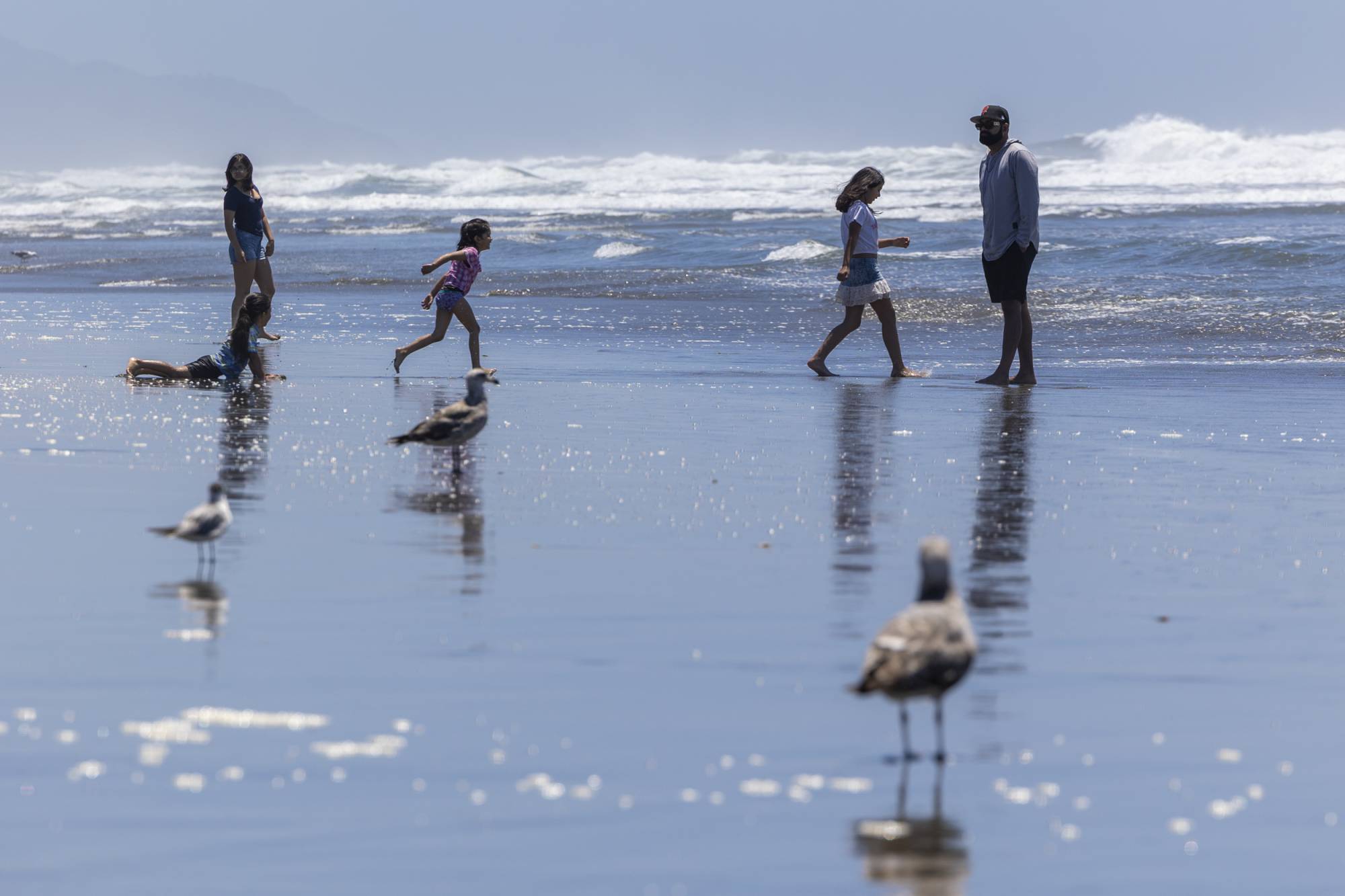
"caption": "People enjoy the water at Ocean Beach in San Francisco on June 10, 2026. This week in the Bay Area, triple-digit temperatures, wildfire danger, high tides and sneaker waves could make for a sunny and risky start to the summer season. ",
"credit": "Tâm Vũ/KQED",
"altTag": null,
"description": null,
"imgSizes": {
"medium": {
"file": "https://cdn.kqed.org/wp-content/uploads/sites/10/2026/06/260610-RISKYWX00337_TV-KQED-2000x1333.jpg",
"width": 2000,
"height": 1333,
"mimeType": "image/jpeg"
},
"large": {
"file": "https://cdn.kqed.org/wp-content/uploads/sites/10/2026/06/260610-RISKYWX00337_TV-KQED-2000x1333.jpg",
"width": 2000,
"height": 1333,
"mimeType": "image/jpeg"
},
"thumbnail": {
"file": "https://cdn.kqed.org/wp-content/uploads/sites/10/2026/06/260610-RISKYWX00337_TV-KQED-160x107.jpg",
"width": 160,
"height": 107,
"mimeType": "image/jpeg"
},
"1536x1536": {
"file": "https://cdn.kqed.org/wp-content/uploads/sites/10/2026/06/260610-RISKYWX00337_TV-KQED-1536x1024.jpg",
"width": 1536,
"height": 1024,
"mimeType": "image/jpeg"
},
"2048x2048": {
"file": "https://cdn.kqed.org/wp-content/uploads/sites/10/2026/06/260610-RISKYWX00337_TV-KQED-2048x1365.jpg",
"width": 2048,
"height": 1365,
"mimeType": "image/jpeg"
},
"post-thumbnail": {
"file": "https://cdn.kqed.org/wp-content/uploads/sites/10/2026/06/260610-RISKYWX00337_TV-KQED-672x372.jpg",
"width": 672,
"height": 372,
"mimeType": "image/jpeg"
},
"twentyfourteen-full-width": {
"file": "https://cdn.kqed.org/wp-content/uploads/sites/10/2026/06/260610-RISKYWX00337_TV-KQED-1038x576.jpg",
"width": 1038,
"height": 576,
"mimeType": "image/jpeg"
},
"full-width": {
"file": "https://cdn.kqed.org/wp-content/uploads/sites/10/2026/06/260610-RISKYWX00337_TV-KQED-2000x1333.jpg",
"width": 2000,
"height": 1333,
"mimeType": "image/jpeg"
},
"npr-cds-wide": {
"file": "https://cdn.kqed.org/wp-content/uploads/sites/10/2026/06/260610-RISKYWX00337_TV-KQED-1200x675.jpg",
"width": 1200,
"height": 675,
"mimeType": "image/jpeg"
},
"npr-cds-square": {
"file": "https://cdn.kqed.org/wp-content/uploads/sites/10/2026/06/260610-RISKYWX00337_TV-KQED-600x600.jpg",
"width": 600,
"height": 600,
"mimeType": "image/jpeg"
},
"kqedFullSize": {
"file": "https://cdn.kqed.org/wp-content/uploads/sites/10/2026/06/260610-RISKYWX00337_TV-KQED.jpg",
"width": 2500,
"height": 1666
}
},
"isLoading": false,
"fetchFailed": false
},
"news_12076408": {
"type": "attachments",
"id": "news_12076408",
"meta": {
"index": "attachments_1716263798",
"site": "news",
"id": "12076408",
"found": true
},
"title": "SFChronicleClimateChange",
"publishDate": 1773419954,
"status": "inherit",
"parent": 12076391,
"modified": 1773869901,
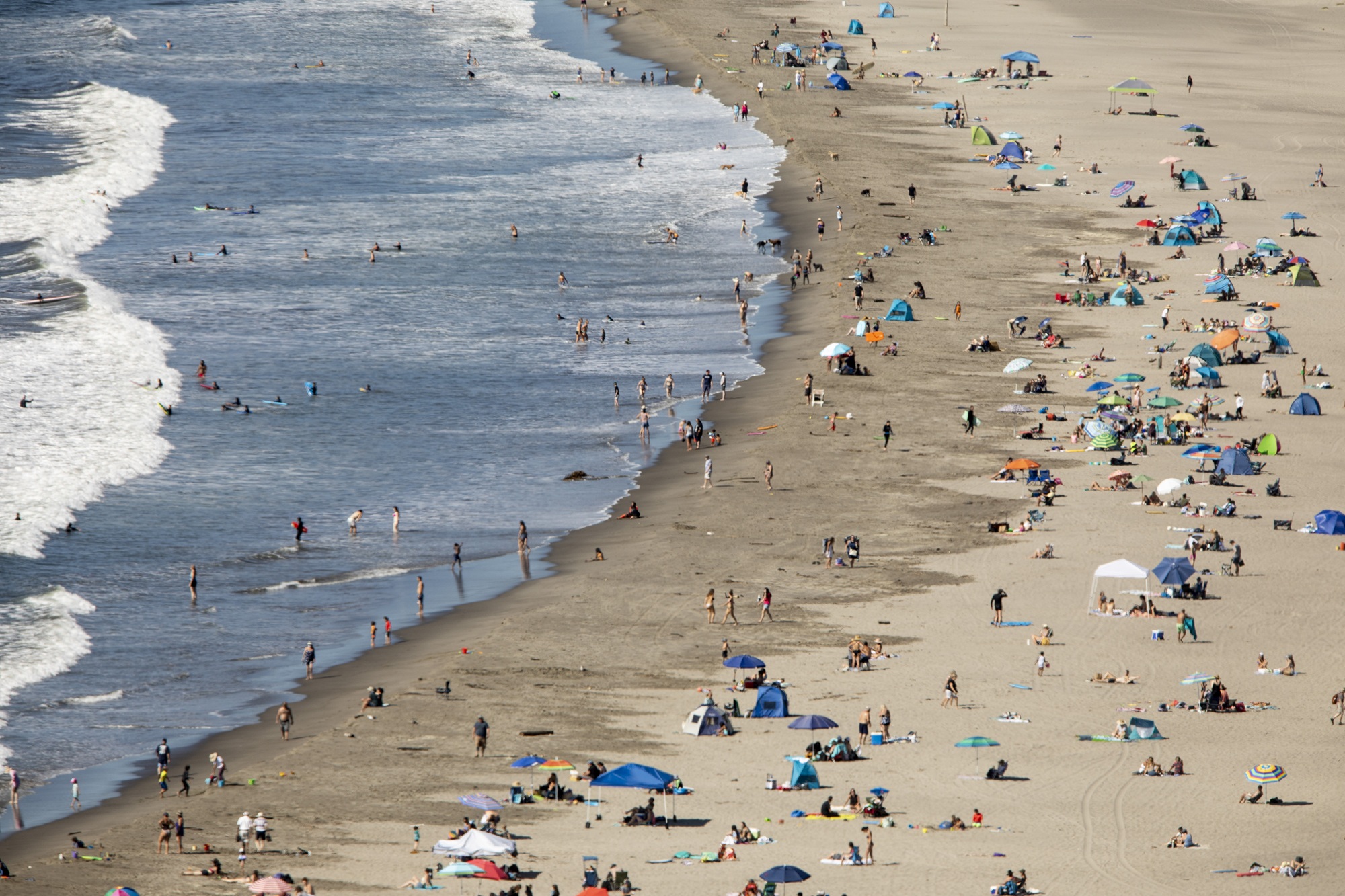
"caption": "Crowds gather to enjoy the warm weather and ocean waves at Stinson Beach in Stinson Beach, California, on Oct. 16, 2020. Temperatures across the Bay Area reached record highs this week, drawing inland residents to the coasts to beat the heat. ",
"credit": "Jessica Christian/The San Francisco Chronicle via Getty Images",
"altTag": null,
"description": null,
"imgSizes": {
"thumbnail": {
"file": "https://cdn.kqed.org/wp-content/uploads/sites/10/2026/03/SFBeachesGetty-160x107.jpg",
"width": 160,
"height": 107,
"mimeType": "image/jpeg"
},
"1536x1536": {
"file": "https://cdn.kqed.org/wp-content/uploads/sites/10/2026/03/SFBeachesGetty-1536x1024.jpg",
"width": 1536,
"height": 1024,
"mimeType": "image/jpeg"
},
"post-thumbnail": {
"file": "https://cdn.kqed.org/wp-content/uploads/sites/10/2026/03/SFBeachesGetty-672x372.jpg",
"width": 672,
"height": 372,
"mimeType": "image/jpeg"
},
"twentyfourteen-full-width": {
"file": "https://cdn.kqed.org/wp-content/uploads/sites/10/2026/03/SFBeachesGetty-1038x576.jpg",
"width": 1038,
"height": 576,
"mimeType": "image/jpeg"
},
"npr-cds-wide": {
"file": "https://cdn.kqed.org/wp-content/uploads/sites/10/2026/03/SFBeachesGetty-1200x675.jpg",
"width": 1200,
"height": 675,
"mimeType": "image/jpeg"
},
"kqedFullSize": {
"file": "https://cdn.kqed.org/wp-content/uploads/sites/10/2026/03/SFBeachesGetty.jpg",
"width": 2000,
"height": 1333
}
},
"isLoading": false,
"fetchFailed": false
},
"news_12076946": {
"type": "attachments",
"id": "news_12076946",
"meta": {
"index": "attachments_1716263798",
"site": "news",
"id": "12076946",
"found": true
},
"title": "Sun sets behind the Pigeon Point Lighthouse in California",
"publishDate": 1773868985,
"status": "inherit",
"parent": 12076857,
"modified": 1773869032,
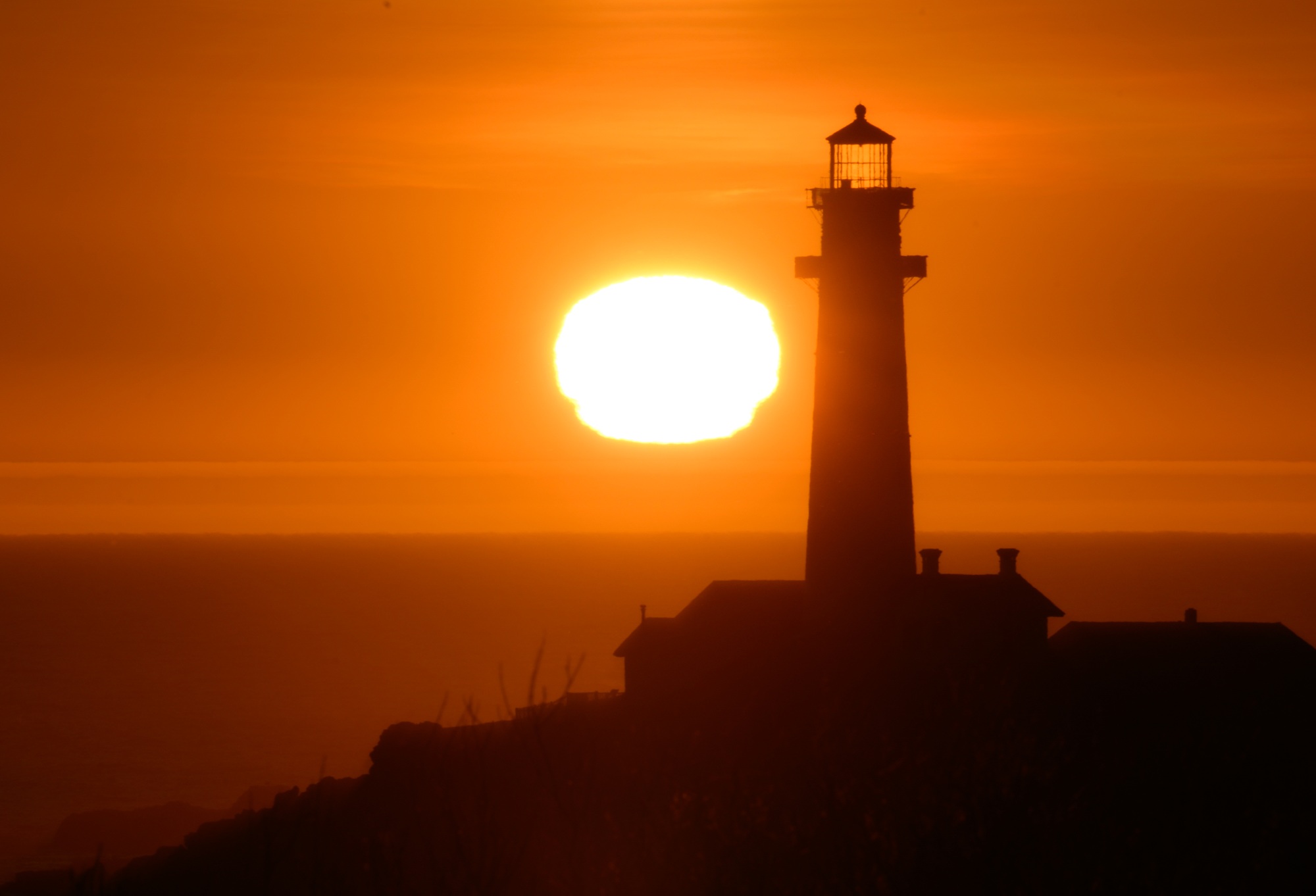
"caption": "The sun sets behind Pigeon Point Lighthouse during a heat wave in Pescadero, California, on March 17, 2026.",
"credit": "Tayfun Coskun/Anadolu via Getty Images",
"altTag": null,
"description": null,
"imgSizes": {
"thumbnail": {
"file": "https://cdn.kqed.org/wp-content/uploads/sites/10/2026/03/HeatWaveGetty1-160x109.jpg",
"width": 160,
"height": 109,
"mimeType": "image/jpeg"
},
"1536x1536": {
"file": "https://cdn.kqed.org/wp-content/uploads/sites/10/2026/03/HeatWaveGetty1-1536x1046.jpg",
"width": 1536,
"height": 1046,
"mimeType": "image/jpeg"
},
"post-thumbnail": {
"file": "https://cdn.kqed.org/wp-content/uploads/sites/10/2026/03/HeatWaveGetty1-672x372.jpg",
"width": 672,
"height": 372,
"mimeType": "image/jpeg"
},
"twentyfourteen-full-width": {
"file": "https://cdn.kqed.org/wp-content/uploads/sites/10/2026/03/HeatWaveGetty1-1038x576.jpg",
"width": 1038,
"height": 576,
"mimeType": "image/jpeg"
},
"npr-cds-wide": {
"file": "https://cdn.kqed.org/wp-content/uploads/sites/10/2026/03/HeatWaveGetty1-1200x675.jpg",
"width": 1200,
"height": 675,
"mimeType": "image/jpeg"
},
"kqedFullSize": {
"file": "https://cdn.kqed.org/wp-content/uploads/sites/10/2026/03/HeatWaveGetty1.jpg",
"width": 2000,
"height": 1362
}
},
"isLoading": false,
"fetchFailed": false
},
"news_12076617": {
"type": "attachments",
"id": "news_12076617",
"meta": {
"index": "attachments_1716263798",
"site": "news",
"id": "12076617",
"found": true
},
"title": "Inmates At California Prison Install Drought-Tolerant Garden",
"publishDate": 1773695877,
"status": "inherit",
"parent": 12076597,
"modified": 1773771357,
"caption": "California State Prison-Solano inmates install a drought-tolerant garden in the prison yard on Oct. 19, 2015, in Vacaville, California. Inmates at California State Prison-Solano installed a drought-tolerant garden as part of the Insight Garden program that teaches inmates environmental and gardening skills. The garden will be watered using reclaimed water from the prison's kitchen.",
"credit": "Justin Sullivan/Getty Images",
"altTag": null,
"description": null,
"imgSizes": {
"thumbnail": {
"file": "https://cdn.kqed.org/wp-content/uploads/sites/10/2026/03/California-State-Prison-Solano-Getty-160x105.jpg",
"width": 160,
"height": 105,
"mimeType": "image/jpeg"
},
"1536x1536": {
"file": "https://cdn.kqed.org/wp-content/uploads/sites/10/2026/03/California-State-Prison-Solano-Getty-1536x1005.jpg",
"width": 1536,
"height": 1005,
"mimeType": "image/jpeg"
},
"post-thumbnail": {
"file": "https://cdn.kqed.org/wp-content/uploads/sites/10/2026/03/California-State-Prison-Solano-Getty-672x372.jpg",
"width": 672,
"height": 372,
"mimeType": "image/jpeg"
},
"twentyfourteen-full-width": {
"file": "https://cdn.kqed.org/wp-content/uploads/sites/10/2026/03/California-State-Prison-Solano-Getty-1038x576.jpg",
"width": 1038,
"height": 576,
"mimeType": "image/jpeg"
},
"npr-cds-wide": {
"file": "https://cdn.kqed.org/wp-content/uploads/sites/10/2026/03/California-State-Prison-Solano-Getty-1200x675.jpg",
"width": 1200,
"height": 675,
"mimeType": "image/jpeg"
},
"kqedFullSize": {
"file": "https://cdn.kqed.org/wp-content/uploads/sites/10/2026/03/California-State-Prison-Solano-Getty.jpg",
"width": 2000,
"height": 1308
}
},
"isLoading": false,
"fetchFailed": false
},
"news_12055811": {
"type": "attachments",
"id": "news_12055811",
"meta": {
"index": "attachments_1716263798",
"site": "news",
"id": "12055811",
"found": true
},
"title": "250912-TRUMPSSIGNAGEORDER-35-BL-KQED",
"publishDate": 1757714622,
"status": "inherit",
"parent": 0,
"modified": 1757714770,
"caption": "Hikers walk through Muir Woods National Monument on Sept. 12, 2025. Part of the Golden Gate National Recreation Area, the monument protects one of the last old-growth coast redwood forests in the Bay Area.",
"credit": "Beth LaBerge/KQED",
"altTag": null,
"description": null,
"imgSizes": {
"thumbnail": {
"file": "https://cdn.kqed.org/wp-content/uploads/sites/10/2025/09/250912-TRUMPSSIGNAGEORDER-35-BL-KQED-160x107.jpg",
"width": 160,
"height": 107,
"mimeType": "image/jpeg"
},
"1536x1536": {
"file": "https://cdn.kqed.org/wp-content/uploads/sites/10/2025/09/250912-TRUMPSSIGNAGEORDER-35-BL-KQED-1536x1024.jpg",
"width": 1536,
"height": 1024,
"mimeType": "image/jpeg"
},
"post-thumbnail": {
"file": "https://cdn.kqed.org/wp-content/uploads/sites/10/2025/09/250912-TRUMPSSIGNAGEORDER-35-BL-KQED-672x372.jpg",
"width": 672,
"height": 372,
"mimeType": "image/jpeg"
},
"twentyfourteen-full-width": {
"file": "https://cdn.kqed.org/wp-content/uploads/sites/10/2025/09/250912-TRUMPSSIGNAGEORDER-35-BL-KQED-1038x576.jpg",
"width": 1038,
"height": 576,
"mimeType": "image/jpeg"
},
"kqedFullSize": {
"file": "https://cdn.kqed.org/wp-content/uploads/sites/10/2025/09/250912-TRUMPSSIGNAGEORDER-35-BL-KQED.jpg",
"width": 2000,
"height": 1333
}
},
"isLoading": false,
"fetchFailed": false
},
"news_12053184": {
"type": "attachments",
"id": "news_12053184",
"meta": {
"index": "attachments_1716263798",
"site": "news",
"id": "12053184",
"found": true
},
"title": "20240711_HeatFeatures-4_qed",
"publishDate": 1755806019,
"status": "inherit",
"parent": 12053125,
"modified": 1755806045,
"caption": "A mother and her 2-year-old daughter enjoy the spray grounds at Prince Gateway Park in Santa Rosa as the temperature reached 100 degrees on July 11, 2024.",
"credit": "Gina Castro/KQED",
"altTag": null,
"description": null,
"imgSizes": {
"thumbnail": {
"file": "https://cdn.kqed.org/wp-content/uploads/sites/10/2025/08/20240711_HeatFeatures-4_qed-160x106.jpg",
"width": 160,
"height": 106,
"mimeType": "image/jpeg"
},
"1536x1536": {
"file": "https://cdn.kqed.org/wp-content/uploads/sites/10/2025/08/20240711_HeatFeatures-4_qed-1536x1014.jpg",
"width": 1536,
"height": 1014,
"mimeType": "image/jpeg"
},
"post-thumbnail": {
"file": "https://cdn.kqed.org/wp-content/uploads/sites/10/2025/08/20240711_HeatFeatures-4_qed-672x372.jpg",
"width": 672,
"height": 372,
"mimeType": "image/jpeg"
},
"twentyfourteen-full-width": {
"file": "https://cdn.kqed.org/wp-content/uploads/sites/10/2025/08/20240711_HeatFeatures-4_qed-1038x576.jpg",
"width": 1038,
"height": 576,
"mimeType": "image/jpeg"
},
"kqedFullSize": {
"file": "https://cdn.kqed.org/wp-content/uploads/sites/10/2025/08/20240711_HeatFeatures-4_qed.jpg",
"width": 2000,
"height": 1320
}
},
"isLoading": false,
"fetchFailed": false
},
"news_12052956": {
"type": "attachments",
"id": "news_12052956",
"meta": {
"index": "attachments_1716263798",
"site": "news",
"id": "12052956",
"found": true
},
"title": "La Jolla Beach In San Diego",
"publishDate": 1755704830,
"status": "inherit",
"parent": 12052945,
"modified": 1755704858,
"caption": "SAN DIEGO, CALIFORNIA - AUGUST 1: People relax on the sand at La Jolla's Windansea Beach on a warm, summer day on August 1, 2025 in San Diego, California. ",
"credit": "Photo by Kevin Carter/Getty Images",
"altTag": null,
"description": null,
"imgSizes": {
"medium": {
"file": "https://cdn.kqed.org/wp-content/uploads/sites/10/2025/08/GettyImages-2227876378-2000x1333.jpg",
"width": 2000,
"height": 1333,
"mimeType": "image/jpeg"
},
"large": {
"file": "https://cdn.kqed.org/wp-content/uploads/sites/10/2025/08/GettyImages-2227876378-2000x1333.jpg",
"width": 2000,
"height": 1333,
"mimeType": "image/jpeg"
},
"thumbnail": {
"file": "https://cdn.kqed.org/wp-content/uploads/sites/10/2025/08/GettyImages-2227876378-160x107.jpg",
"width": 160,
"height": 107,
"mimeType": "image/jpeg"
},
"1536x1536": {
"file": "https://cdn.kqed.org/wp-content/uploads/sites/10/2025/08/GettyImages-2227876378-1536x1024.jpg",
"width": 1536,
"height": 1024,
"mimeType": "image/jpeg"
},
"2048x2048": {
"file": "https://cdn.kqed.org/wp-content/uploads/sites/10/2025/08/GettyImages-2227876378-2048x1365.jpg",
"width": 2048,
"height": 1365,
"mimeType": "image/jpeg"
},
"post-thumbnail": {
"file": "https://cdn.kqed.org/wp-content/uploads/sites/10/2025/08/GettyImages-2227876378-672x372.jpg",
"width": 672,
"height": 372,
"mimeType": "image/jpeg"
},
"twentyfourteen-full-width": {
"file": "https://cdn.kqed.org/wp-content/uploads/sites/10/2025/08/GettyImages-2227876378-1038x576.jpg",
"width": 1038,
"height": 576,
"mimeType": "image/jpeg"
},
"full-width": {
"file": "https://cdn.kqed.org/wp-content/uploads/sites/10/2025/08/GettyImages-2227876378-2000x1333.jpg",
"width": 2000,
"height": 1333,
"mimeType": "image/jpeg"
},
"kqedFullSize": {
"file": "https://cdn.kqed.org/wp-content/uploads/sites/10/2025/08/GettyImages-2227876378-scaled.jpg",
"width": 2560,
"height": 1707
}
},
"isLoading": false,
"fetchFailed": false
},
"news_12052401": {
"type": "attachments",
"id": "news_12052401",
"meta": {
"index": "attachments_1716263798",
"site": "news",
"id": "12052401",
"found": true
},
"title": "Bay Area Residents Cool Off At Alameda Beach During Heat Wave",
"publishDate": 1755284030,
"status": "inherit",
"parent": 12052393,
"modified": 1781119267,
"caption": "Residents lounge near the water on Alameda Beach in Alameda, California, Wednesday, Oct. 2, 2024, during an exceptional heat wave across the Bay Area and inland. ",
"credit": "Jessica Christian/San Francisco Chronicle via Getty Images",
"altTag": null,
"description": null,
"imgSizes": {
"medium": {
"file": "https://cdn.kqed.org/wp-content/uploads/sites/10/2025/08/GettyImages-2175515837-2000x1333.jpg",
"width": 2000,
"height": 1333,
"mimeType": "image/jpeg"
},
"large": {
"file": "https://cdn.kqed.org/wp-content/uploads/sites/10/2025/08/GettyImages-2175515837-2000x1333.jpg",
"width": 2000,
"height": 1333,
"mimeType": "image/jpeg"
},
"thumbnail": {
"file": "https://cdn.kqed.org/wp-content/uploads/sites/10/2025/08/GettyImages-2175515837-160x107.jpg",
"width": 160,
"height": 107,
"mimeType": "image/jpeg"
},
"1536x1536": {
"file": "https://cdn.kqed.org/wp-content/uploads/sites/10/2025/08/GettyImages-2175515837-1536x1024.jpg",
"width": 1536,
"height": 1024,
"mimeType": "image/jpeg"
},
"2048x2048": {
"file": "https://cdn.kqed.org/wp-content/uploads/sites/10/2025/08/GettyImages-2175515837-2048x1365.jpg",
"width": 2048,
"height": 1365,
"mimeType": "image/jpeg"
},
"post-thumbnail": {
"file": "https://cdn.kqed.org/wp-content/uploads/sites/10/2025/08/GettyImages-2175515837-672x372.jpg",
"width": 672,
"height": 372,
"mimeType": "image/jpeg"
},
"twentyfourteen-full-width": {
"file": "https://cdn.kqed.org/wp-content/uploads/sites/10/2025/08/GettyImages-2175515837-1038x576.jpg",
"width": 1038,
"height": 576,
"mimeType": "image/jpeg"
},
"full-width": {
"file": "https://cdn.kqed.org/wp-content/uploads/sites/10/2025/08/GettyImages-2175515837-2000x1333.jpg",
"width": 2000,
"height": 1333,
"mimeType": "image/jpeg"
},
"kqedFullSize": {
"file": "https://cdn.kqed.org/wp-content/uploads/sites/10/2025/08/GettyImages-2175515837-scaled-e1781119253267.jpg",
"width": 2000,
"height": 1333
}
},
"isLoading": false,
"fetchFailed": false
},
"news_12047560": {
"type": "attachments",
"id": "news_12047560",
"meta": {
"index": "attachments_1716263798",
"site": "news",
"id": "12047560",
"found": true
},
"title": "Warm weather in San Francisco",
"publishDate": 1752169948,
"status": "inherit",
"parent": 12047555,
"modified": 1752170148,
"caption": "People enjoying the sun at the Palace of Fine Arts as a heat wave rolls through San Francisco on July 11, 2024. ",
"credit": "Tayfun Coskun/Anadolu via Getty Images",
"altTag": null,
"description": null,
"imgSizes": {
"thumbnail": {
"file": "https://cdn.kqed.org/wp-content/uploads/sites/10/2025/07/Heat-Wave-SF-Getty-160x109.jpg",
"width": 160,
"height": 109,
"mimeType": "image/jpeg"
},
"1536x1536": {
"file": "https://cdn.kqed.org/wp-content/uploads/sites/10/2025/07/Heat-Wave-SF-Getty-1536x1043.jpg",
"width": 1536,
"height": 1043,
"mimeType": "image/jpeg"
},
"post-thumbnail": {
"file": "https://cdn.kqed.org/wp-content/uploads/sites/10/2025/07/Heat-Wave-SF-Getty-672x372.jpg",
"width": 672,
"height": 372,
"mimeType": "image/jpeg"
},
"twentyfourteen-full-width": {
"file": "https://cdn.kqed.org/wp-content/uploads/sites/10/2025/07/Heat-Wave-SF-Getty-1038x576.jpg",
"width": 1038,
"height": 576,
"mimeType": "image/jpeg"
},
"kqedFullSize": {
"file": "https://cdn.kqed.org/wp-content/uploads/sites/10/2025/07/Heat-Wave-SF-Getty.jpg",
"width": 2000,
"height": 1358
}
},
"isLoading": false,
"fetchFailed": false
},
"news_12032747": {
"type": "attachments",
"id": "news_12032747",
"meta": {
"index": "attachments_1716263798",
"site": "news",
"id": "12032747",
"found": true
},
"title": "heatwave",
"publishDate": 1742838898,
"status": "inherit",
"parent": 12032741,
"modified": 1742838936,
"caption": "Siblings enjoy the spray grounds at Prince Gateway Park in Santa Rosa as the temperature reached 100 degrees on July 11, 2024.",
"credit": "Gina Castro/KQED",
"altTag": null,
"description": null,
"imgSizes": {
"medium": {
"file": "https://cdn.kqed.org/wp-content/uploads/sites/10/2025/03/heatwave-800x546.jpg",
"width": 800,
"height": 546,
"mimeType": "image/jpeg"
},
"large": {
"file": "https://cdn.kqed.org/wp-content/uploads/sites/10/2025/03/heatwave-1020x696.jpg",
"width": 1020,
"height": 696,
"mimeType": "image/jpeg"
},
"thumbnail": {
"file": "https://cdn.kqed.org/wp-content/uploads/sites/10/2025/03/heatwave-160x109.jpg",
"width": 160,
"height": 109,
"mimeType": "image/jpeg"
},
"1536x1536": {
"file": "https://cdn.kqed.org/wp-content/uploads/sites/10/2025/03/heatwave-1536x1048.jpg",
"width": 1536,
"height": 1048,
"mimeType": "image/jpeg"
},
"post-thumbnail": {
"file": "https://cdn.kqed.org/wp-content/uploads/sites/10/2025/03/heatwave-672x372.jpg",
"width": 672,
"height": 372,
"mimeType": "image/jpeg"
},
"twentyfourteen-full-width": {
"file": "https://cdn.kqed.org/wp-content/uploads/sites/10/2025/03/heatwave-1038x576.jpg",
"width": 1038,
"height": 576,
"mimeType": "image/jpeg"
},
"full-width": {
"file": "https://cdn.kqed.org/wp-content/uploads/sites/10/2025/03/heatwave-1920x1309.jpg",
"width": 1920,
"height": 1309,
"mimeType": "image/jpeg"
},
"kqedFullSize": {
"file": "https://cdn.kqed.org/wp-content/uploads/sites/10/2025/03/heatwave.jpg",
"width": 2000,
"height": 1364
}
},
"isLoading": false,
"fetchFailed": false
},
"news_12007456": {
"type": "attachments",
"id": "news_12007456",
"meta": {
"index": "attachments_1716263798",
"site": "news",
"id": "12007456",
"found": true
},
"title": "Beachgoers During Heat Wave At Crissy Field In San Francisco, California",
"publishDate": 1727893031,
"status": "inherit",
"parent": 11878134,
"modified": 1727893064,
"caption": "Douglas Williams leads his son, DJ, 2, through a pool of water at Crissy Field in San Francisco on Tuesday, October 1, 2024. ",
"credit": "Scott Strazzante/San Francisco Chronicle via Getty Images",
"altTag": null,
"description": null,
"imgSizes": {
"medium": {
"file": "https://cdn.kqed.org/wp-content/uploads/sites/10/2024/09/GettyImages-2175344883-800x534.jpg",
"width": 800,
"height": 534,
"mimeType": "image/jpeg"
},
"large": {
"file": "https://cdn.kqed.org/wp-content/uploads/sites/10/2024/09/GettyImages-2175344883-1020x680.jpg",
"width": 1020,
"height": 680,
"mimeType": "image/jpeg"
},
"thumbnail": {
"file": "https://cdn.kqed.org/wp-content/uploads/sites/10/2024/09/GettyImages-2175344883-160x107.jpg",
"width": 160,
"height": 107,
"mimeType": "image/jpeg"
},
"1536x1536": {
"file": "https://cdn.kqed.org/wp-content/uploads/sites/10/2024/09/GettyImages-2175344883-1536x1025.jpg",
"width": 1536,
"height": 1025,
"mimeType": "image/jpeg"
},
"2048x2048": {
"file": "https://cdn.kqed.org/wp-content/uploads/sites/10/2024/09/GettyImages-2175344883-2048x1366.jpg",
"width": 2048,
"height": 1366,
"mimeType": "image/jpeg"
},
"post-thumbnail": {
"file": "https://cdn.kqed.org/wp-content/uploads/sites/10/2024/09/GettyImages-2175344883-672x372.jpg",
"width": 672,
"height": 372,
"mimeType": "image/jpeg"
},
"twentyfourteen-full-width": {
"file": "https://cdn.kqed.org/wp-content/uploads/sites/10/2024/09/GettyImages-2175344883-1038x576.jpg",
"width": 1038,
"height": 576,
"mimeType": "image/jpeg"
},
"full-width": {
"file": "https://cdn.kqed.org/wp-content/uploads/sites/10/2024/09/GettyImages-2175344883-1920x1281.jpg",
"width": 1920,
"height": 1281,
"mimeType": "image/jpeg"
},
"kqedFullSize": {
"file": "https://cdn.kqed.org/wp-content/uploads/sites/10/2024/09/GettyImages-2175344883-scaled-e1773420511511.jpg",
"width": 2000,
"height": 1334
}
},
"isLoading": false,
"fetchFailed": false
},
"news_12007305": {
"type": "attachments",
"id": "news_12007305",
"meta": {
"index": "attachments_1716263798",
"site": "news",
"id": "12007305",
"found": true
},
"title": "092324_Oakland-Schools-AC_LA_CM_17",
"publishDate": 1727804390,
"status": "inherit",
"parent": 12007297,
"modified": 1727806225,
"caption": "Students play in the shade during recess in the schoolyard of La Escuelita Elementary School in Oakland on Sept. 23, 2024.",
"credit": "Laure Andrillon/CalMatters",
"altTag": "Children sit in a schoolyard at a table under a white umbrella.",
"description": null,
"imgSizes": {
"medium": {
"file": "https://cdn.kqed.org/wp-content/uploads/sites/10/2024/10/092324_Oakland-Schools-AC_LA_CM_17-800x533.jpeg",
"width": 800,
"height": 533,
"mimeType": "image/jpeg"
},
"large": {
"file": "https://cdn.kqed.org/wp-content/uploads/sites/10/2024/10/092324_Oakland-Schools-AC_LA_CM_17-1020x680.jpeg",
"width": 1020,
"height": 680,
"mimeType": "image/jpeg"
},
"thumbnail": {
"file": "https://cdn.kqed.org/wp-content/uploads/sites/10/2024/10/092324_Oakland-Schools-AC_LA_CM_17-160x107.jpeg",
"width": 160,
"height": 107,
"mimeType": "image/jpeg"
},
"1536x1536": {
"file": "https://cdn.kqed.org/wp-content/uploads/sites/10/2024/10/092324_Oakland-Schools-AC_LA_CM_17-1536x1024.jpeg",
"width": 1536,
"height": 1024,
"mimeType": "image/jpeg"
},
"post-thumbnail": {
"file": "https://cdn.kqed.org/wp-content/uploads/sites/10/2024/10/092324_Oakland-Schools-AC_LA_CM_17-672x372.jpeg",
"width": 672,
"height": 372,
"mimeType": "image/jpeg"
},
"twentyfourteen-full-width": {
"file": "https://cdn.kqed.org/wp-content/uploads/sites/10/2024/10/092324_Oakland-Schools-AC_LA_CM_17-1038x576.jpeg",
"width": 1038,
"height": 576,
"mimeType": "image/jpeg"
},
"full-width": {
"file": "https://cdn.kqed.org/wp-content/uploads/sites/10/2024/10/092324_Oakland-Schools-AC_LA_CM_17-1920x1280.jpeg",
"width": 1920,
"height": 1280,
"mimeType": "image/jpeg"
},
"kqedFullSize": {
"file": "https://cdn.kqed.org/wp-content/uploads/sites/10/2024/10/092324_Oakland-Schools-AC_LA_CM_17.jpeg",
"width": 2000,
"height": 1333
}
},
"isLoading": false,
"fetchFailed": false
}
},
"audioPlayerReducer": {
"postId": "stream_live",
"isPaused": true,
"isPlaying": false,
"pfsActive": false,
"pledgeModalIsOpen": true,
"playerDrawerIsOpen": false,
"liveAudioPlayStartedAt": 0,
"liveAudioPlayContext": ""
},
"authorsReducer": {
"byline_news_12007297": {
"type": "authors",
"id": "byline_news_12007297",
"meta": {
"override": true
},
"slug": "byline_news_12007297",
"name": "\u003ca href=\"https://calmatters.org/author/alejandra-reyesvelarde/\">Alejandra Reyes-Velarde\u003c/a>, CalMatters",
"isLoading": false
},
"carlysevern": {
"type": "authors",
"id": "3243",
"meta": {
"index": "authors_1716337520",
"id": "3243",
"found": true
},
"name": "Carly Severn",
"firstName": "Carly",
"lastName": "Severn",
"slug": "carlysevern",
"email": "csevern@kqed.org",
"display_author_email": false,
"staff_mastheads": [
"news"
],
"title": "Senior Editor, Audience News ",
"bio": "Carly is KQED's Senior Editor of Audience News on the Digital News team, and has reported for the California Report Magazine, Bay Curious and KQED Arts. She's formerly the host of \u003ca href=\"http://ww2.kqed.org/pop/category/the-cooler/\" rel=\"noopener noreferrer\">The Cooler\u003c/a> podcast.",
"avatar": "https://secure.gravatar.com/avatar/54037bf5c128fe678f0ef26cec97a93f2e7f220a22d7285703328f12c42c1b1d?s=600&d=blank&r=g",
"twitter": "teacupinthebay",
"bluesky": null,
"facebook": null,
"instagram": null,
"linkedin": null,
"sites": [
{
"site": "",
"roles": [
"editor"
]
},
{
"site": "arts",
"roles": [
"editor"
]
},
{
"site": "news",
"roles": [
"administrator"
]
},
{
"site": "pop",
"roles": [
"editor"
]
},
{
"site": "futureofyou",
"roles": [
"editor"
]
},
{
"site": "about",
"roles": [
"administrator"
]
},
{
"site": "mindshift",
"roles": [
"editor"
]
},
{
"site": "bayareabites",
"roles": [
"editor"
]
},
{
"site": "stateofhealth",
"roles": [
"editor"
]
},
{
"site": "science",
"roles": [
"editor"
]
},
{
"site": "food",
"roles": [
"contributor"
]
},
{
"site": "forum",
"roles": [
"editor"
]
},
{
"site": "perspectives",
"roles": [
"administrator"
]
},
{
"site": "liveblog",
"roles": [
"editor"
]
}
],
"headData": {
"title": "Carly Severn | KQED",
"description": "Senior Editor, Audience News ",
"ogImgSrc": "https://secure.gravatar.com/avatar/54037bf5c128fe678f0ef26cec97a93f2e7f220a22d7285703328f12c42c1b1d?s=600&d=blank&r=g",
"twImgSrc": "https://secure.gravatar.com/avatar/54037bf5c128fe678f0ef26cec97a93f2e7f220a22d7285703328f12c42c1b1d?s=600&d=blank&r=g"
},
"isLoading": false,
"link": "/author/carlysevern"
},
"fjhabvala": {
"type": "authors",
"id": "8659",
"meta": {
"index": "authors_1716337520",
"id": "8659",
"found": true
},
"name": "Farida Jhabvala Romero",
"firstName": "Farida",
"lastName": "Jhabvala Romero",
"slug": "fjhabvala",
"email": "fjhabvala@kqed.org",
"display_author_email": true,
"staff_mastheads": [
"news"
],
"title": "KQED Contributor",
"bio": "Farida Jhabvala Romero is a Labor Correspondent for KQED. She previously covered immigration. Farida was \u003ca href=\"https://www.ccnma.org/2022-most-influential-latina-journalists\">named\u003c/a> one of the 10 Most Influential Latina Journalists in California in 2022 by the California Chicano News Media Association. Her work has won awards from the Society of Professional Journalists (Northern California), as well as a national and regional Edward M. Murrow Award for the collaborative reporting projects “Dangerous Air” and “Graying California.” Before joining KQED, Farida worked as a producer at Radio Bilingüe, a national public radio network. Farida earned her master’s degree in journalism from Stanford University.",
"avatar": "https://secure.gravatar.com/avatar/f9f022d4e2609741874222a1e9d41f48fea74011aa7c615eef91d9a50c944ebe?s=600&d=blank&r=g",
"twitter": "FaridaJhabvala",
"bluesky": null,
"facebook": null,
"instagram": null,
"linkedin": "https://www.linkedin.com/in/faridajhabvala/",
"sites": [
{
"site": "news",
"roles": [
"editor"
]
},
{
"site": "stateofhealth",
"roles": [
"author"
]
},
{
"site": "liveblog",
"roles": [
"author"
]
}
],
"headData": {
"title": "Farida Jhabvala Romero | KQED",
"description": "KQED Contributor",
"ogImgSrc": "https://secure.gravatar.com/avatar/f9f022d4e2609741874222a1e9d41f48fea74011aa7c615eef91d9a50c944ebe?s=600&d=blank&r=g",
"twImgSrc": "https://secure.gravatar.com/avatar/f9f022d4e2609741874222a1e9d41f48fea74011aa7c615eef91d9a50c944ebe?s=600&d=blank&r=g"
},
"isLoading": false,
"link": "/author/fjhabvala"
},
"mpeterson": {
"type": "authors",
"id": "11223",
"meta": {
"index": "authors_1716337520",
"id": "11223",
"found": true
},
"name": "Molly Peterson",
"firstName": "Molly",
"lastName": "Peterson",
"slug": "mpeterson",
"email": "mpeterson@kqed.org",
"display_author_email": false,
"staff_mastheads": [],
"title": null,
"bio": "Molly Peterson reports for KQED science and news on climate change, catastrophe and risk. Previously she was environment correspondent at Southern California Public Radio. Her work has also appeared at The New York Times, The Guardian, on NPR, at High Country News, on Code Switch, and other national outlets. She has been honored with awards from Public Radio News Directors Incorporated, Investigative Reporters and Editors, the Society for Professional Journalists, the Los Angeles Press Club, and RTNDA Edward R. Murrow awards, among others.",
"avatar": "https://secure.gravatar.com/avatar/7908e2807131f776cc8165c649530b05?s=600&d=blank&r=g",
"twitter": "Mollydacious",
"facebook": null,
"instagram": "https://www.instagram.com/radiomolly/",
"linkedin": null,
"sites": [
{
"site": "news",
"roles": [
"subscriber"
]
},
{
"site": "futureofyou",
"roles": [
"editor"
]
},
{
"site": "science",
"roles": [
"editor"
]
}
],
"headData": {
"title": "Molly Peterson | KQED",
"description": null,
"ogImgSrc": "https://secure.gravatar.com/avatar/7908e2807131f776cc8165c649530b05?s=600&d=blank&r=g",
"twImgSrc": "https://secure.gravatar.com/avatar/7908e2807131f776cc8165c649530b05?s=600&d=blank&r=g"
},
"isLoading": false,
"link": "/author/mpeterson"
},
"kevinstark": {
"type": "authors",
"id": "11608",
"meta": {
"index": "authors_1716337520",
"id": "11608",
"found": true
},
"name": "Kevin Stark",
"firstName": "Kevin",
"lastName": "Stark",
"slug": "kevinstark",
"email": "kstark@kqed.org",
"display_author_email": true,
"staff_mastheads": [
"science"
],
"title": "Senior Editor",
"bio": "Kevin is a senior editor for KQED Science, managing the station's health and climate desks. His journalism career began in the Pacific Northwest, and he later became a lead reporter for the San Francisco Public Press. His work has appeared in Pacific Standard magazine, the Energy News Network, the Center for Investigative Reporting's Reveal and WBEZ in Chicago. Kevin joined KQED in 2019, and has covered issues related to energy, wildfire, climate change and the environment.",
"avatar": "https://secure.gravatar.com/avatar/365aaa4b597d3a8374f67504ff0facd323d7906e8eb4be0a7efd2427408e802c?s=600&d=blank&r=g",
"twitter": "starkkev",
"bluesky": null,
"facebook": null,
"instagram": null,
"linkedin": null,
"sites": [
{
"site": "",
"roles": [
"editor"
]
},
{
"site": "news",
"roles": [
"editor"
]
},
{
"site": "science",
"roles": [
"administrator"
]
}
],
"headData": {
"title": "Kevin Stark | KQED",
"description": "Senior Editor",
"ogImgSrc": "https://secure.gravatar.com/avatar/365aaa4b597d3a8374f67504ff0facd323d7906e8eb4be0a7efd2427408e802c?s=600&d=blank&r=g",
"twImgSrc": "https://secure.gravatar.com/avatar/365aaa4b597d3a8374f67504ff0facd323d7906e8eb4be0a7efd2427408e802c?s=600&d=blank&r=g"
},
"isLoading": false,
"link": "/author/kevinstark"
},
"ccabreralomeli": {
"type": "authors",
"id": "11708",
"meta": {
"index": "authors_1716337520",
"id": "11708",
"found": true
},
"name": "Carlos Cabrera-Lomelí",
"firstName": "Carlos",
"lastName": "Cabrera-Lomelí",
"slug": "ccabreralomeli",
"email": "ccabreralomeli@KQED.org",
"display_author_email": true,
"staff_mastheads": [
"news"
],
"title": "Community Reporter",
"bio": "Carlos Cabrera-Lomelí is a community reporter with KQED's digital engagement team. He also reports and co-produces for KQED's bilingual news hub KQED en Español. He grew up in San Francisco's Mission District and has previously worked with Univision, 48 Hills and REFORMA in Mexico City.",
"avatar": "https://secure.gravatar.com/avatar/c309be9665e484f887b818c89e273ecc673004f426f36b24d00a4d813a2e0518?s=600&d=blank&r=g",
"twitter": "@LomeliCabrera",
"bluesky": null,
"facebook": null,
"instagram": null,
"linkedin": null,
"sites": [
{
"site": "arts",
"roles": [
"editor"
]
},
{
"site": "news",
"roles": [
"editor"
]
},
{
"site": "about",
"roles": [
"editor"
]
},
{
"site": "science",
"roles": [
"editor"
]
},
{
"site": "perspectives",
"roles": [
"editor"
]
},
{
"site": "elections",
"roles": [
"editor"
]
},
{
"site": "liveblog",
"roles": [
"contributor"
]
}
],
"headData": {
"title": "Carlos Cabrera-Lomelí | KQED",
"description": "Community Reporter",
"ogImgSrc": "https://secure.gravatar.com/avatar/c309be9665e484f887b818c89e273ecc673004f426f36b24d00a4d813a2e0518?s=600&d=blank&r=g",
"twImgSrc": "https://secure.gravatar.com/avatar/c309be9665e484f887b818c89e273ecc673004f426f36b24d00a4d813a2e0518?s=600&d=blank&r=g"
},
"isLoading": false,
"link": "/author/ccabreralomeli"
},
"kmizuguchi": {
"type": "authors",
"id": "11739",
"meta": {
"index": "authors_1716337520",
"id": "11739",
"found": true
},
"name": "Keith Mizuguchi",
"firstName": "Keith",
"lastName": "Mizuguchi",
"slug": "kmizuguchi",
"email": "kmizuguchi@kqed.org",
"display_author_email": false,
"staff_mastheads": [],
"title": "KQED Contributor",
"bio": null,
"avatar": "https://secure.gravatar.com/avatar/64d8a7de0723d4099b9fe4e915136103febcc20809abce228ee4415bcb237023?s=600&d=blank&r=g",
"twitter": null,
"bluesky": null,
"facebook": null,
"instagram": null,
"linkedin": null,
"sites": [
{
"site": "news",
"roles": [
"editor"
]
},
{
"site": "science",
"roles": [
"editor"
]
}
],
"headData": {
"title": "Keith Mizuguchi | KQED",
"description": "KQED Contributor",
"ogImgSrc": "https://secure.gravatar.com/avatar/64d8a7de0723d4099b9fe4e915136103febcc20809abce228ee4415bcb237023?s=600&d=blank&r=g",
"twImgSrc": "https://secure.gravatar.com/avatar/64d8a7de0723d4099b9fe4e915136103febcc20809abce228ee4415bcb237023?s=600&d=blank&r=g"
},
"isLoading": false,
"link": "/author/kmizuguchi"
},
"eromero": {
"type": "authors",
"id": "11746",
"meta": {
"index": "authors_1716337520",
"id": "11746",
"found": true
},
"name": "Ezra David Romero",
"firstName": "Ezra David",
"lastName": "Romero",
"slug": "eromero",
"email": "eromero@kqed.org",
"display_author_email": true,
"staff_mastheads": [
"news",
"science"
],
"title": "Climate Reporter",
"bio": "Ezra David Romero is a climate reporter for KQED News. He covers the absence and excess of water in the Bay Area — think sea level rise, flooding and drought. For nearly a decade he’s covered how warming temperatures are altering the lives of Californians. He’s reported on farmers worried their pistachio trees aren’t getting enough sleep, families desperate for water, scientists studying dying giant sequoias, and alongside firefighters containing wildfires. His work has appeared on local stations across California and nationally on public radio shows like Morning Edition, Here and Now, All Things Considered and Science Friday. ",
"avatar": "https://secure.gravatar.com/avatar/c76404d287c10ed40224227551ac36e24352c7306f106632caf6fead76f8801f?s=600&d=blank&r=g",
"twitter": "ezraromero",
"bluesky": null,
"facebook": null,
"instagram": null,
"linkedin": null,
"sites": [
{
"site": "arts",
"roles": [
"editor"
]
},
{
"site": "news",
"roles": [
"editor"
]
},
{
"site": "science",
"roles": [
"editor"
]
},
{
"site": "liveblog",
"roles": [
"author"
]
}
],
"headData": {
"title": "Ezra David Romero | KQED",
"description": "Climate Reporter",
"ogImgSrc": "https://secure.gravatar.com/avatar/c76404d287c10ed40224227551ac36e24352c7306f106632caf6fead76f8801f?s=600&d=blank&r=g",
"twImgSrc": "https://secure.gravatar.com/avatar/c76404d287c10ed40224227551ac36e24352c7306f106632caf6fead76f8801f?s=600&d=blank&r=g"
},
"isLoading": false,
"link": "/author/eromero"
},
"kdebenedetti": {
"type": "authors",
"id": "11913",
"meta": {
"index": "authors_1716337520",
"id": "11913",
"found": true
},
"name": "Katie DeBenedetti",
"firstName": "Katie",
"lastName": "DeBenedetti",
"slug": "kdebenedetti",
"email": "kdebenedetti@kqed.org",
"display_author_email": false,
"staff_mastheads": [
"news",
"science"
],
"title": "KQED Contributor",
"bio": "Katie DeBenedetti is a digital reporter covering daily news for the Express Desk. Prior to joining KQED as a culture reporting intern in January 2024, she covered education and city government for the Napa Valley Register.",
"avatar": "https://secure.gravatar.com/avatar/6e31073cb8f7e4214ab03f42771d0f45?s=600&d=blank&r=g",
"twitter": null,
"facebook": null,
"instagram": null,
"linkedin": null,
"sites": [
{
"site": "news",
"roles": [
"author"
]
},
{
"site": "science",
"roles": [
"author"
]
},
{
"site": "liveblog",
"roles": [
"author"
]
}
],
"headData": {
"title": "Katie DeBenedetti | KQED",
"description": "KQED Contributor",
"ogImgSrc": "https://secure.gravatar.com/avatar/6e31073cb8f7e4214ab03f42771d0f45?s=600&d=blank&r=g",
"twImgSrc": "https://secure.gravatar.com/avatar/6e31073cb8f7e4214ab03f42771d0f45?s=600&d=blank&r=g"
},
"isLoading": false,
"link": "/author/kdebenedetti"
},
"gzada": {
"type": "authors",
"id": "11929",
"meta": {
"index": "authors_1716337520",
"id": "11929",
"found": true
},
"name": "Gilare Zada",
"firstName": "Gilare",
"lastName": "Zada",
"slug": "gzada",
"email": "gzada@kqed.org",
"display_author_email": true,
"staff_mastheads": [
"news"
],
"title": null,
"bio": "Gilare Zada is a Kurdish-American from San Diego, CA. Storytelling, fitness, and binge reading are some of her passions outside of news reporting. Her work has appeared in Mission Local, the Peninsula Press, the San Francisco Press Club, and more. She also writes as a class correspondent for the Stanford Magazine - go Card!",
"avatar": "https://secure.gravatar.com/avatar/33a75f2b947669a488a805edec3fbf3838c1cedaedda710e983770633b4d6a75?s=600&d=blank&r=g",
"twitter": null,
"bluesky": null,
"facebook": null,
"instagram": null,
"linkedin": null,
"sites": [
{
"site": "",
"roles": [
"editor"
]
},
{
"site": "arts",
"roles": [
"editor"
]
},
{
"site": "news",
"roles": [
"administrator"
]
},
{
"site": "science",
"roles": [
"editor"
]
}
],
"headData": {
"title": "Gilare Zada | KQED",
"description": null,
"ogImgSrc": "https://secure.gravatar.com/avatar/33a75f2b947669a488a805edec3fbf3838c1cedaedda710e983770633b4d6a75?s=600&d=blank&r=g",
"twImgSrc": "https://secure.gravatar.com/avatar/33a75f2b947669a488a805edec3fbf3838c1cedaedda710e983770633b4d6a75?s=600&d=blank&r=g"
},
"isLoading": false,
"link": "/author/gzada"
},
"sarahwright": {
"type": "authors",
"id": "11956",
"meta": {
"index": "authors_1716337520",
"id": "11956",
"found": true
},
"name": "Sarah Wright",
"firstName": "Sarah",
"lastName": "Wright",
"slug": "sarahwright",
"email": "swright@kqed.org",
"display_author_email": true,
"staff_mastheads": [],
"title": "Outdoors Engagement Reporter",
"bio": "Sarah Wright is KQED's Outdoors Engagement Reporter. Originally from Lake Tahoe, she completed a thru-hike of the Pacific Crest Trail in 2019 and was a U.S. Fulbright Program grantee to Argentina in 2023. Her journalism has appeared in The Guardian, The San Francisco Standard, The Palo Alto Weekly and the Half Moon Bay Review.",
"avatar": "https://secure.gravatar.com/avatar/c161a3d6441865cba25e6db4fa561099ad665799e9432e34da2b84d7e371524c?s=600&d=blank&r=g",
"twitter": null,
"bluesky": null,
"facebook": null,
"instagram": null,
"linkedin": null,
"sites": [
{
"site": "arts",
"roles": [
"editor"
]
},
{
"site": "news",
"roles": [
"editor"
]
},
{
"site": "science",
"roles": [
"contributor",
"author"
]
},
{
"site": "forum",
"roles": [
"editor"
]
}
],
"headData": {
"title": "Sarah Wright | KQED",
"description": "Outdoors Engagement Reporter",
"ogImgSrc": "https://secure.gravatar.com/avatar/c161a3d6441865cba25e6db4fa561099ad665799e9432e34da2b84d7e371524c?s=600&d=blank&r=g",
"twImgSrc": "https://secure.gravatar.com/avatar/c161a3d6441865cba25e6db4fa561099ad665799e9432e34da2b84d7e371524c?s=600&d=blank&r=g"
},
"isLoading": false,
"link": "/author/sarahwright"
}
},
"pagesReducer": {
"news_tag_heat-wave": {
"type": "terms",
"id": "news_18578",
"meta": {
"index": "terms_1716263798",
"site": "news",
"id": "18578",
"score": 9.560098
},
"featImg": null,
"name": "heat wave",
"description": null,
"taxonomy": "tag",
"headData": {
"twImgId": null,
"twTitle": null,
"ogTitle": null,
"ogImgId": null,
"twDescription": null,
"description": null,
"title": "heat wave Archives | KQED News",
"ogDescription": null
},
"ttid": 18595,
"slug": "heat-wave",
"isLoading": false,
"title": "heat wave",
"pageMeta": {
"site": "news",
"WpPageTemplate": "page-topic-editorial",
"currentPage": 2
},
"blocks": [
{
"blockName": "kqed/post-list",
"attrs": {
"layout": "cardArticle2",
"query": "posts/news?tag=heat-wave",
"seeMore": false,
"paginated": true,
"page": 2
}
},
{
"blockName": "kqed/ad"
}
]
}
},
"pfsSessionReducer": {},
"postsReducer": {
"stream_live": {
"type": "live",
"id": "stream_live",
"audioUrl": "https://hls.kqed.org/hls/kqed_app/playlist.m3u8",
"title": "Live Stream",
"excerpt": "Live Stream information currently unavailable.",
"link": "/radio",
"featImg": "",
"label": {
"name": "KQED Live",
"link": "/"
}
},
"stream_kqedNewscast": {
"type": "posts",
"id": "stream_kqedNewscast",
"audioUrl": "https://www.kqed.org/.stream/anon/radio/RDnews/newscast.mp3?_=1",
"title": "KQED Newscast",
"featImg": "",
"label": {
"name": "88.5 FM",
"link": "/"
}
},
"news_12086933": {
"type": "posts",
"id": "news_12086933",
"meta": {
"index": "posts_1716263798",
"site": "news",
"id": "12086933",
"score": null,
"sort": [
1781135138000
]
},
"guestAuthors": [],
"slug": "bay-area-faces-a-weather-quadfecta-heat-fire-risk-flooding-and-powerful-waves",
"title": "Bay Area Faces a Weather ‘Quadfecta’: Heat, Fire Risk, Flooding and Powerful Waves",
"publishDate": 1781135138,
"format": "standard",
"headTitle": "Bay Area Faces a Weather ‘Quadfecta’: Heat, Fire Risk, Flooding and Powerful Waves | KQED",
"labelTerm": {
"site": "news"
},
"content": "\u003cp>The \u003ca href=\"https://www.kqed.org/news/tag/bay-area\">Bay Area \u003c/a>is about to experience a quadfecta of \u003ca href=\"https://www.kqed.org/science/2001255/bay-area-warm-up-could-bring-100-degree-heat-and-high-wildfire-risk\">hot weather\u003c/a> and climate effects this week — high temperatures, fire danger, sneaker waves and high tides.\u003c/p>\n\u003cp>As a ridge of higher pressure builds over the region, Bay Area National Weather Service meteorologists forecast high heat to peak on Thursday.\u003c/p>\n\u003cp>“Thursday is going to be the hottest day and almost 15 to 25 degrees above normal for this time of year,” said Lamont Bain, a meteorologist with the weather service’s Bay Area office. “It’s going to certainly be pretty warm to downright hot for some people.”\u003c/p>\n\u003cp>[ad fullwidth]\u003c/p>\n\u003cp>On Wednesday, temperatures will range from the 80s to 90s in inland areas, with the warmest spots reaching the triple digits, including Concord, Napa and Sonoma. Forecasters expect the ridge to keep the marine layer at bay overnight.\u003c/p>\n\u003cp>By Thursday, meteorologists forecast temperatures to soar into the 90s or low 100s in inland valleys, including Santa Rosa and San José. The warmest spots — in rural Contra Costa County — could reach around 105 degrees. Temperatures across the Bay will range from the 80s to mid-90s.\u003c/p>\n\u003cfigure id=\"attachment_12087080\" class=\"wp-caption aligncenter\" style=\"max-width: 2500px\">\u003cimg loading=\"lazy\" decoding=\"async\" class=\"size-full wp-image-12087080\" src=\"https://cdn.kqed.org/wp-content/uploads/sites/10/2026/06/260610-RISKYWX00193_TV-KQED.jpg\" alt=\"\" width=\"2500\" height=\"1667\" srcset=\"https://cdn.kqed.org/wp-content/uploads/sites/10/2026/06/260610-RISKYWX00193_TV-KQED.jpg 2500w, https://cdn.kqed.org/wp-content/uploads/sites/10/2026/06/260610-RISKYWX00193_TV-KQED-2000x1334.jpg 2000w, https://cdn.kqed.org/wp-content/uploads/sites/10/2026/06/260610-RISKYWX00193_TV-KQED-160x107.jpg 160w, https://cdn.kqed.org/wp-content/uploads/sites/10/2026/06/260610-RISKYWX00193_TV-KQED-1536x1024.jpg 1536w, https://cdn.kqed.org/wp-content/uploads/sites/10/2026/06/260610-RISKYWX00193_TV-KQED-2048x1366.jpg 2048w\" sizes=\"auto, (max-width: 2500px) 100vw, 2500px\">\u003cfigcaption class=\"wp-caption-text\">People sunbathe at Ocean Beach in San Francisco on June 10, 2026. \u003ccite>(Tâm Vũ/KQED)\u003c/cite>\u003c/figcaption>\u003c/figure>\n\u003cp>Forecasters have also issued a heat advisory from noon to 11 p.m. Thursday for the North Bay, the Sonoma coastal range, the East Bay, the Santa Clara Valley and the San Francisco Bay shoreline.\u003c/p>\n\u003cp>The current forecast shows a slight cooling trend on Friday, though forecasters said they’ll continue to look out for “heat headlines,” particularly inland in the East Bay. Because of the short duration, Bain said forecasters aren’t calling it a heat wave.\u003c/p>\n\u003cp>“As of now, this week’s warmth is not going to be like the heat events that we had earlier this year, where we had multiple days of warmth; this will be maybe two days at most,” Bain said.[aside postID=science_2001267 hero='https://cdn.kqed.org/wp-content/uploads/sites/35/2026/06/260609-PACIFICAPIERUPDATE-10-BL-KQED.jpg']As for how long the heat will last, Bain said the marine layer could return by Sunday, pushing away the high pressure that is causing the heat.\u003c/p>\n\u003cp>Still, the “combination of the hot, dry, and windy conditions” has led the weather service to issue a red flag warning for the North and East Bay interior and mountain areas from 11 p.m. Wednesday through 9 a.m. Thursday. Fire weather conditions may also be prevalent in mountain areas in Santa Clara County.\u003c/p>\n\u003cp>Overnight, forecasters said to expect strong north-to-northeast winds of up to 45 mph in mountain areas; gusts of 60 mph or higher are possible at the highest elevations. The winds will help lower relative humidity, and “result in critical fire weather conditions where any fires that start could take hold and spread rapidly,” forecasters wrote in their daily \u003ca href=\"https://forecast.weather.gov/product.php?site=mtr&issuedby=MTR&product=AFD\">forecast discussion\u003c/a>.\u003c/p>\n\u003cp>The weather service also expects normal high astronomical tides with about a half a foot of surge. This will likely result in minor flooding in low-lying parts of the Bay Area on Wednesday evening. The hardest-hit areas could be in the North Bay, particularly \u003ca href=\"https://www.kqed.org/news/12069118/for-marin-county-last-weekends-floods-were-a-wake-up-call\">Marin County\u003c/a>. Forecasters expect the high tides to expand across the rest of the Bay Area on Thursday.\u003c/p>\n\u003cp>As a result, the weather service issued coastal flood advisories starting at 6 p.m. Wednesday for the North Bay, and at 7 p.m. Thursday for the rest of the San Francisco Bayshore.\u003c/p>\n\u003cp>Forecasters expect the San Francisco tidal gauge to read around 7 inches above normal at around 8 p.m. Wednesday, 1.2 feet above normal around 9 p.m. Thursday, and 1.5 feet above normal around 9:30 p.m. on Friday. Coastal flood advisories will likely remain in effect into the weekend as high tides persist.\u003c/p>\n\u003cfigure id=\"attachment_12087086\" class=\"wp-caption aligncenter\" style=\"max-width: 2500px\">\u003cimg loading=\"lazy\" decoding=\"async\" class=\"size-full wp-image-12087086\" src=\"https://cdn.kqed.org/wp-content/uploads/sites/10/2026/06/260610-RISKYWX00895_TV-KQED.jpg\" alt=\"\" width=\"2500\" height=\"1667\" srcset=\"https://cdn.kqed.org/wp-content/uploads/sites/10/2026/06/260610-RISKYWX00895_TV-KQED.jpg 2500w, https://cdn.kqed.org/wp-content/uploads/sites/10/2026/06/260610-RISKYWX00895_TV-KQED-2000x1334.jpg 2000w, https://cdn.kqed.org/wp-content/uploads/sites/10/2026/06/260610-RISKYWX00895_TV-KQED-160x107.jpg 160w, https://cdn.kqed.org/wp-content/uploads/sites/10/2026/06/260610-RISKYWX00895_TV-KQED-1536x1024.jpg 1536w, https://cdn.kqed.org/wp-content/uploads/sites/10/2026/06/260610-RISKYWX00895_TV-KQED-2048x1366.jpg 2048w\" sizes=\"auto, (max-width: 2500px) 100vw, 2500px\">\u003cfigcaption class=\"wp-caption-text\">Bently Ha (left) and Michael Matey (right) practice boxing at Ocean Beach in San Francisco on June 10, 2026. \u003ccite>(Tâm Vũ/KQED)\u003c/cite>\u003c/figcaption>\u003c/figure>\n\u003cp>And finally, meteorologists expect an increased risk of potentially dangerous sneaker waves and rip currents along southwest-facing beaches on the Pacific Coast this week. As a result, NWS has issued a beach hazards statement for the coast along the North Bay as well as San Mateo and Santa Cruz counties through 5 a.m. Thursday.\u003c/p>\n\u003cp>Sneaker waves can run up the beach farther than smaller waves and catch beachgoers by surprise and sweep them out into the water.\u003c/p>\n\u003cp>“People should care because, as the name implies, sneaker waves happen very suddenly,” Bain said. “Pay attention because sneaker waves aren’t always huge waves. Be smart and be aware.”\u003c/p>\n\u003cp>\u003c/p>\n",
"blocks": [],
"excerpt": "Triple-digit heat, wildfire danger, sneaker waves and high tides could make for a sunny — and risky — week for the Bay Area. ",
"status": "publish",
"parent": 0,
"modified": 1781135152,
"stats": {
"hasAudio": false,
"hasVideo": false,
"hasChartOrMap": false,
"iframeSrcs": [],
"hasGoogleForm": false,
"hasGallery": false,
"hasHearkenModule": false,
"hasPolis": false,
"paragraphCount": 18,
"wordCount": 800
},
"headData": {
"title": "Bay Area Faces a Weather ‘Quadfecta’: Heat, Fire Risk, Flooding and Powerful Waves | KQED",
"description": "Triple-digit heat, wildfire danger, sneaker waves and high tides could make for a sunny — and risky — week for the Bay Area. ",
"ogTitle": "",
"ogDescription": "",
"ogImgId": "",
"twTitle": "",
"twDescription": "",
"twImgId": "",
"schema": {
"@context": "https://schema.org",
"@type": "NewsArticle",
"headline": "Bay Area Faces a Weather ‘Quadfecta’: Heat, Fire Risk, Flooding and Powerful Waves",
"datePublished": "2026-06-10T16:45:38-07:00",
"dateModified": "2026-06-10T16:45:52-07:00",
"image": "https://cdn.kqed.org/wp-content/uploads/2020/02/KQED-OG-Image@1x.png",
"isAccessibleForFree": "True",
"publisher": {
"@type": "NewsMediaOrganization",
"@id": "https://www.kqed.org/#organization",
"name": "KQED",
"logo": "https://cdn.kqed.org/wp-content/uploads/2020/02/KQED-OG-Image@1x.png",
"url": "https://www.kqed.org",
"sameAs": [
"https://www.facebook.com/KQED",
"https://twitter.com/KQED",
"https://www.instagram.com/kqed/",
"https://www.tiktok.com/@kqedofficial",
"https://www.linkedin.com/company/kqed",
"https://www.youtube.com/channel/UCeC0IOo7i1P_61zVUWbJ4nw"
]
}
}
},
"primaryCategory": {
"termId": 34165,
"slug": "climate",
"name": "Climate"
},
"sticky": false,
"nprStoryId": "kqed-12086933",
"templateType": "standard",
"featuredImageType": "standard",
"excludeFromSiteSearch": "Include",
"articleAge": "0",
"path": "/news/12086933/bay-area-faces-a-weather-quadfecta-heat-fire-risk-flooding-and-powerful-waves",
"audioTrackLength": null,
"parsedContent": [
{
"type": "contentString",
"content": "\u003cdiv class=\"post-body\">\u003cp>\u003cp>The \u003ca href=\"https://www.kqed.org/news/tag/bay-area\">Bay Area \u003c/a>is about to experience a quadfecta of \u003ca href=\"https://www.kqed.org/science/2001255/bay-area-warm-up-could-bring-100-degree-heat-and-high-wildfire-risk\">hot weather\u003c/a> and climate effects this week — high temperatures, fire danger, sneaker waves and high tides.\u003c/p>\n\u003cp>As a ridge of higher pressure builds over the region, Bay Area National Weather Service meteorologists forecast high heat to peak on Thursday.\u003c/p>\n\u003cp>“Thursday is going to be the hottest day and almost 15 to 25 degrees above normal for this time of year,” said Lamont Bain, a meteorologist with the weather service’s Bay Area office. “It’s going to certainly be pretty warm to downright hot for some people.”\u003c/p>\n\u003cp>\u003c/p>\u003c/div>",
"attributes": {
"named": {},
"numeric": []
}
},
{
"type": "component",
"content": "",
"name": "ad",
"attributes": {
"named": {
"label": "fullwidth"
},
"numeric": [
"fullwidth"
]
}
},
{
"type": "contentString",
"content": "\u003cdiv class=\"post-body\">\u003cp>\u003c/p>\n\u003cp>On Wednesday, temperatures will range from the 80s to 90s in inland areas, with the warmest spots reaching the triple digits, including Concord, Napa and Sonoma. Forecasters expect the ridge to keep the marine layer at bay overnight.\u003c/p>\n\u003cp>By Thursday, meteorologists forecast temperatures to soar into the 90s or low 100s in inland valleys, including Santa Rosa and San José. The warmest spots — in rural Contra Costa County — could reach around 105 degrees. Temperatures across the Bay will range from the 80s to mid-90s.\u003c/p>\n\u003cfigure id=\"attachment_12087080\" class=\"wp-caption aligncenter\" style=\"max-width: 2500px\">\u003cimg loading=\"lazy\" decoding=\"async\" class=\"size-full wp-image-12087080\" src=\"https://cdn.kqed.org/wp-content/uploads/sites/10/2026/06/260610-RISKYWX00193_TV-KQED.jpg\" alt=\"\" width=\"2500\" height=\"1667\" srcset=\"https://cdn.kqed.org/wp-content/uploads/sites/10/2026/06/260610-RISKYWX00193_TV-KQED.jpg 2500w, https://cdn.kqed.org/wp-content/uploads/sites/10/2026/06/260610-RISKYWX00193_TV-KQED-2000x1334.jpg 2000w, https://cdn.kqed.org/wp-content/uploads/sites/10/2026/06/260610-RISKYWX00193_TV-KQED-160x107.jpg 160w, https://cdn.kqed.org/wp-content/uploads/sites/10/2026/06/260610-RISKYWX00193_TV-KQED-1536x1024.jpg 1536w, https://cdn.kqed.org/wp-content/uploads/sites/10/2026/06/260610-RISKYWX00193_TV-KQED-2048x1366.jpg 2048w\" sizes=\"auto, (max-width: 2500px) 100vw, 2500px\">\u003cfigcaption class=\"wp-caption-text\">People sunbathe at Ocean Beach in San Francisco on June 10, 2026. \u003ccite>(Tâm Vũ/KQED)\u003c/cite>\u003c/figcaption>\u003c/figure>\n\u003cp>Forecasters have also issued a heat advisory from noon to 11 p.m. Thursday for the North Bay, the Sonoma coastal range, the East Bay, the Santa Clara Valley and the San Francisco Bay shoreline.\u003c/p>\n\u003cp>The current forecast shows a slight cooling trend on Friday, though forecasters said they’ll continue to look out for “heat headlines,” particularly inland in the East Bay. Because of the short duration, Bain said forecasters aren’t calling it a heat wave.\u003c/p>\n\u003cp>“As of now, this week’s warmth is not going to be like the heat events that we had earlier this year, where we had multiple days of warmth; this will be maybe two days at most,” Bain said.\u003c/p>\u003c/div>",
"attributes": {
"named": {},
"numeric": []
}
},
{
"type": "component",
"content": "",
"name": "aside",
"attributes": {
"named": {
"postid": "science_2001267",
"hero": "https://cdn.kqed.org/wp-content/uploads/sites/35/2026/06/260609-PACIFICAPIERUPDATE-10-BL-KQED.jpg",
"label": ""
},
"numeric": []
}
},
{
"type": "contentString",
"content": "\u003cdiv class=\"post-body\">\u003cp>As for how long the heat will last, Bain said the marine layer could return by Sunday, pushing away the high pressure that is causing the heat.\u003c/p>\n\u003cp>Still, the “combination of the hot, dry, and windy conditions” has led the weather service to issue a red flag warning for the North and East Bay interior and mountain areas from 11 p.m. Wednesday through 9 a.m. Thursday. Fire weather conditions may also be prevalent in mountain areas in Santa Clara County.\u003c/p>\n\u003cp>Overnight, forecasters said to expect strong north-to-northeast winds of up to 45 mph in mountain areas; gusts of 60 mph or higher are possible at the highest elevations. The winds will help lower relative humidity, and “result in critical fire weather conditions where any fires that start could take hold and spread rapidly,” forecasters wrote in their daily \u003ca href=\"https://forecast.weather.gov/product.php?site=mtr&issuedby=MTR&product=AFD\">forecast discussion\u003c/a>.\u003c/p>\n\u003cp>The weather service also expects normal high astronomical tides with about a half a foot of surge. This will likely result in minor flooding in low-lying parts of the Bay Area on Wednesday evening. The hardest-hit areas could be in the North Bay, particularly \u003ca href=\"https://www.kqed.org/news/12069118/for-marin-county-last-weekends-floods-were-a-wake-up-call\">Marin County\u003c/a>. Forecasters expect the high tides to expand across the rest of the Bay Area on Thursday.\u003c/p>\n\u003cp>As a result, the weather service issued coastal flood advisories starting at 6 p.m. Wednesday for the North Bay, and at 7 p.m. Thursday for the rest of the San Francisco Bayshore.\u003c/p>\n\u003cp>Forecasters expect the San Francisco tidal gauge to read around 7 inches above normal at around 8 p.m. Wednesday, 1.2 feet above normal around 9 p.m. Thursday, and 1.5 feet above normal around 9:30 p.m. on Friday. Coastal flood advisories will likely remain in effect into the weekend as high tides persist.\u003c/p>\n\u003cfigure id=\"attachment_12087086\" class=\"wp-caption aligncenter\" style=\"max-width: 2500px\">\u003cimg loading=\"lazy\" decoding=\"async\" class=\"size-full wp-image-12087086\" src=\"https://cdn.kqed.org/wp-content/uploads/sites/10/2026/06/260610-RISKYWX00895_TV-KQED.jpg\" alt=\"\" width=\"2500\" height=\"1667\" srcset=\"https://cdn.kqed.org/wp-content/uploads/sites/10/2026/06/260610-RISKYWX00895_TV-KQED.jpg 2500w, https://cdn.kqed.org/wp-content/uploads/sites/10/2026/06/260610-RISKYWX00895_TV-KQED-2000x1334.jpg 2000w, https://cdn.kqed.org/wp-content/uploads/sites/10/2026/06/260610-RISKYWX00895_TV-KQED-160x107.jpg 160w, https://cdn.kqed.org/wp-content/uploads/sites/10/2026/06/260610-RISKYWX00895_TV-KQED-1536x1024.jpg 1536w, https://cdn.kqed.org/wp-content/uploads/sites/10/2026/06/260610-RISKYWX00895_TV-KQED-2048x1366.jpg 2048w\" sizes=\"auto, (max-width: 2500px) 100vw, 2500px\">\u003cfigcaption class=\"wp-caption-text\">Bently Ha (left) and Michael Matey (right) practice boxing at Ocean Beach in San Francisco on June 10, 2026. \u003ccite>(Tâm Vũ/KQED)\u003c/cite>\u003c/figcaption>\u003c/figure>\n\u003cp>And finally, meteorologists expect an increased risk of potentially dangerous sneaker waves and rip currents along southwest-facing beaches on the Pacific Coast this week. As a result, NWS has issued a beach hazards statement for the coast along the North Bay as well as San Mateo and Santa Cruz counties through 5 a.m. Thursday.\u003c/p>\n\u003cp>Sneaker waves can run up the beach farther than smaller waves and catch beachgoers by surprise and sweep them out into the water.\u003c/p>\n\u003cp>“People should care because, as the name implies, sneaker waves happen very suddenly,” Bain said. “Pay attention because sneaker waves aren’t always huge waves. Be smart and be aware.”\u003c/p>\n\u003cp>\u003c/p>\n\u003c/div>\u003c/p>",
"attributes": {
"named": {},
"numeric": []
}
}
],
"link": "/news/12086933/bay-area-faces-a-weather-quadfecta-heat-fire-risk-flooding-and-powerful-waves",
"authors": [
"11746"
],
"categories": [
"news_34165",
"news_28250",
"news_8"
],
"tags": [
"news_1386",
"news_34945",
"news_19204",
"news_255",
"news_27626",
"news_28199",
"news_2929",
"news_18578",
"news_34507",
"news_461",
"news_38",
"news_1861",
"news_3187",
"news_3"
],
"featImg": "news_12087082",
"label": "news"
},
"news_12076391": {
"type": "posts",
"id": "news_12076391",
"meta": {
"index": "posts_1716263798",
"site": "news",
"id": "12076391",
"score": null,
"sort": [
1781023260000
]
},
"guestAuthors": [],
"slug": "best-beaches-near-san-francisco-bay-area-weather-heat-wave-how-to-check-tides-wind",
"title": "Which Bay Area Beach Is Best to Beat This Week’s Heat?",
"publishDate": 1781023260,
"format": "standard",
"headTitle": "Which Bay Area Beach Is Best to Beat This Week’s Heat? | KQED",
"labelTerm": {
"site": "news"
},
"content": "\u003cp>It’s about to get hot, \u003ca href=\"https://www.kqed.org/news/tag/bay-area\">Bay Area\u003c/a>.\u003c/p>\n\u003cp>Starting Tuesday, temperatures will start to climb and rise “dramatically” on Wednesday as a ridge of high pressure builds over the region, Bay Area National Weather Service meteorologists wrote in their\u003ca href=\"https://forecast.weather.gov/product.php?format=ci&glossary=1&issuedby=mtr&product=afd&site=mtr&version=1\"> daily forecast discussion\u003c/a>.\u003c/p>\n\u003cp>“Thursday is our hottest day of the week,” said Karleisa Rogacheski, a lead meteorologist with the weather service’s Bay Area office. “We may have a couple of 100-degree spots sitting up in the North Bay and East Bay areas.”\u003c/p>\n\u003cp>[ad fullwidth]\u003c/p>\n\u003cp>These are the kinds of temperatures that will have many looking to hopefully find some chill in \u003ca href=\"https://www.kqed.org/news/12076459/best-san-francisco-bay-area-weather-hikes-forests-redwoods-coast-heat-wave-forecast\">the Bay Area’s cool and shaded spots\u003c/a> — or at the \u003ca href=\"https://www.kqed.org/arts/13976437/best-swimming-spots-public-pools-rivers-lakes-beaches-holes-bay-area\">beach\u003c/a>. And if you’re one of those hoping to sneakily call out of work next week for some sunshine and sand, you likely won’t be the only one.\u003c/p>\n\u003cp>“When it’s warm, San Francisco becomes this magical place where everyone is outside and enjoying it, and it’s really nice to go to the beach those days,” said Nina Atkind, manager of the San Francisco chapter of the Surfrider Foundation.\u003c/p>\n\u003cfigure id=\"attachment_12047560\" class=\"wp-caption aligncenter\" style=\"max-width: 2000px\">\u003cimg loading=\"lazy\" decoding=\"async\" class=\"size-full wp-image-12047560\" src=\"https://cdn.kqed.org/wp-content/uploads/sites/10/2025/07/Heat-Wave-SF-Getty.jpg\" alt=\"\" width=\"2000\" height=\"1358\" srcset=\"https://cdn.kqed.org/wp-content/uploads/sites/10/2025/07/Heat-Wave-SF-Getty.jpg 2000w, https://cdn.kqed.org/wp-content/uploads/sites/10/2025/07/Heat-Wave-SF-Getty-160x109.jpg 160w, https://cdn.kqed.org/wp-content/uploads/sites/10/2025/07/Heat-Wave-SF-Getty-1536x1043.jpg 1536w\" sizes=\"auto, (max-width: 2000px) 100vw, 2000px\">\u003cfigcaption class=\"wp-caption-text\">People enjoying the sun at the Palace of Fine Arts as a heat wave rolls through San Francisco on July 11, 2024. \u003ccite>(Tayfun Coskun/Anadolu via Getty Images)\u003c/cite>\u003c/figcaption>\u003c/figure>\n\u003cp>And crowds aren’t your only beach day challenge. As San Franciscans know, it’s not always sunny or warm on the city’s west side when inland neighborhoods are sweltering.\u003c/p>\n\u003cp>San Francisco’s multiple microclimates mean that while the Mission District and Dolores Park might be steamy, the Sunset or Richmond Neighborhoods could be inundated with \u003ca href=\"https://www.kqed.org/news/11682057/how-the-bay-areas-fog-came-to-be-named-karl\">Karl the Fog\u003c/a>, our beloved marine layer.\u003c/p>\n\u003cul>\n\u003cli>\u003cstrong>Jump straight to: \u003ca href=\"#GreatBayAreabeachesaccessiblebypublictransit\">Great Bay Area beaches accessible by public transit\u003c/a>\u003c/strong>\u003c/li>\n\u003c/ul>\n\u003cp>If you’re among those who are eager for a beach day, we’ve got you covered. Read on for our expert-approved tips as we let you in on our decision-making process when we want to sink our feet into the sand.\u003c/p>\n\u003ch2>1. Decide which beach you want to visit\u003c/h2>\n\u003cp>If you’re hoping to soak up some sun during the heat wave, deciding \u003cem>which \u003c/em>beach location to go to is the hardest decision you will have to make.\u003c/p>\n\u003cp>Firstly, consider: What kind of experience do you want, and what vibe are you looking for? The Bay Area offers it all — family-friendly parks by the sea, dog-friendly spaces, sprawling cliff-lined swaths of sand and even nude beaches.\u003c/p>\n\u003cp>In the North Bay, check out spots like Stinson Beach, China Beach, Rodeo Beach or even Heart’s Desire on Tomales Bay.\u003c/p>\n\u003cfigure id=\"attachment_12076411\" class=\"wp-caption aligncenter\" style=\"max-width: 2000px\">\u003cimg loading=\"lazy\" decoding=\"async\" class=\"size-full wp-image-12076411\" src=\"https://cdn.kqed.org/wp-content/uploads/sites/10/2026/03/BayAreaHeatWaveGetty.jpg\" alt=\"\" width=\"2000\" height=\"1333\" srcset=\"https://cdn.kqed.org/wp-content/uploads/sites/10/2026/03/BayAreaHeatWaveGetty.jpg 2000w, https://cdn.kqed.org/wp-content/uploads/sites/10/2026/03/BayAreaHeatWaveGetty-160x107.jpg 160w, https://cdn.kqed.org/wp-content/uploads/sites/10/2026/03/BayAreaHeatWaveGetty-1536x1024.jpg 1536w\" sizes=\"auto, (max-width: 2000px) 100vw, 2000px\">\u003cfigcaption class=\"wp-caption-text\">People enjoy the beach at Crissy Field as a heat wave warning was issued in San Francisco, California, on July 11, 2024. \u003ccite>(Tayfun Coskun/Anadolu via Getty Images)\u003c/cite>\u003c/figcaption>\u003c/figure>\n\u003cp>And don’t forget about the Peninsula, with its abundance of options up and down the coastline from San Francisco’s Ocean Beach to Fort Funston, Pacifica, Montara, Half Moon Bay and beyond.\u003c/p>\n\u003cp>But Scott Havard, a lifeguard at Angel Island who created a \u003ca href=\"https://www.sfbayswim.info/\">website\u003c/a> on safe swimming data in the San Francisco Bay, said you don’t have to go all the way to the coast to get a great beach experience. In fact, he recommends spending a day soaking up the sun at any of the East Bay’s shorelines like Keller Beach Park in Richmond, Crown Beach in Alameda, the Berkeley Marina — or even his “home” beaches on Angel Island, \u003ca href=\"https://www.kqed.org/news/12065289/this-thanksgiving-weekend-why-not-hop-on-a-ferry\">accessible by ferry\u003c/a>.\u003c/p>\n\u003cp>“If they don’t want to have to cross the bridge and they’re in the East Bay, just try to try out some of the regional shorelines and the Bay because they’re really gorgeous,” Havard said.\u003c/p>\n\u003cp>And don’t be deterred from swimming in the San Francisco Bay itself, he said. Havard’s site pulls water quality information from sources all around the Bay Area, including the \u003ca href=\"https://webapps.sfpuc.org/sapps/beachesandbay.html\">San Francisco Public Utilities Commission’s Beach Water Quality Survey\u003c/a>, where you can check the daily status of the area you’re headed to.\u003c/p>\n\u003cp>“A lot of the Bay Area communities do a really, really good job of making sure that the Bay stays clean,” he said. “And the rule of thumb for 90% of the time, maybe even 99% of time, is: ‘just don’t swim after a big rain’” — for risk you’ll be swimming with sewage.\u003c/p>\n\u003ch2>2: Research the weather forecast (and change course on decision 1 if need be)\u003c/h2>\n\u003cp>After you’ve got your beach in mind, your next step is the weather forecast. This is as easy as typing “weather” and the “beach name” into a search engine like Google, or your phone’s weather app or visiting the \u003ca href=\"https://www.weather.gov/mtr/\">National Weather Service Bay Area office’s website\u003c/a> for a more detailed breakdown of the regional weather. If you want to get really nerdy, read the \u003ca href=\"https://forecast.weather.gov/product.php?site=mtr&issuedby=MTR&product=AFD\">Forecast Discussion\u003c/a> that Bay Area meteorologists update several times a day.\u003c/p>\n\u003cp>But you’ll need to go beyond basic temperatures and also look into factors like wind, the marine layer and when those temperatures may turn cooler during the day.\u003c/p>\n\u003cp>Online tools like \u003ca href=\"https://www.windy.com/?37.751,-122.412,5\">Windy\u003c/a> can help you understand wind strength at beaches, which is helpful for traditional beachgoers as well as for surfers, kitesurfers, sailors and other extreme sportspeople.\u003c/p>\n\u003cfigure id=\"attachment_12033006\" class=\"wp-caption aligncenter\" style=\"max-width: 2000px\">\u003cimg loading=\"lazy\" decoding=\"async\" class=\"size-full wp-image-12033006\" src=\"https://cdn.kqed.org/wp-content/uploads/sites/10/2025/03/250325-APARTMENTSONWESTSIDE-10-BL-KQED.jpg\" alt=\"\" width=\"2000\" height=\"1333\" srcset=\"https://cdn.kqed.org/wp-content/uploads/sites/10/2025/03/250325-APARTMENTSONWESTSIDE-10-BL-KQED.jpg 2000w, https://cdn.kqed.org/wp-content/uploads/sites/10/2025/03/250325-APARTMENTSONWESTSIDE-10-BL-KQED-800x533.jpg 800w, https://cdn.kqed.org/wp-content/uploads/sites/10/2025/03/250325-APARTMENTSONWESTSIDE-10-BL-KQED-1020x680.jpg 1020w, https://cdn.kqed.org/wp-content/uploads/sites/10/2025/03/250325-APARTMENTSONWESTSIDE-10-BL-KQED-160x107.jpg 160w, https://cdn.kqed.org/wp-content/uploads/sites/10/2025/03/250325-APARTMENTSONWESTSIDE-10-BL-KQED-1536x1024.jpg 1536w, https://cdn.kqed.org/wp-content/uploads/sites/10/2025/03/250325-APARTMENTSONWESTSIDE-10-BL-KQED-1920x1280.jpg 1920w\" sizes=\"auto, (max-width: 2000px) 100vw, 2000px\">\u003cfigcaption class=\"wp-caption-text\">A view of the Sunset District and Ocean Beach in San Francisco on March 25, 2025. \u003ccite>(Beth LaBerge/KQED)\u003c/cite>\u003c/figcaption>\u003c/figure>\n\u003cp>Sylvia Lacock, co-owner of \u003ca href=\"https://www.pacificswim.co/about-pacific-open-water/\">Pacific Open Water Swim Company\u003c/a> in San Francisco, said she uses \u003ca href=\"https://www.windfinder.com/#3/39.5000/-98.3500/spot\">Windfinder\u003c/a> to learn how strong the wind will be before she swims in the ocean — or hangs out at the beach.\u003c/p>\n\u003cp>Lacock’s own yardstick: A wind speed forecast of 5 miles per hour or less usually means “it’s going to be a pretty nice day,” she said.\u003c/p>\n\u003cp>Atkind said surfers like her use two sources to figure out whether to surf out at Ocean Beach, near her home in the Outer Sunset neighborhood: \u003ca href=\"https://www.ventusky.com/\">Ventuksy\u003c/a> for wind conditions and \u003ca href=\"https://www.surfline.com/\">Surfline\u003c/a> for wave conditions.\u003c/p>\n\u003cp>The number one thing Atkind is paying attention to is the fog, noting that shifting winds can quickly change the temperature.\u003c/p>\n\u003cp>“It can be really hot one second, and then five minutes later, a 20-degree drop,” Atkind said. “I often bring a pair of socks, a beanie, a sweater, and maybe a jacket too. It feels crazy in the moment when it’s hot, and then every time — I always need it.”\u003c/p>\n\u003cp>If anything in the forecast is a major deterrent, then go back to step 1 and look up another beach or a different part of the Bay Area to visit.\u003c/p>\n\u003ch2>3. Scout your chosen beach using webcams\u003c/h2>\n\u003cp>Many of us have had the experience of getting stoked to visit the beach, picking up an artisanal sandwich and some drinks … and then, upon arrival, the shoreline instead proves cold and windy, and the waves look scary.\u003c/p>\n\u003cp>That’s why truthing the weather with a live webcam of the exact beach or area you want to visit is an important step in deciding what beach to lounge at.\u003c/p>\n\u003cp>Atkind uses \u003ca href=\"https://www.surfline.com/\">Surfline\u003c/a>’s webcams to help her decide if she should head to the beach, but it comes at a pretty penny, requiring a subscription. She said that often friends split the subscription fee.\u003c/p>\n\u003cfigure id=\"attachment_12007456\" class=\"wp-caption aligncenter\" style=\"max-width: 2000px\">\u003cimg loading=\"lazy\" decoding=\"async\" class=\"size-full wp-image-12007456\" src=\"https://cdn.kqed.org/wp-content/uploads/sites/10/2024/09/GettyImages-2175344883-scaled-e1773420511511.jpg\" alt=\"\" width=\"2000\" height=\"1334\">\u003cfigcaption class=\"wp-caption-text\">Douglas Williams leads his son, DJ, 2, through a pool of water at Crissy Field in San Francisco on Tuesday, October 1, 2024. \u003ccite>(Scott Strazzante/San Francisco Chronicle via Getty Images)\u003c/cite>\u003c/figcaption>\u003c/figure>\n\u003cp>“I use it to see if it’s foggy or sunny or what 75-degree day I’m missing at the beach,” Atkind said.\u003c/p>\n\u003cp>The Golden Gate National Parks Conservancy website lists \u003ca href=\"https://www.parksconservancy.org/parks/park-web-cams\">webcams across San Francisco\u003c/a>. They are particularly helpful in determining whether the fog bank is moving toward the Golden Gate Bridge.\u003c/p>\n\u003cp>\u003ca href=\"https://alertcalifornia.org/\">ALERTCalifornia\u003c/a>, a camera network operated by UC San Diego, also offers webcams across the state, including many in the Bay Area, to better understand natural disasters and inform management decisions.\u003c/p>\n\u003cp>One particularly compelling view is from \u003ca href=\"https://ops.alertcalifornia.org/cam-console/2192\">Mt. Tamalpais\u003c/a>, where you can see the Pacific Ocean, San Francisco and all the way down to Pacifica. There’s also a view from \u003ca href=\"https://ops.alertcalifornia.org/cam-console/2429\">Sutro Tower\u003c/a> that offers a birds-eye view of San Francisco.\u003c/p>\n\u003cp>What about webcams pointed at beaches themselves? Luckily, cameras are installed across the state at many beaches, including \u003ca href=\"https://www.skylinewebcams.com/en/webcam/united-states/california/pacifica/pacifica-sharp-park-beach.html\">Pacifica\u003c/a> and a slew of others listed \u003ca href=\"https://sfcam.live/\">publicly online\u003c/a>.\u003c/p>\n\u003cp>And just like the steps above, if something you see in a webcam looks like a reason not to go to a particular beach, go back to step one and find another option.\u003c/p>\n\u003ch2>4. Look up the tides\u003c/h2>\n\u003cp>Checking out the tides is especially important if you’re going to visit a place that’s remote, rocky, or where high tides can cut off access, like \u003ca href=\"https://presidio.gov/explore/attractions/marshalls-beach\">San Francisco’s Marshall’s Beach\u003c/a>. They’re also essential for understanding if you plan to swim.\u003c/p>\n\u003cp>As a surfer, Atkind uses Surfline to understand how tides will affect the waves, and she often looks at \u003ca href=\"https://tidealert.app/\">Tide Alert\u003c/a>, a free app that uses a “really cool visual graphic” of the phase of the moon and when high and low tides will occur, as well as wind and temperature data and swell size.\u003c/p>\n\u003cp>When you get to the beach, Atkind’s last step is to look at the water and follow your gut once you’ve looked into everything above.\u003c/p>\n\u003cfigure id=\"attachment_12055163\" class=\"wp-caption aligncenter\" style=\"max-width: 2000px\">\u003cimg loading=\"lazy\" decoding=\"async\" class=\"size-full wp-image-12055163\" src=\"https://cdn.kqed.org/wp-content/uploads/sites/10/2025/09/AngelIslandGGBridgeGetty.jpg\" alt=\"\" width=\"2000\" height=\"1333\" srcset=\"https://cdn.kqed.org/wp-content/uploads/sites/10/2025/09/AngelIslandGGBridgeGetty.jpg 2000w, https://cdn.kqed.org/wp-content/uploads/sites/10/2025/09/AngelIslandGGBridgeGetty-160x107.jpg 160w, https://cdn.kqed.org/wp-content/uploads/sites/10/2025/09/AngelIslandGGBridgeGetty-1536x1024.jpg 1536w\" sizes=\"auto, (max-width: 2000px) 100vw, 2000px\">\u003cfigcaption class=\"wp-caption-text\">The Golden Gate Bridge as seen from Angel Island, California, on March 8, 2019. \u003ccite>(Sundry Photography/Getty Images)\u003c/cite>\u003c/figcaption>\u003c/figure>\n\u003cp>And if the tides feel like they are too high or too low for you to visit a specific beach, Lacock suggests people who are nervous about entering the Pacific Ocean or San Francisco Bay visit places like Aquatic Park in San Francisco, Alameda Beach or Crown Beach in the City of Alameda because they offer a more controlled environment.\u003c/p>\n\u003cp>Also, while temperatures will spike during the heat wave, the Pacific Ocean \u003cem>will \u003c/em>remain frigid, warned Lacock.\u003c/p>\n\u003cp>She recommended taking measures to stay warm to avoid hypothermia.\u003c/p>\n\u003cp>“People don’t realize until it’s too late to get out of the water and someone might have mild \u003ca href=\"https://pacificswimco.substack.com/p/hypothermia-what-every-open-water\">hypothermia\u003c/a>,” Lacock said. “Even when it’s warm outside, when you get out of the water, get warmed up quickly and put warm layers on.”\u003c/p>\n\u003cp>And remember: as well as being cold, the ocean can be highly unpredictable. “Don’t treat the Pacific Ocean like a lake,” Lacock said, especially if you visit spots like Ocean Beach, where \u003ca href=\"https://www.kqed.org/science/1978061/after-their-son-was-swept-into-the-ocean-this-fremont-family-turned-their-grief-into-advocacy\">rip currents or sneaker waves \u003c/a>can catch a person by surprise and tow you out into the sea.\u003c/p>\n\u003ch2>\u003ca id=\"GreatBayAreabeachesaccessiblebypublictransit\">\u003c/a>5. Think about the best mode of transportation (knowing parking can suck)\u003c/h2>\n\u003cp>What’s more posh than taking the bus to the beach? But seriously, there’s nothing worse than packing your tote and donning your sunnies only to arrive at a \u003cem>very \u003c/em>full parking lot.\u003c/p>\n\u003cp>Not only can that extra 15-20 minutes spent looking for parking completely kill your carefree mood, but you run the risk of not being able to find parking at all.\u003c/p>\n\u003cp>Luckily, the Bay Area has more than its fair share of transit-accessible beaches — some of which the ride is nearly as pleasant as the destination itself. We’ve got a few suggestions below:\u003c/p>\n\u003cp>\u003cstrong>Take the ferry to Angel Island’s Ayala Cove\u003c/strong>\u003c/p>\n\u003cp>Not only is Ayala Cove one of the Bay Area’s \u003ca href=\"https://www.kqed.org/arts/13976437/best-swimming-spots-public-pools-rivers-lakes-beaches-holes-bay-area#bay-area-beaches-to-swim\">best beaches to swim at\u003c/a>, but it’s also just a short walk from the ferry terminal at Angel Island, serviced by both San Francisco and Tiburon. The ferry ride itself is a complete joy, and your Clipper card — \u003ca href=\"https://www.kqed.org/news/12065714/clipper-card-new-bart-caltrain-login-next-generation-discounts\">or even a credit/debit card \u003c/a>— works, so you don’t have to worry about buying a ticket in advance.\u003c/p>\n\u003cp>The beach is in a small cove of the island, where the bay currents aren’t as strong. There are also bathrooms, tables, barbecues and a cafe if you forgot your picnic.\u003c/p>\n\u003cp>And if you’re seeking some extra adventure and a slightly quieter beach, Havard recommends strolling a couple of miles to \u003ca href=\"https://www.parks.ca.gov/?page_id=1313\">Quarry Beach\u003c/a>.[aside postID=arts_13976437 hero='https://cdn.kqed.org/wp-content/uploads/sites/2/2025/05/GettyImages-1298780633-1020x736.jpg']“For those that are willing to put in the effort, Quarry Beach is one of the best beaches in the Bay,” he said. “It’s a nice white sand beach facing away from the wind, which is kind of hard to find.”\u003c/p>\n\u003cp>\u003cstrong>Take the N Judah to San Francisco’s Ocean Beach\u003c/strong>\u003c/p>\n\u003cp>There’s almost nothing better than a sunny day spent in San Francisco’s Sunset District, and the N Judah gets you there without a hitch. Hop off early to grab lunch or do some browsing at the boutiques around 45th Avenue before walking to the new \u003ca href=\"https://www.kqed.org/news/tag/sunset-dunes\">Sunset Dunes park\u003c/a> and finding a spot along the vast beach below.\u003c/p>\n\u003cp>Just be warned: Ocean Beach may be great for lying out, walking and all sorts of beach sports and activities, but \u003ca href=\"https://www.parksconservancy.org/park-e-ventures-article/hidden-dangers-ocean-beach\">swimming typically isn’t one of them\u003c/a> — as the currents there, especially in the winter, can be dangerous.\u003c/p>\n\u003cp>“Any swell can take people off guard, especially at Ocean Beach,” Havard said.\u003c/p>\n\u003cp>\u003cstrong>Take SamTrans to Pacifica State Beach\u003c/strong>\u003c/p>\n\u003cp>Want to go to a real surfer’s beach, but without the headache of waiting in traffic on Highway 1? The \u003ca href=\"https://www.samtrans.com/media/21404\">110 SamTrans bus\u003c/a> is that girl.\u003c/p>\n\u003cp>Take BART to Daly City and switch to the 110, which will take you all the way to Linda Mar and Pacifica State Beach. Hit the beachfront Taco Bell Cantina, Humble Sea Brewing, or any of the local restaurants, shops and cafes before relaxing on the beach.\u003c/p>\n\u003cp>Taking the bus will not only remove the stress of navigating traffic; it also means you don’t have to pay the $9 parking fee at the beach.\u003c/p>\n\u003cp>https://docs.google.com/forms/d/e/1FAIpQLSeeeKhyuk-_odJH80iw5eAlpLBF-YWJnOi_Yqs4BEN9fY1YJA/viewform?usp=publish-editor\u003c/p>\n\u003cp>[ad floatright]\u003c/p>\n",
"blocks": [],
"excerpt": "How to use webcams, forecasts and tide charts to pick the perfect Bay Area beach for your day out — to ensure toasty temperatures and no fog.",
"status": "publish",
"parent": 0,
"modified": 1781023285,
"stats": {
"hasAudio": false,
"hasVideo": false,
"hasChartOrMap": false,
"iframeSrcs": [],
"hasGoogleForm": true,
"hasGallery": false,
"hasHearkenModule": false,
"hasPolis": false,
"paragraphCount": 59,
"wordCount": 2428
},
"headData": {
"title": "Which Bay Area Beach Is Best to Beat This Week’s Heat? | KQED",
"description": "How to use webcams, forecasts and tide charts to pick the perfect Bay Area beach for your day out — to ensure toasty temperatures and no fog.",
"ogTitle": "",
"ogDescription": "",
"ogImgId": "",
"twTitle": "",
"twDescription": "",
"twImgId": "",
"schema": {
"@context": "https://schema.org",
"@type": "NewsArticle",
"headline": "Which Bay Area Beach Is Best to Beat This Week’s Heat?",
"datePublished": "2026-06-09T09:41:00-07:00",
"dateModified": "2026-06-09T09:41:25-07:00",
"image": "https://cdn.kqed.org/wp-content/uploads/2020/02/KQED-OG-Image@1x.png",
"isAccessibleForFree": "True",
"publisher": {
"@type": "NewsMediaOrganization",
"@id": "https://www.kqed.org/#organization",
"name": "KQED",
"logo": "https://cdn.kqed.org/wp-content/uploads/2020/02/KQED-OG-Image@1x.png",
"url": "https://www.kqed.org",
"sameAs": [
"https://www.facebook.com/KQED",
"https://twitter.com/KQED",
"https://www.instagram.com/kqed/",
"https://www.tiktok.com/@kqedofficial",
"https://www.linkedin.com/company/kqed",
"https://www.youtube.com/channel/UCeC0IOo7i1P_61zVUWbJ4nw"
]
}
}
},
"primaryCategory": {
"termId": 34168,
"slug": "guides-and-explainers",
"name": "Guides and Explainers"
},
"sticky": false,
"nprStoryId": "kqed-12076391",
"templateType": "standard",
"featuredImageType": "standard",
"excludeFromSiteSearch": "Include",
"articleAge": "0",
"path": "/news/12076391/best-beaches-near-san-francisco-bay-area-weather-heat-wave-how-to-check-tides-wind",
"audioTrackLength": null,
"parsedContent": [
{
"type": "contentString",
"content": "\u003cdiv class=\"post-body\">\u003cp>\u003cp>It’s about to get hot, \u003ca href=\"https://www.kqed.org/news/tag/bay-area\">Bay Area\u003c/a>.\u003c/p>\n\u003cp>Starting Tuesday, temperatures will start to climb and rise “dramatically” on Wednesday as a ridge of high pressure builds over the region, Bay Area National Weather Service meteorologists wrote in their\u003ca href=\"https://forecast.weather.gov/product.php?format=ci&glossary=1&issuedby=mtr&product=afd&site=mtr&version=1\"> daily forecast discussion\u003c/a>.\u003c/p>\n\u003cp>“Thursday is our hottest day of the week,” said Karleisa Rogacheski, a lead meteorologist with the weather service’s Bay Area office. “We may have a couple of 100-degree spots sitting up in the North Bay and East Bay areas.”\u003c/p>\n\u003cp>\u003c/p>\u003c/div>",
"attributes": {
"named": {},
"numeric": []
}
},
{
"type": "component",
"content": "",
"name": "ad",
"attributes": {
"named": {
"label": "fullwidth"
},
"numeric": [
"fullwidth"
]
}
},
{
"type": "contentString",
"content": "\u003cdiv class=\"post-body\">\u003cp>\u003c/p>\n\u003cp>These are the kinds of temperatures that will have many looking to hopefully find some chill in \u003ca href=\"https://www.kqed.org/news/12076459/best-san-francisco-bay-area-weather-hikes-forests-redwoods-coast-heat-wave-forecast\">the Bay Area’s cool and shaded spots\u003c/a> — or at the \u003ca href=\"https://www.kqed.org/arts/13976437/best-swimming-spots-public-pools-rivers-lakes-beaches-holes-bay-area\">beach\u003c/a>. And if you’re one of those hoping to sneakily call out of work next week for some sunshine and sand, you likely won’t be the only one.\u003c/p>\n\u003cp>“When it’s warm, San Francisco becomes this magical place where everyone is outside and enjoying it, and it’s really nice to go to the beach those days,” said Nina Atkind, manager of the San Francisco chapter of the Surfrider Foundation.\u003c/p>\n\u003cfigure id=\"attachment_12047560\" class=\"wp-caption aligncenter\" style=\"max-width: 2000px\">\u003cimg loading=\"lazy\" decoding=\"async\" class=\"size-full wp-image-12047560\" src=\"https://cdn.kqed.org/wp-content/uploads/sites/10/2025/07/Heat-Wave-SF-Getty.jpg\" alt=\"\" width=\"2000\" height=\"1358\" srcset=\"https://cdn.kqed.org/wp-content/uploads/sites/10/2025/07/Heat-Wave-SF-Getty.jpg 2000w, https://cdn.kqed.org/wp-content/uploads/sites/10/2025/07/Heat-Wave-SF-Getty-160x109.jpg 160w, https://cdn.kqed.org/wp-content/uploads/sites/10/2025/07/Heat-Wave-SF-Getty-1536x1043.jpg 1536w\" sizes=\"auto, (max-width: 2000px) 100vw, 2000px\">\u003cfigcaption class=\"wp-caption-text\">People enjoying the sun at the Palace of Fine Arts as a heat wave rolls through San Francisco on July 11, 2024. \u003ccite>(Tayfun Coskun/Anadolu via Getty Images)\u003c/cite>\u003c/figcaption>\u003c/figure>\n\u003cp>And crowds aren’t your only beach day challenge. As San Franciscans know, it’s not always sunny or warm on the city’s west side when inland neighborhoods are sweltering.\u003c/p>\n\u003cp>San Francisco’s multiple microclimates mean that while the Mission District and Dolores Park might be steamy, the Sunset or Richmond Neighborhoods could be inundated with \u003ca href=\"https://www.kqed.org/news/11682057/how-the-bay-areas-fog-came-to-be-named-karl\">Karl the Fog\u003c/a>, our beloved marine layer.\u003c/p>\n\u003cul>\n\u003cli>\u003cstrong>Jump straight to: \u003ca href=\"#GreatBayAreabeachesaccessiblebypublictransit\">Great Bay Area beaches accessible by public transit\u003c/a>\u003c/strong>\u003c/li>\n\u003c/ul>\n\u003cp>If you’re among those who are eager for a beach day, we’ve got you covered. Read on for our expert-approved tips as we let you in on our decision-making process when we want to sink our feet into the sand.\u003c/p>\n\u003ch2>1. Decide which beach you want to visit\u003c/h2>\n\u003cp>If you’re hoping to soak up some sun during the heat wave, deciding \u003cem>which \u003c/em>beach location to go to is the hardest decision you will have to make.\u003c/p>\n\u003cp>Firstly, consider: What kind of experience do you want, and what vibe are you looking for? The Bay Area offers it all — family-friendly parks by the sea, dog-friendly spaces, sprawling cliff-lined swaths of sand and even nude beaches.\u003c/p>\n\u003cp>In the North Bay, check out spots like Stinson Beach, China Beach, Rodeo Beach or even Heart’s Desire on Tomales Bay.\u003c/p>\n\u003cfigure id=\"attachment_12076411\" class=\"wp-caption aligncenter\" style=\"max-width: 2000px\">\u003cimg loading=\"lazy\" decoding=\"async\" class=\"size-full wp-image-12076411\" src=\"https://cdn.kqed.org/wp-content/uploads/sites/10/2026/03/BayAreaHeatWaveGetty.jpg\" alt=\"\" width=\"2000\" height=\"1333\" srcset=\"https://cdn.kqed.org/wp-content/uploads/sites/10/2026/03/BayAreaHeatWaveGetty.jpg 2000w, https://cdn.kqed.org/wp-content/uploads/sites/10/2026/03/BayAreaHeatWaveGetty-160x107.jpg 160w, https://cdn.kqed.org/wp-content/uploads/sites/10/2026/03/BayAreaHeatWaveGetty-1536x1024.jpg 1536w\" sizes=\"auto, (max-width: 2000px) 100vw, 2000px\">\u003cfigcaption class=\"wp-caption-text\">People enjoy the beach at Crissy Field as a heat wave warning was issued in San Francisco, California, on July 11, 2024. \u003ccite>(Tayfun Coskun/Anadolu via Getty Images)\u003c/cite>\u003c/figcaption>\u003c/figure>\n\u003cp>And don’t forget about the Peninsula, with its abundance of options up and down the coastline from San Francisco’s Ocean Beach to Fort Funston, Pacifica, Montara, Half Moon Bay and beyond.\u003c/p>\n\u003cp>But Scott Havard, a lifeguard at Angel Island who created a \u003ca href=\"https://www.sfbayswim.info/\">website\u003c/a> on safe swimming data in the San Francisco Bay, said you don’t have to go all the way to the coast to get a great beach experience. In fact, he recommends spending a day soaking up the sun at any of the East Bay’s shorelines like Keller Beach Park in Richmond, Crown Beach in Alameda, the Berkeley Marina — or even his “home” beaches on Angel Island, \u003ca href=\"https://www.kqed.org/news/12065289/this-thanksgiving-weekend-why-not-hop-on-a-ferry\">accessible by ferry\u003c/a>.\u003c/p>\n\u003cp>“If they don’t want to have to cross the bridge and they’re in the East Bay, just try to try out some of the regional shorelines and the Bay because they’re really gorgeous,” Havard said.\u003c/p>\n\u003cp>And don’t be deterred from swimming in the San Francisco Bay itself, he said. Havard’s site pulls water quality information from sources all around the Bay Area, including the \u003ca href=\"https://webapps.sfpuc.org/sapps/beachesandbay.html\">San Francisco Public Utilities Commission’s Beach Water Quality Survey\u003c/a>, where you can check the daily status of the area you’re headed to.\u003c/p>\n\u003cp>“A lot of the Bay Area communities do a really, really good job of making sure that the Bay stays clean,” he said. “And the rule of thumb for 90% of the time, maybe even 99% of time, is: ‘just don’t swim after a big rain’” — for risk you’ll be swimming with sewage.\u003c/p>\n\u003ch2>2: Research the weather forecast (and change course on decision 1 if need be)\u003c/h2>\n\u003cp>After you’ve got your beach in mind, your next step is the weather forecast. This is as easy as typing “weather” and the “beach name” into a search engine like Google, or your phone’s weather app or visiting the \u003ca href=\"https://www.weather.gov/mtr/\">National Weather Service Bay Area office’s website\u003c/a> for a more detailed breakdown of the regional weather. If you want to get really nerdy, read the \u003ca href=\"https://forecast.weather.gov/product.php?site=mtr&issuedby=MTR&product=AFD\">Forecast Discussion\u003c/a> that Bay Area meteorologists update several times a day.\u003c/p>\n\u003cp>But you’ll need to go beyond basic temperatures and also look into factors like wind, the marine layer and when those temperatures may turn cooler during the day.\u003c/p>\n\u003cp>Online tools like \u003ca href=\"https://www.windy.com/?37.751,-122.412,5\">Windy\u003c/a> can help you understand wind strength at beaches, which is helpful for traditional beachgoers as well as for surfers, kitesurfers, sailors and other extreme sportspeople.\u003c/p>\n\u003cfigure id=\"attachment_12033006\" class=\"wp-caption aligncenter\" style=\"max-width: 2000px\">\u003cimg loading=\"lazy\" decoding=\"async\" class=\"size-full wp-image-12033006\" src=\"https://cdn.kqed.org/wp-content/uploads/sites/10/2025/03/250325-APARTMENTSONWESTSIDE-10-BL-KQED.jpg\" alt=\"\" width=\"2000\" height=\"1333\" srcset=\"https://cdn.kqed.org/wp-content/uploads/sites/10/2025/03/250325-APARTMENTSONWESTSIDE-10-BL-KQED.jpg 2000w, https://cdn.kqed.org/wp-content/uploads/sites/10/2025/03/250325-APARTMENTSONWESTSIDE-10-BL-KQED-800x533.jpg 800w, https://cdn.kqed.org/wp-content/uploads/sites/10/2025/03/250325-APARTMENTSONWESTSIDE-10-BL-KQED-1020x680.jpg 1020w, https://cdn.kqed.org/wp-content/uploads/sites/10/2025/03/250325-APARTMENTSONWESTSIDE-10-BL-KQED-160x107.jpg 160w, https://cdn.kqed.org/wp-content/uploads/sites/10/2025/03/250325-APARTMENTSONWESTSIDE-10-BL-KQED-1536x1024.jpg 1536w, https://cdn.kqed.org/wp-content/uploads/sites/10/2025/03/250325-APARTMENTSONWESTSIDE-10-BL-KQED-1920x1280.jpg 1920w\" sizes=\"auto, (max-width: 2000px) 100vw, 2000px\">\u003cfigcaption class=\"wp-caption-text\">A view of the Sunset District and Ocean Beach in San Francisco on March 25, 2025. \u003ccite>(Beth LaBerge/KQED)\u003c/cite>\u003c/figcaption>\u003c/figure>\n\u003cp>Sylvia Lacock, co-owner of \u003ca href=\"https://www.pacificswim.co/about-pacific-open-water/\">Pacific Open Water Swim Company\u003c/a> in San Francisco, said she uses \u003ca href=\"https://www.windfinder.com/#3/39.5000/-98.3500/spot\">Windfinder\u003c/a> to learn how strong the wind will be before she swims in the ocean — or hangs out at the beach.\u003c/p>\n\u003cp>Lacock’s own yardstick: A wind speed forecast of 5 miles per hour or less usually means “it’s going to be a pretty nice day,” she said.\u003c/p>\n\u003cp>Atkind said surfers like her use two sources to figure out whether to surf out at Ocean Beach, near her home in the Outer Sunset neighborhood: \u003ca href=\"https://www.ventusky.com/\">Ventuksy\u003c/a> for wind conditions and \u003ca href=\"https://www.surfline.com/\">Surfline\u003c/a> for wave conditions.\u003c/p>\n\u003cp>The number one thing Atkind is paying attention to is the fog, noting that shifting winds can quickly change the temperature.\u003c/p>\n\u003cp>“It can be really hot one second, and then five minutes later, a 20-degree drop,” Atkind said. “I often bring a pair of socks, a beanie, a sweater, and maybe a jacket too. It feels crazy in the moment when it’s hot, and then every time — I always need it.”\u003c/p>\n\u003cp>If anything in the forecast is a major deterrent, then go back to step 1 and look up another beach or a different part of the Bay Area to visit.\u003c/p>\n\u003ch2>3. Scout your chosen beach using webcams\u003c/h2>\n\u003cp>Many of us have had the experience of getting stoked to visit the beach, picking up an artisanal sandwich and some drinks … and then, upon arrival, the shoreline instead proves cold and windy, and the waves look scary.\u003c/p>\n\u003cp>That’s why truthing the weather with a live webcam of the exact beach or area you want to visit is an important step in deciding what beach to lounge at.\u003c/p>\n\u003cp>Atkind uses \u003ca href=\"https://www.surfline.com/\">Surfline\u003c/a>’s webcams to help her decide if she should head to the beach, but it comes at a pretty penny, requiring a subscription. She said that often friends split the subscription fee.\u003c/p>\n\u003cfigure id=\"attachment_12007456\" class=\"wp-caption aligncenter\" style=\"max-width: 2000px\">\u003cimg loading=\"lazy\" decoding=\"async\" class=\"size-full wp-image-12007456\" src=\"https://cdn.kqed.org/wp-content/uploads/sites/10/2024/09/GettyImages-2175344883-scaled-e1773420511511.jpg\" alt=\"\" width=\"2000\" height=\"1334\">\u003cfigcaption class=\"wp-caption-text\">Douglas Williams leads his son, DJ, 2, through a pool of water at Crissy Field in San Francisco on Tuesday, October 1, 2024. \u003ccite>(Scott Strazzante/San Francisco Chronicle via Getty Images)\u003c/cite>\u003c/figcaption>\u003c/figure>\n\u003cp>“I use it to see if it’s foggy or sunny or what 75-degree day I’m missing at the beach,” Atkind said.\u003c/p>\n\u003cp>The Golden Gate National Parks Conservancy website lists \u003ca href=\"https://www.parksconservancy.org/parks/park-web-cams\">webcams across San Francisco\u003c/a>. They are particularly helpful in determining whether the fog bank is moving toward the Golden Gate Bridge.\u003c/p>\n\u003cp>\u003ca href=\"https://alertcalifornia.org/\">ALERTCalifornia\u003c/a>, a camera network operated by UC San Diego, also offers webcams across the state, including many in the Bay Area, to better understand natural disasters and inform management decisions.\u003c/p>\n\u003cp>One particularly compelling view is from \u003ca href=\"https://ops.alertcalifornia.org/cam-console/2192\">Mt. Tamalpais\u003c/a>, where you can see the Pacific Ocean, San Francisco and all the way down to Pacifica. There’s also a view from \u003ca href=\"https://ops.alertcalifornia.org/cam-console/2429\">Sutro Tower\u003c/a> that offers a birds-eye view of San Francisco.\u003c/p>\n\u003cp>What about webcams pointed at beaches themselves? Luckily, cameras are installed across the state at many beaches, including \u003ca href=\"https://www.skylinewebcams.com/en/webcam/united-states/california/pacifica/pacifica-sharp-park-beach.html\">Pacifica\u003c/a> and a slew of others listed \u003ca href=\"https://sfcam.live/\">publicly online\u003c/a>.\u003c/p>\n\u003cp>And just like the steps above, if something you see in a webcam looks like a reason not to go to a particular beach, go back to step one and find another option.\u003c/p>\n\u003ch2>4. Look up the tides\u003c/h2>\n\u003cp>Checking out the tides is especially important if you’re going to visit a place that’s remote, rocky, or where high tides can cut off access, like \u003ca href=\"https://presidio.gov/explore/attractions/marshalls-beach\">San Francisco’s Marshall’s Beach\u003c/a>. They’re also essential for understanding if you plan to swim.\u003c/p>\n\u003cp>As a surfer, Atkind uses Surfline to understand how tides will affect the waves, and she often looks at \u003ca href=\"https://tidealert.app/\">Tide Alert\u003c/a>, a free app that uses a “really cool visual graphic” of the phase of the moon and when high and low tides will occur, as well as wind and temperature data and swell size.\u003c/p>\n\u003cp>When you get to the beach, Atkind’s last step is to look at the water and follow your gut once you’ve looked into everything above.\u003c/p>\n\u003cfigure id=\"attachment_12055163\" class=\"wp-caption aligncenter\" style=\"max-width: 2000px\">\u003cimg loading=\"lazy\" decoding=\"async\" class=\"size-full wp-image-12055163\" src=\"https://cdn.kqed.org/wp-content/uploads/sites/10/2025/09/AngelIslandGGBridgeGetty.jpg\" alt=\"\" width=\"2000\" height=\"1333\" srcset=\"https://cdn.kqed.org/wp-content/uploads/sites/10/2025/09/AngelIslandGGBridgeGetty.jpg 2000w, https://cdn.kqed.org/wp-content/uploads/sites/10/2025/09/AngelIslandGGBridgeGetty-160x107.jpg 160w, https://cdn.kqed.org/wp-content/uploads/sites/10/2025/09/AngelIslandGGBridgeGetty-1536x1024.jpg 1536w\" sizes=\"auto, (max-width: 2000px) 100vw, 2000px\">\u003cfigcaption class=\"wp-caption-text\">The Golden Gate Bridge as seen from Angel Island, California, on March 8, 2019. \u003ccite>(Sundry Photography/Getty Images)\u003c/cite>\u003c/figcaption>\u003c/figure>\n\u003cp>And if the tides feel like they are too high or too low for you to visit a specific beach, Lacock suggests people who are nervous about entering the Pacific Ocean or San Francisco Bay visit places like Aquatic Park in San Francisco, Alameda Beach or Crown Beach in the City of Alameda because they offer a more controlled environment.\u003c/p>\n\u003cp>Also, while temperatures will spike during the heat wave, the Pacific Ocean \u003cem>will \u003c/em>remain frigid, warned Lacock.\u003c/p>\n\u003cp>She recommended taking measures to stay warm to avoid hypothermia.\u003c/p>\n\u003cp>“People don’t realize until it’s too late to get out of the water and someone might have mild \u003ca href=\"https://pacificswimco.substack.com/p/hypothermia-what-every-open-water\">hypothermia\u003c/a>,” Lacock said. “Even when it’s warm outside, when you get out of the water, get warmed up quickly and put warm layers on.”\u003c/p>\n\u003cp>And remember: as well as being cold, the ocean can be highly unpredictable. “Don’t treat the Pacific Ocean like a lake,” Lacock said, especially if you visit spots like Ocean Beach, where \u003ca href=\"https://www.kqed.org/science/1978061/after-their-son-was-swept-into-the-ocean-this-fremont-family-turned-their-grief-into-advocacy\">rip currents or sneaker waves \u003c/a>can catch a person by surprise and tow you out into the sea.\u003c/p>\n\u003ch2>\u003ca id=\"GreatBayAreabeachesaccessiblebypublictransit\">\u003c/a>5. Think about the best mode of transportation (knowing parking can suck)\u003c/h2>\n\u003cp>What’s more posh than taking the bus to the beach? But seriously, there’s nothing worse than packing your tote and donning your sunnies only to arrive at a \u003cem>very \u003c/em>full parking lot.\u003c/p>\n\u003cp>Not only can that extra 15-20 minutes spent looking for parking completely kill your carefree mood, but you run the risk of not being able to find parking at all.\u003c/p>\n\u003cp>Luckily, the Bay Area has more than its fair share of transit-accessible beaches — some of which the ride is nearly as pleasant as the destination itself. We’ve got a few suggestions below:\u003c/p>\n\u003cp>\u003cstrong>Take the ferry to Angel Island’s Ayala Cove\u003c/strong>\u003c/p>\n\u003cp>Not only is Ayala Cove one of the Bay Area’s \u003ca href=\"https://www.kqed.org/arts/13976437/best-swimming-spots-public-pools-rivers-lakes-beaches-holes-bay-area#bay-area-beaches-to-swim\">best beaches to swim at\u003c/a>, but it’s also just a short walk from the ferry terminal at Angel Island, serviced by both San Francisco and Tiburon. The ferry ride itself is a complete joy, and your Clipper card — \u003ca href=\"https://www.kqed.org/news/12065714/clipper-card-new-bart-caltrain-login-next-generation-discounts\">or even a credit/debit card \u003c/a>— works, so you don’t have to worry about buying a ticket in advance.\u003c/p>\n\u003cp>The beach is in a small cove of the island, where the bay currents aren’t as strong. There are also bathrooms, tables, barbecues and a cafe if you forgot your picnic.\u003c/p>\n\u003cp>And if you’re seeking some extra adventure and a slightly quieter beach, Havard recommends strolling a couple of miles to \u003ca href=\"https://www.parks.ca.gov/?page_id=1313\">Quarry Beach\u003c/a>.\u003c/p>\u003c/div>",
"attributes": {
"named": {},
"numeric": []
}
},
{
"type": "component",
"content": "",
"name": "aside",
"attributes": {
"named": {
"postid": "arts_13976437",
"hero": "https://cdn.kqed.org/wp-content/uploads/sites/2/2025/05/GettyImages-1298780633-1020x736.jpg",
"label": ""
},
"numeric": []
}
},
{
"type": "contentString",
"content": "\u003cdiv class=\"post-body\">\u003cp>“For those that are willing to put in the effort, Quarry Beach is one of the best beaches in the Bay,” he said. “It’s a nice white sand beach facing away from the wind, which is kind of hard to find.”\u003c/p>\n\u003cp>\u003cstrong>Take the N Judah to San Francisco’s Ocean Beach\u003c/strong>\u003c/p>\n\u003cp>There’s almost nothing better than a sunny day spent in San Francisco’s Sunset District, and the N Judah gets you there without a hitch. Hop off early to grab lunch or do some browsing at the boutiques around 45th Avenue before walking to the new \u003ca href=\"https://www.kqed.org/news/tag/sunset-dunes\">Sunset Dunes park\u003c/a> and finding a spot along the vast beach below.\u003c/p>\n\u003cp>Just be warned: Ocean Beach may be great for lying out, walking and all sorts of beach sports and activities, but \u003ca href=\"https://www.parksconservancy.org/park-e-ventures-article/hidden-dangers-ocean-beach\">swimming typically isn’t one of them\u003c/a> — as the currents there, especially in the winter, can be dangerous.\u003c/p>\n\u003cp>“Any swell can take people off guard, especially at Ocean Beach,” Havard said.\u003c/p>\n\u003cp>\u003cstrong>Take SamTrans to Pacifica State Beach\u003c/strong>\u003c/p>\n\u003cp>Want to go to a real surfer’s beach, but without the headache of waiting in traffic on Highway 1? The \u003ca href=\"https://www.samtrans.com/media/21404\">110 SamTrans bus\u003c/a> is that girl.\u003c/p>\n\u003cp>Take BART to Daly City and switch to the 110, which will take you all the way to Linda Mar and Pacifica State Beach. Hit the beachfront Taco Bell Cantina, Humble Sea Brewing, or any of the local restaurants, shops and cafes before relaxing on the beach.\u003c/p>\n\u003cp>Taking the bus will not only remove the stress of navigating traffic; it also means you don’t have to pay the $9 parking fee at the beach.\u003c/p>\u003c/p>\u003cp>\u003cdiv class='utils-parseShortcode-shortcodes-__shortcodes__shortcodeWrapper'>\n \u003ciframe\n src='https://docs.google.com/forms/d/e/1FAIpQLSeeeKhyuk-_odJH80iw5eAlpLBF-YWJnOi_Yqs4BEN9fY1YJA/viewform?usp=publish-editor?embedded=true'\n title='https://docs.google.com/forms/d/e/1FAIpQLSeeeKhyuk-_odJH80iw5eAlpLBF-YWJnOi_Yqs4BEN9fY1YJA/viewform?usp=publish-editor'\n width='760' height='500'\n frameborder='0'\n marginheight='0' marginwidth='0'>\u003c/iframe>\u003c/div>\u003c/p>\u003cp>\u003cp>\u003c/p>\u003c/div>",
"attributes": {
"named": {},
"numeric": []
}
},
{
"type": "component",
"content": "",
"name": "ad",
"attributes": {
"named": {
"label": "floatright"
},
"numeric": [
"floatright"
]
}
},
{
"type": "contentString",
"content": "\u003cdiv class=\"post-body\">\u003cp>\u003c/p>\n\u003c/div>\u003c/p>",
"attributes": {
"named": {},
"numeric": []
}
}
],
"link": "/news/12076391/best-beaches-near-san-francisco-bay-area-weather-heat-wave-how-to-check-tides-wind",
"authors": [
"11746",
"11956"
],
"categories": [
"news_34165",
"news_34168",
"news_28250",
"news_8"
],
"tags": [
"news_32707",
"news_1386",
"news_34945",
"news_3242",
"news_19204",
"news_35888",
"news_2929",
"news_18578",
"news_34507",
"news_38",
"news_1855"
],
"featImg": "news_12076408",
"label": "news"
},
"news_12076857": {
"type": "posts",
"id": "news_12076857",
"meta": {
"index": "posts_1716263798",
"site": "news",
"id": "12076857",
"score": null,
"sort": [
1773870397000
]
},
"guestAuthors": [],
"slug": "bay-area-weather-forecast-heatwave-phone-apps-national-weather-service",
"title": "Feel Like Your Phone’s Weather App Often Gets It Wrong? Experts Say You Aren't Imagining It",
"publishDate": 1773870397,
"format": "standard",
"headTitle": "Feel Like Your Phone’s Weather App Often Gets It Wrong? Experts Say You Aren’t Imagining It | KQED",
"labelTerm": {
"site": "news"
},
"content": "\u003cp>The Bay Area is in the grip of a \u003ca href=\"https://www.kqed.org/science/2000315/record-breaking-heat-wave-bakes-the-bay-area-through-friday\">heat wave right now.\u003c/a>\u003c/p>\n\u003cp>But if you’re feeling like it’s even hotter out there than your phone’s weather app says it is, there’s a good chance you’re not imagining it.\u003c/p>\n\u003cp>That’s because the phone apps we rely on to tell us how hot it is — or when rain is coming — aren’t actually super accurate in reality, said Daniel Swain, climate scientist with the California Institute for Water Resources at the University of California Agriculture and Natural Resources.\u003c/p>\n\u003cp>“Any self-respecting meteorologist doesn’t use those types of apps,” Swain said.\u003c/p>\n\u003cp>[ad fullwidth]\u003c/p>\n\u003cp>And make no mistake: It \u003cem>is \u003c/em>really hot out there. \u003ca href=\"https://www.kqed.org/science/2000315/record-breaking-heat-wave-bakes-the-bay-area-through-friday\">This week’s heat wave\u003c/a> is totally “unprecedented” for March, \u003ca href=\"https://www.kqed.org/forum/2010101913281/were-in-for-a-major-heat-wave\">Swain told KQED Forum on Monday\u003c/a>, and it’s not just affecting the Bay Area or Northern California.\u003c/p>\n\u003cp>This temperature spike is stretching all the way across the Great Plains to Kansas and Nebraska, south to Mexico, and all the way north to Canada, Swain said.\u003c/p>\n\u003cul>\n\u003cli>\u003cstrong>Jump straight to: \u003ca href=\"#HowcanIgetthemostaccurateweatherforecastonmyphone\">How can I get the most accurate weather forecast on my phone?\u003c/a>\u003c/strong>\u003c/li>\n\u003c/ul>\n\u003cp>“This looks like a legitimately summer-like heat wave in the middle of March,” he said. “And that is an incredible anomaly.”\u003c/p>\n\u003cp>“It’s going to be 80, even 90 degrees in some places that would, at this time of year, typically be seeing snow.”\u003c/p>\n\u003ch2>So why \u003cem>isn’t \u003c/em>my phone’s weather app super accurate?\u003c/h2>\n\u003cp>The weather apps that are automatically downloaded on a person’s phone — like the iPhone’s Weather app — undoubtedly offer their users a speedy and convenient way to get a general sense of the weather forecast in their city, without having to leave their phone. In addition, there is \u003ca href=\"https://www.apple.com/us/search/weather?src=globalnav\">a large range of weather apps \u003c/a>available that a person can choose to download.\u003c/p>\n\u003cp>And for many casual situations — like deciding whether to bring a sweater or not — these apps might well be enough for some people, Swain said.\u003c/p>\n\u003cfigure id=\"attachment_12076408\" class=\"wp-caption aligncenter\" style=\"max-width: 2000px\">\u003cimg loading=\"lazy\" decoding=\"async\" class=\"size-full wp-image-12076408\" src=\"https://cdn.kqed.org/wp-content/uploads/sites/10/2026/03/SFBeachesGetty.jpg\" alt=\"\" width=\"2000\" height=\"1333\" srcset=\"https://cdn.kqed.org/wp-content/uploads/sites/10/2026/03/SFBeachesGetty.jpg 2000w, https://cdn.kqed.org/wp-content/uploads/sites/10/2026/03/SFBeachesGetty-160x107.jpg 160w, https://cdn.kqed.org/wp-content/uploads/sites/10/2026/03/SFBeachesGetty-1536x1024.jpg 1536w\" sizes=\"auto, (max-width: 2000px) 100vw, 2000px\">\u003cfigcaption class=\"wp-caption-text\">Crowds gather to enjoy the warm weather and ocean waves at Stinson Beach in Stinson Beach, California, on Oct. 16, 2020. Temperatures across the Bay Area reached record highs this week, drawing inland residents to the coasts to beat the heat. \u003ccite>(Jessica Christian/The San Francisco Chronicle via Getty Images)\u003c/cite>\u003c/figcaption>\u003c/figure>\n\u003cp>But Swain said we can’t solely rely on our phones’ own weather apps, or nearly any weather app at all, to give us accurate information about this “record-shattering” heat wave — or to make predictions that will actually pan out. And so, if you’re in some kind of situation in which an accurate weather forecast is crucial, like any kind of outdoor adventure, “then you actually do need to dig a little bit deeper” than phone apps, Swain said.\u003c/p>\n\u003cp>“All of the weather apps out there — including the flagship ones for big tech companies who dominate the smartphone market and have a base weather app that shows up on your phone — they’re really not good,” he said. “They’re quite bad.”\u003c/p>\n\u003cp>But \u003cem>why \u003c/em>can the weather information on phone apps be unreliable? It’s because those apps are fully automated and use algorithms that aren’t “sufficiently dynamic,” Swain said — and in a nutshell, they’re lacking human expertise and customization behind the scenes.[aside postID=science_2000315 hero='https://cdn.kqed.org/wp-content/uploads/sites/35/2026/03/BayAreaHeatWaveGetty2.jpg']First off, the app may not even be telling you its readings of the weather where you are, Swain said, but rather feeding you a forecast of what it was \u003cem>supposed \u003c/em>to be like. Or they are pulling just one of the hundreds of models that run every few hours and “calling it a day,” he said.\u003c/p>\n\u003cp>And it turns out that these guesses “can cascade into major differences in a forecast that’s days out,” Swain said.\u003c/p>\n\u003cp>Apple, Google and Samsung did not respond to KQED’s requests for comment on criticism of their own weather apps’ accuracy. Apple’s \u003ca href=\"https://support.apple.com/en-us/105038\">website\u003c/a> said that Apple Weather provides the iPhone’s Weather app 10-day forecast, but that National Weather Service information informs its severe weather alerts.\u003c/p>\n\u003cp>Jan Null, a meteorologist who founded the Golden Gate Weather Service, echoed Swain’s concerns.\u003c/p>\n\u003cp>“The problem with most weather apps is that they’re using some sort of universal computer model to forecast what’s going to happen \u003cem>somewhere\u003c/em>,” Null said. “So it’s the same computer model that’s being used back in Pennsylvania that’s being used here. And all computer models are not equal.”\u003c/p>\n\u003cp>Additionally, weather apps are often ingesting data and spitting it right out without any filter, “even though that’s not how that data was meant to be used,” Swain said. “There’s no human making a weather forecast behind that weather app data.”\u003c/p>\n\u003cp>The reason why having a human to read that data and interpret it matters is because humans can make “manual adjustments” for places “where conditions are known to diverge from the models,” Swain said — just like they can in the Bay Area. Since those divergences can be somewhat systematic, “human forecasters have a good sense for when to throw the model data out,” he said.\u003c/p>\n\u003cfigure id=\"attachment_12047560\" class=\"wp-caption aligncenter\" style=\"max-width: 2000px\">\u003cimg loading=\"lazy\" decoding=\"async\" class=\"size-full wp-image-12047560\" src=\"https://cdn.kqed.org/wp-content/uploads/sites/10/2025/07/Heat-Wave-SF-Getty.jpg\" alt=\"\" width=\"2000\" height=\"1358\" srcset=\"https://cdn.kqed.org/wp-content/uploads/sites/10/2025/07/Heat-Wave-SF-Getty.jpg 2000w, https://cdn.kqed.org/wp-content/uploads/sites/10/2025/07/Heat-Wave-SF-Getty-160x109.jpg 160w, https://cdn.kqed.org/wp-content/uploads/sites/10/2025/07/Heat-Wave-SF-Getty-1536x1043.jpg 1536w\" sizes=\"auto, (max-width: 2000px) 100vw, 2000px\">\u003cfigcaption class=\"wp-caption-text\">People enjoying the sun at the Palace of Fine Arts as a heat wave rolls through San Francisco on July 11, 2024. \u003ccite>(Tayfun Coskun/Anadolu via Getty Images)\u003c/cite>\u003c/figcaption>\u003c/figure>\n\u003cp>Not only that, Null said, but some weather apps might just pull from the closest airport or weather station, without accounting for the many microclimates that naturally occur.\u003c/p>\n\u003cp>“If you want to see what the weather is in San Mateo, it’s probably going to give you San Francisco International Airport,” he said. “And there can be quite a difference.”\u003c/p>\n\u003cp>And in the city, “it’s classic in San Francisco when the computer models miss when the sea breeze comes in after a warm spell,” Null said. “I’ve seen it dozens and dozens of times in my career.”\u003c/p>\n\u003cp>All of this creates real confusion for users, Swain said.\u003c/p>\n\u003cp>“Sometimes, you look out the window, and it’s completely different than what the app shows,” Swain said — or “the forecast bounces around a lot from hour to hour, and day to day.”\u003c/p>\n\u003ch2>Weather apps vs. extreme weather\u003c/h2>\n\u003cp>A 2025 study led by University of Chicago researchers in collaboration with University of California, Santa Cruz and New York University \u003ca href=\"http://universityofcalifornia.edu/news/ai-good-weather-forecasting-can-it-predict-freak-weather-events\">reported\u003c/a> that while AI-powered weather models perform well for day-to-day weather, they often underestimate the scale of more extreme, unprecedented weather events.\u003c/p>\n\u003cp>While sometimes the differences in the data are negligible, other times these discrepancies “can result in real problems where people aren’t getting the right information,” Swain said. He particularly pointed to the sudden \u003ca href=\"https://www.kqed.org/news/12045531/lake-tahoe-boat-accidents-7th-victim-is-found-by-divers-1-person-still-missing\">summer storm\u003c/a> that hit Lake Tahoe last year, not forecasted on many people’s weather apps, that killed eight people.\u003c/p>\n\u003cp>“Ultimately, [a phone’s weather app] just doesn’t offer enough nuance,” Swain said.\u003c/p>\n\u003cfigure id=\"attachment_11992382\" class=\"wp-caption aligncenter\" style=\"max-width: 2000px\">\u003cimg loading=\"lazy\" decoding=\"async\" class=\"size-full wp-image-11992382\" src=\"https://cdn.kqed.org/wp-content/uploads/sites/10/2024/06/026_KQED_HeatWaveConcord_09082022_qed.jpg\" alt=\"\" width=\"2000\" height=\"1333\" srcset=\"https://cdn.kqed.org/wp-content/uploads/sites/10/2024/06/026_KQED_HeatWaveConcord_09082022_qed.jpg 2000w, https://cdn.kqed.org/wp-content/uploads/sites/10/2024/06/026_KQED_HeatWaveConcord_09082022_qed-800x533.jpg 800w, https://cdn.kqed.org/wp-content/uploads/sites/10/2024/06/026_KQED_HeatWaveConcord_09082022_qed-1020x680.jpg 1020w, https://cdn.kqed.org/wp-content/uploads/sites/10/2024/06/026_KQED_HeatWaveConcord_09082022_qed-160x107.jpg 160w, https://cdn.kqed.org/wp-content/uploads/sites/10/2024/06/026_KQED_HeatWaveConcord_09082022_qed-1536x1024.jpg 1536w, https://cdn.kqed.org/wp-content/uploads/sites/10/2024/06/026_KQED_HeatWaveConcord_09082022_qed-1920x1280.jpg 1920w\" sizes=\"auto, (max-width: 2000px) 100vw, 2000px\">\u003cfigcaption class=\"wp-caption-text\">Children play in sprinklers at Meadow Homes Park in Concord on Sept. 8, 2022, as the temperature soared to 108 degrees. \u003ccite>(Beth LaBerge/KQED)\u003c/cite>\u003c/figcaption>\u003c/figure>\n\u003cp>Several \u003ca href=\"https://apnews.com/article/winter-storm-apps-forecast-accuracy-snow-weather-9768afec5fc53b4faba19f3cfd06a86c\">meteorologists interviewed by \u003cem>The Associated Press \u003c/em>\u003c/a>earlier this year, as a series of strong winter storms swept the United States, echoed these sentiments. “For extreme weather events, it is especially important to know there are human forecasters interpreting the data and making the best localized forecasts for your area,” University of Oklahoma meteorology professor Jason Furtado told AP.\u003c/p>\n\u003cp>Like Swain and Null, Furtado warned of “the potential for significant errors” being introduced by the fact that “many of the weather forecast apps use AI methods to either make the forecast or ‘interpolate’ from larger grids to your hometown.”\u003c/p>\n\u003cp>What’s more, Swain argues, inaccurate app weather reports are even reducing public trust in professional meteorology — because of the gulf between what a person’s phone is telling them about today’s weather and what a meteorologist is reporting.\u003c/p>\n\u003cp>This gap means an increasing number of people “think that our ability to predict the weather is much worse than it actually is,” Swain said.\u003c/p>\n\u003ch2>\u003ca id=\"HowcanIgetthemostaccurateweatherforecastonmyphone\">\u003c/a>Where else can I get accurate weather information on my phone?\u003c/h2>\n\u003cp>Instead of relying on the icons in your phone apps, Swain advises you turn to your \u003ca href=\"https://www.weather.gov/mtr/\">local National Weather Service\u003c/a> office’s website. With reports driven by human meteorologists rather than algorithms, the analysis from these offices drives crucial alerts — like the current \u003ca href=\"https://forecast.weather.gov/showsigwx.php?warnzone=CAZ006&warncounty=CAC075&firewxzone=CAZ006&local_place1=San%20Francisco%20CA&product1=Heat+Advisory&lat=37.7596&lon=-122.4338\">heat advisory\u003c/a> in effect — during dangerous weather.\u003c/p>\n\u003cp>“There are meteorologists working for the weather service in the San Francisco Bay Area or in Los Angeles or any number of other locations who have been forecasting the weather for this particular corner of the world for 20, 30, even 40 years,” Swain said.\u003c/p>\n\u003cp>“They are world experts in the weather in your backyard.”\u003c/p>\n\u003cfigure id=\"attachment_12053297\" class=\"wp-caption aligncenter\" style=\"max-width: 2000px\">\u003cimg loading=\"lazy\" decoding=\"async\" class=\"size-full wp-image-12053297\" src=\"https://cdn.kqed.org/wp-content/uploads/sites/10/2025/08/250821-FRUITVALE-HEAT-MD-01-KQED.jpg\" alt=\"\" width=\"2000\" height=\"1333\" srcset=\"https://cdn.kqed.org/wp-content/uploads/sites/10/2025/08/250821-FRUITVALE-HEAT-MD-01-KQED.jpg 2000w, https://cdn.kqed.org/wp-content/uploads/sites/10/2025/08/250821-FRUITVALE-HEAT-MD-01-KQED-160x107.jpg 160w, https://cdn.kqed.org/wp-content/uploads/sites/10/2025/08/250821-FRUITVALE-HEAT-MD-01-KQED-1536x1024.jpg 1536w\" sizes=\"auto, (max-width: 2000px) 100vw, 2000px\">\u003cfigcaption class=\"wp-caption-text\">People walk along International Boulevard in Oakland during a heat wave on Aug. 21, 2025. \u003ccite>(Martin do Nascimento/KQED)\u003c/cite>\u003c/figcaption>\u003c/figure>\n\u003cp>And if you really want those forecasts on your mobile phone, there’s an app for that. Null suggests downloading \u003ca href=\"https://everythingwx.com/\">EverythingWeather,\u003c/a> a new app that, rather than aggregating nationwide info, pulls in local NWS reports — essentially a mobile-friendly version of the office reports.\u003c/p>\n\u003cp>While it’s not an official NWS app, it was \u003ca href=\"https://apnews.com/article/winter-storm-apps-forecast-accuracy-snow-weather-9768afec5fc53b4faba19f3cfd06a86c\">created by off-duty NWS employee \u003c/a>Cory Mottice, and it’s frequently maintained, Null said.\u003c/p>\n\u003cp>The NWS staff are nonetheless under threat due to federal \u003ca href=\"https://www.pbs.org/newshour/show/the-scientific-impact-of-trumps-cuts-to-noaa-and-the-national-weather-service\">defunding\u003c/a>, Swain warned, even as their experience becomes even more valuable during unprecedented events like this heat wave.\u003c/p>\n\u003cp>“There’s a lot of expert interpolation that goes into reading and interpreting the raw numerical data from a weather model,” he said. “That is the art and the skill of forecasting.”\u003c/p>\n\u003cp>NWS forecasters can’t predict individual weather events more than a week or two in advance, Swain said — so he recommends you don’t depend on \u003cem>any \u003c/em>forecast that’s not in the immediate future.\u003c/p>\n\u003cp>So what does that mean for the remainder of this unprecedented March heat wave and when it might let up?\u003c/p>\n\u003cp>“Statistically, it probably should rain again following this extreme heat,” he said. “There’s no immediate indication of significant storms, which is frustrating.”\u003c/p>\n\u003cp>\u003cem>KQED’s \u003c/em>\u003ca href=\"https://www.kqed.org/author/amadrigal\">\u003cem>Alexis Madrigal\u003c/em>\u003c/a>\u003cem> and Carly Severn contributed to this report.\u003c/em>\u003c/p>\n\u003cp>[ad floatright]\u003c/p>\n",
"blocks": [],
"excerpt": "If you’re surprised by current high temperatures — compared to what your phone’s weather app reports — these meteorologists say there’s a reason for that.",
"status": "publish",
"parent": 0,
"modified": 1773873252,
"stats": {
"hasAudio": false,
"hasVideo": false,
"hasChartOrMap": false,
"iframeSrcs": [],
"hasGoogleForm": false,
"hasGallery": false,
"hasHearkenModule": false,
"hasPolis": false,
"paragraphCount": 44,
"wordCount": 1851
},
"headData": {
"title": "Feel Like Your Phone’s Weather App Often Gets It Wrong? Experts Say You Aren't Imagining It | KQED",
"description": "If you’re surprised by current high temperatures — compared to what your phone’s weather app reports — these meteorologists say there’s a reason for that.",
"ogTitle": "",
"ogDescription": "",
"ogImgId": "",
"twTitle": "",
"twDescription": "",
"twImgId": "",
"schema": {
"@context": "https://schema.org",
"@type": "NewsArticle",
"headline": "Feel Like Your Phone’s Weather App Often Gets It Wrong? Experts Say You Aren't Imagining It",
"datePublished": "2026-03-18T14:46:37-07:00",
"dateModified": "2026-03-18T15:34:12-07:00",
"image": "https://cdn.kqed.org/wp-content/uploads/2020/02/KQED-OG-Image@1x.png",
"isAccessibleForFree": "True",
"publisher": {
"@type": "NewsMediaOrganization",
"@id": "https://www.kqed.org/#organization",
"name": "KQED",
"logo": "https://cdn.kqed.org/wp-content/uploads/2020/02/KQED-OG-Image@1x.png",
"url": "https://www.kqed.org",
"sameAs": [
"https://www.facebook.com/KQED",
"https://twitter.com/KQED",
"https://www.instagram.com/kqed/",
"https://www.tiktok.com/@kqedofficial",
"https://www.linkedin.com/company/kqed",
"https://www.youtube.com/channel/UCeC0IOo7i1P_61zVUWbJ4nw"
]
}
}
},
"primaryCategory": {
"termId": 34168,
"slug": "guides-and-explainers",
"name": "Guides and Explainers"
},
"sticky": false,
"nprStoryId": "kqed-12076857",
"templateType": "standard",
"featuredImageType": "standard",
"excludeFromSiteSearch": "Include",
"articleAge": "0",
"path": "/news/12076857/bay-area-weather-forecast-heatwave-phone-apps-national-weather-service",
"audioTrackLength": null,
"parsedContent": [
{
"type": "contentString",
"content": "\u003cdiv class=\"post-body\">\u003cp>\u003cp>The Bay Area is in the grip of a \u003ca href=\"https://www.kqed.org/science/2000315/record-breaking-heat-wave-bakes-the-bay-area-through-friday\">heat wave right now.\u003c/a>\u003c/p>\n\u003cp>But if you’re feeling like it’s even hotter out there than your phone’s weather app says it is, there’s a good chance you’re not imagining it.\u003c/p>\n\u003cp>That’s because the phone apps we rely on to tell us how hot it is — or when rain is coming — aren’t actually super accurate in reality, said Daniel Swain, climate scientist with the California Institute for Water Resources at the University of California Agriculture and Natural Resources.\u003c/p>\n\u003cp>“Any self-respecting meteorologist doesn’t use those types of apps,” Swain said.\u003c/p>\n\u003cp>\u003c/p>\u003c/div>",
"attributes": {
"named": {},
"numeric": []
}
},
{
"type": "component",
"content": "",
"name": "ad",
"attributes": {
"named": {
"label": "fullwidth"
},
"numeric": [
"fullwidth"
]
}
},
{
"type": "contentString",
"content": "\u003cdiv class=\"post-body\">\u003cp>\u003c/p>\n\u003cp>And make no mistake: It \u003cem>is \u003c/em>really hot out there. \u003ca href=\"https://www.kqed.org/science/2000315/record-breaking-heat-wave-bakes-the-bay-area-through-friday\">This week’s heat wave\u003c/a> is totally “unprecedented” for March, \u003ca href=\"https://www.kqed.org/forum/2010101913281/were-in-for-a-major-heat-wave\">Swain told KQED Forum on Monday\u003c/a>, and it’s not just affecting the Bay Area or Northern California.\u003c/p>\n\u003cp>This temperature spike is stretching all the way across the Great Plains to Kansas and Nebraska, south to Mexico, and all the way north to Canada, Swain said.\u003c/p>\n\u003cul>\n\u003cli>\u003cstrong>Jump straight to: \u003ca href=\"#HowcanIgetthemostaccurateweatherforecastonmyphone\">How can I get the most accurate weather forecast on my phone?\u003c/a>\u003c/strong>\u003c/li>\n\u003c/ul>\n\u003cp>“This looks like a legitimately summer-like heat wave in the middle of March,” he said. “And that is an incredible anomaly.”\u003c/p>\n\u003cp>“It’s going to be 80, even 90 degrees in some places that would, at this time of year, typically be seeing snow.”\u003c/p>\n\u003ch2>So why \u003cem>isn’t \u003c/em>my phone’s weather app super accurate?\u003c/h2>\n\u003cp>The weather apps that are automatically downloaded on a person’s phone — like the iPhone’s Weather app — undoubtedly offer their users a speedy and convenient way to get a general sense of the weather forecast in their city, without having to leave their phone. In addition, there is \u003ca href=\"https://www.apple.com/us/search/weather?src=globalnav\">a large range of weather apps \u003c/a>available that a person can choose to download.\u003c/p>\n\u003cp>And for many casual situations — like deciding whether to bring a sweater or not — these apps might well be enough for some people, Swain said.\u003c/p>\n\u003cfigure id=\"attachment_12076408\" class=\"wp-caption aligncenter\" style=\"max-width: 2000px\">\u003cimg loading=\"lazy\" decoding=\"async\" class=\"size-full wp-image-12076408\" src=\"https://cdn.kqed.org/wp-content/uploads/sites/10/2026/03/SFBeachesGetty.jpg\" alt=\"\" width=\"2000\" height=\"1333\" srcset=\"https://cdn.kqed.org/wp-content/uploads/sites/10/2026/03/SFBeachesGetty.jpg 2000w, https://cdn.kqed.org/wp-content/uploads/sites/10/2026/03/SFBeachesGetty-160x107.jpg 160w, https://cdn.kqed.org/wp-content/uploads/sites/10/2026/03/SFBeachesGetty-1536x1024.jpg 1536w\" sizes=\"auto, (max-width: 2000px) 100vw, 2000px\">\u003cfigcaption class=\"wp-caption-text\">Crowds gather to enjoy the warm weather and ocean waves at Stinson Beach in Stinson Beach, California, on Oct. 16, 2020. Temperatures across the Bay Area reached record highs this week, drawing inland residents to the coasts to beat the heat. \u003ccite>(Jessica Christian/The San Francisco Chronicle via Getty Images)\u003c/cite>\u003c/figcaption>\u003c/figure>\n\u003cp>But Swain said we can’t solely rely on our phones’ own weather apps, or nearly any weather app at all, to give us accurate information about this “record-shattering” heat wave — or to make predictions that will actually pan out. And so, if you’re in some kind of situation in which an accurate weather forecast is crucial, like any kind of outdoor adventure, “then you actually do need to dig a little bit deeper” than phone apps, Swain said.\u003c/p>\n\u003cp>“All of the weather apps out there — including the flagship ones for big tech companies who dominate the smartphone market and have a base weather app that shows up on your phone — they’re really not good,” he said. “They’re quite bad.”\u003c/p>\n\u003cp>But \u003cem>why \u003c/em>can the weather information on phone apps be unreliable? It’s because those apps are fully automated and use algorithms that aren’t “sufficiently dynamic,” Swain said — and in a nutshell, they’re lacking human expertise and customization behind the scenes.\u003c/p>\u003c/div>",
"attributes": {
"named": {},
"numeric": []
}
},
{
"type": "component",
"content": "",
"name": "aside",
"attributes": {
"named": {
"postid": "science_2000315",
"hero": "https://cdn.kqed.org/wp-content/uploads/sites/35/2026/03/BayAreaHeatWaveGetty2.jpg",
"label": ""
},
"numeric": []
}
},
{
"type": "contentString",
"content": "\u003cdiv class=\"post-body\">\u003cp>First off, the app may not even be telling you its readings of the weather where you are, Swain said, but rather feeding you a forecast of what it was \u003cem>supposed \u003c/em>to be like. Or they are pulling just one of the hundreds of models that run every few hours and “calling it a day,” he said.\u003c/p>\n\u003cp>And it turns out that these guesses “can cascade into major differences in a forecast that’s days out,” Swain said.\u003c/p>\n\u003cp>Apple, Google and Samsung did not respond to KQED’s requests for comment on criticism of their own weather apps’ accuracy. Apple’s \u003ca href=\"https://support.apple.com/en-us/105038\">website\u003c/a> said that Apple Weather provides the iPhone’s Weather app 10-day forecast, but that National Weather Service information informs its severe weather alerts.\u003c/p>\n\u003cp>Jan Null, a meteorologist who founded the Golden Gate Weather Service, echoed Swain’s concerns.\u003c/p>\n\u003cp>“The problem with most weather apps is that they’re using some sort of universal computer model to forecast what’s going to happen \u003cem>somewhere\u003c/em>,” Null said. “So it’s the same computer model that’s being used back in Pennsylvania that’s being used here. And all computer models are not equal.”\u003c/p>\n\u003cp>Additionally, weather apps are often ingesting data and spitting it right out without any filter, “even though that’s not how that data was meant to be used,” Swain said. “There’s no human making a weather forecast behind that weather app data.”\u003c/p>\n\u003cp>The reason why having a human to read that data and interpret it matters is because humans can make “manual adjustments” for places “where conditions are known to diverge from the models,” Swain said — just like they can in the Bay Area. Since those divergences can be somewhat systematic, “human forecasters have a good sense for when to throw the model data out,” he said.\u003c/p>\n\u003cfigure id=\"attachment_12047560\" class=\"wp-caption aligncenter\" style=\"max-width: 2000px\">\u003cimg loading=\"lazy\" decoding=\"async\" class=\"size-full wp-image-12047560\" src=\"https://cdn.kqed.org/wp-content/uploads/sites/10/2025/07/Heat-Wave-SF-Getty.jpg\" alt=\"\" width=\"2000\" height=\"1358\" srcset=\"https://cdn.kqed.org/wp-content/uploads/sites/10/2025/07/Heat-Wave-SF-Getty.jpg 2000w, https://cdn.kqed.org/wp-content/uploads/sites/10/2025/07/Heat-Wave-SF-Getty-160x109.jpg 160w, https://cdn.kqed.org/wp-content/uploads/sites/10/2025/07/Heat-Wave-SF-Getty-1536x1043.jpg 1536w\" sizes=\"auto, (max-width: 2000px) 100vw, 2000px\">\u003cfigcaption class=\"wp-caption-text\">People enjoying the sun at the Palace of Fine Arts as a heat wave rolls through San Francisco on July 11, 2024. \u003ccite>(Tayfun Coskun/Anadolu via Getty Images)\u003c/cite>\u003c/figcaption>\u003c/figure>\n\u003cp>Not only that, Null said, but some weather apps might just pull from the closest airport or weather station, without accounting for the many microclimates that naturally occur.\u003c/p>\n\u003cp>“If you want to see what the weather is in San Mateo, it’s probably going to give you San Francisco International Airport,” he said. “And there can be quite a difference.”\u003c/p>\n\u003cp>And in the city, “it’s classic in San Francisco when the computer models miss when the sea breeze comes in after a warm spell,” Null said. “I’ve seen it dozens and dozens of times in my career.”\u003c/p>\n\u003cp>All of this creates real confusion for users, Swain said.\u003c/p>\n\u003cp>“Sometimes, you look out the window, and it’s completely different than what the app shows,” Swain said — or “the forecast bounces around a lot from hour to hour, and day to day.”\u003c/p>\n\u003ch2>Weather apps vs. extreme weather\u003c/h2>\n\u003cp>A 2025 study led by University of Chicago researchers in collaboration with University of California, Santa Cruz and New York University \u003ca href=\"http://universityofcalifornia.edu/news/ai-good-weather-forecasting-can-it-predict-freak-weather-events\">reported\u003c/a> that while AI-powered weather models perform well for day-to-day weather, they often underestimate the scale of more extreme, unprecedented weather events.\u003c/p>\n\u003cp>While sometimes the differences in the data are negligible, other times these discrepancies “can result in real problems where people aren’t getting the right information,” Swain said. He particularly pointed to the sudden \u003ca href=\"https://www.kqed.org/news/12045531/lake-tahoe-boat-accidents-7th-victim-is-found-by-divers-1-person-still-missing\">summer storm\u003c/a> that hit Lake Tahoe last year, not forecasted on many people’s weather apps, that killed eight people.\u003c/p>\n\u003cp>“Ultimately, [a phone’s weather app] just doesn’t offer enough nuance,” Swain said.\u003c/p>\n\u003cfigure id=\"attachment_11992382\" class=\"wp-caption aligncenter\" style=\"max-width: 2000px\">\u003cimg loading=\"lazy\" decoding=\"async\" class=\"size-full wp-image-11992382\" src=\"https://cdn.kqed.org/wp-content/uploads/sites/10/2024/06/026_KQED_HeatWaveConcord_09082022_qed.jpg\" alt=\"\" width=\"2000\" height=\"1333\" srcset=\"https://cdn.kqed.org/wp-content/uploads/sites/10/2024/06/026_KQED_HeatWaveConcord_09082022_qed.jpg 2000w, https://cdn.kqed.org/wp-content/uploads/sites/10/2024/06/026_KQED_HeatWaveConcord_09082022_qed-800x533.jpg 800w, https://cdn.kqed.org/wp-content/uploads/sites/10/2024/06/026_KQED_HeatWaveConcord_09082022_qed-1020x680.jpg 1020w, https://cdn.kqed.org/wp-content/uploads/sites/10/2024/06/026_KQED_HeatWaveConcord_09082022_qed-160x107.jpg 160w, https://cdn.kqed.org/wp-content/uploads/sites/10/2024/06/026_KQED_HeatWaveConcord_09082022_qed-1536x1024.jpg 1536w, https://cdn.kqed.org/wp-content/uploads/sites/10/2024/06/026_KQED_HeatWaveConcord_09082022_qed-1920x1280.jpg 1920w\" sizes=\"auto, (max-width: 2000px) 100vw, 2000px\">\u003cfigcaption class=\"wp-caption-text\">Children play in sprinklers at Meadow Homes Park in Concord on Sept. 8, 2022, as the temperature soared to 108 degrees. \u003ccite>(Beth LaBerge/KQED)\u003c/cite>\u003c/figcaption>\u003c/figure>\n\u003cp>Several \u003ca href=\"https://apnews.com/article/winter-storm-apps-forecast-accuracy-snow-weather-9768afec5fc53b4faba19f3cfd06a86c\">meteorologists interviewed by \u003cem>The Associated Press \u003c/em>\u003c/a>earlier this year, as a series of strong winter storms swept the United States, echoed these sentiments. “For extreme weather events, it is especially important to know there are human forecasters interpreting the data and making the best localized forecasts for your area,” University of Oklahoma meteorology professor Jason Furtado told AP.\u003c/p>\n\u003cp>Like Swain and Null, Furtado warned of “the potential for significant errors” being introduced by the fact that “many of the weather forecast apps use AI methods to either make the forecast or ‘interpolate’ from larger grids to your hometown.”\u003c/p>\n\u003cp>What’s more, Swain argues, inaccurate app weather reports are even reducing public trust in professional meteorology — because of the gulf between what a person’s phone is telling them about today’s weather and what a meteorologist is reporting.\u003c/p>\n\u003cp>This gap means an increasing number of people “think that our ability to predict the weather is much worse than it actually is,” Swain said.\u003c/p>\n\u003ch2>\u003ca id=\"HowcanIgetthemostaccurateweatherforecastonmyphone\">\u003c/a>Where else can I get accurate weather information on my phone?\u003c/h2>\n\u003cp>Instead of relying on the icons in your phone apps, Swain advises you turn to your \u003ca href=\"https://www.weather.gov/mtr/\">local National Weather Service\u003c/a> office’s website. With reports driven by human meteorologists rather than algorithms, the analysis from these offices drives crucial alerts — like the current \u003ca href=\"https://forecast.weather.gov/showsigwx.php?warnzone=CAZ006&warncounty=CAC075&firewxzone=CAZ006&local_place1=San%20Francisco%20CA&product1=Heat+Advisory&lat=37.7596&lon=-122.4338\">heat advisory\u003c/a> in effect — during dangerous weather.\u003c/p>\n\u003cp>“There are meteorologists working for the weather service in the San Francisco Bay Area or in Los Angeles or any number of other locations who have been forecasting the weather for this particular corner of the world for 20, 30, even 40 years,” Swain said.\u003c/p>\n\u003cp>“They are world experts in the weather in your backyard.”\u003c/p>\n\u003cfigure id=\"attachment_12053297\" class=\"wp-caption aligncenter\" style=\"max-width: 2000px\">\u003cimg loading=\"lazy\" decoding=\"async\" class=\"size-full wp-image-12053297\" src=\"https://cdn.kqed.org/wp-content/uploads/sites/10/2025/08/250821-FRUITVALE-HEAT-MD-01-KQED.jpg\" alt=\"\" width=\"2000\" height=\"1333\" srcset=\"https://cdn.kqed.org/wp-content/uploads/sites/10/2025/08/250821-FRUITVALE-HEAT-MD-01-KQED.jpg 2000w, https://cdn.kqed.org/wp-content/uploads/sites/10/2025/08/250821-FRUITVALE-HEAT-MD-01-KQED-160x107.jpg 160w, https://cdn.kqed.org/wp-content/uploads/sites/10/2025/08/250821-FRUITVALE-HEAT-MD-01-KQED-1536x1024.jpg 1536w\" sizes=\"auto, (max-width: 2000px) 100vw, 2000px\">\u003cfigcaption class=\"wp-caption-text\">People walk along International Boulevard in Oakland during a heat wave on Aug. 21, 2025. \u003ccite>(Martin do Nascimento/KQED)\u003c/cite>\u003c/figcaption>\u003c/figure>\n\u003cp>And if you really want those forecasts on your mobile phone, there’s an app for that. Null suggests downloading \u003ca href=\"https://everythingwx.com/\">EverythingWeather,\u003c/a> a new app that, rather than aggregating nationwide info, pulls in local NWS reports — essentially a mobile-friendly version of the office reports.\u003c/p>\n\u003cp>While it’s not an official NWS app, it was \u003ca href=\"https://apnews.com/article/winter-storm-apps-forecast-accuracy-snow-weather-9768afec5fc53b4faba19f3cfd06a86c\">created by off-duty NWS employee \u003c/a>Cory Mottice, and it’s frequently maintained, Null said.\u003c/p>\n\u003cp>The NWS staff are nonetheless under threat due to federal \u003ca href=\"https://www.pbs.org/newshour/show/the-scientific-impact-of-trumps-cuts-to-noaa-and-the-national-weather-service\">defunding\u003c/a>, Swain warned, even as their experience becomes even more valuable during unprecedented events like this heat wave.\u003c/p>\n\u003cp>“There’s a lot of expert interpolation that goes into reading and interpreting the raw numerical data from a weather model,” he said. “That is the art and the skill of forecasting.”\u003c/p>\n\u003cp>NWS forecasters can’t predict individual weather events more than a week or two in advance, Swain said — so he recommends you don’t depend on \u003cem>any \u003c/em>forecast that’s not in the immediate future.\u003c/p>\n\u003cp>So what does that mean for the remainder of this unprecedented March heat wave and when it might let up?\u003c/p>\n\u003cp>“Statistically, it probably should rain again following this extreme heat,” he said. “There’s no immediate indication of significant storms, which is frustrating.”\u003c/p>\n\u003cp>\u003cem>KQED’s \u003c/em>\u003ca href=\"https://www.kqed.org/author/amadrigal\">\u003cem>Alexis Madrigal\u003c/em>\u003c/a>\u003cem> and Carly Severn contributed to this report.\u003c/em>\u003c/p>\n\u003cp>\u003c/p>\u003c/div>",
"attributes": {
"named": {},
"numeric": []
}
},
{
"type": "component",
"content": "",
"name": "ad",
"attributes": {
"named": {
"label": "floatright"
},
"numeric": [
"floatright"
]
}
},
{
"type": "contentString",
"content": "\u003cdiv class=\"post-body\">\u003cp>\u003c/p>\n\u003c/div>\u003c/p>",
"attributes": {
"named": {},
"numeric": []
}
}
],
"link": "/news/12076857/bay-area-weather-forecast-heatwave-phone-apps-national-weather-service",
"authors": [
"11956"
],
"categories": [
"news_34165",
"news_34168",
"news_28250"
],
"tags": [
"news_32707",
"news_34945",
"news_2958",
"news_19204",
"news_35888",
"news_18578",
"news_34507",
"news_4950",
"news_1631",
"news_1855",
"news_3"
],
"featImg": "news_12076946",
"label": "news"
},
"news_12076597": {
"type": "posts",
"id": "news_12076597",
"meta": {
"index": "posts_1716263798",
"site": "news",
"id": "12076597",
"score": null,
"sort": [
1773766258000
]
},
"guestAuthors": [],
"slug": "california-proposes-ending-prison-heat-rule-exemption-as-temperatures-rise",
"title": "California Proposes Ending Prison Heat Rule Exemption as Temperatures Rise",
"publishDate": 1773766258,
"format": "standard",
"headTitle": "California Proposes Ending Prison Heat Rule Exemption as Temperatures Rise | KQED",
"labelTerm": {
"site": "news"
},
"content": "\u003cp>The potentially record-shattering heat wave roasting \u003ca href=\"https://www.kqed.org/news/tag/california\">California\u003c/a> this week reminds Lawrence Cox of the people locked in suffocating state prison cells with no windows.\u003c/p>\n\u003cp>Temperatures inside aging prison buildings can climb much higher than outdoors, with little to no relief, said Cox, who was formerly incarcerated at correctional facilities in Solano, Kern and Imperial counties.\u003c/p>\n\u003cp>The 41-year-old used to soak a bed sheet with water and wrap it around himself to try to keep cool during triple-digit summer temperatures. The fans that he and his cellmates were provided with just “pushed hot air,” he said.\u003c/p>\n\u003cp>[ad fullwidth]\u003c/p>\n\u003cp>“It was extremely uncomfortable, headaches, feeling closed in, like you’re in a furnace,” said Cox, now an organizer with the Oakland-based nonprofit Legal Services for Prisoners with Children. “If it’s 100 degrees outside, it’s at least 115 degrees inside these cells, and there’s no air conditioner\u003cem>.\u003c/em>”\u003c/p>\n\u003cp>The California Department of Corrections and Rehabilitation holds nearly 90,000 incarcerated people, many of whom are required to work, and more than 58,000 employees. But the state’s largest agency has been exempted from required worker protections against dangerous heat that apply to most other job sites in California\u003cem>.\u003c/em>\u003c/p>\n\u003cp>State workplace safety regulators are now proposing to end that carve-out. \u003ca href=\"https://www.dir.ca.gov/dosh/doshreg/heat-illness-corrections/\">Draft regulations \u003c/a>released earlier this month would require CDCR to provide employees, including incarcerated workers, with drinking water and rest breaks in cool-down areas when indoor temperatures reach or exceed 87 degrees Fahrenheit.\u003c/p>\n\u003cfigure id=\"attachment_12076614\" class=\"wp-caption aligncenter\" style=\"max-width: 2000px\">\u003cimg loading=\"lazy\" decoding=\"async\" class=\"size-full wp-image-12076614\" src=\"https://cdn.kqed.org/wp-content/uploads/sites/10/2026/03/230726-SAN-QUENTIN-MHN-09_qed.jpg\" alt=\"\" width=\"2000\" height=\"1333\" srcset=\"https://cdn.kqed.org/wp-content/uploads/sites/10/2026/03/230726-SAN-QUENTIN-MHN-09_qed.jpg 2000w, https://cdn.kqed.org/wp-content/uploads/sites/10/2026/03/230726-SAN-QUENTIN-MHN-09_qed-160x107.jpg 160w, https://cdn.kqed.org/wp-content/uploads/sites/10/2026/03/230726-SAN-QUENTIN-MHN-09_qed-1536x1024.jpg 1536w\" sizes=\"auto, (max-width: 2000px) 100vw, 2000px\">\u003cfigcaption class=\"wp-caption-text\">Inmates perform yard work at San Quentin State Prison in San Quentin on July 26, 2023. \u003ccite>(Martin do Nascimento/KQED)\u003c/cite>\u003c/figcaption>\u003c/figure>\n\u003cp>The department should reduce temperatures in indoor work areas to below 87 degrees or limit workers’ exposure to heat, such as by changing their shifts. But employers could skirt the requirements, which would also cover local jails and juvenile detention facilities, if they can demonstrate that the measures are unfeasible or would imperil safety.\u003c/p>\n\u003cp>For Cox, Cal/OSHA’s draft represents a much-awaited first step to kickstart the rulemaking process, which can take months or years. It’s unclear how much tens of thousands of incarcerated workers would be protected if large exemptions are allowed, he said.\u003c/p>\n\u003cp>“The proposal appears to protect staff way more than protecting the incarcerated population,” Cox said. “With a more refined and intentional approach, I think we could do better. Because what’s proposed now basically can delay or dilute real relief and turn this rule basically into a paper rule, leaving it largely up to discretion.”\u003c/p>\n\u003cp>Mary Xjimenez, a spokesperson for CDCR, said safety is a priority and the department takes proactive steps to prevent excessive heat exposure for workers at its facilities.\u003cbr>\n“If the new indoor heat regulations are implemented, CDCR will work with the Administration to assess impacts and follow the existing state budget processes to the extent additional state resources are needed,” Xjimenez said in a statement. [aside postID=news_12071751 hero='https://cdn.kqed.org/wp-content/uploads/sites/10/2026/02/EchoesOfIsolation_01.jpg']Cal/OSHA spokesperson Denisse Gómez said feedback from stakeholders and others will inform the proposed regulation, which will be discussed next at a public meeting on May 7.\u003c/p>\n\u003cp>CDCR operates dozens of correctional and rehabilitation facilities, many of them \u003ca href=\"https://www.cdcr.ca.gov/bph/divisions/severe-mental-health-disorder/mdo-evaluators/map-of-californias-correctional-and-rehabilitation-institutions/\">located\u003c/a> in the Central Valley, Inland Empire and other regions that often reach triple digits during the summer. Climate change is expected to exacerbate the risks of very high temperatures, which can result in heat stroke and death.\u003c/p>\n\u003cp>A coalition of workplace safety advocates and unions representing prison staffers backs a state bill that would require CDCR to implement minimum relief measures during excessive weather events. AB 2499 would also mandate cooling systems at correctional facilities’ living quarters, work areas, and recreational spaces. The Assembly’s public safety committee plans to hear the proposed legislation on March 24.\u003c/p>\n\u003cp>State prison officials have estimated that it would cost \u003ca href=\"https://www.cdcr.ca.gov/green/wp-content/uploads/sites/176/2025/06/Climate-and-the-Impact-on-CDCR.pdf\">about $6 billion\u003c/a> to implement effective air cooling mechanisms to protect prison workers from extreme heat. Cost concerns led policymakers \u003ca href=\"https://www.kqed.org/news/11991314/california-board-approves-long-awaited-heat-protections-for-most-indoor-workers\">to exclude CDCR\u003c/a> from indoor heat rules issued in 2024 for restaurants, warehouses, manufacturing plants and other indoor workplaces.\u003c/p>\n\u003cp>Those\u003ca href=\"https://www.dir.ca.gov/DOSH/HeatIllnessInfo.html\"> regulations\u003c/a> have a lower temperature trigger than the current proposal for prisons and jails, as businesses are required to provide workers with drinking water and cool-down options when indoor temperatures climb to 82 degrees. If an area reaches 87 degrees, employers must lower the temperature through air conditioning, ventilation and other measures, or reduce worker exposure to the heat.\u003c/p>\n\u003cfigure id=\"attachment_12007882\" class=\"wp-caption aligncenter\" style=\"max-width: 1973px\">\u003cimg loading=\"lazy\" decoding=\"async\" class=\"size-full wp-image-12007882\" src=\"https://cdn.kqed.org/wp-content/uploads/sites/10/2024/10/107520204_qed.jpg\" alt=\"Imprisoned people wearing orange outfits hang out in an outdoor area of the prison, while a guard watches from a tower overhead.\" width=\"1973\" height=\"1333\" srcset=\"https://cdn.kqed.org/wp-content/uploads/sites/10/2024/10/107520204_qed.jpg 1973w, https://cdn.kqed.org/wp-content/uploads/sites/10/2024/10/107520204_qed-800x540.jpg 800w, https://cdn.kqed.org/wp-content/uploads/sites/10/2024/10/107520204_qed-1020x689.jpg 1020w, https://cdn.kqed.org/wp-content/uploads/sites/10/2024/10/107520204_qed-160x108.jpg 160w, https://cdn.kqed.org/wp-content/uploads/sites/10/2024/10/107520204_qed-1536x1038.jpg 1536w, https://cdn.kqed.org/wp-content/uploads/sites/10/2024/10/107520204_qed-1920x1297.jpg 1920w\" sizes=\"auto, (max-width: 1973px) 100vw, 1973px\">\u003cfigcaption class=\"wp-caption-text\">California Department of Corrections officer looks on as inmates at Chino State Prison exercise in the yard Dec. 10, 2010, in Chino, California. \u003ccite>(Kevork Djansezian/Getty Images)\u003c/cite>\u003c/figcaption>\u003c/figure>\n\u003cp>CDCR has been working on a $38 million\u003ca href=\"https://calmatters.org/politics/2025/09/california-prison-heat-death-pilot/\"> pilot program \u003c/a>to test insulation and cooling system improvements at three prisons in Madera, Kern and Los Angeles counties. Results are not expected until 2028 at the earliest. The department is also working on projects to improve cooling at housing units in five institutions, at a cost of about \u003ca href=\"https://www.cdcr.ca.gov/green/wp-content/uploads/sites/176/2025/06/Climate-and-the-Impact-on-CDCR.pdf\">$246 million\u003c/a>. \u003c/p>\n\u003cp>Last year, the Office of the Inspector General \u003ca href=\"https://www.oig.ca.gov/wp-content/uploads/2025/09/Audit-of-the-California-Department-of-Corrections-and-Rehabilitations-Management-of-Temperature-Conditions-Within-Californias-Prisons.pdf\">reviewed\u003c/a> the department’s preparedness for extremely hot and cold temperatures at three prisons — High Desert State Prison, California State Prison, Corcoran and California State Prison, Los Angeles County — and found CDCR was failing to take steps to protect vulnerable incarcerated people. Old cooling and heating equipment commonly failed, as some systems were more than 30 years old, the review found.\u003c/p>\n\u003cp>“The department has long acknowledged the challenges it has with its aging infrastructure, including heating and cooling systems,” the report said.\u003c/p>\n\u003cp>\u003c/p>\n",
"blocks": [],
"excerpt": "California regulators are considering new heat protections for prison employees and incarcerated workers, requiring water, rest breaks and cooling measures as extreme temperatures rise in state facilities. ",
"status": "publish",
"parent": 0,
"modified": 1773877689,
"stats": {
"hasAudio": false,
"hasVideo": false,
"hasChartOrMap": false,
"iframeSrcs": [],
"hasGoogleForm": false,
"hasGallery": false,
"hasHearkenModule": false,
"hasPolis": false,
"paragraphCount": 19,
"wordCount": 955
},
"headData": {
"title": "California Proposes Ending Prison Heat Rule Exemption as Temperatures Rise | KQED",
"description": "California regulators are considering new heat protections for prison employees and incarcerated workers, requiring water, rest breaks and cooling measures as extreme temperatures rise in state facilities. ",
"ogTitle": "",
"ogDescription": "",
"ogImgId": "",
"twTitle": "",
"twDescription": "",
"twImgId": "",
"schema": {
"@context": "https://schema.org",
"@type": "NewsArticle",
"headline": "California Proposes Ending Prison Heat Rule Exemption as Temperatures Rise",
"datePublished": "2026-03-17T09:50:58-07:00",
"dateModified": "2026-03-18T16:48:09-07:00",
"image": "https://cdn.kqed.org/wp-content/uploads/2020/02/KQED-OG-Image@1x.png",
"isAccessibleForFree": "True",
"publisher": {
"@type": "NewsMediaOrganization",
"@id": "https://www.kqed.org/#organization",
"name": "KQED",
"logo": "https://cdn.kqed.org/wp-content/uploads/2020/02/KQED-OG-Image@1x.png",
"url": "https://www.kqed.org",
"sameAs": [
"https://www.facebook.com/KQED",
"https://twitter.com/KQED",
"https://www.instagram.com/kqed/",
"https://www.tiktok.com/@kqedofficial",
"https://www.linkedin.com/company/kqed",
"https://www.youtube.com/channel/UCeC0IOo7i1P_61zVUWbJ4nw"
]
}
}
},
"primaryCategory": {
"termId": 34551,
"slug": "labor",
"name": "Labor"
},
"audioUrl": "https://traffic.omny.fm/d/clips/0af137ef-751e-4b19-a055-aaef00d2d578/ffca7e9f-6831-4[…]f-aaef00f5a073/9a0ae83d-859a-4526-a19a-b410011c07d7/audio.mp3",
"sticky": false,
"nprStoryId": "kqed-12076597",
"templateType": "standard",
"featuredImageType": "standard",
"excludeFromSiteSearch": "Include",
"articleAge": "0",
"path": "/news/12076597/california-proposes-ending-prison-heat-rule-exemption-as-temperatures-rise",
"audioTrackLength": null,
"parsedContent": [
{
"type": "contentString",
"content": "\u003cdiv class=\"post-body\">\u003cp>\u003cp>The potentially record-shattering heat wave roasting \u003ca href=\"https://www.kqed.org/news/tag/california\">California\u003c/a> this week reminds Lawrence Cox of the people locked in suffocating state prison cells with no windows.\u003c/p>\n\u003cp>Temperatures inside aging prison buildings can climb much higher than outdoors, with little to no relief, said Cox, who was formerly incarcerated at correctional facilities in Solano, Kern and Imperial counties.\u003c/p>\n\u003cp>The 41-year-old used to soak a bed sheet with water and wrap it around himself to try to keep cool during triple-digit summer temperatures. The fans that he and his cellmates were provided with just “pushed hot air,” he said.\u003c/p>\n\u003cp>\u003c/p>\u003c/div>",
"attributes": {
"named": {},
"numeric": []
}
},
{
"type": "component",
"content": "",
"name": "ad",
"attributes": {
"named": {
"label": "fullwidth"
},
"numeric": [
"fullwidth"
]
}
},
{
"type": "contentString",
"content": "\u003cdiv class=\"post-body\">\u003cp>\u003c/p>\n\u003cp>“It was extremely uncomfortable, headaches, feeling closed in, like you’re in a furnace,” said Cox, now an organizer with the Oakland-based nonprofit Legal Services for Prisoners with Children. “If it’s 100 degrees outside, it’s at least 115 degrees inside these cells, and there’s no air conditioner\u003cem>.\u003c/em>”\u003c/p>\n\u003cp>The California Department of Corrections and Rehabilitation holds nearly 90,000 incarcerated people, many of whom are required to work, and more than 58,000 employees. But the state’s largest agency has been exempted from required worker protections against dangerous heat that apply to most other job sites in California\u003cem>.\u003c/em>\u003c/p>\n\u003cp>State workplace safety regulators are now proposing to end that carve-out. \u003ca href=\"https://www.dir.ca.gov/dosh/doshreg/heat-illness-corrections/\">Draft regulations \u003c/a>released earlier this month would require CDCR to provide employees, including incarcerated workers, with drinking water and rest breaks in cool-down areas when indoor temperatures reach or exceed 87 degrees Fahrenheit.\u003c/p>\n\u003cfigure id=\"attachment_12076614\" class=\"wp-caption aligncenter\" style=\"max-width: 2000px\">\u003cimg loading=\"lazy\" decoding=\"async\" class=\"size-full wp-image-12076614\" src=\"https://cdn.kqed.org/wp-content/uploads/sites/10/2026/03/230726-SAN-QUENTIN-MHN-09_qed.jpg\" alt=\"\" width=\"2000\" height=\"1333\" srcset=\"https://cdn.kqed.org/wp-content/uploads/sites/10/2026/03/230726-SAN-QUENTIN-MHN-09_qed.jpg 2000w, https://cdn.kqed.org/wp-content/uploads/sites/10/2026/03/230726-SAN-QUENTIN-MHN-09_qed-160x107.jpg 160w, https://cdn.kqed.org/wp-content/uploads/sites/10/2026/03/230726-SAN-QUENTIN-MHN-09_qed-1536x1024.jpg 1536w\" sizes=\"auto, (max-width: 2000px) 100vw, 2000px\">\u003cfigcaption class=\"wp-caption-text\">Inmates perform yard work at San Quentin State Prison in San Quentin on July 26, 2023. \u003ccite>(Martin do Nascimento/KQED)\u003c/cite>\u003c/figcaption>\u003c/figure>\n\u003cp>The department should reduce temperatures in indoor work areas to below 87 degrees or limit workers’ exposure to heat, such as by changing their shifts. But employers could skirt the requirements, which would also cover local jails and juvenile detention facilities, if they can demonstrate that the measures are unfeasible or would imperil safety.\u003c/p>\n\u003cp>For Cox, Cal/OSHA’s draft represents a much-awaited first step to kickstart the rulemaking process, which can take months or years. It’s unclear how much tens of thousands of incarcerated workers would be protected if large exemptions are allowed, he said.\u003c/p>\n\u003cp>“The proposal appears to protect staff way more than protecting the incarcerated population,” Cox said. “With a more refined and intentional approach, I think we could do better. Because what’s proposed now basically can delay or dilute real relief and turn this rule basically into a paper rule, leaving it largely up to discretion.”\u003c/p>\n\u003cp>Mary Xjimenez, a spokesperson for CDCR, said safety is a priority and the department takes proactive steps to prevent excessive heat exposure for workers at its facilities.\u003cbr>\n“If the new indoor heat regulations are implemented, CDCR will work with the Administration to assess impacts and follow the existing state budget processes to the extent additional state resources are needed,” Xjimenez said in a statement. \u003c/p>\u003c/div>",
"attributes": {
"named": {},
"numeric": []
}
},
{
"type": "component",
"content": "",
"name": "aside",
"attributes": {
"named": {
"postid": "news_12071751",
"hero": "https://cdn.kqed.org/wp-content/uploads/sites/10/2026/02/EchoesOfIsolation_01.jpg",
"label": ""
},
"numeric": []
}
},
{
"type": "contentString",
"content": "\u003cdiv class=\"post-body\">\u003cp>Cal/OSHA spokesperson Denisse Gómez said feedback from stakeholders and others will inform the proposed regulation, which will be discussed next at a public meeting on May 7.\u003c/p>\n\u003cp>CDCR operates dozens of correctional and rehabilitation facilities, many of them \u003ca href=\"https://www.cdcr.ca.gov/bph/divisions/severe-mental-health-disorder/mdo-evaluators/map-of-californias-correctional-and-rehabilitation-institutions/\">located\u003c/a> in the Central Valley, Inland Empire and other regions that often reach triple digits during the summer. Climate change is expected to exacerbate the risks of very high temperatures, which can result in heat stroke and death.\u003c/p>\n\u003cp>A coalition of workplace safety advocates and unions representing prison staffers backs a state bill that would require CDCR to implement minimum relief measures during excessive weather events. AB 2499 would also mandate cooling systems at correctional facilities’ living quarters, work areas, and recreational spaces. The Assembly’s public safety committee plans to hear the proposed legislation on March 24.\u003c/p>\n\u003cp>State prison officials have estimated that it would cost \u003ca href=\"https://www.cdcr.ca.gov/green/wp-content/uploads/sites/176/2025/06/Climate-and-the-Impact-on-CDCR.pdf\">about $6 billion\u003c/a> to implement effective air cooling mechanisms to protect prison workers from extreme heat. Cost concerns led policymakers \u003ca href=\"https://www.kqed.org/news/11991314/california-board-approves-long-awaited-heat-protections-for-most-indoor-workers\">to exclude CDCR\u003c/a> from indoor heat rules issued in 2024 for restaurants, warehouses, manufacturing plants and other indoor workplaces.\u003c/p>\n\u003cp>Those\u003ca href=\"https://www.dir.ca.gov/DOSH/HeatIllnessInfo.html\"> regulations\u003c/a> have a lower temperature trigger than the current proposal for prisons and jails, as businesses are required to provide workers with drinking water and cool-down options when indoor temperatures climb to 82 degrees. If an area reaches 87 degrees, employers must lower the temperature through air conditioning, ventilation and other measures, or reduce worker exposure to the heat.\u003c/p>\n\u003cfigure id=\"attachment_12007882\" class=\"wp-caption aligncenter\" style=\"max-width: 1973px\">\u003cimg loading=\"lazy\" decoding=\"async\" class=\"size-full wp-image-12007882\" src=\"https://cdn.kqed.org/wp-content/uploads/sites/10/2024/10/107520204_qed.jpg\" alt=\"Imprisoned people wearing orange outfits hang out in an outdoor area of the prison, while a guard watches from a tower overhead.\" width=\"1973\" height=\"1333\" srcset=\"https://cdn.kqed.org/wp-content/uploads/sites/10/2024/10/107520204_qed.jpg 1973w, https://cdn.kqed.org/wp-content/uploads/sites/10/2024/10/107520204_qed-800x540.jpg 800w, https://cdn.kqed.org/wp-content/uploads/sites/10/2024/10/107520204_qed-1020x689.jpg 1020w, https://cdn.kqed.org/wp-content/uploads/sites/10/2024/10/107520204_qed-160x108.jpg 160w, https://cdn.kqed.org/wp-content/uploads/sites/10/2024/10/107520204_qed-1536x1038.jpg 1536w, https://cdn.kqed.org/wp-content/uploads/sites/10/2024/10/107520204_qed-1920x1297.jpg 1920w\" sizes=\"auto, (max-width: 1973px) 100vw, 1973px\">\u003cfigcaption class=\"wp-caption-text\">California Department of Corrections officer looks on as inmates at Chino State Prison exercise in the yard Dec. 10, 2010, in Chino, California. \u003ccite>(Kevork Djansezian/Getty Images)\u003c/cite>\u003c/figcaption>\u003c/figure>\n\u003cp>CDCR has been working on a $38 million\u003ca href=\"https://calmatters.org/politics/2025/09/california-prison-heat-death-pilot/\"> pilot program \u003c/a>to test insulation and cooling system improvements at three prisons in Madera, Kern and Los Angeles counties. Results are not expected until 2028 at the earliest. The department is also working on projects to improve cooling at housing units in five institutions, at a cost of about \u003ca href=\"https://www.cdcr.ca.gov/green/wp-content/uploads/sites/176/2025/06/Climate-and-the-Impact-on-CDCR.pdf\">$246 million\u003c/a>. \u003c/p>\n\u003cp>Last year, the Office of the Inspector General \u003ca href=\"https://www.oig.ca.gov/wp-content/uploads/2025/09/Audit-of-the-California-Department-of-Corrections-and-Rehabilitations-Management-of-Temperature-Conditions-Within-Californias-Prisons.pdf\">reviewed\u003c/a> the department’s preparedness for extremely hot and cold temperatures at three prisons — High Desert State Prison, California State Prison, Corcoran and California State Prison, Los Angeles County — and found CDCR was failing to take steps to protect vulnerable incarcerated people. Old cooling and heating equipment commonly failed, as some systems were more than 30 years old, the review found.\u003c/p>\n\u003cp>“The department has long acknowledged the challenges it has with its aging infrastructure, including heating and cooling systems,” the report said.\u003c/p>\n\u003cp>\u003c/p>\n\u003c/div>\u003c/p>",
"attributes": {
"named": {},
"numeric": []
}
}
],
"link": "/news/12076597/california-proposes-ending-prison-heat-rule-exemption-as-temperatures-rise",
"authors": [
"8659"
],
"categories": [
"news_31795",
"news_34165",
"news_34551",
"news_8"
],
"tags": [
"news_6145",
"news_5043",
"news_19204",
"news_27626",
"news_2929",
"news_31551",
"news_18578",
"news_35487",
"news_34387",
"news_19904",
"news_35037",
"news_1305",
"news_1471"
],
"featImg": "news_12076617",
"label": "news"
},
"news_12076459": {
"type": "posts",
"id": "news_12076459",
"meta": {
"index": "posts_1716263798",
"site": "news",
"id": "12076459",
"score": null,
"sort": [
1773446476000
]
},
"guestAuthors": [],
"slug": "best-san-francisco-bay-area-weather-hikes-forests-redwoods-coast-heat-wave-forecast",
"title": "The Cool, Shaded Bay Area Hikes That Are Perfect for a Heat Wave",
"publishDate": 1773446476,
"format": "standard",
"headTitle": "The Cool, Shaded Bay Area Hikes That Are Perfect for a Heat Wave | KQED",
"labelTerm": {
"site": "news"
},
"content": "\u003cp>\u003cspan style=\"font-weight: 400\">A heat wave is set to \u003c/span>\u003ca href=\"https://www.kqed.org/science/2000276/hot-in-the-city-bay-area-sierra-nevada-brace-for-unusual-march-heat-wave\">\u003cspan style=\"font-weight: 400\">slam the Bay Area\u003c/span>\u003c/a>\u003cspan style=\"font-weight: 400\"> starting this weekend — but look, not all outdoorsy folk rejoice at the high temperatures.\u003c/span>\u003c/p>\n\u003cp>\u003cspan style=\"font-weight: 400\">Whether you moved here for the promise of fog, adore our cool summers or just love sweater weather, you may be one of those scrambling to work out how you can still get into nature this weekend without melting.\u003c/span>\u003c/p>\n\u003cp>[ad fullwidth]\u003c/p>\n\u003cp>\u003cspan style=\"font-weight: 400\">If that’s you, then outdoor-loving heat-hater: You’re in the right place. While others \u003c/span>\u003ca href=\"https://www.kqed.org/news/12076391/best-beaches-near-san-francisco-bay-area-weather-heat-wave-how-to-check-tides-wind\">\u003cspan style=\"font-weight: 400\">hit the beach\u003c/span>\u003c/a>\u003cspan style=\"font-weight: 400\">, we’ve got recommendations galore for shade-seeking hikers — from cool trails with crisp ocean breezes to dark redwood forests and everything in between.\u003c/span>\u003cb>\u003c/b>\u003c/p>\n\u003cul>\n\u003cli>\u003cb>Jump straight to: \u003ca href=\"#Tipsforhikingintheheat\">Tips for hiking in the heat\u003c/a>\u003c/b>\u003c/li>\n\u003c/ul>\n\u003ch2>For guaranteed shade, go to the Santa Cruz Mountains\u003c/h2>\n\u003cp>\u003cspan style=\"font-weight: 400\">The best way to escape the heat is to head into the forest — specifically, the dense, shady forests of regions like the Santa Cruz Mountains. \u003c/span>\u003c/p>\n\u003cp>\u003cspan style=\"font-weight: 400\">Carla Schoof, spokesperson for the San Mateo County Parks Department, said the redwood and oak forests in places like Huddart Park, Memorial Park and Sam McDonald Park create a dense, cool oasis for hikers, not to mention being near water.\u003cbr>\n\u003c/span>\u003c/p>\n\u003cfigure id=\"attachment_12040945\" class=\"wp-caption aligncenter\" style=\"max-width: 1920px\">\u003cimg loading=\"lazy\" decoding=\"async\" class=\"size-full wp-image-12040945\" src=\"https://cdn.kqed.org/wp-content/uploads/sites/10/2025/05/best-hikes-bay-area-memorial-day.png\" alt=\"A photo taken low to the ground of a wooden bridge in a deep green redwood forest\" width=\"1920\" height=\"1279\" srcset=\"https://cdn.kqed.org/wp-content/uploads/sites/10/2025/05/best-hikes-bay-area-memorial-day.png 1920w, https://cdn.kqed.org/wp-content/uploads/sites/10/2025/05/best-hikes-bay-area-memorial-day-800x533.png 800w, https://cdn.kqed.org/wp-content/uploads/sites/10/2025/05/best-hikes-bay-area-memorial-day-1020x679.png 1020w, https://cdn.kqed.org/wp-content/uploads/sites/10/2025/05/best-hikes-bay-area-memorial-day-160x107.png 160w, https://cdn.kqed.org/wp-content/uploads/sites/10/2025/05/best-hikes-bay-area-memorial-day-1536x1023.png 1536w\" sizes=\"auto, (max-width: 1920px) 100vw, 1920px\">\u003cfigcaption class=\"wp-caption-text\">Bridge over Purisima Creek in Purisima Creek Redwoods Preserve, Santa Cruz Mountains \u003ccite>(Sundry Photography/Getty Images)\u003c/cite>\u003c/figcaption>\u003c/figure>\n\u003cp>\u003cspan style=\"font-weight: 400\">“Sometimes, it just makes you feel cooler if you’re next to a creek or some running water,” she said. \u003c/span>\u003c/p>\n\u003cp>\u003cspan style=\"font-weight: 400\">In Loma Mar, Schoof recommended you head to Memorial Park’s Mt. Ellen, — either for the short one-mile easy \u003c/span>\u003ca href=\"https://www.smcgov.org/parks/trail/mt-ellen-nature-trail\">\u003cspan style=\"font-weight: 400\">nature trail\u003c/span>\u003c/a>\u003cspan style=\"font-weight: 400\">, which is perfect for kids, or all the way up to the \u003c/span>\u003ca href=\"https://www.smcgov.org/parks/trail/mt-ellen-summit-trail\">\u003cspan style=\"font-weight: 400\">summit\u003c/span>\u003c/a>\u003cspan style=\"font-weight: 400\"> for a bigger challenge.\u003c/span>\u003c/p>\n\u003cp>\u003cspan style=\"font-weight: 400\">Also in Memorial Park is \u003c/span>\u003ca href=\"https://www.savetheredwoods.org/project/lomamar/\">\u003cspan style=\"font-weight: 400\">Loma Mar Redwoods\u003c/span>\u003c/a>\u003cspan style=\"font-weight: 400\">: a more wild experience, where many trails aren’t as clearly marked or maintained. This remote feeling makes it feel like “a magical place,” Schoof said. “You could almost be in Jurassic Park.”\u003c/span>\u003c/p>\n\u003cp>\u003cspan style=\"font-weight: 400\">In Sam McDonald Park, just adjacent and closer to La Honda, the \u003c/span>\u003ca href=\"https://www.smcgov.org/parks/trail/heritage-grove-trail\">\u003cspan style=\"font-weight: 400\">Heritage Grove Trail\u003c/span>\u003c/a>\u003cspan style=\"font-weight: 400\"> has old-growth redwoods, where “you’re guaranteed the shade,” Schoof said. And the 2.5-mile trailhead is right there in the parking lot, so it’s easy to find and easy to bail out if temperatures get too high or you run out of steam, she said. \u003c/span>\u003c/p>\n\u003cfigure id=\"attachment_12068408\" class=\"wp-caption aligncenter\" style=\"max-width: 2000px\">\u003cimg loading=\"lazy\" decoding=\"async\" class=\"size-full wp-image-12068408\" src=\"https://cdn.kqed.org/wp-content/uploads/sites/10/2025/12/ParksCA-SanMateo-21-scaled-e1766881784540.jpg\" alt=\"\" width=\"2000\" height=\"1334\">\u003cfigcaption class=\"wp-caption-text\">The San Mateo County Library system loans out backpacks and other hiking gear for free to anyone with a library card. \u003ccite>(Courtesy San Mateo County Libraries)\u003c/cite>\u003c/figcaption>\u003c/figure>\n\u003cp>\u003cspan style=\"font-weight: 400\">“There’s never any shame in realizing that you only have so much gas left in the tank and you need to turn around,” she said. \u003c/span>\u003c/p>\n\u003cp>\u003cspan style=\"font-weight: 400\">For a slightly higher-temperature choice, Schoof also recommended \u003c/span>\u003ca href=\"https://www.smcgov.org/parks/huddart-park\">\u003cspan style=\"font-weight: 400\">Huddart Park\u003c/span>\u003c/a>\u003cspan style=\"font-weight: 400\"> in Woodside, which may be easier to access from the Peninsula and has its own immersive trails, so much so that the county parks department has a \u003c/span>\u003ca href=\"https://sanmateocountyparks.stqry.app/en/1/tour/28788\">\u003cspan style=\"font-weight: 400\">forest bathing tour\u003c/span>\u003c/a>\u003cspan style=\"font-weight: 400\"> of the park you can access via its \u003c/span>\u003ca href=\"https://www.smcgov.org/parks/san-mateo-county-parks-self-guided-tour-app\">\u003cspan style=\"font-weight: 400\">app\u003c/span>\u003c/a>\u003cspan style=\"font-weight: 400\">.\u003c/span>\u003c/p>\n\u003cp>\u003cspan style=\"font-weight: 400\">The \u003c/span>\u003ca href=\"https://www.smcgov.org/parks/trail/chickadee-nature-trail\">\u003cspan style=\"font-weight: 400\">Chickadee Nature Trail\u003c/span>\u003c/a>\u003cspan style=\"font-weight: 400\"> is stroller-friendly and great for kids, and with many interconnecting trails, you can make loop hikes as long as you’d like, Schoof said. \u003c/span>\u003c/p>\n\u003cp>If you’ve got plans to roam any one of Midpeninsula Regional Open Space District’s properties in the Santa Cruz Mountains, like \u003ca href=\"https://www.openspace.org/preserves/purisima-creek-redwoods\">Purisima Creek Redwoods, \u003c/a>\u003ca href=\"https://www.openspace.org/preserves/el-corte-de-madera-creek\">El Corte De Madera Creek\u003c/a> or \u003ca href=\"https://www.openspace.org/preserves/long-ridge\">Long Ridge\u003c/a> open space preserves, their \u003ca href=\"https://mrosd.maps.arcgis.com/apps/dashboards/7cdef8e9d6084803bac8290fd519dfe2\">Trail Explorer tool\u003c/a> has a filter that allows you to find a trail that’s shady. You can also filter your hike for other elements like trail width, slope or dog friendliness.\u003c/p>\n\u003ch2>Stay close to the coast for cooler temperatures\u003c/h2>\n\u003cp>\u003cspan style=\"font-weight: 400\">The other surefire way to stay cool while hiking this weekend is to head to the coast. Schoof called out \u003c/span>\u003ca href=\"https://www.smcgov.org/parks/quarry-park\">\u003cspan style=\"font-weight: 400\">Quarry Park\u003c/span>\u003c/a>\u003cspan style=\"font-weight: 400\"> in El Granada, where the dense eucalyptus trees shelter hikers away from the sun — but breaks in the tree coverage still provide stunning ocean views. \u003c/span>\u003c/p>\n\u003cp>\u003cspan style=\"font-weight: 400\">Want something less strenuous? The trek down to the park’s namesake quarry is a relatively flat and shaded adventure, and don’t forget to check out the \u003c/span>\u003ca href=\"https://labyrinthlocator.org/labyrinth/quarry-park/\">\u003cspan style=\"font-weight: 400\">labyrinth\u003c/span>\u003c/a>\u003cspan style=\"font-weight: 400\">. \u003c/span>\u003c/p>\n\u003cfigure id=\"attachment_12076496\" class=\"wp-caption aligncenter\" style=\"max-width: 1980px\">\u003cimg loading=\"lazy\" decoding=\"async\" class=\"size-full wp-image-12076496\" src=\"https://cdn.kqed.org/wp-content/uploads/sites/10/2026/03/GettyImages-2260838904.jpg\" alt=\"\" width=\"1980\" height=\"1320\" srcset=\"https://cdn.kqed.org/wp-content/uploads/sites/10/2026/03/GettyImages-2260838904.jpg 1980w, https://cdn.kqed.org/wp-content/uploads/sites/10/2026/03/GettyImages-2260838904-160x107.jpg 160w, https://cdn.kqed.org/wp-content/uploads/sites/10/2026/03/GettyImages-2260838904-1536x1024.jpg 1536w\" sizes=\"auto, (max-width: 1980px) 100vw, 1980px\">\u003cfigcaption class=\"wp-caption-text\">A view of Stillwater Cove on Feb. 12, 2026, in Pebble Beach, California. \u003ccite>(Tracy Wilcox via Getty Images)\u003c/cite>\u003c/figcaption>\u003c/figure>\n\u003cp>\u003cspan style=\"font-weight: 400\">Gabe McKenna, public safety superintendent for state parks’ Santa Cruz District, recommended \u003c/span>\u003ca href=\"https://www.coastsidestateparks.org/pescadero-marsh-natural-preserve\">\u003cspan style=\"font-weight: 400\">Pescadero Marsh Natural Preserve\u003c/span>\u003c/a>\u003cspan style=\"font-weight: 400\"> as well as a number of beaches and hikes around Santa Cruz, like \u003c/span>\u003ca href=\"https://www.parks.ca.gov/?page_id=549\">\u003cspan style=\"font-weight: 400\">Wilder Ranch\u003c/span>\u003c/a>\u003cspan style=\"font-weight: 400\">’s Old Cove Landing and the \u003c/span>\u003ca href=\"https://www.parks.ca.gov/?page_id=666\">\u003cspan style=\"font-weight: 400\">Forest of Nisene Marks\u003c/span>\u003c/a>\u003cspan style=\"font-weight: 400\">’ Aptos Ranch Trail, where the lower elevations and proximity to coastlines will keep hikers cool. \u003c/span>\u003c/p>\n\u003cp>\u003cspan style=\"font-weight: 400\">But McKenna cautioned that there’s only so much you can truly escape the heat here. “It’s still going to be quite hot,” he stressed.\u003c/span>\u003c/p>\n\u003cp>\u003cspan style=\"font-weight: 400\">An obvious,\u003c/span>\u003ca href=\"https://www.kqed.org/news/12064296/san-francisco-bay-area-holiday-hikes-things-to-do-thanksgiving-where-take-guests-holidays\">\u003cspan style=\"font-weight: 400\"> classic-for-a-reason coastal hike\u003c/span>\u003c/a>\u003cspan style=\"font-weight: 400\"> up north is the Dipsea Trail. \u003c/span>\u003cspan style=\"font-weight: 400\">Pop into Muir Woods or skip it entirely to avoid crowds, then journey through the redwood and oak canopy all the way to Stinson Beach. \u003c/span>\u003cspan style=\"font-weight: 400\">On a hot day like this weekend, that final reveal when the dense tree cover opens into sweeping ocean views is sure to be dramatic.[aside postID=news_12076391 hero='https://cdn.kqed.org/wp-content/uploads/sites/10/2026/03/SFBeachesGetty.jpg']\u003c/span>\u003cspan style=\"font-weight: 400\">If the Sonoma County coast is anywhere near home, check out the \u003c/span>\u003ca href=\"https://parks.sonomacounty.ca.gov/visit/find-a-park/stillwater-cove-regional-park\">\u003cspan style=\"font-weight: 400\">Stillwater Cove Regional Park\u003c/span>\u003c/a>\u003cspan style=\"font-weight: 400\">. \u003c/span>\u003c/p>\n\u003cp>\u003cspan style=\"font-weight: 400\">Its Canyon Trail is a lush oasis for hikers, where redwoods, ferns, salmon and trout all thrive. There’s also the historic Fort Ross schoolhouse, which was moved there in the 1970s for preservation. \u003c/span>\u003c/p>\n\u003ch2>Even on a hot day, don’t rule out the East Bay\u003c/h2>\n\u003cp>\u003cspan style=\"font-weight: 400\">If you don’t want to travel far from the East Bay, that’s OK, East Bay Regional Parks spokesperson Jen Vanya said. For a hot and sunny day, she recommended any of the area’s many shoreline parks — or, if you’re headed for the hills, be sure to pick somewhere with ample tree coverage.\u003c/span>\u003c/p>\n\u003cp>\u003cspan style=\"font-weight: 400\">Some of the densest, most forested parks in the area are \u003c/span>\u003ca href=\"https://www.ebparks.org/parks/reinhardt-redwood\">\u003cspan style=\"font-weight: 400\">Reinhardt Redwoods\u003c/span>\u003c/a>\u003cspan style=\"font-weight: 400\"> and \u003c/span>\u003ca href=\"https://www.ebparks.org/parks/roberts\">\u003cspan style=\"font-weight: 400\">Roberts\u003c/span>\u003c/a>\u003cspan style=\"font-weight: 400\"> regional parks, which guarantee shade, picnicking and cooler temperatures. \u003c/span>\u003c/p>\n\u003cp>\u003cspan style=\"font-weight: 400\">Or head to the shoreline, like Point Pinole, Point Isabel, McLaughlin Eastshore, Miller/Knox or any of the other parks along the San Francisco Bay Trail, where wind off the shore will keep you cool.\u003c/span>\u003c/p>\n\u003cp>\u003ca href=\"https://www.ebparks.org/parks/coyote-hills\">\u003cspan style=\"font-weight: 400\">Coyote Hills Regional Park\u003c/span>\u003c/a>\u003cspan style=\"font-weight: 400\">, which is located right along the Bay, is full of marshes, gentle hills, and a breeze from the Bay that’s ”really pleasant — even when it’s a sunny day,” Vanya said. \u003c/span>\u003c/p>\n\u003cfigure id=\"attachment_12051712\" class=\"wp-caption aligncenter\" style=\"max-width: 2000px\">\u003cimg loading=\"lazy\" decoding=\"async\" class=\"size-full wp-image-12051712\" src=\"https://cdn.kqed.org/wp-content/uploads/sites/10/2025/08/250808-WILDPIGS_00140_TV-KQED.jpg\" alt=\"\" width=\"2000\" height=\"1333\" srcset=\"https://cdn.kqed.org/wp-content/uploads/sites/10/2025/08/250808-WILDPIGS_00140_TV-KQED.jpg 2000w, https://cdn.kqed.org/wp-content/uploads/sites/10/2025/08/250808-WILDPIGS_00140_TV-KQED-160x107.jpg 160w, https://cdn.kqed.org/wp-content/uploads/sites/10/2025/08/250808-WILDPIGS_00140_TV-KQED-1536x1024.jpg 1536w\" sizes=\"auto, (max-width: 2000px) 100vw, 2000px\">\u003cfigcaption class=\"wp-caption-text\">Cows graze on the hills of Máyyan ‘Ooyákma – Coyote Ridge, a preserve owned by Open Space Authority, in Morgan Hill on Aug. 8, 2025. Wild Boars are an invasive species that endanger native plants, water sources, and agriculture. \u003ccite>(Tâm Vũ/KQED)\u003c/cite>\u003c/figcaption>\u003c/figure>\n\u003cp>\u003cspan style=\"font-weight: 400\">But take note: Parking here fills up early, so get there in the morning. \u003c/span>\u003c/p>\n\u003cp>\u003cspan style=\"font-weight: 400\">The same goes for hiking anywhere in the East Bay, Vanya stressed. “Even with a heat in the 80s, you can still enjoy most of the parks if you go in the early part of the day or closer to the end of the day,” she said.\u003c/span>\u003c/p>\n\u003ch2>\u003ca id=\"Tipsforhikingintheheat\">\u003c/a>Tips on hiking in the heat\u003c/h2>\n\u003cp>\u003cspan style=\"font-weight: 400\">McKenna said there are a few things everyone should know before embarking on a hike during a heat wave:\u003c/span>\u003c/p>\n\u003cul>\n\u003cli style=\"font-weight: 400\">\u003cspan style=\"font-weight: 400\">Plan ahead\u003c/span>\u003c/li>\n\u003cli style=\"font-weight: 400\">\u003cspan style=\"font-weight: 400\">Know your trail\u003c/span>\u003c/li>\n\u003cli style=\"font-weight: 400\">\u003cspan style=\"font-weight: 400\">Start early and end early, \u003c/span>\u003ci>\u003cspan style=\"font-weight: 400\">before \u003c/span>\u003c/i>\u003cspan style=\"font-weight: 400\">the midday heat hits\u003c/span>\u003c/li>\n\u003cli style=\"font-weight: 400\">\u003cspan style=\"font-weight: 400\">Bring lots of water\u003c/span>\u003c/li>\n\u003c/ul>\n\u003cp>\u003cspan style=\"font-weight: 400\">Schoof and Vanya also recommended dressing in layers, light-colored clothing and bringing sun protection. \u003c/span>\u003c/p>\n\u003cp>\u003cspan style=\"font-weight: 400\">And keep in mind that dogs, kids and older people may be more \u003c/span>\u003ca href=\"https://www.kqed.org/news/11878134/bay-area-heat-wave-how-to-stay-safe-during-dangerously-hot-weather\">\u003cspan style=\"font-weight: 400\">sensitive to heat.\u003c/span>\u003c/a>\u003c/p>\n\u003cp>\u003cspan style=\"font-weight: 400\">“If you’re with kids or dogs, make sure you bring water for them as well,” Schoof said. “And pace yourself.”\u003c/span>\u003c/p>\n\u003cp>https://docs.google.com/forms/d/e/1FAIpQLSeeeKhyuk-_odJH80iw5eAlpLBF-YWJnOi_Yqs4BEN9fY1YJA/viewform?usp=publish-editor\u003c/p>\n\u003cp>\u003cem>This version of the article corrects Midpeninsula Regional Open Space District’s full name.\u003c/em>\u003c/p>\n\u003cp>[ad floatright]\u003c/p>\n",
"blocks": [],
"excerpt": "Don’t want to get roasted this week? Stick to the coast and the shade — and don’t forget plenty of water.",
"status": "publish",
"parent": 0,
"modified": 1774392078,
"stats": {
"hasAudio": false,
"hasVideo": false,
"hasChartOrMap": false,
"iframeSrcs": [],
"hasGoogleForm": true,
"hasGallery": false,
"hasHearkenModule": false,
"hasPolis": false,
"paragraphCount": 32,
"wordCount": 1357
},
"headData": {
"title": "The Cool, Shaded Bay Area Hikes That Are Perfect for a Heat Wave | KQED",
"description": "Don’t want to get roasted this week? Stick to the coast and the shade — and don’t forget plenty of water.",
"ogTitle": "",
"ogDescription": "",
"ogImgId": "",
"twTitle": "",
"twDescription": "",
"twImgId": "",
"schema": {
"@context": "https://schema.org",
"@type": "NewsArticle",
"headline": "The Cool, Shaded Bay Area Hikes That Are Perfect for a Heat Wave",
"datePublished": "2026-03-13T17:01:16-07:00",
"dateModified": "2026-03-24T15:41:18-07:00",
"image": "https://cdn.kqed.org/wp-content/uploads/2020/02/KQED-OG-Image@1x.png",
"isAccessibleForFree": "True",
"publisher": {
"@type": "NewsMediaOrganization",
"@id": "https://www.kqed.org/#organization",
"name": "KQED",
"logo": "https://cdn.kqed.org/wp-content/uploads/2020/02/KQED-OG-Image@1x.png",
"url": "https://www.kqed.org",
"sameAs": [
"https://www.facebook.com/KQED",
"https://twitter.com/KQED",
"https://www.instagram.com/kqed/",
"https://www.tiktok.com/@kqedofficial",
"https://www.linkedin.com/company/kqed",
"https://www.youtube.com/channel/UCeC0IOo7i1P_61zVUWbJ4nw"
]
}
}
},
"primaryCategory": {
"termId": 34168,
"slug": "guides-and-explainers",
"name": "Guides and Explainers"
},
"sticky": false,
"nprStoryId": "kqed-12076459",
"templateType": "standard",
"featuredImageType": "standard",
"excludeFromSiteSearch": "Include",
"articleAge": "0",
"path": "/news/12076459/best-san-francisco-bay-area-weather-hikes-forests-redwoods-coast-heat-wave-forecast",
"audioTrackLength": null,
"parsedContent": [
{
"type": "contentString",
"content": "\u003cdiv class=\"post-body\">\u003cp>\u003cp>\u003cspan style=\"font-weight: 400\">A heat wave is set to \u003c/span>\u003ca href=\"https://www.kqed.org/science/2000276/hot-in-the-city-bay-area-sierra-nevada-brace-for-unusual-march-heat-wave\">\u003cspan style=\"font-weight: 400\">slam the Bay Area\u003c/span>\u003c/a>\u003cspan style=\"font-weight: 400\"> starting this weekend — but look, not all outdoorsy folk rejoice at the high temperatures.\u003c/span>\u003c/p>\n\u003cp>\u003cspan style=\"font-weight: 400\">Whether you moved here for the promise of fog, adore our cool summers or just love sweater weather, you may be one of those scrambling to work out how you can still get into nature this weekend without melting.\u003c/span>\u003c/p>\n\u003cp>\u003c/p>\u003c/div>",
"attributes": {
"named": {},
"numeric": []
}
},
{
"type": "component",
"content": "",
"name": "ad",
"attributes": {
"named": {
"label": "fullwidth"
},
"numeric": [
"fullwidth"
]
}
},
{
"type": "contentString",
"content": "\u003cdiv class=\"post-body\">\u003cp>\u003c/p>\n\u003cp>\u003cspan style=\"font-weight: 400\">If that’s you, then outdoor-loving heat-hater: You’re in the right place. While others \u003c/span>\u003ca href=\"https://www.kqed.org/news/12076391/best-beaches-near-san-francisco-bay-area-weather-heat-wave-how-to-check-tides-wind\">\u003cspan style=\"font-weight: 400\">hit the beach\u003c/span>\u003c/a>\u003cspan style=\"font-weight: 400\">, we’ve got recommendations galore for shade-seeking hikers — from cool trails with crisp ocean breezes to dark redwood forests and everything in between.\u003c/span>\u003cb>\u003c/b>\u003c/p>\n\u003cul>\n\u003cli>\u003cb>Jump straight to: \u003ca href=\"#Tipsforhikingintheheat\">Tips for hiking in the heat\u003c/a>\u003c/b>\u003c/li>\n\u003c/ul>\n\u003ch2>For guaranteed shade, go to the Santa Cruz Mountains\u003c/h2>\n\u003cp>\u003cspan style=\"font-weight: 400\">The best way to escape the heat is to head into the forest — specifically, the dense, shady forests of regions like the Santa Cruz Mountains. \u003c/span>\u003c/p>\n\u003cp>\u003cspan style=\"font-weight: 400\">Carla Schoof, spokesperson for the San Mateo County Parks Department, said the redwood and oak forests in places like Huddart Park, Memorial Park and Sam McDonald Park create a dense, cool oasis for hikers, not to mention being near water.\u003cbr>\n\u003c/span>\u003c/p>\n\u003cfigure id=\"attachment_12040945\" class=\"wp-caption aligncenter\" style=\"max-width: 1920px\">\u003cimg loading=\"lazy\" decoding=\"async\" class=\"size-full wp-image-12040945\" src=\"https://cdn.kqed.org/wp-content/uploads/sites/10/2025/05/best-hikes-bay-area-memorial-day.png\" alt=\"A photo taken low to the ground of a wooden bridge in a deep green redwood forest\" width=\"1920\" height=\"1279\" srcset=\"https://cdn.kqed.org/wp-content/uploads/sites/10/2025/05/best-hikes-bay-area-memorial-day.png 1920w, https://cdn.kqed.org/wp-content/uploads/sites/10/2025/05/best-hikes-bay-area-memorial-day-800x533.png 800w, https://cdn.kqed.org/wp-content/uploads/sites/10/2025/05/best-hikes-bay-area-memorial-day-1020x679.png 1020w, https://cdn.kqed.org/wp-content/uploads/sites/10/2025/05/best-hikes-bay-area-memorial-day-160x107.png 160w, https://cdn.kqed.org/wp-content/uploads/sites/10/2025/05/best-hikes-bay-area-memorial-day-1536x1023.png 1536w\" sizes=\"auto, (max-width: 1920px) 100vw, 1920px\">\u003cfigcaption class=\"wp-caption-text\">Bridge over Purisima Creek in Purisima Creek Redwoods Preserve, Santa Cruz Mountains \u003ccite>(Sundry Photography/Getty Images)\u003c/cite>\u003c/figcaption>\u003c/figure>\n\u003cp>\u003cspan style=\"font-weight: 400\">“Sometimes, it just makes you feel cooler if you’re next to a creek or some running water,” she said. \u003c/span>\u003c/p>\n\u003cp>\u003cspan style=\"font-weight: 400\">In Loma Mar, Schoof recommended you head to Memorial Park’s Mt. Ellen, — either for the short one-mile easy \u003c/span>\u003ca href=\"https://www.smcgov.org/parks/trail/mt-ellen-nature-trail\">\u003cspan style=\"font-weight: 400\">nature trail\u003c/span>\u003c/a>\u003cspan style=\"font-weight: 400\">, which is perfect for kids, or all the way up to the \u003c/span>\u003ca href=\"https://www.smcgov.org/parks/trail/mt-ellen-summit-trail\">\u003cspan style=\"font-weight: 400\">summit\u003c/span>\u003c/a>\u003cspan style=\"font-weight: 400\"> for a bigger challenge.\u003c/span>\u003c/p>\n\u003cp>\u003cspan style=\"font-weight: 400\">Also in Memorial Park is \u003c/span>\u003ca href=\"https://www.savetheredwoods.org/project/lomamar/\">\u003cspan style=\"font-weight: 400\">Loma Mar Redwoods\u003c/span>\u003c/a>\u003cspan style=\"font-weight: 400\">: a more wild experience, where many trails aren’t as clearly marked or maintained. This remote feeling makes it feel like “a magical place,” Schoof said. “You could almost be in Jurassic Park.”\u003c/span>\u003c/p>\n\u003cp>\u003cspan style=\"font-weight: 400\">In Sam McDonald Park, just adjacent and closer to La Honda, the \u003c/span>\u003ca href=\"https://www.smcgov.org/parks/trail/heritage-grove-trail\">\u003cspan style=\"font-weight: 400\">Heritage Grove Trail\u003c/span>\u003c/a>\u003cspan style=\"font-weight: 400\"> has old-growth redwoods, where “you’re guaranteed the shade,” Schoof said. And the 2.5-mile trailhead is right there in the parking lot, so it’s easy to find and easy to bail out if temperatures get too high or you run out of steam, she said. \u003c/span>\u003c/p>\n\u003cfigure id=\"attachment_12068408\" class=\"wp-caption aligncenter\" style=\"max-width: 2000px\">\u003cimg loading=\"lazy\" decoding=\"async\" class=\"size-full wp-image-12068408\" src=\"https://cdn.kqed.org/wp-content/uploads/sites/10/2025/12/ParksCA-SanMateo-21-scaled-e1766881784540.jpg\" alt=\"\" width=\"2000\" height=\"1334\">\u003cfigcaption class=\"wp-caption-text\">The San Mateo County Library system loans out backpacks and other hiking gear for free to anyone with a library card. \u003ccite>(Courtesy San Mateo County Libraries)\u003c/cite>\u003c/figcaption>\u003c/figure>\n\u003cp>\u003cspan style=\"font-weight: 400\">“There’s never any shame in realizing that you only have so much gas left in the tank and you need to turn around,” she said. \u003c/span>\u003c/p>\n\u003cp>\u003cspan style=\"font-weight: 400\">For a slightly higher-temperature choice, Schoof also recommended \u003c/span>\u003ca href=\"https://www.smcgov.org/parks/huddart-park\">\u003cspan style=\"font-weight: 400\">Huddart Park\u003c/span>\u003c/a>\u003cspan style=\"font-weight: 400\"> in Woodside, which may be easier to access from the Peninsula and has its own immersive trails, so much so that the county parks department has a \u003c/span>\u003ca href=\"https://sanmateocountyparks.stqry.app/en/1/tour/28788\">\u003cspan style=\"font-weight: 400\">forest bathing tour\u003c/span>\u003c/a>\u003cspan style=\"font-weight: 400\"> of the park you can access via its \u003c/span>\u003ca href=\"https://www.smcgov.org/parks/san-mateo-county-parks-self-guided-tour-app\">\u003cspan style=\"font-weight: 400\">app\u003c/span>\u003c/a>\u003cspan style=\"font-weight: 400\">.\u003c/span>\u003c/p>\n\u003cp>\u003cspan style=\"font-weight: 400\">The \u003c/span>\u003ca href=\"https://www.smcgov.org/parks/trail/chickadee-nature-trail\">\u003cspan style=\"font-weight: 400\">Chickadee Nature Trail\u003c/span>\u003c/a>\u003cspan style=\"font-weight: 400\"> is stroller-friendly and great for kids, and with many interconnecting trails, you can make loop hikes as long as you’d like, Schoof said. \u003c/span>\u003c/p>\n\u003cp>If you’ve got plans to roam any one of Midpeninsula Regional Open Space District’s properties in the Santa Cruz Mountains, like \u003ca href=\"https://www.openspace.org/preserves/purisima-creek-redwoods\">Purisima Creek Redwoods, \u003c/a>\u003ca href=\"https://www.openspace.org/preserves/el-corte-de-madera-creek\">El Corte De Madera Creek\u003c/a> or \u003ca href=\"https://www.openspace.org/preserves/long-ridge\">Long Ridge\u003c/a> open space preserves, their \u003ca href=\"https://mrosd.maps.arcgis.com/apps/dashboards/7cdef8e9d6084803bac8290fd519dfe2\">Trail Explorer tool\u003c/a> has a filter that allows you to find a trail that’s shady. You can also filter your hike for other elements like trail width, slope or dog friendliness.\u003c/p>\n\u003ch2>Stay close to the coast for cooler temperatures\u003c/h2>\n\u003cp>\u003cspan style=\"font-weight: 400\">The other surefire way to stay cool while hiking this weekend is to head to the coast. Schoof called out \u003c/span>\u003ca href=\"https://www.smcgov.org/parks/quarry-park\">\u003cspan style=\"font-weight: 400\">Quarry Park\u003c/span>\u003c/a>\u003cspan style=\"font-weight: 400\"> in El Granada, where the dense eucalyptus trees shelter hikers away from the sun — but breaks in the tree coverage still provide stunning ocean views. \u003c/span>\u003c/p>\n\u003cp>\u003cspan style=\"font-weight: 400\">Want something less strenuous? The trek down to the park’s namesake quarry is a relatively flat and shaded adventure, and don’t forget to check out the \u003c/span>\u003ca href=\"https://labyrinthlocator.org/labyrinth/quarry-park/\">\u003cspan style=\"font-weight: 400\">labyrinth\u003c/span>\u003c/a>\u003cspan style=\"font-weight: 400\">. \u003c/span>\u003c/p>\n\u003cfigure id=\"attachment_12076496\" class=\"wp-caption aligncenter\" style=\"max-width: 1980px\">\u003cimg loading=\"lazy\" decoding=\"async\" class=\"size-full wp-image-12076496\" src=\"https://cdn.kqed.org/wp-content/uploads/sites/10/2026/03/GettyImages-2260838904.jpg\" alt=\"\" width=\"1980\" height=\"1320\" srcset=\"https://cdn.kqed.org/wp-content/uploads/sites/10/2026/03/GettyImages-2260838904.jpg 1980w, https://cdn.kqed.org/wp-content/uploads/sites/10/2026/03/GettyImages-2260838904-160x107.jpg 160w, https://cdn.kqed.org/wp-content/uploads/sites/10/2026/03/GettyImages-2260838904-1536x1024.jpg 1536w\" sizes=\"auto, (max-width: 1980px) 100vw, 1980px\">\u003cfigcaption class=\"wp-caption-text\">A view of Stillwater Cove on Feb. 12, 2026, in Pebble Beach, California. \u003ccite>(Tracy Wilcox via Getty Images)\u003c/cite>\u003c/figcaption>\u003c/figure>\n\u003cp>\u003cspan style=\"font-weight: 400\">Gabe McKenna, public safety superintendent for state parks’ Santa Cruz District, recommended \u003c/span>\u003ca href=\"https://www.coastsidestateparks.org/pescadero-marsh-natural-preserve\">\u003cspan style=\"font-weight: 400\">Pescadero Marsh Natural Preserve\u003c/span>\u003c/a>\u003cspan style=\"font-weight: 400\"> as well as a number of beaches and hikes around Santa Cruz, like \u003c/span>\u003ca href=\"https://www.parks.ca.gov/?page_id=549\">\u003cspan style=\"font-weight: 400\">Wilder Ranch\u003c/span>\u003c/a>\u003cspan style=\"font-weight: 400\">’s Old Cove Landing and the \u003c/span>\u003ca href=\"https://www.parks.ca.gov/?page_id=666\">\u003cspan style=\"font-weight: 400\">Forest of Nisene Marks\u003c/span>\u003c/a>\u003cspan style=\"font-weight: 400\">’ Aptos Ranch Trail, where the lower elevations and proximity to coastlines will keep hikers cool. \u003c/span>\u003c/p>\n\u003cp>\u003cspan style=\"font-weight: 400\">But McKenna cautioned that there’s only so much you can truly escape the heat here. “It’s still going to be quite hot,” he stressed.\u003c/span>\u003c/p>\n\u003cp>\u003cspan style=\"font-weight: 400\">An obvious,\u003c/span>\u003ca href=\"https://www.kqed.org/news/12064296/san-francisco-bay-area-holiday-hikes-things-to-do-thanksgiving-where-take-guests-holidays\">\u003cspan style=\"font-weight: 400\"> classic-for-a-reason coastal hike\u003c/span>\u003c/a>\u003cspan style=\"font-weight: 400\"> up north is the Dipsea Trail. \u003c/span>\u003cspan style=\"font-weight: 400\">Pop into Muir Woods or skip it entirely to avoid crowds, then journey through the redwood and oak canopy all the way to Stinson Beach. \u003c/span>\u003cspan style=\"font-weight: 400\">On a hot day like this weekend, that final reveal when the dense tree cover opens into sweeping ocean views is sure to be dramatic.\u003c/p>\u003c/div>",
"attributes": {
"named": {},
"numeric": []
}
},
{
"type": "component",
"content": "",
"name": "aside",
"attributes": {
"named": {
"postid": "news_12076391",
"hero": "https://cdn.kqed.org/wp-content/uploads/sites/10/2026/03/SFBeachesGetty.jpg",
"label": ""
},
"numeric": []
}
},
{
"type": "contentString",
"content": "\u003cdiv class=\"post-body\">\u003cp>\u003c/span>\u003cspan style=\"font-weight: 400\">If the Sonoma County coast is anywhere near home, check out the \u003c/span>\u003ca href=\"https://parks.sonomacounty.ca.gov/visit/find-a-park/stillwater-cove-regional-park\">\u003cspan style=\"font-weight: 400\">Stillwater Cove Regional Park\u003c/span>\u003c/a>\u003cspan style=\"font-weight: 400\">. \u003c/span>\u003c/p>\n\u003cp>\u003cspan style=\"font-weight: 400\">Its Canyon Trail is a lush oasis for hikers, where redwoods, ferns, salmon and trout all thrive. There’s also the historic Fort Ross schoolhouse, which was moved there in the 1970s for preservation. \u003c/span>\u003c/p>\n\u003ch2>Even on a hot day, don’t rule out the East Bay\u003c/h2>\n\u003cp>\u003cspan style=\"font-weight: 400\">If you don’t want to travel far from the East Bay, that’s OK, East Bay Regional Parks spokesperson Jen Vanya said. For a hot and sunny day, she recommended any of the area’s many shoreline parks — or, if you’re headed for the hills, be sure to pick somewhere with ample tree coverage.\u003c/span>\u003c/p>\n\u003cp>\u003cspan style=\"font-weight: 400\">Some of the densest, most forested parks in the area are \u003c/span>\u003ca href=\"https://www.ebparks.org/parks/reinhardt-redwood\">\u003cspan style=\"font-weight: 400\">Reinhardt Redwoods\u003c/span>\u003c/a>\u003cspan style=\"font-weight: 400\"> and \u003c/span>\u003ca href=\"https://www.ebparks.org/parks/roberts\">\u003cspan style=\"font-weight: 400\">Roberts\u003c/span>\u003c/a>\u003cspan style=\"font-weight: 400\"> regional parks, which guarantee shade, picnicking and cooler temperatures. \u003c/span>\u003c/p>\n\u003cp>\u003cspan style=\"font-weight: 400\">Or head to the shoreline, like Point Pinole, Point Isabel, McLaughlin Eastshore, Miller/Knox or any of the other parks along the San Francisco Bay Trail, where wind off the shore will keep you cool.\u003c/span>\u003c/p>\n\u003cp>\u003ca href=\"https://www.ebparks.org/parks/coyote-hills\">\u003cspan style=\"font-weight: 400\">Coyote Hills Regional Park\u003c/span>\u003c/a>\u003cspan style=\"font-weight: 400\">, which is located right along the Bay, is full of marshes, gentle hills, and a breeze from the Bay that’s ”really pleasant — even when it’s a sunny day,” Vanya said. \u003c/span>\u003c/p>\n\u003cfigure id=\"attachment_12051712\" class=\"wp-caption aligncenter\" style=\"max-width: 2000px\">\u003cimg loading=\"lazy\" decoding=\"async\" class=\"size-full wp-image-12051712\" src=\"https://cdn.kqed.org/wp-content/uploads/sites/10/2025/08/250808-WILDPIGS_00140_TV-KQED.jpg\" alt=\"\" width=\"2000\" height=\"1333\" srcset=\"https://cdn.kqed.org/wp-content/uploads/sites/10/2025/08/250808-WILDPIGS_00140_TV-KQED.jpg 2000w, https://cdn.kqed.org/wp-content/uploads/sites/10/2025/08/250808-WILDPIGS_00140_TV-KQED-160x107.jpg 160w, https://cdn.kqed.org/wp-content/uploads/sites/10/2025/08/250808-WILDPIGS_00140_TV-KQED-1536x1024.jpg 1536w\" sizes=\"auto, (max-width: 2000px) 100vw, 2000px\">\u003cfigcaption class=\"wp-caption-text\">Cows graze on the hills of Máyyan ‘Ooyákma – Coyote Ridge, a preserve owned by Open Space Authority, in Morgan Hill on Aug. 8, 2025. Wild Boars are an invasive species that endanger native plants, water sources, and agriculture. \u003ccite>(Tâm Vũ/KQED)\u003c/cite>\u003c/figcaption>\u003c/figure>\n\u003cp>\u003cspan style=\"font-weight: 400\">But take note: Parking here fills up early, so get there in the morning. \u003c/span>\u003c/p>\n\u003cp>\u003cspan style=\"font-weight: 400\">The same goes for hiking anywhere in the East Bay, Vanya stressed. “Even with a heat in the 80s, you can still enjoy most of the parks if you go in the early part of the day or closer to the end of the day,” she said.\u003c/span>\u003c/p>\n\u003ch2>\u003ca id=\"Tipsforhikingintheheat\">\u003c/a>Tips on hiking in the heat\u003c/h2>\n\u003cp>\u003cspan style=\"font-weight: 400\">McKenna said there are a few things everyone should know before embarking on a hike during a heat wave:\u003c/span>\u003c/p>\n\u003cul>\n\u003cli style=\"font-weight: 400\">\u003cspan style=\"font-weight: 400\">Plan ahead\u003c/span>\u003c/li>\n\u003cli style=\"font-weight: 400\">\u003cspan style=\"font-weight: 400\">Know your trail\u003c/span>\u003c/li>\n\u003cli style=\"font-weight: 400\">\u003cspan style=\"font-weight: 400\">Start early and end early, \u003c/span>\u003ci>\u003cspan style=\"font-weight: 400\">before \u003c/span>\u003c/i>\u003cspan style=\"font-weight: 400\">the midday heat hits\u003c/span>\u003c/li>\n\u003cli style=\"font-weight: 400\">\u003cspan style=\"font-weight: 400\">Bring lots of water\u003c/span>\u003c/li>\n\u003c/ul>\n\u003cp>\u003cspan style=\"font-weight: 400\">Schoof and Vanya also recommended dressing in layers, light-colored clothing and bringing sun protection. \u003c/span>\u003c/p>\n\u003cp>\u003cspan style=\"font-weight: 400\">And keep in mind that dogs, kids and older people may be more \u003c/span>\u003ca href=\"https://www.kqed.org/news/11878134/bay-area-heat-wave-how-to-stay-safe-during-dangerously-hot-weather\">\u003cspan style=\"font-weight: 400\">sensitive to heat.\u003c/span>\u003c/a>\u003c/p>\n\u003cp>\u003cspan style=\"font-weight: 400\">“If you’re with kids or dogs, make sure you bring water for them as well,” Schoof said. “And pace yourself.”\u003c/span>\u003c/p>\u003c/p>\u003cp>\u003cdiv class='utils-parseShortcode-shortcodes-__shortcodes__shortcodeWrapper'>\n \u003ciframe\n src='https://docs.google.com/forms/d/e/1FAIpQLSeeeKhyuk-_odJH80iw5eAlpLBF-YWJnOi_Yqs4BEN9fY1YJA/viewform?usp=publish-editor?embedded=true'\n title='https://docs.google.com/forms/d/e/1FAIpQLSeeeKhyuk-_odJH80iw5eAlpLBF-YWJnOi_Yqs4BEN9fY1YJA/viewform?usp=publish-editor'\n width='760' height='500'\n frameborder='0'\n marginheight='0' marginwidth='0'>\u003c/iframe>\u003c/div>\u003c/p>\u003cp>\u003cp>\u003cem>This version of the article corrects Midpeninsula Regional Open Space District’s full name.\u003c/em>\u003c/p>\n\u003cp>\u003c/p>\u003c/div>",
"attributes": {
"named": {},
"numeric": []
}
},
{
"type": "component",
"content": "",
"name": "ad",
"attributes": {
"named": {
"label": "floatright"
},
"numeric": [
"floatright"
]
}
},
{
"type": "contentString",
"content": "\u003cdiv class=\"post-body\">\u003cp>\u003c/p>\n\u003c/div>\u003c/p>",
"attributes": {
"named": {},
"numeric": []
}
}
],
"link": "/news/12076459/best-san-francisco-bay-area-weather-hikes-forests-redwoods-coast-heat-wave-forecast",
"authors": [
"11956"
],
"categories": [
"news_31795",
"news_34165",
"news_34168"
],
"tags": [
"news_32707",
"news_1386",
"news_35888",
"news_18578",
"news_29828",
"news_36379",
"news_1855"
],
"featImg": "news_12055811",
"label": "news"
},
"news_12053125": {
"type": "posts",
"id": "news_12053125",
"meta": {
"index": "posts_1716263798",
"site": "news",
"id": "12053125",
"score": null,
"sort": [
1755806231000
]
},
"guestAuthors": [],
"slug": "bay-area-cities-swelter-as-temperatures-near-triple-digits",
"title": "Bay Area Cities Swelter as Temperatures Near Triple Digits",
"publishDate": 1755806231,
"format": "standard",
"headTitle": "Bay Area Cities Swelter as Temperatures Near Triple Digits | KQED",
"labelTerm": {
"site": "news"
},
"content": "\u003cp>After an unusually cool summer in the \u003ca href=\"https://www.kqed.org/news/tag/bay-area\">Bay Area\u003c/a>, national weather officials have issued moderate heat risk advisories to cities both inland and coastal, with some areas experiencing the longest heat wave so far this year.\u003c/p>\n\u003cp>Temperatures in the Bay Area ticked up Tuesday, jumping 10 degrees by Wednesday. Cities like Santa Rosa, San Rafael and Napa are forecasted to approach triple digits on Thursday — marking the first time they hit 100 degrees this year.\u003c/p>\n\u003cp>The North, South and East Bay, as well as Monterey and San Benito County, are all under a moderate heat risk advisory through Saturday.\u003c/p>\n\u003cp>[ad fullwidth]\u003c/p>\n\u003cp>The Peninsula — including San Francisco, Half Moon Bay and San Mateo counties — is under the same advisory through Thursday, with temperatures expected to fall significantly by Friday. The National Weather Service will hold a minor heat risk warning for the Peninsula, as Friday will still see temperatures well into the 80s.\u003c/p>\n\u003cp>NWS meteorologist Dylan Flynn told KQED the entire summer went by without a single heat wave advisory, which is “not normal at all.”\u003c/p>\n\u003cp>The last recorded heat advisory was May 31, which Flynn said is starkly different from what the Bay Area experienced around this time last year.\u003c/p>\n\u003cfigure id=\"attachment_12047560\" class=\"wp-caption aligncenter\" style=\"max-width: 2000px\">\u003cimg loading=\"lazy\" decoding=\"async\" class=\"size-full wp-image-12047560\" src=\"https://cdn.kqed.org/wp-content/uploads/sites/10/2025/07/Heat-Wave-SF-Getty.jpg\" alt=\"\" width=\"2000\" height=\"1358\" srcset=\"https://cdn.kqed.org/wp-content/uploads/sites/10/2025/07/Heat-Wave-SF-Getty.jpg 2000w, https://cdn.kqed.org/wp-content/uploads/sites/10/2025/07/Heat-Wave-SF-Getty-160x109.jpg 160w, https://cdn.kqed.org/wp-content/uploads/sites/10/2025/07/Heat-Wave-SF-Getty-1536x1043.jpg 1536w\" sizes=\"auto, (max-width: 2000px) 100vw, 2000px\">\u003cfigcaption class=\"wp-caption-text\">People enjoying the sun at the Palace of Fine Arts as a heat wave rolls through San Francisco on July 11, 2024. \u003ccite>(Tayfun Coskun/Anadolu via Getty Images)\u003c/cite>\u003c/figcaption>\u003c/figure>\n\u003cp>“Last year, by this time, we had 23 days under a heat advisory for some portion of the Bay Area,” Flynn said. “So this summer has been cool and we’re kind of snapping out of that today.”\u003c/p>\n\u003cp>Flynn said the warm-up — a term \u003ca href=\"https://www.kqed.org/science/1998156/the-bay-area-weekend-warm-up-isnt-a-heat-wave-although-it-may-feel-like-one\">weather officials typically use\u003c/a> unless there is an excessive, extreme heat advisory in place — may impact residents more intensely than in years past “due to a lack of acclimatization,” thanks to the cooler summer.\u003c/p>\n\u003cp>Flynn said that a big difference between this heat wave and past recorded ones is that humidity is a significant factor, whereas, regularly, heat waves in the Bay Area have been dry.\u003c/p>\n\u003cp>“When it’s humid, the sweat kind of stays on you, and it doesn’t cool you off as well,” Flynn said. “What that does is just increases your body temperature, and that’s what we’re concerned about.”[aside postID=news_12052990 hero='https://cdn.kqed.org/wp-content/uploads/sites/10/2025/08/CampingGetty.jpg']The NWS has been issuing safety messaging to emergency management partners in affected areas, Flynn said.\u003c/p>\n\u003cp>Santa Clara County opened cooling centers designated for more vulnerable populations like the unhoused and elderly, with free bus rides to transport them.\u003c/p>\n\u003cp>Despite the heat, inland cities like Concord and Napa will continue monitoring the heatwave and will not open cooling centers at this time. City officials encouraged residents to keep pets cool, limit sun exposure and stay hydrated.\u003c/p>\n\u003cp>Flynn said that although weather officials haven’t issued specific advisories related to schools, as the academic year is back in session for most districts, there is general guidance for students to be vigilant in the heat.\u003c/p>\n\u003cp>He said taking breaks in the shade and staying as hydrated as possible are some best practices for preventing heat stress.\u003c/p>\n\u003cp>Lauren Schwartz, from the San Rafael City Manager’s office, told KQED that city staff have also been dealing with a large structure \u003ca href=\"https://www.kqed.org/news/12053120/san-rafael-apartment-building-fire-injures-8-displaces-50-residents\">fire\u003c/a> affecting residents, but said the office has an advisory \u003ca href=\"https://www.cityofsanrafael.org/beat-the-heat-all-about-heat-advisories-excessive-heat-warnings-and-red-flag-warnings/\">online\u003c/a> in place for residents to use for safety.\u003c/p>\n\u003cp>Flynn estimated that temperatures will start to cool off by Sunday, although it will be a gradual return to normal.\u003c/p>\n\u003cp>“There’s not like a big cold front coming that’s going to bring noticeable relief right away,” he said. “By the time we get to the middle of next week, we should be closer to normal temperatures.”\u003c/p>\n\u003cp>\u003c/p>\n",
"blocks": [],
"excerpt": "As temperatures across the Bay Area soar, the National Weather Service has issued a moderate heat advisory for residents to keep cool and stay safe.",
"status": "publish",
"parent": 0,
"modified": 1755810560,
"stats": {
"hasAudio": false,
"hasVideo": false,
"hasChartOrMap": false,
"iframeSrcs": [],
"hasGoogleForm": false,
"hasGallery": false,
"hasHearkenModule": false,
"hasPolis": false,
"paragraphCount": 19,
"wordCount": 659
},
"headData": {
"title": "Bay Area Cities Swelter as Temperatures Near Triple Digits | KQED",
"description": "As temperatures across the Bay Area soar, the National Weather Service has issued a moderate heat advisory for residents to keep cool and stay safe.",
"ogTitle": "",
"ogDescription": "",
"ogImgId": "",
"twTitle": "",
"twDescription": "",
"twImgId": "",
"schema": {
"@context": "https://schema.org",
"@type": "NewsArticle",
"headline": "Bay Area Cities Swelter as Temperatures Near Triple Digits",
"datePublished": "2025-08-21T12:57:11-07:00",
"dateModified": "2025-08-21T14:09:20-07:00",
"image": "https://cdn.kqed.org/wp-content/uploads/2020/02/KQED-OG-Image@1x.png",
"isAccessibleForFree": "True",
"publisher": {
"@type": "NewsMediaOrganization",
"@id": "https://www.kqed.org/#organization",
"name": "KQED",
"logo": "https://cdn.kqed.org/wp-content/uploads/2020/02/KQED-OG-Image@1x.png",
"url": "https://www.kqed.org",
"sameAs": [
"https://www.facebook.com/KQED",
"https://twitter.com/KQED",
"https://www.instagram.com/kqed/",
"https://www.tiktok.com/@kqedofficial",
"https://www.linkedin.com/company/kqed",
"https://www.youtube.com/channel/UCeC0IOo7i1P_61zVUWbJ4nw"
]
}
}
},
"primaryCategory": {
"termId": 8,
"slug": "news",
"name": "News"
},
"sticky": false,
"nprStoryId": "kqed-12053125",
"templateType": "standard",
"featuredImageType": "standard",
"excludeFromSiteSearch": "Include",
"articleAge": "0",
"path": "/news/12053125/bay-area-cities-swelter-as-temperatures-near-triple-digits",
"audioTrackLength": null,
"parsedContent": [
{
"type": "contentString",
"content": "\u003cdiv class=\"post-body\">\u003cp>\u003cp>After an unusually cool summer in the \u003ca href=\"https://www.kqed.org/news/tag/bay-area\">Bay Area\u003c/a>, national weather officials have issued moderate heat risk advisories to cities both inland and coastal, with some areas experiencing the longest heat wave so far this year.\u003c/p>\n\u003cp>Temperatures in the Bay Area ticked up Tuesday, jumping 10 degrees by Wednesday. Cities like Santa Rosa, San Rafael and Napa are forecasted to approach triple digits on Thursday — marking the first time they hit 100 degrees this year.\u003c/p>\n\u003cp>The North, South and East Bay, as well as Monterey and San Benito County, are all under a moderate heat risk advisory through Saturday.\u003c/p>\n\u003cp>\u003c/p>\u003c/div>",
"attributes": {
"named": {},
"numeric": []
}
},
{
"type": "component",
"content": "",
"name": "ad",
"attributes": {
"named": {
"label": "fullwidth"
},
"numeric": [
"fullwidth"
]
}
},
{
"type": "contentString",
"content": "\u003cdiv class=\"post-body\">\u003cp>\u003c/p>\n\u003cp>The Peninsula — including San Francisco, Half Moon Bay and San Mateo counties — is under the same advisory through Thursday, with temperatures expected to fall significantly by Friday. The National Weather Service will hold a minor heat risk warning for the Peninsula, as Friday will still see temperatures well into the 80s.\u003c/p>\n\u003cp>NWS meteorologist Dylan Flynn told KQED the entire summer went by without a single heat wave advisory, which is “not normal at all.”\u003c/p>\n\u003cp>The last recorded heat advisory was May 31, which Flynn said is starkly different from what the Bay Area experienced around this time last year.\u003c/p>\n\u003cfigure id=\"attachment_12047560\" class=\"wp-caption aligncenter\" style=\"max-width: 2000px\">\u003cimg loading=\"lazy\" decoding=\"async\" class=\"size-full wp-image-12047560\" src=\"https://cdn.kqed.org/wp-content/uploads/sites/10/2025/07/Heat-Wave-SF-Getty.jpg\" alt=\"\" width=\"2000\" height=\"1358\" srcset=\"https://cdn.kqed.org/wp-content/uploads/sites/10/2025/07/Heat-Wave-SF-Getty.jpg 2000w, https://cdn.kqed.org/wp-content/uploads/sites/10/2025/07/Heat-Wave-SF-Getty-160x109.jpg 160w, https://cdn.kqed.org/wp-content/uploads/sites/10/2025/07/Heat-Wave-SF-Getty-1536x1043.jpg 1536w\" sizes=\"auto, (max-width: 2000px) 100vw, 2000px\">\u003cfigcaption class=\"wp-caption-text\">People enjoying the sun at the Palace of Fine Arts as a heat wave rolls through San Francisco on July 11, 2024. \u003ccite>(Tayfun Coskun/Anadolu via Getty Images)\u003c/cite>\u003c/figcaption>\u003c/figure>\n\u003cp>“Last year, by this time, we had 23 days under a heat advisory for some portion of the Bay Area,” Flynn said. “So this summer has been cool and we’re kind of snapping out of that today.”\u003c/p>\n\u003cp>Flynn said the warm-up — a term \u003ca href=\"https://www.kqed.org/science/1998156/the-bay-area-weekend-warm-up-isnt-a-heat-wave-although-it-may-feel-like-one\">weather officials typically use\u003c/a> unless there is an excessive, extreme heat advisory in place — may impact residents more intensely than in years past “due to a lack of acclimatization,” thanks to the cooler summer.\u003c/p>\n\u003cp>Flynn said that a big difference between this heat wave and past recorded ones is that humidity is a significant factor, whereas, regularly, heat waves in the Bay Area have been dry.\u003c/p>\n\u003cp>“When it’s humid, the sweat kind of stays on you, and it doesn’t cool you off as well,” Flynn said. “What that does is just increases your body temperature, and that’s what we’re concerned about.”\u003c/p>\u003c/div>",
"attributes": {
"named": {},
"numeric": []
}
},
{
"type": "component",
"content": "",
"name": "aside",
"attributes": {
"named": {
"postid": "news_12052990",
"hero": "https://cdn.kqed.org/wp-content/uploads/sites/10/2025/08/CampingGetty.jpg",
"label": ""
},
"numeric": []
}
},
{
"type": "contentString",
"content": "\u003cdiv class=\"post-body\">\u003cp>The NWS has been issuing safety messaging to emergency management partners in affected areas, Flynn said.\u003c/p>\n\u003cp>Santa Clara County opened cooling centers designated for more vulnerable populations like the unhoused and elderly, with free bus rides to transport them.\u003c/p>\n\u003cp>Despite the heat, inland cities like Concord and Napa will continue monitoring the heatwave and will not open cooling centers at this time. City officials encouraged residents to keep pets cool, limit sun exposure and stay hydrated.\u003c/p>\n\u003cp>Flynn said that although weather officials haven’t issued specific advisories related to schools, as the academic year is back in session for most districts, there is general guidance for students to be vigilant in the heat.\u003c/p>\n\u003cp>He said taking breaks in the shade and staying as hydrated as possible are some best practices for preventing heat stress.\u003c/p>\n\u003cp>Lauren Schwartz, from the San Rafael City Manager’s office, told KQED that city staff have also been dealing with a large structure \u003ca href=\"https://www.kqed.org/news/12053120/san-rafael-apartment-building-fire-injures-8-displaces-50-residents\">fire\u003c/a> affecting residents, but said the office has an advisory \u003ca href=\"https://www.cityofsanrafael.org/beat-the-heat-all-about-heat-advisories-excessive-heat-warnings-and-red-flag-warnings/\">online\u003c/a> in place for residents to use for safety.\u003c/p>\n\u003cp>Flynn estimated that temperatures will start to cool off by Sunday, although it will be a gradual return to normal.\u003c/p>\n\u003cp>“There’s not like a big cold front coming that’s going to bring noticeable relief right away,” he said. “By the time we get to the middle of next week, we should be closer to normal temperatures.”\u003c/p>\n\u003cp>\u003c/p>\n\u003c/div>\u003c/p>",
"attributes": {
"named": {},
"numeric": []
}
}
],
"link": "/news/12053125/bay-area-cities-swelter-as-temperatures-near-triple-digits",
"authors": [
"11929"
],
"categories": [
"news_31795",
"news_34165",
"news_28250",
"news_8"
],
"tags": [
"news_1386",
"news_34945",
"news_18538",
"news_19204",
"news_18352",
"news_2929",
"news_18578",
"news_38",
"news_3"
],
"featImg": "news_12053184",
"label": "news"
},
"news_12052945": {
"type": "posts",
"id": "news_12052945",
"meta": {
"index": "posts_1716263798",
"site": "news",
"id": "12052945",
"score": null,
"sort": [
1755719413000
]
},
"guestAuthors": [],
"slug": "heat-wave-brings-dangerously-hot-conditions-increased-fire-risk",
"title": "Heat Wave Brings Dangerously Hot Conditions, Increased Fire Risk",
"publishDate": 1755719413,
"format": "audio",
"headTitle": "Heat Wave Brings Dangerously Hot Conditions, Increased Fire Risk | KQED",
"labelTerm": {},
"content": "\u003cp>\u003cb>Here are the morning’s top stories on Wednesday, August 20, 2025…\u003c/b>\u003c/p>\n\u003cul>\n\u003cli style=\"font-weight: 400\">\u003cspan style=\"font-weight: 400\">It’s heating up here in California! From the deserts of Southern California to the foothills of the Sierra and parts of the Bay Area, we’re looking at \u003c/span>\u003ca href=\"https://laist.com/news/climate-environment/la-oc-weather-forecast-heatwave\">\u003cspan style=\"font-weight: 400\">triple-digit temperatures and dangerous fire weather\u003c/span>\u003c/a>\u003cspan style=\"font-weight: 400\"> through the weekend.\u003c/span>\u003c/li>\n\u003cli style=\"font-weight: 400\">\u003cspan style=\"font-weight: 400\">It’s the first few weeks of school and for some families, the usual back-to-school stress, like packing lunches and making the morning bus, is now mixed with more serious concern: immigration enforcement near campuses. A \u003c/span>\u003ca href=\"https://www.kpbs.org/news/border-immigration/2025/08/19/advocates-organize-patrols-to-protect-against-ice-actions-near-san-diego-schools\">\u003cspan style=\"font-weight: 400\">group of volunteers in San Diego\u003c/span>\u003c/a>\u003cspan style=\"font-weight: 400\"> is trying to ease some of the stress.\u003c/span>\u003c/li>\n\u003cli style=\"font-weight: 400\">\u003cspan style=\"font-weight: 400\">In the Inland Empire, two nurses accused of trying to stop immigration agents from arresting a man at a surgery center \u003c/span>\u003ca href=\"https://www.kvcrnews.org/local-news/2025-08-19/ontario-nurses-arrested-for-allegedly-blocking-immigration-arrest-have-felony-charges-dropped\">\u003cspan style=\"font-weight: 400\">have pleaded not guilty\u003c/span>\u003c/a>\u003cspan style=\"font-weight: 400\"> to misdemeanor assault.\u003c/span>\u003c/li>\n\u003c/ul>\n\u003ch2 class=\"ArticlePage-headline\">\u003ca href=\"https://laist.com/news/climate-environment/la-oc-weather-forecast-heatwave\">\u003cstrong>Extreme Heat And Fire Weather Arrives In Southern California\u003c/strong>\u003c/a>\u003c/h2>\n\u003cp>Extreme heat is expected to bear down on Southern California starting Wednesday in what meteorologists are calling the most significant heat wave of the summer. For the rest of the week, temperatures are expected to be 10 to 15 degrees hotter than normal across the region, prompting warnings from public health officials to take precautions.\u003c/p>\n\u003cp>Across the rest of the state, inland areas could hit triple digits in the coming days.\u003c/p>\n\u003cp>Ariel Cohen, a meteorologist with the National Weather Service said thunderstorms are also potentially on the horizon late this week into the weekend. That could cool things down, but it also raises the risk of local flooding and fires sparked by dry lightning. “We can get explosive fire behavior if a fire forms in a very hot, unstable environment,” Cohen said. “So once a fire takes off, it pretty much develops a [weather] system of its own and can grow explosively and rapidly, even if the winds aren’t that strong.” In anticipation of the fire risk, Gov. Gavin Newsom on Tuesday deployed a contingent of firefighting resources to be on standby, including fire engines, bulldozers, aircraft and hand crews to Los Angeles County.\u003c/p>\n\u003ch2 class=\"ArticlePage-headline\">\u003ca href=\"https://www.kpbs.org/news/border-immigration/2025/08/19/advocates-organize-patrols-to-protect-against-ice-actions-near-san-diego-schools\">\u003cstrong>Advocates Organize Patrols To Protect Against ICE Actions Near San Diego Schools\u003c/strong>\u003c/a>\u003c/h2>\n\u003cp>On their first week back from summer break, some teachers at Lincoln High School in San Diego County welcomed students by handing out “know-your-rights” fliers. Written in both English and Spanish, the fliers tell people what to do if U.S. Immigration and Customs Enforcement (ICE) agents try to arrest immigrants near schools.\u003c/p>\n\u003cp>[ad fullwidth]\u003c/p>\n\u003cp>Rene Zambrano, a Lincoln High School teacher and member of the San Diego immigrant advocacy group Unión del Barrio, recruited a few students to distribute fliers Tuesday morning while he spoke to concerned parents dropping off their kids. “Let me give you some information, we’re doing some awareness against ICE,” Zambrano told a dad driving a mini van. “We want to tell the community that it’s safe to come to school.”\u003c/p>\n\u003cp>Unión del Barrio and another local group, the Association of Raza Educators, trained approximately 100 teachers over the summer break. This comes as demand for know-your-rights information is high — especially after ICE agents detained parents near schools in \u003ca class=\"Link\" href=\"https://www.kpbs.org/news/border-immigration/2025/08/06/immigration-agents-arrest-parent-outside-chula-vista-elementary-school\" target=\"_blank\" rel=\"noopener\" data-cms-ai=\"0\">Chula Vista\u003c/a> and \u003ca class=\"Link\" href=\"https://www.kpbs.org/news/border-immigration/2025/08/15/san-diego-unified-responds-to-ice-arrest-outside-linda-vista-elementary\" target=\"_blank\" rel=\"noopener\" data-cms-ai=\"0\">Linda Vista\u003c/a> earlier this month.\u003c/p>\n\u003cp>In response to community concern over recent ICE actions, Unión del Barrio and Association of Raza Educators are launching “teacher patrols” throughout San Diego. The patrols involve volunteers driving around campuses looking for undercover ICE agents and teachers welcoming students outside of schools.\u003c/p>\n\u003ch2 class=\"ArtP-headline\">\u003ca href=\"https://www.kpbs.org/news/border-immigration/2025/08/19/advocates-organize-patrols-to-protect-against-ice-actions-near-san-diego-schools\">\u003cstrong>Ontario Nurses Arrested For Allegedly Blocking Immigration Arrest Have Felony Charges Dropped\u003c/strong>\u003c/a>\u003c/h2>\n\u003cp>Last month, two nurses were arrested by federal officials for allegedly blocking an immigration arrest at a surgery center in Ontario. On Tuesday, both nurses pleaded not guilty to misdemeanor assault.\u003c/p>\n\u003cp>Several nurses at the Ontario Advanced Surgery Center can be \u003ca class=\"Link\" href=\"https://apnews.com/article/ice-arrest-california-surgery-center-c827038f1a40227dc05ab1c28b048035\" target=\"_blank\" rel=\"noopener\" data-cms-ai=\"0\">\u003cu>seen on video\u003c/u>\u003c/a> asking immigration agents if they had a warrant for Honduran gardener Denis Guillen-Solis, who they were trying to arrest. Jose de Jesus Ortega and Danielle Davila, both nurses at the center, were \u003ca class=\"Link\" href=\"https://www.kvcrnews.org/local-news/2025-07-25/nurses-at-ontario-surgical-clinic-charged-in-alleged-ice-arrest-obstruction\" target=\"_blank\" rel=\"noopener\" data-cms-ai=\"0\">\u003cu>arrested\u003c/u>\u003c/a> on July 25 and 26 for trying to hold back the agents.\u003c/p>\n\u003cp>\u003c/p>\n\u003cp>In a\u003ca class=\"Link\" href=\"https://www.justice.gov/usao-cdca/pr/two-staffers-ontario-surgery-center-charged-federal-complaint-alleging-they-assaulted\" target=\"_blank\" rel=\"noopener\" data-cms-ai=\"0\">\u003cu> press release\u003c/u>\u003c/a>, U.S. Attorney Bill Essayli shared that the nurses were arrested for assaulting an agent, intimidation and conspiracy. The official complaint shared to members of the media shows that Ortega and Davila are being charged with a single misdemeanor assault.\u003c/p>\n\n",
"blocks": [],
"excerpt": "Many inland areas of the state could see triple digit temperatures.",
"status": "publish",
"parent": 0,
"modified": 1755719413,
"stats": {
"hasAudio": false,
"hasVideo": false,
"hasChartOrMap": false,
"iframeSrcs": [],
"hasGoogleForm": false,
"hasGallery": false,
"hasHearkenModule": false,
"hasPolis": false,
"paragraphCount": 13,
"wordCount": 750
},
"headData": {
"title": "Heat Wave Brings Dangerously Hot Conditions, Increased Fire Risk | KQED",
"description": "Many inland areas of the state could see triple digit temperatures.",
"ogTitle": "",
"ogDescription": "",
"ogImgId": "",
"twTitle": "",
"twDescription": "",
"twImgId": "",
"schema": {
"@context": "https://schema.org",
"@type": "NewsArticle",
"headline": "Heat Wave Brings Dangerously Hot Conditions, Increased Fire Risk",
"datePublished": "2025-08-20T12:50:13-07:00",
"dateModified": "2025-08-20T12:50:13-07:00",
"image": "https://cdn.kqed.org/wp-content/uploads/2020/02/KQED-OG-Image@1x.png",
"isAccessibleForFree": "True",
"publisher": {
"@type": "NewsMediaOrganization",
"@id": "https://www.kqed.org/#organization",
"name": "KQED",
"logo": "https://cdn.kqed.org/wp-content/uploads/2020/02/KQED-OG-Image@1x.png",
"url": "https://www.kqed.org",
"sameAs": [
"https://www.facebook.com/KQED",
"https://twitter.com/KQED",
"https://www.instagram.com/kqed/",
"https://www.tiktok.com/@kqedofficial",
"https://www.linkedin.com/company/kqed",
"https://www.youtube.com/channel/UCeC0IOo7i1P_61zVUWbJ4nw"
]
}
}
},
"primaryCategory": {
"termId": 33520,
"slug": "podcast",
"name": "Podcast"
},
"source": "The California Report",
"sourceUrl": "https://www.kqed.org/news/tag/tcrarchive/",
"audioUrl": "https://www.podtrac.com/pts/redirect.mp3/chrt.fm/track/G6C7C3/traffic.megaphone.fm/KQINC4722420405.mp3?updated=1755705623",
"sticky": false,
"nprStoryId": "kqed-12052945",
"templateType": "standard",
"featuredImageType": "standard",
"excludeFromSiteSearch": "Include",
"articleAge": "0",
"path": "/news/12052945/heat-wave-brings-dangerously-hot-conditions-increased-fire-risk",
"audioTrackLength": null,
"parsedContent": [
{
"type": "contentString",
"content": "\u003cdiv class=\"post-body\">\u003cp>\u003cp>\u003cb>Here are the morning’s top stories on Wednesday, August 20, 2025…\u003c/b>\u003c/p>\n\u003cul>\n\u003cli style=\"font-weight: 400\">\u003cspan style=\"font-weight: 400\">It’s heating up here in California! From the deserts of Southern California to the foothills of the Sierra and parts of the Bay Area, we’re looking at \u003c/span>\u003ca href=\"https://laist.com/news/climate-environment/la-oc-weather-forecast-heatwave\">\u003cspan style=\"font-weight: 400\">triple-digit temperatures and dangerous fire weather\u003c/span>\u003c/a>\u003cspan style=\"font-weight: 400\"> through the weekend.\u003c/span>\u003c/li>\n\u003cli style=\"font-weight: 400\">\u003cspan style=\"font-weight: 400\">It’s the first few weeks of school and for some families, the usual back-to-school stress, like packing lunches and making the morning bus, is now mixed with more serious concern: immigration enforcement near campuses. A \u003c/span>\u003ca href=\"https://www.kpbs.org/news/border-immigration/2025/08/19/advocates-organize-patrols-to-protect-against-ice-actions-near-san-diego-schools\">\u003cspan style=\"font-weight: 400\">group of volunteers in San Diego\u003c/span>\u003c/a>\u003cspan style=\"font-weight: 400\"> is trying to ease some of the stress.\u003c/span>\u003c/li>\n\u003cli style=\"font-weight: 400\">\u003cspan style=\"font-weight: 400\">In the Inland Empire, two nurses accused of trying to stop immigration agents from arresting a man at a surgery center \u003c/span>\u003ca href=\"https://www.kvcrnews.org/local-news/2025-08-19/ontario-nurses-arrested-for-allegedly-blocking-immigration-arrest-have-felony-charges-dropped\">\u003cspan style=\"font-weight: 400\">have pleaded not guilty\u003c/span>\u003c/a>\u003cspan style=\"font-weight: 400\"> to misdemeanor assault.\u003c/span>\u003c/li>\n\u003c/ul>\n\u003ch2 class=\"ArticlePage-headline\">\u003ca href=\"https://laist.com/news/climate-environment/la-oc-weather-forecast-heatwave\">\u003cstrong>Extreme Heat And Fire Weather Arrives In Southern California\u003c/strong>\u003c/a>\u003c/h2>\n\u003cp>Extreme heat is expected to bear down on Southern California starting Wednesday in what meteorologists are calling the most significant heat wave of the summer. For the rest of the week, temperatures are expected to be 10 to 15 degrees hotter than normal across the region, prompting warnings from public health officials to take precautions.\u003c/p>\n\u003cp>Across the rest of the state, inland areas could hit triple digits in the coming days.\u003c/p>\n\u003cp>Ariel Cohen, a meteorologist with the National Weather Service said thunderstorms are also potentially on the horizon late this week into the weekend. That could cool things down, but it also raises the risk of local flooding and fires sparked by dry lightning. “We can get explosive fire behavior if a fire forms in a very hot, unstable environment,” Cohen said. “So once a fire takes off, it pretty much develops a [weather] system of its own and can grow explosively and rapidly, even if the winds aren’t that strong.” In anticipation of the fire risk, Gov. Gavin Newsom on Tuesday deployed a contingent of firefighting resources to be on standby, including fire engines, bulldozers, aircraft and hand crews to Los Angeles County.\u003c/p>\n\u003ch2 class=\"ArticlePage-headline\">\u003ca href=\"https://www.kpbs.org/news/border-immigration/2025/08/19/advocates-organize-patrols-to-protect-against-ice-actions-near-san-diego-schools\">\u003cstrong>Advocates Organize Patrols To Protect Against ICE Actions Near San Diego Schools\u003c/strong>\u003c/a>\u003c/h2>\n\u003cp>On their first week back from summer break, some teachers at Lincoln High School in San Diego County welcomed students by handing out “know-your-rights” fliers. Written in both English and Spanish, the fliers tell people what to do if U.S. Immigration and Customs Enforcement (ICE) agents try to arrest immigrants near schools.\u003c/p>\n\u003cp>\u003c/p>\u003c/div>",
"attributes": {
"named": {},
"numeric": []
}
},
{
"type": "component",
"content": "",
"name": "ad",
"attributes": {
"named": {
"label": "fullwidth"
},
"numeric": [
"fullwidth"
]
}
},
{
"type": "contentString",
"content": "\u003cdiv class=\"post-body\">\u003cp>\u003c/p>\n\u003cp>Rene Zambrano, a Lincoln High School teacher and member of the San Diego immigrant advocacy group Unión del Barrio, recruited a few students to distribute fliers Tuesday morning while he spoke to concerned parents dropping off their kids. “Let me give you some information, we’re doing some awareness against ICE,” Zambrano told a dad driving a mini van. “We want to tell the community that it’s safe to come to school.”\u003c/p>\n\u003cp>Unión del Barrio and another local group, the Association of Raza Educators, trained approximately 100 teachers over the summer break. This comes as demand for know-your-rights information is high — especially after ICE agents detained parents near schools in \u003ca class=\"Link\" href=\"https://www.kpbs.org/news/border-immigration/2025/08/06/immigration-agents-arrest-parent-outside-chula-vista-elementary-school\" target=\"_blank\" rel=\"noopener\" data-cms-ai=\"0\">Chula Vista\u003c/a> and \u003ca class=\"Link\" href=\"https://www.kpbs.org/news/border-immigration/2025/08/15/san-diego-unified-responds-to-ice-arrest-outside-linda-vista-elementary\" target=\"_blank\" rel=\"noopener\" data-cms-ai=\"0\">Linda Vista\u003c/a> earlier this month.\u003c/p>\n\u003cp>In response to community concern over recent ICE actions, Unión del Barrio and Association of Raza Educators are launching “teacher patrols” throughout San Diego. The patrols involve volunteers driving around campuses looking for undercover ICE agents and teachers welcoming students outside of schools.\u003c/p>\n\u003ch2 class=\"ArtP-headline\">\u003ca href=\"https://www.kpbs.org/news/border-immigration/2025/08/19/advocates-organize-patrols-to-protect-against-ice-actions-near-san-diego-schools\">\u003cstrong>Ontario Nurses Arrested For Allegedly Blocking Immigration Arrest Have Felony Charges Dropped\u003c/strong>\u003c/a>\u003c/h2>\n\u003cp>Last month, two nurses were arrested by federal officials for allegedly blocking an immigration arrest at a surgery center in Ontario. On Tuesday, both nurses pleaded not guilty to misdemeanor assault.\u003c/p>\n\u003cp>Several nurses at the Ontario Advanced Surgery Center can be \u003ca class=\"Link\" href=\"https://apnews.com/article/ice-arrest-california-surgery-center-c827038f1a40227dc05ab1c28b048035\" target=\"_blank\" rel=\"noopener\" data-cms-ai=\"0\">\u003cu>seen on video\u003c/u>\u003c/a> asking immigration agents if they had a warrant for Honduran gardener Denis Guillen-Solis, who they were trying to arrest. Jose de Jesus Ortega and Danielle Davila, both nurses at the center, were \u003ca class=\"Link\" href=\"https://www.kvcrnews.org/local-news/2025-07-25/nurses-at-ontario-surgical-clinic-charged-in-alleged-ice-arrest-obstruction\" target=\"_blank\" rel=\"noopener\" data-cms-ai=\"0\">\u003cu>arrested\u003c/u>\u003c/a> on July 25 and 26 for trying to hold back the agents.\u003c/p>\n\u003cp>\u003c/p>\n\u003cp>In a\u003ca class=\"Link\" href=\"https://www.justice.gov/usao-cdca/pr/two-staffers-ontario-surgery-center-charged-federal-complaint-alleging-they-assaulted\" target=\"_blank\" rel=\"noopener\" data-cms-ai=\"0\">\u003cu> press release\u003c/u>\u003c/a>, U.S. Attorney Bill Essayli shared that the nurses were arrested for assaulting an agent, intimidation and conspiracy. The official complaint shared to members of the media shows that Ortega and Davila are being charged with a single misdemeanor assault.\u003c/p>\n\n\u003c/div>\u003c/p>",
"attributes": {
"named": {},
"numeric": []
}
}
],
"link": "/news/12052945/heat-wave-brings-dangerously-hot-conditions-increased-fire-risk",
"authors": [
"11739"
],
"programs": [
"news_72"
],
"categories": [
"news_33520",
"news_34018"
],
"tags": [
"news_35772",
"news_18578",
"news_21791",
"news_18180",
"news_35171",
"news_35773",
"news_21998",
"news_21268"
],
"featImg": "news_12052956",
"label": "source_news_12052945"
},
"news_12052393": {
"type": "posts",
"id": "news_12052393",
"meta": {
"index": "posts_1716263798",
"site": "news",
"id": "12052393",
"score": null,
"sort": [
1755284335000
]
},
"guestAuthors": [],
"slug": "sun-and-strong-winds-come-to-the-bay-area-before-a-chillier-weekend",
"title": "Sun and Strong Winds Come to the Bay Area Before a Chillier Weekend",
"publishDate": 1755284335,
"format": "standard",
"headTitle": "Sun and Strong Winds Come to the Bay Area Before a Chillier Weekend | KQED",
"labelTerm": {
"site": "news"
},
"content": "\u003cp>The Bay Area is getting a tease of warm \u003ca href=\"https://www.kqed.org/news/tag/bay-area-weather\">weather\u003c/a> on Friday, with temperatures up to 90 degrees inland and in the 70s along the coast.\u003c/p>\n\u003cp>But the summer heat won’t last, according to the National Weather Service. Friday’s sun will fade just as quickly as it came, making room for an unseasonably chilly weekend, believe it or not.\u003c/p>\n\u003cp>“Over the weekend itself, temperatures are going to nosedive,” said Matt Mehle, a lead meteorologist at the weather service’s Bay Area office. “We’re going to see temperatures drop by about 5 to 8 degrees on Saturday, and even more cooling is expected by Sunday.”\u003c/p>\n\u003cp>[ad fullwidth]\u003c/p>\n\u003cp>Thanks to an area of high atmospheric pressure passing over the Bay Area on Friday, those heading outdoors might finally be able to \u003ca href=\"https://www.kqed.org/science/1997911/cool-for-the-summer-bay-area-sweater-weather-could-linger-into-august\">swap out their layers\u003c/a> for sunglasses and SPF. In the East and North Bay regions, temperatures will hit the 80s and peak in the 90s inland, while the coast should reach the high 60s or low 70s.\u003c/p>\n\u003cp>But you might still want to bring a sweatshirt, since strong winds are expected to pick up through the afternoon and evening, hitting speeds up to 40 mph, according to Mehle.\u003c/p>\n\u003cfigure id=\"attachment_12041156\" class=\"wp-caption aligncenter\" style=\"max-width: 2000px\">\u003ca href=\"https://cdn.kqed.org/wp-content/uploads/sites/10/2025/05/250210-SurferSewage-16-BL_qed.jpg\">\u003cimg loading=\"lazy\" decoding=\"async\" class=\"size-full wp-image-12041156\" src=\"https://cdn.kqed.org/wp-content/uploads/sites/10/2025/05/250210-SurferSewage-16-BL_qed.jpg\" alt=\"\" width=\"2000\" height=\"1333\" srcset=\"https://cdn.kqed.org/wp-content/uploads/sites/10/2025/05/250210-SurferSewage-16-BL_qed.jpg 2000w, https://cdn.kqed.org/wp-content/uploads/sites/10/2025/05/250210-SurferSewage-16-BL_qed-800x533.jpg 800w, https://cdn.kqed.org/wp-content/uploads/sites/10/2025/05/250210-SurferSewage-16-BL_qed-1020x680.jpg 1020w, https://cdn.kqed.org/wp-content/uploads/sites/10/2025/05/250210-SurferSewage-16-BL_qed-160x107.jpg 160w, https://cdn.kqed.org/wp-content/uploads/sites/10/2025/05/250210-SurferSewage-16-BL_qed-1536x1024.jpg 1536w, https://cdn.kqed.org/wp-content/uploads/sites/10/2025/05/250210-SurferSewage-16-BL_qed-1920x1280.jpg 1920w\" sizes=\"auto, (max-width: 2000px) 100vw, 2000px\">\u003c/a>\u003cfigcaption class=\"wp-caption-text\">A surfer catches a wave at Ocean Beach in San Francisco on Feb. 10, 2025. \u003ccite>(Beth LaBerge/KQED)\u003c/cite>\u003c/figcaption>\u003c/figure>\n\u003cp>Light to moderate gusts will extend through the morning, gaining speed throughout the afternoon. West and northwest winds will reach their height on Friday evening before tapering off by dawn on Saturday.\u003c/p>\n\u003cp>Mehle said the wind will hit coastal and high elevation areas especially hard.\u003c/p>\n\u003cp>“We would not be surprised if we see some winds up to about 50 mph along portions of our coastline,” he said. “If you are \u003ca href=\"https://www.kqed.org/news/12049568/best-bay-area-hikes-for-cold-gloomy-weather\">recreating outdoors\u003c/a> and you’re moving inland or away from the coast — [to the] East Bay Hills or North Bay Mountains — you’re going to see windy conditions as well.”[aside postID=news_11878134 hero='https://cdn.kqed.org/wp-content/uploads/sites/10/2024/09/GettyImages-2175344883-1020x680.jpg']The afternoon gales mean an increased risk of downed trees, flying debris and power outages, and will likely make for rougher water on the Pacific Ocean. The National Weather Service has issued a small craft advisory along the coast from Point Reyes to Pescadero that lasts until 3 p.m. Friday, and another around the Suisun Bay and the San Francisco Bay north of the Bay Bridge that begins at 3 p.m. and extends through Saturday evening.\u003c/p>\n\u003cp>“We do have some marine-related hazards out,” Mehle said. “This afternoon, if you’re recreating inside San Francisco Bay on a smaller boat or paddleboarding or kayaking, just be mindful that we’ve got small craft advisories up for those winds.”\u003c/p>\n\u003cp>While heightened winds mean the usual increased risks for power outages, downed trees and wildfire, Mehle said fire risk won’t reach red flag warning or fire watch levels, since humidity isn’t expected to dip too low.\u003c/p>\n\u003cp>Looking ahead to next week, another peak in the Bay Area’s temperatures is expected on Wednesday and Thursday, and Mehle said projections through the end of the month are looking similarly sunny.\u003c/p>\n\u003cp>“The current eight-to-14-day outlook has above-normal temperatures for much of the West, including California, and that will take us all the way through the end of August,” he said.\u003c/p>\n\u003cp>\u003c/p>\n",
"blocks": [],
"excerpt": "The Bay Area is expected to see temperatures up to 90 degrees inland and in the 70s along the coast on Friday. Strong winds will pick up through the afternoon and evening.",
"status": "publish",
"parent": 0,
"modified": 1755285564,
"stats": {
"hasAudio": false,
"hasVideo": false,
"hasChartOrMap": false,
"iframeSrcs": [],
"hasGoogleForm": false,
"hasGallery": false,
"hasHearkenModule": false,
"hasPolis": false,
"paragraphCount": 14,
"wordCount": 588
},
"headData": {
"title": "Sun and Strong Winds Come to the Bay Area Before a Chillier Weekend | KQED",
"description": "The Bay Area is expected to see temperatures up to 90 degrees inland and in the 70s along the coast on Friday. Strong winds will pick up through the afternoon and evening.",
"ogTitle": "",
"ogDescription": "",
"ogImgId": "",
"twTitle": "",
"twDescription": "",
"twImgId": "",
"schema": {
"@context": "https://schema.org",
"@type": "NewsArticle",
"headline": "Sun and Strong Winds Come to the Bay Area Before a Chillier Weekend",
"datePublished": "2025-08-15T11:58:55-07:00",
"dateModified": "2025-08-15T12:19:24-07:00",
"image": "https://cdn.kqed.org/wp-content/uploads/2020/02/KQED-OG-Image@1x.png",
"isAccessibleForFree": "True",
"publisher": {
"@type": "NewsMediaOrganization",
"@id": "https://www.kqed.org/#organization",
"name": "KQED",
"logo": "https://cdn.kqed.org/wp-content/uploads/2020/02/KQED-OG-Image@1x.png",
"url": "https://www.kqed.org",
"sameAs": [
"https://www.facebook.com/KQED",
"https://twitter.com/KQED",
"https://www.instagram.com/kqed/",
"https://www.tiktok.com/@kqedofficial",
"https://www.linkedin.com/company/kqed",
"https://www.youtube.com/channel/UCeC0IOo7i1P_61zVUWbJ4nw"
]
}
}
},
"primaryCategory": {
"termId": 8,
"slug": "news",
"name": "News"
},
"sticky": false,
"nprStoryId": "kqed-12052393",
"templateType": "standard",
"featuredImageType": "standard",
"excludeFromSiteSearch": "Include",
"articleAge": "0",
"path": "/news/12052393/sun-and-strong-winds-come-to-the-bay-area-before-a-chillier-weekend",
"audioTrackLength": null,
"parsedContent": [
{
"type": "contentString",
"content": "\u003cdiv class=\"post-body\">\u003cp>\u003cp>The Bay Area is getting a tease of warm \u003ca href=\"https://www.kqed.org/news/tag/bay-area-weather\">weather\u003c/a> on Friday, with temperatures up to 90 degrees inland and in the 70s along the coast.\u003c/p>\n\u003cp>But the summer heat won’t last, according to the National Weather Service. Friday’s sun will fade just as quickly as it came, making room for an unseasonably chilly weekend, believe it or not.\u003c/p>\n\u003cp>“Over the weekend itself, temperatures are going to nosedive,” said Matt Mehle, a lead meteorologist at the weather service’s Bay Area office. “We’re going to see temperatures drop by about 5 to 8 degrees on Saturday, and even more cooling is expected by Sunday.”\u003c/p>\n\u003cp>\u003c/p>\u003c/div>",
"attributes": {
"named": {},
"numeric": []
}
},
{
"type": "component",
"content": "",
"name": "ad",
"attributes": {
"named": {
"label": "fullwidth"
},
"numeric": [
"fullwidth"
]
}
},
{
"type": "contentString",
"content": "\u003cdiv class=\"post-body\">\u003cp>\u003c/p>\n\u003cp>Thanks to an area of high atmospheric pressure passing over the Bay Area on Friday, those heading outdoors might finally be able to \u003ca href=\"https://www.kqed.org/science/1997911/cool-for-the-summer-bay-area-sweater-weather-could-linger-into-august\">swap out their layers\u003c/a> for sunglasses and SPF. In the East and North Bay regions, temperatures will hit the 80s and peak in the 90s inland, while the coast should reach the high 60s or low 70s.\u003c/p>\n\u003cp>But you might still want to bring a sweatshirt, since strong winds are expected to pick up through the afternoon and evening, hitting speeds up to 40 mph, according to Mehle.\u003c/p>\n\u003cfigure id=\"attachment_12041156\" class=\"wp-caption aligncenter\" style=\"max-width: 2000px\">\u003ca href=\"https://cdn.kqed.org/wp-content/uploads/sites/10/2025/05/250210-SurferSewage-16-BL_qed.jpg\">\u003cimg loading=\"lazy\" decoding=\"async\" class=\"size-full wp-image-12041156\" src=\"https://cdn.kqed.org/wp-content/uploads/sites/10/2025/05/250210-SurferSewage-16-BL_qed.jpg\" alt=\"\" width=\"2000\" height=\"1333\" srcset=\"https://cdn.kqed.org/wp-content/uploads/sites/10/2025/05/250210-SurferSewage-16-BL_qed.jpg 2000w, https://cdn.kqed.org/wp-content/uploads/sites/10/2025/05/250210-SurferSewage-16-BL_qed-800x533.jpg 800w, https://cdn.kqed.org/wp-content/uploads/sites/10/2025/05/250210-SurferSewage-16-BL_qed-1020x680.jpg 1020w, https://cdn.kqed.org/wp-content/uploads/sites/10/2025/05/250210-SurferSewage-16-BL_qed-160x107.jpg 160w, https://cdn.kqed.org/wp-content/uploads/sites/10/2025/05/250210-SurferSewage-16-BL_qed-1536x1024.jpg 1536w, https://cdn.kqed.org/wp-content/uploads/sites/10/2025/05/250210-SurferSewage-16-BL_qed-1920x1280.jpg 1920w\" sizes=\"auto, (max-width: 2000px) 100vw, 2000px\">\u003c/a>\u003cfigcaption class=\"wp-caption-text\">A surfer catches a wave at Ocean Beach in San Francisco on Feb. 10, 2025. \u003ccite>(Beth LaBerge/KQED)\u003c/cite>\u003c/figcaption>\u003c/figure>\n\u003cp>Light to moderate gusts will extend through the morning, gaining speed throughout the afternoon. West and northwest winds will reach their height on Friday evening before tapering off by dawn on Saturday.\u003c/p>\n\u003cp>Mehle said the wind will hit coastal and high elevation areas especially hard.\u003c/p>\n\u003cp>“We would not be surprised if we see some winds up to about 50 mph along portions of our coastline,” he said. “If you are \u003ca href=\"https://www.kqed.org/news/12049568/best-bay-area-hikes-for-cold-gloomy-weather\">recreating outdoors\u003c/a> and you’re moving inland or away from the coast — [to the] East Bay Hills or North Bay Mountains — you’re going to see windy conditions as well.”\u003c/p>\u003c/div>",
"attributes": {
"named": {},
"numeric": []
}
},
{
"type": "component",
"content": "",
"name": "aside",
"attributes": {
"named": {
"postid": "news_11878134",
"hero": "https://cdn.kqed.org/wp-content/uploads/sites/10/2024/09/GettyImages-2175344883-1020x680.jpg",
"label": ""
},
"numeric": []
}
},
{
"type": "contentString",
"content": "\u003cdiv class=\"post-body\">\u003cp>The afternoon gales mean an increased risk of downed trees, flying debris and power outages, and will likely make for rougher water on the Pacific Ocean. The National Weather Service has issued a small craft advisory along the coast from Point Reyes to Pescadero that lasts until 3 p.m. Friday, and another around the Suisun Bay and the San Francisco Bay north of the Bay Bridge that begins at 3 p.m. and extends through Saturday evening.\u003c/p>\n\u003cp>“We do have some marine-related hazards out,” Mehle said. “This afternoon, if you’re recreating inside San Francisco Bay on a smaller boat or paddleboarding or kayaking, just be mindful that we’ve got small craft advisories up for those winds.”\u003c/p>\n\u003cp>While heightened winds mean the usual increased risks for power outages, downed trees and wildfire, Mehle said fire risk won’t reach red flag warning or fire watch levels, since humidity isn’t expected to dip too low.\u003c/p>\n\u003cp>Looking ahead to next week, another peak in the Bay Area’s temperatures is expected on Wednesday and Thursday, and Mehle said projections through the end of the month are looking similarly sunny.\u003c/p>\n\u003cp>“The current eight-to-14-day outlook has above-normal temperatures for much of the West, including California, and that will take us all the way through the end of August,” he said.\u003c/p>\n\u003cp>\u003c/p>\n\u003c/div>\u003c/p>",
"attributes": {
"named": {},
"numeric": []
}
}
],
"link": "/news/12052393/sun-and-strong-winds-come-to-the-bay-area-before-a-chillier-weekend",
"authors": [
"11913"
],
"categories": [
"news_34165",
"news_28250",
"news_8"
],
"tags": [
"news_1386",
"news_34945",
"news_18538",
"news_19204",
"news_2929",
"news_18578",
"news_3"
],
"featImg": "news_12052401",
"label": "news"
},
"news_12047555": {
"type": "posts",
"id": "news_12047555",
"meta": {
"index": "posts_1716263798",
"site": "news",
"id": "12047555",
"score": null,
"sort": [
1752170681000
]
},
"guestAuthors": [],
"slug": "two-days-of-northern-california-heat-kick-off-after-a-warm-night",
"title": "2 Days of Northern California Heat Kick Off After a Warm Night",
"publishDate": 1752170681,
"format": "standard",
"headTitle": "2 Days of Northern California Heat Kick Off After a Warm Night | KQED",
"labelTerm": {
"site": "news"
},
"content": "\u003cp>Feeling a little hotter last night \u003ca href=\"https://www.kqed.org/news/tag/bay-area-weather\">across the Bay Area\u003c/a>?\u003c/p>\n\u003cp>According to the National Weather Service, that’s because temperatures in interior areas surged up to 20 degrees from Tuesday night’s highs — the start of a fast-moving warming trend that will affect the region in the back half of the week.\u003c/p>\n\u003cp>The overnight spike kicked off two days of heat expected to peak in the Bay Area on Thursday afternoon, bringing widespread highs in the 80s and even possible triple-digit temperatures in the Sacramento Valley and far Northern California.\u003c/p>\n\u003cp>[ad fullwidth]\u003c/p>\n\u003cp>While the weather could feel like a stark departure from recent weeks, weather service meteorologist Dylan Flynn said highs will really only be slightly above average for early July.\u003c/p>\n\u003cp>“The swing from early in the week to where we are now is pretty notable for this area,” he told KQED. “It’s maybe 5 to 10 degrees above normal for this time of year, [but] since it’s been cooler than average for June and July, it will feel quite a bit warmer than it’s been.”\u003c/p>\n\u003cp>Flynn said the Bay Area’s “natural air conditioning” — the cooling effects of the Pacific Ocean — has been in overdrive this year, thanks to a pocket of water just off the coast of California that’s a few degrees cooler than normal.[aside postID=news_12043762 hero='https://cdn.kqed.org/wp-content/uploads/sites/10/2025/06/GettyImages-1399700616-2000x1333.jpg']The phenomenon has led to \u003ca href=\"https://www.kqed.org/science/1997437/why-is-the-bay-area-so-chilly-compared-to-inland-california-blame-karl\">a stark divide to start the summer\u003c/a>, according to meteorologists and climate scientists: a coastal marine layer and cooler temperatures closer to the ocean, and near triple-digit heat in inland areas.\u003c/p>\n\u003cp>That’s been keeping the Bay Area fairly temperate, and aside from this week’s warm-up, the trend is expected to continue.\u003c/p>\n\u003cp>“I can’t find any indications that we have a heat wave coming in July or August,” Flynn said. “That could still change, but right now it looks like this kind of near normal, maybe even a little below normal, is going to be the story.”\u003c/p>\n\u003cp>Still, inland parts of the Bay Area could see their hottest temperatures so far this summer because the \u003ca href=\"https://www.kqed.org/news/12043771/san-franciscos-summer-fog-is-sticking-around-and-creeping-further-inland\">marine layer that usually cools the region\u003c/a> is hugging close to the coast.\u003c/p>\n\u003cp>While that’s keeping highs on the west side of San Francisco, as well as coastal parts of the North Bay and Peninsula, in the upper 50s and low 60s, temperatures downtown and in inner neighborhoods of San Francisco could hit their summer peaks on Thursday, possibly getting into the high 70s.\u003c/p>\n\u003cp>The interiors of other Bay Area counties will hit the 90-degree range, with Livermore and the coast of Sonoma County getting the most intense heat.\u003c/p>\n\u003cp>Along the bay, temperatures are expected to hit the 80s.\u003c/p>\n\u003cp>Temperatures will drop slightly on Friday, but the Bay Area is expected to settle into a more normal range — slightly warmer than the last few weeks — over the weekend.\u003c/p>\n\u003cp>“When we get back to normal this weekend, for inland areas at least, it will feel warmer than it has,” Flynn said. Longer term, cool weather is expected to return.\u003c/p>\n\u003cp>In the Sacramento Valley and far north, hotter weather, and a moderate risk of heat-related illnesses, will persist through the weekend.\u003c/p>\n\u003cp>\u003c/p>\n",
"blocks": [],
"excerpt": "With the cooling marine layer hugging closer to the coast, the interior Bay Area’s overnight temperatures surged up to 20 degrees from the night before. Highs could hit the 90s.",
"status": "publish",
"parent": 0,
"modified": 1752171382,
"stats": {
"hasAudio": false,
"hasVideo": false,
"hasChartOrMap": false,
"iframeSrcs": [],
"hasGoogleForm": false,
"hasGallery": false,
"hasHearkenModule": false,
"hasPolis": false,
"paragraphCount": 17,
"wordCount": 576
},
"headData": {
"title": "2 Days of Northern California Heat Kick Off After a Warm Night | KQED",
"description": "With the cooling marine layer hugging closer to the coast, the interior Bay Area’s overnight temperatures surged up to 20 degrees from the night before. Highs could hit the 90s.",
"ogTitle": "",
"ogDescription": "",
"ogImgId": "",
"twTitle": "",
"twDescription": "",
"twImgId": "",
"schema": {
"@context": "https://schema.org",
"@type": "NewsArticle",
"headline": "2 Days of Northern California Heat Kick Off After a Warm Night",
"datePublished": "2025-07-10T11:04:41-07:00",
"dateModified": "2025-07-10T11:16:22-07:00",
"image": "https://cdn.kqed.org/wp-content/uploads/2020/02/KQED-OG-Image@1x.png",
"isAccessibleForFree": "True",
"publisher": {
"@type": "NewsMediaOrganization",
"@id": "https://www.kqed.org/#organization",
"name": "KQED",
"logo": "https://cdn.kqed.org/wp-content/uploads/2020/02/KQED-OG-Image@1x.png",
"url": "https://www.kqed.org",
"sameAs": [
"https://www.facebook.com/KQED",
"https://twitter.com/KQED",
"https://www.instagram.com/kqed/",
"https://www.tiktok.com/@kqedofficial",
"https://www.linkedin.com/company/kqed",
"https://www.youtube.com/channel/UCeC0IOo7i1P_61zVUWbJ4nw"
]
}
}
},
"primaryCategory": {
"termId": 8,
"slug": "news",
"name": "News"
},
"sticky": false,
"nprStoryId": "kqed-12047555",
"templateType": "standard",
"featuredImageType": "standard",
"excludeFromSiteSearch": "Include",
"articleAge": "0",
"path": "/news/12047555/two-days-of-northern-california-heat-kick-off-after-a-warm-night",
"audioTrackLength": null,
"parsedContent": [
{
"type": "contentString",
"content": "\u003cdiv class=\"post-body\">\u003cp>\u003cp>Feeling a little hotter last night \u003ca href=\"https://www.kqed.org/news/tag/bay-area-weather\">across the Bay Area\u003c/a>?\u003c/p>\n\u003cp>According to the National Weather Service, that’s because temperatures in interior areas surged up to 20 degrees from Tuesday night’s highs — the start of a fast-moving warming trend that will affect the region in the back half of the week.\u003c/p>\n\u003cp>The overnight spike kicked off two days of heat expected to peak in the Bay Area on Thursday afternoon, bringing widespread highs in the 80s and even possible triple-digit temperatures in the Sacramento Valley and far Northern California.\u003c/p>\n\u003cp>\u003c/p>\u003c/div>",
"attributes": {
"named": {},
"numeric": []
}
},
{
"type": "component",
"content": "",
"name": "ad",
"attributes": {
"named": {
"label": "fullwidth"
},
"numeric": [
"fullwidth"
]
}
},
{
"type": "contentString",
"content": "\u003cdiv class=\"post-body\">\u003cp>\u003c/p>\n\u003cp>While the weather could feel like a stark departure from recent weeks, weather service meteorologist Dylan Flynn said highs will really only be slightly above average for early July.\u003c/p>\n\u003cp>“The swing from early in the week to where we are now is pretty notable for this area,” he told KQED. “It’s maybe 5 to 10 degrees above normal for this time of year, [but] since it’s been cooler than average for June and July, it will feel quite a bit warmer than it’s been.”\u003c/p>\n\u003cp>Flynn said the Bay Area’s “natural air conditioning” — the cooling effects of the Pacific Ocean — has been in overdrive this year, thanks to a pocket of water just off the coast of California that’s a few degrees cooler than normal.\u003c/p>\u003c/div>",
"attributes": {
"named": {},
"numeric": []
}
},
{
"type": "component",
"content": "",
"name": "aside",
"attributes": {
"named": {
"postid": "news_12043762",
"hero": "https://cdn.kqed.org/wp-content/uploads/sites/10/2025/06/GettyImages-1399700616-2000x1333.jpg",
"label": ""
},
"numeric": []
}
},
{
"type": "contentString",
"content": "\u003cdiv class=\"post-body\">\u003cp>The phenomenon has led to \u003ca href=\"https://www.kqed.org/science/1997437/why-is-the-bay-area-so-chilly-compared-to-inland-california-blame-karl\">a stark divide to start the summer\u003c/a>, according to meteorologists and climate scientists: a coastal marine layer and cooler temperatures closer to the ocean, and near triple-digit heat in inland areas.\u003c/p>\n\u003cp>That’s been keeping the Bay Area fairly temperate, and aside from this week’s warm-up, the trend is expected to continue.\u003c/p>\n\u003cp>“I can’t find any indications that we have a heat wave coming in July or August,” Flynn said. “That could still change, but right now it looks like this kind of near normal, maybe even a little below normal, is going to be the story.”\u003c/p>\n\u003cp>Still, inland parts of the Bay Area could see their hottest temperatures so far this summer because the \u003ca href=\"https://www.kqed.org/news/12043771/san-franciscos-summer-fog-is-sticking-around-and-creeping-further-inland\">marine layer that usually cools the region\u003c/a> is hugging close to the coast.\u003c/p>\n\u003cp>While that’s keeping highs on the west side of San Francisco, as well as coastal parts of the North Bay and Peninsula, in the upper 50s and low 60s, temperatures downtown and in inner neighborhoods of San Francisco could hit their summer peaks on Thursday, possibly getting into the high 70s.\u003c/p>\n\u003cp>The interiors of other Bay Area counties will hit the 90-degree range, with Livermore and the coast of Sonoma County getting the most intense heat.\u003c/p>\n\u003cp>Along the bay, temperatures are expected to hit the 80s.\u003c/p>\n\u003cp>Temperatures will drop slightly on Friday, but the Bay Area is expected to settle into a more normal range — slightly warmer than the last few weeks — over the weekend.\u003c/p>\n\u003cp>“When we get back to normal this weekend, for inland areas at least, it will feel warmer than it has,” Flynn said. Longer term, cool weather is expected to return.\u003c/p>\n\u003cp>In the Sacramento Valley and far north, hotter weather, and a moderate risk of heat-related illnesses, will persist through the weekend.\u003c/p>\n\u003cp>\u003c/p>\n\u003c/div>\u003c/p>",
"attributes": {
"named": {},
"numeric": []
}
}
],
"link": "/news/12047555/two-days-of-northern-california-heat-kick-off-after-a-warm-night",
"authors": [
"11913"
],
"categories": [
"news_34165",
"news_28250",
"news_8"
],
"tags": [
"news_1386",
"news_34945",
"news_18538",
"news_19204",
"news_2929",
"news_18578",
"news_3"
],
"featImg": "news_12047560",
"label": "news"
},
"news_12032741": {
"type": "posts",
"id": "news_12032741",
"meta": {
"index": "posts_1716263798",
"site": "news",
"id": "12032741",
"score": null,
"sort": [
1742839191000
]
},
"guestAuthors": [],
"slug": "enjoy-sun-bay-area-brief-spring-heat-wave-another-chance-rain",
"title": "Enjoy the Sun, Bay Area. After Brief Spring Heat Wave Comes Another Chance of Rain",
"publishDate": 1742839191,
"format": "standard",
"headTitle": "Enjoy the Sun, Bay Area. After Brief Spring Heat Wave Comes Another Chance of Rain | KQED",
"labelTerm": {
"site": "news"
},
"content": "\u003cp>In the Bay Area, it’s time to bring short sleeves and sandals out of storage — but don’t \u003ca href=\"https://www.kqed.org/news/12031151/cold-bay-area-storm-could-dust-mount-diablo-with-snow-drop-hail-some-parts\">put your raincoats away\u003c/a> just yet.\u003c/p>\n\u003cp>Some parts of the region could hit record-high daily temperatures on Monday and Tuesday during a brief spring heat wave, bringing highs in the 70s and low 80s to much of the Bay Area. The weather service has issued a minor heat warning for particularly sensitive populations.\u003c/p>\n\u003cp>Oakland is expected to push toward 80 degrees on Monday, handily beating its former record of 75 degrees for the calendar date. Other locales will rival records from the 1920s, but those long-standing highs are likely to stay in place, said Brayden Murdock, a meteorologist at the \u003ca href=\"https://www.kqed.org/news/tag/national-weather-service\">National Weather Service\u003c/a>’s Bay Area office.\u003c/p>\n\u003cp>[ad fullwidth]\u003c/p>\n\u003cp>If you blink, you could miss the summer-like weather. Mild temperatures and even chances for rain will return by the end of the workweek and span the rest of the forecast period, according to the weather service.\u003c/p>\n\u003cp>“As Wednesday comes through, a cold front starts to arrive, and we’re actually going to have some chances for a drizzle, maybe some light rain finally accumulating later into the day,” Murdock said. “Compared to seeing the 80s across the board for today and tomorrow for a good portion of the region? Yeah, Wednesday is going to feel quite different.”[aside postID=science_1992036 hero='https://cdn.kqed.org/wp-content/uploads/sites/35/2024/03/iStock-501441083-1020x680.jpg']It will be a good time to store up some sunshine since the yo-yoing weather patterns that indicate \u003ca href=\"https://www.kqed.org/news/12031578/bay-area-set-for-sunny-spring-weekend-first-another-chance-rain\">spring in the Bay Area\u003c/a> will be on full display this week.\u003c/p>\n\u003cp>“We kind of call this the ‘shoulder’ season where you start seeing that mix of more summer-like patterns versus more winter-like patterns,” Murdock said. “There’s a lot more uneven heating and cooling as you go into the spring months.”\u003c/p>\n\u003cp>After midweek, current forecasts show a return to average seasonal temperatures — mostly in the high 50s and low 60s — spanning at least until the end of the month. Some weather models also predict a significant storm system during the first few days of April.\u003c/p>\n\u003cp>Murdock said that the longer forecast is pretty uncertain, especially given the transitional time of year. But weather suited to shorts and sandals, at least, will only last a few days, so be sure to enjoy some time in the sun before winds and rain clouds whisk it away.\u003c/p>\n\u003cp>\u003c/p>\n",
"blocks": [],
"excerpt": "As summer-like weather sweeps across Northern California, some places could hit record-high daily temperatures on Monday and Tuesday before a cold front arrives.",
"status": "publish",
"parent": 0,
"modified": 1742840719,
"stats": {
"hasAudio": false,
"hasVideo": false,
"hasChartOrMap": false,
"iframeSrcs": [],
"hasGoogleForm": false,
"hasGallery": false,
"hasHearkenModule": false,
"hasPolis": false,
"paragraphCount": 10,
"wordCount": 432
},
"headData": {
"title": "Enjoy the Sun, Bay Area. After Brief Spring Heat Wave Comes Another Chance of Rain | KQED",
"description": "As summer-like weather sweeps across Northern California, some places could hit record-high daily temperatures on Monday and Tuesday before a cold front arrives.",
"ogTitle": "",
"ogDescription": "",
"ogImgId": "",
"twTitle": "",
"twDescription": "",
"twImgId": "",
"schema": {
"@context": "https://schema.org",
"@type": "NewsArticle",
"headline": "Enjoy the Sun, Bay Area. After Brief Spring Heat Wave Comes Another Chance of Rain",
"datePublished": "2025-03-24T10:59:51-07:00",
"dateModified": "2025-03-24T11:25:19-07:00",
"image": "https://cdn.kqed.org/wp-content/uploads/2020/02/KQED-OG-Image@1x.png",
"isAccessibleForFree": "True",
"publisher": {
"@type": "NewsMediaOrganization",
"@id": "https://www.kqed.org/#organization",
"name": "KQED",
"logo": "https://cdn.kqed.org/wp-content/uploads/2020/02/KQED-OG-Image@1x.png",
"url": "https://www.kqed.org",
"sameAs": [
"https://www.facebook.com/KQED",
"https://twitter.com/KQED",
"https://www.instagram.com/kqed/",
"https://www.tiktok.com/@kqedofficial",
"https://www.linkedin.com/company/kqed",
"https://www.youtube.com/channel/UCeC0IOo7i1P_61zVUWbJ4nw"
]
}
}
},
"sticky": false,
"nprStoryId": "kqed-12032741",
"templateType": "standard",
"featuredImageType": "standard",
"excludeFromSiteSearch": "Include",
"articleAge": "0",
"path": "/news/12032741/enjoy-sun-bay-area-brief-spring-heat-wave-another-chance-rain",
"audioTrackLength": null,
"parsedContent": [
{
"type": "contentString",
"content": "\u003cdiv class=\"post-body\">\u003cp>\u003cp>In the Bay Area, it’s time to bring short sleeves and sandals out of storage — but don’t \u003ca href=\"https://www.kqed.org/news/12031151/cold-bay-area-storm-could-dust-mount-diablo-with-snow-drop-hail-some-parts\">put your raincoats away\u003c/a> just yet.\u003c/p>\n\u003cp>Some parts of the region could hit record-high daily temperatures on Monday and Tuesday during a brief spring heat wave, bringing highs in the 70s and low 80s to much of the Bay Area. The weather service has issued a minor heat warning for particularly sensitive populations.\u003c/p>\n\u003cp>Oakland is expected to push toward 80 degrees on Monday, handily beating its former record of 75 degrees for the calendar date. Other locales will rival records from the 1920s, but those long-standing highs are likely to stay in place, said Brayden Murdock, a meteorologist at the \u003ca href=\"https://www.kqed.org/news/tag/national-weather-service\">National Weather Service\u003c/a>’s Bay Area office.\u003c/p>\n\u003cp>\u003c/p>\u003c/div>",
"attributes": {
"named": {},
"numeric": []
}
},
{
"type": "component",
"content": "",
"name": "ad",
"attributes": {
"named": {
"label": "fullwidth"
},
"numeric": [
"fullwidth"
]
}
},
{
"type": "contentString",
"content": "\u003cdiv class=\"post-body\">\u003cp>\u003c/p>\n\u003cp>If you blink, you could miss the summer-like weather. Mild temperatures and even chances for rain will return by the end of the workweek and span the rest of the forecast period, according to the weather service.\u003c/p>\n\u003cp>“As Wednesday comes through, a cold front starts to arrive, and we’re actually going to have some chances for a drizzle, maybe some light rain finally accumulating later into the day,” Murdock said. “Compared to seeing the 80s across the board for today and tomorrow for a good portion of the region? Yeah, Wednesday is going to feel quite different.”\u003c/p>\u003c/div>",
"attributes": {
"named": {},
"numeric": []
}
},
{
"type": "component",
"content": "",
"name": "aside",
"attributes": {
"named": {
"postid": "science_1992036",
"hero": "https://cdn.kqed.org/wp-content/uploads/sites/35/2024/03/iStock-501441083-1020x680.jpg",
"label": ""
},
"numeric": []
}
},
{
"type": "contentString",
"content": "\u003cdiv class=\"post-body\">\u003cp>It will be a good time to store up some sunshine since the yo-yoing weather patterns that indicate \u003ca href=\"https://www.kqed.org/news/12031578/bay-area-set-for-sunny-spring-weekend-first-another-chance-rain\">spring in the Bay Area\u003c/a> will be on full display this week.\u003c/p>\n\u003cp>“We kind of call this the ‘shoulder’ season where you start seeing that mix of more summer-like patterns versus more winter-like patterns,” Murdock said. “There’s a lot more uneven heating and cooling as you go into the spring months.”\u003c/p>\n\u003cp>After midweek, current forecasts show a return to average seasonal temperatures — mostly in the high 50s and low 60s — spanning at least until the end of the month. Some weather models also predict a significant storm system during the first few days of April.\u003c/p>\n\u003cp>Murdock said that the longer forecast is pretty uncertain, especially given the transitional time of year. But weather suited to shorts and sandals, at least, will only last a few days, so be sure to enjoy some time in the sun before winds and rain clouds whisk it away.\u003c/p>\n\u003cp>\u003c/p>\n\u003c/div>\u003c/p>",
"attributes": {
"named": {},
"numeric": []
}
}
],
"link": "/news/12032741/enjoy-sun-bay-area-brief-spring-heat-wave-another-chance-rain",
"authors": [
"11913"
],
"categories": [
"news_31795",
"news_34165",
"news_8"
],
"tags": [
"news_1386",
"news_34945",
"news_18538",
"news_19204",
"news_18352",
"news_2929",
"news_18578",
"news_461",
"news_34054",
"news_38"
],
"featImg": "news_12032747",
"label": "news"
},
"news_11878134": {
"type": "posts",
"id": "news_11878134",
"meta": {
"index": "posts_1716263798",
"site": "news",
"id": "11878134",
"score": null,
"sort": [
1727893244000
]
},
"guestAuthors": [],
"slug": "bay-area-heat-wave-how-to-stay-safe-during-dangerously-hot-weather",
"title": "How to Stay Safe During the Bay Area Heat Wave",
"publishDate": 1727893244,
"format": "standard",
"headTitle": "How to Stay Safe During the Bay Area Heat Wave | KQED",
"labelTerm": {
"site": "news"
},
"content": "\u003cp>\u003ca href=\"https://www.kqed.org/science/1994574/bay-area-faces-another-heat-wave-this-week-as-fire-risk-rises\">Another heat wave is here, Bay Area\u003c/a>.\u003c/p>\n\u003cp>https://twitter.com/NWSBayArea/status/1841452245201850830\u003c/p>\n\u003cul>\n\u003cli>\u003ca href=\"#protect\">\u003cstrong>Jump straight to: Critical safety tips for extremely warm weather\u003c/strong>\u003c/a>\u003c/li>\n\u003c/ul>\n\u003cp>High levels of heat can be particularly dangerous for people who work outdoors, or who don’t have adequate cooling in their homes. For Bay Area residents, many of whom are not adjusted to living with high heat, even temperatures in the high 80s can be potentially hazardous.\u003c/p>\n\u003cp>Those most vulnerable are older adults, infants and children — who don’t sweat as efficiently as younger adults. Other vulnerable populations include those with underlying conditions, such as heart and lung issues, asthma, obesity and diabetes. (And yes, pets are vulnerable too.) If the nights also remain unusually warm during a heat wave, people don’t cool down as readily during sleep. So heat continues to build up in their bodies day after day as temperatures rise.\u003c/p>\n\u003cp>\u003c!-- iframe plugin v.4.3 wordpress.org/plugins/iframe/ -->\u003cbr>\n\u003ciframe loading=\"lazy\" src=\"https://kqedsf.maps.arcgis.com/apps/instant/basic/index.html?appid=bf643abda876496db0b74dacc2620b53\" width=\"1000\" height=\"700\" frameborder=\"0\" style=\"border:0\" scrolling=\"yes\" class=\"iframe-class\">\u003c/iframe>\u003cbr>\n\u003cstrong>Source: National Weather Service\u003c/strong> | \u003ci>Map by Matthew Green/KQED\u003c/i>\u003c/p>\n\u003cp>\u003cstrong>Jump straight to:\u003c/strong>\u003c/p>\n\u003cul>\n\u003cli>\u003ca href=\"#protect\">\u003cstrong>What you can do to protect yourself and loved ones in a heat wave\u003c/strong>\u003c/a>\u003c/li>\n\u003cli>\u003cstrong>\u003ca href=\"#center\">Find a cooling center near you\u003c/a>\u003c/strong>\u003c/li>\n\u003cli>\u003ca href=\"#work\">\u003cstrong>What to do if you’re working in the heat\u003c/strong>\u003c/a>\u003c/li>\n\u003c/ul>\n\u003ch2>\u003ca id=\"risk\">\u003c/a>Why everyone is at risk from extreme weather and climate change\u003c/h2>\n\u003cp>Your body isn’t prepared for sudden heat spikes. It’s possible to get used to heat — but not overnight.\u003c/p>\n\u003cp>“It takes almost two weeks for your body to acclimate to the heat,” said Dr. Naveena Bobba, who directs public health emergency preparedness and response for the San Francisco Department of Public Health.\u003c/p>\n\u003cp>\u003cstrong>You don’t need triple-digit temperatures for heat to be a threat in the Bay Area.\u003c/strong>\u003c/p>\n\u003cp>Even 85 degrees can be dangerous; in San Francisco, health officials say they start keeping an eye out when temperatures get that high. People who live in cooler climates can get heat-sick at lower temperatures, partly because they can’t adjust quickly. And when nighttime temperatures rise, it deprives people of the ability to cool down overnight — before temperatures heat up their bodies again the next day.\u003c/p>\n\u003cp>\u003cstrong>Where you live can make you more vulnerable to extreme heat.\u003c/strong>\u003c/p>\n\u003cp>When the Bay Area had a major heat wave in 2017, \u003ca href=\"https://www.kqed.org/science/1932903/extreme-heat-killed-14-people-in-the-bay-area-last-year-10-takeaways-from-our-investigation\">79% of people killed by heat began to get sick at home\u003c/a>. In Contra Costa and in Santa Clara counties, homes that had their temperature and humidity measured over a period of time became hotter inside than out, and held onto heat longer. At night, houses might be 15–20 degrees warmer inside than it is outside.\u003c/p>\n\u003cp>That’s a problem for people who can’t afford or don’t have air-conditioning, says the Public Health Institute’s Linda Rudolph. “When the nighttime temperatures don’t go down, which is what’s increasingly happening with climate change, it’s harder for them to get that kind of physiological rest period,” Rudolph said.\u003c/p>\n\u003ch2>\u003ca id=\"protect\">\u003c/a>Here’s how you can keep yourself safe in a heat wave\u003c/h2>\n\u003cp>\u003cstrong>DO: Drink lots of water. \u003c/strong>\u003cbr>\n“People lose huge amounts of fluid from their body when it’s hot. So the key message is drink, drink, drink — nonalcoholic, please,” said Dr. Gina Solomon, with the Public Health Institute.\u003c/p>\n\u003cp>\u003cstrong>DO: Check on your neighbors.\u003c/strong>\u003cbr>\n“During these unprecedented times, it’s most important that we’re neighborly and that we care for those who may be vulnerable to the impacts of [wildfire] smoke, heat and the virus,” said Dr. Rohan Radhakrishna, director of the California Department of Public Health’s Office of Health Equity.\u003c/p>\n\u003cfigure id=\"attachment_11925065\" class=\"wp-caption alignnone\" style=\"max-width: 800px\">\u003ca href=\"https://ww2.kqed.org/app/uploads/sites/10/2022/09/78396E80-ED07-4ACD-B88B-0319A2A341F9.jpg\">\u003cimg loading=\"lazy\" decoding=\"async\" class=\"size-medium wp-image-11925065\" src=\"https://ww2.kqed.org/app/uploads/sites/10/2022/09/78396E80-ED07-4ACD-B88B-0319A2A341F9-800x533.jpg\" alt=\"A girl and her father buy ice cream from an outdoor vendor.\" width=\"800\" height=\"533\" srcset=\"https://cdn.kqed.org/wp-content/uploads/sites/10/2022/09/78396E80-ED07-4ACD-B88B-0319A2A341F9-800x533.jpg 800w, https://cdn.kqed.org/wp-content/uploads/sites/10/2022/09/78396E80-ED07-4ACD-B88B-0319A2A341F9-1020x680.jpg 1020w, https://cdn.kqed.org/wp-content/uploads/sites/10/2022/09/78396E80-ED07-4ACD-B88B-0319A2A341F9-160x107.jpg 160w, https://cdn.kqed.org/wp-content/uploads/sites/10/2022/09/78396E80-ED07-4ACD-B88B-0319A2A341F9-1536x1024.jpg 1536w, https://cdn.kqed.org/wp-content/uploads/sites/10/2022/09/78396E80-ED07-4ACD-B88B-0319A2A341F9.jpg 1620w\" sizes=\"auto, (max-width: 800px) 100vw, 800px\">\u003c/a>\u003cfigcaption class=\"wp-caption-text\">A father buys her daughter ice cream outside of Meadow Homes Elementary School in Concord, where the temperature rose to 108 degrees, on Sept. 8, 2022. \u003ccite>(Beth LaBerge/KQED)\u003c/cite>\u003c/figcaption>\u003c/figure>\n\u003cp>\u003cstrong>DO: Take cool baths or showers. \u003c/strong>\u003cbr>\nAn all-over drench is great, but there are other ways to cool down quickly, like freezing a bandana and putting it around your neck (efficient), or sticking your head inside the freezer (inefficient).[aside postID=news_11776602 hero='https://ww2.kqed.org/app/uploads/sites/10/2019/09/ElderlyWoman-1020x680.jpg']Cooling your body’s pulse points, including behind your neck, inside your elbows, and behind your knees, can bring quick relief.\u003c/p>\n\u003cp>\u003cstrong>DO: Become familiar with the signs of heat illness.\u003c/strong>\u003cbr>\nHeat exhaustion happens when your body has lost too much water and salt. You may notice symptoms such as cramps, headache, nausea, tiredness or dizziness. Heatstroke happens when your body can no longer control its temperature, and your core temperature begins to rise. You may have a throbbing headache, nausea, confusion or hot, dry skin.\u003c/p>\n\u003cp>\u003ca href=\"https://www.cdph.ca.gov/Programs/EPO/pages/bi_natural-disasters_extreme-heat_tips-for-treating-heat-related-illness.aspx\">This guide from the state department of public health\u003c/a> has the lowdown, with special sections for older people, infants and pets.\u003c/p>\n\u003cp>\u003cstrong>AVOID: Alcohol and caffeine. \u003c/strong>\u003cbr>\nOr at the very least, know that you still need to drink water to offset them. That’s because they’re both potent diuretics: That is, they cause you to urinate. “That reduces your body water,” Solomon said. “You might think that drinking alcohol or drinking a lot of coffee would be helpful, but it’s less helpful than you think.”\u003c/p>\n\u003cp>[ad fullwidth]\u003c/p>\n\u003cp>\u003cstrong>AND: If there’s a wildfire and you’re choosing between a stuffy house and smoke pollution …\u003c/strong>\u003cbr>\nFirst choice would be to keep the windows closed. That’s advice from Mary Griffin, a nurse who leads the home care division for the nonprofit Institute on Aging. Griffin says to use a filter setting, if you can, on the air conditioner — and use fans if you can’t.\u003c/p>\n\u003cp>“A lot of people have these air conditioners that are in the window and they’re really not very good when there’s smoke out there, bringing air in from outside,” Griffin says. “So we’re saying use fans instead in the house because the fans will help circulate air in the house and not bring in outside air.”\u003c/p>\n\u003cp>However, indoor fans without air-conditioning \u003ca href=\"https://www.scientificamerican.com/article/fans-may-be-okay-for-muggy-days-but-avoid-them-in-extreme-dry-heat/\">may not be as good a choice in extreme and dry heat events, or when extreme heat combines with wildfire smoke\u003c/a>. Solomon of the Public Health Institute points out that in a battle between two threats, heat-related illness can kill people quickly.\u003c/p>\n\u003cp>“Air pollution isn’t good for people, but it’s less likely to kill you right away,” she said. “If you end up in a furnace situation in a closed house with no air-conditioning, that’s immediately dangerous to your health.”\u003c/p>\n\u003cp>The trouble with fans, says Radhakrishna, is that when temperatures hit the mid-90s, they start to just move hot air around, helping it to become drier, which doesn’t help. If you are experiencing smoke and heat, here are \u003ca href=\"https://covid-19.acgov.org/covid19-assets/docs/health-safety/wildfire-smoke-faq-2020.08.28.pdf\">tips from Alameda County public officials about protecting your health against smoke (PDF)\u003c/a>.\u003c/p>\n\u003ch2>\u003ca id=\"center\">\u003c/a>Find a cooling center near you\u003c/h2>\n\u003cp>If you don’t have access to air-conditioning, another option is to look for your county’s cooling center or your public library. Most counties keep up a list of available cooling centers — you can review what your county offers below and whether a cooling center near you is open:\u003c/p>\n\u003cul>\n\u003cli>\u003ca href=\"https://emergencymanagement.sccgov.org/residents/hot-weather-safety\">\u003cstrong>Cooling centers in Santa Clara County\u003c/strong>\u003c/a>\u003c/li>\n\u003cli>\u003cstrong>\u003ca href=\"https://www.acgov.org/cda/planning/sustainability/heat-health-resources.htm\">Cooling centers in Alameda County\u003c/a>\u003c/strong>\u003c/li>\n\u003cli>\u003ca href=\"https://socoemergency.org/emergency/cooling-centers/\">\u003cstrong>Cooling centers in Sonoma County\u003c/strong>\u003c/a>\u003c/li>\n\u003cli>\u003ca href=\"https://www.solanocounty.com/depts/oes/cooling_centers.asp\">\u003cstrong>Cooling centers in Solano County\u003c/strong>\u003c/a>\u003c/li>\n\u003cli>\u003ca href=\"https://www.countyofnapa.org/606/Visit\">\u003cstrong>Public libraries in Napa County\u003c/strong>\u003c/a>\u003c/li>\n\u003cli>\u003ca href=\"https://www.marinhhs.org/cooling-centers\">\u003cstrong>Cooling centers in Marin County\u003c/strong>\u003c/a>\u003c/li>\n\u003cli>\u003cstrong>\u003ca href=\"https://smcl.bibliocommons.com/locations/list/\">Public libraries in San Mateo County\u003c/a>\u003c/strong>\u003c/li>\n\u003cli>\u003ca href=\"https://sfpl.org/services/cooling-centers\">\u003cstrong>Cooling centers in San Francisco\u003c/strong>\u003c/a>\u003c/li>\n\u003c/ul>\n\u003cp>Contra Costa County says that during periods of “very hot weather,” information about their cooling centers will appear on \u003ca href=\"https://www.contracosta.ca.gov/\">the Contra Costa government website\u003c/a>.\u003c/p>\n\u003ch2>\u003ca id=\"work\">\u003c/a>If you work in the heat, outdoors or indoors, you have labor protections\u003c/h2>\n\u003cp>\u003cstrong>If you work outdoors in the heat\u003c/strong>\u003c/p>\n\u003cp>In July 2006, a major \u003ca href=\"https://oehha.ca.gov/epic/impacts-biological-systems/heat-related-mortality-and-morbidity\">heat wave in California resulted in at least 140 deaths\u003c/a> over two weeks, the highest fatality rate on record from a single heat event, prompting state regulators to strengthen protections.\u003c/p>\n\u003cp>“The employer must provide drinking water that is fresh, cool and free so that each worker has a sufficient amount to drink,” said Angela Yahaira Breining, a staff attorney with the Workers’ Rights Program at \u003ca href=\"https://www.centrolegal.org/\">Centro Legal de la Raza\u003c/a> in Oakland.[aside postID=\"news_11886628\" hero=\"https://ww2.kqed.org/app//uploads/sites/10/2021/08/RS50596_019_SanFrancisco_HeatWaveImpacts_08062021-qut-1020x680.jpg\"]California defines a “sufficient” drinking supply as at least one quart of water per hour. And even if workers bring their own water bottles, employers must still have enough water available on-site.\u003c/p>\n\u003cp>When temperatures rise above 80 degrees, employers must also provide an area with enough shade to accommodate every worker on-site. But, Breining adds, workers also have the right to request breaks in the shade — regardless of temperature — whenever they feel the need to.\u003c/p>\n\u003cp>And when temperatures rise over 95 degrees, “employers or supervisors must observe these employees regularly,” Breining said.\u003c/p>\n\u003cp>Having a supervisor on-site, she explains, is key to setting up a communication system that can swing into action if a worker starts to feel sick. “If someone is getting a headache, having them sit down, making sure that there is a safe way of communicating with higher-ups, and having an emergency plan in place,” she said.\u003c/p>\n\u003cp>Setting up an emergency plan is the next requirement for employers, says David Hornung from Cal/OSHA. That includes “training for all the employees so they recognize the signs and symptoms of heat illness in themselves or in their co-workers,” he said.\u003c/p>\n\u003cp>These protections include all workers — regardless of immigration or contract status. A misconception Hornung says he often hears is that Cal/OSHA rules only apply to certain industries.\u003c/p>\n\u003cp>“It applies to all outdoor workers, not just agriculture,” he said. “It applies to construction workers, gardeners, landscapers, maintenance people and anyone driving around in trucks that don’t have air-conditioning.”\u003c/p>\n\u003cp>\u003cstrong>If you work indoors in the heat\u003c/strong>\u003c/p>\n\u003cp>As of July 24, 2024, the state’s Occupational Safety and Health Standards Board (Cal/OSHA) enforced \u003ca href=\"https://www.dir.ca.gov/oshsb/documents/Indoor-Heat-updated-txtbrdconsider.pdf\">a whole set of rules that protect indoor workers\u003c/a> in addition to existing protections for outdoor workers, regardless of their immigration or employment status.\u003c/p>\n\u003cp>Now, the millions of Californians who work in restaurants, offices, warehouses, supermarkets and almost every other indoor workplace are legally protected by the state when working in excessive or dangerous heat. The protections lay out:\u003c/p>\n\u003cul>\n\u003cli>Your rights as an employee — and responsibilities of your employer — when temperatures in the workplace \u003cstrong>reach or exceed 82 degrees\u003c/strong>\u003c/li>\n\u003cli>What your employer must do when temperatures \u003cstrong>reach or exceed 87 degrees\u003c/strong>\u003c/li>\n\u003c/ul>\n\u003cp>The law now demands that employees are provided with water, rest, cool-down areas and training in certain heat-related situations. \u003ca href=\"https://www.kqed.org/news/11999014/working-inside-during-a-heat-wave-what-to-know-about-californias-new-protections\">Read KQED’s full guide to the new heat protections for indoor workers\u003c/a>, including what to do if your employer is refusing to follow the rules.\u003c/p>\n\u003cp>Cal/OSHA’s new rules protect every person working indoors in California — with one exception: people who work in prisons, local detention facilities and juvenile facilities. California’s prisons \u003ca href=\"https://www.kqed.org/news/11993408/incarcerated-women-plead-for-help-after-central-valley-prison-death-amid-extreme-heat\">employ tens of thousands of guards, nurses, janitors and other positions\u003c/a>, along with nearly 39,000 incarcerated people who also have jobs in state prisons, \u003ca href=\"https://www.kqed.org/news/11983846/state-prisons-offset-new-inmate-wage-hikes-by-cutting-hours-for-some-workers\">most of whom make less than $1 per hour\u003c/a>.\u003c/p>\n\u003cp>\u003cem>An earlier version of this story was published September 3, 2024. This post is adapted from \u003ca href=\"https://www.kqed.org/news/11836824/how-to-cope-with-the-california-heat-wave#tips\">an earlier KQED story\u003c/a> and includes reporting from Bay City News and The Associated Press.\u003c/em>\u003c/p>\n\u003cp>[ad floatright]\u003c/p>\n",
"blocks": [],
"excerpt": "Another California heat wave is hitting the Bay Area, and anyone's health can be at risk when the weather warms up. Here are the safety tips everyone should know.",
"status": "publish",
"parent": 0,
"modified": 1746515565,
"stats": {
"hasAudio": false,
"hasVideo": false,
"hasChartOrMap": true,
"iframeSrcs": [
"https://kqedsf.maps.arcgis.com/apps/instant/basic/index.html"
],
"hasGoogleForm": false,
"hasGallery": false,
"hasHearkenModule": false,
"hasPolis": false,
"paragraphCount": 42,
"wordCount": 1959
},
"headData": {
"title": "Stay Cool & Safe During Bay Area Heat Waves | KQED",
"description": "Discover essential tips to beat the heat and stay safe during a California heat wave in the Bay Area. Learn how to keep cool and protect your health.",
"ogTitle": "",
"ogDescription": "",
"ogImgId": "",
"twTitle": "",
"twDescription": "",
"twImgId": "",
"socialTitle": "Stay Cool & Safe During Bay Area Heat Waves | KQED",
"socialDescription": "Discover essential tips to beat the heat and stay safe during a California heat wave in the Bay Area. Learn how to keep cool and protect your health.",
"schema": {
"@context": "https://schema.org",
"@type": "NewsArticle",
"headline": "How to Stay Safe During the Bay Area Heat Wave",
"datePublished": "2024-10-02T11:20:44-07:00",
"dateModified": "2025-05-06T00:12:45-07:00",
"image": "https://cdn.kqed.org/wp-content/uploads/2020/02/KQED-OG-Image@1x.png",
"isAccessibleForFree": "True",
"publisher": {
"@type": "NewsMediaOrganization",
"@id": "https://www.kqed.org/#organization",
"name": "KQED",
"logo": "https://cdn.kqed.org/wp-content/uploads/2020/02/KQED-OG-Image@1x.png",
"url": "https://www.kqed.org",
"sameAs": [
"https://www.facebook.com/KQED",
"https://twitter.com/KQED",
"https://www.instagram.com/kqed/",
"https://www.tiktok.com/@kqedofficial",
"https://www.linkedin.com/company/kqed",
"https://www.youtube.com/channel/UCeC0IOo7i1P_61zVUWbJ4nw"
]
}
}
},
"sticky": false,
"templateType": "standard",
"featuredImageType": "standard",
"excludeFromSiteSearch": "Include",
"articleAge": "0",
"path": "/news/11878134/bay-area-heat-wave-how-to-stay-safe-during-dangerously-hot-weather",
"audioTrackLength": null,
"parsedContent": [
{
"type": "contentString",
"content": "\u003cdiv class=\"post-body\">\u003cp>\u003cp>\u003ca href=\"https://www.kqed.org/science/1994574/bay-area-faces-another-heat-wave-this-week-as-fire-risk-rises\">Another heat wave is here, Bay Area\u003c/a>.\u003c/p>\u003c/p>\u003c/div>",
"attributes": {
"named": {},
"numeric": []
}
},
{
"type": "component",
"content": "",
"name": "singleTwitterStatus",
"attributes": {
"named": {
"id": "1841452245201850830"
},
"numeric": []
}
},
{
"type": "contentString",
"content": "\u003cdiv class=\"post-body\">\u003cp>\n\u003cul>\n\u003cli>\u003ca href=\"#protect\">\u003cstrong>Jump straight to: Critical safety tips for extremely warm weather\u003c/strong>\u003c/a>\u003c/li>\n\u003c/ul>\n\u003cp>High levels of heat can be particularly dangerous for people who work outdoors, or who don’t have adequate cooling in their homes. For Bay Area residents, many of whom are not adjusted to living with high heat, even temperatures in the high 80s can be potentially hazardous.\u003c/p>\n\u003cp>Those most vulnerable are older adults, infants and children — who don’t sweat as efficiently as younger adults. Other vulnerable populations include those with underlying conditions, such as heart and lung issues, asthma, obesity and diabetes. (And yes, pets are vulnerable too.) If the nights also remain unusually warm during a heat wave, people don’t cool down as readily during sleep. So heat continues to build up in their bodies day after day as temperatures rise.\u003c/p>\n\u003cp>\u003c!-- iframe plugin v.4.3 wordpress.org/plugins/iframe/ -->\u003cbr>\n\u003ciframe loading=\"lazy\" src=\"https://kqedsf.maps.arcgis.com/apps/instant/basic/index.html?appid=bf643abda876496db0b74dacc2620b53\" width=\"1000\" height=\"700\" frameborder=\"0\" style=\"border:0\" scrolling=\"yes\" class=\"iframe-class\">\u003c/iframe>\u003cbr>\n\u003cstrong>Source: National Weather Service\u003c/strong> | \u003ci>Map by Matthew Green/KQED\u003c/i>\u003c/p>\n\u003cp>\u003cstrong>Jump straight to:\u003c/strong>\u003c/p>\n\u003cul>\n\u003cli>\u003ca href=\"#protect\">\u003cstrong>What you can do to protect yourself and loved ones in a heat wave\u003c/strong>\u003c/a>\u003c/li>\n\u003cli>\u003cstrong>\u003ca href=\"#center\">Find a cooling center near you\u003c/a>\u003c/strong>\u003c/li>\n\u003cli>\u003ca href=\"#work\">\u003cstrong>What to do if you’re working in the heat\u003c/strong>\u003c/a>\u003c/li>\n\u003c/ul>\n\u003ch2>\u003ca id=\"risk\">\u003c/a>Why everyone is at risk from extreme weather and climate change\u003c/h2>\n\u003cp>Your body isn’t prepared for sudden heat spikes. It’s possible to get used to heat — but not overnight.\u003c/p>\n\u003cp>“It takes almost two weeks for your body to acclimate to the heat,” said Dr. Naveena Bobba, who directs public health emergency preparedness and response for the San Francisco Department of Public Health.\u003c/p>\n\u003cp>\u003cstrong>You don’t need triple-digit temperatures for heat to be a threat in the Bay Area.\u003c/strong>\u003c/p>\n\u003cp>Even 85 degrees can be dangerous; in San Francisco, health officials say they start keeping an eye out when temperatures get that high. People who live in cooler climates can get heat-sick at lower temperatures, partly because they can’t adjust quickly. And when nighttime temperatures rise, it deprives people of the ability to cool down overnight — before temperatures heat up their bodies again the next day.\u003c/p>\n\u003cp>\u003cstrong>Where you live can make you more vulnerable to extreme heat.\u003c/strong>\u003c/p>\n\u003cp>When the Bay Area had a major heat wave in 2017, \u003ca href=\"https://www.kqed.org/science/1932903/extreme-heat-killed-14-people-in-the-bay-area-last-year-10-takeaways-from-our-investigation\">79% of people killed by heat began to get sick at home\u003c/a>. In Contra Costa and in Santa Clara counties, homes that had their temperature and humidity measured over a period of time became hotter inside than out, and held onto heat longer. At night, houses might be 15–20 degrees warmer inside than it is outside.\u003c/p>\n\u003cp>That’s a problem for people who can’t afford or don’t have air-conditioning, says the Public Health Institute’s Linda Rudolph. “When the nighttime temperatures don’t go down, which is what’s increasingly happening with climate change, it’s harder for them to get that kind of physiological rest period,” Rudolph said.\u003c/p>\n\u003ch2>\u003ca id=\"protect\">\u003c/a>Here’s how you can keep yourself safe in a heat wave\u003c/h2>\n\u003cp>\u003cstrong>DO: Drink lots of water. \u003c/strong>\u003cbr>\n“People lose huge amounts of fluid from their body when it’s hot. So the key message is drink, drink, drink — nonalcoholic, please,” said Dr. Gina Solomon, with the Public Health Institute.\u003c/p>\n\u003cp>\u003cstrong>DO: Check on your neighbors.\u003c/strong>\u003cbr>\n“During these unprecedented times, it’s most important that we’re neighborly and that we care for those who may be vulnerable to the impacts of [wildfire] smoke, heat and the virus,” said Dr. Rohan Radhakrishna, director of the California Department of Public Health’s Office of Health Equity.\u003c/p>\n\u003cfigure id=\"attachment_11925065\" class=\"wp-caption alignnone\" style=\"max-width: 800px\">\u003ca href=\"https://ww2.kqed.org/app/uploads/sites/10/2022/09/78396E80-ED07-4ACD-B88B-0319A2A341F9.jpg\">\u003cimg loading=\"lazy\" decoding=\"async\" class=\"size-medium wp-image-11925065\" src=\"https://ww2.kqed.org/app/uploads/sites/10/2022/09/78396E80-ED07-4ACD-B88B-0319A2A341F9-800x533.jpg\" alt=\"A girl and her father buy ice cream from an outdoor vendor.\" width=\"800\" height=\"533\" srcset=\"https://cdn.kqed.org/wp-content/uploads/sites/10/2022/09/78396E80-ED07-4ACD-B88B-0319A2A341F9-800x533.jpg 800w, https://cdn.kqed.org/wp-content/uploads/sites/10/2022/09/78396E80-ED07-4ACD-B88B-0319A2A341F9-1020x680.jpg 1020w, https://cdn.kqed.org/wp-content/uploads/sites/10/2022/09/78396E80-ED07-4ACD-B88B-0319A2A341F9-160x107.jpg 160w, https://cdn.kqed.org/wp-content/uploads/sites/10/2022/09/78396E80-ED07-4ACD-B88B-0319A2A341F9-1536x1024.jpg 1536w, https://cdn.kqed.org/wp-content/uploads/sites/10/2022/09/78396E80-ED07-4ACD-B88B-0319A2A341F9.jpg 1620w\" sizes=\"auto, (max-width: 800px) 100vw, 800px\">\u003c/a>\u003cfigcaption class=\"wp-caption-text\">A father buys her daughter ice cream outside of Meadow Homes Elementary School in Concord, where the temperature rose to 108 degrees, on Sept. 8, 2022. \u003ccite>(Beth LaBerge/KQED)\u003c/cite>\u003c/figcaption>\u003c/figure>\n\u003cp>\u003cstrong>DO: Take cool baths or showers. \u003c/strong>\u003cbr>\nAn all-over drench is great, but there are other ways to cool down quickly, like freezing a bandana and putting it around your neck (efficient), or sticking your head inside the freezer (inefficient).\u003c/p>\u003c/div>",
"attributes": {
"named": {},
"numeric": []
}
},
{
"type": "component",
"content": "",
"name": "aside",
"attributes": {
"named": {
"postid": "news_11776602",
"hero": "https://ww2.kqed.org/app/uploads/sites/10/2019/09/ElderlyWoman-1020x680.jpg",
"label": ""
},
"numeric": []
}
},
{
"type": "contentString",
"content": "\u003cdiv class=\"post-body\">\u003cp>Cooling your body’s pulse points, including behind your neck, inside your elbows, and behind your knees, can bring quick relief.\u003c/p>\n\u003cp>\u003cstrong>DO: Become familiar with the signs of heat illness.\u003c/strong>\u003cbr>\nHeat exhaustion happens when your body has lost too much water and salt. You may notice symptoms such as cramps, headache, nausea, tiredness or dizziness. Heatstroke happens when your body can no longer control its temperature, and your core temperature begins to rise. You may have a throbbing headache, nausea, confusion or hot, dry skin.\u003c/p>\n\u003cp>\u003ca href=\"https://www.cdph.ca.gov/Programs/EPO/pages/bi_natural-disasters_extreme-heat_tips-for-treating-heat-related-illness.aspx\">This guide from the state department of public health\u003c/a> has the lowdown, with special sections for older people, infants and pets.\u003c/p>\n\u003cp>\u003cstrong>AVOID: Alcohol and caffeine. \u003c/strong>\u003cbr>\nOr at the very least, know that you still need to drink water to offset them. That’s because they’re both potent diuretics: That is, they cause you to urinate. “That reduces your body water,” Solomon said. “You might think that drinking alcohol or drinking a lot of coffee would be helpful, but it’s less helpful than you think.”\u003c/p>\n\u003cp>\u003c/p>\u003c/div>",
"attributes": {
"named": {},
"numeric": []
}
},
{
"type": "component",
"content": "",
"name": "ad",
"attributes": {
"named": {
"label": "fullwidth"
},
"numeric": [
"fullwidth"
]
}
},
{
"type": "contentString",
"content": "\u003cdiv class=\"post-body\">\u003cp>\u003c/p>\n\u003cp>\u003cstrong>AND: If there’s a wildfire and you’re choosing between a stuffy house and smoke pollution …\u003c/strong>\u003cbr>\nFirst choice would be to keep the windows closed. That’s advice from Mary Griffin, a nurse who leads the home care division for the nonprofit Institute on Aging. Griffin says to use a filter setting, if you can, on the air conditioner — and use fans if you can’t.\u003c/p>\n\u003cp>“A lot of people have these air conditioners that are in the window and they’re really not very good when there’s smoke out there, bringing air in from outside,” Griffin says. “So we’re saying use fans instead in the house because the fans will help circulate air in the house and not bring in outside air.”\u003c/p>\n\u003cp>However, indoor fans without air-conditioning \u003ca href=\"https://www.scientificamerican.com/article/fans-may-be-okay-for-muggy-days-but-avoid-them-in-extreme-dry-heat/\">may not be as good a choice in extreme and dry heat events, or when extreme heat combines with wildfire smoke\u003c/a>. Solomon of the Public Health Institute points out that in a battle between two threats, heat-related illness can kill people quickly.\u003c/p>\n\u003cp>“Air pollution isn’t good for people, but it’s less likely to kill you right away,” she said. “If you end up in a furnace situation in a closed house with no air-conditioning, that’s immediately dangerous to your health.”\u003c/p>\n\u003cp>The trouble with fans, says Radhakrishna, is that when temperatures hit the mid-90s, they start to just move hot air around, helping it to become drier, which doesn’t help. If you are experiencing smoke and heat, here are \u003ca href=\"https://covid-19.acgov.org/covid19-assets/docs/health-safety/wildfire-smoke-faq-2020.08.28.pdf\">tips from Alameda County public officials about protecting your health against smoke (PDF)\u003c/a>.\u003c/p>\n\u003ch2>\u003ca id=\"center\">\u003c/a>Find a cooling center near you\u003c/h2>\n\u003cp>If you don’t have access to air-conditioning, another option is to look for your county’s cooling center or your public library. Most counties keep up a list of available cooling centers — you can review what your county offers below and whether a cooling center near you is open:\u003c/p>\n\u003cul>\n\u003cli>\u003ca href=\"https://emergencymanagement.sccgov.org/residents/hot-weather-safety\">\u003cstrong>Cooling centers in Santa Clara County\u003c/strong>\u003c/a>\u003c/li>\n\u003cli>\u003cstrong>\u003ca href=\"https://www.acgov.org/cda/planning/sustainability/heat-health-resources.htm\">Cooling centers in Alameda County\u003c/a>\u003c/strong>\u003c/li>\n\u003cli>\u003ca href=\"https://socoemergency.org/emergency/cooling-centers/\">\u003cstrong>Cooling centers in Sonoma County\u003c/strong>\u003c/a>\u003c/li>\n\u003cli>\u003ca href=\"https://www.solanocounty.com/depts/oes/cooling_centers.asp\">\u003cstrong>Cooling centers in Solano County\u003c/strong>\u003c/a>\u003c/li>\n\u003cli>\u003ca href=\"https://www.countyofnapa.org/606/Visit\">\u003cstrong>Public libraries in Napa County\u003c/strong>\u003c/a>\u003c/li>\n\u003cli>\u003ca href=\"https://www.marinhhs.org/cooling-centers\">\u003cstrong>Cooling centers in Marin County\u003c/strong>\u003c/a>\u003c/li>\n\u003cli>\u003cstrong>\u003ca href=\"https://smcl.bibliocommons.com/locations/list/\">Public libraries in San Mateo County\u003c/a>\u003c/strong>\u003c/li>\n\u003cli>\u003ca href=\"https://sfpl.org/services/cooling-centers\">\u003cstrong>Cooling centers in San Francisco\u003c/strong>\u003c/a>\u003c/li>\n\u003c/ul>\n\u003cp>Contra Costa County says that during periods of “very hot weather,” information about their cooling centers will appear on \u003ca href=\"https://www.contracosta.ca.gov/\">the Contra Costa government website\u003c/a>.\u003c/p>\n\u003ch2>\u003ca id=\"work\">\u003c/a>If you work in the heat, outdoors or indoors, you have labor protections\u003c/h2>\n\u003cp>\u003cstrong>If you work outdoors in the heat\u003c/strong>\u003c/p>\n\u003cp>In July 2006, a major \u003ca href=\"https://oehha.ca.gov/epic/impacts-biological-systems/heat-related-mortality-and-morbidity\">heat wave in California resulted in at least 140 deaths\u003c/a> over two weeks, the highest fatality rate on record from a single heat event, prompting state regulators to strengthen protections.\u003c/p>\n\u003cp>“The employer must provide drinking water that is fresh, cool and free so that each worker has a sufficient amount to drink,” said Angela Yahaira Breining, a staff attorney with the Workers’ Rights Program at \u003ca href=\"https://www.centrolegal.org/\">Centro Legal de la Raza\u003c/a> in Oakland.\u003c/p>\u003c/div>",
"attributes": {
"named": {},
"numeric": []
}
},
{
"type": "component",
"content": "",
"name": "aside",
"attributes": {
"named": {
"postid": "news_11886628",
"hero": "https://ww2.kqed.org/app//uploads/sites/10/2021/08/RS50596_019_SanFrancisco_HeatWaveImpacts_08062021-qut-1020x680.jpg",
"label": ""
},
"numeric": []
}
},
{
"type": "contentString",
"content": "\u003cdiv class=\"post-body\">\u003cp>California defines a “sufficient” drinking supply as at least one quart of water per hour. And even if workers bring their own water bottles, employers must still have enough water available on-site.\u003c/p>\n\u003cp>When temperatures rise above 80 degrees, employers must also provide an area with enough shade to accommodate every worker on-site. But, Breining adds, workers also have the right to request breaks in the shade — regardless of temperature — whenever they feel the need to.\u003c/p>\n\u003cp>And when temperatures rise over 95 degrees, “employers or supervisors must observe these employees regularly,” Breining said.\u003c/p>\n\u003cp>Having a supervisor on-site, she explains, is key to setting up a communication system that can swing into action if a worker starts to feel sick. “If someone is getting a headache, having them sit down, making sure that there is a safe way of communicating with higher-ups, and having an emergency plan in place,” she said.\u003c/p>\n\u003cp>Setting up an emergency plan is the next requirement for employers, says David Hornung from Cal/OSHA. That includes “training for all the employees so they recognize the signs and symptoms of heat illness in themselves or in their co-workers,” he said.\u003c/p>\n\u003cp>These protections include all workers — regardless of immigration or contract status. A misconception Hornung says he often hears is that Cal/OSHA rules only apply to certain industries.\u003c/p>\n\u003cp>“It applies to all outdoor workers, not just agriculture,” he said. “It applies to construction workers, gardeners, landscapers, maintenance people and anyone driving around in trucks that don’t have air-conditioning.”\u003c/p>\n\u003cp>\u003cstrong>If you work indoors in the heat\u003c/strong>\u003c/p>\n\u003cp>As of July 24, 2024, the state’s Occupational Safety and Health Standards Board (Cal/OSHA) enforced \u003ca href=\"https://www.dir.ca.gov/oshsb/documents/Indoor-Heat-updated-txtbrdconsider.pdf\">a whole set of rules that protect indoor workers\u003c/a> in addition to existing protections for outdoor workers, regardless of their immigration or employment status.\u003c/p>\n\u003cp>Now, the millions of Californians who work in restaurants, offices, warehouses, supermarkets and almost every other indoor workplace are legally protected by the state when working in excessive or dangerous heat. The protections lay out:\u003c/p>\n\u003cul>\n\u003cli>Your rights as an employee — and responsibilities of your employer — when temperatures in the workplace \u003cstrong>reach or exceed 82 degrees\u003c/strong>\u003c/li>\n\u003cli>What your employer must do when temperatures \u003cstrong>reach or exceed 87 degrees\u003c/strong>\u003c/li>\n\u003c/ul>\n\u003cp>The law now demands that employees are provided with water, rest, cool-down areas and training in certain heat-related situations. \u003ca href=\"https://www.kqed.org/news/11999014/working-inside-during-a-heat-wave-what-to-know-about-californias-new-protections\">Read KQED’s full guide to the new heat protections for indoor workers\u003c/a>, including what to do if your employer is refusing to follow the rules.\u003c/p>\n\u003cp>Cal/OSHA’s new rules protect every person working indoors in California — with one exception: people who work in prisons, local detention facilities and juvenile facilities. California’s prisons \u003ca href=\"https://www.kqed.org/news/11993408/incarcerated-women-plead-for-help-after-central-valley-prison-death-amid-extreme-heat\">employ tens of thousands of guards, nurses, janitors and other positions\u003c/a>, along with nearly 39,000 incarcerated people who also have jobs in state prisons, \u003ca href=\"https://www.kqed.org/news/11983846/state-prisons-offset-new-inmate-wage-hikes-by-cutting-hours-for-some-workers\">most of whom make less than $1 per hour\u003c/a>.\u003c/p>\n\u003cp>\u003cem>An earlier version of this story was published September 3, 2024. This post is adapted from \u003ca href=\"https://www.kqed.org/news/11836824/how-to-cope-with-the-california-heat-wave#tips\">an earlier KQED story\u003c/a> and includes reporting from Bay City News and The Associated Press.\u003c/em>\u003c/p>\n\u003cp>\u003c/p>\u003c/div>",
"attributes": {
"named": {},
"numeric": []
}
},
{
"type": "component",
"content": "",
"name": "ad",
"attributes": {
"named": {
"label": "floatright"
},
"numeric": [
"floatright"
]
}
},
{
"type": "contentString",
"content": "\u003cdiv class=\"post-body\">\u003cp>\u003c/p>\n\u003c/div>\u003c/p>",
"attributes": {
"named": {},
"numeric": []
}
}
],
"link": "/news/11878134/bay-area-heat-wave-how-to-stay-safe-during-dangerously-hot-weather",
"authors": [
"11223",
"11608",
"3243",
"11708"
],
"categories": [
"news_34165",
"news_34168",
"news_457",
"news_8",
"news_356"
],
"tags": [
"news_32707",
"news_255",
"news_2929",
"news_18578",
"news_3187"
],
"featImg": "news_12007456",
"label": "news"
},
"news_12007297": {
"type": "posts",
"id": "news_12007297",
"meta": {
"index": "posts_1716263798",
"site": "news",
"id": "12007297",
"score": null,
"sort": [
1727809237000
]
},
"guestAuthors": [],
"slug": "a-hot-mess-as-heat-rises-california-kids-are-sweltering-in-schools-without-air-conditioning",
"title": "'A Hot Mess': As Heat Rises, California Kids Are Sweltering in Schools Without Air Conditioning",
"publishDate": 1727809237,
"format": "standard",
"headTitle": "‘A Hot Mess’: As Heat Rises, California Kids Are Sweltering in Schools Without Air Conditioning | KQED",
"labelTerm": {
"term": 18481,
"site": "news"
},
"content": "\u003cp>In her fifth grade class in a Los Angeles school, on a day when outdoor temperatures reached 116 degrees, the heat gave Lilian Chin\u003cem> \u003c/em>a headache. The air conditioner in her classroom was broken. Her fingers felt numb, and she vomited in class, according to her mother. The nurse wasn’t available, so she was sent back to her hot classroom.\u003c/p>\n\u003cp>By the time the school day was over and Lilian made it to her mother’s air-conditioned car, she was exhausted and red-faced. At home, she vomited again and got a leg cramp. Veronica Chin rushed her 11-year-old daughter to an emergency room, where she was diagnosed with heat exhaustion — a serious condition that leads to a life-threatening heat stroke if not treated promptly.\u003c/p>\n\u003cp>When Chin called the school, Haskell Elementary STEAM Magnet, to complain about the broken air conditioning, she received an email that a repair ticket had been created. The San Fernando Valley school, in the Los Angeles Unified School District, had marked the repair a “low priority.” (School officials did not respond to CalMatters’ questions when a reporter called and visited the campus.)\u003c/p>\n\u003cp>Chin was furious. “I’m trusting them with my children,” she said. “I’m thinking that my children are in a safe space when they’re not.”\u003c/p>\n\u003cp>\u003ca href=\"https://calmatters.org/environment/climate-change/2024/09/california-extreme-heat-population-growth-inland-communities/\">As climate change intensifies heat waves\u003c/a>, California schools are unprepared to protect their students from extreme heat. Some schools don’t have air conditioning at all because they were built before hotter climates made it a necessity. Others have old systems pushed to their limits, with school districts struggling to keep up with repairs or replacements with limited staff and funding.\u003c/p>\n\u003cp>[ad fullwidth]\u003c/p>\n\u003cp>For instance, in Long Beach — which reached a \u003ca href=\"https://lbpost.com/news/record-heat-long-beach-temperature-109-heat-wave/\">record high of 109 \u003c/a>degrees last month — all or most buildings in 13 public schools with about 14,000 students have no air conditioning systems. In Oakland, as many as 2,000 classrooms don’t have them. And in Fresno, officials have been overwhelmed with more than 5,000 calls for air conditioning repairs in the past 12 months.\u003c/p>\n\u003cp>Between 15% and 20% of California’s kindergarten through 12th-grade public schools “have \u003ca href=\"https://static1.squarespace.com/static/635dbc6808cab54e82a25127/t/640f57089a49a966b5803dcb/1678726934033/Climate-Resilient+California+Schools\">no functioning heating and air conditioning systems at all\u003c/a>, and as many as another 10% of schools need major repair or replacement for their systems to function adequately,” UC Berkeley and Stanford University researchers wrote in a report last year. Some advocates say that is likely an underestimate.\u003c/p>\n\u003cp>School officials say they would need tens of billions of dollars to install and repair air conditioning. Many of the worst problems are in hot, inland school districts that serve low-income communities of color, where there are fewer financial resources to replace or repair them.\u003c/p>\n\u003cp>“If it’s too hot, just like if you’re too hungry, it’s almost impossible to learn, so the impact on students and teachers is great,” said Paul Idsvoog, the Fresno Unified School District’s chief operations officer. “If you have multiple systems that are 20 years old, sooner or later, you’re not going to be able to keep up with the tide.”\u003c/p>\n\u003cp>Voters in November will be asked to approve a \u003ca href=\"https://calmatters.org/education/2024/06/school-bond-california/\">$10 billion school infrastructure bond\u003c/a> to fund repairs and upgrades of buildings at K–12 schools and community colleges, including air conditioning systems.\u003c/p>\n\u003cp>Gov. Gavin Newsom last month vetoed \u003ca href=\"https://digitaldemocracy.calmatters.org/bills/ca_202320240sb1182\">a bill that would have created a master plan\u003c/a> for climate-resilient schools, including an assessment of when air conditioning systems were last modernized. State officials currently do not collect data on air conditioning in schools.\u003c/p>\n\u003cfigure id=\"attachment_12007309\" class=\"wp-caption alignnone\" style=\"max-width: 1568px\">\u003ca href=\"https://cdn.kqed.org/wp-content/uploads/sites/10/2024/10/092324_Oakland-Schools-AC_LA_CM_24.jpeg\">\u003cimg loading=\"lazy\" decoding=\"async\" class=\"size-full wp-image-12007309\" src=\"https://cdn.kqed.org/wp-content/uploads/sites/10/2024/10/092324_Oakland-Schools-AC_LA_CM_24.jpeg\" alt=\"A portable air conditioner in a classroom.\" width=\"1568\" height=\"1045\" srcset=\"https://cdn.kqed.org/wp-content/uploads/sites/10/2024/10/092324_Oakland-Schools-AC_LA_CM_24.jpeg 1568w, https://cdn.kqed.org/wp-content/uploads/sites/10/2024/10/092324_Oakland-Schools-AC_LA_CM_24-800x533.jpeg 800w, https://cdn.kqed.org/wp-content/uploads/sites/10/2024/10/092324_Oakland-Schools-AC_LA_CM_24-1020x680.jpeg 1020w, https://cdn.kqed.org/wp-content/uploads/sites/10/2024/10/092324_Oakland-Schools-AC_LA_CM_24-160x107.jpeg 160w, https://cdn.kqed.org/wp-content/uploads/sites/10/2024/10/092324_Oakland-Schools-AC_LA_CM_24-1536x1024.jpeg 1536w\" sizes=\"(max-width: 1568px) 100vw, 1568px\">\u003c/a>\u003cfigcaption class=\"wp-caption-text\">A portable air conditioning unit is used in the library of the Melrose Leadership Academy in Oakland on a hot day in late September. \u003ccite>(Laure Andrillon/CalMatters)\u003c/cite>\u003c/figcaption>\u003c/figure>\n\u003cp>Nationally, \u003ca href=\"https://www.gao.gov/products/gao-20-494\">41% of school districts\u003c/a> need to update or replace their heating, air conditioning and ventilation systems in at least half of their schools, according to a federal study.\u003c/p>\n\u003cp>In California, the problems are common statewide, jeopardizing children and teachers in inland as well as coastal communities.\u003c/p>\n\u003cp>“It’s just a hot mess,” said Aaron Kahlenberg, a teacher at Los Angeles Unified’s John F. Kennedy High School in Granada Hills\u003cem>.\u003c/em> “When it was cool out, it worked, and when it got hot, it didn’t work. It got to be very frustrating.”\u003c/p>\n\u003ch2 id=\"h-absences-rise-and-learning-drops-on-hot-days\" class=\"wp-block-heading\">\u003cstrong>Absences rise and learning drops on hot days\u003c/strong>\u003c/h2>\n\u003cp>Hot classrooms lead to more student and teacher \u003ca href=\"https://calmatters.org/economy/2024/07/extreme-heat-report-insurance/\">illnesses \u003c/a>and absences, and studies show that they reduce children’s ability to learn.\u003c/p>\n\u003cp>On a recent day in Oakland, when outdoor temperatures reached 88 degrees, 8th-grader Juliette Sanchez felt sticky and hot in a stuffy room at Melrose Leadership Academy.\u003c/p>\n\u003cp>“For me, it’s a lot harder to focus on what I’m doing,” Sanchez said. “Like, right now, I’m sticking to the table. It’s uncomfortable to write. My arm is sticky, and I’m just hot.”\u003c/p>\n\u003cfigure id=\"attachment_12007306\" class=\"wp-caption alignnone\" style=\"max-width: 1600px\">\u003ca href=\"https://cdn.kqed.org/wp-content/uploads/sites/10/2024/10/092324_Oakland-Schools-AC_LA_CM_18.jpeg\">\u003cimg loading=\"lazy\" decoding=\"async\" class=\"size-full wp-image-12007306\" src=\"https://cdn.kqed.org/wp-content/uploads/sites/10/2024/10/092324_Oakland-Schools-AC_LA_CM_18.jpeg\" alt=\"A young girl with sunglasses on her forehead sits in a classroom behind a tower of small colored blocks.\" width=\"1600\" height=\"2000\" srcset=\"https://cdn.kqed.org/wp-content/uploads/sites/10/2024/10/092324_Oakland-Schools-AC_LA_CM_18.jpeg 1600w, https://cdn.kqed.org/wp-content/uploads/sites/10/2024/10/092324_Oakland-Schools-AC_LA_CM_18-800x1000.jpeg 800w, https://cdn.kqed.org/wp-content/uploads/sites/10/2024/10/092324_Oakland-Schools-AC_LA_CM_18-1020x1275.jpeg 1020w, https://cdn.kqed.org/wp-content/uploads/sites/10/2024/10/092324_Oakland-Schools-AC_LA_CM_18-160x200.jpeg 160w, https://cdn.kqed.org/wp-content/uploads/sites/10/2024/10/092324_Oakland-Schools-AC_LA_CM_18-1229x1536.jpeg 1229w\" sizes=\"(max-width: 1600px) 100vw, 1600px\">\u003c/a>\u003cfigcaption class=\"wp-caption-text\">Juliette Sanchez, 13, an eighth grader, said the heat is sometimes unbearable at the Melrose Leadership Academy in Oakland. She is a member of an environmental club that advocated for more efficient heat and air conditioning systems at her school. \u003ccite>(Laure Andrillon/CalMatters)\u003c/cite>\u003c/figcaption>\u003c/figure>\n\u003cp>Student performance on exams declines by up to 14% on hot days, according to a 2018 \u003ca href=\"https://scholar.harvard.edu/files/jisungpark/files/paper_nyc_aejep.pdf\">Harvard study\u003c/a> in New York City. According to another study, an increase in the average temperature of 1 degree leads to \u003ca href=\"https://www.aeaweb.org/articles?id=10.1257/pol.20180612\">1% less learning\u003c/a>, measured by changes in test scores.\u003c/p>\n\u003cp>For Black and brown students, the learning losses are even greater, said V. Kelly Turner, a heat expert at UCLA’s Luskin School of Public Affairs who has researched hot schools.\u003c/p>\n\u003cp>“They’re already perhaps in schools that don’t have enough teachers or enough supplies and then put on top of that, they’re going to hot homes,” she said. “Maybe they don’t have any rights to install air conditioning systems. Maybe they live in mobile homes and have even fewer rights.”\u003c/p>\n\u003cp>A state program, \u003ca href=\"https://www.energy.ca.gov/programs-and-topics/programs/california-schools-healthy-air-plumbing-and-efficiency-program\">called CalSHAPE\u003c/a>, helps public schools improve air conditioning and water systems. Between 2021 and 2023, more than 3,800 schools were \u003ca href=\"https://efiling.energy.ca.gov/GetDocument.aspx?tn=254791&DocumentContentId=90470\">awarded\u003c/a> $421 million to assess their systems, with 11 undertaking major repairs or replacements.\u003c/p>\n\u003cp>However, in August, state legislators considered eliminating the program \u003ca href=\"https://calmatters.org/environment/2024/08/california-electric-bill-legislation/\">as part of a plan to give utility ratepayers small rebates\u003c/a>. Although the bill failed, the program has been closed to new applications since July. More than a dozen school districts have \u003ca href=\"https://efiling.energy.ca.gov/Lists/DocketLog.aspx?docketnumber=20-RENEW-01\">urged the state Energy Commission\u003c/a> to reopen applications.\u003c/p>\n\u003cp>The attempt to gut the program worries school and environmental advocates, who say the state is failing to prioritize schools as climate change raises temperatures.\u003c/p>\n\u003cp>“For many schools, cooling is no longer just a nicety, but a necessity,” Jonathan Klein, head of UndauntedK12, an organization that supports schools transitioning to zero emissions to reduce greenhouse gasses, said in a statement. “Students and staff deserve safe, healthy, resilient school campuses that support teaching and learning amidst extreme weather.”\u003c/p>\n\u003ch2 id=\"h-fixing-air-conditioners-9-billion-in-la-schools-alone\" class=\"wp-block-heading\">\u003cstrong>Fixing air conditioners: $9 billion in LA schools alone\u003c/strong>\u003c/h2>\n\u003cp>Most students return to school in mid-August or early September, when much of the state — particularly in the Los Angeles region — suffers its most intense heat waves. Some schools also operate year-round.\u003c/p>\n\u003cp>In the San Fernando Valley region of Los Angeles, classroom temperatures reached into the mid-90s during an early September heat wave.\u003c/p>\n\u003cp>Teachers at several schools there told CalMatters that their requests for air conditioning repairs went unanswered or were slow to come. Portable units installed in classrooms were insufficient to keep temperatures comfortable enough for students to learn. Students were visibly lethargic from the heat. Some parents opted to keep their children home.\u003c/p>\n\u003cp>Kahlenberg, who teaches high school architecture, said he had asked for the air conditioning in his classroom to be repaired for weeks. By the time a heat wave hit in early September, it still wasn’t fixed. His classroom temperature reached 95 degrees.\u003c/p>\n\u003cp>“Everybody was tired,” Kahlenberg said. “I told them if they needed to take a break, that if they didn’t want to work, it was totally acceptable. I would just extend the project. But it just shouldn’t have to be like that.”\u003c/p>\n\u003cp>Kahlenberg said teachers told him about 20 other classrooms at his school also didn’t have working air conditioning during that heat wave.\u003c/p>\n\u003cfigure id=\"attachment_12007308\" class=\"wp-caption alignnone\" style=\"max-width: 1568px\">\u003ca href=\"https://cdn.kqed.org/wp-content/uploads/sites/10/2024/10/092324_Oakland-Schools-AC_LA_CM_20.jpeg\">\u003cimg loading=\"lazy\" decoding=\"async\" class=\"size-full wp-image-12007308\" src=\"https://cdn.kqed.org/wp-content/uploads/sites/10/2024/10/092324_Oakland-Schools-AC_LA_CM_20.jpeg\" alt=\"Students sit in the shade on a soccer field in a schoolyard, next to basketball courts.\" width=\"1568\" height=\"1045\" srcset=\"https://cdn.kqed.org/wp-content/uploads/sites/10/2024/10/092324_Oakland-Schools-AC_LA_CM_20.jpeg 1568w, https://cdn.kqed.org/wp-content/uploads/sites/10/2024/10/092324_Oakland-Schools-AC_LA_CM_20-800x533.jpeg 800w, https://cdn.kqed.org/wp-content/uploads/sites/10/2024/10/092324_Oakland-Schools-AC_LA_CM_20-1020x680.jpeg 1020w, https://cdn.kqed.org/wp-content/uploads/sites/10/2024/10/092324_Oakland-Schools-AC_LA_CM_20-160x107.jpeg 160w, https://cdn.kqed.org/wp-content/uploads/sites/10/2024/10/092324_Oakland-Schools-AC_LA_CM_20-1536x1024.jpeg 1536w\" sizes=\"(max-width: 1568px) 100vw, 1568px\">\u003c/a>\u003cfigcaption class=\"wp-caption-text\">Students sit in the shade in the schoolyard of the Melrose Leadership Academy in Oakland on Sept. 23, 2024. \u003ccite>(Laure Andrillon/CalMatters)\u003c/cite>\u003c/figcaption>\u003c/figure>\n\u003cp>A physical education teacher in another Los Angeles school said she spent weeks before the September heat wave trying to flag air conditioning problems in her office. (The teacher wished to remain anonymous out of fear she would be disciplined for discussing the issue with CalMatters.)\u003c/p>\n\u003cp>Then, when the extreme heat came and the gymnasium temperature was too hot for the students, she and others informed the school. She said the school responded on the last day of the heat wave that students could sit outside in shade if they needed to. The suggestion dumbfounded her: Why would she have her students sit outside, where it was even hotter than in the gym?\u003c/p>\n\u003cp>All schools in Los Angeles Unified have air conditioners. But Krisztina Tokes, the district’s chief facilities executive\u003cem>, \u003c/em>said 50,000 faulty or aged units and pieces of equipment need to be replaced in the district’s more than 1,000 schools.\u003c/p>\n\u003cp>LA Unified, the largest school district in the state, has invested $1 billion to upgrade heating, ventilation and cooling systems in the last two decades, including $287 million for 20 projects that are currently under construction or being designed.\u003c/p>\n\u003cp>Tokes said officials work to keep students safe by following protocols when air conditioning breaks down, such as installing portable units or moving students to spare air-conditioned spaces. Outside, schools place portable misting fans and commercial-grade pop-up tents for shade.\u003c/p>\n\u003cp>School days were cut short in schools where district officials felt they couldn’t provide a safe learning environment. Air conditioning systems are also checked at the start of summer and again just before classes start. Teachers and staff are trained to identify and respond to signs of heat related illness, a district spokesperson said.\u003c/p>\n\u003cp>“Under no circumstance should there be a child or parent thinking their health isn’t being addressed,” Tokes said. “There were conditions that were beyond the district’s control.”\u003c/p>\n\u003cp>Replacing all air conditioners in the district’s schools would cost at least $9 billion, according to Amanda Wherritt, Los Angeles Unified’s deputy chief of staff.\u003c/p>\n\u003cp>“It’s really about financial resources,” Tokes said. “We do not receive enough money from the state to either repair or replace our systems.”\u003c/p>\n\u003ch2 id=\"h-even-coastal-schools-are-sweltering-nbsp\" class=\"wp-block-heading\">\u003cstrong>Even coastal schools are sweltering \u003c/strong>\u003c/h2>\n\u003cp>While many classrooms throughout the state have air conditioning, those that don’t are often in coastal areas. Many of these schools were built in the 1950s or ’60s before the warming effects of climate change had worsened heat waves.\u003c/p>\n\u003cp>In Long Beach, less than a decade ago, 51 out of 84 schools didn’t have air conditioning in all classrooms. Since then, a \u003ca href=\"https://www.presstelegram.com/2016/10/22/long-beach-election-2016-school-district-asking-for-15-billion-bond/\">$1.5 billion local facilities bond \u003c/a>has helped the school district upgrade many of them.\u003c/p>\n\u003cp>But 13 schools, serving about a quarter of the district’s students, still \u003ca href=\"https://www.nbclosangeles.com/news/local/thirteen-long-beach-schools-braving-socal-heatwave-without-air-conditioning/3503162/\">won’t be fully air-conditioned \u003c/a>for at least another three years. One school, Polytechnic High School, which has about 4,000 students, will undergo major renovations, including adding air conditioning, that won’t be complete until 2028, said Alan Reising, Long Beach Unified School District’s facilities and operations assistant superintendent. In the meantime, officials installed portable air conditioners and outdoor shade structures in many of the schools, Reising said.\u003c/p>\n\u003cp>Some inland Long Beach neighborhoods experience five high-heat days a year when temperatures exceed 97 degrees.\u003c/p>\n\u003cp>“Arguably, we haven’t needed it,” Reising said. But now, he said, “with the obvious signs of climate change, we have more hot days we have to deal with every year. There’s no thought that it’s going to get better in the future, so the need for air conditioning now has become very obvious.”\u003c/p>\n\u003cp>\u003c!-- iframe plugin v.4.3 wordpress.org/plugins/iframe/ -->\u003cbr>\n\u003ciframe loading=\"lazy\" src=\"https://calmatters-graphics-heat-housing.netlify.app/heat-days-lookup?initialWidth=780&childId=pym_0&parentTitle=As%20heat%20rises%2C%20kids%20are%20sweltering%20in%20CA%20schools%20with%20no%20AC%20-%20CalMatters&parentUrl=https%3A%2F%2Fcalmatters.org%2Fenvironment%2Fclimate-change%2F2024%2F10%2Fcalifornia-schools-air-conditioning-heatwave-climate%2F\" width=\"1000\" height=\"780\" scrolling=\"yes\" class=\"iframe-class\" frameborder=\"0\">\u003c/iframe>\u003c/p>\n\u003cp>In the San Diego Unified School District, all 175 schools now have air conditioning. The district spent $460 million between 2013 and 2019 to install systems in the 118 schools that didn’t have them.\u003c/p>\n\u003cp>While many of the systems are newer as a result, they’re still \u003ca href=\"https://www.nbcsandiego.com/news/local/hoover-high-school-hot-classroom-air-conditioning/3598054/\">breaking down, \u003c/a>with students saying some classrooms reached around 100 degrees in September. Some San Diego neighborhoods have four high-heat days a year that exceed 91 degrees.\u003c/p>\n\u003cp>“We were definitely experiencing some air conditioning issues throughout the district. We are doing our best to respond to all repair requests as quickly as possible,” said Samer Naji, a district spokesperson.\u003c/p>\n\u003cp>In the Oakland Unified School District, about 2,000 classrooms in 77 schools have no air conditioners. In late September, outdoor temperatures reached 88 degrees; some Oakland neighborhoods have seven days a year that exceed 89 degrees.\u003c/p>\n\u003cp>Equipping those schools with air conditioning would be an expensive and complicated task that would cost at least $400 million, said Preston Thomas, Oakland Unified School District’s chief systems and services officer.\u003c/p>\n\u003cp>At Melrose Learning Academy in Oakland, students said the heat makes it hard to focus. Lyra Modersbach, an eighth grader who is a member of an environmental club at the school, said she has noticed temperatures getting hotter year after year. When she’s home, she can wear cool clothes and rest to beat the heat, but she can’t do that at school.\u003c/p>\n\u003cp>Modersbach said her school has a few portable air conditioners, but if too many are on at once, they shut off.\u003c/p>\n\u003cp>The heat “is very distracting,” she said. “I’ve noticed having a harder time getting my work done or feeling frustrated.”\u003c/p>\n\u003cp>As members of the Youth Versus Apocalypse environmental club, Modersbach and Juliette Sanchez\u003ca href=\"https://www.theguardian.com/environment/article/2024/jun/10/school-heat-pump-climate-emissions\"> advocated for their school to stop using a gas boiler\u003c/a> and invest in an energy-efficient heat pump that will provide air conditioning. The district will use funds from a 2020 $735 million bond measure to \u003ca href=\"https://oaklandside.org/2023/12/08/oakland-middle-school-students-win-heat-pump-climate-activism/\">install heat pumps\u003c/a> at their school next year.\u003c/p>\n\u003ch2 id=\"h-inland-schools-have-little-money-to-invest\" class=\"wp-block-heading\">Inland schools have little money to invest\u003c/h2>\n\u003cp>While many inland schools are fully air-conditioned, some don’t have air conditioning in their gymnasiums, cafeterias and multi-purpose rooms.\u003c/p>\n\u003cp>Many inland school districts, where 100-degree days are common, have far fewer financial resources than wealthier coastal districts, said Sara Hinkley, California program manager for UC Berkeley’s Center for Cities + Schools.\u003c/p>\n\u003cp>“Most of the spending on facility upgrades is based on local bond measures, which is based on your ability to levy property taxes,” she said. “So districts that have lower levels of property values per student are able to raise less money to upgrade their facilities.”\u003c/p>\n\u003cp>School districts in the Central Valley and the Inland Empire are among those that have invested less money because of lower property values and a smaller voter base to tap into, Hinkley said.\u003c/p>\n\u003cp>“There’s no environmental justice or climate equity imperative. That would take an active regulation to change how bond disbursements are made in the state,” UCLA’s Turner said. “The state could go a long way by investing in better technical assistance to communities to apply for these funds and focusing on priority schools.”\u003c/p>\n\u003cp>Fresno Unified School District, where 90% of students are on free or reduced lunch plans, recently invested $60 million in federal funds to replace or install air conditioning systems in some of its gyms, cafeterias and multi-purpose rooms, said Alex Belanger, chief executive over the district’s operations.\u003c/p>\n\u003cp>But the district needs about $500 million to improve its heating and ventilation systems, Belanger said.\u003c/p>\n\u003cp>Belanger said during heat waves, it’s\u003ca href=\"https://abc30.com/heat-wave-central-california-fresno-unified-ac-down-courthouse/12204755/\"> “all hands on deck” \u003c/a>to keep students cool. Staff work weekends and nights to repair air conditioning systems and the school provides temporary chillers and portable air conditioning if systems break down.\u003c/p>\n\u003cp>Idsvoog said the Fresno school district would like to invest in energy-efficient strategies such as building well-insulated schools with green space and oriented in a way that won’t absorb heat. But there’s simply no money to do so.\u003c/p>\n\u003cp>[ad floatright]\u003c/p>\n\u003cp>“The reality is it’s not going to get any cooler and resources will always be a challenge for any school district,” Idsvoog said. “Any assistance, grants or state funding that can support those efforts is more than welcome.”\u003c/p>\n\n",
"blocks": [],
"excerpt": "Underfunded schools are struggling to keep classrooms cool amid more frequent heat waves. An estimated 1 in 5 schools has no air conditioning and another 10% need repair.",
"status": "publish",
"parent": 0,
"modified": 1728596965,
"stats": {
"hasAudio": false,
"hasVideo": false,
"hasChartOrMap": true,
"iframeSrcs": [
"https://calmatters-graphics-heat-housing.netlify.app/heat-days-lookup"
],
"hasGoogleForm": false,
"hasGallery": false,
"hasHearkenModule": false,
"hasPolis": false,
"paragraphCount": 66,
"wordCount": 2900
},
"headData": {
"title": "'A Hot Mess': As Heat Rises, California Kids Are Sweltering in Schools Without Air Conditioning | KQED",
"description": "Underfunded schools are struggling to keep classrooms cool amid more frequent heat waves. An estimated 1 in 5 schools has no air conditioning and another 10% need repair.",
"ogTitle": "",
"ogDescription": "",
"ogImgId": "",
"twTitle": "",
"twDescription": "",
"twImgId": "",
"schema": {
"@context": "https://schema.org",
"@type": "NewsArticle",
"headline": "'A Hot Mess': As Heat Rises, California Kids Are Sweltering in Schools Without Air Conditioning",
"datePublished": "2024-10-01T12:00:37-07:00",
"dateModified": "2024-10-10T14:49:25-07:00",
"image": "https://cdn.kqed.org/wp-content/uploads/2020/02/KQED-OG-Image@1x.png",
"isAccessibleForFree": "True",
"publisher": {
"@type": "NewsMediaOrganization",
"@id": "https://www.kqed.org/#organization",
"name": "KQED",
"logo": "https://cdn.kqed.org/wp-content/uploads/2020/02/KQED-OG-Image@1x.png",
"url": "https://www.kqed.org",
"sameAs": [
"https://www.facebook.com/KQED",
"https://twitter.com/KQED",
"https://www.instagram.com/kqed/",
"https://www.tiktok.com/@kqedofficial",
"https://www.linkedin.com/company/kqed",
"https://www.youtube.com/channel/UCeC0IOo7i1P_61zVUWbJ4nw"
]
}
}
},
"sticky": false,
"nprByline": "\u003ca href=\"https://calmatters.org/author/alejandra-reyesvelarde/\">Alejandra Reyes-Velarde\u003c/a>, CalMatters",
"nprStoryId": "kqed-12007297",
"excludeFromSiteSearch": "Include",
"showOnAuthorArchivePages": "No",
"articleAge": "0",
"path": "/news/12007297/a-hot-mess-as-heat-rises-california-kids-are-sweltering-in-schools-without-air-conditioning",
"audioTrackLength": null,
"parsedContent": [
{
"type": "contentString",
"content": "\u003cdiv class=\"post-body\">\u003cp>\u003cp>In her fifth grade class in a Los Angeles school, on a day when outdoor temperatures reached 116 degrees, the heat gave Lilian Chin\u003cem> \u003c/em>a headache. The air conditioner in her classroom was broken. Her fingers felt numb, and she vomited in class, according to her mother. The nurse wasn’t available, so she was sent back to her hot classroom.\u003c/p>\n\u003cp>By the time the school day was over and Lilian made it to her mother’s air-conditioned car, she was exhausted and red-faced. At home, she vomited again and got a leg cramp. Veronica Chin rushed her 11-year-old daughter to an emergency room, where she was diagnosed with heat exhaustion — a serious condition that leads to a life-threatening heat stroke if not treated promptly.\u003c/p>\n\u003cp>When Chin called the school, Haskell Elementary STEAM Magnet, to complain about the broken air conditioning, she received an email that a repair ticket had been created. The San Fernando Valley school, in the Los Angeles Unified School District, had marked the repair a “low priority.” (School officials did not respond to CalMatters’ questions when a reporter called and visited the campus.)\u003c/p>\n\u003cp>Chin was furious. “I’m trusting them with my children,” she said. “I’m thinking that my children are in a safe space when they’re not.”\u003c/p>\n\u003cp>\u003ca href=\"https://calmatters.org/environment/climate-change/2024/09/california-extreme-heat-population-growth-inland-communities/\">As climate change intensifies heat waves\u003c/a>, California schools are unprepared to protect their students from extreme heat. Some schools don’t have air conditioning at all because they were built before hotter climates made it a necessity. Others have old systems pushed to their limits, with school districts struggling to keep up with repairs or replacements with limited staff and funding.\u003c/p>\n\u003cp>\u003c/p>\u003c/div>",
"attributes": {
"named": {},
"numeric": []
}
},
{
"type": "component",
"content": "",
"name": "ad",
"attributes": {
"named": {
"label": "fullwidth"
},
"numeric": [
"fullwidth"
]
}
},
{
"type": "contentString",
"content": "\u003cdiv class=\"post-body\">\u003cp>\u003c/p>\n\u003cp>For instance, in Long Beach — which reached a \u003ca href=\"https://lbpost.com/news/record-heat-long-beach-temperature-109-heat-wave/\">record high of 109 \u003c/a>degrees last month — all or most buildings in 13 public schools with about 14,000 students have no air conditioning systems. In Oakland, as many as 2,000 classrooms don’t have them. And in Fresno, officials have been overwhelmed with more than 5,000 calls for air conditioning repairs in the past 12 months.\u003c/p>\n\u003cp>Between 15% and 20% of California’s kindergarten through 12th-grade public schools “have \u003ca href=\"https://static1.squarespace.com/static/635dbc6808cab54e82a25127/t/640f57089a49a966b5803dcb/1678726934033/Climate-Resilient+California+Schools\">no functioning heating and air conditioning systems at all\u003c/a>, and as many as another 10% of schools need major repair or replacement for their systems to function adequately,” UC Berkeley and Stanford University researchers wrote in a report last year. Some advocates say that is likely an underestimate.\u003c/p>\n\u003cp>School officials say they would need tens of billions of dollars to install and repair air conditioning. Many of the worst problems are in hot, inland school districts that serve low-income communities of color, where there are fewer financial resources to replace or repair them.\u003c/p>\n\u003cp>“If it’s too hot, just like if you’re too hungry, it’s almost impossible to learn, so the impact on students and teachers is great,” said Paul Idsvoog, the Fresno Unified School District’s chief operations officer. “If you have multiple systems that are 20 years old, sooner or later, you’re not going to be able to keep up with the tide.”\u003c/p>\n\u003cp>Voters in November will be asked to approve a \u003ca href=\"https://calmatters.org/education/2024/06/school-bond-california/\">$10 billion school infrastructure bond\u003c/a> to fund repairs and upgrades of buildings at K–12 schools and community colleges, including air conditioning systems.\u003c/p>\n\u003cp>Gov. Gavin Newsom last month vetoed \u003ca href=\"https://digitaldemocracy.calmatters.org/bills/ca_202320240sb1182\">a bill that would have created a master plan\u003c/a> for climate-resilient schools, including an assessment of when air conditioning systems were last modernized. State officials currently do not collect data on air conditioning in schools.\u003c/p>\n\u003cfigure id=\"attachment_12007309\" class=\"wp-caption alignnone\" style=\"max-width: 1568px\">\u003ca href=\"https://cdn.kqed.org/wp-content/uploads/sites/10/2024/10/092324_Oakland-Schools-AC_LA_CM_24.jpeg\">\u003cimg loading=\"lazy\" decoding=\"async\" class=\"size-full wp-image-12007309\" src=\"https://cdn.kqed.org/wp-content/uploads/sites/10/2024/10/092324_Oakland-Schools-AC_LA_CM_24.jpeg\" alt=\"A portable air conditioner in a classroom.\" width=\"1568\" height=\"1045\" srcset=\"https://cdn.kqed.org/wp-content/uploads/sites/10/2024/10/092324_Oakland-Schools-AC_LA_CM_24.jpeg 1568w, https://cdn.kqed.org/wp-content/uploads/sites/10/2024/10/092324_Oakland-Schools-AC_LA_CM_24-800x533.jpeg 800w, https://cdn.kqed.org/wp-content/uploads/sites/10/2024/10/092324_Oakland-Schools-AC_LA_CM_24-1020x680.jpeg 1020w, https://cdn.kqed.org/wp-content/uploads/sites/10/2024/10/092324_Oakland-Schools-AC_LA_CM_24-160x107.jpeg 160w, https://cdn.kqed.org/wp-content/uploads/sites/10/2024/10/092324_Oakland-Schools-AC_LA_CM_24-1536x1024.jpeg 1536w\" sizes=\"(max-width: 1568px) 100vw, 1568px\">\u003c/a>\u003cfigcaption class=\"wp-caption-text\">A portable air conditioning unit is used in the library of the Melrose Leadership Academy in Oakland on a hot day in late September. \u003ccite>(Laure Andrillon/CalMatters)\u003c/cite>\u003c/figcaption>\u003c/figure>\n\u003cp>Nationally, \u003ca href=\"https://www.gao.gov/products/gao-20-494\">41% of school districts\u003c/a> need to update or replace their heating, air conditioning and ventilation systems in at least half of their schools, according to a federal study.\u003c/p>\n\u003cp>In California, the problems are common statewide, jeopardizing children and teachers in inland as well as coastal communities.\u003c/p>\n\u003cp>“It’s just a hot mess,” said Aaron Kahlenberg, a teacher at Los Angeles Unified’s John F. Kennedy High School in Granada Hills\u003cem>.\u003c/em> “When it was cool out, it worked, and when it got hot, it didn’t work. It got to be very frustrating.”\u003c/p>\n\u003ch2 id=\"h-absences-rise-and-learning-drops-on-hot-days\" class=\"wp-block-heading\">\u003cstrong>Absences rise and learning drops on hot days\u003c/strong>\u003c/h2>\n\u003cp>Hot classrooms lead to more student and teacher \u003ca href=\"https://calmatters.org/economy/2024/07/extreme-heat-report-insurance/\">illnesses \u003c/a>and absences, and studies show that they reduce children’s ability to learn.\u003c/p>\n\u003cp>On a recent day in Oakland, when outdoor temperatures reached 88 degrees, 8th-grader Juliette Sanchez felt sticky and hot in a stuffy room at Melrose Leadership Academy.\u003c/p>\n\u003cp>“For me, it’s a lot harder to focus on what I’m doing,” Sanchez said. “Like, right now, I’m sticking to the table. It’s uncomfortable to write. My arm is sticky, and I’m just hot.”\u003c/p>\n\u003cfigure id=\"attachment_12007306\" class=\"wp-caption alignnone\" style=\"max-width: 1600px\">\u003ca href=\"https://cdn.kqed.org/wp-content/uploads/sites/10/2024/10/092324_Oakland-Schools-AC_LA_CM_18.jpeg\">\u003cimg loading=\"lazy\" decoding=\"async\" class=\"size-full wp-image-12007306\" src=\"https://cdn.kqed.org/wp-content/uploads/sites/10/2024/10/092324_Oakland-Schools-AC_LA_CM_18.jpeg\" alt=\"A young girl with sunglasses on her forehead sits in a classroom behind a tower of small colored blocks.\" width=\"1600\" height=\"2000\" srcset=\"https://cdn.kqed.org/wp-content/uploads/sites/10/2024/10/092324_Oakland-Schools-AC_LA_CM_18.jpeg 1600w, https://cdn.kqed.org/wp-content/uploads/sites/10/2024/10/092324_Oakland-Schools-AC_LA_CM_18-800x1000.jpeg 800w, https://cdn.kqed.org/wp-content/uploads/sites/10/2024/10/092324_Oakland-Schools-AC_LA_CM_18-1020x1275.jpeg 1020w, https://cdn.kqed.org/wp-content/uploads/sites/10/2024/10/092324_Oakland-Schools-AC_LA_CM_18-160x200.jpeg 160w, https://cdn.kqed.org/wp-content/uploads/sites/10/2024/10/092324_Oakland-Schools-AC_LA_CM_18-1229x1536.jpeg 1229w\" sizes=\"(max-width: 1600px) 100vw, 1600px\">\u003c/a>\u003cfigcaption class=\"wp-caption-text\">Juliette Sanchez, 13, an eighth grader, said the heat is sometimes unbearable at the Melrose Leadership Academy in Oakland. She is a member of an environmental club that advocated for more efficient heat and air conditioning systems at her school. \u003ccite>(Laure Andrillon/CalMatters)\u003c/cite>\u003c/figcaption>\u003c/figure>\n\u003cp>Student performance on exams declines by up to 14% on hot days, according to a 2018 \u003ca href=\"https://scholar.harvard.edu/files/jisungpark/files/paper_nyc_aejep.pdf\">Harvard study\u003c/a> in New York City. According to another study, an increase in the average temperature of 1 degree leads to \u003ca href=\"https://www.aeaweb.org/articles?id=10.1257/pol.20180612\">1% less learning\u003c/a>, measured by changes in test scores.\u003c/p>\n\u003cp>For Black and brown students, the learning losses are even greater, said V. Kelly Turner, a heat expert at UCLA’s Luskin School of Public Affairs who has researched hot schools.\u003c/p>\n\u003cp>“They’re already perhaps in schools that don’t have enough teachers or enough supplies and then put on top of that, they’re going to hot homes,” she said. “Maybe they don’t have any rights to install air conditioning systems. Maybe they live in mobile homes and have even fewer rights.”\u003c/p>\n\u003cp>A state program, \u003ca href=\"https://www.energy.ca.gov/programs-and-topics/programs/california-schools-healthy-air-plumbing-and-efficiency-program\">called CalSHAPE\u003c/a>, helps public schools improve air conditioning and water systems. Between 2021 and 2023, more than 3,800 schools were \u003ca href=\"https://efiling.energy.ca.gov/GetDocument.aspx?tn=254791&DocumentContentId=90470\">awarded\u003c/a> $421 million to assess their systems, with 11 undertaking major repairs or replacements.\u003c/p>\n\u003cp>However, in August, state legislators considered eliminating the program \u003ca href=\"https://calmatters.org/environment/2024/08/california-electric-bill-legislation/\">as part of a plan to give utility ratepayers small rebates\u003c/a>. Although the bill failed, the program has been closed to new applications since July. More than a dozen school districts have \u003ca href=\"https://efiling.energy.ca.gov/Lists/DocketLog.aspx?docketnumber=20-RENEW-01\">urged the state Energy Commission\u003c/a> to reopen applications.\u003c/p>\n\u003cp>The attempt to gut the program worries school and environmental advocates, who say the state is failing to prioritize schools as climate change raises temperatures.\u003c/p>\n\u003cp>“For many schools, cooling is no longer just a nicety, but a necessity,” Jonathan Klein, head of UndauntedK12, an organization that supports schools transitioning to zero emissions to reduce greenhouse gasses, said in a statement. “Students and staff deserve safe, healthy, resilient school campuses that support teaching and learning amidst extreme weather.”\u003c/p>\n\u003ch2 id=\"h-fixing-air-conditioners-9-billion-in-la-schools-alone\" class=\"wp-block-heading\">\u003cstrong>Fixing air conditioners: $9 billion in LA schools alone\u003c/strong>\u003c/h2>\n\u003cp>Most students return to school in mid-August or early September, when much of the state — particularly in the Los Angeles region — suffers its most intense heat waves. Some schools also operate year-round.\u003c/p>\n\u003cp>In the San Fernando Valley region of Los Angeles, classroom temperatures reached into the mid-90s during an early September heat wave.\u003c/p>\n\u003cp>Teachers at several schools there told CalMatters that their requests for air conditioning repairs went unanswered or were slow to come. Portable units installed in classrooms were insufficient to keep temperatures comfortable enough for students to learn. Students were visibly lethargic from the heat. Some parents opted to keep their children home.\u003c/p>\n\u003cp>Kahlenberg, who teaches high school architecture, said he had asked for the air conditioning in his classroom to be repaired for weeks. By the time a heat wave hit in early September, it still wasn’t fixed. His classroom temperature reached 95 degrees.\u003c/p>\n\u003cp>“Everybody was tired,” Kahlenberg said. “I told them if they needed to take a break, that if they didn’t want to work, it was totally acceptable. I would just extend the project. But it just shouldn’t have to be like that.”\u003c/p>\n\u003cp>Kahlenberg said teachers told him about 20 other classrooms at his school also didn’t have working air conditioning during that heat wave.\u003c/p>\n\u003cfigure id=\"attachment_12007308\" class=\"wp-caption alignnone\" style=\"max-width: 1568px\">\u003ca href=\"https://cdn.kqed.org/wp-content/uploads/sites/10/2024/10/092324_Oakland-Schools-AC_LA_CM_20.jpeg\">\u003cimg loading=\"lazy\" decoding=\"async\" class=\"size-full wp-image-12007308\" src=\"https://cdn.kqed.org/wp-content/uploads/sites/10/2024/10/092324_Oakland-Schools-AC_LA_CM_20.jpeg\" alt=\"Students sit in the shade on a soccer field in a schoolyard, next to basketball courts.\" width=\"1568\" height=\"1045\" srcset=\"https://cdn.kqed.org/wp-content/uploads/sites/10/2024/10/092324_Oakland-Schools-AC_LA_CM_20.jpeg 1568w, https://cdn.kqed.org/wp-content/uploads/sites/10/2024/10/092324_Oakland-Schools-AC_LA_CM_20-800x533.jpeg 800w, https://cdn.kqed.org/wp-content/uploads/sites/10/2024/10/092324_Oakland-Schools-AC_LA_CM_20-1020x680.jpeg 1020w, https://cdn.kqed.org/wp-content/uploads/sites/10/2024/10/092324_Oakland-Schools-AC_LA_CM_20-160x107.jpeg 160w, https://cdn.kqed.org/wp-content/uploads/sites/10/2024/10/092324_Oakland-Schools-AC_LA_CM_20-1536x1024.jpeg 1536w\" sizes=\"(max-width: 1568px) 100vw, 1568px\">\u003c/a>\u003cfigcaption class=\"wp-caption-text\">Students sit in the shade in the schoolyard of the Melrose Leadership Academy in Oakland on Sept. 23, 2024. \u003ccite>(Laure Andrillon/CalMatters)\u003c/cite>\u003c/figcaption>\u003c/figure>\n\u003cp>A physical education teacher in another Los Angeles school said she spent weeks before the September heat wave trying to flag air conditioning problems in her office. (The teacher wished to remain anonymous out of fear she would be disciplined for discussing the issue with CalMatters.)\u003c/p>\n\u003cp>Then, when the extreme heat came and the gymnasium temperature was too hot for the students, she and others informed the school. She said the school responded on the last day of the heat wave that students could sit outside in shade if they needed to. The suggestion dumbfounded her: Why would she have her students sit outside, where it was even hotter than in the gym?\u003c/p>\n\u003cp>All schools in Los Angeles Unified have air conditioners. But Krisztina Tokes, the district’s chief facilities executive\u003cem>, \u003c/em>said 50,000 faulty or aged units and pieces of equipment need to be replaced in the district’s more than 1,000 schools.\u003c/p>\n\u003cp>LA Unified, the largest school district in the state, has invested $1 billion to upgrade heating, ventilation and cooling systems in the last two decades, including $287 million for 20 projects that are currently under construction or being designed.\u003c/p>\n\u003cp>Tokes said officials work to keep students safe by following protocols when air conditioning breaks down, such as installing portable units or moving students to spare air-conditioned spaces. Outside, schools place portable misting fans and commercial-grade pop-up tents for shade.\u003c/p>\n\u003cp>School days were cut short in schools where district officials felt they couldn’t provide a safe learning environment. Air conditioning systems are also checked at the start of summer and again just before classes start. Teachers and staff are trained to identify and respond to signs of heat related illness, a district spokesperson said.\u003c/p>\n\u003cp>“Under no circumstance should there be a child or parent thinking their health isn’t being addressed,” Tokes said. “There were conditions that were beyond the district’s control.”\u003c/p>\n\u003cp>Replacing all air conditioners in the district’s schools would cost at least $9 billion, according to Amanda Wherritt, Los Angeles Unified’s deputy chief of staff.\u003c/p>\n\u003cp>“It’s really about financial resources,” Tokes said. “We do not receive enough money from the state to either repair or replace our systems.”\u003c/p>\n\u003ch2 id=\"h-even-coastal-schools-are-sweltering-nbsp\" class=\"wp-block-heading\">\u003cstrong>Even coastal schools are sweltering \u003c/strong>\u003c/h2>\n\u003cp>While many classrooms throughout the state have air conditioning, those that don’t are often in coastal areas. Many of these schools were built in the 1950s or ’60s before the warming effects of climate change had worsened heat waves.\u003c/p>\n\u003cp>In Long Beach, less than a decade ago, 51 out of 84 schools didn’t have air conditioning in all classrooms. Since then, a \u003ca href=\"https://www.presstelegram.com/2016/10/22/long-beach-election-2016-school-district-asking-for-15-billion-bond/\">$1.5 billion local facilities bond \u003c/a>has helped the school district upgrade many of them.\u003c/p>\n\u003cp>But 13 schools, serving about a quarter of the district’s students, still \u003ca href=\"https://www.nbclosangeles.com/news/local/thirteen-long-beach-schools-braving-socal-heatwave-without-air-conditioning/3503162/\">won’t be fully air-conditioned \u003c/a>for at least another three years. One school, Polytechnic High School, which has about 4,000 students, will undergo major renovations, including adding air conditioning, that won’t be complete until 2028, said Alan Reising, Long Beach Unified School District’s facilities and operations assistant superintendent. In the meantime, officials installed portable air conditioners and outdoor shade structures in many of the schools, Reising said.\u003c/p>\n\u003cp>Some inland Long Beach neighborhoods experience five high-heat days a year when temperatures exceed 97 degrees.\u003c/p>\n\u003cp>“Arguably, we haven’t needed it,” Reising said. But now, he said, “with the obvious signs of climate change, we have more hot days we have to deal with every year. There’s no thought that it’s going to get better in the future, so the need for air conditioning now has become very obvious.”\u003c/p>\n\u003cp>\u003c!-- iframe plugin v.4.3 wordpress.org/plugins/iframe/ -->\u003cbr>\n\u003ciframe loading=\"lazy\" src=\"https://calmatters-graphics-heat-housing.netlify.app/heat-days-lookup?initialWidth=780&childId=pym_0&parentTitle=As%20heat%20rises%2C%20kids%20are%20sweltering%20in%20CA%20schools%20with%20no%20AC%20-%20CalMatters&parentUrl=https%3A%2F%2Fcalmatters.org%2Fenvironment%2Fclimate-change%2F2024%2F10%2Fcalifornia-schools-air-conditioning-heatwave-climate%2F\" width=\"1000\" height=\"780\" scrolling=\"yes\" class=\"iframe-class\" frameborder=\"0\">\u003c/iframe>\u003c/p>\n\u003cp>In the San Diego Unified School District, all 175 schools now have air conditioning. The district spent $460 million between 2013 and 2019 to install systems in the 118 schools that didn’t have them.\u003c/p>\n\u003cp>While many of the systems are newer as a result, they’re still \u003ca href=\"https://www.nbcsandiego.com/news/local/hoover-high-school-hot-classroom-air-conditioning/3598054/\">breaking down, \u003c/a>with students saying some classrooms reached around 100 degrees in September. Some San Diego neighborhoods have four high-heat days a year that exceed 91 degrees.\u003c/p>\n\u003cp>“We were definitely experiencing some air conditioning issues throughout the district. We are doing our best to respond to all repair requests as quickly as possible,” said Samer Naji, a district spokesperson.\u003c/p>\n\u003cp>In the Oakland Unified School District, about 2,000 classrooms in 77 schools have no air conditioners. In late September, outdoor temperatures reached 88 degrees; some Oakland neighborhoods have seven days a year that exceed 89 degrees.\u003c/p>\n\u003cp>Equipping those schools with air conditioning would be an expensive and complicated task that would cost at least $400 million, said Preston Thomas, Oakland Unified School District’s chief systems and services officer.\u003c/p>\n\u003cp>At Melrose Learning Academy in Oakland, students said the heat makes it hard to focus. Lyra Modersbach, an eighth grader who is a member of an environmental club at the school, said she has noticed temperatures getting hotter year after year. When she’s home, she can wear cool clothes and rest to beat the heat, but she can’t do that at school.\u003c/p>\n\u003cp>Modersbach said her school has a few portable air conditioners, but if too many are on at once, they shut off.\u003c/p>\n\u003cp>The heat “is very distracting,” she said. “I’ve noticed having a harder time getting my work done or feeling frustrated.”\u003c/p>\n\u003cp>As members of the Youth Versus Apocalypse environmental club, Modersbach and Juliette Sanchez\u003ca href=\"https://www.theguardian.com/environment/article/2024/jun/10/school-heat-pump-climate-emissions\"> advocated for their school to stop using a gas boiler\u003c/a> and invest in an energy-efficient heat pump that will provide air conditioning. The district will use funds from a 2020 $735 million bond measure to \u003ca href=\"https://oaklandside.org/2023/12/08/oakland-middle-school-students-win-heat-pump-climate-activism/\">install heat pumps\u003c/a> at their school next year.\u003c/p>\n\u003ch2 id=\"h-inland-schools-have-little-money-to-invest\" class=\"wp-block-heading\">Inland schools have little money to invest\u003c/h2>\n\u003cp>While many inland schools are fully air-conditioned, some don’t have air conditioning in their gymnasiums, cafeterias and multi-purpose rooms.\u003c/p>\n\u003cp>Many inland school districts, where 100-degree days are common, have far fewer financial resources than wealthier coastal districts, said Sara Hinkley, California program manager for UC Berkeley’s Center for Cities + Schools.\u003c/p>\n\u003cp>“Most of the spending on facility upgrades is based on local bond measures, which is based on your ability to levy property taxes,” she said. “So districts that have lower levels of property values per student are able to raise less money to upgrade their facilities.”\u003c/p>\n\u003cp>School districts in the Central Valley and the Inland Empire are among those that have invested less money because of lower property values and a smaller voter base to tap into, Hinkley said.\u003c/p>\n\u003cp>“There’s no environmental justice or climate equity imperative. That would take an active regulation to change how bond disbursements are made in the state,” UCLA’s Turner said. “The state could go a long way by investing in better technical assistance to communities to apply for these funds and focusing on priority schools.”\u003c/p>\n\u003cp>Fresno Unified School District, where 90% of students are on free or reduced lunch plans, recently invested $60 million in federal funds to replace or install air conditioning systems in some of its gyms, cafeterias and multi-purpose rooms, said Alex Belanger, chief executive over the district’s operations.\u003c/p>\n\u003cp>But the district needs about $500 million to improve its heating and ventilation systems, Belanger said.\u003c/p>\n\u003cp>Belanger said during heat waves, it’s\u003ca href=\"https://abc30.com/heat-wave-central-california-fresno-unified-ac-down-courthouse/12204755/\"> “all hands on deck” \u003c/a>to keep students cool. Staff work weekends and nights to repair air conditioning systems and the school provides temporary chillers and portable air conditioning if systems break down.\u003c/p>\n\u003cp>Idsvoog said the Fresno school district would like to invest in energy-efficient strategies such as building well-insulated schools with green space and oriented in a way that won’t absorb heat. But there’s simply no money to do so.\u003c/p>\n\u003cp>\u003c/p>\u003c/div>",
"attributes": {
"named": {},
"numeric": []
}
},
{
"type": "component",
"content": "",
"name": "ad",
"attributes": {
"named": {
"label": "floatright"
},
"numeric": [
"floatright"
]
}
},
{
"type": "contentString",
"content": "\u003cdiv class=\"post-body\">\u003cp>\u003c/p>\n\u003cp>“The reality is it’s not going to get any cooler and resources will always be a challenge for any school district,” Idsvoog said. “Any assistance, grants or state funding that can support those efforts is more than welcome.”\u003c/p>\n\n\u003c/div>\u003c/p>",
"attributes": {
"named": {},
"numeric": []
}
}
],
"link": "/news/12007297/a-hot-mess-as-heat-rises-california-kids-are-sweltering-in-schools-without-air-conditioning",
"authors": [
"byline_news_12007297"
],
"categories": [
"news_18540",
"news_457",
"news_8"
],
"tags": [
"news_30911",
"news_20013",
"news_34263",
"news_18543",
"news_18578"
],
"affiliates": [
"news_18481"
],
"featImg": "news_12007305",
"label": "news_18481"
}
},
"podcastsReducer": {
"isFetching": false,
"fetchFailed": false,
"hasFetched": false,
"podcasts": {}
},
"radioProgramsReducer": {
"isFetching": false,
"fetchFailed": false,
"hasFetched": false,
"radioPrograms": {}
},
"radioSearchSegmentsReducer": {},
"programsReducer": {
"all-things-considered": {
"id": "all-things-considered",
"title": "All Things Considered",
"info": "Every weekday, \u003cem>All Things Considered\u003c/em> hosts Robert Siegel, Audie Cornish, Ari Shapiro, and Kelly McEvers present the program's trademark mix of news, interviews, commentaries, reviews, and offbeat features. Michel Martin hosts on the weekends.",
"airtime": "MON-FRI 1pm-2pm, 4:30pm-6:30pm\u003cbr />SAT-SUN 5pm-6pm",
"imageSrc": "https://cdn.kqed.org/wp-content/uploads/2024/04/All-Things-Considered-Podcast-Tile-360x360-1.jpg",
"officialWebsiteLink": "https://www.npr.org/programs/all-things-considered/",
"meta": {
"site": "news",
"source": "npr"
},
"link": "/radio/program/all-things-considered"
},
"american-suburb-podcast": {
"id": "american-suburb-podcast",
"title": "American Suburb: The Podcast",
"tagline": "The flip side of gentrification, told through one town",
"info": "Gentrification is changing cities across America, forcing people from neighborhoods they have long called home. Call them the displaced. Now those priced out of the Bay Area are looking for a better life in an unlikely place. American Suburb follows this migration to one California town along the Delta, 45 miles from San Francisco. But is this once sleepy suburb ready for them?",
"imageSrc": "https://cdn.kqed.org/wp-content/uploads/2024/04/American-Suburb-Podcast-Tile-703x703-1.jpg",
"officialWebsiteLink": "/news/series/american-suburb-podcast",
"meta": {
"site": "news",
"source": "kqed",
"order": 19
},
"link": "/news/series/american-suburb-podcast/",
"subscribe": {
"npr": "https://rpb3r.app.goo.gl/RBrW",
"apple": "https://itunes.apple.com/WebObjects/MZStore.woa/wa/viewPodcast?mt=2&id=1287748328",
"tuneIn": "https://tunein.com/radio/American-Suburb-p1086805/",
"rss": "https://ww2.kqed.org/news/series/american-suburb-podcast/feed/podcast",
"google": "https://podcasts.google.com/feed/aHR0cHM6Ly9mZWVkcy5tZWdhcGhvbmUuZm0vS1FJTkMzMDExODgxNjA5"
}
},
"baycurious": {
"id": "baycurious",
"title": "Bay Curious",
"tagline": "Exploring the Bay Area, one question at a time",
"info": "KQED’s new podcast, Bay Curious, gets to the bottom of the mysteries — both profound and peculiar — that give the Bay Area its unique identity. And we’ll do it with your help! You ask the questions. You decide what Bay Curious investigates. And you join us on the journey to find the answers.",
"imageSrc": "https://cdn.kqed.org/wp-content/uploads/2024/04/Bay-Curious-Podcast-Tile-703x703-1.jpg",
"imageAlt": "KQED Bay Curious",
"officialWebsiteLink": "/news/series/baycurious",
"meta": {
"site": "news",
"source": "kqed",
"order": 3
},
"link": "/podcasts/baycurious",
"subscribe": {
"apple": "https://podcasts.apple.com/us/podcast/bay-curious/id1172473406",
"npr": "https://www.npr.org/podcasts/500557090/bay-curious",
"rss": "https://ww2.kqed.org/news/category/bay-curious-podcast/feed/podcast",
"amazon": "https://music.amazon.com/podcasts/9a90d476-aa04-455d-9a4c-0871ed6216d4/bay-curious",
"stitcher": "https://www.stitcher.com/podcast/kqed/bay-curious",
"spotify": "https://open.spotify.com/show/6O76IdmhixfijmhTZLIJ8k"
}
},
"bbc-world-service": {
"id": "bbc-world-service",
"title": "BBC World Service",
"info": "The day's top stories from BBC News compiled twice daily in the week, once at weekends.",
"airtime": "MON-FRI 9pm-10pm, TUE-FRI 1am-2am",
"imageSrc": "https://cdn.kqed.org/wp-content/uploads/2024/04/BBC-World-Service-Podcast-Tile-360x360-1.jpg",
"officialWebsiteLink": "https://www.bbc.co.uk/sounds/play/live:bbc_world_service",
"meta": {
"site": "news",
"source": "BBC World Service"
},
"link": "/radio/program/bbc-world-service",
"subscribe": {
"apple": "https://itunes.apple.com/us/podcast/global-news-podcast/id135067274?mt=2",
"tuneIn": "https://tunein.com/radio/BBC-World-Service-p455581/",
"rss": "https://podcasts.files.bbci.co.uk/p02nq0gn.rss"
}
},
"californiareport": {
"id": "californiareport",
"title": "The California Report",
"tagline": "California, day by day",
"info": "KQED’s statewide radio news program providing daily coverage of issues, trends and public policy decisions.",
"imageSrc": "https://cdn.kqed.org/wp-content/uploads/2024/04/The-California-Report-Podcast-Tile-703x703-1.jpg",
"imageAlt": "KQED The California Report",
"officialWebsiteLink": "/californiareport",
"meta": {
"site": "news",
"source": "kqed",
"order": 8
},
"link": "/californiareport",
"subscribe": {
"apple": "https://podcasts.apple.com/us/podcast/kqeds-the-california-report/id79681292",
"amazon": "https://music.amazon.com/podcasts/26099305-72af-4542-9dde-ac1807fe36d5/kqed-s-the-california-report",
"npr": "https://www.npr.org/podcasts/432285393/the-california-report",
"stitcher": "https://www.stitcher.com/podcast/kqedfm-kqeds-the-california-report-podcast-8838",
"rss": "https://ww2.kqed.org/news/tag/tcram/feed/podcast"
}
},
"californiareportmagazine": {
"id": "californiareportmagazine",
"title": "The California Report Magazine",
"tagline": "Your state, your stories",
"info": "Every week, The California Report Magazine takes you on a road trip for the ears: to visit the places and meet the people who make California unique. The in-depth storytelling podcast from the California Report.",
"airtime": "FRI 4:30pm-5pm, 6:30pm-7pm, 11pm-11:30pm",
"imageSrc": "https://cdn.kqed.org/wp-content/uploads/2024/04/The-California-Report-Magazine-Podcast-Tile-703x703-1.jpg",
"imageAlt": "KQED The California Report Magazine",
"officialWebsiteLink": "/californiareportmagazine",
"meta": {
"site": "news",
"source": "kqed",
"order": 10
},
"link": "/californiareportmagazine",
"subscribe": {
"apple": "https://podcasts.apple.com/us/podcast/the-california-report-magazine/id1314750545",
"google": "https://podcasts.google.com/feed/aHR0cHM6Ly9mZWVkcy5tZWdhcGhvbmUuZm0vS1FJTkM3NjkwNjk1OTAz",
"npr": "https://www.npr.org/podcasts/564733126/the-california-report-magazine",
"stitcher": "https://www.stitcher.com/podcast/kqed/the-california-report-magazine",
"rss": "https://ww2.kqed.org/news/tag/tcrmag/feed/podcast"
}
},
"city-arts": {
"id": "city-arts",
"title": "City Arts & Lectures",
"info": "A one-hour radio program to hear celebrated writers, artists and thinkers address contemporary ideas and values, often discussing the creative process. Please note: tapes or transcripts are not available",
"imageSrc": "https://ww2.kqed.org/radio/wp-content/uploads/sites/50/2018/05/cityartsandlecture-300x300.jpg",
"officialWebsiteLink": "https://www.cityarts.net/",
"airtime": "SUN 1pm-2pm, TUE 10pm, WED 1am",
"meta": {
"site": "news",
"source": "City Arts & Lectures"
},
"link": "https://www.cityarts.net",
"subscribe": {
"tuneIn": "https://tunein.com/radio/City-Arts-and-Lectures-p692/",
"rss": "https://www.cityarts.net/feed/"
}
},
"closealltabs": {
"id": "closealltabs",
"title": "Close All Tabs",
"tagline": "Your irreverent guide to the trends redefining our world",
"info": "Close All Tabs breaks down how digital culture shapes our world through thoughtful insights and irreverent humor.",
"imageSrc": "https://cdn.kqed.org/wp-content/uploads/2025/02/CAT_2_Tile-scaled.jpg",
"imageAlt": "KQED Close All Tabs",
"officialWebsiteLink": "/podcasts/closealltabs",
"meta": {
"site": "news",
"source": "kqed",
"order": 1
},
"link": "/podcasts/closealltabs",
"subscribe": {
"apple": "https://podcasts.apple.com/us/podcast/close-all-tabs/id214663465",
"rss": "https://feeds.megaphone.fm/KQINC6993880386",
"amazon": "https://music.amazon.com/podcasts/92d9d4ac-67a3-4eed-b10a-fb45d45b1ef2/close-all-tabs",
"spotify": "https://open.spotify.com/show/6LAJFHnGK1pYXYzv6SIol6?si=deb0cae19813417c"
}
},
"code-switch-life-kit": {
"id": "code-switch-life-kit",
"title": "Code Switch / Life Kit",
"info": "\u003cem>Code Switch\u003c/em>, which listeners will hear in the first part of the hour, has fearless and much-needed conversations about race. Hosted by journalists of color, the show tackles the subject of race head-on, exploring how it impacts every part of society — from politics and pop culture to history, sports and more.\u003cbr />\u003cbr />\u003cem>Life Kit\u003c/em>, which will be in the second part of the hour, guides you through spaces and feelings no one prepares you for — from finances to mental health, from workplace microaggressions to imposter syndrome, from relationships to parenting. The show features experts with real world experience and shares their knowledge. Because everyone needs a little help being human.\u003cbr />\u003cbr />\u003ca href=\"https://www.npr.org/podcasts/510312/codeswitch\">\u003cem>Code Switch\u003c/em> offical site and podcast\u003c/a>\u003cbr />\u003ca href=\"https://www.npr.org/lifekit\">\u003cem>Life Kit\u003c/em> offical site and podcast\u003c/a>\u003cbr />",
"airtime": "SUN 9pm-10pm",
"imageSrc": "https://cdn.kqed.org/wp-content/uploads/2024/04/Code-Switch-Life-Kit-Podcast-Tile-360x360-1.jpg",
"meta": {
"site": "radio",
"source": "npr"
},
"link": "/radio/program/code-switch-life-kit",
"subscribe": {
"apple": "https://podcasts.apple.com/podcast/1112190608?mt=2&at=11l79Y&ct=nprdirectory",
"google": "https://podcasts.google.com/feed/aHR0cHM6Ly93d3cubnByLm9yZy9yc3MvcG9kY2FzdC5waHA_aWQ9NTEwMzEy",
"spotify": "https://open.spotify.com/show/3bExJ9JQpkwNhoHvaIIuyV",
"rss": "https://feeds.npr.org/510312/podcast.xml"
}
},
"commonwealth-club": {
"id": "commonwealth-club",
"title": "Commonwealth Club of California Podcast",
"info": "The Commonwealth Club of California is the nation's oldest and largest public affairs forum. As a non-partisan forum, The Club brings to the public airwaves diverse viewpoints on important topics. The Club's weekly radio broadcast - the oldest in the U.S., dating back to 1924 - is carried across the nation on public radio stations and is now podcasting. Our website archive features audio of our recent programs, as well as selected speeches from our long and distinguished history. This podcast feed is usually updated twice a week and is always un-edited.",
"airtime": "THU 10pm, FRI 1am",
"imageSrc": "https://cdn.kqed.org/wp-content/uploads/2024/04/Commonwealth-Club-Podcast-Tile-360x360-1.jpg",
"officialWebsiteLink": "https://www.commonwealthclub.org/podcasts",
"meta": {
"site": "news",
"source": "Commonwealth Club of California"
},
"link": "/radio/program/commonwealth-club",
"subscribe": {
"apple": "https://itunes.apple.com/us/podcast/commonwealth-club-of-california-podcast/id976334034?mt=2",
"google": "https://podcasts.google.com/feed/aHR0cDovL3d3dy5jb21tb253ZWFsdGhjbHViLm9yZy9hdWRpby9wb2RjYXN0L3dlZWtseS54bWw",
"tuneIn": "https://tunein.com/radio/Commonwealth-Club-of-California-p1060/"
}
},
"forum": {
"id": "forum",
"title": "Forum",
"tagline": "The conversation starts here",
"info": "KQED’s live call-in program discussing local, state, national and international issues, as well as in-depth interviews.",
"airtime": "MON-FRI 9am-11am, 10pm-11pm",
"imageSrc": "https://cdn.kqed.org/wp-content/uploads/2024/04/Forum-Podcast-Tile-703x703-1.jpg",
"imageAlt": "KQED Forum with Mina Kim and Alexis Madrigal",
"officialWebsiteLink": "/forum",
"meta": {
"site": "news",
"source": "kqed",
"order": 9
},
"link": "/forum",
"subscribe": {
"apple": "https://podcasts.apple.com/us/podcast/kqeds-forum/id73329719",
"google": "https://podcasts.google.com/feed/aHR0cHM6Ly9mZWVkcy5tZWdhcGhvbmUuZm0vS1FJTkM5NTU3MzgxNjMz",
"npr": "https://www.npr.org/podcasts/432307980/forum",
"stitcher": "https://www.stitcher.com/podcast/kqedfm-kqeds-forum-podcast",
"rss": "https://feeds.megaphone.fm/KQINC9557381633"
}
},
"freakonomics-radio": {
"id": "freakonomics-radio",
"title": "Freakonomics Radio",
"info": "Freakonomics Radio is a one-hour award-winning podcast and public-radio project hosted by Stephen Dubner, with co-author Steve Levitt as a regular guest. It is produced in partnership with WNYC.",
"imageSrc": "https://ww2.kqed.org/news/wp-content/uploads/sites/10/2018/05/freakonomicsRadio.png",
"officialWebsiteLink": "http://freakonomics.com/",
"airtime": "SUN 1am-2am, SAT 3pm-4pm",
"meta": {
"site": "radio",
"source": "WNYC"
},
"link": "/radio/program/freakonomics-radio",
"subscribe": {
"npr": "https://rpb3r.app.goo.gl/4s8b",
"apple": "https://itunes.apple.com/us/podcast/freakonomics-radio/id354668519",
"tuneIn": "https://tunein.com/podcasts/WNYC-Podcasts/Freakonomics-Radio-p272293/",
"rss": "https://feeds.feedburner.com/freakonomicsradio"
}
},
"fresh-air": {
"id": "fresh-air",
"title": "Fresh Air",
"info": "Hosted by Terry Gross, \u003cem>Fresh Air from WHYY\u003c/em> is the Peabody Award-winning weekday magazine of contemporary arts and issues. One of public radio's most popular programs, Fresh Air features intimate conversations with today's biggest luminaries.",
"airtime": "MON-FRI 7pm-8pm",
"imageSrc": "https://cdn.kqed.org/wp-content/uploads/2024/04/Fresh-Air-Podcast-Tile-360x360-1.jpg",
"officialWebsiteLink": "https://www.npr.org/programs/fresh-air/",
"meta": {
"site": "radio",
"source": "npr"
},
"link": "/radio/program/fresh-air",
"subscribe": {
"npr": "https://rpb3r.app.goo.gl/4s8b",
"apple": "https://itunes.apple.com/WebObjects/MZStore.woa/wa/viewPodcast?s=143441&mt=2&id=214089682&at=11l79Y&ct=nprdirectory",
"tuneIn": "https://tunein.com/radio/Fresh-Air-p17/",
"rss": "https://feeds.npr.org/381444908/podcast.xml"
}
},
"here-and-now": {
"id": "here-and-now",
"title": "Here & Now",
"info": "A live production of NPR and WBUR Boston, in collaboration with stations across the country, Here & Now reflects the fluid world of news as it's happening in the middle of the day, with timely, in-depth news, interviews and conversation. Hosted by Robin Young, Jeremy Hobson and Tonya Mosley.",
"airtime": "MON-THU 11am-12pm",
"imageSrc": "https://cdn.kqed.org/wp-content/uploads/2024/04/Here-And-Now-Podcast-Tile-360x360-1.jpg",
"officialWebsiteLink": "http://www.wbur.org/hereandnow",
"meta": {
"site": "news",
"source": "npr"
},
"link": "/radio/program/here-and-now",
"subsdcribe": {
"apple": "https://itunes.apple.com/WebObjects/MZStore.woa/wa/viewPodcast?mt=2&id=426698661",
"tuneIn": "https://tunein.com/radio/Here--Now-p211/",
"rss": "https://feeds.npr.org/510051/podcast.xml"
}
},
"hidden-brain": {
"id": "hidden-brain",
"title": "Hidden Brain",
"info": "Shankar Vedantam uses science and storytelling to reveal the unconscious patterns that drive human behavior, shape our choices and direct our relationships.",
"imageSrc": "https://ww2.kqed.org/radio/wp-content/uploads/sites/50/2018/05/hiddenbrain.jpg",
"officialWebsiteLink": "https://www.npr.org/series/423302056/hidden-brain",
"airtime": "SUN 7pm-8pm",
"meta": {
"site": "news",
"source": "NPR"
},
"link": "/radio/program/hidden-brain",
"subscribe": {
"apple": "https://itunes.apple.com/us/podcast/hidden-brain/id1028908750?mt=2",
"tuneIn": "https://tunein.com/podcasts/Science-Podcasts/Hidden-Brain-p787503/",
"rss": "https://feeds.npr.org/510308/podcast.xml"
}
},
"how-i-built-this": {
"id": "how-i-built-this",
"title": "How I Built This with Guy Raz",
"info": "Guy Raz dives into the stories behind some of the world's best known companies. How I Built This weaves a narrative journey about innovators, entrepreneurs and idealists—and the movements they built.",
"imageSrc": "https://ww2.kqed.org/news/wp-content/uploads/sites/10/2018/05/howIBuiltThis.png",
"officialWebsiteLink": "https://www.npr.org/podcasts/510313/how-i-built-this",
"airtime": "SUN 7:30pm-8pm",
"meta": {
"site": "news",
"source": "npr"
},
"link": "/radio/program/how-i-built-this",
"subscribe": {
"npr": "https://rpb3r.app.goo.gl/3zxy",
"apple": "https://itunes.apple.com/us/podcast/how-i-built-this-with-guy-raz/id1150510297?mt=2",
"tuneIn": "https://tunein.com/podcasts/Arts--Culture-Podcasts/How-I-Built-This-p910896/",
"rss": "https://feeds.npr.org/510313/podcast.xml"
}
},
"hyphenacion": {
"id": "hyphenacion",
"title": "Hyphenación",
"tagline": "Where conversation and cultura meet",
"info": "What kind of no sabo word is Hyphenación? For us, it’s about living within a hyphenation. Like being a third-gen Mexican-American from the Texas border now living that Bay Area Chicano life. Like Xorje! Each week we bring together a couple of hyphenated Latinos to talk all about personal life choices: family, careers, relationships, belonging … everything is on the table. ",
"imageSrc": "https://cdn.kqed.org/wp-content/uploads/2025/03/Hyphenacion_FinalAssets_PodcastTile.png",
"imageAlt": "KQED Hyphenación",
"officialWebsiteLink": "/podcasts/hyphenacion",
"meta": {
"site": "news",
"source": "kqed",
"order": 15
},
"link": "/podcasts/hyphenacion",
"subscribe": {
"apple": "https://podcasts.apple.com/us/podcast/hyphenaci%C3%B3n/id1191591838",
"spotify": "https://open.spotify.com/show/2p3Fifq96nw9BPcmFdIq0o?si=39209f7b25774f38",
"youtube": "https://www.youtube.com/c/kqedarts",
"amazon": "https://music.amazon.com/podcasts/6c3dd23c-93fb-4aab-97ba-1725fa6315f1/hyphenaci%C3%B3n",
"rss": "https://feeds.megaphone.fm/KQINC2275451163"
}
},
"jerrybrown": {
"id": "jerrybrown",
"title": "The Political Mind of Jerry Brown",
"tagline": "Lessons from a lifetime in politics",
"info": "The Political Mind of Jerry Brown brings listeners the wisdom of the former Governor, Mayor, and presidential candidate. Scott Shafer interviewed Brown for more than 40 hours, covering the former governor's life and half-century in the political game – and Brown has some lessons he'd like to share. ",
"imageSrc": "https://cdn.kqed.org/wp-content/uploads/2024/04/The-Political-Mind-of-Jerry-Brown-Podcast-Tile-703x703-1.jpg",
"imageAlt": "KQED The Political Mind of Jerry Brown",
"officialWebsiteLink": "/podcasts/jerrybrown",
"meta": {
"site": "news",
"source": "kqed",
"order": 18
},
"link": "/podcasts/jerrybrown",
"subscribe": {
"npr": "https://www.npr.org/podcasts/790253322/the-political-mind-of-jerry-brown",
"apple": "https://itunes.apple.com/us/podcast/id1492194549",
"rss": "https://ww2.kqed.org/news/series/jerrybrown/feed/podcast/",
"tuneIn": "http://tun.in/pjGcK",
"stitcher": "https://www.stitcher.com/podcast/kqed/the-political-mind-of-jerry-brown",
"spotify": "https://open.spotify.com/show/54C1dmuyFyKMFttY6X2j6r?si=K8SgRCoISNK6ZbjpXrX5-w",
"amazon": "https://music.amazon.com/podcasts/44420f75-3b0e-4301-ab3b-16da6b09e543/the-political-mind-of-jerry-brown"
}
},
"latino-usa": {
"id": "latino-usa",
"title": "Latino USA",
"airtime": "MON 1am-2am, SUN 6pm-7pm",
"info": "Latino USA, the radio journal of news and culture, is the only national, English-language radio program produced from a Latino perspective.",
"imageSrc": "https://ww2.kqed.org/radio/wp-content/uploads/sites/50/2018/04/latinoUsa.jpg",
"officialWebsiteLink": "http://latinousa.org/",
"meta": {
"site": "news",
"source": "npr"
},
"link": "/radio/program/latino-usa",
"subscribe": {
"npr": "https://rpb3r.app.goo.gl/xtTd",
"apple": "https://itunes.apple.com/WebObjects/MZStore.woa/wa/viewPodcast?s=143441&mt=2&id=79681317&at=11l79Y&ct=nprdirectory",
"tuneIn": "https://tunein.com/radio/Latino-USA-p621/",
"rss": "https://feeds.npr.org/510016/podcast.xml"
}
},
"marketplace": {
"id": "marketplace",
"title": "Marketplace",
"info": "Our flagship program, helmed by Kai Ryssdal, examines what the day in money delivered, through stories, conversations, newsworthy numbers and more. Updated Monday through Friday at about 3:30 p.m. PT.",
"airtime": "MON-FRI 4pm-4:30pm, MON-WED 6:30pm-7pm",
"imageSrc": "https://cdn.kqed.org/wp-content/uploads/2024/04/Marketplace-Podcast-Tile-360x360-1.jpg",
"officialWebsiteLink": "https://www.marketplace.org/",
"meta": {
"site": "news",
"source": "American Public Media"
},
"link": "/radio/program/marketplace",
"subscribe": {
"apple": "https://itunes.apple.com/WebObjects/MZStore.woa/wa/viewPodcast?s=143441&mt=2&id=201853034&at=11l79Y&ct=nprdirectory",
"tuneIn": "https://tunein.com/radio/APM-Marketplace-p88/",
"rss": "https://feeds.publicradio.org/public_feeds/marketplace-pm/rss/rss"
}
},
"masters-of-scale": {
"id": "masters-of-scale",
"title": "Masters of Scale",
"info": "Masters of Scale is an original podcast in which LinkedIn co-founder and Greylock Partner Reid Hoffman sets out to describe and prove theories that explain how great entrepreneurs take their companies from zero to a gazillion in ingenious fashion.",
"airtime": "Every other Wednesday June 12 through October 16 at 8pm (repeats Thursdays at 2am)",
"imageSrc": "https://cdn.kqed.org/wp-content/uploads/2024/04/Masters-of-Scale-Podcast-Tile-360x360-1.jpg",
"officialWebsiteLink": "https://mastersofscale.com/",
"meta": {
"site": "radio",
"source": "WaitWhat"
},
"link": "/radio/program/masters-of-scale",
"subscribe": {
"apple": "http://mastersofscale.app.link/",
"rss": "https://rss.art19.com/masters-of-scale"
}
},
"mindshift": {
"id": "mindshift",
"title": "MindShift",
"tagline": "A podcast about the future of learning and how we raise our kids",
"info": "The MindShift podcast explores the innovations in education that are shaping how kids learn. Hosts Ki Sung and Katrina Schwartz introduce listeners to educators, researchers, parents and students who are developing effective ways to improve how kids learn. We cover topics like how fed-up administrators are developing surprising tactics to deal with classroom disruptions; how listening to podcasts are helping kids develop reading skills; the consequences of overparenting; and why interdisciplinary learning can engage students on all ends of the traditional achievement spectrum. This podcast is part of the MindShift education site, a division of KQED News. KQED is an NPR/PBS member station based in San Francisco. You can also visit the MindShift website for episodes and supplemental blog posts or tweet us \u003ca href=\"https://twitter.com/MindShiftKQED\">@MindShiftKQED\u003c/a> or visit us at \u003ca href=\"/mindshift\">MindShift.KQED.org\u003c/a>",
"imageSrc": "https://cdn.kqed.org/wp-content/uploads/2024/04/Mindshift-Podcast-Tile-703x703-1.jpg",
"imageAlt": "KQED MindShift: How We Will Learn",
"officialWebsiteLink": "/mindshift/",
"meta": {
"site": "news",
"source": "kqed",
"order": 12
},
"link": "/podcasts/mindshift",
"subscribe": {
"apple": "https://podcasts.apple.com/us/podcast/mindshift-podcast/id1078765985",
"google": "https://podcasts.google.com/feed/aHR0cHM6Ly9mZWVkcy5tZWdhcGhvbmUuZm0vS1FJTkM1NzY0NjAwNDI5",
"npr": "https://www.npr.org/podcasts/464615685/mind-shift-podcast",
"stitcher": "https://www.stitcher.com/podcast/kqed/stories-teachers-share",
"spotify": "https://open.spotify.com/show/0MxSpNYZKNprFLCl7eEtyx"
}
},
"morning-edition": {
"id": "morning-edition",
"title": "Morning Edition",
"info": "\u003cem>Morning Edition\u003c/em> takes listeners around the country and the world with multi-faceted stories and commentaries every weekday. Hosts Steve Inskeep, David Greene and Rachel Martin bring you the latest breaking news and features to prepare you for the day.",
"airtime": "MON-FRI 3am-9am",
"imageSrc": "https://cdn.kqed.org/wp-content/uploads/2024/04/Morning-Edition-Podcast-Tile-360x360-1.jpg",
"officialWebsiteLink": "https://www.npr.org/programs/morning-edition/",
"meta": {
"site": "news",
"source": "npr"
},
"link": "/radio/program/morning-edition"
},
"onourwatch": {
"id": "onourwatch",
"title": "On Our Watch",
"tagline": "Deeply-reported investigative journalism",
"info": "For decades, the process for how police police themselves has been inconsistent – if not opaque. In some states, like California, these proceedings were completely hidden. After a new police transparency law unsealed scores of internal affairs files, our reporters set out to examine these cases and the shadow world of police discipline. On Our Watch brings listeners into the rooms where officers are questioned and witnesses are interrogated to find out who this system is really protecting. Is it the officers, or the public they've sworn to serve?",
"imageSrc": "https://cdn.kqed.org/wp-content/uploads/2024/04/On-Our-Watch-Podcast-Tile-703x703-1.jpg",
"imageAlt": "On Our Watch from NPR and KQED",
"officialWebsiteLink": "/podcasts/onourwatch",
"meta": {
"site": "news",
"source": "kqed",
"order": 11
},
"link": "/podcasts/onourwatch",
"subscribe": {
"apple": "https://podcasts.apple.com/podcast/id1567098962",
"google": "https://podcasts.google.com/feed/aHR0cHM6Ly9mZWVkcy5ucHIub3JnLzUxMDM2MC9wb2RjYXN0LnhtbD9zYz1nb29nbGVwb2RjYXN0cw",
"npr": "https://rpb3r.app.goo.gl/onourwatch",
"spotify": "https://open.spotify.com/show/0OLWoyizopu6tY1XiuX70x",
"tuneIn": "https://tunein.com/radio/On-Our-Watch-p1436229/",
"stitcher": "https://www.stitcher.com/show/on-our-watch",
"rss": "https://feeds.npr.org/510360/podcast.xml"
}
},
"on-the-media": {
"id": "on-the-media",
"title": "On The Media",
"info": "Our weekly podcast explores how the media 'sausage' is made, casts an incisive eye on fluctuations in the marketplace of ideas, and examines threats to the freedom of information and expression in America and abroad. For one hour a week, the show tries to lift the veil from the process of \"making media,\" especially news media, because it's through that lens that we see the world and the world sees us",
"airtime": "SUN 2pm-3pm, MON 12am-1am",
"imageSrc": "https://ww2.kqed.org/radio/wp-content/uploads/sites/50/2018/04/onTheMedia.png",
"officialWebsiteLink": "https://www.wnycstudios.org/shows/otm",
"meta": {
"site": "news",
"source": "wnyc"
},
"link": "/radio/program/on-the-media",
"subscribe": {
"apple": "https://itunes.apple.com/us/podcast/on-the-media/id73330715?mt=2",
"tuneIn": "https://tunein.com/radio/On-the-Media-p69/",
"rss": "http://feeds.wnyc.org/onthemedia"
}
},
"pbs-newshour": {
"id": "pbs-newshour",
"title": "PBS NewsHour",
"info": "Analysis, background reports and updates from the PBS NewsHour putting today's news in context.",
"airtime": "MON-FRI 3pm-4pm",
"imageSrc": "https://cdn.kqed.org/wp-content/uploads/2024/04/PBS-News-Hour-Podcast-Tile-360x360-1.jpg",
"officialWebsiteLink": "https://www.pbs.org/newshour/",
"meta": {
"site": "news",
"source": "pbs"
},
"link": "/radio/program/pbs-newshour",
"subscribe": {
"apple": "https://itunes.apple.com/us/podcast/pbs-newshour-full-show/id394432287?mt=2",
"tuneIn": "https://tunein.com/radio/PBS-NewsHour---Full-Show-p425698/",
"rss": "https://www.pbs.org/newshour/feeds/rss/podcasts/show"
}
},
"perspectives": {
"id": "perspectives",
"title": "Perspectives",
"tagline": "KQED's series of daily listener commentaries since 1991",
"info": "KQED's series of daily listener commentaries since 1991.",
"imageSrc": "https://cdn.kqed.org/wp-content/uploads/2025/01/Perspectives_Tile_Final.jpg",
"imageAlt": "KQED Perspectives",
"officialWebsiteLink": "/perspectives/",
"meta": {
"site": "radio",
"source": "kqed",
"order": 14
},
"link": "/perspectives",
"subscribe": {
"apple": "https://podcasts.apple.com/us/podcast/id73801135",
"npr": "https://www.npr.org/podcasts/432309616/perspectives",
"rss": "https://ww2.kqed.org/perspectives/category/perspectives/feed/",
"google": "https://podcasts.google.com/feed/aHR0cHM6Ly93dzIua3FlZC5vcmcvcGVyc3BlY3RpdmVzL2NhdGVnb3J5L3BlcnNwZWN0aXZlcy9mZWVkLw"
}
},
"planet-money": {
"id": "planet-money",
"title": "Planet Money",
"info": "The economy explained. Imagine you could call up a friend and say, Meet me at the bar and tell me what's going on with the economy. Now imagine that's actually a fun evening.",
"airtime": "SUN 3pm-4pm",
"imageSrc": "https://ww2.kqed.org/radio/wp-content/uploads/sites/50/2018/04/planetmoney.jpg",
"officialWebsiteLink": "https://www.npr.org/sections/money/",
"meta": {
"site": "news",
"source": "npr"
},
"link": "/radio/program/planet-money",
"subscribe": {
"npr": "https://rpb3r.app.goo.gl/M4f5",
"apple": "https://itunes.apple.com/us/podcast/planet-money/id290783428?mt=2",
"tuneIn": "https://tunein.com/podcasts/Business--Economics-Podcasts/Planet-Money-p164680/",
"rss": "https://feeds.npr.org/510289/podcast.xml"
}
},
"politicalbreakdown": {
"id": "politicalbreakdown",
"title": "Political Breakdown",
"tagline": "Politics from a personal perspective",
"info": "Political Breakdown is a new series that explores the political intersection of California and the nation. Each week hosts Scott Shafer and Marisa Lagos are joined with a new special guest to unpack politics -- with personality — and offer an insider’s glimpse at how politics happens.",
"airtime": "THU 6:30pm-7pm",
"imageSrc": "https://cdn.kqed.org/wp-content/uploads/2024/04/Political-Breakdown-2024-Podcast-Tile-703x703-1.jpg",
"imageAlt": "KQED Political Breakdown",
"officialWebsiteLink": "/podcasts/politicalbreakdown",
"meta": {
"site": "radio",
"source": "kqed",
"order": 5
},
"link": "/podcasts/politicalbreakdown",
"subscribe": {
"apple": "https://podcasts.apple.com/us/podcast/political-breakdown/id1327641087",
"amazon": "https://music.amazon.com/podcasts/e0c2d153-ad36-4c8d-901d-f1da6a724824/political-breakdown",
"npr": "https://www.npr.org/podcasts/572155894/political-breakdown",
"stitcher": "https://www.stitcher.com/podcast/kqed/political-breakdown",
"spotify": "https://open.spotify.com/show/07RVyIjIdk2WDuVehvBMoN",
"rss": "https://ww2.kqed.org/news/tag/political-breakdown/feed/podcast"
}
},
"possible": {
"id": "possible",
"title": "Possible",
"info": "Possible is hosted by entrepreneur Reid Hoffman and writer Aria Finger. Together in Possible, Hoffman and Finger lead enlightening discussions about building a brighter collective future. The show features interviews with visionary guests like Trevor Noah, Sam Altman and Janette Sadik-Khan. Possible paints an optimistic portrait of the world we can create through science, policy, business, art and our shared humanity. It asks: What if everything goes right for once? How can we get there? Each episode also includes a short fiction story generated by advanced AI GPT-4, serving as a thought-provoking springboard to speculate how humanity could leverage technology for good.",
"airtime": "SUN 2pm",
"imageSrc": "https://cdn.kqed.org/wp-content/uploads/2024/04/Possible-Podcast-Tile-360x360-1.jpg",
"officialWebsiteLink": "https://www.possible.fm/",
"meta": {
"site": "news",
"source": "Possible"
},
"link": "/radio/program/possible",
"subscribe": {
"apple": "https://podcasts.apple.com/us/podcast/possible/id1677184070",
"spotify": "https://open.spotify.com/show/730YpdUSNlMyPQwNnyjp4k"
}
},
"pri-the-world": {
"id": "pri-the-world",
"title": "PRI's The World: Latest Edition",
"info": "Each weekday, host Marco Werman and his team of producers bring you the world's most interesting stories in an hour of radio that reminds us just how small our planet really is.",
"airtime": "MON-FRI 2pm-3pm",
"imageSrc": "https://cdn.kqed.org/wp-content/uploads/2024/04/The-World-Podcast-Tile-360x360-1.jpg",
"officialWebsiteLink": "https://www.pri.org/programs/the-world",
"meta": {
"site": "news",
"source": "PRI"
},
"link": "/radio/program/pri-the-world",
"subscribe": {
"apple": "https://itunes.apple.com/us/podcast/pris-the-world-latest-edition/id278196007?mt=2",
"tuneIn": "https://tunein.com/podcasts/News--Politics-Podcasts/PRIs-The-World-p24/",
"rss": "http://feeds.feedburner.com/pri/theworld"
}
},
"radiolab": {
"id": "radiolab",
"title": "Radiolab",
"info": "A two-time Peabody Award-winner, Radiolab is an investigation told through sounds and stories, and centered around one big idea. In the Radiolab world, information sounds like music and science and culture collide. Hosted by Jad Abumrad and Robert Krulwich, the show is designed for listeners who demand skepticism, but appreciate wonder. WNYC Studios is the producer of other leading podcasts including Freakonomics Radio, Death, Sex & Money, On the Media and many more.",
"airtime": "SUN 12am-1am, SAT 2pm-3pm",
"imageSrc": "https://ww2.kqed.org/radio/wp-content/uploads/sites/50/2018/04/radiolab1400.png",
"officialWebsiteLink": "https://www.wnycstudios.org/shows/radiolab/",
"meta": {
"site": "science",
"source": "WNYC"
},
"link": "/radio/program/radiolab",
"subscribe": {
"apple": "https://itunes.apple.com/us/podcast/radiolab/id152249110?mt=2",
"tuneIn": "https://tunein.com/radio/RadioLab-p68032/",
"rss": "https://feeds.wnyc.org/radiolab"
}
},
"reveal": {
"id": "reveal",
"title": "Reveal",
"info": "Created by The Center for Investigative Reporting and PRX, Reveal is public radios first one-hour weekly radio show and podcast dedicated to investigative reporting. Credible, fact based and without a partisan agenda, Reveal combines the power and artistry of driveway moment storytelling with data-rich reporting on critically important issues. The result is stories that inform and inspire, arming our listeners with information to right injustices, hold the powerful accountable and improve lives.Reveal is hosted by Al Letson and showcases the award-winning work of CIR and newsrooms large and small across the nation. In a radio and podcast market crowded with choices, Reveal focuses on important and often surprising stories that illuminate the world for our listeners.",
"airtime": "SAT 4pm-5pm",
"imageSrc": "https://ww2.kqed.org/radio/wp-content/uploads/sites/50/2018/04/reveal300px.png",
"officialWebsiteLink": "https://www.revealnews.org/episodes/",
"meta": {
"site": "news",
"source": "npr"
},
"link": "/radio/program/reveal",
"subscribe": {
"apple": "https://itunes.apple.com/us/podcast/reveal/id886009669",
"tuneIn": "https://tunein.com/radio/Reveal-p679597/",
"rss": "http://feeds.revealradio.org/revealpodcast"
}
},
"rightnowish": {
"id": "rightnowish",
"title": "Rightnowish",
"tagline": "Art is where you find it",
"info": "Rightnowish digs into life in the Bay Area right now… ish. Journalist Pendarvis Harshaw takes us to galleries painted on the sides of liquor stores in West Oakland. We'll dance in warehouses in the Bayview, make smoothies with kids in South Berkeley, and listen to classical music in a 1984 Cutlass Supreme in Richmond. Every week, Pen talks to movers and shakers about how the Bay Area shapes what they create, and how they shape the place we call home.",
"imageSrc": "https://cdn.kqed.org/wp-content/uploads/2024/04/Rightnowish-Podcast-Tile-500x500-1.jpg",
"imageAlt": "KQED Rightnowish with Pendarvis Harshaw",
"officialWebsiteLink": "/podcasts/rightnowish",
"meta": {
"site": "arts",
"source": "kqed",
"order": 16
},
"link": "/podcasts/rightnowish",
"subscribe": {
"npr": "https://www.npr.org/podcasts/721590300/rightnowish",
"rss": "https://ww2.kqed.org/arts/programs/rightnowish/feed/podcast",
"apple": "https://podcasts.apple.com/us/podcast/rightnowish/id1482187648",
"stitcher": "https://www.stitcher.com/podcast/kqed/rightnowish",
"google": "https://podcasts.google.com/feed/aHR0cHM6Ly9mZWVkcy5tZWdhcGhvbmUuZm0vS1FJTkMxMjU5MTY3NDc4",
"spotify": "https://open.spotify.com/show/7kEJuafTzTVan7B78ttz1I"
}
},
"science-friday": {
"id": "science-friday",
"title": "Science Friday",
"info": "Science Friday is a weekly science talk show, broadcast live over public radio stations nationwide. Each week, the show focuses on science topics that are in the news and tries to bring an educated, balanced discussion to bear on the scientific issues at hand. Panels of expert guests join host Ira Flatow, a veteran science journalist, to discuss science and to take questions from listeners during the call-in portion of the program.",
"airtime": "FRI 11am-1pm",
"imageSrc": "https://cdn.kqed.org/wp-content/uploads/2024/04/Science-Friday-Podcast-Tile-360x360-1.jpg",
"officialWebsiteLink": "https://www.wnycstudios.org/shows/science-friday",
"meta": {
"site": "news",
"source": "npr"
},
"link": "/radio/program/science-friday",
"subscribe": {
"apple": "https://itunes.apple.com/WebObjects/MZStore.woa/wa/viewPodcast?s=143441&mt=2&id=73329284&at=11l79Y&ct=nprdirectory",
"tuneIn": "https://tunein.com/radio/Science-Friday-p394/",
"rss": "http://feeds.wnyc.org/science-friday"
}
},
"snap-judgment": {
"id": "snap-judgment",
"title": "Snap Judgment",
"tagline": "Real stories with killer beats",
"info": "The Snap Judgment radio show and podcast mixes real stories with killer beats to produce cinematic, dramatic radio. Snap's musical brand of storytelling dares listeners to see the world through the eyes of another. This is storytelling... with a BEAT!! Snap first aired on public radio stations nationwide in July 2010. Today, Snap Judgment airs on over 450 public radio stations and is brought to the airwaves by KQED & PRX.",
"airtime": "SAT 1pm-2pm, 9pm-10pm",
"imageSrc": "https://cdn.kqed.org/wp-content/uploads/2024/05/Snap-Judgment-Podcast-Tile-703x703-1.jpg",
"imageAlt": "KQED Snap Judgment",
"officialWebsiteLink": "https://snapjudgment.org",
"meta": {
"site": "arts",
"source": "kqed",
"order": 4
},
"link": "https://snapjudgment.org",
"subscribe": {
"apple": "https://podcasts.apple.com/us/podcast/snap-judgment/id283657561",
"npr": "https://www.npr.org/podcasts/449018144/snap-judgment",
"stitcher": "https://www.pandora.com/podcast/snap-judgment/PC:241?source=stitcher-sunset",
"spotify": "https://open.spotify.com/show/3Cct7ZWmxHNAtLgBTqjC5v",
"rss": "https://snap.feed.snapjudgment.org/"
}
},
"soldout": {
"id": "soldout",
"title": "SOLD OUT: Rethinking Housing in America",
"tagline": "A new future for housing",
"info": "Sold Out: Rethinking Housing in America",
"imageSrc": "https://cdn.kqed.org/wp-content/uploads/2024/04/Sold-Out-Podcast-Tile-703x703-1.jpg",
"imageAlt": "KQED Sold Out: Rethinking Housing in America",
"officialWebsiteLink": "/podcasts/soldout",
"meta": {
"site": "news",
"source": "kqed",
"order": 13
},
"link": "/podcasts/soldout",
"subscribe": {
"npr": "https://www.npr.org/podcasts/911586047/s-o-l-d-o-u-t-a-new-future-for-housing",
"apple": "https://podcasts.apple.com/us/podcast/introducing-sold-out-rethinking-housing-in-america/id1531354937",
"rss": "https://feeds.megaphone.fm/soldout",
"spotify": "https://open.spotify.com/show/38dTBSk2ISFoPiyYNoKn1X",
"stitcher": "https://www.stitcher.com/podcast/kqed/sold-out-rethinking-housing-in-america",
"tunein": "https://tunein.com/radio/SOLD-OUT-Rethinking-Housing-in-America-p1365871/"
}
},
"spooked": {
"id": "spooked",
"title": "Spooked",
"tagline": "True-life supernatural stories",
"info": "",
"imageSrc": "https://cdn.kqed.org/wp-content/uploads/2024/10/Spooked-Podcast-Tile-703x703-1.jpg",
"imageAlt": "KQED Spooked",
"officialWebsiteLink": "https://spookedpodcast.org/",
"meta": {
"site": "news",
"source": "kqed",
"order": 7
},
"link": "https://spookedpodcast.org/",
"subscribe": {
"apple": "https://podcasts.apple.com/us/podcast/spooked/id1279361017",
"npr": "https://www.npr.org/podcasts/549547848/snap-judgment-presents-spooked",
"spotify": "https://open.spotify.com/show/76571Rfl3m7PLJQZKQIGCT",
"rss": "https://feeds.simplecast.com/TBotaapn"
}
},
"tech-nation": {
"id": "tech-nation",
"title": "Tech Nation Radio Podcast",
"info": "Tech Nation is a weekly public radio program, hosted by Dr. Moira Gunn. Founded in 1993, it has grown from a simple interview show to a multi-faceted production, featuring conversations with noted technology and science leaders, and a weekly science and technology-related commentary.",
"airtime": "FRI 10pm",
"imageSrc": "https://cdn.kqed.org/wp-content/uploads/2024/04/Tech-Nation-Radio-Podcast-Tile-360x360-1.jpg",
"officialWebsiteLink": "http://technation.podomatic.com/",
"meta": {
"site": "science",
"source": "Tech Nation Media"
},
"link": "/radio/program/tech-nation",
"subscribe": {
"rss": "https://technation.podomatic.com/rss2.xml"
}
},
"ted-radio-hour": {
"id": "ted-radio-hour",
"title": "TED Radio Hour",
"info": "The TED Radio Hour is a journey through fascinating ideas, astonishing inventions, fresh approaches to old problems, and new ways to think and create.",
"airtime": "SUN 3pm-4pm, SAT 10pm-11pm",
"imageSrc": "https://ww2.kqed.org/radio/wp-content/uploads/sites/50/2018/04/tedRadioHour.jpg",
"officialWebsiteLink": "https://www.npr.org/programs/ted-radio-hour/?showDate=2018-06-22",
"meta": {
"site": "news",
"source": "npr"
},
"link": "/radio/program/ted-radio-hour",
"subscribe": {
"npr": "https://rpb3r.app.goo.gl/8vsS",
"apple": "https://itunes.apple.com/WebObjects/MZStore.woa/wa/viewPodcast?s=143441&mt=2&id=523121474&at=11l79Y&ct=nprdirectory",
"tuneIn": "https://tunein.com/radio/TED-Radio-Hour-p418021/",
"rss": "https://feeds.npr.org/510298/podcast.xml"
}
},
"thebay": {
"id": "thebay",
"title": "The Bay",
"tagline": "Local news to keep you rooted",
"info": "Host Devin Katayama walks you through the biggest story of the day with reporters and newsmakers.",
"imageSrc": "https://cdn.kqed.org/wp-content/uploads/2024/04/The-Bay-Podcast-Tile-703x703-1.jpg",
"imageAlt": "KQED The Bay",
"officialWebsiteLink": "/podcasts/thebay",
"meta": {
"site": "radio",
"source": "kqed",
"order": 2
},
"link": "/podcasts/thebay",
"subscribe": {
"apple": "https://podcasts.apple.com/us/podcast/the-bay/id1350043452",
"amazon": "https://music.amazon.com/podcasts/d800ea4c-7a2c-42f2-b861-edaf78a5db0b/the-bay",
"npr": "https://www.npr.org/podcasts/586725995/the-bay",
"stitcher": "https://www.stitcher.com/podcast/kqed/the-bay",
"spotify": "https://open.spotify.com/show/4BIKBKIujizLHlIlBNaAqQ",
"rss": "https://feeds.megaphone.fm/KQINC8259786327"
}
},
"thelatest": {
"id": "thelatest",
"title": "The Latest",
"tagline": "Trusted local news in real time",
"info": "",
"imageSrc": "https://cdn.kqed.org/wp-content/uploads/2025/05/The-Latest-2025-Podcast-Tile-703x703-1.jpg",
"imageAlt": "KQED The Latest",
"officialWebsiteLink": "/thelatest",
"meta": {
"site": "news",
"source": "kqed",
"order": 6
},
"link": "/thelatest",
"subscribe": {
"apple": "https://podcasts.apple.com/us/podcast/the-latest-from-kqed/id1197721799",
"npr": "https://www.npr.org/podcasts/1257949365/the-latest-from-k-q-e-d",
"spotify": "https://open.spotify.com/show/5KIIXMgM9GTi5AepwOYvIZ?si=bd3053fec7244dba",
"rss": "https://feeds.megaphone.fm/KQINC9137121918"
}
},
"theleap": {
"id": "theleap",
"title": "The Leap",
"tagline": "What if you closed your eyes, and jumped?",
"info": "Stories about people making dramatic, risky changes, told by award-winning public radio reporter Judy Campbell.",
"imageSrc": "https://cdn.kqed.org/wp-content/uploads/2024/04/The-Leap-Podcast-Tile-703x703-1.jpg",
"imageAlt": "KQED The Leap",
"officialWebsiteLink": "/podcasts/theleap",
"meta": {
"site": "news",
"source": "kqed",
"order": 17
},
"link": "/podcasts/theleap",
"subscribe": {
"apple": "https://podcasts.apple.com/us/podcast/the-leap/id1046668171",
"npr": "https://www.npr.org/podcasts/447248267/the-leap",
"stitcher": "https://www.stitcher.com/podcast/kqed/the-leap",
"spotify": "https://open.spotify.com/show/3sSlVHHzU0ytLwuGs1SD1U",
"rss": "https://ww2.kqed.org/news/programs/the-leap/feed/podcast"
}
},
"the-moth-radio-hour": {
"id": "the-moth-radio-hour",
"title": "The Moth Radio Hour",
"info": "Since its launch in 1997, The Moth has presented thousands of true stories, told live and without notes, to standing-room-only crowds worldwide. Moth storytellers stand alone, under a spotlight, with only a microphone and a roomful of strangers. The storyteller and the audience embark on a high-wire act of shared experience which is both terrifying and exhilarating. Since 2008, The Moth podcast has featured many of our favorite stories told live on Moth stages around the country. For information on all of our programs and live events, visit themoth.org.",
"airtime": "SAT 8pm-9pm and SUN 11am-12pm",
"imageSrc": "https://ww2.kqed.org/radio/wp-content/uploads/sites/50/2018/04/theMoth.jpg",
"officialWebsiteLink": "https://themoth.org/",
"meta": {
"site": "arts",
"source": "prx"
},
"link": "/radio/program/the-moth-radio-hour",
"subscribe": {
"apple": "https://itunes.apple.com/us/podcast/the-moth-podcast/id275699983?mt=2",
"tuneIn": "https://tunein.com/radio/The-Moth-p273888/",
"rss": "http://feeds.themoth.org/themothpodcast"
}
},
"the-new-yorker-radio-hour": {
"id": "the-new-yorker-radio-hour",
"title": "The New Yorker Radio Hour",
"info": "The New Yorker Radio Hour is a weekly program presented by the magazine's editor, David Remnick, and produced by WNYC Studios and The New Yorker. Each episode features a diverse mix of interviews, profiles, storytelling, and an occasional burst of humor inspired by the magazine, and shaped by its writers, artists, and editors. This isn't a radio version of a magazine, but something all its own, reflecting the rich possibilities of audio storytelling and conversation. Theme music for the show was composed and performed by Merrill Garbus of tUnE-YArDs.",
"airtime": "SAT 10am-11am",
"imageSrc": "https://cdn.kqed.org/wp-content/uploads/2024/04/The-New-Yorker-Podcast-Tile-360x360-1.jpg",
"officialWebsiteLink": "https://www.wnycstudios.org/shows/tnyradiohour",
"meta": {
"site": "arts",
"source": "WNYC"
},
"link": "/radio/program/the-new-yorker-radio-hour",
"subscribe": {
"apple": "https://itunes.apple.com/us/podcast/id1050430296",
"tuneIn": "https://tunein.com/podcasts/WNYC-Podcasts/New-Yorker-Radio-Hour-p803804/",
"rss": "https://feeds.feedburner.com/newyorkerradiohour"
}
},
"the-sam-sanders-show": {
"id": "the-sam-sanders-show",
"title": "The Sam Sanders Show",
"info": "One of public radio's most dynamic voices, Sam Sanders helped launch The NPR Politics Podcast and hosted NPR's hit show It's Been A Minute. Now, the award-winning host returns with something brand new, The Sam Sanders Show. Every week, Sam Sanders and friends dig into the culture that shapes our lives: what's driving the biggest trends, how artists really think, and even the memes you can't stop scrolling past. Sam is beloved for his way of unpacking the world and bringing you up close to fresh currents and engaging conversations. The Sam Sanders Show is smart, funny and always a good time.",
"airtime": "FRI 12-1pm AND SAT 11am-12pm",
"imageSrc": "https://cdn.kqed.org/wp-content/uploads/2025/11/The-Sam-Sanders-Show-Podcast-Tile-400x400-1.jpg",
"officialWebsiteLink": "https://www.kcrw.com/shows/the-sam-sanders-show/latest",
"meta": {
"site": "arts",
"source": "KCRW"
},
"link": "https://www.kcrw.com/shows/the-sam-sanders-show/latest",
"subscribe": {
"rss": "https://feed.cdnstream1.com/zjb/feed/download/ac/28/59/ac28594c-e1d0-4231-8728-61865cdc80e8.xml"
}
},
"the-splendid-table": {
"id": "the-splendid-table",
"title": "The Splendid Table",
"info": "\u003cem>The Splendid Table\u003c/em> hosts our nation's conversations about cooking, sustainability and food culture.",
"imageSrc": "https://cdn.kqed.org/wp-content/uploads/2024/04/The-Splendid-Table-Podcast-Tile-360x360-1.jpg",
"officialWebsiteLink": "https://www.splendidtable.org/",
"airtime": "SUN 10-11 pm",
"meta": {
"site": "radio",
"source": "npr"
},
"link": "/radio/program/the-splendid-table"
},
"this-american-life": {
"id": "this-american-life",
"title": "This American Life",
"info": "This American Life is a weekly public radio show, heard by 2.2 million people on more than 500 stations. Another 2.5 million people download the weekly podcast. It is hosted by Ira Glass, produced in collaboration with Chicago Public Media, delivered to stations by PRX The Public Radio Exchange, and has won all of the major broadcasting awards.",
"airtime": "SAT 12pm-1pm, 7pm-8pm",
"imageSrc": "https://ww2.kqed.org/radio/wp-content/uploads/sites/50/2018/04/thisAmericanLife.png",
"officialWebsiteLink": "https://www.thisamericanlife.org/",
"meta": {
"site": "news",
"source": "wbez"
},
"link": "/radio/program/this-american-life",
"subscribe": {
"apple": "https://itunes.apple.com/WebObjects/MZStore.woa/wa/viewPodcast?s=143441&mt=2&id=201671138&at=11l79Y&ct=nprdirectory",
"rss": "https://www.thisamericanlife.org/podcast/rss.xml"
}
},
"tinydeskradio": {
"id": "tinydeskradio",
"title": "Tiny Desk Radio",
"info": "We're bringing the best of Tiny Desk to the airwaves, only on public radio.",
"airtime": "SUN 8pm and SAT 9pm",
"imageSrc": "https://cdn.kqed.org/wp-content/uploads/2025/04/300x300-For-Member-Station-Logo-Tiny-Desk-Radio-@2x.png",
"officialWebsiteLink": "https://www.npr.org/series/g-s1-52030/tiny-desk-radio",
"meta": {
"site": "news",
"source": "npr"
},
"link": "/radio/program/tinydeskradio",
"subscribe": {
"rss": "https://feeds.npr.org/g-s1-52030/rss.xml"
}
},
"wait-wait-dont-tell-me": {
"id": "wait-wait-dont-tell-me",
"title": "Wait Wait... Don't Tell Me!",
"info": "Peter Sagal and Bill Kurtis host the weekly NPR News quiz show alongside some of the best and brightest news and entertainment personalities.",
"airtime": "SUN 10am-11am, SAT 11am-12pm, SAT 6pm-7pm",
"imageSrc": "https://cdn.kqed.org/wp-content/uploads/2024/04/Wait-Wait-Podcast-Tile-300x300-1.jpg",
"officialWebsiteLink": "https://www.npr.org/programs/wait-wait-dont-tell-me/",
"meta": {
"site": "news",
"source": "npr"
},
"link": "/radio/program/wait-wait-dont-tell-me",
"subscribe": {
"npr": "https://rpb3r.app.goo.gl/Xogv",
"apple": "https://itunes.apple.com/WebObjects/MZStore.woa/wa/viewPodcast?s=143441&mt=2&id=121493804&at=11l79Y&ct=nprdirectory",
"tuneIn": "https://tunein.com/radio/Wait-Wait-Dont-Tell-Me-p46/",
"rss": "https://feeds.npr.org/344098539/podcast.xml"
}
},
"weekend-edition-saturday": {
"id": "weekend-edition-saturday",
"title": "Weekend Edition Saturday",
"info": "Weekend Edition Saturday wraps up the week's news and offers a mix of analysis and features on a wide range of topics, including arts, sports, entertainment, and human interest stories. The two-hour program is hosted by NPR's Peabody Award-winning Scott Simon.",
"airtime": "SAT 5am-10am",
"imageSrc": "https://cdn.kqed.org/wp-content/uploads/2024/04/Weekend-Edition-Podcast-Tile-360x360-1.jpg",
"officialWebsiteLink": "https://www.npr.org/programs/weekend-edition-saturday/",
"meta": {
"site": "news",
"source": "npr"
},
"link": "/radio/program/weekend-edition-saturday"
},
"weekend-edition-sunday": {
"id": "weekend-edition-sunday",
"title": "Weekend Edition Sunday",
"info": "Weekend Edition Sunday features interviews with newsmakers, artists, scientists, politicians, musicians, writers, theologians and historians. The program has covered news events from Nelson Mandela's 1990 release from a South African prison to the capture of Saddam Hussein.",
"airtime": "SUN 5am-10am",
"imageSrc": "https://cdn.kqed.org/wp-content/uploads/2024/04/Weekend-Edition-Podcast-Tile-360x360-1.jpg",
"officialWebsiteLink": "https://www.npr.org/programs/weekend-edition-sunday/",
"meta": {
"site": "news",
"source": "npr"
},
"link": "/radio/program/weekend-edition-sunday"
}
},
"racesReducer": {},
"racesGenElectionReducer": {},
"racesGenElection2026Reducer": {},
"racesGeneralEl2026Reducer": {},
"radioSchedulesReducer": {},
"listsReducer": {
"posts/news?tag=heat-wave": {
"isFetching": false,
"latestQuery": {
"from": 12,
"size": 12
},
"vitalsOnly": false,
"totalRequested": 12,
"isLoading": false,
"isLoadingMore": true,
"total": {
"value": 68,
"relation": "eq"
},
"items": [
"news_12086933",
"news_12076391",
"news_12076857",
"news_12076597",
"news_12076459",
"news_12053125",
"news_12052945",
"news_12052393",
"news_12047555",
"news_12032741",
"news_11878134",
"news_12007297"
],
"complete": true
}
},
"recallGuideReducer": {
"intros": {},
"policy": {},
"candidates": {}
},
"savedArticleReducer": {
"articles": [],
"status": {}
},
"newslettersReducer": {
"isFetching": false,
"fetchFailed": false,
"hasFetched": false,
"newsletters": {},
"isSubscribing": false,
"isUnsubscribing": false,
"subscribedNewsletters": {}
},
"termsReducer": {
"about": {
"name": "About",
"type": "terms",
"id": "about",
"slug": "about",
"link": "/about",
"taxonomy": "site"
},
"arts": {
"name": "Arts & Culture",
"grouping": [
"arts",
"pop",
"trulyca"
],
"description": "KQED Arts provides daily in-depth coverage of the Bay Area's music, art, film, performing arts, literature and arts news, as well as cultural commentary and criticism.",
"type": "terms",
"id": "arts",
"slug": "arts",
"link": "/arts",
"taxonomy": "site"
},
"artschool": {
"name": "Art School",
"parent": "arts",
"type": "terms",
"id": "artschool",
"slug": "artschool",
"link": "/artschool",
"taxonomy": "site"
},
"bayareabites": {
"name": "KQED food",
"grouping": [
"food",
"bayareabites",
"checkplease"
],
"parent": "food",
"type": "terms",
"id": "bayareabites",
"slug": "bayareabites",
"link": "/food",
"taxonomy": "site"
},
"bayareahiphop": {
"name": "Bay Area Hiphop",
"type": "terms",
"id": "bayareahiphop",
"slug": "bayareahiphop",
"link": "/bayareahiphop",
"taxonomy": "site"
},
"campaign21": {
"name": "Campaign 21",
"type": "terms",
"id": "campaign21",
"slug": "campaign21",
"link": "/campaign21",
"taxonomy": "site"
},
"careers": {
"name": "Careers",
"type": "terms",
"id": "careers",
"slug": "careers",
"link": "/careers",
"taxonomy": "site"
},
"checkplease": {
"name": "KQED food",
"grouping": [
"food",
"bayareabites",
"checkplease"
],
"parent": "food",
"type": "terms",
"id": "checkplease",
"slug": "checkplease",
"link": "/food",
"taxonomy": "site"
},
"education": {
"name": "Education",
"grouping": [
"education"
],
"type": "terms",
"id": "education",
"slug": "education",
"link": "/education",
"taxonomy": "site"
},
"elections": {
"name": "Elections",
"type": "terms",
"id": "elections",
"slug": "elections",
"link": "/elections",
"taxonomy": "site"
},
"events": {
"name": "Events",
"type": "terms",
"id": "events",
"slug": "events",
"link": "/events",
"taxonomy": "site"
},
"event": {
"name": "Event",
"alias": "events",
"type": "terms",
"id": "event",
"slug": "event",
"link": "/event",
"taxonomy": "site"
},
"filmschoolshorts": {
"name": "Film School Shorts",
"type": "terms",
"id": "filmschoolshorts",
"slug": "filmschoolshorts",
"link": "/filmschoolshorts",
"taxonomy": "site"
},
"food": {
"name": "KQED food",
"grouping": [
"food",
"bayareabites",
"checkplease"
],
"type": "terms",
"id": "food",
"slug": "food",
"link": "/food",
"taxonomy": "site"
},
"forum": {
"name": "Forum",
"relatedContentQuery": "posts/forum?",
"parent": "news",
"type": "terms",
"id": "forum",
"slug": "forum",
"link": "/forum",
"taxonomy": "site"
},
"futureofyou": {
"name": "Future of You",
"grouping": [
"science",
"futureofyou"
],
"parent": "science",
"type": "terms",
"id": "futureofyou",
"slug": "futureofyou",
"link": "/futureofyou",
"taxonomy": "site"
},
"jpepinheart": {
"name": "KQED food",
"relatedContentQuery": "posts/food,bayareabites,checkplease",
"parent": "food",
"type": "terms",
"id": "jpepinheart",
"slug": "jpepinheart",
"link": "/food",
"taxonomy": "site"
},
"liveblog": {
"name": "Live Blog",
"type": "terms",
"id": "liveblog",
"slug": "liveblog",
"link": "/liveblog",
"taxonomy": "site"
},
"livetv": {
"name": "Live TV",
"parent": "tv",
"type": "terms",
"id": "livetv",
"slug": "livetv",
"link": "/livetv",
"taxonomy": "site"
},
"lowdown": {
"name": "The Lowdown",
"relatedContentQuery": "posts/lowdown?",
"parent": "news",
"type": "terms",
"id": "lowdown",
"slug": "lowdown",
"link": "/lowdown",
"taxonomy": "site"
},
"mindshift": {
"name": "Mindshift",
"parent": "news",
"description": "MindShift explores the future of education by highlighting the innovative – and sometimes counterintuitive – ways educators and parents are helping all children succeed.",
"type": "terms",
"id": "mindshift",
"slug": "mindshift",
"link": "/mindshift",
"taxonomy": "site"
},
"news": {
"name": "News",
"grouping": [
"news",
"forum"
],
"type": "terms",
"id": "news",
"slug": "news",
"link": "/news",
"taxonomy": "site"
},
"newsletters": {
"name": "newsletters",
"type": "terms",
"id": "newsletters",
"slug": "newsletters",
"link": "/newsletters",
"taxonomy": "site"
},
"perspectives": {
"name": "Perspectives",
"parent": "radio",
"type": "terms",
"id": "perspectives",
"slug": "perspectives",
"link": "/perspectives",
"taxonomy": "site"
},
"podcasts": {
"name": "Podcasts",
"type": "terms",
"id": "podcasts",
"slug": "podcasts",
"link": "/podcasts",
"taxonomy": "site"
},
"pop": {
"name": "Pop",
"parent": "arts",
"type": "terms",
"id": "pop",
"slug": "pop",
"link": "/pop",
"taxonomy": "site"
},
"pressroom": {
"name": "Pressroom",
"type": "terms",
"id": "pressroom",
"slug": "pressroom",
"link": "/pressroom",
"taxonomy": "site"
},
"quest": {
"name": "Quest",
"parent": "science",
"type": "terms",
"id": "quest",
"slug": "quest",
"link": "/quest",
"taxonomy": "site"
},
"radio": {
"name": "Radio",
"grouping": [
"forum",
"perspectives"
],
"description": "Listen to KQED Public Radio – home of Forum and The California Report – on 88.5 FM in San Francisco, 89.3 FM in Sacramento, 88.3 FM in Santa Rosa and 88.1 FM in Martinez.",
"type": "terms",
"id": "radio",
"slug": "radio",
"link": "/radio",
"taxonomy": "site"
},
"root": {
"name": "KQED",
"image": "https://ww2.kqed.org/app/uploads/2020/02/KQED-OG-Image@1x.png",
"imageWidth": 1200,
"imageHeight": 630,
"headData": {
"title": "KQED | News, Radio, Podcasts, TV | Public Media for Northern California",
"description": "KQED provides public radio, television, and independent reporting on issues that matter to the Bay Area. We’re the NPR and PBS member station for Northern California."
},
"type": "terms",
"id": "root",
"slug": "root",
"link": "/root",
"taxonomy": "site"
},
"science": {
"name": "Science",
"grouping": [
"science",
"futureofyou"
],
"description": "KQED Science brings you award-winning science and environment coverage from the Bay Area and beyond.",
"type": "terms",
"id": "science",
"slug": "science",
"link": "/science",
"taxonomy": "site"
},
"stateofhealth": {
"name": "State of Health",
"parent": "science",
"type": "terms",
"id": "stateofhealth",
"slug": "stateofhealth",
"link": "/stateofhealth",
"taxonomy": "site"
},
"support": {
"name": "Support",
"type": "terms",
"id": "support",
"slug": "support",
"link": "/support",
"taxonomy": "site"
},
"thedolist": {
"name": "The Do List",
"parent": "arts",
"type": "terms",
"id": "thedolist",
"slug": "thedolist",
"link": "/thedolist",
"taxonomy": "site"
},
"trulyca": {
"name": "Truly CA",
"grouping": [
"arts",
"pop",
"trulyca"
],
"parent": "arts",
"type": "terms",
"id": "trulyca",
"slug": "trulyca",
"link": "/trulyca",
"taxonomy": "site"
},
"tv": {
"name": "TV",
"type": "terms",
"id": "tv",
"slug": "tv",
"link": "/tv",
"taxonomy": "site"
},
"voterguide": {
"name": "Voter Guide",
"parent": "elections",
"alias": "elections",
"type": "terms",
"id": "voterguide",
"slug": "voterguide",
"link": "/voterguide",
"taxonomy": "site"
},
"guiaelectoral": {
"name": "Guia Electoral",
"parent": "elections",
"alias": "elections",
"type": "terms",
"id": "guiaelectoral",
"slug": "guiaelectoral",
"link": "/guiaelectoral",
"taxonomy": "site"
},
"news_tag_heat-wave": {
"isLoading": true
},
"news_18578": {
"type": "terms",
"id": "news_18578",
"meta": {
"index": "terms_1716263798",
"site": "news",
"id": "18578",
"found": true
},
"relationships": {},
"featImg": null,
"name": "heat wave",
"description": null,
"taxonomy": "tag",
"headData": {
"twImgId": null,
"twTitle": null,
"ogTitle": null,
"ogImgId": null,
"twDescription": null,
"description": null,
"title": "heat wave Archives | KQED News",
"ogDescription": null
},
"ttid": 18595,
"slug": "heat-wave",
"isLoading": false,
"link": "/news/tag/heat-wave"
},
"source_news_12052945": {
"type": "terms",
"id": "source_news_12052945",
"meta": {
"override": true
},
"name": "The California Report",
"link": "https://www.kqed.org/news/tag/tcrarchive/",
"isLoading": false
},
"news_34165": {
"type": "terms",
"id": "news_34165",
"meta": {
"index": "terms_1716263798",
"site": "news",
"id": "34165",
"found": true
},
"relationships": {},
"name": "Climate",
"slug": "climate",
"taxonomy": "category",
"description": null,
"featImg": null,
"headData": {
"title": "Climate Archives | KQED News",
"description": null,
"ogTitle": null,
"ogDescription": null,
"ogImgId": null,
"twTitle": null,
"twDescription": null,
"twImgId": null
},
"ttid": 34182,
"isLoading": false,
"link": "/news/category/climate"
},
"news_28250": {
"type": "terms",
"id": "news_28250",
"meta": {
"index": "terms_1716263798",
"site": "news",
"id": "28250",
"found": true
},
"relationships": {},
"featImg": null,
"name": "Local",
"description": null,
"taxonomy": "category",
"headData": {
"twImgId": null,
"twTitle": null,
"ogTitle": null,
"ogImgId": null,
"twDescription": null,
"description": null,
"title": "Local Archives | KQED News",
"ogDescription": null
},
"ttid": 28267,
"slug": "local",
"isLoading": false,
"link": "/news/category/local"
},
"news_8": {
"type": "terms",
"id": "news_8",
"meta": {
"index": "terms_1716263798",
"site": "news",
"id": "8",
"found": true
},
"relationships": {},
"featImg": null,
"name": "News",
"description": null,
"taxonomy": "category",
"headData": {
"twImgId": null,
"twTitle": null,
"ogTitle": null,
"ogImgId": null,
"twDescription": null,
"description": null,
"title": "News Archives | KQED News",
"ogDescription": null
},
"ttid": 8,
"slug": "news",
"isLoading": false,
"link": "/news/category/news"
},
"news_1386": {
"type": "terms",
"id": "news_1386",
"meta": {
"index": "terms_1716263798",
"site": "news",
"id": "1386",
"found": true
},
"relationships": {},
"featImg": null,
"name": "Bay Area",
"description": null,
"taxonomy": "tag",
"headData": {
"twImgId": null,
"twTitle": null,
"ogTitle": null,
"ogImgId": null,
"twDescription": null,
"description": null,
"title": "Bay Area Archives | KQED News",
"ogDescription": null
},
"ttid": 1398,
"slug": "bay-area",
"isLoading": false,
"link": "/news/tag/bay-area"
},
"news_34945": {
"type": "terms",
"id": "news_34945",
"meta": {
"index": "terms_1716263798",
"site": "news",
"id": "34945",
"found": true
},
"relationships": {},
"name": "bay area weather",
"slug": "bay-area-weather",
"taxonomy": "tag",
"description": null,
"featImg": null,
"headData": {
"title": "bay area weather | KQED News",
"description": null,
"ogTitle": null,
"ogDescription": null,
"ogImgId": null,
"twTitle": null,
"twDescription": null,
"twImgId": null
},
"ttid": 34962,
"isLoading": false,
"link": "/news/tag/bay-area-weather"
},
"news_19204": {
"type": "terms",
"id": "news_19204",
"meta": {
"index": "terms_1716263798",
"site": "news",
"id": "19204",
"found": true
},
"relationships": {},
"featImg": null,
"name": "climate",
"description": null,
"taxonomy": "tag",
"headData": {
"twImgId": null,
"twTitle": null,
"ogTitle": null,
"ogImgId": null,
"twDescription": null,
"description": null,
"title": "climate Archives | KQED News",
"ogDescription": null
},
"ttid": 19221,
"slug": "climate",
"isLoading": false,
"link": "/news/tag/climate"
},
"news_255": {
"type": "terms",
"id": "news_255",
"meta": {
"index": "terms_1716263798",
"site": "news",
"id": "255",
"found": true
},
"relationships": {},
"featImg": null,
"name": "climate change",
"description": null,
"taxonomy": "tag",
"headData": {
"twImgId": null,
"twTitle": null,
"ogTitle": null,
"ogImgId": null,
"twDescription": null,
"description": null,
"title": "climate change Archives | KQED News",
"ogDescription": null
},
"ttid": 263,
"slug": "climate-change",
"isLoading": false,
"link": "/news/tag/climate-change"
},
"news_27626": {
"type": "terms",
"id": "news_27626",
"meta": {
"index": "terms_1716263798",
"site": "news",
"id": "27626",
"found": true
},
"relationships": {},
"featImg": null,
"name": "featured-news",
"description": null,
"taxonomy": "tag",
"headData": {
"twImgId": null,
"twTitle": null,
"ogTitle": null,
"ogImgId": null,
"twDescription": null,
"description": null,
"title": "featured-news Archives | KQED News",
"ogDescription": null
},
"ttid": 27643,
"slug": "featured-news",
"isLoading": false,
"link": "/news/tag/featured-news"
},
"news_28199": {
"type": "terms",
"id": "news_28199",
"meta": {
"index": "terms_1716263798",
"site": "news",
"id": "28199",
"found": true
},
"relationships": {},
"featImg": null,
"name": "featured-science",
"description": null,
"taxonomy": "tag",
"headData": {
"twImgId": null,
"twTitle": null,
"ogTitle": null,
"ogImgId": null,
"twDescription": null,
"description": null,
"title": "featured-science Archives | KQED News",
"ogDescription": null
},
"ttid": 28216,
"slug": "featured-science",
"isLoading": false,
"link": "/news/tag/featured-science"
},
"news_2929": {
"type": "terms",
"id": "news_2929",
"meta": {
"index": "terms_1716263798",
"site": "news",
"id": "2929",
"found": true
},
"relationships": {},
"featImg": null,
"name": "heat",
"description": null,
"taxonomy": "tag",
"headData": {
"twImgId": null,
"twTitle": null,
"ogTitle": null,
"ogImgId": null,
"twDescription": null,
"description": null,
"title": "heat Archives | KQED News",
"ogDescription": null
},
"ttid": 2947,
"slug": "heat",
"isLoading": false,
"link": "/news/tag/heat"
},
"news_34507": {
"type": "terms",
"id": "news_34507",
"meta": {
"index": "terms_1716263798",
"site": "news",
"id": "34507",
"found": true
},
"relationships": {},
"name": "hot weather",
"slug": "hot-weather",
"taxonomy": "tag",
"description": null,
"featImg": null,
"headData": {
"title": "hot weather | KQED News",
"description": null,
"ogTitle": null,
"ogDescription": null,
"ogImgId": null,
"twTitle": null,
"twDescription": null,
"twImgId": null
},
"ttid": 34524,
"isLoading": false,
"link": "/news/tag/hot-weather"
},
"news_461": {
"type": "terms",
"id": "news_461",
"meta": {
"index": "terms_1716263798",
"site": "news",
"id": "461",
"found": true
},
"relationships": {},
"featImg": null,
"name": "National Weather Service",
"description": null,
"taxonomy": "tag",
"headData": {
"twImgId": null,
"twTitle": null,
"ogTitle": null,
"ogImgId": null,
"twDescription": null,
"description": null,
"title": "National Weather Service Archives | KQED News",
"ogDescription": null
},
"ttid": 470,
"slug": "national-weather-service",
"isLoading": false,
"link": "/news/tag/national-weather-service"
},
"news_38": {
"type": "terms",
"id": "news_38",
"meta": {
"index": "terms_1716263798",
"site": "news",
"id": "38",
"found": true
},
"relationships": {},
"featImg": null,
"name": "San Francisco",
"description": null,
"taxonomy": "tag",
"headData": {
"twImgId": null,
"twTitle": null,
"ogTitle": null,
"ogImgId": null,
"twDescription": null,
"description": null,
"title": "San Francisco Archives | KQED News",
"ogDescription": null
},
"ttid": 58,
"slug": "san-francisco",
"isLoading": false,
"link": "/news/tag/san-francisco"
},
"news_1861": {
"type": "terms",
"id": "news_1861",
"meta": {
"index": "terms_1716263798",
"site": "news",
"id": "1861",
"found": true
},
"relationships": {},
"featImg": null,
"name": "San Francisco Bay",
"description": null,
"taxonomy": "tag",
"headData": {
"twImgId": null,
"twTitle": null,
"ogTitle": null,
"ogImgId": null,
"twDescription": null,
"description": null,
"title": "San Francisco Bay Archives | KQED News",
"ogDescription": null
},
"ttid": 1876,
"slug": "san-francisco-bay",
"isLoading": false,
"link": "/news/tag/san-francisco-bay"
},
"news_3187": {
"type": "terms",
"id": "news_3187",
"meta": {
"index": "terms_1716263798",
"site": "news",
"id": "3187",
"found": true
},
"relationships": {},
"featImg": null,
"name": "science",
"description": null,
"taxonomy": "tag",
"headData": {
"twImgId": null,
"twTitle": null,
"ogTitle": null,
"ogImgId": null,
"twDescription": null,
"description": null,
"title": "science Archives | KQED News",
"ogDescription": null
},
"ttid": 3205,
"slug": "science-2",
"isLoading": false,
"link": "/news/tag/science-2"
},
"news_3": {
"type": "terms",
"id": "news_3",
"meta": {
"index": "terms_1716263798",
"site": "news",
"id": "3",
"found": true
},
"relationships": {},
"featImg": null,
"name": "weather",
"description": null,
"taxonomy": "tag",
"headData": {
"twImgId": null,
"twTitle": null,
"ogTitle": null,
"ogImgId": null,
"twDescription": null,
"description": null,
"title": "weather Archives | KQED News",
"ogDescription": null
},
"ttid": 3,
"slug": "weather",
"isLoading": false,
"link": "/news/tag/weather"
},
"news_33750": {
"type": "terms",
"id": "news_33750",
"meta": {
"index": "terms_1716263798",
"site": "news",
"id": "33750",
"found": true
},
"relationships": {},
"featImg": null,
"name": "Climate",
"description": null,
"taxonomy": "interest",
"headData": {
"twImgId": null,
"twTitle": null,
"ogTitle": null,
"ogImgId": null,
"twDescription": null,
"description": null,
"title": "Climate Archives | KQED News",
"ogDescription": null
},
"ttid": 33767,
"slug": "climate",
"isLoading": false,
"link": "/news/interest/climate"
},
"news_33733": {
"type": "terms",
"id": "news_33733",
"meta": {
"index": "terms_1716263798",
"site": "news",
"id": "33733",
"found": true
},
"relationships": {},
"featImg": null,
"name": "News",
"description": null,
"taxonomy": "interest",
"headData": {
"twImgId": null,
"twTitle": null,
"ogTitle": null,
"ogImgId": null,
"twDescription": null,
"description": null,
"title": "News Archives | KQED News",
"ogDescription": null
},
"ttid": 33750,
"slug": "news",
"isLoading": false,
"link": "/news/interest/news"
},
"news_34168": {
"type": "terms",
"id": "news_34168",
"meta": {
"index": "terms_1716263798",
"site": "news",
"id": "34168",
"found": true
},
"relationships": {},
"name": "Guides and Explainers",
"slug": "guides-and-explainers",
"taxonomy": "category",
"description": null,
"featImg": null,
"headData": {
"title": "Guides and Explainers Archives | KQED News",
"description": null,
"ogTitle": null,
"ogDescription": null,
"ogImgId": null,
"twTitle": null,
"twDescription": null,
"twImgId": null
},
"ttid": 34185,
"isLoading": false,
"link": "/news/category/guides-and-explainers"
},
"news_32707": {
"type": "terms",
"id": "news_32707",
"meta": {
"index": "terms_1716263798",
"site": "news",
"id": "32707",
"found": true
},
"relationships": {},
"featImg": null,
"name": "audience-news",
"description": null,
"taxonomy": "tag",
"headData": {
"twImgId": null,
"twTitle": null,
"ogTitle": null,
"ogImgId": null,
"twDescription": null,
"description": null,
"title": "audience-news Archives | KQED News",
"ogDescription": null
},
"ttid": 32724,
"slug": "audience-news",
"isLoading": false,
"link": "/news/tag/audience-news"
},
"news_3242": {
"type": "terms",
"id": "news_3242",
"meta": {
"index": "terms_1716263798",
"site": "news",
"id": "3242",
"found": true
},
"relationships": {},
"featImg": null,
"name": "beaches",
"description": null,
"taxonomy": "tag",
"headData": {
"twImgId": null,
"twTitle": null,
"ogTitle": null,
"ogImgId": null,
"twDescription": null,
"description": null,
"title": "beaches Archives | KQED News",
"ogDescription": null
},
"ttid": 3260,
"slug": "beaches",
"isLoading": false,
"link": "/news/tag/beaches"
},
"news_35888": {
"type": "terms",
"id": "news_35888",
"meta": {
"index": "terms_1716263798",
"site": "news",
"id": "35888",
"found": true
},
"relationships": {},
"name": "featured-audience-news",
"slug": "featured-audience-news",
"taxonomy": "tag",
"description": null,
"featImg": null,
"headData": {
"title": "featured-audience-news | KQED News",
"description": null,
"ogTitle": null,
"ogDescription": null,
"ogImgId": null,
"twTitle": null,
"twDescription": null,
"twImgId": null
},
"ttid": 35905,
"isLoading": false,
"link": "/news/tag/featured-audience-news"
},
"news_1855": {
"type": "terms",
"id": "news_1855",
"meta": {
"index": "terms_1716263798",
"site": "news",
"id": "1855",
"found": true
},
"relationships": {},
"featImg": null,
"name": "travel",
"description": null,
"taxonomy": "tag",
"headData": {
"twImgId": null,
"twTitle": null,
"ogTitle": null,
"ogImgId": null,
"twDescription": null,
"description": null,
"title": "travel Archives | KQED News",
"ogDescription": null
},
"ttid": 1870,
"slug": "travel",
"isLoading": false,
"link": "/news/tag/travel"
},
"news_33729": {
"type": "terms",
"id": "news_33729",
"meta": {
"index": "terms_1716263798",
"site": "news",
"id": "33729",
"found": true
},
"relationships": {},
"featImg": null,
"name": "San Francisco",
"description": null,
"taxonomy": "interest",
"headData": {
"twImgId": null,
"twTitle": null,
"ogTitle": null,
"ogImgId": null,
"twDescription": null,
"description": null,
"title": "San Francisco Archives | KQED News",
"ogDescription": null
},
"ttid": 33746,
"slug": "san-francisco",
"isLoading": false,
"link": "/news/interest/san-francisco"
},
"news_2958": {
"type": "terms",
"id": "news_2958",
"meta": {
"index": "terms_1716263798",
"site": "news",
"id": "2958",
"found": true
},
"relationships": {},
"featImg": null,
"name": "cell phones",
"description": null,
"taxonomy": "tag",
"headData": {
"twImgId": null,
"twTitle": null,
"ogTitle": null,
"ogImgId": null,
"twDescription": null,
"description": null,
"title": "cell phones Archives | KQED News",
"ogDescription": null
},
"ttid": 2976,
"slug": "cell-phones",
"isLoading": false,
"link": "/news/tag/cell-phones"
},
"news_4950": {
"type": "terms",
"id": "news_4950",
"meta": {
"index": "terms_1716263798",
"site": "news",
"id": "4950",
"found": true
},
"relationships": {},
"featImg": null,
"name": "smartphones",
"description": null,
"taxonomy": "tag",
"headData": {
"twImgId": null,
"twTitle": null,
"ogTitle": null,
"ogImgId": null,
"twDescription": null,
"description": null,
"title": "smartphones Archives | KQED News",
"ogDescription": null
},
"ttid": 4969,
"slug": "smartphones",
"isLoading": false,
"link": "/news/tag/smartphones"
},
"news_1631": {
"type": "terms",
"id": "news_1631",
"meta": {
"index": "terms_1716263798",
"site": "news",
"id": "1631",
"found": true
},
"relationships": {},
"name": "Technology",
"slug": "technology",
"taxonomy": "tag",
"description": null,
"featImg": null,
"headData": {
"title": "Technology | KQED News",
"description": null,
"ogTitle": null,
"ogDescription": null,
"ogImgId": null,
"twTitle": null,
"twDescription": null,
"twImgId": null
},
"ttid": 1643,
"isLoading": false,
"link": "/news/tag/technology"
},
"news_33732": {
"type": "terms",
"id": "news_33732",
"meta": {
"index": "terms_1716263798",
"site": "news",
"id": "33732",
"found": true
},
"relationships": {},
"featImg": null,
"name": "Technology",
"description": null,
"taxonomy": "interest",
"headData": {
"twImgId": null,
"twTitle": null,
"ogTitle": null,
"ogImgId": null,
"twDescription": null,
"description": null,
"title": "Technology Archives | KQED News",
"ogDescription": null
},
"ttid": 33749,
"slug": "technology",
"isLoading": false,
"link": "/news/interest/technology"
},
"news_31795": {
"type": "terms",
"id": "news_31795",
"meta": {
"index": "terms_1716263798",
"site": "news",
"id": "31795",
"found": true
},
"relationships": {},
"featImg": null,
"name": "California",
"description": null,
"taxonomy": "category",
"headData": {
"twImgId": null,
"twTitle": null,
"ogTitle": null,
"ogImgId": null,
"twDescription": null,
"description": null,
"title": "California Archives | KQED News",
"ogDescription": null
},
"ttid": 31812,
"slug": "california",
"isLoading": false,
"link": "/news/category/california"
},
"news_34551": {
"type": "terms",
"id": "news_34551",
"meta": {
"index": "terms_1716263798",
"site": "news",
"id": "34551",
"found": true
},
"relationships": {},
"name": "Labor",
"slug": "labor",
"taxonomy": "category",
"description": "We examine worker safety, workplace regulation, employment trends and union organizing.",
"featImg": null,
"headData": {
"title": "Labor | KQED News",
"description": "We examine worker safety, workplace regulation, employment trends and union organizing.",
"ogTitle": null,
"ogDescription": null,
"ogImgId": null,
"twTitle": null,
"twDescription": null,
"twImgId": null
},
"ttid": 34568,
"isLoading": false,
"link": "/news/category/labor"
},
"news_6145": {
"type": "terms",
"id": "news_6145",
"meta": {
"index": "terms_1716263798",
"site": "news",
"id": "6145",
"found": true
},
"relationships": {},
"featImg": null,
"name": "Cal-OSHA",
"description": null,
"taxonomy": "tag",
"headData": {
"twImgId": null,
"twTitle": null,
"ogTitle": null,
"ogImgId": null,
"twDescription": null,
"description": null,
"title": "Cal-OSHA Archives | KQED News",
"ogDescription": null
},
"ttid": 6169,
"slug": "cal-osha",
"isLoading": false,
"link": "/news/tag/cal-osha"
},
"news_5043": {
"type": "terms",
"id": "news_5043",
"meta": {
"index": "terms_1716263798",
"site": "news",
"id": "5043",
"found": true
},
"relationships": {},
"featImg": null,
"name": "CalOSHA",
"description": null,
"taxonomy": "tag",
"headData": {
"twImgId": null,
"twTitle": null,
"ogTitle": null,
"ogImgId": null,
"twDescription": null,
"description": null,
"title": "CalOSHA Archives | KQED News",
"ogDescription": null
},
"ttid": 5063,
"slug": "calosha",
"isLoading": false,
"link": "/news/tag/calosha"
},
"news_31551": {
"type": "terms",
"id": "news_31551",
"meta": {
"index": "terms_1716263798",
"site": "news",
"id": "31551",
"found": true
},
"relationships": {},
"featImg": null,
"name": "heat illness",
"description": null,
"taxonomy": "tag",
"headData": {
"twImgId": null,
"twTitle": null,
"ogTitle": null,
"ogImgId": null,
"twDescription": null,
"description": null,
"title": "heat illness Archives | KQED News",
"ogDescription": null
},
"ttid": 31568,
"slug": "heat-illness",
"isLoading": false,
"link": "/news/tag/heat-illness"
},
"news_35487": {
"type": "terms",
"id": "news_35487",
"meta": {
"index": "terms_1716263798",
"site": "news",
"id": "35487",
"found": true
},
"relationships": {},
"name": "incarcerated workers",
"slug": "incarcerated-workers",
"taxonomy": "tag",
"description": null,
"featImg": null,
"headData": {
"title": "incarcerated workers | KQED News",
"description": null,
"ogTitle": null,
"ogDescription": null,
"ogImgId": null,
"twTitle": null,
"twDescription": null,
"twImgId": null
},
"ttid": 35504,
"isLoading": false,
"link": "/news/tag/incarcerated-workers"
},
"news_34387": {
"type": "terms",
"id": "news_34387",
"meta": {
"index": "terms_1716263798",
"site": "news",
"id": "34387",
"found": true
},
"relationships": {},
"name": "indoor workers",
"slug": "indoor-workers",
"taxonomy": "tag",
"description": null,
"featImg": null,
"headData": {
"title": "indoor workers | KQED News",
"description": null,
"ogTitle": null,
"ogDescription": null,
"ogImgId": null,
"twTitle": null,
"twDescription": null,
"twImgId": null,
"metaRobotsNoIndex": "noindex"
},
"ttid": 34404,
"isLoading": false,
"link": "/news/tag/indoor-workers"
},
"news_19904": {
"type": "terms",
"id": "news_19904",
"meta": {
"index": "terms_1716263798",
"site": "news",
"id": "19904",
"found": true
},
"relationships": {},
"name": "Labor",
"slug": "labor",
"taxonomy": "tag",
"description": null,
"featImg": null,
"headData": {
"title": "Labor | KQED News",
"description": null,
"ogTitle": null,
"ogDescription": null,
"ogImgId": null,
"twTitle": null,
"twDescription": null,
"twImgId": null
},
"ttid": 19921,
"isLoading": false,
"link": "/news/tag/labor"
},
"news_35037": {
"type": "terms",
"id": "news_35037",
"meta": {
"index": "terms_1716263798",
"site": "news",
"id": "35037",
"found": true
},
"relationships": {},
"name": "prison",
"slug": "prison",
"taxonomy": "tag",
"description": null,
"featImg": null,
"headData": {
"title": "prison | KQED News",
"description": null,
"ogTitle": null,
"ogDescription": null,
"ogImgId": null,
"twTitle": null,
"twDescription": null,
"twImgId": null
},
"ttid": 35054,
"isLoading": false,
"link": "/news/tag/prison"
},
"news_1305": {
"type": "terms",
"id": "news_1305",
"meta": {
"index": "terms_1716263798",
"site": "news",
"id": "1305",
"found": true
},
"relationships": {},
"featImg": null,
"name": "prison guards",
"description": null,
"taxonomy": "tag",
"headData": {
"twImgId": null,
"twTitle": null,
"ogTitle": null,
"ogImgId": null,
"twDescription": null,
"description": null,
"title": "prison guards Archives | KQED News",
"ogDescription": null
},
"ttid": 1317,
"slug": "prison-guards",
"isLoading": false,
"link": "/news/tag/prison-guards"
},
"news_1471": {
"type": "terms",
"id": "news_1471",
"meta": {
"index": "terms_1716263798",
"site": "news",
"id": "1471",
"found": true
},
"relationships": {},
"featImg": null,
"name": "prisons",
"description": null,
"taxonomy": "tag",
"headData": {
"twImgId": null,
"twTitle": null,
"ogTitle": null,
"ogImgId": null,
"twDescription": null,
"description": null,
"title": "prisons Archives | KQED News",
"ogDescription": null
},
"ttid": 1483,
"slug": "prisons",
"isLoading": false,
"link": "/news/tag/prisons"
},
"news_33747": {
"type": "terms",
"id": "news_33747",
"meta": {
"index": "terms_1716263798",
"site": "news",
"id": "33747",
"found": true
},
"relationships": {},
"featImg": null,
"name": "Health",
"description": null,
"taxonomy": "interest",
"headData": {
"twImgId": null,
"twTitle": null,
"ogTitle": null,
"ogImgId": null,
"twDescription": null,
"description": null,
"title": "Health Archives | KQED News",
"ogDescription": null
},
"ttid": 33764,
"slug": "health",
"isLoading": false,
"link": "/news/interest/health"
},
"news_29828": {
"type": "terms",
"id": "news_29828",
"meta": {
"index": "terms_1716263798",
"site": "news",
"id": "29828",
"found": true
},
"relationships": {},
"featImg": null,
"name": "hikes",
"description": null,
"taxonomy": "tag",
"headData": {
"twImgId": null,
"twTitle": null,
"ogTitle": null,
"ogImgId": null,
"twDescription": null,
"description": null,
"title": "hikes Archives | KQED News",
"ogDescription": null
},
"ttid": 29845,
"slug": "hikes",
"isLoading": false,
"link": "/news/tag/hikes"
},
"news_36379": {
"type": "terms",
"id": "news_36379",
"meta": {
"index": "terms_1716263798",
"site": "news",
"id": "36379",
"found": true
},
"relationships": {},
"name": "outdoors",
"slug": "outdoors",
"taxonomy": "tag",
"description": null,
"featImg": null,
"headData": {
"title": "outdoors | KQED News",
"description": null,
"ogTitle": null,
"ogDescription": null,
"ogImgId": null,
"twTitle": null,
"twDescription": null,
"twImgId": null
},
"ttid": 36396,
"isLoading": false,
"link": "/news/tag/outdoors"
},
"news_33738": {
"type": "terms",
"id": "news_33738",
"meta": {
"index": "terms_1716263798",
"site": "news",
"id": "33738",
"found": true
},
"relationships": {},
"featImg": null,
"name": "California",
"description": null,
"taxonomy": "interest",
"headData": {
"twImgId": null,
"twTitle": null,
"ogTitle": null,
"ogImgId": null,
"twDescription": null,
"description": null,
"title": "California Archives | KQED News",
"ogDescription": null
},
"ttid": 33755,
"slug": "california",
"isLoading": false,
"link": "/news/interest/california"
},
"news_18538": {
"type": "terms",
"id": "news_18538",
"meta": {
"index": "terms_1716263798",
"site": "news",
"id": "18538",
"found": true
},
"relationships": {},
"featImg": null,
"name": "California",
"description": null,
"taxonomy": "tag",
"headData": {
"twImgId": null,
"twTitle": null,
"ogTitle": null,
"ogImgId": null,
"twDescription": null,
"description": null,
"title": "California Archives | KQED News",
"ogDescription": null
},
"ttid": 31,
"slug": "california",
"isLoading": false,
"link": "/news/tag/california"
},
"news_18352": {
"type": "terms",
"id": "news_18352",
"meta": {
"index": "terms_1716263798",
"site": "news",
"id": "18352",
"found": true
},
"relationships": {},
"featImg": null,
"name": "East Bay",
"description": null,
"taxonomy": "tag",
"headData": {
"twImgId": null,
"twTitle": null,
"ogTitle": null,
"ogImgId": null,
"twDescription": null,
"description": null,
"title": "East Bay Archives | KQED News",
"ogDescription": null
},
"ttid": 18386,
"slug": "east-bay",
"isLoading": false,
"link": "/news/tag/east-bay"
},
"news_72": {
"type": "terms",
"id": "news_72",
"meta": {
"index": "terms_1716263798",
"site": "news",
"id": "72",
"found": true
},
"relationships": {},
"featImg": "https://ww2.kqed.org/app/uploads/sites/10/2014/10/TCR-2-Logo-Web-Banners-03.png",
"name": "The California Report",
"description": null,
"taxonomy": "program",
"headData": {
"twImgId": null,
"twTitle": null,
"ogTitle": null,
"ogImgId": null,
"twDescription": null,
"description": null,
"title": "The California Report Archives | KQED News",
"ogDescription": null
},
"ttid": 6969,
"slug": "the-california-report",
"isLoading": false,
"link": "/news/program/the-california-report"
},
"news_33520": {
"type": "terms",
"id": "news_33520",
"meta": {
"index": "terms_1716263798",
"site": "news",
"id": "33520",
"found": true
},
"relationships": {},
"featImg": null,
"name": "Podcast",
"description": null,
"taxonomy": "category",
"headData": {
"twImgId": null,
"twTitle": null,
"ogTitle": null,
"ogImgId": null,
"twDescription": null,
"description": null,
"title": "Podcast Archives | KQED News",
"ogDescription": null
},
"ttid": 33537,
"slug": "podcast",
"isLoading": false,
"link": "/news/category/podcast"
},
"news_34018": {
"type": "terms",
"id": "news_34018",
"meta": {
"index": "terms_1716263798",
"site": "news",
"id": "34018",
"found": true
},
"relationships": {},
"featImg": null,
"name": "tcr",
"description": null,
"taxonomy": "category",
"headData": {
"twImgId": null,
"twTitle": null,
"ogTitle": null,
"ogImgId": null,
"twDescription": null,
"description": null,
"title": "tcr Archives | KQED News",
"ogDescription": null
},
"ttid": 34035,
"slug": "tcr",
"isLoading": false,
"link": "/news/category/tcr"
},
"news_35772": {
"type": "terms",
"id": "news_35772",
"meta": {
"index": "terms_1716263798",
"site": "news",
"id": "35772",
"found": true
},
"relationships": {},
"name": "fire risk",
"slug": "fire-risk",
"taxonomy": "tag",
"description": null,
"featImg": null,
"headData": {
"title": "fire risk | KQED News",
"description": null,
"ogTitle": null,
"ogDescription": null,
"ogImgId": null,
"twTitle": null,
"twDescription": null,
"twImgId": null
},
"ttid": 35789,
"isLoading": false,
"link": "/news/tag/fire-risk"
},
"news_21791": {
"type": "terms",
"id": "news_21791",
"meta": {
"index": "terms_1716263798",
"site": "news",
"id": "21791",
"found": true
},
"relationships": {},
"featImg": null,
"name": "immigration enforcement",
"description": null,
"taxonomy": "tag",
"headData": {
"twImgId": null,
"twTitle": null,
"ogTitle": null,
"ogImgId": null,
"twDescription": null,
"description": null,
"title": "immigration enforcement Archives | KQED News",
"ogDescription": null
},
"ttid": 21808,
"slug": "immigration-enforcement",
"isLoading": false,
"link": "/news/tag/immigration-enforcement"
},
"news_18180": {
"type": "terms",
"id": "news_18180",
"meta": {
"index": "terms_1716263798",
"site": "news",
"id": "18180",
"found": true
},
"relationships": {},
"featImg": null,
"name": "Inland Empire",
"description": null,
"taxonomy": "tag",
"headData": {
"twImgId": null,
"twTitle": null,
"ogTitle": null,
"ogImgId": null,
"twDescription": null,
"description": null,
"title": "Inland Empire Archives | KQED News",
"ogDescription": null
},
"ttid": 18214,
"slug": "inland-empire",
"isLoading": false,
"link": "/news/tag/inland-empire"
},
"news_35171": {
"type": "terms",
"id": "news_35171",
"meta": {
"index": "terms_1716263798",
"site": "news",
"id": "35171",
"found": true
},
"relationships": {},
"name": "patrols",
"slug": "patrols",
"taxonomy": "tag",
"description": null,
"featImg": null,
"headData": {
"title": "patrols | KQED News",
"description": null,
"ogTitle": null,
"ogDescription": null,
"ogImgId": null,
"twTitle": null,
"twDescription": null,
"twImgId": null
},
"ttid": 35188,
"isLoading": false,
"link": "/news/tag/patrols"
},
"news_35773": {
"type": "terms",
"id": "news_35773",
"meta": {
"index": "terms_1716263798",
"site": "news",
"id": "35773",
"found": true
},
"relationships": {},
"name": "San Diego schools",
"slug": "san-diego-schools",
"taxonomy": "tag",
"description": null,
"featImg": null,
"headData": {
"title": "San Diego schools | KQED News",
"description": null,
"ogTitle": null,
"ogDescription": null,
"ogImgId": null,
"twTitle": null,
"twDescription": null,
"twImgId": null
},
"ttid": 35790,
"isLoading": false,
"link": "/news/tag/san-diego-schools"
},
"news_21998": {
"type": "terms",
"id": "news_21998",
"meta": {
"index": "terms_1716263798",
"site": "news",
"id": "21998",
"found": true
},
"relationships": {},
"featImg": null,
"name": "TCRAM",
"description": null,
"taxonomy": "tag",
"headData": {
"twImgId": null,
"twTitle": null,
"ogTitle": null,
"ogImgId": null,
"twDescription": null,
"description": null,
"title": "TCRAM Archives | KQED News",
"ogDescription": null
},
"ttid": 22015,
"slug": "tcram",
"isLoading": false,
"link": "/news/tag/tcram"
},
"news_21268": {
"type": "terms",
"id": "news_21268",
"meta": {
"index": "terms_1716263798",
"site": "news",
"id": "21268",
"found": true
},
"relationships": {},
"featImg": null,
"name": "tcrarchive",
"description": null,
"taxonomy": "tag",
"headData": {
"twImgId": null,
"twTitle": null,
"ogTitle": null,
"ogImgId": null,
"twDescription": null,
"description": null,
"title": "tcrarchive Archives | KQED News",
"ogDescription": null
},
"ttid": 21285,
"slug": "tcrarchive",
"isLoading": false,
"link": "/news/tag/tcrarchive"
},
"news_34054": {
"type": "terms",
"id": "news_34054",
"meta": {
"index": "terms_1716263798",
"site": "news",
"id": "34054",
"found": true
},
"relationships": {},
"featImg": null,
"name": "oakland",
"description": null,
"taxonomy": "tag",
"headData": {
"twImgId": null,
"twTitle": null,
"ogTitle": null,
"ogImgId": null,
"twDescription": null,
"description": null,
"title": "oakland Archives | KQED News",
"ogDescription": null
},
"ttid": 34071,
"slug": "oakland",
"isLoading": false,
"link": "/news/tag/oakland"
},
"news_457": {
"type": "terms",
"id": "news_457",
"meta": {
"index": "terms_1716263798",
"site": "news",
"id": "457",
"found": true
},
"relationships": {},
"featImg": null,
"name": "Health",
"description": null,
"taxonomy": "category",
"headData": {
"twImgId": null,
"twTitle": null,
"ogTitle": null,
"ogImgId": null,
"twDescription": null,
"description": null,
"title": "Health Archives | KQED News",
"ogDescription": null
},
"ttid": 16998,
"slug": "health",
"isLoading": false,
"link": "/news/category/health"
},
"news_356": {
"type": "terms",
"id": "news_356",
"meta": {
"index": "terms_1716263798",
"site": "news",
"id": "356",
"found": true
},
"relationships": {},
"featImg": null,
"name": "Science",
"description": null,
"taxonomy": "category",
"headData": {
"twImgId": null,
"twTitle": null,
"ogTitle": null,
"ogImgId": null,
"twDescription": null,
"description": null,
"title": "Science Archives | KQED News",
"ogDescription": null
},
"ttid": 364,
"slug": "science",
"isLoading": false,
"link": "/news/category/science"
},
"news_18540": {
"type": "terms",
"id": "news_18540",
"meta": {
"index": "terms_1716263798",
"site": "news",
"id": "18540",
"found": true
},
"relationships": {},
"featImg": null,
"name": "Education",
"description": null,
"taxonomy": "category",
"headData": {
"twImgId": null,
"twTitle": null,
"ogTitle": null,
"ogImgId": null,
"twDescription": null,
"description": null,
"title": "Education Archives | KQED News",
"ogDescription": null
},
"ttid": 2595,
"slug": "education",
"isLoading": false,
"link": "/news/category/education"
},
"news_30911": {
"type": "terms",
"id": "news_30911",
"meta": {
"index": "terms_1716263798",
"site": "news",
"id": "30911",
"found": true
},
"relationships": {},
"featImg": null,
"name": "california schools",
"description": null,
"taxonomy": "tag",
"headData": {
"twImgId": null,
"twTitle": null,
"ogTitle": null,
"ogImgId": null,
"twDescription": null,
"description": null,
"title": "california schools Archives | KQED News",
"ogDescription": null
},
"ttid": 30928,
"slug": "california-schools",
"isLoading": false,
"link": "/news/tag/california-schools"
},
"news_20013": {
"type": "terms",
"id": "news_20013",
"meta": {
"index": "terms_1716263798",
"site": "news",
"id": "20013",
"found": true
},
"relationships": {},
"featImg": null,
"name": "education",
"description": null,
"taxonomy": "tag",
"headData": {
"twImgId": null,
"twTitle": null,
"ogTitle": null,
"ogImgId": null,
"twDescription": null,
"description": null,
"title": "education Archives | KQED News",
"ogDescription": null
},
"ttid": 20030,
"slug": "education",
"isLoading": false,
"link": "/news/tag/education"
},
"news_34263": {
"type": "terms",
"id": "news_34263",
"meta": {
"index": "terms_1716263798",
"site": "news",
"id": "34263",
"found": true
},
"relationships": {},
"name": "Extreme Heat",
"slug": "extreme-heat",
"taxonomy": "tag",
"description": null,
"featImg": null,
"headData": {
"title": "Extreme Heat Archives | KQED News",
"description": null,
"ogTitle": null,
"ogDescription": null,
"ogImgId": null,
"twTitle": null,
"twDescription": null,
"twImgId": null
},
"ttid": 34280,
"isLoading": false,
"link": "/news/tag/extreme-heat"
},
"news_18543": {
"type": "terms",
"id": "news_18543",
"meta": {
"index": "terms_1716263798",
"site": "news",
"id": "18543",
"found": true
},
"relationships": {},
"featImg": null,
"name": "Health",
"description": null,
"taxonomy": "tag",
"headData": {
"twImgId": null,
"twTitle": null,
"ogTitle": null,
"ogImgId": null,
"twDescription": null,
"description": null,
"title": "Health Archives | KQED News",
"ogDescription": null
},
"ttid": 466,
"slug": "health",
"isLoading": false,
"link": "/news/tag/health"
},
"news_18481": {
"type": "terms",
"id": "news_18481",
"meta": {
"index": "terms_1716263798",
"site": "news",
"id": "18481",
"found": true
},
"relationships": {},
"featImg": null,
"name": "CALmatters",
"description": null,
"taxonomy": "affiliate",
"headData": {
"twImgId": null,
"twTitle": null,
"ogTitle": null,
"ogImgId": null,
"twDescription": null,
"description": null,
"title": "CALmatters Archives | KQED Arts",
"ogDescription": null
},
"ttid": 18515,
"slug": "calmatters",
"isLoading": false,
"link": "/news/affiliate/calmatters"
},
"news_33746": {
"type": "terms",
"id": "news_33746",
"meta": {
"index": "terms_1716263798",
"site": "news",
"id": "33746",
"found": true
},
"relationships": {},
"featImg": null,
"name": "Education",
"description": null,
"taxonomy": "interest",
"headData": {
"twImgId": null,
"twTitle": null,
"ogTitle": null,
"ogImgId": null,
"twDescription": null,
"description": null,
"title": "Education Archives | KQED News",
"ogDescription": null
},
"ttid": 33763,
"slug": "education",
"isLoading": false,
"link": "/news/interest/education"
}
},
"userPermissionsReducer": {
"wpLoggedIn": false
},
"eventsReducer": {},
"fssReducer": {},
"tvDailyScheduleReducer": {},
"tvWeeklyScheduleReducer": {},
"tvPrimetimeScheduleReducer": {},
"tvMonthlyScheduleReducer": {},
"userAccountReducer": {
"user": {
"email": null,
"emailStatus": "EMAIL_UNVALIDATED",
"loggedStatus": "LOGGED_OUT",
"loggingChecked": false,
"articles": [],
"firstName": null,
"lastName": null,
"phoneNumber": null,
"fetchingMembership": false,
"membershipError": false,
"memberships": [
{
"id": null,
"startDate": null,
"firstName": null,
"lastName": null,
"familyNumber": null,
"memberNumber": null,
"memberSince": null,
"expirationDate": null,
"pfsEligible": false,
"isSustaining": false,
"membershipLevel": "Prospect",
"membershipStatus": "Non Member",
"lastGiftDate": null,
"renewalDate": null,
"lastDonationAmount": null
}
]
},
"authModal": {
"isOpen": false,
"view": "LANDING_VIEW"
},
"error": null
},
"youthMediaReducer": {},
"checkPleaseReducer": {
"filterData": {
"region": {
"key": "Restaurant Region",
"filters": [
"Any Region"
]
},
"cuisine": {
"key": "Restaurant Cuisine",
"filters": [
"Any Cuisine"
]
}
},
"restaurantDataById": {},
"restaurantIdsSorted": [],
"error": null
},
"userAgentReducer": {
"userAgent": "Mozilla/5.0 AppleWebKit/537.36 (KHTML, like Gecko; compatible; ClaudeBot/1.0; +claudebot@anthropic.com)",
"isBot": true
},
"requestOutcomesReducer": {
"notFound": []
},
"navPromosReducer": {
"isFetching": false,
"fetchFailed": false,
"hasFetched": true,
"promos": {
"news": {
"name": "2026 Voter Guide",
"link": "/voterguide",
"imageURL": "https://cdn.kqed.org/wp-content/uploads/2026/10/Nav-News-Nov2026ElectionCoverage@2x-7bd4aad4.png",
"description": "Get informed in minutes with our Voter Guide for California’s November 3 election."
},
"podcasts-radio": {},
"video-tv": {},
"events": {},
"support": {}
}
}
}