window.__IS_SSR__=true
window.__INITIAL_STATE__={
"attachmentsReducer": {
"audio_0": {
"type": "attachments",
"id": "audio_0",
"imgSizes": {
"kqedFullSize": {
"file": "https://ww2.kqed.org/news/wp-content/themes/KQED-unified/img/audio_bgs/background0.jpg"
}
}
},
"audio_1": {
"type": "attachments",
"id": "audio_1",
"imgSizes": {
"kqedFullSize": {
"file": "https://ww2.kqed.org/news/wp-content/themes/KQED-unified/img/audio_bgs/background1.jpg"
}
}
},
"audio_2": {
"type": "attachments",
"id": "audio_2",
"imgSizes": {
"kqedFullSize": {
"file": "https://ww2.kqed.org/news/wp-content/themes/KQED-unified/img/audio_bgs/background2.jpg"
}
}
},
"audio_3": {
"type": "attachments",
"id": "audio_3",
"imgSizes": {
"kqedFullSize": {
"file": "https://ww2.kqed.org/news/wp-content/themes/KQED-unified/img/audio_bgs/background3.jpg"
}
}
},
"audio_4": {
"type": "attachments",
"id": "audio_4",
"imgSizes": {
"kqedFullSize": {
"file": "https://ww2.kqed.org/news/wp-content/themes/KQED-unified/img/audio_bgs/background4.jpg"
}
}
},
"placeholder": {
"type": "attachments",
"id": "placeholder",
"imgSizes": {
"thumbnail": {
"file": "https://cdn.kqed.org/wp-content/uploads/2024/12/KQED-Default-Image-816638274-2000x1333-1-160x107.jpg",
"width": 160,
"height": 107,
"mimeType": "image/jpeg"
},
"medium": {
"file": "https://cdn.kqed.org/wp-content/uploads/2024/12/KQED-Default-Image-816638274-2000x1333-1-800x533.jpg",
"width": 800,
"height": 533,
"mimeType": "image/jpeg"
},
"medium_large": {
"file": "https://cdn.kqed.org/wp-content/uploads/2024/12/KQED-Default-Image-816638274-2000x1333-1-768x512.jpg",
"width": 768,
"height": 512,
"mimeType": "image/jpeg"
},
"large": {
"file": "https://cdn.kqed.org/wp-content/uploads/2024/12/KQED-Default-Image-816638274-2000x1333-1-1020x680.jpg",
"width": 1020,
"height": 680,
"mimeType": "image/jpeg"
},
"1536x1536": {
"file": "https://cdn.kqed.org/wp-content/uploads/2024/12/KQED-Default-Image-816638274-2000x1333-1-1536x1024.jpg",
"width": 1536,
"height": 1024,
"mimeType": "image/jpeg"
},
"fd-lrg": {
"file": "https://cdn.kqed.org/wp-content/uploads/2024/12/KQED-Default-Image-816638274-2000x1333-1-1536x1024.jpg",
"width": 1536,
"height": 1024,
"mimeType": "image/jpeg"
},
"fd-med": {
"file": "https://cdn.kqed.org/wp-content/uploads/2024/12/KQED-Default-Image-816638274-2000x1333-1-1020x680.jpg",
"width": 1020,
"height": 680,
"mimeType": "image/jpeg"
},
"fd-sm": {
"file": "https://cdn.kqed.org/wp-content/uploads/2024/12/KQED-Default-Image-816638274-2000x1333-1-800x533.jpg",
"width": 800,
"height": 533,
"mimeType": "image/jpeg"
},
"post-thumbnail": {
"file": "https://cdn.kqed.org/wp-content/uploads/2024/12/KQED-Default-Image-816638274-2000x1333-1-672x372.jpg",
"width": 672,
"height": 372,
"mimeType": "image/jpeg"
},
"twentyfourteen-full-width": {
"file": "https://cdn.kqed.org/wp-content/uploads/2024/12/KQED-Default-Image-816638274-2000x1333-1-1038x576.jpg",
"width": 1038,
"height": 576,
"mimeType": "image/jpeg"
},
"xxsmall": {
"file": "https://cdn.kqed.org/wp-content/uploads/2024/12/KQED-Default-Image-816638274-2000x1333-1-160x107.jpg",
"width": 160,
"height": 107,
"mimeType": "image/jpeg"
},
"xsmall": {
"file": "https://cdn.kqed.org/wp-content/uploads/2024/12/KQED-Default-Image-816638274-2000x1333-1-672x372.jpg",
"width": 672,
"height": 372,
"mimeType": "image/jpeg"
},
"small": {
"file": "https://cdn.kqed.org/wp-content/uploads/2024/12/KQED-Default-Image-816638274-2000x1333-1-672x372.jpg",
"width": 672,
"height": 372,
"mimeType": "image/jpeg"
},
"xlarge": {
"file": "https://cdn.kqed.org/wp-content/uploads/2024/12/KQED-Default-Image-816638274-2000x1333-1-1020x680.jpg",
"width": 1020,
"height": 680,
"mimeType": "image/jpeg"
},
"full-width": {
"file": "https://cdn.kqed.org/wp-content/uploads/2024/12/KQED-Default-Image-816638274-2000x1333-1-1920x1280.jpg",
"width": 1920,
"height": 1280,
"mimeType": "image/jpeg"
},
"guest-author-32": {
"file": "https://cdn.kqed.org/wp-content/uploads/2025/01/KQED-Default-Image-816638274-1333x1333-1-160x160.jpg",
"width": 32,
"height": 32,
"mimeType": "image/jpeg"
},
"guest-author-50": {
"file": "https://cdn.kqed.org/wp-content/uploads/2025/01/KQED-Default-Image-816638274-1333x1333-1-160x160.jpg",
"width": 50,
"height": 50,
"mimeType": "image/jpeg"
},
"guest-author-64": {
"file": "https://cdn.kqed.org/wp-content/uploads/2025/01/KQED-Default-Image-816638274-1333x1333-1-160x160.jpg",
"width": 64,
"height": 64,
"mimeType": "image/jpeg"
},
"guest-author-96": {
"file": "https://cdn.kqed.org/wp-content/uploads/2025/01/KQED-Default-Image-816638274-1333x1333-1-160x160.jpg",
"width": 96,
"height": 96,
"mimeType": "image/jpeg"
},
"guest-author-128": {
"file": "https://cdn.kqed.org/wp-content/uploads/2025/01/KQED-Default-Image-816638274-1333x1333-1-160x160.jpg",
"width": 128,
"height": 128,
"mimeType": "image/jpeg"
},
"detail": {
"file": "https://cdn.kqed.org/wp-content/uploads/2025/01/KQED-Default-Image-816638274-1333x1333-1-160x160.jpg",
"width": 160,
"height": 160,
"mimeType": "image/jpeg"
},
"kqedFullSize": {
"file": "https://cdn.kqed.org/wp-content/uploads/2024/12/KQED-Default-Image-816638274-2000x1333-1.jpg",
"width": 2000,
"height": 1333
}
}
},
"news_11819442": {
"type": "attachments",
"id": "news_11819442",
"meta": {
"index": "attachments_1716263798",
"site": "news",
"id": "11819442",
"found": true
},
"parent": 11819441,
"imgSizes": {
"apple_news_ca_square_4_0": {
"file": "https://ww2.kqed.org/app/uploads/sites/10/2020/05/800-470x470.jpeg",
"width": 470,
"mimeType": "image/jpeg",
"height": 470
},
"thumbnail": {
"file": "https://ww2.kqed.org/app/uploads/sites/10/2020/05/800-160x107.jpeg",
"width": 160,
"mimeType": "image/jpeg",
"height": 107
},
"post-thumbnail": {
"file": "https://ww2.kqed.org/app/uploads/sites/10/2020/05/800-672x372.jpeg",
"width": 672,
"mimeType": "image/jpeg",
"height": 372
},
"kqedFullSize": {
"file": "https://ww2.kqed.org/app/uploads/sites/10/2020/05/800.jpeg",
"width": 800,
"height": 533
},
"apple_news_ca_landscape_4_7": {
"file": "https://ww2.kqed.org/app/uploads/sites/10/2020/05/800-632x474.jpeg",
"width": 632,
"mimeType": "image/jpeg",
"height": 474
},
"apple_news_ca_portrait_4_7": {
"file": "https://ww2.kqed.org/app/uploads/sites/10/2020/05/800-414x533.jpeg",
"width": 414,
"mimeType": "image/jpeg",
"height": 533
},
"apple_news_ca_portrait_5_5": {
"file": "https://ww2.kqed.org/app/uploads/sites/10/2020/05/800-687x533.jpeg",
"width": 687,
"mimeType": "image/jpeg",
"height": 533
},
"apple_news_ca_square_4_7": {
"file": "https://ww2.kqed.org/app/uploads/sites/10/2020/05/800-550x533.jpeg",
"width": 550,
"mimeType": "image/jpeg",
"height": 533
},
"apple_news_ca_landscape_4_0": {
"file": "https://ww2.kqed.org/app/uploads/sites/10/2020/05/800-536x402.jpeg",
"width": 536,
"mimeType": "image/jpeg",
"height": 402
},
"medium": {
"file": "https://ww2.kqed.org/app/uploads/sites/10/2020/05/800-800x533.jpeg",
"width": 800,
"mimeType": "image/jpeg",
"height": 533
},
"apple_news_ca_portrait_4_0": {
"file": "https://ww2.kqed.org/app/uploads/sites/10/2020/05/800-354x472.jpeg",
"width": 354,
"mimeType": "image/jpeg",
"height": 472
}
},
"publishDate": 1589951719,
"modified": 1589951955,
"caption": "Pastor Nicolas Sanchez, center left, celebrates Easter Vigil Mass at his empty church in North Hollywood, California. The head of the federal Justice Department's Civil Rights Division told Gov. Gavin Newsom that his plan to reopen California discriminates against churches. ",
"description": null,
"title": "800",
"credit": "Damian Dovarganes/AP Photo",
"status": "inherit",
"isLoading": false,
"fetchFailed": false
},
"news_11819362": {
"type": "attachments",
"id": "news_11819362",
"meta": {
"index": "attachments_1716263798",
"site": "news",
"id": "11819362",
"found": true
},
"parent": 11819356,
"imgSizes": {
"apple_news_ca_landscape_5_5": {
"file": "https://ww2.kqed.org/app/uploads/sites/10/2020/05/phasetwo_051920_final-1044x783.png",
"width": 1044,
"mimeType": "image/png",
"height": 783
},
"apple_news_ca_square_4_0": {
"file": "https://ww2.kqed.org/app/uploads/sites/10/2020/05/phasetwo_051920_final-470x470.png",
"width": 470,
"mimeType": "image/png",
"height": 470
},
"twentyfourteen-full-width": {
"file": "https://ww2.kqed.org/app/uploads/sites/10/2020/05/phasetwo_051920_final-1038x576.png",
"width": 1038,
"mimeType": "image/png",
"height": 576
},
"thumbnail": {
"file": "https://ww2.kqed.org/app/uploads/sites/10/2020/05/phasetwo_051920_final-160x116.png",
"width": 160,
"mimeType": "image/png",
"height": 116
},
"post-thumbnail": {
"file": "https://ww2.kqed.org/app/uploads/sites/10/2020/05/phasetwo_051920_final-672x372.png",
"width": 672,
"mimeType": "image/png",
"height": 372
},
"kqedFullSize": {
"file": "https://ww2.kqed.org/app/uploads/sites/10/2020/05/phasetwo_051920_final.png",
"width": 1920,
"height": 1388
},
"apple_news_ca_landscape_4_7": {
"file": "https://ww2.kqed.org/app/uploads/sites/10/2020/05/phasetwo_051920_final-632x474.png",
"width": 632,
"mimeType": "image/png",
"height": 474
},
"large": {
"file": "https://ww2.kqed.org/app/uploads/sites/10/2020/05/phasetwo_051920_final-1020x737.png",
"width": 1020,
"mimeType": "image/png",
"height": 737
},
"apple_news_ca_landscape_4_0": {
"file": "https://ww2.kqed.org/app/uploads/sites/10/2020/05/phasetwo_051920_final-536x402.png",
"width": 536,
"mimeType": "image/png",
"height": 402
},
"apple_news_ca_portrait_12_9": {
"file": "https://ww2.kqed.org/app/uploads/sites/10/2020/05/phasetwo_051920_final-1122x1388.png",
"width": 1122,
"mimeType": "image/png",
"height": 1388
},
"medium": {
"file": "https://ww2.kqed.org/app/uploads/sites/10/2020/05/phasetwo_051920_final-800x578.png",
"width": 800,
"mimeType": "image/png",
"height": 578
},
"apple_news_ca_portrait_4_0": {
"file": "https://ww2.kqed.org/app/uploads/sites/10/2020/05/phasetwo_051920_final-354x472.png",
"width": 354,
"mimeType": "image/png",
"height": 472
},
"apple_news_ca_portrait_9_7": {
"file": "https://ww2.kqed.org/app/uploads/sites/10/2020/05/phasetwo_051920_final-840x1120.png",
"width": 840,
"mimeType": "image/png",
"height": 1120
},
"apple_news_ca_landscape_12_9": {
"file": "https://ww2.kqed.org/app/uploads/sites/10/2020/05/phasetwo_051920_final-1832x1374.png",
"width": 1832,
"mimeType": "image/png",
"height": 1374
},
"apple_news_ca_square_9_7": {
"file": "https://ww2.kqed.org/app/uploads/sites/10/2020/05/phasetwo_051920_final-1104x1104.png",
"width": 1104,
"mimeType": "image/png",
"height": 1104
},
"apple_news_ca_portrait_4_7": {
"file": "https://ww2.kqed.org/app/uploads/sites/10/2020/05/phasetwo_051920_final-414x552.png",
"width": 414,
"mimeType": "image/png",
"height": 552
},
"apple_news_ca_square_12_9": {
"file": "https://ww2.kqed.org/app/uploads/sites/10/2020/05/phasetwo_051920_final-1472x1388.png",
"width": 1472,
"mimeType": "image/png",
"height": 1388
},
"apple_news_ca_portrait_5_5": {
"file": "https://ww2.kqed.org/app/uploads/sites/10/2020/05/phasetwo_051920_final-687x916.png",
"width": 687,
"mimeType": "image/png",
"height": 916
},
"full-width": {
"file": "https://ww2.kqed.org/app/uploads/sites/10/2020/05/phasetwo_051920_final-1920x1388.png",
"width": 1920,
"mimeType": "image/png",
"height": 1388
},
"apple_news_ca_square_4_7": {
"file": "https://ww2.kqed.org/app/uploads/sites/10/2020/05/phasetwo_051920_final-550x550.png",
"width": 550,
"mimeType": "image/png",
"height": 550
},
"apple_news_ca_landscape_9_7": {
"file": "https://ww2.kqed.org/app/uploads/sites/10/2020/05/phasetwo_051920_final-1376x1032.png",
"width": 1376,
"mimeType": "image/png",
"height": 1032
},
"apple_news_ca_square_5_5": {
"file": "https://ww2.kqed.org/app/uploads/sites/10/2020/05/phasetwo_051920_final-912x912.png",
"width": 912,
"mimeType": "image/png",
"height": 912
}
},
"publishDate": 1589932234,
"modified": 1589932275,
"caption": null,
"description": null,
"title": "phasetwo_051920_final",
"credit": null,
"status": "inherit",
"isLoading": false,
"fetchFailed": false
},
"news_11819266": {
"type": "attachments",
"id": "news_11819266",
"meta": {
"index": "attachments_1716263798",
"site": "news",
"id": "11819266",
"found": true
},
"parent": 11819069,
"imgSizes": {
"apple_news_ca_landscape_5_5": {
"file": "https://ww2.kqed.org/app/uploads/sites/10/2020/05/RS1369_IMG_1902_1920x-1044x783.jpg",
"width": 1044,
"mimeType": "image/jpeg",
"height": 783
},
"apple_news_ca_square_4_0": {
"file": "https://ww2.kqed.org/app/uploads/sites/10/2020/05/RS1369_IMG_1902_1920x-470x470.jpg",
"width": 470,
"mimeType": "image/jpeg",
"height": 470
},
"twentyfourteen-full-width": {
"file": "https://ww2.kqed.org/app/uploads/sites/10/2020/05/RS1369_IMG_1902_1920x-1038x576.jpg",
"width": 1038,
"mimeType": "image/jpeg",
"height": 576
},
"thumbnail": {
"file": "https://ww2.kqed.org/app/uploads/sites/10/2020/05/RS1369_IMG_1902_1920x-160x120.jpg",
"width": 160,
"mimeType": "image/jpeg",
"height": 120
},
"post-thumbnail": {
"file": "https://ww2.kqed.org/app/uploads/sites/10/2020/05/RS1369_IMG_1902_1920x-672x372.jpg",
"width": 672,
"mimeType": "image/jpeg",
"height": 372
},
"kqedFullSize": {
"file": "https://ww2.kqed.org/app/uploads/sites/10/2020/05/RS1369_IMG_1902_1920x.jpg",
"width": 1920,
"height": 1440
},
"apple_news_ca_landscape_4_7": {
"file": "https://ww2.kqed.org/app/uploads/sites/10/2020/05/RS1369_IMG_1902_1920x-632x474.jpg",
"width": 632,
"mimeType": "image/jpeg",
"height": 474
},
"large": {
"file": "https://ww2.kqed.org/app/uploads/sites/10/2020/05/RS1369_IMG_1902_1920x-1020x765.jpg",
"width": 1020,
"mimeType": "image/jpeg",
"height": 765
},
"apple_news_ca_landscape_4_0": {
"file": "https://ww2.kqed.org/app/uploads/sites/10/2020/05/RS1369_IMG_1902_1920x-536x402.jpg",
"width": 536,
"mimeType": "image/jpeg",
"height": 402
},
"apple_news_ca_portrait_12_9": {
"file": "https://ww2.kqed.org/app/uploads/sites/10/2020/05/RS1369_IMG_1902_1920x-1122x1440.jpg",
"width": 1122,
"mimeType": "image/jpeg",
"height": 1440
},
"medium": {
"file": "https://ww2.kqed.org/app/uploads/sites/10/2020/05/RS1369_IMG_1902_1920x-800x600.jpg",
"width": 800,
"mimeType": "image/jpeg",
"height": 600
},
"apple_news_ca_portrait_4_0": {
"file": "https://ww2.kqed.org/app/uploads/sites/10/2020/05/RS1369_IMG_1902_1920x-354x472.jpg",
"width": 354,
"mimeType": "image/jpeg",
"height": 472
},
"apple_news_ca_portrait_9_7": {
"file": "https://ww2.kqed.org/app/uploads/sites/10/2020/05/RS1369_IMG_1902_1920x-840x1120.jpg",
"width": 840,
"mimeType": "image/jpeg",
"height": 1120
},
"apple_news_ca_landscape_12_9": {
"file": "https://ww2.kqed.org/app/uploads/sites/10/2020/05/RS1369_IMG_1902_1920x-1832x1374.jpg",
"width": 1832,
"mimeType": "image/jpeg",
"height": 1374
},
"apple_news_ca_square_9_7": {
"file": "https://ww2.kqed.org/app/uploads/sites/10/2020/05/RS1369_IMG_1902_1920x-1104x1104.jpg",
"width": 1104,
"mimeType": "image/jpeg",
"height": 1104
},
"apple_news_ca_portrait_4_7": {
"file": "https://ww2.kqed.org/app/uploads/sites/10/2020/05/RS1369_IMG_1902_1920x-414x552.jpg",
"width": 414,
"mimeType": "image/jpeg",
"height": 552
},
"apple_news_ca_square_12_9": {
"file": "https://ww2.kqed.org/app/uploads/sites/10/2020/05/RS1369_IMG_1902_1920x-1472x1440.jpg",
"width": 1472,
"mimeType": "image/jpeg",
"height": 1440
},
"apple_news_ca_portrait_5_5": {
"file": "https://ww2.kqed.org/app/uploads/sites/10/2020/05/RS1369_IMG_1902_1920x-687x916.jpg",
"width": 687,
"mimeType": "image/jpeg",
"height": 916
},
"full-width": {
"file": "https://ww2.kqed.org/app/uploads/sites/10/2020/05/RS1369_IMG_1902_1920x-1920x1440.jpg",
"width": 1920,
"mimeType": "image/jpeg",
"height": 1440
},
"apple_news_ca_square_4_7": {
"file": "https://ww2.kqed.org/app/uploads/sites/10/2020/05/RS1369_IMG_1902_1920x-550x550.jpg",
"width": 550,
"mimeType": "image/jpeg",
"height": 550
},
"apple_news_ca_landscape_9_7": {
"file": "https://ww2.kqed.org/app/uploads/sites/10/2020/05/RS1369_IMG_1902_1920x-1376x1032.jpg",
"width": 1376,
"mimeType": "image/jpeg",
"height": 1032
},
"apple_news_ca_square_5_5": {
"file": "https://ww2.kqed.org/app/uploads/sites/10/2020/05/RS1369_IMG_1902_1920x-912x912.jpg",
"width": 912,
"mimeType": "image/jpeg",
"height": 912
}
},
"publishDate": 1589917084,
"modified": 1613660073,
"caption": null,
"description": "The California state capitol. Some state legislators are hoping to learn from the 2008 budget crisis in hopes of avoiding past mistakes.",
"title": "RS1369_IMG_1902_1920x",
"credit": "Craig Miller/KQED",
"status": "inherit",
"altTag": null,
"isLoading": false,
"fetchFailed": false
},
"news_11819047": {
"type": "attachments",
"id": "news_11819047",
"meta": {
"index": "attachments_1716263798",
"site": "news",
"id": "11819047",
"found": true
},
"parent": 11819027,
"imgSizes": {
"apple_news_ca_landscape_5_5": {
"file": "https://ww2.kqed.org/app/uploads/sites/10/2020/05/RS42826_003_KQED_SanFrancisco_HandSanitizer_04172020-qut-1044x783.jpg",
"width": 1044,
"mimeType": "image/jpeg",
"height": 783
},
"apple_news_ca_square_4_0": {
"file": "https://ww2.kqed.org/app/uploads/sites/10/2020/05/RS42826_003_KQED_SanFrancisco_HandSanitizer_04172020-qut-470x470.jpg",
"width": 470,
"mimeType": "image/jpeg",
"height": 470
},
"twentyfourteen-full-width": {
"file": "https://ww2.kqed.org/app/uploads/sites/10/2020/05/RS42826_003_KQED_SanFrancisco_HandSanitizer_04172020-qut-1038x576.jpg",
"width": 1038,
"mimeType": "image/jpeg",
"height": 576
},
"thumbnail": {
"file": "https://ww2.kqed.org/app/uploads/sites/10/2020/05/RS42826_003_KQED_SanFrancisco_HandSanitizer_04172020-qut-160x107.jpg",
"width": 160,
"mimeType": "image/jpeg",
"height": 107
},
"post-thumbnail": {
"file": "https://ww2.kqed.org/app/uploads/sites/10/2020/05/RS42826_003_KQED_SanFrancisco_HandSanitizer_04172020-qut-672x372.jpg",
"width": 672,
"mimeType": "image/jpeg",
"height": 372
},
"kqedFullSize": {
"file": "https://ww2.kqed.org/app/uploads/sites/10/2020/05/RS42826_003_KQED_SanFrancisco_HandSanitizer_04172020-qut.jpg",
"width": 1920,
"height": 1280
},
"apple_news_ca_landscape_4_7": {
"file": "https://ww2.kqed.org/app/uploads/sites/10/2020/05/RS42826_003_KQED_SanFrancisco_HandSanitizer_04172020-qut-632x474.jpg",
"width": 632,
"mimeType": "image/jpeg",
"height": 474
},
"large": {
"file": "https://ww2.kqed.org/app/uploads/sites/10/2020/05/RS42826_003_KQED_SanFrancisco_HandSanitizer_04172020-qut-1020x680.jpg",
"width": 1020,
"mimeType": "image/jpeg",
"height": 680
},
"apple_news_ca_landscape_4_0": {
"file": "https://ww2.kqed.org/app/uploads/sites/10/2020/05/RS42826_003_KQED_SanFrancisco_HandSanitizer_04172020-qut-536x402.jpg",
"width": 536,
"mimeType": "image/jpeg",
"height": 402
},
"apple_news_ca_portrait_12_9": {
"file": "https://ww2.kqed.org/app/uploads/sites/10/2020/05/RS42826_003_KQED_SanFrancisco_HandSanitizer_04172020-qut-1122x1280.jpg",
"width": 1122,
"mimeType": "image/jpeg",
"height": 1280
},
"medium": {
"file": "https://ww2.kqed.org/app/uploads/sites/10/2020/05/RS42826_003_KQED_SanFrancisco_HandSanitizer_04172020-qut-800x533.jpg",
"width": 800,
"mimeType": "image/jpeg",
"height": 533
},
"apple_news_ca_portrait_4_0": {
"file": "https://ww2.kqed.org/app/uploads/sites/10/2020/05/RS42826_003_KQED_SanFrancisco_HandSanitizer_04172020-qut-354x472.jpg",
"width": 354,
"mimeType": "image/jpeg",
"height": 472
},
"apple_news_ca_portrait_9_7": {
"file": "https://ww2.kqed.org/app/uploads/sites/10/2020/05/RS42826_003_KQED_SanFrancisco_HandSanitizer_04172020-qut-840x1120.jpg",
"width": 840,
"mimeType": "image/jpeg",
"height": 1120
},
"apple_news_ca_landscape_12_9": {
"file": "https://ww2.kqed.org/app/uploads/sites/10/2020/05/RS42826_003_KQED_SanFrancisco_HandSanitizer_04172020-qut-1832x1280.jpg",
"width": 1832,
"mimeType": "image/jpeg",
"height": 1280
},
"apple_news_ca_square_9_7": {
"file": "https://ww2.kqed.org/app/uploads/sites/10/2020/05/RS42826_003_KQED_SanFrancisco_HandSanitizer_04172020-qut-1104x1104.jpg",
"width": 1104,
"mimeType": "image/jpeg",
"height": 1104
},
"apple_news_ca_portrait_4_7": {
"file": "https://ww2.kqed.org/app/uploads/sites/10/2020/05/RS42826_003_KQED_SanFrancisco_HandSanitizer_04172020-qut-414x552.jpg",
"width": 414,
"mimeType": "image/jpeg",
"height": 552
},
"apple_news_ca_square_12_9": {
"file": "https://ww2.kqed.org/app/uploads/sites/10/2020/05/RS42826_003_KQED_SanFrancisco_HandSanitizer_04172020-qut-1472x1280.jpg",
"width": 1472,
"mimeType": "image/jpeg",
"height": 1280
},
"apple_news_ca_portrait_5_5": {
"file": "https://ww2.kqed.org/app/uploads/sites/10/2020/05/RS42826_003_KQED_SanFrancisco_HandSanitizer_04172020-qut-687x916.jpg",
"width": 687,
"mimeType": "image/jpeg",
"height": 916
},
"full-width": {
"file": "https://ww2.kqed.org/app/uploads/sites/10/2020/05/RS42826_003_KQED_SanFrancisco_HandSanitizer_04172020-qut-1920x1280.jpg",
"width": 1920,
"mimeType": "image/jpeg",
"height": 1280
},
"apple_news_ca_square_4_7": {
"file": "https://ww2.kqed.org/app/uploads/sites/10/2020/05/RS42826_003_KQED_SanFrancisco_HandSanitizer_04172020-qut-550x550.jpg",
"width": 550,
"mimeType": "image/jpeg",
"height": 550
},
"apple_news_ca_landscape_9_7": {
"file": "https://ww2.kqed.org/app/uploads/sites/10/2020/05/RS42826_003_KQED_SanFrancisco_HandSanitizer_04172020-qut-1376x1032.jpg",
"width": 1376,
"mimeType": "image/jpeg",
"height": 1032
},
"apple_news_ca_square_5_5": {
"file": "https://ww2.kqed.org/app/uploads/sites/10/2020/05/RS42826_003_KQED_SanFrancisco_HandSanitizer_04172020-qut-912x912.jpg",
"width": 912,
"mimeType": "image/jpeg",
"height": 912
}
},
"publishDate": 1589833313,
"modified": 1592506648,
"caption": "Chelsea Riley (right) and her father James Riley line up to receive free hand sanitizer and a face mask in the Fillmore on April 17, 2020. If you're intending to join a gathering or protest, remember to observe COVID-19 safety practices.",
"description": "Chelsea Riley (right) and her father James Riley line up to receive free hand sanitizer and a face mask in the Fillmore on April 17, 2020.",
"title": "RS42826_003_KQED_SanFrancisco_HandSanitizer_04172020-qut",
"credit": "Beth LaBerge/KQED",
"status": "inherit",
"isLoading": false,
"fetchFailed": false
},
"news_11808283": {
"type": "attachments",
"id": "news_11808283",
"meta": {
"index": "attachments_1716263798",
"site": "news",
"id": "11808283",
"found": true
},
"parent": 11808282,
"imgSizes": {
"apple_news_ca_landscape_5_5": {
"file": "https://ww2.kqed.org/app/uploads/sites/10/2020/03/San-Q-1044x783.jpg",
"width": 1044,
"mimeType": "image/jpeg",
"height": 783
},
"apple_news_ca_square_4_0": {
"file": "https://ww2.kqed.org/app/uploads/sites/10/2020/03/San-Q-470x470.jpg",
"width": 470,
"mimeType": "image/jpeg",
"height": 470
},
"twentyfourteen-full-width": {
"file": "https://ww2.kqed.org/app/uploads/sites/10/2020/03/San-Q-1038x576.jpg",
"width": 1038,
"mimeType": "image/jpeg",
"height": 576
},
"thumbnail": {
"file": "https://ww2.kqed.org/app/uploads/sites/10/2020/03/San-Q-160x107.jpg",
"width": 160,
"mimeType": "image/jpeg",
"height": 107
},
"post-thumbnail": {
"file": "https://ww2.kqed.org/app/uploads/sites/10/2020/03/San-Q-672x372.jpg",
"width": 672,
"mimeType": "image/jpeg",
"height": 372
},
"kqedFullSize": {
"file": "https://ww2.kqed.org/app/uploads/sites/10/2020/03/San-Q.jpg",
"width": 1920,
"height": 1280
},
"apple_news_ca_landscape_4_7": {
"file": "https://ww2.kqed.org/app/uploads/sites/10/2020/03/San-Q-632x474.jpg",
"width": 632,
"mimeType": "image/jpeg",
"height": 474
},
"large": {
"file": "https://ww2.kqed.org/app/uploads/sites/10/2020/03/San-Q-1020x680.jpg",
"width": 1020,
"mimeType": "image/jpeg",
"height": 680
},
"apple_news_ca_landscape_4_0": {
"file": "https://ww2.kqed.org/app/uploads/sites/10/2020/03/San-Q-536x402.jpg",
"width": 536,
"mimeType": "image/jpeg",
"height": 402
},
"apple_news_ca_portrait_12_9": {
"file": "https://ww2.kqed.org/app/uploads/sites/10/2020/03/San-Q-1122x1280.jpg",
"width": 1122,
"mimeType": "image/jpeg",
"height": 1280
},
"medium": {
"file": "https://ww2.kqed.org/app/uploads/sites/10/2020/03/San-Q-800x533.jpg",
"width": 800,
"mimeType": "image/jpeg",
"height": 533
},
"apple_news_ca_portrait_4_0": {
"file": "https://ww2.kqed.org/app/uploads/sites/10/2020/03/San-Q-354x472.jpg",
"width": 354,
"mimeType": "image/jpeg",
"height": 472
},
"apple_news_ca_portrait_9_7": {
"file": "https://ww2.kqed.org/app/uploads/sites/10/2020/03/San-Q-840x1120.jpg",
"width": 840,
"mimeType": "image/jpeg",
"height": 1120
},
"apple_news_ca_landscape_12_9": {
"file": "https://ww2.kqed.org/app/uploads/sites/10/2020/03/San-Q-1832x1280.jpg",
"width": 1832,
"mimeType": "image/jpeg",
"height": 1280
},
"apple_news_ca_square_9_7": {
"file": "https://ww2.kqed.org/app/uploads/sites/10/2020/03/San-Q-1104x1104.jpg",
"width": 1104,
"mimeType": "image/jpeg",
"height": 1104
},
"apple_news_ca_portrait_4_7": {
"file": "https://ww2.kqed.org/app/uploads/sites/10/2020/03/San-Q-414x552.jpg",
"width": 414,
"mimeType": "image/jpeg",
"height": 552
},
"apple_news_ca_square_12_9": {
"file": "https://ww2.kqed.org/app/uploads/sites/10/2020/03/San-Q-1472x1280.jpg",
"width": 1472,
"mimeType": "image/jpeg",
"height": 1280
},
"apple_news_ca_portrait_5_5": {
"file": "https://ww2.kqed.org/app/uploads/sites/10/2020/03/San-Q-687x916.jpg",
"width": 687,
"mimeType": "image/jpeg",
"height": 916
},
"full-width": {
"file": "https://ww2.kqed.org/app/uploads/sites/10/2020/03/San-Q-1920x1280.jpg",
"width": 1920,
"mimeType": "image/jpeg",
"height": 1280
},
"apple_news_ca_square_4_7": {
"file": "https://ww2.kqed.org/app/uploads/sites/10/2020/03/San-Q-550x550.jpg",
"width": 550,
"mimeType": "image/jpeg",
"height": 550
},
"apple_news_ca_landscape_9_7": {
"file": "https://ww2.kqed.org/app/uploads/sites/10/2020/03/San-Q-1376x1032.jpg",
"width": 1376,
"mimeType": "image/jpeg",
"height": 1032
},
"apple_news_ca_square_5_5": {
"file": "https://ww2.kqed.org/app/uploads/sites/10/2020/03/San-Q-912x912.jpg",
"width": 912,
"mimeType": "image/jpeg",
"height": 912
}
},
"publishDate": 1585002670,
"modified": 1589831541,
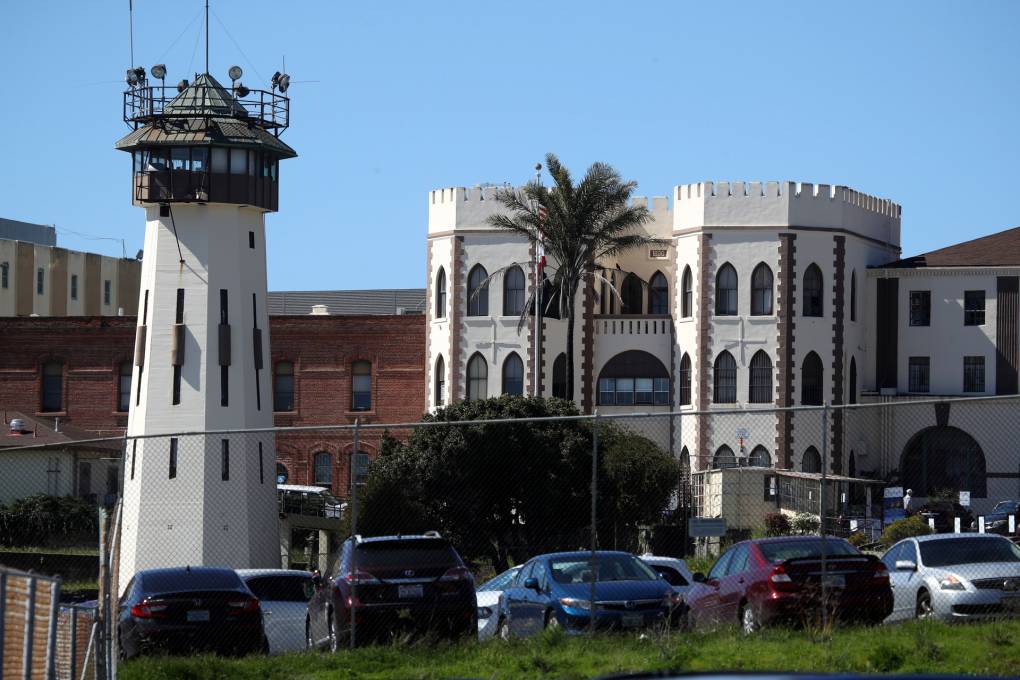
"caption": "A view of San Quentin State Prison on March 13, 2019, in San Quentin, California. ",
"description": "A view of San Quentin State Prison on March 13, 2019 in San Quentin, California. ",
"title": "Governor Gavin Newsom Announces He Will Sign Moratorium On Executions In California",
"credit": "Justin Sullivan/Getty Images",
"status": "inherit",
"isLoading": false,
"fetchFailed": false
},
"news_11818785": {
"type": "attachments",
"id": "news_11818785",
"meta": {
"index": "attachments_1716263798",
"site": "news",
"id": "11818785",
"found": true
},
"parent": 11818774,
"imgSizes": {
"apple_news_ca_landscape_5_5": {
"file": "https://ww2.kqed.org/app/uploads/sites/10/2020/05/hardship_051520_final-1044x783.png",
"width": 1044,
"mimeType": "image/png",
"height": 783
},
"apple_news_ca_square_4_0": {
"file": "https://ww2.kqed.org/app/uploads/sites/10/2020/05/hardship_051520_final-470x470.png",
"width": 470,
"mimeType": "image/png",
"height": 470
},
"twentyfourteen-full-width": {
"file": "https://ww2.kqed.org/app/uploads/sites/10/2020/05/hardship_051520_final-1038x576.png",
"width": 1038,
"mimeType": "image/png",
"height": 576
},
"thumbnail": {
"file": "https://ww2.kqed.org/app/uploads/sites/10/2020/05/hardship_051520_final-160x108.png",
"width": 160,
"mimeType": "image/png",
"height": 108
},
"post-thumbnail": {
"file": "https://ww2.kqed.org/app/uploads/sites/10/2020/05/hardship_051520_final-672x372.png",
"width": 672,
"mimeType": "image/png",
"height": 372
},
"kqedFullSize": {
"file": "https://ww2.kqed.org/app/uploads/sites/10/2020/05/hardship_051520_final.png",
"width": 1920,
"height": 1295
},
"apple_news_ca_landscape_4_7": {
"file": "https://ww2.kqed.org/app/uploads/sites/10/2020/05/hardship_051520_final-632x474.png",
"width": 632,
"mimeType": "image/png",
"height": 474
},
"large": {
"file": "https://ww2.kqed.org/app/uploads/sites/10/2020/05/hardship_051520_final-1020x688.png",
"width": 1020,
"mimeType": "image/png",
"height": 688
},
"apple_news_ca_landscape_4_0": {
"file": "https://ww2.kqed.org/app/uploads/sites/10/2020/05/hardship_051520_final-536x402.png",
"width": 536,
"mimeType": "image/png",
"height": 402
},
"apple_news_ca_portrait_12_9": {
"file": "https://ww2.kqed.org/app/uploads/sites/10/2020/05/hardship_051520_final-1122x1295.png",
"width": 1122,
"mimeType": "image/png",
"height": 1295
},
"medium": {
"file": "https://ww2.kqed.org/app/uploads/sites/10/2020/05/hardship_051520_final-800x540.png",
"width": 800,
"mimeType": "image/png",
"height": 540
},
"apple_news_ca_portrait_4_0": {
"file": "https://ww2.kqed.org/app/uploads/sites/10/2020/05/hardship_051520_final-354x472.png",
"width": 354,
"mimeType": "image/png",
"height": 472
},
"apple_news_ca_portrait_9_7": {
"file": "https://ww2.kqed.org/app/uploads/sites/10/2020/05/hardship_051520_final-840x1120.png",
"width": 840,
"mimeType": "image/png",
"height": 1120
},
"apple_news_ca_landscape_12_9": {
"file": "https://ww2.kqed.org/app/uploads/sites/10/2020/05/hardship_051520_final-1832x1295.png",
"width": 1832,
"mimeType": "image/png",
"height": 1295
},
"apple_news_ca_square_9_7": {
"file": "https://ww2.kqed.org/app/uploads/sites/10/2020/05/hardship_051520_final-1104x1104.png",
"width": 1104,
"mimeType": "image/png",
"height": 1104
},
"apple_news_ca_portrait_4_7": {
"file": "https://ww2.kqed.org/app/uploads/sites/10/2020/05/hardship_051520_final-414x552.png",
"width": 414,
"mimeType": "image/png",
"height": 552
},
"apple_news_ca_square_12_9": {
"file": "https://ww2.kqed.org/app/uploads/sites/10/2020/05/hardship_051520_final-1472x1295.png",
"width": 1472,
"mimeType": "image/png",
"height": 1295
},
"apple_news_ca_portrait_5_5": {
"file": "https://ww2.kqed.org/app/uploads/sites/10/2020/05/hardship_051520_final-687x916.png",
"width": 687,
"mimeType": "image/png",
"height": 916
},
"full-width": {
"file": "https://ww2.kqed.org/app/uploads/sites/10/2020/05/hardship_051520_final-1920x1295.png",
"width": 1920,
"mimeType": "image/png",
"height": 1295
},
"apple_news_ca_square_4_7": {
"file": "https://ww2.kqed.org/app/uploads/sites/10/2020/05/hardship_051520_final-550x550.png",
"width": 550,
"mimeType": "image/png",
"height": 550
},
"apple_news_ca_landscape_9_7": {
"file": "https://ww2.kqed.org/app/uploads/sites/10/2020/05/hardship_051520_final-1376x1032.png",
"width": 1376,
"mimeType": "image/png",
"height": 1032
},
"apple_news_ca_square_5_5": {
"file": "https://ww2.kqed.org/app/uploads/sites/10/2020/05/hardship_051520_final-912x912.png",
"width": 912,
"mimeType": "image/png",
"height": 912
}
},
"publishDate": 1589586664,
"modified": 1589586698,
"caption": null,
"description": null,
"title": "hardship_051520_final",
"credit": null,
"status": "inherit",
"isLoading": false,
"fetchFailed": false
},
"news_11818703": {
"type": "attachments",
"id": "news_11818703",
"meta": {
"index": "attachments_1716263798",
"site": "news",
"id": "11818703",
"found": true
},
"parent": 11818575,
"imgSizes": {
"apple_news_ca_landscape_5_5": {
"file": "https://ww2.kqed.org/app/uploads/sites/10/2020/05/Newsom-Cymric-oil-spill-chevron-1044x783.jpg",
"width": 1044,
"mimeType": "image/jpeg",
"height": 783
},
"apple_news_ca_square_4_0": {
"file": "https://ww2.kqed.org/app/uploads/sites/10/2020/05/Newsom-Cymric-oil-spill-chevron-470x470.jpg",
"width": 470,
"mimeType": "image/jpeg",
"height": 470
},
"twentyfourteen-full-width": {
"file": "https://ww2.kqed.org/app/uploads/sites/10/2020/05/Newsom-Cymric-oil-spill-chevron-1038x576.jpg",
"width": 1038,
"mimeType": "image/jpeg",
"height": 576
},
"thumbnail": {
"file": "https://ww2.kqed.org/app/uploads/sites/10/2020/05/Newsom-Cymric-oil-spill-chevron-160x111.jpg",
"width": 160,
"mimeType": "image/jpeg",
"height": 111
},
"post-thumbnail": {
"file": "https://ww2.kqed.org/app/uploads/sites/10/2020/05/Newsom-Cymric-oil-spill-chevron-672x372.jpg",
"width": 672,
"mimeType": "image/jpeg",
"height": 372
},
"kqedFullSize": {
"file": "https://ww2.kqed.org/app/uploads/sites/10/2020/05/Newsom-Cymric-oil-spill-chevron.jpg",
"width": 1920,
"height": 1329
},
"apple_news_ca_landscape_4_7": {
"file": "https://ww2.kqed.org/app/uploads/sites/10/2020/05/Newsom-Cymric-oil-spill-chevron-632x474.jpg",
"width": 632,
"mimeType": "image/jpeg",
"height": 474
},
"large": {
"file": "https://ww2.kqed.org/app/uploads/sites/10/2020/05/Newsom-Cymric-oil-spill-chevron-1020x706.jpg",
"width": 1020,
"mimeType": "image/jpeg",
"height": 706
},
"apple_news_ca_landscape_4_0": {
"file": "https://ww2.kqed.org/app/uploads/sites/10/2020/05/Newsom-Cymric-oil-spill-chevron-536x402.jpg",
"width": 536,
"mimeType": "image/jpeg",
"height": 402
},
"apple_news_ca_portrait_12_9": {
"file": "https://ww2.kqed.org/app/uploads/sites/10/2020/05/Newsom-Cymric-oil-spill-chevron-1122x1329.jpg",
"width": 1122,
"mimeType": "image/jpeg",
"height": 1329
},
"medium": {
"file": "https://ww2.kqed.org/app/uploads/sites/10/2020/05/Newsom-Cymric-oil-spill-chevron-800x554.jpg",
"width": 800,
"mimeType": "image/jpeg",
"height": 554
},
"apple_news_ca_portrait_4_0": {
"file": "https://ww2.kqed.org/app/uploads/sites/10/2020/05/Newsom-Cymric-oil-spill-chevron-354x472.jpg",
"width": 354,
"mimeType": "image/jpeg",
"height": 472
},
"apple_news_ca_portrait_9_7": {
"file": "https://ww2.kqed.org/app/uploads/sites/10/2020/05/Newsom-Cymric-oil-spill-chevron-840x1120.jpg",
"width": 840,
"mimeType": "image/jpeg",
"height": 1120
},
"apple_news_ca_landscape_12_9": {
"file": "https://ww2.kqed.org/app/uploads/sites/10/2020/05/Newsom-Cymric-oil-spill-chevron-1832x1329.jpg",
"width": 1832,
"mimeType": "image/jpeg",
"height": 1329
},
"apple_news_ca_square_9_7": {
"file": "https://ww2.kqed.org/app/uploads/sites/10/2020/05/Newsom-Cymric-oil-spill-chevron-1104x1104.jpg",
"width": 1104,
"mimeType": "image/jpeg",
"height": 1104
},
"apple_news_ca_portrait_4_7": {
"file": "https://ww2.kqed.org/app/uploads/sites/10/2020/05/Newsom-Cymric-oil-spill-chevron-414x552.jpg",
"width": 414,
"mimeType": "image/jpeg",
"height": 552
},
"apple_news_ca_square_12_9": {
"file": "https://ww2.kqed.org/app/uploads/sites/10/2020/05/Newsom-Cymric-oil-spill-chevron-1472x1329.jpg",
"width": 1472,
"mimeType": "image/jpeg",
"height": 1329
},
"apple_news_ca_portrait_5_5": {
"file": "https://ww2.kqed.org/app/uploads/sites/10/2020/05/Newsom-Cymric-oil-spill-chevron-687x916.jpg",
"width": 687,
"mimeType": "image/jpeg",
"height": 916
},
"full-width": {
"file": "https://ww2.kqed.org/app/uploads/sites/10/2020/05/Newsom-Cymric-oil-spill-chevron-1920x1329.jpg",
"width": 1920,
"mimeType": "image/jpeg",
"height": 1329
},
"apple_news_ca_square_4_7": {
"file": "https://ww2.kqed.org/app/uploads/sites/10/2020/05/Newsom-Cymric-oil-spill-chevron-550x550.jpg",
"width": 550,
"mimeType": "image/jpeg",
"height": 550
},
"apple_news_ca_landscape_9_7": {
"file": "https://ww2.kqed.org/app/uploads/sites/10/2020/05/Newsom-Cymric-oil-spill-chevron-1376x1032.jpg",
"width": 1376,
"mimeType": "image/jpeg",
"height": 1032
},
"apple_news_ca_square_5_5": {
"file": "https://ww2.kqed.org/app/uploads/sites/10/2020/05/Newsom-Cymric-oil-spill-chevron-912x912.jpg",
"width": 912,
"mimeType": "image/jpeg",
"height": 912
}
},
"publishDate": 1589578183,
"modified": 1589586917,
"caption": "Gov. Gavin Newsom is briefed by Jason Marshall (center) of the state Division of Oil, Gas, and Geothermal Resources (DOGGR) - now called CalGEM - on July 24, 2019, while touring the Cymric Oil Field in Kern County, the site of California's largest oil spill in decades.",
"description": "Gov. Gavin Newsom is briefed by Jason Marshall (center) of the state Division of Oil, Gas, and Geothermal Resources (DOGGR) - now called CalGEM - on July 24, 2019, while touring the Cymric oil field in Kern County, the site of California's largest oil spill in decades.",
"title": "Newsom-Cymric-oil-spill-chevron",
"credit": "(Irfan Khan/Los Angeles Times/Pool",
"status": "inherit",
"isLoading": false,
"fetchFailed": false
},
"news_11818535": {
"type": "attachments",
"id": "news_11818535",
"meta": {
"index": "attachments_1716263798",
"site": "news",
"id": "11818535",
"found": true
},
"parent": 11818528,
"imgSizes": {
"apple_news_ca_landscape_5_5": {
"file": "https://ww2.kqed.org/app/uploads/sites/10/2020/05/1920_RS6503_177315231-1044x783.jpg",
"width": 1044,
"mimeType": "image/jpeg",
"height": 783
},
"apple_news_ca_square_4_0": {
"file": "https://ww2.kqed.org/app/uploads/sites/10/2020/05/1920_RS6503_177315231-470x470.jpg",
"width": 470,
"mimeType": "image/jpeg",
"height": 470
},
"twentyfourteen-full-width": {
"file": "https://ww2.kqed.org/app/uploads/sites/10/2020/05/1920_RS6503_177315231-1038x576.jpg",
"width": 1038,
"mimeType": "image/jpeg",
"height": 576
},
"thumbnail": {
"file": "https://ww2.kqed.org/app/uploads/sites/10/2020/05/1920_RS6503_177315231-160x90.jpg",
"width": 160,
"mimeType": "image/jpeg",
"height": 90
},
"post-thumbnail": {
"file": "https://ww2.kqed.org/app/uploads/sites/10/2020/05/1920_RS6503_177315231-672x372.jpg",
"width": 672,
"mimeType": "image/jpeg",
"height": 372
},
"kqedFullSize": {
"file": "https://ww2.kqed.org/app/uploads/sites/10/2020/05/1920_RS6503_177315231.jpg",
"width": 3000,
"height": 1687
},
"apple_news_ca_landscape_4_7": {
"file": "https://ww2.kqed.org/app/uploads/sites/10/2020/05/1920_RS6503_177315231-632x474.jpg",
"width": 632,
"mimeType": "image/jpeg",
"height": 474
},
"large": {
"file": "https://ww2.kqed.org/app/uploads/sites/10/2020/05/1920_RS6503_177315231-1020x574.jpg",
"width": 1020,
"mimeType": "image/jpeg",
"height": 574
},
"apple_news_ca_landscape_4_0": {
"file": "https://ww2.kqed.org/app/uploads/sites/10/2020/05/1920_RS6503_177315231-536x402.jpg",
"width": 536,
"mimeType": "image/jpeg",
"height": 402
},
"apple_news_ca_portrait_12_9": {
"file": "https://ww2.kqed.org/app/uploads/sites/10/2020/05/1920_RS6503_177315231-1122x1496.jpg",
"width": 1122,
"mimeType": "image/jpeg",
"height": 1496
},
"medium": {
"file": "https://ww2.kqed.org/app/uploads/sites/10/2020/05/1920_RS6503_177315231-800x450.jpg",
"width": 800,
"mimeType": "image/jpeg",
"height": 450
},
"apple_news_ca_portrait_4_0": {
"file": "https://ww2.kqed.org/app/uploads/sites/10/2020/05/1920_RS6503_177315231-354x472.jpg",
"width": 354,
"mimeType": "image/jpeg",
"height": 472
},
"apple_news_ca_portrait_9_7": {
"file": "https://ww2.kqed.org/app/uploads/sites/10/2020/05/1920_RS6503_177315231-840x1120.jpg",
"width": 840,
"mimeType": "image/jpeg",
"height": 1120
},
"apple_news_ca_landscape_12_9": {
"file": "https://ww2.kqed.org/app/uploads/sites/10/2020/05/1920_RS6503_177315231-1832x1374.jpg",
"width": 1832,
"mimeType": "image/jpeg",
"height": 1374
},
"apple_news_ca_square_9_7": {
"file": "https://ww2.kqed.org/app/uploads/sites/10/2020/05/1920_RS6503_177315231-1104x1104.jpg",
"width": 1104,
"mimeType": "image/jpeg",
"height": 1104
},
"apple_news_ca_portrait_4_7": {
"file": "https://ww2.kqed.org/app/uploads/sites/10/2020/05/1920_RS6503_177315231-414x552.jpg",
"width": 414,
"mimeType": "image/jpeg",
"height": 552
},
"apple_news_ca_square_12_9": {
"file": "https://ww2.kqed.org/app/uploads/sites/10/2020/05/1920_RS6503_177315231-1472x1472.jpg",
"width": 1472,
"mimeType": "image/jpeg",
"height": 1472
},
"apple_news_ca_portrait_5_5": {
"file": "https://ww2.kqed.org/app/uploads/sites/10/2020/05/1920_RS6503_177315231-687x916.jpg",
"width": 687,
"mimeType": "image/jpeg",
"height": 916
},
"full-width": {
"file": "https://ww2.kqed.org/app/uploads/sites/10/2020/05/1920_RS6503_177315231-1920x1080.jpg",
"width": 1920,
"mimeType": "image/jpeg",
"height": 1080
},
"apple_news_ca_square_4_7": {
"file": "https://ww2.kqed.org/app/uploads/sites/10/2020/05/1920_RS6503_177315231-550x550.jpg",
"width": 550,
"mimeType": "image/jpeg",
"height": 550
},
"apple_news_ca_landscape_9_7": {
"file": "https://ww2.kqed.org/app/uploads/sites/10/2020/05/1920_RS6503_177315231-1376x1032.jpg",
"width": 1376,
"mimeType": "image/jpeg",
"height": 1032
},
"apple_news_ca_square_5_5": {
"file": "https://ww2.kqed.org/app/uploads/sites/10/2020/05/1920_RS6503_177315231-912x912.jpg",
"width": 912,
"mimeType": "image/jpeg",
"height": 912
}
},
"publishDate": 1589512452,
"modified": 1589512557,
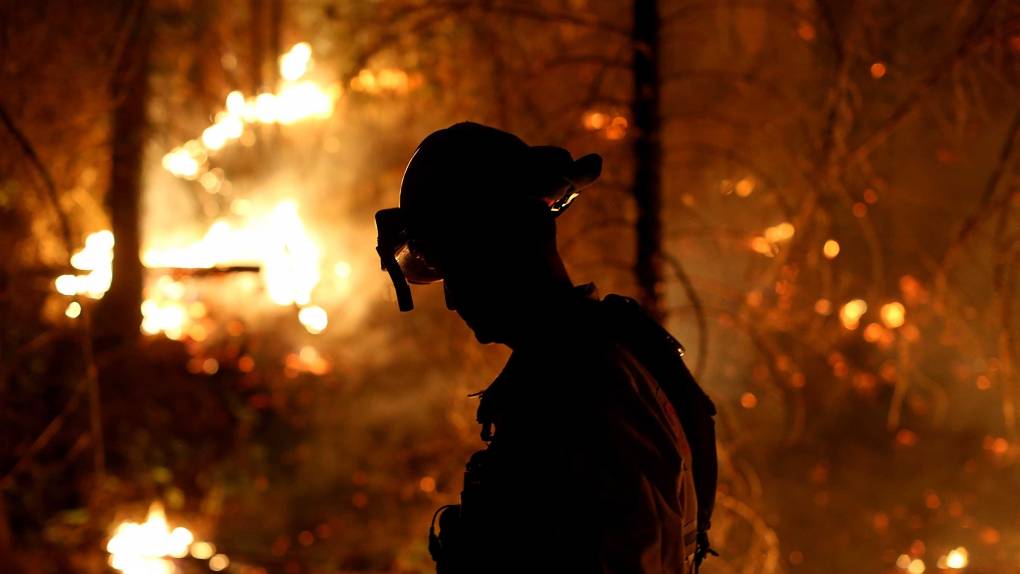
"caption": "A firefighter battling a fire in Groveland, California.",
"description": null,
"title": "Rim Fire Burns Near Yosemite National Park",
"credit": "Justin Sullivan/Getty Images",
"status": "inherit",
"isLoading": false,
"fetchFailed": false
},
"news_11818533": {
"type": "attachments",
"id": "news_11818533",
"meta": {
"index": "attachments_1716263798",
"site": "news",
"id": "11818533",
"found": true
},
"parent": 11818524,
"imgSizes": {
"apple_news_ca_landscape_5_5": {
"file": "https://ww2.kqed.org/app/uploads/sites/10/2020/05/RS42005_005_KQED_SanFrancisco_UCSF_03112020_6951-qut-1044x783.jpg",
"width": 1044,
"mimeType": "image/jpeg",
"height": 783
},
"apple_news_ca_square_4_0": {
"file": "https://ww2.kqed.org/app/uploads/sites/10/2020/05/RS42005_005_KQED_SanFrancisco_UCSF_03112020_6951-qut-470x470.jpg",
"width": 470,
"mimeType": "image/jpeg",
"height": 470
},
"twentyfourteen-full-width": {
"file": "https://ww2.kqed.org/app/uploads/sites/10/2020/05/RS42005_005_KQED_SanFrancisco_UCSF_03112020_6951-qut-1038x576.jpg",
"width": 1038,
"mimeType": "image/jpeg",
"height": 576
},
"thumbnail": {
"file": "https://ww2.kqed.org/app/uploads/sites/10/2020/05/RS42005_005_KQED_SanFrancisco_UCSF_03112020_6951-qut-160x107.jpg",
"width": 160,
"mimeType": "image/jpeg",
"height": 107
},
"post-thumbnail": {
"file": "https://ww2.kqed.org/app/uploads/sites/10/2020/05/RS42005_005_KQED_SanFrancisco_UCSF_03112020_6951-qut-672x372.jpg",
"width": 672,
"mimeType": "image/jpeg",
"height": 372
},
"kqedFullSize": {
"file": "https://ww2.kqed.org/app/uploads/sites/10/2020/05/RS42005_005_KQED_SanFrancisco_UCSF_03112020_6951-qut.jpg",
"width": 1920,
"height": 1280
},
"apple_news_ca_landscape_4_7": {
"file": "https://ww2.kqed.org/app/uploads/sites/10/2020/05/RS42005_005_KQED_SanFrancisco_UCSF_03112020_6951-qut-632x474.jpg",
"width": 632,
"mimeType": "image/jpeg",
"height": 474
},
"large": {
"file": "https://ww2.kqed.org/app/uploads/sites/10/2020/05/RS42005_005_KQED_SanFrancisco_UCSF_03112020_6951-qut-1020x680.jpg",
"width": 1020,
"mimeType": "image/jpeg",
"height": 680
},
"apple_news_ca_landscape_4_0": {
"file": "https://ww2.kqed.org/app/uploads/sites/10/2020/05/RS42005_005_KQED_SanFrancisco_UCSF_03112020_6951-qut-536x402.jpg",
"width": 536,
"mimeType": "image/jpeg",
"height": 402
},
"apple_news_ca_portrait_12_9": {
"file": "https://ww2.kqed.org/app/uploads/sites/10/2020/05/RS42005_005_KQED_SanFrancisco_UCSF_03112020_6951-qut-1122x1280.jpg",
"width": 1122,
"mimeType": "image/jpeg",
"height": 1280
},
"medium": {
"file": "https://ww2.kqed.org/app/uploads/sites/10/2020/05/RS42005_005_KQED_SanFrancisco_UCSF_03112020_6951-qut-800x533.jpg",
"width": 800,
"mimeType": "image/jpeg",
"height": 533
},
"apple_news_ca_portrait_4_0": {
"file": "https://ww2.kqed.org/app/uploads/sites/10/2020/05/RS42005_005_KQED_SanFrancisco_UCSF_03112020_6951-qut-354x472.jpg",
"width": 354,
"mimeType": "image/jpeg",
"height": 472
},
"apple_news_ca_portrait_9_7": {
"file": "https://ww2.kqed.org/app/uploads/sites/10/2020/05/RS42005_005_KQED_SanFrancisco_UCSF_03112020_6951-qut-840x1120.jpg",
"width": 840,
"mimeType": "image/jpeg",
"height": 1120
},
"apple_news_ca_landscape_12_9": {
"file": "https://ww2.kqed.org/app/uploads/sites/10/2020/05/RS42005_005_KQED_SanFrancisco_UCSF_03112020_6951-qut-1832x1280.jpg",
"width": 1832,
"mimeType": "image/jpeg",
"height": 1280
},
"apple_news_ca_square_9_7": {
"file": "https://ww2.kqed.org/app/uploads/sites/10/2020/05/RS42005_005_KQED_SanFrancisco_UCSF_03112020_6951-qut-1104x1104.jpg",
"width": 1104,
"mimeType": "image/jpeg",
"height": 1104
},
"apple_news_ca_portrait_4_7": {
"file": "https://ww2.kqed.org/app/uploads/sites/10/2020/05/RS42005_005_KQED_SanFrancisco_UCSF_03112020_6951-qut-414x552.jpg",
"width": 414,
"mimeType": "image/jpeg",
"height": 552
},
"apple_news_ca_square_12_9": {
"file": "https://ww2.kqed.org/app/uploads/sites/10/2020/05/RS42005_005_KQED_SanFrancisco_UCSF_03112020_6951-qut-1472x1280.jpg",
"width": 1472,
"mimeType": "image/jpeg",
"height": 1280
},
"apple_news_ca_portrait_5_5": {
"file": "https://ww2.kqed.org/app/uploads/sites/10/2020/05/RS42005_005_KQED_SanFrancisco_UCSF_03112020_6951-qut-687x916.jpg",
"width": 687,
"mimeType": "image/jpeg",
"height": 916
},
"full-width": {
"file": "https://ww2.kqed.org/app/uploads/sites/10/2020/05/RS42005_005_KQED_SanFrancisco_UCSF_03112020_6951-qut-1920x1280.jpg",
"width": 1920,
"mimeType": "image/jpeg",
"height": 1280
},
"apple_news_ca_square_4_7": {
"file": "https://ww2.kqed.org/app/uploads/sites/10/2020/05/RS42005_005_KQED_SanFrancisco_UCSF_03112020_6951-qut-550x550.jpg",
"width": 550,
"mimeType": "image/jpeg",
"height": 550
},
"apple_news_ca_landscape_9_7": {
"file": "https://ww2.kqed.org/app/uploads/sites/10/2020/05/RS42005_005_KQED_SanFrancisco_UCSF_03112020_6951-qut-1376x1032.jpg",
"width": 1376,
"mimeType": "image/jpeg",
"height": 1032
},
"apple_news_ca_square_5_5": {
"file": "https://ww2.kqed.org/app/uploads/sites/10/2020/05/RS42005_005_KQED_SanFrancisco_UCSF_03112020_6951-qut-912x912.jpg",
"width": 912,
"mimeType": "image/jpeg",
"height": 912
}
},
"publishDate": 1589511850,
"modified": 1589511887,
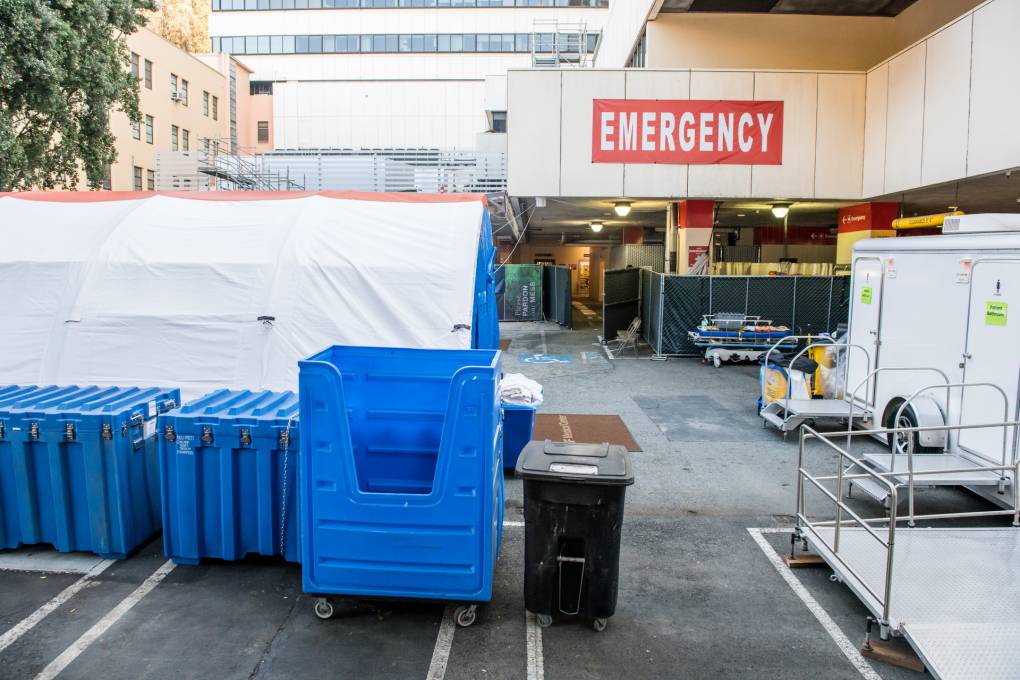
"caption": "Tents are set up outside of the UCSF Parnassus campus in San Francisco to triage patients with respiratory illness, on Mar. 11, 2020.",
"description": null,
"title": "RS42005_005_KQED_SanFrancisco_UCSF_03112020_6951-qut",
"credit": "Beth LaBerge/KQED",
"status": "inherit",
"isLoading": false,
"fetchFailed": false
},
"news_11818490": {
"type": "attachments",
"id": "news_11818490",
"meta": {
"index": "attachments_1716263798",
"site": "news",
"id": "11818490",
"found": true
},
"parent": 11818462,
"imgSizes": {
"apple_news_ca_landscape_5_5": {
"file": "https://ww2.kqed.org/app/uploads/sites/10/2020/05/RS43187_005_KQED_SanFrancisco_SafeSleepingVillage_05142020-qut-1044x783.jpg",
"width": 1044,
"mimeType": "image/jpeg",
"height": 783
},
"apple_news_ca_square_4_0": {
"file": "https://ww2.kqed.org/app/uploads/sites/10/2020/05/RS43187_005_KQED_SanFrancisco_SafeSleepingVillage_05142020-qut-470x470.jpg",
"width": 470,
"mimeType": "image/jpeg",
"height": 470
},
"twentyfourteen-full-width": {
"file": "https://ww2.kqed.org/app/uploads/sites/10/2020/05/RS43187_005_KQED_SanFrancisco_SafeSleepingVillage_05142020-qut-1038x576.jpg",
"width": 1038,
"mimeType": "image/jpeg",
"height": 576
},
"thumbnail": {
"file": "https://ww2.kqed.org/app/uploads/sites/10/2020/05/RS43187_005_KQED_SanFrancisco_SafeSleepingVillage_05142020-qut-160x107.jpg",
"width": 160,
"mimeType": "image/jpeg",
"height": 107
},
"post-thumbnail": {
"file": "https://ww2.kqed.org/app/uploads/sites/10/2020/05/RS43187_005_KQED_SanFrancisco_SafeSleepingVillage_05142020-qut-672x372.jpg",
"width": 672,
"mimeType": "image/jpeg",
"height": 372
},
"kqedFullSize": {
"file": "https://ww2.kqed.org/app/uploads/sites/10/2020/05/RS43187_005_KQED_SanFrancisco_SafeSleepingVillage_05142020-qut.jpg",
"width": 1920,
"height": 1280
},
"apple_news_ca_landscape_4_7": {
"file": "https://ww2.kqed.org/app/uploads/sites/10/2020/05/RS43187_005_KQED_SanFrancisco_SafeSleepingVillage_05142020-qut-632x474.jpg",
"width": 632,
"mimeType": "image/jpeg",
"height": 474
},
"large": {
"file": "https://ww2.kqed.org/app/uploads/sites/10/2020/05/RS43187_005_KQED_SanFrancisco_SafeSleepingVillage_05142020-qut-1020x680.jpg",
"width": 1020,
"mimeType": "image/jpeg",
"height": 680
},
"apple_news_ca_landscape_4_0": {
"file": "https://ww2.kqed.org/app/uploads/sites/10/2020/05/RS43187_005_KQED_SanFrancisco_SafeSleepingVillage_05142020-qut-536x402.jpg",
"width": 536,
"mimeType": "image/jpeg",
"height": 402
},
"apple_news_ca_portrait_12_9": {
"file": "https://ww2.kqed.org/app/uploads/sites/10/2020/05/RS43187_005_KQED_SanFrancisco_SafeSleepingVillage_05142020-qut-1122x1280.jpg",
"width": 1122,
"mimeType": "image/jpeg",
"height": 1280
},
"medium": {
"file": "https://ww2.kqed.org/app/uploads/sites/10/2020/05/RS43187_005_KQED_SanFrancisco_SafeSleepingVillage_05142020-qut-800x533.jpg",
"width": 800,
"mimeType": "image/jpeg",
"height": 533
},
"apple_news_ca_portrait_4_0": {
"file": "https://ww2.kqed.org/app/uploads/sites/10/2020/05/RS43187_005_KQED_SanFrancisco_SafeSleepingVillage_05142020-qut-354x472.jpg",
"width": 354,
"mimeType": "image/jpeg",
"height": 472
},
"apple_news_ca_portrait_9_7": {
"file": "https://ww2.kqed.org/app/uploads/sites/10/2020/05/RS43187_005_KQED_SanFrancisco_SafeSleepingVillage_05142020-qut-840x1120.jpg",
"width": 840,
"mimeType": "image/jpeg",
"height": 1120
},
"apple_news_ca_landscape_12_9": {
"file": "https://ww2.kqed.org/app/uploads/sites/10/2020/05/RS43187_005_KQED_SanFrancisco_SafeSleepingVillage_05142020-qut-1832x1280.jpg",
"width": 1832,
"mimeType": "image/jpeg",
"height": 1280
},
"apple_news_ca_square_9_7": {
"file": "https://ww2.kqed.org/app/uploads/sites/10/2020/05/RS43187_005_KQED_SanFrancisco_SafeSleepingVillage_05142020-qut-1104x1104.jpg",
"width": 1104,
"mimeType": "image/jpeg",
"height": 1104
},
"apple_news_ca_portrait_4_7": {
"file": "https://ww2.kqed.org/app/uploads/sites/10/2020/05/RS43187_005_KQED_SanFrancisco_SafeSleepingVillage_05142020-qut-414x552.jpg",
"width": 414,
"mimeType": "image/jpeg",
"height": 552
},
"apple_news_ca_square_12_9": {
"file": "https://ww2.kqed.org/app/uploads/sites/10/2020/05/RS43187_005_KQED_SanFrancisco_SafeSleepingVillage_05142020-qut-1472x1280.jpg",
"width": 1472,
"mimeType": "image/jpeg",
"height": 1280
},
"apple_news_ca_portrait_5_5": {
"file": "https://ww2.kqed.org/app/uploads/sites/10/2020/05/RS43187_005_KQED_SanFrancisco_SafeSleepingVillage_05142020-qut-687x916.jpg",
"width": 687,
"mimeType": "image/jpeg",
"height": 916
},
"full-width": {
"file": "https://ww2.kqed.org/app/uploads/sites/10/2020/05/RS43187_005_KQED_SanFrancisco_SafeSleepingVillage_05142020-qut-1920x1280.jpg",
"width": 1920,
"mimeType": "image/jpeg",
"height": 1280
},
"apple_news_ca_square_4_7": {
"file": "https://ww2.kqed.org/app/uploads/sites/10/2020/05/RS43187_005_KQED_SanFrancisco_SafeSleepingVillage_05142020-qut-550x550.jpg",
"width": 550,
"mimeType": "image/jpeg",
"height": 550
},
"apple_news_ca_landscape_9_7": {
"file": "https://ww2.kqed.org/app/uploads/sites/10/2020/05/RS43187_005_KQED_SanFrancisco_SafeSleepingVillage_05142020-qut-1376x1032.jpg",
"width": 1376,
"mimeType": "image/jpeg",
"height": 1032
},
"apple_news_ca_square_5_5": {
"file": "https://ww2.kqed.org/app/uploads/sites/10/2020/05/RS43187_005_KQED_SanFrancisco_SafeSleepingVillage_05142020-qut-912x912.jpg",
"width": 912,
"mimeType": "image/jpeg",
"height": 912
}
},
"publishDate": 1589503556,
"modified": 1589586822,
"caption": "San Francisco’s first city-sanctioned safe sleeping site, known as the Safe Sleeping Village, on Fulton Street between Larkin and Hyde street in the Civic Center on April 14, 2020.",
"description": "San Francisco’s first city-sanctioned safe sleeping site, known as the Safe Sleeping Village, on Fulton Street between Larkin and Hyde Street in the Civic Center on April 14, 2020.",
"title": "RS43187_005_KQED_SanFrancisco_SafeSleepingVillage_05142020-qut",
"credit": "Beth LaBerge/KQED",
"status": "inherit",
"isLoading": false,
"fetchFailed": false
},
"news_11818427": {
"type": "attachments",
"id": "news_11818427",
"meta": {
"index": "attachments_1716263798",
"site": "news",
"id": "11818427",
"found": true
},
"parent": 11818417,
"imgSizes": {
"apple_news_ca_landscape_5_5": {
"file": "https://ww2.kqed.org/app/uploads/sites/10/2020/05/goodnews_051420_final-1044x783.png",
"width": 1044,
"mimeType": "image/png",
"height": 783
},
"apple_news_ca_square_4_0": {
"file": "https://ww2.kqed.org/app/uploads/sites/10/2020/05/goodnews_051420_final-470x470.png",
"width": 470,
"mimeType": "image/png",
"height": 470
},
"twentyfourteen-full-width": {
"file": "https://ww2.kqed.org/app/uploads/sites/10/2020/05/goodnews_051420_final-1038x576.png",
"width": 1038,
"mimeType": "image/png",
"height": 576
},
"thumbnail": {
"file": "https://ww2.kqed.org/app/uploads/sites/10/2020/05/goodnews_051420_final-160x108.png",
"width": 160,
"mimeType": "image/png",
"height": 108
},
"post-thumbnail": {
"file": "https://ww2.kqed.org/app/uploads/sites/10/2020/05/goodnews_051420_final-672x372.png",
"width": 672,
"mimeType": "image/png",
"height": 372
},
"kqedFullSize": {
"file": "https://ww2.kqed.org/app/uploads/sites/10/2020/05/goodnews_051420_final.png",
"width": 1920,
"height": 1294
},
"apple_news_ca_landscape_4_7": {
"file": "https://ww2.kqed.org/app/uploads/sites/10/2020/05/goodnews_051420_final-632x474.png",
"width": 632,
"mimeType": "image/png",
"height": 474
},
"large": {
"file": "https://ww2.kqed.org/app/uploads/sites/10/2020/05/goodnews_051420_final-1020x687.png",
"width": 1020,
"mimeType": "image/png",
"height": 687
},
"apple_news_ca_landscape_4_0": {
"file": "https://ww2.kqed.org/app/uploads/sites/10/2020/05/goodnews_051420_final-536x402.png",
"width": 536,
"mimeType": "image/png",
"height": 402
},
"apple_news_ca_portrait_12_9": {
"file": "https://ww2.kqed.org/app/uploads/sites/10/2020/05/goodnews_051420_final-1122x1294.png",
"width": 1122,
"mimeType": "image/png",
"height": 1294
},
"medium": {
"file": "https://ww2.kqed.org/app/uploads/sites/10/2020/05/goodnews_051420_final-800x539.png",
"width": 800,
"mimeType": "image/png",
"height": 539
},
"apple_news_ca_portrait_4_0": {
"file": "https://ww2.kqed.org/app/uploads/sites/10/2020/05/goodnews_051420_final-354x472.png",
"width": 354,
"mimeType": "image/png",
"height": 472
},
"apple_news_ca_portrait_9_7": {
"file": "https://ww2.kqed.org/app/uploads/sites/10/2020/05/goodnews_051420_final-840x1120.png",
"width": 840,
"mimeType": "image/png",
"height": 1120
},
"apple_news_ca_landscape_12_9": {
"file": "https://ww2.kqed.org/app/uploads/sites/10/2020/05/goodnews_051420_final-1832x1294.png",
"width": 1832,
"mimeType": "image/png",
"height": 1294
},
"apple_news_ca_square_9_7": {
"file": "https://ww2.kqed.org/app/uploads/sites/10/2020/05/goodnews_051420_final-1104x1104.png",
"width": 1104,
"mimeType": "image/png",
"height": 1104
},
"apple_news_ca_portrait_4_7": {
"file": "https://ww2.kqed.org/app/uploads/sites/10/2020/05/goodnews_051420_final-414x552.png",
"width": 414,
"mimeType": "image/png",
"height": 552
},
"apple_news_ca_square_12_9": {
"file": "https://ww2.kqed.org/app/uploads/sites/10/2020/05/goodnews_051420_final-1472x1294.png",
"width": 1472,
"mimeType": "image/png",
"height": 1294
},
"apple_news_ca_portrait_5_5": {
"file": "https://ww2.kqed.org/app/uploads/sites/10/2020/05/goodnews_051420_final-687x916.png",
"width": 687,
"mimeType": "image/png",
"height": 916
},
"full-width": {
"file": "https://ww2.kqed.org/app/uploads/sites/10/2020/05/goodnews_051420_final-1920x1294.png",
"width": 1920,
"mimeType": "image/png",
"height": 1294
},
"apple_news_ca_square_4_7": {
"file": "https://ww2.kqed.org/app/uploads/sites/10/2020/05/goodnews_051420_final-550x550.png",
"width": 550,
"mimeType": "image/png",
"height": 550
},
"apple_news_ca_landscape_9_7": {
"file": "https://ww2.kqed.org/app/uploads/sites/10/2020/05/goodnews_051420_final-1376x1032.png",
"width": 1376,
"mimeType": "image/png",
"height": 1032
},
"apple_news_ca_square_5_5": {
"file": "https://ww2.kqed.org/app/uploads/sites/10/2020/05/goodnews_051420_final-912x912.png",
"width": 912,
"mimeType": "image/png",
"height": 912
}
},
"publishDate": 1589496277,
"modified": 1589496307,
"caption": null,
"description": null,
"title": "goodnews_051420_final",
"credit": null,
"status": "inherit",
"isLoading": false,
"fetchFailed": false
},
"news_11810710": {
"type": "attachments",
"id": "news_11810710",
"meta": {
"index": "attachments_1716263798",
"site": "news",
"id": "11810710",
"found": true
},
"parent": 11810709,
"imgSizes": {
"apple_news_ca_landscape_5_5": {
"file": "https://ww2.kqed.org/app/uploads/sites/10/2020/04/RS40607_GettyImages-1189643415-qut-1044x783.jpg",
"width": 1044,
"mimeType": "image/jpeg",
"height": 783
},
"apple_news_ca_square_4_0": {
"file": "https://ww2.kqed.org/app/uploads/sites/10/2020/04/RS40607_GettyImages-1189643415-qut-470x470.jpg",
"width": 470,
"mimeType": "image/jpeg",
"height": 470
},
"twentyfourteen-full-width": {
"file": "https://ww2.kqed.org/app/uploads/sites/10/2020/04/RS40607_GettyImages-1189643415-qut-1038x576.jpg",
"width": 1038,
"mimeType": "image/jpeg",
"height": 576
},
"thumbnail": {
"file": "https://ww2.kqed.org/app/uploads/sites/10/2020/04/RS40607_GettyImages-1189643415-qut-160x107.jpg",
"width": 160,
"mimeType": "image/jpeg",
"height": 107
},
"post-thumbnail": {
"file": "https://ww2.kqed.org/app/uploads/sites/10/2020/04/RS40607_GettyImages-1189643415-qut-672x372.jpg",
"width": 672,
"mimeType": "image/jpeg",
"height": 372
},
"kqedFullSize": {
"file": "https://ww2.kqed.org/app/uploads/sites/10/2020/04/RS40607_GettyImages-1189643415-qut.jpg",
"width": 1920,
"height": 1282
},
"apple_news_ca_landscape_4_7": {
"file": "https://ww2.kqed.org/app/uploads/sites/10/2020/04/RS40607_GettyImages-1189643415-qut-632x474.jpg",
"width": 632,
"mimeType": "image/jpeg",
"height": 474
},
"large": {
"file": "https://ww2.kqed.org/app/uploads/sites/10/2020/04/RS40607_GettyImages-1189643415-qut-1020x681.jpg",
"width": 1020,
"mimeType": "image/jpeg",
"height": 681
},
"apple_news_ca_landscape_4_0": {
"file": "https://ww2.kqed.org/app/uploads/sites/10/2020/04/RS40607_GettyImages-1189643415-qut-536x402.jpg",
"width": 536,
"mimeType": "image/jpeg",
"height": 402
},
"apple_news_ca_portrait_12_9": {
"file": "https://ww2.kqed.org/app/uploads/sites/10/2020/04/RS40607_GettyImages-1189643415-qut-1122x1282.jpg",
"width": 1122,
"mimeType": "image/jpeg",
"height": 1282
},
"medium": {
"file": "https://ww2.kqed.org/app/uploads/sites/10/2020/04/RS40607_GettyImages-1189643415-qut-800x534.jpg",
"width": 800,
"mimeType": "image/jpeg",
"height": 534
},
"apple_news_ca_portrait_4_0": {
"file": "https://ww2.kqed.org/app/uploads/sites/10/2020/04/RS40607_GettyImages-1189643415-qut-354x472.jpg",
"width": 354,
"mimeType": "image/jpeg",
"height": 472
},
"apple_news_ca_portrait_9_7": {
"file": "https://ww2.kqed.org/app/uploads/sites/10/2020/04/RS40607_GettyImages-1189643415-qut-840x1120.jpg",
"width": 840,
"mimeType": "image/jpeg",
"height": 1120
},
"apple_news_ca_landscape_12_9": {
"file": "https://ww2.kqed.org/app/uploads/sites/10/2020/04/RS40607_GettyImages-1189643415-qut-1832x1282.jpg",
"width": 1832,
"mimeType": "image/jpeg",
"height": 1282
},
"apple_news_ca_square_9_7": {
"file": "https://ww2.kqed.org/app/uploads/sites/10/2020/04/RS40607_GettyImages-1189643415-qut-1104x1104.jpg",
"width": 1104,
"mimeType": "image/jpeg",
"height": 1104
},
"apple_news_ca_portrait_4_7": {
"file": "https://ww2.kqed.org/app/uploads/sites/10/2020/04/RS40607_GettyImages-1189643415-qut-414x552.jpg",
"width": 414,
"mimeType": "image/jpeg",
"height": 552
},
"apple_news_ca_square_12_9": {
"file": "https://ww2.kqed.org/app/uploads/sites/10/2020/04/RS40607_GettyImages-1189643415-qut-1472x1282.jpg",
"width": 1472,
"mimeType": "image/jpeg",
"height": 1282
},
"apple_news_ca_portrait_5_5": {
"file": "https://ww2.kqed.org/app/uploads/sites/10/2020/04/RS40607_GettyImages-1189643415-qut-687x916.jpg",
"width": 687,
"mimeType": "image/jpeg",
"height": 916
},
"full-width": {
"file": "https://ww2.kqed.org/app/uploads/sites/10/2020/04/RS40607_GettyImages-1189643415-qut-1920x1282.jpg",
"width": 1920,
"mimeType": "image/jpeg",
"height": 1282
},
"apple_news_ca_square_4_7": {
"file": "https://ww2.kqed.org/app/uploads/sites/10/2020/04/RS40607_GettyImages-1189643415-qut-550x550.jpg",
"width": 550,
"mimeType": "image/jpeg",
"height": 550
},
"apple_news_ca_landscape_9_7": {
"file": "https://ww2.kqed.org/app/uploads/sites/10/2020/04/RS40607_GettyImages-1189643415-qut-1376x1032.jpg",
"width": 1376,
"mimeType": "image/jpeg",
"height": 1032
},
"apple_news_ca_square_5_5": {
"file": "https://ww2.kqed.org/app/uploads/sites/10/2020/04/RS40607_GettyImages-1189643415-qut-912x912.jpg",
"width": 912,
"mimeType": "image/jpeg",
"height": 912
}
},
"publishDate": 1586024850,
"modified": 1592927704,
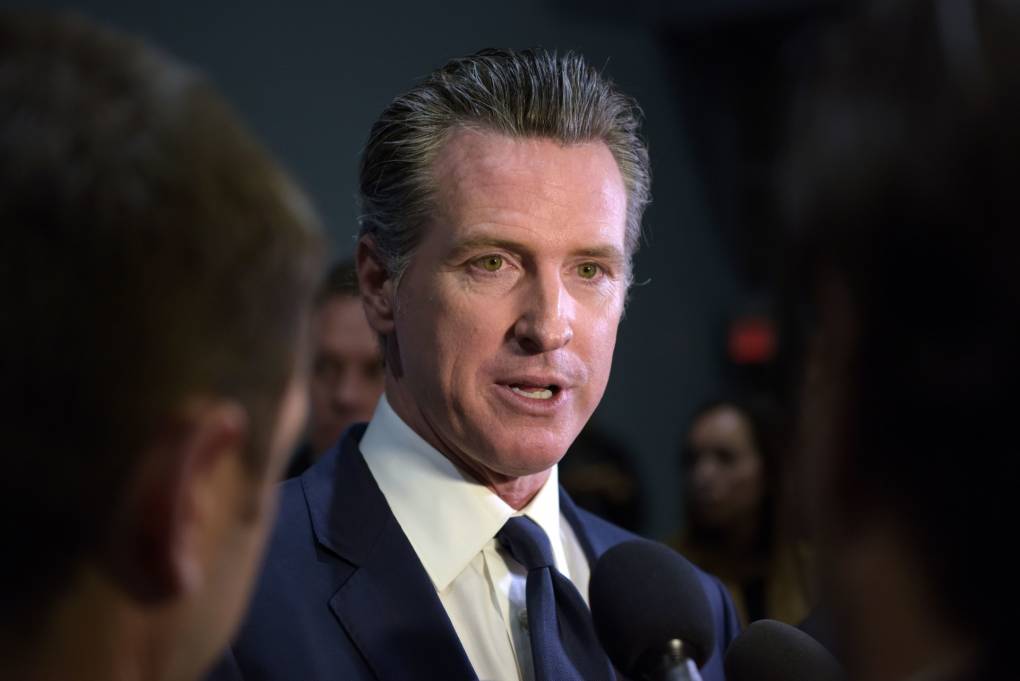
"caption": "'We feel a deep sense of gratitude for people that are in fear of deportation, but are still addressing the essential needs of tens of millions of Californians,' said Gov. Gavin Newsom during an April briefing on the coronavirus pandemic.",
"description": "'We feel a deep sense of gratitude for people that are in fear of deportation, but are still addressing the essential needs of tens of millions of Californians,' said Gov. Gavin Newsom during an April briefing on the coronavirus pandemic.",
"title": "US-VOTE-2020-DEMOCRATS-DEBATE",
"credit": "Agustin Paullier/AFP via Getty Images",
"status": "inherit",
"isLoading": false,
"fetchFailed": false
}
},
"audioPlayerReducer": {
"postId": "stream_live",
"isPaused": true,
"isPlaying": false,
"pfsActive": false,
"pledgeModalIsOpen": true,
"playerDrawerIsOpen": false,
"liveAudioPlayStartedAt": 0,
"liveAudioPlayContext": ""
},
"authorsReducer": {
"byline_news_11819441": {
"type": "authors",
"id": "byline_news_11819441",
"meta": {
"override": true
},
"slug": "byline_news_11819441",
"name": "Robert Jablon, \u003ca href=\"https://apnews.com\">Associated Press\u003c/a>",
"isLoading": false
},
"byline_news_11818871": {
"type": "authors",
"id": "byline_news_11818871",
"meta": {
"override": true
},
"slug": "byline_news_11818871",
"name": "Don Thompson \u003cbr> Associated Press",
"isLoading": false
},
"byline_news_11818528": {
"type": "authors",
"id": "byline_news_11818528",
"meta": {
"override": true
},
"slug": "byline_news_11818528",
"name": "Julie Cart \u003cbr> CalMatters",
"isLoading": false
},
"katrinaschwartz": {
"type": "authors",
"id": "234",
"meta": {
"index": "authors_1716337520",
"id": "234",
"found": true
},
"name": "Katrina Schwartz",
"firstName": "Katrina",
"lastName": "Schwartz",
"slug": "katrinaschwartz",
"email": "kschwartz@kqed.org",
"display_author_email": false,
"staff_mastheads": [
"news"
],
"title": "Producer",
"bio": "Katrina Schwartz is a journalist based in San Francisco. She's worked at KPCC public radio in LA and has reported on air and online for KQED since 2010. She covered how teaching and learning is changing for MindShift between 2012 and 2020. She is the co-host of the MindShift podcast and now produces KQED's Bay Curious podcast.",
"avatar": "https://secure.gravatar.com/avatar/edb4ee79070447a018538c9aae6eeecf28786515b8a0c30e43b6b7dce5aa44c8?s=600&d=blank&r=g",
"twitter": "kschwart",
"bluesky": null,
"facebook": null,
"instagram": null,
"linkedin": null,
"sites": [
{
"site": "",
"roles": [
"editor"
]
},
{
"site": "news",
"roles": [
"editor"
]
},
{
"site": "mindshift",
"roles": [
"administrator"
]
},
{
"site": "stateofhealth",
"roles": [
"author"
]
},
{
"site": "science",
"roles": [
"editor"
]
}
],
"headData": {
"title": "Katrina Schwartz | KQED",
"description": "Producer",
"ogImgSrc": "https://secure.gravatar.com/avatar/edb4ee79070447a018538c9aae6eeecf28786515b8a0c30e43b6b7dce5aa44c8?s=600&d=blank&r=g",
"twImgSrc": "https://secure.gravatar.com/avatar/edb4ee79070447a018538c9aae6eeecf28786515b8a0c30e43b6b7dce5aa44c8?s=600&d=blank&r=g"
},
"isLoading": false,
"link": "/author/katrinaschwartz"
},
"scottshafer": {
"type": "authors",
"id": "255",
"meta": {
"index": "authors_1716337520",
"id": "255",
"found": true
},
"name": "Scott Shafer",
"firstName": "Scott",
"lastName": "Shafer",
"slug": "scottshafer",
"email": "sshafer@kqed.org",
"display_author_email": false,
"staff_mastheads": [
"news"
],
"title": "KQED Contributor",
"bio": "Scott Shafer is a senior editor with the KQED Politics and Government desk. He is co-host of Political Breakdown, the award-winning radio show and podcast with a personal take on the world of politics. Scott came to KQED in 1998 to host the statewide\u003cem> California Report\u003c/em>. Prior to that he had extended stints in politics and government\u003cem>.\u003c/em> He uses that inside experience at KQED in his, reporting, hosting and analysis for the politics desk. Scott collaborated \u003cem>Political Breakdown a\u003c/em>nd on \u003cem>The Political Mind of Jerry Brown, \u003c/em>an eight-part series about the life and extraordinary political career of the former governor. For fun, he plays water polo with the San Francisco Tsunami.",
"avatar": "https://secure.gravatar.com/avatar/a62ebae45b79d7aed1a39a0e3bf68104?s=600&d=blank&r=g",
"twitter": "scottshafer",
"bluesky": null,
"facebook": null,
"instagram": null,
"linkedin": null,
"sites": [
{
"site": "news",
"roles": [
"editor"
]
},
{
"site": "stateofhealth",
"roles": [
"author"
]
},
{
"site": "science",
"roles": [
"author"
]
},
{
"site": "forum",
"roles": [
"subscriber"
]
},
{
"site": "liveblog",
"roles": [
"author"
]
}
],
"headData": {
"title": "Scott Shafer | KQED",
"description": "KQED Contributor",
"ogImgSrc": "https://secure.gravatar.com/avatar/a62ebae45b79d7aed1a39a0e3bf68104?s=600&d=blank&r=g",
"twImgSrc": "https://secure.gravatar.com/avatar/a62ebae45b79d7aed1a39a0e3bf68104?s=600&d=blank&r=g"
},
"isLoading": false,
"link": "/author/scottshafer"
},
"tgoldberg": {
"type": "authors",
"id": "258",
"meta": {
"index": "authors_1716337520",
"id": "258",
"found": true
},
"name": "Ted Goldberg",
"firstName": "Ted",
"lastName": "Goldberg",
"slug": "tgoldberg",
"email": "tgoldberg@kqed.org",
"display_author_email": true,
"staff_mastheads": [
"news"
],
"title": "KQED Managing Editor, News and Newscasts",
"bio": "Ted Goldberg is Managing Editor of News and Newscasts at KQED. His main reporting beat is the Bay Area's oil refining industry.\r\n\r\nPrior to joining KQED in 2014, Ted worked at CBS News and WCBS AM in New York and Bay City News and KCBS Radio in San Francisco. He graduated from Oberlin College in Ohio in 1998.",
"avatar": "https://secure.gravatar.com/avatar/30ce2e4fe89135e104f89be2394d16225b9d36c121b5b3cb7651ce642978b96f?s=600&d=blank&r=g",
"twitter": "TedrickG",
"bluesky": null,
"facebook": null,
"instagram": null,
"linkedin": null,
"sites": [
{
"site": "news",
"roles": [
"editor"
]
},
{
"site": "science",
"roles": [
"editor"
]
}
],
"headData": {
"title": "Ted Goldberg | KQED",
"description": "KQED Managing Editor, News and Newscasts",
"ogImgSrc": "https://secure.gravatar.com/avatar/30ce2e4fe89135e104f89be2394d16225b9d36c121b5b3cb7651ce642978b96f?s=600&d=blank&r=g",
"twImgSrc": "https://secure.gravatar.com/avatar/30ce2e4fe89135e104f89be2394d16225b9d36c121b5b3cb7651ce642978b96f?s=600&d=blank&r=g"
},
"isLoading": false,
"link": "/author/tgoldberg"
},
"adembosky": {
"type": "authors",
"id": "3205",
"meta": {
"index": "authors_1716337520",
"id": "3205",
"found": true
},
"name": "April Dembosky",
"firstName": "April",
"lastName": "Dembosky",
"slug": "adembosky",
"email": "adembosky@kqed.org",
"display_author_email": false,
"staff_mastheads": [
"news",
"science"
],
"title": "KQED Health Correspondent",
"bio": "April Dembosky is the health correspondent for KQED News and a regular contributor to NPR. She specializes in covering altered states of mind, from postpartum depression to methamphetamine-induced psychosis to the insanity defense. Her investigative series on insurance companies sidestepping mental health laws won multiple awards, including first place in beat reporting from the national Association of Health Care Journalists. She is the recipient of numerous other prizes and fellowships, including a national Edward R. Murrow award for investigative reporting, a Society of Professional Journalists award for long-form storytelling, and a Carter Center Fellowship for Mental Health Journalism.\r\n\r\nDembosky reported and produced \u003cem>Soundtrack of Silence\u003c/em>, an audio documentary about music and memory that is currently being made into a feature film by Paramount Pictures.\r\n\r\nBefore joining KQED in 2013, Dembosky covered technology and Silicon Valley for \u003cem>The Financial Times of London,\u003c/em> and contributed business and arts stories to \u003cem>Marketplace \u003c/em>and \u003cem>The New York Times.\u003c/em> She got her undergraduate degree in philosophy from Smith College and her master's in journalism from the University of California, Berkeley. She is a classically trained violinist and proud alum of the first symphony orchestra at Burning Man.",
"avatar": "https://secure.gravatar.com/avatar/ef92999be4ceb9ea60701e7dc276f813?s=600&d=blank&r=g",
"twitter": "adembosky",
"facebook": null,
"instagram": null,
"linkedin": null,
"sites": [
{
"site": "arts",
"roles": [
"author"
]
},
{
"site": "news",
"roles": [
"editor"
]
},
{
"site": "futureofyou",
"roles": [
"author"
]
},
{
"site": "stateofhealth",
"roles": [
"editor"
]
},
{
"site": "science",
"roles": [
"editor"
]
},
{
"site": "forum",
"roles": [
"editor"
]
}
],
"headData": {
"title": "April Dembosky | KQED",
"description": "KQED Health Correspondent",
"ogImgSrc": "https://secure.gravatar.com/avatar/ef92999be4ceb9ea60701e7dc276f813?s=600&d=blank&r=g",
"twImgSrc": "https://secure.gravatar.com/avatar/ef92999be4ceb9ea60701e7dc276f813?s=600&d=blank&r=g"
},
"isLoading": false,
"link": "/author/adembosky"
},
"markfiore": {
"type": "authors",
"id": "3236",
"meta": {
"index": "authors_1716337520",
"id": "3236",
"found": true
},
"name": "Mark Fiore",
"firstName": "Mark",
"lastName": "Fiore",
"slug": "markfiore",
"email": "mark@markfiore.com",
"display_author_email": false,
"staff_mastheads": [
"news"
],
"title": "KQED News Cartoonist",
"bio": "\u003ca href=\"http://www.MarkFiore.com\">MarkFiore.com\u003c/a> | \u003ca href=\"https://twitter.com/markfiore\">Follow on Twitter\u003c/a> | \u003ca href=\"https://www.facebook.com/pages/Mark-Fiore-Animated-Political-Cartoons/94451707396?ref=bookmarks\">Facebook\u003c/a> | \u003ca href=\"mailto:mark@markfiore.com\">email\u003c/a>\r\n\r\nPulitzer Prize-winner, Mark Fiore, who the Wall Street Journal has called “the undisputed guru of the form,” creates animated political cartoons in San Francisco, where his work has been featured regularly on the San Francisco Chronicle’s web site, SFGate.com. His work has appeared on Newsweek.com, Slate.com, CBSNews.com, MotherJones.com, DailyKos.com and NPR’s web site. Fiore’s political animation has appeared on CNN, Frontline, Bill Moyers Journal, Salon.com and cable and broadcast outlets across the globe.\r\n\r\nBeginning his professional life by drawing traditional political cartoons for newspapers, Fiore’s work appeared in publications ranging from the Washington Post to the Los Angeles Times. In the late 1990s, he began to experiment with animating political cartoons and, after a short stint at the San Jose Mercury News as their staff cartoonist, Fiore devoted all his energies to animation.\r\nGrowing up in California, Fiore also spent a good portion of his life in the backwoods of Idaho. It was this combination that shaped him politically. Mark majored in political science at Colorado College, where, in a perfect send-off for a cartoonist, he received his diploma in 1991 as commencement speaker Dick Cheney smiled approvingly.\r\nMark Fiore was awarded the Pulitzer Prize for political cartooning in 2010, a Robert F. Kennedy Journalism Award in 2004 and has twice received an Online Journalism Award for commentary from the Online News Association (2002, 2008). Fiore has received two awards for his work in new media from the National Cartoonists Society (2001, 2002), and in 2006 received The James Madison Freedom of Information Award from The Society of Professional Journalists.",
"avatar": "https://secure.gravatar.com/avatar/fc4e2a612b15b67bad0c6f0e1db4ca9b?s=600&d=blank&r=g",
"twitter": "MarkFiore",
"facebook": null,
"instagram": "https://www.instagram.com/markfiore/?hl=en",
"linkedin": null,
"sites": [
{
"site": "arts",
"roles": [
"contributor"
]
},
{
"site": "news",
"roles": [
"editor"
]
},
{
"site": "futureofyou",
"roles": [
"editor"
]
},
{
"site": "science",
"roles": [
"editor"
]
}
],
"headData": {
"title": "Mark Fiore | KQED",
"description": "KQED News Cartoonist",
"ogImgSrc": "https://secure.gravatar.com/avatar/fc4e2a612b15b67bad0c6f0e1db4ca9b?s=600&d=blank&r=g",
"twImgSrc": "https://secure.gravatar.com/avatar/fc4e2a612b15b67bad0c6f0e1db4ca9b?s=600&d=blank&r=g"
},
"isLoading": false,
"link": "/author/markfiore"
},
"korr": {
"type": "authors",
"id": "11200",
"meta": {
"index": "authors_1716337520",
"id": "11200",
"found": true
},
"name": "Katie Orr",
"firstName": "Katie",
"lastName": "Orr",
"slug": "korr",
"email": "korr@kqed.org",
"display_author_email": false,
"staff_mastheads": [],
"title": "KQED Contributor",
"bio": "Katie Orr was a Sacramento-based reporter for KQED's Politics and Government Desk, covering the state Capitol and a variety of issues including women in politics, voting and elections and legislation. Prior to joining KQED in 2016, Katie was state government reporter for Capital Public Radio in Sacramento. She's also worked for KPBS in San Diego, where she covered City Hall.\r\n\r\nKatie received her masters degree in political science from San Diego State University and holds a Bachelors degree in broadcast journalism from Arizona State University.\r\n\r\nIn 2015 Katie won a national Clarion Award for a series of stories she did on women in California politics. She's been honored by the Society for Professional Journalists and, in 2013, was named by \u003cem>The Washington Post\u003c/em> as one of the country's top state Capitol reporters. She's also reported for the award-winning documentary series \u003cem>The View from Here \u003c/em>and was part of the team that won national PRNDI and Gabriel Awards in 2015. She lives in Sacramento with her husband. Twitter: @1KatieOrr",
"avatar": "https://secure.gravatar.com/avatar/41a40b25845adc78f50808670860449e?s=600&d=blank&r=g",
"twitter": "1katieorr",
"facebook": null,
"instagram": null,
"linkedin": null,
"sites": [
{
"site": "news",
"roles": [
"subscriber"
]
},
{
"site": "stateofhealth",
"roles": [
"author"
]
},
{
"site": "forum",
"roles": [
"author"
]
}
],
"headData": {
"title": "Katie Orr | KQED",
"description": "KQED Contributor",
"ogImgSrc": "https://secure.gravatar.com/avatar/41a40b25845adc78f50808670860449e?s=600&d=blank&r=g",
"twImgSrc": "https://secure.gravatar.com/avatar/41a40b25845adc78f50808670860449e?s=600&d=blank&r=g"
},
"isLoading": false,
"link": "/author/korr"
},
"msolomon": {
"type": "authors",
"id": "11651",
"meta": {
"index": "authors_1716337520",
"id": "11651",
"found": true
},
"name": "Molly Solomon",
"firstName": "Molly",
"lastName": "Solomon",
"slug": "msolomon",
"email": "msolomon@KQED.org",
"display_author_email": false,
"staff_mastheads": [
"news"
],
"title": "Senior Editor",
"bio": "Molly Solomon is the senior editor of KQED's California Politics and Government Desk. Previously, she was the station's editor-at-large, with a focus on editing early childhood education, politics, and criminal justice. Before that, she managed and edited statewide election coverage for The California Newsroom, a collaboration of local public radio stations, CalMatters and NPR. Molly joined KQED in 2019 to launch the station’s housing affordability desk, where she reported on homelessness, evictions and is the co-host of KQED’s housing podcast, SOLD OUT: Rethinking Housing in America. Before that, she was the Southwest Washington Bureau Chief for Oregon Public Broadcasting and a reporter at Hawaii Public Radio. Her stories have aired on NPR’s \u003cem>Morning Edition\u003c/em>, \u003cem>All Things Considered\u003c/em>, \u003cem>Here & Now\u003c/em>, \u003cem>Science Friday\u003c/em> and \u003cem>Marketplace\u003c/em>. Molly's award-winning reporting has been honored by the Best of the West, Edward R. Murrow awards, Society of Professional Journalists, National Headliner Awards, and the Asian American Journalists Association. Born and raised in Berkeley, Molly is a big fan of burritos and her scruffy terrier, Ollie.",
"avatar": "https://secure.gravatar.com/avatar/9ad9794616923d81c9a79897161545bd?s=600&d=blank&r=g",
"twitter": "solomonout",
"facebook": null,
"instagram": null,
"linkedin": null,
"sites": [
{
"site": "news",
"roles": [
"editor"
]
},
{
"site": "science",
"roles": [
"editor"
]
}
],
"headData": {
"title": "Molly Solomon | KQED",
"description": "Senior Editor",
"ogImgSrc": "https://secure.gravatar.com/avatar/9ad9794616923d81c9a79897161545bd?s=600&d=blank&r=g",
"twImgSrc": "https://secure.gravatar.com/avatar/9ad9794616923d81c9a79897161545bd?s=600&d=blank&r=g"
},
"isLoading": false,
"link": "/author/msolomon"
}
},
"pagesReducer": {
"news_tag_gavin-newsom": {
"type": "terms",
"id": "news_16",
"meta": {
"index": "terms_1716263798",
"site": "news",
"id": "16",
"score": 8.936912
},
"featImg": null,
"name": "Gavin Newsom",
"description": null,
"taxonomy": "tag",
"headData": {
"twImgId": null,
"twTitle": null,
"ogTitle": null,
"ogImgId": null,
"twDescription": null,
"description": null,
"title": "Gavin Newsom Archives | KQED News",
"ogDescription": null
},
"ttid": 16,
"slug": "gavin-newsom",
"isLoading": false,
"title": "Gavin Newsom",
"pageMeta": {
"site": "news",
"WpPageTemplate": "page-topic-editorial",
"currentPage": 72
},
"blocks": [
{
"blockName": "kqed/post-list",
"attrs": {
"layout": "cardArticle2",
"query": "posts/news?tag=gavin-newsom",
"seeMore": false,
"paginated": true,
"page": 72
}
},
{
"blockName": "kqed/ad"
}
]
}
},
"pfsSessionReducer": {},
"postsReducer": {
"stream_live": {
"type": "live",
"id": "stream_live",
"audioUrl": "https://streams.kqed.org/kqedradio",
"title": "Live Stream",
"excerpt": "Live Stream information currently unavailable.",
"link": "/radio",
"featImg": "",
"label": {
"name": "KQED Live",
"link": "/"
}
},
"stream_kqedNewscast": {
"type": "posts",
"id": "stream_kqedNewscast",
"audioUrl": "https://www.kqed.org/.stream/anon/radio/RDnews/newscast.mp3?_=1",
"title": "KQED Newscast",
"featImg": "",
"label": {
"name": "88.5 FM",
"link": "/"
}
},
"news_11819441": {
"type": "posts",
"id": "news_11819441",
"meta": {
"index": "posts_1716263798",
"site": "news",
"id": "11819441",
"score": null,
"sort": [
1589953142000
]
},
"parent": 0,
"labelTerm": {},
"blocks": [],
"publishDate": 1589953142,
"format": "standard",
"disqusTitle": "US Says California Order Discriminates Against Churches",
"title": "US Says California Order Discriminates Against Churches",
"headTitle": "KQED News",
"content": "\u003cp>The head of the federal Justice Department’s Civil Rights Division told Gov. Gavin Newsom Tuesday that his plan to reopen California discriminates against churches.\u003c/p>\n\u003cp>In a letter to the governor, Eric S. Dreiband said that despite a coronavirus pandemic “that is unprecedented in our lifetimes,” Newsom should allow some in-person worship under the current second phase of his four-part reopening plan.\u003c/p>\n\u003cp>Restaurants and other secular businesses are being allowed to reopen under social distancing guidelines but not churches, which are limited to online and similar services.\u003c/p>\n\u003cp>That places an “unfair burden” on them that violates civil rights protections through “unequal treatment of faith communities,” the letter said.\u003c/p>\n\u003cp>“Simply put, there is no pandemic exception to the U.S. Constitution and its Bill of Rights,” said the letter.\u003c/p>\n\u003cp>[ad fullwidth]\u003c/p>\n\u003cp>A message seeking comment from the governor’s office wasn’t immediately returned.\u003c/p>\n\u003cp>Newsom this week further relaxed guidelines for counties to reopen more businesses closed under his March stay-at-home order that barred nonessential businesses to slow the spread of the coronavirus. He said churches and other religious institutions could start welcoming back the faithful for in-person services in the coming weeks.\u003c/p>\n\u003cp>A few churches have defied the ban on such services and sued to reopen, so far unsuccessfully.\u003c/p>\n\u003cp>Two Republican state lawmakers on Tuesday introduced a resolution to curtail the governor’s emergency powers.[pullquote size=\"medium\" align=\"right\" citation=\"Letter from Eric S. Dreiband, head of the federal Justice Department's Civil Rights Division\"]'Simply put, there is no pandemic exception to the U.S. Constitution and its Bill of Rights.'[/pullquote]\u003c/p>\n\u003cp>Assemblymember Kevin Kiley, R-Rocklin, said the extraordinary powers are for a governor “under conditions of extreme peril” and “were not meant to give a single person the ability to remake all of California law indefinitely.”\u003c/p>\n\u003cp>San Diego County supervisors voted Tuesday to ask the state to allow California’s second-most populous county to be a test case for more rapidly reopening businesses and allowing more gatherings and recreational options, including outdoor religious services with restrictions.\u003c/p>\n\u003cp>Sacramento County health officials said they received approval from the state Tuesday to accelerate reopening, and the county will allow “drive-through” religious services.\u003c/p>\n\u003cp>States and local governments have differed on whether houses of worship must meet social distancing rules. Some states have provided a degree of exemption for religious activity.\u003c/p>\n\u003cp>The letter by Dreiband and four U.S. attorneys for California cites a statement issued in April by Attorney General William Barr that argued the government can’t impose “special restrictions” on religious activity. Barr had taken the rare step of filing papers to side with a Mississippi church suing after several parishioners were ticketed for violating a stay-at-home order by attending drive-in services.\u003c/p>\n\u003cp>With federal prosecutors now weighing in, the national debate over how far coronavirus gathering limits can go to restrict religion could get even louder. President Trump’s reelection appeal to devout conservative voters rests in part on his vocal advocacy for religious freedom, making the issue a politically potent one for his administration to take up.\u003c/p>\n\u003cp>The letter to Newsom doesn’t threaten immediate legal action but appears to be a warning to the nation’s most populous state. The prosecutors follow a line of argument used in the church lawsuits in saying that the religious groups can provide safe, socially distanced worship.\u003c/p>\n\u003cp>\u003c/p>\n\u003cp>“Religion and religious worship continue to be central to the lives of millions of Americans. This is true now more than ever,” the letter said. “Religious communities have rallied to protect their communities from the spread of this disease by making services available online, in parking lots, or outdoors, by indoor services with a majority of pews empty, and in numerous other creative ways that otherwise comply with social distancing and sanitation guidelines.”\u003c/p>\n\n",
"disqusIdentifier": "11819441 https://ww2.kqed.org/news/?p=11819441",
"disqusUrl": "https://ww2.kqed.org/news/2020/05/19/us-says-california-order-discriminates-against-churches/",
"stats": {
"hasVideo": false,
"hasChartOrMap": false,
"hasAudio": false,
"hasPolis": false,
"wordCount": 669,
"hasGoogleForm": false,
"hasGallery": false,
"hasHearkenModule": false,
"iframeSrcs": [],
"paragraphCount": 19
},
"modified": 1590000059,
"excerpt": "The U.S. Department of Justice warns Gov. Gavin Newsom that not including churches in California's reopening plan violates civil rights protections.",
"headData": {
"twImgId": "",
"twTitle": "",
"ogTitle": "",
"ogImgId": "",
"twDescription": "",
"description": "The U.S. Department of Justice warns Gov. Gavin Newsom that not including churches in California's reopening plan violates civil rights protections.",
"title": "US Says California Order Discriminates Against Churches | KQED",
"ogDescription": "",
"schema": {
"@context": "https://schema.org",
"@type": "NewsArticle",
"headline": "US Says California Order Discriminates Against Churches",
"datePublished": "2020-05-19T22:39:02-07:00",
"dateModified": "2020-05-20T11:40:59-07:00",
"image": "https://cdn.kqed.org/wp-content/uploads/2020/02/KQED-OG-Image@1x.png",
"isAccessibleForFree": "True",
"publisher": {
"@type": "NewsMediaOrganization",
"@id": "https://www.kqed.org/#organization",
"name": "KQED",
"logo": "https://cdn.kqed.org/wp-content/uploads/2020/02/KQED-OG-Image@1x.png",
"url": "https://www.kqed.org",
"sameAs": [
"https://www.facebook.com/KQED",
"https://twitter.com/KQED",
"https://www.instagram.com/kqed/",
"https://www.tiktok.com/@kqedofficial",
"https://www.linkedin.com/company/kqed",
"https://www.youtube.com/channel/UCeC0IOo7i1P_61zVUWbJ4nw"
]
}
}
},
"guestAuthors": [],
"slug": "us-says-california-order-discriminates-against-churches",
"status": "publish",
"sourceUrl": "https://www.kqed.org/coronavirus",
"nprByline": "Robert Jablon, \u003ca href=\"https://apnews.com\">Associated Press\u003c/a>",
"source": "Coronavirus",
"path": "/news/11819441/us-says-california-order-discriminates-against-churches",
"audioTrackLength": null,
"parsedContent": [
{
"type": "contentString",
"content": "\u003cdiv class=\"post-body\">\u003cp>\u003cp>The head of the federal Justice Department’s Civil Rights Division told Gov. Gavin Newsom Tuesday that his plan to reopen California discriminates against churches.\u003c/p>\n\u003cp>In a letter to the governor, Eric S. Dreiband said that despite a coronavirus pandemic “that is unprecedented in our lifetimes,” Newsom should allow some in-person worship under the current second phase of his four-part reopening plan.\u003c/p>\n\u003cp>Restaurants and other secular businesses are being allowed to reopen under social distancing guidelines but not churches, which are limited to online and similar services.\u003c/p>\n\u003cp>That places an “unfair burden” on them that violates civil rights protections through “unequal treatment of faith communities,” the letter said.\u003c/p>\n\u003cp>“Simply put, there is no pandemic exception to the U.S. Constitution and its Bill of Rights,” said the letter.\u003c/p>\n\u003cp>\u003c/p>\u003c/div>",
"attributes": {
"named": {},
"numeric": []
}
},
{
"type": "component",
"content": "",
"name": "ad",
"attributes": {
"named": {
"label": "fullwidth"
},
"numeric": [
"fullwidth"
]
}
},
{
"type": "contentString",
"content": "\u003cdiv class=\"post-body\">\u003cp>\u003c/p>\n\u003cp>A message seeking comment from the governor’s office wasn’t immediately returned.\u003c/p>\n\u003cp>Newsom this week further relaxed guidelines for counties to reopen more businesses closed under his March stay-at-home order that barred nonessential businesses to slow the spread of the coronavirus. He said churches and other religious institutions could start welcoming back the faithful for in-person services in the coming weeks.\u003c/p>\n\u003cp>A few churches have defied the ban on such services and sued to reopen, so far unsuccessfully.\u003c/p>\n\u003cp>Two Republican state lawmakers on Tuesday introduced a resolution to curtail the governor’s emergency powers.\u003c/p>\u003c/div>",
"attributes": {
"named": {},
"numeric": []
}
},
{
"type": "component",
"content": "'Simply put, there is no pandemic exception to the U.S. Constitution and its Bill of Rights.'",
"name": "pullquote",
"attributes": {
"named": {
"size": "medium",
"align": "right",
"citation": "Letter from Eric S. Dreiband, head of the federal Justice Department's Civil Rights Division",
"label": ""
},
"numeric": []
}
},
{
"type": "contentString",
"content": "\u003cdiv class=\"post-body\">\u003cp>\u003c/p>\n\u003cp>Assemblymember Kevin Kiley, R-Rocklin, said the extraordinary powers are for a governor “under conditions of extreme peril” and “were not meant to give a single person the ability to remake all of California law indefinitely.”\u003c/p>\n\u003cp>San Diego County supervisors voted Tuesday to ask the state to allow California’s second-most populous county to be a test case for more rapidly reopening businesses and allowing more gatherings and recreational options, including outdoor religious services with restrictions.\u003c/p>\n\u003cp>Sacramento County health officials said they received approval from the state Tuesday to accelerate reopening, and the county will allow “drive-through” religious services.\u003c/p>\n\u003cp>States and local governments have differed on whether houses of worship must meet social distancing rules. Some states have provided a degree of exemption for religious activity.\u003c/p>\n\u003cp>The letter by Dreiband and four U.S. attorneys for California cites a statement issued in April by Attorney General William Barr that argued the government can’t impose “special restrictions” on religious activity. Barr had taken the rare step of filing papers to side with a Mississippi church suing after several parishioners were ticketed for violating a stay-at-home order by attending drive-in services.\u003c/p>\n\u003cp>With federal prosecutors now weighing in, the national debate over how far coronavirus gathering limits can go to restrict religion could get even louder. President Trump’s reelection appeal to devout conservative voters rests in part on his vocal advocacy for religious freedom, making the issue a politically potent one for his administration to take up.\u003c/p>\n\u003cp>The letter to Newsom doesn’t threaten immediate legal action but appears to be a warning to the nation’s most populous state. The prosecutors follow a line of argument used in the church lawsuits in saying that the religious groups can provide safe, socially distanced worship.\u003c/p>\n\u003cp>\u003c/p>\n\u003cp>“Religion and religious worship continue to be central to the lives of millions of Americans. This is true now more than ever,” the letter said. “Religious communities have rallied to protect their communities from the spread of this disease by making services available online, in parking lots, or outdoors, by indoor services with a majority of pews empty, and in numerous other creative ways that otherwise comply with social distancing and sanitation guidelines.”\u003c/p>\n\n\u003c/div>\u003c/p>",
"attributes": {
"named": {},
"numeric": []
}
}
],
"link": "/news/11819441/us-says-california-order-discriminates-against-churches",
"authors": [
"byline_news_11819441"
],
"categories": [
"news_8"
],
"tags": [
"news_18538",
"news_27350",
"news_27504",
"news_4016",
"news_16",
"news_856"
],
"featImg": "news_11819442",
"label": "source_news_11819441"
},
"news_11819356": {
"type": "posts",
"id": "news_11819356",
"meta": {
"index": "posts_1716263798",
"site": "news",
"id": "11819356",
"score": null,
"sort": [
1589932704000
]
},
"parent": 0,
"labelTerm": {
"site": "news",
"term": 18515
},
"blocks": [],
"publishDate": 1589932704,
"format": "standard",
"disqusTitle": "We're Not Out of the Woods Yet...",
"title": "We're Not Out of the Woods Yet...",
"headTitle": "Mark Fiore: Drawn to the Bay | KQED News",
"content": "\u003cp>With Phase 2 of Gov. Gavin Newsom's reopening plan under way and \u003ca href=\"https://bit.ly/fiorephase2\">restrictions easing in the Bay Area\u003c/a>, public health experts are hopeful social distancing will continue to slow the spread of COVID-19.\u003c/p>\n\u003cp>How soon restrictions are lifted even further will be determined by how things go under current guidelines.\u003c/p>\n\u003cp>In other words, don't screw this up, people.\u003c/p>\n\u003cp>Masks and social distancing are still an essential part of the plans enacted by state and county health officials.\u003c/p>\n\u003cp>The more doofuses (doofusi?) unsafely \u003ca href=\"https://twitter.com/KQEDnews/status/1261806705836351491\">crowd around bars\u003c/a> in San Francisco's Marina district or \u003ca href=\"https://www.kqed.org/news/11814612/taking-the-i-out-of-social-distancing\">beaches in Southern California\u003c/a> during a deadly pandemic, the more people will become infected.\u003c/p>\n\u003cp>And at this point, more infections lead to more deaths, restrictions and economic calamity.\u003c/p>\n\u003cp>[ad fullwidth]\u003c/p>\n\u003cp>\u003c/p>\n",
"disqusIdentifier": "11819356 https://ww2.kqed.org/news/?p=11819356",
"disqusUrl": "https://ww2.kqed.org/news/2020/05/19/were-not-out-of-the-woods-yet/",
"stats": {
"hasVideo": false,
"hasChartOrMap": false,
"hasAudio": false,
"hasPolis": false,
"wordCount": 125,
"hasGoogleForm": false,
"hasGallery": false,
"hasHearkenModule": false,
"iframeSrcs": [],
"paragraphCount": 8
},
"modified": 1589932704,
"excerpt": "With Phase 2 of Gov. Newsom's reopening plan under way and restrictions easing in the Bay Area, public health experts are hopeful social distancing will continue to slow the spread of COVID-19.",
"headData": {
"twImgId": "",
"twTitle": "",
"ogTitle": "",
"ogImgId": "",
"twDescription": "",
"description": "With Phase 2 of Gov. Newsom's reopening plan under way and restrictions easing in the Bay Area, public health experts are hopeful social distancing will continue to slow the spread of COVID-19.",
"title": "We're Not Out of the Woods Yet... | KQED",
"ogDescription": "",
"schema": {
"@context": "https://schema.org",
"@type": "NewsArticle",
"headline": "We're Not Out of the Woods Yet...",
"datePublished": "2020-05-19T16:58:24-07:00",
"dateModified": "2020-05-19T16:58:24-07:00",
"image": "https://cdn.kqed.org/wp-content/uploads/2020/02/KQED-OG-Image@1x.png",
"isAccessibleForFree": "True",
"publisher": {
"@type": "NewsMediaOrganization",
"@id": "https://www.kqed.org/#organization",
"name": "KQED",
"logo": "https://cdn.kqed.org/wp-content/uploads/2020/02/KQED-OG-Image@1x.png",
"url": "https://www.kqed.org",
"sameAs": [
"https://www.facebook.com/KQED",
"https://twitter.com/KQED",
"https://www.instagram.com/kqed/",
"https://www.tiktok.com/@kqedofficial",
"https://www.linkedin.com/company/kqed",
"https://www.youtube.com/channel/UCeC0IOo7i1P_61zVUWbJ4nw"
]
}
}
},
"guestAuthors": [],
"slug": "were-not-out-of-the-woods-yet",
"status": "publish",
"path": "/news/11819356/were-not-out-of-the-woods-yet",
"audioTrackLength": null,
"parsedContent": [
{
"type": "contentString",
"content": "\u003cdiv class=\"post-body\">\u003cp>\u003cp>With Phase 2 of Gov. Gavin Newsom's reopening plan under way and \u003ca href=\"https://bit.ly/fiorephase2\">restrictions easing in the Bay Area\u003c/a>, public health experts are hopeful social distancing will continue to slow the spread of COVID-19.\u003c/p>\n\u003cp>How soon restrictions are lifted even further will be determined by how things go under current guidelines.\u003c/p>\n\u003cp>In other words, don't screw this up, people.\u003c/p>\n\u003cp>Masks and social distancing are still an essential part of the plans enacted by state and county health officials.\u003c/p>\n\u003cp>The more doofuses (doofusi?) unsafely \u003ca href=\"https://twitter.com/KQEDnews/status/1261806705836351491\">crowd around bars\u003c/a> in San Francisco's Marina district or \u003ca href=\"https://www.kqed.org/news/11814612/taking-the-i-out-of-social-distancing\">beaches in Southern California\u003c/a> during a deadly pandemic, the more people will become infected.\u003c/p>\n\u003cp>And at this point, more infections lead to more deaths, restrictions and economic calamity.\u003c/p>\n\u003cp>\u003c/p>\u003c/div>",
"attributes": {
"named": {},
"numeric": []
}
},
{
"type": "component",
"content": "",
"name": "ad",
"attributes": {
"named": {
"label": "fullwidth"
},
"numeric": [
"fullwidth"
]
}
},
{
"type": "contentString",
"content": "\u003cdiv class=\"post-body\">\u003cp>\u003c/p>\n\u003cp>\u003c/p>\n\u003c/div>\u003c/p>",
"attributes": {
"named": {},
"numeric": []
}
}
],
"link": "/news/11819356/were-not-out-of-the-woods-yet",
"authors": [
"3236"
],
"series": [
"news_18515"
],
"categories": [
"news_457",
"news_13"
],
"tags": [
"news_27350",
"news_27504",
"news_27804",
"news_16",
"news_20949",
"news_27651",
"news_27637"
],
"featImg": "news_11819362",
"label": "news_18515"
},
"news_11819069": {
"type": "posts",
"id": "news_11819069",
"meta": {
"index": "posts_1716263798",
"site": "news",
"id": "11819069",
"score": null,
"sort": [
1589917614000
]
},
"guestAuthors": [],
"slug": "what-lawmakers-learned-from-the-last-budget-crisis",
"title": "What Lawmakers Learned From the Last Budget Crisis",
"publishDate": 1589917614,
"format": "audio",
"headTitle": "What Lawmakers Learned From the Last Budget Crisis | KQED",
"labelTerm": {},
"content": "\u003cp>As the state Legislature takes up Gov. Gavin Newsom’s budget — the one with \u003ca href=\"https://www.kqed.org/news/11818289/newsoms-revised-budget-cancels-6-billion-in-planned-program-expansions\">$19 billion less\u003c/a> than before the coronavirus pandemic struck — some legislators say they’re hoping to put to use lessons learned from the last state budget crisis in hopes of avoiding some of the same mistakes.\u003c/p>\n\u003cp>Mark Leno was elected to the state Senate in 2008, just as the economy was in free fall. What he remembers are the lines of people who came to the state Capitol to plead for their favorite programs before the Health and Human Services budget subcommittee.\u003c/p>\n\u003cp>“That’s the committee where those cuts are made and hundreds of people make their way from throughout the state to line up at public comment to get a minute or two or three to tell us they’re very sad. Real-life tales. You see the faces, you see the tears and you hear the cries for help,” Leno said recently.\u003c/p>\n\u003cp>[pullquote size='medium' align='right' citation='Sen. Mark Leno']‘And, of course, the social safety net was just destroyed. It took us years and years and years to begin to put it back together.’[/pullquote]\u003c/p>\n\u003cp>As Leno recalls, the state’s credit rating was dropping and Republican Gov. Arnold Schwarzenegger was resisting tax increases. “So it was as black as could be,” Leno said.\u003c/p>\n\u003cp>Eventually, Schwarzenegger agreed to raise taxes and borrow money to help balance the budget. But the problem wasn’t fixed and Leno, who went on to chair the state Senate Budget Committee, said the decisions they ultimately made to balance the budget then caused long-term damage.\u003c/p>\n\u003cp>“And, of course, the social safety net was just destroyed. It took us years and years and years to begin to put it back together,” Leno said. “Those with the least suffer the most.”\u003c/p>\n\u003cp>Around that time, a woman named Holly Mitchell traveled to Sacramento to lobby against a proposed billion-dollar cut to subsidized child care. At the time she led a nonprofit organization in Los Angeles. Today, Mitchell chairs the Senate Budget Committee and wields considerable influence around the Capitol. She said it was the last budget crisis that landed her where she is today.\u003c/p>\n\u003cp>“I sat in that hearing room and I listened to the kind of questions they asked and I saw them take that action. And I decided to run for the Assembly literally in that hearing room,” state Sen. Mitchell said recently. [ad fullwidth]\u003c/p>\n\u003cp>Mitchell won an Assembly seat in 2010 — the same year Jerry Brown was elected governor. But if Democrats thought protecting education and the social safety net would be easier when Schwarzenegger was replaced by Brown, they were mistaken.\u003c/p>\n\u003cp>“All I can say is that you can’t provide money you don’t have,” the newly elected Brown said in dealing with the $26 billion deficit he inherited. “You either cut or you tax, there’s no third way.”\u003c/p>\n\u003cp>When Democrats passed the first “Brown budget” in 2011, the governor vetoed it.\u003c/p>\n\u003cp>[aside tag=\"state-budget\" label=\"related coverage\"]\u003c/p>\n\u003cp>“We said it was balanced. He said it wasn’t. And I can smile as I recall this now, but at the time it was very infuriating,” Leno said. “I think Jerry did that specifically to show there was a new sheriff in town, that it wasn’t going to be the same.”\u003c/p>\n\u003cp>Darrell Steinberg, who was state Senate president pro tem at the time, recalls that after years of deficits, Democrats had run out of patience with slashing programs.\u003c/p>\n\u003cp>“And the fight was about additional $200 million in cuts he wanted in Health and Human Services and we said: No, we had done enough,” Steinberg recalls.\u003c/p>\n\u003cp>State Sen. Mitchell said she can understand the logic of trimming programs. But now she also appreciates that some short-term cuts have long-term implications, like getting rid of dental care for the poorest Californians and how difficult it was to get that program back on line.\u003c/p>\n\u003cp>This time around, Mitchell said she’ll be looking for ways to tighten budgets without decimating services.\u003c/p>\n\u003cp>“How we cut around the edges as opposed to the absolute core of a program. It’s a scalpel approach versus a sledgehammer,” Mitchell said.\u003c/p>\n\u003cp>But sometimes what Democrats see as essential programs, Republicans see as nice, but not necessary. Or even wasteful.\u003c/p>\n\u003cp>\u003cspan style=\"font-weight: 400\">[pullquote size='medium' align='right' citation='Sen. Holly Mitchell']‘How we cut around the edges as opposed to the absolute core of a program. It’s a scalpel approach versus a sledgehammer.’[/pullquote]\u003c/span>\u003c/p>\n\u003cp>“We’ve expected too much from our government,” said state Sen. Jim Nielsen, R-Tehama. Nielsen has a very long budget memory, having served in the Legislature when Brown was governor in the 1970s. Like Brown, he returned to Sacramento and today is vice chair of the Senate Budget Committee. For him, the lesson of the last budget disaster is simple.\u003c/p>\n\u003cp>“I think we learned the value of the rainy day fund. Being prudent. Putting some money aside, retiring long-term debt,” Nielsen said this week. He gives Newsom high marks for trying to balance competing budgetary needs, although he’s steamed about the governor eliminating $7.3 million for the Paradise Irrigation District, which was decimated by the 2018 Camp Fire.\u003c/p>\n\u003cp>Fiscal caution and the inevitable recession — those were Jerry Brown’s mantras. But Newsom has a soft spot for government programs.\u003c/p>\n\u003cp>“Because one thing I know about cuts — there’s a human being behind every single number,” Newsom said at his budget press conference last week. “Behind every category is a dream that is either deferred — in some cases a dream that is denied.”\u003c/p>\n\u003cp>Democrats are counting on that sentiment to help protect the social safety net. But in the end, it may come down to Washington — not Sacramento — and how much COVID-19 recovery money the federal government sends California’s way.\u003c/p>\n\u003cp>\u003c/p>\n",
"blocks": [],
"excerpt": "With California looking at significant financial losses in the upcoming budget, lawmakers are hoping to avoid the same mistakes made in the past. ",
"status": "publish",
"parent": 0,
"modified": 1722644617,
"stats": {
"hasAudio": false,
"hasVideo": false,
"hasChartOrMap": false,
"iframeSrcs": [],
"hasGoogleForm": false,
"hasGallery": false,
"hasHearkenModule": false,
"hasPolis": false,
"paragraphCount": 27,
"wordCount": 1043
},
"headData": {
"title": "What Lawmakers Learned From the Last Budget Crisis | KQED",
"description": "With California looking at significant financial losses in the upcoming budget, lawmakers are hoping to avoid the same mistakes made in the past. ",
"ogTitle": "",
"ogDescription": "",
"ogImgId": "",
"twTitle": "",
"twDescription": "",
"twImgId": "",
"schema": {
"@context": "https://schema.org",
"@type": "NewsArticle",
"headline": "What Lawmakers Learned From the Last Budget Crisis",
"datePublished": "2020-05-19T12:46:54-07:00",
"dateModified": "2024-08-02T17:23:37-07:00",
"image": "https://cdn.kqed.org/wp-content/uploads/2020/02/KQED-OG-Image@1x.png",
"isAccessibleForFree": "True",
"publisher": {
"@type": "NewsMediaOrganization",
"@id": "https://www.kqed.org/#organization",
"name": "KQED",
"logo": "https://cdn.kqed.org/wp-content/uploads/2020/02/KQED-OG-Image@1x.png",
"url": "https://www.kqed.org",
"sameAs": [
"https://www.facebook.com/KQED",
"https://twitter.com/KQED",
"https://www.instagram.com/kqed/",
"https://www.tiktok.com/@kqedofficial",
"https://www.linkedin.com/company/kqed",
"https://www.youtube.com/channel/UCeC0IOo7i1P_61zVUWbJ4nw"
]
}
}
},
"source": "coronavirus",
"sourceUrl": "http://www.kqed.org/coronavirus",
"audioUrl": "https://traffic.omny.fm/d/clips/0af137ef-751e-4b19-a055-aaef00d2d578/ffca7e9f-6831-41c5-bcaf-aaef00f5a073/ea5e08a1-2618-4ec2-bb61-abc001251b3a/audio.mp3",
"sticky": false,
"path": "/news/11819069/what-lawmakers-learned-from-the-last-budget-crisis",
"audioTrackLength": null,
"parsedContent": [
{
"type": "contentString",
"content": "\u003cdiv class=\"post-body\">\u003cp>\u003cp>As the state Legislature takes up Gov. Gavin Newsom’s budget — the one with \u003ca href=\"https://www.kqed.org/news/11818289/newsoms-revised-budget-cancels-6-billion-in-planned-program-expansions\">$19 billion less\u003c/a> than before the coronavirus pandemic struck — some legislators say they’re hoping to put to use lessons learned from the last state budget crisis in hopes of avoiding some of the same mistakes.\u003c/p>\n\u003cp>Mark Leno was elected to the state Senate in 2008, just as the economy was in free fall. What he remembers are the lines of people who came to the state Capitol to plead for their favorite programs before the Health and Human Services budget subcommittee.\u003c/p>\n\u003cp>“That’s the committee where those cuts are made and hundreds of people make their way from throughout the state to line up at public comment to get a minute or two or three to tell us they’re very sad. Real-life tales. You see the faces, you see the tears and you hear the cries for help,” Leno said recently.\u003c/p>\n\u003cp>\u003c/p>\u003c/div>",
"attributes": {
"named": {},
"numeric": []
}
},
{
"type": "component",
"content": "‘And, of course, the social safety net was just destroyed. It took us years and years and years to begin to put it back together.’",
"name": "pullquote",
"attributes": {
"named": {
"size": "medium",
"align": "right",
"citation": "Sen. Mark Leno",
"label": ""
},
"numeric": []
}
},
{
"type": "contentString",
"content": "\u003cdiv class=\"post-body\">\u003cp>\u003c/p>\n\u003cp>As Leno recalls, the state’s credit rating was dropping and Republican Gov. Arnold Schwarzenegger was resisting tax increases. “So it was as black as could be,” Leno said.\u003c/p>\n\u003cp>Eventually, Schwarzenegger agreed to raise taxes and borrow money to help balance the budget. But the problem wasn’t fixed and Leno, who went on to chair the state Senate Budget Committee, said the decisions they ultimately made to balance the budget then caused long-term damage.\u003c/p>\n\u003cp>“And, of course, the social safety net was just destroyed. It took us years and years and years to begin to put it back together,” Leno said. “Those with the least suffer the most.”\u003c/p>\n\u003cp>Around that time, a woman named Holly Mitchell traveled to Sacramento to lobby against a proposed billion-dollar cut to subsidized child care. At the time she led a nonprofit organization in Los Angeles. Today, Mitchell chairs the Senate Budget Committee and wields considerable influence around the Capitol. She said it was the last budget crisis that landed her where she is today.\u003c/p>\n\u003cp>“I sat in that hearing room and I listened to the kind of questions they asked and I saw them take that action. And I decided to run for the Assembly literally in that hearing room,” state Sen. Mitchell said recently. \u003c/p>\u003c/div>",
"attributes": {
"named": {},
"numeric": []
}
},
{
"type": "component",
"content": "",
"name": "ad",
"attributes": {
"named": {
"label": "fullwidth"
},
"numeric": [
"fullwidth"
]
}
},
{
"type": "contentString",
"content": "\u003cdiv class=\"post-body\">\u003cp>\u003c/p>\n\u003cp>Mitchell won an Assembly seat in 2010 — the same year Jerry Brown was elected governor. But if Democrats thought protecting education and the social safety net would be easier when Schwarzenegger was replaced by Brown, they were mistaken.\u003c/p>\n\u003cp>“All I can say is that you can’t provide money you don’t have,” the newly elected Brown said in dealing with the $26 billion deficit he inherited. “You either cut or you tax, there’s no third way.”\u003c/p>\n\u003cp>When Democrats passed the first “Brown budget” in 2011, the governor vetoed it.\u003c/p>\n\u003cp>\u003c/p>\u003c/div>",
"attributes": {
"named": {},
"numeric": []
}
},
{
"type": "component",
"content": "",
"name": "aside",
"attributes": {
"named": {
"tag": "state-budget",
"label": "related coverage "
},
"numeric": []
}
},
{
"type": "contentString",
"content": "\u003cdiv class=\"post-body\">\u003cp>\u003c/p>\n\u003cp>“We said it was balanced. He said it wasn’t. And I can smile as I recall this now, but at the time it was very infuriating,” Leno said. “I think Jerry did that specifically to show there was a new sheriff in town, that it wasn’t going to be the same.”\u003c/p>\n\u003cp>Darrell Steinberg, who was state Senate president pro tem at the time, recalls that after years of deficits, Democrats had run out of patience with slashing programs.\u003c/p>\n\u003cp>“And the fight was about additional $200 million in cuts he wanted in Health and Human Services and we said: No, we had done enough,” Steinberg recalls.\u003c/p>\n\u003cp>State Sen. Mitchell said she can understand the logic of trimming programs. But now she also appreciates that some short-term cuts have long-term implications, like getting rid of dental care for the poorest Californians and how difficult it was to get that program back on line.\u003c/p>\n\u003cp>This time around, Mitchell said she’ll be looking for ways to tighten budgets without decimating services.\u003c/p>\n\u003cp>“How we cut around the edges as opposed to the absolute core of a program. It’s a scalpel approach versus a sledgehammer,” Mitchell said.\u003c/p>\n\u003cp>But sometimes what Democrats see as essential programs, Republicans see as nice, but not necessary. Or even wasteful.\u003c/p>\n\u003cp>\u003cspan style=\"font-weight: 400\">\u003c/p>\u003c/div>",
"attributes": {
"named": {},
"numeric": []
}
},
{
"type": "component",
"content": "‘How we cut around the edges as opposed to the absolute core of a program. It’s a scalpel approach versus a sledgehammer.’",
"name": "pullquote",
"attributes": {
"named": {
"size": "medium",
"align": "right",
"citation": "Sen. Holly Mitchell",
"label": ""
},
"numeric": []
}
},
{
"type": "contentString",
"content": "\u003cdiv class=\"post-body\">\u003cp>\u003c/span>\u003c/p>\n\u003cp>“We’ve expected too much from our government,” said state Sen. Jim Nielsen, R-Tehama. Nielsen has a very long budget memory, having served in the Legislature when Brown was governor in the 1970s. Like Brown, he returned to Sacramento and today is vice chair of the Senate Budget Committee. For him, the lesson of the last budget disaster is simple.\u003c/p>\n\u003cp>“I think we learned the value of the rainy day fund. Being prudent. Putting some money aside, retiring long-term debt,” Nielsen said this week. He gives Newsom high marks for trying to balance competing budgetary needs, although he’s steamed about the governor eliminating $7.3 million for the Paradise Irrigation District, which was decimated by the 2018 Camp Fire.\u003c/p>\n\u003cp>Fiscal caution and the inevitable recession — those were Jerry Brown’s mantras. But Newsom has a soft spot for government programs.\u003c/p>\n\u003cp>“Because one thing I know about cuts — there’s a human being behind every single number,” Newsom said at his budget press conference last week. “Behind every category is a dream that is either deferred — in some cases a dream that is denied.”\u003c/p>\n\u003cp>Democrats are counting on that sentiment to help protect the social safety net. But in the end, it may come down to Washington — not Sacramento — and how much COVID-19 recovery money the federal government sends California’s way.\u003c/p>\n\u003cp>\u003c/p>\n\u003c/div>\u003c/p>",
"attributes": {
"named": {},
"numeric": []
}
}
],
"link": "/news/11819069/what-lawmakers-learned-from-the-last-budget-crisis",
"authors": [
"255"
],
"categories": [
"news_8",
"news_13"
],
"tags": [
"news_27504",
"news_16",
"news_17968",
"news_70"
],
"featImg": "news_11819266",
"label": "source_news_11819069"
},
"news_11819027": {
"type": "posts",
"id": "news_11819027",
"meta": {
"index": "posts_1716263798",
"site": "news",
"id": "11819027",
"score": null,
"sort": [
1589842206000
]
},
"parent": 0,
"labelTerm": {},
"blocks": [],
"publishDate": 1589842206,
"format": "standard",
"disqusTitle": "As Shelter in Place Loosens, What Do New Bay Area Guidelines Mean For You?",
"title": "As Shelter in Place Loosens, What Do New Bay Area Guidelines Mean For You?",
"headTitle": "KQED News",
"content": "\u003cp>Five Bay Area counties and the city of Berkeley announced they are \u003ca href=\"https://www.kqed.org/coronavirusliveupdates/news/11818956/san-francisco-san-mateo-and-marin-open-for-curbside-pickup\">loosening some shelter-in-place restrictions\u003c/a> starting Monday, May 18. The city of Berkeley, San Francisco, Alameda, Marin, Contra Costa and Santa Clara counties will now allow retail businesses to operate curbside pickup, and manufacturing and warehouses to resume if they meet detailed guidelines for safe operation.\u003c/p>\n\u003cp>Public health officials say they’ve been monitoring the number of new cases and hospitalizations since May 4, when they last eased restrictions, and are ready for Phase 2 of Gov. Gavin Newsom’s \u003ca href=\"https://covid19.ca.gov/roadmap/\">reopening roadmap\u003c/a>. They applaud the many Bay Area residents who are following public health guidelines, which have worked to keep instances of new hospitalizations low. And they recognize the need to begin \u003ca href=\"https://www.kqed.org/science/1963889/coronavirus-some-bay-area-counties-are-about-to-open-up-more-heres-where-your-county-stands#SanFrancisco\">slowly reopening\u003c/a> shuttered businesses.\u003c/p>\n\u003cfigure id=\"attachment_11819209\" class=\"wp-caption aligncenter\" style=\"max-width: 2133px\">\u003cimg class=\"size-full wp-image-11819209\" src=\"https://ww2.kqed.org/app/uploads/sites/10/2020/05/Screen-Shot-2020-05-18-at-5.26.42-PM.png\" alt=\"Gov. Gavin Newsom's roadmap for reopening.\" width=\"2133\" height=\"1274\" srcset=\"https://ww2.kqed.org/app/uploads/sites/10/2020/05/Screen-Shot-2020-05-18-at-5.26.42-PM.png 2133w, https://ww2.kqed.org/app/uploads/sites/10/2020/05/Screen-Shot-2020-05-18-at-5.26.42-PM-160x96.png 160w, https://ww2.kqed.org/app/uploads/sites/10/2020/05/Screen-Shot-2020-05-18-at-5.26.42-PM-800x478.png 800w, https://ww2.kqed.org/app/uploads/sites/10/2020/05/Screen-Shot-2020-05-18-at-5.26.42-PM-1020x609.png 1020w, https://ww2.kqed.org/app/uploads/sites/10/2020/05/Screen-Shot-2020-05-18-at-5.26.42-PM-1920x1147.png 1920w\" sizes=\"(max-width: 2133px) 100vw, 2133px\">\u003cfigcaption class=\"wp-caption-text\">Gov. Gavin Newsom's roadmap for reopening.\u003c/figcaption>\u003c/figure>\n\u003cp>“We need to do all these different layers to continue to slow this virus,” said Alameda County Interim Health Officer Dr. Erica Pan on \u003ca href=\"https://www.kqed.org/forum/2010101877571/three-bay-area-counties-move-into-phase-two-of-reopening\">KQED’s Forum program\u003c/a>. “We also need to slowly resume some things that we think are low risk and that people can do safely.”\u003c/p>\n\u003cp>[pullquote size=\"medium\" align=\"right\" citation=\"Erin Allday, San Francisco Chronicle health reporter\"]'Part of the reason people can’t find guidelines for those specific things is because they still don’t want people doing those things.'[/pullquote]\u003c/p>\n\u003cp>As restrictions loosen, public health officers do expect to see more cases of COVID-19, but feel more prepared to handle those cases now than when the shelter-in-place order was first issued in mid-March. However, officials could tighten restrictions again if they see cases and hospitalizations spiking.\u003c/p>\n\u003cp>While no county is yet hitting testing goals, all have made \u003ca href=\"https://www.kqed.org/science/1964106/covid-19-testing-supply-shortages-have-been-resolved-bay-area-health-officers-say\">substantial progress\u003c/a>. Public health officials say a combination of testing and \u003ca href=\"https://www.kqed.org/science/1962231/for-society-to-reopen-america-needs-massive-contract-tracing-heres-what-that-is\">contact tracing\u003c/a> will be crucial as more businesses and activities open up.\u003c/p>\n\u003cp>Now, health officials will watch how recently loosened guidelines around curbside pickup and manufacturing affect confirmed cases and hospitalizations before moving onto the next phase, which would include adapting and reopening indoor retail spaces, schools, day cares and offices. San Francisco Department of Public Health Director Grant Colfax estimates the counties are still two to four weeks away from that next phase.\u003c/p>\n\u003cp>[ad fullwidth]\u003c/p>\n\u003ch3>\u003cstrong>Social Gatherings\u003c/strong>\u003c/h3>\n\u003cp>Many people are tired of communicating with friends and loved ones entirely through technology. They’re eager to begin seeing people in person and are frustrated that public health officials haven’t posted guidelines for how to do so safely.\u003c/p>\n\u003cp>\u003cimg class=\"aligncenter wp-image-11819042 size-full\" src=\"https://ww2.kqed.org/app/uploads/sites/10/2020/05/sf-TW.jpg\" alt=\"\" width=\"1024\" height=\"512\" srcset=\"https://ww2.kqed.org/app/uploads/sites/10/2020/05/sf-TW.jpg 1024w, https://ww2.kqed.org/app/uploads/sites/10/2020/05/sf-TW-160x80.jpg 160w, https://ww2.kqed.org/app/uploads/sites/10/2020/05/sf-TW-800x400.jpg 800w, https://ww2.kqed.org/app/uploads/sites/10/2020/05/sf-TW-1020x510.jpg 1020w\" sizes=\"(max-width: 1024px) 100vw, 1024px\">\u003c/p>\n\u003cp>“It’s a huge issue,” said \u003ca href=\"https://www.sfchronicle.com/author/erin-allday/\">San Francisco Chronicle health reporter Erin Allday\u003c/a> on Forum. “Part of the reason people can’t find guidelines for those specific things is because they still don’t want people doing those things.”\u003c/p>\n\u003cp>That means the official public health guidance is still no small gatherings, no backyard parties and no visits to extended families. Up until now, Bay Area public health officers have made their determinations based on data, and they still don’t have data to support allowing these types of social activities, Allday said.\u003c/p>\n\u003cp>At the same time, public health officials understand that Bay Area residents are getting antsy under quarantine, and many are beginning to make their own subjective risk assessments.\u003c/p>\n\u003cp>“They recognize this can’t go on forever, this complete isolation, families not interacting,” Allday said.\u003c/p>\n\u003cp>The problem is, they’re not sure yet how people can safely “expand their bubbles” without dramatically increasing the risk of infection. One thing they all agree on, however, is that universal adoption of masks would help.\u003c/p>\n\u003cp>“Masks are a clear intervention that reduces transmission,” Colfax said. “Remember, if you are wearing a mask, you are protecting others in case you are potentially infected with the virus.”\u003c/p>\n\u003ch3>\u003cstrong>\u003cbr>\nWorkplace Safety\u003c/strong>\u003c/h3>\n\u003cp>Businesses that are reopening for curbside retail or manufacturing must follow \u003ca href=\"https://covid19.ca.gov/industry-guidance/\">state safety guidelines\u003c/a> and post a detailed plan for keeping both customers and workers safe.\u003c/p>\n\u003cp>[pullquote size=\"medium\" align=\"right\" citation=\"Grant Colfax, San Francisco Department of Public Health director\"]'I think it’s very important that people realize the virus is still here. The virus doesn’t have a timeline and we need to learn how to best reduce risk as we move forward.'[/pullquote]\u003c/p>\n\u003cp>Some of those requirements include things like signage, plans to keep workers and customers 6 feet from one another, training employees, staggering shifts and making sure they know the symptoms of the virus. Businesses are also expected to report suspected cases to their public health offices and document them so the \u003ca href=\"https://www.kqed.org/news/11814009/coronavirus-detectives-heres-how-counties-try-to-track-everyone-exposed\">county can trace and contain\u003c/a> its spread.\u003c/p>\n\u003cp>Some care providers, like dentists, report they’ve received notification that patients must have been tested for COVID-19 seven days before coming in for an appointment. Colfax says people need to get used to the idea that frequent testing will be part of the new normal for many businesses.\u003c/p>\n\u003cp>“As we issue new guidelines and directives, various businesses and care providers are going to have to adjust to this new normal,” Colfax said.\u003c/p>\n\u003ch3>\u003cimg class=\"aligncenter size-full wp-image-11819051\" src=\"https://ww2.kqed.org/app/uploads/sites/10/2020/05/marin-TW.jpg\" alt=\"\" width=\"1024\" height=\"512\" srcset=\"https://ww2.kqed.org/app/uploads/sites/10/2020/05/marin-TW.jpg 1024w, https://ww2.kqed.org/app/uploads/sites/10/2020/05/marin-TW-160x80.jpg 160w, https://ww2.kqed.org/app/uploads/sites/10/2020/05/marin-TW-800x400.jpg 800w, https://ww2.kqed.org/app/uploads/sites/10/2020/05/marin-TW-1020x510.jpg 1020w\" sizes=\"(max-width: 1024px) 100vw, 1024px\">\u003cbr>\n\u003cstrong>When Will Schools and Summer Camps Reopen?\u003c/strong>\u003c/h3>\n\u003cp>Many parents and caregivers are getting tired of facilitating distance learning and are eager to know if summer camps will be open this year. The answer: It’s hard to know, but almost certainly not for another month or so at the earliest. Allday said that’s based on a rough, back-of-the-napkin calculation that public health officers wait two weeks to see how the change affects new cases and hospitalizations with each step of loosening restrictions.\u003c/p>\n\u003cp>[aside tag=\"resource\" label=\"Coronavirus resources\"]\u003c/p>\n\u003cp>“Taking it all the way out to summer camps — it’s really hard to manage social distancing with summer camps — it’s going to be awhile before we talk about that,” Allday predicted.\u003c/p>\n\u003cp>State education officials are currently working on what school could look like in the fall. But even if kids head back to school, it will likely include some form of distance learning so not all kids are physically in the building at the same time, Allday said. And many parents fear sending their children back to school, especially if they live in a multigenerational household.\u003c/p>\n\u003cp>“I think it’s very important that people realize the virus is still here,” Colfax said. “The virus doesn’t have a timeline and we need to learn how to best reduce risk as we move forward.”\u003c/p>\n\u003cp>While some restrictions have eased a little bit, the general public health guidance remains the same: Stay home as much as you can. When you go out, wear a mask and stay at least 6 feet away from other people. Practice basic hygiene and be mindful of surfaces other people have touched. All these steps continue to slow the spread of the disease and give officials more time to procure test kits, train contact tracing teams and ensure hospitals can provide the best care possible to people who do contract COVID-19.\u003c/p>\n\u003cp>“I’m hopeful that as we take these incremental steps to the new normal, which will include wearing masks, social distancing, basic hygiene to slow the spread of COVID-19 that the virus will be slowed,” Colfax said.\u003c/p>\n\u003cp>[ad floatright]\u003c/p>\n",
"disqusIdentifier": "11819027 https://ww2.kqed.org/news/?p=11819027",
"disqusUrl": "https://ww2.kqed.org/news/2020/05/18/as-shelter-in-place-loosens-what-do-new-bay-area-guidelines-mean-for-you/",
"stats": {
"hasVideo": false,
"hasChartOrMap": false,
"hasAudio": false,
"hasPolis": false,
"wordCount": 1238,
"hasGoogleForm": false,
"hasGallery": false,
"hasHearkenModule": false,
"iframeSrcs": [],
"paragraphCount": 29
},
"modified": 1590107924,
"excerpt": "The city of Berkeley, San Francisco, Alameda, Marin, Contra Costa and Santa Clara counties are moving into Phase 2 of Gov. Newsom's reopening plan. Here's how this might affect your daily life.",
"headData": {
"twImgId": "",
"twTitle": "",
"ogTitle": "",
"ogImgId": "",
"twDescription": "",
"description": "The city of Berkeley, San Francisco, Alameda, Marin, Contra Costa and Santa Clara counties are moving into Phase 2 of Gov. Newsom's reopening plan. Here's how this might affect your daily life.",
"title": "As Shelter in Place Loosens, What Do New Bay Area Guidelines Mean For You? | KQED",
"ogDescription": "",
"schema": {
"@context": "https://schema.org",
"@type": "NewsArticle",
"headline": "As Shelter in Place Loosens, What Do New Bay Area Guidelines Mean For You?",
"datePublished": "2020-05-18T15:50:06-07:00",
"dateModified": "2020-05-21T17:38:44-07:00",
"image": "https://cdn.kqed.org/wp-content/uploads/2020/02/KQED-OG-Image@1x.png",
"isAccessibleForFree": "True",
"publisher": {
"@type": "NewsMediaOrganization",
"@id": "https://www.kqed.org/#organization",
"name": "KQED",
"logo": "https://cdn.kqed.org/wp-content/uploads/2020/02/KQED-OG-Image@1x.png",
"url": "https://www.kqed.org",
"sameAs": [
"https://www.facebook.com/KQED",
"https://twitter.com/KQED",
"https://www.instagram.com/kqed/",
"https://www.tiktok.com/@kqedofficial",
"https://www.linkedin.com/company/kqed",
"https://www.youtube.com/channel/UCeC0IOo7i1P_61zVUWbJ4nw"
]
}
}
},
"guestAuthors": [],
"slug": "as-shelter-in-place-loosens-what-do-new-bay-area-guidelines-mean-for-you",
"status": "publish",
"sourceUrl": "https://www.kqed.org/coronavirus",
"source": "Coronavirus",
"path": "/news/11819027/as-shelter-in-place-loosens-what-do-new-bay-area-guidelines-mean-for-you",
"audioTrackLength": null,
"parsedContent": [
{
"type": "contentString",
"content": "\u003cdiv class=\"post-body\">\u003cp>\u003cp>Five Bay Area counties and the city of Berkeley announced they are \u003ca href=\"https://www.kqed.org/coronavirusliveupdates/news/11818956/san-francisco-san-mateo-and-marin-open-for-curbside-pickup\">loosening some shelter-in-place restrictions\u003c/a> starting Monday, May 18. The city of Berkeley, San Francisco, Alameda, Marin, Contra Costa and Santa Clara counties will now allow retail businesses to operate curbside pickup, and manufacturing and warehouses to resume if they meet detailed guidelines for safe operation.\u003c/p>\n\u003cp>Public health officials say they’ve been monitoring the number of new cases and hospitalizations since May 4, when they last eased restrictions, and are ready for Phase 2 of Gov. Gavin Newsom’s \u003ca href=\"https://covid19.ca.gov/roadmap/\">reopening roadmap\u003c/a>. They applaud the many Bay Area residents who are following public health guidelines, which have worked to keep instances of new hospitalizations low. And they recognize the need to begin \u003ca href=\"https://www.kqed.org/science/1963889/coronavirus-some-bay-area-counties-are-about-to-open-up-more-heres-where-your-county-stands#SanFrancisco\">slowly reopening\u003c/a> shuttered businesses.\u003c/p>\n\u003cfigure id=\"attachment_11819209\" class=\"wp-caption aligncenter\" style=\"max-width: 2133px\">\u003cimg class=\"size-full wp-image-11819209\" src=\"https://ww2.kqed.org/app/uploads/sites/10/2020/05/Screen-Shot-2020-05-18-at-5.26.42-PM.png\" alt=\"Gov. Gavin Newsom's roadmap for reopening.\" width=\"2133\" height=\"1274\" srcset=\"https://ww2.kqed.org/app/uploads/sites/10/2020/05/Screen-Shot-2020-05-18-at-5.26.42-PM.png 2133w, https://ww2.kqed.org/app/uploads/sites/10/2020/05/Screen-Shot-2020-05-18-at-5.26.42-PM-160x96.png 160w, https://ww2.kqed.org/app/uploads/sites/10/2020/05/Screen-Shot-2020-05-18-at-5.26.42-PM-800x478.png 800w, https://ww2.kqed.org/app/uploads/sites/10/2020/05/Screen-Shot-2020-05-18-at-5.26.42-PM-1020x609.png 1020w, https://ww2.kqed.org/app/uploads/sites/10/2020/05/Screen-Shot-2020-05-18-at-5.26.42-PM-1920x1147.png 1920w\" sizes=\"(max-width: 2133px) 100vw, 2133px\">\u003cfigcaption class=\"wp-caption-text\">Gov. Gavin Newsom's roadmap for reopening.\u003c/figcaption>\u003c/figure>\n\u003cp>“We need to do all these different layers to continue to slow this virus,” said Alameda County Interim Health Officer Dr. Erica Pan on \u003ca href=\"https://www.kqed.org/forum/2010101877571/three-bay-area-counties-move-into-phase-two-of-reopening\">KQED’s Forum program\u003c/a>. “We also need to slowly resume some things that we think are low risk and that people can do safely.”\u003c/p>\n\u003cp>\u003c/p>\u003c/div>",
"attributes": {
"named": {},
"numeric": []
}
},
{
"type": "component",
"content": "'Part of the reason people can’t find guidelines for those specific things is because they still don’t want people doing those things.'",
"name": "pullquote",
"attributes": {
"named": {
"size": "medium",
"align": "right",
"citation": "Erin Allday, San Francisco Chronicle health reporter",
"label": ""
},
"numeric": []
}
},
{
"type": "contentString",
"content": "\u003cdiv class=\"post-body\">\u003cp>\u003c/p>\n\u003cp>As restrictions loosen, public health officers do expect to see more cases of COVID-19, but feel more prepared to handle those cases now than when the shelter-in-place order was first issued in mid-March. However, officials could tighten restrictions again if they see cases and hospitalizations spiking.\u003c/p>\n\u003cp>While no county is yet hitting testing goals, all have made \u003ca href=\"https://www.kqed.org/science/1964106/covid-19-testing-supply-shortages-have-been-resolved-bay-area-health-officers-say\">substantial progress\u003c/a>. Public health officials say a combination of testing and \u003ca href=\"https://www.kqed.org/science/1962231/for-society-to-reopen-america-needs-massive-contract-tracing-heres-what-that-is\">contact tracing\u003c/a> will be crucial as more businesses and activities open up.\u003c/p>\n\u003cp>Now, health officials will watch how recently loosened guidelines around curbside pickup and manufacturing affect confirmed cases and hospitalizations before moving onto the next phase, which would include adapting and reopening indoor retail spaces, schools, day cares and offices. San Francisco Department of Public Health Director Grant Colfax estimates the counties are still two to four weeks away from that next phase.\u003c/p>\n\u003cp>\u003c/p>\u003c/div>",
"attributes": {
"named": {},
"numeric": []
}
},
{
"type": "component",
"content": "",
"name": "ad",
"attributes": {
"named": {
"label": "fullwidth"
},
"numeric": [
"fullwidth"
]
}
},
{
"type": "contentString",
"content": "\u003cdiv class=\"post-body\">\u003cp>\u003c/p>\n\u003ch3>\u003cstrong>Social Gatherings\u003c/strong>\u003c/h3>\n\u003cp>Many people are tired of communicating with friends and loved ones entirely through technology. They’re eager to begin seeing people in person and are frustrated that public health officials haven’t posted guidelines for how to do so safely.\u003c/p>\n\u003cp>\u003cimg class=\"aligncenter wp-image-11819042 size-full\" src=\"https://ww2.kqed.org/app/uploads/sites/10/2020/05/sf-TW.jpg\" alt=\"\" width=\"1024\" height=\"512\" srcset=\"https://ww2.kqed.org/app/uploads/sites/10/2020/05/sf-TW.jpg 1024w, https://ww2.kqed.org/app/uploads/sites/10/2020/05/sf-TW-160x80.jpg 160w, https://ww2.kqed.org/app/uploads/sites/10/2020/05/sf-TW-800x400.jpg 800w, https://ww2.kqed.org/app/uploads/sites/10/2020/05/sf-TW-1020x510.jpg 1020w\" sizes=\"(max-width: 1024px) 100vw, 1024px\">\u003c/p>\n\u003cp>“It’s a huge issue,” said \u003ca href=\"https://www.sfchronicle.com/author/erin-allday/\">San Francisco Chronicle health reporter Erin Allday\u003c/a> on Forum. “Part of the reason people can’t find guidelines for those specific things is because they still don’t want people doing those things.”\u003c/p>\n\u003cp>That means the official public health guidance is still no small gatherings, no backyard parties and no visits to extended families. Up until now, Bay Area public health officers have made their determinations based on data, and they still don’t have data to support allowing these types of social activities, Allday said.\u003c/p>\n\u003cp>At the same time, public health officials understand that Bay Area residents are getting antsy under quarantine, and many are beginning to make their own subjective risk assessments.\u003c/p>\n\u003cp>“They recognize this can’t go on forever, this complete isolation, families not interacting,” Allday said.\u003c/p>\n\u003cp>The problem is, they’re not sure yet how people can safely “expand their bubbles” without dramatically increasing the risk of infection. One thing they all agree on, however, is that universal adoption of masks would help.\u003c/p>\n\u003cp>“Masks are a clear intervention that reduces transmission,” Colfax said. “Remember, if you are wearing a mask, you are protecting others in case you are potentially infected with the virus.”\u003c/p>\n\u003ch3>\u003cstrong>\u003cbr>\nWorkplace Safety\u003c/strong>\u003c/h3>\n\u003cp>Businesses that are reopening for curbside retail or manufacturing must follow \u003ca href=\"https://covid19.ca.gov/industry-guidance/\">state safety guidelines\u003c/a> and post a detailed plan for keeping both customers and workers safe.\u003c/p>\n\u003cp>\u003c/p>\u003c/div>",
"attributes": {
"named": {},
"numeric": []
}
},
{
"type": "component",
"content": "'I think it’s very important that people realize the virus is still here. The virus doesn’t have a timeline and we need to learn how to best reduce risk as we move forward.'",
"name": "pullquote",
"attributes": {
"named": {
"size": "medium",
"align": "right",
"citation": "Grant Colfax, San Francisco Department of Public Health director",
"label": ""
},
"numeric": []
}
},
{
"type": "contentString",
"content": "\u003cdiv class=\"post-body\">\u003cp>\u003c/p>\n\u003cp>Some of those requirements include things like signage, plans to keep workers and customers 6 feet from one another, training employees, staggering shifts and making sure they know the symptoms of the virus. Businesses are also expected to report suspected cases to their public health offices and document them so the \u003ca href=\"https://www.kqed.org/news/11814009/coronavirus-detectives-heres-how-counties-try-to-track-everyone-exposed\">county can trace and contain\u003c/a> its spread.\u003c/p>\n\u003cp>Some care providers, like dentists, report they’ve received notification that patients must have been tested for COVID-19 seven days before coming in for an appointment. Colfax says people need to get used to the idea that frequent testing will be part of the new normal for many businesses.\u003c/p>\n\u003cp>“As we issue new guidelines and directives, various businesses and care providers are going to have to adjust to this new normal,” Colfax said.\u003c/p>\n\u003ch3>\u003cimg class=\"aligncenter size-full wp-image-11819051\" src=\"https://ww2.kqed.org/app/uploads/sites/10/2020/05/marin-TW.jpg\" alt=\"\" width=\"1024\" height=\"512\" srcset=\"https://ww2.kqed.org/app/uploads/sites/10/2020/05/marin-TW.jpg 1024w, https://ww2.kqed.org/app/uploads/sites/10/2020/05/marin-TW-160x80.jpg 160w, https://ww2.kqed.org/app/uploads/sites/10/2020/05/marin-TW-800x400.jpg 800w, https://ww2.kqed.org/app/uploads/sites/10/2020/05/marin-TW-1020x510.jpg 1020w\" sizes=\"(max-width: 1024px) 100vw, 1024px\">\u003cbr>\n\u003cstrong>When Will Schools and Summer Camps Reopen?\u003c/strong>\u003c/h3>\n\u003cp>Many parents and caregivers are getting tired of facilitating distance learning and are eager to know if summer camps will be open this year. The answer: It’s hard to know, but almost certainly not for another month or so at the earliest. Allday said that’s based on a rough, back-of-the-napkin calculation that public health officers wait two weeks to see how the change affects new cases and hospitalizations with each step of loosening restrictions.\u003c/p>\n\u003cp>\u003c/p>\u003c/div>",
"attributes": {
"named": {},
"numeric": []
}
},
{
"type": "component",
"content": "",
"name": "aside",
"attributes": {
"named": {
"tag": "resource",
"label": "Coronavirus resources "
},
"numeric": []
}
},
{
"type": "contentString",
"content": "\u003cdiv class=\"post-body\">\u003cp>\u003c/p>\n\u003cp>“Taking it all the way out to summer camps — it’s really hard to manage social distancing with summer camps — it’s going to be awhile before we talk about that,” Allday predicted.\u003c/p>\n\u003cp>State education officials are currently working on what school could look like in the fall. But even if kids head back to school, it will likely include some form of distance learning so not all kids are physically in the building at the same time, Allday said. And many parents fear sending their children back to school, especially if they live in a multigenerational household.\u003c/p>\n\u003cp>“I think it’s very important that people realize the virus is still here,” Colfax said. “The virus doesn’t have a timeline and we need to learn how to best reduce risk as we move forward.”\u003c/p>\n\u003cp>While some restrictions have eased a little bit, the general public health guidance remains the same: Stay home as much as you can. When you go out, wear a mask and stay at least 6 feet away from other people. Practice basic hygiene and be mindful of surfaces other people have touched. All these steps continue to slow the spread of the disease and give officials more time to procure test kits, train contact tracing teams and ensure hospitals can provide the best care possible to people who do contract COVID-19.\u003c/p>\n\u003cp>“I’m hopeful that as we take these incremental steps to the new normal, which will include wearing masks, social distancing, basic hygiene to slow the spread of COVID-19 that the virus will be slowed,” Colfax said.\u003c/p>\n\u003cp>\u003c/p>\u003c/div>",
"attributes": {
"named": {},
"numeric": []
}
},
{
"type": "component",
"content": "",
"name": "ad",
"attributes": {
"named": {
"label": "floatright"
},
"numeric": [
"floatright"
]
}
},
{
"type": "contentString",
"content": "\u003cdiv class=\"post-body\">\u003cp>\u003c/p>\n\u003c/div>\u003c/p>",
"attributes": {
"named": {},
"numeric": []
}
}
],
"link": "/news/11819027/as-shelter-in-place-loosens-what-do-new-bay-area-guidelines-mean-for-you",
"authors": [
"234"
],
"categories": [
"news_1758",
"news_457",
"news_8"
],
"tags": [
"news_18538",
"news_27350",
"news_27504",
"news_27626",
"news_16",
"news_27808",
"news_27638"
],
"featImg": "news_11819047",
"label": "source_news_11819027"
},
"news_11818871": {
"type": "posts",
"id": "news_11818871",
"meta": {
"index": "posts_1716263798",
"site": "news",
"id": "11818871",
"score": null,
"sort": [
1589666150000
]
},
"guestAuthors": [],
"slug": "california-governor-shrink-prisons-to-help-cut-budget",
"title": "California Governor: Shrink Prisons to Help Cut Budget",
"publishDate": 1589666150,
"format": "standard",
"headTitle": "California Governor: Shrink Prisons to Help Cut Budget | KQED",
"labelTerm": {
"site": "news"
},
"content": "\u003cp>Gov. Gavin Newsom is proposing to significantly shrink the footprint of California’s prison system, partly because of massive budget cuts prompted by the pandemic but also because of philosophy.\u003c/p>\n\u003cp>The revised budget he sent to state lawmakers this week envisions closing two state prisons in the coming years; cutting nearly one in five of the 43 inmate firefighter camps; and eventually closing all three state-run juvenile prisons.\u003c/p>\n\u003cp>He’s also seeking unspecified increases to sentencing credits that allow inmates to leave prison more quickly. And he proposes to shorten parole to a maximum of two years, down from five years for felonies, and let ex-felons earn their way off supervision in just a year, or 18 months for sex offenders.\u003c/p>\n\u003cp>The Democratic governor called it a “core value” of his administration to eliminate prisons and invest more in education. It follows nearly a decade of prison reform in California, starting under Gov. Jerry Brown when the state began keeping less serious criminals in county jails as one way to cut spending during the Great Recession.\u003c/p>\n\u003cp>“I think it’s incumbent upon us to do more and better in the rehabilitative space,” Newsom said Thursday.\u003c/p>\n\u003cp>[ad fullwidth]\u003c/p>\n\u003cp>The proposals drew support from reformers, condemnation from crime victims’ advocates and resistance from county officials who said they can’t take in the serious juvenile offenders who now go to state-run lockups.\u003c/p>\n\u003cp>Newsom previously won approval to move the Division of Juvenile Justice from the state’s adult prison agency to health and human services so it could focus on rehabilitating youthful offenders.\u003c/p>\n\u003cp>https://twitter.com/mlagos/status/1261012240762716160\u003c/p>\n\u003cp>He switched gears Thursday, proposing instead to bar new admissions from counties starting next year. The state would gradually close its juvenile facilities as the current 800 youthful offenders are released or turn 18 and are eventually sent to adult prisons.\u003c/p>\n\u003cp>But similar proposals have failed in the Legislature before, and county officials called the new plan unworkable.\u003c/p>\n\u003cp>Those sent to state facilities “have the most serious needs, which if left unaddressed, pose the most serious risk to our communities,” said Brian Richart, president of Chief Probation Officers of California, whose members already handle about 90% of youthful offenders. “We are not financially and structurally prepared for it.”\u003c/p>\n\u003cp>Newsom’s administration said counties have plenty of room, with about 3,600 young offenders in juvenile halls, camps and ranches designed to hold 11,200. He proposes annual competitive grants to counties of nearly $10 million for “hubs” to treat youths currently in state lockups because of serious sex behavior or mental health treatment needs.[pullquote size=\"medium\" align=\"right\" citation=\"Jay Jordan, executive director of Californians for Safety and Justice\"]“Continued wasteful spending on failed prisons is bad for safety and our budgets.”[/pullquote]\u003c/p>\n\u003cp>Center on Juvenile and Criminal Justice Executive Director Daniel Macallair hailed the long-sought shift.\u003c/p>\n\u003cp>“To reduce the number of people in confinement, we need to reduce the institutions of confinement,” Macallair said.\u003c/p>\n\u003cp>Newsom in January said he planned to close a single unspecified adult prison sometime in the next five years. With earlier releases often predicated on inmates participating in rehabilitation programs, his revised plan seeks to close one of the state’s 34 prisons by mid-2022 and a second a year later, eventually saving $400 million annually.\u003c/p>\n\u003cp>His revised budget “reflects what California voters have known for a long time — that continued wasteful spending on failed prisons is bad for safety and our budgets,” said Jay Jordan, executive director of Californians for Safety and Justice, which pushes for shorter prison sentences.\u003c/p>\n\u003cp>State Sen. John Moorlach, R-Costa Mesa, an accountant and the ranking Republican on two corrections oversight committees, welcomed the savings but said it might be even cheaper to use more private prisons, something the state has committed to ending. Prisons are often remote communities’ major employer, he cautioned, saying the governor is also imperiling unionized prison employees.\u003c/p>\n\u003cp>Democratic lawmakers who control Assembly and Senate oversight committees did not respond to requests for comment.\u003c/p>\n\u003cp>Closing eight fire camps would save a projected $7.4 million in the fiscal year that starts July 1 and double that in future years. Newsom wants to spend $200 million to hire 600 professional state firefighters and support personnel, in part to make up for a dwindling pool of prisoner fire crews because of earlier releases.\u003c/p>\n\u003cp>Even with the proposed cuts, the reform group Californians United for a Responsible Budget objected that the state’s projected $13.4 billion corrections budget would be an all-time high, and joined other reformers in calling for even more redirected spending.\u003c/p>\n\u003cp>UC Irvine criminologist Keramet Reiter said downsizing prisons makes sense, particularly since California’s are among the nation’s most expensive per inmate and historically have done a poor job of rehabilitation. But she said sending young offenders to state-run treatment programs is preferable to shifting them to county-run lockups.\u003c/p>\n\u003cp>Overall crime hasn’t spiked despite years of earlier prisoner paroles, and has generally declined despite thousands of additional prison and jail releases due to the coronavirus, Reiter said, citing a study by the nonprofit Public Policy Institute of California last month of preliminary crime reports from Los Angeles, Oakland, San Diego and San Francisco.\u003c/p>\n\u003cp>Crime Victims Alliance Director Christine Ward fears the state will reach a tipping point if more criminals are on the streets as the governor proposes cutting parole and probation programs.\u003c/p>\n\u003cp>\u003c/p>\n\u003cp>“We’re not talking about your small-time drug dealer. We’re talking about the most serious and violent felons in our state. That’s what’s left in our prisons,” she said.\u003c/p>\n\n",
"blocks": [],
"excerpt": "Gov. Gavin Newsom is proposing to significantly shrink the footprint of California’s prison system due to massive budget cuts prompted by the coronavirus pandemic, including closing two state prisons in the coming years.",
"status": "publish",
"parent": 0,
"modified": 1722644624,
"stats": {
"hasAudio": false,
"hasVideo": false,
"hasChartOrMap": false,
"iframeSrcs": [],
"hasGoogleForm": false,
"hasGallery": false,
"hasHearkenModule": false,
"hasPolis": false,
"paragraphCount": 25,
"wordCount": 977
},
"headData": {
"title": "California Governor: Shrink Prisons to Help Cut Budget | KQED",
"description": "Gov. Gavin Newsom is proposing to significantly shrink the footprint of California’s prison system due to massive budget cuts prompted by the coronavirus pandemic, including closing two state prisons in the coming years.",
"ogTitle": "",
"ogDescription": "",
"ogImgId": "",
"twTitle": "",
"twDescription": "",
"twImgId": "",
"schema": {
"@context": "https://schema.org",
"@type": "NewsArticle",
"headline": "California Governor: Shrink Prisons to Help Cut Budget",
"datePublished": "2020-05-16T14:55:50-07:00",
"dateModified": "2024-08-02T17:23:44-07:00",
"image": "https://cdn.kqed.org/wp-content/uploads/2020/02/KQED-OG-Image@1x.png",
"isAccessibleForFree": "True",
"publisher": {
"@type": "NewsMediaOrganization",
"@id": "https://www.kqed.org/#organization",
"name": "KQED",
"logo": "https://cdn.kqed.org/wp-content/uploads/2020/02/KQED-OG-Image@1x.png",
"url": "https://www.kqed.org",
"sameAs": [
"https://www.facebook.com/KQED",
"https://twitter.com/KQED",
"https://www.instagram.com/kqed/",
"https://www.tiktok.com/@kqedofficial",
"https://www.linkedin.com/company/kqed",
"https://www.youtube.com/channel/UCeC0IOo7i1P_61zVUWbJ4nw"
]
}
}
},
"sticky": false,
"nprByline": "Don Thompson \u003cbr> Associated Press",
"path": "/news/11818871/california-governor-shrink-prisons-to-help-cut-budget",
"audioTrackLength": null,
"parsedContent": [
{
"type": "contentString",
"content": "\u003cdiv class=\"post-body\">\u003cp>\u003cp>Gov. Gavin Newsom is proposing to significantly shrink the footprint of California’s prison system, partly because of massive budget cuts prompted by the pandemic but also because of philosophy.\u003c/p>\n\u003cp>The revised budget he sent to state lawmakers this week envisions closing two state prisons in the coming years; cutting nearly one in five of the 43 inmate firefighter camps; and eventually closing all three state-run juvenile prisons.\u003c/p>\n\u003cp>He’s also seeking unspecified increases to sentencing credits that allow inmates to leave prison more quickly. And he proposes to shorten parole to a maximum of two years, down from five years for felonies, and let ex-felons earn their way off supervision in just a year, or 18 months for sex offenders.\u003c/p>\n\u003cp>The Democratic governor called it a “core value” of his administration to eliminate prisons and invest more in education. It follows nearly a decade of prison reform in California, starting under Gov. Jerry Brown when the state began keeping less serious criminals in county jails as one way to cut spending during the Great Recession.\u003c/p>\n\u003cp>“I think it’s incumbent upon us to do more and better in the rehabilitative space,” Newsom said Thursday.\u003c/p>\n\u003cp>\u003c/p>\u003c/div>",
"attributes": {
"named": {},
"numeric": []
}
},
{
"type": "component",
"content": "",
"name": "ad",
"attributes": {
"named": {
"label": "fullwidth"
},
"numeric": [
"fullwidth"
]
}
},
{
"type": "contentString",
"content": "\u003cdiv class=\"post-body\">\u003cp>\u003c/p>\n\u003cp>The proposals drew support from reformers, condemnation from crime victims’ advocates and resistance from county officials who said they can’t take in the serious juvenile offenders who now go to state-run lockups.\u003c/p>\n\u003cp>Newsom previously won approval to move the Division of Juvenile Justice from the state’s adult prison agency to health and human services so it could focus on rehabilitating youthful offenders.\u003c/p>\u003c/p>\u003c/div>",
"attributes": {
"named": {},
"numeric": []
}
},
{
"type": "component",
"content": "",
"name": "singleTwitterStatus",
"attributes": {
"named": {
"id": "1261012240762716160"
},
"numeric": []
}
},
{
"type": "contentString",
"content": "\u003cdiv class=\"post-body\">\u003cp>\n\u003cp>He switched gears Thursday, proposing instead to bar new admissions from counties starting next year. The state would gradually close its juvenile facilities as the current 800 youthful offenders are released or turn 18 and are eventually sent to adult prisons.\u003c/p>\n\u003cp>But similar proposals have failed in the Legislature before, and county officials called the new plan unworkable.\u003c/p>\n\u003cp>Those sent to state facilities “have the most serious needs, which if left unaddressed, pose the most serious risk to our communities,” said Brian Richart, president of Chief Probation Officers of California, whose members already handle about 90% of youthful offenders. “We are not financially and structurally prepared for it.”\u003c/p>\n\u003cp>Newsom’s administration said counties have plenty of room, with about 3,600 young offenders in juvenile halls, camps and ranches designed to hold 11,200. He proposes annual competitive grants to counties of nearly $10 million for “hubs” to treat youths currently in state lockups because of serious sex behavior or mental health treatment needs.\u003c/p>\u003c/div>",
"attributes": {
"named": {},
"numeric": []
}
},
{
"type": "component",
"content": "“Continued wasteful spending on failed prisons is bad for safety and our budgets.”",
"name": "pullquote",
"attributes": {
"named": {
"size": "medium",
"align": "right",
"citation": "Jay Jordan, executive director of Californians for Safety and Justice",
"label": ""
},
"numeric": []
}
},
{
"type": "contentString",
"content": "\u003cdiv class=\"post-body\">\u003cp>\u003c/p>\n\u003cp>Center on Juvenile and Criminal Justice Executive Director Daniel Macallair hailed the long-sought shift.\u003c/p>\n\u003cp>“To reduce the number of people in confinement, we need to reduce the institutions of confinement,” Macallair said.\u003c/p>\n\u003cp>Newsom in January said he planned to close a single unspecified adult prison sometime in the next five years. With earlier releases often predicated on inmates participating in rehabilitation programs, his revised plan seeks to close one of the state’s 34 prisons by mid-2022 and a second a year later, eventually saving $400 million annually.\u003c/p>\n\u003cp>His revised budget “reflects what California voters have known for a long time — that continued wasteful spending on failed prisons is bad for safety and our budgets,” said Jay Jordan, executive director of Californians for Safety and Justice, which pushes for shorter prison sentences.\u003c/p>\n\u003cp>State Sen. John Moorlach, R-Costa Mesa, an accountant and the ranking Republican on two corrections oversight committees, welcomed the savings but said it might be even cheaper to use more private prisons, something the state has committed to ending. Prisons are often remote communities’ major employer, he cautioned, saying the governor is also imperiling unionized prison employees.\u003c/p>\n\u003cp>Democratic lawmakers who control Assembly and Senate oversight committees did not respond to requests for comment.\u003c/p>\n\u003cp>Closing eight fire camps would save a projected $7.4 million in the fiscal year that starts July 1 and double that in future years. Newsom wants to spend $200 million to hire 600 professional state firefighters and support personnel, in part to make up for a dwindling pool of prisoner fire crews because of earlier releases.\u003c/p>\n\u003cp>Even with the proposed cuts, the reform group Californians United for a Responsible Budget objected that the state’s projected $13.4 billion corrections budget would be an all-time high, and joined other reformers in calling for even more redirected spending.\u003c/p>\n\u003cp>UC Irvine criminologist Keramet Reiter said downsizing prisons makes sense, particularly since California’s are among the nation’s most expensive per inmate and historically have done a poor job of rehabilitation. But she said sending young offenders to state-run treatment programs is preferable to shifting them to county-run lockups.\u003c/p>\n\u003cp>Overall crime hasn’t spiked despite years of earlier prisoner paroles, and has generally declined despite thousands of additional prison and jail releases due to the coronavirus, Reiter said, citing a study by the nonprofit Public Policy Institute of California last month of preliminary crime reports from Los Angeles, Oakland, San Diego and San Francisco.\u003c/p>\n\u003cp>Crime Victims Alliance Director Christine Ward fears the state will reach a tipping point if more criminals are on the streets as the governor proposes cutting parole and probation programs.\u003c/p>\n\u003cp>\u003c/p>\n\u003cp>“We’re not talking about your small-time drug dealer. We’re talking about the most serious and violent felons in our state. That’s what’s left in our prisons,” she said.\u003c/p>\n\n\u003c/div>\u003c/p>",
"attributes": {
"named": {},
"numeric": []
}
}
],
"link": "/news/11818871/california-governor-shrink-prisons-to-help-cut-budget",
"authors": [
"byline_news_11818871"
],
"categories": [
"news_1758",
"news_6188",
"news_8"
],
"tags": [
"news_18538",
"news_402",
"news_616",
"news_17725",
"news_27626",
"news_16",
"news_4918"
],
"featImg": "news_11808283",
"label": "news"
},
"news_11818774": {
"type": "posts",
"id": "news_11818774",
"meta": {
"index": "posts_1716263798",
"site": "news",
"id": "11818774",
"score": null,
"sort": [
1589587488000
]
},
"guestAuthors": [],
"slug": "carbon-catches-a-break",
"title": "Carbon Catches a Break",
"publishDate": 1589587488,
"format": "standard",
"headTitle": "Carbon Catches a Break | KQED",
"labelTerm": {
"term": 18515,
"site": "news"
},
"content": "\u003cp>After a petroleum lobbying group asked for help amid a huge drop in demand because of the coronavirus pandemic, Gov. Newsom \u003ca href=\"https://bit.ly/fiorenewsomoilregs\">killed a proposal to add oil regulators\u003c/a>.\u003c/p>\n\u003cp>Putting a stop to the 128 extra geologists, analysts and engineers wasn’t done to save the state money – the oil industry would have been required to pay for them under the new regulatory framework.\u003c/p>\n\u003cp>Judging by how Chevron and other oil companies have \u003ca href=\"https://www.kqed.org/news/11773382/chevron-faces-new-demands-from-regulators-as-kern-county-oil-releases-continue\">drilled and spilled in California\u003c/a>, I’d say we need all the regulatory staffing we can get.\u003c/p>\n\u003cp>I guess the oil lobby’s cries of COVID-19 hardship found a receptive audience in Sacramento.\u003c/p>\n\u003cp>[ad fullwidth]\u003c/p>\n\u003cp>\u003c/p>\n",
"blocks": [],
"excerpt": "After a petroleum lobbying group asked for help amid a huge drop in demand because of the coronavirus pandemic, Gov. Newsom killed a proposal to add oil regulators.",
"status": "publish",
"parent": 0,
"modified": 1721122342,
"stats": {
"hasAudio": false,
"hasVideo": false,
"hasChartOrMap": false,
"iframeSrcs": [],
"hasGoogleForm": false,
"hasGallery": false,
"hasHearkenModule": false,
"hasPolis": false,
"paragraphCount": 6,
"wordCount": 112
},
"headData": {
"title": "Carbon Catches a Break | KQED",
"description": "After a petroleum lobbying group asked for help amid a huge drop in demand because of the coronavirus pandemic, Gov. Newsom killed a proposal to add oil regulators.",
"ogTitle": "",
"ogDescription": "",
"ogImgId": "",
"twTitle": "",
"twDescription": "",
"twImgId": "",
"schema": {
"@context": "https://schema.org",
"@type": "NewsArticle",
"headline": "Carbon Catches a Break",
"datePublished": "2020-05-15T17:04:48-07:00",
"dateModified": "2024-07-16T02:32:22-07:00",
"image": "https://cdn.kqed.org/wp-content/uploads/2020/02/KQED-OG-Image@1x.png",
"isAccessibleForFree": "True",
"publisher": {
"@type": "NewsMediaOrganization",
"@id": "https://www.kqed.org/#organization",
"name": "KQED",
"logo": "https://cdn.kqed.org/wp-content/uploads/2020/02/KQED-OG-Image@1x.png",
"url": "https://www.kqed.org",
"sameAs": [
"https://www.facebook.com/KQED",
"https://twitter.com/KQED",
"https://www.instagram.com/kqed/",
"https://www.tiktok.com/@kqedofficial",
"https://www.linkedin.com/company/kqed",
"https://www.youtube.com/channel/UCeC0IOo7i1P_61zVUWbJ4nw"
]
}
}
},
"sticky": false,
"path": "/news/11818774/carbon-catches-a-break",
"audioTrackLength": null,
"parsedContent": [
{
"type": "contentString",
"content": "\u003cdiv class=\"post-body\">\u003cp>\u003cp>After a petroleum lobbying group asked for help amid a huge drop in demand because of the coronavirus pandemic, Gov. Newsom \u003ca href=\"https://bit.ly/fiorenewsomoilregs\">killed a proposal to add oil regulators\u003c/a>.\u003c/p>\n\u003cp>Putting a stop to the 128 extra geologists, analysts and engineers wasn’t done to save the state money – the oil industry would have been required to pay for them under the new regulatory framework.\u003c/p>\n\u003cp>Judging by how Chevron and other oil companies have \u003ca href=\"https://www.kqed.org/news/11773382/chevron-faces-new-demands-from-regulators-as-kern-county-oil-releases-continue\">drilled and spilled in California\u003c/a>, I’d say we need all the regulatory staffing we can get.\u003c/p>\n\u003cp>I guess the oil lobby’s cries of COVID-19 hardship found a receptive audience in Sacramento.\u003c/p>\n\u003cp>\u003c/p>\u003c/div>",
"attributes": {
"named": {},
"numeric": []
}
},
{
"type": "component",
"content": "",
"name": "ad",
"attributes": {
"named": {
"label": "fullwidth"
},
"numeric": [
"fullwidth"
]
}
},
{
"type": "contentString",
"content": "\u003cdiv class=\"post-body\">\u003cp>\u003c/p>\n\u003cp>\u003c/p>\n\u003c/div>\u003c/p>",
"attributes": {
"named": {},
"numeric": []
}
}
],
"link": "/news/11818774/carbon-catches-a-break",
"authors": [
"3236"
],
"series": [
"news_18515"
],
"categories": [
"news_19906",
"news_13",
"news_1397"
],
"tags": [
"news_424",
"news_26260",
"news_27350",
"news_16",
"news_26266",
"news_20949",
"news_3111",
"news_18125"
],
"featImg": "news_11818785",
"label": "news_18515"
},
"news_11818575": {
"type": "posts",
"id": "news_11818575",
"meta": {
"index": "posts_1716263798",
"site": "news",
"id": "11818575",
"score": null,
"sort": [
1589583127000
]
},
"guestAuthors": [],
"slug": "newsom-kills-proposal-to-add-oil-regulators-even-though-industry-would-have-paid",
"title": "Newsom Kills Proposal to Add Oil Regulators (Even Though Industry Would Have Paid)",
"publishDate": 1589583127,
"format": "standard",
"headTitle": "Newsom Kills Proposal to Add Oil Regulators (Even Though Industry Would Have Paid) | KQED",
"labelTerm": {
"site": "news"
},
"content": "\u003cp>Gov. Gavin Newsom has dropped a bid to add dozens of staff members to the agency that oversees oil and gas drilling in California.\u003c/p>\n\u003cp>That’s after a leading energy industry group \u003ca href=\"https://www.kqed.org/news/11817384/with-oil-industry-in-slump-state-offers-a-break-on-some-well-regulations\">asked his administration for help\u003c/a> as it deals with a severe drop in fuel demand due to the state’s coronavirus stay-at-home orders.\u003c/p>\n\u003cp>The governor’s initial 2020-21 state budget \u003ca href=\"https://esd.dof.ca.gov/Documents/bcp/2021/FY2021_ORG3480_BCP3875.pdf\" target=\"_blank\" rel=\"noopener noreferrer\">proposed adding 128 analysts, engineers and geologists\u003c/a> to the California Geologic Energy Management Division, or CalGEM. Oil producers would have had to pay $24 million to fund the expansion.\u003c/p>\n\u003cp>“Earlier proposals to expand staff at CalGEM have been withdrawn due to COVID-related economic issues impacting that sector and our fiscal health in our state,” Natural Resources Agency Secretary Wade Crowfoot said Thursday after Newsom unveiled \u003ca href=\"http://dof.ca.gov/Budget/Historical_Budget_Publications/2020-21/May_Revision_Finance_Letters/documents/Resources%20Agency.pdf\" target=\"_blank\" rel=\"noopener noreferrer\">his revised budget\u003c/a>.\u003c/p>\n\u003cp>“But rest assured that CalGEM continues to ensure full regulatory oversight,” Crowfoot said.\u003c/p>\n\u003cp>At the end of March, the California Independent Petroleum Association — which represents 500 crude oil and natural gas producers — sent Crowfoot a letter urging the administration to \u003ca href=\"https://www.kqed.org/news/11812455/california-oil-producers-fighting-newsom-proposal-for-stronger-industry-oversight\" target=\"_blank\" rel=\"noopener noreferrer\">drop the CalGEM proposal\u003c/a>.\u003c/p>\n\u003cp>CIPA said at the time that the costs and extra oversight would further hurt an industry struggling after a pandemic-driven collapse in demand for gasoline and jet fuel.\u003c/p>\n\u003cp>“This proposal would have increased staffing by an additional 40 percent while in-state production has gone down,” said CIPA CEO Rock Zierman in a statement to KQED on Friday. “Adding new positions would have added general fund pension obligations for taxpayers at a time when the state is facing a massive deficit and the governor is looking at ways to reduce all state operating costs.”\u003c/p>\n\u003cp>[ad fullwidth]\u003c/p>\n\u003cp>The increase in CalGEM’s staffing came after a year in which the agency — formerly known as the Division of Oil, Gas and Geothermal Resources, or DOGGR — had come under increased scrutiny. Newsom \u003ca href=\"https://www.kqed.org/news/11760751/newsom-fires-state-oil-agency-chief-amid-spike-in-fracking-approvals\" target=\"_blank\" rel=\"noopener noreferrer\">shook up agency management\u003c/a> last year after it came to light that it had dramatically ramped up approvals for drilling projects using hydraulic fracturing, or fracking, and that some senior staffers held investments in the companies they were overseeing as regulators.\u003c/p>\n\u003cp>The Newsom administration described its proposal to expand CalGEM as designed to ensure that it could do a better job of overseeing often environmentally risky extraction techniques like fracking and cyclic steam injection. That steam process has been at the center of \u003ca href=\"https://www.kqed.org/news/11773382/chevron-faces-new-demands-from-regulators-as-kern-county-oil-releases-continue\" target=\"_blank\" rel=\"noopener noreferrer\">persistent problems\u003c/a> in the Cymric Oil Field in western Kern County.\u003c/p>\n\u003cp>[aside label='Related Coverage' tag='oil-industry']A senior staffer with the Center for Biological Diversity, an environmental group that tracks the state’s oversight of oil drilling, criticized the Newsom administration for pulling back from its CalGEM expansion.\u003c/p>\n\u003cp>“During this public health crisis it’s more important than ever to protect the air we breathe and the water we drink from oil industry pollution,” said Kassie Siegel, director of the center’s Climate Law Institute.\u003c/p>\n\u003cp>“We understand that the pandemic has wreaked havoc on Californians and the state budget, but cutting these positions won’t save a cent,” Siegel said, referring to the fact the added staff would have been paid for by the industry.\u003c/p>\n\u003cp>The administration also recently signaled it is \u003ca href=\"https://www.kqed.org/news/11817384/with-oil-industry-in-slump-state-offers-a-break-on-some-well-regulations\" target=\"_blank\" rel=\"noopener noreferrer\">willing to postpone a deadline\u003c/a> for oil and gas producers to pay fees and submit plans to manage thousands of unused oil wells after a similar request from the petroleum association.\u003c/p>\n\u003cp>State Oil and Gas Supervisor Uduak-Joe Ntuk said despite dropping the increased CalGEM staffing, California regulators will provide strong oversight of oil and gas production.\u003c/p>\n\u003cp>“While earlier proposals to expand staff have been withdrawn due to COVID-related economic issues, all CalGEM regulatory operations, including field inspections and witnessing of tests, are continuing,” Ntuk said in a statement.\u003c/p>\n\u003cp>“All regulations remain in effect and operators are still accountable for meeting them,” he said.\u003c/p>\n\u003cp>\u003cem>KQED’s Kevin Stark contributed reporting to this story. \u003c/em>\u003c/p>\n\u003cp>\u003c/p>\n",
"blocks": [],
"excerpt": "The move came after an oil producers' group asked Newsom to drop a planned increase in regulatory staff due to the economic impact of the coronavirus pandemic.",
"status": "publish",
"parent": 0,
"modified": 1721124758,
"stats": {
"hasAudio": false,
"hasVideo": false,
"hasChartOrMap": false,
"iframeSrcs": [],
"hasGoogleForm": false,
"hasGallery": false,
"hasHearkenModule": false,
"hasPolis": false,
"paragraphCount": 20,
"wordCount": 670
},
"headData": {
"title": "Newsom Kills Proposal to Add Oil Regulators (Even Though Industry Would Have Paid) | KQED",
"description": "The move came after an oil producers' group asked Newsom to drop a planned increase in regulatory staff due to economic impacts of the coronavirus pandemic.",
"ogTitle": "",
"ogDescription": "",
"ogImgId": "",
"twTitle": "",
"twDescription": "",
"twImgId": "",
"socialDescription": "The move came after an oil producers' group asked Newsom to drop a planned increase in regulatory staff due to economic impacts of the coronavirus pandemic.",
"schema": {
"@context": "https://schema.org",
"@type": "NewsArticle",
"headline": "Newsom Kills Proposal to Add Oil Regulators (Even Though Industry Would Have Paid)",
"datePublished": "2020-05-15T15:52:07-07:00",
"dateModified": "2024-07-16T03:12:38-07:00",
"image": "https://cdn.kqed.org/wp-content/uploads/2020/02/KQED-OG-Image@1x.png",
"isAccessibleForFree": "True",
"publisher": {
"@type": "NewsMediaOrganization",
"@id": "https://www.kqed.org/#organization",
"name": "KQED",
"logo": "https://cdn.kqed.org/wp-content/uploads/2020/02/KQED-OG-Image@1x.png",
"url": "https://www.kqed.org",
"sameAs": [
"https://www.facebook.com/KQED",
"https://twitter.com/KQED",
"https://www.instagram.com/kqed/",
"https://www.tiktok.com/@kqedofficial",
"https://www.linkedin.com/company/kqed",
"https://www.youtube.com/channel/UCeC0IOo7i1P_61zVUWbJ4nw"
]
}
}
},
"sticky": false,
"path": "/news/11818575/newsom-kills-proposal-to-add-oil-regulators-even-though-industry-would-have-paid",
"audioTrackLength": null,
"parsedContent": [
{
"type": "contentString",
"content": "\u003cdiv class=\"post-body\">\u003cp>\u003cp>Gov. Gavin Newsom has dropped a bid to add dozens of staff members to the agency that oversees oil and gas drilling in California.\u003c/p>\n\u003cp>That’s after a leading energy industry group \u003ca href=\"https://www.kqed.org/news/11817384/with-oil-industry-in-slump-state-offers-a-break-on-some-well-regulations\">asked his administration for help\u003c/a> as it deals with a severe drop in fuel demand due to the state’s coronavirus stay-at-home orders.\u003c/p>\n\u003cp>The governor’s initial 2020-21 state budget \u003ca href=\"https://esd.dof.ca.gov/Documents/bcp/2021/FY2021_ORG3480_BCP3875.pdf\" target=\"_blank\" rel=\"noopener noreferrer\">proposed adding 128 analysts, engineers and geologists\u003c/a> to the California Geologic Energy Management Division, or CalGEM. Oil producers would have had to pay $24 million to fund the expansion.\u003c/p>\n\u003cp>“Earlier proposals to expand staff at CalGEM have been withdrawn due to COVID-related economic issues impacting that sector and our fiscal health in our state,” Natural Resources Agency Secretary Wade Crowfoot said Thursday after Newsom unveiled \u003ca href=\"http://dof.ca.gov/Budget/Historical_Budget_Publications/2020-21/May_Revision_Finance_Letters/documents/Resources%20Agency.pdf\" target=\"_blank\" rel=\"noopener noreferrer\">his revised budget\u003c/a>.\u003c/p>\n\u003cp>“But rest assured that CalGEM continues to ensure full regulatory oversight,” Crowfoot said.\u003c/p>\n\u003cp>At the end of March, the California Independent Petroleum Association — which represents 500 crude oil and natural gas producers — sent Crowfoot a letter urging the administration to \u003ca href=\"https://www.kqed.org/news/11812455/california-oil-producers-fighting-newsom-proposal-for-stronger-industry-oversight\" target=\"_blank\" rel=\"noopener noreferrer\">drop the CalGEM proposal\u003c/a>.\u003c/p>\n\u003cp>CIPA said at the time that the costs and extra oversight would further hurt an industry struggling after a pandemic-driven collapse in demand for gasoline and jet fuel.\u003c/p>\n\u003cp>“This proposal would have increased staffing by an additional 40 percent while in-state production has gone down,” said CIPA CEO Rock Zierman in a statement to KQED on Friday. “Adding new positions would have added general fund pension obligations for taxpayers at a time when the state is facing a massive deficit and the governor is looking at ways to reduce all state operating costs.”\u003c/p>\n\u003cp>\u003c/p>\u003c/div>",
"attributes": {
"named": {},
"numeric": []
}
},
{
"type": "component",
"content": "",
"name": "ad",
"attributes": {
"named": {
"label": "fullwidth"
},
"numeric": [
"fullwidth"
]
}
},
{
"type": "contentString",
"content": "\u003cdiv class=\"post-body\">\u003cp>\u003c/p>\n\u003cp>The increase in CalGEM’s staffing came after a year in which the agency — formerly known as the Division of Oil, Gas and Geothermal Resources, or DOGGR — had come under increased scrutiny. Newsom \u003ca href=\"https://www.kqed.org/news/11760751/newsom-fires-state-oil-agency-chief-amid-spike-in-fracking-approvals\" target=\"_blank\" rel=\"noopener noreferrer\">shook up agency management\u003c/a> last year after it came to light that it had dramatically ramped up approvals for drilling projects using hydraulic fracturing, or fracking, and that some senior staffers held investments in the companies they were overseeing as regulators.\u003c/p>\n\u003cp>The Newsom administration described its proposal to expand CalGEM as designed to ensure that it could do a better job of overseeing often environmentally risky extraction techniques like fracking and cyclic steam injection. That steam process has been at the center of \u003ca href=\"https://www.kqed.org/news/11773382/chevron-faces-new-demands-from-regulators-as-kern-county-oil-releases-continue\" target=\"_blank\" rel=\"noopener noreferrer\">persistent problems\u003c/a> in the Cymric Oil Field in western Kern County.\u003c/p>\n\u003cp>\u003c/p>\u003c/div>",
"attributes": {
"named": {},
"numeric": []
}
},
{
"type": "component",
"content": "",
"name": "aside",
"attributes": {
"named": {
"label": "Related Coverage ",
"tag": "oil-industry"
},
"numeric": []
}
},
{
"type": "contentString",
"content": "\u003cdiv class=\"post-body\">\u003cp>A senior staffer with the Center for Biological Diversity, an environmental group that tracks the state’s oversight of oil drilling, criticized the Newsom administration for pulling back from its CalGEM expansion.\u003c/p>\n\u003cp>“During this public health crisis it’s more important than ever to protect the air we breathe and the water we drink from oil industry pollution,” said Kassie Siegel, director of the center’s Climate Law Institute.\u003c/p>\n\u003cp>“We understand that the pandemic has wreaked havoc on Californians and the state budget, but cutting these positions won’t save a cent,” Siegel said, referring to the fact the added staff would have been paid for by the industry.\u003c/p>\n\u003cp>The administration also recently signaled it is \u003ca href=\"https://www.kqed.org/news/11817384/with-oil-industry-in-slump-state-offers-a-break-on-some-well-regulations\" target=\"_blank\" rel=\"noopener noreferrer\">willing to postpone a deadline\u003c/a> for oil and gas producers to pay fees and submit plans to manage thousands of unused oil wells after a similar request from the petroleum association.\u003c/p>\n\u003cp>State Oil and Gas Supervisor Uduak-Joe Ntuk said despite dropping the increased CalGEM staffing, California regulators will provide strong oversight of oil and gas production.\u003c/p>\n\u003cp>“While earlier proposals to expand staff have been withdrawn due to COVID-related economic issues, all CalGEM regulatory operations, including field inspections and witnessing of tests, are continuing,” Ntuk said in a statement.\u003c/p>\n\u003cp>“All regulations remain in effect and operators are still accountable for meeting them,” he said.\u003c/p>\n\u003cp>\u003cem>KQED’s Kevin Stark contributed reporting to this story. \u003c/em>\u003c/p>\n\u003cp>\u003c/p>\n\u003c/div>\u003c/p>",
"attributes": {
"named": {},
"numeric": []
}
}
],
"link": "/news/11818575/newsom-kills-proposal-to-add-oil-regulators-even-though-industry-would-have-paid",
"authors": [
"258"
],
"categories": [
"news_19906",
"news_8",
"news_13",
"news_356"
],
"tags": [
"news_18538",
"news_22716",
"news_16",
"news_3111",
"news_21390"
],
"featImg": "news_11818703",
"label": "news"
},
"news_11818528": {
"type": "posts",
"id": "news_11818528",
"meta": {
"index": "posts_1716263798",
"site": "news",
"id": "11818528",
"score": null,
"sort": [
1589547610000
]
},
"guestAuthors": [],
"slug": "virus-will-not-extinguish-wildfire-protection-newsom-says",
"title": "Virus Will Not Extinguish Wildfire Protection, Newsom Says",
"publishDate": 1589547610,
"format": "standard",
"headTitle": "Virus Will Not Extinguish Wildfire Protection, Newsom Says | KQED",
"labelTerm": {
"site": "news"
},
"content": "\u003cp>California’s preparations to battle wildfires this year will not be slowed by the coronavirus pandemic, Gov. Gavin Newson vowed Thursday, saying the state will purchase specially equipped helicopters and fire engines and hire hundreds of additional firefighters.\u003c/p>\n\u003cp>“We are not going to step back despite the economic headwinds,” Newsom said during a news conference conducted in front of a fire truck from a station in Cameron Park, near Sacramento.\u003c/p>\n\u003cp>With the traditional start of California’s official fire season just a couple weeks away, state officials also provided details about how emergency evacuations might be safely managed in the face of a highly contagious virus.\u003c/p>\n\u003cp>Mark Ghilarducci, director of the state Governor’s Office of Emergency Services, said fire \u003ca href=\"https://calmatters.org/environment/2019/11/california-wildfire-alerts-evacuations/\" target=\"_blank\" rel=\"noopener noreferrer\">evacuees\u003c/a> who have tested positive for the virus would be sent to separate evacuation centers. Some evacuees would go to hotels and segregated areas would be set up in public emergency shelters, such as gyms.\u003c/p>\n\u003cp>“We are mindful of the threats, we are mindful of the understandable anxiety that this time of the year brings to people, in addition to what’s going on with COVID-19,” Newsom said. “And I want folks to know that we have been preparing for this upcoming fire season and we’re not stepping back our efforts.”\u003c/p>\n\u003cp>[ad fullwidth]\u003c/p>\n\u003cp>Flanked by the state’s fire chief and its emergency director, Newsom outlined millions in additional funding he will seek for fire and emergency response, despite what is projected be a $54 billion budget shortfall. He previewed some of the fire-related additions unveiled Thursday in the revised budget:\u003c/p>\n\u003cul>\n\u003cli>A $127 million increase for the Office of Emergency Services\u003c/li>\n\u003cli>$85.7 million for Cal Fire to hire personnel\u003c/li>\n\u003cli>$50 million for grants to counties to manage wildfire-related power shutoffs\u003c/li>\n\u003cli>$38 million for general disaster assistance\u003c/li>\n\u003c/ul>\n\u003cp>Newsom said the budget would “include enhancements for wildfire preparation and preparedness across the board, as well as suppression strategies and opportunities to be more resilient in our recovery strategies.”\u003c/p>\n\u003cp>The equipment upgrades, in particular, are pricey. California paid $24 million each for a dozen specially modified Black Hawk helicopters that fly at high speeds and are equipped to drop as much as 1,000 gallons of water. The first of the twin-engine helicopters already has been delivered, Newsom said.\u003c/p>\n\u003cp>The state also will add 26 wildland fire engines to its fleet by July, he said.\u003c/p>\n\u003cp>The number of \u003ca href=\"https://calmatters.org/explainers/californias-worsening-wildfires-explained/\" target=\"_blank\" rel=\"noopener noreferrer\">wildfires in California has increased\u003c/a> 68% since January compared to last year, although the acreage has been small: Some \u003ca href=\"https://www.fire.ca.gov/stats-events/\" target=\"_blank\" rel=\"noopener noreferrer\">1,135\u003c/a> fires have burned 1,317 acres since the start of the year, according to Cal Fire.\u003c/p>\n\u003cp>California intends to hire about 600 additional fire personnel, Newsom said, in part to fill holes created by fewer inmate fire crews, one consequence of the prison system’s early release programs. The state has lost 44 inmate crews from last year and projects losing as many as 80 this year.\u003c/p>\n\u003cp>State, local and federal authorities are preparing for the fire season by clearing trees and brush in vulnerable areas. [aside tag=\"fire, wildfire, budget, newsom\" label=\"More Related Coverage\"]\u003c/p>\n\u003cp>All but one of the state’s 35 high-priority fuels reduction projects had been completed. \u003ca href=\"https://www.fire.ca.gov/about-us/45-day-report/\" target=\"_blank\" rel=\"noopener noreferrer\">The projects\u003c/a> are sprinkled around the state but concentrated in the fire-prone Sierra Nevada foothills. In some cases, the state assists local communities with fire-mitigation projects, conducts fire-break clearing in forests or burns grasses next to highways and roads. \u003c/p>\n\u003cp>The projects moved the state closer to its goal of clearing or burning on 450,000 acres this year, a figure that includes federal and private land.\u003c/p>\n\u003cp>The state has struggled to meet its fuels-reduction goals. The projects can be costly and, in the case of prescribed burns, difficult and time-consuming to plan.\u003c/p>\n\u003cp>\u003c/p>\n\u003cp>Cal Fire is only about halfway to its goal of reducing burnable fuels on 45,000 to 50,000 acres of state-managed lands, Cal Fire Chief Thom Porter said, adding, “We have a ways to go.”\u003c/p>\n\n",
"blocks": [],
"excerpt": "Despite a projected $54 billion budget shortfall, California officials vow to increase funding for equipment and firefighters.",
"status": "publish",
"parent": 0,
"modified": 1723498471,
"stats": {
"hasAudio": false,
"hasVideo": false,
"hasChartOrMap": false,
"iframeSrcs": [],
"hasGoogleForm": false,
"hasGallery": false,
"hasHearkenModule": false,
"hasPolis": false,
"paragraphCount": 18,
"wordCount": 686
},
"headData": {
"title": "Virus Will Not Extinguish Wildfire Protection, Newsom Says | KQED",
"description": "Despite a projected $54 billion budget shortfall, California officials vow to increase funding for equipment and firefighters.",
"ogTitle": "",
"ogDescription": "",
"ogImgId": "",
"twTitle": "",
"twDescription": "",
"twImgId": "",
"schema": {
"@context": "https://schema.org",
"@type": "NewsArticle",
"headline": "Virus Will Not Extinguish Wildfire Protection, Newsom Says",
"datePublished": "2020-05-15T06:00:10-07:00",
"dateModified": "2024-08-12T14:34:31-07:00",
"image": "https://cdn.kqed.org/wp-content/uploads/2020/02/KQED-OG-Image@1x.png",
"isAccessibleForFree": "True",
"publisher": {
"@type": "NewsMediaOrganization",
"@id": "https://www.kqed.org/#organization",
"name": "KQED",
"logo": "https://cdn.kqed.org/wp-content/uploads/2020/02/KQED-OG-Image@1x.png",
"url": "https://www.kqed.org",
"sameAs": [
"https://www.facebook.com/KQED",
"https://twitter.com/KQED",
"https://www.instagram.com/kqed/",
"https://www.tiktok.com/@kqedofficial",
"https://www.linkedin.com/company/kqed",
"https://www.youtube.com/channel/UCeC0IOo7i1P_61zVUWbJ4nw"
]
}
}
},
"sticky": false,
"nprByline": "Julie Cart \u003cbr> CalMatters",
"path": "/news/11818528/virus-will-not-extinguish-wildfire-protection-newsom-says",
"audioTrackLength": null,
"parsedContent": [
{
"type": "contentString",
"content": "\u003cdiv class=\"post-body\">\u003cp>\u003cp>California’s preparations to battle wildfires this year will not be slowed by the coronavirus pandemic, Gov. Gavin Newson vowed Thursday, saying the state will purchase specially equipped helicopters and fire engines and hire hundreds of additional firefighters.\u003c/p>\n\u003cp>“We are not going to step back despite the economic headwinds,” Newsom said during a news conference conducted in front of a fire truck from a station in Cameron Park, near Sacramento.\u003c/p>\n\u003cp>With the traditional start of California’s official fire season just a couple weeks away, state officials also provided details about how emergency evacuations might be safely managed in the face of a highly contagious virus.\u003c/p>\n\u003cp>Mark Ghilarducci, director of the state Governor’s Office of Emergency Services, said fire \u003ca href=\"https://calmatters.org/environment/2019/11/california-wildfire-alerts-evacuations/\" target=\"_blank\" rel=\"noopener noreferrer\">evacuees\u003c/a> who have tested positive for the virus would be sent to separate evacuation centers. Some evacuees would go to hotels and segregated areas would be set up in public emergency shelters, such as gyms.\u003c/p>\n\u003cp>“We are mindful of the threats, we are mindful of the understandable anxiety that this time of the year brings to people, in addition to what’s going on with COVID-19,” Newsom said. “And I want folks to know that we have been preparing for this upcoming fire season and we’re not stepping back our efforts.”\u003c/p>\n\u003cp>\u003c/p>\u003c/div>",
"attributes": {
"named": {},
"numeric": []
}
},
{
"type": "component",
"content": "",
"name": "ad",
"attributes": {
"named": {
"label": "fullwidth"
},
"numeric": [
"fullwidth"
]
}
},
{
"type": "contentString",
"content": "\u003cdiv class=\"post-body\">\u003cp>\u003c/p>\n\u003cp>Flanked by the state’s fire chief and its emergency director, Newsom outlined millions in additional funding he will seek for fire and emergency response, despite what is projected be a $54 billion budget shortfall. He previewed some of the fire-related additions unveiled Thursday in the revised budget:\u003c/p>\n\u003cul>\n\u003cli>A $127 million increase for the Office of Emergency Services\u003c/li>\n\u003cli>$85.7 million for Cal Fire to hire personnel\u003c/li>\n\u003cli>$50 million for grants to counties to manage wildfire-related power shutoffs\u003c/li>\n\u003cli>$38 million for general disaster assistance\u003c/li>\n\u003c/ul>\n\u003cp>Newsom said the budget would “include enhancements for wildfire preparation and preparedness across the board, as well as suppression strategies and opportunities to be more resilient in our recovery strategies.”\u003c/p>\n\u003cp>The equipment upgrades, in particular, are pricey. California paid $24 million each for a dozen specially modified Black Hawk helicopters that fly at high speeds and are equipped to drop as much as 1,000 gallons of water. The first of the twin-engine helicopters already has been delivered, Newsom said.\u003c/p>\n\u003cp>The state also will add 26 wildland fire engines to its fleet by July, he said.\u003c/p>\n\u003cp>The number of \u003ca href=\"https://calmatters.org/explainers/californias-worsening-wildfires-explained/\" target=\"_blank\" rel=\"noopener noreferrer\">wildfires in California has increased\u003c/a> 68% since January compared to last year, although the acreage has been small: Some \u003ca href=\"https://www.fire.ca.gov/stats-events/\" target=\"_blank\" rel=\"noopener noreferrer\">1,135\u003c/a> fires have burned 1,317 acres since the start of the year, according to Cal Fire.\u003c/p>\n\u003cp>California intends to hire about 600 additional fire personnel, Newsom said, in part to fill holes created by fewer inmate fire crews, one consequence of the prison system’s early release programs. The state has lost 44 inmate crews from last year and projects losing as many as 80 this year.\u003c/p>\n\u003cp>State, local and federal authorities are preparing for the fire season by clearing trees and brush in vulnerable areas. \u003c/p>\u003c/div>",
"attributes": {
"named": {},
"numeric": []
}
},
{
"type": "component",
"content": "",
"name": "aside",
"attributes": {
"named": {
"tag": "fire, wildfire, budget, newsom",
"label": "More Related Coverage "
},
"numeric": []
}
},
{
"type": "contentString",
"content": "\u003cdiv class=\"post-body\">\u003cp>\u003c/p>\n\u003cp>All but one of the state’s 35 high-priority fuels reduction projects had been completed. \u003ca href=\"https://www.fire.ca.gov/about-us/45-day-report/\" target=\"_blank\" rel=\"noopener noreferrer\">The projects\u003c/a> are sprinkled around the state but concentrated in the fire-prone Sierra Nevada foothills. In some cases, the state assists local communities with fire-mitigation projects, conducts fire-break clearing in forests or burns grasses next to highways and roads. \u003c/p>\n\u003cp>The projects moved the state closer to its goal of clearing or burning on 450,000 acres this year, a figure that includes federal and private land.\u003c/p>\n\u003cp>The state has struggled to meet its fuels-reduction goals. The projects can be costly and, in the case of prescribed burns, difficult and time-consuming to plan.\u003c/p>\n\u003cp>\u003c/p>\n\u003cp>Cal Fire is only about halfway to its goal of reducing burnable fuels on 45,000 to 50,000 acres of state-managed lands, Cal Fire Chief Thom Porter said, adding, “We have a ways to go.”\u003c/p>\n\n\u003c/div>\u003c/p>",
"attributes": {
"named": {},
"numeric": []
}
}
],
"link": "/news/11818528/virus-will-not-extinguish-wildfire-protection-newsom-says",
"authors": [
"byline_news_11818528"
],
"categories": [
"news_8"
],
"tags": [
"news_1759",
"news_787",
"news_16"
],
"featImg": "news_11818535",
"label": "news"
},
"news_11818524": {
"type": "posts",
"id": "news_11818524",
"meta": {
"index": "posts_1716263798",
"site": "news",
"id": "11818524",
"score": null,
"sort": [
1589513230000
]
},
"guestAuthors": [],
"slug": "governor-proposes-painful-cuts-to-health-care-programs-to-close-budget-shortfall",
"title": "Governor Proposes Painful Cuts to Health Care Programs to Close Budget Shortfall",
"publishDate": 1589513230,
"format": "standard",
"headTitle": "Governor Proposes Painful Cuts to Health Care Programs to Close Budget Shortfall | KQED",
"labelTerm": {},
"content": "\u003cp>With so many Californians losing jobs and health insurance because of the pandemic, the state estimates 2 million more people will sign up for Medi-Cal coverage this year, bringing the total caseload in the health care program for low-income Californians to 14.5 million people.\u003c/p>\n\u003cp>To pay for the increase in enrollment, Gov. Gavin Newsom wants to cut back on some of the benefits patients will receive and the rates doctors will get paid to see them.\u003c/p>\n\u003cp>“There are areas where we clearly can’t do what we wanted to do,” Newsom said during a press conference on Thursday. “We wanted to make more progress with the January budget. Unfortunately, that progress will be delayed.” [pullquote size=\"medium\" align=\"right\" citation=\"Dr. Peter N. Bretan, president of the California Medical Association\"]“This budget will widen the inequality gap between those on public and private insurance at a time when more Californians are struggling, and an additional 2 million low-income Californians will be dependent on Medi-Cal.”[/pullquote]\u003c/p>\n\u003cp>Services like vision care, podiatry, hearing aids, and speech and physical therapy will no longer be covered by Medi-Cal under the governor’s \u003ca href=\"http://www.ebudget.ca.gov/FullBudgetSummary.pdf\" target=\"_blank\" rel=\"noopener noreferrer\">revised budget\u003c/a>. Dental services will also be greatly reduced.\u003c/p>\n\u003cp>Many of these benefits had just been restored – letters went out to recipients in January that some were now available again – after they were cut in the last economic downturn.\u003c/p>\n\u003cp>“We spent a lot of time trying to work our way out of the hole that we dug 10 years ago during the Great Recession,” said Anthony Wright, executive director of Health Access California, an advocacy group. “And we’re looking to repeat the exact same mistakes of making these cuts that have these unintended consequences throughout the health system.”\u003c/p>\n\u003cp>The governor is also proposing to reroute $1.2 billion raised from the state’s tobacco tax. Instead of \u003ca href=\"https://www.kqed.org/stateofhealth/339838/is-the-fight-over-tobacco-tax-money-about-helping-patients-or-enriching-doctors\" target=\"_blank\" rel=\"noopener noreferrer\">increasing payments to doctors\u003c/a> and clinics that treat Medi-Cal patients, as the money was intended when it was passed by voters in 2016 as Proposition 56, the state would like to redirect it to fund the growth in general Medi-Cal costs.[ad fullwidth]\u003c/p>\n\u003cp>Doctors groups, which spent millions to help pass the tobacco tax, say this cut to reimbursement rates will create more pressure and uncertainty on physician practices at a time when many are already facing big drops in revenue because of canceled surgeries and appointments. Doctors say this could force them to limit the number of Medi-Cal patients they see.\u003c/p>\n\u003cp>“This budget will widen the inequality gap between those on public and private insurance at a time when more Californians are struggling, and an additional 2 million low-income Californians will be dependent on Medi-Cal,” said Dr. Peter N. Bretan, president of the California Medical Association. “The governor’s proposal will make it harder for those patients to get the care they need when they need it.” [aside tag=\"health, coronavirus\" label=\"More Related Coverage\"]\u003c/p>\n\u003cp>In addition to the cuts in services and reimbursement rates, the state is also scrapping various plans to expand and protect Medi-Cal coverage for seniors, in particular, for undocumented adults over age 65, which was one of the governor’s main goals in bringing the state closer to universal health coverage. Undocumented children and young adults will still be eligible.\u003c/p>\n\u003cp>Tens of thousands of older Californians who are blind and disabled and earn between $16,332 and $17,609 per year will not be able to get Medi-Cal coverage, as was originally proposed in the governor’s January draft budget. And a policy that would have prevented the state from taking Medi-Cal beneficiaries’ homes or estates as payment was rescinded, serving as a deterrent for some seniors to sign up, said Health Access’ Anthony Wright.\u003c/p>\n\u003cp>“These are cuts to senior care and coverage that are really troubling,” he said, “especially since seniors are the most at risk population in this COVID-19 crisis.”\u003c/p>\n\u003cp>\u003c/p>\n",
"blocks": [],
"excerpt": "Doctors and health advocates are unhappy with the governor's cuts to the state Medi-Cal program.",
"status": "publish",
"parent": 0,
"modified": 1738186602,
"stats": {
"hasAudio": false,
"hasVideo": false,
"hasChartOrMap": false,
"iframeSrcs": [],
"hasGoogleForm": false,
"hasGallery": false,
"hasHearkenModule": false,
"hasPolis": false,
"paragraphCount": 13,
"wordCount": 688
},
"headData": {
"title": "Governor Proposes Painful Cuts to Health Care Programs to Close Budget Shortfall | KQED",
"description": "Doctors and health advocates are unhappy with the governor's cuts to the state Medi-Cal program.",
"ogTitle": "",
"ogDescription": "",
"ogImgId": "",
"twTitle": "",
"twDescription": "",
"twImgId": "",
"schema": {
"@context": "https://schema.org",
"@type": "NewsArticle",
"headline": "Governor Proposes Painful Cuts to Health Care Programs to Close Budget Shortfall",
"datePublished": "2020-05-14T20:27:10-07:00",
"dateModified": "2025-01-29T13:36:42-08:00",
"image": "https://cdn.kqed.org/wp-content/uploads/2020/02/KQED-OG-Image@1x.png",
"isAccessibleForFree": "True",
"publisher": {
"@type": "NewsMediaOrganization",
"@id": "https://www.kqed.org/#organization",
"name": "KQED",
"logo": "https://cdn.kqed.org/wp-content/uploads/2020/02/KQED-OG-Image@1x.png",
"url": "https://www.kqed.org",
"sameAs": [
"https://www.facebook.com/KQED",
"https://twitter.com/KQED",
"https://www.instagram.com/kqed/",
"https://www.tiktok.com/@kqedofficial",
"https://www.linkedin.com/company/kqed",
"https://www.youtube.com/channel/UCeC0IOo7i1P_61zVUWbJ4nw"
]
}
}
},
"source": "Coronavirus",
"sourceUrl": "https://www.kqed.org/coronavirus",
"sticky": false,
"path": "/news/11818524/governor-proposes-painful-cuts-to-health-care-programs-to-close-budget-shortfall",
"audioTrackLength": null,
"parsedContent": [
{
"type": "contentString",
"content": "\u003cdiv class=\"post-body\">\u003cp>\u003cp>With so many Californians losing jobs and health insurance because of the pandemic, the state estimates 2 million more people will sign up for Medi-Cal coverage this year, bringing the total caseload in the health care program for low-income Californians to 14.5 million people.\u003c/p>\n\u003cp>To pay for the increase in enrollment, Gov. Gavin Newsom wants to cut back on some of the benefits patients will receive and the rates doctors will get paid to see them.\u003c/p>\n\u003cp>“There are areas where we clearly can’t do what we wanted to do,” Newsom said during a press conference on Thursday. “We wanted to make more progress with the January budget. Unfortunately, that progress will be delayed.” \u003c/p>\u003c/div>",
"attributes": {
"named": {},
"numeric": []
}
},
{
"type": "component",
"content": "“This budget will widen the inequality gap between those on public and private insurance at a time when more Californians are struggling, and an additional 2 million low-income Californians will be dependent on Medi-Cal.”",
"name": "pullquote",
"attributes": {
"named": {
"size": "medium",
"align": "right",
"citation": "Dr. Peter N. Bretan, president of the California Medical Association",
"label": ""
},
"numeric": []
}
},
{
"type": "contentString",
"content": "\u003cdiv class=\"post-body\">\u003cp>\u003c/p>\n\u003cp>Services like vision care, podiatry, hearing aids, and speech and physical therapy will no longer be covered by Medi-Cal under the governor’s \u003ca href=\"http://www.ebudget.ca.gov/FullBudgetSummary.pdf\" target=\"_blank\" rel=\"noopener noreferrer\">revised budget\u003c/a>. Dental services will also be greatly reduced.\u003c/p>\n\u003cp>Many of these benefits had just been restored – letters went out to recipients in January that some were now available again – after they were cut in the last economic downturn.\u003c/p>\n\u003cp>“We spent a lot of time trying to work our way out of the hole that we dug 10 years ago during the Great Recession,” said Anthony Wright, executive director of Health Access California, an advocacy group. “And we’re looking to repeat the exact same mistakes of making these cuts that have these unintended consequences throughout the health system.”\u003c/p>\n\u003cp>The governor is also proposing to reroute $1.2 billion raised from the state’s tobacco tax. Instead of \u003ca href=\"https://www.kqed.org/stateofhealth/339838/is-the-fight-over-tobacco-tax-money-about-helping-patients-or-enriching-doctors\" target=\"_blank\" rel=\"noopener noreferrer\">increasing payments to doctors\u003c/a> and clinics that treat Medi-Cal patients, as the money was intended when it was passed by voters in 2016 as Proposition 56, the state would like to redirect it to fund the growth in general Medi-Cal costs.\u003c/p>\u003c/div>",
"attributes": {
"named": {},
"numeric": []
}
},
{
"type": "component",
"content": "",
"name": "ad",
"attributes": {
"named": {
"label": "fullwidth"
},
"numeric": [
"fullwidth"
]
}
},
{
"type": "contentString",
"content": "\u003cdiv class=\"post-body\">\u003cp>\u003c/p>\n\u003cp>Doctors groups, which spent millions to help pass the tobacco tax, say this cut to reimbursement rates will create more pressure and uncertainty on physician practices at a time when many are already facing big drops in revenue because of canceled surgeries and appointments. Doctors say this could force them to limit the number of Medi-Cal patients they see.\u003c/p>\n\u003cp>“This budget will widen the inequality gap between those on public and private insurance at a time when more Californians are struggling, and an additional 2 million low-income Californians will be dependent on Medi-Cal,” said Dr. Peter N. Bretan, president of the California Medical Association. “The governor’s proposal will make it harder for those patients to get the care they need when they need it.” \u003c/p>\u003c/div>",
"attributes": {
"named": {},
"numeric": []
}
},
{
"type": "component",
"content": "",
"name": "aside",
"attributes": {
"named": {
"tag": "health, coronavirus",
"label": "More Related Coverage "
},
"numeric": []
}
},
{
"type": "contentString",
"content": "\u003cdiv class=\"post-body\">\u003cp>\u003c/p>\n\u003cp>In addition to the cuts in services and reimbursement rates, the state is also scrapping various plans to expand and protect Medi-Cal coverage for seniors, in particular, for undocumented adults over age 65, which was one of the governor’s main goals in bringing the state closer to universal health coverage. Undocumented children and young adults will still be eligible.\u003c/p>\n\u003cp>Tens of thousands of older Californians who are blind and disabled and earn between $16,332 and $17,609 per year will not be able to get Medi-Cal coverage, as was originally proposed in the governor’s January draft budget. And a policy that would have prevented the state from taking Medi-Cal beneficiaries’ homes or estates as payment was rescinded, serving as a deterrent for some seniors to sign up, said Health Access’ Anthony Wright.\u003c/p>\n\u003cp>“These are cuts to senior care and coverage that are really troubling,” he said, “especially since seniors are the most at risk population in this COVID-19 crisis.”\u003c/p>\n\u003cp>\u003c/p>\n\u003c/div>\u003c/p>",
"attributes": {
"named": {},
"numeric": []
}
}
],
"link": "/news/11818524/governor-proposes-painful-cuts-to-health-care-programs-to-close-budget-shortfall",
"authors": [
"3205"
],
"programs": [
"news_6944",
"news_72"
],
"categories": [
"news_1758",
"news_457",
"news_8",
"news_33520",
"news_13"
],
"tags": [
"news_1759",
"news_18538",
"news_27350",
"news_16",
"news_18543",
"news_2605"
],
"featImg": "news_11818533",
"label": "source_news_11818524"
},
"news_11818462": {
"type": "posts",
"id": "news_11818462",
"meta": {
"index": "posts_1716263798",
"site": "news",
"id": "11818462",
"score": null,
"sort": [
1589503707000
]
},
"guestAuthors": [],
"slug": "newsoms-budget-puts-new-focus-on-buying-hotels-to-house-homeless",
"title": "Newsom’s Budget Puts New Focus on Buying Hotels to House Homeless",
"publishDate": 1589503707,
"format": "standard",
"headTitle": "Newsom’s Budget Puts New Focus on Buying Hotels to House Homeless | KQED",
"labelTerm": {},
"content": "\u003cp>California Gov. Gavin Newsom unveiled Thursday a scaled-back plan to address housing and homelessness in California as part of a revised budget that attempts to tackle a projected $54.3 billion deficit brought on by the economic impact of COVID-19.\u003c/p>\n\u003cp>“We’re going to be dealing with challenges we haven’t faced in some time,” Newsom said.\u003c/p>\n\u003cp>Under his revised plan, the state will use $750 million, which his office says was procured through a federal relief package, to buy hotels and motels that are now leased through \u003ca href=\"https://www.gov.ca.gov/2020/04/03/at-newly-converted-motel-governor-newsom-launches-project-roomkey-a-first-in-the-nation-initiative-to-secure-hotel-motel-rooms-to-protect-homeless-individuals-from-covid-19/\" target=\"_blank\" rel=\"noopener noreferrer\">Project Roomkey\u003c/a>, a program to house homeless people during the coronavirus pandemic. The state will then turn them over to local governments to transition into permanent supportive housing.\u003c/p>\n\u003cp>“Purchasing the hotels is really a tremendous opportunity,” said Anya Lawler, a housing policy advocate with the Western Center on Law & Poverty.\u003c/p>\n\u003cp>What’s gone from the budget is a $1 billion homelessness fund Newsom originally proposed to pay for rental assistance, support communities to build more affordable housing and help stabilize board and care homes.\u003c/p>\n\u003cp>[ad fullwidth]\u003c/p>\n\u003cp>“I am disappointed to see funding for cities to address homelessness eliminated,” said Assemblyman David Chiu, D-San Francisco, who chairs of the Assembly’s housing committee.\u003c/p>\n\u003cp>“Our housing crisis has made people poorer, sicker and more vulnerable to COVID-19. We cannot let up on addressing this issue,” he said in a statement.\u003c/p>\n\u003cp>Housing advocates were relieved to see that Newsom had committed to keeping $500 million for the state’s low-income housing tax credit program, a key tool used to spur affordable housing development.\u003c/p>\n\u003cp>“I am really impressed at the governor’s commitment to not sacrifice critical investments in housing the homeless and creating more affordable homes when we most need them, despite the record deficits the state is facing,” said Matt Schwartz, president and CEO of the nonprofit California Housing Partnership.\u003c/p>\n\u003cp>California will also receive $532 million in federal CARES Act funding for housing and homelessness programs. The additional money will be used for “acquiring housing for people experiencing homelessness, as well as securing low- and moderate-income housing in response to the COVID-19 pandemic.”\u003c/p>\n\u003cp>An additional $331 million from the National Mortgage Settlement will be used to help homeowners avoid foreclosures and provide legal aid to renters facing eviction. The budget did not include emergency rent relief, which tenants’ rights groups have been fighting for as many renters have lost income during shelter-in-place orders.\u003c/p>\n\u003cp>The revised budget also slashed nearly half a million dollars for mixed-income developments and urban affordable housing projects.\u003c/p>\n\u003cp>The economic outlook for housing production remained bleak, according to the state’s Department of Finance. The department predicted shrinking homeownership, a 21% reduction in housing construction permits this year and a reluctance to build homes during an economic downturn.\u003c/p>\n\u003cp>“I don’t want us to lose sight, even in this moment, that we still have to set some pretty audacious goals in bringing homeless people indoors,” said Tomiquia Moss, founder and chief executive of All Home, a Bay Area organization dedicated to tackling homelessness.\u003c/p>\n\u003cp>\u003c/p>\n\u003cp>“We need to look at who’s at risk of homelessness and make sure we’re helping those people first,” Moss said. “Otherwise the bottom will just keep sinking further down.”\u003c/p>\n\n",
"blocks": [],
"excerpt": "$750 million procured through a federal relief package would buy hotels for local governments to convert into permanent supportive housing.",
"status": "publish",
"parent": 0,
"modified": 1721124811,
"stats": {
"hasAudio": false,
"hasVideo": false,
"hasChartOrMap": false,
"iframeSrcs": [],
"hasGoogleForm": false,
"hasGallery": false,
"hasHearkenModule": false,
"hasPolis": false,
"paragraphCount": 17,
"wordCount": 574
},
"headData": {
"title": "Newsom’s Budget Puts New Focus on Buying Hotels to House Homeless | KQED",
"description": "$750 million procured through a federal relief package would buy hotels for local governments to convert into permanent supportive housing.",
"ogTitle": "",
"ogDescription": "",
"ogImgId": "",
"twTitle": "",
"twDescription": "",
"twImgId": "",
"schema": {
"@context": "https://schema.org",
"@type": "NewsArticle",
"headline": "Newsom’s Budget Puts New Focus on Buying Hotels to House Homeless",
"datePublished": "2020-05-14T17:48:27-07:00",
"dateModified": "2024-07-16T03:13:31-07:00",
"image": "https://cdn.kqed.org/wp-content/uploads/2020/02/KQED-OG-Image@1x.png",
"isAccessibleForFree": "True",
"publisher": {
"@type": "NewsMediaOrganization",
"@id": "https://www.kqed.org/#organization",
"name": "KQED",
"logo": "https://cdn.kqed.org/wp-content/uploads/2020/02/KQED-OG-Image@1x.png",
"url": "https://www.kqed.org",
"sameAs": [
"https://www.facebook.com/KQED",
"https://twitter.com/KQED",
"https://www.instagram.com/kqed/",
"https://www.tiktok.com/@kqedofficial",
"https://www.linkedin.com/company/kqed",
"https://www.youtube.com/channel/UCeC0IOo7i1P_61zVUWbJ4nw"
]
}
}
},
"source": "Coronavirus",
"sourceUrl": "https://www.kqed.org/coronavirus",
"audioUrl": "https://traffic.omny.fm/d/clips/0af137ef-751e-4b19-a055-aaef00d2d578/ffca7e9f-6831-41c5-bcaf-aaef00f5a073/f99af479-7918-4600-b771-abbc0115921e/audio.mp3",
"sticky": false,
"path": "/news/11818462/newsoms-budget-puts-new-focus-on-buying-hotels-to-house-homeless",
"audioTrackLength": null,
"parsedContent": [
{
"type": "contentString",
"content": "\u003cdiv class=\"post-body\">\u003cp>\u003cp>California Gov. Gavin Newsom unveiled Thursday a scaled-back plan to address housing and homelessness in California as part of a revised budget that attempts to tackle a projected $54.3 billion deficit brought on by the economic impact of COVID-19.\u003c/p>\n\u003cp>“We’re going to be dealing with challenges we haven’t faced in some time,” Newsom said.\u003c/p>\n\u003cp>Under his revised plan, the state will use $750 million, which his office says was procured through a federal relief package, to buy hotels and motels that are now leased through \u003ca href=\"https://www.gov.ca.gov/2020/04/03/at-newly-converted-motel-governor-newsom-launches-project-roomkey-a-first-in-the-nation-initiative-to-secure-hotel-motel-rooms-to-protect-homeless-individuals-from-covid-19/\" target=\"_blank\" rel=\"noopener noreferrer\">Project Roomkey\u003c/a>, a program to house homeless people during the coronavirus pandemic. The state will then turn them over to local governments to transition into permanent supportive housing.\u003c/p>\n\u003cp>“Purchasing the hotels is really a tremendous opportunity,” said Anya Lawler, a housing policy advocate with the Western Center on Law & Poverty.\u003c/p>\n\u003cp>What’s gone from the budget is a $1 billion homelessness fund Newsom originally proposed to pay for rental assistance, support communities to build more affordable housing and help stabilize board and care homes.\u003c/p>\n\u003cp>\u003c/p>\u003c/div>",
"attributes": {
"named": {},
"numeric": []
}
},
{
"type": "component",
"content": "",
"name": "ad",
"attributes": {
"named": {
"label": "fullwidth"
},
"numeric": [
"fullwidth"
]
}
},
{
"type": "contentString",
"content": "\u003cdiv class=\"post-body\">\u003cp>\u003c/p>\n\u003cp>“I am disappointed to see funding for cities to address homelessness eliminated,” said Assemblyman David Chiu, D-San Francisco, who chairs of the Assembly’s housing committee.\u003c/p>\n\u003cp>“Our housing crisis has made people poorer, sicker and more vulnerable to COVID-19. We cannot let up on addressing this issue,” he said in a statement.\u003c/p>\n\u003cp>Housing advocates were relieved to see that Newsom had committed to keeping $500 million for the state’s low-income housing tax credit program, a key tool used to spur affordable housing development.\u003c/p>\n\u003cp>“I am really impressed at the governor’s commitment to not sacrifice critical investments in housing the homeless and creating more affordable homes when we most need them, despite the record deficits the state is facing,” said Matt Schwartz, president and CEO of the nonprofit California Housing Partnership.\u003c/p>\n\u003cp>California will also receive $532 million in federal CARES Act funding for housing and homelessness programs. The additional money will be used for “acquiring housing for people experiencing homelessness, as well as securing low- and moderate-income housing in response to the COVID-19 pandemic.”\u003c/p>\n\u003cp>An additional $331 million from the National Mortgage Settlement will be used to help homeowners avoid foreclosures and provide legal aid to renters facing eviction. The budget did not include emergency rent relief, which tenants’ rights groups have been fighting for as many renters have lost income during shelter-in-place orders.\u003c/p>\n\u003cp>The revised budget also slashed nearly half a million dollars for mixed-income developments and urban affordable housing projects.\u003c/p>\n\u003cp>The economic outlook for housing production remained bleak, according to the state’s Department of Finance. The department predicted shrinking homeownership, a 21% reduction in housing construction permits this year and a reluctance to build homes during an economic downturn.\u003c/p>\n\u003cp>“I don’t want us to lose sight, even in this moment, that we still have to set some pretty audacious goals in bringing homeless people indoors,” said Tomiquia Moss, founder and chief executive of All Home, a Bay Area organization dedicated to tackling homelessness.\u003c/p>\n\u003cp>\u003c/p>\n\u003cp>“We need to look at who’s at risk of homelessness and make sure we’re helping those people first,” Moss said. “Otherwise the bottom will just keep sinking further down.”\u003c/p>\n\n\u003c/div>\u003c/p>",
"attributes": {
"named": {},
"numeric": []
}
}
],
"link": "/news/11818462/newsoms-budget-puts-new-focus-on-buying-hotels-to-house-homeless",
"authors": [
"11651"
],
"categories": [
"news_1758",
"news_6266",
"news_8",
"news_13"
],
"tags": [
"news_27350",
"news_27504",
"news_16",
"news_4020",
"news_1775",
"news_17968",
"news_28146"
],
"featImg": "news_11818490",
"label": "source_news_11818462"
},
"news_11818417": {
"type": "posts",
"id": "news_11818417",
"meta": {
"index": "posts_1716263798",
"site": "news",
"id": "11818417",
"score": null,
"sort": [
1589497940000
]
},
"guestAuthors": [],
"slug": "always-look-on-the-bright-side",
"title": "Always Look on the Bright Side",
"publishDate": 1589497940,
"format": "standard",
"headTitle": "Always Look on the Bright Side | KQED",
"labelTerm": {
"term": 18515,
"site": "news"
},
"content": "\u003cp>With a \u003ca href=\"https://bit.ly/fiorenewsomrevise\">projected budget deficit of $54 billion\u003c/a> as a backdrop, Gov. Gavin Newsom reminded Californians of the state’s strong financial position going into this recession.\u003c/p>\n\u003cp>The governor began his presentation on his revised state budget by pointing out that before the coronavirus-induced recession began, California stashed away $16 billion in a rainy day fund and paid down billions in debt.\u003c/p>\n\u003cp>But with unemployment in the state expected to peak at nearly 25%, unfortunately, the current COVID-19 rainy day has made short work of that fund.\u003c/p>\n\u003cp>[ad fullwidth]\u003c/p>\n\u003cp>\u003c/p>\n",
"blocks": [],
"excerpt": "With a projected budget deficit of $54 billion as a backdrop, Gov. Gavin Newsom reminded Californians of the state's strong financial position going into this recession.",
"status": "publish",
"parent": 0,
"modified": 1721155579,
"stats": {
"hasAudio": false,
"hasVideo": false,
"hasChartOrMap": false,
"iframeSrcs": [],
"hasGoogleForm": false,
"hasGallery": false,
"hasHearkenModule": false,
"hasPolis": false,
"paragraphCount": 5,
"wordCount": 92
},
"headData": {
"title": "Always Look on the Bright Side | KQED",
"description": "With a projected budget deficit of $54 billion as a backdrop, Gov. Gavin Newsom reminded Californians of the state's strong financial position going into this recession.",
"ogTitle": "",
"ogDescription": "",
"ogImgId": "",
"twTitle": "",
"twDescription": "",
"twImgId": "",
"schema": {
"@context": "https://schema.org",
"@type": "NewsArticle",
"headline": "Always Look on the Bright Side",
"datePublished": "2020-05-14T16:12:20-07:00",
"dateModified": "2024-07-16T11:46:19-07:00",
"image": "https://cdn.kqed.org/wp-content/uploads/2020/02/KQED-OG-Image@1x.png",
"isAccessibleForFree": "True",
"publisher": {
"@type": "NewsMediaOrganization",
"@id": "https://www.kqed.org/#organization",
"name": "KQED",
"logo": "https://cdn.kqed.org/wp-content/uploads/2020/02/KQED-OG-Image@1x.png",
"url": "https://www.kqed.org",
"sameAs": [
"https://www.facebook.com/KQED",
"https://twitter.com/KQED",
"https://www.instagram.com/kqed/",
"https://www.tiktok.com/@kqedofficial",
"https://www.linkedin.com/company/kqed",
"https://www.youtube.com/channel/UCeC0IOo7i1P_61zVUWbJ4nw"
]
}
}
},
"sticky": false,
"path": "/news/11818417/always-look-on-the-bright-side",
"audioTrackLength": null,
"parsedContent": [
{
"type": "contentString",
"content": "\u003cdiv class=\"post-body\">\u003cp>\u003cp>With a \u003ca href=\"https://bit.ly/fiorenewsomrevise\">projected budget deficit of $54 billion\u003c/a> as a backdrop, Gov. Gavin Newsom reminded Californians of the state’s strong financial position going into this recession.\u003c/p>\n\u003cp>The governor began his presentation on his revised state budget by pointing out that before the coronavirus-induced recession began, California stashed away $16 billion in a rainy day fund and paid down billions in debt.\u003c/p>\n\u003cp>But with unemployment in the state expected to peak at nearly 25%, unfortunately, the current COVID-19 rainy day has made short work of that fund.\u003c/p>\n\u003cp>\u003c/p>\u003c/div>",
"attributes": {
"named": {},
"numeric": []
}
},
{
"type": "component",
"content": "",
"name": "ad",
"attributes": {
"named": {
"label": "fullwidth"
},
"numeric": [
"fullwidth"
]
}
},
{
"type": "contentString",
"content": "\u003cdiv class=\"post-body\">\u003cp>\u003c/p>\n\u003cp>\u003c/p>\n\u003c/div>\u003c/p>",
"attributes": {
"named": {},
"numeric": []
}
}
],
"link": "/news/11818417/always-look-on-the-bright-side",
"authors": [
"3236"
],
"series": [
"news_18515"
],
"categories": [
"news_1758",
"news_13"
],
"tags": [
"news_402",
"news_27350",
"news_27504",
"news_16",
"news_20949",
"news_70"
],
"featImg": "news_11818427",
"label": "news_18515"
},
"news_11818289": {
"type": "posts",
"id": "news_11818289",
"meta": {
"index": "posts_1716263798",
"site": "news",
"id": "11818289",
"score": null,
"sort": [
1589484191000
]
},
"guestAuthors": [],
"slug": "newsoms-revised-budget-cancels-6-billion-in-planned-program-expansions",
"title": "Newsom's Revised Budget Cancels $6 Billion in Planned Program Expansions",
"publishDate": 1589484191,
"format": "standard",
"headTitle": "Newsom’s Revised Budget Cancels $6 Billion in Planned Program Expansions | KQED",
"labelTerm": {
"site": "news"
},
"content": "\u003cp>Gov. Gavin Newsom unveiled a revised \u003ca href=\"http://www.ebudget.ca.gov/FullBudgetSummary.pdf\" target=\"_blank\" rel=\"noopener noreferrer\">state budget\u003c/a> Thursday that reflects the economic devastation wrought by the COVID-19 pandemic, shaving $19 billion off the January spending plan he released when state coffers were brimming with money.\u003c/p>\n\u003cp>Newsom proposed canceling $6.1 billion in program expansions from his original budget, asking state workers to take a 10% pay cut and ordering state agencies to shave 5% off spending in general. The budget also proposes deep cuts to virtually all state programs.\u003c/p>\n\u003cp>“This is no normal year. And this no ordinary May Revision,” Newsom noted in his message to the Legislature.\u003c/p>\n\u003cp>The revised plan reflects a 22% drop in revenue and calls for general fund spending of $133.9 billion, down from $153 billion in January. The total state budget is pegged at $203 billion, a $19 billion drop from just four months ago.\u003c/p>\n\u003cp class=\"Component-root-0-2-140 Component-p-0-2-132\">The cuts are part of a plan to cover a $54.3 billion budget deficit caused by plummeting state revenues after a mandatory, statewide stay-at-home order forced most businesses to close and put more than 4.7 million people out of work.\u003c/p>\n\u003cp>[ad fullwidth]\u003c/p>\n\u003cp class=\"Component-root-0-2-140 Component-p-0-2-132\">Newsom proposed to fill that hole through a combination of cuts, tax increases, canceled spending, internal borrowing and tapping state reserves. He also proposed a 10% pay cut for all state workers, including himself.\u003c/p>\n\u003cp class=\"Component-root-0-2-140 Component-p-0-2-132\">“Nothing breaks my heart more than having to make budget cuts,” he said. “There’s a human being behind every single number.”\u003c/p>\n\u003cp class=\"Component-root-0-2-140 Component-p-0-2-132\">Under Newsom’s proposal, K-12 education would take a major hit, with a $6.9 billion reduction in general fund dollars, a 12% decrease from last year. Newsom said he aimed to soften the blow with around $6 billion in federal CARES Act (Coronavirus Aid, Relief, and Economic Security) funding, in part to address “learning loss” from COVID-19 related school closures.\u003c/p>\n\u003cp>Newsom also called on the federal government to step up and help support the states, saying Congress and the Trump administration have a “moral, ethical and economic obligation to help support the states” by supporting the so-called HEROES (Health and Economic Recovery Omnibus Emergency Solutions) Act proposed by House Speaker Nancy Pelosi.\u003c/p>\n\u003cp>“Help support America and Americans. The HEROES Act is the best approach,” he said.\u003c/p>\n\u003cp>“As someone who came to the Legislature while California was still struggling in the Great Recession, I know how important it is during this current budget emergency that we build on lessons learned and avoid mistakes of the past,” said state Senate President Pro Tem Toni Atkins, D-San Diego. She said the governor’s revised budget presented “a challenging path ahead — but a path made more manageable by the decade of responsible budgeting and sound fiscal practices we put in place.”\u003c/p>\n\u003cp>State Sen. Pat Bates, R-Laguna Niguel, said she approves of the governor’s focus on public health, public safety and education. But she criticized his reliance on federal money.\u003c/p>\n\u003cp>“While additional federal assistance can help cover some of the deficit, expecting Uncle Sam to come to the rescue is wishful thinking,” Bates said.\u003c/p>\n\u003cp>The plan is a first crack at dealing with a more than $54 billion, two-year deficit the governor’s Department of Finance is projecting. The Legislature must pass the 2020-21 budget by June 15 to meet a constitutional deadline, but will likely have to revise it again after income tax revenues are paid in mid-July. The greatest share of state revenue comes from personal income taxes.\u003c/p>\n\u003cp>[aside postID=news_11816775 hero='https://ww2.kqed.org/app/uploads/sites/10/2020/05/747b1340-gettyimages-56531571-e1548006348391-1020x680-1020x680.jpg']While presenting his revised May budget proposal today, Newsom acknowledged the havoc the pandemic has wreaked on the state’s finances.\u003c/p>\n\u003cp>The nonpartisan Legislative Analyst’s Office largely agrees with the Newsom administration’s projections. In its Spring Fiscal Outlook report, the LAO said the state can expect budget deficits until \u003ca href=\"https://lao.ca.gov/Publications/Report/4228\">at least the 2023-2024 fiscal year\u003c/a>, with shortfalls up to $126 billion in some scenarios. It recommends a combination of approaches to address the budget problem, including tapping reserves, making budget cuts, finding new sources of revenues and shifting costs around.\u003c/p>\n\u003cp>The state Assembly is already preparing to take quick action. Assembly Budget Committee Chair Phil Ting, D-San Francisco, initially said he had anticipated passing a budget that continues the funding currently in place until tax revenues come in. But \u003ca href=\"https://abgt.assembly.ca.gov/sites/abgt.assembly.ca.gov/files/Budget%20Update%2C%20May%2011%2C%202020.pdf\">in a recent memo\u003c/a>, he said the Legislature has to act sooner.\u003c/p>\n\u003cp>“We cannot afford to delay action and will need to make difficult decisions in the coming month,” Ting wrote. “We expect that on June 15, the Assembly will have to make difficult decisions to ensure California’s budget is balanced.”\u003c/p>\n\u003cp>The current budget situation is a dramatic swing from January when Newsom’s administration was projecting a $6 billion surplus. The governor was proposing substantial spending on housing and extending Medi-Cal to income-eligible undocumented seniors 65 and older. He had proposed increasing state-funded preschool slots and creating a new Department of Early Childhood Development. Much of that may be put on hold as the state grapples with its new budget reality.\u003c/p>\n\u003cp>Softening the blow somewhat will be the estimated $16 billion in the state’s Budget Stabilization Account, commonly called the “rainy day fund,” which remains untapped. It’s unclear whether the state can legally use some of those funds in the current fiscal year, which ends June 30.\u003c/p>\n\u003cp>\u003c/p>\n\u003cp>\u003cem>This is a breaking story and will be updated.\u003c/em>\u003c/p>\n\n",
"blocks": [],
"excerpt": "What was once a promising budget scenario for California has been decimated by the COVID-19 pandemic.",
"status": "publish",
"parent": 0,
"modified": 1721155583,
"stats": {
"hasAudio": false,
"hasVideo": false,
"hasChartOrMap": false,
"iframeSrcs": [],
"hasGoogleForm": false,
"hasGallery": false,
"hasHearkenModule": false,
"hasPolis": false,
"paragraphCount": 19,
"wordCount": 956
},
"headData": {
"title": "Newsom's Revised Budget Cancels $6 Billion in Planned Program Expansions | KQED",
"description": "What was once a promising budget scenario for California has been decimated by the COVID-19 pandemic.",
"ogTitle": "",
"ogDescription": "",
"ogImgId": "",
"twTitle": "",
"twDescription": "",
"twImgId": "",
"schema": {
"@context": "https://schema.org",
"@type": "NewsArticle",
"headline": "Newsom's Revised Budget Cancels $6 Billion in Planned Program Expansions",
"datePublished": "2020-05-14T12:23:11-07:00",
"dateModified": "2024-07-16T11:46:23-07:00",
"image": "https://cdn.kqed.org/wp-content/uploads/2020/02/KQED-OG-Image@1x.png",
"isAccessibleForFree": "True",
"publisher": {
"@type": "NewsMediaOrganization",
"@id": "https://www.kqed.org/#organization",
"name": "KQED",
"logo": "https://cdn.kqed.org/wp-content/uploads/2020/02/KQED-OG-Image@1x.png",
"url": "https://www.kqed.org",
"sameAs": [
"https://www.facebook.com/KQED",
"https://twitter.com/KQED",
"https://www.instagram.com/kqed/",
"https://www.tiktok.com/@kqedofficial",
"https://www.linkedin.com/company/kqed",
"https://www.youtube.com/channel/UCeC0IOo7i1P_61zVUWbJ4nw"
]
}
}
},
"sticky": false,
"path": "/news/11818289/newsoms-revised-budget-cancels-6-billion-in-planned-program-expansions",
"audioTrackLength": null,
"parsedContent": [
{
"type": "contentString",
"content": "\u003cdiv class=\"post-body\">\u003cp>\u003cp>Gov. Gavin Newsom unveiled a revised \u003ca href=\"http://www.ebudget.ca.gov/FullBudgetSummary.pdf\" target=\"_blank\" rel=\"noopener noreferrer\">state budget\u003c/a> Thursday that reflects the economic devastation wrought by the COVID-19 pandemic, shaving $19 billion off the January spending plan he released when state coffers were brimming with money.\u003c/p>\n\u003cp>Newsom proposed canceling $6.1 billion in program expansions from his original budget, asking state workers to take a 10% pay cut and ordering state agencies to shave 5% off spending in general. The budget also proposes deep cuts to virtually all state programs.\u003c/p>\n\u003cp>“This is no normal year. And this no ordinary May Revision,” Newsom noted in his message to the Legislature.\u003c/p>\n\u003cp>The revised plan reflects a 22% drop in revenue and calls for general fund spending of $133.9 billion, down from $153 billion in January. The total state budget is pegged at $203 billion, a $19 billion drop from just four months ago.\u003c/p>\n\u003cp class=\"Component-root-0-2-140 Component-p-0-2-132\">The cuts are part of a plan to cover a $54.3 billion budget deficit caused by plummeting state revenues after a mandatory, statewide stay-at-home order forced most businesses to close and put more than 4.7 million people out of work.\u003c/p>\n\u003cp>\u003c/p>\u003c/div>",
"attributes": {
"named": {},
"numeric": []
}
},
{
"type": "component",
"content": "",
"name": "ad",
"attributes": {
"named": {
"label": "fullwidth"
},
"numeric": [
"fullwidth"
]
}
},
{
"type": "contentString",
"content": "\u003cdiv class=\"post-body\">\u003cp>\u003c/p>\n\u003cp class=\"Component-root-0-2-140 Component-p-0-2-132\">Newsom proposed to fill that hole through a combination of cuts, tax increases, canceled spending, internal borrowing and tapping state reserves. He also proposed a 10% pay cut for all state workers, including himself.\u003c/p>\n\u003cp class=\"Component-root-0-2-140 Component-p-0-2-132\">“Nothing breaks my heart more than having to make budget cuts,” he said. “There’s a human being behind every single number.”\u003c/p>\n\u003cp class=\"Component-root-0-2-140 Component-p-0-2-132\">Under Newsom’s proposal, K-12 education would take a major hit, with a $6.9 billion reduction in general fund dollars, a 12% decrease from last year. Newsom said he aimed to soften the blow with around $6 billion in federal CARES Act (Coronavirus Aid, Relief, and Economic Security) funding, in part to address “learning loss” from COVID-19 related school closures.\u003c/p>\n\u003cp>Newsom also called on the federal government to step up and help support the states, saying Congress and the Trump administration have a “moral, ethical and economic obligation to help support the states” by supporting the so-called HEROES (Health and Economic Recovery Omnibus Emergency Solutions) Act proposed by House Speaker Nancy Pelosi.\u003c/p>\n\u003cp>“Help support America and Americans. The HEROES Act is the best approach,” he said.\u003c/p>\n\u003cp>“As someone who came to the Legislature while California was still struggling in the Great Recession, I know how important it is during this current budget emergency that we build on lessons learned and avoid mistakes of the past,” said state Senate President Pro Tem Toni Atkins, D-San Diego. She said the governor’s revised budget presented “a challenging path ahead — but a path made more manageable by the decade of responsible budgeting and sound fiscal practices we put in place.”\u003c/p>\n\u003cp>State Sen. Pat Bates, R-Laguna Niguel, said she approves of the governor’s focus on public health, public safety and education. But she criticized his reliance on federal money.\u003c/p>\n\u003cp>“While additional federal assistance can help cover some of the deficit, expecting Uncle Sam to come to the rescue is wishful thinking,” Bates said.\u003c/p>\n\u003cp>The plan is a first crack at dealing with a more than $54 billion, two-year deficit the governor’s Department of Finance is projecting. The Legislature must pass the 2020-21 budget by June 15 to meet a constitutional deadline, but will likely have to revise it again after income tax revenues are paid in mid-July. The greatest share of state revenue comes from personal income taxes.\u003c/p>\n\u003cp>\u003c/p>\u003c/div>",
"attributes": {
"named": {},
"numeric": []
}
},
{
"type": "component",
"content": "",
"name": "aside",
"attributes": {
"named": {
"postid": "news_11816775",
"hero": "https://ww2.kqed.org/app/uploads/sites/10/2020/05/747b1340-gettyimages-56531571-e1548006348391-1020x680-1020x680.jpg",
"label": ""
},
"numeric": []
}
},
{
"type": "contentString",
"content": "\u003cdiv class=\"post-body\">\u003cp>While presenting his revised May budget proposal today, Newsom acknowledged the havoc the pandemic has wreaked on the state’s finances.\u003c/p>\n\u003cp>The nonpartisan Legislative Analyst’s Office largely agrees with the Newsom administration’s projections. In its Spring Fiscal Outlook report, the LAO said the state can expect budget deficits until \u003ca href=\"https://lao.ca.gov/Publications/Report/4228\">at least the 2023-2024 fiscal year\u003c/a>, with shortfalls up to $126 billion in some scenarios. It recommends a combination of approaches to address the budget problem, including tapping reserves, making budget cuts, finding new sources of revenues and shifting costs around.\u003c/p>\n\u003cp>The state Assembly is already preparing to take quick action. Assembly Budget Committee Chair Phil Ting, D-San Francisco, initially said he had anticipated passing a budget that continues the funding currently in place until tax revenues come in. But \u003ca href=\"https://abgt.assembly.ca.gov/sites/abgt.assembly.ca.gov/files/Budget%20Update%2C%20May%2011%2C%202020.pdf\">in a recent memo\u003c/a>, he said the Legislature has to act sooner.\u003c/p>\n\u003cp>“We cannot afford to delay action and will need to make difficult decisions in the coming month,” Ting wrote. “We expect that on June 15, the Assembly will have to make difficult decisions to ensure California’s budget is balanced.”\u003c/p>\n\u003cp>The current budget situation is a dramatic swing from January when Newsom’s administration was projecting a $6 billion surplus. The governor was proposing substantial spending on housing and extending Medi-Cal to income-eligible undocumented seniors 65 and older. He had proposed increasing state-funded preschool slots and creating a new Department of Early Childhood Development. Much of that may be put on hold as the state grapples with its new budget reality.\u003c/p>\n\u003cp>Softening the blow somewhat will be the estimated $16 billion in the state’s Budget Stabilization Account, commonly called the “rainy day fund,” which remains untapped. It’s unclear whether the state can legally use some of those funds in the current fiscal year, which ends June 30.\u003c/p>\n\u003cp>\u003c/p>\n\u003cp>\u003cem>This is a breaking story and will be updated.\u003c/em>\u003c/p>\n\n\u003c/div>\u003c/p>",
"attributes": {
"named": {},
"numeric": []
}
}
],
"link": "/news/11818289/newsoms-revised-budget-cancels-6-billion-in-planned-program-expansions",
"authors": [
"11200",
"255"
],
"categories": [
"news_1758",
"news_8",
"news_13"
],
"tags": [
"news_1759",
"news_27350",
"news_27504",
"news_16",
"news_1852",
"news_17968"
],
"featImg": "news_11810710",
"label": "news"
}
},
"podcastsReducer": {
"isFetching": false,
"fetchFailed": false,
"hasFetched": false,
"podcasts": {}
},
"radioProgramsReducer": {
"isFetching": false,
"fetchFailed": false,
"hasFetched": false,
"radioPrograms": {}
},
"radioSearchSegmentsReducer": {},
"programsReducer": {
"all-things-considered": {
"id": "all-things-considered",
"title": "All Things Considered",
"info": "Every weekday, \u003cem>All Things Considered\u003c/em> hosts Robert Siegel, Audie Cornish, Ari Shapiro, and Kelly McEvers present the program's trademark mix of news, interviews, commentaries, reviews, and offbeat features. Michel Martin hosts on the weekends.",
"airtime": "MON-FRI 1pm-2pm, 4:30pm-6:30pm\u003cbr />SAT-SUN 5pm-6pm",
"imageSrc": "https://cdn.kqed.org/wp-content/uploads/2024/04/All-Things-Considered-Podcast-Tile-360x360-1.jpg",
"officialWebsiteLink": "https://www.npr.org/programs/all-things-considered/",
"meta": {
"site": "news",
"source": "npr"
},
"link": "/radio/program/all-things-considered"
},
"american-suburb-podcast": {
"id": "american-suburb-podcast",
"title": "American Suburb: The Podcast",
"tagline": "The flip side of gentrification, told through one town",
"info": "Gentrification is changing cities across America, forcing people from neighborhoods they have long called home. Call them the displaced. Now those priced out of the Bay Area are looking for a better life in an unlikely place. American Suburb follows this migration to one California town along the Delta, 45 miles from San Francisco. But is this once sleepy suburb ready for them?",
"imageSrc": "https://cdn.kqed.org/wp-content/uploads/2024/04/American-Suburb-Podcast-Tile-703x703-1.jpg",
"officialWebsiteLink": "/news/series/american-suburb-podcast",
"meta": {
"site": "news",
"source": "kqed",
"order": 19
},
"link": "/news/series/american-suburb-podcast/",
"subscribe": {
"npr": "https://rpb3r.app.goo.gl/RBrW",
"apple": "https://itunes.apple.com/WebObjects/MZStore.woa/wa/viewPodcast?mt=2&id=1287748328",
"tuneIn": "https://tunein.com/radio/American-Suburb-p1086805/",
"rss": "https://ww2.kqed.org/news/series/american-suburb-podcast/feed/podcast",
"google": "https://podcasts.google.com/feed/aHR0cHM6Ly9mZWVkcy5tZWdhcGhvbmUuZm0vS1FJTkMzMDExODgxNjA5"
}
},
"baycurious": {
"id": "baycurious",
"title": "Bay Curious",
"tagline": "Exploring the Bay Area, one question at a time",
"info": "KQED’s new podcast, Bay Curious, gets to the bottom of the mysteries — both profound and peculiar — that give the Bay Area its unique identity. And we’ll do it with your help! You ask the questions. You decide what Bay Curious investigates. And you join us on the journey to find the answers.",
"imageSrc": "https://cdn.kqed.org/wp-content/uploads/2024/04/Bay-Curious-Podcast-Tile-703x703-1.jpg",
"imageAlt": "KQED Bay Curious",
"officialWebsiteLink": "/news/series/baycurious",
"meta": {
"site": "news",
"source": "kqed",
"order": 3
},
"link": "/podcasts/baycurious",
"subscribe": {
"apple": "https://podcasts.apple.com/us/podcast/bay-curious/id1172473406",
"npr": "https://www.npr.org/podcasts/500557090/bay-curious",
"rss": "https://ww2.kqed.org/news/category/bay-curious-podcast/feed/podcast",
"amazon": "https://music.amazon.com/podcasts/9a90d476-aa04-455d-9a4c-0871ed6216d4/bay-curious",
"stitcher": "https://www.stitcher.com/podcast/kqed/bay-curious",
"spotify": "https://open.spotify.com/show/6O76IdmhixfijmhTZLIJ8k"
}
},
"bbc-world-service": {
"id": "bbc-world-service",
"title": "BBC World Service",
"info": "The day's top stories from BBC News compiled twice daily in the week, once at weekends.",
"airtime": "MON-FRI 9pm-10pm, TUE-FRI 1am-2am",
"imageSrc": "https://cdn.kqed.org/wp-content/uploads/2024/04/BBC-World-Service-Podcast-Tile-360x360-1.jpg",
"officialWebsiteLink": "https://www.bbc.co.uk/sounds/play/live:bbc_world_service",
"meta": {
"site": "news",
"source": "BBC World Service"
},
"link": "/radio/program/bbc-world-service",
"subscribe": {
"apple": "https://itunes.apple.com/us/podcast/global-news-podcast/id135067274?mt=2",
"tuneIn": "https://tunein.com/radio/BBC-World-Service-p455581/",
"rss": "https://podcasts.files.bbci.co.uk/p02nq0gn.rss"
}
},
"californiareport": {
"id": "californiareport",
"title": "The California Report",
"tagline": "California, day by day",
"info": "KQED’s statewide radio news program providing daily coverage of issues, trends and public policy decisions.",
"imageSrc": "https://cdn.kqed.org/wp-content/uploads/2024/04/The-California-Report-Podcast-Tile-703x703-1.jpg",
"imageAlt": "KQED The California Report",
"officialWebsiteLink": "/californiareport",
"meta": {
"site": "news",
"source": "kqed",
"order": 8
},
"link": "/californiareport",
"subscribe": {
"apple": "https://podcasts.apple.com/us/podcast/kqeds-the-california-report/id79681292",
"amazon": "https://music.amazon.com/podcasts/26099305-72af-4542-9dde-ac1807fe36d5/kqed-s-the-california-report",
"npr": "https://www.npr.org/podcasts/432285393/the-california-report",
"stitcher": "https://www.stitcher.com/podcast/kqedfm-kqeds-the-california-report-podcast-8838",
"rss": "https://ww2.kqed.org/news/tag/tcram/feed/podcast"
}
},
"californiareportmagazine": {
"id": "californiareportmagazine",
"title": "The California Report Magazine",
"tagline": "Your state, your stories",
"info": "Every week, The California Report Magazine takes you on a road trip for the ears: to visit the places and meet the people who make California unique. The in-depth storytelling podcast from the California Report.",
"airtime": "FRI 4:30pm-5pm, 6:30pm-7pm, 11pm-11:30pm",
"imageSrc": "https://cdn.kqed.org/wp-content/uploads/2024/04/The-California-Report-Magazine-Podcast-Tile-703x703-1.jpg",
"imageAlt": "KQED The California Report Magazine",
"officialWebsiteLink": "/californiareportmagazine",
"meta": {
"site": "news",
"source": "kqed",
"order": 10
},
"link": "/californiareportmagazine",
"subscribe": {
"apple": "https://podcasts.apple.com/us/podcast/the-california-report-magazine/id1314750545",
"google": "https://podcasts.google.com/feed/aHR0cHM6Ly9mZWVkcy5tZWdhcGhvbmUuZm0vS1FJTkM3NjkwNjk1OTAz",
"npr": "https://www.npr.org/podcasts/564733126/the-california-report-magazine",
"stitcher": "https://www.stitcher.com/podcast/kqed/the-california-report-magazine",
"rss": "https://ww2.kqed.org/news/tag/tcrmag/feed/podcast"
}
},
"city-arts": {
"id": "city-arts",
"title": "City Arts & Lectures",
"info": "A one-hour radio program to hear celebrated writers, artists and thinkers address contemporary ideas and values, often discussing the creative process. Please note: tapes or transcripts are not available",
"imageSrc": "https://ww2.kqed.org/radio/wp-content/uploads/sites/50/2018/05/cityartsandlecture-300x300.jpg",
"officialWebsiteLink": "https://www.cityarts.net/",
"airtime": "SUN 1pm-2pm, TUE 10pm, WED 1am",
"meta": {
"site": "news",
"source": "City Arts & Lectures"
},
"link": "https://www.cityarts.net",
"subscribe": {
"tuneIn": "https://tunein.com/radio/City-Arts-and-Lectures-p692/",
"rss": "https://www.cityarts.net/feed/"
}
},
"closealltabs": {
"id": "closealltabs",
"title": "Close All Tabs",
"tagline": "Your irreverent guide to the trends redefining our world",
"info": "Close All Tabs breaks down how digital culture shapes our world through thoughtful insights and irreverent humor.",
"imageSrc": "https://cdn.kqed.org/wp-content/uploads/2025/02/CAT_2_Tile-scaled.jpg",
"imageAlt": "KQED Close All Tabs",
"officialWebsiteLink": "/podcasts/closealltabs",
"meta": {
"site": "news",
"source": "kqed",
"order": 1
},
"link": "/podcasts/closealltabs",
"subscribe": {
"apple": "https://podcasts.apple.com/us/podcast/close-all-tabs/id214663465",
"rss": "https://feeds.megaphone.fm/KQINC6993880386",
"amazon": "https://music.amazon.com/podcasts/92d9d4ac-67a3-4eed-b10a-fb45d45b1ef2/close-all-tabs",
"spotify": "https://open.spotify.com/show/6LAJFHnGK1pYXYzv6SIol6?si=deb0cae19813417c"
}
},
"code-switch-life-kit": {
"id": "code-switch-life-kit",
"title": "Code Switch / Life Kit",
"info": "\u003cem>Code Switch\u003c/em>, which listeners will hear in the first part of the hour, has fearless and much-needed conversations about race. Hosted by journalists of color, the show tackles the subject of race head-on, exploring how it impacts every part of society — from politics and pop culture to history, sports and more.\u003cbr />\u003cbr />\u003cem>Life Kit\u003c/em>, which will be in the second part of the hour, guides you through spaces and feelings no one prepares you for — from finances to mental health, from workplace microaggressions to imposter syndrome, from relationships to parenting. The show features experts with real world experience and shares their knowledge. Because everyone needs a little help being human.\u003cbr />\u003cbr />\u003ca href=\"https://www.npr.org/podcasts/510312/codeswitch\">\u003cem>Code Switch\u003c/em> offical site and podcast\u003c/a>\u003cbr />\u003ca href=\"https://www.npr.org/lifekit\">\u003cem>Life Kit\u003c/em> offical site and podcast\u003c/a>\u003cbr />",
"airtime": "SUN 9pm-10pm",
"imageSrc": "https://cdn.kqed.org/wp-content/uploads/2024/04/Code-Switch-Life-Kit-Podcast-Tile-360x360-1.jpg",
"meta": {
"site": "radio",
"source": "npr"
},
"link": "/radio/program/code-switch-life-kit",
"subscribe": {
"apple": "https://podcasts.apple.com/podcast/1112190608?mt=2&at=11l79Y&ct=nprdirectory",
"google": "https://podcasts.google.com/feed/aHR0cHM6Ly93d3cubnByLm9yZy9yc3MvcG9kY2FzdC5waHA_aWQ9NTEwMzEy",
"spotify": "https://open.spotify.com/show/3bExJ9JQpkwNhoHvaIIuyV",
"rss": "https://feeds.npr.org/510312/podcast.xml"
}
},
"commonwealth-club": {
"id": "commonwealth-club",
"title": "Commonwealth Club of California Podcast",
"info": "The Commonwealth Club of California is the nation's oldest and largest public affairs forum. As a non-partisan forum, The Club brings to the public airwaves diverse viewpoints on important topics. The Club's weekly radio broadcast - the oldest in the U.S., dating back to 1924 - is carried across the nation on public radio stations and is now podcasting. Our website archive features audio of our recent programs, as well as selected speeches from our long and distinguished history. This podcast feed is usually updated twice a week and is always un-edited.",
"airtime": "THU 10pm, FRI 1am",
"imageSrc": "https://cdn.kqed.org/wp-content/uploads/2024/04/Commonwealth-Club-Podcast-Tile-360x360-1.jpg",
"officialWebsiteLink": "https://www.commonwealthclub.org/podcasts",
"meta": {
"site": "news",
"source": "Commonwealth Club of California"
},
"link": "/radio/program/commonwealth-club",
"subscribe": {
"apple": "https://itunes.apple.com/us/podcast/commonwealth-club-of-california-podcast/id976334034?mt=2",
"google": "https://podcasts.google.com/feed/aHR0cDovL3d3dy5jb21tb253ZWFsdGhjbHViLm9yZy9hdWRpby9wb2RjYXN0L3dlZWtseS54bWw",
"tuneIn": "https://tunein.com/radio/Commonwealth-Club-of-California-p1060/"
}
},
"forum": {
"id": "forum",
"title": "Forum",
"tagline": "The conversation starts here",
"info": "KQED’s live call-in program discussing local, state, national and international issues, as well as in-depth interviews.",
"airtime": "MON-FRI 9am-11am, 10pm-11pm",
"imageSrc": "https://cdn.kqed.org/wp-content/uploads/2024/04/Forum-Podcast-Tile-703x703-1.jpg",
"imageAlt": "KQED Forum with Mina Kim and Alexis Madrigal",
"officialWebsiteLink": "/forum",
"meta": {
"site": "news",
"source": "kqed",
"order": 9
},
"link": "/forum",
"subscribe": {
"apple": "https://podcasts.apple.com/us/podcast/kqeds-forum/id73329719",
"google": "https://podcasts.google.com/feed/aHR0cHM6Ly9mZWVkcy5tZWdhcGhvbmUuZm0vS1FJTkM5NTU3MzgxNjMz",
"npr": "https://www.npr.org/podcasts/432307980/forum",
"stitcher": "https://www.stitcher.com/podcast/kqedfm-kqeds-forum-podcast",
"rss": "https://feeds.megaphone.fm/KQINC9557381633"
}
},
"freakonomics-radio": {
"id": "freakonomics-radio",
"title": "Freakonomics Radio",
"info": "Freakonomics Radio is a one-hour award-winning podcast and public-radio project hosted by Stephen Dubner, with co-author Steve Levitt as a regular guest. It is produced in partnership with WNYC.",
"imageSrc": "https://ww2.kqed.org/news/wp-content/uploads/sites/10/2018/05/freakonomicsRadio.png",
"officialWebsiteLink": "http://freakonomics.com/",
"airtime": "SUN 1am-2am, SAT 3pm-4pm",
"meta": {
"site": "radio",
"source": "WNYC"
},
"link": "/radio/program/freakonomics-radio",
"subscribe": {
"npr": "https://rpb3r.app.goo.gl/4s8b",
"apple": "https://itunes.apple.com/us/podcast/freakonomics-radio/id354668519",
"tuneIn": "https://tunein.com/podcasts/WNYC-Podcasts/Freakonomics-Radio-p272293/",
"rss": "https://feeds.feedburner.com/freakonomicsradio"
}
},
"fresh-air": {
"id": "fresh-air",
"title": "Fresh Air",
"info": "Hosted by Terry Gross, \u003cem>Fresh Air from WHYY\u003c/em> is the Peabody Award-winning weekday magazine of contemporary arts and issues. One of public radio's most popular programs, Fresh Air features intimate conversations with today's biggest luminaries.",
"airtime": "MON-FRI 7pm-8pm",
"imageSrc": "https://cdn.kqed.org/wp-content/uploads/2024/04/Fresh-Air-Podcast-Tile-360x360-1.jpg",
"officialWebsiteLink": "https://www.npr.org/programs/fresh-air/",
"meta": {
"site": "radio",
"source": "npr"
},
"link": "/radio/program/fresh-air",
"subscribe": {
"npr": "https://rpb3r.app.goo.gl/4s8b",
"apple": "https://itunes.apple.com/WebObjects/MZStore.woa/wa/viewPodcast?s=143441&mt=2&id=214089682&at=11l79Y&ct=nprdirectory",
"tuneIn": "https://tunein.com/radio/Fresh-Air-p17/",
"rss": "https://feeds.npr.org/381444908/podcast.xml"
}
},
"here-and-now": {
"id": "here-and-now",
"title": "Here & Now",
"info": "A live production of NPR and WBUR Boston, in collaboration with stations across the country, Here & Now reflects the fluid world of news as it's happening in the middle of the day, with timely, in-depth news, interviews and conversation. Hosted by Robin Young, Jeremy Hobson and Tonya Mosley.",
"airtime": "MON-THU 11am-12pm",
"imageSrc": "https://cdn.kqed.org/wp-content/uploads/2024/04/Here-And-Now-Podcast-Tile-360x360-1.jpg",
"officialWebsiteLink": "http://www.wbur.org/hereandnow",
"meta": {
"site": "news",
"source": "npr"
},
"link": "/radio/program/here-and-now",
"subsdcribe": {
"apple": "https://itunes.apple.com/WebObjects/MZStore.woa/wa/viewPodcast?mt=2&id=426698661",
"tuneIn": "https://tunein.com/radio/Here--Now-p211/",
"rss": "https://feeds.npr.org/510051/podcast.xml"
}
},
"hidden-brain": {
"id": "hidden-brain",
"title": "Hidden Brain",
"info": "Shankar Vedantam uses science and storytelling to reveal the unconscious patterns that drive human behavior, shape our choices and direct our relationships.",
"imageSrc": "https://ww2.kqed.org/radio/wp-content/uploads/sites/50/2018/05/hiddenbrain.jpg",
"officialWebsiteLink": "https://www.npr.org/series/423302056/hidden-brain",
"airtime": "SUN 7pm-8pm",
"meta": {
"site": "news",
"source": "NPR"
},
"link": "/radio/program/hidden-brain",
"subscribe": {
"apple": "https://itunes.apple.com/us/podcast/hidden-brain/id1028908750?mt=2",
"tuneIn": "https://tunein.com/podcasts/Science-Podcasts/Hidden-Brain-p787503/",
"rss": "https://feeds.npr.org/510308/podcast.xml"
}
},
"how-i-built-this": {
"id": "how-i-built-this",
"title": "How I Built This with Guy Raz",
"info": "Guy Raz dives into the stories behind some of the world's best known companies. How I Built This weaves a narrative journey about innovators, entrepreneurs and idealists—and the movements they built.",
"imageSrc": "https://ww2.kqed.org/news/wp-content/uploads/sites/10/2018/05/howIBuiltThis.png",
"officialWebsiteLink": "https://www.npr.org/podcasts/510313/how-i-built-this",
"airtime": "SUN 7:30pm-8pm",
"meta": {
"site": "news",
"source": "npr"
},
"link": "/radio/program/how-i-built-this",
"subscribe": {
"npr": "https://rpb3r.app.goo.gl/3zxy",
"apple": "https://itunes.apple.com/us/podcast/how-i-built-this-with-guy-raz/id1150510297?mt=2",
"tuneIn": "https://tunein.com/podcasts/Arts--Culture-Podcasts/How-I-Built-This-p910896/",
"rss": "https://feeds.npr.org/510313/podcast.xml"
}
},
"hyphenacion": {
"id": "hyphenacion",
"title": "Hyphenación",
"tagline": "Where conversation and cultura meet",
"info": "What kind of no sabo word is Hyphenación? For us, it’s about living within a hyphenation. Like being a third-gen Mexican-American from the Texas border now living that Bay Area Chicano life. Like Xorje! Each week we bring together a couple of hyphenated Latinos to talk all about personal life choices: family, careers, relationships, belonging … everything is on the table. ",
"imageSrc": "https://cdn.kqed.org/wp-content/uploads/2025/03/Hyphenacion_FinalAssets_PodcastTile.png",
"imageAlt": "KQED Hyphenación",
"officialWebsiteLink": "/podcasts/hyphenacion",
"meta": {
"site": "news",
"source": "kqed",
"order": 15
},
"link": "/podcasts/hyphenacion",
"subscribe": {
"apple": "https://podcasts.apple.com/us/podcast/hyphenaci%C3%B3n/id1191591838",
"spotify": "https://open.spotify.com/show/2p3Fifq96nw9BPcmFdIq0o?si=39209f7b25774f38",
"youtube": "https://www.youtube.com/c/kqedarts",
"amazon": "https://music.amazon.com/podcasts/6c3dd23c-93fb-4aab-97ba-1725fa6315f1/hyphenaci%C3%B3n",
"rss": "https://feeds.megaphone.fm/KQINC2275451163"
}
},
"jerrybrown": {
"id": "jerrybrown",
"title": "The Political Mind of Jerry Brown",
"tagline": "Lessons from a lifetime in politics",
"info": "The Political Mind of Jerry Brown brings listeners the wisdom of the former Governor, Mayor, and presidential candidate. Scott Shafer interviewed Brown for more than 40 hours, covering the former governor's life and half-century in the political game – and Brown has some lessons he'd like to share. ",
"imageSrc": "https://cdn.kqed.org/wp-content/uploads/2024/04/The-Political-Mind-of-Jerry-Brown-Podcast-Tile-703x703-1.jpg",
"imageAlt": "KQED The Political Mind of Jerry Brown",
"officialWebsiteLink": "/podcasts/jerrybrown",
"meta": {
"site": "news",
"source": "kqed",
"order": 18
},
"link": "/podcasts/jerrybrown",
"subscribe": {
"npr": "https://www.npr.org/podcasts/790253322/the-political-mind-of-jerry-brown",
"apple": "https://itunes.apple.com/us/podcast/id1492194549",
"rss": "https://ww2.kqed.org/news/series/jerrybrown/feed/podcast/",
"tuneIn": "http://tun.in/pjGcK",
"stitcher": "https://www.stitcher.com/podcast/kqed/the-political-mind-of-jerry-brown",
"spotify": "https://open.spotify.com/show/54C1dmuyFyKMFttY6X2j6r?si=K8SgRCoISNK6ZbjpXrX5-w",
"amazon": "https://music.amazon.com/podcasts/44420f75-3b0e-4301-ab3b-16da6b09e543/the-political-mind-of-jerry-brown"
}
},
"latino-usa": {
"id": "latino-usa",
"title": "Latino USA",
"airtime": "MON 1am-2am, SUN 6pm-7pm",
"info": "Latino USA, the radio journal of news and culture, is the only national, English-language radio program produced from a Latino perspective.",
"imageSrc": "https://ww2.kqed.org/radio/wp-content/uploads/sites/50/2018/04/latinoUsa.jpg",
"officialWebsiteLink": "http://latinousa.org/",
"meta": {
"site": "news",
"source": "npr"
},
"link": "/radio/program/latino-usa",
"subscribe": {
"npr": "https://rpb3r.app.goo.gl/xtTd",
"apple": "https://itunes.apple.com/WebObjects/MZStore.woa/wa/viewPodcast?s=143441&mt=2&id=79681317&at=11l79Y&ct=nprdirectory",
"tuneIn": "https://tunein.com/radio/Latino-USA-p621/",
"rss": "https://feeds.npr.org/510016/podcast.xml"
}
},
"marketplace": {
"id": "marketplace",
"title": "Marketplace",
"info": "Our flagship program, helmed by Kai Ryssdal, examines what the day in money delivered, through stories, conversations, newsworthy numbers and more. Updated Monday through Friday at about 3:30 p.m. PT.",
"airtime": "MON-FRI 4pm-4:30pm, MON-WED 6:30pm-7pm",
"imageSrc": "https://cdn.kqed.org/wp-content/uploads/2024/04/Marketplace-Podcast-Tile-360x360-1.jpg",
"officialWebsiteLink": "https://www.marketplace.org/",
"meta": {
"site": "news",
"source": "American Public Media"
},
"link": "/radio/program/marketplace",
"subscribe": {
"apple": "https://itunes.apple.com/WebObjects/MZStore.woa/wa/viewPodcast?s=143441&mt=2&id=201853034&at=11l79Y&ct=nprdirectory",
"tuneIn": "https://tunein.com/radio/APM-Marketplace-p88/",
"rss": "https://feeds.publicradio.org/public_feeds/marketplace-pm/rss/rss"
}
},
"masters-of-scale": {
"id": "masters-of-scale",
"title": "Masters of Scale",
"info": "Masters of Scale is an original podcast in which LinkedIn co-founder and Greylock Partner Reid Hoffman sets out to describe and prove theories that explain how great entrepreneurs take their companies from zero to a gazillion in ingenious fashion.",
"airtime": "Every other Wednesday June 12 through October 16 at 8pm (repeats Thursdays at 2am)",
"imageSrc": "https://cdn.kqed.org/wp-content/uploads/2024/04/Masters-of-Scale-Podcast-Tile-360x360-1.jpg",
"officialWebsiteLink": "https://mastersofscale.com/",
"meta": {
"site": "radio",
"source": "WaitWhat"
},
"link": "/radio/program/masters-of-scale",
"subscribe": {
"apple": "http://mastersofscale.app.link/",
"rss": "https://rss.art19.com/masters-of-scale"
}
},
"mindshift": {
"id": "mindshift",
"title": "MindShift",
"tagline": "A podcast about the future of learning and how we raise our kids",
"info": "The MindShift podcast explores the innovations in education that are shaping how kids learn. Hosts Ki Sung and Katrina Schwartz introduce listeners to educators, researchers, parents and students who are developing effective ways to improve how kids learn. We cover topics like how fed-up administrators are developing surprising tactics to deal with classroom disruptions; how listening to podcasts are helping kids develop reading skills; the consequences of overparenting; and why interdisciplinary learning can engage students on all ends of the traditional achievement spectrum. This podcast is part of the MindShift education site, a division of KQED News. KQED is an NPR/PBS member station based in San Francisco. You can also visit the MindShift website for episodes and supplemental blog posts or tweet us \u003ca href=\"https://twitter.com/MindShiftKQED\">@MindShiftKQED\u003c/a> or visit us at \u003ca href=\"/mindshift\">MindShift.KQED.org\u003c/a>",
"imageSrc": "https://cdn.kqed.org/wp-content/uploads/2024/04/Mindshift-Podcast-Tile-703x703-1.jpg",
"imageAlt": "KQED MindShift: How We Will Learn",
"officialWebsiteLink": "/mindshift/",
"meta": {
"site": "news",
"source": "kqed",
"order": 12
},
"link": "/podcasts/mindshift",
"subscribe": {
"apple": "https://podcasts.apple.com/us/podcast/mindshift-podcast/id1078765985",
"google": "https://podcasts.google.com/feed/aHR0cHM6Ly9mZWVkcy5tZWdhcGhvbmUuZm0vS1FJTkM1NzY0NjAwNDI5",
"npr": "https://www.npr.org/podcasts/464615685/mind-shift-podcast",
"stitcher": "https://www.stitcher.com/podcast/kqed/stories-teachers-share",
"spotify": "https://open.spotify.com/show/0MxSpNYZKNprFLCl7eEtyx"
}
},
"morning-edition": {
"id": "morning-edition",
"title": "Morning Edition",
"info": "\u003cem>Morning Edition\u003c/em> takes listeners around the country and the world with multi-faceted stories and commentaries every weekday. Hosts Steve Inskeep, David Greene and Rachel Martin bring you the latest breaking news and features to prepare you for the day.",
"airtime": "MON-FRI 3am-9am",
"imageSrc": "https://cdn.kqed.org/wp-content/uploads/2024/04/Morning-Edition-Podcast-Tile-360x360-1.jpg",
"officialWebsiteLink": "https://www.npr.org/programs/morning-edition/",
"meta": {
"site": "news",
"source": "npr"
},
"link": "/radio/program/morning-edition"
},
"onourwatch": {
"id": "onourwatch",
"title": "On Our Watch",
"tagline": "Deeply-reported investigative journalism",
"info": "For decades, the process for how police police themselves has been inconsistent – if not opaque. In some states, like California, these proceedings were completely hidden. After a new police transparency law unsealed scores of internal affairs files, our reporters set out to examine these cases and the shadow world of police discipline. On Our Watch brings listeners into the rooms where officers are questioned and witnesses are interrogated to find out who this system is really protecting. Is it the officers, or the public they've sworn to serve?",
"imageSrc": "https://cdn.kqed.org/wp-content/uploads/2024/04/On-Our-Watch-Podcast-Tile-703x703-1.jpg",
"imageAlt": "On Our Watch from NPR and KQED",
"officialWebsiteLink": "/podcasts/onourwatch",
"meta": {
"site": "news",
"source": "kqed",
"order": 11
},
"link": "/podcasts/onourwatch",
"subscribe": {
"apple": "https://podcasts.apple.com/podcast/id1567098962",
"google": "https://podcasts.google.com/feed/aHR0cHM6Ly9mZWVkcy5ucHIub3JnLzUxMDM2MC9wb2RjYXN0LnhtbD9zYz1nb29nbGVwb2RjYXN0cw",
"npr": "https://rpb3r.app.goo.gl/onourwatch",
"spotify": "https://open.spotify.com/show/0OLWoyizopu6tY1XiuX70x",
"tuneIn": "https://tunein.com/radio/On-Our-Watch-p1436229/",
"stitcher": "https://www.stitcher.com/show/on-our-watch",
"rss": "https://feeds.npr.org/510360/podcast.xml"
}
},
"on-the-media": {
"id": "on-the-media",
"title": "On The Media",
"info": "Our weekly podcast explores how the media 'sausage' is made, casts an incisive eye on fluctuations in the marketplace of ideas, and examines threats to the freedom of information and expression in America and abroad. For one hour a week, the show tries to lift the veil from the process of \"making media,\" especially news media, because it's through that lens that we see the world and the world sees us",
"airtime": "SUN 2pm-3pm, MON 12am-1am",
"imageSrc": "https://ww2.kqed.org/radio/wp-content/uploads/sites/50/2018/04/onTheMedia.png",
"officialWebsiteLink": "https://www.wnycstudios.org/shows/otm",
"meta": {
"site": "news",
"source": "wnyc"
},
"link": "/radio/program/on-the-media",
"subscribe": {
"apple": "https://itunes.apple.com/us/podcast/on-the-media/id73330715?mt=2",
"tuneIn": "https://tunein.com/radio/On-the-Media-p69/",
"rss": "http://feeds.wnyc.org/onthemedia"
}
},
"pbs-newshour": {
"id": "pbs-newshour",
"title": "PBS NewsHour",
"info": "Analysis, background reports and updates from the PBS NewsHour putting today's news in context.",
"airtime": "MON-FRI 3pm-4pm",
"imageSrc": "https://cdn.kqed.org/wp-content/uploads/2024/04/PBS-News-Hour-Podcast-Tile-360x360-1.jpg",
"officialWebsiteLink": "https://www.pbs.org/newshour/",
"meta": {
"site": "news",
"source": "pbs"
},
"link": "/radio/program/pbs-newshour",
"subscribe": {
"apple": "https://itunes.apple.com/us/podcast/pbs-newshour-full-show/id394432287?mt=2",
"tuneIn": "https://tunein.com/radio/PBS-NewsHour---Full-Show-p425698/",
"rss": "https://www.pbs.org/newshour/feeds/rss/podcasts/show"
}
},
"perspectives": {
"id": "perspectives",
"title": "Perspectives",
"tagline": "KQED's series of daily listener commentaries since 1991",
"info": "KQED's series of daily listener commentaries since 1991.",
"imageSrc": "https://cdn.kqed.org/wp-content/uploads/2025/01/Perspectives_Tile_Final.jpg",
"imageAlt": "KQED Perspectives",
"officialWebsiteLink": "/perspectives/",
"meta": {
"site": "radio",
"source": "kqed",
"order": 14
},
"link": "/perspectives",
"subscribe": {
"apple": "https://podcasts.apple.com/us/podcast/id73801135",
"npr": "https://www.npr.org/podcasts/432309616/perspectives",
"rss": "https://ww2.kqed.org/perspectives/category/perspectives/feed/",
"google": "https://podcasts.google.com/feed/aHR0cHM6Ly93dzIua3FlZC5vcmcvcGVyc3BlY3RpdmVzL2NhdGVnb3J5L3BlcnNwZWN0aXZlcy9mZWVkLw"
}
},
"planet-money": {
"id": "planet-money",
"title": "Planet Money",
"info": "The economy explained. Imagine you could call up a friend and say, Meet me at the bar and tell me what's going on with the economy. Now imagine that's actually a fun evening.",
"airtime": "SUN 3pm-4pm",
"imageSrc": "https://ww2.kqed.org/radio/wp-content/uploads/sites/50/2018/04/planetmoney.jpg",
"officialWebsiteLink": "https://www.npr.org/sections/money/",
"meta": {
"site": "news",
"source": "npr"
},
"link": "/radio/program/planet-money",
"subscribe": {
"npr": "https://rpb3r.app.goo.gl/M4f5",
"apple": "https://itunes.apple.com/us/podcast/planet-money/id290783428?mt=2",
"tuneIn": "https://tunein.com/podcasts/Business--Economics-Podcasts/Planet-Money-p164680/",
"rss": "https://feeds.npr.org/510289/podcast.xml"
}
},
"politicalbreakdown": {
"id": "politicalbreakdown",
"title": "Political Breakdown",
"tagline": "Politics from a personal perspective",
"info": "Political Breakdown is a new series that explores the political intersection of California and the nation. Each week hosts Scott Shafer and Marisa Lagos are joined with a new special guest to unpack politics -- with personality — and offer an insider’s glimpse at how politics happens.",
"airtime": "THU 6:30pm-7pm",
"imageSrc": "https://cdn.kqed.org/wp-content/uploads/2024/04/Political-Breakdown-2024-Podcast-Tile-703x703-1.jpg",
"imageAlt": "KQED Political Breakdown",
"officialWebsiteLink": "/podcasts/politicalbreakdown",
"meta": {
"site": "radio",
"source": "kqed",
"order": 5
},
"link": "/podcasts/politicalbreakdown",
"subscribe": {
"apple": "https://podcasts.apple.com/us/podcast/political-breakdown/id1327641087",
"amazon": "https://music.amazon.com/podcasts/e0c2d153-ad36-4c8d-901d-f1da6a724824/political-breakdown",
"npr": "https://www.npr.org/podcasts/572155894/political-breakdown",
"stitcher": "https://www.stitcher.com/podcast/kqed/political-breakdown",
"spotify": "https://open.spotify.com/show/07RVyIjIdk2WDuVehvBMoN",
"rss": "https://ww2.kqed.org/news/tag/political-breakdown/feed/podcast"
}
},
"possible": {
"id": "possible",
"title": "Possible",
"info": "Possible is hosted by entrepreneur Reid Hoffman and writer Aria Finger. Together in Possible, Hoffman and Finger lead enlightening discussions about building a brighter collective future. The show features interviews with visionary guests like Trevor Noah, Sam Altman and Janette Sadik-Khan. Possible paints an optimistic portrait of the world we can create through science, policy, business, art and our shared humanity. It asks: What if everything goes right for once? How can we get there? Each episode also includes a short fiction story generated by advanced AI GPT-4, serving as a thought-provoking springboard to speculate how humanity could leverage technology for good.",
"airtime": "SUN 2pm",
"imageSrc": "https://cdn.kqed.org/wp-content/uploads/2024/04/Possible-Podcast-Tile-360x360-1.jpg",
"officialWebsiteLink": "https://www.possible.fm/",
"meta": {
"site": "news",
"source": "Possible"
},
"link": "/radio/program/possible",
"subscribe": {
"apple": "https://podcasts.apple.com/us/podcast/possible/id1677184070",
"spotify": "https://open.spotify.com/show/730YpdUSNlMyPQwNnyjp4k"
}
},
"pri-the-world": {
"id": "pri-the-world",
"title": "PRI's The World: Latest Edition",
"info": "Each weekday, host Marco Werman and his team of producers bring you the world's most interesting stories in an hour of radio that reminds us just how small our planet really is.",
"airtime": "MON-FRI 2pm-3pm",
"imageSrc": "https://cdn.kqed.org/wp-content/uploads/2024/04/The-World-Podcast-Tile-360x360-1.jpg",
"officialWebsiteLink": "https://www.pri.org/programs/the-world",
"meta": {
"site": "news",
"source": "PRI"
},
"link": "/radio/program/pri-the-world",
"subscribe": {
"apple": "https://itunes.apple.com/us/podcast/pris-the-world-latest-edition/id278196007?mt=2",
"tuneIn": "https://tunein.com/podcasts/News--Politics-Podcasts/PRIs-The-World-p24/",
"rss": "http://feeds.feedburner.com/pri/theworld"
}
},
"radiolab": {
"id": "radiolab",
"title": "Radiolab",
"info": "A two-time Peabody Award-winner, Radiolab is an investigation told through sounds and stories, and centered around one big idea. In the Radiolab world, information sounds like music and science and culture collide. Hosted by Jad Abumrad and Robert Krulwich, the show is designed for listeners who demand skepticism, but appreciate wonder. WNYC Studios is the producer of other leading podcasts including Freakonomics Radio, Death, Sex & Money, On the Media and many more.",
"airtime": "SUN 12am-1am, SAT 2pm-3pm",
"imageSrc": "https://ww2.kqed.org/radio/wp-content/uploads/sites/50/2018/04/radiolab1400.png",
"officialWebsiteLink": "https://www.wnycstudios.org/shows/radiolab/",
"meta": {
"site": "science",
"source": "WNYC"
},
"link": "/radio/program/radiolab",
"subscribe": {
"apple": "https://itunes.apple.com/us/podcast/radiolab/id152249110?mt=2",
"tuneIn": "https://tunein.com/radio/RadioLab-p68032/",
"rss": "https://feeds.wnyc.org/radiolab"
}
},
"reveal": {
"id": "reveal",
"title": "Reveal",
"info": "Created by The Center for Investigative Reporting and PRX, Reveal is public radios first one-hour weekly radio show and podcast dedicated to investigative reporting. Credible, fact based and without a partisan agenda, Reveal combines the power and artistry of driveway moment storytelling with data-rich reporting on critically important issues. The result is stories that inform and inspire, arming our listeners with information to right injustices, hold the powerful accountable and improve lives.Reveal is hosted by Al Letson and showcases the award-winning work of CIR and newsrooms large and small across the nation. In a radio and podcast market crowded with choices, Reveal focuses on important and often surprising stories that illuminate the world for our listeners.",
"airtime": "SAT 4pm-5pm",
"imageSrc": "https://ww2.kqed.org/radio/wp-content/uploads/sites/50/2018/04/reveal300px.png",
"officialWebsiteLink": "https://www.revealnews.org/episodes/",
"meta": {
"site": "news",
"source": "npr"
},
"link": "/radio/program/reveal",
"subscribe": {
"apple": "https://itunes.apple.com/us/podcast/reveal/id886009669",
"tuneIn": "https://tunein.com/radio/Reveal-p679597/",
"rss": "http://feeds.revealradio.org/revealpodcast"
}
},
"rightnowish": {
"id": "rightnowish",
"title": "Rightnowish",
"tagline": "Art is where you find it",
"info": "Rightnowish digs into life in the Bay Area right now… ish. Journalist Pendarvis Harshaw takes us to galleries painted on the sides of liquor stores in West Oakland. We'll dance in warehouses in the Bayview, make smoothies with kids in South Berkeley, and listen to classical music in a 1984 Cutlass Supreme in Richmond. Every week, Pen talks to movers and shakers about how the Bay Area shapes what they create, and how they shape the place we call home.",
"imageSrc": "https://cdn.kqed.org/wp-content/uploads/2024/04/Rightnowish-Podcast-Tile-500x500-1.jpg",
"imageAlt": "KQED Rightnowish with Pendarvis Harshaw",
"officialWebsiteLink": "/podcasts/rightnowish",
"meta": {
"site": "arts",
"source": "kqed",
"order": 16
},
"link": "/podcasts/rightnowish",
"subscribe": {
"npr": "https://www.npr.org/podcasts/721590300/rightnowish",
"rss": "https://ww2.kqed.org/arts/programs/rightnowish/feed/podcast",
"apple": "https://podcasts.apple.com/us/podcast/rightnowish/id1482187648",
"stitcher": "https://www.stitcher.com/podcast/kqed/rightnowish",
"google": "https://podcasts.google.com/feed/aHR0cHM6Ly9mZWVkcy5tZWdhcGhvbmUuZm0vS1FJTkMxMjU5MTY3NDc4",
"spotify": "https://open.spotify.com/show/7kEJuafTzTVan7B78ttz1I"
}
},
"science-friday": {
"id": "science-friday",
"title": "Science Friday",
"info": "Science Friday is a weekly science talk show, broadcast live over public radio stations nationwide. Each week, the show focuses on science topics that are in the news and tries to bring an educated, balanced discussion to bear on the scientific issues at hand. Panels of expert guests join host Ira Flatow, a veteran science journalist, to discuss science and to take questions from listeners during the call-in portion of the program.",
"airtime": "FRI 11am-1pm",
"imageSrc": "https://cdn.kqed.org/wp-content/uploads/2024/04/Science-Friday-Podcast-Tile-360x360-1.jpg",
"officialWebsiteLink": "https://www.wnycstudios.org/shows/science-friday",
"meta": {
"site": "news",
"source": "npr"
},
"link": "/radio/program/science-friday",
"subscribe": {
"apple": "https://itunes.apple.com/WebObjects/MZStore.woa/wa/viewPodcast?s=143441&mt=2&id=73329284&at=11l79Y&ct=nprdirectory",
"tuneIn": "https://tunein.com/radio/Science-Friday-p394/",
"rss": "http://feeds.wnyc.org/science-friday"
}
},
"snap-judgment": {
"id": "snap-judgment",
"title": "Snap Judgment",
"tagline": "Real stories with killer beats",
"info": "The Snap Judgment radio show and podcast mixes real stories with killer beats to produce cinematic, dramatic radio. Snap's musical brand of storytelling dares listeners to see the world through the eyes of another. This is storytelling... with a BEAT!! Snap first aired on public radio stations nationwide in July 2010. Today, Snap Judgment airs on over 450 public radio stations and is brought to the airwaves by KQED & PRX.",
"airtime": "SAT 1pm-2pm, 9pm-10pm",
"imageSrc": "https://cdn.kqed.org/wp-content/uploads/2024/05/Snap-Judgment-Podcast-Tile-703x703-1.jpg",
"imageAlt": "KQED Snap Judgment",
"officialWebsiteLink": "https://snapjudgment.org",
"meta": {
"site": "arts",
"source": "kqed",
"order": 4
},
"link": "https://snapjudgment.org",
"subscribe": {
"apple": "https://podcasts.apple.com/us/podcast/snap-judgment/id283657561",
"npr": "https://www.npr.org/podcasts/449018144/snap-judgment",
"stitcher": "https://www.pandora.com/podcast/snap-judgment/PC:241?source=stitcher-sunset",
"spotify": "https://open.spotify.com/show/3Cct7ZWmxHNAtLgBTqjC5v",
"rss": "https://snap.feed.snapjudgment.org/"
}
},
"soldout": {
"id": "soldout",
"title": "SOLD OUT: Rethinking Housing in America",
"tagline": "A new future for housing",
"info": "Sold Out: Rethinking Housing in America",
"imageSrc": "https://cdn.kqed.org/wp-content/uploads/2024/04/Sold-Out-Podcast-Tile-703x703-1.jpg",
"imageAlt": "KQED Sold Out: Rethinking Housing in America",
"officialWebsiteLink": "/podcasts/soldout",
"meta": {
"site": "news",
"source": "kqed",
"order": 13
},
"link": "/podcasts/soldout",
"subscribe": {
"npr": "https://www.npr.org/podcasts/911586047/s-o-l-d-o-u-t-a-new-future-for-housing",
"apple": "https://podcasts.apple.com/us/podcast/introducing-sold-out-rethinking-housing-in-america/id1531354937",
"rss": "https://feeds.megaphone.fm/soldout",
"spotify": "https://open.spotify.com/show/38dTBSk2ISFoPiyYNoKn1X",
"stitcher": "https://www.stitcher.com/podcast/kqed/sold-out-rethinking-housing-in-america",
"tunein": "https://tunein.com/radio/SOLD-OUT-Rethinking-Housing-in-America-p1365871/"
}
},
"spooked": {
"id": "spooked",
"title": "Spooked",
"tagline": "True-life supernatural stories",
"info": "",
"imageSrc": "https://cdn.kqed.org/wp-content/uploads/2024/10/Spooked-Podcast-Tile-703x703-1.jpg",
"imageAlt": "KQED Spooked",
"officialWebsiteLink": "https://spookedpodcast.org/",
"meta": {
"site": "news",
"source": "kqed",
"order": 7
},
"link": "https://spookedpodcast.org/",
"subscribe": {
"apple": "https://podcasts.apple.com/us/podcast/spooked/id1279361017",
"npr": "https://www.npr.org/podcasts/549547848/snap-judgment-presents-spooked",
"spotify": "https://open.spotify.com/show/76571Rfl3m7PLJQZKQIGCT",
"rss": "https://feeds.simplecast.com/TBotaapn"
}
},
"tech-nation": {
"id": "tech-nation",
"title": "Tech Nation Radio Podcast",
"info": "Tech Nation is a weekly public radio program, hosted by Dr. Moira Gunn. Founded in 1993, it has grown from a simple interview show to a multi-faceted production, featuring conversations with noted technology and science leaders, and a weekly science and technology-related commentary.",
"airtime": "FRI 10pm",
"imageSrc": "https://cdn.kqed.org/wp-content/uploads/2024/04/Tech-Nation-Radio-Podcast-Tile-360x360-1.jpg",
"officialWebsiteLink": "http://technation.podomatic.com/",
"meta": {
"site": "science",
"source": "Tech Nation Media"
},
"link": "/radio/program/tech-nation",
"subscribe": {
"rss": "https://technation.podomatic.com/rss2.xml"
}
},
"ted-radio-hour": {
"id": "ted-radio-hour",
"title": "TED Radio Hour",
"info": "The TED Radio Hour is a journey through fascinating ideas, astonishing inventions, fresh approaches to old problems, and new ways to think and create.",
"airtime": "SUN 3pm-4pm, SAT 10pm-11pm",
"imageSrc": "https://ww2.kqed.org/radio/wp-content/uploads/sites/50/2018/04/tedRadioHour.jpg",
"officialWebsiteLink": "https://www.npr.org/programs/ted-radio-hour/?showDate=2018-06-22",
"meta": {
"site": "news",
"source": "npr"
},
"link": "/radio/program/ted-radio-hour",
"subscribe": {
"npr": "https://rpb3r.app.goo.gl/8vsS",
"apple": "https://itunes.apple.com/WebObjects/MZStore.woa/wa/viewPodcast?s=143441&mt=2&id=523121474&at=11l79Y&ct=nprdirectory",
"tuneIn": "https://tunein.com/radio/TED-Radio-Hour-p418021/",
"rss": "https://feeds.npr.org/510298/podcast.xml"
}
},
"thebay": {
"id": "thebay",
"title": "The Bay",
"tagline": "Local news to keep you rooted",
"info": "Host Devin Katayama walks you through the biggest story of the day with reporters and newsmakers.",
"imageSrc": "https://cdn.kqed.org/wp-content/uploads/2024/04/The-Bay-Podcast-Tile-703x703-1.jpg",
"imageAlt": "KQED The Bay",
"officialWebsiteLink": "/podcasts/thebay",
"meta": {
"site": "radio",
"source": "kqed",
"order": 2
},
"link": "/podcasts/thebay",
"subscribe": {
"apple": "https://podcasts.apple.com/us/podcast/the-bay/id1350043452",
"amazon": "https://music.amazon.com/podcasts/d800ea4c-7a2c-42f2-b861-edaf78a5db0b/the-bay",
"npr": "https://www.npr.org/podcasts/586725995/the-bay",
"stitcher": "https://www.stitcher.com/podcast/kqed/the-bay",
"spotify": "https://open.spotify.com/show/4BIKBKIujizLHlIlBNaAqQ",
"rss": "https://feeds.megaphone.fm/KQINC8259786327"
}
},
"thelatest": {
"id": "thelatest",
"title": "The Latest",
"tagline": "Trusted local news in real time",
"info": "",
"imageSrc": "https://cdn.kqed.org/wp-content/uploads/2025/05/The-Latest-2025-Podcast-Tile-703x703-1.jpg",
"imageAlt": "KQED The Latest",
"officialWebsiteLink": "/thelatest",
"meta": {
"site": "news",
"source": "kqed",
"order": 6
},
"link": "/thelatest",
"subscribe": {
"apple": "https://podcasts.apple.com/us/podcast/the-latest-from-kqed/id1197721799",
"npr": "https://www.npr.org/podcasts/1257949365/the-latest-from-k-q-e-d",
"spotify": "https://open.spotify.com/show/5KIIXMgM9GTi5AepwOYvIZ?si=bd3053fec7244dba",
"rss": "https://feeds.megaphone.fm/KQINC9137121918"
}
},
"theleap": {
"id": "theleap",
"title": "The Leap",
"tagline": "What if you closed your eyes, and jumped?",
"info": "Stories about people making dramatic, risky changes, told by award-winning public radio reporter Judy Campbell.",
"imageSrc": "https://cdn.kqed.org/wp-content/uploads/2024/04/The-Leap-Podcast-Tile-703x703-1.jpg",
"imageAlt": "KQED The Leap",
"officialWebsiteLink": "/podcasts/theleap",
"meta": {
"site": "news",
"source": "kqed",
"order": 17
},
"link": "/podcasts/theleap",
"subscribe": {
"apple": "https://podcasts.apple.com/us/podcast/the-leap/id1046668171",
"npr": "https://www.npr.org/podcasts/447248267/the-leap",
"stitcher": "https://www.stitcher.com/podcast/kqed/the-leap",
"spotify": "https://open.spotify.com/show/3sSlVHHzU0ytLwuGs1SD1U",
"rss": "https://ww2.kqed.org/news/programs/the-leap/feed/podcast"
}
},
"the-moth-radio-hour": {
"id": "the-moth-radio-hour",
"title": "The Moth Radio Hour",
"info": "Since its launch in 1997, The Moth has presented thousands of true stories, told live and without notes, to standing-room-only crowds worldwide. Moth storytellers stand alone, under a spotlight, with only a microphone and a roomful of strangers. The storyteller and the audience embark on a high-wire act of shared experience which is both terrifying and exhilarating. Since 2008, The Moth podcast has featured many of our favorite stories told live on Moth stages around the country. For information on all of our programs and live events, visit themoth.org.",
"airtime": "SAT 8pm-9pm and SUN 11am-12pm",
"imageSrc": "https://ww2.kqed.org/radio/wp-content/uploads/sites/50/2018/04/theMoth.jpg",
"officialWebsiteLink": "https://themoth.org/",
"meta": {
"site": "arts",
"source": "prx"
},
"link": "/radio/program/the-moth-radio-hour",
"subscribe": {
"apple": "https://itunes.apple.com/us/podcast/the-moth-podcast/id275699983?mt=2",
"tuneIn": "https://tunein.com/radio/The-Moth-p273888/",
"rss": "http://feeds.themoth.org/themothpodcast"
}
},
"the-new-yorker-radio-hour": {
"id": "the-new-yorker-radio-hour",
"title": "The New Yorker Radio Hour",
"info": "The New Yorker Radio Hour is a weekly program presented by the magazine's editor, David Remnick, and produced by WNYC Studios and The New Yorker. Each episode features a diverse mix of interviews, profiles, storytelling, and an occasional burst of humor inspired by the magazine, and shaped by its writers, artists, and editors. This isn't a radio version of a magazine, but something all its own, reflecting the rich possibilities of audio storytelling and conversation. Theme music for the show was composed and performed by Merrill Garbus of tUnE-YArDs.",
"airtime": "SAT 10am-11am",
"imageSrc": "https://cdn.kqed.org/wp-content/uploads/2024/04/The-New-Yorker-Podcast-Tile-360x360-1.jpg",
"officialWebsiteLink": "https://www.wnycstudios.org/shows/tnyradiohour",
"meta": {
"site": "arts",
"source": "WNYC"
},
"link": "/radio/program/the-new-yorker-radio-hour",
"subscribe": {
"apple": "https://itunes.apple.com/us/podcast/id1050430296",
"tuneIn": "https://tunein.com/podcasts/WNYC-Podcasts/New-Yorker-Radio-Hour-p803804/",
"rss": "https://feeds.feedburner.com/newyorkerradiohour"
}
},
"the-sam-sanders-show": {
"id": "the-sam-sanders-show",
"title": "The Sam Sanders Show",
"info": "One of public radio's most dynamic voices, Sam Sanders helped launch The NPR Politics Podcast and hosted NPR's hit show It's Been A Minute. Now, the award-winning host returns with something brand new, The Sam Sanders Show. Every week, Sam Sanders and friends dig into the culture that shapes our lives: what's driving the biggest trends, how artists really think, and even the memes you can't stop scrolling past. Sam is beloved for his way of unpacking the world and bringing you up close to fresh currents and engaging conversations. The Sam Sanders Show is smart, funny and always a good time.",
"airtime": "FRI 12-1pm AND SAT 11am-12pm",
"imageSrc": "https://cdn.kqed.org/wp-content/uploads/2025/11/The-Sam-Sanders-Show-Podcast-Tile-400x400-1.jpg",
"officialWebsiteLink": "https://www.kcrw.com/shows/the-sam-sanders-show/latest",
"meta": {
"site": "arts",
"source": "KCRW"
},
"link": "https://www.kcrw.com/shows/the-sam-sanders-show/latest",
"subscribe": {
"rss": "https://feed.cdnstream1.com/zjb/feed/download/ac/28/59/ac28594c-e1d0-4231-8728-61865cdc80e8.xml"
}
},
"the-splendid-table": {
"id": "the-splendid-table",
"title": "The Splendid Table",
"info": "\u003cem>The Splendid Table\u003c/em> hosts our nation's conversations about cooking, sustainability and food culture.",
"imageSrc": "https://cdn.kqed.org/wp-content/uploads/2024/04/The-Splendid-Table-Podcast-Tile-360x360-1.jpg",
"officialWebsiteLink": "https://www.splendidtable.org/",
"airtime": "SUN 10-11 pm",
"meta": {
"site": "radio",
"source": "npr"
},
"link": "/radio/program/the-splendid-table"
},
"this-american-life": {
"id": "this-american-life",
"title": "This American Life",
"info": "This American Life is a weekly public radio show, heard by 2.2 million people on more than 500 stations. Another 2.5 million people download the weekly podcast. It is hosted by Ira Glass, produced in collaboration with Chicago Public Media, delivered to stations by PRX The Public Radio Exchange, and has won all of the major broadcasting awards.",
"airtime": "SAT 12pm-1pm, 7pm-8pm",
"imageSrc": "https://ww2.kqed.org/radio/wp-content/uploads/sites/50/2018/04/thisAmericanLife.png",
"officialWebsiteLink": "https://www.thisamericanlife.org/",
"meta": {
"site": "news",
"source": "wbez"
},
"link": "/radio/program/this-american-life",
"subscribe": {
"apple": "https://itunes.apple.com/WebObjects/MZStore.woa/wa/viewPodcast?s=143441&mt=2&id=201671138&at=11l79Y&ct=nprdirectory",
"rss": "https://www.thisamericanlife.org/podcast/rss.xml"
}
},
"tinydeskradio": {
"id": "tinydeskradio",
"title": "Tiny Desk Radio",
"info": "We're bringing the best of Tiny Desk to the airwaves, only on public radio.",
"airtime": "SUN 8pm and SAT 9pm",
"imageSrc": "https://cdn.kqed.org/wp-content/uploads/2025/04/300x300-For-Member-Station-Logo-Tiny-Desk-Radio-@2x.png",
"officialWebsiteLink": "https://www.npr.org/series/g-s1-52030/tiny-desk-radio",
"meta": {
"site": "news",
"source": "npr"
},
"link": "/radio/program/tinydeskradio",
"subscribe": {
"rss": "https://feeds.npr.org/g-s1-52030/rss.xml"
}
},
"wait-wait-dont-tell-me": {
"id": "wait-wait-dont-tell-me",
"title": "Wait Wait... Don't Tell Me!",
"info": "Peter Sagal and Bill Kurtis host the weekly NPR News quiz show alongside some of the best and brightest news and entertainment personalities.",
"airtime": "SUN 10am-11am, SAT 11am-12pm, SAT 6pm-7pm",
"imageSrc": "https://cdn.kqed.org/wp-content/uploads/2024/04/Wait-Wait-Podcast-Tile-300x300-1.jpg",
"officialWebsiteLink": "https://www.npr.org/programs/wait-wait-dont-tell-me/",
"meta": {
"site": "news",
"source": "npr"
},
"link": "/radio/program/wait-wait-dont-tell-me",
"subscribe": {
"npr": "https://rpb3r.app.goo.gl/Xogv",
"apple": "https://itunes.apple.com/WebObjects/MZStore.woa/wa/viewPodcast?s=143441&mt=2&id=121493804&at=11l79Y&ct=nprdirectory",
"tuneIn": "https://tunein.com/radio/Wait-Wait-Dont-Tell-Me-p46/",
"rss": "https://feeds.npr.org/344098539/podcast.xml"
}
},
"weekend-edition-saturday": {
"id": "weekend-edition-saturday",
"title": "Weekend Edition Saturday",
"info": "Weekend Edition Saturday wraps up the week's news and offers a mix of analysis and features on a wide range of topics, including arts, sports, entertainment, and human interest stories. The two-hour program is hosted by NPR's Peabody Award-winning Scott Simon.",
"airtime": "SAT 5am-10am",
"imageSrc": "https://cdn.kqed.org/wp-content/uploads/2024/04/Weekend-Edition-Podcast-Tile-360x360-1.jpg",
"officialWebsiteLink": "https://www.npr.org/programs/weekend-edition-saturday/",
"meta": {
"site": "news",
"source": "npr"
},
"link": "/radio/program/weekend-edition-saturday"
},
"weekend-edition-sunday": {
"id": "weekend-edition-sunday",
"title": "Weekend Edition Sunday",
"info": "Weekend Edition Sunday features interviews with newsmakers, artists, scientists, politicians, musicians, writers, theologians and historians. The program has covered news events from Nelson Mandela's 1990 release from a South African prison to the capture of Saddam Hussein.",
"airtime": "SUN 5am-10am",
"imageSrc": "https://cdn.kqed.org/wp-content/uploads/2024/04/Weekend-Edition-Podcast-Tile-360x360-1.jpg",
"officialWebsiteLink": "https://www.npr.org/programs/weekend-edition-sunday/",
"meta": {
"site": "news",
"source": "npr"
},
"link": "/radio/program/weekend-edition-sunday"
}
},
"racesReducer": {},
"racesGenElectionReducer": {},
"racesGenElection2026Reducer": {},
"radioSchedulesReducer": {},
"listsReducer": {
"posts/news?tag=gavin-newsom": {
"isFetching": false,
"latestQuery": {
"from": 852,
"size": 12
},
"vitalsOnly": false,
"totalRequested": 12,
"isLoading": false,
"isLoadingMore": true,
"total": {
"value": 1221,
"relation": "eq"
},
"items": [
"news_11819441",
"news_11819356",
"news_11819069",
"news_11819027",
"news_11818871",
"news_11818774",
"news_11818575",
"news_11818528",
"news_11818524",
"news_11818462",
"news_11818417",
"news_11818289"
],
"complete": true
}
},
"recallGuideReducer": {
"intros": {},
"policy": {},
"candidates": {}
},
"savedArticleReducer": {
"articles": [],
"status": {}
},
"newslettersReducer": {
"isFetching": false,
"fetchFailed": false,
"hasFetched": false,
"newsletters": {},
"isSubscribing": false,
"isUnsubscribing": false,
"subscribedNewsletters": {}
},
"termsReducer": {
"about": {
"name": "About",
"type": "terms",
"id": "about",
"slug": "about",
"link": "/about",
"taxonomy": "site"
},
"arts": {
"name": "Arts & Culture",
"grouping": [
"arts",
"pop",
"trulyca"
],
"description": "KQED Arts provides daily in-depth coverage of the Bay Area's music, art, film, performing arts, literature and arts news, as well as cultural commentary and criticism.",
"type": "terms",
"id": "arts",
"slug": "arts",
"link": "/arts",
"taxonomy": "site"
},
"artschool": {
"name": "Art School",
"parent": "arts",
"type": "terms",
"id": "artschool",
"slug": "artschool",
"link": "/artschool",
"taxonomy": "site"
},
"bayareabites": {
"name": "KQED food",
"grouping": [
"food",
"bayareabites",
"checkplease"
],
"parent": "food",
"type": "terms",
"id": "bayareabites",
"slug": "bayareabites",
"link": "/food",
"taxonomy": "site"
},
"bayareahiphop": {
"name": "Bay Area Hiphop",
"type": "terms",
"id": "bayareahiphop",
"slug": "bayareahiphop",
"link": "/bayareahiphop",
"taxonomy": "site"
},
"campaign21": {
"name": "Campaign 21",
"type": "terms",
"id": "campaign21",
"slug": "campaign21",
"link": "/campaign21",
"taxonomy": "site"
},
"careers": {
"name": "Careers",
"type": "terms",
"id": "careers",
"slug": "careers",
"link": "/careers",
"taxonomy": "site"
},
"checkplease": {
"name": "KQED food",
"grouping": [
"food",
"bayareabites",
"checkplease"
],
"parent": "food",
"type": "terms",
"id": "checkplease",
"slug": "checkplease",
"link": "/food",
"taxonomy": "site"
},
"education": {
"name": "Education",
"grouping": [
"education"
],
"type": "terms",
"id": "education",
"slug": "education",
"link": "/education",
"taxonomy": "site"
},
"elections": {
"name": "Elections",
"type": "terms",
"id": "elections",
"slug": "elections",
"link": "/elections",
"taxonomy": "site"
},
"events": {
"name": "Events",
"type": "terms",
"id": "events",
"slug": "events",
"link": "/events",
"taxonomy": "site"
},
"event": {
"name": "Event",
"alias": "events",
"type": "terms",
"id": "event",
"slug": "event",
"link": "/event",
"taxonomy": "site"
},
"filmschoolshorts": {
"name": "Film School Shorts",
"type": "terms",
"id": "filmschoolshorts",
"slug": "filmschoolshorts",
"link": "/filmschoolshorts",
"taxonomy": "site"
},
"food": {
"name": "KQED food",
"grouping": [
"food",
"bayareabites",
"checkplease"
],
"type": "terms",
"id": "food",
"slug": "food",
"link": "/food",
"taxonomy": "site"
},
"forum": {
"name": "Forum",
"relatedContentQuery": "posts/forum?",
"parent": "news",
"type": "terms",
"id": "forum",
"slug": "forum",
"link": "/forum",
"taxonomy": "site"
},
"futureofyou": {
"name": "Future of You",
"grouping": [
"science",
"futureofyou"
],
"parent": "science",
"type": "terms",
"id": "futureofyou",
"slug": "futureofyou",
"link": "/futureofyou",
"taxonomy": "site"
},
"jpepinheart": {
"name": "KQED food",
"relatedContentQuery": "posts/food,bayareabites,checkplease",
"parent": "food",
"type": "terms",
"id": "jpepinheart",
"slug": "jpepinheart",
"link": "/food",
"taxonomy": "site"
},
"liveblog": {
"name": "Live Blog",
"type": "terms",
"id": "liveblog",
"slug": "liveblog",
"link": "/liveblog",
"taxonomy": "site"
},
"livetv": {
"name": "Live TV",
"parent": "tv",
"type": "terms",
"id": "livetv",
"slug": "livetv",
"link": "/livetv",
"taxonomy": "site"
},
"lowdown": {
"name": "The Lowdown",
"relatedContentQuery": "posts/lowdown?",
"parent": "news",
"type": "terms",
"id": "lowdown",
"slug": "lowdown",
"link": "/lowdown",
"taxonomy": "site"
},
"mindshift": {
"name": "Mindshift",
"parent": "news",
"description": "MindShift explores the future of education by highlighting the innovative – and sometimes counterintuitive – ways educators and parents are helping all children succeed.",
"type": "terms",
"id": "mindshift",
"slug": "mindshift",
"link": "/mindshift",
"taxonomy": "site"
},
"news": {
"name": "News",
"grouping": [
"news",
"forum"
],
"type": "terms",
"id": "news",
"slug": "news",
"link": "/news",
"taxonomy": "site"
},
"newsletters": {
"name": "newsletters",
"type": "terms",
"id": "newsletters",
"slug": "newsletters",
"link": "/newsletters",
"taxonomy": "site"
},
"perspectives": {
"name": "Perspectives",
"parent": "radio",
"type": "terms",
"id": "perspectives",
"slug": "perspectives",
"link": "/perspectives",
"taxonomy": "site"
},
"podcasts": {
"name": "Podcasts",
"type": "terms",
"id": "podcasts",
"slug": "podcasts",
"link": "/podcasts",
"taxonomy": "site"
},
"pop": {
"name": "Pop",
"parent": "arts",
"type": "terms",
"id": "pop",
"slug": "pop",
"link": "/pop",
"taxonomy": "site"
},
"pressroom": {
"name": "Pressroom",
"type": "terms",
"id": "pressroom",
"slug": "pressroom",
"link": "/pressroom",
"taxonomy": "site"
},
"quest": {
"name": "Quest",
"parent": "science",
"type": "terms",
"id": "quest",
"slug": "quest",
"link": "/quest",
"taxonomy": "site"
},
"radio": {
"name": "Radio",
"grouping": [
"forum",
"perspectives"
],
"description": "Listen to KQED Public Radio – home of Forum and The California Report – on 88.5 FM in San Francisco, 89.3 FM in Sacramento, 88.3 FM in Santa Rosa and 88.1 FM in Martinez.",
"type": "terms",
"id": "radio",
"slug": "radio",
"link": "/radio",
"taxonomy": "site"
},
"root": {
"name": "KQED",
"image": "https://ww2.kqed.org/app/uploads/2020/02/KQED-OG-Image@1x.png",
"imageWidth": 1200,
"imageHeight": 630,
"headData": {
"title": "KQED | News, Radio, Podcasts, TV | Public Media for Northern California",
"description": "KQED provides public radio, television, and independent reporting on issues that matter to the Bay Area. We’re the NPR and PBS member station for Northern California."
},
"type": "terms",
"id": "root",
"slug": "root",
"link": "/root",
"taxonomy": "site"
},
"science": {
"name": "Science",
"grouping": [
"science",
"futureofyou"
],
"description": "KQED Science brings you award-winning science and environment coverage from the Bay Area and beyond.",
"type": "terms",
"id": "science",
"slug": "science",
"link": "/science",
"taxonomy": "site"
},
"stateofhealth": {
"name": "State of Health",
"parent": "science",
"type": "terms",
"id": "stateofhealth",
"slug": "stateofhealth",
"link": "/stateofhealth",
"taxonomy": "site"
},
"support": {
"name": "Support",
"type": "terms",
"id": "support",
"slug": "support",
"link": "/support",
"taxonomy": "site"
},
"thedolist": {
"name": "The Do List",
"parent": "arts",
"type": "terms",
"id": "thedolist",
"slug": "thedolist",
"link": "/thedolist",
"taxonomy": "site"
},
"trulyca": {
"name": "Truly CA",
"grouping": [
"arts",
"pop",
"trulyca"
],
"parent": "arts",
"type": "terms",
"id": "trulyca",
"slug": "trulyca",
"link": "/trulyca",
"taxonomy": "site"
},
"tv": {
"name": "TV",
"type": "terms",
"id": "tv",
"slug": "tv",
"link": "/tv",
"taxonomy": "site"
},
"voterguide": {
"name": "Voter Guide",
"parent": "elections",
"alias": "elections",
"type": "terms",
"id": "voterguide",
"slug": "voterguide",
"link": "/voterguide",
"taxonomy": "site"
},
"guiaelectoral": {
"name": "Guia Electoral",
"parent": "elections",
"alias": "elections",
"type": "terms",
"id": "guiaelectoral",
"slug": "guiaelectoral",
"link": "/guiaelectoral",
"taxonomy": "site"
},
"news_tag_gavin-newsom": {
"isLoading": true
},
"news_16": {
"type": "terms",
"id": "news_16",
"meta": {
"index": "terms_1716263798",
"site": "news",
"id": "16",
"found": true
},
"relationships": {},
"featImg": null,
"name": "Gavin Newsom",
"description": null,
"taxonomy": "tag",
"headData": {
"twImgId": null,
"twTitle": null,
"ogTitle": null,
"ogImgId": null,
"twDescription": null,
"description": null,
"title": "Gavin Newsom Archives | KQED News",
"ogDescription": null
},
"ttid": 16,
"slug": "gavin-newsom",
"isLoading": false,
"link": "/news/tag/gavin-newsom"
},
"source_news_11819441": {
"type": "terms",
"id": "source_news_11819441",
"meta": {
"override": true
},
"name": "Coronavirus",
"link": "https://www.kqed.org/coronavirus",
"isLoading": false
},
"source_news_11819069": {
"type": "terms",
"id": "source_news_11819069",
"meta": {
"override": true
},
"name": "coronavirus",
"link": "http://www.kqed.org/coronavirus",
"isLoading": false
},
"source_news_11819027": {
"type": "terms",
"id": "source_news_11819027",
"meta": {
"override": true
},
"name": "Coronavirus",
"link": "https://www.kqed.org/coronavirus",
"isLoading": false
},
"source_news_11818524": {
"type": "terms",
"id": "source_news_11818524",
"meta": {
"override": true
},
"name": "Coronavirus",
"link": "https://www.kqed.org/coronavirus",
"isLoading": false
},
"source_news_11818462": {
"type": "terms",
"id": "source_news_11818462",
"meta": {
"override": true
},
"name": "Coronavirus",
"link": "https://www.kqed.org/coronavirus",
"isLoading": false
},
"news_8": {
"type": "terms",
"id": "news_8",
"meta": {
"index": "terms_1716263798",
"site": "news",
"id": "8",
"found": true
},
"relationships": {},
"featImg": null,
"name": "News",
"description": null,
"taxonomy": "category",
"headData": {
"twImgId": null,
"twTitle": null,
"ogTitle": null,
"ogImgId": null,
"twDescription": null,
"description": null,
"title": "News Archives | KQED News",
"ogDescription": null
},
"ttid": 8,
"slug": "news",
"isLoading": false,
"link": "/news/category/news"
},
"news_18538": {
"type": "terms",
"id": "news_18538",
"meta": {
"index": "terms_1716263798",
"site": "news",
"id": "18538",
"found": true
},
"relationships": {},
"featImg": null,
"name": "California",
"description": null,
"taxonomy": "tag",
"headData": {
"twImgId": null,
"twTitle": null,
"ogTitle": null,
"ogImgId": null,
"twDescription": null,
"description": null,
"title": "California Archives | KQED News",
"ogDescription": null
},
"ttid": 31,
"slug": "california",
"isLoading": false,
"link": "/news/tag/california"
},
"news_27350": {
"type": "terms",
"id": "news_27350",
"meta": {
"index": "terms_1716263798",
"site": "news",
"id": "27350",
"found": true
},
"relationships": {},
"featImg": null,
"name": "coronavirus",
"description": null,
"taxonomy": "tag",
"headData": {
"twImgId": null,
"twTitle": null,
"ogTitle": null,
"ogImgId": null,
"twDescription": null,
"description": null,
"title": "coronavirus Archives | KQED News",
"ogDescription": null
},
"ttid": 27367,
"slug": "coronavirus",
"isLoading": false,
"link": "/news/tag/coronavirus"
},
"news_27504": {
"type": "terms",
"id": "news_27504",
"meta": {
"index": "terms_1716263798",
"site": "news",
"id": "27504",
"found": true
},
"relationships": {},
"featImg": null,
"name": "covid-19",
"description": null,
"taxonomy": "tag",
"headData": {
"twImgId": null,
"twTitle": null,
"ogTitle": null,
"ogImgId": null,
"twDescription": null,
"description": null,
"title": "covid-19 Archives | KQED News",
"ogDescription": null
},
"ttid": 27521,
"slug": "covid-19",
"isLoading": false,
"link": "/news/tag/covid-19"
},
"news_4016": {
"type": "terms",
"id": "news_4016",
"meta": {
"index": "terms_1716263798",
"site": "news",
"id": "4016",
"found": true
},
"relationships": {},
"featImg": null,
"name": "Department of Justice",
"description": null,
"taxonomy": "tag",
"headData": {
"twImgId": null,
"twTitle": null,
"ogTitle": null,
"ogImgId": null,
"twDescription": null,
"description": null,
"title": "Department of Justice Archives | KQED News",
"ogDescription": null
},
"ttid": 4035,
"slug": "department-of-justice",
"isLoading": false,
"link": "/news/tag/department-of-justice"
},
"news_856": {
"type": "terms",
"id": "news_856",
"meta": {
"index": "terms_1716263798",
"site": "news",
"id": "856",
"found": true
},
"relationships": {},
"featImg": null,
"name": "Religion",
"description": null,
"taxonomy": "tag",
"headData": {
"twImgId": null,
"twTitle": null,
"ogTitle": null,
"ogImgId": null,
"twDescription": null,
"description": null,
"title": "Religion Archives | KQED News",
"ogDescription": null
},
"ttid": 866,
"slug": "religion",
"isLoading": false,
"link": "/news/tag/religion"
},
"news_18515": {
"type": "terms",
"id": "news_18515",
"meta": {
"index": "terms_1716263798",
"site": "news",
"id": "18515",
"found": true
},
"relationships": {},
"featImg": "https://ww2.kqed.org/app/uploads/sites/10/2015/09/DrawnBayHeader.jpg",
"name": "Mark Fiore: Drawn to the Bay",
"description": "\"Mark Fiore: Drawn to the Bay\" is a look at the Bay Area through the eyes of a longtime local cartoonist. Sometimes current, sometimes quirky, always interesting and engaging, you can find Drawn to the Bay here and on KQED’s Facebook, Twitter and Instagram feeds Monday through Friday. Mark Fiore is a Pulitzer Prize-winning political animator and cartoonist who hatched in California before the Intertubes were even invented.\r\n",
"taxonomy": "series",
"headData": {
"twImgId": null,
"twTitle": null,
"ogTitle": null,
"ogImgId": null,
"twDescription": null,
"description": "\"Mark Fiore: Drawn to the Bay\" is a look at the Bay Area through the eyes of a longtime local cartoonist. Sometimes current, sometimes quirky, always interesting and engaging, you can find Drawn to the Bay here and on KQED’s Facebook, Twitter and Instagram feeds Monday through Friday. Mark Fiore is a Pulitzer Prize-winning political animator and cartoonist who hatched in California before the Intertubes were even invented.",
"title": "Mark Fiore: Drawn to the Bay Archives | KQED News",
"ogDescription": null
},
"ttid": 18549,
"slug": "mark-fiore-drawn-to-the-bay",
"isLoading": false,
"link": "/news/series/mark-fiore-drawn-to-the-bay"
},
"news_457": {
"type": "terms",
"id": "news_457",
"meta": {
"index": "terms_1716263798",
"site": "news",
"id": "457",
"found": true
},
"relationships": {},
"featImg": null,
"name": "Health",
"description": null,
"taxonomy": "category",
"headData": {
"twImgId": null,
"twTitle": null,
"ogTitle": null,
"ogImgId": null,
"twDescription": null,
"description": null,
"title": "Health Archives | KQED News",
"ogDescription": null
},
"ttid": 16998,
"slug": "health",
"isLoading": false,
"link": "/news/category/health"
},
"news_13": {
"type": "terms",
"id": "news_13",
"meta": {
"index": "terms_1716263798",
"site": "news",
"id": "13",
"found": true
},
"relationships": {},
"name": "Politics",
"slug": "politics",
"taxonomy": "category",
"description": null,
"featImg": null,
"headData": {
"title": "Politics | KQED News",
"description": null,
"ogTitle": null,
"ogDescription": null,
"ogImgId": null,
"twTitle": null,
"twDescription": null,
"twImgId": null
},
"ttid": 13,
"isLoading": false,
"link": "/news/category/politics"
},
"news_27804": {
"type": "terms",
"id": "news_27804",
"meta": {
"index": "terms_1716263798",
"site": "news",
"id": "27804",
"found": true
},
"relationships": {},
"featImg": null,
"name": "face masks",
"description": null,
"taxonomy": "tag",
"headData": {
"twImgId": null,
"twTitle": null,
"ogTitle": null,
"ogImgId": null,
"twDescription": null,
"description": null,
"title": "face masks Archives | KQED News",
"ogDescription": null
},
"ttid": 27821,
"slug": "face-masks",
"isLoading": false,
"link": "/news/tag/face-masks"
},
"news_20949": {
"type": "terms",
"id": "news_20949",
"meta": {
"index": "terms_1716263798",
"site": "news",
"id": "20949",
"found": true
},
"relationships": {},
"featImg": null,
"name": "mark-fiore-drawn-to-the-bay-featured",
"description": null,
"taxonomy": "tag",
"headData": {
"twImgId": null,
"twTitle": null,
"ogTitle": null,
"ogImgId": null,
"twDescription": null,
"description": null,
"title": "mark-fiore-drawn-to-the-bay-featured Archives | KQED News",
"ogDescription": null
},
"ttid": 20966,
"slug": "mark-fiore-drawn-to-the-bay-featured",
"isLoading": false,
"link": "/news/tag/mark-fiore-drawn-to-the-bay-featured"
},
"news_27651": {
"type": "terms",
"id": "news_27651",
"meta": {
"index": "terms_1716263798",
"site": "news",
"id": "27651",
"found": true
},
"relationships": {},
"featImg": null,
"name": "masks",
"description": null,
"taxonomy": "tag",
"headData": {
"twImgId": null,
"twTitle": null,
"ogTitle": null,
"ogImgId": null,
"twDescription": null,
"description": null,
"title": "masks Archives | KQED News",
"ogDescription": null
},
"ttid": 27668,
"slug": "masks",
"isLoading": false,
"link": "/news/tag/masks"
},
"news_27637": {
"type": "terms",
"id": "news_27637",
"meta": {
"index": "terms_1716263798",
"site": "news",
"id": "27637",
"found": true
},
"relationships": {},
"featImg": null,
"name": "social distancing",
"description": null,
"taxonomy": "tag",
"headData": {
"twImgId": null,
"twTitle": null,
"ogTitle": null,
"ogImgId": null,
"twDescription": null,
"description": null,
"title": "social distancing Archives | KQED News",
"ogDescription": null
},
"ttid": 27654,
"slug": "social-distancing",
"isLoading": false,
"link": "/news/tag/social-distancing"
},
"news_17968": {
"type": "terms",
"id": "news_17968",
"meta": {
"index": "terms_1716263798",
"site": "news",
"id": "17968",
"found": true
},
"relationships": {},
"name": "Politics",
"slug": "politics",
"taxonomy": "tag",
"description": null,
"featImg": null,
"headData": {
"title": "Politics | KQED News",
"description": null,
"ogTitle": null,
"ogDescription": null,
"ogImgId": null,
"twTitle": null,
"twDescription": null,
"twImgId": null
},
"ttid": 18002,
"isLoading": false,
"link": "/news/tag/politics"
},
"news_70": {
"type": "terms",
"id": "news_70",
"meta": {
"index": "terms_1716263798",
"site": "news",
"id": "70",
"found": true
},
"relationships": {},
"featImg": null,
"name": "state budget",
"description": null,
"taxonomy": "tag",
"headData": {
"twImgId": null,
"twTitle": null,
"ogTitle": null,
"ogImgId": null,
"twDescription": null,
"description": null,
"title": "state budget Archives | KQED News",
"ogDescription": null
},
"ttid": 71,
"slug": "state-budget",
"isLoading": false,
"link": "/news/tag/state-budget"
},
"news_1758": {
"type": "terms",
"id": "news_1758",
"meta": {
"index": "terms_1716263798",
"site": "news",
"id": "1758",
"found": true
},
"relationships": {},
"featImg": null,
"name": "Economy",
"description": null,
"taxonomy": "category",
"headData": {
"twImgId": null,
"twTitle": null,
"ogTitle": null,
"ogImgId": null,
"twDescription": null,
"description": "Full coverage of the economy",
"title": "Economy Archives | KQED News",
"ogDescription": null
},
"ttid": 2648,
"slug": "economy",
"isLoading": false,
"link": "/news/category/economy"
},
"news_27626": {
"type": "terms",
"id": "news_27626",
"meta": {
"index": "terms_1716263798",
"site": "news",
"id": "27626",
"found": true
},
"relationships": {},
"featImg": null,
"name": "featured-news",
"description": null,
"taxonomy": "tag",
"headData": {
"twImgId": null,
"twTitle": null,
"ogTitle": null,
"ogImgId": null,
"twDescription": null,
"description": null,
"title": "featured-news Archives | KQED News",
"ogDescription": null
},
"ttid": 27643,
"slug": "featured-news",
"isLoading": false,
"link": "/news/tag/featured-news"
},
"news_27808": {
"type": "terms",
"id": "news_27808",
"meta": {
"index": "terms_1716263798",
"site": "news",
"id": "27808",
"found": true
},
"relationships": {},
"featImg": null,
"name": "resource",
"description": null,
"taxonomy": "tag",
"headData": {
"twImgId": null,
"twTitle": null,
"ogTitle": null,
"ogImgId": null,
"twDescription": null,
"description": null,
"title": "resource Archives | KQED News",
"ogDescription": null
},
"ttid": 27825,
"slug": "resource",
"isLoading": false,
"link": "/news/tag/resource"
},
"news_27638": {
"type": "terms",
"id": "news_27638",
"meta": {
"index": "terms_1716263798",
"site": "news",
"id": "27638",
"found": true
},
"relationships": {},
"featImg": null,
"name": "shelter-in-place",
"description": null,
"taxonomy": "tag",
"headData": {
"twImgId": null,
"twTitle": null,
"ogTitle": null,
"ogImgId": null,
"twDescription": null,
"description": null,
"title": "shelter-in-place Archives | KQED News",
"ogDescription": null
},
"ttid": 27655,
"slug": "shelter-in-place",
"isLoading": false,
"link": "/news/tag/shelter-in-place"
},
"news_6188": {
"type": "terms",
"id": "news_6188",
"meta": {
"index": "terms_1716263798",
"site": "news",
"id": "6188",
"found": true
},
"relationships": {},
"featImg": null,
"name": "Law and Justice",
"description": null,
"taxonomy": "category",
"headData": {
"twImgId": null,
"twTitle": null,
"ogTitle": null,
"ogImgId": null,
"twDescription": null,
"description": null,
"title": "Law and Justice Archives | KQED News",
"ogDescription": null
},
"ttid": 6212,
"slug": "law-and-justice",
"isLoading": false,
"link": "/news/category/law-and-justice"
},
"news_402": {
"type": "terms",
"id": "news_402",
"meta": {
"index": "terms_1716263798",
"site": "news",
"id": "402",
"found": true
},
"relationships": {},
"featImg": null,
"name": "California budget",
"description": null,
"taxonomy": "tag",
"headData": {
"twImgId": null,
"twTitle": null,
"ogTitle": null,
"ogImgId": null,
"twDescription": null,
"description": null,
"title": "California budget Archives | KQED News",
"ogDescription": null
},
"ttid": 410,
"slug": "california-budget",
"isLoading": false,
"link": "/news/tag/california-budget"
},
"news_616": {
"type": "terms",
"id": "news_616",
"meta": {
"index": "terms_1716263798",
"site": "news",
"id": "616",
"found": true
},
"relationships": {},
"featImg": null,
"name": "California prisons",
"description": null,
"taxonomy": "tag",
"headData": {
"twImgId": null,
"twTitle": null,
"ogTitle": null,
"ogImgId": null,
"twDescription": null,
"description": null,
"title": "California prisons Archives | KQED News",
"ogDescription": null
},
"ttid": 625,
"slug": "california-prisons",
"isLoading": false,
"link": "/news/tag/california-prisons"
},
"news_17725": {
"type": "terms",
"id": "news_17725",
"meta": {
"index": "terms_1716263798",
"site": "news",
"id": "17725",
"found": true
},
"relationships": {},
"featImg": null,
"name": "criminal justice",
"description": null,
"taxonomy": "tag",
"headData": {
"twImgId": null,
"twTitle": null,
"ogTitle": null,
"ogImgId": null,
"twDescription": null,
"description": null,
"title": "criminal justice Archives | KQED News",
"ogDescription": null
},
"ttid": 17759,
"slug": "criminal-justice",
"isLoading": false,
"link": "/news/tag/criminal-justice"
},
"news_4918": {
"type": "terms",
"id": "news_4918",
"meta": {
"index": "terms_1716263798",
"site": "news",
"id": "4918",
"found": true
},
"relationships": {},
"featImg": null,
"name": "state prisons",
"description": null,
"taxonomy": "tag",
"headData": {
"twImgId": null,
"twTitle": null,
"ogTitle": null,
"ogImgId": null,
"twDescription": null,
"description": null,
"title": "state prisons Archives | KQED News",
"ogDescription": null
},
"ttid": 4937,
"slug": "state-prisons",
"isLoading": false,
"link": "/news/tag/state-prisons"
},
"news_19906": {
"type": "terms",
"id": "news_19906",
"meta": {
"index": "terms_1716263798",
"site": "news",
"id": "19906",
"found": true
},
"relationships": {},
"featImg": null,
"name": "Environment",
"description": null,
"taxonomy": "category",
"headData": {
"twImgId": null,
"twTitle": null,
"ogTitle": null,
"ogImgId": null,
"twDescription": null,
"description": null,
"title": "Environment Archives | KQED News",
"ogDescription": null
},
"ttid": 19923,
"slug": "environment",
"isLoading": false,
"link": "/news/category/environment"
},
"news_1397": {
"type": "terms",
"id": "news_1397",
"meta": {
"index": "terms_1716263798",
"site": "news",
"id": "1397",
"found": true
},
"relationships": {},
"featImg": null,
"name": "Transportation",
"description": null,
"taxonomy": "category",
"headData": {
"twImgId": null,
"twTitle": null,
"ogTitle": null,
"ogImgId": null,
"twDescription": null,
"description": null,
"title": "Transportation Archives | KQED News",
"ogDescription": null
},
"ttid": 1409,
"slug": "transportation",
"isLoading": false,
"link": "/news/category/transportation"
},
"news_424": {
"type": "terms",
"id": "news_424",
"meta": {
"index": "terms_1716263798",
"site": "news",
"id": "424",
"found": true
},
"relationships": {},
"featImg": null,
"name": "Chevron",
"description": null,
"taxonomy": "tag",
"headData": {
"twImgId": null,
"twTitle": null,
"ogTitle": null,
"ogImgId": null,
"twDescription": null,
"description": null,
"title": "Chevron Archives | KQED News",
"ogDescription": null
},
"ttid": 433,
"slug": "chevron",
"isLoading": false,
"link": "/news/tag/chevron"
},
"news_26260": {
"type": "terms",
"id": "news_26260",
"meta": {
"index": "terms_1716263798",
"site": "news",
"id": "26260",
"found": true
},
"relationships": {},
"featImg": null,
"name": "chevron oil spill",
"description": null,
"taxonomy": "tag",
"headData": {
"twImgId": null,
"twTitle": null,
"ogTitle": null,
"ogImgId": null,
"twDescription": null,
"description": null,
"title": "chevron oil spill Archives | KQED News",
"ogDescription": null
},
"ttid": 26277,
"slug": "chevron-oil-spill",
"isLoading": false,
"link": "/news/tag/chevron-oil-spill"
},
"news_26266": {
"type": "terms",
"id": "news_26266",
"meta": {
"index": "terms_1716263798",
"site": "news",
"id": "26266",
"found": true
},
"relationships": {},
"featImg": null,
"name": "kern county oil spill",
"description": null,
"taxonomy": "tag",
"headData": {
"twImgId": null,
"twTitle": null,
"ogTitle": null,
"ogImgId": null,
"twDescription": null,
"description": null,
"title": "kern county oil spill Archives | KQED News",
"ogDescription": null
},
"ttid": 26283,
"slug": "kern-county-oil-spill",
"isLoading": false,
"link": "/news/tag/kern-county-oil-spill"
},
"news_3111": {
"type": "terms",
"id": "news_3111",
"meta": {
"index": "terms_1716263798",
"site": "news",
"id": "3111",
"found": true
},
"relationships": {},
"featImg": null,
"name": "oil",
"description": null,
"taxonomy": "tag",
"headData": {
"twImgId": null,
"twTitle": null,
"ogTitle": null,
"ogImgId": null,
"twDescription": null,
"description": null,
"title": "oil Archives | KQED News",
"ogDescription": null
},
"ttid": 3129,
"slug": "oil",
"isLoading": false,
"link": "/news/tag/oil"
},
"news_18125": {
"type": "terms",
"id": "news_18125",
"meta": {
"index": "terms_1716263798",
"site": "news",
"id": "18125",
"found": true
},
"relationships": {},
"featImg": null,
"name": "oil spills",
"description": null,
"taxonomy": "tag",
"headData": {
"twImgId": null,
"twTitle": null,
"ogTitle": null,
"ogImgId": null,
"twDescription": null,
"description": null,
"title": "oil spills Archives | KQED News",
"ogDescription": null
},
"ttid": 18159,
"slug": "oil-spills",
"isLoading": false,
"link": "/news/tag/oil-spills"
},
"news_356": {
"type": "terms",
"id": "news_356",
"meta": {
"index": "terms_1716263798",
"site": "news",
"id": "356",
"found": true
},
"relationships": {},
"featImg": null,
"name": "Science",
"description": null,
"taxonomy": "category",
"headData": {
"twImgId": null,
"twTitle": null,
"ogTitle": null,
"ogImgId": null,
"twDescription": null,
"description": null,
"title": "Science Archives | KQED News",
"ogDescription": null
},
"ttid": 364,
"slug": "science",
"isLoading": false,
"link": "/news/category/science"
},
"news_22716": {
"type": "terms",
"id": "news_22716",
"meta": {
"index": "terms_1716263798",
"site": "news",
"id": "22716",
"found": true
},
"relationships": {},
"featImg": null,
"name": "DOGGR",
"description": null,
"taxonomy": "tag",
"headData": {
"twImgId": null,
"twTitle": null,
"ogTitle": null,
"ogImgId": null,
"twDescription": null,
"description": null,
"title": "DOGGR Archives | KQED News",
"ogDescription": null
},
"ttid": 22733,
"slug": "doggr",
"isLoading": false,
"link": "/news/tag/doggr"
},
"news_21390": {
"type": "terms",
"id": "news_21390",
"meta": {
"index": "terms_1716263798",
"site": "news",
"id": "21390",
"found": true
},
"relationships": {},
"featImg": null,
"name": "oil industry",
"description": null,
"taxonomy": "tag",
"headData": {
"twImgId": null,
"twTitle": null,
"ogTitle": null,
"ogImgId": null,
"twDescription": null,
"description": null,
"title": "oil industry Archives | KQED News",
"ogDescription": null
},
"ttid": 21407,
"slug": "oil-industry",
"isLoading": false,
"link": "/news/tag/oil-industry"
},
"news_1759": {
"type": "terms",
"id": "news_1759",
"meta": {
"index": "terms_1716263798",
"site": "news",
"id": "1759",
"found": true
},
"relationships": {},
"featImg": null,
"name": "budget",
"description": null,
"taxonomy": "tag",
"headData": {
"twImgId": null,
"twTitle": null,
"ogTitle": null,
"ogImgId": null,
"twDescription": null,
"description": null,
"title": "budget Archives | KQED News",
"ogDescription": null
},
"ttid": 1772,
"slug": "budget",
"isLoading": false,
"link": "/news/tag/budget"
},
"news_787": {
"type": "terms",
"id": "news_787",
"meta": {
"index": "terms_1716263798",
"site": "news",
"id": "787",
"found": true
},
"relationships": {},
"featImg": null,
"name": "fire",
"description": null,
"taxonomy": "tag",
"headData": {
"twImgId": null,
"twTitle": null,
"ogTitle": null,
"ogImgId": null,
"twDescription": null,
"description": null,
"title": "fire Archives | KQED News",
"ogDescription": null
},
"ttid": 797,
"slug": "fire-2",
"isLoading": false,
"link": "/news/tag/fire-2"
},
"news_6944": {
"type": "terms",
"id": "news_6944",
"meta": {
"index": "terms_1716263798",
"site": "news",
"id": "6944",
"found": true
},
"relationships": {},
"featImg": "https://ww2.kqed.org/app/uploads/sites/10/2014/10/News-Fix-Logo-Web-Banners-04.png",
"name": "News Fix",
"description": null,
"taxonomy": "program",
"headData": {
"twImgId": null,
"twTitle": null,
"ogTitle": null,
"ogImgId": null,
"twDescription": null,
"description": "The News Fix is a daily news podcast from KQED that breaks down the latest headlines and provides in-depth analysis of the stories that matter to the Bay Area.",
"title": "News Fix - Daily Dose of Bay Area News | KQED",
"ogDescription": null
},
"ttid": 6968,
"slug": "news-fix",
"isLoading": false,
"link": "/news/program/news-fix"
},
"news_72": {
"type": "terms",
"id": "news_72",
"meta": {
"index": "terms_1716263798",
"site": "news",
"id": "72",
"found": true
},
"relationships": {},
"featImg": "https://ww2.kqed.org/app/uploads/sites/10/2014/10/TCR-2-Logo-Web-Banners-03.png",
"name": "The California Report",
"description": null,
"taxonomy": "program",
"headData": {
"twImgId": null,
"twTitle": null,
"ogTitle": null,
"ogImgId": null,
"twDescription": null,
"description": null,
"title": "The California Report Archives | KQED News",
"ogDescription": null
},
"ttid": 6969,
"slug": "the-california-report",
"isLoading": false,
"link": "/news/program/the-california-report"
},
"news_33520": {
"type": "terms",
"id": "news_33520",
"meta": {
"index": "terms_1716263798",
"site": "news",
"id": "33520",
"found": true
},
"relationships": {},
"featImg": null,
"name": "Podcast",
"description": null,
"taxonomy": "category",
"headData": {
"twImgId": null,
"twTitle": null,
"ogTitle": null,
"ogImgId": null,
"twDescription": null,
"description": null,
"title": "Podcast Archives | KQED News",
"ogDescription": null
},
"ttid": 33537,
"slug": "podcast",
"isLoading": false,
"link": "/news/category/podcast"
},
"news_18543": {
"type": "terms",
"id": "news_18543",
"meta": {
"index": "terms_1716263798",
"site": "news",
"id": "18543",
"found": true
},
"relationships": {},
"featImg": null,
"name": "Health",
"description": null,
"taxonomy": "tag",
"headData": {
"twImgId": null,
"twTitle": null,
"ogTitle": null,
"ogImgId": null,
"twDescription": null,
"description": null,
"title": "Health Archives | KQED News",
"ogDescription": null
},
"ttid": 466,
"slug": "health",
"isLoading": false,
"link": "/news/tag/health"
},
"news_2605": {
"type": "terms",
"id": "news_2605",
"meta": {
"index": "terms_1716263798",
"site": "news",
"id": "2605",
"found": true
},
"relationships": {},
"featImg": null,
"name": "Medi-Cal",
"description": null,
"taxonomy": "tag",
"headData": {
"twImgId": null,
"twTitle": null,
"ogTitle": null,
"ogImgId": null,
"twDescription": null,
"description": null,
"title": "Medi-Cal Archives | KQED News",
"ogDescription": null
},
"ttid": 2621,
"slug": "medi-cal",
"isLoading": false,
"link": "/news/tag/medi-cal"
},
"news_6266": {
"type": "terms",
"id": "news_6266",
"meta": {
"index": "terms_1716263798",
"site": "news",
"id": "6266",
"found": true
},
"relationships": {},
"featImg": null,
"name": "Housing",
"description": null,
"taxonomy": "category",
"headData": {
"twImgId": null,
"twTitle": null,
"ogTitle": null,
"ogImgId": null,
"twDescription": null,
"description": null,
"title": "Housing Archives | KQED News",
"ogDescription": null
},
"ttid": 6290,
"slug": "housing",
"isLoading": false,
"link": "/news/category/housing"
},
"news_4020": {
"type": "terms",
"id": "news_4020",
"meta": {
"index": "terms_1716263798",
"site": "news",
"id": "4020",
"found": true
},
"relationships": {},
"name": "Homelessness",
"slug": "homelessness",
"taxonomy": "tag",
"description": null,
"featImg": null,
"headData": {
"title": "Homelessness | KQED News",
"description": null,
"ogTitle": null,
"ogDescription": null,
"ogImgId": null,
"twTitle": null,
"twDescription": null,
"twImgId": null,
"metaRobotsNoIndex": "index"
},
"ttid": 4039,
"isLoading": false,
"link": "/news/tag/homelessness"
},
"news_1775": {
"type": "terms",
"id": "news_1775",
"meta": {
"index": "terms_1716263798",
"site": "news",
"id": "1775",
"found": true
},
"relationships": {},
"featImg": null,
"name": "housing",
"description": null,
"taxonomy": "tag",
"headData": {
"twImgId": null,
"twTitle": null,
"ogTitle": null,
"ogImgId": null,
"twDescription": null,
"description": null,
"title": "housing Archives | KQED News",
"ogDescription": null
},
"ttid": 1790,
"slug": "housing",
"isLoading": false,
"link": "/news/tag/housing"
},
"news_28146": {
"type": "terms",
"id": "news_28146",
"meta": {
"index": "terms_1716263798",
"site": "news",
"id": "28146",
"found": true
},
"relationships": {},
"featImg": null,
"name": "project roomkey",
"description": null,
"taxonomy": "tag",
"headData": {
"twImgId": null,
"twTitle": null,
"ogTitle": null,
"ogImgId": null,
"twDescription": null,
"description": null,
"title": "project roomkey Archives | KQED News",
"ogDescription": null
},
"ttid": 28163,
"slug": "project-roomkey",
"isLoading": false,
"link": "/news/tag/project-roomkey"
},
"news_1852": {
"type": "terms",
"id": "news_1852",
"meta": {
"index": "terms_1716263798",
"site": "news",
"id": "1852",
"found": true
},
"relationships": {},
"featImg": null,
"name": "legislature",
"description": null,
"taxonomy": "tag",
"headData": {
"twImgId": null,
"twTitle": null,
"ogTitle": null,
"ogImgId": null,
"twDescription": null,
"description": null,
"title": "legislature Archives | KQED News",
"ogDescription": null
},
"ttid": 1867,
"slug": "legislature",
"isLoading": false,
"link": "/news/tag/legislature"
}
},
"userPermissionsReducer": {
"wpLoggedIn": false
},
"eventsReducer": {},
"fssReducer": {},
"tvDailyScheduleReducer": {},
"tvWeeklyScheduleReducer": {},
"tvPrimetimeScheduleReducer": {},
"tvMonthlyScheduleReducer": {},
"userAccountReducer": {
"user": {
"email": null,
"emailStatus": "EMAIL_UNVALIDATED",
"loggedStatus": "LOGGED_OUT",
"loggingChecked": false,
"articles": [],
"firstName": null,
"lastName": null,
"phoneNumber": null,
"fetchingMembership": false,
"membershipError": false,
"memberships": [
{
"id": null,
"startDate": null,
"firstName": null,
"lastName": null,
"familyNumber": null,
"memberNumber": null,
"memberSince": null,
"expirationDate": null,
"pfsEligible": false,
"isSustaining": false,
"membershipLevel": "Prospect",
"membershipStatus": "Non Member",
"lastGiftDate": null,
"renewalDate": null,
"lastDonationAmount": null
}
]
},
"authModal": {
"isOpen": false,
"view": "LANDING_VIEW"
},
"error": null
},
"youthMediaReducer": {},
"checkPleaseReducer": {
"filterData": {
"region": {
"key": "Restaurant Region",
"filters": [
"Any Region"
]
},
"cuisine": {
"key": "Restaurant Cuisine",
"filters": [
"Any Cuisine"
]
}
},
"restaurantDataById": {},
"restaurantIdsSorted": [],
"error": null
},
"userAgentReducer": {
"userAgent": "Mozilla/5.0 AppleWebKit/537.36 (KHTML, like Gecko; compatible; ClaudeBot/1.0; +claudebot@anthropic.com)",
"isBot": true
},
"requestOutcomesReducer": {
"notFound": []
}
}